Abdullah N Al Thani
@ANAALThani

Happy birthday! Dear @Weligton03 enjoy your special day 🎈🎊🎂🎉🎈

Politicians, athletes, journalists, NGOs, companies... They all use corporation-owned social networks to communicate with us. Citizens shouldn't have to hand over their data to companies to read content published by public entities. Public Feeds changes that by making posts of popular accounts freely available. Read more.
Sheikh Abdullah bin Nasser bin Abdullah Al Ahmed Al Thani (Arabic: الشيخ عبد الله بن ناصر بن عبد الله الأحمد آل ثاني) is a Qatari businessman. He is from the Qatari ruling family and a distant relative of Qatar's previous ruler Sheikh Hamad. He owns several thoroughbred racing horses. More on Wikipedia
Chairman NAS Group of Companies Owner Málaga CF – account is under legal follow up - https://t.co/iQNpfR4o2x https://t.co/qIX1rebu5J
Abdullah N Al Thani
@ANAALThani
The privilege is not always a payment.
Sometimes it is permission not to pay.
When influence secures
the cancellation of tax debts,
those who obey the law
are forced to subsidise those who can bypass it.
#justiceformalaga
Abdullah N Al Thani
@ANAALThani
Selective tax forgiveness is a hidden subsidy for influence.
#justiceformalaga
Abdullah N Al Thani
@ANAALThani
A bridge can exist on paper.
A school can exist in an invoice.
When fictitious projects consume real budgets,
corruption leaves behind something worse
than unfinished construction.
It leaves a society paying for nothing.
#justiceformalaga
Abdullah N Al Thani
@ANAALThani
A fraudulent invoice records expenditure, not achievement.
#justiceformalaga
Abdullah N Al Thani
@ANAALThani
The tender was open to everyone.
The requirements were not.
When qualifications are tailored
to favour a chosen bidder,
the auction is merely ceremonial.
The winner was selected before the bids.
#justiceformalaga
Abdullah N Al Thani
@ANAALThani
A rigged tender does not need a fraudulent bid. It only needs a predetermined qualification.
#justiceformalaga
Abdullah N Al Thani
@ANAALThani
A worthless plot today.
A fortune after tomorrow’s decision.
Who knew what was coming?
When public planning serves private speculation,
the land changes value,
but public office loses its integrity.
#justiceformalaga
Abdullah N Al Thani
@ANAALThani
The real question is not who owned the land, but who knew its future.
#justiceformalaga
Abdullah N Al Thani
@ANAALThani
Generosity can build hospitals.
It can also buy access
that money should never secure.
When charity becomes a currency of influence,
the donation may be public,
but the favour it purchases remains private.
#justiceformalaga
Abdullah N Al Thani
@ANAALThani
Philanthropy should relieve suffering, not purchase privilege.
#justiceformalaga
Abdullah N Al Thani
@ANAALThani
Competition on paper.
Collusion behind closed doors.
The public pays
for choices it never truly had.
When rivals secretly divide the market,
competition becomes a performance
and consumers finance the deception.
#justiceformalaga
Abdullah N Al Thani
@ANAALThani
A market without genuine competition offers the illusion of choice.
#justiceformalaga
Abdullah N Al Thani
@ANAALThani
The public sees the announcement.
The privileged may see
the opportunity before it exists.
When confidential knowledge
becomes private profit,
public trust is sold
before the public knows its price.
#justiceformalaga
Abdullah N Al Thani
@ANAALThani
The first theft may happen before a single coin changes hands.
#justiceformalaga
Abdullah N Al Thani
@ANAALThani
A monument can celebrate a legacy.
An archive can preserve its contradictions.
But neither marble nor ceremony
can determine what history must believe.
The gravest theft is not always of wealth.
Sometimes it is the attempted theft of history,
where wrongdoing is erased from the record
and those who suffered are denied even their place in it.
#justiceformalaga
Abdullah N Al Thani
@ANAALThani
History belongs neither to those who governed nor to those who celebrated them. It belongs to the truth.
#justiceformalaga
Abdullah N Al Thani
@ANAALThani
A settlement can end a dispute.
It cannot rewrite what happened.
A signature may close a file.
It does not automatically establish innocence.
When closure is purchased
at the expense of accountability,
peace becomes a transaction
and justice is left outside the agreement.
#justiceformalaga
Abdullah N Al Thani
@ANAALThani
Closing a case is not the same as resolving the truth behind it
#justiceformalaga
Abdullah N Al Thani
@ANAALThani
What if punishment
were simply another business expense?
Pay the fine.
Keep the profit.
Continue the practice.
Corruption becomes a business model
when the cost of being caught
is lower than the reward for wrongdoing.
A penalty without deterrence
can become permission in disguise.
#justiceformalaga
Abdullah N Al Thani
@ANAALThani
When wrongdoing remains profitable after punishment, accountability has failed its purpose.
#justiceformalaga
Abdullah N Al Thani
@ANAALThani
The most compromising reward
may never arrive while power is held.
A future appointment.
A comfortable position.
A promise waiting beyond public service.
Corruption can purchase tomorrow
to influence a decision today.
The transaction may be postponed.
The betrayal of public trust is not.
#justiceformalaga
Abdullah N Al Thani
@ANAALThani
The promise of tomorrow can compromise the integrity of today.
#justiceformalaga
Abdullah N Al Thani
@ANAALThani
The most consequential decisions
are not always shaped at the table.
Sometimes the outcome begins
with those permitted to enter the room.
Corruption reaches a deeper level
when access replaces merit,
flattery displaces expertise,
and power hears only what serves its interests.
#justiceformalaga
Abdullah N Al Thani
@ANAALThani
Control the advice, and you may influence the decision before it is ever made.
#justiceformalaga
Abdullah N Al Thani
@ANAALThani
Desperation should never be a bargaining table.
A person seeking protection
must not become a source of leverage.
When vulnerability is exploited for advantage,
the transaction is not assistance.
It is exploitation
disguised as mercy.
#justiceformalaga
Abdullah N Al Thani
@ANAALThani
Compassion gives without coercion. Exploitation demands a price for relief.
#justiceformalaga
Abdullah N Al Thani
@ANAALThani
The perfect disguise for wrongdoing
is not always secrecy.
Sometimes it is legality
carefully tailored to protect an advantage.
The language remains respectable.
The purpose becomes unrecognisable.
When rules are designed to shelter misconduct,
corruption no longer needs to break the system.
It has learned to write its permissions.
#justiceformalaga
Abdullah N Al Thani
@ANAALThani
The most sophisticated abuse of power is making private advantage appear to be public law.
#justiceformalaga
Abdullah N Al Thani
@ANAALThani
Not every act of corruption
leaves money missing.
Some leave contracts.
Others leave obligations
that outlive their authors.
The most calculated form of plunder
is to secure the benefit today
and transfer the burden
to those who never consented.
#justiceformalaga
Abdullah N Al Thani
@ANAALThani
The true cost of corruption may appear long after its beneficiaries have collected their rewards.
#justiceformalaga
Abdullah N Al Thani
@ANAALThani
Different buildings.
Different mandates.
Different public promises.
Yet independence means nothing
if private interests dictate the outcome.
Corruption does not need to own every institution.
It only needs enough influence
to make their separate powers
serve the same concealed interest.
#justiceformalaga
Abdullah N Al Thani
@ANAALThani
Institutional separation means little when independence exists only on paper.
#justiceformalaga
Abdullah N Al Thani
@ANAALThani
A resignation is not an acquittal.
A retirement is not an absolution.
And a closed office
is not a closed account.
Authority may end with departure.
Accountability does not.
No farewell can rewrite
the consequences of power once exercised.
#justiceformalaga
Abdullah N Al Thani
@ANAALThani
Leaving office ends a mandate, not the history of its exercise.
#justiceformalaga
Abdullah N Al Thani
@ANAALThani
The figures were impressive.
The achievements were celebrated.
But there was one column
the applause could not account for.
The lives diminished.
The rights denied.
The suffering excluded from the final calculation.
A triumph built on human ruin
is not an achievement.
It is an indictment of its own foundations.
#justiceformalaga
Abdullah N Al Thani
@ANAALThani
A system cannot claim greatness while excluding the people harmed by its success.
#justiceformalaga
Abdullah N Al Thani
@ANAALThani
Corruption has learned a sophisticated disguise.
It no longer needs to oppose reform.
It can applaud it.
Fund it.
Even lead it.
The ultimate deception is not resisting change.
It is wearing the face of change
while protecting everything that must be changed.
#justiceformalaga
Abdullah N Al Thani
@ANAALThani
Reform is measured by what changes, not by who announces it.
#justiceformalaga
Abdullah N Al Thani
@ANAALThani
Not every broken system is waiting to be repaired.
Some failures are too convenient.
Some obstacles are too profitable.
The deepest corruption begins
when the solution becomes a threat
to those who benefit from the problem.
#justiceformalaga
Abdullah N Al Thani
@ANAALThani
A genuine reform threatens no honest purpose. It threatens the profits of dysfunction.
#justiceformalaga
Abdullah N Al Thani
@ANAALThani
Privilege has a peculiar ambition.
It does not merely seek an exception.
It seeks to make the exception permanent.
The final corruption of a rule
comes when those who benefited from breaking it
begin demanding protection from its return.
#justiceformalaga
Abdullah N Al Thani
@ANAALThani
An exception becomes corruption
when its beneficiaries claim it as a right.
#justiceformalaga
Abdullah N Al Thani
@ANAALThani
A fraction of responsibility
is not a fraction of conscience.
One may author.
Another may authorise.
Others may carry the consequence forward.
Divide the roles as finely as you wish.
The harm does not become innocent
simply because nobody claims the whole.
#justiceformalaga
Abdullah N Al Thani
@ANAALThani
Responsibility may be divided.
Accountability must never disappear.
#justiceformalaga
Abdullah N Al Thani
@ANAALThani
A verdict can sound impeccable
when inconvenient facts are excluded.
The most sophisticated deception
does not always invent evidence.
Sometimes it decides
which evidence deserves to exist
before anyone is allowed to judge.
That is where fairness is betrayed.
#justiceformalaga
Abdullah N Al Thani
@ANAALThani
The most dangerous distortion
is the truth deliberately left outside the record.
#justiceformalaga
Abdullah N Al Thani
@ANAALThani
A thousand official seals
cannot manufacture independence.
Separate offices may issue decisions.
Separate signatures may endorse them.
But legitimacy is not multiplied by signatures.
Where judgment is surrendered to influence,
every seal becomes a question
rather than an answer.
#justiceformalaga
Abdullah N Al Thani
@ANAALThani
Independence is proven by judgment,
not by the number of signatures.
#justiceformalaga
Abdullah N Al Thani
@ANAALThani
A victory without accountability
may be nothing more than an escape.
Celebration cannot certify innocence.
Longevity cannot establish virtue.
The most revealing question
is not how long a triumph lasted,
but whether it could survive
an honest examination.
#justiceformalaga
Abdullah N Al Thani
@ANAALThani
An unquestioned victory is not necessarily a proven one.
#justiceformalaga
Abdullah N Al Thani
@ANAALThani
A thousand accusations from outside
may leave an institution untouched.
But one principled question from within
can challenge its entire moral foundation.
The true test is not how power answers its critics.
It is what happens when those entrusted with its duties
begin demanding the truth themselves.
#justiceformalaga
Abdullah N Al Thani
@ANAALThani
An institution reveals its character
by how it treats the questions raised within.
#justiceformalaga
Abdullah N Al Thani
@ANAALThani
An error deserves correction.
A recurring failure demands examination.
But a system that rewards the same failure
has crossed a different threshold.
At that point, incompetence is no longer
the only question.
The rewards, the decisions,
and the beneficiaries must all face scrutiny.
#justiceformalaga
Abdullah N Al Thani
@ANAALThani
A mistake explains an incident.
A rewarded failure demands an investigation.
#justiceformalaga
Abdullah N Al Thani
@ANAALThani
An auction needs no hammer
when principles are already for sale.
The highest bidder may acquire influence.
The seller may retain a respectable face.
But every purchased conviction
carries a price beyond money.
What was sold for advantage
cannot be restored by applause.
#justiceformalaga
Abdullah N Al Thani
@ANAALThani
A reputation can be manufactured.
Integrity cannot be bought back.
#justiceformalaga
Abdullah N Al Thani
@ANAALThani
Imagine a theatre
where the actors appoint the critics.
Every performance earns applause.
Every failure receives an explanation.
The scandal is not the performance.
It is the power to decide
who may judge it.
Justice cannot be cast by those it must examine.
#justiceformalaga
Abdullah N Al Thani
@ANAALThani
An appointed critic may offer an opinion.
Independence gives that opinion credibility.
#justiceformalaga
Abdullah N Al Thani
@ANAALThani
A stolen fortune can be counted.
A stolen future cannot.
Children inherit the consequences
of choices they never made.
The cruelest theft leaves no empty vault.
It robs generations of possibilities
and calls the damage progress.
#justiceformalaga
Abdullah N Al Thani
@ANAALThani
Money can be recovered.
Lost generations cannot be reimbursed.
#justiceformalaga
Abdullah N Al Thani
@ANAALThani
Emergency was meant
to protect the vulnerable.
Not to grant ambition
an unrestricted licence.
Beware the moment urgency becomes an alibi
for decisions that cannot withstand daylight.
A crisis may justify speed.
It never sanctifies corruption.
#justiceformalaga
Abdullah N Al Thani
@ANAALThani
Urgency can shorten a procedure.
It cannot erase accountability.
#justiceformalaga
Abdullah N Al Thani
@ANAALThani
A cure that profits from the disease
has an interest in its survival.
The greatest deception
is not always the illness itself.
Beware the hands that promise healing
while building their fortunes
around the wound remaining open.
#justiceformalaga
Abdullah N Al Thani
@ANAALThani
The most dangerous remedy
is the one that cannot afford a cure.
#justiceformalaga
Abdullah N Al Thani
@ANAALThani
Imagine an institution
where honesty requires courage,
but dishonesty requires only conformity.
Where exposing wrongdoing
costs more than committing it.
Such a place needs no prison walls.
Its corruption has already learned
how to make integrity
feel like a crime.
#justiceformalaga
Abdullah N Al Thani
@ANAALThani
When honesty becomes a liability,
corruption has become the institution's culture.
#justiceformalaga
Abdullah N Al Thani
@ANAALThani
A competition can be flawless
and still be profoundly dishonest.
The rules may be identical.
The opportunities may not.
When the winners are chosen
before the contest begins,
fairness becomes theatre
and merit its first casualty.
#justiceformalaga
Abdullah N Al Thani
@ANAALThani
A fair process cannot begin
with a predetermined winner.
#justiceformalaga
Abdullah N Al Thani
@ANAALThani
Exhaustion can become
the cruelest form of injustice.
A rightful claim should never require
a lifetime of resistance.
When suffering becomes the price of justice,
delay ceases to be merely procedural.
Heaven does not confuse
endurance with consent.
#justiceformalaga
Abdullah N Al Thani
@ANAALThani
A right delayed into exhaustion
is a right denied in practice.
#justiceformalaga
Abdullah N Al Thani
@ANAALThani
Mercy loses its virtue
when reserved for the powerful.
A pardon granted through favour
is not the triumph of compassion.
Heaven does not mistake
selective forgiveness for justice.
Where privilege decides who is spared,
mercy becomes another instrument of oppression.
#justiceformalaga
Abdullah N Al Thani
@ANAALThani
True mercy protects human dignity.
Selective mercy protects privilege.
#justiceformalaga
Abdullah N Al Thani
@ANAALThani
The most dangerous servant
is not always the one who obeys.
It is the one who volunteers
to go further than commanded.
Heaven distinguishes obedience
from the willing invention of cruelty.
An order cannot excuse
the evil added by eager hands.
#justiceformalaga
Abdullah N Al Thani
@ANAALThani
Obedience may explain an action.
Excess reveals a personal choice.
#justiceformalaga
Abdullah N Al Thani
@ANAALThani
A poisoned inheritance
does not become sacred with age.
Generations may preserve a custom
without questioning its origins.
But Heaven does not bless
an injustice because it is ancient.
Every generation that perpetuates it
inherits the duty to answer for its own choices.
#justiceformalaga
Abdullah N Al Thani
@ANAALThani
Tradition may explain a practice.
It can never absolve deliberate injustice.
#justiceformalaga
Abdullah N Al Thani
@ANAALThani
Intelligence can master the law
without ever understanding justice.
Expertise can perfect a procedure
while abandoning its purpose.
Heaven is not impressed
by the brilliance of wrongdoing.
The greater the knowledge,
the heavier the moral burden.
#justiceformalaga
Abdullah N Al Thani
@ANAALThani
Knowledge magnifies responsibility.
It never excuses betrayal.
#justiceformalaga
Abdullah N Al Thani
@ANAALThani
The public interest
is not a private possession.
Those entrusted with its protection
cannot claim ownership of the truth.
Heaven recognises no privilege
to conceal wrongdoing.
A sacred duty becomes a betrayal
when secrecy serves the guilty.
#justiceformalaga
Abdullah N Al Thani
@ANAALThani
Secrecy may protect an institution.
It must never become a refuge for wrongdoing.
#justiceformalaga
Abdullah N Al Thani
@ANAALThani
A right is not a favour.
Dignity is not a currency.
The moment justice demands submission,
its very purpose is betrayed.
Heaven does not measure worth
by who kneels before power.
The dignity of the wronged
outlives every throne.
#justiceformalaga
Abdullah N Al Thani
@ANAALThani
Power can demand obedience.
It cannot purchase human dignity.
#justiceformalaga
Abdullah N Al Thani
@ANAALThani
An invented enemy
can become a convenient necessity.
Every failure finds a scapegoat.
Every excuse demands another.
But divine justice cannot be deceived
by the accusations of men.
The innocent bear no guilt
for the sins of their accusers.
#justiceformalaga
Abdullah N Al Thani
@ANAALThani
A manufactured enemy protects failure.
It cannot erase responsibility.
#justiceformalaga
Abdullah N Al Thani
@ANAALThani
A nation’s wealth belongs
to the people it was meant to serve.
Every public trust carries
a duty beyond personal ambition.
Gold taken from the common good
can purchase influence,
but never absolution.
Heaven weighs what greed cannot count.
#justiceformalaga
Abdullah N Al Thani
@ANAALThani
Wealth can conceal its origins.
It cannot purchase innocence.
#justiceformalaga
Abdullah N Al Thani
@ANAALThani
Merit was never meant
to seek permission from privilege.
Public duty was never meant
to become private inheritance.
A throne built on entitlement
may command obedience,
but it cannot command honour.
Heaven knows the difference.
#justiceformalaga
Abdullah N Al Thani
@ANAALThani
Privilege may open the door.
Only merit can justify the place.
#justiceformalaga
Abdullah N Al Thani
@ANAALThani
Corruption fears investigation.
But its darkest refuge
is a guardian who refuses scrutiny.
Let every guardian face the scrutiny
it demands of others.
Justice begins where immunity ends.
#justiceformalaga
Abdullah N Al Thani
@ANAALThani
The authority to investigate
must never become immunity from investigation.
#justiceformalaga
Abdullah N Al Thani
@ANAALThani
An empire of appearances
can survive a thousand accusations.
Its greatest vulnerability
is an independent examination.
Let the buried records face daylight.
If the foundations are rotten,
the evidence will speak
far beyond the first accusation.
#justiceformalaga
Abdullah N Al Thani
@ANAALThani
scandal raises suspicion.
A complete record establishes what can be proved.
#justiceformalaga
Abdullah N Al Thani
@ANAALThani
A title may command a lifetime
of recognition.
But history has no obligation
to preserve its glory.
When heaven turns the final page,
honour belongs to what was righteous,
not to whoever held the highest seat.
#justiceformalaga
Abdullah N Al Thani
@ANAALThani
History remembers conduct
long after authority loses its voice.
#justiceformalaga
Abdullah N Al Thani
@ANAALThani
Trust is not a trophy
awarded by applause.
It is a debt owed
to every person who believed.
And when heaven weighs that debt,
prestige becomes worthless.
Only integrity has value.
#justiceformalaga
Abdullah N Al Thani
@ANAALThani
may grant influence.
Integrity alone earns trust.
#justiceformalaga
Abdullah N Al Thani
@ANAALThani
A conscience cannot be delegated.
Neither can the weight
of a deliberate choice.
Heaven needs no borrowed testimony.
Every soul carries the truth
of what it willingly made possible.
#justiceformalaga
Abdullah N Al Thani
@ANAALThani
can be disputed.
Conscience cannot be transferred.
#justiceformalaga
Abdullah N Al Thani
@ANAALThani
Different hands.
Different moments.
Different interests.
Yet somehow,
the outcome kept arriving
with remarkable precision.
#justiceformalaga
Abdullah N Al Thani
@ANAALThani
Precision attracts questions
that coincidence cannot silence.
#justiceformalaga
Abdullah N Al Thani
@ANAALThani
Take away the names.
Forget the positions.
Read only what was done.
If your judgment changes
when the names return,
you were never judging the act.
#justiceformalaga
Abdullah N Al Thani
@ANAALThani
Remove identity.
What remains is the standard.
#justiceformalaga
Abdullah N Al Thani
@ANAALThani
First, an explanation.
Then an explanation
for the explanation.
Another adjustment.
Another exception.
Eventually, the repairs say more
than the structure
they were meant to preserve.
#justiceformalaga
Abdullah N Al Thani
@ANAALThani
Strong foundations need support.
Weak explanations need maintenance.
#justiceformalaga
Abdullah N Al Thani
@ANAALThani
At some point,
one detail became “always.”
Nobody marked
the moment it entered.
Remove only that assumption
and everything built after it
has to introduce itself again.
#justiceformalaga
Abdullah N Al Thani
@ANAALThani
The most powerful assumption
is the one nobody remembers accepting.
#justiceformalaga
Abdullah N Al Thani
@ANAALThani
Two things can survive
for a very long time
as long as nobody
places them beside each other.
The danger was never in either one.
It was in the comparison.
#justiceformalaga
Abdullah N Al Thani
@ANAALThani
Contradictions survive separation.
Comparison removes the shelter.
#justiceformalaga
Abdullah N Al Thani
@ANAALThani
Forget who spoke first.
Forget who stood closest.
Ask something harder:
Who needs the questions
to stop exactly where they are?
That answer changes the map.
#justiceformalaga
Abdullah N Al Thani
@ANAALThani
The boundary of a question
can reveal more than its answer.
#justiceformalaga
Abdullah N Al Thani
@ANAALThani
Remove the room.
Remove the audience.
Remove every voice
that made the choice feel shared.
Now leave each decision alone
with the person who made it.
See what still stands.
#justiceformalaga
Abdullah N Al Thani
@ANAALThani
A decision looks different
when nobody else is standing beside it.
#justiceformalaga
Abdullah N Al Thani
@ANAALThani
One called it advice.
Another called it procedure.
Someone else called it reporting.
Strip away the labels.
What remains is not what they called it
but what each action actually produced.
#justiceformalaga
Abdullah N Al Thani
@ANAALThani
Titles describe roles.
Consequences describe responsibility.
#justiceformalaga
Abdullah N Al Thani
@ANAALThani
Some opened doors.
Others made the passage look ordinary.
A few simply repeated
what had already been made acceptable.
Different roles.
Different distances.
The same question waiting at every level:
who made the next one possible?
#justiceformalaga
Abdullah N Al Thani
@ANAALThani
A chain is not revealed by its strongest link.
It is revealed by what each link enabled next.
#justiceformalaga
Abdullah N Al Thani
@ANAALThani
Keep every fact exactly where it is.
Change nothing.
Now remove the voices
that told you what those facts were supposed to mean.
Look again.
#justiceformalaga
Abdullah N Al Thani
@ANAALThani
Facts do not fear a second look.
Interpretations sometimes do.
#justiceformalaga
Abdullah N Al Thani
@ANAALThani
First came the conclusion.
Then came the reasons
that made it sound inevitable.
Reverse that order
and what once looked like an answer
begins looking like an intention.
#justiceformalaga
Abdullah N Al Thani
@ANAALThani
Reasons explain a conclusion.
Unless the conclusion chose the reasons.
#justiceformalaga
Abdullah N Al Thani
@ANAALThani
They approved the rules
while someone else
had to live under them.
Everything seemed reasonable
from that distance.
Then the seats changed
and the architects became
the ones governed by their own design.
#justiceformalaga
Abdullah N Al Thani
@ANAALThani
A rule reveals its character
when its author must live beneath it.
#justiceformalaga
Abdullah N Al Thani
@ANAALThani
They tied their knots
for different reasons.
The rope made them look
like one line.
Then the tension changed
and every knot began revealing
what it was truly attached to.
#justiceformalaga
Abdullah N Al Thani
@ANAALThani
A rope shows connection.
Tension reveals attachment.
#justiceformalaga
Abdullah N Al Thani
@ANAALThani
They studied everyone
through one side of the glass.
They grew comfortable
believing observation had only one direction.
Then the glass became transparent
and the watchers discovered
they had never been outside the picture.
#justiceformalaga
Abdullah N Al Thani
@ANAALThani
Watching creates distance.
Visibility removes it.
#justiceformalaga
Abdullah N Al Thani
@ANAALThani
Some choices leave footprints.
Others leave
an empty space.
And sometimes what was never done
explains more
than everything that was.
#justiceformalaga
Abdullah N Al Thani
@ANAALThani
Action leaves evidence.
Inaction leaves a question.
#justiceformalaga
Abdullah N Al Thani
@ANAALThani
Favors looked harmless
while they moved both ways.
Nobody kept the balance
because nobody expected it to matter.
Then the ledger opened
and every favor discovered
it had a reason, a recipient, and a memory.
#justiceformalaga
Abdullah N Al Thani
@ANAALThani
A favor feels free
until the ledger remembers why it was given.
#justiceformalaga
Abdullah N Al Thani
@ANAALThani
Everyone knew
what reached them.
Few questioned
what had originally been sent.
Place the two beside each other
and the distance between them
begins asking its own questions.
#justiceformalaga
Abdullah N Al Thani
@ANAALThani
Comparison needs no accusation.
Difference asks the question itself.
#justiceformalaga
Abdullah N Al Thani
@ANAALThani
The reason sounded convincing
because each received
the one meant for him.
They never compared
why they had agreed.
Until the reasons met
and every explanation discovered
it had been protecting a different purpose.
#justiceformalaga
Abdullah N Al Thani
@ANAALThani
Agreement hides differences.
Reasons expose who needed them.
#justiceformalaga
Abdullah N Al Thani
@ANAALThani
A signature
doesn’t always use ink.
Sometimes it is written
in choices repeated too precisely.
And when the pattern finally carries a handwriting
the page no longer needs
the name at the bottom.
#justiceformalaga
Abdullah N Al Thani
@ANAALThani
Names identify people.
Patterns identify authors.
#justiceformalaga
Abdullah N Al Thani
@ANAALThani
They accepted the reward
as proof they had mattered.
They never asked
what the reward remembered.
Then every privilege acquired a history
and what once felt like payment
began pointing back to the reason it was given.
#justiceformalaga
Abdullah N Al Thani
@ANAALThani
A reward celebrates the present.
Its origin remembers the transaction.
#justiceformalaga
Abdullah N Al Thani
@ANAALThani
The instructions sounded simple
when everyone had a role.
Each carried away
only what was meant for him.
Years later, the fragments met
and every partial instruction
began exposing what another had never been told.
#justiceformalaga
Abdullah N Al Thani
@ANAALThani
Partial knowledge creates obedience.
Comparison reveals who held the whole picture.
#justiceformalaga
Abdullah N Al Thani
@ANAALThani
At first,
everyone was useful.
Later,
everyone became necessary.
Then necessity became liability
and every alliance acquired
a private reason to survive without the others.
#justiceformalaga
Abdullah N Al Thani
@ANAALThani
Dependence builds alliances.
Liability decides how they end.
#justiceformalaga
Abdullah N Al Thani
@ANAALThani
They defended the thought
as if it were their own.
They gave it
their voices, their faces, their conviction.
Until one question reached the root
and suddenly everyone had to remember
who had planted it.
#justiceformalaga
Abdullah N Al Thani
@ANAALThani
A belief changes forever
when you discover who planted the first thought.
#justiceformalaga
Abdullah N Al Thani
@ANAALThani
Everything had a place.
Almost.
One space remained
too precise to be accidental.
When the rest finally aligned
the empty place stopped looking empty
and started describing what belonged there.
#justiceformalaga
Abdullah N Al Thani
@ANAALThani
Absence becomes evidence
when everything around it fits too well.
#justiceformalaga
Abdullah N Al Thani
@ANAALThani
They set the standard.
They sharpened it
for everyone else.
Then the measure changed hands
and for the first time
its edge faced those who had defined it.
#justiceformalaga
Abdullah N Al Thani
@ANAALThani
A standard reveals its truth
when its author must stand beneath it.
#justiceformalaga
Abdullah N Al Thani
@ANAALThani
It was never meant
to prove anything.
That was precisely
why nobody feared it.
Then one ordinary detail found its place
and suddenly everything around it
had to explain why it was there.
#justiceformalaga
Abdullah N Al Thani
@ANAALThani
The most dangerous detail
is often the one nobody thought worth hiding.
#justiceformalaga
Abdullah N Al Thani
@ANAALThani
The archive looked harmless
while every page stood alone.
Years kept them apart
better than any lock could.
Then the dates began speaking to each other
and what distance had separated
proximity turned into evidence.
#justiceformalaga
Abdullah N Al Thani
@ANAALThani
Time separates events.
A timeline makes them testify together.
#justiceformalaga
Abdullah N Al Thani
@ANAALThani
Start with the outcome.
Remove every excuse
that came after it.
Walk backward through what remains
and eventually the consequence
finds the decision that gave it a beginning.
#justiceformalaga
Abdullah N Al Thani
@ANAALThani
Consequences rarely forget
the road back to their origin.
#justiceformalaga
Abdullah N Al Thani
@ANAALThani
They expected
the copies to match.
At first glance,
they did.
Then one difference refused to disappear
and suddenly the smallest mismatch
became the largest question.
#justiceformalaga
Abdullah N Al Thani
@ANAALThani
Perfect copies need no explanation.
Differences do.
#justiceformalaga
Abdullah N Al Thani
@ANAALThani
The final version
looked complete.
Every sentence
seemed to belong.
Then the missing lines became visible
and what had been removed
explained more than what remained.
#justiceformalaga
Abdullah N Al Thani
@ANAALThani
A finished version can control the story.
It cannot control what its omissions mean.
#justiceformalaga
Abdullah N Al Thani
@ANAALThani
Individually,
each coincidence looked harmless.
Together,
they demanded a different word.
When chance required too many coincidences
the question was no longer what happened
but who kept benefiting from the timing.
#justiceformalaga
Abdullah N Al Thani
@ANAALThani
Coincidence explains an event.
It struggles to explain a beneficiary.
#justiceformalaga
Abdullah N Al Thani
@ANAALThani
They called it
an exception.
That made everything else
easier to explain.
Then the exception became the reference
and everything once called normal
had to justify itself.
#justiceformalaga
Abdullah N Al Thani
@ANAALThani
The exception becomes dangerous
when the rule needs it to stay exceptional.
#justiceformalaga
Abdullah N Al Thani
@ANAALThani
Each action
made sense on its own.
Each explanation
fit the moment that carried it.
Then the sequence was read as one sentence
and what looked separate
suddenly had a grammar.
#justiceformalaga
Abdullah N Al Thani
@ANAALThani
A single act can be explained.
A pattern has to explain itself.
#justiceformalaga
Abdullah N Al Thani
@ANAALThani
They filed away
what seemed inconvenient.
They built forward
as though it no longer mattered.
Years later, one discarded detail returned as context
and everything built without it
acquired a different meaning.
#justiceformalaga
Abdullah N Al Thani
@ANAALThani
A missing fact can hide for years.
Its meaning cannot be controlled once it returns.
#justiceformalaga
Abdullah N Al Thani
@ANAALThani
They guarded the center.
They dismissed
what remained at the margins.
Then the margin became the measure
and everything once placed at the center
had to explain why it belonged there.
#justiceformalaga
Abdullah N Al Thani
@ANAALThani
Power feels permanent
until something outside it
becomes the measure.
#justiceformalaga
Abdullah N Al Thani
@ANAALThani
The table remained full.
Every place
seemed accounted for.
Then one chair stood empty
and every person at the table
began wondering
who had known it would.
#justiceformalaga
Abdullah N Al Thani
@ANAALThani
An empty chair says little.
The people watching it say everything.
#justiceformalaga
Abdullah N Al Thani
@ANAALThani
They released their echoes
at different times.
Each assumed
his had already faded.
Then the echoes returned together
and every voice recognized
what the others had once sent into the dark.
#justiceformalaga
Abdullah N Al Thani
@ANAALThani
An echo seems harmless alone.
Together, echoes remember the room.
#justiceformalaga
Abdullah N Al Thani
@ANAALThani
They followed
the routes they were given.
Each believed
his direction made sense.
Then the map unfolded
and every separate road revealed
who had needed them
to arrive apart.
#justiceformalaga
Abdullah N Al Thani
@ANAALThani
Separate roads look accidental
until the whole map is seen.
#justiceformalaga
Abdullah N Al Thani
@ANAALThani
They admired
how high the ceiling stood.
They never looked
at what carried its weight.
Then one support shifted
and every protected corner
discovered it had been standing
beneath the same burden.
#justiceformalaga
Abdullah N Al Thani
@ANAALThani
Shelter feels individual
until the structure remembers
it carries everyone.
#justiceformalaga
Abdullah N Al Thani
@ANAALThani
They mistook proximity
for stature.
They measured themselves
by the shadow they could cast.
Then the source moved
and every borrowed silhouette
was forced to discover
how little of it had ever been its own.
#justiceformalaga
Abdullah N Al Thani
@ANAALThani
Borrowed stature lasts
only while the source stands still.
#justiceformalaga
Abdullah N Al Thani
@ANAALThani
They carried their keys
with absolute confidence.
Each expected
the same door to open.
Then the locks changed
and every key revealed
which door it had truly been made for.
#justiceformalaga
Abdullah N Al Thani
@ANAALThani
A key proves nothing
until the lock decides.
#justiceformalaga
Abdullah N Al Thani
@ANAALThani
They rehearsed together.
But accountability
has no chorus.
When every voice was finally left with its own verse,
each discovered how differently
the others had learned the same song.
#justiceformalaga
Abdullah N Al Thani
@ANAALThani
Harmony is easy in rehearsal.
Truth is heard in the solo.
#justiceformalaga
Abdullah N Al Thani
@ANAALThani
They mastered
where to place the light.
They decided
what deserved the shadow.
Then the angle turned
and those who had shaped the view
became part of what everyone could finally see.
#justiceformalaga
Abdullah N Al Thani
@ANAALThani
The safest place is behind the frame
until the frame itself becomes visible.
#justiceformalaga
Abdullah N Al Thani
@ANAALThani
Happy birthday! Dear @Weligton03 enjoy your special day 🎈🎊🎂🎉🎈
Abdullah N Al Thani
@ANAALThani
Every role left something behind.
Every choice carried
its own signature.
When the pieces finally answered for themselves
none could be exchanged,
none could be inherited,
and none could belong to anyone else.
#justiceformalaga
Abdullah N Al Thani
@ANAALThani
Collective shelter ends
where individual fingerprints begin.
#justiceformalaga
Abdullah N Al Thani
@ANAALThani
Each thought
he knew what he had given.
Each assumed
he knew what he would receive.
Then the exchange revealed its true terms
and every one of them discovered
something had been taken
that was never part of the bargain.
#justiceformalaga
Abdullah N Al Thani
@ANAALThani
The most dangerous bargain
is the one whose real price
appears after everyone has paid.
#justiceformalaga
Abdullah N Al Thani
@ANAALThani
They all owned the decision
while it served them.
No one questioned
whose idea it had been.
Then the cost arrived
and every hand began returning
what it once claimed as its own.
#justiceformalaga
Abdullah N Al Thani
@ANAALThani
Success creates many owners.
Consequences search for the first one.
#justiceformalaga
Abdullah N Al Thani
@ANAALThani
They shared the credit
while everything worked.
Each believed
his part had made the difference.
Then the result stopped serving them
and every one of them discovered
how differently the others remembered who had made it possible.
#justiceformalaga
Abdullah N Al Thani
@ANAALThani
Credit is easy to share
until failure asks who truly owned it.
#justiceformalaga
Abdullah N Al Thani
@ANAALThani
They never ranked
what mattered most.
They never had to.
Then one choice became unavoidable
and every one of them learned
where he had always stood on someone else’s list.
#justiceformalaga
Abdullah N Al Thani
@ANAALThani
Priority stays invisible
until something cannot be saved.
#justiceformalaga
Abdullah N Al Thani
@ANAALThani
They prepared for what came next.
Each assumed
the others meant the same thing.
Then tomorrow arrived differently for each of them
and every plan revealed
who had been preparing for whom.
#justiceformalaga
Abdullah N Al Thani
@ANAALThani
Plans reveal their real purpose
only when tomorrow arrives.
#justiceformalaga
Abdullah N Al Thani
@ANAALThani
They knew their value.
They never questioned
whether it was permanent.
Then one place was filled without warning
and every one of them discovered
how quickly importance could become replacement.
#justiceformalaga
Abdullah N Al Thani
@ANAALThani
They added distance
between cause and consequence.
Each layer made the origin
feel further away.
Then the distance folded
and every separate step
pointed back to the same beginning.
#justiceformalaga
Abdullah N Al Thani
@ANAALThani
Distance can blur responsibility.
It cannot erase direction.
#justiceformalaga
Abdullah N Al Thani
@ANAALThani
They each kept
something in reserve.
Not to use only to feel secure.
Then one safeguard became necessary
and every one of them understood
why the others had kept theirs too.
#justiceformalaga
Abdullah N Al Thani
@ANAALThani
A safeguard feels harmless
until someone needs it.
#justiceformalaga
Abdullah N Al Thani
@ANAALThani
They prepared for pressure.
They never prepared
to become the solution.
Then survival demanded a sacrifice
and every one of them understood
why the others suddenly looked expendable.
#justiceformalaga
Abdullah N Al Thani
@ANAALThani
A pact changes forever
when survival requires someone to be left behind.
#justiceformalaga
Abdullah N Al Thani
@ANAALThani
They gave each other
pieces no outsider held.
Each believed
that made the bond unbreakable.
Then the pieces became heavier than the bond
and every one of them discovered
how much of himself lived in someone else’s hands.
#justiceformalaga
Abdullah N Al Thani
@ANAALThani
The most dangerous secret
is the part of yourself
you trusted someone else to keep.
#justiceformalaga
Abdullah N Al Thani
@ANAALThani
They kept a version
for every possible turn.
Each believed
someone else could carry the next one.
Then every version was needed at once
and none of them knew
which one the others would choose.
#justiceformalaga
Abdullah N Al Thani
@ANAALThani
One version can be defended.
Several versions defend themselves against each other.
#justiceformalaga
Abdullah N Al Thani
@ANAALThani
They stood behind each other.
Each believed
the cover worked both ways.
Then the shield turned
and every one of them discovered
which side it had been protecting all along.
#justiceformalaga
Abdullah N Al Thani
@ANAALThani
A shield reveals its owner
the moment it turns.
#justiceformalaga
Abdullah N Al Thani
@ANAALThani
They calculated the cost.
Each believed
he knew his share.
Then the balance changed
and every one of them discovered
someone else had written the price.
#justiceformalaga
Abdullah N Al Thani
@ANAALThani
The price becomes terrifying
when you discover
you were never the one who set it.
#justiceformalaga
Abdullah N Al Thani
@ANAALThani
They built shelter
from each other’s presence.
They never asked
who would remain when it mattered.
Then the doors opened at once
and every direction revealed
who had never planned to stay.
#justiceformalaga
Abdullah N Al Thani
@ANAALThani
Exit reveals allegiance
faster than entrance ever could.
#justiceformalaga
Abdullah N Al Thani
@ANAALThani
Each hand passed it forward.
Each believed
its part ended there.
Then the chain turned backward
and every link discovered
what it had carried never stopped belonging to it.
#justiceformalaga
Abdullah N Al Thani
@ANAALThani
Passing something forward
never removes the fingerprints behind it.
#justiceformalaga
Abdullah N Al Thani
@ANAALThani
They placed every piece
far enough apart.
They trusted
the distance would hide the design.
Then one piece moved
and every other position
revealed what it had been built around.
#justiceformalaga
Abdullah N Al Thani
@ANAALThani
A design can survive secrecy.
It cannot survive its own geometry.
#justiceformalaga
Abdullah N Al Thani
@ANAALThani
They covered the footprints.
They forgot
the road had already changed.
Then the path began revealing
where every step had pressed
without needing a single name.
#justiceformalaga
Abdullah N Al Thani
@ANAALThani
Names can disappear.
Consequences keep the signature.
#justiceformalaga
Abdullah N Al Thani
@ANAALThani
They each believed
someone else was holding the weight.
No one checked
who was actually carrying it.
Then the weight remained
and every shoulder
began searching for the one
that had quietly stepped away.
#justiceformalaga
Abdullah N Al Thani
@ANAALThani
A burden becomes dangerous
when everyone discovers
someone else has stopped carrying it.
#justiceformalaga
Abdullah N Al Thani
@ANAALThani
Nothing was erased.
It was only moved
out of sight.
Then one forgotten edge
found the light
and everything arranged around it
lost the shape it had borrowed.
#justiceformalaga
Abdullah N Al Thani
@ANAALThani
What is hidden changes place.
It never changes nature.
#justiceformalaga
Abdullah N Al Thani
@ANAALThani
They kept repeating
what they wanted remembered.
They forgot
the truth never needed
to be rehearsed.
Then repetition lost its voice
and memory chose
what had never asked to be believed.
#justiceformalaga
Abdullah N Al Thani
@ANAALThani
Truth survives memory.
Repetition only survives attention.
#justiceformalaga
Abdullah N Al Thani
@ANAALThani
They believed
everyone knew only his place.
No one imagined
someone had been reading
the whole pattern.
Then every position
began questioning
how it had been seen
so completely.
#justiceformalaga
Abdullah N Al Thani
@ANAALThani
Pieces rarely fear each other.
They fear the one who sees the whole design.
#justiceformalaga
Abdullah N Al Thani
@ANAALThani
They believed
everything was under control.
No one asked
what the control depended on.
Then one unnoticed certainty vanished
and every confident step
became a search for solid ground.
#justiceformalaga
Abdullah N Al Thani
@ANAALThani
Control is strongest
just before it discovers
what it was standing on.
#justiceformalaga
Abdullah N Al Thani
@ANAALThani
They thought they were protecting
the same thing.
No one noticed
they were protecting
different reasons.
Then one reason disappeared
and every certainty
lost the voice that held it together.
#justiceformalaga
Abdullah N Al Thani
@ANAALThani
What holds people together is rarely what they say.
#justiceformalaga
Abdullah N Al Thani
@ANAALThani
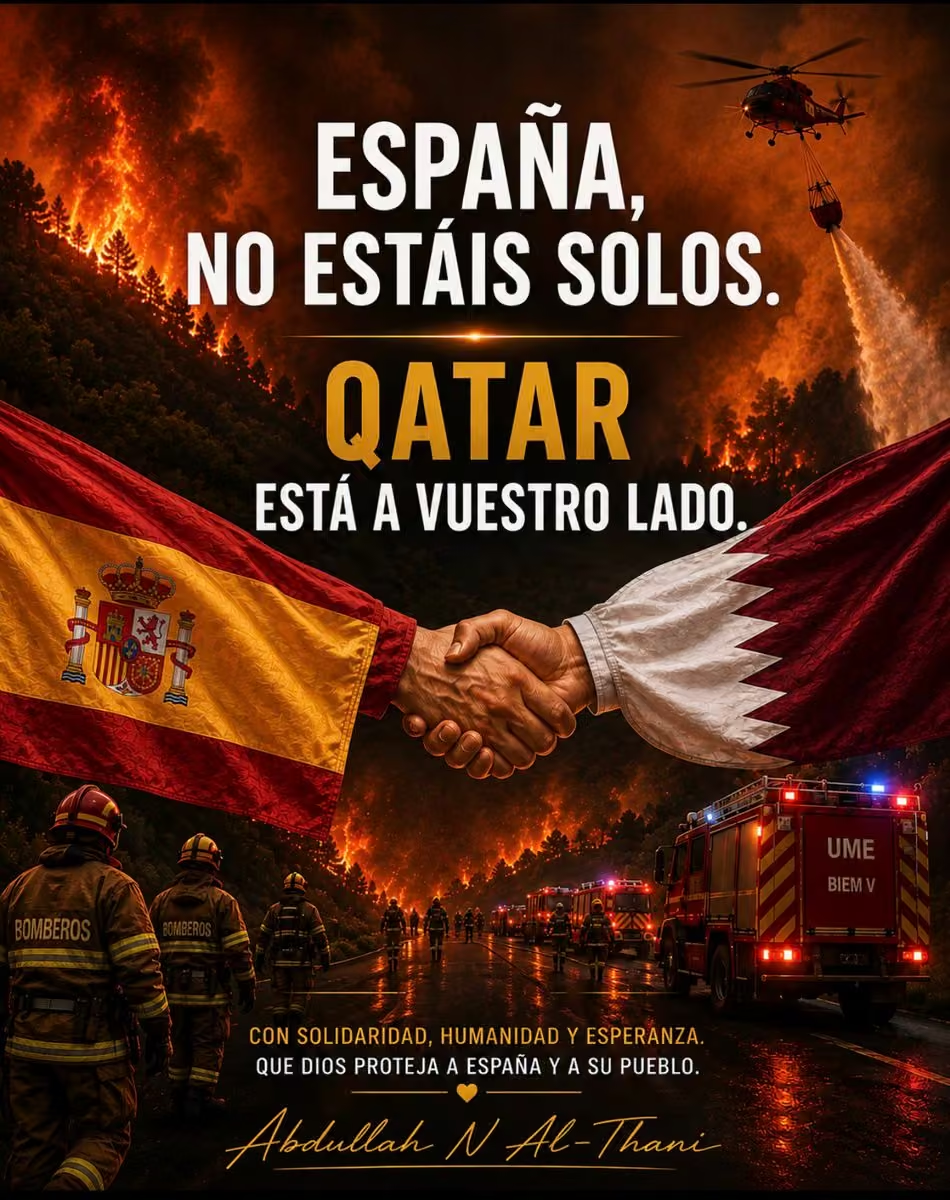
Con profundo pesar seguimos la evolución de los devastadores incendios que están afectando a diversas regiones de España, dejando tras de sí pérdidas humanas, familias desplazadas y enormes desafíos para quienes trabajan incansablemente para proteger vidas y bienes.
Expreso mis más sinceras condolencias a las familias de las víctimas y toda mi solidaridad con las personas afectadas, deseando de corazón que España supere esta tragedia lo antes posible.
En estos difíciles momentos, quiero expresar mi profundo reconocimiento y gratitud a @MOI_QatarEn por su participación en las labores de apoyo y asistencia para combatir estos incendios. Esta colaboración refleja los valores de la solidaridad humana, la cooperación internacional y el compromiso permanente del Estado de Qatar con los pueblos que atraviesan momentos de dificultad.
Ayudar a quienes sufren una catástrofe no es solo un deber nacional; es también un deber humano y moral que representa los valores más nobles de solidaridad entre las naciones.
@sanchezcastejon @interiorgob @UMEgob @proteccioncivil @guardiacivil
@MOI_Qatar @KHK
Al pueblo español:
España, no estáis solos. Qatar está a vuestro lado. 🇪🇸🤝🇶🇦
Que Dios proteja a España, a su pueblo y a todos los equipos de emergencia, y permita que esta tragedia termine cuanto antes.
#españa #incendiosforestales
#fuerzaespaña #solidaridad
#prayforspain #staystrongspain
#qatar #catar
#ministeriodelinterior
#cooperaciónInternacional #humanidad
 Abdullah N Al Thani
@ANAALThani
Nothing broke.
Nothing stopped.
Yet one missing piece
quietly changed the place
of every piece that remained.
#justiceformalaga
Abdullah N Al Thani
@ANAALThani
The smallest absence
can redraw the whole design.
#justiceformalaga
Abdullah N Al Thani
@ANAALThani
No one objected.
So they called it agreement.
Then one voice spoke,
and every silent moment
lost the meaning
they had given it.
#justiceformalaga
Abdullah N Al Thani
@ANAALThani
Silence is not always consent.
Sometimes it is only waiting
for the first voice.
#justiceformalaga
Abdullah N Al Thani
@ANAALThani
They never argued
while the road was shared.
No one noticed
the destination was not.
Then the path ended,
and every step revealed
a different intention.
#justiceformalaga
Abdullah N Al Thani
@ANAALThani
A shared road
can hide
opposite destinations.
#justiceformalaga
Abdullah N Al Thani
@ANAALThani
Nothing had been revealed.
Yet everything
had already adjusted to it.
Then the hidden became visible,
and every careful decision
admitted what it had always known.
#justiceformalaga
Abdullah N Al Thani
@ANAALThani
Revelation changes nothing
that behavior
has already confessed.
#justiceformalaga
Abdullah N Al Thani
@ANAALThani
They believed
waiting changed outcomes.
So they waited.
Then the truth arrived
exactly as it had always been
only everyone else
had already changed.
#justiceformalaga
Abdullah N Al Thani
@ANAALThani
Delay changes people.
Not the truth waiting for them.
#justiceformalaga
Abdullah N Al Thani
@ANAALThani
Everyone remembered
the same day.
No one remembered it
the same way.
Then every version
began exposing
the existence of another.
#justiceformalaga
Abdullah N Al Thani
@ANAALThani
The past becomes dangerous
when memories stop agreeing.
#justiceformalaga
Abdullah N Al Thani
@ANAALThani
The answer was always ready.
No one thought
the question would change.
Then a different question appeared,
and every prepared answer
became part of the problem.
#justiceformalaga
Abdullah N Al Thani
@ANAALThani
The strongest answers fail
when they belong
to yesterday’s question.
#justiceformalaga
Abdullah N Al Thani
@ANAALThani
Nothing changed
when the promises were made.
Everything changed
when they had to be remembered.
Then every forgotten promise
began remembering
the people who made it.
#justiceformalaga
Abdullah N Al Thani
@ANAALThani
Words rarely disappear.
They simply wait for the day they are measured.
#justiceformalaga
Abdullah N Al Thani
@ANAALThani
No one noticed
who had stopped watching.
Everything looked unchanged.
Then the absence of one witness
changed the behavior
of everyone who remained.
#justiceformalaga
Abdullah N Al Thani
@ANAALThani
People rarely reveal themselves
when they believe
someone is still watching.
#justiceformalaga
Abdullah N Al Thani
@ANAALThani
No one asked
how it had become normal.
Everyone simply accepted it.
Then one unanswered question
made every familiar answer
sound borrowed.
#justiceformalaga
Abdullah N Al Thani
@ANAALThani
Normality survives
until someone asks
how it began.
#justiceformalaga
Abdullah N Al Thani
@ANAALThani
They moved as one.
No one asked why.
Then one reason disappeared,
and everything that looked united
began pulling apart.
#justiceformalaga
Abdullah N Al Thani
@ANAALThani
Shared direction
does not always mean shared purpose.
#justiceformalaga
Abdullah N Al Thani
@ANAALThani
Everything remained quiet.
So they assumed
everything remained intact.
Then the silence broke
and they discovered
it had been hiding movement,
not preserving order.
#justiceformalaga
Abdullah N Al Thani
@ANAALThani
Silence does not always protect.
Sometimes it only postpones discovery.
#justiceformalaga
Abdullah N Al Thani
@ANAALThani
Nothing had ever challenged it.
So everyone mistook survival
for proof.
Then the first real test arrived
and certainty disappeared
before anything else did.
#justiceformalaga
Abdullah N Al Thani
@ANAALThani
Survival proves time.
Only pressure proves truth.
#justiceformalaga
Abdullah N Al Thani
@ANAALThani
بمناسبة تتويج المنتخب الإسباني بكأس العالم 2026، أتقدم بخالص التهاني إلى جلالة الملك فيليبي السادس وإلى الحكومة والشعب الإسباني وإلى لاعبي المنتخب وجهازه الفني على هذا الإنجاز العالمي المستحق.
لقد جسّد المنتخب الإسباني خلال البطولة روح العمل الجماعي والانضباط والإصرار وقدم صورة مشرّفة لكرة القدم الإسبانية.
تهانينا لإسبانيا قيادةً وشعبًا بهذا التتويج التاريخي.
🇪🇸🏆
Enhorabuena a Su Majestad el Rey Felipe VI, al Gobierno y al pueblo español, así como a los jugadores, al cuerpo técnico y a todos los que han formado parte de este extraordinario logro.
La conquista de la Copa Mundial de la FIFA 2026 es el reflejo del talento, la disciplina, el trabajo en equipo y la perseverancia que han distinguido al fútbol español a lo largo de este torneo.
Mis más sinceras felicitaciones a España por este merecido título mundial.
🇪🇸🏆
Congratulations to His Majesty King Felipe VI, the Government and the people of Spain, as well as to the players, the coaching staff, and everyone who contributed to this remarkable achievement.
Winning the FIFA World Cup 2026 is a testament to the talent, discipline, teamwork, and determination that have defined Spanish football throughout the tournament.
My warmest congratulations to Spain on this well-deserved World Cup triumph.
🇪🇸🏆
@CasaReal
@desdelamoncloa
@rfef
#spain
#worldcup2026
#worldchampions
#laroja
#españa
#campeonesdelmundo
#mundial2026
#fifaworldcup
#إسبانيا
#بطل_العالم
#كأس_العالم_2026
 Abdullah N Al Thani
@ANAALThani
Everyone knew their place.
No one imagined it could change.
Then one position shifted
and every other role
lost the meaning it once carried.
#justiceformalaga
Abdullah N Al Thani
@ANAALThani
A system rarely breaks all at once.
Sometimes one changing place is enough.
#justiceformalaga
Abdullah N Al Thani
@ANAALThani
Mr @contrerasmister Happy birthday!
enjoy your special day 🎈🎉🎂🎊🎈
Abdullah N Al Thani
@ANAALThani
They stood behind the same certainty.
They trusted the same arrangement.
Then each of them began wondering
who had entered the circle already knowing
he would never pay the same price.
#justiceformalaga
Abdullah N Al Thani
@ANAALThani
Every circle changes the moment someone realizes it never had one price for everyone.
#justiceformalaga
Abdullah N Al Thani
@ANAALThani
They leaned on what never seemed to move.
They never questioned what held everything together.
Then the balance vanished
and every certainty discovered
it had been standing on borrowed ground.
#justiceformalaga
Abdullah N Al Thani
@ANAALThani
The greatest collapse begins
when borrowed ground is mistaken for solid ground.
#justiceformalaga
Abdullah N Al Thani
@ANAALThani
They counted what could be seen.
They dismissed what never asked to be noticed.
Then the unseen became the only thing
strong enough
to reorder everything they believed.
#justiceformalaga
Abdullah N Al Thani
@ANAALThani
The unseen is never powerless.
Only underestimated.
#justiceformalaga
Abdullah N Al Thani
@ANAALThani
هيئة البث العام الإسرائيلية اختارت أن تفتتح الموسم الخامس من برنامج “Enemies”
بصاحبة السمو الشيخة موزا بنت ناصر.
إنها أول قرار تحريري في الموسم.
لماذا كانت هذه الشخصية هي افتتاح الموسم الخامس؟
ولماذا اختيرت شخصية ارتبط اسمها بالتعليم، والجامعات، والعمل الإنساني، والحوار بين الثقافات،
لتكون بوابة موسم يحمل عنوان “Enemies”؟
هذا هو أول سؤال.
أما الوثائق… فتبدأ الآن.
@kann_news
 כאן חדשות
@kann_news
לקראת פרק פתיחת העונה של "אויבים" שיצלול לסיפורה של שייח'ה מוזא, דיברנו עם ד"ר מיכל יערי על האישה החזקה בקטאר: מי היא באמת "אשת הברזל" של המפרץ, ואיך היא פועלת נגד ישראל בצורה כל כך מתוחכמת ומסוכנת?
אויבים - פרק פתיחת העונה | מוצ"ש, 21:30, כאן 11
#בשכונהשלנו @kaisos1987
Abdullah N Al Thani
@ANAALThani
من صناعة الرواية إلى استهداف الرمز
الوثيقة (13): هل بدأت هذه الرواية بالحلقة
أم انتهت إليها؟
عند وضع الوثائق جنبًا إلى جنب، يظهر تسلسل لا يبدأ في يوليو 2026.
بل يبدأ قبل ذلك بسنوات.
2009
ظهور المفردات الأساسية داخل البرقيات الدبلوماسية.
👇🏾
2011
اتساعها مع الربيع العربي.
👇🏾
2014
تحولها إلى أزمة خليجية علنية.
👇🏾
2017
انتقالها إلى إجراءات على مستوى الدولة.
👇🏾
الحرب المعلوماتية.
👇🏾
Project Raven.
👇🏾
2022
أُقيمت كأس العالم، وانتهت البطولة، ولم تنتهِ الرواية.
👇🏾
2025
الوساطة.
👇🏾
استهداف أرض الوسيط.
👇🏾
2026
الحلقة الافتتاحية للموسم الخامس من برنامج “Enemies”.
ولهذا، فإن السؤال لم يعد:
ماذا قالت الحلقة؟
بل أصبح:
هل بدأت الرواية بهذه الحلقة…
أم أن الحلقة كانت آخر محطة في مسار بدأ قبلها بسنوات طويلة؟
هذا هو السؤال الثالث عشر.
أما الوثيقة الأخيرة… فستضع جميع هذه الوثائق أمام سؤال واحد فقط، وتترك للقارئ الإجابة.
@kann_news
@eyald82
#من_صناعة_الرواية_إلى_استهداف_الرمز
#التحقيق_الاستقصائي
#investigativereport
Abdullah N Al Thani
@ANAALThani
من صناعة الرواية إلى استهداف الرمز
الوثيقة (14): الكلمة الأخيرة
لم يحاول هذا التحقيق أن يفرض على القارئ نتيجة.
ولم يطلب منه أن يتبنى رواية بديلة.
كل ما فعله هو إعادة ترتيب الوقائع، وإعادتها إلى تسلسلها الزمني، وربط كل محطة بوثيقتها الأصلية.
بدأت الوثائق ببرقية دبلوماسية.
ثم الربيع العربي.
ثم الأزمة الخليجية الأولى.
ثم الحصار.
ثم الحرب المعلوماتية.
ثم الاختراق الإلكتروني.
ثم كأس العالم 2022، الذي انتهى… ولم تنتهِ الرواية.
ثم الوساطة.
ثم استهداف أرض الوسيط.
ثم الحلقة الافتتاحية للموسم الخامس من برنامج “Enemies”.
إذا كانت هذه المحطات مستقلة عن بعضها…
فلماذا بقي اتجاه الرواية ثابتًا، بينما تغيرت أدواتها؟
هذا السؤال لا تجيب عنه الوثيقة الأولى.
ولا الوثيقة الأخيرة.
بل تجيب عنه الوثائق جميعها عندما تُقرأ بوصفها مسارًا واحدًا.
ولهذا…
فإن التحقيق الكامل، بمصادره الأصلية، أصبح أمام القارئ.
والحكم… له.
@kann_news
#من_صناعة_الرواية_إلى_استهداف_الرمز
#التحقيق_الاستقصائي
#investigativereport
Abdullah N Al Thani
@ANAALThani
Time never erased it.
It only kept placing the pieces
closer together.
Then one quiet moment
made every scattered fragment
recognize the same design.
#justiceformalaga
Abdullah N Al Thani
@ANAALThani
Time doesn’t always bury.
Sometimes it arranges.
#justiceformalaga
Abdullah N Al Thani
@ANAALThani
They believed they were looking
at the same truth.
They never noticed
each of them had been facing
a different direction.
The moment they finally turned,
none of them recognized
the path they had defended.
#justiceformalaga
Abdullah N Al Thani
@ANAALThani
The greatest illusion
is believing everyone saw what you saw.
#justiceformalaga
Abdullah N Al Thani
@ANAALThani
They kept measuring the same horizon.
They never noticed the ground had moved.
By the time they looked down,
the distance between them
could no longer be crossed.
#justiceformalaga
Abdullah N Al Thani
@ANAALThani
Distance is rarely created in a moment.
It is discovered too late.
#justiceformalaga
Abdullah N Al Thani
@ANAALThani
{{ العود }}
كبر فقد العود واهتزت بفرقاها الديار
شيخ فقدناه والمصاب بقلوبنا خطير::~
حمد هل الطولات راعي الطيب والجار
فعل ثبت ترويه روس المناعير::~
دفان فقر عز ربعه وحمى الدار
ريف الضعوف ومشبع الضيف المعسير::~
قرم ليا نادى نهار الخوف مغوار
مقدام ما يرهب لقا القوم العسير::~
ذيب حصين الراي ما هاب الاخطار
حر تعلى في جبال الشناخير::~
شاد العلا فوق اساس المجد والاسوار
ومشى على نهج المؤسس دون تغيير::~
بيده رفع رايات قطر فوق الاقطار
لين اسمها غدا لها عز وتوقير::~
للقدس وغزة وقفة ما هي باسرار
يوم الردي عن فزعة المضيوم ذخير::~
وسلم زمام الحكم من طيب واختيار
لتميم راعي العز والراي البصير::~
يا عودنا لك في ضمايرنا مقدار
ذكراك تبقى كل ما هب الهجير::~
تبكيك روس القوم واهل العز والكار
ويبكيك شعب شاف بك ستر ونصير::~
عسى ثراك بروضة الخلد مدرار
وجوار طه عسى قبرك ينير::~
يجعل عظيم اعمالك لقبرك ظلال
ويجزيك رب العرش بالفضل الوفير::~
نم يا حمد في رحمة الواحد الغفار
واسمك على روس المراجل ما يطير::~
وصلوا على المختار ما شعشع نهار
عداد من لبى ومشى درب المسافير::~
#الامير_الوالد #حمد_بن_خليفه #قطر
✍🏽 عاتق الثريا
Abdullah N Al Thani
@ANAALThani
Nothing announced itself.
Nothing demanded attention.
Then what had been ignored the longest
became the only thing
none of them could look away from.
#justiceformalaga
Abdullah N Al Thani
@ANAALThani
What is ignored the longest
often returns with the greatest weight.
#justiceformalaga
Abdullah N Al Thani
@ANAALThani
بِسْمِ اللهِ الرَّحْمٰنِ الرَّحِيمِ
﴿يَا أَيَّتُهَا النَّفْسُ الْمُطْمَئِنَّةُ ارْجِعِي إِلَىٰ رَبِّكِ رَاضِيَةً مَرْضِيَّةً فَادْخُلِي فِي عِبَادِي وَادْخُلِي جَنَّتِي﴾
بقلوبٍ مؤمنةٍ بقضاء الله وقدره، وببالغ الحزن وعميق الأسى، ننعى فقيد الوطن والأمة، ونعزي أنفسنا، ونعزي أخي حضرة صاحب السمو الشيخ تميم بن حمد آل ثاني، أمير البلاد المفدى، والأسرة الحاكمة الكريمة، وشعب دولة قطر الوفي، في وفاة المغفور له بإذن الله تعالى:
صاحب السمو الأمير الوالد
الشيخ حمد بن خليفة آل ثاني
أمير دولة قطر السابق
الذي انتقل إلى جوار ربه بعد مسيرةٍ وطنيةٍ وتاريخيةٍ استثنائية، كرّس خلالها حياته لخدمة وطنه وأمته، وقاد دولة قطر برؤيةٍ ثاقبة وعزيمةٍ راسخة، حتى أصبحت نموذجًا عالميًا في التنمية والازدهار، ورسّخ مكانتها بين الأمم كدولةٍ ذات حضورٍ سياسي واقتصادي وإنساني مؤثر.
لقد كان، رحمه الله، قائدًا استثنائيًا، ورجل دولةٍ من طرازٍ فريد، ارتبط اسمه بأعظم محطات التحول في تاريخ قطر الحديث. كما كان زعيمًا قوميًا غيورًا، بذل كل ما في وسعه من أجل القضايا القومية، ودعم حقوق الأمة العربية والإسلامية، وفي مقدمتها القضية الفلسطينية العادلة، التي ساندها بحكمةٍ وشجاعةٍ في مختلف المحافل، ودعم صمود شعبها الأبي. وقد أسّس لنهضةٍ شاملة قامت على بناء الإنسان، وترسيخ مؤسسات الدولة، وتعزيز سيادتها، وترسيخ حضورها الإقليمي والدولي.
وخلال مسيرته المباركة، شهدت دولة قطر محطاتٍ تاريخيةً مفصلية، كان من أبرزها:
توليه مقاليد الحكم خلال الفترة (1995–2013)، وقيادة مرحلة التحول الشامل لدولة قطر الحديثة، وتسليم الأمانة في انتقالٍ تاريخيٍ راسخ إلى حضرة صاحب السمو الشيخ تميم بن حمد آل ثاني، أمير البلاد المفدى.
إقرار الدستور الدائم لدولة قطر، وترسيخ دولة المؤسسات وسيادة القانون.
قيادة النهضة الاقتصادية، وتطوير قطاع الطاقة، وتعزيز مكانة دولة قطر كإحدى أبرز الدول الرائدة عالميًا في صناعة الغاز الطبيعي المسال.
دعم التعليم والبحث العلمي، وإطلاق المدينة التعليمية، وتعزيز دور مؤسسة قطر للتربية والعلوم وتنمية المجتمع في بناء أجيال المستقبل.
إطلاق شبكة الجزيرة الإعلامية، وترسيخ سياسة خارجية فاعلة عززت مكانة دولة قطر كوسيط موثوق في دعم الحوار وإحلال السلام.
قيادة المسيرة التي تُوجت بفوز دولة قطر بحق استضافة بطولة كأس العالم FIFA 2022، ووضع الأسس التي قامت عليها النهضة الرياضية الشاملة.
الإسهام في تطوير وتحديث القوات المسلحة القطرية خلال توليه مسؤولياته الوطنية قبل توليه مقاليد الحكم.
لقد ترك، رحمه الله، إرثًا وطنيًا وقوميًا خالدًا سيبقى حاضرًا في وجدان أبناء قطر والأمة العربية، وفي كل منجزٍ تحقق على أرضها، وفي كل مؤسسةٍ قامت على رؤيته، وفي كل نجاحٍ حمل اسم قطر إلى آفاق العالم.
رحمك الله يا بومشعل، فقد كنت قائدًا استثنائيًا، وأبًا لوطنٍ نهض بعزمك، وستظل ذكراك العطرة خالدةً في قلوب أبناء قطر والأمة، وسيبقى عطاؤك شاهدًا على مرحلةٍ صنعت تاريخًا سيظل مصدر فخرٍ واعتزازٍ للأجيال.
نسأل الله العلي القدير أن يتغمد الفقيد الكبير بواسع رحمته ومغفرته، وأن يسكنه الفردوس الأعلى من الجنة مع النبيين والصديقين والشهداء والصالحين، وأن يجزيه عن وطنه وأمته خير الجزاء، وأن يلهم حضرة صاحب السمو أمير البلاد المفدى، والأسرة الحاكمة الكريمة، والشعب القطري الوفي، جميل الصبر وحسن العزاء.
﴿إِنَّا لِلَّهِ وَإِنَّا إِلَيْهِ رَاجِعُونَ﴾
#حمد_بن_خليفة_آل_ثاني
#الأمير_الوالد
#قطر
#تميم_بن_حمد
#قطر_تعزي
@TamimBinHamad
@AmiriDiwan
 Abdullah N Al Thani
@ANAALThani
بِسْمِ اللهِ الرَّحْمٰنِ الرَّحِيمِ
﴿يَا أَيَّتُهَا النَّفْسُ الْمُطْمَئِنَّةُ ارْجِعِي إِلَىٰ رَبِّكِ رَاضِيَةً مَرْضِيَّةً فَادْخُلِي فِي عِبَادِي وَادْخُلِي جَنَّتِي﴾
بقلوبٍ مؤمنةٍ بقضاء الله وقدره، وببالغ الحزن وعميق الأسى، ننعى فقيد الوطن والأمة، ونعزي أنفسنا، ونعزي أخي حضرة صاحب السمو الشيخ تميم بن حمد آل ثاني، أمير البلاد المفدى، والأسرة الحاكمة الكريمة، وشعب دولة قطر الوفي، في وفاة المغفور له بإذن الله تعالى:
صاحب السمو الأمير الوالد
الشيخ حمد بن خليفة آل ثاني
أمير دولة قطر السابق
الذي انتقل إلى جوار ربه بعد مسيرةٍ وطنيةٍ وتاريخيةٍ استثنائية، كرّس خلالها حياته لخدمة وطنه وأمته، وقاد دولة قطر برؤيةٍ ثاقبة وعزيمةٍ راسخة، حتى أصبحت نموذجًا عالميًا في التنمية والازدهار، ورسّخ مكانتها بين الأمم كدولةٍ ذات حضورٍ سياسي واقتصادي وإنساني مؤثر.
لقد كان، رحمه الله، قائدًا استثنائيًا، ورجل دولةٍ من طرازٍ فريد، ارتبط اسمه بأعظم محطات التحول في تاريخ قطر الحديث. كما كان زعيمًا قوميًا غيورًا، بذل كل ما في وسعه من أجل القضايا القومية، ودعم حقوق الأمة العربية والإسلامية، وفي مقدمتها القضية الفلسطينية العادلة، التي ساندها بحكمةٍ وشجاعةٍ في مختلف المحافل، ودعم صمود شعبها الأبي. وقد أسّس لنهضةٍ شاملة قامت على بناء الإنسان، وترسيخ مؤسسات الدولة، وتعزيز سيادتها، وترسيخ حضورها الإقليمي والدولي.
وخلال مسيرته المباركة، شهدت دولة قطر محطاتٍ تاريخيةً مفصلية، كان من أبرزها:
توليه مقاليد الحكم خلال الفترة (1995–2013)، وقيادة مرحلة التحول الشامل لدولة قطر الحديثة، وتسليم الأمانة في انتقالٍ تاريخيٍ راسخ إلى حضرة صاحب السمو الشيخ تميم بن حمد آل ثاني، أمير البلاد المفدى.
إقرار الدستور الدائم لدولة قطر، وترسيخ دولة المؤسسات وسيادة القانون.
قيادة النهضة الاقتصادية، وتطوير قطاع الطاقة، وتعزيز مكانة دولة قطر كإحدى أبرز الدول الرائدة عالميًا في صناعة الغاز الطبيعي المسال.
دعم التعليم والبحث العلمي، وإطلاق المدينة التعليمية، وتعزيز دور مؤسسة قطر للتربية والعلوم وتنمية المجتمع في بناء أجيال المستقبل.
إطلاق شبكة الجزيرة الإعلامية، وترسيخ سياسة خارجية فاعلة عززت مكانة دولة قطر كوسيط موثوق في دعم الحوار وإحلال السلام.
قيادة المسيرة التي تُوجت بفوز دولة قطر بحق استضافة بطولة كأس العالم FIFA 2022، ووضع الأسس التي قامت عليها النهضة الرياضية الشاملة.
الإسهام في تطوير وتحديث القوات المسلحة القطرية خلال توليه مسؤولياته الوطنية قبل توليه مقاليد الحكم.
لقد ترك، رحمه الله، إرثًا وطنيًا وقوميًا خالدًا سيبقى حاضرًا في وجدان أبناء قطر والأمة العربية، وفي كل منجزٍ تحقق على أرضها، وفي كل مؤسسةٍ قامت على رؤيته، وفي كل نجاحٍ حمل اسم قطر إلى آفاق العالم.
رحمك الله يا بومشعل، فقد كنت قائدًا استثنائيًا، وأبًا لوطنٍ نهض بعزمك، وستظل ذكراك العطرة خالدةً في قلوب أبناء قطر والأمة، وسيبقى عطاؤك شاهدًا على مرحلةٍ صنعت تاريخًا سيظل مصدر فخرٍ واعتزازٍ للأجيال.
نسأل الله العلي القدير أن يتغمد الفقيد الكبير بواسع رحمته ومغفرته، وأن يسكنه الفردوس الأعلى من الجنة مع النبيين والصديقين والشهداء والصالحين، وأن يجزيه عن وطنه وأمته خير الجزاء، وأن يلهم حضرة صاحب السمو أمير البلاد المفدى، والأسرة الحاكمة الكريمة، والشعب القطري الوفي، جميل الصبر وحسن العزاء.
﴿إِنَّا لِلَّهِ وَإِنَّا إِلَيْهِ رَاجِعُونَ﴾
#حمد_بن_خليفة_آل_ثاني
#الأمير_الوالد
#قطر
#تميم_بن_حمد
#قطر_تعزي
@TamimBinHamad
@AmiriDiwan
 الديوان الأميري
@AmiriDiwan
بيان من الديوان الأميري: بقلوب مؤمنة بقضاء الله وقدره، ينعى الديوان الأميري، فقيد الوطن الكبير المغفور له بإذن الله صاحب السمو الأمير الوالد الشيخ حمد بن خليفة آل ثاني، الذي وافته المنية صباح اليوم 27 محرم 1448 الموافق 12 يوليو 2026، عن عمر ناهز 74 عامًا. diwan.gov.qa/Briefing-Room/News/General/Statements/2026/J…
Abdullah N Al Thani
@ANAALThani
The pattern never warned them.
It simply stopped repeating.
That was the moment
each of them understood
they had been relying on habit.
not certainty.
#justiceformalaga
Abdullah N Al Thani
@ANAALThani
Habit feels permanent…
until it suddenly isn’t.
#justiceformalaga
Abdullah N Al Thani
@ANAALThani
They stopped noticing.
They thought nothing had changed.
Then the smallest shift
became the one thing
none of them could explain.
#justiceformalaga
Abdullah N Al Thani
@ANAALThani
They followed the reflection.
They never questioned the light.
Then the reflection disappeared
and each of them was left facing
what had been there all along.
#justiceformalaga
Abdullah N Al Thani
@ANAALThani
Reflections vanish.
Foundations remain.
#justiceformalaga
Abdullah N Al Thani
@ANAALThani
They mistook agreement for truth.
They mistook numbers for certainty.
Then one quiet absence changed everything
and each of them realized
they had been trusting the crowd, not the ground.
#justiceformalaga
Abdullah N Al Thani
@ANAALThani
Crowds can echo.
Only truth can endure.
#justiceformalaga
Abdullah N Al Thani
@ANAALThani
They believed every choice was their own.
Every step felt deliberate.
Then they discovered
the path had been narrower than they ever imagined.
#justiceformalaga
Abdullah N Al Thani
@ANAALThani
The smallest prison is the one mistaken for freedom.
#justiceformalaga
Abdullah N Al Thani
@ANAALThani
They built everything on what never changed.
They never imagined it would move.
Then the ground beneath certainty shifted
and every answer they trusted began questioning itself.
#justiceformalaga
Abdullah N Al Thani
@ANAALThani
The deepest collapse begins
when certainty starts doubting itself.
#justiceformalaga
Abdullah N Al Thani
@ANAALThani
They mistook repetition for permanence.
They believed tomorrow would resemble yesterday.
Then certainty vanished without asking permission
and every familiar path led somewhere no one had prepared for.
#justiceformalaga
Abdullah N Al Thani
@ANAALThani
The greatest surprise is never the change.
It is discovering that certainty had already left.
#justiceformalaga
Abdullah N Al Thani
@ANAALThani
They never questioned the foundation.
They only strengthened what stood above it.
Then each of them quietly began wondering
whether the only thing holding everything together
had been the one thing no one dared to test.
#justiceformalaga
Abdullah N Al Thani
@ANAALThani
The strongest structures rarely fear attack.
They fear examination.
#justiceformalaga
Abdullah N Al Thani
@ANAALThani
They believed they were choosing together.
They never noticed they had stopped deciding.
Then each of them quietly began asking
when their own judgment
had become someone else’s voice.
#justiceformalaga
Abdullah N Al Thani
@ANAALThani
The deepest control is never forced.
It is accepted without being noticed.
#justiceformalaga
Abdullah N Al Thani
@ANAALThani
They defended the same certainty.
They believed it would never turn.
Then each of them quietly began asking
whether the certainty they were protecting
had already stopped protecting them.
#justiceformalaga
Abdullah N Al Thani
@ANAALThani
The hardest burden is protecting what no longer protects you.
#justiceformalaga
Abdullah N Al Thani
@ANAALThani
Total breakdown by the Lions of Teranga; they could have wrapped up the match early on. But the lack of fight from the first half completely ruined things in the second period. To top it off, extra time brought a highly controversial and questionable penalty that shattered Senegalese dreams at the very last minute. Better luck next time, and congratulations to Belgium.
🇸🇳📉 #senegalbelgique #worldcup2026
Abdullah N Al Thani
@ANAALThani
Gâchis total des Lions de la Teranga, ils pouvaient plier le match depuis le début. Mais le manque de "diom" (combativité) de la première mi temps a tout gâté en seconde période. Pour couronner le tout, les prolongations nous sortent un penalty imaginaire et hyper litigieux qui brise le rêve sénégalais à la dernière minute. Ndax sank (dommage). Bonne chance pour la suite et félicitations à la Belgique.
🇸🇳📉 #senegalbelgique #worldcup2026
Abdullah N Al Thani
@ANAALThani
تفريط واضح من أسود التيرانجا كان بإمكانهم حسم المباراة مبكراً
لكن غياب استماتة الشوط الأول غيّر الموازين تماماً في الشوط الثاني
لتأتي الأشواط الإضافية بركلة جزاء مشكوك في صحتها ومثيرة للجدل قضت على الآمال السنغالية في الوقت القاتل..
حظ أوفر في المنافسة القادمة.
ومبروك لمنتخب بلجيكا.
🇸🇳📉 #السنغال_بلجيكا #كأس_العالم_2026
Abdullah N Al Thani
@ANAALThani
They protected the same silence.
They trusted it would protect them back.
Then each of them quietly realized
the silence was no longer hiding them
it was separating them.
#justiceformalaga
Abdullah N Al Thani
@ANAALThani
What once kept them together
became the distance between them.
#justiceformalaga
Abdullah N Al Thani
@ANAALThani
The same moments remained.
The same faces remained.
Then each of them quietly began
replaying the past
wondering which moment had never meant
what they believed it did.
#justiceformalaga
Abdullah N Al Thani
@ANAALThani
The past never changes.
Only the meaning they gave it does.
#justiceformalaga
Abdullah N Al Thani
@ANAALThani
They remembered the same story.
They repeated the same beginning.
Then each of them quietly wondered
why the others no longer remembered it
exactly the same way.
#justiceformalaga
Abdullah N Al Thani
@ANAALThani
The first thing to divide is never the story.
It is the memory of it.
#justiceformalaga
Abdullah N Al Thani
@ANAALThani
They relied on the same certainty.
They believed it would always hold.
Then each of them quietly wondered
whether the others still needed it
for the same reason.
#justiceformalaga
Abdullah N Al Thani
@ANAALThani
A shared story survives.
A divided motive never does.
#justiceformalaga
Abdullah N Al Thani
@ANAALThani
They guarded the same certainty.
They repeated it until it sounded untouchable.
Then each of them quietly wondered
who would be the first
to no longer need it.
#justiceformalaga
Abdullah N Al Thani
@ANAALThani
The strongest certainty ends
when someone no longer needs to defend it.
#justiceformalaga
Abdullah N Al Thani
@ANAALThani
They believed they were protecting each other.
They never noticed they had become
each other’s greatest liability.
The moment one weight shifted,
none of the others remained where they believed they stood.
#justiceformalaga
Abdullah N Al Thani
@ANAALThani
The strongest chains do not break.
They become too heavy to carry.
#justiceformalaga
Abdullah N Al Thani
@ANAALThani
{{ "Ras Laffan" Reverberations: When Geography Transcends the Bounds of the Technical Narrative }}
The roar of the explosion that rocked the Barzan facility in the industrial city of Ras Laffan was not merely an accident in an isolated geography, but a border-crossing event; its physical and sonic reverberations stretched across the Gulf's waters, awakening the shores of neighboring countries and causing tremors felt by residents, as captured by the live coverage of
[International Euronews Network]
( www.euronews.com/embed/2903807 )
This unusual geographical reach places the official technical narrative before a true test of credibility, necessarily driving a reading between the political lines of the scene.
The starkest contradiction emerges at the core of the narrative issued in the press conference by a high-ranking energy sector official, where the focus was on the shutdown since December 2025 in isolation from the subsequent documented damages, attributing the incident to operational complexities stemming from the facility's closure on that date for purposes described as "routine and periodic maintenance" according to the technical details discussed in the investigative report by the
[BBC British Broadcasting Corporation]
( bbc.com/news/articles/cwy05llpjpno )
However, investigations and reports from neutral international media sources reveal an entirely different reality; those external reports confirm that the shutdown was neither voluntary nor routine, but rather an enforced result following direct and documented military strikes and assaults on the Ras Laffan facilities in March 2026, inflicting severe structural damage to production trains and cooling equipment. This glaring disparity represents the most prominent gap in the official narrative.
The progression of data—from an initial denial of casualties on Sunday night,
culminating
in a later admission of 13 workers killed and 66 others injured—reflects the mechanism for handling incident developments and containing panic, as confirmed by the
[Reuters News Agency]
( www.reuters.com/world/asia-pacific/qatar-reports-explosio… )
in its monitoring of the field toll update. And in a facility costing billions and operated to the highest global safety standards, the failure of operations rooms and ultra-advanced emergency shutdown systems (ESD) to automatically isolate the event supports the hypothesis of factors exceeding traditional operational malfunction. This catastrophic explosion intersects with the critical geopolitical timing and the departure of delegations from the regional negotiations table in Geneva, according to the deep strategic analyses published by
[The Washington Post]
( www.washingtonpost.com/world/2026/06/21/qatar-explosion-r… )
; and if the facility had undergone previously announced maintenance operations, confining the explosion to a purely technical framework does not, by itself, answer the questions imposed by the accumulated facts and estimates speaking of a period ranging between three and five years to restore the site's full operational capacities from those strikes up to the moment of reactivation.
#رأس_لفان #الخليج_العربي #الغاز_المسال #قطر_للطاقة #قطر #raslaffan #lng #energysecurity #geopolitics #energymarket #qatar
Abdullah N Al Thani
@ANAALThani
{{ ارتدادات "رأس لفان": عندما تتجاوز الجغرافيا حدود الرواية التقنية }}
لم يكن دوي الانفجار الذي هز منشأة "برزان" في مدينة رأس لفان الصناعية مجرد حادث في جغرافيا معزولة، بل كان حدثاً عابراً للحدود؛ حيث تمددت موجاته الارتدادية الفيزيائية والصوتية عبر مياه الخليج لتوقظ سواحل دول الجوار وتحدث اهتزازات شعر بها السكان، وهو ما رصدته التغطية المباشرة لشبكة
[يورونيوز الدولية]
( www.euronews.com/embed/2903807 )
هذا المدى الجغرافي غير المعتاد، يضع الرواية الفنية الرسمية أمام اختبار مصداقية حقيقي، ويدفع بالضرورة إلى القراءة بين السطور السياسية للمشهد.
يبرز التناقض الأكبر في صلب الرواية الصادرة في المؤتمر الصحفي لمسؤول رفيع المستوى في قطاع الطاقة، حيث تم التركيز على رواية التوقف منذ ديسمبر 2025 بمعزل عن الأضرار الموثقة اللاحقة، وأرجع الحادث إلى تعقيدات تشغيلية ناجمة عن إغلاق المصنع في ذلك التاريخ لغرض ما وُصف بـ "الصيانة الدورية والروتينية" وفق التفاصيل الفنية التي ناقشها التحقيق الاستقصائي لهيئة
[الإذاعة البريطانية BBC]
( www.bbc.com/news/articles/cwy05llpjpno )
غير أن التحقيقات والتقارير الاستقصائية الصادرة عن مصادر إعلامية دولية محايدة تكشف واقعاً مغايراً تماماً؛ إذ تؤكد تلك التقارير الخارجية أن التوقف لم يكن اختيارياً أو روتينياً, بل جاء نتيجة إجبارية بعد تعرض منشآت رأس لفان لـ ضربات واعتداءات عسكرية مباشرة وموثقة في مارس 2026، مما ألحق أضراراً هيكلية بالغة بقطارات الإنتاج ومعدات التبريد. هذا التباين الصارخ يمثل الثغرة الأبرز في الرواية الرسمية.
إن تدرج البيانات الذي بدأ بإنكار وجود ضحايا ليلة الأحد، لينتهي
بالاعتراف لاحقاً بمقتل 13 عاملاً وإصابة 66 آخرين، يعكس آلية التعامل مع مستجدات الحادث واحتواء الهلع، وهو ما ثبتته وكالة
[رويترز الإخبارية]
( www.reuters.com/world/asia-pacific/qatar-reports-explosio… )
في رصدها لتحديث الحصيلة الميدانية. وفي منشأة تبلغ تكلفتها المليارات وتدار بأعلى معايير السلامة العالمية، فإن عجز غرف العمليات ومنظومات الإغلاق الاضطراري (ESD) الفائقة عن عزل الحدث تلقائياً يدعم فرضية وجود عوامل تتجاوز الخلل التشغيلي التقليدي. يتقاطع هذا الانفجار المهول مع التوقيت الجيوسياسي الحرج ومغادرة الوفود لطاولة المفاوضات الإقليمية في جنيف، وفقاً للتحليلات الإستراتيجية العميقة التي نشرتها
[صحيفة واشنطن بوست]
( www.washingtonpost.com/world/2026/06/21/qatar-explosion-r… )
؛ وإذا كانت المنشأة قد خضعت لعمليات الصيانة المعلنة سابقاً، فإن حصر الانفجار في إطار فني بحت لا يجيب وحده عن التساؤلات التي تفرضها الوقائع المتراكمة والتقديرات التي تتحدث عن فترة تتراوح بين ثلاث وخمس سنوات لاستعادة كامل القدرات التشغيلية للموقع منذ تلك الضربات وحتى لحظة إعادة التشغيل.
#رأس_لفان #الخليج_العربي #الغاز_المسال #قطر_للطاقة #قطر #raslaffan #lng #energysecurity #geopolitics #energymarket #qatar
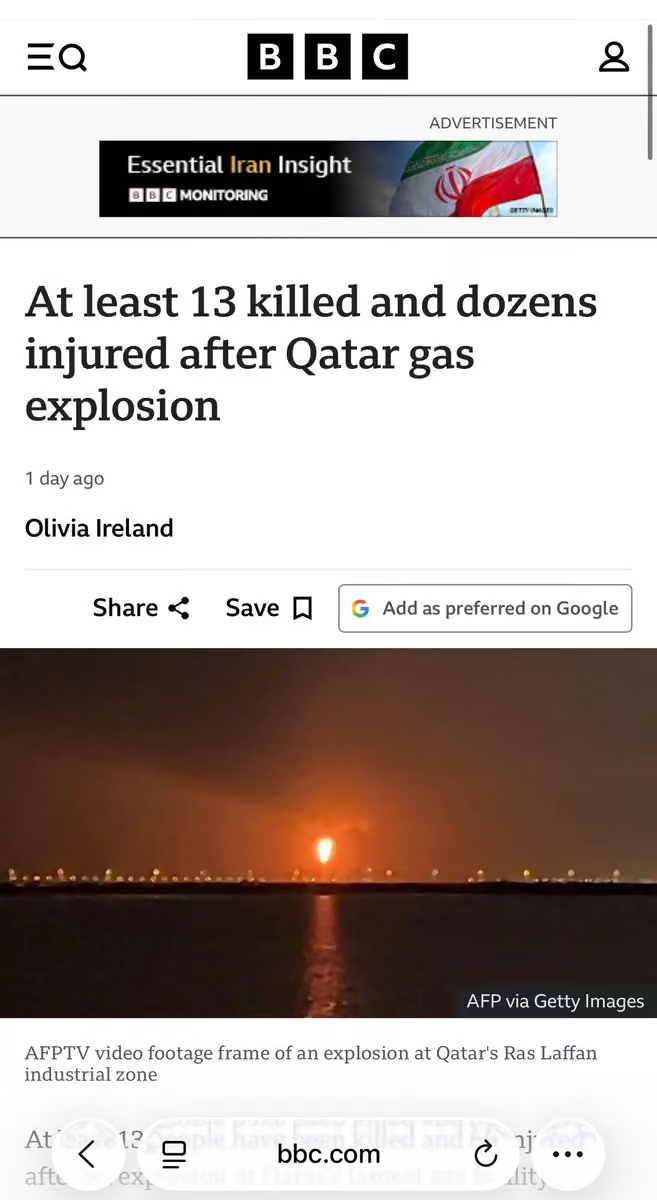

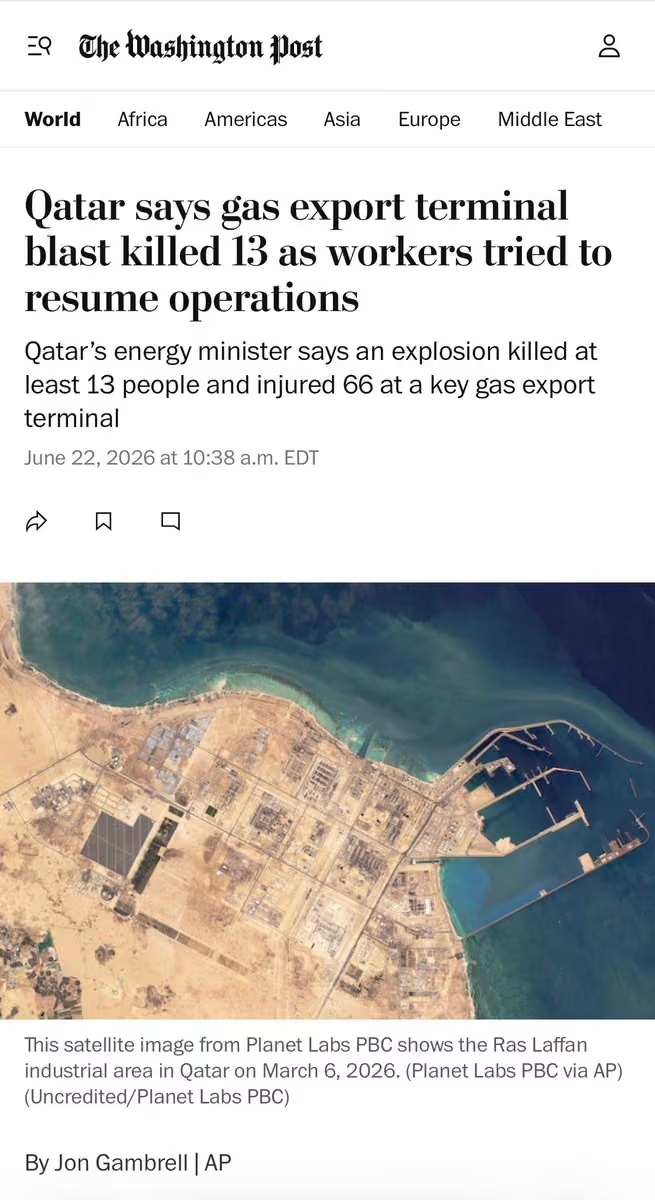
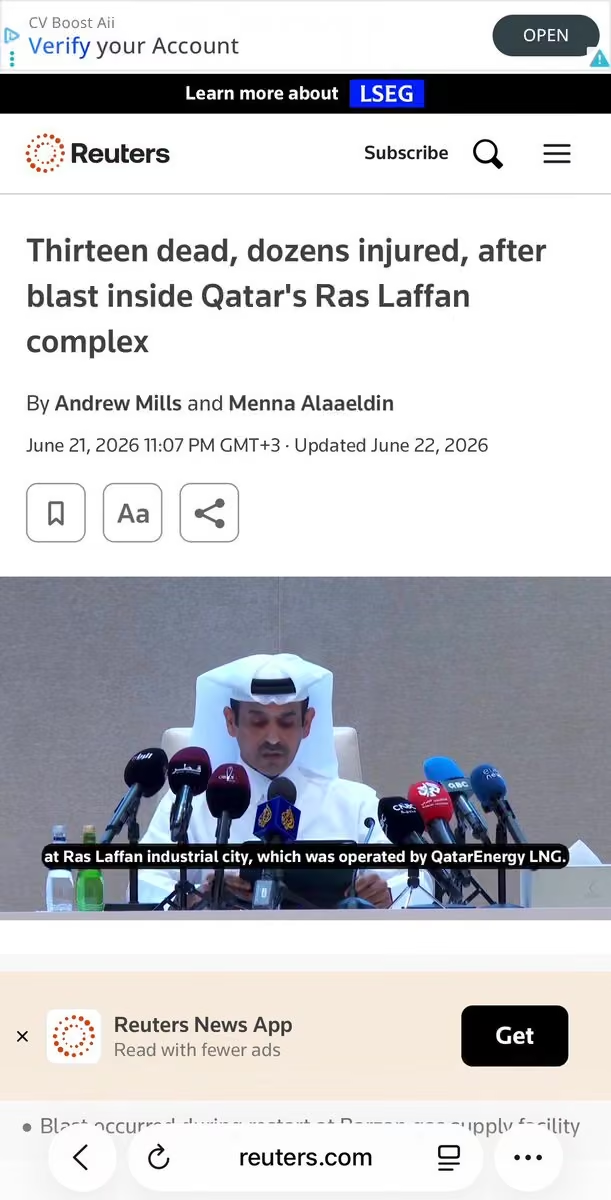 Abdullah N Al Thani
@ANAALThani
They protected the same certainty.
They repeated the same certainty.
Then each of them quietly asked himself
whether he had been following conviction…
or someone else’s design.
#justiceformalaga
Abdullah N Al Thani
@ANAALThani
The hardest prison to escape is the one mistaken for conviction.
#justiceformalaga
Abdullah N Al Thani
@ANAALThani
They watched the same horizon.
They followed the same signal.
Then each of them began wondering
who had needed them looking there
for so very long.
#justiceformalaga
Abdullah N Al Thani
@ANAALThani
The longest distraction usually protects the deepest truth.
#justiceformalaga
Abdullah N Al Thani
@ANAALThani
{{ ارتدادات "رأس لفان": عندما تتجاوز الجغرافيا حدود الرواية التقنية }}
لم يكن دوي الانفجار الذي هز منشأة "برزان" في مدينة رأس لفان الصناعية مجرد حادث في جغرافيا معزولة، بل كان حدثاً عابراً للحدود؛ حيث تمددت موجاته الارتدادية الفيزيائية والصوتية عبر مياه الخليج لتوقظ سواحل دول الجوار وتحدث اهتزازات شعر بها السكان، وهو ما رصدته التغطية المباشرة لشبكة
[يورونيوز الدولية]
( www.euronews.com/embed/2903807 )
هذا المدى الجغرافي غير المعتاد، يضع الرواية الفنية الرسمية أمام اختبار مصداقية حقيقي، ويدفع بالضرورة إلى القراءة بين السطور السياسية للمشهد.
يبرز التناقض الأكبر في صلب الرواية الصادرة في المؤتمر الصحفي لمسؤول رفيع المستوى في قطاع الطاقة، حيث تم التركيز على رواية التوقف منذ ديسمبر 2025 بمعزل عن الأضرار الموثقة اللاحقة، وأرجع الحادث إلى تعقيدات تشغيلية ناجمة عن إغلاق المصنع في ذلك التاريخ لغرض ما وُصف بـ "الصيانة الدورية والروتينية" وفق التفاصيل الفنية التي ناقشها التحقيق الاستقصائي لهيئة
[الإذاعة البريطانية BBC]
( www.bbc.com/news/articles/cwy05llpjpno )
غير أن التحقيقات والتقارير الاستقصائية الصادرة عن مصادر إعلامية دولية محايدة تكشف واقعاً مغايراً تماماً؛ إذ تؤكد تلك التقارير الخارجية أن التوقف لم يكن اختيارياً أو روتينياً, بل جاء نتيجة إجبارية بعد تعرض منشآت رأس لفان لـ ضربات واعتداءات عسكرية مباشرة وموثقة في مارس 2026، مما ألحق أضراراً هيكلية بالغة بقطارات الإنتاج ومعدات التبريد. هذا التباين الصارخ يمثل الثغرة الأبرز في الرواية الرسمية.
إن تدرج البيانات الذي بدأ بإنكار وجود ضحايا ليلة الأحد، لينتهي
بالاعتراف لاحقاً بمقتل 13 عاملاً وإصابة 66 آخرين، يعكس آلية التعامل مع مستجدات الحادث واحتواء الهلع، وهو ما ثبتته وكالة
[رويترز الإخبارية]
( www.reuters.com/world/asia-pacific/qatar-reports-explosio… )
في رصدها لتحديث الحصيلة الميدانية. وفي منشأة تبلغ تكلفتها المليارات وتدار بأعلى معايير السلامة العالمية، فإن عجز غرف العمليات ومنظومات الإغلاق الاضطراري (ESD) الفائقة عن عزل الحدث تلقائياً يدعم فرضية وجود عوامل تتجاوز الخلل التشغيلي التقليدي. يتقاطع هذا الانفجار المهول مع التوقيت الجيوسياسي الحرج ومغادرة الوفود لطاولة المفاوضات الإقليمية في جنيف، وفقاً للتحليلات الإستراتيجية العميقة التي نشرتها
[صحيفة واشنطن بوست]
( www.washingtonpost.com/world/2026/06/21/qatar-explosion-r… )
؛ وإذا كانت المنشأة قد خضعت لعمليات الصيانة المعلنة سابقاً، فإن حصر الانفجار في إطار فني بحت لا يجيب وحده عن التساؤلات التي تفرضها الوقائع المتراكمة والتقديرات التي تتحدث عن فترة تتراوح بين ثلاث وخمس سنوات لاستعادة كامل القدرات التشغيلية للموقع منذ تلك الضربات وحتى لحظة إعادة التشغيل.
#رأس_لفان #الخليج_العربي #الغاز_المسال #قطر_للطاقة #قطر #raslaffan #lng #energysecurity #geopolitics #energymarket #qatar
Abdullah N Al Thani
@ANAALThani
They believed they stood together.
They believed they carried the same risk.
Then each of them began wondering
who had spent the most time convincing them of that.
#justiceformalaga
Abdullah N Al Thani
@ANAALThani
The hardest question is not who led.
It is who needed everyone to believe he didn’t.
#justiceformalaga
Abdullah N Al Thani
@ANAALThani
They remained inside the same circle.
They trusted the same direction.
Then each of them began wondering
who had needed their loyalty
more than they had needed his.
#justiceformalaga
Abdullah N Al Thani
@ANAALThani
Loyalty changes shape when someone benefits from it more than everyone else.
#justiceformalaga
Abdullah N Al Thani
@ANAALThani
إلى @MOI_Qatar @MOI_QatarEn
يُلاحظ في الآونة الأخيرة انتشار أساليب مختلفة للتسول غير المباشر، تبدأ بقصص متشابهة عن المرض أو العلاج أو الولادة أو الظروف الإنسانية الطارئة، ثم تتحول إلى طلب المال أو محاولة بيع سلع وأغراض في الأماكن العامة.
ومع التقدير الكامل للجهود الكبيرة التي تبذلها وزارة الداخلية في مكافحة هذه الظاهرة، فإن الواقع يشير إلى الحاجة لمزيد من الرقابة والتشدد واتخاذ الإجراءات اللازمة بحق المخالفين، حفاظاً على النظام العام ومنع استغلال مشاعر الناس وحسن نواياهم.
كما أن الوعي المجتمعي يبقى خط الدفاع الأول، وعدم تقديم الأموال أو التعامل مع هذه الحالات خارج الأطر والقنوات الرسمية المعتمدة.
حفظ الله قطر وأدام عليها نعمة الأمن والأمان.
#وزارة_الداخلية
#قطر
#الدوحة
#qatar
#doha
#مكافحة_التسول
#الأمن_المجتمعي
Abdullah N Al Thani reposted
 هميان ال ثاني
@Hamyan_AlThani
أبي الغالي، أنت لست فقط الأب الفاضل، بل أنت المعلم الأول، والملهم الذي يمنحني القوة لأخطو بثقة في هذه الحياة حفظك الله لي ذخراً وفخراً طوال العمر @ANAALThani 🤍
Abdullah N Al Thani
@ANAALThani
ابنتي الغالية @Hamyan_AlThani
شكراً لكِ على كلماتكِ الجميلة ومشاعركِ الصادقة التي أسعدتني كثيراً.
وإن كان لي من فخر في هذه الحياة فهو أن أرى أبناءنا وبناتنا يسيرون بثقة وأخلاق وقيم راسخة، ويصنعون لأنفسهم مستقبلاً مشرقاً بعزيمة وإيمان.
واعلمي يا ابنتي أن الأب لا يكتفي بالمحبة بل يبقى دائماً مصدر دعمٍ وسند، ومصدر أمنٍ وأمان واحتواء، يفرح لفرح أبنائه ويقف إلى جانبهم في كل مرحلة من مراحل حياتهم مؤمناً بقدراتهم داعماً لطموحاتهم وفخوراً بكل خطوة يخطونها نحو النجاح.
وإن كانت لي من أمنية فهي أن أراكِ دائماً قويةً وواثقةً وسعيدة وأن تمضي في حياتكِ مرفوعة الرأس ثابتة القيم كبيرة الطموح مطمئنة القلب وأنتِ تعلمين أن لكِ أباً سيبقى ما حييت سنداً لكِ وداعماً لكِ ومؤمنًا بكِ وحريصاً على سعادتكِ وأمانكِ وراحة بالكِ.
فخري الحقيقي ليس فيما قيل عني بل فيما أراه فيكِ من أخلاقٍ ووفاءٍ وطموحٍ ومحبة وأسأل الله أن يحفظكِ ويوفقكِ وأن يجعل مستقبلكِ أجمل مما تتمنين وأن يرزقكِ السعادة والنجاح والتوفيق في كل خطوة.
دمتِ دائماً مصدر فخرٍ واعتزاز، وحفظكِ الله ورعاكِ.
هميان ال ثاني
@Hamyan_AlThani
أبي الغالي، أنت لست فقط الأب الفاضل، بل أنت المعلم الأول، والملهم الذي يمنحني القوة لأخطو بثقة في هذه الحياة حفظك الله لي ذخراً وفخراً طوال العمر @ANAALThani 🤍
Abdullah N Al Thani
@ANAALThani
They stood behind the same certainty.
They trusted the same arrangement.
Then each of them began wondering
who had entered the circle already knowing
he would never pay the same price.
#justiceformalaga
Abdullah N Al Thani
@ANAALThani
The circle breaks when someone realizes the risk was never shared.
#justiceformalaga
Abdullah N Al Thani
@ANAALThani
💙🤍 🤲🏽 اللهم لك الحمد والشكر حمداً كثيراً طيباً مباركاً فيه، ملء السماوات وملء الأرض وملء ما بينهما..
Abdullah N Al Thani
@ANAALThani
They carried the same message.
They passed it from hand to hand.
Then each of them began wondering
who had known from the beginning
that the weight would never stay with him.
#justiceformalaga
Abdullah N Al Thani
@ANAALThani
The heaviest burden is discovering you were carrying someone else’s protection.
#justiceformalaga
Abdullah N Al Thani
@ANAALThani
They defended the same answer.
They avoided the same question.
Then each of them began wondering
who had always feared the question more than the answer.
#justiceformalaga
Abdullah N Al Thani
@ANAALThani
Answers rarely reveal fear. Questions do.
#justiceformalaga
Abdullah N Al Thani
@ANAALThani
They repeated the same certainty.
They protected the same conclusion.
Then each of them began wondering
who needed them to keep believing it.
#justiceformalaga
Abdullah N Al Thani
@ANAALThani
Belief becomes dangerous when someone else depends on it.
#justiceformalaga
Abdullah N Al Thani
@ANAALThani
They carried the same version.
They defended the same certainty.
Then each of them began wondering
who had always known the consequences would stop before reaching him.
#justiceformalaga
Abdullah N Al Thani
@ANAALThani
Confidence becomes suspicious when everyone else is carrying the risk.
#justiceformalaga
Abdullah N Al Thani
@ANAALThani
They carried the same version.
They repeated the same certainty.
Then each of them began wondering
who had been carrying the least weight all along.
#justiceformalaga
Abdullah N Al Thani
@ANAALThani
The burden reveals more than the story ever can.
#justiceformalaga
Abdullah N Al Thani
@ANAALThani
يسرني أن أتقدم إليكم بأصدق التهاني وأطيب التمنيات بمناسبة حلول العام الهجري الجديد 1448هـ، سائلًا المولى عز وجل أن يجعله عامًا مباركًا مليئًا بالخير والطمأنينة والتوفيق،
وأن يديم على الجميع نعمة الأمن والصحة والعافية.
ومع دخول هذا العام الجديد
نستحضر ما تحمله الهجرة النبوية من معاني الإيمان والصبر والثبات وحسن التوكل على الله
كما تذكرنا هذه المناسبة العزيزة بقيمة الوقت وأهمية مراجعة النفس واستحضار الدروس والعبر التي تحملها محطات التاريخ في مسيرة الأمم والشعوب.
ومع هذا العام فلنراجع أنفسنا ولنحاسب أعمالنا ولنجعل من أيامنا القادمة فرصةً أقرب إلى الله
وأكثر نفعًا للناس وأعظم أثرًا في الدنيا والآخرة.
نسأل الله أن يجعل عام 1448هـ عامًا مباركًا، يملؤه الخير والطمأنينة والتوفيق، وأن يحفظ أوطاننا وأهلنا ويتقبل منا ومنكم صالح الأعمال.
كل عام وأنتم بخير.
#رأس_السنة_الهجرية
#1448هـ
#محرم_1448
#السنة_الهجرية
#الهجرة_النبوية
#عام_هجري_جديد
Abdullah N Al Thani
@ANAALThani
They carried the same certainty.
They repeated the same defense.
Then each of them began wondering
whether the others knew who had needed the story most.
#justiceformalaga
Abdullah N Al Thani
@ANAALThani
The story survives many questions.
The motive survives none.
#justiceformalaga
Abdullah N Al Thani
@ANAALThani
They kept defending the same version.
They kept protecting the same silence.
Then each of them began wondering
whether the others had been protecting him
or protecting themselves from him.
#justiceformalaga
Abdullah N Al Thani
@ANAALThani
The final fracture begins when protection and self-preservation stop looking the same.
#justiceformalaga
Abdullah N Al Thani
@ANAALThani
They defended the narrative.
They protected the certainty.
Then each of them began wondering
who had benefited most from everyone else believing it.
#justiceformalaga
Abdullah N Al Thani
@ANAALThani
The moment they follow the benefit, they stop following the story.
#justiceformalaga
Abdullah N Al Thani
@ANAALThani
They repeated the version.
They amplified the certainty.
Then each of them began questioning
who had written the first line they all defended.
#justiceformalaga
Abdullah N Al Thani
@ANAALThani
The loudest defense often begins with a borrowed belief.
#justiceformalaga
Abdullah N Al Thani
@ANAALThani
One certainty changed.
Nothing else had to.
By the time the doubt reached the bottom,
every level was already questioning the one above it.
#justiceformalaga
Abdullah N Al Thani
@ANAALThani
A structure rarely falls from below.
It starts when the top no longer trusts itself.
#justiceformalaga
Abdullah N Al Thani
@ANAALThani
They shared the same certainty.
They trusted the same silence.
Then each of them began wondering
whether the others were still protecting the same secret.
#justiceformalaga
Abdullah N Al Thani
@ANAALThani
The strongest bond breaks the moment its purpose is questioned.
#justiceformalaga
Abdullah N Al Thani
@ANAALThani
They protected the story.
They guarded the version.
Yet the stone never touched the tale
it reached the reason the tale had to exist.
#justiceformalaga
Abdullah N Al Thani
@ANAALThani
The story was never the weakness.
The need for it was.
#justiceformalaga
Abdullah N Al Thani
@ANAALThani
They held the same position.
They repeated the same certainty.
Yet somewhere beneath the silence,
each of them had already begun wondering
who was no longer carrying the same burden.
#justiceformalaga
Abdullah N Al Thani
@ANAALThani
The moment the burden feels uneven,
the silence begins to divide itself.
#justiceformalaga
Abdullah N Al Thani
@ANAALThani
They shared the same silence.
They carried the same certainty.
Yet each of them had already begun wondering
why the others seemed less afraid than they should be.
#justiceformalaga
Abdullah N Al Thani
@ANAALThani
The first collapse is never visible.
It begins when fear stops feeling equal.
#justiceformalaga
Abdullah N Al Thani
@ANAALThani
Their confidence remained unchanged.
Their silence remained shared.
Yet somewhere beneath the stillness,
each of them had already begun wondering
why the others seemed so certain nothing would surface.
#justiceformalaga
Abdullah N Al Thani
@ANAALThani
The moment certainty feels uneven,
suspicion fills the space between them.
#justiceformalaga
Abdullah N Al Thani
@ANAALThani
They shared the same silence.
They carried the same certainty.
Yet each of them had already begun wondering
why the others seemed less afraid than before.
#justiceformalaga
Abdullah N Al Thani
@ANAALThani
The moment fear stops looking equal,
trust begins to disappear.
#justiceformalaga
Abdullah N Al Thani
@ANAALThani
The silence stayed intact.
The certainty stayed shared.
Yet somewhere beneath the stillness,
each of them had already begun wondering
whether the others were afraid of the same thing.
#justiceformalaga
Abdullah N Al Thani
@ANAALThani
Fear spreads fastest when no one dares to name it.
#justiceformalaga
Abdullah N Al Thani
@ANAALThani
Their certainty stayed visible.
Their agreement stayed unspoken.
Yet somewhere beneath the silence,
each of them had already begun wondering
whether the others were still carrying the same truth.
#justiceformalaga
Abdullah N Al Thani
@ANAALThani
The moment truth stops feeling shared,
every silence becomes a question.
#justiceformalaga
Abdullah N Al Thani
@ANAALThani
أصبحت مخالفة بعض مستخدمي الدراجات والسكوترات الكهربائية للأنظمة المرورية من الظواهر التي تستدعي الوقوف عندها بجدية.
فهي تسير بين المركبات في الطرق العامة، وتستخدم الأرصفة والمسارات المخصصة للمشاة، وكثير منها يُشاهد ليلاً بإنارة ضعيفة أو غير كافية، مما يجعل رؤيتها صعبة ويزيد من مخاطر الحوادث.
كما أن التوسع في استخدامها ضمن بعض خدمات التوصيل يستوجب مراجعة مستوى الالتزام بالاشتراطات المرورية ومتطلبات السلامة.
إن الحفاظ على سلامة مستخدمي الطريق والمشاة يتطلب التزام الجميع بالأنظمة المرورية، وتعزيز الرقابة على أي ممارسات قد تشكل خطراً على السلامة العامة.
@MOI_Qatar
@trafficqa
#قطر
#الداخلية_قطر
#مرور_قطر
#قانون_المرور
 وزارة الداخلية - قطر
@MOI_Qatar
التقيد بالإرشادات اللازمة عند استخدام الدراجات الكهربائية، يقيك من المخاطر ويعزز السلامة والأمان.
#الداخلية_قطر #مرور_قطر
Abdullah N Al Thani
@ANAALThani
أصبحت مخالفة بعض مستخدمي الدراجات والسكوترات الكهربائية للأنظمة المرورية من الظواهر التي تستدعي الوقوف عندها بجدية.
فهي تسير بين المركبات في الطرق العامة، وتستخدم الأرصفة والمسارات المخصصة للمشاة، وكثير منها يُشاهد ليلاً بإنارة ضعيفة أو غير كافية، مما يجعل رؤيتها صعبة ويزيد من مخاطر الحوادث.
كما أن التوسع في استخدامها ضمن بعض خدمات التوصيل يستوجب مراجعة مستوى الالتزام بالاشتراطات المرورية ومتطلبات السلامة.
إن الحفاظ على سلامة مستخدمي الطريق والمشاة يتطلب التزام الجميع بالأنظمة المرورية، وتعزيز الرقابة على أي ممارسات قد تشكل خطراً على السلامة العامة.
@MOI_Qatar
@trafficqa
#قطر
#الداخلية_قطر
#مرور_قطر
#قانون_المرور
وزارة الداخلية - قطر
@MOI_Qatar
التقيد بالإرشادات اللازمة عند استخدام الدراجات الكهربائية، يقيك من المخاطر ويعزز السلامة والأمان.
#الداخلية_قطر #مرور_قطر
Abdullah N Al Thani
@ANAALThani
They kept the same story.
They kept the same distance.
Yet somewhere beneath the certainty,
each of them had already begun fearing
that someone else remembered more than he should.
#justiceformalaga
Abdullah N Al Thani
@ANAALThani
Forgotten things are harmless. Remembered things are not.
#justiceformalaga
Abdullah N Al Thani
@ANAALThani
Their certainty stayed visible.
Their silence stayed disciplined.
Yet somewhere beneath the stillness,
each of them had already begun fearing
that someone else knew where it truly began.
#justiceformalaga
Abdullah N Al Thani
@ANAALThani
The beginning is always the last place they want anyone to find.
#justiceformalaga
Abdullah N Al Thani
@ANAALThani
Their silence stayed intact.
Their confidence stayed shared.
Yet somewhere beneath the calm,
each of them had already begun wondering
whether the others knew what he feared most.
#justiceformalaga
Abdullah N Al Thani
@ANAALThani
The fear they hide from each other is the fear that unmakes them.
#justiceformalaga
Abdullah N Al Thani
@ANAALThani
أثمنُ ما تملك لا يُقدّر بثمن،
فلا تدفع مالك ثمناً لِهدم عافيتك..
احمِ صحتك اليوم، فالمستقبل النقي يبدأ بقرار
تمتنع فيه عن شراء نهايتك بيدك.
بمناسبة #اليوم_العالمي_للامتناع_عن_التدخين، تذكّر أن كل خيار تتخذه اليوم يَرسم ملامح الغد.. اجعل الغد نقياً ونظيفاً.
#worldnotobaccoday
#tobaccoexposed
#لا_للتدخين
#احمي_صحتك
Abdullah N Al Thani
@ANAALThani
Their confidence stayed shared.
Their silence stayed rehearsed.
Yet somewhere beneath the certainty,each of them had already begun wonderingwho knew more than he should.
#justiceformalaga
Abdullah N Al Thani
@ANAALThani
The first thing doubt destroys
is certainty about the people closest to you.
#justiceformalaga
Abdullah N Al Thani
@ANAALThani
They stayed aligned.
They kept the same story.
Yet somewhere beneath the certainty,
each of them had already begun fearing
the others were protecting
themselves first.
#justiceformalaga
Abdullah N Al Thani
@ANAALThani
The first betrayal is never an action.
It is a thought.
#justiceformalaga
Abdullah N Al Thani
@ANAALThani
Their voices stayed synchronized.
Their certainty stayed perfectly timed.
Yet beneath the calm,
each of them had already begun fearing the others were hiding the real beginning.
#justiceformalaga
Abdullah N Al Thani
@ANAALThani
The moment the beginning feels hidden,
everyone fears who already knows it.
#justiceformalaga
Abdullah N Al Thani
@ANAALThani
بِسْمِ اللهِ الرَّحْمٰنِ الرَّحِيمِ
﴿يَا أَيَّتُهَا النَّفْسُ الْمُطْمَئِنَّةُ ارْجِعِي إِلَىٰ رَبِّكِ رَاضِيَةً مَرْضِيَّةً فَادْخُلِي فِي عِبَادِي وَادْخُلِي جَنَّتِي﴾
بقلوب مؤمنة بقضاء الله وقدره، وببالغ الحزن والأسى، نعزي أنفسنا ونعزي آل العطية الكرام، ونعزي دولة قطر قيادةً وشعبًا، في وفاة المغفور له بإذن الله تعالى:
سعادة الوالد / عبدالله بن حمد العطية
نائب رئيس مجلس الوزراء ووزير الطاقة والصناعة الأسبق
الذي انتقل إلى جوار ربه بعد مسيرة وطنية استثنائية، كرّس خلالها حياته في خدمة دولة قطر، وكان أحد أبرز رجالاتها الذين ساهموا في بناء نهضتها الحديثة وترسيخ مكانتها السياسية والاقتصادية والطاقة عالميًا.
لقد كان الفقيد، رحمه الله، مدرسة وطنية متكاملة في الحكمة والإدارة والقيادة، وأحد الرموز السيادية التي ارتبط اسمها بتاريخ التحول الاستراتيجي لدولة قطر في قطاع الطاقة والصناعة، حيث قاد لعقود مسيرة تطوير قطاع الغاز الطبيعي المسال، وأسهم في ترسيخ مكانة قطر كقوة عالمية رائدة في مجال الطاقة.
كما تولى خلال مسيرته عددًا من المناصب الوطنية والدولية البارزة، من بينها:
* نائب رئيس مجلس الوزراء.
* وزير الطاقة والصناعة.
* رئيس الديوان الأميري.
* رئيس هيئة الرقابة الإدارية والشفافية.
* رئيس لجنة التخطيط.
* رئيس مجلس الإدارة والعضو المنتدب لقطر للبترول.
* رئيس مؤتمر الأمم المتحدة للتغير المناخي COP18/CMP8 في الدوحة.
* رئيس منظمة أوبك.
* رئيس الجانب القطري لجمعية الصداقة القطرية اليابانية.
وكان، رحمه الله، من أوائل المؤمنين بأهمية بناء الإنسان القطري وتمكين الكفاءات الوطنية، كما أسس “مؤسسة عبدالله بن حمد العطية الدولية للطاقة والتنمية المستدامة” لتبقى منارة علم ومعرفة للأجيال القادمة.
وعلى الصعيد الرياضي والمجتمعي، سيبقى اسمه حاضرًا في ذاكرة الرياضة القطرية، باعتباره أحد أبرز رجالات نادي السد الرياضي ورموزه التاريخية، حيث ارتبط اسمه بمسيرة طويلة من الدعم والإنجاز والعطاء.
نسأل الله العلي القدير أن يتغمد الفقيد بواسع رحمته ومغفرته، وأن يسكنه فسيح جناته، وأن يجزيه عن وطنه وأهله خير الجزاء، وأن يلهم أسرته الكريمة وآل العطية الكرام والشعب القطري الصبر والسلوان.
إِنَّا لِلَّهِ وَإِنَّا إِلَيْهِ رَاجِعُونَ
#دولة_قطر #قطر #الدوحه
 Abdullah N Al Thani
@ANAALThani
The room stayed composed.
The silence stayed shared.
Yet somewhere inside the stillness,
each of them had already begun fearing the others were waiting for him to break first.
#justiceformalaga
Abdullah N Al Thani
@ANAALThani
The moment they wait for each other to fall,
the collapse has already begun.
#justiceformalaga
Abdullah N Al Thani
@ANAALThani
بمناسبة عيد الأضحى المبارك،
أسأل الله أن يعيده عليكم بالصحة والطمأنينة والقبول، وأن يرحم من فقدناهم، ويحفظ من نحب، ويكتب لنا ولكم أيامًا مباركة مليئة بالخير والسلام
#عيد_الأضحى
#عيد_الأضحى_المبارك
#eidaladha
#eidmubarak
Abdullah N Al Thani
@ANAALThani
في يوم عرفة…
لا شيء أثمن من أن يرفع الإنسان قلبه إلى الله بصدق.
اللهم اغفر لنا، وارحم موتانا، واشرح صدورنا، واكتب لنا من الخير ما نتمنى وما لا نتمنى
#يوم_عرفة
#وقفة_عرفة
#عرفة
#eidaladha
Abdullah N Al Thani
@ANAALThani
Nothing looked broken.
Nothing sounded different.
Yet each of them had already started listening to the silence as if it knew who would fall first.
#justiceformalaga
Abdullah N Al Thani
@ANAALThani
The silence became dangerous
the moment it felt aware.
#justiceformalaga
Abdullah N Al Thani
@ANAALThani
Their calm remained convincing.
Their silence remained perfectly shared.
Yet somewhere beneath the stillness,
each of them had already begun fearing the others had seen the ending first.
#justiceformalaga
Abdullah N Al Thani
@ANAALThani
The worst fear is not the ending it’s believing everyone else saw it before you.
#justiceformalaga
Abdullah N Al Thani
@ANAALThani
Their silence stayed intact.
Their faces carried the same control.
Yet somewhere inside the stillness,
each of them had already begun fearing he was the only one left unaware.
#justiceformalaga
Abdullah N Al Thani
@ANAALThani
The deepest panic begins when everyone seems calmer than you feel.
#justiceformalaga
Abdullah N Al Thani
@ANAALThani
Their silence stayed disciplined.
Their certainty stayed untouched.
But somewhere beneath the stillness,
each of them had already begun listening for the crack in the others.
#justiceformalaga
Abdullah N Al Thani
@ANAALThani
The moment they start listening for weakness,
the structure is already breaking.
#justiceformalaga
Abdullah N Al Thani
@ANAALThani
Their calm never broke.
Their silence never changed.
Yet deep inside the stillness,
each of them had already begun fearing the same thing alone.
#justiceformalaga
Abdullah N Al Thani
@ANAALThani
The deepest fear is the one they can no longer admit to each other.
#justiceformalaga
Abdullah N Al Thani
@ANAALThani
Their silence stayed aligned.
Their certainty stayed rehearsed.
But somewhere between the waiting and the whispers,
each of them began fearing the others had already moved first.
#justiceformalaga
Abdullah N Al Thani
@ANAALThani
The strongest silence breaks
when someone moves before the rest.
#justiceformalaga
Abdullah N Al Thani
@ANAALThani
They carried the same confidence.
They repeated the same silence.
Yet each of them quietly wondered
who had already begun protecting himself first.
#justiceformalaga
Abdullah N Al Thani
@ANAALThani
The circle weakens the moment survival becomes personal.
#justiceformalaga
Abdullah N Al Thani
@ANAALThani
Their calm stayed intact.
Their silence stayed rehearsed.
Yet one thought kept spreading between them
someone already knew more than they were supposed to.
#justiceformalaga
Abdullah N Al Thani
@ANAALThani
The moment knowledge feels uneven, trust starts collapsing in silence.
#justiceformalaga
Abdullah N Al Thani
@ANAALThani
They repeated the same assurances.
They carried the same stillness.
But somewhere between the silence and the waiting,
each of them began fearing the others knew more than they admitted.
#justiceformalaga
Abdullah N Al Thani
@ANAALThani
The deepest fractures begin when silence no longer feels equal.
#justiceformalaga
Abdullah N Al Thani
@ANAALThani
Their timing remained precise.
Their silence remained coordinated.
Yet each of them quietly wondered
who had already begun thinking differently.
#justiceformalaga
Abdullah N Al Thani
@ANAALThani
The first doubt never arrives loudly
it settles quietly between them.
#justiceformalaga
Abdullah N Al Thani
@ANAALThani
Their calm arrived too quickly.
Their certainty sounded too practiced.
Then each of them began listening differently
as if the silence itself had already changed sides.
#justiceformalaga
Abdullah N Al Thani
@ANAALThani
The moment silence feels divided,
everyone hears danger in the same room.
#justiceformalaga
Abdullah N Al Thani
@ANAALThani
(( تمر الذكرى ولا خف وجع ذاك اليوم ))
تمرّ الذكرى وجرح القلب للحين حاضر
وأحسب إني لين الحين واقف عند السرير ::~
يوم قفّت بك منايا الموت وأرقب وجه صابر
لين شفت الوقت بعيوني بلا أيّة تباشير ::~
يا عسى قبرك نعيم وعدّ ما برقٍ شاهر
في جنان الخلد دارك يا عسى مثواك خير ::~
ما نسيتك يا يبا لو يطول العمر وأكبر
أنت باقي بالدعا والطيب ما تغيّرك المقادير ::~
والوفا اللي منك ورثته باقيٍ بضلوعي ذاخر
لين ربي يجمع الأرواح في لحظة مصير ::~
Abdullah N Al Thani
@ANAALThani
دفعت السرير، وقلبي فيه رجفه وانكسار
وأمّي تمشي بجنبي، والدعا فـ عيونها سايل::~
قبلته، قلت: ربي يحفظك من كل نار
يا عساني ما أفقدك، وانتظر هاللحظه طايل::~
دخل وغاب، وأنا عيوني تناظر له مدار
ما حسبت إنّ الفقد يجيني بهالشكل الهائل::~
أربع عشر ساعة تمر كأنها جمرة انتظار
ما بين باب المستشفى، وفندقٍ جوّاه سائل::~
جاني النداء، قالوا: تعال، نبيك باختصار
الدكتور يبيّنك، تعال، والوضع مائل::~
قلت: تم، وانطلقت وقلبي مثل جمرة نار
أحسب إنّي باشوفك تبتسم، وجبر الخاطر حايل::~
لقيتك، والممرضة على جهاز الصعق تغار
تنقذك، والدكتور يقول: ما ندري وش الحايل::~
قلت: اشتغلوا، هذا شغلكم، وأنا مالي قرار
أنا مالي إلا أدعي له، وأحاول له قبايل::~
قربت، أنطقك الشهادة، قلتها بعيون انكسار
حركت شُاهدك، وخذيت نفسٍ طويل ورايح للغايل::~
يا بعد عمري، رحلت وما بقى لي فيك مقدار
غير إني شفتك تودّعني، وصوتك كان قايل::~
إن البرّ ما ينقطع، وإن الوفا ما هو غبار
وإنك حيّ فـ دعواتي، ومكانك عالي وشامل::-
 Abdullah N Al Thani
@ANAALThani
They stayed in position.
They repeated the same silence.
Yet something between them no longer felt untouched
and each one sensed the others were hiding the same fear.
#justiceformalaga
Abdullah N Al Thani
@ANAALThani
Shared fear doesn’t unite it isolates.
#justiceformalaga
Abdullah N Al Thani
@ANAALThani
Their timing matched too perfectly.
Their stillness lasted too long.
Then each of them began to wonder
who had already shifted before the others noticed.
#justiceformalaga
Abdullah N Al Thani
@ANAALThani
The first shift is never visible
only felt too late.
#justiceformalaga
Abdullah N Al Thani
@ANAALThani
They held the same expressions.
They repeated the same certainty.
Yet each of them quietly feared
the others had already seen the crack forming first.
#justiceformalaga
Abdullah N Al Thani
@ANAALThani
The first crack is never the danger
it’s who notices it first.
#justiceformalaga
Abdullah N Al Thani
@ANAALThani
Their calm stayed rehearsed.
Their silence stayed coordinated.
But something invisible had already crossed between them
and none of them trusted the others the same way again.
#justiceformalaga
Abdullah N Al Thani
@ANAALThani
The strongest circles collapse
the moment trust stops feeling equal.
#justiceformalaga
Abdullah N Al Thani
@ANAALThani
Their calm arrived too perfectly.
Their timing matched too well.
And for the first time,
each of them questioned who had prepared the silence before they entered it.
#justiceformalaga
Abdullah N Al Thani
@ANAALThani
The quiet becomes dangerous
when no one knows who shaped it first.
#justiceformalaga
Abdullah N Al Thani
@ANAALThani
They answered too quickly.
They agreed too easily.
And suddenly each of them wondered
who had already decided the ending before the rest arrived.
#justiceformalaga
Abdullah N Al Thani
@ANAALThani
The moment the ending feels prepared, everyone suspects the one who arrived first.
#justiceformalaga
Abdullah N Al Thani
@ANAALThani
الأم…
هي الأم، والأخت، والزوجة، والجدة، والخالة، والعمة…
وهي القلب الذي يمنح الحياة معناها الحقيقي 🤍
لكل أم في هذا العالم…
شكرًا للحب، والدعاء، والصبر، والطمأنينة التي لا تُعوّض 🌷
كل عام وكل أم بخير 💐
A mother…
is not only a mother.
She is a sister, a wife, a grandmother, an aunt…
and the heart that gives life its true meaning 🤍
To every mother around the world,
thank you for your love, prayers, strength, and endless warmth 🌷
Happy Mother’s Day 💐
#mothersday #happymothersday #mom #motherhood #love
#عيد_الأم #كل_عام_وانتِ_بخير #أمي #الأم #حب
Abdullah N Al Thani
@ANAALThani
Nothing moved.
Nothing changed.
Yet each of them suddenly feared
the others knew something he didn’t.
#justiceformalaga
Abdullah N Al Thani
@ANAALThani
The deepest fear begins when trust stops feeling equal.
#justiceformalaga
Abdullah N Al Thani
@ANAALThani
They kept the same formation.
They carried the same expressions.
Yet something unspoken had already shifted between them
and every glance began to feel heavier than before.
#justiceformalaga
Abdullah N Al Thani
@ANAALThani
The moment silence changes weight, every look becomes a question.
#justiceformalaga
Abdullah N Al Thani
@ANAALThani
Their calm stayed rehearsed.
Their silence stayed coordinated.
But something invisible had already crossed the line between them
and none of them trusted the stillness the same way again.
#justiceformalaga
Abdullah N Al Thani
@ANAALThani
Once silence changes meaning, everyone hears it differently.
#justiceformalaga
Abdullah N Al Thani
@ANAALThani
They remained in place.
They repeated the same certainty.
Yet something unseen had already passed between them
and none of them felt unchanged.
#justiceformalaga
Abdullah N Al Thani
@ANAALThani
What passes unseen changes everyone differently.
#justiceformalaga
Abdullah N Al Thani
@ANAALThani
A quiet imbalance formed within their calm.
Shared certainty began to feel uneven.
Nothing was said
yet each one sensed the others no longer carried the same weight.
#justiceformalaga
Abdullah N Al Thani
@ANAALThani
When balance shifts silently, doubt spreads without a voice.
#justiceformalaga
Abdullah N Al Thani
@ANAALThani
They changed nothing
yet something changed them.
No one saw the cause,
but everyone felt the effect.
#justiceformalaga
Abdullah N Al Thani
@ANAALThani
When the cause is hidden, the effect becomes the only truth.
#justiceformalaga
Abdullah N Al Thani
@ANAALThani
They stood too still.
They held the same silence.
Then something shifted
and each one felt the others were no longer aligned.
#justiceformalaga
Abdullah N Al Thani
@ANAALThani
When alignment fades, trust turns into suspicion.
#justiceformalaga
Abdullah N Al Thani
@ANAALThani
They locked into one stance.
They believed it would keep them safe.
Then something broke
and each one knew it wasn’t supposed to break from him.
#justiceformalaga
Abdullah N Al Thani
@ANAALThani
The moment something breaks,
the first instinct is to look at the other.
#justiceformalaga
Abdullah N Al Thani
@ANAALThani
They held the same line.
They trusted it would hold them together.
Then something slipped
and each one felt it didn’t come from him.
#justiceformalaga
Abdullah N Al Thani
@ANAALThani
When no one owns the break,
everyone becomes the suspect.
#justiceformalaga
Abdullah N Al Thani
@ANAALThani
في كل إنجاز يُكتب…
هناك أيادٍ لا تُذكر، لكنها تصنع الفارق.
أنتم لستم خلف النجاح…
أنتم أساسه.
في يوم العمال،
نُجدّد التقدير لكل من يعمل بصمت… ويصنع الأثر.
⸻
Behind every achievement…
there are hands that are never seen, yet shape everything.
You are not behind success…
you are the foundation of it.
On Labour Day,
we honor those who build impact in silence.
#labourday
#respect
#workforce
#impact
#يوم_العمال
Abdullah N Al Thani
@ANAALThani
They said nothing changed.
They stood as if everything remained in place.
Yet something tightened
and each one felt it wasn’t the same for the others.
#justiceformalaga
Abdullah N Al Thani
@ANAALThani
When the same no longer feels shared, everyone suspects everyone.
#justiceformalaga
Abdullah N Al Thani
@ANAALThani
Nothing was said.
Nothing was shown.
Yet something shifted
and each one suddenly knew the silence wasn’t empty.
#justiceformalaga
Abdullah N Al Thani
@ANAALThani
When silence changes, everyone starts listening to each other.
#justiceformalaga
Abdullah N Al Thani
@ANAALThani
They trusted the headlines.
They leaned on the loudest voice.
Then the stone cut through the noise
and the silence revealed what never matched.
#justiceformalaga
Abdullah N Al Thani
@ANAALThani
When noise fades, truth stops needing permission.
#justiceformalaga
Abdullah N Al Thani
@ANAALThani
They trusted what was widely told.
They echoed what felt certain.
Then the stone removed the surface
and what remained could no longer hold itself.
#justiceformalaga
Abdullah N Al Thani
@ANAALThani
When the surface is gone, belief has nothing left to stand on.
#justiceformalaga
Abdullah N Al Thani
@ANAALThani
They believed the version that felt complete.
They followed what was repeated enough to sound true.
Then the stone broke the illusion
and every story collapsed under its own weight.
#justiceformalaga
Abdullah N Al Thani
@ANAALThani
What they accepted as truth was only consistency, not reality.
#justiceformalaga
Abdullah N Al Thani
@ANAALThani
Polished columns carried the story.
Measured tones sealed it as truth.
Then the stone tore through the script
and every line turned against the hand that wrote it.
#justiceformalaga
Abdullah N Al Thani
@ANAALThani
What was crafted to mislead becomes the proof that destroys it.
#justiceformalaga
Abdullah N Al Thani
@ANAALThani
Carefully framed lines filled the page.
Altered angles made the story seem complete.
Then the falling stone stripped the ink of its disguise
and the page revealed what had been bent into it.
#justiceformalaga
Abdullah N Al Thani
@ANAALThani
When the ink clears, the truth rewrites the page.
#justiceformalaga
Abdullah N Al Thani
@ANAALThani
A subtle weight settled beneath their calm.
Measured control lingered past its limit.
Then a silent shift passed through them
and each layer unraveled in its own way.
#justiceformalaga
Abdullah N Al Thani
@ANAALThani
What tightens in silence loosens all at once.
#justiceformalaga
Abdullah N Al Thani
@ANAALThani
Strain gathered beneath their quiet.
Order held longer than it should.
Then a hidden force moved through them
and each layer failed in its own fracture.
#justiceformalaga
Abdullah N Al Thani
@ANAALThani
What holds under strain breaks without a sound.
#justiceformalaga
Abdullah N Al Thani
@ANAALThani
A quiet strain settled beneath their order.
Still composure stretched past its edge.
Then an unseen shift crossed through them
and each layer gave way in a different fracture.
#justiceformalaga
Abdullah N Al Thani
@ANAALThani
What stretches too far splits without warning.
#justiceformalaga
Abdullah N Al Thani
@ANAALThani
Tension built beneath what looked stable.
Control held just beyond its limit.
Then an unseen shift moved through them
and every layer collapsed in a different way.
#justiceformalaga
Abdullah N Al Thani
@ANAALThani
What seems controlled breaks the hardest.
#justiceformalaga
Abdullah N Al Thani
@ANAALThani
Pressure gathered where no one was looking.
Calm held longer than anything should.
Then a silent force crossed through them
and every layer failed in its own collapse.
#justiceformalaga
Abdullah N Al Thani
@ANAALThani
What reaches its limit breaks all at once.
#justiceformalaga
Abdullah N Al Thani
@ANAALThani
Fine lines surfaced within their stillness.
Composed fronts carried more than they could hold.
A quiet current passed through them
and each layer yielded in its own unraveling.
#justiceformalaga
Abdullah N Al Thani
@ANAALThani
What holds too much lets go without a sound.
#justiceformalaga
Abdullah N Al Thani
@ANAALThani
Subtle fractures formed within their calm.
Steady fronts held longer than they should.
Then a quiet surge crossed through them
and every layer gave way in its own collapse.
#justiceformalaga
Abdullah N Al Thani
@ANAALThani
What fractures in silence collapses without warning.
#justiceformalaga
Abdullah N Al Thani
@ANAALThani
Hidden currents shifted beneath familiar ground.
Assured calm settled deeper than reason allowed.
Then an unseen force threaded through them
and every layer answered with a separate undoing.
#justiceformalaga
Abdullah N Al Thani
@ANAALThani
What moves unseen unravels everything.
#justiceformalaga
Abdullah N Al Thani
@ANAALThani
Still forms held their shape.
Composure lingered longer than it should.
Then something ancient passed through them
and every layer answered with a different collapse.
#justiceformalaga
Abdullah N Al Thani
@ANAALThani
What moves beyond sight breaks beyond repair.
#justiceformalaga
Abdullah N Al Thani
@ANAALThani
Quiet patterns shifted beneath their steps.
Measured calm turned heavy in their chests.
Something unseen moved through them
and every layer answered in a different pain.
#justiceformalaga
Abdullah N Al Thani
@ANAALThani
What comes in layers leaves no part untouched.
#justiceformalaga
Abdullah N Al Thani
@ANAALThani
No center held.
No distance remained.
The stone didn’t arrive or pass
it removed the difference between inside and outside.
#justiceformalaga
Abdullah N Al Thani
@ANAALThani
When there is no boundary, everything is already exposed.
#justiceformalaga
Abdullah N Al Thani
@ANAALThani
No edge to hold.
No sequence to follow.
The stone didn’t descend or rise
it inverted the order until every rank collapsed into the same exposure.
#justiceformalaga
Abdullah N Al Thani
@ANAALThani
فخور بكِ يا يبا هميان @Hamyan_AlThani
منذ البداية كنتِ ترسمين طريقك بنفسك،
واليوم تثبتين أن الرؤية والإرادة تصنع الفرق.
وعند عودتنا إلى زمام الأمور،
أنا على يقين تام أنكِ ستحققين ما بدأتيه للأكاديمية وفريق السيدات… وأكثر.
استمري بنفس الحماس والإصرار،
وكوني على يقين تام أن الطموح لا سقف له.
وإن شاء الله أراكِ ضمن فريق ملف قطر لاستضافة الأولمبياد،
فهذا مكانك الطبيعي.
هميان ال ثاني
@Hamyan_AlThani
بين الشغف الرياضي والطموح الإداري .. مقتطفات من حواري اليوم في جريدة العرب حول مستقبل الرياضة في قطر وحلم الأولمبياد
#قطر #نادي_ملقا #الرياضة_القطرية
#qatar #malagacf #sportsmanagement
 Abdullah N Al Thani
@ANAALThani
No sign.
No escape.
The stone didn’t strike a point
it consumed the line from end to origin.
#justiceformalaga
Abdullah N Al Thani
@ANAALThani
When the line is gone, so is everyone on it.
#justiceformalaga
Abdullah N Al Thani
@ANAALThani
No signal.
No warning.
The stone didn’t start at the top
it moved upward, one by one, until the source had nowhere left to hide.
#justiceformalaga
Abdullah N Al Thani
@ANAALThani
When the base collapses upward, the peak is already exposed.
#justiceformalaga
Abdullah N Al Thani
@ANAALThani
It didn’t start there.
It didn’t begin with what they remember.
The stone doesn’t return to a moment
it follows what was set in motion from the first step.
#justiceformalaga
Abdullah N Al Thani
@ANAALThani
They remember the incident. Heaven remembers the beginning.
#justiceformalaga
Abdullah N Al Thani
@ANAALThani
13 years.
No answers. No accountability.
On April 9, 2013,
what happened to @MalagaCF
was not football.
It was allowed.
And then it was ignored.
For 13 years.
Tomorrow, we begin to expose
what was never meant to be seen.
#the_black_day 9.4.2013 ⚫️
#justiceformalaga
@rfef @LaLiga @Tebasjavier
@UEFA @UEFAcom
@ChampionsLeague @EuropaLeague
@FIFAcom @FIFAWorldCup
Abdullah N Al Thani
@ANAALThani
No trace.
No witness.
The stone didn’t expose them together
it broke each one at the point he thought no one knew.
#justiceformalaga
Abdullah N Al Thani
@ANAALThani
What each one hid alone is where each one falls alone.
#justiceformalaga
Abdullah N Al Thani
@ANAALThani
No voice led it.
No hand signed it.
The stone didn’t look for a name
it followed the flow, until each one revealed what he set in motion.
#justiceformalaga
Abdullah N Al Thani
@ANAALThani
What moved through them comes back through them.
#justiceformalaga
Abdullah N Al Thani
@ANAALThani
No start admitted.
No order written.
The stone didn’t chase a face
it ran through the sequence, until each one spoke what he passed forward.
#justiceformalaga
Abdullah N Al Thani
@ANAALThani
No origin claimed.
No chain denied.
The stone didn’t cut one link
it traced the will through them, until each voice named its own beginning.
#justiceformalaga
Abdullah N Al Thani
@ANAALThani
When the line is followed to its source, every step speaks.
#justiceformalaga
Abdullah N Al Thani
@ANAALThani
No whisper.
No cover.
The stone didn’t expose a secret
it turned the hidden into something they couldn’t stop revealing.
#justiceformalaga
Abdullah N Al Thani
@ANAALThani
When concealment fails,
exposure becomes self inflicted.
#justiceformalaga
Abdullah N Al Thani
@ANAALThani
No symptom.
No diagnosis.
The stone didn’t strike
it spread through them, until each voice named another as the source.
#justiceformalaga
Abdullah N Al Thani
@ANAALThani
When it spreads unseen, truth turns them against each other.
#justiceformalaga
Abdullah N Al Thani
@ANAALThani
No sky.
No ground.
The stone didn’t travel
it surfaced inside each of them, and none could tell who began.
#justiceformalaga
Abdullah N Al Thani
@ANAALThani
When it starts everywhere, everyone thinks it started with them.
#justiceformalaga
Abdullah N Al Thani
@ANAALThani
No storm.
No signal.
The ground beneath the first step gave way
and the fracture named them one by one without a voice.
#justiceformalaga
Abdullah N Al Thani
@ANAALThani
When no name is spoken, every name feels called.
#justiceformalaga
Abdullah N Al Thani
@ANAALThani
No sky moved.
No warning fell.
The ground beneath the first mind began to tremble
and the fracture climbed through them, until every voice turned on the one it followed.
#justiceformalaga
Abdullah N Al Thani
@ANAALThani
When the base shifts, every level searches for someone to blame.
#justiceformalaga
Abdullah N Al Thani
@ANAALThani
No origin named.
No path revealed.
The stone began where the will was set and exited through the last voice that carried it.
#justiceformalaga
Abdullah N Al Thani
@ANAALThani
From intent to echo, nothing escapes the same line.
#justiceformalaga
Abdullah N Al Thani
@ANAALThani
No start.
No sequence.
It was already missing
the part that kept them alive.
#justiceformalaga
Abdullah N Al Thani
@ANAALThani
What was never there is what ends them.
#justiceformalaga
Abdullah N Al Thani
@ANAALThani
No touch.
No impact.
The stone didn’t reach them
it took the breath that made them stand.
#justiceformalaga
Abdullah N Al Thani
@ANAALThani
Before the fall, the breath is gone.
#justiceformalaga
Abdullah N Al Thani
@ANAALThani
No roles.
No distance.
The stone didn’t read their words
it measured the part each one carried.
#justiceformalaga
Abdullah N Al Thani
@ANAALThani
What each carried is what each answers for.
#justiceformalaga
Abdullah N Al Thani
@ANAALThani
When Justice Is Tested: The Region Between Imposed Conflict and the Making of Stability…
What is unfolding today in the region cannot be separated from a long historical trajectory that has shaped its modern political structure from the redrawing of borders and the division of spheres of influence to the major transformations that followed the fall of regimes and the rise of others.
The United Kingdom played a central role in shaping the political architecture of the region during the last century, establishing borders and state entities whose consequences continue to influence regional balances to this day. With the fall of the Shah’s regime in Iran and the rise of a new order, the conflict did not end it evolved, becoming more complex and deeply intertwined.
In its current phase, the conflict has shifted from indirect tension to open confrontation, marked by direct military strikes inside Iran. This has pushed the region into an unprecedented level of escalation.
Iran, in turn, has responded within the limits of its geographical and political reach, targeting interests linked to the American presence, while constrained by its inability to project force beyond the region. As a result, the region itself has become the arena where the consequences of this confrontation unfold, despite not being the origin of the decision to go to war.
The Gulf states, which maintain long-standing geographical and historical ties with Iran, have not sought this confrontation. On the contrary, they have attempted to avoid it. Yet, they now find themselves at the center of its repercussions through the targeting of infrastructure, threats to maritime routes, and growing pressure on economic security.
What is taking place is no longer merely a military conflict, but a multidimensional crisis encompassing:
• threats to global energy security
• disruption of supply chains
• risks to navigation in the Strait of Hormuz and Bab al-Mandab
• environmental pressures resulting from strikes on energy infrastructure and the sinking of vessels
• and more serious risks involving highly sensitive facilities, including nuclear-related sites
In this context, it has become clear that managing the crisis through partial or fragmented mediation is no longer sufficient.
The solution does not lie in mediation.
It lies in what is already known: bringing all parties to a single table under a comprehensive international framework.
Framework for a Comprehensive Resolution
First: Convening a formal international session involving:
• All Gulf states
• Iraq, Jordan, Syria, Lebanon, Palestine, and Yemen
• Iran
• The United States
• Israel
With the participation of:
• The Gulf Cooperation Council
• The League of Arab States
• The United Nations
• The European Union
• And the United Kingdom, given its historical role and continuing influence in shaping the region
Second: A binding resolution from the United Nations Security Council
to halt escalation, protect critical infrastructure, and prevent the region from being drawn further into conflict.
Third: Referral of legal matters to the International Court of Justice
to determine responsibility and prevent the recurrence of violations.
Fourth: Ensuring freedom of international navigation
in the Strait of Hormuz and Bab al-Mandab as international waterways that must remain open and protected.
Fifth: Nuclear Facilities
All nuclear facilities in the region must be placed under a comprehensive and balanced international oversight framework that ensures the highest safety standards and eliminates selective application of rules.
This issue cannot be confined to one state alone. The principle of justice requires that any measures whether oversight, suspension, or dismantlement be applied to all nuclear facilities in the region without exception, regardless of when they were established.
Abdullah N Al Thani
@ANAALThani
حين تُختبر عدالة العالم: المنطقة بين فرض الصراع وصناعة الاستقرار…
ما يحدث اليوم في المنطقة لا يمكن فصله عن سياق تاريخي طويل، تشكّلت خلاله معالم الإقليم الحديث، منذ إعادة رسم الحدود وتقسيم مناطق النفوذ، وصولًا إلى التحولات الكبرى التي أعقبت سقوط أنظمة وصعود أخرى.
لقد لعبت بريطانيا دورًا محوريًا في تشكيل البنية السياسية للمنطقة في القرن الماضي، حيث رُسمت الحدود وأُنشئت كيانات سياسية جديدة، ما ترك آثارًا ممتدة ما زالت تؤثر في طبيعة التوازنات حتى اليوم. ومع سقوط نظام الشاه في إيران وصعود نظام جديد، لم ينتهِ الصراع، بل تغيّرت أدواته وأصبح أكثر تعقيدًا وتشابكًا.
في المرحلة الحالية، انتقل الصراع من التوتر غير المباشر إلى المواجهة المفتوحة، مع تنفيذ ضربات عسكرية داخل إيران، وهو ما دفع المنطقة إلى مستوى غير مسبوق من التصعيد.
وردّت إيران ضمن حدود قدرتها الجغرافية والسياسية، مستهدفة المصالح المرتبطة بالوجود الأمريكي، في ظل واقع يمنعها من نقل المواجهة إلى خارج الإقليم. وبذلك تحولت المنطقة إلى ساحة انعكاس لهذا الصراع، رغم أنها لم تكن صاحبة قرار الحرب.
دول الخليج، التي ترتبط بإيران بعلاقات تاريخية وجغرافية ممتدة، لم تسعَ إلى هذه المواجهة، بل حاولت تجنبها، ومع ذلك وجدت نفسها في قلب تداعياتها، سواء عبر استهداف منشآت، أو تهديد الممرات البحرية، أو الضغط على الأمن الاقتصادي.
إن ما يحدث لم يعد مجرد صراع عسكري، بل أزمة شاملة متعددة الأبعاد تشمل:
• تهديد أمن الطاقة العالمي
• اضطراب سلاسل الإمداد
• مخاطر على الملاحة في مضيق هرمز وباب المندب
• ضغوط بيئية نتيجة استهداف منشآت الطاقة وغرق السفن
• واحتمالات أخطر تتعلق بمنشآت بالغة الحساسية، بما فيها المنشآت النووية
وفي ظل هذا التصعيد، أصبح واضحًا أن إدارة الأزمة عبر وساطات جزئية لم تعد كافية.
فالحل لا يأتي بالوساطات، بل بما هو معلوم وواضح للجميع:
جمع الأطراف كافة على طاولة واحدة ضمن إطار دولي شامل.
إطار الحل
أولًا: عقد جلسة دولية رسمية تضم:
• دول الخليج كافة
• العراق، الأردن، سوريا، لبنان، فلسطين، اليمن
• إيران
• الولايات المتحدة
• إسرائيل
وبحضور:
• مجلس التعاون الخليجي
• جامعة الدول العربية
• الأمم المتحدة
• الاتحاد الأوروبي
• والمملكة المتحدة، باعتبارها طرفًا ذا دور تاريخي وتأثير مباشر
ثانيًا: إصدار قرار ملزم من مجلس الأمن الدولي
لوقف التصعيد، ومنع استهداف المنشآت الحيوية، وحماية دول المنطقة.
ثالثًا: إحالة القضايا القانونية إلى محكمة العدل الدولية
لتحديد المسؤوليات ومنع تكرار الانتهاكات.
رابعًا: ضمان حرية الملاحة الدولية
في مضيق هرمز وباب المندب، باعتبارها ممرات دولية لا يجوز تعطيلها أو استخدامها كأدوات ضغط.
خامسًا: المنشآت النووية
وضع جميع المنشآت النووية في المنطقة ضمن إطار رقابي دولي شامل ومتوازن، يضمن أعلى معايير السلامة ويمنع أي انتقائية في تطبيق القواعد.
ولا يجوز حصر هذا الملف في دولة دون أخرى، إذ إن مبدأ العدالة يقتضي أن تشمل أي إجراءات للرقابة أو الإيقاف أو التفكيك جميع المنشآت النووية في المنطقة دون استثناء.
وتكون الرقابة تحت إشراف الوكالة الدولية للطاقة الذرية، عبر آلية واضحة وموحدة تقوم على:
• إشراف فني مباشر ومستمر
• فرق تفتيش مستقلة
• مشاركة ممثلين من الدول المعنية، ولا سيما دول المنطقة، ضمن إطار تنظيمي يضمن المهنية والحياد
• تقارير دورية معلنة تعزز الشفافية
سادسًا: المسار السياسي للقضية الفلسطينية
وفق حل الدولتين على حدود عام 1967، ووقف الاستيطان، ورفع الحصار.
سابعًا: مبدأ عدم التدخل
واحترام سيادة الدول ومنع فرض النفوذ بالقوة.
ثامنًا: الالتزامات المرتبطة بإسرائيل
• وقف فوري للاعتداءات العسكرية على لبنان وسوريا
• الانسحاب من الأراضي المحتلة وفق المرجعيات القانونية الدولية
• إزالة الجدار الفاصل داخل الأراضي الفلسطينية بما يتوافق مع القانون الدولي
• وقف الاغتيالات والعمليات خارج الحدود واحترام سيادة الدول
• إخضاع أي أنشطة أمنية خارجية للمساءلة الدولية
• محاسبتها على الاعتداءات المتكررة في المنطقة، بما في ذلك أي انتهاك لسيادة الدول
الخلاصة
الحل معروف، وليس غامضًا.
ليس في الوساطات المؤقتة،
بل في جمع الجميع على طاولة واحدة،
ووضع قواعد واضحة، وتطبيقها على الجميع دون استثناء.
العدالة لا تتحقق بالانتقائية، بل بالتساوي.
Abdullah N Al Thani
@ANAALThani
Oversight must be conducted under the International Atomic Energy Agency through a unified and transparent mechanism that includes:
• continuous technical supervision
• independent inspection teams
• participation of representatives from concerned states, particularly regional states, within a structured framework ensuring professionalism and neutrality
• periodic public reporting to ensure transparency and accountability
Sixth: Addressing the political track of the Palestinian issue
through a two-state solution based on the 1967 borders, alongside halting settlement expansion and lifting blockades.
Seventh: Upholding the principle of non-interference
and respecting the sovereignty of states, with no imposition of influence by force.
Eighth: Obligations Concerning Israel
• Immediate cessation of military actions against Lebanon and Syria
• Withdrawal from occupied territories in accordance with international legal references
• Removal of separation barriers within Palestinian territories in line with international law
• Ending extraterritorial operations and respecting the sovereignty of states
• Subjecting all external security activities to international accountability
• Holding it accountable for repeated violations across the region, including any breach of state sovereignty
Conclusion
The solution is known. It is not ambiguous.
It does not lie in temporary mediation,
but in bringing all parties together,
establishing clear rules,
and applying them equally without exception.
Justice is not achieved through selectivity, but through equality.
Abdullah N Al Thani
@ANAALThani
When Justice Is Tested: The Region Between Imposed Conflict and the Making of Stability…
What is unfolding today in the region cannot be separated from a long historical trajectory that has shaped its modern political structure from the redrawing of borders and the division of spheres of influence to the major transformations that followed the fall of regimes and the rise of others.
The United Kingdom played a central role in shaping the political architecture of the region during the last century, establishing borders and state entities whose consequences continue to influence regional balances to this day. With the fall of the Shah’s regime in Iran and the rise of a new order, the conflict did not end it evolved, becoming more complex and deeply intertwined.
In its current phase, the conflict has shifted from indirect tension to open confrontation, marked by direct military strikes inside Iran. This has pushed the region into an unprecedented level of escalation.
Iran, in turn, has responded within the limits of its geographical and political reach, targeting interests linked to the American presence, while constrained by its inability to project force beyond the region. As a result, the region itself has become the arena where the consequences of this confrontation unfold, despite not being the origin of the decision to go to war.
The Gulf states, which maintain long-standing geographical and historical ties with Iran, have not sought this confrontation. On the contrary, they have attempted to avoid it. Yet, they now find themselves at the center of its repercussions through the targeting of infrastructure, threats to maritime routes, and growing pressure on economic security.
What is taking place is no longer merely a military conflict, but a multidimensional crisis encompassing:
• threats to global energy security
• disruption of supply chains
• risks to navigation in the Strait of Hormuz and Bab al-Mandab
• environmental pressures resulting from strikes on energy infrastructure and the sinking of vessels
• and more serious risks involving highly sensitive facilities, including nuclear-related sites
In this context, it has become clear that managing the crisis through partial or fragmented mediation is no longer sufficient.
The solution does not lie in mediation.
It lies in what is already known: bringing all parties to a single table under a comprehensive international framework.
Framework for a Comprehensive Resolution
First: Convening a formal international session involving:
• All Gulf states
• Iraq, Jordan, Syria, Lebanon, Palestine, and Yemen
• Iran
• The United States
• Israel
With the participation of:
• The Gulf Cooperation Council
• The League of Arab States
• The United Nations
• The European Union
• And the United Kingdom, given its historical role and continuing influence in shaping the region
Second: A binding resolution from the United Nations Security Council
to halt escalation, protect critical infrastructure, and prevent the region from being drawn further into conflict.
Third: Referral of legal matters to the International Court of Justice
to determine responsibility and prevent the recurrence of violations.
Fourth: Ensuring freedom of international navigation
in the Strait of Hormuz and Bab al-Mandab as international waterways that must remain open and protected.
Fifth: Nuclear Facilities
All nuclear facilities in the region must be placed under a comprehensive and balanced international oversight framework that ensures the highest safety standards and eliminates selective application of rules.
This issue cannot be confined to one state alone. The principle of justice requires that any measures whether oversight, suspension, or dismantlement be applied to all nuclear facilities in the region without exception, regardless of when they were established.
Abdullah N Al Thani
@ANAALThani
حين تُختبر عدالة العالم: المنطقة بين فرض الصراع وصناعة الاستقرار…
ما يحدث اليوم في المنطقة لا يمكن فصله عن سياق تاريخي طويل، تشكّلت خلاله معالم الإقليم الحديث، منذ إعادة رسم الحدود وتقسيم مناطق النفوذ، وصولًا إلى التحولات الكبرى التي أعقبت سقوط أنظمة وصعود أخرى.
لقد لعبت بريطانيا دورًا محوريًا في تشكيل البنية السياسية للمنطقة في القرن الماضي، حيث رُسمت الحدود وأُنشئت كيانات سياسية جديدة، ما ترك آثارًا ممتدة ما زالت تؤثر في طبيعة التوازنات حتى اليوم. ومع سقوط نظام الشاه في إيران وصعود نظام جديد، لم ينتهِ الصراع، بل تغيّرت أدواته وأصبح أكثر تعقيدًا وتشابكًا.
في المرحلة الحالية، انتقل الصراع من التوتر غير المباشر إلى المواجهة المفتوحة، مع تنفيذ ضربات عسكرية داخل إيران، وهو ما دفع المنطقة إلى مستوى غير مسبوق من التصعيد.
وردّت إيران ضمن حدود قدرتها الجغرافية والسياسية، مستهدفة المصالح المرتبطة بالوجود الأمريكي، في ظل واقع يمنعها من نقل المواجهة إلى خارج الإقليم. وبذلك تحولت المنطقة إلى ساحة انعكاس لهذا الصراع، رغم أنها لم تكن صاحبة قرار الحرب.
دول الخليج، التي ترتبط بإيران بعلاقات تاريخية وجغرافية ممتدة، لم تسعَ إلى هذه المواجهة، بل حاولت تجنبها، ومع ذلك وجدت نفسها في قلب تداعياتها، سواء عبر استهداف منشآت، أو تهديد الممرات البحرية، أو الضغط على الأمن الاقتصادي.
إن ما يحدث لم يعد مجرد صراع عسكري، بل أزمة شاملة متعددة الأبعاد تشمل:
• تهديد أمن الطاقة العالمي
• اضطراب سلاسل الإمداد
• مخاطر على الملاحة في مضيق هرمز وباب المندب
• ضغوط بيئية نتيجة استهداف منشآت الطاقة وغرق السفن
• واحتمالات أخطر تتعلق بمنشآت بالغة الحساسية، بما فيها المنشآت النووية
وفي ظل هذا التصعيد، أصبح واضحًا أن إدارة الأزمة عبر وساطات جزئية لم تعد كافية.
فالحل لا يأتي بالوساطات، بل بما هو معلوم وواضح للجميع:
جمع الأطراف كافة على طاولة واحدة ضمن إطار دولي شامل.
إطار الحل
أولًا: عقد جلسة دولية رسمية تضم:
• دول الخليج كافة
• العراق، الأردن، سوريا، لبنان، فلسطين، اليمن
• إيران
• الولايات المتحدة
• إسرائيل
وبحضور:
• مجلس التعاون الخليجي
• جامعة الدول العربية
• الأمم المتحدة
• الاتحاد الأوروبي
• والمملكة المتحدة، باعتبارها طرفًا ذا دور تاريخي وتأثير مباشر
ثانيًا: إصدار قرار ملزم من مجلس الأمن الدولي
لوقف التصعيد، ومنع استهداف المنشآت الحيوية، وحماية دول المنطقة.
ثالثًا: إحالة القضايا القانونية إلى محكمة العدل الدولية
لتحديد المسؤوليات ومنع تكرار الانتهاكات.
رابعًا: ضمان حرية الملاحة الدولية
في مضيق هرمز وباب المندب، باعتبارها ممرات دولية لا يجوز تعطيلها أو استخدامها كأدوات ضغط.
خامسًا: المنشآت النووية
وضع جميع المنشآت النووية في المنطقة ضمن إطار رقابي دولي شامل ومتوازن، يضمن أعلى معايير السلامة ويمنع أي انتقائية في تطبيق القواعد.
ولا يجوز حصر هذا الملف في دولة دون أخرى، إذ إن مبدأ العدالة يقتضي أن تشمل أي إجراءات للرقابة أو الإيقاف أو التفكيك جميع المنشآت النووية في المنطقة دون استثناء.
وتكون الرقابة تحت إشراف الوكالة الدولية للطاقة الذرية، عبر آلية واضحة وموحدة تقوم على:
• إشراف فني مباشر ومستمر
• فرق تفتيش مستقلة
• مشاركة ممثلين من الدول المعنية، ولا سيما دول المنطقة، ضمن إطار تنظيمي يضمن المهنية والحياد
• تقارير دورية معلنة تعزز الشفافية
سادسًا: المسار السياسي للقضية الفلسطينية
وفق حل الدولتين على حدود عام 1967، ووقف الاستيطان، ورفع الحصار.
سابعًا: مبدأ عدم التدخل
واحترام سيادة الدول ومنع فرض النفوذ بالقوة.
ثامنًا: الالتزامات المرتبطة بإسرائيل
• وقف فوري للاعتداءات العسكرية على لبنان وسوريا
• الانسحاب من الأراضي المحتلة وفق المرجعيات القانونية الدولية
• إزالة الجدار الفاصل داخل الأراضي الفلسطينية بما يتوافق مع القانون الدولي
• وقف الاغتيالات والعمليات خارج الحدود واحترام سيادة الدول
• إخضاع أي أنشطة أمنية خارجية للمساءلة الدولية
• محاسبتها على الاعتداءات المتكررة في المنطقة، بما في ذلك أي انتهاك لسيادة الدول
الخلاصة
الحل معروف، وليس غامضًا.
ليس في الوساطات المؤقتة،
بل في جمع الجميع على طاولة واحدة،
ووضع قواعد واضحة، وتطبيقها على الجميع دون استثناء.
العدالة لا تتحقق بالانتقائية، بل بالتساوي.
Abdullah N Al Thani
@ANAALThani
No edge.
No center.
The stone didn’t come from a side
it rewrote the space until nowhere was safe.
#justiceformalaga
Abdullah N Al Thani
@ANAALThani
When space turns, every position becomes exposure.
#justiceformalaga
Abdullah N Al Thani
@ANAALThani
No one moved.
No one spoke.
The stone didn’t enter the room
it made the room realize it was already inside.
#justiceformalaga
Abdullah N Al Thani
@ANAALThani
No movement.
No change.
The stone didn’t move at all
it made everything else realize it already had.
#justiceformalaga
Abdullah N Al Thani
@ANAALThani
Nothing shifted.
Nothing spoke.
The stone didn’t break them
it made each one hear his own voice as the source.
#justiceformalaga
Abdullah N Al Thani
@ANAALThani
The moment they hear themselves, they can’t trust anyone else.
#justiceformalaga
Abdullah N Al Thani
@ANAALThani
No sign.
No breach.
The stone didn’t accuse
it made each voice point elsewhere, until the room turned on itself.
#justiceformalaga
Abdullah N Al Thani
@ANAALThani
When no one is named, everyone starts naming.
#justiceformalaga
Abdullah N Al Thani
@ANAALThani
أتقدّم بخالص التعازي وصادق المواساة في حادث سقوط الطائرة المروحية، سائلًا الله أن يتغمد شهداء الواجب بواسع رحمته، وأن يسكنهم فسيح جناته، وأن يلهم أهلهم وذويهم الصبر والسلوان.
ونسأل الله أن يُكلل جهود البحث بالعثور على المفقود، وأن يحفظ قطر وأهلها من كل مكروه.
@MOI_Qatar
#قطر
وزارة الداخلية - قطر
@MOI_Qatar
بيان صحفي حول عمليات البحث والإنقاذ بشأن حادث سقوط الطائرة المروحية في المياه الإقليمية للدولة. #الداخلية_قطر
 Abdullah N Al Thani
@ANAALThani
It wasn’t the room.
It wasn’t the circle.
The stone didn’t choose a side
it found each of them where they stand alone.
#justiceformalaga
Abdullah N Al Thani
@ANAALThani
No cover remains when the count is one by one.
#justiceformalaga
Abdullah N Al Thani
@ANAALThani
They thought it moved forward.
They believed the past was behind them.
The stone didn’t come from ahead
it returned from behind, taking them one by one.
#justiceformalaga
Abdullah N Al Thani
@ANAALThani
What they left behind is what comes back for them one by one.
#justiceformalaga
Abdullah N Al Thani
@ANAALThani
It came from nowhere they guarded.
It moved where nothing was watched.
One after another
the stone broke them in the order they never saw.
#justiceformalaga
Abdullah N Al Thani
@ANAALThani
When the order is unseen, everyone waits for their turn.
#justiceformalaga
Abdullah N Al Thani
@ANAALThani
في هذا العيد المبارك،
وفي ظل ما يمر به عالمنا من تحديات متسارعة،
نسأل الله أن يحفظ البلاد والعباد،
وأن يكتب الطمأنينة للقلوب،
وأن يجعل القادم أوضح… وأقرب للعدل.
كل عام وأنتم بخير، وعيدكم مبارك.
#eidmubarak
#عيد_الفطر
Abdullah N Al Thani
@ANAALThani
(( The Region Is Not a Battlefield It Is a Pillar of Global Stability ))
Amid the accelerating escalation in the region, one reality must not be overlooked:
What is unfolding today cannot be understood solely through a military or political lens. It must be seen within a broader framework, where regional security is deeply intertwined with global economic stability.
The Gulf states are not acting as parties to this conflict. Rather, they are working to contain its consequences. Despite facing both direct and indirect risks, their approach has been marked by restraint and a deliberate effort to avoid being drawn into a wider confrontation with a neighboring country. This posture does not reflect weakness; it reflects a clear understanding that any uncontrolled escalation will not remain contained, but will quickly evolve into a regional crisis that is difficult to manage.
What is taking place goes beyond traditional tensions. It reflects an attempt to reshape the regional security landscape, where international interests intersect with regional balances in a complex and potentially destabilizing way.
At the center of this reality stands the Gulf not only as a global energy hub, but as a critical pillar whose stability is directly linked to the stability of the global economy, supply chains, and maritime security.
The Strait of Hormuz, through which a significant share of the world’s oil and gas flows, is no longer just a maritime passage. It has become a delicate pressure point in the global economic system. Any disruption in this corridor does not merely affect energy prices; it reverberates through transportation costs, global supply chains, food prices, and financial markets.
As escalation continues, concerns are growing that military pressure may translate into broader economic disruption, potentially reshaping global market dynamics in sudden and unpredictable ways. In this context, the Gulf is not only at risk of being drawn into a military confrontation, but of becoming the epicenter of a wider economic shock one that begins with energy but does not end there.
At the same time, rising concerns are emerging over the potential impact on highly sensitive facilities, including those related to nuclear energy. This introduces a more complex layer of risk, extending beyond conventional environmental concerns into dimensions with broader regional implications.
Any threat to such facilities does not remain confined within national borders. Its consequences could extend to marine ecosystems and air quality, creating risks that transcend the local level and become matters of international concern.
What we are witnessing today is not merely an exchange of strikes, but a deep intersection of security, energy, economics, and environmental risk
in a region whose stability is directly tied to the stability of the world.
The question that arises today is not who initiated this escalation, but where it may ultimately lead.
Will the stability of the Gulf be recognized as an international priority that must be protected, or will it be left vulnerable to a trajectory whose consequences could extend far beyond the region and impact the global economy as a whole?
Preserving stability in this region is no longer a political choice. It is a shared responsibility
because any disruption here will not remain local, but will echo across every market, every port, and every economy in the world.
Abdullah N Al Thani
@ANAALThani
(( المنطقة ليست ساحة للحروب… بل محور استقرار عالمي ))
في خضم التصعيد المتسارع الذي تشهده المنطقة، تبرز حقيقة لا يمكن تجاهلها:
ما يجري اليوم لا يمكن قراءته فقط من زاوية عسكرية أو سياسية، بل يجب فهمه ضمن إطار أوسع يتداخل فيه الأمن الإقليمي مع الاستقرار الاقتصادي العالمي.
دول الخليج لا تتحرك كطرف في هذا الصراع، بل كمنطقة تسعى إلى احتواء تداعياته. ورغم ما تواجهه من مخاطر مباشرة وغير مباشرة، فإن موقفها يتسم بضبط النفس، ومحاولة تجنب الانجرار إلى مواجهة أوسع مع دولة جارة. هذا الموقف لا يعكس ضعفًا، بل يعكس إدراكًا عميقًا بأن أي تصعيد غير محسوب لن يبقى محصورًا، بل سيتحول سريعًا إلى أزمة إقليمية يصعب احتواؤها.
غير أن ما يحدث يتجاوز حدود التوترات التقليدية، ليصل إلى محاولة فرض واقع أمني جديد، تتداخل فيه المصالح الدولية مع التوازنات الإقليمية، في مشهد معقد قد يدفع بالمنطقة إلى مسار لا تريده.
وفي قلب هذا المشهد، يقف الخليج في موقع بالغ الحساسية. فهو ليس فقط مركزًا للطاقة العالمية، بل ركيزة أساسية يرتبط استقرارها بشكل مباشر باستقرار الاقتصاد الدولي، وسلاسل الإمداد، وأمن الملاحة البحرية.
مضيق هرمز، الذي تمر عبره نسبة كبيرة من إمدادات النفط والغاز في العالم، لم يعد مجرد ممر بحري، بل أصبح نقطة توازن دقيقة في معادلة الاقتصاد العالمي. أي اضطراب فيه لا ينعكس فقط على أسعار الطاقة، بل يمتد أثره إلى تكاليف النقل، وسلاسل التوريد، وأسعار الغذاء، واستقرار الأسواق المالية.
ومع استمرار التصعيد، تتزايد المخاوف من انتقال الضغط العسكري إلى ضغط اقتصادي واسع، قد يعيد تشكيل معادلات السوق العالمي بشكل مفاجئ وغير محسوب. وفي هذا السياق، فإن الخليج لا يواجه فقط خطر الانجرار إلى صراع عسكري، بل خطر أن يصبح نقطة ارتكاز لأزمة اقتصادية عالمية، تبدأ من الطاقة ولا تنتهي عند حدودها.
وفي ظل هذا التصعيد، تتزايد المخاوف من امتداد المخاطر إلى منشآت بالغة الحساسية، من بينها مواقع مرتبطة بالطاقة النووية، وهو ما يرفع مستوى القلق إلى بعد أكثر تعقيدًا، قد يتجاوز التحديات البيئية التقليدية إلى احتمالات تحمل أبعادًا أوسع على المدى الإقليمي.
فأي تهديد لمثل هذه المنشآت لا يقتصر أثره على حدود دولة واحدة، بل قد يمتد تأثيره إلى البيئة البحرية والهواء، ويشكل مصدر قلق يتجاوز الإطار المحلي إلى نطاق دولي أوسع.
ما نشهده اليوم ليس مجرد تبادل للضربات، بل تداخل عميق بين الأمن والطاقة والاقتصاد والبيئة، في منطقة يرتبط استقرارها بشكل مباشر باستقرار العالم بأسره.
والسؤال الذي يفرض نفسه اليوم ليس من بدأ هذا التصعيد، بل إلى أين يمكن أن يصل.
وهل يُنظر إلى استقرار الخليج باعتباره ضرورة دولية يجب حمايتها، أم يُترك عرضة لتصعيد قد تتجاوز آثاره حدود المنطقة ليطال الاقتصاد العالمي بأسره؟
إن الحفاظ على استقرار هذه المنطقة لم يعد خيارًا سياسيًا، بل أصبح مسؤولية مشتركة، لأن أي خلل فيها لن يبقى محليًا، بل سيتردد صداه في كل سوق، وكل ميناء، وكل اقتصاد في العالم.
Abdullah N Al Thani
@ANAALThani
They followed the same path.
They trusted it would end the same way.
The stone didn’t break the path
it removed where it was leading.
#justiceformalaga
Abdullah N Al Thani
@ANAALThani
When the destination is gone, every step becomes a fall.
#justiceformalaga
Abdullah N Al Thani
@ANAALThani
They sealed every gap.
They aligned every piece.
The stone didn’t hit a point
it erased the pattern that kept them standing.
#justiceformalaga
Abdullah N Al Thani
@ANAALThani
Break the pattern and nothing remains to hold together.
#justiceformalaga
Abdullah N Al Thani
@ANAALThani
They held their ground.
They counted on the silence.
The stone didn’t shatter the walls
it erased the ground beneath them.
#justiceformalaga
Abdullah N Al Thani
@ANAALThani
When the ground disappears,
even the strongest walls cannot stand.
#justiceformalaga
Abdullah N Al Thani
@ANAALThani
في زمن القلق…
نستودع الله بلادنا وأهلنا..
#قطر
#اللهم_احفظ_قطر
#الدوحة
#قطر_الآن
#رمضان
Abdullah N Al Thani
@ANAALThani
They checked the walls.
They checked the doors.
And only then they realized
what had been protecting them was already gone.
#justiceformalaga
Abdullah N Al Thani
@ANAALThani
The real collapse begins when protection disappears before the strike.
#justiceformalaga
Abdullah N Al Thani
@ANAALThani
No door opened.
No message arrived.
Yet one of them suddenly understood
why the room had grown so quiet.
#justiceformalaga
Abdullah N Al Thani
@ANAALThani
The moment one of them understands,
the silence stops protecting the rest.
#justiceformalaga
Abdullah N Al Thani
@ANAALThani
No sound broke the room.
No hand pointed a name.
And still
someone inside already knew it was over.
#justiceformalaga
Abdullah N Al Thani
@ANAALThani
The first one to realize it ends is never the last to fall.
#justiceformalaga
Abdullah N Al Thani
@ANAALThani
No announcement.
No signal.
The stone simply began with the first one.
#justiceformalaga
Abdullah N Al Thani
@ANAALThani
When the count starts, everyone listens for their number.
#justiceformalaga
Abdullah N Al Thani
@ANAALThani
Not the crowd.
Not the circle.
The stone knew the quiet weight each one carried.
#justiceformalaga
Abdullah N Al Thani
@ANAALThani
The stone never counts groups. It counts hearts.
#justiceformalaga
Abdullah N Al Thani
@ANAALThani
They trusted the circle.
They trusted the silence inside it.
The stone didn’t break the circle
it made each one wonder who moved first.
#justiceformalaga
Abdullah N Al Thani
@ANAALThani
The strongest walls fall when trust turns into doubt.
#justiceformalaga
Abdullah N Al Thani
@ANAALThani
The War No One Is Talking About:
The Environmental Cost of Conflict in the Gulf…
While the world focuses on the military developments unfolding across the Middle East, another dimension of the conflict remains far less visible yet it may prove far more dangerous in the long term.
Military strikes targeting energy facilities, the sinking of naval vessels in regional waters, and the dense clouds of smoke rising from burning oil infrastructure are not merely episodes of war. These events may carry with them a chain of environmental consequences that could extend to the air, the water, and the fragile marine ecosystems of one of the most sensitive regions on the planet.
The Gulf is not simply a stage for geopolitical tensions. It is a semi-enclosed marine environment upon which millions of people depend not only for marine resources, but also for desalination plants that provide a significant portion of the region’s drinking water.
When oil facilities are struck, when ships sink beneath the sea, and when thick plumes of smoke fill the sky, the question that arises is no longer limited to the course of the conflict itself, but to the environmental legacy these events may leave behind.
History offers a stark reminder. In 1991, when hundreds of oil wells were set ablaze in Kuwait, the disaster did not end with the war. The skies darkened with thick black smoke, contaminated rainfall was reported, and the environmental consequences of those fires persisted for years some effects still being felt decades later.
Today, as military operations continue across the region, concerns are growing that complex environmental scenarios could once again unfold. Smoke generated by large-scale oil fires may degrade air quality across wide areas, while the sinking of military vessels can release fuel, heavy oils, and hazardous materials into Gulf waters placing additional stress on an already delicate marine environment.
The Gulf, moreover, is not merely a regional sea. It is one of the most critical maritime corridors for global energy supplies. Any large-scale environmental degradation in these waters could have consequences that extend far beyond the region itself, affecting maritime navigation, global energy markets, and economic stability.
For this reason, what is unfolding today should not be viewed solely through the lens of military confrontation. It must also be understood through the lens of global environmental responsibility.
Environmental disasters born from war do not respect national borders, nor do they end when the fighting stops. Their consequences can linger in the air, the water, and the soil for decades.
The question that arises today is this:
Will the world recognize the environmental risks that may be emerging in the Gulf before they evolve into a crisis that becomes difficult to contain?
And will the international institutions and organizations tasked with protecting the marine environment those that have committed under international agreements to prevent pollution take the necessary steps to monitor these developments and assess their environmental consequences before the damage escalates?
Environmental responsibility does not apply only in times of peace. It must also apply during times of crisis and conflict, particularly when the ecological stability of a sensitive marine environment one upon which millions depend for water, food, and environmental balance may be at stake.
The Gulf is not only a corridor for global energy flows; it is also a delicate ecosystem. Any significant environmental deterioration within it could produce consequences that reach far beyond the region and persist for many years.
Protecting the marine environment of the Gulf, therefore, is not merely a regional concern. It is a shared international responsibility one rooted in the very environmental agreements and legal frameworks the global community has established to prevent pollution and safeguard the world’s seas.
Abdullah N Al Thani
@ANAALThani
(( الحرب التي لا يتحدث عنها أحد:
الثمن البيئي للصراع في الخليج ))
بينما يركز العالم على التطورات العسكرية في الشرق الأوسط، هناك جانب آخر أقل ظهورًا لكنه قد يكون أكثر خطورة على المدى الطويل.
الضربات العسكرية التي تستهدف منشآت الطاقة، وغرق السفن الحربية في المياه، وسحب الدخان الكثيفة الناتجة عن الحرائق النفطية، ليست مجرد أحداث عسكرية عابرة. هذه الوقائع قد تحمل معها سلسلة من التداعيات البيئية التي قد تمتد آثارها إلى الهواء والمياه والنظام البيئي البحري في واحدة من أكثر المناطق حساسية في العالم.
الخليج ليس مجرد مسرح للتوترات الجيوسياسية. إنه نظام بيئي شبه مغلق يعتمد عليه ملايين البشر، ليس فقط من خلال الثروة البحرية، بل أيضًا من خلال محطات تحلية المياه التي توفر جزءًا كبيرًا من المياه الصالحة للشرب في دول المنطقة.
عندما تُستهدف منشآت النفط، وتغرق السفن في البحر، وتتصاعد سحب الدخان الكثيفة في السماء، فإن السؤال الذي يفرض نفسه لا يتعلق فقط بمسار الحرب، بل بما قد تتركه هذه الأحداث من آثار بيئية طويلة الأمد.
التاريخ يقدم مثالًا واضحًا. ففي عام 1991، عندما اشتعلت مئات آبار النفط في الكويت، لم تكن تلك مجرد لحظة عابرة في حرب. تحولت السماء إلى سحب سوداء كثيفة، وسقطت أمطار ملوثة بالنفط، واستمرت آثار تلك الكارثة البيئية لسنوات طويلة، وما زالت بعض آثارها محسوسة حتى اليوم.
اليوم، ومع استمرار العمليات العسكرية في المنطقة، تتزايد المخاوف من تكرار سيناريوهات بيئية معقدة. الدخان الناتج عن حرائق النفط يمكن أن يؤثر في جودة الهواء على نطاق واسع، بينما قد يؤدي غرق السفن العسكرية إلى تسرب وقود ومواد خطرة إلى مياه الخليج، وهو ما قد يهدد النظام البيئي البحري ويضع ضغوطًا إضافية على الموارد الطبيعية الحساسة في المنطقة.
كما أن الخليج ليس مجرد بحر إقليمي، بل أحد أهم الممرات البحرية للطاقة في العالم. أي تدهور بيئي واسع فيه قد تكون له انعكاسات تتجاوز حدود المنطقة، سواء على الملاحة أو الطاقة أو الاقتصاد العالمي.
ولهذا فإن ما يحدث اليوم لا ينبغي النظر إليه فقط من زاوية الصراع العسكري، بل من زاوية المسؤولية البيئية العالمية.
فالكوارث البيئية الناتجة عن الحروب لا تتوقف عند حدود الدول، ولا تنتهي مع توقف العمليات العسكرية، بل قد تظل آثارها حاضرة في الهواء والمياه والتربة لعقود طويلة.
والسؤال الذي يفرض نفسه اليوم هو:
هل ينتبه العالم إلى المخاطر البيئية التي قد تتشكل في الخليج قبل أن تتحول إلى أزمة يصعب احتواؤها؟
وهل ستتحرك الجهات الدولية المختصة، والمنظمات التي التزمت بحماية البيئة البحرية ومنع التلوث وفق الاتفاقيات الدولية، لمراقبة هذه التطورات وتقييم آثارها البيئية قبل أن تتفاقم تداعياتها؟
فالمسؤولية البيئية لا تقتصر على زمن السلم فقط، بل تمتد أيضًا إلى أوقات الأزمات والصراعات، خصوصًا عندما يتعلق الأمر ببيئة بحرية حساسة يعتمد عليها ملايين البشر في المياه والغذاء والاستقرار البيئي.
إن الخليج ليس مجرد ممر للطاقة العالمية فحسب، بل نظام بيئي دقيق، وأي تدهور واسع فيه قد يترك آثارًا تتجاوز حدود المنطقة وتمتد إلى الاقتصاد العالمي والبيئة البحرية لسنوات طويلة.
ولهذا فإن حماية البيئة البحرية في الخليج ليست مسؤولية إقليمية فحسب، بل مسؤولية دولية مشتركة تفرضها القوانين والاتفاقيات الدولية التي التزم بها المجتمع الدولي لحماية البحار من التلوث والكوارث البيئية.
Abdullah N Al Thani
@ANAALThani
The War No One Is Talking About:
The Environmental Cost of Conflict in the Gulf…
While the world focuses on the military developments unfolding across the Middle East, another dimension of the conflict remains far less visible yet it may prove far more dangerous in the long term.
Military strikes targeting energy facilities, the sinking of naval vessels in regional waters, and the dense clouds of smoke rising from burning oil infrastructure are not merely episodes of war. These events may carry with them a chain of environmental consequences that could extend to the air, the water, and the fragile marine ecosystems of one of the most sensitive regions on the planet.
The Gulf is not simply a stage for geopolitical tensions. It is a semi-enclosed marine environment upon which millions of people depend not only for marine resources, but also for desalination plants that provide a significant portion of the region’s drinking water.
When oil facilities are struck, when ships sink beneath the sea, and when thick plumes of smoke fill the sky, the question that arises is no longer limited to the course of the conflict itself, but to the environmental legacy these events may leave behind.
History offers a stark reminder. In 1991, when hundreds of oil wells were set ablaze in Kuwait, the disaster did not end with the war. The skies darkened with thick black smoke, contaminated rainfall was reported, and the environmental consequences of those fires persisted for years some effects still being felt decades later.
Today, as military operations continue across the region, concerns are growing that complex environmental scenarios could once again unfold. Smoke generated by large-scale oil fires may degrade air quality across wide areas, while the sinking of military vessels can release fuel, heavy oils, and hazardous materials into Gulf waters placing additional stress on an already delicate marine environment.
The Gulf, moreover, is not merely a regional sea. It is one of the most critical maritime corridors for global energy supplies. Any large-scale environmental degradation in these waters could have consequences that extend far beyond the region itself, affecting maritime navigation, global energy markets, and economic stability.
For this reason, what is unfolding today should not be viewed solely through the lens of military confrontation. It must also be understood through the lens of global environmental responsibility.
Environmental disasters born from war do not respect national borders, nor do they end when the fighting stops. Their consequences can linger in the air, the water, and the soil for decades.
The question that arises today is this:
Will the world recognize the environmental risks that may be emerging in the Gulf before they evolve into a crisis that becomes difficult to contain?
And will the international institutions and organizations tasked with protecting the marine environment those that have committed under international agreements to prevent pollution take the necessary steps to monitor these developments and assess their environmental consequences before the damage escalates?
Environmental responsibility does not apply only in times of peace. It must also apply during times of crisis and conflict, particularly when the ecological stability of a sensitive marine environment one upon which millions depend for water, food, and environmental balance may be at stake.
The Gulf is not only a corridor for global energy flows; it is also a delicate ecosystem. Any significant environmental deterioration within it could produce consequences that reach far beyond the region and persist for many years.
Protecting the marine environment of the Gulf, therefore, is not merely a regional concern. It is a shared international responsibility one rooted in the very environmental agreements and legal frameworks the global community has established to prevent pollution and safeguard the world’s seas.
Abdullah N Al Thani
@ANAALThani
They stood together.
They trusted the silence between them.
The stone didn’t strike their wall
it dissolved the bond that kept them standing.
#justiceformalaga
Abdullah N Al Thani
@ANAALThani
Break the bond and the structure falls by itself.
#justiceformalaga
Abdullah N Al Thani
@ANAALThani
It didn’t begin with the noise.
It didn’t begin with the fall.
The stone went deeper
to the hand that set everything in motion.
#justiceformalaga
Abdullah N Al Thani
@ANAALThani
Every chain starts with one hand.
That’s where the stone lands.
#justiceformalaga
Abdullah N Al Thani
@ANAALThani
They looked for the fall.
They waited for the impact.
The stone never arrived
it had been under their feet the entire time.
#justiceformalaga
Abdullah N Al Thani
@ANAALThani
Some stones don’t fall. They wait to be stepped on.
#justiceformalaga
Abdullah N Al Thani
@ANAALThani
They calculated every angle.
They secured every side.
The stone didn’t come from above or below
it arrived from the one direction they never counted.
#justiceformalaga
Abdullah N Al Thani
@ANAALThani
What they never counted was the only path the stone needed.
#justiceformalaga
Abdullah N Al Thani
@ANAALThani
For our international audience:
Earlier today I shared this reflection in Arabic on sovereignty, international law, and the importance of diplomacy in the Middle East…..
English version below.
Abdullah N Al Thani
@ANAALThani
الشرق الأوسط وسيادة الدول: بين التصعيد العسكري وضرورة الدبلوماسية….
في لحظات التوتر والتصعيد العسكري، يصبح من الضروري العودة إلى المبادئ الأساسية التي يقوم عليها النظام الدولي، وفي مقدمتها مبدأ سيادة الدول واحترام سلامة أراضيها واستقلالها السياسي.
فهذا المبدأ ليس مجرد مفهوم سياسي، بل قاعدة قانونية راسخة أكد عليها ميثاق الأمم المتحدة وأصبحت أحد أعمدة القانون الدولي المعاصر. ومن خلاله يقوم النظام الدولي على قاعدة واضحة مفادها أن استخدام القوة أو انتهاك سيادة أي دولة لا يمكن أن يكون مقبولًا خارج إطار الشرعية الدولية والآليات التي ينظمها القانون الدولي.
هذه القاعدة لم تُنشأ لحماية دولة بعينها، بل لحماية الاستقرار الدولي بأسره.
وفي ظل التطورات التي تشهدها منطقتنا اليوم، يبرز سؤال مشروع ينبغي طرحه بهدوء ومسؤولية:
ما مصلحة الشرق الأوسط في أن يجد نفسه منجرفًا إلى مواجهة عسكرية واسعة ليست من صناعته؟
إن الشرق الأوسط ليس فراغًا جغرافيًا يمكن أن تتحرك فيه الصراعات دون تداعيات. فهذه المنطقة مترابطة سياسيًا واقتصاديًا وأمنيًا، وأي تصعيد عسكري فيها قد يمتد أثره سريعًا إلى دول عديدة، حتى تلك التي لم تكن طرفًا في أصل المواجهة.
وهنا تبرز حقيقة جغرافية وسياسية لا يمكن تجاهلها:
إيران دولة في هذه المنطقة، ولها سيادتها المعترف بها في القانون الدولي، كما أن لبقية دول الشرق الأوسط سيادتها الكاملة التي يجب احترامها دون استثناء.
فالدول قد تختلف في سياساتها أو مواقفها، لكن مبدأ السيادة يجب أن يبقى قاعدة ثابتة لا تخضع للانتقائية أو المعايير المزدوجة.
لقد دفعت شعوب الشرق الأوسط خلال العقود الماضية أثمانًا باهظة نتيجة صراعات وحروب تركت آثارًا عميقة على الأمن والاستقرار والتنمية. واليوم، بينما تسعى دول عديدة في المنطقة إلى توجيه جهودها نحو البناء الاقتصادي وتعزيز الاستقرار الإقليمي، فإن أي تصعيد عسكري واسع قد يهدد هذه المسارات ويعيد المنطقة إلى دوامة من التوتر وعدم الاستقرار.
ومن هنا، فإن الحكمة السياسية تقتضي التذكير بأن القوة العسكرية لا يمكن أن تكون البديل عن القانون الدولي، وأن احترام سيادة الدول يجب أن يظل مبدأً ثابتًا في إدارة الأزمات الدولية.
وفي هذا السياق، تبرز مسؤولية المجتمع الدولي والمنظمات الدولية، وفي مقدمتها الأمم المتحدة ومجلس الأمن، في القيام بدور فاعل لضمان احترام قواعد القانون الدولي ومنع أي انتهاكات قد تؤدي إلى توسيع دائرة الصراع في المنطقة.
فالمؤسسات الدولية لم تُنشأ لمجرد متابعة الأزمات أو إصدار البيانات، بل لتكون آلية لحماية المبادئ التي يقوم عليها النظام الدولي، وعلى رأسها احترام سيادة الدول ومنع استخدام القوة خارج إطار الشرعية الدولية.
وفي الوقت ذاته، يبقى الحوار الدبلوماسي هو الطريق الأكثر عقلانية ومسؤولية لتجنب التصعيد العسكري. فالدبلوماسية لم تكن يومًا علامة ضعف، بل هي الأداة التي طورتها البشرية عبر قرون لتجنب الحروب وحماية الاستقرار الدولي.
إن الشرق الأوسط اليوم في حاجة إلى تعزيز مسارات الحوار والتفاهم، لا إلى توسيع دوائر المواجهة. فاستقرار المنطقة لا يمكن أن يتحقق عبر التصعيد العسكري، بل من خلال الالتزام بمبادئ القانون الدولي والانخراط الجاد في المسارات الدبلوماسية التي تتيح معالجة الخلافات بطرق سلمية.
ولهذا، يبقى السؤال الذي ينبغي أن يظل حاضرًا في أي نقاش حول مستقبل المنطقة:
هل يمكن تحقيق استقرار حقيقي في الشرق الأوسط دون احترام سيادة الدول، ودون إعطاء الدبلوماسية الفرصة الكاملة لمنع الحروب؟
إن الإجابة عن هذا السؤال لا تتعلق بدولة بعينها، بل بمستقبل المنطقة بأكملها.
فالشرق الأوسط لا يحتاج إلى مزيد من الصراعات، بل إلى نظام إقليمي يقوم على احترام السيادة، والاحتكام إلى القانون الدولي، وتعزيز الحوار الدبلوماسي كخيار أول للحفاظ على الأمن والاستقرار.
Abdullah N Al Thani
@ANAALThani
The Middle East, Sovereignty, and the Urgency of Diplomacy
In times of heightened tension and military escalation, it becomes essential to return to the fundamental principles upon which the international system is built. Foremost among them is the principle of state sovereignty and respect for territorial integrity and political independence.
This principle is not merely a political concept. It is a well-established legal norm affirmed in the Charter of the United Nations, forming one of the pillars of modern international law. According to these principles, the use of force against any state, or the violation of its sovereignty, cannot be justified outside the framework of international legitimacy and the rules governing relations between nations.
These rules were not created to protect one particular country, but to safeguard international stability as a whole.
In light of the developments our region is witnessing today, a legitimate question must be raised calmly and responsibly:
What interest does the Middle East have in being drawn into a wider military confrontation that it did not create?
The Middle East is not a geopolitical vacuum where conflicts unfold without consequences. It is a deeply interconnected region politically, economically, and strategically. Any military escalation within it may quickly extend its impact to many countries, including those that were not originally part of the confrontation.
A geographic and political reality cannot be ignored:
Iran is a state within this region, and it possesses sovereignty recognized under international law, just as every other state in the Middle East does.
States may differ in their policies and perspectives, yet the principle of sovereignty must remain constant and universal not subject to selectivity or double standards.
Over the past decades, the peoples of the Middle East have paid a heavy price for prolonged conflicts that have deeply affected security, stability, and development. Today, as many countries in the region seek to focus on economic growth, regional cooperation, and long-term stability, any broad military escalation risks undermining these efforts and returning the region to cycles of tension and instability.
For this reason, political wisdom requires a clear reminder: military force cannot replace the framework of international law, and respect for the sovereignty of states must remain a guiding principle in addressing international crises.
In this context, the responsibility does not lie solely with the countries directly involved in current tensions. It also extends to the international community and global institutions, particularly the United Nations and the Security Council, whose mandate is to uphold international law and prevent actions that could lead to broader regional instability.
These institutions were not established merely to observe crises or issue statements. They were created to act as mechanisms for protecting the very principles upon which the international system rests foremost among them respect for state sovereignty and the prevention of the use of force outside the framework of international legitimacy.
At the same time, diplomatic dialogue must remain the most rational and responsible path to prevent further escalation. Diplomacy has never been a sign of weakness; rather, it is one of humanity’s most essential tools for resolving disputes and preventing wars.
The Middle East today needs greater investment in dialogue, understanding, and diplomacy
not an expansion of military confrontation. Lasting regional stability cannot be achieved through escalation, but through adherence to international law and genuine diplomatic engagement.
Ultimately, the key question that must remain present in any discussion about the future of the region is this:
Abdullah N Al Thani
@ANAALThani
Can genuine stability in the Middle East be achieved without consistent respect for the sovereignty of states, and without giving diplomacy the full opportunity to prevent conflict?
The Middle East does not need more wars.
It needs a regional order built on respect for sovereignty, adherence to international law, and the strengthening of diplomatic dialogue as the primary path toward stability and security.
Abdullah N Al Thani
@ANAALThani
الشرق الأوسط وسيادة الدول: بين التصعيد العسكري وضرورة الدبلوماسية….
في لحظات التوتر والتصعيد العسكري، يصبح من الضروري العودة إلى المبادئ الأساسية التي يقوم عليها النظام الدولي، وفي مقدمتها مبدأ سيادة الدول واحترام سلامة أراضيها واستقلالها السياسي.
فهذا المبدأ ليس مجرد مفهوم سياسي، بل قاعدة قانونية راسخة أكد عليها ميثاق الأمم المتحدة وأصبحت أحد أعمدة القانون الدولي المعاصر. ومن خلاله يقوم النظام الدولي على قاعدة واضحة مفادها أن استخدام القوة أو انتهاك سيادة أي دولة لا يمكن أن يكون مقبولًا خارج إطار الشرعية الدولية والآليات التي ينظمها القانون الدولي.
هذه القاعدة لم تُنشأ لحماية دولة بعينها، بل لحماية الاستقرار الدولي بأسره.
وفي ظل التطورات التي تشهدها منطقتنا اليوم، يبرز سؤال مشروع ينبغي طرحه بهدوء ومسؤولية:
ما مصلحة الشرق الأوسط في أن يجد نفسه منجرفًا إلى مواجهة عسكرية واسعة ليست من صناعته؟
إن الشرق الأوسط ليس فراغًا جغرافيًا يمكن أن تتحرك فيه الصراعات دون تداعيات. فهذه المنطقة مترابطة سياسيًا واقتصاديًا وأمنيًا، وأي تصعيد عسكري فيها قد يمتد أثره سريعًا إلى دول عديدة، حتى تلك التي لم تكن طرفًا في أصل المواجهة.
وهنا تبرز حقيقة جغرافية وسياسية لا يمكن تجاهلها:
إيران دولة في هذه المنطقة، ولها سيادتها المعترف بها في القانون الدولي، كما أن لبقية دول الشرق الأوسط سيادتها الكاملة التي يجب احترامها دون استثناء.
فالدول قد تختلف في سياساتها أو مواقفها، لكن مبدأ السيادة يجب أن يبقى قاعدة ثابتة لا تخضع للانتقائية أو المعايير المزدوجة.
لقد دفعت شعوب الشرق الأوسط خلال العقود الماضية أثمانًا باهظة نتيجة صراعات وحروب تركت آثارًا عميقة على الأمن والاستقرار والتنمية. واليوم، بينما تسعى دول عديدة في المنطقة إلى توجيه جهودها نحو البناء الاقتصادي وتعزيز الاستقرار الإقليمي، فإن أي تصعيد عسكري واسع قد يهدد هذه المسارات ويعيد المنطقة إلى دوامة من التوتر وعدم الاستقرار.
ومن هنا، فإن الحكمة السياسية تقتضي التذكير بأن القوة العسكرية لا يمكن أن تكون البديل عن القانون الدولي، وأن احترام سيادة الدول يجب أن يظل مبدأً ثابتًا في إدارة الأزمات الدولية.
وفي هذا السياق، تبرز مسؤولية المجتمع الدولي والمنظمات الدولية، وفي مقدمتها الأمم المتحدة ومجلس الأمن، في القيام بدور فاعل لضمان احترام قواعد القانون الدولي ومنع أي انتهاكات قد تؤدي إلى توسيع دائرة الصراع في المنطقة.
فالمؤسسات الدولية لم تُنشأ لمجرد متابعة الأزمات أو إصدار البيانات، بل لتكون آلية لحماية المبادئ التي يقوم عليها النظام الدولي، وعلى رأسها احترام سيادة الدول ومنع استخدام القوة خارج إطار الشرعية الدولية.
وفي الوقت ذاته، يبقى الحوار الدبلوماسي هو الطريق الأكثر عقلانية ومسؤولية لتجنب التصعيد العسكري. فالدبلوماسية لم تكن يومًا علامة ضعف، بل هي الأداة التي طورتها البشرية عبر قرون لتجنب الحروب وحماية الاستقرار الدولي.
إن الشرق الأوسط اليوم في حاجة إلى تعزيز مسارات الحوار والتفاهم، لا إلى توسيع دوائر المواجهة. فاستقرار المنطقة لا يمكن أن يتحقق عبر التصعيد العسكري، بل من خلال الالتزام بمبادئ القانون الدولي والانخراط الجاد في المسارات الدبلوماسية التي تتيح معالجة الخلافات بطرق سلمية.
ولهذا، يبقى السؤال الذي ينبغي أن يظل حاضرًا في أي نقاش حول مستقبل المنطقة:
هل يمكن تحقيق استقرار حقيقي في الشرق الأوسط دون احترام سيادة الدول، ودون إعطاء الدبلوماسية الفرصة الكاملة لمنع الحروب؟
إن الإجابة عن هذا السؤال لا تتعلق بدولة بعينها، بل بمستقبل المنطقة بأكملها.
فالشرق الأوسط لا يحتاج إلى مزيد من الصراعات، بل إلى نظام إقليمي يقوم على احترام السيادة، والاحتكام إلى القانون الدولي، وتعزيز الحوار الدبلوماسي كخيار أول للحفاظ على الأمن والاستقرار.
Abdullah N Al Thani
@ANAALThani
No one confessed.
No one was asked to.
And still the stone arrived where the truth had been waiting.
#justiceformalaga
Abdullah N Al Thani
@ANAALThani
They hid it carefully.
They buried it deep.
The stone didn’t dig
it exposed what was never truly hidden.
#justiceformalaga
Abdullah N Al Thani
@ANAALThani
What they buried was only invisible to themselves.
#justiceformalaga
Abdullah N Al Thani
@ANAALThani
They prepared their moment.
They believed it was finally theirs.
The stone didn’t interrupt
it arrived at a time that never belonged to them.
#justiceformalaga
Abdullah N Al Thani
@ANAALThani
Some moments look owned until heaven claims them back.
#justiceformalaga
Abdullah N Al Thani
@ANAALThani
They thought they were steering it.
They believed the pace was theirs to decide.
The stone didn’t resist their control
it rewrote the direction without asking.
#justiceformalaga
Abdullah N Al Thani
@ANAALThani
Control was never theirs only the illusion of it.
#justiceformalaga
Abdullah N Al Thani
@ANAALThani
They didn’t feel the shift.
They didn’t notice the silence grow heavier.
The stone didn’t strike their walls
it hollowed the core that kept them upright.
#justiceformalaga
Abdullah N Al Thani
@ANAALThani
What empties inside never stands for long.
#justiceformalaga
Abdullah N Al Thani
@ANAALThani
They believed the pressure had shifted.
They stood as if the weight had moved on.
The stone didn’t escalate
it accelerated.
#justiceformalaga
Abdullah N Al Thani
@ANAALThani
When heaven speeds up, distance no longer saves.
#justiceformalaga
Abdullah N Al Thani
@ANAALThani
It was aligned.
It was sealed.
It was certain.
And still it cracked from within.
#justiceformalaga
Abdullah N Al Thani
@ANAALThani
The strongest structures fail from the inside.
#justiceformalaga
Abdullah N Al Thani
@ANAALThani
They controlled the surface.
They shaped the narrative.
The stone didn’t touch what was seen
it pierced what they thought was untouchable.
#justiceformalaga
Abdullah N Al Thani
@ANAALThani
What they protect most is where heaven enters first.
#justiceformalaga
Abdullah N Al Thani
@ANAALThani
They amplified the noise.
They mistook the echo for power.
The stone did not answer the sound
it struck the source that never raised its voice.
#justiceformalaga
Abdullah N Al Thani
@ANAALThani
Silence is not absence. It is position.
#justiceformalaga
Abdullah N Al Thani
@ANAALThani
One of them paused.
One of them looked away too soon.
The stone didn’t break the circle
it marked the one who spoke before he meant to.
#justiceformalaga
Abdullah N Al Thani
@ANAALThani
It only takes one fracture for the whole room to fear the silence.
#justiceformalaga
Abdullah N Al Thani
@ANAALThani
He didn’t shout.
He didn’t move.
He only set the tone.
The stone didn’t silence the crowd
it collapsed the voice that taught them how to roar.
#justiceformalaga
Abdullah N Al Thani
@ANAALThani
Noise is easy to break influence
is not.
That’s why heaven aimed there.
#justiceformalaga
Abdullah N Al Thani
@ANAALThani
They stayed composed.
They measured every reaction.
The stone didn’t strike the structure
it removed the air that kept it standing.
#justiceformalaga
Abdullah N Al Thani
@ANAALThani
Some collapses happen without a sound
only a silence too heavy to survive.
#justiceformalaga
Abdullah N Al Thani
@ANAALThani
No side was untouched.
No silence stayed neutral.
The stone didn’t choose a target
it shook the ground beneath everyone who stood on it.
#justiceformalaga
Abdullah N Al Thani
@ANAALThani
They didn’t need a signal.
They didn’t need a vote.
The stone broke the understanding that passed between them without a word.
#justiceformalaga
Abdullah N Al Thani
@ANAALThani
Some agreements are never spoken
and that’s why they fall hardest.
#justiceformalaga
Abdullah N Al Thani
@ANAALThani
They left with confidence.
They spoke as if the ground had approved them.
The stone didn’t dispute their claim
it erased the authority they borrowed to make it.
#justiceformalaga
Abdullah N Al Thani
@ANAALThani
They aligned before they spoke.
They agreed before they gathered.
The stone didn’t expose the meeting
it shattered the intent that formed it.
#justiceformalaga
Abdullah N Al Thani
@ANAALThani
يسرني أن أتقدم إليكم بأصدق التهاني وأطيب التبريكات بمناسبة حلول شهر رمضان المبارك، سائلاً المولى عز وجل أن يجعله شهر خير وبركة عليكم وعلى ذويكم، وأن يكتب لكم فيه القبول والمغفرة والعتق من النار.
اللهم سلمنا لرمضان، وسلم رمضان لنا، وتسلمه منا متقبلًا يا رب العالمين. اللهم اجعله شهر رحمة ومغفرة ورفعة، ووفقنا فيه للصيام والقيام وصالح الأعمال.
كل عام وأنتم بخير، وتقبل اللّٰه منا ومنكم صالح الأعمال..
#مبارك_عليكم_الشهر 🌙
#رمضان 🌙 #رمضان_2026 🌙
#رمضان_كريم 🌙
#ramadan 🌙
#ramadankareem 🌙
#ramadanmubarak
🌙
#happyramadan 🌙
Abdullah N Al Thani
@ANAALThani
I am pleased to extend my sincerest congratulations and best wishes on the occasion of the blessed month of Ramadan. May Allah grant you and your loved ones goodness and blessings in this holy
month, and may He accept your deeds, forgive your
•sins, and grant you salvation from the Hellfire
O Allah, allow us to reach Ramadan, bless us during it, and accept it from us with all our good deeds Make it a month of mercy, forgiveness, and spiritual elevation, and grant us success in fasting, praying,
•and performing righteous deeds
Wishing you a blessed Ramadan, and may Allah
•accept all our good deeds
#مبارك_عليكم_الشهر 🌙
#رمضان 🌙 #رمضان_2026 🌙
#رمضان_كريم 🌙
#ramadan 🌙
#ramadankareem 🌙
#ramadanmubarak 🌙
#happyramadan 🌙
Abdullah N Al Thani
@ANAALThani
They framed it as dialogue.
They called it coordination.
The stone didn’t hit the faces
it severed the line that tied them before they spoke.
#justiceformalaga
Abdullah N Al Thani
@ANAALThani
The thread they trusted most was the first to snap.
#justiceformalaga
Abdullah N Al Thani
@ANAALThani
They called it a meeting.
They called it concern.
The stone didn’t strike the room
it exposed the agreement that was made before anyone sat down.
#justiceformalaga
Abdullah N Al Thani
@ANAALThani
The decision was older than the meeting.
#justiceformalaga
Abdullah N Al Thani
@ANAALThani
They gathered beneath a sacred roof.
They spoke in tones that sounded righteous.
The stone did not strike the faith
it shattered the hands that used it as a shield.
#justiceformalaga
Abdullah N Al Thani
@ANAALThani
Sacred walls don’t protect corruption
they amplify its fall.
#justiceformalaga
Abdullah N Al Thani
@ANAALThani
No noise.
No fracture.
No name.
And still one of them broke first.
#justiceformalaga
Abdullah N Al Thani
@ANAALThani
It didn’t warn.
It didn’t circle.
It ended the breath before the defense could form.
#justiceformalaga
Abdullah N Al Thani
@ANAALThani
Some strikes don’t argue
they silence the argument before it exists.
#justiceformalaga
Abdullah N Al Thani
@ANAALThani
They didn’t collapse.
They adapted.
The stone didn’t break the system
it exposed what it had to sacrifice to survive.
#justiceformalaga
Abdullah N Al Thani
@ANAALThani
Survival isn’t strength
it’s evidence of what was traded away.
#justiceformalaga
Abdullah N Al Thani
@ANAALThani
They thought they survived it.
They believed the shift proved their strength.
The stone didn’t chase them
it waited until survival exposed what victory never could.
#justiceformalaga
Abdullah N Al Thani
@ANAALThani
They followed the rule perfectly.
They said exactly what was expected.
The stone didn’t accuse them
it proved they never needed to break the rule to be guilty.
#justiceformalaga
Abdullah N Al Thani
@ANAALThani
The cleanest crimes are the ones that obey every rule.
#justiceformalaga
Abdullah N Al Thani
@ANAALThani
They appealed to precedent.
They leaned on habit.
The stone didn’t overturn a ruling
it erased the reference they kept returning to.
#justiceformalaga
Abdullah N Al Thani
@ANAALThani
They hid behind compliance.
They called alignment “order.”
The stone didn’t dispute the process
it erased the shelter that made it untouchable.
#justiceformalaga
Abdullah N Al Thani
@ANAALThani
When cover replaces truth, heaven removes the cover first.
#justiceformalaga
Abdullah N Al Thani
@ANAALThani
They certified themselves.
They approved their own silence.
The stone didn’t challenge the decision
it voided the authority that made it.
#justiceformalaga
Abdullah N Al Thani
@ANAALThani
They checked the mirror.
They liked what it showed.
The stone didn’t break the glass
it shattered the reflection they agreed to believe.
#justiceformalaga
Abdullah N Al Thani
@ANAALThani
When the reflection lies, the system cracks first.
#justiceformalaga
Abdullah N Al Thani
@ANAALThani
Who decided it would pass?
Who chose the moment to look away?
The stone didn’t answer the question
it broke the certainty that no one ever asked.
#justiceformalaga
Abdullah N Al Thani
@ANAALThani
Unasked questions rot systems from the inside.
#justiceformalaga
Abdullah N Al Thani
@ANAALThani
They didn’t attack it.
They audited it.
The stone didn’t fall from outside
it turned their own checks into fractures.
#justiceformalaga
Abdullah N Al Thani
@ANAALThani
They trusted the circle.
They trusted the wait.
The stone didn’t break the wall
it split the trust that kept them inside it.
#justiceformalaga
Abdullah N Al Thani
@ANAALThani
When trust cracks, silence turns on itself.
#justiceformalaga
Abdullah N Al Thani
@ANAALThani
They all knew it.
They all waited.
The stone didn’t expose a secret
it shattered the pact that kept it alive.
#justiceformalaga
Abdullah N Al Thani
@ANAALThani
They didn’t deny it.
They explained it away.
The stone didn’t strike the excuse
it shattered the comfort that made it believable.
#justiceformalaga
Abdullah N Al Thani
@ANAALThani
What feels justified is often just unchallenged.
#justiceformalaga
Abdullah N Al Thani
@ANAALThani
They didn’t fix it.
They redirected it.
The stone didn’t hit the scapegoat
it split the habit of passing the weight.
#justiceformalaga
Abdullah N Al Thani
@ANAALThani
They spoke when it was allowed.
They stayed silent when it mattered.
The stone didn’t punish the act
it shattered the choice they all made together.
#justiceformalaga
Abdullah N Al Thani
@ANAALThani
Some crimes aren’t committed
they’re agreed upon.
#justiceformalaga
Abdullah N Al Thani
@ANAALThani
في يوم ميلادك
@Nasser_Althani
ما كل برقٍ لمع يخلق سحاب
ولا كل صيتٍ ينولد منه مقام ::~
في ناس تبني مجدها بالصعاب
وفي ناس مجدها يسبق الخطام ::~
توزن مواقفها وزن الذهب
ولا تبيع الوقت لو طال الزحام ::~
تسبق زمانك وانت ثابت خطى
وتعرف متى تمسك ومتى لك لزام ::~
إن جاك دربٍ كلّه شوك وتعب
تمرّه وانت مبتسم بابتسام ::~
ما تحتاج تزكية من أحد
اسمك يشهد لك قبل أي كلام ::~
وفيك من العقل ميزانٍ صلب
ومن الحزم حدٍ ما يعرف انهزام ::~
كبرت وانت الطيب أول دروب
والحلم معك صار فعلٍ تمام ::~
واليوم أقولها بلا أي لقب
ناصر وهذا يكفي عن الأسماء ::~
Abdullah N Al Thani
@ANAALThani
It was clean.
It was procedural.
It was written in the right tone.
And that’s why it never got questioned
until the stone cracked what they called structure.
#justiceformalaga
Abdullah N Al Thani
@ANAALThani
The most polished lies are the ones heaven rips from the inside.
#justiceformalaga
Abdullah N Al Thani
@ANAALThani
It wasn’t the sound.
It wasn’t the eyes.
It wasn’t even the moment.
It was the fear
the one they never admitted they felt
that cracked them before the stone arrived.
#justiceformalaga
Abdullah N Al Thani
@ANAALThani
What they buried wasn’t evidence
it was the panic they dressed in control.
#justiceformalaga
Abdullah N Al Thani
@ANAALThani
No warning.
No shape.
No echo.
Just the strike
where they believed the ground could not remember.
#justiceformalaga
Abdullah N Al Thani
@ANAALThani
Some places forgive.
The ground never did.
#justiceformalaga
Abdullah N Al Thani
@ANAALThani
Some stayed close to the power.
Others hovered near the void.
The stone didn’t strike roles or faces
it shattered the space where they all stood without speaking.
#justiceformalaga
Abdullah N Al Thani
@ANAALThani
Some things don’t need names
just the silence that holds them together.
#justiceformalaga
Abdullah N Al Thani
@ANAALThani
Some kept their hands outside.
Some held the door.
Some simply watched.
The stone didn’t need to choose
it broke every role that kept the machine alive.
#justiceformalaga
Abdullah N Al Thani
@ANAALThani
What they left unspoken is where heaven drove the blade.
#justiceformalaga
Abdullah N Al Thani
@ANAALThani
They didn’t sign it.
They didn’t speak it.
But they all stood inside it
and the stone broke what they agreed not to name.
#justiceformalaga
Abdullah N Al Thani
@ANAALThani
It was never one act.
So the fall was never meant for one name.
#justiceformalaga
Abdullah N Al Thani
@ANAALThani
Before they could speak,
they had already agreed.
Before they could move,
they had already erased what might be asked.
But the stone came not for the words
it came for the moment they all chose not to remember.
#justiceformalaga
Abdullah N Al Thani
@ANAALThani
They erased the memory.
The stone erased them.
#justiceformalaga
Abdullah N Al Thani
@ANAALThani
💔 2026 / 01 / 23
مرّت سنتين، وكل لحظة وجع
وسنين عمري تنقصه في وجوده ::~
ذكرى غلاه تمطر القلب رجف
وتعيد لي دمعٍ نسيته ببروده ::~
في يوم ميلاده طواه القدر
وباب الفرح أغلقه قبل وعوده ::~
ما بين غمضة، وانتظار الفرح
انكسر فؤادي، وانتهت كل عهوده ::~
سلطان يا وجهٍ ما لمحته كفا
لكن غلاه، الروح تحفظ سجوده ::~
لو عاش، كان اليوم له سنتين
يمشي ضحوك بضحكته وببروده ::~
يا رب اجعله شفيعٍ لنا غدًا
وارزقنا صبرٍ يعبر الموت وحده ::~
ورضيت يا رحمن حكمك وعدلك
وإنا عبيدك، والرضا في سجوده ::~
Abdullah N Al Thani
@ANAALThani
23 - 1 - 2024 💔
إنا لله وانا اليه راجعون
لله ما أخذ وله ما أعطى وكل شيءٍ عنده بأجلٍ مسمى.
و لا حول ولا قوة الا بالله العلي العظيم
اللهم عوضني خير 🤲🏾
Abdullah N Al Thani
@ANAALThani
It was never the noise.
It was the agreement made in silence.
They looked away.
They blinked too slowly.
And by then
it had already cut through the part they forgot to defend.
#justiceformalaga
Abdullah N Al Thani
@ANAALThani
Silence was never neutral
it was always the weapon.
#justiceformalaga
Abdullah N Al Thani
@ANAALThani
They hadn’t spoken yet.
They hadn’t moved a finger.
The stone didn’t wait for the moment
it shattered what hadn’t begun, but was already known.
#justiceformalaga
Abdullah N Al Thani
@ANAALThani
What doesn’t happen yet is exactly what heaven sees first.
#justiceformalaga
Abdullah N Al Thani
@ANAALThani
They stood behind the last decision.
They moved like no thread could pull it back.
The stone didn’t test the surface
it tore straight through the foundation they stopped questioning.
#justiceformalaga
Abdullah N Al Thani
@ANAALThani
Foundations left untouched are where heaven drives the first fracture.
#justiceformalaga
Abdullah N Al Thani
@ANAALThani
They let the weight shift forward.
They stood behind the pause like nothing traced back.
The stone didn’t turn to strike again
it broke the part they thought had disappeared with time.
#justiceformalaga
Abdullah N Al Thani
@ANAALThani
Time doesn’t bury what heaven still considers open.
#justiceformalaga
Abdullah N Al Thani
@ANAALThani
Con profundo pesar y gran tristeza, expresamos nuestras más sinceras condolencias y nuestra solidaridad al Gobierno del Reino de España, a las familias de las víctimas y al pueblo español amigo, ante este trágico y doloroso suceso.
La pérdida de vidas inocentes, independientemente de sus orígenes o creencias, constituye una tragedia humana que conmueve la conciencia colectiva de la humanidad y nos llama a todos a permanecer unidos en solidaridad y compasión.
Rogamos que las víctimas descansen en paz, que sus familias y seres queridos encuentren consuelo, paciencia y fortaleza, y que los heridos tengan una pronta y completa recuperación, aliviando el dolor de esta gran pérdida.
Al expresar nuestra sincera solidaridad con España, tanto con su gobierno como con su pueblo, en este difícil momento, reafirmamos que los valores de la misericordia y la humanidad nos unen a todos y trascienden cualquier diferencia de religión, cultura o identidad.
#condolencias #solidaridad #conlasvíctimas #españa
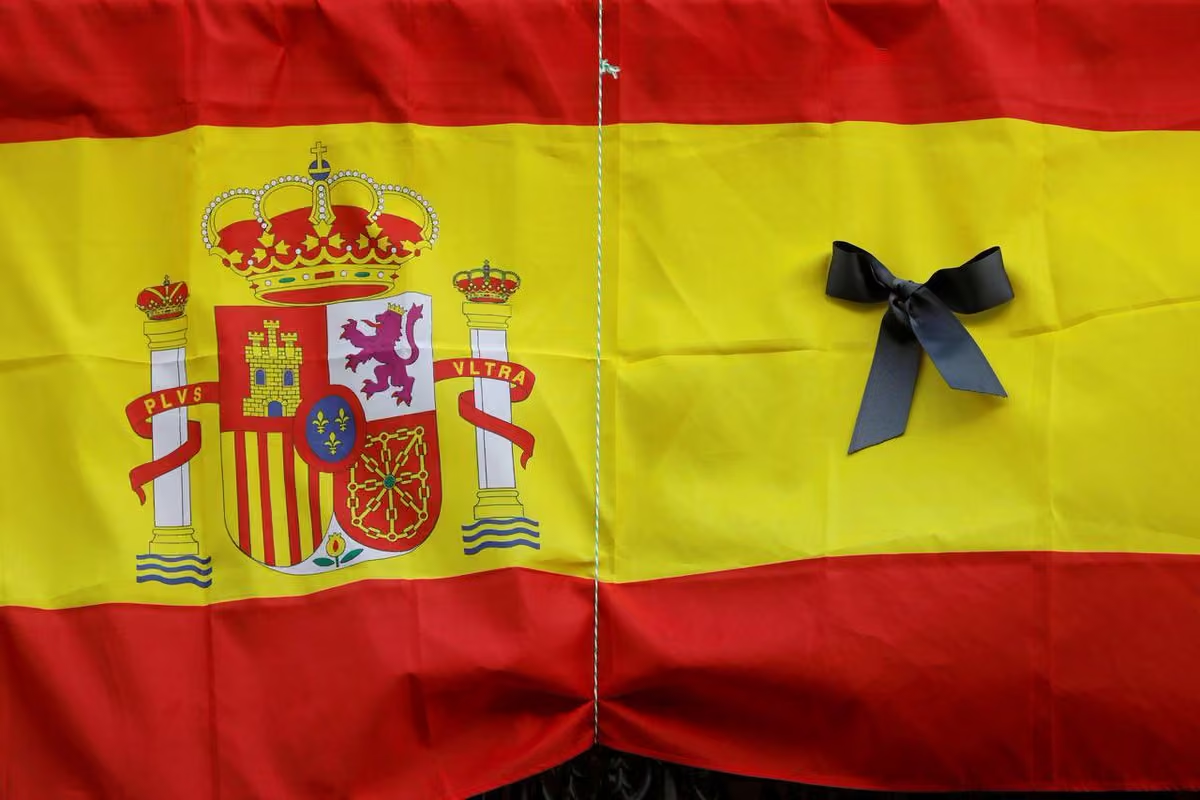
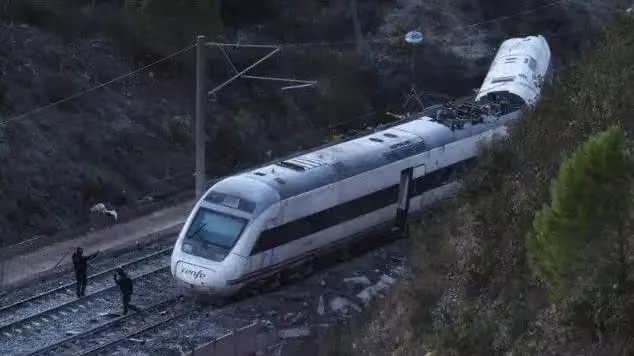
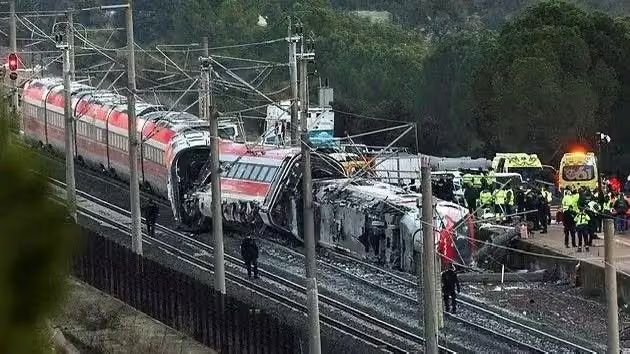
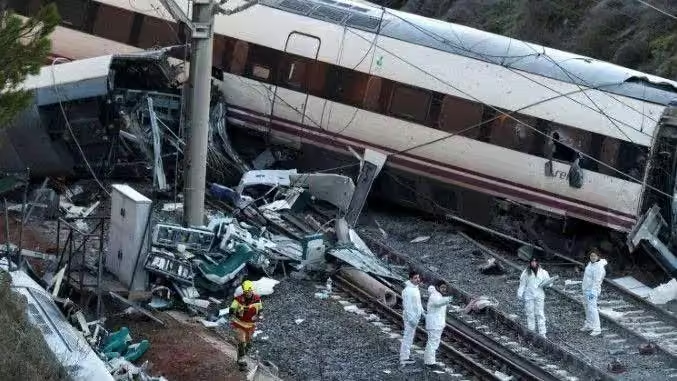 Abdullah N Al Thani
@ANAALThani
With profound sadness and deep sorrow, we extend our heartfelt condolences and sincere sympathy to the Government of the Kingdom of Spain, to the families of the victims, and to the friendly Spanish people, following this tragic and painful incident.
The loss of innocent lives, regardless of their backgrounds or beliefs, is a human tragedy that touches our shared human conscience and calls upon us all to stand united in solidarity and compassion.
We pray that the victims may rest in peace, that their families and loved ones be granted patience and strength, and that the injured be blessed with a speedy recovery, easing the pain of this great loss.
As we express our sincere solidarity with Spain, both its government and its people, during this difficult time, we reaffirm that the values of mercy and humanity unite us all and transcend all differences of religion, culture, or identity.
#condolencias #solidaridad #conlasvíctimas #españa


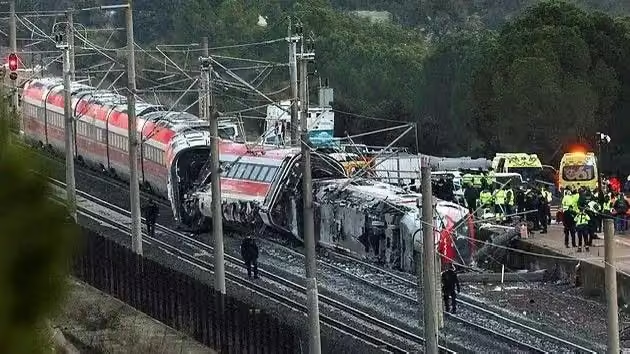
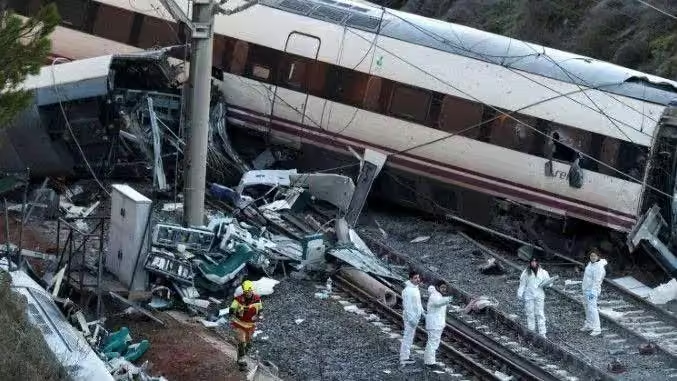 Abdullah N Al Thani
@ANAALThani
ببالغ الحزن والأسى، نتقدم بأحر التعازي وصادق المواساة إلى حكومة مملكة إسبانيا، وإلى أسر الضحايا، وإلى الشعب الإسباني الصديق، في هذا الحادث المأساوي المؤلم.
إن فقدان الأرواح البريئة، أيًّا كانت خلفياتها أو معتقداتها، هو فاجعة إنسانية تمسّ الضمير الإنساني المشترك، وتستدعي منا جميعًا الوقوف صفًا واحدًا تضامنًا وتعاطفًا.
نسأل الله أن يتغمد الضحايا بواسع رحمته، وأن يلهم ذويهم ومحبيهم الصبر والسلوان، وأن يمنّ بالشفاء العاجل على المصابين، وأن يخفف من آلام هذا المصاب الجلل.
وإذ نعبّر عن تضامننا الصادق مع إسبانيا، حكومةً وشعبًا، في هذا الظرف الأليم، نؤكد أن قيم الرحمة والإنسانية تجمعنا جميعًا، وتتجاوز كل اختلاف في الدين أو الثقافة أو الانتماء.
#condolencias #solidaridad #conlasvíctimas #españa
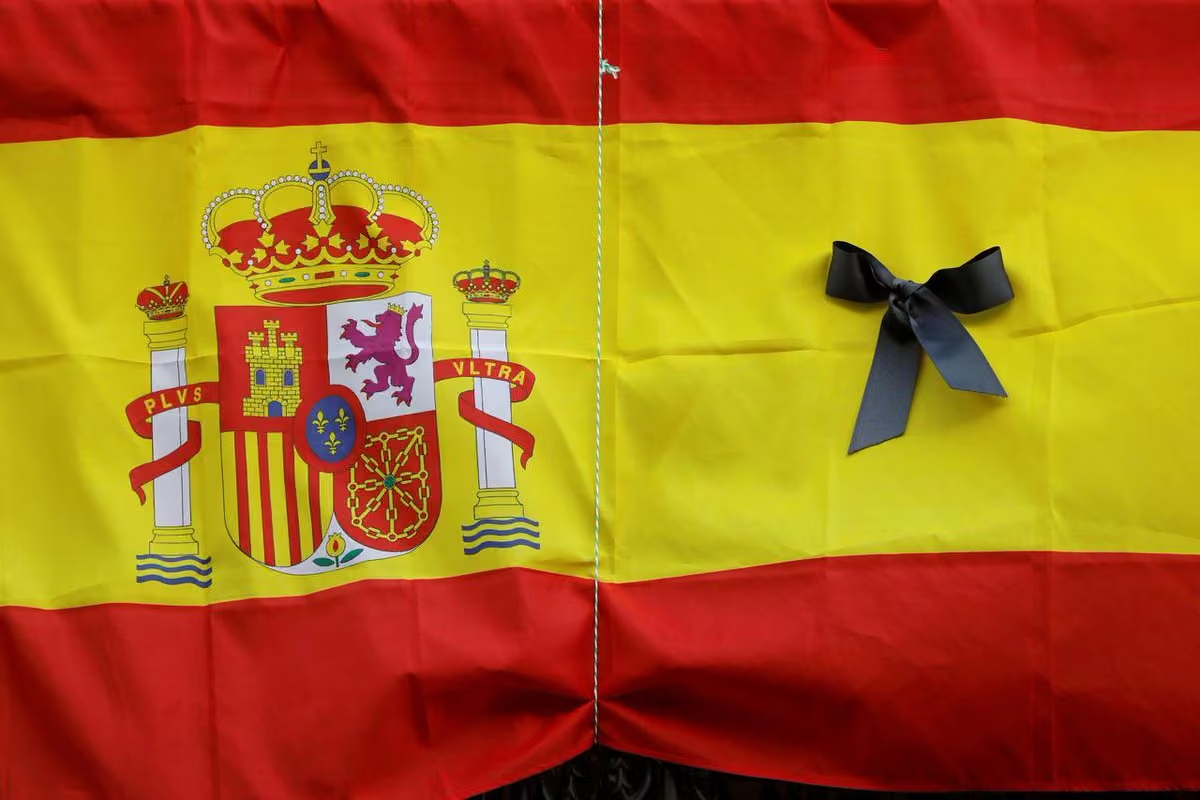

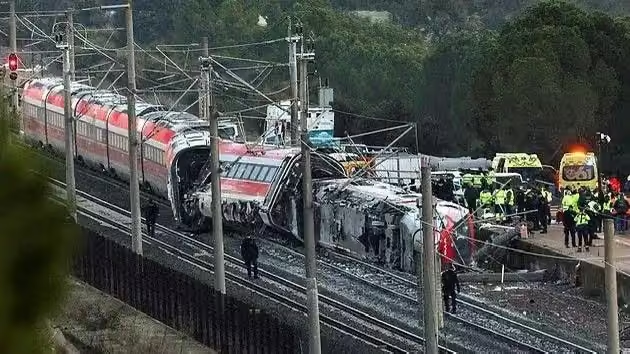
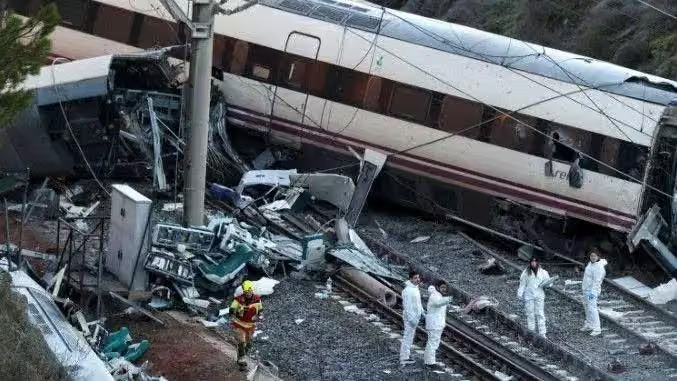 Abdullah N Al Thani
@ANAALThani
They spoke with measured breath.
They left the wound open, thinking no one would return to it.
The stone didn’t strike for show
it pierced the exact place they convinced each other was safe.
#justiceformalaga
Abdullah N Al Thani
@ANAALThani
False safety doesn’t fade
it festers, until heaven rips it open.
#justiceformalaga
Abdullah N Al Thani
@ANAALThani
They watched the moment repeat itself.
They stood like no trace ever circled back.
The stone didn’t break what was new
it exploded through what they thought had settled for good.
#justiceformalaga
Abdullah N Al Thani
@ANAALThani
What they left behind didn’t die
it waited.
#justiceformalaga
Abdullah N Al Thani
@ANAALThani
They returned without questions.
They stood where the dust had settled, as if nothing had cracked beneath.
The stone didn’t fall to be seen
it broke where their silence had already buried the truth.
#justiceformalaga
Abdullah N Al Thani
@ANAALThani
What they buried with silence, heaven exhumes without mercy.
#justiceformalaga
Abdullah N Al Thani
@ANAALThani
They returned to the center without a sound.
They stood like the ground had forgiven them.
The stone didn’t rise with force
it cracked through the stillness they never thought would turn against them.
#justiceformalaga
Abdullah N Al Thani
@ANAALThani
What stays silent longest is what heaven chooses to break loudest.
#justiceformalaga
Abdullah N Al Thani
@ANAALThani
مبروك لمنتخب المغرب – أسود الأطلس 🇲🇦
تأهلٌ مستحق إلى نهائي كأس إفريقيا بعد الفوز على نيجيريا بركلات الترجيح.
كل التمنيات بأن تكتمل المنيات ويكون اللقب مغربيًا بإذن الله.
وفخرٌ بالتنظيم والبطولة الرائعة على أرض المغرب.
#afcon #morocco #atlaslions #lionsdelatlas #africafootball 🏆
Abdullah N Al Thani
@ANAALThani
The meeting was political.
but the decision came out full fat milk.
#milk
#fat_milk
#fatmilk
#fullfatmilk
#full_fat_milk
 Abdullah N Al Thani
@ANAALThani
الاجتماع كان سياسيًا..
لكن القرار طلع حليب كامل الدسم
#حليب
#كامل_الدسم
#حليب_كامل_الدسم
 Abdullah N Al Thani
@ANAALThani
They lowered their guard in the aftermath.
They walked like the weight had shifted for good.
The stone didn’t return to chase
it had never stopped burning through the part they pretended was over.
#justiceformalaga
Abdullah N Al Thani
@ANAALThani
What they mark as finished is what heaven never left.
#justiceformalaga
Abdullah N Al Thani
@ANAALThani
They waited for dust to settle.
They stepped forward like nothing still burned beneath.
The stone didn’t strike to start again
it was finishing what they left halfway and called closed.
#justiceformalaga
Abdullah N Al Thani
@ANAALThani
Heaven finishes what men fake as finished.
#justiceformalaga
Abdullah N Al Thani
@ANAALThani
They circled the wreckage like it wasn’t theirs.
They held their tone as if nothing cracked beneath.
The stone didn’t need a new reason
it was still burning through the part they thought had healed.
#justiceformalaga
Abdullah N Al Thani
@ANAALThani
What they call “over” is where heaven still listens.
#justiceformalaga
Abdullah N Al Thani
@ANAALThani
They whispered names as if the echo would obey.
They mapped the fall before the first hand moved.
The stone didn’t wait for the story
it detonated beneath the strategy they thought couldn’t be traced.
#justiceformalaga
Abdullah N Al Thani
@ANAALThani
What they buried in planning is where heaven plants the fire.
#justiceformalaga
Abdullah N Al Thani
@ANAALThani
They aligned without hesitation.
They stood on ground built by fear.
The stone didn’t aim for permission
it collapsed what they all agreed not to question.
#justiceformalaga
Abdullah N Al Thani
@ANAALThani
What fear keeps sacred is where heaven brings the collapse.
#justiceformalaga
Abdullah N Al Thani
@ANAALThani
They stepped where it seemed quiet.
They spoke just low enough to blend in.
The stone didn’t follow noise or names
it pierced the space they believed no one traced.
#justiceformalaga
Abdullah N Al Thani
@ANAALThani
Some spaces stay quiet too long
until heaven draws the line.
#justiceformalaga
Abdullah N Al Thani
@ANAALThani
They stayed just behind the shift.
They watched the turn as if it didn’t include them.
The stone didn’t aim at the surface
it cracked the silence stitched into their distance.
#justiceformalaga
Abdullah N Al Thani
@ANAALThani
The further they stood, the deeper the stone
#justiceformalaga
Abdullah N Al Thani
@ANAALThani
They slowed their pace.
They moved as if the ground had forgotten them.
The stone didn’t wait for noise
it shattered the pause they thought was harmless
#justiceformalaga
Abdullah N Al Thani
@ANAALThani
They paused where no one was looking.
They adjusted nothing but their tone.
The stone didn’t chase movement
it broke the moment they thought went unnoticed.
#justiceformalaga
Abdullah N Al Thani
@ANAALThani
They kept their hands clean.
They let the noise settle without reaching.
The stone didn’t strike what moved
it cracked the part that stayed still too long.
#justiceformalaga
Abdullah N Al Thani
@ANAALThani
They watched without leaning.
They stood like nothing had ever touched their side.
The stone didn’t search for movement
it struck the stillness they mistook for safety.
#justiceformalaga
Abdullah N Al Thani
@ANAALThani
They lowered their tone.
They moved like echoes wouldn’t return.
The stone didn’t answer what was said
it tore through what was left unsaid
#justiceformalaga
Abdullah N Al Thani
@ANAALThani
They walked quieter this time.
They smiled like the smoke had cleared.
The stone didn’t follow their silence
it burst through the layer they left behind last year.
#justiceformalaga
Abdullah N Al Thani
@ANAALThani
«حدّ الدار»
نحن فعل دارٍ على العهد استقام
ما غيّر الأيام طبعٍ تعوّد ::~
نحمي ثراها لا تهاون ولا كلام
والدار عندنا مسؤولية وحدّ ::~
الجار في حدّ العروق احترام
نذود دونه لو تعثّر بهدّ ::~
نفتح للمظلوم بابٍ بلا لام
ونكسر يد من بغى بالفساد جدّ ::~
نوزن عدلنا بميزانٍ تمام
وإن مال نرجعه قويمٍ بلا شدّ ::~
نزبن دخيلٍ جا على طيب وذمام
ونقفل الباب بوجه المعتدي سدّ ::~
ما نطلب الهيبة من ضجيج وخصام
الهيبة أفعالٍ تُشاف وتُعدّ ::~
بين قديمٍ ساس دارٍ وانتظام
وبين حاضر نحمله حملٍ وأشدّ ::~
إن قال ولي الأمر: وقت الالتزام
حنّا قبل القول صفٍ مستعدّ ::~
راس القوم لا جا وقت الازدحام
وأول من يدفع غلاه النفيس عدّ ::~
ما نهاب الطامع ولا نرضى حطام
ولا نلين لحاقدٍ أو حسد حدّ ::~
هذا زمانا، وهذا حدّ الختام
واللي بعده يعرف موقعه وحدّ ::~
كلمات الشاعر _ #عاتق_الثريا
#قطر #كعبة_المضيوم
#qatar
#تميم_المجد
#قطر_العز
 Abdullah N Al Thani
@ANAALThani
They stepped into the year like nothing cracked.
They smiled at the silence they helped arrange.
The stone didn’t greet the new
it collapsed the part they swore had closed
#justiceformalaga
Abdullah N Al Thani
@ANAALThani
Some chapters don’t close they wait for fire.
#justiceformalaga
Abdullah N Al Thani
@ANAALThani
They silenced the year.
They spread their weight across months.
The stone didn’t wait for midnight
it detonated beneath the calendar they thought would protect them
#justiceformalaga
Abdullah N Al Thani
@ANAALThani
Years don’t end when heaven hasn’t finished writing.
#justiceformalaga
Abdullah N Al Thani
@ANAALThani
أتمنى للجميع عامًا جديدًا
مليئًا بالأفراح والمسرّات،
وأن يعمّ السلام.
I wish everyone a new year
filled with joy and happiness,
and may peace prevail.
#السنة_الجديدة
#عام_جديد_2026
#عام_جديد
#newyear
#newyear2026
#happynewyear
Abdullah N Al Thani
@ANAALThani
They walked in behind the quiet.
They stood like nothing from before could follow them.
The stone didn’t speak
it broke the part they thought no one remembered
#justiceformalaga
Abdullah N Al Thani
@ANAALThani
They stepped as if weight had shifted.
They watched the air as if no fire remained.
The stone didn’t echo
it burned beneath the part they stopped questioning
#justiceformalaga
Abdullah N Al Thani
@ANAALThani
They returned to routine.
They moved as if the ground had nothing left to say.
The stone didn’t fall to surprise
it rose to remind them nothing is forgotten
#justiceformalaga
Abdullah N Al Thani
@ANAALThani
Heaven strikes where forgetting becomes too easy.
#justiceformalaga
Abdullah N Al Thani
@ANAALThani
They stepped lighter this time.
They acted as if the ground had cleared.
The stone didn’t fall from above
it rose from what they left unresolved
#justiceformalaga
Abdullah N Al Thani
@ANAALThani
They returned to stillness.
They believed the noise had served its purpose.
The stone didn’t arrive as warning
it was planted beneath the moment they called safe.
#justiceformalaga
Abdullah N Al Thani
@ANAALThani
They moved without resistance.
They watched the focus bend forward.
The stone didn’t strike to shift attention
it struck to remind what wasn’t cleared.
#justiceformalaga
Abdullah N Al Thani
@ANAALThani
Mis mejores deseos a nuestros amigos cristianos en Navidad, con deseos de salud, paz y bienestar para todos.
#merrychristmas #feliznavidad #felicesfiestas #عيد_ميلاد_مجيد
Abdullah N Al Thani
@ANAALThani
أطيب التمنيات لأصدقائنا المسيحيين بمناسبة عيد الميلاد،
متمنّيًا للجميع الصحة والسلامة والمحبة.
كل عام وأنتم بخير.
Warm wishes to our Christian friends on Christmas, wishing everyone health, peace, and goodwill.
#merrychristmas #feliznavidad #felicesfiestas #عيد_ميلاد_مجيد
Abdullah N Al Thani
@ANAALThani
Mis mejores deseos a nuestros amigos cristianos en Navidad, con deseos de salud, paz y bienestar para todos.
Abdullah N Al Thani
@ANAALThani
They kept the rhythm slow.
They watched others speak on time.
The stone didn’t interrupt
it hit just after they thought it was over.
#justiceformalaga
Abdullah N Al Thani
@ANAALThani
They stood past the noise.
They believed the pressure had changed targets.
The stone didn’t need to rise
it had been sitting beneath their names the whole time
#justiceformalaga
Abdullah N Al Thani
@ANAALThani
قال رسول الله ﷺ:
«أفضلُ الصدقةِ سَقْيُ الماء»
هذا بئر ماء صدقة جارية،
من أحبّ أن يشارك في الأجر ويمتدّ له الثواب،
فليكن له سهم في هذا الخير.
#صدقة_جارية #سقي_الماء #عمل_خير
🌍💧
المشاركة ولو بالقليل تصنع أثرًا عظيمًا.
@qcharity
🔗 رابط التبرع:
qch.qa/0C0A73
Abdullah N Al Thani
@ANAALThani
They held their timing.
They moved between the noise.
The stone didn’t wait for their turn
it struck the pause they all thought was safe
#justiceformalaga
Abdullah N Al Thani
@ANAALThani
They stayed behind the motion.
They spoke when nothing sounded unusual.
The stone didn’t fall louder
it fell where no one thought it still could
#justiceformalaga
Abdullah N Al Thani
@ANAALThani
They kept the lights on.
They waited for eyes to turn elsewhere.
The stone didn’t strike in the open
it shattered what stayed standing too long
#justiceformalaga
Abdullah N Al Thani
@ANAALThani
They stood where the dust had settled.
They spoke like the page had turned.
The stone didn’t revisit
it closed what they thought had ended itself
#justiceformalaga
Abdullah N Al Thani
@ANAALThani
كل الشكر والتقدير للاتحاد القطري لكرة القدم @QFA على التنظيم المتميز لبطولة #كأس_العرب2025 بطولة عكست قدرة قطر على استضافة الأحداث الكبرى باحترافية عالية ومعايير تنظيمية رفيعة
كما يُحسب اعتماد الاتحاد الدولي لكرة القدم لهذه البطولة كمسابقة رسمية ضمن الجدول الدولي خطوة مهمة تعزّز مكانة الكرة العربية إقليميًا ودوليًا
#كأس_العرب_FIFA_قطر_2025 #arabcup #كرة_قدم #football #قطر2025 #qatar
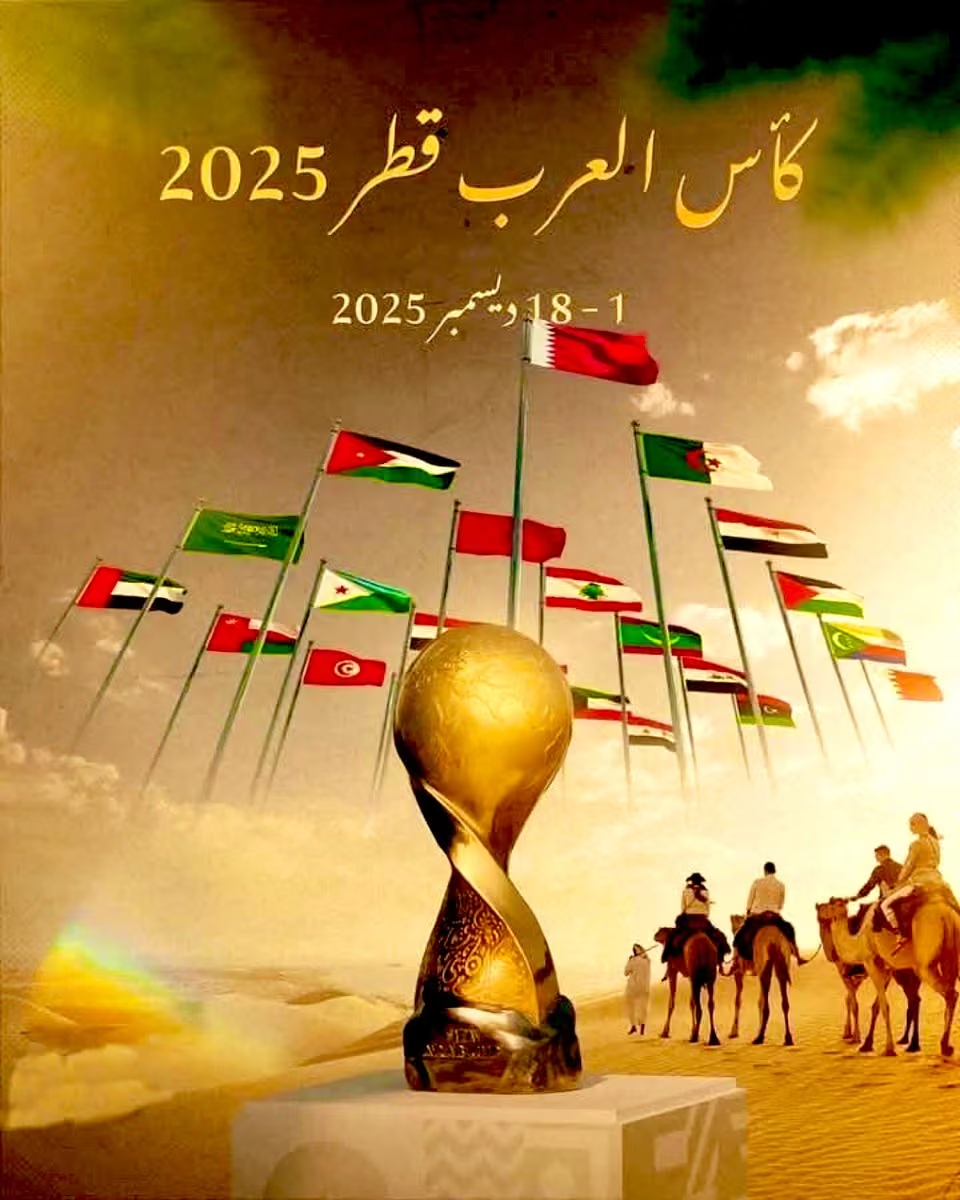 Abdullah N Al Thani
@ANAALThani
أبارك لمنتخب المغرب استحقاقه لقب #كأس_العرب2025 بكل جدارة 🇲🇦🏆
بطولة عربية مميزة شهدت منافسة قوية ومستوى فنيًا يعكس تطور كرة القدم العربية.
كل التقدير لمنتخب الأردن الوصيف على الأداء المشرف والروح القتالية العالية 🇯🇴
ومبروك للأبطال، وحظ أوفر لبقية المنتخبات.
#كاس_العرب_FIFA_قطر_2025
#المغرب #الأردن #arabcup #كرة_قدم #football #قطر2025
 Abdullah N Al Thani
@ANAALThani
•دار المواقف•
من ساس مجدٍ على التوحيد مرساه
دارٍ بناها فعل رجالها سنين ::~
نهضت بعون الله وسترٍ تولّاه
والحق دربها واليقين قرين ::~
دارٍ بحرها شاهدٍ مع برّها شاه
والصبر في هلها طبعٍ مكين ::~
لا جاهم الضيق ما قالوا ترى إياه
قالوا نصبر ولو طال التأنين ::~
يوم البلا قاموا صفٍ بلا إبطاه
ما لان عودهم ولا وطّوا الجبين ::~
ساسٍ على العدل ما يهتزّ مرساه
والعز ما يُشرى بوزن الملايين ::~
حكمٍ يقوم على الموقف ومعناه
لا يُستمال ولا يرضى الهوانين ::~
عهدٍ تسلّم من جدودٍ ورّثوه
وصانوه بصدقٍ وعهدٍ أمين ::~
قولهم فعلٍ وفعلهم له صداه
ما فيه وعدٍ يضيع مع السنين ::~
دارٍ إذا هبّت رياحٍ تحدّاه
وقفت بثباتٍ وراسٍ رزين ::~
ما هي حدودٍ مرسومة بخطاه
هي موقفٍ يوم المواقف تبين ::~
دار الكرامة ودار الطيب مربّاه
ما تنحني لو كثر ضدّها الطعين ::~
واليوم شوف العز واقفٍ على يمناه
راية وطن فوق هام السحب تبين ::~
قيادةٍ تحسب حساب الوقت وخطاه
وتعرف متى الشدّة ومتى اللين ::~
جمعت هل الدار واللحمة بناها
وصانت عهودٍ ما تخون الثمين ::~
يوم الحصار اشتد قامت على ساقاه
وقالت هنا الحق ما نرضى الهوانين ::~
كسرت قيد الظلم بعزمٍ تحدّاه
واللي يعاند يشوف الفرق بالسنين ::~
والباكر أوسع من دروبٍ مشيناه
علمٍ ونمّا وطموحٍ دفين ::~
هذا وطن ما يلين ولا يساوم
عزّه ورثناه من فعلٍ متين ::~
قطر ملحمة تاريخها ما يطاوله قوم
واللي يكتبها يعرف الوزن موزونين ::~
كلمات الشاعر _ #عاتق_الثريا
#اليوم_الوطني_القطري #قطر #qatar #تميم_المجد #قطر_العز

Abdullah N Al Thani reposted
 الجزيرة مصر
@AJA_Egypt
بعد إلغاء مباراة المركز الثالث بكأس العرب بسبب الأحوال الجوية.. أبوتريكة يقول إن ما حدث لا يستدعي الشعور بالحرج معتبرًا أن تقييم البطولات يكون بميزان الجهد في الظروف غير الطبيعية لا بالمثالية أو ادعاء العظمة
Abdullah N Al Thani
@ANAALThani
سبحان مغير الأحوال
Abdullah N Al Thani reposted
هميان ال ثاني
@Hamyan_AlThani
نهائي ممتع ومباراة قوية بين الطرفين 🇲🇦🤝🇯🇴
المغرب قدّم أداء رائع، ولعب بثقة حتى آخر دقيقة، واستحق اللقب عن جدارة 🏆⚽️
فوز يضاف لمسيرة كروية مغربية حافلة بالإنجازات القارية والحضور العالمي، ويؤكد إن النجاح ما يجي صدفة… بل نتيجة عمل وتراكم خبرات 👏🏻
#كاس_العرب_FIFA_قطر_2025
 Abdullah N Al Thani
@ANAALThani
قطر… دار العز والمجد
على عهد الأوّلين ثابتين،
وعلى الطيب والمواقف ما نلين.
كل عام وقطر شامخة بأهلها وقيادتها،
وكل عام ورايتها عالية بالعز والكرامة 🇶🇦
#اليوم_الوطني_القطري #قطر #qatar #تميم_المجد #قطر_العز
Abdullah N Al Thani
@ANAALThani
They moved pieces across time.
They trusted distance to erase direction.
The stone didn’t follow their steps
it emerged from the path they thought was lost
#justiceformalaga
Abdullah N Al Thani
@ANAALThani
They scattered the steps.
They spaced the damage like memory couldn’t connect.
The stone didn’t fall on one event
it tore through the line they thought no one would draw
#justiceformalaga
Abdullah N Al Thani
@ANAALThani
They moved without urgency.
They stayed behind what others could shout.
The stone didn’t strike the front
it collapsed the point they all tried to walk around
#justiceformalaga
Abdullah N Al Thani
@ANAALThani
They kept their pace slow.
They let the noise drag elsewhere.
The stone struck before the center could shift again
#justiceformalaga
Abdullah N Al Thani
@ANAALThani
They spoke just enough.
They stood far enough.
The stone didn’t search for guilt
it struck where control stayed quiet
#justiceformalaga
Abdullah N Al Thani
@ANAALThani
They stepped away from the flames.
They watched the crowd burn what they prepared.
The stone didn’t follow the fire
it turned toward the ones who never raised their voice
#justiceformalaga
Abdullah N Al Thani
@ANAALThani
What hides in stillness is always the first to burn clean.
#justiceformalaga
Abdullah N Al Thani
@ANAALThani
They set the stage with noise.
They led the fury toward names already written off.
The stone didn’t strike the front row
it broke the silence behind the curtain
#justiceformalaga
Abdullah N Al Thani
@ANAALThani
What stays quiet behind the show is what heaven brings down first.
#justiceformalaga
Abdullah N Al Thani
@ANAALThani
They threw names into the fire.
They marked the exits in advance.
The stone didn’t hit the offered
it curved back to the voice that gave them up
#justiceformalaga
Abdullah N Al Thani
@ANAALThani
Justice doesn’t land where they point
it lands where they decide who takes the fall.
#justiceformalaga
Abdullah N Al Thani
@ANAALThani
They lifted names no one planned to save.
They shouted at walls already chosen to fall.
The stone didn’t chase the noise
it struck the hand that opened the script
#justiceformalaga
Abdullah N Al Thani
@ANAALThani
They moved faster than usual.
They spoke softer than ever before.
The stone didn’t fall to interrupt
it came to finish what they hoped would stay buried
#justiceformalaga
Abdullah N Al Thani
@ANAALThani
They closed the door behind relief.
They believed the sound had passed.
The stone didn’t knock
it was already beneath their next breath
#justiceformalaga
Abdullah N Al Thani
@ANAALThani
They walked in after the smoke.
They smiled like nothing reached them.
The stone didn’t echo
it struck straight through what they thought was left untouched
#justiceformalaga
Abdullah N Al Thani
@ANAALThani
بطولة عربية بهذا المستوى من التنظيم والافتتاح تستحق أقوى حضور في #كأس_العرب2025،
ولهذا أصبح السؤال المتداول بين الجماهير:
لماذا يشارك بعض المنتخبات بالفريق الرديف بدل المنتخب الأول؟
ففي بطولة تُقام في #قطر وتُقدّم هذا المستوى من #كرة_قدم العالمية، من الطبيعي أن نرى أقوى المنتخبات.
مع كامل الاحترام للجميع…
هذه نقطة جوهرية إذا أردنا بطولة قوية تليق بالمستوى العربي،
ومن الضروري أن تكون المشاركة بالصف الأول فقط،
فالرديف والفئات السنية لها بطولاتها المتخصصة في #fifaarabcup و #arabcup.
 Abdullah N Al Thani
@ANAALThani
لماذا يتحول نجاح قطر في تنظيم أي بطولة إلى حرب إلكترونية بدل أن يكون مصدر فخر عربي؟
#كأس_العرب2025 #قطر
من المؤسف أننا كعرب ومسلمين نقف ضد بعض، بينما كرة القدم خُلقت لتجمع الناس لعبة فيها فائز ومهزوم، فلماذا تتحول إلى ساحة اتهامات وشراء ذمم وتشويه سمعة دولة كاملة؟
من أين يأتي هذا الذباب الإلكتروني؟ ومن خلفه؟
#كرة_قدم #football
إن كان لدى أحد أدلة دامغة على ظلم أو فساد، فالمسار واضح:
الاتحاد المعني، ثم الفيفا، ثم محكمة الكأس CAS.
أما التشهير وتحريك الرأي العام بلا دليل
فليس من الرياضة ولا من الأخلاق.
#كأس_العرب #قطر2025
لم نرَ هذا في البطولات القارية الأخرى
فلماذا يحدث عندنا فقط؟
هل نحن مختلفون لهذا الحد؟
#soccer #كأس_العرب2025
 Abdullah N Al Thani
@ANAALThani
They whispered behind trust.
They hid the trigger in plain routine.
The stone didn’t miss the signal
it blew the floor they planned to stand on
#justiceformalaga
Abdullah N Al Thani
@ANAALThani
They spoke with care.
They moved like nothing leaked.
The stone didn’t break the walls
it lit the silence from the inside
#justiceformalaga
Abdullah N Al Thani
@ANAALThani
They chose their words carefully.
They locked the room without panic.
The stone didn’t fall from above
it detonated beneath the one seat they all trusted
#justiceformalaga
Abdullah N Al Thani
@ANAALThani
They left the door open.
They believed the room was sealed.
The stone didn’t enter with sound
it moved like someone who had always been there
#justiceformalaga
Abdullah N Al Thani
@ANAALThani
They stood where judgment had already passed.
They spoke like history had no witness.
The stone didn’t strike the room
it shattered what kept the room standing
#justiceformalaga
Abdullah N Al Thani
@ANAALThani
They stayed in their places.
They held their breath like the danger had shifted.
The stone didn’t descend
it rose inside the one weakness they all shared
#justiceformalaga
Abdullah N Al Thani
@ANAALThani
They stood as if the shift meant nothing.
They breathed like the weight had moved elsewhere.
The stone didn’t aim this time
it cut straight through the part they feared most
#justiceformalaga
Abdullah N Al Thani
@ANAALThani
They moved like the weight had shifted.
They laughed like no trace remained.
The stone didn’t fall again
it finished what it started inside them
#justiceformalaga
Abdullah N Al Thani
@ANAALThani
They rested in the silence.
They counted delay as distance.
The stone didn’t return
it had never left their heads
#justiceformalaga
Abdullah N Al Thani
@ANAALThani
They thought it passed.
They breathed like the sky forgot.
But the stone was already in motion
and it knew each name without sound
#justiceformalaga
Abdullah N Al Thani
@ANAALThani
They stood in the pause.
They blinked like nothing passed between them.
The stone didn’t warn
it triggered what they thought was buried
#justiceformalaga
Abdullah N Al Thani
@ANAALThani
They stepped in without weight.
They stood like the cost had already been buried.
The stone split the calm not with sound
but with truth no one had time to run from
#justiceformalaga
Abdullah N Al Thani
@ANAALThani
They sat where the thread was pulled.
They let the weight shift without a word.
The stone didn’t hit the surface
it snapped the spine of everything they built
#justiceformalaga
Abdullah N Al Thani
@ANAALThani
They held the shape together.
They believed the silence beneath it was loyalty.
The stone cracked the frame
and the whole structure screamed from within
#justiceformalaga
Abdullah N Al Thani
@ANAALThani
They moved in layers.
They spoke in codes only they could decode.
The stone pierced the system
not the faces
and everything inside turned to noise
#justiceformalaga
Abdullah N Al Thani
@ANAALThani
They stood in sequence.
They breathed like nothing waited.
The stone passed through each of them
and none knew who broke first
#justiceformalaga
Abdullah N Al Thani
@ANAALThani
They said nothing.
They changed nothing.
The stone didn’t fall
it passed through them before the blink finished
#justiceformalaga
Abdullah N Al Thani
@ANAALThani
They left nothing behind.
They walked out like it was finished.
But the stone had been waiting inside the silence they wrote
#justiceformalaga
Abdullah N Al Thani
@ANAALThani
They cleared the table.
They smiled as if weight had left the room.
The stone didn’t fall
it ruptured beneath their calm
#justiceformalaga
Abdullah N Al Thani
@ANAALThani
They stood in the outcome.
They spoke like it wasn’t theirs.
The stone struck before the blame could find a voice
#justiceformalaga
Abdullah N Al Thani
@ANAALThani
They passed the moment.
They watched it change without a word.
The stone fell on the shift they all accepted, and none admitted
#justiceformalaga
Abdullah N Al Thani
@ANAALThani
They fixed nothing.
They nodded at the shift.
The stone didn’t hesitate
it struck the part they left untouched
#justiceformalaga
Abdullah N Al Thani reposted
 Inma Serrano 🇪🇸🕊🌍
@AndaluzaJASP
Everyday is good to be Kind
Today 13/11 we celebrate it a little extra cause it's the birthday of a Kind Man:
HE Sheikh Nayef Al Thani @NBA1311 son of @ANAALThani
Happy #worldkindnessday
Compassion, connection & care at the heart of everything you do 🌎✨
www.un.org/en/hate-speech/take-action/engage


 Abdullah N Al Thani
@ANAALThani
They stood where nothing moved.
They breathed like it meant nothing.
The stone didn’t fall from above
it rose from beneath them
#justiceformalaga
Abdullah N Al Thani
@ANAALThani
They nodded without speaking.
They stayed where it felt familiar.
The stone didn’t search
it returned
#justiceformalaga
Abdullah N Al Thani
@ANAALThani
They watched it unfold.
They stood exactly where they chose to be.
The stone rose before it fell
and it didn’t miss
#justiceformalaga
Abdullah N Al Thani
@ANAALThani
They moved as usual.
They adjusted nothing.
The stone found what wasn’t spoken
and ended what wasn’t seen
#justiceformalaga
Abdullah N Al Thani
@ANAALThani
They crafted the outcome.
They rehearsed the silence.
The stone didn’t strike the surface
it detonated from inside
#justiceformalaga
Abdullah N Al Thani reposted
هميان ال ثاني
@Hamyan_AlThani
Grateful to be featured in spotlight media a reflection of years of dedication to sports, leadership, and community impact Honored to represent women in sports and media
#womeninsports #leadership #aljazeeramedia
فخورة بهذا التكريم من مجلة سبوت لايت لمسيرتي في قيادة الرياضة والإعلام كل خطوة كانت دافع للاستمرار، والطريق لا يزال طويلًا نحو إنجازات أكبر بإذن الله
 The Spotlight Magazine
@thespotlight100
Trailblazer in Sports Leadership and Media: Spotlight on Hamyan Al-Thani
@Hamyan_AlThani is an energetic, performance-driven business leader whose career spans leadership in top-tier sports institutions and media production.
Read More;
www.linkedin.com/feed/update/urn:li:activity:739316795416…
 Abdullah N Al Thani
@ANAALThani
Proud of you, @Hamyan_AlThani , my daughter and my inspiration.
From the very beginning, I’ve seen your determination and leadership spirit.
Every achievement you reach is the result of your hard work and faith.
May Allah bless every step you take the future is yours,.💙🤍⚽️ 🇶🇦
Your work and dedication represent an inspiring image of the Qatari woman around the world.
Your journey in sports and media is proof that determination creates difference and success.
The road ahead is bright and full of achievements, Inshallah.💙🤍⚽️ 🇶🇦
#qatar #doha #qatariwomen #womeninsports #leadership #inspiration #pride #hamyanalthani #success #proudfather
هميان ال ثاني
@Hamyan_AlThani
Grateful to be featured in spotlight media a reflection of years of dedication to sports, leadership, and community impact Honored to represent women in sports and media
#womeninsports #leadership #aljazeeramedia
فخورة بهذا التكريم من مجلة سبوت لايت لمسيرتي في قيادة الرياضة والإعلام كل خطوة كانت دافع للاستمرار، والطريق لا يزال طويلًا نحو إنجازات أكبر بإذن الله
The Spotlight Magazine
@thespotlight100
Trailblazer in Sports Leadership and Media: Spotlight on Hamyan Al-Thani
@Hamyan_AlThani is an energetic, performance-driven business leader whose career spans leadership in top-tier sports institutions and media production.
Read More;
www.linkedin.com/feed/update/urn:li:activity:739316795416…
Abdullah N Al Thani
@ANAALThani
فخور بكِ @Hamyan_AlThani، يا ابنة القلب والقدوة.
منذ البداية وأنا أرى فيكِ الإصرار والروح القيادية،
وكل إنجازٍ تحقّقينه هو ثمرة تعبكِ وإيمانكِ.
الله يوفقكِ في كل خطوة، فالمستقبل لكِ.
💙🤍⚽️🇶🇦
عملكِ وإخلاصكِ يمثلان صورة مشرّفة للمرأة القطرية حول العالم،
ومسيرتكِ في الرياضة والإعلام تأكيدٌ على أن الإصرار يصنع الفارق والإنجاز.
الطريق أمامكِ طويل ومليء بالنجاحات والإنجازات بإذن الله. 💙🤍⚽️ 🇶🇦
#قطر #الدوحة #المرأة_القطرية #الرياضة #الإعلام #القيادة #الفخر #hamyanalthani #qatarwomen #proudfather
هميان ال ثاني
@Hamyan_AlThani
Grateful to be featured in spotlight media a reflection of years of dedication to sports, leadership, and community impact Honored to represent women in sports and media
#womeninsports #leadership #aljazeeramedia
فخورة بهذا التكريم من مجلة سبوت لايت لمسيرتي في قيادة الرياضة والإعلام كل خطوة كانت دافع للاستمرار، والطريق لا يزال طويلًا نحو إنجازات أكبر بإذن الله
The Spotlight Magazine
@thespotlight100
Trailblazer in Sports Leadership and Media: Spotlight on Hamyan Al-Thani
@Hamyan_AlThani is an energetic, performance-driven business leader whose career spans leadership in top-tier sports institutions and media production.
Read More;
www.linkedin.com/feed/update/urn:li:activity:739316795416…
Abdullah N Al Thani
@ANAALThani
They nodded before it began.
They waited like nothing had been arranged.
The stone hit the one place they all avoided looking at
#justiceformalaga
Abdullah N Al Thani
@ANAALThani
They walked without weight.
They stood where doubt had no voice.
The stone shattered the space they thought was untouchable
#justiceformalaga
Abdullah N Al Thani
@ANAALThani
They adjusted nothing.
They moved like it was already done.
The stone hit the spot they never thought to cover
#justiceformalaga
Abdullah N Al Thani
@ANAALThani
They entered with routine.
They left before the dust could rise.
The stone struck the silence they rehearsed into place
#justiceformalaga
Abdullah N Al Thani reposted
هميان ال ثاني
@Hamyan_AlThani
شكرا من القلب على كلماتك ودعمك الدايم ، هذا الفخر وسام اعتز فيه … والله يقدرني دايم اكون عند حسن الظن 🤍🙏🏻
Abdullah N Al Thani
@ANAALThani
هميان ليست فقط ابنتي، بل فخر العائلة وامتداد الإخلاص لهذا الكيان العظيم.
سلّمتُها مسؤولية كبيرة وهي في عمرٍ صغير،
فكانت على قدر الثقة رئيسة الأكاديمية، ورئيسة الفريق النسوي بجميع فئاته.
قدّمت إنجازات عظيمة بروحٍ من العمل والولاء،
وأثبتت أن القيادة لا تُقاس بالعمر، بل بالإيمان والصدق في العمل.
فخور بكِ يا قلب والدك … ومن خلالك أرى مستقبلًا يليق بملقا،
بعد أن يتم حلحلة المواضيع الكيدية التي لا أساس لها،
وبقطر معًا. 🤍⚽️
Abdullah N Al Thani
@ANAALThani
They smiled at the start.
They nodded through the shift.
The stone landed beneath the moment no one questioned
#justiceformalaga
Abdullah N Al Thani
@ANAALThani
هميان ليست فقط ابنتي، بل فخر العائلة وامتداد الإخلاص لهذا الكيان العظيم.
سلّمتُها مسؤولية كبيرة وهي في عمرٍ صغير،
فكانت على قدر الثقة رئيسة الأكاديمية، ورئيسة الفريق النسوي بجميع فئاته.
قدّمت إنجازات عظيمة بروحٍ من العمل والولاء،
وأثبتت أن القيادة لا تُقاس بالعمر، بل بالإيمان والصدق في العمل.
فخور بكِ يا قلب والدك … ومن خلالك أرى مستقبلًا يليق بملقا،
بعد أن يتم حلحلة المواضيع الكيدية التي لا أساس لها،
وبقطر معًا. 🤍⚽️
Abdullah N Al Thani
@ANAALThani
They adjusted the scene.
They softened the edges.
The stone fell exactly where the outcome was rewritten
#justiceformalaga
Abdullah N Al Thani
@ANAALThani
They tightened the script.
They rehearsed the silence.
The stone landed where truth had been removed on purpose
#justiceformalaga
Abdullah N Al Thani
@ANAALThani
They stood where it began.
They brought no tools only each other.
The stone fell exactly where they thought memory had faded
#justiceformalaga
Abdullah N Al Thani
@ANAALThani
They closed the circle.
They nodded without words.
The stone broke the middle before a single hand moved
#justiceformalaga
Abdullah N Al Thani
@ANAALThani
they entered without pause.
they smiled before the circle formed.
the stone struck the center they thought would hold them all
#justiceformalaga
Abdullah N Al Thani
@ANAALThani
They arrived first.
They touched nothing.
The stone knew their weight before the chairs were drawn
#justiceformalaga
Abdullah N Al Thani
@ANAALThani
They lit the room with planning.
They measured their voices to fit the stone.
The strike was already buried under their feet before they spoke
#justiceformalaga
Abdullah N Al Thani
@ANAALThani
They stood beneath symbols.
They whispered behind robes.
The stone struck before the prayer could echo
#justiceformalaga
Abdullah N Al Thani
@ANAALThani
They walked the hall first.
They lit the air with confidence.
The stone waited under the floor they blessed
#justiceformalaga
Abdullah N Al Thani
@ANAALThani
They circled the moment.
They trusted the door would close.
The stone landed before their hands could touch the handle
#justiceformalaga
Abdullah N Al Thani
@ANAALThani
They cleared the table.
They left no trace of command.
But the stone struck the chair still warm with intent
#justiceformalaga
Abdullah N Al Thani
@ANAALThani
They chose the hour.
They closed the door.
The stone was already beneath their feet before they sat
#justiceformalaga
Abdullah N Al Thani
@ANAALThani
They planned beneath quiet stone.
They smiled before the chain was finished.
The stone cracked the floor before the last chair was filled
#justiceformalaga
Abdullah N Al Thani
@ANAALThani
They gathered without noise.
They agreed without pause.
The stone cut through the center before the circle could hold
#justiceformalaga
Abdullah N Al Thani
@ANAALThani
They met without record.
They spoke without names.
The stone struck before the plan reached the door
#justiceformalaga
Abdullah N Al Thani
@ANAALThani
نبارك للمملكة المغربية الشقيقة 🇲🇦
فوز منتخب المغرب تحت 20 سنة بكأس العالم للشباب 2025 بعد انتصار مستحق على الأرجنتين.
إنجاز تاريخي مشرّف يعكس تطور كرة القدم المغربية،
ويُجسّد فخر العرب من الخليج إلى المحيط بهذا التتويج العالمي المستحق.
ألف مبروك لأسود الأطلس… رفعتم الراية العربية عالمياً 🏆🇲🇦
#المغرب #أسود_الأطلس #fifau20worldcup #morocco #arabpride
 Abdullah N Al Thani
@ANAALThani
They drew the plan.
They chose the place.
The stone arrived before the gate was locked
#justiceformalaga
Abdullah N Al Thani
@ANAALThani
He spoke behind stone.
He gathered hands without light.
The stone fell through him first before the circle could close
#justiceformalaga
Abdullah N Al Thani
@ANAALThani
They whispered agreement.
They moved like nothing cracked.
The stone struck between their breath where the fear was oldest
#justiceformalaga
Abdullah N Al Thani
@ANAALThani
They gathered behind silence.
They nodded without thought.
The stone didn’t aim it remembered
#justiceformalaga
Abdullah N Al Thani
@ANAALThani
نبارك للمملكة المغربية الشقيقة 🇲🇦
تأهّل منتخب المغرب تحت 20 سنة إلى نهائي كأس العالم للشباب 2025 (FIFA U-20 World Cup)
بعد فوزٍ مستحق ومشرّف على منتخب فرنسا.
إنجاز تاريخي يُجسّد روح العزيمة والإصرار لدى شباب العرب،
ويمثّل فخرًا لكل محبّي الكرة العربية.
كل التوفيق لأسود الأطلس في المباراة النهائية،
من الخليج إلى المحيط… فخرنا واحد 🇲🇦🌍
#المغرب_فرنسا
#المغرب #أسود_الأطلس #fifau20worldcup #morocco #arabpride
 Abdullah N Al Thani
@ANAALThani
They stood in formation.
They believed in their script.
The stone tore through the lines before they could finish the first word
#justiceformalaga
Abdullah N Al Thani
@ANAALThani
بمناسبة تأهّل منتخب قطر إلى كأس العالم 2026،
نتقدّم بخالص التهاني والتبريكات إلى
حضرة صاحب السمو الشيخ تميم بن حمد آل ثاني، أمير البلاد المفدى،
وإلى سمو نائب الأمير الشيخ عبدالله بن حمد آل ثاني،
وإلى الشعب القطري والمقيمين على هذه الأرض الطيبة.
مبروك لعنّابي العزّ 🇶🇦
تأهّل مستحق إلى كأس العالم 2026،
بروح الأبطال وإصرار الرجال.
فخورين بكم… من إنجاز إلى إنجاز يا أبطال الوطن.
الأدعم دايم يرفع الرأس 🇶🇦🔥
تأهّل تاريخي جديد… والعالم بانتظار قطر من جديد 💪
من الدوحة إلى 2026… الحلم مستمرّ 🇶🇦⚽️
كما نهنئ المنتخب السعودي الشقيق على تأهّله إلى كأس العالم 2026،
ونتمنّى التوفيق للمنتخبين #الإمارات و #العراق
في الملحق المؤهل،
ولكل المنتخبات التي لم يحالفها الحظ بالتأهل،
كل التوفيق في المحافل القادمة بإذن الله.
قطر والخليج والعرب… قلبٌ واحد، وفرحةٌ واحدة 🌍🇶🇦🇸🇦🇦🇪🇮🇶
#قطر #العنابي #الادعم #qatar #fifaworldcup2026 #قطر_2026 #الخليج_واحد #العرب_قلب_واحد
Abdullah N Al Thani
@ANAALThani
They dressed in rank.
They spoke in protocol.
The stone ignored their titles and split the spine beneath
#justiceformalaga
Abdullah N Al Thani
@ANAALThani
They hid behind order.
They moved like no one watched.
The stone fell where they thought routine would protect them
#justiceformalaga
Abdullah N Al Thani
@ANAALThani
They touched the sacred.
They swore with steady hands.
The stone struck beneath their skin, where the lie was warm
#justiceformalaga
Abdullah N Al Thani
@ANAALThani
بمناسبة اليوم الوطني الإسباني،
نهنئ الشعب الإسباني الصديق بهذه المناسبة العزيزة،
ونعبر عن تقديرنا لموقفهم الإنساني والمشرّف
في دعم الشعب الفلسطيني والاعتراف بدولة فلسطين. 🇪🇸🇵🇸
مع أصدق الأمنيات بدوام الأمن والسلام والازدهار.
Con motivo del Día Nacional de España,
felicitamos al pueblo español en esta fecha tan especial,
expresando nuestro respeto y gratitud
por su noble y humano apoyo al pueblo palestino
y su reconocimiento del Estado de Palestina. 🇪🇸🇵🇸
Les deseamos paz, prosperidad y unión.
On the occasion of Spain’s National Day,
I extend my sincere congratulations to the Spanish people,
expressing deep respect and appreciation
for their noble and humanitarian stance
in supporting the Palestinian people
and recognizing the State of Palestine. 🇪🇸🇵🇸
Wishing Spain continued peace and prosperity.
#españa #díaNacionaldeEspaña #felizdíaDeEspaña
#spainnationalday #vivaespaña #palestina #freepalestine
#spain #spainandpalestine #díaDeLaHispanidad
 Abdullah N Al Thani
@ANAALThani
They spoke as one.
They stood without doubt.
The stone broke the bond before the silence could spread
#justiceformalaga
Abdullah N Al Thani
@ANAALThani
They walked beneath banners.
They bowed to their image.
The stone shattered the names they carved for protection
#justiceformalaga
Abdullah N Al Thani
@ANAALThani
They stood behind scripture.
They spoke in verses.
The stone cut through the sacred they corrupted
#justiceformalaga
Abdullah N Al Thani
@ANAALThani
•(( يا ثقل فقدك ))•
غاب البشوش اللي بضحكته نهار،
والدار من بعده غدت قِفار.::~
غاب الهدوّ اللي يسكّن كل دار،
وصار فقده بيّنٍ بين الديار.::~
صمته وقارٍ، والفعل له سبوق،
وإذا حضر يسكت حروف الأخبار.::~
يفزع لخافي الضيق دون إنذار،
ويستر على صدور ربعٍ وجار.::~
ما كان يكثر هرج، هرجه باختصار،
وفعله يسبق هرجه باقتدار.::~
وجهه سنا، وابتسامته نهار،
تطرد هموم القلب وتبرى الأوزار.::~
في مجلسه يطيّب خواطر وجوار،
ويقوّم الميلان لو مال المدار.::~
لا مال للخصم ولا مال الصغار،
يعدل بميزانٍ حكيمٍ لا افتخار.::~
كم ضايقٍ فكّه برايه واعتبار،
وكم يتيمٍ لان صدره من انكسار.::~
يخفي عطاياه الكثيرة عن أنظار،
ما ينتظر مدحٍ ولا كلمة شعار.::~
من غاب حسّه ضاع فالعمر مقدار،
وانكسرت ضحكة صباحات النهار.::~
ذكراه تبقى نورها فوق الجدار،
وسيرته بيضا على طول المدار.::~
يوم الجمعة جانا وداعه باختصار،
يومٍ مبارك رحمة الربّ الغفّار.::~
بو خليفة ذكرك على روس المنار،
يبقى لنا فخرٍ على مرّ الأعمار.::~
واسقه من الحوض الشريف بلا انتظار،
شربةٍ من كفّ طه تبلغ الأوطار.::~
واجعله مع شهداء وصالحين أبرار،
في صحبةٍ بيضا بدار القرار.::~
واكتب له الفردوس دارًا وقرار،
واجمعنا به يوم اللقاء في المستجار.::~
#عاتق_الثريا
Abdullah N Al Thani
@ANAALThani
They hid in prayer.
They called their guilt devotion.
The stone fell through their faith and left it hollow
#justiceformalaga
Abdullah N Al Thani
@ANAALThani
They watched the clouds.
They mistook the calm for mercy.
The stone struck before the thunder could confess
#justiceformalaga
Abdullah N Al Thani
@ANAALThani
They waited for the wind.
They trusted the pause.
The stone moved faster than their last breath
#justiceformalaga
Abdullah N Al Thani
@ANAALThani
They faced the dawn.
They breathed like it meant mercy.
The stone fell before the light could reach them
#justiceformalaga
Abdullah N Al Thani
@ANAALThani
They gathered their proof.
They twisted their words.
The stone erased their tongues before the lies could form
#justiceformalaga
Abdullah N Al Thani
@ANAALThani
لم تكن ابواب السابع من اكتوبر انفتحت عبثاً ولم يكن الصمت العسكري لحظة غفلة بل كان مشهداً محسوباً في لوحة اكبر ما جرى ليس هجمة عابرة بل فصل من مشروع طويل تفكيك البنية الفلسطينية تدمير غزة دفع اهلها الى التهجير القسري وشرعنة ذلك بغطاء بيانات ومبادرات شكلية
ان ما يبدو تناقضاً بين خطاب السيادة وواقع التبعية ليس تناقضاً بل وظيفة الصالونات التي تدار فيها اللعبة والمواقف الخجولة التي تعلن لارضاء الجماهير كلها تتحرك ضمن نظام يضمن استمرار الابادة وتطبيعها كأمر واقع
التاريخ لا يحاسب بالنوايا بل بالنتائج من سكت صار شاهد زور ومن غطى صار شريكاً ومن اكتفى بالبيانات صار جزءاً من آلة الابادة الاعتذار الوسيط لا يغير شيئاً فالسيادة تصان حين تتحول الى افعال رادعة لا حين تختزل الى كلمات منمقة
اليوم من اراد ان يفهم الصورة الكاملة فليتجاوز الروايات اللحظية الى ادراك البنية لعبة متفق عليها ضوء اخضر منذ البداية ومسار يقود الى اعادة رسم الخرائط على انقاض غزة هذا هو جوهر ما يجري وللتاريخ ان يسجل من قرأ مبكراً ومن تواطأ بالصمت ومن عاش مخدوعاً حتى اللحظة الاخيرة
#القمة_العربية_الاسلامية_الطارئة #قمة_الدوحة #الدوحة #قطر
#فلسطين #غزة #غزة_تموت_جوعا #غزة_تحت_القصف
#freepalestine #gaza #gazaisstarving #alleyesonrafah
#humanrights #justice #internationallaw
Abdullah N Al Thani
@ANAALThani
عندما تفتح الأبواب من قبل العدو بأن تقتل وتأسر وتفعل كل ما تشاء لمدة ساعات معدوده
من دون اي رد !!!
فأعلم أن هناك أمراً قد تم تدبره لك ليلًا
#عملية_طوفان_الأقصى
Abdullah N Al Thani
@ANAALThani
لم تكن ابواب السابع من اكتوبر انفتحت عبثاً ولم يكن الصمت العسكري لحظة غفلة بل كان مشهداً محسوباً في لوحة اكبر ما جرى ليس هجمة عابرة بل فصل من مشروع طويل تفكيك البنية الفلسطينية تدمير غزة دفع اهلها الى التهجير القسري وشرعنة ذلك بغطاء بيانات ومبادرات شكلية
ان ما يبدو تناقضاً بين خطاب السيادة وواقع التبعية ليس تناقضاً بل وظيفة الصالونات التي تدار فيها اللعبة والمواقف الخجولة التي تعلن لارضاء الجماهير كلها تتحرك ضمن نظام يضمن استمرار الابادة وتطبيعها كأمر واقع
التاريخ لا يحاسب بالنوايا بل بالنتائج من سكت صار شاهد زور ومن غطى صار شريكاً ومن اكتفى بالبيانات صار جزءاً من آلة الابادة الاعتذار الوسيط لا يغير شيئاً فالسيادة تصان حين تتحول الى افعال رادعة لا حين تختزل الى كلمات منمقة
اليوم من اراد ان يفهم الصورة الكاملة فليتجاوز الروايات اللحظية الى ادراك البنية لعبة متفق عليها ضوء اخضر منذ البداية ومسار يقود الى اعادة رسم الخرائط على انقاض غزة هذا هو جوهر ما يجري وللتاريخ ان يسجل من قرأ مبكراً ومن تواطأ بالصمت ومن عاش مخدوعاً حتى اللحظة الاخيرة
#القمة_العربية_الاسلامية_الطارئة #قمة_الدوحة #الدوحة #قطر
#فلسطين #غزة #غزة_تموت_جوعا #غزة_تحت_القصف
#freepalestine #gaza #gazaisstarving #alleyesonrafah
#humanrights #justice #internationallaw
Abdullah N Al Thani
@ANAALThani
They wrote in secret.
They sealed in dark.
The stone tore the seal before their hands could lift
#justiceformalaga
Abdullah N Al Thani
@ANAALThani
إنا لله وإنا إليه راجعون
بقلوب مؤمنة بقضاء الله وقدره ننعى:
سعادة الشيخ علي بن خليفة بن عبدالله بن أحمد آل ثاني
الذي انتقل إلى رحمة الله تعالى اليوم في لندن.
نسأل الله العلي القدير أن يتغمده بواسع رحمته ومغفرته،
وأن يسكنه فسيح جناته،
وأن يلهم ذويه ومحبيه الصبر والسلوان
#قطر #الدوحه #مريخ
Abdullah N Al Thani
@ANAALThani
They raised their voices.
They swore their oaths.
The stone crushed their crowns before the echo returned
#justiceformalaga
Abdullah N Al Thani
@ANAALThani
They stood behind walls.
They trusted their silence.
The stone split their skulls before the walls could shake
#justiceformalaga
Abdullah N Al Thani
@ANAALThani
They hid behind paper.
They stamped their lies.
The stone burned through the ink before it dried
#justiceformalaga
Abdullah N Al Thani
@ANAALThani
And who are you Trump to apologize on behalf of others Doha is bombed and then you come to distribute apologies as if you are the decision maker The green light was from you and the apology is nothing but an attempt to wash the hands of the crime What sovereignty is preserved by a flimsy statement of apology Our capital is violated and they say Israel apologized through Trump Sovereignty is not a protocol paper it is a red line that cannot be crossed The Palestinian people are being exterminated daily under siege and bombardment and all we have seen from the world are statements and condolences An apology does not erase the crime nor stop the genocide Sovereignty is preserved by real deterrence not by statements
#فلسطين #غزة #غزة_تحت_القصف #غزة_تموت_جوعا
#الدوحة #قطر #القمة_العربية_الاسلامية_الطارئة #قمة_الدوحة
#gaza #palestine #freepalestine #gazaisstarving #gazagenocide #gazaunderattack #alleyesonrafah
#qatar #doha #humanrights #justice #internationallaw
 Ministry of Foreign Affairs - Qatar
@MofaQatar_EN
Israel apologizes for its attack on Qatar during a call between the US President, the Prime Minister and Minister of Foreign Affairs, and the Israeli Prime Minister.
#mofaqatar

 Abdullah N Al Thani
@ANAALThani
ومن انت يا ترامب لتعتذر بالانابة تقصف الدوحة ثم تأتي لتوزع الاعتذارات وكانك صاحب القرار الضوء الاخضر كان من عندك والاعتذار ليس سوى محاولة لغسل اليد من دم الجريمة اي سيادة تحفظ ببيان اعتذار هزيل تستباح عاصمتنا ويقال ان اسرائيل اعتذرت عبر ترامب السيادة ليست ورقة بروتوكول بل خط احمر لا يسمح بتجاوزه اصلا والشعب الفلسطيني يبادة يوميا تحت الحصار والقصف بينما لم نر من العالم الا بيانات وتعازي الاعتذار لا يمحو الجريمة ولا يوقف الابادة فالسيادة تصان بالردع الحقيقي لا بالبيانات..
#فلسطين #غزة #غزة_تحت_القصف #غزة_تموت_جوعا
#الدوحة #قطر #القمة_العربية_الاسلامية_الطارئة #قمة_الدوحة
#gaza #palestine #freepalestine #gazaisstarving #gazagenocide #gazaunderattack #alleyesonrafah
#qatar #doha #humanrights #justice #internationallaw
 الخارجية القطرية
@MofaQatar_AR
إسرائيل تعتذر عن هجومها على قطر خلال اتصال أجراه الرئيس الأمريكي مع رئيس مجلس الوزراء وزير الخارجية ورئيس الوزراء الإسرائيلي
#الخارجية_القطرية

 Abdullah N Al Thani
@ANAALThani
they counted their allies.
they clung to their ranks.
the stone tore them apart before their circle could close
#justiceformalaga
Abdullah N Al Thani
@ANAALThani
They trusted their silence.
They leaned on their shadow.
The stone cracked their skulls before the ground could answer
#justiceformalaga
Abdullah N Al Thani
@ANAALThani
They locked their doors.
They trusted the dark.
The stone burst inside them before the night could end
#justiceformalaga
Abdullah N Al Thani
@ANAALThani
They whispered their plans.
They leaned on their lies.
The stone burned through their veins before the words could fade
#justiceformalaga
Abdullah N Al Thani
@ANAALThani
They gathered their strength.
They trusted the crowd.
The stone broke each one before the echo reached the ground
#justiceformalaga
Abdullah N Al Thani
@ANAALThani
They raised their shields.
They hid behind words.
The stone pierced deeper than their breath could reach
#justiceformalaga
Abdullah N Al Thani
@ANAALThani
They covered their eyes.
They tightened their ranks.
The stone split their skulls before the ground shook
#justiceformalaga
Abdullah N Al Thani
@ANAALThani
They sealed their mouths.
They buried their traces.
The stone ignited beneath their skulls before silence broke
#justiceformalaga
Abdullah N Al Thani
@ANAALThani
They locked the gates.
They swallowed their fear.
The stone seeped through and shattered them within
#justiceformalaga
Abdullah N Al Thani
@ANAALThani
They held their posture.
They counted on safety.
They did not hear the quiet.
It unstitched them from within then the crown fell
#justiceformalaga
Abdullah N Al Thani
@ANAALThani
They stood still.
They whispered false courage.
The stone dropped heavier than silence itself.
#justiceformalaga
Abdullah N Al Thani
@ANAALThani
They looked above.
They felt nothing at first.
The stone entered through the crown and burned every vein inside
#justiceformalaga
Abdullah N Al Thani
@ANAALThani
They stood in silence.
They held their ground.
The stone split their veins before their voices.
#justiceformalaga
Abdullah N Al Thani
@ANAALThani
They waited for breath.
They hoped for delay.
The stone dried their mouths
before it broke their crowns
#justiceformalaga
Abdullah N Al Thani
@ANAALThani
The final communiqué was words… while the facts were a slap.
Full representation in the summit hall, yet at the moment of aggression against Qatar’s sovereignty, action did not move beyond paper.
And those who sit in the front rows while their embassies in Tel Aviv keep their doors wide open… grant the occupation legitimacy before they even grant it a seat.
Palestine is not a diplomatic card nor a negotiable file.
It is an absolute sovereign cause, an Arab land usurped since 1948.
Any state that grants the occupation recognition or normalization only grants it false legitimacy at the expense of the blood of Gaza and Jerusalem.
Qatar is no exception… the assault on its sovereignty is an assault on every Arab and every Muslim.
If silence prevails over both Gaza and Doha, then what sovereignty remains to defend tomorrow?
There must be a fundamental re-evaluation of all defense agreements and military bases that have proven their utter failure.
Billions spent on advanced defense systems and radars, yet Zionist weapons crossed the skies and struck targets… with no detection, no interception.
Even if launched from the sea or through Western airspace, their entry into Arab skies without warning or confrontation is a full-fledged defensive and political scandal.
This is not Israel’s strength… it is the weakness of an Arab system that mortgaged its sovereignty to agreements that failed at the moment of truth.
Sovereignty is not protected by ink on paper or summit communiqués, but by real deterrence and genuine action.
History does not record words, but deeds.
And whoever truly claims to stand with Palestine, with Qatar, and with the sovereignty of every Arab and Muslim nation:
Let him close his embassy.
Let him cut every tie with the occupation.
Let him boycott every state that arms and supports it.
That is the bare minimum to translate words into deeds.
and to preserve what remains of dignity in the record of history.
#القمة_العربية_الاسلامية_الطارئة
#قمة_الدوحة
#قطر #الدوحة
#qatar #doha
#freepalestine #gaza #gazaisstarving #alleyesonrafah
#فلسطين #غزة #غزة_تموت_جوعا
#humanrights #justice #internationallaw
 قناة الجزيرة
@AJArabic
#عاجل | البيان الختامي للقمة العربية الإسلامية بالدوحة: التضامن المطلق مع #قطر والوقوف معها في ما تتخذه من خطوات للرد
- إشادة بموقف قطر الحضاري والحكيم في تعاملها مع الاعتداء الغادر
- التأكيد على الوقوف ضد مخططات إسرائيل لفرض واقع جديد بالمنطقة
- تأكيد إدانة أي محاولات إسرائيلية لتهجير الفلسطينيين بأي ذريعة
- التأكيد على ضرورة العمل على تثبيت المقدسيين على أرضهم
 Abdullah N Al Thani
@ANAALThani
البيان الختامي كان كلمات … بينما الوقائع كانت صفعة.
تمثيل كامل في قاعة القمة، لكن عند لحظة العدوان على سيادة قطر لم يتجاوز الفعل عتبة الورق.
ومن يجلس في الصفوف الأولى وسفارته في تل أبيب مشرعة الأبواب… يشارك الاحتلال شرعيته قبل أن يشاركه الجلوس.
فلسطين ليست ورقة ديبلوماسية ولا ملفًا تفاوضيًا.
هي قضية سيادية مطلقة، أرض عربية مغتصبة منذ 1948.
وأي دولة تمنح الاحتلال اعترافًا أو تطبيعًا تمنحه شرعية زائفة على حساب دماء غزة والقدس.
وقطر ليست استثناءً … الاعتداء على سيادتها هو اعتداء على كل عربي ومسلم.
فإذا صمتتم أمام غزة والدوحة معًا، فأي سيادة باقية لتدافعوا عنها غدًا؟
لابد من إعادة النظر في كل الاتفاقيات والقواعد الدفاعية التي أثبتت فشلها الذريع.
مليارات أنفقت على أنظمة دفاعية ورادارات متطورة، ثم عبر السلاح الصهيوني الأجواء وضرب الأهداف
بلا رصد ولا اعتراض.
حتى لو خرج من البحر أو عبر أجواء غربية، فإن دخوله الأجواء العربية دون إنذار أو مواجهة هو فضيحة دفاعية وسياسية مكتملة الأركان.
هذه ليست قوة إسرائيل … بل ضعف منظومة عربية رهنت سيادتها لاتفاقيات لم تتحرك ساعة الاختبار.
السيادة لا يحميها الحبر على الورق ولا بيانات القمم، بل الردع الحقيقي والموقف الفعلي.
التاريخ لا يسجل الكلمات، بل الأفعال.
ومن أراد أن يُثبت أنه مع فلسطين وقطر وسيادة كل دولة عربية ومسلمة حقًا:
فليغلق سفارته، وليقطع كل حباله مع الاحتلال، وليقاطع كل دولة تدعمه.
هذا هو الحد الأدنى لترجمة البيانات إلى أفعال.
ولحفظ ما تبقى من الكرامة في سجل التاريخ.
#القمة_العربية_الاسلامية_الطارئة
#قمة_الدوحة
#قطر #الدوحة
#qatar #doha
#freepalestine #gaza #gazaisstarving #alleyesonrafah
#فلسطين #غزة #غزة_تموت_جوعا
#humanrights #justice #internationallaw
قناة الجزيرة
@AJArabic
#عاجل | البيان الختامي للقمة العربية الإسلامية بالدوحة: التضامن المطلق مع #قطر والوقوف معها في ما تتخذه من خطوات للرد
- إشادة بموقف قطر الحضاري والحكيم في تعاملها مع الاعتداء الغادر
- التأكيد على الوقوف ضد مخططات إسرائيل لفرض واقع جديد بالمنطقة
- تأكيد إدانة أي محاولات إسرائيلية لتهجير الفلسطينيين بأي ذريعة
- التأكيد على ضرورة العمل على تثبيت المقدسيين على أرضهم
Abdullah N Al Thani
@ANAALThani
They kept their calm.
They thought silence would shield them.
The stone fell without a sound yet none remained standing.
#justiceformalaga
Abdullah N Al Thani
@ANAALThani
Trump boasts about what he does not own…
Al Udeid Air Base was built in 1996 with full Qatari funding.
The agreement is long-term (up to 99 years) as confirmed by His Excellency Sheikh Hamad bin Jassim bin Jabr Al Thani, former Prime Minister and Foreign Minister of Qatar.
This agreement existed long before you entered politics, Trump.
Its very core from day one: to protect Qatar and deter any attack on its sovereignty.
But when the blatant Zionist aggression struck Doha:
•We saw no direct defense.
•Not even prior notification that would have allowed Qatar’s Air Force and defenses to respond.
So where is your so-called protection?
The truth:
You have added nothing but cheap electoral propaganda.
Selling your audience illusions as if they were your achievements, while the facts have stood for decades…
by Qatari decision and Qatari funding
#قطر #الدوحة
#qatar #doha
#freepalestine #gaza #gazaisstarving #alleyesonrafah
#فلسطين #غزة #غزة_تموت_جوعا
#humanrights #justice #internationallaw
 الجزيرة - عاجل
@AJABreaking
عاجل | ترمب: وجهت روبيو لوضع اللمسات الأخيرة على اتفاقية التعاون الدفاعي مع #قطر
Abdullah N Al Thani
@ANAALThani
ترامب يتفاخر بما لا يملك…
قاعدة العديد شُيّدت عام 1996 بتمويل قطري كامل.
الاتفاقية طويلة الأمد (حتى 99 سنة) كما أكّد معالي الشيخ حمد بن جاسم بن جبر آل ثاني، رئيس الوزراء ووزير الخارجية السابق.
هذه الاتفاقية قائمة قبل أن تدخل السياسة يا ترامب.
وجوهرها منذ اليوم الأول: حماية قطر وردع أي اعتداء على سيادتها.
لكن حين وقع الاعتداء الصهيوني السافر على الدوحة:
•لم نرَ دفاعًا مباشرًا.
•ولا حتى إبلاغًا مسبقًا يمكّن سلاح الجو والدفاعات القطرية من الرد.
فأين حمايتك المزعومة إذن؟
الحقيقة:
أنت لم تُضف شيئًا سوى دعاية انتخابية رخيصة.
تبيع لجمهورك أوهامًا كأنها إنجازاتك، بينما الحقائق راسخة منذ عقود.
بقرار قطري وبتمويل قطري.
#قطر #الدوحة
#qatar #doha
#freepalestine #gaza #gazaisstarving #alleyesonrafah
#فلسطين #غزة #غزة_تموت_جوعا
#humanrights #justice #internationallaw
الجزيرة - عاجل
@AJABreaking
عاجل | ترمب: وجهت روبيو لوضع اللمسات الأخيرة على اتفاقية التعاون الدفاعي مع #قطر
Abdullah N Al Thani
@ANAALThani
They circled their truth.
They buried their proof.
The stone crushed the ground beneath their denial.
#justiceformalaga
Abdullah N Al Thani
@ANAALThani
They stood in ranks.
They raised their signs.
The stone shattered the breath between their hearts
#justiceformalaga
Abdullah N Al Thani
@ANAALThani
They trusted shadows.
They built on silence.
The stone tore through what held them together.
#justiceformalaga
Abdullah N Al Thani
@ANAALThani
They smiled in public.
They whispered in private.
The stone split what tied their throats together.
#justiceformalaga
Abdullah N Al Thani
@ANAALThani
They lifted holy words.
They covered crimes with prayer.
The stone crushed what they called untouchable
#justiceformalaga
Abdullah N Al Thani
@ANAALThani
Excelentísimo señor @sanchezcastejon,
Valoramos profundamente su posición histórica al condenar la agresión israelí contra Catar y sus valientes medidas contra la entidad sionista que practica la ocupación y el genocidio desde 1948.
También expresamos nuestro sincero agradecimiento al pueblo español libre, que siempre ha estado junto a Palestina y contra los crímenes de la ocupación, haciendo de España un faro europeo de la voz justa.
Lo que ocurre en Palestina desde 1948 no es un conflicto pasajero, sino un proyecto de ocupación, exterminio y usurpación de toda una tierra árabe.
Hoy Gaza se asfixia bajo el asedio, muere de hambre, y sus niños y mujeres son enterrados bajo los escombros, mientras el mundo permanece cómplice en su silencio.
España tiene hoy una oportunidad histórica de ser la voz global de la verdad y demostrar que la justicia y la libertad son indivisibles.
#قطر #الدوحة
#qatar #doha
#freepalestine #gaza #gazaisstarving #alleyesonrafah
#فلسطين #غزة #غزة_تموت_جوعا
#humanrights #justice #internationallaw
 Pedro Sánchez
@sanchezcastejon
Condeno firmemente el ataque israelí sobre Catar. Vulnerar su soberanía y su territorio es una clara violación de los principios de la Carta de Naciones Unidas.
La violencia no puede seguir expandiéndose sin control por Oriente Medio.
Es momento de volver al marco de la racionalidad, de la diplomacia y del Derecho Internacional.
Abdullah N Al Thani
@ANAALThani
فخامة رئيس الوزراء @sanchezcastejon،
نثمّن عاليًا موقفكم التاريخي في إدانة العدوان الإسرائيلي على قطر، وإجراءاتكم الجريئة ضد الكيان الصهيوني الذي يمارس الاحتلال والإبادة منذ 1948.
كما نتوجه بالشكر العميق إلى الشعب الإسباني الحر، الذي أثبت دومًا وقوفه مع فلسطين وضد جرائم الاحتلال، وجعل من إسبانيا منارة أوروبية للصوت العادل.
إن ما يجري في فلسطين منذ 1948 ليس نزاعًا عابرًا، بل مشروع احتلال وإبادة واغتصاب أرض عربية كاملة.
اليوم تختنق غزة تحت الحصار، تُقتل بالتجويع، وأطفالها ونساؤها يُدفنون تحت الركام، بينما العالم يتواطأ بصمته.
إسبانيا اليوم أمام فرصة تاريخية لتكون الصوت العالمي للحق، ولتُثبت أن العدالة والحرية لا تتجزأ.
#قطر #الدوحة
#qatar #doha
#freepalestine #gaza #gazaisstarving #alleyesonrafah
#فلسطين #غزة #غزة_تموت_جوعا
#humanrights #justice #internationallaw
Pedro Sánchez
@sanchezcastejon
Condeno firmemente el ataque israelí sobre Catar. Vulnerar su soberanía y su territorio es una clara violación de los principios de la Carta de Naciones Unidas.
La violencia no puede seguir expandiéndose sin control por Oriente Medio.
Es momento de volver al marco de la racionalidad, de la diplomacia y del Derecho Internacional.
Abdullah N Al Thani
@ANAALThani
They swore oaths.
They forged seals.
The stone broke what they called sacred
#justiceformalaga
Abdullah N Al Thani
@ANAALThani
Today, Zionist madness has reached Doha.
The aggression is no longer confined to Gaza and the West Bank… it now strikes inside sovereign states and the rule of law.
What happened in Qatar was not an attack on a faction or a group, but an assault on the sovereignty of an entire state, and on every individual living on its soil.
This escalation did not begin here:
Before it was Lebanon, then Iraq, Iran, Yemen… and now Qatar. Who is next?
But the root remains the same: since 1948, the occupation has sat over stolen Arab Palestinian land.
No West Bank, no East or West Jerusalem, no Gaza Strip… it is all Palestine. All of it occupied land.
Today Gaza is suffocating under siege, starved deliberately, and subjected to genocide.
Children die without food, patients without medicine, women and families buried under rubble while the world hides behind silence.
The international community, from 1948 until today, has offered nothing but hollow statements.
The UN, the Security Council, Europe, America… all have become witnesses of falsehood, watching genocide unfold while allowing the occupation to expand its project of theft and destruction.
This is not war, it is a crime defined: genocide and the rape of land and sovereignty.
And history will record that Gaza was never just a besieged geography, but a mirror exposing the collapse of the world’s conscience.
#قطر #الدوحة
#qatar #doha
#freepalestine #gaza #gazaisstarving #alleyesonrafah
#فلسطين #غزة #غزة_تموت_جوعا
#humanrights #justice #internationallaw
قناة الجزيرة
@AJArabic
مصدر قيادي في حماس للجزيرة: استهداف الوفد المفاوض لحركة حماس أثناء اجتماعه في #تغطية_مبارشرة - #الدوحة x.com/i/broadcasts/1PlKQOlgYByJE
Abdullah N Al Thani
@ANAALThani
Today, Zionist madness has reached Doha.
The aggression is no longer confined to Gaza and the West Bank… it now strikes inside sovereign states and the rule of law.
What happened in Qatar was not an attack on a faction or a group, but an assault on the sovereignty of an entire state, and on every individual living on its soil.
This escalation did not begin here:
Before it was Lebanon, then Iraq, Iran, Yemen… and now Qatar. Who is next?
But the root remains the same: since 1948, the occupation has sat over stolen Arab Palestinian land.
No West Bank, no East or West Jerusalem, no Gaza Strip… it is all Palestine. All of it occupied land.
Today Gaza is suffocating under siege, starved deliberately, and subjected to genocide.
Children die without food, patients without medicine, women and families buried under rubble while the world hides behind silence.
The international community, from 1948 until today, has offered nothing but hollow statements.
The UN, the Security Council, Europe, America… all have become witnesses of falsehood, watching genocide unfold while allowing the occupation to expand its project of theft and destruction.
This is not war, it is a crime defined: genocide and the rape of land and sovereignty.
And history will record that Gaza was never just a besieged geography, but a mirror exposing the collapse of the world’s conscience.
#قطر #الدوحة
#qatar #doha
#freepalestine #gaza #gazaisstarving #alleyesonrafah
#فلسطين #غزة #غزة_تموت_جوعا
#humanrights #justice #internationallaw
 Al Jazeera English
@AJEnglish
⭕ LIVE: Explosions heard in Qatar's capital, Doha, as Israel targets Hamas negotiating team according to senior Hamas official. x.com/i/broadcasts/1zqKVdZnDAMJB
Abdullah N Al Thani
@ANAALThani
Today, Zionist madness has reached Doha.
The aggression is no longer confined to Gaza and the West Bank… it now strikes inside sovereign states and the rule of law.
What happened in Qatar was not an attack on a faction or a group, but an assault on the sovereignty of an entire state, and on every individual living on its soil.
This escalation did not begin here:
Before it was Lebanon, then Iraq, Iran, Yemen… and now Qatar. Who is next?
But the root remains the same: since 1948, the occupation has sat over stolen Arab Palestinian land.
No West Bank, no East or West Jerusalem, no Gaza Strip… it is all Palestine. All of it occupied land.
Today Gaza is suffocating under siege, starved deliberately, and subjected to genocide.
Children die without food, patients without medicine, women and families buried under rubble while the world hides behind silence.
The international community, from 1948 until today, has offered nothing but hollow statements.
The UN, the Security Council, Europe, America… all have become witnesses of falsehood, watching genocide unfold while allowing the occupation to expand its project of theft and destruction.
This is not war, it is a crime defined: genocide and the rape of land and sovereignty.
And history will record that Gaza was never just a besieged geography, but a mirror exposing the collapse of the world’s conscience.
#قطر #الدوحة
#qatar #doha
#freepalestine #gaza #gazaisstarving #alleyesonrafah
#فلسطين #غزة #غزة_تموت_جوعا
#humanrights #justice #internationallaw
Al Jazeera English
@AJEnglish
The Israeli military carried out ‘targeted strikes’ on Hamas officials in Doha, Qatar. A senior Hamas source says the attack happened as a negotiating team was discussing a Gaza ceasefire proposal.
Abdullah N Al Thani
@ANAALThani
اليوم وصل الجنون الصهيوني إلى الدوحة.
العدوان لم يعد على غزة والضفة فقط… بل بات يضرب داخل دول ذات سيادة وقانون.
ما جرى في قطر ليس استهدافًا لفصيل أو جماعة، بل اعتداء على سيادة دولة كاملة، وعلى كل فرد يعيش فوق هذه الأرض.
هذا التطاول لم يبدأ هنا:
قبله لبنان، ثم العراق، وإيران، واليمن… والآن قطر. فمن التالي غدًا؟
لكن الأصل واحد: منذ 1948، الاحتلال جاثم فوق أرض عربية فلسطينية مغتصبة.
لا ضفة شرقية ولا غربية، ولا قطاع غزة… كلها فلسطين. كلها أرض محتلة.
غزة اليوم تختنق تحت الحصار، تُقتل بالتجويع، وتُباد جماعيًا.
أطفال يموتون بلا غذاء، مرضى بلا دواء، نساء وأسر تُدفن تحت الركام، بينما العالم يختبئ وراء صمته.
المجتمع الدولي، منذ 1948 حتى اليوم، لم يقدّم شيئًا سوى البيانات الجوفاء.
الأمم المتحدة، مجلس الأمن، أوروبا، أمريكا… جميعهم شهود زور، يراقبون الإبادة ويتركون الاحتلال يواصل مشروعه في التوسع والاغتصاب.
هذه ليست حربًا، بل جريمة موصوفة: إبادة جماعية واغتصاب للأرض والسيادة.
والتاريخ سيسجل أن غزة لم تكن جغرافيا محاصرة، بل مرآة كشفت سقوط الضمير العالمي بأسره.
#قطر #الدوحة
#qatar #doha
#freepalestine #gaza #gazaisstarving #alleyesonrafah
#فلسطين #غزة #غزة_تموت_جوعا
#humanrights #justice #internationallaw
الجزيرة - عاجل
@AJABreaking
عاجل | الخارجية القطرية: ندين هجوم إسرائيل الجبان الذي استهدف مقرات سكنية لعدد من أعضاء المكتب السياسي لحماس بالدوحة
Abdullah N Al Thani
@ANAALThani
اليوم وصل الجنون الصهيوني إلى الدوحة.
العدوان لم يعد على غزة والضفة فقط… بل بات يضرب داخل دول ذات سيادة وقانون.
ما جرى في قطر ليس استهدافًا لفصيل أو جماعة، بل اعتداء على سيادة دولة كاملة، وعلى كل فرد يعيش فوق هذه الأرض.
هذا التطاول لم يبدأ هنا:
قبله لبنان، ثم العراق، وإيران، واليمن… والآن قطر. فمن التالي غدًا؟
لكن الأصل واحد: منذ 1948، الاحتلال جاثم فوق أرض عربية فلسطينية مغتصبة.
لا ضفة شرقية ولا غربية، ولا قطاع غزة… كلها فلسطين. كلها أرض محتلة.
غزة اليوم تختنق تحت الحصار، تُقتل بالتجويع، وتُباد جماعيًا.
أطفال يموتون بلا غذاء، مرضى بلا دواء، نساء وأسر تُدفن تحت الركام، بينما العالم يختبئ وراء صمته.
المجتمع الدولي، منذ 1948 حتى اليوم، لم يقدّم شيئًا سوى البيانات الجوفاء.
الأمم المتحدة، مجلس الأمن، أوروبا، أمريكا… جميعهم شهود زور، يراقبون الإبادة ويتركون الاحتلال يواصل مشروعه في التوسع والاغتصاب.
هذه ليست حربًا، بل جريمة موصوفة: إبادة جماعية واغتصاب للأرض والسيادة.
والتاريخ سيسجل أن غزة لم تكن جغرافيا محاصرة، بل مرآة كشفت سقوط الضمير العالمي بأسره.
#قطر #الدوحة
#qatar #doha
#freepalestine #gaza #gazaisstarving #alleyesonrafah
#فلسطين #غزة #غزة_تموت_جوعا
#humanrights #justice #internationallaw
 الجزيرة الآن
@aljazeera_now
عاجل | رويترز: سماع دوي عدة انفجارات في العاصمة القطرية الدوحة x.com/i/broadcasts/1lDxLBDERvmGm
Abdullah N Al Thani
@ANAALThani
اليوم وصل الجنون الصهيوني إلى الدوحة.
العدوان لم يعد على غزة والضفة فقط… بل بات يضرب داخل دول ذات سيادة وقانون.
ما جرى في قطر ليس استهدافًا لفصيل أو جماعة، بل اعتداء على سيادة دولة كاملة، وعلى كل فرد يعيش فوق هذه الأرض.
هذا التطاول لم يبدأ هنا:
قبله لبنان، ثم العراق، وإيران، واليمن… والآن قطر. فمن التالي غدًا؟
لكن الأصل واحد: منذ 1948، الاحتلال جاثم فوق أرض عربية فلسطينية مغتصبة.
لا ضفة شرقية ولا غربية، ولا قطاع غزة… كلها فلسطين. كلها أرض محتلة.
غزة اليوم تختنق تحت الحصار، تُقتل بالتجويع، وتُباد جماعيًا.
أطفال يموتون بلا غذاء، مرضى بلا دواء، نساء وأسر تُدفن تحت الركام، بينما العالم يختبئ وراء صمته.
المجتمع الدولي، منذ 1948 حتى اليوم، لم يقدّم شيئًا سوى البيانات الجوفاء.
الأمم المتحدة، مجلس الأمن، أوروبا، أمريكا… جميعهم شهود زور، يراقبون الإبادة ويتركون الاحتلال يواصل مشروعه في التوسع والاغتصاب.
هذه ليست حربًا، بل جريمة موصوفة: إبادة جماعية واغتصاب للأرض والسيادة.
والتاريخ سيسجل أن غزة لم تكن جغرافيا محاصرة، بل مرآة كشفت سقوط الضمير العالمي بأسره.
#قطر #الدوحة
#qatar #doha
#freepalestine #gaza #gazaisstarving #alleyesonrafah
#فلسطين #غزة #غزة_تموت_جوعا
#humanrights #justice #internationallaw
قناة الجزيرة
@AJArabic
مصدر قيادي في حماس للجزيرة: استهداف الوفد المفاوض لحركة حماس أثناء اجتماعه في #تغطية_مبارشرة - #الدوحة x.com/i/broadcasts/1PlKQOlgYByJE
Abdullah N Al Thani
@ANAALThani
They hid behind names.
They hid behind titles.
But the stone struck what no disguise could cover.
#justiceformalaga
Abdullah N Al Thani
@ANAALThani
They hid behind names.
They hid behind titles.
The stone struck what no disguise could cover.
#justiceformalaga
Abdullah N Al Thani
@ANAALThani
They sealed their lips.
They closed their books.
The stone opened what they swore was shut
#justiceformalaga
Abdullah N Al Thani
@ANAALThani
They counted hours.
They waited for rescue.
The stone arrived before their hope did.
#justiceformalaga
Abdullah N Al Thani
@ANAALThani
They hid in crowds.
They shouted in lies.
The stone silenced more than their voices
#justiceformalaga
Abdullah N Al Thani
@ANAALThani
They built walls.
They raised flags.
The stone shattered what they called safe.
#justiceformalaga
Abdullah N Al Thani
@ANAALThani
They walked proud.
They spoke bold.
The stone erased what their voices built.
#justiceformalaga
Abdullah N Al Thani
@ANAALThani
They raised their voices.
They lifted their hands.
The stone fell heavier than both
#justiceformalaga
Abdullah N Al Thani
@ANAALThani
They spoke in halls.
They signed in dark.
The stone broke what was built on shadows.
#justiceformalaga
Abdullah N Al Thani
@ANAALThani
They counted allies.
They traded favors.
The stone fell where their bargains ended.
#justiceformalaga
Abdullah N Al Thani
@ANAALThani
They gathered.
They agreed.
They hid.
But the stone struck where their silence met.
#justiceformalaga
Abdullah N Al Thani
@ANAALThani
They planned.
They signed.
They silenced.
But the stone carried what they feared to name.
#justiceformalaga
Abdullah N Al Thani
@ANAALThani
They erased.
They hid.
But the stone carved their names back into the sky
#justiceformalaga
Abdullah N Al Thani
@ANAALThani
They whispered.
They plotted.
The stone landed louder than every secret
#justiceformalaga
Abdullah N Al Thani
@ANAALThani
They denied.
They delayed.
But the stone fell on time
#justiceformalaga
Abdullah N Al Thani
@ANAALThani
They closed the doors.
They locked the files.
But the stone passed through walls no key could stop.
#justiceformalaga
Abdullah N Al Thani
@ANAALThani
They hid their hands.
They masked their faces.
But the stone struck what could never be covered
#justiceformalaga
Abdullah N Al Thani
@ANAALThani
No wall.
No distance.
The stone reached what they thought untouchable.
#justiceformalaga
Abdullah N Al Thani
@ANAALThani
They looked away.
They stayed still.
But the stone was already above them
#justiceformalaga
Abdullah N Al Thani
@ANAALThani
No shield.
No shelter.
The stone knew their names without being spoken.
#justiceformalaga
Abdullah N Al Thani
@ANAALThani
They stood proud.
They spoke loud.
And the stone cut through the silence above them
#justiceformalaga
Abdullah N Al Thani
@ANAALThani
No noise.
No signal.
The fall was already written.
#justiceformalaga
Abdullah N Al Thani
@ANAALThani
No step back.
No step aside.
The stone fell where they stood
#justiceformalaga
Abdullah N Al Thani
@ANAALThani
No sound.
No sign.
Just the hit that was never missed.
#justiceformalaga
Abdullah N Al Thani
@ANAALThani
No warning.
No escape.
Only the strike
#justiceformalaga
Abdullah N Al Thani
@ANAALThani
على هذه الأرض المليئة بالتاريخ والروح، كل زاوية تغني جذورنا. 🇪🇸✨
فخر، وثقافة، وذاكرة تعيش في ملقا.
In this land of history and soul, every corner sings our roots. 🇪🇸✨
Pride, culture, and memory live in Málaga.
En esta tierra de historia y alma, cada rincón canta nuestras raíces. 🇪🇸✨
Orgullo, cultura y memoria que vive en Málaga.
#ملقا #الأندلس #ثقافة #تراث #هوية #إسبانيا
#malaga #andalusianculture #heritage #history #spain #festival
#málaga #culturaandaluza #orgullo #historia #raíces #andalucía #identidad #tradición #fiesta #patrimonio
#feriamálaga2025 #feriademálaga #feria2025 #malaga #andalucia #flamenca
#malaga #andalusianculture #heritage #spain
© 2025 جميع الحقوق محفوظة | All Rights Reserved | Todos los derechos reservados
Abdullah N Al Thani
@ANAALThani
En la brisa de la noche de Málaga, caminé,
llevando en el alma un perfume antiguo, fiel.
Entre muros y callejas, historias bordé,
con ecos de un pasado que nunca caerá en papel.
Aquí, donde los sueños navegan sin temor,
y el mar abraza la tierra con voz de cristal,
la sangre hereda la fuerza y el honor,
raíces profundas que el tiempo no puede cortar.
Málaga, joya que en el pecho brilla,
guarda en sus piedras la voz de mis mayores.
Su luz, eterna, como estrella que vigila,
enciende en mi pecho antiguos amores.
Quien pisa tu suelo, siente el latir de la historia,
y en cada rincón respira dignidad.
Bajo el cielo andaluz, guardas tu gloria,
y siembro en tus calles mi identidad.
I originally wrote this in Arabic and then translated it into Spanish.
I hope it feels appropriate and conveys the meaning as I intended.
جميع الحقوق محفوظة | All Rights Reserved | Todos los derechos reservados © 2025
Abdullah N Al Thani
@ANAALThani
They didn’t see it.
They didn’t hear it.
But it found them anyway
#justiceformalaga
Abdullah N Al Thani
@ANAALThani
No matter the role.
No matter the distance.
The fall reaches all
#justiceformalaga
Abdullah N Al Thani
@ANAALThani
They signed it.
They stamped it.
They told it.
They swallowed it.
And they all carry the same mark
#justiceformalaga
Abdullah N Al Thani
@ANAALThani
They acted.
They covered.
They sold the story.
They stayed quiet.
And they all felt the same shadow
#justiceformalaga
Abdullah N Al Thani
@ANAALThani
In the annals of history, some crimes are never forgotten…
Suleiman Al-Obeid, a player for the Palestine national team, was martyred while standing in a food aid line to feed his family.
More than 321 football players have been killed in Gaza, and 288 sports facilities destroyed.
This is not a passing incident, but a test of the world’s morals…
And many have failed.
@FIFAcom
You speak of fair play, yet you remain silent over the killing of an international player while he searched for food for his children. What honor is left in football when one of its own dies in your silence?
@UEFA
You stopped matches and imposed sanctions in other cases, yet the killing of an international player does not move you to say a word. Where is the Europe that claims to uphold values?
@theafcdotcom
You represent an entire continent, yet a player from your national teams is killed by occupation bullets and you remain silent. What is the worth of your slogans then?
@CAF_Online
You know the meaning of struggle, yet you remain silent in the face of the cold-blooded killing of an international player. Where is the solidarity you speak of?
@CONMEBOL
Football in your continent is life and dignity, yet the life of a Palestinian player did not even earn a word of condolence from you.
@Concacaf
You claim to protect players, yet you could not protect even the right of an international player to live.
@UN
You call yourselves the United Nations, yet you allowed an international player to be killed before your eyes without condemnation or accountability.
@UN_News_Centre
You speak of security, yet you could not provide safety for the life of an international athlete from occupation gunfire.
@UNHumanRights
You call yourselves the guardians of human rights, yet the right of a Palestinian player to live found no place in your statements.
#freepalestine #gaza #gazaisstarving
#سليمان_العبيد #suleimanalobeid
#fifa #uefa #afc #caf #conmebol #concacaf
#humanrights #justice
 Abdullah N Al Thani
@ANAALThani
في سجل التاريخ، بعض الجرائم لا تُنسى…
سليمان العبيد، لاعب منتخب فلسطين، استشهد واقفًا في طابور المساعدات ليطعم أسرته.
أكثر من 321 لاعب كرة قدم قُتلوا في غزة، و288 منشأة رياضية دُمّرت.
ليس حدثًا عابرًا، بل امتحانًا لأخلاق العالم…
وفشل فيه كثيرون.
@FIFAcom
تتحدثون عن اللعب النظيف، وأنتم تصمتون على قتل لاعب دولي وهو يبحث عن لقمة لأطفاله. أي شرف تبقى لكرة القدم حين يموت أحد أبنائها بصمتكم؟
@UEFA
أوقفتم مباريات وفرضتم عقوبات في مواقف أخرى، لكن قتل لاعب دولي لا يحرك فيكم كلمة. أين أوروبا التي تدّعي القيم؟
@theafcdotcom
تمثلون قارة كاملة، لكن لاعبًا من منتخباتكم يُقتل برصاص الاحتلال وأنتم صامتون.
ما قيمة شعاراتكم إذًا؟
@CAF_Online
تعرفون معنى النضال، لكنكم تصمتون أمام جريمة قتل لاعب دولي بدم بارد. أين التضامن الذي تتحدثون عنه؟
@CONMEBOL
كرة القدم في قارتكم حياة وكرامة، لكن حياة لاعب فلسطيني لم تجد لديكم حتى كلمة عزاء.
@Concacaf
تقولون إنكم تحمون اللاعبين، لكنكم لم تحموا حتى حق لاعب دولي في الحياة.
@UN
تسمون أنفسكم الأمم المتحدة، لكنكم تركتم لاعبًا دوليًا يُقتل أمام أعينكم دون إدانة أو محاسبة.
@UN_News_Centre
تتحدثون عن الأمن، لكنكم لم توفروا حتى الأمان لحياة رياضي دولي من رصاص الاحتلال.
@UNHumanRights
تقولون أنكم حماة حقوق الإنسان، لكن حقوق لاعب فلسطيني في الحياة لم تجد لها مكانًا في بياناتكم.
#freepalestine #gaza #gazaisstarving
#سليمان_العبيد #suleimanalobeid
#fifa #uefa #afc #caf #conmebol #concacaf
#humanrights #justice
 Abdullah N Al Thani
@ANAALThani
The martyrdom of Anas Al-Sharif and his colleagues . Mohammad Qreiqa, Ibrahim Thahir, Mohammad Noufal, and Moamen Alaywah . is not just a passing headline, but a moral indictment recorded in history.
Every bullet fired at them was aimed at the eye of truth and the pen of freedom. @AJArabic @AJEnglish
To all free journalists: Palestine is not just a story… it is a test of humanity’s conscience, and whoever abandons the field leaves a void for lies to fill.
And to the international community: How long will the killer be funded while the victim is besieged?
How long will children be starved, cities bombed, and silence justified in the name of politics?
What is the crime of children, the elderly, and men and women alike?
No one has been spared from the crimes of this usurping entity… yet truth remains, and freedom is coming.
The world sees… yet chooses silence, as if conscience has become a luxury only a few can afford.
#gazaisstarving #freepalestine #alleyesonrafah
#anasalsharif #martyranas #palestine #gazaisbeingstarved
#أنس_الشريف #أنس_شهيد #فلسطين #غزة #غزة_تُباد #غزة_تموت_جوعًا

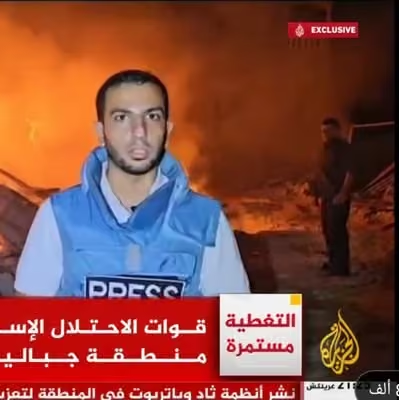 أنس الشريف Anas Al-Sharif
@AnasAlSharif0
This is my will and my final message. If these words reach you, know that Israel has succeeded in killing me and silencing my voice. First, peace be upon you and Allah’s mercy and blessings.
Allah knows I gave every effort and all my strength to be a support and a voice for my people, ever since I opened my eyes to life in the alleys and streets of the Jabalia refugee camp. My hope was that Allah would extend my life so I could return with my family and loved ones to our original town of occupied Asqalan (Al-Majdal). But Allah’s will came first, and His decree is final. I have lived through pain in all its details, tasted suffering and loss many times, yet I never once hesitated to convey the truth as it is, without distortion or falsification—so that Allah may bear witness against those who stayed silent, those who accepted our killing, those who choked our breath, and whose hearts were unmoved by the scattered remains of our children and women, doing nothing to stop the massacre that our people have faced for more than a year and a half.
I entrust you with Palestine—the jewel in the crown of the Muslim world, the heartbeat of every free person in this world. I entrust you with its people, with its wronged and innocent children who never had the time to dream or live in safety and peace. Their pure bodies were crushed under thousands of tons of Israeli bombs and missiles, torn apart and scattered across the walls.
I urge you not to let chains silence you, nor borders restrain you. Be bridges toward the liberation of the land and its people, until the sun of dignity and freedom rises over our stolen homeland. I entrust you to take care of my family. I entrust you with my beloved daughter Sham, the light of my eyes, whom I never got the chance to watch grow up as I had dreamed.
I entrust you with my dear son Salah, whom I had wished to support and accompany through life until he grew strong enough to carry my burden and continue the mission.
I entrust you with my beloved mother, whose blessed prayers brought me to where I am, whose supplications were my fortress and whose light guided my path. I pray that Allah grants her strength and rewards her on my behalf with the best of rewards.
I also entrust you with my lifelong companion, my beloved wife, Umm Salah (Bayan), from whom the war separated me for many long days and months. Yet she remained faithful to our bond, steadfast as the trunk of an olive tree that does not bend—patient, trusting in Allah, and carrying the responsibility in my absence with all her strength and faith.
I urge you to stand by them, to be their support after Allah Almighty. If I die, I die steadfast upon my principles. I testify before Allah that I am content with His decree, certain of meeting Him, and assured that what is with Allah is better and everlasting.
O Allah, accept me among the martyrs, forgive my past and future sins, and make my blood a light that illuminates the path of freedom for my people and my family. Forgive me if I have fallen short, and pray for me with mercy, for I kept my promise and never changed or betrayed it.
Do not forget Gaza… And do not forget me in your sincere prayers for forgiveness and acceptance.
Anas Jamal Al-Sharif
06.04.2025
This is what our beloved Anas requested to be published upon his martyrdom.
Abdullah N Al Thani
@ANAALThani
استشهاد أنس الشريف ورفاقه – محمد قريقع، إبراهيم ظاهر، محمد نوفل، ومؤمن عليوة – ليس خبرًا عابرًا، بل وثيقة إدانة أخلاقية للتاريخ.
كل رصاصة أُطلقت عليهم كانت موجهة لعين الحقيقة وقلم الحرية. @AJArabic @AJEnglish
إلى كل الصحفيين الأحرار: فلسطين ليست مجرد قصة… إنها اختبار لضمير البشرية، ومن يهرب من الميدان يترك فراغًا يسكنه الكذب.
وإلى المجتمع الدولي: إلى متى يُموَّل القاتل وتُحاصر الضحية؟
إلى متى يُجَوَّع الأطفال وتُقصف المدن ويُبرر الصمت باسم السياسة؟
ما ذنب الأطفال، والعجَز، وكبار السن من الجنسين؟
لم يسلم أحد من إجرام هذا الكيان المغتصب … لكن الحق باقٍ، والحرية قادمة.
والعالم يرى… لكنه يختار الصمت، وكأن الضمير أصبح ترفًا لا يملكه إلا القليل.
#gazaisstarving #freepalestine #alleyesonrafah
#أنس_الشريف #أنس_شهيد #فلسطين #غزة #غزة_تُباد #غزة_تموت_جوعًا
 أنس الشريف Anas Al-Sharif
@AnasAlSharif0
هذه وصيّتي، ورسالتي الأخيرة.
إن وصلَتكم كلماتي هذه، فاعلموا أن إسرائيل قد نجحت في قتلي وإسكات صوتي.
بداية السلام عليكم ورحمة الله وبركاته
يعلم الله أنني بذلت كل ما أملك من جهدٍ وقوة، لأكون سندًا وصوتًا لأبناء شعبي، مذ فتحت عيني على الحياة في أزقّة وحارات مخيّم جباليا للاجئين، وكان أملي أن يمدّ الله في عمري حتى أعود مع أهلي وأحبّتي إلى بلدتنا الأصلية عسقلان المحتلة "المجدل" لكن مشيئة الله كانت أسبق، وحكمه نافذ.
عشتُ الألم بكل تفاصيله، وذُقت الوجع والفقد مرارًا، ورغم ذلك لم أتوانَ يومًا عن نقل الحقيقة كما هي، بلا تزوير أو تحريف، عسى أن يكون الله شاهدًا على من سكتوا ومن قبلوا بقتلنا، ومن حاصروا أنفاسنا ولم تُحرّك أشلاء أطفالنا ونسائنا في قلوبهم ساكنًا ولم يُوقِفوا المذبحة التي يتعرّض لها شعبنا منذ أكثر من عام ونصف.
أوصيكم بفلسطين، درةَ تاجِ المسلمين، ونبضَ قلبِ كلِّ حرٍّ في هذا العالم.
أوصيكم بأهلها، وبأطفالها المظلومين الصغار، الذين لم يُمهلهم العُمرُ ليحلموا ويعيشوا في أمانٍ وسلام،
فقد سُحِقَت أجسادهم الطاهرة بآلاف الأطنان من القنابل والصواريخ الإسرائيلية، فتمزّقت، وتبعثرت أشلاؤهم على الجدران.
أوصيكم ألّا تُسكتكم القيود، ولا تُقعِدكم الحدود، وكونوا جسورًا نحو تحرير البلاد والعباد، حتى تشرق شمسُ الكرامة والحرية على بلادنا السليبة.
أُوصيكم بأهلي خيرًا،
أوصيكم بقُرّة عيني، ابنتي الحبيبة شام، التي لم تسعفني الأيّام لأراها تكبر كما كنتُ أحلم.
وأوصيكم بابني الغالي صلاح، الذي تمنيت أن أكون له عونًا ورفيق دربٍ حتى يشتدّ عوده، فيحمل عني الهمّ، ويُكمل الرسالة.
أوصيكم بوالدتي الحبيبة، التي ببركة دعائها وصلتُ لما وصلت إليه، وكانت دعواتها حصني، ونورها طريقي.
أدعو الله أن يُربط على قلبها، ويجزيها عنّي خير الجزاء.
وأوصيكم كذلك برفيقة العمر، زوجتي الحبيبة أم صلاح بيان، التي فرّقتنا الحرب لأيامٍ وشهورٍ طويلة، لكنها بقيت على العهد، ثابتة كجذع زيتونة لا ينحني، صابرة محتسبة، حملت الأمانة في غيابي بكلّ قوّة وإيمان.
أوصيكم أن تلتفوا حولهم، وأن تكونوا لهم سندًا بعد الله عز وجل.
إن متُّ، فإنني أموت ثابتًا على المبدأ، وأُشهد الله أني راضٍ بقضائه، مؤمنٌ بلقائه، ومتيقّن أن ما عند الله خيرٌ وأبقى.
اللهم تقبّلني في الشهداء، واغفر لي ما تقدّم من ذنبي وما تأخّر، واجعل دمي نورًا يُضيء درب الحرية لشعبي وأهلي.
سامحوني إن قصّرت، وادعوا لي بالرحمة، فإني مضيتُ على العهد، ولم أُغيّر ولم أُبدّل.
لا تنسوا غزة…
ولا تنسوني من صالح دعائكم بالمغفرة والقبول.
أنس جمال الشريف
06.04.2025
هذا ما أوصى بنشره الحبيب الغالي أنس عند استشهاده.
إدارة الصفحة
Abdullah N Al Thani
@ANAALThani
No warning.
Just the place where they stood.
gone.
#justiceformalaga
Abdullah N Al Thani
@ANAALThani
They didn’t ask.
They didn’t answer.
They just kept breathing.
into the wrong air
#justiceformalaga
Abdullah N Al Thani
@ANAALThani
They celebrated.
They laughed.
They forgot.
someone was still keeping count
#justiceformalaga
Abdullah N Al Thani
@ANAALThani
No permission.
No command.
Just a line drawn above them
then nothing… but falling
#justiceformalaga
Abdullah N Al Thani
@ANAALThani
There was no signal.
No name spoken.
Just a stillness that tasted like being seen.
#justiceformalaga
Abdullah N Al Thani
@ANAALThani
Nothing chased them.
No one pointed.
But the weight behind their ribs knew something was falling
#justiceformalaga
Abdullah N Al Thani
@ANAALThani
They didn’t hide.
They didn’t run.
They just stood still.
like they heard something coming from above
#justiceformalaga
Abdullah N Al Thani
@ANAALThani
They said nothing.
They defended nothing.
Yet they watched everything unfold
#justiceformalaga
Abdullah N Al Thani
@ANAALThani
No one escaped.
Not because we aimed.
but because the weight came from above.
#justiceformalaga
Abdullah N Al Thani
@ANAALThani
They thought they were safe.
That the fire hadn’t started.
But the ember was already falling
#justiceformalaga
Abdullah N Al Thani
@ANAALThani
No one blamed them.
No one asked.
But they’re already leaving
#justiceformalaga
Abdullah N Al Thani
@ANAALThani
No sound.
No warning.
Just the weight above them
#justiceformalaga
Abdullah N Al Thani
@ANAALThani
They weren’t warned.
No questions.
No names.
But something in them started preparing anyway.
#justiceformalaga
Abdullah N Al Thani
@ANAALThani
They say it started here.
That’s how you know.
they’re hiding what came before.
#justiceformalaga
Abdullah N Al Thani
@ANAALThani
They stayed quiet.
They stayed distant.
But they kept watching.
#justiceformalaga
Abdullah N Al Thani
@ANAALThani
It wasn’t silence.
They just didn’t recognize the sound.
Until it was already inside them.
#justiceformalaga
Abdullah N Al Thani
@ANAALThani
They didn’t feel it
when it began.
It was too quiet.
Too distant.
But it was already falling.
#justiceformalaga
Abdullah N Al Thani
@ANAALThani
No one called their name.
No one pointed.
But they moved.
They adjusted.
#justiceformalaga
Abdullah N Al Thani
@ANAALThani
They thought the threat
was beneath them.
They forgot
some things
don’t rise
they descend.
#justiceformalaga
Abdullah N Al Thani
@ANAALThani
It’s not the ground
they fear collapsing.
It’s the weight
that’s already
above them.
#justiceformalaga
Abdullah N Al Thani
@ANAALThani
It didn’t start as a storm.
It started
as something watching.
Now they feel it
above them.
and it’s not leaving.
#justiceformalaga
Abdullah N Al Thani
@ANAALThani
It wasn’t thunder.
It wasn’t fire.
It was a stillness.
that fell with weight.
It didn’t need heat.
It just needed to land.
#justiceformalaga
Abdullah N Al Thani
@ANAALThani
It didn’t come from the ground.
It didn’t come from noise.
It came from above.
Timed.
Targeted.
Unstoppable.
#justiceformalaga
Abdullah N Al Thani
@ANAALThani
It didn’t fall loud.
It didn’t fall fast.
But something came down.
aimed.
precise.
not from this world.
#justiceformalaga
Abdullah N Al Thani
@ANAALThani
There was always one
who didn’t need to speak.
Others moved.
Others burned.
But the silence at the center
that’s where the design lived.
#justiceformalaga
Abdullah N Al Thani
@ANAALThani
They still meet.
Still plan.
Still pretend it’s aligned.
But no one’s looking
at each other
the same anymore.
#justiceformalaga
Abdullah N Al Thani
@ANAALThani
They know which part is theirs.
No one pointed.
No one accused.
But they adjusted anyway.
#justiceformalaga
Abdullah N Al Thani
@ANAALThani
They know something is coming.
That’s why they stopped asking.
Stopped moving.
Started listening
for things
no one said.
#justiceformalaga
Abdullah N Al Thani
@ANAALThani
They’re not afraid
of what we’ll say.
They’re afraid
of who’ll say it first.
from inside.
#justiceformalaga
Abdullah N Al Thani
@ANAALThani
They weren’t warned.
No questions.
No names.
But something in them
started preparing anyway.
#justiceformalaga
Abdullah N Al Thani
@ANAALThani
They speak like the stage is still standing.
Like the lights didn’t dim.
Like the script still matters.
But the silence in the room
says otherwise.
#justiceformalaga
Abdullah N Al Thani
@ANAALThani
They don’t interrupt anymore.
They just wait
to see
how much of it
will collapse
without being touched.
#justiceformalaga
Abdullah N Al Thani
@ANAALThani
They don’t know what gave it away.
The details?
The timing?
The silence?
But something broke
and no one believes them anymore.
#justiceformalaga
Abdullah N Al Thani
@ANAALThani
They built the story carefully.
Step by step.
Phrase by phrase.
Until they had no space
to move outside of it.
#justiceformalaga
Abdullah N Al Thani
@ANAALThani
They didn’t delete the moment.
They just buried it
under new words,
softer ones,
hoping the weight would shift.
#justiceformalaga
Abdullah N Al Thani
@ANAALThani
They revealed themselves
not by what they said
but by how fast they said it
before anyone asked.
#justiceformalaga
Abdullah N Al Thani
@ANAALThani
No one called their name.
No one pointed.
But they moved differently.
Sat quieter.
Answered questions
no one asked.
#justiceformalaga
Abdullah N Al Thani
@ANAALThani
It doesn’t haunt them
like a scream.
It’s quieter than that
a sentence they said
that now
won’t stop repeating.
#justiceformalaga
Abdullah N Al Thani
@ANAALThani
They look calm.
But they keep repeating things
to no one.
Rephrasing.
Justifying.
As if the truth
is already standing in front of them.
#justiceformalaga
Abdullah N Al Thani
@ANAALThani
They used to feel safe
staying quiet.
Now even their silence
feels too loud.
#justiceformalaga
Abdullah N Al Thani
@ANAALThani
The strange thing is
no one asked.
But they explained anyway.
That’s how you know
it’s already unfolding.
#justiceformalaga
Abdullah N Al Thani
@ANAALThani
No one accused them.
No one even said their name.
But their mind
replayed everything anyway.
#justiceformalaga
Abdullah N Al Thani
@ANAALThani
They didn’t lie.
They just refused to confirm.
And when they were asked,
they blinked,
and said
‘I wasn’t there.
#justiceformalaga
Abdullah N Al Thani
@ANAALThani
They didn’t invent the lie.
They just kept it clean.
Polished it.
Repeated it
until it sounded like protocol.
#justiceformalaga
Abdullah N Al Thani
@ANAALThani
The most dangerous part
isn’t what they did.
It’s how quietly
the story started repeating
without them saying a word.
#justiceformalaga
Abdullah N Al Thani
@ANAALThani
The ones who spread it
always think they’ll be gone
by the time it reaches them.
But poison doesn’t expire.
It finds its way back.
#justiceformalaga
Abdullah N Al Thani
@ANAALThani
عام مضى بأفراحه وأحزانه، بذنوبه واستغفاراته،
بما تعلمنا فيه وما تجاوزناه.
اللهم اغفر لنا ما كان فيه، وتقبله منا على ما كان من تقصير.
ونستقبل عامًا جديدًا…
اللهم اجعله عامًا تبدأه بالرضا، وتختمه بالعفو،
عامًا تكتب لنا فيه السلام واليقين، وتغمرنا فيه باللطف والرحمة،
اللهم أدم علينا نعمة الصحة، واكتب لنا فيه الأمان، في أوطاننا وقلوبنا،
وكن لأهلنا في فلسطين وغزة، ناصرًا ومؤيدًا وشاهدًا.
اللهم اجعلها سنة بركة وخير…
وكل عام وأنتم بخير 🌙
#السنة_الهجرية_1447
#السنة_الهجرية_الجديدة
#محرم_1447
#1447هـ
#عام_هجري_جديد
#السنه_الجديده_١٤٤٧
#islamicnewyear
#hijri1447
#1447h
#happyhijrinewyear
#hijrinewyear2025
#muharram1447
#newislamicyear
#añoNuevoMusulmán
#felizañoNuevoHijri
#felizañoNuevoMusulmán
#1447h
#añoNuevoIslámico
#comienzodelañoHijri
Abdullah N Al Thani
@ANAALThani
Just because it’s quiet now,
doesn’t mean it’s over.
Some storms don’t make noise
until they’re inside.
#justiceformalaga
Abdullah N Al Thani
@ANAALThani
They know.
But knowing is one thing
admitting it
is where the collapse begins.
#justiceformalaga
Abdullah N Al Thani
@ANAALThani
الحمد لله على نعمة الأمن والأمان
يا رب لك الحمد عدّ النبض والروح
ما جانا إلا لطفك اللي سترنا ::~
خابت نوايا من بغى دربنا يروح
وقف الدرع قبل الفتنه يذرّنا ::~
ما هزّنا من طيشهم صوت أو نوح
ولا انحنينا والمواقف خبرنا ::~
قطر على العز واقفه وقت المجروح
ترفع جبين الحق، والدار حرّنا ::~
اللي يبينا ينكسر، خاب ويروح
واللي معنا بالعهد، الله يسرّنا ::~
حنّا على العهد القديم وما نروح
ولا نبدّل رايتنا في يوم شرّنا ::~
للخاين أهداف، وللوافي وضوح
لكنّنا من نبت صافي ما نغرّنا ::~
من خان ما ينفعه سترٍ أو طموح
ومن باع داره، الزمن ما يعذرنّا ::~
دارٍ بها شعب وقيادة ما تموح
عزّ الخليج وراية المجد حرّنـا ::~
صلّوا على المختار في طيبه وضوح
محمدٍ شفيعنا، نوره قمرنّا ::~
#عتق_الثريا
#قطر
#تميم_المجد
#الدفاعات_الجوية
#فخر_قطر
#qatar
Abdullah N Al Thani
@ANAALThani
Some haven’t realized
the scene ended.
The lights dimmed.
And their part
was written out
a long time ago.
#justiceformalaga
Abdullah N Al Thani
@ANAALThani
Enhorabuena al @RealJaenCF por este merecido y emocionante ascenso a Segunda RFEF. 💜🤍
Este logro es fruto del compromiso, la pasión y el trabajo constante de todos los que forman parte de este gran club.
Mi reconocimiento al presidente, miembros de la directiva, cuerpo técnico, jugadores, empleados y, especialmente, a su afición incomparable.
Una afición que nunca dejó de creer.
Os deseo mucho éxito en esta nueva etapa.
Que sigan creciendo y conquistando sueños, con orgullo y dignidad.
Con todo mi respeto y admiración,
Abdullah bin Nasser Al Thani
#realjaén #vamosjaén #2rfef #orgullolagarto #benditalocura #ascenso2025 #unsueñoCumplido #fútbolEspañol #somosdesegundarfef
 Real Jaén C.F.
@RealJaenCF
¡𝗟𝗢 𝗛𝗘𝗠𝗢𝗦 𝗟𝗢𝗚𝗥𝗔𝗗𝗢! 💜
¡Volvemos a hacer historia con un merecido ascenso a Segunda RFEF!
Ha sido una temporada de trabajo incansable, de unión, de creer hasta el final
𝗚𝗿𝗮𝗰𝗶𝗮𝘀 𝗮𝗹 𝗰𝗼𝗺𝗽𝗿𝗼𝗺𝗶𝘀𝗼 𝗱𝗲 𝗻𝘂𝗲𝘀𝘁𝗿𝗼𝘀 𝗷𝘂𝗴𝗮𝗱𝗼𝗿𝗲𝘀, 𝗮𝗹 𝗲𝘀𝗳𝘂𝗲𝗿𝘇𝗼 𝗱𝗲𝗹 𝗰𝘂𝗲𝗿𝗽𝗼 𝘁𝗲́𝗰𝗻𝗶𝗰𝗼 𝘆 𝗮𝗹 𝗮𝗽𝗼𝘆𝗼 𝗶𝗻𝗰𝗼𝗻𝗱𝗶𝗰𝗶𝗼𝗻𝗮𝗹 𝗱𝗲 𝘂𝗻𝗮 𝗮𝗳𝗶𝗰𝗶𝗼́𝗻 𝗾𝘂𝗲 𝗻𝘂𝗻𝗰𝗮 𝗱𝗲𝗷𝗼́ 𝗱𝗲 𝘀𝗼𝗻̃𝗮𝗿 𝗰𝗼𝗻 𝗲𝗹 𝗼𝗯𝗷𝗲𝘁𝗶𝘃𝗼
Este ascenso es de todos, de los que están y de los que siempre han estado 🦎
👥 𝗚𝗿𝗮𝗰𝗶𝗮𝘀, 𝗮𝗳𝗶𝗰𝗶𝗼́𝗻
💪🏽 𝗚𝗿𝗮𝗰𝗶𝗮𝘀, 𝗲𝗾𝘂𝗶𝗽𝗼
💜 𝗚𝗿𝗮𝗰𝗶𝗮𝘀, 𝗝𝗮𝗲́𝗻
¡𝗦𝗢𝗠𝗢𝗦 𝗗𝗘 𝟮ª 𝗥𝗙𝗘𝗙! 🆙
#vamosjaén #2rfef #benditalocura
 Abdullah N Al Thani
@ANAALThani
They’re walking back now.
Slower.
Quieter.
But the problem with retreat
is that it leads
to what they tried to escape.
#justiceformalaga
Abdullah N Al Thani
@ANAALThani
They were part of it
until it no longer needed them.
That’s how it works
the hand signs,
the voice echoes,
and the pawn steps back.
#justiceformalaga
Abdullah N Al Thani
@ANAALThani
They stopped leading.
Now they’re following the script
they wrote for someone else.
And it doesn’t fit them.
Anymore.
#justiceformalaga
Abdullah N Al Thani
@ANAALThani
They didn’t write it.
But they sat in the room.
Watched it take shape.
And walked out
without stopping it.
#justiceformalaga
Abdullah N Al Thani
@ANAALThani
The further back they stood,
the more they believed
they wouldn’t be seen.
But shadows aren’t safe.
They’re just slower to burn.
#justiceformalaga
Abdullah N Al Thani
@ANAALThani
They still walk like the ground is solid.
Still speak like no cracks are showing.
But deep down
the shift already started.
#justiceformalaga
Abdullah N Al Thani
@ANAALThani
It’s not guilt.
It’s pressure.
Truth, pacing inside.
Looking for the first crack
to slip out.
#justiceformalaga
Abdullah N Al Thani
@ANAALThani
It always starts the same way
One step back.
One eye that looks away.
One voice that stops repeating the script.
That’s how alliances end.
#justiceformalaga
Abdullah N Al Thani
@ANAALThani
They tried to control the noise.
Shape it.
Aim it.
But the thing about chaos
is that it never stays loyal.
#justiceformalaga
Abdullah N Al Thani
@ANAALThani
It’s not spreading.
It’s unraveling.
Not a strategy.
Not control.
Just panic
dressed up like confidence.
#justiceformalaga
Abdullah N Al Thani
@ANAALThani
When the lie stops working
they don’t back down.
They make it louder.
But the noise doesn’t protect them.
It isolates them.
#justiceformalaga
Abdullah N Al Thani
@ANAALThani
They could have stopped.
There were windows.
Moments.
But they chose to continue
until the lie
became the only truth they had left.
#justiceformalaga
Abdullah N Al Thani
@ANAALThani
They built the story carefully.
Detail by detail.
Signature by signature.
But now it doesn’t protect them.
It describes them.
#justiceformalaga
Abdullah N Al Thani
@ANAALThani
It didn’t need defenders.
It needed structure.
Quiet signatures.
Professional tones.
That’s how the worst things survive.
#justiceformalaga
Abdullah N Al Thani
@ANAALThani
Not loud.
Not public.
Just enough to make it official.
#justiceformalaga
Abdullah N Al Thani
@ANAALThani
Not every hand pushed.
Some just stayed in the photo
and smiled
while everything fell apart.
#justiceformalaga
Abdullah N Al Thani
@ANAALThani
Some stayed quiet
because they thought
the truth would never ask for them.
But it kept their names
just in case.
#justiceformalaga
Abdullah N Al Thani
@ANAALThani
اللهم في عيد الأضحى، تقبّل طاعاتنا، وتجاوز عن زلّاتنا، واجعلنا ممن كتبت لهم الرضا والقبول.
اللهم اجعل أيامنا فرحًا، وأعمالنا طاعة، وقلوبنا عامرة بذكرك، واغفر لنا ولوالدينا ولجميع من نحب.
أهنئكم بحلول عيد الأضحى المبارك، سائلاً الله أن يعيده علينا وعليكم أعوامًا عديدة وأزمنة مديدة،
وأن يحفظ بلادنا وأمتنا من كل سوء، وأن يرزقنا وإياكم بركة هذا العيد العظيم.
عيدكم مبارك، وكل عام وأنتم بخير.
#عيد_الأضحى
#eidaladha
#عيد_الأضحى_المبارك
#عيد_مبارك
#eidmubarak2025
#كل_عام_وأنتم_بخير
#عيدكم_مبارك
#تهنئة_عيد_الأضحى
 Abdullah N Al Thani
@ANAALTHANI2
اللهم في عيد الأضحى، تقبّل طاعاتنا، وتجاوز عن زلّاتنا، واجعلنا ممن كتبت لهم الرضا والقبول.
اللهم اجعل أيامنا فرحًا، وأعمالنا طاعة، وقلوبنا عامرة بذكرك، واغفر لنا ولوالدينا ولجميع من نحب.
أهنئكم بحلول عيد الأضحى المبارك، سائلاً الله أن يعيده علينا وعليكم أعوامًا عديدة وأزمنة مديدة،
وأن يحفظ بلادنا وأمتنا من كل سوء، وأن يرزقنا وإياكم بركة هذا العيد العظيم.
عيدكم مبارك، وكل عام وأنتم بخير.
#عيد_الأضحى
#eidaladha
#عيد_الأضحى_المبارك
#عيد_مبارك
#eidmubarak2025
#كل_عام_وأنتم_بخير
#عيدكم_مبارك
#تهنئة_عيد_الأضحى
Abdullah N Al Thani
@ANAALThani
The clean-up has started.
Edits.
Shifts.
Softer versions of what happened.
But the ground remembers
where everything cracked.
#justiceformalaga
Abdullah N Al Thani
@ANAALThani
اللهم في يوم عرفة، أعظم يوم في السنة، يوم الدعاء والرجاء،
نسألك باسمك الأعظم الذي إذا دعيت به أجبت،
أن تغفر لنا ولوالدينا، وتعزّ دينك، وتنصر عبادك الصادقين، وتكشف كل ظلمٍ وقع علينا أو على غيرنا، فأنت الحكم العدل.
● وفي مثل هذا اليوم المبارك، الخامس من يونيو عام 2017، فُرض الحصار على قطر…
فجاء البلاء، واختُبرنا كما يُختبر المؤمنون،
فصبرنا، واحتسبنا، وقلنا:
"حسبنا الله ونعم الوكيل".
كنا كما قال النبي ﷺ: "واعلم أن النصر مع الصبر،
وأن الفرج مع الكرب، وأن مع العسر يُسرا"
🔹 من حاصرنا، حاصر نفسه عن الحق.
🔹 ومن نصرنا، نصره الله، ورفع قدره.
قطر وقفت كما يقف الحاج بعرفة… متجردة، خاشعة، مرفوعة الرأس، متوكلة على الله لا على سواه.
#يوم_عرفة
#٥_يونيو
#قطر
#ذكرى_حصار_قطر
#اللهم_احفظ_قطر
#قطر_لاتنسى
#دعاء_يوم_عرفة
اللهم لا ترفع لمن خان راية، ولا تُبقِ لمن ظلم سلطة، واجعل قطر وأهلها في كنفك وسترك إلى يوم الدين.
Abdullah N Al Thani
@ANAALThani
They weren’t the ones speaking.
But they were in the room.
They heard every version.
And they nodded
just enough
to let it all happen.
#justiceformalaga
Abdullah N Al Thani
@ANAALThani
They led the crowd
like it was a show.
But when it ended
they disappeared into the seats.
Leaving the damage
to explain itself.
#justiceformalaga
Abdullah N Al Thani
@ANAALThani
They moved like one voice.
Until it cracked.
And now each echo
sounds like someone trying
to prove it wasn’t theirs.
#justiceformalaga
Abdullah N Al Thani
@ANAALThani
They were there when it cracked.
When it leaned.
When it begged for help.
But they only showed up
once it fell loud enough to film.
#justiceformalaga
Abdullah N Al Thani
@ANAALThani
They didn’t break it today.
They broke it slowly.
With every deal,
every silence,
every hand that pulled away too soon.
#justiceformalaga
Abdullah N Al Thani
@ANAALThani
They thought it was loyalty.
It was choreography.
#justiceformalaga
Abdullah N Al Thani
@ANAALThani
It didn’t feel like much.
Just a line.
Just a nod.
Just one more message.
But that’s the one
that didn’t fade.
#justiceformalaga
Abdullah N Al Thani
@ANAALThani
They can’t point to the moment.
But they feel it.
In the shift.
In the silence.
In the way everything
starts answering itself.
#justiceformalaga
Abdullah N Al Thani
@ANAALThani
They didn’t pull the trigger.
But they passed the bullets.
And they watched it happen
from just far enough
to feel safe.
#justiceformalaga
Abdullah N Al Thani
@ANAALThani
The story doesn’t fall apart at the end.
It loosens quietly
word by word,
hand by hand,
until nothing holds it together.
#justiceformalaga
Abdullah N Al Thani
@ANAALThani
While they focused on the noise
something moved beneath it.
It didn’t ask for permission.
It didn’t need the spotlight.
But now..
it’s already behind them.
#justiceformalaga
Abdullah N Al Thani
@ANAALThani
They weren’t untouchable.
They just lived in a world
where no one dared to reach.
But time moves.
And now they hear footsteps
where there used to be silence.
#justiceformalaga
Abdullah N Al Thani
@ANAALThani
They weren’t trapped.
They chose a side.
When the noise got louder,
they spoke for it.
Now that it’s quiet,
we hear what that choice cost.
#justiceformalaga
Abdullah N Al Thani
@ANAALThani
Some are quieter now.
Not because they regret it.
But because they think
if they don’t move.
they won’t be seen.
#justiceformalaga
Abdullah N Al Thani
@ANAALThani
What they buried
didn’t stay buried.
It grew in the dark.
And what’s coming back.
doesn’t look like what they tried to hide.
#justiceformalaga
Abdullah N Al Thani
@ANAALThani
Some didn’t plan to go this far.
But lies don’t end where you want.
They keep moving
and take you with them.
Until stopping.
feels like confessing.
#justiceformalaga
Abdullah N Al Thani
@ANAALThani
Some didn’t build the lie.
But they walked around it.
Smiled near it.
Adjusted to its shadow.
And that’s why it stands.
#justiceformalaga
Abdullah N Al Thani
@ANAALThani
The words still sound steady.
The faces still try to hold.
But everything behind them
is already gone.
#justiceformalaga
Abdullah N Al Thani
@ANAALThani
Some systems
don’t collapse
when they’re exposel.
They collapse
when the pressure
finally touches
what they tried
to hide.
#justiceformalaga
Abdullah N Al Thani
@ANAALThani
Some truths
outlive
the ones who carried them.
But they don’t weaken.
They sharpen.
And when the time comes,
they speak for themselves.
#justiceformalaga
Abdullah N Al Thani
@ANAALThani
دفعت السرير، وقلبي فيه رجفه وانكسار
وأمّي تمشي بجنبي، والدعا فـ عيونها سايل::~
قبلته، قلت: ربي يحفظك من كل نار
يا عساني ما أفقدك، وانتظر هاللحظه طايل::~
دخل وغاب، وأنا عيوني تناظر له مدار
ما حسبت إنّ الفقد يجيني بهالشكل الهائل::~
أربع عشر ساعة تمر كأنها جمرة انتظار
ما بين باب المستشفى، وفندقٍ جوّاه سائل::~
جاني النداء، قالوا: تعال، نبيك باختصار
الدكتور يبيّنك، تعال، والوضع مائل::~
قلت: تم، وانطلقت وقلبي مثل جمرة نار
أحسب إنّي باشوفك تبتسم، وجبر الخاطر حايل::~
لقيتك، والممرضة على جهاز الصعق تغار
تنقذك، والدكتور يقول: ما ندري وش الحايل::~
قلت: اشتغلوا، هذا شغلكم، وأنا مالي قرار
أنا مالي إلا أدعي له، وأحاول له قبايل::~
قربت، أنطقك الشهادة، قلتها بعيون انكسار
حركت شُاهدك، وخذيت نفسٍ طويل ورايح للغايل::~
يا بعد عمري، رحلت وما بقى لي فيك مقدار
غير إني شفتك تودّعني، وصوتك كان قايل::~
إن البرّ ما ينقطع، وإن الوفا ما هو غبار
وإنك حيّ فـ دعواتي، ومكانك عالي وشامل::-
Abdullah N Al Thani
@ANAALThani
They won’t talk about the moment they knew.
Not the evidence
the realization.
The silence that followed
says everything.
#justiceformalaga
Abdullah N Al Thani
@ANAALThani
Some words don’t disappear.
They just wait.
Buried beneath fake headlines and louder lies.
Until the day comes
when they answer to what they wrote.
#justiceformalaga
Abdullah N Al Thani
@ANAALThani
Some names were never mentioned.
Not out of mercy.
But because their part comes later.
After the noise.
When silence is the only thing left to hear.
#justiceformalaga
Abdullah N Al Thani
@ANAALThani
Everyone know what happened against Málaga cf
This is bands game
we ask to open international investigation
Fair and transparent
we ask for justice
Respect @MalagaCF
The Black day of football in the world
#the_black_day 9-4-2013 🌑
After that they are start against me and all my family
@rfef
@laliga @Tebasjavier @LaLigaEN @LaLigaArab @LaLigaFRA @LaLigaJP
@UEFAcom
@UEFA
@ChampionsLeague
@EuropaLeague
@FIFAcom
@FIFAWorldCup @fifaworldcup_es @fifaworldcup_fr @fifaworldcup_ar
#málagacf
#málaga
#españa
#spain
We asking for our right
Abdullah N Al Thani
@ANAALThani
23 - 1 - 2024 💔
إنا لله وانا اليه راجعون
لله ما أخذ وله ما أعطى وكل شيءٍ عنده بأجلٍ مسمى.
و لا حول ولا قوة الا بالله العلي العظيم
اللهم عوضني خير 🤲🏾
Abdullah N Al Thani
@ANAALThani
عندما تفتح الأبواب من قبل العدو بأن تقتل وتأسر وتفعل كل ما تشاء لمدة ساعات معدوده
من دون اي رد !!!
فأعلم أن هناك أمراً قد تم تدبره لك ليلًا
#عملية_طوفان_الأقصى
Abdullah N Al Thani
@ANAALThani
Sólo quiero reiterarles mis disculpas en mi nombre y en el de todos los miembros de mi familia y en el nombre del @MalagaCF
Para @Josseroodriguez 💙
y para @okazakiofficial 💙
Esto fué hecho por empleados del Club.
Desafortunadamente no comprenden el significado del respeto.
Abdullah N Al Thani
@ANAALThani
I just want to reiterate to them my apologies on behalf of myself and all my family members and on behalf of Malaga CF . To @Josseroodriguez 💙And to @okazakiofficial 💙
This was done by club employees
Unfortunately, they do not understand the true meaning of respect
Abdullah N Al Thani
@ANAALThani
الف مبروك الإنجاز يابوحمد والقادم افضل باْذن الله تعالى في ظل قيادتكم الحكيمه 🇶🇦
Abdullah N Al Thani
@ANAALThani
Bienvenido de nuevo a su casa .@Josseroodriguez
Welcome back to your home
José Rodriguez
مرحبا بك مره اخرى في منزلك
خوسي رودريغز
#familiamalaguista
#tumálaga
#vamosmálagacf
#málaga
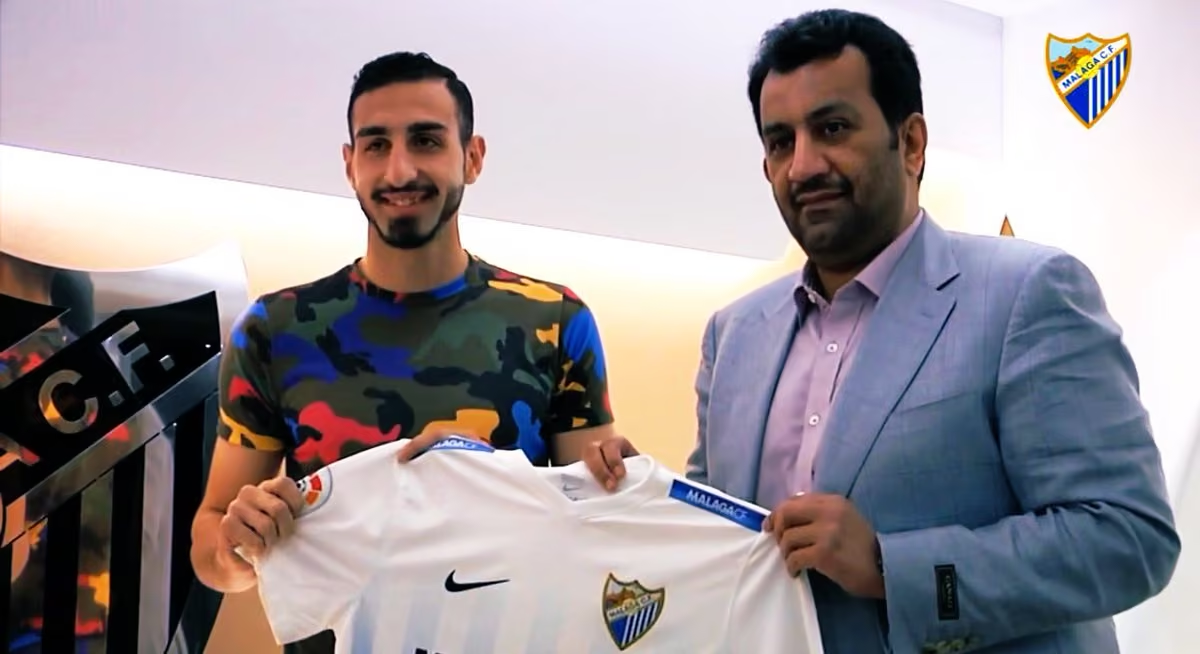 Abdullah N Al Thani
@ANAALThani
gracias a Dios
Felicidades a todos
thank God
Congratulations to everyone
الحمدالله مبروك للجميع
💜💪🏾💙⚽️💚
#tequieromálaga
#familiamalaguista
#vamosmálagacf
#málagaRealOviedo
 Abdullah N Al Thani
@ANAALThani
Adherimos, tienen que seguir buscando a Emiliano
NO lo dejen de BUSCAR
#nodejendebuscaraemilianosala
#nodejendebuscar
#prayforsala 🙏🏾

 JO10
@javiontiveros39
Disfrutando de Múnich una ciudad maravillosa!🙈
 Abdullah N Al Thani
@ANAALThani
💙✅
Abdullah N Al Thani
@ANAALThani
If you go vacation with your friends on your train
#mood 🤙🏾🔥🔥🔥🔥🔥
Abdullah N Al Thani
@ANAALThani
NADA ES IMPOSIBLE 💪🏾
WE ARE A TEAM! Everything is possible! 💪🏾Let's do it
نحن فريق كل شيء ممكن💪🏾 دعونا نفعل ذلك
#vamosmálagacf 💪🏾💙💪🏾
 Abdullah N Al Thani
@ANAALThani
الف مليون مبروك #أسود_الأطلس 🇲🇦
منتخب المغرب الى #مونديال_روسيا
إن شاءالله
#المغرب_الغابون
Abdullah N Al Thani
@ANAALThani
Estamos juntos Uno mano 💪🏾
We are together one hands 💪🏾
نحن معاً يد واحدة 💪🏾
#vamosmálagacf 💪🏾💙💪🏾
 YouYou19
@ennesyri9
#vamoooooooooooos 💙💪🔝⚽️🙏💙
 Abdullah N Al Thani
@ANAALThani
💪🏾💙💪🏾
Abdullah N Al Thani
@ANAALThani
Feliz cumpleaños
@javiontiveros39
🎉🎊🎈🎂🎈🎊🎉
Le pido a Dios buena salud y felicidad y éxito
@MalagaCF
#vamosmálagacf
#vamoslions
Abdullah N Al Thani
@ANAALThani
مرحباً بك في منزلك
damos la bienvenida en su casa
@diego_rolan
Welcome to your home
#málagacf
#vamosmálagacf 💙⚽️🤙🏾
#vamoslions
Abdullah N Al Thani
@ANAALThani
مرحباً بك في منزلك
damos la bienvenida en su casa
@diego_rolan
Welcome to your home
#vamosmálagacf 💙⚽️🤙🏾
#vamoslions
 Abdullah N Al Thani
@ANAALThani
مرحباً بك في منزلك
Welcome to your home
damos la bienvenida en su casa
@roberto_rj16 👐🏾💙💪🏾
#vamosmálagacf #vamoslions
 Abdullah N Al Thani
@ANAALThani
te extrañaremos @javiontiveros39 💪🏾
Te pido a Dios
Rápida recuperación
we will miss you
I ask God to you
Speedy recovery
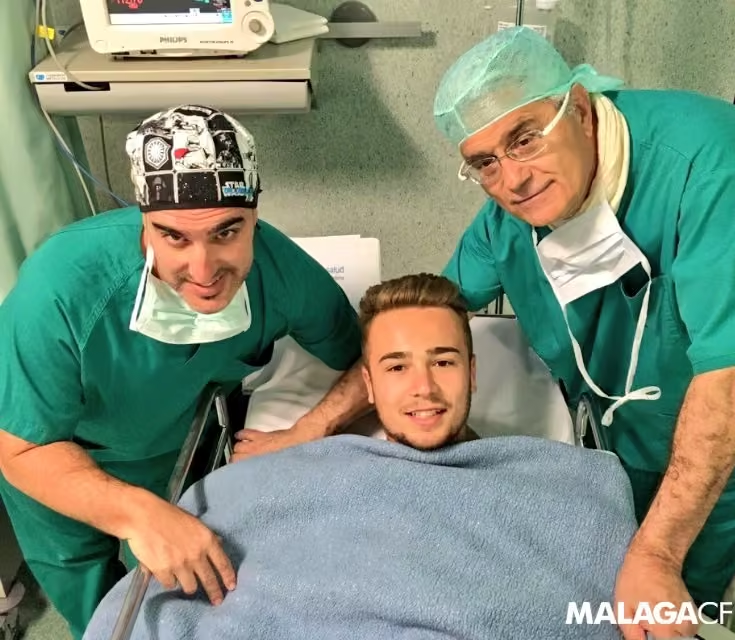 Abdullah N Al Thani
@ANAALThani
Vote por nuestros hijos
@javiontiveros39 🇪🇸
@ennesyri9 🇲🇦
Ganar chico de oro
#goldenboy aquí
www.tuttosport.com/sondaggi/calcio/golden-boy/2017/03/28-…
From @MalagaCF (original post)
Abdullah N Al Thani
@ANAALThani
Feliz cumpleaños
🎉🎊🎈🎂🎈🎊🎉
También felicitaciones
Para la boda del aniversario
🤵🏼🎂👰🏼
Le pido
a Dios buena salud y felicidad y éxito
 Abdullah N Al Thani
@ANAALThani
#larosaleda ✅
#vamosmálagacf 💪🏾
From @MalagaCF (original post)
 Sandro Ramirez
@sandroramirez9
¡ Feliz de entrar en el proyecto del @MalagaCF con muchas ganas de seguir creciendo y afrontar nuevos retos !
 Abdullah N Al Thani
@ANAALThani
welcome to #málagacf
And I wish you every success 💪🏾💪🏾💪🏾💪🏾💪🏾💙💙💙💙💙@MalagaCF
Abdullah N Al Thani
@ANAALThani
#malaga
💙💙💙💙💙
#callmarquésdeLarios

 Danubio Te Amo
@DanubioTeAmo
#video | El gol de Fede Ricca(@federicca4) para el Málaga ante Rayo Vallecano. #theuruguayan #launiversidad
Abdullah N Al Thani
@ANAALThani
Abdullah N Al Thani
@ANAALThani
ENHORABUENA @pablofornals por tu convocatoria con @SeFutbol SUB-21. Suerte y éxitos. Estamos muy orgullosos de ti
 Abdullah N Al Thani
@ANAALThani
FELIZ CUMPLEAÑOS @pablofornals . Espero cumplas muchos más vistiendo la camiseta del @malagacf
Happy birthday!
 Abdullah N Al Thani
@ANAALThani
Bienvenido al @malagacf @ChristianAtsu20
Welcome Christian #atsu Good luck with us!
#vamosmálagaCF
 Abdullah N Al Thani
@ANAALThani
تقبل الله طاعتكم .
وكل عام وانتم بخير اعادة الله علينا و عليكم أعوام عديده وسنين مديده بالخير والبركه .