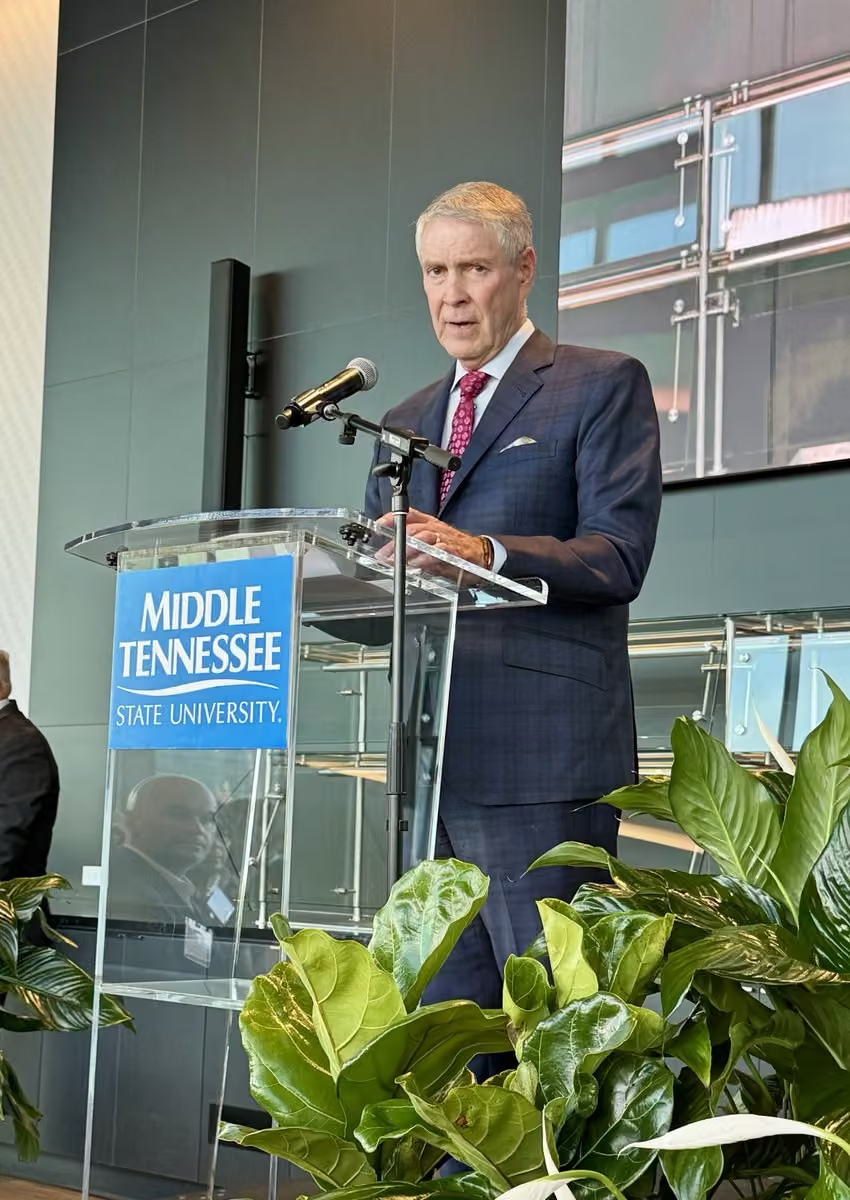
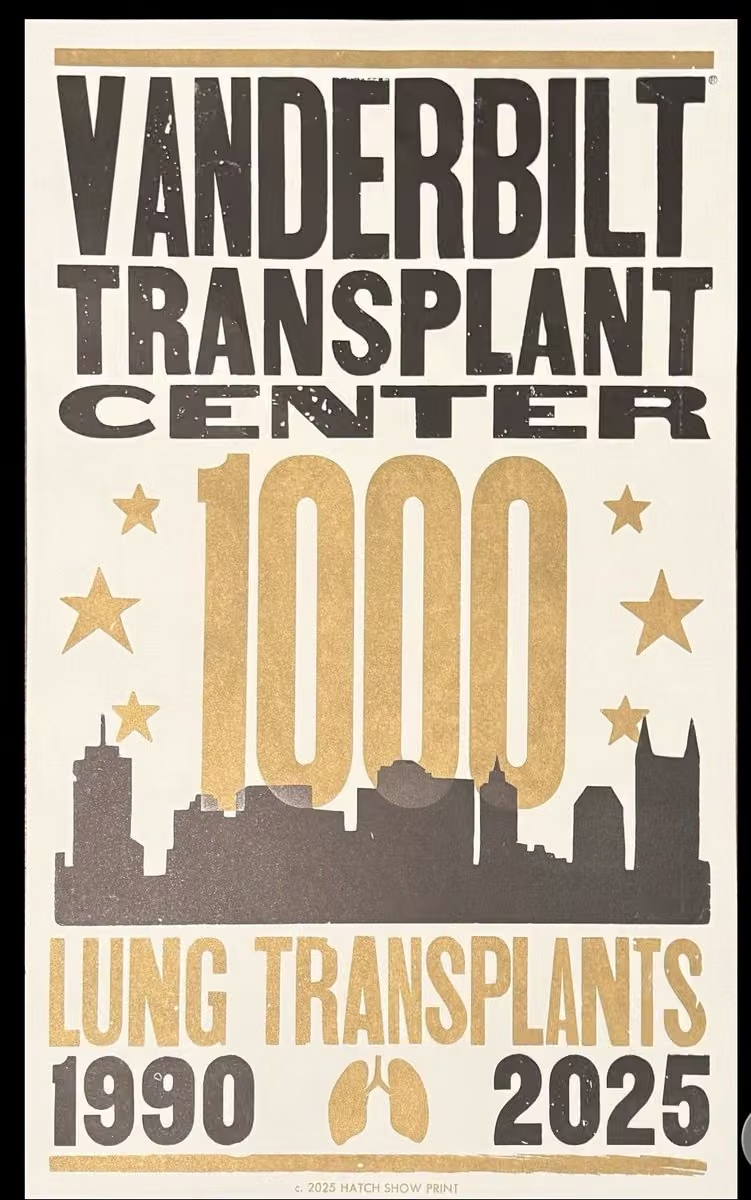
“Remember, I used to cut out hearts for a living,” Dr. Bill Frist (@bfrist) would say to those who said he wasn’t tough enough to be US Senate Majority Leader. In the prologue to my new memoir, THE EDUCATION OF A SENATOR: FROM JFK TO TRUMP, I tell the story of how Frist said in Nashville in February 1994, “I’m going to run for the United States Senate.” “ Why would you give up being one of the leading heart transplant surgeons?” I asked him. “Because instead of saving one life at a time, maybe I could save a million lives,” he said. And then Sen. Frist did just that, working with President George W. Bush to create PEPFAR (the President’s Emergency Plan for AIDS Relief), which spent $100 billion saving 23 million lives. I was serving with Bill in the Senate in 2003 when PEPFAR became law.
Now Bill Frist and I are retired from the Senate, but we are working together again. This time it is to create the Tracy and Bill Frist Center for Appalachian Wellness and the Outdoors within the proposed $80 million Alexander Institute for Outdoor Leadership and the Sciences at Maryville College (@MaryvilleC) in my hometown at the edge of the Great Smoky Mountains. Upon the recommendation of Governor @BillLeeTN, the Tennessee legislature appropriated $12 million to support the Alexander Institute.
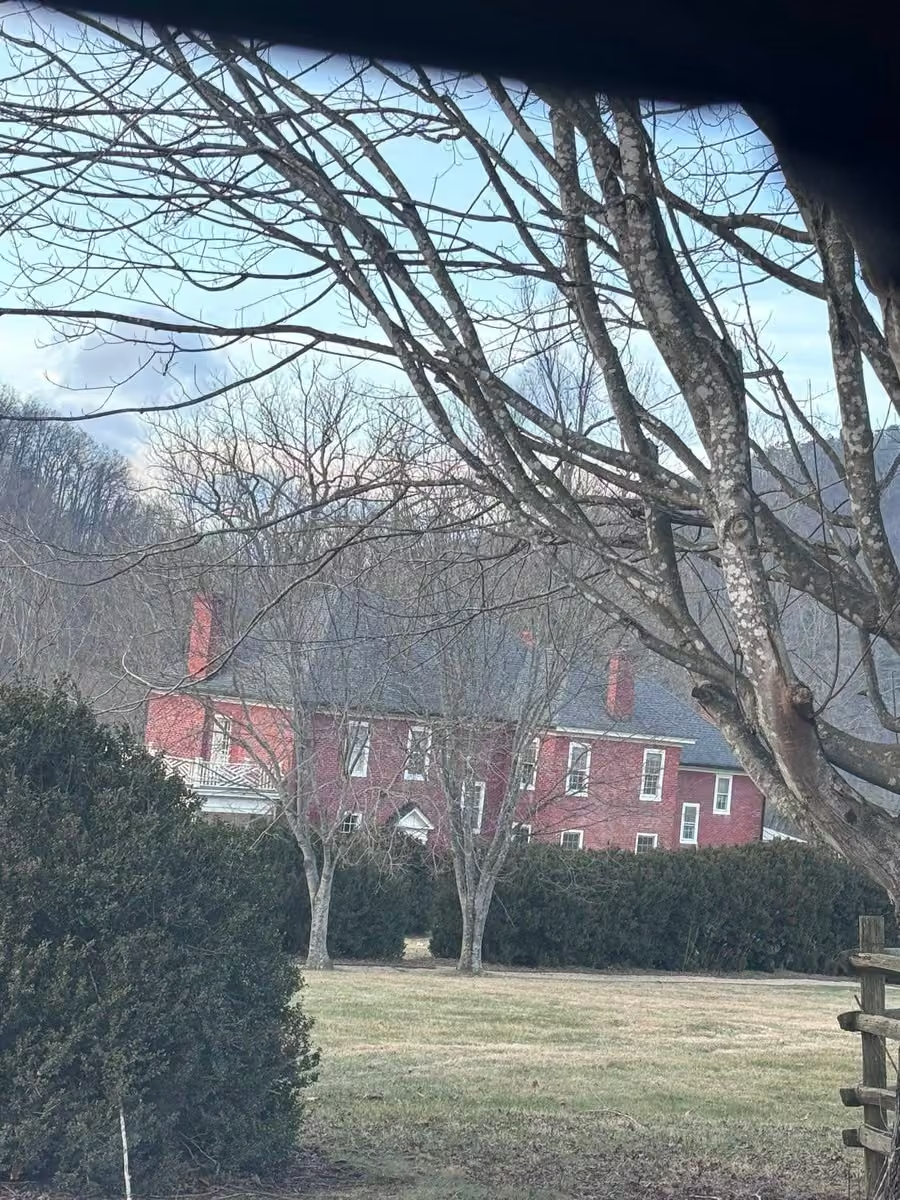
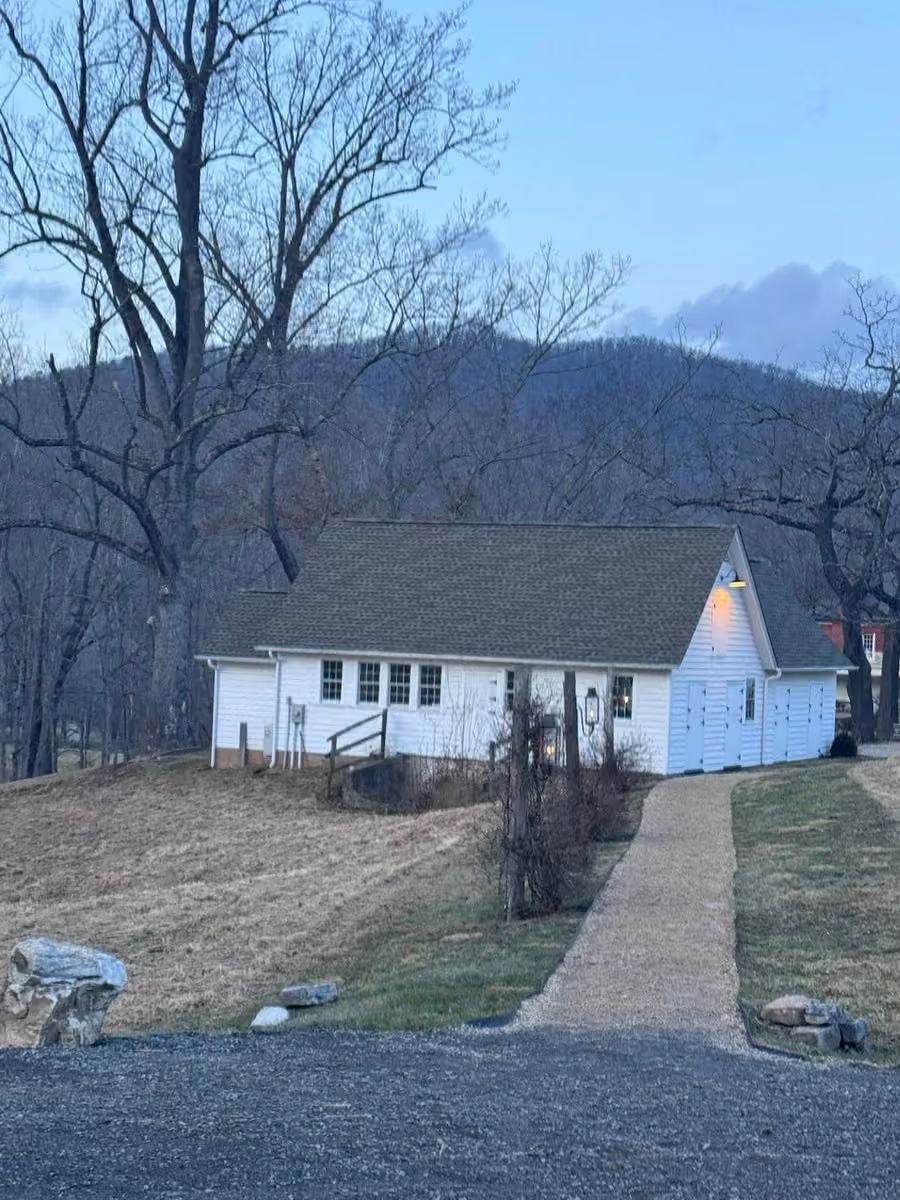
A few weeks ago, Bill, who is now a volunteer chairman of the Global Nature Conservancy, and I participated in a webinar about the Frist Institute. During that hour-long discussion, Sen. Frist said, “As we've learned over time, student success is shaped not only by what happens inside the classroom but by the whole world students live in, the health in their communities, and increasingly their environment. The Appalachian region holds a special place in our hearts. Tracy and I are fortunate to have a farm there. And through that experience, we've seen firsthand how important sustainable agriculture and responsible land stewardship are to building both a healthy ecosystem and a strong, resilient economy. This extraordinary region stretches more than 2,000 miles across 13 states and includes Tennessee treasures like the Great Smoky Mountains.
In response, I said, “Maryville College first has an advantage. It may not be Harvard or Berkeley or the University of Chicago, but it has the advantage of place. It's a college in the Smokies in one of the most biodiverse places in the world at the foot of this Appalachian corridor. And second, it has lots of students already who are already involved in doing their senior theses in things like testing the cleanness of the water in the Little River or figuring out if there's a way to create a chestnut tree that'll grow that won't be, won't be killed by blight. So Maryville College can do local things of national significance.”
The webinar discussion also included:
- Katherine Medlock, Appalachians Conservation Director-South, @nature_org
- Dr. Jennifer Oody, Division Chair of Health Sciences & Outdoor Studies and Associate Professor of Exercise Science, Maryville College
- Brian Clifford, Deputy Commissioner for the Bureau of Conservation, Tennessee Department of Environment & Conservation
To hear the entire webinar discussion, please click on this link: www.youtube.com/watch?v=6M4M4j6X5k4
In THE EDUCATION OF A SENATOR: FROM JFK TO TRUMP, I paint portraits of the presidents I worked with, tell stories about what I saw behind the scenes, and recount the lessons I learned about American politics and our country’s future.
THE EDUCATION OF A SENATOR will be available on May 19th, 2026, from Post Hill Press.
You can preorder here: www.simonandschuster.com/books/The-Education-of-a-Senator…


 Bill Frist, M.D.
@bfrist



 Kevin Weil 🇺🇸

 Middle Tennessee State University










 SCORE




 Hint Health


 𝘽𝙧𝙮𝙖𝙣 𝙁 𝘾𝙤𝙠𝙚𝙧


 Rep. David Kustoff


 David Suetterlein


 LWCF Coalition


 ETSUProvost


 TEDMED


 TNC Policy




 Tennessee Wildlife Federation


 Bill Dance


























 NashvilleHealth