Aloui et al. used genetic sequencing to study 74 families with moyamoya angiopathy, a rare cerebrovascular disorder, and identified known disease-associated variants and novel candidate genes. shorturl.at/WQx9i
Brain (journal)
Brain: A Journal of Neurology is a peer-reviewed scientific journal of neurology, founded in 1878 by John Charles Bucknill, David Ferrier, James Crichton-Browne and John Hughlings Jackson. It is published by Oxford University Press. More on Wikipedia
-
Brain
@Brain1878
-
Brain
@Brain1878
Mottolese et al. show that mosaic CDKL5 deficiency drives progressive age- and region-specific remodelling of inhibitory brain circuits. Studies in mice and human brain tissue suggest that mosaicism actively contributes to disease progression. shorturl.at/W75aY
-
Brain
@Brain1878
Preventing autoimmunity after alemtuzumab in multiple sclerosis: regulatory T cells resist expansion
New scientific commentary by David PJ Hunt shorturl.at/ceDxe -
Brain
@Brain1878
Williams et al. argue that the contribution of APOE to Alzheimer’s disease burden has been underestimated due to ε3 commonly being considered neutral, despite increasing risk relative to ε2. shorturl.at/WDPoM
-
Brain
@Brain1878
Plessis-Belair and Sher identify distinct cell-cycle signatures in patients with ALS in the Answer ALS database. Elevated G1- or G2-phase cyclin expression is associated with slower functional decline, whereas S-phase markers predict faster progression. shorturl.at/hV1vW
-
Brain
@Brain1878
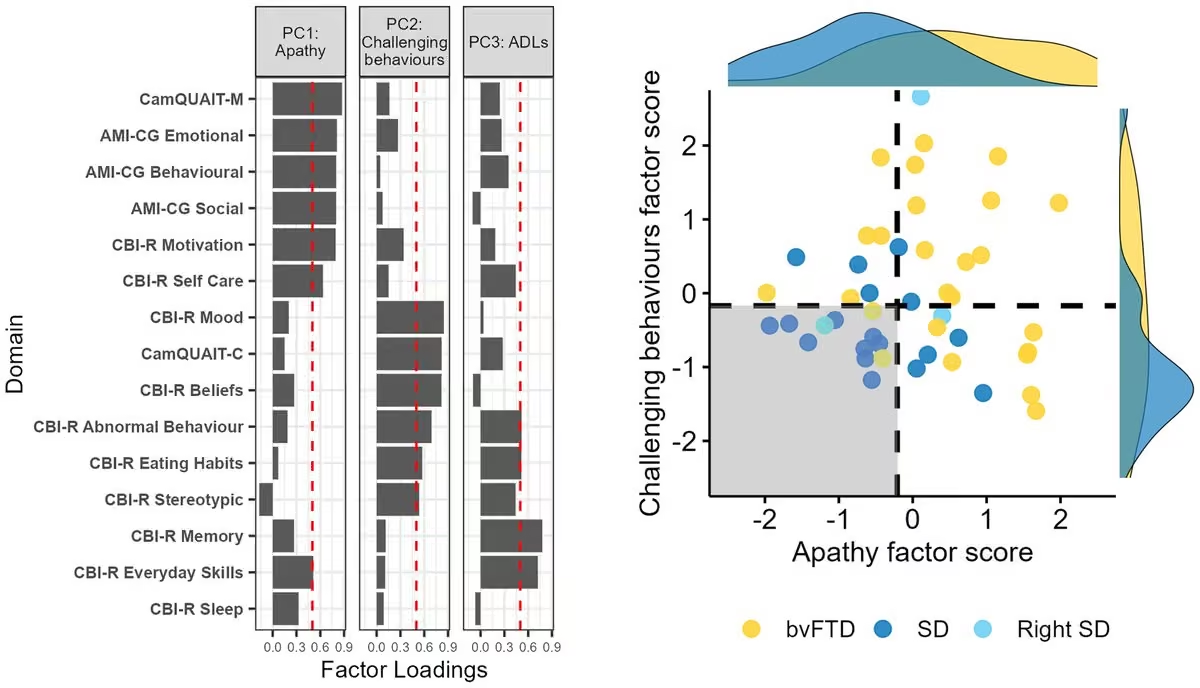
Flavell et al. show that discordance between patient, informant and clinician ratings of behaviour can distinguish behavioural variant frontotemporal dementia from psychiatric mimics of the disease with high accuracy. shorturl.at/Tapvq
-
Brain
@Brain1878
Sormani et al. argue that MS should be viewed as a biological continuum rather than as distinct clinical forms. Evidence from trials suggests that therapies targeting shared biological mechanisms can slow disability progression across the disease spectrum. shorturl.at/2DdMB
-
Brain
@Brain1878
Mapping brain imaging heterogeneity in multiple sclerosis
New scientific commentary by Tomas Uher & Guy Nagels: shorturl.at/JhHz8 -
Brain
@Brain1878
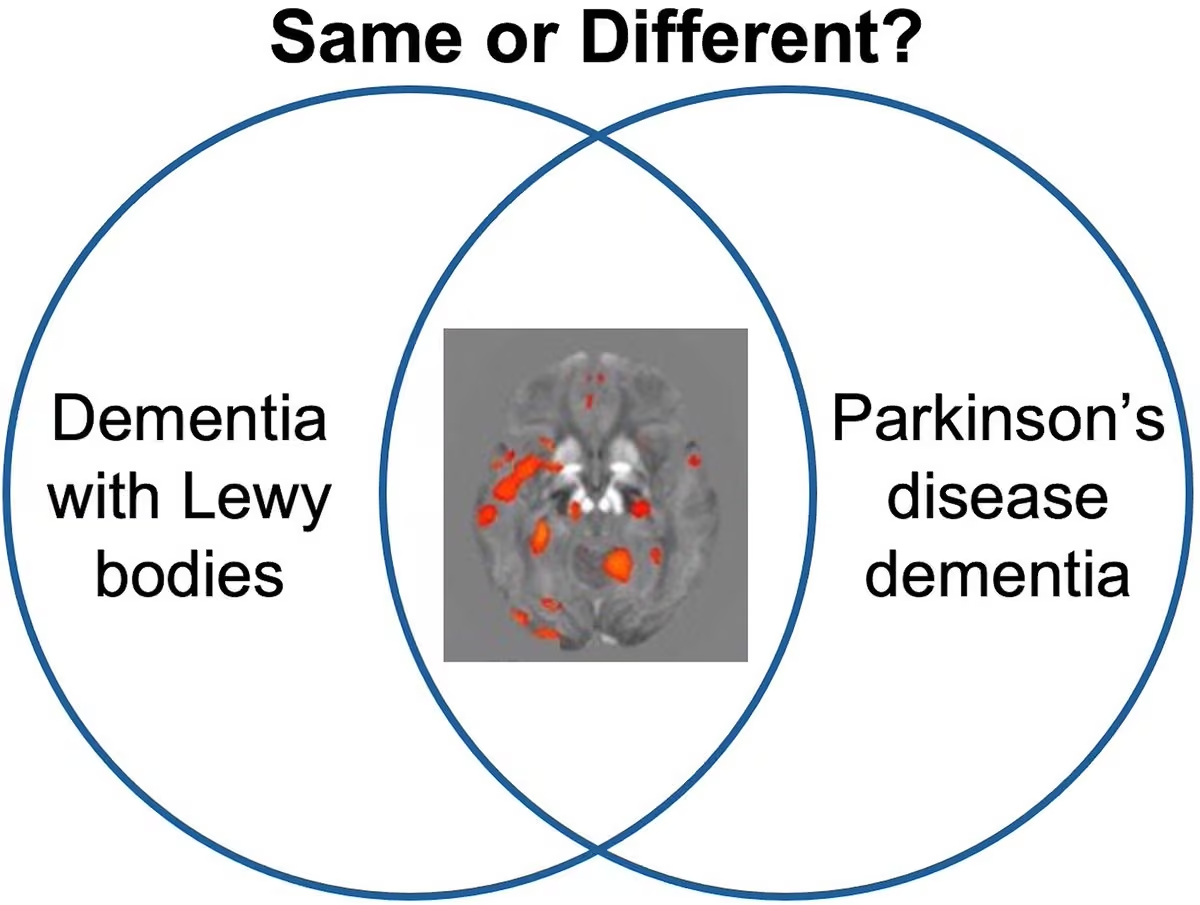
Gibson et al. analysed postmortem brains from over 7000 older adults. Lewy body pathology was present in more than one in four people, with anatomical distributions of pathology differing by sex and showing distinct associations with co-pathologies. shorturl.at/TR9LS
-
Brain
@Brain1878
Hendriks et al. argue that data sharing safeguards should be tailored to the likelihood of reidentification and sensitive inferences, helping to maximize scientific value while protecting individuals and communities. shorturl.at/KPHJH
-
Brain
@Brain1878
Using Bayesian analyses, Klingbeil et al. identify right frontal lesions and right-dominant structural disconnection in frontal cortico-subcortical circuits as key correlates of post-stroke depressive symptoms. shorturl.at/Lbsvy
-
Brain
@Brain1878
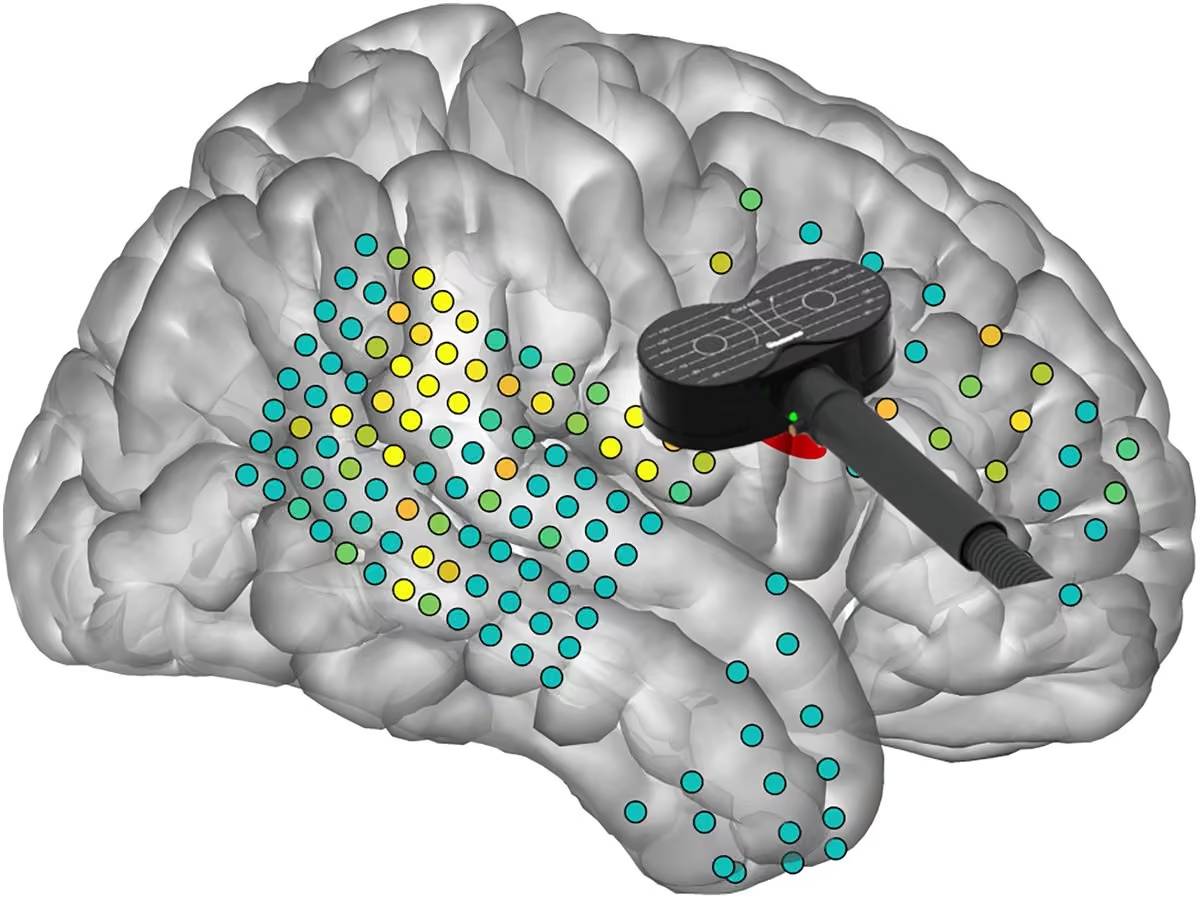
Zanello et al. examine the life and achievements of Jean Bancaud who, together with Jean Talairach, pioneered SEEG. Although initially met with scepticism, the methodology they developed remains the cornerstone of preoperative epilepsy assessment today. shorturl.at/G0F1D
-
Brain
@Brain1878
Not letting go: tRNA sequestration as a unifying mechanism driving synthetase-linked neuropathies
New scientific commentary by James N Sleigh shorturl.at/itmq8 -
Brain
@Brain1878
Morrison et al. examined immune cells in the blood and CSF of people with Guillain-Barré syndrome, and found that inflammatory T cells were enriched in the CSF and that IVIg treatment was associated with a shift towards anti-inflammatory T-cell states. shorturl.at/SAi85
-
Brain
@Brain1878
Chen et al. show that rigid and repetitive behaviours occur across dementia syndromes, most prominently in behavioural variant FTD. These symptoms are linked to structural and functional changes in the brain’s reward hub, the nucleus accumbens. shorturl.at/KHS2h
-
Brain
@Brain1878
Cederberg et al. present the results of a double-blind, placebo-controlled trial in patients with severe TBI, showing that treatment with Salovum® - a medical food supplement enriched with antisecretory factor - almost halved the 30-day mortality rate. shorturl.at/ww8Tv
-
Brain
@Brain1878
Progress divides the room: patients, biology and the 2024 McDonald criteria
New scientific commentary by Nikos Evangelou & Christopher Gilmartin shorturl.at/8YG81 -
Brain
@Brain1878
November's issue of Brain is now online! academic.oup.com/brain/issue/149/11
-
Brain
@Brain1878
Chen et al. investigate the role of the cerebellum in social behaviour in early-stage behavioural variant frontotemporal dementia, and find that specific cerebellar regions work with cortical networks to support social understanding. shorturl.at/EFLut
-
Brain
@Brain1878
Hayes et al. explore how Alzheimer’s pathology affects the relationship between vascular neuropathology and cognitive scores. shorturl.at/NHyQq
-
Brain
@Brain1878
Rodrigo et al. review the structure and functions of the amygdala, highlighting its complex morphology and varied roles. They explore how its organisation differs across species and discuss its early involvement in several neurodegenerative diseases. shorturl.at/drLBj
-
Brain
@Brain1878
Gonebale et al. review how E3 ubiquitin ligase dysfunction disrupts protein quality control and contributes to inherited peripheral neuropathies and progressive axonal degeneration. shorturl.at/MczyO
-
Brain
@Brain1878
Zhang et al. identify the deubiquitinating enzyme OTUB2 as a key regulator of cGAS-STING signalling and neuroinflammation. Deletion or inhibition of OTUB2 ameliorated neuroinflammation and neurodegeneration in mouse models of ALS and ageing. shorturl.at/CJaxH
-
Brain
@Brain1878
Wei et al. show that circadian rhythms in pain are driven by the molecular clock in sensory neurons. Cryptochrome proteins regulate sodium channel activity and nociceptor excitability, while stabilisation of cryptochromes reduces pain responses. shorturl.at/X1ceX
-
Brain
@Brain1878
Narasimhan et al. show that humanized Cbln2 regulation alters cortical and striatal circuits in mice, enhancing prefrontal connectivity but impairing corticostriatal synaptic transmission and plasticity, with behavioural consequences relevant to autism. shorturl.at/4N9lf
-
Brain
@Brain1878
Salmon et al. present global expert consensus recommendations for genetic testing and counselling for ALS, proposing tiered implementation frameworks that balance ethical, clinical, and health-system considerations to support global access to services. shorturl.at/33HBj
-
Brain
@Brain1878
Thompson et al. examine KCNH1 variants associated with neurodevelopmental disorders and find that most exhibit gain-of-function effects that hyperpolarize the resting membrane potential. shorturl.at/2oEf6
-
Brain
@Brain1878
In LGI1-antibody encephalitis, Ramanathan et al. identify immunotherapies associated with seizure resolution, reduced disability, and fewer relapses, and show how patient-rated outcome measures help define clinically significant disability. shorturl.at/Y1FMi
-
Brain
@Brain1878
Does dysfunction of the innate immune receptor TREM2 promote or inhibit glioma growth? Peshoff et al. review the evidence on both sides, exploring reasons for these conflicting findings and their implications for future research and treatment. shorturl.at/VXkHJ
-
Brain
@Brain1878
Amad et al. propose that clinicians’ intuitive impressions during psychiatric interviews reflect the detection of violated interpersonal expectations, rather than mere subjectivity. This process, which they term ‘VIBE’, may help guide diagnostic reasoning. shorturl.at/4hOge
-
Brain
@Brain1878
Shen et al. found that one third of clinically unresponsive patients with acute brain injury were able to control a brain-computer interface, suggesting communication may be possible despite a lack of behavioural responses. shorturl.at/UjU6o
-
Brain
@Brain1878
Lastra Osua et al. review the role of TMEM106B in neurodegenerative diseases. They describe how genetic variants alter TMEM106B expression & processing, lysosomal function, and synaptic biology, and discuss how these effects converge to shape disease risk. shorturl.at/Dpw5K
-
Brain
@Brain1878
Using mouse models validated against human preterm tissue, Sanidas et al. show that hypoxia and maternal immune activation disrupt cerebellar development in different ways, leading to distinct motor and social difficulties. shorturl.at/QO7dr
-
Brain
@Brain1878
Johari et al. identify novel TUBA4A variants that cause primary myopathies, often without CNS involvement, expanding the known phenotypic spectrum and establishing myo-tubulinopathies as a new disease group. academic.oup.com/brain/article/149/10/3659/8475507
-
Brain
@Brain1878
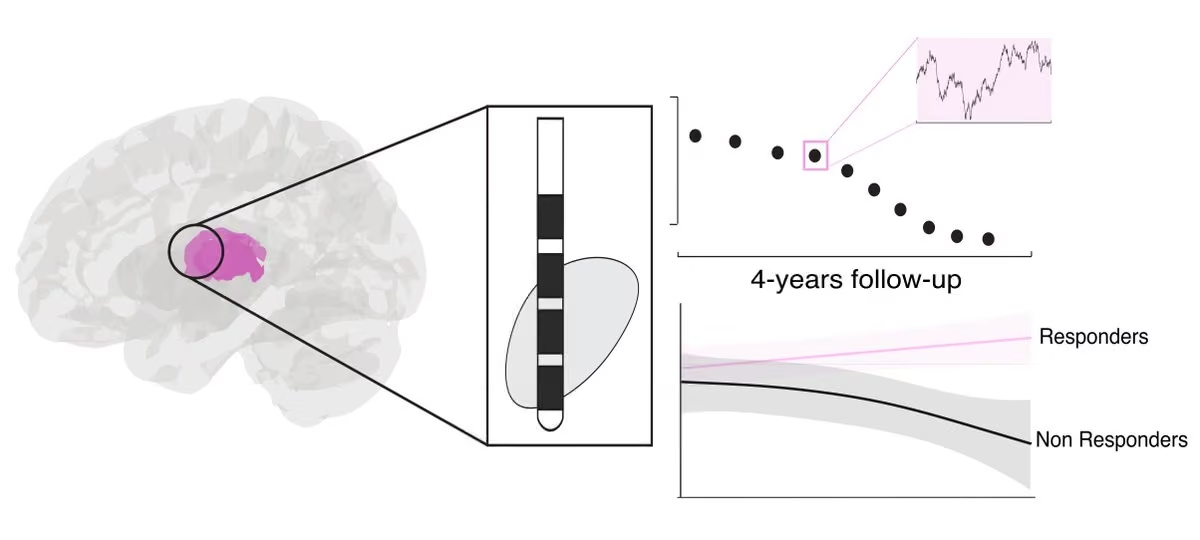
White matter lesions disrupt cholinergic transmission to impact cognition in Parkinson’s disease
New scientific commentary by Patrick Murphy, Angeliki Zarkali & Rimona Weil shorturl.at/gtGoe -
Brain
@Brain1878
Cossette-Roberge et al. review evidence that some brain regions become thicker, rather than thinner, in temporal lobe epilepsy, and conclude that this cortical hypertrophy may reflect seizure-related changes or compensation within brain networks. shorturl.at/p3CKK
-
Brain
@Brain1878
Maletic et al. used patient-derived mosaic cortical organoids to model focal cortical dysplasia caused by two-hit DEPDC5 mutations. They show that biallelic DEPDC5 loss disrupts corticogenesis and increases neuronal excitability. shorturl.at/eIK3x
-
Brain
@Brain1878
Woo et al. analysed >7000 adults with type 2 diabetes initiating GLP-1 receptor agonists. Higher genetically proxied GLP1R expression was associated with a lower risk of Parkinson’s disease and related disorders. shorturl.at/ISqAp
-
Brain
@Brain1878
Tsujikawa et al. show that excess filamin-A triggers cytoskeletal stress and widespread transcriptional dysregulation, leading to progressive dopaminergic dysfunction in progressive supranuclear palsy. shorturl.at/JLF2T
-
Brain reposted
Oxford Journals
@OxfordJournals
Don’t miss your chance to enter the @Brain1878 annual essay competition!
Everyone is welcome to submit, no matter your background and essays can cover any aspect of the human condition.
Enter before 31st October for your chance to win!
Submit Now : oxford.ly/481VOrO -
Brain
@Brain1878
In a randomized, double-blind, sham-controlled trial, Wei et al. examine the efficacy of neuronavigated dual-target repetitive TMS over the cerebellum and right DLPFC for the treatment of negative symptoms in early-stage psychosis. shorturl.at/LgTXn
-
Brain
@Brain1878
Siew et al. identify berbamine hydrochloride as a brain-penetrant inhibitor of galectin-3, a protein that drives neuroinflammation. They show that this compound reduces microglial activation and improves symptoms in a Huntington’s disease mouse model. shorturl.at/wmh2m
-
Brain
@Brain1878
Dutta et al. show that extracellular vesicle-associated α-synuclein differs in conformation and distribution across Parkinson's disease, dementia with Lewy bodies, and multiple system atrophy. shorturl.at/B5xC4
-
Brain
@Brain1878
Averdunk et al. identify biallelic PIKFYVE variants as a cause of hypomyelinating leukodystrophy and developmental problems. The variants impair production of PI(3,5)P2, a membrane lipid that regulates endolysosomal function. shorturl.at/wJCSH
-
Brain
@Brain1878
Suppa et al. explore why rigidity in Parkinson’s disease remains poorly understood, highlighting inconsistencies in its definition and interpretation. They propose new approaches to better characterize its underlying mechanisms and clinical impact. shorturl.at/Dnbd2
-
Brain
@Brain1878
Artusi et al. review clinical trials in Parkinson’s disease and related disorders to examine whether biological markers of drug activity predict clinical benefit. shorturl.at/tMoxB
-
Brain
@Brain1878
In an analysis of almost one million genomes, Rahman et al. find that myotonic dystrophy type 1 is more common than previously recognised, with pathogenic DMPK repeat expansions present in about 1 in 1,500 people. shorturl.at/it6Ka
-
Brain
@Brain1878
De Lorenzo et al. show that, in people with ALS, white matter hyperintensity burden on MRI is associated with more advanced disease, more severe lower motor neuron dysfunction and cognitive deficits, and shorter survival. shorturl.at/FuEt8
-
Brain
@Brain1878
Lyndon proposes that functional neurological disorder reflects disordered precision control in predictive coding. Arousal may transiently over-amplify confidence in maladaptive predictions so that they override intact sensory feedback. shorturl.at/0NlSQ
-
Brain
@Brain1878
Régis et al. report the first prospective phase 2 trial of staged bilateral radiosurgery for drug-resistant essential tremor, demonstrating tremor reduction with no significant worsening of cognition, speech, gait or balance. shorturl.at/FOm5W
-
Brain
@Brain1878
When disease illuminates physiology: mapping hidden fluid pathways in the human brain
New scientific commentary by Jeremy Ford, Marc Bouffard, Karen Buch & Jeffrey Iliff shorturl.at/tMeAK -
Brain
@Brain1878
Esteban-García et al. show that using focused ultrasound combined with microbubbles to temporarily open the BBB over the substantia nigra reduces neuromelanin accumulation and associated pathological changes in a primate model of Parkinson’s disease. shorturl.at/AR6Wo
-
Brain
@Brain1878
When, how fast and which way: from phenoconversion to personalized progression in synucleinopathy
New scientific commentary by Jiri Nepozitek, Kristina Kulcsarova & Petr Dusek shorturl.at/TgRTD -
Brain
@Brain1878
Yu et al. identify the protein FTO as an important regulator of neuronal survival after stroke. Neuron-specific knockout of Fto worsened brain injury by altering RNA methylation, whereas restoring Fto improved neurological outcomes. shorturl.at/gXgf6
-
Brain
@Brain1878
A highlight of the Brain Conference is the Data Blitz session - offering ECRs the chance to give a short talk.
2026 included the winner of the @braincomms ECR prize: youtu.be/8q-NssU0bVc
All who submit an abstract are eligible to be selected: conference.guarantorsofbrain.org/abstract/ -
Brain
@Brain1878
Pol et al. show that the cation–chloride cotransporters NKCC1 and KCC2 functionally interact in neuronal membranes to control inhibitory signalling. A peptide that stabilized KCC2 suppressed seizure activity in human epileptic brain tissue. shorturl.at/sLqPe
-
Brain
@Brain1878
Xiong et al. show that endothelium-specific overexpression of the long non-coding RNA Malat1 enhances angiogenesis, restores cerebral blood flow, and improves sensorimotor and cognitive function following ischaemic stroke. shorturl.at/CP9u9
-
Brain
@Brain1878
Sadibolova et al. measured striatal dopamine in people with Parkinson’s disease. Rapid DA fluctuations were linked to whether time intervals were judged as shorter or longer, whereas lower tonic DA levels were associated with poorer temporal precision. shorturl.at/p6cHw
-
Brain
@Brain1878
"Present day neurologists should think about these murmurings from an old hand"
Read Charles Warlow's thoughtful review of @ajlees' 'Murmuration' - on clinical wisdom, plain language, scepticism, and the skills modern medicine may have left behind shorturl.at/YLluN -
Brain
@Brain1878
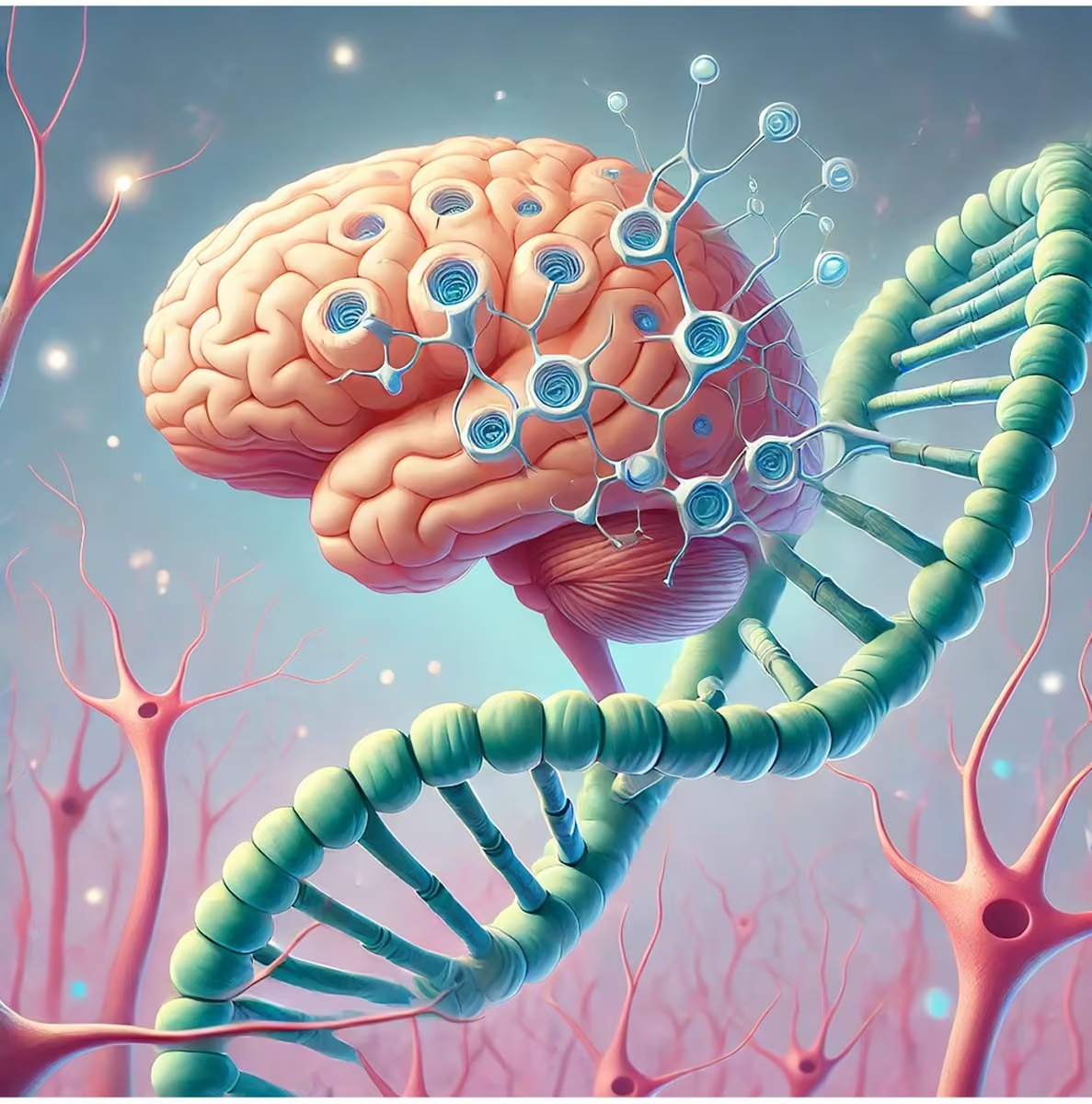
Dwivedi and Roy review how epigenetic changes and RNA modifications work together to regulate gene expression in the brain, and propose that this interaction helps shape vulnerability and resilience to neuropsychiatric disorders. shorturl.at/Ut1V6
-
Brain
@Brain1878
October's issue of Brain is now online! academic.oup.com/brain/issue/149/10
-
Brain
@Brain1878
Register now to attend the Brain Conference 2027: conference.guarantorsofbrain.org
For a taste of what to expect from our programme, have a look at the Plenary talk and first session from the 2026 conference: youtu.be/rd-saWqlDe0 -
Brain
@Brain1878
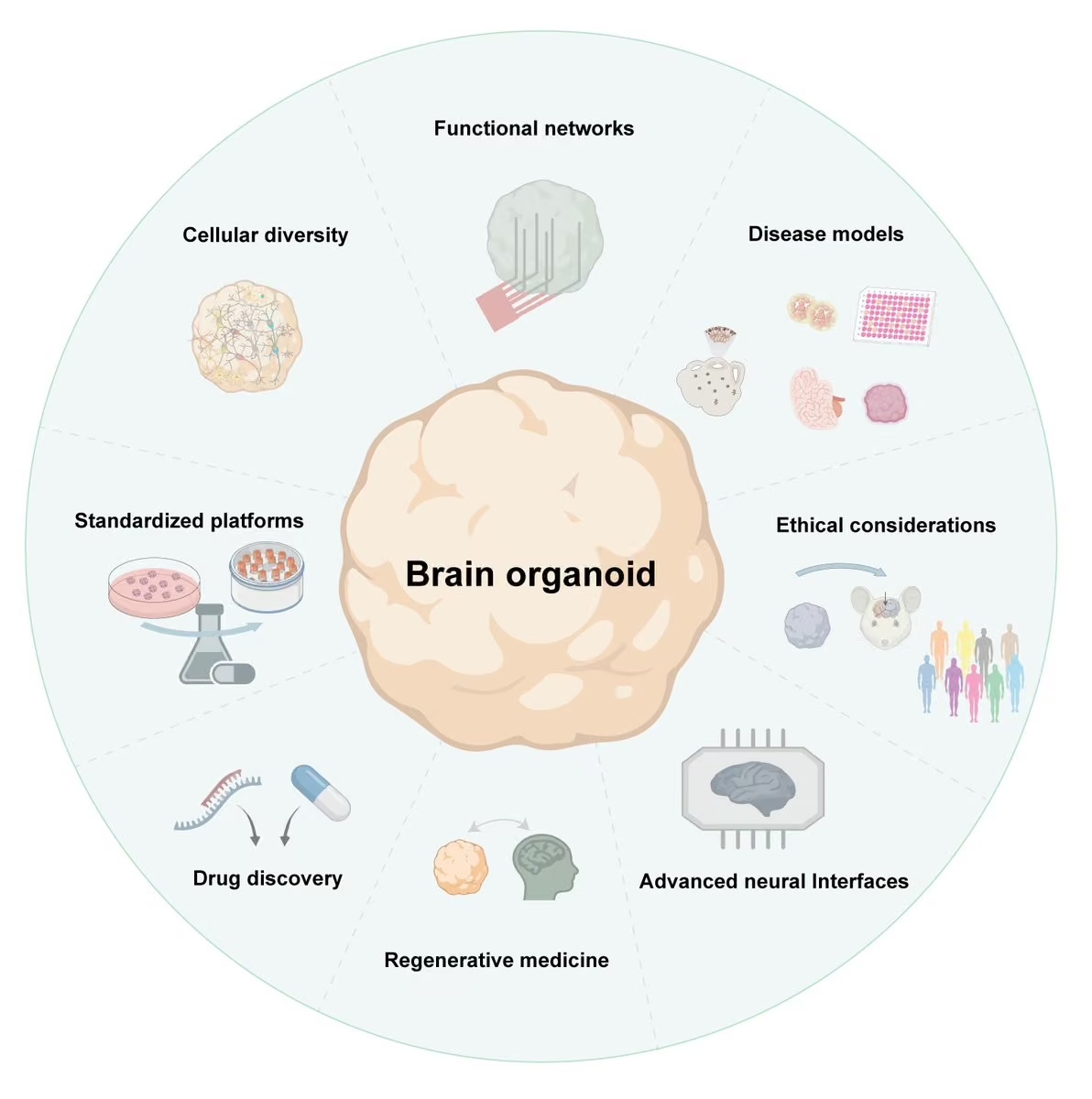
Duan et al. review how brain organoids can model human brain development and disease, enabling mechanistic studies and drug testing, and highlight advances in bioengineering that improve organoid complexity and function. shorturl.at/RO9nB
-
Brain
@Brain1878
Schulz et al. find that dopamine synthesis, particularly in the caudate, decreased as psychotic symptoms improved in people with schizophrenia, while higher levels of dopamine synthesis during psychosis were associated with subsequent relapse. shorturl.at/uGXNw
-
Brain
@Brain1878
We are pleased to announce that registration for the 2027 Brain Conference is now OPEN!
The conference will be held on 12 March, 2027.
Visit the website to view our speakers, register to attend and see information on abstract submissions: conference.guarantorsofbrain.org -
Brain
@Brain1878
In an analysis of DNA shared through common ancestry in individuals spanning the ALS-FTD spectrum, Henden et al. uncover hidden familial relationships and show that some apparently sporadic cases may be inherited. shorturl.at/341JV
-
Brain
@Brain1878
Wang et al. propose that post-stroke inflammation is driven not only by disruption of the blood–brain barrier, but also by immune signalling between the skull, meninges and brain. Targeting dural mast cells may help limit early inflammatory injury. shorturl.at/JnS9S
-
Brain
@Brain1878
Preziosa et al. apply SuStaIn to 3T brain MRI scans and identify four distinct MS subtypes, each with a specific pattern of structural damage accumulation. shorturl.at/8dlWG
-
Brain
@Brain1878
Adury et al. show that adding resistance training-based physical therapy to botulinum toxin treatment is associated with adaptive reorganization of motor networks in people with cervical dystonia. shorturl.at/m0NU4
-
Brain
@Brain1878
Schoenmakers et al. report long-term outcomes of HSCT in late-onset metachromatic leukodystrophy. Treatment was associated with delayed progression to advanced disease and improved quality of life, particularly when given before symptom onset. shorturl.at/MRxVa
-
Brain
@Brain1878
Hermann & Loring propose a framework for understanding cognitive and behavioural complications of epilepsy across the lifespan. They organise the field into six interconnected areas spanning neurocognition, mental health, comorbidity, and lived experience. shorturl.at/6VDvE
-
Brain
@Brain1878
Gan-Or traces the history of GBA1 research from the first description of Gaucher disease to current understanding of how GBA1 drives Parkinson’s disease risk, while examining emerging targeted therapies and future research directions. shorturl.at/JWpRQ
-
Brain
@Brain1878
Strong et al. review current and emerging biomarkers for ALS, ALS-FTD and FTD, focusing on their ability to reveal underlying pathobiology prior to symptom onset and to predict phenoconversion. shorturl.at/E1690
-
Brain
@Brain1878
Silva et al. present an AI tool that automatically maps 52 brain regions on FDG-PET scans without requiring MRI. The model outperforms standard atlas-based methods and provides a reliable alternative to MRI-based analysis across neurodegenerative diseases. shorturl.at/MYgD6
-
Brain
@Brain1878
Ruppert-Junck et al. review how compensation and reserve – two components of resilience – help the brain to mitigate the effects of DAergic loss in Parkinson’s disease and may explain differences between individuals in symptoms and treatment responses. shorturl.at/zXkIy
-
Brain
@Brain1878
Tur et al. introduce Spider-MS, a prognostic model designed to predict how multiple sclerosis will progress in an individual after a first demyelinating attack. shorturl.at/3KEPx
-
Brain
@Brain1878
Timing the Alzheimer’s disease pathological cascade
New scientific commentary by Wiesje Pelkmans, Vasiliki Bikou & Gemma Salvadó shorturl.at/kps10 -
Brain
@Brain1878
The latest episode of the Brain podcast-out now!
Listen at: traffic.libsyn.com/ec9881f0-e4c5-4c5b-b0f1-d4689458d65c/e…
Featuring discussion with senior author Professor Gültekin Tamgüney on: Vaccines mimicking conformational epitopes on α-synuclein fibrils provide immunity to Parkinson’s disease -
Brain
@Brain1878
In a Kcna1-null mouse model of developmental and epileptic encephalopathy, Mazumder et al. show that deleting Egr3 reduces seizures and partially reverses behavioural abnormalities. shorturl.at/qiuwC
-
Brain
@Brain1878
When does relapse risk become acceptable in MOG antibody-associated disease?
New scientific commentary by Elia Sechi & Rosa Cortese shorturl.at/8qjqk -
Brain
@Brain1878
Kadir et al. show that APOE2 strengthens the blood–brain barrier by enhancing pericyte function. In APOE2 knock-in mice and human cell models, APOE2 improved barrier integrity, revealing a potential mechanism behind its protective effects in AD. shorturl.at/lMGeU
-
Brain
@Brain1878
Luo et al. identify a human-specific nanobody that reduces pain signalling by removing the acid-sensing ion channel ASIC1a from the cell surface. In mice carrying humanised ASIC1a, this approach reduced inflammatory pain and pain-related anxiety. shorturl.at/ZoD6x
-
Brain
@Brain1878
Tangtartharakul et al. review the neurobiological mechanisms underlying Charles Bonnet syndrome, a condition in which people with visual impairment experience visual hallucinations. shorturl.at/7OGbA
-
Brain
@Brain1878
Benatar et al. argue that studying the shared cognitive and behavioural features of ALS and FTD in separate disease silos has slowed progress. Drawing on discussions at a multi-stakeholder workshop, they identify priorities for future research. shorturl.at/ey0re
-
Brain
@Brain1878
Cederberg et al. present the results of a placebo-controlled trial in patients with severe traumatic brain injury, showing that Salovum® – a medical food supplement enriched with antisecretory factor – almost halved the 30-day mortality rate. shorturl.at/JRq78
-
Brain
@Brain1878
Del Giovane et al. show that enlarged brain ventricles in normal pressure hydrocephalus stretch and compress white matter tracts in predictable patterns. Using imaging and modelling, they identify changes that differ from those seen in AD and TBI. shorturl.at/OQCYK
-
Brain
@Brain1878
Using spatially resolved proteomics, Briel et al. uncover VEGFR signalling upregulation across vascular and white matter compartments in the ultra-rare genetic disease, leukoencephalopathy with calcification and cysts. shorturl.at/KccVi
-
Brain
@Brain1878
Da Silva et al. develop the first mouse model of DHDDS-related progressive epileptic encephalopathy, showing that a disease-causing Dhdds variant produces a catalytically inactive enzyme, disrupts brain protein glycosylation and impairs synaptic function. shorturl.at/KmriN
-
Brain
@Brain1878
Gao et al. identify an insular cortex–paraventricular nucleus circuit that drives post-stroke neutrophil release from bone marrow via sympathetic β2-adrenergic signalling. Blocking this pathway reduced neutrophil release and protected the brain in mice. shorturl.at/Xz85H
-
Brain
@Brain1878
Wang et al. show that reduced ULK1 in the lateral habenula drives stress-induced depression-like behaviours in mice through increased RYR2 signalling and neuronal hyperactivity. Restoring ULK1 produced antidepressant-like effects. shorturl.at/d3dT9
-
Brain
@Brain1878
Farooq et al. show that B cell depletion in MS indirectly disrupts a proinflammatory-cytotoxic T cell state. Convergent evidence across disease stages and therapies links this T cell state to CNS trafficking and chronic neuroinflammation. shorturl.at/TwxS0
-
Brain
@Brain1878
Post Doctoral & Brain Entry Fellowships
The 2027 Fellowships are open for applications.
The application deadline is 17:00 27 October 2026.
Info here: guarantorsofbrain.org/grants/post-doctoral-brain-entry-fe… -
Brain
@Brain1878
Flaherty et al. show that cortical spreading depolarisations reveal tissue damage and predict local blood flow responses after ischaemic stroke in mice. Low-dose ketamine shortened CSD duration and prevented harmful vasoconstriction in vulnerable tissue. shorturl.at/gDkYp
-
Brain
@Brain1878
Strong et al. review current and emerging biomarkers for ALS, ALS-FTD and FTD, focusing on their ability to reveal underlying pathobiology prior to symptom onset and to predict phenoconversion. shorturl.at/E1690
-
Brain
@Brain1878
Rayasam et al. show that viral infection may prime blood vessels for childhood arterial ischaemic stroke. In juvenile mice, blocking neutrophil elastase reduced haemorrhage and brain injury, suggesting a potential treatment strategy. shorturl.at/YkaID
-
Brain
@Brain1878
Patrick McMullan uses Parkinson’s disease to ask how selfhood depends on the body’s timing, movement and expression, arguing that altered movement may change not only what a person can do, but how they inhabit the world and are recognised by others. shorturl.at/zKE2A
-
Brain
@Brain1878
Timing the Alzheimer’s disease pathological cascade
New scientific commentary by Wiesje Pelkmans, Vasiliki Bikou & Gemma Salvadó shorturl.at/qHyhe -
Brain
@Brain1878
Foster et al. review the evolution of MS diagnostic criteria and the changes introduced in the 2024 McDonald criteria. They examine how new diagnostic options could increase misdiagnosis risk, and outline safeguards for accurate and consistent diagnosis. shorturl.at/4WEob
-
Brain
@Brain1878
Data-driven neuropathology modelling of neurodegenerative disorders: how to implement artificial intelligence?
New scientific commentary by Dietmar Thal & Jolien Schaeverbeke shorturl.at/sWZVs -
Brain
@Brain1878
Papadopoulou et al. used CRISPR to block production of the HTT1a protein in a knock-in mouse model of Huntington’s disease, and found that this delayed the appearance of aggregates in the brain by several months. shorturl.at/CNHnz
-
Brain
@Brain1878
Because α-syn is a self-antigen, α-syn aggregates fail to elicit a robust immune response. Ma et al. show that vaccines based on modified fungal protein fibrils mimicking α-syn conformational epitopes extend survival in models of PD-like synucleinopathy. shorturl.at/SEZr3
-
Brain
@Brain1878
September's issue of Brain is now online! academic.oup.com/brain/issue/149/9
-
Brain
@Brain1878
Tsvetanov et al. report that presymptomatic carriers of FTD-associated variants are able to maintain cognitive function despite brain atrophy owing to preservation of network connectivity. This functional resilience correlates with glial cell distribution. shorturl.at/uo1Eb
-
Brain
@Brain1878
Untangling the web of APOE, cerebral amyloid angiopathy and Alzheimer’s disease
New scientific commentary by Gargi Banerjee & Susanne J van Veluw shorturl.at/hKlKB -
Brain
@Brain1878
Studying a large cohort of people with ataxia-telangiectasia, Hensiek et al. find that although disease severity differs across AT subtypes earlier in life, neurological decline progresses at a similar rate across subtypes in adulthood. shorturl.at/KSBFE
-
Brain
@Brain1878
Tsiknia et al. find that diabetes and poor glycaemic control are associated with faster cortical thinning in specific brain regions in older adults and that this partially explains accelerated decline in processing speed in people with diabetes. shorturl.at/7RlpG
-
Brain
@Brain1878
Darricau et al. identify small α-syn aggregates as a potential trigger of tau co-pathology in non-human primates, showing that distinct α-syn aggregate species induce different patterns of tau pathology. shorturl.at/MeV3j
-
Brain
@Brain1878
By linking registries with biobanks, Grut et al. show that more extensive lytic Epstein-Barr virus infection preceded EBV-related antibody responses, autoantibody responses, and axonal injury in people who later developed multiple sclerosis. shorturl.at/NHB5a
-
Brain
@Brain1878
Millevert et al. assess the impact of sodium channel blockers in individuals with KCNQ2-related disorders and find, in a retrospective study, that early treatment initiation is associated with earlier seizure freedom. shorturl.at/YR8YO
-
Brain
@Brain1878
Sormani et al. argue that MS should be viewed as a biological continuum rather than as distinct clinical forms, with evidence suggesting that therapies targeting shared biological mechanisms can slow disability progression across the disease spectrum. shorturl.at/GmoEP
-
Brain
@Brain1878
Zanello et al. examine the life and achievements of Jean Bancaud who, together with Jean Talairach, pioneered SEEG. Developed in the late 1950s, the technology remains the cornerstone of preoperative assessment in refractory epilepsy today. academic.oup.com/brain/advance-article-abstract/doi/10.10…
-
Brain
@Brain1878
Mallik et al. show that peripheral neuropathy caused by mutations in YARS1 arises when mutant YARS1 protein sequesters a vital transfer RNA, thus hampering protein biosynthesis. Overexpressing this tRNA in animal models rescues nerve and motor defects. academic.oup.com/brain/advance-article/doi/10.1093/brain/…
-
Brain
@Brain1878
Liu et al. identify a mechanochemical pathway in which reperfusion after ischaemic stroke activates endothelial Piezo1, triggering astrocyte signalling that drives neurovascular injury. shorturl.at/vsimE
-
Brain
@Brain1878
Lambert & Cortese propose a disease-centred framework for adoptive T-cell therapies in refractory neuroinfectious and neuroinflammatory diseases. shorturl.at/zMioD
-
Brain
@Brain1878
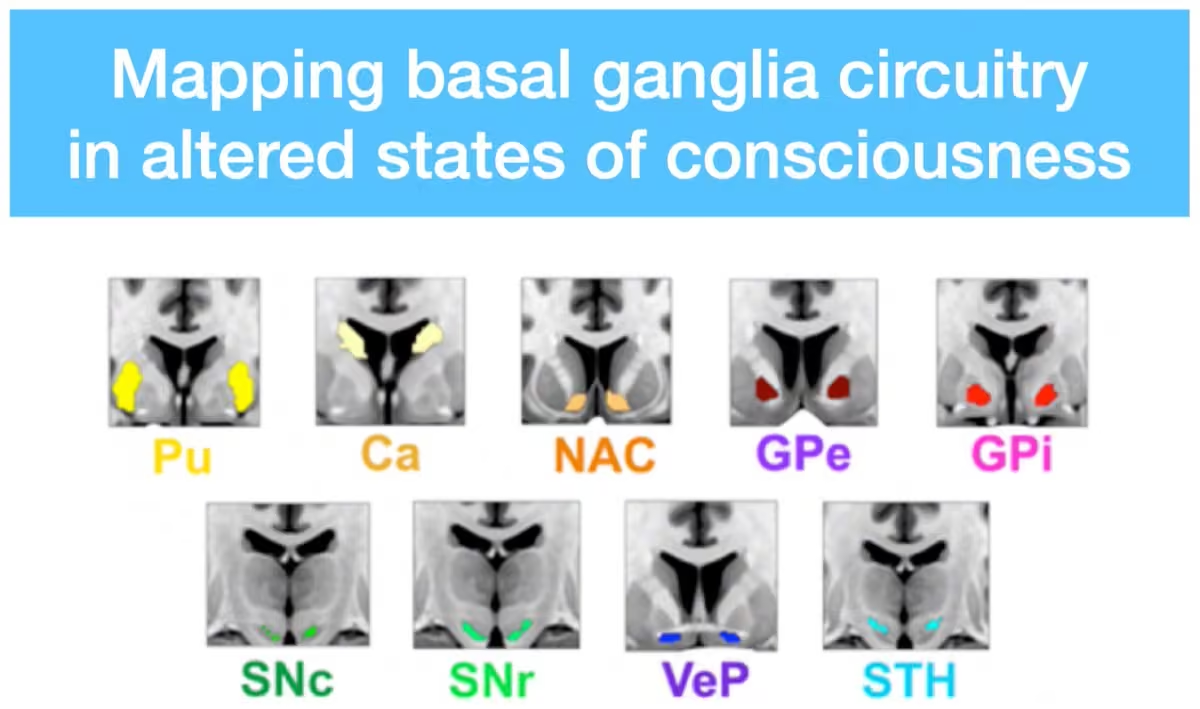
Szocs et al. demonstrate that individual basal ganglia nuclei interact with distinct neurotransmitter systems in loss of consciousness, offering a framework for targeted therapy in disorders of consciousness. shorturl.at/ghLgJ
-
Brain
@Brain1878
Vaughan et al. confirm the diversity of underlying neuropathologies in corticobasal syndrome, and show that clinical features, imaging and blood biomarkers can help predict the pathological diagnosis, supporting patient selection for clinical trials. shorturl.at/Y3H5M
-
Brain
@Brain1878
Shammas et al. find impaired mitochondrial energy production, reduced mitochondrial DNA content, and impaired elimination of damaged mitochondria in muscle from patients with inclusion body myositis. These abnormalities correlate with clinical severity. shorturl.at/pkSG1
-
Brain
@Brain1878
Ma et al. show that intracranial EEG synchrony reliably tracks antiseizure medication load in patients with drug-resistant epilepsy. Synchrony could help future devices to detect missed doses and continuously monitor the brain’s response to treatment. shorturl.at/irJ30
-
Brain
@Brain1878
Suveges et al. show that clinical improvement following neurosurgery for treatment-resistant depression is associated with relative normalisation of neural processing of rewards and losses, rather than reduced response slowing. shorturl.at/nkCOq
-
Brain
@Brain1878
Habets et al. identify distinct brain wave patterns during dyskinetic movements and movement suppression in Parkinson's disease. The findings improve understanding of dyskinesia mechanisms and can help inform the development of dyskinesia biomarkers. shorturl.at/QuRjB
-
Brain
@Brain1878
Untangling the web of APOE, cerebral amyloid angiopathy and Alzheimer’s disease
New scientific commentary by Gargi Banerjee & Susanne van Veluw shorturl.at/6b8Vf -
Brain
@Brain1878
Benbaji et al. review how definitions of Alzheimer’s disease have evolved over the past century. They propose data-driven models that capture its diverse clinical, pathological & genetic features, supporting more precise diagnosis, prediction & treatment. shorturl.at/F6RpD
-
Brain
@Brain1878
Wang et al. identify distinct patterns of brain activity and connectivity associated with different psychiatric symptoms in Parkinson’s disease. These symptom-specific neural biomarkers could help inform more personalised neuromodulation strategies. shorturl.at/r2moL
-
Brain
@Brain1878
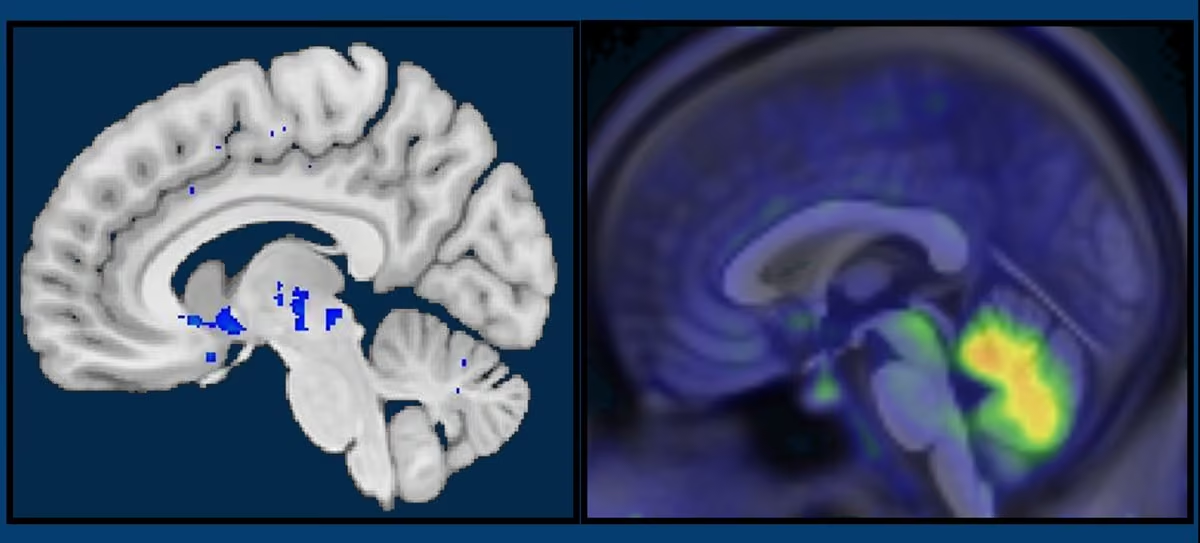
Park et al. distinguish two subtypes of dementia with Lewy bodies based on distinct imaging biomarker trajectories. One is characterised by early striatal dopamine loss and more typical Lewy body features, while the other shows early amyloid accumulation. shorturl.at/flnJK
-
Brain
@Brain1878
Dubuisson et al. review multifocal motor neuropathy, a rare immune-mediated neuropathy causing progressive weakness without sensory loss. They explore how GM1 antibodies damage motor nerves and highlight the importance of early diagnosis and treatment. shorturl.at/uwIFU
-
Brain
@Brain1878
Melo-Carrillo et al. show that CGRP directly activates peripheral nociceptors in the meninges, triggering migraine pain. The findings provide a rationale for using early, peripherally acting CGRP-blocking treatments to stop migraine. shorturl.at/KWsCC
-
Brain
@Brain1878
Trudel et al. found moderate agreement between Alzheimer's disease biological stages and clinical symptoms, with comorbid neuropathologies potentially explaining why some people have more severe symptoms than others, even at the same biological stage. shorturl.at/R73iT
-
Brain
@Brain1878
August's issue of Brain is now online! academic.oup.com/brain/issue/149/8
-
Brain
@Brain1878
Freezing of gait in Parkinson’s disease is often resistant to treatment. Yeche et al. show that two brainstem nuclei play distinct roles during gait initiation and that abnormal activity within these circuits precedes freezing episodes. shorturl.at/Pi5Lp
-
Brain
@Brain1878
Daruwalla et al. show that new MRI lesions in people with clinically stable relapsing-remitting MS are associated with an increased risk of relapse and disability worsening. Escalating treatment after silent lesions markedly reduced relapse risk. shorturl.at/SI3Hp
-
Brain
@Brain1878
Propionic acid in Multiple Sclerosis: could a short chain fatty acid improve neuroinflammation and neurodegeneration? We speak to Dr Tobias Moser about his Brain article: academic.oup.com/brain/article-lookup/doi/10.1093/brain/a…
Listen to the latest episode of the Brain Podcast here: traffic.libsyn.com/ec9881f0-e4c5-4c5b-b0f1-d4689458d65c/M… -
Brain
@Brain1878
Mark Weatherall traces the origins of the British Migraine Association – the world’s first patient advocacy organization in the field of headache – and the Migraine Trust. shorturl.at/GIiyp
-
Brain
@Brain1878
Sonkusare et al. identify distinct oscillatory patterns in the bed nucleus of the stria terminalis linked to emotional behaviour and depression severity, revealing potential biomarkers and targets for personalized neuromodulatory therapies. shorturl.at/1TSmg
-
Brain
@Brain1878
Joseph et al. review evidence that sensorimotor abnormalities are a core feature of schizophrenia, rather than simply a side effect of medication, with implications for treatment. shorturl.at/4oBAF
-
Brain
@Brain1878
Capece et al. characterize one of the largest cohorts of individuals with PIEZO2-related disorders, distinguishing dominant from recessive forms, and highlighting multisystem involvement as well as the need for long-term respiratory monitoring. shorturl.at/HeZeH
-
Brain
@Brain1878
Shen et al. show that photobiomodulation reduces neuroinflammation in Alzheimer’s disease mouse models by limiting immune cell invasion and curbing excessive activation. shorturl.at/AC2Vf
-
Brain
@Brain1878
Régis et al. report the first prospective phase 2 trial of staged bilateral radiosurgery for drug-resistant essential tremor, demonstrating effective tremor reduction without significant worsening of cognition, speech, gait or balance. shorturl.at/RWNSk
-
Brain
@Brain1878
Yaskolka Meir et al. link higher blood levels of inflammation-related proteins with poorer cognition and faster cognitive decline in older Black adults, supporting a role for systemic inflammation in brain aging. shorturl.at/eDurv
-
Brain
@Brain1878
Shelby et al. review the functions of RNA binding protein ZC3H14 and discuss how altered RNA regulation may contribute to cognitive impairment and tau-related neurodegeneration. shorturl.at/00Heh
-
Brain
@Brain1878
Delaney et al. show that reducing microglial proliferation worsens network hyperactivity in an Alzheimer's disease mouse model, suggesting that microglia help maintain synaptic and circuit stability. shorturl.at/DZ7Oh
-
Brain
@Brain1878
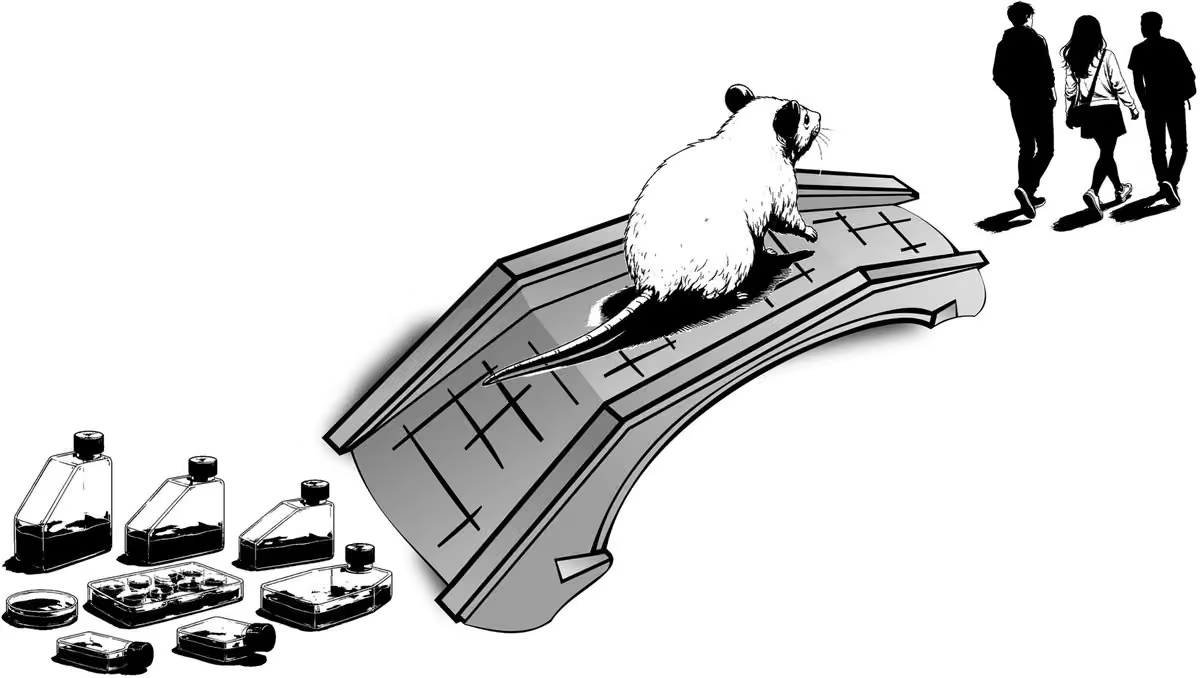
Couch explores the implications of reducing animal use in neuroscience. She argues that moving away from in vivo models poses major challenges, as whole-organism insights into brain circuitry and brain-body integration are difficult to replicate in vitro. shorturl.at/1h0QG
-
Brain
@Brain1878
Marsden et al. show that chronic cytomegalovirus infection accelerates cognitive decline and tauopathy in an Alzheimer's disease mouse model. Disease progression can be reversed by antiviral treatment or T-cell depletion. shorturl.at/QjLG8
-
Brain
@Brain1878
Weiss et al. reveal a role for Septin-2 in the maintenance of the axon initial segment and provide evidence implicating cytoskeletal scaffolds composed of septin oligomers in the establishment of higher cognitive functions. shorturl.at/9PShi
-
Brain
@Brain1878
Using structural and fMRI, Wiemer et al. demonstrate that structural reserve within the motor network plays a key role in functional reorganisation after stroke, enabling motor commands to be rerouted around damaged output tracts and supporting recovery. shorturl.at/0OwRb
-
Brain
@Brain1878
Di Pede et al. show that advancing ALS motor stages are associated with reduced metabolic connectivity in sensorimotor & cognitive areas, with stage-specific changes involving temporal & cerebellar regions. shorturl.at/qiiBN; commentary: shorturl.at/0T60S
-
Brain
@Brain1878
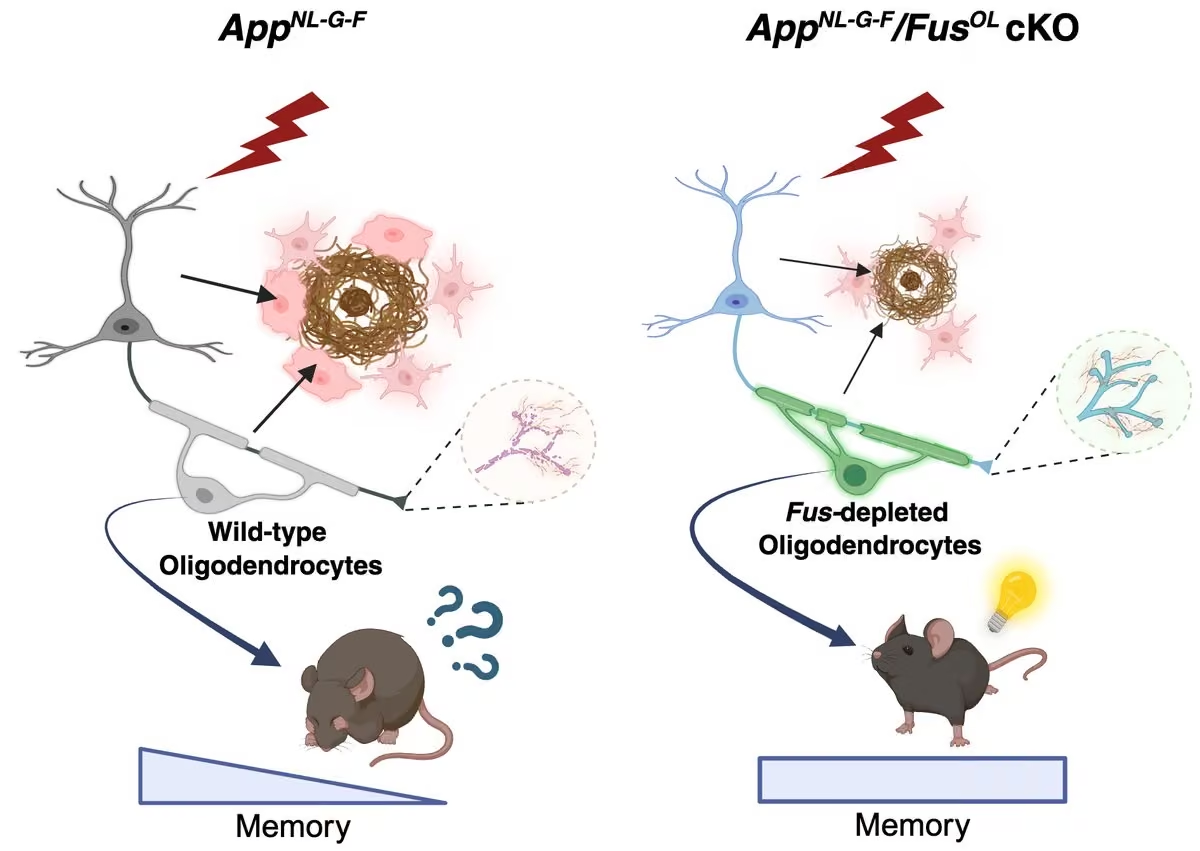
In a new mouse model of Alzheimer’s disease, Tung et al. show that oligodendrocytes with enhanced energy metabolism gene expression and myelin production protect neurons, preserve synapses, and maintain memory performance despite ongoing AD pathology. shorturl.at/Aa45P
-
Brain
@Brain1878
There have been claims that visual regions in blind people and auditory regions in deaf people may reorganize as language regions. Varol et al. show that their activations during language tasks instead reflect domain-general or sensory processing demands. shorturl.at/aDETo
-
Brain
@Brain1878
Epilepsy is most common in older adults and has a bidirectional relationship with dementia. Sen et al. explore tau pathology as a potential underlying mechanism, and highlight tools and treatments that could modify disease progression and improve outcomes. shorturl.at/pM9SM
-
Brain
@Brain1878
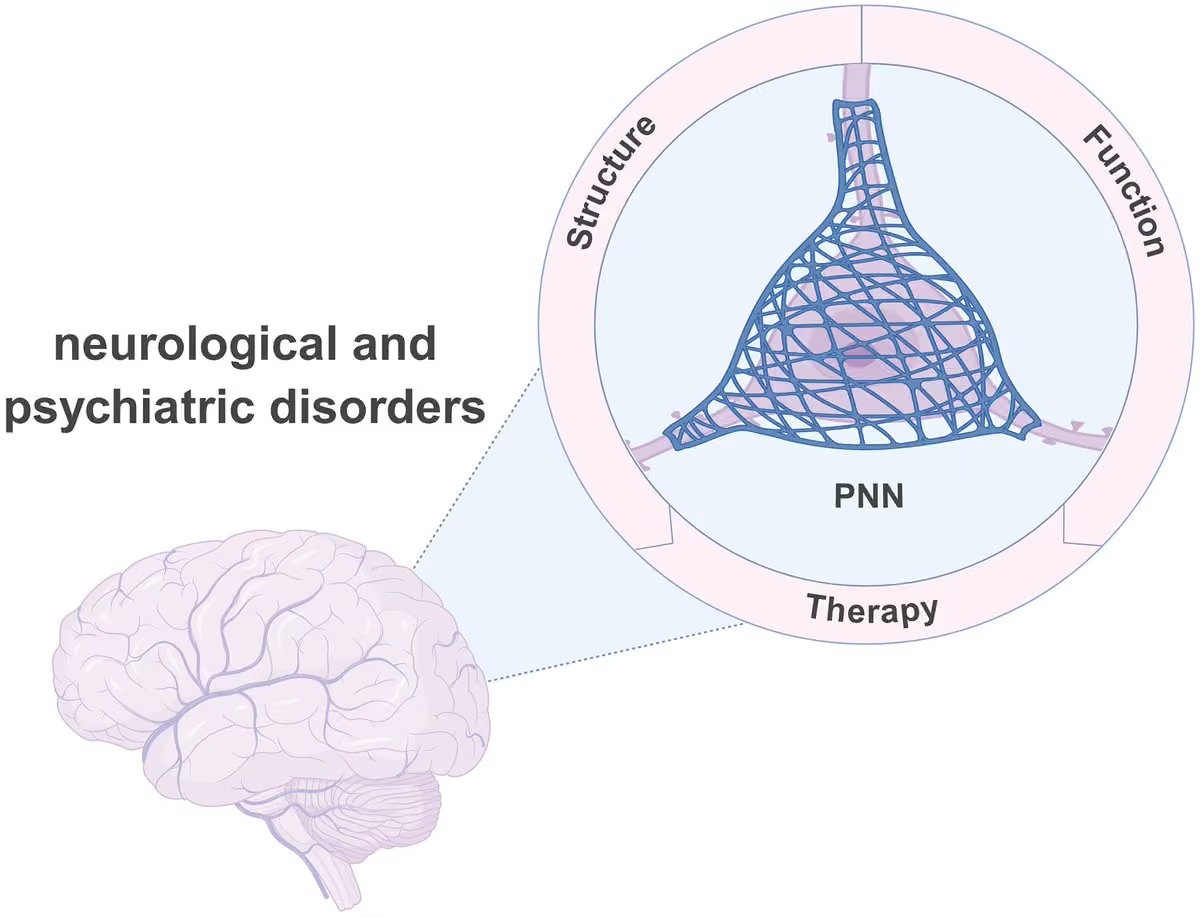
Huang et al. review the structure and functions of the perineuronal net – highlighting its roles in neuronal homeostasis, synaptic plasticity and neuroprotection – and discuss its increasing relevance as a therapeutic target. shorturl.at/ABS5P
-
Brain
@Brain1878
Amyloid-β-laden CSF turns guardian macrophages into collateral damage in Alzheimer's disease
New scientific commentary by Ankita Bhardwaj & Helene Benveniste shorturl.at/bCkA0 -
Brain
@Brain1878
New issue of Brain now online! academic.oup.com/brain/issue/149/7
-
Brain
@Brain1878
Moser et al. evaluated the efficacy and safety of propionic acid as an add-on therapy in adults with clinically stable MS, and found that supplementation was well-tolerated and was associated with reductions in serum neurofilament light chain levels. shorturl.at/Y3ZBT
-
Brain
@Brain1878
WWOX mutations disrupt early brain development by altering radial glial cell dynamics, reducing neurogenesis and causing abnormal neuronal activity. Using human brain organoids, Steinberg et al. show that gene therapy can restore neuronal function. shorturl.at/yapop
-
Brain
@Brain1878
Using a ferret model, Wang et al. show that SMPD4 loss reduces cortical neuron production and impairs neuronal migration, shedding light on the mechanisms underlying the abnormal brain folding, microcephaly, and developmental disabilities seen in patients. shorturl.at/ZjwXJ
-
Brain
@Brain1878
Using disconnectome analyses in stroke patients with aphasia, Ito et al. find that distinct neural pathways underlie writing deficits in kana (phonograms) and kanji (morphograms). shorturl.at/SEqWT
-
Brain
@Brain1878
Hay et al. show that retinal hyper-reflective foci are increased early in paediatric-onset multiple sclerosis and correlate with brain lesions and atrophy, suggesting that they may provide a simple, non-invasive biomarker of disease severity. shorturl.at/3syN5
-
Brain
@Brain1878
Dugast et al. identify a cytotoxic NK-like CD8+ T-cell subset that is enriched in the blood of people with MS, particularly during relapses. Elevated levels at disease onset predicted greater disease severity two years later. shorturl.at/lsjYl
-
Brain
@Brain1878
Ding et al. show that different areas of the insular cortex contribute to distinct aspects of neuropathic pain: the posterior insula increases pain sensitivity via a brainstem-spinal cord pathway, while the anterior insula mediates pain-related anxiety. shorturl.at/DG6sZ
-
Brain
@Brain1878
Failla et al. identify biallelic loss-of-function variants in GIT1 as the cause of a severe neurodevelopmental disorder characterized by microcephaly, brain abnormalities, and growth restriction. shorturl.at/hJXXP
-
Brain
@Brain1878
Tilliole et al. show that RBMXL1, a retrocopy of the neurodevelopmental gene RBMX, helps compensate for RBMX deficiency during brain development. By buffering the impact of harmful mutations, retrocopies may contribute to evolutionary diversification. shorturl.at/3pJ9D
-
Brain
@Brain1878
Ellis et al. show that cellular stress downregulates the ALS-associated protein STMN2 through impaired translation and stress granule-mediated mechanisms independently of TDP-43 dysfunction. shorturl.at/E4OB7
-
Brain
@Brain1878
Anti-amyloid therapies for Alzheimer’s disease may damage cerebral blood vessels. DeMeglio et al. identify an astrocytic enzyme as a key driver of this vascular instability and show that, in mice, removing this enzyme protects vessels. shorturl.at/grDQV
-
Brain
@Brain1878
APOE shifts the tipping point: addressing pathological heterogeneity in Alzheimer's disease trials
New scientific commentary by Duygu Tosun in this month's Brain: shorturl.at/BZ8YL -
Brain
@Brain1878
Villani et al. explore the relationship between epilepsy and aggression, tracing the historical origins of epilepsy-related stigma alongside the clinical and neurobiological basis of peri-ictal aggression. shorturl.at/Rv1O6
-
Brain
@Brain1878
Tanaka et al. identify a circuit in which parabrachial CGRP-expressing cells project to CGRP receptor neurons in the central amygdala. The circuit is req'd for migraine-like headache driven by ophthalmic trigeminal inputs, but not other nociceptive inputs. shorturl.at/MvCCS
-
Brain
@Brain1878
Data sharing advances medical research, but some types of brain data carry greater privacy risks than others. Hendriks et al. argue that safeguards should be tailored to these risks, maximising scientific value while protecting individuals and communities. shorturl.at/ZIOrh
-
Brain
@Brain1878
Wang et al. present the largest GWAS of brain amyloidosis to date, analysing 13,555 individuals using amyloid PET & postmortem Aβ. They demonstrate genetic covariance between modalities, and identify a novel amyloidosis-associated variant on chromosome 17. shorturl.at/ALNAy
-
Brain
@Brain1878
Vincent et al. show that a rare subtype of myasthenia gravis associated with antibodies to muscle-specific kinase (MuSK) is most common between 30 and 50 degrees of latitude in the Northern Hemisphere, peaking at 40 degrees north. shorturl.at/FB8WZ
-
Brain
@Brain1878
Cossette-Roberge et al. review evidence that some brain regions become thicker, rather than thinner, in temporal lobe epilepsy, and conclude that this cortical hypertrophy may reflect seizure-related or compensatory changes. shorturl.at/etZ0q
-
Brain
@Brain1878
Xin et al. found that tau PET is as effective as amyloid PET for diagnosing Alzheimer’s disease. It also provides valuable information for identifying non-AD tauopathies and refining diagnoses, thereby increasing diagnostic confidence. shorturl.at/BDtO5
-
Brain
@Brain1878
Lambert et al. examined long-term outcomes in people surviving progressive multifocal leukoencephalopathy. Three years after diagnosis, most survivors had persistent neurological deficits, but nearly half regained functional independence. shorturl.at/ch2YK
-
Brain
@Brain1878
Moyer et al. identify the SUR1-TRPM4 channel as a driver of neuronal hyperexcitability in epilepsy. They show that the channel is upregulated in epileptic brain tissue, and that blocking or removing it in rodents attenuates chronic seizure development. shorturl.at/UekQv
-
Brain
@Brain1878
In a multicentre real-world cohort study, Li et al. evaluate the safety and short-term effects of lecanemab on biomarkers and cognitive function in more than 400 patients with Alzheimer’s disease treated at seven hospitals in China. shorturl.at/H0Zg8
-
Brain
@Brain1878
Celebrating a breakthrough for amyotrophic lateral sclerosis
New Editorial by Kevin Talbot in this month's Brain: shorturl.at/RYEF8 -
Brain
@Brain1878
Donati della Lunga et al. show that ALS alters cortical network development. Neurons exhibit early connectivity defects, transient hyperexcitability, and later network collapse driven by glial and synaptic dysfunction, and impaired adaptive responses. shorturl.at/aqO6D
-
Brain
@Brain1878
Carhart-Harris reviews the evidence base for the entropic brain hypothesis, which links variations in conscious states to differences in brain entropy, and discusses the implications of the model for understanding consciousness. shorturl.at/wFW09
-
Brain
@Brain1878
Beucke et al. studied identical twins discordant for OCD to distinguish genetic from environmental effects on brain connectivity. shorturl.at/p3bca
-
Brain
@Brain1878
Tur et al. introduce Spider-MS, a prognostic model designed to predict how MS will progress in an individual after a first demyelinating attack. Spider-MS has the potential to improve risk stratification and support more personalised treatment decisions. shorturl.at/ts07A
-
Brain
@Brain1878
Wu et al. used MRI to characterize human subarachnoid glymphatic compartments and obtained evidence consistent with a potential perivascular shunting pathway. shorturl.at/1SU1v
-
Brain
@Brain1878
The skull–meningeal axis: a new window into multiple sclerosis progression
New scientific commentary by Tobias Granberg shorturl.at/hminI -
Brain
@Brain1878
Szabo et al. review how mitochondrial damage can trigger the release of mtDNA, activating innate immune signalling. Understanding this process could reveal new markers and treatments for mitochondrial diseases and disorders with mitochondrial dysfunction. shorturl.at/WEtMs
-
Brain
@Brain1878
Opposing μ-opioid receptor signalling in spinal NPY microcircuits constrains morphine analgesia
New scientific commentary by Tyler S Nelson shorturl.at/FjqD7 -
Brain
@Brain1878
Arlt et al. describe a novel autoimmune neuropathy (‘incisuropathy’) in three patients initially thought to have an ALS variant. All had antibodies targeting septin multimers at nerve structures, and one patient stabilised with immunotherapy. shorturl.at/88OOo
-
Brain
@Brain1878
Using human and mouse models of Down syndrome, Agrawal et al. show that overexpression of the chromosome 21 gene DSCAM disrupts neuronal development and axon guidance, leading to altered neural connectivity and contributing to learning impairments. shorturl.at/dOkVJ
-
Brain
@Brain1878
Pang et al. found that forebrain-specific loss of Smg7 caused autism-like behaviours in mice, accompanied by neuronal hyperexcitability and increased PKD1 expression. Reducing PKD1 rescued social deficits. shorturl.at/WTdVs
-
Brain
@Brain1878
Bussy et al. found that microstructural abnormalities in cerebral small vessel disease were greatest in periventricular regions. Around white matter hyperintensities, gradients of demyelination, axonal damage and oedema extended into nearby tissue. shorturl.at/WrnHm
-
Brain
@Brain1878
Dirkx et al. reveal a two-phase pattern of brain cell dysfunction in KCNQ2-related epilepsy, beginning with early hyperexcitability that disrupts neuronal activity and triggers long-term structural and functional changes in brain networks. shorturl.at/HpyLS
-
Brain
@Brain1878
Delamare et al. present a computational model of memory formation inspired by recent experimental data, in which individual memories are encoded not only in synapses, but also in the nucleus via epigenetic plasticity. shorturl.at/v1gTV
-
Brain
@Brain1878
Meng et al. explored the use of antisense oligonucleotides in sensory neuropathy resulting from SPTLC1 mutations. In a mouse model, allele-specific ASOs selectively silenced the mutant transcript, providing proof of concept for this targeted approach. shorturl.at/87DJ7
-
Brain
@Brain1878
Luan et al. used dual PET imaging to examine the relationship between synaptic density and tau pathology in AD. They show that synapse-rich regions are especially prone to tau accumulation and that tau pathology contributes to synaptic loss. shorturl.at/x1mgT
-
Brain
@Brain1878
Wisch et al. analysed longitudinal PET and plasma biomarkers in adults with Down syndrome, finding AD pathology emerging around the age of 40. Age alone predicted amyloid and tau accumulation as accurately as plasma pTau217 in this population. shorturl.at/nc2uO
-
Brain
@Brain1878
Ramdas et al. propose renaming ‘congenital myasthenic syndrome’ as ‘genetic myasthenic syndrome’. They argue that ‘congenital’ misleadingly implies neonatal onset, which may contribute to delayed diagnosis and management. shorturl.at/uZj35
-
Brain
@Brain1878
APOE shifts the tipping point: addressing pathological heterogeneity in Alzheimer's disease trials
New scientific commentary by Duygu Tosun shorturl.at/cy3l6 -
Brain
@Brain1878
Corriveau-Lecavalier et al. show that patterns of default mode network dysfunction predict future conversion to amyloid positivity, mild cognitive impairment, and dementia, emphasizing the role of network dyshomeostasis in Alzheimer’s disease. shorturl.at/frhmE
-
Brain
@Brain1878
Wang et al. review how GABA-B receptors in glial cells regulate key CNS processes – including excitatory-inhibitory balance, synaptic pruning, and myelination – and discuss their roles in neurological disorders. shorturl.at/GeBOS
-
Brain
@Brain1878
Averna et al. show that movement-related activity in the STN of patients with Parkinson’s disease propagates spatially during motion, with the degree of propagation related to motor impairment and medication response. shorturl.at/TmOri; shorturl.at/FdgCg
-
Brain
@Brain1878
Amygdala damage is associated w/ reduced empathic accuracy. However Scheffer et al. show that people with amygdala lesions are as motivated to empathize as controls, indicating that motivational components of empathy are preserved. shorturl.at/HbyXy; shorturl.at/Brxa9
-
Brain reposted
Andrew Lees
@ajlees
Brain @Brain1878 and Practical Neurology are the last two journals I read from start to finish.
This is Adam Zeman's review of Neurological Birdsong and the Brain review of my follow up book Murmuration will follow soon.
@Mirabeau_Press
Neurotwitter academic.oup.com/brain/article/147/10/3638/7754722 -
Brain
@Brain1878
New issue of Brain now online! academic.oup.com/brain/issue/149/6
-
Brain
@Brain1878
Some cases of facioscapulohumeral dystrophy remain genetically unexplained. Using long-read sequencing, Tardy et al. identify complex rearrangements at 4q35/10q26 missed by standard tests. shorturl.at/loNyn; shorturl.at/sxh7B
-
Brain
@Brain1878
Sumowski et al. show that, in contrast to historical cohorts, contemporary patients with MS are more likely to exhibit memory and word-finding difficulties than cognitive slowing. shorturl.at/YmQRs; shorturl.at/b6EeK
-
Brain
@Brain1878
Kim et al. show in mice that endothelial-specific Col4a1 deletion leads to basement membrane thinning and progressive cerebral microbleeds. Dysregulated collagen IV homeostasis may be a causal mechanism in cerebral small vessel disease. shorturl.at/Nuwd5
-
Brain
@Brain1878
Minogue & Zouridakis et al. studied the brains of people with dementia and FTLD-PSP or FTLD-CBD. They found that PSP and CBD show distinct patterns of selective vulnerability, with tau pathology predominantly affecting glia in PSP and neurons in CBD. shorturl.at/WPMzh
-
Brain
@Brain1878
Roascio et al. trained a machine learning model to track clinical progression in the prodromal to overt alpha-synucleinopathies continuum, and identified three parameters that could serve as reliable biomarkers. shorturl.at/SF3Ph
-
Brain
@Brain1878
Chen et al. find that epigenetic dysregulation of NINJ1 may contribute to vascular instability and haemorrhage risk in brain arteriovenous malformations. shorturl.at/BFEhs
-
Brain
@Brain1878
Jiménez-Balado et al. investigate why some patients develop delayed cerebral ischaemia after aneurysmal subarachnoid haemorrhage, and find that genetic and epigenetic changes near COL6A6 and PIK3R4 increase risk. shorturl.at/lTbf3
-
Brain
@Brain1878
Khani et al. studied genetic variation in SORL1 across Alzheimer’s disease, related dementias and Parkinson’s disease, and identified multiple variants - some shared across ancestries - supporting a broader role of SORL1 in neurodegeneration. shorturl.at/CNhZo
-
Brain
@Brain1878
Anti-amyloid therapies for Alzheimer’s disease may damage cerebral blood vessels. DeMeglio et al. identify an astrocytic enzyme as a key driver of this vascular instability and show that, in mice, removing this enzyme protects vessels. shorturl.at/grDQV
-
Brain
@Brain1878
Huge congratulations to Brain's Editor-in-Chief Prof Masud Husain, newly elected Fellow of the Royal Society!
www.ox.ac.uk/news/2026-05-26-12-oxford-scientists-elected… -
Brain
@Brain1878
Variants that reduce CYP2D6 enzymatic function are associated with increased risk of ALS. However, Vallikivi et al. show that, among patients treated with riluzole, these same low-function variants are associated with longer survival. shorturl.at/q5Fsu
-
Brain
@Brain1878
Van den Berg et al. investigate the brain mechanisms underlying waxing and waning of Parkinson’s disease tremor, and identify a basal-ganglia-cerebello-thalamo-cortical ‘pro-tremor’ circuit and an opposing parieto-premotor ‘anti-tremor’ network. shorturl.at/fixhZ
-
Brain
@Brain1878
Of time, space, and closed-loop deep brain stimulation
New scientific commentary by Michael Hart shorturl.at/E1yqt -
Brain
@Brain1878
Long-read sequencing and the evolving landscape of facioscapulohumeral muscular dystrophy diagnosis
New scientific commentary by Emiliano Giardina & Claudia Strafella shorturl.at/Bb9aI -
Brain
@Brain1878
Alexopoulos et al. consider whether adding thalamic electrodes during SEEG improves patient outcomes, and conclude that the evidence remains limited and heterogeneous. They recommend cautious use within trials until the benefits and risks are known. shorturl.at/M0dKL
-
Brain
@Brain1878
Bellanti et al. find that patients with Guillain-Barré syndrome show heightened antibody responses to human adenoviral proteins compared with controls, suggesting that adenoviruses may be causally associated with GBS. shorturl.at/JyKLI
-
Brain
@Brain1878
Tsang et al. review 13 studies combining TMS with intracranial EEG in humans and non-human primates. They find that stimulation can rapidly alter neuronal activity and connectivity, with some effects persisting for extended periods. shorturl.at/OWMc8
-
Brain
@Brain1878
Using iPSC-derived cortical spheroids & neuron-astrocyte co-cultures, Requena Osete et al. reveal astrocyte dysregulation in schizophrenia, including abnormal distribution driven by the cytokine MIF. Inhibition of MIF reduces astrocyte dysregulation. shorturl.at/Yebb4
-
Brain
@Brain1878
Arnaboldi et al. outline key principles for studying infection-associated chronic illnesses, including post-treatment Lyme disease syndrome and long COVID. shorturl.at/1I0uC
-
Brain
@Brain1878
Georgieva et al. investigate whether low-dose interleukin-2 can expand regulatory T cells (‘peacekeeping’ immune cells) to reduce autoimmune complications after alemtuzumab treatment in multiple sclerosis. shorturl.at/eVrr2
-
Brain
@Brain1878
In a multiple sclerosis model, Zhang et al. show that the immune checkpoint protein TIM-3 promotes remyelination by helping macrophages clear myelin debris through the regulation of lysosomal function. shorturl.at/0XRyx
-
Brain
@Brain1878
Carli et al. show that periventricular white matter lesions contribute to cognitive decline in Parkinson’s disease by disrupting cholinergic projections from the basal forebrain. shorturl.at/laVNY
-
Brain
@Brain1878
Di Pede et al. show that advancing ALS motor stages are associated with less metabolic connectivity in sensorimotor & cognitive areas, with stage-specific changes involving temporal & cerebellar regions. 18F-FDG-PET may complement King's staging in trials. shorturl.at/pWfL5
-
Brain
@Brain1878
Goh et al. find that the prognostic value of clinical indicators in MSA evolves over the disease course, with implications for clinical planning, patient counselling and future trial stratification. shorturl.at/UKsV3
-
Brain
@Brain1878
Forget processing speed: cognitive changes in multiple sclerosis call for new measurement tools
New scientific commentary by Victoria Leavitt shorturl.at/njWNo -
Brain
@Brain1878
The emotional cost of caring: amygdala lesions reduce the aversiveness of affective empathy
New scientific commentary by Sijia Zhao shorturl.at/eLYvz -
Brain
@Brain1878
Functional seizures in children highlight a gap between ideal care models & real-world practice. Parikh et al. discuss the role of paediatric neurologists in helping families navigate diagnosis and uncertainty when multidisciplinary care is hard to access. shorturl.at/npnDP
-
Brain
@Brain1878
Cox, Jr et al. report that infusion of autologous adipose-derived mesenchymal stromal cells is safe & feasible in patients with chronic TBI, and is associated with improvements in brain microstructure, reduced neuroinflammation, and a decrease in symptoms. shorturl.at/tj0wS
-
Brain
@Brain1878
Glessner et al. analysed genetic data from >72,000 children and found that ADHD patients with comorbid neurodevelopmental conditions are enriched for copy number variants in mGluR-interacting genes, suggesting a shared underlying genetic pathway. shorturl.at/GyA4B
-
Brain
@Brain1878
Doorn et al. show that EEG burst suppression reflects reduced brain network complexity, with severe disruption producing stereotyped activity linked to poor outcomes, while partial preservation produces more varied reversible patterns, as in anaesthesia. shorturl.at/xiip6
-
Brain
@Brain1878
SPG4 shows marked clinical heterogeneity. Alecu et al. report that missense variants at essential spastin sites—often de novo—cause severe early-onset disease, while variants at non-essential sites are associated with milder, later-onset disease. shorturl.at/ELEPC
-
Brain
@Brain1878
Sporn et al. find that while stroke survivors remain motivated by rewards, their ability to learn which actions lead to rewards is impaired. The findings reveal new ways to tailor rehabilitation to improve recovery. shorturl.at/OMP0B
-
Brain
@Brain1878
Montini et al. combine evidence across major autoantibody-mediated brain diseases to propose a ‘cascade to pathogenicity’, linking triggers, breakdown of immune tolerance, CNS entry, and antibody-mediated neuroglial dysfunction. shorturl.at/JYTBx
-
Brain
@Brain1878
Alzheimer’s disease is heterogeneous with multiple subtypes. Gawor et al. argue that clinical subtyping best supports care, whereas biologically based subtypes - capturing molecular signatures & co-pathologies - are better suited to guiding treatment. shorturl.at/Nocgs
-
Brain
@Brain1878
Ruiz-Reig et al. identify dysfunction of the microtubule-regulatory protein KIF2A as a key molecular event in the pathological cascade linking Aβ deposition to tau hyperphosphorylation and aggregation in Alzheimer's disease. shorturl.at/Amk5v
-
Brain
@Brain1878
Whiteside et al. show that brain imaging can reveal temporal lobe atrophy related to semantic dementia around 3–5 years before symptom onset. shorturl.at/ilG6X
-
Brain
@Brain1878
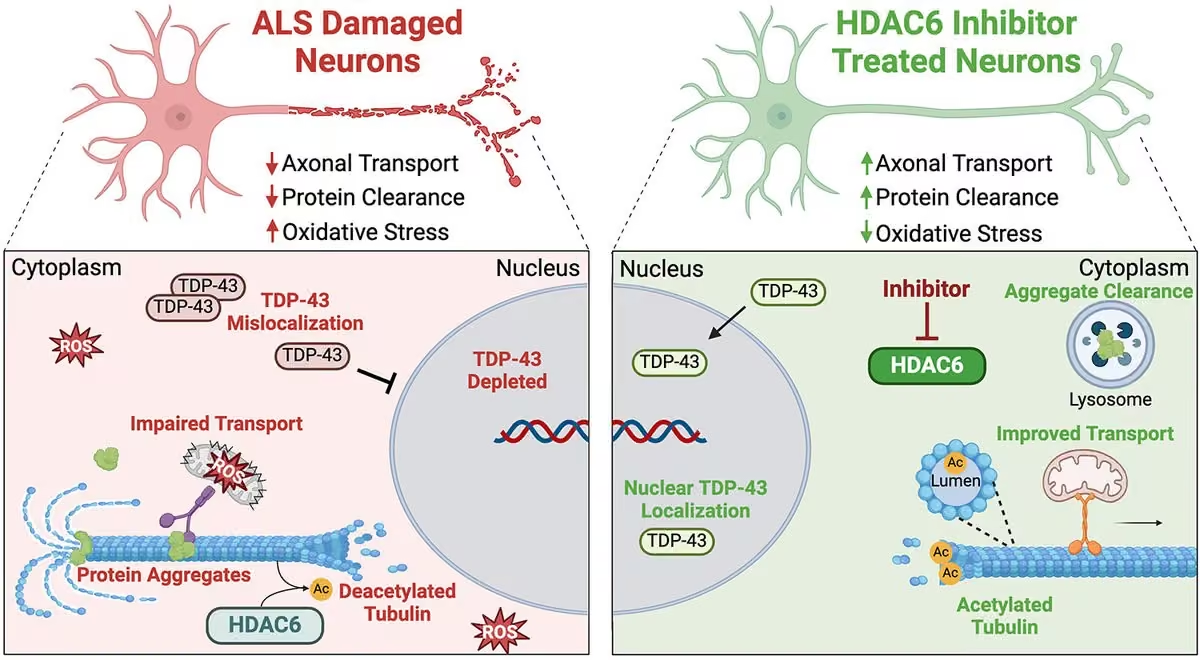
James et al. report the development of a highly selective, CNS-penetrant small molecule HDAC6 inhibitor that shows robust efficacy in preclinical models of ALS and FTD. shorturl.at/dgAeR
-
Brain
@Brain1878
Somervail et al. show that surprising sensory stimuli - e.g. loud beeps - activate much more of the brain than previously thought, through a long-overlooked pathway called the extralemniscal system. shorturl.at/NEyEH
-
Brain reposted
Giovanni Di Liberto
@DiLibertoMD
Chicken or egg in neurodegeneration ?
In IgLON5 disease, the answer is becoming clear: autoantibodies initiate the cascade, tau comes later.
In our @Brain1878 editorial, we explore how this reshapes timing, diagnosis, and treatment. @Mayo_AING
academic.oup.com/brain/article/149/5/1423/8667467 -
Brain
@Brain1878
New issue of Brain now online! academic.oup.com/brain/issue/149/5
-
Brain
@Brain1878
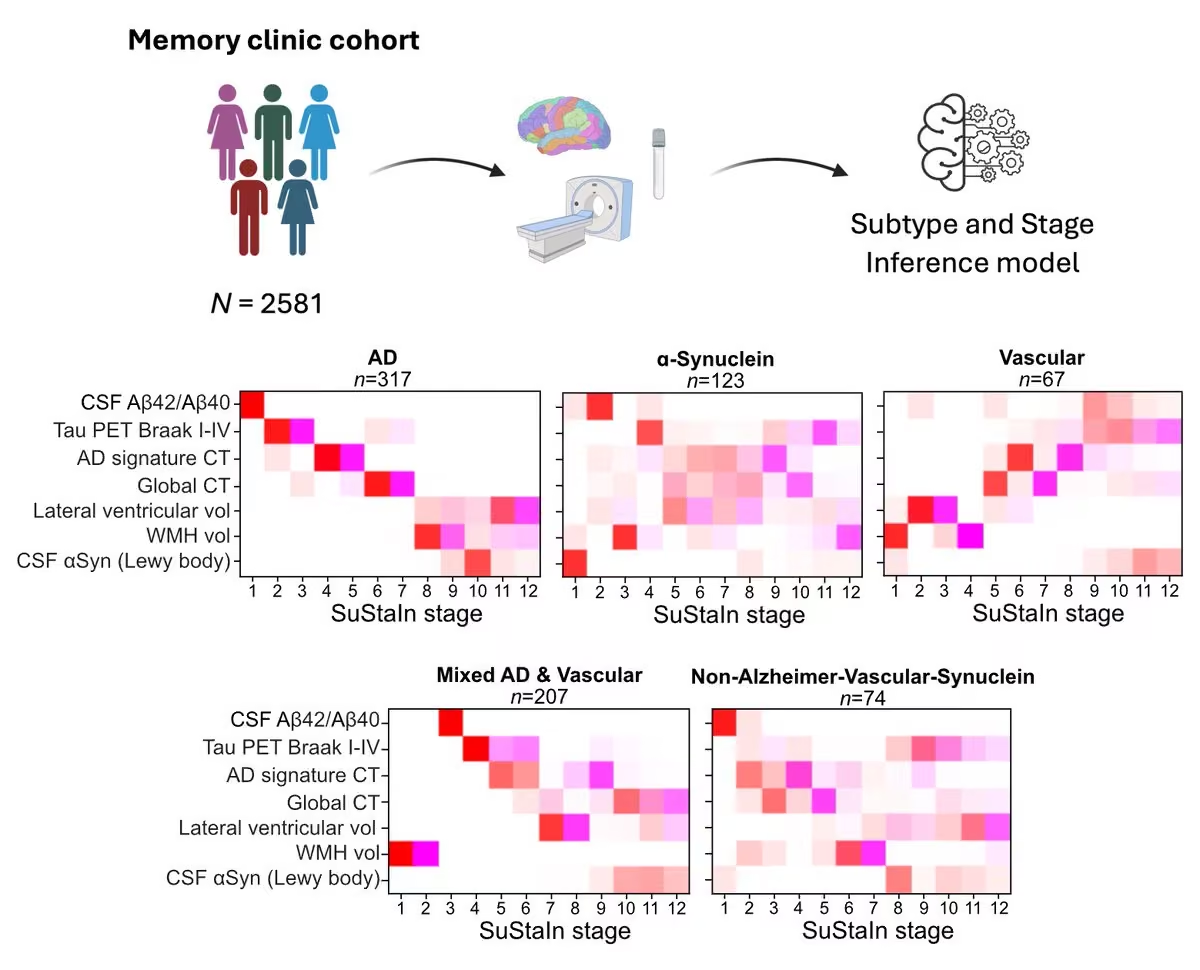
Mastenbroek et al. present a biological framework developed to categorize individuals in a memory clinic cohort based on the presence, extent and sequence of several common pathologies. shorturl.at/Adjqa; doi.org/10.1093/brain/awag103
-
Brain
@Brain1878
Furlan et al. show that CSF profiles of granulocyte activation markers and complement factor C5 differentiate NMOSD, MOGAD and MS, independent of autoantibody tests. shorturl.at/Yu3XV; shorturl.at/GZz5a
-
Brain
@Brain1878
Rodrigues et al. show that advanced oxidation protein products (AOPPs) drive pain, anxiety, and neuroinflammation in a mouse model of MS by activating TRPA1, a key sensory receptor. Blocking AOPPs or TRPA1 reduces these effects. shorturl.at/ucJNR
-
Brain
@Brain1878
Osseni et al. show that combining SMN-targeting therapies with HDAC6 inhibition improves muscle growth and strength in spinal muscular atrophy models, suggesting a promising strategy for more effective treatment. shorturl.at/oaav1
-
Brain
@Brain1878
By analysing post-mortem brain tissue, Asby et al. show that reduced blood supply in AD promotes the growth of new but leaky blood vessels. These vascular changes are widespread even in early disease stages. shorturl.at/774AN; shorturl.at/0jXTc
-
Brain
@Brain1878
Laurini et al. review genes that can give rise to both neuropathic and myopathic phenotypes, challenging the traditional divide between nerve and muscle disorders. shorturl.at/h2wPg
-
Brain
@Brain1878
Wishart et al. review how metabolic pathways regulate the behaviour of monocyte-derived immune cells in brain disease. They show that local cues shape metabolism and drive context-dependent immune functions across conditions. shorturl.at/oWvOx
-
Brain
@Brain1878
Lyu et al. combined MRI-based MTL morphometry with plasma ptau217 to assess tau-neurodegeneration mismatch in AD, identifying three subgroups with distinct mismatch profiles, atrophy patterns & cognitive trajectories despite similar disease severity. shorturl.at/32M6Z
-
Brain
@Brain1878
Hong et al. show that people with epilepsy without dementia have increased brain tau deposition. Tau levels correlate with epilepsy severity, and tau deposition is linked to changes in immune-related proteins and accelerated biological ageing. shorturl.at/lqenW
-
Brain
@Brain1878
Wang et al. review how GABA-B receptors in glial cells regulate key CNS processes – including excitatory-inhibitory balance, synaptic pruning, and myelination –and discuss their roles in neurological disorders. shorturl.at/GeBOS
-
Brain
@Brain1878
Brechbühl et al. present a new MRI technique for tracking differentiation of oligodendrocyte progenitor cells into oligodendrocytes during remyelination in vivo. The approach lays the foundation for non-invasive evaluation of pro-remyelination therapies. shorturl.at/CtHWR
-
Brain
@Brain1878
Suichi et al. report that Guillain-Barré syndrome incidence declined in Japan during COVID-19. Patients were less likely to have preceding infections and more often showed demyelinating features, possibly reflecting reduced exposure to typical triggers. shorturl.at/1S6Id
-
Brain
@Brain1878
Leveraging advances in high-throughput plasma proteomics and machine learning, Adewale et al. identify an 11-protein biomarker panel that accurately distinguishes Parkinson’s disease from other neurological disorders and healthy controls. shorturl.at/5Ijjc
-
Brain
@Brain1878
Inflammation at the core: rethinking pathology in limb-girdle muscular dystrophy R3
New scientific commentary by Ellie Carrell & Nicholas Johnson shorturl.at/0elqN -
Brain
@Brain1878
Beyond autoantibodies: accelerating differential diagnosis in neuroimmunological diseases
New scientific commentary by Friedemann Paul shorturl.at/GNgJ2 -
Brain
@Brain1878
Corriveau-Lecavalier et al. show that patterns of default mode network dysfunction predict future conversion to amyloid positivity, mild cognitive impairment, and dementia, emphasizing the role of network dyshomeostasis in Alzheimer’s disease. shorturl.at/frhmE
-
Brain
@Brain1878
Using a mouse model of a human gain-of-function GABAA receptor mutation, McKenzie et al. show that increased channel function causes excessive inhibition between inhibitory neurons, weakening feed-forward inhibition and increasing cortical excitability. shorturl.at/r35J6
-
Brain
@Brain1878
Using PET, autopsy, and PET-to-autopsy analyses, Coomans et al. show that associations of older age and male sex with lower 18F-flortaucipir PET uptake and positivity rates can be explained by lower tau tangle densities in these groups. shorturl.at/kT5ne
-
Brain
@Brain1878
Yang et al. identify an age-dependent glia-to-neuron redox pathway in which increased GLRX3 drives HMGB1-TLR4 signalling to sustain chronic neuropathic pain, highlighting a potential therapeutic target for ageing- and chemotherapy-related neuropathy. shorturl.at/5FdUS
-
Brain
@Brain1878
Grünewald et al. show that markers of mitochondrial DNA damage, particularly deletions and reduced 7S DNA, are detectable in blood across early Parkinson’s disease stages. Used alongside other biomarkers, they may help support earlier diagnosis. shorturl.at/Mx5f1
-
Brain
@Brain1878
Listen to the latest episode of the Brain podcast: sites.libsyn.com/424160/targeting-lipid-droplets-in-fus-l…
This episode features authors Dr Laetitia Marcadet and Chantelle Sephton, discussing: Targeting lipid droplets in FUS-linked amyotrophic lateral sclerosis mitigates neuronal and astrocytic lipotoxicity. -
Brain
@Brain1878
Coray et al. found reduced hippocampal grey matter volume in regular MDMA users, which correlated with memory deficits and serotonin receptor maps. MDMA-related memory problems may stem from both structural and neurochemical changes. shorturl.at/YQbfU
-
Brain
@Brain1878
Rodrigues et al. show that advanced oxidation protein products (AOPPs) drive pain, anxiety and neuroinflammation in a mouse model of MS by activating the sensory receptor TRPA1. Blocking AOPPs or TRPA1 reduces these effects. shorturl.at/v9iPE
-
Brain
@Brain1878
Albornoz et al. show using advanced imaging techniques that MCC7840 - a novel NLRP3 inflammasome inhibitor - reduces neuroinflammation and protects dopaminergic neurons in preclinical models of Parkinson’s disease. shorturl.at/HphEO
-
Brain
@Brain1878
Barbieri & Kawles et al. analysed atrophy progression in patients with FTLD-TDP type C with primary progressive aphasia, and found that specific language symptoms track the caudal progression of atrophy from the left temporopolar cortex. shorturl.at/VFTPQ
-
Brain
@Brain1878
Eissman, Regelson et al. conducted a comprehensive genetic analysis of memory, executive functioning and language in adults with preclinical and clinical AD and identified sex-specific candidate genes and pathways associated with cognitive performance. shorturl.at/2bWer
-
Brain
@Brain1878
Zhao et al. report that capsulotomy surgery improves error monitoring and behavioural flexibility in individuals with severe OCD, without affecting working memory or conflict processing deficits. shorturl.at/qYUWi
-
Brain
@Brain1878
Yiangou et al. show that calcitonin gene-related peptide (CGRP) can provoke headache attacks in people with idiopathic intracranial hypertension and increase intracranial pressure pulse amplitude, without raising mean pressure. shorturl.at/rMKOA
-
Brain
@Brain1878
Aguzzi et al. show in an experimental lesion model that a few days of inflammatory hypoxia in young adulthood can prime grey matter for subsequent slowly progressive atrophy. Preventing the early hypoxia reduced both the initial deficits and later decline. shorturl.at/Rq9kp
-
Brain
@Brain1878
The fluidity of fluid biomarker evidence in the clinic
New Editorial by Rik Vandenberghe in this month's Brain academic.oup.com/brain/article/149/4/1087/8607796 -
Brain
@Brain1878
Cullinane et al. identify three subtypes of progressive supranuclear palsy with different progression patterns and show that sex, genetic variation, and co-pathology influence tau distribution and clinical phenotype. shorturl.at/1cZcy
-
Brain
@Brain1878
Chen et al. identify synaptic and molecular mechanisms underlying forms of pathogenic plasticity in the spinal dorsal horn that drive HIV-associated pain. shorturl.at/NtRT7
-
Brain
@Brain1878
Suppa et al. explore rigidity in Parkinson’s disease, highlighting inconsistencies in its definition and interpretation. They propose new approaches to better characterise its mechanisms and clinical impact. shorturl.at/33TYt
-
Brain
@Brain1878
Woo et al. analysed >7,000 adults with type 2 diabetes initiating GLP-1 receptor agonists, and found that higher genetically proxied GLP1R expression was associated with a lower risk of Parkinson’s disease and related disorders. shorturl.at/9ri4t
-
Brain
@Brain1878
Manasova et al. used advanced neuroimaging, electrophysiology, and machine learning to study disorders of consciousness in severely brain-injured patients, and found that different modalities provide complementary diagnostic and prognostic information. shorturl.at/EdreQ
-
Brain
@Brain1878
Karlsson et al. show that normalizing Alzheimer’s disease CSF and plasma biomarkers to reference proteins increases their agreement with tau- and amyloid PET, enhancing the accuracy of fluid biomarker tests for detecting pathological changes. shorturl.at/NKdj2
-
Brain
@Brain1878
Kayhan et al. identify rare biallelic mutations in the dopamine D1 receptor gene (DRD1) as a cause of infantile-onset dystonia, and show how these mutations disrupt D1 receptor signalling. shorturl.at/BP4Ps
-
Brain reposted
Brain
@Brain1878
Brain is hiring for a Scientific Editor! See more information here: www.jobs.ac.uk/job/DRC788/scientific-editor
Enquiries and applications to editorbrain@gmail.com -
Brain
@Brain1878
Paplekaj et al. have examined how stress affects gene expression in the brain. Comparing stress-resilient and susceptible mice, they identify an imbalance in a gene regulatory axis conserved in mice and humans that may underlie psychiatric vulnerability. shorturl.at/3fSli
-
Brain
@Brain1878
Aiello et al. show that thalamic activity recorded from epilepsy patients receiving DBS can predict treatment success early on. These biomarkers could guide personalized therapy, offering new hope for improving outcomes in drug-resistant epilepsy. shorturl.at/yvVUK
-
Brain
@Brain1878
The rise and rise of vascular dysfunction in Alzheimer’s disease
New scientific commentary by Raj Kalaria shorturl.at/CzFF1 -
Brain
@Brain1878
From ‘senile dementia’ to NOVAS: the evolution of dementia classification
New scientific commentary by Christopher Weise, Samir Abu-Rumeileh & Markus Otto shorturl.at/U47eO -
Brain
@Brain1878
Brain is hiring for a Scientific Editor! See more information here: www.jobs.ac.uk/job/DRC788/scientific-editor
Enquiries and applications to editorbrain@gmail.com -
Brain
@Brain1878
New issue of Brain now online! academic.oup.com/brain/issue/149/4
-
Brain
@Brain1878
Cardoso et al. review the conditions collectively termed Huntington’s disease phenocopies, in which Huntington’s disease is suspected but no HTT mutation is found. They discuss clinical features & underlying aetiologies with an emphasis on acquired causes. shorturl.at/qqYFE
-
Brain
@Brain1878
Rollot et al. compared disability progression in a large registry cohort of patients with multiple sclerosis treated first with high- versus moderate-efficacy therapies. shorturl.at/js5vb
-
Brain
@Brain1878
F.J. Barrantes reviews synaptic dysfunction as an early feature of AD, highlighting synaptic molecules as blood-based neuropathological markers for early detection and prognosis, and discussing therapeutic strategies targeting risk factors & comorbidities. shorturl.at/WRQWe
-
Brain
@Brain1878
Avalos-Alais, Jedynak et al. use intracranial electrode data to create the most detailed map to date of how the lateral PFC connects with the rest of the brain. academic.oup.com/brain/article/149/3/963/8250185; shorturl.at/Bbjnx
-
Brain
@Brain1878
Jacobs et al. explore how environmental factors such as smoking, vitamin D deficiency, and Epstein-Barr virus infection interact with genetic susceptibility to shape a person’s chances of developing MS and influence disease progression. shorturl.at/c5gLr
-
Brain
@Brain1878
Occludin takes centre stage in HIV defence and stroke
New scientific commentary by Amber Douglass, Clarissa Halpern & Sanjay Maggirwar academic.oup.com/brain/article/149/3/699/8419268 -
Brain
@Brain1878
Using a statistical approach to emulate pairwise trials in a composite dataset, the RESCUE-MS and MSBase collaborations compare the effectiveness of AHSCT with the immune-reconstitution therapies cladribine and alemtuzumab in RRMS. shorturl.at/5npg2; shorturl.at/MA7hV
-
Brain
@Brain1878
Silva et al. show that HTLV-1-associated myelopathy/tropical spastic paraparesis (HAM/TSP) shares key inflammatory and neurodegenerative pathways with progressive MS, highlighting its value as a model of chronic inflammation-driven neurodegeneration. shorturl.at/rOcfJ
-
Brain
@Brain1878
Loehrer et al. show that elevated high β-γ phase-amplitude coupling in motor networks correlates with bradykinesia and rigidity in Parkinson’s disease and is reduced by medication, identifying a frequency-specific biomarker and potential treatment target. shorturl.at/IxGGm
-
Brain
@Brain1878
In a mouse model of focal ischaemia, Deng et al. show that extracellular vesicles released from the ischaemic penumbra carry pathogenic RNAs to remote regions, driving secondary degeneration beyond the infarct. shorturl.at/IUldF
-
Brain
@Brain1878
Kwan et al. characterise a genetic form of ALS caused by a missense mutation in CHCHD10, showing a stereotyped flail arm syndrome phenotype and a likely toxic gain-of-function mechanism. The findings set the stage for future gene-directed clinical trials. shorturl.at/aPEx8
-
Brain
@Brain1878
Nelvagal et al. used machine learning and disease modelling to study 399 brains from people with Lewy body diseases and controls. The findings reveal multiple pathways to dementia shaped by pathology burden, APOE genotype, and clinical factors. shorturl.at/3IP7o
-
Brain
@Brain1878
About 10% of cognitively unimpaired older adults with abnormal amyloid show ‘divergent’ cortical tau pathology resembling atypical AD. This subgroup shows faster tau accumulation and cognitive decline, and may be disproportionately driving trial outcomes. shorturl.at/Lo41O
-
Brain
@Brain1878
Bahners et al. identify a brain network linked to optimal therapeutic outcomes in pts with Parkinson’s disease receiving DBS. The network operates in the high beta frequency range and closely resembles treatment-responsive networks mapped with fMRI. shorturl.at/CrCuP
-
Brain
@Brain1878
Using knock-in mouse models of Alzheimer’s disease, Liu et al. show that Aβ-induced loss of parenchymal border macrophages disrupts glymphatic function even before amyloid plaques form. Plaque-reducing immunotherapy fails to restore glymphatic clearance. shorturl.at/zfDg6
-
Brain
@Brain1878
Cowley et al. show that selective P2X7 receptor antagonists reduce the release of pro-inflammatory cytokines from human microglia and brain tissue. The findings support P2X7 receptor antagonism as a potential way to improve outcomes following TBI. shorturl.at/u8z43
-
Brain
@Brain1878
Yin et al. review advances in the control of sleep circuits in animal models, as well as the effects of direct brain stimulation on sleep in humans. They propose new strategies to bridge the translational gap and improve sleep disorder treatment. shorturl.at/qauC2
-
Brain
@Brain1878
Gibson et al. analysed postmortem brains from over 7,000 older adults. Lewy body pathology was present in more than one in four, with anatomical distributions of pathology differing by sex and showing distinct associations with co-pathologies. shorturl.at/jYvlX
-
Brain
@Brain1878
Riant et al. identify mutations in the sodium channel gene SCN2A associated with hemiplegic migraine, a rare form of migraine characterized by transient motor weakness during attacks. shorturl.at/k8JgG
-
Brain
@Brain1878
Lund et al. identify degeneration and reduced arousal-related responses in the caudal locus coeruleus in Parkinson's disease. The changes correlate with cognitive impairment & orthostatic hypotension, suggesting NAergic contributions to non-motor symptoms. shorturl.at/2tcnJ
-
Brain
@Brain1878
Epilepsy is most common in older adults and has a bidirectional relationship with dementia. Sen et al. explore tau pathology as a potential underlying mechanism, drawing on biochemical findings, animal models and human epileptic syndromes. shorturl.at/PaW2E
-
Brain
@Brain1878
Yamamuro et al. show that oxytocin receptor-expressing neurons in the paraventricular thalamus (PVT) influence social behaviour and fear extinction in mice, highlighting the PVT as a potential therapeutic target for social and fear-related disorders. shorturl.at/RAh0q
-
Brain
@Brain1878
Expression of the envelope protein from human endogenous retrovirus-K subtype HML-2 induces ALS-like symptoms in mice. Lee et al. show that delivering three artificial microRNAs targeting HML-2 env reduces neurodegeneration and improves motor function. shorturl.at/funic
-
Brain
@Brain1878
Many countries have announced major cuts to overseas development aid. Coughlan et al. describe the consequences for global neurology research, and the potential effects of these cuts on people living with neurological diseases worldwide. shorturl.at/IAUJ0
-
Brain
@Brain1878
The #brain2026 conference is underway! Our plenary speaker Dimitri Kullman also receives the first ever Brain Prize. Thank you for a great talk!
-
Brain
@Brain1878
Lyndon proposes that functional neurological disorder reflects disordered precision control in predictive coding. Arousal can transiently over-amplify confidence in maladaptive predictions so that they override sensory feedback, giving rise to symptoms. shorturl.at/FYqYG
-
Brain
@Brain1878
Koutsouleris et al. applied machine learning to structural MRI data and found that self-reported cognitive symptoms, but not ultra-high-risk psychosis symptoms, are linked to a distinctive brain signature also seen in schizophrenia. shorturl.at/USI4d
-
Brain
@Brain1878
Damage to the amygdala is associated with reduced empathic accuracy. However, Scheffer et al. show that patients with amygdala lesions are as motivated to empathise as controls, indicating that motivational components of empathy are preserved. shorturl.at/QgvdF
-
Brain
@Brain1878
Zhang et al. show that maternal antibiotic-induced gut dysbiosis is associated with hypomyelination in offspring. Postnatal propionate supplementation rescues the deficit. shorturl.at/TX1o7
-
Brain
@Brain1878
Jones Jagaraj et al. show that cofilin is hyperphosphorylated in spinal cord from pts with sporadic ALS, disrupting actin dynamics and promoting TDP-43 mislocalisation and aggregation. Preventing cofilin phosphorylation in vitro reduced TDP-43 pathology. shorturl.at/ImyBo
-
Brain
@Brain1878
Mutations in PTEN cause neuronal hypertrophy & excess synaptogenesis linked to epilepsy. Prina et al. show that deleting Akt1 and Akt3 in Pten-conditional ko mice rescues these abnormalities and prevents seizures, identifying AKT as a therapeutic target. shorturl.at/pNXVI
-
Brain
@Brain1878
Corazzolla et al. used PET-MRI to measure TSPO in the skull bone of patients with MS. TSPO was elevated in secondary progressive disease and correlated with disability, white matter loss and cognitive impairment, suggesting biomarker potential. shorturl.at/sqXkq
-
Brain
@Brain1878
Seizures & sleep disturbances are common in AD. Shandilya et al. show that modifying a key region of tau in mice reduces its pathological interactions with proteins implicated in seizures and excitotoxicity, while preserving cognitive and motor function. shorturl.at/jfzGR
-
Brain
@Brain1878
Donadio et al. show that the detection of phosphorylated alpha-synuclein in skin nerves is a highly reliable biomarker for the early identification of Parkinson’s disease. shorturl.at/iRKBE
-
Brain
@Brain1878
The symbol for DNA is all around us, on advertising and in the news. Yet it is almost always drawn incorrectly. Elizabeth Fisher explains how it should be depicted, and why it is important that we get the famous double helix right. shorturl.at/D5P91
-
Brain
@Brain1878
Using data from the SMArtCARE registry, Voigt-Müller et al. examine how treatment preferences for spinal muscular atrophy have evolved over time in response to the sequential approval of new therapies. shorturl.at/vGZMD;
commentary: shorturl.at/zvwNW -
Brain
@Brain1878
Chen et al. show that rigid and repetitive behaviours occur across dementia syndromes, most prominently in behavioural variant FTD. These symptoms are linked to structural and functional changes in the brain’s reward hub, the nucleus accumbens. shorturl.at/I75YN
-
Brain
@Brain1878
Many people with schizophrenia experience problems with movement. While these are often attributed to medication, Joseph et al. explore evidence suggesting that sensorimotor abnormalities may instead be a core element of the disease. shorturl.at/YdlmJ
-
Brain
@Brain1878
Delamare et al. present a computational model of memory formation inspired by recent experimental data, in which individual memories are encoded not only in synapses, but also in the nucleus via epigenetic plasticity. shorturl.at/HJ1Hi
-
Brain
@Brain1878
Zheng et al. identify plasma neuron-derived extracellular vesicles carrying tau proteins as biomarkers for PSP. These markers accurately distinguish PSP from PD, even in early stages, offering a promising non-invasive blood test for diagnosis. shorturl.at/3pB6r
-
Brain
@Brain1878
Chrysostomidou et al. have developed a human iPSC co-culture model that reveals a role for macrophages in sensitising damaged sensory neurons, suggesting that targeting macrophages could be an alternative strategy for treating neuropathic pain. shorturl.at/vMqd6
-
Brain
@Brain1878
Histone deacetylase 6 is upregulated in AD, but its role in disease pathogenesis is unclear. Lee et al. show that HDAC6 stabilizes BACE1 via deacetylation – thereby increasing Aβ production – and promotes NLRP3 inflammasome activation. shorturl.at/TETUK
-
Brain
@Brain1878
Maletic et al. used patient-derived mosaic cortical organoids to model focal cortical dysplasia caused by two-hit DEPDC5 mutations. They show that biallelic DEPDC5 loss disrupts corticogenesis and increases neuronal excitability. shorturl.at/k7Puc
-
Brain
@Brain1878
Rajicic et al. performed bulk RNA seq on temporal cortex from patients with FTLD-TDP C. After excluding tauopathy-related genes and adjusting for neuronal loss, they found a specific downregulation of postsynaptic pathways. shorturl.at/JnRj4
-
Brain
@Brain1878
Siew et al. show that berbamine hydrochloride – a brain-penetrant small molecule inhibitor of intracellular galectin-3 – reduces microglial activation and improves symptoms in a Huntington’s disease mouse model. shorturl.at/gohTh
-
Brain
@Brain1878
In boys with cerebral adrenoleukodystrophy, Pierpont et al. find that higher plasma NfL levels prior to HSCT were associated with poorer cognitive outcomes one year later. shorturl.at/hKaMt
-
Brain
@Brain1878
A tight match: comparing the effectiveness of immune reconstitution therapies for multiple sclerosis
New scientific commentary by Paolo Muraro, Eleonora De Matteis & Antonio Scalfari shorturl.at/HTjGN -
Brain
@Brain1878
Kollenburg et al. review the molecular mechanisms and regional activity patterns underlying conditions including migraine, cluster headache, and paroxysmal hemicrania, integrating basic and clinical perspectives. shorturl.at/fkKHg
-
Brain
@Brain1878
Using quantitative susceptibility mapping, an advanced neuroimaging technique sensitive to tissue iron, Bhome et al. identify neurobiological differences between Parkinson’s disease dementia and dementia with Lewy bodies. shorturl.at/KY5FV
-
Brain
@Brain1878
Mapping the human lateral prefrontal cortex at the circuit level
New scientific commentary by Jean-Marie Batail & Lisa Borgmann shorturl.at/Bbjnx -
Brain
@Brain1878
González-Velasco et al. show that somatic mutations in known ALS genes are enriched in the motor cortex of patients with sporadic ALS, particularly in excitatory neurons. shorturl.at/eJiO9
-
Brain
@Brain1878
What lies beyond thy silicone face and silicon brain?
Congratulations to Alex Gwyn O'Hare for winning the Brain essay competition, with his discussion on the prospects surrounding artificial general intelligence shorturl.at/o5ghi
Thank you to everyone who took part! -
Brain
@Brain1878
March's issue of Brain is now online! academic.oup.com/brain/issue/149/3
-
Brain
@Brain1878
Chiaro et al. describe the long-term natural history of a cohort of patients with isolated autonomic failure, and validate a predictive model to help identify patients at risk of phenoconversion to more widespread synucleinopathy. doi.org/10.1093/brain/awaf191; shorturl.at/0rZhc
-
Brain
@Brain1878
Mizuno et al. show that TSPO levels are higher in the grey matter of pts with first-episode psychosis than healthy controls. Natalizumab led to a modest reduction in symptoms but did not alter TSPO levels. academic.oup.com/brain/article/149/2/620/8362397; doi.org/10.1093/brain/awaf455
-
Brain
@Brain1878
Hirschbichler et al. examine the effects of DBS-induced inhibition of the VTA on learning and decision-making. They find that VTA inhibition does not impair reinforcement learning, but does lead to more strategic betting behaviour. shorturl.at/epYpt; doi.org/10.1093/brain/awaf210
-
Brain
@Brain1878
Trentini et al. discuss how brain glycogen, beyond serving as an energy reserve, also regulates protein glycosylation and neurotransmitter balance. shorturl.at/8xrok
-
Brain
@Brain1878
Gaur et al. show that neurons – not just glia – produce chitinases in the healthy brain and spinal cord. Across ALS mouse models and patient CSF, they demonstrate an isoform-specific dysregulation, highlighting chitinases as markers of neural injury. shorturl.at/PYgCo
-
Brain
@Brain1878
Using knock-in mouse models of Alzheimer’s disease, Liu et al. show that Aβ-induced loss of parenchymal border macrophages disrupts glymphatic function even before amyloid plaques form. Plaque-reducing immunotherapy fails to restore glymphatic clearance. shorturl.at/zfDg6
-
Brain
@Brain1878
Using the connections of commissural neurons as an example, Lent et al. propose that expanded brain circuits may constitute a “connectomic reserve” that enables neuroplasticity to occur throughout life, and that may be a proxy for cognitive reserve. shorturl.at/5HNlS
-
Brain
@Brain1878
Yin et al. review advances in the control of sleep circuits in animal models, as well as the effects of direct brain stimulation on sleep in humans. They propose new strategies to bridge the translational gap and improve sleep disorder treatment. shorturl.at/qauC2
-
Brain
@Brain1878
Although new AD therapies reduce amyloid plaques, they have not led to major clinical improvements. Pini et al. suggest that changes in brain connectivity may offer a more sensitive and biologically meaningful marker of disease modification. shorturl.at/62RNm
-
Brain
@Brain1878
Risk, reward or repetition? New data on human ventral tegmental area stimulation challenge dominant frameworks
New scientific commentary by Luke Clark & Catharine Winstanley shorturl.at/xfGmr -
Brain
@Brain1878
Wu et al. show in mice that spinal neuropeptide Y (NPY) enhances morphine analgesia while preventing tolerance and hyperalgesia, suggesting the NPY-NPY1R pathway as a target for safer opioid therapy. shorturl.at/KKlfV
-
Brain
@Brain1878
Cogswell et al. show that plasma and PET biomarkers for Alzheimer's disease provide useful information about when cognitive decline is likely to begin, and typically become abnormal before cognitive symptoms appear. shorturl.at/sGB9w
-
Brain
@Brain1878
Xu et al. show that the long non-coding RNA Carip modulates pain-like behaviours by controlling synaptic transmission in the lateral parabrachial nucleus. Carip knockout alters pain sensitivity by disrupting the neuronal excitation-inhibition balance. shorturl.at/KYmSy
-
Brain
@Brain1878
White et al. show that fetal growth restriction impairs postnatal brain devpt. Low birth weight is associated with reduced dendritic outgrowth in hippocampal neurons, suggesting impaired dendritogenesis is programmed in utero and leads to lasting deficits. shorturl.at/PQHui
-
Brain
@Brain1878
Cowley et al. show that selective P2X7 receptor antagonists reduce the release of pro-inflammatory cytokines from human microglia and brain tissue. The findings support P2X7 receptor antagonism as a potential way to improve outcomes following TBI. shorturl.at/u8z43
-
Brain
@Brain1878
Liu et al. identify BTK as an upstream regulator of cGAS–STING–NF-κB signalling in ALS and show that BTK inhibition with zanubrutinib protects both motor neurons and microglia. This dual-action approach extended survival in an ALS mouse model. shorturl.at/MidAP
-
Brain
@Brain1878
Lagartos-Donate et al. explore how reduced expression of the transcription factor REST may contribute to AD progression. They show that boosting REST levels in AD models reduces tau pathology and amyloid plaques. shorturl.at/FKN0l
-
Brain
@Brain1878
Okubo et al. identify pathogenic variants in SNUPN (snurportin-1) in families with spinocerebellar atrophy. Functional studies & a mouse model reveal impaired RNA splicing in Purkinje cells, suggesting snurportin-1 is essential for cerebellar development. shorturl.at/VHogy
-
Brain
@Brain1878
Niu et al. characterize a loss-of-function CACNA1A calcium channel mutation that causes epilepsy and ataxia. Using iPSC-derived neurons and a mouse model, they link altered channel biophysics to neuronal hyperexcitability and disease-relevant phenotypes. shorturl.at/X6NfU
-
Brain
@Brain1878
Meng et al. show that deficiency of the lysosomal transmembrane protein TMEM106B contributes to Parkinson’s disease pathogenesis by accelerating α-synuclein aggregation and disrupting α-synuclein degradation. shorturl.at/bOMeu
-
Brain
@Brain1878
Sgodzai et al. studied chronic inflammatory demyelinating polyneuropathy, an autoimmune disorder affecting peripheral nerves, and found that the PD-1 immune checkpoint plays a key role in preventing immune attacks on nerve tissue. shorturl.at/ijG4Q
-
Brain
@Brain1878
Hupalo et al. present whole-genome sequences from >9000 human brain donors paired with neurological and psychiatric disease diagnoses. Created with multiple brain banks, the resource is now publicly available to aid research. shorturl.at/ced1n
-
Brain
@Brain1878
Ray et al. identify sex-differential X-chromosomal risk loci for multiple system atrophy, suggesting distinct genetic mechanisms in males and females and highlighting the importance of considering sex chromosomes in adult-onset neurological disorders. shorturl.at/GuDSt
-
Brain
@Brain1878
Listen to the latest episode of the Brain podcast!
This episode features a discussion with first author Dr Lorenzo Pini of the Brain article: Brain connectivity as a new target for Alzheimer's disease therapy?
sites.libsyn.com/424160/brain-connectivity-as-a-new-targe… -
Brain
@Brain1878
Huang et al. review the structure and functions of the perineuronal net, highlighting its roles in neuronal homeostasis, synaptic plasticity and neuroprotection, and its dysregulation in neurological and psychiatric disorders. shorturl.at/3gm2h
-
Brain
@Brain1878
Johari et al. identify novel TUBA4A variants that cause primary myopathies, often without CNS involvement. Their findings establish myo-tubulinopathies as a new disease group and reveal how altered tubulin disrupts muscle function. shorturl.at/UBdWx
-
Brain
@Brain1878
In a mouse model of focal ischaemia, Deng et al. show that extracellular vesicles released from the ischaemic penumbra carry pathogenic RNAs to remote regions, driving secondary degeneration beyond the infarct. shorturl.at/IUldF
-
Brain
@Brain1878
Wei et al. show that SNCA-A53T transgenic monkeys recapitulate the natural progression of Parkinson’s disease. The animals display REM sleep behaviour disorder and region-specific brain atrophy as well as motor and cognitive deficits. shorturl.at/gcNEy
-
Brain
@Brain1878
Mecca et al. investigate the role of muscle stem cells in SMA and show that their depletion disrupts neuromuscular junctions and leads to motor neuron loss in the spinal cord. shorturl.at/tFpn5
-
Brain
@Brain1878
Soni argues that modern seizure classifications change too often, confusing clinicians and pts. Contrasting them with the stable, descriptive approaches of Hippocrates, Galen and Ibn Sina, she calls for simpler, enduring language to improve epilepsy care. shorturl.at/FKKeG
-
Brain
@Brain1878
In patients with intractable epilepsy being considered for surgery, should thalamic sEEG be standard practice or should it remain within the domain of IRB-approved research? Four new Opinion articles in this month's issue explore the debate: shorturl.at/ki9Ax
-
Brain
@Brain1878
Temporal lobe epilepsy has a complex genetic basis, but how genetic vulnerability leads to brain changes is unclear. Ngo et al. show that higher risk for TLE in healthy children is linked to brain thinning in key regions that mirror patterns in patients. shorturl.at/aVY2m
-
Brain
@Brain1878
Bahners et al. identify a brain network linked to optimal therapeutic outcomes in pts with Parkinson’s disease receiving DBS. The network operates in the high beta frequency range and closely resembles treatment-responsive networks mapped with fMRI. shorturl.at/CrCuP
-
Brain
@Brain1878
Mecca et al. investigate the role of muscle stem cells in SMA and show that their depletion disrupts neuromuscular junctions and leads to motor neuron loss in the spinal cord. They conclude that muscle stem cells represent potential therapeutic targets. shorturl.at/vIwEU
-
Brain
@Brain1878
Facioscapulohumeral dystrophy is usually caused by D4Z4 repeat contraction or by SMCHD1 mutations, but some cases remain unexplained. Using long-read sequencing, Tardy et al. identify complex rearrangements at 4q35/10q26 missed by standard tests. shorturl.at/oO5w7
-
Brain
@Brain1878
Pure autonomic failure as an essential window into progression of synucleinopathies
New scientific commentary by Elizabeth Coon & Roy Freeman shorturl.at/bnqDv -
Brain
@Brain1878
Saadmaan et al. examine the impact of two polygenic risk scores for AD and coronary artery disease (CAD) on cognition, and conclude that people with genetic susceptibility to AD/dementia/CAD can benefit from lifestyle-based preventive interventions. shorturl.at/yb8ji
-
Brain
@Brain1878
Pruckner et al. show that the structural effects of neurosurgery extend beyond the resected tissue into connected networks through transneuronal degeneration. They were able to reliably predict these changes from preoperative MRI. shorturl.at/Dm3uE
-
Brain
@Brain1878
Carletta et al. analysed brain tissue from people with ALS and found that increased activity of type-I interferon-stimulated genes was linked to faster disease progression, esp. in C9orf72-related ALS. Blocking this pathway in mice slowed progression. shorturl.at/TGiHW
-
Brain
@Brain1878
Ottoboni et al. review the role of inflammation in spinal muscular atrophy, showing that immune responses play a key role in disease progression. They argue that combining anti-inflammatory approaches with SMN-restoring therapies could improve outcomes. shorturl.at/roZmP
-
Brain
@Brain1878
The complexity of interpreting TSPO PET neuroimaging in first-episode psychosis
New scientific commentary by Agnieszka Kalinowski & Lawrence Steinman shorturl.at/dqEO5 -
Brain
@Brain1878
New issue of Brain now online! academic.oup.com/brain/issue/149/2
-
Brain
@Brain1878
Schierbaum et al. performed whole genome sequencing in 100 children and young adults with unexplained progressive movement disorders and identified genetic diagnoses in 27%, including variants missed by prior testing. shorturl.at/5qVyd
-
Brain
@Brain1878
Human T-cell lymphotropic virus type 1-associated myelopathy/tropical spastic paraparesis is a debilitating neuroinflammatory disease. Yoshida et al. show that dimethyl fumarate has potential as an immunomodulatory therapy. shorturl.at/GUdry
-
Brain
@Brain1878
Yeh et al. examine the risk of relapse following discontinuation of maintenance immunotherapy in patients with MOGAD, and estimate the optimal duration of treatment before discontinuation can be considered. shorturl.at/EKT2x
-
Brain
@Brain1878
We are pleased that the Brain Conference 2026 has been approved for 6 CPD points!
Register to attend here: conference.guarantorsofbrain.org -
Brain
@Brain1878
The molecular pathways linking genetic variants to Parkinson’s disease onset remain incompletely defined. De-Paula et al. show that common variants in SPTSSB increase sphingolipid production and disrupt fatty acid metabolism, thereby increasing PD risk. shorturl.at/aKJue
-
Brain
@Brain1878
Mark Walton argues that while the UK has a long and distinguished record of supporting brain research, this now risks being eroded by funding insufficiencies, career insecurity, and excessive bureaucracy. shorturl.at/vGtHj
-
Brain
@Brain1878
Lim et al. show that loss of ARX disrupts cortical interneuron development & migration. Using mutant mice, they identify ARX-regulated pathways controlling interneuron fate and distribution, and show similar changes in a pt with a pathogenic ARX variant. shorturl.at/fLIqz
-
Brain
@Brain1878
Ramdas et al. propose renaming ‘congenital myasthenic syndrome’ as ‘genetic myasthenic syndrome’. They argue that ‘congenital’ misleadingly implies neonatal onset, which may contribute to delayed diagnosis and management. shorturl.at/RjN7j
-
Brain
@Brain1878
Papadopoulou et al. used CRISPR to block production of the HTT1a protein in a knock-in mouse model of Huntington’s disease. The intervention delayed the appearance of aggregates in the brain by several months and maintained CSF markers at normal levels. shorturl.at/ytZNV
-
Brain
@Brain1878
Szabo et al. review how mitochondrial damage can trigger the release of mitochondrial DNA, activating innate immune signalling pathways. Understanding this process could reveal new disease markers and treatments for mitochondrial and metabolic diseases. shorturl.at/LmDTP
-
Brain
@Brain1878
Using human and mouse models, Shao et al. uncover hippocampal dysfunction in CADASIL. They demonstrate impaired hippocampal gamma oscillations alongside neuronal and mitochondrial dysfunction, vascular loss and inflammation. shorturl.at/NVpKU
-
Brain
@Brain1878
Cardoso et al. review the conditions collectively termed Huntington’s disease phenocopies, in which Huntington’s disease is suspected but no HTT mutation is found. They discuss clinical features & underlying aetiologies with an emphasis on acquired causes. shorturl.at/qqYFE
-
Brain
@Brain1878
Altmayer et al. examine how creativity is affected in FTD. They show that distinct regions of the rostral PFC support generative vs combinatory creative processes, and that disruption of the functional gradient connecting these regions impairs creativity. shorturl.at/sW25T
-
Brain
@Brain1878
Dik et al. describe progressive region-specific changes in cellular components of the glymphatic system and vascular integrity in the brains of individuals with Parkinson's disease. academic.oup.com/brain/advance-article/doi/10.1093/brain/…
-
Brain
@Brain1878
De Houwer et al. identify CSF protein signatures associated with different genetic subtypes of frontotemporal lobar degeneration, and develop two protein panels that reliably distinguish affected individuals from controls. academic.oup.com/brain/advance-article/doi/10.1093/brain/…
-
Brain
@Brain1878
Ishtayeh et al. identify the deubiquitinating enzyme UCHL3 as a potential therapeutic target in Huntington’s disease. Genetic and pharmacological inhibition of UCHL3 in mouse and patient-derived neurons reduced mutant huntingtin aggregation and toxicity. shorturl.at/UT0EN
-
Brain
@Brain1878
Holland et al. identified a population of kappa opioid receptor-expressing neurons in the midbrain that, when activated, reduced symptoms of opioid withdrawal in mice. shorturl.at/VRAsV
-
Brain
@Brain1878
Leigh syndrome is a fatal mitochondrial disorder. Faideau et al. show that combining AAV-mediated gene delivery with focused ultrasound restores Ndufs4 expression in a mouse model, improving neurological and cardiac outcomes and extending survival. shorturl.at/yRWsH
-
Brain
@Brain1878
Klein et al. discuss the academia-pharma industry gap and its impact on patient care. They argue that reduced collaboration with industry has caused a drop in academic participation in clinical trials, delayed use of new treatments, and harmed patients. academic.oup.com/brain/article/148/12/4166/8232731
-
Brain
@Brain1878
Aguzzi et al. show in an experimental lesion model that a few days of inflammatory hypoxia in young adulthood can prime grey matter for subsequent slowly progressive atrophy. Preventing this hypoxia reduced both the initial deficits and later decline. academic.oup.com/brain/advance-article/doi/10.1093/brain/…
-
Brain
@Brain1878
Benina et al. evaluated the plasma pTau217/Aβ 1-42 ratio as a blood-based marker of AD pathology. The ratio improved diagnostic accuracy and reduced indeterminate results vs pTau217 alone, supporting its clinical utility for identifying amyloid positivity. shorturl.at/qBUS1
-
Brain
@Brain1878
Zu et al. show that pioglitazone, a widely used diabetes drug, protects synapses in a mouse model of early Alzheimer’s disease. By reducing complement-mediated microglial engulfment of synapses, pioglitazone helps prevent synapse loss. academic.oup.com/brain/advance-article/doi/10.1093/brain/…
-
Brain
@Brain1878
Chen et al. show that bilateral theta burst stimulation enhances recovery in a non-human primate model of ischaemic stroke. The intervention improved upper limb function and promoted white matter repair, supporting its potential for stroke rehabilitation. shorturl.at/tdqFr
-
Brain
@Brain1878
Steward et al. show that people with the ApoE4 risk allele develop more extensive tau pathology than non-carriers despite having lower levels of plasma ptau217; biomarker cut-offs may therefore need to be lowered in this at-risk group. academic.oup.com/brain/advance-article-abstract/doi/10.10…
-
Brain
@Brain1878
Cerebral amyloid angiopathy is associated with age, APOE and Alzheimer’s disease pathology (AD). Mehta et al. now show that its severity is associated with neuritic plaques & neurofibrillary tangles, with strong associations in APOE ε2 carriers without AD. shorturl.at/hqzX0
-
Brain
@Brain1878
By analysing data from the ENROLL-HD study, McLauchlan et al. show that in people with Huntington’s disease affected by depression or anxiety, initiation of antidepressants slows disease progression and reduces mortality risk. shorturl.at/s9e3W
-
Brain
@Brain1878
Averna et al. show that movement-related gamma activity in the STN of patients with Parkinson’s disease propagates spatially during motion, with the degree of propagation related to motor impairment and medication response. shorturl.at/zNFGz
-
Brain
@Brain1878
Trudel et al. compared AD stages defined by tau PET and autopsy data with the severity of clinical symptoms. While there was moderate agreement overall, co-morbid neuropathologies may explain symptom variability within the same biological stage. shorturl.at/VpPCX
-
Brain
@Brain1878
Ren et al. find that mutations in MAP3K3 and PIK3CA can ‘team up’ to trigger angiogenic switching and cause abnormal blood vessel growth in the brain, leading to cerebral cavernous malformations. A PI3K pathway-targeted cancer drug can stop this process. shorturl.at/1b5VR
-
Brain
@Brain1878
Vermorgen et al. examine tau aggregation in astrocytes in brains from middle-aged adults. They show that ARTAG (ageing-related tau astrogliopathy) is not restricted to elderly brains and is associated with neurodegenerative pathology. shorturl.at/NEYWB
-
Brain
@Brain1878
Thank you to all those who submitted an abstract for the Brain conference!
Registration to attend is open until the 6th of March: conference.guarantorsofbrain.org/registration/ -
Brain
@Brain1878
Eisenstein et al. show that nucleus basalis of Meynert volume may be a suitable biomarker for (i) predicting cognitive decline and disease progression in early PD and (ii) revealing conversion to manifest neurodegenerative disease in iRBD. shorturl.at/3ukfQ
-
Brain
@Brain1878
Reinecke et al. characterise the temporal evolution of the brainstem-dominant tauopathy in anti-IgLON5 disease, and identify early alterations of the neuronal nuclear lamina that precede cytoplasmic tau deposition. shorturl.at/NafhS
-
Brain
@Brain1878
Is a treatment working? It can often be surprisingly hard to tell. Auger & Scott call for wider adoption of quantitative tools to infer treatment responses, motivating better data collection and moving care beyond guesswork and population averages. shorturl.at/4bVBJ
-
Brain
@Brain1878
Over 125 years ago, Cécile & Oskar Vogt began assembling an extensive collection of brain histological sections and related documents. Katrin Amunts explores how digitizing these materials will create a valuable resource for modern neuroscience. shorturl.at/RaMw8
-
Brain
@Brain1878
Defining neurological disease is less objective than often assumed. Simon Shorvon considers how confusion between symptoms and disease, shifting criteria, unstable classifications, and complex aetiology can undermine the medical model. academic.oup.com/brain/article/148/12/4145/8255588
-
Brain reposted
Brain
@Brain1878
Don't forget - the deadline for abstract submissions to the Brain Conference is approaching.
Submit by the 16th Jan to present a poster and put yourself forward for the data blitz talks. A prize will also be awarded for the best poster.
Submit here: conference.guarantorsofbrain.org/abstract/ -
Brain
@Brain1878
Using whole-blood transcriptomic data from over 4,000 individuals, Beric et al. identify 296 PD-associated transcripts, many dysregulated before symptom onset. CD55 and DLD emerge as particularly promising minimally invasive biomarkers for early diagnosis. academic.oup.com/brain/advance-article/doi/10.1093/brain/…
-
Brain
@Brain1878
Listen to the latest episode of the Brain podcast!
Models matter: human-specific roles of POU3F2 and Wnt Signalling in neurodevelopment. Featuring authors Dr Courtney R Benoit and Associate Professor Tracy L Young-Pearse.
sites.libsyn.com/424160/models-matter-human-specific-role… -
Brain
@Brain1878
Peter LeWitt highlights the ongoing challenge of managing motor fluctuations in advanced Parkinson’s disease, often inadequately controlled by DAergic therapies, and reviews evidence for non-DAergic interventions that can reduce OFF time. academic.oup.com/brain/advance-article-abstract/doi/10.10…
-
Brain
@Brain1878
Aberrant mGluR1 signalling has been implicated in several spinocerebellar ataxias. Ibrahim et al. show that introducing a gain-of-function mutation into the mouse mGluR1 gene disrupts spontaneous Purkinje cell activity and recapitulates key motor deficits. academic.oup.com/brain/advance-article/doi/10.1093/brain/…
-
Brain
@Brain1878
Using an α-synuclein-based mouse model of Parkinson’s disease, Boyd et al. show that deleting an intronic Snca regulatory element reduces α-synuclein pathology and protects against neurodegeneration and motor deficits. academic.oup.com/brain/advance-article-abstract/doi/10.10…
-
Brain
@Brain1878
Melo-Carrillo et al. show that CGRP directly activates peripheral nociceptors in the meninges, triggering migraine pain. The findings provide a rationale for using early, peripherally acting CGRP-blocking treatments to stop migraine. academic.oup.com/brain/advance-article/doi/10.1093/brain/…
-
Brain
@Brain1878
Ma et al. show that vaccines based on modified fungal protein fibrils mimicking α-synuclein conformational epitopes extend survival in mouse models of Parkinson’s disease-like synucleinopathy. academic.oup.com/brain/advance-article/doi/10.1093/brain/…
-
Brain
@Brain1878
Although new AD therapies reduce amyloid plaques, they have not led to major clinical improvements. Pini et al. suggest that changes in brain connectivity may offer a more sensitive and biologically meaningful marker of disease modification. academic.oup.com/brain/advance-article-abstract/doi/10.10…
-
Brain
@Brain1878
Don't forget - the deadline for abstract submissions to the Brain Conference is approaching.
Submit by the 16th Jan to present a poster and put yourself forward for the data blitz talks. A prize will also be awarded for the best poster.
Submit here: conference.guarantorsofbrain.org/abstract/ -
Brain
@Brain1878
Tsang et al. reviewed 13 studies combining TMS with intracranial EEG in humans and non-human primates. They found that stimulation can rapidly alter neuronal activity and connectivity, with some effects persisting for extended periods. academic.oup.com/brain/advance-article-abstract/doi/10.10…
-
Brain
@Brain1878
The CD5-CK2-STAT3 axis in Th17 cell polarization: implications for multiple sclerosis
New scientific commentary by Luisa M Villar academic.oup.com/brain/article/149/1/9/8413603 -
Brain
@Brain1878
Ganos et al. explore video documentation in movement disorders as both an essential clinical tool and a powerful form of representation. They call for renewed attention to issues related to consent, context, authorship, and patient agency. academic.oup.com/brain/advance-article-abstract/doi/10.10…
-
Brain
@Brain1878
Manasova et al. use advanced neuroimaging, electrophysiology, and machine learning to study disorders of consciousness in severely brain-injured patients, and find that different modalities provide complementary diagnostic and prognostic information. academic.oup.com/brain/advance-article/doi/10.1093/brain/…
-
Brain
@Brain1878
Ganter et al. review evidence that the primary cilium of nociceptors regulates neuronal excitability and plays an important role in pain signalling. Ciliary signalling pathways may represent promising new targets for treatment of acute and chronic pain. academic.oup.com/brain/advance-article/doi/10.1093/brain/…
-
Brain
@Brain1878
The first issue of Brain for 2026 is now online! academic.oup.com/brain/issue/149/1
-
Brain
@Brain1878
Explore the video abstracts published in Brain and @braincomms on our Youtube channel, where authors create 5-minute summaries of their work: youtube.com/channel/UClJJHH2xKQk8uZTC7-mJICg/
-
Brain
@Brain1878
Hvingelby et al. show that reduced cholinergic activity in locomotor-related areas of the brainstem is associated with more severe freezing of gait in people with Parkinson's disease, but only when in the ON motor state. academic.oup.com/brain/article-abstract/148/12/4508/8161757
-
Brain
@Brain1878
Submit your abstract to present a poster and for the chance to present a short talk at the Brain Conference 2026 Data Blitz session!
The closing date is the 16th January. More information can be found here: conference.guarantorsofbrain.org/abstract/ -
Brain
@Brain1878
Togo et al. show strong electrophysiological links between the hippocampus and both the anterior and posterior thalamus, along with robust connections between thalamic subregions. academic.oup.com/brain/article-abstract/148/12/4315/8275588; academic.oup.com/brain/article/148/12/4161/8320257
-
Brain
@Brain1878
Mizuno et al. show that levels of TSPO, a protein expressed by immune cells, are higher in the grey matter of people with first-episode psychosis than controls. Natalizumab led to a modest reduction in symptoms but did not alter TSPO levels. academic.oup.com/brain/advance-article/doi/10.1093/brain/…
-
Brain
@Brain1878
The third session of the Brain conference focuses on diseases of later life, featuring talks from Prof Becky Carlyle, Dr Robert McGeachan and Prof James Carpenter.
See the schedule, book your place and submit an abstract here: conference.guarantorsofbrain.org -
Brain
@Brain1878
Liu et al. have developed a carboxylated cellulose nanofibre-Matrigel scaffold that supports long-term growth and functional maturation of human spinal cord organoids. They show that the organoids promote recovery after complete spinal cord injury in mice. academic.oup.com/brain/advance-article-abstract/doi/10.10…
-
Brain
@Brain1878
Using data from the SMArtCARE registry, Voigt-Müller et al. examine how treatment preferences for spinal muscular atrophy have evolved over time in response to the sequential approval of the three currently available disease-modifying therapies. academic.oup.com/brain/advance-article/doi/10.1093/brain/…
-
Brain
@Brain1878
Book your place at the Brain Conference 2026! Our session on trauma and regeneration will feature talks from: Prof Denise Fitzgerald, Prof Adrian Liston and Prof Virginia Newcombe on TBI and CNS regeneration.
See the full list of speakers and talks: conference.guarantorsofbrain.org/program/ -
Brain
@Brain1878
Radzishevsky et al. show that endothelial-specific deletion of Slc38a3 decreased glutamine transport into the brain in mouse pups, and led to progressive microcephaly. Glutamine supplementation prevented microcephaly and normalized motor behaviour. academic.oup.com/brain/advance-article-abstract/doi/10.10…
-
Brain
@Brain1878
Up to one quarter of coma or vegetative state/behaviourally unresponsive syndrome patients may be conscious, despite being unable to communicate with observers. Aubinet et al. propose that the term ‘covert consciousness’ be used to describe these patients. academic.oup.com/brain/article/148/12/4248/8262321
-
Brain
@Brain1878
Lona-Durazo et al. investigate the contribution of the immune system to neurodegenerative diseases. They identify immune-related proteins with sex-specific effects on AD and PD, some of which may be potential candidates for drug development. academic.oup.com/brain/advance-article/doi/10.1093/brain/…
-
Brain
@Brain1878
"A stimulating journey through the many forms of imagination, leaving the reader with much to ponder"
Paolo Bartolomeo reviews Adam Zeman's 'The Shape of Things Unseen': academic.oup.com/brain/article-abstract/148/12/4592/8259578 -
Brain
@Brain1878
Multiple studies have shown a mismatch between EEG parameters and subjective sleep quality. Hauglund & Nedergaard argue that nightly clearance of brain waste via the glymphatic system may be crucial for the restorative properties of sleep. academic.oup.com/brain/advance-article-abstract/doi/10.10…
-
Brain
@Brain1878
The first session of the Brain Conference 2026 will focus on novel genes and technologies, featuring talks from :
Prof William Gray
Dr Jonathan Cooper-Knock
Prof Omer Bayraktar
Find out more and book your place: conference.guarantorsofbrain.org/program/ -
Brain
@Brain1878
Steward et al. show that people with the ApoE4 risk allele develop more extensive tau pathology than non-carriers despite having lower levels of plasma ptau217; biomarker cut-offs may therefore need to be lowered in this at-risk group. academic.oup.com/brain/advance-article-abstract/doi/10.10…
-
Brain
@Brain1878
Weiss et al. reveal a role for Septin-2 in the maintenance of the axon initial segment and provide evidence implicating cytoskeletal scaffolds composed of septin oligomers in the development of cognitive functions. academic.oup.com/brain/advance-article/doi/10.1093/brain/…
-
Brain
@Brain1878
By recording >530 hrs intracranial and accelerometry signals in pts with PD, Lawrence et al. show that sensorimotor cortex and basal ganglia contain complementary motor info. Integrating these signals enhances decoding of naturalistic movements during DBS. academic.oup.com/brain/advance-article/doi/10.1093/brain/…
-
Brain
@Brain1878
Aguzzi et al. show in an experimental lesion model that a few days of inflammatory hypoxia in young adulthood can prime grey matter for subsequent slowly progressive atrophy. Preventing this hypoxia reduced both the initial deficits and later decline. academic.oup.com/brain/advance-article/doi/10.1093/brain/…
-
Brain
@Brain1878
Zu et al. show that pioglitazone, a widely used diabetes drug, protects synapses in a mouse model of early Alzheimer’s disease. By reducing complement-mediated microglial engulfment of synapses, pioglitazone helps prevent synapse loss. academic.oup.com/brain/advance-article/doi/10.1093/brain/…
-
Brain
@Brain1878
Using intracranial EEG in patients with drug-resistant epilepsy, Revell et al. show that white matter activity reflects structural connectivity and may improve understanding of epilepsy pathophysiology. academic.oup.com/brain/advance-article/doi/10.1093/brain/…
This media couldn't be displayed. See it on the original post. -
Brain
@Brain1878
hnRNPs regulate neuronal mRNA splicing, stability, transport and translation. Lourinho et al. review how hnRNP dysfunction contributes to neurological disorders and how targeting them may offer new therapeutic opportunities. academic.oup.com/brain/advance-article/doi/10.1093/brain/…
-
Brain
@Brain1878
Vromen et al. show that rates of cognitive decline in people with mild cognitive impairment and amyloid positivity (MCI A+) are associated with distinct proteomic signatures depending on whether or not abnormal tau status is also present. academic.oup.com/brain/article-abstract/148/12/4372/8158661
-
Brain
@Brain1878
Vellone et al. show that later-life emergent apathy is associated with key AD biomarker ratios in CSF, and may be an early warning sign of neurodegeneration. academic.oup.com/brain/article/148/12/4345/8155334; academic.oup.com/brain/article/148/12/4143/8367740
-
Brain
@Brain1878
Simpson et al. reveal step phase-specific effects of levodopa on STN beta and leg muscle activities, as well as distinct roles for low- and high-beta activity in the STN, advancing understanding of gait pathophysiology in PD. academic.oup.com/brain/advance-article/doi/10.1093/brain/…
-
Brain
@Brain1878
Paediatric traumatic brain injury is a leading cause of disability worldwide, yet clinical evidence to guide treatment still lags behind that for adults. Agrawal et al. review recent advances in understanding and management of these injuries. academic.oup.com/brain/advance-article/doi/10.1093/brain/…
-
Brain
@Brain1878
González-Velasco et al. show that somatic mutations in known ALS genes are enriched in the motor cortex of patients with sporadic ALS, particularly in excitatory neurons, and may contribute to disease initiation. academic.oup.com/brain/advance-article/doi/10.1093/brain/…
-
Brain
@Brain1878
Akada et al. analysed healthcare records in Japan to understand how reductions in everyday infections – thanks to pandemic-related precautions such as masks and distancing – affected the incidence of neuroinflammatory diseases. academic.oup.com/brain/advance-article-abstract/doi/10.10…
-
Brain
@Brain1878
New spatial transcriptomic tools allow visualisation and analysis of more than 100 genes simultaneously. Chang et al. review the challenges and opportunities associated with applying these tools to postmortem human brain tissue. academic.oup.com/brain/advance-article/doi/10.1093/brain/…
-
Brain
@Brain1878
De Houwer et al. identify CSF protein signatures associated with different genetic subtypes of frontotemporal lobar degeneration, and develop two protein panels that reliably distinguish affected individuals from controls. academic.oup.com/brain/advance-article/doi/10.1093/brain/…
-
Brain
@Brain1878
Akçimen et al. report the first systematic screening for intronic FGF14 GAA repeat expansions and their association with PD, using long-read sequencing data from over 400 patients and 1,600 controls. academic.oup.com/brain/advance-article/doi/10.1093/brain/…
-
Brain
@Brain1878
Better annotations, better outcomes: extending the suppression hypothesis to seizure times
New scientific commentary by Akash Ranjan Pattnaik academic.oup.com/brain/article/148/12/4164/8323798 -
Brain
@Brain1878
Klein et al. discuss the academia-pharma industry gap and its impact on patient care. They argue that reduced collaboration with industry has caused a drop in academic participation in clinical trials, delayed use of new treatments, and harmed patients. academic.oup.com/brain/article/148/12/4166/8232731
-
Brain
@Brain1878
Beyond clinical labels: a molecular-structural framework for multiple sclerosis subtyping
New scientific commentary by Tobias Brummer & Vinzenz Fleischer academic.oup.com/brain/article/148/12/4155/8367758 -
Brain
@Brain1878
Defining neurological disease is less objective than often assumed. Simon Shorvon considers how confusion between symptoms and disease, shifting criteria, unstable classifications, and complex aetiology can undermine the medical model. academic.oup.com/brain/article/148/12/4145/8255588
-
Brain
@Brain1878
The glymphatic system clears waste and regulates fluid and immune dynamics in the brain, but its function is disrupted in glioblastoma. Soumbasis et al. examine the effects of this dysfunction on tumour progression, immune responses and treatment efficacy. academic.oup.com/brain/advance-article/doi/10.1093/brain/…
-
Brain
@Brain1878
Lin et al. analysed 1854 people with MS and found that combining inter-eye differences in key retinal layer thicknesses improves detection of unilateral optic nerve involvement. academic.oup.com/brain/advance-article-abstract/doi/10.10…
-
Brain
@Brain1878
Although new AD therapies reduce amyloid plaques, they have not led to major clinical improvements. Pini et al. suggest that changes in brain connectivity may offer a more sensitive and biologically meaningful marker of disease modification. academic.oup.com/brain/advance-article-abstract/doi/10.10…
-
Brain
@Brain1878
Sumowski et al. show that, in contrast to historical patient cohorts, contemporary patients with MS more often exhibit memory and word-finding difficulties than cognitive slowing. academic.oup.com/brain/advance-article/doi/10.1093/brain/…
-
Brain
@Brain1878
Tazoe et al. demonstrate the feasibility of a non-invasive closed-loop spinal interface for restoring stepping control in individuals with spinal cord injury. academic.oup.com/brain/advance-article/doi/10.1093/brain/…
-
Brain
@Brain1878
Dik et al. describe progressive region-specific changes in cellular components of the glymphatic system and vascular integrity in the brains of individuals with Parkinson's disease. academic.oup.com/brain/advance-article/doi/10.1093/brain/…
-
Brain reposted
Brain
@Brain1878
Registration and abstract submission are open NOW for the Brain Conference 2026!
See the confirmed speakers and programme here: conference.guarantorsofbrain.org with more speakers still to be announced.
Book your place now for a fantastic day of learning and networking. -
Brain
@Brain1878
Thalamic highways as a bridge to neuromodulation
New scientific commentary by David Burdette, Bahram Sarvi Zargar & Paul Ferrari academic.oup.com/brain/article/148/12/4161/8320257 -
Brain
@Brain1878
White matter changes in Alzheimer's disease: contributor, consequence or co-pathology?
New scientific commentary by Julia Neitzel academic.oup.com/brain/article/148/12/4158/8306440 -
Brain
@Brain1878
December's issue of Brain is now online! academic.oup.com/brain/issue/148/12
-
Brain
@Brain1878
Tsvetanov et al. report that presymptomatic carriers of FTD-associated variants are able to maintain cognitive function despite brain atrophy owing to preservation of network connectivity that would normally decline with aging. academic.oup.com/brain/advance-article/doi/10.1093/brain/…
-
Brain
@Brain1878
Bigotte et al. find that motile cilia on epithelial cells lining the brain ventricles are disrupted in MS. Using patient tissue and animal models, they link ciliary dysfunction to inflammation and periventricular pathology. academic.oup.com/brain/advance-article/doi/10.1093/brain/…
-
Brain
@Brain1878
Nováková et al. identified altered sensory signal processing linked to chronic pain in people with fibromyalgia and functional motor disorder. Reduced prepulse inhibition was associated with higher fibromyalgia scores. academic.oup.com/brain/advance-article/doi/10.1093/brain/…
-
Brain
@Brain1878
Ghareghani & Ghorbani show that the brain relies on two distinct cell types – parenchymal oligodendrocyte precursor cells and neural stem cells from the subventricular zone – to repair myelin damage. academic.oup.com/brain/advance-article/doi/10.1093/brain/…
-
Brain
@Brain1878
Tsang et al. reviewed 13 studies combining TMS with intracranial EEG in humans and non-human primates. They found that stimulation can rapidly alter neuronal activity and connectivity, with some effects persisting for extended periods. academic.oup.com/brain/advance-article-abstract/doi/10.10…
-
Brain
@Brain1878
One third of stroke survivors experience vision loss. Raffin et al. present a non-invasive brain stimulation technique targeting visual pathways and show that it improves perception and expands visual fields. academic.oup.com/brain/advance-article/doi/10.1093/brain/…
-
Brain
@Brain1878
De Marchi et al. used FDG-PET and machine learning to examine neuropsychological and metabolic differences across the ALS-FTD spectrum, revealing distinct cognitive profiles and patterns of brain hypometabolism. academic.oup.com/brain/advance-article-abstract/doi/10.10…
-
Brain
@Brain1878
Koch et al. review motor skill learning and sensorimotor adaptation after stroke, highlighting ways in which lesion location, recovery stage, and individual differences affect learning, and offering recommendations for future research. academic.oup.com/brain/advance-article/doi/10.1093/brain/…
-
Brain
@Brain1878
Weisman et al. critically examine the claim that pain can exist purely in the mind, without any physical trigger in the body, arguing instead that nociception is necessary – but not sufficient – for pain. academic.oup.com/brain/advance-article-abstract/doi/10.10…
-
Brain
@Brain1878
James et al. report the development of a highly selective, CNS-penetrant small molecule HDAC6 inhibitor that shows robust efficacy in preclinical models of ALS and FTD. academic.oup.com/brain/advance-article/doi/10.1093/brain/…
-
Brain
@Brain1878
Jean-Martin Charcot was born in Paris on 29 November 1825. @ajlees marks the bicentenary of Charcot's birth by reflecting on how his scientific legacy continues to shape neurology today. academic.oup.com/brain/advance-article/doi/10.1093/brain/…
-
Brain
@Brain1878
Zammit et al. show that Alzheimer's disease biomarker changes occur earlier and progress more rapidly in people with Down syndrome vs the general population, highlighting the need for earlier therapeutic interventions. academic.oup.com/brain/advance-article-abstract/doi/10.10…
-
Brain
@Brain1878
Cogan et al. screened 2,747 patients with frontotemporal lobar degeneration using a three-step genetic testing strategy, achieving a 12.2% diagnostic yield. GRN and C9orf72 mutations accounted for most genetic diagnoses. academic.oup.com/brain/advance-article-abstract/doi/10.10…
-
Brain
@Brain1878
Moyer et al. identify the SUR1-TRPM4 channel as a driver of neuronal hyperexcitability in epilepsy, and show that blocking or removing it in rodents attenuates chronic seizure development. academic.oup.com/brain/advance-article/doi/10.1093/brain/…
-
Brain
@Brain1878
Deep intronic FGF14 repeat expansions are a frequent cause of late-onset cerebellar ataxias. Laß et al. explore the FGF14 repeat architecture in affected individuals and find that interruptions within the repeat expansion modify disease expression. academic.oup.com/brain/article/148/11/4072/8133976
-
Brain
@Brain1878
Listen to the latest episode of the Brain Podcast: sites.libsyn.com/424160/neurotransmitter-informed-connect…
This episode features a discussion with first author Dr Philipp J Koch of the Brain article entitled: Neurotransmitter-informed connectivity maps and their application for outcome inference after stroke -
Brain
@Brain1878
Merkevicius et al. analyse genotypic and phenotypic data from 891 individuals with impaired mitochondrial energy metabolism due to PDHA1-related pyruvate dehydrogenase complex deficiency. academic.oup.com/brain/advance-article/doi/10.1093/brain/…
-
Brain
@Brain1878
Watson et al. reveal elevated synaptic pruning by microglial and astrocytic viral reservoirs in brain tissues from individuals with HIV, and show that HIV-1 gp120 induces microglia and astrocytes to prune synapses in the mouse CNS. academic.oup.com/brain/advance-article-abstract/doi/10.10…
-
Brain
@Brain1878
Fiorini et al. identify mutations in 11 nuclear-encoded mitochondrial Complex I genes as an underrecognised cause of inherited optic neuropathies. These variants cause both isolated and syndromic forms, including autosomal recessive LHON. academic.oup.com/brain/advance-article/doi/10.1093/brain/…
-
Brain
@Brain1878
Luan et al. used dual PET imaging to examine the relationship between synaptic density and tau pathology in AD. They show that synapse-rich regions are prone to tau accumulation and that tau contributes to synaptic loss both locally and in connected areas. academic.oup.com/brain/advance-article-abstract/doi/10.10…
-
Brain
@Brain1878
Using advanced single-cell analysis to examine brain and spinal cord tissues from patients with ALS, Takeuchi et al. find that spinal motor neurons show abnormal gene expression and enhanced glutamatergic signalling. academic.oup.com/brain/advance-article/doi/10.1093/brain/…
-
Brain
@Brain1878
Gauer et al. examined how epilepsy affects highly connected brain hubs. Using sodium MRI, they found elevated total sodium concentrations across patients’ brains, including in hubs, and specific disruptions in sodium homeostasis within epileptogenic zones. academic.oup.com/brain/advance-article-abstract/doi/10.10…
-
Brain
@Brain1878
Registration and abstract submission are open NOW for the Brain Conference 2026!
See the confirmed speakers and programme here: conference.guarantorsofbrain.org with more speakers still to be announced.
Book your place now for a fantastic day of learning and networking. -
Brain
@Brain1878
Vo et al. analysed brain imaging data from over 3,000 people with Parkinson's disease and found widespread structural brain changes, including in early stages. These patterns were shaped by both brain network connectivity and local biological features. academic.oup.com/brain/advance-article/doi/10.1093/brain/…
-
Brain
@Brain1878
Using structural and fMRI, Wiemer et al. demonstrate that structural reserve within the motor network plays a key role in functional reorganisation after stroke, enabling motor commands to be rerouted around damaged output tracts and supporting recovery. academic.oup.com/brain/advance-article/doi/10.1093/brain/…
-
Brain
@Brain1878
In a multicentre real-world cohort study involving 407 patients with Alzheimer’s disease treated at seven hospitals in China, Li et al. evaluate the safety and short-term effects of lecanemab on biomarkers and cognitive function. academic.oup.com/brain/advance-article/doi/10.1093/brain/…
-
Brain
@Brain1878
Tan et al. review evidence that faecal microbiota transplantation could alleviate motor and non-motor symptoms in Parkinson’s disease. academic.oup.com/brain/advance-article-abstract/doi/10.10…
-
Brain
@Brain1878
Wisch et al. analysed longitudinal PET and plasma biomarkers in adults with Down syndrome, finding Alzheimer’s disease pathology emerging around age 40. Age alone predicted amyloid and tau accumulation as accurately as plasma pTau217 in this population. academic.oup.com/brain/advance-article-abstract/doi/10.10…
-
Brain
@Brain1878
Gauvrit et al. show that a maternal high-fat diet during lactation accelerates tauopathy and cognitive decline in THY-Tau22 mouse offspring, highlighting the perinatal period as a potential window for preventing development of neurodegenerative diseases. academic.oup.com/brain/advance-article-abstract/doi/10.10…
-
Brain
@Brain1878
Raket et al. study the time course of biomarker changes in Alzheimer's disease, from the earliest detectable changes – often appearing a decade prior to symptom onset – to end-stage dementia. academic.oup.com/brain/advance-article/doi/10.1093/brain/…
-
Brain
@Brain1878
VPS35 and LRRK2 mutations cause autosomal dominant PD via mechanisms that are unclear. Manders et al. show that a VPS35/LRRK2 axis intersects with a mitochondrial quality control pathway mediated by proteins linked to autosomal recessive PD. academic.oup.com/brain/advance-article/doi/10.1093/brain/…
-
Brain
@Brain1878
Petit et al. followed pre-ataxic and early ataxic SCA1 and SCA3 carriers, plus controls, for 5 years to identify predictors of symptom onset and disease progression. Higher NfL levels, depression, and lower motoneuron signs predicted conversion to ataxia. academic.oup.com/brain/advance-article-abstract/doi/10.10…
-
Brain
@Brain1878
MuSK myasthenia gravis is an autoimmune disease in which IgG4 antibodies disrupt nerve–muscle communication. Masi et al. show that IgA antibodies – typically found at mucosal sites – may also contribute to disease pathogenesis in a subset of patients. academic.oup.com/brain/advance-article-abstract/doi/10.10…
-
Brain
@Brain1878
Mastenbroek et al. present a biological framework developed to categorise individuals in a memory clinic cohort based on the presence, extent, and sequence of several common pathologies. academic.oup.com/brain/advance-article/doi/10.1093/brain/…
-
Brain
@Brain1878
Amaro et al. show that severe alpha-sarcoglycan muscular dystrophy (LGMDR3) is characterised by stronger pro-inflammatory immune responses compared to mild cases. These distinct immune signatures could inform biomarker discovery and treatment development. academic.oup.com/brain/advance-article-abstract/doi/10.10…
-
Brain
@Brain1878
Vanishing white matter (VWM) is a leukodystrophy caused by a genetic defect in translation initiation. Triñanes-Ramos et al. use conditional Eif2b5 mouse models to assess the individual contributions of oligodendrocytes, astrocytes and neurons to VWM. academic.oup.com/brain/article/148/11/4112/8125694
-
Brain
@Brain1878
Using post-mortem MRI and immunohistochemistry, Wesseling et al. show that brain donors with LATE-NC have lower amygdalar and hippocampal volumes than non-LATE-NC donors, even when correcting for regional p-tau, amyloid-beta, and alpha-synuclein burden. academic.oup.com/brain/article/148/11/3913/8161756
-
Brain
@Brain1878
Cortical cerebral microinfarcts spark cognitive decline
New scientific commentary by Gemma Solé-Guardia, Anil Tuladhar & Frank-Erik de Leeuw: academic.oup.com/brain/article/148/11/3789/8276514 -
Brain
@Brain1878
Wherever tau pathology starts, propagation will follow brain connections
New scientific commentary by Vincent Malotaux, Yasmine Salman & Bernard Hanseeuw: academic.oup.com/brain/article/148/11/3787/8263038 -
Brain
@Brain1878
After being diagnosed with ALS, a molecular biologist took the extraordinary step of designing and testing a new gene therapy - on herself. This Opinion explores what happened next and the ethical dilemmas faced by the clinicians who tried to support her. academic.oup.com/brain/article/148/11/3798/8236683?login=…
-
Brain
@Brain1878
Turner highlights survivorship bias in the study of neurodegenerative disorders such as ALS, suggesting that meaningful progress may require a fundamental shift in focus from the affected to the resilient, and from what is seen to what is not. academic.oup.com/brain/article/148/11/3783/8219486
-
Brain
@Brain1878
Ulmke et al. show that mutations in EXOSC10 cause microcephaly. In mice, loss of Exosc10 leads to premature differentiation of neural progenitor cells, disrupting brain development, with the effect linked to abnormal Sonic hedgehog signalling. academic.oup.com/brain/advance-article-abstract/doi/10.10…
-
Brain
@Brain1878
A foothold in detection of limbic-predominant age-related TDP-43 encephalopathy
New Editorial by David Wolk in this month's Brain: academic.oup.com/brain/article/148/11/3781/8314294 -
Brain
@Brain1878
Laurini et al. review genes that can give rise to both neuropathic and myopathic phenotypes, challenging the traditional divide between nerve and muscle disorders. academic.oup.com/brain/advance-article-abstract/doi/10.10…
-
Brain
@Brain1878
De Marchi et al. used FDG-PET and machine learning to examine neuropsychological and metabolic differences across the ALS-FTD spectrum, revealing distinct cognitive profiles and patterns of brain hypometabolism. academic.oup.com/brain/advance-article-abstract/doi/10.10…
-
Brain
@Brain1878
Somervail et al. show that surprising sensory stimuli – eg loud beeps – activate much more of the brain than previously thought, through a long-overlooked pathway called the extralemniscal system, with implications for basic and clinical neuroscience. academic.oup.com/brain/advance-article/doi/10.1093/brain/…
-
Brain
@Brain1878
Jiao et al. show that GGC repeat expansions in GIPC1 cause oculopharyngodistal myopathy type 2 through repeat-associated non-AUG translation. This process generates a polyglycine protein that forms toxic aggregates, leading to cell death. academic.oup.com/brain/advance-article-abstract/doi/10.10…
-
Brain
@Brain1878
Coray et al. found reduced hippocampal grey matter volume in regular MDMA users, which correlated with memory deficits and 5-HT receptor maps, suggesting that MDMA-related memory problems stem from both structural and neurochemical changes. academic.oup.com/brain/advance-article/doi/10.1093/brain/…
-
Brain
@Brain1878
By analysing post-mortem brain tissue, Asby et al. found that reduced blood supply in AD promotes the growth of new but leaky blood vessels. These vascular changes are widespread even in the early stages of the disease and worsen as pathology accumulates. academic.oup.com/brain/advance-article/doi/10.1093/brain/…
-
Brain
@Brain1878
Meng et al. investigate the use of antisense oligonucleotides to treat sensory neuropathy resulting from SPTLC1 mutations. In a mouse model, allele-specific ASOs selectively silenced the mutant transcript, providing proof of concept for this approach. academic.oup.com/brain/advance-article/doi/10.1093/brain/…
-
Brain
@Brain1878
Ayton et al. summarise recent clinical trial results showing negative effects of iron chelators in AD and PD, and discuss how these findings recast the role of brain iron in health and disease. academic.oup.com/brain/advance-article-abstract/doi/10.10…
-
Brain
@Brain1878
Bi et al. report that an expanded variable number of tandem repeats in intron 10 of the HSF1 gene contributes to genetic risk for essential tremor. academic.oup.com/brain/article-abstract/148/11/4098/8172081
-
Brain
@Brain1878
Using cell culture and animal models of prion disease, Homma et al. show that activation of oligoadenylate synthetase 1a (Oas1a)—an interferon-stimulated gene downstream of the type I interferon receptor—suppresses prion invasion at an early stage. academic.oup.com/brain/article-abstract/148/11/4045/8141301
-
Brain
@Brain1878
Mitchell et al. explore normative modelling as a transformative approach to TBI. By comparing individuals to reference cohorts, this method overcomes the limitations of traditional classification systems, enabling personalized treatment strategies. academic.oup.com/brain/article/148/11/3817/8229582
-
Brain
@Brain1878
Choo et al. show that damage to the medial temporal lobe – particularly the hippocampus – reduces the precision of memory for fine visual details, underscoring the role of this region in maintaining the fidelity of visual working memory representations. academic.oup.com/brain/advance-article-abstract/doi/10.10…
-
Brain
@Brain1878
Have you listened to the latest episode of the Brain podcast?
Do seizures drive the neuropathology of dementia? Featuring a discussion with Dr Ifrah Zawar on: The association of seizure control with neuropathology in dementia.
Listen here: sites.libsyn.com/424160/do-seizures-drive-the-neuropathol… -
Brain
@Brain1878
Trentini et al. discuss how brain glycogen – beyond serving as an energy reserve – also regulates protein glycosylation and neurotransmitter balance. academic.oup.com/brain/advance-article/doi/10.1093/brain/…
-
Brain
@Brain1878
Morris et al. identify a common behavioural signature of apathy in AD and PD: a decision bias towards rejecting the option to exert physical effort for reward, associated with altered rs functional connectivity within the dorsal attention network. academic.oup.com/brain/advance-article/doi/10.1093/brain/…
-
Brain
@Brain1878
Liu et al. show that cutaneous α-synuclein signatures differ between brain-first and body-first subtypes of PD, providing further support for this model and highlighting the value of skin biopsy as a minimally invasive biomarker for disease subtyping. academic.oup.com/brain/advance-article-abstract/doi/10.10…
-
Brain
@Brain1878
Ottoboni et al. review the role of inflammation in SMA, showing that immune responses play a key role in disease progression. They argue that combining anti-inflammatory approaches with SMN-restoring therapies could improve outcomes. academic.oup.com/brain/advance-article/doi/10.1093/brain/…
-
Brain
@Brain1878
In a UK population-based cohort of 701 people carrying the C9orf72 hexanucleotide repeat expansion, Gao et al. found that 66% developed ALS or dementia by age 80, with implications for genetic counselling. academic.oup.com/brain/article/148/11/3865/8208117
-
Brain
@Brain1878
Understanding sensory abnormalities in fibromyalgia through autoantibodies
New scientific commentary by Andreas Themistocleous, Steven Middleton & John Dawes academic.oup.com/brain/article/148/11/3792/8283775 -
Brain
@Brain1878
November's issue of Brain is now online! academic.oup.com/brain/issue/148/11
-
Brain
@Brain1878
Koch et al. review motor skill learning and sensorimotor adaptation after stroke, highlighting ways in which lesion location, recovery stage, and individual differences affect learning, and offering recommendations for future research. academic.oup.com/brain/advance-article/doi/10.1093/brain/…
-
Brain
@Brain1878
Weisman et al. critically examine the claim that pain can exist purely in the mind, without any physical trigger in the body, arguing instead that nociception is necessary – but not sufficient – for pain. academic.oup.com/brain/advance-article-abstract/doi/10.10…
-
Brain
@Brain1878
Albornoz et al. show using advanced imaging techniques that MCC7840—a novel NLRP3 inflammasome inhibitor—reduces neuroinflammation and protects DAergic neurons in preclinical models of PD. academic.oup.com/brain/advance-article/doi/10.1093/brain/…
-
Brain
@Brain1878
Cai et al. have identified mutations in the SSPOP gene in children with epilepsy and developmental disorders, challenging its current classification as a pseudogene. Findings from zebrafish models suggest that SSPOP may play a role in brain development. academic.oup.com/brain/advance-article-abstract/doi/10.10…
-
Brain
@Brain1878
Ruiz-Reig et al. identify dysfunction of the microtubule-regulatory protein KIF2A as a key molecular event in the pathological cascade linking Aβ deposition to tau hyperphosphorylation and aggregation in Alzheimer’s disease. academic.oup.com/brain/advance-article-abstract/doi/10.10…
-
Brain
@Brain1878
Pariante explores whether the cortisol awakening response truly reflects a stress response to awakening. He argues that while the name may be misleading, the phenomenon is important for understanding links between cortisol and mental/physical health. academic.oup.com/brain/advance-article-abstract/doi/10.10…
-
Brain
@Brain1878
Is a treatment working? It's often surprisingly hard to tell. Auger & Scott call for wider adoption of quantitative tools to infer treatment responses, motivating better data collection and moving care beyond guesswork and population averages. academic.oup.com/brain/advance-article-abstract/doi/10.10…
-
Brain
@Brain1878
Abdulaziz et al. review the prevalence and predictors of folate deficiency in women with epilepsy, as well as its underlying causes and clinical implications. academic.oup.com/brain/advance-article-abstract/doi/10.10…
-
Brain
@Brain1878
James et al. report the development of a highly selective, CNS-penetrant small molecule HDAC6 inhibitor that shows robust efficacy in preclinical models of ALS and FTD. academic.oup.com/brain/advance-article/doi/10.1093/brain/…
-
Brain
@Brain1878
O'Brien et al. demonstrate a link between ALS and extreme exercise in males which is potentially mediated via failed mTOR signalling at the neuromuscular junction. academic.oup.com/brain/article/148/10/3652/8168819; academic.oup.com/brain/article/148/10/3431/8243887
-
Brain
@Brain1878
Most Parkinson’s disease research to date has focused on European and Asian populations. Akçimen et al. analysed genetic data from more than 700 people with Parkinson’s disease and nearly 12,000 controls of African or African admixed ancestry. academic.oup.com/brain/advance-article/doi/10.1093/brain/…
-
Brain
@Brain1878
Ghosh et al. identify pathogenic variants in EIPR1 in children with a severe neurodevelopmental disorder, highlighting the critical role of EIPR1-dependent endosomal recycling and dense-core vesicle biogenesis in nervous system development and function. academic.oup.com/brain/advance-article-abstract/doi/10.10…
-
Brain
@Brain1878
Bellanti et al. find that patients with Guillain-Barré syndrome show heightened antibody responses to human adenoviral proteins compared with controls, suggesting that adenoviruses may be causally associated with some cases of GBS. academic.oup.com/brain/advance-article/doi/10.1093/brain/…
-
Brain
@Brain1878
The entorhinal cortex is the first region to develop tau pathology in AD. Using imaging data and a computational model, Alexandersen et al. show that brain-wide patterns of neuronal activity and amyloid burden drive early tau accumulation in this region. academic.oup.com/brain/advance-article/doi/10.1093/brain/…
-
Brain
@Brain1878
Karlsson et al. show that normalizing AD CSF and plasma biomarkers to reference proteins increases their agreement with tau- and amyloid PET, enhancing the accuracy of fluid biomarker tests for detecting pathological changes. academic.oup.com/brain/advance-article/doi/10.1093/brain/…
-
Brain
@Brain1878
Mukherjee et al. review how ageing affects remyelination in MS. While most studies suggest remyelination capacity decreases with age, findings are sometimes inconsistent, and remyelination remains possible at any age. academic.oup.com/brain/advance-article/doi/10.1093/brain/…
-
Brain
@Brain1878
Togo et al. show strong electrophysiological links between the hippocampus and both the anterior and posterior thalamus, along with robust connections between thalamic subregions. academic.oup.com/brain/advance-article-abstract/doi/10.10…
-
Brain
@Brain1878
Although the 2024 AA and IWG diagnostic criteria for AD differ in their classification of asymptomatic individuals, Verberk et al. argue that their shared requirement for biomarker use in diagnosis means they are now largely aligned. academic.oup.com/brain/advance-article/doi/10.1093/brain/…
-
Brain
@Brain1878
Donahue et al. review the anatomy and function of the parasagittal dural space, highlighting its roles in neuroimmune surveillance and in the clearance of proteins implicated in neurodegenerative disorders. academic.oup.com/brain/article/148/10/3481/8155331
-
Brain
@Brain1878
Barbieri & Kawles et al. analysed atrophy progression in patients with FTLD-TDP type C with primary progressive aphasia, and found that specific language symptoms track the caudal progression of atrophy from the left temporopolar cortex. academic.oup.com/brain/advance-article-abstract/doi/10.10…
-
Brain
@Brain1878
Arendt-Tranholm et al. analysed resected sensory ganglia to study chronic neck pain, producing a molecular map of the human C2 dorsal root ganglion at single cell resolution and identifying gene expression changes linked to chronic pain. academic.oup.com/brain/advance-article-abstract/doi/10.10…
-
Brain
@Brain1878
Banke et al. have identified how radiprodil binds to and inhibits GluN2B-NMDARs. They show that it is an effective antagonist at NMDARs with various disease-associated GRIN variants and delays seizure onset in mice with a gain-of-function GRIN2B mutation. academic.oup.com/brain/advance-article-abstract/doi/10.10…
-
Brain
@Brain1878
Dang et al. analysed epilepsy polygenic risk scores in monozygotic twins and found that twins concordant for epilepsy had higher PRSs than discordant twins and controls, supporting the use of PRSs as markers of disease risk. academic.oup.com/brain/advance-article-abstract/doi/10.10…
-
Brain
@Brain1878
In a slowly progressing ALS model, Fioretti et al. show that astrocytes undergo a de-differentiation phase, modulated by phosphorylated MYC. MYC mediates astrocyte-to-neuron miscommunication, leading to a loss of astrocyte support functions. academic.oup.com/brain/advance-article/doi/10.1093/brain/…
-
Brain
@Brain1878
Stawarski et al. show that GABA-B receptor variants associated with epilepsy and Rett-like syndromes increase constitutive receptor activity, leading to downregulation of brain signalling components. Modulating receptor activity restores network activity. academic.oup.com/brain/advance-article/doi/10.1093/brain/…
-
Brain
@Brain1878
Furlan et al. show that CSF profiles of granulocyte activation and astrocyte damage markers, and complement factor C5, differentiate neuromyelitis optica, MOG-antibody disease, and multiple sclerosis, independent of auto-antibody tests. academic.oup.com/brain/advance-article/doi/10.1093/brain/…
-
Brain
@Brain1878
Transforming tissue transcriptomes, delivering on the promise of machine learning
New scientific commentary by Eric Dammer academic.oup.com/brain/article/148/10/3433/8246429 -
Brain
@Brain1878
Pierpont et al. examined plasma neurofilament light chain in boys with cerebral adrenoleukodystrophy. Higher NfL levels prior to haematopoietic stem cell transplantation were associated with poorer cognitive outcomes one year later. academic.oup.com/brain/advance-article/doi/10.1093/brain/…
-
Brain
@Brain1878
Sundman et al. review the molecular mechanisms and clinical phenotype of KCNH1 epilepsy, as well as options for developing disease-specific anti-seizure medications. academic.oup.com/brain/advance-article/doi/10.1093/brain/…
-
Brain
@Brain1878
Associative learning impairments in unipolar and bipolar depression
New scientific commentary by Erdem Pulcu academic.oup.com/brain/article/148/10/3435/8255587 -
Brain
@Brain1878
If patients only knew how bureaucracy obstructs their involvement in research and clinical trials academic.oup.com/brain/article/148/10/3423/8272552
-
Brain
@Brain1878
Kollenburg et al. review the molecular mechanisms and regional activity patterns underlying headache disorders including migraine, cluster headache, and paroxysmal hemicrania. academic.oup.com/brain/advance-article/doi/10.1093/brain/…
-
Brain
@Brain1878
Scheuren et al. found that patients with preserved nerve conduction after spinal cord injury – detected by electrophysiology – showed greater improvement with anti-Nogo-A antibodies than patients stratified using standard clinical assessments. academic.oup.com/brain/advance-article/doi/10.1093/brain/…
-
Brain
@Brain1878
Mutations in the cytoskeletal protein FLNA are linked to disorders such as epilepsy and autism. Zhang explores the role of FLNA in brain development, and examines how dysregulation of this protein contributes to neurodevelopmental abnormalities. academic.oup.com/brain/article/148/10/3473/8130889
-
Brain
@Brain1878
Mutations in Miro1, a mitochondrial GTPase, have been identified in patients with PD. Using neuronal cell cultures and midbrain organoids, Chemla et al. show that a mutation in Miro1 causes mitochondrial dysfunction and DAergic neuron loss. academic.oup.com/brain/article/148/10/3607/8003628
-
Brain
@Brain1878
In a post-hoc analysis, Zambon et al. find that arsa-cel gene therapy improves nerve function in children with pre-symptomatic late-infantile metachromatic leukodystrophy. academic.oup.com/brain/article-abstract/148/10/3727/8120475
-
Brain
@Brain1878
Manohar et al. show that wearable sensors tracking everyday movements combined with machine learning models can accurately capture symptoms and disease progression in cerebellar ataxias. academic.oup.com/brain/article-abstract/148/10/3623/8123349
-
Brain
@Brain1878
Anand et al. show that Alzheimer's disease risk genes confer vulnerability or resilience to tau pathology through both network-dependent and independent mechanisms. academic.oup.com/brain/article/148/10/3679/8189045
-
Brain
@Brain1878
In a rat hippocampal seizure model, Wang et al. find that parvalbumin-positive interneurons have an essential role in seizure onset, whereas somatostatin-positive interneurons appear to be important in seizure termination. academic.oup.com/brain/article/148/10/3592/7976927
-
Brain
@Brain1878
Barbay et al. demonstrate that enhancing astrocytic Kir4.1 channel function decreases network hyperexcitability and reduces spasticity in a mouse model of spinal cord injury. academic.oup.com/brain/article-abstract/148/10/3576/8126575
-
Brain
@Brain1878
Peruzzotti-Jametti et al. examine the remyelination potential of mouse- and human-derived directly induced neural stem cell grafts. They show that iNSCs can differentiate into mature oligodendrocytes and remyelinate axons in demyelinated lesions. academic.oup.com/brain/article/148/10/3505/8185601
-
Brain
@Brain1878
Krabbe disease is a fatal neurodegenerative disorder caused by genetic deficiency of GALC, an enzyme involved in lipid metabolism. Guerra et al. develop a new zebrafish model that recapitulates key pathological features of the disease. academic.oup.com/brain/article/148/10/3748/8123348
-
Brain
@Brain1878
Unpacking the relationship between exercise and amyotrophic lateral sclerosis
New scientific commentary by Kevin Talbot & Alexander Thompson academic.oup.com/brain/article/148/10/3431/8243887 -
Brain
@Brain1878
Stem cell-derived dopamine cell therapies for Parkinson’s disease: what have the first trials shown?
New scientific commentary by Roger Barker & Malin Parmar academic.oup.com/brain/article/148/10/3428/8246373 -
Brain
@Brain1878
Adomaviciene et al. consider why patients with mental health difficulties increasingly choose to participate in clinical trials run by private companies rather than public hospitals, and consider what the NHS could learn from the private sector. academic.oup.com/brain/article/148/10/3441/8196281
-
Brain
@Brain1878
Scarmeas & Noriega De La Colina use the ancient Greek concepts of nosos (biological disease) and asthenia (functional decline) to frame the shift in Alzheimer’s disease diagnosis from clinical symptoms to biomarkers. academic.oup.com/brain/article/148/10/3425/8175140
-
Brain
@Brain1878
October's issue of Brain is now online! academic.oup.com/brain/issue/148/10
-
Brain
@Brain1878
Johnson et al. use tau PET to establish cut points that classify individuals with Alzheimer’s disease into four biological stages, as proposed in recently revised criteria for AD diagnosis and staging. academic.oup.com/brain/advance-article/doi/10.1093/brain/…
-
Brain
@Brain1878
Whiteside et al. find that brain imaging can reveal temporal lobe atrophy related to semantic dementia around 3–5 years before symptom onset. academic.oup.com/brain/advance-article/doi/10.1093/brain/…
-
Brain
@Brain1878
Pruckner et al. show that the structural effects of neurosurgery extend beyond the resected tissue into connected networks through transneuronal degeneration. They were able to reliably predict these changes from preoperative MRI. academic.oup.com/brain/advance-article/doi/10.1093/brain/…
-
Brain
@Brain1878
Marcadet & Pelaez et al. report lipid droplet accumulation and peroxidation in ALS models and patient tissue. Enhancing lipid droplet catabolism reduced lipotoxicity, identifying mitochondria lipid metabolism as a therapeutic target. academic.oup.com/brain/advance-article/doi/10.1093/brain/…
-
Brain
@Brain1878
How does the brain balance cognitive flexibility with habitual behaviour? Kim reviews evidence suggesting that rostral regions of the basal ganglia mediate adaptive, goal-directed behaviours, while caudal regions support efficient, automatic actions. academic.oup.com/brain/advance-article/doi/10.1093/brain/…
-
Brain
@Brain1878
Using patient-derived cerebral organoids, Ljubikj et al. reveal reduced microglial activity in C9orf72-ALS/FTD and identify PU.1 as a key deregulated factor, restoration of which helps to rescue microglial function. academic.oup.com/brain/advance-article/doi/10.1093/brain/…
-
Brain
@Brain1878
Pescoller et al. show in Alzheimer's disease that higher tau levels are associated with accelerated atrophy of white matter tracts connected to tau-harbouring regions. academic.oup.com/brain/advance-article-abstract/doi/10.10…
-
Brain
@Brain1878
Gerstner et al. show that cerebellar dysfunction contributes to motor and social deficits in SMA, and identify p53-dependent Purkinje cell loss as a shared pathology in patients and mice with severe disease. academic.oup.com/brain/advance-article-abstract/doi/10.10…
-
Brain
@Brain1878
Leong et al. propose that psychomotor retardation in disorders such as PD, catatonia, and depression may share a common mechanism—reduced striatal DAergic function—supported by neuroimaging findings, clinical overlap, and treatment responses. academic.oup.com/brain/advance-article/doi/10.1093/brain/…
-
Brain
@Brain1878
Distelmaier et al. show that supplementation with 4-HBA, a coenzyme Q precursor, prevents mitochondrial encephalopathy in mice with Coq2-related CoQ deficiency, and led to clinical improvement in a child who had not responded to standard CoQ10 therapy. academic.oup.com/brain/advance-article/doi/10.1093/brain/…
-
Brain
@Brain1878
Avalos-Alais et al. present a high-resolution probabilistic map of bidirectional effective connectivity between the human lateral PFC and widespread cortical and subcortical regions, based on analysis of intracranial evoked potentials. academic.oup.com/brain/advance-article/doi/10.1093/brain/…
-
Brain
@Brain1878
Çalışkan et al. have developed a mouse model of fragile X-associated neuropsychiatric disorders by inducing 90CGG transgene expression at adolescence and young adulthood. academic.oup.com/brain/article/148/9/3266/8155330; academic.oup.com/brain/article/148/9/3029/8206416
-
Brain
@Brain1878
Rickenbach et al. explore changes in the adaptive immune system in early Alzheimer's disease. academic.oup.com/brain/article/148/9/3364/8124877; academic.oup.com/brain/article/148/9/3034/8234274
-
Brain
@Brain1878
Welcome to the 30th episode of the Brain podcast!
This episode features a discussion with Prof. Gabor Kovacs of the Brain article: Midbrain cytotoxic T cells as a distinct neuropathological feature of progressive supranuclear palsy
Listen here: sites.libsyn.com/424160/investigating-autoimmune-mechanis… -
Brain
@Brain1878
Zito et al. used functional neuroimaging to distinguish adolescents with Tourette disorder from their neurotypical peers, revealing unique patterns in brain networks. Changes in these networks over time tracked improvements in tics, ADHD, OCD & depression. academic.oup.com/brain/advance-article-abstract/doi/10.10…
-
Brain
@Brain1878
Feinstein et al. consider whether depression in people with MS is distinct from general depression. They find overlapping features but also key differences, highlighting the need for more targeted research and tailored treatment strategies. academic.oup.com/brain/advance-article-abstract/doi/10.10…
-
Brain
@Brain1878
Lacovich et al. show that Adar Mavs double mutant mice – lacking ADAR1 and the mitochondrial antiviral adaptor MAVS – exhibit an aberrant brain interferon response, which can be rescued by removal of an additional dsRNA sensor, PKR. academic.oup.com/brain/advance-article-abstract/doi/10.10…
-
Brain
@Brain1878
Friedrich et al. identify a midbrain circuit linked to vergence dysfunction in humans and monkeys, providing insights into double vision in neurological disorders. academic.oup.com/brain/advance-article-abstract/doi/10.10…
-
Brain
@Brain1878
Aitken et al. highlight the potential of laminar fMRI as a tool to connect the neural effects of anti-seizure medications with the microcircuits that generate seizures in epilepsy. academic.oup.com/brain/advance-article/doi/10.1093/brain/…
-
Brain
@Brain1878
Hereditary adult-onset ataxias are often caused by expansions of short tandem repeats. Erdmann et al. study the frequencies and genotypes of repeat-associated ataxias in a large cohort of patients in Germany using a novel long-read sequencing method. academic.oup.com/brain/advance-article/doi/10.1093/brain/…
-
Brain
@Brain1878
Turkeltaub et al. show that right hemisphere regions mirroring left hemisphere language areas may be recruited for language after left hemisphere stroke, particularly in younger, educated, left-handed people. academic.oup.com/brain/advance-article-abstract/doi/10.10…
-
Brain
@Brain1878
Donadio et al. show that the detection of phosphorylated alpha-synuclein in skin nerves is a reliable biomarker for the early identification of Parkinson’s disease. academic.oup.com/brain/advance-article-abstract/doi/10.10…
-
Brain
@Brain1878
Mongay-Ochoa et al. review advanced methods for mapping brain connections and identify common topographical patterns of pathology spread across different neurological disorders, including MS, AD and PD. academic.oup.com/brain/article/148/9/3072/8133552
-
Brain
@Brain1878
Double meanings for reading
New scientific commentary by Alexander Leff & Matthew Lambon Ralph academic.oup.com/brain/article/148/9/3037/8236609 -
Brain
@Brain1878
Using quantitative susceptibility mapping, an advanced neuroimaging technique sensitive to tissue iron, Bhome et al. identify neurobiological differences between Parkinson’s disease dementia and dementia with Lewy bodies. academic.oup.com/brain/advance-article/doi/10.1093/brain/…
-
Brain
@Brain1878
Israel et al. show that tingling and pins-and-needles sensations in the pain disorder fibromyalgia are linked to antibodies that sensitize large-diameter mechanoreceptors to touch and cold. academic.oup.com/brain/advance-article/doi/10.1093/brain/…
-
Brain
@Brain1878
Wu et al. deliver TDP-43-targeting siRNAs to the mouse CNS via self-assembled small extracellular vesicles. In a mouse model, this approach reduced TDP-43 pathology and improved motor function, offering a promising gene therapy platform for ALS and FTLD. academic.oup.com/brain/advance-article-abstract/doi/10.10…
-
Brain
@Brain1878
The incidence of syphilis has increased worldwide over the last 25 years, and this increase has been accompanied by a resurgence of neurosyphilis. Christina Marra reviews the epidemiology, clinical manifestations, and treatment of neurosyphilis. academic.oup.com/brain/advance-article-abstract/doi/10.10…
-
Brain
@Brain1878
Carletta et al. found that increased CNS expression of type 1 interferon-stimulated genes was linked to faster disease progression in ALS, especially in C9orf72-related ALS. Blocking this pathway in a mouse model slowed progression. academic.oup.com/brain/advance-article/doi/10.1093/brain/…
-
Brain
@Brain1878
Zhu et al. reveal elevated glucose uptake in the hippocampi of aged humans and macaques, and show that an interaction between STT3A and ALG5 facilitates GLUT4 transport to offset reduced GLUT3-mediated glucose metabolism. academic.oup.com/brain/advance-article/doi/10.1093/brain/…
-
Brain
@Brain1878
Tackling neuronal stress and neuroinflammation to prevent side effects of brain radiotherapy
New scientific commentary by Lara Kular et al. academic.oup.com/brain/article/148/9/3026/8210691 -
Brain
@Brain1878
Pape et al. link the CD5-CK2-STAT3 signalling pathway to both inflammation and effector function in MS, using a multi-modal approach that combines functional assays, targeted single-cell RNA sequencing of CSF, and proteomic analyses of CSF and serum. academic.oup.com/brain/advance-article/doi/10.1093/brain/…
-
Brain
@Brain1878
Bremer et al. establish a novel mouse model of inclusion body myositis (IBM) that reveals a synergistic role for chronic lymphocytic inflammation and dysregulated autophagy in the development of IBM-like muscular pathology. academic.oup.com/brain/advance-article/doi/10.1093/brain/…
-
Brain
@Brain1878
Research into mental imagery often relies on Hume’s view of visual imagination as weak perception. Arcangeli & Bartolomeo argue that Sartre’s alternative framework – supported by recent findings on aphantasia – offers a more conceptually robust approach. academic.oup.com/brain/article-abstract/148/9/3023/8166815
-
Brain
@Brain1878
Giovannoni et al. highlight recent findings that support a role for active Epstein-Barr virus infection in multiple sclerosis, suggesting the need to explore treatments targeting EBV. academic.oup.com/brain/article/148/9/3057/8125825
-
Brain
@Brain1878
Pansieri et al. argue that bureaucracy is suffocating research, as an ever increasing admin burden consumes researchers’ time and diverts focus from discovery to compliance. academic.oup.com/brain/article-abstract/148/9/3039/8158659
-
Brain reposted
Oxford Academic
@OUPAcademic
The annual @Brain1878 essay competition is welcoming submissions for essays on any aspect of the human condition.
Submit your work before 31st Oct for the chance to have your article published in the journal.
oxford.ly/46lKC9u -
Brain
@Brain1878
In type 1 SMA, pathological changes begin prenatally, which means that a complete cure is unlikely even with early postnatal treatment. Tizzano et al. discuss the rationale for initiating therapy in utero to reduce or even prevent the onset of symptoms. academic.oup.com/brain/article/148/9/3043/8107792
-
Brain
@Brain1878
Plasma biomarker profiles in ageing: decoding neurodegeneration in vivo
New scientific commentary by Niklas Mattsson-Carlgren academic.oup.com/brain/article/148/9/3032/8223616 -
Brain
@Brain1878
Sgodzai et al. studied chronic inflammatory demyelinating polyneuropathy, an autoimmune disorder affecting peripheral nerves, and found that the PD-1 immune checkpoint plays a key role in preventing immune attacks on nerve tissue. academic.oup.com/brain/advance-article-abstract/doi/10.10…
-
Brain
@Brain1878
Armirola-Ricaurte et al. report that variants in COX18 can cause autosomal recessive axonal CMT type 2 with(out) CNS involvement. Functional studies suggest that partial loss of function of COX18 impairs assembly and activity of mitochondrial complex IV. academic.oup.com/brain/advance-article/doi/10.1093/brain/…
-
Brain
@Brain1878
In a multicentre cross-sectional study of 609 patients with epilepsy-dyskinesia syndromes, Quiroz et al. identify key genetic, phenotypic, and treatment response patterns, providing new insights that could enhance diagnosis and patient care. academic.oup.com/brain/advance-article-abstract/doi/10.10…
-
Brain
@Brain1878
Kelleher et al. analysed brain scans from 40,000 people and found that higher fibromyalgia scores—used to measure nociplastic pain—were associated with changes in circuits involved in pain control, supporting their use as a marker at population level. academic.oup.com/brain/advance-article/doi/10.1093/brain/…
-
Brain
@Brain1878
Temporal lobe epilepsy has a complex genetic basis, but how genetic vulnerability leads to brain changes is unclear. Ngo et al. show that higher risk for TLE in healthy children is linked to brain thinning in key regions that mirror patterns in patients. academic.oup.com/brain/advance-article/doi/10.1093/brain/…
-
Brain
@Brain1878
Rodrigues et al. show that advanced oxidation protein products drive pain, anxiety, and neuroinflammation in a mouse model of MS by activating TRPA1, a key sensory receptor. Blocking AOPPs or TRPA1 reduces these effects. academic.oup.com/brain/advance-article-abstract/doi/10.10…
-
Brain
@Brain1878
Using tau PET and post-mortem data from individuals with five clinical variants of AD, de Bruin et al. show that tau progression follows the brain’s intrinsic functional connectivity architecture, originating from local epicentres. academic.oup.com/brain/advance-article/doi/10.1093/brain/…
-
Brain
@Brain1878
Variant-specific deep phenotyping as a tool to develop precision therapies
New Editorial by Rita Horvath & Hanns Lochmüller academic.oup.com/brain/article/148/9/3021/8246026 -
Brain
@Brain1878
Johansson et al. leverage longitudinal clinical and task-based fMRI data to show that progression of bradykinesia in PD relates more strongly to changes in compensatory mechanisms in the dorsal premotor cortex, than to advancing nigrostriatal dysfunction. academic.oup.com/brain/advance-article/doi/10.1093/brain/…
-
Brain
@Brain1878
Nieves-Rodriguez et al. identify plasma proteins that can be detected up to 14 years before PD diagnosis, offering potential candidate biomarkers for the early stages of the disease. academic.oup.com/brain/advance-article-abstract/doi/10.10…
-
Brain
@Brain1878
Fundaun et al. investigate grade II whiplash injuries (WADII) and find that 2/3 patients have signs of acute nerve injury and nerve-related pain, with 1/3 still affected after 6 months - challenging the view of WADII as a purely musculoskeletal condition. academic.oup.com/brain/article/148/9/3392/8052657
-
Brain
@Brain1878
Using lesion network mapping in military Veterans with a history of head trauma, Siddiqi et al. identify a distinct pattern of brain damage associated with increased intensity of political involvement across both liberals and conservatives. academic.oup.com/brain/article-abstract/148/9/3280/8090170
-
Brain
@Brain1878
Chelban et al. screened more than 650 individuals with multiple system atrophy and found FGF14 GAA•TTC repeat expansions in about 3% of cases. The expansions were associated with more rapid mobility loss and shorter survival. academic.oup.com/brain/article/148/9/3252/8114733
-
Brain
@Brain1878
Bringing fragile X-associated neuropsychiatric disorders into the phenotypic fold of premutation conditions
New scientific commentary by Randi Hagerman academic.oup.com/brain/article/148/9/3029/8206416 -
Brain
@Brain1878
Küçükali & Hill et al. integrate GWAS data with transcriptome and proteome-wide association studies to better understand risk factors for sporadic Creutzfeldt-Jakob disease, the most common human prion disease. academic.oup.com/brain/article/doi/10.1093/brain/awaf032/…
-
Brain
@Brain1878
Hu et al. compare the cognitive and psychiatric features of atypical parkinsonian syndromes – such as MSA, progressive supranuclear palsy, and corticobasal syndrome – to help improve diagnostic accuracy. academic.oup.com/brain/article/148/9/3239/8114731
-
Brain
@Brain1878
T cells turn in Alzheimer’s disease
New scientific commentary by Donal Skelly et al. academic.oup.com/brain/article/148/9/3034/8234274 -
Brain
@Brain1878
September's issue of Brain is now online! academic.oup.com/brain/issue/148/9
-
Brain
@Brain1878
Abdelhak et al. show that blood levels of neurofilament light chain reflect potentially reversible demyelination-induced nerve fibre injury in animal models of demyelination as well as in people with multiple sclerosis. academic.oup.com/brain/article/148/8/3011/8120031; academic.oup.com/brain/article/148/8/2598/8159047
-
Brain
@Brain1878
Using biopsies and a mouse model, Meli et al. show reduced dopaminergic innervation and altered patterns of dopamine receptor expression in focal cortical dysplasia type 2. academic.oup.com/brain/article/148/8/2899/8113511
-
Brain
@Brain1878
Immune myopathies can be resistant to immunosuppressive treatment. Hou et al. show that interferon-gamma impairs muscle regeneration, and that the JAK1/2 inhibitor ruxolitinib can counteract this effect. academic.oup.com/brain/article-abstract/148/8/2883/8121583; academic.oup.com/brain/article/148/8/2601/8158608
-
Brain
@Brain1878
Malaichamy et al. identify a rare heterozygous missense variant in ATP2A2 in individuals with recurrent rhabdomyolysis. The variant alters SERCA2 function, leading to abnormal intracellular calcium homoeostasis in skeletal muscle. academic.oup.com/brain/article-abstract/148/8/2869/8024349
-
Brain
@Brain1878
Valentino et al. present the results of a GWAS of neuropathological outcomes in almost 1500 Lewy body disease cases. APOE ε4 was associated with more severe LBD pathology in cases with low levels of AD pathology, whereas APOE ε2/ε3 was protective. academic.oup.com/brain/article-abstract/148/8/2785/8081548
-
Brain
@Brain1878
Huang et al. investigate the longitudinal relationship between MRI markers of cerebral small vessel disease and cognitive function, and find that cortical cerebral microinfarcts and brain atrophy interact synergistically to accelerate cognitive decline. academic.oup.com/brain/advance-article/doi/10.1093/brain/…
-
Brain
@Brain1878
Wang et al. describe the clinical, radiological, pathological, and prognostic features of general paresis and identify characteristics that can help distinguish it from other dementias. academic.oup.com/brain/article-abstract/148/8/2763/8045674
-
Brain
@Brain1878
Abreaction was once a common treatment for functional neurological disorder (FND) but has since fallen out of use. Norman Poole argues that abreaction is compatible with many findings from modern neuroscience, and should be tested as a treatment for FND. academic.oup.com/brain/article-abstract/148/8/2595/8115294
-
Brain
@Brain1878
Teoh et al. assess corticosteroid treatment in autoimmune neurological disease in the light of available preclinical and clinical evidence, highlighting gaps in the literature that should be considered when designing future therapeutic approaches. academic.oup.com/brain/advance-article-abstract/doi/10.10…
-
Brain
@Brain1878
Arizanovska et al. report that prolonged D-serine release from activated glia following brain injury triggers reactivation of developmental synaptic pruning. Targeting this pathway could help protect patients with TBI from cognitive decline. academic.oup.com/brain/advance-article/doi/10.1093/brain/…
-
Brain
@Brain1878
Mitchell et al. highlight normative modelling as a new approach to TBI. By comparing patients to reference cohorts, this method could overcome limitations of traditional classification systems, enabling personalised treatment and improved clinical trials. academic.oup.com/brain/advance-article/doi/10.1093/brain/…
-
Brain
@Brain1878
Espay et al. challenge the view that AD results from increased gamma-secretase activity and Aβ42 overproduction. Instead, they suggest that reduced Aβ42 levels drive disease - and that restoring these above a compensation threshold could slow progression. academic.oup.com/brain/advance-article-abstract/doi/10.10…
-
Brain
@Brain1878
Guo et al. engineered liver cells to release vesicles carrying SOD1-targeting siRNA. These reached the spinal cord and eased symptoms in an ALS mouse model, suggesting potential as a future treatment strategy for SOD1-linked ALS. academic.oup.com/brain/advance-article/doi/10.1093/brain/…
-
Brain
@Brain1878
Based on a review of findings from anatomy, neurology, and cognitive neuroscience, Chau et al. propose that the lateral frontal pole enhances decision making by decomposing information. academic.oup.com/brain/advance-article/doi/10.1093/brain/…
-
Brain
@Brain1878
Using in vivo single-unit electrophysiological recordings in rats, Christensen et al. show that PACAP-38 infusion activates and sensitizes meningeal nociceptors in the trigeminal ganglion. This likely accounts for the role of PACAP-38 in migraine headache. academic.oup.com/brain/advance-article/doi/10.1093/brain/…
-
Brain
@Brain1878
M'Bra et al. show that a carbohydrate-free high-fat ketogenic diet – and a standard diet enriched with medium chain triglycerides – improved brain function in AD mice. However, only the latter enhanced systemic energy metabolism without increasing ketones. academic.oup.com/brain/advance-article/doi/10.1093/brain/…
-
Brain
@Brain1878
Benatar et al. outline key recommendations from a multi-stakeholder workshop aimed at building consensus across the ALS and FTD communities on the design of a prevention trial for people at elevated genetic risk of C9orf72-associated disease. academic.oup.com/brain/advance-article/doi/10.1093/brain/…
-
Brain
@Brain1878
Using a statistical approach to emulate pairwise trials in a large composite dataset, the RESCUE-MS and MSBase collaborations compare the effectiveness of autologous HSCT vs. therapies cladribine and alemtuzumab in relapsing-remitting MS. academic.oup.com/brain/advance-article-abstract/doi/10.10…
-
Brain
@Brain1878
Winek and Soreq review the roles of tRNA-derived small RNAs in the CNS, highlighting their contribution to maintaining brain health and their involvement in disease processes. academic.oup.com/brain/article/148/8/2631/8121323
-
Brain
@Brain1878
Berson et al. show that an AI-based approach can recover cell type-specific gene activity from bulk RNA-seq data, offering an alternative to snRNA-seq. Using the model, they identify astrocytes as key mediators of resilience against Alzheimer’s disease. academic.oup.com/brain/advance-article/doi/10.1093/brain/…
-
Brain
@Brain1878
Simon et al. demonstrate that sensory-motor circuit dysfunction involving impairment of proprioceptive synapses on motor neurons is a conserved pathogenic event and therapeutic target across animal models and humans with spinal muscular atrophy. academic.oup.com/brain/article-abstract/148/8/2797/8029810
-
Brain
@Brain1878
From signal to senescence: IFNγ drives muscle atrophy in myositis
New scientific commentary by Werner Stenzel et al. academic.oup.com/brain/article/148/8/2601/8158608 -
Brain
@Brain1878
Murthy et al. report that monoallelic loss of function variants in the DENND2B gene give rise to an autosomal dominant neurodevelopmental disorder characterized by developmental delay, intellectual disability, and episodes of psychosis and/or catatonia. academic.oup.com/brain/advance-article-abstract/doi/10.10…
-
Brain
@Brain1878
Turner highlights survivorship bias in the study of neurodegenerative disorders such as ALS, suggesting that progress may require a fundamental shift in focus from the affected to the resilient, and from what is seen to what is not. academic.oup.com/brain/advance-article/doi/10.1093/brain/…
-
Brain
@Brain1878
Rouse et al. report that behavioural changes in behavioural-variant FTD and semantic dementia differ quantitatively but not qualitatively. In both subtypes, more severe apathy is associated with greater executive dysfunction and increased ACC atrophy. academic.oup.com/brain/article/148/8/2730/8010708
-
Brain
@Brain1878
About 25% of cognitively unimpaired older adults have an elevated brain amyloid burden comparable to people with symptomatic AD. Pomara & Imbimbo consider whether these individuals should be classified as having preclinical AD or simply ‘at risk’. academic.oup.com/brain/article-abstract/148/8/2603/8120891
-
Brain
@Brain1878
Mutations in the SGCE gene give rise to myoclonus dystonia. Li et al. use patient-derived stem cells to generate GABAergic inhibitory neurons with an SGCE mutation, helping to reveal its cellular effects. academic.oup.com/brain/advance-article/doi/10.1093/brain/…
-
Brain
@Brain1878
RVCL is a genetic disease of small blood vessels that can cause blindness, dementia and organ failure. McGlasson et al. show that RVCL arises when mutations cause the enzyme TREX1 to mislocalize to the nucleus of endothelial cells, leading to DNA damage. academic.oup.com/brain/article/148/8/2981/8157731
-
Brain
@Brain1878
Ribot, Courtin et al. show in non-human primates that infusing a non-selective muscarinic agonist into the putamen increases cholinergic tone in the sensorimotor striatum, and induces abnormal movements similar to dystonia. academic.oup.com/brain/advance-article-abstract/doi/10.10…
-
Brain
@Brain1878
Dhawan et al. identify four subgroups of tuberous sclerosis complex – mild, neuropsychiatric, angiomyolipoma-predominant, and infantile – each associated with distinct genetic changes. academic.oup.com/brain/article-abstract/148/8/2912/8029774
-
Brain
@Brain1878
Ribeiro et al. show that rest-activity cycles, light re-entrainment and core body temperature regulation are impaired in Machado-Joseph disease, with the underlying mechanisms including disruptions in essential neuropeptides of the central clock. academic.oup.com/brain/advance-article/doi/10.1093/brain/…
-
Brain
@Brain1878
Phillips et al. used new modelling approaches to quantify resilience to AD and performed a series of genetic analyses using these metrics. In doing so, they identified traits and variants that may help preserve cognition in the presence of AD pathology. academic.oup.com/brain/article-abstract/148/8/2714/8088222
-
Brain
@Brain1878
General paresis of the insane: a diagnosis not to forget
New Editorial in this month's Brain: academic.oup.com/brain/article/148/8/2593/8221011 -
Brain
@Brain1878
Arena et al. show that a history of TBI or repetitive head impacts from contact sports is associated with widespread tau pathology within glial cells, beyond that of chronic traumatic encephalopathy. academic.oup.com/brain/article/148/8/2671/8103718
-
Brain
@Brain1878
Couto et al. find increased numbers of cytotoxic T cells in the substantia nigra of patients with progressive supranuclear palsy (PSP) compared to Parkinson's disease, suggesting a potential autoimmune component in the pathogenesis of PSP. academic.oup.com/brain/article/148/8/2650/8113928
-
Brain
@Brain1878
Extending the role of neurofilament light in multiple sclerosis beyond measuring irreversible neurodegeneration
New scientific commentary by Nick Cunniffe academic.oup.com/brain/article/148/8/2598/8159047 -
Brain
@Brain1878
August's issue of Brain is now online! academic.oup.com/brain/issue/148/8
-
Brain
@Brain1878
Woodworth et al. investigate associations between common neuropathologic changes (NCs) and hippocampal sclerosis of ageing (HS-A). While LATE is the strongest predictor of HS-A, vascular NCs are also independently associated. academic.oup.com/brain/article/148/7/2400/8124985; academic.oup.com/brain/article/148/7/2238/8157349
-
Brain
@Brain1878
In a postmortem analysis of >10,000 people with dementia, Zawar et al. show that those with ongoing seizures in the year prior to death died at a younger age and had more severe neurodegeneration and neuropathology linked to AD. academic.oup.com/brain/article-abstract/148/7/2469/7958313; academic.oup.com/brain/article/148/7/2240/8159936
-
Brain
@Brain1878
Buehner et al. describe progressive structural changes in the medial temporal lobe in association with AD pathology in adults with Down syndrome, and establish the utility of these metrics for predicting clinical status. academic.oup.com/brain/article-abstract/148/7/2509/8115454; academic.oup.com/brain/article/148/7/2235/8130887
-
Brain
@Brain1878
Von Braun et al. have developed an AI method to predict patient-specific responses to thrombectomy following acute ischaemic stroke. The model analyses brain scans and patient data to forecast tissue and clinical outcomes. academic.oup.com/brain/article-abstract/148/7/2348/7961471
-
Brain
@Brain1878
Tang et al. present a new deep learning tool, Spliformer, that predicts RNA splicing. Genome-wide analyses using this tool identified intronic variants driving RNA mis-splicing in ALS, while additional analyses pinpointed PCP4 as an ALS-associated gene. academic.oup.com/brain/article-abstract/148/7/2331/7978723
-
Brain
@Brain1878
Castellani et al. show that intranasal administration of oxytocin during the neonatal period alleviates behavioural and immune alterations in a mouse model of 22q11.2 hemideletion syndrome, with the effect linked to an early reduction in BBB permeability. academic.oup.com/brain/advance-article-abstract/doi/10.10…
-
Brain
@Brain1878
The C9orf72 hexanucleotide repeat expansion is associated with ALS and certain forms of dementia, but its exact penetrance remains unclear. In a UK cohort of 701 people carrying this variant, Gao et al. found that 66% developed ALS or dementia by age 80. academic.oup.com/brain/advance-article/doi/10.1093/brain/…
-
Brain
@Brain1878
Xie et al. performed an emulated clinical trial to compare the effectiveness and retention rates of antiseizure medications in a real-world healthcare setting, and found that levetiracetam was the best performing first-line drug. academic.oup.com/brain/advance-article-abstract/doi/10.10…
-
Brain
@Brain1878
Torices et al. show that the tight junction protein occludin modulates HIV-1 infection of blood–brain barrier pericytes by regulating innate immune responses and mitochondrial dynamics. Occludin deficiency worsens stroke outcomes in EcoHIV-infected mice. academic.oup.com/brain/advance-article/doi/10.1093/brain/…
-
Brain
@Brain1878
Hamid et al. show that older adults with more fragmented sleep have increased expression of marker genes for M-pericytes, but not T-pericytes, and this molecular signature is associated with faster cognitive decline. academic.oup.com/brain/advance-article/doi/10.1093/brain/…
-
Brain
@Brain1878
Yogeshwar et al. present clinical and MRI data from 127 patients with anti-IgLON5 disease. They show brain atrophy patterns that closely mirror sites of autoantibody binding and tau accumulation, with the location of atrophy linked to specific symptoms. academic.oup.com/brain/advance-article/doi/10.1093/brain/…
-
Brain
@Brain1878
Adomaviciene et al. consider why patients with mental health difficulties increasingly opt to participate in clinical trials run by private companies rather than public hospitals. academic.oup.com/brain/advance-article/doi/10.1093/brain/…
-
Brain
@Brain1878
Using a mouse model of Parkinson’s disease, Lopes et al. show that dysregulation of aquaporin-4 water channel complexes may impair glymphatic function, contributing to α-synuclein accumulation in the brain. academic.oup.com/brain/advance-article/doi/10.1093/brain/…
-
Brain
@Brain1878
Stroke patients are at increased risk of developing pneumonia. Chen et al. provide evidence that stroke disrupts parasympathetic nerve activity and induces a pulmonary inflammatory response, leading to compromised respiratory function. academic.oup.com/brain/advance-article-abstract/doi/10.10…
-
Brain
@Brain1878
Vromen et al. show that rates of cognitive decline in people with mild cognitive impairment and amyloid positivity (MCI A+) are associated with distinct proteomic signatures depending on whether or not abnormal tau status is also present. academic.oup.com/brain/advance-article/doi/10.1093/brain/…
-
Brain
@Brain1878
Martinez-Thompson et al. show that AI approaches applied to clinical electromyography data can assist in diagnosing ALS and estimating patient survival. academic.oup.com/brain/article/148/7/2320/7958696
-
Brain
@Brain1878
By conducting a multiomics study comparing muscle biopsy samples from patients with Duchenne muscular dystrophy, Becker muscular dystrophy, and other acquired and inherited myopathies, Liu et al. identify interleukin-17B as a marker of muscle regeneration. academic.oup.com/brain/article-abstract/148/7/2579/8009032
-
Brain
@Brain1878
Fernández Arias et al. show that plasma p-tau217 concentrations are more strongly associated with cognitive performance in AD than other plasma p-tau biomarkers, and outperform the other biomarkers in predicting memory impairment. academic.oup.com/brain/article/148/7/2384/7989401
-
Brain reposted
@BrainComms
@braincomms
@braincomms welcomes applications for the next editor in chief 🤓. Please find further details here academic.oup.com/braincomms/pages/editor-in-chief-recruit… 😃 #editorinchief #applications #recruiting
-
Brain
@Brain1878
Spencer et al. investigate the use of intracranial stimulation to improve movement in people with Parkinson's disease. They show that stimulating the globus pallidus internus improves motor function beyond the stimulation period. academic.oup.com/brain/article/148/7/2299/8071847
-
Brain
@Brain1878
Disentangling epilepsy and dementia: more to do, together
New scientific commentary by Arjune Sen academic.oup.com/brain/article/148/7/2240/8159936 -
Brain
@Brain1878
Using multimodal imaging, Tohyama et al. show that individuals with migraine have white matter damage in the trigeminal nerve, which is associated with neuroinflammation and with reduced communication with a key trigeminal sensory nucleus in the brainstem. academic.oup.com/brain/article-abstract/148/7/2551/7985354
-
Brain
@Brain1878
Tra et al. propose that the resistance of sensory dorsal root ganglion neurons to ALS pathology may be due to the absence of a typical axon initial segment. academic.oup.com/brain/advance-article/doi/10.1093/brain/…
-
Brain
@Brain1878
Cortical spreading depolarization is thought to trigger headache through inflammatory signals in the brain/meninges. Using an intact mouse brain model, Kaya et al. explore the mechanisms that may suppress the neuroinflammatory response initiated by CSD. academic.oup.com/brain/article/148/7/2522/7959799
-
Brain
@Brain1878
Ashikawa et al. present a new rat model of acute neuromyelitis optica, characterized by extensive astrocyte loss in the spinal cord, and show that regeneration of astrocytes – driven by FGF8 signalling – contributes to functional recovery. academic.oup.com/brain/advance-article-abstract/doi/10.10…
-
Brain
@Brain1878
Silva-Rodríguez et al. show that patients with AD with Lewy body (LB) pathology experience faster cognitive decline and more severe hypometabolism than pts without this pathology. However, LB pathology is not associated with atypical phenotypic features. academic.oup.com/brain/article/148/7/2441/7994281
-
Brain
@Brain1878
Peruzzotti-Jametti et al. examine the remyelination potential of mouse- and human-derived directly induced neural stem cell (iNSC) grafts, and show that iNSCs can differentiate into mature oligodendrocytes and remyelinate axons in demyelinated lesions. academic.oup.com/brain/advance-article/doi/10.1093/brain/…
-
Brain
@Brain1878
Bevilacqua et al. explore whether a novel brain stimulation method – cortico-cortical paired associative stimulation (ccPAS) – can improve vision in stroke patients with occipital lobe damage. academic.oup.com/brain/article/148/7/2361/7997945
-
Brain
@Brain1878
Seeing the trees in the wood: the importance of co-pathologies in Alzheimer’s disease and dementia with Lewy bodies
New editorial by Rimona S Weil: academic.oup.com/brain/article/148/7/2233/8191311 -
Brain
@Brain1878
Kazazian et al. review the use of neuroimaging in disorders of consciousness, detailing key methods (fMRI, EEG, PET) and imaging paradigms that can be used to improve diagnosis and prognosis. academic.oup.com/brain/article/148/7/2283/8042105
-
Brain
@Brain1878
Parker et al. studied 200 former elite rugby players with brain health concerns in mid-life. While anxiety, depression and memory symptoms were common, performance on objective memory and cognitive tests was similar to that of age-matched controls. academic.oup.com/brain/advance-article/doi/10.1093/brain/…
-
Brain
@Brain1878
The converging paths to hippocampal sclerosis of ageing: insights from LATE-NC and vascular disease
New scientific commentary by Ryan Coburn and Hugo Botha academic.oup.com/brain/article/148/7/2238/8157349 -
Brain
@Brain1878
Medial temporal lobe structural changes when Down syndrome and Alzheimer’s disease collide
New scientific commentary by Laura Wisse and Renaud La Joie academic.oup.com/brain/article/148/7/2235/8130887 -
Brain
@Brain1878
Benninger & Goldberg argue that early surgery for lesional focal epilepsy should be considered even before the emergence of drug resistance. academic.oup.com/brain/advance-article-abstract/doi/10.10…
-
Brain
@Brain1878
Using PET imaging and post-mortem brain tissue from individuals with progressive supranuclear palsy, Wijesinghe et al. find that microglia are the key immune cells driving TSPO PET signal changes. academic.oup.com/brain/article/148/6/1904/8042934
-
Brain
@Brain1878
Proelss et al. describe the mapping of human genital representations by electrical stimulation of somatosensory cortex. Males but not females report genital sensations in response to stimulation of the postcentral gyrus. academic.oup.com/brain/advance-article/doi/10.1093/brain/…
-
Brain
@Brain1878
Russ et al. review the causes and consequences of fetal malformations of cortical development, and present clinical practice guidelines for their pre- and postnatal management. academic.oup.com/brain/article/148/6/1888/8058755
-
Brain
@Brain1878
Moschovaki-Filippidou et al. show that an exon skipping morpholino targeting Dnm2 splicing reduces intact Dmn2 mRNA and protein levels in muscle, and restores muscle force, in a centronuclear myopathy mouse model. academic.oup.com/brain/advance-article/doi/10.1093/brain/…
-
Brain
@Brain1878
Graham et al. used biomarkers to investigate the effects of TBI in mid-life former elite rugby players. Compared to unexposed controls, these individuals showed elevated plasma p-tau217 levels and reduced volumes in frontal and anterior cingulate cortex. academic.oup.com/brain/advance-article/doi/10.1093/brain/…
-
Brain
@Brain1878
Focal epilepsy surgery can lead to widespread brain network changes. Sainburg et al. review evidence from imaging studies highlighting these effects and discuss their implications for brain function and seizure outcomes. academic.oup.com/brain/article/148/6/1866/7978851
-
Brain
@Brain1878
July's issue of Brain is now online! academic.oup.com/brain/issue/148/7
-
Brain
@Brain1878
Pathogenic variants in CLCN3 and CLCN4—which encode the 2Cl-/H+ exchangers ClC-3 and ClC-4—cause rare neurodevelopmental disorders. Qi et al. show that ClC-3/ClC-4 regulate neuronal excitability and firing patterns by fine-tuning Kv7/KCNQ channel density. academic.oup.com/brain/advance-article/doi/10.1093/brain/…
-
Brain
@Brain1878
TDP-43 aggregates play a key role in nerve cell loss in ALS and FTD. Ervilha Pereira et al. highlight new genetic data showing that TDP-43 also plays a role in muscle function and disease. academic.oup.com/brain/article-abstract/148/6/1876/8043252
-
Brain
@Brain1878
Sun et al. generate a transcriptomic map of the developing human leptomeninges by analysing more than 27 000 single-cell transcriptomes from tissues spanning different fetal stages. academic.oup.com/brain/article-abstract/148/6/2218/7918390
-
Brain
@Brain1878
Bellanti et al. have developed an ultrasensitive assay for periaxin, a biomarker of peripheral nerve demyelination. When used alongside existing tests, the assay has the potential to improve the clinical management of peripheral neuropathy. academic.oup.com/brain/advance-article/doi/10.1093/brain/…
-
Brain
@Brain1878
Chen et al. present a composite model that uses genetic and microRNA markers to differentiate patients with migraine from controls, and to distinguish between the ictal and interictal phases of migraine. academic.oup.com/brain/article-abstract/148/6/2178/7960071
-
Brain
@Brain1878
Ketamine can alleviate depressive symptoms within hours, with the effects of a single dose lasting for days. Costi et al. review the mechanisms underlying the rapid antidepressant effects of ketamine in humans and animal models. academic.oup.com/brain/advance-article/doi/10.1093/brain/…
-
Brain
@Brain1878
Wang et al. developed a multi-label deep learning framework to identify neuroimaging signatures for AD, vascular dementia, and LBD using antemortem MRI. The model uncovered distinct patterns of alterations associated with each pathology. academic.oup.com/brain/article/148/6/1963/7919629
-
Brain
@Brain1878
O'Brien et al. reveal a link between ALS and extreme exercise in males which is potentially mediated via failed mTOR signalling at the neuromuscular junction. academic.oup.com/brain/advance-article/doi/10.1093/brain/…
-
Brain
@Brain1878
Research into mental imagery often relies on Hume’s view of visual imagination as weak perception. Arcangeli & Bartolomeo argue that Sartre’s alternative framework—supported by recent findings on aphantasia—offers a more empirically robust approach. academic.oup.com/brain/advance-article-abstract/doi/10.10…
-
Brain
@Brain1878
Maudes et al. have developed a mouse model of anti-NMDAR encephalitis, an autoimmune disease mediated by autoantibodies against the GluN1 subunit of the NMDA receptor, providing a platform for studying the underlying disease mechanisms. academic.oup.com/brain/article-abstract/148/6/2023/7932191
-
Brain
@Brain1878
Using cellular models of human brain development, Benoit et al. show that POU3F2 – a transcription factor implicated in neurodevelopmental disorders – enhances canonical Wnt signalling. academic.oup.com/brain/advance-article/doi/10.1093/brain/…
-
Brain
@Brain1878
Raised intracranial pressure (ICP) is associated with altered cerebral blood flow and cephalic pain. In a rat model, Grech et al. show that a GLP-1R agonist reduced ICP and increased pain thresholds, while blocking CGRP signalling reduced cephalic pain. academic.oup.com/brain/article/148/6/2163/8064584
-
Brain
@Brain1878
Hirschbichler et al. find that DBS-induced VTA inhibition does not impair reinforcement learning, but does lead to more strategic betting behaviour. They propose that the VTA may help sustain reward-driven behaviours over time. academic.oup.com/brain/advance-article/doi/10.1093/brain/…
-
Brain
@Brain1878
The dystonin gene encodes three major isoforms: DST-a, -b, and -e. Jacob et al. report that variants exclusively affecting DST-b cause an autosomal recessive congenital myopathy, while variants that also affect DST-a cause a lethal contracture syndrome. academic.oup.com/brain/advance-article-abstract/doi/10.10…
-
Brain
@Brain1878
Vishwanath et al. show in rats that dyskinesia is marked by decoupling of neural activity from ongoing movement. Sub-anaesthetic doses of ketamine restore this coupling and reduce dyskinesia. academic.oup.com/brain/article/148/6/2135/7908457
-
Brain
@Brain1878
Maroni et al. show that partial loss of the histone lysine methyltransferase DOT1L disrupts synaptic gene transcription, alters neuronal morphology, and leads to sex-specific deficits in social behaviour. academic.oup.com/brain/advance-article-abstract/doi/10.10…
-
Brain
@Brain1878
Hvingelby et al. show that reduced cholinergic activity in locomotor-related areas of the brainstem is associated with more severe freezing of gait in people with Parkinson’s disease, but only when they are in the ON motor state. academic.oup.com/brain/advance-article-abstract/doi/10.10…
-
Brain
@Brain1878
He et al. recorded neural activity from the motor cortex and thalamus, along with hand tremor signals, in people with essential tremor. Their findings provide new insights into the cortico-thalamic network involved in tremor generation. academic.oup.com/brain/article/148/6/2093/7909131
-
Brain
@Brain1878
Benacom et al. show that transient disruption of perineuronal nets in primary motor cortex temporarily impairs motor function in healthy mice, but facilitates motor recovery in a Parkinson’s disease model. academic.oup.com/brain/advance-article/doi/10.1093/brain/…
-
Brain
@Brain1878
Yang et al. propose that psychedelics hold untapped potential for improving stroke recovery through their ability to modulate neuroplasticity, reduce neuroinflammation, and enhance cognitive and psychological resilience. academic.oup.com/brain/article-abstract/148/6/1862/8052899
-
Brain
@Brain1878
Using post-mortem in situ MRI, Wesseling et al. show that brain donors with LATE-NC have lower amygdalar and hippocampal volumes than non-LATE-NC donors, even when correcting for regional phosphorylated tau, amyloid-b, and a-syn. academic.oup.com/brain/advance-article/doi/10.1093/brain/…
-
Brain
@Brain1878
Drawing on two decades of clinical experience with affective disorders, Jesús Ramírez-Bermúdez— runner up in the Brain Essay Competition—explores the cultural significance of melancholy. academic.oup.com/brain/article-abstract/148/6/1850/8155509
-
Brain
@Brain1878
Othman et al. studied the impact of apomorphine and methylphenidate on consciousness biomarkers and clinical arousal in ICU patients with brain injury, in a randomized placebo-controlled trial. academic.oup.com/brain/advance-article/doi/10.1093/brain/…
-
Brain
@Brain1878
Scarmeas & Noriega De La Colina use the ancient Greek concepts of nosos (biological disease) and asthenia (functional decline) to frame the shift in AD diagnosis from clinical symptoms to biomarkers. academic.oup.com/brain/advance-article/doi/10.1093/brain/…
-
Brain
@Brain1878
Prange et al. show that patients with impulse control disorders in PD have impairments of both pre- and postsynaptic serotonergic function in motor and associative cortico-striatal circuits responsible for behavioural inhibition. academic.oup.com/brain/article/148/6/2108/8052774
-
Brain
@Brain1878
Genetic variants identified through GWAS explain only a proportion of the heritability of Parkinson’s disease. Cisterna-Garcia et al. show that interactions between variants, known as epistasis, may account for some of the missing heritability. academic.oup.com/brain/article-abstract/148/6/2060/7919322
-
Brain
@Brain1878
Fernández-Eulate et al. describe the clinical and genetic spectrum, along with the natural history, of BAG3-related neuromuscular diseases in Europe. academic.oup.com/brain/advance-article-abstract/doi/10.10…
-
Brain
@Brain1878
By analysing functional connectivity within medial temporal lobe networks, Chauveau et al. provide evidence that hyperconnectivity within the anterior-temporal network is key to the pathophysiology and progression of Alzheimer's disease. academic.oup.com/brain/article/148/6/2008/7954589
-
Brain
@Brain1878
Jiang et al. find that proteasome dysfunction occurs early in Alzheimer’s disease and worsens with disease progression, impairing the ability of neurons to clear harmful proteins. academic.oup.com/brain/advance-article-abstract/doi/10.10…
-
Brain
@Brain1878
Welcome to the 28th episode of The Brain Podcast:
sites.libsyn.com/424160/nephrology-meets-neurology-how-ki…
This episode features a discussion with the authors of: The relationship between kidney health and neurodegenerative diseases.
Read the full article: doi.org/10.1093/brain/awaf113 -
Brain
@Brain1878
Zhang et al. show that in cerebral small vessel disease, the oxygen extraction fraction first increases and then decreases, suggesting an initial compensatory response that gradually fails with disease progression. academic.oup.com/brain/article-abstract/148/6/1950/8125155
-
Brain
@Brain1878
Based on an analysis of 24 PMP22 variants in 50 patients with CMT1E, Ward et al. show that disease severity correlates with the extent to which the variants impair trafficking of PMP22 to the plasma membrane. academic.oup.com/brain/advance-article-abstract/doi/10.10…
-
Brain
@Brain1878
RVCL is a rare genetic disease that can cause blindness, dementia, and organ failure. McGlasson et al. show that RVCL arises when mutations cause the enzyme TREX1 to mislocalize to the nucleus of endothelial cells, where it causes DNA damage. academic.oup.com/brain/advance-article/doi/10.1093/brain/…
-
Brain
@Brain1878
Hecht et al. performed side-by-side monitoring of spreading depolarizations and brain tissue oxygen in ischaemic stroke, and concluded that an absent or reduced brain tissue oxygen response to spreading depolarization signals tissue-at-risk. academic.oup.com/brain/article/148/6/1924/7900024
-
Brain
@Brain1878
Matt Butler, runner up in the Brain Essay Competition, considers what happens when memories fragment and certainties fade in this fictional tale of a professor of literature who loses her grasp on time. academic.oup.com/brain/article/148/6/1847/8155525
-
Brain
@Brain1878
Giboin et al. introduce a new motor score that can be used to monitor Huntington’s disease progression. Co-designed by people with Huntington’s disease and neurologists, the score is derived from smartphone-based tests that can be performed at home. academic.oup.com/brain/advance-article/doi/10.1093/brain/…
-
Brain
@Brain1878
Pansieri et al. argue that bureaucracy is suffocating research, as an ever increasing administrative burden consumes researchers’ time and diverts focus from discovery to compliance. academic.oup.com/brain/advance-article-abstract/doi/10.10…
-
Brain
@Brain1878
Standard MRI focuses on brain structure but may not fully capture disease progression. Mongay-Ochoa et al. review methods for mapping brain connections and identify common topographical patterns of pathology spread across disorders including MS, AD and PD. academic.oup.com/brain/advance-article/doi/10.1093/brain/…
-
Brain reposted
Bing Chen
@bingchen03
New paper alert! We demonstrated a combination of 4-AP and Hebbian stimulation promote motor recovery and shorten the period of reaching minimal clinically important difference in walking in humans with chronic spinal cord injury. @MonicaPerezPhD @AbilityLab @NorthwesternPMR
Brain
@Brain1878
In an RCT, Chen et al. obtain evidence that the potassium blocker 4-AP may potentiate and accelerate the effects of Hebbian stimulation on motor recovery in individuals with chronic spinal cord injury. academic.oup.com/brain/article-abstract/148/6/1911/8092433
-
Brain
@Brain1878
Yu et al. analyse plasma biomarker data from >400 older adults and identify several distinct profiles, including one associated with a high burden of AD pathology, and another associated with severe vascular pathology. academic.oup.com/brain/advance-article-abstract/doi/10.10…
-
Brain
@Brain1878
Depression in Parkinson's disease often includes motivational symptoms such as apathy and anhedonia. Costello et al. show that this depression may stem from a reduction in reward sensitivity that is unresponsive to DAergic medication. academic.oup.com/brain/article/148/6/2122/8086485
-
Brain
@Brain1878
Chemin et al. show that human dorsal root ganglia express the T-type calcium channel Cav3.2 in a subset of neurons positive for TrkB. Putative T-type calcium channel inhibitor ABT-639 does not block Cav3.2 currents in human DRGs. academic.oup.com/brain/advance-article/doi/10.1093/brain/…
-
Brain
@Brain1878
Millevert et al. studied (likely) pathogenic variants in the GABRB1 gene associated with epilepsy, and found that the effects of the variants on GABA signalling were linked to specific clinical symptoms and treatment responses. academic.oup.com/brain/advance-article-abstract/doi/10.10…
-
Brain
@Brain1878
Vellone et al. studied almost 500 older adults and found that later-life emergent apathy was associated with key Alzheimer’s disease biomarker ratios in CSF. Apathy may be a potential early warning sign of AD prior to the development of dementia. academic.oup.com/brain/advance-article/doi/10.1093/brain/…
-
Brain
@Brain1878
Donahue et al. review the anatomy and function of the parasagittal dural space, highlighting its roles in neurofluid egress, neuroimmune surveillance, and in the clearance of proteins implicated in neurodegenerative disorders. academic.oup.com/brain/advance-article/doi/10.1093/brain/…
-
Brain
@Brain1878
Hirano et al. define a novel neurological disease spectrum involving the LGI1–ADAM22/23 pathway, identifying ultra-rare biallelic LGI1 variants in developmental and epileptic encephalopathy, and a biallelic ADAM23 variant in lethal neonatal epilepsy. academic.oup.com/brain/advance-article/doi/10.1093/brain/…
-
Brain
@Brain1878
Çalışkan et al. develop a mouse model of fragile X-associated neuropsychiatric disorders by inducing 90CGG transgene expression in adolescence and young adulthood, and observe a temporal progression of premutation effects on behaviour. academic.oup.com/brain/advance-article/doi/10.1093/brain/…
-
Brain
@Brain1878
In an RCT, Chen et al. obtain evidence that the potassium blocker 4-AP may potentiate and accelerate the effects of Hebbian stimulation on motor recovery in individuals with chronic spinal cord injury. academic.oup.com/brain/article-abstract/148/6/1911/8092433
-
Brain
@Brain1878
Hans Christoph Diener reviews the role of PACAP in the pathophysiology of migraine, and explores unresolved issues regarding the use of antibodies against PACAP for the prevention of migraine attacks. academic.oup.com/brain/advance-article-abstract/doi/10.10…
-
Brain
@Brain1878
Koohi et al. use Mendelian randomization to investigate which cardiovascular risk factors increase the risk of cerebral small vessel disease, and to evaluate whether specific drugs may be beneficial in cSVD prevention. academic.oup.com/brain/article/148/6/1936/7921487
-
Brain
@Brain1878
The anti-tau antibody semorinemab has been tested in two AD trials, with only one showing a slowing of cognitive decline. Abdel-Haleem et al. analysed CSF samples from both trials, and identified differences in treatment-associated proteomic signatures. academic.oup.com/brain/advance-article-abstract/doi/10.10…
-
Brain
@Brain1878
Mastrangelo et al. assess the longitudinal performance – including correlation with measures of disease progression – of a seed amplification assay measuring misfolded alpha-synuclein in patients with Lewy body disease. academic.oup.com/brain/article/148/6/2038/7926898
-
Brain
@Brain1878
Using brain charts that map structural changes in the brain across the human lifespan, Planche et al. estimate the neurodegenerative trajectories of the three major genetic forms of frontotemporal lobar degeneration. academic.oup.com/brain/advance-article-abstract/doi/10.10…
-
Brain
@Brain1878
Chen et al. analysed gene expression in individuals with multiple sclerosis with differing remyelination capacities, identifying both known and novel remyelination-associated molecules. academic.oup.com/brain/article/148/6/2201/7932175
-
Brain
@Brain1878
Lai et al. have used human stem cell-derived neurons to model SLC35A2-associated epilepsy. They show that loss-of-function variants disrupt glycosylation and skew neuronal fate, resulting in hypoactive, asynchronous neural networks. academic.oup.com/brain/advance-article/doi/10.1093/brain/…
-
Brain
@Brain1878
Gleichgerrcht et al. show that AI can detect temporal lobe epilepsy MRI abnormalities that were unseen by human experts, challenging traditional approaches to diagnosis. These findings could help redefine what constitutes an abnormal MRI in epilepsy. academic.oup.com/brain/article-abstract/148/6/2189/7972755
-
Brain
@Brain1878
Kim et al. examine how cholinergic basal forebrain degeneration relates to brain morphometric changes, clinical outcomes, and monoaminergic degeneration during the prodromal phase of Lewy body disorders. academic.oup.com/brain/advance-article/doi/10.1093/brain/…
-
Brain
@Brain1878
In a behavioural neuroimaging study, Mancini et al. demonstrate that people with chronic inflammatory arthritis show increased sensitivity to punishments when making decisions about volatile wins and losses. academic.oup.com/brain/article/148/6/2151/7934604
-
Brain
@Brain1878
More is more: combining therapies to enhance spinal cord injury recovery
New scientific commentary by John Kramer et al. academic.oup.com/brain/article/148/6/1857/8125546 -
Brain
@Brain1878
Beyond a syndrome: a mechanism for depression in Parkinson’s disease
New scientific commentary by Campbell Le Heron & Trevor TJ Chong academic.oup.com/brain/article/148/6/1859/8123948 -
Brain
@Brain1878
Overcoming the dopamine-centric model of impulse control disorders in Parkinson’s disease: the role of 5-HT
New scientific commentary by Roberto Cilia & Valtteri Kaasinen academic.oup.com/brain/article/148/6/1853/8129265 -
Brain
@Brain1878
Moquin-Beaudry et al. identify shifts in immune cell subtype abundance and potential gene expression signatures linked to immune activation in patients with Parkinson's disease. academic.oup.com/brain/advance-article-abstract/doi/10.10…
-
Brain
@Brain1878
Touvier et al. investigate the role of the UPR transcription factor XBP1s in models of proteotoxic Charcot–Marie–Tooth type 1B. Activation of XBP1s limits Schwann cell demyelination – enhancing its activity could be a promising therapeutic approach. academic.oup.com/brain/article/148/6/1978/8027909
-
Brain
@Brain1878
Using models of prion disease, Homma et al. show that activation of oligoadenylate synthetase 1a (Oas1a)—an interferon-stimulated gene downstream of the type I interferon receptor—suppresses prion invasion at an early stage. academic.oup.com/brain/advance-article-abstract/doi/10.10…
-
Brain
@Brain1878
Agosta et al. examine the relationship between network vulnerability and atrophy progression in FTD, using the Network Diffusion Model of pathology spread. They show that the model can accurately predict atrophy evolution. academic.oup.com/brain/article/148/6/1994/7913445
-
Brain reposted
Masud Husain
@MasudHusain
I'm planning to write an editorial in @Brain1878 entitled "If patients only knew".
It's about obstacles that slow down or prevent people from participating in clinical studies and the pace of initiating #clinicaltrials. If you have experience or comments please message me and RT -
Brain
@Brain1878
Chiaro et al. describe the long-term natural history of a cohort of patients with isolated autonomic failure. They validate a predictive model based on a cluster of biomarkers that can help identify risk of conversion to more widespread synucleinopathy. academic.oup.com/brain/advance-article/doi/10.1093/brain/…
-
Brain
@Brain1878
The LRRK2 activating mutation G2019S is the most frequent genetic cause of Parkinson's disease. Cortés et al. identify elevated phospho-RAB12 levels in blood as an endogenous biomarker of G2019S mutation carriers, with potential utility in clinical trials. academic.oup.com/brain/article/148/6/2075/7929827
-
Brain
@Brain1878
Emani et al. explore the origin of brain vascular abnormalities known as arteriovenous malformations. They show that these malformations likely form early in childhood, and that annual risk of rupture varies over time and peaks at age 13. academic.oup.com/brain/advance-article-abstract/doi/10.10…
-
Brain
@Brain1878
Delva et al. show that blood-based tests for AD biomarkers—specifically plasma Aβ42/40 ratio and pTau181—can be used to predict conversion to dementia with Lewy bodies in individuals with idiopathic/isolated REM sleep behaviour disorder. academic.oup.com/brain/article/148/6/2049/7943632
-
Brain
@Brain1878
New issue of Brain now online! academic.oup.com/brain/issue/148/6
-
Brain
@Brain1878
Ventriculitis is a life-threatening infection of the ventricular system. In the international VELCRO cohort study, Luque Paz et al. describe the characteristics and outcomes of ventriculitis by underlying aetiology. academic.oup.com/brain/advance-article-abstract/doi/10.10…
-
Brain
@Brain1878
Orthopoxviruses—including mpox and smallpox—cause symptoms such as fever and skin lesions, but can also lead to neurological complications. Miranzadeh Mahabadi et al. review current understanding of orthopoxvirus neuropathogenesis. academic.oup.com/brain/advance-article/doi/10.1093/brain/…
-
Brain
@Brain1878
Koch & Frey et al. introduce a novel way of analysing brain organisation by integrating neurotransmitter densities with structural connections, and show that damage to dopaminergic pathways has a significant impact on stroke recovery. academic.oup.com/brain/advance-article-abstract/doi/10.10…
-
Brain
@Brain1878
Lado et al. show in mice that the L444P Gba1 mutation impairs cognition, independent of α-synuclein. When combined with α-synuclein overexpression, the Gba1 mutation interacts with existing α-synuclein pathology, worsening cognitive and motor deficits. academic.oup.com/brain/article/148/5/1621/7904921
-
Brain
@Brain1878
Computational neuropsychiatry seeks to explain neurological and psychiatric disorders in terms of neuronal message passing. Bottemanne et al. argue that these models may not apply to vascular neurological pathologies and severe tauopathy & synucleinopathy. academic.oup.com/brain/article-abstract/148/5/1526/7985410
-
Brain
@Brain1878
Belelli et al. explore the role of GABA in integrating brain and GI tract functions in health and disease. They discuss how gut bacteria use and produce GABA, influencing brain activity and providing potential therapeutic opportunities for brain disorders. academic.oup.com/brain/article/148/5/1479/7931903
-
Brain
@Brain1878
Franken et al. have developed a 3D tissue engineered muscle bundle model to study facioscapulohumeral muscular dystrophy (FSHD). The model recapitulates key pathological hallmarks, including DUX4 expression and reduced absolute contractile forces. academic.oup.com/brain/article/148/5/1723/7903248
-
Brain
@Brain1878
Kramer et al. examine the reasons given for excluding a sham condition in trials of neuromodulation therapies for spinal cord injury. They conclude that current dogma does not justify this design, and emphasize the need for appropriate controls. academic.oup.com/brain/article/148/5/1456/7997877
-
Brain
@Brain1878
Yang et al. show that astrocytic mGluR5 expression is positively correlated with Aβ pathology. Reducing mGluR5-dependent calcium hyperactivity in astrocytes alleviated Aβ pathology and cognitive deficits in Alzheimer’s disease mice. academic.oup.com/brain/advance-article-abstract/doi/10.10…
-
Brain
@Brain1878
Allington et al. identify an enrichment of de novo variants in LDB1 in children with a neurodevelopmental syndrome featuring cerebral ventriculomegaly. The findings reveal the importance of an LDB1-regulated transcriptional network in brain morphogenesis. academic.oup.com/brain/article-abstract/148/5/1817/7925765
-
Brain
@Brain1878
Standard MRI focuses on brain structure but may not fully capture disease progression. Mongay-Ochoa et al. review methods for mapping brain connections and identify common topographical patterns of pathology spread across disorders including MS, AD and PD. academic.oup.com/brain/advance-article/doi/10.1093/brain/…
-
Brain
@Brain1878
Lanore et al. report that genetic risk scores for Parkinson’s disease are associated with nigral neuronal loss, as detected using neuromelanin-sensitive MRI. Genetic profiles may thus help stratify patients for disease monitoring. academic.oup.com/brain/advance-article-abstract/doi/10.10…
-
Brain
@Brain1878
Swallowing is a complex sensorimotor task with widespread neural control. Jones et al. explore swallowing disorders in neurological conditions through the lens of frameworks used by neurologists to classify characteristics of movement. academic.oup.com/brain/advance-article/doi/10.1093/brain/…
-
Brain
@Brain1878
What do you, a bilingual person, do when a surgeon asks which language you wish to keep as he is about to remove your right frontal lobe tumour? Winner of the Brain Essay Competition 2024, Camille Bégin shares her personal experience of brain surgery. academic.oup.com/brain/article/148/5/1441/8129750
-
Brain
@Brain1878
Kazazian et al. review the use of neuroimaging in disorders of consciousness, detailing key methods (fMRI, EEG, PET) and imaging paradigms that can be used to improve diagnosis and prognosis. academic.oup.com/brain/advance-article/doi/10.1093/brain/…
-
Brain
@Brain1878
Microlearning is changing how we learn, formally and informally, one piece at a time. Stefano Sandrone explores its benefits and limitations, and its impact on the world of neuroscience. academic.oup.com/brain/article-abstract/148/5/1444/8006677
-
Brain
@Brain1878
Vascular health has an impact on brain health
New Editorial in this month's Brain: academic.oup.com/brain/article/148/5/1439/8129769 -
Brain
@Brain1878
Longbo Zhang explores the role of the cytoskeletal protein filamin A in brain development, and examines how dysregulation of this protein contributes to neurodevelopmental disorders. academic.oup.com/brain/advance-article/doi/10.1093/brain/…
-
Brain
@Brain1878
Primary familial brain calcification (PFBC) is a genetically heterogeneous disorder marked by bilateral calcium deposition in the brain parenchyma. Siggervåg et al. review the role of the Golgi-localized protein NAA60 in PFBC. academic.oup.com/brain/advance-article/doi/10.1093/brain/…
-
Brain
@Brain1878
Barbay et al. show that enhancing astrocytic Kir4.1 channel function restores potassium uptake, reduces network hyperexcitability, and alleviates spasticity in a mouse model of spinal cord injury. academic.oup.com/brain/advance-article-abstract/doi/10.10…
-
Brain
@Brain1878
Danelakis et al. show that machine learning outperforms polygenic risk scoring in identifying individuals with migraine from genome-wide genotype data. These findings support a non-additive genetic architecture for migraine. academic.oup.com/brain/advance-article/doi/10.1093/brain/…
-
Brain
@Brain1878
Giovannoni et al. highlight recent findings that support a role for active Epstein-Barr virus infection in multiple sclerosis, and emphasize the need to explore treatments targeting EBV. academic.oup.com/brain/advance-article/doi/10.1093/brain/…
-
Brain
@Brain1878
Triñanes-Ramos et al. use conditional Eif2b5 mouse models to investigate the contributions of oligodendrocytes, astrocytes and neurons to vanishing white matter, a leukodystrophy caused by a genetic defect in translation initiation. academic.oup.com/brain/advance-article/doi/10.1093/brain/…
-
Brain
@Brain1878
What’s left to explain and what’s right to conclude about the neurocognition of deductive reasoning?
New scientific commentary by Carlo Reverberi et al. academic.oup.com/brain/article/148/5/1451/8114006 -
Brain
@Brain1878
Becker muscular dystrophy is a rare neuromuscular disorder caused by mutations in the DMD gene. Gorgoglione et al. analyse data from 943 patients, correlating genetic variants with clinical features. academic.oup.com/brain/article-abstract/148/5/1695/7876416
-
Brain
@Brain1878
Eisenstein et al. show that nucleus basalis of Meynert volume may serve as a biomarker for predicting cognitive decline in early PD, and as an indicator of conversion to manifest neurodegenerative disease in isolated iRBD. academic.oup.com/brain/advance-article/doi/10.1093/brain/…
-
Brain
@Brain1878
Rickenbach et al. explore how the adaptive immune system changes in early AD. They show that a CD4+ T-cell response to Aβ epitopes emerges during the preclinical phase, whereas individuals with MCI show signs of potentially harmful T-cell activity. tinyurl.com/3jn253dm
-
Brain
@Brain1878
Individuals with MCI who show a marked reduction in walking speed when they perform a cognitively demanding task at the same time, are more likely to progress to dementia. Ali et al. explore the basis of this association. tinyurl.com/3ycf4pz5
-
Brain
@Brain1878
Shedding light on a novel circuit within primary motor cortex as a target for neuromodulation
New scientific commentary by Caroline Tscherpel & Christian Grefkes tinyurl.com/da5dwbaz -
Brain
@Brain1878
New issue of Brain now online! academic.oup.com/brain/issue/148/5
-
Brain
@Brain1878
Zhou et al. show that α2δ-2 physically interacts with and promotes synaptic trafficking of GluK1 kainate receptors; disrupting α2δ-2–GluK1 complexes in the cerebellum impairs motor coordination. tinyurl.com/bddf44rv
-
Brain
@Brain1878
Kachemov et al. characterize the protein SUMOylation/SUMO interaction proteome in a Huntington’s disease mouse model, and identify changes in SUMO-associated synaptic proteins that may contribute to disease. tinyurl.com/2s3st922
-
Brain
@Brain1878
Frison-Roche et al. show that muscleblind-like proteins (MBNLs)—long known for their role in skeletal muscle—also contribute to motor neuron function and maintenance of the neuromuscular junction. tinyurl.com/mkj453ar
-
Brain
@Brain1878
Mallas & De Simoni et al. show that methylphenidate modulates connectivity between the caudate nucleus and large-scale brain networks after TBI, and propose that this may be the mechanism by which the drug enhances cognitive function. tinyurl.com/5a2w3jse
-
Brain
@Brain1878
Yi et al. identify two subtypes of preclinical type 2 diabetes, distinguished by differing associations with psychiatric and neurodegenerative disorders. tinyurl.com/ycx86mf9; tinyurl.com/47sm46f9
-
Brain
@Brain1878
Binder et al. explore impairments in acoustic-phonetic perception in a large cohort of patients with chronic left hemisphere stroke to determine how unilateral damage can affect specific aspects of low-level speech processing. tinyurl.com/yum6y7b6; tinyurl.com/bdejez6e
-
Brain
@Brain1878
Frattini et al. present a new human iPSC-derived midbrain organoid model for the study of Parkinson's disease. The organoids contain mature DAergic neurons with nigrostriatal-like characteristics, and reproduce key signatures of Lewy pathology. tinyurl.com/2kt9d8fe
-
Brain
@Brain1878
Seaby et al. show that people with monoallelic DDX17 mutations display neurodevelopmental and behavioural alterations similar to those seen in animal models following DDX17 loss-of-function. They conclude that DDX17 helps regulate neuronal development. tinyurl.com/2ka42kda
-
Brain
@Brain1878
Tetorou et al. discuss the role of dystrophin in the brain. They explore how dystrophin isoforms interact with other proteins, and how understanding these interactions could help in treating neurological complications in Duchenne muscular dystrophy. tinyurl.com/24tm328a
-
Brain
@Brain1878
Winek & Soreq review the roles of tRNA-derived small RNAs in the CNS, highlighting their contribution to maintaining brain health and their involvement in disease processes. tinyurl.com/43mbnnte
-
Brain reposted
Brain
@Brain1878
The Guarantors of Brain Prize for excellence in translational neuroscience aims to recognise an active neuroscience researcher in the UK for contribution to translational neuroscience.
guarantorsofbrain.org/gob-prize/
Nominations are now open and will close at 17:00 on 31 July 2025. -
Brain
@Brain1878
Guerra et al. develop a zebrafish model of Krabbe disease that recapitulates key pathological features of the disease, including brain accumulation of lactosylceramide. tinyurl.com/mrxwbfuf
-
Brain
@Brain1878
Woodworth et al. find that while LATE is the strongest predictor of hippocampal sclerosis of aging, vascular pathology is also independently associated—even after accounting for LATE. tinyurl.com/4m3zhjtn
-
Brain
@Brain1878
Zhang et al. show that in small vessel disease, the oxygen extraction fraction initially rises and then falls—suggesting a compensatory response that fails as the disease progresses. tinyurl.com/3k77h4dv
-
Brain
@Brain1878
Shim et al. develop a new pipeline for evaluating Nav1.7 gain-of-function mutations using patient-derived iPSCs differentiated into sensory neurons, helping to link specific mutations to distinct phenotypes. tinyurl.com/5n77mbmk
-
Brain
@Brain1878
Abdelhak et al. show that blood levels of neurofilament light chain reflect potentially reversible demyelination-induced nerve fibre injury in animal models of multiple sclerosis as well as in patients. tinyurl.com/394wncu8
-
Brain
@Brain1878
The Guarantors of Brain Prize for excellence in translational neuroscience aims to recognise an active neuroscience researcher in the UK for contribution to translational neuroscience.
guarantorsofbrain.org/gob-prize/
Nominations are now open and will close at 17:00 on 31 July 2025. -
Brain
@Brain1878
Manohar et al. show that wearable sensors tracking everyday movements combined with machine learning models can accurately capture symptoms and disease progression in cerebellar ataxias. tinyurl.com/mu6ffchn
-
Brain
@Brain1878
By examining brain tissue from patients who have received radiotherapy and comparing the findings with a cerebral organoid model, Millner et al. obtain evidence that post-radiotherapy neuroinflammation is linked to changes in DNA methylation. tinyurl.com/4y9z9yjw
-
Brain
@Brain1878
Peymani et al. identify a cross-tissue MORC2-specific epigenetic signature in 50 clinically heterogeneous patients with MORC2 mutations, and show that reduced expression of three genes with hypermethylated promoters can explain a number of symptoms. tinyurl.com/2urv2fsh
-
Brain
@Brain1878
Cheng et al. investigate the modulatory effect of extreme capsule stimulation on the cortex in patients with drug-resistant epilepsy, and highlight the therapeutic potential of this approach for seizures originating in physically connected cortex. tinyurl.com/4xvkwe38
-
Brain
@Brain1878
Zuo et al. review evidence for and against an association between kidney health and neurodegeneration, specifically dementia and the two most prevalent neurodegenerative disorders, Alzheimer’s disease and Parkinson’s disease. tinyurl.com/396j29ab
-
Brain
@Brain1878
Kopruszinski et al. show that MEDI0618, a pH-dependent monoclonal antibody targeting PAR2, prevents both CGRP receptor-dependent and independent migraine-like pain in preclinical mouse models. tinyurl.com/ycmmr64x
-
Brain
@Brain1878
Epilepsy is a key target for precision medicine due to its heterogeneity. Mito et al. outline the potential of normative modelling frameworks to help deliver robust quantitative MRI biomarkers for individualized prediction. tinyurl.com/fssm6u66
-
Brain
@Brain1878
Mountadem et al. show that astrocyte dysfunction caused by downregulation of the astroglial potassium channel Kir4.1 alters neuronal activity in the medullary dorsal horn, leading to persistent pain hypersensitivity. tinyurl.com/yxy2vuh7
-
Brain
@Brain1878
Del-Pozo-Rodriguez et al. highlight the critical role of ADAT2/ADAT3 during cortical development and provide insights into the pathogenic mechanisms underlying ADAT3-related neurodevelopmental disorders. tinyurl.com/4ppzw7f9
-
Brain
@Brain1878
Using an untargeted computational genetic association approach and classic linkage analysis, Hengel et al. identify RAB3A as being linked to autosomal dominant cerebellar ataxia. tinyurl.com/362axsth
-
Brain
@Brain1878
SNAREopathies are severe neurodevelopmental disorders. Østergaard et al. use human iPSCs to dissect the effects of a pathogenic variant in the SNAREopathy gene SNAP25 on synaptic communication, protein expression and treatment response. tinyurl.com/2xxn2bmh
-
Brain
@Brain1878
Lucas et al. investigate whether non-invasive surface spinal stimulation with training can help paralysed children with chronic complete spinal cord injury to regain voluntary stepping. tinyurl.com/5n77ynxe
-
Brain
@Brain1878
Giboin et al. present a new smartphone-based motor score to track Huntington’s disease progression. Co-designed by patients and neurologists, it enables home testing and could reduce sample sizes required for clinical trials. academic.oup.com/brain/advance-article/doi/10.1093/brain/…
-
Brain
@Brain1878
Glioblastoma is classified into 3 molecular subtypes with distinct genetic drivers. Using single cell RNA-seq in mouse models with EGFRvIII, PDGFB, or NF1 mutations, Soni et al. characterize the genotype-immunophenotype relationship across the 3 subtypes. tinyurl.com/3bknwkhu
-
Brain
@Brain1878
Couto et al. observe increased numbers of cytotoxic T cells in the substantia nigra of patients with progressive supranuclear palsy compared to Parkinson’s disease, suggesting a potential autoimmune component in the pathogenesis of PSP. tinyurl.com/4k8vm2h9
-
Brain
@Brain1878
Atypical parkinsonian syndromes (MSA, PSP, CBS) are ~20x less common than Parkinson’s disease and are often challenging to diagnose. Hu et al. compare their cognitive and psychiatric features to support more accurate diagnosis. tinyurl.com/3etr3p7j
-
Brain
@Brain1878
Chelban et al. screened more than 650 individuals with multiple system atrophy and found FGF14 GAA•TTC repeat expansions in about 3% of cases. These expansions were associated with more rapid mobility loss and shorter survival. tinyurl.com/2fzsh6p8
-
Brain
@Brain1878
Buehner et al. describe progressive structural changes in the medial temporal lobe in association with AD pathology in 259 adults with Down syndrome, and establish the utility of these metrics for monitoring disease progression. tinyurl.com/46acw2ab
-
Brain
@Brain1878
Listen to the latest episode of the Brain podcast: sites.libsyn.com/424160/glymphatic-homeostasis-in-heart-f…
This episode features a discussion with first author Dr Marios Kritsilis and senior author Associate Professor Iben Lundgaard of the Brain article: Loss of glymphatic homeostasis in heart failure. -
Brain
@Brain1878
Raised intracranial pressure (ICP) is associated with cephalic pain. Grech et al. show that a GLP-1R agonist lowers ICP and increases pain thresholds in a rat model, while CGRP blockade reduces cephalic pain. tinyurl.com/4hxxarms
-
Brain
@Brain1878
Depression in Parkinson’s disease often includes motivational symptoms such as apathy and anhedonia. Costello et al. show that this depression may stem from a reduction in reward sensitivity that is unresponsive to dopaminergic medication. tinyurl.com/3adp5ftv
-
Brain
@Brain1878
Zitser et al. assess neuropsychiatric and behavioural features in sporadic Creutzfeldt-Jakob disease, finding sCJD to be a highly behavioural syndrome. The findings support including behavioural symptoms in the diagnostic criteria. tinyurl.com/yaxema59
-
Brain
@Brain1878
Using a gambling task, Hughes and Qian et al. identify brain activity predictive of risk-taking in reward-related regions. Insula activity preceding risky decisions was associated with reward signalling in the orbitofrontal cortex. tinyurl.com/2fzxherd
-
Brain
@Brain1878
Thomma et al. screened patients with Guillain-Barré syndrome for antibodies to peripheral nerve glycolipids, identifying diverse reactivities—often to ganglioside combinations—and clusters associated with disease subtypes, presentation, and course. tinyurl.com/ymv5p65s
-
Brain
@Brain1878
Cheng et al. investigate the modulatory effect of extreme capsule stimulation on the cortex in patients with drug-resistant epilepsy, and highlight the therapeutic potential of this approach for seizures originating in physically connected cortex. tinyurl.com/4xvkwe38
-
Brain
@Brain1878
Phillips et al. applied novel modelling approaches to quantify resilience to Alzheimer’s disease, identifying heritable traits, biological pathways, and genomic variants that may help preserve cognition in the presence of pathology. tinyurl.com/34cek6bn
-
Brain
@Brain1878
Using lesion network mapping in military Veterans with a history of head trauma, Siddiqi et al. identify a distinct pattern of brain damage associated with increased intensity of political involvement across both liberals and conservatives. tinyurl.com/ymnjrtps
-
Brain
@Brain1878
Zuo et al. review evidence for and against an association between kidney health and neurodegeneration, specifically dementia and the two most prevalent neurodegenerative disorders, Alzheimer’s disease and Parkinson’s disease. tinyurl.com/396j29ab
-
Brain
@Brain1878
Kopruszinski et al. show that MEDI0618, a pH-dependent monoclonal antibody targeting PAR2, prevents both CGRP receptor-dependent and independent migraine-like pain in preclinical mouse models. tinyurl.com/ycmmr64x
-
Brain
@Brain1878
Corti and Hedlund argue that understanding the molecular underpinnings of neuronal resilience and vulnerability to neurodegenerative diseases such as ALS is key to identifying new therapeutic targets. tinyurl.com/yw4k85ud
-
Brain
@Brain1878
Converging and conflicting evidence for left temporal lobe regions in acoustic-phonetic perception
New scientific commentary by Liberty S Hamilton tinyurl.com/bdejez6e -
Brain
@Brain1878
Arena et al. show that a history of TBI or repetitive head impacts from contact sports is associated with widespread tau pathology in glial cells, beyond that of chronic traumatic encephalopathy. tinyurl.com/3hjtnja6
-
Brain
@Brain1878
Aiba et al. identify bilateral cortical spreading depolarization in a mouse model of epilepsy linked to a sodium channel mutation. Targeting persistently open ion channels pharmacologically could help mitigate this newly discovered disease mechanism. tinyurl.com/ey2ca956
-
Brain
@Brain1878
The interneuron hypothesis of amyotrophic lateral sclerosis
New Editorial by Bryan J Traynor in this month's Brain tinyurl.com/yynjhb23 -
Brain
@Brain1878
Foley et al. characterise 44 patients with a recurrent deep intronic variant in COL6A1 (c.930+189C>T), causing a severe form of COL6-related dystrophy. The study helps lay the foundations for trials of variant-specific splice-modulating therapeutics. tinyurl.com/3d5uuaxd
-
Brain
@Brain1878
Preclinical type 2 diabetes mellitus subtypes: new insights into diabetes, depression and dementia
New scientific commentary by Sijia Zhao tinyurl.com/47sm46f9 -
Brain
@Brain1878
Lisi et al. explore how incorporating clinically relevant blood-based biomarkers into preclinical traumatic brain injury research can facilitate the translation of findings into effective treatments, ultimately improving patient outcomes. tinyurl.com/reukyw9h
-
Brain
@Brain1878
Jiang et al. investigated changes in network interactions during language recovery in patients with post-stroke aphasia, and found that successful language recovery involves reorganization across networks as well as within the language network itself. tinyurl.com/29vfrnb3
-
Brain
@Brain1878
Many ALS therapies with successful Phase 2 trials fail to show meaningful benefits in Phase 3. Benatar et al. argue that to profit from advances in our understanding of ALS neurobiology, we must rethink our approach to Phase 2 trials. tinyurl.com/4ye92mxc
-
Brain
@Brain1878
How modular are modules in visual cortex?
New scientific commentary by Martin Hebart tinyurl.com/5t2uvpmt -
Brain
@Brain1878
Optical illusions are ‘self-performing’ magic tricks in which the brain takes on the role of the magician. Reinhard Hohlfeld considers what optical illusions can tell us about the inner workings—and limitations—of the mind. tinyurl.com/52vfcwpw
-
Brain
@Brain1878
April's issue of Brain is now online! academic.oup.com/brain/issue/148/4
-
Brain
@Brain1878
Test validity and reliability are crucial when the results inform clinical decision-making. Voets et al. highlight challenges and opportunities for advancing the use of functional MRI in clinical practice. tinyurl.com/3scrtm2w
-
Brain
@Brain1878
TSPO PET is used to measure inflammation in dementia, but its cellular basis is unclear. Using PET imaging and post-mortem brain tissue, Wijesinghe et al. show that microglia are the key immune cells driving TSPO PET signal changes. tinyurl.com/mwpxdcc6
-
Brain
@Brain1878
Epilepsy is a key target for precision medicine due to its heterogeneity. Mito et al. outline the potential of normative modelling frameworks to help deliver robust quantitative MRI biomarkers for individualized prediction. tinyurl.com/fssm6u66
-
Brain
@Brain1878
Russ et al. review the causes and consequences of fetal malformations of cortical development, and present clinical practice guidelines for their pre- and postnatal management. tinyurl.com/mp4d426r
-
Brain
@Brain1878
Fundaun et al. find that 2/3 patients with grade II whiplash injuries (WADII) have signs of acute nerve injury and nerve-related pain, with 1/3 still affected after 6 months, challenging the view of WADII as purely muscle-related. tinyurl.com/384ay2sf
-
Brain
@Brain1878
Raised intracranial pressure (ICP) is associated with cephalic pain. Grech et al. show that a GLP-1R agonist lowers ICP and increases pain thresholds in a rat model, while CGRP blockade reduces cephalic pain. tinyurl.com/4hxxarms
-
Brain reposted
Michael Okun
@MichaelOkun
Are there brain wiring changes associated w/ intense political behavior? YEP. Absit invidia – let there be no ill will whether you are conservative or liberal. You have different brains. Shan Siddiqi and colleagues in the journal Brain show us some fascinating brain network differences. This team has a brain lesion mapping technique that can be applied to answer interesting neuroscience questions.
Key Points:
- The authors teach us that intense political behavior has been associated w/ circuits involved in emotional and cognitive processing.
- The authors performed lesion network mapping.
- 124 male military Veterans w/ penetrating head trauma were included.
- The authors examined cases that were incredibly 40-45 years following the injury.
- They collected current political behavior.
- They also collected pre-injury political behavior.
- They looked for lesions associated w/ changes in "intensity of political involvement, ideological polarity, and party affiliation."
- There was NOT a neuroanatomical circuit associated w/ political ideology or party affiliation.
- There was however a circuit associated w/ intensity of political involvement.
- The intensity of political involvement was associated w/ lesion connectivity to the left dorsolateral prefrontal cortex and the posterior precuneus (in the full sample and conservative leaning).
- Less intense political involvement: amygdala and anterior temporal lobe (in the full sample and liberal-leaning.)
My take: It is not surprising to me that there are brain changes and network differences that correlate w/ political behavior. Common brain circuits seem to be connected to lesions that modify the intensity of political involvement, whether you are conservative or liberal leaning. The idea that there is a common brain circuit connected to lesions that may "modify the intensity of political involvement across both ends of the political spectrum" is really interesting. The authors findings are remarkably consistent w/ existing political neuroscience research. So folks – absit invidia – let there be no ill will whether you are conservative or you are liberal. You have different brain wiring.
academic.oup.com/brain/advance-article/doi/10.1093/brain/… @ParkinsonDotOrg @FixelInstitute @Brain1878 -

Brain
@Brain1878
Fokas et al. reexamine the impact of transcallosal inhibition on stroke recovery and find no strong evidence that it hinders motor function. Their findings suggest a need to rethink neuromodulatory strategies targeting this pathway. tinyurl.com/yp6uxzef
-
Brain
@Brain1878
Depression in Parkinson’s disease often includes motivational symptoms such as apathy and anhedonia. Costello et al. show that this depression may stem from a reduction in reward sensitivity that is unresponsive to dopaminergic medication. tinyurl.com/3adp5ftv
-
Brain
@Brain1878
Follow the Brain and @braincomms YouTube channel - we post all our author video abstracts as well as our conference presentations!
Here is the latest video from Smeitink et al:
youtu.be/VYLvHYuDDMk -
Brain
@Brain1878
MRI R2* is a quantitative measure sensitive to iron accumulation. Koubiyr et al. show that R2* increases in remote brain regions following ischaemic stroke, reflecting the activation of iron-rich microglia within disconnected areas. tinyurl.com/2st89w3b
-
Brain
@Brain1878
Spencer et al. investigate the use of intracranial stimulation to improve movement in Parkinson's disease. Stimulating the globus pallidus internus improves motor function beyond the stimulation period, potentially enabling longer-lasting treatments. tinyurl.com/2z8xxb8s
-
Brain
@Brain1878
Ding et al. summarize recent advances in targeted therapies, immunotherapies and drug delivery strategies with the potential to provide new options for the treatment of brain metastases. tinyurl.com/4akc8wk3
-
Brain
@Brain1878
Jiang et al. investigated changes in network interactions during language recovery in patients with post-stroke aphasia, and found that successful language recovery involves reorganization across networks as well as within the language network itself. tinyurl.com/29vfrnb3
-
Brain
@Brain1878
Using neuronal cell cultures and midbrain organoids, Chemla et al. show that a mutation in Miro1 causes mitochondrial dysfunction and dopaminergic neuron loss, further supporting its role in Parkinson’s disease pathology. tinyurl.com/yc4mtnwx
-
Brain
@Brain1878
Esser et al. investigate the mechanisms underlying two rare subtypes of autoimmune encephalitis associated with seizures and neurocognitive deficits, identifying immune cell changes including B cell clonal expansion and downregulation of MAIT cells. tinyurl.com/2h5uztf8
-
Brain
@Brain1878
De Decker et al. show that ALS-associated mutations in C21ORF2 disrupt primary cilia on motor neurons, leading to impaired sonic hedgehog signalling and neuromuscular junction formation. Overexpressing C21ORF2 in mutant neurons restores ciliary function. tinyurl.com/4d9apn72
-
Brain
@Brain1878
Belelli et al. explore the role of GABA in integrating brain and GI tract functions. They discuss how gut bacteria use and produce GABA, influencing brain activity and providing potential therapeutic opportunities for brain disorders. tinyurl.com/yc283kby
-
Brain
@Brain1878
Rust et al. examine the structure of the blood–brain barrier, highlighting changes with aging, neurodegeneration, and injury. They discuss how BBB disruption can accelerate disease progression, and review emerging drug delivery strategies. tinyurl.com/ykrwr7wn
-
Brain
@Brain1878
Rau et al. investigate the effects of degeneration of the hippocampus and basal forebrain on cognition in Parkinson’s disease and Lewy body dementia. As these areas deteriorate, different aspects of cognition are affected, with implications for treatment. tinyurl.com/3as5z6u3
-
Brain
@Brain1878
By recording from the STN and motor cortex in a Parkinson’s disease rat model, Hofman et al. show that beta oscillations can function as a progression marker for motor symptoms and neurodegeneration. tinyurl.com/4xtftm3w
-
Brain
@Brain1878
Vessel size and clinical features in vasculitic neuropathy: dichotomy or continuum?
New scientific commentary by Robert Hadden and Michael Collins tinyurl.com/8nfdhufu -
Brain
@Brain1878
Martin et al. use CRISPR-modified NPCs to explore dysregulation of mRNA translation in the neurocutaneous disorder tuberous sclerosis complex, and find that targeting mTORC1 and MNK1/2 signalling may help reverse neurodevelopmental abnormalities. tinyurl.com/yen9zw4t
-
Brain
@Brain1878
By analysing CSF and blood samples from patients with acute neuromyelitis optica, Nishigori et al. identify dominant B cell subsets that differentiate into cells producing pathogenic antibodies within the CNS. tinyurl.com/ysxuh8rh
-
Brain
@Brain1878
Smeitink et al. evaluate the PK, safety and efficacy of sonlicromanol – a small molecule that targets pathways involved in oxidative stress and inflammation – in adults with primary mitochondrial disease caused by the m.3243A>G variant. tinyurl.com/3awwpkx5
-
Brain
@Brain1878
Using multimodal structural and functional neuroimaging approaches, Wiesman et al. show that in Parkinson's disease, alterations in alpha- and beta-band brain rhythms are related to degeneration of the noradrenergic and dopaminergic systems, respectively. tinyurl.com/ysdpt84s
-
Brain
@Brain1878
EBV-specific T-cell responses are telling us something important about multiple sclerosis
New scientific commentary by Gavin Giovannoni tinyurl.com/49m74mu9 -
Brain
@Brain1878
Machado-Joseph disease is caused by CAG expansion in ATXN3. Li et al. created self-assembling vesicles to deliver siRNAs targeting mutant ATXN3 to the cerebellar cortex and spinal cerebellar tract, reducing pathology in MJD mice. tinyurl.com/7e6w2rf5
-
Brain reposted
Marcus Pinto, MD, MS
@MarcusVPinto
What an honor to have one of our paper’s figures featured on the cover of @Brain1878! This one shows a large inflammatory collection invading and destroying a small artery wall with fibrinoid necrosis. Check out the paper! It’s open access.
academic.oup.com/brain/article/148/3/1031/7931636
Marcus Pinto, MD, MS
@MarcusVPinto
The pathological classification of vasculitic neuropathy, categorized by vessel size, divides it into nerve microvasculitis and nerve large arteriole vasculitis. Despite its decades of use, the clinical significance of this classification has not been thoroughly assessed.
In this issue of @Brain1878, we report on the clinical differences between nerve large arteriole vasculitis and microvasculitis.
Our findings indicate that nerve large-arteriole vasculitis typically presents with an acute onset characterized by distal asymmetric polyneuropathy and systemic involvement. This condition is strongly associated with primary systemic vasculitis, such as ANCA vasculitis and polyarteritis nodosa (PAN). In contrast, microvasculitis tends to have a chronic, protracted course. It more frequently manifests as radiculoplexus neuropathy and is commonly seen in non-systemic conditions like diabetic radiculoplexus neuropathy.
One more successful collaboration with @MayoClinic Rheumatology vasculitis experts @MdWarrington and #mattkoster.
Study breakdown ⬇️⬇️⬇️
doi.org/10.1093/brain/awae406
1/x -
Brain
@Brain1878
Sapaly et al. show that muscle cholesterol metabolism is dysregulated in ALS before the onset of motor symptoms. Abnormal cholesterol transport may alter muscle energy metabolism and could be a potential therapeutic target. tinyurl.com/ytshumws
-
Brain
@Brain1878
From heart to head: glymphatic disruption as a new pathway in heart failure
New scientific commentary by Ian Harrison tinyurl.com/2s32nxkz -
Brain reposted
@BrainComms
@braincomms
Amazing talk from our editor-in-chief @TSpiresJones about Synapse-glia interaction in the pathogenesis of Alzheimer’s disease #brainconf25 👏🏻👏🏻👏🏻
-
Brain reposted
@BrainComms
@braincomms
Brain Comms people at #brainconf25 😁 @TSpiresJones and @ManuelaMarescot
-
Brain
@Brain1878
Poster sessions have started at #brainconf25!
Our Guarantors will select a prize winner from the excellent range of posters on display. -
Brain reposted
Ieva Andrulytė, PhD
@ievaandrulyte
Incredible talk by @jfcryan about gut microbiota and its effects on human brain at the @Brain1878 conference🧠
-
Brain reposted
Rebecca Williams
@beccasue99
A great session on movement disorders up next at #brainconf25 @Brain1878 🏃♀️
⚡Adaptive and sleep-aware DBS with Prof Huiling Tan
🪑 Facets of motivation with Prof Sanjay Manohar
🌍 And the importance of incorporating African genetics with Dr Mie Rizig
www.ipdgc-africa.com -
Brain
@Brain1878
We are delighted to have Prof John Cryan, Prof David Atwell and Prof Tara Spires-Jones of @braincomms speaking in our Cognition/Dementia session at #brainconf25!
-
Brain reposted
John F. Cryan
@jfcryan
Delighted to be speaking at the Brain Conference 2025 in London today @Brain1878
-
Brain reposted
Rebecca Williams
@beccasue99
An incredibly clear and compelling talk to kick off #brainconf25 @Brain1878 from Prof Darren Monckton
🎯 Target the DNA repair pathway
✋ Stop somatic expansion of CAG repeats
💊 Reduce disease burden in Huntington's (and potentially many more!)
pubmed.ncbi.nlm.nih.gov/31607598/ -
Brain
@Brain1878
The #brainconf25 Movement Disorders session has begun with Professor Huiling Tan. We will also hear Prof Sanjay Manohar and Dr Mie Rizig.
-
Brain
@Brain1878
Masud Husain welcomes delegates to the #brainconf2025!
Brain
@Brain1878
-
Brain
@Brain1878
We are delighted to welcome our plenary speaker, Professor Darren Monkton to #brainconf25
-
Brain reposted
Rebecca Williams
@beccasue99
Ready to go at #brainconf25 @Brain1878 - come visit me at poster 84 to learn more about the latest apathy research from @CambridgeFTD and watch out for my data blitz this afternoon 🧠🥳
-
Brain reposted
Masud Husain
@MasudHusain
Why academia is sleepwalking into self-destruction. My editorial @Brain1878 If you agree with the sentiments please RT. It's important for all our sakes to stop the madness
academic.oup.com/brain/issue/148/3 -
Brain
@Brain1878
Kaiyrzhanov et al. report that mutations in the ACBD6 gene cause a distinct neurodevelopmental syndrome accompanied by complex and progressive cognitive and movement disorders. academic.oup.com/brain/advance-article/doi/10.1093/brain/…
-
Brain
@Brain1878
By analysing videos of concussions in professional American football games and modelling the impacts, Zimmerman et al. show that loss of consciousness is associated with deformation in brainstem regions containing nuclei involved in arousal. academic.oup.com/brain/article/146/7/3063/6955847
-
Brain
@Brain1878
Epilepsy imaging meets machine learning: a new era of individualized patient care.
New scientific commentary by Lorenzo Caciagli & Dani Bassett academic.oup.com/brain/article/145/3/807/6550973; academic.oup.com/brain/article/145/3/897/6446029 -
Brain
@Brain1878
New issue of Brain now online! academic.oup.com/brain/issue/145/2
-
Brain
@Brain1878
Bittner et al. review the associations between emerging biomarker serum neurofilament light chain (sNfL) and clinical activity, disease progression, MRI measures and therapeutic outcomes in multiple sclerosis. academic.oup.com/brain/advance-article/doi/10.1093/brain/…
-
Brain
@Brain1878
Ghorbani and Wee Yong examine the role of the extracellular matrix in multiple sclerosis pathology. They consider how crosstalk between the ECM, immune responses and remyelination influences the recovery or worsening of lesions. academic.oup.com/brain/advance-article-abstract/doi/10.10…
-
Brain
@Brain1878
Elias et al. review the acute and long-term effects of brainstem DBS, obtaining new insights into the therapeutic potential of this complex region. academic.oup.com/brain/advance-article-abstract/doi/10.10…
-
Brain
@Brain1878
'Neuron' or 'neurone'? Which is the correct spelling, and why? academic.oup.com/brain/advance-article/doi/10.1093/brain/…
-
Brain
@Brain1878
Brain calcifications are common in ageing and accompany numerous brain diseases. Zarb et al. show that in primary familial brain calcification, vessel calcification is accompanied by an osteogenic environment that elicits a neurotoxic astrocyte response. academic.oup.com/brain/advance-article/doi/10.1093/brain/…
-
Brain
@Brain1878
September issue of BRAIN online now! academic.oup.com/brain/issue/141/9
-
Brain
@Brain1878
Marini et al. reveal a divergent metabolic response in the spinal cord and brain in prospectively recruited patients with amyotrophic lateral sclerosis. academic.oup.com/brain/advance-article/doi/10.1093/brain/…
-
Brain
@Brain1878
Is Parkinson's disease a lysosomal disorder? Klein & Mazzulli argue that Parkinson's disease is a complex genetic disorder involving partially penetrant mutations that converge on lysosomal cellular clearance pathways. academic.oup.com/brain/advance-article-abstract/doi/10.10…
-
Brain
@Brain1878
"Neglecting sleep has become the norm, to the point that the WHO has declared that there is a sleep deficiency epidemic in industrialized countries." Aidan Neligan reviews Matthew Walker's 'Why we sleep'. academic.oup.com/brain/advance-article-abstract/doi/10.10…