Politicians, athletes, journalists, NGOs, companies... They all use
corporation-owned social networks to communicate with us. Citizens
shouldn't have to hand over their data to companies to read content
published by public entities. Public Feeds changes that by making posts
of popular accounts freely available.
Read more.
CSBAG
The Civil Society Budget Advocacy Group (CSBAG) is a Ugandan nonprofit organization that was founded in 2004 to bring together Civil Society Organizations (CSOs) at national and district levels with the view of influencing government decisions on resource mobilization and utilization for equitable and sustainable development. More on Wikipedia
The Civil Society Budget Advocacy Group (CSBAG) is a coalition that brings together CSOs and individuals in Uganda to engage in influencing the budget processes
@CSBAGUGANDA and our Participatory Budget Clubs (PBCs), participated in the DANIDA project close-out event organised by @OxfaminUganda at Hotel Le Confidentiel in Arua.
The event brought together all 9 consortium partners CRED, YETA, ICAN South Sudan, CECI, Lugbara Kari, Lugi Gussian Foundation, YSAT and URDMC alongside community structures, including PBC members, district and sub-county leaders from Madi Okollo, Terego and Yumbe, as well as representatives from UNHCR, the @OPMUganda among other stakeholders.
The gathering provided an opportunity to reflect on the project's achievements, share experiences and lessons learnt and appreciate the collective efforts of partners and communities in advancing the project's objectives.
@CSBAGUGANDA appreciates @OxfaminUganda and DANIDA for the opportunity to be part of this partnership and recognises the invaluable contributions of consortium partners, community structures and local leaders throughout the project implementation. #appreciation
#appreciation Thank you to the refugee and host communities, local governments and partners who led this work, and to the Government of Denmark for supporting it through DANIDA.
Dr. Pamela Kampire, the Gender and Equity Budgeting (GEB) trainer, is facilitating a session on mainstreaming gender and equity priorities into district plans and budgets.
The session is equipping district technical teams with practical knowledge and skills to ensure that planning and resource allocation processes respond to the needs of different groups, promote inclusivity and address existing inequalities. #genderandequitybudgeting
The LC5 Vice Chairperson, Ms. Angelore Hellen, officially opened the training, commending @CSBAGUGANDA for its continued partnership with the district.
She welcomed the initiative, describing it as timely and essential in strengthening the technical teams’ capacity to integrate gender and equity considerations into planning and budgeting.
She emphasised that gender and equity issues affect everyone—men, women, girls and boys—and called for collective responsibility in addressing them to ensure inclusive and equitable service delivery. #genderequitybudgeting
The technical assistance session on Gender and Equity Budgeting and Planning is underway in Nabilatuk District Local Government.
In his welcoming remarks, the Chief Administrative Officer (CAO), Mr. Timothy Koryang, emphasised the need to strengthen the supervision and monitoring of government programmes, including the Parish Development Model (PDM) and the Uganda Women Entrepreneurship Programme (UWEP), to ensure compliance with established standards, effective service delivery to intended beneficiaries and adherence to implementation requirements.
He further called for better coordination to avoid duplication of interventions and ensure that government programmes are aligned with approved timelines, targets and relevant policy frameworks.
Appreciating @CSBAGUGANDA for organising the timely training, he urged heads of departments and other technical officers to actively engage in the ongoing planning and budgeting process, ensuring that departmental priorities and proposals are gender- and equity-responsive and adequately reflected in the District Budget Framework Paper (BFP).
The goal is to ensure that district planning and budgeting processes respond to the needs of all communities and leave no one behind.
Mr Jamal Brahan Abdi, Senior Education Officer, Yumbe District, highlighted inadequate sector financing as a major barrier to achieving national school sanitation standards, including the recommended pupil-to-latrine stance ratio of 1:40.
He noted that limited budget allocations affect the construction and maintenance of gender-segregated and disability-accessible sanitation facilities, undermining efforts to achieve Gender and Equity targets.
He emphasised that these funding gaps disproportionately affect female learners, particularly in menstrual hygiene management, as well as learners with disabilities, calling for increased investment in inclusive school sanitation facilities. #genderbudgeting
During a session on identifying Gender and Equity issues, Mr Paul Konde, Gender and Equity Budgeting National Trainer, highlighted inadequate and outdated data as a major challenge affecting local government planning.
He urged district technocrats to strengthen local data collection, utilise available resources such as interns, and engage directly with communities to identify the needs of marginalised groups.
He emphasised that effective planning must be informed by realities on the ground to ensure that district plans and budgets address existing gender and equity gaps and promote inclusive service delivery. #genderbudgeting
Mr. Ijosiga Abakari Muzamil, Assistant Chief Administrative Officer (CAO) of Yumbe District, welcomed participants and appreciated @CSBAGUGANDA and the @mofpedU for their continued support in strengthening the district’s capacity in GEB
He emphasised that GEB is critical to promoting equitable resource allocation and improving service delivery for all communities. He called on stakeholders to actively engage in the discussions and ensure that the issues raised inform the district’s planning and budgeting processes.
Uganda's Universal Primary Education programme is underfunded by nearly two-thirds, according to a @CSBAGUGANDA study presented at the 6th International Quality Education Conference #iqec2026 in Dar es Salaam.
Key findings: ➡️Government allocates UGX 22,165 per learner — quality education requires UGX 59,500–63,500 ➡️Education spending sits at 2.5% of GDP, below the 4–6% benchmark ➡️Enrolment has tripled since 1997 (3M - 9M learners) without matching financing ➡️High-poverty areas like Acholi (84%) and Karamoja (77%) are disadvantaged by enrolment-based allocation
@CSBAGUGANDA proposes a needs-based capitation framework, a threshold Grant for fixed costs plus a Variable Grant tied to verified enrolment alongside stronger domestic resource mobilisation.
Uganda needs a coordinated policy framework in which the Bank of Uganda and Government play complementary but clearly defined roles in balancing macroeconomic stability with productive sector financing.
Bank of Uganda should continue fulfilling its mandate of maintaining price and exchange-rate stability, while Government strengthens targeted agricultural financing and investment in productive capacity.
🎙️Through her Participatory Budget Club in Rhino Camp, Sikuru Flora gained the confidence to speak to local leaders about issues affecting her community. The club raised concerns about teacher shortages and poor sanitation in schools.
Communities brought their priorities into public budget discussions. With support from civil society partners, local governments adopted 16 service delivery proposals covering issues such as school feeding, teacher housing and water. #danidaug
How much does it really cost to deliver quality public primary education in Uganda?
At the International Quality Education Conference 2026 in Dar es Salaam, Tanzania, @CSBAGUGANDA Executive Director, @JuliusMukunda has presented findings from the Cost of Quality Education per Student (CQES) Model, highlighting the gap between current UPE financing and the actual cost of providing quality education.
The study reveals that while government currently allocates an average of UGX 22,165 per learner in non-wage financing, the estimated cost of quality education stands at UGX 59,500–63,500 per learner.
@CSBAGUGANDA calls for a needs-based education financing model that accounts for actual school costs, regional disparities and the needs of vulnerable learners, alongside increased investment in essential education infrastructure and services.
Quality education must be adequately financed, and resources must be allocated according to need.
DANIDA Strategic Partnership II supported communities resolve disputes, build practical green skills, expand women’s leadership and bring local service priorities into public budgets.
@CSBAGUGANDA is conducting a capacity-strengthening session for Local Government staff in Madi Okollo District, focusing on Gender and Equity Budgeting.
The engagement aims to strengthen the capacity of district officials to integrate gender and equity considerations into the planning and budgeting processes, ensuring that public resources respond to the diverse needs of all communities.
The intervention comes at a critical time as Local Governments embark on planning and budgeting for FY 2027/28, providing an opportunity to promote more inclusive, equitable and responsive district budgets that leave no one behind. @mofpedU@MoLG_Uganda 🇳🇱🇩🇰🇮🇪🇸🇪 @DKinUganda@SEATINIUGANDA@ACODE_Uganda@JuliusMukunda
NGOs in Uganda are exploring alternative funding sources to sustain their operations and protect over 500,000 jobs following the withdrawal of US funding, including USAID support.
The funding cuts have disrupted service delivery, forced organisations to scale down operations and threatened the livelihoods of thousands of Ugandans.
As highlighted by @CSBAGUGANDA ED @JuliusMukunda NGOs must rethink their funding models, strengthen financial resilience and explore sustainable sources of income to keep their work going.
CSOs Present Position Paper Highlighting Service Delivery Gaps in Arua District
@CSBAGUGANDA and Regional Coordinator @milian_edna presented a joint position paper during the Arua District Local Government engagement, appreciating the District for maintaining a working relationship with CSOs while highlighting key service delivery concerns requiring attention in the next planning and budgeting cycle.
The position paper highlighted several challenges affecting communities, including:
➡️ Education: Inadequate and dilapidated school latrines in Ave, Adravu and Bongova, deteriorating classroom infrastructure and inadequate school feeding. CSOs urged the District to prioritise planning and budgeting for school feeding programmes. ➡️Road infrastructure: The poor state of the Ringili–Enjeva road, among other roads, continues to affect community access to essential services. ➡️Access to social services: The broken River Ala bridge in Nyirivu Parish and the abandoned Adroi Bridge project, a hybrid project under MAAIF that has stalled since 2024, are affecting access to schools, health centres and markets. ➡️Health and staff welfare: Inadequate and dilapidated staff accommodation at Ajia Sub-county and Ajia Health Centre III.
In his closing remarks, the Resident District Commissioner (RDC), Mr Goffin Gore, appreciated @CSBAGUGANDA and other CSOs for raising critical service delivery concerns and emphasised the need for continued community sensitisation. He also revealed that 78 girls across different schools in Arua District had become pregnant in 2026, calling for increased sensitisation efforts within communities.
@CSBAGUGANDA continues to work with CSOs and local governments to amplify citizens' voices, strengthen accountability and advocate for responsive planning and budgeting that addresses the needs of communities.
Adjumani District Holds Day One of the Sub-County Budget Conference
On 9th November, Adjumani District Local Government held Day One of its two-day Sub-County Budget Conference, with a projected Indicative Planning Figure (IPF) of UGX 52.27 billion.
The first day focused on presentations from sub-counties, highlighting community priorities, service delivery gaps and key issues requiring attention in the next financial year's budget.
This year's conference is particularly significant as it brings the Refugee Committee on board, providing an opportunity to incorporate refugee-related priorities and perspectives into the district's planning and budgeting processes.
The conference continues today with stakeholders expected to further engage on the priorities and recommendations presented.
Uganda’s external debt rises by 16% to US$23.9 billion and raises important questions about debt sustainability, the cost of borrowing and the long-term implications for public spending.
Of particular concern is the cost of new borrowing from private creditors, where average interest rates are reported to be more than three times those charged by official creditors.
As @CSBAGUGANDA we emphasise the need for prudent debt management, transparency and accountability in public borrowing. Every borrowed shilling should deliver measurable economic and social returns, without compromising funding for essential public services.
According to @StatisticsUg the surge from 4.6% in September is largely driven by food crop inflation (10.7%) and energy/fuel costs (15.4%).
@CSBAGUGANDA we are urging the government to strengthen investments in agricultural value chains, prioritize social spending (health & education), and enhance budget credibility.
The @CSBAG ED Julius Mukunda this week received a courtesy visit from Mr. Kenneth Mugisha, Chairman of the Malaria Free Uganda Board.
The engagement provided an opportunity to strengthen engagement and explore areas of collaboration between @CSBAGUGANDA and @MalariaNoMore Uganda in advancing Uganda’s malaria elimination agenda.
As Uganda works towards eliminating malaria by 2030, partnerships across government, civil society and the private sector remain critical in mobilising resources, strengthening advocacy and supporting sustainable health financing.
@CSBAGUGANDA ED @JuliusMukunda has officially been inaugurated as a Board Member of Malaria Free Uganda.
The ceremony, presided over by @MinofHealthUG Minister Dr. Chris Baryomunsi, marks a renewed push for private-sector and Civil Society partnership in the fight to eliminate malaria by 2030.
@MalariaFreeUG30 is the national public-private initiative mobilising domestic resources and coordinating private-sector participation to support the Ministry of Health's elimination strategy.
Mukunda joins a 16-member board tasked with oversight of the End Malaria Fund and driving Uganda's Malaria Elimination Strategic Plan 2026–2030.
@CSBAGUGANDA was given the opportunity to present at the District Budget Conference in Karamoja sub region, highlighting critical concerns including: ➡️Inadequate staffing at Oreta and Pupukamuya (3 and 4 staff respectively) ➡️Poor and dilapidated staff housing at Opopongo Health Center II ➡️Delayed remittance of local revenue to lower local governments by the district, which undermines their operations; ➡️Lack of land titles for primary schools and health centers ➡️Absence of a testing laboratory at Oreta Health Center II, forcing patients to be tested under a tree.
The RDC Abim in his closing remarks during district budget conference committed to following some of these gaps to ensure they are catered for in the next financial year. @MoLGUganda 🇮🇪🇩🇰🇳🇱🇸🇪 @DKinUganda@IrlEmbUganda
Today Participatory Budget Clubs (PBCs) and @CSBAGUGANDA attended the Yumbe District budget conference. In their key addresses, the Chief Administrative Officer, Mr. Thomson Obong, and the LC V Chairperson reflected on the previous year's performance and outlined areas for improvement in FY 2026/2027.
Hon. Asiku Abdulmutalib (LCV) proposed practical actions to address the enablers hindering our ten-fold strategy, including minimizing leakages in revenue collection to increase district local revenue.
The priorities for FY 2026/27 include: Education sector: ➡️Construction of three classroom blocks at Inia Primary School, Locomgbo Primary School, Legu Primary School, among others.
➡️Construction of a five-stance VIP latrine with an attached washroom at Govule Primary School — an initiative we advocated for last year during the district-level dissemination of the UPE sector education monitoring report. @MoLGUganda@mofpedU@JuliusMukunda 🇮🇪🇩🇰🇳🇱🇸🇪@DKinUganda@AruaCityUg
A powerful moment captured as PBCs stand alongside duty bearers the RDC, Senior District Planner, Planner, Principal Assistant Secretary (PAS), Town Clerk, and LCIII united in the push for accountable budgeting and better service delivery.
➡️Madi Okollo District budget for FY 2026/27 - UGX 25,951,349,775 .Preliminary resource envelope for FY 2027/28: UGX 28,934,046,639 .PDM: UGX 18.8B received by the District, of which UGX 16.6B was disbursed to 17,240 beneficiaries .Health workers: 196 available out of a ceiling of 655 across 16 health centres .Teachers: 821 available across 70 primary schools, leaving a gap of 1,225 teachers .Teacher-to-pupil ratio: 1:189 against a target of 1:53 .Pupil-to-desk ratio: 1:11 against a target of 1:3 .Pupil-to-stance (latrine) ratio: 1:110 against a target of 1:40 .Pupil-to-classroom ratio: 1:189 against a target of 1:53
➡️We remain committed to constructive engagement with the District to close these gaps and improve service delivery for the people of Madi Okollo. #budgetadvocacy
Service delivery gaps identified by PBCs for FY 2027/28.➡️For Education, the gaps include: .Inadequate and dilapidated classrooms, desks and teacher houses .Inadequate water in schools and inadequate school feeding .Inadequate latrines in schools such as Ewanga and Akavu, where pupils share facilities with teachers .Lack of land titles for schools and inadequate teachers
➡️For Health: .Inadequate staff in health facilities .Poor lighting in health facilities, HC IIIs at Uleppi and Pawor rely on torches and lamps to support patients at night .Dilapidated maternity wards and inadequate beds .Lack of placenta pits at Offaka and Akino Health Centres .Lack of fencing at health facilities, causing insecurity for health workers and patients #budgetadvocacy
@CSBAGUGANDA together with some Participatory Budget Clubs (PBCs) are currently attending the Madi Okollo District Budget Conference, where we were given the space to present our position paper.
We appreciate the District for responding positively to several of the issues we raised at last year's budget conference. Some of these include: .Recruitment of 158 teachers .Induction of all SMC members and PTA Chairpersons .Completion of the placenta pit at Uleppi HC III .Transfer of senior women teachers to Adraa, Ewanga and Awuvu, which had none last year. @MoLGUganda@mofpedU 🇮🇪🇩🇰🇳🇱🇸🇪 @DKinUganda@IrlEmbUganda
Today @CSBAGUGANDA participated in the National Workshop (U4 in-country engagement training on Gender and Corruption in Uganda) which is being hosted at Onomo Hotel, Kampala.
Jennifer Githu (UNODC Eastern Africa) set the context based on "The Time is Now addressing the Gender Dimensions of Corruption."
MICROECONOMIC INDICATORS & DEVELOPMENTS FOR SEPTEMBER 2026:
Formal employment returns,as captured under the PAYE Register, increased by 19% from 805,428 employees in August 2026 to 958,751 in September 2026. There were no officially registered migrant workers in September 2026, following the Ebola travel bans to Qatar, UAE and Saudi Arabia.
National Social Security Fund’s registered and active members respectively increased by 6% and 8%
from 3.4 million and 850,000 in 2025 to 3.6 million and 920,000 in 2026.
The
number of Agent Banking agents increased by 10% from 37,585 in June 2026 to 41,498 in
June 2026.
Air quality in Kampala improved, with particulate matter dropping by 29% from 49.4µg/m³ in August 2026 to 34.9µg/m³ in September 2026. The improvement was partly attributed to seasonal rainfall that commenced in September 2026, which helped to reduce airborne particles and suppress road dust. However, this remains above the World Health Organization’s threshold of 25 µg/m³.
Most parts of the country received near-average rainfall during the month of September 2026.
Malaria prevalence remained unchanged at 0.8 deaths per 1,000 persons in September 2026.
@CSBAGUGANDA ED @JuliusMukunda has officially been inaugurated as a Board Member of Malaria Free Uganda.
The ceremony, presided over by @MinofHealthUG Minister Dr. Chris Baryomunsi, marks a renewed push for private-sector and Civil Society partnership in the fight to eliminate malaria by 2030.
@MalariaFreeUG30 is the national public-private initiative mobilising domestic resources and coordinating private-sector participation to support the Ministry of Health's elimination strategy.
Mukunda joins a 16-member board tasked with oversight of the End Malaria Fund and driving Uganda's Malaria Elimination Strategic Plan 2026–2030.
In Okollo Sub-county, PBCs presented: ➡️Inadequate desks at Chanya Bayia, Akino Cope, and Endebu Primary Schools ➡️Limited clean water access at Odujo and Etawua Primary Schools and Ambala village, where communities rely on streams shared with animals ➡️Lack of land titles for Oyima HC III and Akino HC II, hindering support from some development partners ➡️A dilapidated maternity ward and inadequate beds at Oyima HC III, forcing patients to sleep on the floor during high admissions ➡️No maternity ward, incinerator, or completed placenta pit at Akino HC II—despite the facility providing maternity services
Sub-county leaders commended the presentations, acknowledging that PBCs had identified genuine community issues requiring forwarding to the district for proper planning and budgeting. They pledged to use the issue papers to lobby for improved service delivery across both sub-counties. @MoLGUganda 🇳🇱🇩🇰🇮🇪🇸🇪 @DKinUganda@AruaCityUg@IrlEmbUganda@ACODE_Uganda@SEATINIUGANDA@JuliusMukunda
@CSBAGUGANDA collaborated with the sub counties of Pawor and Okollo to conduct sub-county budget conferences, bringing community priorities to the forefront of local planning.
In Pawor, Participatory Budget Clubs (PBCs) raised critical concerns, including: Overcrowded classrooms at Akavu and Pawor Primary Schools, leaving learners congested. Inadequate desks at Pawor PS, where P.1–P.3 pupils sit on the floor
➡️Insufficient latrines at Akavu PS, where pupils share stances with teachers ➡️Limited access to clean water at Pawor PS, forcing pupils to search for water in the community—and leaving girls unable to use some VIP toilets that require water ➡️Poor lighting in the maternity ward at Pawor HC III, compromising service delivery, especially at night ➡️A dilapidated kitchen at Pawor HC III with cracks, rendering it unfit for use PBCs urged the sub-county to prioritize these issues in the FY 2027/28 budget.
As inflationary pressures, 5.8%, continue to build, @CSBAGUGANDA ED @JuliusMukunda calls for closer attention to the cost-of-living crisis, effective government interventions to strengthen domestic food production and supply chains, and targeted measures to cushion vulnerable households.
@CSBAGUGANDA Executive Director interfaced with the Participatory Budget Clubs (PBCs) to review the implementation of activities under the Strengthening Budget Accountability Systems and Practice (BASP) project.
The discussion focused on tracking progress, addressing challenges faced by the clubs, and gathering recommendations to strengthen the project going forward. #accountability 🇳🇱🇩🇰🇮🇪🇸🇪 @DKinUganda@IrlEmbUganda@MoLGUganda
➡️They appreciated the priorities identified by the Participatory Budget Clubs (PBCs), noting that the Sub-County had missed most of them in its own planning. ➡️They committed to forward the priorities to the district and follow up on what will be funded. ➡️Pledged continued support for @CSBAGUGANDA engagements. ➡️Promised to involve PBCs in all Sub-County level meetings, since the reports generated by PBCs are always helpful. #accountability
In Offaka sub county, the Community Based Facilitators and the Participatory Budget Clubs conducted a joint sub county budget conference.
A Community Based Facilitator presented an issue paper with these priorities presented for consideration: ➡️Classrooms for Pajo and Adraa Primary Schools, which currently have inadequate and dilapidated classrooms ➡️Desks for Oribu, Buzu Foundation and Pajo Primary Schools, where pupils in the lower classes sit on the floor ➡️Clean water for Oribu Primary School, where children currently drink from the unsafe Nyara River ➡️Construction of a placenta pit and fencing of Offaka Health Centre III, among others. #accountability@MoLGUganda 🇳🇱🇩🇰🇮🇪🇸🇪 @DKinUganda@IrlEmbUganda@ACODE_Uganda@SEATINIUGANDA
@CSBAGUGANDA held a Sub-County Budget Conference at Nabilatuk Sub-County Headquarters, where we raised a number of community concerns for inclusion in the FY2027/28 budget.
@CSBAGUGANDA continues to advocate for prudent public expenditure, fiscal discipline and accountability in the management of public resources.
Speaking to @DailyMonitor on the government's expenditure plan, @CSBAGUGANDA ED, @JuliusMukunda questioned the consistency of the government's austerity measures, noting that while government is urging ministries and other economic actors to tighten their belts, it should also lead by example.
He called for a review of the allowance rates established in 2018 to reflect prevailing economic conditions, emphasising the need for government to exercise restraint in public spending.
Its absurd how this road has been ignored even during the Regional Local Government Budget Consultations in September, the Technocrats from @MoWT_Uganda didn't confirm it among West Nile Roads financed for this FY 2026/27, yet the same Ministry keeps saying works are starting 🙄
This morning @CSBAGUGANDA ED @JuliusMukunda paid a courtesy visit to Friends of Zoka in Adjumani, where he commended the organisation for its commendable work and contribution to the community. In appreciation of the visit, Friends of Zoka warmly presented him with coffee as a token of appreciation and hospitality.
@CSBAGUGANDA is attending a budget consultative meeting on Institutionalising and Financing School Feeding through Local Government Planning and Budgeting Systems, organised by Andre Foods International (AFI), with support from the @WFP_Uganda (WFP), in Soroti.
The meeting brings together district leaders, including LC V Chairpersons, Chief Administrative Officers (CAOs), District Planners, District Education Officers (DEOs) and District Community Development Officers (DCDOs), from eight districts: Abim, Karenga, Kaabong, Kotido, Moroto, Amudat, Nabilatuk and Nakapiripirit.
@p_muhangi an Economist @CSBAGUGANDA presented an investment case for school feeding, budget entry points and financing options within Local Governments.
He emphasised 4 key actions that District Technical Teams can take to institutionalise school feeding:
➡️Recognise school feeding as a priority within district development plans. ➡️Plan and cost school feeding interventions. ➡️Assign clear institutional responsibilities. ➡️Track implementation and service delivery.
He further highlighted practical ways districts can contribute to sustainable school feeding programmes, including procuring cooking equipment and constructing kitchens, rather than relying solely on donor funding, which may not always be guaranteed.
In addition, he also underscored the potential of school feeding to drive Local Economic Development by creating market opportunities for local farmers and businesses to supply food and other necessities to schools.
The discussions are focusing on how Local Governments can integrate school feeding into their planning and budgeting processes to ensure sustainable financing, improved education outcomes and stronger local economies.
Today, @CSBAGUGANDA successfully facilitated the Sub-County Budget Conference in Kosike Sub-County, providing a platform for community members to share their priority needs and concerns to inform local development planning.
Key issues raised included water scarcity across several villages, the lack of a health centre, inadequate office facilities at the sub-county headquarters, and the non-functionality of the approved market.
In response, sub-county stakeholders made several commitments:
- Early Childhood Development (ECD): Establish an ECD centre to serve children in Nataaba Parish and neighbouring villages. - Sub-county headquarters: Continue with Phase Two of the construction of the sub-county headquarters, following the commitment made in the previous budget. - Education: The Sub-County Chief, Agwang, pledged to provide additional desks to Kosike Primary School.
The discussions highlighted the importance of citizen participation in budget processes to ensure that community priorities are reflected in local government plans and resource allocation.
Speaking during the EOL Exchange Learning Visit in Rubanda, Mr. Richard Mugisha, Vice Chairperson of the Board @CSBAGUGANDA, urged Parish Budget Clubs (PBCs) and school inspectors to identify and adopt good practices that will ensure sustainability beyond the project period.
He further called on duty bearers to continue engaging PBCs and providing platforms for dialogue, even after the project ends, to enable them to sustain their advocacy efforts and influence service delivery in their communities. #budgetadvocacy#accountability
The Education Out Loud (EOL) Exchange Learning Visit has officially kicked off in Rubanda District with welcome remarks from Mr. Simon Byamukama, Executive Director of LUSIDI, and Mr. Richard Mugisha, Vice Chairperson of the Board @CSBAGUGANDA The Chief Administrative Officer (CAO) is also expected to deliver remarks.
The visit brings together 12 Parish Budget Clubs (PBCs), three District Inspectors from Yumbe, Sheema and Namayingo, and five PBCs from Rubanda District. Also in attendance are Field Coordinators, the Field Officer from Yumbe, and Regional Coordinators from West Nile and Karamoja.
The shilling is under pressure, and so are household budgets.
Despite an emergency rate hike to 12% on 14 October, the shilling’s gains were quickly reversed. On 22 October, the Central Bank @BOU_Official mentioned that it was selling foreign currency to steady the market.
What it means for you: ▪️ Imported goods and fuel can get more expensive ▪️ Transport and food prices may follow ▪️ Higher interest rates can raise the cost of borrowing ▪️ A weaker shilling can increase the cost of servicing external debt
How can government protect household purchasing power while keeping essential public services funded?
@CSBAGUGANDA ED @JuliusMukunda has urged government to expedite oil production, describing it as a key intervention to stabilise the economy and strengthen the shilling, which continues to lose ground against the US dollar.
Govt halves non-essential spending as local currency hits 33-year low against US dollar.
To complement the central bank's tight monetary policy, the Ministry of Finance has slashed planned operational spending for the second quarter of Financial Year 2026/27 by nearly Shs3 trillion links.monitor.co.ug/1oH5I6#monitorupdates
@CSBAGUGANDA ED @JuliusMukunda has urged government to expedite oil production, describing it as a key intervention to stabilise the economy and strengthen the shilling, which continues to lose ground against the US dollar.
#weekendread: Carbon markets for Uganda is a big opportunity. The country has already achieved over 8.9 million tonnes of CO₂ reductions, and since May 2025, new Carbon Market Regulations require projects to be registered and to share benefits with host communities.
@CSBAGUGANDA ED @JuliusMukunda says the answer is boosting dollar inflows. More foreign currency means less depreciation pressure on the UGX. As captured in this #nbsupdates
@CSBAGUGANDA's Programme Associate @sharifanamatovu is currently attending a Results-Based Management (RBM) training in Arusha, Tanzania. Today marks Day 3 of the training, with each group presenting the outputs of previous practical sessions.
The session are hands-on: the first half of the day involved gallery work in groups of four, focusing on developing organizational vision, mission, and project goals, while the second half centered on building problem trees and hierarchies of objectives.
Hon. Ben Alfred Andiandu, former PBC in Rhino Camp Sub-County and now LC3 Chairperson, shared how @CSBAGUGANDA's empowerment initiative built his advocacy capacity earning him the community's trust and ultimately their vote.
Moved by his testimony, duty bearers acknowledged that PBC advocacy drives real change in the community and committed to continued engagement with PBCs at the sub-county and district levels, even beyond the project's lifetime. #ug4all@OxfaminUganda@ACODE_Uganda@SEATINIUGANDA
@OxfaminUganda's Pauline Apolot commended @CSBAGUGANDA and PBCs for their advocacy results, as testified by duty bearers and PBC members. She applauded the strong collaboration between PBCs and local leaders, and the district’s efforts to replicate these good practices in other sub-counties.
Jena Toma, Deputy Refugee Desk Officer for West Nile, appreciated @CSBAGUGANDA for including refugees in PBCs and advocating for schools that serve them. She said the testimonies showed how effective community-led advocacy is, and urged the District and Sub-county to absorb PBCs into existing structures, and asked PBCs to push for the Tika to Olujobu road and more security officers in the camps #inclusiveug@ACODE_Uganda@SEATINIUGANDA@MoLGUganda@JuliusMukunda
The training is focusing on online service tracking and social accountability tools. By the end of the day, we aim to: ➡️Review, digitalize, and test the Health and Education monitoring tools using KoboCollect and other digital platforms. ➡️Strengthen participants' capacity to deploy and use digital monitoring tools. ➡️Develop user guides to support the application of the tools. ➡️Enhance understanding of data collection, data quality assurance, and data management procedures. ➡️Build a shared understanding of commitment trackers and their application in social accountability work. #weteachug#welearnug#wecareug#teameurope#globalgateway@Educ_SportsUg@MinofHealthUG@JuliusMukunda@ACODE_Uganda @SEATINIUGANDA@MoLGUganda
@OxfaminUganda's Pauline Apolot commended @CSBAGUGANDA and PBCs for their advocacy results, as testified by duty bearers and PBC members. She applauded the strong collaboration between PBCs and local leaders, and the district’s efforts to replicate these good practices in other sub-counties.
Jena Toma, Deputy Refugee Desk Officer for West Nile, appreciated @CSBAGUGANDA for including refugees in PBCs and advocating for schools that serve them. She said the testimonies showed how effective community-led advocacy is, and urged the District and Sub-county to absorb PBCs into existing structures, and asked PBCs to push for the Tika to Olujobu road and more security officers in the camps #inclusiveug@ACODE_Uganda@SEATINIUGANDA@MoLGUganda@JuliusMukunda
The Sub-county Chief, Community Development Officer (CDO), LCIII, Principal Assistant Secretary (representing the CAO), Senior Inspector of Schools, and Senior Education Officer all validated the testimonies shared by PBC members. Through PBC advocacy, communities have seen:
✅ More teachers deployed ✅ New classrooms constructed ✅ Boreholes drilled ✅ Senior Women Teachers allocated ✅ Teacher houses built
Officials also noted that PBCs and @CSBAGUGANDA created a platform for accountability that pushed them to fulfil their mandate, and that the project helped identify the most critical areas in education to invest in.
@CSBAGUGANDA@OxfaminUganda and Development partners supporting the DANIDA SP II Project began a joint stakeholder monitoring in Madi Okollo District, starting with a courtesy visit to the district headquarters, where we interacted with the Chief Administrative Officer (CAO), the RDC, LC V Chairperson, and the Education Department, represented by the Senior Inspector of Schools and the Senior Education Officer in charge of Special Needs.
#inthemedia The government should introduce measures to stabilize the economy. Banks are charging excessively high interest rates on loans, making it difficult for clients to access affordable credit - Hon. Naturinda Eliab
In Uganda, unemployment remains high. The government should clarify on the employment opportunities available for both foreigners and citizens. - Hon. Mwijukye Francis #knowyourbudget26
We are in are tough times, everything and every price has gone up given the current situation. In this first quarter, Government committed 27% on the budget - Hon. Rita Atukwatse
The government spends at least UGX 800 per person per year for the Health Sector. We have the money, but we spend it on consumption Pascal Muhangi - Economist at @CSBAGUGANDA
Join us tonight on @TayariWestTV for an engaging discussion on the proposed FY 2026/27 Q2 Expenditure Releases including the priorities, allocations and issues shaping Uganda.
The panel features: ➡️Hon. Naturinda Eliab Mporera ➡️Hon. Rita Atiukwasa Bwahika ➡️Hon. Francis Mwijukye ➡️ Pascal Muhangi, bringing diverse perspectives to the discussion.
🕒 9:00 PM 📡 Watch on Tayari West TV and follow the conversation online.
Stay informed. Stay engaged. Your budget, your future!
@CSBAGUGANDA participated in the Magamaga Sub County Budget Conference where the Sub County Chief, Ms. Stella Akidi, shared the indicative planning figures that will guide next year’s budget ➡️Road Fund - UGX 7.4m ➡️Unconditional Grant - UGX 11m ➡️DDEG - UGX 18m
The LCIII Chairperson, Magamaga Sub County, reported the procurement of 45 three-seater desks, with 25 delivered to Koya Primary School and 20 to Wilela Primary School.
@CSBAGUGANDA ED @JuliusMukunda has weighed in on calls to clean up the Parliamentary Commission’s payroll, emphasising the importance of accountability and addressing irregular recruitment.
Speaker says every employee on Parliament's payroll will undergo validation, amid concerns of irregular recruitment links.monitor.co.ug/rYzpu- #monitorupdates 📸: Ibrahim Kavuma
The 2026 @WorldBankGroup/ @IMFNews Annual Meetings have closed with a clear message: the world economy is resilient but fragile.
Our latest @CSBAGUGANDA Uganda newsletter breaks down what this means for Ugandan households: ➡️Global inflation is projected to hit 4.7% in 2026, driven by energy prices feeding directly into Uganda's transport and food costs. ➡️1.2 billion young people will reach working age globally, but only about 400 million jobs are on track. For Uganda's young, fast-growing population, this is a national priority. ➡️Floods and droughts Uganda did not cause should be met with grants and insurance.
Some of the key commitments/actions from MPs included from the Parliament/Budget Committee Breakfast Dialogue under the theme Uganda’s Public Debt: Strengthening Accountability, Sustainable Borrowing and Protection of Essential Services. including: ✅ Push for a Joint Borrowing and Spending Rights Committee to strengthen oversight of borrowing and expenditure. ✅ MPs to be more critical when approving loans, particularly where clear documentation, terms, costs and intended use are not provided. ✅ Push for Uganda to participate in the Borrowers’ Forum. ✅ Strengthen transparency, reporting and accountability around debt-financed projects while protecting essential services #freedomfromdebt@mofpedU@ahfugandacares@Parliament_Ug@JuliusMukunda@IMFAfrica@OxfaminUganda@SEATINIUGANDA
@CSBAGUGANDA is finalizing the selection of Youth Accountability Advocates (YAAs) with @RestlessDev at Desert Breeze Hotel in Arua City. The training covers Social Accountability, Local Government Budgeting processes, and service delivery monitoring for youth across Madi Okollo, Terego, and Arua Districts. #youth@SEATINIUGANDA@ACODE_Uganda@wecisnet
Great to meet the ED of @ISERUganda on the sidelines of the World Bank Annual meeting. We share a commitment to ensuring that World Bank and IMF policies are people-centered and deliver meaningful benefits to those who need them most. Looking forward to continued collaboration in advancing this mission.@anabwowe @CSBAGUGANDA
Mutesi Aminah, the City Inspector of Schools, acknowledged the commitment of local government officials to fulfill their oversight role but identified inadequate resources as their greatest obstacle:
Meseach Byomuntura the Programs Manager @RAC_Uganda shared findings from the Rwenzori region on how health and education services are supporting Uganda’s Tenfold Growth Strategy to 2040.
On behalf of the Budget Transparency Initiative partners, @ACODE_Uganda ED Dr. Arthur Bainomugisha commended @mofpedU for keeping inflation low and the economy resilient in a fragile world.
He questioned what budget interventions exist for climate adaptation and mitigation, and called for more investment in affordable solar irrigation to sustain Uganda’s agro-based economy
He also asked how resilient can we stay as drought dries up crops, frustrates farmers and raises the risk of food insecurity and food inflation?
In addition, we urge @GovUganda to increase sector financing, close staffing gaps, invest in essential infrastructure, include people with disabilities, and strengthen parliamentary oversight with time-bound corrective actions.
Bakalikwira Eric the Programs Manager @busoganet presented the Quarter 1 findings from the field monitoring of schools and health facilities in Jinja, Jinja City and Kamuli.
Our 80 trained Community Monitors visited 15 schools and 9 health facilities, and the evidence they gathered shows where citizens and the government need to act.
Some of the Key findings: 🏫 Teacher shortages and absenteeism are straining schools. Only 54–61% of teachers on payroll were present on the day of monitoring. 💰 Capitation grants arrive late and fall short of what schools need. ♿ Learners and patients with disabilities are poorly identified and recorded. Most facilities reported zero PWDs. 🏥 Health facilities have too few staff, beds and medical supplies. Some patients were sleeping on the floor. 📋 Budget transparency is uneven. Several schools and facilities don’t display their budgets where the public can see them. #weteachug#welearnug#wecareug#teameurope#globalgateway@mofpedU@Educ_SportsUg@MinofHealthUG@JuliusMukunda@ACODE_Uganda@SEATINIUGANDA@MoLGUganda
REVENUE-GENERATING VOTES UGX 130.6 billion for @URAuganda to facilitate revenue collection UGX12.0 billion for @URSBHQ UGX 63.4 billion for National Citizenship and Immigration Control (NCIC) UGX 28.9 billion for @UNBSug UGX 5.8 billion for the National Lotteries and Gaming Regulatory Board (NLGRB) #knowyourbudget26
A total of UGX457.4 billion has been released to Local Governments, comprising UGX 164.6 billion for conditional and unconditional grants and UGX 292.8 billion for capital development. #knowyourbudget26
Some of the FY2026/27 Quarter 2 highlights include: Statutory Obligations and Institutions ➡️UGX 10.75 trillion for debt and treasury operations ➡️UGX 2.42 trillion to cater for wages and salaries across Government ➡️UGX 376.6 billion for pension and gratuity ➡️UGX 242.5 billion for Parliament ➡️UGX 79.5 billion for the Judiciary ➡️UGX 21.2 billion for the Office of the Auditor General. #knowyourbudget26@JuliusMukunda@ACODE_Uganda@SEATINIUGANDA@REAP_UGANDA@mofpedU
HUMAN CAPITAL DEVELOPMENT Ministry of Health - UGX 416.5 billion National Medical Stores (NMS) - UGX 284.7 billion Uganda Cancer Institute and Uganda Heart Institute - UGX 165.5 billion Referral Hospitals (National and Regional) - UGX 94.5 billion National Council of Sports - UGX 260.5 billion to fast-track preparations for AFCON 2027 Ministry of Education and Sports - UGX 154.6 billion Public Universities - UGX 209.1 billion #knowyourbudget26@ACODE_Uganda@SEATINIUGANDA@JuliusMukunda
INFRASTRUCTURE Ministry of Works and Transport - UGX 1.48 trillion Ministry of Energy and Mineral Development - UGX 337.1 billion Kampala Capital City Authority - UGX 223.8 billion Ministry of Kampala Capital City and Metropolitan Affairs - UGX 67.9 billion #knowyourbudget26@mofpedU@SEATINIUGANDA@ACODE_Uganda@JuliusMukunda
ATMS priorities supporting the Tenfold Growth Strategy Agro-industrialisation - UGX 224.5 billion. Tourism Development - UGX 48.2 billion. Mineral-Based Industrial Development including oil and gas (M) - UGX 46.7 billion Science, Technology and Innovation including ICT and the creative industry (S) - UGX 372.9 billion. #knowyourbudget26@mofpedU@ACODE_Uganda@SEATINIUGANDA@JuliusMukunda@PSF_Uganda
Some of the FY2026/27 Quarter 2 highlights include: Statutory Obligations and Institutions ➡️UGX 10.75 trillion for debt and treasury operations ➡️UGX 2.42 trillion to cater for wages and salaries across Government ➡️UGX 376.6 billion for pension and gratuity ➡️UGX 242.5 billion for Parliament ➡️UGX 79.5 billion for the Judiciary ➡️UGX 21.2 billion for the Office of the Auditor General. #knowyourbudget26@JuliusMukunda@ACODE_Uganda@SEATINIUGANDA@REAP_UGANDA@mofpedU
In his address, Patrick Ocailap the @mofpedU Ag. Permanent Secretary/Secretary To the Treasury has reiterated that the Quarter 2 FY2026/27 Expenditure Releases seek to sustain economic activity.
In addition, protect essential public services and finance strategic investments in the ATMS (Agro-industrialisation, Tourism, Mineral-based development, and Science, technology and innovation, including ICT and the creatives sector) and their enablers, while safeguarding fiscal and debt sustainability. #knowyourbudget26@SEATINIUGANDA@ACODE_Uganda@PSF_Uganda@URAuganda
Today, @CSBAGUGANDA, in partnership with the Rwenzori Anti-Corruption Coalition (@RAC_Uganda) and the Busoga Governance and Social Accountability Network (@busoganet), has convened a National Public Accountability Forum between CSOs and MDAs in the Health and Education sectors for the #wecare and #welearnweteach projects with support from @EnabelinUganda
@CSBAGUGANDA joins stakeholders @mofpedU for the press briefing on the Quarter 2 Expenditure Limits for FY 2026/2027, scheduled for Thursday, 15 October 2026, at 10:00 a.m.
The briefing will provide updates on government fund releases, budget execution priorities, macroeconomic developments and the country’s economic outlook.
Stay informed on how public resources are allocated and released to support service delivery and national development.
On the @CSBAGUGANDA ED's behalf, the M&E Specialist @wilberforceOny6 in his address, noted that the forum is the culmination of deliberate, citizen-driven work on the ground in the Busoga and Rwenzori regions.
Through our joint governance and accountability project, we have been strengthening citizen participation, transparency, accountability, and gender-responsive service delivery in health and education.
Gov't collects Ugx 1750 from each litre of petrol & Ugx 1430 from diesel. Fuel prices have passed Ugx 7000 and experts warn they will pass Ugx 8000 before march-2027,@FOWODE_UGANDA will tomorrow launch a report looking at fuel prices through gender lenses. #genderandtaxation
@CSBAGUGANDA joins stakeholders @mofpedU for the press briefing on the Quarter 2 Expenditure Limits for FY 2026/2027, scheduled for Thursday, 15 October 2026, at 10:00 a.m.
The briefing will provide updates on government fund releases, budget execution priorities, macroeconomic developments and the country’s economic outlook.
Stay informed on how public resources are allocated and released to support service delivery and national development.
@CSBAGUGANDA successfully held a post-dissemination meeting in Adjumani District to discuss findings from its Parish Development Model (PDM) monitoring exercise in Aulogo FM.
Uganda delivered the keynote at the launch of FAST, a €20M initiative putting biodiversity into national budgets across Brazil, Costa Rica, Indonesia & Nigeria.
Uganda delivered the keynote at the launch of FAST, a €20M initiative putting biodiversity into national budgets across Brazil, Costa Rica, Indonesia & Nigeria.
@CSBAGUGANDA conducted a district-level dissemination meeting in Abim District to present findings from its Parish Development Model (PDM) monitoring report.
During the meeting, PDM Focal Person, Mr. Jimmy Owiny, shared the district’s plans to develop a strategy to support citizens in repaying PDM funds. Parish Chief of Kanu Parish, Animal Sub-county, Mr. Eket Fredrick Franco, acknowledged that the report reflected the challenges they are experiencing, including allegations of some parish chiefs soliciting money from beneficiaries, contrary to the law.
In his closing remarks, Deputy Resident District Commissioner (RDC), Mr. Okwi Gilbert, appreciated @CSBAGUGANDA for the report and pledged that the district would take action against officials found receiving bribes from PDM beneficiaries.
What does the @WorldBankAfrica’s revised economic outlook mean for Uganda?
In this week’s edition, we explore Uganda’s revised economic growth projections, the implications for public revenue, debt sustainability and service delivery, and the importance of inclusive growth that improves citizens’ livelihoods.
@CSBAGUGANDA conducted a district-level dissemination meeting in Abim District to present findings from its Parish Development Model (PDM) monitoring report.
During the meeting, PDM Focal Person, Mr. Jimmy Owiny, shared the district’s plans to develop a strategy to support citizens in repaying PDM funds. Parish Chief of Kanu Parish, Animal Sub-county, Mr. Eket Fredrick Franco, acknowledged that the report reflected the challenges they are experiencing, including allegations of some parish chiefs soliciting money from beneficiaries, contrary to the law.
In his closing remarks, Deputy Resident District Commissioner (RDC), Mr. Okwi Gilbert, appreciated @CSBAGUGANDA for the report and pledged that the district would take action against officials found receiving bribes from PDM beneficiaries.
Insightful remarks from Dr. Sam Mugume Koojo Assistant Commissioner in the Macroeconomic Policy Department, @mofpedU on how fiscal policy and public financial management can help deliver nature-positive and climate-resilient growth. Finance ministries have a central role in translating environmental commitments into budget decisions. #wbgimfmeetings#naturefinance#climatefinance@CSBAGUGANDA@DKinUganda@NLinUganda@SwedeninUG
@CSBAGUGANDA successfully conducted the district-level dissemination of the Parish Development Model (PDM) monitoring findings at Nabilatuk District Headquarters.
Some of the key commitments/actions from MPs included from the Parliament/Budget Committee Breakfast Dialogue under the theme Uganda’s Public Debt: Strengthening Accountability, Sustainable Borrowing and Protection of Essential Services. including: ✅ Push for a Joint Borrowing and Spending Rights Committee to strengthen oversight of borrowing and expenditure. ✅ MPs to be more critical when approving loans, particularly where clear documentation, terms, costs and intended use are not provided. ✅ Push for Uganda to participate in the Borrowers’ Forum. ✅ Strengthen transparency, reporting and accountability around debt-financed projects while protecting essential services #freedomfromdebt@mofpedU@ahfugandacares@Parliament_Ug@JuliusMukunda@IMFAfrica@OxfaminUganda@SEATINIUGANDA
@CSBAGUGANDA successfully held the district-level dissemination of the PDM Monitoring Report in Madi Okollo District.
A total of 41 participants attended, including Participatory Budget Clubs (PBCs), PDM beneficiaries, SACCO leaders, sub-county duty bearers and district leaders. The Principal Assistant Secretary (PAS), who represented the Chief Administrative Officer (CAO), appreciated CSBAG for consistently monitoring key interventions and providing feedback to stakeholders.
At today's dialogue, @ahfugandacares Country Program Director Henry Magala has made a presentation on Sustainable Debt Funding and the Campaign for Restructuring the Global Debt System.
Currently: ➡️Uganda's public debt-to-GDP ratio has risen from 29.8% (FY15/16) to 52.3% (FY24/25).
➡️An unfair global financial architecture sees Uganda borrowing at 5–7% while the USA borrows at 2%.
@CSBAGUGANDA ED @JuliusMukunda has made a presentation on "Borrowing Right, Spending Right: Making Uganda's Public Debt Work for People."
Firstly by practicing debt justice referring to debt that is fair to both borrower and lender, and never paid at the cost of people's basic rights with: ✅ Loans contracted openly, for public benefit ✅ Priced on real risk, not prejudice ✅ Lenders sharing responsibility for bad loans ✅ A fair, fast process when shocks hit
Secondly, strengthen oversight of every loans through: -Readiness before approval. No loan approved without land, designs, procurement plan and counterpart funding in place.
-Publish the terms of Every loan tabled with its full contract and a one-page risk sheet.
-Protect essential services and ring-fence health, HIV commodities and education from cuts and supplementary reallocations.
At today's dialogue, @ahfugandacares Country Program Director Henry Magala has made a presentation on Sustainable Debt Funding and the Campaign for Restructuring the Global Debt System.
Currently: ➡️Uganda's public debt-to-GDP ratio has risen from 29.8% (FY15/16) to 52.3% (FY24/25).
➡️An unfair global financial architecture sees Uganda borrowing at 5–7% while the USA borrows at 2%.
In addition, the Call To Action For MPs is: ➡️Exercise strong oversight on debt contraction and utilization demand transparency on all loan agreements, terms, and conditions before approval.
➡️Scrutinize the debt servicing line in the national budget question whether UGX 33.4 trillion (nearly 40% of the budget) is sustainable and advocate for reallocation priorities.
➡️Champion debt swaps and restructuring negotiations use parliamentary platforms to advocate for debt-for-health, debt-for-education, and debt-for-nature swaps, drawing on examples like Zambia and Côte d'Ivoire.
➡️Protect essential services in budget allocations ensure health and education are not sacrificed to debt repayment fight for funding that matches the needs of Ugandans.
➡️Advocate for reform of the global financial architecture use regional and international parliamentary networks to amplify the call for fair credit ratings and equal borrowing terms for developing countries.
@CSBAGUGANDA Regional Coordinator, together with the Commercial Officer and Labour Officer concluded a one-hour radio talk show on Voice of Madi FM on 7th October 2026
The discussion focused on the monitoring report, attracting 5 listeners calls (4 male, 1 female). Listeners appreciated the report, sought clarification on repayment, including interest charges and repayment in instalments, and shared their personal experiences.
The real cost of poor planning is that taxpayers pay twice. Roads are paved, then dug up weeks later for water pipes, internet fibre, power lines, or drainage works. Better coordination and a "dig-once" approach would save money, reduce congestion, and protect public infrastructure.@CSBAGUGANDA @NPA_UG
Ndugu Mayor @bulamu250 . The National Water and Sewerage Cooperation surprised us! Ndugu Silver Mugisha (@NWSCMD) will perhaps see this and provide an explainer — perhaps a never again explanation.
A road in Kira is sealed (full tarmac) and within weeks or so NWSC opens it again to fix upgraded pipes. The intention is sound — water must reach households — but where is the planning? No shared programme with the municipality?; no ducts laid before final surfacing! no published reinstatement standard! and no answer on who pays for the carriageway just destroyed!
Traffic is diverted onto narrow shoulders, time and expensive fuel is idling, businesses lose access, and the public pays twice: once for the road, again for the repair!
This is a sequencing failure. Why not adopt an integrated dig-once rule: utilities and fibre installed, inspected and as-built before surfacing, with a reinstatement bond that covers full structural repair, charged to the utility.
The same lapse shows on livestock. Jennifer Musisi’s KCCA kept cattle off Kampala’s carriageways. Who are the Bakyinjagi moving cows through Kira’s streets, and why is that still tolerated?
Integrated planning is cheaper than repeated excavation and daily disruption.
Africa’s tax systems must retain wealth on the continent, reduce harmful consumption, finance development, and tackle inequality.
That was a resounding message from Day 3 of the 14th Pan-African Conference on Illicit Financial Flows and Taxation.
Key takeaways: ➡️ Health Taxes - An opportunity to both discourage harmful consumption including tobacco, alcohol and sugary products and mobilize domestic resources.
➡️ Youth Inclusion - Moving beyond token representation to ensure young people have meaningful influence in fiscal policy formulation and decision-making.
Corruption has become common due to “budgeting for corruption,” where people plan funds with the intention of stealing them. @JuliusMukunda - ED @JuliusMukunda
We cannot continue borrowing more while failing to account for the resources we already have. Every shilling must be traced to what it was intended to achieve.
When debt repayments take a growing share of government revenue, the cost is ultimately borne by citizens through the services they do not receive. @JuliusMukunda - Executive Director, @CSBAGUGANDA
Parliament must not only approve loans; it must follow the money to the project, ask what was delivered and hold those responsible to account. @JuliusMukunda - Executive Director, @CSBAGUGANDA
The rising cost of land is a burden to the ordinary person because the resources that would otherwise go towards providing essential services are now being used to repay debts. - Hon. @MwijukyeFrancis
Fuel prices have gone up, but there are people who do not know the price of fuel because they have fuel cards and simply go to have them filled. — Hon. @MwijukyeFrancis #forabetteruganda
The Charter of Fiscal Responsibility gives us a framework to manage borrowing, reduce fiscal risks and ensure that public resources translate into sustainable development - Hon. @KankundaAmos1
Uganda must borrow responsibly today while ensuring that the investments we make from those resources generate returns for the economy tomorrow - Hon. @KankundaAmos1
GOV’T CAPITALISES UDB TO SHS 2.2 TRILLION TO DRIVE INDUSTRIAL, EXPORT GROWTH
Government has so far capitalised Uganda Development Bank (UDB) to the tune of Shs 2.2 trillion, including the additional Shs 442.2 billion capital provided in FY 2026/27, strengthening the Bank’s capacity to provide affordable, long-term financing for industrialisation, export growth, value addition and other strategic investments.
Finance Minister @henrymusasizi1 said the strengthened capital base will enable UDB to play a greater catalytic role in supporting investments aligned with Uganda’s development priorities, including agro-industrialisation, tourism, mineral-based industrialisation, science, technology and innovation.
Musasizi made the remarks today while officiating at the commissioning of UDB Tower, the Bank’s renovated 14-storey head office on Plot 22, Hannington Road, Kampala.
He said UDB occupies a critical position in Uganda’s development architecture by connecting Government priorities with the capital required to translate them into productive investments.
“Uganda’s next phase of economic transformation requires strong institutions with the capacity to mobilise long-term capital and channel it towards productive investments,” Musasizi said.
He said strengthening UDB’s institutional capacity would enable the Bank to support investments that expand Uganda’s productive base, create jobs, increase exports and raise household incomes.
Musasizi said the Bank’s mandate is aligned with Government’s Tenfold Growth Strategy, which targets transforming Uganda into a $500 billion economy by 2040, noting that achieving this ambition will require substantial mobilisation of domestic and private capital as well as foreign direct investment.
The Minister also urged UDB to deepen innovative financing through private equity, structured and project finance, corporate bonds, blended financing and public-private partnerships, while using de-risking and credit-enhancement mechanisms to attract more private capital.
UDB Board Chairman Geoffrey Kihuguru said the new headquarters should be viewed as part of the Bank’s long-term institutional investment rather than simply a physical facility.
He said UDB must continue building the institutional strength, governance, talent and infrastructure required to mobilise capital, support productive enterprises and catalyse investments of national significance.
“Our responsibility is to build a development finance institution that is not only relevant to Uganda’s needs today, but one that has the capacity and resilience to serve generations to come,” he said.
UDB Managing Director Dr. Patricia Ojangole said the commissioning marks an important milestone in the Bank’s institutional transformation, bringing its people and operations together in a modern facility designed to improve collaboration, innovation and service delivery.
UDB’s 2025 Development Impact Report demonstrates the economic contribution of the Bank’s financing. The 525 enterprises assessed generated Shs 6.261 trillion in gross revenue, Shs 1.158 trillion in net profit after tax and Shs 387 billion in tax contributions.
The enterprises also created and maintained 69,202 jobs, including 50,221 jobs for youth and 27,641 for women, while generating Shs 1.847 trillion in foreign exchange earnings.
The Bank currently has 904 direct customers and 112,399 total customers across 114 districts, with operations covering three regions. Plans are underway to extend coverage to two additional regions this financial year.
UDB Tower, covering approximately 7,806 square metres across 14 floors, incorporates modern workspaces, customer-service facilities, meeting and training rooms, an innovation room, Boardroom and modern ICT infrastructure. The building also has a 25-kilowatt solar-power system, smart energy-management systems and features designed to maximise natural lighting and ventilation.
Tonight on @TayariWestTV's TOOCHI Program Join us for an insightful discussion on "The Issues Affecting the Nation and the way forward for the ordinary Ugandan"
Featuring these Panelists: • @JuliusMukunda - @CSBAGUGANDA ED • Hon. @KankundaAmos1- MP Rwampara County • Hon. Francis Mwijukye - MP Buhweju County • Jolly Jacklyn Tukamushaba - Deputy President @NUP_Ug Western Region
LG REGIONAL BUDGET CONSULTATIONS FY 2027/28 FINALISED:
We concluded the Local Government Regional Budget Consultations for FY 2027/28 across the country on Friday last week.
We are grateful to you all our Stakeholders especially the Local Governments who actively participated in these consultations. The recommendations from these consultations will guide the finalisation of the budget for FY 2027/28.
OFFICIAL LAUNCH OF THE AFRICA CREDIT RATING AGENCY (AFCRA)
Minister of State for Planning @AmosLugoloobi represented President @KagutaMuseveni at the official launch of the Africa Credit Rating Agency (AFCRA) at the InterContinental Mauritius Resort Balaclava Fort, Republic of Mauritius.
The establishment of AfCRA represents a significant milestone in Africa's efforts to strengthen its financial architecture and promote a more informed, credible and continent-focused approach to credit ratings.
The initiative supports the broader African Union objective of addressing challenges associated with sovereign and corporate credit ratings and improving access to sustainable sources of capital. It's strategic initiative for Africa's financial and economic development.
It should be noted that, for decades, the methodologies employed by major global credit rating agencies have met with limitations in fully capturing the realities of African economies.
The event brought together senior government officials, policymakers, financial institutions, investors, credit rating professionals, development partners and other key stakeholders from Africa and beyond.
The African Credit Rating Agency reaffirms the collective resolve to build African institutions. The AfCRA is therefore expected to address the existing gap through accurate,fair and context-sensitive credit assessments. The Agency will leverage in-depth regional knowledge, cultural understanding and data-driven analysis.
@CSBAGUGANDA Regional Co-ordinator Edna Abiko conducted a sub - county interface meeting at Rhino Camp Town Council. All the 35 participants including duty bearers, PBCs, Sacco leaders, & beneficiaries attended and validated @CSBAGUGANDA's monitoring findings.
Some of the key challenges identified include: ➡️Lack of Wendi Service providers (hindering loan repayments), ➡️Delayed/inadequate funds forcing Sacco leaders to levy fees ➡️Poor disbursement timing causing diversion.
🤝 Key Action Points Agreed: 1️⃣ Sacco leaders to stop charging fees & document AGM minutes if fees are unavoidable. 2️⃣ Town Council leaders to guide beneficiaries on repayments. 3️⃣ Enhanced monitoring & technical backstopping by Town Council. 4️⃣ Inclusion of LCIs & local leaders in all PDM trainings.
Tonight on @TayariWestTV's TOOCHI Program Join us for an insightful discussion on "The Issues Affecting the Nation and the way forward for the ordinary Ugandan"
Featuring these Panelists: • @JuliusMukunda - @CSBAGUGANDA ED • Hon. @KankundaAmos1- MP Rwampara County • Hon. Francis Mwijukye - MP Buhweju County • Jolly Jacklyn Tukamushaba - Deputy President @NUP_Ug Western Region
Uganda has entered a new 5-year fiscal cycle with the approval of the FY2026/27 - FY2030/31 Charter for Fiscal Responsibility
@Parliament_Ug approved the Charter on 1 October 2026, setting a number of ambitious fiscal targets, including reducing public debt to 50% of non-oil Gross Domestic Product (GDP) by FY2030/31. What does the new Charter seek to achieve?
@CSBAGUGANDA conducted a radio talk show at Ribat FM to disseminate the findings and recommendations of the PDM Monitoring Report in Yumbe.
The discussion included a panel featuring @CSBAGUGANDA Tiko Wahida together with ➡️Kawawa Rashid – District Production Officer (PDM Focal Person) ➡️Ratibu Ismail – District Commercial Officer
. @milian_edna, @CSBAGUGANDA: "We've seen that in some of the districts he moved, he is able to get exact form of corruption that has happened, like the actual bridge that has been constructed do not really look the same. Those are the kinds of corruption_ we are proud of that"
Accountability starts where public services are delivered.
Tonight, @CSBAGUGANDA Regional Coordinator @milian_edna joins Sabir Musa and other guests on Sabir’s Weekly X Space to unpack the ongoing anti-corruption campaign and examine what it means for accountability in local governments.
Accountability starts where public services are delivered.
Tonight, @CSBAGUGANDA Regional Coordinator @milian_edna joins Sabir Musa and other guests on Sabir’s Weekly X Space to unpack the ongoing anti-corruption campaign and examine what it means for accountability in local governments.
Day 1 of the 14th Pan-African Conference discussions highlighted the importance for Africa to rethink taxation as a strategic tool for industrialization, value addition, and inclusive growth.
Through: ➡️ Taxation for structural transformation, not just revenue ➡️ Debt, financing, and economic sovereignty ➡️Retaining Africa's resources and curbing illicit flows
📍FINAL LEG FY2027/28 LOCAL GOVERNMENT BUDGET CONSULTATIONS Today we are finalising the Local Government Regional Budget Consultations FY 2027/28 across the Country. in Mbale, Seeta, Jinja and Mbarara.
It has been three weeks of continuous dialogue and strategic engagement with various local government leaders on issues affecting service delivery in the country.
As the consultations close, this process has given CSOs: ✅ Early access to the table before budgets are locked in ✅ Evidence to action with Community experience turned into specific budget asks ✅ A shared agenda for patterns from eastern, central and western Uganda that are hard to ignore ✅ Stronger relationships and direct dialogue with the leaders who plan and spend at the local level ✅ A Citizen voice which is a bridge between communities and decision-makers. #knowyourbudget27@mofpedU@ACODE_Uganda@SEATINIUGANDA@FRAUGANDA@wecisnet@WDFUganda@RAC_Uganda@REAP_UGANDA@SensitiseUg@JuliusMukunda
On behalf of the CSOs, Byamukama Simon- ED @lusudi2009 urged the Central Government to think about improving financing of Local Governments to enable them deliver services to the communities for Tenfold Growth Strategy to be achieved in 2040. #knowyourbudget27
📍MBARARA III FY2027/28 LOCAL GOVERNMENT BUDGET CONSULTATIONS Ntabaro Richard, representing the @OAG_Uganda the set the pace for the Mbarara III Local Government Budget Conference (LGBC) at the Igongo Cultural Center.
Hannington Agaba, Acting Director of Budget @MoFPED delivered the keynote address at the LGBC Mbarara III at Igongo Cultural Center. He introduced the workshop objectives and unveiled the FY 2027/28 theme: "Full Monetization of Uganda's Economy through Commercial Agriculture, Industrialization, Expanding & Broadening Services, Digital Transformation & Market Access."
@CSBAGUGANDA has been recognized by @EOC_UG for its efforts to equalize opportunities through promoting transparent and equitable budgeting, strengthening equity compliance, advancing evidence-based budget advocacy, and fostering meaningful citizen engagement.
Thrilled and humbled to receive recognition today for our milestones in gender-responsive budgeting! Thank you @EOC_UG for your exceptional leadership in championing equity. We are proud to continue this journey alongside you. @mofpedU@Mglsd_UG@CSBAGUGANDA
The Executive Director @JuliusMukunda of @CSBAGUGANDA has also been recognized by @EOC_UG for his contribution to advancing equity and inclusion through evidence-based budget advocacy, equitable resource allocation, and citizen engagement.
A recognition that underscores the importance of ensuring public resources and opportunities reach all sections of society.
@CSBAGUGANDA is currently participating in the 14th Pan-African Conference on Illicit Financial Flows and Taxation, joining stakeholders from across Africa to advance dialogue and action on fair, transparent and accountable tax systems.
@CSBAGUGANDA is currently attending the Orientation of the Members of @Parliament_Ug on Water, Sanitation and Hygiene (WASH)
Our Program Associate @sharifanamatovu delivering the ED's remarks noted that Uganda's WASH sector is running on borrowed time and borrowed money.
The financial gap between allocations to the Natural Resources, Environment, Climate Change, Land and Water Management Programme and the NDP IV costing is quite significant.
For Uganda, UGX 23 trillion is required to provide safely managed drinking water, UGX 14 trillion for safely managed sanitation and hand washing in schools, UGX 720 billion, and Village water supply UGX 19 trillion, respectively, by 2030
We call on Members of @Parliament_Ug to protect WASH allocations, question every reallocation, and demand accountability for quarterly releases.
In addition, we call on to create the fiscal space by managing debt responsibly (interest payments now consume 30% of domestic revenue, double the 12.5% CFR target), curbing the UGX 2.97 trillion in tax exemptions that underdeliver, and broadening the tax base for water and sanitation are are preconditions for public health, human dignity, and inclusive economic growth. @Parliament_Ug@mofpedU@min_waterUg@ACODE_Uganda@SEATINIUGANDA@UNICEFUganda@JuliusMukunda
📍LIRA FY2027/28 LOCAL BUDGET CONSULTATIONS Day 2 of the group level presentations kicked off in Lira. The @CSBAGUGANDA Board Chair Claudia Apio, during the plenary discussion, responded to concerns raised in one of the technical clinical presentations that CSOs do not share work plans and reports with the Districts.
She urged the District NGO Monitoring Committees (DNMCs) to take charge and resolve the matter at that level. She also informed the meeting that CSOs are mandated to submit their reports through the office of the Chief Administrative Officer (CAO), and therefore urged Local Governments to make use of the DNMC and to provide such clarifications during the entry points of CSO operations in the various districts. #knowyourbudget27@mofpedU@ACODE_Uganda@SEATINIUGANDA@wecisnet@NGOFORUMGULU@SensitiseUg@tiuganda1@WDFUganda@FRAUGANDA@JuliusMukunda
📍MBARARA FY2027/28 LOCAL GOVERNMENT BUDGET CONSULTATIONS Day 2 is underway, beginning with a presentation by William, General Manager for the Rwenzori and Ankole regions at the Microfinance Support Centre.
Our Regional Co-ordinator Edna Abiko (@milian_edna), during today's panel discussion, outlined what a rural Sub-county should look like when the Tenfold Growth Strategy is achieved —and how service delivery can be improved through the following: ➡️Building capacities of Local Governments to raise more than 3% of the budgets, Programs such as PDM should be run on equity based than equality where same budget cuts across.
➡️Budgets should be based on costed service delivery standards other than having the standards on paper and Local Govt's should focus more on the results that can be achieved with the funding they receive.
➡️Increase Local Govt financing with timely provision of funds. Citizens should be involved in monitoring & tracking of budget expenditure.
➡️Build capacity of the available accountability structures such as Councilors and Parish Chiefs and reflect prioritization of ATMs in funding and recruit extension service providers in every Sub-county, improve the road infrastructure to ease accessibility to markets among others. #knowyourbudget27
The Minister @mopsuganda Gen. Edward Katumba Wamala delivered the keynote address on behalf of the Minister of Finance, Planning and Economic Development.
He noted that Local Governments are the engine of service delivery, stating that when health, agricultural, or road services underperform, the responsibility rests with Local Governments hence the importance of strong Central Government Local Government collaboration. He urged Local Governments present to leverage the Ministry of Finance and line Ministries to close key service delivery gaps. #knowyourbudget27@mofpedU@ACODE_Uganda@SEATINIUGANDA@FRAUGANDA@tiuganda1@wecisnet@WDFUganda@SensitiseUg@REAP_UGANDA@IMFAfrica
📍LIRA FY2027/28 LOCAL BUDGET CONSULTATIONS The Lira 2 regional engagement commenced in Margaritha Palace Hotel in Lira City, opening with a presentation from Mr. Tom Nyombi of the Public Service Pension Fund.
📍MBARARA FY2027/28 LOCAL GOVERNMENT BUDGET CONSULTATIONS Hannington Agaba Ag Director of Budget at the @mofpedU delivered the keynote address at Las Vegas Hotel, Mbarara City. He outlined the workshop's objectives and theme, and provided feedback on issues raised during previous LGBC engagements, informing members that several measures have been taken to address key Local Government concerns.
Notably, UGX 13.2 billion has been allocated in FY2026/27 for the induction of all elected political leaders, while UGX 32 billion has been provided for the procurement of vehicles for Accounting Officers, among other interventions.
On salary enhancement, he explained that the process remains phased, with priority now given to senior staff, and that junior staff will be considered should resources allow.
Owori Patrick, Executive Director of HURECA, noted that district education financing is still largely input-based, with districts spending along fixed budget lines rather than assessing what is actually needed to improve learner outcomes.
Using UPE capitation as an illustration, he pointed out that the fixed per-learner amount falls short of covering essential learning materials and other requirements. He advocated for a shift to needs-based, results-oriented financing where allocations reflect the true cost of delivering quality services to each learner or patient. #knowyourbudget27
📍JINJA FY2027/28 LOCAL GOVERNMENT BUDGET CONSULTATIONS Minister of State for General Duties @HonCissyMulondo at the Budget Consultations FY 2027/28 with Local Governments in Jinja City.
The Minister @mopsuganda Gen. Edward Katumba Wamala delivered the keynote address on behalf of the Minister of Finance, Planning and Economic Development.
He noted that Local Governments are the engine of service delivery, stating that when health, agricultural, or road services underperform, the responsibility rests with Local Governments hence the importance of strong Central Government Local Government collaboration. He urged Local Governments present to leverage the Ministry of Finance and line Ministries to close key service delivery gaps. #knowyourbudget27@mofpedU@ACODE_Uganda@SEATINIUGANDA@FRAUGANDA@tiuganda1@wecisnet@WDFUganda@SensitiseUg@REAP_UGANDA@IMFAfrica
📍LIRA FY2027/28 LOCAL BUDGET CONSULTATIONS The Lira 2 regional engagement commenced in Margaritha Palace Hotel in Lira City, opening with a presentation from Mr. Tom Nyombi of the Public Service Pension Fund.
📍LIRA FY2027/28 LOCAL BUDGET CONSULTATIONS The Lira 2 regional engagement commenced in Margaritha Palace Hotel in Lira City, opening with a presentation from Mr. Tom Nyombi of the Public Service Pension Fund.
📍MBARARA FY2027/28 LOCAL GOVERNMENT BUDGET CONSULTATIONS Hannington Agaba Ag Director of Budget at the @mofpedU delivered the keynote address at Las Vegas Hotel, Mbarara City. He outlined the workshop's objectives and theme, and provided feedback on issues raised during previous LGBC engagements, informing members that several measures have been taken to address key Local Government concerns.
Notably, UGX 13.2 billion has been allocated in FY2026/27 for the induction of all elected political leaders, while UGX 32 billion has been provided for the procurement of vehicles for Accounting Officers, among other interventions.
On salary enhancement, he explained that the process remains phased, with priority now given to senior staff, and that junior staff will be considered should resources allow.
📍JINJA FY2027/28 LOCAL GOVERNMENT BUDGET CONSULTATIONS Minister of State for General Duties @HonCissyMulondo at the Budget Consultations FY 2027/28 with Local Governments in Jinja City.
📍MBALE FY2027/28 LOCAL GOVERNMENT BUDGET CONSULTATIONS Deputy Secretary to the Treasury (DST) Patrick Ocailap representing the Finance Minister IN Mbale Resort. The District Local Governments here are: Moroto, Nakapiripirit, Kween, Bukwo, Amudat, Jinja, Jinja City & Moroto Municipality.
@CSBAGUGANDA is inviting applications for a 6-month full-time Economics Graduate Trainee Programme your gateway to hands-on experience in economic research, budget analysis, public finance, and policy advocacy.
Please scan the QR code for more details. Don't miss this opportunity!
@CSBAGUGANDA is inviting applications for a 6-month full-time Economics Graduate Trainee Programme your gateway to hands-on experience in economic research, budget analysis, public finance, and policy advocacy.
Please scan the QR code for more details. Don't miss this opportunity!
The second day of the Local Budget Consultative Meetings is in full swing across our regional cohorts, with vibrant discussions shaping priorities for the coming financial year.
➡️Gulu Cohort 2 A panel discussion is currently underway, with CSBAG represented by Mr. George Odong, Executive Director of Pader NGO Forum. The session is generating valuable insights on citizen priorities and local government budget commitments.
Robina Gimbo, Programs Manager @WorldVisionUg. Provides an overview of the Channels of Hope advocacy that is rooted in faith theological teachings focused on empowering faith leaders to create safe and inclusive environment where children can thrive, lead and grow in dignity. @CSBAGUGANDA@GPforEducation #faith4inclusiveeducation
The Minister of State for Northern Uganda and Woman MP for Agago District, Hon. Beatrice Akello, in her welcome remarks, urged Local Governments to use her office to report service delivery gaps so they can be addressed.
She committed to visiting all Local Governments in the Northern Region to provide support and informed them about NUSAF 4, which is expected to be implemented in nine sub-regions, including West Nile, Acholi, Lango, Karamoja, and Teso, among others. She also urged Local Governments to work hand in hand with Lower Local Governments to strengthen accountability and ensure resources reach the right people.
Meanwhile, the Minister of State for Privatization and Investment, Hon. Aminah Mukalazi, provided feedback on FY 2026/27 budget concerns and key service delivery issues, including persistent staff absenteeism and weak performance.
📍Gulu 2 FY2027/28 Local Government Budget Consultations Day 1 started off with @OPMUganda Assessment presentation by Okello Cyprian. The Districts present were Arua City, Arua District Local Government, Karenga, Abim, Lamwo, Pader & Agago.
Karamoja Sub-region lost a total of 453 million after the OPM assessments, Kotido DLG lost 197M while Abim DLG lost 195M.
Arua city was ranked the best in West Nile Sub-region in 2025 Assessments while ranked 48 at National level showing an improvement from 63 in 2024.
Participants share their reflections on the Channels of Hope advocacy model in promoting inclusive education particularly for pregnant learners, adolescent mothers and children experiencing various vulnerabilities.
📍Kabale FY2027/28 Local Government Budget Consultations Day 1 is underway with the 1st presentation which was made by Brian Musitwa, the Senior Ethics officer from the Directorate of Ethics and Integrity presenting about strengthening District Integrity promotion Forums as platforms for promoting accountability, transparency, and coordination at district level.
This was followed by a CSO Presentation made by Florence Tumuheirwe, ED @kwid1996 has joined the panel representing CSOs. She has emphasized the following issues:
➡️Less developed and disadvantaged regions require stronger equalization mechanisms to address disparities in economic capacity and service delivery. Fiscal decentralisation should not reinforce existing regional inequalities.
➡️Citizens should not only be beneficiaries of government programmes but should participate in identifying priorities and monitoring whether programmes deliver results. Thus Community priorities should originate from the village/parish/sub-county level and feed into district development plans and budgets.
📍Mbale II Cluster FY2027/28 Local Government Budget Consultations Day 1 of the Budget Consultations is underway with the Minister of State for Planning @AmosLugoloobi emphasising the need for leaders in these local governments to embrace digital solutions to address challenges especially in procurement and local revenue mobilization.
At the national level, the Minister said e-Governance is at the forefront of improving service delivery. The Minister said the Budget cannot be finalized without their input, adding that their ideas must be aligned with the national development priorities.
The @CSBAGUGANDA Executive Director Julius Mukunda says Uganda must strengthen accountability and value addition in the minerals sector to ensure the country benefits more from its natural resources.
@CSBAGUGANDA Executive Director @JuliusMukunda recommends that Uganda must ensure debt-financed investments boost productivity, jobs, and household incomes, while strengthening oversight to reduce waste and inefficiency.
Today, @CSBAGUGANDA hosted development partners from Oxfam Denmark, including Richard Olong, Regional Programme Manager for the Horn, East & Southern Africa and MENA Regions, and Martin Anderson, for discussions on the Strengthening Public Accountability and Investment in Education(SPAIE) as it approaches its conclusion.
Uganda's rising public debt calls for stronger fiscal discipline, greater transparency and value for money.
The increase in public debt to Shs143.9 trillion, alongside a rise in the debt-to-GDP ratio to 54.3% underscores the need for government to strengthen domestic revenue mobilisation while ensuring that borrowed resources generate measurable economic and social returns.
@CSBAGUGANDA is particularly concerned about the implications of rising debt servicing costs for spending on essential public services. Uganda must ensure that debt-financed investments contribute to productivity, employment and improved household incomes, while strengthening oversight to minimise waste and inefficiencies.
@CSBAGUGANDA was ably represented by LACSON ED Mr. Dickens Ogwal who appreciated the Government for its continued engagement with CSOs and reaffirmed that, as CSOs, we shall always remain transparent in our efforts to improve service delivery in Local Governments.
➡️Tenfold Growth & Financing When asked whether tenfold growth is achievable by Local Governments (LGs) if the Central Government and LGs work as a team, he responded as follows:
Tenfold growth is achievable if LG financing increases to more than 15%, since LGs are the service delivery points.
➡️The UPE grant allocation of UGX 20,000 is far too insufficient to achieve tenfold growth. Parents have been discouraged from paying extra fees, which previously catered for teacher accommodation and the recruitment of support teachers, among other needs.
➡️Communities need access to good healthcare services and access to health workers in facilities. Health workers also need decent accommodation to promote tenfold growth.
➡️If the Central Government continues to hold more resources than LGs, we shall continue to receive negative reports from OPM assessments.
Day 2 of the Gulu FY2027/28 Local Government Budget Consultations kicked off with a panel discussion. The panelists include: Robinson Oduka from Directorate of Ethics & Integrity, Dickens Ogwal ED LACSON (our partner), Denis Mahebe from @NPA_UG , Ismail Ahmad from @MoLGUganda , Isaac Mubanza from @MinofHealthUG Stella Achan District Planner Omoro and Balikuddembe Joseph from @mopsuganda
Day 2 of the Gulu FY2027/28 Local Government Budget Consultations kicked off with a panel discussion. The panelists include: Robinson Oduka from Directorate of Ethics & Integrity, Dickens Ogwal ED LACSON (our partner), Denis Mahebe from @NPA_UG , Ismail Ahmad from @MoLGUganda , Isaac Mubanza from @MinofHealthUG Stella Achan District Planner Omoro and Balikuddembe Joseph from @mopsuganda
Day 2 of the Mbale FY2027/28 Local Government Budget Consultations is underway with the 1st presentation from @BOU_Official on the operation of the Agricultural Credit Facility and the Small Business recovery fund in the region.
Mr. Menya Ayuuob made a presentation under Human Capital, highlighting the; • Poor implementation of the school feeding program • Limited funding preventing Labour Officers from carrying out their routine work • The need for salary harmonization to boost the morale of Local Government staff
Mbarara I has kicked off bringing together representatives from Kamwenge, Isingiro, Kiruhura, Bunyangabu, Rukungiri district and Rukungiri MC.
Mr. Hannigton Ashaba, Director @mofpedU Budget representing the minister gave opening remarks.
He noted that the FY2027/28 budget preparation process has already commenced, following the National Budget Conference and issuance of the first BCC. He therefore emphasized the need for Local Governments to begin preparing their priorities and Budget Framework Papers aligned with the national development strategy.
The Minister of Local Government @BalaamBarugahar has officially opened the regional budget consultative workshop here in Mbale City at Mbale Resort hotel.
He has emphasized the issue of financial discipline in Local Governments, adding that this engagement is an opportunity to strategize on improving planning, budgeting and service delivery in the country.
@BalaamBarugahar highlighted the common challenges in LGs including; Staffing, recruitment & deployment with particular reference to shortage of qualified science teachers.
The Local Government Minister also noted the inadquate classrooms and resultant overcrowding in classrooms, inadequate road equipment and inadequate resources for service delivery among others. He said today's discussions should not remain on paper but must be advanced to strengthen people centred budgeting, practical solutions,monitoring, value for money & service delivery for the people of Uganda.
The Local Governments attending this workshop are: Kumi, Serere, Ngora, Kapchorwa, Sironko, Bukedea Buikwe, Kumi Municipality & Kapchorwa Municipality.
Minister of @mofpedU General Duties Hon. Cissy Mulondo has called for greater focus on jobs, exports and household incomes, stronger implementation of wealth creation programmes such as the Parish Development Model (PDM) and Emyooga, and improved budget accountability and value for money.
Local Governments have a critical role in translating national priorities into tangible improvements in service delivery, production and household welfare.
She urged Local Governments to prepare realistic, results-oriented budgets, strengthen supervision and accountability, and address challenges including procurement delays, weak contract management and poor utilisation of resources.
Today @CSBAGUGANDA is in Gulu for cohort for the Local Budget Consultations. The districts present are Lira City, Amuru, Kitgum, Omoro and Oyam, Kitgum Municipality and Lira District
The 1st presentation is by Mr. Okello Cyprian from @OPMUganda who sampled Amuru District which showed low completion rates in primary witn 50.6% against 80%. While boys had 56.0% & girls 45.3% completion rates. Agago and Kotido District Local Governments are among the last 10 District Local Governments with the worst performance.
We have been joined by Hon. Beatrice Akello, State Minister for Northern Uganda, who is delivering the keynote address.
She has urged Local Governments to take budget consultations seriously and use the platforms to share practical ideas on how service delivery can be improved in Local Governments.
Meaningful budget consultations should translate into better services for citizens.
Mr. Oduka Robinson from the Directorate for Ethics and Integrity highlighted key NDP IV targets, including increasing household incomes from UGX 6,300 per day in FY2024/25 to UGX 18,300 per day by FY2029/30.
But a critical question remains: How many Ugandans can comfortably afford even UGX 6,300 a day right now?
For these targets to translate into better lives, Local Governments have been urged to implement 12 key interventions, including:
➡️Promoting integrity, patriotism and values-based leadership. ➡️Mainstreaming transparency, accountability and anti-corruption in government policies, planning, budgeting, programmes and projects. ➡️Strengthening monitoring and oversight of public expenditure. ➡️Empowering stakeholders to participate actively in anti-corruption efforts and monitoring service delivery. ➡️Strengthening human resource capacity to effectively enforce anti-corruption measures. ➡️Leveraging information technology, innovation and digital transformation to strengthen transparency, accountability and corruption prevention, among others.
Today @CSBAGUGANDA is in Gulu for cohort for the Local Budget Consultations. The districts present are Lira City, Amuru, Kitgum, Omoro and Oyam.
The 1st presentation is by Mr. Okello Cyprian from @OPMUganda who sampled Amuru District which showed low completion rates in primary witn 50.6% against 80%. While boys had 56.0% & girls 45.3% completion rates. Agago and Kotido District Local Governments are among the last 10 District Local Governments with the worst performance.
How much economic value does Uganda retain from the climate action taking place within the country?
Following the 27th Global Conference on Environmental Taxation (GCET27) in Berlin, this edition explores what environmental taxation, carbon markets and climate finance mean for Uganda—and why the conversation must go beyond carbon reduction to ask who pays, who benefits and where the revenues go.
Mr. Fausitino Twesigye Baguma, District Planner for Kikuube District, presenting group work on Integrated Transport Infrastructure and Services, and Sustainable Urbanization and Housing, at Nyaika Hotel in Fort Portal City #knowyourbudget27
📍JINJA I FY2027/28 LG BUDGET CONSULTATIONS Day 2 in Jinja kicked off with a presentation from @BOU_Official, in which the official urged Local Government leaders to spread the word about these affordable funds available to ordinary citizens. Unlike traditional loans on the market, these come with no collateral requirements and low interest rates.
We are on ground in Mutumba & Buswale, Namayingo District. Through community dialogues, we are raising awareness on the responsibility of the various stakeholders in education service delivery and how communities can demand accountability & increased investment in education. @Educ_SportsUg@CSBAGUGANDA
Honorable Minister, what is it that can change for us to be able to deliver, both for us civil society organizations and partners, and also for the partnership that we have in each local government? We have partners. Have you identified which area cannot be funded by the local government, and have you been able to identify what civil society has on the plate? You haven't done that. Some of the local governments do not know that we also have impact to change our communities. Please use us. We have areas where we have money sometimes, but we also have the capacity for training.~ one of the CSOs Representative from @CSBAGUGANDA
Read our Q&A to understand what the EU's Carbon Border Adjustment Mechanism (CBAM) means for Uganda, East Africa and African exporters and why measuring, reporting and verifying emissions will be critical.
🌍 As CBAM’s paying phase takes effect in 2026, African exporters face new carbon-related requirements when accessing the EU market.
Presenting on behalf of CSOs, Basil Wanzira flagged poor coordination among government entities as a major driver of service delivery gaps. He cited instances where an irrigation scheme is built by the @min_waterUg without consulting @MAAIF_Uganda as a case where the infrastructure ended up in an area where communities did not actually need irrigation.
He recommended that government carry out rapid assessments before rolling out projects, to ensure they match actual community needs.
He also urged local governments to partner with civil society to build their capacity on assessment of projects before they begin.
On financing, he pointed out the persistent funding gap facing local governments, noting that limited resources continue to constrain their ability to implement the (ATMS) agenda.
Speaking to the 10-fold growth strategy, he argued that its interventions must translate into tangible benefits for ordinary citizens; a rural farmer with access to irrigation, farm inputs and market access, a child attending a school with adequate facilities, and citizens able to access healthcare with medicines actually available in hospitals.
He closed by presenting the CSO Position Paper on Budgeting for Service Delivery FY 2027/28 to Hon. Amos Lugolobi, State Minister of Finance, Planning and Economic Development. #knowyourbudget27
The State of Minister Finance @mofpedU Amos Lugoloobi in his key note address at Jinja LG Budget Consultative workshop has stressed the issue of challenges facing Local Governments in service delivery and what needs to be done.
📍MASAKA FY2027/28 LG BUDGET CONSULTATIONS Minister of State for General Duties @HonCissyMulondo is officiating at the Local Government Budget Consultations in Masaka City. The consultations are aimed at identifying Local Government priorities, understanding challenges affecting the implementation of Government programmes, and gathering proposals for improving service delivery across the country.
In Arua, Robinson Oduka, Principal Ethics Officer at the Directorate of Ethics & Integrity, delivered a presentation on promoting transparency and accountability during budget implementation at the local government level.
Additionally, Norbert Dramani from the @BOU_Official presented on the operation of the Agricultural Credit Facility and Small Business Fund, while Mr. Tom Nyombi, Senior Finance Officer at the Public Service Pension Fund, provided an overview of the contributory public service pension scheme. #knowyourbudget27
Mr. Okello Cyprian from @OPMUganda presenting the regional score card. He sampled assessment of Nebbi Municipality which showed low completion rates under the Education sector. The Municipality also lacks a Health Centre IV and Hospital.
The revenue question matters as much as the carbon price. If a Ugandan community protects a forest that generates carbon credits, how much of the final value reaches that community and Uganda’s economy? That is a climate justice issue and a public finance question. @CSBAGUGANDA
After three days at #gcet27 in Berlin, one message stands out: Climate policy is increasingly fiscal policy. Carbon pricing, environmental taxes, climate finance and carbon markets ultimately raise three critical questions: Who pays? Who collects? Who benefits? @mofpedU@CSBAGUGANDA
📍MASAKA FY2027/28 LG BUDGET CONSULTATIONS Minister of State for General Duties @HonCissyMulondo is officiating at the Local Government Budget Consultations in Masaka City. The consultations are aimed at identifying Local Government priorities, understanding challenges affecting the implementation of Government programmes, and gathering proposals for improving service delivery across the country.
The State of Minister Finance @mofpedU Amos Lugoloobi in his key note address at Jinja LG Budget Consultative workshop has stressed the issue of challenges facing Local Governments in service delivery and what needs to be done.
📍FORTPORTAL LG FY2027/28 BUDGET CONSULTATIONS State Minister @mofpedU Hon @SMusherure giving her keynote remarks at Nyaika Hotel in Fortportal City has said that these consultations are very crucial in ensuring our national budget reflects our community's needs and service delivery gaps at grassroots.
She highlighted some key service delivery issues that local governments should give keen attention such as persistent staff absenteeism, weak performance, return of unspent wage resources despite of the staffing gaps, weak supervision, procurement delays, weak contract management among others.
Mr. Okello Cyprian from @OPMUganda presenting the regional score card. He sampled assessment of Nebbi Municipality which showed low completion rates under the Education sector. The Municipality also lacks a Health Centre IV and Hospital.
As part of the continued engagement with various stakeholders on the proposed Charter of Fiscal Responsibility FY 2026/27–FY 2030/31, the Budget Committee received position papers from officials at CSBAG (@CSBAGUGANDA ) and SEATINI Uganda (@SEATINIUGANDA )
Their submissions raised important issues concerning Uganda’s public debt, the domestic interest burden, fiscal deficit, recurrent expenditure in relation to revenue growth, petroleum fund transfers and the absence of an independent oversight body to monitor implementation of the Charter.
In the discussion, I challenged the stakeholders to consider the potential cost of establishing an independent oversight body and how such a mechanism could be made financially sustainable.
We also discussed the need to strengthen Uganda’s tax regime in a manner that supports investment, while exploring practical avenues for broadening the tax base, improving compliance and increasing domestic revenue mobilisation.
Debt servicing (UGX 33.6T) vs. Human Capital Development (UGX 13.5T) in FY2026/27.
@CSBAGUGANDA calls for @Parliament_Ug to ensure Uganda's new Fiscal Responsibility Charter must protect social services & include independent oversight not just aspirational targets.
Today, @CSBAGUGANDA interfaced with @Parliament_Ug's Budget Committee to present our CSO Position Paper on the proposed Charter of Fiscal Responsibility (CFR) FY2026/27–FY2030/31.
We welcome the renewed commitment to fiscal discipline, sustainable debt management, domestic revenue mobilization and efficient public spending.
The @CSBAGUGANDA Program Associate @Kabali_tina however cautioned that fiscal sustainability should not only mean reducing deficits and debt must also protect essential social services and productive investments with concentrating fiscal adjustment towards the final years could create pressure for abrupt expenditure cuts.
Without a statutory floor protecting social-sector spending, health, education, social protection and water services could face greater financing pressure
➡️Debt servicing is another concern. For FY2026/27, debt servicing is projected at UGX 33.6 trillion, compared with UGX 13.5T for Human Capital Development, UGX 2.26T for Agro-industrialisation and about UGX 2.5T for Wealth Creation Programmes.
➡️The gap in domestic revenue mobilisation. Domestic revenue increased from UGX 22.098T in FY2021/22 to UGX 32.357T in FY2024/25—a 46% increase.
However, the tax-to-GDP ratio remains around 13.4%, below the 15% benchmark cited in the position paper.
Together as partners under @GNB_Uganda and @GirlsFirstFund, we are championing collective action to #endchildmarriage and create a future where every girl can grow, learn and reach her full potential.
Ending child marriage requires more than commitments. It requires resources, accountability and sustained action. We call on @GovUganda and all partners to prioritize girls in budgets, strengthen child protection systems, expand access to essential services and invest in opportunities that secure girls’ futures.
Whether there is no budget, there is no protection. Where there is no investment, there is no lasting change. We need to turn commitments into funded action for girls. #girlsnotbrides#nobudgetnoprotection
At the 27th Global Conference on Environmental Taxation (GCET27) in Berlin, the global climate conversation is now about money who pays to protect forests, wetlands and a stable climate, and who gets paid for it.
These rules will reach Uganda through carbon markets, climate funds, environmental taxes and debt.
CSOs Push for Urgent Action on Social Protection & Accountability in FY2027/28 Budget
At today's National Budget Conference, Civil Society welcomed Government's strategic shifts, but demanded concrete commitments to close gaps.
Key concerns: ➡️Quarterly Service Delivery Scorecards ➡️SAGE reaches only 316,000 of 1.4 million older persons ➡️Climate finance has doubled, but tracking & results lag behind
Please tap this link to learn more on this development www.csbag.org
📍Hoima City Day 2 has kicked off with a presentation by Ms. Moreen an official from the @mopsuganda focusing on the Contributory Public Service Pension Scheme, which all public servants are mandated to contribute to.
Employees contribute 5%, while the employer contributes 10%, bringing the total monthly deduction to 15%, effective 1st July 2027.
RECAP OF DAY 1 OF THE LG BUDGET CONSULTATIONS FY2027/28 Media Engagement Feni Twaib ED @wecisnet interacting with the media team including Radio Pacis, Uganda Radio Network, and Arua One FM on the importance and effectiveness of the consultative meetings for the West Nile Sub-region.
Cabinet approved the use of the National Identification Number (NIN) as the tax identification reference for individual taxpayers. For companies, the Business Registration Number (BRN) will be used.
As part of a broader shift towards a more integrated digital tax administration system.
@CSBAGUGANDA is currently attending the Global Conference on Environmental Taxation in Berlin Germany from 14th - 16th September 2026
Key takeaways: ➡️ Africa should not become a supplier of carbon reductions while the financial value is captured elsewhere. Uganda must position itself so that climate action generates domestic revenue, strengthens competitiveness, protects communities & finances development.
➡️ A powerful insight from Prof. Ottmar Edenhofer's keynote at #gcet27: once we properly value nature, the social cost of carbon rises 2–5x. Translation: protecting our forests is worth far more than today's carbon prices admit.
➡️ Climate finance is moving from promises to payment-for-results. The new Tropical Forest Forever Facility pays $4 per hectare of standing forest — but rewards countries already low on deforestation.
➡️ One idea cuts through our forests, wetlands and biodiversity are national capital, as real as roads and buildings. Degrade them, and GDP can rise while our real wealth is quietly liquidated. Africa must put nature on the balance sheet.
Key lesson delivered at the Global Conference on Environmental Taxation #gcet27
➡️ For Uganda, carbon markets must also become a Public Finance Management issue. Who owns the carbon asset? Who determines its value? Who collects the revenue? How is it accounted for and how much reaches communities? We must follow the carbon money #carbonmarkets#climatefinance @min_waterUg@DKinUganda@mofpedU@JuliusMukunda
key lesson delivered at the Global conference on Environmental Taxation #gcet27. For Uganda, carbon markets must also become a Public Finance Management issue. Who owns the carbon asset? Who determines its value? Who collects the revenue? How is it accounted for—and how much reaches communities? We must follow the carbon money. #carbonmarkets@CSBAGUGANDA@DKinUganda@mofpedU
At #gcet27 in Berlin, one idea cuts through: our forests, wetlands and biodiversity are national capital- as real as roads and buildings. Degrade them and GDP can rise while our real wealth is quietly liquidated. Africa must put nature on the balance sheet.@CSBAGUGANDA
A powerful insight from Prof. Ottmar Edenhofer's keynote at #gcet27: once we properly value nature, the social cost of carbon rises 2–5x. Translation protecting our forests is worth far more than today's carbon prices admit. #climatefinance@CSBAGUGANDA@mofpedU
Africa should not become a supplier of carbon reductions while the financial value is captured elsewhere. Uganda must position itself so climate action generates domestic revenue, strengthens competitiveness, protects communities & finances development. That is the climate-finance conversation we need. #gcet27#climatejustice@CSBAGUGANDA
Climate action is a game of tit-for-tat: if big emitters stall, everyone gets an excuse to stall , a race to the bottom. But strict reciprocity is unfair to Uganda, whose per-capita emissions are tiny beside theirs. Fairness must anchor any deal. #gcet27@CSBAGUGANDA
Climate finance is moving from promises to payment-for-results. The new Tropical Forest Forever Facility pays $4 per hectare of standing forest but rewards countries already low on deforestation. Where does Uganda stand? #gcet27@CSBAGUGANDA
My takeaway from #gcet27: Uganda is not a beggar at the climate table , we are a provider of global public goods: carbon sinks, forests, clean water. Let's earn fiscal space by stewarding our natural wealth, not by piling on debt.@CSBAGUGANDA
Mr. Byomutura Mesearch from @RAC_Uganda in a panel discussion on the accelerated implementation of the Tenfold Growth Strategy at Hoima Resort Hotel.
On the ATMS framework, he suggested the following: ➡️Agriculture should move from subsistence to commercially viable agro-industrial production. ➡️Tourism should create income at the sun county level ➡️Mineral resources, Oil and Gas should create Local economic opportunities ➡️Science, Technology and Innovation must reach the rural producer among others. #knowyourbudget27@mofpedU@wecisnet@NebbiNGOForum@NGOFORUMGULU@RAC_Uganda@FRAUGANDA@tiuganda1@DKinUganda@JuliusMukunda
Hon Minister @mofpedU (microfinance) Hon @SMusherure giving her keynote address at Hoima Resort Hotel highlighted that the FY2027/28 will be distinguished by 7 strategic shifts which include; Revenue -led fiscal consolidation, Prudent management of oil revenues, Mobilization of private capital for ATMS to boost growth.
Create jobs and Increase household incomes, Accelerating the realization of the Tenfold Growth strategy through effective implementation of the ATMS and their enablers, putting jobs, exports and household incomes at the center of the budget, wealth creation programmes and enforcing key budget reforms.
Adding more recommendations to challneges raised by Local Governments, Mr. Ismail a representative from @MoLGUganda Governments mentioned that they expect to complete Local Government induction by December, he asked line ministries to emulate @MinofHealthUG in timely provision of technical backstopping, he cautioned why Local Governments still need clearance for recruitment when they have been given budgets?
He urged that the 5year Development Plan, Local Revenue plan, Recruitment plan need to move hand in hand, All heads of Department need to be involved in Local Revenue Mobilisation, delays in accessing money from the centre also makes Local Governments delay in releasing monies to Lower Local Governments and Local revenue collected in June is hardly accessed forcing some districts to collect manually.
Feni Twaib ED @wecisnet represented CSOs on the panel.
When asked to assess the accountability mechanisms and what would tenfold growth look like in a rural Sub-county?
His responses were .Accountability structures exist but not efficient. .Need for civic awareness for citizens to understand use of their taxes and expected roles so that they can monitor all government projects. .Need for induction of councilors on their roles for effective work & accountability. .Make Budget Information accessible at all levels for easy access by Citizens. .Organize community barazas to provide feedback & accountability to Citizens. .Tenfold growth Change should be seen first with the individuals living in the communities i.e the means of transport they use, houses they sleep in etc. .Connectivity of communities to electricity, access to proper Health care, access to good education etc .Address enablers to ATMS e.g. road infrastructure, ICT (internet connectivity & affordability), create innovation Hubs, mindset change especially on @PDMSecretariat increase number of Extension workers. .Increase budget for Local Governments since they are the centre of service delivery #knowyourbudget27
Mr. Ronnie Mwesigwa from RACA in a panel discussion on the accelerated implementation of the Tenfold Growth Strategy (ATMS) at Solo Hites in Masaka.
Responding to what is holding Local Governments back from contributing to tenfold growth, Ronnie’s answer was “Financing.”
He explained that the challenge is not just about the amount of money available but whether Local Governments have adequate, predictable, and flexible financing to deliver the responsibilities entrusted to them.
As he put it: “You cannot decentralize functions without decentralizing the resources required to deliver those functions.”
The Central Region Local Government Budget Consultations are underway at Solohites, Masaka, bringing together political and technical leaders and other stakeholders to review service delivery, address implementation challenges and align local priorities with the national budget strategy.
The consultations will inform the FY 2027/28 Budget Framework Paper and support the national ambition of Tenfold Growth towards a USD 500 billion economy.
Delivering the keynote address, Minister of State for Finance, Planning and Economic Development (General Duties), Hon. Cissy Mulondo, said the consultations will review concerns raised during the FY 2026/27 budget process, identify urgent service delivery challenges and gather Local Government views on the FY 2027/28 Budget Strategy.
She noted that Government has responded to previous concerns through allocations including UGX 13.2 billion for induction of political leaders, UGX 32 billion for vehicles for Accounting Officers, UGX 16.05 billion for the Planning Grant and UGX 64 billion for physical planning and public infrastructure coordination.
Other allocations include UGX 15.8 billion to equip extension workers, UGX 20 billion for ambulances, UGX 9.5 billion for tourism development, UGX 250 billion for Greater Kampala infrastructure under UCMID, UGX 59.5 billion for urban roads and drainage in the six largest districts, and UGX 6 billion for road maintenance.
Hon Minister @mofpedU Amos Lugolobi and the different Commissioners, MDAs responding to matters arising.
Key on the Q&A were: ➡️Equipment for urban councils. This arising from the challenge of maintenance and sharing where some districts are still suffering from the arrangement. New equipments are coming but only for workshops and Gulu is one of them and also serving as zonal centre. More 5 zonal centres and Moroto and Arua are Beneficiaries
➡️ Commercialisation of Agriculture - Karamoja has not benefit from micro scale irrigation because of lack of consistent water availability. Secondly there was no wage for the recruitment, no transport for those recruited after 2019
➡️The political leaders complain of the salary enhancement which seem not targeting them. @UlgaSecretariat made a huge and drastic unrealistic proposals. He appealed to @UlgaSecretariat to be realistic.
➡️On the issue of return of funds by districts and difficulties to receive them back. The Asst. Commissioner Planning responded that it is a transition fund and therefore reports must be clear when writing to the Ministry
➡️On the LG Scorecard, it was noted that the best district nationally had many people arrested and the question was how @OPMUganda did the assessment. There was a concern for the reviewof the tool.
➡️On the road infrastructure, Otuke, Alebtong, Animal, Kotido have 0% of Tarmac road network.
📍Lira City In Lira, the Minister of State for Planning @AmosLugoloobi is officiating at the regional consultations. He has emphasized the importance of integrated infrastructure to improve connectivity between Northern Uganda, Eastern and Greater Kampala.
Hon Minister @mofpedU (microfinance) Hon @SMusherure giving her keynote address at Hoima Resort Hotel highlighted that the FY2027/28 will be distinguished by 7 strategic shifts which include; Revenue -led fiscal consolidation, Prudent management of oil revenues, Mobilization of private capital for ATMS to boost growth.
Create jobs and Increase household incomes, Accelerating the realization of the Tenfold Growth strategy through effective implementation of the ATMS and their enablers, putting jobs, exports and household incomes at the center of the budget, wealth creation programmes and enforcing key budget reforms.
The Regional Local Government Budget Consultations for Northern region has kicked off at Hotel Le Confidentiel with opening remarks from Mr. Moses Ssonko the Principal Economist @mofpedU who delivered the remarks on behalf of the Minister.
Districts leaders present are from Yumbe, Adjumani, Obongi, Maracha, Zombo, Koboko and Koboko Municipality.
📍Lira City In Lira, the Minister of State for Planning @AmosLugoloobi is officiating at the regional consultations. He has emphasized the importance of integrated infrastructure to improve connectivity between Northern Uganda, Eastern and Greater Kampala.
The Central Region Local Government Budget Consultations are underway at Solohites, Masaka, bringing together political and technical leaders and other stakeholders to review service delivery, address implementation challenges and align local priorities with the national budget strategy.
The consultations will inform the FY 2027/28 Budget Framework Paper and support the national ambition of Tenfold Growth towards a USD 500 billion economy.
Delivering the keynote address, Minister of State for Finance, Planning and Economic Development (General Duties), Hon. Cissy Mulondo, said the consultations will review concerns raised during the FY 2026/27 budget process, identify urgent service delivery challenges and gather Local Government views on the FY 2027/28 Budget Strategy.
She noted that Government has responded to previous concerns through allocations including UGX 13.2 billion for induction of political leaders, UGX 32 billion for vehicles for Accounting Officers, UGX 16.05 billion for the Planning Grant and UGX 64 billion for physical planning and public infrastructure coordination.
Other allocations include UGX 15.8 billion to equip extension workers, UGX 20 billion for ambulances, UGX 9.5 billion for tourism development, UGX 250 billion for Greater Kampala infrastructure under UCMID, UGX 59.5 billion for urban roads and drainage in the six largest districts, and UGX 6 billion for road maintenance.
The Central Region Local Government Budget Consultations are underway at Solohites, Masaka, bringing together political and technical leaders and other stakeholders to review service delivery, address implementation challenges and align local priorities with the national budget strategy.
The consultations will inform the FY 2027/28 Budget Framework Paper and support the national ambition of Tenfold Growth towards a USD 500 billion economy.
Government has today commenced the Local Government Regional Budget Consultative Workshops for FY 2027/28, bringing together Resident District Commissioners, District Chairpersons, Chief Administrative Officers, technical officers, development partners and civil society representatives.
The consultations, running from 14 September to 2 October 2026, officially kick-start the Local Government budget process in accordance with Article 155 of the Constitution and the Public Finance Management Act, Cap. 171.
Delivering the keynote address, Minister of State for Finance, Planning and Economic Development (General Duties), Hon. Cissy Mulondo, said the consultations will review concerns raised during the FY 2026/27 budget process, identify urgent service delivery challenges and gather Local Government views on the FY 2027/28 Budget Strategy.
She noted that Government has responded to previous concerns through allocations including UShs 13.2 billion for induction of political leaders, UShs 32 billion for vehicles for Accounting Officers, UShs 16.05 billion for the Planning Grant and UShs 64 billion for physical planning and public infrastructure coordination.
Other allocations include UShs 15.8 billion to equip extension workers, UShs 20 billion for ambulances, UShs 9.5 billion for tourism development, UShs 250 billion for Greater Kampala infrastructure under UCMID, UShs 59.5 billion for urban roads and drainage in the six largest districts, and UShs 6 billion for road maintenance.
Phased salary enhancements have also continued for selected administrative, technical and frontline staff.
Despite these investments, Hon. Mulondo highlighted persistent challenges including staff absenteeism, weak performance and supervision, unspent wage resources despite staffing gaps, misuse of resources, procurement delays, contract management weaknesses, cost overruns and inadequate infrastructure maintenance.
She urged Local Governments to develop practical measures that ensure public resources translate into tangible improvements in citizens’ lives.
The FY 2027/28 Budget will be guided by the Tenfold Growth Strategy and seven strategic shifts: revenue-led fiscal consolidation; prudent management of oil revenues; mobilisation of private capital for Agro-Industrialisation, Tourism, Minerals and Science, Technology and Innovation (ATMS); accelerated implementation of ATMS and its enablers; prioritisation of jobs, exports and household incomes; strengthening PDM, Emyooga and Presidential Skilling and Industrial Hubs; and enforcement of budget reforms to improve discipline, efficiency and accountability for results.
Hon. Mulondo emphasised that Local Governments have a critical role in supporting investment, production and market access and ensuring national priorities translate into jobs, wealth and improved services at community level.
She directed Local Governments to prepare focused, realistic and results-oriented budgets, with Budget Framework Papers for FY 2027/28 to be submitted in full compliance with the PFMA by Friday, 13 November 2026.
The consultations are being held under the theme: “Full Monetisation of Uganda’s Economy through Commercial Agriculture, Industrialisation, Expanding and Broadening Services, Digital Transformation and Market Access.” #knowyourbudget27#tenfoldgrowth#usd500billioneconomy
@CSBAGUGANDA is currently participating in the @mofpedU Local Government Budget Consultations for FY 2027/2028 under the theme: “Full Monetization of Uganda's Economy through Commercial Agriculture, Industrialization, Expanding and Broadening Services, Digital Transformation and Market Access.”
📍In Arua City, Masaka City, Lira City and Hoima City running from 14th September - 2nd October 2026
CSOs Push for Urgent Action on Social Protection & Accountability in FY2027/28 Budget
At today's National Budget Conference, Civil Society welcomed Government's strategic shifts, but demanded concrete commitments to close gaps.
Key concerns: ➡️Quarterly Service Delivery Scorecards ➡️SAGE reaches only 316,000 of 1.4 million older persons ➡️Climate finance has doubled, but tracking & results lag behind
Please tap this link to learn more on this development www.csbag.org
Stakeholders including: Local Development Partners,Local Governments,Civil Society,Private Sector,Uganda Manufacturers & Cultural Leaders have made submissions on what they want to see in the budget for FY 2027/28.
Some of the issues they want to see improved include: Management of tax exemptions & incentives,tax disputes & resolution mechanisms,debt management & accountability,public investment management,digital tax administration,clearance of domestic arrears,funding for roads & remuneration of Local Government leaders including District Chairpersons,Mayors & their Deputies.
CSOs Push for Urgent Action on Social Protection & Accountability in FY2027/28 Budget
At today's National Budget Conference, Civil Society welcomed Government's strategic shifts, but demanded concrete commitments to close gaps.
Key concerns: ➡️Quarterly Service Delivery Scorecards ➡️SAGE reaches only 316,000 of 1.4 million older persons ➡️Climate finance has doubled, but tracking & results lag behind
Please tap this link to learn more on this development www.csbag.org
The @ACODE_UGANDA ED Dr. Arthur Bainomugisha, says Uganda’s climate finance has nearly doubled over the past six years, yet significant gaps remain in tracking how these funds are allocated and utilised.
He has called on Government to prioritise spending on research, agricultural extension, irrigation, market infrastructure and disease control.
Dr. Bainomugisha also urged Government to strengthen the execution of externally funded projects and ensure that scientific research translates into skills development and technology transfer. #knowyourbudget27 🇸🇪🇳🇱🇩🇰🇮🇪 @DKinUganda@SEATINIUGANDA@mofpedU@MAAIF_Uganda
In relation to the Budget Accountability Charter, the @CSBAGUGANDA ED @JuliusMukunda advocates that standards in the Charter must be enforced.
To address systemic issues such as corruption and weak oversight, the following should be acknowledged;
Service Delivery Scorecards: The charter would mandate the quarterly publication of project and service delivery scorecards to keep citizens informed.
Transparency and Disclosure: It requires the public disclosure of major contracts and their beneficial owners, alongside the mandatory implementation of Auditor General recommendations within a set timeframe.
@CSBAGUGANDA Executive Director @JuliusMukunda in his remarks has outlined a strategic transition toward a citizen-centered budget, focusing on sustaining successful reforms while aggressively addressing financing gaps in social protection, climate resilience, and accountability.
➡️Financing for Older Persons - A significant gap in the Social Assistance Grants for Empowerment (SAGE), which currently reaches only 316,000 out of 1.4 million older persons. @JuliusMukunda advocates for a phased, multi-year financing schedule to make the grant universal.
Immediate Financial Needs: While Parliament resolved to increase the monthly grant from UGX 25,000 to UGX 35,000 and lower the eligibility age to 65, these changes were not funded in the FY 2026/27 budget.
Phased Eligibility: The strategy proposes lowering the eligibility age annually—starting with age 75 in Year 1, 70 in Year 2, and finally 65 in Year 3—requiring a budget increase to UGX 373 billion to achieve full coverage.
The Budget Strategy FY2027/28 emphasizes Revenue-led fiscal consolidation through technology-driven reforms:
NIN Integration: The government will mandate the sharing and integration of National Identification Number (NIN) and Birth Registration Number (BRN) data across agencies to enhance transparency and revenue mobilization.
Trade Order: Efforts will continue to enforce trade order, reduce cash-based transactions, and formalize sectors in a phased manner to minimize revenue leakage.
Digital Tax Systems: Enforcement of digital systems like EFRIS and the Regional Electronic Cargo Tracking System (RECTS) will be strengthened to ensure compliance. #knowyourbudget27#usd500billioneconomy#doingmore
@mofpedU Minister @henrymusasizi1 says the FY2027/28 Budget and the medium-term framework will focus on accelerating socio-economic transformation, strengthening results, and improving service delivery.
“The ultimate objective is to ensure that every shilling of public resources contributes directly to the Tenfold Growth Strategy and the full monetisation of Uganda’s economy,” the Minister said.
He said Uganda’s economy is projected to grow by a double-digit 10.2% in FY2026/27, driven largely by the commencement of commercial oil and gas production, with average real growth of at least 7% per annum expected over the medium term.
On public debt, @henrymusasizi1 said Uganda’s debt remains sustainable, citing the Government’s continued commitment to fiscal consolidation and sustained economic growth.
The Budget Strategy for FY 2027/28 establishes a comprehensive roadmap for Uganda's economic transformation, centered on the Tenfold Growth Strategy and full monetization of the economy.
Core Growth Drivers: The ATMS The strategy prioritizes 4 key areas, known as ATMS, to drive productivity and job creation: ➡️Agro-Industrialization: Focuses on value addition for exports and improving productivity for both smallholder and large-scale farmers.
➡️Tourism Development: Prioritizes branding, infrastructure at tourism sites, and hospitality training.
➡️Mineral-Based Industrial Development: Includes the operationalization of the East African Crude Oil Pipeline (EACOP) and the development of a downstream petrochemical industry.
➡️Science, Technology, and Innovation (STI): Shifts focus toward the commercialization of technologies, including automotive manufacturing and the pathogen economy.
Critical Enablers To support the ATMS, the budget identifies several essential enablers: ➡️Infrastructure: Includes the construction of the Standard Gauge Railway (SGR) and expanding energy generation to reach a target of 5 cents per kWh for manufacturing.
Human Capital: Focuses on preventive healthcare and providing free education through Universal Primary and Secondary Education.
Peace and Security: Continues to safeguard national sovereignty and combat crime as a bedrock for growth.
Wealth Creation Funds: Sustained financing for programs like the PDM and Emyooga to increase household incomes #knowyourbudget27#doingmore
@CSBAGUGANDA is currently attending the National Budget Conference FY2027/28 under the theme: "Full Monetization of Uganda’s Economy through Commercial Agriculture, Industrialization, Expanding and Broadening Services, Digital Transformation and Market Access"
In his remarks, the Deputy Secretary to the Treasury Patrick Ocailap in his introductory remarks on behalf of PSST @rggoobi said Government will in the next Financial Years continue to focus on the ATMS and their enablers as the nucleus for
expanding the economy, growing and diversifying exports, creating wealth and gainful jobs and improving household incomes.
@CSBAGUGANDA will be attending the National Budget Conference FY2027/28 to unveil the National Budget Strategy for FY 2027/28 on Thursday 10th September 2026.
This Strategy has been prepared in accordance with Article 155 (1) and (2) of the Constitution of the Republic of Uganda and Section 12 (1), (2) and (3) of the Public Finance Management Act, Cap. 171.
The strategy deepens implementation of the Tenfold Growth Strategy, the Fourth National Development Plan (NDP IV), and the NRM Manifesto for the period 2026 - 2031. #knowyourbudget27@mofpedU@ACODE_Uganda@SEATINIUGANDA
Did You Know? The Budget Preparation season is upon us.
Local Government Budget Consultative Meetings (LGBC) are formal public forums that give community members a direct voice in deciding how public funds are spent in their area.
This year the LGBC meetings are slated for 14th September to 2nd October 2026. The core idea is participatory budgeting, moving away from top down planning to a collaborative process where citizens help set priorities.
This is how the Budget Process works from public consultations to accountability. ➡️Budget Preparation ➡️Budget Approval ➡️Budget Execution, Monitoring & Audit
For years, Uganda's decision to give gold special treatment in its tax regime has been defended as an investment incentive. But, at a recent mining revenue forum held in Kampala, an uncomfortable question was posed: If Uganda now has functioning gold refineries, what's the Govt still giving up by keeping the incentive? @OxfaminUganda @SEATINIUGANDA @UgandaEITI @4_dgsm @MEMD_Uganda @ACODE_Uganda @CSBAGUGANDA @taxalliance_ug
@CSBAGUGANDA in partnership with Kanungu Community Efforts for Rural Transformation (KACOERT), is strengthening citizen oversight of public resources in Kanungu District through the Strengthening Budget Accountability Systems and Practice (BASP) Project.
Recent monitoring shows that 10,587 residents have benefited from the Parish Revolving Fund, receiving over UGX 10.55 billion to invest in enterprises including coffee, poultry, piggery, dairy farming, banana growing and small businesses.
Women account for the majority of beneficiaries, with 5,757 women compared to 4,830 men. However, challenges including climate shocks, commodity price fluctuations, bribery, loan repayment difficulties and household conflicts continue to threaten the sustainability of the fund.
Civic Monitoring is also driving improvements in health and education, including upgrades to health facilities, staff quarters, sanitation infrastructure, classrooms and mortuaries.
URA FOCUSED ON IMPROVING DOMESTIC REVENUE MOBILISATION
The Uganda Revenue Authority (URA) team led by the Commissioner Executive Office Operations, Abel Kagumire today briefed the State Minister for General Duties @HonCissyMulondo on strategies to improve domestic revenue mobilisation.
The Minister and the @URAuganda team discussed measures taken by the tax body to enhance tax administration, close revenue leakages and expand the tax base through digital transformation, improved enforcement, data-driven compliance and stronger engagement with taxpayers.
Kagumire underscored the importance of raising more domestic revenue to finance national development priorities and reduce dependence on external financing.
During the meeting, Kagumire and the URA team highlighted the importance of transforming tax administration through digital systems that make it easier for taxpayers to register, file returns, make payments and meet their tax obligations.
He said these digital systems including electronic fiscal receipting and invoicing solution (EFRIS) are intended to improve transparency in transactions while giving the tax authority access to better information for compliance management.
The meeting also noted the need to strengthen the use of data analytics and information sharing among government institutions such as Uganda Registration Services Bureau and Local Governments to help identify non-tax compliant businesses and individuals.
This approach will support efforts to widen the tax base and reduce the tax burden carried by the few compliant taxpayers.
UGIFT 2.0 TO STRENGTHEN LOCAL GOVERNMENT SERVICE DELIVERY
The Finance Ministry in partnership with the World Bank have concluded an entry meeting at Mestil Hotel,Kampala to discuss implementation arrangements for the forthcoming UgIFT 2.0 program, aimed at strengthening local government service delivery.
The meeting focused on exploring strategies to improve management, deployment and accountability of public resources to achieve efficient, equitable and sustainable services for citizens.
They also discussed modalities for addressing systemic bottlenecks affecting education, health, water, irrigation, local economic development and employment.
UgIFT 2.0 is built around five priorities:
✳️Strengthening frontline staffing and attendance;
✳️Ensuring timely access to essential operational inputs;
✳️ Improving infrastructure functionality and maintenance;
✳️Enhancing performance management, information systems and community accountability; and
✳️Aligning financing with actual service-delivery needs.
The key message was the need to shift from fragmented interventions to an integrated approach where financing, human resources, infrastructure, supplies, information and accountability work together to deliver measurable results.
The program seeks to strengthen value for money by linking public financing to service delivery standards, measurable performance and local needs, ultimately ensuring resources translate into tangible improvements in the lives of the citizens.
NINs are becoming a key tool in strengthening Uganda’s tax administration and expanding the tax base.
@CSBAGUGANDA Executive Director, @JuliusMukunda welcomes the reform, noting that linking NINs to tax records can help identify economic activities currently outside the tax system and improve tax compliance.
At the same time, robust data protection and privacy safeguards will be essential to ensure that increased access to taxpayer information does not compromise citizens’ rights.
• Tooro succession: What happens after King Oyo? • Gen. Muhoozi’s 2031 presidential bid launched • Your NIN is now your tax ID — what does this mean for you?
Plus more exclusive news, analysis, business, sport and entertainment.
📰 Don’t just hear the headlines — get the full story. Grab your copy from your nearest vendor or read the full edition online 👉🏿 epapers.visiongroup.co.ug
For @CSBAGUGANDA this means strengthening the link between climate finance, public budgeting and the priorities of citizens from climate resilient agriculture and clean water to sustainable livelihoods and inclusive economic development.
The challenge is no longer simply mobilising climate finance. It is ensuring that the resources mobilised reach the last mile, respond to local needs and deliver measurable impact @JuliusMukunda
In a separate engagement, the @CSBAGUGANDA ED @JuliusMukunda in a break out session on "Localizing Climate Finance and Last Mile Delivery" highlighted the need for budget targeting, tackling leakages in recurrent expenditure, and strengthening local voices for sustainability
Day 2 of the 3rd Annual Africa Climate Finance Conference has attracted deepened discussions on practical financing solutions, partnerships, and implementation pathways for Uganda and other African countries.
The @CSBAGUGANDA Economist Ruth Arinda highlighted @CSBAGUGANDA 's long-standing commitment to ensuring climate finance translates into tangible outcomes for communities. As an organization at the forefront of budget advocacy, CSBAG has been instrumental in tracking how climate commitments align with actual government spending and calls for;
Day 1 of the 3rd Annual Africa Climate Finance Conference has brought together leaders, Private Sector Players, Development Partners, Academia, and Civil Society to address Africa's climate finance challenges.
In her remarks, @mofpedU Hon. Shartsi Kutesa Musherure emphasized, Africa has no shortage of climate commitments, the Paris Agreement, Nationally Determined Contributions, National Development Plans, and Climate Strategies all exist but the continent continues to struggle to convert these pledges into investable opportunities with capital deployed in the real economy.
The conference's emphasis on localization speaks to a fundamental gap in climate finance. While green capital is growing across Africa, the vast majority continues to flow to large corporations rather than to MSMEs, smallholder farmers, and local communities who arguably need it most.
A February 2026 report highlighted that despite rapid growth in green finance instruments, financing structures often fail to reach the last mile, the local enterprises and individuals on the frontlines of climate change.
Uganda has allocated UGX 2.26 trillion to agro-industrialisation, the largest ever.
The Government has also rolled out: • An operational anti-tick vaccine facility • Multiple irrigation schemes • Additional financing for farmers • Parish Development Model funding
However @CSBAGUGANDA is advocating for these investments to serve all farmers.
The 3rd Annual Africa Climate Finance Conference is happening in Kampala under the theme: "From Commitments to Capital: Operationalizing Africa’s Climate Finance Architecture.”
The conference will focus on localizing Climate Finance and Strengthening last-mile delivery, with discussions around improving access to climate finance for local governments, communities, small producers, women and youth groups, local enterprises and project developers.
The @CSBAGUGANDA Executive Director @JuliusMukunda will be among the distinguished speakers contributing to this important conversation on making Climate Finance more accessible, inclusive and responsive to communities.
Happening On: 📅 1st–2nd September 2026 📍 Kampala Marriott Hotel, Kampala
@CSBAGUGANDA Economist @p_muhangi recently presented research at the EAC Regional Education Conference in Nairobi. The study titled "Cost of Quality Education Per Student, Financing Quality Public Primary Education in Uganda" was conducted by @CSBAGUGANDA in partnership with Education Out Loud (EOL).
The research looks at what does it actually cost to provide quality primary education in Uganda? Moving beyond broad spending averages, this action research drills down into real cost drivers, learner needs, and location-based disparities including the unique challenges faced by hard-to-reach and marginalized communities.
Key Findings: ➡️Current UPE non-wage financing stands at just UGX 22,165 per learner far below the estimated UGX 59,500–63,500 required to meet a quality baseline.
Our proposed model offers a practical, context responsive framework for education financing that is: ✅ Adequate ✅ Equitable ✅ Grounded in the real cost of delivering quality education
PEERU is proud to be part of the Budget Advocacy Training for CSOs, strengthening technical skills to effectively engage & influence Uganda’s budget processes as a pathway to stronger systems & Dev't outcomes.
The 10th High-Level Economic Growth Forum concluded with a strong focus on execution and delivery.
Discussions highlighted the need for a dual strategy, mobilising new, more affordable sources of capital while tightening the efficiency of every shilling spent.
As Uganda pursues its ambitious growth agenda, financing the future requires innovation, discipline, and a relentless focus on value for money.
Interest payments now absorb close to 1/3 of domestic revenue. We are borrowing to pay interest. This is not sustainable. We must move from 13.8% to 20%+ revenue-to-GDP through efficiency, not just higher taxes on the few. @CSBAG ED @JuliusMukunda #10egfug2026#knowyourbudget26
Financing is not a new loan. It's fixing the leaky bucket. Illicit financial flows, poor procurement, and tax exemptions are draining billions. Let's stop the waste first- @CSBAGUGANDA ED @JuliusMukunda #10egfug2026 #knowyourbudget26
Too many good projects fail to attract finance because they are not investor-grade. We need a national bankability discipline, strong project preparation, independent challenge, and clear returns. @CSBAGUGANDA ED @JuliusMukunda #10egfug2026 #knowyourbudget26
Instead of selling assets, lease the revenue. Countries like India monetize toll roads and power lines to fund new infrastructure. This doesn't add debt. It unlocks capital already on the balance sheet. Let's assess this for Uganda. @CSBAGUGANDA ED @JuliusMukunda #10egfug2026 #knowyourbudget26
Let us not raise more revenue on the same compliant taxpayers. Let us first collect fully and spend well what is already owed." My message at #eufu2026. @mofpedU@CSBAGUGANDA
Financing is not a new loan. It's fixing the leaky bucket. Illicit financial flows, poor procurement, and tax exemptions are draining billions. Let's stop the waste first- @CSBAGUGANDA ED @JuliusMukunda #10egfug2026 #knowyourbudget26
The Executive Director @CSBAGUGANDA Julius Mukunda has made a presentation on the need for stronger domestic resource mobilisation to support Tenfold Growth Agenda & balancing revenue generation & private sector growth.
@JuliusMukunda said the cheapest finance is the money Uganda already has before considering borrowing. He said what is critical is closing the resource leakage gap.
He also called for a fair & efficient resource mobilisation to increase tax to GDP ratio to 20% from 13.8% by broadening the tax base,improving compliance & rationalising tax expenditures.
Mukunda also asked Gov't to consider deepening domestic long-term capital-pension funds,mainstreaming climate finance,Sukuk & deploying oil resources effectively.
The @CSBAGUGANDA Executive Director @JuliusMukunda has made a presentation on the need for stronger domestic resource mobilisation to support Tenfold Growth Agenda & balancing revenue generation & private sector growth.
He said the cheapest finance is the money Uganda already has before considering borrowing. He said what is critical is closing the resource leakage gap. He also called for a fair & efficient resource mobilisation to increase tax to GDP ratio to 20% from 13.8% by broadening the tax base, improving compliance & rationalising tax expenditures.
Mukunda also asked Gov't to consider deepening domestic long-term capital-pension funds, mainstreaming climate finance, Sukuk & deploying oil resources effectively.
.@JuliusMukunda stresses that public investments need sound economic judgment, not just political popularity. Robust appraisal and legal frameworks help us build lasting projects.
Day 2 of the 10th High-Level Economic Growth Forum
@CSBAGUGANDA will be participating in the 10th High-Level Economic Growth Forum organised by @mofpedU in collaboration with the International Growth Centre (IGC).
The discussions are focusing on critical issues including industrial policy, export growth, investment financing, productivity and private sector-led growth, with the aim of generating evidence-based policy recommendations to inform Uganda’s economic growth strategy and future budget priorities.
The ED @JuliusMukunda will be making a presentation together with a host of other presenters: * Presenter 1: Dr. Nhial Kuch, IGC * Presenter 2: Mr. Mukunda Julius, CSBAG * Presenter 3: Dr. Nada Eissa, Georgetown University and the Discussant: Dr. Musa Lwanga @EPRC_official
The discussions are focusing on critical issues including industrial policy, export growth, investment financing, productivity and private sector-led growth, with the aim of generating evidence-based policy recommendations to inform Uganda’s economic growth strategy and future budget priorities. #inclusivegrowthug@SEATINIUGANDA@mtic_uganda@JuliusMukunda@IMFAfrica@WorldBankAfrica@ACODE_Uganda
@CSBAGUGANDA is participating in the 10th High-Level Economic Growth Forum, organised by @mofpedU in collaboration with the International Growth Centre (IGC).
Held under the theme “Realising Uganda’s Tenfold Growth Strategy in a Rapidly Changing Global Economy,” the two-day forum brings together Government, Academia, Development Partners, Researchers, Civil Society and Private Sector actors to reflect on pathways for accelerating Uganda’s economic transformation.
The discussions are focusing on critical issues including industrial policy, export growth, investment financing, productivity and private sector-led growth, with the aim of generating evidence-based policy recommendations to inform Uganda’s economic growth strategy and future budget priorities. #inclusivegrowthug@SEATINIUGANDA@mtic_uganda@JuliusMukunda@ACODE_Uganda
Congratulations to @WorldVisionUg on 40 years of transformation.
@CSBAGUGANDA congratulates @WorldVisionUg on four decades of dedicated service, resilience and impact in transforming lives and empowering communities across Uganda.
@CSBAGUGANDA team is currently participating in a the inaugural Green and Sustainable Financing Committee meeting, hosted by @mofpedU at Serena Hotel Kigo.
Today marks Day 2 of this impactful 3-day training with focus on 2 critical areas, unpacking the opportunities available for Financial Institutions under the EU Gateway and actively validating Uganda’s Sovereign Green Bond Programme and framework.
Government is implementing a set of reforms meant to enforce and enhance budget discipline, credibility and accountability across the planning, budgeting and execution of public resources.
At the recent meeting between MoFPED and All Accounting Officers, the PSST Dr. @rggoobi highlighted the reforms and issues that require the closest attention by all Accounting Officers from both the Central and Local Governments.
1️⃣Counterpart Funding: Now centralized under the Treasury Operations Department; MDAs will submit requirement quarterly.
2️⃣Joint Procurement & e-GP: Common user items such as vehicles, IT equipment and tyres must be procured using national framework agreements led by ICT and Works Ministries.
3️⃣Payroll & Human Capital Management (HCM): Transition to the HCM system was expected to be completed by July 2026. Salaries must be paid by the 28th and pensions by the 15th of each month.
4️⃣Tax Compliance & contracting in local currency: Taxes and NSSF must be remitted by the 28th day. Except for missions and specific development partner deals, all contracts must be denominated in Ugandan Shillings.
5️⃣Parish Development Model (PDM): Has entered its Sustainability Phase with UGX 1.059 trillion allocated this year. Local Governments must ensure loan recovery via Wendi and strictly prohibit charging beneficiaries access fees.
6️⃣Public Investment Management: Votes must use the project management and reporting tools on the Integrated Bank of Projects. 28 exited projects must upload completion/evaluation reports this quarter.
7️⃣Budget Execution games: MoFPED will not tolerate budget execution games.
8️⃣Strict Sanctions: Non-compliance to guidance in the Budget Execution Circular (BEC) for FY 2026/27 risks contract non-renewal for Accounting Officer role, withheld releases, Integrated Financial Management System (IFMS) suspension, public disclosure, and referral to oversight bodies.
Day 6 Negotiations: Local Government Team Meets Ministry of Natural Resources, Environment, Climate Change and Water Management The objective of the discussions was to strengthen environmental protection and sustainable natural resource management.
Some of the Key issues included: ➡️The Uganda National Association of Local Governments (UNAT) raised concerns regarding the implementation of ecosystem catchment management plans as a priority area for FY2027/28. It was observed that the @min_waterUg has not provided adequate technical and financial support for the development and rollout of these plans.
As a proposed way forward, UNAT recommended that the Ministry formally invite Local Government representatives to participate in the Programme Working Group to ensure their perspectives are integrated from the outset.
➡️It was noted that the @min_waterUg needs to strengthen its supervisory role over water quality testing laboratories and the certification of private sector actors. Delays in the system for releasing test results were identified as a significant bottleneck, impeding timely access to safe water and undermining public health outcomes.
➡️Financing for Wetland and Forest Restoration Discussions further centered on the financing of wetland and forest restoration activities, with particular attention to the alarming depletion of forest cover in areas such as Mabira and Budongo forests. While these forests span vast square kilometres, much of the tree cover has been decimated by individuals engaged in charcoal burning and other illicit activities, posing a grave threat to biodiversity and climate resilience.
➡️The Chairperson of the session noted that during a recent Cabinet meeting, Ministers were urged to adopt innovative technologies including the use of drones to monitor forest cover in real time. This approach was highlighted not only for its effectiveness in providing accurate, timely data but also for its cost-efficiency compared to deploying extensive human resources.
Uganda's mineral production surged to 87% and production and revenue has increased but transparency gaps mean we may not be capturing the full value of our resources.
Only 4 of 20 extractive companies submitted signed reports for reconciliation.
@CSBAG we are advocating for: ✅ Transparent contracts & production data ✅ Fair taxation & local value addition ✅ Clear community benefits from mineral wealth
Ugandan pupils to study for max 3 hours per day under new primary curriculum
Under the new competency-based curriculum (CBC) expected to be rolled out in lower primary in 2028, the government wants to limit structured learning time to cater for the developmental needs of young children.
Dr Patrice Ssembirige, acting director of National Curriculum Development Centre (NCDC) said children aged 3-4 should be engaged for a maximum of two hours a day, while those aged 3-4 should spend about 2-3 hours in structured learning activities. Children aged 5-6 could spend about three hours.
Ssembirige said young learners should not be subjected to excessively long school hours, arguing that the lower primary curriculum should take into account their developmental needs rather than treat them as “miniature secondary school students”.
“These children have to be engaged for about 15-30 minutes at a time, so there is no need for them to be in school as early as 5 am. We are looking at the physical development of the learners, cognitive, language, social and emotional aspects,” he said.
@CSBAGUGANDA recently joined Civil Society Organizations at the SVAC retreat in Jinja organized by @WorldVisionUg where our Economist, @KenethAsiimwe_ shared key successes, challenges, and opportunities in influencing Social Protection financing.
Social Protection allocations have increased by nearly 50% in just 2 budget cycles, a clear indication that consistent, evidence-based advocacy delivers results. We have also made significant strides in institutionalizing GBV-responsive budgeting and planning in local governments, with Kasese serving as a model for what is possible when gender-sensitive planning meets political will.
We have champions in the 12th Parliament who are committed to children's issues. Uganda boasts robust legal and regulatory frameworks that provide a strong foundation for advocacy.
The PFMA enshrines participatory budgeting processes, giving CSOs a legitimate seat at the table. Government has demonstrated willingness to create spaces for CSO engagement. Our growing coalitions with fellow CSOs amplify our collective voice. And parliamentary public hearings remain a powerful platform to demand accountability.
The fight to end Violence Against Children requires all of us—working together, armed with evidence, and driven by a shared vision of a Uganda where every child is protected. #socialprotection#inclusivegrowthug
Day 2 of the CSO Retreat for the Local Government Budget Consultations (LGBC) is underway with different Civil Society Organisations are gathered at Esella Country Hotel to present and make changes on the various position papers ahead of the Local Budget Consultations for FY2027/28 that start in September 2026.
PPDA MOVES TO REFORM PUBLIC PROCUREMENT TO BOOST VALUE FOR MONEY AND SERVICE DELIVERY
The Minster of State for General Duties @HonCissyMulondo has today met the Board and Management of the Public Procurement and Disposal of Public Assets Authority (PPDA) which is under her supervision.
The PPDA team was led by the Chairperson of the Board, Julius Ishungisa and the Executive Director Can.Benson Turamye.
The Minister assured the PPDA team that her supervision will respect the independence of @PPDAUganda as a regulator, adding that @PPDAUganda must be able to regulate set standards,audit procurement activities and take decisive action against non-compliant entities.
“PPDA must remain accountable for results, fairness and integrity within its own operations,” said the Minister, adding that PPDA has an important responsibility to ensure that the allocated funds procure the right quality & quantity at the right price and at the right time.
Mulondo linked the responsibility of PPDA to the Charter for Fiscal Responsibility, which requires government to manage public resources sustainably, transparently and with a focus on long-term value.
She also pledged to support the Authority’s reforms and digitalization agenda before Cabinet and Parliament.
The PPDA Board Chairman said PPDA is undertaking a series of reforms aimed at making Uganda’s public procurement system faster, more transparent, accountable and responsive to the country’s development needs.
The reforms include reviewing the procurement law, expanding the Electronic Government Procurement System (eGP), strengthening contract management, improving oversight and capacity building, promoting local industries and ensuring that public institutions obtain value for money.
The eGP system is intended to move public procurement away from slow, paper-based processes, towards a more transparent digital system. The upgraded system will soon be rolled out in 100 government entities.
According to PPDA, more than 60% of the government budget is spent through procurement of works, goods and services including construction of roads, bridges, electricity projects, dams, irrigation schemes, schools, hospitals and other public investments.
Our Executive Director @TumuheirweFlo1 was part of the onboarding meeting on the Contract Management System (CMS) held from 19th–21st August 2026 at the @PPDAUganda offices in Kampala, organised by @CSBAGUGANDA in partnership with the Public Procurement and Disposal of Public Assets Authority (PPDA). The training strengthened CSOs’ capacity to monitor public contracts, provide real-time reporting, identify gaps in contract management, and empower citizens to demand transparency, accountability and quality service delivery. At the close of the meeting, our Executive Director delivered the closing remarks on behalf of the participants, appreciating the organisers for the knowledge and skills gained and reaffirming CSOs’ commitment to using the CMS to strengthen public accountability and service delivery.
During the meeting with Accounting Officers today at @spekeresort, the PSST Dr. @rggoobi said this year,@GovUganda is moving beyond appeal and rhetoric.
He said Government is institutionalising budget discipline through a signed Charter with clear, non-negotiable rules and automatic sanctions.
"This reflects a deliberate shift from discretion to rules in how we plan, budget and execute and account for public resources," said the PSST,adding that
the Charter sets out five non-negotiable rules, which every Accounting Officer must internalise:
✳️Rule 1: No Budget, No Commitment: No expenditure without an approved budget and verified cash limits.
✳️Rule 2: Supplementary Budgets Are Exceptional: Supplementary is capped at 3% of a Vote's budget and cannot fix poor planning; internal reallocations take priority.
✳️Rule 3: Zero Tolerance for Domestic Arrears, No new arrears; bills must be paid within statutory and contractual timelines.
✳️Rule 4: No Ready Project, No Budget: Projects need approved feasibility studies, costed designs, and funding plans to enter the Public Investment Plan (PIP).
✳️Rule 5: No Wage Provision, No Recruitment: Recruitment requires an approved wage provision, costed schedule, and written clearance.
@rggoobi said the Charter also establishes Automatic Administrative Sanctions Framework,adding that breaches evidenced through audit, inspection or Ministry review will attract specific consequences including withholding of the next quarter’s releases, disciplinary action for off system commitments and removal of projects from the Public Investment Plan for poor readiness among others.
Today, @CSBAGUGANDA signed an MoU with @PPDAUganda to strengthen citizen participation in public contract monitoring through the Contract Monitoring System (CMS). This partnership will help citizens follow public contracts, report implementation gaps and strengthen accountability for public resources. We are following the money; from the budget to the service delivered. thanks to the team @PPDAUganda led by the ED @BTuramye for the wonderful work
On @CSBAGUGANDA the ED @JuliusMukunda appreciated @PPDAUganda for this partnership and for working with the Civil Society. For a long time, civil society was viewed with suspicion by government entities, but this collaboration signals a new era of joint action against corruption in the public sector.
We are taking this training on the upgraded Contract Monitoring System very seriously. This digital tool is a powerful deterrent to corruption . It allows citizens and CSOs to document project progress in real-time.
This system is crucial because we see too many projects abandoned or contractors paid for work not done, which puts taxpayers' money at risk. Ugandans.
@CSBAGUGANDA ED Julius Mukunda has cautioned civil society monitors against abusing their access to the government contract monitoring system. Mukunda says CSBAG must maintain professionalism and use the new opportunity to improve accountability and service delivery. 4/4
On @CSBAGUGANDA the ED @JuliusMukunda appreciated @PPDAUganda for this partnership and for working with the Civil Society. For a long time, civil society was viewed with suspicion by government entities, but this collaboration signals a new era of joint action against corruption in the public sector.
We are taking this training on the upgraded Contract Monitoring System very seriously. This digital tool is a powerful deterrent to corruption . It allows citizens and CSOs to document project progress in real-time.
This system is crucial because we see too many projects abandoned or contractors paid for work not done, which puts taxpayers' money at risk. Ugandans.
Today, @CSBAGUGANDA is taking part in the final Onboarding and Training Workshop on the Upgraded Contract Monitoring System (CMS), hosted by @PPDAUganda.
In his remarks, @PPDAUganda Executive Director @BTuramye commended @CSBAGUGANDA for their sustained advocacy efforts and urged all participants to actively monitor government projects.
Day 2 of the Contract Monitoring System (CMS) Workshop is in progress @PPDAUganda with a practical, hands-on session bringing together representatives from various Civil Society Organisations (CSOs) across Uganda.
Participants include the Uganda Society for Disabled Children (USDC), @CSBAGUGANDA, Nyanza Fish Farmers, National Union of Disabled Persons of Uganda (NUDIPU), Faraja Africa Foundation, among others. 📷 Courtesy @PPDAUganda
An over view of the FY2026/27 uptake. CSOs raised 256 recommendations across 7 programmes with: ✅ 13 adoptions at Ministerial Policy Statement level ✅ 25 adoptions at National Budget Framework Paper level The Top performers were: Human Capital Development – 96 issues, 105 recommendations with 10 total adoptions. However he encouraged stronger advocacy in the Agro-Industrialisation and Tourism programs.
In addition, @CSBAGUGANDA Programme Associate @Kabali_tina commended CSO participants for their dedication to data collection across the 20 districts of operation. She emphasized that this groundwork is crucial for advocacy.
@wogciuganda is proud to participate in the 3day CSO onboarding training on the CMS, organized by @CSBAGUGANDA in partnership with @PPDAUganda . WOGCI is represented by HOP, Aine Onan, strengthening our capacity in public procurement and contract monitoring. #regulating4results
Today at the Dialogue on Illicit Financial Flows in Kampala. A critical message from the PSST @rggoobi : development financing is not only about mobilising more resources, it is equally about protecting the resources Uganda already has from illicit financial flows. @mofpedU@CSBAGUGANDA@NLinUganda
Uganda is losing over UGX 2 trillion every year to illicit financial flows. That is money that should be funding hospitals, schools, and roads. We need action. @UNDPUganda@r_ssewa@mofpedU@BOU_Official
DAY 1 OF THE CSO RETREAT FOR THE LOCAL GOVERNMENT BUDGET CONSULTATIONS (LGBC) Today, different Civil Society Organisations are gathered at Esella Country Hotel to develop position papers ahead of the Local Budget Consultations for FY2027/28 that start in September 2026.
Congratulations to the Private Sector Foundation Uganda @PSF_Uganda on marking 30 years of existence! Your consistent voice in championing a competitive, inclusive private sector has been vital for Uganda’s economic transformation. @CSBAGUGANDA we value your leadership in private sector matters #psfu30years@mofpedU
Leadership in policy work is tough constant balancing acts, tough trade-offs, and high stakes. @StephenAsiimwe3, your role at @PSF_Uganda demands exactly that. Respect. @CSBAGUGANDA looks forward to continued partnership for Uganda’s progress. #psfu30years@mofpedU
How are Environmental, Health, Safety, Gender, and Social Inclusion (ESHS) actually incorporated into public contracting? Walter Ojok, Senior Procurement Officer at @PPDAUganda is currently walking @CSBAGUGANDA and fellow CSOs through the practical mechanisms.
The PPDA's authority to mandate sustainable procurement is established in law and further detailed through regulations and guidelines.
Constitutional Mandate: Section 60A of the PPDA Act, Cap 205 requires Procuring and Disposing Entities (PDEs) to consider environmental protection, social inclusion, and innovation in every procurement.
Regulatory Support: The PPDA (Rules and Methods for Procurement of Supplies, Works and Non-Consultancy Services) Regulations, 2023 specify that statements of requirements must be "environmentally and socially responsive".
Implementation Guidelines: In 2019, the PPDA revised the Standard Bidding Documents (SBD) for works to incorporate specific ESHS safeguards, making sustainable procurement mandatory for all public works projects
Under the @PPDAUganda framework, ESHS is embedded throughout the procurement cycle: ➡️In Bidding Documents: Standard Bidding Documents now require bidders to submit:
An ESHS Code of Conduct covering worker safety, non-discrimination, GBV prevention, and child protection
An Environmental and Social Management Plan (ESMP) detailing how risks like waste, traffic, and community impact will be mitigated
➡️In Evaluation: Bids that fail to adequately address ESHS requirements can be disqualified—making compliance a prerequisite for winning contracts
➡️In Contract Management: ESMPs are binding contract documents. Contractors must implement them throughout project execution, and non-compliance can lead to contract cancellation or financing termination
➡️In Social Inclusion: The Reservation Scheme reserves 15% of procurement budgets for Women, Youth, and Persons with Disabilities (PWDs), with eased requirements like Bid Securing Declarations instead of costly Bid Securities
For CSOs, understanding these entry points is key to monitoring not just what is built, but how and ensuring that public contracts deliver social, environmental, and economic value for all Ugandans.
Yesterday on 18th August 2026, we were honored to join the 𝐎𝐧𝐞 𝐃𝐚𝐲 𝐁𝐌𝐄𝐓 𝐖𝐨𝐫𝐤𝐬𝐡𝐨𝐩 𝐭𝐡𝐚𝐭 𝐛𝐫𝐨𝐮𝐠𝐡𝐭 𝐭𝐨𝐠𝐞𝐭𝐡𝐞𝐫 𝐭𝐡𝐞 𝐅𝐢𝐞𝐫𝐜𝐞 𝐀𝐝𝐯𝐨𝐜𝐚𝐭𝐞𝐬 of @GNB_Uganda Central Region and their valued GFF Partners at Fairway Hotel for a fruitful day of 𝐋𝐞𝐚𝐫𝐧𝐢𝐧𝐠, 𝐒𝐭𝐫𝐚𝐭𝐞𝐠𝐲 and 𝐂𝐨𝐥𝐥𝐞𝐜𝐭𝐢𝐯𝐞 𝐑𝐞𝐬𝐨𝐥𝐯𝐞 of the most pressing community issues at hand.
𝑾𝒉𝒂𝒕 𝑾𝒆 𝑼𝒏𝒑𝒂𝒄𝒌𝒆𝒅:
📌 The power of Budget Monitoring & Expenditure Tracking (BMET) as a critical tool in the fight to end Child Marriage & Teenage Pregnancies 📌 Hands-on training to assess the National Budget and trace how public resources serve (or fail) our girls 📌 A shared commitment to craft sharp communication messages that cut through the noise and drive online awareness.
This session was made possible through the coordination of @GNB_Uganda Central through the strategic partnership with @CEDOVIPuganda and the generous support of @GirlsFirstFund (GFF).
Special thanks to @Kabali_tina of @CSBAGUGANDA who facilitated this capacity strengthening session. This is how movements grow, 𝑶𝒏𝒆 informed Voice at a time, 𝑶𝒏𝒆 budget line scrutinized, 𝑶𝒏𝒆 message amplified.
We don't just advocate, We track, We hold systems accountable, We build 𝑻𝒐𝒈𝒆𝒕𝒉𝒆𝒓.
Timely and important! @wogciuganda is proud to be part of this training and ready to apply the knowledge gained to strengthen accountability, transparency and value for money in government programmes across our districts. #regulatingforresults
Today, @CSBAGUGANDA is proud to participate in the Onboarding and Training Workshop on the Upgraded Contract Monitoring System (CMS), hosted by @PPDAUganda. The workshop brings together national and sub-national CSOs to build capacity and deepen understanding of how to effectively use the CMS for enhanced public oversight.
Under the PPDA Act, 2003, the Authority is mandated to uphold fair, competitive, transparent, non-discriminatory, and value-for-money procurement and disposal standards. These principles are central to strengthening transparency and accountability in public procurement, particularly in the management of public contracts.
In his opening remarks, Dr. Aloysius Byaruhanga, Director of Performance Monitoring - Central Government, commended @CSBAGUGANDA for its sustained contribution to Uganda’s transparency and accountability agenda. He emphasized that CSOs must have unhindered access to public information to produce evidence-based reports, reduce ambiguity, and reinforce accountability—especially in Local Governments, which are currently under heightened scrutiny.
For years, @JuliusMukunda and his team have simplified complex budget information and championed advocacy that ensures duty bearers are held accountable. Their continued efforts are steadily placing the right people in the spotlight to answer for public resources. @mofpedU 🇮🇪🇸🇪🇳🇱🇩🇰@DKinUganda@REAP_UGANDA@ACODE_Uganda@SEATINIUGANDA
MOFPED CLARIFIES CRITERIA AND PROCEDURE FOR ACCESSING TAX WAIVER/REMISSION OF TAX:
Finance Minister @henrymusasizi1 has this morning outlined to @Parliament_Ug the criteria and procedure for taxpayers seeking remission of tax liabilities under Section 43 of the Tax Procedures Code Act, Cap. 343.
The Minister said tax administration is primarily aimed at collecting lawfully assessed taxes in an efficient, fair, equitable and consistent manner. Tax remission is considered only in exceptional circumstances where a liability cannot be effectively recovered.
Before a remission is considered, the Minister said Uganda Revenue Authority (URA) pursues lawful recovery measures, including early intervention, instalment arrangements,enforcement, recovery from non-essential assets, offsetting against credits, deferred payment and temporary suspension of recovery where appropriate.
Under Section 43, the URA Commissioner General may refer a liability to the Minister responsible for Finance where it cannot be effectively recovered due to hardship, impossibility, undue difficulty or excessive cost of recovery. The Minister, if satisfied, submits the proposal to Parliament for approval.
Musasizi said the process begins with an application to the URA Commissioner General, supported by the taxpayer’s liability, grounds for remission, amount sought and relevant financial, insolvency, asset or other evidence.
He said the Commissioner General evaluates the application and, where satisfied, refers it to the Minister with the evidence, proposed amount, reasons, fiscal implications and alternatives. The Minister reviews the case before submitting it to Parliament, which determines whether all or part of the liability should be remitted.
Approved remissions are subsequently gazetted and implemented by URA. The criteria include; genuine financial hardship, where continued recovery would cause serious and demonstrable distress disproportionate to the revenue likely to be realized, impossibility of recovery, undue difficulty, or excessive cost of recovery.
The Minister clarified that hardship does not include temporary cash-flow constraints, reduced profitability, commercial inconvenience, a preference to use funds for expansion or investment, dissatisfaction with an assessment, or unwillingness to pay.
Hon. Musasizi said remission provided for under Section 43 is “an important instrument of revenue administration rather than an exception to the tax laws”, adding that it’s exercised only in exceptional cases and in an objective and transparent manner where continued recovery no longer serves the interests of sound tax administration. 📸 @Parliament_Ug
Michael Abaine the Manager of Peformance Monitoring Central Government @PPDAUganda has taken the various CSO participants through an Overview session of PPDA's role and mandate.
Under the PPDA Act, 2003, the Authority is mandated to ensure the application of fair, competitive, transparent, non-discriminatory and value for money procurement and disposal standards and practices. His session is equipping CSOs with the knowledge needed to effectively hold public procurement processes to account, which includes: ✅ Ensuring fair & competitive procurement ✅ Monitoring compliance of procuring entities ✅ Harmonizing procurement practices across Central and Local Government
The PPDA's mandate is established by the Public Procurement and Disposal of Public Assets (PPDA) Act, 2003, which has been amended over time. This Act is supported by an evolving legal and regulatory structure. These new regulations, effective February 5, 2024, harmonize procurement rules for both Central and Local Governments, revoking the previous separate regulations for local entities.
PPDA Guidelines, 2024: Issued by the Authority to provide detailed operational guidance on various aspects, including threshold limits, bidding documents, and the Code of Ethical Conduct.
Doreen Kyazze, Manager of Legal at @PPDAUganda, has led an introductory session walking participants through the functionality and purpose of the Contract Monitoring System (CMS).
The CMS is a digital platform developed to empower CSOs to track government procurement contracts in real time, promoting transparency and accountability across public procurement processes. It enables users to monitor project timelines, flag irregularities, and gather critical evidence for evidence-based advocacy and reporting.
What the CMS does: .Provides real-time tracking of government projects from tender to completion
.Allows CSOs to access contract details, performance milestones, and beneficiary information
.Facilitates early detection of delays, cost overruns, or non-compliance
.Strengthens citizen-led oversight by making procurement data more accessible and actionable
Today, @CSBAGUGANDA is proud to participate in the Onboarding and Training Workshop on the Upgraded Contract Monitoring System (CMS), hosted by @PPDAUganda. The workshop brings together national and sub-national CSOs to build capacity and deepen understanding of how to effectively use the CMS for enhanced public oversight.
Under the PPDA Act, 2003, the Authority is mandated to uphold fair, competitive, transparent, non-discriminatory, and value-for-money procurement and disposal standards. These principles are central to strengthening transparency and accountability in public procurement, particularly in the management of public contracts.
In his opening remarks, Dr. Aloysius Byaruhanga, Director of Performance Monitoring - Central Government, commended @CSBAGUGANDA for its sustained contribution to Uganda’s transparency and accountability agenda. He emphasized that CSOs must have unhindered access to public information to produce evidence-based reports, reduce ambiguity, and reinforce accountability—especially in Local Governments, which are currently under heightened scrutiny.
For years, @JuliusMukunda and his team have simplified complex budget information and championed advocacy that ensures duty bearers are held accountable. Their continued efforts are steadily placing the right people in the spotlight to answer for public resources. @mofpedU 🇮🇪🇸🇪🇳🇱🇩🇰@DKinUganda@REAP_UGANDA@ACODE_Uganda@SEATINIUGANDA
Day 2 of the FY2027/28 Programme Conditional Grant Negotiations at Mestil Hotel in Kampala opened with the Minister of Local Government Hon. @BalaamBarugahar making a strong call for transparency, accountability and responsible management of public resources.
The day also focused on grants under the private sector development program and manufacturing program with the local government and @mtic_uganda exploring how the program objectives on sustainably lowering the cost of financing and supporting the capacities for development for private sector institutions and organizations can be achieved by all stakeholders.
Some of the Key private sector issues include: 1. Inadequate funding affects the implementation of gov’t programs such as @PDMSecretariat@Emyooga_Program. The government allocates gud 1.05 trillion to 10,594 PDM saccos leaving a 3% for administration. A proposed increase of 16.5 billion to be allocated to TILED will ensure better implementation of these programmes
3. They also highlighted the cost and hurdles MSMEs face during product certification and testing which is a barrier to standardizing. They called on @UNBSug to consider mobile testing facilities for the pdts although the @mtic_uganda argued that this is costly and no funds. They advised Local Government to write a paper on all proposals that have a financial implication with evidence and present it to the ministry
4. Link SACCOs with producer cooperatives and capacity building for Sacco leadership was also noted as it’s challenge that limits quality and delivery of timely inputs
Welcome back to Uganda, H.E. @SwedEnvoyUganda! Congratulations on your new role. The Pearl of Africa is still beautiful; just with a few more boda bodas to keep life interesting😊We at @CSBAGUGANDA look forward to continued collaboration with Sweden on people-centred budgets and sustainable Development.Karibu! 🇺🇬🇸🇪
I am delighted to begin my tenure as Sweden’s Ambassador-designate to Uganda. I am grateful for the opportunity to return to this beautiful country once again. As I succeed Maria Håkansson in this role, I look forward to connecting with you and sharing updates through this channel.
In the FY2025/26, beer and wine generated more than UGX 500 billion in tax revenue which tells you something about its benefits but we should not neglect regulation. @JuliusMukunda ED @CSBAGUGANDA
Nearly 800,000 Ugandans are employed by regulated alcohol production companies, which also deliver a substantial boost to the national economy through PAYE and corporation tax. @JuliusMukunda ED @CSBAGUGANDA
Alcohol is finishing the youth. This is largely driven by unemployment, which leaves many young people idle and vulnerable to turning to alcohol. - Hon @rita_atukwasa #taxingalcohol
Alcohol is deeply rooted in many African cultures, but in some communities, it can even become a cause of conflict in friendships and relationships if you don’t partake in it. @rita_atukwasa
The debate on alcohol consumption continues. Is Uganda doing enough to regulate the sale, taxation, and consumption of alcoholic beverages?
Join the discussion this evening with: • Hon. Rita Atukwasa Bwahika (NRM) • Hon. Francis Mwijukye (PFF) •@JuliusMukunda Executive Director, @CSBAGUGANDA and moderator Mark Nyabihemu
🗓️ Tuesday, 18 August 2026 ⏰ 10:00 PM EAT
The conversation will explore alcohol taxation, regulation, and its social and economic implications.
Fruitful discussions at today’s LG conditional grant negotiations! Bringing local governments and central ministries together is key to tackling service delivery challenges. Strengthening coordination is still the missing link. Kudos to @UlgaSecretariat and @csbagug.
The debate on alcohol consumption continues. Is Uganda doing enough to regulate the sale, taxation, and consumption of alcoholic beverages?
Join the discussion this evening with: • Hon. Rita Atukwasa Bwahika (NRM) • Hon. Francis Mwijukye (PFF) •@JuliusMukunda Executive Director, @CSBAGUGANDA and moderator Mark Nyabihemu
🗓️ Tuesday, 18 August 2026 ⏰ 10:00 PM EAT
The conversation will explore alcohol taxation, regulation, and its social and economic implications.
RECAP OF THE DAY ONE GRANTS UNDER THE TOURISM DEVELOPMENT PROGRAM Some of the key tourism issues that were discussed; 1. Promoting inbound and domestic tourism through initiatives such as identifying and mapping tourism investment sites in all local governments. The proposed approach would see local governments identify potential sites, assess the infrastructure and other requirements, & work with relevant authorities and investors to develop them.
2. Establishing dedicated financing for tourism investment. A major proposal was the establishment of a dedicated tourism investment financing fund similar to those under Agriculture to support tourism-related investments.
3. Ensuring communities benefit from tourism. An important concern raised during the negotiations was that tourism development should not focus exclusively on large investors and major tourism facilities however there is need for greater consideration of community enterprises and local businesses that can participate in and benefit from the tourism value chain.
4. Strengthening tourism infrastructure. This includes consideration of access roads, supporting infrastructure and other facilities necessary to make tourism sites accessible and attractive to visitors and investors.
5. Strengthening tourism skills and professional standards. The discussions also highlighted the need to strengthen skills and professionalization within Uganda's tourism and hospitality sector through training, certification and standards for people working in the sector, including hospitality workers and other tourism service providers to improve the quality and competitiveness of Uganda's tourism products and services.
“Every Shilling lost to corruption is a Shilling that will not build a classroom or provide water to those that need it.”
Hon. @BalaamBarugahar, Minister of Local Government, made a strong call for transparency, accountability and responsible management of public resources as he officially opened the FY2027/28 Programme Conditional Grant Negotiations at Mestil Hotel and Spa in Kampala.
The Minister emphasised that as Local Governments and Central Government negotiate the next allocation of funds, there must first be confidence that resources previously provided have been properly utilised and accounted for. He called on all actors to follow established systems and guidelines and work together to make it increasingly difficult for public resources to be lost through corruption.
The Minister also commended the progress made in strengthening Local Government Own Source Revenue collections, noting the growth from approximately UGX 200 billion to UGX 600 billion, while encouraging all stakeholders to remain focused on the ultimate UGX 1 trillion target.
As the negotiations continue, LGFC remains committed to facilitating constructive dialogue between Local Governments and Central Government to strengthen fiscal decentralisation, improve accountability and ensure that public resources translate into better services for communities.
Equitable and Effective Financing of Local Governments.
@CSBAGUGANDA is attending the Local Government Finance Commission (LGFC) which officially commenced the FY2027/28 Programme Conditional Grant Negotiations at Mestil Hotel today in Kampala.
The negotiations provide an important platform for Local Governments and Central Government to engage, agree on priorities and strengthen the financing and implementation of programmes that directly affect communities.
Through the PBCs, we have realised there's POWER in the VOICE of the citizens. Citizens who engage in community monitoring of government projects & track service delivery ensure efficient utilisation of resources leading to improved service delivery in their communities.
@CSBAGUGANDA calls for greater transparency, accountability, and meaningful citizen participation to ensure that all Ugandans benefit from this Economic progress.
Uganda’s economy is projected to grow by 10.2% in FY 2026/27, largely driven by oil revenues. But will this growth translate into better livelihoods for all Ugandans?
📉 The reality remains concerning:
• 17.9% youth unemployment • Nearly 700,000 young people enter the labour market annually, yet only about 200,000 jobs are created • Debt servicing consumes 35.7% of domestic tax revenue
FINANCE MINISTER HON. HENRY MUSASIZI OPENS THE PARLIAMENTARY COMMITTEE RETREAT
The Minister of Finance, Planning and Economic Development, Hon. @henrymusasizi1 ,opened the 12th Parliamentary Committee on Finance, Budget and National Economy Retreat at Speke Resort Munyonyo.
Hon. Musasizi highlighted that Uganda’s economy has continued to grow by more than 5% despite global economic shocks. He stressed, however, the next priority is to ensure this growth translates into tangible benefits for Ugandans through the creation of productive jobs, higher household incomes, enterprise development and wealth creation, in line with the Tenfold Growth Strategy. The broader ambition is to eliminate poverty and transform Uganda into a $500 billion economy.
The Minister noted that achieving this ambition will require significant improvements in the quality of public spending. Government must shift its focus from inputs and activities towards measurable results, while strengthening public investment management and addressing budget pressures arising from wages, debt servicing and statutory obligations. The emphasis, should be on ensuring that every public shilling delivers value and contributes to improved public service delivery.
According to Hon. Musasizi, Uganda’s Public Financial Management systems are largely in place, and the major challenge now lies in implementation, enforcement and accountability. Key priorities include strengthening internal controls and auditing, clearing arrears, improving liquidity management, finalizing procurement reforms and strengthening the management of public assets. These measures are critical to reducing waste, improving value for money and enhancing the delivery of public services.
On domestic revenue mobilization, Hon. Musasizi said Uganda aims to increase the tax-to-GDP ratio from 13% to 20% during the current term. Achieving this target will require stronger domestic revenue mobilization, firm Government commitment and continued support from Parliament. Increased domestic revenue will be essential to financing national development while reducing excessive reliance on borrowing.
The Minister also emphasized the importance of stronger cooperation between the Ministry of Finance, Planning and Economic Development and Parliament. Effective parliamentary oversight depends on timely, accurate and complete information. Improved coordination between the two institutions will help address communication gaps and strengthen scrutiny of policies, budgets, borrowing decisions, expenditure and overall financial management.
Starting this financial year, Accounting Officers will sign a Budget Discipline and Accountability Charter aimed at strengthening controls over supplementary budgets, recruitment, arrears and financial commitments.
Hon. Musasizi stressed that strong Parliamentary oversight will be critical in ensuring that these commitments are effectively implemented and that public resources are managed responsibly.
Overall, the MoFPED–Parliament Budget Retreat should go beyond discussions and translate into concrete actions, including stronger Ministry–Parliament engagement, clearly designated coordination focal points and agreed timelines for responding to Parliamentary requests.
Hon. Musasizi’s message was clear “Uganda’s development ambitions will depend not only on sound policies and strong Public Financial Management systems, but also on discipline, accountability and effective execution. These efforts are essential to ensuring that economic growth translates into meaningful improvements in the lives of ordinary Ugandans.”
#weekendread: School feeding is Uganda's next big development investment delivering up to $22 (approximately UGX81,000) in economic returns for every $1 spent, while boosting enrollment, nutrition, and local agriculture.
Hunger keeps 70% of children from reading by age 10. School feeding can increase enrollment by 10% or more, create 1,377 jobs per 100,000 children fed, and reduce household poverty by up to 16%. Uganda cannot afford to wait.
DID YOU KNOW ABOUT PBCs? Participatory Budget Clubs (PBCs) are community-based groups established by @CSBAGUGANDA to enable citizens to actively participate in local planning, budgeting, service delivery monitoring, and accountability processes. Through these clubs, citizens identify community priorities, track the implementation of public projects, engage duty bearers, and advocate for improved service delivery.
@CSBAGUGANDA has organized over 1,200 citizens into Participatory Budget Clubs across several districts in Uganda, strengthening citizen participation in public finance management and ensuring that local budgets reflect community needs.
🇺🇬 FINANCE MINISTRY LAYS KEY FISCAL DOCUMENTS BEFORE PARLIAMENT
Minister of State for Finance, Planning and Economic Development (Planning) Amos Lugoloobi has begged to lay on the Table of Parliament the Charter for Fiscal Responsibility for Financial Years 2026/27 to 2030/31.
Lugoloobi has also begged to lay the Economic and Fiscal Update, as Parliament continues with the laying of papers.
DID YOU KNOW? For over 20 years, @CSBAGUGANDA has been bringing together Civil Society Organizations to influence government decisions on resource mobilization and utilization for equitable & sustainable development.
Uganda's Budget Cycle. This is how the Budget Process works from public consultations to accountability. ➡️Budget Preparation ➡️Budget Approval ➡️Budget Execution, Monitoring & Audit
The @IMFNews projects Uganda’s real GDP growth to reach 9.4% in FY2026/27, supported by stronger economic activity , the expected expansion of oil production.
But what does this mean for the ordinary Ugandan's pocket?
With oil production expected to begin this year, economic growth is projected to rise to 8.7%, while a positive economic outlook offers reason for optimism. But the ultimate measure of economic success is not only how fast the economy grows, it is how widely that prosperity is shared. #inclusivegrowthug@mofpedU@ACODE_Uganda@StatisticsUg@SEATINIUGANDA@JuliusMukunda
🇺🇬 IMF hails Uganda’s economic growth ⚖️ President @KagutaMuseveni issues new directives on corruption 🙏🏾 @Phanerookampala marks 12 years 👉🏿Government orders mandatory Sinotruck inspection
And much more inside today’s edition. 🗞️ Grab your copy from the nearest vendor or subscribe to our #epaper 👉🏿 epapers.visiongroup.co.ug
Uganda health budget has grown to UGX 5.23trillion in FY2026/27 from UGX 2.7trillion in FY2020/21
However, some of the key findings from the FY2024/25 Annual Health Sector Performance Report show: 🔹 Public health facilities operate at only 34% of approved staffing levels 🔹 Only 59% of health facilities are fully functional 🔹 Just 55% of rural facilities are operational vs 66% in urban centres 🔹 Uganda has only 50-60 psychiatrists for over 40 million people
Infrastructure is improving with Lubowa Hospital at now 75% and 14 regional hospitals have received the CT scan machines.
However are increased allocations translating into better health outcomes for Ugandans?
There’s something special about walking with someone who knew you when you were younger.
@JuliusMukunda and I worked at @uwonet together. I was the Advocacy Officer and he was an intern. He was hardworking and jolly then. He still is.
So the first part of our walk was a trip down memory lane.
“How is X? When did you last see Y? Remember when our office used to be at Z?”
And on and on we went.
While some of our colleagues from those days went on to serve in other sectors, Julius and I have stayed in civil society. This is where we chose to serve.
Naturally, our conversation turned to the value of civil society, especially in a season when the relevance and legitimacy of the sector are increasingly being questioned.
It’s strange to sit in this space, knowing that fellow CSO leaders wake up every day contending with questions of continuity, staff wellbeing, donor demands, community needs and shrinking resources, and after all that, still have to contend with questions of legitimacy.
“Maybe,” Julius and I mused, “we haven’t quite articulated our value proposition.”
Do people understand the magnitude of civil society’s contribution to the economy? The people we employ and the taxes we pay? Our contribution to many of the Sustainable Development Goals? The services we provide, the communities we reach, and the innovations and solutions we have helped introduce on the social justice front?
Articulating our value is certainly not a silver bullet. The challenges facing civil society are far more complex than that.
But it might go some way towards making visible what is too often unseen, and broadening the story of civil society beyond projects, grants and donor funding.
There is a bigger story about our contribution that needs to be told.
Not simply a story about what civil society does, but about what civil society makes possible.
And perhaps those of us who have chosen to serve here must keep finding better ways to tell it.
#weekendread: The IMF Fiscal Monitor 2026 looks at the current challenges in the Global Fiscal Space; ➡️ Fiscal buffers are nearly zero, debt is soaring, ➡️Interest payments are crowding out essential services.
For Uganda, the message is clear, it's time to shift from expanding budgets to improving efficiency, protecting critical public services, and strengthening domestic revenue mobilization.
Read the full brief by @CSBAGUGANDA and understand what this means for Uganda’s future.
@CSBAGUGANDA Program Program Associate @sharifanamatovu emphasized the role of budget position papers as a powerful advocacy tool for promoting sustainable domestic financing, influencing policy decisions, and ensuring accountability in Uganda’s health sector.
@CSBAGUGANDA is attending the Integrated Advocacy Coalition Hub Meeting organized by @ahfugandacares in collaboration with @MinofHealthUG bringing together key stakeholders to deliberate on sustainable health financing, public debt, National Health Insurance, integrated health service delivery, and HIV/STI prevention.
Uganda's Debt stands at UGX 126 Trillion with the Debt-to-GDP: 53.0% which is above the 50% threshold given by the Charter of Fiscal Responsibility which triggers serious concerns about fiscal sustainability and the country's ability to maintain essential public investments without overburdening future generations. @JuliusMukunda#freedomfromdebt
We are paying commitment fees UGX 73.9B on loans we haven't even used! Poor project planning and delayed implementation mean we are paying for nothing. This is fiscal mismanagement that we cannot afford. @henrymagara#freedomfromdebt
Uganda’s public debt hit UGX 130 trillion in FY 2026/27, What does this mean for our development and future? Join tonight’s discussion on “Breaking the Debt Cycle in Uganda.” 📅 5th August 2026 ⏰ 9:30 PM EAT 📺 youtu.be/cRWuQIJkES0
PARLIAMENTARY HIGHLIGHTS ON PASSING OF EXCISE & INCOME BILLS @Parliament_Ug has passed the Excise Duty (Amendment) Bill, 2026 & the Income Tax (Amendment) Bill, 2026 considering the Committee report alongside 2 minority reports.
On the Excise Duty (Amendment) Bill, @Parliament_Ug approved the recommendation to retain the excise duty on single-use plastics at 2.5% or US$70 per tonne, whichever is higher, instead of the previously passed 25% or US$1,500 per tonne as opposed to the minority report earlier presented.
The House also approved the President's proposal on the Income Tax (Amendment) Bill, 2026, removing the exemption from withholding tax for winnings from land-based casinos while retaining the exemption for winnings paid under the national lottery.
Despite the objections, Parliament adopted the Committee's majority reports & the President's recommendations, maintaining the lower plastics excise duty while ensuring winnings from land-based casinos remain subject to withholding tax alongside other betting and gaming activities. #taxreformsug@mofpedU@ACODE_Uganda@SEATINIUGANDA🇩🇰🇮🇪🇳🇱🇸🇪 @DKinUganda@JuliusMukunda@IMFAfrica
DID YOU KNOW THAT: Uganda's Debt stands at UGX 126 Trillion with the Debt-to-GDP: 53.0% which is above the 50% threshold given by the Charter of Fiscal Responsibility
Over the past 10 years, Uganda’s debt has financedstrategic investment that are transforming the productive capacity of our economy.
Some of these investments include; ➡️Integrated transport infrastructure – 31.1% ➡️Electricity infrastructure – 19.3% ➡️Water infrastructure – 10.3% ➡️Agro-industrialisation – 9.2% ➡️Education and health infrastructure – 7.7% ➡️Housing and urban development – 6.3%
The @mofpedU issued the Budget Execution Circular for FY2026/27 and it changes everything.
For the 1st time, Accounting Officers must now: ✅ Convene quarterly Finance Committee meetings ✅ Sign a Budget Discipline and Accountability Charter as part of their Performance Contract
From understanding the National Budget Framework to engaging with Community Stakeholders what a phenomenal 2-month journey it has been! Our incredible interns have learned how to translate complex fiscal data into actionable advocacy, track public spending. They started as
From understanding the National Budget Framework to engaging with Community Stakeholders what a phenomenal 2-month journey it has been! Our incredible interns have learned how to translate complex fiscal data into actionable advocacy, track public spending. They started as
To balance risks and rewards, NSSF should mandate transparent feasibility studies, performance benchmarks tied to toll collections, and member input on board decisions, turning infrastructure into a productive asset rather than charity.
Investing pension funds in the expressway could deliver superior long-term returns through toll revenues, economic growth from better connectivity, and asset ownership, outperforming low-yield government securities if structured with clear revenue-sharing.
NSSF members' fears of corruption are valid given Uganda's governance track record, requiring strict oversight, independent audits, and direct member vetting of projects like the Kampala-Jinja Expressway to protect savings.
Uganda’s total public debt has risen to UGX130T. That’s money taken away from health, education & infrastructure. We are pushing for: .Cutting wasteful supplementary budgets .Prioritizing concessional financing .Transparency in every borrowed shilling #freedomfromdebtug
CEOs' BREAKFAST MEETING ON CLIMATE FINANCE MOBILISATION
Ministry of Finance, Planning and Economic Development yesterday convened a high-level CEOs’ Breakfast Meeting on Climate Finance Mobilisation bringing together executive leaders from Uganda's financial institutions, private sector, capital markets & development partners under the theme: Climate Finance in Action: From Policy to Private Investment.
Speaking at the breakfast meeting,the PSST @rggoobi said Uganda requires USD 28.1 billion for climate action by 2030, 86 percent of which must come from private & other international sources.
"This funding gap is not a challenge. It is the largest investment opportunity for our economy," said the PSST, adding that Uganda could lose up to 7% of GDP by 2040 if climate risks are not adequately addressed.
Dr.Ggoobi said Government remains committed to the development of climate-smart infrastructure as evidence of the seriousness of climate risk.
The meeting was convened to engage Uganda’s top institutional leaders in an honest conversation about the barriers and opportunities in the country’s climate finance landscape, and to secure concrete institutional commitments that advance private sector participation and investments.
The keynote address was delivered by Mr. Mark Napier, Chief Executive Officer of Financial Sector Deepening Africa (FSD Africa).
He said Climate finance is not a trade-off against development, rather a route to development and innovation, adding that climate finance globally has only reached USD 2 trillion, far below the USD 7.8 trillion needed.
He noted that Africa's private sector share of that available financing remains critically low compared to the rest of the world.
To show how countries are committed to issues of climate change,he gave an example of Norway where 96% of new car sales are now fully electric as a powerful illustration that climate transition, when embraced deliberately, becomes an engine of growth rather than a burden.
He also highlighted how Uruguay's issuance of a sustainability-linked bond attracted 40 first-time international investors, underscoring the strategic value of green financial instruments beyond the financing itself.
Private sector representatives noted that companies that have already invested in green transitions converting energy systems, reducing discharge, adopting cleaner production currently receive no financial incentives or credit recognition.
The meeting closed with participants agreeing on the need for a CEO Declaration, a private sector climate finance taskforce, and a prioritised set of financing opportunities and regulatory barriers to be taken forward as concrete next steps.
Congratulations to @SEATINIUGANDA on celebrating 30 years of advancing Africa's voice in global trade! Your dedication to fair, inclusive, and people-centred trade policies has made a lasting impact. We at @CSBAGUGANDA are proud to celebrate this milestone with you.
Climate risk is now an economic risk. As food and energy security become national priorities, climate finance is shifting from the sidelines to the center of policymaking. That's good news for resilient economies @CSBAGUGANDA
Africa receives far too little private climate finance. In 2021/22, only 18% of climate finance in Africa came from the private sector, compared to 39% in East Asia, 68% in the Middle East, and 86% in the US & Canada. We need to close this gap.@CSBAGUGANDA @mofpedU
MUSASIZI URGES EPRC TO PRODUCE EVIDENCE BASED RESEARCH TO SPUR UGANDA’S TENFOLD GROWTH AGENDA
Finance Minister @henrymusasizi1 has tasked Economic Policy Research Centre (EPRC) to focus on generating evidence-based economic policy research and analysis that will support Uganda to achieve a 500-billion-dollar economy by 2040.
The Minister made the remarks today while meeting the Board and Management of Economic Policy Research Centre (EPRC) at @mofpedU
@EPRC_official was established in 1993 by @mofpedU and @Makerere to build in-country policy research capacity and has since become Uganda’s leading economic policy think tank.
Musasizi said evidence-based research is critical for policy makers to make informed decisions on the socio-economic transformation of the country, adding that there is need for more evidence-based research to ensure the anchor sectors (ATMS) deliver Uganda’s tenfold growth.
The Executive Director EPRC Dr. Sarah Ssewanyana said EPRC is committed to continue playing a central role in supporting evidence-informed policy making and contributing to national development strategies, adding that their work is fully aligned with NDP IV and the Tenfold growth strategy.
She said EPRC is also focusing on stakeholder engagement and policy uptake as well as digitization of research dissemination and knowledge management.
Great connecting with the @EABCjumuiya ED at the @PSF_Uganda breakfast meeting. Key takeaway: seamless cross-border trade requires robust local manufacturing to truly unlock @jumuiya integration benefits. @CSBAGUGANDA@mofpedU
@PSF_Uganda and the @EABCjumuiya today convened a CEO Breakfast Dialogue at Emin Pasha Hotel, Kampala, bringing together private sector leaders, CSOs and industry stakeholders to address non-tariff barriers, digital trade and regional competitiveness.
#weekendread: Dont miss @CSBAGUGANDA's latest comprehensive analysis on Government of Uganda's compliance with the Charter of Fiscal Responsibility (FY2021/22–2025/26).
Day 2 of the @ibp_africa Health Expenditure Monitoring Peer Learning identifying problems understanding root causes.
Focused on the "how"—exploring analytical tools that help investigate bottlenecks more systematically. The key insight? We mapped the health accountability
ecosystem how decisions, resources, and accountability flow from policy to patient including; 📌 Formulation 📌 Approval 📌 Execution 📌 Auditing using Excel to analyze health budget trends, shares, variances, and deviations. Numbers tell a story if you know how to read them.
Today, is @CSBAGUGANDA at the Yumbe District Community Hall for the District Technical Planning Committee meeting. This is where plans become budgets & budgets become services.
Key focus areas include; Aligning with national priorities and strengthening local accountability.
@CSBAGUGANDA is attending the validation of the draft costed implementation plan for the School Feeding Policy, organized by @WFP in Entebbe. A costed plan is a credible plan. We're moving from policy to action, ensuring every child gets a meal at school sustainably. #nutrition
Together with our partner RAISE, we have convened the 2nd Annual CSO Working Group Convening under the "A People's Pension – Phase II" project, bringing together civil society organisations working on various social protection issues in Uganda.
Today's convening is an opportunity to reflect on the progress made in the first year of the project, learn from our collective experiences, and strengthen a coordinated advocacy agenda in the second year to advance social protection for all older persons. #socialprotectionug#apeoplespension
@CSBAGUGANDA Economist @KenethAsiimwe_ is currently in Nairobi, Kenya, for the @ibp_africa Health Expenditure Monitoring Peer Learning Exchange with over 20 countries in attendance. With donor funding shrinking & health systems under strain, we're tackling the tough question:
The Deputy RCC Maracha District Monica Koliba tasked @mofpedU on how Maracha can benefit from the Grow Program. "As we talk on the ground, things are different. Can there be allocation of these funds per district?"
🇺🇬 COMMITTEE QUESTIONS ROAD COST SURGE AND DELAYED GOVERNMENT PAYMENTS
The Committee on Physical Infrastructure has asked how the Busega–Mpigi Expressway’s reported cost moved from Shs547 billion to more than Shs1 trillion following design changes.
It demanded the supervising consultant’s report and evidence of PPDA approval for any contract variation exceeding 15%.
As President Museveni returns tax bills to @Parliament_Ug but taxes on fuel, cooking oil, sugar & cement remain. CSOs ask Who bears the burden of Uganda's Shs45.96 trillion revenue target?
Honoured to have presented a paper on, "Enhancing Budget Effectiveness & Efficiency," at the 14th CPA Economic Forum & received a Certificate of Merit.
The Resident City Commissioner Chairperson Ebola Taskforce Betty Okello in her closing remarks appreciated @CSBAGUGANDA & @ACODE_Uganda for the FY2026/27 Regional Post Budget Dialogue in West Nile & appreciated the different Local Government Representatives for their attendance
Accumulation of Payables -Secondary schools in the region have accumulated payables totaling UGX 2.043 billion incurred in FY2023, rising to UGX 2.782 billion in FY2024—an increase of UGX 1.152 billion (3%). Similarly, tertiary institutions reported payables of UGX 983 million
Vacant Positions and Lack of Staff Structures - A total of 699 vacant positions were recorded across 27 secondary schools, while 10 tertiary institutions reported 357 vacancies (43%). Furthermore, 12 secondary schools & 4 tertiary institutions lacked approved staff structures.
These gaps are attributed to constraints in the available wage bill at Local Governments, delays in recruitment & clearance processes involving the Ministry of Education & Sports, Municipal Authorities, and the Education Service Commission, as well as mandatory staff movements.
2 Primary Teacher Colleges (PTCs) earmarked for repurposing into alternative institutions—such as TVET centers, secondary schools, health-training schools, and Technical Agro-vet Institutions—had not been operationalized at the time of audit. These institutions remain idle.
The total budget for West Nile is UGX 559.94B with projects such as; Parish Development Model, Emyooga, Women (GROW Project), Youth Livelihood Programme, SAGE (Older Persons) and projects such as;
Uganda Roads & Bridges in Refugee Hosting Districts (Koboko, Yumbe& Moyo) USD 131.25m Construction of Nebbi- Goli road USD 20.00m, Northern Uganda Social Action Fund IV USD USD 267.00m, National Oil Seeds Project (NOSP) USD 133.00m among others.
The Mayor Arua City Alionzi Lawrence in his remarks has encouraged the Local Government to raise their issues in order to get an assessment on better service delivery and has called for elected leaders to play their oversight role with utmost importance. #knowyourbudget26
His remarks align with the @mofpedU's reforms on budget discipline, accountability, & and they underscore the need for local leaders to actively engage with the budget process, track the flow of funds to lower local govts. #knowyourbudget26 🇩🇰🇮🇪🇳🇱🇸🇪@DKinUganda@ACODE_Uganda
New telecom taxes renew debate on financial inclusion
The debate follows recent amendments to the Income Tax Act introducing a 10% final withholding tax on commissions earned by telecom agents.
The new measure adds to several existing taxes imposed on Uganda’s telecommunications sector. Consumers already pay a 0.5% levy on mobile money withdrawals, transaction charges imposed by telecom operators, a 15% tax on those operator fees, a 12% excise duty on airtime and internet data, and an 18% Value Added Tax (VAT) on telecommunications services.
Civil society organisations argue that the cumulative effect of these taxes has made mobile money among the most expensive financial services in the region, discouraging low-income households from using formal digital payment systems.
@CSBAGUGANDA Economist @p_muhangi Pascal Muhangi at the CPA Economic Forum in his remarks stated that the success of Uganda's Vision 2040 & Ten-Fold Growth Strategy depends on aligning budgets with national priorities, improved execution, & ensuring value #14cpaeconforum
@CSBAGUGANDA Board Chairperson Claudia Apio in her welcoming remarks has appreciated the different Local Government Representatives for attending the dialogue & has urged participants to consistently push for accountability & transparency in regards to budgeting in WestNile. 1/2
In her remarks, Apio pointed to the shrinking donor space & has encouraged the Local Government to explore the alternative of Local Philianthropy as strategic move to enhance local ownership & sustainability of CSOs and its integration into local governance and budgeting.
HIGHLIGHTS FROM THE FINANCE COMMITTEE TO ADOPT AMENDMENT PROPOSED BY THE PRESIDENT:
Finance Minister @henrymusasizi1 appeared before the Finance Committee of Parliament to present Government’s position on the recommittal of Clause 11 of the Income Tax (Amendment) Bill, 2026 &
policy objectives of the Govt, said Musasizi. During the Parliamentary consideration,the winnings from land-based casinos were exempted. The President advised that increasing from 2.5% to 25% excise duty on single use plastics is excessive & could impact employment and investment
At @CSBAGUGANDA, our commitment is clear: oversight must deliver results. We shall monitor budget execution, track audit recommendations & amplify citizens' voices through Participatory Budget Clubs so every shilling delivers schools, health care & roads. @OpenBudgets
A health insurance scheme for older persons is a positive step, but success will depend on adequate financing, transparency, & equitable access. Govt must ensure the scheme reaches all eligible senior citizens without financial hardship. @mofpedU@ISERUganda@JuliusMukunda
National Secretariat for Special Interest Groups@NationalSIGUg
In the New Vision today: Advocacy call for rollout of insurance for older Persons.👇
🇺🇬 68/100 on oversight in the OpenBudgetSurvey2025 — Uganda has laid a strong foundation. Now Government must act: implement Auditor General recommendations & strengthen follow-up mechanisms. At @CSBAGUGANDA, we shall be watching and following up. @mofpedU@OpenBudgets
Pleased to meet @UCC_ED today alongside @thadeus_musoke, Chairperson of NETA, as part of our Digital Tax Advocacy. The UCC was very supportive, we’re grateful for this collaboration on digital tax matters. @CSBAGUGANDA
1/2 Hon. Julius Nakiyi's move to table a bill reviewing mobile money taxes is a welcome step. @CSBAGUGANDA has extensive research on how the 0.5% tax on withdrawals punishes low-income earners & drives people back to cash. We stand ready to support this bill with technical input.
The Member of Parliament for Budadiri East, Julius Nakiyi, is seeking leave of parliament to table a private bill to review mobile money taxes and transactional charges, which disproportionately burden low-income earners and undermine financial inclusion.
The Member of Parliament for Budadiri East, Julius Nakiyi, is seeking leave of parliament to table a private bill to review mobile money taxes and transactional charges, which disproportionately burden low-income earners and undermine financial inclusion.
🇺🇬 THE SONA DEBATE IS NOW CENTRING ON ONE BIG QUESTION: WILL THE PROMISES TRANSLATE INTO DELIVERY?
Across the House, MPs are repeatedly returning to the same pressure points: roads, health facilities, agriculture, jobs, corruption and stalled Government pledges.
Members have also raised questions about whether Uganda’s reported progress into the money economy is matching the realities on the ground, whether budget allocations are reaching intended beneficiaries, and why long-promised infrastructure and services remain incomplete.
The debate is increasingly less about what was announced — and more about what has actually reached communities.
🇺🇬 DEBATE ON THE STATE OF THE NATION ADDRESS IS STILL UNDERWAY.
With Deputy Speaker Thomas Tayebwa presiding, MPs from the Government, Opposition and Independent benches are being given time to respond to the President’s address, relate it to the needs of their constituencies and outline the priorities they want Government to address.
@CSBAGUGANDA we advocate for open public participation in the budget cycle. You have a role in ensuring these reforms lead to improvements in service delivery.
Thank you, @HonByamukama , for ensuring this section reopens. For future works, its critical to have public displays of project start and completion dates. It allows the public to track progress and hold both contractors and Government accountable. @MoWT_Uganda@CSBAGUGANDA
Last week, I directed the contractor to complete the maintenance works on the Namungoona–Bwaise section of the Kampala Northern Bypass by today. Monday 13th July to ease the persistent traffic congestion.
I'm pleased that the asphalt laying has now been completed as directed, and the section will reopen to traffic this morning. Road marking will follow in the coming days with minimal disruption.
Thank you to all motorists and the public for your patience and cooperation as we worked to restore smoother and safer movement on this critical corridor.
On the 2025 Open Budget Survey Results @CSBAGUGANDA ED @JuliusMukunda called for aligned action to make the Open Budget Survey results better in the coming year. #knowyourbudget26
Uganda’s Economic Growth Not Translating into Jobs for Youth – @WorldBankGroup warns arguing that the gap could become an issue unless reforms are implemented.
On the 2025 Open Budget Survey Results @CSBAGUGANDA ED @JuliusMukunda called for aligned action to make the Open Budget Survey results better in the coming year. #knowyourbudget26
Uganda Free Zones and Export Promotions Authority@ufzepa
Honoured to receive the Chief Guest,@AdamSpliid , at our exhibition stall accompanied by @JuliusMukunda, of @CSBAGUGANDA , whom we briefed on how UFZEPA is and will utilize the budget to drive exports growth, create jobs and contribute to wealth creation..2/3
In this Q1, sh428.7b has been released for local governments.
Sh340.4b is for conditional & non-conditional grants & sh88.3b for capital devt to enable timely implementation of local govt projects, esp. those relating to #afcon27.
Implementation failures can be just as costly as poor planning. Unless reforms are backed by clear implementation plans & regular public reporting, they risk becoming unfulfilled promises. @CSBAGUGANDA ED @JuliusMukunda on monitoring performance. #knowyourbudget26@ACODE_Uganda
UGX609.4B has been released for the energy sector. The funding will support: ➡️Rural electrification ➡️Power transmission ➡️Electricity generation projects
𝐒𝐚𝐥𝐚𝐫𝐢𝐞𝐬 𝐚𝐧𝐝 𝐏𝐞𝐧𝐬𝐢𝐨𝐧𝐬 - Gov't has released UGX 2.46T for salaries across government. UGX 566.44B for pensions and gratuity. 𝐀𝐠𝐫𝐨-𝐈𝐧𝐝𝐮𝐬𝐭𝐫𝐢𝐚𝐥𝐢𝐬𝐚𝐭𝐢𝐨𝐧 - Govt has released UGX289.6B for agricultural research innovation & value chain programmes.
Export earnings increased to USD18.04 billion in the 12 months to March 2026, driven by gold, coffee, cocoa, fish, steel, sugar, & manufactured goods. Remittances from Ugandans abroad rose to USD2.8 billion. #knowyourbudget26@JuliusMukunda@SEATINIUGANDA@ACODE_Uganda@mofpedU
The total release for Q1 FY2026/27 is UGX23.03T, representing 27% of the approved budget. According to the PSST @rggoobi the releases have been aligned with implementation schedules, projected domestic revenue & external financing disbursements. #knowyourbudget26@JuliusMukunda
PRESS BRIEFING Q1 FY 2026/27 PSST @rggoobi says the economy sustained steady momentum in FY2025/26, growing at 6.4% in real terms (up from 6.3% the prior year), driven by stronger aggregate demand & continued implementation of Govt initiatives such as;
PDM & @UDB_Official that expanded access to affordable credit & seed capital. Real GDP growth will be supported by oil production, investment in ATMs & public infrastructure, stronger export growth, a stable macroeconomic environment & improved public spending. #knowyourbudget26
@CSBAGUGANDA joins @mofpedU for the Quarter 1 FY 2026/27 Press Briefing at 11:00am to inform the public on the funds released for service delivery. We shall join the launch of the Open Budget Survey Results 2025 to share results & key commitments to improving budget transparency.
PRESS BRIEFING ON QUARTER ONE EXPENDITURE RELEASES FY 2026/27 AND LAUNCH OF OPEN BUDGET SURVEY RESULTS 2025
As part of the Budget Transparency Initiatives, @mofpedU will hold quarter one FY 2026/27 Press Briefing tomorrow Friday 10th July,2026 at 11:00am in the Ministry auditorium on 10th floor to inform the public on the funds released for service delivery and other policy issues that affect the utilization of these funds.
We shall also launch the Open Budget Survey (OBS) Results for 2025 to disseminate the results and share key commitments to improving budget transparency.
The OBS 2025 was conducted by the International Budget Partnership in collaboration with Uganda Debt Network.
When you fund the agricultural sector and see that the sector is growing, you appreciate the investment in that as it benefits the majority person.
This budget has certain economic opportunities and among them is Katale Loan by the Uganda Microfinance Center.
As an ordinary person, lets go out and seek these opportunities because these opportunities will never finds us without looking.
We want to see the URA where every Ugandan pays their fair share of taxes and when we pay our fair share we also want to see how our taxes are utilized. ~ Mr. Julius Mukunda, Executive Director, @CSBAGUGANDA
1/2 @CSBAGUGANDA commends the Govt & the @UgandaEC for finally operationalizing the LC I polls for 71,214 villages. However, we call upon the EC to ensure that the multi-party framework, strict local campaigning & the open "lining up" voting method do not compromise voter freedom
1/2 @CSBAGUGANDA commends the Govt & the @UgandaEC for finally operationalizing the LC I polls for 71,214 villages. However, we call upon the EC to ensure that the multi-party framework, strict local campaigning & the open "lining up" voting method do not compromise voter freedom
2/2 The UGX 56 billion allocated must deliver value for money & we urge full post-election accountability on how these funds were utilized. Transparent, fair, & inclusive local governance starts with credible elections. @mofpedU@ACODE_Uganda@MoLGUganda@JuliusMukunda
PUBLIC PROCUREMENT IS CENTRAL IN UGANDA'S TENFOLD GROWTH AGENDA:
The Finance Minister @henrymusasizi1 has said the transition to the Electronic Government Procurement (e-GP) must be embraced by all Government entities, adding that public procurement must be aligned to the tenfold growth strategy to transform Uganda into a $500 billion economy by 2040.
He called for finalisation of procurement reforms to streamline procurement and eliminate corruption and related leakages.
He made the remarks this afternoon while receiving a briefing from the Public Procurement and Disposal of Public Assets Authority (PPDA) Board Chairperson, Julius Ishungisa who was accompanied by the PPDA Executive Director Can. Benson Turamye and other officials.
They briefed the Minister about the mandate and contribution of public procurement to Uganda’s Economic Growth.
Mr. Ishungisa highlighted PPDA’s mandate of setting standards, Monitoring compliance, advising government and procuring and disposing entities, building national procurement capacity & competitive, transparent and value for procurement practices.
He said 65 percent of Uganda's national budget is directly spent through procurement which is a critical economic driver.
Can. Benson Turamye said that PPDA has issued standardized unit cost framework for roads to stabilize estimation practices.
He said through the Digital Contracts Monitoring System (CMS), PPDA is tracking 1,296 projects worth UGX 1.2 trillion.
He further noted that on the 24th June 2026, PPDA issued Guideline 1/ 2026 on Procurement of aggregated requirements where Entities are required to use the National Framework agreements to place call off orders for the Procurement requirements.
He also noted that PPDA issued Reservation Guideline 11 to support Special Interest Groups and ensure the Youth, Women and PWDs benefit from Government procurement budget through tender awards,adding that more 100 institutions will be enrolled on EGP effective this financial year 2026/27.
To all taxpayers and business owners, the new financial year is here, and it's time to know how the 2026/27 tax amendments affect you.
Uganda Revenue Authority, in partnership with the Ministry of Finance, Planning and Economic Development and various partners, will host national dialogues focusing on the new tax administration measures that will steer our economy towards full monetization, industrialisation, digital transformation and market access.
Thereafter, the discussions will shift to Thursday 09th July 2026 in Jinja, Mbale, Lira, Gulu, Arua, Hoima, Mbarara, Masaka and Fort Portal and online across our digital platforms.
@CSBAGUGANDA we believe an informed can Ugandan make stronger demands for accountability. Browse through our analytical material covering different areas on public finance on our website ➡️www.csbag.org
At the WFP National School Feeding Baseline Survey Dissemination Workshop today. The data is sobering only 46% of primary school children ate meals prepared at school. We must do better for Uganda's learners. @CSBAGUGANDA@WorldVision
School meals in Uganda are largely posho (99%) and beans (85%). Only 13% of schools serve meat or fish. Children need diverse, nutritious meals — not just calories. Budget must reflect this. #schoolfeeding@CSBAGUGANDA
#ugcpf2026 | Julius Mukunda, Executive Director of the Civil Society Budget Advocacy Group (@CSBAGUGANDA), highlighted the critical role of civil society in promoting transparency, accountability, and effective public financial management.
He emphasized the importance of ensuring that public resources are allocated efficiently and deliver tangible improvements in infrastructure, health, education, and other essential public services, while responding to citizens' growing demand for accountability in the use of public funds.
FINANCE MINISTER LAUNCHES WORLD BANK- UGANDA PARTNERSHIP FRAMEWORK AND PUBLIC FINANCE REVIEW:
The Uganda Country Partnership Framework, is a 10-year operational strategy that lays out how the World Bank Group will support Uganda’s ambition to transform into a modern, prosperous and competitive upper-middle income country by 2040.
This one World Bank approach, aligned with Uganda’s tenfold growth strategy and NDP IV priorities, plans to mobilize and enable private capital at scale to the tune of USD 3.8 billion.
It puts emphasis on wealth creation, better jobs, strengthened economic governance, healthier and better skilled people as well as better connected communities through access to quality infrastructure. It also focuses on having a more productive and inclusive Private Sector.
The Public Finance Review on other hand provides timely analysis as Uganda enters its oil decade, with a key recommendation that sustainable prosperity will not only depend on oil revenues but also strong institutions, efficient public expenditure, enhanced domestic revenue mobilization and continued investment in the people of Uganda.
“Our focus going forward will remain on prudently executing the tenfold growth strategy to turn Uganda into a 500-billion-dollar-economy, enforcing absolute discipline, enhancing revenue mobilization, wealth creation and oil revenue management,” said Finance Minister @henrymusasizi1 while launching the two reports today at Golden Tulip Hotel.
He said despite multiple global shocks, Uganda has maintained macroeconomic stability, strengthened public financial management, enhanced fiscal transparency, improved debt management, expanded domestic revenue mobilization and reinforced public investment management.
“As we scale up public investment, let us remember that development is not measured by the size of our budgets, the number of projects approved or policies adopted but by the lives transformed, opportunities created and lasting impact on citizens,” said Musasizi.
The World Bank Division Director for Kenya, Rwanda, Somalia and Uganda, Mr.Qimiao Fan said the World Bank is moving away from isolated projects to comprehensive sector-wide interventions, adding that the Bank is fully committed to supporting Uganda’s transformation agenda.
Uganda's climate legislation is progressive. However, Budget implementation remains a challenge. With manufacturing at 33% and private sector at 35% compliance, the gap between policy and action is widening.
As a country how do we secure market for our agricultural produce in the International Market which will encourage more people to pay taxes. @JuliusMukunda #ugcpf2026
When the @OAG_Uganda Report Findings pointed out the procurement challenges, I am happy that the Minister @mofped says we need to be anchored on Procurement reforms. @JuliusMukunda #ugcpf2026
Big numbers on the screen at today's @WorldBankAfrica Uganda event: US$3.8B in private capital mobilized, 50M people to access electricity, 14M using financial services , 9M of them women. The development ambition is real. Now let's talk accountability.@CSBAGUGANDA @mofpedU
Uganda's budget needs a rebalance. Today, debt servicing costs exceed the combined budget for health, education, and social protection.
The @WorldBankAfrica will, today, launch the new Uganda Public Finance Review which maps out how to shift spending toward shared public goods and broaden the tax base fairly to hit a 23% tax-to-GDP ratio.
Our Regional Co-ordinator @milian_edna joined leaders at Radio Pacis for a discussion on PDM implementation & recoveries. Various callers expressed similar challenges as our monitoring findings in Madi Okollo & Adjumani including diversion, inadequate monitoring among others.
As the Financial Year 2025/2026 draws to a close, PPDA invites all stakeholders to its final sensitization session of the year.
📅 Mark your calendar: Tuesday, 30th June 2026. ⏰:10AM
Don’t miss this opportunity to receive important updates from Dr. Ramathan Ggobi, Permanent Secretary and Secretary to the Treasury, on project procurement cost variations and highlights of the collaborative procurement guideline #regulatingforresults
The @mofpedU Commissioner Finance and Planning Chillanyang Cyprian has presented the opportunities in the FY2026/27 including the Accountability Charter, reinforced by Procurement Reforms. The budget allocates UGX 1.059 trillion to the Parish Development Model, expands financing
The focus in the next 10 years (2023/24 –2034/35) will be: .Establish sustainable peace & security .Develop livestock & crop production towards value addition and market-oriented practices. .Undertake research and innovation for Karamoja tailor made solutions. #knowyourbudget26
The @OAG Senior Principal Auditor Kibirige Timothy joined the Dialogue online and made a presentation on the Auditor General's findings for Karamoja region and Status of Implementation. #knowyourbudget26@mofpedU@GovUganda@SEATINIUGANDA
The LCV Moroto Pulkol Angello has encouraged the Local Govt representatives to raise their issues in order to get an assessment on better service delivery. He also called on elected leaders to play their oversight role & advocate for peace in their districts. #knowyourbudget26
The @CSBAGUGANDA Acting Head of Programs Joy Dina Okono in her welcoming remarks has appreciated the different Local Government Representatives for attending the dialogue and has urged the audience to consistently push for accountability and transparency in regards to budgeting.
Additionally, she urged all representatives present to actively listen to the presentations: @mofped’s briefing on Opportunities for Karamoja and the @OAG’s FY2024/25 Audit Findings which has an impact on the well being and service delivery of the community. #knowyourbudget26
@CSBAGUGANDA has oriented CBFs & PBCs under the DANIDA project in Rigbo and Rhino Camp on the updated Education Monitoring Tool to support community budget monitoring and service delivery tracking in 20 primary schools where Joint monitoring is set to begin. #citizenengagement
We were honoured to be part of the guests at the recent post-budget dialogue on the FY 2026/2027 national budget organised by .@CSBAGUGANDA. The dialogue aimed to identify practical opportunities emerging from government investments, discuss policy reforms needed
In the Press this week.... Post budget dialogues and resource mobilisation for SGR,an enabler for our Tenfold Growth Strategy. #knowyourbudget26 #tenfoldgrowth #doingmore
@CSBAGUGANDA has simplified the UGX 84.3T budget into an easy-to-read guide for entrepreneurs, investors & citizens. Discover: .UGX 2.4T private sector financing . UGX 8.79T infrastructure investment .UGX 875B mineral development
The PSFU Post-Budget Dialogue 2026/27 is getting underway as leaders from government, the private sector, and development partners gather to discuss the opportunities, priorities, and implications of Uganda's new National Budget.
Mr. Peter Muramira highlighted that Uganda now operates in a highly competitive global environment where products must compete directly with peers from Kenya, Nigeria, South Africa, and beyond. #knowyourbudget26
Our Executive Director @TumuheirweFlo1 participated in the Post-Budget Dialogue on the FY2026/27 National Budget organized by the Civil Society Budget Advocacy Group (CSBAG) @CSBAGUGANDA in partnership with the Ministry of Finance, Planning and Economic Development, ACODE, and other Budget Transparency Initiative partners. The dialogue, held under the theme “Unlocking Investment and Economic Opportunities in the FY2026/27 National Budget,” provided a platform for stakeholders to discuss investment opportunities, budget implementation, accountability, and inclusive development, while highlighting the role of civil society in ensuring that citizens, especially women and marginalized communities, benefit from national budget priorities.
CSBAG (csbag.org) reposted
PELUM Uganda
@pelum_uganda, in collaboration with @CSBAGUGANDA, partners, and the @mofpedU, convened the National Post-Budget Dialogue at @Hotel_Africana. Stakeholders, CSOs, farmers, and citizens reviewed the FY 2026/27 National Budget priorities, assessed implications for agriculture,
📊 What the FY2026/27 Uganda's National Budget Missed!
“The FY2026/27 budget misses the mark on expanding the tax base. Instead, it deepens the burden on existing taxpayers by raising rates.”-Ms. Jane Nalunga, Executive Director, SEATINI
📊 Earlier today, SEATINI joined other Budget Month Partners at the FY2026/27 National Budget Post-Budget Dialogue as part of the National Budget Month activities organized by @CSBAGUGANDA under the theme:
🔓 "Unlocking Investment and Economic Opportunities in the FY2026/27 National Budget."
The dialogue brought together government institutions, civil society, development partners, investors, and citizens to discuss opportunities presented by the FY2026/27 National Budget and how they can drive investment, economic growth, accountability, and inclusive development in Uganda.
Starting next financial year, the Public Procurement and Disposal of Public Assets Authority (PPDA) will roll out standardized unit costs for roads and bridges as part of its ongoing efforts to strengthen accountability, promote value for money, and improve efficiency in public procurement.
The framework, which has been developed by PPDA and is currently being disseminated to stakeholders, will provide benchmark costs for road and bridge projects across the country. To support its implementation, the Permanent Secretary to the Treasury (PSST) is expected to issue a circular requiring all procuring and disposing entities to adhere to the established standards. Under this arrangement, each region will have benchmark costs based on approved specifications developed by @MoWT_Uganda. If, for example, the standard cost of constructing one kilometre of road in a particular region is UGX 2 billion, but an entity spends UGX 3 billion without justification, the Accounting Officer will be required to account for the variance.
These unit costs are region-specific because construction conditions vary across the country. The cost of building a road in the mountainous terrain of Kisoro cannot be the same as in Nakasongola. Likewise, a road constructed through swampy terrain will naturally differ in cost from one built on more stable ground such as the Northern Bypass.
By establishing these standardized rates, PPDA aims to enhance transparency, eliminate unjustified cost variations and ensure that public funds are utilized efficiently while maintaining the required quality standards. This was disclosed by Canon Benson Turamye during a panel discussion at the Post-Budget Dialogue organized by @CSBAGUGANDA. #regulatingforresults
Today I chaired the national Post-Budget Dialogue convened by @CSBAGUGANDA and @mofpedU
We moved beyond headline figures to interrogate how the FY2026/27 Budget can more effectively catalyse investment, improve allocative efficiency, and convert fiscal choices into expanded opportunities and household wealth.
In a time of constrained fiscal space, such rigorous, multi-stakeholder scrutiny is not performative—it is foundational to legitimate and transformative public finance. #postbudgetdialogue#ugandabudget#fiscalpolicy
The Director IPBD @murap: “We are committed to supporting investors at every stage of their journey. Thru the One Stop Centre, we provide information, facilitate licences & approvals, support project implementation & offer aftercare services to help biz establish & succeed in🇺🇬”
Faith Edigold Musimenta Senior Petroleum Economist @PAU_Uganda noted that as the sector continues to develop, strategic investments and local participation will be key to ensuring its benefits contribute to sustainable national development. #knowyourbudget26
The purpose of reservation schemes is to build the capacity of local companies & enable them to compete effectively & sustainably. In addition, every public contract valued above UGX 5B is required to provide for graduate trainees. Benon Turamye ED @PPDAUganda #knowyourbudget26
The purpose of reservation schemes is to build the capacity of local companies & enable them to compete effectively & sustainably. In addition, every public contract valued above UGX 5B is required to provide for graduate trainees. Benon Turamye ED @PPDAUganda #knowyourbudget26
It was an honor to deliver opening remarks at Post-Budget Dialogue 🇺🇬🇩🇰 My message: key to transition from a spending to a financing state that mobilizes domestic resources, de-risks investment & unlocks private capital 4 sustainable growth DK & #teameurope ready to partner🤝
Canon Benson Turamye ED @PPDAUganda in the 1st panel discussion highlighted that under the reservation scheme, all procurement valued at below UGX 15B are reserved for Ugandan providers, ensuring that local businesses directly benefit from public procurement. #knowyourbudget26
The Deputy Ambassador of Denmark in Kampala, Adam Sparre Spliid, in his opening remarks, commended @CSBAGUGANDA for the Post-Budget Dialogue and Exhibition, emphasizing that citizens must be informed about where government resources are being invested.
Canon Benson Turamye highlighted that under the reservation scheme, all procurement opportunities valued at below UGX 15 billion are exclusively reserved for Ugandan providers, ensuring that local businesses directly benefit from public procurement.
For procurements valued between UGX 15 billion and UGX 45 billion, competition is open to both Ugandan providers and resident providers. Resident providers are non-Ugandan entities that have established and legally registered companies in Uganda. This approach promotes local participation while leveraging the expertise and investment of businesses operating within the country. #regulatingforresults
A budget is more than a list of expenses - it's a roadmap for business. 🇩🇰 thanks @CSBAGUGANDA, @mofpedU, and partners in the Budget Transparency Initiative for today's discussion on how 🇺🇬’s budget can drive investment, boost businesses, create jobs, and transform the economy.✨
Director Budget @mofpedU Hannington Ashaba in his address highlighted Uganda’s economic resilience, noting sustained growth & steady progress across key economic indicators despite global shock.
This is a record UGX84T budget, projected by 10.2% economic growth #knowyourbudget26
The Deputy Ambassador Adam Sparre Spliid in his opening remarks has appreciated @CSBAGUGANDA for this Post Budget Dialogue and Exhibition showcase. "Citizens need to know where the Government is investing the resources in." #knowyourbudget26@JuliusMukunda@mofpedU
In his welcoming remarks, the @CSBAGUGANDA ED @JuliusMukunda has noted that today’s Post Budget Dialogue is not only about allocations & expenditures but also about accountability. MDAs have been invited to showcase their programmes & demonstrate how public resources are utilized
Don't miss the @PSF_Uganda Post-Budget Dialogue on Tuesday, 23rd June, streaming live online. Expect expert analysis on the FY 2026/27 National Budget and its impact on Uganda's private sector and business environment.
3.4 billion people live in countries that spend more on debt repayments than on health or education. No child should lose access to healthcare or education because a country is burdened by unsustainable debt. #freedomfromdebtug #debtjustice #debtrelief
What are the economic opportunities for investment in the FY2026/27 National Budget?
Join us for the Post Budget Dialogue as we break down the numbers & explore opportunities for growth. 📅19th June 2026 📍Hotel Africana ⏰8am - 1pm #knowyourbudget26@JuliusMukunda
The FY 2026/27 budget presents a wide range of investment opportunities, centred around the "ATMS Strategy". The government has allocated 95.6% of discretionary resources to these programs and their enablers to drive a projected double-digit economic growth rate of 10.2%
What are the economic opportunities for investment in the FY2026/27 National Budget?
Join us for the Post Budget Dialogue as we break down the numbers and explore opportunities for growth. 📅19th June 2026 📍Hotel Africana ⏰8 - 10am #knowyourbudget26@JuliusMukunda@mofpedU
"A healthy population is the foundation of a productive economy. We must ensure that debt obligations do not come at the expense of investments in healthcare, education, and social protection for future generations. #dayoftheafricanchild #freedomfromdebt
Borrowing can support development but only if well managed & turned into real jobs & services. Uganda’s challenge is weak loan absorption borrowed funds remain underutilized yet still attract interest. We must strengthen debt management for impact. @p_muhangi #freedomfromdebt
Debt pressure is driven by high interest payments. The key question isn’t more borrowing, but whether debt creates enough value to justify its cost. Debt must deliver real impact and not burden future generations @p_muhangi - @CSBAGUGANDA #freedomfromdebtug
Borrowing is not inherently bad. The real question is whether borrowed resources are generating economic value, creating jobs, and improving the lives of citizens. Debt must work for development. @p_muhangi - @CSBAGUGANDA #freedomfromdebt
Words are not enough: It’s time to enforce the accountability charter. Accountability is the foundation of effective public service delivery. @JuliusMukunda in today's @DailyMonitor pg. 13
Through dialogue and debate, young people are amplifying their voices on issues that directly affect their future, including economic justice, sustainable development, and accountability in public financing. #freedomfromdebt #dayofafricanchild
@CSBAGUganda joins the #freedomfromdebt campaign debate today at Kololo SS as we mark #dayoftheafricanchild the Motion: "Debt entraps rather than liberates Uganda's economy." The activity aims to engage young people in critical discussions on public debt and economic development.
The solution to Africa's financing challenges is not simply more borrowing. We need, greater access to concessional finance, Reform of the global financial architecture. Debt should finance transformation not dependency. @CSBAGUGANDA@debtjustice
💬 “Our biggest focus should be on agro-industrialisation because most of our people are in agriculture and when we add value and industrialise, that means we are creating jobs across the entire value chain.” — Ms. Jane Nalunga, SEATINI Executive Director 🌾
VIDEO: “What caused me discomfort was that the contractor is willing to finish in 2028. In the current Uganda, I’ve never seen a road contract running for eight years; I can’t allow it. Projects are delaying because there are many big people in government eating from them,” the new Minister of Works and Transport, Fred Byamukama, said on Friday, while setting March 2027 as the deadline for completion of the Mityana–Mubende Road and warning Serbian contractor EnergoProjekt that the contract could be terminated if progress does not improve.
Join our @CSBAG ED @JuliusMukunda and a panel of economists, policymakers and budget experts tonight on Spectrum Extra to discuss the FY2026/27 National Budget
Tune in to the Grind Podcast @933kfm at 11am today as the @CSBAGUGANDA ED @JuliusMukunda discusses how to manage Uganda's rising debt just after the just concluded FY2026/27 Budget Reading. #knowyourbudget26
THE #fy2026/27 BUDGET ANALYSIS In today's @DailyMonitor the @CSBAGUGANDA ED @JuliusMukunda gives an insight into the Daily Burden of the Tax Payer and the Growing public Debt affecting growth. Read these stories on pg 2 and pg 11 respectively.
"On teacher enhancement, the gov't now appears to be addressing challenges that were largely created by its own earlier policies. Promoting science was important, but there were better ways to do it than relying solely on science-based scholarships" - @JuliusMukunda
This financial year's budget is one of the largest in Uganda's history. It comes at a pivotal time as the country prepares for the commencement of oil production. - @JuliusMukunda, E.D., @CSBAGUGANDA #absa_ntvpostbudget #ugbudget26
Insights @JuliusMukunda on the FY2026/27 National Budget Priorities and Opportunities
As @mofpedU Minister @henrymusasizi1 assured the country of govt's commitment to accelerate wealth creation, create productive jobs & transform Uganda into a 500 billion-dollar economy.
@CSBAGUGANDA ED @JuliusMukunda on the FY2026/27 Budget Opportunities & Priorities for the ordinary Ugandans.
After the Budget Reading delivered by the Finance @mofpedU Minister @henrymusasizi1 were he assured the country of government's commitment to accelerate wealth creation.
VAT registration threshold increased from UGX 150 million to UGX 250 million. This reduces compliance costs for many small businesses. @CSBAG ED @JuliusMukunda #knowyourbudget26
Some of the proposed tax reforms provide relief for small businesses and create opportunities for enterprise growth and formalisation. @JuliusMukunda ED @CSBAGUGANDA
There is a need to strengthen fiscal discipline and rationalize non-critical public expenditure to ease pressure on the broader economy. @JuliusMukunda #knowyourbudget26
Today at 7:00 PM @JuliusMukunda the Executive Director @CSBAGUGANDA will be on @bbstvug to break down Uganda's FY 2026/27 and give insights on the allocations. Please don't miss. Follow the conversation via #knowyourbudget26
Agro-Industrialisation Priorities: A total of UGX 2.26T has been allocated to the agro-industrialisation programme in FY 2026/27, the highest allocation ever to this programme.
Priorities for Tourism: Government has allocated UGX 567.32B to continue developing tourism sector
Beginning FY 2026/27, Finance Minister @henrymusasizi1 has announced that an additional UGX 568.65 billion has been allocated to enhance salaries for primary school teachers and Arts teachers in secondary schools and BTVET institutions. #knowyourbudget26
Finance Minister @henrymusasizi1 assures the country of government's commitment to accelerate wealth creation, eliminate poverty, create productive jobs and transform Uganda into a 500 billion-dollar economy in the shortest possible time. #knowyourbudget26
In addition, Finance Minister @henrymusasizi1 says the economy continues to demonstrate remarkable resilience and dynamism. Economic growth for FY 2025/26 is estimated at 6.4%. The size of the economy is projected to increase to USD 69.3B, UGX 250.4T, by the end of June 2026.
Finance Minister @henrymusasizi1 is delivering the National Budget speech saying that the FY 2026/2027 Budget marks the commencement of the implementation of the 2nd year of implementing the National Development Plan (NDP) IV, aimed at delivering the 10-fold growth strategy.
The Order Paper for today's #plenaryug at Kololo, for the Budget Speech Reading for the Financial Year 2026/2027 in fulfilment of constitutional obligation under Article 155(1) of the Constitution of the Republic of Uganda. #knowyourbudget26
The FY2026/27 Budget Reading is here presented before Uganda setting the course for public spending, revenue measures & economic priorities for Uganda.
Join the conversation to know the opportunities, priorities, and gaps in the budget.
The FY2026/27 Budget Reading is here presented before Uganda setting the course for public spending, revenue measures & economic priorities for Uganda.
Join the conversation to know the opportunities, priorities, and gaps in the budget.
Ahead of the FY2026/27 Budget Reading, tune in to BBS Terefayinna to listen to the insights that the Budget provides by CSBAG Program Associate Christina Namubiru.
Uganda's development aspirations require a stronger domestic revenue base. However, revenue measures should promote compliance and economic growth without placing an excessive burden on ordinary citizens and small businesses.
Economic growth must be inclusive. Budget decisions should ensure that women, youth, persons with disabilities, and vulnerable communities are not left behind.
@CSBAGUGANDA will continue to monitor budget implementation to ensure that public resources are utilized efficiently, transparently, and in a manner that delivers tangible benefits to Ugandans.
The FY2026/27 Budget Reading is here presented before Uganda setting the course for public spending, revenue measures & economic priorities for Uganda.
Join the conversation to know the opportunities, priorities, and gaps in the budget.
When it comes to Tourism, we see @GovUganda has invested heavily which is a good thing for development because of creation of jobs for women the youth and also for the SMEs. @JuliusMukunda ED @CSBAGUGANDA
The UGX 84.39 trillion FY2026/27 budget is a massive blueprint for growth. Uganda's economy has demonstrated resilience, and double-digit growth is achievable if opportunities are effectively harnessed." — @JuliusMukunda Executive Director @CSBAGUGANDA #knowyourbudget26
The story of PDM is similar to many other projects: we often design good ideas, but challenges arise at the implementation stage. It’s not a lack of funding; our main problem as a country is always execution - @JuliusMukunda
I think for @URAuganda we need to look for taxes in a streamlined manner especially for rental tax. You can work with districts because districts will look for property tax and the same building has rental tax. #knowyourbudget26
Politics in this country distorts ideas, and our implementation is lacking. One example is you have UGX 14T of undisturbed loans, but you need to ask yourself if it is because we lack the money or we are unable to utilize the monies on time. #knowyourbudget26
This is the 5th year of PDM but when we were processing the Budget in @Parliament_Ug the 1st money to be paid was UGX1T & had to be repaid. According to @OAG_Uganda UGX 9B has been repaid while @mofpedU UGX 1B has also been repaid.
The government’s decision to suspend funding for national public holiday celebrations has ignited discussion about Uganda’s spending priorities at a time of growing pressure on public finances. #ntvnews
We had hoped that when revenues come in, they would go directly to funding our development outcomes. However, that is not happening, and instead we are beginning to use them for paying debts- Julius Mukunda, Civil Society Budget Advocacy Group
Ms. Hilda Tumuhe from @SEATINIUGANDA says that Uganda is not in debt crisis by accident. The global debt architecture remains structurally unfair, forcing poorer countries to pay more for capital while carrying the burden of challenges they did not create.” #freedomfromdebtug
Ms Hilda Tumuhe from @SEATINIUGANDA says that Uganda is not in debt crisis by accident. The global debt architecture remains structurally unfair, forcing poorer countries to pay more for capital while carrying the burden of challenges they did not create.” #freedomfromdebtug
The 2021 audit report revealed that only 66% of projects included in the Public Investment Plan had undergone feasibility studies. Poor project preparation contributes to costly delays, budget overruns, & rising public debt" ~ Ms. Hildah Tumuhe @SEATINIUGANDA
Today, 3.4 billion people live in countries where debt repayments outweigh investments in health & education. Addressing this debt requires collective action at national, regional, & global levels to ensure public resources serve people.” Henry Magara #freedomfromdebtug
When we are getting these loans, we pay alot of commitment fees. At this moment, debt is about profit and not for the people" ~ @JuliusMukunda ED @CSBAGUGANDA #freedomfromdebtug
Uganda can reduce its dependence on borrowing by addressing inefficiencies in public spending. Every shilling spent on non-critical expenditures is a missed opportunity to invest in essential services and development priorities" ~ @JuliusMukunda - @CSBAGUGANDA #freedomfromdebtug
Debt is not just an economic issue it is a human rights issue. When countries spend more on debt servicing than on health and education, essential services suffer and millions are left behind.” Mr Henry Magara country programs director @ahfugandacares #freedomfromdebtug
This coming Financial Year, PDM money will increase from UGX 100M per parish to UGX 200M. The aim is to bring everyone into the money economy" ~ Hon. Cohen Kyampene
There is a need for greater government investment in primary education to improve learning outcomes and ensure every child has access to quality education, says @p_muhangi #knowyourbudget26
Agriculture remains the backbone of Uganda’s economy, and increased investment in the sector is critical to boosting productivity, creating jobs, and improving household incomes, says @p_muhangi #knowyourbudget26
As we look ahead to the National Budget reading, The Manufacturing sector stands ready to drive industrialization and anchor the #tenfoldgrowth strategy.
A fully monetized economy starts with value addition.
PRESS CONFERENCE Join @CSBAGUGANDA & @ahfugandacares as we demand debt justice and equitable budgeting for all Ugandans, 11th June 2026 at 9:00AM @CSBAGUGANDA Head Offices
Kudos to @CSBAGUGANDA for putting the safety of women and girls where it belongs - at the centre of public policy. The true test of a government’s commitment to women and girls is reflected in its laws, the implementation of those laws, and the funding it allocates to ending gender-based violence. Can we hear the voices of parliamentarians on this? @FOWODE_UGANDA @uwonet @ccgea1
Ahead of the FY2026/27 Budget Reading this Thursday, tune in to @resttvuganda at 8pm today as the @CSBAGUGANDA ED @JuliusMukunda breaks down the priorities and sectors that directly contribute to Uganda's growth.
Uganda’s economic transformation agenda cannot be fully realized while women continue to face barriers to affordable credit. Businesses do not grow on promises alone,they grow through access to financing, opportunity. #whataboutwomenug #knowyourbudget26
According to the @OAG_Uganda, in the Reservation Scheme, UGX 10m contracts must be given to women and youth groups but the available data says otherwise
Women actively manage nearly 40% of Uganda’s MSMEs, yet receive only 9% of commercial credit disbursements. Meaningful commercialization and wealth creation cannot be achieved while women remain disproportionately excluded from access. #whataboutwomenug #knowyourbudget26
Public debt is no longer an economic issue it's also a women’s rights issue. When a significant share of resources goes to a country's debt repayment, it affects women more.
Public debt is no longer an economic issue it's also a women’s rights issue. When a significant share of resources goes to a country's debt repayment, it affects women more.
AI is technology doing human tasks and Africa will make up 2 in 5 internet users in 5 years. If we don’t invest in digital skills and affordable data now, Uganda’s women will be spectators, not players. #whataboutwomenug#knowyourbudget26
Skills such as prompt engineering and understanding how to effectively engage AI tools are becoming essential for education, business, & productivity in the modern economy.— @SarahAnzoa #whataboutwomenug#knowyourbudget26
According to the @OAG_Uganda, in the Reservation Scheme, UGX 10m contracts must be given to women and youth groups but the available data says otherwise
Government compensated EACOP victims but many women never saw that money. Husbands and male relatives claimed it. When funds go through mobile money not registered to women, the system fails them. #whataboutwomenug#knowyourbudgetug
📢 This evening we have an X Space hosted by @nbstv unpacking the State of the Nation Address and its implications for women’s rights and gender equality in Uganda.
What do the government’s priorities mean for women and girls? How can public policy, budgeting, and legal reforms advance gender equality and strengthen the protection of women’s rights? 🎙️ Featuring: • @SarahAnzoa – Board Member, FIDA-Uganda • @JuliusMukunda – Executive Director, Civil Society Budget Advocacy Group (@CSBAGUGANDA) • Dr. @OdongPatricia – Lecturer, @MakerereLaw
"This year, government is just saying let's export. We need to produce more and then export abroad. If its tourism, we need more numbers and more stay numbers" ~ @JuliusMukunda ED @CSBAGUGANDA
Look at the Corruption Perception Index Report released by @tiuganda1 it tells you how badly we are doing. Ranking 148th out of 182 countries tells us there's work we need to do.
UPDATE: President @KagutaMuseveni has unveiled the Legislative Programme for FY 2026/27, with over 38 bills set to be presented to parliament by ministers.
@CSBAGUGANDA welcomes the economic growth in #sona2026 calls for: .Transparent tracking of wealth funds (PDM, Emyooga) .Pro-poor budgeting that reaches the bottom 16% of Ugandans. .Institutionalized citizen-led budget monitoring at local levels and affordable service delivery.
President @KagutaMuseveni has unveiled the FY 2026/27 Legislative Programme, with over 38 bills set for presentation to Parliament. Under @MAAIF_Uganda, key reforms include the Food and Regulatory Authority Bill, 2026 and the Animal Diseases (Amendment) Bill, 2026, strengthening food safety, animal health, and agricultural development.
In today's New Vision, our Economist @KenethAsiimwe_ is featured in an article on the @BOU_Official Limits for cash withdrawal which he believes is a good move but need to be supported with digital inclusion for all.
Public funds should build, not disappear. Civil servants who exploit their budgeting power for personal gain should be dealt with. Accountability must begin from within the system.
Mr. Fred Bamwiine noted that while there is ongoing debate in Uganda about whether patriotism is taught or enforced, both approaches can complement each other. #endcorruptionug
The @CSBAGUGANDA ED @JuliusMukunda on the rationalization of Govt Expenditure for FY2026/27 where Govt will not spend money on organising public functions (public holidays) in today's @DailyMonitor pg 2.
Uganda's FY2026/27 Budget Month is here. CSOs applaud transparency gains and a resilient economy with projected double-digit growth. But concerns remain: high public administration spending, domestic borrowing crowding out the private sector, and slow clearance of arrears.
.WATCH: “Today is really to celebrate…we participated through the whole national budget process, we fought our battles, we won some and lost some, so let’s celebrate what we won. Among them is a resilient economy the numbers speak for themselves, including stable inflation, exchange rate stability, and projections of double-digit GDP growth,” Julius Mukunda, Board Secretary and Executive Director of @CSBAGUGANDA. #chimpreportsnews#knowyourbudget26@mofpedU Details: chimpreports.com
.WATCH: Hannighton Ashaba, Acting Director of Budget at @mofpedU, “Through community engagement, public awareness and advocacy, civil society helps ensure that government decisions and budget priorities are aligned with the real needs and concerns of ordinary citizens.”#chimpreportsnews@CSBAGUGANDA#knowyourbudget26 Details: chimpreports.com
The @CSBAGUGANDA ED @JuliusMukunda has noted that Uganda’s FY 2026/27 budget is a massive blueprint UGX 84.39 trillion. The economy is projected to grow at 10.4%, driven by commercial oil production launching late 2026. He highlighted the country’s resilience, noting that double-digit growth is achievable, investment in human capital is increasing, and first oil production is drawing closer.
He said stakeholders are not adversaries but partners with shared national goals, calling for prudent public financial management and realistic budget priorities for sustainable development.
He noted that while progress has been achieved, there is still need to address high interest rates, strengthen fiscal discipline, and rationalize non-critical public expenditure to ease pressure on the economy. #knowyourbudget26
#knowyourbudget More efforts needed on accountability procurement and increasing citizen awareness and effective participation @ EBUWACI will continue with awareness and sensitizing women and children @WEGCDA3@CSBAGUGANDA@UNICEF@SeatiniZw
The Ministry of Finance, Planning and Economic Development has officially launched the National Budget Month for Financial Year 2026/27, reaffirming Government's commitment to transparency, accountability and citizen participation in the budget process.
Speaking during the launch held at the Ministry's Conference Hall in Kampala, the Permanent Secretary and Secretary to the Treasury,@rggoobi highlighted the importance of engaging citizens and stakeholders throughout the budget cycle to ensure effective implementation of government priorities and improved service delivery.
The Permanent Secretary noted that the FY 2026/27 Budget was developed through an extensive consultative process involving H.E. the President, Cabinet, Parliament, Ministries, Departments and Agencies, Local Governments, civil society organisations, development partners, the private sector, academia, community leaders, youth and women groups, persons with disabilities, and citizens across the country.
The approved budget, passed by Parliament on 24 April 2026, is anchored on the theme: "Full Monetization of Uganda's Economy through Commercial Agriculture, Industrialization, Expanding and Broadening Services, Digital Transformation and Market Access."
He emphasized that the success of any budget goes beyond its formulation and depends largely on effective implementation, monitoring and oversight by all stakeholders.
"The National Budget Month provides an important platform for Government to account to citizens on achievements registered during the current financial year, communicate opportunities available in the new budget, and obtain feedback that informs future planning and policy decisions," he said.
The Permanent Secretary highlighted that since its introduction in 2018, the National Budget Month has strengthened public engagement in public finance management through budget dialogues, media engagements, publications, social media campaigns and community outreach initiatives conducted in partnership with civil society organisations and development partners.
He noted that the initiative has significantly enhanced public ownership of the national budget, improved awareness of government programmes and strengthened Uganda's performance in international budget transparency assessments.
According to the latest Open Budget Survey findings, Uganda's budget transparency score improved from 58 percent in 2021 to 59 percent in 2023, surpassing the global average of 45 percent. Budget oversight also improved from 59 percent to 67 percent during the same period, well above the global average of 52 percent.
The Permanent Secretary, however, observed that there is still need to strengthen public participation in the budget process and expressed optimism that ongoing efforts will lead to improved performance in the 2025 Open Budget Survey.
He commended the contribution of various Budget Transparency and Accountability Partners, including @CSBAGUGANDA, @ACODE_Uganda, UDN, @UNICEFUganda, @SEATINIUGANDA, the Uganda Revenue Authority and the Private Sector Foundation Uganda, for supporting citizen engagement, budget literacy and accountability initiatives across the country.
The Ministry reaffirmed Government's commitment to sustaining collaboration with stakeholders in promoting openness, transparency and accountability in public finance management.
The Permanent Secretary concluded by officially launching the National Budget Month activities for FY 2026/27 and called upon all citizens, institutions and development partners to actively participate in the engagements to ensure effective implementation of the national budget and achievement of Uganda's development aspirations. #knowyourbudget26#opengovug
In his welcoming remarks, the Director Budget Hannington Ashaba @mofpedU appreciated the different participants including the Government Officials from different Agencies and Departments, Finance Ministry officials, Budget Transparency Initiative (BTI) partners, the Press for their efforts in preparing the FY2026/27 National Budget.
"Today, we officially the launch the National Budget Month and its activities which will inform Ugandans Ugandans about the priorities of Gov't for the FY2026/27 and how we are going to mobilize the required resources to finance these priorities" Director Budget Hannington Ashaba
Ugandans should be ready to tap into the opportunities that are emerging out of the strategic growth areas (ATMS): Agro-industrialisation; Tourism; Mineral-based industrialisation including oil and gas as well as Science,Technology and Innovation,including ICT and Creative Arts.
"We welcome the move to reduce the cost of celebrating national days. We are still rationalising the budget, and will celebrate at a lower cost, helping to create fiscal space for other priorities." ~ @JuliusMukunda, ED @CSBAGUGANDA
Today marks the launch of Uganda’s National Budget Month 2026, a step forward in driving full monetisation of our economy through agriculture, services industrialisation & digital transformation.
Join the conversation, understand the priorities & be part of shaping our nation’s future. 📍 MoFPED Auditorium 🗓️ 1st June 2026 ⏰ 8AM
The @CSBAGUGANDA ED @JuliusMukunda on the rationalization of Govt Expenditure for FY2026/27 where Govt will not spend money on organising public functions (public holidays) including: Women's day, Labour day, Independence day etc).
RATIONALISATION OF GOV'T EXPENDITURE: The PSST Dr @rggoobi has said that effective next FY 2026/27, @GovUganda will not spend money on organising public functions (public holidays) including: Women's day,Labour day,Independence day etc). He says money will only be spent on the few religious functions.
According to Dr.Ggoobi,H.E the President @KagutaMuseveni will address Ugandans on Radio and Television from State House,adding that the money saved will be used to finance the priorities of Gov't (ATMS & Enablers).
It's 1 day to go to the launch of the National Budget Month. The Ministry of Finance @mofpedU will focus on communicating the FY 2026/27 budget priorities and policy measures to support Uganda's Economy. #knowyourbudget26@mofpedU@GovUganda@JuliusMukunda
A commendable and long-overdue step toward fiscal discipline by @rggoobi and @mofpedU something @CSBAGUGANDA has consistently called for. Cutting spending on non-essential celebrations is right. Now go further and tackle other non critical expenditures.
RATIONALISATION OF GOV'T EXPENDITURE: The PSST Dr @rggoobi has said that effective next FY 2026/27, @GovUganda will not spend money on organising public functions (public holidays) including: Women's day,Labour day,Independence day etc). He says money will only be spent on the few religious functions.
According to Dr.Ggoobi,H.E the President @KagutaMuseveni will address Ugandans on Radio and Television from State House,adding that the money saved will be used to finance the priorities of Gov't (ATMS & Enablers).
Open public engagement to understand emerging trends in budgetary discussions is paramount.Great initiative here by different stakeholders worth your time.
Join us as we launch the National Budget Month 2026 under the theme:
“Full Monetization of Uganda’s Economy Through Commercial Agriculture, Industrialization, Expanding and Broadening Services, Digital Transformation and Market Access.”
Join us as we launch the National Budget Month 2026 under the theme:
“Full Monetization of Uganda’s Economy Through Commercial Agriculture, Industrialization, Expanding and Broadening Services, Digital Transformation and Market Access.”
"Government must stop treating mobile money as a cash cow and instead see it as part of the country's economic bloodstream." - Mukunda Julius, Executive Director, -@CSBAGUGANDA
As Uganda debates the future of mobile money taxation, this statement captures the heart of the conversation. Mobile money has become the primary financial gateway for millions of Ugandans, particularly in rural and underserved communities, yet concerns remain that taxes on withdrawals could slow financial inclusion and digital adoption.
Our latest analysis explores the growing cost of maintaining a cash-based economy, the impact of mobile money taxes on user behaviour, and whether lowering the levy could accelerate Uganda's transition to a more inclusive digital economy.
@mofpedU in collaboration with PSFU & partners is set to launch the National Budget Month 2026 on 1st June. This year's theme: Full Monetisation of Uganda's Economy through Commercial Agriculture, Industrialisation, Expanded Social Services, Digital Transformation,& Market Access
Join us as we launch the National Budget Month 2026 under the theme:
“Full Monetization of Uganda’s Economy Through Commercial Agriculture, Industrialization, Expanding and Broadening Services, Digital Transformation and Market Access.”
🇺🇬 Hon. Ephraim Kamuntu has moved the motion seeking parliamentary approval of the appointment of the Vice-President, in accordance with Article 108(2) of the Constitution of Uganda.
For millions of Ugandans, the digital connectedness is no longer optional. Whether it is online classes, digital banking, or social media marketing, internet access now powers everyday life.
@CSBAGUGANDA ED @JuliusMukunda notes that there is need to harmonize royalty sharing proportions between upper and lower local governments.
As Uganda approaches its 1st oil production, UGX 1.442T from the Petroleum Fund is set to enter the the National Budget in today's @newvisionwire pg.21 - 22
The Public Finance Management Act (PFMA) Cap 171, requires the Finance Minister to publish a post-election economic and fiscal update not later than four months after the polling day for a general election.
According the published report, the macroeconomic environment remained stable during the general elections and the post-election period.
Most macroeconomic parameters remain as estimated before the polling date as captured in the Pre-Election and Fiscal Update.
The domestic economy remains resilient despite a challenging global economic environment characterized by subdued global growth, geopolitical tensions, and volatile commodity markets.
Economic growth in FY 2025/26 is projected at 6.6 percent as indicated by the high frequency indicators of economic activity that show continued strengthening of domestic activity in the third quarter of this financial year.
Additionally, inflation remained low and stable, while the external position with the rest of the world improved, supported by increased export receipts and sustained foreign exchange inflows from tourism, foreign direct investments (FDI) and remittances.
These developments are indicative of continued progress in implementation of the Fourth National Development Plan (NDP IV), which focuses on increasing household incomes and improving the quality of life of Ugandans. In addition, they are consistent with the Government’s Ten-Fold Growth Strategy aimed at expanding the size of the economy to USD 500 billion by 2040, through strategic investments in productive sectors, infrastructure development, and human capital enhancement.
According to PSST @rggoobi who is also the Acting Finance Minister, the successful conclusion of the general elections gives the country an opportunity to continue strengthening the efficiency and effectiveness of fiscal policy to increase productivity and speed up the process of socioeconomic transformation in line with government’s aspirations.
Dr. Ggoobi said that major emphasis will be put on investments in Agro-industrialization, Tourism, Mineral-based development (including oil & gas), and Science, Technology & Innovation (ATMS) as well as continued rollout of the Parish Development Model (PDM)
"As we continue to set the economy on a Tenfold Growth Trajectory, we are mindful of fiscal and debt sustainability. Therefore, Government will focus on improving domestic revenue mobilization and efficiency of public expenditure to achieve self-sustaining and inclusive growth," said the PSST.
We are pleased to share with you this week's newsletter on the recent findings from the @StatisticsUg revealing a significant shift in Uganda's labour landscape.
More Ugandans are moving away from subsistence farming and increasingly seeking salaried employment. In the services sector, Employment rose from 29.5% to 36.5%, a transition that reflects changing economic aspirations, urbanization, and the evolving structure of the country's economy.
Uganda’s national budget conversations often seem distant and overly technical, leaving many citizens disconnected from decisions that directly shape their everyday lives. But how is Uganda’s budget actually developed from the Budget Framework to appropriation and how much influence do ordinary citizens truly have in setting national priorities?
Join us for an exclusive interview as we unpack Uganda’s budget-making process and explore the critical role of citizen participation in shaping the nation’s future.
The Heads Show | Understanding Uganda's Budget Process; From Framework to Appropriation, How Much Say Do Citizens Have? x.com/i/broadcasts/1qGvvvvZaEpGB
The FY2026/27 budget debate is not only about numbers; it is about whether national resources respond to the realities of unemployment, healthcare, education, and poverty. @CSBAGUGANDA ED @JuliusMukunda
The FY2026/27 National Budget Framework Paper highlights commercial agriculture and value addition as key drivers for job creation and household income growth for all Ugandans. @CSBAGUGANDA ED @JuliusMukunda
Government projects Uganda’s economy to grow from 7.3% to 10.4% during FY2026/27 if priority investments in infrastructure, manufacturing, and human capital are effectively implemented. @CSBAGUGANDA ED @JuliusMukunda
National Budget conversations often feel distant and technical, leaving many citizens disconnected from decisions that directly affect their daily lives. But how is Uganda’s budget really made from the budget framework to appropriation and how much say do ordinary citizens actually have in the process?
This Monday at 8AM, join us for an exclusive as we break down Uganda’s budget process and examine the role of citizen participation in shaping national priorities.
Guest: Julius Mukunda Executive Director & Board Secretary, @CSBAGUGANDA .
The @CSBAGUGANDA Executive Director @JuliusMukunda joined the PSST Dr. @rggoobi who is also the Acting Minister of Finance, Planning and Economic Development for the launch of the simplified E-Accounting tool, a digital transformation initiative designed to transition small informal enterprises (SIEs) into high-growth, compliant medium-sized entities.
The tool was developed by UN-Trade & Development as part of technical assistance to Informality Management for Compliance and Revenue Mobilization (IMCORE) Program.
PERFORMANCE OF ECONOMY REPORT APRIL 2026: According to the Report, Economic activity continued to improve in April 2026 with the Purchasing Managers’ Index (PMI), the high frequency indicator of economic activity increasing from 54.3 in March 2026 to 55.0 in April 2026. The improvement was mainly driven by sustained expansions in output and employment, due to increased customer demand (new orders).
Sentiments about doing business in Uganda remained positive during the month as reflected by the Business Tendency Index (BTI) which remained above the 50-mark threshold, and was recorded at 55.8 in April 2026. Investors mainly expressed positive sentiments about increasing demand as indicated by increase in order volumes, expected employment and competition within the various sectors.
Annual headline inflation increased to 3.0 percent in April 2026 from 2.8 percent in March, mainly due to higher domestic fuel prices and related increases in transport costs. Fuel prices rose following continued increases in international oil prices driven by global geopolitical tensions. The impact of rising global oil prices was however moderated by government efforts to ensure stable fuel supply through centralized fuel imports by Uganda National Oil Company (UNOC) and the management of strategic fuel reserves in Jinja. As a result, fuel pump prices in Uganda remained relatively stable and lower than in other EAC countries.
In April 2026, the Ugandan Shilling appreciated by 0.4 percent against the US Dollar, trading at an average mid-rate of Shs 3,716.70/USD from Shs 3,730.53/USD in March 2026, a rebound from the depreciations registered in the past two months. This appreciation was mainly driven by increased foreign exchange inflows from exports and portfolio investors, which outstripped demand for the dollar from the manufacturing and energy sectors.
The Central Bank Rate (CBR) remained unchanged at 9.75 percent in April 2026. Bank of Uganda assessed that, although risks arising from the conflict in the Middle East could exert upward pressure on inflation, the current monetary policy stance remains appropriate and well aligned with prevailing macroeconomic conditions
In March 2026, Uganda’s merchandise trade with the rest of the world improved, and this was attributed to a faster increase in export receipts which outpaced the rise in the import bill. Year-on-year, the merchandise trade deficit narrowed by 54.1 percent to USD 47.75 million in March 2026 compared to USD 103.92 million in March 2025. Month-on-month, the merchandise trade deficit improved by 29.5 percent from USD 67.76 million in February 2026.
Year-on-year, Uganda’s export earnings grew by 45.6 percent to USD 1,446.12 million in March 2026, compared to USD 992.98 million in March 2025. This growth was mainly on account of a significant increase in mineral export receipts over this period. Relatedly, on a month-on-month basis, export earnings increased by 5.8 percent from USD 1,367.42 million in February 2026, mainly driven by higher receipts from cotton, tea and mineral exports.
Currently, the Monitoring, Evaluation, and Learning (MEL) team at @CSBAGUGANDA is conducting a change tracking and validation exercise in Sheema. The team has engaged with a parent and members of the Participatory Budget Club (PBCs) at Nyamabaare Primary School.
This creates credible, local evidence that a program works for policy makers who need data and proof to formulate inclusive budgeting that works.
They also met with the Deputy Chief Administrative Officer (CAO), Kebirungi Rose, who appreciated the good work that CSBAG and partners have done.
She noted that @CSBAGUGANDA has helped district leaders identify areas of weakness they were previously unaware of. She added that @CSBAGUGANDA has helped sensitize communities and highlighted the role of parents in their children's education. Further appreciating the initiative of involving children in the budgeting process and taking them to Parliament. #csowatch@mofpedU@Educ_SportsUg@ISERUganda@OxfaminUganda@WorldVisionUg@JuliusMukunda
Today @CSBAGUGANDA held a community interface meeting at Uleppi sub-county today to provide monitoring findings on the Parish Development Model.
The sub-county leaders and community members present confirmed the findings were true including; inadequate monitoring & supervision, lack of record keeping, slow repayment of the Parish Revolving Fund(PRF)under the Parish Development Fund, inadequate support from the extension worker (only 1), inadequate preparation of the beneficiaries, unstable prices etc.
The PDM Sacco leaders, expressed challenges with the constant change of guidelines which affects implementation, lack of office space for operations, lack of transport to monitor all beneficiaries at parish level, beneficiaries purposely losing their sim packs to avoid repayments among others.
Some of the Commitments made include; Sub-county to support PDM Sacco leaders in getting office spaces to operate at parish level, PDM Sacco leaders to sensitize the beneficiaries to approach the extension worker incase they need the services (its now demand driven) and PDM Sacco leaders & Sub-county to promote bulk selling. #csowatch@PDMSecretariat@mofpedU@GovUganda@MoLGUganda@milian_edna@JuliusMukunda
We also held a Dzaipi community interface meeting in Dzaipi in West Nile. The Key issues which emerged include; lack of monitoring by sub-county and extension workers, and fund misuse. The agreed action plan undertaken is to organize quarterly PDC meetings among others.
In partnership with the @fsme_uganda, we highlight a game-changer for Uganda's Economy.
Mobile Money and Smartphones continue to boost digital inclusion for many Ugandans. However, Uganda is yet to realize full digital inclusion.
@CSBAGUGANDA and @fsme_uganda jointly call for: ➡️Reduction of mobile money withdraw transactions to 0.25% ➡️Remove of 28% Import duty and VAT on entry level smartphones
DID YOU KNOW? Uganda has already achieved these 7 important milestones:
✅️ Graduation criteria from the category of Least Developed Countries (LDCs) have been met.
✅️Ugandans are wealthier and more inclusive: Income poverty is now down to 16%; subsistence down to 33% and so is income inequality. The Gini index has reduced to 38% from 45% in 2002.
✅️Revenue collection has nearly doubled in the last 5-years—from Shs 17 trillion in FY2019/20 to Shs 32 trillion in FY2024/25.
✅️Remittances from Ugandans living and working abroad has reached USD 1.6 billion (~Shs 6 trillion) in FY 2024/25.
✅️There is increased trust in Uganda’s economy. Last calendar year, foreigners brought in over USD 5.4 billion (of which $3.7 billion were FDI and $1.7 billion portfolio investments).
✅️Life expectancy rose from roughly 50 years in 2000 to about 68.8 years in 2024.
✅️The share of the population living within five kilometres of a health facility increased from about 80% to 91%. #tenfoldgrowth #doingmore
@CSBAGUGANDA we realize that planning reforms in Uganda fail not because the rules are bad, but because the political costs of breaking them are zero, and the rewards for following them are invisible.
We continue to urge @GovUganda@mofpedU to enforce proper implementation to ensure compliance, and publicly recognize adherence to planning. Only then will planning yield real development outcomes.
@CSBAGUGANDA was recognised for its efforts in embedding evaluation and strengthening M&E systems at the heart of budget advocacy, accountability, and inclusion during the 9th Uganda Evaluation Week 2026.
This Award was for the Institutions under the Civil Society Organizations Category.
Today marks the final day of oath-taking for over 500 Members of Parliament at the Parliament of Uganda, formally ushering in a new legislative term.
As @Parliament_Ug assumes its constitutional mandate over the national budget now exceeding UGX 50 trillion annually. The responsibility to ensure fiscal discipline, transparent allocation, and value for money in public spending becomes even more critical.
As we head into FY 2026/27, we shall be implementing the following key measures to effectively manage public debt which is currently moderately elevated.
✅️ Implementation of the Domestic Revenue Mobilization Strategy (DRMS) We are keen on minimizing tax evasion using the electronic fiscal receipting and invoicing solution (EFRIS). Revenue collection has nearly doubled in the last 5 years from Shs 17 trillion in FY 2019/20 to Shs 32 trillion in FY 2024/25.
✅️ Undertake policy actions to leverage concessional financing. Uganda now has access to this financing from the World Bank and IMF.
✅️Implement the Public Investment Financing Strategy (PIFS) to leverage non-debt financing. The Uganda Sovereign Sukuk in the offing is a case in point.
✅️Implement the Country's Credit Rating Strategy. We are already rated 'Positive' by S&P (B-),Stable by Fitch Ratings (B) & also Stable by Moody's (B3).
✅️Implement the 2026/27 Medium Term Debt Management Strategy (MTDMS) whose key objectives include minimizing the share of interest payments to domestic revenue in order to reduce debt service burden on the budget. #debtmanagement #tenfoldgrowth #doingmore
Budgeting through supplementaries seems to have become the norm for Uganda. What does that say about our planning units? Is it a question of competence or syndicated corruption? We surely need better budget discipline @mofpedU , @Parliament_Ug@GovUganda@IGGUganda@CSBAGUGANDA
Parliament of Uganda approved UGX1,105.16Trillion for the Supplementary Expenditure Schedule No.5 FY2025/26.
For CSOs, this phase invites deeper scrutiny because it suggests that the supplementary schedule appears to be correcting planning oversights as much as it is responding to genuine emergencies.
The Director of Budget Parliamentary Office Sulaiman Kiggundu has taken the MP Elects through a session of Public Finance Management including the key frameworks, the budgeting cycle and the roles of @Parliament_Ug in the Budget Oversight processes.
The budget process in Uganda is a year-round cycle that ensures government revenues and expenditures align with national development goals, primarily the National Development Plan (NDP).
The cycle typically begins in September and follows several key stages;
Strategic Planning & Ceilings: The Ministry of Finance, Planning and Economic Development @mofpedU sets the macro-economic framework and determines sector budget ceilings. This phase involves extensive consultation to align spending with national priorities.
In the feedback session, Hon. Kambale Ferigo- Kasese Municipality is concerned about how supplementary budgets are managed. He calls upon the committee on the economy to do more work in scrutinizing the supplementary budget.
Today @CSBAGUGANDA is conducting an Induction Workshop for the Newly Elected Members of Parliament on Prudent Public Finance Management (PFM) and National Development Priorities.
The Programs Manager Cate Najjuma @CSBAGUGANDA in her welcoming remarks has appreciated the Member of Parliament elects for sparing their time to learn about PFM which is crucial and guides Parliamentary work in the Budget Oversight.
There is untapped potential in informal sectors like boda bodas. Working with local governments and associations could improve tax collection without overburdening operators. ~ Aloysious Kittengo #ugtaxbills26 || @CSBAGUGANDA
Fuel excise duty may not be paid at the pump by riders, but it is always passed on to the final consumer, raising costs across the economy. #ugtaxbills26
Smartphones are no longer luxuries. They are tools for digital access, information, business, education, and communication. Taxing entry-level smartphones makes it harder for low-income Ugandans to participate in the digital economy. @p_muhangi#ugtaxbills26
The proposal was simple — zero-rate taxes on affordable smartphones so that more Ugandans can access digital services. Increasing smartphone access would grow airtime and data transactions, which are already taxed. #ugtaxbills26
We are not talking about expensive smartphones worth millions. We are talking about entry-level smartphones used by ordinary Ugandans trying to connect to opportunities, information, and work. #ugtaxbills26
When more people own smartphones, government benefits indirectly through increased data usage, airtime purchases, and digital transactions. Taxing smartphones heavily limits that growth @p_muhangi#ugtaxbills26
The legal taxpayer may be the fuel importer, but the real economic burden is transferred to the final consumer. That is the reality of tax incidence in Uganda’s economy. @p_muhangi#ugtaxbills26
Smartphones are no longer luxuries. They are tools for digital access, information, business, education, and communication. Taxing entry-level smartphones makes it harder for low-income Ugandans to participate in the digital economy. @p_muhangi#ugtaxbills26
The proposal was simple — zero-rate taxes on affordable smartphones so that more Ugandans can access digital services. Increasing smartphone access would grow airtime and data transactions, which are already taxed. @p_muhangi#ugtaxbills26
We are not talking about expensive smartphones worth millions. We are talking about entry-level smartphones used by ordinary Ugandans trying to connect to opportunities, information, and work. @p_muhangi#ugtaxbills26
Government must understand that digital access comes with costs — smartphones, data, and airtime. Making these tools expensive slows down Uganda’s digital transformation. @p_muhangi#ugtaxbills26
Frank Kabuye flags a glaring inequity in Uganda’s tax system: While employed Ugandans face heavy PAYE deductions on every paycheck, large-scale livestock farmers some transacting in the millions remain largely outside the tax net. He argues the system must be broadened and made more equitable. #ugtaxbills26
@KabuyeFrankK puts it plainly that: Ugandans are already dealing with a housing crisis and crumbling infrastructure. Pile on more taxes, and it’s ordinary households that feel it most people who are already struggling to keep up with the rising cost of living #ugtaxbills26
A measured but firm position from Frank Kabuye: Taxation is not the issue accountability is. When government introduces levies without clear justification, especially those falling heaviest on ordinary citizens, the legitimacy of those taxes comes into question. #ugtaxbills26
“Fuel costs affect every sector of the economy—transport, production, and marketing. When fuel becomes expensive, businesses pass on the cost, making Ugandan products less competitive across the region.” Mr. Aloysious
Join the conversation on Uganda’s tax future this evening. This X space will unpack the FY 2026/27 Approved Tax Bills and what they mean for revenue collection and citizens’ welfare.
The conversation is LIVE. We’re talking FY2026/27 Tax Bills ,what they mean for your pocket and the country’s finances. Come share your voice! Join here 👉 x.com/i/spaces/1yKAP… #ugtaxbills26@CSBAGUGANDA
📢 Join us today for an insightful discussion on the FY2026/27 Tax Amendment Bills: Impact on Revenue Collection and Citizens’ Welfare.
🕖 Time: 7:00 – 8:30 PM
🎙️ Our Tax and Trade Policy Analyst, Aloysious Kittengo, will join other panelists to unpack the implications of the proposed tax amendments on citizens and the economy.
From Masaka to Mbale to Soroti, @CSBAGUGANDA continues to advocate for a review of the digital tax: ➡️Consider reducing the 0.5% mobile money withdrawal tax to 0.25% given its ability to affect individuals from using Mobile Money.
➡️The removal of lmport duty and Zero Rate VAT tax on entry level smartphones below UGX 350,000 #digitaltaxug26
SUPPLEMENTARY SCHEDULE NO.5 FOR FY 2025/26 APPROVED BY PARLIAMENT:
@Parliament_Ug approved a Supplementary Expenditure Schedule No. 5 for FY 2025/26 amounting to UGX 1,105.16 billion.
The Supplementary Expenditure under Schedule No. 5 was presented by the Minister of State for General Duties @henrymusasizi1 and will be financed as follows:
The supplementary expenditure within 3% is UGX 519 billion while that above 3% is UGX 586.16 billion.
Out of this Supplementary budget, UGX 56.95 billion is for LCI, LCII and Women Council Committee elections countrywide as directed by Cabinet.
UGX. 29.57 billion for AFCON 2027 preparatory activities, UGX 132.9 billion is for outstanding obligations under Uganda Police Force while UGX 72.9 billion is additional disbursement by the World Bank for Generating Growth Opportunities and Productivity for Women Enterprises (GROW) project.
UGX 40.21 billion has been reallocated to cater for additional wage for recruitment of Health Workers under 19 Referral Hospitals.
UGX 23.21 billion will cater for counterpart funding for wage to operationalise the newly constructed schools under UGIFT.
UGX 107.52 billion is for wage,pension and gratuity shortfalls. Other Ministries,Departments and Agencies have also been catered for under this supplementary expenditure schedule. 📷 @mofpedU@ACODE_Uganda@IMFAfrica@SEATINIUGANDA@JuliusMukunda
➡️On declaration of sources of funding, @Parliament_Ug has amended clause 21 of the Protection of Sovereignty Bill to restrict this only to agents of foreigners.
➡️As passed, clause 13 of the Bill prohibits economic sabotage, which attracts a fine of UGX 2 Billion for legal entities and UGX 1 Billion for individuals or 10 years in prison.
As passed, clause 13 of the Protection of Sovereignty Bill prohibits economic sabotage, which attracts a fine of Shs 2billion for legal entities and Shs 1billion for individuals, or 10 years in prison.
Economic sabotage refers to an agent of a foreigner who knowingly publishes false information or participates in any disruptive act that weakens, undermines or damages the economic system.
"@GovUganda should provide simple fact sheets to help citizens understand taxation and engage meaningfully in public discussions. Civil society should also push for inclusive participation in tax policy processes,” said Ms. @Sharifanamatovu ,@CSBAGUGANDA
Hon. Medard Sseggona, in his minority report, says the Protection of Sovereignty Bill does not cure any mischief and is therefore misconceived. #plenaryug
The @CSBAGUGANDA ED @JuliusMukunda attended the Partnerships for Stronger Knowledge Systems in Africa (KNOSA) Stakeholder Engagement and Co-Creation Workshop at Kabira Country Club, bringing together government, academia, civil society, and development partners to strengthen evidence use in Uganda's health financing decisions.
The workshop, implemented in partnership with @WHOUganda and @AllianceHPSR, comes at a critical time when declining external funding is increasing reliance on domestic health financing—demanding credible, timely, and policy-relevant evidence.
@JuliusMukunda led technical sessions alongside experts from @EPRC_official@NPA_UG, and @MinofHealthUG examining Uganda's experience with knowledge-sharing platforms such as the Sector-Wide Approach (SWAP), Technical Working Groups, and Joint Review Missions while highlighting persistent gaps in translating evidence into policy action.
While the government argues the 30% tax on secondhand clothes aims to protect Uganda's local textile industry and reduce environmental waste, CSBAG warns this policy will disproportionately burden low-income households who rely on affordable mivumba.
The tax also threatens the livelihoods of thousands of informal traders across markets such as Owino, yet local textile factories remain unprepared to meet the demand for affordable alternatives.
@CSBAGUGANDA urges @Parliament_Ug to reconsider the levy unless clear safeguards for consumers and small traders are included in the bill.
Today I joined fellow MPs and CSO partners at a panel discussion under @CSBAGUGANDA to speak on Uganda's social protection agenda. My key message: scattered programmes will not move the needle. Uganda needs a comprehensive, coherent social protection system designed for maximum impact, anchored in law, and financed with intention. #socialprotectionug#uganda @upfsp
While the government argues the 30% tax on secondhand clothes aims to protect Uganda's local textile industry and reduce environmental waste, CSBAG warns this policy will disproportionately burden low-income households who rely on affordable mivumba.
The tax also threatens the livelihoods of thousands of informal traders across markets such as Owino, yet local textile factories remain unprepared to meet the demand for affordable alternatives.
@CSBAGUGANDA urges @Parliament_Ug to reconsider the levy unless clear safeguards for consumers and small traders are included in the bill.
In addition @CSBAGUGANDA ED @JuliusMukunda tasked the Members of @Parliament_Ug to look at the political angle regarding the Social Protection policy especially for the elderly who use entry level smartphones and mobile phones to survive.
We are passionate about the Digital Tax and hope that the mobile money withdrawals is reduced to 0.25% and cap it at UGX5000 to increase financial inclusion.
In addition, entry-level smartphones under UGX 500,000 are taxed at about 28%. That means before you even buy the phone, almost a third of the price is tax. We are calling for removal of import duty and zero VAT on these phones because taxing access to the digital economy keeps the eldery affected. #csp2026andbeyond
In his wrap up, the @CSBAG ED @JuliusMukunda noted that there is need to have a Comprehensive Social Program to know how much we need in terms of resource allocation as Uganda.
In addition, @JuliusMukunda encouraged the completion of our policy and legal framework paper around Child and Social Protection.
Social protection is a critical tool for supporting families to manage shocks, build resilient livelihoods and increase investment in their future human capital. @Parliament_Ug holds the pen to write that future into law and the key to unlock its financing.
When we don’t invest in child protection now, the cost does not disappear and it cannot be deferred. This cost quietly accumulates and manifests in our economies for decades when we don’t invest our children now Angella Kasule Executive Director @ISERUganda
Child financing isn’t charity, it’s smart public finance. Invest early in children and you cut future costs in health, education & security while growing the tax base. Strong economies are built in childhood, not fixed in crisis. @CSBAGUGANDA@Moglsd_UG@UNICEFUganda@ISERUganda
The current approach to social protection financing in the National Budget is disintegrated, fragmented, and reactive. We cannot have SAGE under Gender, Youth Livelihood under Trade, and PWD grants under Local Government yet expect vulnerable Ugandans to be protected.
We need a comprehensive, unified financing framework for social protection. One budget line. One vision. One accountable system.
Patrick Katabazi - Member of @Parliament_Ug Elect Rukiga County
Redirecting regressive subsidies to social protection is not a cut. It is a reallocation toward national survival. @Parliament_Ug must lead this fiscal conversation.
MP elect Patrick Katabazi Kiconco calls for a comprehensive approach to social protection financing to eliminate the disintegrated approach on social protection financing currently applied in the National budget
“We need to consider a comprehensive approach to social protection advocacy. We need to know what we want to achieve as a country and determine how much of GDP that requires” @upfsp Coordinator @katabaazi25 at the @CSBAGUGANDA hosted meeting
MPs identified a significant funding gap for the SAGE programme. While Cabinet directed lowering the eligibility age from 80 to 65 years requiring UGX373.36 billion annually, the budget provided only Shs121.22 billion this month.
@Parliament_Ug urged the @mofpedU to allocate the Shs252 billion needed to support this expansion.
In Ghana and Indonesia cut subsidies for fuel to increase resources towards social protection. The richest received 15.86 GHS per capita annually, while the poorest received just 2.23 GHS. Cutting these subsidies to fund targeted cash transfers is a pro-poor, pro-child investment.
I met a girl named Kirabo during my field visit and she's not schooling due to the inability to afford school fees. For such the cost doesn't disappear. Rather, it will be pushed to the next generations if we don't invest now.
Most of the social protection spending is for old age, unlike for children, which is below 9%. Children are the most impacted, such as education, health care, and childcare. Ms. Angela Kasule ED @ISERUganda #csp2026andbeyond
.@CSBAGUGANDA has convened a discussion on Child and Social Protection Financing FY2026 & Beyond, we are joined by a diverse informed panel including; ➡️Janat Nankya - Senior Economist @mofpedU ➡️Angella Kasule Nabwowe - Executive Director @ISERUganda ➡️Patrick Katabazi - Member of @Parliament_Ug Rukiga County Elect #csp2026andbeyond
Awareness without action is aspiration. I personally joined this unit 3 years ago and learn what it is about. @mofpedU urges all MDAs and Local Governments to embed child-sensitive social protection into annual work plans and budgets because what gets planned, gets financed.
Social protection has long been viewed as consumptive. @mofpedU is working to change that lens. Protecting a child from malnutrition or an elderly person from destitution is foundational to productivity, not an expense.
We cannot finance what we do not prioritize, and we cannot prioritize what we do not understand. Raising awareness across all sectors from @Parliament_Ug to the household is the first step toward sustainable social protection financing.
Social protection is not a cost to the economy it is a strategic investment in Uganda’s greatest asset. Our children and future workforce. @mofpedU is committed to ring-fencing resources for child and social protection as a driver of inclusive growth.
Janat Nankya Senior Economist @mofpedU calls for expediting the social protection policy and bill if Uganda is to have a discussion on ring fencing resources for social protection
To understand the financing and policy issues around Child and Social Protection Financing FY2026 & Beyond, we are joined by a diverse informed panel including; ➡️Janat Nankya - Senior Economist @mofpedU ➡️Angella Kasule Nabwowe - Executive Director @ISERUganda ➡️Patrick Katabazi - Member of @Parliament_Ug Rukiga County Elect #csp2026andbeyond
Sustained investment, coordination, and targeted programs are key to addressing the needs of children with disabilities. Supporting street children must tackle root causes like family instability and socio-economic vulnerability, not just symptoms.
Uganda has the policies, systems, and programmes. However, what is missing? Political will & predictable financing. As stakeholders, we should improve implementation.
Emmanuel Onene, a representative from @Moglsd_UG has made a presentation on Child and Social Protection Financing in Uganda FY2026/27 and beyond.
In the Ugandan context, the social protection system is comprised of 2 pillars, namely: ➡️Social security – composed of direct income support and social insurance and Social care and support services. ➡️Income volatility and insecurity are a result of vulnerability to shocks, which affects the vast majority of the population in Uganda.
However, further investment in social protection is needed to foster a more inclusive and faster socio-economic transformation in line with Vision 2040.
Currently, Uganda’s social protection agenda continues to face systemic challenges which include fragmented financing, weak coordination, limited absorption capacity, and implementation bottlenecks. Low prioritization in public financing often viewed as consumptive rather than productive alongside heavy donor dependence and minimal private sector contribution, continues to undermine sustainable progress.
Addressing these gaps is essential to build resilient, inclusive, and nationally owned protection systems. #csp2026andbeyond
In addition, Emmanuel Onene, a representative from @Moglsd_UG has added from childhood to old age, social protection systems must work for everyone by empowering families to withstand shocks and build resilient livelihoods throughout their life cycle.
An effective social protection system must integrate complementary programmes across sectors to deliver coherent, coordinated, and impactful support. Social protection is a vital tool for helping families withstand shocks, reduce vulnerability, and build long-term resilience.
Social protection in Uganda is financed through multiple sources: ➡️Government of Uganda (GoU) – domestic revenues ➡️Development Partners – e.g.DFID, Irish Aid, UNICEF, WFP, UNHCR, UNESCO ➡️Private Sector – employer/employee contributions ➡️Civil Society Organizations (CSOs) ➡️Community support & households #csp2026andbeyond
“Effective partnerships between Parliament and CSOs are fundamental to strengthening accountability, inclusiveness, and service delivery systems. Creating a safe and enabling legal environment for children and families requires coordinated efforts across sectors and institutions.” @JuliusMukunda ED @CSBAGUGANDA #csp2026andbeyond
In his opening remarks, @CSBAGUGANDA ED @JuliusMukunda appreciated the participants for attending this meeting as "Social Protection is a human right"
He has encouraged that child protection financing must be anchored in clear parameters, strong oversight, and alignment with the national budget cycle to ensure effective implementation. For Uganda, delivering on commitments requires defined actions, measurable indicators, and accountable systems that track progress and impact for children and families.”
In addition, strengthened collaboration between @Parliament_Ug and Civil Society Organizations is essential to champion and sustain child-focused financing reforms. #csp2026andbeyond
“Child protection financing must be anchored in clear parameters, strong oversight, and alignment with the national budget cycle to ensure effective implementation. Delivering on commitments requires defined actions, measurable indicators, and accountable systems that track progress and impact for children and families.” @JuliusMukunda ED @CSBAGUGANDA #cps2026andbeyond
The High-Level Meeting on Child & Social Protection Financing – FY2026/27 & Beyond is here, taking place on 30th April 2026 at Golden Tulips Hotel (8:00am – 12:30pm).
This convening brings together key stakeholders to align on sustainable financing strategies that prioritize children and social protection systems.
I joined @CSBAGUGANDA in an important report discussion on the Budget Expenditure Analysis for Gender -Based Violence (GBV), Sexual and Reproductive Health Rights (SRHR) and Harmful Practices (HPS) in Uganda FY2023/24 - FY 2025/26
My submission was , it’s still a big challenge as many people especially men who unfortunately undergo some of the Gender Based Violences like being beaten by their wives do not open up as well as reporting to the respective authorities in fear of the society’s shame.
This is has greatly affected the holistic planning data to accommodate all affected persons.
Key insights and collaboration at the PACER Regional Synergy Meeting today in #arua
The meeting brought together civil society, media, local governments, development partners, and academia to reflect on progress of implementation -2025, share experiences, and strengthen partnerships for greater impact.
Key takeaways: -Stronger multi-stakeholder collaboration is driving accountability, civic engagement, and service delivery improvements -Increased citizen and youth participation in governance processes -Growing integration of climate justice and environmental governance into development programming -Clear need to strengthen coordination, compliance, and inclusive engagement, especially at community level. 🇸🇪🇩🇰🇳🇱🇮🇪 #csopartnerships #csbaginarua
This was followed by a panel discussion where @CSBAGUGANDA represented civil society organizations, alongside Arua Civil Society Organizations Network (ACAO Arua). The private sector represented by the Branch Manager of Centenary Bank, and Advocates Coalition for Development and Environment @ACODE_Uganda represented PACER partners.
The discussion focused on how partnerships can improve service delivery and accountability, the role of the private sector in advancing climate justice, and opportunities for structured collaboration between CSOs, District Local Governments, and businesses. @SwedeninUG@IrlEmbUganda@DKinUganda@NLinUganda 🇸🇪🇩🇰🇳🇱🇮🇪 #csbaginarua
Now for the tax on fuel , it is going to cause the prices of goods to increase because many of the things we use daily depend on fuel. @CSBAGUGANDA Economist @p_muhangi
All the people in the grassroots level are going to be affected by these taxes. Now for the taxi and boda riders, they will feel the impact heavily. CSBAGUGANDA @p_muhangi
Anyonyola nti bakola okunoonyereza n’okukubaganya ebirowoozo ku nsonga ezikwata ku bannansi, era batunuulira enteekateeka za gavumenti n’engeri gye ziteekebwamu mu nkola. Bagenderera okutegeera engeri ensimbi z’eggwanga gye zigabanyizibwamu.
Rising taxes on everyday essentials such as sugar, cement, and cooking oil are quietly increasing the cost of living. These indirect taxes affect everyone especially low-income earners.” @AKasingye #knowyourbudget26#ugbudget26
The taxes that were increased in Parliament were eleven. Some of us fought hard to ensure these taxes were not raised, but we were overruled. Hon. Mwijukye Francis
Parliament has increased the tax on purchasing motorcycles (boda bodas). The prices of fuel have gone up, sugar has also gone up. In summary, most household items have become more expensive. — Hon. Mwijukye Francis
With the UGX 84T for the FY2026/27, @GovUganda is looking at UGX 33.6 trillion — nearly 40% going to debt servicing, and 69.4% is pre-committed before development begins. #knowyourbudget26#ugbudget26
We need to allocate at least 10% of the entire budget to agriculture, but government has only managed to put less than 1%. This cannot transform the agriculture sector.— Christine Namubiru, @CSBAGUGANDA
For Bank of Uganda (@BOU_Official), the Protection of Sovereignty Bill, 2026 could risk weakening Uganda's economy, currency and financial independence.
BOU Governor Michael Atingi Ego, who appeared before the Joint Committee on Defence and Internal Affairs and Legal and Parliamentary Affairs said that the Bill, in its current state, would restrict cross-border inflows, such as foreign investment, remittances and portfolio capital.
“A country without reserves is not sovereign,” Atingi said, adding the country would experience a substantial depreciation of the currency if inflows fall, resulting in an economic disaster.
He said the bill also risks creating parallel oversight that could undermine the constitutional independence of the central bank. #11thparliamentends
RT: The moment you tamper with these inflows here, we risk running down our reserves, and that is economic disaster for a country.” Governor Atingi-Ego on the Protection of Sovereignty Bill 2026 in an appearance before Parliament today.
"Chairman, a country without reserves is not sovereign. The potential of this Bill to destabilize Uganda’s balance of payments is our primary concern as a central bank. For example, last financial year the overall balance of payment surplus was USD 1.5 billion. That’s how we were able to increase our reserve coverage by USD 1.5 billion. Today as we speak our reserves are close to USD 6 billion. Why? Because these inflows have been coming in. The moment you tamper with these inflows here, we risk running down our reserves, and that is economic disaster for a country.” Governor Atingi-Ego on the Protection of Sovereignty Bill 2026 in an appearance before Parliament today.
Ramathan Ggoobi, the Permanent Secretary and Secretary to the Treasury at the Ministry of Finance, Planning and Economic Development, has issued a stern warning to accounting officers over the unauthorized variation of project costs.
In a circular dated April 7, 2026, addressed to accounting officers in local governments, central government, and state enterprises, Ggoobi said it has been observed that project costs and scope at the procurement initiation stage often deviate from those approved during the feasibility stage.
He attributed this to unauthorized changes in scope, including unnecessary design reviews—a practice he said undermines project affordability and leads to over-commitment of the development budget.
I have noticed that the data does not highlight at what rate are we responding to Gender Based Violence in terms of integration. @UgandaPrisons we use the resources available to rehabilitate sexual and gender based offenders and also train prison staff on GBV programs. Akello Dorine @UgandaPrisons #spotlightendinitiative#endgenderbasedviolence
Districts are given little money to address the issues of Gender Based Violence, however development partners assist in contributing to address the issues which are prominent in West Nile. Ministry of Finance @mofpedU needs to support and increase funding towards ending Gender Based Violence. #spotlightendinitiative#endgenderbasedviolence Richard Obia District Planner Terego
There is need of holistic planning to accommodate those affected by Gender Based Violence. However, many men who are victims dont report and this is hurting the progress being made concerning GBV
It’s deeply troubling that some homes have shifted from respect to fear—children running away instead of welcoming their fathers. This signals a serious societal problem. Local governments must take action. Developing and enforcing bylaws and ordinances can be a powerful starting point in addressing gender-based violence. #spotlightendinitiative#endgenderbasedviolence
The study highlighted the value of leveraging existing government programmes and national policies to advocate for increased financing of GBV and related interventions.
Mr. Daniel Lukwago the lead consultant has presented the study on Gender Based Violence in Uganda. The study covers FY 2023/24–2025/26, focusing on budget allocations and expenditure trends. It examines both national and local government performance, backed by data-heavy analysis.
@CSBAGUGANDA ongoing dissemination of its report on Gender-Based Violence (GBV). Research findings reveal that 56% married men reported experiencing GBV a stark reminder that this issue affects all genders and demands urgent attention. @Mglsd_UG@GlobalSpotlight@Parliament_Ug
@CSBAGUGANDA ED @JuliusMukunda has said that Effective , well-targeted advocacy financing has never been more urgent. Strengthening systems today means protecting communities tomorrow.
With support from @UN_Women , a new assessment is helping track financing for GBV prevention and response across Uganda.”
A representative from UN Women, Juliet Nakato Odoi, appreciates @CSBAGUGANDA for convening the dialogue and advancing budget accountability on issues affecting women and girls. #knowyourbudget26
Today, @CSBAGUGANDA will be disseminating a report on the Budget Expenditure Analysis for Gender Based Violence (GBV), Sexual and Reproductive Health Rights (SRHR) and Harmful Practices (HPS) in Uganda FY2023/24 - FY 2025/26
Economic growth cannot happen when the private sector is competing with the government for survival, with 69.4% pre-committed before development begins.
As a country after catering to debt, we are running on only UGX 39.2T. Health, education, and agriculture cannot thrive on what remains after debt is paid. @CSBAGUGANDA ED @JuliusMukunda
While meeting the @Parliament_Ug Budget Committee this week,the Minister of State for General Duties @henrymusasizi1 said economic growth is expected to accelerate to 7 percent this FY 2025/26 rising from 6.3 percent in FY 2024/25.
Accompanied by @mofpedU technical team,the Minister said once oil production begin later this year,double digit growth is projected,adding that in FY 2026/27 GDP is projected to grow by 10.4 percent increasing the size of the economy to USD 80.8 billion (Shs 291.4 trillion).
@henrymusasizi1 also informed theBudget Committee that by end of Jine 2026,the size of Uganda's Economy is projected to expand to USD 68.4 billion (Shs 251.4 trillion).This is equivalent to USD 194.2 billion in purchasing power parity terms.
GDP per capita is projected to increase to USD 1,399 (equivalent to Shs 5.03 million) this financial year.
Parliament adopts the Committee of the Whole House report on the Appropriation Bill, 2026
Hon. Henry Musasizi, Minister of State for Finance (General Duties), moved a motion for Parliament to resume and for the Committee of the Whole House to report thereto.
Parliament adopted the report of the Committee on the Appropriation Bill, 2026.
5 years, over Shs 15 trillion in revenue forgone. With debt servicing at 40% of the budget, can Uganda afford to keep giving away taxes without measurable returns on investment, jobs, and exports? @mofpedU@Parliament_Ug@URAuganda@JuliusMukunda
Months ago, the Budget Framework Paper had projected a resource envelope of UGX 69.399 trillion. The figure was later revised to UGX 78.2 trillion in February before settling at the current record high. As CSOs, we find that the government is spending roughly UGX 331 of every UGX 1,000 collected in revenue to pay interest on loans.
PARLIAMENT APPROVES NATIONAL BUDGET FOR FY 2026/27:
Parliament has approved the Shs 84.39 trillion budget for FY 2026/27 out of which appropriation is Shs 47.16 trillion while statutory is Shs 37.23 trillion.
The budget will be financed through domestic revenue of Shs 44.18 trillion,petroleum fund Shs 1.44 trillion,Budget support Shs 1.22 trillion,Domestic borrowing Shs 11.97 trillion,Project support Shs 11.27 trillion,domestic refinancing Shs 13.97 trillion & Local revenue from local governments Shs 339 billion.
The theme of the budget for FY 2026/27 is: "Full Monetisation of Uganda's Economy through Commercial Agriculture,Industrialisation, Expanding and Broadening Services,Digital Transformation and Market Access."
The Minister of State for Finance in charge of General Duties @henrymusasizi1 told @Parliament_Ug that FY 2026/27 will be the first year of implementing the @NRMOnline Manifesto for the period 2026-2031,adding that, it will also be the 2nd year of implementing the 4th National Development Plan (NDP IV),which is also the first plan to deliver the Tenfold Growth Strategy aimed at expanding the size of the economy to USD 500 billion by 2040.
Musasizi also told @Parliament_Ug that the budget for FY 2026/27 will focus on consolidating the gains so far achieved,adding that priority will be given to implementing the ATMS and the Enablers.
Minister @henrymusasizi1 thanks House following the enactment of the Budget, for the first time, in April under the framework of the Public Finance Management Act 2015. #plenaryug
The Nairobi Charter on Transforming Education Financing focuses on several factors and the Call to Action includes; ➡️Increase the share of public budgets allocated to Education to atleast 20% of the national budget and/or 6% of GDP
➡️Increase the size of public resources through tax justice and debt action.
➡️Increase the sensitivity of Education budgets among others.
MP Ssemujju criticises a Shs305 billion allocation to Lubowa Hospital; Shs 254 billion for Ntungamo Coffee, and a Shs1.5 trillion requested by Dei BioPharma. He says the projects are a waste of taxpayer’s money. #plenaryug
The Nairobi Charter on Transformative Education Financing emphasizes the need to keep advancing advocacy for better Education Financing.
The @GPforEducation Belay Addise Manager for East and Southern Africa also appreciated the countries for undertaking the cost of quality Education research.
UGANDA'S ECONOMY IS GROWING & RESILIENT: These are some of key facts about Uganda's economy the PSST @rggoobi shared with prospective investors at the Standard Chartered Bank in London,United Kingdom this week. #diversified #resilient #strongfdiinflows #strongfxreserves
KEY HIGHLIGHTS FROM THE TAX BILLS PARLIAMENT OF UGANDA APPROVED ➡️Today, @Parliament_Ug has passed the Income Tax Amendment Bill 2026 that will among others exempt employees who earn up to UGX 335,000 per month.
➡️The National Teachers Bill 2024 has been harmonized and passed and will be forwarded to the President for assent.
➡️The House has also adopted a one year tax holiday extension to Bujagali Hydro Power Project instead of the extension to 30th June 2032.
➡️The House has also adopted a one year tax holiday extension to Bujagali Hydro Power Project
This innovation was focused on Sexual Reproductive Health Rights, Gender Based Violence, and Violence Against Children in the districts of Arua, Yumbe, Terego, Kasese, and Tororo conducted by @CSBAGUGANDA and Advisory Gender and Data Hub Initiative (AGDHI) in December 2025.
Today @CSBAGUGANDA in collaboration with the Advisory Gender and DataHub Initiative (AGDHI), with support from @unwomenuganda have organized a Strategic Engagement on Citizen Generated Data to demonstrate the use of this platform, its functionalities in supporting civil society organizations to adopt innovative approaches in collecting, managing, visualizing, and reporting needed for evidence-driven planning, decision making, accountability, and advocacy.
IMF/WORLD BANK SPRING MEETINGS 2026 – KEY HIGHLIGHTS FROM @CSBAGUGANDA
The International Monetary Fund @IMFNews and World Bank @WorldBankGroup Spring Meetings, which took place from April 11th to April 18th, 2026, in Washington, D.C., brought together Finance Ministers, Central Bank Governors, Civil Society observers, and Development Partners from across the globe.
➡️Borrowing as a sustainable strategy is over. The IMF's Fiscal Monitor 2026 confirmed global public debt hit 93.9% of GDP in 2025 (up from 82% in 2019) and is projected to reach 100% by 2029.
➡️Countries should adopt a debt decision crisis. Uganda now spends approximately 42% of domestic revenue on debt servicing. Globally, nearly half the world's population lives in countries where debt servicing exceeds spending on health and education
➡️Domestic revenue mobilization is unavoidable. Progressive taxation plus better tax administration can finance universal social protection.
➡️Social Protection is a basic human right. The real constraint is political will and fiscal prioritization. A basic universal system costs less than 1.5% of GDP in low-income countries.
KEY HIGHLIGHTS FROM THE EDUCATION FINANCING LEARNING COLLABORATIVE MEETING - NAIROBI Today, Fati N'Zi-Hassane, the @Oxfam in Africa Director in her opening remarks, urged collaborative action and accountability in education financing. Investment without transparency and equity will not close the learning poverty gap.
The @CSBAGUGANDA Economist Pascal Muhangi @p_muhangi presented the 4S framework a strategic tool for analyzing and improving education financing systems. This framework supports in mapping out financing flows, identifying challenges, and ensuring resources reach schools effectively with a practical, homegrown solution.
KEY HIGHLIGHTS FROM THE TAX BILLS PARLIAMENT OF UGANDA APPROVED ➡️Parliament raised the VAT registration threshold from about UGX 150 million to UGX 300 million (or reported in some coverage to UGX 250 million) in annual sales. This means smaller businesses don’t have to register for VAT until they hit the higher threshold.
➡️Under Excise duty: Imported undenatured spirits (alcohol): Proposed rate of 80% or UGX 3,500 per litre, whichever is higher (up from prior levels) — affecting imported alcohol products.
Fuel (petrol & diesel): Proposed excise duty on petrol rises to around UGX 1,750 per litre, and on diesel to about UGX 1,430 per litre — up by about UGX 200 per litre each.
Sugar: Excise duty on cane or beet sugar increases to UGX 300 per kg (up from about UGX 100 per kg).
Cement and construction materials: Flat duty of UGX 1,000 per 50 kg bag on cement, adhesives, grout, lime — roughly double the previous rate.
Plastics & single-use items: Excise duty on polymer sacks, bags, cups, bottles, straws, etc., proposed to rise sharply (up to 25 % or USD 1,500 per tonne).
Cooking oil and fats: Duty on cooking oil proposed to rise to UGX 400 per litre; new duty on cooking fats around UGX 500 per litre/kg.
Paints, varnishes & lacquers: New excise duty introduced: 3 % (locally made) or 10 % (imported) / set monetary rates per litre/kg, adding these goods into the tax base.
We are pleased to share with you a news update from the IMF-World Bank Spring Meetings 2026 in Washington, DC.
One of the high-level sessions on closing the debt accountability gap revealed that nearly half of the world's population now lives in countries where debt servicing exceeds spending on health and education combined.
The finance committee has rejected gov’t proposal to reduce the age limit for imported vehicles from 15 to 13 years with the justification that reducing the age limit will significantly increase the average price of imported vehicles, making personal transport less accessible to middle and low-income households. #plenaryug
House is now processing the Stamp Duty (Amendment) Bill, 2026. The Bill, among others, seeks to amend Schedule 2 to the Act to revise the stamp duty payable on transfers and motor vehicle registration. #plenaryug
Clause 7 of the VAT Bill proposes that where a person other than a taxable person purchases goods or services from a taxable person and is issued with an electronic receipt or invoice or several electronic receipts or invoices worth Shs2m within a period of 30 consecutive days, the person shall be entitled to a refund of 5% of the tax. #plenaryug
The Levies on Mobile money transactions have become a pillar of domestic revenue mobilisation.
However, @CSBAGUGANDA we call for an urgent policy rethink to reduce the withdrawal of mobile money transactions to 0.25% to increase financial inclusion for all.
Beyond the FY2026/27 Tax Amendment Bills, @The_EastAfrican emphasizes our stance on financial inclusion for all on pg 28
We call on the reduction of withdrawal of mobile money transactions to 0.25% and removal of taxes on entry level smartphones currently subject to a 28% tax.
@CSBAGUGANDA we are passionate about the Digital Tax and hope that the mobile money withdrawals is reduced to 0.25% and cap it at UGX5000 to increase financial inclusion.
Paul Omara, the Otuke County MP, backed proposals by telecom companies to review mobile money taxes, arguing that the current tax regime had pushed withdrawal charges above those in the banking sector.
He said the high cost of cash withdrawals was undermining financial inclusion, warning that additional taxes were worsening a system that had otherwise helped expand access to financial services across the country.
Airtel Money asked Parliament to scrap the 10 per cent import duty on smartphones, arguing that cheaper devices would bring more people into the digital economy and expand the tax base over time.
Managing Director Japhet Aritho said the proposal targets smartphones valued below Shs500,000, with the aim of increasing uptake among people who remain digitally excluded. He argued that higher smartphone use would drive data consumption and eventually offset the waived import duty through existing excise and VAT charges.
Vision 2040 recognizes the role of digital. It envisions that ICT will improve productivity. NDP III & IV committed government to reducing the cost of entry-level smartphones. What is the way to do this? We think that the best way is remove the 28% burden. Let us zero-rate on entry level smartphones. By the way, government want these small businesses to formalize, and most efficient way of formalizing the economy is through digital services. We need to make the services affordable to MSMEs. We talk to MSMEs owners regularly, and 34% of them say cost of digital tools is the main problem.
According to the @IMFNews Fiscal Monitor 2026 currently; ➡️Global public debt stands at 93.9% and increase to 100% by 2029% ➡️The Interest payments are up to 50% in 4 years and are eating 3% of global GDP.
For Uganda, this means our old playbook of borrowing our way out of problems is no longer an option.
@CSBAGUGANDA we call on Government of Uganda to: ➡️Collect revenue smarter ➡️Borrow better to ensure debt builds roads, factories and skills ➡️Ensure transparency is the cheapest and effective fiscal tool for development
Everyone must pay tax but also don't tax infant businesses that have no capacity to raise the taxes. This will increase the tax base in the near future if infant businesses are given tax holidays. ED @CSBAGUGANDA@JuliusMukunda #ugtaxbills26 #digitaltaxug26
A critical conversation on Uganda’s tax future is coming up at 7:15pm. The FY2026/27 Tax Amendment Bills raise key questions on fairness, digital taxation and the real impact on citizens and businesses.
Don't miss to be part of @CSBAGUGANDA this Thursday at 7 :15 pm, for an important dialogue. "The FY2026/27 Tax Amendment Bills: What is at Stake for Ugandans?"
John Walugembe: We believe that some of the taxes the government imposes are reason for high cost of entry level smartphones. It's important to zero rate smartphones because they are critical in development. A smartphone is essentially an office.
Federation of Small and Medium-Sized Enterprises@fsme_uganda
Beyond the fuel tax, today's @newvisionwire captures our views on the broader Tax (Amendment) Bills for the Financial Year 2026/27.
💡Our focus during the parliamentary committee on finance, planning and economic development was on the effect of the 0.5% excise duty on Mobile Money Withdraws and 10% import duty + 18% VAT on entry-level smartphones.
We clearly stated that the current tax regime is counterproductive and restrains the potential of MSMEs in the digital economy.
@CSBAGUGANDA at the International Monetary Fund (IMF) and World Bank Spring Meetings. Governments must now focus on "spending well.
The call to action comes as Uganda, like many other nations, faces a severe squeeze between its debt obligations and the need to deliver essential health, education, and infrastructure services.
The Protection of Sovereignty Bill, 2026 has been read for the first time and referred to the Committee on Defence and Internal Affairs for processing. #plenaryug
In attendance as @mtnug and @Airtel_Ug officials appeared before the Finance Committee to submit their proposals on the removal of the mobile money withdrawal tax from 0.5% to 0.25%.
Did you know that MTN Mobile Money had recorded 35.6M Subscriptions by 2025 with 29Tn Mobile Money Withdraws in 2024/25.
The Protection of Sovereignty Bill, 2026 has been read for the first time and referred to the Committee on Defence and Internal Affairs for processing. #plenaryug
Cash Is Expensive: Could Lower Mobile Money Taxes Save Uganda Billions?
Uganda is spending billions to sustain a cash-based economy. Could cutting mobile money taxes speed up digital adoption, reduce costs, and reshape the country’s economic future?
John Kakungulu Walugembe: Very few Ugandans are banked but a huge number of Ugandans use mobile money. The government is instead penalising Ugandans for using mobile money by imposing the 0.5% excise duty on withdrawals.
John Kakungulu Walugembe: Very few Ugandans are banked but a huge number of Ugandans use mobile money. The government is instead penalising Ugandans for using mobile money by imposing the 0.5% excise duty on withdrawals.
Global public debt has surged from 82% of GDP in 2019 to 93.9% in 2025, with a projected climb to 100% by 2029. This rapid trajectory underscores the urgent need for robust fiscal frameworks to ensure long-term debt sustainability. #springmeetings2026@CSBAGUGANDA
#springmeetings Nearly half of the world’s population now lives in countries where debt servicing exceeds spending on health and education, we need effective debt managnagement @OpenBudgets@CSBAGUGANDA
What’s at stake for Ugandans in the FY 2026/27 Tax Amendment Bills?
Join the X space conversation tomorrow with insights from the ED @CSBAGUGANDA Mr. Julius Mukunda and Mbaziira Robert, moderated by Ayikoru Atti Sandra. #ugtaxbills26 || #digitaltaxug26
@ISERUganda ED, says Poverty targeting is a flawed metric for social protection. It’s time to move toward universal systems that provide security for everyone, rather than gatekeeping support based on shifting definitions of 'poor.' @CSBAGUGANDA
Is Social Protection being redefined or just diluted? At #springmeetings2026, @ISERUganda ED Angella Nabwowe warns: Livelihood programs are NOT a substitute for true social safety nets. We must stop blurring lines before we lose the "protection" entirely. @CSBAGUGANDA
MP Theodore Ssekikubo is concerned about the rising cost of fuel. 3rd Deputy Prime Minister Rukia Nakadama commits to present a statement on the situation. #plenaryug
In Uganda’s FY2025/26 budget (UGX 72.4 trillion), interest payments alone consume a huge portion of domestic revenue , leaving little for development. Time to shift from inputs to real outcomes. @CSBAGUGANDA@mofpedU #valueformoney#ugandabudge
#imfmeetings Fiscal pressures are real. High debt servicing is crowding out health, education & infrastructure. Countries must balance tough trade-offs — cut waste today to protect services tomorrow. Uganda cannot afford to ignore this reality. @mofpedU@CSBAGUGANDA
At the #imfmeetings, experts stressed: with tight fiscal space & rising debt costs, governments must focus on “Spending Well” making every shilling efficient, adequate & sustainable. No more business as usual. Efficiency is now survival. @CSBAGUGANDA@mofpedU@IMFNews
CSBAG (csbag.org) reposted
Federation of Small and Medium-Sized Enterprises@fsme_uganda
While the power of digital in driving today's and future business becomes undeniable, 🇺🇬Uganda's SMEs are at risk of missing out on opportunities.
🛍️Mobile money is the financial lifeline for millions of Ugandans who lack access to formal banking. Yet users are charged a 0.5% withdrawal tax, a burden that falls hard on MSMEs and their customers.
Entry-level smartphones under UGX 500,000 are taxed at about 28%. That means before you even buy the phone, almost a third of the price is tax.
➡️CSOs are calling for removal of import duty and zero VAT on these phones. Because taxing access to the digital economy keeps people out of it. #digitaltaxug26
The projected total Draft Annual Budget for FY 2026/27 is Shs 84.294 trillion and has been prepared in line with the Fourth National Development Plan (NDP IV) and the Tenfold Growth Strategy. @CSBAGUGANDA Economist @KenethAsiimwe
The budget for the next financial year FY2026/27 will be guided by the aspiration to expand the size of the economy tenfold before 2040. This policy direction will be implemented through sustained investments. @CSBAGUGANDA Economist @KenethAsiimwe
Federation of Small and Medium-Sized Enterprises@fsme_uganda
At @Parliament_Ug today, we have had a promising engagement with the Committee of Finance, Planning and Economic Development, on the importance of affordable access to digital economy.
In line with the public comment phase under the process of Tax (Amendment) Bills, 2026/27, we, alongside @CSBAGUGANDA, proposed the following:
1⃣Under the Excise Duty Act, Cap 336, FSME proposes amendments to the excise duty on mobile money cash withdrawals, reducing the excise duty rate on mobile money cash withdrawal transactions from 0.5% to 0.25% of the transaction value, with a maximum cap of Ushs 5,000 per transaction.
2⃣Under the External Trade Act and the Value Added Tax Act, FSME further proposes the removal of import duty on entry-level smartphones (CIF value up to UGX 500,000) by applying a 0% rate under HS Code 8517.13.00 and zero-rating VAT on these devices.
The executive director of @fsme_uganda, @JohnWalugembe said reducing the excise duty on mobile money cash withdrawals will ease the burden on lowincome earners and MSMEs who rely on digital payments for daily transactions.
📱"As more Ugandans transact using Mobile Money, the number of MM agents will increase, creating much-needed jobs," he said.
He added: "Similarly, as more users access entry-level smartphones and come online, digital transactions will increase, boosting government revenue through various channels, including mobile money levies, excise duties on telecom services, PAYE, and corporate tax from digitally enabled businesses. The ecosystem for smartphones will also be catalyzed to grow."
Fiscal policy spends. Monetary policy stabilizes. But who ensures they work for people, not just markets? Heading to this critical conversation at the #imfmeetings. Time to rethink coherence—not just coordination. @CSBAGUGANDA @mofpedU#budgetingforequity#cspf2026
Today @CSBAGUGANDA and @fsme_uganda led by John Walugembe have engaged the @Parliament_Ug Committee on Finance on the CSO Evaluation of Uganda's FY2026/27 Tax proposals focusing on Implications for Revenue, Equity and Growth.
The team appreciated the proposed increase in the PAYE tax free threshold from UGX 235,000 to UGX 335,000 per month which protects low income tax earners.
Some of the concerns and recommendations include;
➡️On the current 0.5% excise duty on cash withdrawals made through mobile money platforms only, @CSBAGUGANDA proposes that @GovUganda should harmonize the excise duty on all cash withdrawals at a rate of 0.25%
➡️However, on the proposed excise duty for sugar from UGX 100 to UGX 300 per kg and fuel up by UGX 200 per lite will raise transport and production costs hitting low income households the most. The proposed excise duty should be deferred until global prices stabilise.
Following @mofped tabling the FY2026/27 Tax Bills in @Parliament_Ug , here is our assessment of these tax proposals and how they will affect individuals, households, business and Uganda's general revenue mobilisation strategy.
Uganda's mobile money tax is hurting small businesses more than helping. New @CSBAGUGANDA analysis shows micro-entrepreneurs pay up to 21x more than bank users to access their money.
Withdrawing UGX 1M via mobile money (small, frequent sums) is equal to UGX 6,630 in taxes yet the same amount via bank card is UGX 315.
🇰🇪🇷🇼 Meanwhile, Kenya & Rwanda have zero-rated these taxes and are racing ahead.
CSBAG proposes: ➡️Cut tax from 0.5% → 0.25% ➡️ Cap at UGX 5,000/transaction ➡️ Exempt small withdrawals
What a pleasure attending the high breakfast meeting as organized by the Civil Society Budget Advocacy @CSBAGUGANDA under the theme “Reform Digital Tax , Making Mobile Money Fair & Smartphones Accessible in Uganda”
I appreciate the ED Mr. @JuliusMukunda for always coming up with great ideas that favor & balance the both sides of the boat like the reduction of withdrawal tax from 0.5 % to 0.25% .
It is noted that in Uganda, 64% of Adults use Mobile Money while 14% Use Banks and then 32.2 Million Ugandans own Basic Phones while 20 Million use Smartphones.
@CSBAGUGANDA and @FRAUGANDA has convened a CSO orientation workshop on the alignment and reporting of contributions to the Agro-industrialization Results Framework at Eureka Place Hotel.
Today @CSBAGUGANDA has organized a High-Level Breakfast Meeting on the FY2026/27 Tax Amendement Bills attracting Members of Parliament, CSOs, technocrats and the media.
To start the meeting, Member of @Parliament_Ug Hon. Aleper Moses Chekwi County has appreciated @CSBAGUGANDA for its contribution to matters on strengthening people centred budgeting and transparency. #ugtaxbills26#digitaltaxug26
The Ministry of ICT’s Tenfold Growth Strategy aims for a $500 billion valuation by 2040. This is impossible if the majority of the population cannot afford the "hardware" required to participate in a digital-first economy.
These taxes are economically inefficient, socially regressive, and inconsistent with regional practice. We call for the following reform: •Amendment of the Excise Duty Act to Reduce the mobile money withdrawal tax from 0.5% to 0.25 percent. •Introduce a maximum cap of UGX 5,000 per transaction and protect small withdrawals through exemptions. •Remove Import Duty and Amendment of the VAT Act and related schedules to zero-rate on Entry‑Level smartphones with CIF value less than UGX 350,000 #ugtaxbill26#digitaltaxug26@mofpedU@Parliament_Ug@GovUganda@OxfaminUganda@ACODE_Uganda@SEATINIUGANDA@IMFNews@WorldBank@JuliusMukunda
CSOs propose tax withdrawal to 0.25% across all channels and warn that high fees will push Ugandans to cash, hurt small businesses and cost jobs especially for women and youth.
@CSBAGUGANDA has urged government to cut VAT and import duties on entry-level smartphones, currently taxed at 28%, saying this will make devices more affordable for low-income Ugandans and boost e-commerce growth. #sanyufmupdates
“We Are Losing Money” — Mobile money agents, CSOs, break silence on the proposed new taxes
Uganda’s proposed tax changes are already sparking fear among frontline players. From rising fuel and food prices to shrinking mobile money commissions, agents and civil society groups warn that the burden is shifting heavily onto ordinary citizens.
With experts now warning of reduced investments, weakened digital financial inclusion, and increased cost of living, the big question remains—who really benefits from these taxes? @CSBAGUGANDA, @fsme_uganda, and stakeholders have more to say in this report
The @CSBAGUGANDA ED @JuliusMukunda has appreciated @mofpedU for allowing CSOs an opportunity to contribute to these press briefings and has commended the Ministry of Finance for the progress on the finalization of the FY 2026/27 national budget.
The ED @JuliusMukunda also mentioned with concern the National Budget Framework paper and the tabled Budget estimates, the proposed budget has shifted from UGX 69.4 trillion to UGX 84.29 trillion. That is a difference of UGX 14.89 trillion. Why is it that towards the end of the budget process we usually see the budget numbers shooting up?
He also noted that the tax amendment bills are going to greatly affect smart phone penetration. Smartphones in Uganda carry a 28% tax burden (10% import duty + 18% VAT). This is affecting the young Ugandans who use the smartphones to conduct businesses and generate income
He has also called for stronger budget discipline, transparency, and accountability in Uganda’s public finance management, while noting improvements in macroeconomic stability and fiscal reforms.
Remarks from the PSST @mofpedU@rggoobi - The following principles have informed the Quarter 4 Expenditure Releases FY2025/26 including; ➡️Maintaining total Expenditure ➡️Need to achieve high economic growth within the ATMS ➡️Need to sustain investment in the Enablers of growth ➡️Providing a minimum to operate and
Uganda's economic outlook is stable. The estimates from @StatisticsUg show that the Uganda's average economic growth increased to 6.7%
There is increased production and activity in industrialization and Agricultural sectors with aggregate demands and investments increasing to 15.2%
Strategic Government Programs that support the Small Medium Enterprises (SMEs), UDB, Foreign Direct Investment and Tourism have also increased the growth of Uganda's Economy. Tourists brought in USD5.4B during an election year which is a vote of confidence in our economy
GDP Growth is expected to be 6.6% - 7% at the end of FY2025/26 a boost and acceleration to Uganda's Economy. #knowyourbudget26
What we are concerned about is that several of these measures will increase the cost of living, deepen inequality, and undermine long-term revenue sustainability. — @CSBAGUGANDA ED @JuliusMukunda
As concerned parties, we are proposing that there is a reduced excise duty on ALL cash withdrawals (mobile money, ATM, bank, agents) to 0.25% and apply it fairly across channels. @CSBAGUGANDA ED @JuliusMukunda #ugtaxbills26#digitaltaxug26
As mobile money practitioners, we are losing alot of money. When clients perform these transactions sometimes we get as little as UGX3000 for commission which is unfair really.
Mobile Money usage dropped by about 4% after the tax was introduced, For every 10% increase in transaction costs, usage fell significantly discouraging digital adoption. @CSBAGUGANDA ED @JuliusMukunda
As mobile money agents, it is also discouraging when we see taxes are being introduced, these days you find most people are comfortable with cash rather than using mobile money which is affecting our work negatively.
Federation of Small and Medium-Sized Enterprises@fsme_uganda
Happening Now:
A press conference at @CSBAGUGANDA head offices, a panel of FSME executive director @JohnWalugembe, CBAG’s executive director @JuliusMukunda and Mobile Money agent Jennifer Tumwebaze, is digesting the implications of the Financial Year 2026/27 Tax Amendment Bill on the future of SMEs in Uganda.
JohnWalugembe says: “The future of business in Uganda is digital, but there should be an enabling environment, with affordability of digital services.”
Our ask to government is this:
♦️Reduce the total tax burden on entry-level smartphones from 28% to O%, marking affordable devices genuinely accessible to low-income Ugandans
♦️Eliminate the discriminatory tax fee that penalizes mobile money users, who are predominantly low-income
LIVE: @CSBAGUGANDA addresses media on the Tax Amendment Bills 2026/27. Civil society raises concerns over proposed taxes on essentials, mitumba, and rising cost of living, warning the measures could hit low-income Ugandans hardest. #taxamendmentbill#andysenpress
Civil Society Budget Advocacy Group (@CSBAGUGANDA) invites you to a press conference where we will examine the key implications of the FY2026/27 Tax Amendment Bills from a civil society. @JuliusMukunda Follow the conversation via:👇 #digitaltaxug26 #ugtaxbills26
@CSBAGUGANDA will hold a press conference on the CSO Perspectives on the Implications of the FY2026/27 Tax Amendment Bills starting at 10am on Thursday, 9th April 2026.
NGO Bill Could Cost Uganda Up to UGX 10 Trillion in Foreign Inflows, Warns @CSBAGUGANDA
Julius Mukunda, Executive Director, Civil Society Budget Advocacy Group’s (CSBAG) while addressing the guests warned that the proposed legislation comes with heavy penalties with fines to a tune of UGX4Bn and jail term of 20 years in prison, warning that these will be further compounded by decline in Foreign Direct Investments into Uganda that have managed to stabilise the shilling against the dollar.
He explained, “The external financing and grants are around UGX8Trn to UGX10Trn annually. Donor funded projects, 20 to 25% of the budget, NGO sector bringing in UGX1.5Trn to UGX2.5Trn annual estimate. So, when this bill comes indefinitely, we are seeing restrictions reducing inflows by 20 to 30%. So, some people are going to say, hold on, let us see what is happening. So, the disruption is likely to make us lose these foreign direct inflows. Remember, our shilling has been strong because of these foreign direct inflows, not because we export so much, but these foreign direct inflows.”
Is it the sovereignty of the Ugandan people or the unchecked power of the state? — Hon. @JoelSsenyonyi (MP & Leader of Opposition)
There is growing concern that this proposed legislation may be used not as a shield to protect national interests, but as a tool to insulate government actions from scrutiny, both domestically and internationally. If framed properly, such a law risks weakening constitutional safeguards, limiting civic space, and undermining the very institutions we seek to strengthen,” remarked Ssenyonyi.
The @CSBAGUGANDA ED @JuliusMukunda presented at the Alternative Government Budget Priorities event at @Parliament_Ug, speaking to the various proposals led by Opposition Leader Joel Ssenyonyi
Attached are the Key Highlights; ➡️Mukunda highlighted a 75% increase in the budget over 5 years, questioning if citizens’ quality of life has improved at the same pace.
➡️Uganda increasingly relies on borrowing to pay back borrowing. Out of 44 trillion UGX, nearly 40% goes to corporate debt, leaving little for development.
➡️The national budget is described as a “moving target” — figures change frequently, making planning and accountability hard.
➡️The @CSBAGUGANDA ED @JuliusMukunda criticized the 0.5% mobile money levy and taxes on smartphones, which penalize small entrepreneurs. Two-thirds of Ugandans cannot afford smartphones despite 96% internet coverage.
➡️The Protection of Sovereignty Bill, 2026, could classify NGOs, research institutes, and even WhatsApp groups as “foreign agents,” potentially cutting 8–10 trillion UGX in funding and causing job losses.
The Alternative Budget 2026/27 is here. CSOs call for smarter spending, citizen-centered priorities, and real accountability. @CSBAGUGANDA ED @JuliusMukunda in the @newvisionwire
The National Budget shows the government has neglected its suppliers over domestic arrears. How can we ensure they don’t spend beyond their means? ~ Julius Mukunda, ED, @CSBAGUGANDA
The government and opposition must tackle the debt issue. Debt isn't bad, but managing where it comes from and how it's spent is key to making it affordable ~ ~ Julius Mukunda, ED, @CSBAGUGANDA
Please tune in to Morning @ntvuganda for an insightful discussion on the Alternative Budget Focal Points for the FY2026/27 featuring the @CSBAGUGANDA ED @JuliusMukunda
We believe citizen-centred budgeting should be more than rhetoric. The Alternative Budget for 2026/27 must prioritise human capital development, especially frontline services that directly impact the lives of the most vulnerable.
We believe citizen-centred budgeting should be more than rhetoric. The Alternative Budget for 2026/27 must prioritise human capital development, especially frontline services that directly impact the lives of the most vulnerable.
Fiscal discipline must not come at the expense of essential public services. In shaping an alternative framework, we emphasise efficiency and resilience while safeguarding social sector funding. You find in some schools out of 7 teachers only 3 appear.
Our focus for FY2026/27 is clear: prioritise spending that delivers tangible impacts shorter wait times at clinics, better-equipped schools, productive farmers, and accountable governance. @CSBAGUGANDA ED @JuliusMukunda
Julius Mukunda, the Executive Director of the Civil Society Budget Advocacy Group (@CSBAGUGANDA), has warned that skyrocketing debt and "moving" budget targets are threatening the nation’s ambitious growth plans.
2/3 Julius Mukunda (ED, @CSBAGUGANDA) has criticized the proposed smartphone tax, warning it could hurt youth livelihoods by limiting access to essential tools for digital business, despite efforts to expand internet access.
The competitive business landscape in Uganda should be underpinned by fair taxation, transparent policy, and support structures that empower entrepreneurs rather than stifle them. @CSBAGUGANDA ED @JuliusMukunda
Small businesses are the backbone of our economy; supporting them isn’t charity it’s smart investment in Uganda’s prosperity. @CSBAGUGANDA ED @JuliusMukunda
Uganda's teachers are overworked & and underpaid, with only 65% of teaching positions filled. While, UGX 18B has been allocated for children with disabilities in the FY2026/27
I hope and pray this will yield good results otherwise it has been way too long to be worked on. A lot of damage has been made that is affecting Ugandans and those that consume Ugandan food.
Kudos to @MAAIF_Uganda some of our members working food safety have over time led discussions on this matter and we are glad to see such measures taken by @GovUganda
Uganda has recalled 18 agrochemicals from the market due to links to #cancer and other health risks. Dealers have been given until June 30 to remove the products from shelves as authorities strengthen regulation and enforcement to protect public health and the environment.
Applying the same tax rate to all commercial vehicles is seen as inequitable, with a recommendation to create differentiated categories so that heavy-duty vehicles bear a higher tax burden than smaller ones like commuter taxis. -Ms. Namagga Imelda , Economist,CSBAG
It is a very weak argument to impose a 30% environmental levy on second-hand clothes. The government gives two reasons: environmental protection and promoting local products.
Fuel prices have increased by 200 shillings for both diesel and petrol. This is why we are asking the government to explain the motivation behind this decision, especially since the timing is very wrong. @CSBAGUGANDA ED @JuliusMukunda
For us to be able to say, “let’s get everyone onto a digital platform,” there must be incentives for people to use it. In any case, people have told us that it is very difficult to trust banks in the first place. @CSBAGUGANDA ED @JuliusMukunda
Secondly, banks’ requirements are often very demanding, and opening an account is difficult. Even when they say you can do it from home on your phone, they still require you to go to the branch for verification. @CSBAGUGANDA ED @JuliusMukunda
.@JuliusMukunda: It is a very weak argument to impose a 30% environmental levy on second-hand clothes. The government gives two reasons: environmental protection and promoting local products.
.@JuliusMukunda: Housing is a right, but it is currently not affordable enough in this country, to the extent that it has become very expensive. Now, there are plans to increase the cost of cement and fuel.
.@JuliusMukunda: Secondly, banks’ requirements are often very demanding, and opening an account is difficult. Even when they say you can do it from home on your phone, they still require you to go to the branch for verification.
.@JuliusMukunda: For us to be able to say, “let’s get everyone onto a digital platform,” there must be incentives for people to use it. In any case, people have told us that it is very difficult to trust banks in the first place.
Fuel prices have increased by 200 shillings for both diesel and petrol. This is why we are asking the government to explain the motivation behind this decision, especially since the timing is very wrong. @CSBAGUGANDA ED @JuliusMukunda
It is a very weak argument to impose a 30% environmental levy on second-hand clothes. The government gives two reasons: environmental protection and promoting local products.
For us to be able to say, “let’s get everyone onto a digital platform,” there must be incentives for people to use it. In any case, people have told us that it is very difficult to trust banks in the first place. @CSBAGUGANDA ED @JuliusMukunda
Secondly, banks’ requirements are often very demanding, and opening an account is difficult. Even when they say you can do it from home on your phone, they still require you to go to the branch for verification. @CSBAGUGANDA ED @JuliusMukunda
Government has considered UGX 15.6b in FY2026/27 to support children with severe disabilities a major step toward inclusive planning. NUDIPU & OPDs engaged Parliament to highlight key gaps and push for action. @henrymusasizi1@Thomas_Tayebwa@UNICEFUganda@upfsp@CSBAGUGANDA
During the ongoing budget scrutiny, CSOs under @CSBAGUGANDA submitted a position paper to the @Parliament_Ug Committee on Education and Sports, exposing systemic gaps in the education sector.
Key findings from the Auditor General reveal that 67,138 students across 687 sampled schools were enrolled but not captured in EMIS, resulting in a capitation funding shortfall of UGX 13.3 billion.
"Domestic borrowing is costly and crowds out the private sector. When individuals go to banks, they find that funds are being reserved for the Government, leaving little available & what remains is expensive" ~ @JuliusMukunda ED @CSBAGUGANDA
“If the economy is truly private sector–led, then why is capital so expensive—and what are businesses actually borrowing for?” — @JuliusMukunda, ED @CSBAGUGANDA
"Domestic revenue is projected to cover only UGX 44 trillion of the total UGX 84 trillion budget requirement. This leaves nearly half of the national budget to be financed through borrowing.” ED @CSBAGUGANDA@JuliusMukunda
"Despite the push for a private sector-led economy, Uganda notes that expensive capital makes borrowing tough, prompting questions about its true purpose." @JuliusMukunda ED @CSBAGUGANDA
There is poor completion rate of projects in this country. I read in a certain report that Uganda has over 60% of uncompleted projects whose late payment dues we still have to pay
Corruption in this country is sometimes authorized stealing. I remember during the time of the late Kazini they army told us they would share money at the end of every financial year.
We need clear strategies to grow our economy for instance the 40% of someone's earnings of UGX 10m is going to be taxed, so what strategies are there to help that person
The government budget doesn’t operate in isolation. It either enables or constrains the private sector while supporting households’ welfare, often through infrastructure.
Domestic borrowing is expensive and crowds out the private sector because when private individuals go to banks you find the money is being reserved for the Government and it's little and expensive
I don't think borrowing is bad but you need to answer key questions; where is the borrowing coming from and at what cost and what are you borrowing for.
Ugandans should know that the National Budget is based on the ATMS which includes Agro-Industrialization, Tourism, Minerals and Science and Technology which are key enablers of development.
Today @CSBAGUGANDA ED @JuliusMukunda will be speaking on @ubctvuganda's Behind The Headlines show this evening on the National Budget and what it means to an ordinary Ugandan?
To highlight concerns and offer recommendations on Education service delivery
Key Concerns include; ➡️ Persistent Infrastructure and Service delivery gaps in schools specifically 380 schools according to the 2025 @OAG_Uganda report lacked science laboratories
➡️Severe staffing gaps with generating salary arrears amounting to UGX 1.6 Billion
Today @CSBAGUGANDA ED @JuliusMukunda will be speaking on @ubctvuganda's Behind The Headlines show this evening on the National Budget and what it means to an ordinary Ugandan?
@CSBAGUGANDA welcomes the government’s decision to allocate UGX 205 billion towards a pay rise for civil servants. We recognize this as a positive step by the @mofpedU and the broader Government of Uganda to appreciate the dedication and hard work of public servants who form the backbone of service delivery across the country.
Key Highlights from the Ministry of Finance @mofpedU appearance before the Parliamentary Finance Committee to present the Ministerial Policy Statements for Vote 130
The Minister of State for General Duties, @henrymusasizi1 led the @mofpedU team to present the Ministerial Policy Statements for Vote 130 – Treasury Operations and the Financial Intelligence Authority (FIA) for FY 2026/27.
1. Vote 130 – Treasury Operations (UGX 33.60 Trillion) The Minister reaffirmed government’s commitment to prudent public financial management, fiscal discipline, and sustainable debt management.
Vote 130 covers statutory expenditures that are a direct charge on the Consolidated Fund, including: Public debt servicing, Management of the Contingencies Fund
For FY 2026/27, the government is seeking an allocation of UGX 33.60 trillion under Vote 130 to meet these statutory obligations.
The Minister also presented the FIA’s Ministerial Policy Statement. FIA is focused on enhancing the integrity and stability of the financial sector, facilitating effective investigation of financial crime, and keeping Uganda off the FATF grey-list.
The indicative resource envelope for FIA in FY 2026/27 is UGX 50.081 billion.
Minister of State for General Duties @henrymusasizi1 today led @mofpedU team before @Parliament_Ug Finance Committee to present the Ministerial Policy Statement for Vote 130- Treasury Operations for FY 2026/27.
@henrymusasizi1 reaffirmed @GovUganda commitment to prudent public financial management,fiscal discipline,and sustainable debt management.
He said Vote 130 provides for expenditures that are statutory and have a direct charge on the consolidated fund,adding that these include; servicing of public debt and management of the contingencies fund.
During FY 2026/27,@GovUganda is seeking an allocation of UGX 33.60 trillion under vote 130 to cater for the statutory obligations.
@henrymusasizi1 also led the Financial Intelligence Authority team to present the Ministerial Policy Statement for FY 2026/27.
The Minister said FIA is striving to enhance integrity and stability of the financial sector. In addition to facilitating effective investigation of financial crime,he said FIA is keeping Uganda off the Financial Action Taskforce (FATF) grey-list.
For FY 2026/27,FIA's indicative resource envelope is UGX 50.081 billion.
27% of Ugandans face acute poverty, as new report reveals regional disparities
The newly released Multi-Dimensional Poverty Index (MPI) Census Monograph 2024 shows that more Ugandans remain deprived in health, education, and basic services including Karamoja and West Nile most affected.
Buyamba County MP, Hon. Ssemwanga Gyaviira is seeking leave of Parliament to introduce a Private Member’s Bill entitled, the Public Finance Management (Amendment) Bill, 2026. The Bill intends to amend the Public Finance Management Act to require all revenues collected by state corporations, public enterprises, statutory authorities and other public entities to be deposited into the Consolidated Fund to ensure such monies are not spent without parliamentary Appropriation. #plenaryug
Day 2 of the CSO Retreat on the Ministerial Policy Statements (MPS) FY2026/27. Following the approval of the NBFP, attention now shifts to the Ministerial Policy Statements (MPS).
The groups are presenting their different papers based on analyses on sector performance, identified priority concerns, and developed policy recommendations.
MULTI-DIMENSIONAL POVERTY INDEX: Minister of State for Planning @AmosLugoloobi today officiated at the dissemination of the Multi-Dimensional Poverty Index (MPI) Census Monograph 2024 –Volume 5 produced by @StatisticsUg
In his remarks,the Minister said despite the reduction in income poverty to 16.1% in FY 2023/24 from 56% in 1992/93,there remains a challenge due to the nature and prevalence of multidimensional poverty.
He said the new indicators will help government to plan better and close the existing gaps and deprivations in health,education,living standards and access to basic services.
He thanked @StatisticsUg for producing the report that digs deeper into the complex nature of poverty and its dimensions.
Report Findings: Whereas the national multidimensional poverty stands at 27%, Karamoja subregion has the highest multidimensional poverty at 56.9%, followed by West Nile at 39.0% and Sebei at 33.5%. Kampala has the lowest poverty (MPI) at 8.8%.
The rural areas have a higher MPI at 31.5% compared to the 27% in urban areas. Also this form of poverty is more evident in female and child headed households.
The Presidential Affairs Committee has rejected the UGX 9.6 billion budget allocated to the Prime Minister’s Office for donations in the 2026/2027 fiscal year.
Goeffrey Ekanya (Tororo North) noted, “There is need for convergence of government institutions when we are building offices and setting up structures. I see here URA now wants to engage in sectors that they are not strategically placed. You want to put up an academy. Academy, leave it to the private sector, focus on your strategic co-activity. You want to put up tax academy and we discussed this matter here last year.”
He added, “You cannot engage in everything. Focus, allow this academy to be handled by universities, sign contract, give them the curriculum so that they focus.”
The Authority also came under scrutiny by MPS who questioned URA’s decision to construct a Tax Academy in Gulu, wondering why the proposal is being resurrected yet when it was first brought, Parliament rejected the proposal and asked URA to partner with any public University to offer specialised training to URA staff instead of constructing a whole academy.
Today @CSBAGUGANDA together with a host of its member CSOs are gathered for the CSO Retreat on the Ministerial Policy Statements (MPS) FY2026/27.
Following the approval of the NBFP, attention now shifts to the Ministerial Policy Statements (MPS). These documents provide detailed explanations of sector priorities, planned outputs, and resource allocations for each government programme and ministry.
The retreat aims to strengthen civil society participation in Uganda’s budget process by providing a platform for joint analysis and coordinated advocacy.
The @CSBAGUGANDA Economist @KenethAsiimwe_ in his opening remarks appreciated the CSO members present for attending the CSO retreat.
He also made mention of @RestlessDev's attendance for the 1st time and encouraged the CSO members to report on youth issues in these papers with evidence based reporting in order to strengthen coordinated advocacy.
The @CSBAGUGANDA Monitoring & Evaluation Specialist(M&E) @wilberforceOny6 has made a presentation on the status of previous adapted issues raised by the Civil Society Organization(CSOs) to Parliament.
Currently, based for the National Budget Framework Paper FY2026/27 Update: ➡️19 CSO participants were female and 25 CSO participants were male ➡️8 position papers were developed ➡️The CSOs met 2 Education Committee and Public Service and Local Committees and shared the rest of the position papers on email.
The different CSOs spread out into smaller groups to discuss the and develop position papers.
These groups analyse sector performance, identify priority concerns, and develop policy recommendations that will inform CSO advocacy.
Key reference documents for the retreat will include: ➡️National Budget Framework Paper FY2026/27 ➡️Ministerial Policy Statements FY2026/27 ➡️Approved Budget Estimates for FY2025/26 and previous financial years ➡️Budget Strategy for FY2026/27 ➡️Auditor General’s Reports (2025) ➡️Equal Opportunities Commission Certificate on Gender and Equity ➡️Relevant sector performance reports
@CSBAGUGANDA and its members @pelum_uganda@UCOBAC_ and @AcsaUganda warn that Uganda's land sector is at a tipping point—chronic inefficiencies, a growing backlog of land applications, and delayed compensation for Project Affected Persons (PAPs) threaten the country's socio-economic transformation.
This concern comes as the Ministry of Lands budget is slashed by 50.9%, dropping from UGX 336.6 billion to UGX 171.4 billion.
To highlight concerns and offer recommendations on the Lands, Housing and Urban sector in Uganda.
Key Concerns include; Land transaction completion rates have dropped from 77% (FY2021/22) to 41% (FY2024/25) —meaning more Ugandans are waiting longer for land titles and services.
To highlight concerns and offer recommendations on the Lands, Housing and Urban sector in Uganda.
Key Concerns include; Land transaction completion rates have dropped from 77% (FY2021/22) to 41% (FY2024/25) —meaning more Ugandans are waiting longer for land titles and services.
The Civil Society Budget Advocacy Group (CSBAG) welcomes government’s commitment to cover medical bills for health workers as a timely recognition of the sacrifices made by frontline personnel. This intervention is a positive step toward improving the welfare and motivation of health workers.
However, as highlighted by health workers themselves, this measure must go beyond short-term relief and be anchored in a comprehensive and sustainable framework. Without clear budget allocations, eligibility criteria, and accountability mechanisms, there is a risk that implementation may be inconsistent and inequitable.
@CSBAGUGANDA therefore calls on government to fast-track the operationalization of a National Health Insurance Scheme to provide universal, predictable, and equitable health coverage for all Ugandans, including health workers.
This will not only reduce out-of-pocket expenditure but also strengthen the resilience and efficiency of the health system.
The New Vision, Wednesday Edition is Here! 🗞️ 🔹 Government to foot medical bills for health workers 🔹 Gen. Muhoozi Kainerugaba commends outgoing Russian ambassador 🔹 Uganda registers Shs 550.8 billion monthly trade surplus 🛒 Get your copy for only Shs 2,000 📲 Read the e-paper here: epaper.newvision.co.ug #visionupdates
We commend @GovUganda upon this development for teachers salary increment.
While salary is a critical component of teacher motivation, it is not the only one.
@CSBAGUGANDA urges the government to also address teachers’ working conditions, housing, career progression, and the chronic shortage of teachers in rural and hard-to-reach areas
💼 Teachers to Be Among the Best-Paid Civil Servants: @GovUganda has announced plans to reward teachers, recognizing their vital role in shaping the nation’s future.
Today, @CSBAGUGANDA interfaced with the donors for PACER program with delegates from the Netherlands Embassy by 🇸🇪 🇩🇰🇳🇱🇮🇪@DKinUganda @IrlEmbUganda@SwedeninUG and @NLinUganda and Staff from Arua District engaging with the different partners implementing PACER program in Westnile Sub Region.
The District Chairperson of Arua Hon Alfred Okuonzi and the Deputy RDC Arua District Mr. Jawoko Denis appreciated and testified on some of the great achievements and engagements by the different civil society organizations under PACER program.
They expressed happiness that what was projected during the launch has now been seen on the ground. They encouraged continuous use of community barazas as it has helped them to get key issues affecting the communities that has distorted some of the service delivery. #servicedelivery2026 #doingmore
The Ambassador of Netherlands @NLinUganda 🇸🇪🇩🇰🇳🇱🇮🇪 @DKinUganda@IrlEmbUganda @SwedeninUG in her closing remarks thanked the partners for the good work witnessed and mentioned she is impressed from what they have witnessed and what the district leadership has expressed.
As part of our mandate, @CSBAGUGANDA has joined @ACODE_Uganda and #ugandahopecares to engage the Committee on Public Service and Local Government on the Ministerial Policy Statement for the Ministry of Local Government by presenting a CSO position paper.
➡️We urged @Parliament_Ug to push Govt to scale up on the rollout and full operationalization of LGRMIS across all Local Governments.
➡️We also recommended that the @MoLGUganda should strengthen the design and implementation of PDM and Local Economic Development (LED) interventions to explicity focus on value chain development, including aggregation, processing and market access.
@CSBAGUGANDA welcomes the “Beyond the Ballot: Now Opportunities” campaign as a reminder that citizen engagement must go beyond elections.
Achieving equal opportunities requires transparent budgeting, equitable resource allocation, and strong accountability. @CSBAGUGANDA remains committed to ensuring public resources are used effectively to deliver real opportunities for all Ugandans.
Ongoing: NOW OPPORTUNITIES, under the theme: Advancing Equal Opportunities for All Ugandans."
Beyond the Ballot: Now Opportunities” is a forward-looking national campaign that emphasizes that elections are not an endpoint, but the beginning of meaningful civic engagement and inclusive development. It highlights the post-election period as a critical window where all Ugandans can access opportunities, participate in governance, and contribute to national transformation.
The campaign seeks to inform, engage, and empower citizens by promoting awareness of government programs, strengthening inclusion across all communities, encouraging active participation in development processes, and showcasing real-life impact. It reinforces the message that every Ugandan regardless of background, ability, or location has a role to play and a stake in the country’s progress. #equalopportunitiesforall#beyondtheballot
More recent data or not. Government doesn’t boost the tax base as it claims, it simply raises the tax burden with new taxes or increasing existing ones. Financing consequent gov’t spending with new taxes is a signal of INEFFECTIVE government spending.
Government will commit to more spending on the things it can never really deliver such as youth employment, ‘inclusive’, ‘equitable’ and green growth during the FY 2026/27. It is obvious that it will raise or introduce new taxes and borrow more to finance that expenditure.
At #uncsw70, caregiving is economic infrastructure. Women make up 60% of caregivers & lose 3.2 workdays monthly—costing households over $7,000/year. We need integrated data, public investment, & women’s leadership to drive inclusive growth.
Today, our Regional Coordinator West Nile Region @milian_edna had a fruitful discussion alongside Ms. Angucia Josephine Police Public Relations Officer West Nile, Ms. Kevin Agondua Driciru Law Enforcement Officer Central Division Arua City, Mr. Anguyo Godfrey Arua City Councillor & member of Finance Committee, Ms. Dribareo Fiona Asst. RCC Central Division.
The focus was on delayed implementation of the Trade Order & how it affects revenue collection, challenges both political and technical affecting the implementation & gaps.
The City leaders attributed some of it to lack of Human Resource as they recently recruited the Law Enforcement team.
At #uncsw70, evidence confirmed that women’s limited access to justice isn’t just a rights issue—it’s a major economic burden on households & economies across Sub-Saharan Africa. We need sustained investment in legal aid, paralegal systems & cross-sector financing.
The CSBAG Uganda ED @JuliusMukunda in his address notes that the ongoing US–Iran conflict is both a crisis and a wake-up call for Uganda. Rising fuel prices now around $110 per barrel are already driving up transport and production costs, exposing how dependent the Ugandan economy is on external supply chains.
Trade disruptions, especially through the Middle East, threaten Ugandan businesses dealing in perishable goods like poultry and meat, where delays can mean losses, shortages, and rising prices for consumers. #usirantensions
At the same time, the pressure on Uganda’s finances is intensifying. With public debt now at approximately UGX 131 trillion, the challenge is clear revenue is collected in shillings, yet fuel imports and debt servicing require foreign currency.
As global uncertainty grows, more shillings will be needed to meet the same obligations, tightening fiscal space and increasing vulnerability. This raises urgent questions about how long Uganda’s foreign reserves can sustain essential imports under prolonged disruption.
Yet within this crisis lies opportunity. Uganda can strengthen commercial diplomacy through its embassies to open new trade routes and partnerships, while also reducing its import bill by prioritizing local production even for basic goods like toothpicks. This moment demands a shift toward self-reliance, smarter reserve management, and long-term economic resilience. If acted upon decisively, this global shock could become a turning point for Uganda’s economic strategy. @ACODE_Uganda@MUBS_EconForum@CSBAGUGANDA #usirantensions
Today @CSBAGUGANDA signed a Memorandum of Understanding with the Uganda @Parliament_Ug Parliamentary Forum for Climate Change. This collaboration is to support each other in budget analysis, advocacy and tracking areas which concern climate financing.
@CSBAGUGANDA pledged to enforce compliance of Public Finance Management practices which affect climate change financing, identify investable areas for Government of Uganda to benefit from on climate change and document innovations on how the Govt of Uganda can be able to compile with climate change initiatives.
From this war, we pick critical lessons like; ▶️The need to finish domestic projects promptly to limit the effects of global geo-political uncertainty ▶️Diversify our markets and limit our reliance on Europe and the Middle East ▶️strengthen our disaster preparedness muscle.
The CSBAG Uganda ED @JuliusMukunda in his address notes that the ongoing US–Iran conflict is both a crisis and a wake-up call for Uganda. Rising fuel prices now around $110 per barrel are already driving up transport and production costs, exposing how dependent the Ugandan economy is on external supply chains.
Trade disruptions, especially through the Middle East, threaten Ugandan businesses dealing in perishable goods like poultry and meat, where delays can mean losses, shortages, and rising prices for consumers. #usirantensions
Happening now: high level workshop on the Iran conflict and its Implications for East Africa Economic Security and Peace organized by the @MUBS_EconForum ,@ACODE_Uganda and @CSBAGUGANDA at Protea hotel.
#weekendread: Don't miss the return of the @CSBAGUGANDA weekend read with our new comprehensive analysis on Gender and Equity Budgeting in Uganda.
This book is essential reading for policymakers, development partners, researchers, and all advocates for a more equitable Uganda.
Produced by @CSBAGUGANDA, we are reflecting on a decade of Uganda's pioneering Certificate of Gender and Equity 2015 - 2025(CGE)and how Gender and Equity Budgeting (GEB) has transformed from a legal requirement into a powerful instrument for fiscal justice and inclusive development.
Some key insights inside: ➡️Substantial Growth: GEB allocations more than doubled from UGX 4.1T to UGX 9.8T, with targeted funds for youth, PWDs, and older persons seeing increases of over 200%. ➡️ Persistent Challenges: Despite progress, regional inequalities, stagnant financing for key programs, and capacity gaps remain.
At the #pfmreformsstrategy launch, our ED @JuliusMukunda emphasized the gains made through sustained civil society engagement, pointing out that CSOs have moved to co-creators in national policy processes.
He shared how CSOs, including CSBAG, have actively contributed through structures such as the Public Expenditure Management Committee (PEMCOM), Technical Working Groups, and Budget Transparency Initiatives.
“Our job is to ensure that the government delivers the necessary services to its citizens. The noise we make has made people interested in the national and sub-county budgets, and which shows all of us that engagement can give you results,” Mukunda said.
This morning we are having an interface with @PPDAUganda together with CSO partners operating in 12 districts of Karamoja, West Nile, Central, Eastern and Western Uganda.
The interface is aimed at enhancing CSO knowledge and engagement on PPDA reforms such as the Contract Monitoring System and the Reservation Scheme which enhances participation of the women, youth and PWDS firms participate in public procurement
This afternoon, CSBAG and its members will present the CSO Position Paper on the Agro-Industrialization Program in response to the Ministerial Policy Statement for FY 2025/26 to the Parliamentary Committee on Agriculture. Follow #ugbudget25 for updates & proceedings.
The key outcome of the CSO Pre-Budget Dialogue FY 2023/24 is to have the strengthened voice and action of citizens and CSOs in shaping the debate on National and Local Government Fiscal Priorities. #ugbudget23. @Right2Grow_UG@JuliusMukunda @SEATINIUGANDA@OxfaminUganda


 CSBAG (csbag.org)
@CSBAGUGANDA

 Ministry of Finance
@mofpedU


 Oxfam in Uganda


 SEATINIUGANDA


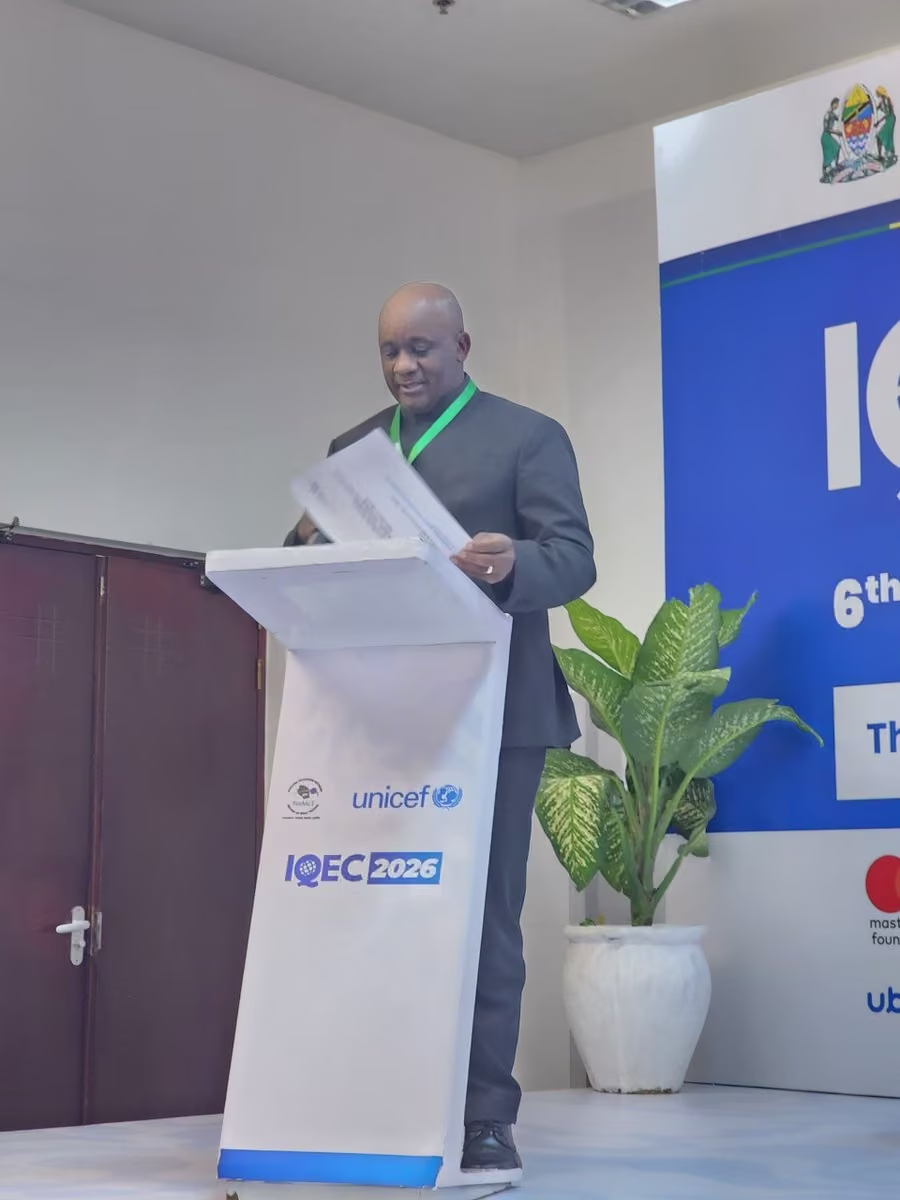

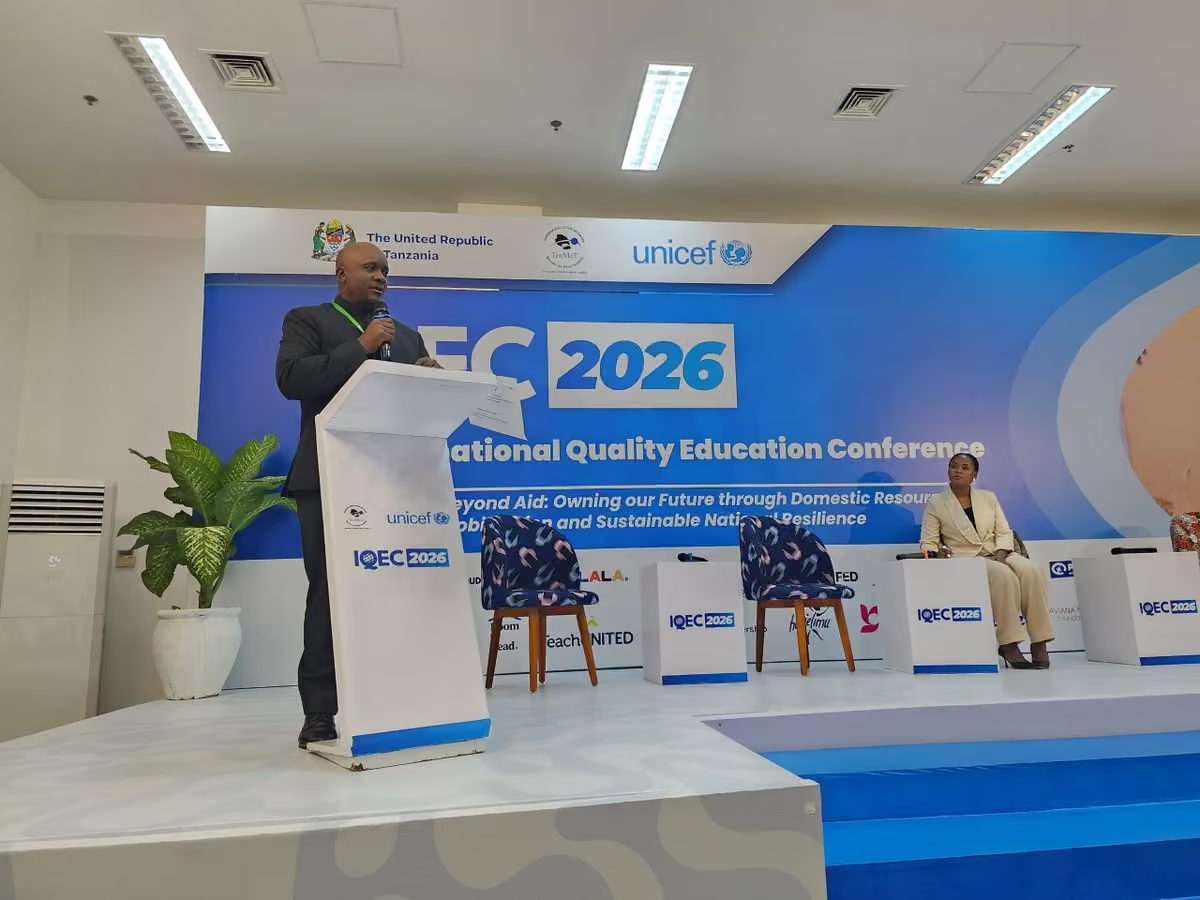


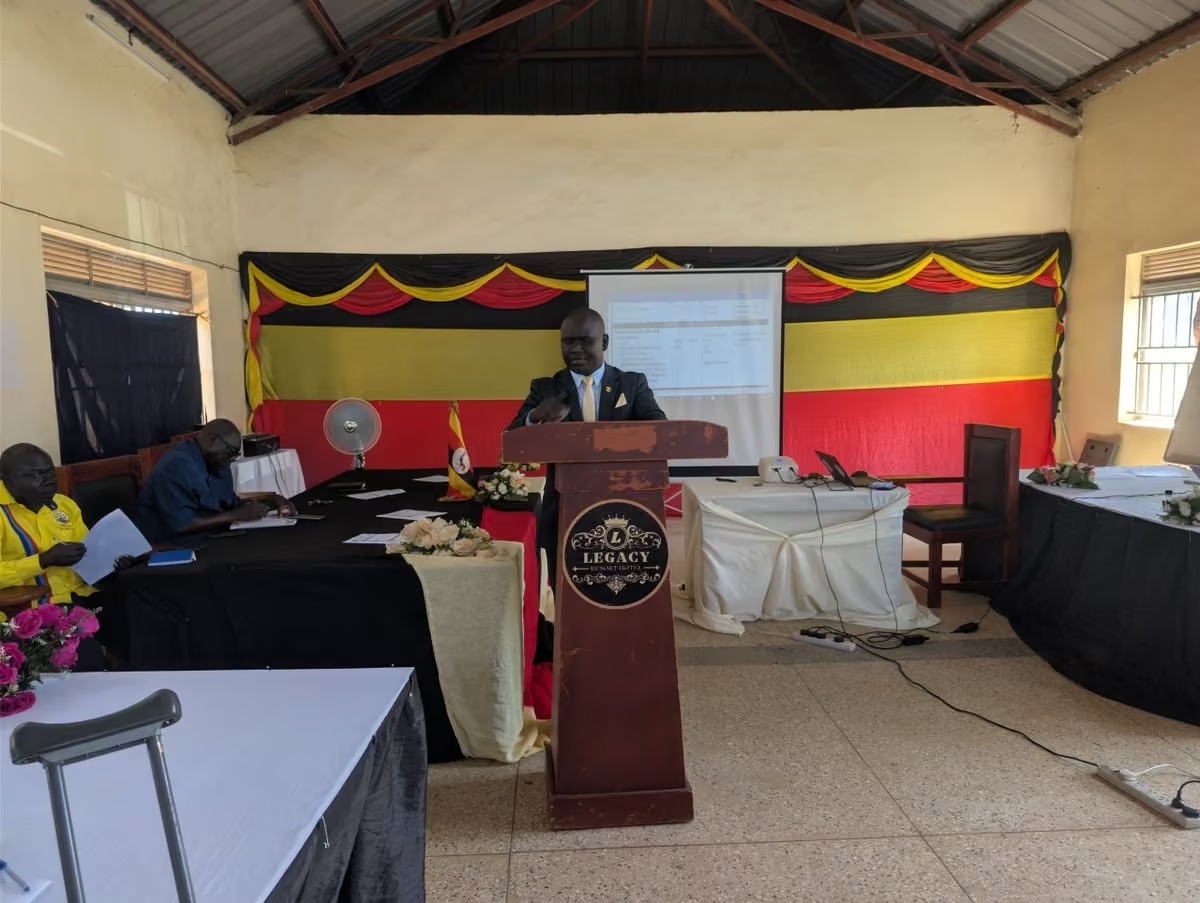


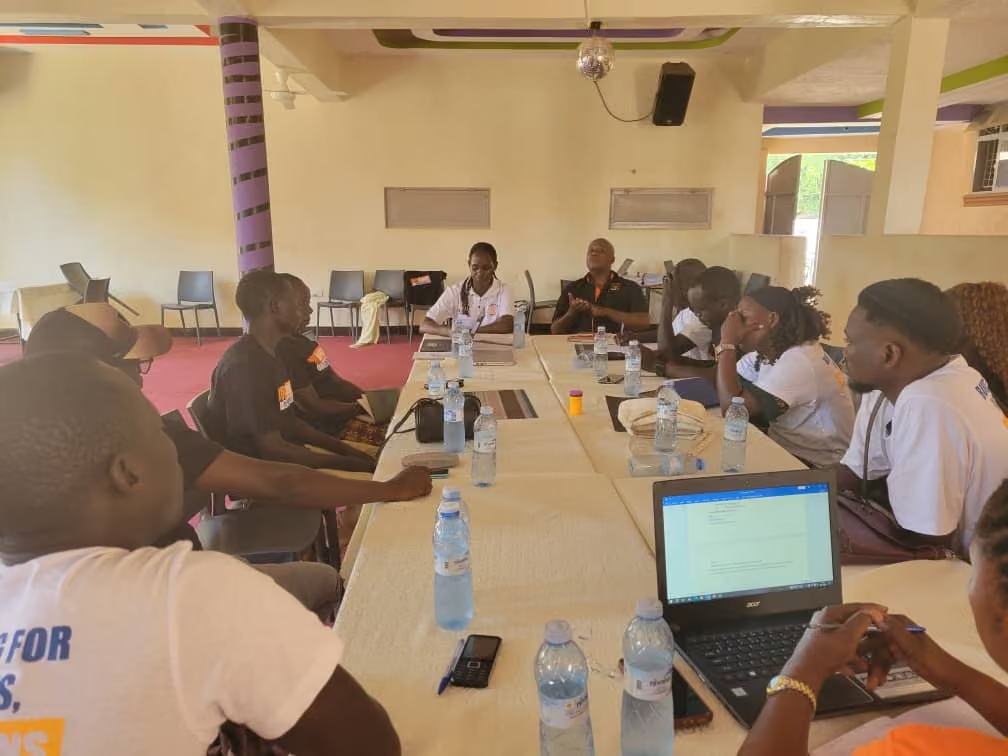


 Edna Milian🇧🇪
 Omia🌽


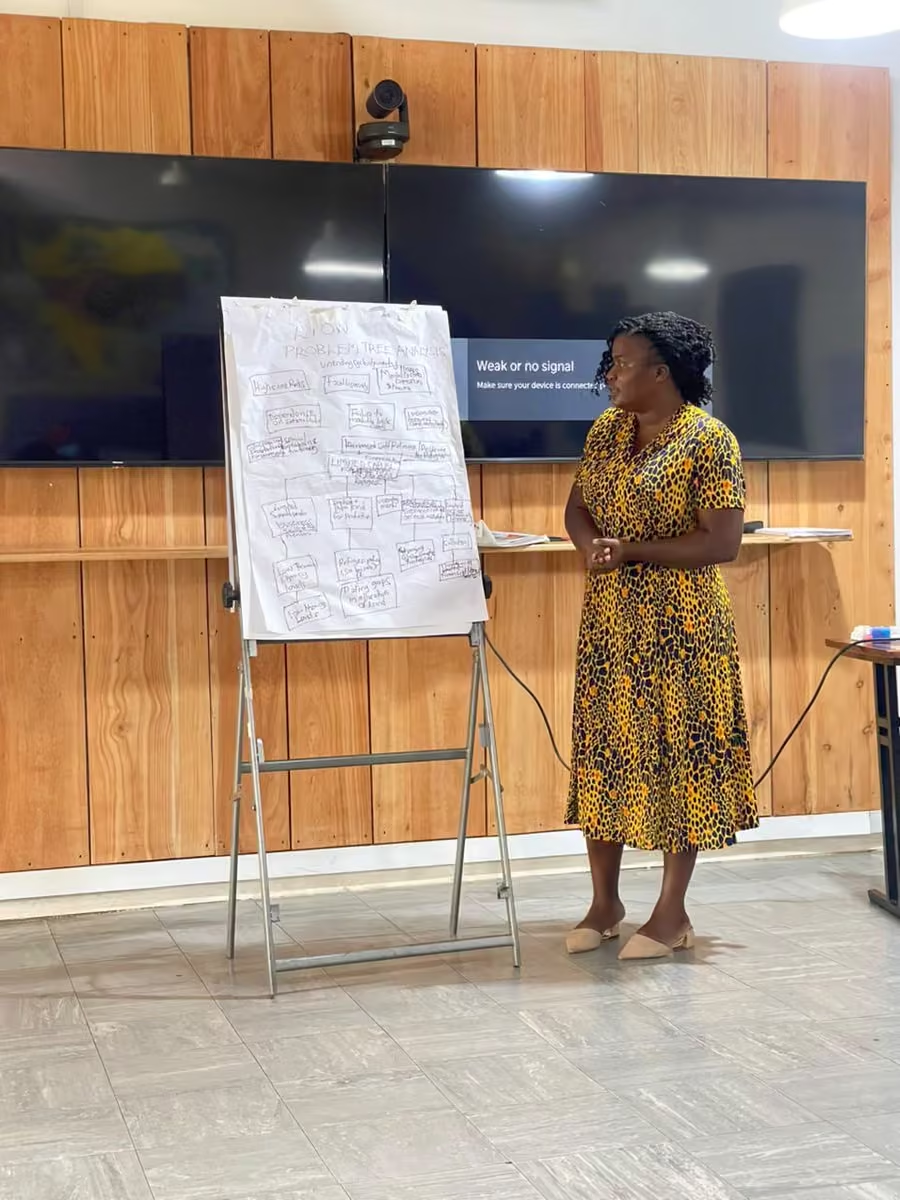

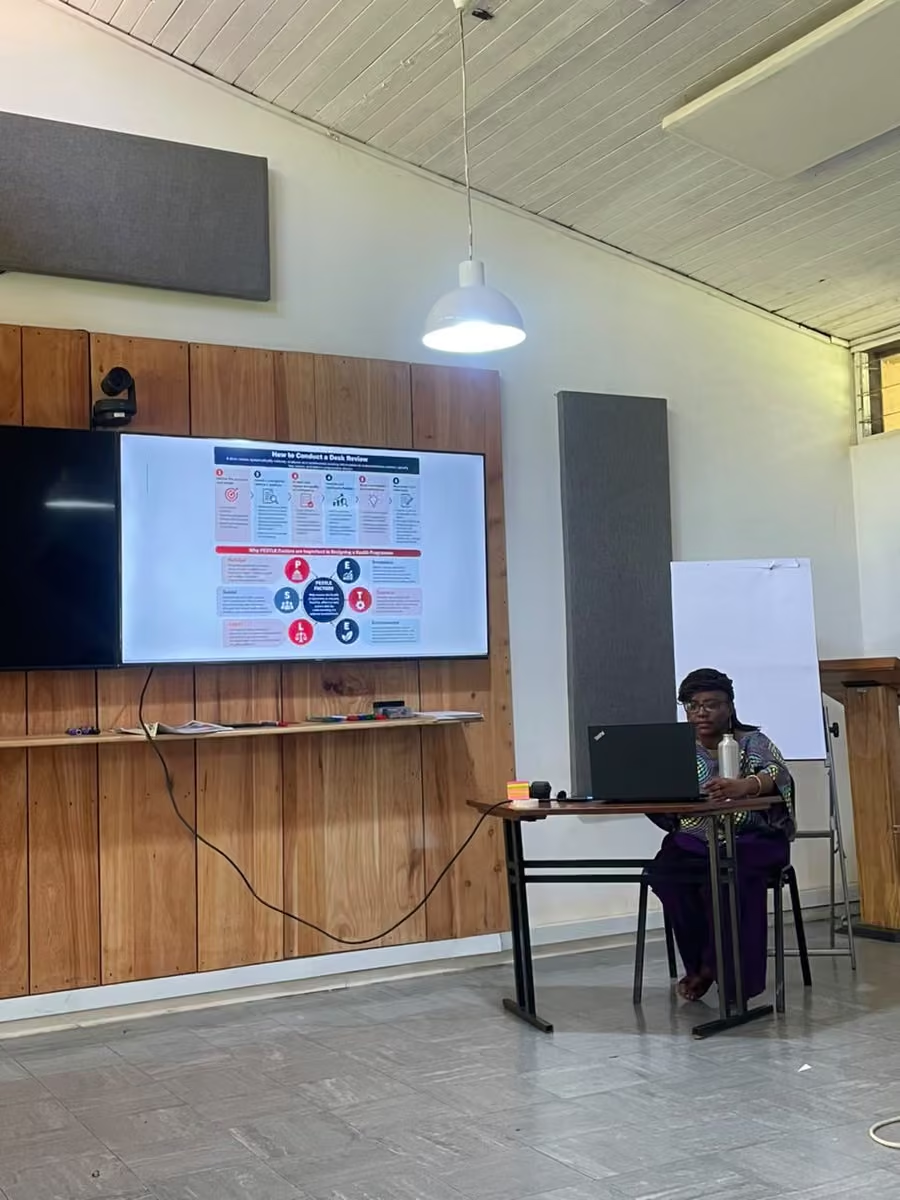


 Julius Mukunda - truth always counts!


 Samwise Gamgee


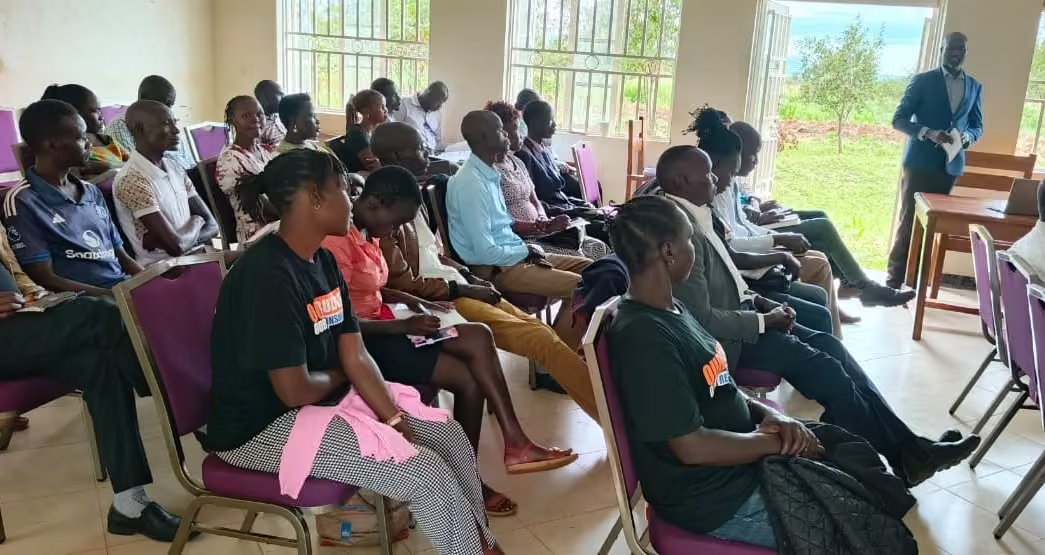
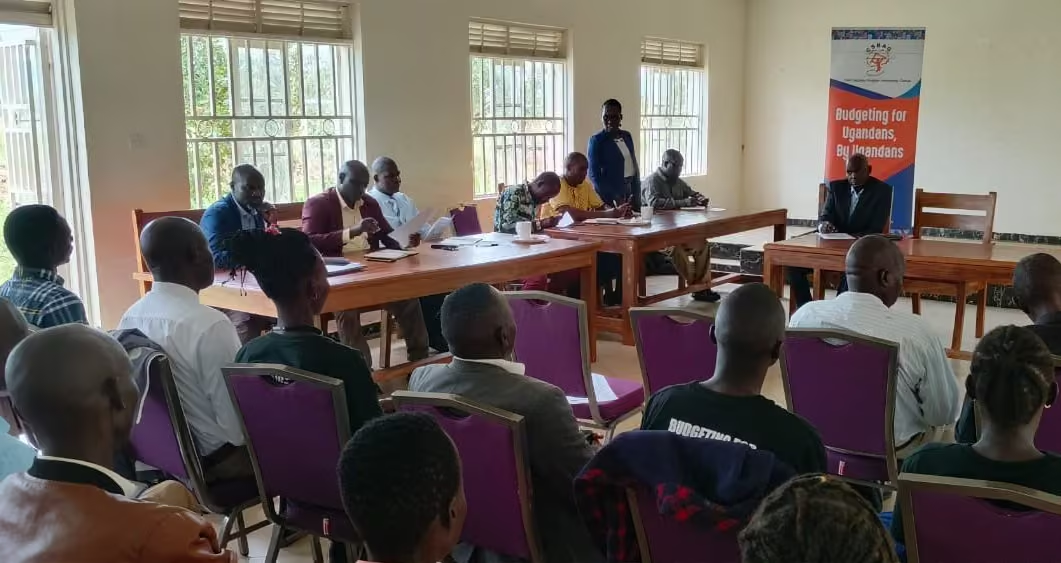


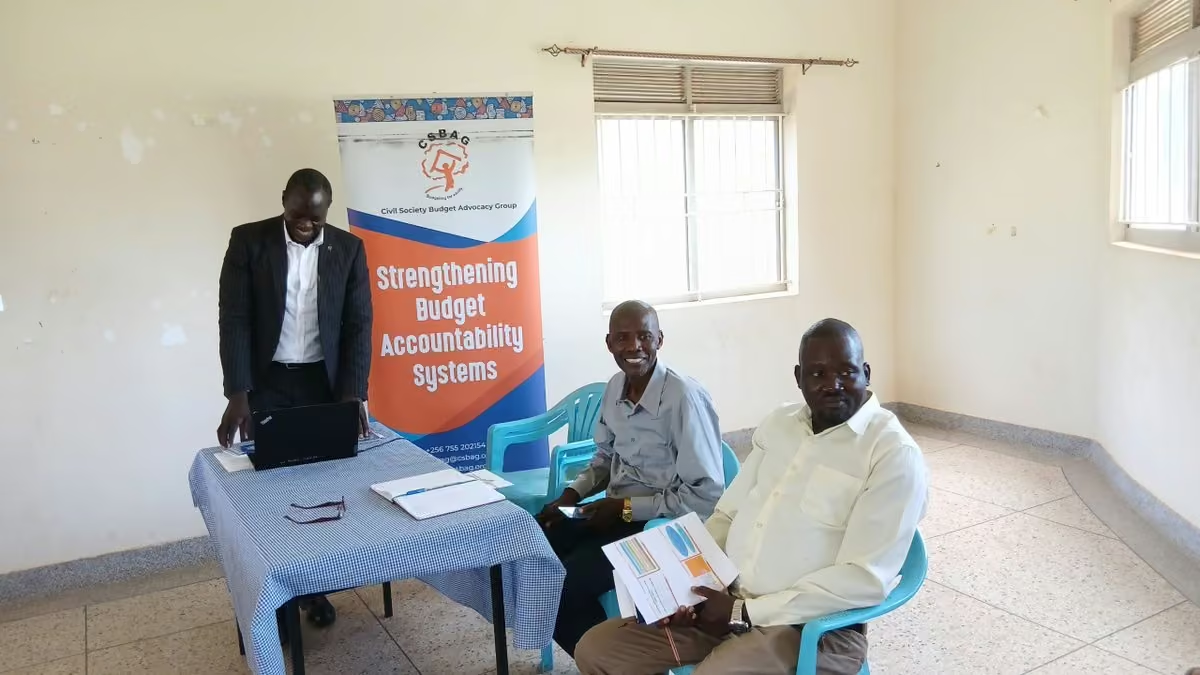
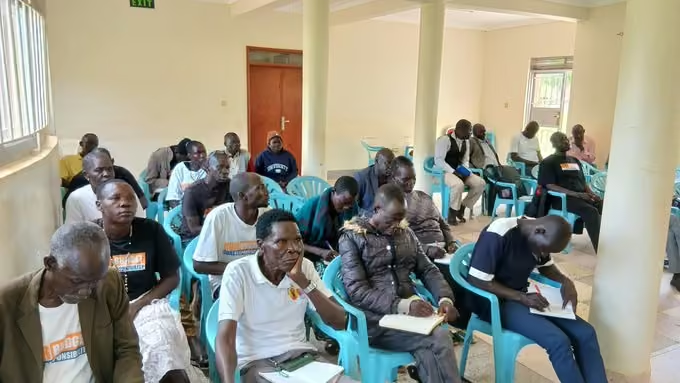


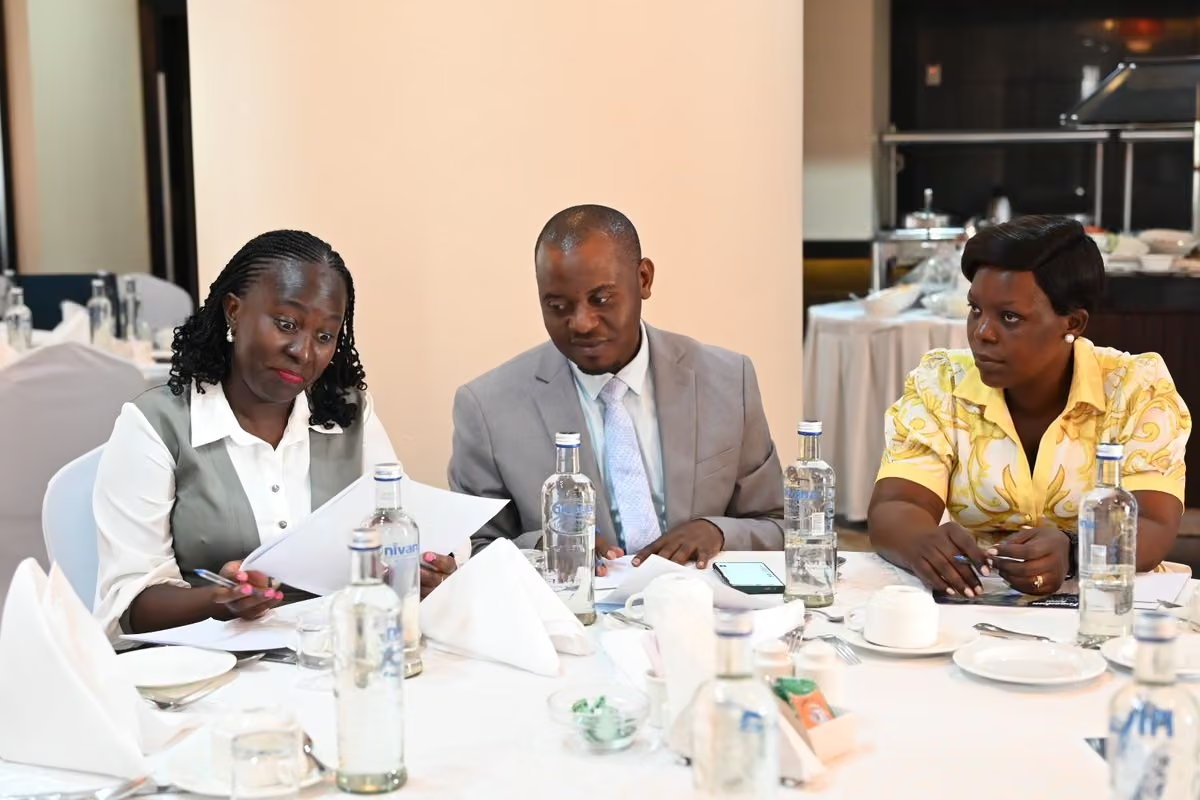


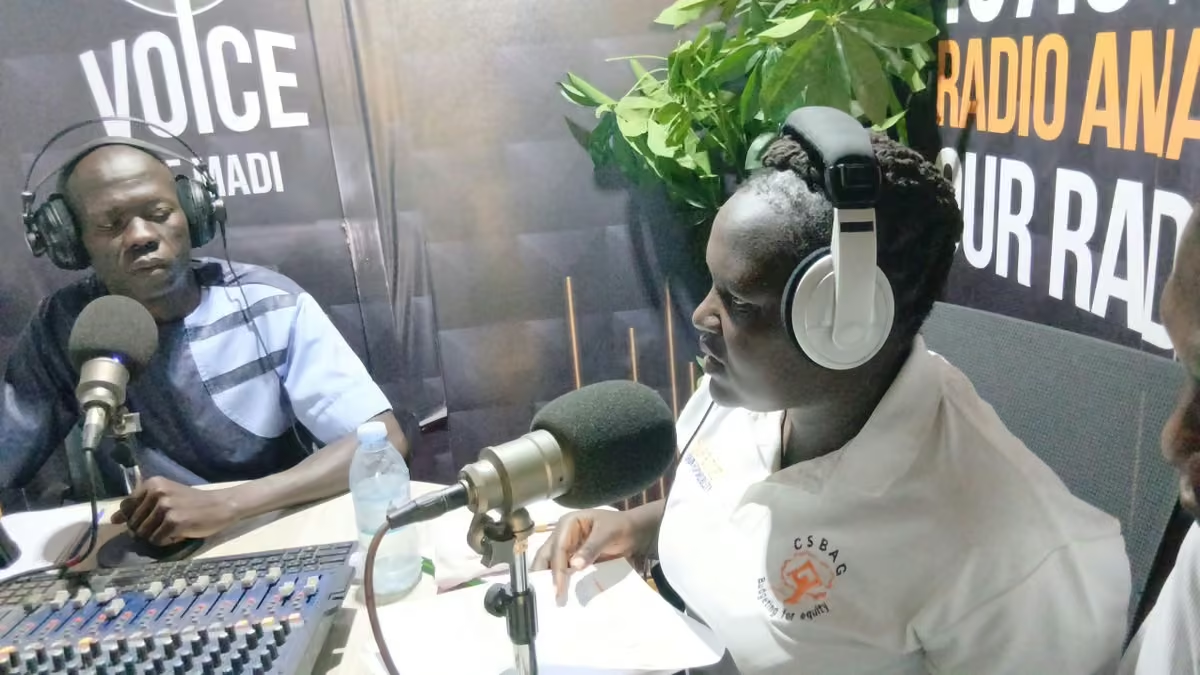
 Rwakakamba Morrison


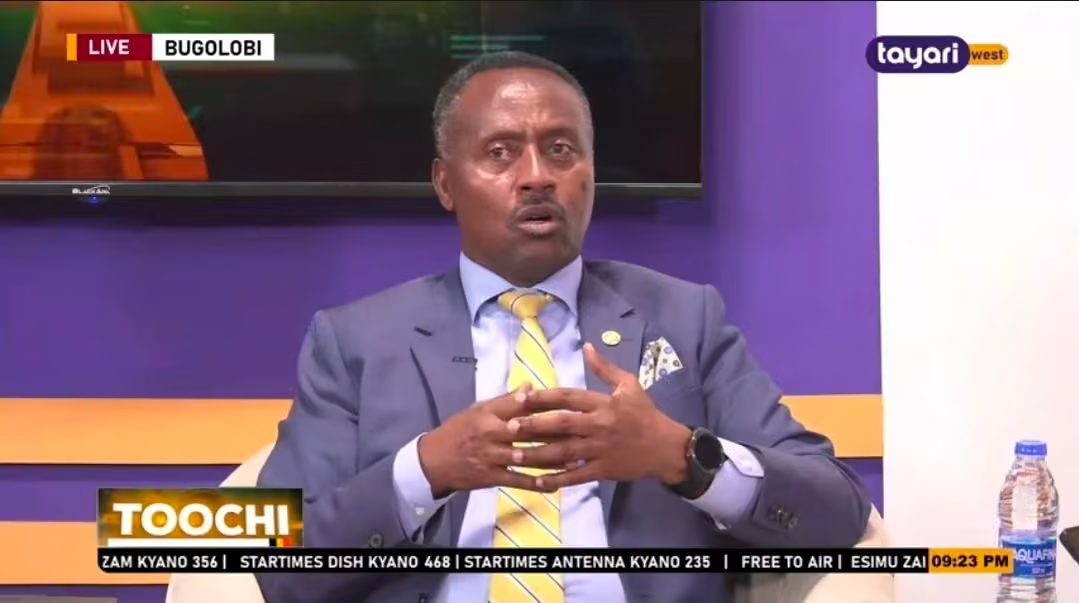


 Sabir Musa


 Carol Namagembe


 Shaka


 Elliot Orizaarwa


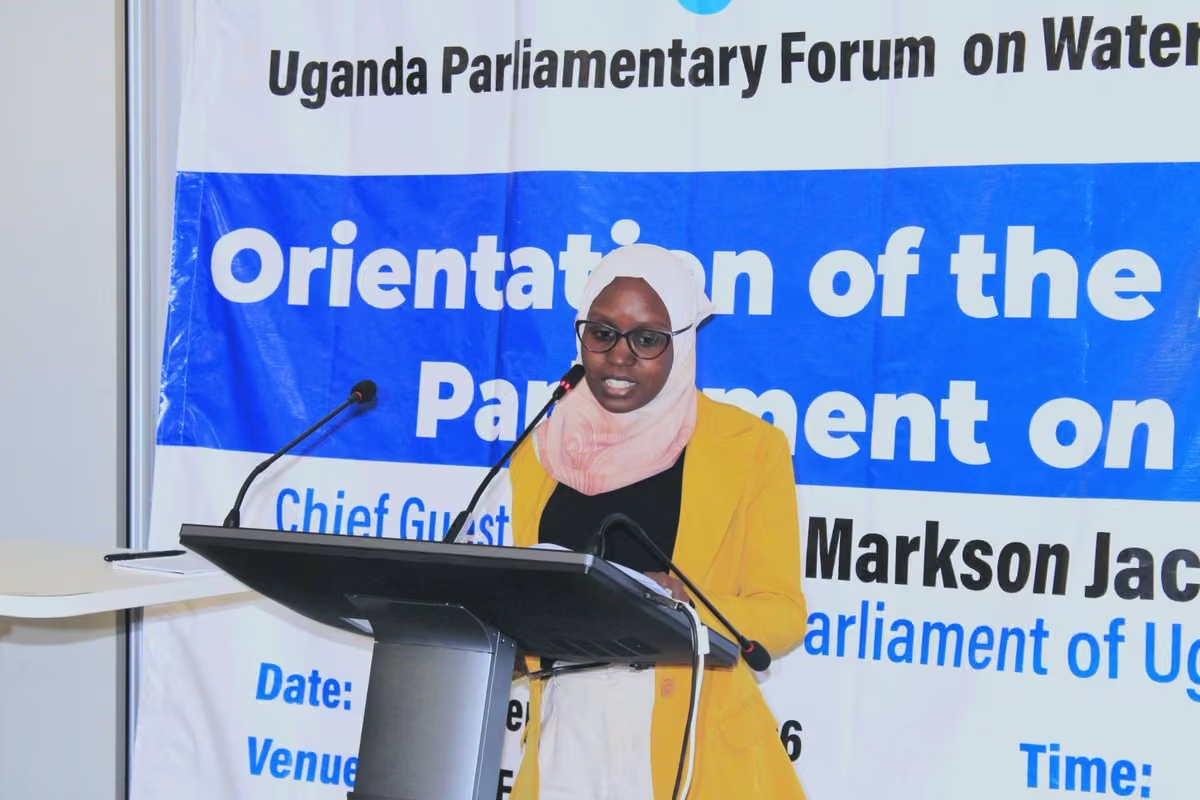


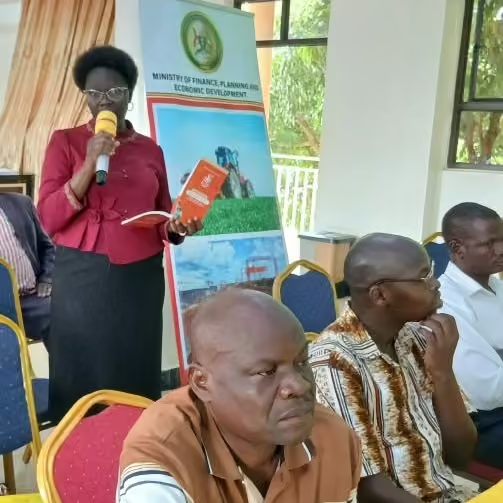


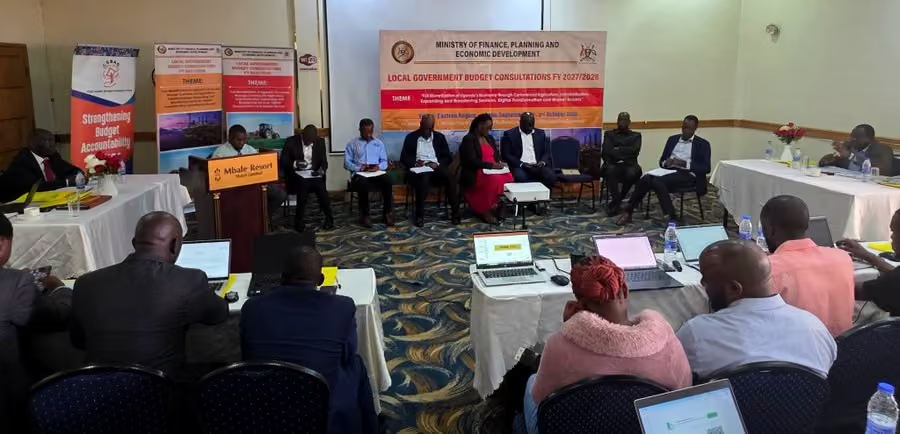


 ISER Uganda


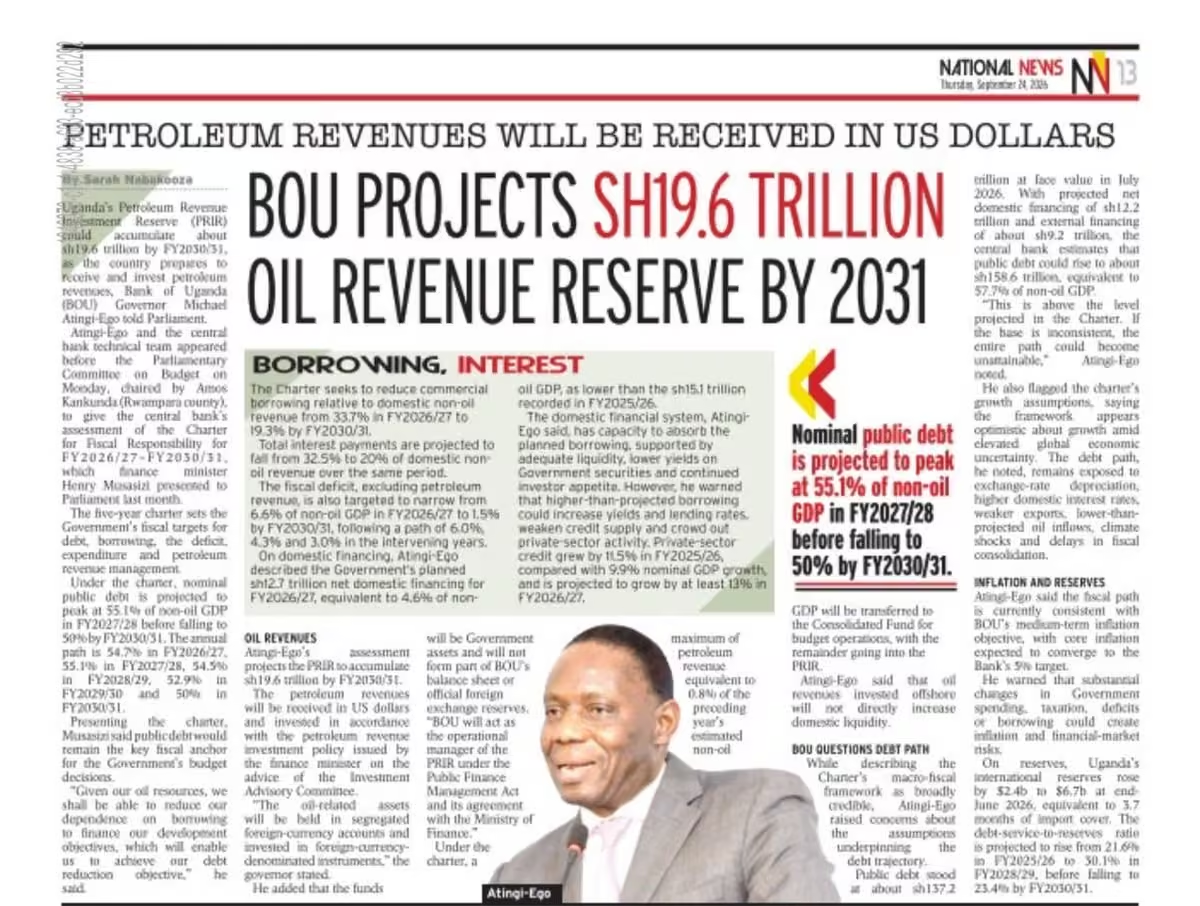


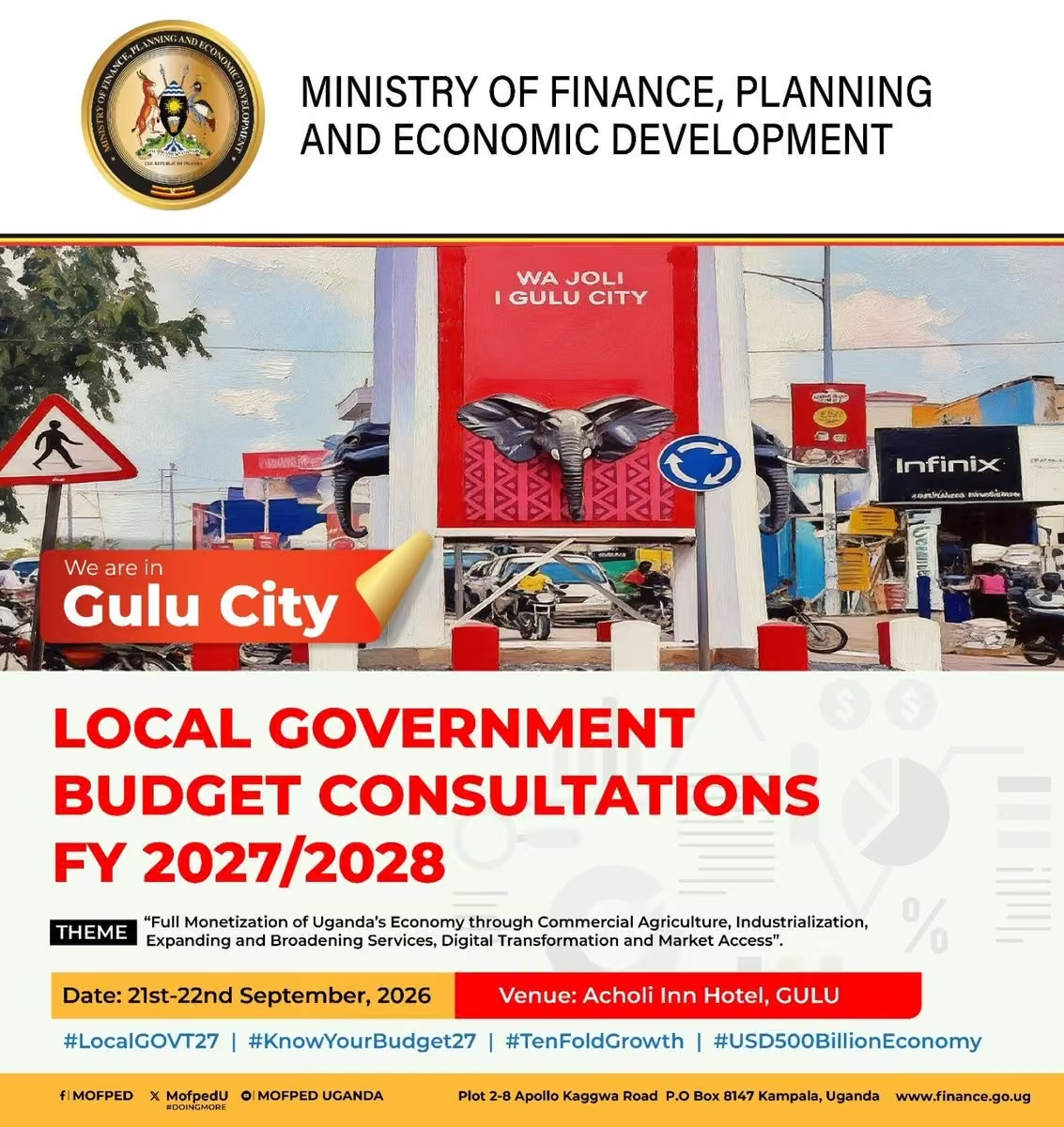


 Ashraf🤺


 Hon.Kankunda Amos


 Raising Teenagers Uganda🇺🇬


 Government of Uganda


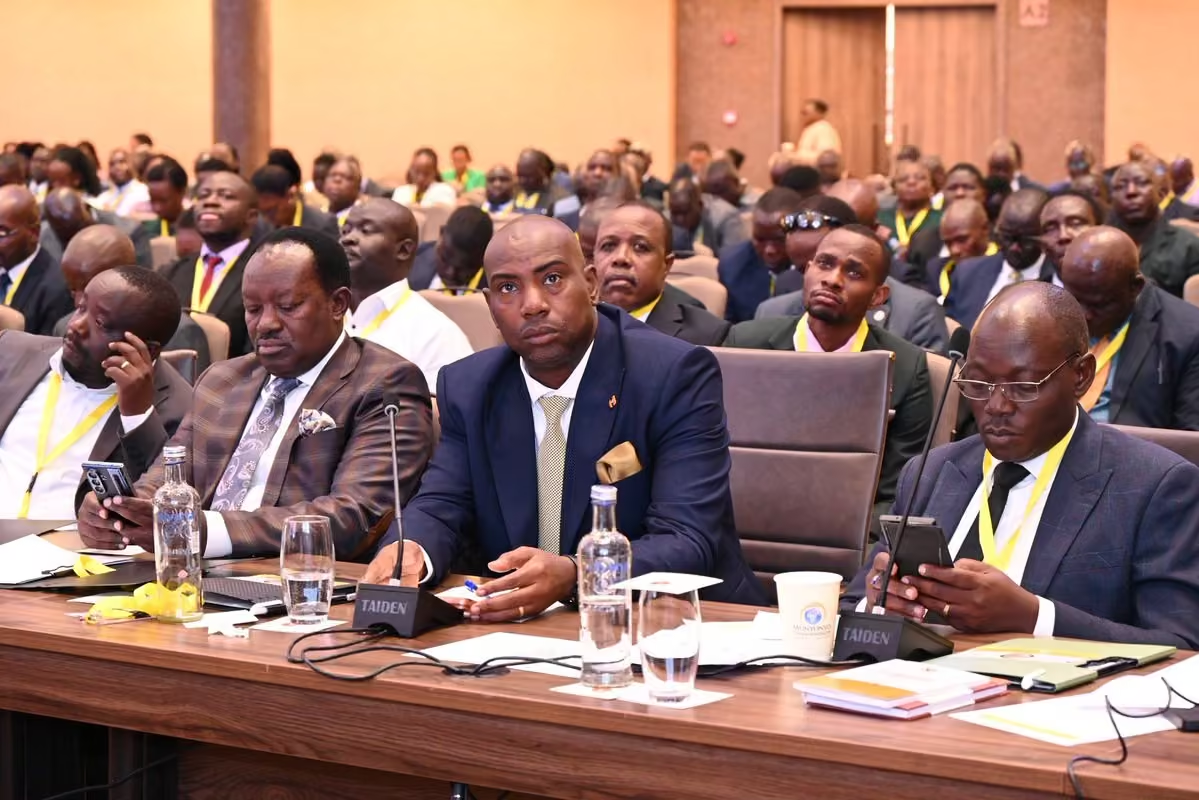


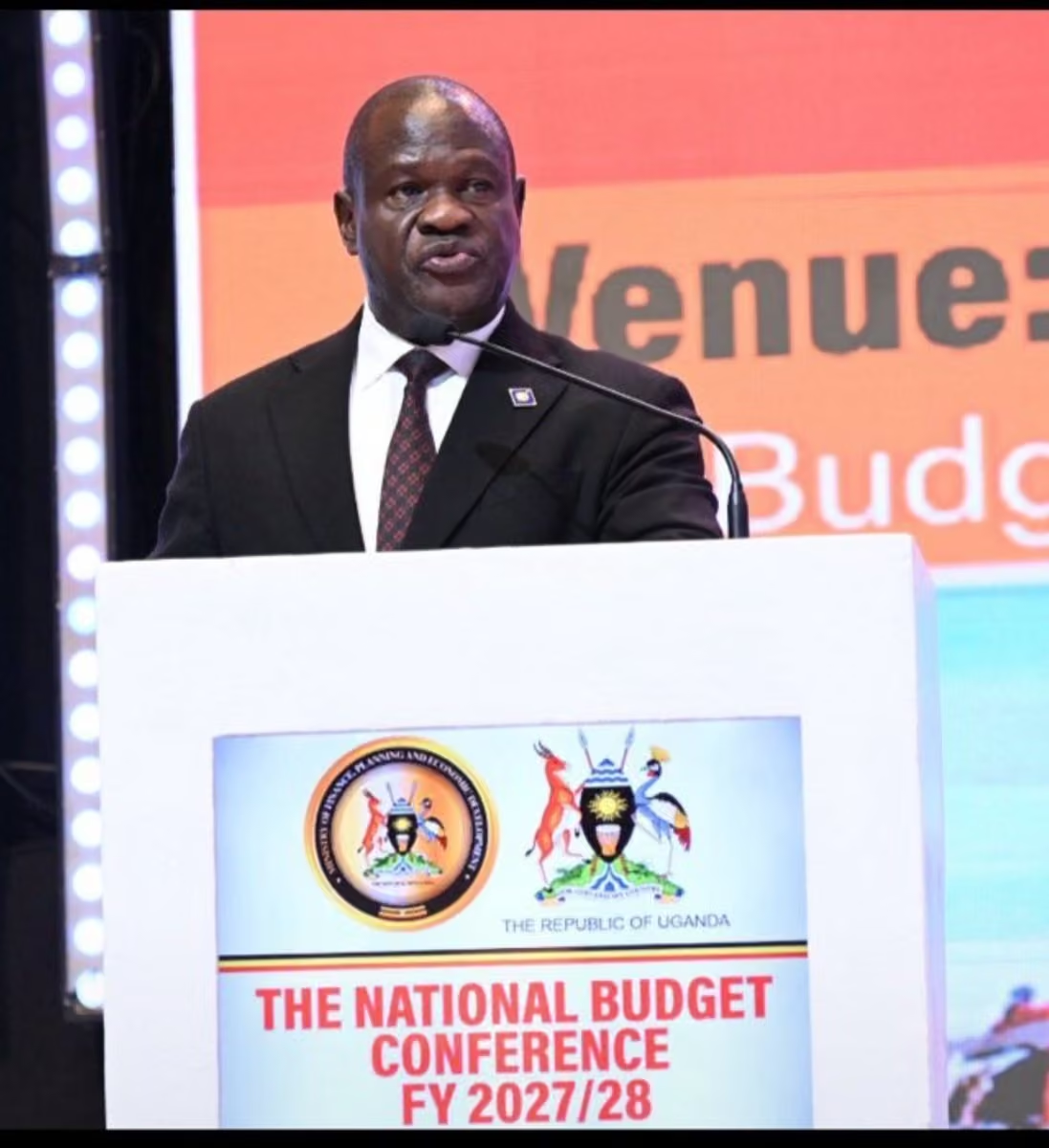

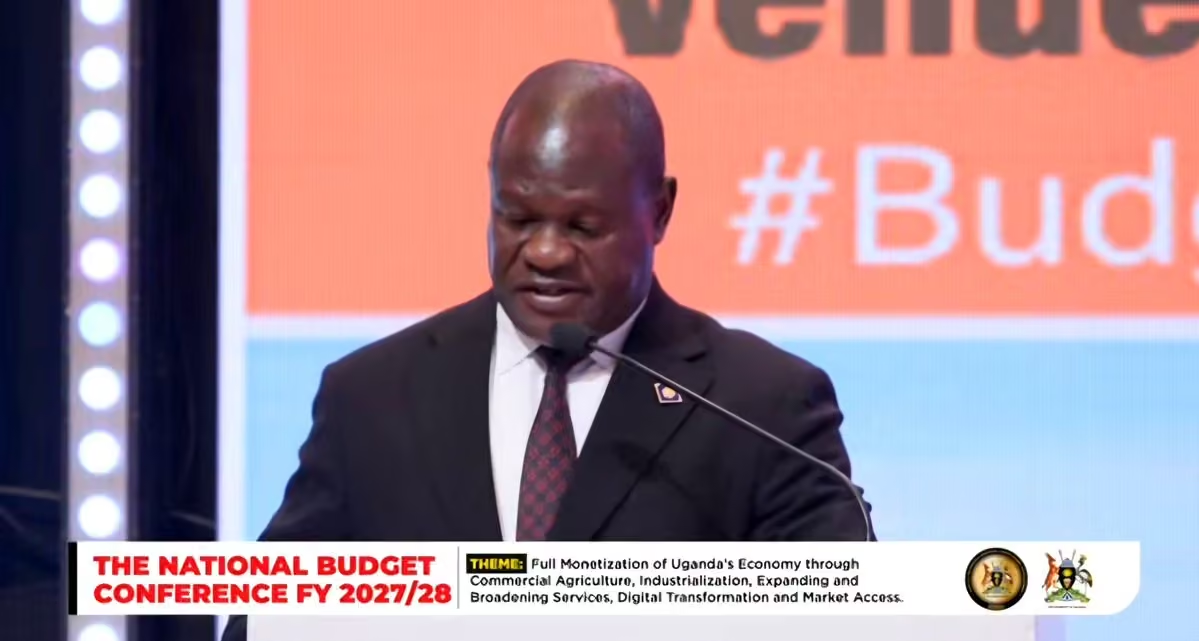
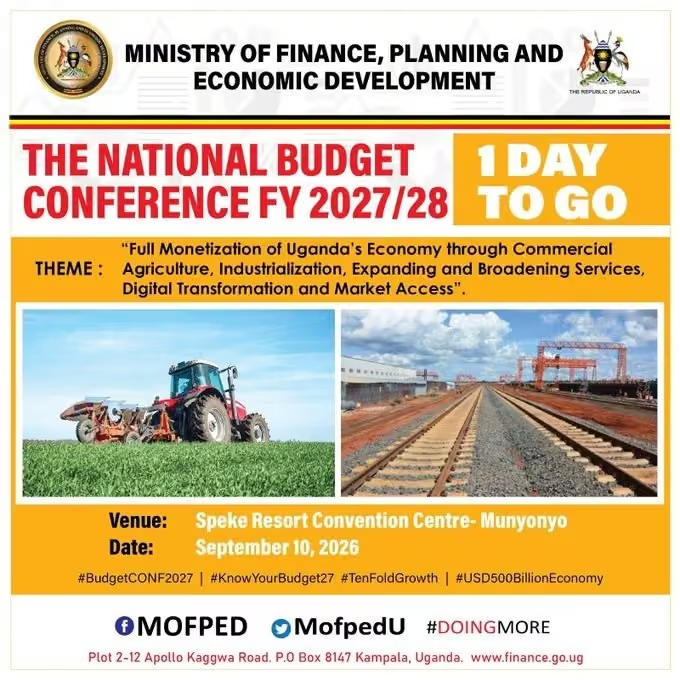


 Ronald Musoke
 The Independent


 The New Vision


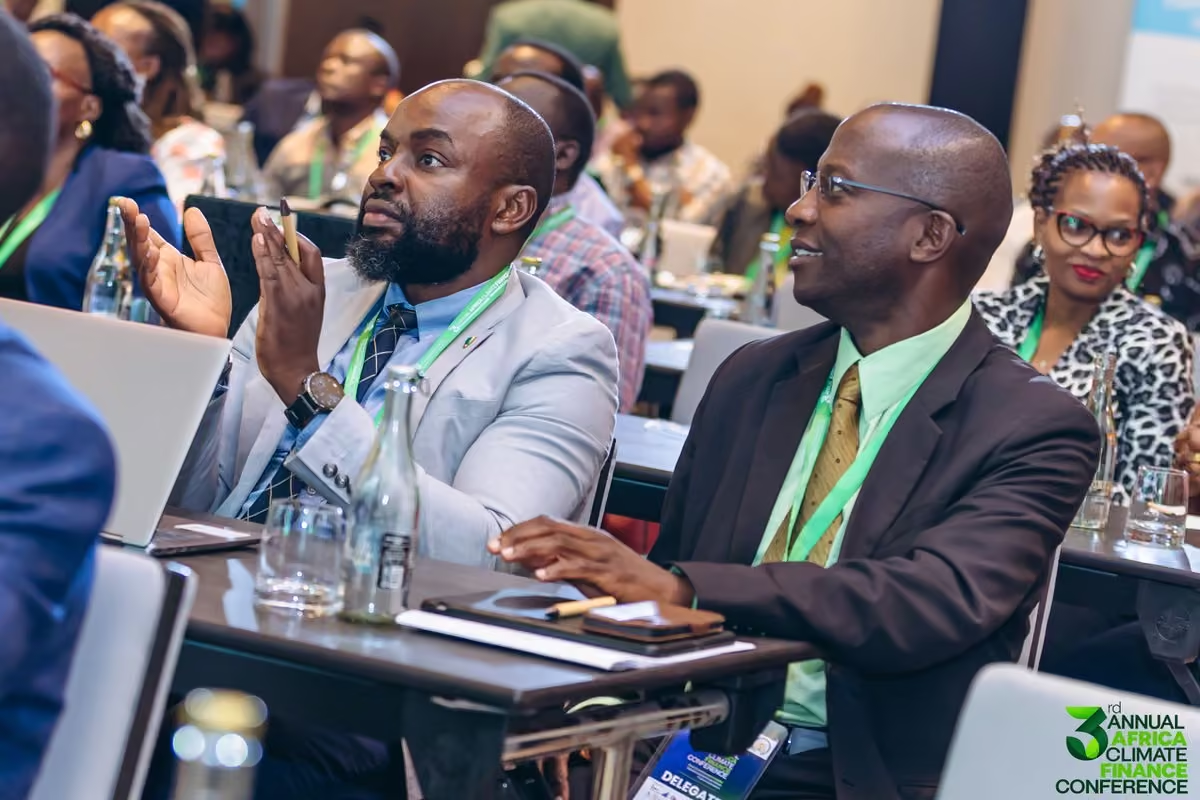


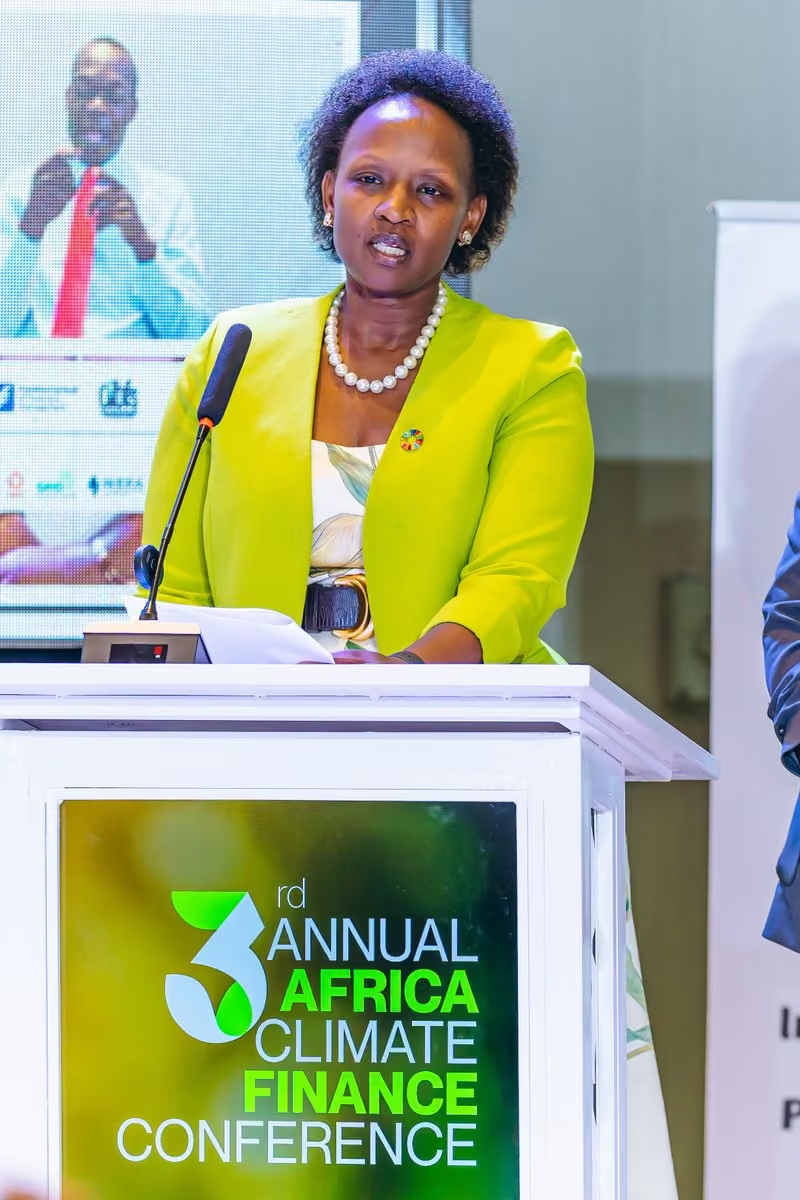


 Peer To Peer Uganda (PEERU)


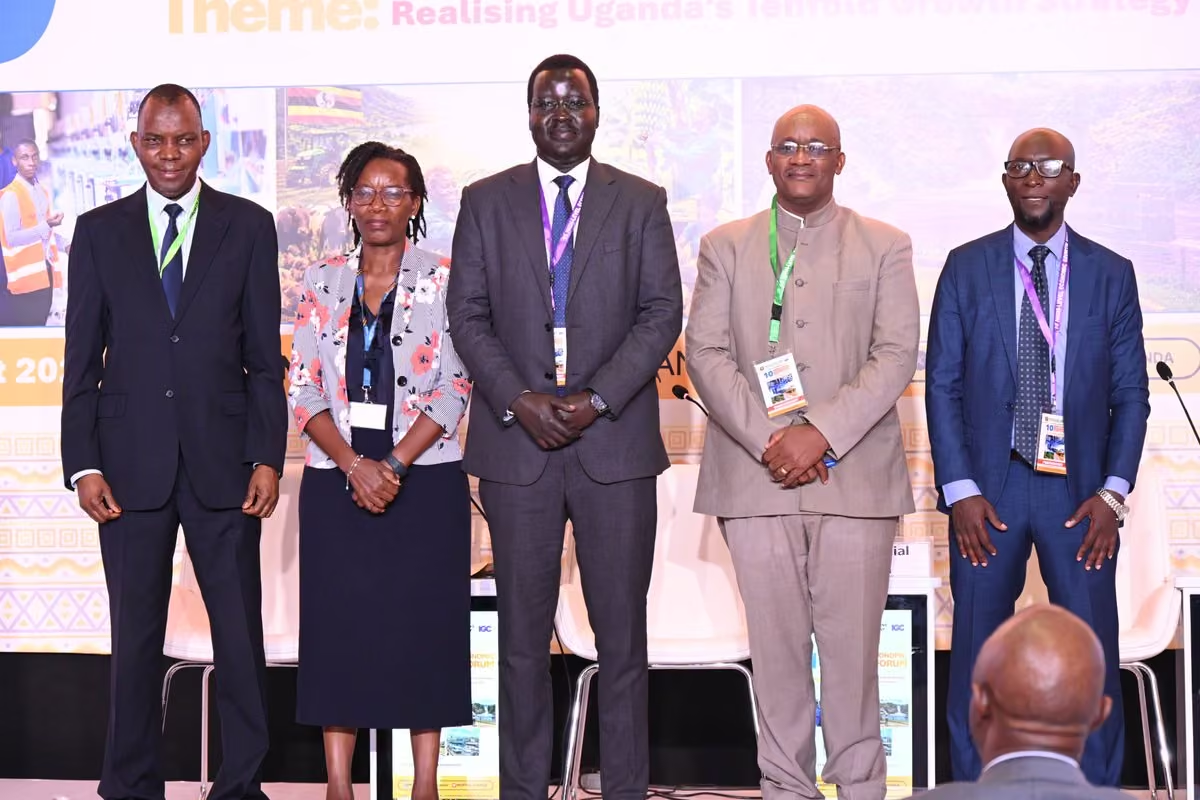


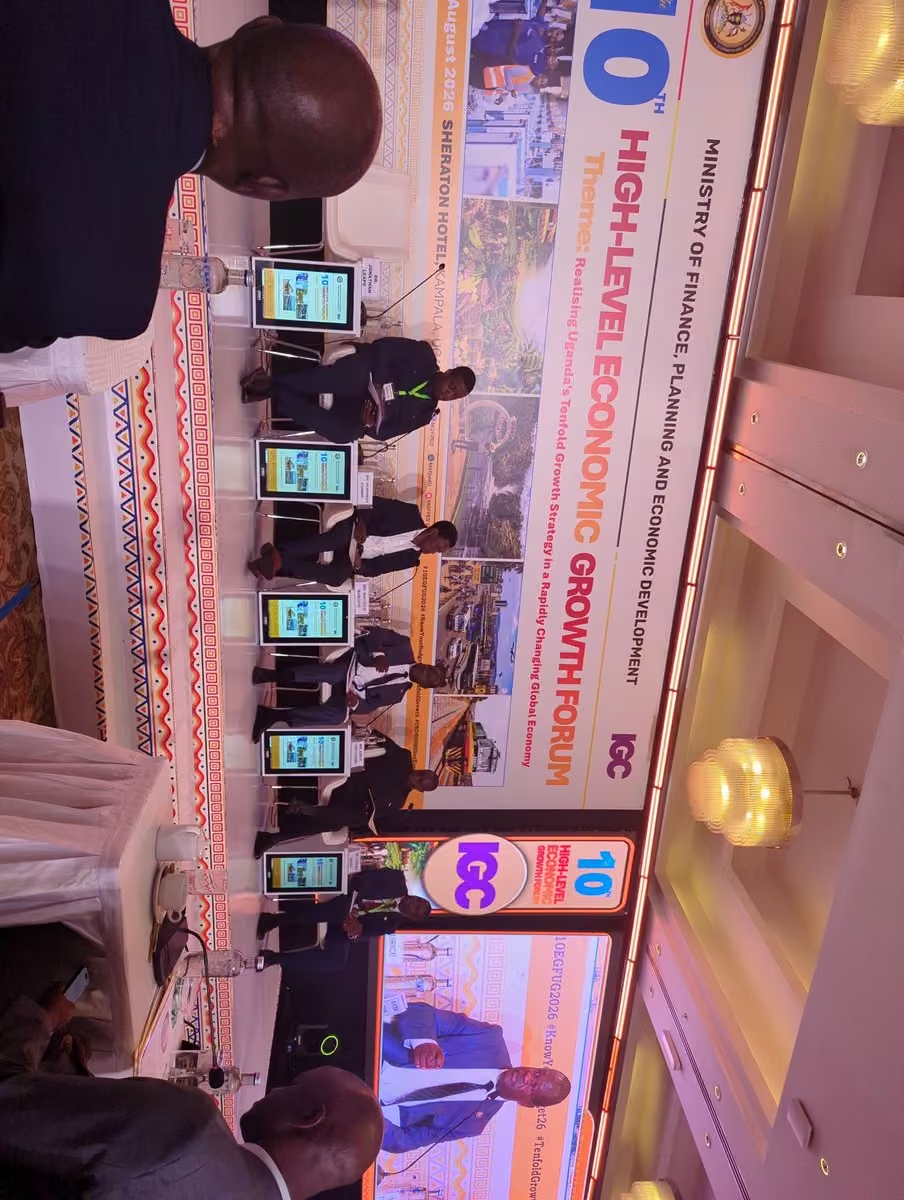


 Mc Tumu


 World Vision Uganda


 Jeff Gidaguyi Wadulo


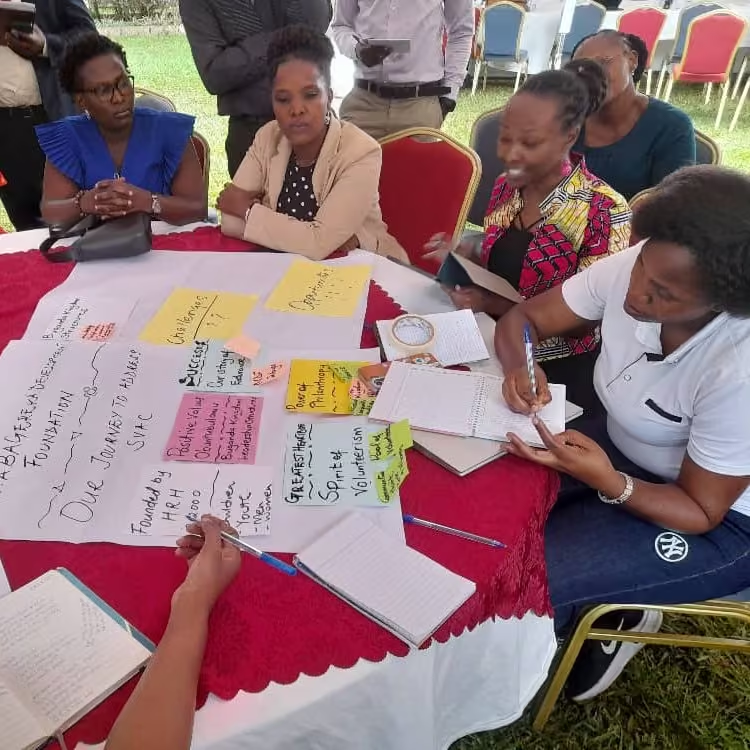

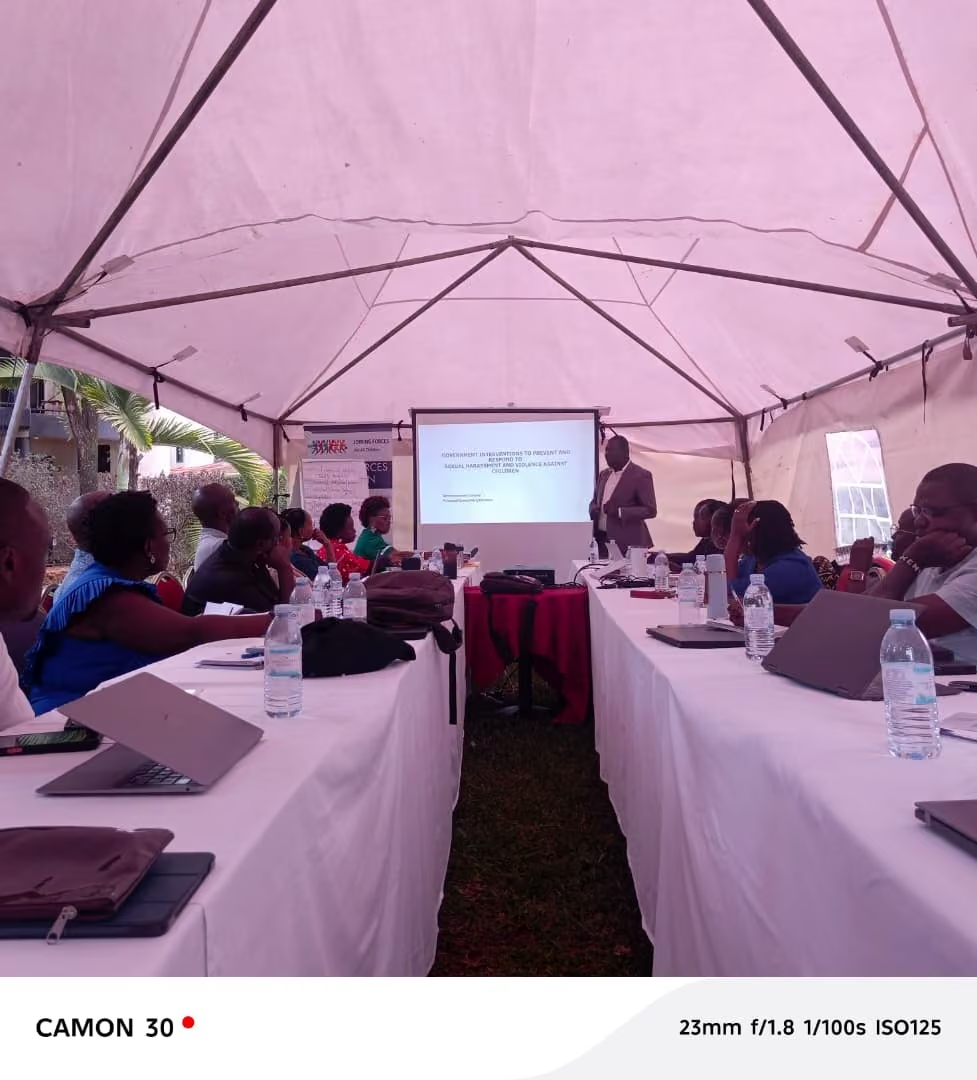
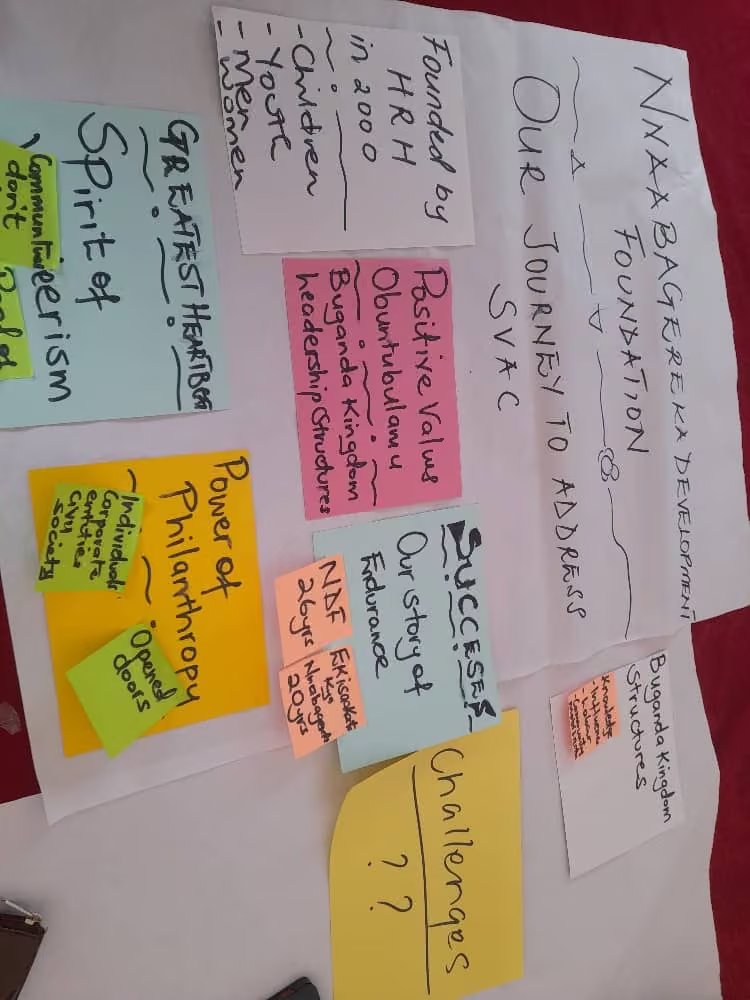


 KWIDUg.org


 UBC RADIO UGANDA


 Aine Onan(BSWASA,MPPM,CPPM,C RH&GBV)


 Wilmat Development Foundation


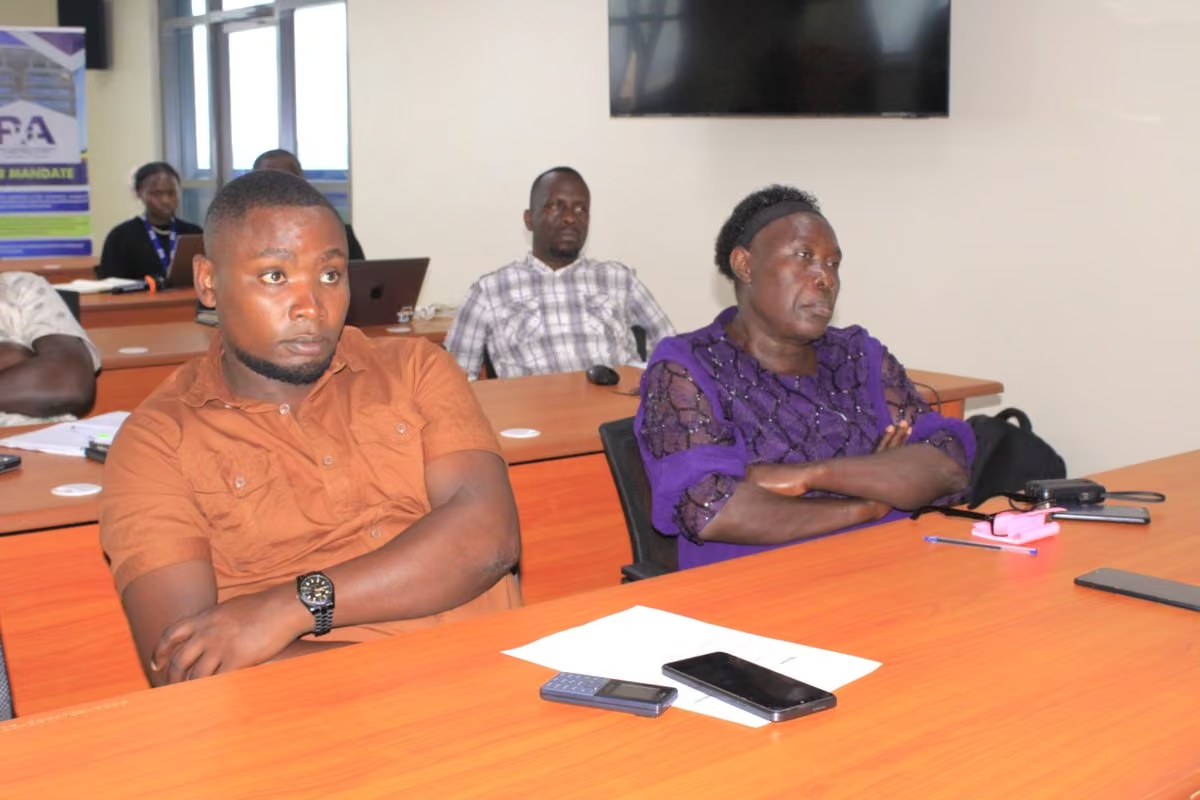
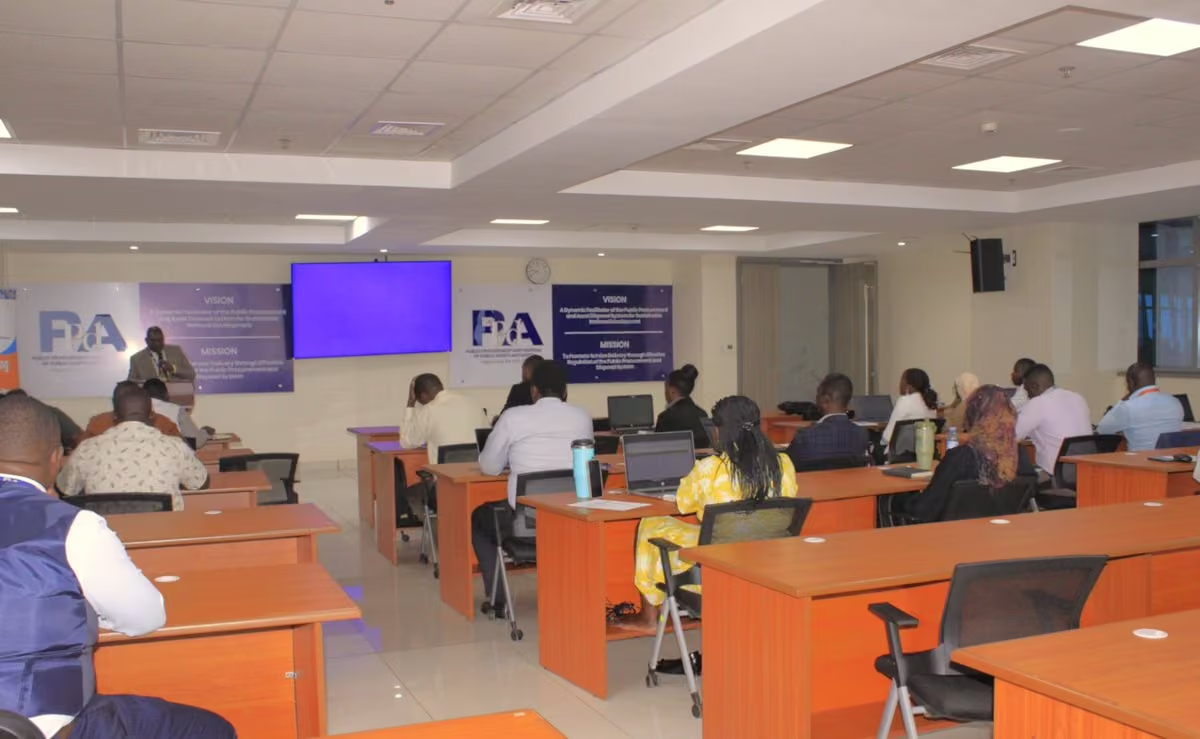


 Ambassador of Sweden


 Tayari West TV


 Manuella Peggy


 Local Government Finance Commission


 Parliament Watch


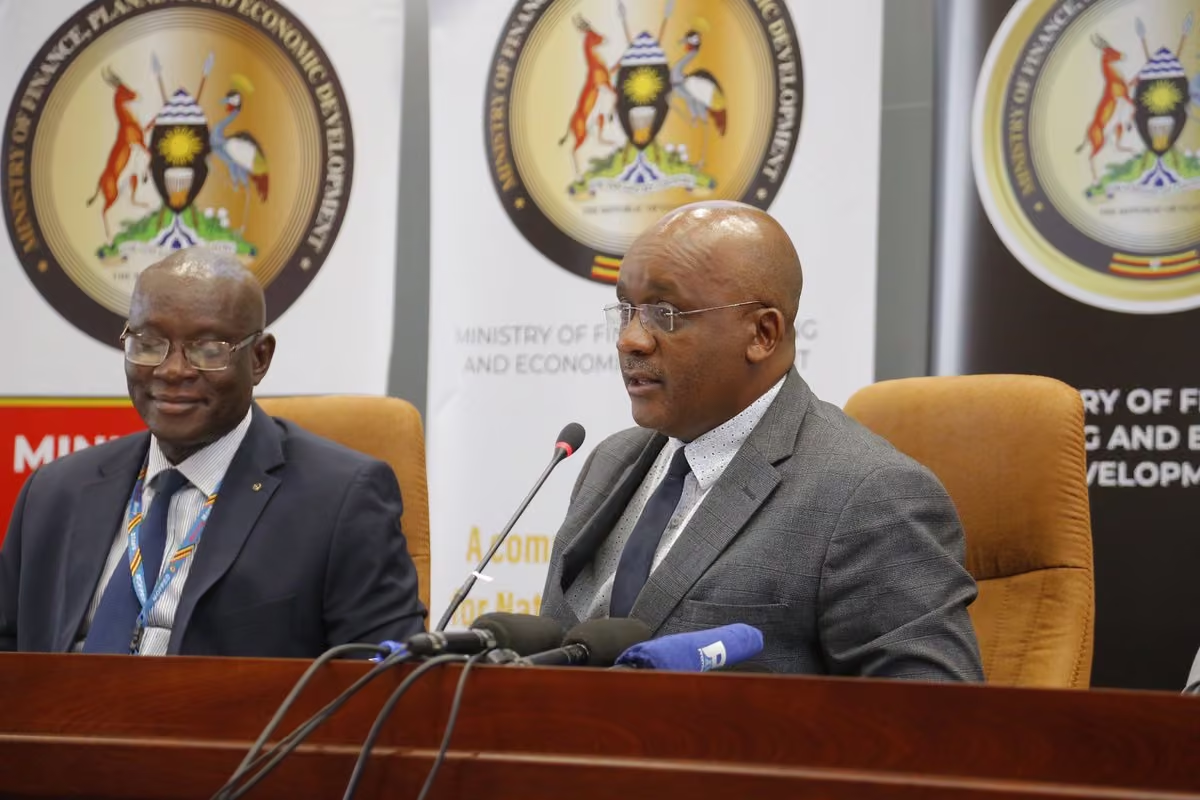
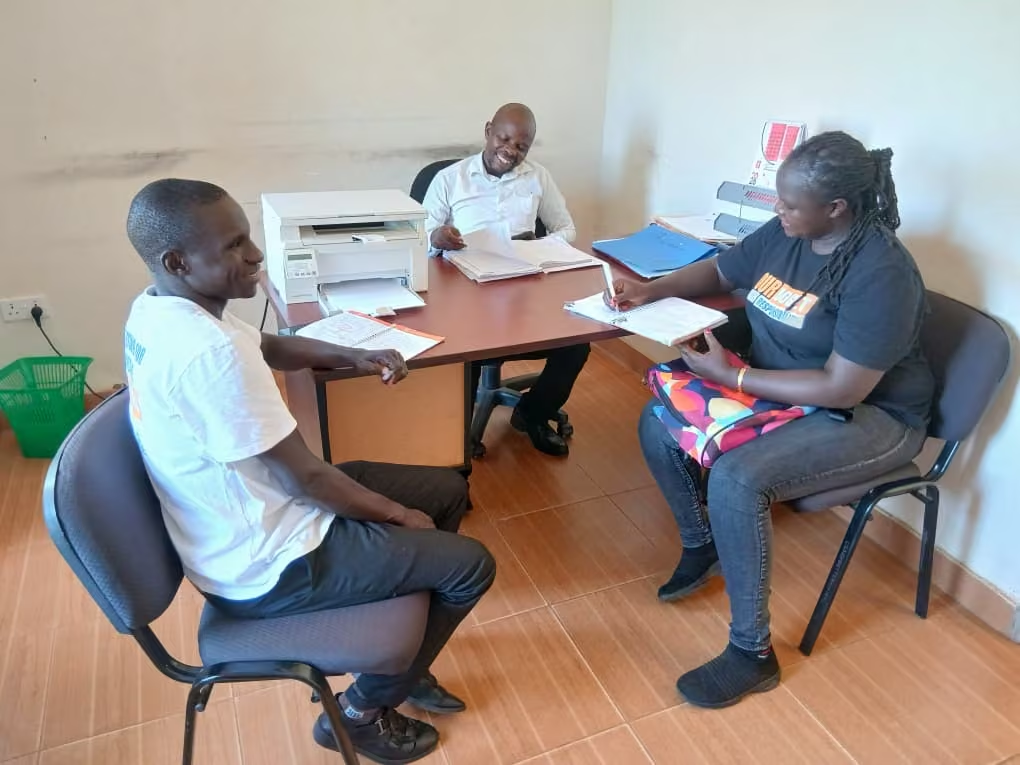


 Jacqueline Asiimwe
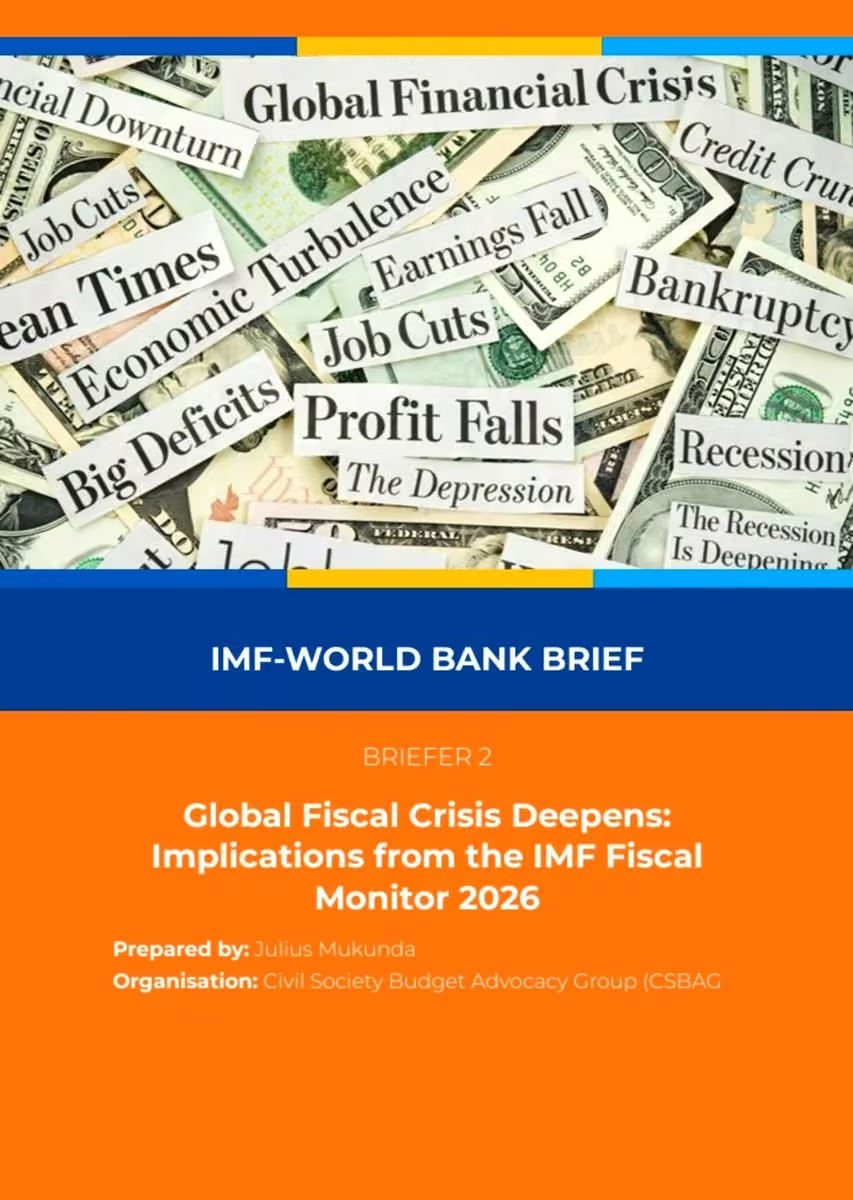


 AHF Uganda Cares


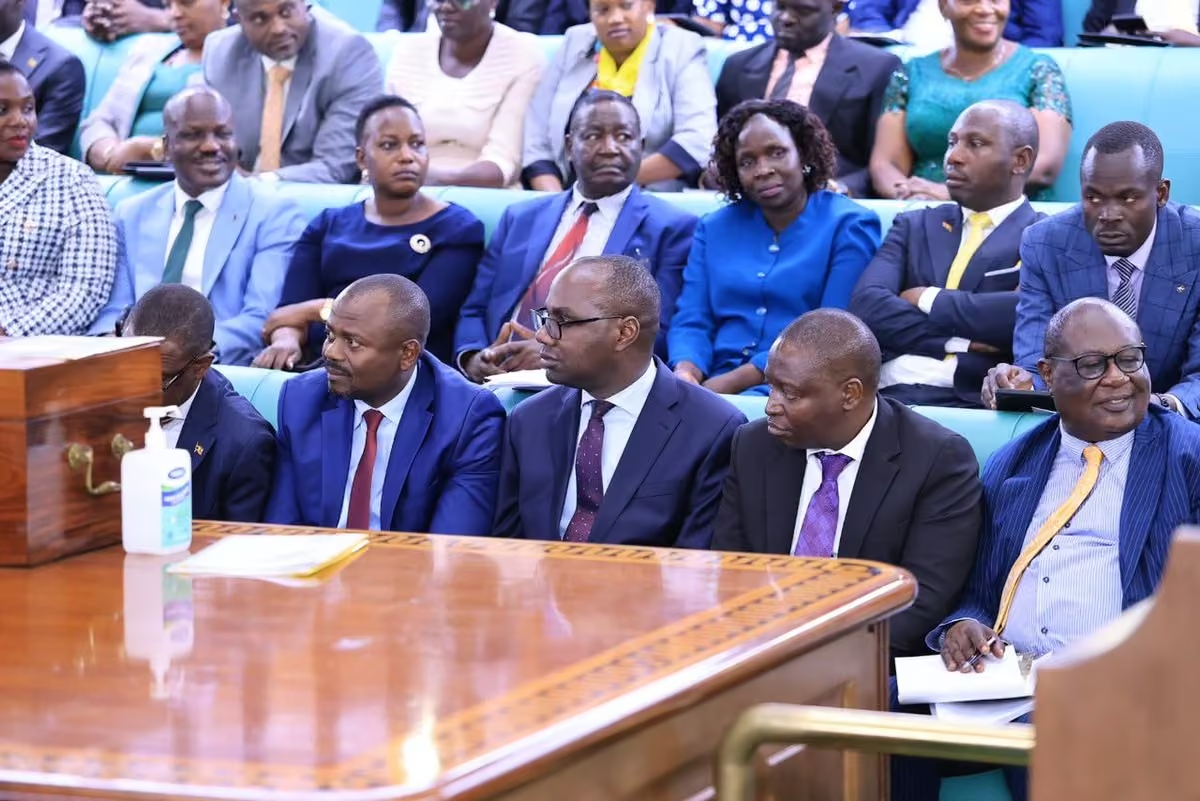
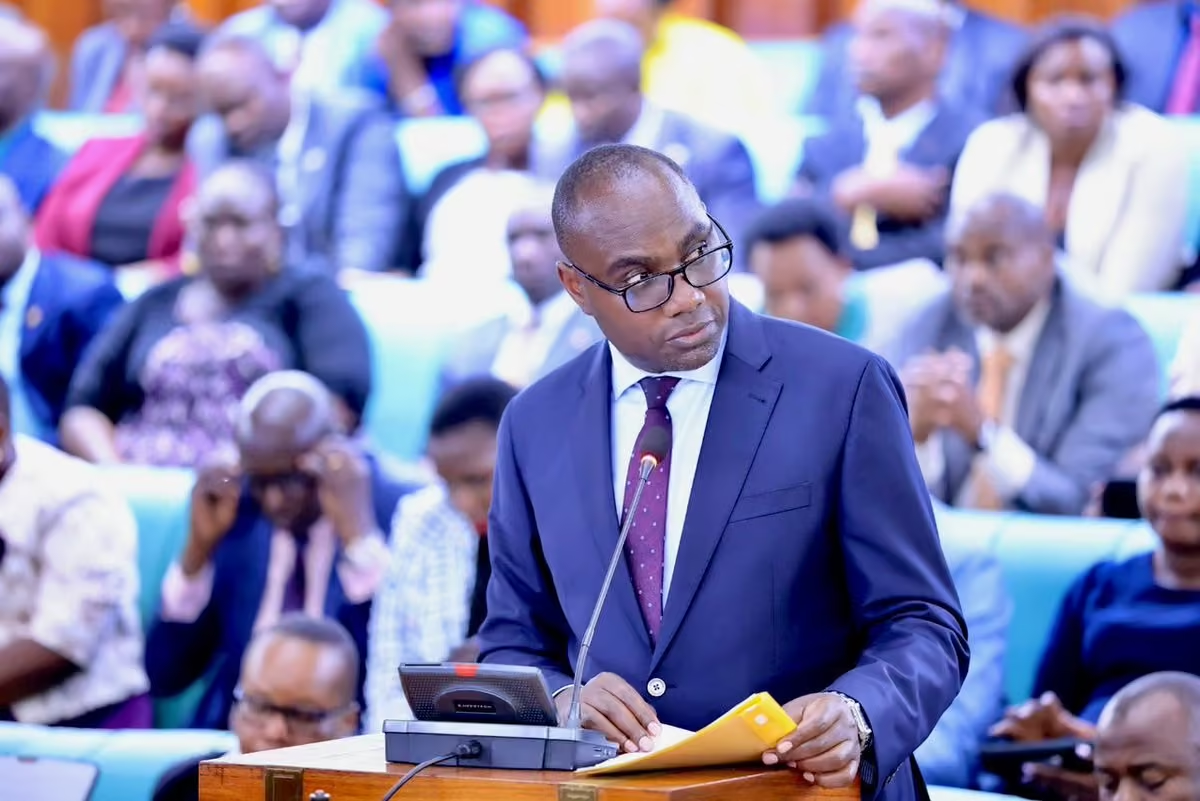


 Nakiyi Julius


 The Electoral Commission - Uganda


 Private Sector Foundation Uganda


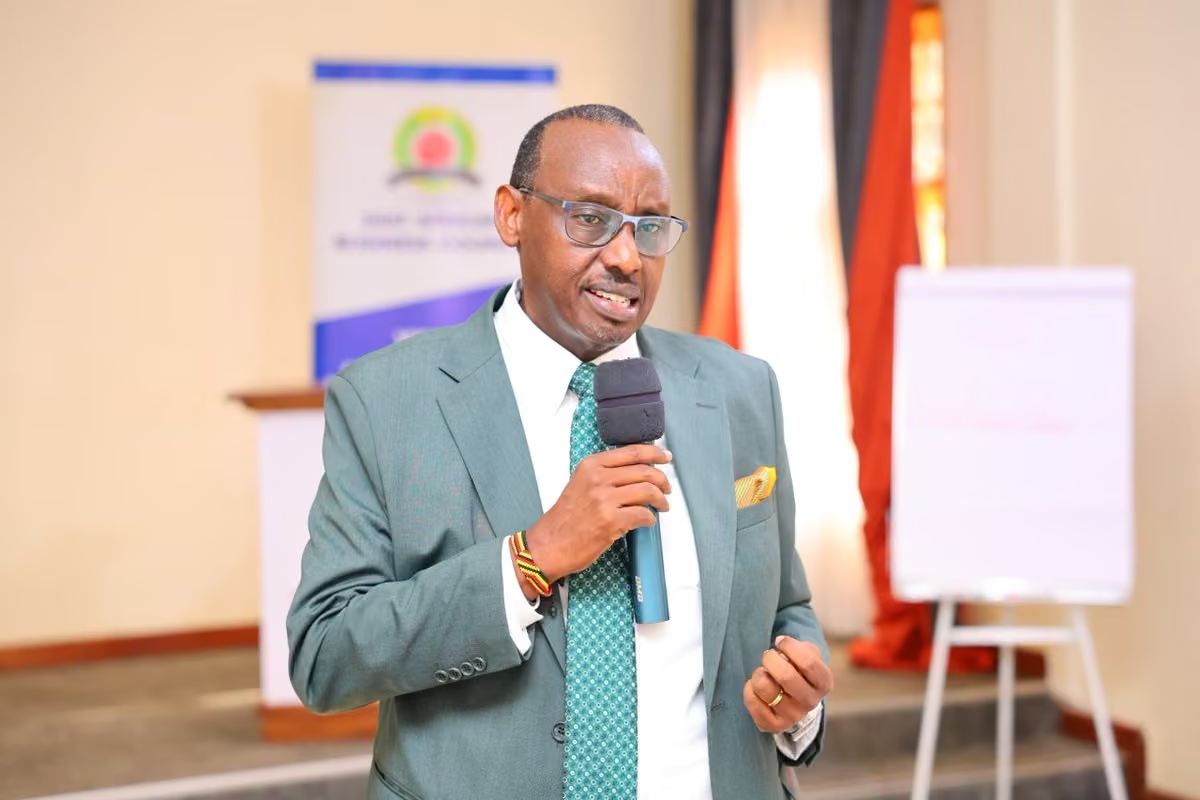


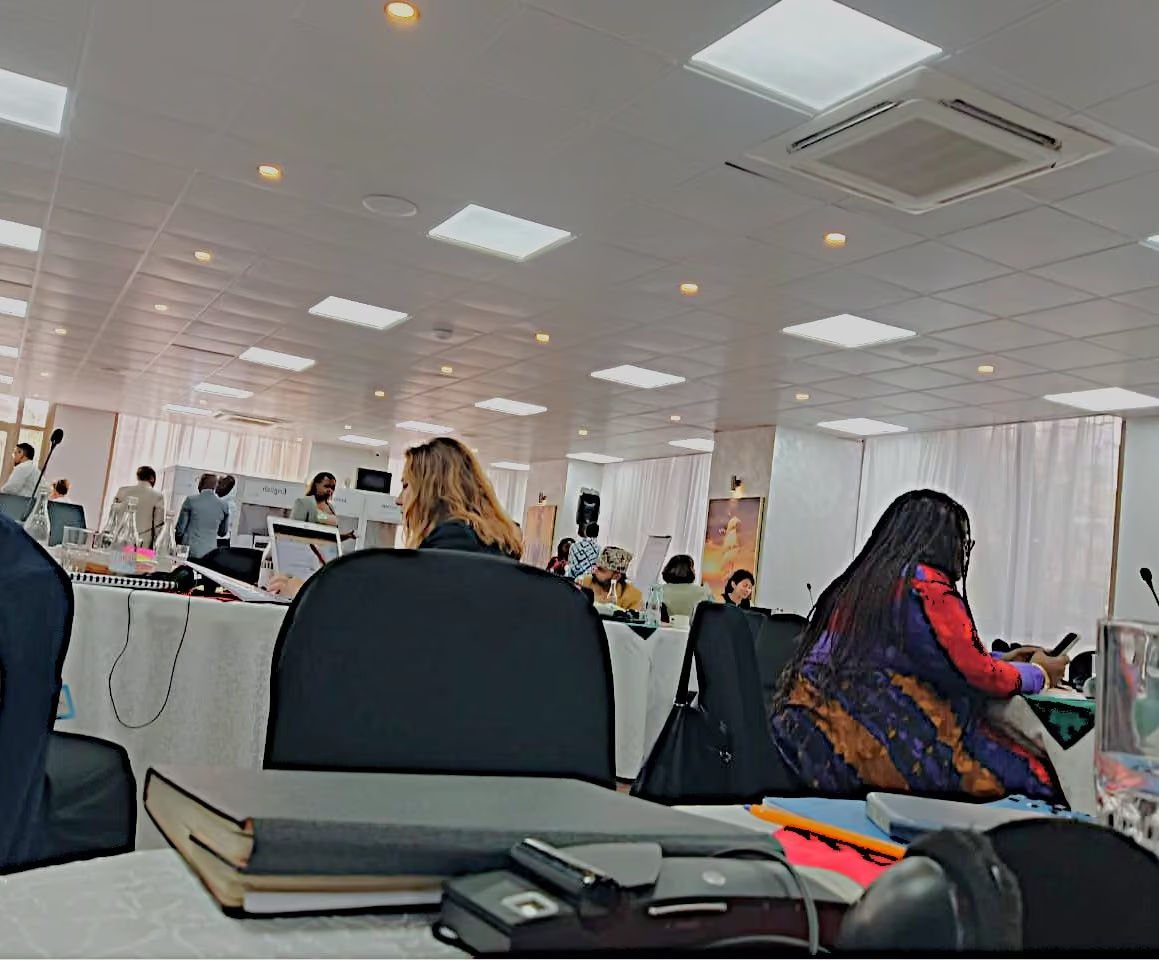


 Pascal Muhangi


 National Secretariat for Special Interest Groups


 NBS Television


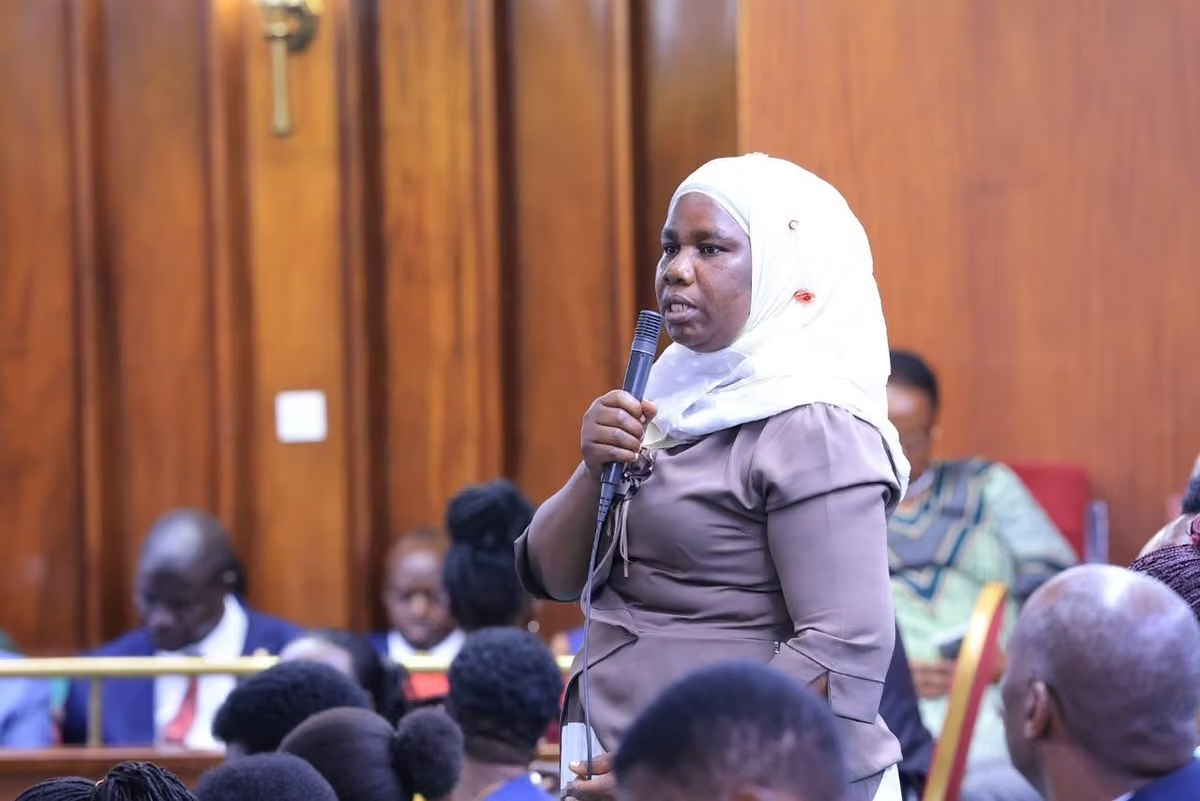
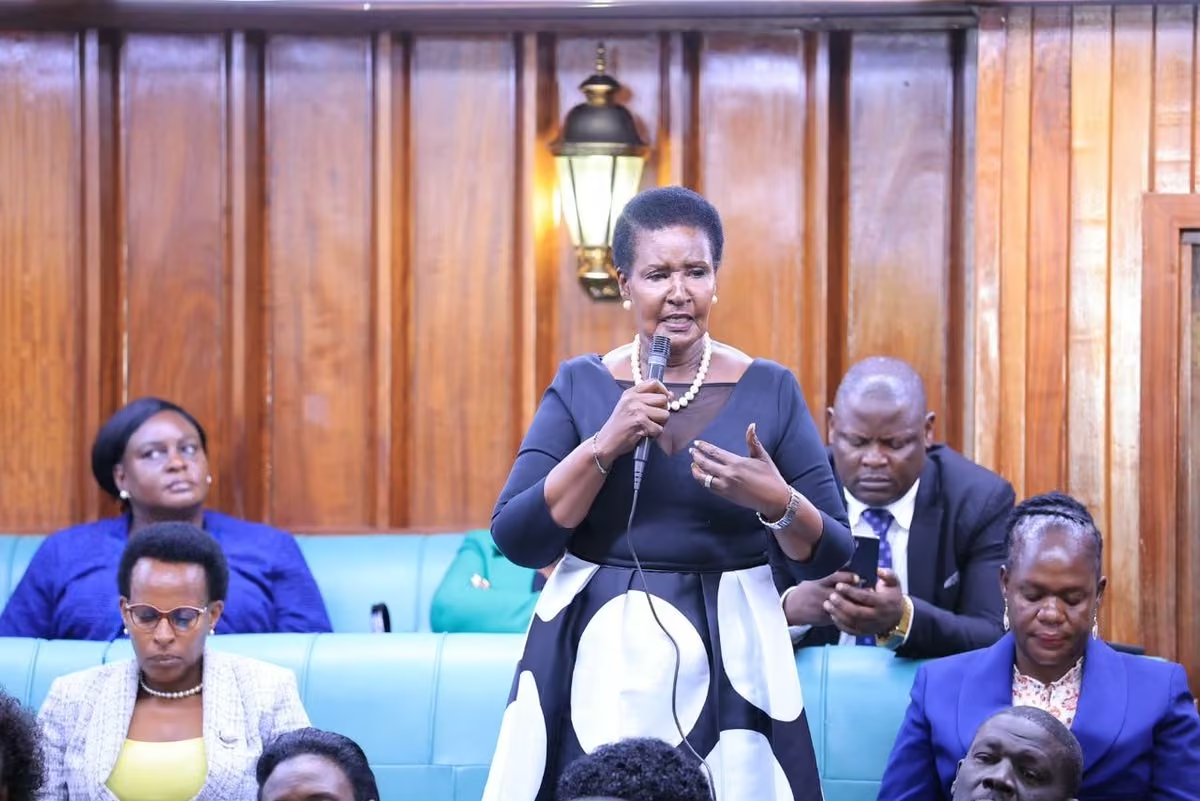


 Hon. Byamukama Fred


 Uganda Free Zones and Export Promotions Authority


 Uganda 4 Development


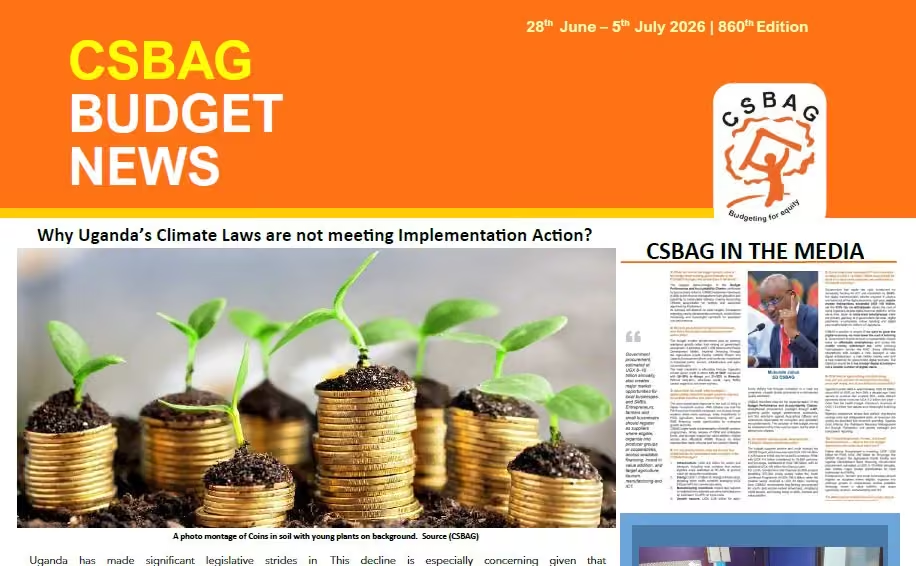


 PPDA Uganda


 NUWODU


 PELUM Uganda


 ACODE Uganda

 Uganda Investment Authority


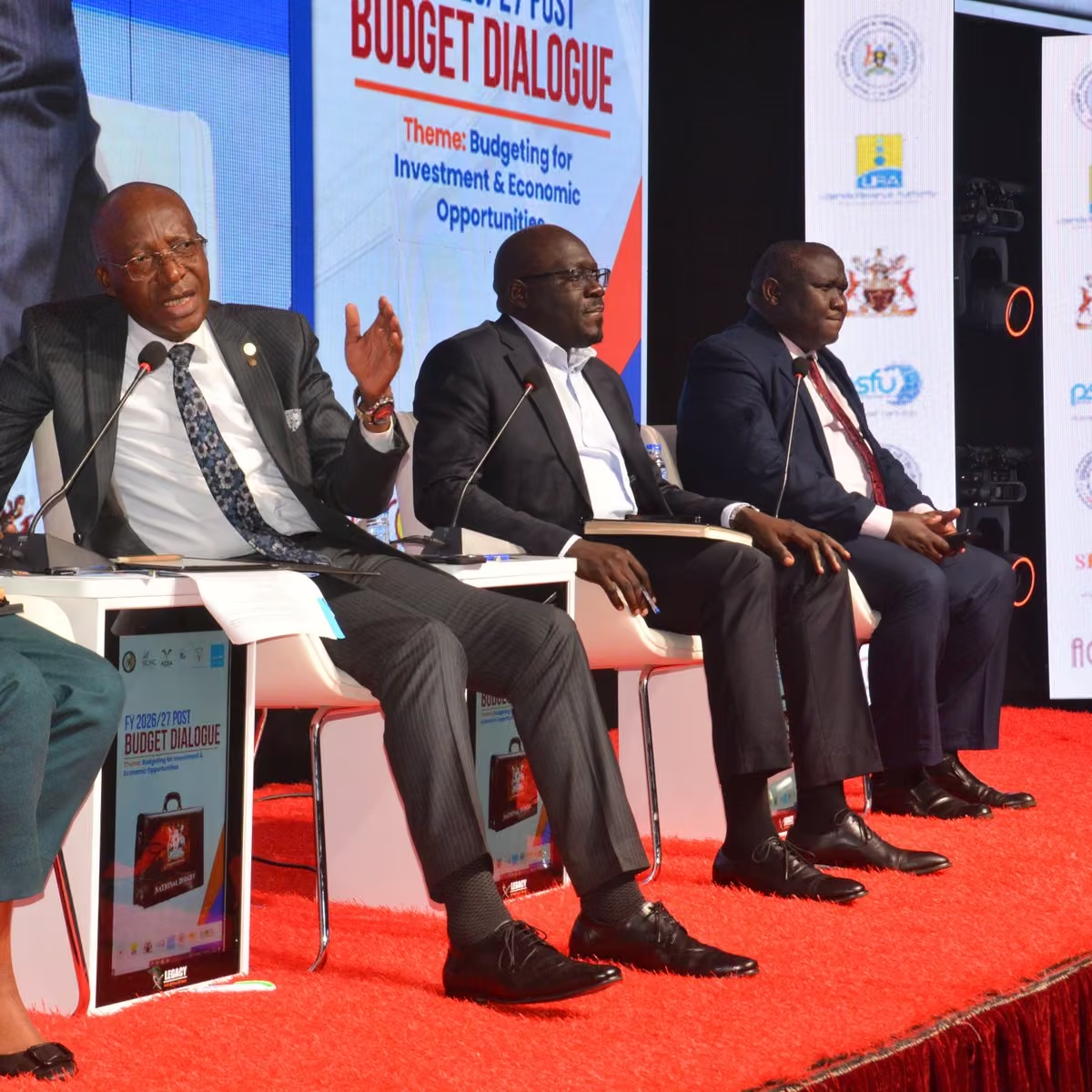
 Adam Sparre Spliid🇩🇰🇺🇬


 Denmark in Uganda


 Higen Distinction


 Jonas Mbabazi Musinga 🇺🇬
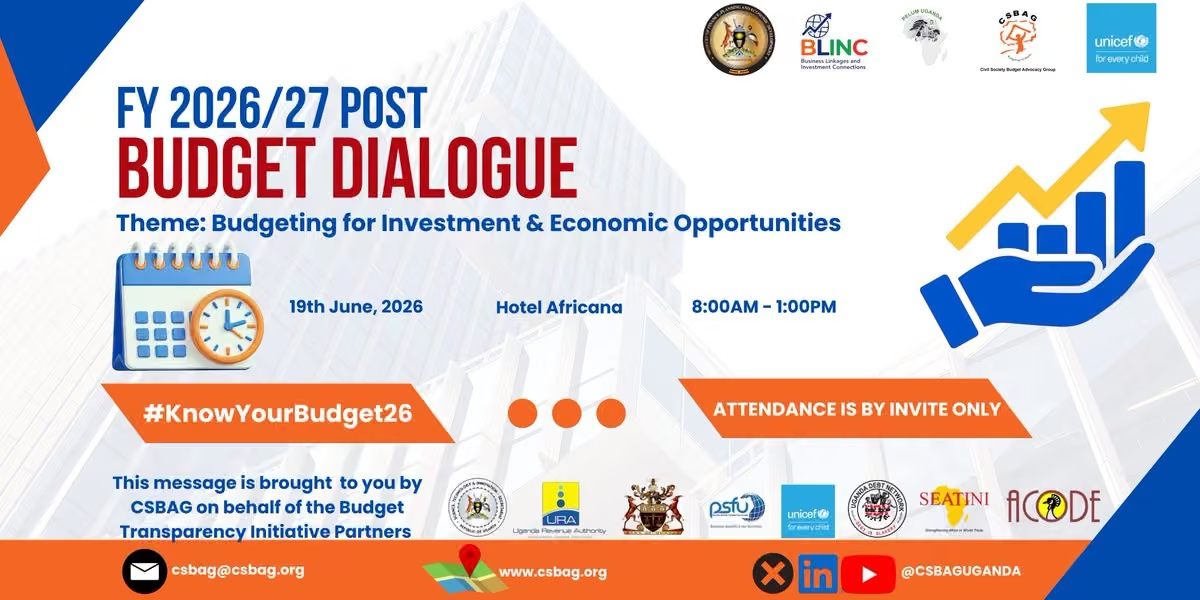


 Kenneth Anderson Lukwago
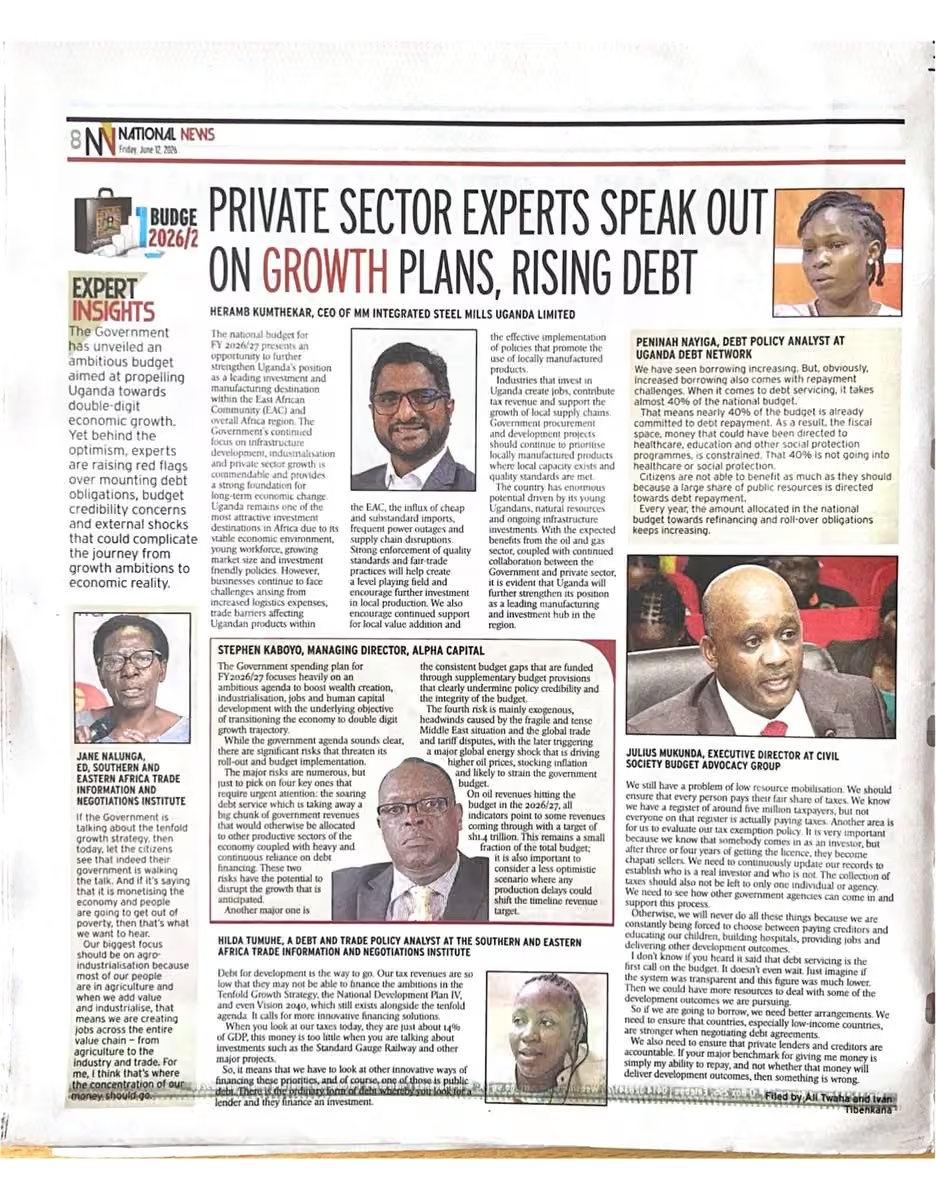

 933 KFM


 NTV UGANDA


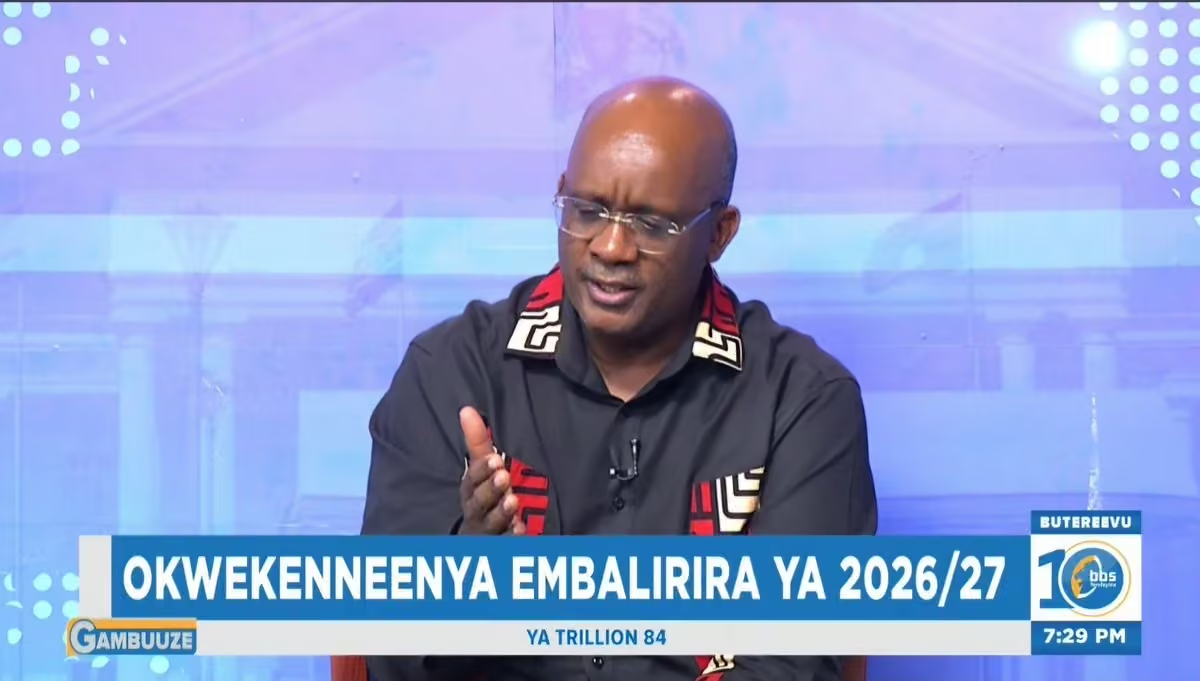

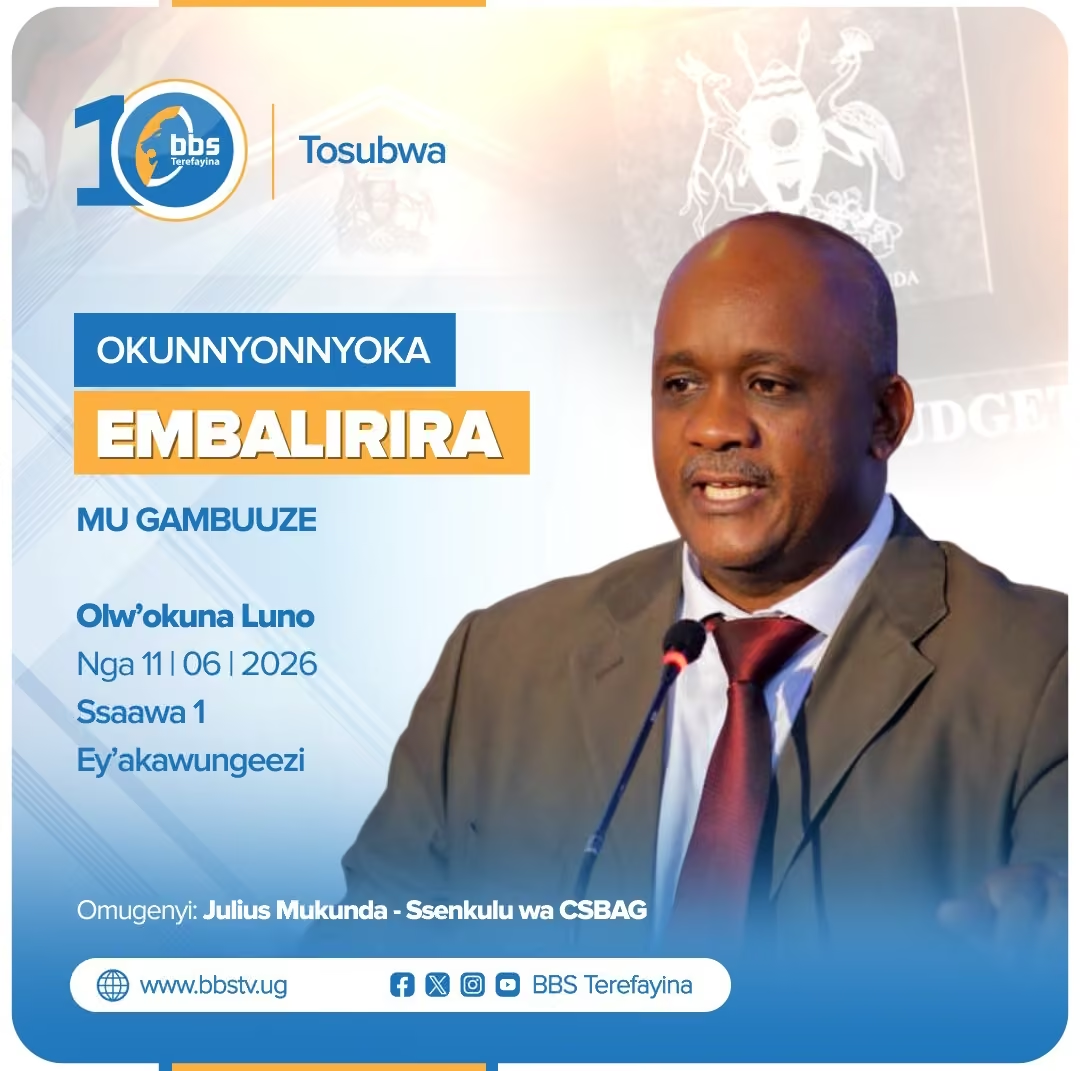


 𝐏𝐀𝐑𝐑𝐎𝐓𝐒 𝐌𝐄𝐃𝐈𝐀


 Allan Ssenyondwa

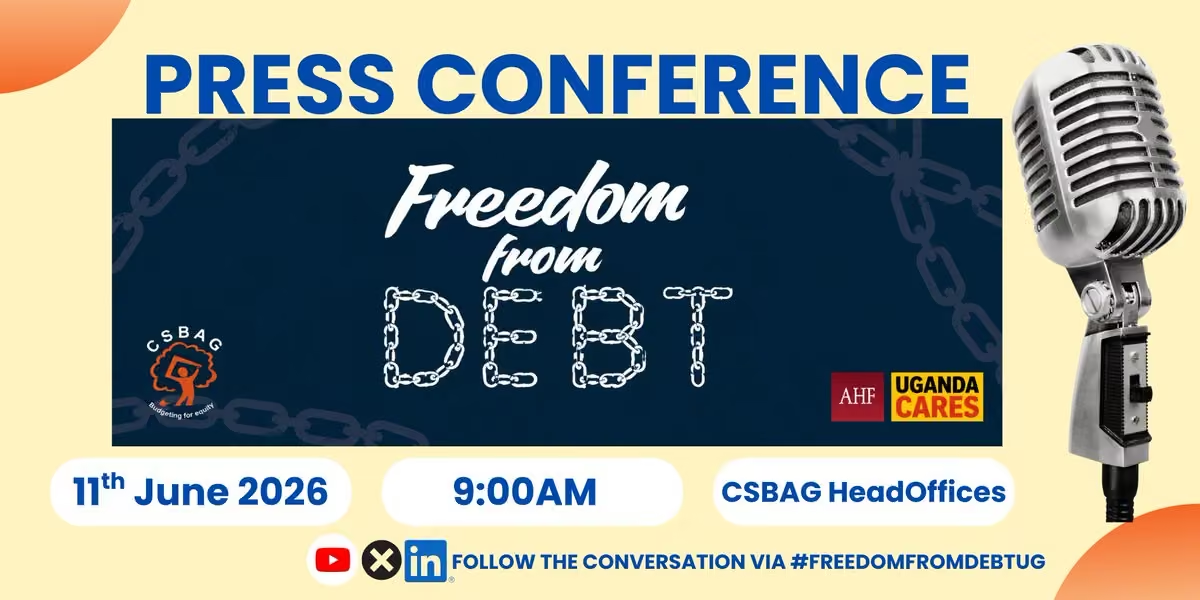


 FIDA Uganda


 Simon Ajuna


 Food Rights Alliance - FRA


 ChimpReports


 Ssenyonga Simon


 CEO East Africa Magazine


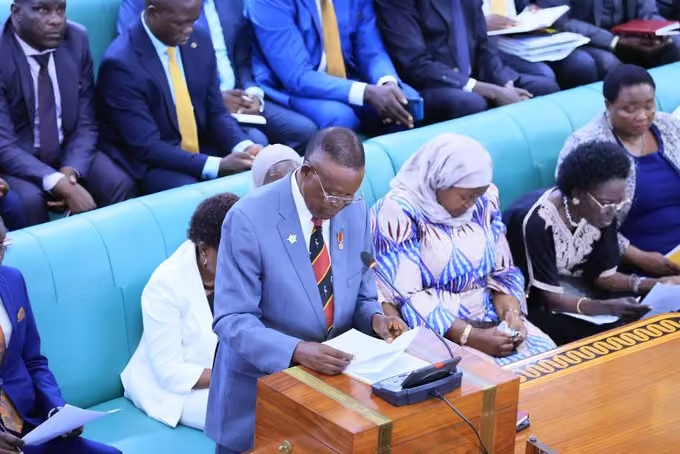


 Gugudde TV Uganda


 Job Kiija


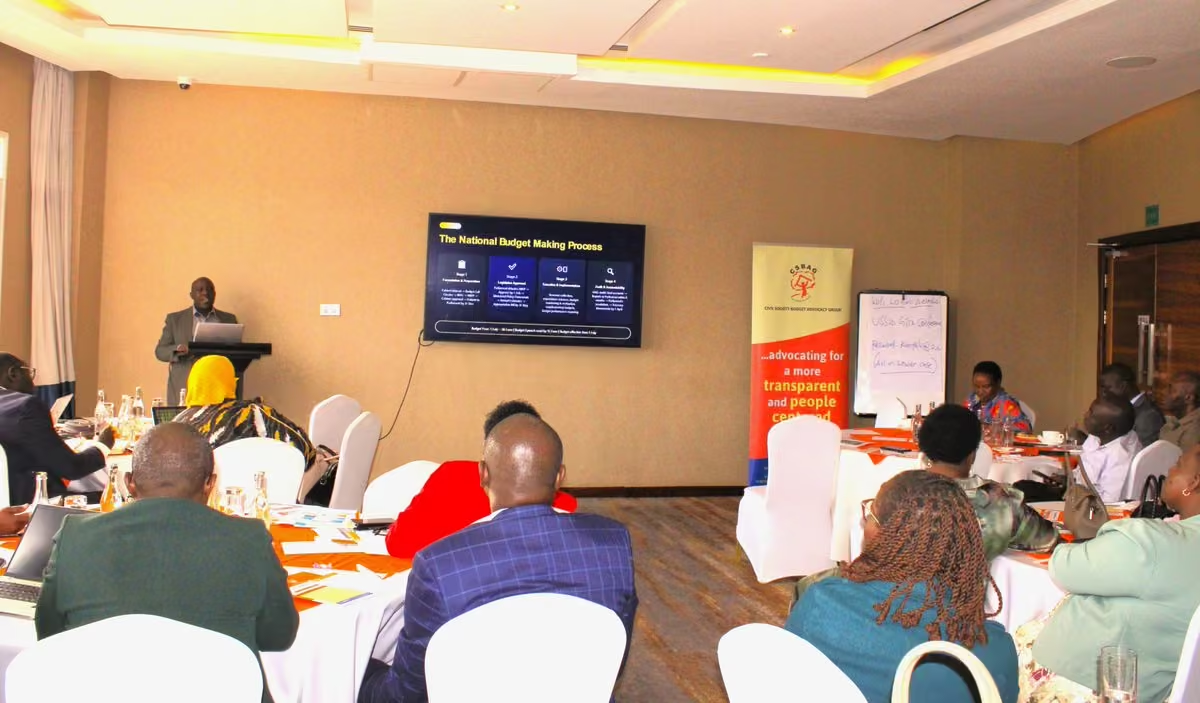


 Saufahh🦋

 Naymah☆♡


 Parliament of Uganda

 Hopestone Insight Ug


 Katabaazi Patrick ▪︎MP,Esq,PHF


 Social Protection Forum


 Ayebare Martin


 ßεɴĵεε 🇺🇬


 Bank of Uganda

 Uganda Radio Network


 Andysen Agaba
 Ntare Guy


 Victoria Uganda


 Radio One FM90

 DIVAN


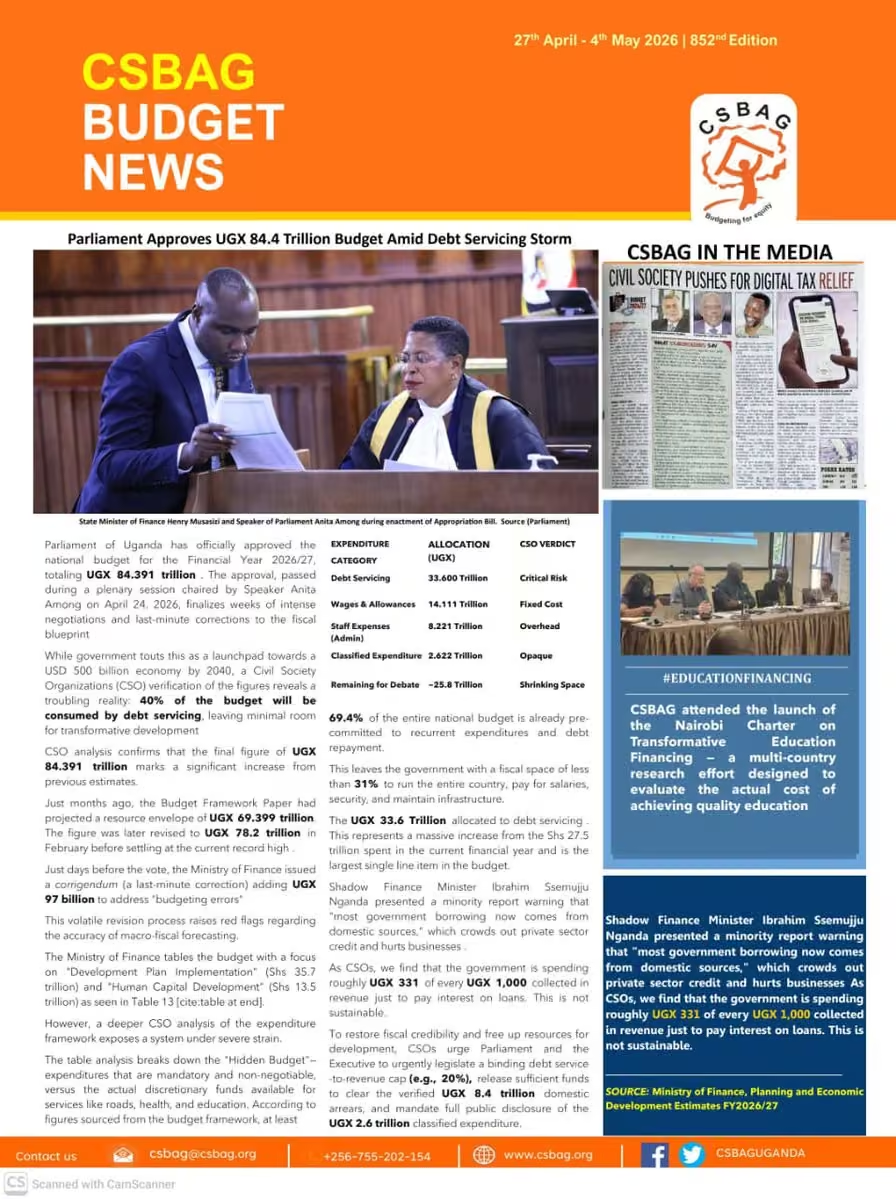


 RICE West Nile


 Federation of Small and Medium-Sized Enterprises
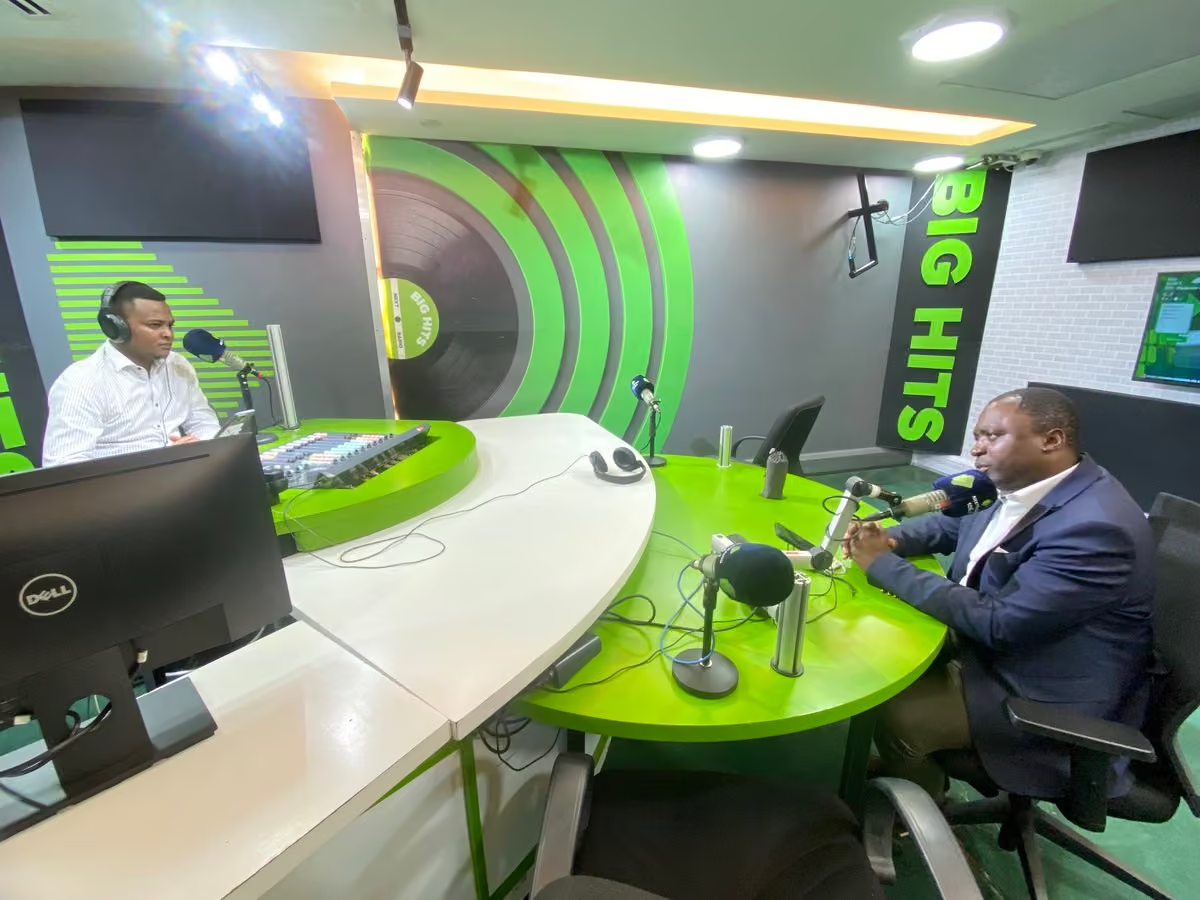

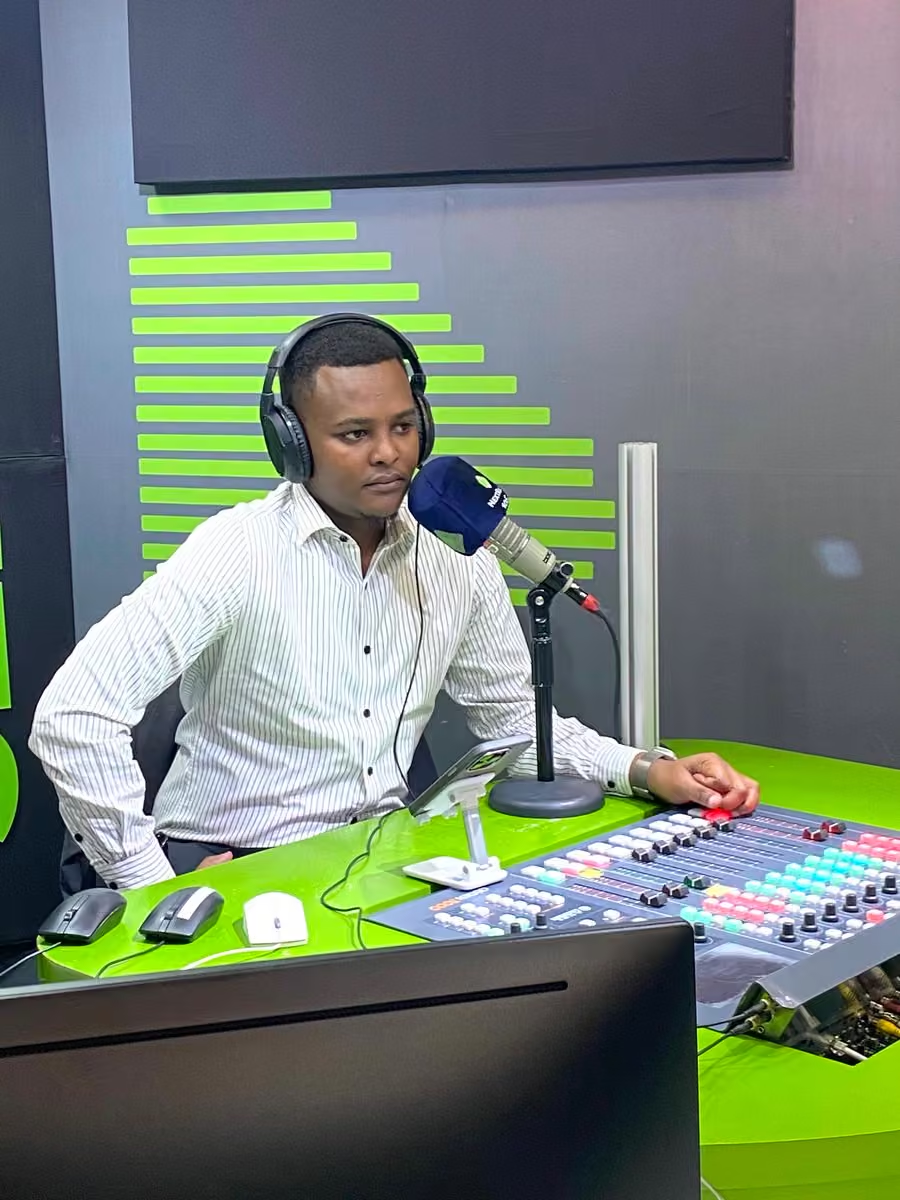


 TruMedia Consults
 CANPARA


 Red Pepper Uganda


 Patricia Munabi


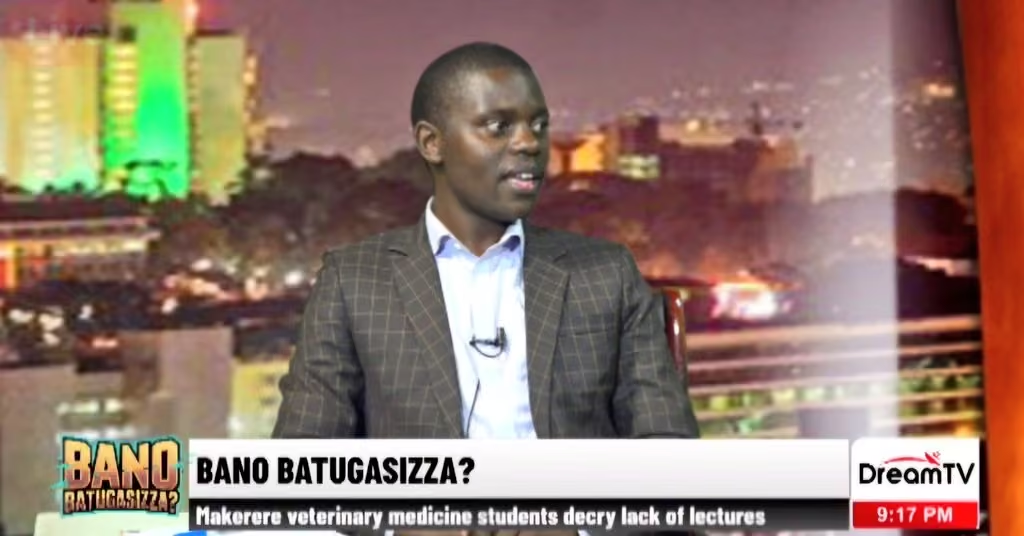


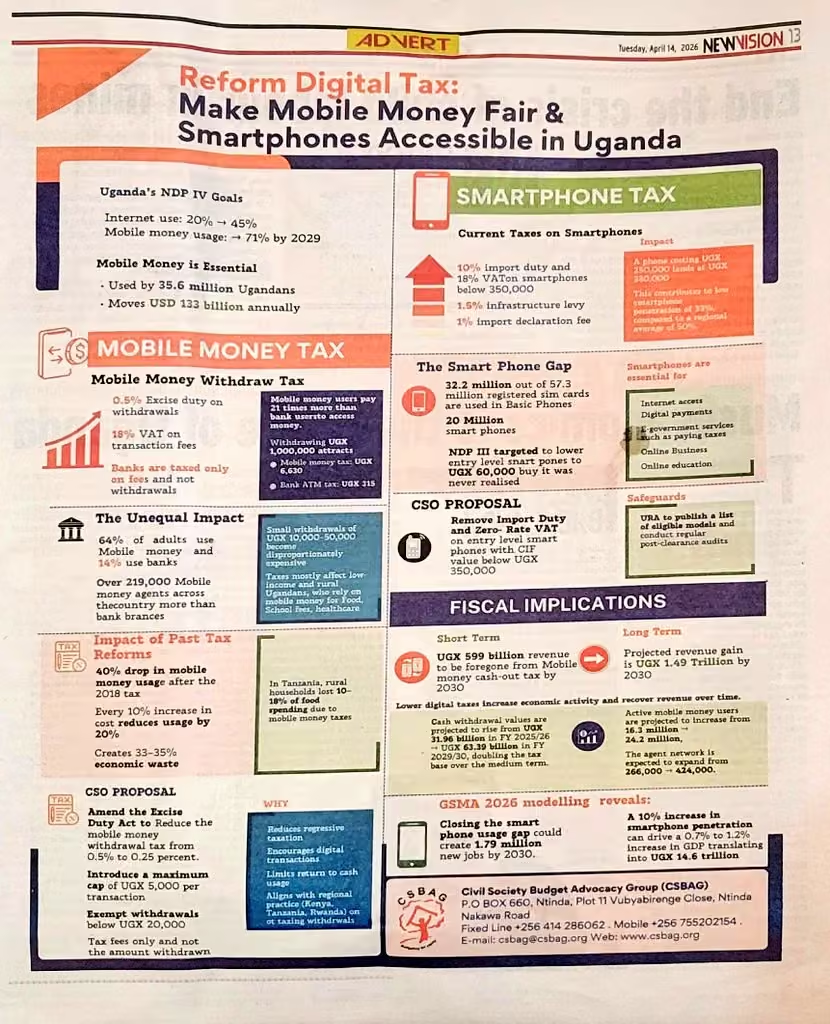


 Ssenyonjo Umaru 🇺🇬

 Daily Express

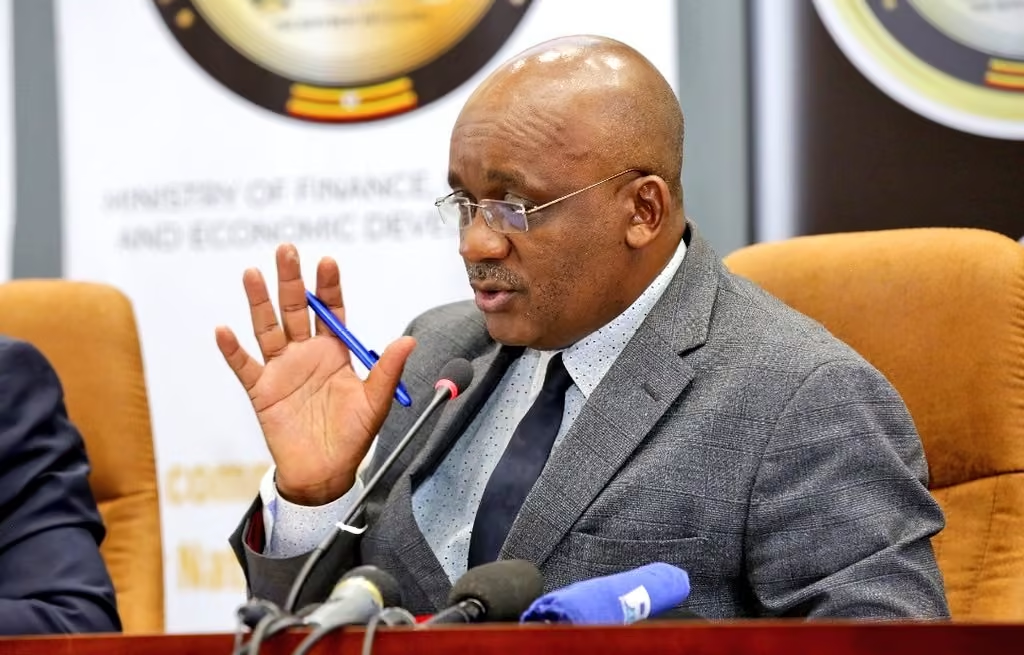


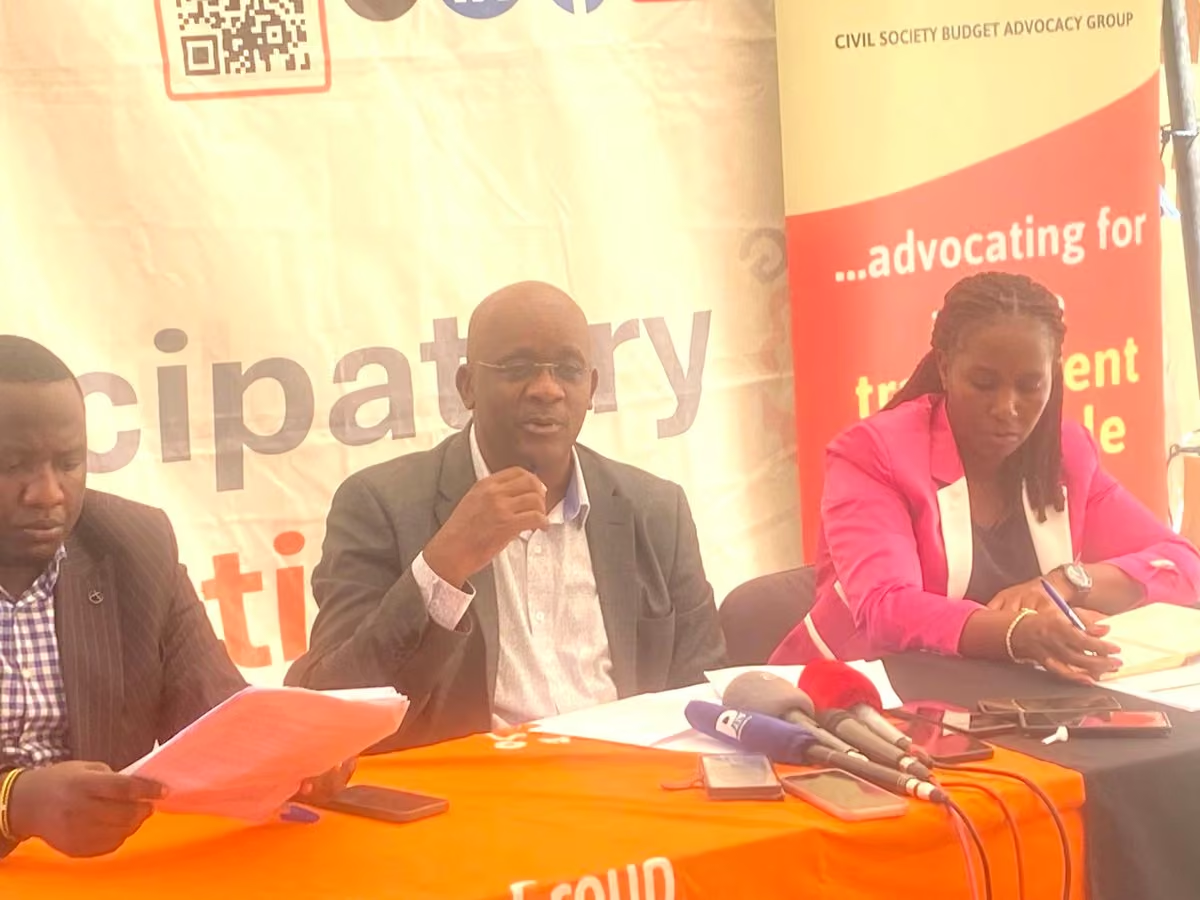


 NSTVOnline.


 Plus News Uganda


 Wako Joel
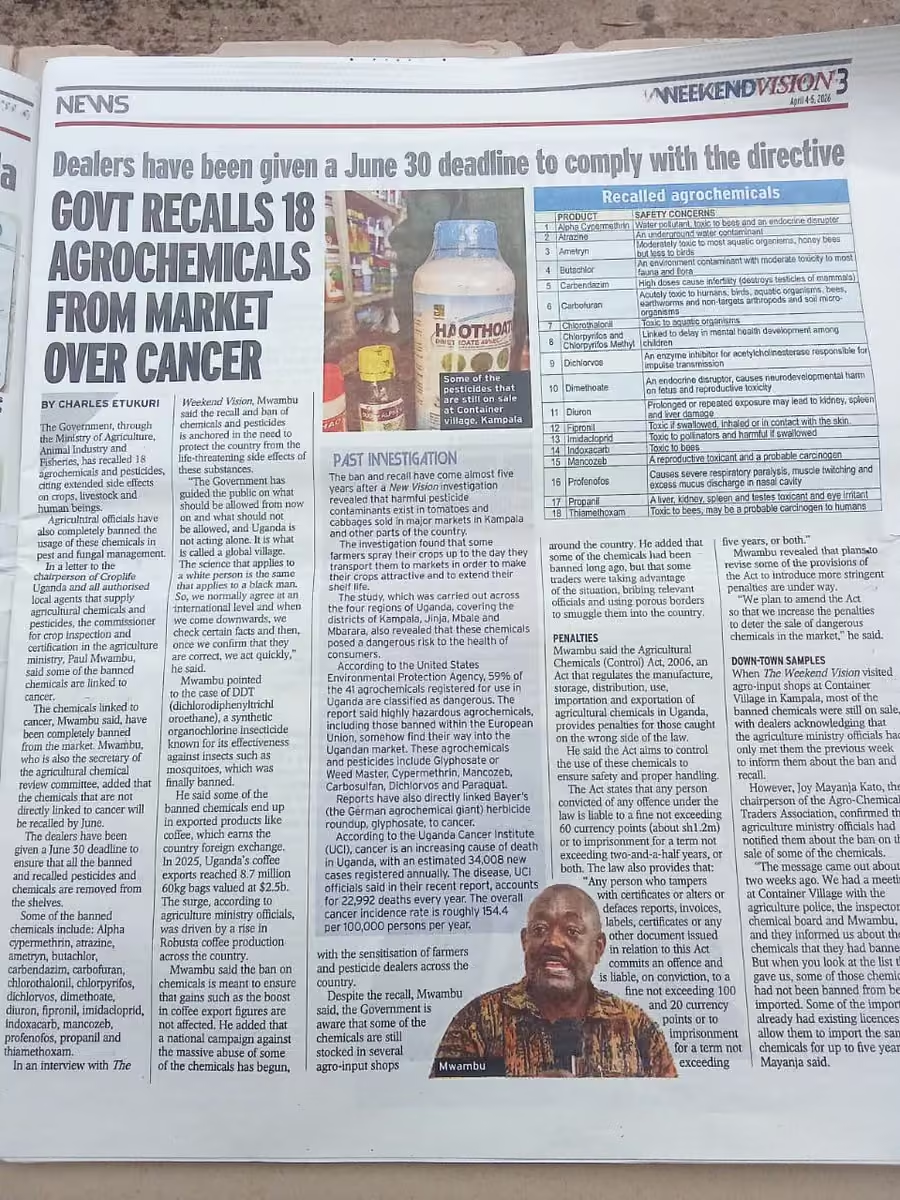


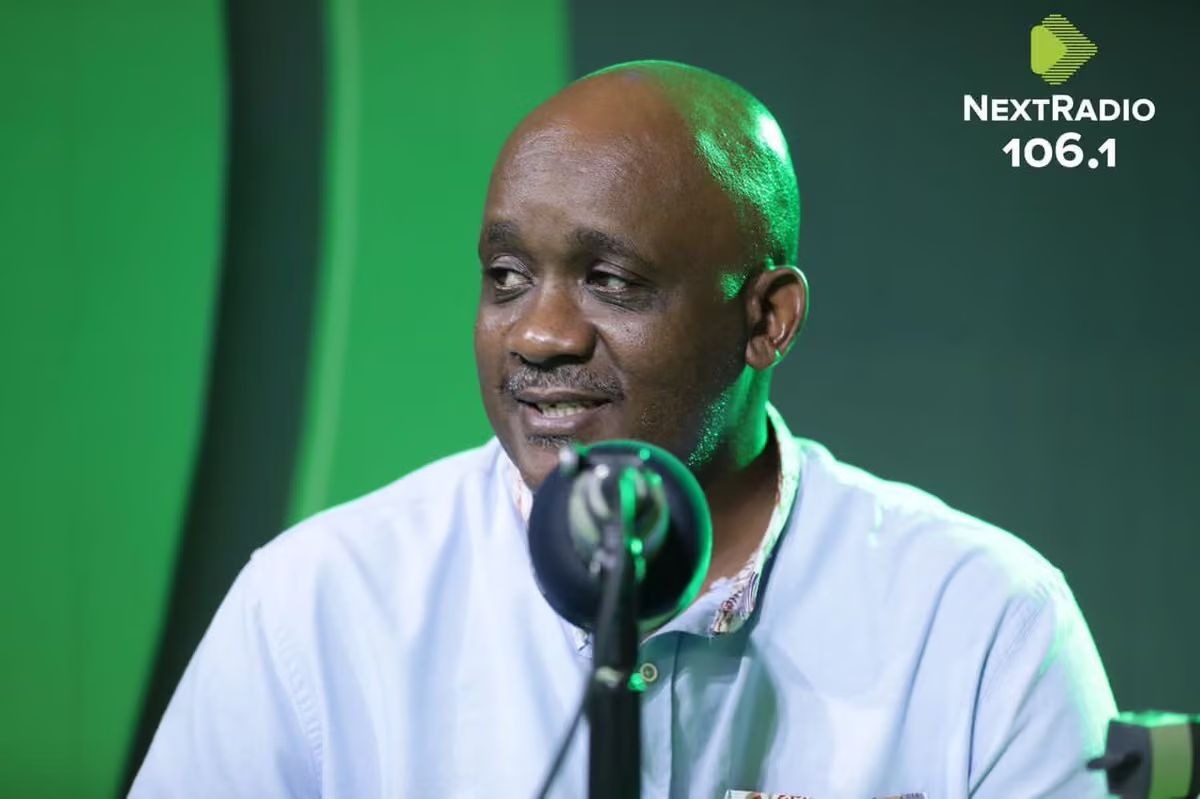


 Next Radio 106.1FM


 NUDIPU


 Ronah N


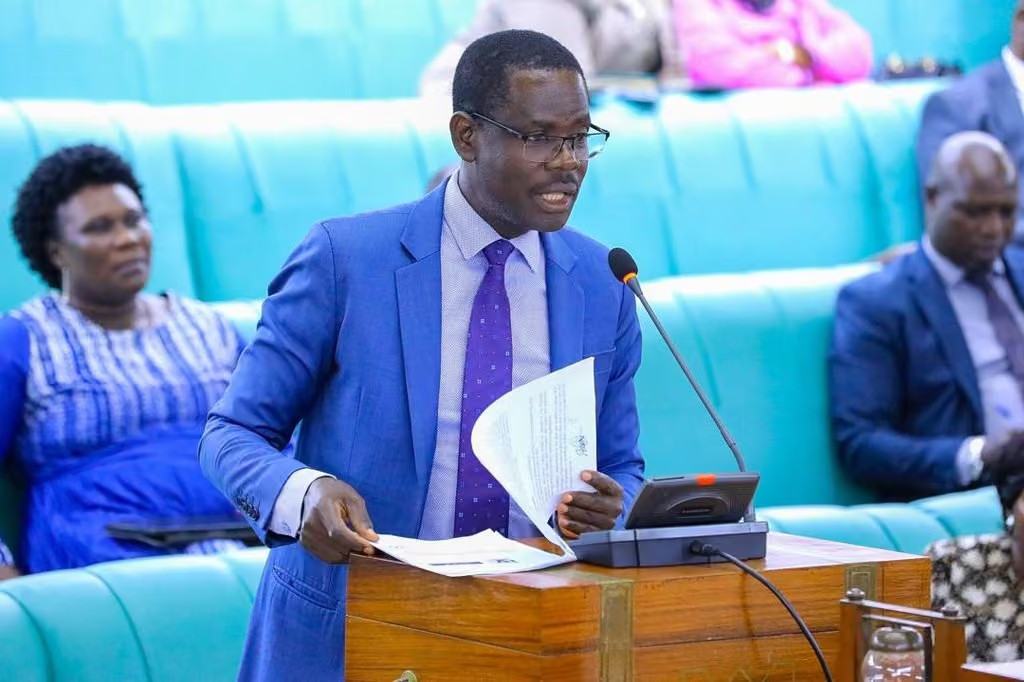


 Equal Opportunities Commission
 Emmanuel Okware


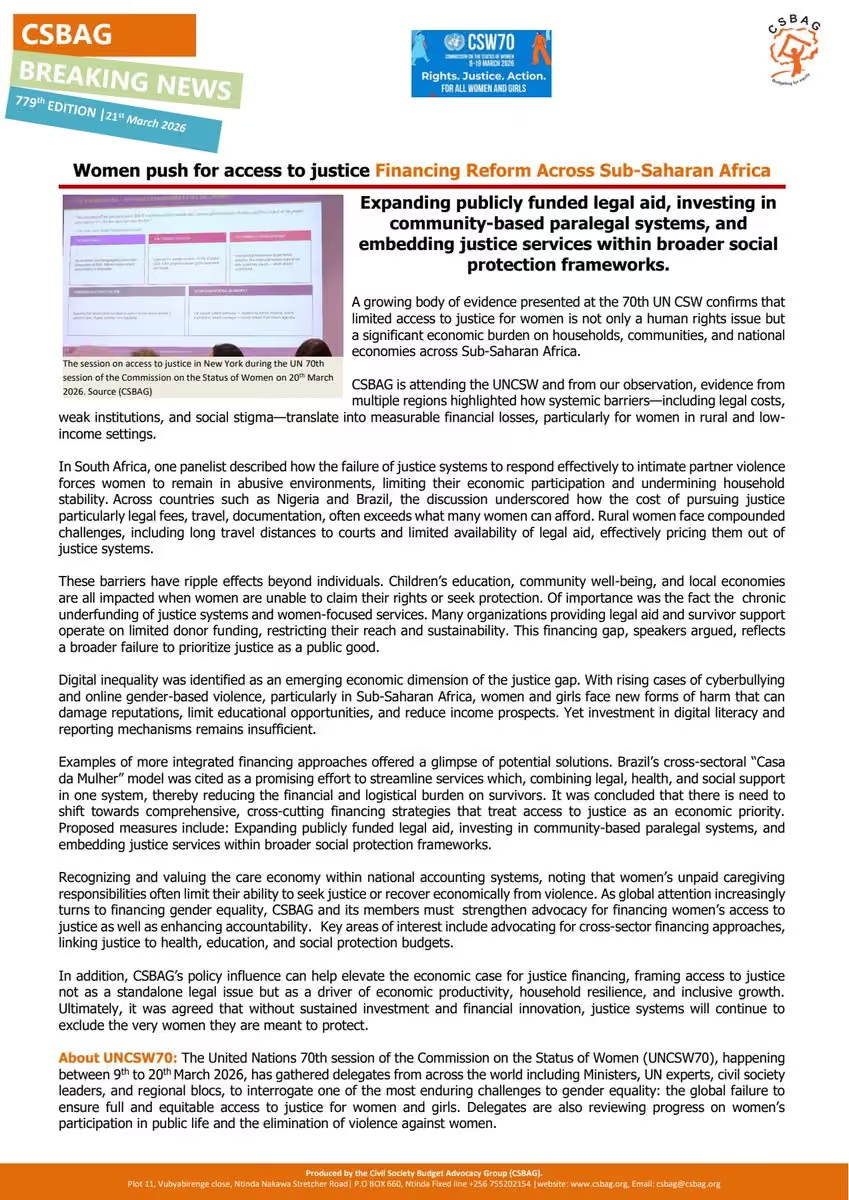


 The Insight Post


 MUBS News and Updates


