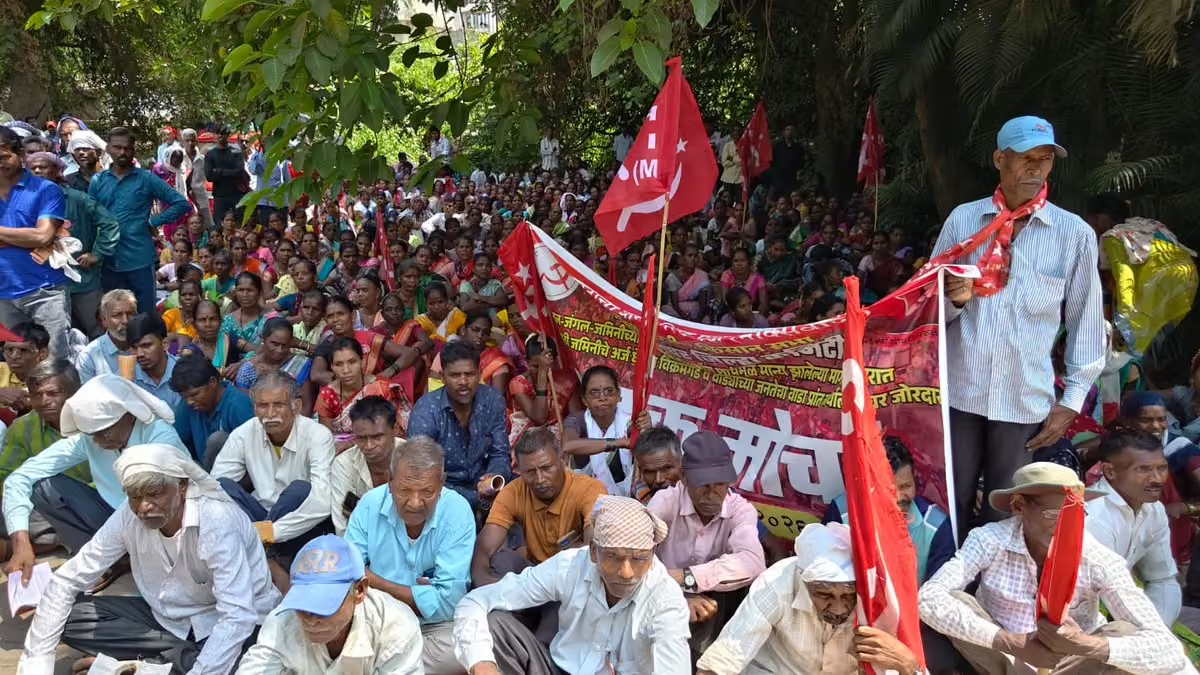
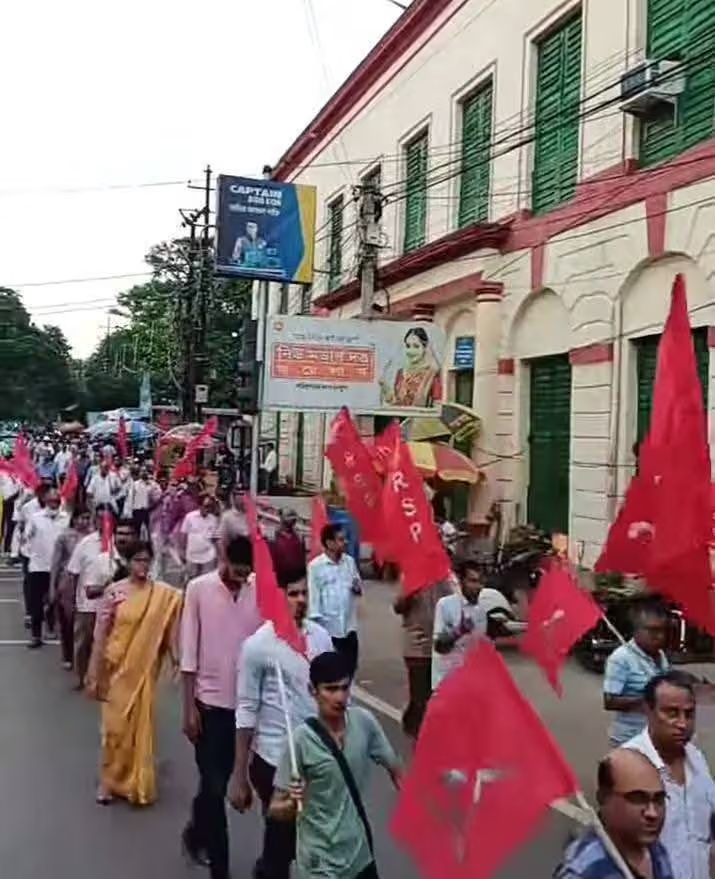
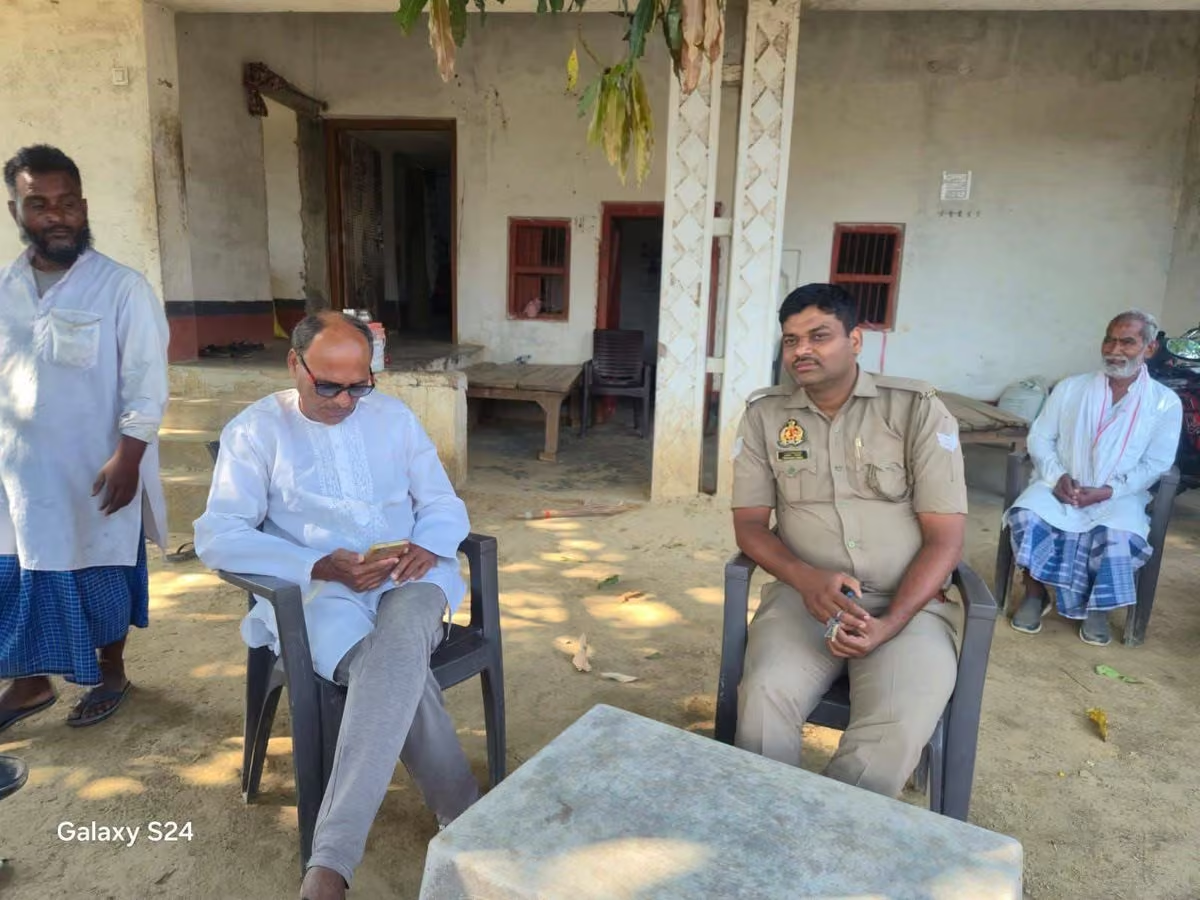
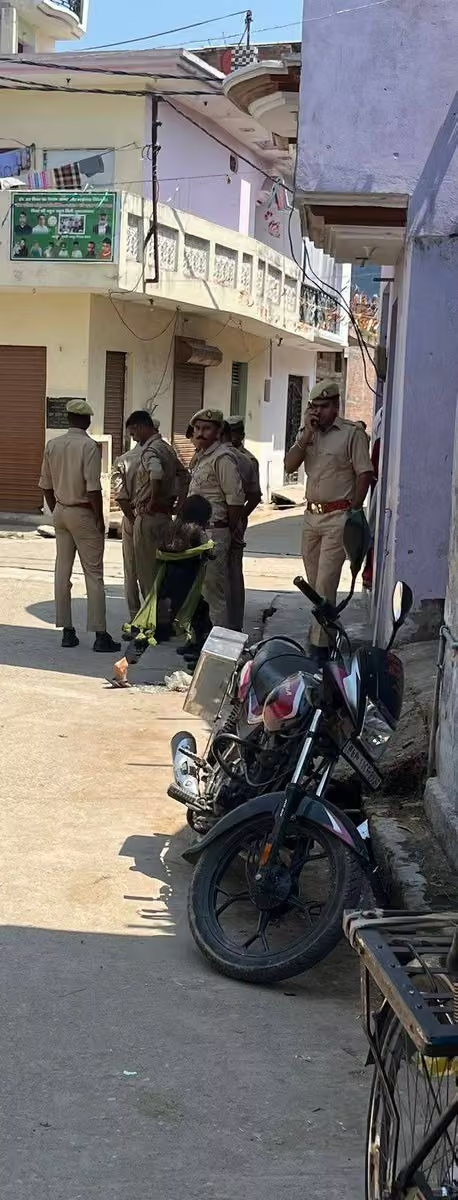
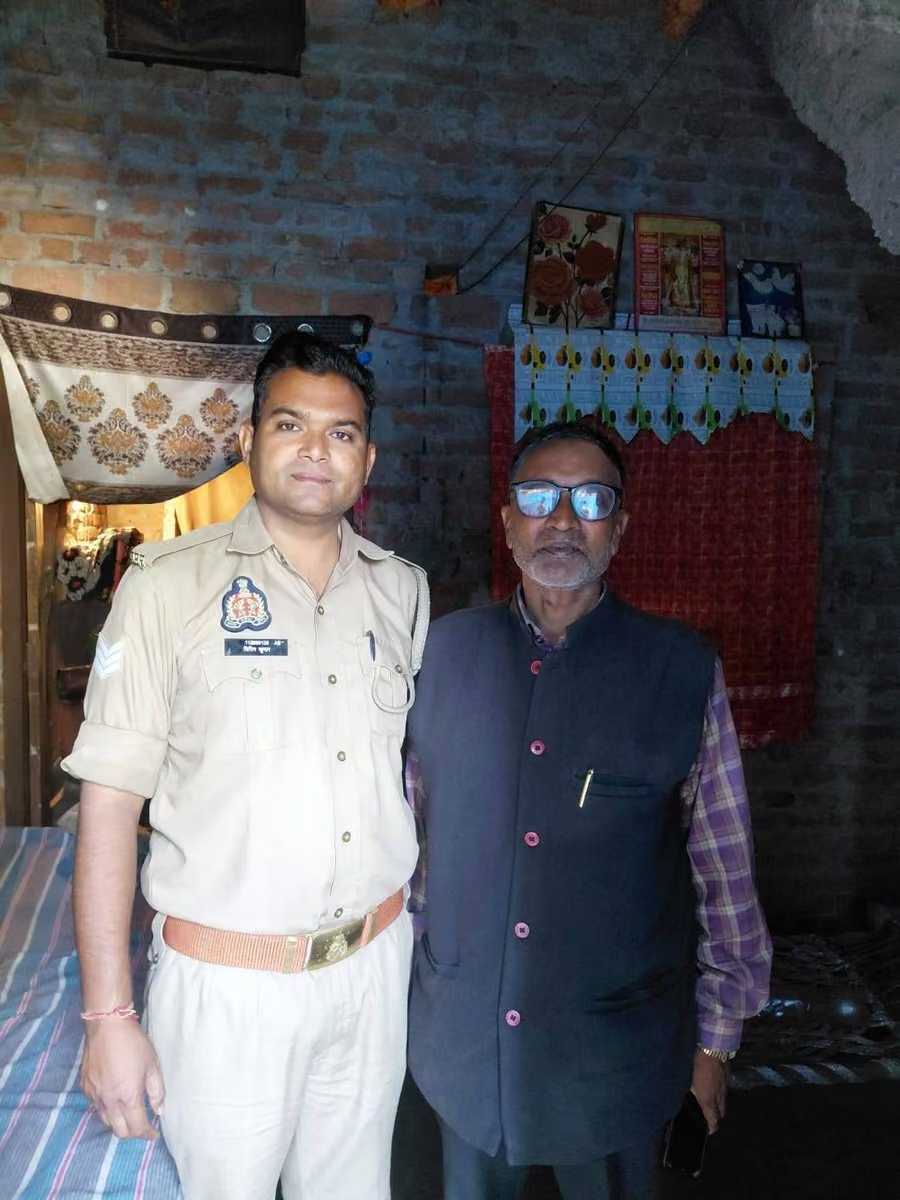
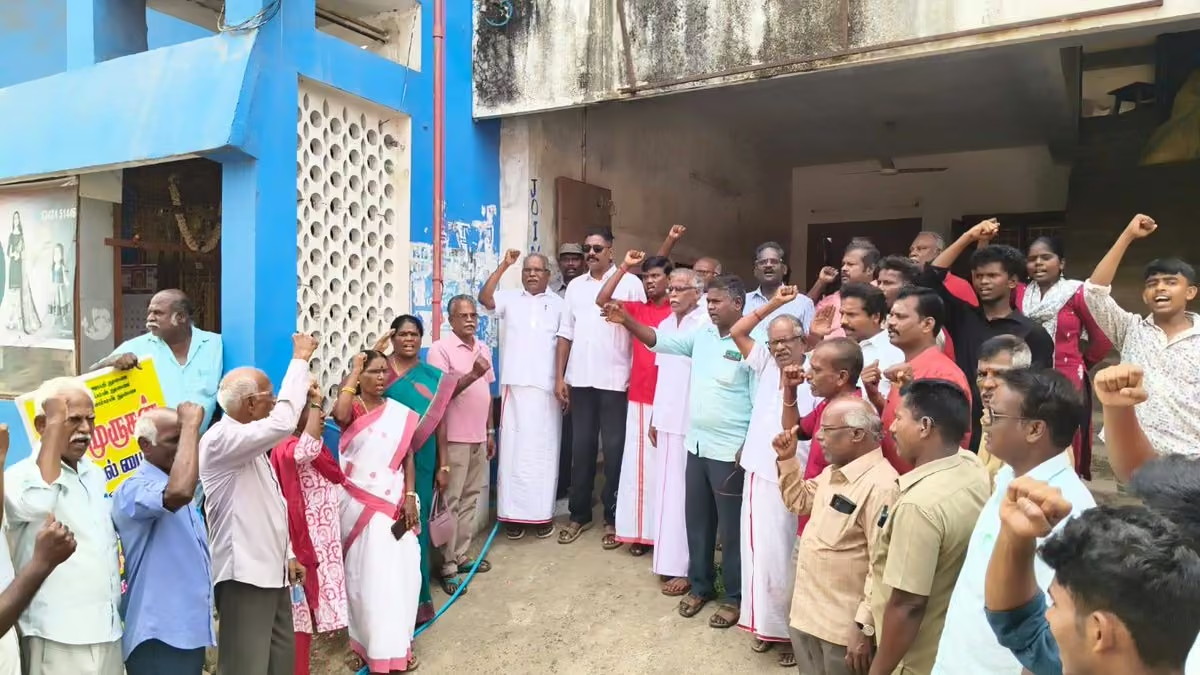
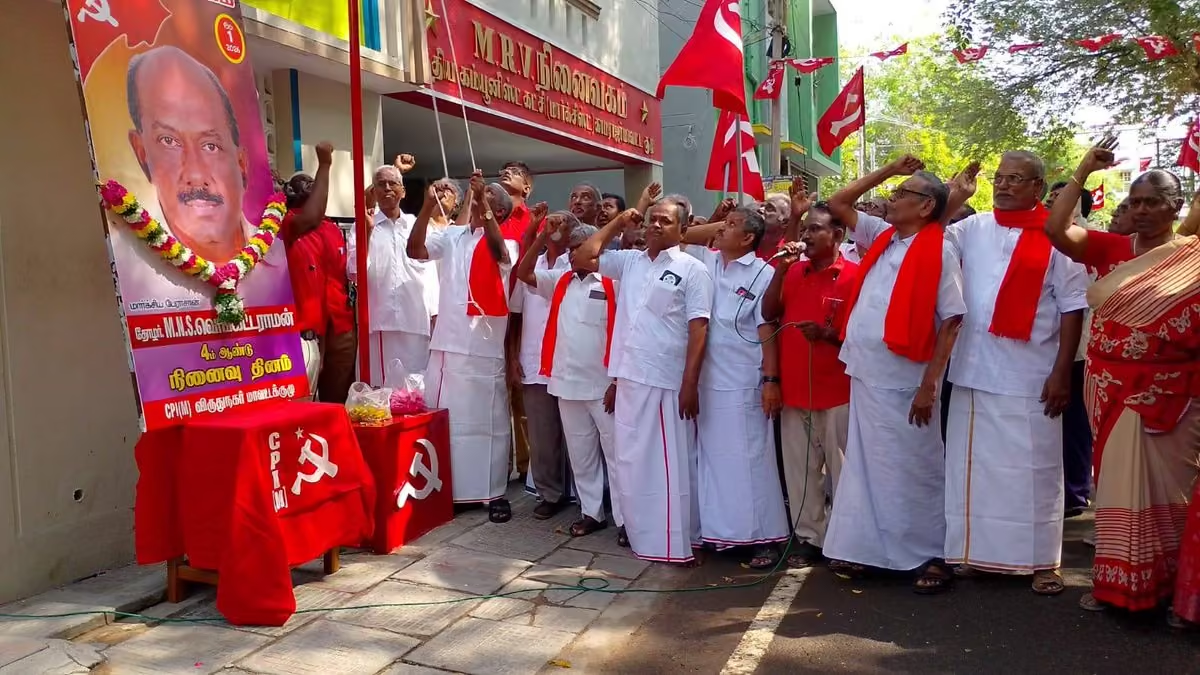
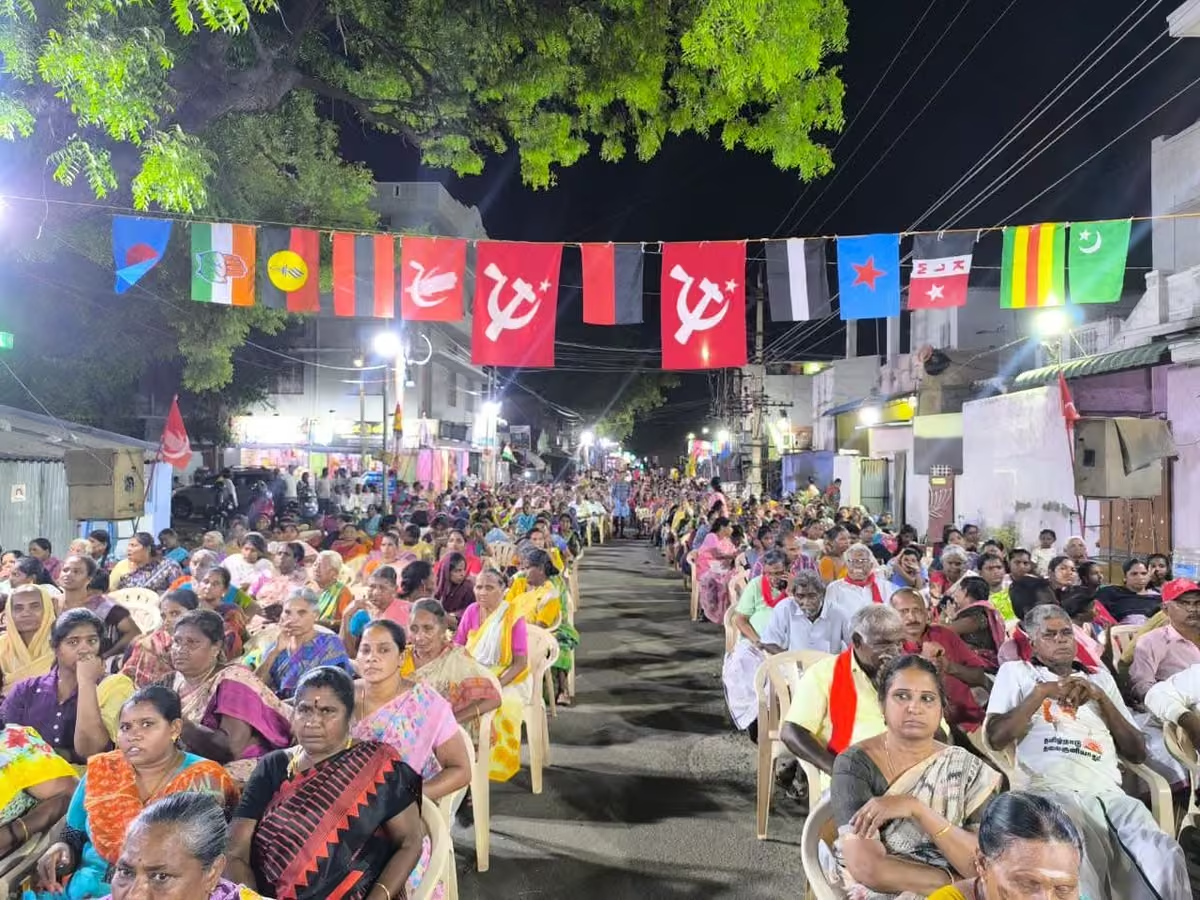
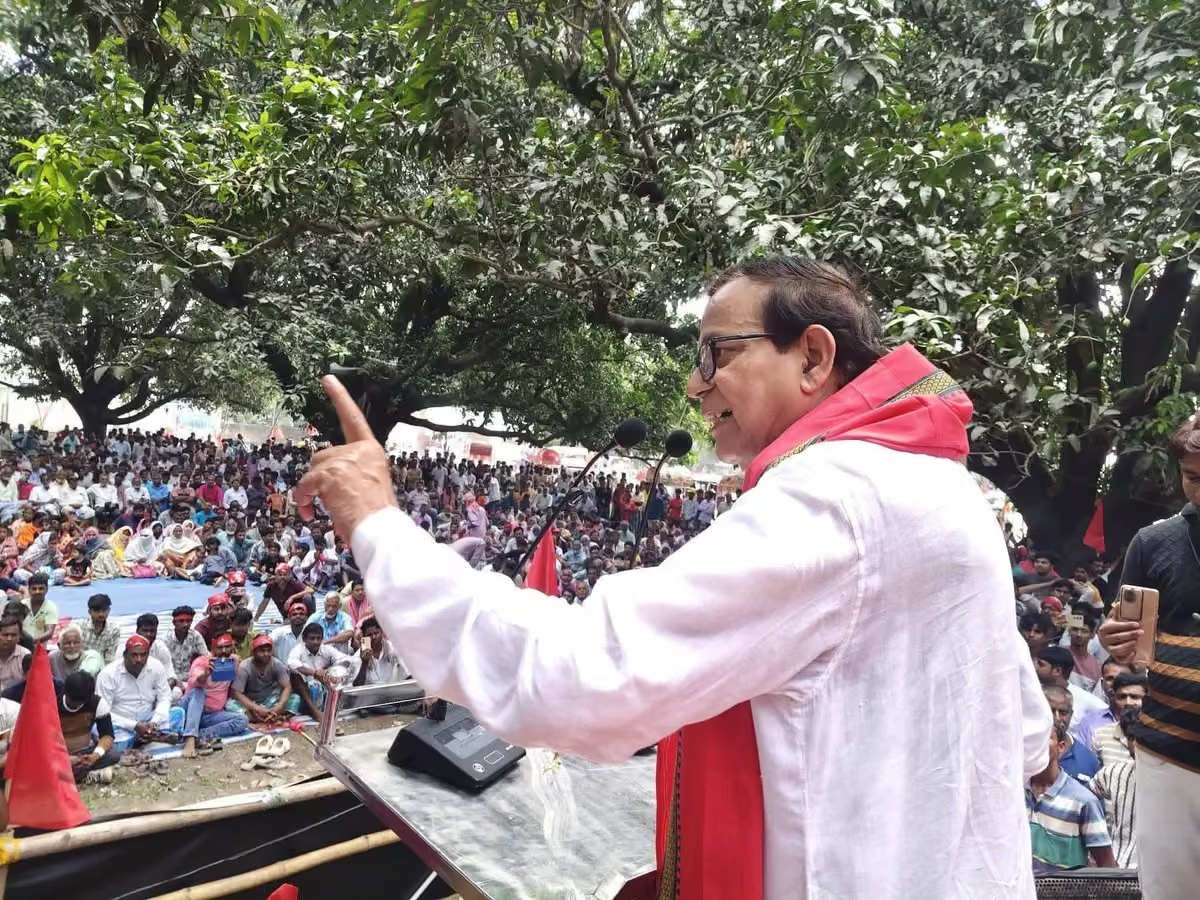
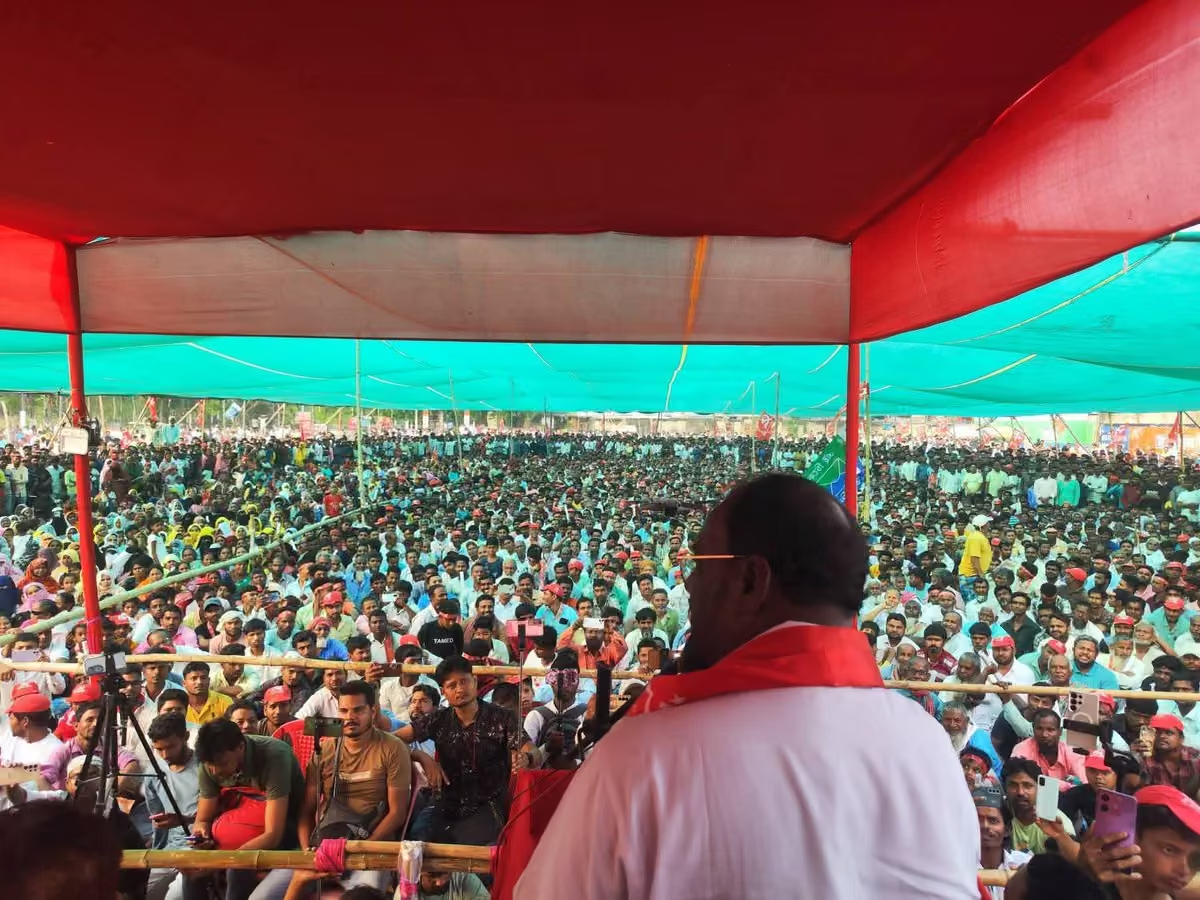
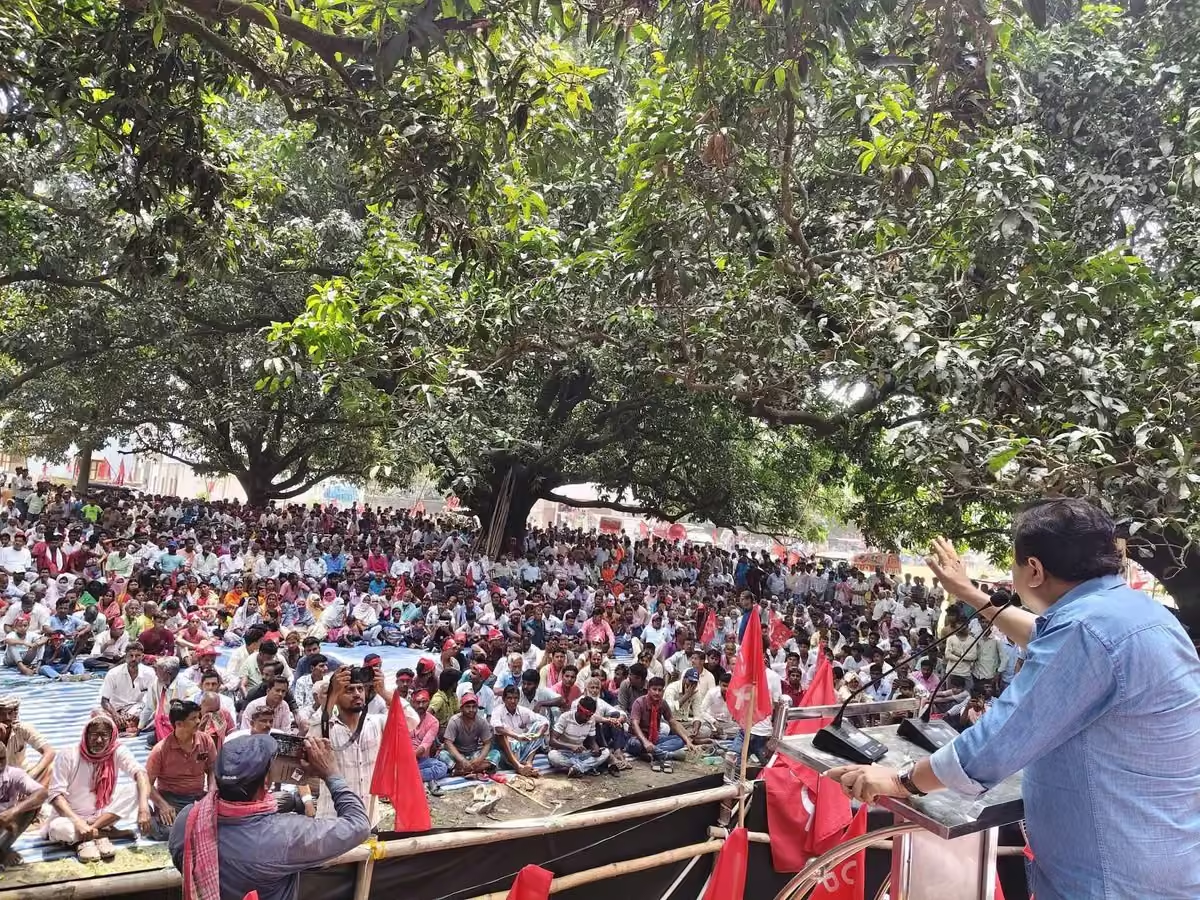
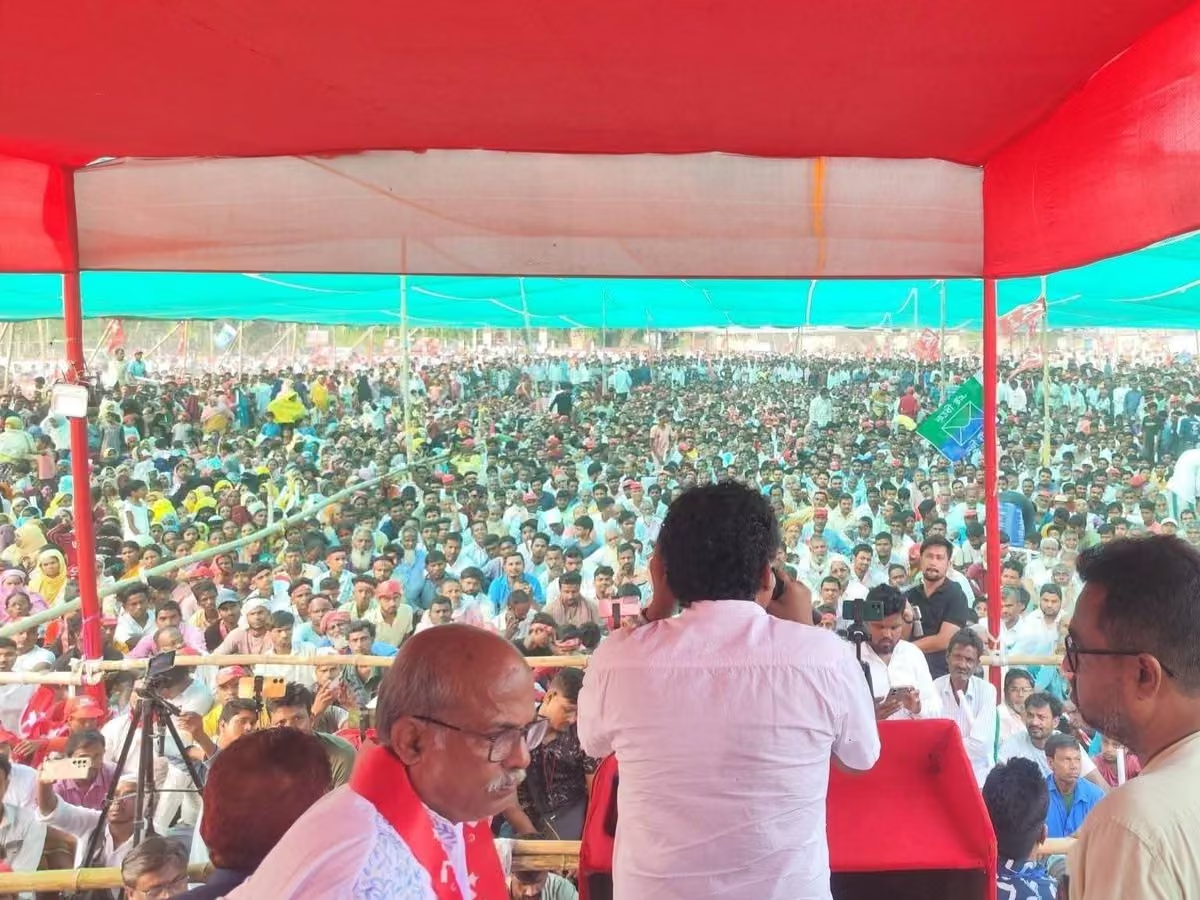
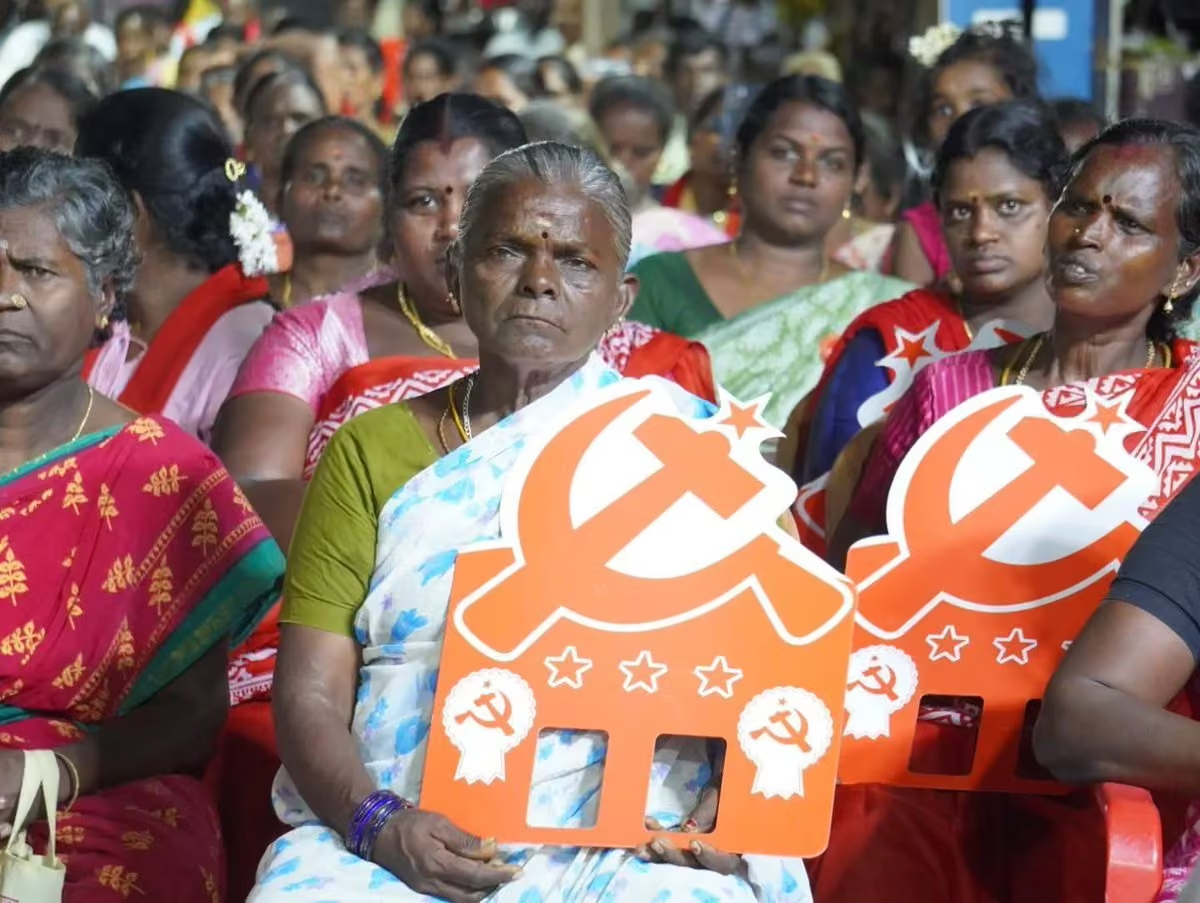
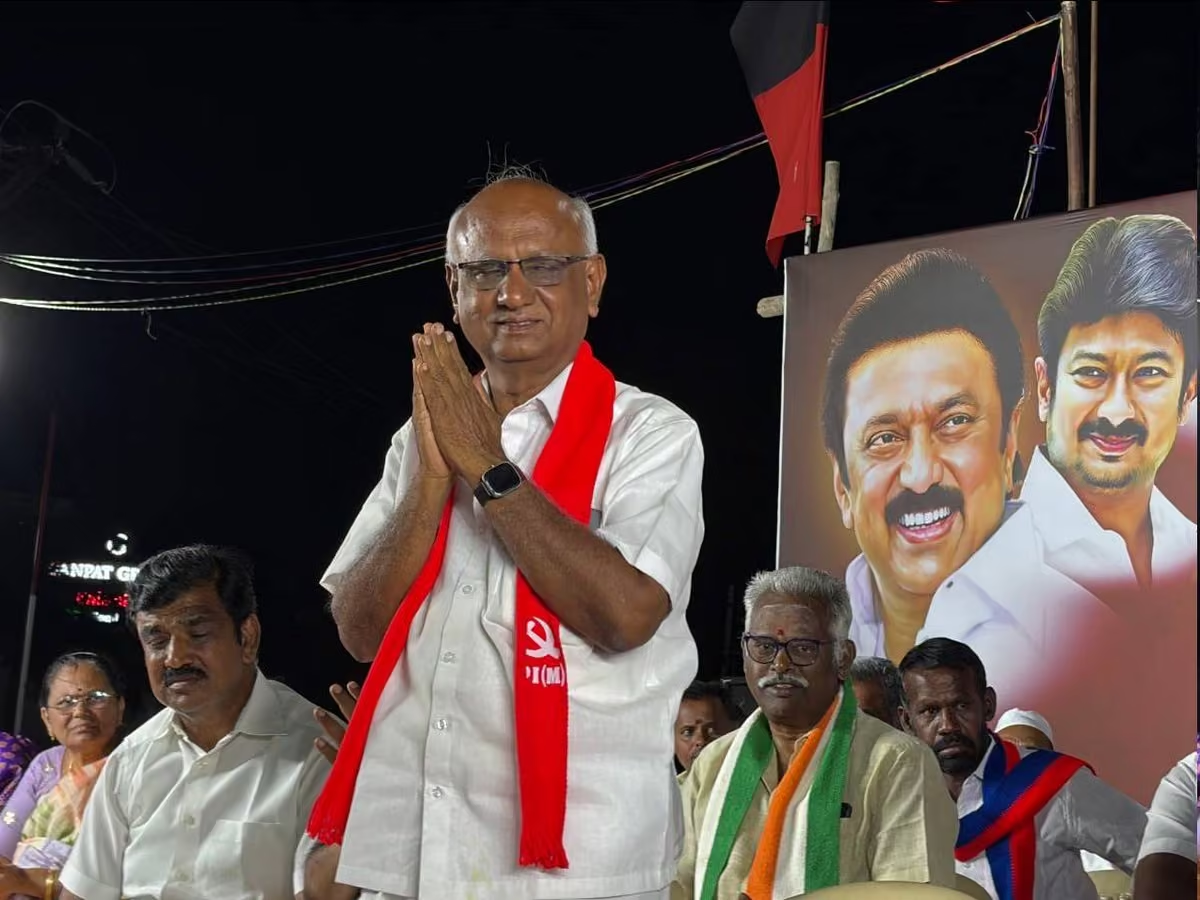
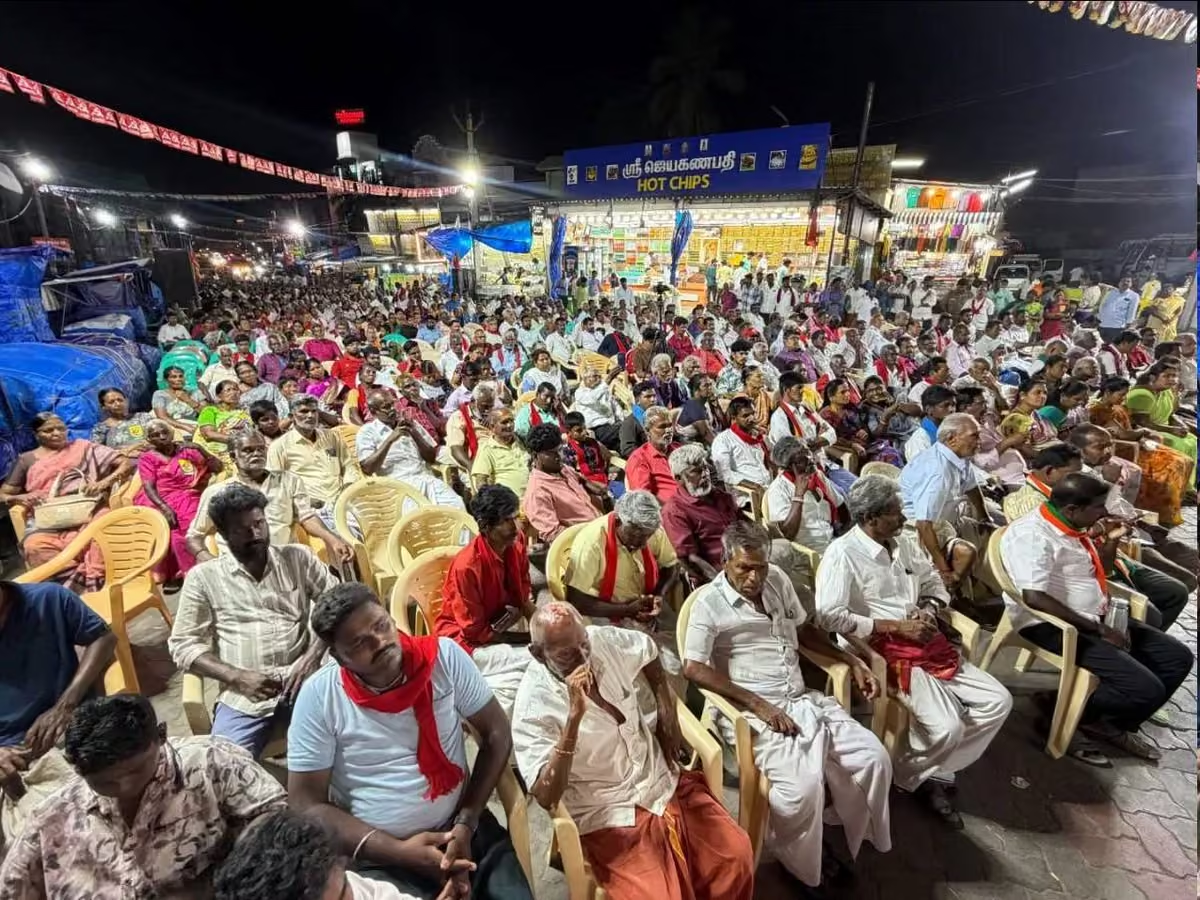
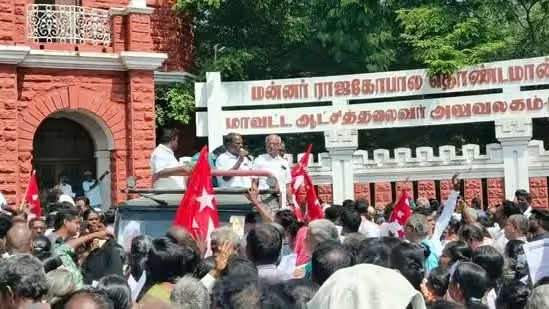
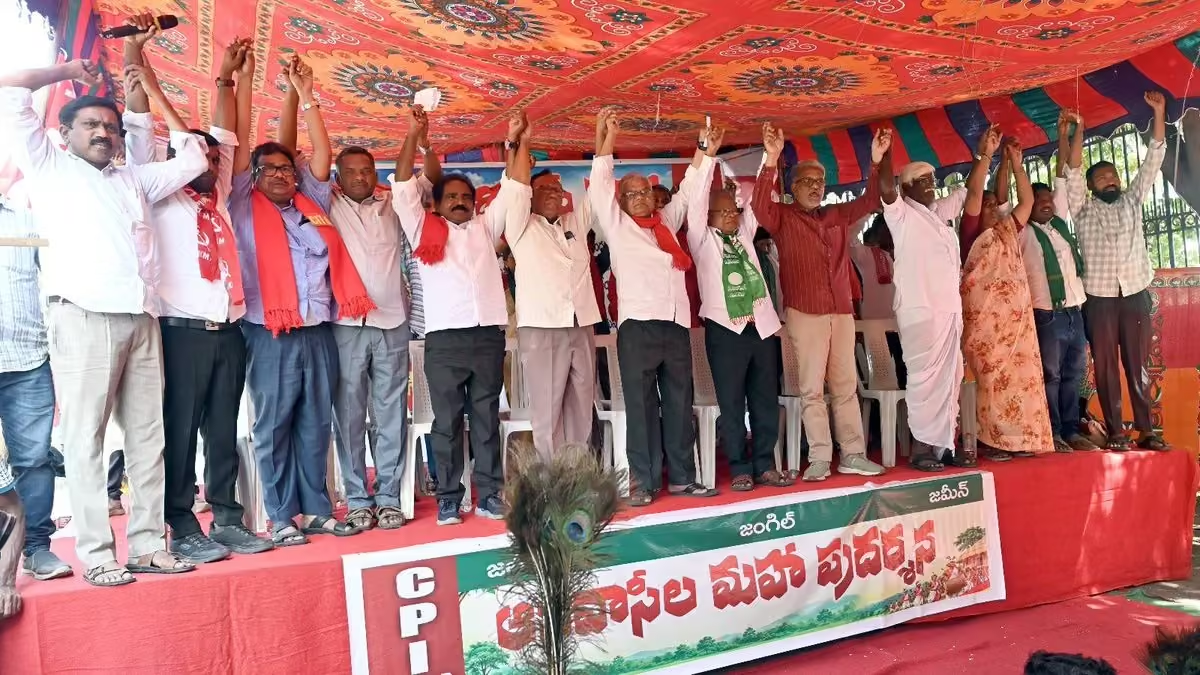
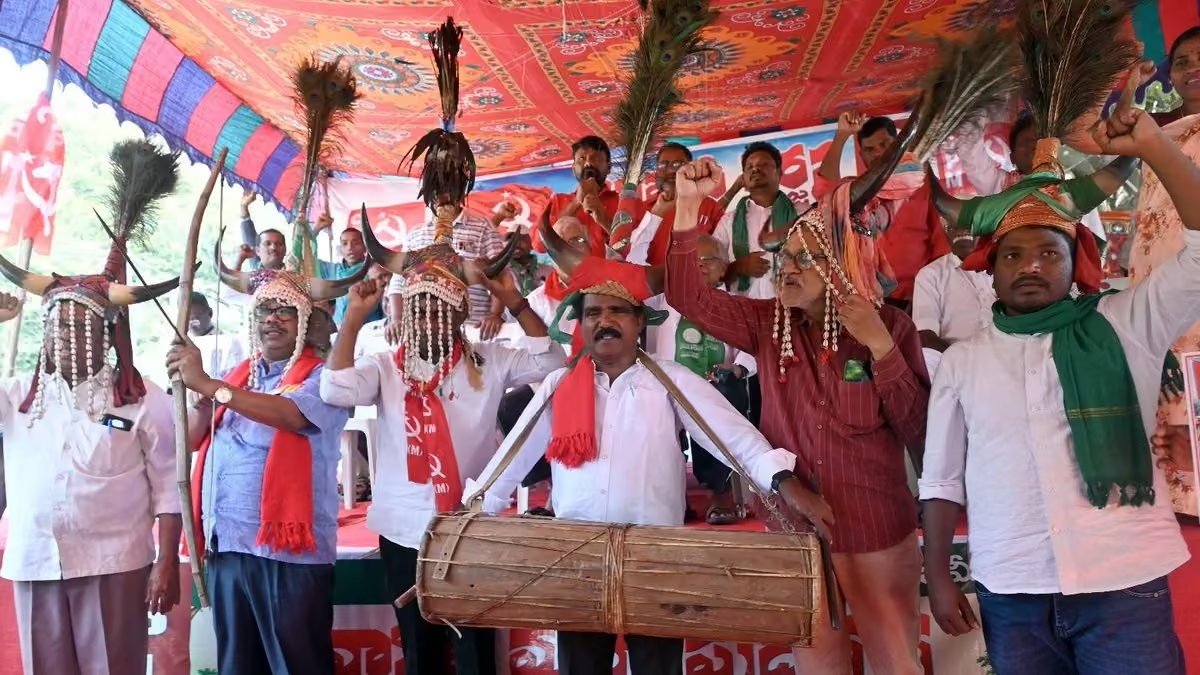
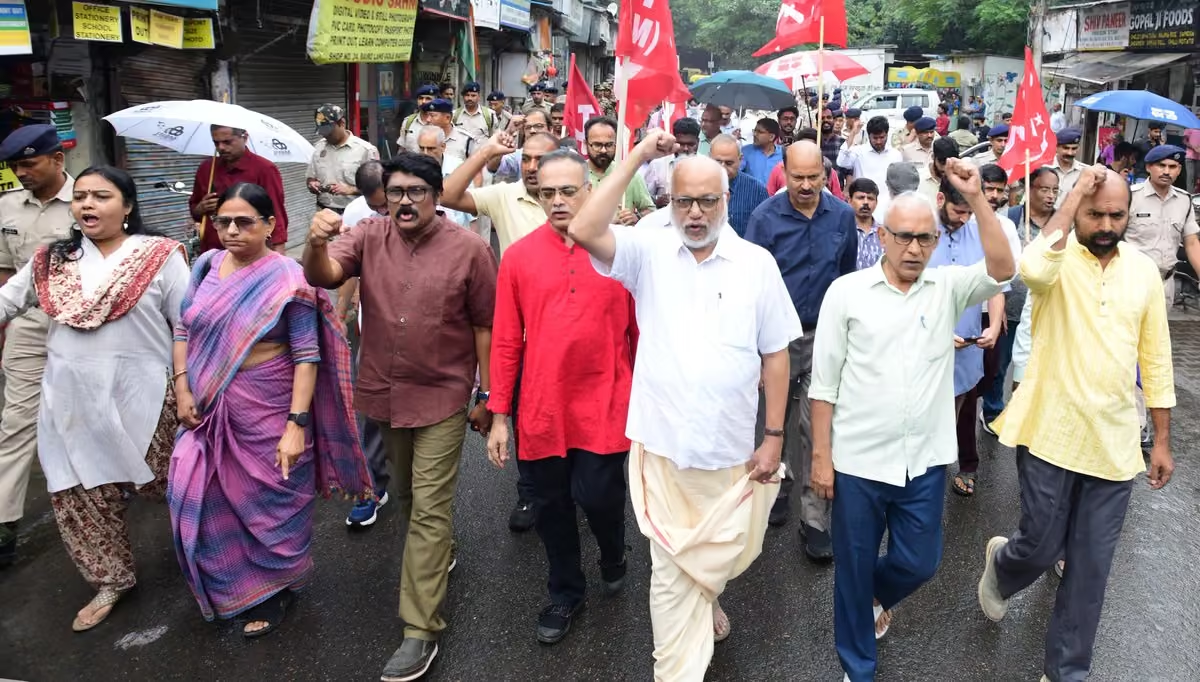
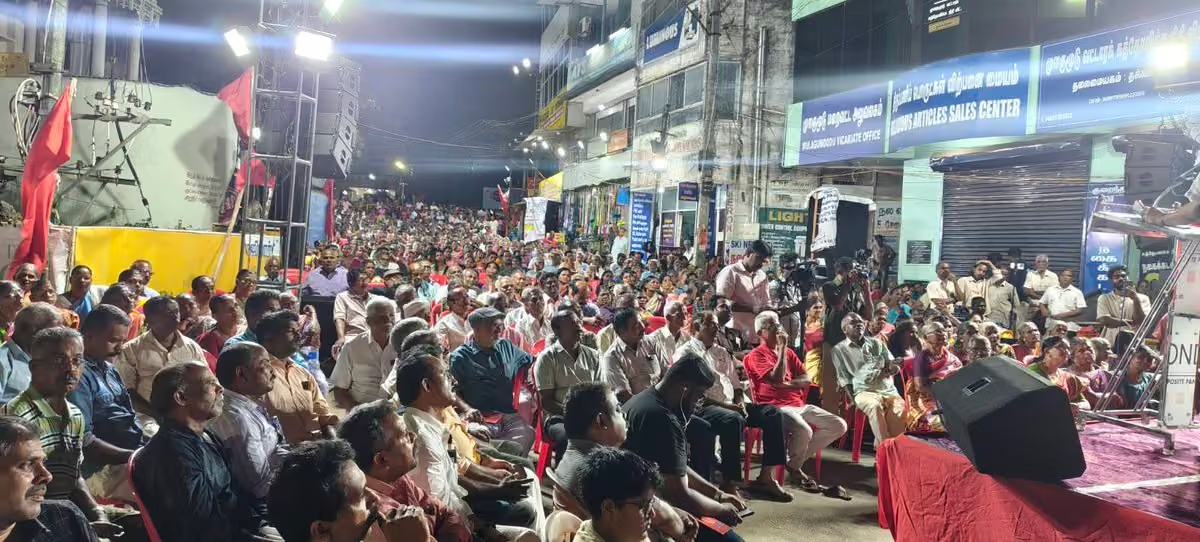
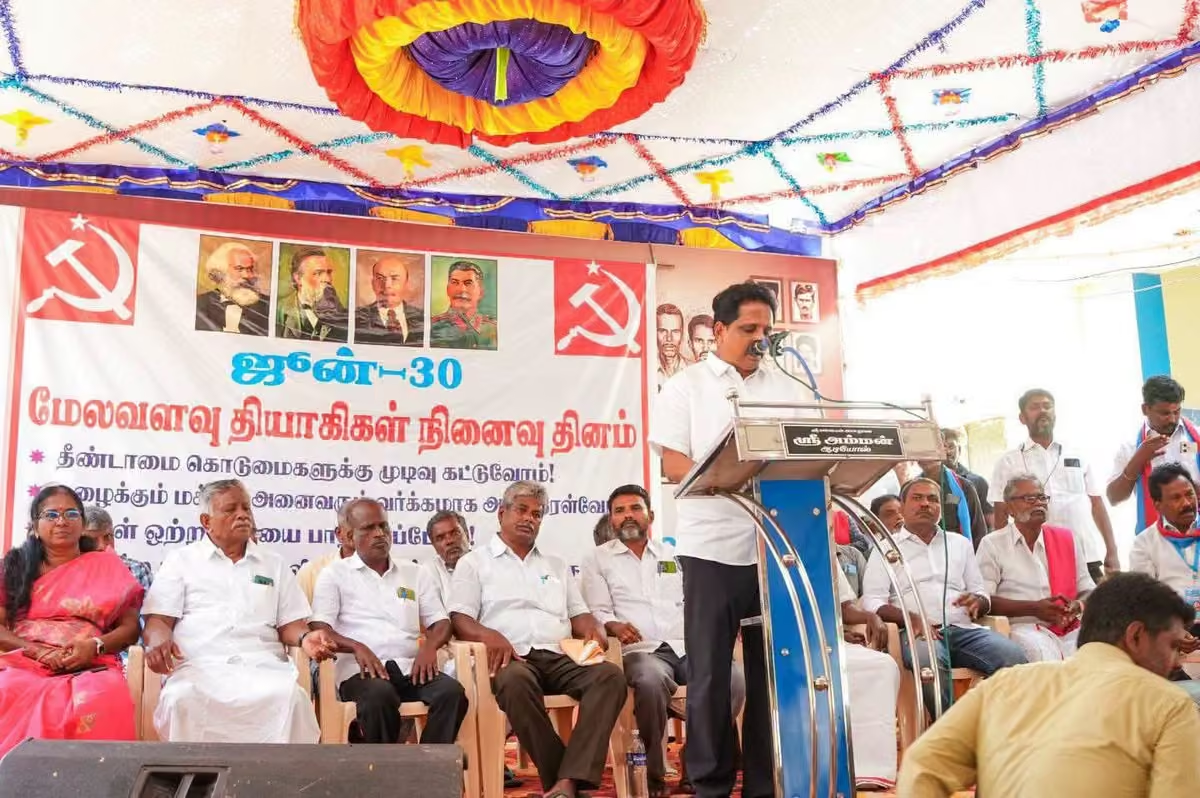
Today, we remember the state repression against the tribal villagers of Vachathi and the struggle waged by them against the entire state machinery in Tamil Nadu.
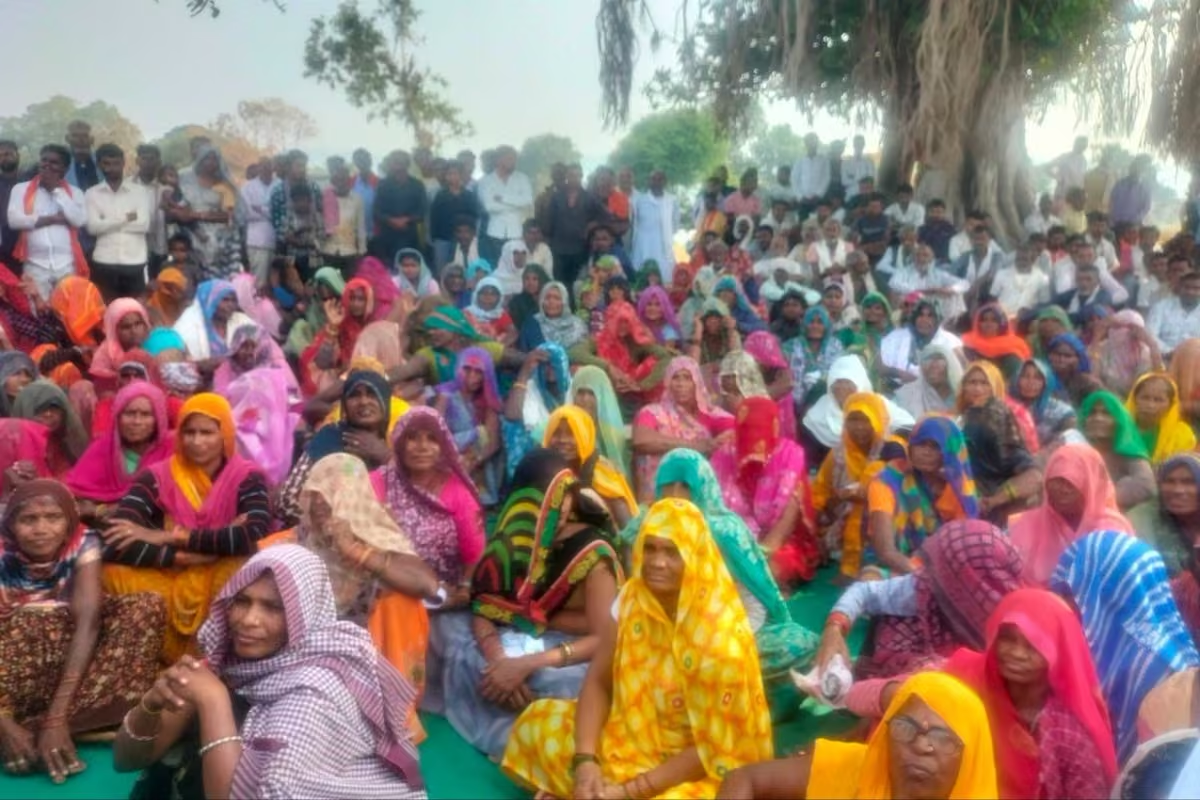
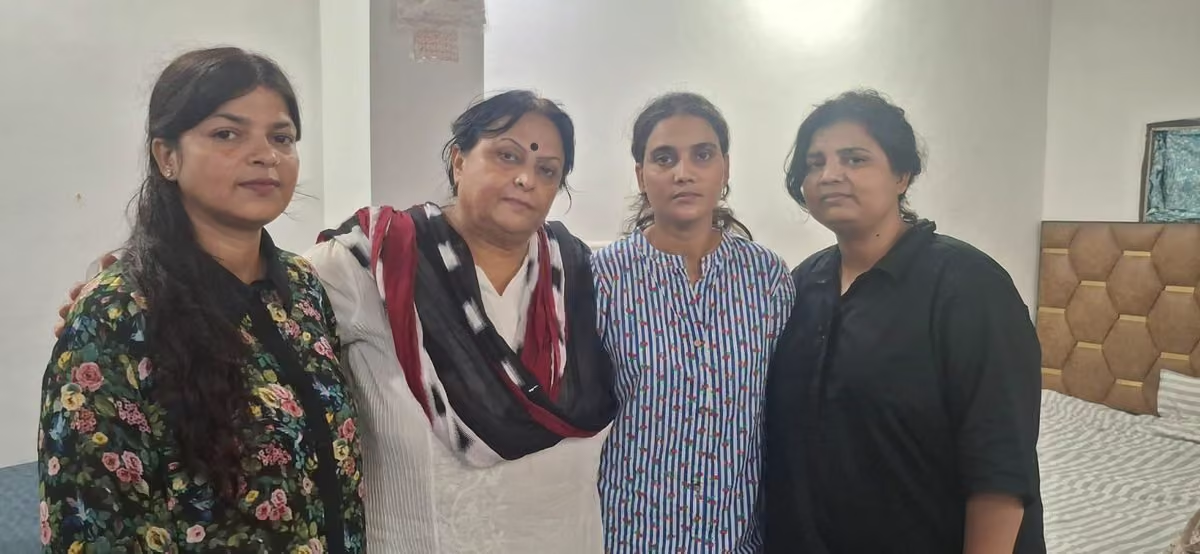
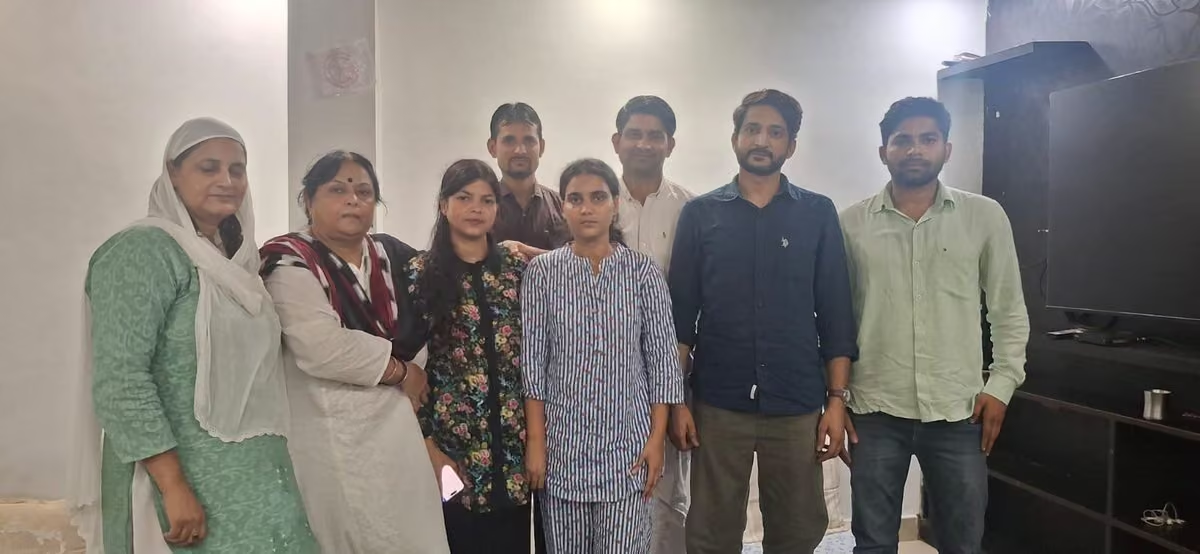
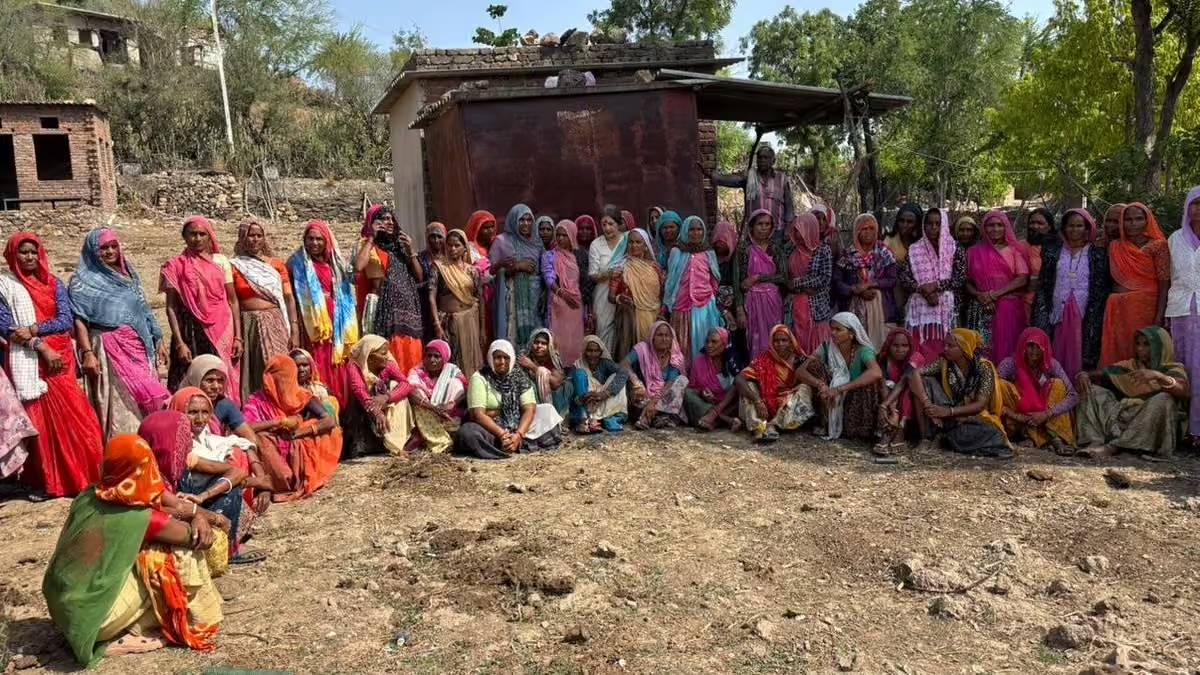
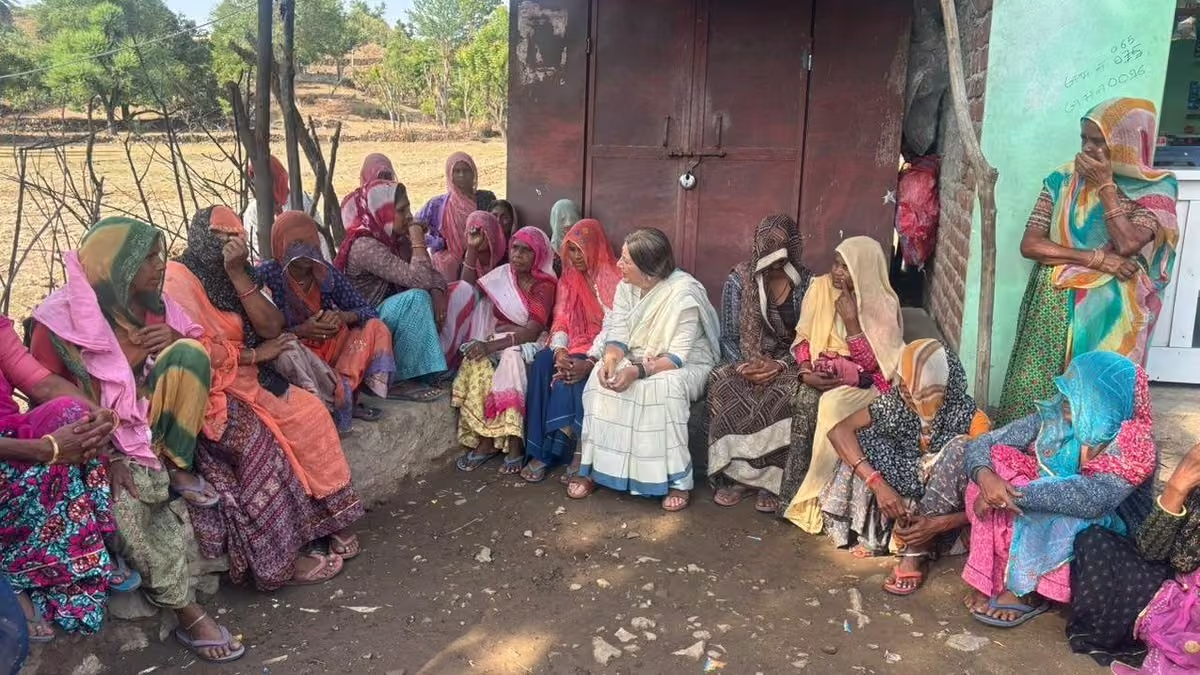
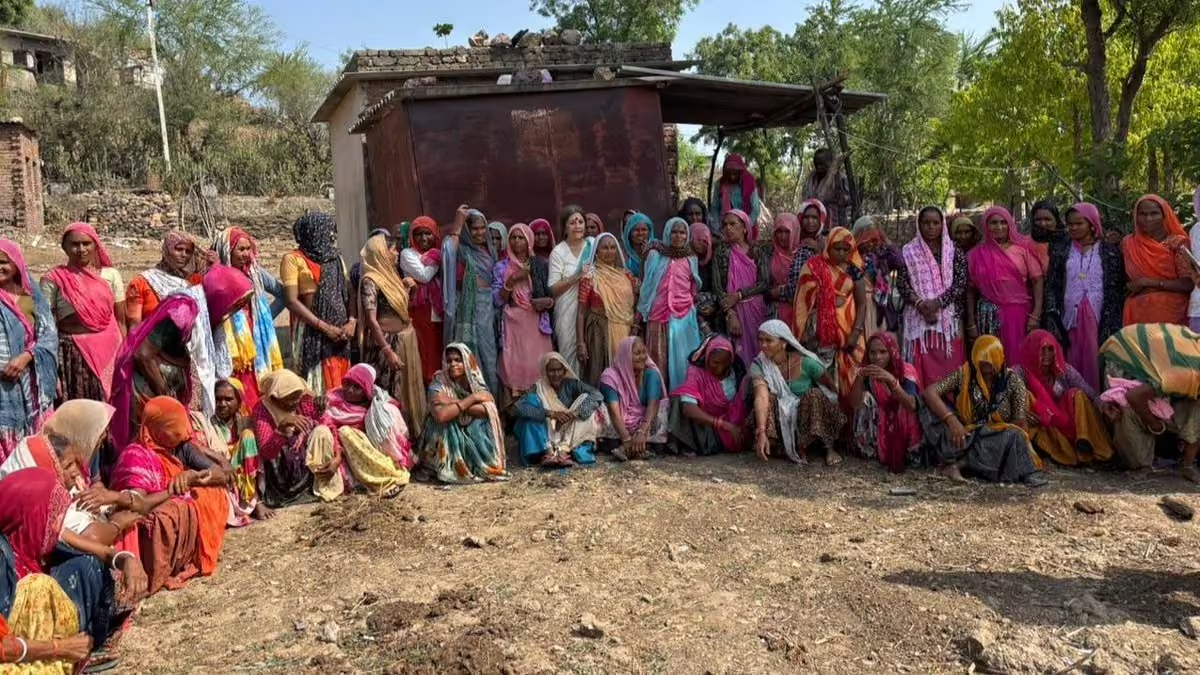
On June 20, 1992, more than 300 uniformed personnel from the forest, police and revenue departments entered Vachathi, a small tribal hamlet located at the foothills of the Sitheri Hills in Dharmapuri district of Tamil Nadu, and unleashed violence on the villagers on the pretext of searching for smuggled sandalwood and gathering information about the brigand Veerappan. The officials, who sought to falsely implicate the villagers in order to safeguard the actual smugglers and cover up the connivance of political bigwigs and government officials, unleashed brutality on the tribal people, demolishing their homes, killing livestock, and destroying food grains and even wells. The heinous attack on the villagers went on for three days. Eighteen women, including young school-going girls and a pregnant woman, were brutally raped. One hundred and eighty-nine adults and twenty-eight children were tortured and jailed. Unspeakable atrocities were committed.
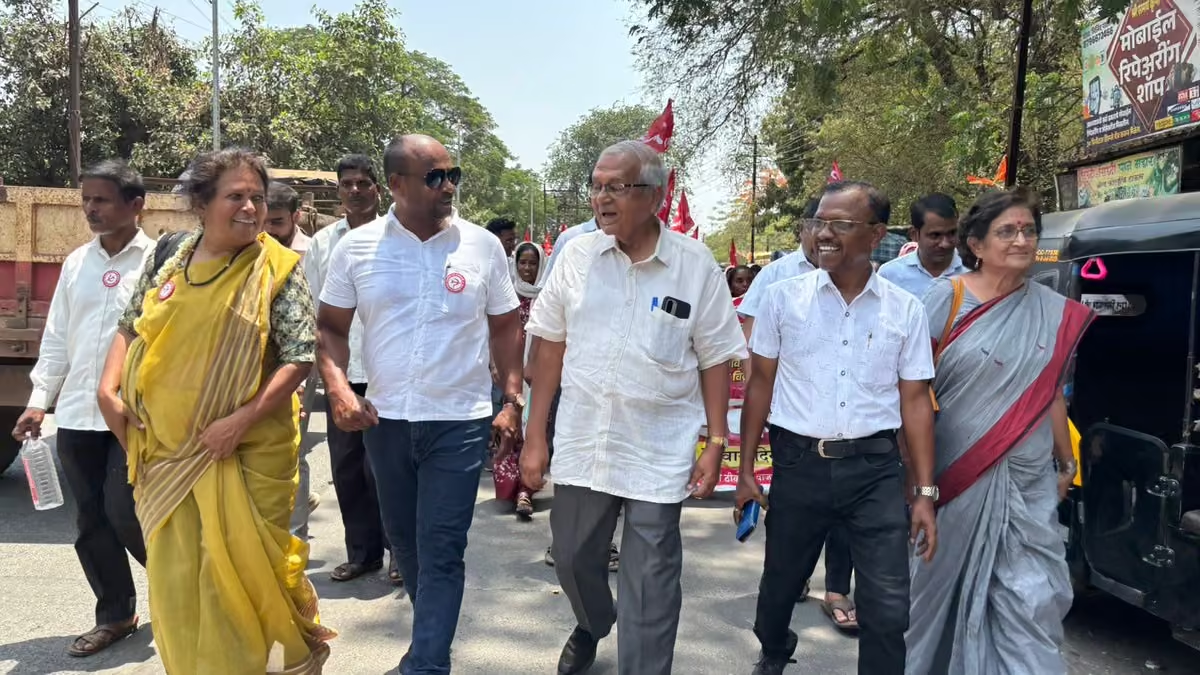
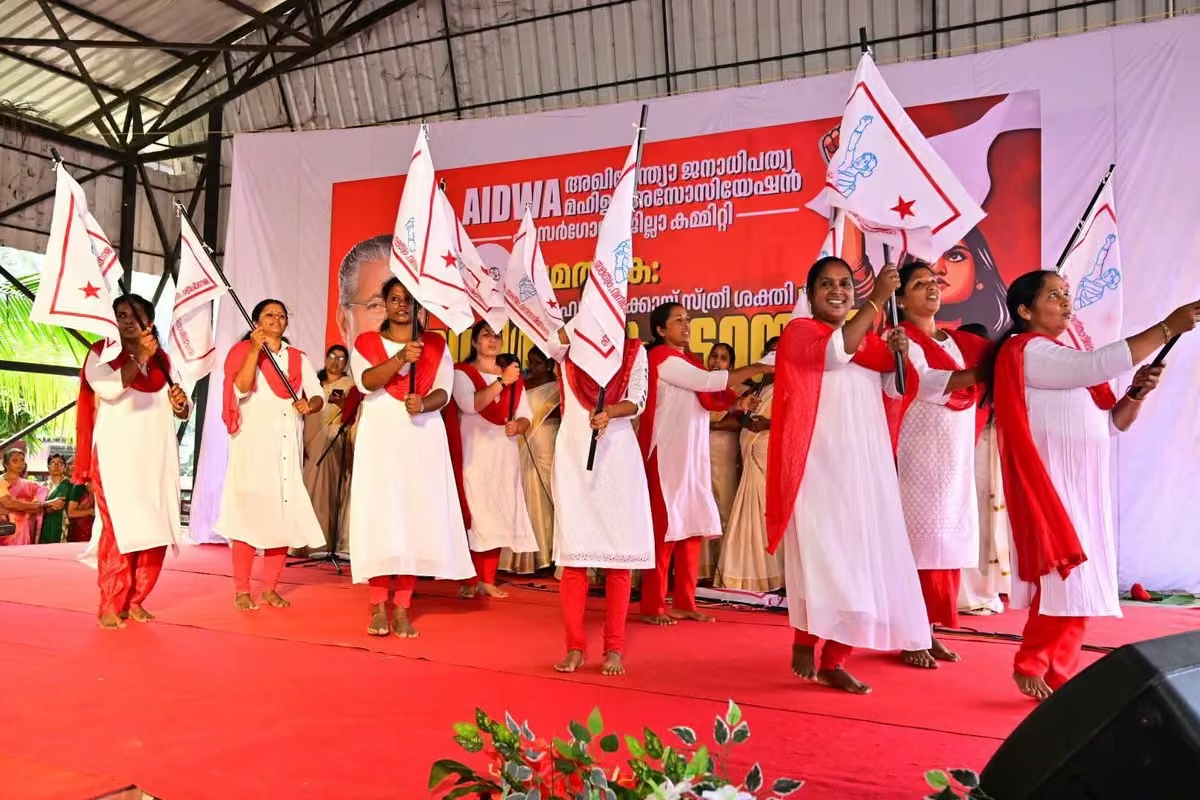
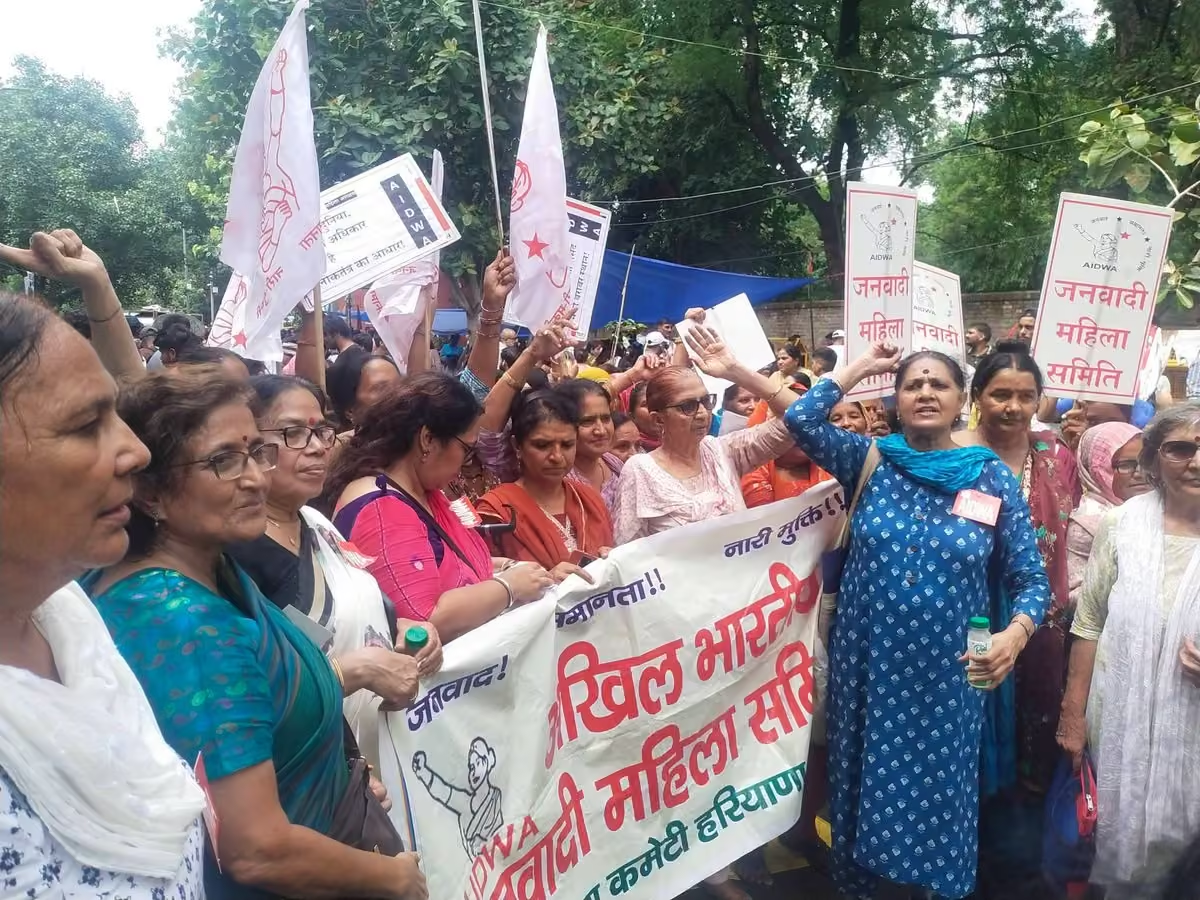
The people of Vachathi fought back. On September 29, 2023, following a decades-long struggle under the leadership of the Tamil Nadu Tribals Association (TNTA), the All India Democratic Women's Association, the Kisan Sabha and the Communist Party of India (Marxist), the Madras High Court upheld the district court judgment and convicted all 215 surviving government and law enforcement personnel who had been accused. One hundred and twenty-six forest officials, including four officers of the Indian Forest Service, 84 police personnel, among them officers of the rank of District Superintendent of Police, and five revenue officials were held guilty under the Scheduled Castes and Scheduled Tribes (Prevention of Atrocities) Act, 1989, and the Indian Penal Code in a case in which no FIR had ever been filed.
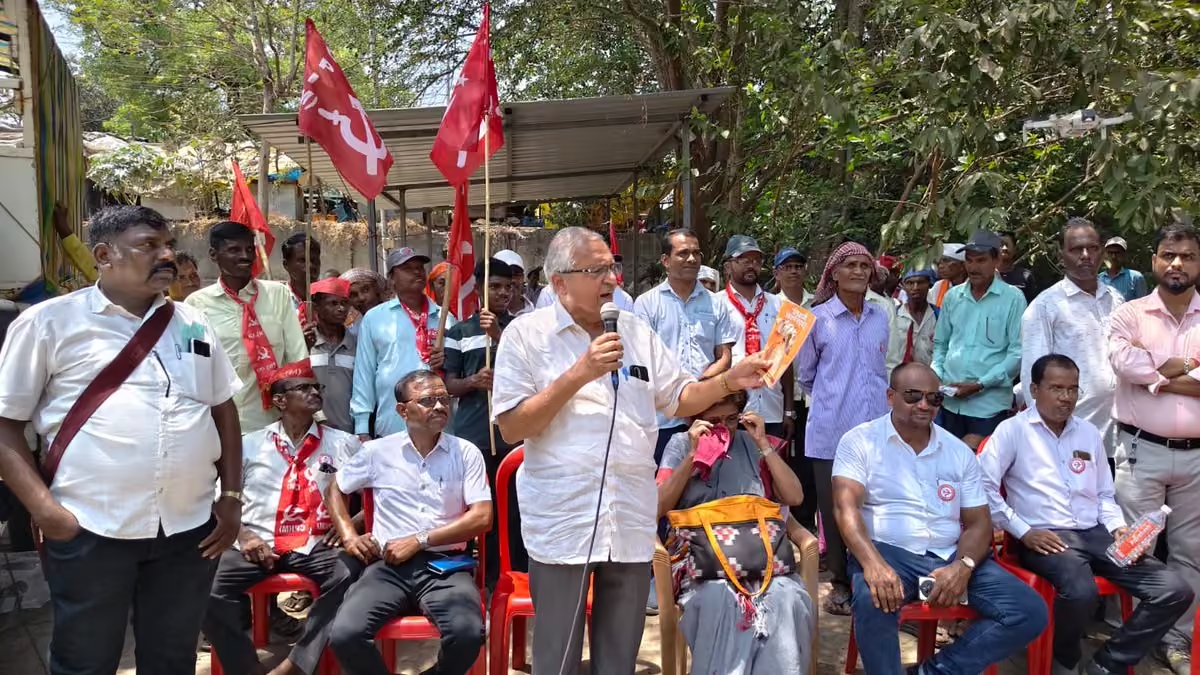
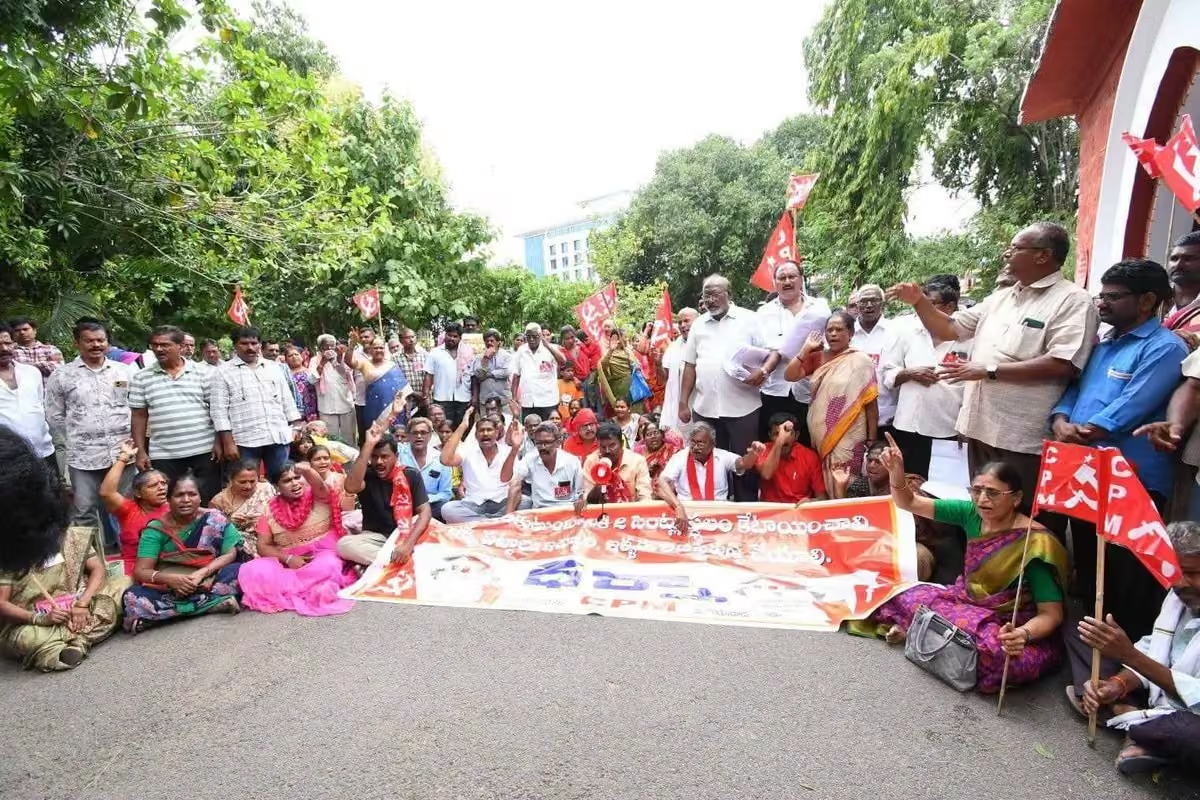
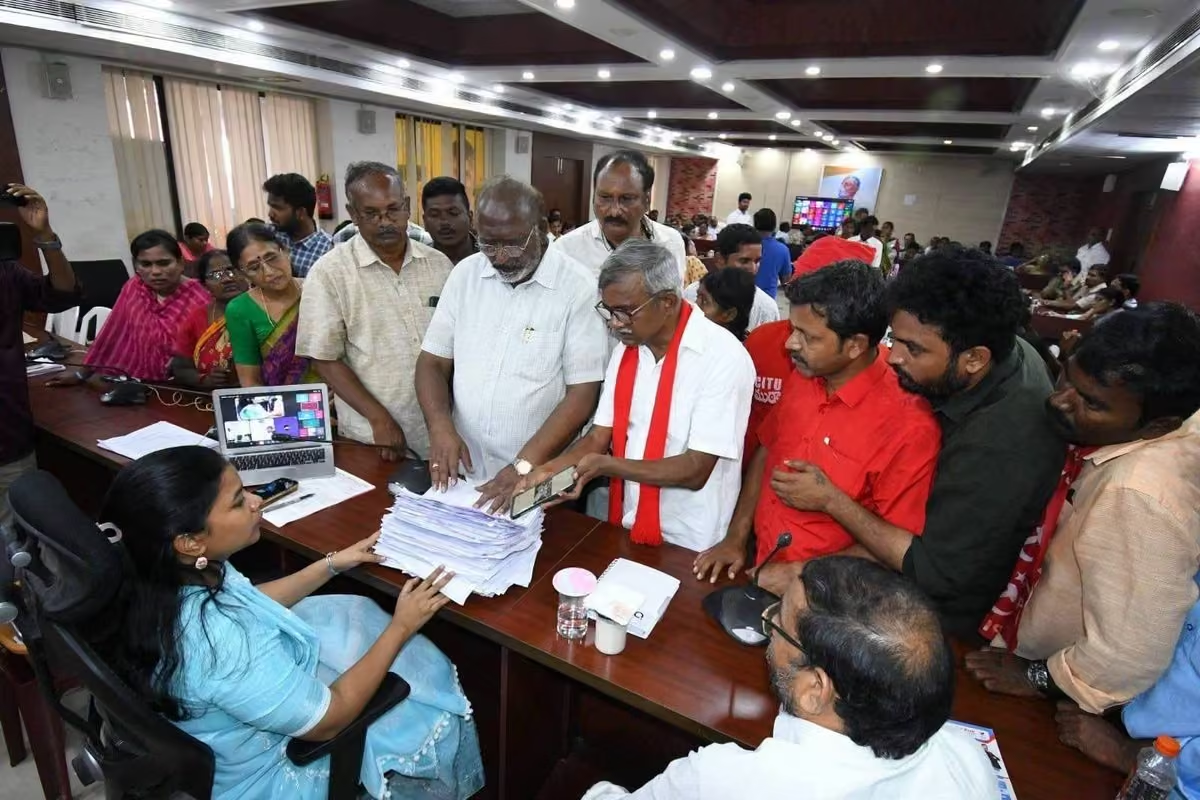
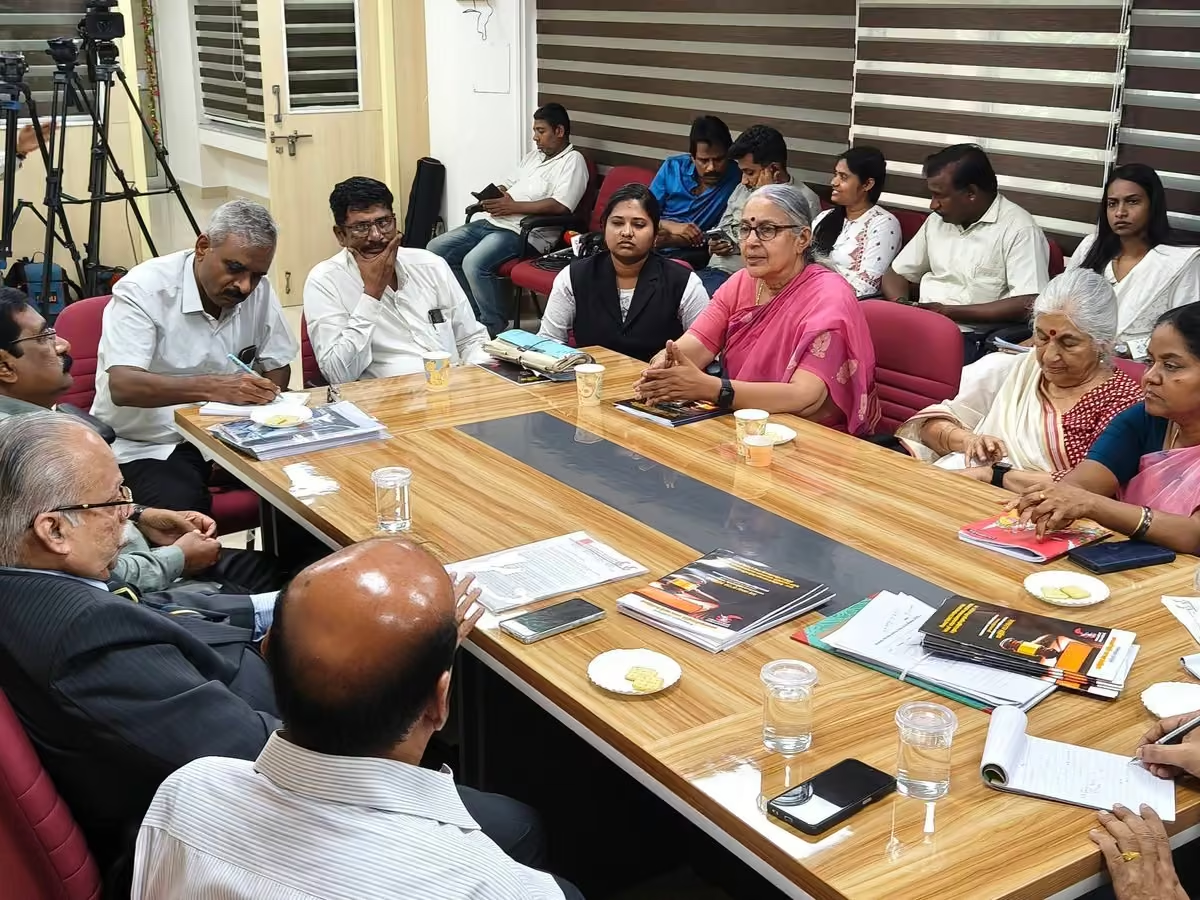
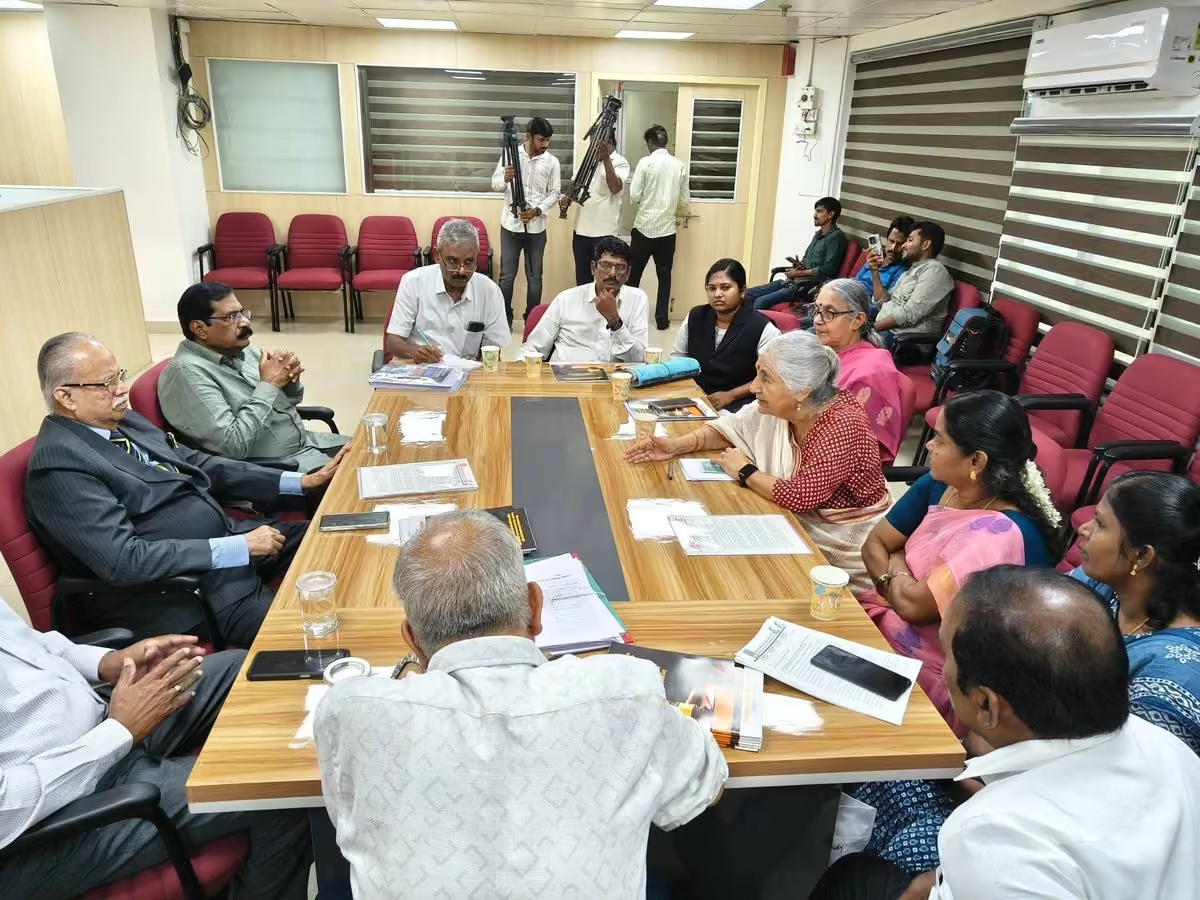
The role played by the All India Lawyers Union and the numerous trade unions, class organisations and mass movements of the CPI(M) that stood with the survivors in the legal battle was crucial. The first petition filed in the case was dismissed by Justice Padmini Jesudurai, the first woman judge of the Madras High Court, as she reportedly found it difficult to believe that educated government officials could be involved in such acts. Immediately thereafter, A Nallasivan, the then Secretary of the CPI(M) Tamil Nadu State Committee, who had earlier written to Chief Minister Jayalalithaa demanding a judicial inquiry and raised the matter in Parliament, filed a PIL before the Supreme Court, which transferred the case to the Madras High Court. The initial petition was filed by the then State Secretary of the TNTA and the present Secretary of the CPI(M) Tamil Nadu State Committee, P Shanmugam.
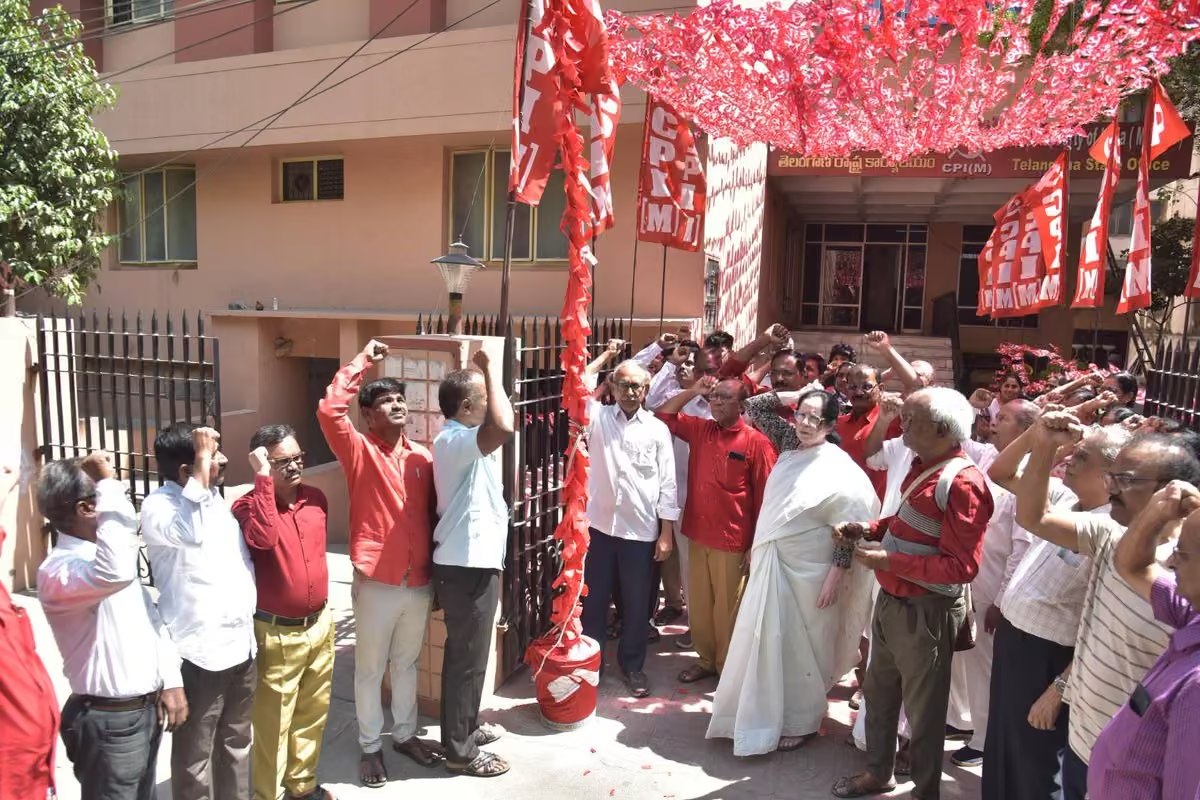
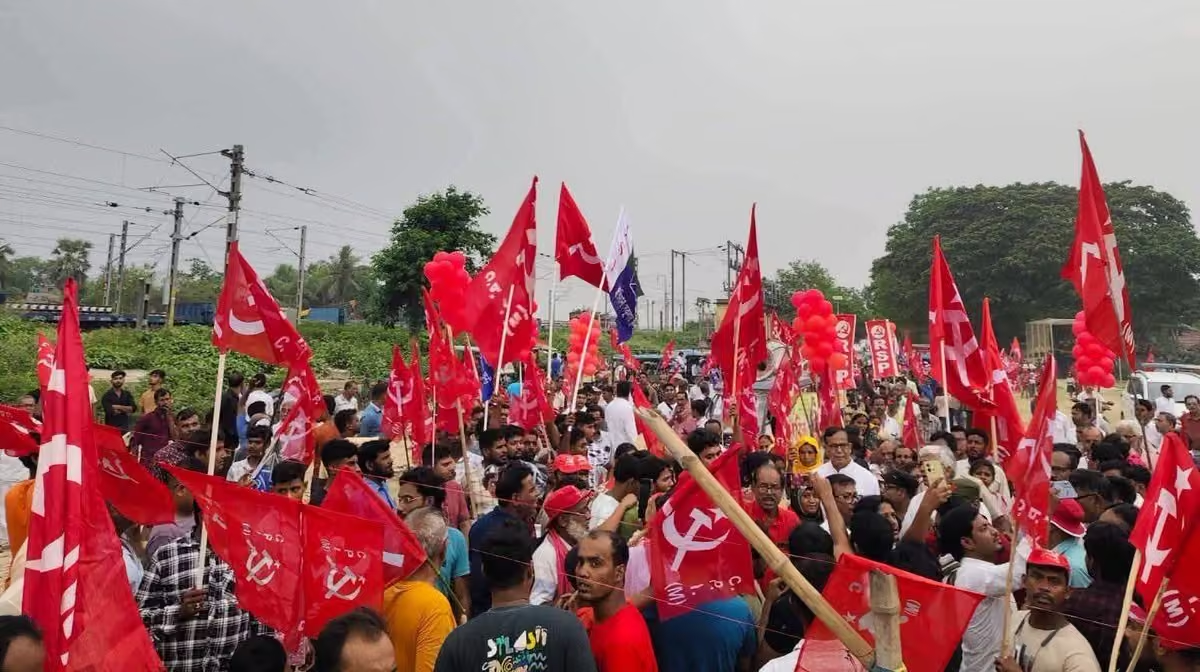
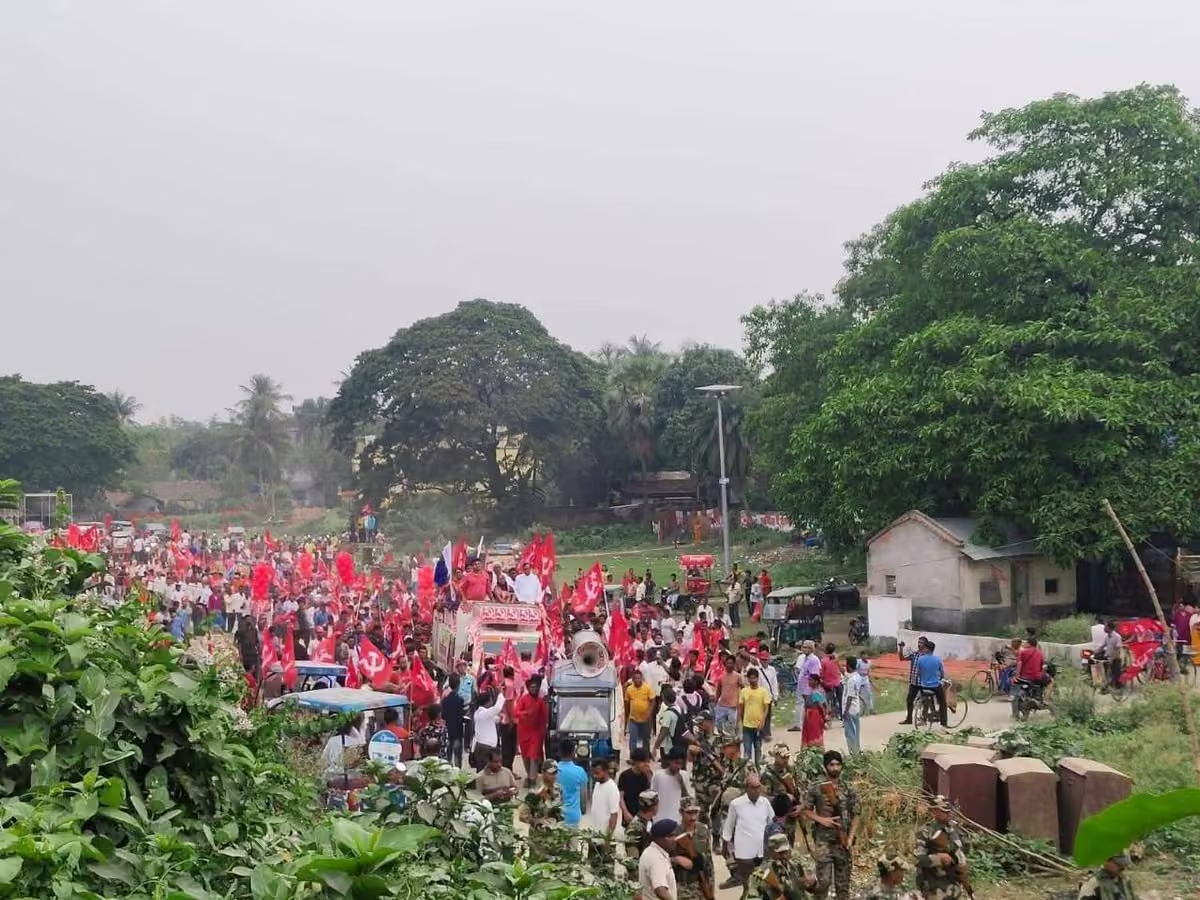
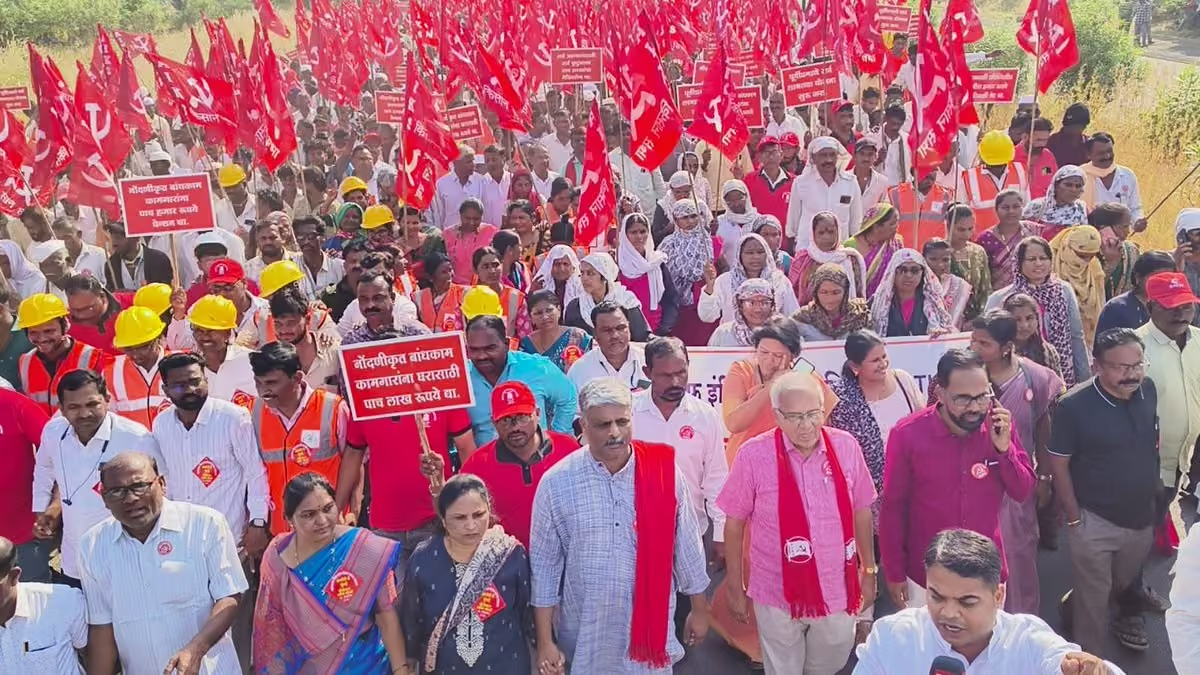
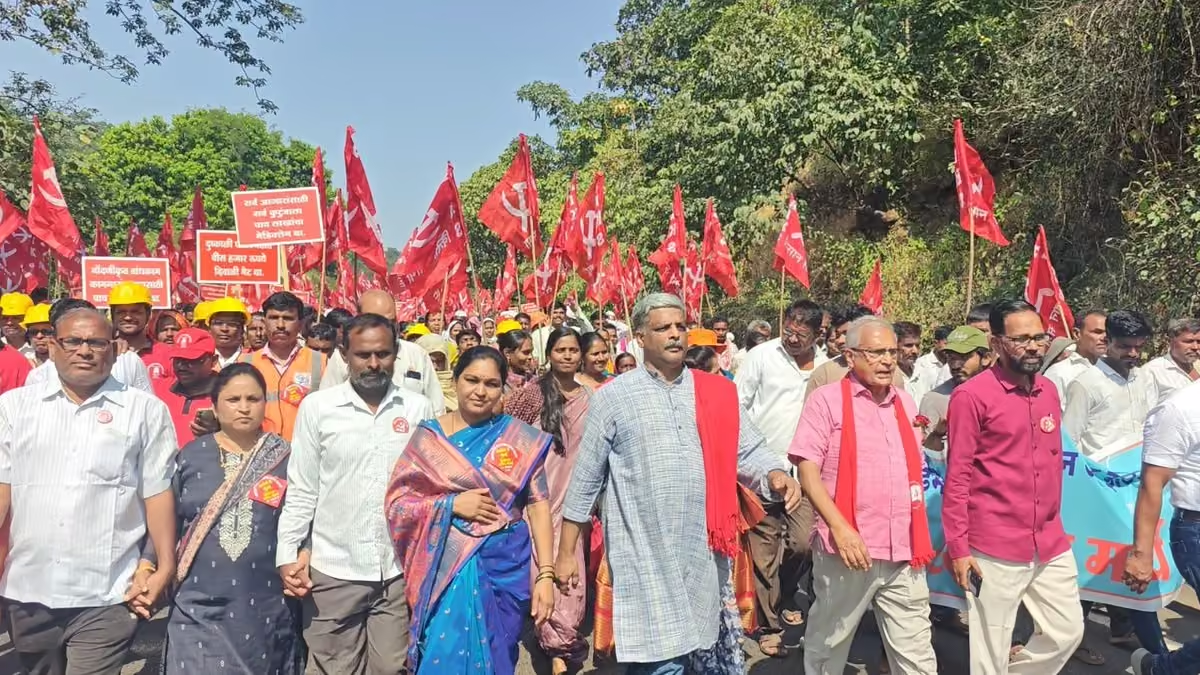
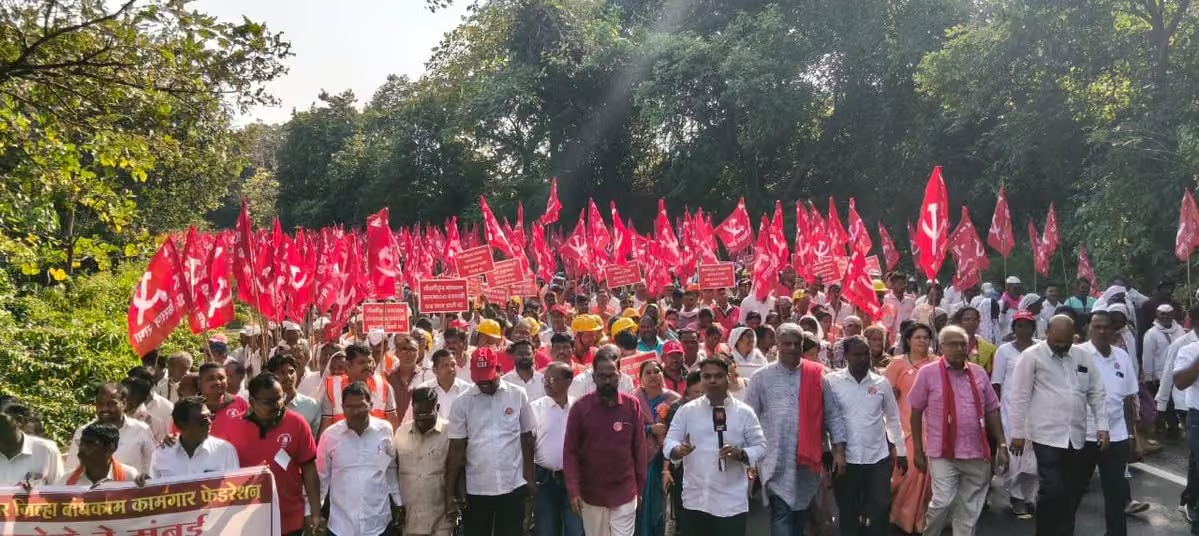
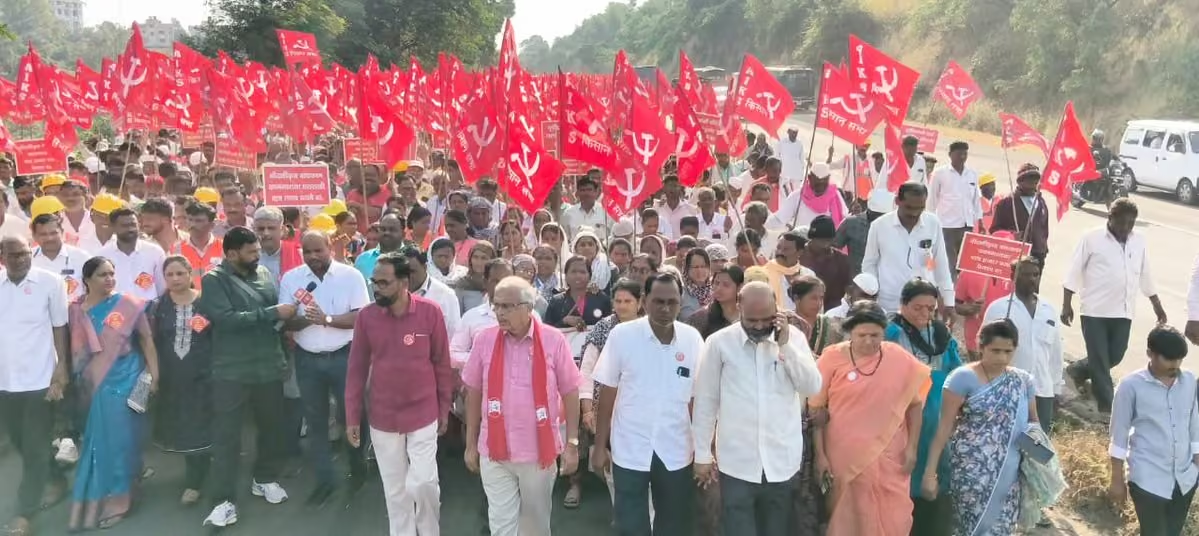
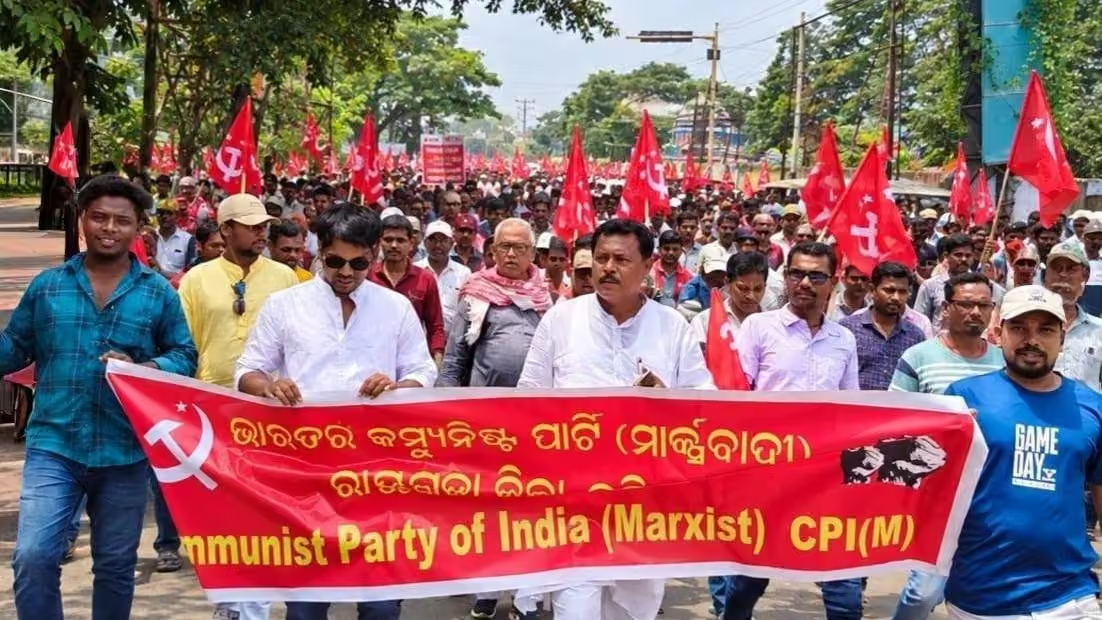
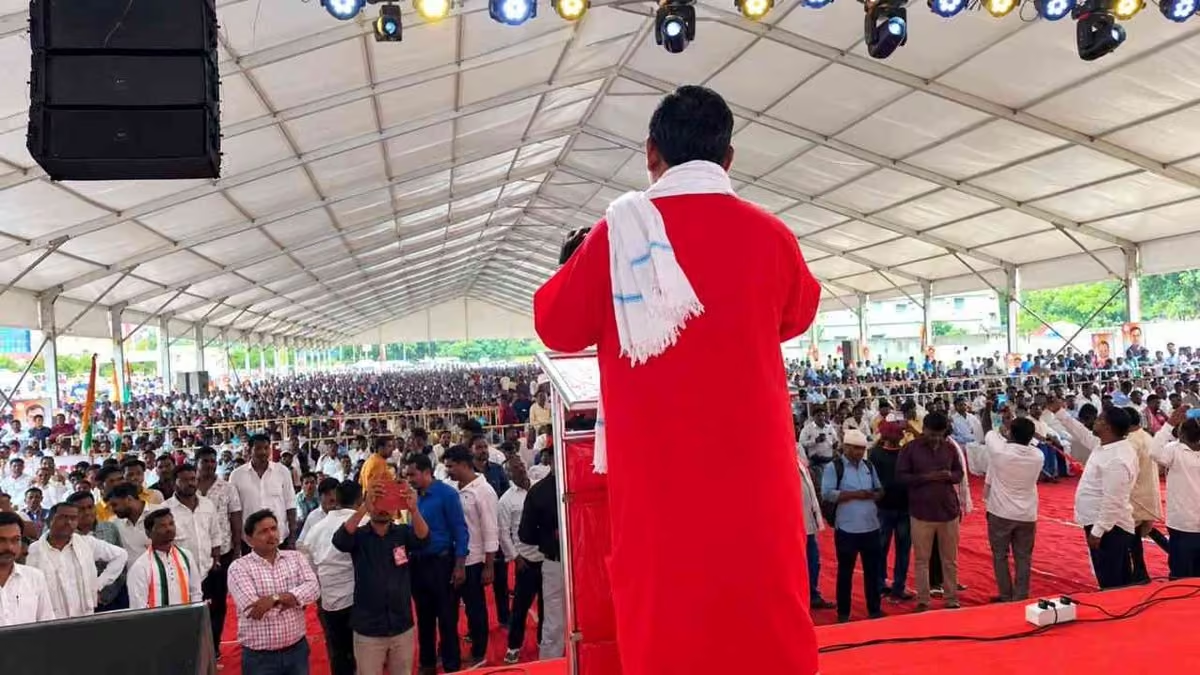
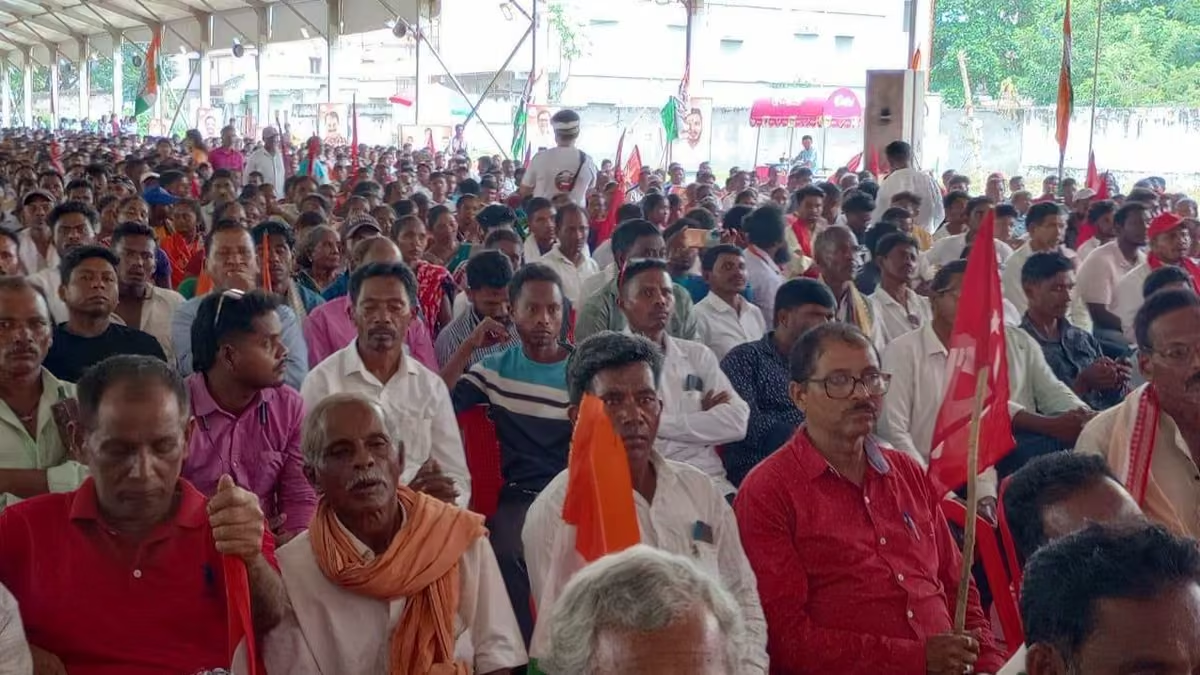
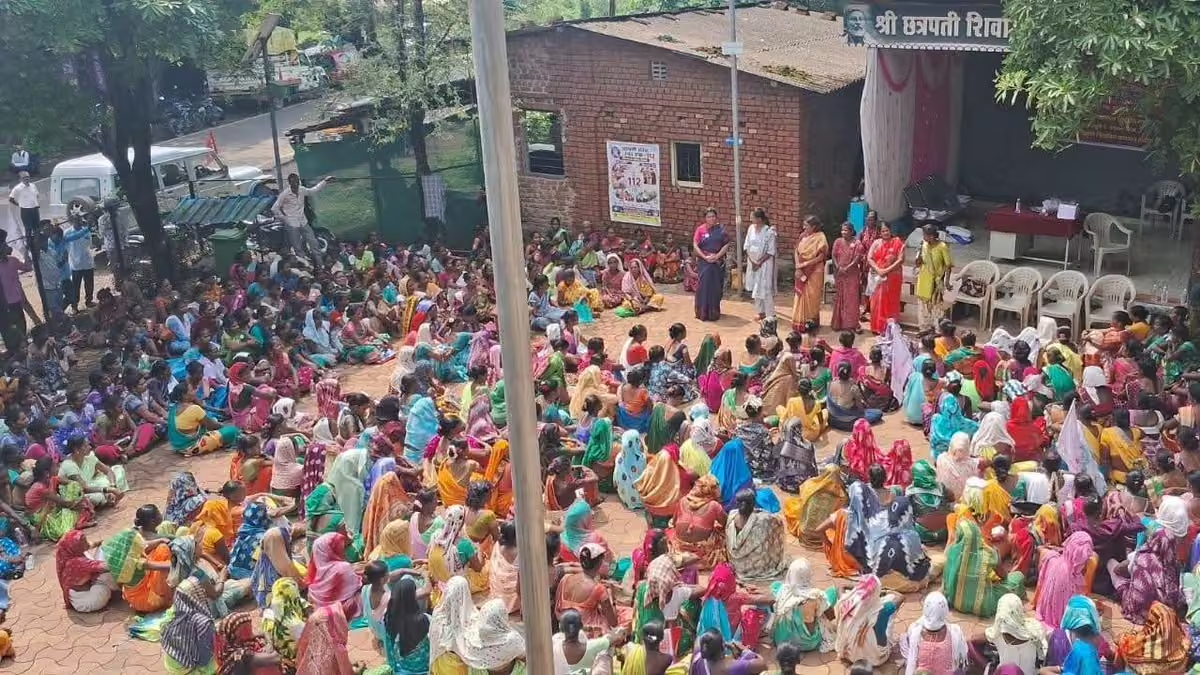
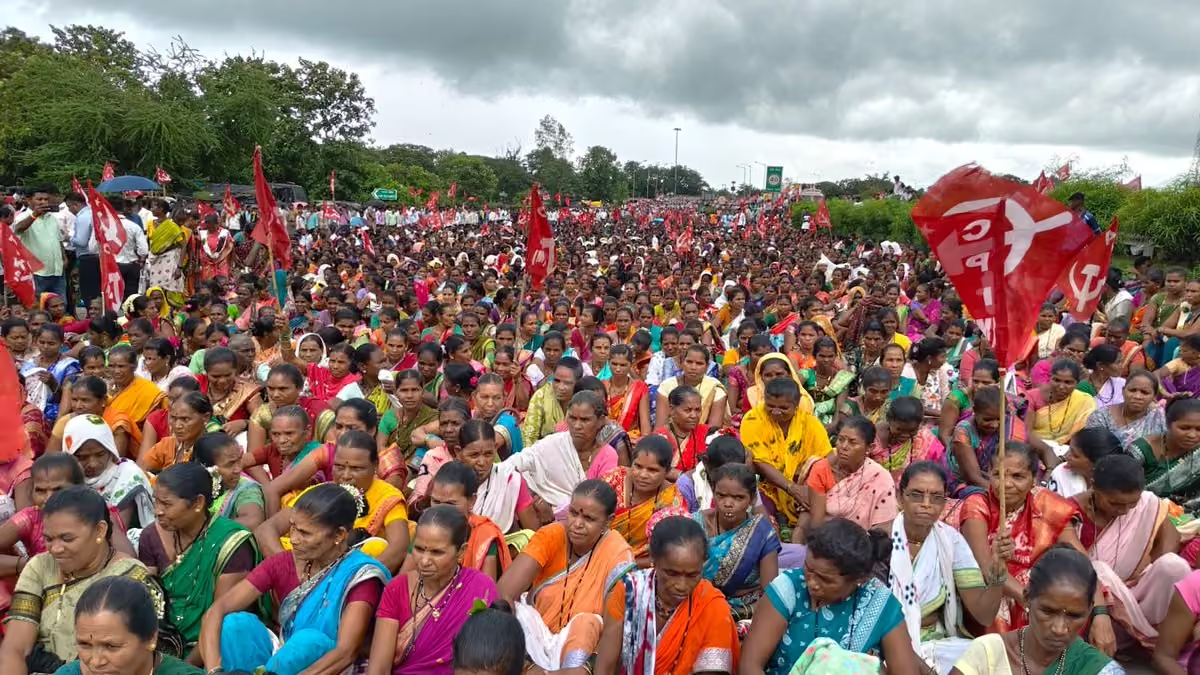
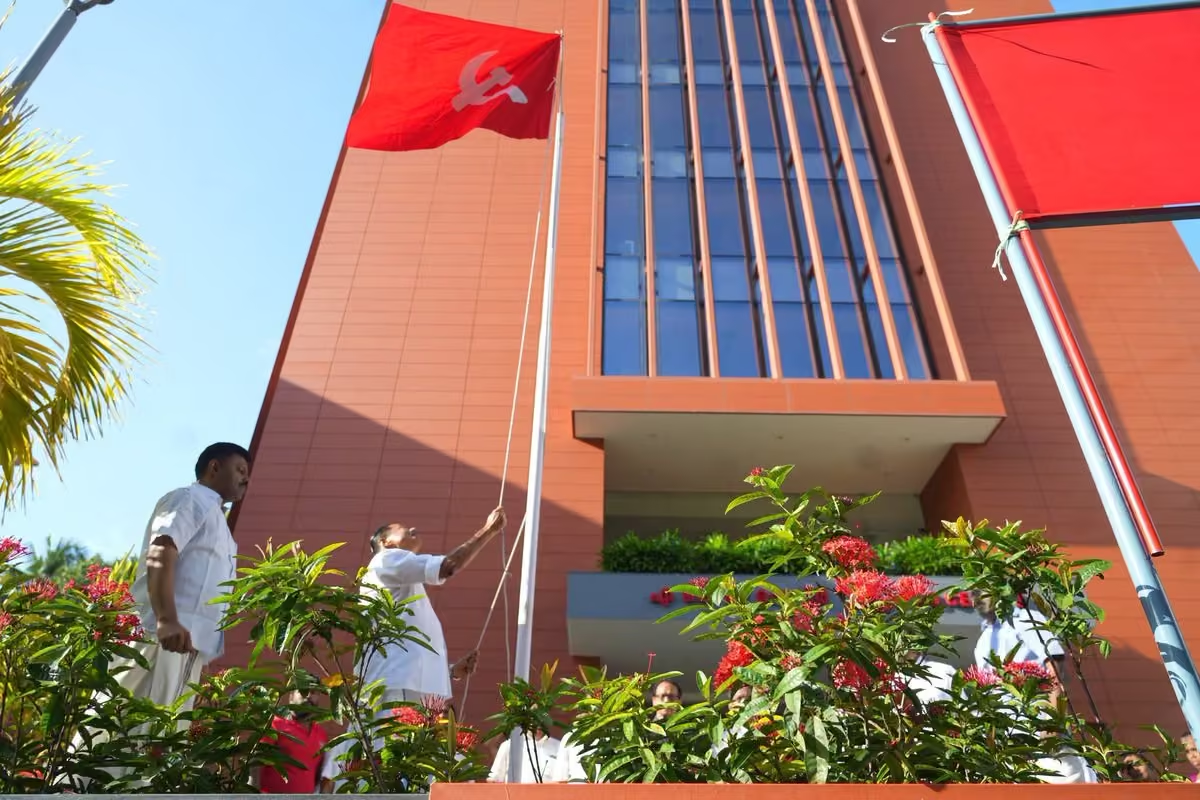
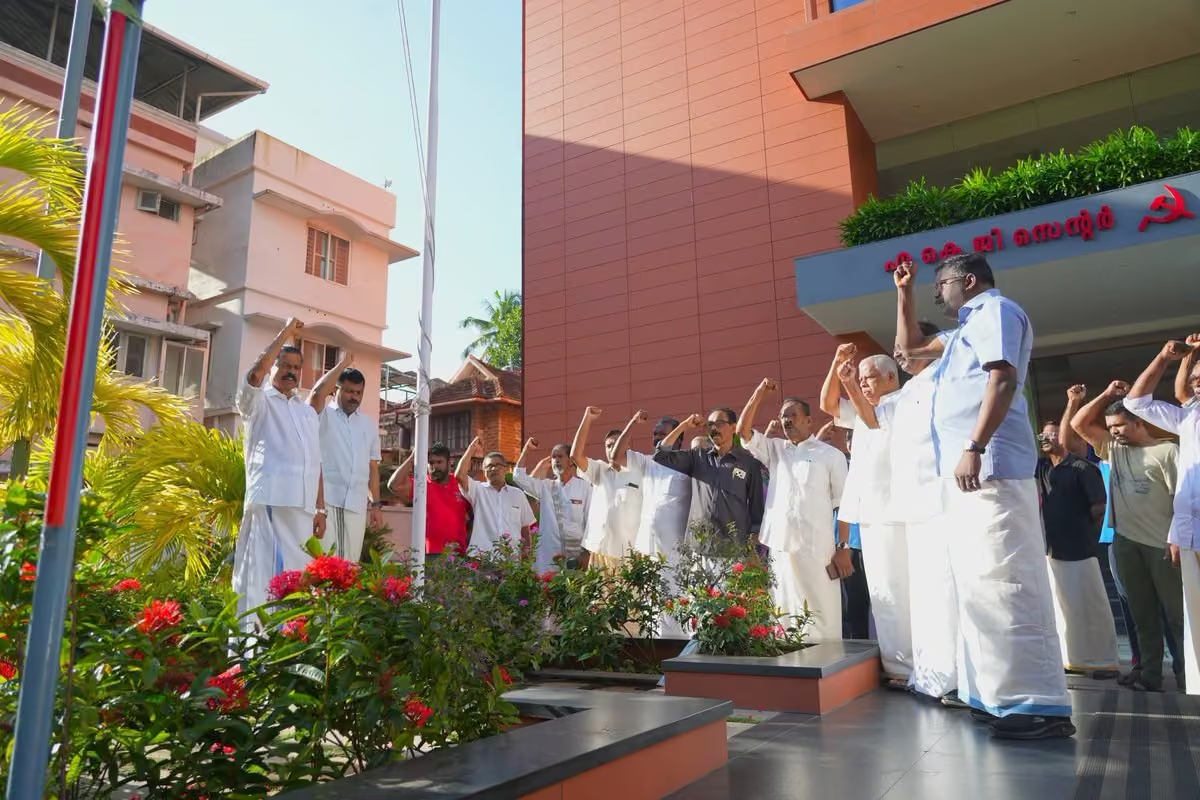
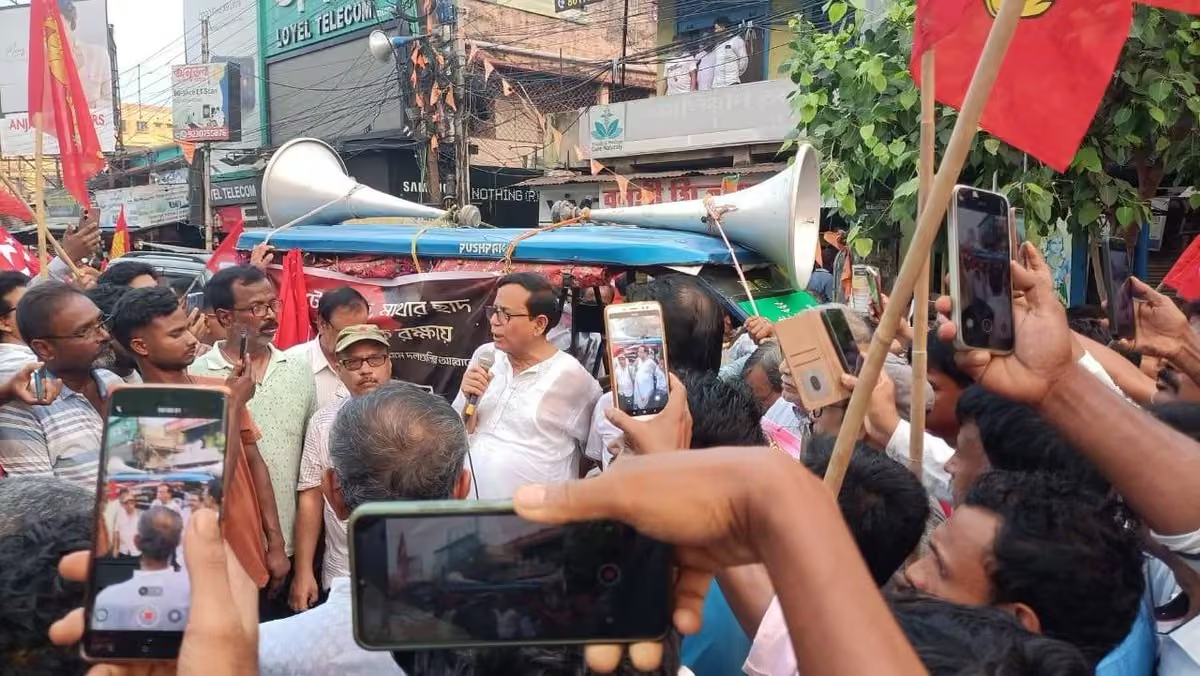
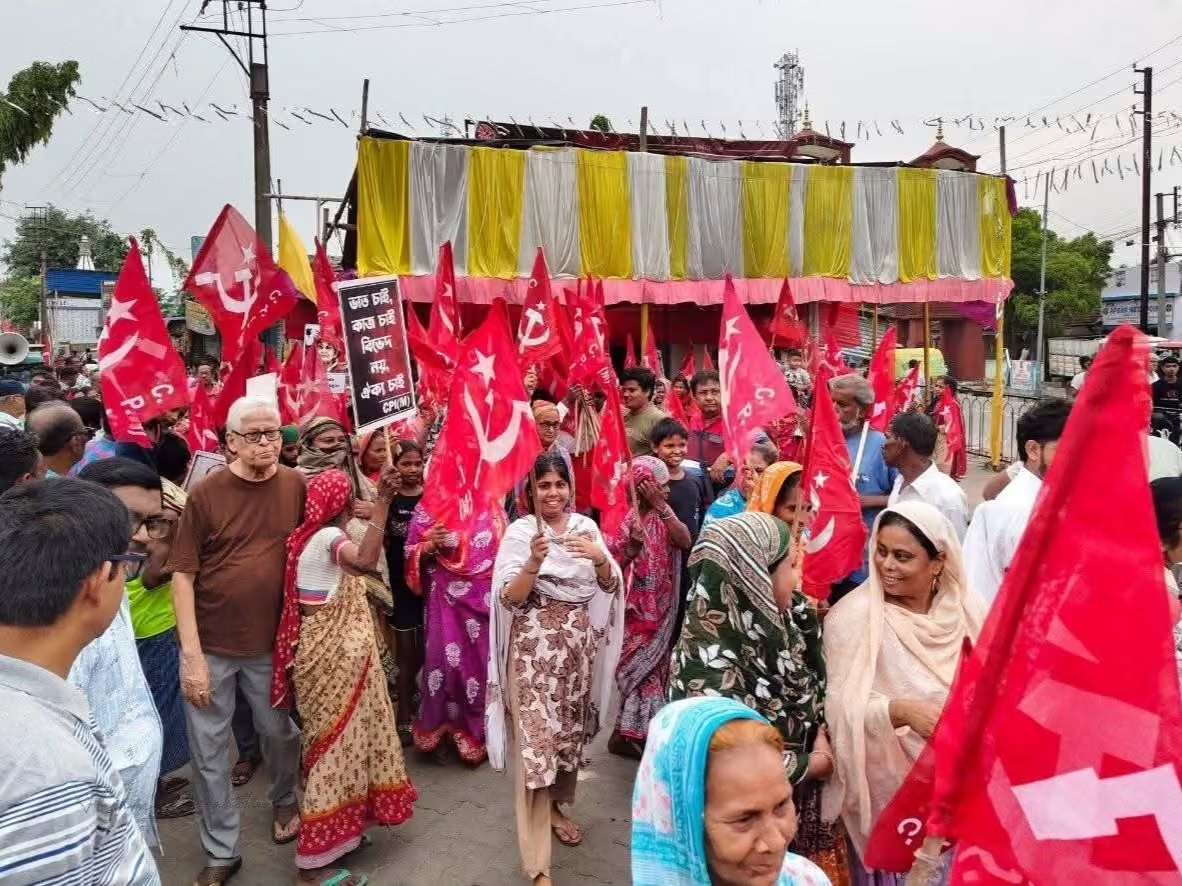
The Vachathi struggle is a testament to the resilience and courage of the people of Vachathi and to the importance of collective resistance and solidarity. When the villagers were asked, “What made you remain unfazed in the face of everything that came your way in this struggle?”, their response was, “This Red Flag!”
Long Live the Resistance! Long Live the Red Flag!


 CPI (M)
@cpimspeak


 M A Baby


































 A A Rahim

 John Brittas









 The Caravan







 SFI


 Su Venkatesan MP
 Cockroach Janta Party - CJP




 Live Law





 IANS





































 Shyam Meera Singh





















































 Internet Freedom Foundation (IFF)































































 CPI(M) Keralam







 TKP International


 D. Raja


 Tejashwi Yadav
 Arvind Kejriwal