

 Eight Sleep
@eightsleep

Behind every champion is the unseen work and the sleep that make it possible.
Dreams, an inside look at @arturocoello__'s journey to the top of the game, now streaming on YouTube youtu.be/iycu-eECtsA
 Matteo Franceschetti
@m_franceschetti
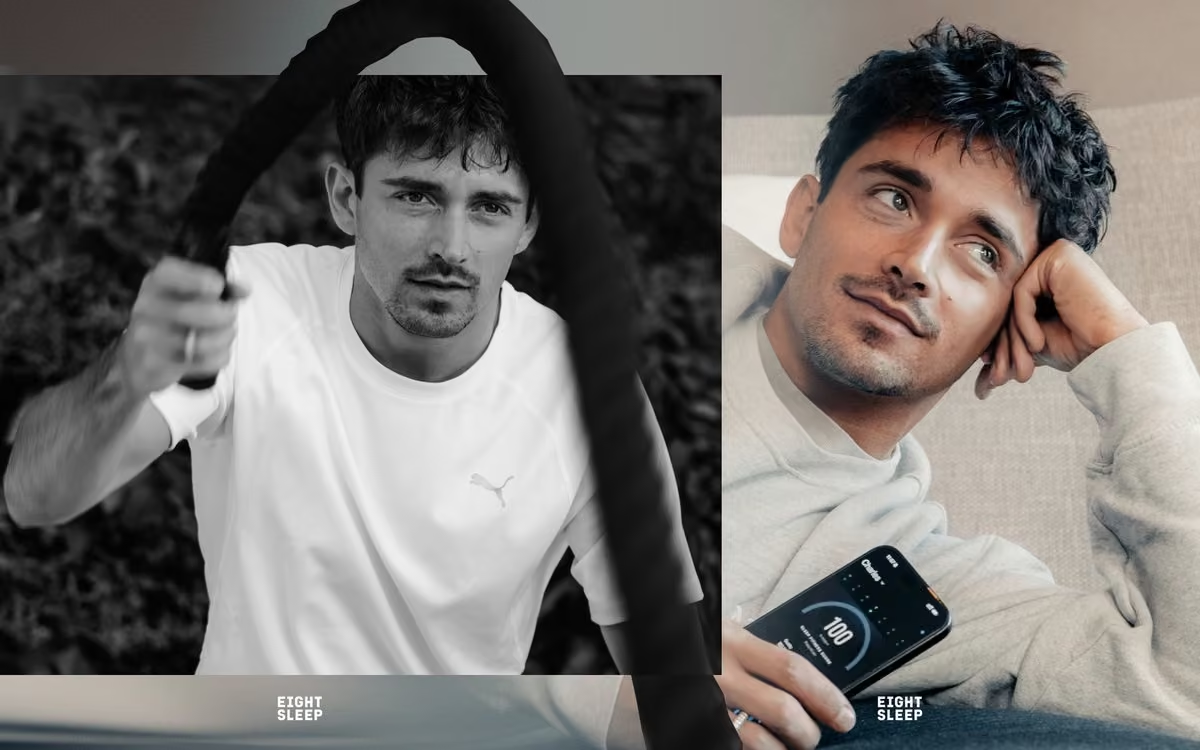
The people at the top of any sport are the ones who take the unglamorous parts seriously. This week in Dubai, we premiered @Arturocoello__'s episode of Dreams, our portrait series on extraordinary people.
What I respect most is how honest he is about the price: the weekends he gave up as a teenager, a mind that never switches off, and sleep and recovery being the part of training nobody sees.
That’s why we keep building @eightsleep, to help people perform at their best.
Watch the full interview on our YouTube channel: youtu.be/iycu-eECtsA
This media couldn't be displayed. See it on the original post.


 Aaron


 Greysen Paige


 Tomas Stambulsky
 Jay

 Tesla Owners Silicon Valley

 Navya


 Milo Smith


 clara


 Jorge Torres


 David T Phung 🇺🇸



 ArabianBusiness.com


 Isaac

 Greg Hunkins

 Danny

 Alexandra Zatarain 🎱

 Jorge Pereira


 Bradley Johnsen
 evan j

 matt kita

 Dustin Burnham

 Amy Suto | ✍️ Author

 Jeremy Cabral


 Joshua Wilborn 🌳 🪓


 Josh Grazier


 Ishika


 Ethan Kimmel

 Edward Chiu
 William Brown
 Wayne Ward 📸


 Cognition


 Adnan

 patagucci perf papi
 ThePrimeagen


 Alex Cohen


 Gary Brecka

 Zak Brown


 TBPN
 Anthony Pompliano 🌪

 Josh Ong
 Kyriakos Eleftheriou
 Kabir khan
 Tushar Jain

 Packy McCormick

 Preston Thornburg


 Visiting Fellow, Ph.D.
 Joe Fernandez
 Milk Tyson

 Hunter
 Vatsal Singhal


 Nicki
 mattytay


 Peter Ackerman
 Akash Raju

 Austin S. Lin


 Rick Manelius
 Johnny Brown

 Blake Kraft

 From Within

 Blake Holman

 Kody Nordquist


 Alex Iskold | 2048.vc
 Roger J. Stewart


 Apollo
 J Henry Ault


 Eric Glyman

 Lenny Rachitsky
 Austin Bell ⁉️

 Adrian Rangel

 Tomer Tagrin

 Emi Gal


 Stu Smith


 Adam Reed

 Morgan Brown


 Max

 Captain GM


 Joe Baer

 Jessica Lessin
 ty
 Michelle Bakels

 Bob Freier

 🦖T-Rex 🦖


 Anand Sharma

 Robert Bye

 ericosiu


 Taylor Gerring


 Jake Wurzak

 Shawn Hendrix
 Tate Hackert


 alex
 delian
 adot

 ewan.eth
 Done.so
 Jason Staats⚡

 Jared Seidel
 joao wenzel

 @jason
 Troy Osinoff 🕺
 Anthony Noto


 Dave Kennedy


 Graham Parker
 William Mason (feat Bear)

 David Carter


 Sam Brand
 Pascal Guyon


 Justin Kadis


 Z Fellows


 Bobby Downes

 Tem

 T.Dimitrov

 Dr. Jon Slotkin
 Historic Vids
 Connor Lovely 🎬


 Will Hubbard
 Taofiki GS
 Chris Vasquez


 Niz

 Anthony Vicino
 Nick


 Greg Frontiero

 Lisa Han

 NeuraEdge


 Josh Odgers


 GuinnessStache


 Ben Stallwood






 Juan Manuel Correa





 Nivi


 Sunny Satoshi

 Keenan Hinz

 Danial Cannon


 Brian Harrington

 Tony Federico





 Gina Darling


 DeeZe ⛳🏌️♂️




 Omar Morales | Miami Multifamily


 Casey DeMonia

 Casey Adams

 Nicko𝕏O


 Justin Tse


 Luke Fischer


