
 C-SPAN: First Ladies
@FirstLadies

Colleen Shogun on FL Grace Coolidge: “[she] reminds us that authenticity is not about constant openness or endless self-disclosure; it is about consistency between one’s private values and public actions.”
 In Pursuit USA
@InPursuitUSA
Dr. Colleen Shogan writes about Grace Coolidge and the political power of authenticity in a decade defined by cynicism and scandal. Grace never sought public life, but her warmth and openness cut against the reserved image of her husband and the eroded trust left by the Harding administration.
She resumed public White House tours, supported the deaf community as a former teacher at the Clarke School, and let the country see her grief openly after the sudden death of her son Calvin Jr.
Read the full essay here: inpursuit.substack.com/p/grace-coolidge-by-colleen-shogan


 Howard Mortman


 Elizabeth Scalia


 Michael Beschloss


 American History TV

 Roll Call
 Presidential Wisdom


 The Carter Center


 Lynn Sweet



 darlene superville

 HuffPost


 Jake Sherman

 Susan Swain


 USA TODAY Opinion
 Michael LaRosa Archived



 Craig Caplan


 Eleanor Roosevelt
 Lincoln's Cottage

 Elizabeth Alexander Archived
 U.S. politicians doing normal shit


 C-SPAN Classroom


 West Wing Report (Edited by Paul Brandus)


 LBJ Library

 𝕊𝕥𝕖𝕨𝕒𝕣𝕥 𝔻. 𝕄𝕔𝕃𝕒𝕦𝕣𝕚𝕟

 Matthew Costello


 Manny Ortega 🇺🇸🇵🇷


 Judy Woodruff


 James A. Garfield National Historic Site
 Michael Tackett

 Benjamin Harrison Presidential Site


 FDR Library


 Sagamore Hill


 Doug Mills

 Jeremy Art



 C-SPAN Radio


 Coolidge Foundation


 Kate Bennett

 Karen Tumulty


 Awesome Jimmy Team🇺🇸 everything re ❤#JimmyCarter


 Carol Leonnig

 Monticello


 The Hermitage


 Douglas Bradburn


 Eisenhower Health


 David Pietrusza

 President Ponderings


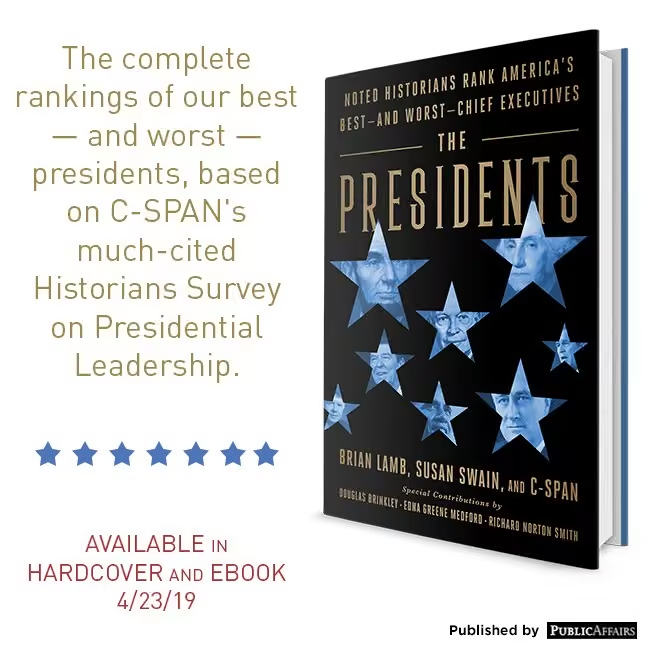


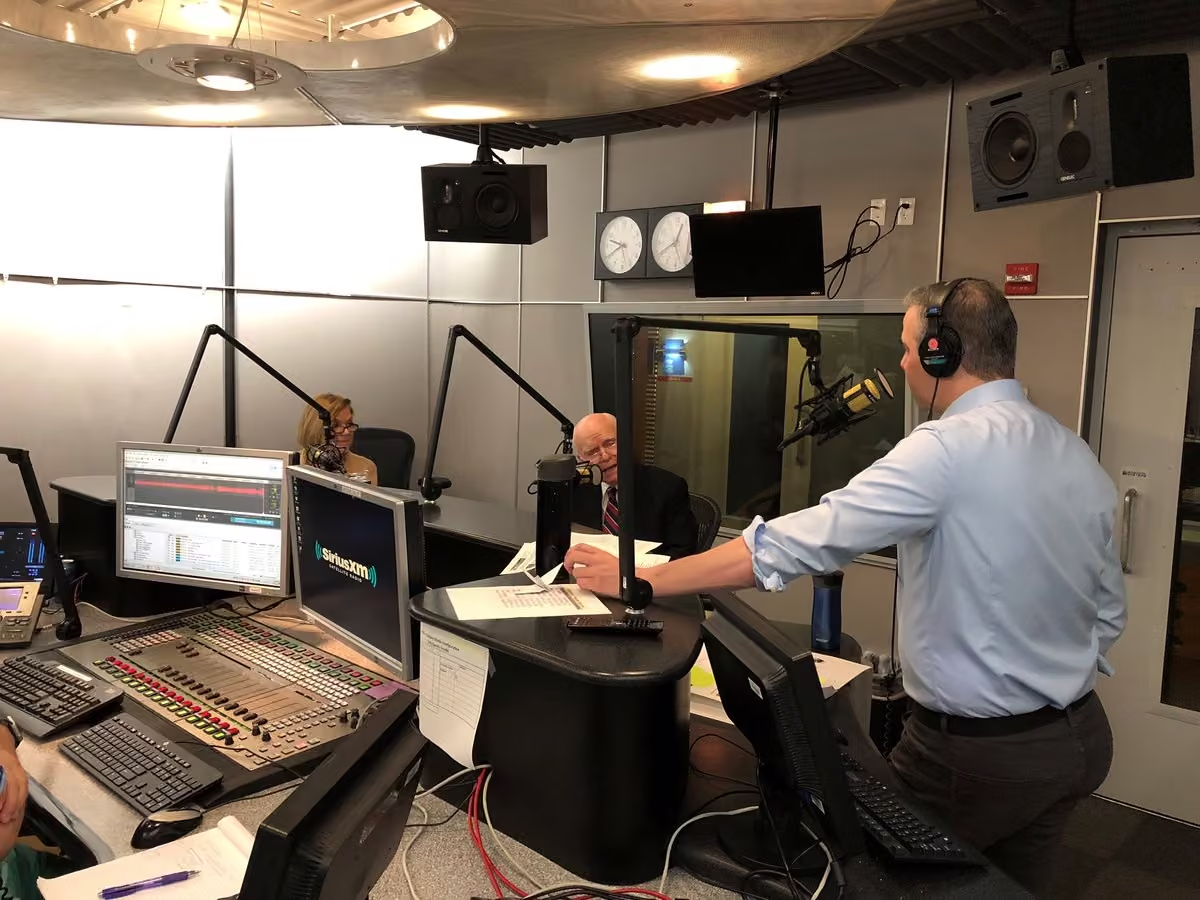


 Ben O'Connell


 Mark Burns


 Paula C. Henderson, Author
 Jennifer Jacobs


 Nat'lFirstLadies


 Andrew Malcolm
 First Lady Edith Bolling Wilson


 Jennifer Pickens


 OurPresidents


 Jeff Boogaard




 Jim McGrath


 Jennifer Harper


 GeorgeWBush Library


 Valerie Hawkins


 Anita McBride


 Karen Sokolof Javitch
 Greg Bluestein


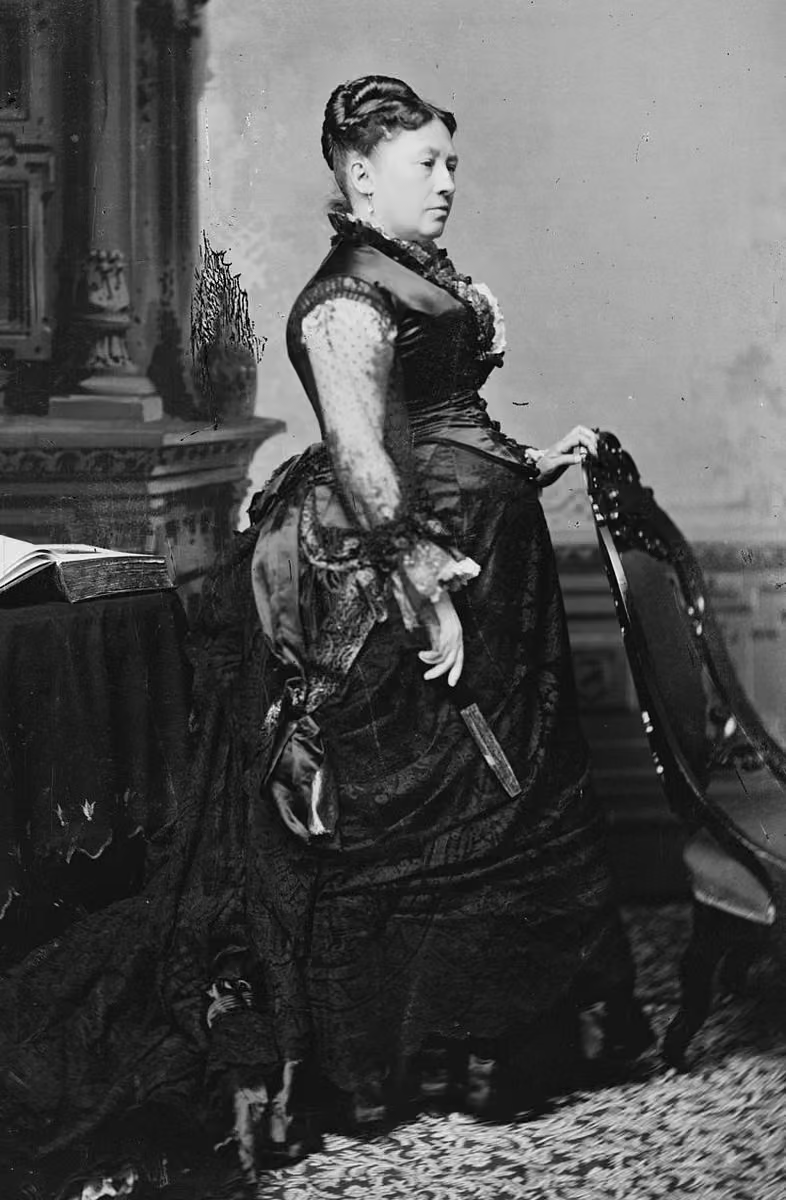
 Peter Kiley


 Gerald R. Ford Presidential Library




 Peter Alexander


 Mark Knoller


 National Women's History Alliance


 Monroe's Highland


 National Archives Foundation


 Ann Stock


 Puck Buddys - At the other place, same name
 Paul Farhi
 laura finch

 Donald Blais Jr.

 General Grant NM

