In 1939, a British doctor stood up in front of Singapore's businessmen and told them their tinned milk trade was killing babies, and that the deaths should be recorded as murder. Then she named the product.
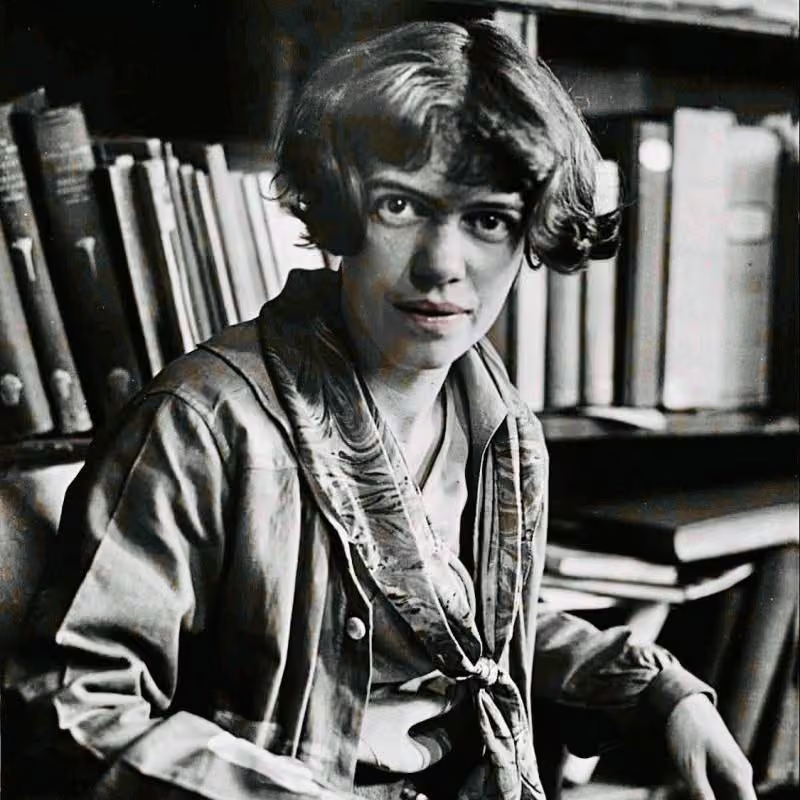
Cicely Williams had earned the right to say it the hard way. In the early 1930s, working in the Gold Coast, she kept seeing toddlers arrive at her clinic swollen, peeling and dying, always the same story: a new baby at home, and the older child moved off the breast and onto maize gruel. The local Ga mothers already had a name for it, kwashiorkor, the sickness of the child deposed by the next one. Williams worked out what it was: the gruel had no real protein in it. Take a growing child off milk and put him on a plant paste, and he falls apart from the inside.
Her superior, a celebrated authority on tropical medicine, informed her she was wrong, that this was merely pellagra, already described, nothing new, and certainly nothing discovered by a junior woman. She published anyway, in The Lancet in 1935, and she was right, and it took the profession the better part of 2 decades to admit a condition that was killing children by the hundred thousand had been identified by the one doctor who actually sat with the mothers and asked what the child ate.
Then Singapore, 1939, and the second fight. The shops of Malaya were stacked with sweetened condensed skimmed milk, sold with a fat, beaming white baby on the label, and mothers were being persuaded off the breast and onto it. Skimmed: the fat removed, and with it the vitamins, from the one food a baby cannot do without, sold to the poorest women in the empire as modern and superior. Williams watched the infants come in blind and dying, and delivered the speech that follows her name around: Milk and Murder. Misguided propaganda on infant feeding, she told the Rotary Club, should be punished as the most criminal form of sedition. The audience contained men who sold the stuff. She had checked the guest list first.
Three years later the Japanese took Singapore. She spent the war in Changi, and 5 months of it in the hands of the Kempeitai, and came out at 6 stone, and went straight back to work. In 1948 the new World Health Organization made her its first head of maternal and child health. She died in 1992, at 98, having outlived nearly everyone who had corrected her.
Her Singapore speech was dug out and reprinted in the 1970s, when the formula companies had moved from tins in Malaya to powder across Africa, and it lit the fuse under the Nestlé boycott and the 1981 marketing code the industry has been treading on ever since.
She kept saying one thing for 60 years, and it is the whole argument: the animal food is the food. The baby needs milk and the child needs protein, real protein, and every fortune ever made steering mothers away from that fact was built on a mound of small graves.
Turn today's formula tin round and read the ingredients. Seed oils, up near the top, in the first food of millions of children.
She told a room full of salesmen what that trade was called. Nobody has ever improved on the word.

 Laura Webster
@LauraEWebsterr

 The National
@ScotNational
 BELLA CALEDONIA
 Salmon Scotland

 el-Turko
 Project Slingshot UK

 Andy Wightman


 Francesca Albanese, UN Special Rapporteur oPt

 Dr. Yousef 🇵🇸
 Billy Kay
 SAOS Supply Chain

 Neil McInroy
 SAOS - #workingtogether, what can we do for you?

 Acyn
 Tanausu Acero
 Alon-Lee Green - ألون-لي جرين - אלון-לי גרין 🟣
 Documenting #GazaGenocide

 Ewan Gibbs

 Paul Holden

 Matthew Brown
 Lancashire Post

 Alan MacLeod
 Noga Tarnopolsky נגה טרנופולסקי نوغا ترنوبولسكي


 Calton Books 🏴🇵🇸🔻🇱🇧🇮🇪
 Warfare Analysis

 Samantha Asumadu
 Nick Robinson
 rich welsh





 Steve Howell

 Brian Filling


 Prem Sikka
 Paddystinian
 GlasgowMusicCityTour


 Cooperative Councils’ Innovation Network


 Help2Rehome Scotland


 Rüya
 Cate Devine
 GMWatch
 This Is My Glasgow

 Sama Hoole

 Co-operatives UK

 Co-op Finance



 GraniteCityGoodFood

 Mossgiel Organic Farm


 #LoyaltyHub


 What's On Glasgow

 Bob Flowerdew
 Give A Shit About Nature


 RNLI
 Nathan H

 Joanna Blythman
 Dr Clare Craig ✝️

 Clash Report

 Liz Webster

 Plunkett UK


 Bite Magazine 🍷🍭


 gato fumante

 Paul Hutcheon

 Unite For A Workers' Economy
 Richard McCready


 Dennistoun Style 🎀


 the LOST agency PR

 Rose Marley
 Sean Galloway

 Chris

 Sassington, M.C.


 We Own It

 ⲕⲁⲣⲟⲗ ♱


 Pop Base


 Geoffrey Lean
 Lesley Riddoch
 Tiger
 The Alasdair Gray Archive

 Scottish Grocer
 AcmeAcres.us
 Muhammad Mazen

 David Graham Scott Ⓥ


 courtneybonneauimages


 No Farmers, No Food


 Scottish CND
 Everything Co-op


 PeatWorrier
 Andrew Feinstein

 rohan wadke
 Phoenix Library | مكتبة العنقاء


 Edinburgh
 Dr Paul Dorfman

 Democratic Left Scotland

 Mike Netter
 Philip Lymbery


 jules serkin


 James Little

 Dan Neidle

 Johann Spischak


 Sarah Wilkinson
 The Extreme Music Enthusiast


 Lizsalhander🔻🚩🏴🏴☠️🕊🍀Stand with HUMANITY🇵🇸

 Scotwest


 Unite Scotland
 Steve Sweeney
 Beyond GM
 IFOAM Organics Europe



 James Melville 🚜
 Democracy Collaborative
 Ricardo Karam ريكاردو كرم

 Richard Murphy

 Venessa MacLeod
 Ian Sinclair


 Shared Interest


 Jay 🏴

 Manus Carlisle

 Curiosity


 sarah


 Dr Rahmeh Aladwan

 Hannah Graham


 Amnesty MENA
 Jamie McIntyre
 El Fantasma
 Pippa Crerar
 Sprinter Report



 Montrose

 RMEOC
 Scottish Agronomy Ltd


 Hisashi Kuboyama FSB


 Seyed Mohammad Marandi
 bintjbeil.org

 John Simpson
 The Heartlands Tribune

 Scottish Hazards


 الدفاع المدني اللبناني


 Preston Labour
 John Wight
 🇮🇪 This is Ireland 🇮🇪


 Stand Up to Racism - Scotland
 Richard Shorney

 Selina Cairns

 ICBSG | اللجنة الدولية لكسر الحصار عن غزة


 Larry the Cat


 Ihab Hassan
 Itay Epshtain

 Alan Lester FAHA FRHistS
 Cat Hobbs

 Hugh Raven 🇺🇦


 LakenheathAllianceForPeace

 Mystic Scotland


 FarmingUK

 Laurie Macfarlane
 People's Plan For Glasgow


 Save Gaza


 ︎ ︎venom
 KITKAT


 samer haj ali


 Anita Singh
 Richard Osley


 Mateusz Aleksander Piotrowski


 Glasgow Central Tours




 Christine Smith


 Disability Rights UK


 Jo Sunshine Art


 Cllr Malcolm Mitchell 🏴 🇺🇦
 mohammed hussein~Gaza 🇵🇸

 Prof. Eliot Jacobson


 Donna McLean
 dominic dyer


 Feargal Sharkey


 Fairtrade Foundation
 Michael F Ozaki MD

 Andi Watson

 Tony McK 🏴 ||*||


 Co-operative Party


 Mohamad Safa

 Net Zero Scotland
 Paul Monaghan @paulmonaghan.bsky.social

 EDAS

 Gerry McCartney
 Global Justice Now

 HealthRanger

 @No1sunkfarmer ©️
 GraceSea 🍉

 Katherine


 Salam animal care

 Palestine Culture

 Rob Moore
 BladeoftheSun
 David Graeber Institute





 Simon Forrest

 Suleman Sarwar
 Kenneth I MacKenzie
 Nicola Perugini

 Rupert Read 🌍 🔥
 Saul Staniforth


 Munther Isaac منذر اسحق
 Dr Terry Simpson

 Andre Leu
 Iain Cameron
 Scottish Rural Network

 Farm Shop & Deli Show

 John Boyle



 Cafe St Honoré


 Ben Wray
 Elon Musk

 Past Glasgow


 Lily Craven



 Scot Gov Rural

 Abdullah Omar🇵🇸


 Scotland's Farm Advisory Service
 T J
 Source ClimateCoffee

 Sameh Ahmed 𓂆 🇵🇸

 Cat Thomson writes


 Lisa Sloan ⚽️ 🍀 🏴
 The Mainstreet Trading Company


 Greenock Telegraph
 Gaza Great Minds

 The Food Foundation


 Business Scotland Magazine
 Scottish Wholesale Association




 Scottish Co-op Party

 Protect the Wild





 glasgowkeelie




 Sustain


 Haaretz.com

 Frédéric Leroy



 Save the Children UK

 Tropical Wholefoods

 Abier

 Ponte Civic Society

 John Martin FNAEA MARLA
 TIMES OF GAZA
 Rania
 The Ferret
 New Natural Business


 Rob Percival


 Mondoweiss
 EuropeanPowell

 Glasgow Student Housing Co-operative


 Justintime


 Martyn_Rolly


 GO Falkland


 Chris Hanlon SNP
 Center of The Maze💭


 Soil Association Scotland


 Hamish Trench
 Scottish Land Commission

 Glasgow Community Energy




 Sustainable Food Trust


 Reel News



 Zaytoun
 RadicalRoutes


 Peter MacDonald
 Good Food For All

 Gavin's Mill


 Joe Guinan

 Claire Unite the Union



 The Ethical Dairy


 Food & Drink Matters

 Professor Tim Lang






 Oxfam Scotland

 Don Staniford


 Omar Salha




 Scotonomics


 cdscotland


 SLR





 CEIS Group


 Soul Food Kitchen





 mediaco-op


 The Real Food Cafe


 GRAIN


 Future Economy Scotland
 goodmoves.org

 TrademarkBelfast

 Locavore

 ContiniBites

 Little Hearts Matter


 The Bio-D Company




 The Grocer
 Community Wealth Candidates


 Monica Lennon


 Wildfire Delicatessen

 Glasgow Community Food Network



 Graham Galpin


 Guardian Environment


 Charles Campion


 George Monbiot

 Social Enterprise Scotland


 Scotland's Plant Health Centre

 Gareth CUK #coops
 Innovative Farmers




 Third Force News


 nick 🌿


 Nathan Brown

 Paper Cup Coffee Liverpool


 Craig Bennett
 Research for Action



 PostCap3


 Free Salmon


 Dr Jill Belch
 Oceana UK


 Power to Change




 Oliver Dowding 🇺🇦

 Farmers Weekly

 Nathan Schneider

 Bev 🏴





 Student Co-op Homes
 Fairtrade UK Education

 अगस्त्योन्मुखः(అగస్త్యోన్ముఖ અગસ્ત્યોન્મુખ)🇮🇳


 Glasgow Centre for Population Health


 Mike Galsworthy


 Tim Schwab
 The Continent

 Helena Horton
 Vivian Woodell
