Politicians, athletes, journalists, NGOs, companies... They all use
corporation-owned social networks to communicate with us. Citizens
shouldn't have to hand over their data to companies to read content
published by public entities. Public Feeds changes that by making posts
of popular accounts freely available.
Read more.
Gut (journal)
Gut is a monthly peer-reviewed medical journal on gastroenterology and hepatology. It is the journal of the British Society of Gastroenterology and is published by BMJ. As of 2010, the editor-in-chief is Emad El-Omar. More on Wikipedia
Publishing top research in GI & Hepatology. Companion #OpenAccess journal @BMJOpen_Gastro and @FrontGastro_BMJ.
Published with @BritSocGastro.
EiC: @emadelomar
Can targeting guanine nucleotide depletion expose a new vulnerability in pancreatic cancer?
Wu et al use integrated screening approaches to investigate guanine nucleotide depletion as a potential strategy against pancreatic cancer. Their work examines the role of IMPDH2 and explores whether this approach could enhance the effects of KRAS inhibition.
📄 “Integrated screens reveal that guanine nucleotide depletion, which is irreversible via targeting IMPDH2, inhibits pancreatic cancer and potentiates KRAS inhibition”
📝 #gutblog | Could screening help pave the way for Crohn’s disease prevention?
Turner et al explore how faecal calprotectin can help define preclinical stages of Crohn’s disease in asymptomatic first-degree relatives, proposing a screening framework to support future prevention trials.
📄 "Preclinical stages of Crohn’s disease defined by faecal calprotectin in asymptomatic first-degree relatives: screening framework for prevention trials"
A great opportunity - if you are interested, please do apply - it would be great to have fantastic GI (adult/Paeds)/GI surgery trainees (from across the globe) as part of the @FrontGastro_BMJ Editorial team #teamfg
Very excited to announce that Frontline Gastro are inviting applications for a new team of Trainee Editors 🥳 🎉 ! This is a 2-year post aimed at trainees of all levels, with applications from across the globe encouraged 🌎!
Check out the flyer for more details 👇 👇 👇 .
🔈 🗣️ HOW TO APPLY 📣 If you want to apply, please send a CV and covering letter outlining a) your reasons for your interest in the post and b) any ideas and innovations you will bring to the role to our fantastic deputy editors, Dr Aditi Kumar (aditikumar@nhs.net) & Dr Oliver Tavabie (oliver.tavabie@nhs.net).
🤔 💭 ANY QUESTIONS? 🙋 If you want to chat to our current Trainee Editors about the role, then feel free to email Dr Kohilan Gananandan (k.gananandan1@nhs.net) and Dr Benjamin Norton (benjamin.norton@nhs.net).
This is a fantastic role and not an opportunity to miss ‼️
Could stromal biomarkers help identify colorectal cancers that respond poorly to immunotherapy?
Coma et al present a stromal biomarker-based framework for identifying colorectal cancers with mismatch repair proficiency/microsatellite stability (pMMR/MSS) and mismatch repair deficiency/microsatellite instability (dMMR/MSI). The study focuses on identifying patients with poor outcomes and limited benefit from immunotherapy, potentially helping refine risk assessment and treatment selection.
📄 "Stromal biomarker-based framework for identifying pMMR/MSS and dMMR/MSI colorectal cancers with poor outcomes and limited benefit from immunotherapy"
🔬 Could TL1A offer a new therapeutic target for perianal fistulising Crohn's disease?
📖 In their #gut paper, "TL1A-activated T cells remodel the rectal mucosa in patients with Crohn’s disease with perianal fistulising disease", Gudiño et al. reveal how TL1A-activated T cells contribute to tissue remodelling, identifying a potential new therapeutic target.
🎙️ Professor Azucena Salas, senior author of the paper, discusses the findings and their implications in our latest #gutvideo!
How might microbes along the gut–reproductive tract axis influence gynaecological cancer?
In this #gutrecentadvancesinbasicscience paper, Chen et al explore how microbial communities may influence the development and treatment of gynaecological cancers through the gut–reproductive tract axis. The article reviews emerging links between microbial activity, cancer pathogenesis and potential therapeutic approaches.
📄 “Modulating the gut-reproductive tract axis: microbial influence on gynaecological cancer pathogenesis and treatment”
Very excited to announce that Frontline Gastro are inviting applications for a new team of Trainee Editors 🥳 🎉 ! This is a 2-year post aimed at trainees of all levels, with applications from across the globe encouraged 🌎!
Check out the flyer for more details 👇 👇 👇 .
🔈 🗣️ HOW TO APPLY 📣 If you want to apply, please send a CV and covering letter outlining a) your reasons for your interest in the post and b) any ideas and innovations you will bring to the role to our fantastic deputy editors, Dr Aditi Kumar (aditikumar@nhs.net) & Dr Oliver Tavabie (oliver.tavabie@nhs.net).
🤔 💭 ANY QUESTIONS? 🙋 If you want to chat to our current Trainee Editors about the role, then feel free to email Dr Kohilan Gananandan (k.gananandan1@nhs.net) and Dr Benjamin Norton (benjamin.norton@nhs.net).
This is a fantastic role and not an opportunity to miss ‼️
🦠 Can the gut microbiome help identify precancerous colorectal lesions?
In this #guteditorschoice study, Louca et al analyse stool microbiome data from 1,762 people undergoing colonoscopy to investigate microbial signatures across colorectal neoplasia stages and subtypes.
🔬 The findings reveal that associations between the gut microbiome and precancerous lesions were generally weak and inconsistent, with no robust microbial signature identified. Adding microbiome data to clinical and demographic factors offered only a modest improvement in identifying high-risk neoplasia. These results highlight the need for further longitudinal research to establish how microbial changes relate to colorectal cancer development.
📄 "Gut microbiome signatures in colorectal neoplasia: a cross-sectional study across neoplasia stages and subtypes" - 🔗 Read the paper: gut.bmj.com/content/75/11/2118
Very excited to announce that Frontline Gastro are inviting applications for a new team of Trainee Editors 🥳 🎉 ! This is a 2-year post aimed at trainees of all levels, with applications from across the globe encouraged 🌎!
Check out the flyer for more details 👇 👇 👇 .
🔈 🗣️ HOW TO APPLY 📣 If you want to apply, please send a CV and covering letter outlining a) your reasons for your interest in the post and b) any ideas and innovations you will bring to the role to our fantastic deputy editors, Dr Aditi Kumar (aditikumar@nhs.net) & Dr Oliver Tavabie (oliver.tavabie@nhs.net).
🤔 💭 ANY QUESTIONS? 🙋 If you want to chat to our current Trainee Editors about the role, then feel free to email Dr Kohilan Gananandan (k.gananandan1@nhs.net) and Dr Benjamin Norton (benjamin.norton@nhs.net).
This is a fantastic role and not an opportunity to miss ‼️
Can the gut microbiome help detect precancerous colorectal lesions? 🔬
🎧 Dr Philip Smith talks to Professor Colin Rees about the study by Louca et al:
📄 “Gut microbiome signatures in colorectal neoplasia: a cross-sectional study across neoplasia stages and subtypes”
🔎 Analysing stool microbiomes from 1,762 participants undergoing colonoscopy, the researchers found:
🔹 Weak and inconsistent microbial associations with precancerous lesions 🔹 No robust microbiome signatures for early detection 🔹 Only marginal improvements in predicting high-risk neoplasia when microbiome data were added to clinical factors
💡 Could major microbiome changes emerge later in colorectal cancer development?
Excited to share our new work in Gut, led by @galvarezsola from our lab! We asked: could the ethanol-induced hepatic secretome reveal therapeutic targets for alcohol-associated liver disease? #livertwitter#ald@Gut_BMJ
We combined human proteomics with mouse liver transcriptomics to identify secreted proteins that were induced by alcohol. FSTL3 stood out as a top hit, and with no prior link to ALD. We then used multiple complementary approaches, including human liver spatial transcriptomics, to identify FSTL3 as a protective factor secreted by hepatic stellate cells, acting through neutralization of hepatocyte secreted Activin A. What’s most exciting for us is that drugs targeting Activin A and its receptors are already being developed or are FDA approved for other diseases. Our next goal is to test whether we can repurpose these drugs as a potential treatments for ALD. Thanks to @galvarezsola and all our collaborators for the work that brought this story together!
Could genetic testing help explain adult cholestatic liver disease when standard investigations leave questions unanswered?
In this #gutrecentadvancesinclinicalpractice paper, Liebe et al discuss the use of genetic analysis in adult cholestatic liver disease, drawing lessons from progressive paediatric syndromes and cohort studies. The article considers how genetic insights can improve understanding of disease and support clinical assessment.
📄 “Use of genetic analysis in adult cholestatic liver disease: lessons from progressive paediatric syndromes and cohort studies”
Can EUS-guided measurement of portal vein pressure accurately reflect pressure measured during surgery?
Singh et al examine the accuracy of endoscopic ultrasound (EUS)-guided direct portal vein pressure measurement by comparing it with intraoperative measurements. The comparison addresses an important question for the assessment of portal hypertension and the potential clinical role of this technique.
📄 "How accurate is EUS-guided direct portal vein pressure measurement? A comparison with intraoperative measurements" - read the paper here: gut.bmj.com/content/75/11/2088
How does zinc help determine the fate of liver cells during alcohol-associated liver disease?
Fernandez-Barrena et al discuss zinc-dependent post-transcriptional regulation and its role in hepatocyte fate and liver regeneration in alcohol-associated liver disease. This work highlights the importance of understanding how cellular regulatory mechanisms influence the liver’s response to injury.
📄 "Zinc-dependent post-transcriptional control of hepatocyte fate in and regeneration of alcohol-associated liver disease"
What antibody characteristics may help protect against hepatitis C reinfection?
Chumbe et al examine antibody profiles associated with protection against hepatitis C virus (HCV) reinfection in a high-risk cohort. Understanding the features of potentially protective antibody responses may help inform future research into immunity and prevention.
📄 “Characteristics of an antibody profile associated with protection against hepatitis C virus reinfection in a high-risk cohort”
How might a fatty acid contribute to lung injury during hypertriglyceridaemia-associated acute pancreatitis?
Bai et al investigate how oleic acid may contribute to lung injury in hypertriglyceridaemia-associated acute pancreatitis. Their study examines the PIEZO1/NR4A1/CPT1A axis and its role in endothelial fatty acid oxidation, offering insight into a potential mechanism linking metabolic disturbance with organ injury.
📄 “Oleic acid promotes lung injury in hypertriglyceridaemia-associated acute pancreatitis via the PIEZO1/NR4A1/CPT1A axis impairing endothelial fatty acid oxidation”
This month’s @Gut_BMJ features research spanning colorectal cancer and the gut microbiome, liver disease, pancreatic cancer, autoimmune gastritis, endoscopy and the gut–reproductive tract axis. Explore the studies and clinical insights shaping our understanding of gastrointestinal disease.
The November issue of @Gut_BMJ has the #gutfrontcover showing the beautiful Gateshead Millennium Bridge, Newcastle-upon-Tyne, UK. This is to celebrate the #guteditorschoice by Louca et al.
What can the gut microbiome reveal about colorectal neoplasia at different stages and across different subtypes?
In this month’s #guteditorschoice, Louca et al explore gut microbiome signatures across colorectal neoplasia stages and subtypes, investigating how microbial patterns differ as colorectal lesions develop. The findings offer insights into the relationship between the gut microbiome and colorectal neoplasia.
📄 Read the paper "Gut microbiome signatures in colorectal neoplasia: a cross-sectional study across neoplasia stages and subtypes" via: gut.bmj.com/content/75/11/2118 DOI: 10.1136/gutjnl-2025-337478
This week we will be looking back at some of our favourite papers selected by all of you in the FG cup earlier this year 🏆 🏅.
PAPER 1: 🔎 Functional dyspepsia or gastroparesis?
Upper GI symptoms such as early satiety, fullness, pain, bloating & nausea pose a diagnostic challenge.
📊 This high-quality review explores: • Why symptoms & delayed gastric emptying often don’t align • The overlap in pathophysiology & management • How FD & gastroparesis may be best seen as ends of a spectrum of gut-brain interaction disorders
💡 Practical algorithms for assessment & treatment help clinicians avoid over-investigation and focus on tailored management.
What does an international study reveal about autoimmune gastritis and the risk of gastric neoplasia?
Lenti et al investigate the clinical characteristics of autoimmune gastritis and its associated gastric neoplastic risk across an international multicentre cohort. The findings contribute to the understanding of this condition and the clinical factors relevant to patient assessment and follow-up.
📄 “Novel insights into autoimmune gastritis: clinical profile and gastric neoplastic risk from an international multicentre study”
Can targeting guanine nucleotide depletion expose a new vulnerability in pancreatic cancer?
Wu et al use integrated screening approaches to investigate guanine nucleotide depletion as a potential strategy against pancreatic cancer. Their work examines the role of IMPDH2 and explores whether this approach could enhance the effects of KRAS inhibition.
📄 “Integrated screens reveal that guanine nucleotide depletion, which is irreversible via targeting IMPDH2, inhibits pancreatic cancer and potentiates KRAS inhibition”
📝 #gutblog | Could screening help pave the way for Crohn’s disease prevention?
Turner et al explore how faecal calprotectin can help define preclinical stages of Crohn’s disease in asymptomatic first-degree relatives, proposing a screening framework to support future prevention trials.
📄 "Preclinical stages of Crohn’s disease defined by faecal calprotectin in asymptomatic first-degree relatives: screening framework for prevention trials"
Could stromal biomarkers help identify colorectal cancers that respond poorly to immunotherapy?
Coma et al present a stromal biomarker-based framework for identifying colorectal cancers with mismatch repair proficiency/microsatellite stability (pMMR/MSS) and mismatch repair deficiency/microsatellite instability (dMMR/MSI). The study focuses on identifying patients with poor outcomes and limited benefit from immunotherapy, potentially helping refine risk assessment and treatment selection.
📄 "Stromal biomarker-based framework for identifying pMMR/MSS and dMMR/MSI colorectal cancers with poor outcomes and limited benefit from immunotherapy"
🦠 Can the gut microbiome help identify precancerous colorectal lesions?
In this #guteditorschoice study, Louca et al analyse stool microbiome data from 1,762 people undergoing colonoscopy to investigate microbial signatures across colorectal neoplasia stages and subtypes.
🔬 The findings reveal that associations between the gut microbiome and precancerous lesions were generally weak and inconsistent, with no robust microbial signature identified. Adding microbiome data to clinical and demographic factors offered only a modest improvement in identifying high-risk neoplasia. These results highlight the need for further longitudinal research to establish how microbial changes relate to colorectal cancer development.
📄 "Gut microbiome signatures in colorectal neoplasia: a cross-sectional study across neoplasia stages and subtypes" - 🔗 Read the paper: gut.bmj.com/content/75/11/2118
How might microbes along the gut–reproductive tract axis influence gynaecological cancer?
In this #gutrecentadvancesinbasicscience paper, Chen et al explore how microbial communities may influence the development and treatment of gynaecological cancers through the gut–reproductive tract axis. The article reviews emerging links between microbial activity, cancer pathogenesis and potential therapeutic approaches.
📄 “Modulating the gut-reproductive tract axis: microbial influence on gynaecological cancer pathogenesis and treatment”
Could genetic testing help explain adult cholestatic liver disease when standard investigations leave questions unanswered?
In this #gutrecentadvancesinclinicalpractice paper, Liebe et al discuss the use of genetic analysis in adult cholestatic liver disease, drawing lessons from progressive paediatric syndromes and cohort studies. The article considers how genetic insights can improve understanding of disease and support clinical assessment.
📄 “Use of genetic analysis in adult cholestatic liver disease: lessons from progressive paediatric syndromes and cohort studies”
Can EUS-guided measurement of portal vein pressure accurately reflect pressure measured during surgery?
Singh et al examine the accuracy of endoscopic ultrasound (EUS)-guided direct portal vein pressure measurement by comparing it with intraoperative measurements. The comparison addresses an important question for the assessment of portal hypertension and the potential clinical role of this technique.
📄 "How accurate is EUS-guided direct portal vein pressure measurement? A comparison with intraoperative measurements" - read the paper here: gut.bmj.com/content/75/11/2088
What is the link between MASLD and colorectal cancer?
In this month’s #gutpodcast, Professor Ming-Hua Zheng discusses the new international Delphi consensus statement exploring the relationship between metabolic dysfunction-associated steatotic liver disease (MASLD) and colorectal cancer (CRC). Professor Zheng is interviewed by Dr Philip Smith, Digital and Education Editor of Gut.
🔎 Key takeaways:
• MASLD is associated with an increased risk of colorectal cancer, with metabolic burden appearing to further increase that risk.
• The severity of MASLD matters — more advanced disease is associated with poorer outcomes among people who develop both MASLD and CRC.
• The relationship may extend beyond shared risk factors. The gut–liver axis and gut dysbiosis are highlighted as potentially important mechanisms linking MASLD and CRC, alongside metabolic and hormonal pathways involving leptin and adiponectin.
• The consensus highlights the importance of clinical vigilance for CRC in people with MASLD, including consideration of risk-adapted approaches to screening.
• Lifestyle-based weight loss and metabolic risk reduction are highlighted, alongside emerging approaches such as bariatric surgery and GLP-1 receptor agonists, as potential strategies to reduce risk.
The international consensus brings together expert opinion across epidemiology, pathogenesis and management of CRC in people with MASLD.
📄 Read the paper: Colorectal cancer in metabolic dysfunction-associated steatotic liver disease: an international Delphi consensus statement, Gut, October 2026; 75:2009–2018. gut.bmj.com/content/75/10/2009
How does zinc help determine the fate of liver cells during alcohol-associated liver disease?
Fernandez-Barrena et al discuss zinc-dependent post-transcriptional regulation and its role in hepatocyte fate and liver regeneration in alcohol-associated liver disease. This work highlights the importance of understanding how cellular regulatory mechanisms influence the liver’s response to injury.
📄 "Zinc-dependent post-transcriptional control of hepatocyte fate in and regeneration of alcohol-associated liver disease"
What antibody characteristics may help protect against hepatitis C reinfection?
Chumbe et al examine antibody profiles associated with protection against hepatitis C virus (HCV) reinfection in a high-risk cohort. Understanding the features of potentially protective antibody responses may help inform future research into immunity and prevention.
📄 “Characteristics of an antibody profile associated with protection against hepatitis C virus reinfection in a high-risk cohort”
Is your doctor still telling you your diet isn’t important when you have IBD?? Congrats to @SunHoLee15@KenCroitoru@The_GEMProject for another important step on the journey to preventing IBD.
📝 #gutblog | Could screening help pave the way for Crohn’s disease prevention?
Turner et al explore how faecal calprotectin can help define preclinical stages of Crohn’s disease in asymptomatic first-degree relatives, proposing a screening framework to support future prevention trials.
📄 "Preclinical stages of Crohn’s disease defined by faecal calprotectin in asymptomatic first-degree relatives: screening framework for prevention trials"
How might a fatty acid contribute to lung injury during hypertriglyceridaemia-associated acute pancreatitis?
Bai et al investigate how oleic acid may contribute to lung injury in hypertriglyceridaemia-associated acute pancreatitis. Their study examines the PIEZO1/NR4A1/CPT1A axis and its role in endothelial fatty acid oxidation, offering insight into a potential mechanism linking metabolic disturbance with organ injury.
📄 “Oleic acid promotes lung injury in hypertriglyceridaemia-associated acute pancreatitis via the PIEZO1/NR4A1/CPT1A axis impairing endothelial fatty acid oxidation”
This month’s @Gut_BMJ features research spanning colorectal cancer and the gut microbiome, liver disease, pancreatic cancer, autoimmune gastritis, endoscopy and the gut–reproductive tract axis. Explore the studies and clinical insights shaping our understanding of gastrointestinal disease.
The November issue of @Gut_BMJ has the #gutfrontcover showing the beautiful Gateshead Millennium Bridge, Newcastle-upon-Tyne, UK. This is to celebrate the #guteditorschoice by Louca et al.
What can the gut microbiome reveal about colorectal neoplasia at different stages and across different subtypes?
In this month’s #guteditorschoice, Louca et al explore gut microbiome signatures across colorectal neoplasia stages and subtypes, investigating how microbial patterns differ as colorectal lesions develop. The findings offer insights into the relationship between the gut microbiome and colorectal neoplasia.
📄 Read the paper "Gut microbiome signatures in colorectal neoplasia: a cross-sectional study across neoplasia stages and subtypes" via: gut.bmj.com/content/75/11/2118 DOI: 10.1136/gutjnl-2025-337478
What does an international study reveal about autoimmune gastritis and the risk of gastric neoplasia?
Lenti et al investigate the clinical characteristics of autoimmune gastritis and its associated gastric neoplastic risk across an international multicentre cohort. The findings contribute to the understanding of this condition and the clinical factors relevant to patient assessment and follow-up.
📄 “Novel insights into autoimmune gastritis: clinical profile and gastric neoplastic risk from an international multicentre study”
Can targeting guanine nucleotide depletion expose a new vulnerability in pancreatic cancer?
Wu et al use integrated screening approaches to investigate guanine nucleotide depletion as a potential strategy against pancreatic cancer. Their work examines the role of IMPDH2 and explores whether this approach could enhance the effects of KRAS inhibition.
📄 “Integrated screens reveal that guanine nucleotide depletion, which is irreversible via targeting IMPDH2, inhibits pancreatic cancer and potentiates KRAS inhibition”
📝 #gutblog | Could screening help pave the way for Crohn’s disease prevention?
Turner et al explore how faecal calprotectin can help define preclinical stages of Crohn’s disease in asymptomatic first-degree relatives, proposing a screening framework to support future prevention trials.
📄 "Preclinical stages of Crohn’s disease defined by faecal calprotectin in asymptomatic first-degree relatives: screening framework for prevention trials"
Could stromal biomarkers help identify colorectal cancers that respond poorly to immunotherapy?
Coma et al present a stromal biomarker-based framework for identifying colorectal cancers with mismatch repair proficiency/microsatellite stability (pMMR/MSS) and mismatch repair deficiency/microsatellite instability (dMMR/MSI). The study focuses on identifying patients with poor outcomes and limited benefit from immunotherapy, potentially helping refine risk assessment and treatment selection.
📄 "Stromal biomarker-based framework for identifying pMMR/MSS and dMMR/MSI colorectal cancers with poor outcomes and limited benefit from immunotherapy"
This review brings together emerging evidence from preclinical and postoperative Crohn’s disease cohorts, proposing that these apparently different stages of disease may share important biological mechanisms.
The authors highlight common predictive signatures involving genetic susceptibility, immune mediators such as CXCL9 and interleukin 6, microbial changes involving organisms including Faecalibacterium and Ruminococcus, gut-barrier dysfunction and systemic inflammation.
The review also explores emerging approaches including glycomics, urine metabolomics and high-dimensional immunophenotyping, which may help refine risk stratification and reveal the interactions between host, microbiome and immune system.
The postoperative setting may therefore provide a particularly useful human model for studying disease recurrence and testing biomarker-guided preventive strategies that could ultimately be relevant across the Crohn’s disease spectrum.
🦠 Can the gut microbiome help identify precancerous colorectal lesions?
In this #guteditorschoice study, Louca et al analyse stool microbiome data from 1,762 people undergoing colonoscopy to investigate microbial signatures across colorectal neoplasia stages and subtypes.
🔬 The findings reveal that associations between the gut microbiome and precancerous lesions were generally weak and inconsistent, with no robust microbial signature identified. Adding microbiome data to clinical and demographic factors offered only a modest improvement in identifying high-risk neoplasia. These results highlight the need for further longitudinal research to establish how microbial changes relate to colorectal cancer development.
📄 "Gut microbiome signatures in colorectal neoplasia: a cross-sectional study across neoplasia stages and subtypes" - 🔗 Read the paper: gut.bmj.com/content/75/11/2118
How might microbes along the gut–reproductive tract axis influence gynaecological cancer?
In this #gutrecentadvancesinbasicscience paper, Chen et al explore how microbial communities may influence the development and treatment of gynaecological cancers through the gut–reproductive tract axis. The article reviews emerging links between microbial activity, cancer pathogenesis and potential therapeutic approaches.
📄 “Modulating the gut-reproductive tract axis: microbial influence on gynaecological cancer pathogenesis and treatment”
🦠 Gut microbiome composition is associated with response to neoadjuvant chemotherapy in pancreatic ductal adenocarcinoma patients
New #gutscience journal research by Halle-Smith et al. asks an important question: could the bacteria living in our gut be linked to how well pancreatic cancer responds to chemotherapy?
The researchers found differences in the gut microbiome of patients who responded differently to neoadjuvant chemotherapy. Some of the differences involved bacterial genes linked to how medicines are processed.
Why could this matter for clinicians and patients? 🩺
Pancreatic cancer can be difficult to treat, and patients can respond very differently to the same treatment. Understanding whether the gut microbiome is linked to treatment response could eventually help researchers develop better ways to predict — and potentially improve — how patients respond to therapy.
It is still too early to use the microbiome to guide individual treatment, but these findings add to growing evidence that the microbes living in our gut could be relevant to cancer care.
Can EUS-guided measurement of portal vein pressure accurately reflect pressure measured during surgery?
Singh et al examine the accuracy of endoscopic ultrasound (EUS)-guided direct portal vein pressure measurement by comparing it with intraoperative measurements. The comparison addresses an important question for the assessment of portal hypertension and the potential clinical role of this technique.
📄 "How accurate is EUS-guided direct portal vein pressure measurement? A comparison with intraoperative measurements" - read the paper here: gut.bmj.com/content/75/11/2088
Could genetic testing help explain adult cholestatic liver disease when standard investigations leave questions unanswered?
In this #gutrecentadvancesinclinicalpractice paper, Liebe et al discuss the use of genetic analysis in adult cholestatic liver disease, drawing lessons from progressive paediatric syndromes and cohort studies. The article considers how genetic insights can improve understanding of disease and support clinical assessment.
📄 “Use of genetic analysis in adult cholestatic liver disease: lessons from progressive paediatric syndromes and cohort studies”
MASLD is increasingly recognised as a multisystem metabolic disorder — but what does this mean for colorectal cancer risk?
Wu et al. present “Colorectal cancer in metabolic dysfunction-associated steatotic liver disease: an international Delphi consensus statement” via gut.bmj.com/content/75/10/2009
This international consensus statement addresses the relationship between MASLD and colorectal cancer across epidemiology, pathogenesis and management. A multidisciplinary panel of 35 international experts reached consensus on all 17 statements considered.
The panel concludes that MASLD is associated with increased colorectal cancer risk and that a greater metabolic burden is associated with further risk. More severe MASLD is also associated with worse outcomes among patients with both MASLD and colorectal cancer.
The consensus highlights the potential importance of the gut–liver axis and gut dysbiosis, alongside metabolic factors such as leptin and adiponectin. It also discusses potential risk-reduction strategies including lifestyle-associated weight loss, earlier risk-adapted colorectal cancer screening, bariatric surgery and GLP-1 receptor agonists.
🧬 Catestatin decreases duodenal hypermotility to improve glucose homeostasis in diabetic male mice
New #gutscience journal research by Abot et al. explores an intriguing link between the movement of the gut and blood sugar control.
In diabetic mice, the researchers found that catestatin reduced excessive movement of the duodenum (the first part of the small intestine) and improved glucose tolerance. Longer-term treatment was also associated with less weight gain and lower levels of fat in the liver.
Why does this matter for clinicians and patients? 🩺
The gut does much more than digest food. How quickly food moves through the intestine can influence metabolism and blood glucose levels. Understanding these connections could eventually reveal new ways to treat metabolic diseases such as diabetes.
This is early, preclinical research in mice, so further studies are needed to find out whether these effects could translate into new treatments for people.
What antibody characteristics may help protect against hepatitis C reinfection?
Chumbe et al examine antibody profiles associated with protection against hepatitis C virus (HCV) reinfection in a high-risk cohort. Understanding the features of potentially protective antibody responses may help inform future research into immunity and prevention.
📄 “Characteristics of an antibody profile associated with protection against hepatitis C virus reinfection in a high-risk cohort”
How does zinc help determine the fate of liver cells during alcohol-associated liver disease?
Fernandez-Barrena et al discuss zinc-dependent post-transcriptional regulation and its role in hepatocyte fate and liver regeneration in alcohol-associated liver disease. This work highlights the importance of understanding how cellular regulatory mechanisms influence the liver’s response to injury.
📄 "Zinc-dependent post-transcriptional control of hepatocyte fate in and regeneration of alcohol-associated liver disease"
How much can pegylated interferon add to nucleos(t)ide analogue therapy when the goal is hepatitis B surface antigen clearance?
Dongelmans et al. present “HBsAg decline and clearance with peg-IFN therapy added to nucleos(t)ide analogues: an individual participant data meta-analysis of prospective trials (PROSPER)” via gut.bmj.com/content/75/10/2000
The PROSPER individual participant data meta-analysis brings together eight prospective clinical trials involving 581 patients with chronic hepatitis B receiving nucleos(t)ide analogue therapy with added peg-IFN.
At the end of follow-up, 8.6% of patients achieved HBsAg loss overall. The likelihood of HBsAg clearance was strongly related to the HBsAg level at the start of peg-IFN therapy: HBsAg loss occurred in 37.7% of patients with baseline HBsAg below 100 IU/mL, compared with 9.8% in those with levels of 100–1000 IU/mL and 2.3% in those with levels ≥1000 IU/mL.
Among patients starting with higher HBsAg levels, peg-IFN therapy also produced substantial declines over treatment, potentially bringing some patients below thresholds relevant to emerging therapeutic strategies. The findings provide important individual-level evidence for understanding which patients may derive the greatest benefit from peg-IFN add-on therapy and how treatment response may contribute to evolving strategies aimed at functional cure of chronic hepatitis B.
What is the link between MASLD and colorectal cancer?
In this month’s #gutpodcast, Professor Ming-Hua Zheng discusses the new international Delphi consensus statement exploring the relationship between metabolic dysfunction-associated steatotic liver disease (MASLD) and colorectal cancer (CRC). Professor Zheng is interviewed by Dr Philip Smith, Digital and Education Editor of Gut.
🔎 Key takeaways:
• MASLD is associated with an increased risk of colorectal cancer, with metabolic burden appearing to further increase that risk.
• The severity of MASLD matters — more advanced disease is associated with poorer outcomes among people who develop both MASLD and CRC.
• The relationship may extend beyond shared risk factors. The gut–liver axis and gut dysbiosis are highlighted as potentially important mechanisms linking MASLD and CRC, alongside metabolic and hormonal pathways involving leptin and adiponectin.
• The consensus highlights the importance of clinical vigilance for CRC in people with MASLD, including consideration of risk-adapted approaches to screening.
• Lifestyle-based weight loss and metabolic risk reduction are highlighted, alongside emerging approaches such as bariatric surgery and GLP-1 receptor agonists, as potential strategies to reduce risk.
The international consensus brings together expert opinion across epidemiology, pathogenesis and management of CRC in people with MASLD.
📄 Read the paper: Colorectal cancer in metabolic dysfunction-associated steatotic liver disease: an international Delphi consensus statement, Gut, October 2026; 75:2009–2018. gut.bmj.com/content/75/10/2009
Could pancreatic tumour cells effectively ‘reprogramme’ the immune cells that are supposed to attack them?
Zhou et al. present “Trogocytosis-orchestrated CLDN18.2-‘dressed’ CD8+ T cells drive pancreatic cancer progression via glucose metabolic reprogramming-induced cytotoxicity debilitation and systematic immune senescence cascade” via gut.bmj.com/content/75/10/1983
This study identifies an unexpected mechanism in which CD8+ T cells acquire the tumour-associated antigen CLDN18.2 directly from pancreatic cancer cells through a process known as trogocytosis.
CLDN18.2-positive CD8+ T cells were associated with poorer prognosis and immunotherapy resistance. Once acquired by T cells, CLDN18.2 suppressed glucose uptake and glycolysis, impairing T-cell activation, proliferation and cytotoxic function. Mechanistically, CLDN18.2 promoted β-catenin degradation through a GSK3β/CK1α-dependent pathway.
The researchers also found that these altered T cells preferentially homed to the bone marrow, where they promoted myeloid differentiation and contributed to a wider immune-senescence programme.
Importantly, experimental targeting of the CLDN18.2–β-catenin interaction with the peptide PC18.1 restored T-cell function and enhanced the response to immunotherapy in preclinical models.
The findings reveal an unusual form of tumour–immune-cell interaction in which a tumour-associated protein is transferred onto T cells and acts as a metabolic immune checkpoint, potentially opening new therapeutic avenues in pancreatic cancer.
This month’s @Gut_BMJ features research spanning colorectal cancer and the gut microbiome, liver disease, pancreatic cancer, autoimmune gastritis, endoscopy and the gut–reproductive tract axis. Explore the studies and clinical insights shaping our understanding of gastrointestinal disease.
The November issue of @Gut_BMJ has the #gutfrontcover showing the beautiful Gateshead Millennium Bridge, Newcastle-upon-Tyne, UK. This is to celebrate the #guteditorschoice by Louca et al.
What can the gut microbiome reveal about colorectal neoplasia at different stages and across different subtypes?
In this month’s #guteditorschoice, Louca et al explore gut microbiome signatures across colorectal neoplasia stages and subtypes, investigating how microbial patterns differ as colorectal lesions develop. The findings offer insights into the relationship between the gut microbiome and colorectal neoplasia.
📄 Read the paper "Gut microbiome signatures in colorectal neoplasia: a cross-sectional study across neoplasia stages and subtypes" via: gut.bmj.com/content/75/11/2118 DOI: 10.1136/gutjnl-2025-337478
How might a fatty acid contribute to lung injury during hypertriglyceridaemia-associated acute pancreatitis?
Bai et al investigate how oleic acid may contribute to lung injury in hypertriglyceridaemia-associated acute pancreatitis. Their study examines the PIEZO1/NR4A1/CPT1A axis and its role in endothelial fatty acid oxidation, offering insight into a potential mechanism linking metabolic disturbance with organ injury.
📄 “Oleic acid promotes lung injury in hypertriglyceridaemia-associated acute pancreatitis via the PIEZO1/NR4A1/CPT1A axis impairing endothelial fatty acid oxidation”
Next-generation AI for visually occult pancreatic cancer detection in a low-prevalence setting with longitudinal stability and multi-institutional generalisability
⏰You have until midnight CET to apply for the ESGE Research Camp! Spend 2.5 days developing your research idea through unique blend of scientific rigour, networking & direct interaction with expert faculty, including editors of @Gut_BMJ & @endoscopyjrnl 🔗www.esge.com/events/esge-research-camp
Many congratulations to Dr Chris Black @DrCJBlack and Dr Nuru Noor @Y_ECCO_IBD on their #uegrisingstars2026@my_ueg awards. Chris and Nuru are exceptional clinical academics and we are very proud that both are excellent @FrontGastro_BMJ Lead Associate Editors!
Could bacteria within gastric tumours actively influence cancer metabolism and metastatic behaviour?
Zeng et al. present “Acinetobacter baumannii promotes gastric cancer metastasis via NA-mediated NAD metabolism reprogramming and glycolytic activation” via gut.bmj.com/content/75/10/1963
This study identifies Acinetobacter baumannii as a tumour-associated bacterium that is enriched in gastric cancer tissue and associated with advanced tumour stage and intratumoural nicotinic acid levels. Using integrated intratumoural microbiome and metabolome analyses together with genetic, molecular and in vivo approaches, the researchers show that A. baumannii and its metabolite nicotinic acid can promote gastric cancer progression and metastasis.
The findings point to a previously underappreciated interaction between the intratumoural microbiome and cancer metabolism, in which microbial-derived metabolic signals can reshape NAD metabolism and glycolytic activity within tumour cells.
The work adds to growing evidence that the microbiome may contribute directly to tumour biology — not simply reflecting the environment created by cancer, but potentially helping to drive disease progression.
What does an international study reveal about autoimmune gastritis and the risk of gastric neoplasia?
Lenti et al investigate the clinical characteristics of autoimmune gastritis and its associated gastric neoplastic risk across an international multicentre cohort. The findings contribute to the understanding of this condition and the clinical factors relevant to patient assessment and follow-up.
📄 “Novel insights into autoimmune gastritis: clinical profile and gastric neoplastic risk from an international multicentre study”
📝 #gutblog | Could screening help pave the way for Crohn’s disease prevention?
Turner et al explore how faecal calprotectin can help define preclinical stages of Crohn’s disease in asymptomatic first-degree relatives, proposing a screening framework to support future prevention trials.
📄 "Preclinical stages of Crohn’s disease defined by faecal calprotectin in asymptomatic first-degree relatives: screening framework for prevention trials"
Can targeting guanine nucleotide depletion expose a new vulnerability in pancreatic cancer?
Wu et al use integrated screening approaches to investigate guanine nucleotide depletion as a potential strategy against pancreatic cancer. Their work examines the role of IMPDH2 and explores whether this approach could enhance the effects of KRAS inhibition.
📄 “Integrated screens reveal that guanine nucleotide depletion, which is irreversible via targeting IMPDH2, inhibits pancreatic cancer and potentiates KRAS inhibition”
Can a common population of cancer-associated fibroblasts help explain how tumours metastasise across different cancer types?
Gao et al. present “SDC1+ CAFs secreting CTGF drive tumour metastasis via FGFR3 signalling in cancers” via gut.bmj.com/content/75/10/1950
Using a pan-cancer single-cell transcriptomic analysis of 554 specimens across 14 cancer types, this study identifies a conserved SDC1+ cancer-associated fibroblast population associated with advanced tumour stage and poorer outcomes.
The researchers demonstrate that these fibroblasts promote tumour-cell migration, invasion and lymphatic metastasis through secretion of connective tissue growth factor (CTGF), which activates FGFR3 signalling in tumour cells and promotes epithelial–mesenchymal transition.
The study further identifies KLF6 as an upstream regulator of CTGF, establishing a KLF6–CTGF–FGFR3 signalling axis linking stromal cells to tumour dissemination. Blocking CTGF or FGFR3 signalling reduced these pro-metastatic effects in experimental models.
The findings provide mechanistic insight into how the tumour microenvironment can actively drive metastasis and highlight a potentially targetable stromal pathway shared across multiple cancers.
Could stromal biomarkers help identify colorectal cancers that respond poorly to immunotherapy?
Coma et al present a stromal biomarker-based framework for identifying colorectal cancers with mismatch repair proficiency/microsatellite stability (pMMR/MSS) and mismatch repair deficiency/microsatellite instability (dMMR/MSI). The study focuses on identifying patients with poor outcomes and limited benefit from immunotherapy, potentially helping refine risk assessment and treatment selection.
📄 "Stromal biomarker-based framework for identifying pMMR/MSS and dMMR/MSI colorectal cancers with poor outcomes and limited benefit from immunotherapy"
This review examines the expanding biology of carbamoyl phosphate synthetase 1 (CPS1), a highly abundant mitochondrial enzyme best known for catalysing the first step of the hepatic urea cycle.
CPS1 is also physiologically secreted into bile and can enter the circulation following hepatocyte injury. Its abundance, selective release and short serum half-life make it a potentially valuable biomarker of acute liver injury, particularly acute liver failure associated with acetaminophen toxicity.
The review also highlights an unexpected non-enzymatic role for CPS1 as an immune modulator. Following its release into the circulation, CPS1 can be taken up by monocytes and promote differentiation towards anti-inflammatory cells that home to and protect the injured liver.
Beyond liver injury, CPS1 is increasingly implicated in cancer, where altered expression can influence metabolic reprogramming and the tumour microenvironment.
The work illustrates how a protein traditionally viewed through the lens of hepatic nitrogen metabolism is emerging as a multifunctional molecule linking metabolism, bile biology, liver injury, immunity and cancer.
What happens in the rectal mucosa before — and potentially as part of — perianal fistulising Crohn’s disease?
Gudiño et al. present “TL1A-activated T cells remodel the rectal mucosa in patients with Crohn’s disease with perianal fistulising disease” via gut.bmj.com/content/75/10/1922
Using single-cell RNA sequencing of rectal biopsies from patients with Crohn’s disease with and without perianal fistulising disease, together with functional studies in T cells, tissue explants, fibroblasts and epithelial cultures, this study identifies a distinct molecular signature associated with fistulising disease. The rectal mucosa of patients with perianal fistulising disease showed cellular and transcriptional alterations that were independent of luminal inflammation. The researchers implicate TL1A activation in CD4+ T cells and identify lymphotoxin β and IL-22 as downstream mediators affecting fibroblast and epithelial compartments.
Importantly, the TL1A–LTα1β2/IL-22 pathway operates independently of TNF signalling, suggesting that these molecular changes may persist even in the context of anti-TNF therapy.
The findings provide new insight into the mechanisms that may predispose to perianal fistulising disease and support further investigation of TL1A-directed approaches in this challenging complication of Crohn’s disease.
Crohn's surgery gives something rare in a chronic disease: a known restart date, with recurrence in up to 90% within a year. If the signatures seen before diagnosis also come back before recurrence, that window is where prevention could be tested in people.
This review brings together emerging evidence from preclinical and postoperative Crohn’s disease cohorts, proposing that these apparently different stages of disease may share important biological mechanisms.
The authors highlight common predictive signatures involving genetic susceptibility, immune mediators such as CXCL9 and interleukin 6, microbial changes involving organisms including Faecalibacterium and Ruminococcus, gut-barrier dysfunction and systemic inflammation.
The review also explores emerging approaches including glycomics, urine metabolomics and high-dimensional immunophenotyping, which may help refine risk stratification and reveal the interactions between host, microbiome and immune system.
The postoperative setting may therefore provide a particularly useful human model for studying disease recurrence and testing biomarker-guided preventive strategies that could ultimately be relevant across the Crohn’s disease spectrum.
A gut metabolite that protects the brain after stroke, with the route mapped: kynurenic acid acts on nerve cells in the gut wall, the vagus nerve carries the signal up, and the brain's immune cells calm down. It worked given by mouth in animal models, which makes it easy to test in patients.
Could a metabolite produced in the gut help protect the brain after stroke?
Zhang et al. present “Kynurenic acid mitigates post stroke brain damage through the gut-brain neural circuit” via gut.bmj.com/content/75/10/1910
This study identifies a previously unrecognised gut–brain neural circuit involving kynurenic acid (KYNA). Intestinal KYNA levels were reduced in patients with acute ischaemic stroke, and KYNA levels were associated with neurological recovery at three months in both training and validation cohorts. In experimental stroke models, oral KYNA supplementation improved poststroke cerebral injury by activating GPR35 on enteric neurons and triggering vagal signalling. This pathway ultimately influenced brain regions including the nucleus tractus solitarius, hippocampus and hypothalamus, promoting anti-inflammatory microglial polarisation and enhancing neuronal α7 nicotinic acetylcholine receptor activity.
The findings provide striking evidence that intestinal metabolites can influence neurological recovery through a defined gut–brain neural pathway and identify KYNA–GPR35–vagus signalling as a potential therapeutic avenue for stroke recovery.
This review brings together emerging evidence from preclinical and postoperative Crohn’s disease cohorts, proposing that these apparently different stages of disease may share important biological mechanisms.
The authors highlight common predictive signatures involving genetic susceptibility, immune mediators such as CXCL9 and interleukin 6, microbial changes involving organisms including Faecalibacterium and Ruminococcus, gut-barrier dysfunction and systemic inflammation.
The review also explores emerging approaches including glycomics, urine metabolomics and high-dimensional immunophenotyping, which may help refine risk stratification and reveal the interactions between host, microbiome and immune system.
The postoperative setting may therefore provide a particularly useful human model for studying disease recurrence and testing biomarker-guided preventive strategies that could ultimately be relevant across the Crohn’s disease spectrum.
Could a metabolite produced in the gut help protect the brain after stroke?
Zhang et al. present “Kynurenic acid mitigates post stroke brain damage through the gut-brain neural circuit” via gut.bmj.com/content/75/10/1910
This study identifies a previously unrecognised gut–brain neural circuit involving kynurenic acid (KYNA). Intestinal KYNA levels were reduced in patients with acute ischaemic stroke, and KYNA levels were associated with neurological recovery at three months in both training and validation cohorts. In experimental stroke models, oral KYNA supplementation improved poststroke cerebral injury by activating GPR35 on enteric neurons and triggering vagal signalling. This pathway ultimately influenced brain regions including the nucleus tractus solitarius, hippocampus and hypothalamus, promoting anti-inflammatory microglial polarisation and enhancing neuronal α7 nicotinic acetylcholine receptor activity.
The findings provide striking evidence that intestinal metabolites can influence neurological recovery through a defined gut–brain neural pathway and identify KYNA–GPR35–vagus signalling as a potential therapeutic avenue for stroke recovery.
🦠 Can the gut microbiome help identify precancerous colorectal lesions?
In this #guteditorschoice study, Louca et al analyse stool microbiome data from 1,762 people undergoing colonoscopy to investigate microbial signatures across colorectal neoplasia stages and subtypes.
🔬 The findings reveal that associations between the gut microbiome and precancerous lesions were generally weak and inconsistent, with no robust microbial signature identified. Adding microbiome data to clinical and demographic factors offered only a modest improvement in identifying high-risk neoplasia. These results highlight the need for further longitudinal research to establish how microbial changes relate to colorectal cancer development.
📄 "Gut microbiome signatures in colorectal neoplasia: a cross-sectional study across neoplasia stages and subtypes" - 🔗 Read the paper: gut.bmj.com/content/75/11/2118
Happy to se our paper about concepts in early #celiac disease (the B4CeD project) published in @Gut_BMJ. Thanks to all co-authors especially Jialu Yao for contributions🙏. pubmed.ncbi.nlm.nih.gov/42919659/
How might microbes along the gut–reproductive tract axis influence gynaecological cancer?
In this #gutrecentadvancesinbasicscience paper, Chen et al explore how microbial communities may influence the development and treatment of gynaecological cancers through the gut–reproductive tract axis. The article reviews emerging links between microbial activity, cancer pathogenesis and potential therapeutic approaches.
📄 “Modulating the gut-reproductive tract axis: microbial influence on gynaecological cancer pathogenesis and treatment”
Can EUS-guided measurement of portal vein pressure accurately reflect pressure measured during surgery?
Singh et al examine the accuracy of endoscopic ultrasound (EUS)-guided direct portal vein pressure measurement by comparing it with intraoperative measurements. The comparison addresses an important question for the assessment of portal hypertension and the potential clinical role of this technique.
📄 "How accurate is EUS-guided direct portal vein pressure measurement? A comparison with intraoperative measurements" - read the paper here: gut.bmj.com/content/75/11/2088
Could genetic testing help explain adult cholestatic liver disease when standard investigations leave questions unanswered?
In this #gutrecentadvancesinclinicalpractice paper, Liebe et al discuss the use of genetic analysis in adult cholestatic liver disease, drawing lessons from progressive paediatric syndromes and cohort studies. The article considers how genetic insights can improve understanding of disease and support clinical assessment.
📄 “Use of genetic analysis in adult cholestatic liver disease: lessons from progressive paediatric syndromes and cohort studies”
How common are disorders of gut–brain interaction around the world — and how has their epidemiology changed since Rome IV?
Sperber et al. present “Rome V global epidemiology and validation survey: prevalence of disorders of gut–brain interaction and comparison with the Rome IV global epidemiology study” via gut.bmj.com/content/75/10/1887
This major global epidemiology and validation study provides updated estimates of disorders of gut–brain interaction using the Rome V diagnostic criteria and compares the findings with the previous Rome IV global epidemiology study.
The work provides important contemporary evidence on the worldwide burden of disorders of gut–brain interaction and helps assess the impact of updated diagnostic criteria on the identification of these conditions. The findings reinforce the substantial global burden of disorders such as irritable bowel syndrome and functional dyspepsia, while providing an important foundation for future epidemiological research and clinical care.
MASLD is increasingly recognised as a multisystem metabolic disorder — but what does this mean for colorectal cancer risk?
Wu et al. present “Colorectal cancer in metabolic dysfunction-associated steatotic liver disease: an international Delphi consensus statement” via gut.bmj.com/content/75/10/2009
This international consensus statement addresses the relationship between MASLD and colorectal cancer across epidemiology, pathogenesis and management. A multidisciplinary panel of 35 international experts reached consensus on all 17 statements considered.
The panel concludes that MASLD is associated with increased colorectal cancer risk and that a greater metabolic burden is associated with further risk. More severe MASLD is also associated with worse outcomes among patients with both MASLD and colorectal cancer.
The consensus highlights the potential importance of the gut–liver axis and gut dysbiosis, alongside metabolic factors such as leptin and adiponectin. It also discusses potential risk-reduction strategies including lifestyle-associated weight loss, earlier risk-adapted colorectal cancer screening, bariatric surgery and GLP-1 receptor agonists.
How much can pegylated interferon add to nucleos(t)ide analogue therapy when the goal is hepatitis B surface antigen clearance?
Dongelmans et al. present “HBsAg decline and clearance with peg-IFN therapy added to nucleos(t)ide analogues: an individual participant data meta-analysis of prospective trials (PROSPER)” via gut.bmj.com/content/75/10/2000
The PROSPER individual participant data meta-analysis brings together eight prospective clinical trials involving 581 patients with chronic hepatitis B receiving nucleos(t)ide analogue therapy with added peg-IFN.
At the end of follow-up, 8.6% of patients achieved HBsAg loss overall. The likelihood of HBsAg clearance was strongly related to the HBsAg level at the start of peg-IFN therapy: HBsAg loss occurred in 37.7% of patients with baseline HBsAg below 100 IU/mL, compared with 9.8% in those with levels of 100–1000 IU/mL and 2.3% in those with levels ≥1000 IU/mL.
Among patients starting with higher HBsAg levels, peg-IFN therapy also produced substantial declines over treatment, potentially bringing some patients below thresholds relevant to emerging therapeutic strategies. The findings provide important individual-level evidence for understanding which patients may derive the greatest benefit from peg-IFN add-on therapy and how treatment response may contribute to evolving strategies aimed at functional cure of chronic hepatitis B.
🦠 Gut microbiome composition is associated with response to neoadjuvant chemotherapy in pancreatic ductal adenocarcinoma patients
New #gutscience journal research by Halle-Smith et al. asks an important question: could the bacteria living in our gut be linked to how well pancreatic cancer responds to chemotherapy?
The researchers found differences in the gut microbiome of patients who responded differently to neoadjuvant chemotherapy. Some of the differences involved bacterial genes linked to how medicines are processed.
Why could this matter for clinicians and patients? 🩺
Pancreatic cancer can be difficult to treat, and patients can respond very differently to the same treatment. Understanding whether the gut microbiome is linked to treatment response could eventually help researchers develop better ways to predict — and potentially improve — how patients respond to therapy.
It is still too early to use the microbiome to guide individual treatment, but these findings add to growing evidence that the microbes living in our gut could be relevant to cancer care.
How does zinc help determine the fate of liver cells during alcohol-associated liver disease?
Fernandez-Barrena et al discuss zinc-dependent post-transcriptional regulation and its role in hepatocyte fate and liver regeneration in alcohol-associated liver disease. This work highlights the importance of understanding how cellular regulatory mechanisms influence the liver’s response to injury.
📄 "Zinc-dependent post-transcriptional control of hepatocyte fate in and regeneration of alcohol-associated liver disease"
We hope you enjoy this October 2026 issue of @Gut_BMJ, featuring important advances across neurogastroenterology, disorders of gut–brain interaction, inflammatory bowel disease, gastrointestinal and pancreatic cancer, hepatology and the gut–liver axis. Read the issue via gut.bmj.com/content/75/10
🦠 The #gutfrontcover features a spectacular skyline across the bridge in Wenzhou, Zhejiang Province, China, celebrating the #guteditorschoice study by Wu et al. on colorectal cancer in metabolic dysfunction-associated steatotic liver disease.
Wu et al. present “Colorectal cancer in metabolic dysfunction-associated steatotic liver disease: an international Delphi consensus statement” via gut.bmj.com/content/75/10/2009
The paper questions how should we think about colorectal cancer risk in people living with metabolic dysfunction-associated steatotic liver disease?
This international Delphi consensus brings together 35 experts from across six continents to address the epidemiology, pathogenesis and management of colorectal cancer in MASLD. Consensus was achieved on all 17 statements, with the panel recognising an increased risk of colorectal cancer in people with MASLD, with greater metabolic burden associated with further risk and more severe MASLD linked to worse outcomes.
The consensus also highlights the potential importance of the gut–liver axis and gut dysbiosis, alongside metabolic management, weight loss and risk-adapted colorectal cancer screening. The authors propose greater clinical vigilance and a more integrated approach to metabolic and colorectal cancer risk in MASLD.
🎙️ This important study is also this month’s #gutpodcast — coming soon!
What is the link between MASLD and colorectal cancer?
In this month’s #gutpodcast, Professor Ming-Hua Zheng discusses the new international Delphi consensus statement exploring the relationship between metabolic dysfunction-associated steatotic liver disease (MASLD) and colorectal cancer (CRC). Professor Zheng is interviewed by Dr Philip Smith, Digital and Education Editor of Gut.
🔎 Key takeaways:
• MASLD is associated with an increased risk of colorectal cancer, with metabolic burden appearing to further increase that risk.
• The severity of MASLD matters — more advanced disease is associated with poorer outcomes among people who develop both MASLD and CRC.
• The relationship may extend beyond shared risk factors. The gut–liver axis and gut dysbiosis are highlighted as potentially important mechanisms linking MASLD and CRC, alongside metabolic and hormonal pathways involving leptin and adiponectin.
• The consensus highlights the importance of clinical vigilance for CRC in people with MASLD, including consideration of risk-adapted approaches to screening.
• Lifestyle-based weight loss and metabolic risk reduction are highlighted, alongside emerging approaches such as bariatric surgery and GLP-1 receptor agonists, as potential strategies to reduce risk.
The international consensus brings together expert opinion across epidemiology, pathogenesis and management of CRC in people with MASLD.
📄 Read the paper: Colorectal cancer in metabolic dysfunction-associated steatotic liver disease: an international Delphi consensus statement, Gut, October 2026; 75:2009–2018. gut.bmj.com/content/75/10/2009
This month’s @Gut_BMJ features research spanning colorectal cancer and the gut microbiome, liver disease, pancreatic cancer, autoimmune gastritis, endoscopy and the gut–reproductive tract axis. Explore the studies and clinical insights shaping our understanding of gastrointestinal disease.
The November issue of @Gut_BMJ has the #gutfrontcover showing the beautiful Gateshead Millennium Bridge, Newcastle-upon-Tyne, UK. This is to celebrate the #guteditorschoice by Louca et al.
What can the gut microbiome reveal about colorectal neoplasia at different stages and across different subtypes?
In this month’s #guteditorschoice, Louca et al explore gut microbiome signatures across colorectal neoplasia stages and subtypes, investigating how microbial patterns differ as colorectal lesions develop. The findings offer insights into the relationship between the gut microbiome and colorectal neoplasia.
📄 Read the paper "Gut microbiome signatures in colorectal neoplasia: a cross-sectional study across neoplasia stages and subtypes" via: gut.bmj.com/content/75/11/2118 DOI: 10.1136/gutjnl-2025-337478
🧬 Catestatin decreases duodenal hypermotility to improve glucose homeostasis in diabetic male mice
New #gutscience journal research by Abot et al. explores an intriguing link between the movement of the gut and blood sugar control.
In diabetic mice, the researchers found that catestatin reduced excessive movement of the duodenum (the first part of the small intestine) and improved glucose tolerance. Longer-term treatment was also associated with less weight gain and lower levels of fat in the liver.
Why does this matter for clinicians and patients? 🩺
The gut does much more than digest food. How quickly food moves through the intestine can influence metabolism and blood glucose levels. Understanding these connections could eventually reveal new ways to treat metabolic diseases such as diabetes.
This is early, preclinical research in mice, so further studies are needed to find out whether these effects could translate into new treatments for people.
Could pancreatic tumour cells effectively ‘reprogramme’ the immune cells that are supposed to attack them?
Zhou et al. present “Trogocytosis-orchestrated CLDN18.2-‘dressed’ CD8+ T cells drive pancreatic cancer progression via glucose metabolic reprogramming-induced cytotoxicity debilitation and systematic immune senescence cascade” via gut.bmj.com/content/75/10/1983
This study identifies an unexpected mechanism in which CD8+ T cells acquire the tumour-associated antigen CLDN18.2 directly from pancreatic cancer cells through a process known as trogocytosis.
CLDN18.2-positive CD8+ T cells were associated with poorer prognosis and immunotherapy resistance. Once acquired by T cells, CLDN18.2 suppressed glucose uptake and glycolysis, impairing T-cell activation, proliferation and cytotoxic function. Mechanistically, CLDN18.2 promoted β-catenin degradation through a GSK3β/CK1α-dependent pathway.
The researchers also found that these altered T cells preferentially homed to the bone marrow, where they promoted myeloid differentiation and contributed to a wider immune-senescence programme.
Importantly, experimental targeting of the CLDN18.2–β-catenin interaction with the peptide PC18.1 restored T-cell function and enhanced the response to immunotherapy in preclinical models.
The findings reveal an unusual form of tumour–immune-cell interaction in which a tumour-associated protein is transferred onto T cells and acts as a metabolic immune checkpoint, potentially opening new therapeutic avenues in pancreatic cancer.
Many congratulations to Dr Chris Black @DrCJBlack and Dr Nuru Noor @Y_ECCO_IBD on their #uegrisingstars2026@my_ueg awards. Chris and Nuru are exceptional clinical academics and we are very proud that both are excellent @FrontGastro_BMJ Lead Associate Editors!
Could bacteria within gastric tumours actively influence cancer metabolism and metastatic behaviour?
Zeng et al. present “Acinetobacter baumannii promotes gastric cancer metastasis via NA-mediated NAD metabolism reprogramming and glycolytic activation” via gut.bmj.com/content/75/10/1963
This study identifies Acinetobacter baumannii as a tumour-associated bacterium that is enriched in gastric cancer tissue and associated with advanced tumour stage and intratumoural nicotinic acid levels. Using integrated intratumoural microbiome and metabolome analyses together with genetic, molecular and in vivo approaches, the researchers show that A. baumannii and its metabolite nicotinic acid can promote gastric cancer progression and metastasis.
The findings point to a previously underappreciated interaction between the intratumoural microbiome and cancer metabolism, in which microbial-derived metabolic signals can reshape NAD metabolism and glycolytic activity within tumour cells.
The work adds to growing evidence that the microbiome may contribute directly to tumour biology — not simply reflecting the environment created by cancer, but potentially helping to drive disease progression.
Can a common population of cancer-associated fibroblasts help explain how tumours metastasise across different cancer types?
Gao et al. present “SDC1+ CAFs secreting CTGF drive tumour metastasis via FGFR3 signalling in cancers” via gut.bmj.com/content/75/10/1950
Using a pan-cancer single-cell transcriptomic analysis of 554 specimens across 14 cancer types, this study identifies a conserved SDC1+ cancer-associated fibroblast population associated with advanced tumour stage and poorer outcomes.
The researchers demonstrate that these fibroblasts promote tumour-cell migration, invasion and lymphatic metastasis through secretion of connective tissue growth factor (CTGF), which activates FGFR3 signalling in tumour cells and promotes epithelial–mesenchymal transition.
The study further identifies KLF6 as an upstream regulator of CTGF, establishing a KLF6–CTGF–FGFR3 signalling axis linking stromal cells to tumour dissemination. Blocking CTGF or FGFR3 signalling reduced these pro-metastatic effects in experimental models.
The findings provide mechanistic insight into how the tumour microenvironment can actively drive metastasis and highlight a potentially targetable stromal pathway shared across multiple cancers.
This @Gut_BMJ review provides a disease-dependent and context-dependent framework for understanding Treg dysregulation in AILDs and identifies key priorities for future mechanistic and translational research.
The honest difficulty here: Chemotherapy reshapes the gut community itself, so a difference measured after treatment can be the drug's work rather than the reason it worked. The bacterial drug-handling genes are the lead; only pre-treatment sampling says which way the arrow runs.
🦠 Gut microbiome composition is associated with response to neoadjuvant chemotherapy in pancreatic ductal adenocarcinoma patients
New #gutscience journal research by Halle-Smith et al. asks an important question: could the bacteria living in our gut be linked to how well pancreatic cancer responds to chemotherapy?
The researchers found differences in the gut microbiome of patients who responded differently to neoadjuvant chemotherapy. Some of the differences involved bacterial genes linked to how medicines are processed.
Why could this matter for clinicians and patients? 🩺
Pancreatic cancer can be difficult to treat, and patients can respond very differently to the same treatment. Understanding whether the gut microbiome is linked to treatment response could eventually help researchers develop better ways to predict — and potentially improve — how patients respond to therapy.
It is still too early to use the microbiome to guide individual treatment, but these findings add to growing evidence that the microbes living in our gut could be relevant to cancer care.
What happens in the rectal mucosa before — and potentially as part of — perianal fistulising Crohn’s disease?
Gudiño et al. present “TL1A-activated T cells remodel the rectal mucosa in patients with Crohn’s disease with perianal fistulising disease” via gut.bmj.com/content/75/10/1922
Using single-cell RNA sequencing of rectal biopsies from patients with Crohn’s disease with and without perianal fistulising disease, together with functional studies in T cells, tissue explants, fibroblasts and epithelial cultures, this study identifies a distinct molecular signature associated with fistulising disease. The rectal mucosa of patients with perianal fistulising disease showed cellular and transcriptional alterations that were independent of luminal inflammation. The researchers implicate TL1A activation in CD4+ T cells and identify lymphotoxin β and IL-22 as downstream mediators affecting fibroblast and epithelial compartments.
Importantly, the TL1A–LTα1β2/IL-22 pathway operates independently of TNF signalling, suggesting that these molecular changes may persist even in the context of anti-TNF therapy.
The findings provide new insight into the mechanisms that may predispose to perianal fistulising disease and support further investigation of TL1A-directed approaches in this challenging complication of Crohn’s disease.
This review examines the expanding biology of carbamoyl phosphate synthetase 1 (CPS1), a highly abundant mitochondrial enzyme best known for catalysing the first step of the hepatic urea cycle.
CPS1 is also physiologically secreted into bile and can enter the circulation following hepatocyte injury. Its abundance, selective release and short serum half-life make it a potentially valuable biomarker of acute liver injury, particularly acute liver failure associated with acetaminophen toxicity.
The review also highlights an unexpected non-enzymatic role for CPS1 as an immune modulator. Following its release into the circulation, CPS1 can be taken up by monocytes and promote differentiation towards anti-inflammatory cells that home to and protect the injured liver.
Beyond liver injury, CPS1 is increasingly implicated in cancer, where altered expression can influence metabolic reprogramming and the tumour microenvironment.
The work illustrates how a protein traditionally viewed through the lens of hepatic nitrogen metabolism is emerging as a multifunctional molecule linking metabolism, bile biology, liver injury, immunity and cancer.
Could a metabolite produced in the gut help protect the brain after stroke?
Zhang et al. present “Kynurenic acid mitigates post stroke brain damage through the gut-brain neural circuit” via gut.bmj.com/content/75/10/1910
This study identifies a previously unrecognised gut–brain neural circuit involving kynurenic acid (KYNA). Intestinal KYNA levels were reduced in patients with acute ischaemic stroke, and KYNA levels were associated with neurological recovery at three months in both training and validation cohorts. In experimental stroke models, oral KYNA supplementation improved poststroke cerebral injury by activating GPR35 on enteric neurons and triggering vagal signalling. This pathway ultimately influenced brain regions including the nucleus tractus solitarius, hippocampus and hypothalamus, promoting anti-inflammatory microglial polarisation and enhancing neuronal α7 nicotinic acetylcholine receptor activity.
The findings provide striking evidence that intestinal metabolites can influence neurological recovery through a defined gut–brain neural pathway and identify KYNA–GPR35–vagus signalling as a potential therapeutic avenue for stroke recovery.
This review brings together emerging evidence from preclinical and postoperative Crohn’s disease cohorts, proposing that these apparently different stages of disease may share important biological mechanisms.
The authors highlight common predictive signatures involving genetic susceptibility, immune mediators such as CXCL9 and interleukin 6, microbial changes involving organisms including Faecalibacterium and Ruminococcus, gut-barrier dysfunction and systemic inflammation.
The review also explores emerging approaches including glycomics, urine metabolomics and high-dimensional immunophenotyping, which may help refine risk stratification and reveal the interactions between host, microbiome and immune system.
The postoperative setting may therefore provide a particularly useful human model for studying disease recurrence and testing biomarker-guided preventive strategies that could ultimately be relevant across the Crohn’s disease spectrum.
🧬 Can tumour metabolism help switch off the immune system in MASH-HCC?
A new study in Gut by Wu et al. uncovers a fascinating link between tumour metabolism and immune dysfunction in MASH-associated hepatocellular carcinoma (MASH-HCC).
📄 “PCK1 deficiency promotes MASH-HCC progression by 12-HETE-induced CD8+ T cell dysfunction”
The study shows that loss of PCK1 in tumour cells increases the lipid mediator 12-HETE, which impairs CD8⁺ T-cell function and may allow tumours to progress.
Importantly, targeting this pathway enhanced anti-tumour responses to anti-PD-1 immunotherapy in preclinical models. 🔬
A striking example of how metabolism, inflammation and cancer immunity intersect — and a potential new avenue for understanding and treating MASH-HCC.
🦠 Gut microbiome composition is associated with response to neoadjuvant chemotherapy in pancreatic ductal adenocarcinoma patients
New #gutscience journal research by Halle-Smith et al. asks an important question: could the bacteria living in our gut be linked to how well pancreatic cancer responds to chemotherapy?
The researchers found differences in the gut microbiome of patients who responded differently to neoadjuvant chemotherapy. Some of the differences involved bacterial genes linked to how medicines are processed.
Why could this matter for clinicians and patients? 🩺
Pancreatic cancer can be difficult to treat, and patients can respond very differently to the same treatment. Understanding whether the gut microbiome is linked to treatment response could eventually help researchers develop better ways to predict — and potentially improve — how patients respond to therapy.
It is still too early to use the microbiome to guide individual treatment, but these findings add to growing evidence that the microbes living in our gut could be relevant to cancer care.
MASLD is increasingly recognised as a multisystem metabolic disorder — but what does this mean for colorectal cancer risk?
Wu et al. present “Colorectal cancer in metabolic dysfunction-associated steatotic liver disease: an international Delphi consensus statement” via gut.bmj.com/content/75/10/2009
This international consensus statement addresses the relationship between MASLD and colorectal cancer across epidemiology, pathogenesis and management. A multidisciplinary panel of 35 international experts reached consensus on all 17 statements considered.
The panel concludes that MASLD is associated with increased colorectal cancer risk and that a greater metabolic burden is associated with further risk. More severe MASLD is also associated with worse outcomes among patients with both MASLD and colorectal cancer.
The consensus highlights the potential importance of the gut–liver axis and gut dysbiosis, alongside metabolic factors such as leptin and adiponectin. It also discusses potential risk-reduction strategies including lifestyle-associated weight loss, earlier risk-adapted colorectal cancer screening, bariatric surgery and GLP-1 receptor agonists.
Can changes in the gut microbiome help explain why patients with primary sclerosing cholangitis and inflammatory bowel disease are at increased risk of colorectal cancer?
Listen to the latest #gutpodcast on the #guteditorschoice paper in September 2026. The study by Awoniyi et al. looks at the relationship between dysbiotic microbiota, bile acids and colorectal cancer in PSC-associated IBD.
This important study provides compelling evidence that dysbiotic gut microbiota can actively drive colitis-associated colorectal cancer, while also producing a distinctive bile-acid profile in a PSC-IBD model. The work strengthens the concept that the microbiome is not simply a marker of intestinal disease but can play a mechanistic role in cancer development. By linking microbial dysbiosis, altered bile-acid metabolism and tumour development, the study highlights potentially important opportunities for understanding — and eventually modifying — colorectal cancer risk in PSC-associated IBD.
Access the paper “Dysbiotic microbiota trigger colitis-associated colorectal cancer and imprint a distinctive bile acid profile in a PSC-IBD model” via gut.bmj.com/content/75/9/1711
How common are disorders of gut–brain interaction around the world — and how has their epidemiology changed since Rome IV?
Sperber et al. present “Rome V global epidemiology and validation survey: prevalence of disorders of gut–brain interaction and comparison with the Rome IV global epidemiology study” via gut.bmj.com/content/75/10/1887
This major global epidemiology and validation study provides updated estimates of disorders of gut–brain interaction using the Rome V diagnostic criteria and compares the findings with the previous Rome IV global epidemiology study.
The work provides important contemporary evidence on the worldwide burden of disorders of gut–brain interaction and helps assess the impact of updated diagnostic criteria on the identification of these conditions. The findings reinforce the substantial global burden of disorders such as irritable bowel syndrome and functional dyspepsia, while providing an important foundation for future epidemiological research and clinical care.
We hope you enjoy this October 2026 issue of @Gut_BMJ, featuring important advances across neurogastroenterology, disorders of gut–brain interaction, inflammatory bowel disease, gastrointestinal and pancreatic cancer, hepatology and the gut–liver axis. Read the issue via gut.bmj.com/content/75/10
🦠 The #gutfrontcover features a spectacular skyline across the bridge in Wenzhou, Zhejiang Province, China, celebrating the #guteditorschoice study by Wu et al. on colorectal cancer in metabolic dysfunction-associated steatotic liver disease.
Wu et al. present “Colorectal cancer in metabolic dysfunction-associated steatotic liver disease: an international Delphi consensus statement” via gut.bmj.com/content/75/10/2009
The paper questions how should we think about colorectal cancer risk in people living with metabolic dysfunction-associated steatotic liver disease?
This international Delphi consensus brings together 35 experts from across six continents to address the epidemiology, pathogenesis and management of colorectal cancer in MASLD. Consensus was achieved on all 17 statements, with the panel recognising an increased risk of colorectal cancer in people with MASLD, with greater metabolic burden associated with further risk and more severe MASLD linked to worse outcomes.
The consensus also highlights the potential importance of the gut–liver axis and gut dysbiosis, alongside metabolic management, weight loss and risk-adapted colorectal cancer screening. The authors propose greater clinical vigilance and a more integrated approach to metabolic and colorectal cancer risk in MASLD.
🎙️ This important study is also this month’s #gutpodcast — coming soon!
How much can pegylated interferon add to nucleos(t)ide analogue therapy when the goal is hepatitis B surface antigen clearance?
Dongelmans et al. present “HBsAg decline and clearance with peg-IFN therapy added to nucleos(t)ide analogues: an individual participant data meta-analysis of prospective trials (PROSPER)” via gut.bmj.com/content/75/10/2000
The PROSPER individual participant data meta-analysis brings together eight prospective clinical trials involving 581 patients with chronic hepatitis B receiving nucleos(t)ide analogue therapy with added peg-IFN.
At the end of follow-up, 8.6% of patients achieved HBsAg loss overall. The likelihood of HBsAg clearance was strongly related to the HBsAg level at the start of peg-IFN therapy: HBsAg loss occurred in 37.7% of patients with baseline HBsAg below 100 IU/mL, compared with 9.8% in those with levels of 100–1000 IU/mL and 2.3% in those with levels ≥1000 IU/mL.
Among patients starting with higher HBsAg levels, peg-IFN therapy also produced substantial declines over treatment, potentially bringing some patients below thresholds relevant to emerging therapeutic strategies. The findings provide important individual-level evidence for understanding which patients may derive the greatest benefit from peg-IFN add-on therapy and how treatment response may contribute to evolving strategies aimed at functional cure of chronic hepatitis B.
What is the link between MASLD and colorectal cancer?
In this month’s #gutpodcast, Professor Ming-Hua Zheng discusses the new international Delphi consensus statement exploring the relationship between metabolic dysfunction-associated steatotic liver disease (MASLD) and colorectal cancer (CRC). Professor Zheng is interviewed by Dr Philip Smith, Digital and Education Editor of Gut.
🔎 Key takeaways:
• MASLD is associated with an increased risk of colorectal cancer, with metabolic burden appearing to further increase that risk.
• The severity of MASLD matters — more advanced disease is associated with poorer outcomes among people who develop both MASLD and CRC.
• The relationship may extend beyond shared risk factors. The gut–liver axis and gut dysbiosis are highlighted as potentially important mechanisms linking MASLD and CRC, alongside metabolic and hormonal pathways involving leptin and adiponectin.
• The consensus highlights the importance of clinical vigilance for CRC in people with MASLD, including consideration of risk-adapted approaches to screening.
• Lifestyle-based weight loss and metabolic risk reduction are highlighted, alongside emerging approaches such as bariatric surgery and GLP-1 receptor agonists, as potential strategies to reduce risk.
The international consensus brings together expert opinion across epidemiology, pathogenesis and management of CRC in people with MASLD.
📄 Read the paper: Colorectal cancer in metabolic dysfunction-associated steatotic liver disease: an international Delphi consensus statement, Gut, October 2026; 75:2009–2018. gut.bmj.com/content/75/10/2009
Why do some PNPLA3-I148M carriers develop advanced #masld? A new Gut study links disrupted intestinal barriers, microbiota-associated ceramides and liver injury. Microbiota-targeted approaches helped in mice, not yet patients. 🧬
Could pancreatic tumour cells effectively ‘reprogramme’ the immune cells that are supposed to attack them?
Zhou et al. present “Trogocytosis-orchestrated CLDN18.2-‘dressed’ CD8+ T cells drive pancreatic cancer progression via glucose metabolic reprogramming-induced cytotoxicity debilitation and systematic immune senescence cascade” via gut.bmj.com/content/75/10/1983
This study identifies an unexpected mechanism in which CD8+ T cells acquire the tumour-associated antigen CLDN18.2 directly from pancreatic cancer cells through a process known as trogocytosis.
CLDN18.2-positive CD8+ T cells were associated with poorer prognosis and immunotherapy resistance. Once acquired by T cells, CLDN18.2 suppressed glucose uptake and glycolysis, impairing T-cell activation, proliferation and cytotoxic function. Mechanistically, CLDN18.2 promoted β-catenin degradation through a GSK3β/CK1α-dependent pathway.
The researchers also found that these altered T cells preferentially homed to the bone marrow, where they promoted myeloid differentiation and contributed to a wider immune-senescence programme.
Importantly, experimental targeting of the CLDN18.2–β-catenin interaction with the peptide PC18.1 restored T-cell function and enhanced the response to immunotherapy in preclinical models.
The findings reveal an unusual form of tumour–immune-cell interaction in which a tumour-associated protein is transferred onto T cells and acts as a metabolic immune checkpoint, potentially opening new therapeutic avenues in pancreatic cancer.
🧬 Catestatin decreases duodenal hypermotility to improve glucose homeostasis in diabetic male mice
New #gutscience journal research by Abot et al. explores an intriguing link between the movement of the gut and blood sugar control.
In diabetic mice, the researchers found that catestatin reduced excessive movement of the duodenum (the first part of the small intestine) and improved glucose tolerance. Longer-term treatment was also associated with less weight gain and lower levels of fat in the liver.
Why does this matter for clinicians and patients? 🩺
The gut does much more than digest food. How quickly food moves through the intestine can influence metabolism and blood glucose levels. Understanding these connections could eventually reveal new ways to treat metabolic diseases such as diabetes.
This is early, preclinical research in mice, so further studies are needed to find out whether these effects could translate into new treatments for people.
Could bacteria within gastric tumours actively influence cancer metabolism and metastatic behaviour?
Zeng et al. present “Acinetobacter baumannii promotes gastric cancer metastasis via NA-mediated NAD metabolism reprogramming and glycolytic activation” via gut.bmj.com/content/75/10/1963
This study identifies Acinetobacter baumannii as a tumour-associated bacterium that is enriched in gastric cancer tissue and associated with advanced tumour stage and intratumoural nicotinic acid levels. Using integrated intratumoural microbiome and metabolome analyses together with genetic, molecular and in vivo approaches, the researchers show that A. baumannii and its metabolite nicotinic acid can promote gastric cancer progression and metastasis.
The findings point to a previously underappreciated interaction between the intratumoural microbiome and cancer metabolism, in which microbial-derived metabolic signals can reshape NAD metabolism and glycolytic activity within tumour cells.
The work adds to growing evidence that the microbiome may contribute directly to tumour biology — not simply reflecting the environment created by cancer, but potentially helping to drive disease progression.
Can a common population of cancer-associated fibroblasts help explain how tumours metastasise across different cancer types?
Gao et al. present “SDC1+ CAFs secreting CTGF drive tumour metastasis via FGFR3 signalling in cancers” via gut.bmj.com/content/75/10/1950
Using a pan-cancer single-cell transcriptomic analysis of 554 specimens across 14 cancer types, this study identifies a conserved SDC1+ cancer-associated fibroblast population associated with advanced tumour stage and poorer outcomes.
The researchers demonstrate that these fibroblasts promote tumour-cell migration, invasion and lymphatic metastasis through secretion of connective tissue growth factor (CTGF), which activates FGFR3 signalling in tumour cells and promotes epithelial–mesenchymal transition.
The study further identifies KLF6 as an upstream regulator of CTGF, establishing a KLF6–CTGF–FGFR3 signalling axis linking stromal cells to tumour dissemination. Blocking CTGF or FGFR3 signalling reduced these pro-metastatic effects in experimental models.
The findings provide mechanistic insight into how the tumour microenvironment can actively drive metastasis and highlight a potentially targetable stromal pathway shared across multiple cancers.
What happens in the rectal mucosa before — and potentially as part of — perianal fistulising Crohn’s disease?
Gudiño et al. present “TL1A-activated T cells remodel the rectal mucosa in patients with Crohn’s disease with perianal fistulising disease” via gut.bmj.com/content/75/10/1922
Using single-cell RNA sequencing of rectal biopsies from patients with Crohn’s disease with and without perianal fistulising disease, together with functional studies in T cells, tissue explants, fibroblasts and epithelial cultures, this study identifies a distinct molecular signature associated with fistulising disease. The rectal mucosa of patients with perianal fistulising disease showed cellular and transcriptional alterations that were independent of luminal inflammation. The researchers implicate TL1A activation in CD4+ T cells and identify lymphotoxin β and IL-22 as downstream mediators affecting fibroblast and epithelial compartments.
Importantly, the TL1A–LTα1β2/IL-22 pathway operates independently of TNF signalling, suggesting that these molecular changes may persist even in the context of anti-TNF therapy.
The findings provide new insight into the mechanisms that may predispose to perianal fistulising disease and support further investigation of TL1A-directed approaches in this challenging complication of Crohn’s disease.
This review examines the expanding biology of carbamoyl phosphate synthetase 1 (CPS1), a highly abundant mitochondrial enzyme best known for catalysing the first step of the hepatic urea cycle.
CPS1 is also physiologically secreted into bile and can enter the circulation following hepatocyte injury. Its abundance, selective release and short serum half-life make it a potentially valuable biomarker of acute liver injury, particularly acute liver failure associated with acetaminophen toxicity.
The review also highlights an unexpected non-enzymatic role for CPS1 as an immune modulator. Following its release into the circulation, CPS1 can be taken up by monocytes and promote differentiation towards anti-inflammatory cells that home to and protect the injured liver.
Beyond liver injury, CPS1 is increasingly implicated in cancer, where altered expression can influence metabolic reprogramming and the tumour microenvironment.
The work illustrates how a protein traditionally viewed through the lens of hepatic nitrogen metabolism is emerging as a multifunctional molecule linking metabolism, bile biology, liver injury, immunity and cancer.
🧬 Can tumour metabolism help switch off the immune system in MASH-HCC?
A new study in Gut by Wu et al. uncovers a fascinating link between tumour metabolism and immune dysfunction in MASH-associated hepatocellular carcinoma (MASH-HCC).
📄 “PCK1 deficiency promotes MASH-HCC progression by 12-HETE-induced CD8+ T cell dysfunction”
The study shows that loss of PCK1 in tumour cells increases the lipid mediator 12-HETE, which impairs CD8⁺ T-cell function and may allow tumours to progress.
Importantly, targeting this pathway enhanced anti-tumour responses to anti-PD-1 immunotherapy in preclinical models. 🔬
A striking example of how metabolism, inflammation and cancer immunity intersect — and a potential new avenue for understanding and treating MASH-HCC.
Could a metabolite produced in the gut help protect the brain after stroke?
Zhang et al. present “Kynurenic acid mitigates post stroke brain damage through the gut-brain neural circuit” via gut.bmj.com/content/75/10/1910
This study identifies a previously unrecognised gut–brain neural circuit involving kynurenic acid (KYNA). Intestinal KYNA levels were reduced in patients with acute ischaemic stroke, and KYNA levels were associated with neurological recovery at three months in both training and validation cohorts. In experimental stroke models, oral KYNA supplementation improved poststroke cerebral injury by activating GPR35 on enteric neurons and triggering vagal signalling. This pathway ultimately influenced brain regions including the nucleus tractus solitarius, hippocampus and hypothalamus, promoting anti-inflammatory microglial polarisation and enhancing neuronal α7 nicotinic acetylcholine receptor activity.
The findings provide striking evidence that intestinal metabolites can influence neurological recovery through a defined gut–brain neural pathway and identify KYNA–GPR35–vagus signalling as a potential therapeutic avenue for stroke recovery.
This review brings together emerging evidence from preclinical and postoperative Crohn’s disease cohorts, proposing that these apparently different stages of disease may share important biological mechanisms.
The authors highlight common predictive signatures involving genetic susceptibility, immune mediators such as CXCL9 and interleukin 6, microbial changes involving organisms including Faecalibacterium and Ruminococcus, gut-barrier dysfunction and systemic inflammation.
The review also explores emerging approaches including glycomics, urine metabolomics and high-dimensional immunophenotyping, which may help refine risk stratification and reveal the interactions between host, microbiome and immune system.
The postoperative setting may therefore provide a particularly useful human model for studying disease recurrence and testing biomarker-guided preventive strategies that could ultimately be relevant across the Crohn’s disease spectrum.
MASLD is increasingly recognised as a multisystem metabolic disorder — but what does this mean for colorectal cancer risk?
Wu et al. present “Colorectal cancer in metabolic dysfunction-associated steatotic liver disease: an international Delphi consensus statement” via gut.bmj.com/content/75/10/2009
This international consensus statement addresses the relationship between MASLD and colorectal cancer across epidemiology, pathogenesis and management. A multidisciplinary panel of 35 international experts reached consensus on all 17 statements considered.
The panel concludes that MASLD is associated with increased colorectal cancer risk and that a greater metabolic burden is associated with further risk. More severe MASLD is also associated with worse outcomes among patients with both MASLD and colorectal cancer.
The consensus highlights the potential importance of the gut–liver axis and gut dysbiosis, alongside metabolic factors such as leptin and adiponectin. It also discusses potential risk-reduction strategies including lifestyle-associated weight loss, earlier risk-adapted colorectal cancer screening, bariatric surgery and GLP-1 receptor agonists.
How common are disorders of gut–brain interaction around the world — and how has their epidemiology changed since Rome IV?
Sperber et al. present “Rome V global epidemiology and validation survey: prevalence of disorders of gut–brain interaction and comparison with the Rome IV global epidemiology study” via gut.bmj.com/content/75/10/1887
This major global epidemiology and validation study provides updated estimates of disorders of gut–brain interaction using the Rome V diagnostic criteria and compares the findings with the previous Rome IV global epidemiology study.
The work provides important contemporary evidence on the worldwide burden of disorders of gut–brain interaction and helps assess the impact of updated diagnostic criteria on the identification of these conditions. The findings reinforce the substantial global burden of disorders such as irritable bowel syndrome and functional dyspepsia, while providing an important foundation for future epidemiological research and clinical care.
Can changes in the gut microbiome help explain why patients with primary sclerosing cholangitis and inflammatory bowel disease are at increased risk of colorectal cancer?
Listen to the latest #gutpodcast on the #guteditorschoice paper in September 2026. The study by Awoniyi et al. looks at the relationship between dysbiotic microbiota, bile acids and colorectal cancer in PSC-associated IBD.
This important study provides compelling evidence that dysbiotic gut microbiota can actively drive colitis-associated colorectal cancer, while also producing a distinctive bile-acid profile in a PSC-IBD model. The work strengthens the concept that the microbiome is not simply a marker of intestinal disease but can play a mechanistic role in cancer development. By linking microbial dysbiosis, altered bile-acid metabolism and tumour development, the study highlights potentially important opportunities for understanding — and eventually modifying — colorectal cancer risk in PSC-associated IBD.
Access the paper “Dysbiotic microbiota trigger colitis-associated colorectal cancer and imprint a distinctive bile acid profile in a PSC-IBD model” via gut.bmj.com/content/75/9/1711
What is the link between MASLD and colorectal cancer?
In this month’s #gutpodcast, Professor Ming-Hua Zheng discusses the new international Delphi consensus statement exploring the relationship between metabolic dysfunction-associated steatotic liver disease (MASLD) and colorectal cancer (CRC). Professor Zheng is interviewed by Dr Philip Smith, Digital and Education Editor of Gut.
🔎 Key takeaways:
• MASLD is associated with an increased risk of colorectal cancer, with metabolic burden appearing to further increase that risk.
• The severity of MASLD matters — more advanced disease is associated with poorer outcomes among people who develop both MASLD and CRC.
• The relationship may extend beyond shared risk factors. The gut–liver axis and gut dysbiosis are highlighted as potentially important mechanisms linking MASLD and CRC, alongside metabolic and hormonal pathways involving leptin and adiponectin.
• The consensus highlights the importance of clinical vigilance for CRC in people with MASLD, including consideration of risk-adapted approaches to screening.
• Lifestyle-based weight loss and metabolic risk reduction are highlighted, alongside emerging approaches such as bariatric surgery and GLP-1 receptor agonists, as potential strategies to reduce risk.
The international consensus brings together expert opinion across epidemiology, pathogenesis and management of CRC in people with MASLD.
📄 Read the paper: Colorectal cancer in metabolic dysfunction-associated steatotic liver disease: an international Delphi consensus statement, Gut, October 2026; 75:2009–2018. gut.bmj.com/content/75/10/2009
Thimme et al. present “Decoding HBV-specific adaptive immunity: from natural clearance to cure” via gut.bmj.com/content/75/9/1857
This comprehensive review examines how HBV-specific CD8+ and CD4+ T cells and B cells contribute to viral clearance during acute infection — and why these immune responses become profoundly impaired during chronic infection.
The authors highlight growing evidence that immune dysfunction in chronic HBV is more complex and heterogeneous than the traditional concept of T-cell exhaustion suggests. Understanding these distinct immune defects may be crucial for developing more effective therapeutic vaccines, immune checkpoint strategies and T-cell-based approaches.
The review also highlights a key challenge: although immune-based therapies are promising, restoring effective HBV-specific immunity and achieving sustained HBsAg loss remains difficult.
A deeper understanding of HBV-specific adaptive immunity could therefore be central to the next generation of functional-cure strategies.
We hope you enjoy this October 2026 issue of @Gut_BMJ, featuring important advances across neurogastroenterology, disorders of gut–brain interaction, inflammatory bowel disease, gastrointestinal and pancreatic cancer, hepatology and the gut–liver axis. Read the issue via gut.bmj.com/content/75/10
🦠 The #gutfrontcover features a spectacular skyline across the bridge in Wenzhou, Zhejiang Province, China, celebrating the #guteditorschoice study by Wu et al. on colorectal cancer in metabolic dysfunction-associated steatotic liver disease.
Wu et al. present “Colorectal cancer in metabolic dysfunction-associated steatotic liver disease: an international Delphi consensus statement” via gut.bmj.com/content/75/10/2009
The paper questions how should we think about colorectal cancer risk in people living with metabolic dysfunction-associated steatotic liver disease?
This international Delphi consensus brings together 35 experts from across six continents to address the epidemiology, pathogenesis and management of colorectal cancer in MASLD. Consensus was achieved on all 17 statements, with the panel recognising an increased risk of colorectal cancer in people with MASLD, with greater metabolic burden associated with further risk and more severe MASLD linked to worse outcomes.
The consensus also highlights the potential importance of the gut–liver axis and gut dysbiosis, alongside metabolic management, weight loss and risk-adapted colorectal cancer screening. The authors propose greater clinical vigilance and a more integrated approach to metabolic and colorectal cancer risk in MASLD.
🎙️ This important study is also this month’s #gutpodcast — coming soon!
How much can pegylated interferon add to nucleos(t)ide analogue therapy when the goal is hepatitis B surface antigen clearance?
Dongelmans et al. present “HBsAg decline and clearance with peg-IFN therapy added to nucleos(t)ide analogues: an individual participant data meta-analysis of prospective trials (PROSPER)” via gut.bmj.com/content/75/10/2000
The PROSPER individual participant data meta-analysis brings together eight prospective clinical trials involving 581 patients with chronic hepatitis B receiving nucleos(t)ide analogue therapy with added peg-IFN.
At the end of follow-up, 8.6% of patients achieved HBsAg loss overall. The likelihood of HBsAg clearance was strongly related to the HBsAg level at the start of peg-IFN therapy: HBsAg loss occurred in 37.7% of patients with baseline HBsAg below 100 IU/mL, compared with 9.8% in those with levels of 100–1000 IU/mL and 2.3% in those with levels ≥1000 IU/mL.
Among patients starting with higher HBsAg levels, peg-IFN therapy also produced substantial declines over treatment, potentially bringing some patients below thresholds relevant to emerging therapeutic strategies. The findings provide important individual-level evidence for understanding which patients may derive the greatest benefit from peg-IFN add-on therapy and how treatment response may contribute to evolving strategies aimed at functional cure of chronic hepatitis B.
Could pancreatic tumour cells effectively ‘reprogramme’ the immune cells that are supposed to attack them?
Zhou et al. present “Trogocytosis-orchestrated CLDN18.2-‘dressed’ CD8+ T cells drive pancreatic cancer progression via glucose metabolic reprogramming-induced cytotoxicity debilitation and systematic immune senescence cascade” via gut.bmj.com/content/75/10/1983
This study identifies an unexpected mechanism in which CD8+ T cells acquire the tumour-associated antigen CLDN18.2 directly from pancreatic cancer cells through a process known as trogocytosis.
CLDN18.2-positive CD8+ T cells were associated with poorer prognosis and immunotherapy resistance. Once acquired by T cells, CLDN18.2 suppressed glucose uptake and glycolysis, impairing T-cell activation, proliferation and cytotoxic function. Mechanistically, CLDN18.2 promoted β-catenin degradation through a GSK3β/CK1α-dependent pathway.
The researchers also found that these altered T cells preferentially homed to the bone marrow, where they promoted myeloid differentiation and contributed to a wider immune-senescence programme.
Importantly, experimental targeting of the CLDN18.2–β-catenin interaction with the peptide PC18.1 restored T-cell function and enhanced the response to immunotherapy in preclinical models.
The findings reveal an unusual form of tumour–immune-cell interaction in which a tumour-associated protein is transferred onto T cells and acts as a metabolic immune checkpoint, potentially opening new therapeutic avenues in pancreatic cancer.
Autoimmune gastritis has traditionally been viewed mainly as a risk factor for gastric neuroendocrine tumours and non-cardia gastric adenocarcinoma. But could its cancer risk extend further?
This review brings together emerging epidemiological and clinical evidence suggesting that autoimmune gastritis and pernicious anaemia may also be associated with malignancies involving the gastric cardia, gastro-oesophageal junction and oesophagus.
The authors explore possible mechanisms including corpus-predominant atrophy, intestinal metaplasia and vitamin B12 deficiency, while highlighting important gaps in our current understanding.
The review challenges us to think beyond the traditional boundaries of autoimmune gastritis and raises important questions about future risk stratification and surveillance.
🦠 Gut microbiome composition is associated with response to neoadjuvant chemotherapy in pancreatic ductal adenocarcinoma patients
New #gutscience journal research by Halle-Smith et al. asks an important question: could the bacteria living in our gut be linked to how well pancreatic cancer responds to chemotherapy?
The researchers found differences in the gut microbiome of patients who responded differently to neoadjuvant chemotherapy. Some of the differences involved bacterial genes linked to how medicines are processed.
Why could this matter for clinicians and patients? 🩺
Pancreatic cancer can be difficult to treat, and patients can respond very differently to the same treatment. Understanding whether the gut microbiome is linked to treatment response could eventually help researchers develop better ways to predict — and potentially improve — how patients respond to therapy.
It is still too early to use the microbiome to guide individual treatment, but these findings add to growing evidence that the microbes living in our gut could be relevant to cancer care.
Could bacteria within gastric tumours actively influence cancer metabolism and metastatic behaviour?
Zeng et al. present “Acinetobacter baumannii promotes gastric cancer metastasis via NA-mediated NAD metabolism reprogramming and glycolytic activation” via gut.bmj.com/content/75/10/1963
This study identifies Acinetobacter baumannii as a tumour-associated bacterium that is enriched in gastric cancer tissue and associated with advanced tumour stage and intratumoural nicotinic acid levels. Using integrated intratumoural microbiome and metabolome analyses together with genetic, molecular and in vivo approaches, the researchers show that A. baumannii and its metabolite nicotinic acid can promote gastric cancer progression and metastasis.
The findings point to a previously underappreciated interaction between the intratumoural microbiome and cancer metabolism, in which microbial-derived metabolic signals can reshape NAD metabolism and glycolytic activity within tumour cells.
The work adds to growing evidence that the microbiome may contribute directly to tumour biology — not simply reflecting the environment created by cancer, but potentially helping to drive disease progression.
Does diet at age 1 matter? In 81,280 Scandinavian children, higher diet quality at 12 months was linked to about 25% lower IBD risk, and sugary drinks to higher risk. Few cases and wide CIs, but it points to an early window. #ibd#ibdprevention
🧬 Catestatin decreases duodenal hypermotility to improve glucose homeostasis in diabetic male mice
New #gutscience journal research by Abot et al. explores an intriguing link between the movement of the gut and blood sugar control.
In diabetic mice, the researchers found that catestatin reduced excessive movement of the duodenum (the first part of the small intestine) and improved glucose tolerance. Longer-term treatment was also associated with less weight gain and lower levels of fat in the liver.
Why does this matter for clinicians and patients? 🩺
The gut does much more than digest food. How quickly food moves through the intestine can influence metabolism and blood glucose levels. Understanding these connections could eventually reveal new ways to treat metabolic diseases such as diabetes.
This is early, preclinical research in mice, so further studies are needed to find out whether these effects could translate into new treatments for people.
Can a common population of cancer-associated fibroblasts help explain how tumours metastasise across different cancer types?
Gao et al. present “SDC1+ CAFs secreting CTGF drive tumour metastasis via FGFR3 signalling in cancers” via gut.bmj.com/content/75/10/1950
Using a pan-cancer single-cell transcriptomic analysis of 554 specimens across 14 cancer types, this study identifies a conserved SDC1+ cancer-associated fibroblast population associated with advanced tumour stage and poorer outcomes.
The researchers demonstrate that these fibroblasts promote tumour-cell migration, invasion and lymphatic metastasis through secretion of connective tissue growth factor (CTGF), which activates FGFR3 signalling in tumour cells and promotes epithelial–mesenchymal transition.
The study further identifies KLF6 as an upstream regulator of CTGF, establishing a KLF6–CTGF–FGFR3 signalling axis linking stromal cells to tumour dissemination. Blocking CTGF or FGFR3 signalling reduced these pro-metastatic effects in experimental models.
The findings provide mechanistic insight into how the tumour microenvironment can actively drive metastasis and highlight a potentially targetable stromal pathway shared across multiple cancers.
Why does pancreatic cancer remain so resistant to immunotherapy?
Zeng et al. present “NSUN6 deficiency drives immune suppression in pancreatic cancer via the KDM5A-CCL2-macrophage axis” via gut.bmj.com/content/75/9/1753
This study identifies a previously unrecognised pathway linking NSUN6 deficiency to an immunosuppressive tumour microenvironment. Loss of NSUN6 reduces KDM5A expression and increases CCL2, promoting the accumulation and polarisation of tumour-promoting macrophages and suppressing CD8+ T-cell-mediated antitumour immunity.
Importantly, blocking CCL2 reversed macrophage accumulation and restored sensitivity to immune checkpoint blockade in experimental models.
The findings identify the NSUN6–KDM5A–CCL2 axis as a potential therapeutic target and suggest a strategy for making pancreatic cancer more responsive to immunotherapy.
This review examines the expanding biology of carbamoyl phosphate synthetase 1 (CPS1), a highly abundant mitochondrial enzyme best known for catalysing the first step of the hepatic urea cycle.
CPS1 is also physiologically secreted into bile and can enter the circulation following hepatocyte injury. Its abundance, selective release and short serum half-life make it a potentially valuable biomarker of acute liver injury, particularly acute liver failure associated with acetaminophen toxicity.
The review also highlights an unexpected non-enzymatic role for CPS1 as an immune modulator. Following its release into the circulation, CPS1 can be taken up by monocytes and promote differentiation towards anti-inflammatory cells that home to and protect the injured liver.
Beyond liver injury, CPS1 is increasingly implicated in cancer, where altered expression can influence metabolic reprogramming and the tumour microenvironment.
The work illustrates how a protein traditionally viewed through the lens of hepatic nitrogen metabolism is emerging as a multifunctional molecule linking metabolism, bile biology, liver injury, immunity and cancer.
Adenoma detection is one of the most important quality measures in colonoscopy — but does achieving a high adenoma detection rate mean that the risk of subsequent colorectal cancer has been eliminated?
Frazzoni et al. present “Adenoma detection and subsequent colorectal cancer risk: is the race really over?” via gut.bmj.com/content/75/9/1651
This thought-provoking Endoscopy News article considers the continuing relationship between adenoma detection and colorectal cancer risk, highlighting why high-quality colonoscopy remains a dynamic process rather than a finish line.
What happens in the rectal mucosa before — and potentially as part of — perianal fistulising Crohn’s disease?
Gudiño et al. present “TL1A-activated T cells remodel the rectal mucosa in patients with Crohn’s disease with perianal fistulising disease” via gut.bmj.com/content/75/10/1922
Using single-cell RNA sequencing of rectal biopsies from patients with Crohn’s disease with and without perianal fistulising disease, together with functional studies in T cells, tissue explants, fibroblasts and epithelial cultures, this study identifies a distinct molecular signature associated with fistulising disease. The rectal mucosa of patients with perianal fistulising disease showed cellular and transcriptional alterations that were independent of luminal inflammation. The researchers implicate TL1A activation in CD4+ T cells and identify lymphotoxin β and IL-22 as downstream mediators affecting fibroblast and epithelial compartments.
Importantly, the TL1A–LTα1β2/IL-22 pathway operates independently of TNF signalling, suggesting that these molecular changes may persist even in the context of anti-TNF therapy.
The findings provide new insight into the mechanisms that may predispose to perianal fistulising disease and support further investigation of TL1A-directed approaches in this challenging complication of Crohn’s disease.
This review brings together emerging evidence from preclinical and postoperative Crohn’s disease cohorts, proposing that these apparently different stages of disease may share important biological mechanisms.
The authors highlight common predictive signatures involving genetic susceptibility, immune mediators such as CXCL9 and interleukin 6, microbial changes involving organisms including Faecalibacterium and Ruminococcus, gut-barrier dysfunction and systemic inflammation.
The review also explores emerging approaches including glycomics, urine metabolomics and high-dimensional immunophenotyping, which may help refine risk stratification and reveal the interactions between host, microbiome and immune system.
The postoperative setting may therefore provide a particularly useful human model for studying disease recurrence and testing biomarker-guided preventive strategies that could ultimately be relevant across the Crohn’s disease spectrum.
Could a metabolite produced in the gut help protect the brain after stroke?
Zhang et al. present “Kynurenic acid mitigates post stroke brain damage through the gut-brain neural circuit” via gut.bmj.com/content/75/10/1910
This study identifies a previously unrecognised gut–brain neural circuit involving kynurenic acid (KYNA). Intestinal KYNA levels were reduced in patients with acute ischaemic stroke, and KYNA levels were associated with neurological recovery at three months in both training and validation cohorts. In experimental stroke models, oral KYNA supplementation improved poststroke cerebral injury by activating GPR35 on enteric neurons and triggering vagal signalling. This pathway ultimately influenced brain regions including the nucleus tractus solitarius, hippocampus and hypothalamus, promoting anti-inflammatory microglial polarisation and enhancing neuronal α7 nicotinic acetylcholine receptor activity.
The findings provide striking evidence that intestinal metabolites can influence neurological recovery through a defined gut–brain neural pathway and identify KYNA–GPR35–vagus signalling as a potential therapeutic avenue for stroke recovery.
🧬 Can tumour metabolism help switch off the immune system in MASH-HCC?
A new study in Gut by Wu et al. uncovers a fascinating link between tumour metabolism and immune dysfunction in MASH-associated hepatocellular carcinoma (MASH-HCC).
📄 “PCK1 deficiency promotes MASH-HCC progression by 12-HETE-induced CD8+ T cell dysfunction”
The study shows that loss of PCK1 in tumour cells increases the lipid mediator 12-HETE, which impairs CD8⁺ T-cell function and may allow tumours to progress.
Importantly, targeting this pathway enhanced anti-tumour responses to anti-PD-1 immunotherapy in preclinical models. 🔬
A striking example of how metabolism, inflammation and cancer immunity intersect — and a potential new avenue for understanding and treating MASH-HCC.
How long should colonoscopists spend withdrawing the colonoscope — and how does this interact with computer-aided detection?
Djinbachian et al. present “Withdrawal time, CADe and adenoma detection: a prospective study” via gut.bmj.com/content/75/9/1647
This prospective study examines the relationship between withdrawal time, the use of computer-aided detection (CADe) and adenoma detection. The findings add to the growing evidence that both human performance and artificial intelligence can influence the quality of colonoscopy, with important implications for optimising colorectal cancer prevention through better adenoma detection.
MASLD is increasingly recognised as a multisystem metabolic disorder — but what does this mean for colorectal cancer risk?
Wu et al. present “Colorectal cancer in metabolic dysfunction-associated steatotic liver disease: an international Delphi consensus statement” via gut.bmj.com/content/75/10/2009
This international consensus statement addresses the relationship between MASLD and colorectal cancer across epidemiology, pathogenesis and management. A multidisciplinary panel of 35 international experts reached consensus on all 17 statements considered.
The panel concludes that MASLD is associated with increased colorectal cancer risk and that a greater metabolic burden is associated with further risk. More severe MASLD is also associated with worse outcomes among patients with both MASLD and colorectal cancer.
The consensus highlights the potential importance of the gut–liver axis and gut dysbiosis, alongside metabolic factors such as leptin and adiponectin. It also discusses potential risk-reduction strategies including lifestyle-associated weight loss, earlier risk-adapted colorectal cancer screening, bariatric surgery and GLP-1 receptor agonists.
How common are disorders of gut–brain interaction around the world — and how has their epidemiology changed since Rome IV?
Sperber et al. present “Rome V global epidemiology and validation survey: prevalence of disorders of gut–brain interaction and comparison with the Rome IV global epidemiology study” via gut.bmj.com/content/75/10/1887
This major global epidemiology and validation study provides updated estimates of disorders of gut–brain interaction using the Rome V diagnostic criteria and compares the findings with the previous Rome IV global epidemiology study.
The work provides important contemporary evidence on the worldwide burden of disorders of gut–brain interaction and helps assess the impact of updated diagnostic criteria on the identification of these conditions. The findings reinforce the substantial global burden of disorders such as irritable bowel syndrome and functional dyspepsia, while providing an important foundation for future epidemiological research and clinical care.
Could the brain become a therapeutic target for abdominal pain in IBS?
Weng et al. present “Low-frequency repetitive transcranial magnetic stimulation attenuates visceral pain in IBS with diarrhoea via inhibition of the medial prefrontal cortex” via gut.bmj.com/content/75/9/1682
This study explores low-frequency repetitive transcranial magnetic stimulation (rTMS) as a non-invasive approach to reducing visceral pain in patients with IBS with diarrhoea. By implicating inhibition of the medial prefrontal cortex in the reduction of visceral pain, the findings provide further evidence that altered brain–gut signalling is central to IBS and suggest a potential new avenue for neuromodulatory treatment. The work adds to the growing recognition that treating disorders of gut–brain interaction may require approaches that target both the gastrointestinal tract and the nervous system.
We hope you enjoy this October 2026 issue of @Gut_BMJ, featuring important advances across neurogastroenterology, disorders of gut–brain interaction, inflammatory bowel disease, gastrointestinal and pancreatic cancer, hepatology and the gut–liver axis. Read the issue via gut.bmj.com/content/75/10
🦠 The #gutfrontcover features a spectacular skyline across the bridge in Wenzhou, Zhejiang Province, China, celebrating the #guteditorschoice study by Wu et al. on colorectal cancer in metabolic dysfunction-associated steatotic liver disease.
Wu et al. present “Colorectal cancer in metabolic dysfunction-associated steatotic liver disease: an international Delphi consensus statement” via gut.bmj.com/content/75/10/2009
The paper questions how should we think about colorectal cancer risk in people living with metabolic dysfunction-associated steatotic liver disease?
This international Delphi consensus brings together 35 experts from across six continents to address the epidemiology, pathogenesis and management of colorectal cancer in MASLD. Consensus was achieved on all 17 statements, with the panel recognising an increased risk of colorectal cancer in people with MASLD, with greater metabolic burden associated with further risk and more severe MASLD linked to worse outcomes.
The consensus also highlights the potential importance of the gut–liver axis and gut dysbiosis, alongside metabolic management, weight loss and risk-adapted colorectal cancer screening. The authors propose greater clinical vigilance and a more integrated approach to metabolic and colorectal cancer risk in MASLD.
🎙️ This important study is also this month’s #gutpodcast — coming soon!
Can changes in the gut microbiome help explain why patients with primary sclerosing cholangitis and inflammatory bowel disease are at increased risk of colorectal cancer?
Listen to the latest #gutpodcast on the #guteditorschoice paper in September 2026. The study by Awoniyi et al. looks at the relationship between dysbiotic microbiota, bile acids and colorectal cancer in PSC-associated IBD.
This important study provides compelling evidence that dysbiotic gut microbiota can actively drive colitis-associated colorectal cancer, while also producing a distinctive bile-acid profile in a PSC-IBD model. The work strengthens the concept that the microbiome is not simply a marker of intestinal disease but can play a mechanistic role in cancer development. By linking microbial dysbiosis, altered bile-acid metabolism and tumour development, the study highlights potentially important opportunities for understanding — and eventually modifying — colorectal cancer risk in PSC-associated IBD.
Access the paper “Dysbiotic microbiota trigger colitis-associated colorectal cancer and imprint a distinctive bile acid profile in a PSC-IBD model” via gut.bmj.com/content/75/9/1711
Could the food additives we consume provide measurable clues about Crohn’s disease activity?
Zhang et al. present “Quantifying artificial sweeteners and emulsifiers in Crohn’s disease and its relationship with disease activity: the ENIGMA study – a novel and targeted approach” via gut.bmj.com/content/75/9/1695
The ENIGMA study takes an innovative approach by directly measuring artificial sweeteners and the emulsifier polysorbate-80 (P-80) and its metabolites in patients with Crohn’s disease and controls. Patients with Crohn’s disease had higher levels of several artificial sweeteners, while P-80 was extensively metabolised and its metabolites were associated with increased intestinal permeability and disease activity.
Importantly, a model combining sweeteners and P-80 metabolites was able to distinguish active from inactive Crohn’s disease, with strong performance in independent validation cohorts.
The findings raise exciting possibilities for non-invasive biomarkers of disease activity while providing new insight into how dietary exposures and intestinal barrier function may interact in Crohn’s disease.
What is the link between MASLD and colorectal cancer?
In this month’s #gutpodcast, Professor Ming-Hua Zheng discusses the new international Delphi consensus statement exploring the relationship between metabolic dysfunction-associated steatotic liver disease (MASLD) and colorectal cancer (CRC). Professor Zheng is interviewed by Dr Philip Smith, Digital and Education Editor of Gut.
🔎 Key takeaways:
• MASLD is associated with an increased risk of colorectal cancer, with metabolic burden appearing to further increase that risk.
• The severity of MASLD matters — more advanced disease is associated with poorer outcomes among people who develop both MASLD and CRC.
• The relationship may extend beyond shared risk factors. The gut–liver axis and gut dysbiosis are highlighted as potentially important mechanisms linking MASLD and CRC, alongside metabolic and hormonal pathways involving leptin and adiponectin.
• The consensus highlights the importance of clinical vigilance for CRC in people with MASLD, including consideration of risk-adapted approaches to screening.
• Lifestyle-based weight loss and metabolic risk reduction are highlighted, alongside emerging approaches such as bariatric surgery and GLP-1 receptor agonists, as potential strategies to reduce risk.
The international consensus brings together expert opinion across epidemiology, pathogenesis and management of CRC in people with MASLD.
📄 Read the paper: Colorectal cancer in metabolic dysfunction-associated steatotic liver disease: an international Delphi consensus statement, Gut, October 2026; 75:2009–2018. gut.bmj.com/content/75/10/2009
Thimme et al. present “Decoding HBV-specific adaptive immunity: from natural clearance to cure” via gut.bmj.com/content/75/9/1857
This comprehensive review examines how HBV-specific CD8+ and CD4+ T cells and B cells contribute to viral clearance during acute infection — and why these immune responses become profoundly impaired during chronic infection.
The authors highlight growing evidence that immune dysfunction in chronic HBV is more complex and heterogeneous than the traditional concept of T-cell exhaustion suggests. Understanding these distinct immune defects may be crucial for developing more effective therapeutic vaccines, immune checkpoint strategies and T-cell-based approaches.
The review also highlights a key challenge: although immune-based therapies are promising, restoring effective HBV-specific immunity and achieving sustained HBsAg loss remains difficult.
A deeper understanding of HBV-specific adaptive immunity could therefore be central to the next generation of functional-cure strategies.
How much can pegylated interferon add to nucleos(t)ide analogue therapy when the goal is hepatitis B surface antigen clearance?
Dongelmans et al. present “HBsAg decline and clearance with peg-IFN therapy added to nucleos(t)ide analogues: an individual participant data meta-analysis of prospective trials (PROSPER)” via gut.bmj.com/content/75/10/2000
The PROSPER individual participant data meta-analysis brings together eight prospective clinical trials involving 581 patients with chronic hepatitis B receiving nucleos(t)ide analogue therapy with added peg-IFN.
At the end of follow-up, 8.6% of patients achieved HBsAg loss overall. The likelihood of HBsAg clearance was strongly related to the HBsAg level at the start of peg-IFN therapy: HBsAg loss occurred in 37.7% of patients with baseline HBsAg below 100 IU/mL, compared with 9.8% in those with levels of 100–1000 IU/mL and 2.3% in those with levels ≥1000 IU/mL.
Among patients starting with higher HBsAg levels, peg-IFN therapy also produced substantial declines over treatment, potentially bringing some patients below thresholds relevant to emerging therapeutic strategies. The findings provide important individual-level evidence for understanding which patients may derive the greatest benefit from peg-IFN add-on therapy and how treatment response may contribute to evolving strategies aimed at functional cure of chronic hepatitis B.
Autoimmune gastritis has traditionally been viewed mainly as a risk factor for gastric neuroendocrine tumours and non-cardia gastric adenocarcinoma. But could its cancer risk extend further?
This review brings together emerging epidemiological and clinical evidence suggesting that autoimmune gastritis and pernicious anaemia may also be associated with malignancies involving the gastric cardia, gastro-oesophageal junction and oesophagus.
The authors explore possible mechanisms including corpus-predominant atrophy, intestinal metaplasia and vitamin B12 deficiency, while highlighting important gaps in our current understanding.
The review challenges us to think beyond the traditional boundaries of autoimmune gastritis and raises important questions about future risk stratification and surveillance.
What is the optimal surgical approach for adenocarcinoma of the oesophagogastric junction?
Zheng et al. present “Prospective evaluation of radical surgery for adenocarcinoma of oesophagogastric junction: real-world insights from the CLAEG study” via gut.bmj.com/content/75/9/1726
Drawing on the large prospective CLAEG registry across 44 high-volume centres and more than 2,000 radical resections, this study provides valuable real-world data on lymph-node metastasis patterns and surgical outcomes. The analysis helps clarify where metastatic lymph nodes are most commonly found and examines important questions around the extent and type of surgery.
The findings provide practical evidence to inform surgical decision-making for this increasingly important and challenging cancer.
Why does pancreatic cancer remain so resistant to immunotherapy?
Zeng et al. present “NSUN6 deficiency drives immune suppression in pancreatic cancer via the KDM5A-CCL2-macrophage axis” via gut.bmj.com/content/75/9/1753
This study identifies a previously unrecognised pathway linking NSUN6 deficiency to an immunosuppressive tumour microenvironment. Loss of NSUN6 reduces KDM5A expression and increases CCL2, promoting the accumulation and polarisation of tumour-promoting macrophages and suppressing CD8+ T-cell-mediated antitumour immunity.
Importantly, blocking CCL2 reversed macrophage accumulation and restored sensitivity to immune checkpoint blockade in experimental models.
The findings identify the NSUN6–KDM5A–CCL2 axis as a potential therapeutic target and suggest a strategy for making pancreatic cancer more responsive to immunotherapy.
🦠 Gut microbiome composition is associated with response to neoadjuvant chemotherapy in pancreatic ductal adenocarcinoma patients
New #gutscience journal research by Halle-Smith et al. asks an important question: could the bacteria living in our gut be linked to how well pancreatic cancer responds to chemotherapy?
The researchers found differences in the gut microbiome of patients who responded differently to neoadjuvant chemotherapy. Some of the differences involved bacterial genes linked to how medicines are processed.
Why could this matter for clinicians and patients? 🩺
Pancreatic cancer can be difficult to treat, and patients can respond very differently to the same treatment. Understanding whether the gut microbiome is linked to treatment response could eventually help researchers develop better ways to predict — and potentially improve — how patients respond to therapy.
It is still too early to use the microbiome to guide individual treatment, but these findings add to growing evidence that the microbes living in our gut could be relevant to cancer care.
How does the liver regenerate so rapidly after ALPPS surgery?
Yan et al. present “CD177+ neutrophils drive extracellular matrix remodelling and HGF-alpha release in ALPPS-induced liver regeneration” via gut.bmj.com/content/75/9/1771
Using single-cell RNA sequencing, spatial transcriptomics, clinical cohorts and experimental models, this study identifies CD177+ neutrophils as important drivers of liver regeneration following associating liver partition and portal vein ligation for staged hepatectomy (ALPPS).
The researchers show that these neutrophils promote endothelial transmigration, extracellular matrix degradation and release of hepatocyte growth factor alpha (HGF-α), creating a regenerative environment for the liver. The findings reveal a previously underappreciated role for neutrophils in surgical liver regeneration and could ultimately inform strategies to enhance liver regeneration in patients with limited hepatic reserve.
We hope you enjoy this September 2026 issue of @Gut_BMJ
From dysbiotic microbiota driving colorectal cancer in PSC-IBD to AI-assisted colonoscopy, neuromodulation for IBS, dietary biomarkers in Crohn’s disease and new mechanisms of pancreatic and liver biology, this September issue demonstrates how rapidly gastroenterology is evolving.
Several themes stand out:
🦠 The microbiome and its metabolites are emerging as active drivers of intestinal inflammation and cancer. 🤖 Artificial intelligence and advanced endoscopic techniques are continuing to reshape colorectal cancer prevention. 🧠 The brain–gut axis offers new therapeutic opportunities for disorders such as IBS. 🥤 Dietary exposures and food additives may provide measurable biological signatures of Crohn’s disease activity. 🧬 Tumour biology and epigenetic regulation are revealing new mechanisms of immune suppression and treatment resistance. 🫀 Liver regeneration is increasingly understood as a complex interaction between immune cells, stromal biology and tissue remodelling. 🧪 Immune profiling may ultimately be essential for developing a functional cure for chronic hepatitis B.
This month’s #gutfrontcover features the Legendary Old Well in Chapel Hill, North Carolina, celebrating the Editor’s Choice study by Awoniyi et al. on the relationship between dysbiotic microbiota, bile acids and colorectal cancer in PSC-associated IBD.
Awoniyi et al. present “Dysbiotic microbiota trigger colitis-associated colorectal cancer and imprint a distinctive bile acid profile in a PSC-IBD model” via gut.bmj.com/content/75/9/1711
Can changes in the gut microbiome help explain why patients with primary sclerosing cholangitis and inflammatory bowel disease are at increased risk of colorectal cancer?
This important study provides compelling evidence that dysbiotic gut microbiota can actively drive colitis-associated colorectal cancer, while also producing a distinctive bile-acid profile in a PSC-IBD model. The work strengthens the concept that the microbiome is not simply a marker of intestinal disease but can play a mechanistic role in cancer development. By linking microbial dysbiosis, altered bile-acid metabolism and tumour development, the study highlights potentially important opportunities for understanding — and eventually modifying — colorectal cancer risk in PSC-associated IBD.
🎙️ The study is also the focus of this month’s #gutpodcast, discussing the relationship between dysbiosis, PSC-UC and colorectal neoplasia.
Interesting study in @Gut_BMJ from @Siew_C_Ng : Polysurbate 80 (the commonly used E433 emulsifier that smoothes processed foods like ice cream, dairy, sauces,mayo &more) is degraded to 5 metabolites in the body and impairs gut barrier share.google/vM7BTnHKdWwU5t4sg
Awoniyi et al. present “Dysbiotic microbiota trigger colitis-associated colorectal cancer and imprint a distinctive bile acid profile in a PSC-IBD model” via gut.bmj.com/content/75/9/1711
PSC-associated IBD carries a particularly high risk of colorectal neoplasia. This study provides important mechanistic insight into how the gut microbiome may contribute to that risk.
The authors demonstrate that dysbiotic microbiota can promote colitis-associated colorectal cancer while producing a distinctive bile-acid signature. These findings strengthen the emerging view that microbial communities and their metabolites can actively shape the intestinal environment in ways that influence carcinogenesis.
🎙️ It is also the subject of the September #gutpodcast.
🧬 Catestatin decreases duodenal hypermotility to improve glucose homeostasis in diabetic male mice
New #gutscience journal research by Abot et al. explores an intriguing link between the movement of the gut and blood sugar control.
In diabetic mice, the researchers found that catestatin reduced excessive movement of the duodenum (the first part of the small intestine) and improved glucose tolerance. Longer-term treatment was also associated with less weight gain and lower levels of fat in the liver.
Why does this matter for clinicians and patients? 🩺
The gut does much more than digest food. How quickly food moves through the intestine can influence metabolism and blood glucose levels. Understanding these connections could eventually reveal new ways to treat metabolic diseases such as diabetes.
This is early, preclinical research in mice, so further studies are needed to find out whether these effects could translate into new treatments for people.
Adenoma detection is one of the most important quality measures in colonoscopy — but does achieving a high adenoma detection rate mean that the risk of subsequent colorectal cancer has been eliminated?
Frazzoni et al. present “Adenoma detection and subsequent colorectal cancer risk: is the race really over?” via gut.bmj.com/content/75/9/1651
This thought-provoking Endoscopy News article considers the continuing relationship between adenoma detection and colorectal cancer risk, highlighting why high-quality colonoscopy remains a dynamic process rather than a finish line.
🧬🦠 What connects a Western diet, the gut microbiome and colorectal cancer?
New #gutpodcast with Dr Soeren Ocvirk discusses new research by Osswald et al. in Gut: “Secondary bile acid production by gut bacteria promotes Western diet-associated colorectal cancer.”
The study provides experimental evidence that secondary bile acids—particularly deoxycholic acid (DCA)—produced by 7α-dehydroxylating gut bacteria can promote colorectal tumour development in the context of a Western diet.
Using a combination of a porcine CRC model, multi-omics, gnotobiotic mouse models and human colon organoids, the researchers show that specific bile-acid-producing bacteria can increase DCA production, epithelial proliferation and tumour burden.
Importantly, manipulating this pathway reduced tumour-promoting effects, pointing towards the gut microbiome–bile acid axis as a potential target for prevention.
For clinicians and scientists, this is an important step from correlation towards causality.
For everyone else: it adds another piece to the puzzle of how what we eat, our gut microbes and the chemistry they produce may interact in colorectal cancer risk.
Dr. Pil Soo Sung and team, including Min Gu Kim, discovered that IgA binding to liver #myeloid cells is associated with IL-1-linked inflammation and liver injury in alcohol-associated liver disease. 🌡️
Expert consensus on clinical trials for use of systemic therapy in patients with hepatocellular carcinoma undergoing surgical and locoregional therapies
🧬 Can tumour metabolism help switch off the immune system in MASH-HCC?
A new study in Gut by Wu et al. uncovers a fascinating link between tumour metabolism and immune dysfunction in MASH-associated hepatocellular carcinoma (MASH-HCC).
📄 “PCK1 deficiency promotes MASH-HCC progression by 12-HETE-induced CD8+ T cell dysfunction”
The study shows that loss of PCK1 in tumour cells increases the lipid mediator 12-HETE, which impairs CD8⁺ T-cell function and may allow tumours to progress.
Importantly, targeting this pathway enhanced anti-tumour responses to anti-PD-1 immunotherapy in preclinical models. 🔬
A striking example of how metabolism, inflammation and cancer immunity intersect — and a potential new avenue for understanding and treating MASH-HCC.
Could the brain become a therapeutic target for abdominal pain in IBS?
Weng et al. present “Low-frequency repetitive transcranial magnetic stimulation attenuates visceral pain in IBS with diarrhoea via inhibition of the medial prefrontal cortex” via gut.bmj.com/content/75/9/1682
This study explores low-frequency repetitive transcranial magnetic stimulation (rTMS) as a non-invasive approach to reducing visceral pain in patients with IBS with diarrhoea. By implicating inhibition of the medial prefrontal cortex in the reduction of visceral pain, the findings provide further evidence that altered brain–gut signalling is central to IBS and suggest a potential new avenue for neuromodulatory treatment. The work adds to the growing recognition that treating disorders of gut–brain interaction may require approaches that target both the gastrointestinal tract and the nervous system.
Can changes in the gut microbiome help explain why patients with primary sclerosing cholangitis and inflammatory bowel disease are at increased risk of colorectal cancer?
Listen to the latest #gutpodcast on the #guteditorschoice paper in September 2026. The study by Awoniyi et al. looks at the relationship between dysbiotic microbiota, bile acids and colorectal cancer in PSC-associated IBD.
This important study provides compelling evidence that dysbiotic gut microbiota can actively drive colitis-associated colorectal cancer, while also producing a distinctive bile-acid profile in a PSC-IBD model. The work strengthens the concept that the microbiome is not simply a marker of intestinal disease but can play a mechanistic role in cancer development. By linking microbial dysbiosis, altered bile-acid metabolism and tumour development, the study highlights potentially important opportunities for understanding — and eventually modifying — colorectal cancer risk in PSC-associated IBD.
Access the paper “Dysbiotic microbiota trigger colitis-associated colorectal cancer and imprint a distinctive bile acid profile in a PSC-IBD model” via gut.bmj.com/content/75/9/1711
Could the food additives we consume provide measurable clues about Crohn’s disease activity?
Zhang et al. present “Quantifying artificial sweeteners and emulsifiers in Crohn’s disease and its relationship with disease activity: the ENIGMA study – a novel and targeted approach” via gut.bmj.com/content/75/9/1695
The ENIGMA study takes an innovative approach by directly measuring artificial sweeteners and the emulsifier polysorbate-80 (P-80) and its metabolites in patients with Crohn’s disease and controls. Patients with Crohn’s disease had higher levels of several artificial sweeteners, while P-80 was extensively metabolised and its metabolites were associated with increased intestinal permeability and disease activity.
Importantly, a model combining sweeteners and P-80 metabolites was able to distinguish active from inactive Crohn’s disease, with strong performance in independent validation cohorts.
The findings raise exciting possibilities for non-invasive biomarkers of disease activity while providing new insight into how dietary exposures and intestinal barrier function may interact in Crohn’s disease.
Thimme et al. present “Decoding HBV-specific adaptive immunity: from natural clearance to cure” via gut.bmj.com/content/75/9/1857
This comprehensive review examines how HBV-specific CD8+ and CD4+ T cells and B cells contribute to viral clearance during acute infection — and why these immune responses become profoundly impaired during chronic infection.
The authors highlight growing evidence that immune dysfunction in chronic HBV is more complex and heterogeneous than the traditional concept of T-cell exhaustion suggests. Understanding these distinct immune defects may be crucial for developing more effective therapeutic vaccines, immune checkpoint strategies and T-cell-based approaches.
The review also highlights a key challenge: although immune-based therapies are promising, restoring effective HBV-specific immunity and achieving sustained HBsAg loss remains difficult.
A deeper understanding of HBV-specific adaptive immunity could therefore be central to the next generation of functional-cure strategies.
How long should colonoscopists spend withdrawing the colonoscope — and how does this interact with computer-aided detection?
Djinbachian et al. present “Withdrawal time, CADe and adenoma detection: a prospective study” via gut.bmj.com/content/75/9/1647
This prospective study examines the relationship between withdrawal time, the use of computer-aided detection (CADe) and adenoma detection. The findings add to the growing evidence that both human performance and artificial intelligence can influence the quality of colonoscopy, with important implications for optimising colorectal cancer prevention through better adenoma detection.
Autoimmune gastritis has traditionally been viewed mainly as a risk factor for gastric neuroendocrine tumours and non-cardia gastric adenocarcinoma. But could its cancer risk extend further?
This review brings together emerging epidemiological and clinical evidence suggesting that autoimmune gastritis and pernicious anaemia may also be associated with malignancies involving the gastric cardia, gastro-oesophageal junction and oesophagus.
The authors explore possible mechanisms including corpus-predominant atrophy, intestinal metaplasia and vitamin B12 deficiency, while highlighting important gaps in our current understanding.
The review challenges us to think beyond the traditional boundaries of autoimmune gastritis and raises important questions about future risk stratification and surveillance.
What is the optimal surgical approach for adenocarcinoma of the oesophagogastric junction?
Zheng et al. present “Prospective evaluation of radical surgery for adenocarcinoma of oesophagogastric junction: real-world insights from the CLAEG study” via gut.bmj.com/content/75/9/1726
Drawing on the large prospective CLAEG registry across 44 high-volume centres and more than 2,000 radical resections, this study provides valuable real-world data on lymph-node metastasis patterns and surgical outcomes. The analysis helps clarify where metastatic lymph nodes are most commonly found and examines important questions around the extent and type of surgery.
The findings provide practical evidence to inform surgical decision-making for this increasingly important and challenging cancer.
Why does pancreatic cancer remain so resistant to immunotherapy?
Zeng et al. present “NSUN6 deficiency drives immune suppression in pancreatic cancer via the KDM5A-CCL2-macrophage axis” via gut.bmj.com/content/75/9/1753
This study identifies a previously unrecognised pathway linking NSUN6 deficiency to an immunosuppressive tumour microenvironment. Loss of NSUN6 reduces KDM5A expression and increases CCL2, promoting the accumulation and polarisation of tumour-promoting macrophages and suppressing CD8+ T-cell-mediated antitumour immunity.
Importantly, blocking CCL2 reversed macrophage accumulation and restored sensitivity to immune checkpoint blockade in experimental models.
The findings identify the NSUN6–KDM5A–CCL2 axis as a potential therapeutic target and suggest a strategy for making pancreatic cancer more responsive to immunotherapy.
How does the liver regenerate so rapidly after ALPPS surgery?
Yan et al. present “CD177+ neutrophils drive extracellular matrix remodelling and HGF-alpha release in ALPPS-induced liver regeneration” via gut.bmj.com/content/75/9/1771
Using single-cell RNA sequencing, spatial transcriptomics, clinical cohorts and experimental models, this study identifies CD177+ neutrophils as important drivers of liver regeneration following associating liver partition and portal vein ligation for staged hepatectomy (ALPPS).
The researchers show that these neutrophils promote endothelial transmigration, extracellular matrix degradation and release of hepatocyte growth factor alpha (HGF-α), creating a regenerative environment for the liver. The findings reveal a previously underappreciated role for neutrophils in surgical liver regeneration and could ultimately inform strategies to enhance liver regeneration in patients with limited hepatic reserve.
🦠 Gut microbiome composition is associated with response to neoadjuvant chemotherapy in pancreatic ductal adenocarcinoma patients
New #gutscience journal research by Halle-Smith et al. asks an important question: could the bacteria living in our gut be linked to how well pancreatic cancer responds to chemotherapy?
The researchers found differences in the gut microbiome of patients who responded differently to neoadjuvant chemotherapy. Some of the differences involved bacterial genes linked to how medicines are processed.
Why could this matter for clinicians and patients? 🩺
Pancreatic cancer can be difficult to treat, and patients can respond very differently to the same treatment. Understanding whether the gut microbiome is linked to treatment response could eventually help researchers develop better ways to predict — and potentially improve — how patients respond to therapy.
It is still too early to use the microbiome to guide individual treatment, but these findings add to growing evidence that the microbes living in our gut could be relevant to cancer care.
Treat exocrine dysfunction! BUT don’t expect it to 🔽 pain 👉🏻Impact of non-enteric-coated pancreatic enzyme replacement therapy (NEPERT) on pain in patients with chronic pancreatitis: a double-blind, parallel-group, placebo-controlled, randomised trial gut.bmj.com/content/early/2026/09/15/gutjnl-2026-338802
We hope you enjoy this September 2026 issue of @Gut_BMJ
From dysbiotic microbiota driving colorectal cancer in PSC-IBD to AI-assisted colonoscopy, neuromodulation for IBS, dietary biomarkers in Crohn’s disease and new mechanisms of pancreatic and liver biology, this September issue demonstrates how rapidly gastroenterology is evolving.
Several themes stand out:
🦠 The microbiome and its metabolites are emerging as active drivers of intestinal inflammation and cancer. 🤖 Artificial intelligence and advanced endoscopic techniques are continuing to reshape colorectal cancer prevention. 🧠 The brain–gut axis offers new therapeutic opportunities for disorders such as IBS. 🥤 Dietary exposures and food additives may provide measurable biological signatures of Crohn’s disease activity. 🧬 Tumour biology and epigenetic regulation are revealing new mechanisms of immune suppression and treatment resistance. 🫀 Liver regeneration is increasingly understood as a complex interaction between immune cells, stromal biology and tissue remodelling. 🧪 Immune profiling may ultimately be essential for developing a functional cure for chronic hepatitis B.
This month’s #gutfrontcover features the Legendary Old Well in Chapel Hill, North Carolina, celebrating the Editor’s Choice study by Awoniyi et al. on the relationship between dysbiotic microbiota, bile acids and colorectal cancer in PSC-associated IBD.
Awoniyi et al. present “Dysbiotic microbiota trigger colitis-associated colorectal cancer and imprint a distinctive bile acid profile in a PSC-IBD model” via gut.bmj.com/content/75/9/1711
Can changes in the gut microbiome help explain why patients with primary sclerosing cholangitis and inflammatory bowel disease are at increased risk of colorectal cancer?
This important study provides compelling evidence that dysbiotic gut microbiota can actively drive colitis-associated colorectal cancer, while also producing a distinctive bile-acid profile in a PSC-IBD model. The work strengthens the concept that the microbiome is not simply a marker of intestinal disease but can play a mechanistic role in cancer development. By linking microbial dysbiosis, altered bile-acid metabolism and tumour development, the study highlights potentially important opportunities for understanding — and eventually modifying — colorectal cancer risk in PSC-associated IBD.
🎙️ The study is also the focus of this month’s #gutpodcast, discussing the relationship between dysbiosis, PSC-UC and colorectal neoplasia.
Awoniyi et al. present “Dysbiotic microbiota trigger colitis-associated colorectal cancer and imprint a distinctive bile acid profile in a PSC-IBD model” via gut.bmj.com/content/75/9/1711
PSC-associated IBD carries a particularly high risk of colorectal neoplasia. This study provides important mechanistic insight into how the gut microbiome may contribute to that risk.
The authors demonstrate that dysbiotic microbiota can promote colitis-associated colorectal cancer while producing a distinctive bile-acid signature. These findings strengthen the emerging view that microbial communities and their metabolites can actively shape the intestinal environment in ways that influence carcinogenesis.
🎙️ It is also the subject of the September #gutpodcast.
Adenoma detection is one of the most important quality measures in colonoscopy — but does achieving a high adenoma detection rate mean that the risk of subsequent colorectal cancer has been eliminated?
Frazzoni et al. present “Adenoma detection and subsequent colorectal cancer risk: is the race really over?” via gut.bmj.com/content/75/9/1651
This thought-provoking Endoscopy News article considers the continuing relationship between adenoma detection and colorectal cancer risk, highlighting why high-quality colonoscopy remains a dynamic process rather than a finish line.
🧬🦠 What connects a Western diet, the gut microbiome and colorectal cancer?
New #gutpodcast with Dr Soeren Ocvirk discusses new research by Osswald et al. in Gut: “Secondary bile acid production by gut bacteria promotes Western diet-associated colorectal cancer.”
The study provides experimental evidence that secondary bile acids—particularly deoxycholic acid (DCA)—produced by 7α-dehydroxylating gut bacteria can promote colorectal tumour development in the context of a Western diet.
Using a combination of a porcine CRC model, multi-omics, gnotobiotic mouse models and human colon organoids, the researchers show that specific bile-acid-producing bacteria can increase DCA production, epithelial proliferation and tumour burden.
Importantly, manipulating this pathway reduced tumour-promoting effects, pointing towards the gut microbiome–bile acid axis as a potential target for prevention.
For clinicians and scientists, this is an important step from correlation towards causality.
For everyone else: it adds another piece to the puzzle of how what we eat, our gut microbes and the chemistry they produce may interact in colorectal cancer risk.
🧬 Catestatin decreases duodenal hypermotility to improve glucose homeostasis in diabetic male mice
New #gutscience journal research by Abot et al. explores an intriguing link between the movement of the gut and blood sugar control.
In diabetic mice, the researchers found that catestatin reduced excessive movement of the duodenum (the first part of the small intestine) and improved glucose tolerance. Longer-term treatment was also associated with less weight gain and lower levels of fat in the liver.
Why does this matter for clinicians and patients? 🩺
The gut does much more than digest food. How quickly food moves through the intestine can influence metabolism and blood glucose levels. Understanding these connections could eventually reveal new ways to treat metabolic diseases such as diabetes.
This is early, preclinical research in mice, so further studies are needed to find out whether these effects could translate into new treatments for people.
Could the brain become a therapeutic target for abdominal pain in IBS?
Weng et al. present “Low-frequency repetitive transcranial magnetic stimulation attenuates visceral pain in IBS with diarrhoea via inhibition of the medial prefrontal cortex” via gut.bmj.com/content/75/9/1682
This study explores low-frequency repetitive transcranial magnetic stimulation (rTMS) as a non-invasive approach to reducing visceral pain in patients with IBS with diarrhoea. By implicating inhibition of the medial prefrontal cortex in the reduction of visceral pain, the findings provide further evidence that altered brain–gut signalling is central to IBS and suggest a potential new avenue for neuromodulatory treatment. The work adds to the growing recognition that treating disorders of gut–brain interaction may require approaches that target both the gastrointestinal tract and the nervous system.
Very happy to share our study: “Impact of non-enteric-coated pancreatic enzyme replacement therapy (NEPERT) on pain in patients with chronic pancreatitis” — a double-blind, placebo-controlled, randomised trial.
Our publication in @Gut_BMJ Grateful to @Dr_RupjyotiTalukdar@AIGHospitals and entire pancreatology team for giving me opportunity to contribute to this meaningful work
With recent publications busting the hype around CADe and ADR, this important paper defines the relationship between CWT and CADe. If you are not using AI, ensure a CWT > 6min, preferably closer to 10min to achieve a high ADR and PPDR. @BSGTrainees
How long should colonoscopists spend withdrawing the colonoscope — and how does this interact with computer-aided detection?
Djinbachian et al. present “Withdrawal time, CADe and adenoma detection: a prospective study” via gut.bmj.com/content/75/9/1647
This prospective study examines the relationship between withdrawal time, the use of computer-aided detection (CADe) and adenoma detection. The findings add to the growing evidence that both human performance and artificial intelligence can influence the quality of colonoscopy, with important implications for optimising colorectal cancer prevention through better adenoma detection.
Can changes in the gut microbiome help explain why patients with primary sclerosing cholangitis and inflammatory bowel disease are at increased risk of colorectal cancer?
Listen to the latest #gutpodcast on the #guteditorschoice paper in September 2026. The study by Awoniyi et al. looks at the relationship between dysbiotic microbiota, bile acids and colorectal cancer in PSC-associated IBD.
This important study provides compelling evidence that dysbiotic gut microbiota can actively drive colitis-associated colorectal cancer, while also producing a distinctive bile-acid profile in a PSC-IBD model. The work strengthens the concept that the microbiome is not simply a marker of intestinal disease but can play a mechanistic role in cancer development. By linking microbial dysbiosis, altered bile-acid metabolism and tumour development, the study highlights potentially important opportunities for understanding — and eventually modifying — colorectal cancer risk in PSC-associated IBD.
Access the paper “Dysbiotic microbiota trigger colitis-associated colorectal cancer and imprint a distinctive bile acid profile in a PSC-IBD model” via gut.bmj.com/content/75/9/1711
Could the food additives we consume provide measurable clues about Crohn’s disease activity?
Zhang et al. present “Quantifying artificial sweeteners and emulsifiers in Crohn’s disease and its relationship with disease activity: the ENIGMA study – a novel and targeted approach” via gut.bmj.com/content/75/9/1695
The ENIGMA study takes an innovative approach by directly measuring artificial sweeteners and the emulsifier polysorbate-80 (P-80) and its metabolites in patients with Crohn’s disease and controls. Patients with Crohn’s disease had higher levels of several artificial sweeteners, while P-80 was extensively metabolised and its metabolites were associated with increased intestinal permeability and disease activity.
Importantly, a model combining sweeteners and P-80 metabolites was able to distinguish active from inactive Crohn’s disease, with strong performance in independent validation cohorts.
The findings raise exciting possibilities for non-invasive biomarkers of disease activity while providing new insight into how dietary exposures and intestinal barrier function may interact in Crohn’s disease.
The gut–liver axis may have an IgA arm. In Gut, IgA binding to hepatic myeloid cells tracked with IL-1-linked inflammation in ALD; blocking immune-cell trafficking reduced IgA-bound macrophages and liver injury in mice. 🧬 doi.org/10.1136/gutjnl-2026-338715#hepatology#immunology
Gut Journal reposted
VCU Stravitz-Sanyal Institute for Liver Disease@VCU_Liver
Thimme et al. present “Decoding HBV-specific adaptive immunity: from natural clearance to cure” via gut.bmj.com/content/75/9/1857
This comprehensive review examines how HBV-specific CD8+ and CD4+ T cells and B cells contribute to viral clearance during acute infection — and why these immune responses become profoundly impaired during chronic infection.
The authors highlight growing evidence that immune dysfunction in chronic HBV is more complex and heterogeneous than the traditional concept of T-cell exhaustion suggests. Understanding these distinct immune defects may be crucial for developing more effective therapeutic vaccines, immune checkpoint strategies and T-cell-based approaches.
The review also highlights a key challenge: although immune-based therapies are promising, restoring effective HBV-specific immunity and achieving sustained HBsAg loss remains difficult.
A deeper understanding of HBV-specific adaptive immunity could therefore be central to the next generation of functional-cure strategies.
🧬 Can tumour metabolism help switch off the immune system in MASH-HCC?
A new study in Gut by Wu et al. uncovers a fascinating link between tumour metabolism and immune dysfunction in MASH-associated hepatocellular carcinoma (MASH-HCC).
📄 “PCK1 deficiency promotes MASH-HCC progression by 12-HETE-induced CD8+ T cell dysfunction”
The study shows that loss of PCK1 in tumour cells increases the lipid mediator 12-HETE, which impairs CD8⁺ T-cell function and may allow tumours to progress.
Importantly, targeting this pathway enhanced anti-tumour responses to anti-PD-1 immunotherapy in preclinical models. 🔬
A striking example of how metabolism, inflammation and cancer immunity intersect — and a potential new avenue for understanding and treating MASH-HCC.
Our latest #gutblog explores the paper "Low-frequency repetitive transcranial magnetic stimulation attenuates visceral pain in IBS with diarrhoea via inhibition of the medial prefrontal cortex" by Weng et al.
Visceral hypersensitivity is a hallmark of IBS with diarrhoea (IBS-D), yet effective non-pharmacological treatments remain limited. In this study, Weng et al. demonstrate that low-frequency repetitive transcranial magnetic stimulation (rTMS) reduced visceral pain by suppressing activity within the medial prefrontal cortex, a key brain region involved in pain processing. Their findings reveal an important brain-gut mechanism underlying IBS-D and suggest that low-frequency rTMS could represent a promising non-invasive therapeutic strategy for managing chronic visceral pain.
Autoimmune gastritis has traditionally been viewed mainly as a risk factor for gastric neuroendocrine tumours and non-cardia gastric adenocarcinoma. But could its cancer risk extend further?
This review brings together emerging epidemiological and clinical evidence suggesting that autoimmune gastritis and pernicious anaemia may also be associated with malignancies involving the gastric cardia, gastro-oesophageal junction and oesophagus.
The authors explore possible mechanisms including corpus-predominant atrophy, intestinal metaplasia and vitamin B12 deficiency, while highlighting important gaps in our current understanding.
The review challenges us to think beyond the traditional boundaries of autoimmune gastritis and raises important questions about future risk stratification and surveillance.
Awoniyi et al. present “Dysbiotic microbiota trigger colitis-associated colorectal cancer and imprint a distinctive bile acid profile in a PSC-IBD model” via gut.bmj.com/content/75/9/1711
PSC-associated IBD carries a particularly high risk of colorectal neoplasia. This study provides important mechanistic insight into how the gut microbiome may contribute to that risk.
The authors demonstrate that dysbiotic microbiota can promote colitis-associated colorectal cancer while producing a distinctive bile-acid signature. These findings strengthen the emerging view that microbial communities and their metabolites can actively shape the intestinal environment in ways that influence carcinogenesis.
🎙️ It is also the subject of the September #gutpodcast.
Autoimmune gastritis has traditionally been viewed mainly as a risk factor for gastric neuroendocrine tumours and non-cardia gastric adenocarcinoma. But could its cancer risk extend further?
This review brings together emerging epidemiological and clinical evidence suggesting that autoimmune gastritis and pernicious anaemia may also be associated with malignancies involving the gastric cardia, gastro-oesophageal junction and oesophagus.
The authors explore possible mechanisms including corpus-predominant atrophy, intestinal metaplasia and vitamin B12 deficiency, while highlighting important gaps in our current understanding.
The review challenges us to think beyond the traditional boundaries of autoimmune gastritis and raises important questions about future risk stratification and surveillance.
What is the optimal surgical approach for adenocarcinoma of the oesophagogastric junction?
Zheng et al. present “Prospective evaluation of radical surgery for adenocarcinoma of oesophagogastric junction: real-world insights from the CLAEG study” via gut.bmj.com/content/75/9/1726
Drawing on the large prospective CLAEG registry across 44 high-volume centres and more than 2,000 radical resections, this study provides valuable real-world data on lymph-node metastasis patterns and surgical outcomes. The analysis helps clarify where metastatic lymph nodes are most commonly found and examines important questions around the extent and type of surgery.
The findings provide practical evidence to inform surgical decision-making for this increasingly important and challenging cancer.
How does the liver regenerate so rapidly after ALPPS surgery?
Yan et al. present “CD177+ neutrophils drive extracellular matrix remodelling and HGF-alpha release in ALPPS-induced liver regeneration” via gut.bmj.com/content/75/9/1771
Using single-cell RNA sequencing, spatial transcriptomics, clinical cohorts and experimental models, this study identifies CD177+ neutrophils as important drivers of liver regeneration following associating liver partition and portal vein ligation for staged hepatectomy (ALPPS).
The researchers show that these neutrophils promote endothelial transmigration, extracellular matrix degradation and release of hepatocyte growth factor alpha (HGF-α), creating a regenerative environment for the liver. The findings reveal a previously underappreciated role for neutrophils in surgical liver regeneration and could ultimately inform strategies to enhance liver regeneration in patients with limited hepatic reserve.
We hope you enjoy this September 2026 issue of @Gut_BMJ
From dysbiotic microbiota driving colorectal cancer in PSC-IBD to AI-assisted colonoscopy, neuromodulation for IBS, dietary biomarkers in Crohn’s disease and new mechanisms of pancreatic and liver biology, this September issue demonstrates how rapidly gastroenterology is evolving.
Several themes stand out:
🦠 The microbiome and its metabolites are emerging as active drivers of intestinal inflammation and cancer. 🤖 Artificial intelligence and advanced endoscopic techniques are continuing to reshape colorectal cancer prevention. 🧠 The brain–gut axis offers new therapeutic opportunities for disorders such as IBS. 🥤 Dietary exposures and food additives may provide measurable biological signatures of Crohn’s disease activity. 🧬 Tumour biology and epigenetic regulation are revealing new mechanisms of immune suppression and treatment resistance. 🫀 Liver regeneration is increasingly understood as a complex interaction between immune cells, stromal biology and tissue remodelling. 🧪 Immune profiling may ultimately be essential for developing a functional cure for chronic hepatitis B.
This month’s #gutfrontcover features the Legendary Old Well in Chapel Hill, North Carolina, celebrating the Editor’s Choice study by Awoniyi et al. on the relationship between dysbiotic microbiota, bile acids and colorectal cancer in PSC-associated IBD.
Awoniyi et al. present “Dysbiotic microbiota trigger colitis-associated colorectal cancer and imprint a distinctive bile acid profile in a PSC-IBD model” via gut.bmj.com/content/75/9/1711
Can changes in the gut microbiome help explain why patients with primary sclerosing cholangitis and inflammatory bowel disease are at increased risk of colorectal cancer?
This important study provides compelling evidence that dysbiotic gut microbiota can actively drive colitis-associated colorectal cancer, while also producing a distinctive bile-acid profile in a PSC-IBD model. The work strengthens the concept that the microbiome is not simply a marker of intestinal disease but can play a mechanistic role in cancer development. By linking microbial dysbiosis, altered bile-acid metabolism and tumour development, the study highlights potentially important opportunities for understanding — and eventually modifying — colorectal cancer risk in PSC-associated IBD.
🎙️ The study is also the focus of this month’s #gutpodcast, discussing the relationship between dysbiosis, PSC-UC and colorectal neoplasia.
🧬🦠 What connects a Western diet, the gut microbiome and colorectal cancer?
New #gutpodcast with Dr Soeren Ocvirk discusses new research by Osswald et al. in Gut: “Secondary bile acid production by gut bacteria promotes Western diet-associated colorectal cancer.”
The study provides experimental evidence that secondary bile acids—particularly deoxycholic acid (DCA)—produced by 7α-dehydroxylating gut bacteria can promote colorectal tumour development in the context of a Western diet.
Using a combination of a porcine CRC model, multi-omics, gnotobiotic mouse models and human colon organoids, the researchers show that specific bile-acid-producing bacteria can increase DCA production, epithelial proliferation and tumour burden.
Importantly, manipulating this pathway reduced tumour-promoting effects, pointing towards the gut microbiome–bile acid axis as a potential target for prevention.
For clinicians and scientists, this is an important step from correlation towards causality.
For everyone else: it adds another piece to the puzzle of how what we eat, our gut microbes and the chemistry they produce may interact in colorectal cancer risk.
Could MSH3 and MLH3 be considered Lynch syndrome genes? Our new study in @Gut_BMJ shows that heterozygous germline loss-of-function variants in MSH3 and MLH3 increase colorectal cancer risk ~2-fold. A short thread on what we found 🧵👇 1/5
Circulating HBV RNA and HBsAg seroconversion in patients with chronic HBV infection: a long-term follow-up study starting from childhood in Taiwan gut.bmj.com/content/75/8/1565
In this paper, we hv also discussed how cardioprotective polyunsaturated fatty acids (PUFAs) in healthy individuals become hepatotoxic in the setting of MASLD.
We must do all we can to support, sustain and grow research participation in UK GI/Hep. The Taskforce brings our collective efforts together for maximum impact. Linked Gut Commentary on why this is so important gut.bmj.com/content/gutjnl/early/2026/09/08/gutjnl-2026-3…
Gut Journal reposted
Félix Pastor
Lipid peroxidation and PUFA loading in the susceptible cell are key vulnerabilities. This research gives us concrete targets for anti-aging interventions.
Our latest #gutblog explores the paper "Low-frequency repetitive transcranial magnetic stimulation attenuates visceral pain in IBS with diarrhoea via inhibition of the medial prefrontal cortex" by Weng et al.
Visceral hypersensitivity is a hallmark of IBS with diarrhoea (IBS-D), yet effective non-pharmacological treatments remain limited. In this study, Weng et al. demonstrate that low-frequency repetitive transcranial magnetic stimulation (rTMS) reduced visceral pain by suppressing activity within the medial prefrontal cortex, a key brain region involved in pain processing. Their findings reveal an important brain-gut mechanism underlying IBS-D and suggest that low-frequency rTMS could represent a promising non-invasive therapeutic strategy for managing chronic visceral pain.
Our latest #guteditorschoice paper, "DPP-4 inhibitor alleviates gut-brain axis pathology in Parkinson's disease" by Jeong et al., is now available as a #gutpodcast.
Using a gut-brain axis model of Parkinson's disease, Jeong et al. found that the DPP-4 inhibitor sitagliptin reduced gut inflammation, suppressed TLR2-mediated inflammatory signalling, limited the spread of pathological α-synuclein from the gut to the brain via the vagus nerve, protected neurons and improved motor function. Sitagliptin also altered the gut microbiome towards a profile that may help counter Parkinson's disease pathology, supporting DPP-4 inhibitors as a potential therapeutic strategy.
🤩 We are delighted to share the September 2026 BSG Gut Highlights!
Read abstract summaries of the best and most interesting articles recently published in Gut in #hepatology, #pancreas, #ibd, #stomach, and gut microbiota 💡
Our latest #gutblog explores the paper "Low-frequency repetitive transcranial magnetic stimulation attenuates visceral pain in IBS with diarrhoea via inhibition of the medial prefrontal cortex" by Weng et al.
Visceral hypersensitivity is a hallmark of IBS with diarrhoea (IBS-D), yet effective non-pharmacological treatments remain limited. In this study, Weng et al. demonstrate that low-frequency repetitive transcranial magnetic stimulation (rTMS) reduced visceral pain by suppressing activity within the medial prefrontal cortex, a key brain region involved in pain processing. Their findings reveal an important brain-gut mechanism underlying IBS-D and suggest that low-frequency rTMS could represent a promising non-invasive therapeutic strategy for managing chronic visceral pain.
Our latest #guteditorschoice paper, "DPP-4 inhibitor alleviates gut-brain axis pathology in Parkinson's disease" by Jeong et al., is now available as a #gutpodcast.
Using a gut-brain axis model of Parkinson's disease, Jeong et al. found that the DPP-4 inhibitor sitagliptin reduced gut inflammation, suppressed TLR2-mediated inflammatory signalling, limited the spread of pathological α-synuclein from the gut to the brain via the vagus nerve, protected neurons and improved motor function. Sitagliptin also altered the gut microbiome towards a profile that may help counter Parkinson's disease pathology, supporting DPP-4 inhibitors as a potential therapeutic strategy.
✨ Your next discovery deserves the right home. Submit to #gutscience
#gutscience is the newest journal in the prestigious "Gut portfolio", published by @bmj_company in partnership with the @BritSocGastro its renowned sister journals: @Gut_BMJ, @FrontGastro_BMJ, and @BMJOpen_Gastro. Together, the portfolio offers a home for world-class research across the full spectrum of gastroenterology and hepatology.
Led by Editor-in-Chief Dr Upkar S. Gill @druppygill, #gutscience is dedicated exclusively to fundamental and discovery science, providing a specialist platform for high-impact basic and translational research that advances our understanding of gastrointestinal and liver biology.
🔬 A dedicated journal for cutting-edge basic, translational and discovery science 🌍 Fully open access, ensuring your research reaches a global audience ⭐ Backed by the editorial excellence and scientific reputation of the @Gut_BMJ family of journals 🤝 Published in partnership with the @BritSocGastro 🔄 Seamless manuscript transfer within the Gut portfolio to help your work find the most appropriate journal 🚀 Continuous online publication, digital features and broad visibility for your research
Whether you're exploring molecular mechanisms, the microbiome, physiology, immunology or pioneering new approaches in digestive health, #gutscience is the destination for research that lays the foundations for tomorrow's clinical advances.
📩 Submit your manuscript and become part of the next generation of discovery in gastroenterology and hepatology via gutscience.bmj.com
Across four countries, 28% of children ages 0–17 met criteria for at least one DGBI, with impacts extending to disability, psychosocial symptoms, healthcare use, and caregiver burden.
Our latest #guteditorschoice paper, "DPP-4 inhibitor alleviates gut-brain axis pathology in Parkinson's disease" by Jeong et al., is now available as a #gutpodcast.
Using a gut-brain axis model of Parkinson's disease, Jeong et al. found that the DPP-4 inhibitor sitagliptin reduced gut inflammation, suppressed TLR2-mediated inflammatory signalling, limited the spread of pathological α-synuclein from the gut to the brain via the vagus nerve, protected neurons and improved motor function. Sitagliptin also altered the gut microbiome towards a profile that may help counter Parkinson's disease pathology, supporting DPP-4 inhibitors as a potential therapeutic strategy.
Careful examination of the resection site revealed at least DMI type 3. Target sign can be seen on the specimen. Defect was closed and patient discharged with antibiotic therapy.
🌍 Exciting news from Frontline Gastroenterology! 🤝
We are delighted to announce a new affiliation between Frontline Gastroenterology (FG) and the Arab Society of Gastrointestinal Endoscopy (ARSGE).
The agreement was formally signed by Professor Abed AL-Lehaibi, President of ARSGE; Professor Eyad Gadour, Chairperson of Research and Development at ARSGE; and Dr Phil Smith, Editor-in-Chief of Frontline Gastroenterology. ✍️
This important collaboration reflects our shared commitment to advancing high-quality clinical practice, education, research and innovation across gastroenterology, hepatology and gastrointestinal endoscopy — in the Arab region and internationally. 🌐🔬📚
We look forward to closer scientific exchange and to creating new opportunities to share high-quality research, clinical education and evidence-based developments with the global GI community.
Our latest #gutblog explores the paper "Low-frequency repetitive transcranial magnetic stimulation attenuates visceral pain in IBS with diarrhoea via inhibition of the medial prefrontal cortex" by Weng et al.
Visceral hypersensitivity is a hallmark of IBS with diarrhoea (IBS-D), yet effective non-pharmacological treatments remain limited. In this study, Weng et al. demonstrate that low-frequency repetitive transcranial magnetic stimulation (rTMS) reduced visceral pain by suppressing activity within the medial prefrontal cortex, a key brain region involved in pain processing. Their findings reveal an important brain-gut mechanism underlying IBS-D and suggest that low-frequency rTMS could represent a promising non-invasive therapeutic strategy for managing chronic visceral pain.
✨ Your next discovery deserves the right home. Submit to #gutscience
#gutscience is the newest journal in the prestigious "Gut portfolio", published by @bmj_company in partnership with the @BritSocGastro its renowned sister journals: @Gut_BMJ, @FrontGastro_BMJ, and @BMJOpen_Gastro. Together, the portfolio offers a home for world-class research across the full spectrum of gastroenterology and hepatology.
Led by Editor-in-Chief Dr Upkar S. Gill @druppygill, #gutscience is dedicated exclusively to fundamental and discovery science, providing a specialist platform for high-impact basic and translational research that advances our understanding of gastrointestinal and liver biology.
🔬 A dedicated journal for cutting-edge basic, translational and discovery science 🌍 Fully open access, ensuring your research reaches a global audience ⭐ Backed by the editorial excellence and scientific reputation of the @Gut_BMJ family of journals 🤝 Published in partnership with the @BritSocGastro 🔄 Seamless manuscript transfer within the Gut portfolio to help your work find the most appropriate journal 🚀 Continuous online publication, digital features and broad visibility for your research
Whether you're exploring molecular mechanisms, the microbiome, physiology, immunology or pioneering new approaches in digestive health, #gutscience is the destination for research that lays the foundations for tomorrow's clinical advances.
📩 Submit your manuscript and become part of the next generation of discovery in gastroenterology and hepatology via gutscience.bmj.com
This elegant mechanistic study identifies A20 as a key regulator of ferroptosis through modification of KEAP1, limiting liver injury in autoimmune hepatitis. The findings complement this issue's accompanying commentary and highlight ferroptosis as an increasingly important therapeutic target in immune-mediated liver disease.
Read the #recentadvancesinbasicscience paper by Bueloni et al. entitled "Epigenetic therapies in hepatocellular carcinoma: emerging clinical tools and applications" via
Epigenetic therapies are rapidly moving from laboratory research towards clinical practice. This comprehensive review discusses how targeting reversible epigenetic changes may improve treatment for hepatocellular carcinoma. By summarising recent advances and emerging clinical applications, the authors highlight a promising new generation of therapies that could complement existing systemic treatments.
The authors identify LY6D as a marker of persistent stem-like cells that sustain pancreatic tumour development. By improving understanding of the cellular populations responsible for tumour maintenance, this study highlights a promising therapeutic target that could help overcome one of the major challenges in pancreatic cancer treatment.
The core property of cancer cells is neural stemness. Resistance is always there if neural stemness is not effectively suppressed. @Gut_BMJ 'Understanding ..neural stemness as the core property of cancer cell and the basic rules ..' www.frontiersin.org/journals/cell-and-developmental-biolo…
Treatment resistance remains one of the greatest barriers to improving survival in pancreatic cancer.
Latif et al. present "GSK3βhigh/NFATc1high subtype targeting overcomes therapy resistance in pancreatic cancer through transcriptional induction of homologous recombination repair" via
This study identifies a distinct molecular subtype characterised by high GSK3β and NFATc1 activity that drives resistance to therapy. Importantly, targeting this pathway restores treatment sensitivity by influencing DNA repair mechanisms. The findings provide new insight into pancreatic cancer biology and may support the future development of precision treatment strategies for patients with resistant disease.
We hope you enjoy this August 2026 issue of @Gut_BMJ, which brings together exciting advances across the microbiome, colorectal cancer, hepatology, inflammatory bowel disease, pancreatic cancer and gastrointestinal genetics. This month’s issue highlights how microbial metabolism, precision immunology, genetics and systems biology continue to deepen our understanding of gastrointestinal disease while paving the way for more personalised diagnostics and targeted therapies.
This issue also features an Editor’s Choice paper by Osswald et al., highlighted on the #gutfrontcover. The cover features the Golden Angel of Peace (Friedensengel) in Munich, Germany, celebrating this important work demonstrating how secondary bile acids produced by gut bacteria promote Western diet-associated colorectal cancer. The study provides compelling evidence that diet, the microbiome and microbial metabolism work together to influence cancer development, further strengthening the growing interest in targeting the microbiome as a strategy for cancer prevention and treatment. Read this paper here: gut.bmj.com/content/75/8/1505
There are also important advances in cancer biology:
• Gastric cancer may begin with E-cadherin loss in gastric stem-like cells. • Two complementary pancreatic cancer studies identify new drivers of tumour growth and therapy resistance. • Epigenetic therapies continue to emerge as promising treatments for liver cancer. The issue also highlights exciting developments in hepatology: • New mechanisms underlying liver injury in ageing. • Long-term biomarkers predicting hepatitis B outcomes. • Immune responses following antiviral treatment withdrawal. • Anti-PD-1 immunotherapy shows encouraging early results in chronic hepatitis B. • New insight into ferroptosis and autoimmune hepatitis. In IBD and gut physiology: • The PREdiCCt study identifies factors associated with IBD flares. • Large-scale genetics links vitamin B1 metabolism to gut motility. • Digital twins are highlighted as a future tool for personalised IBD care and smarter clinical trials.
Bottom line?
This issue showcases how microbiome science, genetics, immunology and computational medicine are increasingly converging to transform gastroenterology. From understanding how diet influences colorectal cancer to developing personalised treatments for liver disease and inflammatory bowel disease, the future of digestive health continues to move towards more precise, mechanism-based care.
We are delighted to share the August 2026 BSG Gut Highlights, highlighting the best and most interesting articles published either online or in print in Gut.
Dr. Volker Ellenrieder's lab identified a highly aggressive GSK3β subtype that predicts early recurrence, poor survival and cisplatin resistance in #pdac.
🔥 Extracellular vesicles (#evs) — tiny particles cells release into blood may predict #hcc#immunotherapy response. New multicenter study in @Gut_BMJ (n=202)! 👉 EVs carrying PD-L1/PD-1/CTLA-4 predict who responds to immunotherapy 👉 Patients with low levels of any of these three markers have much better PFS (11-16 vs 2-3 mo) 👉 Not seen in TKI-treated patients → EV signal is ICI-specific, not just prognostic 👉 In relapsing patients, EV levels rise 36-42 weeks before imaging showed progression 🧐 A liquid biopsy that could guide both patient selection and early resistance detection. @ILCAnews@myESMO@EASLnews Full text: doi.org/10.1136/gutjnl-2025-337617 #liverx#livercancer#liquidbiopsy#extracellularvesicles
First ever assessment of prevalence of DGBI in children in multiple countries simultaneously. Almost 30% meet criteria for DGBI in this landmark study.
New findings from @FudanUniversity reveal a neutrophil-mediated mechanism driving surgical liver regeneration and support the potential of CD177+ neutrophil infusion to establish a proregenerative environment for #liverfailure therapeutic strategies.
📊 Roma V confirma que los trastornos de interacción intestino-cerebro son una carga global: 40,9% de 28.771 adultos en 15 países cumplió criterios para ≥1 (vs. 40,5% con Roma IV). ¿Estamos diagnosticando lo suficiente o sobrediagnosticando? doi.org/10.1136/gutjnl-2026-339666
Can the bacteria living in our gut influence how diet drives cancer?
Read the #guteditorschoice by Osswald et al. on "Secondary bile acid production by gut bacteria promotes Western diet-associated colorectal cancer" via
This outstanding study demonstrates that gut microbes convert dietary components into secondary bile acids that actively promote colorectal cancer in the setting of a Western diet. By identifying a direct mechanistic link between microbial metabolism and tumour development, the authors provide important evidence that the microbiome is not simply associated with cancer but can actively contribute to disease progression. The findings open exciting opportunities to develop dietary, microbial and metabolic interventions aimed at reducing colorectal cancer risk.
Our latest #gutblog explores the paper "Low-frequency repetitive transcranial magnetic stimulation attenuates visceral pain in IBS with diarrhoea via inhibition of the medial prefrontal cortex" by Weng et al.
Visceral hypersensitivity is a hallmark of IBS with diarrhoea (IBS-D), yet effective non-pharmacological treatments remain limited. In this study, Weng et al. demonstrate that low-frequency repetitive transcranial magnetic stimulation (rTMS) reduced visceral pain by suppressing activity within the medial prefrontal cortex, a key brain region involved in pain processing. Their findings reveal an important brain-gut mechanism underlying IBS-D and suggest that low-frequency rTMS could represent a promising non-invasive therapeutic strategy for managing chronic visceral pain.
Older patients are particularly vulnerable to liver injury following surgery and transplantation
Liu et al. present "Crosstalk between liver sinusoidal endothelial cells and hepatocytes via IL-1α–IL1R1 axis exacerbates ischaemia/reperfusion injury in aged livers" via
This mechanistic study demonstrates how communication between liver endothelial cells and hepatocytes through the IL-1α–IL1R1 signalling pathway drives increased tissue injury in ageing livers. By identifying this inflammatory pathway, the work provides potential targets for therapies aimed at improving outcomes following liver surgery and transplantation.
Our latest #guteditorschoice paper, "DPP-4 inhibitor alleviates gut-brain axis pathology in Parkinson's disease" by Jeong et al., is now available as a #gutpodcast.
Using a gut-brain axis model of Parkinson's disease, Jeong et al. found that the DPP-4 inhibitor sitagliptin reduced gut inflammation, suppressed TLR2-mediated inflammatory signalling, limited the spread of pathological α-synuclein from the gut to the brain via the vagus nerve, protected neurons and improved motor function. Sitagliptin also altered the gut microbiome towards a profile that may help counter Parkinson's disease pathology, supporting DPP-4 inhibitors as a potential therapeutic strategy.
Predicting inflammatory bowel disease (IBD) flares remains a major clinical challenge.
Constantine-Cooke et al. present "Associations between demographic, clinical and dietary factors and flares in inflammatory bowel disease: the PREdiCCt prospective cohort study" via
Drawing on the large prospective PREdiCCt cohort, this study examines how demographic characteristics, clinical features and dietary habits influence the likelihood of disease relapse. The findings improve understanding of potentially modifiable environmental risk factors and may help clinicians better identify patients at increased risk of future flares.
We hope you enjoy this August 2026 issue of @Gut_BMJ, which brings together exciting advances across the microbiome, colorectal cancer, hepatology, inflammatory bowel disease, pancreatic cancer and gastrointestinal genetics. This month’s issue highlights how microbial metabolism, precision immunology, genetics and systems biology continue to deepen our understanding of gastrointestinal disease while paving the way for more personalised diagnostics and targeted therapies.
This issue also features an Editor’s Choice paper by Osswald et al., highlighted on the #gutfrontcover. The cover features the Golden Angel of Peace (Friedensengel) in Munich, Germany, celebrating this important work demonstrating how secondary bile acids produced by gut bacteria promote Western diet-associated colorectal cancer. The study provides compelling evidence that diet, the microbiome and microbial metabolism work together to influence cancer development, further strengthening the growing interest in targeting the microbiome as a strategy for cancer prevention and treatment. Read this paper here: gut.bmj.com/content/75/8/1505
There are also important advances in cancer biology:
• Gastric cancer may begin with E-cadherin loss in gastric stem-like cells. • Two complementary pancreatic cancer studies identify new drivers of tumour growth and therapy resistance. • Epigenetic therapies continue to emerge as promising treatments for liver cancer. The issue also highlights exciting developments in hepatology: • New mechanisms underlying liver injury in ageing. • Long-term biomarkers predicting hepatitis B outcomes. • Immune responses following antiviral treatment withdrawal. • Anti-PD-1 immunotherapy shows encouraging early results in chronic hepatitis B. • New insight into ferroptosis and autoimmune hepatitis. In IBD and gut physiology: • The PREdiCCt study identifies factors associated with IBD flares. • Large-scale genetics links vitamin B1 metabolism to gut motility. • Digital twins are highlighted as a future tool for personalised IBD care and smarter clinical trials.
Bottom line?
This issue showcases how microbiome science, genetics, immunology and computational medicine are increasingly converging to transform gastroenterology. From understanding how diet influences colorectal cancer to developing personalised treatments for liver disease and inflammatory bowel disease, the future of digestive health continues to move towards more precise, mechanism-based care.
This state-of-the-art review explores how virtual patient models could integrate clinical information, imaging, molecular biology and real-world data to predict disease progression and treatment response in inflammatory bowel disease. The article highlights the potential for digital twins to transform clinical trials and deliver more personalised patient care.
Can our genes reveal new ways to improve gut motility? 🧬💩
Our latest #gutblog by Professor D'Amato explores how one of the largest genetic studies of stool frequency identifies vitamin B1 (thiamine) metabolism and other actionable biological pathways involved in regulating gut motility. The findings open new avenues for understanding disorders such as IBS and could help inform future precision therapies.
Treatment resistance remains one of the greatest barriers to improving survival in pancreatic cancer.
Latif et al. present "GSK3βhigh/NFATc1high subtype targeting overcomes therapy resistance in pancreatic cancer through transcriptional induction of homologous recombination repair" via
This study identifies a distinct molecular subtype characterised by high GSK3β and NFATc1 activity that drives resistance to therapy. Importantly, targeting this pathway restores treatment sensitivity by influencing DNA repair mechanisms. The findings provide new insight into pancreatic cancer biology and may support the future development of precision treatment strategies for patients with resistant disease.
How does normal stomach lining become cancerous? In this insightful #gutcommentary, Togasaki and Sato explore the evolving understanding of intestinal metaplasia—a precancerous change in which the stomach lining begins to resemble the intestine.
"Decoding intestinal metaplasia: a step towards understanding gastric tumourigenesis" via gut.bmj.com/content/75/8/1457
The authors discuss how recent advances in lineage tracing, stem cell biology and molecular profiling are shedding new light on the cellular origins of intestinal metaplasia and its progression towards gastric cancer. Rather than viewing intestinal metaplasia as a single entity, emerging evidence suggests it represents a dynamic and heterogeneous process with distinct biological pathways and varying cancer risk.
As our understanding of these early changes improves, there is growing potential to develop more accurate risk stratification, earlier detection and targeted strategies to prevent gastric cancer before it develops.
✨ Your next discovery deserves the right home. Submit to #gutscience
#gutscience is the newest journal in the prestigious "Gut portfolio", published by @bmj_company in partnership with the @BritSocGastro its renowned sister journals: @Gut_BMJ, @FrontGastro_BMJ, and @BMJOpen_Gastro. Together, the portfolio offers a home for world-class research across the full spectrum of gastroenterology and hepatology.
Led by Editor-in-Chief Dr Upkar S. Gill @druppygill, #gutscience is dedicated exclusively to fundamental and discovery science, providing a specialist platform for high-impact basic and translational research that advances our understanding of gastrointestinal and liver biology.
🔬 A dedicated journal for cutting-edge basic, translational and discovery science 🌍 Fully open access, ensuring your research reaches a global audience ⭐ Backed by the editorial excellence and scientific reputation of the @Gut_BMJ family of journals 🤝 Published in partnership with the @BritSocGastro 🔄 Seamless manuscript transfer within the Gut portfolio to help your work find the most appropriate journal 🚀 Continuous online publication, digital features and broad visibility for your research
Whether you're exploring molecular mechanisms, the microbiome, physiology, immunology or pioneering new approaches in digestive health, #gutscience is the destination for research that lays the foundations for tomorrow's clinical advances.
📩 Submit your manuscript and become part of the next generation of discovery in gastroenterology and hepatology via gutscience.bmj.com
Using an elegant experimental model, the authors demonstrate that loss of E-cadherin specifically within Cd44-positive gastric stem-like cells is sufficient to initiate diffuse gastric cancer. The study provides valuable insight into the earliest cellular events underlying tumour development and strengthens our understanding of how inherited or acquired alterations in E-cadherin drive gastric carcinogenesis. These findings may ultimately inform earlier detection and prevention strategies for individuals at increased genetic risk.
This elegant mechanistic study identifies A20 as a key regulator of ferroptosis through modification of KEAP1, limiting liver injury in autoimmune hepatitis. The findings complement this issue's accompanying commentary and highlight ferroptosis as an increasingly important therapeutic target in immune-mediated liver disease.
The authors identify LY6D as a marker of persistent stem-like cells that sustain pancreatic tumour development. By improving understanding of the cellular populations responsible for tumour maintenance, this study highlights a promising therapeutic target that could help overcome one of the major challenges in pancreatic cancer treatment.
Read the #recentadvancesinbasicscience paper by Bueloni et al. entitled "Epigenetic therapies in hepatocellular carcinoma: emerging clinical tools and applications" via
Epigenetic therapies are rapidly moving from laboratory research towards clinical practice. This comprehensive review discusses how targeting reversible epigenetic changes may improve treatment for hepatocellular carcinoma. By summarising recent advances and emerging clinical applications, the authors highlight a promising new generation of therapies that could complement existing systemic treatments.
Can the bacteria living in our gut influence how diet drives cancer?
Read the #guteditorschoice by Osswald et al. on "Secondary bile acid production by gut bacteria promotes Western diet-associated colorectal cancer" via
This outstanding study demonstrates that gut microbes convert dietary components into secondary bile acids that actively promote colorectal cancer in the setting of a Western diet. By identifying a direct mechanistic link between microbial metabolism and tumour development, the authors provide important evidence that the microbiome is not simply associated with cancer but can actively contribute to disease progression. The findings open exciting opportunities to develop dietary, microbial and metabolic interventions aimed at reducing colorectal cancer risk.
Our latest #gutblog explores the paper "Low-frequency repetitive transcranial magnetic stimulation attenuates visceral pain in IBS with diarrhoea via inhibition of the medial prefrontal cortex" by Weng et al.
Visceral hypersensitivity is a hallmark of IBS with diarrhoea (IBS-D), yet effective non-pharmacological treatments remain limited. In this study, Weng et al. demonstrate that low-frequency repetitive transcranial magnetic stimulation (rTMS) reduced visceral pain by suppressing activity within the medial prefrontal cortex, a key brain region involved in pain processing. Their findings reveal an important brain-gut mechanism underlying IBS-D and suggest that low-frequency rTMS could represent a promising non-invasive therapeutic strategy for managing chronic visceral pain.
Older patients are particularly vulnerable to liver injury following surgery and transplantation
Liu et al. present "Crosstalk between liver sinusoidal endothelial cells and hepatocytes via IL-1α–IL1R1 axis exacerbates ischaemia/reperfusion injury in aged livers" via
This mechanistic study demonstrates how communication between liver endothelial cells and hepatocytes through the IL-1α–IL1R1 signalling pathway drives increased tissue injury in ageing livers. By identifying this inflammatory pathway, the work provides potential targets for therapies aimed at improving outcomes following liver surgery and transplantation.
Our latest #guteditorschoice paper, "DPP-4 inhibitor alleviates gut-brain axis pathology in Parkinson's disease" by Jeong et al., is now available as a #gutpodcast.
Using a gut-brain axis model of Parkinson's disease, Jeong et al. found that the DPP-4 inhibitor sitagliptin reduced gut inflammation, suppressed TLR2-mediated inflammatory signalling, limited the spread of pathological α-synuclein from the gut to the brain via the vagus nerve, protected neurons and improved motor function. Sitagliptin also altered the gut microbiome towards a profile that may help counter Parkinson's disease pathology, supporting DPP-4 inhibitors as a potential therapeutic strategy.
Predicting inflammatory bowel disease (IBD) flares remains a major clinical challenge.
Constantine-Cooke et al. present "Associations between demographic, clinical and dietary factors and flares in inflammatory bowel disease: the PREdiCCt prospective cohort study" via
Drawing on the large prospective PREdiCCt cohort, this study examines how demographic characteristics, clinical features and dietary habits influence the likelihood of disease relapse. The findings improve understanding of potentially modifiable environmental risk factors and may help clinicians better identify patients at increased risk of future flares.
We hope you enjoy this August 2026 issue of @Gut_BMJ, which brings together exciting advances across the microbiome, colorectal cancer, hepatology, inflammatory bowel disease, pancreatic cancer and gastrointestinal genetics. This month’s issue highlights how microbial metabolism, precision immunology, genetics and systems biology continue to deepen our understanding of gastrointestinal disease while paving the way for more personalised diagnostics and targeted therapies.
This issue also features an Editor’s Choice paper by Osswald et al., highlighted on the #gutfrontcover. The cover features the Golden Angel of Peace (Friedensengel) in Munich, Germany, celebrating this important work demonstrating how secondary bile acids produced by gut bacteria promote Western diet-associated colorectal cancer. The study provides compelling evidence that diet, the microbiome and microbial metabolism work together to influence cancer development, further strengthening the growing interest in targeting the microbiome as a strategy for cancer prevention and treatment. Read this paper here: gut.bmj.com/content/75/8/1505
There are also important advances in cancer biology:
• Gastric cancer may begin with E-cadherin loss in gastric stem-like cells. • Two complementary pancreatic cancer studies identify new drivers of tumour growth and therapy resistance. • Epigenetic therapies continue to emerge as promising treatments for liver cancer. The issue also highlights exciting developments in hepatology: • New mechanisms underlying liver injury in ageing. • Long-term biomarkers predicting hepatitis B outcomes. • Immune responses following antiviral treatment withdrawal. • Anti-PD-1 immunotherapy shows encouraging early results in chronic hepatitis B. • New insight into ferroptosis and autoimmune hepatitis. In IBD and gut physiology: • The PREdiCCt study identifies factors associated with IBD flares. • Large-scale genetics links vitamin B1 metabolism to gut motility. • Digital twins are highlighted as a future tool for personalised IBD care and smarter clinical trials.
Bottom line?
This issue showcases how microbiome science, genetics, immunology and computational medicine are increasingly converging to transform gastroenterology. From understanding how diet influences colorectal cancer to developing personalised treatments for liver disease and inflammatory bowel disease, the future of digestive health continues to move towards more precise, mechanism-based care.
This state-of-the-art review explores how virtual patient models could integrate clinical information, imaging, molecular biology and real-world data to predict disease progression and treatment response in inflammatory bowel disease. The article highlights the potential for digital twins to transform clinical trials and deliver more personalised patient care.
Treatment resistance remains one of the greatest barriers to improving survival in pancreatic cancer.
Latif et al. present "GSK3βhigh/NFATc1high subtype targeting overcomes therapy resistance in pancreatic cancer through transcriptional induction of homologous recombination repair" via
This study identifies a distinct molecular subtype characterised by high GSK3β and NFATc1 activity that drives resistance to therapy. Importantly, targeting this pathway restores treatment sensitivity by influencing DNA repair mechanisms. The findings provide new insight into pancreatic cancer biology and may support the future development of precision treatment strategies for patients with resistant disease.
Can our genes reveal new ways to improve gut motility? 🧬💩
Our latest #gutblog by Professor D'Amato explores how one of the largest genetic studies of stool frequency identifies vitamin B1 (thiamine) metabolism and other actionable biological pathways involved in regulating gut motility. The findings open new avenues for understanding disorders such as IBS and could help inform future precision therapies.
How does normal stomach lining become cancerous? In this insightful #gutcommentary, Togasaki and Sato explore the evolving understanding of intestinal metaplasia—a precancerous change in which the stomach lining begins to resemble the intestine.
"Decoding intestinal metaplasia: a step towards understanding gastric tumourigenesis" via gut.bmj.com/content/75/8/1457
The authors discuss how recent advances in lineage tracing, stem cell biology and molecular profiling are shedding new light on the cellular origins of intestinal metaplasia and its progression towards gastric cancer. Rather than viewing intestinal metaplasia as a single entity, emerging evidence suggests it represents a dynamic and heterogeneous process with distinct biological pathways and varying cancer risk.
As our understanding of these early changes improves, there is growing potential to develop more accurate risk stratification, earlier detection and targeted strategies to prevent gastric cancer before it develops.
Using an elegant experimental model, the authors demonstrate that loss of E-cadherin specifically within Cd44-positive gastric stem-like cells is sufficient to initiate diffuse gastric cancer. The study provides valuable insight into the earliest cellular events underlying tumour development and strengthens our understanding of how inherited or acquired alterations in E-cadherin drive gastric carcinogenesis. These findings may ultimately inform earlier detection and prevention strategies for individuals at increased genetic risk.
This elegant mechanistic study identifies A20 as a key regulator of ferroptosis through modification of KEAP1, limiting liver injury in autoimmune hepatitis. The findings complement this issue's accompanying commentary and highlight ferroptosis as an increasingly important therapeutic target in immune-mediated liver disease.
Researchers at Mount Sinai have identified immune system changes that can be detected up to 10 years before inflammatory bowel disease (IBD) develops, offering new insight into how the disease begins.
Published in @Gut_BMJ, the study is one of the most comprehensive investigations to date of the preclinical phase of IBD. Using antibody profiling technology, researchers analyzed nearly 2,000 blood samples collected over about a decade from people who later developed Crohn's disease or ulcerative colitis.
They identified unique antibody signatures against viruses and bacteria — particularly Epstein-Barr virus and bacterial flagellins — that were present years before diagnosis, suggesting that abnormal immune activity begins long before the disease becomes clinically apparent.
The findings could eventually help identify people at increased risk for IBD, particularly relatives of patients with the disease, and guide future prevention strategies.
🚨 New in @Gut_BMJ Our multicentre prospective study shows that circulating EV-derived PD-1, PD-L1 & CTLA-4 predict response to ICI therapy and identify both primary and acquired resistance in advanced #hcc. @JohannvonFelden
Faecal proteases and immune signatures drive subtype-specific enteric neuronal activation in IBS gut.bmj.com/content/early/2026/08/03/gutjnl-2025-337949 by Ridzal et al revealing fundamentally different pathological mechanisms between IBS-D and IBS-C.
Recently published in @Gut_BMJ By Snijkers et al. In-person therapist-delivered hypnotherapy versus smartphone-based self-guided hypnotherapy in IBS: a multicentre three-armed randomised controlled trial gut.bmj.com/content/early/2026/07/23/gutjnl-2026-338385
In-person therapist-delivered hypnotherapy best, but good response rates for smartphone-based self-guided hypnotherapy highlighting its potential as a broadly applicable and cost-effective treatment in #ibs
Impact of surveillance colonoscopy on colorectal cancer incidence and mortality in Lynch syndrome: a national observational cohort study of patients in the English NHS 2010–2022 gut.bmj.com/content/early/2026/08/06/gutjnl-2025-337379
Elegant study showing reduced all-cause mortality among regularly surveilled Lynch syndrome pts, which may indicate an impact of surveillance on CRC-specific mortality.
The authors identify LY6D as a marker of persistent stem-like cells that sustain pancreatic tumour development. By improving understanding of the cellular populations responsible for tumour maintenance, this study highlights a promising therapeutic target that could help overcome one of the major challenges in pancreatic cancer treatment.
✨ Your next discovery deserves the right home. Submit to #gutscience
#gutscience is the newest journal in the prestigious "Gut portfolio", published by @bmj_company in partnership with the @BritSocGastro its renowned sister journals: @Gut_BMJ, @FrontGastro_BMJ, and @BMJOpen_Gastro. Together, the portfolio offers a home for world-class research across the full spectrum of gastroenterology and hepatology.
Led by Editor-in-Chief Dr Upkar S. Gill @druppygill, #gutscience is dedicated exclusively to fundamental and discovery science, providing a specialist platform for high-impact basic and translational research that advances our understanding of gastrointestinal and liver biology.
🔬 A dedicated journal for cutting-edge basic, translational and discovery science 🌍 Fully open access, ensuring your research reaches a global audience ⭐ Backed by the editorial excellence and scientific reputation of the @Gut_BMJ family of journals 🤝 Published in partnership with the @BritSocGastro 🔄 Seamless manuscript transfer within the Gut portfolio to help your work find the most appropriate journal 🚀 Continuous online publication, digital features and broad visibility for your research
Whether you're exploring molecular mechanisms, the microbiome, physiology, immunology or pioneering new approaches in digestive health, #gutscience is the destination for research that lays the foundations for tomorrow's clinical advances.
📩 Submit your manuscript and become part of the next generation of discovery in gastroenterology and hepatology via gutscience.bmj.com
Read the #recentadvancesinbasicscience paper by Bueloni et al. entitled "Epigenetic therapies in hepatocellular carcinoma: emerging clinical tools and applications" via
Epigenetic therapies are rapidly moving from laboratory research towards clinical practice. This comprehensive review discusses how targeting reversible epigenetic changes may improve treatment for hepatocellular carcinoma. By summarising recent advances and emerging clinical applications, the authors highlight a promising new generation of therapies that could complement existing systemic treatments.
Can the bacteria living in our gut influence how diet drives cancer?
Read the #guteditorschoice by Osswald et al. on "Secondary bile acid production by gut bacteria promotes Western diet-associated colorectal cancer" via
This outstanding study demonstrates that gut microbes convert dietary components into secondary bile acids that actively promote colorectal cancer in the setting of a Western diet. By identifying a direct mechanistic link between microbial metabolism and tumour development, the authors provide important evidence that the microbiome is not simply associated with cancer but can actively contribute to disease progression. The findings open exciting opportunities to develop dietary, microbial and metabolic interventions aimed at reducing colorectal cancer risk.
Older patients are particularly vulnerable to liver injury following surgery and transplantation
Liu et al. present "Crosstalk between liver sinusoidal endothelial cells and hepatocytes via IL-1α–IL1R1 axis exacerbates ischaemia/reperfusion injury in aged livers" via
This mechanistic study demonstrates how communication between liver endothelial cells and hepatocytes through the IL-1α–IL1R1 signalling pathway drives increased tissue injury in ageing livers. By identifying this inflammatory pathway, the work provides potential targets for therapies aimed at improving outcomes following liver surgery and transplantation.
Our latest #guteditorschoice paper, "DPP-4 inhibitor alleviates gut-brain axis pathology in Parkinson's disease" by Jeong et al., is now available as a #gutpodcast.
Using a gut-brain axis model of Parkinson's disease, Jeong et al. found that the DPP-4 inhibitor sitagliptin reduced gut inflammation, suppressed TLR2-mediated inflammatory signalling, limited the spread of pathological α-synuclein from the gut to the brain via the vagus nerve, protected neurons and improved motor function. Sitagliptin also altered the gut microbiome towards a profile that may help counter Parkinson's disease pathology, supporting DPP-4 inhibitors as a potential therapeutic strategy.
We hope you enjoy this August 2026 issue of @Gut_BMJ, which brings together exciting advances across the microbiome, colorectal cancer, hepatology, inflammatory bowel disease, pancreatic cancer and gastrointestinal genetics. This month’s issue highlights how microbial metabolism, precision immunology, genetics and systems biology continue to deepen our understanding of gastrointestinal disease while paving the way for more personalised diagnostics and targeted therapies.
This issue also features an Editor’s Choice paper by Osswald et al., highlighted on the #gutfrontcover. The cover features the Golden Angel of Peace (Friedensengel) in Munich, Germany, celebrating this important work demonstrating how secondary bile acids produced by gut bacteria promote Western diet-associated colorectal cancer. The study provides compelling evidence that diet, the microbiome and microbial metabolism work together to influence cancer development, further strengthening the growing interest in targeting the microbiome as a strategy for cancer prevention and treatment. Read this paper here: gut.bmj.com/content/75/8/1505
There are also important advances in cancer biology:
• Gastric cancer may begin with E-cadherin loss in gastric stem-like cells. • Two complementary pancreatic cancer studies identify new drivers of tumour growth and therapy resistance. • Epigenetic therapies continue to emerge as promising treatments for liver cancer. The issue also highlights exciting developments in hepatology: • New mechanisms underlying liver injury in ageing. • Long-term biomarkers predicting hepatitis B outcomes. • Immune responses following antiviral treatment withdrawal. • Anti-PD-1 immunotherapy shows encouraging early results in chronic hepatitis B. • New insight into ferroptosis and autoimmune hepatitis. In IBD and gut physiology: • The PREdiCCt study identifies factors associated with IBD flares. • Large-scale genetics links vitamin B1 metabolism to gut motility. • Digital twins are highlighted as a future tool for personalised IBD care and smarter clinical trials.
Bottom line?
This issue showcases how microbiome science, genetics, immunology and computational medicine are increasingly converging to transform gastroenterology. From understanding how diet influences colorectal cancer to developing personalised treatments for liver disease and inflammatory bowel disease, the future of digestive health continues to move towards more precise, mechanism-based care.
Predicting inflammatory bowel disease (IBD) flares remains a major clinical challenge.
Constantine-Cooke et al. present "Associations between demographic, clinical and dietary factors and flares in inflammatory bowel disease: the PREdiCCt prospective cohort study" via
Drawing on the large prospective PREdiCCt cohort, this study examines how demographic characteristics, clinical features and dietary habits influence the likelihood of disease relapse. The findings improve understanding of potentially modifiable environmental risk factors and may help clinicians better identify patients at increased risk of future flares.
🎉 Congratulations to Prof Pierce Chow, Prof Tam Wai Leong and Mr Karthik Sekar on their latest study published in @Gut_BMJ , which uncovers new molecular pathways driving disease recurrence and introduces a new tool to predict it ✨
This state-of-the-art review explores how virtual patient models could integrate clinical information, imaging, molecular biology and real-world data to predict disease progression and treatment response in inflammatory bowel disease. The article highlights the potential for digital twins to transform clinical trials and deliver more personalised patient care.
Treatment resistance remains one of the greatest barriers to improving survival in pancreatic cancer.
Latif et al. present "GSK3βhigh/NFATc1high subtype targeting overcomes therapy resistance in pancreatic cancer through transcriptional induction of homologous recombination repair" via
This study identifies a distinct molecular subtype characterised by high GSK3β and NFATc1 activity that drives resistance to therapy. Importantly, targeting this pathway restores treatment sensitivity by influencing DNA repair mechanisms. The findings provide new insight into pancreatic cancer biology and may support the future development of precision treatment strategies for patients with resistant disease.
Can our genes reveal new ways to improve gut motility? 🧬💩
Our latest #gutblog by Professor D'Amato explores how one of the largest genetic studies of stool frequency identifies vitamin B1 (thiamine) metabolism and other actionable biological pathways involved in regulating gut motility. The findings open new avenues for understanding disorders such as IBS and could help inform future precision therapies.
Congratulations to Dr Penelope Edwards (St Mark's Hospital, London) on winning the BMJ Gut Best Laboratory Science Abstract award.
📸 Pictured at the recent British Society of Gastroenterology Annual Meeting in Liverpool with Gut Editors-in-Chief (left to right): Professor William Grady, Professor Thomas Rösch and Professor Matias A. Avila.
🏆 Award-winning abstract: Evidence of Systemic Immune Activation in Peripheral Blood in Patients with Lynch Syndrome.
This research provides new insights into the immune response associated with Lynch syndrome, the most common inherited cause of colorectal cancer. By identifying evidence of systemic immune activation in patients' peripheral blood, the study advances our understanding of how the immune system responds in individuals with Lynch syndrome. These findings could contribute to the development of improved biomarkers for cancer risk assessment, surveillance and, ultimately, strategies for earlier detection and prevention.
Congratulations to Dr Edwards and the research team on this well-deserved recognition for outstanding laboratory science with the potential to improve the understanding and management of Lynch syndrome.
Several outcome scoring systems are promising for specific LRTs and populations. However, most models have high risk of bias, underscoring the need for further development and validation. gut.bmj.com/content/early/2026/07/08/gutjnl-2025-337557
How does normal stomach lining become cancerous? In this insightful #gutcommentary, Togasaki and Sato explore the evolving understanding of intestinal metaplasia—a precancerous change in which the stomach lining begins to resemble the intestine.
"Decoding intestinal metaplasia: a step towards understanding gastric tumourigenesis" via gut.bmj.com/content/75/8/1457
The authors discuss how recent advances in lineage tracing, stem cell biology and molecular profiling are shedding new light on the cellular origins of intestinal metaplasia and its progression towards gastric cancer. Rather than viewing intestinal metaplasia as a single entity, emerging evidence suggests it represents a dynamic and heterogeneous process with distinct biological pathways and varying cancer risk.
As our understanding of these early changes improves, there is growing potential to develop more accurate risk stratification, earlier detection and targeted strategies to prevent gastric cancer before it develops.
Using an elegant experimental model, the authors demonstrate that loss of E-cadherin specifically within Cd44-positive gastric stem-like cells is sufficient to initiate diffuse gastric cancer. The study provides valuable insight into the earliest cellular events underlying tumour development and strengthens our understanding of how inherited or acquired alterations in E-cadherin drive gastric carcinogenesis. These findings may ultimately inform earlier detection and prevention strategies for individuals at increased genetic risk.
This elegant mechanistic study identifies A20 as a key regulator of ferroptosis through modification of KEAP1, limiting liver injury in autoimmune hepatitis. The findings complement this issue's accompanying commentary and highlight ferroptosis as an increasingly important therapeutic target in immune-mediated liver disease.
GSK3βhigh/NFATc1high subtype targeting overcomes therapy resistance in pancreatic cancer through transcriptional induction of homologous recombination repair @gut_bmjgut.bmj.com/content/75/8/1520
Read the #recentadvancesinbasicscience paper by Bueloni et al. entitled "Epigenetic therapies in hepatocellular carcinoma: emerging clinical tools and applications" via
Epigenetic therapies are rapidly moving from laboratory research towards clinical practice. This comprehensive review discusses how targeting reversible epigenetic changes may improve treatment for hepatocellular carcinoma. By summarising recent advances and emerging clinical applications, the authors highlight a promising new generation of therapies that could complement existing systemic treatments.
The authors identify LY6D as a marker of persistent stem-like cells that sustain pancreatic tumour development. By improving understanding of the cellular populations responsible for tumour maintenance, this study highlights a promising therapeutic target that could help overcome one of the major challenges in pancreatic cancer treatment.
✨ Your next discovery deserves the right home. Submit to #gutscience
#gutscience is the newest journal in the prestigious "Gut portfolio", published by @bmj_company in partnership with the @BritSocGastro its renowned sister journals: @Gut_BMJ, @FrontGastro_BMJ, and @BMJOpen_Gastro. Together, the portfolio offers a home for world-class research across the full spectrum of gastroenterology and hepatology.
Led by Editor-in-Chief Dr Upkar S. Gill @druppygill, #gutscience is dedicated exclusively to fundamental and discovery science, providing a specialist platform for high-impact basic and translational research that advances our understanding of gastrointestinal and liver biology.
🔬 A dedicated journal for cutting-edge basic, translational and discovery science 🌍 Fully open access, ensuring your research reaches a global audience ⭐ Backed by the editorial excellence and scientific reputation of the @Gut_BMJ family of journals 🤝 Published in partnership with the @BritSocGastro 🔄 Seamless manuscript transfer within the Gut portfolio to help your work find the most appropriate journal 🚀 Continuous online publication, digital features and broad visibility for your research
Whether you're exploring molecular mechanisms, the microbiome, physiology, immunology or pioneering new approaches in digestive health, #gutscience is the destination for research that lays the foundations for tomorrow's clinical advances.
📩 Submit your manuscript and become part of the next generation of discovery in gastroenterology and hepatology via gutscience.bmj.com
Can the bacteria living in our gut influence how diet drives cancer?
Read the #guteditorschoice by Osswald et al. on "Secondary bile acid production by gut bacteria promotes Western diet-associated colorectal cancer" via
This outstanding study demonstrates that gut microbes convert dietary components into secondary bile acids that actively promote colorectal cancer in the setting of a Western diet. By identifying a direct mechanistic link between microbial metabolism and tumour development, the authors provide important evidence that the microbiome is not simply associated with cancer but can actively contribute to disease progression. The findings open exciting opportunities to develop dietary, microbial and metabolic interventions aimed at reducing colorectal cancer risk.
Older patients are particularly vulnerable to liver injury following surgery and transplantation
Liu et al. present "Crosstalk between liver sinusoidal endothelial cells and hepatocytes via IL-1α–IL1R1 axis exacerbates ischaemia/reperfusion injury in aged livers" via
This mechanistic study demonstrates how communication between liver endothelial cells and hepatocytes through the IL-1α–IL1R1 signalling pathway drives increased tissue injury in ageing livers. By identifying this inflammatory pathway, the work provides potential targets for therapies aimed at improving outcomes following liver surgery and transplantation.
Congratulations to the 2026 BMJ Gut Best Laboratory Science Abstract winner Dr Penelope Edwards, St Mark's Hospital! 👏
Read Penelope's winning abstract submission in @Gut_BMJ on 'Evidence of Systemic Immune Activation in Peripheral Blood in Patients with Lynch Syndrome'
Predicting inflammatory bowel disease (IBD) flares remains a major clinical challenge.
Constantine-Cooke et al. present "Associations between demographic, clinical and dietary factors and flares in inflammatory bowel disease: the PREdiCCt prospective cohort study" via
Drawing on the large prospective PREdiCCt cohort, this study examines how demographic characteristics, clinical features and dietary habits influence the likelihood of disease relapse. The findings improve understanding of potentially modifiable environmental risk factors and may help clinicians better identify patients at increased risk of future flares.
We hope you enjoy this August 2026 issue of @Gut_BMJ, which brings together exciting advances across the microbiome, colorectal cancer, hepatology, inflammatory bowel disease, pancreatic cancer and gastrointestinal genetics. This month’s issue highlights how microbial metabolism, precision immunology, genetics and systems biology continue to deepen our understanding of gastrointestinal disease while paving the way for more personalised diagnostics and targeted therapies.
This issue also features an Editor’s Choice paper by Osswald et al., highlighted on the #gutfrontcover. The cover features the Golden Angel of Peace (Friedensengel) in Munich, Germany, celebrating this important work demonstrating how secondary bile acids produced by gut bacteria promote Western diet-associated colorectal cancer. The study provides compelling evidence that diet, the microbiome and microbial metabolism work together to influence cancer development, further strengthening the growing interest in targeting the microbiome as a strategy for cancer prevention and treatment. Read this paper here: gut.bmj.com/content/75/8/1505
There are also important advances in cancer biology:
• Gastric cancer may begin with E-cadherin loss in gastric stem-like cells. • Two complementary pancreatic cancer studies identify new drivers of tumour growth and therapy resistance. • Epigenetic therapies continue to emerge as promising treatments for liver cancer. The issue also highlights exciting developments in hepatology: • New mechanisms underlying liver injury in ageing. • Long-term biomarkers predicting hepatitis B outcomes. • Immune responses following antiviral treatment withdrawal. • Anti-PD-1 immunotherapy shows encouraging early results in chronic hepatitis B. • New insight into ferroptosis and autoimmune hepatitis. In IBD and gut physiology: • The PREdiCCt study identifies factors associated with IBD flares. • Large-scale genetics links vitamin B1 metabolism to gut motility. • Digital twins are highlighted as a future tool for personalised IBD care and smarter clinical trials.
Bottom line?
This issue showcases how microbiome science, genetics, immunology and computational medicine are increasingly converging to transform gastroenterology. From understanding how diet influences colorectal cancer to developing personalised treatments for liver disease and inflammatory bowel disease, the future of digestive health continues to move towards more precise, mechanism-based care.
Gut RCT: therapist-guided GDH achieved a 48% response rate compared with 33% for an app in IBS pain. Non-inferiority was not demonstrated, but this does not mean clear inferiority: 230/285 planned participants were randomised, with a confidence interval of −29.3% to +0.9%.
This state-of-the-art review explores how virtual patient models could integrate clinical information, imaging, molecular biology and real-world data to predict disease progression and treatment response in inflammatory bowel disease. The article highlights the potential for digital twins to transform clinical trials and deliver more personalised patient care.
Treatment resistance remains one of the greatest barriers to improving survival in pancreatic cancer.
Latif et al. present "GSK3βhigh/NFATc1high subtype targeting overcomes therapy resistance in pancreatic cancer through transcriptional induction of homologous recombination repair" via
This study identifies a distinct molecular subtype characterised by high GSK3β and NFATc1 activity that drives resistance to therapy. Importantly, targeting this pathway restores treatment sensitivity by influencing DNA repair mechanisms. The findings provide new insight into pancreatic cancer biology and may support the future development of precision treatment strategies for patients with resistant disease.
Excited to see where this goes Constipation/diarrhea very difficult to treat in this patient population and if the DPP4 class can alleviate would be a wonderful option for a historically undertreated group
This important translational study provides compelling evidence that DPP-4 inhibition can modify gut–brain axis pathology in Parkinson’s disease. Using experimental models, the authors demonstrate reductions in intestinal inflammation, α-synuclein accumulation and neurodegeneration, accompanied by favourable alterations in the gut microbiome. The findings support growing interest in the gastrointestinal origins of Parkinson’s disease and suggest that drug repurposing strategies may offer novel disease-modifying approaches.
Important and much anticipated RCT of therapist-delivered vs. smartphone-delivered gut-directed hypnotherapy in #ibs from @IBS_Maastricht now published online in @Gut_BMJ
Pleased to share our @LindAlliance psp in cirrhosis published in @Gut_BMJ today! Led by @drgautammehta, document highlights what patients, carers, HCPs and researchers would like prioritized over the next 10yrs!
Can our genes reveal new ways to improve gut motility? 🧬💩
Our latest #gutblog by Professor D'Amato explores how one of the largest genetic studies of stool frequency identifies vitamin B1 (thiamine) metabolism and other actionable biological pathways involved in regulating gut motility. The findings open new avenues for understanding disorders such as IBS and could help inform future precision therapies.
Congratulations to Dr Penelope Edwards (St Mark's Hospital, London) on winning the BMJ Gut Best Laboratory Science Abstract award.
📸 Pictured at the recent British Society of Gastroenterology Annual Meeting in Liverpool with Gut Editors-in-Chief (left to right): Professor William Grady, Professor Thomas Rösch and Professor Matias A. Avila.
🏆 Award-winning abstract: Evidence of Systemic Immune Activation in Peripheral Blood in Patients with Lynch Syndrome.
This research provides new insights into the immune response associated with Lynch syndrome, the most common inherited cause of colorectal cancer. By identifying evidence of systemic immune activation in patients' peripheral blood, the study advances our understanding of how the immune system responds in individuals with Lynch syndrome. These findings could contribute to the development of improved biomarkers for cancer risk assessment, surveillance and, ultimately, strategies for earlier detection and prevention.
Congratulations to Dr Edwards and the research team on this well-deserved recognition for outstanding laboratory science with the potential to improve the understanding and management of Lynch syndrome.
How does normal stomach lining become cancerous? In this insightful #gutcommentary, Togasaki and Sato explore the evolving understanding of intestinal metaplasia—a precancerous change in which the stomach lining begins to resemble the intestine.
"Decoding intestinal metaplasia: a step towards understanding gastric tumourigenesis" via gut.bmj.com/content/75/8/1457
The authors discuss how recent advances in lineage tracing, stem cell biology and molecular profiling are shedding new light on the cellular origins of intestinal metaplasia and its progression towards gastric cancer. Rather than viewing intestinal metaplasia as a single entity, emerging evidence suggests it represents a dynamic and heterogeneous process with distinct biological pathways and varying cancer risk.
As our understanding of these early changes improves, there is growing potential to develop more accurate risk stratification, earlier detection and targeted strategies to prevent gastric cancer before it develops.
This elegant mechanistic study identifies A20 as a key regulator of ferroptosis through modification of KEAP1, limiting liver injury in autoimmune hepatitis. The findings complement this issue's accompanying commentary and highlight ferroptosis as an increasingly important therapeutic target in immune-mediated liver disease.
Using an elegant experimental model, the authors demonstrate that loss of E-cadherin specifically within Cd44-positive gastric stem-like cells is sufficient to initiate diffuse gastric cancer. The study provides valuable insight into the earliest cellular events underlying tumour development and strengthens our understanding of how inherited or acquired alterations in E-cadherin drive gastric carcinogenesis. These findings may ultimately inform earlier detection and prevention strategies for individuals at increased genetic risk.
Artificial intelligence is increasingly transforming microbiome science. This review explores how machine learning and AI approaches are accelerating microbial discovery, improving predictive modelling and uncovering complex host–microbe interactions. The article highlights how computational approaches may help translate microbiome research into clinical practice.
Read the #recentadvancesinbasicscience paper by Bueloni et al. entitled "Epigenetic therapies in hepatocellular carcinoma: emerging clinical tools and applications" via
Epigenetic therapies are rapidly moving from laboratory research towards clinical practice. This comprehensive review discusses how targeting reversible epigenetic changes may improve treatment for hepatocellular carcinoma. By summarising recent advances and emerging clinical applications, the authors highlight a promising new generation of therapies that could complement existing systemic treatments.
The authors identify LY6D as a marker of persistent stem-like cells that sustain pancreatic tumour development. By improving understanding of the cellular populations responsible for tumour maintenance, this study highlights a promising therapeutic target that could help overcome one of the major challenges in pancreatic cancer treatment.
Diagnostic pathology continues to evolve in Barrett’s oesophagus. This clinical review evaluates the evidence supporting basal crypt dysplasia as an important precursor lesion and discusses its potential role in risk stratification and surveillance strategies.
Cancer-associated fibroblasts are often viewed as promoters of tumour progression, yet this elegant single-cell multiomics study reveals a fibroblast subset associated with improved outcomes in pancreatic cancer. The identification of complement-secreting CAFs highlights the complexity of the tumour microenvironment and may refine future stromal-targeted therapeutic approaches.
Can the bacteria living in our gut influence how diet drives cancer?
Read the #guteditorschoice by Osswald et al. on "Secondary bile acid production by gut bacteria promotes Western diet-associated colorectal cancer" via
This outstanding study demonstrates that gut microbes convert dietary components into secondary bile acids that actively promote colorectal cancer in the setting of a Western diet. By identifying a direct mechanistic link between microbial metabolism and tumour development, the authors provide important evidence that the microbiome is not simply associated with cancer but can actively contribute to disease progression. The findings open exciting opportunities to develop dietary, microbial and metabolic interventions aimed at reducing colorectal cancer risk.
Wang et al. present “Dynamic urinary proteomics integrates single-cell and spatial transcriptomics to reveal tumour microenvironment and predict immunotherapy response in biliary tract cancer” via
Can liquid biomarkers predict immunotherapy response? This highly innovative study combines urinary proteomics with single-cell and spatial transcriptomics to characterise the tumour microenvironment in biliary tract cancer. The approach offers exciting possibilities for non-invasive biomarker development and precision oncology.
Older patients are particularly vulnerable to liver injury following surgery and transplantation
Liu et al. present "Crosstalk between liver sinusoidal endothelial cells and hepatocytes via IL-1α–IL1R1 axis exacerbates ischaemia/reperfusion injury in aged livers" via
This mechanistic study demonstrates how communication between liver endothelial cells and hepatocytes through the IL-1α–IL1R1 signalling pathway drives increased tissue injury in ageing livers. By identifying this inflammatory pathway, the work provides potential targets for therapies aimed at improving outcomes following liver surgery and transplantation.
✨ Your next discovery deserves the right home. Submit to #gutscience
#gutscience is the newest journal in the prestigious "Gut portfolio", published by @bmj_company in partnership with the @BritSocGastro its renowned sister journals: @Gut_BMJ, @FrontGastro_BMJ, and @BMJOpen_Gastro. Together, the portfolio offers a home for world-class research across the full spectrum of gastroenterology and hepatology.
Led by Editor-in-Chief Dr Upkar S. Gill @druppygill, #gutscience is dedicated exclusively to fundamental and discovery science, providing a specialist platform for high-impact basic and translational research that advances our understanding of gastrointestinal and liver biology.
🔬 A dedicated journal for cutting-edge basic, translational and discovery science 🌍 Fully open access, ensuring your research reaches a global audience ⭐ Backed by the editorial excellence and scientific reputation of the @Gut_BMJ family of journals 🤝 Published in partnership with the @BritSocGastro 🔄 Seamless manuscript transfer within the Gut portfolio to help your work find the most appropriate journal 🚀 Continuous online publication, digital features and broad visibility for your research
Whether you're exploring molecular mechanisms, the microbiome, physiology, immunology or pioneering new approaches in digestive health, #gutscience is the destination for research that lays the foundations for tomorrow's clinical advances.
📩 Submit your manuscript and become part of the next generation of discovery in gastroenterology and hepatology via gutscience.bmj.com
Predicting inflammatory bowel disease (IBD) flares remains a major clinical challenge.
Constantine-Cooke et al. present "Associations between demographic, clinical and dietary factors and flares in inflammatory bowel disease: the PREdiCCt prospective cohort study" via
Drawing on the large prospective PREdiCCt cohort, this study examines how demographic characteristics, clinical features and dietary habits influence the likelihood of disease relapse. The findings improve understanding of potentially modifiable environmental risk factors and may help clinicians better identify patients at increased risk of future flares.
We hope you enjoy this August 2026 issue of @Gut_BMJ, which brings together exciting advances across the microbiome, colorectal cancer, hepatology, inflammatory bowel disease, pancreatic cancer and gastrointestinal genetics. This month’s issue highlights how microbial metabolism, precision immunology, genetics and systems biology continue to deepen our understanding of gastrointestinal disease while paving the way for more personalised diagnostics and targeted therapies.
This issue also features an Editor’s Choice paper by Osswald et al., highlighted on the #gutfrontcover. The cover features the Golden Angel of Peace (Friedensengel) in Munich, Germany, celebrating this important work demonstrating how secondary bile acids produced by gut bacteria promote Western diet-associated colorectal cancer. The study provides compelling evidence that diet, the microbiome and microbial metabolism work together to influence cancer development, further strengthening the growing interest in targeting the microbiome as a strategy for cancer prevention and treatment. Read this paper here: gut.bmj.com/content/75/8/1505
There are also important advances in cancer biology:
• Gastric cancer may begin with E-cadherin loss in gastric stem-like cells. • Two complementary pancreatic cancer studies identify new drivers of tumour growth and therapy resistance. • Epigenetic therapies continue to emerge as promising treatments for liver cancer. The issue also highlights exciting developments in hepatology: • New mechanisms underlying liver injury in ageing. • Long-term biomarkers predicting hepatitis B outcomes. • Immune responses following antiviral treatment withdrawal. • Anti-PD-1 immunotherapy shows encouraging early results in chronic hepatitis B. • New insight into ferroptosis and autoimmune hepatitis. In IBD and gut physiology: • The PREdiCCt study identifies factors associated with IBD flares. • Large-scale genetics links vitamin B1 metabolism to gut motility. • Digital twins are highlighted as a future tool for personalised IBD care and smarter clinical trials.
Bottom line?
This issue showcases how microbiome science, genetics, immunology and computational medicine are increasingly converging to transform gastroenterology. From understanding how diet influences colorectal cancer to developing personalised treatments for liver disease and inflammatory bowel disease, the future of digestive health continues to move towards more precise, mechanism-based care.
This important translational study provides compelling evidence that DPP-4 inhibition can modify gut–brain axis pathology in Parkinson’s disease. Using experimental models, the authors demonstrate reductions in intestinal inflammation, α-synuclein accumulation and neurodegeneration, accompanied by favourable alterations in the gut microbiome. The findings support growing interest in the gastrointestinal origins of Parkinson’s disease and suggest that drug repurposing strategies may offer novel disease-modifying approaches.
The microbiome continues to emerge as an important driver of cancer biology. This study identifies a mechanistic link between Streptococcus anginosus and gastric cancer progression through microbial methionine metabolism. The findings further strengthen evidence that tumour-associated microbes can influence metabolic pathways within the tumour microenvironment and may provide future therapeutic targets.
This state-of-the-art review explores how virtual patient models could integrate clinical information, imaging, molecular biology and real-world data to predict disease progression and treatment response in inflammatory bowel disease. The article highlights the potential for digital twins to transform clinical trials and deliver more personalised patient care.
Read the paper by Lee et al. on “Novel myo-inositol to butyrate fermentation pathway in the prevalent human gut species Dysosmobacter welbionis, a bacterium associated with improved metabolic and liver health”
Microbial metabolism continues to reveal unexpected therapeutic opportunities. The authors identify a previously unrecognised fermentation pathway in Dysosmobacter welbionis, a bacterium associated with favourable metabolic and liver health. By linking myo-inositol metabolism to butyrate production, the study advances our understanding of beneficial microbial functions and potential microbiome-based interventions.
Treatment resistance remains one of the greatest barriers to improving survival in pancreatic cancer.
Latif et al. present "GSK3βhigh/NFATc1high subtype targeting overcomes therapy resistance in pancreatic cancer through transcriptional induction of homologous recombination repair" via
This study identifies a distinct molecular subtype characterised by high GSK3β and NFATc1 activity that drives resistance to therapy. Importantly, targeting this pathway restores treatment sensitivity by influencing DNA repair mechanisms. The findings provide new insight into pancreatic cancer biology and may support the future development of precision treatment strategies for patients with resistant disease.
Can our genes reveal new ways to improve gut motility? 🧬💩
Our latest #gutblog by Professor D'Amato explores how one of the largest genetic studies of stool frequency identifies vitamin B1 (thiamine) metabolism and other actionable biological pathways involved in regulating gut motility. The findings open new avenues for understanding disorders such as IBS and could help inform future precision therapies.
Can advanced endoscopy reduce the burden of repeated dilatations for long benign oesophageal strictures?
Wu et al. describe an innovative endoscopic approach using mucosal and submucosal cutting techniques to treat difficult long-segment strictures. By directly targeting fibrotic tissue, this strategy may provide more durable symptom relief and reduce the need for repeated interventions.
This paper highlights how increasingly sophisticated endoscopic techniques are expanding treatment options for complex benign oesophageal disease and may offer selected patients an alternative to more invasive surgical approaches.
Chemotherapy toxicity remains a major challenge in oncology. This study demonstrates how Bacteroides intestinalis influences irinotecan toxicity through microbial tryptophan metabolites, highlighting the growing importance of host–microbiome interactions in determining treatment response. These findings may eventually support personalised strategies to reduce treatment-related toxicity.
This major international epidemiological study examines the global burden of post-infectious disorders of gut–brain interaction, providing important insights into geographical variation, risk factors and disease prevalence. The findings improve our understanding of functional gastrointestinal disorders and may help identify populations at increased risk.
How does normal stomach lining become cancerous? In this insightful #gutcommentary, Togasaki and Sato explore the evolving understanding of intestinal metaplasia—a precancerous change in which the stomach lining begins to resemble the intestine.
"Decoding intestinal metaplasia: a step towards understanding gastric tumourigenesis" via gut.bmj.com/content/75/8/1457
The authors discuss how recent advances in lineage tracing, stem cell biology and molecular profiling are shedding new light on the cellular origins of intestinal metaplasia and its progression towards gastric cancer. Rather than viewing intestinal metaplasia as a single entity, emerging evidence suggests it represents a dynamic and heterogeneous process with distinct biological pathways and varying cancer risk.
As our understanding of these early changes improves, there is growing potential to develop more accurate risk stratification, earlier detection and targeted strategies to prevent gastric cancer before it develops.
We hope you enjoy this July 2026 issue of Gut, which showcases important advances spanning the gut–brain axis, microbiome science, gastrointestinal oncology, hepatology, immunometabolism and artificial intelligence. Across multiple disciplines, this month’s issue highlights how systems biology, single-cell technologies, microbial metabolism and AI-driven approaches are increasingly transforming our understanding of disease mechanisms and therapeutic opportunities.
The #gutfrontcover shows the magnificent Gyeongbukgung Palace, Seoul, Republic of Korea. Read in this issue the exciting work by Jeong et al reporting how Sitagliptin, a DPP-4 inhibitor, alleviates gut-brain axis pathology in a pre-clinical model of Parkinson's disease via gut.bmj.com/content/75/7?current-issue=y. The study highlights the growing importance of intestinal inflammation, microbial interactions and neuroimmune signalling in neurodegenerative disease and raises the exciting possibility of repurposing established metabolic therapies for neurological disorders. Read the #guteditorschoice here: gut.bmj.com/content/75/7/1307
Using an elegant experimental model, the authors demonstrate that loss of E-cadherin specifically within Cd44-positive gastric stem-like cells is sufficient to initiate diffuse gastric cancer. The study provides valuable insight into the earliest cellular events underlying tumour development and strengthens our understanding of how inherited or acquired alterations in E-cadherin drive gastric carcinogenesis. These findings may ultimately inform earlier detection and prevention strategies for individuals at increased genetic risk.
This elegant mechanistic study identifies A20 as a key regulator of ferroptosis through modification of KEAP1, limiting liver injury in autoimmune hepatitis. The findings complement this issue's accompanying commentary and highlight ferroptosis as an increasingly important therapeutic target in immune-mediated liver disease.
Artificial intelligence is increasingly transforming microbiome science. This review explores how machine learning and AI approaches are accelerating microbial discovery, improving predictive modelling and uncovering complex host–microbe interactions. The article highlights how computational approaches may help translate microbiome research into clinical practice.
Read the #recentadvancesinbasicscience paper by Bueloni et al. entitled "Epigenetic therapies in hepatocellular carcinoma: emerging clinical tools and applications" via
Epigenetic therapies are rapidly moving from laboratory research towards clinical practice. This comprehensive review discusses how targeting reversible epigenetic changes may improve treatment for hepatocellular carcinoma. By summarising recent advances and emerging clinical applications, the authors highlight a promising new generation of therapies that could complement existing systemic treatments.
The authors identify LY6D as a marker of persistent stem-like cells that sustain pancreatic tumour development. By improving understanding of the cellular populations responsible for tumour maintenance, this study highlights a promising therapeutic target that could help overcome one of the major challenges in pancreatic cancer treatment.
Diagnostic pathology continues to evolve in Barrett’s oesophagus. This clinical review evaluates the evidence supporting basal crypt dysplasia as an important precursor lesion and discusses its potential role in risk stratification and surveillance strategies.
Congratulations to Professor Peter Irving (Guy's and St Thomas' NHS Foundation Trust) on winning the "BMJ Frontline Gastroenterology Best Patient Benefit in Gastroenterology Abstract award"
📸 Pictured at the recent British Society of Gastroenterology @BritSocGastro Annual Meeting in Liverpool, Professor Peter Irving receives the award from Dr Philip Smith, Editor-in-Chief of Frontline Gastroenterology.
🏆 Award-winning abstract: Randomised controlled trial of withdrawal of thiopurines when switching from intravenous to subcutaneous infliximab: Results of the MINIMISE study.
The MINIMISE study addressed an important question in inflammatory bowel disease (IBD) care: can patients safely stop thiopurines when switching from intravenous to subcutaneous infliximab?
In this multicentre randomised controlled trial, patients in stable remission who discontinued thiopurines after switching to subcutaneous infliximab had outcomes that were non-inferior to those who continued combination therapy. There was no increase in clinically significant anti-drug antibodies or disease activity over 24 weeks, supporting the possibility of simplifying treatment while avoiding the long-term risks associated with thiopurines. These findings have the potential to reduce medication burden and improve the long-term safety of care for many people living with IBD. Abstract available via gut.bmj.com/content/75/Suppl_1/A39.2
Congratulations to Professor Irving and the entire MINIMISE study team on this well-deserved recognition for research with the potential to improve patient care.
Congratulations to Dr Penelope Edwards (St Mark's Hospital, London) on winning the BMJ Gut Best Laboratory Science Abstract award.
📸 Pictured at the recent British Society of Gastroenterology Annual Meeting in Liverpool with Gut Editors-in-Chief (left to right): Professor William Grady, Professor Thomas Rösch and Professor Matias A. Avila.
🏆 Award-winning abstract: Evidence of Systemic Immune Activation in Peripheral Blood in Patients with Lynch Syndrome.
This research provides new insights into the immune response associated with Lynch syndrome, the most common inherited cause of colorectal cancer. By identifying evidence of systemic immune activation in patients' peripheral blood, the study advances our understanding of how the immune system responds in individuals with Lynch syndrome. These findings could contribute to the development of improved biomarkers for cancer risk assessment, surveillance and, ultimately, strategies for earlier detection and prevention.
Congratulations to Dr Edwards and the research team on this well-deserved recognition for outstanding laboratory science with the potential to improve the understanding and management of Lynch syndrome.
🧬 CTNNA1 & hereditary diffuse gastric cancer A new study of 351 carrier families and >37,000 controls expands our understanding of CTNNA1-associated disease and helps inform variant interpretation, counselling, and surveillance.
Can the bacteria living in our gut influence how diet drives cancer?
Read the #guteditorschoice by Osswald et al. on "Secondary bile acid production by gut bacteria promotes Western diet-associated colorectal cancer" via
This outstanding study demonstrates that gut microbes convert dietary components into secondary bile acids that actively promote colorectal cancer in the setting of a Western diet. By identifying a direct mechanistic link between microbial metabolism and tumour development, the authors provide important evidence that the microbiome is not simply associated with cancer but can actively contribute to disease progression. The findings open exciting opportunities to develop dietary, microbial and metabolic interventions aimed at reducing colorectal cancer risk.
Cancer-associated fibroblasts are often viewed as promoters of tumour progression, yet this elegant single-cell multiomics study reveals a fibroblast subset associated with improved outcomes in pancreatic cancer. The identification of complement-secreting CAFs highlights the complexity of the tumour microenvironment and may refine future stromal-targeted therapeutic approaches.
Wang et al. present “Dynamic urinary proteomics integrates single-cell and spatial transcriptomics to reveal tumour microenvironment and predict immunotherapy response in biliary tract cancer” via
Can liquid biomarkers predict immunotherapy response? This highly innovative study combines urinary proteomics with single-cell and spatial transcriptomics to characterise the tumour microenvironment in biliary tract cancer. The approach offers exciting possibilities for non-invasive biomarker development and precision oncology.
Older patients are particularly vulnerable to liver injury following surgery and transplantation
Liu et al. present "Crosstalk between liver sinusoidal endothelial cells and hepatocytes via IL-1α–IL1R1 axis exacerbates ischaemia/reperfusion injury in aged livers" via
This mechanistic study demonstrates how communication between liver endothelial cells and hepatocytes through the IL-1α–IL1R1 signalling pathway drives increased tissue injury in ageing livers. By identifying this inflammatory pathway, the work provides potential targets for therapies aimed at improving outcomes following liver surgery and transplantation.
This important translational study provides compelling evidence that DPP-4 inhibition can modify gut–brain axis pathology in Parkinson’s disease. Using experimental models, the authors demonstrate reductions in intestinal inflammation, α-synuclein accumulation and neurodegeneration, accompanied by favourable alterations in the gut microbiome. The findings support growing interest in the gastrointestinal origins of Parkinson’s disease and suggest that drug repurposing strategies may offer novel disease-modifying approaches.
The microbiome continues to emerge as an important driver of cancer biology. This study identifies a mechanistic link between Streptococcus anginosus and gastric cancer progression through microbial methionine metabolism. The findings further strengthen evidence that tumour-associated microbes can influence metabolic pathways within the tumour microenvironment and may provide future therapeutic targets.
Predicting inflammatory bowel disease (IBD) flares remains a major clinical challenge.
Constantine-Cooke et al. present "Associations between demographic, clinical and dietary factors and flares in inflammatory bowel disease: the PREdiCCt prospective cohort study" via
Drawing on the large prospective PREdiCCt cohort, this study examines how demographic characteristics, clinical features and dietary habits influence the likelihood of disease relapse. The findings improve understanding of potentially modifiable environmental risk factors and may help clinicians better identify patients at increased risk of future flares.
We hope you enjoy this August 2026 issue of @Gut_BMJ, which brings together exciting advances across the microbiome, colorectal cancer, hepatology, inflammatory bowel disease, pancreatic cancer and gastrointestinal genetics. This month’s issue highlights how microbial metabolism, precision immunology, genetics and systems biology continue to deepen our understanding of gastrointestinal disease while paving the way for more personalised diagnostics and targeted therapies.
This issue also features an Editor’s Choice paper by Osswald et al., highlighted on the #gutfrontcover. The cover features the Golden Angel of Peace (Friedensengel) in Munich, Germany, celebrating this important work demonstrating how secondary bile acids produced by gut bacteria promote Western diet-associated colorectal cancer. The study provides compelling evidence that diet, the microbiome and microbial metabolism work together to influence cancer development, further strengthening the growing interest in targeting the microbiome as a strategy for cancer prevention and treatment. Read this paper here: gut.bmj.com/content/75/8/1505
There are also important advances in cancer biology:
• Gastric cancer may begin with E-cadherin loss in gastric stem-like cells. • Two complementary pancreatic cancer studies identify new drivers of tumour growth and therapy resistance. • Epigenetic therapies continue to emerge as promising treatments for liver cancer. The issue also highlights exciting developments in hepatology: • New mechanisms underlying liver injury in ageing. • Long-term biomarkers predicting hepatitis B outcomes. • Immune responses following antiviral treatment withdrawal. • Anti-PD-1 immunotherapy shows encouraging early results in chronic hepatitis B. • New insight into ferroptosis and autoimmune hepatitis. In IBD and gut physiology: • The PREdiCCt study identifies factors associated with IBD flares. • Large-scale genetics links vitamin B1 metabolism to gut motility. • Digital twins are highlighted as a future tool for personalised IBD care and smarter clinical trials.
Bottom line?
This issue showcases how microbiome science, genetics, immunology and computational medicine are increasingly converging to transform gastroenterology. From understanding how diet influences colorectal cancer to developing personalised treatments for liver disease and inflammatory bowel disease, the future of digestive health continues to move towards more precise, mechanism-based care.
✨ Your next discovery deserves the right home. Submit to #gutscience
#gutscience is the newest journal in the prestigious "Gut portfolio", published by @bmj_company in partnership with the @BritSocGastro its renowned sister journals: @Gut_BMJ, @FrontGastro_BMJ, and @BMJOpen_Gastro. Together, the portfolio offers a home for world-class research across the full spectrum of gastroenterology and hepatology.
Led by Editor-in-Chief Dr Upkar S. Gill @druppygill, #gutscience is dedicated exclusively to fundamental and discovery science, providing a specialist platform for high-impact basic and translational research that advances our understanding of gastrointestinal and liver biology.
🔬 A dedicated journal for cutting-edge basic, translational and discovery science 🌍 Fully open access, ensuring your research reaches a global audience ⭐ Backed by the editorial excellence and scientific reputation of the @Gut_BMJ family of journals 🤝 Published in partnership with the @BritSocGastro 🔄 Seamless manuscript transfer within the Gut portfolio to help your work find the most appropriate journal 🚀 Continuous online publication, digital features and broad visibility for your research
Whether you're exploring molecular mechanisms, the microbiome, physiology, immunology or pioneering new approaches in digestive health, #gutscience is the destination for research that lays the foundations for tomorrow's clinical advances.
📩 Submit your manuscript and become part of the next generation of discovery in gastroenterology and hepatology via gutscience.bmj.com
This state-of-the-art review explores how virtual patient models could integrate clinical information, imaging, molecular biology and real-world data to predict disease progression and treatment response in inflammatory bowel disease. The article highlights the potential for digital twins to transform clinical trials and deliver more personalised patient care.
Treatment resistance remains one of the greatest barriers to improving survival in pancreatic cancer.
Latif et al. present "GSK3βhigh/NFATc1high subtype targeting overcomes therapy resistance in pancreatic cancer through transcriptional induction of homologous recombination repair" via
This study identifies a distinct molecular subtype characterised by high GSK3β and NFATc1 activity that drives resistance to therapy. Importantly, targeting this pathway restores treatment sensitivity by influencing DNA repair mechanisms. The findings provide new insight into pancreatic cancer biology and may support the future development of precision treatment strategies for patients with resistant disease.
Read the paper by Lee et al. on “Novel myo-inositol to butyrate fermentation pathway in the prevalent human gut species Dysosmobacter welbionis, a bacterium associated with improved metabolic and liver health”
Microbial metabolism continues to reveal unexpected therapeutic opportunities. The authors identify a previously unrecognised fermentation pathway in Dysosmobacter welbionis, a bacterium associated with favourable metabolic and liver health. By linking myo-inositol metabolism to butyrate production, the study advances our understanding of beneficial microbial functions and potential microbiome-based interventions.
Can our genes reveal new ways to improve gut motility? 🧬💩
Our latest #gutblog by Professor D'Amato explores how one of the largest genetic studies of stool frequency identifies vitamin B1 (thiamine) metabolism and other actionable biological pathways involved in regulating gut motility. The findings open new avenues for understanding disorders such as IBS and could help inform future precision therapies.
Can advanced endoscopy reduce the burden of repeated dilatations for long benign oesophageal strictures?
Wu et al. describe an innovative endoscopic approach using mucosal and submucosal cutting techniques to treat difficult long-segment strictures. By directly targeting fibrotic tissue, this strategy may provide more durable symptom relief and reduce the need for repeated interventions.
This paper highlights how increasingly sophisticated endoscopic techniques are expanding treatment options for complex benign oesophageal disease and may offer selected patients an alternative to more invasive surgical approaches.
Can our genes reveal new ways to improve gut motility? 🧬💩
Our latest #gutblog by Professor D'Amato explores how one of the largest genetic studies of stool frequency identifies vitamin B1 (thiamine) metabolism and other actionable biological pathways involved in regulating gut motility. The findings open new avenues for understanding disorders such as IBS and could help inform future precision therapies.
This major international epidemiological study examines the global burden of post-infectious disorders of gut–brain interaction, providing important insights into geographical variation, risk factors and disease prevalence. The findings improve our understanding of functional gastrointestinal disorders and may help identify populations at increased risk.
Chemotherapy toxicity remains a major challenge in oncology. This study demonstrates how Bacteroides intestinalis influences irinotecan toxicity through microbial tryptophan metabolites, highlighting the growing importance of host–microbiome interactions in determining treatment response. These findings may eventually support personalised strategies to reduce treatment-related toxicity.
A study identifies a hepatocyte A20–KEAP1–NRF2 axis that restrains ferroptosis, supported by experimental AIH and human biopsies. Still preclinical—but a useful reminder to look beyond inflammation. doi.org/10.1136/gutjnl-2025-336363 #aih
We hope you enjoy this July 2026 issue of Gut, which showcases important advances spanning the gut–brain axis, microbiome science, gastrointestinal oncology, hepatology, immunometabolism and artificial intelligence. Across multiple disciplines, this month’s issue highlights how systems biology, single-cell technologies, microbial metabolism and AI-driven approaches are increasingly transforming our understanding of disease mechanisms and therapeutic opportunities.
The #gutfrontcover shows the magnificent Gyeongbukgung Palace, Seoul, Republic of Korea. Read in this issue the exciting work by Jeong et al reporting how Sitagliptin, a DPP-4 inhibitor, alleviates gut-brain axis pathology in a pre-clinical model of Parkinson's disease via gut.bmj.com/content/75/7?current-issue=y. The study highlights the growing importance of intestinal inflammation, microbial interactions and neuroimmune signalling in neurodegenerative disease and raises the exciting possibility of repurposing established metabolic therapies for neurological disorders. Read the #guteditorschoice here: gut.bmj.com/content/75/7/1307
Artificial intelligence is increasingly transforming microbiome science. This review explores how machine learning and AI approaches are accelerating microbial discovery, improving predictive modelling and uncovering complex host–microbe interactions. The article highlights how computational approaches may help translate microbiome research into clinical practice.
Diagnostic pathology continues to evolve in Barrett’s oesophagus. This clinical review evaluates the evidence supporting basal crypt dysplasia as an important precursor lesion and discusses its potential role in risk stratification and surveillance strategies.
Genetic dissection of stool frequency implicates vitamin B1 metabolism and other actionable pathways in the modulation of gut motility gut.bmj.com/content/75/8/1480
Researchers from the University of Otago show that loss of E-cadherin in CD44-positive gastric cells is sufficient to initiate diffuse #gastriccancer, with TP53 loss accelerating disease progression.
🔥hot off the press🔥 our latest #gwas of IBS in 2.8 million people highlights novel links to #triglycerides and cardiometabolic pathways, and actionable targets for drug testing and repurposing
Important step toward precision nutrition in IBD: diet–inflammation links appear to be mediated by distinct microbial pathways in Crohn’s disease and ulcerative colitis. Promising mechanistic insight, but prospective dietary intervention studies are needed before translating specific foods or taxa into routine care.
Cancer-associated fibroblasts are often viewed as promoters of tumour progression, yet this elegant single-cell multiomics study reveals a fibroblast subset associated with improved outcomes in pancreatic cancer. The identification of complement-secreting CAFs highlights the complexity of the tumour microenvironment and may refine future stromal-targeted therapeutic approaches.
Wang et al. present “Dynamic urinary proteomics integrates single-cell and spatial transcriptomics to reveal tumour microenvironment and predict immunotherapy response in biliary tract cancer” via
Can liquid biomarkers predict immunotherapy response? This highly innovative study combines urinary proteomics with single-cell and spatial transcriptomics to characterise the tumour microenvironment in biliary tract cancer. The approach offers exciting possibilities for non-invasive biomarker development and precision oncology.
This important translational study provides compelling evidence that DPP-4 inhibition can modify gut–brain axis pathology in Parkinson’s disease. Using experimental models, the authors demonstrate reductions in intestinal inflammation, α-synuclein accumulation and neurodegeneration, accompanied by favourable alterations in the gut microbiome. The findings support growing interest in the gastrointestinal origins of Parkinson’s disease and suggest that drug repurposing strategies may offer novel disease-modifying approaches.
The microbiome continues to emerge as an important driver of cancer biology. This study identifies a mechanistic link between Streptococcus anginosus and gastric cancer progression through microbial methionine metabolism. The findings further strengthen evidence that tumour-associated microbes can influence metabolic pathways within the tumour microenvironment and may provide future therapeutic targets.
RNF43 loss-of-function mutations matter—but germline and somatic events may not mean the same thing. New findings highlight differences in genotype–phenotype associations and improve our understanding of inherited vs sporadic CRC. 📖 Read more: gut.bmj.com/content/75/7/1353
Read the paper by Lee et al. on “Novel myo-inositol to butyrate fermentation pathway in the prevalent human gut species Dysosmobacter welbionis, a bacterium associated with improved metabolic and liver health”
Microbial metabolism continues to reveal unexpected therapeutic opportunities. The authors identify a previously unrecognised fermentation pathway in Dysosmobacter welbionis, a bacterium associated with favourable metabolic and liver health. By linking myo-inositol metabolism to butyrate production, the study advances our understanding of beneficial microbial functions and potential microbiome-based interventions.
Can advanced endoscopy reduce the burden of repeated dilatations for long benign oesophageal strictures?
Wu et al. describe an innovative endoscopic approach using mucosal and submucosal cutting techniques to treat difficult long-segment strictures. By directly targeting fibrotic tissue, this strategy may provide more durable symptom relief and reduce the need for repeated interventions.
This paper highlights how increasingly sophisticated endoscopic techniques are expanding treatment options for complex benign oesophageal disease and may offer selected patients an alternative to more invasive surgical approaches.
This major international epidemiological study examines the global burden of post-infectious disorders of gut–brain interaction, providing important insights into geographical variation, risk factors and disease prevalence. The findings improve our understanding of functional gastrointestinal disorders and may help identify populations at increased risk.
New @Gut_BMJ study uses single-cell multiomics in #pdac to identify complement-secreting CAFs (csCAFs) linked to better prognosis in pancreatic cancer!
⭐️csCAFs & iCAFs share transcriptional/epigenetic profiles & chromatin accessibility. csCAF composition declines during carcinogenesis; trajectory analysis shows they can differentiate into iCAFs.
⭐️Higher csCAFs associate with longer OS & RFS, lower TGF-β ligands, fewer M2 TAMs, more lipid mediators & spatially defined CXCL12-CXCR4 interactions with T cells.
❓What does this mean for reprogramming CAFs as therapy?
Chemotherapy toxicity remains a major challenge in oncology. This study demonstrates how Bacteroides intestinalis influences irinotecan toxicity through microbial tryptophan metabolites, highlighting the growing importance of host–microbiome interactions in determining treatment response. These findings may eventually support personalised strategies to reduce treatment-related toxicity.
We hope you enjoy this July 2026 issue of Gut, which showcases important advances spanning the gut–brain axis, microbiome science, gastrointestinal oncology, hepatology, immunometabolism and artificial intelligence. Across multiple disciplines, this month’s issue highlights how systems biology, single-cell technologies, microbial metabolism and AI-driven approaches are increasingly transforming our understanding of disease mechanisms and therapeutic opportunities.
The #gutfrontcover shows the magnificent Gyeongbukgung Palace, Seoul, Republic of Korea. Read in this issue the exciting work by Jeong et al reporting how Sitagliptin, a DPP-4 inhibitor, alleviates gut-brain axis pathology in a pre-clinical model of Parkinson's disease via gut.bmj.com/content/75/7?current-issue=y. The study highlights the growing importance of intestinal inflammation, microbial interactions and neuroimmune signalling in neurodegenerative disease and raises the exciting possibility of repurposing established metabolic therapies for neurological disorders. Read the #guteditorschoice here: gut.bmj.com/content/75/7/1307
Artificial intelligence is increasingly transforming microbiome science. This review explores how machine learning and AI approaches are accelerating microbial discovery, improving predictive modelling and uncovering complex host–microbe interactions. The article highlights how computational approaches may help translate microbiome research into clinical practice.
Diagnostic pathology continues to evolve in Barrett’s oesophagus. This clinical review evaluates the evidence supporting basal crypt dysplasia as an important precursor lesion and discusses its potential role in risk stratification and surveillance strategies.
Cancer-associated fibroblasts are often viewed as promoters of tumour progression, yet this elegant single-cell multiomics study reveals a fibroblast subset associated with improved outcomes in pancreatic cancer. The identification of complement-secreting CAFs highlights the complexity of the tumour microenvironment and may refine future stromal-targeted therapeutic approaches.
Wang et al. present “Dynamic urinary proteomics integrates single-cell and spatial transcriptomics to reveal tumour microenvironment and predict immunotherapy response in biliary tract cancer” via
Can liquid biomarkers predict immunotherapy response? This highly innovative study combines urinary proteomics with single-cell and spatial transcriptomics to characterise the tumour microenvironment in biliary tract cancer. The approach offers exciting possibilities for non-invasive biomarker development and precision oncology.
Synergy Awards grantees Dr. Markus Neurath and Dr. Arif Ekici found that GPR15L is a host-defense peptide that plays a beneficial role in the pathogenesis of intestinal inflammation and may have potential as a future therapeutic approach in IBD. gut.bmj.com/content/early/2026/05/28/gutjnl-2025-337619
The microbiome continues to emerge as an important driver of cancer biology. This study identifies a mechanistic link between Streptococcus anginosus and gastric cancer progression through microbial methionine metabolism. The findings further strengthen evidence that tumour-associated microbes can influence metabolic pathways within the tumour microenvironment and may provide future therapeutic targets.
This important translational study provides compelling evidence that DPP-4 inhibition can modify gut–brain axis pathology in Parkinson’s disease. Using experimental models, the authors demonstrate reductions in intestinal inflammation, α-synuclein accumulation and neurodegeneration, accompanied by favourable alterations in the gut microbiome. The findings support growing interest in the gastrointestinal origins of Parkinson’s disease and suggest that drug repurposing strategies may offer novel disease-modifying approaches.
"Management of neoplasia in IBD" - a state of the art review in @FrontGastro_BMJ, as part of the special BSG Endobridge edition 🔦🆕
1️⃣ Surveillance intervals in IBD (UPDATED) 2️⃣ Surveillance techniques in IBD 3️⃣ How to describe lesions (using SCENIC) 4️⃣ Management of dysplasia in IBD
Read the paper by Lee et al. on “Novel myo-inositol to butyrate fermentation pathway in the prevalent human gut species Dysosmobacter welbionis, a bacterium associated with improved metabolic and liver health”
Microbial metabolism continues to reveal unexpected therapeutic opportunities. The authors identify a previously unrecognised fermentation pathway in Dysosmobacter welbionis, a bacterium associated with favourable metabolic and liver health. By linking myo-inositol metabolism to butyrate production, the study advances our understanding of beneficial microbial functions and potential microbiome-based interventions.
Can advanced endoscopy reduce the burden of repeated dilatations for long benign oesophageal strictures?
Wu et al. describe an innovative endoscopic approach using mucosal and submucosal cutting techniques to treat difficult long-segment strictures. By directly targeting fibrotic tissue, this strategy may provide more durable symptom relief and reduce the need for repeated interventions.
This paper highlights how increasingly sophisticated endoscopic techniques are expanding treatment options for complex benign oesophageal disease and may offer selected patients an alternative to more invasive surgical approaches.
This major international epidemiological study examines the global burden of post-infectious disorders of gut–brain interaction, providing important insights into geographical variation, risk factors and disease prevalence. The findings improve our understanding of functional gastrointestinal disorders and may help identify populations at increased risk.
Chemotherapy toxicity remains a major challenge in oncology. This study demonstrates how Bacteroides intestinalis influences irinotecan toxicity through microbial tryptophan metabolites, highlighting the growing importance of host–microbiome interactions in determining treatment response. These findings may eventually support personalised strategies to reduce treatment-related toxicity.
Artificial intelligence is increasingly transforming microbiome science. This review explores how machine learning and AI approaches are accelerating microbial discovery, improving predictive modelling and uncovering complex host–microbe interactions. The article highlights how computational approaches may help translate microbiome research into clinical practice.
We hope you enjoy this July 2026 issue of Gut, which showcases important advances spanning the gut–brain axis, microbiome science, gastrointestinal oncology, hepatology, immunometabolism and artificial intelligence. Across multiple disciplines, this month’s issue highlights how systems biology, single-cell technologies, microbial metabolism and AI-driven approaches are increasingly transforming our understanding of disease mechanisms and therapeutic opportunities.
The #gutfrontcover shows the magnificent Gyeongbukgung Palace, Seoul, Republic of Korea. Read in this issue the exciting work by Jeong et al reporting how Sitagliptin, a DPP-4 inhibitor, alleviates gut-brain axis pathology in a pre-clinical model of Parkinson's disease via gut.bmj.com/content/75/7?current-issue=y. The study highlights the growing importance of intestinal inflammation, microbial interactions and neuroimmune signalling in neurodegenerative disease and raises the exciting possibility of repurposing established metabolic therapies for neurological disorders. Read the #guteditorschoice here: gut.bmj.com/content/75/7/1307
🎙️ New FG podcast | Endoscopy training is at a crossroads
The linked FG articles show why this matters:
🔴 84% not ready for consultant gastro posts 🔴 94% report barriers to endoscopy training 🔴 67% attend on days off to gain experience 🔴 57% of colorectal trainees have no regular colonoscopy list
This is not just a training issue. It is a future workforce and patient-care issue.
What can a genome analyst do to help paediatricians and hepatologists in their treatment decisions? Our recent summary outlining the role of gastrogenomics in finding causes of disturbed bile flow across age groups: "First, stop the itch" gut.bmj.com/content/early/2026/06/16/gutjnl-2025-337027.long
What does the future of microbiome research look like?
Nice reading from @bhmullish & colleagues @BritSocGastro Gut Microbiota for Health panel taking stock of where we have come in the last decade in translating gut microbiome research:
📢📢 We are delighted to present the BSG EndoBridge 2026 Special Issue of Frontline Gastroenterology — a collection of expert reviews from leading endoscopists in the UK and India, inspired by one of the most innovative and collaborative meetings in the international endoscopy calendar.
As highlighted by Editor-in-Chief @PhilSmithIsBack, this special issue captures the current state-of-the-art while exploring the innovations that will shape endoscopy practice for years to come.
As immunotherapy expands in hepatocellular carcinoma, balancing efficacy and safety becomes increasingly important. This multicentre study shows that immune-related adverse events strongly predict post-transplant rejection, providing clinically important information for patient selection and monitoring.
“Intraperitoneal translocation of gut microbiota induces NETosis and promotes endometriosis” via gut.bmj.com/content/75/6/1110
It shows a major mechanistic advance in endometriosis research. Wu et al. demonstrate that gut microbial translocation into the peritoneal cavity can trigger NETosis, promoting inflammatory pathways that drive endometriosis progression. This study provides compelling evidence linking the gut microbiome directly to disease pathogenesis and opens exciting opportunities for microbiome-targeted therapies and immune modulation strategies.
Read the #recentadvancesinclinicalpractice paper by Iacucci et al. on “Shaping the future of postoperative recurrence in Crohn’s disease: personalised approaches with AI-enabled imaging and multi-omics” via
Can recurrence prediction become truly personalised? This review explores how artificial intelligence and multi-omics technologies may transform postoperative management in Crohn’s disease, moving the field towards precision surveillance and tailored therapy.
Pregnancy in women with inflammatory bowel disease (IBD) remains complex, with limited high-quality evidence and significant variation in care worldwide. Differences in provider knowledge, access to resources, and conflicting guidelines can affect medication adherence, pregnancy decisions, and outcomes for mothers and babies. The Global Consensus Consortium—bringing together 39 IBD experts and 7 patient advocates from 6 continents—reviewed the evidence using GRADE and RAND methodologies to develop practical, data-driven recommendations. Their work includes 34 formal recommendations and 35 consensus statements aimed at improving global care for women with IBD during pregnancy, always prioritising maternal health to support infant health.
Watch the #gutvideo by Uma Mahadevan now on the paper
"Global consensus statement on the management of pregnancy in inflammatory bowel disease" via
Fibrosis remains central to chronic liver disease progression. This study uncovers a novel regulatory pathway involving ISG15 and CREB1 in hepatic stellate cells, deepening our mechanistic understanding of fibrogenesis and identifying potential antifibrotic targets.
Achieving immune control in chronic HBV remains a major goal. This innovative vaccine strategy successfully overcomes immune tolerance in preclinical models, representing an exciting step towards curative immunotherapeutic approaches for hepatitis B.
A single-cell atlas of severe acute #pancreatitis has helped identify a TNF-α–driven immune-endothelial circuit that causes microvascular failure and disease progression.
Important paper in Gut! 📢 New study maps the evolution of pancreatic cysts to cancer
Cui et al. used spatial transcriptomics to map progression from IPMNs to pancreatic ductal adenocarcinoma—revealing it’s not linear, but follows distinct molecular paths.
Early-stage lesions showed active immune surveillance (T cells and NK cells), while progression was marked by a shift to an immunosuppressive environment with expansion of regulatory T cells and fibroblasts. Intriguingly, histologically similar high-grade lesions with different malignant potential were found to be molecularly distinct.
Malignant trajectories were characterised by upregulation of invasion-associated genes (e.g. CLDN1) + TGF-β / IL-17 signalling.
⚖️ Are we over-treating some IPMNs while missing aggressive disease in others?
This study highlights the limitations of current risk stratification and the promise of spatially resolved biomarkers.
Liu et al. present “KRAS mutation-driven O-GlcNAcylation of CLDN18.2 enhances the progression of pancreatic cancer and reduces the efficacy of CLDN18.2-targeted therapy” via
Why do targeted therapies fail in pancreatic cancer? This study identifies a KRAS-driven molecular mechanism that alters CLDN18.2 biology and reduces therapeutic efficacy. The work provides valuable insight into resistance pathways and may guide future precision treatment approaches.
Obesity is often associated with poor attention, but the cause is unclear. In a study of 1,000+ people, researchers found links between obesity, altered gut microbes, and worse attention. Higher levels of 3-hydroxyanthranilic acid (3-HAA), a gut-related metabolite, were linked with better attention. In animal models, restoring 3-HAA improved attention deficits. These findings suggest an important gut–brain pathway in obesity.
⚖️Could targeting gut microbes or 3-HAA help reduce brain fog in obesity?
🔎Check the paper "Gut microbial modulation of 3-hydroxyanthranilic acid and dopaminergic signalling influences attention in obesity" via gut.bmj.com/content/75/4/705
Social Media summary by Dr Daniela Toumazi, CT2 Internal Medicine Trainee, Broomfield Hospital, Mid and South Essex NHS Trust, UK
In this paper Xiong et al. present “Targeting MLCK1 uncouples immune checkpoint inhibitor-induced colitis from antitumour immunity” via gut.bmj.com/content/75/6/1147
Immune checkpoint inhibitor colitis remains a major clinical challenge. This important translational study demonstrates that targeting MLCK1 can reduce gastrointestinal toxicity while preserving antitumour immune responses—an exciting step towards safer cancer immunotherapy.
SPP1+ #macrophages established an immunosuppressive niche in colorectal cancer tumor-draining lymph nodes by promoting CD137+ #treg maturation via the SPP1-CD44-NF-κB1 axis. | @Gut_BMJ
NEW PRC PAPER 🚨 from Nestor Jimenez-Vargas and the Bunnett Lab reveals how elevated proteases and histamine drive IBS visceral pain, showing that a prolonged intracellular PAR2 receptor signaling loop keeps the H1 receptor active to maintain pain. gut.bmj.com/content/early/2026/05/19/gutjnl-2025-337991.long
We hope you enjoy this June 2026 issue of @Gut_BMJ, showcasing exciting advances across immunology, microbiome science, hepatology, pancreatic cancer and inflammatory disease. This month’s issue highlights how translational research and systems biology are reshaping our understanding of inflammation, cancer progression and therapeutic resistance.
This issue also features an Editor’s Choice paper by Wu et al., highlighted on the #gutfrontcover which shows the beautiful Canton Tower, Guangzhou, China. The paper is also discussed in the upcoming #gutpodcast with Professor Wei Wang. The study explores how intraperitoneal translocation of gut microbiota induces NETosis and promotes endometriosis, providing fascinating new insight into the microbiome–immune axis in the disease and could reshape how we think about endometriosis pathogenesis and treatment.
There’s also major progress in cancer immunology this month:
• Tumour-infiltrating B cells are shown to influence chemoimmunotherapy response in cholangiocarcinoma • MLCK1 targeting may reduce checkpoint inhibitor colitis without compromising antitumour immunity • New mechanisms of resistance to CLDN18.2-targeted therapy are identified in pancreatic cancer
The microbiome remains front and centre too:
• Plant-derived nanovesicles modulate microbial metabolism in rheumatoid arthritis • Gut microbial pathways continue to emerge as therapeutic targets across systemic disease
In hepatology, the issue explores:
• Novel fibrosis pathways involving ISG15 • Predictors of post-transplant rejection after immunotherapy in HCC • A promising engineered vaccine strategy to overcome HBV immune tolerance
And looking ahead, reviews on AI-enabled Crohn’s disease management and spatial single-cell omics highlight how precision medicine is rapidly becoming reality.
Bottom line?
This issue captures the future direction of the field: combining immunology, microbiome science, AI and molecular medicine to deliver increasingly personalised care.
Metabolic dysfunction-associated steatotic liver disease (MASLD) is a leading global cause of chronic liver disease, affecting both obese and lean individuals. In a large study of 186,221 participants across three cohorts with 14-year follow-up, lean MASLD was linked to worse outcomes than non-lean MASLD. It showed higher risks of liver-related events, liver-related mortality, and all-cause mortality, despite similar cancer risk and lower cardiovascular disease incidence. These findings highlight a distinct risk profile, suggesting BMI alone is insufficient for assessment and emphasizing the need for tailored management and further research.
⚖️ Has lean MASLD been wrongly risk stratified in clinical practice?
🔎 Check out the the paper "Long-term prognosis of lean MASLD: evidence from three population-based prospective cohorts" via gut.bmj.com/content/75/4/772
Social Media summary by Dr David Gomez, ST4 Gastroenterology, Royal Free London NHS Foundation Trust, London, UK @DrDAGomez
Watch the latest #gutvideo on the paper by Prasad et al. “Indole-3-propionic acid links gut dysfunction to diabetic retinopathy: a biomarker and novel therapeutic approach” which investigates how disruptions in gut health contribute to diabetic retinopathy (DR), a major complication of type 2 diabetes.
Researchers focused on tryptophan metabolism and the microbial metabolite indole-3-propionic acid (IPA), which has anti-inflammatory and barrier-protective effects. Using diabetic mouse models, they showed that restoring tryptophan absorption through engineered probiotics, tryptophan-containing dipeptides, or direct IPA supplementation improved gut barrier integrity, reduced inflammation, enhanced glucose regulation, and prevented retinal damage. Human participants with DR had significantly lower IPA levels and higher markers of gut permeability and toxic metabolites compared with diabetics without DR and healthy controls. The study suggests that impaired gut–retina communication plays a key role in DR progression. Overall, IPA emerged as both a potential biomarker for detecting diabetic retinopathy and a promising therapeutic target for preventing or slowing retinal damage in diabetes.
Read the paper by Han et al. entitled “Pueraria lobata-derived exosome-like nanovesicles alleviate rheumatoid arthritis via targeting Ruminococcus gnavus phenylethylamine production” via
Microbiome therapeutics continue to evolve rapidly. This study shows how plant-derived nanovesicles can modulate microbial metabolism and reduce inflammatory arthritis, highlighting an innovative cross-talk between dietary compounds, gut microbes and systemic immunity.
Spatial and single-cell technologies are revolutionising hepatology research. This review highlights how these approaches are uncovering cellular interactions and disease mechanisms with unprecedented resolution, accelerating discovery across liver disease.
Milardi et al. present “Immunosuppressive contribution of tumour-infiltrating B cells in human intrahepatic cholangiocarcinoma and their role in chemoimmunotherapy outcome” via gut.bmj.com/content/75/6/1097
How does the tumour microenvironment shape treatment response? This study identifies an immunosuppressive role for tumour-infiltrating B cells in intrahepatic cholangiocarcinoma, demonstrating how they influence chemoimmunotherapy outcomes. The findings add important complexity to our understanding of tumour immunity and may help refine future immunotherapeutic strategies.
“Intraperitoneal translocation of gut microbiota induces NETosis and promotes endometriosis” via gut.bmj.com/content/75/6/1110
It shows a major mechanistic advance in endometriosis research. Wu et al. demonstrate that gut microbial translocation into the peritoneal cavity can trigger NETosis, promoting inflammatory pathways that drive endometriosis progression. This study provides compelling evidence linking the gut microbiome directly to disease pathogenesis and opens exciting opportunities for microbiome-targeted therapies and immune modulation strategies.
As immunotherapy expands in hepatocellular carcinoma, balancing efficacy and safety becomes increasingly important. This multicentre study shows that immune-related adverse events strongly predict post-transplant rejection, providing clinically important information for patient selection and monitoring.
Read the #recentadvancesinclinicalpractice paper by Iacucci et al. on “Shaping the future of postoperative recurrence in Crohn’s disease: personalised approaches with AI-enabled imaging and multi-omics” via
Can recurrence prediction become truly personalised? This review explores how artificial intelligence and multi-omics technologies may transform postoperative management in Crohn’s disease, moving the field towards precision surveillance and tailored therapy.
Achieving immune control in chronic HBV remains a major goal. This innovative vaccine strategy successfully overcomes immune tolerance in preclinical models, representing an exciting step towards curative immunotherapeutic approaches for hepatitis B.
Fibrosis remains central to chronic liver disease progression. This study uncovers a novel regulatory pathway involving ISG15 and CREB1 in hepatic stellate cells, deepening our mechanistic understanding of fibrogenesis and identifying potential antifibrotic targets.
Pregnancy in women with inflammatory bowel disease (IBD) remains complex, with limited high-quality evidence and significant variation in care worldwide. Differences in provider knowledge, access to resources, and conflicting guidelines can affect medication adherence, pregnancy decisions, and outcomes for mothers and babies. The Global Consensus Consortium—bringing together 39 IBD experts and 7 patient advocates from 6 continents—reviewed the evidence using GRADE and RAND methodologies to develop practical, data-driven recommendations. Their work includes 34 formal recommendations and 35 consensus statements aimed at improving global care for women with IBD during pregnancy, always prioritising maternal health to support infant health.
Watch the #gutvideo by Uma Mahadevan now on the paper
"Global consensus statement on the management of pregnancy in inflammatory bowel disease" via
New in Frontline Gastroenterology (Open Access): The BSG position statement supports interim use of AASLD guidance — with important UK caveats.
📍 Focus on clinically significant portal hypertension 📊 Use VCTE + platelets to risk stratify ✅ Carvedilol preferred where appropriate 🩺 Endoscopy still matters in the “grey zone” ⚠️ Individualise decisions around NSBB tolerance and contraindications
Liu et al. present “KRAS mutation-driven O-GlcNAcylation of CLDN18.2 enhances the progression of pancreatic cancer and reduces the efficacy of CLDN18.2-targeted therapy” via
Why do targeted therapies fail in pancreatic cancer? This study identifies a KRAS-driven molecular mechanism that alters CLDN18.2 biology and reduces therapeutic efficacy. The work provides valuable insight into resistance pathways and may guide future precision treatment approaches.
Important paper in Gut! 📢 New study maps the evolution of pancreatic cysts to cancer
Cui et al. used spatial transcriptomics to map progression from IPMNs to pancreatic ductal adenocarcinoma—revealing it’s not linear, but follows distinct molecular paths.
Early-stage lesions showed active immune surveillance (T cells and NK cells), while progression was marked by a shift to an immunosuppressive environment with expansion of regulatory T cells and fibroblasts. Intriguingly, histologically similar high-grade lesions with different malignant potential were found to be molecularly distinct.
Malignant trajectories were characterised by upregulation of invasion-associated genes (e.g. CLDN1) + TGF-β / IL-17 signalling.
⚖️ Are we over-treating some IPMNs while missing aggressive disease in others?
This study highlights the limitations of current risk stratification and the promise of spatially resolved biomarkers.
In this paper Xiong et al. present “Targeting MLCK1 uncouples immune checkpoint inhibitor-induced colitis from antitumour immunity” via gut.bmj.com/content/75/6/1147
Immune checkpoint inhibitor colitis remains a major clinical challenge. This important translational study demonstrates that targeting MLCK1 can reduce gastrointestinal toxicity while preserving antitumour immune responses—an exciting step towards safer cancer immunotherapy.
Obesity is often associated with poor attention, but the cause is unclear. In a study of 1,000+ people, researchers found links between obesity, altered gut microbes, and worse attention. Higher levels of 3-hydroxyanthranilic acid (3-HAA), a gut-related metabolite, were linked with better attention. In animal models, restoring 3-HAA improved attention deficits. These findings suggest an important gut–brain pathway in obesity.
⚖️Could targeting gut microbes or 3-HAA help reduce brain fog in obesity?
🔎Check the paper "Gut microbial modulation of 3-hydroxyanthranilic acid and dopaminergic signalling influences attention in obesity" via gut.bmj.com/content/75/4/705
Social Media summary by Dr Daniela Toumazi, CT2 Internal Medicine Trainee, Broomfield Hospital, Mid and South Essex NHS Trust, UK
We hope you enjoy this June 2026 issue of @Gut_BMJ, showcasing exciting advances across immunology, microbiome science, hepatology, pancreatic cancer and inflammatory disease. This month’s issue highlights how translational research and systems biology are reshaping our understanding of inflammation, cancer progression and therapeutic resistance.
This issue also features an Editor’s Choice paper by Wu et al., highlighted on the #gutfrontcover which shows the beautiful Canton Tower, Guangzhou, China. The paper is also discussed in the upcoming #gutpodcast with Professor Wei Wang. The study explores how intraperitoneal translocation of gut microbiota induces NETosis and promotes endometriosis, providing fascinating new insight into the microbiome–immune axis in the disease and could reshape how we think about endometriosis pathogenesis and treatment.
There’s also major progress in cancer immunology this month:
• Tumour-infiltrating B cells are shown to influence chemoimmunotherapy response in cholangiocarcinoma • MLCK1 targeting may reduce checkpoint inhibitor colitis without compromising antitumour immunity • New mechanisms of resistance to CLDN18.2-targeted therapy are identified in pancreatic cancer
The microbiome remains front and centre too:
• Plant-derived nanovesicles modulate microbial metabolism in rheumatoid arthritis • Gut microbial pathways continue to emerge as therapeutic targets across systemic disease
In hepatology, the issue explores:
• Novel fibrosis pathways involving ISG15 • Predictors of post-transplant rejection after immunotherapy in HCC • A promising engineered vaccine strategy to overcome HBV immune tolerance
And looking ahead, reviews on AI-enabled Crohn’s disease management and spatial single-cell omics highlight how precision medicine is rapidly becoming reality.
Bottom line?
This issue captures the future direction of the field: combining immunology, microbiome science, AI and molecular medicine to deliver increasingly personalised care.
Metabolic dysfunction-associated steatotic liver disease (MASLD) is a leading global cause of chronic liver disease, affecting both obese and lean individuals. In a large study of 186,221 participants across three cohorts with 14-year follow-up, lean MASLD was linked to worse outcomes than non-lean MASLD. It showed higher risks of liver-related events, liver-related mortality, and all-cause mortality, despite similar cancer risk and lower cardiovascular disease incidence. These findings highlight a distinct risk profile, suggesting BMI alone is insufficient for assessment and emphasizing the need for tailored management and further research.
⚖️ Has lean MASLD been wrongly risk stratified in clinical practice?
🔎 Check out the the paper "Long-term prognosis of lean MASLD: evidence from three population-based prospective cohorts" via gut.bmj.com/content/75/4/772
Social Media summary by Dr David Gomez, ST4 Gastroenterology, Royal Free London NHS Foundation Trust, London, UK @DrDAGomez
Researchers have identified a TNF-α-driven immune-endothelial feedback loop involving CD8⁺ T cells and NKG2D signaling as a key cause of #microvasculardamage in severe #acutepancreatitis.
Read the paper by Han et al. entitled “Pueraria lobata-derived exosome-like nanovesicles alleviate rheumatoid arthritis via targeting Ruminococcus gnavus phenylethylamine production” via
Microbiome therapeutics continue to evolve rapidly. This study shows how plant-derived nanovesicles can modulate microbial metabolism and reduce inflammatory arthritis, highlighting an innovative cross-talk between dietary compounds, gut microbes and systemic immunity.
Watch the latest #gutvideo on the paper by Prasad et al. “Indole-3-propionic acid links gut dysfunction to diabetic retinopathy: a biomarker and novel therapeutic approach” which investigates how disruptions in gut health contribute to diabetic retinopathy (DR), a major complication of type 2 diabetes.
Researchers focused on tryptophan metabolism and the microbial metabolite indole-3-propionic acid (IPA), which has anti-inflammatory and barrier-protective effects. Using diabetic mouse models, they showed that restoring tryptophan absorption through engineered probiotics, tryptophan-containing dipeptides, or direct IPA supplementation improved gut barrier integrity, reduced inflammation, enhanced glucose regulation, and prevented retinal damage. Human participants with DR had significantly lower IPA levels and higher markers of gut permeability and toxic metabolites compared with diabetics without DR and healthy controls. The study suggests that impaired gut–retina communication plays a key role in DR progression. Overall, IPA emerged as both a potential biomarker for detecting diabetic retinopathy and a promising therapeutic target for preventing or slowing retinal damage in diabetes.
This large French cohort study (374k+ patients) found that delaying colonoscopy—even up to 24 months—did not meaningfully increase colorectal cancer (CRC), advanced CRC, or advanced adenoma risk. With high compliance (86.6%) and most procedures done within ~3 months, outcomes were instead driven more by patient factors (age, sex, FIT haemoglobin level) than timing. These findings challenge prior assumptions that delays beyond 3–12 months are harmful and suggest the slow adenoma–carcinoma sequence may allow more flexibility.
⚖️ Are strict 1–3 month targets less important than ensuring patients actually complete colonoscopy?
🔎 Focus may need to shift from speed to maximising uptake after positive FIT—where the real risk lies.
Read the paper "Does a long time to colonoscopy after a positive faecal immunochemical test result have a deleterious impact on colorectal cancer outcomes? A nationwide cohort study" via
Milardi et al. present “Immunosuppressive contribution of tumour-infiltrating B cells in human intrahepatic cholangiocarcinoma and their role in chemoimmunotherapy outcome” via gut.bmj.com/content/75/6/1097
How does the tumour microenvironment shape treatment response? This study identifies an immunosuppressive role for tumour-infiltrating B cells in intrahepatic cholangiocarcinoma, demonstrating how they influence chemoimmunotherapy outcomes. The findings add important complexity to our understanding of tumour immunity and may help refine future immunotherapeutic strategies.
Spatial and single-cell technologies are revolutionising hepatology research. This review highlights how these approaches are uncovering cellular interactions and disease mechanisms with unprecedented resolution, accelerating discovery across liver disease.
“Intraperitoneal translocation of gut microbiota induces NETosis and promotes endometriosis” via gut.bmj.com/content/75/6/1110
It shows a major mechanistic advance in endometriosis research. Wu et al. demonstrate that gut microbial translocation into the peritoneal cavity can trigger NETosis, promoting inflammatory pathways that drive endometriosis progression. This study provides compelling evidence linking the gut microbiome directly to disease pathogenesis and opens exciting opportunities for microbiome-targeted therapies and immune modulation strategies.
Read the #recentadvancesinclinicalpractice paper by Iacucci et al. on “Shaping the future of postoperative recurrence in Crohn’s disease: personalised approaches with AI-enabled imaging and multi-omics” via
Can recurrence prediction become truly personalised? This review explores how artificial intelligence and multi-omics technologies may transform postoperative management in Crohn’s disease, moving the field towards precision surveillance and tailored therapy.
As immunotherapy expands in hepatocellular carcinoma, balancing efficacy and safety becomes increasingly important. This multicentre study shows that immune-related adverse events strongly predict post-transplant rejection, providing clinically important information for patient selection and monitoring.
New publication 📝 Data from a multicenter, retrospective, Chinese cohort study, published in @Gut_BMJ, show that immune-related AEs after pretransplant ICIs were associated with a higher risk of rejection in adults with HCC undergoing #livertransplantation (OR, 9.17; p < 0.001).
Is the gut microbiome a potential therapeutic target in endometriosis?
New findings in @Gut_BMJ showed that intraperitoneal translocation of gut microbiota induces neutrophil extracellular traps formation and promotes endometriosis:
Pregnancy in women with inflammatory bowel disease (IBD) remains complex, with limited high-quality evidence and significant variation in care worldwide. Differences in provider knowledge, access to resources, and conflicting guidelines can affect medication adherence, pregnancy decisions, and outcomes for mothers and babies. The Global Consensus Consortium—bringing together 39 IBD experts and 7 patient advocates from 6 continents—reviewed the evidence using GRADE and RAND methodologies to develop practical, data-driven recommendations. Their work includes 34 formal recommendations and 35 consensus statements aimed at improving global care for women with IBD during pregnancy, always prioritising maternal health to support infant health.
Watch the #gutvideo by Uma Mahadevan now on the paper
"Global consensus statement on the management of pregnancy in inflammatory bowel disease" via
Fibrosis remains central to chronic liver disease progression. This study uncovers a novel regulatory pathway involving ISG15 and CREB1 in hepatic stellate cells, deepening our mechanistic understanding of fibrogenesis and identifying potential antifibrotic targets.
Achieving immune control in chronic HBV remains a major goal. This innovative vaccine strategy successfully overcomes immune tolerance in preclinical models, representing an exciting step towards curative immunotherapeutic approaches for hepatitis B.
Liu et al. present “KRAS mutation-driven O-GlcNAcylation of CLDN18.2 enhances the progression of pancreatic cancer and reduces the efficacy of CLDN18.2-targeted therapy” via
Why do targeted therapies fail in pancreatic cancer? This study identifies a KRAS-driven molecular mechanism that alters CLDN18.2 biology and reduces therapeutic efficacy. The work provides valuable insight into resistance pathways and may guide future precision treatment approaches.
Important paper in Gut! 📢 New study maps the evolution of pancreatic cysts to cancer
Cui et al. used spatial transcriptomics to map progression from IPMNs to pancreatic ductal adenocarcinoma—revealing it’s not linear, but follows distinct molecular paths.
Early-stage lesions showed active immune surveillance (T cells and NK cells), while progression was marked by a shift to an immunosuppressive environment with expansion of regulatory T cells and fibroblasts. Intriguingly, histologically similar high-grade lesions with different malignant potential were found to be molecularly distinct.
Malignant trajectories were characterised by upregulation of invasion-associated genes (e.g. CLDN1) + TGF-β / IL-17 signalling.
⚖️ Are we over-treating some IPMNs while missing aggressive disease in others?
This study highlights the limitations of current risk stratification and the promise of spatially resolved biomarkers.
New on the #gutpodcast: a fascinating discussion on the future of treatment for Eosinophilic oesophagitis and the emerging therapeutic potential of FOXM1 inhibition.
In this episode, Dr Philip Smith speaks with Professor Amanda Muir about their latest Gut paper, “FOXM1 inhibition reduces IL-13-induced epithelial remodelling and inflammation in eosinophilic oesophagitis”, published in @Gut_BMJ in May 2026.
The conversation explores how IL-13-driven inflammation contributes to epithelial remodelling and disease progression in eosinophilic oesophagitis (EoE), and how targeting FOXM1 could represent a promising new therapeutic strategy. The study highlights the important role of epithelial biology in disease pathogenesis and suggests that FOXM1 inhibition may help reduce both inflammatory activity and tissue remodelling associated with EoE.
The episode also discusses the translational significance of these findings, potential clinical implications, and how this research could shape future precision therapies for patients living with this increasingly recognised condition.
Obesity is often associated with poor attention, but the cause is unclear. In a study of 1,000+ people, researchers found links between obesity, altered gut microbes, and worse attention. Higher levels of 3-hydroxyanthranilic acid (3-HAA), a gut-related metabolite, were linked with better attention. In animal models, restoring 3-HAA improved attention deficits. These findings suggest an important gut–brain pathway in obesity.
⚖️Could targeting gut microbes or 3-HAA help reduce brain fog in obesity?
🔎Check the paper "Gut microbial modulation of 3-hydroxyanthranilic acid and dopaminergic signalling influences attention in obesity" via gut.bmj.com/content/75/4/705
Social Media summary by Dr Daniela Toumazi, CT2 Internal Medicine Trainee, Broomfield Hospital, Mid and South Essex NHS Trust, UK
In this paper Xiong et al. present “Targeting MLCK1 uncouples immune checkpoint inhibitor-induced colitis from antitumour immunity” via gut.bmj.com/content/75/6/1147
Immune checkpoint inhibitor colitis remains a major clinical challenge. This important translational study demonstrates that targeting MLCK1 can reduce gastrointestinal toxicity while preserving antitumour immune responses—an exciting step towards safer cancer immunotherapy.
Interesting Gut paper in Lynch syndrome: MAIT cell enrichment in the colon was linked to immune surveillance and CRC risk. A useful reminder that genotype matters, but tissue immunity may shape penetrance. 🧬 #immunology#gastroenterology doi.org/10.1136/gutjnl-2025-337343
I'm very happy to share our latest study on how proteases and histamine signaling contribute in IBS abdominal pain related. Our research shows that PAR2 signaling sensitises and maintains histamine receptor 1 activity to amplify and maintain pain. gut.bmj.com/content/early/2026/05/19/gutjnl-2025-337991
Key finding in Gut this week: PAR2 endosomal signaling amplifies histamine-driven pain in IBS. This receptor-receptor crosstalk is a potential new target for visceral pain management beyond standard approaches.
New in @Gut_BMJ : Prof. Deng Yanhong’s team from China found PTEN loss drives immune evasion in MSS colorectal cancer via NRF2-autophagy, impairing MHC-I and CD8+ T-cell recognition. ML385 restored anti-PD-1 sensitivity in preclinical models. #colorectalcancer#immunotherapy
Mayo Clinic's REDMOD model can now detect pancreatic cancer up to three years before clinical diagnosis — validating a capability @EricTopol described on Agents of Tech long before the headlines caught up.
In this clip, Topol explains how China had already deployed opportunistic AI on routine abdominal and chest CT scans to surface pancreatic cancer findings that were never the reason the scan was ordered — and that physicians routinely miss. The @MayoClinic study, published in the journal @Gut_BMJ, confirms this is no longer a theoretical frontier. REDMOD identified the most common form of pancreatic cancer roughly 16 months early in nearly three out of four cases, nearly doubling specialist detection rates on the same imaging data.
For health system leaders and investors evaluating AI integration, the clinical and operational question is no longer whether opportunistic detection works — it is how quickly existing imaging infrastructure can be instrumented to act on it before more preventable deaths accumulate on the timeline.
We've put a link to the full episode with Eric Topol and our hosts Autria Godfrey, @stephenjhorn, and @Laila_Rizvi in the first comment.
❗ New data in @Gut_BMJ found antidiarrheals, analgesics and corticosteroids also boost risk for #cdiff
✍️ “This excellent work is a starting point for further assessment,” Dr. Paul Feuerstadt @yalemed told Healio, but not a reason to stop needed meds. vist.ly/55wvb
Very cool and very important new findings. How to intervene in chronic pancreatitis progression? 👉🏻 🏃 🚴 🏊 Physical activity reshapes intrapancreatic immune and inflammatory programmes to restrain chronic pancreatitis gut.bmj.com/content/early/2026/05/28/gutjnl-2025-337862
Scientists (@borjammt et al) identified a single gut bacterium associated with stronger grip, leg press and bench press in humans - and supplementing it boosted strength in mice. It increased muscle fibre size and shifted fibres toward fast-twitch. Read👇
Important new paper from our MDR researchers and collaborators, assessing the progress made over the last decade in translating gut #microbiome research ⬇️
Metabolic dysfunction-associated steatotic liver disease (MASLD) is a leading global cause of chronic liver disease, affecting both obese and lean individuals. In a large study of 186,221 participants across three cohorts with 14-year follow-up, lean MASLD was linked to worse outcomes than non-lean MASLD. It showed higher risks of liver-related events, liver-related mortality, and all-cause mortality, despite similar cancer risk and lower cardiovascular disease incidence. These findings highlight a distinct risk profile, suggesting BMI alone is insufficient for assessment and emphasizing the need for tailored management and further research.
⚖️ Has lean MASLD been wrongly risk stratified in clinical practice?
🔎 Check out the the paper "Long-term prognosis of lean MASLD: evidence from three population-based prospective cohorts" via gut.bmj.com/content/75/4/772
Social Media summary by Dr David Gomez, ST4 Gastroenterology, Royal Free London NHS Foundation Trust, London, UK @DrDAGomez
We hope you enjoy this June 2026 issue of @Gut_BMJ, showcasing exciting advances across immunology, microbiome science, hepatology, pancreatic cancer and inflammatory disease. This month’s issue highlights how translational research and systems biology are reshaping our understanding of inflammation, cancer progression and therapeutic resistance.
This issue also features an Editor’s Choice paper by Wu et al., highlighted on the #gutfrontcover which shows the beautiful Canton Tower, Guangzhou, China. The paper is also discussed in the upcoming #gutpodcast with Professor Wei Wang. The study explores how intraperitoneal translocation of gut microbiota induces NETosis and promotes endometriosis, providing fascinating new insight into the microbiome–immune axis in the disease and could reshape how we think about endometriosis pathogenesis and treatment.
There’s also major progress in cancer immunology this month:
• Tumour-infiltrating B cells are shown to influence chemoimmunotherapy response in cholangiocarcinoma • MLCK1 targeting may reduce checkpoint inhibitor colitis without compromising antitumour immunity • New mechanisms of resistance to CLDN18.2-targeted therapy are identified in pancreatic cancer
The microbiome remains front and centre too:
• Plant-derived nanovesicles modulate microbial metabolism in rheumatoid arthritis • Gut microbial pathways continue to emerge as therapeutic targets across systemic disease
In hepatology, the issue explores:
• Novel fibrosis pathways involving ISG15 • Predictors of post-transplant rejection after immunotherapy in HCC • A promising engineered vaccine strategy to overcome HBV immune tolerance
And looking ahead, reviews on AI-enabled Crohn’s disease management and spatial single-cell omics highlight how precision medicine is rapidly becoming reality.
Bottom line?
This issue captures the future direction of the field: combining immunology, microbiome science, AI and molecular medicine to deliver increasingly personalised care.
Watch the latest #gutvideo on the paper by Prasad et al. “Indole-3-propionic acid links gut dysfunction to diabetic retinopathy: a biomarker and novel therapeutic approach” which investigates how disruptions in gut health contribute to diabetic retinopathy (DR), a major complication of type 2 diabetes.
Researchers focused on tryptophan metabolism and the microbial metabolite indole-3-propionic acid (IPA), which has anti-inflammatory and barrier-protective effects. Using diabetic mouse models, they showed that restoring tryptophan absorption through engineered probiotics, tryptophan-containing dipeptides, or direct IPA supplementation improved gut barrier integrity, reduced inflammation, enhanced glucose regulation, and prevented retinal damage. Human participants with DR had significantly lower IPA levels and higher markers of gut permeability and toxic metabolites compared with diabetics without DR and healthy controls. The study suggests that impaired gut–retina communication plays a key role in DR progression. Overall, IPA emerged as both a potential biomarker for detecting diabetic retinopathy and a promising therapeutic target for preventing or slowing retinal damage in diabetes.
This large French cohort study (374k+ patients) found that delaying colonoscopy—even up to 24 months—did not meaningfully increase colorectal cancer (CRC), advanced CRC, or advanced adenoma risk. With high compliance (86.6%) and most procedures done within ~3 months, outcomes were instead driven more by patient factors (age, sex, FIT haemoglobin level) than timing. These findings challenge prior assumptions that delays beyond 3–12 months are harmful and suggest the slow adenoma–carcinoma sequence may allow more flexibility.
⚖️ Are strict 1–3 month targets less important than ensuring patients actually complete colonoscopy?
🔎 Focus may need to shift from speed to maximising uptake after positive FIT—where the real risk lies.
Read the paper "Does a long time to colonoscopy after a positive faecal immunochemical test result have a deleterious impact on colorectal cancer outcomes? A nationwide cohort study" via
Read the paper by Han et al. entitled “Pueraria lobata-derived exosome-like nanovesicles alleviate rheumatoid arthritis via targeting Ruminococcus gnavus phenylethylamine production” via
Microbiome therapeutics continue to evolve rapidly. This study shows how plant-derived nanovesicles can modulate microbial metabolism and reduce inflammatory arthritis, highlighting an innovative cross-talk between dietary compounds, gut microbes and systemic immunity.
Spatial and single-cell technologies are revolutionising hepatology research. This review highlights how these approaches are uncovering cellular interactions and disease mechanisms with unprecedented resolution, accelerating discovery across liver disease.
Milardi et al. present “Immunosuppressive contribution of tumour-infiltrating B cells in human intrahepatic cholangiocarcinoma and their role in chemoimmunotherapy outcome” via gut.bmj.com/content/75/6/1097
How does the tumour microenvironment shape treatment response? This study identifies an immunosuppressive role for tumour-infiltrating B cells in intrahepatic cholangiocarcinoma, demonstrating how they influence chemoimmunotherapy outcomes. The findings add important complexity to our understanding of tumour immunity and may help refine future immunotherapeutic strategies.
As immunotherapy expands in hepatocellular carcinoma, balancing efficacy and safety becomes increasingly important. This multicentre study shows that immune-related adverse events strongly predict post-transplant rejection, providing clinically important information for patient selection and monitoring.
Read the #recentadvancesinclinicalpractice paper by Iacucci et al. on “Shaping the future of postoperative recurrence in Crohn’s disease: personalised approaches with AI-enabled imaging and multi-omics” via
Can recurrence prediction become truly personalised? This review explores how artificial intelligence and multi-omics technologies may transform postoperative management in Crohn’s disease, moving the field towards precision surveillance and tailored therapy.
“Intraperitoneal translocation of gut microbiota induces NETosis and promotes endometriosis” via gut.bmj.com/content/75/6/1110
It shows a major mechanistic advance in endometriosis research. Wu et al. demonstrate that gut microbial translocation into the peritoneal cavity can trigger NETosis, promoting inflammatory pathways that drive endometriosis progression. This study provides compelling evidence linking the gut microbiome directly to disease pathogenesis and opens exciting opportunities for microbiome-targeted therapies and immune modulation strategies.
Fibrosis remains central to chronic liver disease progression. This study uncovers a novel regulatory pathway involving ISG15 and CREB1 in hepatic stellate cells, deepening our mechanistic understanding of fibrogenesis and identifying potential antifibrotic targets.
Achieving immune control in chronic HBV remains a major goal. This innovative vaccine strategy successfully overcomes immune tolerance in preclinical models, representing an exciting step towards curative immunotherapeutic approaches for hepatitis B.
Pregnancy in women with inflammatory bowel disease (IBD) remains complex, with limited high-quality evidence and significant variation in care worldwide. Differences in provider knowledge, access to resources, and conflicting guidelines can affect medication adherence, pregnancy decisions, and outcomes for mothers and babies. The Global Consensus Consortium—bringing together 39 IBD experts and 7 patient advocates from 6 continents—reviewed the evidence using GRADE and RAND methodologies to develop practical, data-driven recommendations. Their work includes 34 formal recommendations and 35 consensus statements aimed at improving global care for women with IBD during pregnancy, always prioritising maternal health to support infant health.
Watch the #gutvideo by Uma Mahadevan now on the paper
"Global consensus statement on the management of pregnancy in inflammatory bowel disease" via
#gutscience is an international, open-access journal focused on the fundamental biology of the gut and liver. It publishes cutting-edge research on how digestive diseases work at molecular and cellular levels, linking basic science with clinical impact. Closely aligned with @BritSocGastro and the leading journal @Gut_BMJ, it aims to drive innovation in diagnostics, treatments and personalised medicine. By bridging lab research and real-world care, Gut Science supports global collaboration and advances understanding of gastrointestinal health and disease.
Liu et al. present “KRAS mutation-driven O-GlcNAcylation of CLDN18.2 enhances the progression of pancreatic cancer and reduces the efficacy of CLDN18.2-targeted therapy” via
Why do targeted therapies fail in pancreatic cancer? This study identifies a KRAS-driven molecular mechanism that alters CLDN18.2 biology and reduces therapeutic efficacy. The work provides valuable insight into resistance pathways and may guide future precision treatment approaches.
Important paper in Gut! 📢 New study maps the evolution of pancreatic cysts to cancer
Cui et al. used spatial transcriptomics to map progression from IPMNs to pancreatic ductal adenocarcinoma—revealing it’s not linear, but follows distinct molecular paths.
Early-stage lesions showed active immune surveillance (T cells and NK cells), while progression was marked by a shift to an immunosuppressive environment with expansion of regulatory T cells and fibroblasts. Intriguingly, histologically similar high-grade lesions with different malignant potential were found to be molecularly distinct.
Malignant trajectories were characterised by upregulation of invasion-associated genes (e.g. CLDN1) + TGF-β / IL-17 signalling.
⚖️ Are we over-treating some IPMNs while missing aggressive disease in others?
This study highlights the limitations of current risk stratification and the promise of spatially resolved biomarkers.
New on the #gutpodcast: a fascinating discussion on the future of treatment for Eosinophilic oesophagitis and the emerging therapeutic potential of FOXM1 inhibition.
In this episode, Dr Philip Smith speaks with Professor Amanda Muir about their latest Gut paper, “FOXM1 inhibition reduces IL-13-induced epithelial remodelling and inflammation in eosinophilic oesophagitis”, published in @Gut_BMJ in May 2026.
The conversation explores how IL-13-driven inflammation contributes to epithelial remodelling and disease progression in eosinophilic oesophagitis (EoE), and how targeting FOXM1 could represent a promising new therapeutic strategy. The study highlights the important role of epithelial biology in disease pathogenesis and suggests that FOXM1 inhibition may help reduce both inflammatory activity and tissue remodelling associated with EoE.
The episode also discusses the translational significance of these findings, potential clinical implications, and how this research could shape future precision therapies for patients living with this increasingly recognised condition.
Obesity is often associated with poor attention, but the cause is unclear. In a study of 1,000+ people, researchers found links between obesity, altered gut microbes, and worse attention. Higher levels of 3-hydroxyanthranilic acid (3-HAA), a gut-related metabolite, were linked with better attention. In animal models, restoring 3-HAA improved attention deficits. These findings suggest an important gut–brain pathway in obesity.
⚖️Could targeting gut microbes or 3-HAA help reduce brain fog in obesity?
🔎Check the paper "Gut microbial modulation of 3-hydroxyanthranilic acid and dopaminergic signalling influences attention in obesity" via gut.bmj.com/content/75/4/705
Social Media summary by Dr Daniela Toumazi, CT2 Internal Medicine Trainee, Broomfield Hospital, Mid and South Essex NHS Trust, UK
In this paper Xiong et al. present “Targeting MLCK1 uncouples immune checkpoint inhibitor-induced colitis from antitumour immunity” via gut.bmj.com/content/75/6/1147
Immune checkpoint inhibitor colitis remains a major clinical challenge. This important translational study demonstrates that targeting MLCK1 can reduce gastrointestinal toxicity while preserving antitumour immune responses—an exciting step towards safer cancer immunotherapy.
Metabolic dysfunction-associated steatotic liver disease (MASLD) is a leading global cause of chronic liver disease, affecting both obese and lean individuals. In a large study of 186,221 participants across three cohorts with 14-year follow-up, lean MASLD was linked to worse outcomes than non-lean MASLD. It showed higher risks of liver-related events, liver-related mortality, and all-cause mortality, despite similar cancer risk and lower cardiovascular disease incidence. These findings highlight a distinct risk profile, suggesting BMI alone is insufficient for assessment and emphasizing the need for tailored management and further research.
⚖️ Has lean MASLD been wrongly risk stratified in clinical practice?
🔎 Check out the the paper "Long-term prognosis of lean MASLD: evidence from three population-based prospective cohorts" via gut.bmj.com/content/75/4/772
Social Media summary by Dr David Gomez, ST4 Gastroenterology, Royal Free London NHS Foundation Trust, London, UK @DrDAGomez
We hope you enjoy this June 2026 issue of @Gut_BMJ, showcasing exciting advances across immunology, microbiome science, hepatology, pancreatic cancer and inflammatory disease. This month’s issue highlights how translational research and systems biology are reshaping our understanding of inflammation, cancer progression and therapeutic resistance.
This issue also features an Editor’s Choice paper by Wu et al., highlighted on the #gutfrontcover which shows the beautiful Canton Tower, Guangzhou, China. The paper is also discussed in the upcoming #gutpodcast with Professor Wei Wang. The study explores how intraperitoneal translocation of gut microbiota induces NETosis and promotes endometriosis, providing fascinating new insight into the microbiome–immune axis in the disease and could reshape how we think about endometriosis pathogenesis and treatment.
There’s also major progress in cancer immunology this month:
• Tumour-infiltrating B cells are shown to influence chemoimmunotherapy response in cholangiocarcinoma • MLCK1 targeting may reduce checkpoint inhibitor colitis without compromising antitumour immunity • New mechanisms of resistance to CLDN18.2-targeted therapy are identified in pancreatic cancer
The microbiome remains front and centre too:
• Plant-derived nanovesicles modulate microbial metabolism in rheumatoid arthritis • Gut microbial pathways continue to emerge as therapeutic targets across systemic disease
In hepatology, the issue explores:
• Novel fibrosis pathways involving ISG15 • Predictors of post-transplant rejection after immunotherapy in HCC • A promising engineered vaccine strategy to overcome HBV immune tolerance
And looking ahead, reviews on AI-enabled Crohn’s disease management and spatial single-cell omics highlight how precision medicine is rapidly becoming reality.
Bottom line?
This issue captures the future direction of the field: combining immunology, microbiome science, AI and molecular medicine to deliver increasingly personalised care.
Read the paper by Han et al. entitled “Pueraria lobata-derived exosome-like nanovesicles alleviate rheumatoid arthritis via targeting Ruminococcus gnavus phenylethylamine production” via
Microbiome therapeutics continue to evolve rapidly. This study shows how plant-derived nanovesicles can modulate microbial metabolism and reduce inflammatory arthritis, highlighting an innovative cross-talk between dietary compounds, gut microbes and systemic immunity.
Watch the latest #gutvideo on the paper by Prasad et al. “Indole-3-propionic acid links gut dysfunction to diabetic retinopathy: a biomarker and novel therapeutic approach” which investigates how disruptions in gut health contribute to diabetic retinopathy (DR), a major complication of type 2 diabetes.
Researchers focused on tryptophan metabolism and the microbial metabolite indole-3-propionic acid (IPA), which has anti-inflammatory and barrier-protective effects. Using diabetic mouse models, they showed that restoring tryptophan absorption through engineered probiotics, tryptophan-containing dipeptides, or direct IPA supplementation improved gut barrier integrity, reduced inflammation, enhanced glucose regulation, and prevented retinal damage. Human participants with DR had significantly lower IPA levels and higher markers of gut permeability and toxic metabolites compared with diabetics without DR and healthy controls. The study suggests that impaired gut–retina communication plays a key role in DR progression. Overall, IPA emerged as both a potential biomarker for detecting diabetic retinopathy and a promising therapeutic target for preventing or slowing retinal damage in diabetes.
This large French cohort study (374k+ patients) found that delaying colonoscopy—even up to 24 months—did not meaningfully increase colorectal cancer (CRC), advanced CRC, or advanced adenoma risk. With high compliance (86.6%) and most procedures done within ~3 months, outcomes were instead driven more by patient factors (age, sex, FIT haemoglobin level) than timing. These findings challenge prior assumptions that delays beyond 3–12 months are harmful and suggest the slow adenoma–carcinoma sequence may allow more flexibility.
⚖️ Are strict 1–3 month targets less important than ensuring patients actually complete colonoscopy?
🔎 Focus may need to shift from speed to maximising uptake after positive FIT—where the real risk lies.
Read the paper "Does a long time to colonoscopy after a positive faecal immunochemical test result have a deleterious impact on colorectal cancer outcomes? A nationwide cohort study" via
Milardi et al. present “Immunosuppressive contribution of tumour-infiltrating B cells in human intrahepatic cholangiocarcinoma and their role in chemoimmunotherapy outcome” via gut.bmj.com/content/75/6/1097
How does the tumour microenvironment shape treatment response? This study identifies an immunosuppressive role for tumour-infiltrating B cells in intrahepatic cholangiocarcinoma, demonstrating how they influence chemoimmunotherapy outcomes. The findings add important complexity to our understanding of tumour immunity and may help refine future immunotherapeutic strategies.
Spatial and single-cell technologies are revolutionising hepatology research. This review highlights how these approaches are uncovering cellular interactions and disease mechanisms with unprecedented resolution, accelerating discovery across liver disease.
The paper is a forward-looking framework addressing the rising burden of IBD globally. Birda et al. outline prevention strategies informed by lessons from non-communicable diseases.
Pregnancy in women with inflammatory bowel disease (IBD) remains complex, with limited high-quality evidence and significant variation in care worldwide. Differences in provider knowledge, access to resources, and conflicting guidelines can affect medication adherence, pregnancy decisions, and outcomes for mothers and babies. The Global Consensus Consortium—bringing together 39 IBD experts and 7 patient advocates from 6 continents—reviewed the evidence using GRADE and RAND methodologies to develop practical, data-driven recommendations. Their work includes 34 formal recommendations and 35 consensus statements aimed at improving global care for women with IBD during pregnancy, always prioritising maternal health to support infant health.
Watch the #gutvideo by Uma Mahadevan now on the paper
"Global consensus statement on the management of pregnancy in inflammatory bowel disease" via
This #gutrecentadvancesinbasicscience review synthesises emerging evidence linking the microbiome to cardiovascular disease, highlighting shared inflammatory and metabolic pathways.
“Intraperitoneal translocation of gut microbiota induces NETosis and promotes endometriosis” via gut.bmj.com/content/75/6/1110
It shows a major mechanistic advance in endometriosis research. Wu et al. demonstrate that gut microbial translocation into the peritoneal cavity can trigger NETosis, promoting inflammatory pathways that drive endometriosis progression. This study provides compelling evidence linking the gut microbiome directly to disease pathogenesis and opens exciting opportunities for microbiome-targeted therapies and immune modulation strategies.
Read the #recentadvancesinclinicalpractice paper by Iacucci et al. on “Shaping the future of postoperative recurrence in Crohn’s disease: personalised approaches with AI-enabled imaging and multi-omics” via
Can recurrence prediction become truly personalised? This review explores how artificial intelligence and multi-omics technologies may transform postoperative management in Crohn’s disease, moving the field towards precision surveillance and tailored therapy.
As immunotherapy expands in hepatocellular carcinoma, balancing efficacy and safety becomes increasingly important. This multicentre study shows that immune-related adverse events strongly predict post-transplant rejection, providing clinically important information for patient selection and monitoring.
Achieving immune control in chronic HBV remains a major goal. This innovative vaccine strategy successfully overcomes immune tolerance in preclinical models, representing an exciting step towards curative immunotherapeutic approaches for hepatitis B.
Fibrosis remains central to chronic liver disease progression. This study uncovers a novel regulatory pathway involving ISG15 and CREB1 in hepatic stellate cells, deepening our mechanistic understanding of fibrogenesis and identifying potential antifibrotic targets.
Pregnancy in women with inflammatory bowel disease (IBD) remains complex, with limited high-quality evidence and significant variation in care worldwide. Differences in provider knowledge, access to resources, and conflicting guidelines can affect medication adherence, pregnancy decisions, and outcomes for mothers and babies. The Global Consensus Consortium—bringing together 39 IBD experts and 7 patient advocates from 6 continents—reviewed the evidence using GRADE and RAND methodologies to develop practical, data-driven recommendations. Their work includes 34 formal recommendations and 35 consensus statements aimed at improving global care for women with IBD during pregnancy, always prioritising maternal health to support infant health.
Watch the #gutvideo by Uma Mahadevan now on the paper
"Global consensus statement on the management of pregnancy in inflammatory bowel disease" via
The paper is a forward-looking framework addressing the rising burden of IBD globally. Birda et al. outline prevention strategies informed by lessons from non-communicable diseases.
A key mechanistic advance in eosinophilic oesophagitis. Sasaki et al. identify FOXM1 as a central regulator of IL-13-driven epithelial dysfunction, showing that its inhibition attenuates inflammation and tissue remodelling. This work opens the door to targeted therapies aimed at upstream drivers of disease rather than downstream inflammation alone.
Sasaki et al. present “FOXM1 inhibition reduces IL-13-induced epithelial remodelling and inflammation in eosinophilic oesophagitis” via
Urgent ERCP <24 hours ❌ Early ERCP within 24–48 hours ✅ Should not be delayed further, as previous data suggest worse outcomes when intervention is delayed >72 hours
ICI colitis remains a major limit of cancer immunotherapy. In Gut, targeting epithelial MLCK1 decoupled colitis from antitumour immunity in models and patient-derived analyses — a cautious but compelling toxicity-sparing concept. doi.org/10.1136/gutjnl-2025-337780#immunotherapy#gut
A fascinating mechanistic step forward in EoE biology. Beyond eosinophilic inflammation, this study highlights FOXM1 as a potential driver of epithelial remodeling, basal hyperplasia, and barrier dysfunction.
Restoring epithelial homeostasis may ultimately become just as important as suppressing inflammation in achieving durable remission in EoE. Outstanding translational work by the authors. 👏
New on the #gutpodcast: a fascinating discussion on the future of treatment for Eosinophilic oesophagitis and the emerging therapeutic potential of FOXM1 inhibition.
In this episode, Dr Philip Smith speaks with Professor Amanda Muir about their latest Gut paper, “FOXM1 inhibition reduces IL-13-induced epithelial remodelling and inflammation in eosinophilic oesophagitis”, published in @Gut_BMJ in May 2026.
The conversation explores how IL-13-driven inflammation contributes to epithelial remodelling and disease progression in eosinophilic oesophagitis (EoE), and how targeting FOXM1 could represent a promising new therapeutic strategy. The study highlights the important role of epithelial biology in disease pathogenesis and suggests that FOXM1 inhibition may help reduce both inflammatory activity and tissue remodelling associated with EoE.
The episode also discusses the translational significance of these findings, potential clinical implications, and how this research could shape future precision therapies for patients living with this increasingly recognised condition.
#gutscience is an international, open-access journal focused on the fundamental biology of the gut and liver. It publishes cutting-edge research on how digestive diseases work at molecular and cellular levels, linking basic science with clinical impact. Closely aligned with @BritSocGastro and the leading journal @Gut_BMJ, it aims to drive innovation in diagnostics, treatments and personalised medicine. By bridging lab research and real-world care, Gut Science supports global collaboration and advances understanding of gastrointestinal health and disease.
Fibrosis remains a major unmet need in Crohn’s disease. This study by Zhou et al. links metabolic reprogramming in fibroblasts to fibrotic progression, highlighting the pentose phosphate pathway as a potential therapeutic target.
Read “Fibroblast pentose phosphate pathway activation upon decreased circPLCE1 exacerbates intestinal fibrosis in Crohn’s disease” via gut.bmj.com/content/75/5/905
This large international dataset expands the phenotypic and molecular spectrum of CTNNA1-associated hereditary gastric cancer. The findings have important implications for genetic counselling, surveillance and risk stratification in affected families.
Lobo et al. present the paper “Hereditary diffuse gastric cancer spectrum associated with germline CTNNA1 loss of function revealed by clinical and molecular data from 351 carrier families and over 37 000 non-carrier controls” via
New on the #gutpodcast: a fascinating discussion on the future of treatment for Eosinophilic oesophagitis and the emerging therapeutic potential of FOXM1 inhibition.
In this episode, Dr Philip Smith speaks with Professor Amanda Muir about their latest Gut paper, “FOXM1 inhibition reduces IL-13-induced epithelial remodelling and inflammation in eosinophilic oesophagitis”, published in @Gut_BMJ in May 2026.
The conversation explores how IL-13-driven inflammation contributes to epithelial remodelling and disease progression in eosinophilic oesophagitis (EoE), and how targeting FOXM1 could represent a promising new therapeutic strategy. The study highlights the important role of epithelial biology in disease pathogenesis and suggests that FOXM1 inhibition may help reduce both inflammatory activity and tissue remodelling associated with EoE.
The episode also discusses the translational significance of these findings, potential clinical implications, and how this research could shape future precision therapies for patients living with this increasingly recognised condition.
Liu et al. present “KRAS mutation-driven O-GlcNAcylation of CLDN18.2 enhances the progression of pancreatic cancer and reduces the efficacy of CLDN18.2-targeted therapy” via
Why do targeted therapies fail in pancreatic cancer? This study identifies a KRAS-driven molecular mechanism that alters CLDN18.2 biology and reduces therapeutic efficacy. The work provides valuable insight into resistance pathways and may guide future precision treatment approaches.
Important paper in Gut! 📢 New study maps the evolution of pancreatic cysts to cancer
Cui et al. used spatial transcriptomics to map progression from IPMNs to pancreatic ductal adenocarcinoma—revealing it’s not linear, but follows distinct molecular paths.
Early-stage lesions showed active immune surveillance (T cells and NK cells), while progression was marked by a shift to an immunosuppressive environment with expansion of regulatory T cells and fibroblasts. Intriguingly, histologically similar high-grade lesions with different malignant potential were found to be molecularly distinct.
Malignant trajectories were characterised by upregulation of invasion-associated genes (e.g. CLDN1) + TGF-β / IL-17 signalling.
⚖️ Are we over-treating some IPMNs while missing aggressive disease in others?
This study highlights the limitations of current risk stratification and the promise of spatially resolved biomarkers.
In this paper Xiong et al. present “Targeting MLCK1 uncouples immune checkpoint inhibitor-induced colitis from antitumour immunity” via gut.bmj.com/content/75/6/1147
Immune checkpoint inhibitor colitis remains a major clinical challenge. This important translational study demonstrates that targeting MLCK1 can reduce gastrointestinal toxicity while preserving antitumour immune responses—an exciting step towards safer cancer immunotherapy.
Obesity is often associated with poor attention, but the cause is unclear. In a study of 1,000+ people, researchers found links between obesity, altered gut microbes, and worse attention. Higher levels of 3-hydroxyanthranilic acid (3-HAA), a gut-related metabolite, were linked with better attention. In animal models, restoring 3-HAA improved attention deficits. These findings suggest an important gut–brain pathway in obesity.
⚖️Could targeting gut microbes or 3-HAA help reduce brain fog in obesity?
🔎Check the paper "Gut microbial modulation of 3-hydroxyanthranilic acid and dopaminergic signalling influences attention in obesity" via gut.bmj.com/content/75/4/705
Social Media summary by Dr Daniela Toumazi, CT2 Internal Medicine Trainee, Broomfield Hospital, Mid and South Essex NHS Trust, UK
Prasad et al. present “Indole-3-propionic acid links gut dysfunction to diabetic retinopathy: a biomarker and novel therapeutic approach” via gut.bmj.com/content/75/5/949
This work identifies a microbial metabolite linking intestinal dysfunction to retinal disease, offering both a biomarker and a potential therapeutic target.
Inflammation-driven cancer pathways remain central in HCC. This study by Ma et al. identifies Pirin as a key mediator, offering a potential new target for therapeutic intervention.
Read the paper entitled "Nuclear Pirin promotes HCC by acting as a key inflammation-facilitating factor" via
We hope you enjoy this June 2026 issue of @Gut_BMJ, showcasing exciting advances across immunology, microbiome science, hepatology, pancreatic cancer and inflammatory disease. This month’s issue highlights how translational research and systems biology are reshaping our understanding of inflammation, cancer progression and therapeutic resistance.
This issue also features an Editor’s Choice paper by Wu et al., highlighted on the #gutfrontcover which shows the beautiful Canton Tower, Guangzhou, China. The paper is also discussed in the upcoming #gutpodcast with Professor Wei Wang. The study explores how intraperitoneal translocation of gut microbiota induces NETosis and promotes endometriosis, providing fascinating new insight into the microbiome–immune axis in the disease and could reshape how we think about endometriosis pathogenesis and treatment.
There’s also major progress in cancer immunology this month:
• Tumour-infiltrating B cells are shown to influence chemoimmunotherapy response in cholangiocarcinoma • MLCK1 targeting may reduce checkpoint inhibitor colitis without compromising antitumour immunity • New mechanisms of resistance to CLDN18.2-targeted therapy are identified in pancreatic cancer
The microbiome remains front and centre too:
• Plant-derived nanovesicles modulate microbial metabolism in rheumatoid arthritis • Gut microbial pathways continue to emerge as therapeutic targets across systemic disease
In hepatology, the issue explores:
• Novel fibrosis pathways involving ISG15 • Predictors of post-transplant rejection after immunotherapy in HCC • A promising engineered vaccine strategy to overcome HBV immune tolerance
And looking ahead, reviews on AI-enabled Crohn’s disease management and spatial single-cell omics highlight how precision medicine is rapidly becoming reality.
Bottom line?
This issue captures the future direction of the field: combining immunology, microbiome science, AI and molecular medicine to deliver increasingly personalised care.
NEW #gutblog by Professor Antoni Castells, Professor Andrea Buron and Professor Uri Ladabaum on the paper
"Effect of long-term adherence on faecal immunochemical test positivity rate, positive predictive value and detection rate in organised population-based colorectal cancer screening" via
Metabolic dysfunction-associated steatotic liver disease (MASLD) is a leading global cause of chronic liver disease, affecting both obese and lean individuals. In a large study of 186,221 participants across three cohorts with 14-year follow-up, lean MASLD was linked to worse outcomes than non-lean MASLD. It showed higher risks of liver-related events, liver-related mortality, and all-cause mortality, despite similar cancer risk and lower cardiovascular disease incidence. These findings highlight a distinct risk profile, suggesting BMI alone is insufficient for assessment and emphasizing the need for tailored management and further research.
⚖️ Has lean MASLD been wrongly risk stratified in clinical practice?
🔎 Check out the the paper "Long-term prognosis of lean MASLD: evidence from three population-based prospective cohorts" via gut.bmj.com/content/75/4/772
Social Media summary by Dr David Gomez, ST4 Gastroenterology, Royal Free London NHS Foundation Trust, London, UK @DrDAGomez
Inamdar et al. present the paper “Hereditary chronic pancreatitis induced plasticity cooperates with mutant Kras in early pancreatic carcinogenesis” via
The paper describes a mechanistic bridge between inflammation and cancer. It shows how inherited pancreatic disease primes tissue for oncogenic transformation, shedding light on early events in pancreatic cancer development.
NEW #gutpodcast: "Long-term prognosis of lean MASLD: evidence from three population-based prospective cohorts"
Dr Philip Smith, Digital and Education Editor of Gut interviews Professor Shanshan Wu and Professor Yuanjie Pang from Beijing, China, on the paper "Long-term prognosis of lean MASLD: evidence from three population-based prospective cohorts" published in paper copy in Gut in April 2026.
"Lean MASLD" has traditionally been considered lower risk than obesity-associated disease, with limited and conflicting long-term outcome data. This large prospective multicohort study (~188,000 participants, ~14-year follow-up) shows that lean MASLD is associated with higher liver-related events, liver-related mortality and all-cause mortality, despite lower cardiovascular risk.
This study is important as it challenges BMI-based risk stratification. It demonstrates that “lean” does not equal “low risk,” highlighting a distinct high-risk phenotype. Clinically, it supports more vigilant assessment and follow-up regardless of BMI, and in research, it underscores the need to better understand pathophysiology and develop tailored risk models for lean MASLD.
Read the #gutcommentary by Campani and Nault ("New player in inflammation-driver liver carcinogenesis: pirin on fire!") who highlight pirin as an emerging mediator linking chronic inflammation to hepatocellular carcinoma (HCC).
Building on new data, they describe how pirin amplifies key inflammatory signalling pathways, notably NF-κB and STAT3, reinforcing a tumour-promoting microenvironment in the liver. This positions pirin as a critical node connecting oxidative stress, immune responses, and malignant transformation. The #gutcommentary underscores its potential as both a biomarker and therapeutic target in inflammation-driven liver cancer. Overall, pirin is framed as a “new player on fire,” advancing understanding of how persistent inflammation fuels hepatocarcinogenesis. Read the commentary here: gut.bmj.com/content/75/5/849
This perspective is grounded in Ma et al., also a paper in this May issue (gut.bmj.com/content/75/5/1016who) who demonstrate that nuclear pirin drives HCC through a redox-dependent positive feedback loop, amplifying inflammatory signalling and cytokine production, thereby providing the mechanistic basis for its clinical relevance.
Watch the latest #gutvideo on the paper by Prasad et al. “Indole-3-propionic acid links gut dysfunction to diabetic retinopathy: a biomarker and novel therapeutic approach” which investigates how disruptions in gut health contribute to diabetic retinopathy (DR), a major complication of type 2 diabetes.
Researchers focused on tryptophan metabolism and the microbial metabolite indole-3-propionic acid (IPA), which has anti-inflammatory and barrier-protective effects. Using diabetic mouse models, they showed that restoring tryptophan absorption through engineered probiotics, tryptophan-containing dipeptides, or direct IPA supplementation improved gut barrier integrity, reduced inflammation, enhanced glucose regulation, and prevented retinal damage. Human participants with DR had significantly lower IPA levels and higher markers of gut permeability and toxic metabolites compared with diabetics without DR and healthy controls. The study suggests that impaired gut–retina communication plays a key role in DR progression. Overall, IPA emerged as both a potential biomarker for detecting diabetic retinopathy and a promising therapeutic target for preventing or slowing retinal damage in diabetes.
This large French cohort study (374k+ patients) found that delaying colonoscopy—even up to 24 months—did not meaningfully increase colorectal cancer (CRC), advanced CRC, or advanced adenoma risk. With high compliance (86.6%) and most procedures done within ~3 months, outcomes were instead driven more by patient factors (age, sex, FIT haemoglobin level) than timing. These findings challenge prior assumptions that delays beyond 3–12 months are harmful and suggest the slow adenoma–carcinoma sequence may allow more flexibility.
⚖️ Are strict 1–3 month targets less important than ensuring patients actually complete colonoscopy?
🔎 Focus may need to shift from speed to maximising uptake after positive FIT—where the real risk lies.
Read the paper "Does a long time to colonoscopy after a positive faecal immunochemical test result have a deleterious impact on colorectal cancer outcomes? A nationwide cohort study" via
Read the paper by Han et al. entitled “Pueraria lobata-derived exosome-like nanovesicles alleviate rheumatoid arthritis via targeting Ruminococcus gnavus phenylethylamine production” via
Microbiome therapeutics continue to evolve rapidly. This study shows how plant-derived nanovesicles can modulate microbial metabolism and reduce inflammatory arthritis, highlighting an innovative cross-talk between dietary compounds, gut microbes and systemic immunity.
Milardi et al. present “Immunosuppressive contribution of tumour-infiltrating B cells in human intrahepatic cholangiocarcinoma and their role in chemoimmunotherapy outcome” via gut.bmj.com/content/75/6/1097
How does the tumour microenvironment shape treatment response? This study identifies an immunosuppressive role for tumour-infiltrating B cells in intrahepatic cholangiocarcinoma, demonstrating how they influence chemoimmunotherapy outcomes. The findings add important complexity to our understanding of tumour immunity and may help refine future immunotherapeutic strategies.
Spatial and single-cell technologies are revolutionising hepatology research. This review highlights how these approaches are uncovering cellular interactions and disease mechanisms with unprecedented resolution, accelerating discovery across liver disease.
A compelling demonstration of how specific microbes can drive disease. Tan et al. show that this bacterium promotes colitis and cancer through "NETosis" activation, providing mechanistic insight into microbe-driven inflammation and carcinogenesis.
Tan et al. present “Parasutterella excrementihominis exacerbates experimental colitis and colitis-associated colorectal cancer via pathogenic NETosis activation" via
Hepatocellular carcinoma attributable to hepatitis B, hepatitis C and other risk factors at global, regional and national levels: an updated systematic review and meta-analysis | Gut gut.bmj.com/content/early/2026/05/14/gutjnl-2025-337838
This #gutrecentadvancesinbasicscience review synthesises emerging evidence linking the microbiome to cardiovascular disease, highlighting shared inflammatory and metabolic pathways.
The paper is a forward-looking framework addressing the rising burden of IBD globally. Birda et al. outline prevention strategies informed by lessons from non-communicable diseases.
A key mechanistic advance in eosinophilic oesophagitis. Sasaki et al. identify FOXM1 as a central regulator of IL-13-driven epithelial dysfunction, showing that its inhibition attenuates inflammation and tissue remodelling. This work opens the door to targeted therapies aimed at upstream drivers of disease rather than downstream inflammation alone.
Sasaki et al. present “FOXM1 inhibition reduces IL-13-induced epithelial remodelling and inflammation in eosinophilic oesophagitis” via
Fibrosis remains a major unmet need in Crohn’s disease. This study by Zhou et al. links metabolic reprogramming in fibroblasts to fibrotic progression, highlighting the pentose phosphate pathway as a potential therapeutic target.
Read “Fibroblast pentose phosphate pathway activation upon decreased circPLCE1 exacerbates intestinal fibrosis in Crohn’s disease” via gut.bmj.com/content/75/5/905
This large international dataset expands the phenotypic and molecular spectrum of CTNNA1-associated hereditary gastric cancer. The findings have important implications for genetic counselling, surveillance and risk stratification in affected families.
Lobo et al. present the paper “Hereditary diffuse gastric cancer spectrum associated with germline CTNNA1 loss of function revealed by clinical and molecular data from 351 carrier families and over 37 000 non-carrier controls” via
Using murine models, researchers identified tumor necrosis factor secreted by CD8+ and CD4+ T cells as an upstream regulator that induces #colitis through this MLCK-dependent mechanism
New on the #gutpodcast: a fascinating discussion on the future of treatment for Eosinophilic oesophagitis and the emerging therapeutic potential of FOXM1 inhibition.
In this episode, Dr Philip Smith speaks with Professor Amanda Muir about their latest Gut paper, “FOXM1 inhibition reduces IL-13-induced epithelial remodelling and inflammation in eosinophilic oesophagitis”, published in @Gut_BMJ in May 2026.
The conversation explores how IL-13-driven inflammation contributes to epithelial remodelling and disease progression in eosinophilic oesophagitis (EoE), and how targeting FOXM1 could represent a promising new therapeutic strategy. The study highlights the important role of epithelial biology in disease pathogenesis and suggests that FOXM1 inhibition may help reduce both inflammatory activity and tissue remodelling associated with EoE.
The episode also discusses the translational significance of these findings, potential clinical implications, and how this research could shape future precision therapies for patients living with this increasingly recognised condition.
Inflammation-driven cancer pathways remain central in HCC. This study by Ma et al. identifies Pirin as a key mediator, offering a potential new target for therapeutic intervention.
Read the paper entitled "Nuclear Pirin promotes HCC by acting as a key inflammation-facilitating factor" via
Prasad et al. present “Indole-3-propionic acid links gut dysfunction to diabetic retinopathy: a biomarker and novel therapeutic approach” via gut.bmj.com/content/75/5/949
This work identifies a microbial metabolite linking intestinal dysfunction to retinal disease, offering both a biomarker and a potential therapeutic target.
This large prospective multicohort study (~188,000 participants, ~14-year follow-up) published in @Gut_BMJ shows that "lean" MASLD is associated with higher liver-related events, liver-related mortality and all-cause mortality, despite lower cardiovascular risk.
NEW #gutpodcast: "Long-term prognosis of lean MASLD: evidence from three population-based prospective cohorts"
Dr Philip Smith, Digital and Education Editor of Gut interviews Professor Shanshan Wu and Professor Yuanjie Pang from Beijing, China, on the paper "Long-term prognosis of lean MASLD: evidence from three population-based prospective cohorts" published in paper copy in Gut in April 2026.
"Lean MASLD" has traditionally been considered lower risk than obesity-associated disease, with limited and conflicting long-term outcome data. This large prospective multicohort study (~188,000 participants, ~14-year follow-up) shows that lean MASLD is associated with higher liver-related events, liver-related mortality and all-cause mortality, despite lower cardiovascular risk.
This study is important as it challenges BMI-based risk stratification. It demonstrates that “lean” does not equal “low risk,” highlighting a distinct high-risk phenotype. Clinically, it supports more vigilant assessment and follow-up regardless of BMI, and in research, it underscores the need to better understand pathophysiology and develop tailored risk models for lean MASLD.
NEW #gutblog by Professor Antoni Castells, Professor Andrea Buron and Professor Uri Ladabaum on the paper
"Effect of long-term adherence on faecal immunochemical test positivity rate, positive predictive value and detection rate in organised population-based colorectal cancer screening" via
#gutscience is an international, open-access journal focused on the fundamental biology of the gut and liver. It publishes cutting-edge research on how digestive diseases work at molecular and cellular levels, linking basic science with clinical impact. Closely aligned with @BritSocGastro and the leading journal @Gut_BMJ, it aims to drive innovation in diagnostics, treatments and personalised medicine. By bridging lab research and real-world care, Gut Science supports global collaboration and advances understanding of gastrointestinal health and disease.
Inamdar et al. present the paper “Hereditary chronic pancreatitis induced plasticity cooperates with mutant Kras in early pancreatic carcinogenesis” via
The paper describes a mechanistic bridge between inflammation and cancer. It shows how inherited pancreatic disease primes tissue for oncogenic transformation, shedding light on early events in pancreatic cancer development.
We hope you enjoy this May 2026 issue of @Gut_BMJ, bringing together impactful research across oesophageal disease, gastrointestinal cancer, microbiome science, hepatology and acute care. This issue highlights how mechanistic biology, large-scale datasets and emerging technologies are converging to refine disease understanding and unlock new therapeutic strategies.
This issue also features an Editor’s Choice paper by Sasaki et al., highlighted on the #gutfrontcover and soon to be explored in the #gutpodcast (gutbmj.podbean.com). The #gutcover features Benjamin Franklin Parkway in Philadelphia, USA, celebrating this important work demonstrating how FOXM1 inhibition reduces IL-13-driven epithelial remodelling and inflammation in eosinophilic oesophagitis. It’s a great example of how we’re moving towards targeting the root cause of inflammation, not just treating symptoms.
There’s also a strong tech angle this month. One standout explores how large language models could help detect colorectal polyps during endoscopy—hinting at a future where AI actively supports real-time clinical decisions.
Cancer research is another major focus: • New data refine genetic risk in hereditary gastric cancer • Multi-omics approaches are uncovering new treatment targets • Pancreatic studies reveal how chronic inflammation and genetics combine to drive early cancer development
The microbiome continues to impress, with studies linking gut bacteria to: • Autism biomarkers • Diabetic retinopathy • Even stress-related cancer metastasis
It’s not just theory either—these findings are increasingly pointing towards real diagnostic and therapeutic possibilities.
On the clinical side, there are practical takeaways too: • Better adherence improves colorectal cancer screening outcomes • New evidence helps guide nutrition in acute pancreatitis • Combination therapies are advancing hepatitis B treatment
And globally, there’s an important perspective on how we might prevent IBD, especially in rapidly changing regions.
Bottom line?
This issue really highlights a shift in the field—towards earlier detection, smarter use of technology, and treatments that are more personalised and mechanism-driven.
Immune-related adverse events are a potent predictor of post-transplant rejection in HCC: a multicentre retrospective cohort study @Gut_BMJ doi.org/10.1136/gutjnl-2025-336719 👉Identifying irAEs could serve as a potential biomarker may enhance patient selection and risk stratification before LT @myESMO@EASLedu@ILCAnews
NEW #gutpodcast: "Long-term prognosis of lean MASLD: evidence from three population-based prospective cohorts"
Dr Philip Smith, Digital and Education Editor of Gut interviews Professor Shanshan Wu and Professor Yuanjie Pang from Beijing, China, on the paper "Long-term prognosis of lean MASLD: evidence from three population-based prospective cohorts" published in paper copy in Gut in April 2026.
"Lean MASLD" has traditionally been considered lower risk than obesity-associated disease, with limited and conflicting long-term outcome data. This large prospective multicohort study (~188,000 participants, ~14-year follow-up) shows that lean MASLD is associated with higher liver-related events, liver-related mortality and all-cause mortality, despite lower cardiovascular risk.
This study is important as it challenges BMI-based risk stratification. It demonstrates that “lean” does not equal “low risk,” highlighting a distinct high-risk phenotype. Clinically, it supports more vigilant assessment and follow-up regardless of BMI, and in research, it underscores the need to better understand pathophysiology and develop tailored risk models for lean MASLD.
Read the #gutcommentary by Campani and Nault ("New player in inflammation-driver liver carcinogenesis: pirin on fire!") who highlight pirin as an emerging mediator linking chronic inflammation to hepatocellular carcinoma (HCC).
Building on new data, they describe how pirin amplifies key inflammatory signalling pathways, notably NF-κB and STAT3, reinforcing a tumour-promoting microenvironment in the liver. This positions pirin as a critical node connecting oxidative stress, immune responses, and malignant transformation. The #gutcommentary underscores its potential as both a biomarker and therapeutic target in inflammation-driven liver cancer. Overall, pirin is framed as a “new player on fire,” advancing understanding of how persistent inflammation fuels hepatocarcinogenesis. Read the commentary here: gut.bmj.com/content/75/5/849
This perspective is grounded in Ma et al., also a paper in this May issue (gut.bmj.com/content/75/5/1016who) who demonstrate that nuclear pirin drives HCC through a redox-dependent positive feedback loop, amplifying inflammatory signalling and cytokine production, thereby providing the mechanistic basis for its clinical relevance.
A compelling demonstration of how specific microbes can drive disease. Tan et al. show that this bacterium promotes colitis and cancer through "NETosis" activation, providing mechanistic insight into microbe-driven inflammation and carcinogenesis.
Tan et al. present “Parasutterella excrementihominis exacerbates experimental colitis and colitis-associated colorectal cancer via pathogenic NETosis activation" via
#ibd prevention is a critical approach needed as it evolves into a global 🌎 disease Most of the focus has been on interception trials Is interception affordable to the world particularly global south - I don’t think so In this paper we suggest another approach - sieve concept - using the model of non-communicable disease prevention . Please comment , discuss, critique
The upcoming @LancetGastroHep commission will incorporate global preventive strategies in #ibd This is a more pragmatic approach
The paper is a forward-looking framework addressing the rising burden of IBD globally. Birda et al. outline prevention strategies informed by lessons from non-communicable diseases.
#gutscience is an international, open-access journal focused on the fundamental biology of the gut and liver. It publishes cutting-edge research on how digestive diseases work at molecular and cellular levels, linking basic science with clinical impact. Closely aligned with @BritSocGastro and the leading journal @Gut_BMJ, it aims to drive innovation in diagnostics, treatments and personalised medicine. By bridging lab research and real-world care, Gut Science supports global collaboration and advances understanding of gastrointestinal health and disease.
This #gutrecentadvancesinbasicscience review synthesises emerging evidence linking the microbiome to cardiovascular disease, highlighting shared inflammatory and metabolic pathways.
Very interesting data from @MayoClinic on AI-driven detection of visually occult pancreatic adenocarcinoma. Higher sensitivity than radiologists. Outstanding work from Dr. Ajit Goenka and the @MayoRadiology team!
The paper is a forward-looking framework addressing the rising burden of IBD globally. Birda et al. outline prevention strategies informed by lessons from non-communicable diseases.
A key mechanistic advance in eosinophilic oesophagitis. Sasaki et al. identify FOXM1 as a central regulator of IL-13-driven epithelial dysfunction, showing that its inhibition attenuates inflammation and tissue remodelling. This work opens the door to targeted therapies aimed at upstream drivers of disease rather than downstream inflammation alone.
Sasaki et al. present “FOXM1 inhibition reduces IL-13-induced epithelial remodelling and inflammation in eosinophilic oesophagitis” via
New on the #gutpodcast: a fascinating discussion on the future of treatment for Eosinophilic oesophagitis and the emerging therapeutic potential of FOXM1 inhibition.
In this episode, Dr Philip Smith speaks with Professor Amanda Muir about their latest Gut paper, “FOXM1 inhibition reduces IL-13-induced epithelial remodelling and inflammation in eosinophilic oesophagitis”, published in @Gut_BMJ in May 2026.
The conversation explores how IL-13-driven inflammation contributes to epithelial remodelling and disease progression in eosinophilic oesophagitis (EoE), and how targeting FOXM1 could represent a promising new therapeutic strategy. The study highlights the important role of epithelial biology in disease pathogenesis and suggests that FOXM1 inhibition may help reduce both inflammatory activity and tissue remodelling associated with EoE.
The episode also discusses the translational significance of these findings, potential clinical implications, and how this research could shape future precision therapies for patients living with this increasingly recognised condition.
This large international dataset expands the phenotypic and molecular spectrum of CTNNA1-associated hereditary gastric cancer. The findings have important implications for genetic counselling, surveillance and risk stratification in affected families.
Lobo et al. present the paper “Hereditary diffuse gastric cancer spectrum associated with germline CTNNA1 loss of function revealed by clinical and molecular data from 351 carrier families and over 37 000 non-carrier controls” via
Fibrosis remains a major unmet need in Crohn’s disease. This study by Zhou et al. links metabolic reprogramming in fibroblasts to fibrotic progression, highlighting the pentose phosphate pathway as a potential therapeutic target.
Read “Fibroblast pentose phosphate pathway activation upon decreased circPLCE1 exacerbates intestinal fibrosis in Crohn’s disease” via gut.bmj.com/content/75/5/905
Next-generation #ai for visually occult #pancreatic#cancer detection in a low-prevalence setting with longitudinal stability and multi-institutional generalisability.
Read #smimemberpaper by Croitoru and colleagues in @Gut_BMJ from the PIONIR (Preventing IBD ONset in Individuals at Risk) trial on calprotectin to identify at-risk individuals during the potential pre-CD stage for enrolment in prevention trials.
Fascinating mechanistic work—reinforces how tightly chronic inflammation and oxidative stress drive HCC progression. Targeting pathways like Pirin may eventually open new preventive or therapeutic strategies in inflammation-driven liver cancer.
Inflammation-driven cancer pathways remain central in HCC. This study by Ma et al. identifies Pirin as a key mediator, offering a potential new target for therapeutic intervention.
Read the paper entitled "Nuclear Pirin promotes HCC by acting as a key inflammation-facilitating factor" via
Inflammation-driven cancer pathways remain central in HCC. This study by Ma et al. identifies Pirin as a key mediator, offering a potential new target for therapeutic intervention.
Read the paper entitled "Nuclear Pirin promotes HCC by acting as a key inflammation-facilitating factor" via
Prasad et al. present “Indole-3-propionic acid links gut dysfunction to diabetic retinopathy: a biomarker and novel therapeutic approach” via gut.bmj.com/content/75/5/949
This work identifies a microbial metabolite linking intestinal dysfunction to retinal disease, offering both a biomarker and a potential therapeutic target.
IBD is no longer just genetics, but a reflection of environment, lifestyle, and early exposures. In practice, small modifiable factors (diet, antibiotics, activity) often shape long-term disease risk more than we realize. #ibd#medtwitter
The paper is a forward-looking framework addressing the rising burden of IBD globally. Birda et al. outline prevention strategies informed by lessons from non-communicable diseases.
Inamdar et al. present the paper “Hereditary chronic pancreatitis induced plasticity cooperates with mutant Kras in early pancreatic carcinogenesis” via
The paper describes a mechanistic bridge between inflammation and cancer. It shows how inherited pancreatic disease primes tissue for oncogenic transformation, shedding light on early events in pancreatic cancer development.
We hope you enjoy this May 2026 issue of @Gut_BMJ, bringing together impactful research across oesophageal disease, gastrointestinal cancer, microbiome science, hepatology and acute care. This issue highlights how mechanistic biology, large-scale datasets and emerging technologies are converging to refine disease understanding and unlock new therapeutic strategies.
This issue also features an Editor’s Choice paper by Sasaki et al., highlighted on the #gutfrontcover and soon to be explored in the #gutpodcast (gutbmj.podbean.com). The #gutcover features Benjamin Franklin Parkway in Philadelphia, USA, celebrating this important work demonstrating how FOXM1 inhibition reduces IL-13-driven epithelial remodelling and inflammation in eosinophilic oesophagitis. It’s a great example of how we’re moving towards targeting the root cause of inflammation, not just treating symptoms.
There’s also a strong tech angle this month. One standout explores how large language models could help detect colorectal polyps during endoscopy—hinting at a future where AI actively supports real-time clinical decisions.
Cancer research is another major focus: • New data refine genetic risk in hereditary gastric cancer • Multi-omics approaches are uncovering new treatment targets • Pancreatic studies reveal how chronic inflammation and genetics combine to drive early cancer development
The microbiome continues to impress, with studies linking gut bacteria to: • Autism biomarkers • Diabetic retinopathy • Even stress-related cancer metastasis
It’s not just theory either—these findings are increasingly pointing towards real diagnostic and therapeutic possibilities.
On the clinical side, there are practical takeaways too: • Better adherence improves colorectal cancer screening outcomes • New evidence helps guide nutrition in acute pancreatitis • Combination therapies are advancing hepatitis B treatment
And globally, there’s an important perspective on how we might prevent IBD, especially in rapidly changing regions.
Bottom line?
This issue really highlights a shift in the field—towards earlier detection, smarter use of technology, and treatments that are more personalised and mechanism-driven.
NEW #gutblog by Professor Antoni Castells, Professor Andrea Buron and Professor Uri Ladabaum on the paper
"Effect of long-term adherence on faecal immunochemical test positivity rate, positive predictive value and detection rate in organised population-based colorectal cancer screening" via
NEW #gutpodcast: "Long-term prognosis of lean MASLD: evidence from three population-based prospective cohorts"
Dr Philip Smith, Digital and Education Editor of Gut interviews Professor Shanshan Wu and Professor Yuanjie Pang from Beijing, China, on the paper "Long-term prognosis of lean MASLD: evidence from three population-based prospective cohorts" published in paper copy in Gut in April 2026.
"Lean MASLD" has traditionally been considered lower risk than obesity-associated disease, with limited and conflicting long-term outcome data. This large prospective multicohort study (~188,000 participants, ~14-year follow-up) shows that lean MASLD is associated with higher liver-related events, liver-related mortality and all-cause mortality, despite lower cardiovascular risk.
This study is important as it challenges BMI-based risk stratification. It demonstrates that “lean” does not equal “low risk,” highlighting a distinct high-risk phenotype. Clinically, it supports more vigilant assessment and follow-up regardless of BMI, and in research, it underscores the need to better understand pathophysiology and develop tailored risk models for lean MASLD.
Read the #gutcommentary by Campani and Nault ("New player in inflammation-driver liver carcinogenesis: pirin on fire!") who highlight pirin as an emerging mediator linking chronic inflammation to hepatocellular carcinoma (HCC).
Building on new data, they describe how pirin amplifies key inflammatory signalling pathways, notably NF-κB and STAT3, reinforcing a tumour-promoting microenvironment in the liver. This positions pirin as a critical node connecting oxidative stress, immune responses, and malignant transformation. The #gutcommentary underscores its potential as both a biomarker and therapeutic target in inflammation-driven liver cancer. Overall, pirin is framed as a “new player on fire,” advancing understanding of how persistent inflammation fuels hepatocarcinogenesis. Read the commentary here: gut.bmj.com/content/75/5/849
This perspective is grounded in Ma et al., also a paper in this May issue (gut.bmj.com/content/75/5/1016who) who demonstrate that nuclear pirin drives HCC through a redox-dependent positive feedback loop, amplifying inflammatory signalling and cytokine production, thereby providing the mechanistic basis for its clinical relevance.
A compelling demonstration of how specific microbes can drive disease. Tan et al. show that this bacterium promotes colitis and cancer through "NETosis" activation, providing mechanistic insight into microbe-driven inflammation and carcinogenesis.
Tan et al. present “Parasutterella excrementihominis exacerbates experimental colitis and colitis-associated colorectal cancer via pathogenic NETosis activation" via
Next-generation AI for visually occult pancreatic cancer detection | Gut. Proud that our teams are using AI to improve the detection of pancreatic cancer at an earlier stage, leading to increased opportunities for cure! @MayoClinicGIHep gut.bmj.com/content/early/2026/04/22/gutjnl-2025-337266
This #gutrecentadvancesinbasicscience review synthesises emerging evidence linking the microbiome to cardiovascular disease, highlighting shared inflammatory and metabolic pathways.
The paper is a forward-looking framework addressing the rising burden of IBD globally. Birda et al. outline prevention strategies informed by lessons from non-communicable diseases.
A key mechanistic advance in eosinophilic oesophagitis. Sasaki et al. identify FOXM1 as a central regulator of IL-13-driven epithelial dysfunction, showing that its inhibition attenuates inflammation and tissue remodelling. This work opens the door to targeted therapies aimed at upstream drivers of disease rather than downstream inflammation alone.
Sasaki et al. present “FOXM1 inhibition reduces IL-13-induced epithelial remodelling and inflammation in eosinophilic oesophagitis” via
This large international dataset expands the phenotypic and molecular spectrum of CTNNA1-associated hereditary gastric cancer. The findings have important implications for genetic counselling, surveillance and risk stratification in affected families.
Lobo et al. present the paper “Hereditary diffuse gastric cancer spectrum associated with germline CTNNA1 loss of function revealed by clinical and molecular data from 351 carrier families and over 37 000 non-carrier controls” via
Fibrosis remains a major unmet need in Crohn’s disease. This study by Zhou et al. links metabolic reprogramming in fibroblasts to fibrotic progression, highlighting the pentose phosphate pathway as a potential therapeutic target.
Read “Fibroblast pentose phosphate pathway activation upon decreased circPLCE1 exacerbates intestinal fibrosis in Crohn’s disease” via gut.bmj.com/content/75/5/905
Un sistema de detección temprana basado en Inteligencia Artificial es capaz de detectar el cáncer de páncreas oculto mejor (73 vs 39%) que usando el TAC de los servicios de radiología. gut.bmj.com/content/early/2026/04/22/gutjnl-2025-337266
NEW #gutblog by Professor Antoni Castells, Professor Andrea Buron and Professor Uri Ladabaum on the paper
"Effect of long-term adherence on faecal immunochemical test positivity rate, positive predictive value and detection rate in organised population-based colorectal cancer screening" via
Prasad et al. present “Indole-3-propionic acid links gut dysfunction to diabetic retinopathy: a biomarker and novel therapeutic approach” via gut.bmj.com/content/75/5/949
This work identifies a microbial metabolite linking intestinal dysfunction to retinal disease, offering both a biomarker and a potential therapeutic target.
Inflammation-driven cancer pathways remain central in HCC. This study by Ma et al. identifies Pirin as a key mediator, offering a potential new target for therapeutic intervention.
Read the paper entitled "Nuclear Pirin promotes HCC by acting as a key inflammation-facilitating factor" via
Our AI-based detection of visually occult pancreatic cancer is now published in @Gut_BMJ Grateful for the strong global media attention and recognition. Deep gratitude to my mentor @AjitGoenka for his leadership and guidance. @MayoRadiology @MayoCancerCare
Next-generation AI for visually occult pancreatic cancer detection in a low-prevalence setting with longitudinal stability and multi-institutional generalisability @Gut_BMJ
MASLD-related advanced fibrosis in type 2 diabetes
MASLD affects up to 65% of patients with type 2 diabetes — yet it remains widely underdiagnosed outside hepatology clinics. A large multinational study by Chen et al. validated a practical two-step noninvasive pathway to identify advanced liver fibrosis in this high-risk group. The approach is straightforward: all type 2 diabetic patients first undergo a Fibrosis-4 index, and only those with an intermediate score (1.3–2.67) proceed to vibration-controlled transient elastography (VCTE). The pathway was anchored by a biopsy cohort of 352 patients across 7 Chinese centres — providing histological evidence — and further validated in 4,781 patients at 16 sites across the US, Europe, and Asia. It accurately stratified fibrosis risk and predicted long-term liver-related outcomes, outperforming single-test strategies.
⚖️ Could this simple two-step pathway finally make systematic MASLD screening routine in type 2 diabetes clinics worldwide?
We hope you enjoy this May 2026 issue of @Gut_BMJ, bringing together impactful research across oesophageal disease, gastrointestinal cancer, microbiome science, hepatology and acute care. This issue highlights how mechanistic biology, large-scale datasets and emerging technologies are converging to refine disease understanding and unlock new therapeutic strategies.
This issue also features an Editor’s Choice paper by Sasaki et al., highlighted on the #gutfrontcover and soon to be explored in the #gutpodcast (gutbmj.podbean.com). The #gutcover features Benjamin Franklin Parkway in Philadelphia, USA, celebrating this important work demonstrating how FOXM1 inhibition reduces IL-13-driven epithelial remodelling and inflammation in eosinophilic oesophagitis. It’s a great example of how we’re moving towards targeting the root cause of inflammation, not just treating symptoms.
There’s also a strong tech angle this month. One standout explores how large language models could help detect colorectal polyps during endoscopy—hinting at a future where AI actively supports real-time clinical decisions.
Cancer research is another major focus: • New data refine genetic risk in hereditary gastric cancer • Multi-omics approaches are uncovering new treatment targets • Pancreatic studies reveal how chronic inflammation and genetics combine to drive early cancer development
The microbiome continues to impress, with studies linking gut bacteria to: • Autism biomarkers • Diabetic retinopathy • Even stress-related cancer metastasis
It’s not just theory either—these findings are increasingly pointing towards real diagnostic and therapeutic possibilities.
On the clinical side, there are practical takeaways too: • Better adherence improves colorectal cancer screening outcomes • New evidence helps guide nutrition in acute pancreatitis • Combination therapies are advancing hepatitis B treatment
And globally, there’s an important perspective on how we might prevent IBD, especially in rapidly changing regions.
Bottom line?
This issue really highlights a shift in the field—towards earlier detection, smarter use of technology, and treatments that are more personalised and mechanism-driven.
Inamdar et al. present the paper “Hereditary chronic pancreatitis induced plasticity cooperates with mutant Kras in early pancreatic carcinogenesis” via
The paper describes a mechanistic bridge between inflammation and cancer. It shows how inherited pancreatic disease primes tissue for oncogenic transformation, shedding light on early events in pancreatic cancer development.
Σύστημα Τεχνητής Νοημοσύνης #ai ανιχνεύει αδιάγνωστους καρκίνους του παγκρέατος πολύ καλύτερα από τους ακτινολόγους (73% έναντι 39%), μέσω αξονικής τομογραφίας με εξωτερική επικύρωση. doi.org/10.1136/gutjnl-2025-337266
NEW #gutpodcast: "Long-term prognosis of lean MASLD: evidence from three population-based prospective cohorts"
Dr Philip Smith, Digital and Education Editor of Gut interviews Professor Shanshan Wu and Professor Yuanjie Pang from Beijing, China, on the paper "Long-term prognosis of lean MASLD: evidence from three population-based prospective cohorts" published in paper copy in Gut in April 2026.
"Lean MASLD" has traditionally been considered lower risk than obesity-associated disease, with limited and conflicting long-term outcome data. This large prospective multicohort study (~188,000 participants, ~14-year follow-up) shows that lean MASLD is associated with higher liver-related events, liver-related mortality and all-cause mortality, despite lower cardiovascular risk.
This study is important as it challenges BMI-based risk stratification. It demonstrates that “lean” does not equal “low risk,” highlighting a distinct high-risk phenotype. Clinically, it supports more vigilant assessment and follow-up regardless of BMI, and in research, it underscores the need to better understand pathophysiology and develop tailored risk models for lean MASLD.
Read the #gutcommentary by Campani and Nault ("New player in inflammation-driver liver carcinogenesis: pirin on fire!") who highlight pirin as an emerging mediator linking chronic inflammation to hepatocellular carcinoma (HCC).
Building on new data, they describe how pirin amplifies key inflammatory signalling pathways, notably NF-κB and STAT3, reinforcing a tumour-promoting microenvironment in the liver. This positions pirin as a critical node connecting oxidative stress, immune responses, and malignant transformation. The #gutcommentary underscores its potential as both a biomarker and therapeutic target in inflammation-driven liver cancer. Overall, pirin is framed as a “new player on fire,” advancing understanding of how persistent inflammation fuels hepatocarcinogenesis. Read the commentary here: gut.bmj.com/content/75/5/849
This perspective is grounded in Ma et al., also a paper in this May issue (gut.bmj.com/content/75/5/1016who) who demonstrate that nuclear pirin drives HCC through a redox-dependent positive feedback loop, amplifying inflammatory signalling and cytokine production, thereby providing the mechanistic basis for its clinical relevance.
A compelling demonstration of how specific microbes can drive disease. Tan et al. show that this bacterium promotes colitis and cancer through "NETosis" activation, providing mechanistic insight into microbe-driven inflammation and carcinogenesis.
Tan et al. present “Parasutterella excrementihominis exacerbates experimental colitis and colitis-associated colorectal cancer via pathogenic NETosis activation" via
SYDNEY classification for Deep Mural Injury: 1. Original article: gut.bmj.com/content/66/10/1779 2. Submucosa provides integrity to the organ, beyond it is worrisome, meticulous closure is important 3. Figure 4. For en bloc resection-> lesion size, submucosal invasion increases risk
This #gutrecentadvancesinbasicscience review synthesises emerging evidence linking the microbiome to cardiovascular disease, highlighting shared inflammatory and metabolic pathways.
This #gutrecentadvancesinbasicscience review synthesises emerging evidence linking the microbiome to cardiovascular disease, highlighting shared inflammatory and metabolic pathways.
#gutscience is an international, open-access journal focused on the fundamental biology of the gut and liver. It publishes cutting-edge research on how digestive diseases work at molecular and cellular levels, linking basic science with clinical impact. Closely aligned with @BritSocGastro and the leading journal @Gut_BMJ, it aims to drive innovation in diagnostics, treatments and personalised medicine. By bridging lab research and real-world care, Gut Science supports global collaboration and advances understanding of gastrointestinal health and disease.
The paper is a forward-looking framework addressing the rising burden of IBD globally. Birda et al. outline prevention strategies informed by lessons from non-communicable diseases.
A key mechanistic advance in eosinophilic oesophagitis. Sasaki et al. identify FOXM1 as a central regulator of IL-13-driven epithelial dysfunction, showing that its inhibition attenuates inflammation and tissue remodelling. This work opens the door to targeted therapies aimed at upstream drivers of disease rather than downstream inflammation alone.
Sasaki et al. present “FOXM1 inhibition reduces IL-13-induced epithelial remodelling and inflammation in eosinophilic oesophagitis” via
MASLD-related advanced fibrosis in type 2 diabetes
MASLD affects up to 65% of patients with type 2 diabetes — yet it remains widely underdiagnosed outside hepatology clinics. A large multinational study by Chen et al. validated a practical two-step noninvasive pathway to identify advanced liver fibrosis in this high-risk group. The approach is straightforward: all type 2 diabetic patients first undergo a Fibrosis-4 index, and only those with an intermediate score (1.3–2.67) proceed to vibration-controlled transient elastography (VCTE). The pathway was anchored by a biopsy cohort of 352 patients across 7 Chinese centres — providing histological evidence — and further validated in 4,781 patients at 16 sites across the US, Europe, and Asia. It accurately stratified fibrosis risk and predicted long-term liver-related outcomes, outperforming single-test strategies.
⚖️ Could this simple two-step pathway finally make systematic MASLD screening routine in type 2 diabetes clinics worldwide?
Researchers summarize the functional alterations of gastric #microbiota from healthy/malignant mucosa, with emphasis on the impact of bacteria on different immune cell populations in gastric tumors, such as CD8 T cells, dendritic cells, and #tregs. 🦠
The study by Ammer-Herrmenau et al. investigates whether the gut microbiota can predict long-term outcomes after acute pancreatitis, particularly the development of post-discharge diabetes mellitus (DM). In a prospective multicentre cohort, stool samples collected at hospital admission revealed that patients who later developed DM had distinct microbial signatures, including reduced diversity and specific compositional shifts.
A predictive model based on 11 microbial species showed high accuracy (AUC ~0.95) for identifying those at risk, outperforming conventional clinical predictors. Microbiota patterns were also linked to recurrent pancreatitis and mortality, suggesting broader prognostic value.
The #gutvideo highlights this as a step toward microbiome-based precision medicine, where early stool analysis could guide care.
Implications
It enables risk-stratified follow-up, earlier diabetes screening, and opens the door to microbiome-targeted interventions to prevent metabolic complications after acute pancreatitis.
Non-coeliac gluten/wheat sensitivity may be more common than expected. Shiha et al. reviewed 25 studies including 49,476 participants from 16 countries and found around 1 in 10 people across 16 countries self-report symptoms linked to gluten or wheat.
Symptoms commonly included bloating, abdominal discomfort & pain, fatigue, and headache. Women were more likely to report symptoms, and many were already following a gluten-free diet without formal diagnosis.
The condition was also strongly associated with anxiety, depression, and irritable bowel syndrome, suggesting overlap with gut–brain interaction disorders
⚖️ Is non-coeliac gluten sensitivity a separate diagnosis—or rather part of the gut–brain interaction spectrum?
Fibrosis remains a major unmet need in Crohn’s disease. This study by Zhou et al. links metabolic reprogramming in fibroblasts to fibrotic progression, highlighting the pentose phosphate pathway as a potential therapeutic target.
Read “Fibroblast pentose phosphate pathway activation upon decreased circPLCE1 exacerbates intestinal fibrosis in Crohn’s disease” via gut.bmj.com/content/75/5/905
This large international dataset expands the phenotypic and molecular spectrum of CTNNA1-associated hereditary gastric cancer. The findings have important implications for genetic counselling, surveillance and risk stratification in affected families.
Lobo et al. present the paper “Hereditary diffuse gastric cancer spectrum associated with germline CTNNA1 loss of function revealed by clinical and molecular data from 351 carrier families and over 37 000 non-carrier controls” via
NEW #gutblog by Professor Antoni Castells, Professor Andrea Buron and Professor Uri Ladabaum on the paper
"Effect of long-term adherence on faecal immunochemical test positivity rate, positive predictive value and detection rate in organised population-based colorectal cancer screening" via
Inflammation-driven cancer pathways remain central in HCC. This study by Ma et al. identifies Pirin as a key mediator, offering a potential new target for therapeutic intervention.
Read the paper entitled "Nuclear Pirin promotes HCC by acting as a key inflammation-facilitating factor" via
Prasad et al. present “Indole-3-propionic acid links gut dysfunction to diabetic retinopathy: a biomarker and novel therapeutic approach” via gut.bmj.com/content/75/5/949
This work identifies a microbial metabolite linking intestinal dysfunction to retinal disease, offering both a biomarker and a potential therapeutic target.
Inamdar et al. present the paper “Hereditary chronic pancreatitis induced plasticity cooperates with mutant Kras in early pancreatic carcinogenesis” via
The paper describes a mechanistic bridge between inflammation and cancer. It shows how inherited pancreatic disease primes tissue for oncogenic transformation, shedding light on early events in pancreatic cancer development.
Watch the latest #gutvideo by Biyun Zheng et al. via www.youtube.com/watch?v=abCuH-X9occ which explains how they investigated the way gastrin signalling regulates stomach repair and cancer risk through Cck2r⁺ progenitor cells in the gastric corpus. Using mouse lineage-tracing models, the authors show that after gastric injury (e.g. ulcers), circulating gastrin levels rise and stimulate expansion of these progenitor cells, which are key drivers of mucosal regeneration.
In the paper
"Gastrin-dependent expansion of Cck2r+ corpus progenitors accelerates ulcer healing and inhibits gastric dysplasia"
they demonstrate that higher gastrin levels (hypergastrinaemia)—whether physiological, induced by proton pump inhibitors (PPIs), or via gastrin infusion—lead to faster ulcer healing by expanding these regenerative progenitor cells. In contrast, low gastrin levels (hypogastrinaemia) impair healing and reduce progenitor cell activity.
Importantly, the study also shows that gastrin has a protective role against gastric disease progression. In models of Helicobacter pylori infection and chemically induced cancer, loss of gastrin worsened inflammation, atrophy, and dysplasia, whereas increased gastrin reduced these pre-cancerous changes.
The #gutvideo emphasises this paradigm shift: gastrin is not just an acid-stimulating hormone but a key regulator of repair and cancer prevention in the stomach.
What this means for future patient care:
1. Challenges the traditional concern that PPI-induced hypergastrinaemia is harmful → may actually aid healing 2. Suggests gastrin signalling could be therapeutic in ulcers or mucosal injury 3. Raises caution about over-suppressing gastrin (e.g. long-term profound acid suppression) 4. Opens potential for regenerative or cancer-preventive therapies targeting Cck2r⁺ cells
Bottom line: Gastrin may be protective and reparative, not just a risk factor—shifting how we think about ulcer healing and gastric cancer prevention.
Genomic Insights Reveal Achalasia as Immune Disease! 📄🔥
Idiopathic achalasia may not just be a swallowing disorder; it could actually be an immune-driven condition. In a large study of 4,600+ patients vs 10,700+ controls, researchers found strong genetic signals in the immune system, particularly in the HLA region (OR 2.54). They also analysed 30,000+ individual immune cells and discovered that specific killer T cells are highly active in this disease, suggesting that the body’s immune system mistakenly attacks the oesophagus. This study shows how combining genetics and advanced cell analysis can change how we understand and treat complex diseases, moving closer to targeted therapies rather than just symptom control. ⚖️Could targeting specific T-cell pathways transform treatment outcomes in achalasia?
NEW #gutpodcast: "Long-term prognosis of lean MASLD: evidence from three population-based prospective cohorts"
Dr Philip Smith, Digital and Education Editor of Gut interviews Professor Shanshan Wu and Professor Yuanjie Pang from Beijing, China, on the paper "Long-term prognosis of lean MASLD: evidence from three population-based prospective cohorts" published in paper copy in Gut in April 2026.
"Lean MASLD" has traditionally been considered lower risk than obesity-associated disease, with limited and conflicting long-term outcome data. This large prospective multicohort study (~188,000 participants, ~14-year follow-up) shows that lean MASLD is associated with higher liver-related events, liver-related mortality and all-cause mortality, despite lower cardiovascular risk.
This study is important as it challenges BMI-based risk stratification. It demonstrates that “lean” does not equal “low risk,” highlighting a distinct high-risk phenotype. Clinically, it supports more vigilant assessment and follow-up regardless of BMI, and in research, it underscores the need to better understand pathophysiology and develop tailored risk models for lean MASLD.
We hope you enjoy this May 2026 issue of @Gut_BMJ, bringing together impactful research across oesophageal disease, gastrointestinal cancer, microbiome science, hepatology and acute care. This issue highlights how mechanistic biology, large-scale datasets and emerging technologies are converging to refine disease understanding and unlock new therapeutic strategies.
This issue also features an Editor’s Choice paper by Sasaki et al., highlighted on the #gutfrontcover and soon to be explored in the #gutpodcast (gutbmj.podbean.com). The #gutcover features Benjamin Franklin Parkway in Philadelphia, USA, celebrating this important work demonstrating how FOXM1 inhibition reduces IL-13-driven epithelial remodelling and inflammation in eosinophilic oesophagitis. It’s a great example of how we’re moving towards targeting the root cause of inflammation, not just treating symptoms.
There’s also a strong tech angle this month. One standout explores how large language models could help detect colorectal polyps during endoscopy—hinting at a future where AI actively supports real-time clinical decisions.
Cancer research is another major focus: • New data refine genetic risk in hereditary gastric cancer • Multi-omics approaches are uncovering new treatment targets • Pancreatic studies reveal how chronic inflammation and genetics combine to drive early cancer development
The microbiome continues to impress, with studies linking gut bacteria to: • Autism biomarkers • Diabetic retinopathy • Even stress-related cancer metastasis
It’s not just theory either—these findings are increasingly pointing towards real diagnostic and therapeutic possibilities.
On the clinical side, there are practical takeaways too: • Better adherence improves colorectal cancer screening outcomes • New evidence helps guide nutrition in acute pancreatitis • Combination therapies are advancing hepatitis B treatment
And globally, there’s an important perspective on how we might prevent IBD, especially in rapidly changing regions.
Bottom line?
This issue really highlights a shift in the field—towards earlier detection, smarter use of technology, and treatments that are more personalised and mechanism-driven.
Researchers constructed a diagnostic model for chronic #pancreatitis (CP) and depicted molecular landscape of CP based on extracellular vesicle long RNA.
Many people are interested in taking probiotics because they’re seen as an easy way to support gut health, improve digestion and potentially boost overall mood by influencing the gut–brain connection. Marx et al., tested whether probiotic yoghurt affects the brain and mental health via the gut–brain connection. Forty healthy women consumed probiotic yoghurt or a placebo for 8 weeks. Small changes were seen in gut bacteria and a brain region linked to memory, but results were modest. No improvements were found in mood, memory, or health markers. Overall, probiotic yoghurt may influence the gut and brain, but its benefits remain unclear.
💡 Take-home: the study suggests that probiotic yoghurt might influence how the brain and gut interact, but more research is needed to confirm these effects and understand their importance.
Barrier dysfunction is central to coeliac disease. This review brings together current understanding of underlying mechanisms and explores emerging therapeutic strategies aimed at restoring intestinal integrity.
Aspartame, saccharin, sucralose and emulsifier polysorbate-80 are linked to #crohnsdisease activity
@Siew_C_Ng & colleagues found ⬆️ levels of dietary sweeteners (saccharin, sucralose and aspartame) in both stool and urine samples from patients with Crohn's
✅ Fecal P-80 metabolites and artificial sweeteners demonstrate significant associations with active Crohn's
✅ Quantification of food additives and artificial sweeteners in the body could contribute to our understanding of their impact on Crohn's
✅ Food additives can work together in altering the gut: P-80 enhances gut permeability and promotes the penetration of sweeteners across the gut epithelium
💡Artificial sweeteners and emulsifiers aren't inert for the gut and may actively contribute to the development of Crohn's
🌟 We are excited to share that a new episode of the @FrontGastro_BMJ podcast has been released on IBD surveillance - beyond the guidelines‼️
We have the pleasure of having Dr. Eathar Shakweh @eathar_s (trainee editor of FG) interview Dr. Shahida Din @ShahidaDin1, Dr. Ross Porter and Dr. Beatriz Gros @Bealoquebea in discussing a recent publication @FrontGastro_BMJ, "a real-world retrospective cohort study of IBD colorectal cancer surveillance", alongside real-world challenges, and what the future of IBD holds. Link to recent publication ➡️ fg.bmj.com/content/17/3/222
Pal et al. present “Can transperineal ultrasound replace endoscopic ultrasound in staging distal ulcerative colitis?” via gut.bmj.com/content/75/4/681 (Endoscopy news).
A less invasive future? This study explores whether transperineal ultrasound could replace endoscopic ultrasound for staging distal ulcerative colitis, showing promising agreement between techniques and opening the door to more patient-friendly assessment.
Nigam et al. present “Acute upper gastrointestinal bleeding in the UK: 2022 audit update” via gut.bmj.com/content/75/4/760 (Original research, GI bleeding section).
National audit data continue to show encouraging improvements in outcomes for acute upper GI bleeding. Reductions in mortality and rebleeding reflect better organisation of care, earlier intervention and wider uptake of evidence-based practice.
Sheng et al. present “Spatial profiling of patient-matched HER2 positive gastric cancer reveals resistance mechanisms to targeted therapy” via gut.bmj.com/content/75/4/733 (Original research, GI cancer section).
Why do targeted therapies stop working? Using spatial transcriptomics, this study reveals how tumour heterogeneity, immune escape and metabolic shifts drive resistance in HER2-positive gastric cancer. A must-read for anyone interested in precision oncology and treatment optimisation.
The study by Ammer-Herrmenau et al. investigates whether the gut microbiota can predict long-term outcomes after acute pancreatitis, particularly the development of post-discharge diabetes mellitus (DM). In a prospective multicentre cohort, stool samples collected at hospital admission revealed that patients who later developed DM had distinct microbial signatures, including reduced diversity and specific compositional shifts.
A predictive model based on 11 microbial species showed high accuracy (AUC ~0.95) for identifying those at risk, outperforming conventional clinical predictors. Microbiota patterns were also linked to recurrent pancreatitis and mortality, suggesting broader prognostic value.
The #gutvideo highlights this as a step toward microbiome-based precision medicine, where early stool analysis could guide care.
Implications
It enables risk-stratified follow-up, earlier diabetes screening, and opens the door to microbiome-targeted interventions to prevent metabolic complications after acute pancreatitis.
Non-coeliac gluten/wheat sensitivity may be more common than expected. Shiha et al. reviewed 25 studies including 49,476 participants from 16 countries and found around 1 in 10 people across 16 countries self-report symptoms linked to gluten or wheat.
Symptoms commonly included bloating, abdominal discomfort & pain, fatigue, and headache. Women were more likely to report symptoms, and many were already following a gluten-free diet without formal diagnosis.
The condition was also strongly associated with anxiety, depression, and irritable bowel syndrome, suggesting overlap with gut–brain interaction disorders
⚖️ Is non-coeliac gluten sensitivity a separate diagnosis—or rather part of the gut–brain interaction spectrum?
Leung et al. present the paper “Asian Pacific Association of Gastroenterology task force recommendations on surveillance for Helicobacter pylori associated gastric premalignant conditions” via gut.bmj.com/content/75/4/685 (Guideline section)
This comprehensive guideline provides clear, practical recommendations for surveillance of gastric premalignant conditions, supporting risk-based approaches to improve early cancer detection.
Gupta et al. present “Oncological impact of universal endoscopic submucosal dissection for large Barrett’s cancers” via gut.bmj.com/content/75/4/725 (Original research, Endoscopy section).
Can we safely push endoscopic therapy further? This study demonstrates that broader use of endoscopic submucosal dissection can achieve excellent oncological outcomes in large Barrett’s neoplasia—potentially reducing the need for surgery.
• Potential for better fibrosis regression & metabolic control • Requires careful patient selection and safety monitoring • Likely future direction in MASH management
As single therapies fall short, combination approaches are gaining momentum in MASH. This review explores the rationale, challenges and future direction of multi-targeted treatment strategies.
As single therapies fall short, combination approaches are gaining momentum in MASH. This review explores the rationale, challenges and future direction of multi-targeted treatment strategies.
We hope you enjoy this April 2026 issue of Gut (gut.bmj.com/content/75/4), bringing together cutting-edge research spanning hepatology, gastrointestinal cancer, microbiome science and endoscopic innovation. This month’s issue highlights how advances in technology, translational science and clinical practice are reshaping how we understand and manage digestive disease.
This issue also features an Editor’s Choice paper by Huo et al., highlighted on the #gutfrontcover and discussed in the next #gutpodcast (available via gutbmj.podbean.com). The #gutfrontcover is a photo of the Watchtower of the Forbidden City at sunset, Beijing, China, in honour of being the Editor’s choice paper and the great collaborative work by Huo et al. reporting the long-term prognosis of lean MASLD with evidence from three population-based prospective cohorts.
Highlights from this issue include:
Huo et al. present “Long-term prognosis of lean MASLD: evidence from three population-based prospective cohorts” via gut.bmj.com/content/75/4/772 (Original research, Hepatology section; Editor’s Choice). Lean MASLD is often considered lower risk—but this large prospective analysis challenges that assumption. The authors show that individuals without obesity still face significant long-term liver-related and cardiovascular risk. This important work reinforces the need to move beyond BMI when assessing risk and will be highly relevant for everyday clinical practice.
Sheng et al. present “Spatial profiling of patient-matched HER2 positive gastric cancer reveals resistance mechanisms to targeted therapy” via gut.bmj.com/content/75/4/733 (Original research, GI cancer section). Why do targeted therapies stop working? Using spatial transcriptomics, this study reveals how tumour heterogeneity, immune escape and metabolic shifts drive resistance in HER2-positive gastric cancer. A must-read for anyone interested in precision oncology and treatment optimisation.
Grancher et al. present “Does a long time to colonoscopy after a positive faecal immunochemical test result have a deleterious impact on colorectal cancer outcomes? A nationwide cohort study” via gut.bmj.com/content/75/4/748 (Original research, GI cancer section). Timing matters. This nationwide study shows that delays to colonoscopy after a positive screening test are associated with worse cancer outcomes. The findings provide strong real-world evidence to support faster diagnostic pathways in colorectal cancer screening programmes.
Gupta et al. present “Oncological impact of universal endoscopic submucosal dissection for large Barrett’s cancers” via gut.bmj.com/content/75/4/725 (Original research, Endoscopy section). Can we safely push endoscopic therapy further? This study demonstrates that broader use of endoscopic submucosal dissection can achieve excellent oncological outcomes in large Barrett’s neoplasia—potentially reducing the need for surgery.
Pal et al. present “Can transperineal ultrasound replace endoscopic ultrasound in staging distal ulcerative colitis?” via gut.bmj.com/content/75/4/681 (Endoscopy news). A less invasive future? This study explores whether transperineal ultrasound could replace endoscopic ultrasound for staging distal ulcerative colitis, showing promising agreement between techniques and opening the door to more patient-friendly assessment.
Nigam et al. present “Acute upper gastrointestinal bleeding in the UK: 2022 audit update” via gut.bmj.com/content/75/4/760 (Original research, GI bleeding section). National audit data continue to show encouraging improvements in outcomes for acute upper GI bleeding. Reductions in mortality and rebleeding reflect better organisation of care, earlier intervention and wider uptake of evidence-based practice.
Castells-Nobau et al. present “Gut microbial modulation of 3-hydroxyanthranilic acid and dopaminergic signalling influences attention in obesity” via gut.bmj.com/content/75/4/705 (Original research, Gut microbiota section). The gut–brain axis in action. This fascinating study links microbial metabolism to dopaminergic signalling and attention, providing mechanistic insight into how the microbiome may influence behaviour in obesity.
Liu et al. present “iPSC-induced multilineage liver organoids, small intestinal organoids and brain organoids sustain gut.bmj.com/content/75/4/787 (Original research, Hepatology section). A major step forward for translational research, this study shows that human organoid systems can support replication of multiple hepatitis E virus genotypes—offering a powerful new platform for studying infection and testing therapies.
Cui et al. present “Spatial transcriptomics defines the molecular progression, invasion and immune landscape of IPMN and IPMN-derived pancreatic cancer” via gut.bmj.com/content/75/4/801 (Original research, Pancreas section). How does pancreatic cancer evolve? By mapping molecular and immune changes across disease progression, this study provides valuable insight into tumour development and highlights potential opportunities for earlier intervention.
Zhou et al. present “Combination therapies for metabolic dysfunction-associated steatohepatitis: challenges and opportunities” via gut.bmj.com/content/75/4/815 (Recent advances in clinical practice). As single therapies fall short, combination approaches are gaining momentum in MASH. This review explores the rationale, challenges and future direction of multi-targeted treatment strategies.
Leung et al. present “Asian Pacific Association of Gastroenterology task force recommendations on surveillance for Helicobacter pylori associated gastric premalignant conditions” via gut.bmj.com/content/75/4/685 (Guideline section). This comprehensive guideline provides clear, practical recommendations for surveillance of gastric premalignant conditions, supporting risk-based approaches to improve early cancer detection.
Damianos et al. present “Coeliac disease and the intestinal barrier: mechanisms of disruption and strategies for restoration” via gut.bmj.com/content/75/4/826 (Recent advances in basic science). Barrier dysfunction is central to coeliac disease. This review brings together current understanding of underlying mechanisms and explores emerging therapeutic strategies aimed at restoring intestinal integrity.
In summary…
From redefining risk in liver disease to uncovering mechanisms of cancer resistance and harnessing the microbiome–brain axis, this issue showcases the breadth of modern gastroenterology. Across all sections, a common theme emerges: a shift towards earlier detection, deeper mechanistic insight, and more personalised, less invasive care.
MASLD-related advanced fibrosis in type 2 diabetes
MASLD affects up to 65% of patients with type 2 diabetes — yet it remains widely underdiagnosed outside hepatology clinics. A large multinational study by Chen et al. validated a practical two-step noninvasive pathway to identify advanced liver fibrosis in this high-risk group. The approach is straightforward: all type 2 diabetic patients first undergo a Fibrosis-4 index, and only those with an intermediate score (1.3–2.67) proceed to vibration-controlled transient elastography (VCTE). The pathway was anchored by a biopsy cohort of 352 patients across 7 Chinese centres — providing histological evidence — and further validated in 4,781 patients at 16 sites across the US, Europe, and Asia. It accurately stratified fibrosis risk and predicted long-term liver-related outcomes, outperforming single-test strategies.
⚖️ Could this simple two-step pathway finally make systematic MASLD screening routine in type 2 diabetes clinics worldwide?
Castells-Nobau et al. present “Gut microbial modulation of 3-hydroxyanthranilic acid and dopaminergic signalling influences attention in obesity” via gut.bmj.com/content/75/4/705 (Original research, Gut microbiota section).
The gut–brain axis in action. This fascinating study links microbial metabolism to dopaminergic signalling and attention, providing mechanistic insight into how the microbiome may influence behaviour in obesity.
Watch the latest #gutvideo by Biyun Zheng et al. via www.youtube.com/watch?v=abCuH-X9occ which explains how they investigated the way gastrin signalling regulates stomach repair and cancer risk through Cck2r⁺ progenitor cells in the gastric corpus. Using mouse lineage-tracing models, the authors show that after gastric injury (e.g. ulcers), circulating gastrin levels rise and stimulate expansion of these progenitor cells, which are key drivers of mucosal regeneration.
In the paper
"Gastrin-dependent expansion of Cck2r+ corpus progenitors accelerates ulcer healing and inhibits gastric dysplasia"
they demonstrate that higher gastrin levels (hypergastrinaemia)—whether physiological, induced by proton pump inhibitors (PPIs), or via gastrin infusion—lead to faster ulcer healing by expanding these regenerative progenitor cells. In contrast, low gastrin levels (hypogastrinaemia) impair healing and reduce progenitor cell activity.
Importantly, the study also shows that gastrin has a protective role against gastric disease progression. In models of Helicobacter pylori infection and chemically induced cancer, loss of gastrin worsened inflammation, atrophy, and dysplasia, whereas increased gastrin reduced these pre-cancerous changes.
The #gutvideo emphasises this paradigm shift: gastrin is not just an acid-stimulating hormone but a key regulator of repair and cancer prevention in the stomach.
What this means for future patient care:
1. Challenges the traditional concern that PPI-induced hypergastrinaemia is harmful → may actually aid healing 2. Suggests gastrin signalling could be therapeutic in ulcers or mucosal injury 3. Raises caution about over-suppressing gastrin (e.g. long-term profound acid suppression) 4. Opens potential for regenerative or cancer-preventive therapies targeting Cck2r⁺ cells
Bottom line: Gastrin may be protective and reparative, not just a risk factor—shifting how we think about ulcer healing and gastric cancer prevention.
Genomic Insights Reveal Achalasia as Immune Disease! 📄🔥
Idiopathic achalasia may not just be a swallowing disorder; it could actually be an immune-driven condition. In a large study of 4,600+ patients vs 10,700+ controls, researchers found strong genetic signals in the immune system, particularly in the HLA region (OR 2.54). They also analysed 30,000+ individual immune cells and discovered that specific killer T cells are highly active in this disease, suggesting that the body’s immune system mistakenly attacks the oesophagus. This study shows how combining genetics and advanced cell analysis can change how we understand and treat complex diseases, moving closer to targeted therapies rather than just symptom control. ⚖️Could targeting specific T-cell pathways transform treatment outcomes in achalasia?
Commonly prescribed drugs as risk factors for Clostridioides difficile infections: a Swedish population-based case-control study. Gut, gutjnl-2025-337629.
Scientists investigated the role of the oxidative stress sensor protein Pirin as a critical mediator of inflammation in #hepatocellular carcinoma progression.
Grateful and humbled to share that our study from PGI Chandigarh 🇮🇳has been published in BMJ Gut 🇬🇧 This milestone wouldn’t have been possible without the constant guidance, support, and mentorship of my respected teachers and guides. @HMandavdhare@drvishal82@DrJimilShah
Cui et al. present “Spatial transcriptomics defines the molecular progression, invasion and immune landscape of IPMN and IPMN-derived pancreatic cancer” via gut.bmj.com/content/75/4/801 (Original research, Pancreas section).
How does pancreatic cancer evolve? By mapping molecular and immune changes across disease progression, this study provides valuable insight into tumour development and highlights potential opportunities for earlier intervention.
Many people are interested in taking probiotics because they’re seen as an easy way to support gut health, improve digestion and potentially boost overall mood by influencing the gut–brain connection. Marx et al., tested whether probiotic yoghurt affects the brain and mental health via the gut–brain connection. Forty healthy women consumed probiotic yoghurt or a placebo for 8 weeks. Small changes were seen in gut bacteria and a brain region linked to memory, but results were modest. No improvements were found in mood, memory, or health markers. Overall, probiotic yoghurt may influence the gut and brain, but its benefits remain unclear.
💡 Take-home: the study suggests that probiotic yoghurt might influence how the brain and gut interact, but more research is needed to confirm these effects and understand their importance.
Barrier dysfunction is central to coeliac disease. This review brings together current understanding of underlying mechanisms and explores emerging therapeutic strategies aimed at restoring intestinal integrity.
Liu et al. present “iPSC-induced multilineage liver organoids, small intestinal organoids and brain organoids sustain pangenotype hepatitis E virus propagation" via gut.bmj.com/content/75/4/787 (Original research, Hepatology section).
A major step forward for translational research, this study shows that human organoid systems can support replication of multiple hepatitis E virus genotypes—offering a powerful new platform for studying infection and testing therapies.
Pal et al. present “Can transperineal ultrasound replace endoscopic ultrasound in staging distal ulcerative colitis?” via gut.bmj.com/content/75/4/681 (Endoscopy news).
A less invasive future? This study explores whether transperineal ultrasound could replace endoscopic ultrasound for staging distal ulcerative colitis, showing promising agreement between techniques and opening the door to more patient-friendly assessment.
Sheng et al. present “Spatial profiling of patient-matched HER2 positive gastric cancer reveals resistance mechanisms to targeted therapy” via gut.bmj.com/content/75/4/733 (Original research, GI cancer section).
Why do targeted therapies stop working? Using spatial transcriptomics, this study reveals how tumour heterogeneity, immune escape and metabolic shifts drive resistance in HER2-positive gastric cancer. A must-read for anyone interested in precision oncology and treatment optimisation.
Nigam et al. present “Acute upper gastrointestinal bleeding in the UK: 2022 audit update” via gut.bmj.com/content/75/4/760 (Original research, GI bleeding section).
National audit data continue to show encouraging improvements in outcomes for acute upper GI bleeding. Reductions in mortality and rebleeding reflect better organisation of care, earlier intervention and wider uptake of evidence-based practice.
MASH is multi-pathway disease—metabolic drivers and intrahepatic injury coexist. Combining incretin-based weight loss with liver-targeted agents (FXR/THR-β/ACC) may deliver broader fibrosis and metabolic benefit than monotherapy in high-risk patients.#medx#gut
As single therapies fall short, combination approaches are gaining momentum in MASH. This review explores the rationale, challenges and future direction of multi-targeted treatment strategies.
The study by Ammer-Herrmenau et al. investigates whether the gut microbiota can predict long-term outcomes after acute pancreatitis, particularly the development of post-discharge diabetes mellitus (DM). In a prospective multicentre cohort, stool samples collected at hospital admission revealed that patients who later developed DM had distinct microbial signatures, including reduced diversity and specific compositional shifts.
A predictive model based on 11 microbial species showed high accuracy (AUC ~0.95) for identifying those at risk, outperforming conventional clinical predictors. Microbiota patterns were also linked to recurrent pancreatitis and mortality, suggesting broader prognostic value.
The #gutvideo highlights this as a step toward microbiome-based precision medicine, where early stool analysis could guide care.
Implications
It enables risk-stratified follow-up, earlier diabetes screening, and opens the door to microbiome-targeted interventions to prevent metabolic complications after acute pancreatitis.
Non-coeliac gluten/wheat sensitivity may be more common than expected. Shiha et al. reviewed 25 studies including 49,476 participants from 16 countries and found around 1 in 10 people across 16 countries self-report symptoms linked to gluten or wheat.
Symptoms commonly included bloating, abdominal discomfort & pain, fatigue, and headache. Women were more likely to report symptoms, and many were already following a gluten-free diet without formal diagnosis.
The condition was also strongly associated with anxiety, depression, and irritable bowel syndrome, suggesting overlap with gut–brain interaction disorders
⚖️ Is non-coeliac gluten sensitivity a separate diagnosis—or rather part of the gut–brain interaction spectrum?
Leung et al. present the paper “Asian Pacific Association of Gastroenterology task force recommendations on surveillance for Helicobacter pylori associated gastric premalignant conditions” via gut.bmj.com/content/75/4/685 (Guideline section)
This comprehensive guideline provides clear, practical recommendations for surveillance of gastric premalignant conditions, supporting risk-based approaches to improve early cancer detection.
Gupta et al. present “Oncological impact of universal endoscopic submucosal dissection for large Barrett’s cancers” via gut.bmj.com/content/75/4/725 (Original research, Endoscopy section).
Can we safely push endoscopic therapy further? This study demonstrates that broader use of endoscopic submucosal dissection can achieve excellent oncological outcomes in large Barrett’s neoplasia—potentially reducing the need for surgery.
As single therapies fall short, combination approaches are gaining momentum in MASH. This review explores the rationale, challenges and future direction of multi-targeted treatment strategies.
We hope you enjoy this April 2026 issue of Gut (gut.bmj.com/content/75/4), bringing together cutting-edge research spanning hepatology, gastrointestinal cancer, microbiome science and endoscopic innovation. This month’s issue highlights how advances in technology, translational science and clinical practice are reshaping how we understand and manage digestive disease.
This issue also features an Editor’s Choice paper by Huo et al., highlighted on the #gutfrontcover and discussed in the next #gutpodcast (available via gutbmj.podbean.com). The #gutfrontcover is a photo of the Watchtower of the Forbidden City at sunset, Beijing, China, in honour of being the Editor’s choice paper and the great collaborative work by Huo et al. reporting the long-term prognosis of lean MASLD with evidence from three population-based prospective cohorts.
Highlights from this issue include:
Huo et al. present “Long-term prognosis of lean MASLD: evidence from three population-based prospective cohorts” via gut.bmj.com/content/75/4/772 (Original research, Hepatology section; Editor’s Choice). Lean MASLD is often considered lower risk—but this large prospective analysis challenges that assumption. The authors show that individuals without obesity still face significant long-term liver-related and cardiovascular risk. This important work reinforces the need to move beyond BMI when assessing risk and will be highly relevant for everyday clinical practice.
Sheng et al. present “Spatial profiling of patient-matched HER2 positive gastric cancer reveals resistance mechanisms to targeted therapy” via gut.bmj.com/content/75/4/733 (Original research, GI cancer section). Why do targeted therapies stop working? Using spatial transcriptomics, this study reveals how tumour heterogeneity, immune escape and metabolic shifts drive resistance in HER2-positive gastric cancer. A must-read for anyone interested in precision oncology and treatment optimisation.
Grancher et al. present “Does a long time to colonoscopy after a positive faecal immunochemical test result have a deleterious impact on colorectal cancer outcomes? A nationwide cohort study” via gut.bmj.com/content/75/4/748 (Original research, GI cancer section). Timing matters. This nationwide study shows that delays to colonoscopy after a positive screening test are associated with worse cancer outcomes. The findings provide strong real-world evidence to support faster diagnostic pathways in colorectal cancer screening programmes.
Gupta et al. present “Oncological impact of universal endoscopic submucosal dissection for large Barrett’s cancers” via gut.bmj.com/content/75/4/725 (Original research, Endoscopy section). Can we safely push endoscopic therapy further? This study demonstrates that broader use of endoscopic submucosal dissection can achieve excellent oncological outcomes in large Barrett’s neoplasia—potentially reducing the need for surgery.
Pal et al. present “Can transperineal ultrasound replace endoscopic ultrasound in staging distal ulcerative colitis?” via gut.bmj.com/content/75/4/681 (Endoscopy news). A less invasive future? This study explores whether transperineal ultrasound could replace endoscopic ultrasound for staging distal ulcerative colitis, showing promising agreement between techniques and opening the door to more patient-friendly assessment.
Nigam et al. present “Acute upper gastrointestinal bleeding in the UK: 2022 audit update” via gut.bmj.com/content/75/4/760 (Original research, GI bleeding section). National audit data continue to show encouraging improvements in outcomes for acute upper GI bleeding. Reductions in mortality and rebleeding reflect better organisation of care, earlier intervention and wider uptake of evidence-based practice.
Castells-Nobau et al. present “Gut microbial modulation of 3-hydroxyanthranilic acid and dopaminergic signalling influences attention in obesity” via gut.bmj.com/content/75/4/705 (Original research, Gut microbiota section). The gut–brain axis in action. This fascinating study links microbial metabolism to dopaminergic signalling and attention, providing mechanistic insight into how the microbiome may influence behaviour in obesity.
Liu et al. present “iPSC-induced multilineage liver organoids, small intestinal organoids and brain organoids sustain gut.bmj.com/content/75/4/787 (Original research, Hepatology section). A major step forward for translational research, this study shows that human organoid systems can support replication of multiple hepatitis E virus genotypes—offering a powerful new platform for studying infection and testing therapies.
Cui et al. present “Spatial transcriptomics defines the molecular progression, invasion and immune landscape of IPMN and IPMN-derived pancreatic cancer” via gut.bmj.com/content/75/4/801 (Original research, Pancreas section). How does pancreatic cancer evolve? By mapping molecular and immune changes across disease progression, this study provides valuable insight into tumour development and highlights potential opportunities for earlier intervention.
Zhou et al. present “Combination therapies for metabolic dysfunction-associated steatohepatitis: challenges and opportunities” via gut.bmj.com/content/75/4/815 (Recent advances in clinical practice). As single therapies fall short, combination approaches are gaining momentum in MASH. This review explores the rationale, challenges and future direction of multi-targeted treatment strategies.
Leung et al. present “Asian Pacific Association of Gastroenterology task force recommendations on surveillance for Helicobacter pylori associated gastric premalignant conditions” via gut.bmj.com/content/75/4/685 (Guideline section). This comprehensive guideline provides clear, practical recommendations for surveillance of gastric premalignant conditions, supporting risk-based approaches to improve early cancer detection.
Damianos et al. present “Coeliac disease and the intestinal barrier: mechanisms of disruption and strategies for restoration” via gut.bmj.com/content/75/4/826 (Recent advances in basic science). Barrier dysfunction is central to coeliac disease. This review brings together current understanding of underlying mechanisms and explores emerging therapeutic strategies aimed at restoring intestinal integrity.
In summary…
From redefining risk in liver disease to uncovering mechanisms of cancer resistance and harnessing the microbiome–brain axis, this issue showcases the breadth of modern gastroenterology. Across all sections, a common theme emerges: a shift towards earlier detection, deeper mechanistic insight, and more personalised, less invasive care.
MASLD-related advanced fibrosis in type 2 diabetes
MASLD affects up to 65% of patients with type 2 diabetes — yet it remains widely underdiagnosed outside hepatology clinics. A large multinational study by Chen et al. validated a practical two-step noninvasive pathway to identify advanced liver fibrosis in this high-risk group. The approach is straightforward: all type 2 diabetic patients first undergo a Fibrosis-4 index, and only those with an intermediate score (1.3–2.67) proceed to vibration-controlled transient elastography (VCTE). The pathway was anchored by a biopsy cohort of 352 patients across 7 Chinese centres — providing histological evidence — and further validated in 4,781 patients at 16 sites across the US, Europe, and Asia. It accurately stratified fibrosis risk and predicted long-term liver-related outcomes, outperforming single-test strategies.
⚖️ Could this simple two-step pathway finally make systematic MASLD screening routine in type 2 diabetes clinics worldwide?
🟢 This issue is very ✨ special as it is the 1️⃣st time authors have been given the opportunity to design the 📰 front cover, and they sure did a 👌 fine job❗ The front cover accompanies the excellent review paper "🥗 Nutrition in MASLD: a patient focused, evidence-based 👨⚕️ 👩⚕️ clinician’s guide" ➡️ fg.bmj.com/content/17/3/262
👏 Thank you to @KatrinaPekarska Paul N Brennan Dana Ivancovsky Wajcman Jennifer Towey Leah Cox Katie Weatherby Stuart McPherson Jonathan Stine Jose Willemse Wenhao Li @WillAlazawi Jeffrey V Lazarus Richard Parker
Castells-Nobau et al. present “Gut microbial modulation of 3-hydroxyanthranilic acid and dopaminergic signalling influences attention in obesity” via gut.bmj.com/content/75/4/705 (Original research, Gut microbiota section).
The gut–brain axis in action. This fascinating study links microbial metabolism to dopaminergic signalling and attention, providing mechanistic insight into how the microbiome may influence behaviour in obesity.
Watch the latest #gutvideo by Biyun Zheng et al. via www.youtube.com/watch?v=abCuH-X9occ which explains how they investigated the way gastrin signalling regulates stomach repair and cancer risk through Cck2r⁺ progenitor cells in the gastric corpus. Using mouse lineage-tracing models, the authors show that after gastric injury (e.g. ulcers), circulating gastrin levels rise and stimulate expansion of these progenitor cells, which are key drivers of mucosal regeneration.
In the paper
"Gastrin-dependent expansion of Cck2r+ corpus progenitors accelerates ulcer healing and inhibits gastric dysplasia"
they demonstrate that higher gastrin levels (hypergastrinaemia)—whether physiological, induced by proton pump inhibitors (PPIs), or via gastrin infusion—lead to faster ulcer healing by expanding these regenerative progenitor cells. In contrast, low gastrin levels (hypogastrinaemia) impair healing and reduce progenitor cell activity.
Importantly, the study also shows that gastrin has a protective role against gastric disease progression. In models of Helicobacter pylori infection and chemically induced cancer, loss of gastrin worsened inflammation, atrophy, and dysplasia, whereas increased gastrin reduced these pre-cancerous changes.
The #gutvideo emphasises this paradigm shift: gastrin is not just an acid-stimulating hormone but a key regulator of repair and cancer prevention in the stomach.
What this means for future patient care:
1. Challenges the traditional concern that PPI-induced hypergastrinaemia is harmful → may actually aid healing 2. Suggests gastrin signalling could be therapeutic in ulcers or mucosal injury 3. Raises caution about over-suppressing gastrin (e.g. long-term profound acid suppression) 4. Opens potential for regenerative or cancer-preventive therapies targeting Cck2r⁺ cells
Bottom line: Gastrin may be protective and reparative, not just a risk factor—shifting how we think about ulcer healing and gastric cancer prevention.
Genomic Insights Reveal Achalasia as Immune Disease! 📄🔥
Idiopathic achalasia may not just be a swallowing disorder; it could actually be an immune-driven condition. In a large study of 4,600+ patients vs 10,700+ controls, researchers found strong genetic signals in the immune system, particularly in the HLA region (OR 2.54). They also analysed 30,000+ individual immune cells and discovered that specific killer T cells are highly active in this disease, suggesting that the body’s immune system mistakenly attacks the oesophagus. This study shows how combining genetics and advanced cell analysis can change how we understand and treat complex diseases, moving closer to targeted therapies rather than just symptom control. ⚖️Could targeting specific T-cell pathways transform treatment outcomes in achalasia?
Celiac disease is increasingly viewed as a barrier disorder. Beyond gluten withdrawal, targeting permeability (zonulin pathways, microbiome modulation) may help persistent symptoms—especially in patients with ongoing symptoms despite strict GFD.
Barrier dysfunction is central to coeliac disease. This review brings together current understanding of underlying mechanisms and explores emerging therapeutic strategies aimed at restoring intestinal integrity.
Cui et al. present “Spatial transcriptomics defines the molecular progression, invasion and immune landscape of IPMN and IPMN-derived pancreatic cancer” via gut.bmj.com/content/75/4/801 (Original research, Pancreas section).
How does pancreatic cancer evolve? By mapping molecular and immune changes across disease progression, this study provides valuable insight into tumour development and highlights potential opportunities for earlier intervention.
Genomic Insights Reveal Achalasia as Immune Disease! 📄🔥
Idiopathic achalasia may not just be a swallowing disorder; it could actually be an immune-driven condition. In a large study of 4,600+ patients vs 10,700+ controls, researchers found strong genetic signals in the immune system, particularly in the HLA region (OR 2.54). They also analysed 30,000+ individual immune cells and discovered that specific killer T cells are highly active in this disease, suggesting that the body’s immune system mistakenly attacks the oesophagus. This study shows how combining genetics and advanced cell analysis can change how we understand and treat complex diseases, moving closer to targeted therapies rather than just symptom control. ⚖️Could targeting specific T-cell pathways transform treatment outcomes in achalasia?
Very interesting—this challenges the classic view of gastrin as purely trophic. In practice, physiological gastrin seems reparative, supporting mucosal healing and possibly reducing dysplasia risk. #gut#medx#medtwitter#meded
Watch the latest #gutvideo by Biyun Zheng et al. via www.youtube.com/watch?v=abCuH-X9occ which explains how they investigated the way gastrin signalling regulates stomach repair and cancer risk through Cck2r⁺ progenitor cells in the gastric corpus. Using mouse lineage-tracing models, the authors show that after gastric injury (e.g. ulcers), circulating gastrin levels rise and stimulate expansion of these progenitor cells, which are key drivers of mucosal regeneration.
In the paper
"Gastrin-dependent expansion of Cck2r+ corpus progenitors accelerates ulcer healing and inhibits gastric dysplasia"
they demonstrate that higher gastrin levels (hypergastrinaemia)—whether physiological, induced by proton pump inhibitors (PPIs), or via gastrin infusion—lead to faster ulcer healing by expanding these regenerative progenitor cells. In contrast, low gastrin levels (hypogastrinaemia) impair healing and reduce progenitor cell activity.
Importantly, the study also shows that gastrin has a protective role against gastric disease progression. In models of Helicobacter pylori infection and chemically induced cancer, loss of gastrin worsened inflammation, atrophy, and dysplasia, whereas increased gastrin reduced these pre-cancerous changes.
The #gutvideo emphasises this paradigm shift: gastrin is not just an acid-stimulating hormone but a key regulator of repair and cancer prevention in the stomach.
What this means for future patient care:
1. Challenges the traditional concern that PPI-induced hypergastrinaemia is harmful → may actually aid healing 2. Suggests gastrin signalling could be therapeutic in ulcers or mucosal injury 3. Raises caution about over-suppressing gastrin (e.g. long-term profound acid suppression) 4. Opens potential for regenerative or cancer-preventive therapies targeting Cck2r⁺ cells
Bottom line: Gastrin may be protective and reparative, not just a risk factor—shifting how we think about ulcer healing and gastric cancer prevention.
A new study by researchers at Deakin University’s Food and Mood Centre has found that women who ate probiotic yoghurt daily for eight weeks showed changes in brain function linked to mood and memory
Genomic Insights Reveal Achalasia as Immune Disease! 📄🔥
Idiopathic achalasia may not just be a swallowing disorder; it could actually be an immune-driven condition. In a large study of 4,600+ patients vs 10,700+ controls, researchers found strong genetic signals in the immune system, particularly in the HLA region (OR 2.54). They also analysed 30,000+ individual immune cells and discovered that specific killer T cells are highly active in this disease, suggesting that the body’s immune system mistakenly attacks the oesophagus. This study shows how combining genetics and advanced cell analysis can change how we understand and treat complex diseases, moving closer to targeted therapies rather than just symptom control. ⚖️Could targeting specific T-cell pathways transform treatment outcomes in achalasia?
Scientists show that Selenoprotein P deficiency drives liver cancer progression by inducing senescent, immunosuppressive neutrophils, while selenium supplementation restores anti-tumor immunity and enhances immunotherapy.
Don't miss out on learning about new scoring systems to risk stratify patients that incorporate machine-learning and newer technology, resuscitative and post-procedural management, and comparison of national guidelines on this topic❗
Many people are interested in taking probiotics because they’re seen as an easy way to support gut health, improve digestion and potentially boost overall mood by influencing the gut–brain connection. Marx et al., tested whether probiotic yoghurt affects the brain and mental health via the gut–brain connection. Forty healthy women consumed probiotic yoghurt or a placebo for 8 weeks. Small changes were seen in gut bacteria and a brain region linked to memory, but results were modest. No improvements were found in mood, memory, or health markers. Overall, probiotic yoghurt may influence the gut and brain, but its benefits remain unclear.
💡 Take-home: the study suggests that probiotic yoghurt might influence how the brain and gut interact, but more research is needed to confirm these effects and understand their importance.
Barrier dysfunction is central to coeliac disease. This review brings together current understanding of underlying mechanisms and explores emerging therapeutic strategies aimed at restoring intestinal integrity.
Liu et al. present “iPSC-induced multilineage liver organoids, small intestinal organoids and brain organoids sustain pangenotype hepatitis E virus propagation" via gut.bmj.com/content/75/4/787 (Original research, Hepatology section).
A major step forward for translational research, this study shows that human organoid systems can support replication of multiple hepatitis E virus genotypes—offering a powerful new platform for studying infection and testing therapies.
Pal et al. present “Can transperineal ultrasound replace endoscopic ultrasound in staging distal ulcerative colitis?” via gut.bmj.com/content/75/4/681 (Endoscopy news).
A less invasive future? This study explores whether transperineal ultrasound could replace endoscopic ultrasound for staging distal ulcerative colitis, showing promising agreement between techniques and opening the door to more patient-friendly assessment.
Sheng et al. present “Spatial profiling of patient-matched HER2 positive gastric cancer reveals resistance mechanisms to targeted therapy” via gut.bmj.com/content/75/4/733 (Original research, GI cancer section).
Why do targeted therapies stop working? Using spatial transcriptomics, this study reveals how tumour heterogeneity, immune escape and metabolic shifts drive resistance in HER2-positive gastric cancer. A must-read for anyone interested in precision oncology and treatment optimisation.
Nigam et al. present “Acute upper gastrointestinal bleeding in the UK: 2022 audit update” via gut.bmj.com/content/75/4/760 (Original research, GI bleeding section).
National audit data continue to show encouraging improvements in outcomes for acute upper GI bleeding. Reductions in mortality and rebleeding reflect better organisation of care, earlier intervention and wider uptake of evidence-based practice.
The study by Ammer-Herrmenau et al. investigates whether the gut microbiota can predict long-term outcomes after acute pancreatitis, particularly the development of post-discharge diabetes mellitus (DM). In a prospective multicentre cohort, stool samples collected at hospital admission revealed that patients who later developed DM had distinct microbial signatures, including reduced diversity and specific compositional shifts.
A predictive model based on 11 microbial species showed high accuracy (AUC ~0.95) for identifying those at risk, outperforming conventional clinical predictors. Microbiota patterns were also linked to recurrent pancreatitis and mortality, suggesting broader prognostic value.
The #gutvideo highlights this as a step toward microbiome-based precision medicine, where early stool analysis could guide care.
Implications
It enables risk-stratified follow-up, earlier diabetes screening, and opens the door to microbiome-targeted interventions to prevent metabolic complications after acute pancreatitis.
Non-coeliac gluten/wheat sensitivity may be more common than expected. Shiha et al. reviewed 25 studies including 49,476 participants from 16 countries and found around 1 in 10 people across 16 countries self-report symptoms linked to gluten or wheat.
Symptoms commonly included bloating, abdominal discomfort & pain, fatigue, and headache. Women were more likely to report symptoms, and many were already following a gluten-free diet without formal diagnosis.
The condition was also strongly associated with anxiety, depression, and irritable bowel syndrome, suggesting overlap with gut–brain interaction disorders
⚖️ Is non-coeliac gluten sensitivity a separate diagnosis—or rather part of the gut–brain interaction spectrum?
Leung et al. present the paper “Asian Pacific Association of Gastroenterology task force recommendations on surveillance for Helicobacter pylori associated gastric premalignant conditions” via gut.bmj.com/content/75/4/685 (Guideline section)
This comprehensive guideline provides clear, practical recommendations for surveillance of gastric premalignant conditions, supporting risk-based approaches to improve early cancer detection.
Gupta et al. present “Oncological impact of universal endoscopic submucosal dissection for large Barrett’s cancers” via gut.bmj.com/content/75/4/725 (Original research, Endoscopy section).
Can we safely push endoscopic therapy further? This study demonstrates that broader use of endoscopic submucosal dissection can achieve excellent oncological outcomes in large Barrett’s neoplasia—potentially reducing the need for surgery.
As single therapies fall short, combination approaches are gaining momentum in MASH. This review explores the rationale, challenges and future direction of multi-targeted treatment strategies.
We hope you enjoy this April 2026 issue of Gut (gut.bmj.com/content/75/4), bringing together cutting-edge research spanning hepatology, gastrointestinal cancer, microbiome science and endoscopic innovation. This month’s issue highlights how advances in technology, translational science and clinical practice are reshaping how we understand and manage digestive disease.
This issue also features an Editor’s Choice paper by Huo et al., highlighted on the #gutfrontcover and discussed in the next #gutpodcast (available via gutbmj.podbean.com). The #gutfrontcover is a photo of the Watchtower of the Forbidden City at sunset, Beijing, China, in honour of being the Editor’s choice paper and the great collaborative work by Huo et al. reporting the long-term prognosis of lean MASLD with evidence from three population-based prospective cohorts.
Highlights from this issue include:
Huo et al. present “Long-term prognosis of lean MASLD: evidence from three population-based prospective cohorts” via gut.bmj.com/content/75/4/772 (Original research, Hepatology section; Editor’s Choice). Lean MASLD is often considered lower risk—but this large prospective analysis challenges that assumption. The authors show that individuals without obesity still face significant long-term liver-related and cardiovascular risk. This important work reinforces the need to move beyond BMI when assessing risk and will be highly relevant for everyday clinical practice.
Sheng et al. present “Spatial profiling of patient-matched HER2 positive gastric cancer reveals resistance mechanisms to targeted therapy” via gut.bmj.com/content/75/4/733 (Original research, GI cancer section). Why do targeted therapies stop working? Using spatial transcriptomics, this study reveals how tumour heterogeneity, immune escape and metabolic shifts drive resistance in HER2-positive gastric cancer. A must-read for anyone interested in precision oncology and treatment optimisation.
Grancher et al. present “Does a long time to colonoscopy after a positive faecal immunochemical test result have a deleterious impact on colorectal cancer outcomes? A nationwide cohort study” via gut.bmj.com/content/75/4/748 (Original research, GI cancer section). Timing matters. This nationwide study shows that delays to colonoscopy after a positive screening test are associated with worse cancer outcomes. The findings provide strong real-world evidence to support faster diagnostic pathways in colorectal cancer screening programmes.
Gupta et al. present “Oncological impact of universal endoscopic submucosal dissection for large Barrett’s cancers” via gut.bmj.com/content/75/4/725 (Original research, Endoscopy section). Can we safely push endoscopic therapy further? This study demonstrates that broader use of endoscopic submucosal dissection can achieve excellent oncological outcomes in large Barrett’s neoplasia—potentially reducing the need for surgery.
Pal et al. present “Can transperineal ultrasound replace endoscopic ultrasound in staging distal ulcerative colitis?” via gut.bmj.com/content/75/4/681 (Endoscopy news). A less invasive future? This study explores whether transperineal ultrasound could replace endoscopic ultrasound for staging distal ulcerative colitis, showing promising agreement between techniques and opening the door to more patient-friendly assessment.
Nigam et al. present “Acute upper gastrointestinal bleeding in the UK: 2022 audit update” via gut.bmj.com/content/75/4/760 (Original research, GI bleeding section). National audit data continue to show encouraging improvements in outcomes for acute upper GI bleeding. Reductions in mortality and rebleeding reflect better organisation of care, earlier intervention and wider uptake of evidence-based practice.
Castells-Nobau et al. present “Gut microbial modulation of 3-hydroxyanthranilic acid and dopaminergic signalling influences attention in obesity” via gut.bmj.com/content/75/4/705 (Original research, Gut microbiota section). The gut–brain axis in action. This fascinating study links microbial metabolism to dopaminergic signalling and attention, providing mechanistic insight into how the microbiome may influence behaviour in obesity.
Liu et al. present “iPSC-induced multilineage liver organoids, small intestinal organoids and brain organoids sustain gut.bmj.com/content/75/4/787 (Original research, Hepatology section). A major step forward for translational research, this study shows that human organoid systems can support replication of multiple hepatitis E virus genotypes—offering a powerful new platform for studying infection and testing therapies.
Cui et al. present “Spatial transcriptomics defines the molecular progression, invasion and immune landscape of IPMN and IPMN-derived pancreatic cancer” via gut.bmj.com/content/75/4/801 (Original research, Pancreas section). How does pancreatic cancer evolve? By mapping molecular and immune changes across disease progression, this study provides valuable insight into tumour development and highlights potential opportunities for earlier intervention.
Zhou et al. present “Combination therapies for metabolic dysfunction-associated steatohepatitis: challenges and opportunities” via gut.bmj.com/content/75/4/815 (Recent advances in clinical practice). As single therapies fall short, combination approaches are gaining momentum in MASH. This review explores the rationale, challenges and future direction of multi-targeted treatment strategies.
Leung et al. present “Asian Pacific Association of Gastroenterology task force recommendations on surveillance for Helicobacter pylori associated gastric premalignant conditions” via gut.bmj.com/content/75/4/685 (Guideline section). This comprehensive guideline provides clear, practical recommendations for surveillance of gastric premalignant conditions, supporting risk-based approaches to improve early cancer detection.
Damianos et al. present “Coeliac disease and the intestinal barrier: mechanisms of disruption and strategies for restoration” via gut.bmj.com/content/75/4/826 (Recent advances in basic science). Barrier dysfunction is central to coeliac disease. This review brings together current understanding of underlying mechanisms and explores emerging therapeutic strategies aimed at restoring intestinal integrity.
In summary…
From redefining risk in liver disease to uncovering mechanisms of cancer resistance and harnessing the microbiome–brain axis, this issue showcases the breadth of modern gastroenterology. Across all sections, a common theme emerges: a shift towards earlier detection, deeper mechanistic insight, and more personalised, less invasive care.
Watch the latest #gutvideo by Biyun Zheng et al. via www.youtube.com/watch?v=abCuH-X9occ which explains how they investigated the way gastrin signalling regulates stomach repair and cancer risk through Cck2r⁺ progenitor cells in the gastric corpus. Using mouse lineage-tracing models, the authors show that after gastric injury (e.g. ulcers), circulating gastrin levels rise and stimulate expansion of these progenitor cells, which are key drivers of mucosal regeneration.
In the paper
"Gastrin-dependent expansion of Cck2r+ corpus progenitors accelerates ulcer healing and inhibits gastric dysplasia"
they demonstrate that higher gastrin levels (hypergastrinaemia)—whether physiological, induced by proton pump inhibitors (PPIs), or via gastrin infusion—lead to faster ulcer healing by expanding these regenerative progenitor cells. In contrast, low gastrin levels (hypogastrinaemia) impair healing and reduce progenitor cell activity.
Importantly, the study also shows that gastrin has a protective role against gastric disease progression. In models of Helicobacter pylori infection and chemically induced cancer, loss of gastrin worsened inflammation, atrophy, and dysplasia, whereas increased gastrin reduced these pre-cancerous changes.
The #gutvideo emphasises this paradigm shift: gastrin is not just an acid-stimulating hormone but a key regulator of repair and cancer prevention in the stomach.
What this means for future patient care:
1. Challenges the traditional concern that PPI-induced hypergastrinaemia is harmful → may actually aid healing 2. Suggests gastrin signalling could be therapeutic in ulcers or mucosal injury 3. Raises caution about over-suppressing gastrin (e.g. long-term profound acid suppression) 4. Opens potential for regenerative or cancer-preventive therapies targeting Cck2r⁺ cells
Bottom line: Gastrin may be protective and reparative, not just a risk factor—shifting how we think about ulcer healing and gastric cancer prevention.
Genomic Insights Reveal Achalasia as Immune Disease! 📄🔥
Idiopathic achalasia may not just be a swallowing disorder; it could actually be an immune-driven condition. In a large study of 4,600+ patients vs 10,700+ controls, researchers found strong genetic signals in the immune system, particularly in the HLA region (OR 2.54). They also analysed 30,000+ individual immune cells and discovered that specific killer T cells are highly active in this disease, suggesting that the body’s immune system mistakenly attacks the oesophagus. This study shows how combining genetics and advanced cell analysis can change how we understand and treat complex diseases, moving closer to targeted therapies rather than just symptom control. ⚖️Could targeting specific T-cell pathways transform treatment outcomes in achalasia?
Castells-Nobau et al. present “Gut microbial modulation of 3-hydroxyanthranilic acid and dopaminergic signalling influences attention in obesity” via gut.bmj.com/content/75/4/705 (Original research, Gut microbiota section).
The gut–brain axis in action. This fascinating study links microbial metabolism to dopaminergic signalling and attention, providing mechanistic insight into how the microbiome may influence behaviour in obesity.
Cui et al. present “Spatial transcriptomics defines the molecular progression, invasion and immune landscape of IPMN and IPMN-derived pancreatic cancer” via gut.bmj.com/content/75/4/801 (Original research, Pancreas section).
How does pancreatic cancer evolve? By mapping molecular and immune changes across disease progression, this study provides valuable insight into tumour development and highlights potential opportunities for earlier intervention.
Many people are interested in taking probiotics because they’re seen as an easy way to support gut health, improve digestion and potentially boost overall mood by influencing the gut–brain connection. Marx et al., tested whether probiotic yoghurt affects the brain and mental health via the gut–brain connection. Forty healthy women consumed probiotic yoghurt or a placebo for 8 weeks. Small changes were seen in gut bacteria and a brain region linked to memory, but results were modest. No improvements were found in mood, memory, or health markers. Overall, probiotic yoghurt may influence the gut and brain, but its benefits remain unclear.
💡 Take-home: the study suggests that probiotic yoghurt might influence how the brain and gut interact, but more research is needed to confirm these effects and understand their importance.
Barrier dysfunction is central to coeliac disease. This review brings together current understanding of underlying mechanisms and explores emerging therapeutic strategies aimed at restoring intestinal integrity.
Liu et al. present “iPSC-induced multilineage liver organoids, small intestinal organoids and brain organoids sustain pangenotype hepatitis E virus propagation" via gut.bmj.com/content/75/4/787 (Original research, Hepatology section).
A major step forward for translational research, this study shows that human organoid systems can support replication of multiple hepatitis E virus genotypes—offering a powerful new platform for studying infection and testing therapies.
Pal et al. present “Can transperineal ultrasound replace endoscopic ultrasound in staging distal ulcerative colitis?” via gut.bmj.com/content/75/4/681 (Endoscopy news).
A less invasive future? This study explores whether transperineal ultrasound could replace endoscopic ultrasound for staging distal ulcerative colitis, showing promising agreement between techniques and opening the door to more patient-friendly assessment.
Sheng et al. present “Spatial profiling of patient-matched HER2 positive gastric cancer reveals resistance mechanisms to targeted therapy” via gut.bmj.com/content/75/4/733 (Original research, GI cancer section).
Why do targeted therapies stop working? Using spatial transcriptomics, this study reveals how tumour heterogeneity, immune escape and metabolic shifts drive resistance in HER2-positive gastric cancer. A must-read for anyone interested in precision oncology and treatment optimisation.
Nigam et al. present “Acute upper gastrointestinal bleeding in the UK: 2022 audit update” via gut.bmj.com/content/75/4/760 (Original research, GI bleeding section).
National audit data continue to show encouraging improvements in outcomes for acute upper GI bleeding. Reductions in mortality and rebleeding reflect better organisation of care, earlier intervention and wider uptake of evidence-based practice.
A groundbreaking consensus guideline on immunotherapy for locally advanced rectal cancer, led by Professors Zhang Zhongtao & Yao Hongwei (Beijing Friendship Hospital), Zhang Zhen (Fudan Cancer Center) & Xu Ruihua (SYSUCC), was published in @Gut_BMJ (IF 26.2)!#crc
Gupta et al. present “Oncological impact of universal endoscopic submucosal dissection for large Barrett’s cancers” via gut.bmj.com/content/75/4/725 (Original research, Endoscopy section).
Can we safely push endoscopic therapy further? This study demonstrates that broader use of endoscopic submucosal dissection can achieve excellent oncological outcomes in large Barrett’s neoplasia—potentially reducing the need for surgery.
Leung et al. present the paper “Asian Pacific Association of Gastroenterology task force recommendations on surveillance for Helicobacter pylori associated gastric premalignant conditions” via gut.bmj.com/content/75/4/685 (Guideline section)
This comprehensive guideline provides clear, practical recommendations for surveillance of gastric premalignant conditions, supporting risk-based approaches to improve early cancer detection.
We hope you enjoy this April 2026 issue of Gut (gut.bmj.com/content/75/4), bringing together cutting-edge research spanning hepatology, gastrointestinal cancer, microbiome science and endoscopic innovation. This month’s issue highlights how advances in technology, translational science and clinical practice are reshaping how we understand and manage digestive disease.
This issue also features an Editor’s Choice paper by Huo et al., highlighted on the #gutfrontcover and discussed in the next #gutpodcast (available via gutbmj.podbean.com). The #gutfrontcover is a photo of the Watchtower of the Forbidden City at sunset, Beijing, China, in honour of being the Editor’s choice paper and the great collaborative work by Huo et al. reporting the long-term prognosis of lean MASLD with evidence from three population-based prospective cohorts.
Highlights from this issue include:
Huo et al. present “Long-term prognosis of lean MASLD: evidence from three population-based prospective cohorts” via gut.bmj.com/content/75/4/772 (Original research, Hepatology section; Editor’s Choice). Lean MASLD is often considered lower risk—but this large prospective analysis challenges that assumption. The authors show that individuals without obesity still face significant long-term liver-related and cardiovascular risk. This important work reinforces the need to move beyond BMI when assessing risk and will be highly relevant for everyday clinical practice.
Sheng et al. present “Spatial profiling of patient-matched HER2 positive gastric cancer reveals resistance mechanisms to targeted therapy” via gut.bmj.com/content/75/4/733 (Original research, GI cancer section). Why do targeted therapies stop working? Using spatial transcriptomics, this study reveals how tumour heterogeneity, immune escape and metabolic shifts drive resistance in HER2-positive gastric cancer. A must-read for anyone interested in precision oncology and treatment optimisation.
Grancher et al. present “Does a long time to colonoscopy after a positive faecal immunochemical test result have a deleterious impact on colorectal cancer outcomes? A nationwide cohort study” via gut.bmj.com/content/75/4/748 (Original research, GI cancer section). Timing matters. This nationwide study shows that delays to colonoscopy after a positive screening test are associated with worse cancer outcomes. The findings provide strong real-world evidence to support faster diagnostic pathways in colorectal cancer screening programmes.
Gupta et al. present “Oncological impact of universal endoscopic submucosal dissection for large Barrett’s cancers” via gut.bmj.com/content/75/4/725 (Original research, Endoscopy section). Can we safely push endoscopic therapy further? This study demonstrates that broader use of endoscopic submucosal dissection can achieve excellent oncological outcomes in large Barrett’s neoplasia—potentially reducing the need for surgery.
Pal et al. present “Can transperineal ultrasound replace endoscopic ultrasound in staging distal ulcerative colitis?” via gut.bmj.com/content/75/4/681 (Endoscopy news). A less invasive future? This study explores whether transperineal ultrasound could replace endoscopic ultrasound for staging distal ulcerative colitis, showing promising agreement between techniques and opening the door to more patient-friendly assessment.
Nigam et al. present “Acute upper gastrointestinal bleeding in the UK: 2022 audit update” via gut.bmj.com/content/75/4/760 (Original research, GI bleeding section). National audit data continue to show encouraging improvements in outcomes for acute upper GI bleeding. Reductions in mortality and rebleeding reflect better organisation of care, earlier intervention and wider uptake of evidence-based practice.
Castells-Nobau et al. present “Gut microbial modulation of 3-hydroxyanthranilic acid and dopaminergic signalling influences attention in obesity” via gut.bmj.com/content/75/4/705 (Original research, Gut microbiota section). The gut–brain axis in action. This fascinating study links microbial metabolism to dopaminergic signalling and attention, providing mechanistic insight into how the microbiome may influence behaviour in obesity.
Liu et al. present “iPSC-induced multilineage liver organoids, small intestinal organoids and brain organoids sustain gut.bmj.com/content/75/4/787 (Original research, Hepatology section). A major step forward for translational research, this study shows that human organoid systems can support replication of multiple hepatitis E virus genotypes—offering a powerful new platform for studying infection and testing therapies.
Cui et al. present “Spatial transcriptomics defines the molecular progression, invasion and immune landscape of IPMN and IPMN-derived pancreatic cancer” via gut.bmj.com/content/75/4/801 (Original research, Pancreas section). How does pancreatic cancer evolve? By mapping molecular and immune changes across disease progression, this study provides valuable insight into tumour development and highlights potential opportunities for earlier intervention.
Zhou et al. present “Combination therapies for metabolic dysfunction-associated steatohepatitis: challenges and opportunities” via gut.bmj.com/content/75/4/815 (Recent advances in clinical practice). As single therapies fall short, combination approaches are gaining momentum in MASH. This review explores the rationale, challenges and future direction of multi-targeted treatment strategies.
Leung et al. present “Asian Pacific Association of Gastroenterology task force recommendations on surveillance for Helicobacter pylori associated gastric premalignant conditions” via gut.bmj.com/content/75/4/685 (Guideline section). This comprehensive guideline provides clear, practical recommendations for surveillance of gastric premalignant conditions, supporting risk-based approaches to improve early cancer detection.
Damianos et al. present “Coeliac disease and the intestinal barrier: mechanisms of disruption and strategies for restoration” via gut.bmj.com/content/75/4/826 (Recent advances in basic science). Barrier dysfunction is central to coeliac disease. This review brings together current understanding of underlying mechanisms and explores emerging therapeutic strategies aimed at restoring intestinal integrity.
In summary…
From redefining risk in liver disease to uncovering mechanisms of cancer resistance and harnessing the microbiome–brain axis, this issue showcases the breadth of modern gastroenterology. Across all sections, a common theme emerges: a shift towards earlier detection, deeper mechanistic insight, and more personalised, less invasive care.
As single therapies fall short, combination approaches are gaining momentum in MASH. This review explores the rationale, challenges and future direction of multi-targeted treatment strategies.
Fascinating insight—IPMN progression isn’t linear but biologically diverse. In practice, this may explain why similar lesions behave differently. Spatial profiling could refine risk stratification beyond morphology.
Cui et al. present “Spatial transcriptomics defines the molecular progression, invasion and immune landscape of IPMN and IPMN-derived pancreatic cancer” via gut.bmj.com/content/75/4/801 (Original research, Pancreas section).
How does pancreatic cancer evolve? By mapping molecular and immune changes across disease progression, this study provides valuable insight into tumour development and highlights potential opportunities for earlier intervention.
@john_damianosMD, @AdamBledsoeMD & colleagues update which nutrients & foods that impact intestinal barrier in celiac disease:
🟢 Nutrients & foods that fortify the intestinal barrier 👉 ⬇️ permeability:
✅ Dietary fibers (particularly fermentable fibers such as resistant starch) ✅ Prebiotics ✅ Polyphenols ✅ Glutamine ✅ Vitamin A ✅ Vitamin D ✅ Zinc ✅ Probiotics (Bifidobacterium longum CECT 7347)
🔴 Nutrients & foods that damage the intestinal barrier 👉 ⬆️ permeability:
✅ Emulsifiers (carboxymethylcellulose and polysorbate 80) ✅ Ethanol ✅ Gluten ✅ High-fat diet ✅ Also metallic nanoparticles, glyphosate, and microplastics
💡Since barrier disruption and increased permeability are precursors to celiac disease, diet therapies to normalise barrier function could serve to prevent the development of CD in those who are genetically susceptible
Castells-Nobau et al. present “Gut microbial modulation of 3-hydroxyanthranilic acid and dopaminergic signalling influences attention in obesity” via gut.bmj.com/content/75/4/705 (Original research, Gut microbiota section).
The gut–brain axis in action. This fascinating study links microbial metabolism to dopaminergic signalling and attention, providing mechanistic insight into how the microbiome may influence behaviour in obesity.
Barrier dysfunction is central to coeliac disease. This review brings together current understanding of underlying mechanisms and explores emerging therapeutic strategies aimed at restoring intestinal integrity.
Cui et al. present “Spatial transcriptomics defines the molecular progression, invasion and immune landscape of IPMN and IPMN-derived pancreatic cancer” via gut.bmj.com/content/75/4/801 (Original research, Pancreas section).
How does pancreatic cancer evolve? By mapping molecular and immune changes across disease progression, this study provides valuable insight into tumour development and highlights potential opportunities for earlier intervention.
Barrier dysfunction is central to coeliac disease. This review brings together current understanding of underlying mechanisms and explores emerging therapeutic strategies aimed at restoring intestinal integrity.
Liu et al. present “iPSC-induced multilineage liver organoids, small intestinal organoids and brain organoids sustain pangenotype hepatitis E virus propagation" via gut.bmj.com/content/75/4/787 (Original research, Hepatology section).
A major step forward for translational research, this study shows that human organoid systems can support replication of multiple hepatitis E virus genotypes—offering a powerful new platform for studying infection and testing therapies.
Our new paper is finally out in @Gut_BMJ ! 🚀 Proud to have contributed as a co-first author to this study. It was a privilege to work alongside such a brilliant team. Congratulations to all my fellow co-authors on this achievement! 👏
"Single-cell analysis identifies RETN+ monocyte-derived Resistin as a therapeutic target in hepatitis B virus-related acute-on-chronic liver failure" via
Discover Karl's publication 'Early-life diet and risk of inflammatory bowel disease: a pooled study in two Scandinavian birth cohorts' via the link 🔗 gut.bmj.com/content/73/4/590
Important real-world audit. Despite improved outcomes, patients are older and more comorbid, with gaps in risk stratification and transfusion practices—highlighting ongoing need to optimize early assessment and guideline adherence in AUGIB care.
Nigam et al. present “Acute upper gastrointestinal bleeding in the UK: 2022 audit update” via gut.bmj.com/content/75/4/760 (Original research, GI bleeding section).
National audit data continue to show encouraging improvements in outcomes for acute upper GI bleeding. Reductions in mortality and rebleeding reflect better organisation of care, earlier intervention and wider uptake of evidence-based practice.
Pal et al. present “Can transperineal ultrasound replace endoscopic ultrasound in staging distal ulcerative colitis?” via gut.bmj.com/content/75/4/681 (Endoscopy news).
A less invasive future? This study explores whether transperineal ultrasound could replace endoscopic ultrasound for staging distal ulcerative colitis, showing promising agreement between techniques and opening the door to more patient-friendly assessment.
Nigam et al. present “Acute upper gastrointestinal bleeding in the UK: 2022 audit update” via gut.bmj.com/content/75/4/760 (Original research, GI bleeding section).
National audit data continue to show encouraging improvements in outcomes for acute upper GI bleeding. Reductions in mortality and rebleeding reflect better organisation of care, earlier intervention and wider uptake of evidence-based practice.
Sheng et al. present “Spatial profiling of patient-matched HER2 positive gastric cancer reveals resistance mechanisms to targeted therapy” via gut.bmj.com/content/75/4/733 (Original research, GI cancer section).
Why do targeted therapies stop working? Using spatial transcriptomics, this study reveals how tumour heterogeneity, immune escape and metabolic shifts drive resistance in HER2-positive gastric cancer. A must-read for anyone interested in precision oncology and treatment optimisation.
Gupta et al. present “Oncological impact of universal endoscopic submucosal dissection for large Barrett’s cancers” via gut.bmj.com/content/75/4/725 (Original research, Endoscopy section).
Can we safely push endoscopic therapy further? This study demonstrates that broader use of endoscopic submucosal dissection can achieve excellent oncological outcomes in large Barrett’s neoplasia—potentially reducing the need for surgery.
Leung et al. present the paper “Asian Pacific Association of Gastroenterology task force recommendations on surveillance for Helicobacter pylori associated gastric premalignant conditions” via gut.bmj.com/content/75/4/685 (Guideline section)
This comprehensive guideline provides clear, practical recommendations for surveillance of gastric premalignant conditions, supporting risk-based approaches to improve early cancer detection.
We hope you enjoy this April 2026 issue of Gut (gut.bmj.com/content/75/4), bringing together cutting-edge research spanning hepatology, gastrointestinal cancer, microbiome science and endoscopic innovation. This month’s issue highlights how advances in technology, translational science and clinical practice are reshaping how we understand and manage digestive disease.
This issue also features an Editor’s Choice paper by Huo et al., highlighted on the #gutfrontcover and discussed in the next #gutpodcast (available via gutbmj.podbean.com). The #gutfrontcover is a photo of the Watchtower of the Forbidden City at sunset, Beijing, China, in honour of being the Editor’s choice paper and the great collaborative work by Huo et al. reporting the long-term prognosis of lean MASLD with evidence from three population-based prospective cohorts.
Highlights from this issue include:
Huo et al. present “Long-term prognosis of lean MASLD: evidence from three population-based prospective cohorts” via gut.bmj.com/content/75/4/772 (Original research, Hepatology section; Editor’s Choice). Lean MASLD is often considered lower risk—but this large prospective analysis challenges that assumption. The authors show that individuals without obesity still face significant long-term liver-related and cardiovascular risk. This important work reinforces the need to move beyond BMI when assessing risk and will be highly relevant for everyday clinical practice.
Sheng et al. present “Spatial profiling of patient-matched HER2 positive gastric cancer reveals resistance mechanisms to targeted therapy” via gut.bmj.com/content/75/4/733 (Original research, GI cancer section). Why do targeted therapies stop working? Using spatial transcriptomics, this study reveals how tumour heterogeneity, immune escape and metabolic shifts drive resistance in HER2-positive gastric cancer. A must-read for anyone interested in precision oncology and treatment optimisation.
Grancher et al. present “Does a long time to colonoscopy after a positive faecal immunochemical test result have a deleterious impact on colorectal cancer outcomes? A nationwide cohort study” via gut.bmj.com/content/75/4/748 (Original research, GI cancer section). Timing matters. This nationwide study shows that delays to colonoscopy after a positive screening test are associated with worse cancer outcomes. The findings provide strong real-world evidence to support faster diagnostic pathways in colorectal cancer screening programmes.
Gupta et al. present “Oncological impact of universal endoscopic submucosal dissection for large Barrett’s cancers” via gut.bmj.com/content/75/4/725 (Original research, Endoscopy section). Can we safely push endoscopic therapy further? This study demonstrates that broader use of endoscopic submucosal dissection can achieve excellent oncological outcomes in large Barrett’s neoplasia—potentially reducing the need for surgery.
Pal et al. present “Can transperineal ultrasound replace endoscopic ultrasound in staging distal ulcerative colitis?” via gut.bmj.com/content/75/4/681 (Endoscopy news). A less invasive future? This study explores whether transperineal ultrasound could replace endoscopic ultrasound for staging distal ulcerative colitis, showing promising agreement between techniques and opening the door to more patient-friendly assessment.
Nigam et al. present “Acute upper gastrointestinal bleeding in the UK: 2022 audit update” via gut.bmj.com/content/75/4/760 (Original research, GI bleeding section). National audit data continue to show encouraging improvements in outcomes for acute upper GI bleeding. Reductions in mortality and rebleeding reflect better organisation of care, earlier intervention and wider uptake of evidence-based practice.
Castells-Nobau et al. present “Gut microbial modulation of 3-hydroxyanthranilic acid and dopaminergic signalling influences attention in obesity” via gut.bmj.com/content/75/4/705 (Original research, Gut microbiota section). The gut–brain axis in action. This fascinating study links microbial metabolism to dopaminergic signalling and attention, providing mechanistic insight into how the microbiome may influence behaviour in obesity.
Liu et al. present “iPSC-induced multilineage liver organoids, small intestinal organoids and brain organoids sustain gut.bmj.com/content/75/4/787 (Original research, Hepatology section). A major step forward for translational research, this study shows that human organoid systems can support replication of multiple hepatitis E virus genotypes—offering a powerful new platform for studying infection and testing therapies.
Cui et al. present “Spatial transcriptomics defines the molecular progression, invasion and immune landscape of IPMN and IPMN-derived pancreatic cancer” via gut.bmj.com/content/75/4/801 (Original research, Pancreas section). How does pancreatic cancer evolve? By mapping molecular and immune changes across disease progression, this study provides valuable insight into tumour development and highlights potential opportunities for earlier intervention.
Zhou et al. present “Combination therapies for metabolic dysfunction-associated steatohepatitis: challenges and opportunities” via gut.bmj.com/content/75/4/815 (Recent advances in clinical practice). As single therapies fall short, combination approaches are gaining momentum in MASH. This review explores the rationale, challenges and future direction of multi-targeted treatment strategies.
Leung et al. present “Asian Pacific Association of Gastroenterology task force recommendations on surveillance for Helicobacter pylori associated gastric premalignant conditions” via gut.bmj.com/content/75/4/685 (Guideline section). This comprehensive guideline provides clear, practical recommendations for surveillance of gastric premalignant conditions, supporting risk-based approaches to improve early cancer detection.
Damianos et al. present “Coeliac disease and the intestinal barrier: mechanisms of disruption and strategies for restoration” via gut.bmj.com/content/75/4/826 (Recent advances in basic science). Barrier dysfunction is central to coeliac disease. This review brings together current understanding of underlying mechanisms and explores emerging therapeutic strategies aimed at restoring intestinal integrity.
In summary…
From redefining risk in liver disease to uncovering mechanisms of cancer resistance and harnessing the microbiome–brain axis, this issue showcases the breadth of modern gastroenterology. Across all sections, a common theme emerges: a shift towards earlier detection, deeper mechanistic insight, and more personalised, less invasive care.
Unable to make a GRADE recommendation on use of Virtual chromoendoscopy (NBI, FICE & iScan) for colonoscopic surveillance till date. Is there a need for further studies or is HD-DCE (Dye based) set to retain first position for routine clinical practice ?
VCU Stravitz-Sanyal Institute for Liver Disease@VCU_Liver
NEW #gut_bmj: co-corresponding author @ArunJSanyalVCU and colleagues review combination therapies for #mash, providing a comprehensive framework to optimize individualized management & improve both hepatic and systemic outcomes in patients. #livertwittergut.bmj.com/content/75/4/815
I am so excited to share our international consensus has been published in the journal Gut (IF 26.2). @iobesitysociety Colorectal cancer in metabolic dysfunction-associated steatotic liver disease: an international Delphi consensus statement gut.bmj.com/content/early/2026/01/21/gutjnl-2025-337374
"Single-cell analysis identifies RETN+ monocyte-derived Resistin as a therapeutic target in hepatitis B virus-related acute-on-chronic liver failure" via
The stunningly beautiful Nanjing Eye Footbridge, Nanjing, Jiangsu Province, China. Read in this issue the great work by Chen et al reporting a two-step clinical care pathway to predict MASLD-related advanced fibrosis and long-term outcomes in type 2 diabetes via
"Hypothesis-generating evaluation of multi-armoured oncolytic HSV-1 (VG161) in intrahepatic cholangiocarcinoma: pooled insights from multicentre studies" via
Liu, W., Lu, Y., Ng, S. C., Chan, F. K., Sung, J. J., & Yu, J. (2026). Bacterial genomic structural variations in children with autism serve as diagnostic biomarkers. Gut, gutjnl-2025-337280. Advance online publication.
"Large-scale multiomic analysis identifies non-coding somatic driver mutations and nominates ZFP36L2 as a driver gene for pancreatic ductal adenocarcinoma" via
Specific gut bacteria species (R inulinivorans) is linked to muscle strength. This holds promise for treating age-related muscle wasting, say researchers published in @Gut_BMJ
This @Gut_BMJ study established #ipsc-induced multilineage #organoid infection models, confirming Hepatitis E virus' capacity for pan-tissue infection and revealing potential pathogenic mechanisms in the liver, intestine and nervous system.
Specific gut bacteria species (R inulinivorans) is linked to muscle strength. This holds promise for treating age-related muscle wasting, say researchers published in @Gut_BMJ
⚠️ Hot AXIOS LAMS recall: BSG interim guidance for T-EUS units. A practical consensus update on safe next steps, alternatives, and governance for therapeutic EUS services following the urgent recall of selected AXIOS sizes.
In this @Gut_BMJ case report by @Mo_Shiha, a 72M with transfusion-dependent bleeding from radiation proctopathy (left photo) underwent flexible sigmoidoscopy for treatment with Argon Plasma Coagulation (APC). Despite having a perfectly clean bowel and use of CO2 insufflation, a loud 'bang' was heard echoing in the endoscopy room, as the APC was applied. The patient experienced sudden, severe abdominal pain, and an urgent CT scan revealed a localized perforation and peritoneal free gas (right photo). The diagnosis was a rare colonic gas explosion triggered by APC.
Typically, this devastating complication requires urgent surgery. However, the patient's history of an allogeneic stem cell transplant for leukemia left him with severe bone marrow aplasia, making colonic surgery too risky. He was therefore managed medical with a novel, intensive non-operative approach using antibiotics, parenteral nutrition, and G-CSF.
The patient successfully recovered, was discharged after three weeks, and remained bleeding free at 6 months.
To the authors’ knowledge, this was the first documented instance of a colonic gas explosion successfully treated without surgery.
This is also a reminder that residual stool in the colon can lead to combustible amounts of methane and hydrogen, which can explode when introducing oxygen and heat.
Listen to the latest #gutpodcast with Professor Zhi-Gang She from the First Affiliated Hospital, Gannan Medical University, Ganzhou, China.
Professor She is interviewed on the paper by Zou et al entitled "Discovery of a carboxyl fullerene derivative as a new lipid droplet regulator inhibiting MASLD" published in paper copy in @Gut_BMJ in February 2026.
"Single-cell analysis identifies RETN+ monocyte-derived Resistin as a therapeutic target in hepatitis B virus-related acute-on-chronic liver failure" via
RCT comparing G-POEM for gastroparesis in comparison with Sham procedures: gut.bmj.com/content/71/11/2170 🍯41 patients 🍯Success rate 71% vs 22% 🍯Lowest in post-surgical cases, idiopathic cases 🍯In sham cases, crossing over to G-POEM had 75% success rate
The clinical impact? Higher csCAF levels mean significantly better patient survival. By re-mapping the microenvironment, spatial data provides a blueprint to "reprogram" rather than "eradicate" CAFs. 👇 3/3 🔗 gut.bmj.com/content/early/2026/01/13/gutjnl-2025-335683#oncology
The stunningly beautiful Nanjing Eye Footbridge, Nanjing, Jiangsu Province, China. Read in this issue the great work by Chen et al reporting a two-step clinical care pathway to predict MASLD-related advanced fibrosis and long-term outcomes in type 2 diabetes via
"Hypothesis-generating evaluation of multi-armoured oncolytic HSV-1 (VG161) in intrahepatic cholangiocarcinoma: pooled insights from multicentre studies" via
Spatial profiling of patient-matched HER2 positive gastric cancer reveals resistance mechanisms to targeted therapy | Gut @Gut_BMJ gut.bmj.com/content/75/4/733
🎙️🔥 #fgpodcast (Pt 2/3) is live: The life of an academic in gastroenterology — with Prof Alexander Ford @alex_ford12399
This episode dives into the practical realities of academia in GI: 🧠 choosing questions that matter • 🧾 writing/publishing strategy • 🧑🤝🧑 building the right team • 🧭 navigating “opportunities” (and traps) • ⚖️ protecting time + preventing burnout
"Large-scale multiomic analysis identifies non-coding somatic driver mutations and nominates ZFP36L2 as a driver gene for pancreatic ductal adenocarcinoma" via
🎙️✨ NEW & most anticipated #fgpodcast (Pt 1/3) 📚 The life of an academic in gastroenterology with Prof. Alexander Ford (University of Leeds; Deputy Editor, Gut) @alex_ford12399 🔎 500+ papers • 40,000+ citations 🧭 From non-academic roots → a chance step into research → the mentorship that shaped everything
🎙️✨ NEW & most anticipated #fgpodcast (Pt 1/3) 📚 The life of an academic in gastroenterology with Prof. Alexander Ford (University of Leeds; Deputy Editor, Gut) @alex_ford12399 🔎 500+ papers • 40,000+ citations 🧭 From non-academic roots → a chance step into research → the mentorship that shaped everything
Listen to the latest #gutpodcast with Professor Zhi-Gang She from the First Affiliated Hospital, Gannan Medical University, Ganzhou, China.
Professor She is interviewed on the paper by Zou et al entitled "Discovery of a carboxyl fullerene derivative as a new lipid droplet regulator inhibiting MASLD" published in paper copy in @Gut_BMJ in February 2026.
"Single-cell analysis identifies RETN+ monocyte-derived Resistin as a therapeutic target in hepatitis B virus-related acute-on-chronic liver failure" via
The stunningly beautiful Nanjing Eye Footbridge, Nanjing, Jiangsu Province, China. Read in this issue the great work by Chen et al reporting a two-step clinical care pathway to predict MASLD-related advanced fibrosis and long-term outcomes in type 2 diabetes via
"Hypothesis-generating evaluation of multi-armoured oncolytic HSV-1 (VG161) in intrahepatic cholangiocarcinoma: pooled insights from multicentre studies" via
New research in @Gut_BMJ maps how gut bacteria transform a high-fat/red meat diet into cancer promoting secondary bile acids (DCA)🧬 Study shows: blocking this 7α-dehydroxylation pathway ⬇️ tumors. Microbiome editing is the future of prevention #guthealth#microbiome#coloncancer
#gutcover showing the Charles Dickens Museum, London, UK. Read in this issue the very innovative work of Jevans et al showing, for the first time, how human enteric nervous system progenitor transplantation improves functional responses in Hirschsprung disease patient-derived tissue via gut.bmj.com/content/73/9


 Gut Journal
@Gut_BMJ

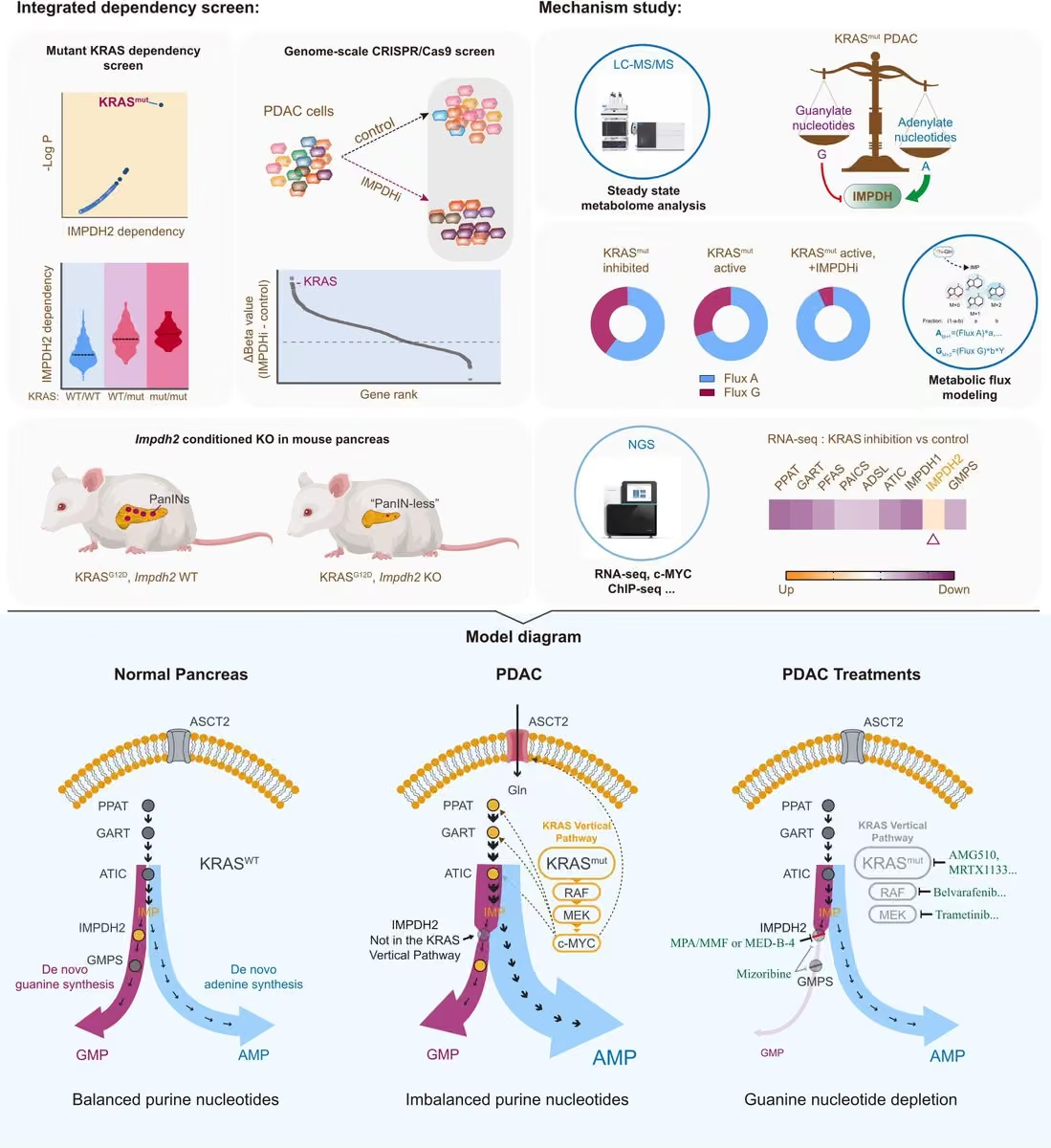


 Phil Smith
 Frontline Gastro


 Kohilan Gananandan


 Gloria Alvarez Sola
 BSG Trainees

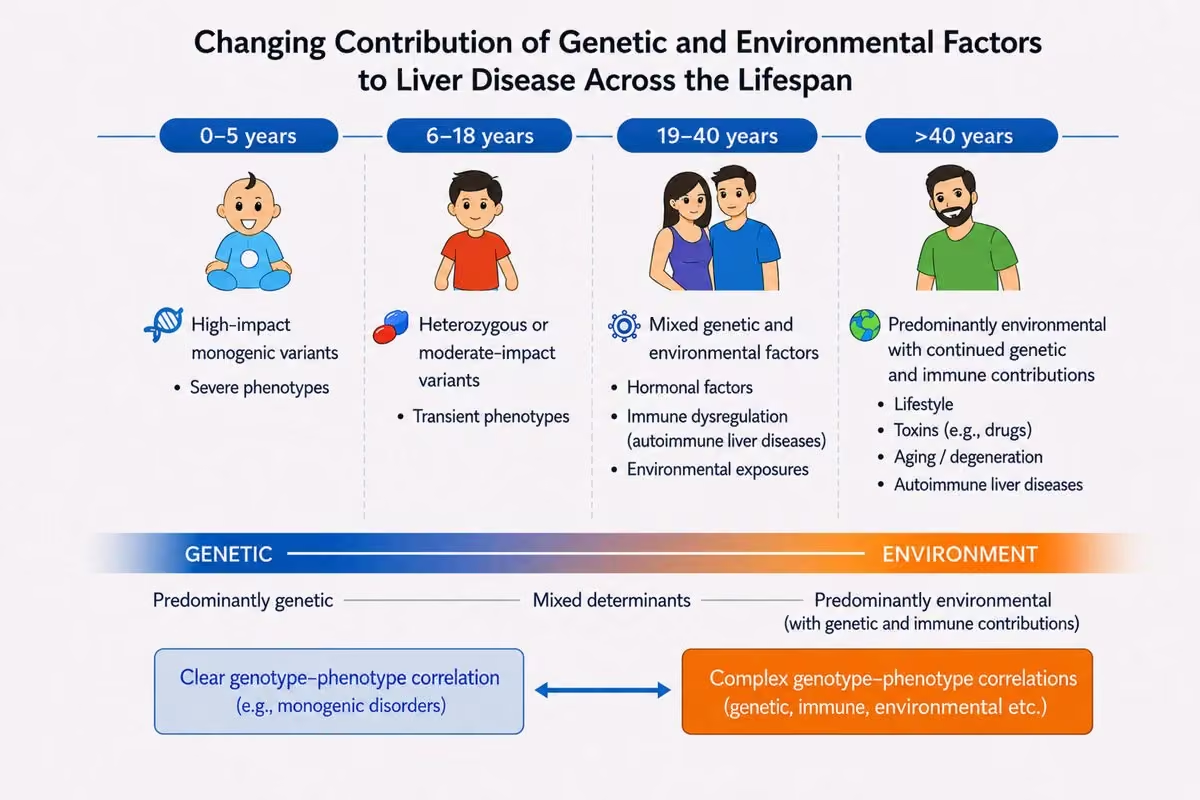


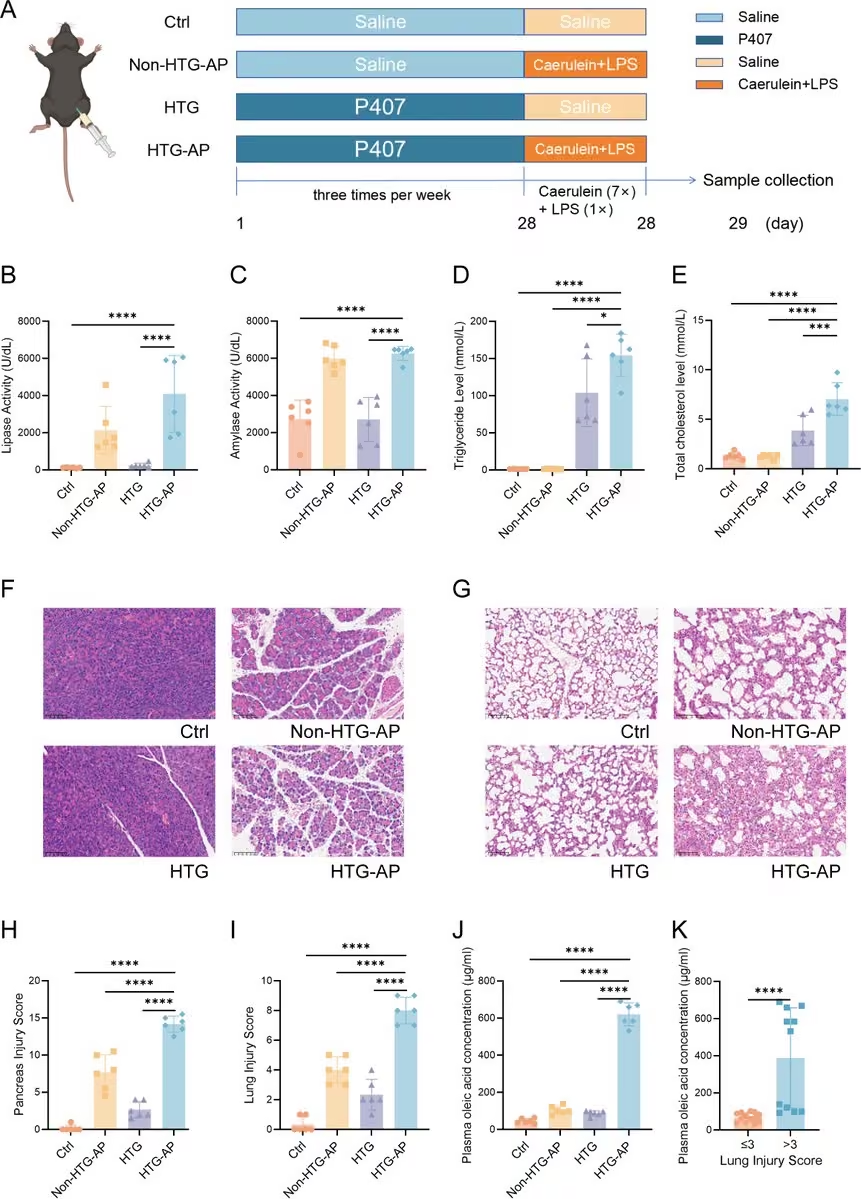


 Blumberg Institute


 Bruno Ramos-Molina, PhD


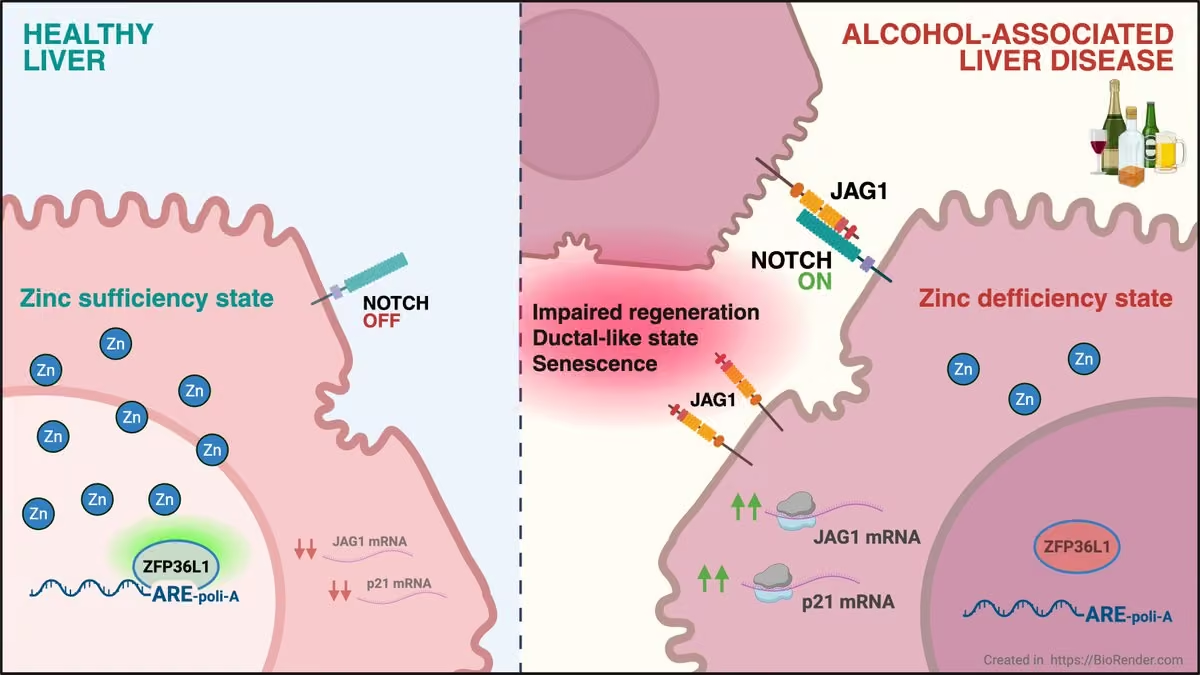

 Dr Mark Silverberg


 د/ حمزه ساب🇸🇦


 Wafik S. El-Deiry, MD, PhD, FACP
 ESGE


 Hesam Hakim


 Jonas Ludvigsson


 Cancer Library VCC


 Immune Regulation News


 Ken Oba |放射線科医 × 読影DX


 Matthias Hardtke-Wolenski

 M Shafi Kuchay


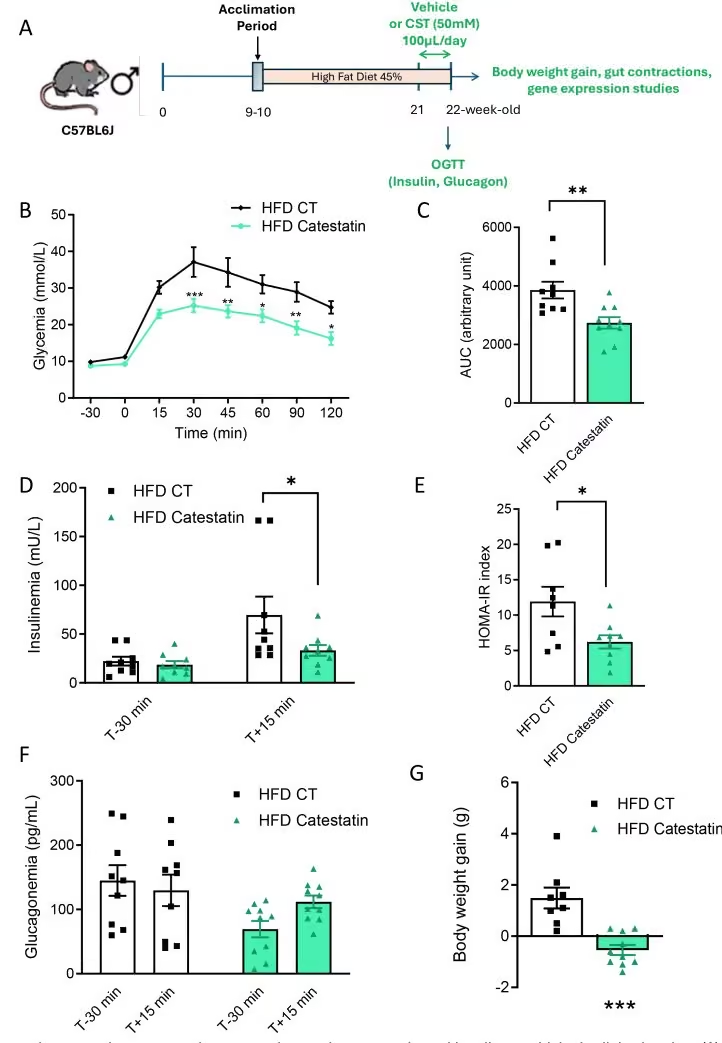
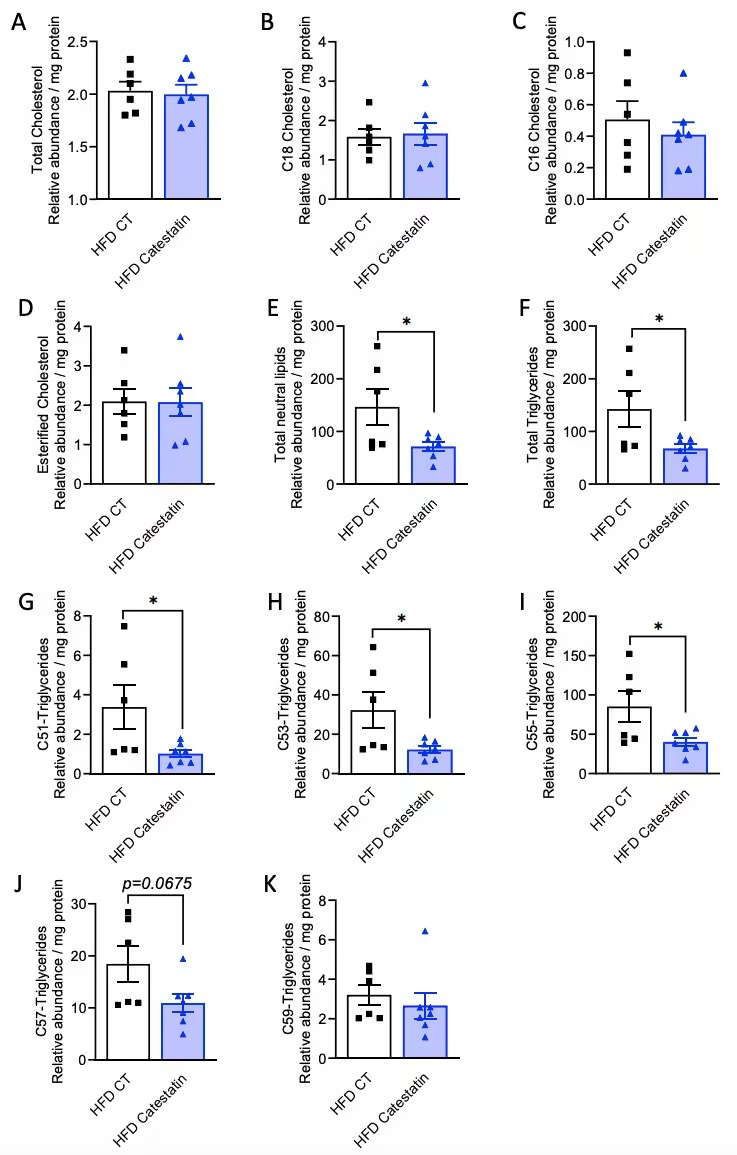

 Digestivo Área Hospitalaria Costa del Sol


 Hong Jae Chon


 Mike Thompson, MD, PhD, FASCO


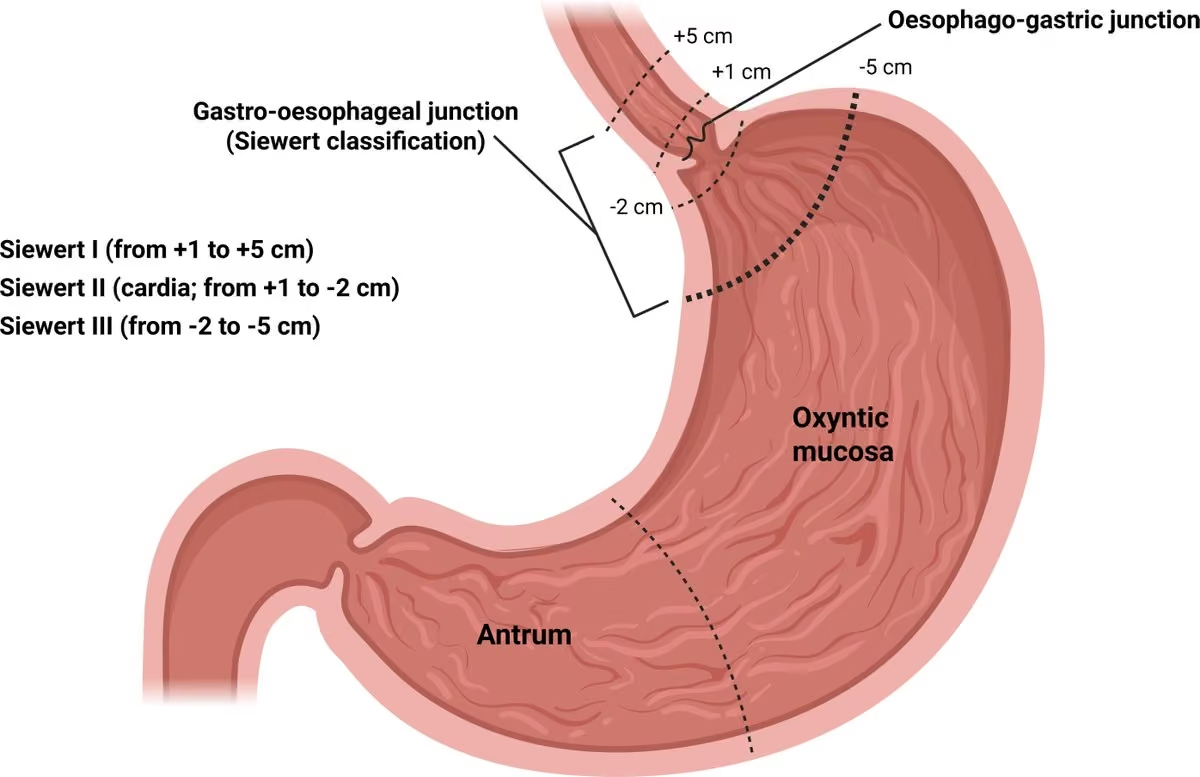
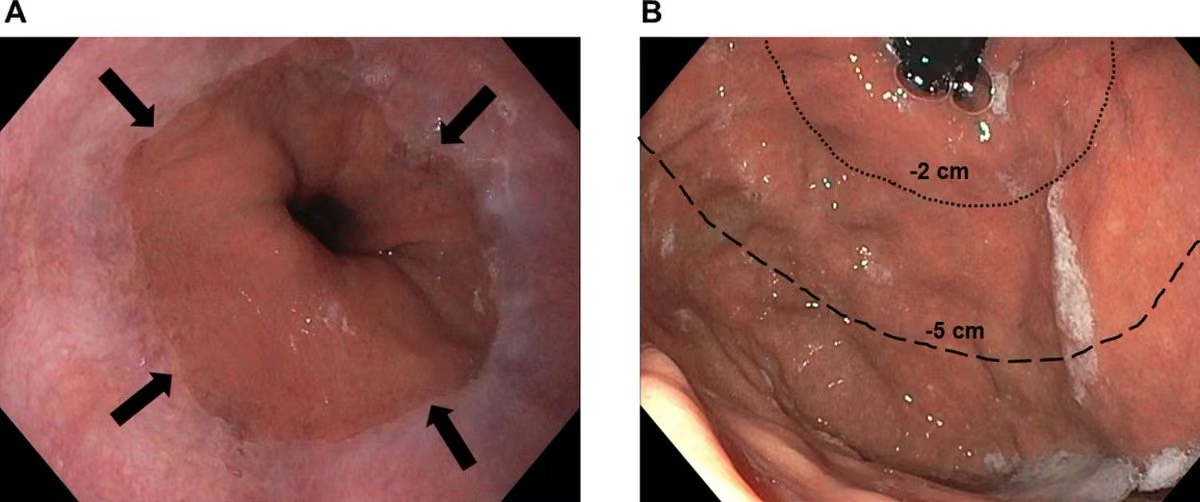
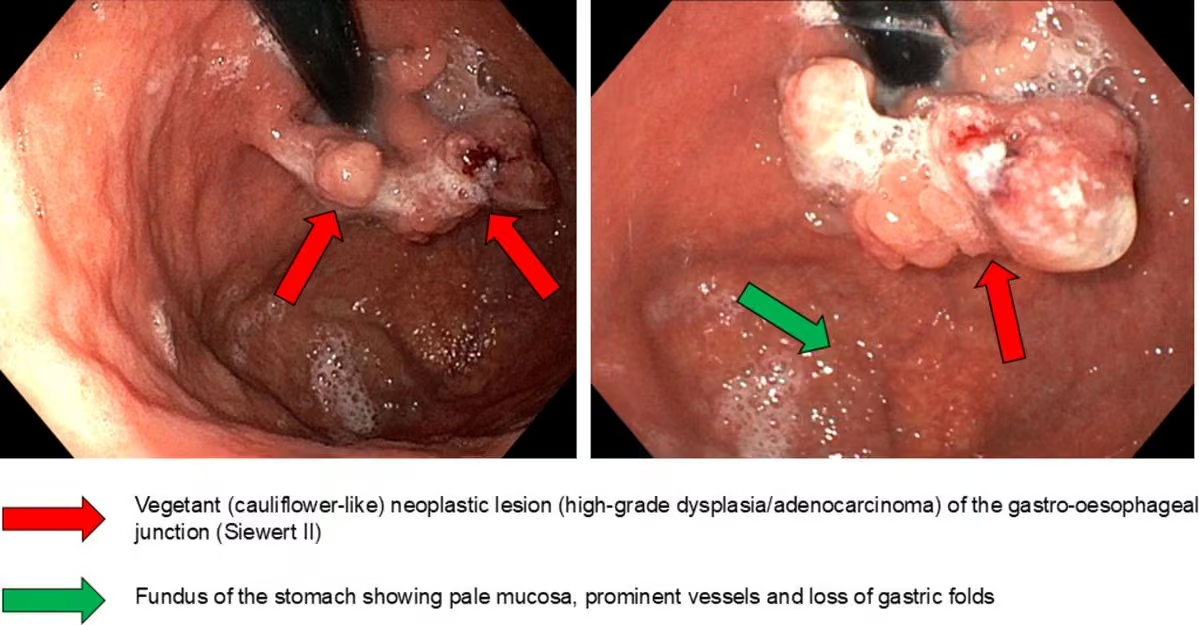
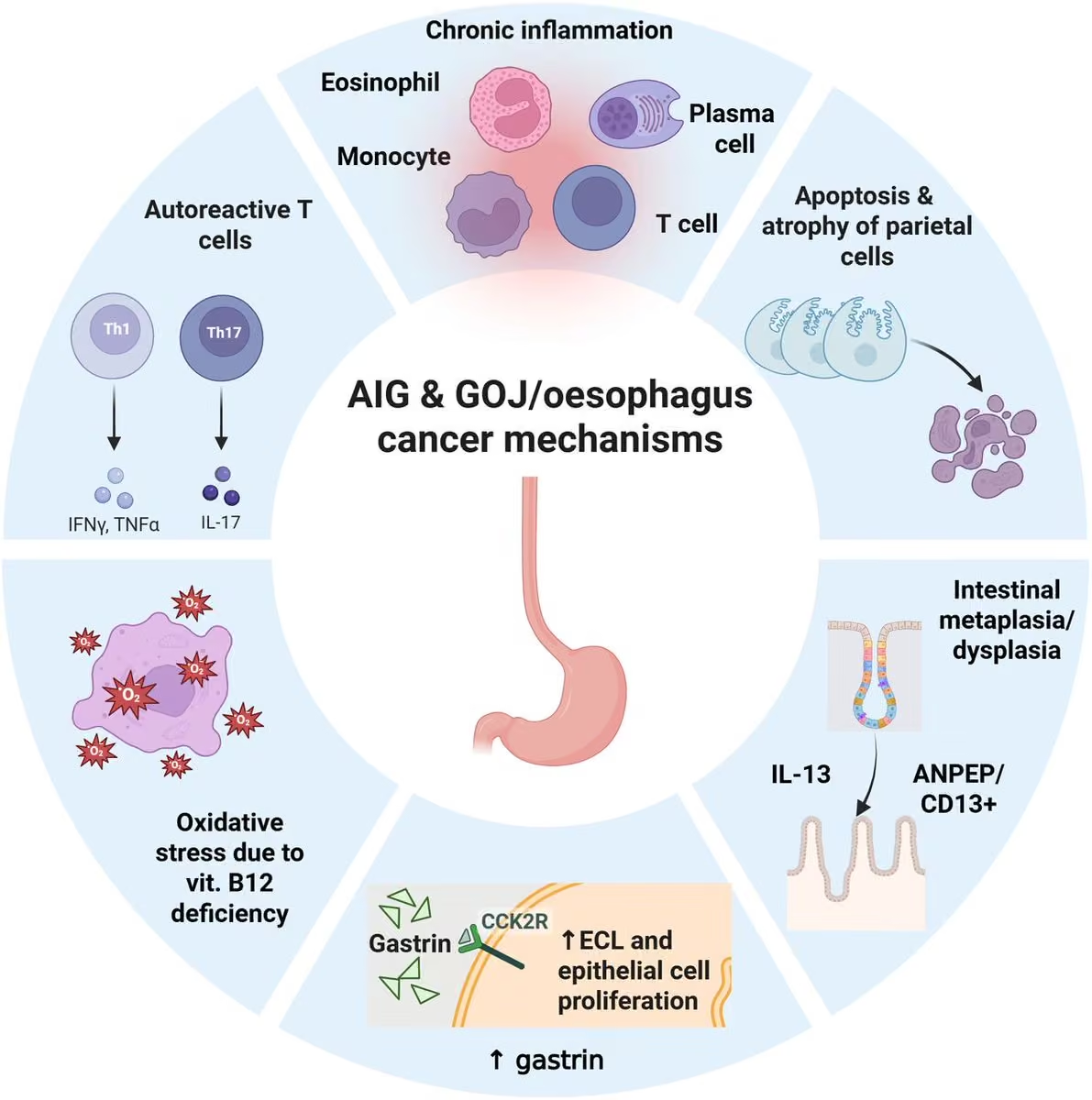


 Erman Akkus
 Dr. Rupa Banerjee
 Elizabeth A Spencer MD MS


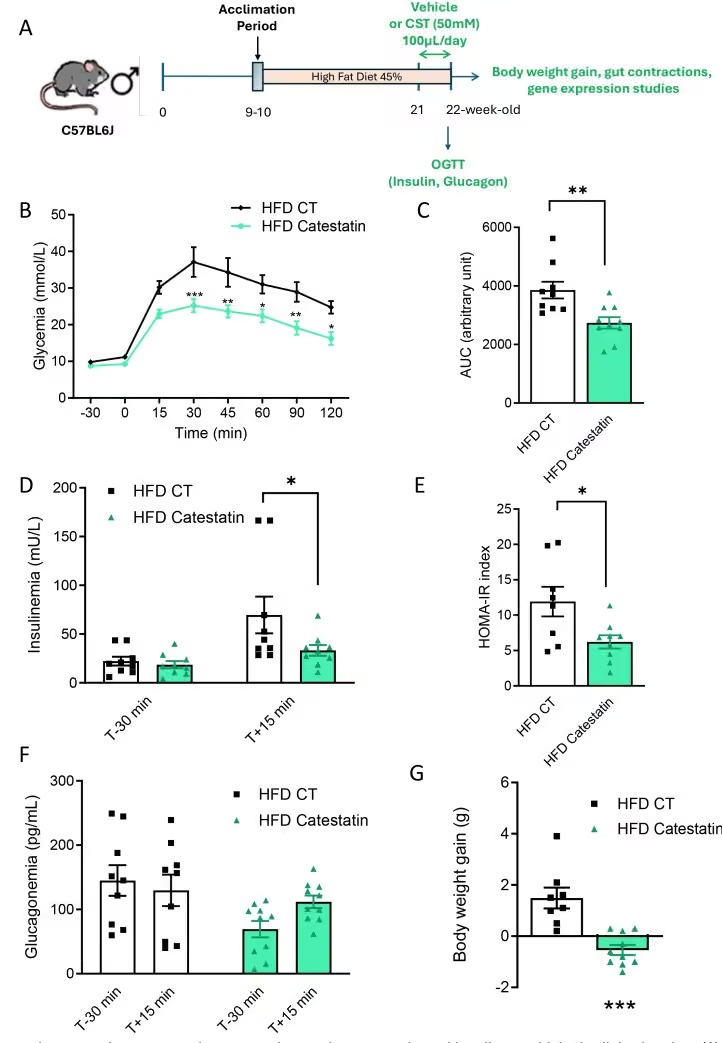
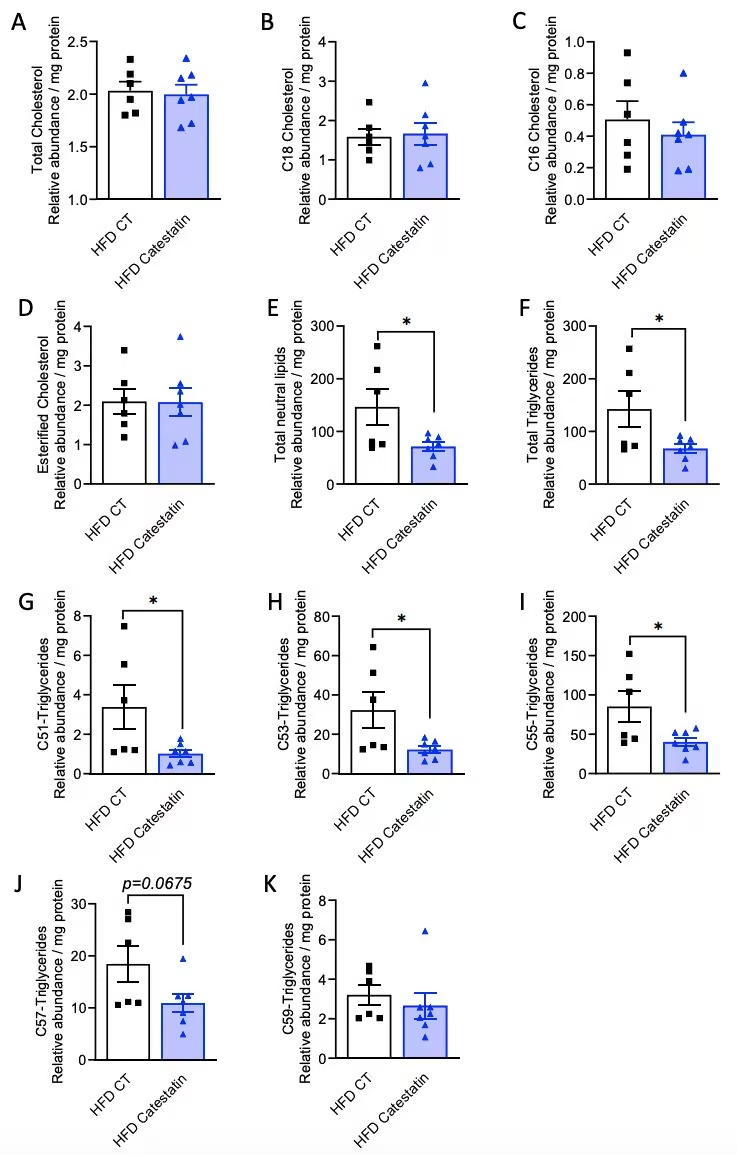


 Sergey Minaev


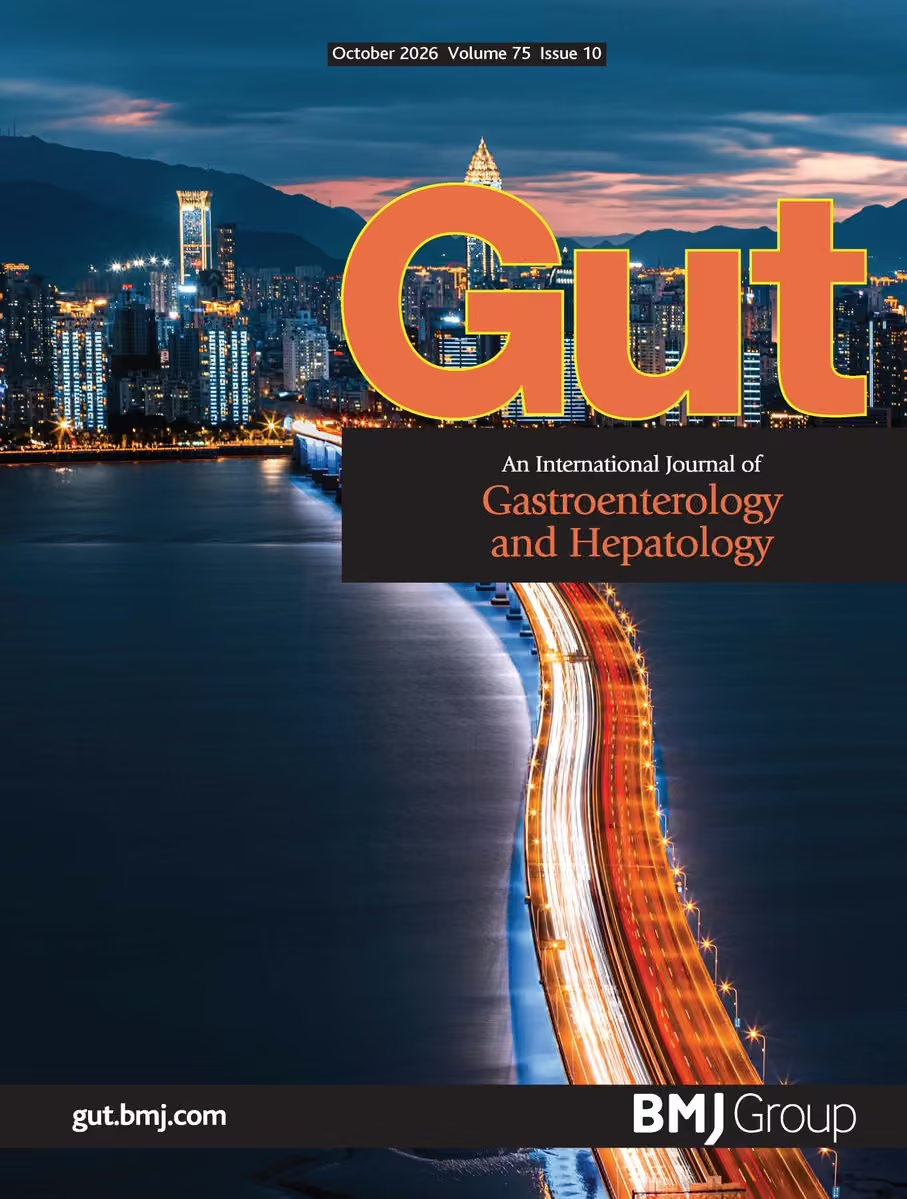


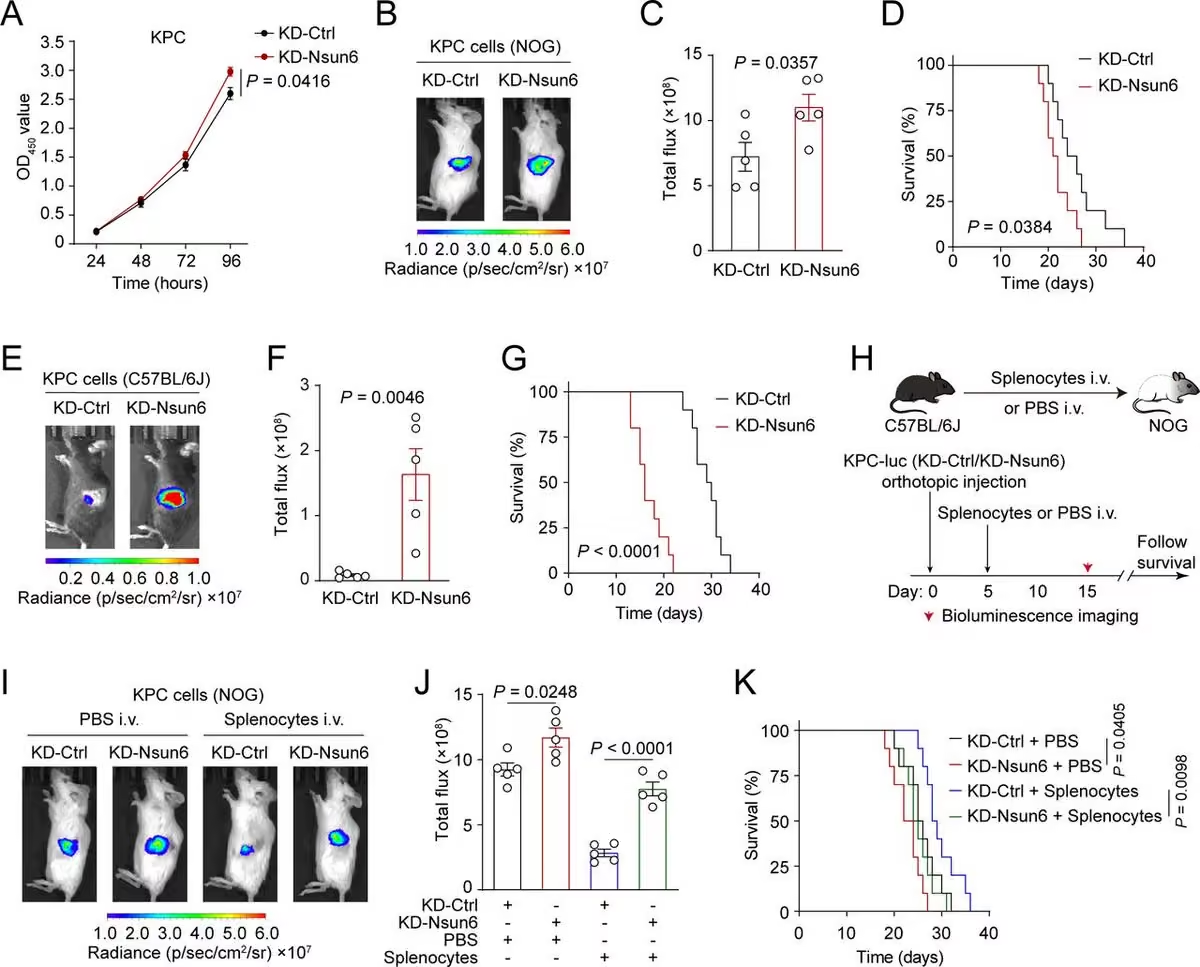


 Shomron Ben-Horin

 Anirban Maitra


 Matthew Armstrong 💙
 Maria Mironova, MD, MHSc, FACP
 Shifang Li
 Immunology Podcast


 GutMicrobiota Health




 robert verdonk
 Mohamed Shiha


 Abdul Rasheed

 Anjan Dhar


 VCU Stravitz-Sanyal Institute for Liver Disease


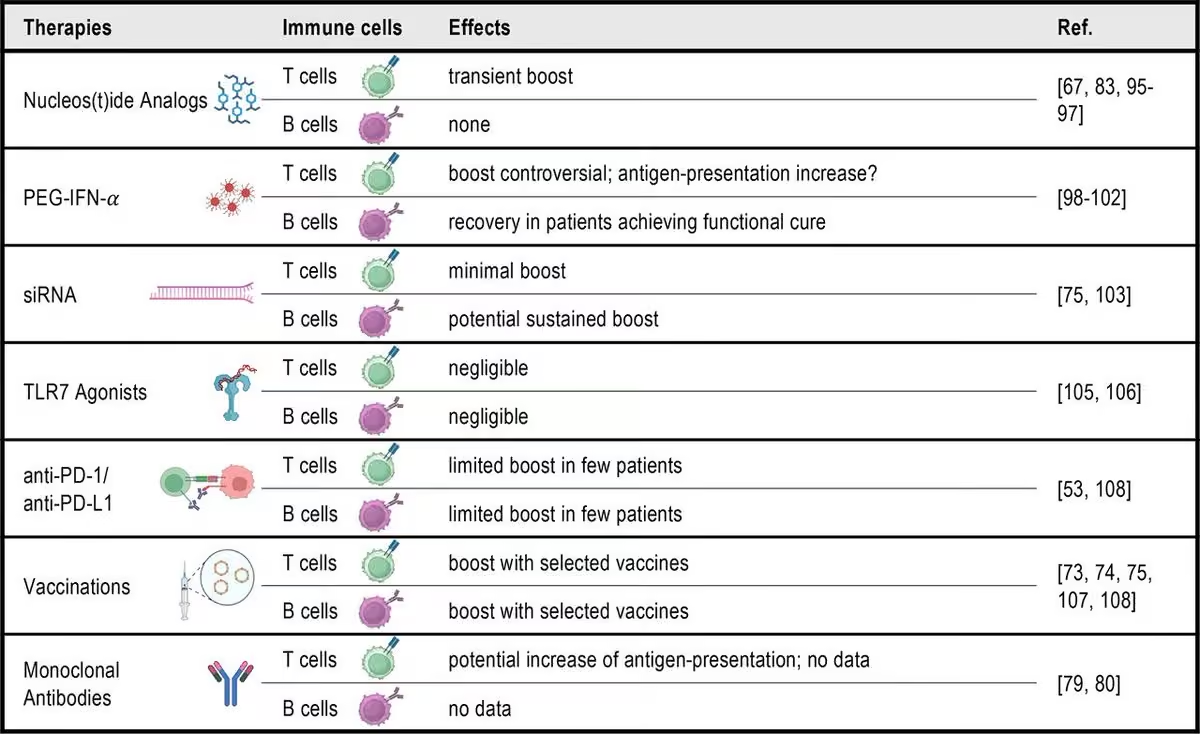


 Roberto Vargas Pino


 Ignacio Soriano
 Jia-Feng Wu


 Camilo J. Llamoza-Torres

 Lynsey C


 BibliotecaHUVH


 Healio Gastroenterology


 Sáfárné Hatrágyi Henrietta
 Alexander Ford
 Rome Foundation


 Eric Topol


 Aleksandar Gavric


 Ying Cao

 Today’s Insights IBD


 Pancreatic Cell News


 Extracellular Matrix News

 Dr. Santiago Blanco Rey, MD, MSc


 Kevin Monahan
 João Gorgulho


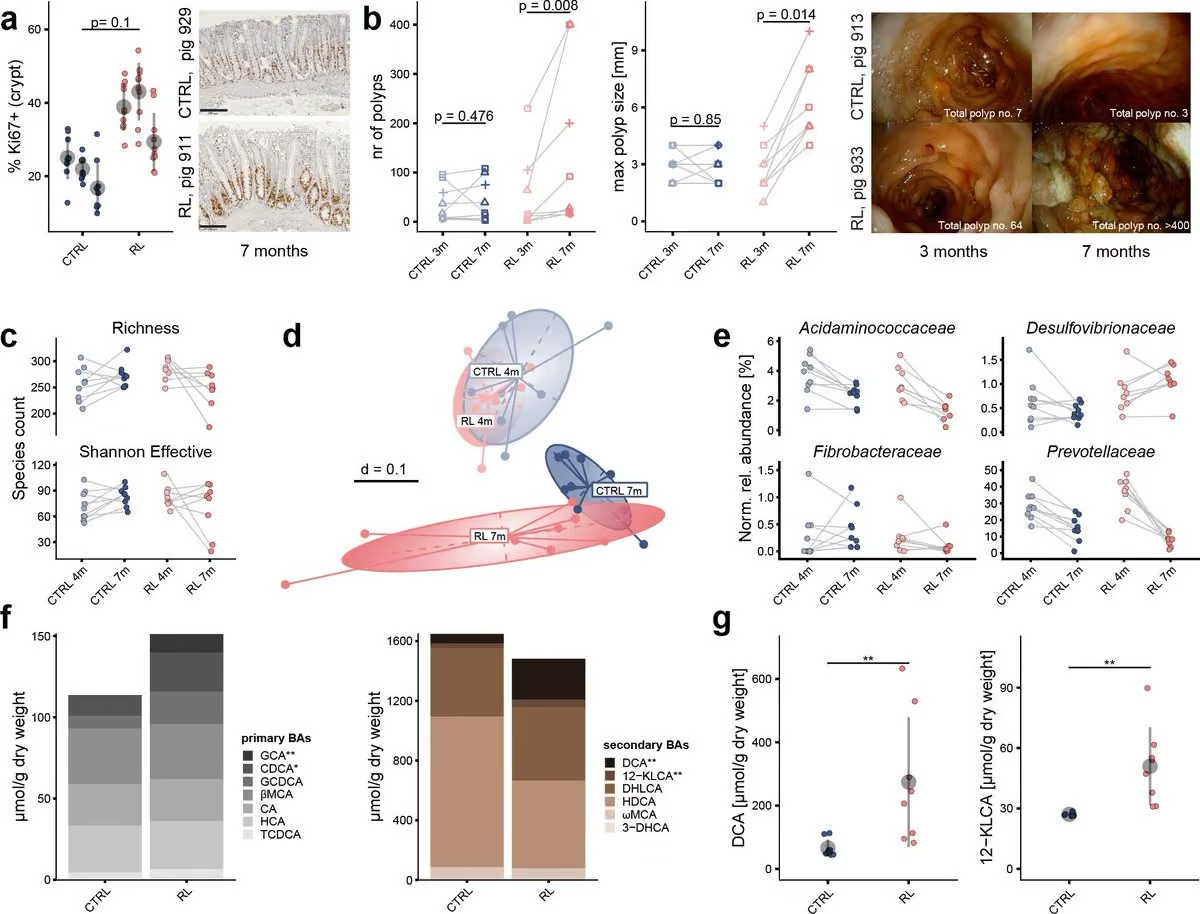

 Yuri Gorelik


 National Cancer Centre Singapore


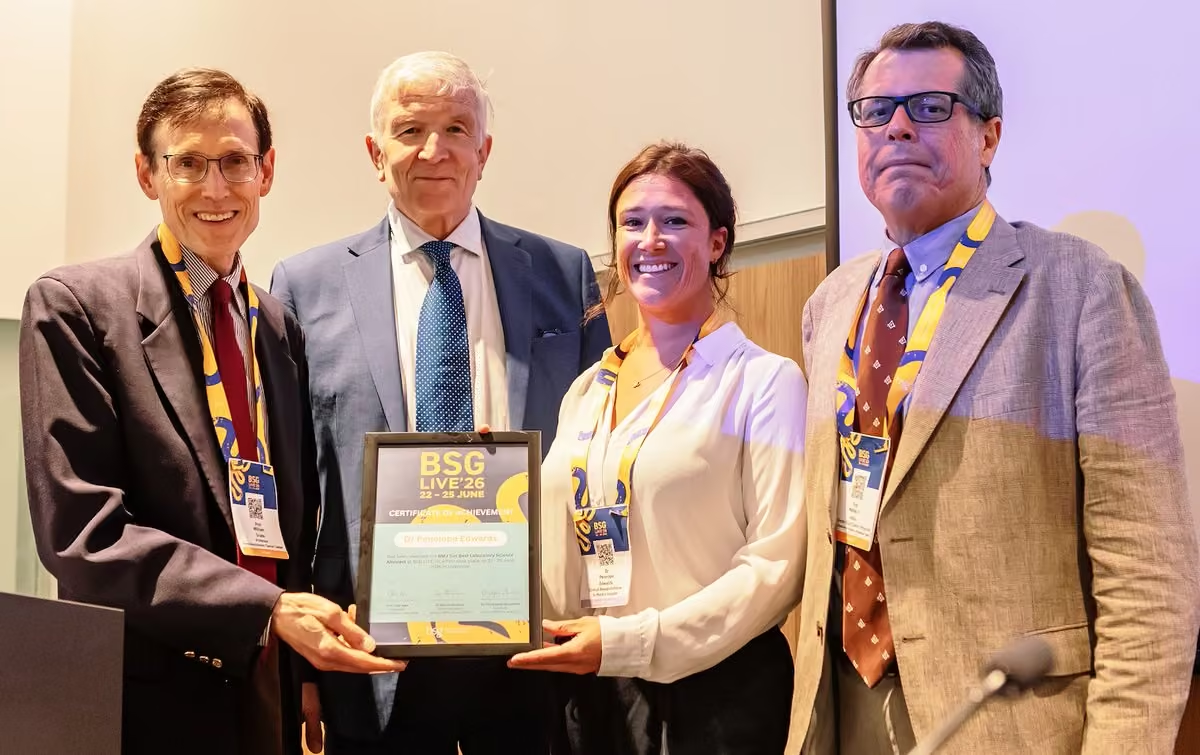

 Hashem el- Serag


 Syed A. Ahmad


 Dr Nitin Jagtap


 GI Nutrition Foundation


 Muddasir Ayaz, MD


 Weiwei Zhai
 Oliver Tavabie


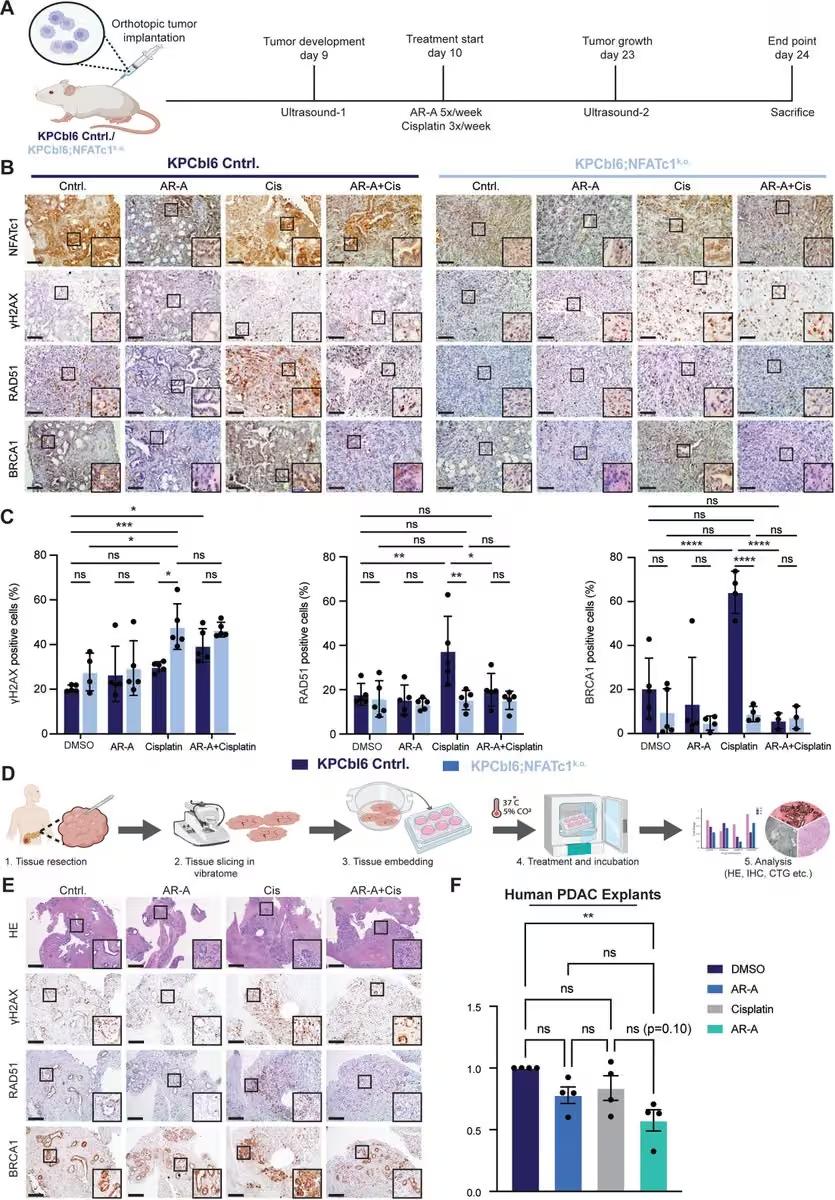


 BMJ Open Gastro


 Keith Siau


 InSiGHT


 Sylvie Deborde


 Mauro D’Amato


 Huiluo Cao 曹慧荦
 CIC bioGUNE

 Cancer Stem Cell News

 Intestinal Cell News

 GastroAGI | Gastroenterology AI


 Parham Habibzadeh


 SAMI ALMOMEN


 Alessandro Mannucci, MD

 Kenneth Rainin Foundation


 Enrique de-Madaria
 Lucía Guilabert


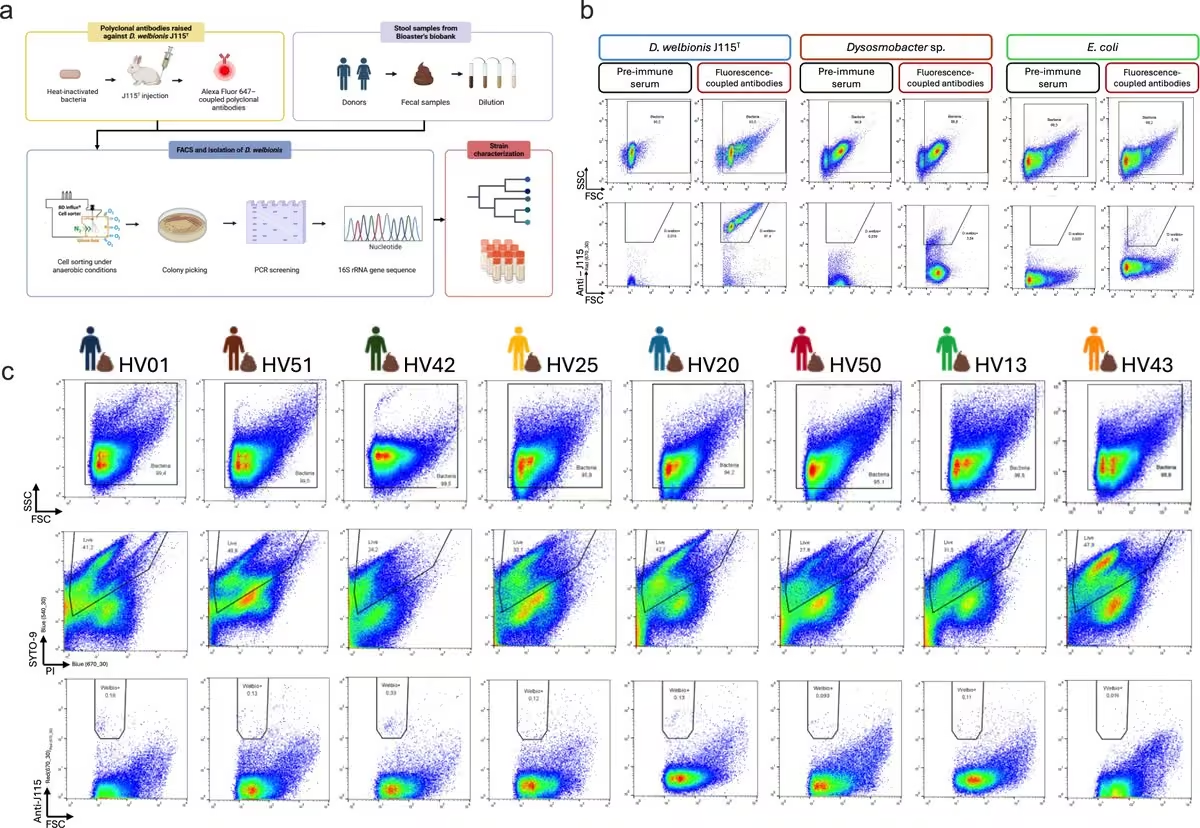


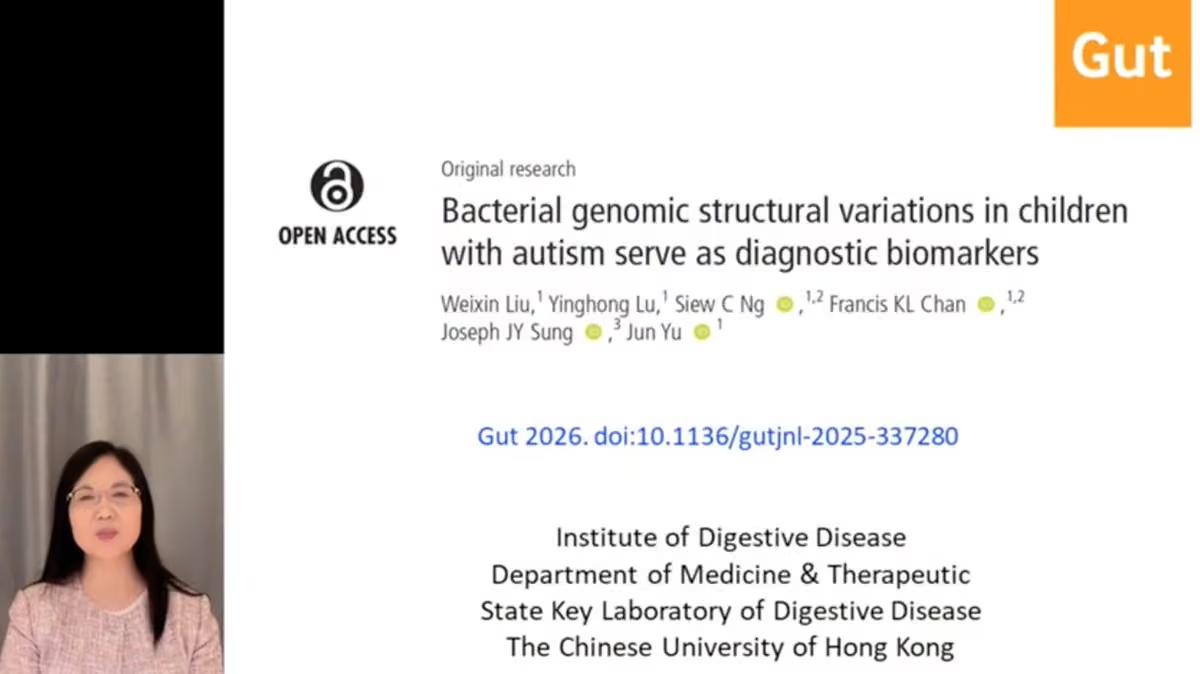
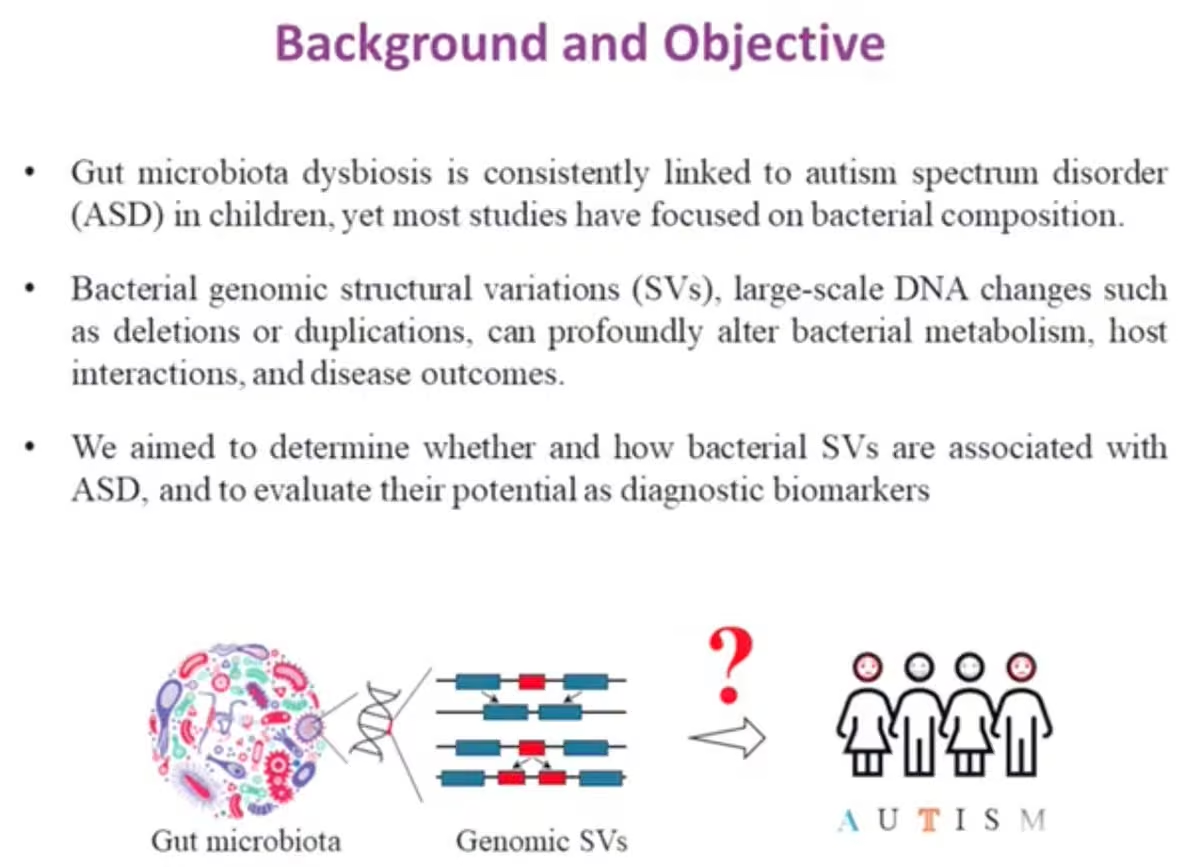
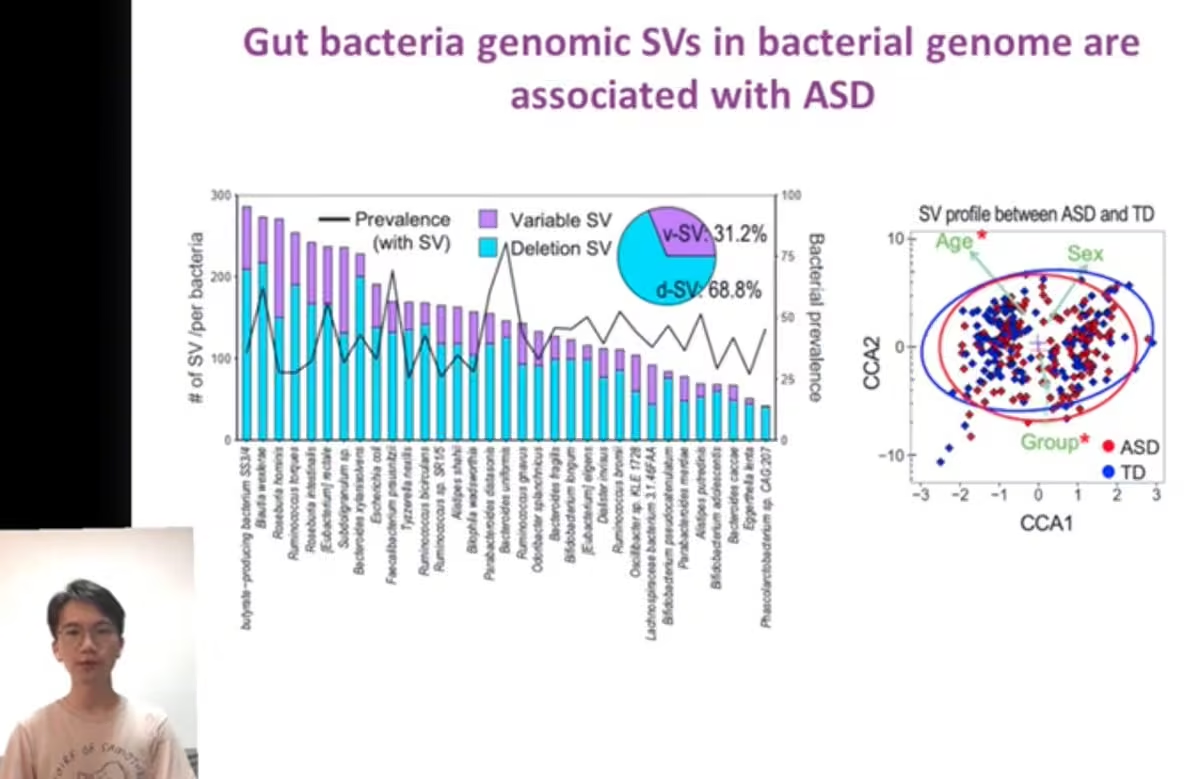
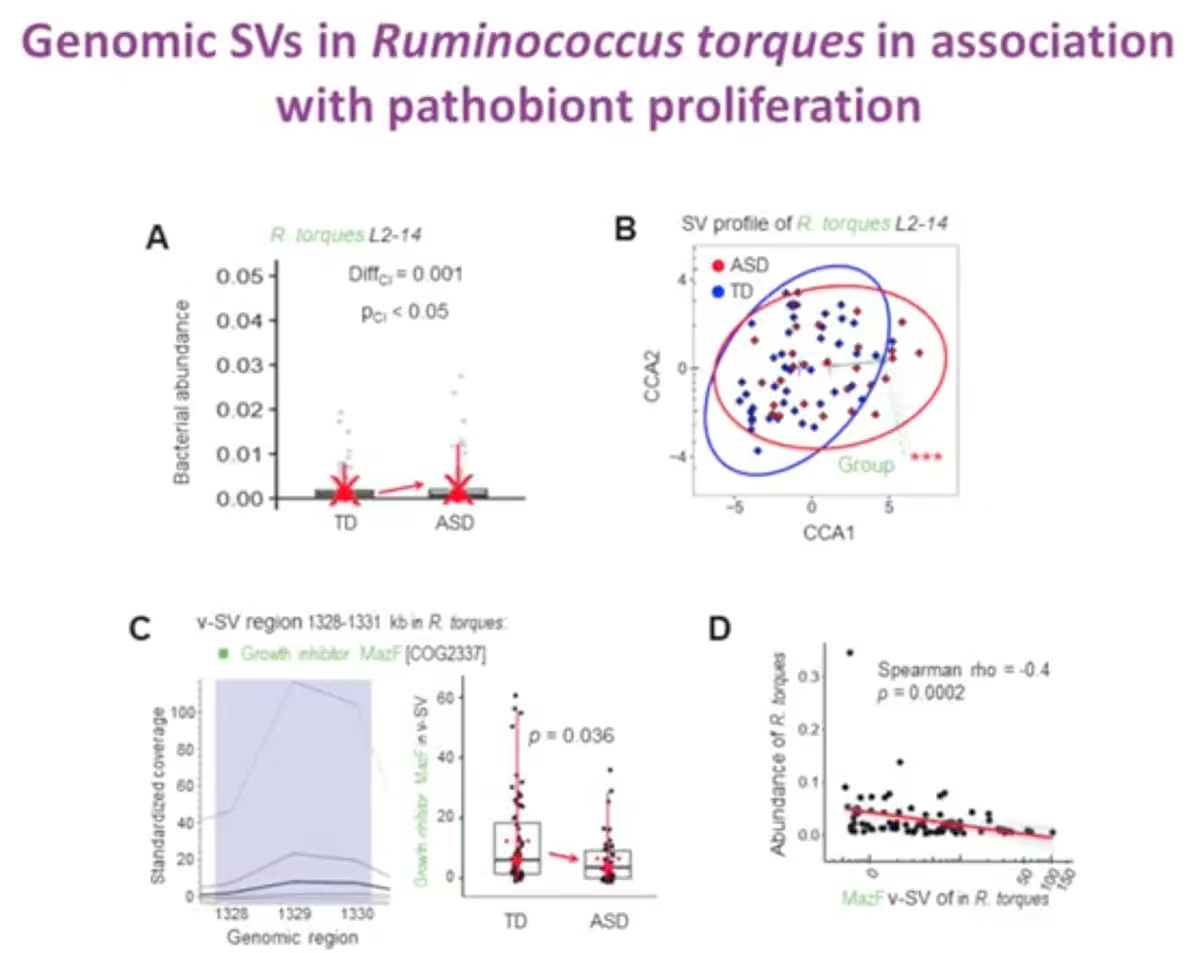


 Jose Carlos Machado
 Roman Liebe


 NYU Pain Research Center


 Sonia Melo


 Endothelial Cell News

 Jasmohan Bajaj


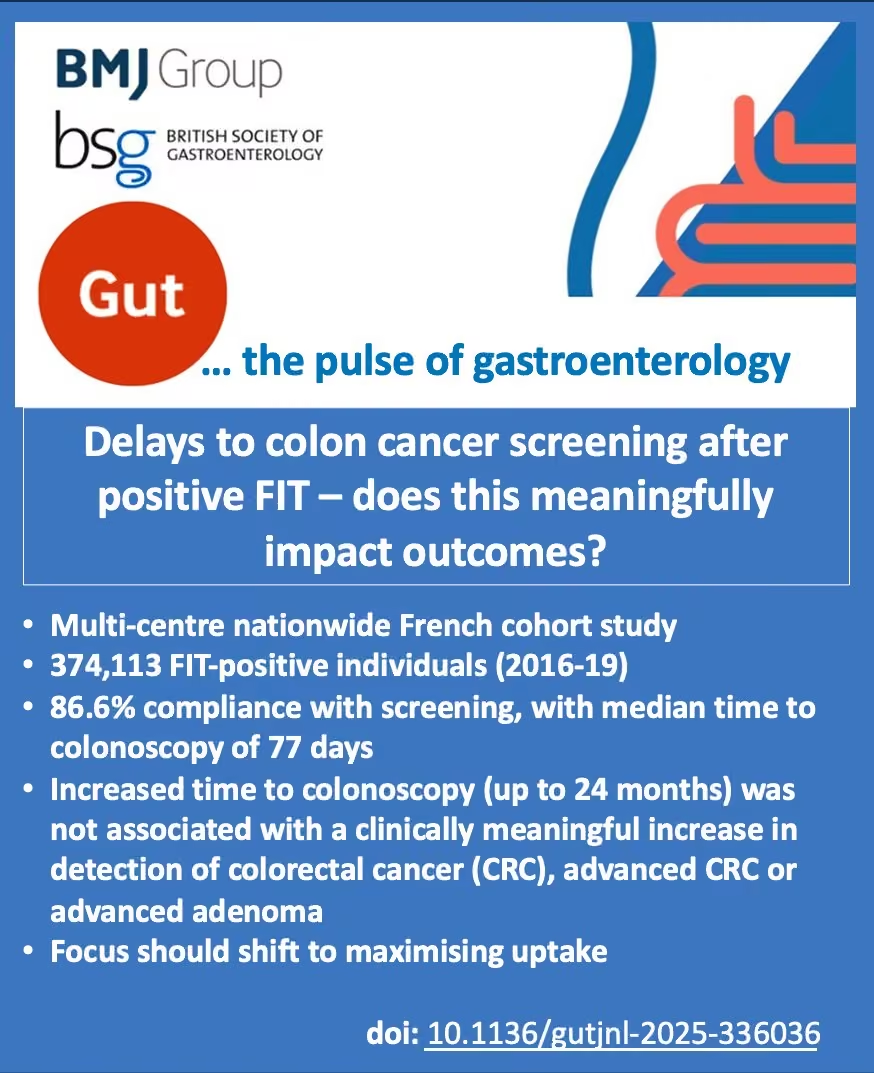


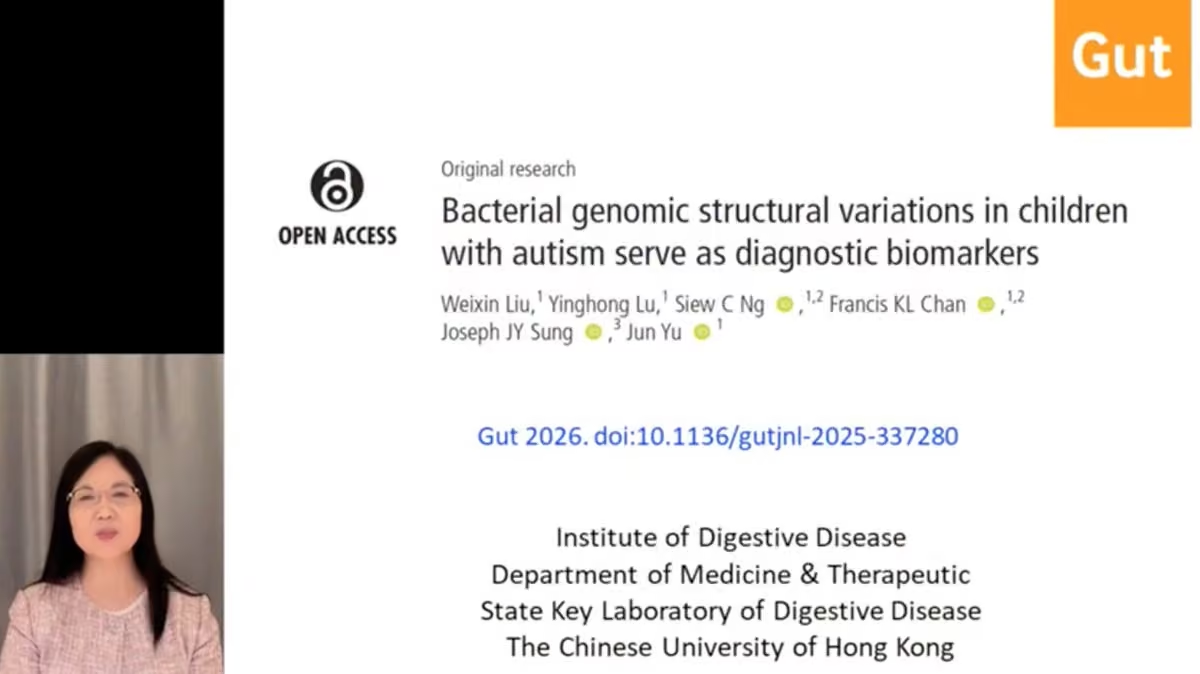

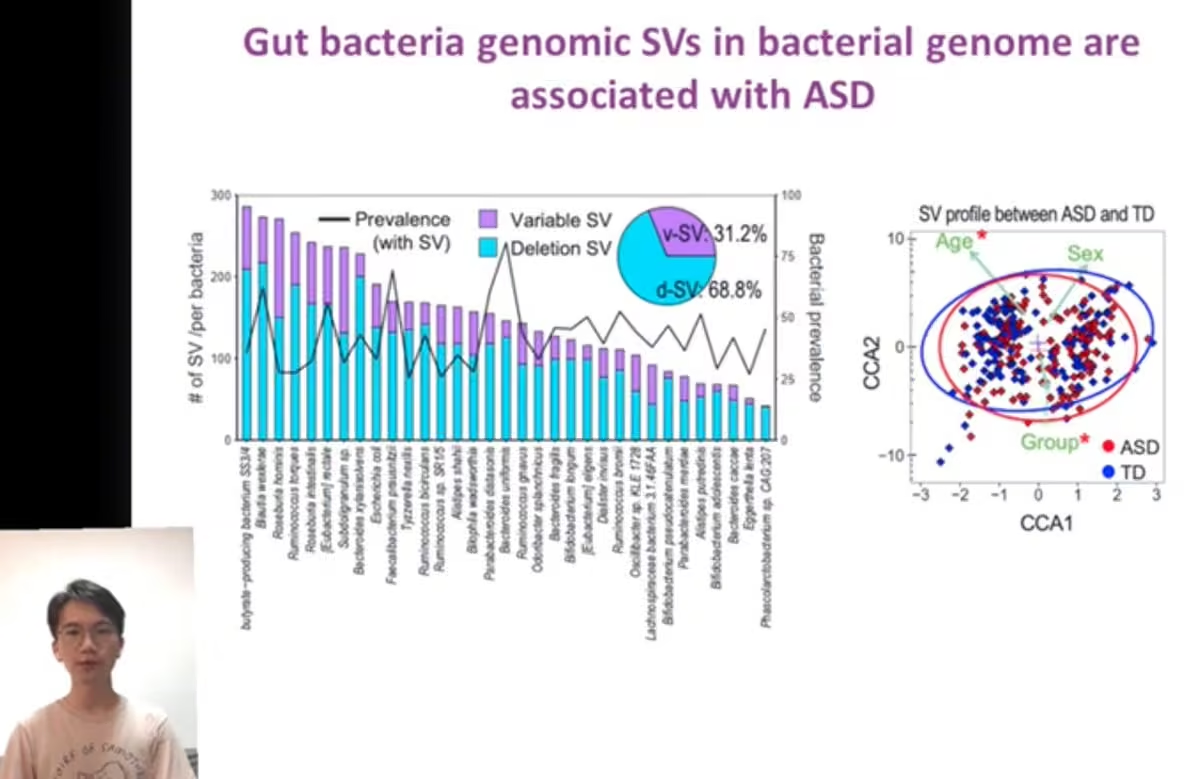
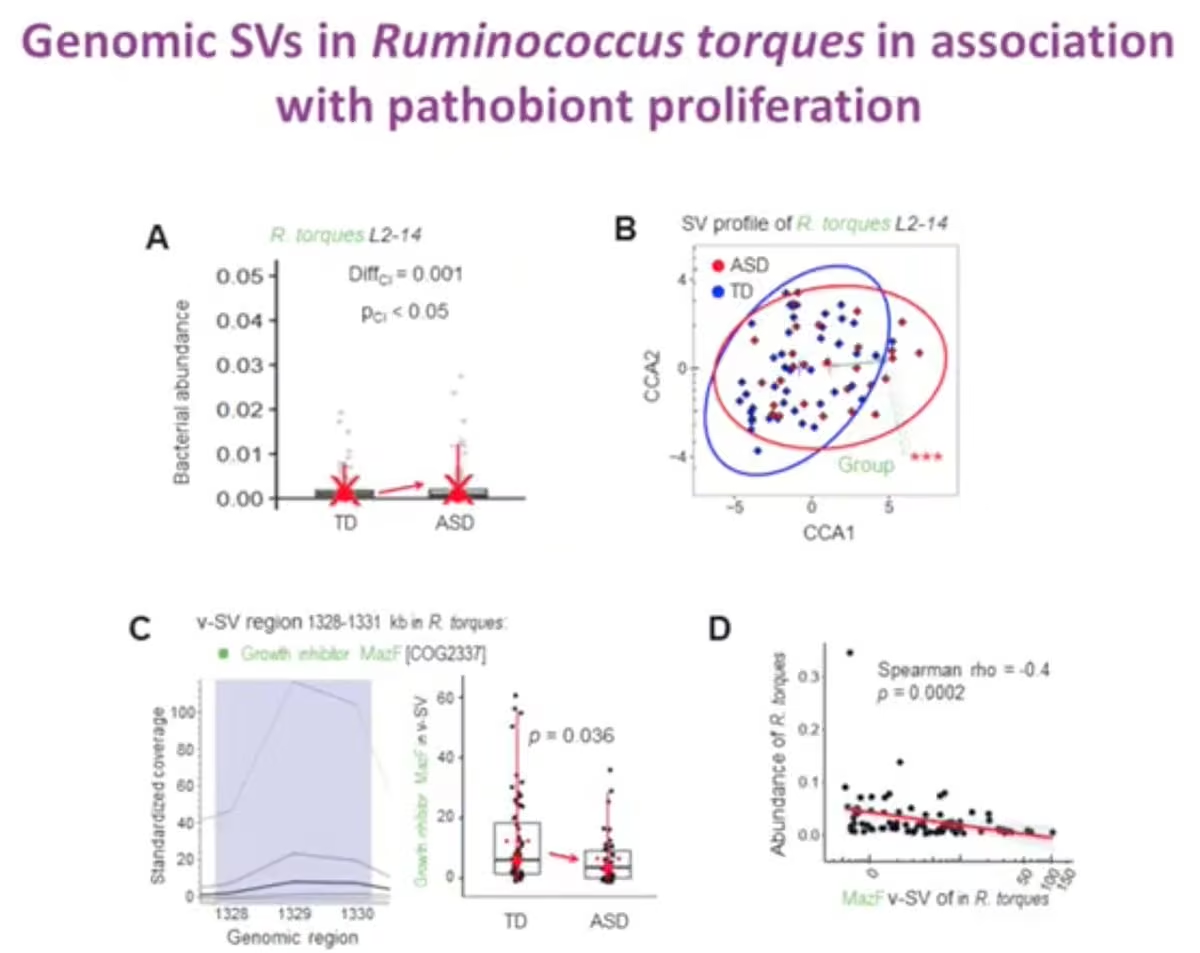
 Lumír Kunovský


 SOT Hub

 Junbin Qian


 Nestor Jiménez
 DrCJFrandrup
 Rajan kanth
 Oncology News


 Ruben Hernaez

 AoT
 Rirong Chen, M.D.
 Sun-Ho Lee, MD, PhD


 Ben Mullish


 Aitor Viribay
 Metabolism, Digestion & Reproduction


 Seb


 Uma Mahadevan


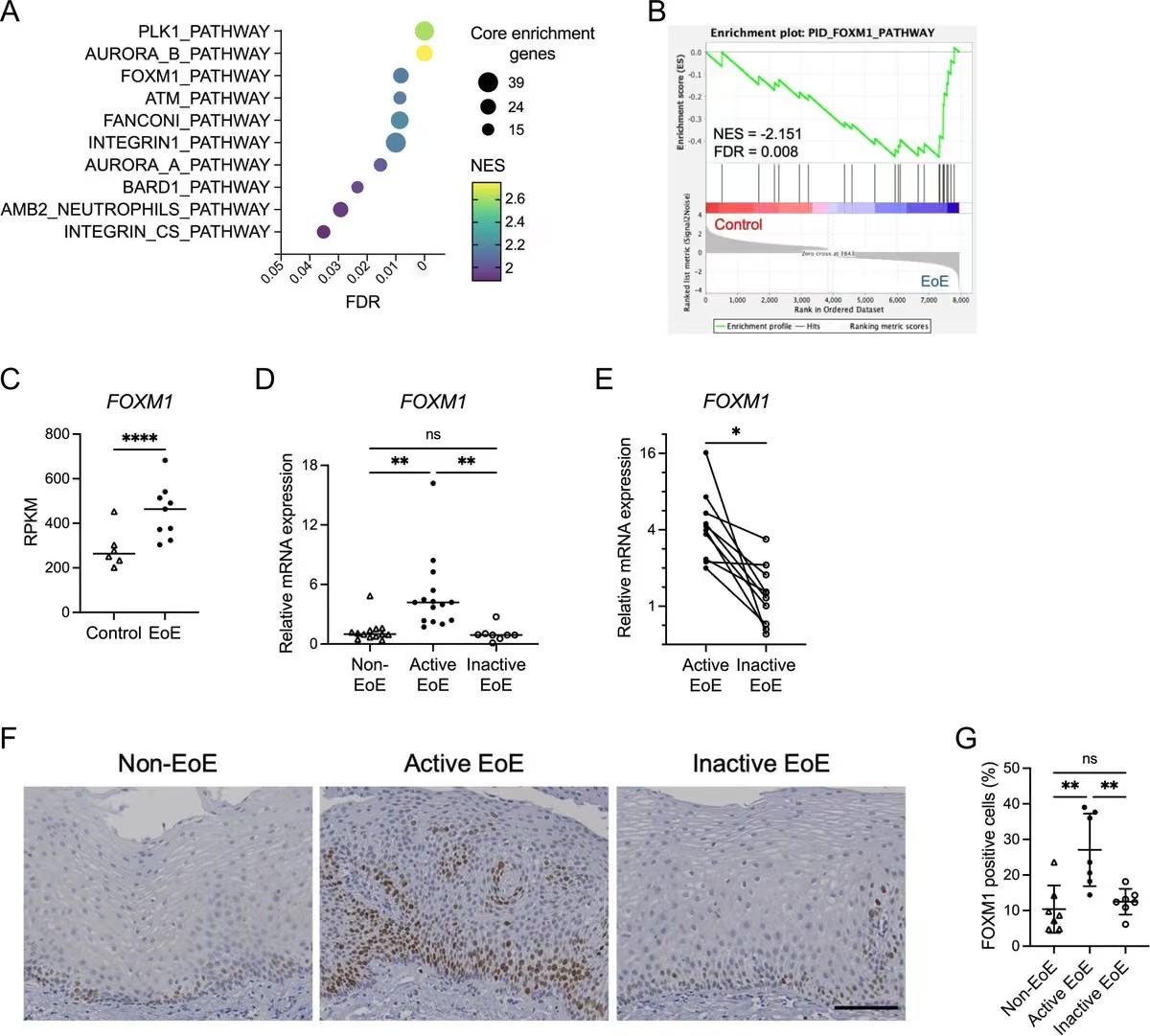
 Nadeem Tehami


 Sundeep Lakhtakia




 Hepatic Cell News


 Valerie Chew




 Arndt Vogel


 Joseantonio Trujillo


 Thor Halfdanarson


 iBio
 Society for Mucosal Immunology

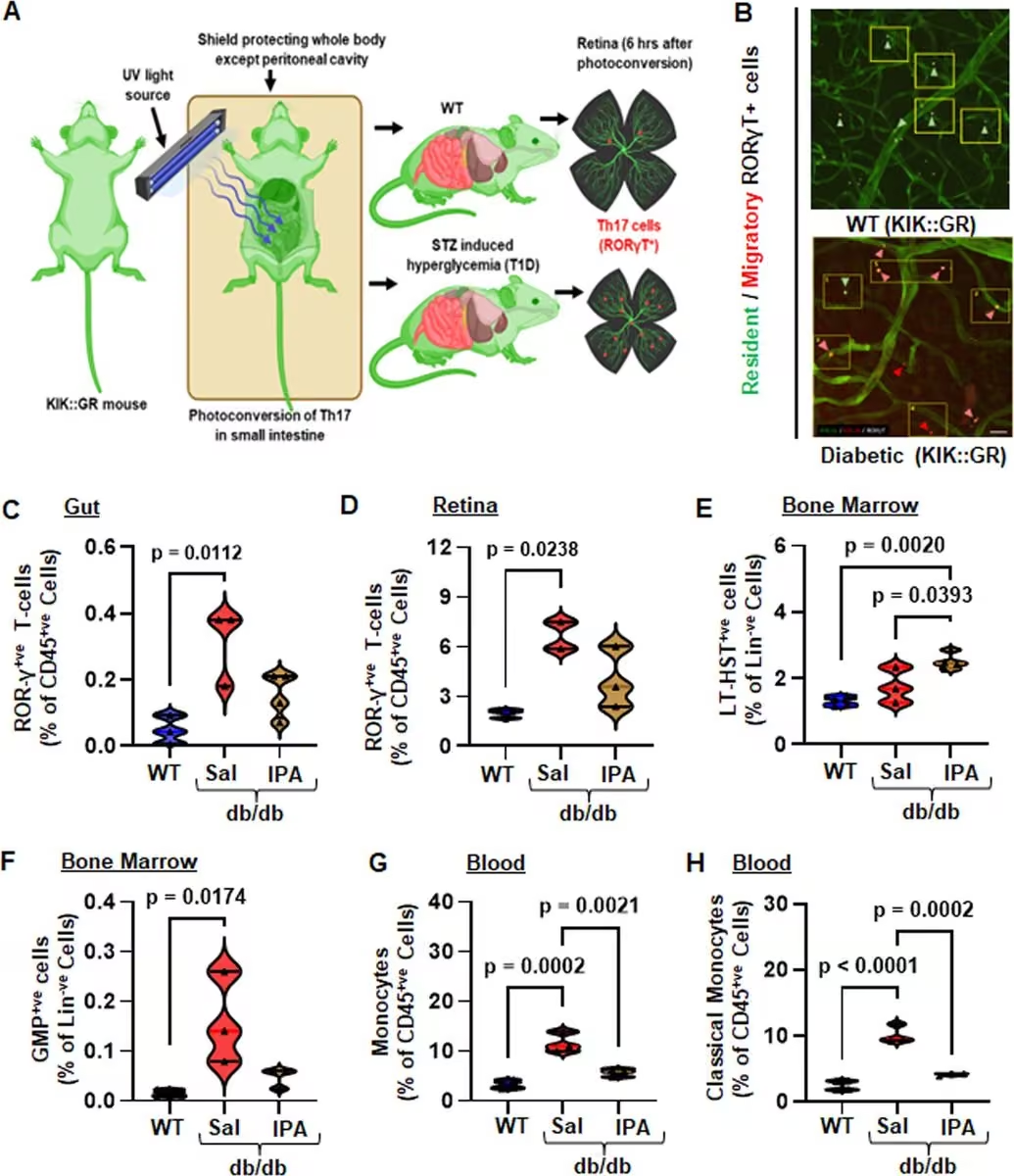


 Samuel Hume



 Darrell Pardi
 Mike Owens MD FASGE
 Amirhossein Roshanshad, MD
 Diagnostic Imaging


 Gorka Orive


 BMJ Group

 Armin Zarrintan
 Khurram Khaliq Bhinder

 Evangelos Felekouras
 ilyas sahin, MD

 Salvador Pedraza
 Zain Khalpey, MD, PhD, FACS


 Gabe Wilson MD
 Θείος Πλούταρχος


 Achintya Singh, MD

 Gianluca Ianiro


 Alexandre Calon


 やまだ@へっぽこ研究者|Y.KITA


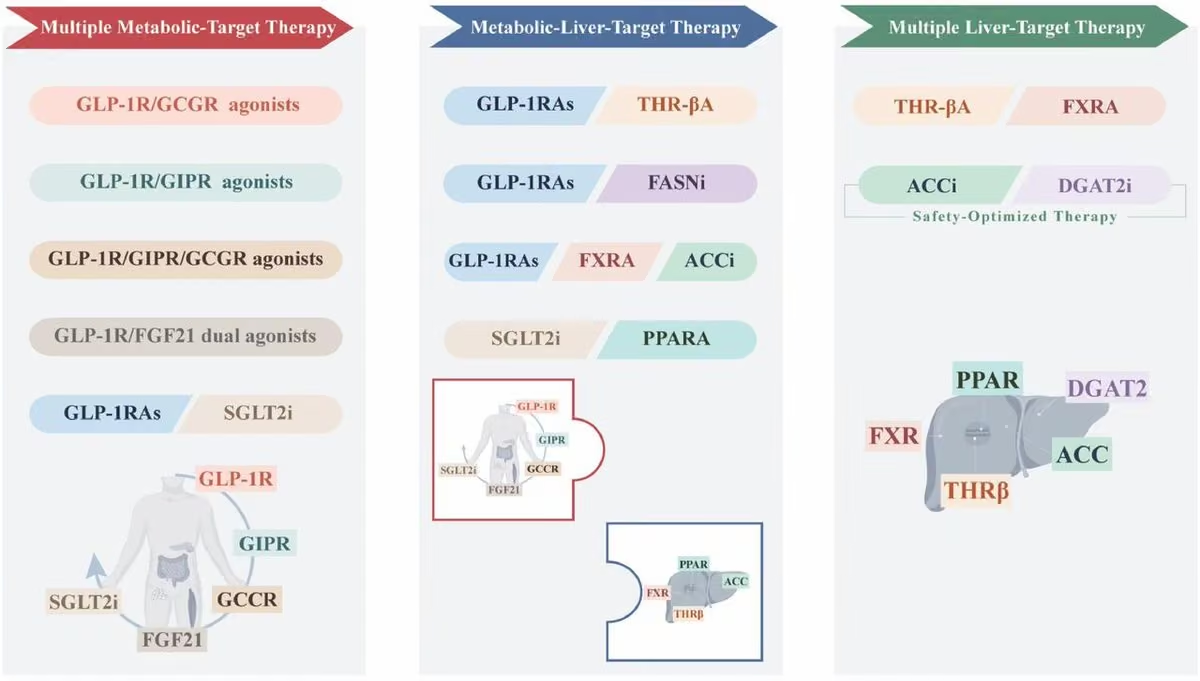


 ぴかこる


 Pon|食と健康

 CalonLab
 Abhishek Yadav


 Fernando Gomollón


 Prof Ollie Minton
 Benjamin Gold
 Gaurav Nigam


 Francisco Câmara Ferreira
 ALI ALKHALIFAH |:| عـلـي الخـليـفـة


 IM Médico
 Ming Cui


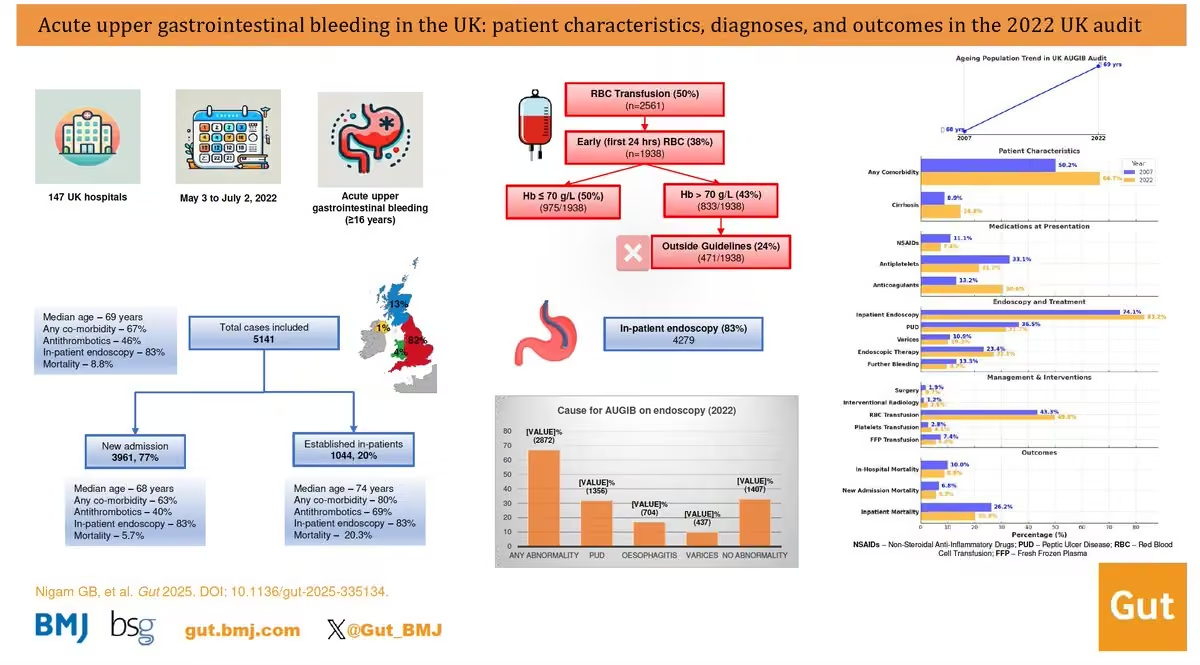


 Hannah Fang PhD
 Lucia Oliveira,MD,PhD


 Jiyang Chen

 United European Gastroenterology


 Wah Yang, MD


 とうや@企業研究職/食品・栄養 Ph.D
 Erwin Loh


 Organoid News

 Antonio García-Hermoso
 Medical Xpress


 STOmics


 Partha Pal


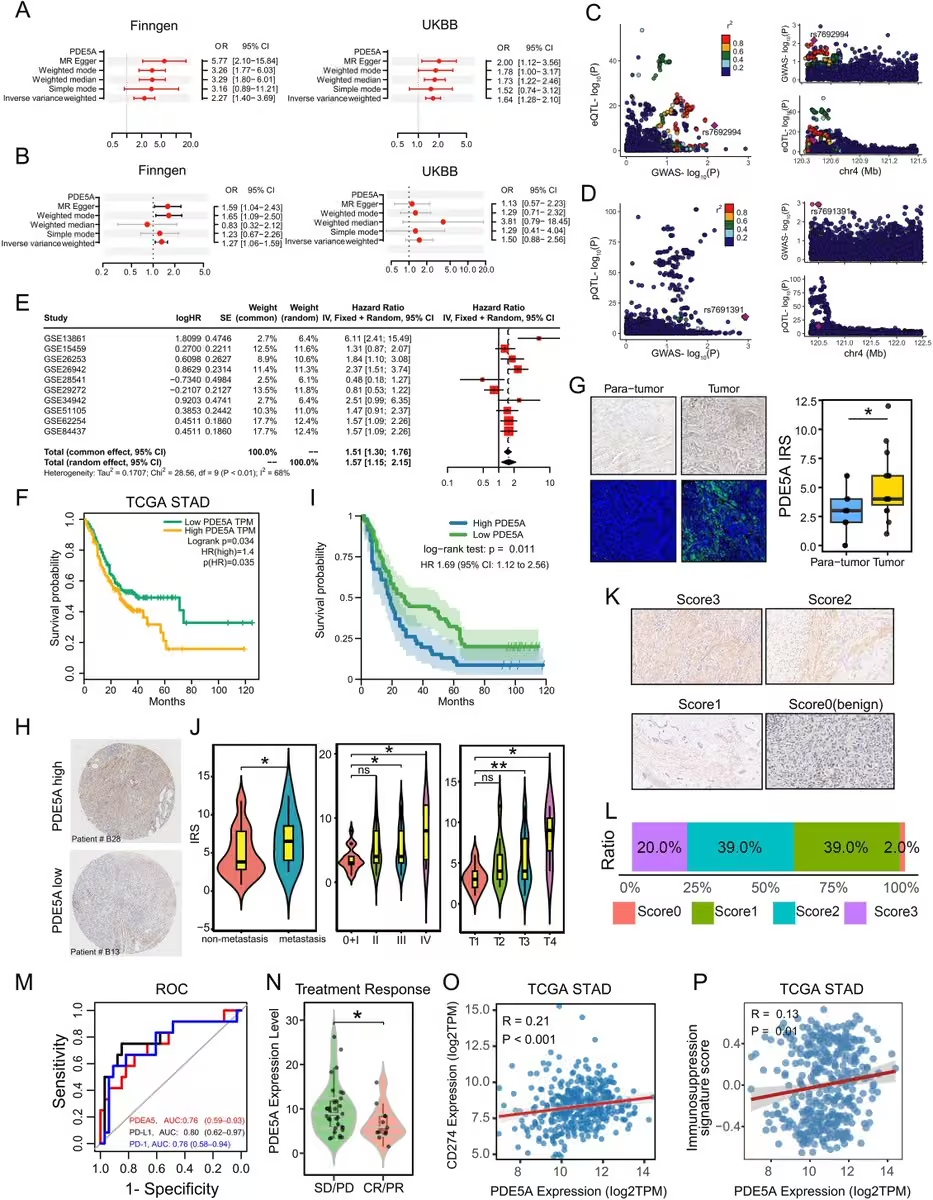


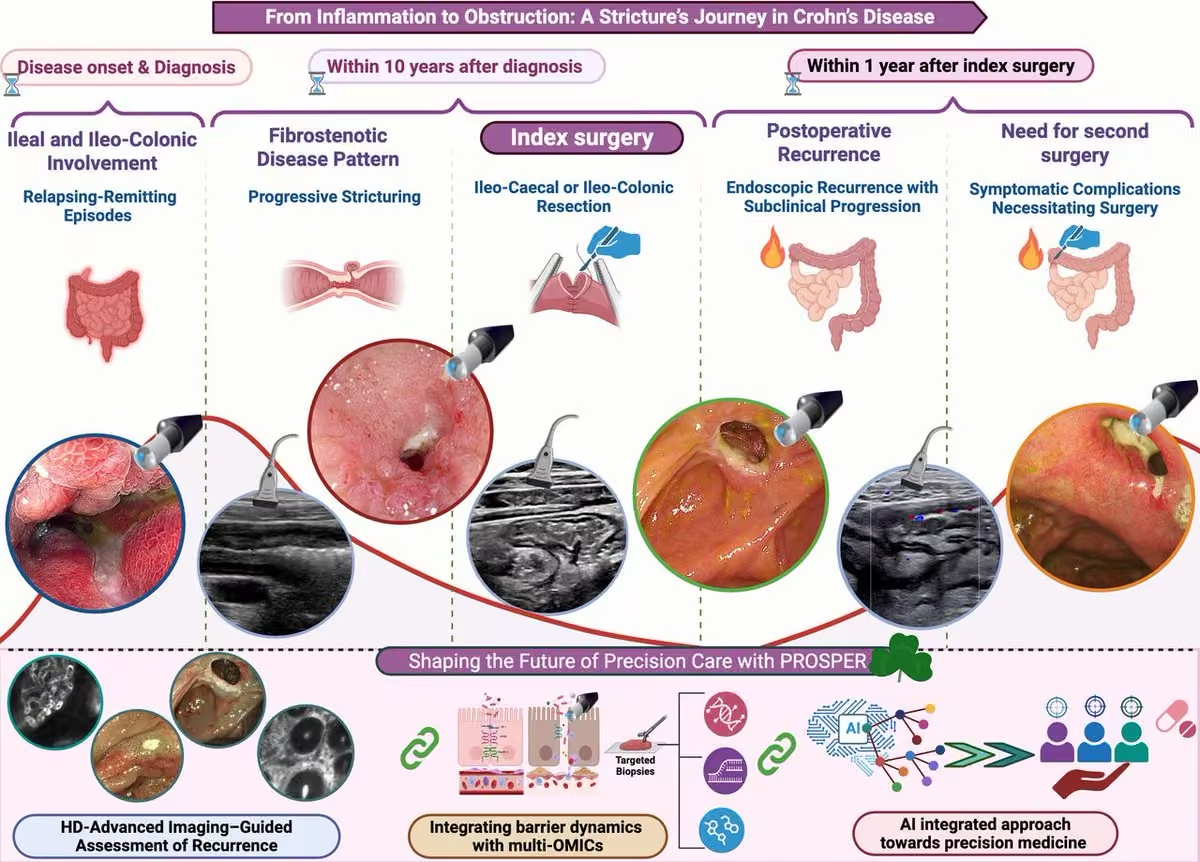
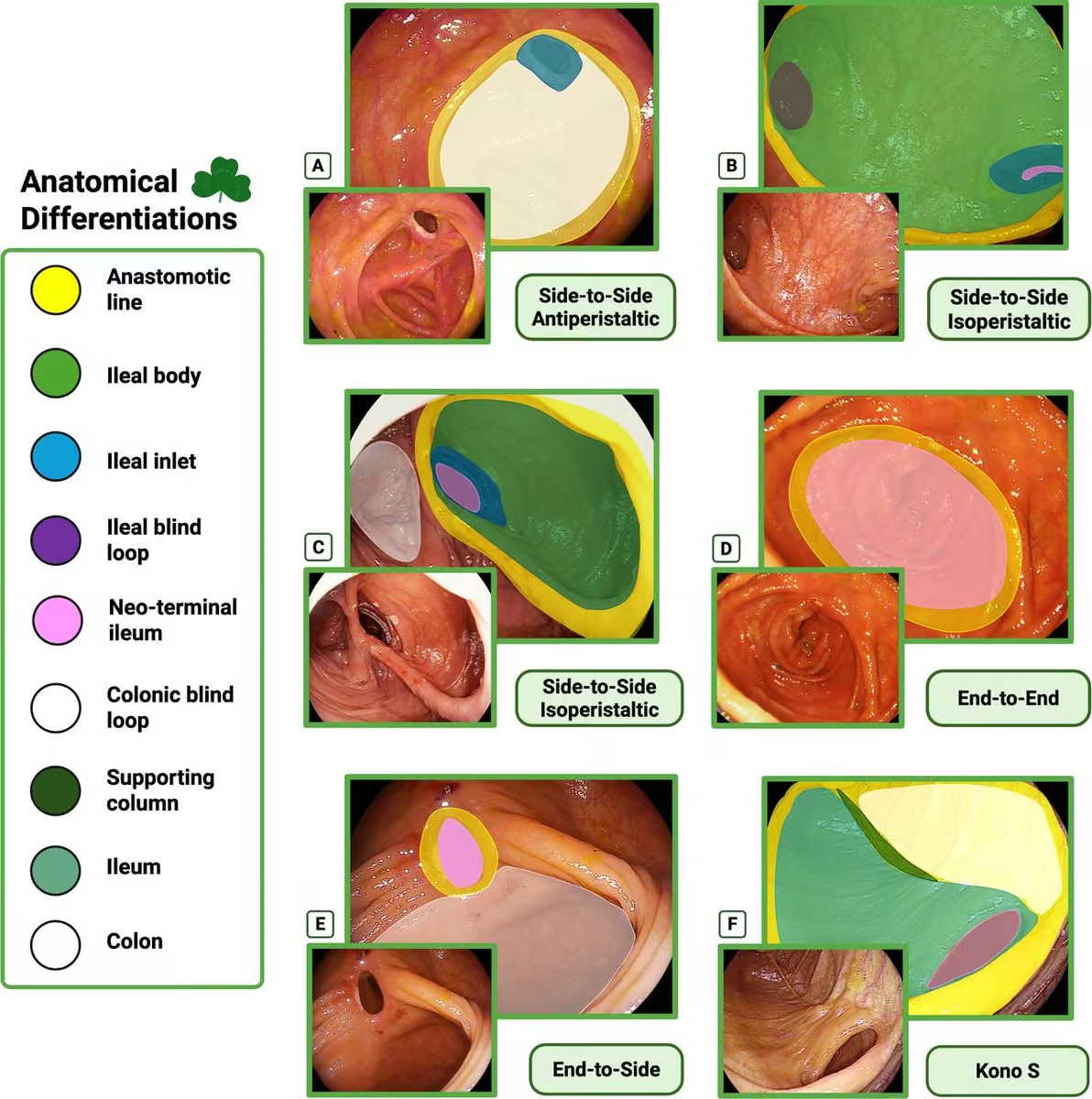


 @investigando


 Kriben Govender


 Grace Wong




 Rashid Lui 雷諾信

