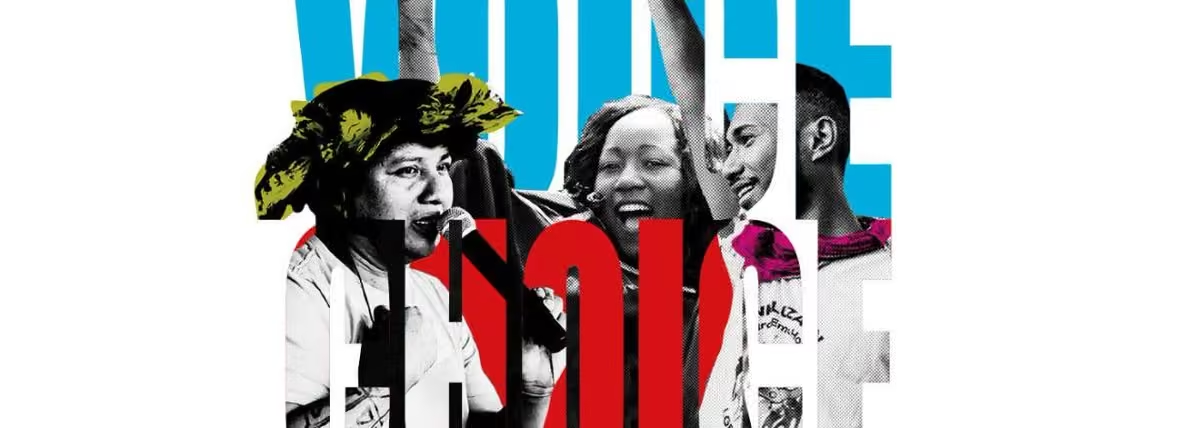
Today the COP30 climate conference in Brazil witnessed large-scale protests organized by Indigenous peoples both inside and outside the conference venue. The protesters voiced their opposition to international climate policies that marginalize their rights and lands. They argue that their representation in these conferences is often merely symbolic, with little real influence over environmental and climate decision-making, despite being the traditional guardians of the rainforest and among the most affected by climate change.
The Indigenous population in Brazil is estimated at around 900,000 people, spread across more than 300 ethnic and linguistic groups, most of whom live in the Amazon region. This region accounts for over half of Brazil's rainforest and is one of the most important ecosystems in the world. These communities play a crucial role in preserving biodiversity and protecting forests from deforestation, which is often driven by mining projects, commercial agriculture, and logging companies.
The protesters demand that Indigenous peoples be granted genuine legal and political rights in environmental decision-making, emphasizing that their lands are not commodities to be sold or financial instruments like carbon credits. They strongly criticize so-called carbon markets and environmental governance funds, which are often used as a cover by multinational corporations to continue exploiting natural resources under the guise of environmental protection, without respecting local communities and their rights.
At the same time, several African countries, including the Democratic Republic of Congo, Uganda, Mozambique, Angola, Kenya, and South Africa, have seen widespread protests against carbon markets. These markets grant enormous privileges to multinational corporations to take control of local lands and increase demand for natural resources such as cobalt used in electric car batteries, a sector that often relies on child labor and resource exploitation in conflict zones.
The protesters also criticize greenwashing, the practice by which companies use tools such as carbon offsets, green investments, and environmental and social governance funds to market themselves as sustainable and ethical, while continuing to exploit cheap labor and pollute the environment without accountability.
Protests in Brazil and Africa represent a single face of green capitalism, a system that reproduces the logic of old colonialism: the Global South bears the greatest burden of climate change and the responsibility to protect the planet, while the wealthy Global North continues to pollute and profit.



 TAHI-Uganda
@Togetheraliv



 GreenHut


 Green Governance Zimbabwe


 Zaluso Arts


 Young Women


 Youth Accountability Initiative
 Nyale Institute

 Hivos-Women Empowerment
 Paradigm For Social Justice And Development (PSD)


 Dr Wanyama Judas Thadeo


 Institute of Women Social Workers


 Media4GenderJusticeZW


 Partners for Healthy Individuals and Communities


 EU Delegation to Zimbabwe 🇪🇺






 European Union in Zambia





 BVTO






 Hivos Global


 uwera sonia🦋


 Regional SRHR Fund

 Dutch Embassy Harare 🇳🇱


 CITE


 SAYoF_DISABILITY CLUSTER

 Afya na Haki


 Thoko J Mthiko

 Access to Medicines Platform(MeTA Kenya)


 HEALTH CLUSTER

 Hivos East Africa


 UNFPA Zimbabwe


 REFORM Association

 𝐇𝐞𝐚𝐥𝐭𝐡 𝐓𝐢𝐦𝐞𝐬
 Patricia Kudzie Mashiri
 Nyaradzayi Gumbonzvanda

 Women's Coalition of Zimbabwe



 Forus

 Manica Youth Assembly (MAYA)


 Amnesty International Zimbabwe


 Rozaria Memorial Trust
 Esther Birungi


 Youth End Period Poverty Movement


 Development Agenda for Girls and Women in Africa


 Southern Africa Youth Forum (SAYoF)


 Southern Africa Eye

 UNDP Zambia





 Restless Development






 Hon Twaambo Mutinta, MP



 Daniel Watenga


 #LeaveNoYouthBehind


 Noble Hands Zimbabwe


 Dream Achievers K


 NKOMWA FOUNDATION TRUST


 Lamicare Disability Rights Organisation Uganda




 Gender Links


 Matebeleland Pulse


 rucet.trust

 Denise J. Mudau


 afribszim


 DAYO Radio


 Queen of BaTonga👑


 Irvine Munyaradzi Chiwariro


 TheGirlsTable


 SwedenInSA


 Reproductive Health Network Kenya
 CTPD Zambia


 Cite Youth Network


 ZTN


 Munyaradzi Blessing Doma




 Restless Development




 Black Unika Foundation


 Watson


 Faith Sharleen Nkala
 Bekezela





 Zimbabwe Environmental Law Organisation (ZELO)








 YouthWaveMalawi


 African Food Revolution


 #RespectHer



 Abubanks Mwebaze Joseph


 Unemployed and Vulnerable Foundation Trust


 Plan International African Union LO


 UN Women Liaison Office to the AU & UNECA


 UNICEF Zambia


 @SAYoF_Gender & Young Women Development

 Plan MEESA


 Pure Art


 Christian Aid Zimbabwe


 Plan International Zambia





 Irish Embassy Pretoria


 Governance, Peace & Security Cluster of SAYoF




 ArtGloᅠᅠᅠᅠᅠᅠᅠᅠᅠᅠᅠᅠᅠᅠᅠᅠᅠᅠᅠᅠᅠᅠᅠᅠᅠᅠᅠᅠᅠᅠᅠᅠᅠ


 Lucas kalama fondo


 #Propheticleadership


 CENTRE FOR YOUTH EMPOWERMENT AND CIVIC EDUCATION








 Ministry of Women Affairs_Zw



 larry kwirirayi ✍📔




 Youth of The Twenty First Century Organisation


 Makhosi Mahlangu




 SHANGANO ARTS TRUST


 Openly 🏳️🌈
 Barefeet Theatre



 Parliament of Zimbabwe








 ICASA


 Faith Mairah




 EANNASO




 I am Imaan


 SouthernDefenders


 Ms. Chibwe 📷


 African Innovators Network Community 🇿🇲🇿🇼🇰🇪


 Sizo 🇸🇿

 O'Brien Makore


 Nana Zulu




 AfricanFeminism (AF)




 Wanambwa

 Women's Institute for Leadership Development


 African Union Youth Programs



 #Youth4SDGs




 Panos Institute Southern Africa


 Hali Hewa Podcast






 UN Women Zimbabwe


 WeBelongAfrica


 The Naked Truth Show
 Women and Law in Southern Africa - Zimbabwe


 LO-ACT

 #PurplePolitics


 White Ribbon Alliance Kenya


 Real Agenda For Youth Transformation Trust


 NewsDay Zimbabwe
 Africanofilter





 William Chilufya


 HealthyFoodAfrica




 Mwanasikana Wanhasi


 Moto Republik


 The Standard Zim


 Susanna Hughes


 Alliance for Accountability Advocates Zambia


 UN-Nutrition




 Frank Mugisha


 Voices For Just Climate Action


 Anne Jellema


 Evaluation



 Sjoerd Sjoerdsma


 PinkNews


 Tom Berendsen


 CIVICUS

 Rightify Ghana
 Nicholas Muirhead


 Somo Africa


 Grant Emily

 KCB Kenya





 House of Seshat

 GIJN Africa

 Mary Lawlor

 7amleh حملة


 Jimbo Shanurah


 Claudio Francavilla


 UNHCR Lebanon


 iamOnir


 ATHENA Network

 Youth Empowerment Movement Kenya (YEM Kenya)


 CIPESA

 WO=MEN, Dutch Gender Platform


 Dancan Kemanga

 The Rights Forum
 NAYA Kenya


 Aspilos Foundation


 WHRDIC


 Jonathan Cook


 Zamara Foundation


 TI-Kenya


 galck+
 Akoroko — African Cinema Now!


 Craig Mokhiber


 Chapter Four Uganda
 The Observatory


 DiEM25
 Kenya Medical Association



 Euro-Med Monitor


 Nour Odeh 🇵🇸🍉 #FreePalestine


 Impact Stories Zimbabwe


 Jeffrey Smith


 Asian Farmers (AFA)
 Akina Mama wa Afrika


 K.Diallo ☭
 Matthew Todd 🌏🔥
 Energia


 Save the Children Global Media


 Equality Now Africa

 The Kenya Climate Change Working Group


 ISHR

 Birungi Charities

 Nicola Perugini


 KEWOPA


 Francesca Albanese, UN Special Rapporteur oPt
 Pluto Press

 UNSW Centre for Sustainable Development Reform


 FemLEAD

 Siân Joan Kavanagh


 Nile Girls Forum

 InnovationVillage


 Breda Gahan
 GEM

 The Standard Digital


 Digital Defenders Partnership


 Assal Rad


 CPJ MENA


 DAWN MENA

 Chiyn-organization


 Rosa Luxemburg Foundation
 Climate Action Network International (CAN)

 Digital SRHR
 Xavier Abu Eid
 SRHR Alliance Uganda

 Nimer Sultany


 Emthonjeni Women's Forum


 Elizabeth Talatu Williams

 Monica Piccinini

 Amnesty Kenya
 Faith Odhiambo


 DCI KENYA


 Civic Freedoms Forum - CFF


 Byamukama Alozious


 Bonnita🌻


 GAD ROGERS 🇺🇬🌍

 Namukose Manisha Fari


 UGANET


 Victo Nalule
 Tunaweza Foundation🧡👩🦽👩🦯


 Sipho Nyiiro Nasif


 EU-LAC Foundation


 Rita Styles Riri ❤️
 Turyamusiima Felix 🇺🇬🌎

 Legal Resources Foundation Trust (LRF)


 Equal Namibia

 Mondoweiss


 Flor Avelino


 #EAPhilanthropyNetwork

 Stellar Murumba


 Emily Kyalo


 Washington Blade
 Kuchu Times Media Group | KTMG

 Michael K. Lāvers (He/Him)


 Stephanie Jade
 Sitati Sharon


 Cosmopolitan Affirming Community - CAC


 SsS🤍

 FEMINISTS IN KENYA /#TotalShutDownKE


 The Gender Wire


 RFLD | Women Leaders Network for Development

 Nakato Martha Clara


 Kabarak University Press

 Africa Consumers


 NDN Collective

 Democracy Reporting International


 Richard Lusimbo


 Stand With A Girl Initiative


 Mc Tumu


 Kirabo♥️


 Kabarak Law School


 Health Policy Watch
 Mukabalisa 🇷🇼

 Atuhaire Caroline


 IWDA


 ESCR-Net / Red-DESC
 LAC-EU Doctoral Network


 Jesuit Centre for Theological Reflection


 Protection International


 Education as a Vaccine Nigeria


 African Union Women, Gender & Youth Directorate

 Pan Africa ILGA


 Paul Maassen


 Human Rights House Foundation


 Countdown2030Europe
 Raphael Obonyo


 NIMD


 Seed Savers Network


 Mwangale


 Arab Reporters for Investigative Journalism


 Oyiko_Oyiko


 Irũngũ Houghton


 PYWV


 Rose Murugi Media🇰🇪


 Rainbow Africa Initiative

 CIVICUS Monitor


 STRETCHERS YOUTH ORGANIZATION


 Beewol


 East Africa Visual Artists-EAVA Artists


 SouthSouthNorth


 Fossil Free Politics

 Basmeh & Zeitooneh




 Equipop


 The Secretary's Office of Global Women's Issues


 Trans Advocacy Initiative- Uganda

 ABAAD MENA


 Feminist Foreign Policy Collaborative


 Ireland at UN in Geneva


 Mwebaze Joseph Abubanks


 Philippe Dam


 #RepealAHA23


 Victoria Katamba

 FSC Indigenous Foundation


 SAYoF_ENVIRONMENT & CLIMATE CHANGE


 Fund for Global Human Rights

 Adel Azouni
 Africans Rising




 Tumwebaze


 Dr. Adrian Jjuuko


 Humanis Foundation


 Amnesty EU


 @Defenders Coalition 🇰🇪


 Data2X


 Enrique Anarte (he/him)

 Apib Oficial


 EU International Partnerships 🇪🇺

 EPD - European Partnership for Democracy

 Oxfam EU


 Social Platform


 AWH Uganda
 Baker Institute


 Fondation Botnar

 Human Dignity Trust
 Embajada de Colombia en Países Bajos

 Faith Lumonya


 Samwise Gamgee


 SHONA


 Education For Employment - Europe

 AWAC UGANDA


 Global Equality Caucus

 The Global Interfaith Network


 Roze Filmdagen

 D4D.net


 AWWDI


 Collins Otieno


 Julie's Bicycle


 Gender and Trade Coalition


 fundsforNGOs


 ICLEI Africa


 ‘FOLA | 🤴🏾 | 🍃 |♟️|


 Yosr - يسر

 Henda Fellah
 Media Defence
 Akili Dada


 NYT Climate
 feministWIDE


 Journalism Students Network Of Zimbabwe 🇿🇼


 DOCUBOX EADFF

 Voice


 Climate and Development Knowledge Network

 Mariam Ibrahim




 YWCA Kenya


