Just published in the Times. The bus took 11 minutes before LTNs — now it takes 45
Cycle lanes and low-traffic zones have been blamed for making bus travel a misery. Mutinous drivers are on the verge of strikes. Read full article by @andrewellson below.
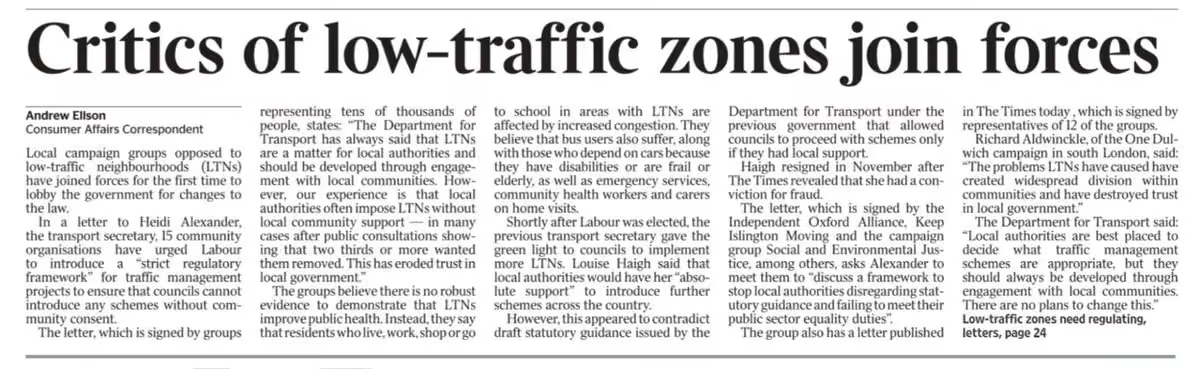
Bus drivers in London are considering strike action amid unrest about delays caused by low-traffic neighbourhoods and the removal of bus lanes to make way for cycling infrastructure.I n the worst-hit areas buses are now taking almost an hour to pass two stops, according to official data.
Bus drivers in the capital have formed an alliance outside their union to discuss how they can confront Transport for London (TfL). They say they have been pushed to “breaking point” by cycling policies that are making life on the buses a misery. One member of the group, who spoke to The Times on the condition of anonymity, said: “We are sick to the back teeth of what’s happening.
TfL have been ripping out bus lanes and now LTNs [low-traffic neighbourhoods] are making things worse by hugely increasing journey times on certain routes at certain times. It means we are often finishing late and having to face passengers who are stressed out and angry.”
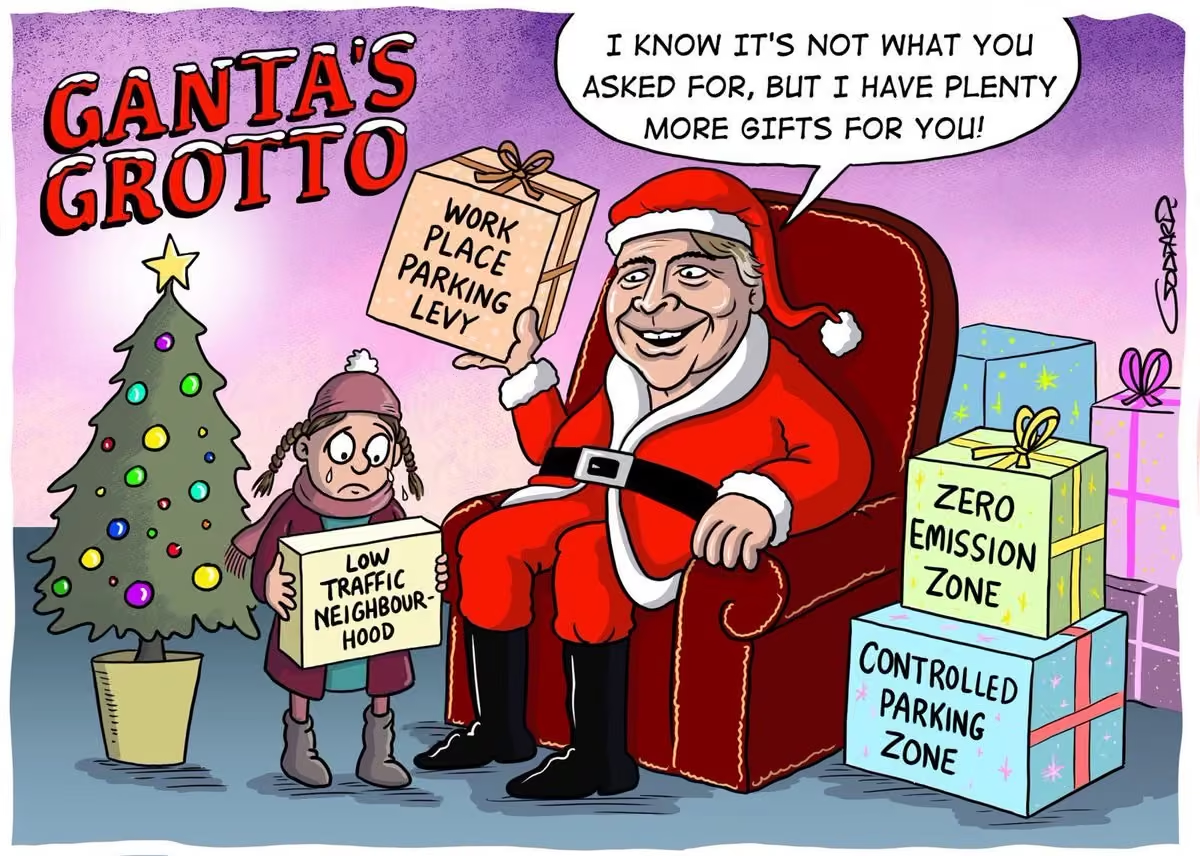
The Times understands that the group of drivers are using a closed social media group to discuss possible action, including strikes and working to rule.The driver said that delays caused by LTNs were so bad on some routes that operators were curtailing buses, forcing passengers off mid-route. He said: “So much of what TfL has done seems designed to benefit a privileged minority who live in nice areas or who can cycle. Working people have been forgotten.”📷
The driver did not want to be identified because he was worried about losing his job. He said: “TfL don’t like criticism. Sadly the union won’t do anything because they’re Labour and it’s Labour councils putting in LTNs. It’s all political. But a lot of drivers are at breaking point.”
TfL has spent hundreds of millions of pounds introducing bike lanes across the capital in recent years but the schemes have often come at the expense of bus lanes. Last year 4.5 per cent of journeys were by bike and 20 per cent by bus.Experts say that removing bus lanes slows journey times, making public transport less attractive.
Across London as a whole, bus speeds have fallen by nearly 10 per cent on average since 2020, according to TfL. While the investment in cycling has helped to boost bike journeys by 20 per cent since 2019, critics say the money has disproportionately benefited the better off. TfL’s own analysis shows that the overwhelming majority of those travelling by bike are higher-earning, middle-aged men. The income of bus users is generally lower and they are more likely to be women and from ethnic minorities.
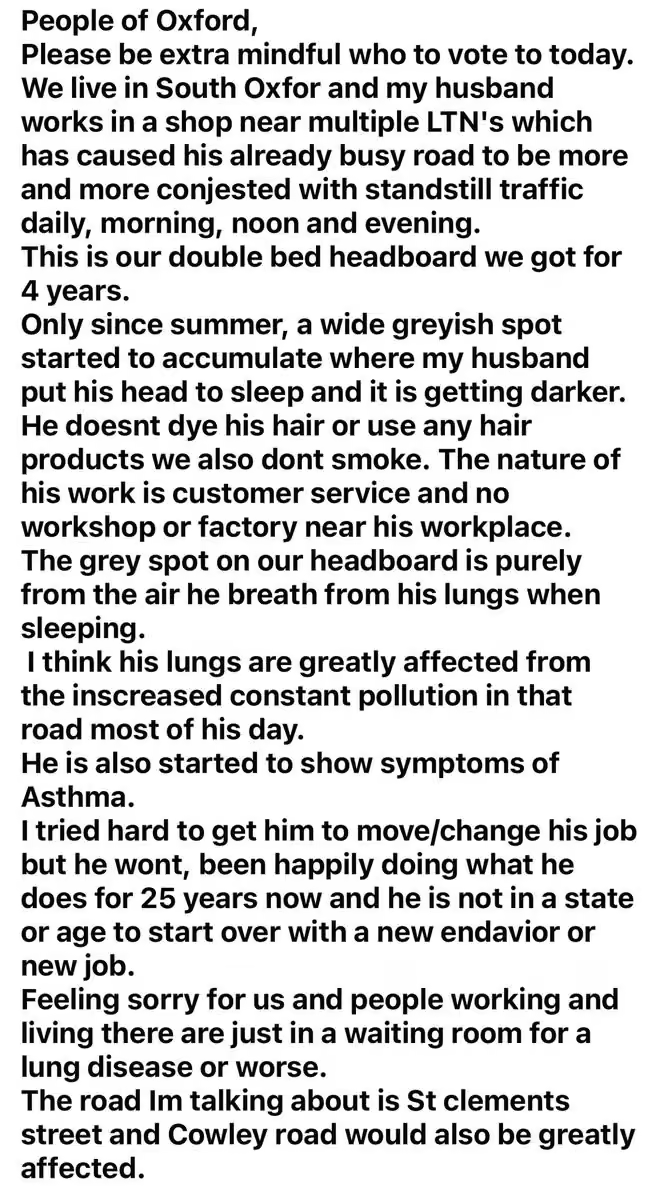
Using information from social media reports and published documents, The Times has established that bus lanes have been lost to cycle lanes on at least 20 roads across the capital in recent years, including Chiswick High Road, Trafalgar Road, Balls Pond Road and Vauxhall Bridge. Bus journey times are also being hit by traffic displaced by LTNs. The recent Streatham Wells LTN pilot, which was introduced in south London in October, is destroying bus services, according to local campaigners. They point to figures from TfL showing that since the LTN was introduced some buses are taking three quarters of an hour to travel a mile along one of its boundary roads, a journey that is timetabled to last only 11 minutes. In one case a bus took 55 minutes to travel two stops when it normally takes 4 minutes.
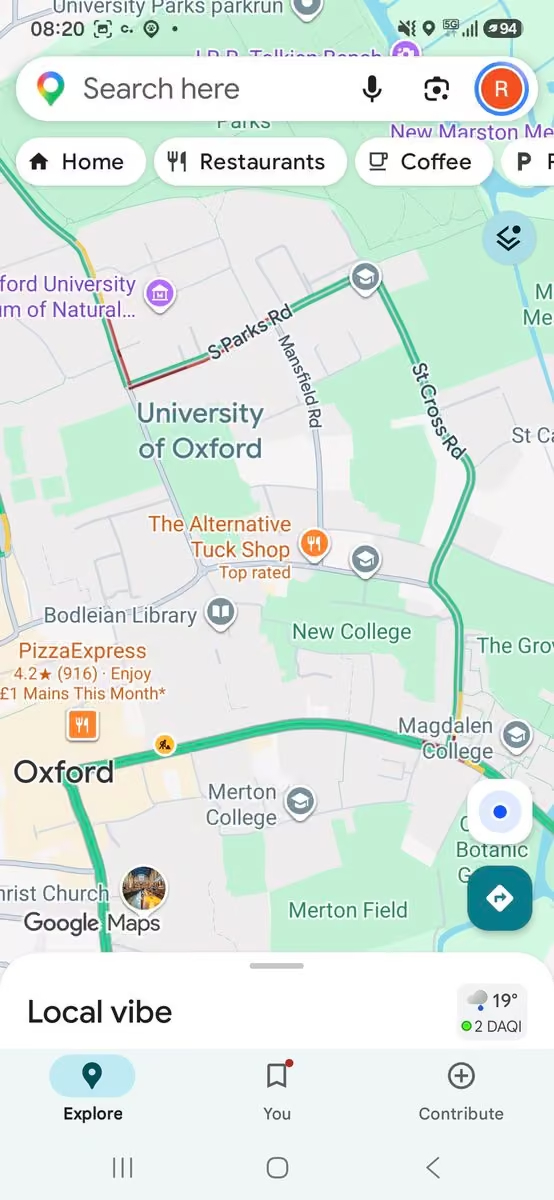
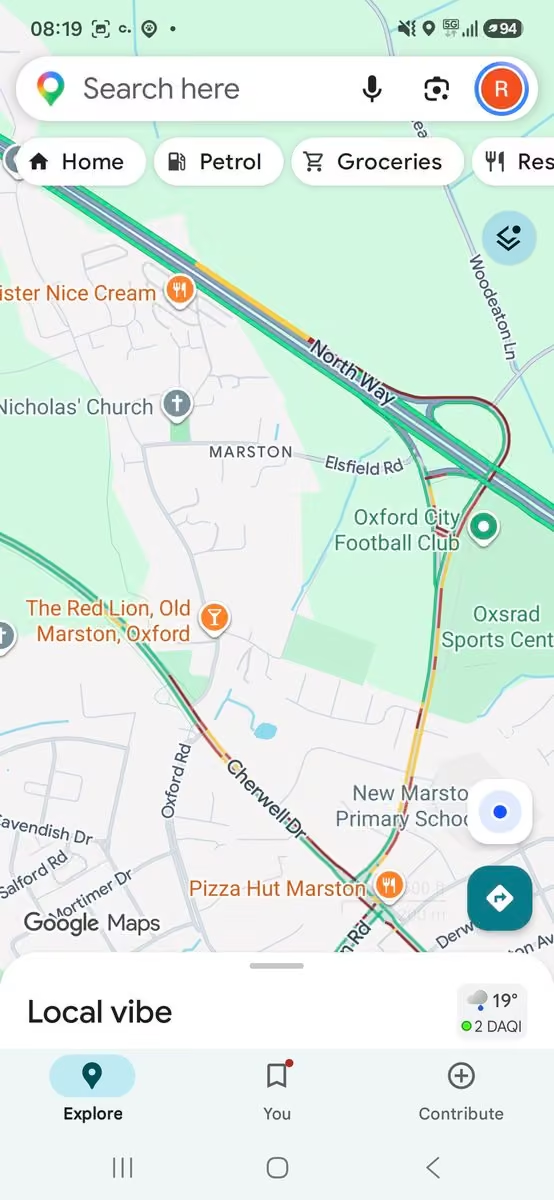
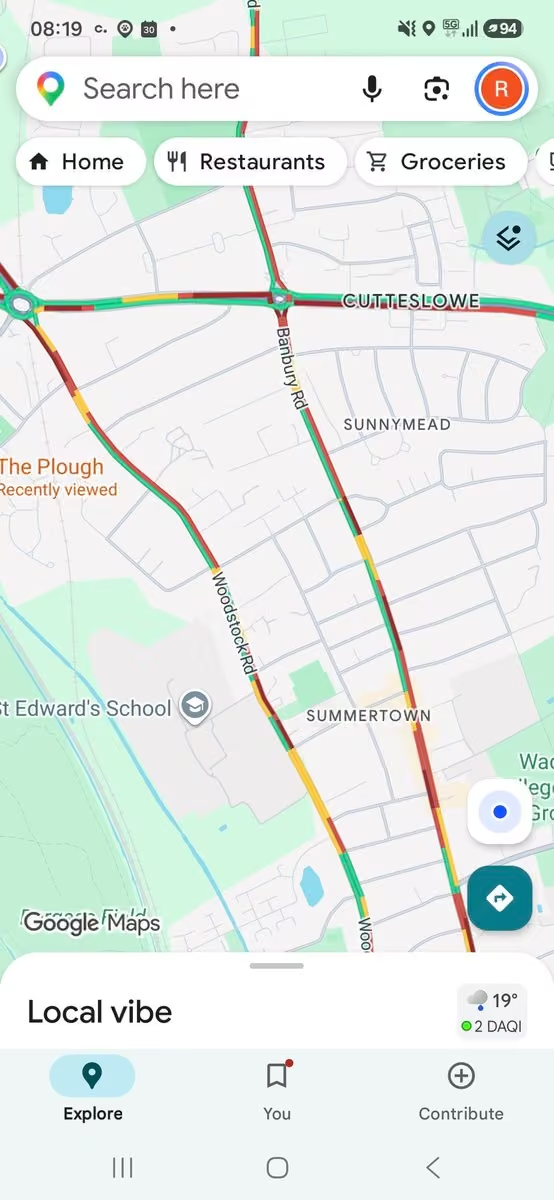
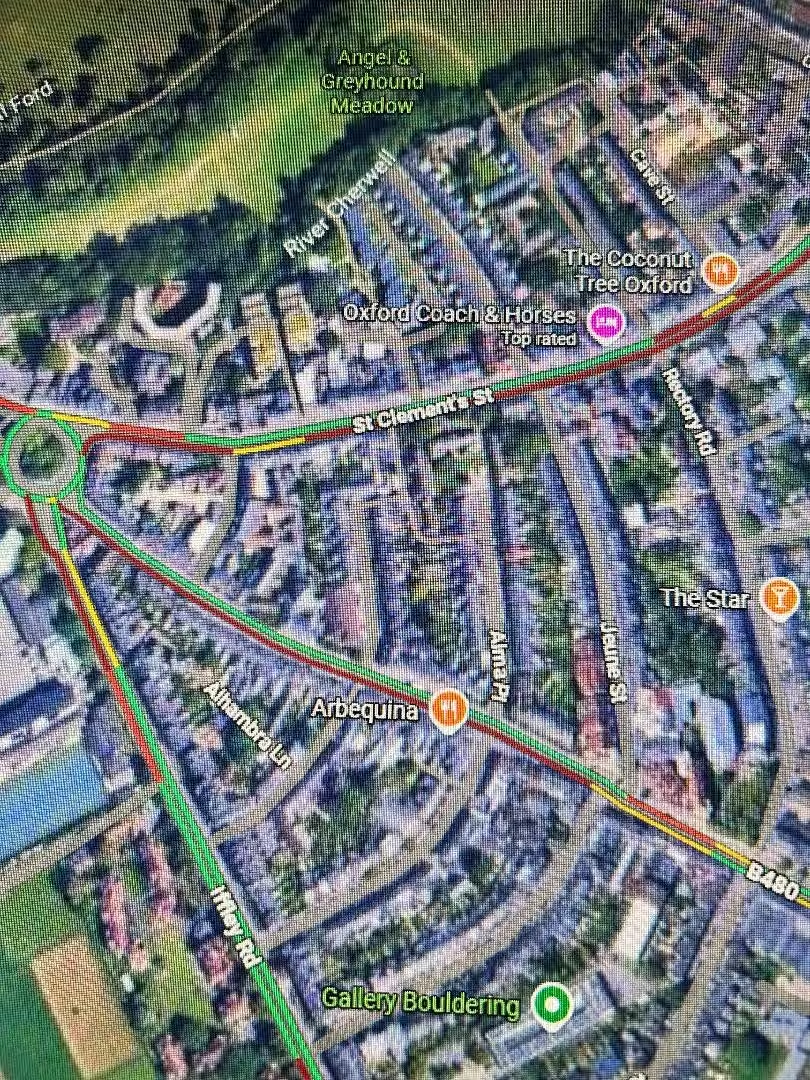
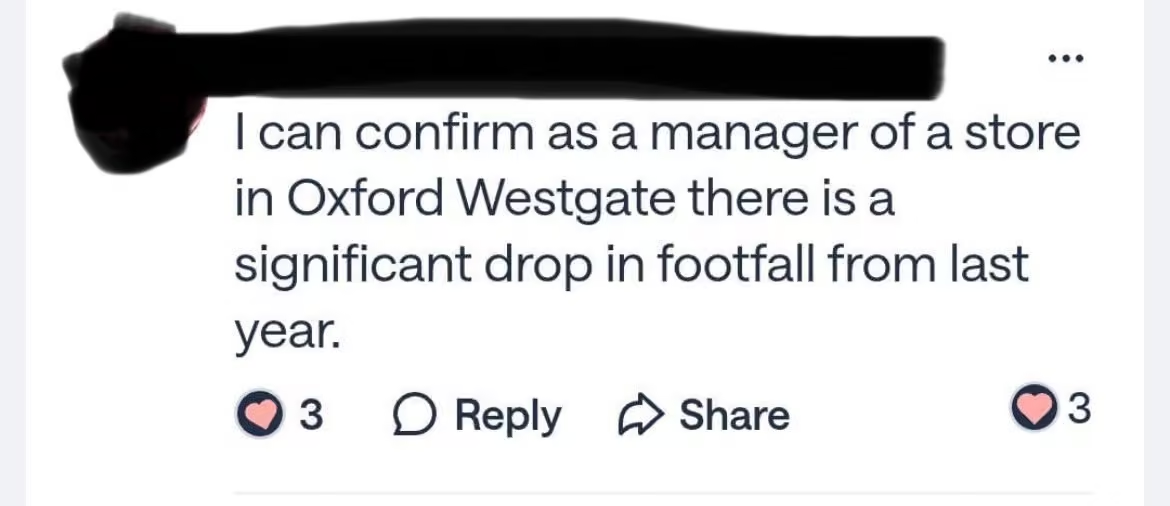
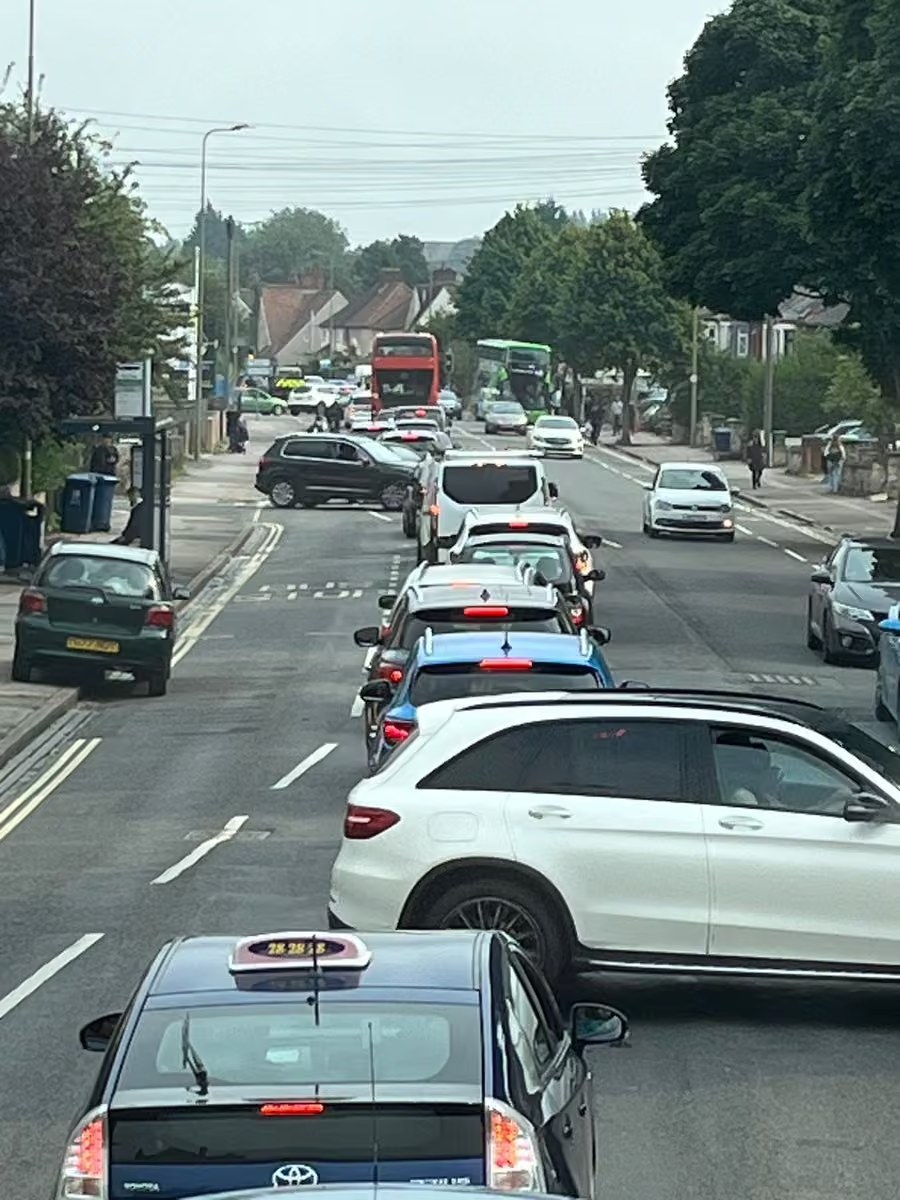
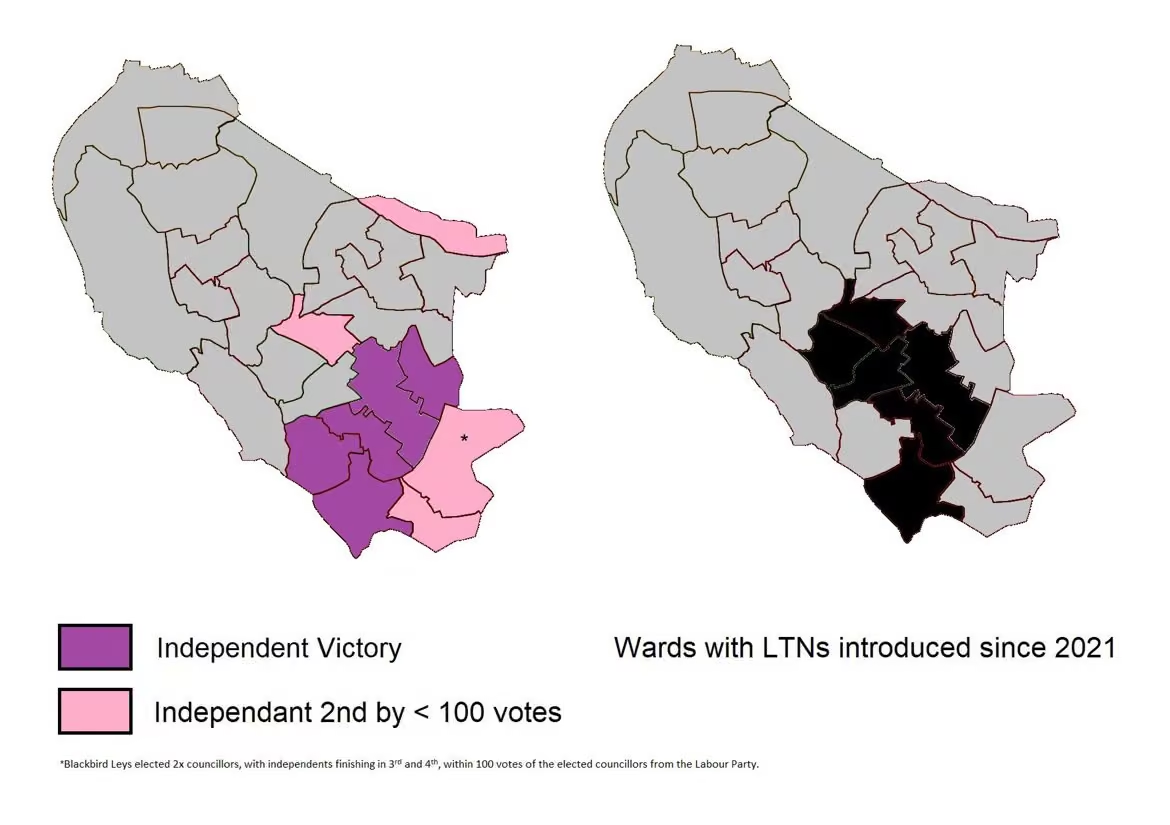
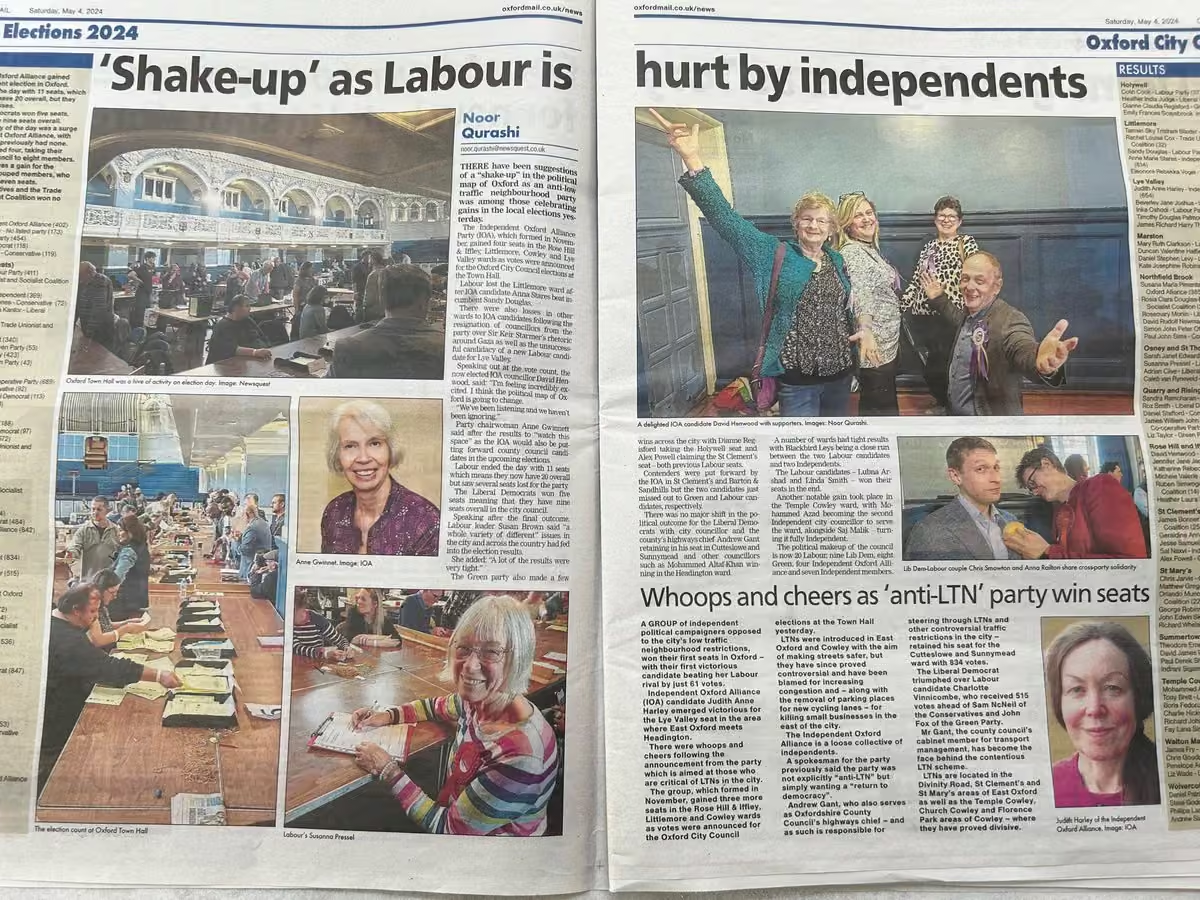
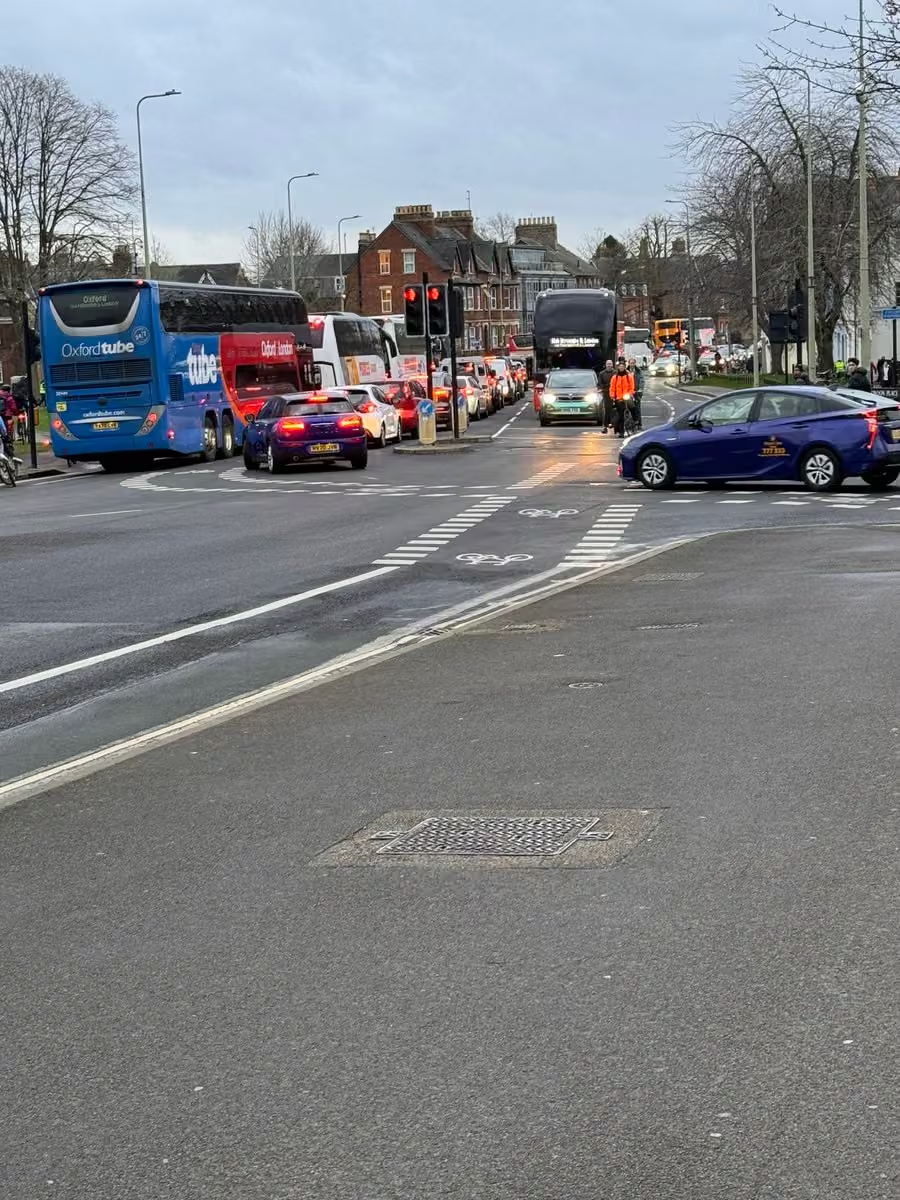
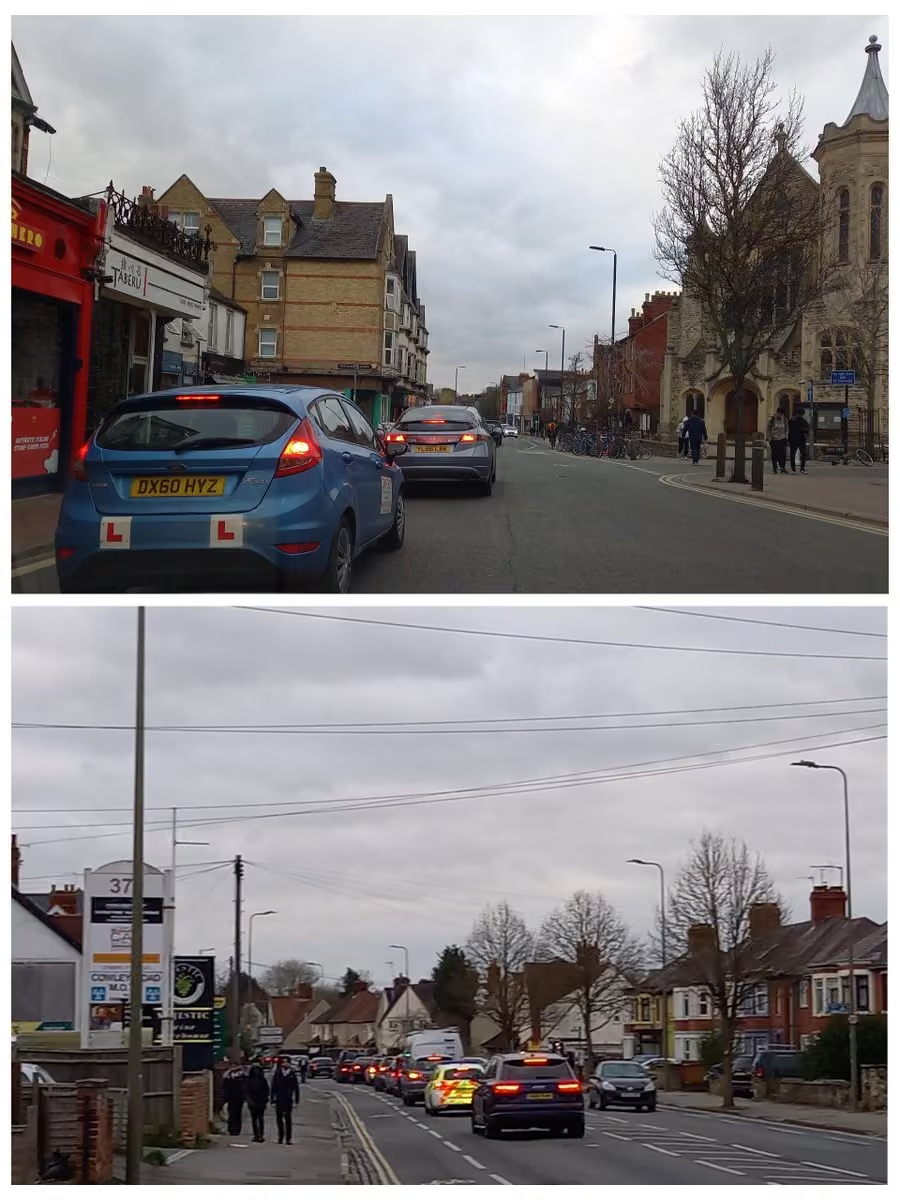
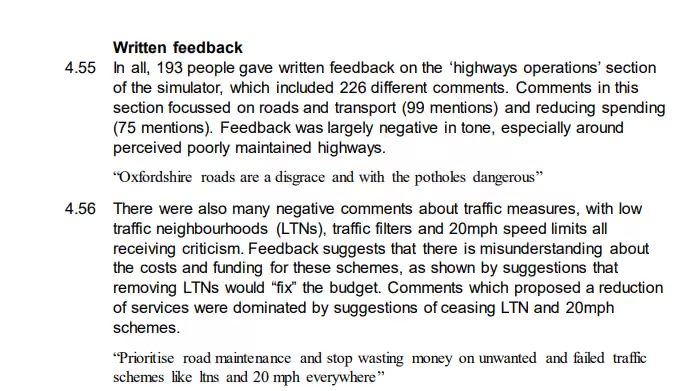
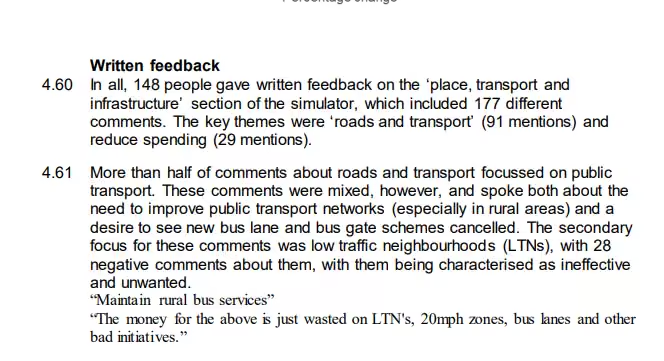
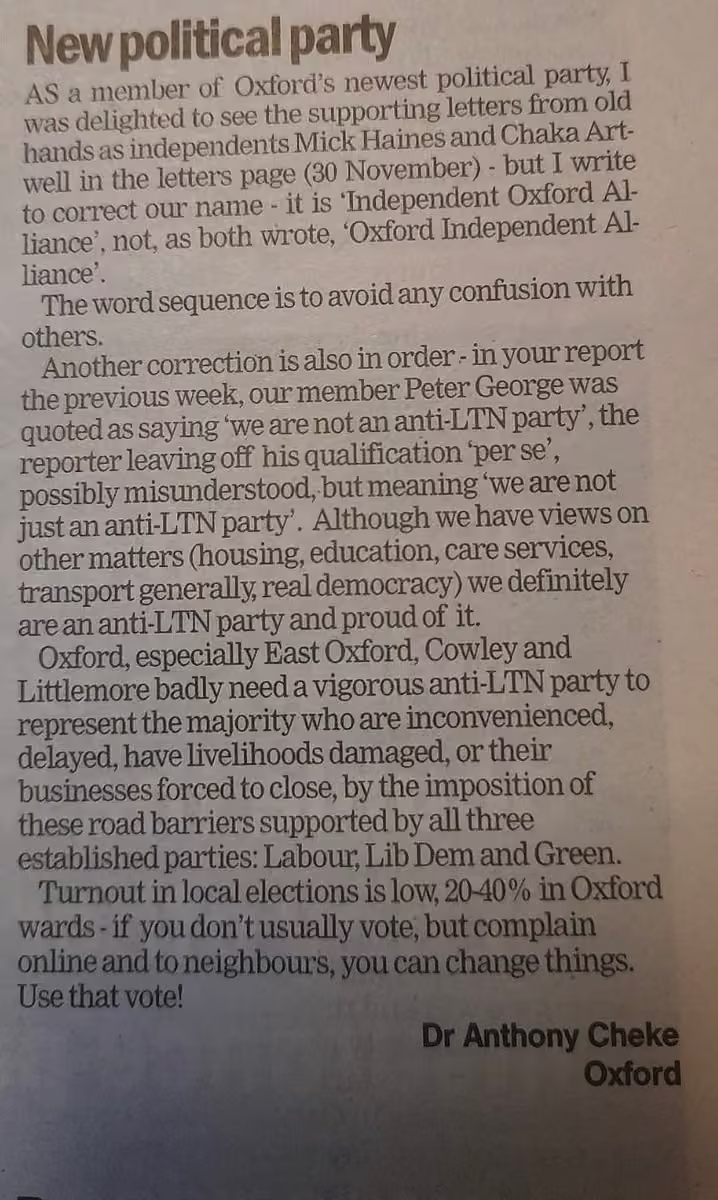
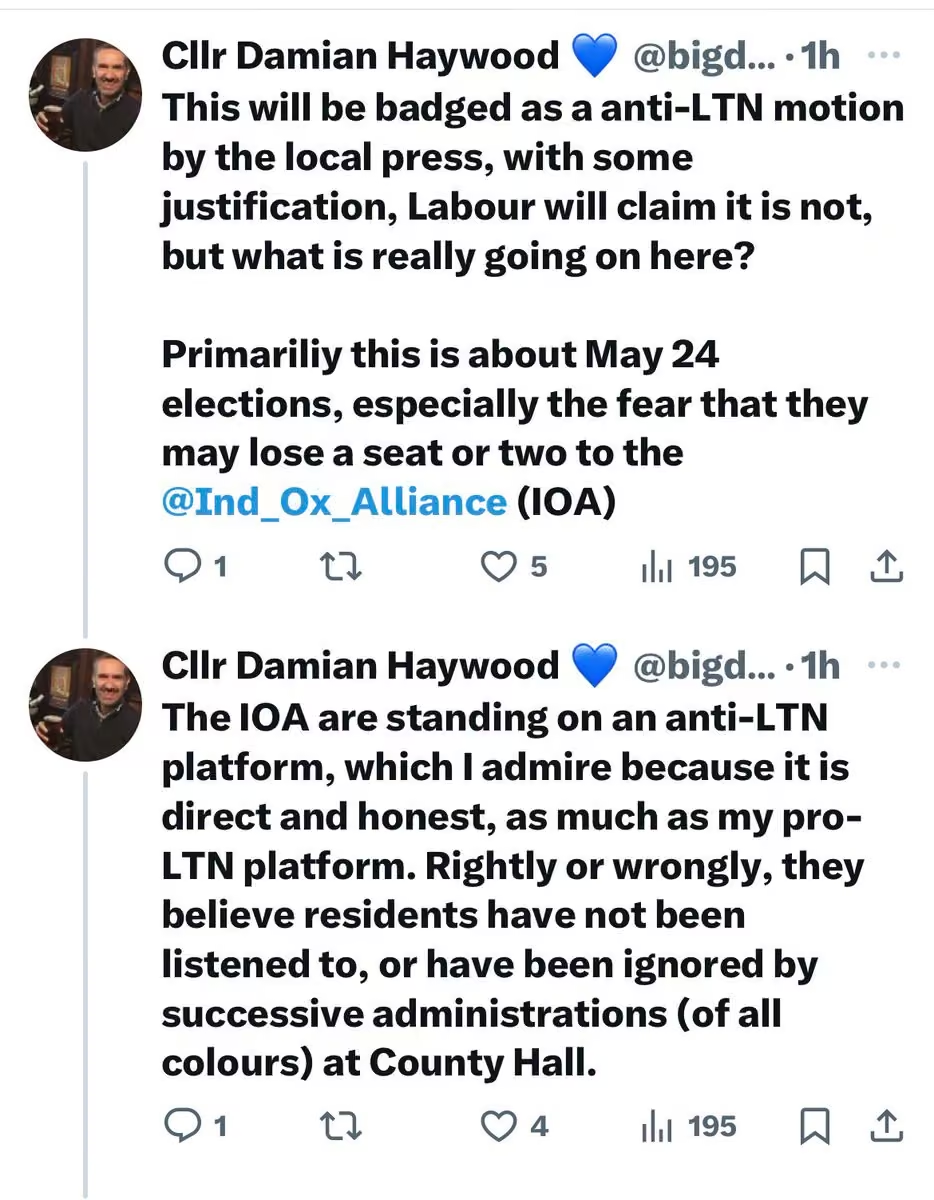
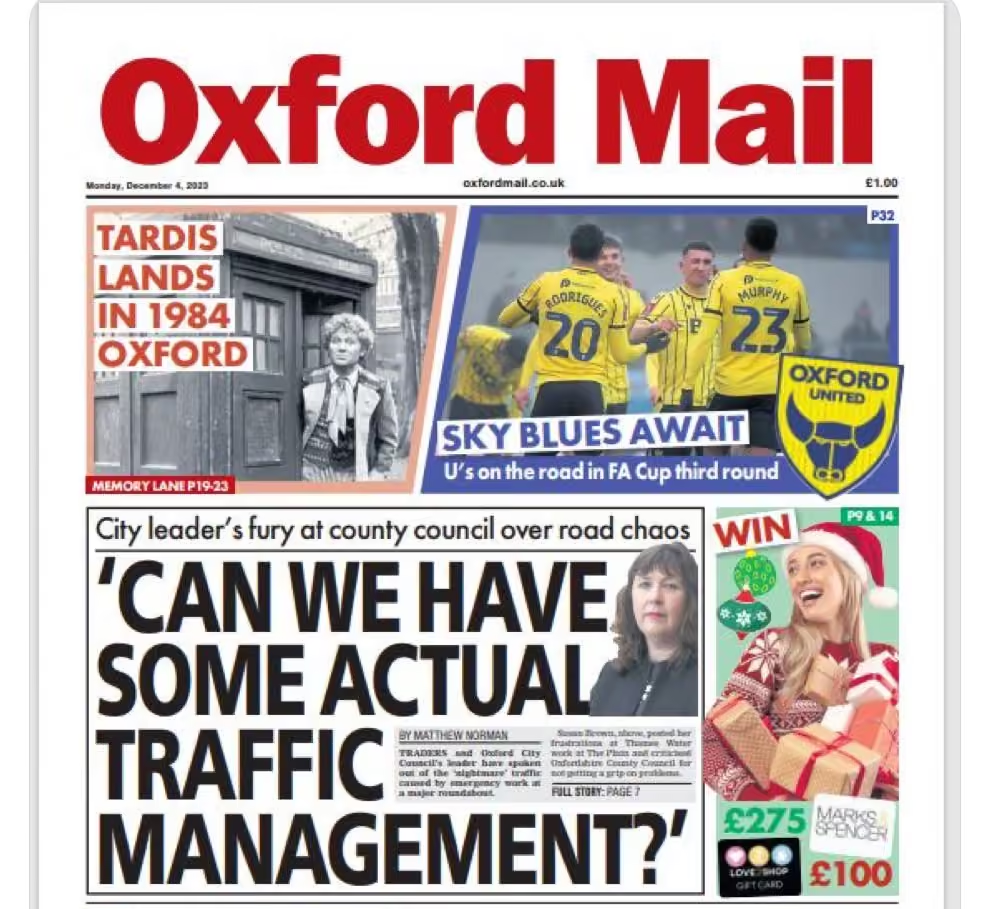
Bus operators in Oxford have also complained about LTNs delaying services. In response to a consultation, the Oxford Bus Company, Stagecoach and Thames Travel said that the LTNs had “directly caused bus services across the bulk of Oxford to become substantially slower”. Vincent Stops, who worked as a policy officer at the statutory body London Travel Watch for 20 years, believes TfL and councils are putting cyclists ahead of bus users because they have been influenced by the “cycling lobby”. He said: “Boris Johnson, Sadiq Khan, and many councils have been convinced to invest huge amounts in cycling infrastructure because they have been persuaded by groups such as the London Cycling Campaign. These well heeled and very professional campaigners said that the solution to London’s transport problems is the bicycle. They said all you need to do is give more space for cycling. Our political leaders got hooked into that and committed themselves to building bike lanes. And then these groups promoted LTNs, which were implemented in a very chaotic manner and without consideration of bus passengers.“Sadly the cycle lobby is not prepared to compromise with bus services and the inevitable result has been a fall in the number of people using buses as journeys become slower and less reliable.”
The Times approached London’s biggest bus operators about the impact of LTNs but none were prepared to comment on the record. However, a senior industry source admitted the schemes were causing delays. He said: “LTNs do cause us problems so in our view they should only be introduced alongside bus priority measures.” The source explained that bus operators won’t criticise TfL publicly because “they are basically our biggest client”.TfL said it took the welfare of bus drivers extremely seriously and would encourage them to raise any concerns with their manager. It also pointed out that it intends to create 25km of new bus lanes by 2025.A spokesman added: “New infrastructure, including low-traffic neighbourhoods, can play an important role in saving lives and keeping everyone safe — including both people walking and people cycling. Wherever there have been localised congestion issues with LTN schemes we have worked closely with the boroughs, who are the highway authorities for these schemes, to adjust designs and retime traffic signals in response.”
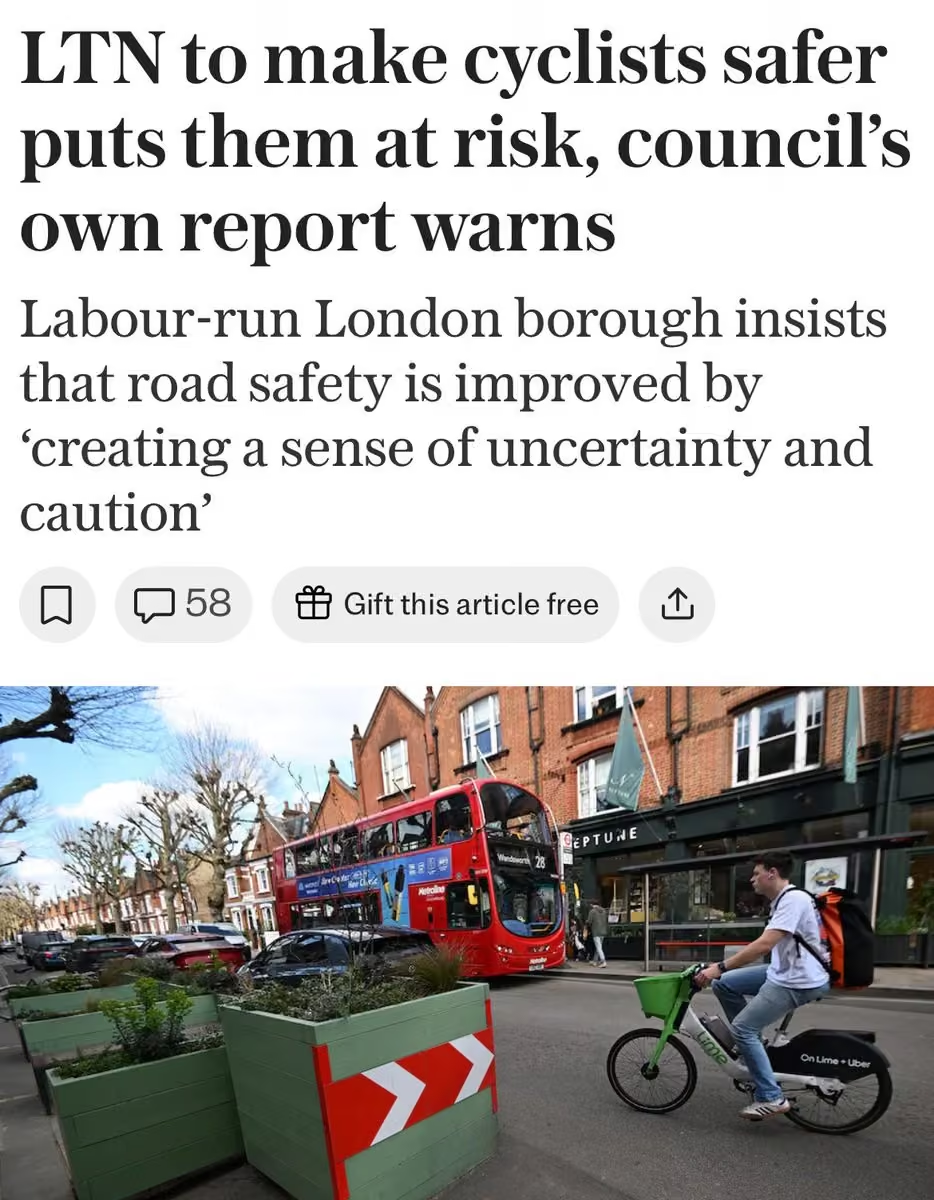
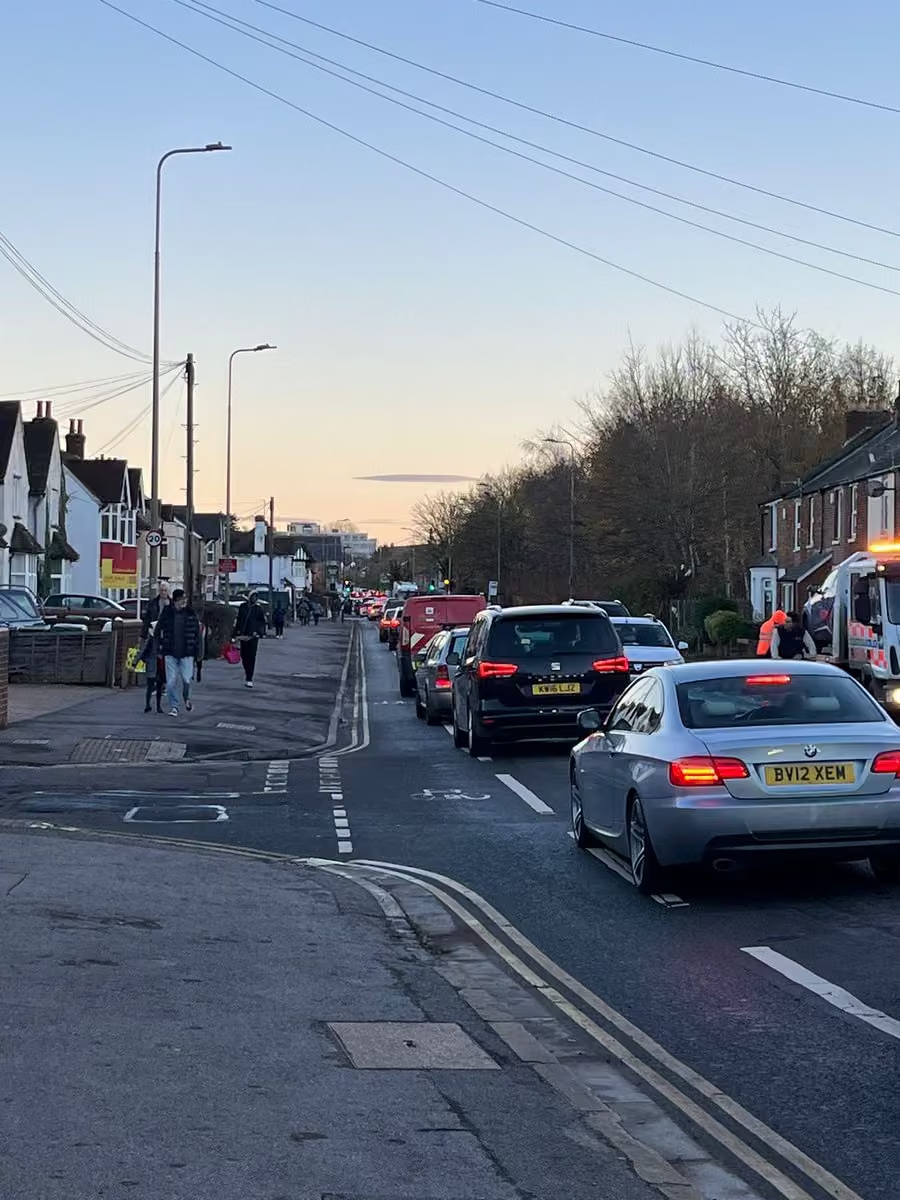
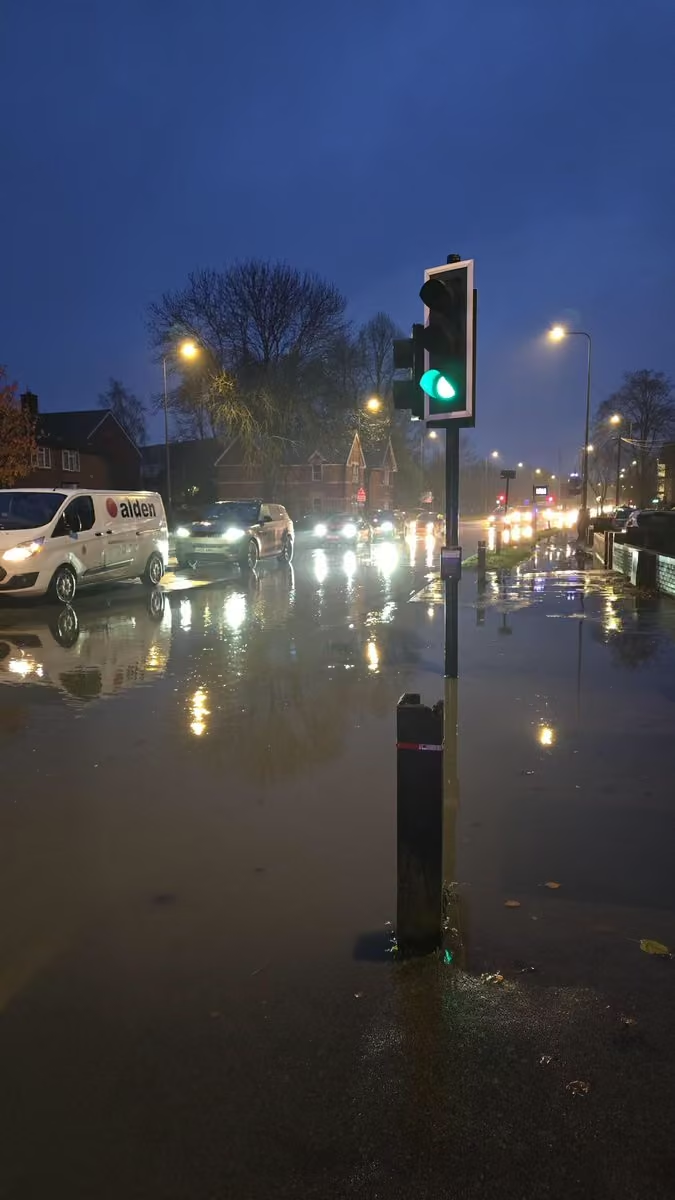
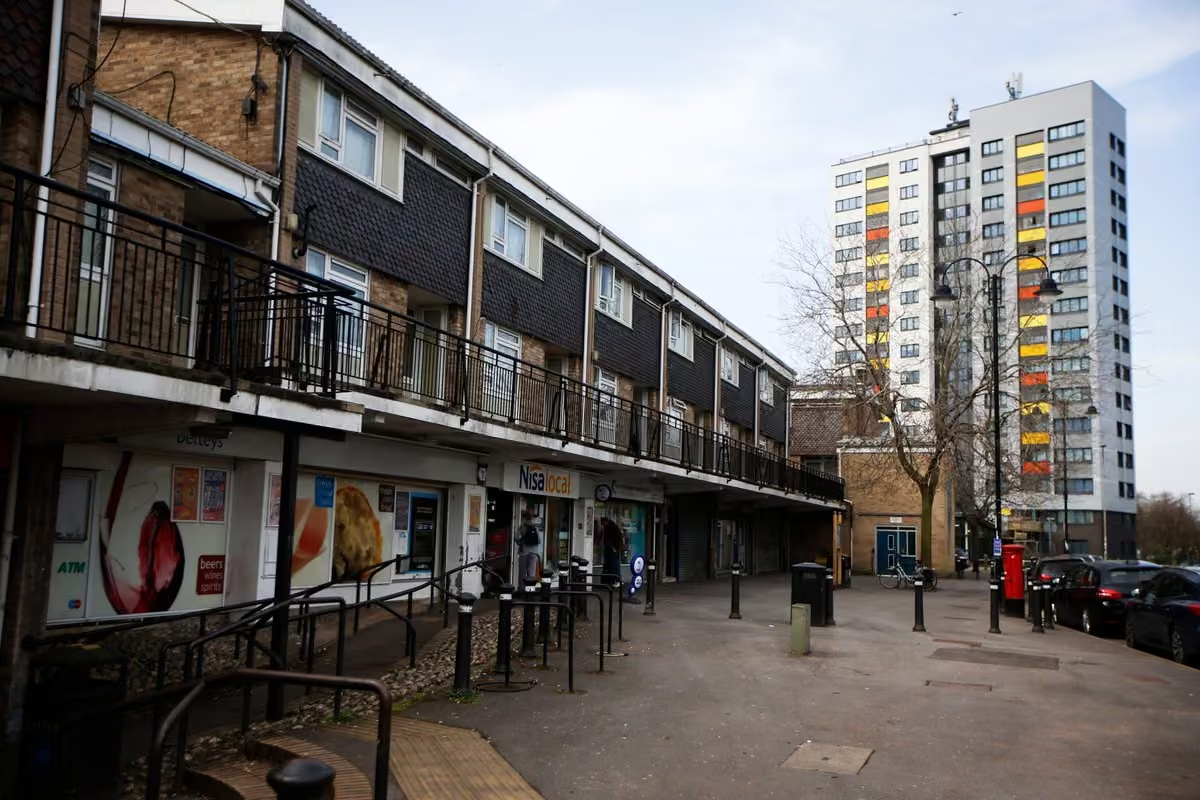
📷The Streatham Wells LTN in south London has been blamed for causing more traffic problems. Residents and bus users in Lambeth say the Streatham Wells LTN pilot is hugely increasing congestion, particularly along Streatham High Road, which is one of the boundaries of the zone and a main route in and out of south London.Analysis of bus journey times since the LTN’s implementation appears to corroborate their claims.
Data from the Bus Times website, which receives journey information from TfL, shows that last week during rush hour the 118 was taking almost an hour to travel 1.3 miles across a junction of two of the LTN’s boundary roads, a journey that should only take 14 minutes, according to the timetable. Meanwhile, the 255 was taking up to three quarters of an hour to travel 0.9 miles along a section of Streatham High Road that is the LTN’s western boundary, a journey that is timetabled to last only 11 minutes.
Other routes in the area have also been delayed.Angus French, a resident of the LTN who has set up a Twitter account to monitor the impact of the zone, does not believe it has been properly planned. He said: “The Streatham High Road was always busy but now it’s awful.”French does not own a car and supports the Green Party but is sceptical about LTNs because he used to work as a home delivery driver for Asda and experienced how the schemes added “a lot of extra miles” and caused “long delays”.He said: “I support public transport and I’m concerned that these LTNs are making bus users suffer. It’s particularly difficult for schoolkids who rely on buses and don’t have alternatives. I’ve seen lots of reports of pupils turning up late for school, including the local special needs school.”
Lambeth council said: “When new LTNs are first introduced there is the potential for disruption as road users adjust to the new conditions. The Streatham Wells LTN trial launch has also been impacted by emergency roadworks in the area. Typically journey times improve once the measures have bedded in.”It added: “Bus journey times will be an important factor in our assessment of this LTN, alongside other things set out in our monitoring approach. We are currently working with TfL to understand the impact on their network, including on bus journey times.”



 Reconnecting Oxford
@ReconnectingOx




 Save East Oxford Businesses
 Oxford Mail



 Oxford Business Action Group
 MMC


 Isabella Harris
 Sajjad Malik




 Social Environmental Justice



 Simon Lane

 Jericho Connected










 Concerned Oxford Residents








 billy Bedding


 Matthew Barber
 Roj Blake



 West Dulwich Action Group
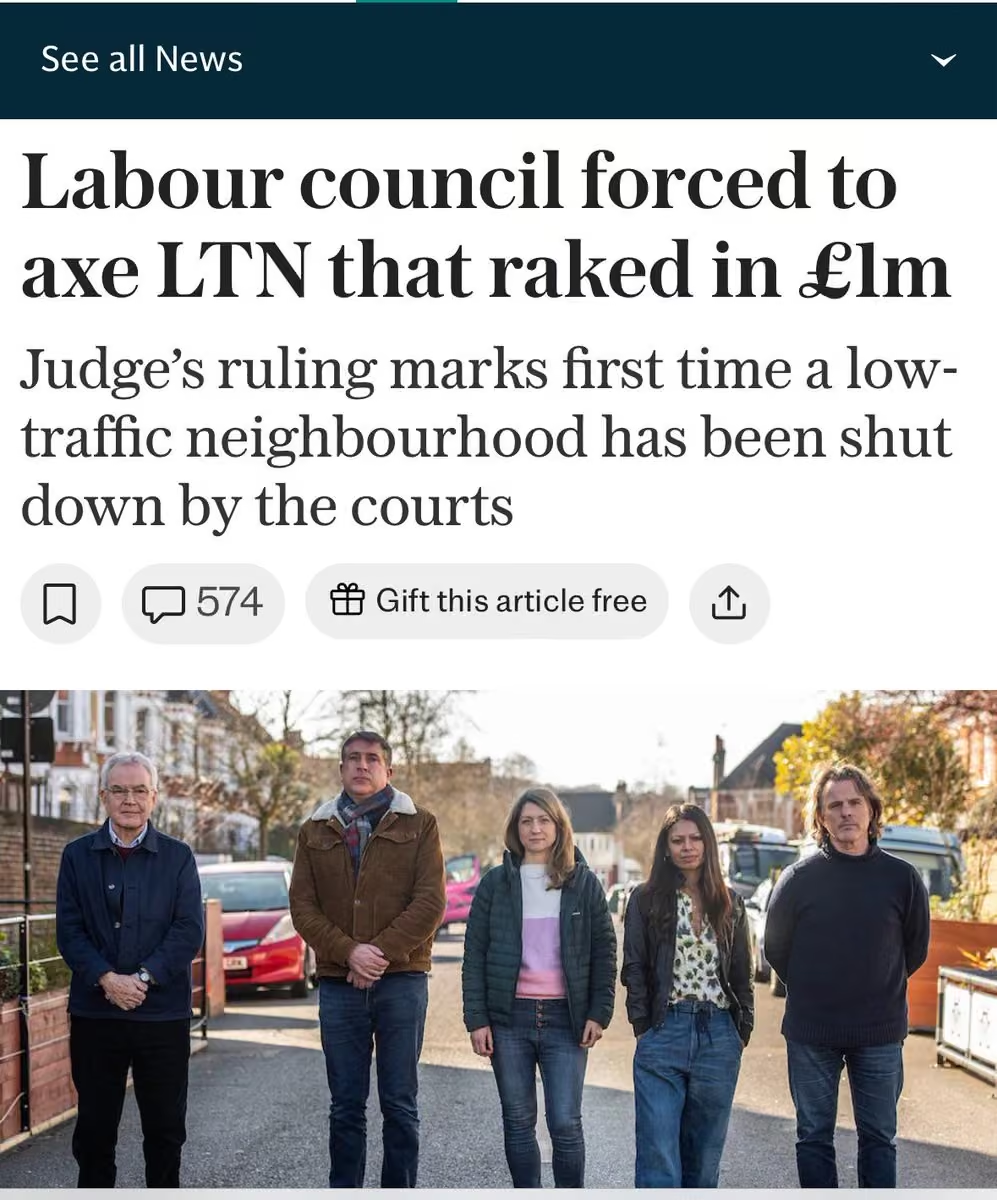
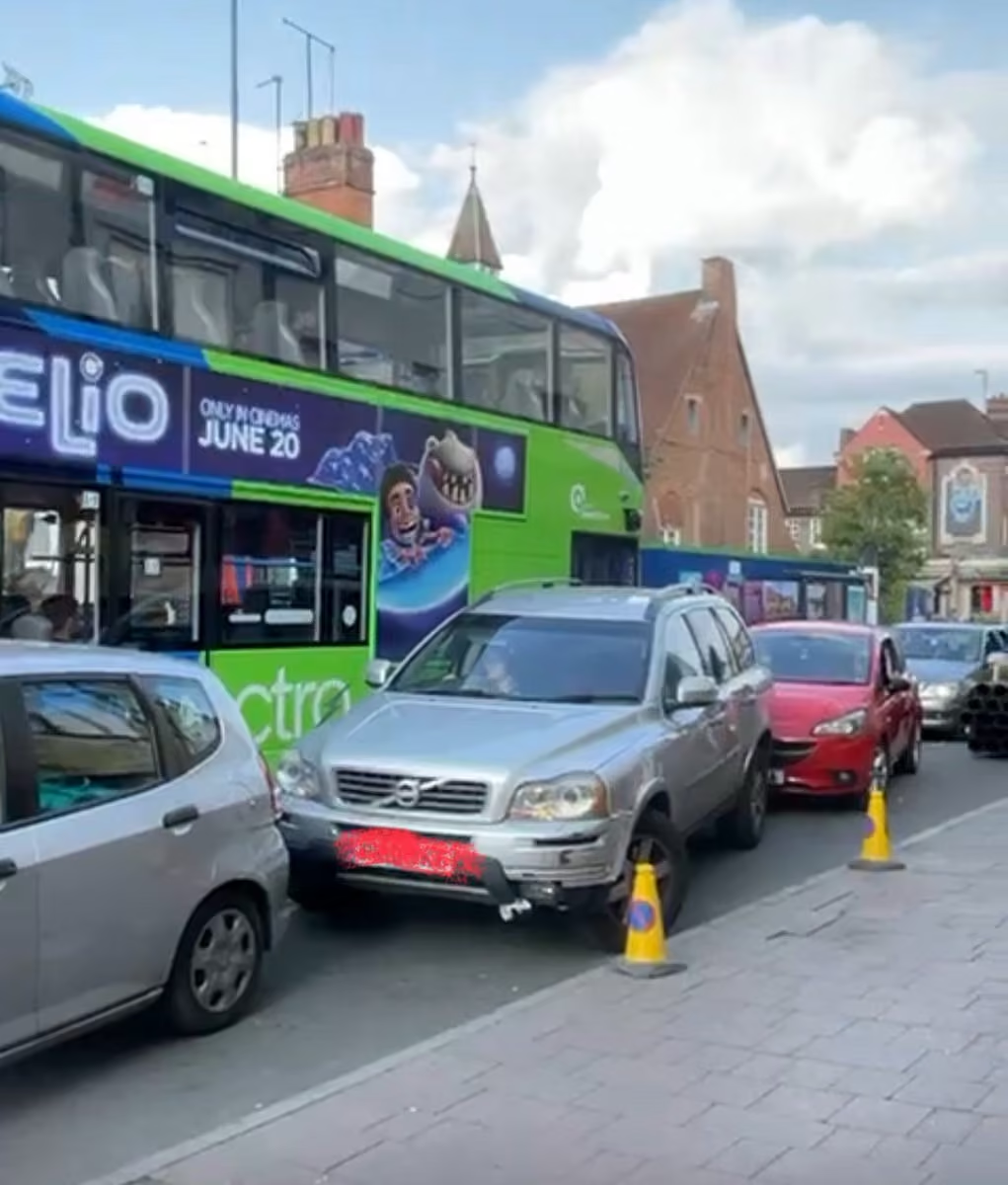
 Cllr Liam Walker



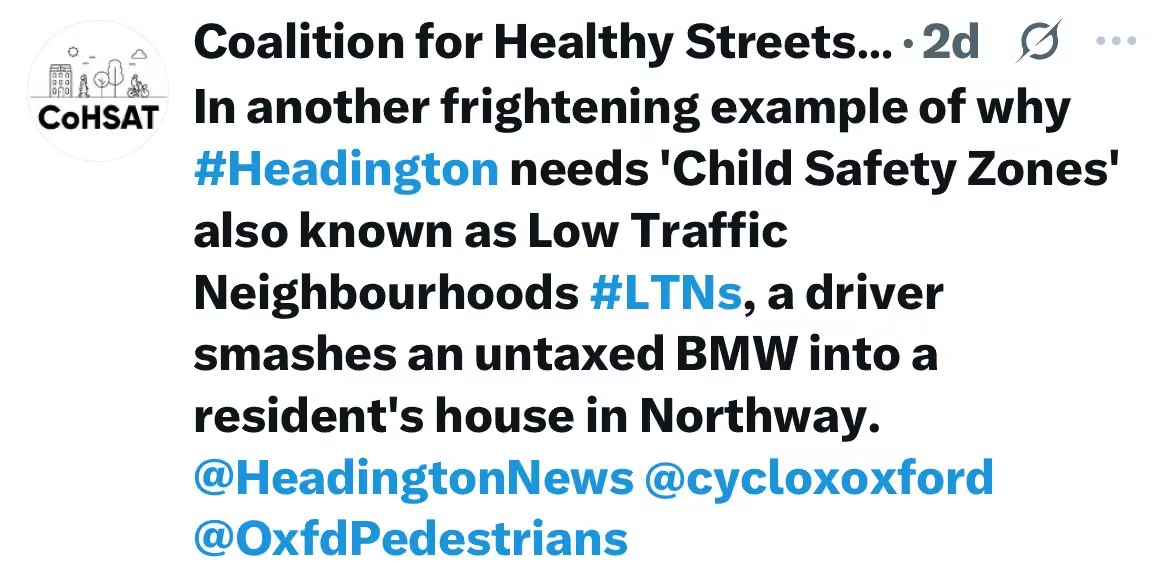


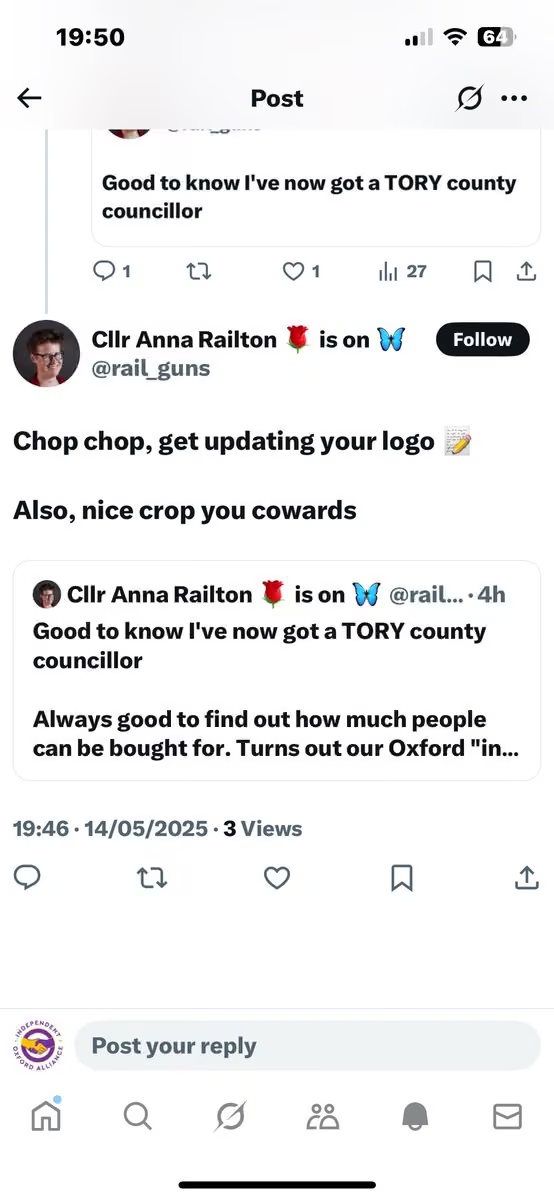




 Coalition for Healthy Streets and Active Travel




 Inga Nicholas





 lish 🇵🇸

 Ian Y



 Andrew Gant



 Oxford Clarion

 The Fox 👤


 John Stewart

 Giles Coren




 BathComms 🇬🇧

 Bus Users Oxford

 Oxford City Council








 Oxford & District Labour





 electionmapsuk

 Anne Gwinnett 🙂


 No Farmers, No Food



 Paul Lewis



 Andrew Colley

 Charlotte Coles






 Free the People



 Danny Yee

 Josie Procter 🔶🇺🇦🇪🇺
 The UK LTN Résistance
 OneHeadington




 Cowley Road Collective Oxford


 Noor Qurashi

 Together
 Motorcycle Action Group (MAG)


 Edward Burnett




 Cowley LTN’s #OneOX4

 Memz Baron



 Ian frankum








 BBC Oxfordshire


 Oxford United


 Alan D Miller



 Mark Lygo

 Iiongdotxz



 Boycott Elon




 BBC Oxford Sport



 Charlotte Vinnicombe






 Braggpuss
 Blown Fuse
 Phil Gilman: YIMBY




 Andy Hawkes





 Tony Brett (he/him)
 Eos

 AMIR STEVE ALI


 Oxfordshire Liveable Streets

 Action Deafness


 Andrew Ellson









 john45761

 stmarysltns@onestmarys
 Brad Baines









 Oxford Bus Company

 Peter West






 Dr Pete Sudbury: Can be wrong, RTs not agreement
 Keep Bristol Moving
 Erdem Pulcu





 Marie Power


 Elect Her

 💛 sarah clare 💙

 🇪🇺ʀɪᴄʜ ꜱ🇺🇦 #StandWithUkraine 💙🏳️🌈 #FBPE


 Layla Moran 🔶🕊️


 Nursing Standard

 Albert Tait



 Chi Onwurah 💙





 GutterHoes




 Cllr Damian Haywood 💙



 The Oxfordshire Carpentry Company