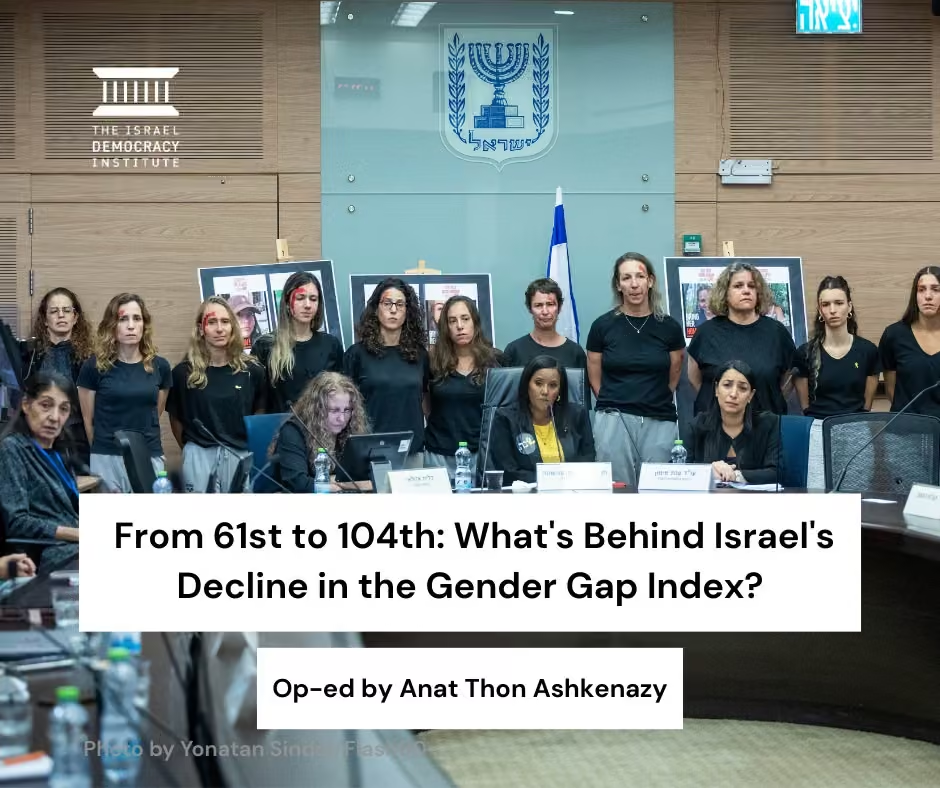
בכנסת ה-26 יכהנו 33 נשים, מספר שיא של נשים בעת השבעת כנסת, אך מדובר בשיפור מתון בלבד לעומת 20 השנים האחרונות. בנוסף, בכנסת הנוכחית נשים נעדרות מראשות המפלגות. לראשונה תמונה אישה לראשות ועדת הכספים, אך נכון לרגע זה, מרבית המינויים לתפקידי מפתח בכנסת – הם עדיין גברים.
לסקירה המלאה של עו"ד ענת טהון אשכנזי וד"ר אסף שפירא >> www.idi.org.il/articles/67085
Israel Democracy Institute
The Israel Democracy Institute (IDI; Hebrew: המכון הישראלי לדמוקרטיה), established in 1991, is an independent research center that defines itself as being dedicated to strengthening the foundations of Israeli democracy. It is based in Jerusalem. More on Wikipedia
-
המכון הישראלי לדמוקרטיה
@DemocracyIL

-
המכון הישראלי לדמוקרטיה
@DemocracyIL
מה היה שיעור ההצבעה בבחירות ואיפה הוא מציב את ישראל ביחס לעולם? איך תיראה הכנסת ה-26 לפי התוצאות הסופיות? כמה נשים עתידות לשבת בה, וכמה ח"כים חדשים?
לסקירה המלאה של פרופ׳ עופר קניג >> www.idi.org.il/articles/66556 -
המכון הישראלי לדמוקרטיה
@DemocracyIL
הכנסת ה-26 הושבעה, אבל עדיין לא ברור אם תוקם ממשלה או שנצא לבחירות נוספות. מה יכולה הכנסת לעשות בינתיים? האם ואיך נבחר יושב ראש כנסת חדש, אילו ועדות יכולות לקום, והאם אפשר לחוקק בתקופה זו? ומה משתנה כאשר מוכרזות בחירות חדשות?
להסבר המלא של ד"ר אסף שפירא >> www.idi.org.il/articles/66789 -
המכון הישראלי לדמוקרטיה reposted
Shaul Amsterdamski 🤞
@amsterdamski2
האמת שתומר לוטן עשה עבודת מחקר רצינית על זה, הגדולה ביותר בתחומה, כולל השוואה למדינות דומות לנו, וחזר עם כמה הצעות לא רעות. שווה קריאה
www.idi.org.il/media/27178/a-new-structure-for-the-govern… -
המכון הישראלי לדמוקרטיה
@DemocracyIL
תקציב מרוסן, פגיעה בהוצאה האזרחית ובמנועי הצמיחה, החמרת פערים חברתיים ופגיעה בהשקעות: למצב של חוסר הכרעה, שבו פועלת ממשלת מעבר ובלתי אפשרי להעביר תקציב, צפויות השפעות רחבות על הכלכלה.
למסבירון המלא של דפנה אבירם-ניצן ורועי קנת-פורטל >>www.idi.org.il/articles/67014 -
המכון הישראלי לדמוקרטיה
@DemocracyIL
על רקע הנחיית יו"ר ועדת הבחירות המרכזית לכנסת לחקור חשדות בעניין מימון זר ושוחד בחירות על ידי גורמים זרים, מהו ההליך במקרה של חשדות לפגיעה בטוהר הבחירות?
למסבירון המלא של ד"ר גיא לוריא וד"ר אסף שפירא >> www.idi.org.il/articles/66802 -
המכון הישראלי לדמוקרטיה
@DemocracyIL
מעטפות כפולות הן הסדר הצבעה שנועד למצביעים מיוחדים כמו חיילים שמצביעים בבסיסים, מוגבלים בניידות שמצביעים בקלפיות נגישות ודיפלומטים שמצביעים בנציגויות ישראל בחו״ל. במערכת הבחירות הנוכחית יש בסביבות 430–480 אלף מעטפות כפולות. הן שוות לבערך 9-11 מנדטים.
לפי הניסיון מבחירות קודמות במעטפות כפולות יש פחות קולות למפלגות ערביות וחרדיות ויותר קולות למפלגות דתיות לאומיות ולחלק ממפלגות המרכז.
להסבר המלא של ד״ר אסף שפירא >> www.idi.org.il/articles/66720 -
המכון הישראלי לדמוקרטיה
@DemocracyIL
שאלו אתכם למי הצבעתם? מישהו מחוץ לקלפי מעוניין לדעת איך קוראים לכם? נעמי לבוב מזכירה שאלה לא שאלות תמימות, ושאתם ממש לא חייבים לענות
This media couldn't be displayed. See it on the original post. -
המכון הישראלי לדמוקרטיה
@DemocracyIL
הסקר שנשלח אליכם לנייד לקראת הבחירות אולי נראה תמים, אבל מי נמצא בצד השני יכול לעשות עם התשובה שלכם לא מעט. הפתרון? לזכור שלא חייבים לענות, גם לא לנציגי מפלגות מחוץ לקלפי.
למאמר הדעה המלא של ד"ר תהילה שוורץ אלטשולר >> www.idi.org.il/articles/66417 -
המכון הישראלי לדמוקרטיה
@DemocracyIL
בחירות 2026: 31% מהציבור מעריכים שלגוש השינוי סיכויים גבוהים יותר להקים ממשלה, 27.5% מעניקים סיכויים גבוהים יותר לגוש הימין-חרדים.
לסקר המלא של מרכז ויטרבי לחקר דעת קהל ומדיניות >>www.idi.org.il/articles/66619 -
המכון הישראלי לדמוקרטיה
@DemocracyIL
קיום בחירות במועדן הוא אחד מעקרונות היסוד של מדינה דמוקרטית. אבל, אפשר לדחות אותן בנסיבות מיוחדות כמו בשעת חירום, וברוב של לפחות 80 חברי כנסת. הדחייה צריכה להיעשות בחוק של הכנסת, תקופת הדחייה צריכה להיות מינימאלית וחייבים לקבוע מועד חדש לבחירות.
לסקירה המלאה של ד״ר גיא לוריא וד״ר אסף שפירא >> www.idi.org.il/articles/66422 -
המכון הישראלי לדמוקרטיה
@DemocracyIL
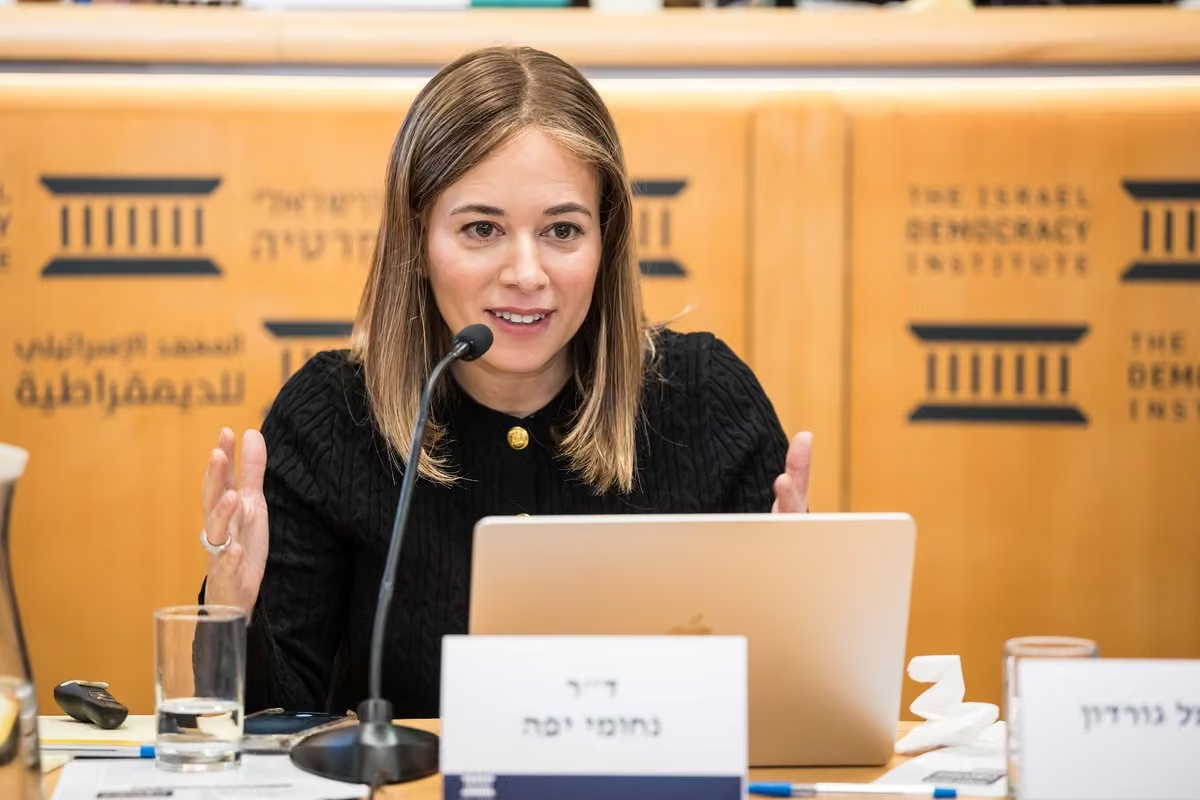
ד"ר נחומי יפה, מפלגת הציבור החרדי, בכנס מכינות 2026:
"ילד חרדי לא לומד אזרחות, הוא לא מבין למה אומרים שאנחנו לוקחים כסף, למה החילונים שונאים אותנו. זו פעם ראשונה שחרדים קמים ואומרים: המדינה שלנו ואנחנו מחפשים דרכים להתגייס, לשלם מיסים להיות אזרחים. יש עסקונה מושחתת ושבעה שמתנגדת לנו. סעו חצי שעה מכאן לבני ברק, אחת העיריות הכי עשירות בישראל, כל העיר מלאה זבל. אם אנחנו לא נשנה – אין עתיד למדינה הזאת".
קרדיט: עודד קרני -
המכון הישראלי לדמוקרטיה
@DemocracyIL
שירה שפירא, מועמדת לכנסת מטעם מפלגת ישר! ואמו של ענר שפירא ז"ל, בכנס מכינות 2026:
"כשענר עמד במיגונית הוא פעל במנהיגות עליונה למרות שהיה בסנדלים וטישירט. אף אחד לא נתן לו פקודות, הוא היה עם מצפן וערכים. כשאנחנו מסתכלים על המנהיגות למעלה, במקום מנהיגות שמחברת יש מנהיגות שמקטבת בינינו".
קרדיט: עודד קרני -
המכון הישראלי לדמוקרטיה
@DemocracyIL
רא"ל (מיל') גדי איזנקוט, יו"ר מפלגת ישר!, בכנס מכינות 2026:
"הדבר החשוב ביותר לצבא עם זו הסכמה לאומית רחבה, ולכן לא רואה שום אירוע ביטחוני דחוף מיידי לשבועיים הקרובים. צריך לאפשר תהליך דמוקרטי ואחריו הממשלה שתיבחר תיקח החלטות לגבי המשך הצעדים הביטחוניים".
קרדיט: עודד קרני -
המכון הישראלי לדמוקרטיה
@DemocracyIL
ח"כ שמחה רוטמן, הציונות הדתית, בכנס מכינות, על הסרטון שבו נראים שופטים נגררים בכוח מחוץ לבית המשפט:
"לא עפתי על הסרטון, זה לא משנה. מה שביהמ"ש העליון והיועמ"שית עושים זה פוליטי. אני רוצה ביהמ"ש חזק ועצמאי ששומר על זכויות אדם, שפועל על פי חוק. אם הוא לא פועל על פי חוק, לא מאמינים בו, הוא לא עצמאי, והוא לא שומר על זכויות אדם כי הוא עסוק בלריב עם רשויות אחרות. הוא לא עושה את העבודה שלו כי הוא מתעסק בדברים שהם לא העבודה שלו".
קרדיט: עודד קרני -
המכון הישראלי לדמוקרטיה
@DemocracyIL
עמיחי שיקלי, שר התפוצות והמאבק באנטישמיות בכנס מכינות 2026: "הממשלה נושאת באחריות למה שקורה בכהונתה, לטוב ולרע. ההחלטה של רה”מ ללכת למלחמת חורמה בחמאס, ולצאת למערכה מול חיזבאללה- מימוש האחריות".
קרדיט: עודד קרני -
המכון הישראלי לדמוקרטיה
@DemocracyIL
אלוף (מיל') יאיר גולן, יו"ר מפלגת הדמוקרטים, בכנס מכינות 2026: "שואלים אותי הרבה על השותפות הערבית-יהודית. למה אף אחד לא שואל למה נתניהו יושב עם המפלגות האנטי ציוניות? החרדיות? למה זה שת"פ טבעי? אם אתה רוצה להקים בישראל ממשלה ציונית אמיתית, בלי ערבים, אז למה אתה יושב עם החרדים? הם לא ציונים. הם אנטי ציוניים".
קרדיט: עודד קרני -
המכון הישראלי לדמוקרטיה
@DemocracyIL
אביגדור ליברמן, יו"ר מפלגת "ישראל ביתנו" בכנס מכינות 2026: "מי שמתחמק מגיוס, לא נאמן, לא מוכן לתרום שום דבר למדינה - למה שתהיה לו זכות הצבעה? אי אפשר שיהיו רק זכויות בלי חובות”
קרדיט: עודד קרני -
המכון הישראלי לדמוקרטיה
@DemocracyIL
נפתלי בנט, יו"ר מפלגת "ביחד" בכנס מכינות 2026: "תוך 3 דק' אני מעביר החלטה להקמת ועדת חקירה ממלכתית לחקירת טבח 7 באוקטובר, 4 דק' אח"כ קציבת כהונת ראש ממשלה ל-8 שנים, 30 דקות אח"כ אני מעביר החלטה להפעלת תוכנית המשרתים - לסגור את הברזים, מי שלא ישרת לא יקבל שקל ממדינת ישראל".
קרדיט: עודד קרני -
המכון הישראלי לדמוקרטיה
@DemocracyIL
יוחנן פלסנר, נשיא המכון בכנס מכינות 2026: "ישראל היא לא מעצמה ויש קשר בין הדרך בה אנו מתנהלים בעולם לבין היכולת שלנו לשרוד. מדינה חזקה נשענת על כלכלה מודרנית, חינוך ומסחר בין לאומי. האחריות היא שלכם להבין בנושאי מדיניות חוץ וביטחון כי פוליטיקאים בזמן בחירות נוטים לדבר במשפטים סיסמתיים".
-
המכון הישראלי לדמוקרטיה
@DemocracyIL
שאלנו: מה הממשלה החדשה צריכה לעשות?
72% מהציבור היהודי חושבים שהממשלה החדשה שתקום צריכה לחוקק חוק גיוס שוויוני שיחייב חרדים להתגייס.
71% מהיהודים ו52% מהערבים חושבים שהממשלה הבאה צריכה להקים ועדת חקירה ממלכתית. -
המכון הישראלי לדמוקרטיה
@DemocracyIL
היום לאזרחים אין כל כך השפעה על הרכבת הרשימות לכנסת ויש ניתוק של ממש בין הבוחרים לנבחרים. מה אפשר לעשות כדי להגביר את השפעת הבוחרים? להכניס מרכיב אישי לבחירות: אם הח״כים ידעו שלבוחרי הרשימה יש השפעה על העתיד הפוליטי שלהם ביום הבחירות, זה יכול להשפיע דרמטית על המחויבות והאחריות שלהם כלפי הבוחרים >> www.idi.org.il/articles/63506
-
המכון הישראלי לדמוקרטיה reposted
ערוץ כנסת 99
@Knesset99
"המופע הזה בפני עצמו הוא לא חינוך לדמוקרטיה, הוא עוד מדיום שממנו פוליטיקאים מוציאים כותרות לסושיאל" 👇
ד"ר תמי הופמן, מנהלת התוכנית למדיניות חינוך ודמוקרטיה במכון הישראלי לדמוקרטיה, מתארת את תופעת הפאנלים בבתי הספר ומנתחת האם הם מחנכים לדמוקרטיה: "חינוך לדמוקרטיה מורכב גם מידע ומיומנויות, ונשען גם על ערכים"
@DemocracyIL @Rinatspivak
📺מתוך #המוסף_השבועיThis media couldn't be displayed. See it on the original post.
ערוץ כנסת 99
@Knesset99
תא הכתבים בשידור חי - 17.09.2026 x.com/i/broadcasts/1AKEmveZkAaKL
-
המכון הישראלי לדמוקרטיה
@DemocracyIL
הנתונים מראים זיקה גבוהה למסורת כשמדובר בדפוסי התנהגות של תפילה וצום ביום כיפור בחלקים נרחבים באוכלוסייה היהודית הישראלית.
לסקירה המלאה של ד"ר אריאל פינקלשטיין, יערי פדן ועו"ד שלומית רביצקי טור-פז >> -
המכון הישראלי לדמוקרטיה
@DemocracyIL
הגז הטבעי וההון האנושי הטכנולוגי הפכו את ישראל ליעד מבוקש להקמת חוות שרתים. אבל, הביקוש הגובר לחשמל מקדים כבר היום את קצב פיתוח התשתיות. כדי להיות מעצמת AI ולהבטיח את עתידה האנרגטי, ישראל חייבת לעדכן בהקדם את מדיניות הגז על בסיס תחזיות ביקוש ועתודות עדכניות ושקופות >> www.idi.org.il/articles/65981
-
המכון הישראלי לדמוקרטיה
@DemocracyIL
מה יותר קשה לעבור את אחוז החסימה או את הפקק בדרך לסבתא? 🐝
-
המכון הישראלי לדמוקרטיה
@DemocracyIL
לכבוד ראש השנה, קבלו כמה נתונים על המבקרים בקבר ר' נחמן מברסלב באומן בקרב הציבור היהודי בישראל:
-
המכון הישראלי לדמוקרטיה
@DemocracyIL
"לוקחים בעיה של פשיעה והופכים אותה לבעיה של טרור".
ד"ר יעל ליטמנוביץ, ראשת התוכנית לשיטור וביטחון פנים במכון, בוועידת "זמן הכרעה" של המכון בשיתוף ידיעות אחרונות:
כשאנחנו פונים לשב"כ אנחנו מחלישים את המשטרה. פשיעה מאורגנת קיימת בכל העולם ומשטרות מצליחות להתמודד איתה כי הן מתמקצעות. כשהשר אומר "המשטרה תבצע את המדיניות שלי" זה לא עולה בקנה אחד עם משטרה דמוקרטית, כי משטרה דמוקרטית היא משטרה מקצועית.
קרדיט לתמונה: יריב כץ -
המכון הישראלי לדמוקרטיה
@DemocracyIL
הפרשן הפוליטי ישראל כהן בוועידת "זמן הכרעה" של המכון בשיתוף ידיעות אחרונות:
"התפיסה החרדית היא שתורה מגנה ומצילה וזו תפיסה של העברת השבריט מדור לדור. הם מרגישים שהם מסייעים בדרך שלהם. המסקנה שלי אחרי 7 באוקטובר היא שצריך לעשות דברים בהסכמה".
קרדיט לתמונה: יריב כץ -
המכון הישראלי לדמוקרטיה
@DemocracyIL
תת-ניצב (בדימוס) עו"ד ערן קמין, לשעבר ראש חטיבת החקירות במשטרה, בוועידת "זמן הכרעה" של המכון בשיתוף ידיעות אחרונות:
"תמיד היה אחוז פענוח נמוך של פשעים, בעיקר בעבירות רצח. אבל מה משטרה מקצועית יודעת לעשות? היא יודעת לדבר עם הקהילה כדי שתיווצר מצד אחד הרתעה ומצד שני שותפות. בשני אלה המשטרה נכשלת יום אחרי יום".
קרדיט לתמונה: יריב כץ -
המכון הישראלי לדמוקרטיה
@DemocracyIL
"אנחנו נמצאים במשבר הביטחון האישי החמור ביותר מקום המדינה".
תומר לוטן, עמית בכיר במכון ולשעבר מנכ"ל המשרד לביטחון פנים בוועידת "זמן הכרעה" של המכון בשיתוף ידיעות אחרונות:
"מספר הנרצחים יותר מהכפיל את עצמו ביחס לשנים קודמות. יש אותה כמות שוטרים, אותם פרקליטים, וגם אותם ארגוני פשיעה. הפער המרכזי והגדול הוא דבר אחד: מדיניות ציבורית כושלת ופוליטיקה שהנושא הזה לא מעניין אותה. צריך להחליף את דיסקט המדיניות. אפשר להדליק מחדש את המפעל הגדול שנלחם בפשיעה והגיעה לתוצאות מרשימות".
קרדיט לתמונה: יריב כץ -
המכון הישראלי לדמוקרטיה
@DemocracyIL
עו"ד ראויה חנקלו, מנכ"לית אילאף – המרכז לקידום ביטחון בחברה הערבית, בוועידת "זמן הכרעה" של המכון בשיתוף ידיעות אחרונות:
בחברה הערבית יש אפס אמון במשטר ובמוסדות המדינה. חוסר האמון הזה הוא לא הסיבה לכישלון, הוא תוצאה שלו. יש פחות מ-15% פענוח תיקים, מעצרים שלא מגיעים לכתבי אישום, המשטרה יכולה לפזר חתונה ולהשתמש באלימות, ויום למחרת יש רצח - ואותה משטרה לא מגיעה. זה כישלון מערכתי, הוא לא נעצר במשרד לביטחון לאומי.
קרדיט לתמונה: יריב כץ -
המכון הישראלי לדמוקרטיה
@DemocracyIL
עו"ד שלומית רביצקי טור-פז, מנהלת המרכז לחברה משותפת במכון, בוועידת "זמן הכרעה" של המכון בשיתוף ידיעות אחרונות:
המבנה הסוציולוגי של החברה החרדית היום הוא תולדה של התמריצים המעוותים שהמדינה נתנה ושל מספר הפטורים. אנחנו מדברים היום על 100,000 חרדים חייבי גיוס. צריך להקפיא את המעצרים, אבל בצורה של מהלך משולב למשך כמה שנים: להפסיק מעצרים אבל ליצור חובת גיוס לכולם וסנקציות משמעותיות, ארוכות טווח. יש כאן אנשים שבחרו בדרך חיים מסוימת אבל מצפים שהמדינה תבנה את כל מערך התמריצים שלה בהתאם לבחירה שלהם.
קרדיט לצלם: יריב כץ -
המכון הישראלי לדמוקרטיה
@DemocracyIL
"גם חזון הנביאים כולל בתוכו מדינה מתוקנת, שוויונית, מתפקדת".
פרופ' עמיחי כהן, סגן נשיא המכון הישראלי לדמוקרטיה, בוועידת "זמן הכרעה" של המכון בשיתוף ידיעות אחרונות:
הרבה מהמחלוקת בינינו היא לא קיטוב אידיאולוגי, אלא קיטוב רגשי. כשעושים חוקה ההליך חייב להיות מכליל. חלק ממה שקרה בזמן המהפכה החוקתית היה ניסיון של קבוצת אנשים קטנה להגיע לסיכום, צריך לנסות להגיע כמה שאפשר להסכמה רחבה חוזה לא יכול לקרות בלי שיתנהל דיון.
קרדיט לתמונה: יריב כץ -
המכון הישראלי לדמוקרטיה
@DemocracyIL
פרופ' תמר הוסטובסקי ברנדס, עמיתה בכירה, בוועידת "זמן הכרעה" של המכון בשיתוף ידיעות אחרונות:
המשבר החוקתי שאנחנו מסתובבים סביבו וגובה הלהבות שהגענו אליהן זה לא באמת מחלוקת סביב סמכויות ביהמ"ש, זו מחלוקת ערכית על דמותה של המדינה. לכן זה לא מפתיע שהקדנציה הזאת הסתיימה בחוק יסוד לימוד תורה. בוודאי לאור העובדה שהמסגרת החוקתית הקיימת היום כוללת את חוק יסוד לימוד תורה ולא כוללת את הערכים המרכזיים שמעוגנים מגילת העצמאות – זה תיקון שחייב לעשות.
קרדיט לתמונה: ריאן פרויס -
המכון הישראלי לדמוקרטיה
@DemocracyIL
רא"ל (מיל') גדי אייזנקוט, יו"ר מפלגת ישר!, בוועידת "זמן הכרעה" של המכון בשיתוף ידיעות אחרונות:
האתגרים של הממשלה הבאה יהיו ענקיים, גם אסטרטגיים-ביטחוניים, גם כלכליים-חברתיים וגם בינלאומיים. נדרש להסכמה רחבה ככל האפשר, לקדם חוק גיוס, ועדת חקירה ממלכתית, שינוי בסדר העדיפויות של החברה הישראלית, שיפור המציאות הביטחונית, מיצוי הישגי המלחמה.
קרדיט לתמונה: יריב כץ -
המכון הישראלי לדמוקרטיה
@DemocracyIL
"מדינה מתוקנת לא מתקצבת מערכת חינוך כשאין לימודי ליבה ולא תומכת במי שלא ממצא כושר השתכרות".
ד"ר גלעד מלאך בוועידת "זמן הכרעה" של המכון בשיתוף ידיעות אחרונות:
"למה אני כגבר חרדי בין 27 לא יוצא לעבודה? כי בישראל אני יכול ובארה"ב לא ואת זה צריך לשנות. צריך שינויים בחקיקה ובאכיפה שינווטו את הכל. ברגע שהחקיקה תשתנה, רמת המחויבות בלימוד ובמיצוי כושר השתכרות תשתנה ואז גם המוכנות של הצעיר החרדי לתעסוקה תהייה גדולה יותר".
קרדיט לתמונה: יריב כץ -
המכון הישראלי לדמוקרטיה
@DemocracyIL
"הרפורמה המשפטית" לא נועדה לתקן אלא לנקום, ואלה המילים של השרים עצמם.
נפתלי בנט, יו"ר מפלגת "ביחד", בוועידת "זמן הכרעה" של המכון בשיתוף ידיעות אחרונות:
"שנת 23' הביאה את מדינת ישראל לסף מלחמת אזרחים. זה קרע את ישראל לגזרים. בממשלה הבאה נחוקק את מגילת עצמאות כפרק המבוא בחוק יסוד החוקה שלנו. על מגילת העצמאות חתומים חרדים, חילונים, שמאלנים, ימנים, רוויזיוניטים וקומוניסטים. היא מקבעת את מדינת ישראל כמדינת הלאום של העם היהודי, ומקבעת את ערכי השוויון האזרחי וערכי הדמוקרטיה".
קרדיט לתמונה: יריב כץ -
המכון הישראלי לדמוקרטיה
@DemocracyIL
"אני נחוש לחולל שינוי היסטורי בסוגיית גיוס חרדים".
שר האוצר בצלאל סמוטריץ' בוועידת "זמן הכרעה" של המכון בשיתוף ידיעות אחרונות:
אני נחוש לחולל שינוי היסטורי בסוגיית גיוס חרדים. לא הצלחנו לצערי בגלל מכסימליסטים במחנה שלנו שמנעו העברת חוק טוב. התקשורת ניסתה בקמפיין ציני למתג את זה כחוק השתמטות. היה עובר חוק שבו ההנהגה החרדיתצ המיינסטרימית בגיבוי הרבנים מרימה את ידה בעד. זאת חגיטימציה של החרדים לגיוס לראשונה מאז קום המדינה. אפשר לגייס חרדים בתהליך ובהסכמות.
קרדיט לתמונה: יריב כץ -
המכון הישראלי לדמוקרטיה
@DemocracyIL
"כשאתה מאשים אנשים בבגידה אתה מתיר את דמם, אנחנו יודעים איך זה יסתיים".
אלוף (מיל') יאיר גולן, יו"ר הדמוקרטים, בוועידת "זמן הכרעה" של המכון בשיתוף ידיעות אחרונות:
"זה לא רק נגדי אישית. זה לקחת את כל הציבור שיצא להיאבק על הדמוקרטיה הישראלית,ואז יצא אחרי 7 אוקטובר להגן על מדינת ישראל ולעשות לו דה לגיטיצמציה. זה נעשה גם דרך תקיפה אישית שלי. זה ההיגיון הפוליטי שעומד מאחורי הדברים האלה. זה יוצא מלשכת ראש הממשלה, אני לא חושב שזו פליטת פה. חלק מהשיטה הקבוע של נתניהו זו דה לגיטימציה, האשמה בבגידה".
קרדיט לתמונה: יריב כץ -
המכון הישראלי לדמוקרטיה
@DemocracyIL
"ביטלתי את המונח "טרור יהודי". טרור זה מי שפועל נגד מדינת ישראל"
שר הביטחון ישראל כ"ץ, בוועידת "זמן הכרעה" של המכון בשיתוף ידיעות אחרונות:
אותו פלח קטן מאוד שמכתים את ההתיישבות ונוהג באלימות – צריך לטפל בזה. צה"ל מכין לבקשתי תוכנית איך להעביר את הסמכות על אכיפה אזרחית לידי המשטרה. צה"ל צריך להתעסק במלחמה בטרור ובהגנה על הגבולות לא נשלים עם הפרת חוק.
קרדיט לתמונה: יריב כץ -
המכון הישראלי לדמוקרטיה
@DemocracyIL
אביגדור ליברמן, יו"ר ישראל ביתנו, בוועידת "זמן הכרעה" של המכון בשיתוף ידיעות אחרונות:
אני מצפה מכל חבריי באופוזיציה לעשות מאמץ לאחד את כל הרשימות. בנפרד לא גלעד, לא חילי ולא בני גנץ יעברו את אחוז החסימה אבל הם יכולים לגרוע מהגוש 3-4 מנדטים. בניגוד לאחרים אני מדבר באופן ברור, הניסוח המעורפל של גדי אייזנקוט מאוד לא מקובל עלי. מבחינתי כל אלה שהיו שותפים לממשלת טבח 7 באוקטובר לא יכולים להיות בממשלה הבאה.
קרדיט לתמונה: יריב כץ -
המכון הישראלי לדמוקרטיה
@DemocracyIL
יוחנן פלסנר, נשיא המכון הישראלי לדמוקרטיה, בוועידת "זמן הכרעה" של המכון בשיתוף ידיעות אחרונות:
"בהיעדר שינויים נקבל בסוף הקדנציה הבאה של הכנסת בית משפט עליון פוליטי לחלוטין. יש אשליה שרוב הצעדים במסגרת המהפכה המשפטית נבלמו, אבל זה לא נכון. 9 מתוך 15 שופטים בעליון ימונו על-פי מפתח פוליטי לחלוטין. אנחנו צריכים להבטיח שישמר המרכיב המקצועי והמאזן, ואותו דבר גם לגבי הייעוץ המשפטי לממשלה". -
המכון הישראלי לדמוקרטיה
@DemocracyIL
כשהשיח הציבורי מלא בביקורת ובזעם מוצדקים כלפי האחים הגדולים של אבריימי שאינם מתגייסים, אבריימי עצמו נשאר במערכת חינוך חרדית שהמדינה שכחה לדאוג לה. אם המדינה תקיים את ההנחיות החדשות של הייעוץ המשפטי לממשלה, יהיה זה צעד בכיוון הנכון למען אבריימי וחבריו.
למאמר הדעה המלא של ד"ר שלומית שהינו קסלר >> www.idi.org.il/articles/65975 -
המכון הישראלי לדמוקרטיה
@DemocracyIL
ב-2.9 נערוך בשיתוף עם קבוצת “ידיעות אחרונות” את ועידת “זמן הכרעה – דמוקרטיה וחברה”. נבחרי ציבור מכל הקשת הפוליטית, בכירי מערכת המשפט לשעבר, ראשי רשויות אכיפת החוק, חוקרי וחוקרות המכון הישראלי לדמוקרטיה ובכירי השירות הציבורי ידונו בסוגיות המרכזיות המעצבות את דמותה של המדינה
-
המכון הישראלי לדמוקרטיה
@DemocracyIL
הממשלה הבאה תקבל מדינה עם הוצאה גדולה יותר על ביטחון, חוב גדול יותר, פחות סיוע אמריקאי, פחות תקציב אזרחי, שקל חזק ועולם עוין יותר כלכלית. כדי לעמוד באתגר חייבים לבחון את תקציב המדינה מהבסיס, ולהתאים אותו למציאות המשתנה.
למאמר הדעה המלא של נח הקר >> www.idi.org.il/articles/65912 -
המכון הישראלי לדמוקרטיה
@DemocracyIL
למה עלה הפופוליזם בישראל? פרופ' יותם מרגלית, עמית בכיר במכון הישראלי לדמוקרטיה, מסביר ליוחנן פלסנר ושירה ברביבאי-שחם מאיפה הגיע הפופוליזם למערכת הפוליטית
This media couldn't be displayed. See it on the original post. -
המכון הישראלי לדמוקרטיה
@DemocracyIL
בואו נעשה את זה פשוט:
המודד הוא השלב השלישי בחלוקת המושבים בכנסת. המספר הזה קובע כמה קולות שווה מנדט אחד -
המכון הישראלי לדמוקרטיה reposted
ynet עדכוני
@ynetalerts
ישראל נמצאת בנקודת הכרעה היסטורית, והאתגרים שלפנינו כרוכים זה בזה: גיבוש הסדרה חוקתית מוסכמת, בניית מודל ישים לגיוס ולשילוב חרדים בהייטק, החזרת האמון ברשויות האכיפה ומיגור את האלימות.
בועידת "זמן הכרעה: דמוקרטיה וחברה" של קבוצת "ידיעות אחרונות" בשיתוף @DemocracyIL , ישבו בכירי המערכת כדי לדון בפתרונות מעשיים לנושאים הבוערים ביותר.
יום רביעי, 2.9, בשידור חי באתר ובאפליקציית ynet.
צילום: shutterstock -
המכון הישראלי לדמוקרטיה
@DemocracyIL
כ-70% מכלל הציבור סבורים שקיימת סכנה לטוהר הבחירות בפילוח לפי מחנות פוליטיים (יהודים): בשמאל חושבים 90.5% שקיימת סכנה כזו, במרכז 76% ובימין 66%. לסקר המלא של מרכז ויטרבי לחקר דעת קהל ומדיניות >> www.idi.org.il/articles/65469
-
המכון הישראלי לדמוקרטיה
@DemocracyIL
לא משנה אם שר הביטחון הדיח בלייב את מפקד פיקוד המרכז או לא. העניין הוא ששר הביטחון עקף את הרמטכ"ל והודיע קבל עם ועדה בטלויזיה שהוא יכול להדיח אלוף בגלל שיקולים פוליטיים.
בואו נבהיר: לפי הוראות הפיקוד העליון, מינויים והדחות מתפקידים בכירים בצבא נעשים על ידי הרמטכ"ל, באישור שר הביטחון ולא להפך. הוא יכול להנחות לגבי מדיניות כללית אבל לא ראוי שיתערב במקרה ספציפי כמו בצווי ההגבלה על מתנחלים.
אם נגיע למצב שבו קצינים בכירים פועלים מתוך מחשבה שקידומם או הדחתם תלויה בשיקולים פוליטיים, היכולת של צה"ל לפעול כצבא ממלכתי תפגע. אם מאחורי הנחיות הדרג המדיני עומדים שיקולים פוליטיים, הדרג המדיני מסכן בעצמו את הממלכתיות של צה"ל, את מעמדו ואת בטחון המדינה. -
המכון הישראלי לדמוקרטיה
@DemocracyIL
עו"ד ענת טהון אשכנזי, מנהלת המרכז לערכים ולמוסדות דמוקרטיים אצלנו במכון, בכנס "הדמוקרטיה הישראלית: מאתגרים לפתרונות" בשיתוף לשכת עורכי הדין @Israel_Bar1 : "ידענו לומר מה לא, ידענו להתנגד. אבל האתגר העצום שעומד בפנינו הוא לדעת להגיד מה כן, אילו רפורמות יש וחייבים לבצע במערכת המשפט ובהסדרת הסמכויות בין שלושת הרשויות.
מדובר בשיח חשוב ומשמעותי עבור החברה הישראלית, שיח מקצועי ומאחה, שיח של פתרונות ולא שיח של קיטוב".
קרדיט לתמונה: עודד קרני -
המכון הישראלי לדמוקרטיה
@DemocracyIL
פרופ' עמיחי כהן, סגן נשיא המכון, בכנס "הדמוקרטיה הישראלית: מאתגרים לפתרונות" בשיתוף לשכת עורכי הדין @Israel_Bar1:
"כשאנחנו חושבים על איך להשלים את החוקה צריך להבין שהלגיטימציה להליך תהיה אם ננקוט בגישות אחרות מאלה ששנקטו ע"י כוחות שביקשו לפגוע בדמוקרטיה. ההליך צריך לכלול את כלל הקבוצות בחברה, השתתפות אזרחית, שאיפה להסכמה רחבה. כך נעשה הליך חוקתי אמיתי".
קרדיט לתמונה: עודד קרני -
המכון הישראלי לדמוקרטיה
@DemocracyIL
שופטת בית המשפט העליון(בדימוס), ענת ברון, בכנס המכון הישראלי לדמוקרטיה ולשכת עורכי הדין @Israel_Bar1:
"יש בלבול מושגים בציבור בין דמוקרטיה לפוליטיקה. דמוקרטיה אינה נחלה של מגזר כזה או אחר, לימין או לשמאל, היא אינה אמורה לשמש כלי במשחק הפוליטי, הכללים המאפשרים לנו לחיות ביחד לנהל מחלוקות ולהבטיח כי זכויות של כל אדם יישמרו בלי קשר לזהות הממשלה, כשמגרש נהרס אף אחד לא יוכל להמשיך לשחק".
קרדיט לתמונה: עודד קרני -
המכון הישראלי לדמוקרטיה
@DemocracyIL
לאורך השנים הייתה מקובלת בישראל תפיסה ממלכתית שהמדינה היא בעלת המונופול הבלעדי על שימוש בכוח כלפי אזרחים. למרות זאת, המשטרה כבר לא הגורם היחיד שפועל בשטח להגן על ביטחון הפנים בישראל.
בשנים האחרונות קורים תהליכים של שינוי בשטח ושל עלייה במעמדם של שחקנים נוספים >> www.idi.org.il/books/65077 -
המכון הישראלי לדמוקרטיה
@DemocracyIL
חובתה של המדינה להבטיח שכל אזרחיה יוכלו לממש את זכותם להצביע. אבל ההחלטה שלא להציב קלפיות בבתי דיור מוגן בבחירות 2026 מדאיגה מאוד גם בשל האפשרות שהמניע אינו ענייני אלא פוליטי. כשממשלה מתחילה לשאול לא האם שינוי מסוים משרת את זכות הבחירה אלא למי הוא מועיל אלקטורלית, היא מטשטשת את הגבול בין ניהול הוגן של הבחירות לבין מניפולציה של כללי המשחק
למאמר הדעה המלא של פרופ' עופר קניג www.idi.org.il/articles/64996 -
המכון הישראלי לדמוקרטיה
@DemocracyIL
אם הממשלה תחליט שנשים לא יכולות ללמוד באוניברסיטה או שחרדים לא יכולים להפגין, גם אם היועץ המשפטי לממשלה יגיד שזה לא חוקי, אפשר יהיה להתעלם ממנו לגמרי. זו בדיוק משמעות החוק שעבר עכשיו בכנסת: מתן כוח נוסף לממשלה, על חשבון הזכויות של כולנו
-
המכון הישראלי לדמוקרטיה
@DemocracyIL
דמיינו שבמשרד ממשלתי כלשהו הסתירו דוח על סכנה בטיחותית, כזו שממש עלולה לפגוע באזרחים, ועיתונאים ידעו אבל לא פרסמו כי פחדו מהתגובה. זה בדיוק המחיר של תקשורת מפוחדת ומורתעת.
האירועים האחרונים במשרדי ערוץ 12 והארץ הם לא "רק" ונדליזם. הם ניסיון להפחיד, ואין ברירה אלא לראות אותם בתוך התמונה המלאה של המתקפות הבוטות על עיתונאים ועל ערוצי חדשות, הניסיונות לפגוע בעצמאותם ובלגיטימיות שלהם, אפילו להציג אותם כאויב.
תקשורת חופשית לא מגינה על עיתונאים היא מגינה על הזכות שלנו לדעת, גם את מה שבעלי הכוח לא היו רוצים שנדע. אפשר לא לאהוב אותה, אפשר ורצוי לבקר אותה, אבל האלימות נגדה מסוכנת לכולנו ומסוכנת לדמוקרטיה -
המכון הישראלי לדמוקרטיה
@DemocracyIL
בריטניה היא המצטרפת האחרונה למועדון המדינות המגבילות שימוש של ילדים ברשתות החברתיות, אלא שבמידה רבה זוהי כבר המלחמה של אתמול. בעולם כבר עסוקים בשאלה איך מגנים על ילדים גם מפני הבינה המלאכותית, ובינתיים בישראל – צרצרים. למאמר הדעה המלא של ד"ר תהילה שוורץ אלטשולר >> www.idi.org.il/articles/64784
-
המכון הישראלי לדמוקרטיה reposted
ICON-S-Israel
@icon_il
🚨פוסט חדש בסימפוזיון בנושא תיקון הרכב הוועדה לבחירת שופטים – חלק ב':
גיא לוריא: "חוסן שיפוטי: כיצד לשמור על עצמאות ומקצועיות השופטים בעידן של פופוליזם?".
קריאה מהנה!
israeliconstitutionalism.wordpress.com/2026/06/20/סימפוזי… -
המכון הישראלי לדמוקרטיה
@DemocracyIL
דוח המבקר שמזהיר מהתרוקנות קופת הביטוח הלאומי בעוד כעשור היה צפוי, אלא שלמרות אזהרות ותחזיות קודמות לא נעשה דבר. כשלמדינה אין תכנון אסטרטגי ארוך טווח, גם הזדקנות האוכלוסייה מגיעה בהפתעה.
למאמר הדעה המלא של עו"ד ריטה גולשטיין- גלפרין >> www.idi.org.il/articles/64782 -
המכון הישראלי לדמוקרטיה
@DemocracyIL
דלית שטאובר, לשעבר מנכ"לית משרד החינוך, בכנס "בקול ראשון: צעירים וצעירות בדרך אל הקלפי":
המשימה שלנו היא לא רק להביא צעירים לקלפי, אלא להביא צעירים עם יכולת שיפוט ואחריות. אנחנו בדור שחווה ברובו ראש ממשלה אחד, קיטוב פוליטי, מחלוקות ציבוריות עמוקות. כשאתה לא משוחח עם הילדים זה לא שהם לא יודעים, הם מופקרים לרשתות החברתיות, ולמדנו ממדינות אחרות שלחנך לדמוקרטיה מ-60 שניות של טיקטוק זה לא אופטימלי.
המכון הישראלי לדמוקרטיה
@DemocracyIL
קרדיט: עודד קרני
-
המכון הישראלי לדמוקרטיה
@DemocracyIL
זינב אבו סויד, מנהלת תוכנית ארכאן למנהיגות צעירה בחברה הערבית, בכנס "בקול ראשון: צעירים וצעירות בדרך אל הקלפי": בבחירות לשלטון המקומי אנחנו רואים יותר מ-95% הצבעה בקרב הצעירים הערבים לעומת אחוזים מאוד נמוכים בבחירות הארציות. אבל הצעירים הערבים לא מרגישים מוגנים מול הפשיעה בחברה הערבית ויש זעקה לפוליטיקאים שהגיעו מים עד נפש, ואם זה כרוך בזה שצריך לצאת להצביע אז נצא להצביע.
המכון הישראלי לדמוקרטיה
@DemocracyIL
קרדיט: עודד קרני
-
המכון הישראלי לדמוקרטיה
@DemocracyIL
אבישי ברמן, מנכ"ל מועצת המכינות הקדם-צבאיות, בכנס "בקול ראשון: צעירים וצעירות בדרך אל הקלפי":
יש עליה משמעותית ברצון של צעירים להשפיע ולהיות מעורבים, אבל הם לאו דווקא מתרגמים את זה לעשייה פוליטית. הנוער ככלל ימני יותר, לאומי יותר, ליברלי מבחינת זכויות להט"ב למשל, אבל פחות ביחס לזכויות של מיעוטים אחרים. הם ציונים יותר ויש להם אמון נמוך בפתרון הסכסוך.
המכון הישראלי לדמוקרטיה
@DemocracyIL
קרדיט: עודד קרני
-
המכון הישראלי לדמוקרטיה
@DemocracyIL
יניב ויצמן, מנכ"ל TEENK, בכנס "בקול ראשון: צעירים וצעירות בדרך אל הקלפי":
זה הדור הכי חרדתי שיש. כמה קל לעשות קמפיין שיושב על חרדה, ואם עושים את זה ונוגעים בעצב הזה זה הולך להיות קטסטרופה. יש להם בולשיט-דטקטור מעולה, יש מולם כוחות חזקים של פופוליזם, והתפקיד שלנו כמבוגרים זה לחזור לקחת את המושכות ולתת להם הכוונה.
המכון הישראלי לדמוקרטיה
@DemocracyIL
קרדיט: עודד קרני
-
המכון הישראלי לדמוקרטיה
@DemocracyIL
ליאור וינטרוב, סמנכ"ל מדיניות טיקטוק ישראל, על היערכות טיקטוק ישראל לקראת הבחירות:
אם טיקטוק הייתה רוצה לעשות כסף מבחירות היינו עושים המון כסף, אבל אנחנו לא לוקחים את הכסף הזה. אנחנו מחפשים אירועי השפעה פנימיים וחיצוניים ואם נמצא כאלה נוריד אותם. רוצים לתת למשתמשים אפשרות להבחין בין תוכן אותנטי ללא אותנטי. בוטים, דיסאינפורמציה ומיסאינפורמציה אסורים.
קרדיט: עודד קרני -
המכון הישראלי לדמוקרטיה
@DemocracyIL
ליאור וינטרוב, סמנכ"ל מדיניות טיקטוק ישראל, בכנס "בקול ראשון: צעירים וצעירות בדרך אל הקלפי":
הבעיה עם חוקים שמגבילים את השימוש בטיקטוק היא שצעירים בכל העולם המערבי מרגישים היום רמות גבוהות של חרדה, והרשתות החברתיות מחברות ביניהם. אם יחסמו את טיקטוק השוק ילך למקומות אחרים שבהם אין רגולציה.
קרדיט: עודד קרני -
המכון הישראלי לדמוקרטיה
@DemocracyIL
עו"ד ענת טהון אשכנזי, מנהלת המרכז לערכים ולמוסדות דמוקרטיים במכון, בכנס "בקול ראשון: צעירים וצעירות בדרך אל הקלפי":
יש כאן דור שרוצה להשפיע. דור שיש לו עמדות, ערכים, דאגות ושאיפות. דור שמבקש להיות חלק מעיצוב העתיד. השאלה היא מה אנחנו עושים עם המציאות הזאת, בייחוד כשברור שהאחריות אינה מוטלת רק על כתפיהם. עלינו ליצור את התנאים שיאפשרו להם לממש את זכותם ולהשמיע את קולם באופן מיטבי.
המכון הישראלי לדמוקרטיה
@DemocracyIL
קרדיט: עודד קרני
-
המכון הישראלי לדמוקרטיה
@DemocracyIL
פרופ' עופר קניג, עמית מחקר במכון, בכנס "בקול ראשון: צעירים וצעירות בדרך אל הקלפי":
הפעם הראשונה שבה צעירים מחליטים אם לצאת להצביע היא קריטית. אם פספסתי - יכול להיות שגם בפעם הבאה אעמוד מהצד. צריך לעשות הכול כדי להנגיש את היכולת של מצביעי פעם ראשונה להצביע. לקדם שינוי כתובת לצורך בחירות, לשים קלפי ניידת בנתב"ג שבוע לפני הבחירות. -
המכון הישראלי לדמוקרטיה
@DemocracyIL
דפנה כהנא-דולב, התוכנית למדיניות חינוך לדמוקרטיה במכון, בכנס "בקול ראשון: צעירים וצעירות בדרך אל הקלפי":
לייק הוא לא פתק בחירות. טרפיק ושיתוף מודדים בעיקר תשומת לב, ולא בהכרח שינוי בעמדות והנעה לפעולה.
גילינו שמה שבאמת הזיז צעירים לעבר פעולה פוליטית היה קשר בין-אישי ופגישה אמיתית מחוץ למסך.
צילום: עודד קרני -
המכון הישראלי לדמוקרטיה
@DemocracyIL
ד"ר תמי הופמן, ראשת התוכנית למדיניות חינוך לדמוקרטיה במכון, בכנס "בקול ראשון: צעירים וצעירות בדרך אל הקלפי":
קל לנו לתייג את הצעירים כאדישים וחסרי עניין בפוליטיקה. אבל מתברר כי צעירים וצעירות מפרשים באופן שונה את המושג השתתפות פוליטית, ומוצאים דרכים אחרות להשמיע את קולם ולא דווקא בבחירות. זה לא אומר שהם אדישים.
צילום: עודד קרני -
המכון הישראלי לדמוקרטיה
@DemocracyIL
ענבל משש, מנכ"לית שירות התעסוקה הישראלי, בכנס אלי הורביץ:
רק 24% מהבוגרים בגילאי 25-65 לוקחים חלק בהכשרה לאורך החיים, לעומת ממוצע של 37% במדינות הOECD. מדובר כמובן במאות אלפי אנשים שנשארים מאחור. יש פערים גדולים בהשתתפות בלמידה ולכן למידה אחודה עלולה להגדיל פערים: מי שיודע ללמוד, לחפש מידע, להשתמש בדיגיטל, להתנהל מול שוק העבודה – ינצל זאת טוב יותר. מי שלא, עלול להשאר מאחור. מדיניות למידה לאורך החיים חייבת להיות דיפרנציאלית. אם נבנה את המדיניות כך שהיא נשענת רק על יוזמה אישית היא תשרת בעיקר רק את מי שיש להם זמן, כסף, ביטחון ומעסיק תומך.
צילום: עודד קרני. -
המכון הישראלי לדמוקרטיה
@DemocracyIL
אדם בלומנברג, סמנכ"ל כלכלה ומדיניות, ההסתדרות, בכנס אלי הורביץ:
התלות הישראלית בקטר ההייטק כנראה הולכת להסתיים או להשתנות מהותית כל עוד לא נתאים את עצמנו. ההתייחסות שלנו והטלת הנטל על הסטארטאפ ניישן היא לא חסינה מאבטלה. יכול להיות שההון ימשיך לזרום אבל הוא לא יחלחל כי בסופו של דבר כאשר ניתן לעשות את אותה עבודה עם פחות עובדים ולא נתאים את האוכלוסיה, אנחנו בסופו של דבר נראה רווחי יתר. אנחנו צריכים לדבר על הכשרות במימון המעסיקים ובהתערבות הממשלה ועל שעות העבודה. ההתערבות הממשלתית קריטית כי יש לנו בעייה של מעסיק שלא מעדיף להשקיע בעובד שלו ולפעמים מעדיף לפטר ולהשקיע בעובד חדש.
צילום: עודד קרני. -
המכון הישראלי לדמוקרטיה
@DemocracyIL
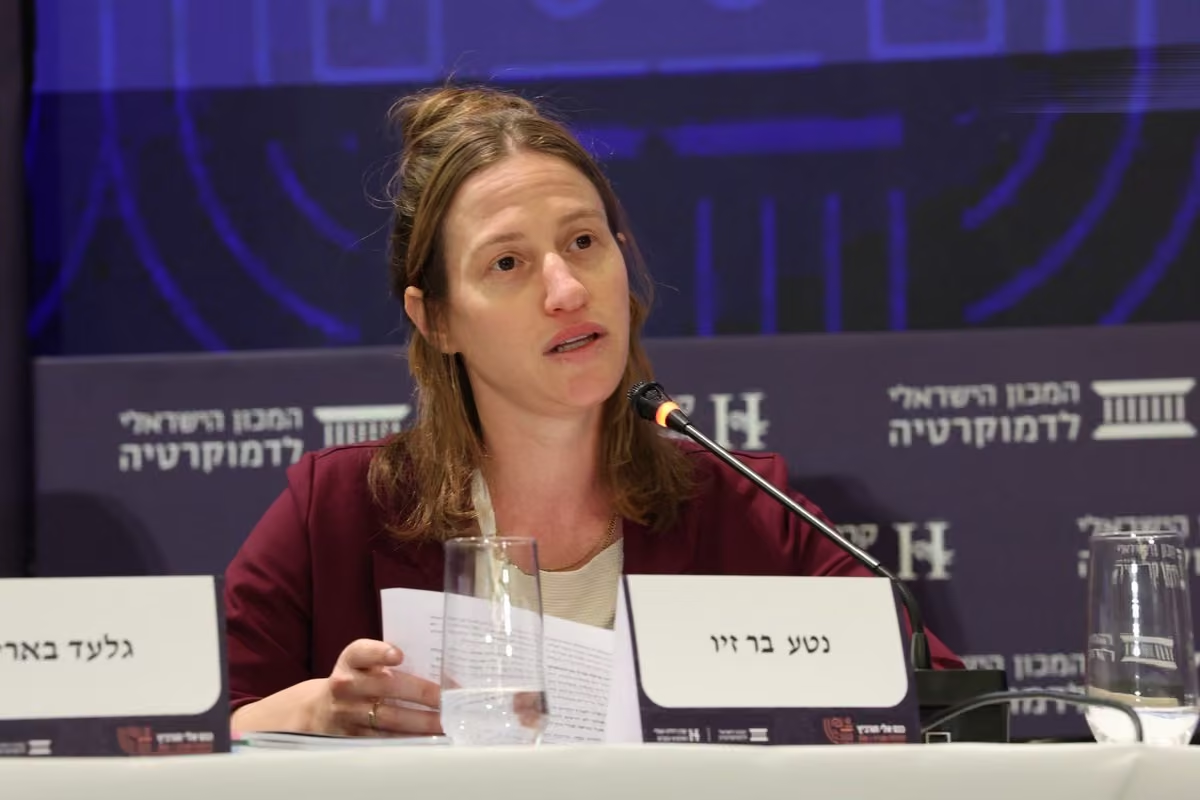
נטע בר זיו, רכזת תעסוקה באגף תקציבים, משרד האוצר: כשאנחנו מסתכלים קדימה על מבנה הממשלה הבאה, ברור שחייב להיות משרד ממשלתי יחיד שיתווה מדיניות בתחום התעסוקה ויוכל ליישם אותה בשטח תוך קשר שוטף ומוסדר עם המעסיקים. האמירה שכל מה שנדרש היא תוספת תקציב, היא הרבה פעמים היא מפלתו של הנבל, או במקרה של ההכשרות המקצועיות, של זה שלא יודע באיזו דרך ללכת, אבל הוא לא פתרון קסם. מדיניות ממשלתית, במיוחד כזו שכרוכה בהוצאה על חשבון כספי משלם המיסים, צריכה להיות כזו שיודעת בדיוק לאן היא מכוונת, על בסיס נתונים ובאופן ברור ליישום.
צילום: עודד קרני. -
המכון הישראלי לדמוקרטיה
@DemocracyIL
עינת זינגר דן, מנכ"לית מייסדת וראשת מינהלת המעסיקים ופיתוח ההון האנושי' בכנס אלי הורביץ:
הייתי בעשרות שולחנות עגולים ודיונים על הטמעת בינה מלאכותית בישראל אבל עדיין כשנכנסים לחדר יש 90% ממשלה ו10% מעסיקים וזה לא יעבוד בלי ראייה רחבה על כלל המשק על כלל האיגודים תוך המתקדות בצרכים השונים גם של העובדים וגם של העסקים. אנחנו נמצאים בחלון הזדמנויות נדיר שיסגר ואם לא נעלה על הרכבת נאבד את כושר התחרות שלנו בעולם המשתנה. הטרנספורמציה היא לא טכנולוגית, היא שינוי תפיסה בתוך החברות עצמן, ואני משוכנעת שעם היערכות נכונה של מעסיקים עובדים וממשלה נוכל להטמיע את התשתית ולהכין את העובדים שלנו בצורה הטובה ביותר לעולם החדש.
צילום: עודד קרני. -
המכון הישראלי לדמוקרטיה
@DemocracyIL
בעידן הבינה המלאכותית, שבו מיומנויות מקצועיות משתנות בקצב מואץ וחלק מהמשימות המסורתיות מוחלפות על ידי טכנולוגיות חדשות, למידה לאורך החיים הופכת מתפיסה רצויה לצורך אסטרטגי. מחקר מיוחד שהוצג היום בכנס אלי הורביץ מצביע על כך שהשקעה מתמשכת בפיתוח מיומנויות תורמת לתעסוקה ולשכר, אך גם חושף חסמים משמעותיים המונעים מעובדים להשתתף בהכשרות.
למחקר המלא >> www.idi.org.il/books/64560 -
המכון הישראלי לדמוקרטיה
@DemocracyIL
יעל מזוז הרפז, סמנכ"לית, ראש חטיבת מדיניות, רשות החדשנות' בכנס אלי הורביץ:
אחרי עשור של ירידה במספר הסטארטאפים, שזה לא דבר ייחודי דרך אגב לישראל - השנה קמו יותר. זה קשור כנראה גם ל-AI שמוריד חסמים להקמת חברות. זה קשור דרך אגב בעיניי גם קצת למלחמה ולמילואים, כי אנשים פתאום נחשפו לאנשים חדשים, יצאו מאזור הנוחות שלהם לרעיונות חדשים. אני לא יודעת להגיד ובאמת הנבואה לשוטים, אם אנחנו עומדים לראות הייטק שמצטמצם בחצי כי לא צריך עובדים או שאולי דווקא להפך. פתאום כל כך הרבה נישות נפתחו, כל כך הרבה תחומי תוכן שהיו סגורים לחברות הייטק - הופכים להיות חדשים.
צילום: עודד קרני. -
המכון הישראלי לדמוקרטיה
@DemocracyIL
אבי שניר, מנכ"ל ומייסד Elevation, בכנס אלי הורביץ:
עובד ממוצע צפוי לראות בערך 40% מסך הכישורים שלו הופכים למיושנים לחלוטין בתקופה הקרובה. זה מוביל לעיצוב מחדש של משרות, של דרישות של מעסיקים. במשך עשורים מספרים לנו שאם נדחוף עוד ועוד צעירים לאקדמיה ונחלק תארים הכלכלה תצמח, הפריון יעלה, זו הדרך להצלחה. כנראה שזה לא לגמרי עובד. אנחנו עדיין קצת רודפים אחרי ציונים ותעודות בזמן שהתעשיה רצה קדימה וצריכה משהו אחר לגמרי ושוק התעסוקה מתעצב מחדש בחברות ולא במשרדי הדיקנים. השוק זז בקצב של עדכון גרסה, מאוד מאוד מהר. שלוש המלצות:
להיות יותר מבוססי כישורים, לחשוב אחרת על התארים ולבנות חלופות לתארים.
צילום: עודד קרני. -
המכון הישראלי לדמוקרטיה
@DemocracyIL
דדי פרלמוטר, יו"ר הוועדה הבין-משרדית להגדלת ההון האנושי להיי-טק, בכנס אלי הורביץ:
השימוש הקל מדי ב-AI יכול לנוון אותנו. הקלות הבלתי נסבלת של להשתמש ב-AI תגרום לנו לטפשת. ה-AI הוא לא עוד כלי, הוא גם לא עוד שפה. הוא גם לא האויב אלא הוא שותף שצריך לדעת איך להשתמש בו. הכישור האמיתי הוא לדעת איך לעבוד עם השותף הזה, איך מפיקים ממנו את המיטב, איך מנהלים אותו כדי לקבל את התוצאה, איך עוברים מאוטומציה של מה שכבר ידענו לעשות להוספת ערך, לפתור בעיות שהיד שלנו הייתה קצרה מלהגיע אליהם.
צילום: עודד קרני. -
המכון הישראלי לדמוקרטיה
@DemocracyIL
ד"ר אסף פתיר, כלכלן ראשי, מכון RISE Israel; חוקר אורח, המכון הישראלי לדמוקרטיה, בכנס אלי הורביץ:
אחד הדברים שאנחנו רואים, שהוא אגב לא רק בעולם של הai, שבשנים האחרונות בכל הכלכלה, מעבר למודלים שבהם אנשי hr שוכרים אנשים לפי כישורים ולא לפי השכלה. הדבר העיקרי שצריך לפתח מבחינת הביקוש לai זה לא ידע אלא כישורים.
צילום: עודד קרני. -
המכון הישראלי לדמוקרטיה reposted
משרד מבקר המדינה ונציב תלונות הציבור
@MevakerGov
(1/2) המבקר אנגלמן בכנס אלי הורוביץ: "לצד ניהול המערכה הצבאית חובה על הממשלה לנהל את מתן המענה לעורף"
על המצב הכלכלי: "השינויים בשער הדולר הם סיכון מרכזי ומהותי לכלכלת ישראל; הפגיעה הפוטנציאלית בהייטק וביצואנים חייבת להדיר שינה" -
המכון הישראלי לדמוקרטיה
@DemocracyIL
עו"ד רועי כהן, נשיא להב – לשכת ארגוני העצמאים והעסקים בישראל' בכנס אלי הורביץ:
מדינת ישראל הוכיחה עוצמה ביטחונית יוצאת דופן. אבל בנושא של שיקום העצמאים, בעלי העסקים, העסקים בצפון, נכשלה כישלון חרוץ! מי שעוסק בזה זה אנחנו, הגופים האזרחיים שמגיעים לכנסת כמו איזה עניים בפתח ומתייחסים אלינו כמו אזרחים סוג ב'. העסקים מימנו את המלחמה מהכיס שלהם. הגיע הזמן שהמדינה תכניס את היד לכיס ותעזור לעצמאים והעסקים כי הם מנוע הצמיחה האמיתי במשק. אז הנה כאן אני קורא לנגיד בנק ישראל: זה הזמן להיות המבוגר האחראי. תודיע עוד עכשיו שאתה מתכוון להוריד את הריבית, לתת לאנשים להבין שהמשק יש לו אופק.
צילום: עודד קרני. -
המכון הישראלי לדמוקרטיה
@DemocracyIL
אפי מלכין, הממונה על השכר, משרד האוצר בכנס אלי הורביץ: "מה שאנחנו רואים פה זה שאנחנו קוראים לזה תופעת מלקחיים: מצד אחד המגזר הציבורי הרחיב את ההוצאות שלו, וממילא כפי שדובר פה הלחץ הפיסקלי ברור והיכולת של הממשלה להשקיע כספים משמעותיים באמת באזרחי ישראל הולכת ויורדת כי הוצאות הביטחון כנראה תעלינה. ומצד שני הביקוש לעובדים כלל לא התמתן וגם רמות השכר לא התמתנו. וזה מייצר לחצי שכר מאוד מאוד כבדים."
עוד הוסיף: "מאז השבעה באוקטובר העומס על המערכות, אגף שיקום כדוגמה, עלה במאות אחוזים ואולי אפילו יותר. יש לנו הרבה מאוד גופים שהיקף המשימות שלהם עלה בצורה משמעותית - אנחנו מדברים על בתי חולים פסיכיאטריים, על מחלקות רווחה, על אגפי שיקום, על ביטוח לאומי. על כל אותם גופים שבעצם מספקים את רשתות הביטחון. ובסוף, בשביל באמת לעמוד במשימות הללו, אנחנו חייבים להגדיל את כוח האדם שמתעסק בנושאים האלה".
צילום: עודד קרני. -
המכון הישראלי לדמוקרטיה
@DemocracyIL
תומר מור, מנכ"ל עמותת מסעדנים חזקים ביחד, בכנס אלי הורביץ:
פעם אחר פעם אנחנו נתקלים באותה חומה בצורה ואנחנו כמו קבצנים עניים לפתח באים מושיטים את היד ומבקשים 'אפשר עוד בבקשה?' סליחה, למה? אנחנו מגלים כל פעם שמשחקים איתנו וכל פעם שר אוצר מתחלף וכל אחד עם האג'נדות שלו, אבל האג'נדה העיקרית נשארת כל הזמן - מסרבים לעזור. אנשים שאני מדבר איתם קורסים, משפחות מתפרקות, בעיות נפשיות, כל הצרות שרק יכולות לקרות.
צילום: עודד קרני. -
המכון הישראלי לדמוקרטיה
@DemocracyIL
בקי כספי, סגנית נשיא בכירה לישראל ולפעילות בינלאומית, הפדרציות היהודיות של צפון אמריקה (JFNA) בכנס אלי הורביץ: "בנובמבר 2023 אנחנו קולטים שהמצב הוא של שבירות פיננסית מאוד מאוד רחבה. היה אתגר של העסקים הקטנים שלא הייתה להם גישה לאשראי והעסקים האלה ספגו עוד מכות ועוד מכות בגלל האנשים שפונו, הנטל של המילואים, הטראומה. השקנו קרן הלוואות שהסתכמה בתשע מאות ושמונה מיליון דולר. אנחנו בקרן השקענו תשעים מיליון דולר, שזה מינף סך של שלוש מאות מיליון דולר. ועד היום הגיע לסייע לארבעת אלפים עסקים. אנחנו יודעים שבאמצעות הקרן הזאת אנחנו הגנו על בסביבות ארבעים אלף משרות - שכל משרה זה משפחה, זה קהילה."
@jfederations
צילום: עודד קרני. -
המכון הישראלי לדמוקרטיה
@DemocracyIL
נאהד ח'אזם, ראש עיריית שפרעם, בכנס אלי הורביץ:
אי ההשקעה במיצוי הפוטנציאל הכלכלי של החברה הערבית במדינה מוערך באובדן תוצר של מעל 30 מיליארד שקל למשק בכל שנה. אנחנו לא מוצאים את האוזן הקשבת לבוא ולהשקיע למען התושבים, למען האזור ולמען המדינה. צריך לבנות תוכנית מקיפה, לא רק ביטחונית אלא תכנית שגם נותנת מענה כלכלי-חברתי, גם להסתכל על צמיחה ודברים אחרים שלא חווינו בחברה הערבית.
צילום: עודד קרני. -
המכון הישראלי לדמוקרטיה
@DemocracyIL
אביעד פרידמן, ראש מנהלת תקומה בכנס אלי הורביץ:
אתמול הקצנו 300 מיליון להטבות מס ואנחנו נתאבד על זה שזה יקרה כי מגיע לכל תושבי אפס עד תשע הטבות המס, וגם תושבי כפר ורדים לידו וגם גונן שהם 200 מטר ימינה ושמאלה מגיע להם. מדינת ישראל לא תהיה בלי הצפון שלה. וההחלטה היא החלטה מורכבת ונצטרך לדחוף כדי לקיים אותה, להוריד את הכסף לתקנות ולהתחיל לעבוד ולרוץ בין המשרדים ולראות שההחלטה היא לא תאורטית אלא פרקטית.
צילום: עודד קרני. -
המכון הישראלי לדמוקרטיה
@DemocracyIL
משה דוידוביץ, ראש המועצה האזורית מטה אשר ויו"ר פורום קו העימות בכנס אלי הורביץ:
אולי הדבר הכי קשה במדינה הזו זה ההבנה וההכרה שאחד בפה ואחד בלב. כשמדברים לנו בסיסמאות 'אנחנו ביחד', אנחנו לא ביחד, אנחנו לבד. מי שיגיד לי שהוא איתנו ביחד הוא עושה שקר בנפשו. ועובד על עצמו, לא עלינו. כי אנחנו לבד. למה אנחנו צריכים להילחם ולהתחנן על נפשנו על כל דבר, כאילו מדובר בהטבה שנותנים לנו? לא עושים לנו טובה שאנחנו השכפ"ץ של המדינה. לא עושים לנו טובה שאנחנו מיישבים את הגליל. אנחנו גאים ליישב את הגליל.
#צפון #מלחמה #כנסאליהורביץ #המכוןהישראלילדמוקרטיה
צילום: עודד קרני. -
המכון הישראלי לדמוקרטיה reposted
Shaul Meridor שאול מרידור
@meridors
כשמדברים על סבסוד של האוכלוסייה החרדית, אנשים נוטים לדמיין הייטק ומשכורות של 5 ספרות. אבל בפועל, משפחות בסוציו-אקונומי 4 מסבסדות את המגזר החרדי בכ-1,000 ש"ח בחודש רק בגלל שהן בחרו באורח חיים אחר.
גם את זה אנחנו נתקן.
הבוקר בכנס של @democracyil -
המכון הישראלי לדמוקרטיה
@DemocracyIL
מתניהו אנגלמן, מבקר המדינה, בכנס אלי הורביץ:
הטיפול באוכלוסיה בעת הזו חייב להתמקד בתושבי הצפון שנמצאים תחת אש גם בימים אלו. תחשבו על ילד שכבר חודשים רבים אם לא שנים מנותק ממערכת החינוך. אז נותנים הקלות בבגרויות אבל זה לא המענה לפיתוח העתידי של אותם ילדי קריית שמונה. הייתי במלון וראיתי חלק מתושבי קריית שמונה שהגיעו לרענון. אבל מי היו אלו אותם התושבים? כאלו שידם משגת, מה עם אלו שידם אינה משגת? האם הם אלה צריכים להישאר בקו החזית? גורמי הממשלה חייבים לתת מענה הרבה יותר מהיר למציאות ביטחונית שמתהווה. חייבת להיות הפקת לקחים, חייבות להיות תוכניות, וחייבים לשים את האוכלוסייה, בפרט בצפון, לנגד עינינו.
#מבקרהמדינה #כנסאליהורביץ #המכוןהישראלילדמוקרטיה #תושביהצפון #מלחמה
צילום: עודד קרני. -
המכון הישראלי לדמוקרטיה
@DemocracyIL
מתניהו אנגלמן, מבקר המדינה, בכנס אלי הורביץ:
במשרד האוצר אגף תקציבים לא הכין תוכנית מגירה יעודית להתגברות האינפלציה וגם בנק ישראל בנושא ההיערכות הכלכלית לאירוע המלחמה עד מאי 24 לא השלים בניית תוכנית למצב חירום מוניטרי. התחזקות השקל וההשפעה על המגמות המקרו כלכליות בפרט בשוק התעסוקה מחדדות כי לצד השמירה על עצמאות בנק ישראל בקביעת המדיניות המוניטרית חשוב שיתקיים ממשק רציף בין כלל הדרגים, על מנת לתת מענה מוניטרי ופיסקלי הולם למציאות הכלכלית הנוכחית. אסור להמשיך במצב שיד ימין לא יודעת מה יד שמאל עושה, נתק וחוסר תיאום בין האוצר, הממשלה ובנק ישראל בפרט בזמן מלחמה הן מותרות שאין למשק הישראלי.
#כנסאליהורביץ #המכוןהישראלילדמוקרטיה #אינפלציה #מבקרהמדינה
צילום: עודד קרני. -
המכון הישראלי לדמוקרטיה
@DemocracyIL
עו"ד איל שפירא, מנהל תחום בכיר תכנון ומדיניות, רשות התחרות בכנס אלי הורביץ:
"בסוף הפחתת יוקר המחיה לא מתרחשת על ידי רפורמה אחת, ככל שהיא תהיה גדולה, אלא מתרחשת על ידי המון צעדים קטנים שנעשים על ידי כל הרגולטורים בממשלה. ולכן אני חושב שזה באמת מאמץ ממשלתי רחב. אנחנו מקדמים כבר מספר שנים תוכנית שנקראת 'מקדמים תחרות' בשיתוף עם ה-OECD שבה אנחנו מנסים להכניס שיקולים תחרותיים לתוך רגולציה גם במקרים שבהם זה יכול להתנגש עם ערכים אחרים.״
צילום: עודד קרני. -
המכון הישראלי לדמוקרטיה
@DemocracyIL
מורן משה חנציס, סגנית בכירה לכלכלן הראשי, משרד האוצר בכנס אלי הורביץ:
"בצדק רב הושם כאן הרבה דגש על רפורמות בתחום הדיור והמזון והתחבורה כי אלה רכיבים מאוד משמעותיים בסל ההוצאות של הצרכנים. אבל בעיניי לא מיוצג מספיק בצורה ממצה כל עולם הפיננסים. יש את הרפורמה בבנקאות שנמצאת ברשימת הרפורמות וזו רפורמה חשובה, אבל עולם הפיננסים לא מיוצג בצורה מספיקה. הוא חשוב מאוד, אחד בגלל שהוא עדיין מהווה חלק מאוד משמעותי בסל הצריכה של הצרכנים בישראל, וגם בגלל שהוא מגיע לעולם שבו יש אוריינות פיננסית נמוכה לצרכנים״.
צילום: עודד קרני. -
המכון הישראלי לדמוקרטיה
@DemocracyIL
עשהאל צור, רכז כלכלה וחקלאות באגף תקציבים, משרד האוצר @Israel_MOF בכנס אלי הורביץ:
כדי להילחם ביוקר המחיה אנחנו לא יכולים רק להסתכל החוצה. יש לא מעט גופים ממשלתיים שגם מקשים מאוד על הוזלת יוקר המחיה. גופים, חלק נמצאים במשרדי הממשלה, כמו למשל משרד הבריאות, ולפעמים זה יהיה משרדים אחרים. והרבנות הראשית לישראל וכל מיני גופים כאלה ואחרים שמקשים מאוד על קידום רפורמות.
צילום: עודד קרני. -
המכון הישראלי לדמוקרטיה
@DemocracyIL
יואל בריס, יו"ר רשות האסדרה במשרד ראש הממשלה בכנס אלי הורביץ:
"מערך הבקרה שלנו בודק שכל הצעה חדשה לרגולציה שמובאת, גם אם היא רגישה וגם אם היא טעונה פוליטית, יהיה על השולחן גם את הנושא של ההשפעה של זה על יוקר המחיה. לא משנה באיזה נושא עוסקים חייבים במודעות שלנו להגיד איך זה משפיע על יוקר המחיה. זה חלק מהאתוס שלנו של להביא למצב שבו הרגולציה בישראל כולה היא כזו שמשפרת את איכות החיים של אזרחי ישראל ותושביה."
@IsraeliPM_heb
צילום: עודד קרני. -
המכון הישראלי לדמוקרטיה
@DemocracyIL
רו״ח רועי כחלון, מנהל רשות החברות הממשלתיות, בכנס אלי הורביץ:
הצרכנים לא צריך להסתכל רק על המדף, אלא להסתכל על הרציף ולהסתכל על הכביש ולהסתכל על התשתית. הפקקים, הזמינות, השינוע - אלו הדברים המרכזיים שעולים לנו המון המון כסף. ושם אנחנו צריכים לשים את ההשקעה שלנו.
צילום: עודד קרני. -
המכון הישראלי לדמוקרטיה
@DemocracyIL
עו"ד לינור דויטש, מייסדת ומנכ"לית @lobbying99, בכנס אלי הורביץ: "יש מתודולוגיה שנותנת משקל לחסמים, התנגדויות, מחליפים את הישימות ב"מורכבות פוליטית" - יש פה הנחה מובלעת שאתה לא יכול לעשות את זה, כי זה קשה. לפי ההנחה הזאת, לא היינו עושים בישראל שום רפורמה - הרפורמה בסלולר, הרפורמה בבנקאות ו"שמיים פתוחים". בגלל שיש לשחקנים הגדולים כוח רב, לא נעשה?״
@LinorDeutsch
#יוקרהמחייה #כנסאליהורביץ #המכוןהישראלילדמוקרטיה
צילום: עודד קרני. -
המכון הישראלי לדמוקרטיה
@DemocracyIL
ליאור לוי, מנכ"ל ביסקול, יו"ר איגוד תעשיות המזון בכנס אלי הורביץ:
ברור שישראל יקרה, גם לנו. הדיון במחירי המזון מתבקש ובלבד שבוחנים בקפדנות ובהוגנות את כל שרשרת האספקה מהשדה לצלחת. לצערי מעולם לא הוזמנו ע"י גורם ממשלתי כלשהו לדיון מעמיק אמיתי על המחירים בסופר. יוקר המחיה ייפתר בדיון רציני מסביב לשולחן לאחר הבנה מה עשינו, היכן הצלחנו והיכן לא, מדיניות ששומרת על מקסימום יכולות יצור בישראל בכל תחום אסטרטגי.
#יוקרהמחייה #כנסאליהורביץ #המכוןהישראלילדמוקרטיה #ישראל
צילום: עודד קרני. -
המכון הישראלי לדמוקרטיה
@DemocracyIL
איציק שניידר, מנכ"ל מועצת החלב, בכנס אלי הורביץ:
חברים תלמדו ממה שעושים באירופה. באירופה בשביל להוזיל את מחירי החלב עושים שלושה דברים פשוטים, לא רפורמות שהורגות אנשים, לא סיפורים. קחו את המע״מ, את התמיכה הישירה, את ההוצאות הכשרות - ניצחנו. לא צריך שום רפורמה.
#אירופה #יוקרהמחייה #כנסאליהורביץ #המכוןהישראלילדמוקרטיה
צילום: עודד קרני. -
המכון הישראלי לדמוקרטיה
@DemocracyIL
איתן יוחננוף, מנכ"ל ובעלים, רשת יוחננוף, בכנס אלי הורביץ:
יוקר המחייה הוא בעיה בינלאומית. אצלנו היא אולי הבעיה החריפה ביותר כי אנחנו מדינה שכמעט כל מה שנכנס לפה זה ייבוא. וצריך להבין שכשיש אינפלציה באירופה, אז אנחנו מייבאים אינפלציה. וכשזה מגיע לפה מתווספת לזה גם האינפלציה המקומית, שהיא בכלל אינפלציה של מטבעות. השאלה איך עוצרים את ההתנהגות הזאת?
#יוקרהמחייה #יוחננוף #כנסאליהורביץ #המכוןהישראלילדמוקרטיה #אינפלציה
צילום: עודד קרני. -
המכון הישראלי לדמוקרטיה
@DemocracyIL
ח"כ יאיר לפיד, ראש האופוזיציה וראש הממשלה לשעבר, בכנס אלי הורביץ של המכון הישראלי לדמוקרטיה:
״הבחירות הן על זה שנחזור לנשום. אנחנו לא נושמים. הכל מתח ומועקה ומצוקה וטראומה. הבחירות האלה זה בשביל להחזיר לנו את האוויר, להחזיר את הנורמליות, בגלל השבעה באוקטובר בגלל הכשלונות והשחיתות והריקבון. רוב גדול בציבור הישראלי מבין שהבחירות האלה הן קריטיות, הן הבחירות הכי חשובות שהיו פה, הן על החיים של הילדים שלנו. אנחנו יכולים להבטיח לבוחרים שאם נקים את הממשלה הנכונה החיים של הילדים שלהם יהיו טובים יותר וגם הרבה יותר ילדים יהיו בחיים״.
#יאירלפיד #כנסאליהורביץ #המכוןהישראלילדמוקרטיה #בחירות #הציבורהישראלי
@yairlapid
צילום: עודד קרני. -
המכון הישראלי לדמוקרטיה
@DemocracyIL
ח"כ יאיר לפיד, ראש האופוזיציה וראש הממשלה לשעבר, בכנס אלי הורביץ של המכון הישראלי לדמוקרטיה:
״אנשים נוטים לזלזל בחשיבות של דמיון במערכת בחירות, אבל מי שעשה קמפיינים בחייו ואני עשיתי יותר מרוב האנשים יודע שזה הדבר הכי חשוב: לתת לאנשים את האפשרות לדמיין שהחיים שלהם יראו יותר טוב. להזכיר להם שממשלה יכולה לשנות את המציאות ולקבל החלטות. אם הממשלה תחליט שמי שלא מתגייס ולא לומד לימודי ליבה לא יקבל שקל אחד מהמדינה – הם יתגייסו וילמדו. אם הממשלה תחליט שאלימות מתנחלים צריכה להפסק אז שולחים שני גדודי מג״ב ו-300 שוטרים וזה נפסק. אם הממשלה תחליט שצריך לקחת כסף ממשתמטים ולהעלות את קצבאות הזקנה זה מה שיקרה״.
#לפיד #כנסאליהורביץ #המכוןהישראלילדמוקרטיה #בחירות #ממשלה
@yairlapid
צילום: עודד קרני. -
המכון הישראלי לדמוקרטיה
@DemocracyIL
שחר תורג'מן, נשיא איגוד לשכות המסחר, בכנס אלי הורביץ 2026 על יוקר המחיה בישראל:
כולנו, בלי יוצא מן הכלל, משלמים על עודף רגולטורי בישראל למעלה מ- 100 מיליארד ש״ח בשנה, בענף המסחר והשירותים למעלה מ-18 מיליארד ש"ח. עסקים הם לא מלכ"ר. עסק שמרוויח הוא לא בעיה של המדינה. הוא תנאי לצמיחה של המדינה. כי כשהעסקים מרוויחים יותר, המדינה מרוויחה יותר. ישראל לא יקרה בגלל שמישהו פה חזיר, אלא בגלל שסיוט לעשות כאן עסקים, וזה באדיבות ממשלות ישראל.
#כנסאליהורביץ #המכוןהישראלילדמוקרטיה #עצמאים #עסק #כלכלה #ממשלתישראל
צילום: עודד קרני. -
המכון הישראלי לדמוקרטיה
@DemocracyIL
"ישראל נחשבת למדינה עם רמת מחירים גבוהה. יוקר המחיה מתבטא בפער העלות של סל המוצרים והשירותים של משק בית ממוצע ביחס למדינות אחרות.": ד"ר אסף אילת, חוקר אורח במכון, וד"ר שרית מנחם-כרמי ממכון אהרן למדיניות כלכלית באוני' רייכמן, בדקו איך מוודאים שרפורמה מסוימת להוזלת יוקר המחיה אכן תהיה יעילה.
למחקר המלא שהציגו היום בכנס אלי הורביץ לכלכלה וחברה >> www.idi.org.il/books/64503
#יוקרהמחייה #כנסאליהורביץ #המכוןהישראלילדמוקרטיה
צילום: עודד קרני. -
המכון הישראלי לדמוקרטיה
@DemocracyIL
רועי אסף, ראש הרשות לפיתוח כלכלי-חברתי למגזר החרדי, משרד ראש הממשלה, בכנס אלי הורביץ:
אינני תומך בשינוי חברתי כפוי ובדילוג מעל הנציגים שנבחרו באופן דמוקרטי. אם לא מהטיעון המוסרי אז מהטיעון בפן הפרקטי זה לא באמת עבד במדינה הזאת באף אוכלוסייה אחרת ולעיתים קרובות גרם לתופעות לא רצויות ואף הפוכות ממה שהתכוון הממשל המרכזי. אני משוכנע שתוכנית חומש הוליסטית ורב תחומית דומה אך לא זהה כמו שעשינו לאוכלוסיות נוספות, תהיה מצד אחד מנוע צמיחה מרכזי במטרה להגדיל את הכנסות משקי הבית החרדים ומצד שני תעלה את רמת האמון והיא הפתרון המקצועי הנכון.
צילום: עודד קרני. -
המכון הישראלי לדמוקרטיה
@DemocracyIL
ד"ר עליזה בלוך, נשיאת יאסא, לשעבר ראשת עיריית בית שמש בכנס אלי הורביץ:
"בעצם אנחנו כמדינה הובלנו את התהליך והפכנו את הציבור החרדי כציבור שבוי לעסקנים שלו. אנחנו יצרנו את זה. אנחנו יודעים לדבר עם הציבור החרדי כשזה נוח לנו וכשזה קל לנו - וכשזה קשה לנו אנחנו במו ידינו מפקירים את הציבור הזה. הופכים אותו לתלותי, לא מאפשרים לו ואחר כך יש לנו גם טענות, ואומרים: בואו נפיל עליהם סנקציות".
צילום: עודד קרני. -
המכון הישראלי לדמוקרטיה
@DemocracyIL
אלי מורגנשטרן, מייסד ומנכ"ל אמפייר ייעוץ כלכלי, בכנס אלי הורביץ:
בשנים האחרונות הוקם זרם הממ"ח, ועל כך גאוותנו, אפשר לעשות בתי ספר ממלכתיים חרדיים שלומדים בהם לימודי ליבה, שמחוברים לתוכנית הממשלתית. אבל אך לפני שלושה חודשים, במלחמה עם איראן, פקע"ר נתן הוראה לסגור מוסדות חינוך אבל מסתבר שהממ"חים פתוחים, אז מה ממלכתי בהם? יש מדינה ויש כללים וכולם נוהגים באותם כללים, זה הרעיון של ממלכתיות. אנחנו מנסים לעשות חוק כללי ועוד כל מיני סיכומים בחדרים אחוריים.
#כנסאליהורביץ #המכוןהישראלילדמוקרטיה #ממ״ח #ממלכתיות
צילום: עודד קרני. -
המכון הישראלי לדמוקרטיה
@DemocracyIL
ד"ר אור רפל-קרויזר, ממקימי "פרויקט קרויזר", עמית מחקר במרכז למחקר יישומי של הסיכונים לדמוקרטיה, אוניברסיטת תל אביב בכנס אלי הורביץ:
"מעבר למקרים המפורשים שבהם מדינת ישראל נתנה בצורה מפורשת או לא מפורשת כוח למוסדות כאלו או אחרים, מוסדות חינוך ומוסדות דיור ומוסדות תחבורה - בכל מקום שאתה יוצר מרחב הומוגני חרדי גם אם זה בא מכוונות טובות וגם אם זה בא מרצונות טובים, משאיפות של רב תרבותיות וכולי - יש פה שימוש לרעה ברב תרבותיות שהופך מיידית את המרחב הזה למרחב שבו הפקרת שוב פעם כוח לאוליגרכיה."
#תחבורה #כנסאליהורביץ #המכוןהישראלילדמוקרטיה #חרדים
צילום: עודד קרני. -
המכון הישראלי לדמוקרטיה
@DemocracyIL
ח"כ (רא"ל במיל') בני גנץ, יו"ר כחול לבן, בכנס אלי הורביץ:
״נתניהו חייב לסיים את תפקידו. הוא בעיניי אבי הפילוג ומאדיכלי תוכנית החלוקה הזו. הוא יותר מדי זמן ראש ממשלה. ומעל הכל - הוא נושא באחריות למחדל הגדול ביותר שידענו. אבל בניגוד למה שחושבים רבים החלפת נתניהו לכשעצמה לא תספיק. אם מחר תקום כאן ממשלה צרה של ״הצד השני״ או שנשענת על קיצוניים או על מפלגות לא ציוניות - אני אומר לכם שלא עשינו כלום.״
#בניגנץ #כנסאליהורביץ #המכוןהישראלילדמוקרטיה #פילוג #נתניהו
צילום: עודד קרני.
המכון הישראלי לדמוקרטיה
@DemocracyIL
עוד מדבריו של גנץ: ״תמכתי בהקמת ממשלת השינוי והייתי חלק ממנה, והיא הייתה באמת מורכבת מאנשים טובים וכוונות טובות, וזה לא מעט, וזה מאוד חשוב. אבל מעבר לעובדה ששוב היה זה חצי עם ״שמכריע״ חצי עם אחר, לא הצלחנו לצערי, להעביר כמעט שום רפורמה גדולה.״
-
המכון הישראלי לדמוקרטיה
@DemocracyIL
ראם עמינח, לשעבר היועץ הכלכלי של משרד הביטחון; INSS, בכנס אלי הורביץ של המכון הישראלי לדמוקרטיה:
״כשאנשים באים עם פתרונות איך לפתור את בעיית התעסוקה החרדית, תזכרו בחכמי חלם. אנחנו יוצרים את הבעיה, כופים עליו לשבת בישיבה, מכריחים אותו לא לעבוד ואז אנחנו מתלוננים״.
#כנסאליהורביץ #המכוןהישראלילדמוקרטיה #בעייתתעסוקה #חברהחרדית
צילום: עודד קרני. -
המכון הישראלי לדמוקרטיה
@DemocracyIL
שאול מרידור, לשעבר הממונה על התקציבים באוצר; "ישר!", בכנס אלי הורביץ:
מה פתאום שמשפחה שלא גומרת את החודש תצטרך להקצות מהכסף שאין לה, אלף שקלים בחודש כדי לסבסד משפחה חרדית שבחרה בחיים אחרים. תמריצים כלכליים עובדים בצורה דרמטית על החברה החרדית. לצד חוק גיוס, הדרך היא לייצר משוואה מאוד ברורה: מי שמשרת- יקבל, מי שלא משרת- לא יקבל. אבל פירוק האוטונימיה החרדית לא מתחיל בגיוס. אם אנחנו לא נשנה את עשרות, מאות ואלפי המנגנונים הממשלתיים שמעדיפים חרדים על הציבור הכללי – לא נצליח לשנות את המגמה.
#כלכלה #כנסאליהורביץ #המכוןהישראלילדמוקרטיה #חוקהגיוס
צילום: עודד קרני. -
המכון הישראלי לדמוקרטיה
@DemocracyIL
גלעד כהן קובץ, חוקר בתוכנית החברה החרדית בישראל במכון הישראלי לדמוקרטיה בכנס אלי הורביץ:
"הכלכלה, האזרחות והמשטר שלובים זה בזה. אי אפשר לדבר על צמיחה, תעסוקה ומדינת רווחה בלי לדבר על אוטונומיה - ובאותה מידה, אי אפשר לדבר על פתיחת האוטונומיה בלי לדבר על ההסדרים הכלכליים שמחזיקים אותה".
לקריאת המחקר המלא של גלעד כהן קובץ' וד"ר גלעד מלאך - "חרדים לביטחון: סבסוד עלות הביטחון עבור המגזר החרדי ודרכים להפחתתו" >> www.idi.org.il/books/64477
#מחקר #כנסאליהורביץ #המכוןהישראלילדמוקרטיה #כלכלה
צילום: עודד קרני. -
המכון הישראלי לדמוקרטיה
@DemocracyIL
עו"ד שלומית רביצקי טור-פז, מנהלת מרכז ג'ואן וארווין ג'ייקובס לחברה משותפת וראשת התוכנית לדת ומדינה במרכז, המכון הישראלי לדמוקרטיה, בכנס אלי הורביץ:
התרגלנו לחשוב על הסוגיה החרדי בעיקר כבעיה כלכלית. לימודי ליבה שלא נלמדים לא מקנים מיומנויות לשוק העבודה, הכשרה והשכלה אקדמית מוגבלת, פערים בשכר ובשיעורי תעסוקה. המדיניות בשני העשורים האחרונים טעמה את הדיאגנוזה הזו. אוטונומיה שמעקבת צמיחה, לא מאפשרת השתלבות, מערערת את עקרונות מדינת הרווחה ואפילו את יסודות האזרחות, המשילות והדמוקרטיה.
הגישה שאנחנו מציעים, פרדיגמה חדשה, צמצום מתמשך של האוטונומיה המוסדית הסגורה וחיזוק של ריבונות המדינה, אזרחות שווה וכללי משחק משותפים.
#חרדים #כנסאליהורביץ #המכוןהישראלילדמוקרטיה #כלכלה
צילום: עודד קרני. -
המכון הישראלי לדמוקרטיה
@DemocracyIL
יוחנן פלסנר נשיא @DemocracyIL בפתיחת מושב "פרדיגמה כלכלית חדשה ליחסי המדינה והחברה החרדית", כנס אלי הורביץ: "הגישה שמבוססת על מתן תמריצים כלכליים חיוביים היא הכי נוחה כי זה לא מכניס אותנו למסלול של קונפליקט, אבל היא לא הוכיחה את עצמה. רואים קיפאון בעשור האחרון בהשתלבות של הגברים החרדים בשוק העבודה, ממש סטגנציה. וגם ברמות הפריון. יש פוטנציאל באירוע הזה לא רק למדינת ישראל ולמשק הישראלי, אלא באמת - אם נשתמש בדימוי - "גל עלייה" של למעלה ממיליון ישראלים שחיים היום בישראל, אבל בעצם לא הצטרפו למאמץ הלאומי המשותף, לא בהיבט הכלכלי ולא בהיבט של השירות."
#המכוןהישראלילדמוקרטיה #כנסאליהורביץ #יוחנןפלסנר #פרדיגמהכלכלית
צילום: עודד קרני. -
המכון הישראלי לדמוקרטיה
@DemocracyIL
ראש הממשלה לשעבר ויו"ר מפלגת "ביחד", נפתלי בנט, בכנס אלי הורביץ של המכון הישראלי לדמוקרטיה:
דמיינו שהייתה רשת חינוך של הליכוד, רשת חינוך של מרצ ושל יש עתיד, זה הרי מטורלל וזה במימון המדינה.
בממשלה הבאה בראשותי נממש את תוכנית משבטים לעם, לכינון מערכת חינוך אחת, ממלכתית לכל תלמידי ישראל. כל ילדי ישראל ילמדו בסיס משותף רחב של עברית, אנגלית, מתמטיקה, אזרחות, תנ״ך ומסורת יהודית וציונית. תלמידים מוסלמים - יוכלו ללמוד קוראן במקום תנ״ך. אבל חוץ מזה כולם ילמדו את אותו מכנה משותף. כל ילדי ישראל יתחנכו על חשיבות הגיוס והשירות למדינה.
#כנסאליהורביץ #המכוןהישראלילדמוקרטיה #ממשלה #נפתליבנט #חקיקה
@naftalibennett
צילום: עודד קרני. -
המכון הישראלי לדמוקרטיה
@DemocracyIL
ראש הממשלה לשעבר ויו"ר מפלגת "ביחד", נפתלי בנט, בכנס אלי הורביץ של המכון הישראלי לדמוקרטיה:
״אני מבקש להעביר מסר ברור לאזרחי ישראל. בעודנו מדברים כרגע בכנסת מקדמים בחיפזון ובבולמוס חקיקה את חוק המעונות שנועד להעביר את התקציב המאוד מוגבל של סבסוד מעונות ממשפחות עובדות ומשרתות - למשפחות שבוחרות שהאבא לא יעבוד ולא ישרת. וזה במסגרת בולמוס חקיקה מטורללת בימי האחרונים של הממשלה. אז המסר שלי מאוד פשוט. את כל חוקי הכאוס, הביזה והפילוג שהממשלה היוצאת מעבירה עכשיו בימיה האחרונים, אנחנו נבטל מיד עם כינון הכנסת הבאה. הקואליציה מבזבזת את זמנה לריק. הכול יבוטל.״
#כנסאליהורביץ #המכוןהישראלילדמוקרטיה #ממשלה #נפתליבנט #חקיקה
@naftalibennett
צילום: עודד קרני. -
המכון הישראלי לדמוקרטיה reposted
משרד האוצר - Israel Ministry of Finance
@Israel_MOF
איך מייצרים מנועי צמיחה בחברה החרדית והערבית, וכיצד יראה עתיד המשק הישראלי בשנת 2065 אם השינוי לא יתחיל היום?
תמר לוי בונה, סגנית הממונה על התקציבים לענייני מאקרו במשרד האוצר, עושה סדר ב״כלכלת ה-30%״.
מתוך כנס ׳אלי הורוביץ׳ של @DemocracyIL, שהתקיים היום. צפו:This media couldn't be displayed. See it on the original post. -
המכון הישראלי לדמוקרטיה
@DemocracyIL
תמר לוי בונה, סגנית הממונה על התקציבים לענייני מאקרו ב- @Israel_MOF בכנס אלי הורביץ:
"אנחנו חיים בשתי כלכלות במקביל. כלכלת ה-20% וכלכלת ה-30%. כלכלת ה-20% זה ההייטק, על שום חלקו בתוצר. כלכלה שמשלמת מסים, מקדמת צמיחה, משלמת שכר גבוה על מצוינות. משרתת במילואים. ויש לנו גם את כלכלת 30% על שום חלקם באוכלוסייה, זה כלכלה של פריון נמוך, של הון שחור, של השתתפות נמוכה מאוד בעבודה. אני לא יודעת מה יהיה ב-2065 חלקו של ההייטק בתוצר ואני גם לא יודעת איך ה-AI ישנה את חיינו באופן אישי - אבל אני כן יודעת שבשנת 2065 כלכלת ה-30% תהפוך להיות כלכלת ה-51% בהינתן המגמות הדמוגרפיות של היום.
קשה להסביר איך מעלים באמצעות AI פריון עבודה לאנשים שלא עובדים. ולכן אם אין שום צעדים דרסטיים באופק שלנו, צעדים קשים, מאתגרים, אז כגודל ההזדמנות האדירה של ה-AI, גם גודל ההפסד הפוטנציאלי אם אנחנו לא נשכיל לפצח את כלכלת ה- 30%"
צילום: עודד קרני. -
המכון הישראלי לדמוקרטיה
@DemocracyIL
עו"ד ריטה גולשטיין-גלפרין, ראשת התוכנית לרפורמות בשירות הציבורי במכון הישראלי לדמוקרטיה, בכנס אלי הורביץ:
"טכנולוגיה היא רכיב חשוב, אבל טכנולוגיה היא לא המפתח אלא האמצעי לזה... הלכנו למנהלים בממשלה ושאלנו אותם: מה מאפשר לכם לעשות חדשנות ומה מונע מכם? אנשים שכן הובילו פרויקט של חדשנות הצביעו על כך שהאתגר הוא תרבות ארגונית:
לא טכנולוגיה, לא רכש, לא תקציב, לא הון אנושי – כל אלה חשובים, אבל תרבות ארגונית שמאפשרת ניסוי וטעייה - שמאפשרת לשאול שאלות קשות. תרבות ארגונית שמאפשרת רגע לאתגר את הנחות המוצא של הגוף שבו אני עובד ולפעמים להגיד דברים שהם לא פופולריים, שלא מצטיירים טוב בעיתון. תרבות ארגונית שמאפשרת לפעמים להיות בדיון עם המנכ"ל ועם השר ולהגיד את 'האני מאמין' המקצועי והיעיל והחכם והתיאורטי שאני בעצם מגיע אליו עם איזושהי הבנה מעמיקה בהקשרים האלה. "תרבות אוכלת אסטרטגיה לארוחת בוקר" - לקבוע אסטרטגיה מרשימה מאוד זה מעולה - אבל אם זה לא יחלחל ליום יום של איך שירות המדינה עובד, ובאמת יאפשר לחשוב חדשני, השינוי הזה הוא לא יעשה את השינוי הנדרש. טכנולוגיה זה קל, אבל לגרום לאנשים לעשות פעולות אחרות זה יותר קשה."
צילום: עודד קרני. -
המכון הישראלי לדמוקרטיה
@DemocracyIL
מיכל פינק, ראש מערך אסטרטגיה, כלכלה וחדשנות ב- @misrad_calcala בכנס אלי הורביץ:
"אנחנו צריכים להביא את אותן אוכלוסיות שנמצאות בפריון נמוך, אם זה עסקים קטנים ובינוניים, אם זאת תעשייה מסורתית, אם זה ענפי המסחר והשירותים, ליהנות ממהפכת ה-AI לא פחות ממה שאמור ליהנות ממנה ההייטק.
זה אומר שגם התעשייה היצרנית וגם ענפי המסחר והשירותים מוכרחים לקבל את אותה תשומת לב תקציבית ממשלתית, וגם בסדרי העדיפויות שלנו.
מהפכת ה- AI לא צריכה לדלג על הענפים המסורתיים - זאת הזדמנות גדולה - היכולת שלנו לשלב טכנולוגיות, להכניס ייצור מתקדם, להכניס טכנולוגיות לענפי המסחר והשירותים - ובאמצעים האלו להעלות את הפריון."
#כנסאליהורביץ #המכוןהישראלילדמוקרטיה #ai #אסטרטגיה
צילום: עודד קרני. -
המכון הישראלי לדמוקרטיה
@DemocracyIL
חסאן טואפרה, יועץ אסטרטגי לתוכנית החברה הערבית בישראל, המכון הישראלי לדמוקרטיה; לשעבר ראש הרשות לפיתוח כלכלי בחברה הערבית, בכנס אלי הורביץ:
ה-AI יכול להיות ההזדמנות הכי גדולה להשוות ההזדמנויות בשוק התעסוקה. מחקרים הראו שגם במשימות שגרתיות, ניהוליות, טכניות, הבינה המלאכותית שיפרה באופן דרמטי את הביצועים של העובדים בעלי המיומנויות הנמוכות. הגישה לעוזר ה-AI צמצמה ב- 47% את הפער הביצועי ההתחלתי בין עובדים בעלי השכלה נמוכה לעובדים בעלי השכלה גבוהה. למה זה קורה? כי בסוף ה-AI מתפקד כמוריד חסמים. חסמים שהיו אינהרנטיים בקרב המון המון אנשים בתוך המשק. הוא משמש כחונך דיגיטלי צמוד, מאפשר לעובד או לבעל העסק הקטן מהפריפריה פתאום ללא רקע מקדים, ללא שליטה באנגלית, גם לייצר תוכן שיווקי, גם לנתח נתונים, גם לנסח חוזים וגם לגשת ללמידה מקצועית שבעבר דרשה שנות לימוד יקרות. זה מאפשר לאוכלוסיות רבות לקבל מידע גם אמין וגם למצות זכויות וכדומה.
#ai #כנסאליהורביץ #המכוןהישראלילדמוקרטיה #דיגיטל #החברההערבית
צילום: עודד קרני. -
המכון הישראלי לדמוקרטיה
@DemocracyIL
אברהם נובוגרוצקי, נשיא המגזר העסקי ונשיא התאחדות התעשיינים, בכנס אלי הורביץ:
"בנק ישראל לא צריך להתערב. השוק הוא שוק חופשי, אבל הוא צריך לייצר את הכלים המתאימים יותר לשוק הזה, כדי ששער הדולר לא יגיע מ- 3.7 ל- 2.8 וירסק את הכלכלה. בצד הפיסקלי צריכים להשקיע במענקים. מענקים להגדלת פריון, בייצור. אנחנו נמצאים היום בסביבה של פחות מענקים ממה שהיו בעבר. התעשייה צריכה את זה. ממשלות אחרות משקיעות מיליארדים. תעשיות שיעזבו את מדינת ישראל לא יחזרו. לא בהייטק - בריחת מוחות - ולא בתעשייה הבסיסית".
@Industry_il
#כנסאליהורביץ #המכוןהישראלילדמוקרטיה #בנקישראל #שוקחופשי -
המכון הישראלי לדמוקרטיה
@DemocracyIL
פרופ' ירון פלוס, הסטטיסטיקן הלאומי ומנהל הלמ"ס, בכנס אלי הורביץ, על אימוץ בינה מלאכותית בעסקים:
"אנחנו כבר רואים את הגידול האקספוננציאלי הזה בהטמעה של בינה מלאכותית בעסקים - ואנחנו בין המדינות המובילות בעולם בנושא זה. אני אגיד שאנחנו גם מפלחים את השימוש לפי מגזרים ואנחנו בוודאי רואים שבהייטק יש הרבה יותר שימוש ב- AI. אם מסתכלים על המגמה, אז רואים שדווקא הגידול הוא לא בהייטק - אנחנו ראינו קפיצה בתחום הבינוי. במסחר וכו'. רק רבע מהעסקים ביצעו הכשרות בתחום ה- AI (בהייטק האחוזים גדולים הרבה יותר)"
האם ה- AI יחליף אותנו? "הרבה פעמים אנחנו שומעים שה- AI יחליף דווקא את העבודות שדורשות חשיבה, אבל ראינו בסקר שניכר שה- AI משמש למשימות שגרתיות וטכניות."
צילום: עודד קרני.
@lamas_dovrut -
המכון הישראלי לדמוקרטיה
@DemocracyIL
דובי אמיתי, יו״ר נשיאות המגזר העסקי ויו״ר התאחדות האיכרים, בכנס אלי הורביץ:
יש פה שחיקה עמוקה של ההון האנושי במגזר העסקי. גיוסי מילואים חסרי תקדים הוציאו עשרות אלפים מפעילות תעסוקתית רציפה. במגזר העסקי כמעט כל תוכנית עדכון הידע והעלאת המיומנות הוקפאו. ניכרים היעדר עובדים, היעדר השקעות באמצעי ייצור חדשים וממציאות של קושי תזרימי. בשעה שהעולם משקיע באמצעי ייצור חדשים ובהטמעת ה-AI בקצב דינמי, אנחנו נמצאים בזירה תחרותית. בישראל העסקים סובלים מעיכובים ולא רק שלא מתקדמים אלא נוצרת מציאות של דעיכת ידע ושחיקה חזקה מאוד של ההון האנושי.
#ai #כנסאליהורביץ #המכוןהישראלילדמוקרטיה #שחיקה #המגזרהעסקי
צילום: עודד קרני. -
המכון הישראלי לדמוקרטיה
@DemocracyIL
ח"כ אביגדור ליברמן, יו"ר ישראל ביתנו ושר האוצר לשעבר, בכנס אלי הורביץ:
כל היצואנים שלנו יכולים לשלם מס הכנסה לרשות המיסים בדולרים. לא צריך להחליף את הדולר לשקל ועוד פעם להפסיד לו. אתם מייצאים בדולרים - תשלמו פה מס בדולרים. בהחלט יש פה מהלכים שניתן לעשות ואין ספק ששער החליפין, הבינה המלאכותית, הבידוד ההולך וגובר שלנו זה גם אתגרים קודם כל עבור הכתר של הכלכלה הישראלית שאנחנו חייבים לשקול אתה יודע ולגשת בצורה אחראית.
#אביגדורליברמן #כנסאליהורביץ #המכוןהישראלילדמוקרטיה #בחירות
@AvigdorLiberman
צילום: עודד קרני. -
המכון הישראלי לדמוקרטיה
@DemocracyIL
צמיחה מכלילה - כיצד לא משאירים שום ענף מאחור?
גלעד בארי, ראש התוכנית לרפורמות בכלכלה במכון הישראלי לדמוקרטיה וד"ר אלה שחר, חוקרת בכירה באגף מקרו כלכלה ומדיניות - בנק ישראל - הציגו בכנס אלי הורביץ את ממצאי סקר "אימוץ בינה מלאכותית בשוק העבודה בישראל: דפוסי שימוש, פערים ואתגרים".
לקריאת הסקר המלא >> www.idi.org.il/books/64529
צילום: עודד קרני. -
המכון הישראלי לדמוקרטיה
@DemocracyIL
ח"כ אביגדור ליברמן, יו"ר ישראל ביתנו ושר האוצר לשעבר, בכנס אלי הורביץ:
מאתמול אנחנו במציאות ביטחונית חדשה לגמרי. קרה פה הדבר הכי נוראי, וזה שינוי כללי המשחק. הייתה הודעה של ראש הממשלה ושר הביטחון שולכים לשטח את דאחייה ולהרוס, מה היה אחרי זה? האיראנים אמרו ״אם אתם תוקפים אנחנו נתקוף ואנחנו ממליצים לתושבי הצפון להתפנות שלא יפגעו", ואז פתאום התערבות באמת מיידית, בוטה, של נשיא ארצות הברית. בזמנו נתניהו הגדיר שהתכונה הכי חשובה לראש ממשלת ישראל זה יכולת להגיד לא לנשיא ארצות הברית, והוא צדק. כרגע אנחנו רואים שהוא לא עומד באותם קריטריונים והוא צריך לעזוב את התפקיד.
#אביגדורליברמן #כנסאליהורביץ #המכוןהישראלילדמוקרטיה #בחירות
@AvigdorLiberman
צילום: עודד קרני. -
המכון הישראלי לדמוקרטיה
@DemocracyIL
ח"כ אביגדור ליברמן, יו"ר ישראל ביתנו ושר האוצר לשעבר, בכנס אלי הורביץ:
זו חייבת להיות קואליציה בלי דרעי בלי גפני בלי גולנדהוף. כשהם בפנים אתה מראש מוותר על גיוס לכולם, אתה מוותר על לימודי ליבה, אתה מוותר על תחבורה ציבורית בשבת. לכן זו חייבת להיות קואליציה בלי כל הג׳נטלמנים האלה. כדי גם להתקדם אתה חייב להקים קואליציה עם אנשים אחראיים שאין להם אינטרסים סקטוריאליים, אפרופו גם מפלגות ערביות שהן קודם כל באינטרסים סקטוריאליים, ולכן אתה חייב פה קואליציה ציונית עם התפיסה הממלכתית רחבה שמסוגלים להתעלות מעל כל האינטרסים האחרים וללכת עם אינטרס אחד ויחיד של המדינה עם אינטרס ממלכתי.
עוד הוסיף: אני מאוד מאמין, ולא ברמה תאורטית, על סמך שיחות, שנוכל להשלים חמישה, שישה, שבעה ח"כים מהליכוד אחרי הבחירות ואני עוד לגמרי לא בטוח שנתניהו יתמודד בעצמו בבחירות הקרובות.
#אביגדורליברמן #כנסאליהורביץ #המכוןהישראלילדמוקרטיה #בחירות
@AvigdorLiberman
צילום: עודד קרני. -
המכון הישראלי לדמוקרטיה
@DemocracyIL
נגיד בנק ישראל, פרופ' אמיר ירון, בכנס אלי הורביץ של המכון הישראלי לדמוקרטיה:
אנחנו צריכים לעמוד בגרעון שיוביל לתוואי יורד ביחס חוב לתוצר, צריכים לרסן ככל שניתן את הוצאות הביטחון ומציאת מקורות תקציבים חלופיים, ביטול סעיפים שאינם תומכים במנועי צמיחה מחד והתאמות בצד ההכנסות מאידך. אני חושב שכולנו מבינים על מה אני מדבר.
#בנקישראל #כנסאליהורביץ #המכוןהישראלילדמוקרטיה #אמירירון #תקציב
צילום: עודד קרני. -
המכון הישראלי לדמוקרטיה
@DemocracyIL
נגיד בנק ישראל, פרופ' אמיר ירון, בכנס אלי הורביץ של המכון הישראלי לדמוקרטיה:
מאז מבצע הביפרים ובמקביל לשיפור במצב הגאופוליטי חל ייסוף חד בשקל. הייסוף הושפע משלושה ווקטורים - הירידה בפרמיית הסיכון של ישראל, העליות בבורסה בארה"ב והדבר השלישי - הדולר נחלש בעולם, גם מול היורו. הגורמים האלה הם פיננסים אבל הם קשורים גם לגורמי העמידות והחוסן הבסיסיים של ישראל. אנחנו כמובן מבינים את ההשפעה על התעשייה ועל היצואנים וכמובן לא מקלים ראש בכך.
#בנקישראל #כנסאליהורביץ #המכוןהישראלילדמוקרטיה #שקל
צילום: עודד קרני. -
המכון הישראלי לדמוקרטיה
@DemocracyIL
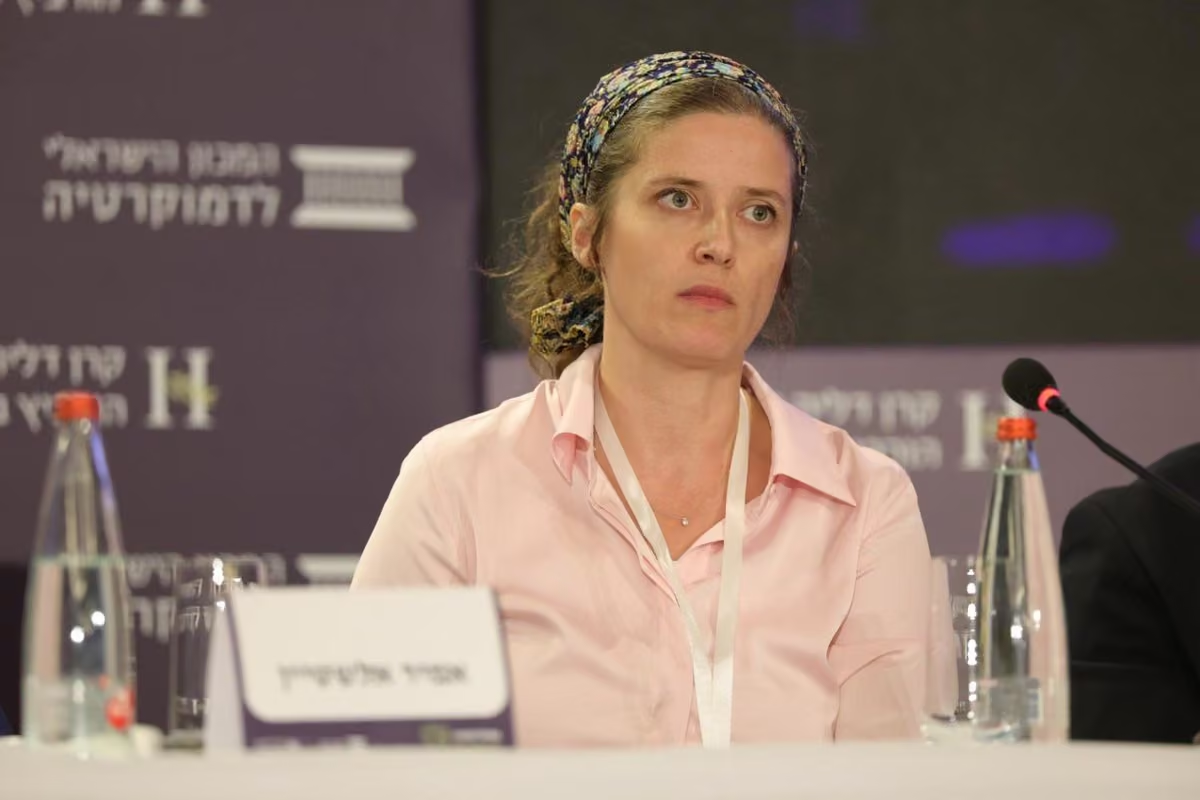
אמיר אלשטיין, יו"ר הוועד המנהל, חבר עמותת המכון, בכנס אלי הורביץ של המכון הישראלי לדמוקרטיה:
מי שעולה על הגל בשנתיים הקרובות יהיה רלוונטי כי כל הסטנדרטים נכתבים עכשיו. העולם הזה הוא כל כך עוצמתי שצריכים להבין - הוא לא מחכה לאף אחד. הכסף הוא אינסופי ומה שמחפשים זה פתרונות. מה זה פתרונות לישראלים? זה בטח לא להיות חברות שרתים כמו בדובאי. זה לשאול מה צווארי הבקבוק ולפתור אותם לפני כולם.
#כנסאליהורביץ #המכוןהישראלילדמוקרטיה #צווארבקבוק #ai
צילום: עודד קרני. -
המכון הישראלי לדמוקרטיה
@DemocracyIL
ד"ר תהילה שוורץ אלטשולר, עמיתה בכירה וראשת התוכנית דמוקרטיה בעידן המידע במכון הישראלי לדמוקרטיה, בכנס אלי הורביץ:
"אנחנו לא יכולים להסתכל על AI במשקפיים מסורתיים של הזדמנויות וסיכונים מתוך המוסדות הקיימים. אנחנו צריכים לעצור רגע ולהבין שהאירוע יותר גדול. הגירה והתמרה של יכולות קוגניטיביות מאנשים למכונות - איך ייראה עולם ייצור הידע? איך תראה למידה? האם אנחנו לקראת עידן של ניוון היכולות האלה?
אם צריך רגולציה כעת, זאת רגולציית סייבר. יש פה פצצה מתקתקת, מדינת ישראל לא מוגנת והדבר הזה יילך ויחריף בגלל ה- AI - שם צריך להחריף את המהלכים הרגולטוריים. כמו שטכנולוגיה יכולה לשמש כדי להיות מנוע צמיחה של המשק, היא יכולה להפוך למכשיר שליטה".
#כנסאליהורביץ #המכוןהישראלילדמוקרטיה #ai
@tehillaaltshul1
צילום: עודד קרני. -
המכון הישראלי לדמוקרטיה
@DemocracyIL
עדינה אקשטיין, COO ב- Lemonade, בכנס אלי הורביץ:
"אני חושבת שהיתרון התחרותי יקרה כשכל משרד עו"ד, בית ספר, ספריה, משרד ממשלתי, ה- AI יהיה בלב ליבת הפעילות של המשרד. זה באמת תפקיד הממשלה לגרום לזה לקרות - גם כדוגמה אישית, שבתוך הממשלה היא תהיה מנוהלת בסיוע AI, וגם לייצר מרחב שייטיב עם התעשייה לעשות זאת. Moon Shot - קנדי אמר בשנות השישים: "בעשור הקרוב נגיע לירח", והייתה הירתמות של כל המשק לעשות את זה. אם ממשלת ישראל וראש הממשלה היו אומרים: בשנתיים הקרובות אנחנו שמים חזון, אנחנו מקטינים את כל ההוצאות של הממשלה ב- 50% ובמקביל משפרים את השירות לאזרח. לא חצי שנה תור לדרכון, אלא דרכון בשלוש דקות. זה עובר דרך תרבות ארגונית, סגירת משרדים ושינויי תהליכי עבודה והכנסת טכנולוגיות והכשרות. ההייטק זה הקטר של המשק, אבל ממקום מושבי אני יודעת שהבינה המלאכותית חייבת להיות שייכת לכולם - ואז זה יהיה מנוע צמיחה".
#ai #כנסאליהורביץ #המכוןהישראלילדמוקרטיה #מנועצמיחה
צילום: עודד קרני. -
המכון הישראלי לדמוקרטיה
@DemocracyIL
אביתר פרץ, סגן חשכ"ל ומנהל חטיבת דאטה, חדשנות ודיגיטל, משרד האוצר, בכנס אלי הורוביץ:
אנחנו חייבים להעמיד לצד משאב ההון האנושי משאב תשתיות פיזי. האינטרסים הבינלאומיים של המעצמות והחברות הגדולות צריכים לשבת כאן פיזית. ושרשרת ההספקה העולמית לא תוכל לתפקד בלעדינו. זה מה שיבטיח את קיומנו במלחמה הבאה. ואם מישהו תוהה על כוחן של הביג-טק שיבדוק כיצד נבלם רק בשבוע האחרון צו פדרלי שהיה אמור להמר את צעדיה של הבינה המלאכותית בארצות הברית. חלון ההזדמנויות הולך ונסגר.
#כנסאליהורביץ #המכוןהישראלילדמוקרטיה #אינטרסיםבינלאומיים #משרדהאוצר
@Israel_MOF
צילום: עודד קרני. -
המכון הישראלי לדמוקרטיה
@DemocracyIL
ארז אסקל, ראש המטה הלאומי לבינה מלאכותית, משרד ראש הממשלה, בכנס אלי הורוביץ:
AI זה הנפט החדש. מדינת ישראל, עד היום מדינה קטנה, ללא משאבי טבע יותר מדי, היות והנפט הזה הוא יציר אדם, הוא לא גדול למדינת ישראל. ואנחנו מסוגלים לקחת בו הובלה אמיתית.
מה היתרון התחרותי של ישראל? הפתרונות הטובים ביותר שהבאנו הגיעו כי הייתה לנו בעיה מבצעית מאוד קונקרטית ודרכה הבאנו בשורות שנפלה הלסת לרוב מדינות העולם היכולת שלנו לפתור בעיות אמיתיות בחיים- זה היתרון הגדול של ישראל.
#ai #כנסאליהורוביץ #המכוןהישראלילדמוקרטיה #יתרון #תחרות
צילום: עודד קרני. -
המכון הישראלי לדמוקרטיה
@DemocracyIL
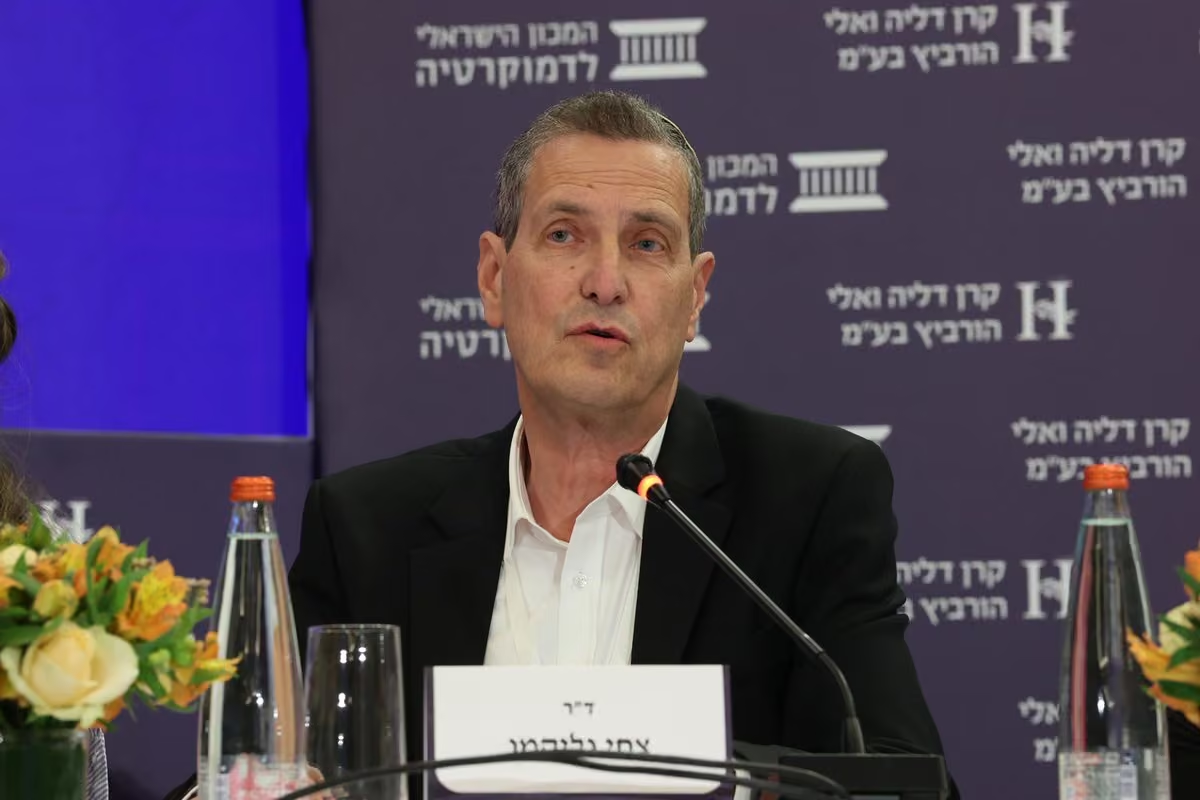
ד"ר צחי גליקמן, סמנכ"ל בכיר לתפעול ברפאל מערכות לחימה מתקדמות @RAFAEL_defence, בכנס אלי הורביץ:
"הלחימה המתמשכת בישראל ובכלל הזירות בעולם מביאה לביקושים חסרי תקדים למערכות נשק מתקדמות ובעלות ניסיון בשדה הקרב. יש זינוק דרמטי של עשרות אחוזים בייצוא הביטחוני. מדינת ישראל חוצה לראשונה את רף ה- 19 מיליארד דולר. חברת רפאל עובדת צמוד למערכת הביטחון ובעיקר מנסה להפיק לקחים יומיומיים מהלחימה ולשפר את המערכות שלנו.״
#כנסאליהורביץ #המכוןהישראלילדמוקרטיה #ישראל #לחימה
צילום: עודד קרני. -
המכון הישראלי לדמוקרטיה
@DemocracyIL
פרופ' (אמריטוס) מנואל טרכטנברג, אוניברסיטת תל אביב; חבר סגל בכיר בקרן מנדל למנהיגות, בכנס אלי הורוביץ:
אחד המחירים של המלחמה זה שההכשרה האקדמית של עשרות אלפי צעירים נפגעה, וכמעט אין מזה דרך חזרה. בתוך האקדמיה יש המון טאלנט לא מנוצל להייטק. אחת ההמלצות היא להקים קרן למדע יישומי.
יש המון טאלנט לא מנוצל בתוך מדינת ישראל. המגזר החרדי, במגזר הערבי, בפריפריה הכלכלית-חברתית, אפשר לגשת למאגרים הלא מנוצלים האלה. הדוגמה היא היוזמות של צה"ל בלגייס ליחידות המובחרות ולמודיעין מהאוכלוסיות האלו.
אני לא יודע מהו שער חליפין של שיווי משקל. מה אני כן יודע, ששום משק, בעיקר לא משק שמתבסס על הייטק, יכול לספוג במכה אחת ייסוף כל כך גדול! כרגע במדינת ישראל אין מבוגר אחראי שמטפל בדבר הזה. בנק ישראל מוגבל במה שהוא יכול לעשות.
#מחירהמלחמה #כנסאליהורביץ #המכוןהישראלילשדמוקרטיה #מדינתישראל
צילום: עודד קרני. -
המכון הישראלי לדמוקרטיה
@DemocracyIL
אלון בן צור, מנכ"ל בינת ויו"ר איגוד ההיי-טק הישראלי ב- @Industry_il, בכנס אלי הורביץ:
"הכוח שיצר את הסטארטאפים המדהימים זה חבר'ה צעירים מאוד שנמצאים בתעשייה, שירות צבאי שאיפשר להם להתפתח ולייצר דברים מדהימים וסביבה שאיפשרה להם להתפתח. היום אנחנו במציאות של מערכת חינוך חלשה שנמצאת במשבר, מציאות של צבא שלא מבין את תפקידו - בין היתר - כאחראי על הפיתוח של כור היתוך טכנולוגי - והדבר הזה לא נעשה כתהליך יזום (להפך, הצבא היום מגייס בחזרה אנשים שכבר השתחררו, בעלויות מאוד גבוהות ולא מצמיח אנשים חדשים). זה לא רק הכסף והדור הבא של הייצור, זאת סביבה תומכת שמייצרת אקו-סיסטם שממנו יגדלו הדורות הבאים. סביבה שתכשיר ותעודד עוד ועוד עשייה של הייטק במדינת ישראל".
"חברות ההייטק לא קמו מתוך עזרה, אלא מתוך יוזמה. הן אף פעם לא התאמנו בסגירת רחובות, השבתת נמלים ומלחמה על הצרכים שלהן - הן הסתדרו לבד כי הם זזים לאן שהם צריכים".
#כנסאליהורביץ #המכוןהישראלילדמוקרטיה #הייטק #טכנולוגיה
צילום: עודד קרני. -
המכון הישראלי לדמוקרטיה
@DemocracyIL
נילי סר ראובן, לשעבר סמנכ"לית כספים בכירה בסייברארק, בכנס אלי הורביץ:
"כשמדברים על עתיד ההייטק הישראלי השאלה לא אם ממשיכים לייצר חדשנות, אלא איך לוקחים את החדשנות ולוקחים אותה לצמיחה כלכלית לטווח ארוך - שמובילה את כל המשק. הדיון הוא לא סקטוריאלי על ענף מסוים, אנחנו רואים על פי הנתונים שההייטק היא מנוע הצמיחה של הכלכלה. השאלה היא איך הופכים חדשנות לסקייל - אנחנו אוהבים להתגאות בזה שאנחנו סטאטראפ ניישן, אבל אנחנו צריכים להפוך לסקייל-אפ ניישן. השאלה לא כמה סטרטאפים ייפתחו, אלא כמה חברות גדולות נצמיח כאן בישראל, ולשם אנחנו צריכים לשאוף בעשור הקרוב".
#הייטק #כנסאליהורביץ #המכוןהישראלילדמוקרטיה #כלכלה
צילום: עודד קרני. -
המכון הישראלי לדמוקרטיה
@DemocracyIL
רננה אשכנזי, שותפה מנהלת בקרן הון סיכון @GroveVentures בכנס אלי הורביץ:
"השאלה היא לא איך משמרים את מצב ההייטק, אלא איך מסתכלים על ההייטק היום כשהכול מסביבנו משתנה. הבינה המלאכותית היא הזדמנות אדירה ובעיקר משנה את התשתית של הכלכלה כולה. היא משנה את איך שבונים חברות, משקיעים בחברות, משנה את מה שצריך כדי לשמר יתרון תחרותי ואם נשכיל לזהות מה משתנה מסביבנו, אנחנו יכולים למצב את ההייטק פי כמה וכמה יותר ממה שהיה. ישראל לא הפסידה במירוץ ה- AI, אלא שיחקה במגרש שלא רלוונטי אליה, ישראל וההייטק הישראלי חזק במקומות המהירים, היצירתיים, המקומות שצריך לפעול מהר ו'לשבור קצת' וגם היום בעידן ה- AI - השאלה היא כמה טובים נהיה בלזהות את צווארי הבקבוק החדשים בעולם שמשתנה מול עינינו ולתפוס שם את עמדות המפתח".
#ai #הייטק #כנסאליהורביץ #המכוןהישראלילדמוקרטיה #קרןהוןסיכון
צילום: עודד קרני. -
המכון הישראלי לדמוקרטיה
@DemocracyIL
בועז דינטי, מנהל שותף בקרן ההון סיכון קומרה קפיטל, בכנס אלי הורוביץ:
בשנת 2025 ראינו שנת שיא של השקעות בהייטק הישראלי ואנחנו רואים את המגמה הזו נמשכת גם ברבעון הראשון של 26. אני חושב שיש מדינה אחת באירופה שיש בה כל כך הרבה סטרטאפים שקמו. אנחנו רואים פה אקזיטים בהיקפים משמעותיים. יחד עם זאת יש פה אתגרים והאתגר הכי גדול זה ההון אנושי – בריחת המוחות במדינת ישראל זה אירוע קשה. תמיד היו ישראלים שעשו רילוקיישן, אבל אנחנו רואים מגמה הולכת וגוברת.
יש לחברות היום מוטיבציה מאוד גדולה לפזר ולשלוח אנשים לחו״ל כדי להיות מסוגלים לתת מענה ללקוחות שלהם כאשר המדינה מושבתת וסגורה. זו בעיה מאוד קשה.
#רילוקיישן #הייטק #הייטקישראלי #כנסאליהורוביץ #המכוןהישראלילדמוקרטיה #אקזיטים
צילום: עודד קרני. -
המכון הישראלי לדמוקרטיה
@DemocracyIL
כיצד מבטיחים שההיי-טק הישראלי ימשיך להיות חוד החנית בזירה הבינלאומית? דרור בין, מנכ"ל רשות החדשנות @InnovationAut בכנס אלי הורביץ:
אנחנו בשנת שיא באקזיטים - המספר הטוב ביותר בתולדות ההייטק הישראלי. התוצר הוא כבר כמעט חמישית מהתמ״ג. אין לזה אח ורע בעולם. יש גם עלייה במספר הסטארטאפים שקמים בישראל - למרות כל האתגרים והקשיים.
ההייטק לא יכול להתקיים בלי העולם. המשקיעים זרים, הלקוחות זרים, ההנפקות הן בבורסות זרות. גם הבינה המלאכותית מהווה איום בהחלט, אבל גם הזדמנות גדולה מאוד לצמיחה עבור ההייטק הישראלי - ישראל היא המקום עם ריכוז המומחים הגבוה ביותר בעולם פר קפיטה של מומחי AI.
#כנסאליהורוביץ #המכוןהישראלילדמוקרטיה #אקזיט #הייטק #ai
צילום: עודד קרני. -
המכון הישראלי לדמוקרטיה
@DemocracyIL
ד"ר שמואל אברמזון, הכלכלן הראשי @Israel_MOF בכנס אלי הורביץ:
"אנחנו בסערה. הפעילות האנושית והכלכלית תמיד בסערה, לא תמיד אנחנו מודעים לה - יש כוחות משמעותיים שמשפיעים על הפעילות הכלכלית, אבל התחושה שהימים הללו הם יוצאי דופן, אם זה מגמות בתחום הטכנולוגיה שהופכות חברות ללא רלוונטיות, כוחות דמוגרפיים שפועלים על כל מדינות העולם - מצמצמות כלכלות, מזקינות כלכלות, משנות את ההרכב, גם אצלנו. וגם תהליכים משמעותיים בגיאו-פוליטיקה, גיאו-אסטרטגיה, אתגור מוסדות, ואנחנו נמצאים בעין סערה עם הרבה אי ודאות״.
״בכל המשברים הקודמים שהיו בישראל, ידענו לצאת מחוזקים ומחודשים - עם כוחות חדשים, שיטות חדשות, המצאה מחדש שלנו, עם הרבה מאוד מהפכות שעשינו בשנות השמונים ובשנות האלפיים שאיפשרו לנו להתמודד עם משברים שחווינו. אני מאמין שגם כאן, אם נשכיל, נוכל לברוא את עצמנו מחדש."
#כנסאליהורוביץ #המכוןהישראלילדמוקרטיה #משברים #כלכלה #משברכלכלי
צילום: עודד קרני. -
המכון הישראלי לדמוקרטיה
@DemocracyIL
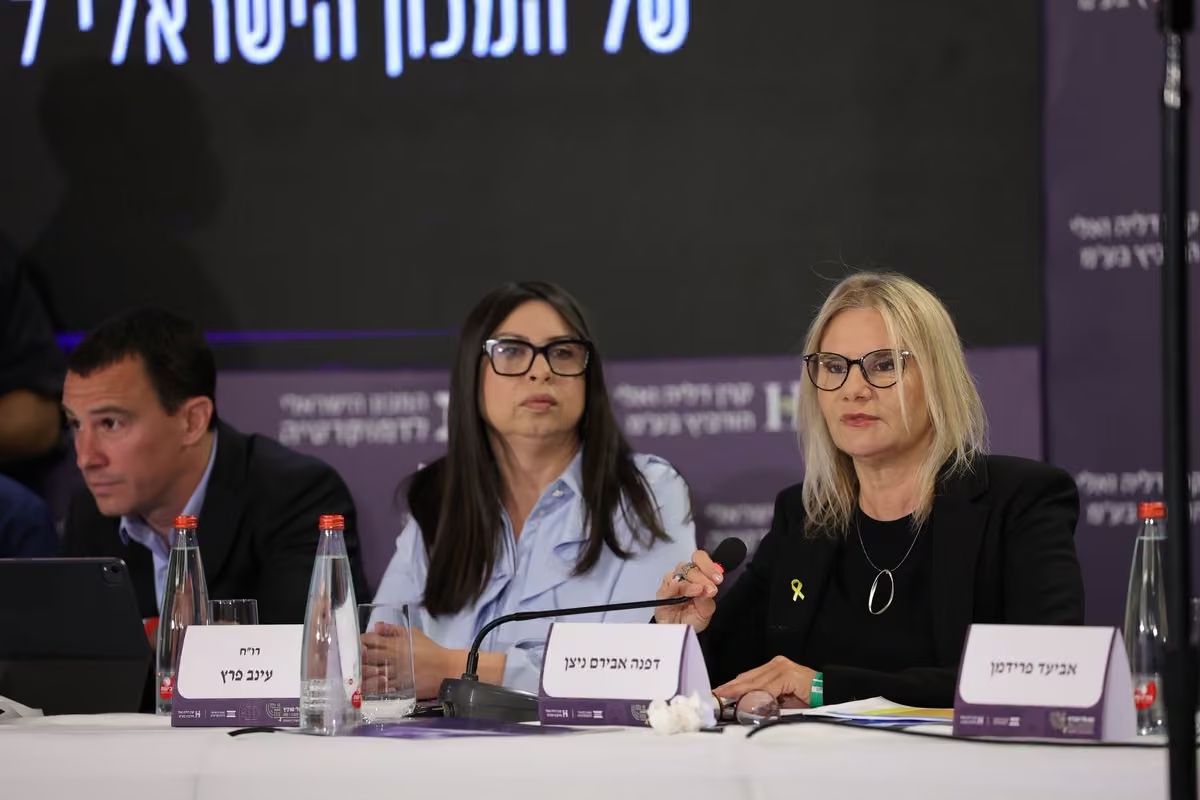
דפנה אבירם- ניצן, מנהלת המרכז לממשל וכלכלה במכון הישראלי לדמוקרטיה, בכנס אלי הורוביץ:
התחזקות השקל חזקה כמעט כפול מהחלשות הדולר בעולם. אמנם השקל החזק משקף את העצמה של הכלכלה הישראלית, אבל הוא מביא עימו שחיקה חזקה ביצואנים הישראלים. הוא גם פוגע ביצרנים המקומיים שנאלצים להתחרות עם ייבוא מתחרה, שהולך ונהיה זול יותר.
התחזקות השקל פוגעת בכושר התחרות של כלל השחקנים במשק. חלק מהתעשיות המסורתיות נמצאות בחשש לקריסה. לכן לצד פיתוח מנועי הצמיחה הטכנולוגיים והחדשניים, עלינו להבטיח תנאים שיאפשרו ליתר ענפי המשק, שמעסיקים למעלה מ-80% מהעובדים, להמשיך לצמוח ולהיות תחרותיים.
#התחזקותהשקל #כנסאליהורוביץ #המכוןהישראלילדמוקרטיה #פגיעהבכלכלה
צילום: עודד קרני. -
המכון הישראלי לדמוקרטיה
@DemocracyIL
תא"ל (מיל') ד"ר ששון חדד, יועץ חוקר ומרצה לביטחון לאומי, מיינד ישראל, בכנס אלי הורביץ של המכון הישראלי לדמוקרטיה:
הגיוס לא קורה, למרות שאני מאוד רוצה שזה יקרה. לכן מדינת ישראל צריכה לנסות לרבע את המעגל. מדינות שנתקלו בבעיות כמו שלנו עשו הרחבות. ואני מדבר על לגיון זרים, וזו לא מילה גסה. זה נעשה באוקראינה, בצרפת, במדינת ישראל ב-48', קראו לזה בשם אחר, מח"ל. אני מדבר על מח"ל פלוס שמתחיל ביהודים מכל העולם אבל לא רק. אני לא מדבר על משהו שצריך להיות רחב מדי, אבל אם נצליח להביא חטיבה או שניים שתהיה בשוטף מכוחות כאלה, אני חושב שזה יכול להקל בצורה משמעותית על כוח האדם.
#גיוס #כנסאליהורביץ #המכוןהישראלילדמוקרטיה
צילום: עודד קרני. -
המכון הישראלי לדמוקרטיה
@DemocracyIL
רון תומר, נשיא איגוד התעשיינים, בכנס אלי הורביץ:
אתייחס לשער הדולר ולייצוא - זה ייקח זמן ואין זמן. תעשיינים, יצואנים וגם מרכזי הפיתוח של ההייטק היום מגישים תקציב ביולי, וצריכים להעלות 25% רק בגלל הדולר. אין להם זמן.
מדברים איתי המון תעשיינים, יש להם שלוש אפשרויות. אחת, להעלות מחירים ולמכור פחות, שניים, להעביר את מרכזי הייצור שלהם לחו"ל, שני פתרונות גרועים מאוד. או שלוש, להישאר כאן… הממשלה לצערי לא עושה שום דבר.
#הייטק #כנסאליהורביץ #המכוןהישראלילדמוקרטיה #שערהדולר
צילום: עודד קרני. -
המכון הישראלי לדמוקרטיה
@DemocracyIL
חדווה בר, משנה למנכ"ל וסמנכ"לית התפעול בחברת איטורו בכנס אלי הורביץ:
"בקצב שהדברים מתפתחים כאן בעוד כחצי שנה סקטור ההייטק יהיה מצומצם בכ-25-30% ממה שהוא היום, אפשר כבר להכניס את זה לתחשיבים באוצר ובבנק ישראל. אם לא יוקם צוות חירום מדיני שכולל את הגורמים הרלוונטיים מהאוצר, מבנק ישראל וכל שאר המשרדים שידונו בכל הפתרונות המוניטריים והפיסקליים, לא נראה את ההייטק״.
#כנסאליהורביץ #המכוןהישראלילדמוקרטיה #הייטק #בנקישראל #משרדהאוצר
צילום: עודד קרני. -
המכון הישראלי לדמוקרטיה
@DemocracyIL
שחר תורג'מן, נשיא איגוד לשכות המסחר, בכנס אלי הורביץ:
"מחירי ההלבשה וההנעלה ירדו, מוצרי האלקטרוניקה והריהוט ירדו - יש תחרות בריאה והמחירים יורדים, אבל מה עלה מאז ינואר 2025? המע"מ עלה ב- 1% שלם, הארנונה עלתה ב- 7%, שכר המינימום עלה ב- 9%, חשמל 6%, ההפרשות לביטוח לאומי של המעסיק - אז לבקש מהיבואנים והקמעונאים להוריד מחירים זה בסדר, אבל כשהממשלה מעלה תקורות בצורה כל כך ניכרת - יש לי בעיה עם זה. אתמול הצלחנו לבטל את הצו המיותר של שר האוצר להעלאת הפטור ממע"מ על ייבוא אישי - הפטור המקומם והמיותר עלי אדמות ואנחנו נמשיך לעבוד כדי לבטל את הפטור ממע"מ על 75% - כי מה שטוב לאירופה, טוב לישראל - ושם אין פטור כלל”.
#כנסאליהורביץ #המכוןהישראלילדמוקרטיה #איגודלשכותהמסחר #מע״מ #עסקים
@businessisrael
צילום: עודד קרני. -
המכון הישראלי לדמוקרטיה
@DemocracyIL
פרופ' נחמן אש, יו"ר עמותת רעות ויו"ר המכון הלאומי לחקר מדיניות בריאות, בכנס אלי הורביץ:
״אסור לנו לטעות ולחשוב שבגלל שהמערכת טובה היא תוכל להמשיך לתפקד טוב לאורך זמן במצב של עומס ושחיקה. יש פערים שחייבים לטפל בהם לפני שיתפוצצו לנו בפנים: רבים שלא מקבלים סיוע נפשי בזמן. ילדים ובני נוער שסובלים מהשמנה יוסיפו לנטל הלאומי של תחלואה עתידית. קשישים שלא מקבלים שיקום מתאים לאחר אירוע רפואי ולא חוזרים לתפקוד. כל אלה כדוגמה הם לא רק בעיות של משרד הבריאות אלא בעיות שמשפיעות על החברה כולה ועל המשק״.
#כנסאליהורביץ #המכוןהישראלילדמוקרטיה #סיוענפשי #ילדים #בנינוער
צילום: עודד קרני. -
המכון הישראלי לדמוקרטיה
@DemocracyIL
תא״ל (במיל') ד"ר גיל פנחס, לשעבר היועץ הכספי לרמטכ"ל וראש אגף התקציבים של משרד הביטחון, בכנס אלי הורביץ:
הפתרון הוא קודם כל להגדיר תפיסה, מה היא תפיסת הביטחון של מדינת ישראל - ומפה לנהל את הסיכונים שלנו. זה נחמד ויפה להגיד שתקציב הביטחון הוא 160 או 140 מיליארד שקלים אבל בסוף מה הוא נותן? לאיזה מערכה אנחנו בכלל מתכוננים? מפה זה גוזר את המלאים, את האנשים, מה קורה לעורף, איך אנחנו צריכים לטפל באנשי המילואים שלנו ואיך אנחנו צריכים לטפל במשפחות שלהם.
עוד הוסיף: אנחנו מדינה בפוסט טראומה, זה לא רק נכי צה״ל. מערכת הרווחה חייבת להסתכל קדימה ולתכנן את עצמה ולכן כלל השיקולים שלנו חייבים להיות שם. בהתייחסות למילואים הפתרון הוא מאוד פשוט - להרחיב את מעגל המתגייסים.
#כנסאליהורביץ #המכוןהישראלילדמוקרטיה #פוסטטראומה #אנשימילואים #מתגייסים
צילום: עודד קרני. -
המכון הישראלי לדמוקרטיה
@DemocracyIL
ד"ר עדי ברנדר, מנהל חטיבת המחקר, בנק ישראל, בכנס אלי הורביץ:
"קל מאוד לברוח ולהגיד: 'אנחנו נטפל בהכל בעזרת צמיחה'. הדרג המקצועי בממשלה, בבנק ישראל, מכוני המחקר - מייצרים הרבה מאוד תוכניות שיכולות להיות תשתית טובה בכדי לקבל את ההכרעות, אבל מישהו צריך לקבל את ההכרעות וזה קריטי לצמיחה״. וסוגיה אחרונה, אנחנו כימתנו אותה ב-9 מיליארד שקלים לכולם, זה גיוס לכולם. זה הרבה מאוד כסף ציבורי שיוצא שאם נגיע לתהליך הזה ואם אתם סוכמים את כל הדברים שדיברתי עליהם ביחד, הרבה פחות מסים, הרבה יותר החלטות שאפשר לקבל כדי לממן את האתגרים שדיברנו עליהם.״
#כנסאליהורביץ #המכוןהישראלילדמוקרטיה #ד״רעדיברנדר #גיוס #אתגרים
צילום: עודד קרני. -
המכון הישראלי לדמוקרטיה
@DemocracyIL
שי אהרונוביץ׳, מנהל רשות המיסים בישראל, בכנס אלי הורביץ של המכון הישראלי לדמוקרטיה:
אני חושב שהוכחנו את זה בשנים האחרונות - אפשר ללכת ולהביא כסף מאותו ״חור שחור״ שקוראים לו ההון השחור, זה משהו שתמיד שרי האוצר אהבו להשתמש בו אבל אני חושב שהוכח שבהחלט אפשר להביא משם כסף. והדוגמה המובהקת זה רפורמת חשבונית ישראל שאתמול ירדה ל-5,000 שקלים. רפורמת חשבוניות ישראל, לפי הראייה שלנו והבדיקות שלנו, יכולה להביא למדינת ישראל כל חודש תוספת מס של 1.2 מיליארד.
אנחנו כן חושבים שצריך להביא על הרפורמה הזאת רפורמה נוספת, שקוראים לה מע"מ אונליין - המע"מ ישולם במועד קבלת הכסף באופן מיידי.
#משרדהאוצר #כנסאליהורביץ #המכוןהישראלילדמוקרטיה #מע״מ #קופתהמדינה
צילום: עודד קרני. -
המכון הישראלי לדמוקרטיה
@DemocracyIL
מהרן פרוזנפר, הממונה על התקציבים - משרד האוצר @Israel_MOF, בכנס אלי הורביץ:
"אנחנו צריכים לעשות סדרי עדיפויות קשים בתקציב: לא נכון להעלות מיסים. צריך קודם כל לטפל בתקציב הביטחון, וזה לא בלתי אפשרי: צריך תוכנית רב שנתית במערכת הביטחון, לאזן את הדברים. מה שקורה היום במערך המילואים זה דבר רע מאוד. לזמן אנשים למאות ימים בשנה זה דבר שלא יכול להחזיק לאורך הזמן, העלויות של זה מטורפות ואין על זה בקרה. ההשלכות של זה על המשק קשות".
עוד הוסיף: "אני מאוד מוטרד ממה שקורה עם שער הדולר, זה לוקח זמן. הפתרונות יהיו קשים. מצד שני צריך להבין שהשינוי של שערי המטבע מוזיל מאוד את חומרי הגלם ואת הייבוא, מאוד הייתי רוצה לראות את היבואנים מבקשים להוריד מחירים ולהוביל את ההוזלות האלה גם לציבור הרחב".
#כנסאליהורביץ #המכוןהישראלילדמוקרטיה #מיסים #מערךהמילואים
צילום: עודד קרני. -
המכון הישראלי לדמוקרטיה
@DemocracyIL
פרופ' אבי שמחון, יו"ר המועצה הלאומית לכלכלה, בכנס אלי הורביץ:
"אני מתנגד בצורה נחרצת להעלאת מיסים ואנחנו יכולים לקחת הרבה יותר סיכונים בהורדת המיסים. אבל יש לנו שתי בעיות: מיסים גבוהים מדי שהמדינה מטילה, אבל יש גם את 'המס' שבנק ישראל מטיל - רווחי הבנקים. זה פשוט שינוי בחלוקת ההכנסות. בנק ישראל לוקח מכולם ונותן לעשירים. אני לא סוציאליסט גדול, אבל אני חושב שזה לא נכון. זה מס שמוטל על הציבור וזה קורה כי יש לנו מערכת בנקאית מאוד לא תחרותית.״
#המכוןהישראלילדמוקרטיה #כנסאליהורביץ #אבישמחון #מיסים
צילום: עודד קרני. -
המכון הישראלי לדמוקרטיה
@DemocracyIL
אורי דביר, חוקר אורח במכון הישראלי לדמוקרטיה:
הגודש בכבישים בישראל הוא מהחמורים בעולם המערבי, יש לנו אחוז נסיעה הכי נמוך בתחבורה הציבורית, וזה מחמיר לאורך השנים.
מצאנו שבשנים האחרונות ישראל דווקא משקיעה יותר מהממוצע במדינות ב- OECD, אבל יש לנו פער גדול לסגור אותו. מה שמשפיע על השימוש בתחבורה הציבורית זה תדירות, מהירות, אמינות ואיכות. ההשקעה הולכת לכיוון הלא נכון.
#כנסאליהורביץ #תחבורהציבורית #אורידביר #המכוןהישראלילדמוקרטיה
צילום: עודד קרני. -
המכון הישראלי לדמוקרטיה
@DemocracyIL
עוד מדבריו של יוחנן פלסנר, נשיא המכון, בכנס אלי הורביץ:
בנושא הדמוקרטי והחוקתי, יש להבטיח שינוי מגמה: תיקון מיידי של הנזקים וחתירה להסכמות רחבות ביחס להסדרים המשטריים הנחוצים. כל הסכמה צריכה להבטיח את מימוש רצון העם; לצד שמירה על מערכות יעילות של איזונים ובלמים; וזאת, על בסיס התשתית הערכית המשתקפת בהכרזת העצמאות – המסמך הלאומי המכונן שלנו.
#כנסאליהורביץ #המכוןהישראלילדמוקרטיה #יוחנןפלסנר #נשיאהמכון
צילום: עודד קרני. -
המכון הישראלי לדמוקרטיה
@DemocracyIL
יוחנן פלסנר, נשיא המכון הישראלי לדמוקרטיה, פותח את כנס אלי הורביץ של המכון הישראלי לדמוקרטיה:
בעוד ארבעה חודשים נציין שלוש שנות מלחמה. המלחמה הארוכה בתולדותינו. הלוחמים והלוחמות שלנו עדיין פרוסים בחזיתות השונות. ולצערנו, כמעט מדי יום משפחות משלמות את המחיר הנורא מכל. גם אם תושג רגיעה, בעתיד הנראה לעין, צה"ל יישאר ערוך ודרוך בכל הגזרות, מתוח עד לקצה. סדר הכוחות אף יידרש לגדול דרמטית – ואיתו גם תקציב הביטחון.
מה יהיו ההשלכות על המשק, הכלכלה והחברה? על ההוצאה האזרחית, הנמוכה כבר היום בהשוואה לרוב מדינות ה-OECD? על המרקם החברתי והסולידריות? על הסיפור הישראלי המשותף?
#כנסאליהורביץ #המכוןהישראלילדמוקרטיה #יוחנןפלסנר #נשיאהמכון
צילום: עודד קרני. -
המכון הישראלי לדמוקרטיה
@DemocracyIL
כנס אלי הורביץ - התחלנו!
הצטרפו לשידור החי מהכנס >> gocast.co.il/idi-live-vod-02-03-06-26/
צילום: עודד קרני. -
המכון הישראלי לדמוקרטיה
@DemocracyIL
הצעת החוק שמבקשת להפרדה מגדרית בלימודים לתואר שני ושלישי בכל המוסדות האקדמיים, תגרום לפגיעה חמורה בזכות לשוויון, באיכות ההשכלה הגבוהה ובחופש עיסוק של נשים. ההפרדה הזו גם עלולה לתת לגיטימציה להרחבת ההפרדה המגדרית מחוץ לכותלי האקדמיה, גם לשוק העבודה ולמרחב הציבורי של כולנו.
המכון הישראלי לדמוקרטיה
@DemocracyIL
לחוות הדעת המלאה של עו"ד ענת טהון אשכנזי ועו"ד עדנה הראל-פישר www.idi.org.il/knesset-committees/57360
-
המכון הישראלי לדמוקרטיה
@DemocracyIL
חוק התפזרות הכנסת שעבר היום בטרומית ממש אינו מקרה חריג.
18 מתוך 24 כנסות שכיהנו עד כה התפזרו לפני סיום הכהונה, 14 באמצעות חוק התפזרות, כולל הכנסת ה-21 שהתפזרה במאי 2019, חודש אחרי שנבחרה, והכנסת הקודמת שהתפזרה אחרי שממשלת השינוי איבדה את הרוב שלה. להסבר המלא של ד״ר אסף שפירא -
המכון הישראלי לדמוקרטיה
@DemocracyIL
הציבור היהודי הלא-חרדי מסבסד את עלויות הביטחון עבור החרדים בסכום של 15 מיליארד ש"ח בשנה.
ביטחון הוא אמנם מוצר ציבורי, אבל לא כולם משלמים עליו באותה מידה. לפי מחקר חדש של המכון, למרות שהחברה החרדית היא בערך 14% מהאוכלוסייה, ונהנית מהגנה ביטחונית ששוויה כ-21 מיליארד ש"ח, תרומתה למימון עלויות הביטחון היא 6 מיליארד ש"ח בלבד - פחות משליש מהסכום. את הפער, משלם הציבור היהודי הלא-חרדי.
מה זה אומר?
כל משק בית חרדי נהנה מסבסוד ביטחוני של כ-51,800 ש"ח בשנה. כל צעיר חרדי שלא מתגייס מסובסד על-ידי המשרתים הלא-חרדיים ב-72,000 ש"ח לשנת שירות וכ-220,000 ש"ח לשירות מלא.
איך מתקנים את זה?
אכיפת גיוס וביטול הטבות למשתמטים, מס על פטור משירות וביטול הטבות מגזריות: תקציבי ישיבות, סבסוד מעונות יום, הנחות ארנונה ועוד.
למחקר המלא של גלעד כהן קובאץ' וד"ר גלעד מלאך: www.idi.org.il/articles/64364 -
המכון הישראלי לדמוקרטיה
@DemocracyIL
מה קרה ב 2 בנובמבר?
מי היו זמר וזמרת השנה של 1998?
לכבוד 78 שנים לחתימה על מגילת העצמאות, הכנו לכם חידון שיבדוק עד כמה אתם באמת מכירים את ישראל >> www.idi.org.il/articles/64359
מוזמנים לשתף אותנו בתוצאות בתגובות 😀
בהצלחה! -
המכון הישראלי לדמוקרטיה
@DemocracyIL
הצעת חוק תקציב תאגיד השידור הוא צעד נוסף לעבר שליטה פוליטית בשידור הציבורי.
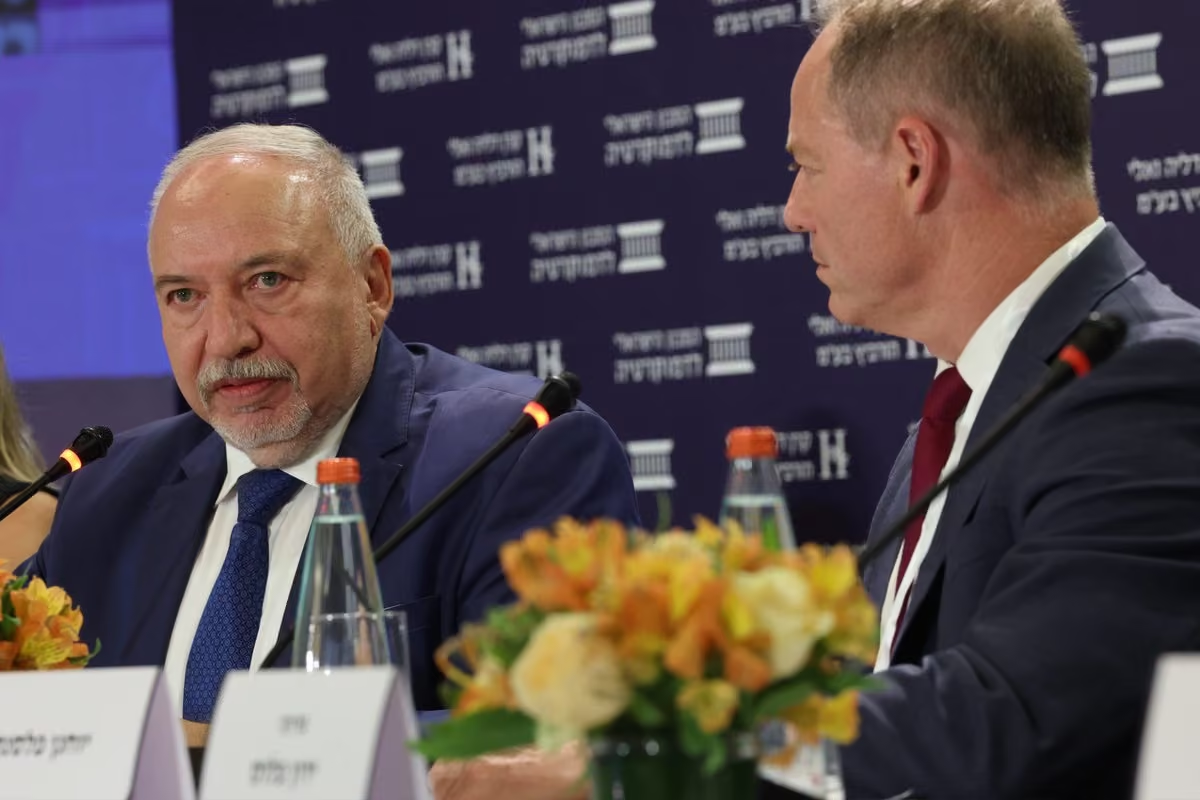
לפי ההצעה, תקציב התאגיד יקבע בכל שנה במסגרת הדיונים על תקציב המדינה, במקום שיהיה קבוע וידוע מראש כמו היום. בנוסף, הממשלה תוכל גם לשנות או לבטל סעיפים בו, ולמעשה לאיים בקיצוץ בכל פעם שיעלו תכנים שלא לרוחה. כך, יהפוך התאגיד לשופר מוטה של השלטון - או שיקרוס.
במקום שידור ציבורי חזק ועצמאי נקבל גוף תקשורת מאוים וחלש, שחי בחוסר ודאות תמידי ותלוי בחסדי השלטון
המכון הישראלי לדמוקרטיה
@DemocracyIL
להסבר המלא www.idi.org.il/knesset-committees/64332
-
המכון הישראלי לדמוקרטיה
@DemocracyIL
הכנסת יכולה להתפזר אם עובר חוק פיזור הכנסת כמו כל חוק רגיל - שלוש קריאות במליאה (וקריאה טרומית, אם מדבר בהצעת חוק פרטית), ודיון ואישור בוועדה של הכנסת. כדי להעביר את החוק צריך רוב של לפחות 61 ח"כים בקריאה השלישית.
מתי יהיו בחירות?
מועד הבחירות צריך להיקבע עד חמישה חודשים מיום קבלת החוק. כך, שאם החוק יתקבל במהלך מאי 2026, המועד המאוחר ביותר לבחירות צריך להיות אוקטובר 2026. אי אפשר לדחות את הבחירות מעבר למועד המקורי ב-27.10, אלא בחוק, לאור נסיבות מיוחדות וברוב של לפחות 80 ח"כים.
מה קורה עם החקיקה?
הכנסת והממשלה ממשיכות לכהן עד הקמת ממשלה חדשה. אבל, לפחות לפי הנוהג, קידום של חוקים בועדות הכנסת ייעצר למעט חוקים שהקואליציה והאופוזיציה מסכימות עליהן
להסבר המלא www.idi.org.il/articles/39151 -
המכון הישראלי לדמוקרטיה
@DemocracyIL
הטענות כאילו בג"ץ כבל את ידי צה"ל ולכן נושא באחריות לאירועי 7 באוקטובר מופרכות ומשמשות תירוץ כדי לא להקים ועדת חקירה ממלכתית.
לטור המלא www.idi.org.il/articles/64258 -
המכון הישראלי לדמוקרטיה
@DemocracyIL
תוצאות מדד הקול הישראלי אפריל 2026:
מי משפיע יותר על ההחלטות הביטחוניות לגבי ישראל? בקרב הציבור היהודי, 56.5% חושבים שהממשל האמריקני הוא המשפיע העיקר על החלטות ביטחוניות הנוגעות לישראל. 15% חושבים שהממשל הישראלי הוא המשפיע העיקרי.
בציבור הערבי, השיעור הגבוה ביותר (40%), מאמינים ששני הממשלים משפיעים במידה שווה.
סקר אפריל 2026 מגלה גם ש 48% מכלל הציבור חושבים שהמניעים העיקריים מאחורי מינוי ראש השב״כ וראש המוסד, היו קרבה אישית ונאמנות לראש הממשלה. 33% חושבים שהמניעים העיקריים היו דווקא כישורי המועמדים.
ומה לגבי מה שקורה בצה״ל? 47% מהציבור חושבים שהעמדת חיילים לדין על הדלקת מנגל בשבת וענישת חיילות על לבוש לא צנוע מעידים על שינוי מהותי ולא רצוי באופיו של צה"ל. 18% חושבים שמדובר בשינוי רצוי.
מה אתם חושבים?
המכון הישראלי לדמוקרטיה
@DemocracyIL
לסקר המלא www.idi.org.il/articles/64183
-
המכון הישראלי לדמוקרטיה
@DemocracyIL
אמון הציבור במשטרה בשפל, רוב גדול בציבור סבור שהמשטרה אינה ניטרלית מבחינה פוליטית, ומרבית הישראלים, מכלל המחנות הפוליטיים, סבורים כי החלטות של פיקוד המשטרה ושל שוטרים בשטח מושפעות מלחצים פוליטיים, ולא נשענות רק על שיקולים מקצועיים.
ולמרות זאת – רבים בסגל הפיקוד הבכיר של המשטרה בחרו להשתתף אתמול בחגיגת יום ההולדת של השר לביטחון לאומי, באישור המפכ"ל. מצעד השוטרים הבכירים העושים דרכם לאירוע פרטי-פוליטי לכבודו של השר הממונה על המשטרה, בהשתתפות עבריינים וגורמי ימין קיצוני, מעיד על עומק השבר הערכי והדמוקרטי שמשטרת ישראל נתונה בו. גבולות שהיו פעם ברורים - נשברו. המשטרה והמשרתים בשורותיה מחויבים לנהוג בממלכתיות, ולהוכיח לציבור שהם פועלים בשירות האינטרסים שלו ולא של הפוליטיקאים.
לרוח המפקד יש משמעות. אתמול נשבה רוח רעה מהפיקוד הבכיר של המשטרה, והיא מאיימת לסחוף גם את השוטרות והשוטרים שבמורד שרשרת הפיקוד.
בשנת בחירות, שעה שהאמון הציבורי במשטרה חשוב מתמיד לנוכח תפקידה הקריטי בשמירה על תקינות, הוגנות וטוהר הבחירות, יש לקוות שמפכ"ל המשטרה ומפקדיה יתעוררו ויתעלו לגודל השעה, ויתחילו מיד במסע הארוך לשיקום משטרת ישראל כמשטרה של כל אזרחיות ואזרחי ישראל. -
המכון הישראלי לדמוקרטיה
@DemocracyIL
בדיון היום בבית המשפט העליון בעתירה נגד שר המשפטים לוין, על אי-כינוס הוועדה לבחירת שופטים, שאל השופט גרוסקופף מה ייעשה עם מחסור ברבע מהשופטים מבית המשפט המחוזי בבאר שבע (כולל הנשיא).
נציג שר המשפטים עו"ד ציון אמיר ענה בשאלה: "למה זה מטריד את אדוני?".
השאלה של עו"ד אמיר משקפת עמדה שהמחסור בשופטים לא צריך להטריד את בית המשפט, אלא את השר שעוסק בכך ושצריך פשוט לסמוך עליו.
ד"ר גיא לוריא: "שר המשפטים שעומד בראש הוועדה לבחירת שופטים החליט לשנות את דרכי ניהולה, ולמרות שבחוק דרוש רוב רגיל כדי לבחור שופטים, הוא דורש הסכמה פה אחד. בגלל הדרישה הזו חסרים שופטים, ולא רק בבאר שבע.
המחסור הזה מעכב דיונים בתביעות של אזרחים, ומעכב משפטים פליליים באופן שמחייב לעתים, לדברי השופט שטיין בדיון קודם, לשחרר נאשמים ברצח ממעצרם. במילים אחרות, כשהצדק נדחה האזרחים נפגעים, וזה לא צריך להטריד רק את השופט, זה צריך להטריד את כולנו. אסור שפשוט נסמוך על השר". -
המכון הישראלי לדמוקרטיה
@DemocracyIL
ד"ר אסף שפירא התראיין ל-N12 בעקבות פרישתה הדרמטית של אורלי עדס, מנכ"לית ועדת הבחירות המרכזית, והתייחס גם להתערבותם של גורמים פוליטיים בעבודת הוועדה:
"אנחנו בחודשים האחרונים רואים מתקפות הולכות וגוברות על ועדת הבחירות המרכזית מצד גורמים פוליטיים. זה התחיל מתהיות שיכולות להיות לגיטימיות אבל זה הפך להיות כמעט אובססיבי, בנוגע למינוי של היועמ"שית לוועדה.
אחת הסכנות היא דה-לגיטימציה של ועדת הבחירות, ואז דה-לגיטימציה של תוצאות הבחירות. זו סכנה מאוד ברורה ואסור לגורמים פוליטיים לעשות את זה".
לכתבה המלאה: validate.perfdrive.com?ssa=34881204-bbc8-4294-b486-2983f3… -
המכון הישראלי לדמוקרטיה reposted
Gabi Gordon @Gabi_Gordon_
מי מרוויח מההגרלות בתכנית "מחיר מטרה"? מחקר חדש שלי מתייחס לסוגיה זו-
idi.org.il/books/64031
@DemocracyIL -
המכון הישראלי לדמוקרטיה
@DemocracyIL
בג"ץ קבע השבוע שורת סנקציות על חרדים חייבי גיוס, ובכך חשף את אוזלת היד של הממשלה בכל הקשור באכיפה שוויונית של חובת הגיוס. בניגוד לעבר, לא מדובר בסנקציות כלליות כמו קיצוץ תקציבי הישיבות – אלא בכאלה שפוגעות באופן ישיר בכיסם של המשתמטים דרך שלילת הנחות בארנונה, בצהרונים ובדיור.
איך זה ישפיע?
אברך בגיל 26, נשוי פלוס שני ילדים, צפוי להפסיד עד 35,040 ש"ח בשנה.
אברך בגיל 22, נשוי, צפוי להפסיד עד 3,840 ש"ח בשנה.
הפגיעה בבחורי ישיבות רווקים קטנה בהרבה, עד 1,440 ש"ח בשנה בלבד.
השאלה שנשארת הפתוחה: עד כמה צעירים ישנו את החלטתם בגלל הפגיעה העתידית בהכנסות שלהם, או שיצפו לשינוי חקיקה שיבטל את פסיקת בג"ץ.
ההסבר המלא של יוחנן פלסנר וד"ר גלעד מלאך בקישור הבא www.idi.org.il/articles/64051 -
המכון הישראלי לדמוקרטיה
@DemocracyIL
ההכרזה של בנט ולפיד על התמודדות משותפת בבחירות 2026 מעלה שוב שאלה ותיקה בפוליטיקה הישראלית: האם ריצה משותפת באמת מועילה להן, או שלפעמים דווקא מזיקה?
הסיבה המוצדקת ביותר להתמודדות משותפת הוא החשש לא לעבור את אחוז החסימה. מפלגה שנמצאת בסכנה כזו, צריכה לטובתה ולטובת הגוש שלה לחבור לרשימה משותפת, אחרת קולות הבוחרים שלה עלולים להיזרק לפח.
אבל:
כשמפלגות רצות יחד, יש גם סיכון: הן עלולות לאבד בוחרים שמסתייגים מבת הברית. לפעמים דווקא התמודדות של מפלגות בנפרד, יכולה "לגנוב" קולות מהמחנה היריב.
בשורה התחתונה, אין כאן חוק ברזל. לכל מערכת בחירות ולכל רשימה יש תנאים מאפיינים שונים, ובנסיבות מסוימות התמודדות ברשימה משותפת תהיה דווקא מועילה.
ד"ר אסף שפירא ופרופ' גדעון רהט מפרטים את כל הסיבות בעד ונגד ריצה משותפת בקישור בתגובות >>
המכון הישראלי לדמוקרטיה
@DemocracyIL
-
המכון הישראלי לדמוקרטיה
@DemocracyIL
החלטת בג"ץ מהיום היא דרמטית. היא חושפת פעם נוספת את אוזלת ידה של הממשלה באכיפת החוק ומעבירה את כובד המשקל לסנקציות אישיות ישירות.
ד"ר גלעד מלאך בעקבות החלטת בג"ץ על הסנקציות שעל הממשלה להפעיל נגד חייבי גיוס חרדים:
בניגוד לעבר, הפסיקה אינה מסתפקת בקיצוץ תקציב הישיבות הכללי, אלא פוגעת ישירות בכיסם של המשתמטים דרך שלילת הנחות בארנונה, בצהרונים ובדיור. שלילת ההטבה בדיור לבדה צפויה למנוע מזוגות צעירים הטבה בשווי של כחצי מיליון ש"ח למשק בית, סכום ממנו נהנו כ-6,500 משקי בית בשנים האחרונות. יש לקוות כי רשויות המדינה יפנימו את הפסיקה ויאכפו אותה ללא דיחוי, וכתוצאה מכך יתחיל הפרט החרדי לשלם מחיר על אי-ההתגייסות שלו. הגיע הזמן שהשוויון בנטל יהפוך ממס שפתיים למציאות אופרטיבית בשטח. -
המכון הישראלי לדמוקרטיה
@DemocracyIL
ההסתה הפוליטית והפופוליסטית כלפי בית המשפט הביאה היום להפסקה זמנית של דיון בעתירה על הקמת ועדת חקירה ממלכתית לטבח ה-7 באוקטובר.
ד"ר גיא לוריא, עמית מחקר במכון, בעקבות האירועים היום בבג"ץ:
גם אם היה בעבר אירוע אלים של אדם כזה או אחר (זכורה לדוגמה השלכת נעל מצד אדם מקהל בית המשפט על נשיאת בית המשפט העליון בזמנו דורית ביניש), אין ספק שמדובר באירוע חריג ביותר. זהו שיא של ניסיון להכניס את השיח הפופוליסטי והאלימות שהוא מעודד לאולם בית המשפט -
המכון הישראלי לדמוקרטיה
@DemocracyIL
אם בן גוריון היה כותב את מגילת העצמאות היום, יכול להיות שהוא היה מתחיל בפרומט.
הטכנולוגיה השתנתה וגם השפה, אבל לא הערכים:
-מדינה יהודית ודמוקרטית
-שוויון זכויות לכל אזרחיה
-חירות, צדק ושלום
דווקא עכשיו, כשישראל מתמודדת עם מלחמה ממושכת וחברה פצועה ומקוטבת, המחויבות לערכי המגילה אינה שאלה, אלא החובה שלנו.
אנחנו לא מתחילים מחדש, אנחנו ממשיכים ליישם את אותה המגילה.
יום עצמאות שמח על אמת!! לא בAI😉🇮🇱 -
המכון הישראלי לדמוקרטיה
@DemocracyIL
לזכרו של סלמאן חבקה ז"ל
לרגל יום הזיכרון, אנחנו משתתפים בפרויקט ״אות חיים״ - מיזם הנצחה בו ארגונים וחברות בישראל מחליפים את הגופן בלוגו שלהם, לגופן המעוצב בכתב ידם של חללי ונרצחי ה 7 באוקטובר. כתב היד שהשאירו הנופלים מאחוריהם הוא חיבור חי לזיכרון שלהם.
אנחנו, במכון הישראלי לדמוקרטיה, גאים לשאת את זכרו של סא"ל סלמאן חבקה ז"ל, מיאנוח ג'ת, מג"ד 53 בחטיבת השריון. סלמאן, בן העדה הדרוזית, היה מהראשונים שהגיעו לקיבוץ בארי בשבת השחורה. בגבורה ותושייה יוצאות דופן, חילץ עשרות תושבים מתוך התופת. סלמאן היה מפקד למופת והוביל את לוחמיו באומץ עד שנפל בקרב בצפון רצועת עזה בנובמבר 2023.
אביו, עימאד חבקה, מתאר אותו כאדם של אומץ, נחישות ומסירות, ערכים שליוו אותו והתוו את דרכו.
בשיחה איתנו, ביקש עימאד להעביר מסר אחד ברור: "אני מצפה מכם, עם ישראל, להמשיך להיות מאוחדים. חייבים להיות מלוכדים, כי רק ביחד נדע לנצח. כוחנו באחדותנו, ואין לנו ברירה אחרת".
דרך כתב ידו, אנחנו זוכרים וממשיכים לשאת את סיפורו, את רוחו ואת ערכיו.
יהי זכרו ברוך -
המכון הישראלי לדמוקרטיה
@DemocracyIL
"סדר חדש" בפרק מיוחד ליום הזיכרון: לוחם השייטת עופר ורפל נפצע אנושות במהלך האינתיפאדה השנייה, ונותר משותק. המסע שלו לשיקום הוביל אותו להקמת "בית ארזים", שפועל לשלב פצועי מלחמה בתפקידים בעלי משמעות בחברה הישראלית. עם יוחנן פלסנר ושירה ברביבאי-שחם הוא מדבר על ההתמודדות עם הפציעה ועל הבחירה להמשיך קדימה.
לעמוד האינסטגרם של בית ארזים www.instagram.com/beit_arazimThis media couldn't be displayed. See it on the original post. -
המכון הישראלי לדמוקרטיה
@DemocracyIL
ד״ר גיא לוריא, בעקבות הודעת שר המשפטים:
במקום לקדם פיתרון למחסור בשופטים בבתי המשפט, החליט השר לנסות לקדם נשיאי בתי משפט שלום לשיפוט בבתי המשפט המחוזיים ולהסיט תקנים שיפוטיים כך שיגדל מספר שופטי התעבורה, שופטי בתי המשפט לענייני משפחה ושופטי הנוער על חשבון תקנים אחרים.
ההחלטה התקבלה בהליך תמוה ביותר: בהודעה חד-צדדית ומבלי להציג תשתית מסודרת להחלטה או לקיים עליה דיון סדור. מדוע דווקא התקנים האלה נבחרו? מה ההצדקה לכך? על בסיס איזו תשתית נסמכת ההחלטה? לא פלא ששופטי בית המשפט העליון החברים בוועדה לבחירת שופטים התרעמו על ההחלטה, שמשאירה בלא פתרון את מצוקת המחסור בשופטים במערכת.
שר המשפטים ממשיך בדפוס של ניצול לרעה של מעמדו: הטלת וטו שאין לו בחוק על בחירת שופטים בכל הערכאות (באמצעות דרישתו להסכמה פה אחד לבחירת שופטים, במקום דרישת הרוב הקבועה בחוק), וסירוב לשתף פעולה עם נשיא בית המשפט העליון בהפעלת סמכויות המחייבות שיתוף פעולה ביניהם, כגון מינוי נשיאי ערכאות.
את מחיר המהלכים האלה ומחיר המחסור בשופטים ובנשיאי בתי משפט, משלם הציבור כולו. -
המכון הישראלי לדמוקרטיה
@DemocracyIL
"לא רוצה ללמוד אצל מרצה יהודיה וישראלית": בפרק מיוחד של "סדר חדש" ליום השואה, חוקרת האנטישמיות ד"ר לירם קובלנץ-שטנצלר מספרת ליוחנן פלסנר ולשירה ברביבאי-שחם על החוויה האישית שלה בעקבות ההקצנה נגד ישראל ונגד יהודים בקמפוסים בארה"ב.
-
המכון הישראלי לדמוקרטיה
@DemocracyIL
"מה קורה אם המשטרה הופכת למשטרה של הממשלה ולא של הציבור"?
הדיון שנערך אתמול בעתירה המבקשת מבג"ץ להורות על פיטורי בן גביר, היה אמור להתייחס בעיקרו לשאלה - האם הגיעה העת להתערבות בית המשפט, לאור העובדה שהעברת שר מכהונה היא צעד קיצוני.
מסתבר שפתרון ״ביניים״, קרי חזרה למתווה העקרונות, הפך מהר מאוד ללב הדיון.
נראה שאנחנו שוב הולכים למתווה הסכמות בין השר לבין היועמ"שית. הפעם, מתווה משודרג עם מנגנון אכיפה שבית המשפט יהיה מעורב בו.
מה הבעיה? ההיסטוריה הקרובה שלנו מוכיחה שמתווים, הסכמות והסדרים לא בהכרח עובדים. האם הפעם התוצאה תהיה שונה?
למאמר המלא של פרופ' סוזי נבות >> www.idi.org.il/articles/63986 -
המכון הישראלי לדמוקרטיה reposted
עמיר קורץ
@Amirkurz1234
ריאיון שלי עם ד"ר יעל ליטמנוביץ מהמכון הישראלי לדמוקרטיה @DemocracyIL שמתפרסם היום במוסף כלכליסט @calcalist:
היא חוקרת את עולם המשטרה ועובדת עם שוטרים וקצינים כבר כמעט 20 שנה, ומנסחת במילים נוקבות את המעשים והמחדלים שהובילו לאובדן האמון בגוף החשוב, ומודה שמה שהיא רואה עכשיו
מבהיל אפילו אותה. "בעבר הבאתי בקורסים שלי דוגמאות על משטרות במדינות לא דמוקרטיות. היום קורים בישראל דברים שלא יכולתי לדמיין שיהפכו לדוגמאות בקורס".
לינק לראיון המלא:
www.calcalist.co.il/magazine/article/ddiochzrv -
המכון הישראלי לדמוקרטיה
@DemocracyIL
אירן (יהודית) רימשטיין קליין, סבתא של ד"ר תהילה אלטשולר נולדה בסלובקיה בשנת 1929. בגיל שלוש־עשרה נשלחה לבדה לבודפשט כדי לשרוד, עם צלב על צווארה ומזוודה קטנה. שנתיים לאחר מכן ירדה מהרכבת באושוויץ, איבדה את הוריה, את אחיה ואת אחותה, ונאחזה בקושי בשארית העולם שנותרה לה. בגיל שבע־עשרה עלתה לארץ באוניית מעפילים, הקימה משפחה ובנתה חיים. אירן הלכה לעולמה בשיבה טובה בגיל 92, ומה שנשאר ממנה היום הם זיכרונות. כמה תמונות, עדויות וסיפורים, אך גם פערים.
היום, לראשונה, הטכנולוגיה מאפשרת להשלים את הפערים האלה. לשחזר מבט, הבעה, נוכחות. אפשר לייצר זיכרון שנראה שלם יותר מהזיכרון האמיתי. הפיתוי להשתמש בבינה מלאכותית כדי להנציח את השואה הוא גדול: לא כדי לעוות, אלא כדי להתקרב ולתקן את החסר. אבל אם אפשר להשלים סיפור- אפשר גם לכתוב אותו מחדש. ביום השואה 2026 צריך לשאול: איך ייראה הזיכרון כשכבר קשה להבדיל בין עדות אמיתית ליצירה מלאכותית? אם המציאות היא כבר לא משהו שאפשר לסמוך עליו, "לעולם לא נשכח" עלול להפוך ל"לעולם לא נדע".
הטור המלא של ד"ר תהילה אלטשולר מוקדש לזכרם הטוב של הסבים והסבתות שלה, ניצולי מחנות המוות www.ynet.co.il/digital/technology/article/h16z7ti211e -
המכון הישראלי לדמוקרטיה
@DemocracyIL
השבוע ב"סדר חדש": איך הצליח טראמפ לעצבן את הדנים?
שגריר דנמרק בישראל, תומאס וינקלר, מתאר ליוחנן פלסנר ולשירה ברביבאי-שחם את הזעם בדנמרק בעקבות הדרישה של דונלד טראמפ להעביר לידי ארצות הברית את השליטה על גרינלנד: "הוא הצליח להוציא לרחובות את אזרחי דנמרק הרגועים".
חפשו "סדר חדש" בספוטיפיי, באפל פודקאסט וביוטיוב, הפרק המלא בתגובות 👇This media couldn't be displayed. See it on the original post.
המכון הישראלי לדמוקרטיה
@DemocracyIL
הפרק המלא בספוטיפיי: open.spotify.com/episode/5q9pvTzkd2kcB6GpNeYDmO
-
המכון הישראלי לדמוקרטיה
@DemocracyIL
האם יש לצה"ל מספיק כוח אדם לכל המשימות? השבוע ב"סדר חדש" יוחנן פלסנר ושירה ברביבאי-שחם משוחחים עם עמוס הראל, הפרשן הצבאי של עיתון "הארץ", על השאלה האם צה"ל הוא הפתרון לכל או שפשוט אין אלטרנטיבות שמקבלות מספיק מקום.
חפשו "סדר חדש" בספוטיפיי, באפל פודקאסט וביוטיוב, הפרק המלא בתגובות.
המכון הישראלי לדמוקרטיה
@DemocracyIL
מלחמת איראן השנייה: ניצחון טקטי בערפל אסטרטגי?
לפרק המלא בספוטיפיי: open.spotify.com/episode/7eakz7pybMhg4CmTKDfV9e -
המכון הישראלי לדמוקרטיה
@DemocracyIL
בישראל יודעים שהחלפת המשטר היא לא מטרה ריאלית: השבוע ב"סדר חדש" יוחנן פלסנר ושירה ברביבאי-שחם משוחחים עם עמוס הראל, הפרשן הצבאי של הארץ, על מטרות המלחמה עם איראן כפי שהן נראות היום, כאשר המלחמה נכנסת לחודש השני שלה.
חפשו "סדר חדש" בספוטיפיי, באפל פודקאסט וביוטיוב, הפרק המלא בתגובות 👇
המכון הישראלי לדמוקרטיה
@DemocracyIL
מלחמת איראן השנייה: ניצחון טקטי בערפל אסטרטגי?
לפרק המלא בספוטיפיי: open.spotify.com/episode/7eakz7pybMhg4CmTKDfV9e -
המכון הישראלי לדמוקרטיה
@DemocracyIL
טבעת האש האיראנית לא פגעה רק בנו: בפרק מיוחד של "סדר חדש", יוחנן פלסנר ושירה ברביבאי-שחם שוחחו עם ג'סי פרס, סגן נשיא המכון הישראלי לדמוקרטיה ומחבר הספר: "שנית לא תיפול: איך ישראל תשרוד במזרח-תיכון גרעיני". איך הושפע העם האיראני מהקמפיין הארוך נגד ישראל, והאם סדרי העדיפויות של טהראן יכולים להשתנות גם בלי החלפת משטר?
חפשו "סדר חדש" בספוטיפיי, באפל פודקאסט וביוטיוב. הפרק המלא בתגובות 👇
המכון הישראלי לדמוקרטיה
@DemocracyIL
מלחמת איראן השנייה: מה יותר מסוכן הגרעין או המשטר?
לפרק המלא בספוטיפיי: open.spotify.com/episode/0nTqlryeGmnf67psSoOYGP -
המכון הישראלי לדמוקרטיה
@DemocracyIL
תקציב המדינה לשנת 2026 נשען על תחזיות אופטימיות מדי בתקופה של אי-ודאות ביטחונית וכלכלית, וכולל צעדים המגדילים את הסיכון לגירעון גבוה מהמתוכנן ולפגיעה בצמיחה במשק. למרות העלייה בהוצאות על ביטחון והצרכים הרבים הנגזרים מהמלחמה, הוא כולל גם כ-5 מיליארד ש״ח של כספים קואליציוניים מגזריים לצד קיצוץ בתקציבים חיוניים המשרתים את כלל הציבור.
המאמר המלא של פרופ' קרנית פלוג בתגובות.
המכון הישראלי לדמוקרטיה
@DemocracyIL
תקציב 2026: תחזיות אופטימיות מדי, גרעון גדול מדי וחלוקת משאבים לא הוגנת- www.idi.org.il/articles/63767
-
המכון הישראלי לדמוקרטיה
@DemocracyIL
מתווה החל"ת, שנועד לתת רשת ביטחון לעובדים ולמעסיקים שנפגעו בזמן המלחמה, משאיר מאחור את העובדים המועסקים לפי שעות: המעסיק לא צריך להוציא אותם לחל״ת כדי לחסוך בעלויות – מספיק לבטל משמרות. כך העובד נשאר "מועסק" על הנייר, אבל בלי שכר ובלי זכאות לדמי אבטלה.
מדובר בכ-915 אלף עובדים – קרוב לשליש מהשכירים במשק – שרבים מהם משתכרים שכר נמוך גם כך.
כדי לתקן את העיוות הזה, צריך לעדכן את מתווה החל״ת כך שיכלול פיצוי גם לעובדים האלה.
המאמר המלא של דפנה אבירן-ניצן בתגובות 👇
המכון הישראלי לדמוקרטיה
@DemocracyIL
העובדים השעתיים נשכחו מחוץ למתווה החל"ת: www.idi.org.il/articles/63825
-
המכון הישראלי לדמוקרטיה
@DemocracyIL
פצצה גרעינית לא מטילה את עצמה: בפרק מיוחד למלחמה של "סדר חדש", יוחנן פלסנר ושירה ברביבאי-שחם משוחחים עם ד"ר ג'סי פרס, סגן נשיא המכון הישראלי לדמוקרטיה ומחבר הספר "שנית לא תיפול: איך ישראל תשרוד במזרח-תיכון גרעיני". אז מה צריך להדאיג אותנו יותר – הפצצה, או מי שמחזיק בה?
חפשו "סדר חדש" בספוטיפיי, באפל פודקאסט וביוטיוב, הפרק המלא בתגובות 👇
@yplesner
@Jesse_Ferris
המכון הישראלי לדמוקרטיה
@DemocracyIL
מלחמת איראן השנייה: מה יותר מסוכן הגרעין או המשטר?
לפרק המלא בספוטיפיי: open.spotify.com/episode/0nTqlryeGmnf67psSoOYGP -
המכון הישראלי לדמוקרטיה
@DemocracyIL
הממשלה אישרה את מינויה של ד״ר יפעת בן חי ליו״ר הרשות השנייה למרות ניגודי עניינים, המחייבים אותה להיכנס לתקופת צינון מראשית כהונתה.
מה זה אומר? לאור העובדה ששידורי טלוויזיה מהווים יותר ממחצית עבודת המועצה, ובוודאי של יו"ר המועצה, יידרש מינוי ממלא מקום, ואפילו יותר מאחד. כך, תיפגע הרציפות התפקודית של הרשות ותתערער יכולתה לקבל החלטות דווקא בתקופה רגולטורית רגישה. כל זאת, כשעל שולחנה של הרשות השניה מונחת החלטה בוערת וחשובה - אישור העברת הבעלות בערוץ 13.
מה הבעיה? הממשלה מוכנה לאשר מועמדת שעומדת בשלושה עד שישה חודשי צינון, ולשלם לה שכר במשך חצי שנה מבלי שתבצע את עיקר תפקידה.
הסבר המלא של יוחנן פלסנר וד״ר תהילה שוורץ אלטשולר בתגובות 👇
@yplesner
@tehillaaltshul1
המכון הישראלי לדמוקרטיה
@DemocracyIL
מינוי יפעת בן חי שגב ליו"ר מועצת הרשות השנייה: www.idi.org.il/articles/63810
-
המכון הישראלי לדמוקרטיה
@DemocracyIL
על רקע הטענות של מדינות ומשפטנים רבים בעולם כי המתקפה המשולבת של ארה"ב וישראל באיראן היתה מעשה תוקפנות בלתי חוקי, ד"ר ערן שמיר-בורר, מנהל המרכז לביטחון לאומי ודמוקרטיה במכון ולשעבר ראש מחלקת הדין הבינ"ל בצה"ל, הסביר בהסכת "אחד ביום" של N12 את עמדת ישראל ביחס לחוקיות המתקפה במשפט הבינ״ל.
הפרק המלא בתגובות 👇
@eran_shamir
המכון הישראלי לדמוקרטיה
@DemocracyIL
"אחד ביום": הטענות העיקריות בעולם נגד המלחמה - והעובדות - www.mako.co.il/news-podcast_n12/one_a_day/Article-366ab5a…
-
המכון הישראלי לדמוקרטיה
@DemocracyIL
צ'ופר פוליטי בזמן מלחמה, ועוד כזה שעלול לפגוע בזכויות יסוד של כל אחד ואחת מאתנו: החוק להרחבת סמכויות בתי הדין הדתיים שעולה היום לקריאה שנייה ושלישית יוצר תקדים שאינו קיים בשום מדינה דמוקרטית. עו"ד ענת טהון אשכנזי על הסכנות שבחוק מרחיק הלכת הזה.
חוות הדעת המלאה של המכון על החוק בתגובות 👇
@AnatThon
המכון הישראלי לדמוקרטיה
@DemocracyIL
הרחבת סמכויות בתי הדין הדתיים היא פגיעה בשלטון החוק: www.idi.org.il/knesset-committees/56924
-
המכון הישראלי לדמוקרטיה
@DemocracyIL
למה בעצם לא התכוננו מראש לסגירת מיצר הורמוז? בפרק מיוחד של "סדר חדש" על מלחמת איראן השנייה, יוחנן פלסנר ושירה ברביבאי-שחם משוחחים על השליטה האיראנית במיצר החשוב הזה, שמזכירה שאולי מוקדם עדיין להספיד את המשטר בטהראן.
חפשו "סדר חדש" בספוטיפיי, באפל פודקאסט וביוטיוב, הפרק המלא בתגובות👇
המכון הישראלי לדמוקרטיה
@DemocracyIL
מלחמת איראן השנייה: איך מתרגמים עליונות אווירית להכרעה מערכתית?
לפרק המלא בספוטיפיי: open.spotify.com/episode/1zDgwJZ5wEOQpeS2veQYz6 -
המכון הישראלי לדמוקרטיה
@DemocracyIL
"סדר חדש" בפרק מיוחד למלחמה: לצד ההישגים הצבאיים, כבר ברור שהמערכה מול איראן מורכבת יותר ממה שנדמה היה בתחילתה. יוחנן פלסנר ושירה ברביבאי-שחם משוחחים על השאלות שדורשות מענה, על אסטרטגיית היציאה ועל ההשלכות שיהיו למלחמה על הפוליטיקה ועל החברה הישראלית.
חפשו "סדר חדש" בספוטיפיי, באפל פודקאסט וביוטיוב, הפרק המלא בתגובות.
המכון הישראלי לדמוקרטיה
@DemocracyIL
מלחמת איראן השנייה: איך מתרגמים עליונות אווירית להכרעה מערכתית?
לפרק המלא בספוטיפיי: open.spotify.com/episode/1zDgwJZ5wEOQpeS2veQYz6 -
המכון הישראלי לדמוקרטיה
@DemocracyIL
ילדים שאין להם מה להפסיד- יותר קל "לגייס" אותם: השבוע ב"סדר חדש" יוחנן פלסנר ושירה ברביבאי-שחם משוחחים עם פרופ' מונא חורי, סגנית נשיא האוניברסיטה העברית, על הדרכים להרחיק ילדים ונוער מארגוני הפשיעה ולהשיב את תחושת הביטחון לערבים אזרחי ישראל.
חפשו "סדר חדש" בספוטיפיי, באפל פודקאסט וביוטיוב, הפרק המלא בתגובות 👇This media couldn't be displayed. See it on the original post.
המכון הישראלי לדמוקרטיה
@DemocracyIL
משבר לאומי: האלימות בחברה הערבית
לפרק המלא בספוטיפיי: open.spotify.com/episode/4HAhFeWqgAbaKWyByTRO64 -
המכון הישראלי לדמוקרטיה
@DemocracyIL
מלחמה בשתי חזיתות? טילים על העורף? נזקים כלכליים? בכנסת דווקא חזרו לשגרה. בזמן שאזרחים רצים למקלטים, בקואליציה משקיעים בקידום נמרץ של החוקים השנויים ביותר במחלוקת. ד"ר גיא לוריא היה היום בדיון מנותק מהמציאות של ועדת החוקה.
-
המכון הישראלי לדמוקרטיה
@DemocracyIL
מחלקת החנינות על בקשתו של ראש הממשלה:
מדובר בבקשה חריגה ביותר: חנינה בעיצומו של הליך פלילי, ללא הרשעה וללא הודאה בעבירה כלשהי – אין לה תקדים במשפט הישראלי.
גם תקדים "קו 300" לא חל: בפרשת קו 300 המשפט טרם התחיל, לא היו נאשמים נוספים שלא זכו לחנינה, והיא לוותה בקבלת אחריות ופרישה מתפקיד.
פגיעה בעקרונות יסוד: מתן חנינה במצב זה עלול לפגוע בעקרון השוויון בפני החוק, בהפרדת הרשויות, ובאמון הציבור במוסדות המדינה.
מחלקת החנינות קובעת: "קיים קושי של ממש לקבוע שסמכות החנינה חלה במקרה דנן", ואפילו אם תחול, לא ניתן להמליץ על הפעלתה.
המאמר המלא של פרופ' סוזי נבות בתגובות 👇
המכון הישראלי לדמוקרטיה
@DemocracyIL
"קושי של ממש": מחלקת החנינות על בקשתו של ראש הממשלה- www.idi.org.il/articles/63736
-
המכון הישראלי לדמוקרטיה
@DemocracyIL
למרות המצב המיוחד בעורף, הכנסת חוזרת לקיים דיונים, כולל על חוקים שנויים במחלוקת כמו פיצול תפקיד היועמ"שית, ועדת חקירה פוליטית ל-7.10, עונש מוות לחבלים וחוק התקשורת.
זו החלטה מזיקה ולא-סבירה:
* הקשב הציבורי והתקשורתי נתון למלחמה וחקיקה כזו עלולה לעבור מתחת לרדאר.
* הכנסת צריכה להתמקד כעת בפיקוח על הממשלה ובטיפול בצורכי הציבור בזמן מלחמה.
* חלק מגורמי המקצוע ונציגי הציבור יכולים להשתתף בדיונים רק מרחוק, מה שפוגע באיכות הדיון וביכולת להשמיע ביקורת אפקטיבית.
* ובעיקר: קידום נושאים כל כך שנויים במחלוקת עלול להעמיק את הקיטוב דווקא בתקופה שבה החברה הישראלית זקוקה לסולידריות.
מוטב שיו"ר הכנסת וראשי הוועדות יחזרו בהם מצעד זה.
המאמר המלא של אביטל פרידמן וד"ר אסף שפירא בתגובות.
המכון הישראלי לדמוקרטיה
@DemocracyIL
המדינה בחירום, הכנסת בשגרה: www.idi.org.il/articles/63733
-
המכון הישראלי לדמוקרטיה
@DemocracyIL
מפלס האלימות בחברה הערבית באמת ירד ב-20%? בפרק מיוחד של "סדר חדש" שצולם בנצרת, יוחנן פלסנר ושירה ברביבאי-שחם משוחחים עם מאזן גנאים, ראש עיריית סכנין, על המשבר הלאומי של האלימות בחברה הערבית ועל הפער בין טענות השר לביטחון לאומי לבין המציאות.
חפשו "סדר חדש" בספוטיפיי, באפל פודקאסט וביוטיוב, הפרק המלא בתגובות.
המכון הישראלי לדמוקרטיה
@DemocracyIL
משבר לאומי: האלימות בחברה הערבית
לפרק המלא בספוטיפיי: open.spotify.com/episode/4HAhFeWqgAbaKWyByTRO64 -
המכון הישראלי לדמוקרטיה
@DemocracyIL
החוק שקודם בחודשים האחרונים לא נועד לגייס חרדים לצה״ל, אלא להנדס פטור ולהנציח את העיוות הקיים. ההקפאה שלו היא צעד חשוב, ששותפים לה אזרחים רבים כל כך, ח"כים, ארגוני חברה אזרחית ומכוני מחקר, בהם גם המכון הישראלי לדמוקרטיה.
אבל כשבמקביל הממשלה מעבירה למגזר החרדי תקציבי "פיוס" שעלולים לפגוע בסנקציות נגד משתמטים, ברור שהעיניים צריכות להישאר על הכדור.
עכשיו חייבים לוודא שהקפאת החוק לא הופכת להקפאה בפועל של חוק שירות הביטחון, ושחוק הפטור לא חוזר לשולחן בעיתוי נוח יותר פוליטית, כאשר תשומת הלב הציבורית נמצאת במקומות אחרים.
המאמר המלא של יוחנן פלסנר, נשיא המכון, בתגובות👇
Photo by David Cohen/Flash90
המכון הישראלי לדמוקרטיה
@DemocracyIL
הקפאת החוק היא לא כל הסיפור: www.idi.org.il/articles/63728
-
המכון הישראלי לדמוקרטיה
@DemocracyIL
הפרדה מגדרית היא לא כמו הפרדה גזעית, אבל איפה הן בכל זאת דומות? השבוע ב"סדר חדש" יוחנן פלסנר ושירה ברביבאי-שחם שוחחו עם פרופ' יופי תירוש, מחברת הספר "הופרדנו כך", על נשים במרחב הציבורי בישראל 2026, ועל הנרמול, ההתרחבות והנזקים של ההפרדה המגדרית.
חפשו "סדר חדש" בספוטיפיי, באפל פודקאסט וביוטיוב, הפרק המלא בתגובות👇
המכון הישראלי לדמוקרטיה
@DemocracyIL
נשים בישראל 2026 – התקדמות או נסיגה?
לפרק המלא בספוטיפיי: open.spotify.com/episode/4Wc6lnPNq8MLN17KA3RzjS -
המכון הישראלי לדמוקרטיה
@DemocracyIL
השבוע ב"סדר חדש": האם נשים מקדמות נשים?
לרגל יום האישה הבין-לאומי, יוחנן פלסנר ושירה ברביבאי-שחם משוחחים עם עו"ד ענת טהון אשכנזי, מנהלת המרכז לערכים ולמוסדות דמוקרטיים במכון, על מיעוט הנשים בעמדות בכירות בפוליטיקה ועל השאלה האם נשים שהגיעו לעמדות כאלה בהכרח פועלות למען שוויון.
חפשו "סדר חדש" בספוטיפיי, באפל פודקאסט וביוטיוב, הפרק המלא בתגובות.
המכון הישראלי לדמוקרטיה
@DemocracyIL
נשים בישראל 2026 – התקדמות או נסיגה?
לפרק המלא בספוטיפיי: open.spotify.com/episode/4Wc6lnPNq8MLN17KA3RzjS -
המכון הישראלי לדמוקרטיה
@DemocracyIL
האם ההחלטה להחזיר את מקומות העבודה אבל לא לפתוח את מערכת החינוך הייתה נעשית אחרת אילו יותר נשים היו נמצאות בין מקבלי ההחלטות?
בישראל מתקבלות עכשיו החלטות שמעצבות את המציאות הביטחונית והחברתית, אבל נשים, שהן כמחצית מהאוכלוסייה, כמעט ואינן שותפות. בהיעדרן, גם שיקולים אזרחיים וחברתיים נדחקים לשוליים.
בשנת 2000 קבעה מועצת הביטחון של האו״ם את החלטה 1325, לפיה נשים לא רק נפגעות מסכסוכים, אלא גם שותפות חיוניות למניעתם ולפתרונם. בישראל עוגנה בחוק ב-2005 החובה לייצוג הולם של נשים בגופים ציבוריים, במיוחד בתחומי שלום וביטחון.
כאשר מחצית מהאוכלוסייה כמעט ואינה נוכחת סביב שולחן קבלת ההחלטות, גם מנעד האפשרויות שנשקלות מצטמצם. במיוחד בתקופות מורכבות כמו זו, את הצמצום הזה אנחנו לא יכולים להרשות לעצמנו.
המאמר המלא של עו"ד ענת טהון אשכנזי בתגובות 👇
צילום: אבי אוחיון, לע"מ
המכון הישראלי לדמוקרטיה
@DemocracyIL
יום האישה הבין-לאומי: מה קורה כשאין נשים במוקדי קבלת החלטות בזמן מלחמה? www.idi.org.il/articles/63660
-
המכון הישראלי לדמוקרטיה
@DemocracyIL
עוד לפני פרוץ מלחמת שאגת הארי,
מצבם הכלכלי והתעסוקתי של תושבי הצפון ובפרט של אלו שלא פונו היה קשה יותר מהממוצע הארצי וגם מזה של מפוני הדרום.
נכון לינואר 2026:
12% ממפוני הצפון פוטרו, הוצאו לחל״ת או סגרו עסק,
פי 3 מהממוצע הארצי (4%) ויותר ממפוני הדרום (8%)>>Post not available here, view on X
המכון הישראלי לדמוקרטיה
@DemocracyIL
הסיוע למפונים בצפון ובדרום ריכך את הפגיעה הכלכלית.
תושבי הצפון שלא פונו ספגו פגיעה עמוקה ומתמשכת יותר
בהעדר מנגנוני תמיכה ייעודית >>
המכון הישראלי לדמוקרטיה
@DemocracyIL
מדיניות הסיוע הכלכלי לאזרחים בשעת חירום
צריכה להתבסס לא רק על קרבה גיאוגרפית לגבול
או על סטטוס פורמלי של פינוי,
אלא בראש ובראשונה על מידת הפגיעה בפועל.
כל הנתונים והמסקנות בדוח המיוחד של דפנה אבירם-ניצן ועידו קטושבסקי: www.idi.org.il/articles/63639 -
המכון הישראלי לדמוקרטיה
@DemocracyIL
82% מהישראלים תומכים במבצע נגד איראן.
בקרב היהודים: 93% תומכים במבצע,
בקרב הערבים – 26% בלבד.
עוד נתונים מעניינים מהסקר של מרכז ויטרבי לחקר דעת קהל ומדיניות>>Post not available here, view on X
המכון הישראלי לדמוקרטיה
@DemocracyIL
74% מהציבור היהודי מרגישים מוגנים בפני התקיפות מאיראן,
אבל:
רק 15% מהציבור הערבי מרגישים כך.
*נשים, יהודיות וערביות, מרגישות מוגנות פחות מגברים >>
המכון הישראלי לדמוקרטיה
@DemocracyIL
57% מהיהודים:
חושבים שצריך להמשיך במבצע עד שיושגו
מטרותיו הצבאיות (חיסול היכולות הבליסטיות והגרעיניות של איראן) וגם הפוליטיות (הפלת המשטר).
36% חושבים שצריך להפסיק אחרי השגת המטרות הצבאיות.
לסקר המלא: www.idi.org.il/articles/63630 -
המכון הישראלי לדמוקרטיה
@DemocracyIL
המשק שוב מושבת, ומאות אלפי עצמאים נשארים ללא רשת ביטחון אמיתית.
אחרי שכבר ספגו פגיעה קשה בקורונה ולאחר מכן בחרבות ברזל, העצמאים בישראל יאלצו לספוג מכה נוספת.
מה אומרים הנתונים? 🧵Post not available here, view on X
המכון הישראלי לדמוקרטיה
@DemocracyIL
כבר לפני כשנה הצענו במכון לעגן בחוק
רשת ביטחון קבועה לעצמאים בשעת משבר:
מנגנון סדור וידוע מראש, שמופעל בלחיצת כפתור, בדומה למדינות אחרות ב- OECD.
פתרון פשוט וישים, שיבטיח:
ביטחון סוציאלי בסיסי לעצמאים
התאוששות מהירה יותר של המשק כולו >>
המכון הישראלי לדמוקרטיה
@DemocracyIL
במדינה שחיה ממשבר למשבר – זו לא פריבילגיה, זה הכרח.
קראו כאן את ההמלצות המלאות שלנו:
www.idi.org.il/articles/63615 -
המכון הישראלי לדמוקרטיה
@DemocracyIL
השבוע ב"סדר חדש": איך מתקנים את הפוליטיקה הישראלית? פרופ' גידי רהט, עמית בכיר במכון ומהחוקרים המובילים של המערכת הפוליטית בישראל, מספר ליוחנן פלסנר ולשירה ברביבאי-שחם על הדרכים לבזר את הכוח ולמנוע דריסה של הדמוקרטיה.
חפשו "סדר חדש" בספוטיפיי, באפל פודקאסט וביוטיוב, הפרק המלא בתגובות.
המכון הישראלי לדמוקרטיה
@DemocracyIL
לפרק המלא בספוטיפיי: open.spotify.com/episode/2hDb9EiF48Yg9VHvzE3au3
-
המכון הישראלי לדמוקרטיה
@DemocracyIL
הסערה הציבורית סביב הכותל פרצה בעקבות החלטת בג״ץ שדרשה מהמדינה להשלים את הנגשת "עזרת ישראל", הרחבה הדרומית שבה אפשר לקיים תפילות ללא הפרדה, בהתאם להנחיות ראש הממשלה נתניהו מ-2017.
הפסיקה לא נוגעת לרחבה המרכזית ולא משנה דבר בסטטוס־קוו, ולמרות זאת הוצגה כהתערבות חסרת תקדים בקודש הקודשים >>
המכון הישראלי לדמוקרטיה
@DemocracyIL
בתגובה לפסיקה, עברה היום בקריאה טרומית הצעת חוק שמבקשת לעגן בחקיקה ראשית את סמכותה הבלעדית של הרבנות הראשית לקביעת הנהלים בכותל – מהלך שעשוי להשפיע גם על עתידה של הרחבה השוויונית>>
המכון הישראלי לדמוקרטיה
@DemocracyIL
לפי נתוני שנתון דת ומדינה של המכון הישראלי לדמוקרטיה, יותר ממחצית מהציבור היהודי בישראל מבקרים בכותל לפחות פעם בשנה, 42% מגיעים אליו אחת לכמה שנים.
מה שבאמת עומד בלב המחלוקת אינו פסיקת בג"ץ הנוכחית, אלא השאלה למי שייך הכותל, ועל-פי אלו ערכים עליו להתנהל.
למסבירון המלא של עו"ד שלומית רביצקי טור-פז: www.idi.org.il/articles/63578 -
המכון הישראלי לדמוקרטיה
@DemocracyIL
לאור השאלות שעלו בעקבות דבריו של השופט (בדימוס) פרופ' חנן מלצר, לשעבר המשנה לנשיאת בית המשפט העליון ויו"ר ועדת הבחירות המרכזית, חשוב לנו להדגיש כי:
על פי החוק גם מי שאינו בעל תעודת זהות תקפה או ביומטרית יכול להצביע באמצעותה בבחירות,
או באמצעות:
רישיון נהיגה תקף (הכולל את תמונת בעל הרישיון)
דרכון ישראלי תקף
תעודה צבאית תקפה למי שמשרת בשירות פעיל
צילום: בוקרא -
המכון הישראלי לדמוקרטיה
@DemocracyIL
לא תמיד הכוח היה בידיים של רשות אחת: השבוע בפודקאסט "סדר חדש" יוחנן פלסנר ושירה ברביבאי-שחם משוחחים עם פרופ' גידי רהט, עמית בכיר במכון ומהחוקרים המובילים של המערכת הפוליטית בישראל, על התהליך שהוביל לריכוז העוצמה בידי הרשות המבצעת, על האיזונים והבלמים שנחלשו בדרך ועל הפתרונות האפשריים.
חפשו "סדר חדש" בספוטיפיי, באפל פודקאסט וביוטיוב, הפרק המלא בתגובות.
@yplesnerThis media couldn't be displayed. See it on the original post.
המכון הישראלי לדמוקרטיה
@DemocracyIL
מה לעשות עם הפוליטיקה השבורה בישראל?
לפרק המלא: open.spotify.com/episode/2hDb9EiF48Yg9VHvzE3au3 -
המכון הישראלי לדמוקרטיה
@DemocracyIL
יותר כוח למצביעים, יותר מחויבות של הנבחרים: היום הושקה בכנסת השדולה לקידום "פתק חצי פתוח" – הצעה המבוססת גם על מחקר של המכון הישראלי לדמוקרטיה וזוכה לתמיכה חוצת מחנות פוליטיים.
מה אומרת ההצעה? איך היא תשפיע על הפתק שתשימו בקלפי? ולמה זו הדרך לתקן את השיטה בישראל?
פרופ' עופר קניג, עמית מחקר במכון ומרצה בכיר במכללה האקדמית אשקלון, עושה סדר.This media couldn't be displayed. See it on the original post. -
המכון הישראלי לדמוקרטיה
@DemocracyIL
כל צעיר ערבי שלישי בגילאי 18-24 לא עובד ולא לומד. המשמעות היא עשרות אלפי צעירים שחיים מחוץ למשחק, ללא מסגרת או יכולת להשפיע על סביבתם.
וכשאין לך קול, האלימות הופכת לדרך המהירה ביותר להשיג תחושת ערך וכוח.
איך מפרקים את האלימות מבפנים? מחנכים לכשירות אזרחית דמוקרטית: פיתוח חשיבה ביקורתית, משא ומתן במקום אלימות ותחושת מסוגלות.
כדי לרוקן את ארגוני הפשיעה מהדלק החזק ביותר שלהם – הייאוש – צריך להשקיע בבתי הספר ובחינוך הבלתי פורמלי, ולגדל אזרחים מעורבים שאינם קורבנות פסיביים.
המאמר המלא של מרים עווד מורד בתגובות 👇
המכון הישראלי לדמוקרטיה
@DemocracyIL
למאמר המלא: www.idi.org.il/articles/63516
-
המכון הישראלי לדמוקרטיה
@DemocracyIL
מה באמת קרה בשבעה באוקטובר במגזר הערבי? בפרק מיוחד של "סדר חדש" שצולם בנצרת יוחנן פלסנר ושירה ברביבאי-שחם משוחחים עם ד״ר ת'אאר אבו ראס, מנהל המכון ללאומיות משותפת במכון ון ליר, על המבחן הקשה ליחסים בין ערבים ליהודים בישראל, ועל מה שכדאי ללמוד מהתוצאות שלו.
חפשו "סדר חדש" בספוטיפיי, באפל פודקאסט וביוטיוב. -
המכון הישראלי לדמוקרטיה
@DemocracyIL
בעקבות פרסום מחקרו של גבי גורדון ב-@N12News , המוכיח הטייה לטובת הציבור החרדי בהגרלת דירות במסגרת פרויקט "מחיר מטרה", נעשתה היום פנייה למבקר המדינה בדרישה שיבדוק מתן הטבות דיור לא מידתיות לציבור החרדי בתקופת כהונתו של ח"כ יצחק גולדקנופף כשר הבינוי והשיכון.
-
המכון הישראלי לדמוקרטיה
@DemocracyIL
שר השיכון לשעבר יצחק גולדקנופף התגאה בכך שהעביר דירות מהמגזר הכללי למגזר החרדי. מחקר חדש של גבריאל גורדון מראה שאכן קרוב ל-50% מהדירות ב"מחיר מטרה", ההגרלות של משרד השיכון שמעניקות הנחות של עשרות אלפי שקלים בקניית דירה, הם לחרדים וביישובים חרדים. הנה הפרסום אתמול של @SadeYuval ב-@N12News
This media couldn't be displayed. See it on the original post. -
המכון הישראלי לדמוקרטיה
@DemocracyIL
האם המדינה פועלת במכוון נגד החברה הערבית? בפרק מיוחד של הפודקאסט "סדר חדש" שצולם בנצרת, יוחנן פלסנר ושירה ברביבאי-שחם משוחחים עם ד״ר מוחמד ח'לאילה, חוקר במכון הישראלי לדמוקרטיה, על התחושות ברחוב הערבי כלפי המדינה, על רקע השתוללות ארגוני הפשע והניסיונות לעשות דה לגיטימציה לחברה הערבית.
חפשו "סדר חדש" בספוטיפיי, באפל פודקאסט וביוטיוב. הפרק המלא בתגובות 👇This media couldn't be displayed. See it on the original post.
המכון הישראלי לדמוקרטיה
@DemocracyIL
לפרק המלא בספוטיפיי: open.spotify.com/episode/2ScRhD2qfPDsFWsYngwsdw
-
המכון הישראלי לדמוקרטיה
@DemocracyIL
בתי דין דתיים ללא ביקורת שיפוטית אזרחית?
הצעת החוק להרחבת סמכויות בתי הדין הדתיים מעוררת כבר עכשיו חשש כבד לפגיעה בזכויות נשים, עובדים וצדדים חלשים.
וכאילו זה לא מספיק, מבקשים לקבוע גם שפסקי בוררות שינתנו בבתי הדין יקבלו תוקף אוטומטי, ללא אישור או ביקורת של בית משפט אזרחי, כפי שמחייב החוק היום. בכך מעמדו של פסק הבוררות הדתי יהיה שווה למעמד של פסק דין.
למה זה מסוכן? היעדר פיקוח אזרחי עלול לאפשר פגיעה בזכויות יסוד ובחוקי המדינה, ללא אפשרות לתיקון העוול.
ומה לגבי ההבטחה שהכול יעשה ב"ההסכמה החופשית"? בפועל, זו עלולה להיות הסכמה למראית עין בלבד, תחת לחצים קהילתיים, כלכליים או חברתיים.
המסבירון המלא של עו"ד דפני בנבניסטי בתגובות 👇
Yossi Zamir/Flash 90
המכון הישראלי לדמוקרטיה
@DemocracyIL
הרחבת סמכויות בתי הדין הדתיים, המסבירון המלא:
www.idi.org.il/articles/62857 -
המכון הישראלי לדמוקרטיה
@DemocracyIL
כל החברה הערבית לא לגיטימית? השבוע ב"סדר חדש" יוחנן פלסנר ושירה ברביבאי-שחם שוחחו עם ד"ר עירן הלפרין, פסיכולוג חברתי ופוליטי ומייסד מרכז "אקורד", בין היתר על השאלה מיהו פרטנר לגיטימי לשותפות בממשלה.
חפשו "סדר חדש" בספוטיפיי, באפל פודקאסט וביוטיוב, הפרק המלא בתגובות 👇
המכון הישראלי לדמוקרטיה
@DemocracyIL
לפרק המלא בספוטיפיי: open.spotify.com/episode/3hFmG0eN6RE5erdtEp8TgX
-
המכון הישראלי לדמוקרטיה
@DemocracyIL
השבוע ב"סדר חדש": כמה שנאה יש באמת בין יהודים לערבים בישראל? מתברר שהרבה פחות ממה שנדמה לנו. יוחנן פלסנר ושירה ברביבאי-שחם משוחחים עם ד"ר עירן הלפרין, פסיכולוג חברתי ופוליטי ומייסד מרכז "אקורד", על שנאה ועל שנאה מדומיינת.
חפשו "סדר חדש" בספוטיפיי, באפל פודקאסט וביוטיוב, הפרק המלא בתגובות👇
המכון הישראלי לדמוקרטיה
@DemocracyIL
"מהפכה של שנאה"- הפרק המלא: open.spotify.com/episode/3hFmG0eN6RE5erdtEp8TgX
-
המכון הישראלי לדמוקרטיה
@DemocracyIL
עד כמה צריכה להדאיג אותנו הירידה של ישראל במדד תפיסת השחיתות העולמי? עו"ד עדנה הראל פישר, עמיתת מחקר במכון וראשת התוכנית לאתיקה שלטונית ומאבק בשחיתות, הסבירה בערוץ הכנסת למה אנחנו מדרדרים במדד, ולמה שחיתות היא לא רק עניין עקרוני אלא כזה שמשפיע על חיי היומיום של כולנו.
הראיון המלא בתגובות 👇This media couldn't be displayed. See it on the original post.
המכון הישראלי לדמוקרטיה
@DemocracyIL
לראיון המלא: www.youtube.com/watch?v=VOrS-jzjhdw
-
המכון הישראלי לדמוקרטיה
@DemocracyIL
הכוח האפקטיבי של השנאה: השבוע בפודקאסט "סדר חדש" יוחנן פלסנר ושירה ברביבאי-שחם משוחחים עם ד"ר עירן הלפרין, פסיכולוג חברתי ופוליטי ומייסד מרכז "אקורד", על הרגש שמניע את הפוליטיקה שלנו ועל ההשפעה הגדולה שלו.
חפשו "סדר חדש" בספוטיפיי, באפל פודקאסט וביוטיוב. הפרק המלא בתגובות 👇
המכון הישראלי לדמוקרטיה
@DemocracyIL
"מהפכה של שנאה" - הפרק המלא בספוטיפיי: open.spotify.com/episode/3hFmG0eN6RE5erdtEp8TgX
-
המכון הישראלי לדמוקרטיה
@DemocracyIL
סקר מיוחד של המכון שנעשה בקרב ערביי ישראל מגלה ש-85% מהם חוששים לביטחונם האישי. ד"ר ח'דר סואעד, מנהל תוכנית החברה הערבית של המכון, התראיין על כך לכתבתו של ערן זינגר ביומן הבוקר בכאן רשת ב.
הכתבה המלאה בתגובות 👇
המכון הישראלי לדמוקרטיה
@DemocracyIL
מה מטריד בעיקר את האזרחים הערבים? לכתבה המלאה: לכתבה המלאה: soundcloud.com/user-199092945/10-02-2026
-
המכון הישראלי לדמוקרטיה
@DemocracyIL
מרים עווד-מורד, חוקרת במכון, בכנס החברה הערבית בישראל בשיתוף בוקרא:
כל צעיר ערבי שלישי בגילאי 18-24 נמצא במצב של חוסר מעש. לא לומד, לא עובד. הטרגדיה האמיתית היא לא אובדן הכנסה אלא אובדן המשמעות. נוצר בתוכו ואקום, ובמקום שבו יש ואקום, האלימות הופכת לדרך הטובה ביותר להרגיש שאתה משהו או מישהו.
הדרך למלא את הואקום היא ליצור תחושת מסוגלות אזרחית - אמונה עמוקה שלפרט יש את היכולת להזיז את המחט.
צילום: עוז מועלם. -
המכון הישראלי לדמוקרטיה
@DemocracyIL
עו"ד מירית לביא, חוקרת במרכז לביטחון לאומי ודמוקרטיה במכון, בכנס החברה הערבית בישראל בשיתוף בוקרא:
למשטרת ישראל יש תפקיד מרכזי בשמירה על טוהר הבחירות. אין בחירות הוגנות, חופשיות ושוות בלי משטרה הוגנת. לכן חשוב שנעמוד על זה שהמשטרה תהיה ממלכתית ותמלא את תפקידה כפי שקרה במערכות הבחירות האחרונות. יש כידוע לא מעט אתגרים היום: המאמצים של השר הנוכחי להתערבות פסולה בעבודת המשטרה, השוטרים הרבים שהצטרפו למשטרה ב-3 השנים האחרונות , פערים בהפעלת שיקול דעת בשטח, ריבוי נשקים במרחב הציבורי והאמון הנמוך של הציבור במשטרה.
צילום: עודד קרני. -
המכון הישראלי לדמוקרטיה
@DemocracyIL
"הסכנה הכי גדולה היום בעיני זה מאות מיליונים שהושקעו במבצעי הסברה כלפי חוץ בטכנולוגיות שלא יאמנו, ושמתחילים היום להפעיל אותם כבר פנימה כלפי האזרחים."
ענבר טויבר יסעור, מומחית לדיסאינפורמציה ולטוהר הבחירות, בכנס החברה הערבית בישראל בשיתוף בוקרא:
מבצעי השפעה זרה הם פצצה מתקתקת, אבל במקום שהמדינה תטפל בבעיה הזאת ותגן עלינו כאזרחים, המדינה עושה בהם שימוש ציני ומשתמשת בהם לצרכים פוליטיים. כך בן גביר מאשים את "הקפלניסטים" בפרסום פרטים של שוטרים, למרות שמי שעושה את זה זה גורמים זרים.
צילום: עודד קרני. -
המכון הישראלי לדמוקרטיה
@DemocracyIL
עו"ד רסול סעדה, מנכ"ל יוזמת כולנא לקידום הדמוקרטיה בחברה הערבית, בכנס החברה הערבית בישראל בשיתוף בוקרא, על האתגרים בשמירה על בחירות הוגנות:
יהיה קשה לפסול את הרשימה המשותפת כי אי אפשר לפסול את כל הערבים, אבל פסילת אישים ומועמדים נמצאת לגמרי על השולחן. הסיפור השני הוא פיקוח יתר: לא תמיד נוכחות משטרתית היא דבר טוב. היו בעבר מקרים של סגירת קלפיות באופן שרירותי, צפצוף על החלטות ועדת הבחירות המרכזית. הדבר השלישי שיהיה הכי מאתגר, זה דיס-אינפורציה ודיפ-פייק כי בחברה הערבית אין לנו כלים להתמודד עם זה. הדרך הכי טובה להתמודד עם כל זה זה לצאת להצביע.
צילום: עודד קרני. -
המכון הישראלי לדמוקרטיה
@DemocracyIL
ד"ר גיא לוריא, עמית מחקר במכון, בכנס החברה הערבית בישראל בשיתוף בוקרא:
כבר עכשיו אנחנו רואים תהליכי חקיקה שמאיימים על דברים מאוד בסיסיים בבחירות, כמו הורדת הרף הראייתי בפסילת מועמדים ורשימות, יוזמות חקיקה שמנסות לשנות את האופי של ועדת הבחירות, שימוש מוגבר במשאבי ציבור לתעמולת בחירות. אנחנו צפויים לראות ניסיונות מוגברים לא רק לפסול רשימות אלא ספציפית לעשות דה לגיטימציה למפלגות ערביות.
צילום: עודד קרני. -
המכון הישראלי לדמוקרטיה
@DemocracyIL
חסאן טואפרה, לשעבר ראש הרשות לפיתוח כלכלי בחברה הערבית במשרד לשוויון חברתי, בכנס החברה הערבית בישראל בשיתוף בוקרא:
בתקופת ממשלת השינוי העברנו יותר מ-20 החלטות ממשלה שנוגעות לחברה הערבית. מאז 2023 התקבלו 4 החלטות ממשלה כאלה, אבל כולן החלטות של קיצוצים. ועדת שרים לענייני החברה הערבית התכנסה מעל 25 פעמים בימי הממשלה הקודמת, בממשלה הנוכחית לא התכנסה פעם אחת. אסור לקבל את הנרטיב שעכשיו מטפלים רק בפשיעה. צריך לטפל גם בבריאות, ברווחה, בחינוך. הפשיעה היא לא חזות הכול. צריך לטפל בה, אבל גם בכל הדברים שנוגעים לעתיד הילדים שלנו.
צילום: עודד קרני. -
המכון הישראלי לדמוקרטיה
@DemocracyIL
ג'אדה זועבי, מייסדת ובעלים של קבוצת התקשורת "בוקרא", בכנס החברה הערבית בישראל בשיתוף בוקרא:
"ראשי הרשויות בחברה הערבית נאבקים לא רק באלימות, אלא גם בקיצוניות של הממשלה הנוכחית, וזה אתגר שמחייב שינוי עמוק."
צילום: עודד קרני. -
המכון הישראלי לדמוקרטיה
@DemocracyIL
פרופ' חנן מלצר, שופט בית המשפט העליון (בדימוס) ונשיא מועצת העיתונות, בכנס החברה הערבית בישראל בשיתוף בוקרא:
הממשלה רוצה להשתלט על התקשורת. בטענה של יצירת גיוון, היא רוצה להעביר החלטה שכל אחד שירצה יוכל יקבל רשיון, כאשר "גיוון" לפי התפיסה שלהם הוא שתוכל להיות תקשורת חופשית, ובלבד שתציג את עמדות הממשלה, אבל אי אפשר יהיה להציג ביקורת על הממשלה.
צילום: עודד קרני. -
המכון הישראלי לדמוקרטיה
@DemocracyIL
"אנחנו רוצים יותר נשים ברשימה המשותפת, בקרב מקבלי ההחלטות, הנשים מובילות את העבודה בשטח והן צריכות להיות חלק מההנהגה".
עו"ד חנאן אלסאנע, מנכ"לית שותפה, עמותת אתך-מעכי, בכנס מיוחד על החברה הערבית בשיתוף בוקרא:
התמונה היפה של הרשימה המשותפת זה אדיר, אבל זה עדיין חצי המציאות. אנחנו לא נותנים פתרון עמוק לבעיית הפשיעה ולאתגרים של החברה הערבית. העשירייה הראשונה של המשותפת צריכה להיות 5-5. בנוסף, אי אפשר לטפל בביטחון בלי שותפות פוליטית יהודית-ערבית כדי להתמודד עם הפוליטיקה של ההפחדה ששולטת במדינה בשנים האחרונות.
צילום: עוז מועלם. -
המכון הישראלי לדמוקרטיה
@DemocracyIL
ד"ר קייס נאסר, אוני' תל אביב, בכנס החברה הערבית בישראל בשיתוף בוקרא:
אנחנו במצב של קריסת מערכות, וזה מתחיל בחוליה הראשונה: המשטרה. אנחנו מרגישים אוזלת יד, אין דין ואין דיין. בסוף מישהו מנווט את כל המערכת הזאת, וזו הממשלה. לממשלה אין רצון לטפל בפשיעה בחברה הערבית. כשלמדינה יש רצון, אפשר לגייס את הכלים ואת החקיקה ולעשות את זה.
צילום: עודד קרני. -
המכון הישראלי לדמוקרטיה
@DemocracyIL
ד"ר יעל ליטמנוביץ, חוקרת בכירה במכון, בכנס החברה הערבית בישראל בשיתוף בוקרא:
למשטרה יש כלים להתמודד עם הפשיעה אבל הרבה פעמים היא לא יכולה להפעיל את הכלים האלה. צריך להחליט שלשם מפנים משאבים. הפעלת כלים של מאבק בטרור – המשמעות שלהם שתהיה מערכת אכיפת חוק נפרדת לחברה הערבית. הפגיעה באמון ובלגיטימיות שהיא כבר מאוד מאוד קשה – רק תתעצם. -
המכון הישראלי לדמוקרטיה
@DemocracyIL
עוד אמר פרופ' חנן מלצר על טוהר הבחירות ופייק ברשתות החברתיות:
לרשתות יש היום מנגנונים שמאפשרים להוריד פרסום או משתמש מסוים. דוד מרדכי, למשל, נבנה מהרשתות החברתיות, אבל לפייסבוק יש סמכות להוריד את הפרסומים שלו.
אפשר לפנות לרשתות החברתיות שיפעילו את הפרוצדורה הזאת, ואם זה לא עוזר- להוציא צו להוריד את המפלגות שעוברות על החוק מהרשתות החברתיות. אם אתה עושה את זה ביום הבחירות או יומיים לפני, יש צעקה עד השמיים מצד מי שהיה מפר, אבל אז הם מוצאים פתרון.
צילום: עודד קרני. -
המכון הישראלי לדמוקרטיה
@DemocracyIL
יוחנן פלסנר, נשיא המכון הישראלי לדמוקרטיה, בכנס החברה הערבית בישראל:
"האתגרים של החברה הערבית הם האתגרים של הדמוקרטיה הישראלית כולה. כשאזרחים חווים אלימות יומיומית, היעדר ביטחון אישי, אין זה מפתיע שהאמון שלהם במוסדות המדינה ובמערכת הפוליטית כל כך נמוך, מה מוביל לשחיקה בהשתתפות הפוליטית.
אנחנו כאן כדי לנסות למצוא דרך לשבור את המעגל השלילי הזה: במקום אלימות – ביטחון אישי, במקום חוסר אמון – אמון, במקום חוסר השתתפות – השתתפות פוליטית פעילה, במקום היעדר אופק – עתיד מבטיח לצעירים הערבים."
צילום: עודד קרני. -
המכון הישראלי לדמוקרטיה
@DemocracyIL
חשיפת המסמכים המסווגים על ידי ראש הממשלה מדגישה כיצד מידע ביטחוני רגיש עלול לשמש לצרכים פוליטיים.
החוק אכן מעניק לראש הממשלה סמכות להתיר פרסום מידע מסווג, אך היא אינה בלתי-מוגבלת. הצגה סלקטיבית ומגמתית של נתונים, גם אם הם נכונים כשלעצמם, פוגעת בחובת הנאמנות לציבור ועלולה להיחשב שימוש לרעה בסמכות.
חשיפת מידע מסווג מחייבת הליך סדור, בהתאם לכללי המשפט המנהלי:
* התייעצות מקצועית עם גורמי הביטחון.
* קבלת החלטה על יסוד תשתית עובדתית מלאה.
הפתרון:
העברת הסמכות לפורום שרים מצומצם + חובת התייעצות מחייבת עם גורמי הביטחון והייעוץ המשפטי לממשלה.
מידע מסווג אינו יכול להישאר בידי גורם אחד.
למאמר המלא של ד"ר מורן קנדלשטיין-היינה: www.idi.org.il/articles/63429 -
המכון הישראלי לדמוקרטיה
@DemocracyIL
בלי קשר לפרטי העסקה עצמה, דבר אחד ברור:
פטריק דרהי, שכבר שולט ב-HOT וב-i24NEWS, מבקש להיכנס גם לרשת 13.
האם ראוי שאדם אחד יחזיק בנתח גדול מדי מהשוק הזה?
האם ריכוז כוח כזה יועיל בטווח הארוך – גם למי שנראה כרגע שמרוויח ממנו?
שתי רשויות יצטרכו להכריע את גורל העסקה:
מועצת הרשות השנייה,
ורשות התחרות.
ד"ר @tehillaaltshul1 שוחחה על כך עם @RinoZror ב-@GLZRadio, הראיון המלא בתגובות 👇
Avshalom Sassoni/Flash90
המכון הישראלי לדמוקרטיה
@DemocracyIL
לראיון המלא של ד"ר תהילה שוורץ אלטשולר עם רינו צרור: soundcloud.com/user-199092945/13-09-09-2026
-
המכון הישראלי לדמוקרטיה
@DemocracyIL
מאחורי הכישלון הצבאי ב-7 באוקטובר: השבוע בפודקאסט "סדר חדש" יוחנן פלסנר ושירה ברביבאי-שחם שוחחו עם שלמה מופז, מנהל מרכז המידע למודיעין ולטרור במרכז למורשת המודיעין, על הקונספציה ועל ההבדל המהותי בין אוקטובר 23' לאוקטובר 73'.
חפשו "סדר חדש" בספוטיפיי, באפל פודקאסט וביוטיוב.This media couldn't be displayed. See it on the original post. -
המכון הישראלי לדמוקרטיה
@DemocracyIL
כ-50% מהציבור חושבים שישראל צריכה להשתתף בתקיפה רק אם תותקף תחילה בעצמה,
44% תומכים בפעולה צבאית מתואמת עם ארה"ב מראשית המהלך.
עוד נתונים מעניינים מתוך סקר ינואר 2026:
המכון הישראלי לדמוקרטיה
@DemocracyIL
51% מהישראלים חושבים שנכון שראש הממשלה יצטרף למועצת השלום של טראמפ,
30% חושבים ההיפך,
אבל:
51% בכלל לא חושבים שהמועצה תצליח לפתור את הבעיות של עזה ולשמור על בטחון ישראל.
(כ-38% דווקא מאמינים בה)>>
המכון הישראלי לדמוקרטיה
@DemocracyIL
ומה יקרה אם הסיוע מארה"ב יצומצם, כפי שהבטיח ראש הממשלה?
49% חושבים שבטחון המדינה יפגע,
39.5% חושבים דווקא שלא.
לסקר המלא של מרכז ויטרבי לחקר דעת קהל ומדיניות במכון: www.idi.org.il/articles/63330 -
המכון הישראלי לדמוקרטיה
@DemocracyIL
השבוע בפודקאסט "סדר חדש": עד כמה חמאס הכיר לעומק את ישראל לפני השבעה באוקטובר? שלמה מופז, מנהל מרכז המידע למודיעין ולטרור במרכז למורשת המודיעין, משוחח עם יוחנן פלסנר ושירה ברביבאי-שחם על מסמכי השלל של חמאס שנתפסו בעזה ונחשפים לראשונה.
חפשו "סדר חדש" בספוטיפיי, באפל פודקאסט וביוטיוב, הפרק המלא בתגובות.
המכון הישראלי לדמוקרטיה
@DemocracyIL
לפרק המלא בספוטיפיי: open.spotify.com/episode/62PbYnP6l0UUAqZyzojCay
-
המכון הישראלי לדמוקרטיה
@DemocracyIL
מה למדנו מדו"ח ועדת החקירה לעניין הצוללות?
* החלטות התקבלו בלי אסטרטגיית ביטחון כוללת ומבלי שנקבעו סדרי עדיפויות.
* הקבינט פעל לעיתים כחותמת גומי, בלי עבודת מטה מספקת ובלי דיון.
* המל״ל חדל להיות גוף מטה ביקורתי והפך לכלי עוקף תהליכים.
* חוסר תיאום בהתנהלות מול ממשלות זרת, שפגע בביטחון הלאומי.
אבל הכשל העמוק בתהליך קבלת ההחלטות לא נשאר רק בתחום רכש הביטחוני, אלא מחלחל לכל תחום כמעט.
בלי מחויבות אמיתית של מקבלי ההחלטות להליך סדור, מקצועי ושקוף, גם ההמלצות הטובות ביותר של הוועדה יישארו על הנייר.
המאמר המלא של פרופ' סוזי נבות ופרופ' עמיחי כהן בתגובות.
@suzienavot
@amichaic
Photo by REURETS
המכון הישראלי לדמוקרטיה
@DemocracyIL
למאמר המלא: www.idi.org.il/articles/63286
-
המכון הישראלי לדמוקרטיה
@DemocracyIL
הדיון בוועדת חוץ וביטחון על חוק הפטור מגיע לרגע ההכרעה. עו"ד שלומית רביצקי טור-פז, מנהלת המרכז לחברה משותפת, מסבירה מה עוד צפוי לנו עד ההצבעה הגורלית.
This media couldn't be displayed. See it on the original post. -
המכון הישראלי לדמוקרטיה
@DemocracyIL
3 דברים שצריך לדעת על התמונה המפוברקת של בנט ולפיד (ועל מה שמחכה לנו בהמשך):
1. ה"דיפ-פייק" הופך ל"סלופוגנדה": תוכן באיכות בינונית שהבינה יוצרת בהיקפים אדירים ושנועד לקדם תעמולה שקרית בהיקף אדיר.
2. המוח שלנו מתוכנת להאמין לזיוף: הרי התרגלנו שתמונה היא הוכחה חותכת, ובעידן של הצפת מידע – למי יש זמן לבדוק מה אמיתי. כך נוצר כלי הטעיה עוצמתי.
3. ועדת הבחירות חייבת להציב קו אדום ברור: איסור מוחלט על פרסום תמונות של יריבים פוליטיים שנוצרו בבינה מלאכותית. אחרת, הבחירות יוכרעו במכונות הפיברוק, לא בקלפי.
המאמר המלא של ד"ר @tehillaaltshul1 בתגובות
המכון הישראלי לדמוקרטיה
@DemocracyIL
המאמר המלא: www.idi.org.il/articles/63261
-
המכון הישראלי לדמוקרטיה
@DemocracyIL
איך יכול להיות שחצי מהישראלים חושבים שהכלכלה מעולה - והחצי השני בטוח שהיא לא?
השבוע בפודקאסט "סדר חדש", פרופ' תמר הרמן, עמיתה בכירה במכון הישראלי לדמוקרטיה, מסבירה את הפערים בין ימין לשמאל.
חפשו "סדר חדש" בספוטיפיי, באפל פודקאסט וביוטיוב. הפרק המלא בתגובות.
@yplesner
@TamarHermannThis media couldn't be displayed. See it on the original post.
המכון הישראלי לדמוקרטיה
@DemocracyIL
לפרק המלא בספוטיפיי: open.spotify.com/episode/5ZUc2vqk9RFDZoFa7Umjnf
-
המכון הישראלי לדמוקרטיה
@DemocracyIL
-
המכון הישראלי לדמוקרטיה
@DemocracyIL
"רגע משברי בחברה הישראלית", יוחנן פלסנר ושירה ברביבאי-שחם מארחים בפודקאסט "סדר חדש" של המכון הישראלי לדמוקרטיה את הדמוגרף פרופ' סרג'יו דלה פרגולה לשיחת עומק על מאזן ההגירה השלילי בישראל בשנתיים האחרונות: "אי הביטחון מאז המלחמה והחברה הישראלית החצויה יצרו מצב של חוסר שביעות רצון".
חפשו "סדר חדש" בספוטיפיי, ביוטיוב ובאפל פודקאסט. הפרק המלא בתגובותThis media couldn't be displayed. See it on the original post.
המכון הישראלי לדמוקרטיה
@DemocracyIL
הפרק המלא בספוטיפיי: open.spotify.com/episode/5vd767QQ9KZneOKgXRafIZ
-
המכון הישראלי לדמוקרטיה
@DemocracyIL
גם הרבנים יודעים שמתווה גיוס "בהסכמה" הוא אחיזת עיניים במסווה של חוק.
בזמן שבקואליציה מתעקשים שחוק גיוס חייב לעבור רק "בהסכמת החרדים", הקלטות הרבנים שנחשפו ב-@N12News מוכיחות שגם ההנהגה החרדית יודעת שמדובר בבלוף.
למה?
לפני הכול: מדובר בטקטיקה שנועדה למשוך זמן עד לבחירות ולהסיר את הסנקציות הכלכליות שכבר החלו להשפיע.
גיוס פיקטיבי: את היעדים ימלאו מי שכבר לא מגדירים את עצמם כחרדים, או נשואים מבוגרים שצה"ל לא באמת יכול להעסיק ביעילות.
ואז: החרדים יוכלו לטעון שהצבא "קלקל" את המתגייסים או שהוא בכלל לא רוצה אותם – ולהשתמש בזה כדי לבטל את המתווה כולו.
"הסכמה" היא לא הדרך לגיוס, אלא הדרך להמשך הפטור. הפתרון היחיד הוא חובת גיוס כללית עם סנקציות אפקטיביות ומיידיות.
המאמר המלא של פרופ' עמיחי כהן בתגובות
המכון הישראלי לדמוקרטיה
@DemocracyIL
למאמר המלא: www.idi.org.il/articles/60406
-
המכון הישראלי לדמוקרטיה
@DemocracyIL
האם אנחנו מקבלים תמורה הוגנת למיסים שלנו?
לפי סקר Risks That Matter של ה-OECD:
* 69% מהישראלים חשים שאינם מקבלים תמורה הוגנת למיסים שהם משלמים – השיעור הגבוה ביותר ב-OECD.
* שני שלישים מהציבור לא מאמינים שהממשלה תספק להם רשת ביטחון אם יאלצו לטפל בקרובי משפחה קשישים או בעלי נכות - רמת האמון הנמוכה ביותר בקרב מדינות הארגון.
* 87% דורשים מהממשלה לעשות יותר למען ביטחונם הכלכלי.
* ההוצאה האזרחית בישראל נמצאת ברבעון התחתון של מדינות ה-OECD.
חובתה הבסיסית של המדינה היא להשתמש בכספי המיסים כדי להבטיח ביטחון כלכלי ורווחה לכלל אזרחיה. הפתרון לאובדן האמון צריך להיות אספקת שירותים ציבוריים באופן הוגן, שקוף ומכליל, במקום חלוקה מגזרית וסקטוריאלית.
הדו"ח המלא על הסקר בתגובות.
photo by Canva
המכון הישראלי לדמוקרטיה
@DemocracyIL
לדו"ח המלא של דפנה אבירם-ניצן, איתן בן-אליה ורועי קנת פורטל: www.idi.org.il/articles/63164
-
המכון הישראלי לדמוקרטיה
@DemocracyIL
הצעת חוק-יסוד חדשה שנידונה אתמול בוועדת הכנסת מבקשת לשנות את אופן קביעת שכר נושאי המשרה הבכירים. בפועל, מדובר במהלך שמכוון לפגיעה בשכר השופטים ולהחלשת מערכת המשפט.
ד"ר גיא לוריא מסביר למה זה מסוכן. -
המכון הישראלי לדמוקרטיה
@DemocracyIL
דמיינו שאתם מקבלים הודעה קולית מאדם מוכר שמזהיר לא להגיע לקלפי,
סרטון אמין לכאורה שמודיע שהבחירות נדחו,
תיעוד מזויף של פריצה לשרתי ועדת הבחירות.
מערכת הבחירות הבאה תתקיים במציאות שבה קשה מאוד לזהות מהי האמת.
האיום על טוהר הבחירות ב-2026 יהיה מורכב מהצפה של תכנים מג’ונרטים, מסרים מותאמים אישית ורגשית, ושימוש בצ'אט בתור יועץ פוליטי שיגיד לנו למי להצביע.
ובזמן שהטכנולוגיה דוהרת קדימה, חוקי הבחירות הקיימים נכתבו לעולם אחר:
החוק אוסר על קללות, חרמות וקמעות כאמצעים להשפיע על בוחרים. אבל מהן ה"קללות" של 2026? זיופים? בוטים? מניפולציות רגשיות?
בלי עדכון חקיקה והתאמה לאיומים החדשים, "טוהר הבחירות" עלול להפוך לסיסמה ריקה.
המאמר המלא של ד"ר @tehillaaltshul1 בתגובות
המכון הישראלי לדמוקרטיה
@DemocracyIL
למאמר המלא: www.idi.org.il/articles/63125
-
המכון הישראלי לדמוקרטיה
@DemocracyIL
מה שהתרחש היום בכנסת, השיסוי של משפחות השכול זו בזו, החלוקה למשפחות שכול "טובות" ו"רעות", הוא רק קצה קצהו של מה שעלול להתרחש אם תקודם הצעת החוק להקמת ועדת חקירה פוליטית. הצעת החוק יוצרת זירה פוליטית מקוטבת נוספת במקום ללכת בדרך הישר.
למאמר המלא לחצו כאן: www.idi.org.il/articles/62811 -
המכון הישראלי לדמוקרטיה
@DemocracyIL
השבוע ב"סדר חדש" על הבריחה מישראל אחרי השבת השחורה. הדמוגרף פרופ' סרג'יו דלה פרגולה מסביר ליוחנן פלסנר ושירה ברביבאי-שחם על ההגירה מישראל בשנתיים האחרונות: "השבעה באוקטובר הוא קו פרשת מים. גם היסטורית וגם מבחינת התפיסה העצמית של מהי מדינת ישראל".
לפרק המלא - ראו בתגובות.
המכון הישראלי לדמוקרטיה
@DemocracyIL
הפרק המלא בספוטיפיי: open.spotify.com/episode/5vd767QQ9KZneOKgXRafIZ
ביוטיוב: www.youtube.com/watch?v=0RbJukIQOB8
באפל פודקאסט: podcasts.apple.com/il/podcast/פרק-27-מאזן-ההגירה-השלילי-נ… -
המכון הישראלי לדמוקרטיה
@DemocracyIL
אנחנו עדים לעליית מדרגה מסוכנת: מיוזמה להצביע בכנסת על "אי-הכרה" בפסיקות ועד להתעלמות מוחלטת מצווים שיפוטיים. זה לא עוד ויכוח פוליטי, זה משבר חוקתי בפתח. שרשור על מה שמונח על הכף >>
Post not available here, view on X
המכון הישראלי לדמוקרטיה
@DemocracyIL
ועכשיו, שר המשפטים ויו"ר הכנסת מקדמים הצבעה שתקבע שהכנסת לא מכירה בהחלטות בג"ץ בנוגע לשינויים בחוקי יסוד. חשוב להבין: להחלטה כזו אין תוקף חוקי והיא הצהרתית בלבד. ובכל זאת, מדובר בהתרסה בוטה וממוסדת נגד שלטון החוק>>
המכון הישראלי לדמוקרטיה
@DemocracyIL
אי-ציות לבג"ץ היא חציית קו אדום. כאשר הממשלה מבקשת לעצמה כוח בלתי מוגבל ללא ביקורת שיפוטית, היא חותרת תחת שלטון החוק. המסר לציבור הוא שמותר להפר את פסיקות בית המשפט, ואיש הישר בעיניו יעשה.
-
המכון הישראלי לדמוקרטיה
@DemocracyIL
זה אולי החוק הכי מסוכן שהממשלה מקדמת כרגע, ואנחנו לא שמים לב אליו: פיצול תפקיד היועמ"ש יהפוך את היועץ משומר סף שמגן על שלטון החוק לעושה דברה של הממשלה. ד"ר גיא לוריא היה הבוקר בדיון בוועדת חוקה על הצעת החוק לחיסול תפקיד היועץ.
This media couldn't be displayed. See it on the original post. -
המכון הישראלי לדמוקרטיה
@DemocracyIL
בואו נעשה את זה פשוט: מה עומד לקרות למח"ש?
הצעת החוק שאושרה השבוע בקריאה ראשונה, מבקשת להוציא את מח"ש (המחלקה לחקירות שוטרים) מידי הפרקליטות - ולהפוך אותה ליחידה עצמאית תחת משרד המשפטים. ההצעה כוללת גם הענקת סמכויות תביעה נפרדות למח"ש, ומנגנון מינוי חדש למנהל, שנשלט ברובו על ידי השר או המנכ"ל איש אמונו.
המכון הישראלי לדמוקרטיה
@DemocracyIL
מה הבעיה? המהלך הזה נראה כמו חיזוק למח"ש - אבל בפועל הוא פוגע ביכולת שלה לפעול בצורה מקצועית וחסרת פניות. הוא עלול להכניס שיקולים פוליטיים לחקירות נגד שוטרים, לפגוע באחידות האכיפה, ולהחליש את האמון הציבורי בגוף שאמור להגן עליו >>
המכון הישראלי לדמוקרטיה
@DemocracyIL
ומה אנחנו מציעים? לעצור. לחשוב. ולנהל תהליך סדור, מקצועי ומעמיק, עם הגנות אמיתיות על העצמאות של מח"ש.
כי מערכת אכיפת החוק לא יכולה להיות מופעלת בשלט רחוק מהדרג הפוליטי.
לקריאת חוות הדעת המלאה של ד"ר גיא לוריא, ד"ר יעל ליטמנוביץ וד"ר עמיר פוקס על הצעת החוק: -
המכון הישראלי לדמוקרטיה
@DemocracyIL
הרב ד"ר תמיר גרנות בפודקאסט "סדר חדש" על הדרך הנכונה לביצוע של חקיקה שמרנית גם בהתחשב ויהיה שינוי פוליטי: "נגיד שתקום ממשלת שמאל בפעם הבאה, לא ממשלת ימין, ונגיד שהיא לא תהיה הגונה, על זה צריך לחשוב. כלומר שהיא תשתמש בחוק עד הסוף כמו שאתם (בימין) מציעים אותו. מה יקרה לי?"
חפשו "סדר חדש" בספוטיפיי, באפל פודקאסט וביוטיוב. הפרק המלא בתגובות.This media couldn't be displayed. See it on the original post.
המכון הישראלי לדמוקרטיה
@DemocracyIL
לפרק המלא בספוטיפיי: open.spotify.com/episode/0XxZJySl0XF28AjT8VYNgN
ביוטיוב: www.youtube.com/watch?v=9LexChZI6fA
באפל פודקאסט: podcasts.apple.com/il/podcast/פרק-26-רפורמה-או-הפיכה-מבט-… -
המכון הישראלי לדמוקרטיה
@DemocracyIL
בפודקאסט "סדר חדש" עם יוחנן פלסנר ושירה ברביבאי-שחם שוחחנו עם העיתונאי הוותיק אריה גולן, שענה בין היתר על השאלה למה, למרות הקולות שנשמעים בממשלה, יש עדיין חשיבות גדולה לשידור ציבורי ובעיקר לשידורי חדשות חפים משיקולים מסחריים.
חפשו "סדר חדש" בספוטיפיי, באפל פודקאסט וביוטיוב. הפרק המלא התגובות.This media couldn't be displayed. See it on the original post.
המכון הישראלי לדמוקרטיה
@DemocracyIL
לפרק המלא בספוטיפיי: open.spotify.com/episode/46afUYMchEqRxbYKHYdU3S
-
המכון הישראלי לדמוקרטיה
@DemocracyIL
"לפי נתוני 2025, 77% ממקרי הרצח בחברה הערבית מתרחשים במרחב הציבורי, ולכן מדובר בפשיעה שמסכנת את כלל האזרחים.
כ־80% מהציבור הערבי חוששים להיפגע מאלימות, והפחד הזה משתק את החיים ופוגע ביכולת לדבר בגלוי. למרות שבתוכנית החומש הוקצו 1.5 מיליארד שקלים למאבק בפשיעה, כ־752 מיליון שקלים מהתקציב לא נוצלו - והמדינה חייבת לפעול בדחיפות לחיזוק האכיפה והנוכחות המשטרתית."
ד״ר ח׳דר סואעד, ראש התכנית לחברה הערבית במכון הישראלי לדמוקרטיה, בראיון לכאן רשת ב.
הראיון המלא בתגובות
המכון הישראלי לדמוקרטיה
@DemocracyIL
הראיון המלא: www.idi.org.il/galleries/63022
-
המכון הישראלי לדמוקרטיה
@DemocracyIL
העיתונאי הוותיק אריה גולן מספר בפודקאסט "סדר חדש" עם יוחנן פלסנר ושירה ברביבאי-שחם על הקושי העצום להביא שרים מהליכוד לראיונות בתאגיד השידור הציבורי, ועל משמעות ההימנעות של ראש הממשלה עצמו מראיונות.
חפשו "סדר חדש" בספוטיפיי, באפל פודקאסט וביוטיוב, הפרק המלא בתגובות.This media couldn't be displayed. See it on the original post.
המכון הישראלי לדמוקרטיה
@DemocracyIL
לפרק המלא בספוטיפיי: open.spotify.com/episode/46afUYMchEqRxbYKHYdU3S
-
המכון הישראלי לדמוקרטיה
@DemocracyIL
השבוע בפודקאסט "סדר חדש" יוחנן פלסנר ושירה ברביבאי-שחם שוחחו עם אריה גולן, מבכירי העיתונאים בישראל, על ניסיונות הקואליציה לפגוע בכלי תקשורת שאינה מרוצה מהם, וגם- מה חשב מנחם בגין על עיתון הארץ?
חפשו "סדר חדש" בספוטיפיי, באפל פודקאסט וביוטיוב.
הפרק המלא בתגובות.
המכון הישראלי לדמוקרטיה
@DemocracyIL
לפרק המלא בספוטיפיי: open.spotify.com/episode/46afUYMchEqRxbYKHYdU3S
-
המכון הישראלי לדמוקרטיה
@DemocracyIL
שימוש בכוח מופרז וענישה קולקטיבית לא מחזקים משילות אלא מחלישים אותה. את בעיית הפשיעה בנגב אי אפשר לפתור בכלים מעין-צבאיים, אלא באמצעות שיטור מקצועי ועצמאי שמבוסס על אמון ושיתוף פעולה עם הקהילה. התערבות השר לביטחון לאומי מכשילה את המשטרה ועלולה לגרום להתלקחות השטח.
למאמר המלא של ד"ר יעל ליטמנוביץ ועו"ד מירית לביא:
www.idi.org.il/articles/62949 -
המכון הישראלי לדמוקרטיה
@DemocracyIL
כל עוד החרדים נשארים במובלעת משלהם, עם חוקים מיוחדים עבורם ומימון של המדינה, לא יהיה שילוב שלהם. יוחנן פלסנר ושירה ברביבאי-שחם שוחחו בפודקאסט "סדר חדש" עם ד"ר גלעד מלאך, שמסביר מדוע שינוי יגיע רק כאשר המדינה תציב גבולות מסוימים לנבדלות של החברה החרדית.
חפשו "סדר חדש" בספוטיפיי, באפל פודקאסט וביוטיוב, לינק לפרק המלאה בתגובות.This media couldn't be displayed. See it on the original post.
המכון הישראלי לדמוקרטיה
@DemocracyIL
לפרק המלא בספוטיפיי: open.spotify.com/episode/6JQli2RyZNLHsdlKlgjAPg
-
המכון הישראלי לדמוקרטיה
@DemocracyIL
3 שנים. 3 מספרים. 3 נזקים. 3 תובנות.
המספרים:
265 הצעות לשינוי כללי המשחק הדמוקרטיים
(112 קודמו, 20 אושרו)
4 שופטי עליון חסרים | 2 שומרי סף פוטרו | 0 מנכ״ליות במשרדי ממשלה
הנזקים:
פוליטיזציה של מוסדות המדינה,
שחיקה מצטברת של איזונים ובלמים,
סיכון מתמשך לזכויות יסוד.
התובנות:
לא רק חקיקה משנה משטר.
דמוקרטיות נשחקות בהדרגה.
מהלכים דרמטיים דורשים הסכמה רחבה.
@AnatThon -
המכון הישראלי לדמוקרטיה
@DemocracyIL
"מהלך כולל שמציף אותנו": איפה עומדת המהפכה המשפטית 3 שנים אחרי נאום יריב לוין, ואיך השפיעה עליה המלחמה? ד"ר עמיר פוקס התראיין לכתבתה של תמר אלמוג בכאן 11.
@almog_tamar
@kann_newsThis media couldn't be displayed. See it on the original post. -
המכון הישראלי לדמוקרטיה
@DemocracyIL
רק 16% מהתלמידים בחינוך החרדי זכאים לבגרות. מה זה אומר? אחוז נמוך של חרדים בהשכלה הגבוהה ובשוק העבודה. יוחנן פלסנר ושירה ברביבאי-שחם שוחחו בפודקאסט "סדר חדש" עם ד"ר גלעד מלאך, עורך שנתון החברה החרדית של המכון, על כישלון הקונספציה של שילוב חרדים ועל המחיר שהחברה הישראלית משלמת על כך.
חפשו "סדר חדש" בספוטיפיי, באפל פודקאסט וביוטיוב,
לינק לפרק המלא בתגובות.This media couldn't be displayed. See it on the original post.
המכון הישראלי לדמוקרטיה
@DemocracyIL
לפרק המלא בספוטיפיי: open.spotify.com/episode/6JQli2RyZNLHsdlKlgjAPg
-
המכון הישראלי לדמוקרטיה
@DemocracyIL
אלקס ריף חשבה שאם היא תמחק את המבטא ו"את הרוסיות" הכול יהיה בסדר. בכנס השנתי לחברה משותפת היא סיפרה לנו על רגע ההתפכחות שלה, ועל הדלתות שנשארות סגורות גם היום בפני יוצאי ברה"מ.
בתקווה שנתקדם השנה עוד צעד לעבר חברה משותפת באמת. נובי גוד שמח!
@AlexRif3 -
המכון הישראלי לדמוקרטיה
@DemocracyIL
"מגלומן אלים, דורסני וטוטאלי, שגונב את הדמוקרטיה הישראלית... התוצאה תהיה שנדרוס אותו..."
ביטויים אלה, הנאמרים על ידי שר בכיר כלפי נשיא בית המשפט העליון, אינם עוד "במסגרת חופש הביטוי".
זו קריאה מפורשת לעשות מעשה. זהו הפתיל שנועד להצית את ההמון המוסת, את שונאי בית המשפט העליון. אלה מילים "לוחמות" וכבר נאמר שמילים עלולות להרוג.
גם כאשר נדמה שאנחנו חיים בעידן שבו חופש הביטוי הופך יום יום ל"חופש השיסוי" - יש רגעים שבהם הגבול נחצה. זה כבר לא "התחום האפור" - זהו דגל שחור שהמנהיגות חייבת לגנות במלוא החומרה ולטפל בו בארגז הכלים המתאים. זוהי סכנה ברורה ומיידית.
אם לא נבלום בנחישות ונילחם בגל התבערה וההסתה – סופה של התבערה לכלותנו. את כולנו.
יוחנן פלסנר, נשיא המכון הישראלי לדמוקרטיה,
פרופ' סוזי נבות, סגנית נשיא המכון.
@yplesner
@suzienavot -
המכון הישראלי לדמוקרטיה
@DemocracyIL
זאב סקלר, מנכ"ל חברת תלם, בכנס השנתי לחברה משותפת:
בעשור האחרון מדינת ישראל באה ואמרה אנחנו נייצר גשר ונאפשר לחרדים להשתלב בתעסוקה, באקדמיה גם בצבא. הייתה תחושה שהחרדים יגלו את האור והכול יזרום. אנחנו יודעים מה קרה: השתלבות איטית, סטגנציה ואז קריסה של התאוריה הזאת ב-7.10.
אני רוצה להציע מודל קצת שונה: שהמדינה תעבוד ישירות מול הפרט והקהילה. לאפשר ליוזמות מקומיות להציף צרכים ולבנות פלטפורמות בחינוך, ביטחון ותעסוקה, כאשר מדינת ישראל אומרת מה אני רוצה שיקרה בסוף, אבל גם מאפשרת גמישות.
צילום: עודד קרני -
המכון הישראלי לדמוקרטיה
@DemocracyIL
ואז מביא אותי הבנזוג הצבר להכיר את אימא שלו. אני הולכת למטבח ושומעת אותה שואלת אותו בשקט בשקט: "אבל תגיד לי, היא יהודיה? היא משלנו?"
אלקס ריף, מנכ"לית "לובי המיליון", בכנס השנתי לחברה משותפת:
יהדות ברה"מ היא אחת הקבוצות בחברה הישראלית שהייתה יכולה להיות עם התרומה הגדולה ביותר ללכידות. אבל מרגע שכף רגלה דרכה במדינת ישראל לא מפסיקים להראות לה את הדרך החוצה. זה בין 1.3 ל-1.5 מיליון ישראלים דוברי רוסית היום, שותפים מלאים, נמצאים בקדמת הבמה בכלכלה, במדע, בחברה, בתרבות, בשירות, מקריבים, אבל יש מקום אחד שטרק להם את הדלת בפרצוף וזה עולם היהודי.
אבל לא רק הממסד הדתי, גם השמאל ממש לא קיבל אותנו בידיים פתוחות. אני פונה למפלגות אחרי מפלגה- למה אתם לא פונים לדוברי רוסית? יש קהלים חשובים יותר. אנחנו חייבים לראות איך אנחנו מקרבים את העליה הזאת.
@AlexRif3
צילום: עודד קרני -
המכון הישראלי לדמוקרטיה
@DemocracyIL
ח"כ @mnsorabbas , יו"ר רע"ם, בכנס השנתי לחברה משותפת:
כל הסקרים מצביעים על זה שהחברה הערבית רוצה להשתלב, אפילו הציבור שתומך במפלגות שלא תומכות בהשתלבות. רע"מ מובילה את הקו הזה בלי התנצל. אנחנו כל הזמן משכנעים עוד ועוד אנשים לשמור מצד אחד על הזהות שלנו ומצד שני להשתלב ולממש את האזרחות שלנו.
אנחנו סבלנו מדה לגיטימציה, אבל גם מפלגות השמאל סובלות מזה. ביום שבו שאלת השותפות עם רע"מ תרד מהפרק, תעלה שאלת הלגיטימיות עם מפלגת שמאל. בערוץ 14 המראיינת שאלה את בני גנץ אם ישב בממשלה עם יאיר גולן, הוא לא ענה לה שכן.
צילום: עודד קרני -
המכון הישראלי לדמוקרטיה
@DemocracyIL
זהבה גלאון, נשיאת מכון "זולת", לשעבר יו"ר מרצ, בכנס השנתי לחברה משותפת:
אני חילונית ואני מבינה את הפחד מהקיטוב, אבל אסור לתת לפחד הזה לטשטש את ההבדלים בינינו. השאלות שאנחנו מתעסקים בהן היום הן הישרדויות ואסור לברוח מהן בגלל לכידות. מה זה השסע בחברה הישראלית? זה גם השסע בתקציב, וגם זה שאנחנו לא מסכימים על הגבולות שלנו. ואלה רק שתי דוגמאות. האידאולוגיה של מי שנמצא עכשיו בממשלה היא "עכשיו תורי לאכול", בזמן שהם משלמים מס שפתיים ללכידות, לאהבת ישראל, לעם ישראל, אומרים נעשה את כל המאמצים שלא יהיה שסע וקיטוב, ואני אומרת לכם שמס השפתיים הזה עלה לי עד לכאן.
צילום: עודד קרני. -
המכון הישראלי לדמוקרטיה
@DemocracyIL
פרופ' הרב יהודה ברנדס, נשיא המכללה האקדמית הרצוג, בכנס השנתי לחברה משותפת:
אחת הבעיות הגדולות של הקיטוב זה כשעוברים להכללות של קבוצות חברתיות. ברגע שאתה מגדיר ציוני דתי לא לפי התוכן אלא לפי הכיפה שהוא לובש אפשר להאשים את הציונות הדתית בעוולה שעושה כל מי שחובש כיפה סרוגה. החיים היו נוחים מאוד אם אפשר היה להפסיק לחשוב מגזרית ולהתחיל לחשוב עניינית. תמיד אמרו לי אתה לא באמת דתי מייצג. אתה לא עונה לסטראוטיפ. כל החבר'ה בגילי ובסביבתי נתקלו בזה. הדרך היחידה לשנות את זה היא מפגשים עם אנשים. אני רוצה להציע מונח אחר שאנחנו צריכים להכניס לשפה שלנו: להחליף את המונח מגזר בקהילה וקהילות.
צילום: עודד קרני. -
המכון הישראלי לדמוקרטיה
@DemocracyIL
פרופ' סוזי נבות, סגנית נשיא המכון, בכנס השנתי לחברה משותפת:
בית המשפט עושה הרבה מאוד ולעתים אפילו עושה יותר מדי כדי להגיע לפשרות, להביא לתוצאה שהיא לא מקטבת. המון פתרונות ביניים, כמו להגיד התיק לא בשל במקום להכריע, להזהיר במקום להכריע, עתירות שנמשכות הרבה זמן, או עיסוק בפרוצדורה. הממשלה הזאת עושה חיים מאוד קלים לביהמש בכל מה שקשור לפגמים פרוצדורליים: היא שוברת את כללי המשחק, פועלת בניגוד להם, מחוץ למסגרת הנורמטיבית ואז הפגמים כל כך בולטים שביהמ"ש אומר אנחנו לא מתערבים במהות אבל תראו את הדרך שבה קיבלתם את ההחלטה. מה שבית המשפט עושה הוא הדבר הנכון בתקופה המקוטבת הזאת.
צילום: עודד קרני. -
המכון הישראלי לדמוקרטיה
@DemocracyIL
פרופ' עידו פורת, המרכז האקדמי למשפט ולעסקים, בכנס השנתי לחברה משותפת:
בתי משפט חוקתיים ועליונים שהיו פעם כוח מאחד הם היום כוח מקטב. אנחנו רואים את זה בכל העולם. הפתרון הוא הפתרון הבריטי: בלי ביקורת שיפוטית על חקיקה ראשית מטעמים עמומים כמו עילת הסבירות ועם ביקור חזקה על הממשל בעילות הקלאסיות.
אני חושב שזה נכון גם לגבי ישראל. אני לא חושב שאנחנו נמצאים בנסיגה דמוקרטית כמו זו שמיוחסת לצד הימני. אנחנו בבעיה כי נשחקת מאוד היכולת לקבל הסכמות בצורה דמוקרטית ועולה התפיסה של הצד השני כמי שלא משחק במשחק הדמוקרטי.
צילום: עודד קרני. -
המכון הישראלי לדמוקרטיה
@DemocracyIL
.
ציפי חורי, מיזם 'הדיבור', בכנס השנתי לחברה משותפת:
אנחנו נמצאים היום בדיוק שנה ו-7 חודשים מט' בסיוון, שבו איבדתי את אחי בעזה, שאולי בזכותו הצטרפתי למיזם הדיבור. אילון אחי ואני שונים מאוד בתפיסת העולם שלנו בכל רבדי החיים, התפיסה הפוליטית והדתית שלנו מאוד שונה, אבל אף פעם לא הפסקנו לדבר אחד עם השני. הדיבור היה מאוד נעים ומאוד נוקב. אני לא חושבת שאנו צריכים לייצר לנו עולם אוטופי שאנחנו נסכים אחד עם השני. במדד הדיבור אנחנו עוקבים אחרי נבחרי ציבור ועיתונאים שכותבים דברים רעילים, ואנחנו מעזים להעלות את זה לשיח הציבורי, לעשות מדד שממקם אותם איפה הם נמצאים, האם עלו או נשארו באותו מקום. אנחנו גם מציעים להם הצעת עריכה. איך אפשר היה להגיד אותם דברים, בלי לשנות את הדעה או התוכן הפוסט שנכתב, אבל בלי להשתמש במילים פוגעניות או אישיות, ובטח שלא לבטל דעה אחרת.
צילום: עודד קרני -
המכון הישראלי לדמוקרטיה
@DemocracyIL
ח"כ אוהד טל, י"ר סיעת הציונות הדתית, בכנס השנתי לחברה משותפת:
שיח הפילוג נועד במידה רבה להשתיק את הימין. המונח מהפכה משפטית למשל, אפשר לטעון שהוא מפלג כי הוא מניח שיש טובים ורעים, לא מחלוקת עקרונית בין שני צדדים שרוצים את טובת המדינה. השיח על פילוג התחיל כשפתאום יש ערוץ 14 ולימין יש מה להגיד. מי שבאמת אכפת לו מפילוג צריך לדבר על איך אנחנו לא הופכים את הצד השני לדמון.
צילום: עודד קרני. -
המכון הישראלי לדמוקרטיה
@DemocracyIL
ח״כ מיכאל ביטון, סגן יו״ר הכנסת, יו״ר הוועדה לפיקוח על תהליכי הסרת חסמים, בכנס השנתי לחברה המשותפת:
״במלחמה הזו קברנו שמאלנים, ימנים, חרדים, דתיים, חילונים, אשכנזים ומזרחים. את כולם קברנו יחד, באותו בית עלמין. במוות אנחנו יודעים להיות יחד, שווים, הרואיים. אבל לחיות ולהילחם יחד, לקיים מסגרת משותפת, זה כבר קשה יותר. וכשחיילת אומרת למפקדת שלה: אני לא אלך איתך לקרב כי את שמאלנית - שם נפל דבר בישראל.
התיקון איננו בהאשמה. זה משעמם. הבוטות והשפה המלוכלכת אינן נחלת צד אחד; הקצנת השיח משותפת לימין ולשמאל, ראיתי ניבולי פה והתבהמות של השיח משני הצדדים. יש מנהיגים שבחרו לשנוא, לפלג, ויש מנהיגים שבחרו לחפש משותף. השאלה היא מה האג'נדה שלך, האם אתה מחפש 70 אחוז הסכמות בעם, או כל הזמן שונא כדי לשמור על הבייס על ידי הכוונת אש לציבורים מסוימים. התיקון מתחיל בכך שכל אחד יתקן את עצמו.״
צילום: עודד קרני. -
המכון הישראלי לדמוקרטיה
@DemocracyIL
יחד ננצח? "אנחנו מדברים רק אל הבייס, נמצאים בהקצנה מלאה עם אחינו החרדים ועם בני דודינו הערבים, אזרחי ישראל". רובי ריבלין, הנשיא העשירי, דיבר בכאב בכנס השנתי לחברה משותפת על תוצאות הקיטוב העמוק שבו אנחנו נמצאים.
-
המכון הישראלי לדמוקרטיה
@DemocracyIL
מיכה גודמן, מחבר הספר "מהפכת הקשב", בכנס השנתי לחברה משותפת:
אנשים אומרים: יבוא יום והבינה המלאכותית תשתלט על האנושות. צריך להתעדכן: העולם המקוטב שבו אנחנו חיים נוסד על ידי הבינה המלאכותית ומאיים על הסדר המערבי.
אנחנו חיים בעולם שמעלה את המנהיגים שמתמחים בפוליטיקה של זעם ומוריד את המנהיגים שמתמחים בפשרות. תרחיש האימה הוא התלכדות משברים: שלמשבר הפוליטי של שנאה וחשדנות יצטרף משבר כלכלי. אם נוסיף לאקוסיסטם הנוכחי גם קיתונות של חרדה יהיה דם ברחובות. אנחנו צריכים רגולציה לא על בני האדם אלא על האלגוריתמים, לא על התכנים אלא על המינונים של הרעל.
צילום: עודד קרני. -
המכון הישראלי לדמוקרטיה
@DemocracyIL
ד"ר אריאל פינקלשטיין, ראש פרויקט שלטון מקומי בכנס השנתי לחברה משותפת:
כשאני הייתי ילד, הקמפיינים של הליכוד דיברו על שלום והקמפיין של פרס היה ישראל חזקה עם פרס. כל מפלגה ניסתה לפנות לאנשי האמצע, והתחפשה לצד השני. היום פונים רק לבייס. בשלטון המקומי זה לא ככה. בירושלים משה ליאון הקים קואליציה כמה שיותר רחבה, בת"א חולדאי התעקש להכניס את החרדים וגם את המנדט הבודד של הציונות הדתית. פוליטיקאים שצמחו בשלטון המקומי מתנהגים באופן שונה. הם יותר פרגמטיים והרוח שלהם אחרת. היום בליכוד יש מעט מאוד כאלה.
צילום: עודד קרני. -
המכון הישראלי לדמוקרטיה
@DemocracyIL
ד"ר קרן צוריאל, מרכז אקורד, בכנס השנתי לחברה משותפת:
אנחנו רואים באופן עקבי ירידה מדאיגה באמון במוסדות, ולצד זה גם ירידה באמון בין אנשים. יש שאלה קלאסית ששואלים אנשים עד כמה אפשר לסמוך על אנשים במדינה שלך, ובישראל הנתון הזה בשנים האחרונות עומד על רבע. הנתון הנמוך של האמון במוסדות ובין אנשים יחד עם אווירת הקיטוב הכללית גורמת לזה שאנחנו חיים בברירת מחדל של לחשוד.
צילום: עודד קרני. -
המכון הישראלי לדמוקרטיה
@DemocracyIL
עוד אמר רובי ריבלין, הנשיא העשירי, בכנס השנתי לחברה משותפת:
ידענו שאנחנו מקימים מדינה שיש בה שבטים, אבל התעורר אצלי החשש שמא מתפתחת מערכת שבה השבטים יחשבו שיש להם מדינה ולא למדינה יש שבטים. נאום השבטים בא כאות אזהרה. מעטים מאוד ראו בזה אות אזהרה, והיום אנחנו נמצאים בימים נוראים שבהם הדמוקרטיה רועדת מתחת לרגלינו. אזרחים מוסתים על-ידי מערכות אלו ואחרות, אחד כנגד השני, על מנת לאחוז את המערכת שהיא היום יותר חשובה מהמדינה.
צילום: עודד קרני. -
המכון הישראלי לדמוקרטיה
@DemocracyIL
רובי ריבלין, הנשיא העשירי, על נושא החנינה בכנס השנתי לחברה משותפת:
חנינה ניתנת אחרי פסק דין של בית משפט. היא אינה בשום פנים ואופן ערעור על ביהמ"ש ועל החלטתו. כאשר אנחנו נמצאים במצב שבו איש ציבור נמצא בעימות מול הציבור עצמו ומול הרשויות - רשות המשפט והרשויות החוקרות, אנחנו נמצאים במצב בלתי אפשרי כמעט: אדם מאשים את המדינה בכך שהיא קשרה קשר להתנכל לו. המדינה הגישה כתב אישום. כאשר אתה נאשם ואתה מאשים את המדינה מישהו צריך להגיד מי צודק. האם נשיא המדינה יכול להיות שופט בין הניצים? כמובן שבית המשפט צריך לקבוע זאת.
צילום: עודד קרני. -
המכון הישראלי לדמוקרטיה
@DemocracyIL
אם החברה הישראלית היא בית משותף, מה קורה כשמישהו עושה מה שהוא רוצה ולא משלם שכ"ד? הרבנית מלכה פיוטרקובסקי מספרת בכנס השנתי לחברה משותפת על רגע ההתפכחות שלה.
This media couldn't be displayed. See it on the original post. -
המכון הישראלי לדמוקרטיה
@DemocracyIL
בלי שילוב חרדים בצבא, בשוק העבודה ובהשכלה המדינה לא תוכל לספק ביטחון, כלכלה חזקה ולכידות חברתית. הפתרון? מערכת יחסים חדשה.
This media couldn't be displayed. See it on the original post. -
המכון הישראלי לדמוקרטיה
@DemocracyIL
"יש הבדל בין עליה ברמת החיים בחברה הערבית לבין שחיקה באיכות החיים".
ד"ר מוחמד ח'לאילה, חוקר בתוכנית החברה הערבית במכון, בכנס השנתי לחברה משותפת:
"אמנם יש מדדים שמבטאים עלייה בהכנסה, בבעלות על כלי רכב, ומדדים נוספים שמראים שיפור יחסי, אבל במדדים אחרים שמבטאים את איכות החיים, שמבטאים משמעות, עומק, שביעות רצון, מעורבות בפעילות אזרחית והתנדבותית והבעת אמון באנשים ובמוסדות שלטוניים, יש ירידה מתמשכת."
צילום: עודד קרני -
המכון הישראלי לדמוקרטיה
@DemocracyIL
איך קורא אביגדור ליברמן לוועדת החקירה הממלכתית לאומית שהקואליציה מקדמת? בשיחה עם יוחנן פלסנר בכנס השנתי לחברה משותפת במכון הוא הסביר מה המטרה שלה להשקפתו @AvigdorLiberman
-
המכון הישראלי לדמוקרטיה
@DemocracyIL
הממשלה יכולה לסגור את גלצ? ומה לגבי מחלקת החדשות של התאגיד? יוחנן פלסנר, נשיא המכון, שאל את עמית סגל בכנס השנתי לחברה משותפת מה דעתו על שלל המהלכים של הקואליציה נגד התקשורת:
@amit_segalThis media couldn't be displayed. See it on the original post. -
המכון הישראלי לדמוקרטיה
@DemocracyIL
ד"ר ח'דר סואעד, ראש תוכנית החברה הערבית במכון, בכנס השנתי לחברה משותפת:
הקיצוצים שעושים היום (בתוכנית 550) הם חטא כפול: מצד אחד הם מחלישים את גורמי העומק של צמצום פשיעה ואלימות בטווח הבינוני והארוך, ובטווח הקצר הם מגדילים ומרחיבים את מספר והיקף התלמידים והצעירים שנמצאים ללא מסגרות, מגיעים למעגלי העוני ומשום כך גם לעולם הפשיעה.
צילום: עודד קרני. -
המכון הישראלי לדמוקרטיה
@DemocracyIL
"קריטי לשלול זכות הצבעה ממי שלא מתגייס, דמוקרטיה צריכה גם להגן על עצמה, אתה לא יכול לתת כוח לאנשים שמתנגדים לדמוקרטיה."
אביגדור ליברמן, יו"ר ישראל ביתנו, בכנס השנתי לחברה משותפת:
להנהגה החרדית הרוחנית אין שום כוונה לשתף פעולה עם חוק הגיוס, רק להרוויח זמן עד יעבור זעם. צריך חוק גיוס לכולם: יהודים מוסלמים, נוצרים, צרקסים. המדינה לא מסוגלת לשאת בפרגמנטציה הזאת, אנחנו לאט לאט הופכים ללבנון. הצעת החוק שלי פשוטה: גיוס בגיל 18 בלי פטור לאף אחד, כולם מתייצבים בבקו"ם, הצבא מחליט את מי הוא רוצה במסלול הצבאי, השאר הולכים למסלול האזרחי שגם אותו ינהל אגף במשרד הביטחון.
צילום: עודד קרני. -
המכון הישראלי לדמוקרטיה
@DemocracyIL
עמית סגל בכנס השנתי לחברה חרדית:
אנחנו מגיעים לנקודת אל-חזור. אמנם אין גידול דרמטי בכוח החרדי הפוליטי, אבל כשבצד השני יש תרחיש אימים של 47-49% שלא לומדים לימודי ליבה, לא משרתים בצבא ולא משתתפים בכוח העבודה, זה דבר שאי אפשר להכיל ולכן צריך לחשוב מה עושים אחרת. הדבר המובן מאליו שצריך לקרות הוא הסרת החרם על נתניהו ולהציע לציבור הישראלי הצעה אטרקטיבית יותר מאשר ברית משרתים שנשענת על הימנעות של אחמד טיבי ואיימן עודה.
@amit_segal
צילום: עודד קרני -
המכון הישראלי לדמוקרטיה
@DemocracyIL
"ביום חמישי, רגע לפני סגירת השנה, הצליחו המפלגות החרדיות להעביר תקציב של למעלה ממיליארד ש"ח שרובו עבר למוסדות חינוך שמזוהות עם המפלגות החרדיות."
ד"ר שלומית שהינו קסלר, חוקרת בכירה בתוכנית החברה החרדית במכון, בכנס השנתי לחברה משותפת:
אנחנו צריכים לשאול את עצמנו האם זה תפקיד המדינה לממן מוסדות ומערכות שבבירור משרתות את הכוחות הבולמים בהתפתחות בחברה החרדית, ובעצם משרתים את האינטרסים הכלכליים והפוליטיים של הכוחות האלה עצמם.
צילום: עודד קרני -
המכון הישראלי לדמוקרטיה
@DemocracyIL
"92% מתלמידי ישראל החרדים אינם בחינוך הממלכתי חרדי, וגם על זה יש אחריות רבה למדינה. כעסו שנים רבות על החרדים שלא לימדו ליבה אך לא נתנו להם את הכלים ולא הסבירו להם מהי ליבה".
שי קלדרון, מנהל המחוז החרדי במשרד החינוך, בכנס השנתי לחברה משותפת.
צילום: עודד קרני -
המכון הישראלי לדמוקרטיה
@DemocracyIL
פרופ' מנואל טרכטנברג בכנס השנתי לחברה משותפת:
החרדים כאנשים, הם קורבנות. אל לנו לעשות דמוניזציה של הציבור הזה. הציבור הזה הוא קורבן של 2 דברים: של הפוליטיקה הישראלית על כל גווניה, זה לא רק הפוליטיקאים החרדים, ופעם שניה של שכבת המעכרים שכיום שולטים על החברה החרדית. לא הרבנים הגדולים. הלוואי והיו היום גדולי הדור, הדור הזה הוא יתום וזה חלק מהבעיה.
צילום: עודד קרני -
המכון הישראלי לדמוקרטיה
@DemocracyIL
"הפיכת הליבה ליעד במקום לרצפה זו הייתה טעות. הליבה הפכה להישג במקום להיות תנאי סף וזו שגיאה אסטרטגית."
דלית שטאובר, לשעבר מנכ"לית משרד החינוך, בכנס השנתי לחברה משותפת, על החינוך הממלכתי חרדי:
ויתרנו על שאלת הממלכתיות מתוך רצון לאפשר תהליך, בגלל זה דחינו את השאלות הכי חשובות: מהי אזרחות? מהי דמוקרטיה? מהן חובות לצד זכויות? מדיניות של פיתוי במקום של דרישה. הכשל התפיסתי היה עמוק לא רק בהתנהלות אלא בהנחה שאפשר להפריד בין חינוך לבין חוזה אזרחי. בלי שינוי בחינוך, כל שינוי אחר לא יקרה.
צילום: עודד קרני -
המכון הישראלי לדמוקרטיה
@DemocracyIL
"בסוף כשאתה בא לחולל שינוי אתה צריך מנוף אחד או שניים. גיוס שוויוני לכולם, כאשר הסקנציות הן אישיות וכלכליות , לא עריקים וכלא, אלא פשוט שוויון זכויות וחובות."
פרופ' מנואל טרכטנברג, בכנס השנתי לחברה משותפת, על שילוב חרדים:
המנוף השני הוא בתחום החינוך: או שהמסגרות החרדיות מאמצות את הליבה, וזה לא קצת אנגלית וקצת מתמטיקה ואולי גאוגרפיה. ליבה כוללת אזרחות ואת כל התנאים שכרוכים בלהיות אזרח. ומי שלא עושה את זה, בבקשה שיעשו מה שהם רוצים, אבל לא יקבלו פרוטה אחת של המדינה.
צילום: עודד קרני -
המכון הישראלי לדמוקרטיה
@DemocracyIL
"יש פער בין מה שחרדים חושבים לעצמם לבין מה שהן חושבים שמקובל וראוי בחברה החרדית".
ד"ר נחומי יפה, סגנית נשיא מכון תתי"א, אוני' ת"א, בכנס השנתי לחברה משותפת:
אחד הנתונים הקבועים שאני מקבלת בסקרים זה שיש נכונות אישית של חרדים להשתלב, אבל הזיהוי שלהם של הנורמה החברתית שגוי, הם מחזיקים בראש תמונה של חברה מאוד שמרנית, מאוד שולטת שמכתיבה מה נורמלי וראוי, והדבר הזה עוצר אותם מלהגשים את מה שהיו רוצים לעצמם ולילדים שלהם. חרדים אוהבים את המדינה, אוהבים להיות ישראליים, מרגישים חלק, אבל חושבים שאנשים אחרים סביבם לא ככה.
צילום: עודד קרני. -
המכון הישראלי לדמוקרטיה
@DemocracyIL
פרופ' נסים ליאון, ראש המחלקה לסוציולוגיה ואנתרופולוגיה, אוני' בר אילן, סכנה השנתי לחברה משותפת:
האברכות עדיין ממשיכה להיות אופק דומיננטי ובסיסי בחברה החרדית. יחד עם זאת, יש כיסי שינוי. מה שאחראי להתפתחות שלהם זו הפוליטיקה, והעובדה שהפוליטיקה אוחזת במודל שמרני ביחס לכיסי השינוי האלה, במידה רבה מונעת את השינוי הגדול שמעמד הביניים הישראלי מצפה לו. בסופו של דבר מה שיכריע בעתיד יהיה המאבק בין פוליטיקה של יהודיות מצד אחד לבין פוליטיקה של אזרחיות מצד שני.
צילום: עודד קרני. -
המכון הישראלי לדמוקרטיה
@DemocracyIL
ד"ר גלעד מלאך, עורך שנתון החברה החרדית של המכון, בכנס השנתי לחברה משותפת:
בעשור הקודם ראינו עלייה בכניסה של גברים חרדים לצבא, הייתה קפיצה בשיעור התעסוקה אצל גברים חרדים. בעשור האחרון יש נסיגה. בעשור הקודם ראינו מדיניות ציבורית אקטיבית של שילוב חרדים. הציבור החרדי המודרני עשה מהלך בתחום השילוב בתעסוקה ובתחומים נוספים, הציבור של המיינסטרים החרדי עשה מהלך כשלא הייתה לו ברירה, ובעשור האחרון יש לו ברירה.
צילום: עודד קרני. -
המכון הישראלי לדמוקרטיה
@DemocracyIL
"תמיד הייתה החברה הישראלית שסועה, אך נראה שהיום יותר מתמיד נשברו הכלים. הסכנה לחוסנה של החברה הישראלית נוכחת."
עו"ד שלומית רביצקי טור-פז, מנהלת המרכז לחברה משותפת במכון, בכנס השנתי לחברה משותפת:
"אחרי כישלון פרדיגמת השילוב, שהתבססה על הטבות, גזרים, ראתה קהילות ולא אזרחים ונתנה הסדרים חיוביים לחברה החרדית במגוון תחומי חיים, המדינה צריכה לחשב מסלול מחדש ולצאת לדרך חדשה. זוהי אזעקת אמת."
צילום: עודד קרני. -
המכון הישראלי לדמוקרטיה
@DemocracyIL
מה מטריד את יורש העצר הסעודי בן סלמאן? דניס רוס, לשעבר השליח האמריקאי למזרח התיכון ומי שמכיר היטב את השחקנים באזורנו, סיפר ליוחנן פלסנר ולשירה ברביבאי-שחם בפודקאסט "סדר חדש" מה מעכב את הנורמליזציה עם סעודיה ומתי אנחנו צפויים לראות שינוי ביחסים.
חפשו "סדר חדש" בספוטיפיי, באפל פודקאסט וביוטיוב. -
המכון הישראלי לדמוקרטיה
@DemocracyIL
מדד הדמוקרטיה 2025: האמון ברוב מוסדות המדינה ממשיך להיות נמוך.
בקרב יהודים – צה״ל הוא המוסד שזוכה לאמון הגבוה ביותר (81%),
בקרב ערבים – בית המשפט העליון (41%).
מנגד, האמון במוסדות הפוליטיים: כנסת, ממשלה ומפלגות, נותר נמוך.
את המדד המלא ערך מרכז ויטרבי לחקר דעת קהל ומדיניות במכון,
לינק בתגובות.
@TamarHermann
המכון הישראלי לדמוקרטיה
@DemocracyIL
למדד המלא: www.idi.org.il/articles/62682
-
המכון הישראלי לדמוקרטיה
@DemocracyIL
האם אנחנו לפני סבב נוסף מול איראן? ועד כמה נפגעה תוכנית הגרעין האיראנית במתקפות של ארה"ב וישראל? יוחנן פלסנר ושירה ברביבאי-שחם שוחחו השבוע בפודקאסט "סדר חדש" עם השגריר דניס רוס, מי שמילא שורת תפקידים משמעותיים כשליח הממשל האמריקאי לאזורנו, על המזרח התיכון המתעצב מחדש לאחר המלחמה.
חפשו "סדר חדש" בספוטיפיי, באפל פודקאסט וביוטיוב.
לינק לפרק המלא בתגובותThis media couldn't be displayed. See it on the original post.
המכון הישראלי לדמוקרטיה
@DemocracyIL
לפרק המלא בספוטיפיי: open.spotify.com/episode/6n9rVgoxPdNYroVJofKNy5
-
המכון הישראלי לדמוקרטיה
@DemocracyIL
השם עלול להטעות: ועדת החקירה ה"ממלכתית-לאומית" שעליה דנים היום בכנסת היא ועדה פוליטית. הממשלה, אחד הגופים שאמורים לעמוד במרכז החקירה, תשלוט על זהות החוקרים ועל הסמכויות שלהם.
מה אומרת הצעת החוק?
הרכב הוועדה יקבע בידי פוליטיקאים, ובסבירות גדולה בידי הקואליציה בלבד.
הממשלה תקבע ותגדיר את נושאי החקירה.
יו"ר הוועדה יבחר מבין חברי הוועדה, אם לא תהיה הסכמה – יבחרו שני יו"רים, מה שעלול לשתק אותה.
פוליטיזציה של השכול: ימונו מפקחים מבין משפחות השכול, לפי שיוך קואליציוני/אופוזיציוני.
התוצאה?
במקום בירור האמת והפקת לקחים, נקבל טיוח והעמקת משבר האמון.
לינק לחוות הדעת המלאה של ד"ר דנה בלאנדר בתגובות.
Chaim Goldberg/Flash90
המכון הישראלי לדמוקרטיה
@DemocracyIL
חוות הדעת המלאה www.idi.org.il/knesset-committees/62788
-
המכון הישראלי לדמוקרטיה
@DemocracyIL
מדד הדמוקרטיה 2025: 49% מהציבור מדרגים את המתח בין ימין לשמאל כשסע המרכזי בחברה הישראלית.
53% מהיהודים ו-70% מהערבים חוששים להביע דעה פוליטית בפומבי.
בציבור היהודי, החשש הזה חוצה מחנות פוליטיים:
54% בשמאל, 60% במרכז, 49% בימין.
אבל:
76% מהישראלים מאמינים שאפשר לסמוך על ישראלים אחרים בשעת צרה.
את המדד המלא ערך מרכז ויטרבי לחקר דעת קהל ומדיניות במכון,
לינק באתר ובתגובות.
@TamarHermann
המכון הישראלי לדמוקרטיה
@DemocracyIL
למדד המלא: www.idi.org.il/articles/62682
-
המכון הישראלי לדמוקרטיה
@DemocracyIL
לא רק הייעוץ המשפטי – גם הציבור מתנגד לסגירת גל"צ.
לפי סקר של המכון (ינואר 2025):
כ־60% מהציבור מתנגדים לסגירת גל״צ,
וגם בקרב תומכי הליכוד אין לכך רוב:
49% מתנגדים, 34% תומכים.
חוות הדעת של הייעוץ המשפטי לממשלה קובעת שבנסיבות הקיימות הממשלה אינה מוסמכת לסגור את גל״צ בהחלטה, אלא רק בחקיקה:
בזמן שהיא פועלת להחליש את תאגיד השידור הציבורי, היא לא יכולה במקביל גם להחליט בעצמה על סגירת גל"צ, "הזרוע" השנייה של השידור הציבורי בישראל.
להחלטה כזו יש השלכות רחבות על עצמאות התקשורת ועל זכויות יסוד כמו חופש הביטוי. הדרך היחידה לעשות מהלך כזה היא רק בחקיקה. -
המכון הישראלי לדמוקרטיה
@DemocracyIL
הגשנו היום לנשיא המדינה את מדד הדמוקרטיה הישראלית לשנת 2025, המציג תמונה מורכבת של החברה הישראלית אחרי שנתיים של מלחמה:
מצד אחד, רוב הישראלים מרגישים שהם יכולים לסמוך על ישראלים אחרים בשעת צרה, חושבים שישראל היא מקום שטוב לחיות בו ומעדיפים להישאר כאן.
מצד שני, ישנן גם סיבות לדאגה: רק מיעוט נותנים לדמוקרטיה הישראלית ציון טוב, האמון במוסדות המדינה נמוך, הקיטוב מחריף, ורוב הציבור – מימין ומשמאל – חוששים להביע עמדות פוליטיות בפומבי.
זו השנה ה-23 שבה נערך המדד ע"י מרכז ויטרבי לחקר דעת קהל ומדיניות במכון, והוא משרטט פער הראוי לתשומת לב בין הערכה נמוכה של הציבור לשלטון ולתפקוד המערכות השונות, לבין תחושת סולידריות ושייכות למדינה.
לינק למדד המלא בתגובות.
@TamarHermann
צילום: עודד קרני
המכון הישראלי לדמוקרטיה
@DemocracyIL
למדד המלא: www.idi.org.il/articles/62682
-
המכון הישראלי לדמוקרטיה
@DemocracyIL
אחריות אישית היא חלק בלתי נפרד מתפקיד ציבורי. מי שנושא בתפקיד כזה, נושא באחריות על מה שידע, וגם על מה שהיה חייב לדעת, וזה ללא קשר לועדת חקירה כזו או אחרת שתקבע אם חלה עליו אחריות. ואולי דווקא ועדת חקירה יכולה להפוך לכלי של מסמוס שאלת האחריות עד שינתנו המסקנות שלוקחות לרוב כמה שנים? יוחנן פלסנר ושירה ברביבאי-שחם שוחחו בפודקאסט "סדר חדש" עם ד"ר דנה בלאנדר, עמיתת מחקר במכון, על האתגרים של ועדת חקירה ממלכתית והקשיים בבירור האמת.
חפשו "סדר חדש" בספוטיפיי, באפל פודקאסט וביוטיוב.
לינק לפרק המלא בתגובות.This media couldn't be displayed. See it on the original post.
המכון הישראלי לדמוקרטיה
@DemocracyIL
הפרק המלא בספוטיפיי: open.spotify.com/episode/7wXqVx97UZTFiq5LZIZgba
-
המכון הישראלי לדמוקרטיה
@DemocracyIL
כשהמשטרה בודקת חולצות של אוהדים ומונעת מהם כניסה לאצטדיון גם בלי שהפרו את החוק, זו פגיעה ישירה לא רק בחופש הביטוי, אלא גם באמון הציבור במשטרה.
אלימות במגרשי הספורט היא תופעה מסוכנת ולמשטרה יש תפקיד חשוב במאבק נגדה, אבל בין זה לבין הפעולות שלה בשבועות האחרונים יש מרחק רב. המשטרה היא לא צנזור, ואין לה סמכות לקבוע אילו מסרים ביקורתיים “מותרים” ביציע, כל עוד הם חוקיים.
כבר ראינו בתקופה האחרונה כיצד שוטרים מגבילים את חופש הביטוי בהפגנות ובאירועים ציבוריים בלי שום הצדקה. התוצאה היא העמקה של משבר האמון במשטרה, שכבר היום נמצא בשפל חמור, והאמון הזה הוא לא פריבילגיה - אלא תנאי בסיסי ליכולתה להיאבק בעבריינים האמיתיים, במגרש ומחוץ לו.
המאמר המלא של ד"ר יעל ליטמנוביץ ואלון בלאס בתגובות.
Oren Ben Hakoon/Flash90
המכון הישראלי לדמוקרטיה
@DemocracyIL
למאמר המלא: www.idi.org.il/articles/62650
-
המכון הישראלי לדמוקרטיה
@DemocracyIL
“לא יעזרו מתקני ספורט ותרבות, לא בניית כיכר ולא פעילות במתנ״ס – כשאנשים מתים”,
אמרה השרה לשוויון חברתי מייד אחרי שהממשלה החליטה לקצץ 200 מיליון ש"ח מתוכנית החומש לצמצום פערים בחברה הערבית, ולהעביר אותם למשטרה ולשב"כ כביכול לצורך המאבק באלימות.
אבל התפיסה שמציגות השרה והממשלה מצומצמת ומסוכנת.
הנתונים והניסיון בישראל ובעולם מראים שבלי חינוך, תעסוקה, רווחה וכן, גם תרבות - אין מאבק אפקטיבי בפשיעה. אכיפה לבדה לא מצמצמת אלימות לאורך זמן.
השקעה בבינוי כיתות וגני ילדים, בפעילות תרבותית ובתוכניות לצעירים אינה מותרות. אלה בדיוק המקומות והרגעים שבהם נקבעים מסלולי חיים. מי שמקצץ בהם בשם הביטחון, פוגע בסופו של דבר גם בביטחון עצמו.
המאמר המלא של ד"ר ח'דר סואעד בתגובות.
המכון הישראלי לדמוקרטיה
@DemocracyIL
למאמר המלא: www.idi.org.il/articles/62634
-
המכון הישראלי לדמוקרטיה
@DemocracyIL
צווי המעצר נגד ראש הממשלה ושר הביטחון לשעבר גלנט ישארו בינתיים בתוקף, אחרי שבית הדין הפלילי הבינלאומי בהאג דחה את הערעור שהגישה ישראל. ד"ר ערן שמיר-בורר התארח אצל אלמז מנגיסטו בחדשות 12 והסביר עד כמה ההחלטה מסבכת את ישראל, ולמה למרות הכול ההגנה הכי טובה שלנו היא מערכת משפט עצמאית שחוקרת בעצמה טענות לפעולות לא חוקיות.
@eran_shamir
@hemooshri1
@N12News -
המכון הישראלי לדמוקרטיה
@DemocracyIL
מצד אחד מדברים על שוק פתוח, תחרות חופשית ואפס התערבות, מצד שני מכניסים סעיפים שמשמעותם פיקוח ממשלתי על אמצעי התקשורת. ד"ר @tehillaaltshul1 הסבירה בוועדה לדיון בחוק התקשורת למה אי אפשר לאחוז בחבל בשני קצותיו.
מה יש בחוק התקשורת? התשובות לכל השאלות בתגובות.This media couldn't be displayed. See it on the original post.
המכון הישראלי לדמוקרטיה
@DemocracyIL
המסבירון המלא על הצעת חוק התקשורת: www.idi.org.il/articles/62542
-
המכון הישראלי לדמוקרטיה
@DemocracyIL
בימים שבהם מתלקח הדיון הציבורי סביב השאלה איזו ועדה תחקור את אירועי 7 באוקטובר, ואיך בכלל מתחילים לחקור מגה אירוע כזה, יוחנן פלסנר ושירה ברביבאי-שחם שוחחו בפודקאסט "סדר חדש" עם ד"ר דנה בלאנדר, עמיתת מחקר במכון, על אחריות ציבורית ועל דברים שרק ועדת חקירה ממלכתית יכולה לבדוק ולא אף אחד אחר.
חפשו "סדר חדש" בספוטיפיי, באפל פודקאסט וביוטיוב.
לינק לפרק המלא בתגובות.
המכון הישראלי לדמוקרטיה
@DemocracyIL
הפרק המלא בספוטיפיי: open.spotify.com/episode/7wXqVx97UZTFiq5LZIZgba
-
המכון הישראלי לדמוקרטיה reposted
יואלי ברים Yoeli Brim
@yoeli_brim
נתונים עדכניים על החברה החרדית חושפים את בלוף "התהליכים": הגברים החרדים עובדים הרבה פחות (העלייה נבלמה לחלוטין), אחוזים ספורים זכאים לבגרות, רוב המתגייסים לצבא הם חרדים לשעבר אבל נספרים כחרדים, תראו את שנתון החברה החרדית לפי המכון הישראלי לדמוקרטיה >>>
-
המכון הישראלי לדמוקרטיה
@DemocracyIL
בג"ץ קבע פה אחד: הליך ההדחה של היועמ"שית לא חוקי.
עו"ד ענת טהון אשכנזי וד"ר גיא לוריא, המכון הישראלי לדמוקרטיה:
"בית המשפט העליון קבע, פה אחד ובהרכב מורחב, את המובן מאליו: הממשלה כפופה לדין גם בכל הנוגע לפיטורי יועץ משפטי לממשלה. הדין מחייב התייעצות עם ועדה מקצועית-ציבורית, ופיטורים שלא בדרך זו - בטלים.
בפסק הדין נקבע כי גם אם הממשלה מבקשת לשנות את ההליך, אין היא רשאית להתעלם מהדין או לשנותו בהליך בזק, ללא תשתית עובדתית, מבלי לבחון חלופות ובהנמקה ש“סובלת מחוסר היגיון פנימי בולט”. זאת במיוחד כאשר הכללים הקיימים גובשו לאחר הליך מקצועי, יסודי וממושך, בהתאם למסקנות ועדת שמגר.
לאחר פסק דין ברור וחד-משמעי שהתקבל פה אחד מצופה מהממשלה ללמוד את האמור בו ולכבדו. קריאות של שרים להפר אותו הן חטא על פשע, ומסכנות את שלטון החוק. אם הממשלה לא תכבד את פסקי הדין של בית המשפט, אי אפשר יהיה לצפות מהאזרחים לעשות זאת, ולא ישאר דבר שיגן על האזרח מפני השלטון".
@AnatThon
Photo by Chaim Goldberg/Flash90 -
המכון הישראלי לדמוקרטיה
@DemocracyIL
עובדים פחות, מרוויחים פחות, משכילים פחות.
לפי נתוני שנתון החברה החרדית של המכון שהתפרסם היום:
רק 53% מהגברים החרדים עובדים.
שכר ממוצע: 9,929 ₪ - 49% משכר גבר לא־חרדי.
81% מהנשים החרדיות עובדות,
אך השכר שלהן הוא 67% בלבד משכר נשים לא־חרדיות.
בעשור האחרון זינק מספר תלמידי הישיבות ב־83%.
רק 16% מהתלמידים בחינוך החרדי זכאים לבגרות.
בשנה האחרונה: עלייה של 51% במספר המתגייסים,
בעשור האחרון: ירידה של כשליש באחוז המתגייסים.
55% מהמתגייסים שובצו במסלולים שאינם ייעודיים לחרדים.
כלומר: רוב המתגייסים אינם חרדים.
החברה החרדית היא 14.3% מהאוכלוסייה,
57% ממנה בני 19 ומטה.
שילוב בהשכלה, בתעסוקה ובשירות הוא אינטרס לאומי.
לינק לשנתון המלא שערכו ד"ר גלעד מלאך וד"ר לי כהנר בתגובות.
המכון הישראלי לדמוקרטיה
@DemocracyIL
לשנתון המלא: www.idi.org.il/articles/62533
-
המכון הישראלי לדמוקרטיה reposted
סוזי נבות
@suzienavot
ה"ביירון" האמיתי היה השבוע בכנסת.
נדמה שמרוב צעקות, עלבונות ואיומים, קשה היה לעקוב. אבל השבוע נרשם בכנסת שיא בקידום חקיקה אנטי-דמוקרטית ובהשפלתם של עובדי ציבור. כתבתי על זה כאן ⬇️
www.mako.co.il/news-columns/2025_q4/Article-fac56f8d87d0b… -
המכון הישראלי לדמוקרטיה
@DemocracyIL
האם מי שזוכה בשלטון חייב לגרום כאב לצד המפסיד? אשת ההלכה מלכה פיוטרקובסקי שוחחה בפודקאסט "סדר חדש" עם יוחנן פלסנר ושירה ברביבאי-שחם על האפשרות לבנות כאן מערכת שלא מבוססת רק על כוחנות, ולשנות את השיטה שבה כולנו יוצאים מפסידים.
חפשו "סדר חדש" בספוטיפיי, באפל פודקאסט וביוטיוב.This media couldn't be displayed. See it on the original post. -
המכון הישראלי לדמוקרטיה
@DemocracyIL
ביירון הגיע, אבל הסערה האמיתית נחתה השבוע בכנסת.
דחיפה מואצת של חוק הפטור מגיוס, ניסיון להשתלטות פוליטית על התקשורת ועל גופי אכיפת החוק והמשך הפגיעה בייעוץ המשפטי - הרבה מהלכים שמצטברים לתמונה רחבה אחת מטרידה.
זו כבר נהייתה שגרה, אבל השבוע היא שברה שיאים חדשים: צעקות, איומים והשפלת עובדי ציבור ככלי עבודה, הליכי חקיקה פגומים, ובעיקר: מאמץ נחוש לרכז כוח פוליטי ולהחליש את הבלמים על השלטון.
ביירון תיכף ימשיך הלאה, אבל הסופה בכנסת לא חלפה. היא רק המבשרת של מגמה מתעצמת ומסוכנת.
המאמר המלא של פרופ' @suzienavot בתגובות.
Photos by Yonatan Sindel, Chaim Goldberg/Flash90
המכון הישראלי לדמוקרטיה
@DemocracyIL
למאמר המלא: www.idi.org.il/articles/62556
-
המכון הישראלי לדמוקרטיה
@DemocracyIL
מאז החל שיתוף הפעולה בין ישראל, יוון וקפריסין הוחלט לתת שמות לאירועי מזג אוויר קיצוניים כדי להתריע מראש ולהעלות מודעות.
אבל זה לא רק ביירון:
דוח מיוחד של האו״ם מזהיר השבוע שקצב ההתחממות מהיר מהצפוי.
המשמעות עבורנו במזרח התיכון:
קיץ ארוך וחם יותר, חורף עם גשמים קיצוניים ושבועות של יובש.
כבר עכשיו:
חקלאים מאבדים יבולים, מקורות מים מתרוקנים, נחלים מתייבשים.
ישראל זקוקה להיערכות ארוכת טווח ולמדיניות אקלים רצינית.
לפי סקר של המכון: 68% מהציבור דורשים מהממשלה
היערכות למשבר האקלים.
נכון, בשנת בחירות, הנושאים הדחופים נדחקים לשוליים.
אבל את האקלים הבחירות לא מעניינות.
לינק בתגובות למאמר המלא של ארז סומר, ראש פרויקט האקלים במכון. -
המכון הישראלי לדמוקרטיה
@DemocracyIL
אם שר הביטחון יחליט לבדו, ללא קריטריונים ברורים, מי החרדים שיגוייסו ומי לא - התוצאה תהיה חוסר שוויון לא רק בין החרדים למשרתים אלא גם בתוך החברה החרדית עצמה.
עו"ד שלומית רביצקי טור-פז מסבירה בוועדת חו"ב שחוק גיוס אמיתי חייב לקבוע חובת גיוס שוויונית: -
המכון הישראלי לדמוקרטיה
@DemocracyIL
הציונות הדתית תתמוך בחוק ההשתמטות? את אשת ההלכה מלכה פיוטרקובסקי זה ממש לא יפתיע. בשיחה עם יוחנן פלסנר ושירה ברביבאי-שחם בפודקאסט "סדר חדש" היא הסבירה למה.
חפשו "סדר חדש" בספוטיפיי, באפל פודקאסט וביוטיוב. לינק לפרק המלא בתגובות.
המכון הישראלי לדמוקרטיה
@DemocracyIL
הפרק המלא בתגובות: open.spotify.com/episode/3Ah9jrxuM96xmqHHmQ7gYT
-
המכון הישראלי לדמוקרטיה
@DemocracyIL
תובע פוליטי ילווה חקירה נגד היועמ"ש או פרקליט המדינה?
הצעת החוק שעברה בקריאה טרומית תאפשר לשר המשפטים למנות תובע מיוחד שילווה חקירה נגד היועמ״ש או פרקליט המדינה.
המשמעות: איום פוליטי ישיר על מי שאמורים להחליט בענייניהם של פוליטיקאים, ופגיעה בעצמאות מערכת אכיפת החוק.
למה לא צריך את זה?
החוק הקיים כבר נותן מענה למקרים הנדירים שבהם עולה חשד לפלילים נגד היועמ״ש או פרקליט המדינה, כולל השעיה במקרה הצורך. אין שום צורך אמיתי בהסדר החדש.
אז מה המטרה?
ליצור איום תמידי: אם שר המשפטים יוכל למנות תובע לפי שיקול דעתו וגם לפטר אותו, התוצאה היא תלות של מערכת אכיפת החוק - בממשלה.
חוות הדעת המלאה של ד"ר גיא לוריא וד"ר עמיר פוקס בתגובות.
Yonatan Sindel/Flash90
המכון הישראלי לדמוקרטיה
@DemocracyIL
חוות הדעת המלאה: www.idi.org.il/knesset-committees/62511
-
המכון הישראלי לדמוקרטיה
@DemocracyIL
חוששים מהשפעה זרה שתפגע בטוהר הבחירות?
יש מה לעשות כבר עכשיו.
האזינו לד”ר @tehillaaltshul1 אצל אריה גולן בכאן רשת ב. -
המכון הישראלי לדמוקרטיה
@DemocracyIL
מחצית מכלל הציבור מתנגדים להענקת חנינה לראש הממשלה.
סקר נובמבר 2025:
41% חושבים שדווקא צריך להעניק לו חנינה,
כדי שיוכל למלא את תפקידו בלי הפרעה.
יותר מחצי מהציבור חושבים שהנהגת המדינה מושחתת.
בשמאל: 93%
במרכז: 83%
בימין: 44%
71% מהציבור חושבים שבשנה הקרובה
יהיה עימות צבאי עם חיזבאללה,
69% צופים עימות עם איראן,
53% מאמינים שתיפתח מערכה נוספת מול חמאס.
מחצית מהישראלים אומרים שהשנתיים האחרונות
השפיעו לרעה על מצבם הנפשי,
יותר מ-45% אומרים שמצבם הכלכלי נפגע.
בציבור הערבי:
יותר מ-80% מדווחים על פגיעה נפשית או כלכלית,
כמעט כפול מבציבור היהודי.
הסקר המלא באתר, לינק בתגובות.
@TamarHermann
המכון הישראלי לדמוקרטיה
@DemocracyIL
לסקר המלא: www.idi.org.il/articles/62450
-
המכון הישראלי לדמוקרטיה
@DemocracyIL
"מתקפות אישיות חסרות בסיס על עובדי ציבור מבזות את הכנסת ומשבשות את הליך החקיקה".
ד"ר גיא לוריא כותב בעקבות האירועים היום בוועדת החוקה:
"הדיון היום בוועדת חוקה על הצעות החוק שנועדו לחיסול תפקיד היועץ המשפטי לממשלה שבר שיאים שליליים של התנהלות חברי הכנסת מהקואליציה.
זה התחיל בהתנהלות כוחנית של יו"ר הוועדה כלפי חברי הכנסת מהאופוזיציה, והמשיך במתקפה של חברי הכנסת מהקואליציה באופן מתלהם ואישי כלפי המשנה ליועצת המשפטית לממשלה, ד"ר גיל לימון, תוך האשמתו בעבריינות, בשקרים או בפרקטיקות של ארגוני פשיעה. במהלך הדיון כל חברי האופוזיציה הוצאו או יצאו מחדר הוועדה.
אין מקום בוועדות הכנסת להתנהלות כוחנית ולמתקפות אישיות מכוערות כלפי עובדי ציבור".
Yonatan Sindel/Flash90 -
המכון הישראלי לדמוקרטיה
@DemocracyIL
"אתם מכבדים כל שטות שהם טוענים שהיא הלכתית": אשת ההלכה מלכה פיוטרקובסקי מאמינה שצה"ל מחליש את הציבור המשרת כשהוא מתאמץ להתאים את עצמו לחרד"לים, ולא תהיה מופתעת לראות תמיכה של הציונות הדתית בחוק ההשתמטות. יוחנן פלסנר ושירה ברביבאי-שחם שוחחו בפודקאסט "סדר חדש" עם מנהיגה ציבורית יוצאת דופן, על הדרכים לבנות כאן חברה משותפת באמת.
חפשו "סדר חדש" בספוטיפיי, באפל פודקאסט וביוטיוב, לינק לפרק המלא בתגובות.This media couldn't be displayed. See it on the original post.
המכון הישראלי לדמוקרטיה
@DemocracyIL
הפרק המלא בספוטיפיי: open.spotify.com/episode/3Ah9jrxuM96xmqHHmQ7gYT
-
המכון הישראלי לדמוקרטיה
@DemocracyIL
מה מבקשות לעשות ההצעות לפיצול תפקיד היועמ"ש?
1. לפצל את התפקיד ל־3 בעלי תפקידים שונים, שאת כל אחד מהם הקואליציה יכולה לפטר.
2. לקבוע שחוות הדעת של הייעוץ המשפטי אינן מחייבות.
כלומר: מינימום מקצועיות, מקסימום שליטה פוליטית.
למה זה בעייתי?
הממשלה תשלוט במי שאמור לבלום אותה,
תוכל להתעלם מחוות הדעת המשפטית
ולעבור על החוק בלי הפרעה.
ולא פחות חשוב:
כל זה קורה בזמן שראש הממשלה נאשם בפלילים,
ומבקש לפטר את היועצת, שהיא התובעת הכללית במשפטו.
בלי יועץ עצמאי אין מי שיגביל את כוחם של הפוליטיקאים,
ישמור על החוק
ויגן על הזכויות של כולו מול השלטון.
המסבירון המלא של ד"ר גיא לוריא וד"ר עמיר פוקס באתר, לינק בתגובות.
המכון הישראלי לדמוקרטיה
@DemocracyIL
המסבירון המלא על הצעות החוק לתפקיד פיצול היועמ"ש: www.idi.org.il/articles/62304
-
המכון הישראלי לדמוקרטיה
@DemocracyIL
בסוף השבוע אישרה הממשלה את תקציב המדינה לשנה הבאה. תשמעו מה לפרופ' קרנית פלוג היה לומר על זה:
-
המכון הישראלי לדמוקרטיה
@DemocracyIL
היום קל מאד לארגוני הפשיעה בחברה הערבית להשיג נשק ואמצעי לחימה. עו"ד עלאא איוב סיפר השבוע בפודקאסט שלנו, "סדר חדש", על הסיבה לעלייה המפחידה בכמות ובאיכות של האמל"ח : ההברחות, המלחמה והגניבות מצה"ל.
חפשו "סדר חדש" בספוטיפיי, באפל פודקאסט וביוטיוב, לינק לפרק המלא בתגובות.
המכון הישראלי לדמוקרטיה
@DemocracyIL
הפרק המלא בספוטיפיי: open.spotify.com/episode/70STadmCOLXCWSjzIIZIe2
-
המכון הישראלי לדמוקרטיה
@DemocracyIL
ככה ייעשה לח"כים ששואלים שאלות: ח"כ אפרת רייטן מספרת בכנס לחיזוק מעמדה של הכנסת על נורמות ההתנהגות החדשות במשכן ועל הדרכים השונות שבהן מגבילים את פעולתם של ח"כים מהאופוזיציה.
-
המכון הישראלי לדמוקרטיה
@DemocracyIL
"הכנסת לא שווה היום שום דבר": השר לשעבר מאיר שטרית חושב שהכנסת מתה, לא פחות. בכנס מיוחד לחיזוק מעמד הכנסת הוא הסביר מתי ולמה היא חדלה למלא את תפקידה:
This media couldn't be displayed. See it on the original post. -
המכון הישראלי לדמוקרטיה
@DemocracyIL
ח"כ אפרת רייטן מרום, יו"ר סיעת הדמוקרטים:
מה שעשו עכשיו פשוט הוציא החוצה את כל המחדלים והחולשה של הכנסת. משפחות החטופים מכנות אותה בית העם, איזה בית העם, משפחות חטופים נזרקות החוצה, תלוי כמובן מאיזה צד אתה מגיע. אין ייצוג אמיתי של העם, של כל אזרחי מדינת ישראל.
הכנסת הזו הפכה לאנטי דמוקרטית, דורסנית, התקנון נרמס והפך לאות מתה.
צילום: עודד קרני. -
המכון הישראלי לדמוקרטיה
@DemocracyIL
ח"כ עודד פורר, יו"ר סיעת ישראל ביתנו, בכנס של המכון הישראלי לדמוקרטיה
כמות הוועדות בכנסת נהייתה בדיחה, זו זילות של מהי כנסת. זה לא מאפשר לזמן פקידים לוועדות הכנסת, אי אפשר להיות ב-4 ועדות.
יש לצמצם היכולת של הממשלה להפעיל משמעת קואליציונית. וכשתהיה הגבלה כזו, השיח בין השרים והקואליציה יהיה אחר. יש חוקים שאפשר להתווכח עליהם, ולא קשורים לקואליציה ולאופוזיציה. עכשיו יש שר עם עמדת המשרד, ואי אפשר להעביר כלום.
צילום: עודד קרני. -
המכון הישראלי לדמוקרטיה
@DemocracyIL
ח"כ אחמד טיבי, יו"ר סיעת חד"ש-תע"ל:
כל הצעה אזרחית שלנו, לא אי אמון, לא הצעה פוליטית, לא הצעה ביטחונית - כל הצעה של הערבים, ישראל ביתנו קמה ויוצאת. לא יעלה על הדעת שאנחנו נגיש הצעה על הקמת ועדת חקירה פרלמנטרית בנושא הפשיעה בחברה הערבית, ורק הערבים פלוס מפלגת העבודה יצביעו בעד, כל השאר ברחו מהאולם. לא סביר. איזו אופוזיציה זאת?
ובסוף, אם מישהו זורק איזו ידיעה על חוק הגיוס, כולם עטים על רע"ם וחד"ש תע"ל. פתאום אנחנו הופכים להיות חשובים.
צילום: עודד קרני. -
המכון הישראלי לדמוקרטיה
@DemocracyIL
ח"כ ווליד טאהא, יו"ר סיעת רע"מ, בכנס על מעמד הכנסת:
כל ממשלה הייתה מתפללת שתהיה לה אופוזיציה כמו של היום. האופוזיציה הנוכחית היא מציאה עבור כל ממשלה.
היום בישראל אין סבלנות לשמוע ביקורת. אני כחבר כנסת ערבי חי את זה יום יום. סותמים לי את הפה בוועדות, סותמים לי את הפה בדוכן כשאני אומר דברים שלא נעימים לאוזניים של האחרים. מתנפלים עלינו, עטים עלינו לדוכן, מנסים למנוע מאיתנו לדבר. לפעמים את לא משלימה רעיון בכלל ואת נאלצת לרדת מבלי שהספקת לומר מה שאת חושבת, זו האווירה.
צילום: עודד קרני. -
המכון הישראלי לדמוקרטיה
@DemocracyIL
ח"כ פנינה תמנו-שטה, יו"ר סיעת כחול לבן:
הכנסת חלשה כי יש מי שרוצה להחליש אותה.
ההדר נעלם, הכבוד נעלם, הכבוד לציבור, לא לנו, שלא יכבדו אותנו. האלימות כלפי נשים משתוללת - ברגע שאת מעלה צורך ציבורי, השרים מתנפלים עלייך בצורה ברוטלית ויותר על נשים מאשר על גברים.
צילום: עודד קרני. -
המכון הישראלי לדמוקרטיה
@DemocracyIL
ח"כ מירב בן ארי, יו"ר סיעת יש עתיד, על הוועדה המיוחדת לדיון בחוק השידורים:
הוועדה הזו היא ועדה שהומצאה כדי לבוא ולקדם לשר ממורמר ומתוסכל שכבר 3 שנים מביא רפורמה ולא מצליח להעביר את האות ר' ברפורמה. כל הניסיונות לקושש לא הצליחו. לכן הוא בנה את הוועדה הזאת ושם בראשה, וגם חברי הוועדה, יש לומר, כולם חבורת צייתנים. כל אלה שיש להם קצת חוליות בגב בעמוד שדרה לא נמצאים בוועדה הזו. הביאו רק חיילים צייתנים. נפתחה קבוצת וואסטאפ והגבנו אפרת, איתן, שלי, אני, אז סגרו לנו את הקבוצה לאפשרות להגיב.
צילום: עודד קרני. -
המכון הישראלי לדמוקרטיה
@DemocracyIL
ח"כ עודד פורר, יו"ר סיעת ישראל ביתנו, בכנס של המכון הישראלי לדמוקרטיה:
בוא ניקח עכשיו את העובדה של איך דורסים את הכנסת, וזה למשל עם הוועדה שהקימו לעניין חוק התקשורת של גלית דיסטל. בניגוד לדעת הייעוץ המשפטי לכנסת ובניגוד לכל נוהל ובניגוד לכך שעומד דוד ביטן שהוא ח"כ בכיר בליכוד. בגלל שהם לא מוכנים אפילו את העמדות בתוך הקואליציה הם מצליחים לדרוס את הכנסת, אני חושב שזו דוגמה לדריסה של הכנסת, כי לוקחים סמכות מוועדה סטטוטורית חשובה כמו ועדת הכלכלה, מקלפים את הסמכות הזו מוועדת הכלכלה ומקימים ועדה שיהיה לנו נוח להעביר את האירוע.
צילום: עודד קרני. -
המכון הישראלי לדמוקרטיה
@DemocracyIL
יוחנן פלסנר, נשיא המכון, בכנס על מעמד הכנסת:
הכול משתנה בעידן של קיטוב. בעידן של קיטוב הכנסת כמו כל זירה הופכת לסוג של בית הפקות לדיגיטל. נכנסים לדיון כמה דקות ויוצאים. המשמעות של להיות ח"כ על אמת - התפיסה הבסיסית היא שהוועדה היא מקום העבודה שלי. אם אתה יודע שאתה חבר בוועדה אחת עם כל הכלים, ואתה מסיים 3 שנים באותה ועדה, אתה באמת מקצוען. ומתוך המקצועיות והנוכחות, נוצרת השפעה אמיתית.
צילום: עודד קרני. -
המכון הישראלי לדמוקרטיה
@DemocracyIL
עמיר פוקס, חוקר בכיר במכון, בכנס על מעמד הכנסת:
הממשלה בשנים האחרונות נמצאת במאבק עם הפקידים: הייעוץ המשפטי, הפרקליטות, והפיקוח בעצם משמש לרעה כדי להפריע להם. זה מצב של כמעט התעמרות באנשים וניסיון בעצם לחזק את הממשלה.
כך נוצר פרדוקס, שהכנסת כאילו מפקחת על הממשלה, אבל לא על השרים אלא על אנשי המקצוע, כך שהיא לא רק סוכנות החקיקה של הממשלה אלא גם סוכנות של פיקוח על אנשי המקצוע בשם הממשלה.
צילום: עודד קרני. -
המכון הישראלי לדמוקרטיה
@DemocracyIL
השר לשעבר מאיר שטרית בכנס על מעמדה של הכנסת:
צריך בחירות אישיות אזוריות. ביהמ"ש העליון יחליט כמה אזורים ויקבע את החלוקה לאזורים, שלא יעשו כל מיני תרגילים. חברי כנסת שייבחרו באופן אזורי אישי, אף אחד לא יעז להתנהג כמו שמתנהגים היום, כי יעיפו אותו.
צילום: עודד קרני. -
המכון הישראלי לדמוקרטיה
@DemocracyIL
עוד הוסיף השר זאב אלקין:
אנחנו מחוקקים את עצמנו לדעת בחקיקה פרטית בהיקפים מטורפים. הולכים על זה המון משאבי זמן של הכנסת. מה שמעניין היום ח"כ זה פחות פיקוח ויותר להעביר חוק פרטי. לא תמיד החוקים האלה משני מציאות. יותר שיניים לכנסת לטובת צמצום חקיקה פרטית זה משהו שגם לממשלה יש מה להרוויח ממנו. לכן אני חושב שיותר שיניים לכנסת כפרלמנט בפיקוח ובתמורה לצמצם את כמות החקיקה הפרטית זה סוג של עסקה שגם לממשלה יש מה להרוויח ממנה. -
המכון הישראלי לדמוקרטיה
@DemocracyIL
"יש כשל מובנה- אנחנו לא ערוכים לניהול מצב חירום אזרחי, לא ביטחוני, מתמשך".
השר זאב אלקין, השר האחראי על שיקום הצפון והדרום, בכנס על מעמד הכנסת:
"ברור שהמדינה והממשלה נמצאות בסוג של מבחן בעיני תושבי הצפון, ובצדק, אחרי פינוי כל כך ארוך והזנחה של כל כך הרבה שנים. ברור שצריך להביא שינוי משמעותי. אם אתה מסתכל על הסכומים שכבר הושקעו בצפון, בעיקר בקו העימות, זה סכומים שהם חסרי תקדים. כמובן כל השקעה ממשלתית- עד שהאזרח רואה את התוצאות שלה לוקח זמן. אנחנו מדינה סופר בירוקרטית. העגלה נוסעת, הייתי רוצה שהיא תיסע הרבה יותר מהר, אבל בשביל זה צריך לשנות כללי משחק."
צילום: עודד קרני. -
המכון הישראלי לדמוקרטיה
@DemocracyIL
שגית אפיק, היועצת המשפטית לכנסת, בכנס של המכון הישראלי לדמוקרטיה:
״גם כשהממשלה מתנגדת, נציגי הממשלה המקצועיים, המשפטיים, מתנגדים להצעת חוק מסוימת, פרטית לרוב, או אפילו ממשלתית, הזכרת את ועדת התקשורת, חוק התקשורת, גם אז חובה על נציגי הממשלה, ודאי על ייעוץ וחקיקה, משרד המשפטים, הייעוץ המשפטי למשרדי הממשלה, להופיע בפני ועדות הכנסת, אחרת אנחנו יכולים לשבת כאן ולעשות הרבה דיונים על פיקוח, אבל אם הנציגים שכתבו את הצעת החוק, או שישבו בוועדת שרים שהתנגדה להצעה, או שתמכה בהצעה, לא יגיעו לכנסת, אי אפשר יהיה למלא אותם העקרונות שדיברתי עליהם קודם של שקיפות, של פומביות, של היכולת של חברי הכנסת לקבל מידע, לשקול אותו ולקבל ביחס אליו החלטות שונות.״
צילום: עודד קרני. -
המכון הישראלי לדמוקרטיה
@DemocracyIL
ניר אורבך, ראש הרשות לזהות לאומית יהודית במשרד רה"מ, בכנס על מעמד הכנסת:
אם ח"כ כדי שיראו אותו עולה על שולחן בוועדה או מיילל במליאה- מה אנחנו מדברים על מעמד הכנסת? אנחנו מפספסים בבסיס הכי ראשוני. שקיפות חשובה, אבל הרבה פעמים זה גורם לכך שהוועדות הופכות לקרקס. ח"כ מגיע עם העוזר שלו, צועק שני משפטים ויוצא, וזה עולה לרשתות החברתיות. כדי לפתור את הבעיות של הכנסת- צריך לגעת בבעיות המהותיות שלא תמיד מדברים עליהם, כי חלקם נובעים מחברי הכנסת עצמם.
צילום: עודד קרני. -
המכון הישראלי לדמוקרטיה
@DemocracyIL
ד"ר אסף שפירא, ראש התוכנית לרפורמות פוליטיות במכון, בכנס על מעמד הכנסת:
"בישראל, כמו בדמוקרטיות פרלמנטריות אחרות, יש ערבוב בין הכנסת לממשלה, מה שמגביל את העצמאות של הכנסת. הכנסת גם נחלשה בשנים האחרונות לעומת הממשלה ולעומת בית המשפט. כנסת ישראל גם סובלת מראשיתה מפגמים שמחלישים אותה עוד יותר. זה לא אומר שהיא לא ממלאת תפקידים סופר חשובים, אבל נקודת המוצא היא שהיא חלשה מדי וצריך לחשוב על מנגנונים לחזק אותה."
צילום: עודד קרני. -
המכון הישראלי לדמוקרטיה
@DemocracyIL
"היועץ המשפטי כפוף לחוק. אם יהיה תלוי רק בגורם פוליטי, אין משמעות לייעוץ משפטי": בוועדת החוקה של הכנסת נמשכים במרץ הדיונים על 9 (!) הצעות חוק לפיצול תפקיד היועץ המשפטי לממשלה, שחלקן מציעות לחלק את התפקיד ל-3 מוסדות שונים. עו"ד ענת טהון אשכנזי מסבירה למה משמעות ההצעות האלה היא ביטול מוסד הייעוץ המשפטי בפועל וחשש לשלטון החוק.
@AnatThon -
המכון הישראלי לדמוקרטיה
@DemocracyIL
"מה יחשוב כל נאשם בפלילים שאינו ראש ממשלה"? פרופ' סוזי נבות מסבירה בחדשות 12 למה ראש הממשלה למעשה לא מבקש מהנשיא חנינה, אלא התערבות בהליך פלילי.
@suzienavot
@N12News -
המכון הישראלי לדמוקרטיה
@DemocracyIL
"פוגעים בילדים ובנשים, הקווים האדומים לא קיימים": כמעט מדי יום אנחנו קמים לדיווח על עוד מקרה רצח בחברה הערבית. איך מתמודדים עם המציאות האכזרית הזאת, ומה חלקה של המדינה? יוחנן פלסנר ושירה ברביבאי-שחם שוחחו בפודקאסט "סדר חדש" עם עלאא איוב, הפרויקטור לענייני החברה הערבית בפרקליטות המדינה.
חפשו "סדר חדש" בספוטיפיי, באפל פודקאסט וביוטיוב, לינק לפרק המלא בתגובות.
המכון הישראלי לדמוקרטיה
@DemocracyIL
לפרק המלא בספוטיפיי:
open.spotify.com/episode/70STadmCOLXCWSjzIIZIe2 -
המכון הישראלי לדמוקרטיה
@DemocracyIL
מה עושים כשיו"ר ועדה מהקואליציה מתנגד להצעת חוק בעייתית? פשוט ממציאים מסלול שיעקוף אותו.
וזה בדיוק מה שעושה עכשיו הממשלה עם "הוועדה המיוחדת" שתדון בחוק השידורים. מדובר בחוק שישפיע על חופש הביטוי, על איכות החדשות ועל עצמאות העיתונות. לכן הוא דורש דיון מעמיק בוועדת הכלכלה, המוסמכת לעסוק בנושאים האלה.
הקמת ועדה מיוחדת רק כדי למנוע התנגדות פוליטית לא רק תפגע בעצמאות התקשורת, אלא גם תחליש עוד את הכנסת.|
חוות הדעת המלאה של ד"ר @tehillaaltshul1 בתגובות.
Photo by Yonatan Sindel/Flash90
המכון הישראלי לדמוקרטיה
@DemocracyIL
לחוות הדעת המלאה: www.idi.org.il/knesset-committees/62369
-
המכון הישראלי לדמוקרטיה
@DemocracyIL
ראש הממשלה הגיש בקשת חנינה לנשיא הרצוג עוד לפני שהסתיים משפטו, ומבלי להודות באשמה.
האם זה אפשרי?
אמנם לא צריך הודאה באשמה: גם אדם שמתעקש שהוא חף מפשע יכול לבקש חנינה (למרות שמי שלא מודה באשמה ומביע חרטה - בדרך כלל סיכוייו לקבל חנינה פוחתים).
אבל:
הכלל הוא שהנשיא חונן רק עבריינים. כלומר: את מי שכבר הורשעו, כדי לא לעצור את המשפט באמצע ולא להתערב בעבוד של רשויות החוק.
(נכון, היו תקדימים כאלה, אבל רק במקרים חריגים מאוד).
ומה לגבי פרישה מהחיים הפוליטיים?
חנינה לא מגיעה עם תנאים מוקדמים ולכן לא מחייבת גם את זה.
מה יקרה עכשיו ואיך זה אמור לעבוד?
כל הפרטים בתגובות.
Arie Leib Abrams/Flash90
המכון הישראלי לדמוקרטיה
@DemocracyIL
למסבירון המלא של ד"ר דנה בלאנדר: www.idi.org.il/articles/62128
-
המכון הישראלי לדמוקרטיה
@DemocracyIL
חוק ההשתמטות החדש לא יביא חייל חרדי אחד לצה״ל, רק עוד תלמידים לישיבות. הוא לא מקל על אנשי המילואים, לא יוצר שוויון, לא עומד בפסיקת בג״ץ, ולא כולל סנקציות כלכליות אפקטיביות על הפרט.
אחרי שנתיים של מלחמה, ישראל זקוקה לחובת גיוס שוויונית לכלל האזרחים, עם מכסת פטור מצומצמת באמת לעילויים בלבד. רק כך נוכל להתמודד עם אתגרי הביטחון, הכלכלה והלכידות החברתית.
התגובה המלאה של יוחנן פלסנר, עו"ד שלומית רביצקי טור-פז ועו"ד נעה גושן בתגובות.
Photo by Chaim Goldberg Flash90
המכון הישראלי לדמוקרטיה
@DemocracyIL
לתגובה המלאה: www.idi.org.il/articles/62341
-
המכון הישראלי לדמוקרטיה
@DemocracyIL
השר הממונה על המשטרה אמור לוודא שהשוטרים לא עושים שימוש לרעה בכוח שניתן להם, ושהאנשים הראויים ביותר מקודמים. איך זה עובד היום? יוחנן פלסנר ושירה ברביבאי-שחם שוחחו בפודקאסט "סדר חדש" עם יעל ליטמנוביץ, חוקרת בכירה במכון.
חפשו "סדר חדש" בספוטיפיי, באפל פודקאסט וביוטיוב.This media couldn't be displayed. See it on the original post.
המכון הישראלי לדמוקרטיה
@DemocracyIL
לפרק המלא בספוטיפיי: open.spotify.com/episode/2rSGYJg033EbCpjz6hLDb0
-
המכון הישראלי לדמוקרטיה
@DemocracyIL
כ-63% מהציבור היהודי ו-80% (!) מהציבור הערבי בישראל מדווחים כי אין להם אמון במשטרת ישראל, כך מגלה סקר שפרסמנו בכנס השנתי לביטחון לאומי ודמוקרטיה.
תומר לוטן, שכיהן בעבר כמנכ"ל המשרד לבט"פ, מציע הסבר לחלק מהנתונים: -
המכון הישראלי לדמוקרטיה
@DemocracyIL
"ממשלת ישראל לא השכילה לנצל את ההישגים הצבאיים להישגים מדיניים ואזוריים": רא"ל (במיל') גדי איזנקוט מסביר בכנס ביטחון לאומי ודמוקרטיה למה ישראל הייתה אמורה להשיג הסדר טוב יותר מהסכם 20 הנקודות של טראמפ:
This media couldn't be displayed. See it on the original post. -
המכון הישראלי לדמוקרטיה
@DemocracyIL
"יש פה חידלון דמוקרטי ויהודי שנקרא ניצול המחויבות לעם ישראל": עו"ד שבות רענן מתנועת "המילואימניקים" בכנס ביטחון לאומי ודמוקרטיה מבקשת חוזה ישראלי חדש שאומר שכולם תורמים, ומי שלא משתתף - משלם את המחיר.
This media couldn't be displayed. See it on the original post. -
המכון הישראלי לדמוקרטיה
@DemocracyIL
רא״ל (במיל׳) גדי איזנקוט, יו״ר מפלגת ישר! בכנס השנתי לביטחון לאומי ודמוקרטיה:
״חוק יסוד הצבא הוא חד וברור, הרמטכ״ל הוא הדרג הפיקודי העליון בצה״ל. הרמטכ״ל כפוף לשר הביטחון ונתון למרות הממשלה כולה. הרמטכ״ל מימש את סמכותו נקודה. הדבר הבא זה שר הביטחון שהיה חלק המפקדה העליונה של צה"ל בשבעה באוקטובר שכללה 10 אנשים בהם חברי הקבינט באותה השעה, יש להם אחריות ענקית, הם לא מימשו אותה והובילו את ישראל בעיוורון והם אחראים על המחדל הגדול ביותר מקום המדינה. לא רק זה, הם רוצים עכשיו להחליש את הצבא ורוצים רמטכ״ל מורתע מוחלש כמו חמאס כדי לממש את היכולת השלטונית שלה עד כמה שניתן.״
צילום: עודד קרני -
המכון הישראלי לדמוקרטיה
@DemocracyIL
פרופ' עידו פורת, המרכז האקדמי למשפט ועסקים, בכנס ביטחון לאומי ודמוקרטיה:
בג"ץ מתערב בענייני ביטחון יותר מדי. בג"ץ שינה לא לטובה את תפיסת התפקיד שלו לתפיסה של מעין משגיח - מפקח כללי על כל רשויות השלטון. הוא נכנס ליותר מקומות שנויים במחלוקת שלא היה צריך לגעת בהם ולכן לבגץ יש חלק משמעותי בירידה הדי דרמטית באמון בו ולפוליטיזציה של האמון בו. יש פער גדול בין מה שבג"ץ שלנו מוכן לעשות ולדון בו לבין בית המשפט בכל מדינה אחרת.
צילום: עודד קרני -
המכון הישראלי לדמוקרטיה
@DemocracyIL
עו"ד דינה זילבר, לשעבר משנה בכירה ליועמ"ש, בכנס ביטחון לאומי ודמוקרטיה:
במהלך המלחמה ביהמ"ש לא התערב בשום דבר שנוגע להתנהלות הצבאית האופרטיבית. איפה בג"ץ כן התערב? בדברים שלא משפיעים על המלחמה ממש אלא על שמירת חוק בסיסית, כדי לא לשחוק את מעמדה של ישראל בעולם או את הדרך שבה אנחנו מסתכלים על עצמנו. בג"ץ עושה את הדבר האלמנטרי ביותר: בודק שהחוק לא מופר, שנשמרות זכויות אדם הכי אלמנטריות של אזרחים. בית המשפט לא לוקח אחריות על דברים שמתרחשים בשטח לחימה או בשטח אויב. מי שמצפה מביהמ"ש להיות ממשלה- תמיד יתאכזב.
צילום: עודד קרני -
המכון הישראלי לדמוקרטיה
@DemocracyIL
שירה עמיאל בן אבא, סגנית הממונה על אגף התקציבים באוצר:
אנחנו בויכוח עם משרד הביטחון על מספר ימי המילואים לשנה הבאה: הם רוצים 60 אלף מילואימניקים בכל יום ואנחנו מתווכחים איתם על הכמות והמחיר. מבחינתנו זו ההשפעה על שוק העבודה: אם אכן יהיו 60 אלף - המשמעות היא שהם לא יהיו בעבודה כל הזמן הזה ולכן הצורך הזה לצמצם את המספר כמה שניתן אל מול צרכי הביטחון הוא משמעותי. לפני 7 באוקטובר המספר עמד על 7000 מילואימניקים ביום.
צילום: עודד קרני. -
המכון הישראלי לדמוקרטיה
@DemocracyIL
פרופ' אלישבע רוסמן-סטולמן, מאוני' בר אילן, בכנס השנתי לביטחון לאומי ודמוקרטיה:
כל עוד אנשי המילואים מרגישים שאין להם ברירה, שאם הם לא יהיו- אנחנו לא נהיה- מודל המילואים יחזיק. אבל מה יהיה המצב של האנשים האלה?
בניגוד למה שאנחנו חושבים, אנחנו לפני האירוע המרכזי, לא אחרי: אחרי לבנון השנייה זה לקח זמן, אבל היה פיצוץ- משבר במערך המילואים, וזו הייתה מלחמה הרבה יותר קצרה. השאלה היא מה אנחנו נראה עכשיו.
צילום: עודד קרני. -
המכון הישראלי לדמוקרטיה
@DemocracyIL
אלוף (במיל') נעם תיבון, בכנס ביטחון לאומי ודמוקרטיה:
כל מי שראה את התמונות משדרות בשעות הראשונות של 7 באוקטובר הבין שיש כאן משהו אחר- רצח שיטתי- ובכל זאת זה לא תורגם לרמה הערכית, וגם לא לרמה הצבאית. צה"ל כמערכת צבאית, לא ברמת החיילים הבודדים, לא חתר להפסיק את התופעה הקשה הזאת של רצח אנשים בבתיהם.
כוחות ישבו בכניסה ליישובים וחיכו לפקודה, כשמאות מטרים בודדים מהם שוחטים אנשים.
הערך של הגנה על ביטחון המדינה ועל תושבי המדינה נשאר ב-7 באוקטובר על הנייר.
צילום: עודד קרני. -
המכון הישראלי לדמוקרטיה
@DemocracyIL
עמוס הראל, פרשן צבאי, "הארץ" בכנס השנתי לביטחון לאומי ודמוקרטיה:
משיחות עם קצינים וחיילים יש אווירה קשה של פוסט טראומה, קהות חושים וטשטוש מוסרי. דברים שאולי היו מובנים ומוצדקים ביום עצמו (7 באוקטובר) גלשו לתוך המלחמה. הקושי של מלחמת התשה ארוכה מונע מהצבא לטפל בנורמות שלו. יש פחד עצום לעסוק בכך. ההצלחה הגדולה ביותר של מכונת הרעל היא הרגע שבו נסגרו המלתעות על הפצ״רית עצמה- זה מפחיד את כולם. זה מפחיד עיתונאים, זה מפחיד פוליטיקאים, זה מפחיד קצינים שהולכים על קצות האצבעות… המצב מאוד בעייתי, אבל החברה הישראלית מאוד לא בשלה לדבר על זה.
צילום: עודד קרני. -
המכון הישראלי לדמוקרטיה
@DemocracyIL
יאיר לפיד, יו"ר האופוזיציה, בכנס ביטחון לאומי ודמוקרטיה של במכון על הירידה באמון במשטרה:
כשאתה לוקח עבריין צעצוע שיש לו 53 כתבי אישום ו-8 הרשעות ושם אותו בראש המשטרה - זה מה שקורה. הדיון על החברה הערבית חשוב אבל גם משרת אותו.
שלשום היו יריות ליד אוניברסיטת ת"א ופשע שנאה בבאר שבע, אז בן גביר נסע ללקיה כדי לריב עם ראש המועצה. הוא לא מצליח לעשות את העבודה שלו אז הוא הולך לריב עם ערבים כדי לוודא שהציבור שלו מאחוריו. יש עלייה של 74% בנרצחות, רוב הנרצחות יהודיות, אבל הוא אומר שזו בעיה של ערבים, ומה אכפת לכם שהם רוצחים אחד את השני. זו גם גזענות מכפירה וגם שקר.
צילום: עודד קרני -
המכון הישראלי לדמוקרטיה
@DemocracyIL
רק 45.5% מהציבור היהודי חושבים שתחקירי צה"ל על 7 באוקטובר אמינים.
סקר מיוחד של המכון מגלה שהאמון הגבוה בצה"ל נשמר (81% מהציבור היהודי),
אבל רק ל-65% אחוזים יש אמון בפיקוד הבכיר.
הסקר מגלה גם שכשני שלישים מהציבור חושבים שהסיוע הנפשי שמקבלים חיילים אינו מספק..
65% מהציבור חושבים שהשמירה על "טוהר הנשק" מונעת מצה"ל לבצע את משימותיו.
32% מהציבור תומכים בהגבלת שירות נשים כדי לאפשר שילוב חרדים,
לעומת 19% בלבד בשנה שעברה.
לסקר המלא שנערך ע"י המרכז לביטחון לאומי ודמוקרטיה ומכון ויטרבי לחקר דעת קהל ומדיניות במכון >> www.idi.org.il/articles/62295
Photo by Oren Cohen/Flash90 -
המכון הישראלי לדמוקרטיה
@DemocracyIL
ח"כ מנסור עבאס, על האפשרות לפסילת רע"מ:
בארה"ב הכריזו על תנועת האחים המוסלמים כארגון טרור. לא שיש לנו קשר לאחים המוסלמים, אבל מה שמפחיד אותי הוא שמישהו כאן בישראל יחשוב: "יש לנו הזדמנות", ויבקש מהאמריקאים לשייך אותנו לאחים המוסלמים.
לדעתי תהיה פסילה בבחירות, השאלה היא מה תהיה התוצאה בבג"ץ. אני לא בפוביה, אבל אין ספק שיש חשש.
צילום: עודד קרני -
המכון הישראלי לדמוקרטיה
@DemocracyIL
ח״כ מנסור עבאס, יו״ר רע״מ בכנס השנתי לביטחון לאומי ודמוקרטיה:
יש אמרה: אחרי 7 באוקטובר- לא תקום ממשלה בשותפות עם מפלגה ערבית. אני אומר הפוך: דווקא אחרי 7 באוקטובר, שתי החברות הוכיחו את עצמן - היית מצפה שיהיו פרעות נקם, גם אחרי מה שהיה בשומר חומות- אבל התמונה הייתה הפוכה.
החברה הישראלית כולה החזיקה מעמד במבחן הזה, ולכן צריך להסתכל באור אחר על העתיד.
ממשלת השינוי קמה שבויים אחרי האירועים של שומר חומות.
בתור האירועים עצמם מתקשר אלי נפתלי בנט ואומר לי: האירועים קשים. אני מפסיק את השיחות. אמרתי בסדר, אבל דע לך שתוך כדי האירועים אני קיימתי כבר 4 ישיבות עם נתניהו בבלפור.
צילום: עודד קרני. -
המכון הישראלי לדמוקרטיה
@DemocracyIL
עו"ד ויאאם קבלאוי, פרקליטות מחוז צפון, על המאבק בפשיעה הערבית:
היום החברה הערבית נעה בין אדישות במקרה הטוב לחוסר אונים ויש פחד גדול. כמדינה, אנחנו עוד לא ערוכים לתת לקהילה הערבית את הדרכים להתמודד עם האלימות. בסוף הנרצחים הם רק קצה הקרחון. תופעות הפשיעה שמטרידות את התושבים הן יותר רחבות: אירועי ירי, דמי חסות. אני לא רואה איך במצב הקיים אפשר להתקדם בלי התערבות של כלל משרדי הממשלה, הקצאת משאבים והבנה שזה מצב חירום.
צילום: עודד קרני. -
המכון הישראלי לדמוקרטיה
@DemocracyIL
חנאן סבאח, מנהלת הרשות לביטחון קהילתי במועצה המקומית טורעאן, על פרויקט "עוצרים את הדימום" להתמודדות עם פשיעה חמורה:
בטורעאן נכנסנו למעגל של אלימות ופשיעה שלא הכרתי קודם. היו שנתיים שהיה קשה לנשום ביישוב. חשבנו איך לגייס את הקהילה, כי הייתה בעיה של אמון שברירי של התושבים במועצה ובראש הרשות.
פרויקט "עוצרים את הדימום" הביא את כולם לשולחן עגול אחד: משטרה, פרקליטות, אקדמיה ושטח. התחלנו לייצר מחדש דיאלוג - איך אפשר להחזיר את היישוב למה שהיה קודם. בכל שנה הצבנו יעדים שונים, ככה אפשר היה לראות התקדמות.
צילום: עודד קרני. -
המכון הישראלי לדמוקרטיה
@DemocracyIL
עוד הוסיף האלוף (במיל׳) יאיר גולן: הציבור הדמוקרטי ליברלי חייב לבנות מתוכו ישות פוליטית אחת שמייצגת אותו ותילחם על עמדותיו ועל גורל מדינת ישראל.
אני חושב שאין הבדל משמעותי בין הציבור שתומך בדמוקרטים, יש עתיד, ישר וכחול לבן.
לנו יש אחריות בלתי רגילה לייצר תקווה לאזרחי ישראל שחלקם מיואשים. וברגע שרואים שהמערכת הפוליטית יודעת לשים את האגו בצד ולהתאחד ולייצר אלטרנטיבה שלטונית, יש התלהבות. זה לא עניין פרסונלי - יש לנו מדינה להציל, אני לא מוטרד אם אהיה מספר 1,2,3, או 4, כל מספר הוא מכובד מספיק במלאכת ההצלה של ישראל.
צילום: עודד קרני. -
המכון הישראלי לדמוקרטיה
@DemocracyIL
האלוף (במיל׳) יאיר גולן, בכנס השנתי לביטחון לאומי ודמוקרטיה: אנחנו דמוקרטיה בנסיגה, מוסדות מתערערים. האם יש עוד שוטרים הגונים ויישרי דרך? כן, האם המשטרה עוברת תהליך פנימי של פירוק? כן. זו המציאות. הלחץ הממשלתי לרצות שר שהוא עבריין מטבעו, הלחץ הממשלתי לחקור רק על בסיס גישה פוליטית, הלחץ הממשלתי לטפל בפורעים רק מצד אחד קיים, ויש שוטרים שעומדים בזה יותר או פחות טוב.
צילום: עודד קרני. -
המכון הישראלי לדמוקרטיה
@DemocracyIL
זהר דביר, לשעבר סמפכ"ל המשטרה, בכנס השנתי לביטחון לאומי ודמוקרטיה, על תפקוד השוטרים בהפגנות:
הלחץ על המשטרה אדיר, ובסוף השוטר מוצא את עצמו בחום, בהפגנה, אחרי שכמעט לא היה בבית- ואתה לא יכול לצפות שהוא יהיה רובוט. יש לך המון כוח בתור שוטר והחוכמה היא איך אתה שולט בו. אתה חייב לדעת שזה לא יעלה לך לראש, במיוחד עכשיו כשיש ‘קמפיין’ של למצוא חן בעיני השר, ומי שנוקט ביד יותר קשה כלפי מפגינים הסיכוי שלו להתקדם יותר גבוה.
בסוף לשוטר יש גם את הדעה שלו, וכאן נכנסים המפקדים לתמונה והם צריכים לדעת לשדר הכלה ורוגע. כשאתה הולך לחיכוך גבוה עם אזרחים אידאולוגיים, אתה צריך כלים כדי להכיל את זה כמו שצריך. כשהדם רותח החוכמה היא לדעת לעצור את עצמך, וצריך לזה את רוח המפקד.
צילום: עודד קרני. -
המכון הישראלי לדמוקרטיה
@DemocracyIL
איציק צ'יפרוט, יו"ר העמותה לקידום תרבות הנשק בישראל, בכנס השנתי לביטחון לאומי ודמוקרטיה:
״האחריות לביטחון במרחב הציבורי היא חד משמעית של הממשלה ומשטרת ישראל - הם האמונים. מנגד אנחנו מבינים שבמצב הנוכחי היום אנחנו לא יכולים לצפות ששוטר יגיע לכל אירוע בזמן. לפי נתוני המשרד לביטחון לאומי, 76% מהפיגועים נוטרלו בידי אזרחים. מישהו שנטרל פיגוע, שלף את הנשק, ירה ופגע בבלתי מעורבים - זה קורה, אי אפשר להגיד שזה לא קורה, אבל זה קורה באמת במינונים מאוד מאוד נמוכים עד כמעט לא קיימים.
צילום: עודד קרני. -
המכון הישראלי לדמוקרטיה
@DemocracyIL
רלה מזלי, רכזת קואליציית "האקדח על שולחן המטבח" בכנס השנתי לביטחון לאומי ודמוקרטיה:
עשר נשים נורו תוך שנה ושליש מנשק מורשה. שני שליש מהן נורו בתוך הבית, כפי שמנבאים אינספור מחקרים בכל העולם: הסיכון לנשים גובר מאוד בבית שיש בו נשק ולא חשוב למי שייך הנשק. החורים במדיניות הנשק מטייחים פגיעות וסיכונים, ובכך מעצימים אותם. התקשורת נתבעת לא לעשות קופיפייסט להודעות המשטרה אלא לשאול שאלות קשות ולדרוש פרטים. המשטרה ומשרדי הממשלה נתבעים לניטור קונקרטי, עובדתי ושקוף של מדדי הביטחון.
צילום: עודד קרני. -
המכון הישראלי לדמוקרטיה reposted
לירן תמרי | Liran Tamari
@liran__tamari
פרסמנו היום ב-@YediotAhronot את דו״ח האמון של המכון הישראלי לדמוקרטיה
אמון הציבור במשטרת ישראל ממשיך לרדת. בחברה הערבית אין אמון בכלל וחלקים גדולים ממחנה השמאל מאמינים שקבלת ההחלטות בארגון נובעת לא רק משיקולים מקצועיים -
המכון הישראלי לדמוקרטיה
@DemocracyIL
עוד הוסיף תומר לוטן: ״הביטוי "משטרת בן גביר" מקדם את חוסר האמון ולא מועיל לו. אני שונא את הביטוי הזה וחושב שהשימוש בו שגוי ומנוגד למה שאנחנו רוצים להשיג. יש שוטרים מצוינים, וכשאנחנו אומרים להם ‘אתם משטרת בן גביר’ אנחנו בעצם אומרים להם: ‘נכנעתם, אין לכם עמוד שדרה’, ואנחנו לא צריכים להגיד להם את זה. אם אנחנו חושבים שיש פוליטיזציה של המשטרה, צריך לדבר על הדבר עצמו. כשאנחנו משתמשים בביטוי הזה אנחנו שופכים את התינוק עם המים, רק תורמים למגמות האלה ולא נאבקים בהן.”
צילום: עודד קרני. -
המכון הישראלי לדמוקרטיה
@DemocracyIL
תומר לטון, עמית בכיר אורח במכון ולשעבר מנכ"ל המשרד לביטחון פנים, בכנס השנתי לביטחון לאומי ודמוקרטיה: ״יש משטרה אחת ליהודים ומשטרה אחת לערבים בישראל. אי השוויון הגדול ביותר בישראל הוא בשיטור. מעבר לתנודות באמון במשטרה, יש כאן אירוע עצום בגודלו, האירוע המדמם והטרגי ביותר בארץ. אנחנו בקטסטרופה אדירה שלא הייתה כמותה. אחוזים אדירים מהציבור בישראל אומרים: ‘אני לא מאמין במשטרה, נקודה’.״
צילום: עודד קרני. -
המכון הישראלי לדמוקרטיה
@DemocracyIL
"אמון הציבור המשטרה הוא המנבא הכי טוב ליציבות חברתית. ומול האתגרים שלפתחנו אנחנו חייבים לבדוק מה עושים".
תנ"צ (בדימוס) אפרת אלטהולץ מרום, לשעבר ראש אגף מדיניות אסטרטגיה במשרד לביטחון לאומי, על רמות האמון הנמוכות במשטרה: "מה שלא "פייר" זה שיש לנו משטרה שעובדת כל כך קשה, והאמון הנמוך בה משקף דברים שלפעמים לא תלויים במשטרה. הפשיעה בחברה הערבית למשל- זו הרי תוצאה של כל כך הרבה דברים, ובסופו של דבר האשמה המיידית והראשונה זה משטרת ישראל והאמון בה נפגע."
צילום: עודד קרני. -
המכון הישראלי לדמוקרטיה
@DemocracyIL
שירן אוחנה, מנהלת יישובית, שדרות, בכנס השנתי לביטחון לאומי ודמוקרטיה:
״אני בעצמי התחמשתי אחרי 7 באוקטובר. אחרי תחושת חוסר האונים אמרתי שלעולם לא עוד. אני מאוד מעודדת התחמשות אישית, אני חושבת שזה מעודד תחושת ביטחון. בשדות אחריות על קהילת החמושים ויצרנו קהילה שמקבלת הדרכה והכשרות, כי בסוף בזמן אירוע הם צריכים להציל חיים ולא לסכן חיים. אנחנו גורמים להם להבין מה האחריות שיש עליהם כשהם נושאים נשק.״
צילום: עודד קרני. -
המכון הישראלי לדמוקרטיה
@DemocracyIL
מה קורה כשהמשטרה נתפסת כגוף פוליטי שמשרת את השר ולא את הציבור? יוחנן פלסנר ושירה בריבאי-שחם שוחחו בפודקאסט "סדר חדש" עם ד"ר יעל ליטנוביץ, חוקרת בכירה במכון, על התהליכים שעברה המשטרה בשנים האחרונות, על המתח שבין שמירה על הסדר הציבורי לבין חופש ההפגנה, ועל משבר האמון החמור מול הציבור.
חפשו "סדר חדש" בספוטיפיי, באפל פודקאסט וביוטיוב.This media couldn't be displayed. See it on the original post.
המכון הישראלי לדמוקרטיה
@DemocracyIL
לפרק המלא בספוטיפיי: open.spotify.com/episode/2rSGYJg033EbCpjz6hLDb0
-
המכון הישראלי לדמוקרטיה
@DemocracyIL
אידיאולוגיה וכוח, תורה ומאבקי שליטה: מאחורי הסכסוך בין "המחבלים" ל"שונאים" בפוניבז'.
פסק הבוררות שניתן בשבוע שעבר מסיים כמעט שלושה עשורים של מאבק בישיבת הדגל הליטאית.
במוקד הסכסוך:
מאבק בין שני זרמים על השליטה בישיבה ובחברה החרדית בכלל.
מה קבע פסק הבוררות?
ניצחון בנוקאאוט של הזרם המרכזי על הפלג הירושלמי הקיצוני: הפלג מודח מהגבעה, מאבד את השם "פוניבז'", ונדרש לפיצוי כספי משמעותי.
מה למדנו?
יש מחיר לבריונות: פסק הבוררות מעניק ניצחון מוחלט למתונים על פני מי שהתעלמו מהחוק ונהגו באלימות.
ומה עכשיו?
זעם ההפסד של הפלג הירושלמי חתורגם ככל הנראה להקצנת המאבק נגד חוק הגיוס.
המאמר המלא של ד"ר גלעד מלאך בתגובות.
@Gilad_Malach
Photo by Erik Marmor/Flash90
המכון הישראלי לדמוקרטיה
@DemocracyIL
המכון הישראלי לדמוקרטיה
@DemocracyIL
-
המכון הישראלי לדמוקרטיה
@DemocracyIL
כרבע מהיהודים וכשליש מהערבים שוקלים לעזוב את הארץ, זמנית או לצמיתות.
לפי סקר מיוחד של המכון:
יותר משליש מהצעירים שוקלים לעזוב,
כ-40% מבעלי ההכנסה הגבוהה,
כמעט 40% מהחילונים.
בפילוח לפי מחנות פוליטיים (יהודים):
יותר מ-40% בשמאל ו-35% במרכז שוקלים לעזוב,
לעומת 19% בימין
(ו-34.5% מבין החילונים בימין).
הסיבות העיקריות?
* יוקר המחיה
* דאגה לעתיד לילדים
* המצב הביטחוני
הסיבה העיקרית להישאר:
* קרבה למשפחה
הסקר נערך ע"י מרכז ויטרבי לחקר דעת קהל ומדיניות במכון, לינק בתגובות.
@TamarHermann
Gili Yaari/Flash90 -
המכון הישראלי לדמוקרטיה
@DemocracyIL
"לא לחרב- לתקן": בעקבות היוזמה לסגור את גל"צ, ד"ר תהילה שוורץ-אלטשולר השתתפה בדיון חירום של השדולה להגנה על חופש הביטוי והשידור הציבורי בכנסת והסבירה מה משמעות ההחלטה, ולמה כשמבקשים לחסל חצי משוק הרדיו הציבורי ולפגוע בחופש הביטוי- חייבים לכל הפחות לעשות את זה במסגרת חקיקה ולא בהחלטת ממשלה.
@tehillaaltshul1This media couldn't be displayed. See it on the original post. -
המכון הישראלי לדמוקרטיה
@DemocracyIL
"כל אחד מההיבטים שמאפשרים ליועץ המשפטי לממשלה לעשות את עבודתו מחוסלים פה": ד"ר גיא לוריא מסביר בדיון ועדת החוקה על חוק פיצול תפקיד היועמ"ש, מדוע הכותרת שניתנה לחוק היא למעשה זריית חול בעיני הציבור.
This media couldn't be displayed. See it on the original post. -
המכון הישראלי לדמוקרטיה
@DemocracyIL
"במקום פיצול - חיסול": אם אי אפשר לפטר את היועמ"שית אז לפחות נהפוך את היועץ למינוי פוליטי שאפשר להתעלם מחוות הדעת שלו.
יוחנן פלסנר ושירה ברביבאי-שחם שוחחו בפודקאסט "סדר חדש" עם ד"ר עמיר פוקס, חוקר בכיר במכון, על משמעות ההצעה לפצל את תפקיד היועץ המשפטי לממשלה.
חפשו "סדר חדש" בספוטיפיי, באפל פודקאסט וביוטיוב.This media couldn't be displayed. See it on the original post. -
המכון הישראלי לדמוקרטיה
@DemocracyIL
פסק הדין על חקירת הפצ"רית יוצר תקדים, ובולט בעיקר במה שאין בו.
לראשונה בישראל, השופטים פותחים פתח להתערבות פוליטית בחקירה פלילית: הם מאפשרים לשר המשפטים לבחור מי יחליף את היועצת המשפטית לממשלה בליווי החקירה. הם אמנם מציינים שמדובר במקרה קיצון, אבל עצם התקדים הוא מסוכן.
ומה חסר?
בפסק הדין אין שום התייחסות להקשר הרחב:
המערכה המתמשכת נגד היועמ"שית וסירובו של שר המשפטים להכיר בסמכויותיה,
הפגיעה השיטתית בשומרי הסף ובמערכת אכיפת החוק.
כאילו פרשת הפצ"רית מתקיימת מדובר במדינה מתוקנת, ולא במציאות של נסיגה דמוקרטית מואצת.
השתיקה הזאת, ההתעלמות מהתמונה הרחבה, היא אולי הסכנה הגדולה ביותר.
המאמר המלא של פרופ' סוזי נבות באתר, לינק בביו.
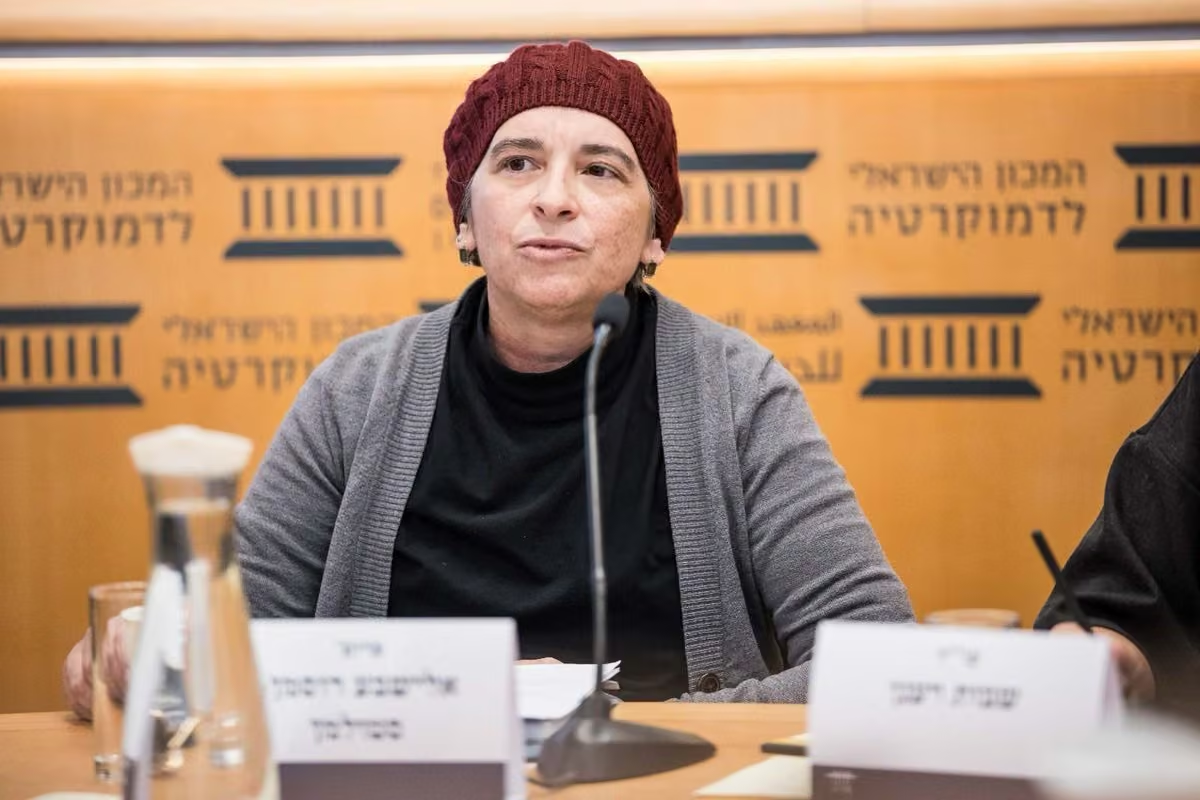
@suzienavot
Yonatan Sindel/FLASH90, Oren Ben Hakoon/POOL -
המכון הישראלי לדמוקרטיה
@DemocracyIL
עו"ד אילן בומבך, מומחה במשפט מנהלי, בכנס לציון 30 שנה לפסק דין "בנק מזרחי": "כשאני שומע אדם כמו סנ"צ בדימוס צחי חבקין (חוקר בתיקי נתניהו), מופיע בבית המשפט ואומר "אני הולך לספר לכם על דברים לא חוקיים שנעשו פה על ידי רשויות האכיפה", הייתי מצפה שהפרקליטות תרצה לשמוע אותו על מנת להפיק לקחים ולתקן. אבל התחושה בציבור היא שעושים הכל כדי לא לתקן." @Ilan_bombach
צילום: עודד קרני -
המכון הישראלי לדמוקרטיה
@DemocracyIL
עוד מדברי נשיאת בית המשפט העליון לשעבר דורית ביניש: "מאוד עצוב מה שקרה עם הפצ"רית. לא תמים כל מה שמתרחש מסביב, מדאיג מאוד. זה ניצול לרעה של דבר שהוא באמת ברמה אסונית בעיניי. אם אין מעצורים כדי למנוע את הניצול לרעה, יש מקום לדאגה."
@suzienavot
צילום: עודד קרני -
המכון הישראלי לדמוקרטיה
@DemocracyIL
עוד הוסיפה השופטת דורית ביניש: "כאשר התברר שחוקים אפשר לבטל בא הרעיון המבריק - חוק יסוד אי אפשר לבטל. ולכן הגענו לחוקי יסוד שחלקם אפשר להבין וחלקם כבר הובילו עד לאבסורד. זה השימוש לרעה בחוק יסוד".
@suzienavot
צילום: עודד קרני -
המכון הישראלי לדמוקרטיה
@DemocracyIL
נשיאת בית המשפט העליון לשעבר, השופטת דורית ביניש, בכנס לציון 30 שנה לפסק דין "בנק המזרחי" בביקורת על הכנסת: "ברגע שהיכולת של בית המשפט לבטל תקנות הלכה וגברה בהרבה מאוד תיקים, מצאה הכנסת לנכון להתחכם עם המחשבה שיחוקקו חוק ראשי ובזה לא יגעו. זו הייתה חלק מההתחמקות. נושאים שהיו פעם נושאי תקנות הפכו להיות נושאים של חקיקה ראשית."
@suzienavot
צילום: עודד קרני -
המכון הישראלי לדמוקרטיה
@DemocracyIL
עו"ד אייל ינון, לשעבר היועץ המשפטי של הכנסת: "בשום אופן אסור לוותר על ביקורת חוקתית של ביהמ"ש על הכנסת, ובכלל ביקורת על הכנסת, גם אם מפתים אתכם ברוב מיוחד ובכל מיני מגבלות שהכנסת תיקח על עצמה. אפשר ורצוי להגביל את ביהמ"ש: רוב מיוחד, הרכב רחב, עילות מסוימות לפסילה - אבל הוצאת ביהמ"ש מהמשוואה כמוה כהפקרה של הכנסת למאבק כוחני שאין בו שום אינפוט של זכויות אדם ו/או איזונים ודרג מקצועי או לא מקצועי שישפיע על החקיקה."
-
המכון הישראלי לדמוקרטיה
@DemocracyIL
פרופ' אהרן ברק בכנס לציון 30 שנה לפסק דין "בנק המזרחי" על היחסים בין רשויות השלטון: "אני בליבי ציוני, הרצלייני. אני רואה בישראל את מדינת הלאום של העם היהודי. הסכמתי לחוק הלאום אבל לא לנוסח שלו. עדיין יש מקום להוסיף מספר חוקי יסוד: חוק יסוד חקיקה שמן ולא רזה, אבל מידת השומן שלו תהיה כמידת ההסכמה שניתן יהיה להשיג אחרי הבחירות. הוא לא יכול להיות כל כך שמן שלא ניתן יהיה להסכים עליו אחרי הבחירות, לא רק בתוך הקואליציה אלא צריך גם הסכמה של האופוזיציה.
הצעתי הצעה דומה לנשיא לפני שנתיים, והצעתי לו: בוא תקים גוף של מומחים בעלי השקפות שונות שיציעו לך הצעת חוק חקיקה. הוא אמר שיבדוק את זה, ובדק עם שר המשפטים שאמר שהוא לא רוצה את זה - ונגמר העניין. אני לא חושב שיש מה לעשות עם הזמן שנותר אלא רק אחרי הבחירות"
@suzienavot
צילום: עודד קרני -
המכון הישראלי לדמוקרטיה
@DemocracyIL
עוד מדבריו של פרופ' אהרן ברק: "גם אם הייתי יודע שהכנסת בכוונה לא רצתה שוויון, הייתי נותן לזה משקל. אני לא מאלו שחושבים שלדברי המחוקק אין משקל - אבל אין להם משקל מכריע. הפרשנות התכליתית שלי מסתכלת במבט רחב. הוא הדין לא רק בכבוד האדם אלא גם בזכויות אחרות. כתוצאה מכך יש המון התנגשויות בין הזכויות ואני תמיד ראיתי את ההתנגשויות לא כתוצר של טעויות חוקתיות אלא כחלק מהעושר שיש לזכויות האדם"
@suzienavot
צילום: עודד קרני -
המכון הישראלי לדמוקרטיה
@DemocracyIL
בנוגע למשפט נתניהו - פרופ' אהרן ברק בכנס לציון 30 שנה לפסק דין "בנק המזרחי" על היחסים בין רשויות השלטון: "אני נראה בעיני הציבור כאיש קיצוני, אבל אני איש של פשרה, איש של הסכמות. אני עדיין חושב שצריך עסקת טיעון לראש הממשלה. אמרתי גם לנציגיו שבאו לדבר איתי באחת ההזדמנויות: הזמן לכך אוזל. יבוא הרגע שגם אני אחשוב שהתקדמו במשפט כ"כ הרבה - שכבר לא יהיה מקום לעשות עסקת טיעון. אבל נכון להיום עדיין צריך לעשות זאת. כמובן, זאת עסקת טיעון שבה הוא מודה שהוא ביצע את העבירות האלו"
@suzienavot
צילום: עודד קרני -
המכון הישראלי לדמוקרטיה
@DemocracyIL
עוד הוסיף פרופ' אהרן ברק: "ראש הממשלה מדבר על הקרע בעם ועל איחוי הקרע - זה נכון. אבל אתה צריך לתת דוגמה לכך, לא רק לדבר על זה. למה אתה ממשיך עם הרפורמה המשטרית עכשיו? תעמיד את זה כנושא לבחירות, יידע העם ויצביע עבור המפלגות שבעד או נגד הרפורמה - אבל עכשיו, עד שיהיו בחירות: הפסק! זה נתון בידיו, אם הוא יגיד לשר המשפטים 'עצור', שר המשפטים יעצור.
מה שקרה פה זאת תנועת מטוטלת שהלכה מקצה אחד לקצה השני. הדרך לתקן את המצב יהיה בעיקר אחרי הבחירות. אני לא מאמין שאפשר לעשות משהו משמעותי עד הבחירות, אלא אם כן עסקת טיעון תצא לפועל. לכן הבחירות הן קריטיות לא רק למשטר, לממשל ולחיים שלנו כמדינה דמוקרטית ליברלית שטוב לחיות בה"
@suzienavot
צילום: עודד קרני -
המכון הישראלי לדמוקרטיה
@DemocracyIL
פרופ' אהרן ברק, נשיא בית המשפט העליון לשעבר בכנס לציון "30 שנה לפסק דין בנק המזרחי" על היחסים בין רשויות השלטון: "לצערי הרב אנחנו מידרדרים מהדמוקרטיה הליברלית שבה היינו, למדרון די חלקלק לעבר דמוקרטיה לא-ליברלית שסופה הוא דיקטטורה. אנחנו לא נמצאים שם, יש הרבה מה לעשות כדי לעצור את זה - ואם זה לא ייעצר זה יהיה מאוד גרוע"
צילום: עודד קרני -
המכון הישראלי לדמוקרטיה
@DemocracyIL
כנס לציון 30 שנה לפסק דין "בנק המזרחי" - על היחסים בין רשויות השלטון - יוצא לדרך. הצטרפו אלינו לשידור החי >>> www.idi.org.il/events/62023
-
המכון הישראלי לדמוקרטיה
@DemocracyIL
ברכות לפרופ' עמיחי כהן, עמית מחקר בכיר במכון הישראלי לדמוקרטיה ומומחה למשפט בינלאומי, על זכייתו בפרס לרנר למשפט בינלאומי לשנת תשפ"ו.
הפרס מוענק זו הפעם הראשונה, בסימן 100 שנה להולדתו של פרופ' נתן לרנר ז"ל – ממייסדי תחום המשפט הבינלאומי בישראל ומורה דרך לדורות של משפטנים, וניתן על מצוינות אקדמית ולתרומה יוצאת דופן לעולם המשפט הבינלאומי.
גאים וגאות בך!
צילום: עודד אנטמן
@amichaic -
המכון הישראלי לדמוקרטיה
@DemocracyIL
הליך המינוי של הפצ"ר נועד להבטיח את עצמאותו ואי-תלותו המקצועית. לפי החוק, שר הביטחון ממנה את הפצ"ר לפי המלצת הרמטכ"ל – אך לפי המלצות ועדת צ'חנובר, שאומצו על-ידי הקבינט המדיני-ביטחוני, כדי לבצר את עצמאות הפצ״ר נדרשת גם הסכמת היועצת המשפטית לממשלה.
אף שהחלטת הקבינט לתקן את החוק טרם יושמה, ראוי כי כך יפעלו שר הביטחון, הרמטכ״ל והיועמ״שית כעת – במיוחד נוכח האירועים האחרונים והחשיבות לשקם את האמון במערכת המשפט הצבאית.
בריאיון לחדשות 12 מסביר ד"ר ערן שמיר-בורר את ההליך החוקי למינוי הפצ"ר ואת הצורך לשמור על עצמאות מערכת המשפט הצבאית.
למסבירון המלא על הפרשה >>> www.idi.org.il/articles/62000
@N12News @eran_shamirThis media couldn't be displayed. See it on the original post. -
המכון הישראלי לדמוקרטיה
@DemocracyIL
פרשת שדה תימן כוללת שלושה היבטים חמורים: החשד להתעללות בעציר פלסטיני, הפריצה לבסיסי צה״ל בידי המון ושרים, והדלפת הסרטון לצד חשדות לטיוח ולהטעיה.
הפרשייה עכשיו העוסקת בהדלפה ובחשדות לשיבוש חקירה, מטלטלת את צה״ל ואת מערכת המשפט וחשוב שתיחקר עד תום. פעולות טיוח ושיבוש עלולות להיות חמורות מהמעשה עצמו.
נדרשת עתה פעולה נחושה מצד שר הביטחון, הרמטכ"ל והיועצת המשפטית לממשלה על מנת לייצב את מערכת המשפט הצבאית ולשקם את האמון בה, בדרך של מינוי פצ"ר חדש בהקדם האפשרי, בהליך מינוי ראוי של מועמד ראוי. זאת, לצד קידום יעיל של החקירה עליה הורתה היועמ"שית.
שלטון החוק חייב לשמש מצפן במיצוי הדין ביחס לכל אחד מהיבטי הפרשה והשמירה עליו חשובה במיוחד בימים אלה.
לתגובת המכון המלאה >>
www.idi.org.il/articles/61999
Photo by Yonatan Sindel/Flash90 -
המכון הישראלי לדמוקרטיה
@DemocracyIL
הצעת החוק שמקדם ח"כ ביסמוט איננה "חוק גיוס" – אלא מתווה של כניעה פוליטית להנהגה החרדית שמעמיק את אי-השוויון, פוגע בביטחון ובכלכלה, ומנציח את ההשתמטות.
במקום להפעיל סנקציות אפקטיביות על המשתמטים ולעודד השתתפות שוויונית בנטל, החוק מבטל את המנגנונים שכבר היו בתוקף ומחליף אותם במגבלות חלשות.
אחרי שנתיים של לחימה, הציבור מצפה למנהיגות שאומרת אמת ופועלת באחריות – לא להסדר שמעניק פטור גורף ומחליש את מודל צבא העם.
מאמר דעה חדש של @yplesner, נשיא המכון הישראלי לדמוקרטיה >>>
www.idi.org.il/articles/61981
Photo by Yonatan Sindel/Flash90 -
המכון הישראלי לדמוקרטיה
@DemocracyIL
"זה לא חוק לפיצול תפקיד היועמ"שית – זה חוק לחיסול התפקיד."
ד"ר עמיר פוקס מסביר בראיון לחדשות 12 למה מאחורי הדיבור על "ייעול" ו"פיצול" מסתתרת בעצם פגיעה אנושה בשומרי הסף של החוק במדינת ישראל.
במקום לחזק את עצמאות מוסד הייעוץ המשפטי לממשלה – ההצעה תיצור משרות פוליטיות, תחליש את הפיקוח על הממשלה, ותערער את אחד המנגנונים האחרונים שמבטיחים שהממשלה תפעל לפי החוק.
לחוו"ד המכון על הצעת החוק לפיצול תפקיד היועץ המשפטי לממשלה >>> www.idi.org.il/knesset-committees/61928
@N12NewsThis media couldn't be displayed. See it on the original post. -
המכון הישראלי לדמוקרטיה
@DemocracyIL
היום צפויה בירושלים הפגנת ענק של הציבור החרדי תחת הכותרת "זעקת התורה – נגד רדיפת לומדי התורה".
אבל מאחורי הסיסמה הזו מסתתר מאבק עמוק יותר – לא רק על חוק הגיוס, אלא גם על הזכות להישאר קהילה נבדלת בעולם שקורא להשתתפות מלאה בחיים האזרחיים.
בעידן של לחצים גוברים להשתלבות בחברה הכללית, ובעקבות שנה קשה של מלחמה ושינויים, ההפגנה הופכת גם לטקס של שייכות – ניסיון ללכד את השורות סביב השאלה: מי אנחנו.
אליהו ברקוביץ במאמר דעה על מה שעומד מאחורי "הפגנת המיליון": www.idi.org.il/articles/61977
Photo by Chaim Goldberg/Flash90 -
המכון הישראלי לדמוקרטיה
@DemocracyIL
רק 51% מהציבור סבורים כי לרה"מ תרומה חיובית לסיום המלחמה, לעומת 95% החושבים כך על הנשיא טראמפ.
סקר מיוחד של המכון מגלה גם שרוב גדול בציבור היהודי תומך בתגובה חריפה נגד חמאס אם לא יקיים את התחייבותו להשיב את החטופים החללים:
45% תומכים בחזרה ללחימה,
42% תומכים בהחמרת הסנקציות והגבלת הסיוע ההומניטרי לרצועת עזה,
בקרב הערבים - 56% תומכים בהמשך מימוש המתווה והימנעות מהסלמה גם במקרה של הפרה.
לסקר המלא של מרכז ויטרבי לחקר דעת קהל ומדיניות במכון: www.idi.org.il/articles/61944
Photo by Yonatan Sindel/Flash90 -
המכון הישראלי לדמוקרטיה
@DemocracyIL
מחדל השבעה באוקטובר נמצא גם בהנצחה: אנשים לא מחכים למדינה ומנציחים באופן אישי את יקיריהם. יוחנן פלסנר ושירה ברביבאי-שחם שוחחו בפודקאסט "סדר חדש" עם פרופ' ורד וניצקי־סרוסי, חוקרת זיכרון ותרבות, על האופן שבו נזכור את 7 באוקטובר ועל הקשר בין ההפקרה של המדינה לסטיקרים לזכרם של חיילים שנפלו בקרב.
חפשו "סדר חדש" בספוטיפיי, באפל פודקאסט וביוטיוב.
המכון הישראלי לדמוקרטיה
@DemocracyIL
לפרק המלא בספוטיפיי: open.spotify.com/episode/5KrCHVAnfsdvBXP0zrycuK
-
המכון הישראלי לדמוקרטיה
@DemocracyIL
עזבו את איראן, אלה המדינות שבאמת צריכות להדאיג אותנו: א', לשעבר ראש אגף המודיעין במוסד, התארח בפודקאסט "סדר חדש" והסביר ליוחנן פלסנר ושירה ברביבאי-שחם למה המשימה הקשה באמת של ישראל .היא לשכנע את העולם שקטר ותורכיה מסוכנות יותר ממה שנדמה
-
המכון הישראלי לדמוקרטיה
@DemocracyIL
המזרח התיכון מעיניהם של אנשי הצללים: השינויים הדרמטיים שמתרחשים מסביבנו הם בין היתר תוצאה של פעולות המוסד לאורך שנים. יוחנן פלסנר ושירה ברביבאי-שחם משוחחים בפודקאסט "סדר חדש" עם א', לשעבר ראש אגף מודיעין במוסד, על המערכה החשאית שמעצבת את המציאות האזורית
-
המכון הישראלי לדמוקרטיה
@DemocracyIL
פתיחת כנס החורף של הכנסת היא הזדמנות לעצור רגע ולבחון את מצב הפרלמנט שלנו.
הכנס שנפתח היום צפוי להיות סוער – אבל עוד לפני הסערות, כדאי לדבר על השורש: הכשלים שמחלישים את הכנסת כבר שנים.
פיקוח חלש על הממשלה – רוב קואליציוני ממושמע ומנגנוני פיקוח לא אפקטיביים מונעים מהכנסת למלא את אחד מתפקידיה המרכזיים: לפקח על הממשלה.
ריבוי הצעות חוק פרטיות – בקדנציה הנוכחית הונחו 6,204 הצעות חוק פרטיות. רובן המוחלט לא יגיעו אפילו לדיון.
ועדות חלשות – הוועדות, "סוסי העבודה" של הכנסת, עמוסות מדי, עוסקות בתחומים רבים מדי, וחברי הכנסת חברים בכמה ועדות במקביל – בלי מספיק תמיכה מקצועית.
כנסת קטנה מדי – אוכלוסיית ישראל גדלה פי 12 מאז קום המדינה, אבל הכנסת נשארה עם 120 חברים בלבד. החוק הנורבגי ניסה להתמודד עם זה – אך נכשל מסיבות שונות.
זה הזמן שחברי הכנסת – מהקואליציה ומהאופוזיציה כאחד – ידרשו לחזק את המוסד החשוב הזה.
חיזוק הכנסת הוא אינטרס של כל אזרח ואזרחית בישראל.
לקריאה נוספת על איך משפרים את עבודת הכנסת ומחזקים את מעמדה >>> www.idi.org.il/books/58049
Yonatan Sindel/Flash90
המכון הישראלי לדמוקרטיה
@DemocracyIL
לקריאה נוספת על איך משפרים את עבודת הכנסת ומחזקים את מעמדה >>> www.idi.org.il/books/58049
-
המכון הישראלי לדמוקרטיה
@DemocracyIL
"הבנים שלכם הם הבנים שלנו": אנחנו זוכרים היום את מי שאיבדנו ב-7 באוקטובר ובימים הקשים שבאו אחריו, אבל גם את הסולידריות, כוח העל שלנו כחברה.
אלעד קציר ז"ל, שנרצח בשבי חמאס, היה פעיל במאבק להשבת חלל צה"ל סגן הדר גולדין. בפודקאסט "סדר חדש" סיפרה לנו אחותו, כרמית פלטי-קציר, על המחויבות שהרגיש אלעד כלפי משפחת גולדין, אותה לא הכיר.This media couldn't be displayed. See it on the original post. -
המכון הישראלי לדמוקרטיה
@DemocracyIL
בהתרגשות גדולה, בתקווה ובדאגה
מחכים להשבת כולם, החטופים החיים והחללים.
שנוכל להתחיל לתקן ולהחלים,
שנוכל לנשום שוב באמת. 🎗️
Kyodo via Reuters Connect -
המכון הישראלי לדמוקרטיה
@DemocracyIL
ב-7 באוקטובר כרמית פלטי-קציר איבדה את אביה שנרצח בניר-עוז. אמה שוחררה בעסקה הראשונה ונפטרה שנה לאחר מכן, אחיה נרצח בשבי חמאס. במלאת שנתיים למלחמה, היא שוחחה עם יוחנן פלסנר ושירה ברביבאי-שחם בפודקאסט "סדר חדש" על השבר, על מנהיגות אזרחית, וגם על הבדידות של המשפחות שמחכות ליקיריהן.
חפשו "סדר חדש" בספוטיפיי, באפל פודקאסט וביוטיוב.This media couldn't be displayed. See it on the original post. -
המכון הישראלי לדמוקרטיה
@DemocracyIL
על חטא ההשתמטות משירות צבאי גם בזמן מלחמה קשה, מתמשכת ועקובה מדם,
על חטא מניעת לימודי יסוד ומיומנויות הכרחיות מתלמידים חרדים,
על חטא ניצול הון פוליטי לשם נטילת פריבילגיות שאין לצידן חובות אזרחיות,
על חטא הקיפוח העדתי-אתני הבוטה והממוסד,
על חטא האפליה המגדרית בין נשים לגברים במרחב הציבורי,
על חטא הרחקתם של יהודים רבים מהחיבור לכור מחצבתם.
ד"ר אסף מלחי ועו"ד שלומית רביצקי טור-פז כותבים על הסליחה והמחילה שצריכה לבקש ההנהגה החרדית ביום הכיפורים הזה, ועל ההכאה על חטא שגם על המדינה לעשות.
המאמר המלא באתר, לינק בביו. -
המכון הישראלי לדמוקרטיה
@DemocracyIL
חוששים היום יותר: המלחמה בעזה החריפה עוד את מצבה המורכב של הקהילה היהודית בגרמניה. איך השפיעה המלחמה על היחס ליהודים ולישראלים שם? ומה עושה גרמניה כדי להגן עליהם? יוחנן פלסנר ושירה ברביבאי-שחם שוחחו השבוע בפודקאסט "סדר חדש" עם מיכאל רימל, מנכ"ל קרן קונרד אדנאואר ישראל.
-
המכון הישראלי לדמוקרטיה
@DemocracyIL
66% מכלל הציבור סבורים שהגיע הזמן לסיים את המלחמה.
סקר מיוחד במלאת שנתיים למלחמה בעזה:
מבין מי שחושבים שצריך לסיים את המלחמה, הסיבה העיקרית לכך היא הסיכון לחיי החטופים – כך אצל מחצית מהיהודים (50%) ושליש מהערבים (34%).
הסקר מגלה גם שרוב מכריע של הישראלים (73%) חושבים שמעמדה הבינלאומי של ישראל גרוע היום ממה שהיה לפני 7 באוקטובר.
הציבור חלוק בשאלה אם מצבנו הביטחוני טוב יותר היום.
הסקר המלא של מרכז ויטרבי לחקר דעת קהל ומדיניות במכון נמצא באתר, לינק בביו
@TamarHermann
@LYohanani
Chaim Goldberg/FLASH90 -
המכון הישראלי לדמוקרטיה
@DemocracyIL
"חברה בריאה מצליחה לקיים שיח על הסוגיות הכואבות ואינה טומנת ראש בחול מפניהן": דברים שאמרה עו"ד שלומית רביצקי טור-פז בפתח כנס על תפילות בהפרדה במרחב הציבורי שהתקיים היום במכון.
לצפייה בכנס המלא >>> www.idi.org.il/events/61773This media couldn't be displayed. See it on the original post. -
המכון הישראלי לדמוקרטיה reposted
Yohanan Plesner
@yplesner
תמיד חשוב לדבר על הסוגיות שקורעות אותנו מבפנים וליצור מרחב שוויוני ומכיל, וב-7 באוקטובר גם למדנו שאם לא נדע לעשות את זה יהיה לנו קשה הרבה יותר להתמודד עם איום חיצוני.
בכנס שקיימנו היום במכון על תפילות בהפרדה במרחב הציבורי התייחסתי לביקורת שהופנתה נגדנו על עצם קיום הכנס ועל זהות הדוברים בו.
האחריות שלנו כמכון לדמוקרטיה היא בעצם קיום שיח ענייני ופתוח, מתוך הבנה שהסכנה הגדולה יותר היא הימנעות ממנו. לתת במה לספקטרום רחב של דעות, לא בהכרח כאלה שמייצגות אותנו. במציאות הנוכחית כמעט שאין זירות שמאפשרות שיח כזה.
הסוגיה של תפילה בהפרדה היא רק חלק מדיון רחב הרבה יותר על האופן שבו יראה המרחב הציבורי שלנו: בתרבות, באקדמיה, במקומות העבודה, בצבא.
כאבא ל-4 בנות אני מוטרד מאוד מהשאלה איך אנחנו מייצרים חברה שמאפשרת מרחב שוויוני, וברור לי שאנחנו רק בתחילת הדיון בסוגיה הזאת.
לצפייה בכנס המלא >> www.idi.org.il/events/61773
צילום: עודד קרני -
המכון הישראלי לדמוקרטיה
@DemocracyIL
עו"ד שלומית רביצקי טור-פז, מנהלת המרכז לחברה משותפת במכון, בכנס על תפילות בהפרדה במרחב הציבורי:
"חברה בריאה מצליחה לקיים שיח על הסוגיות הכואבות ואינה טומנת ראש בחול מפניהן. בנותיה ובניה מקיימים את השיח הזה ללא מורא לא רק בתיבת התהודה המצומצמת שלהם ושלהן אלא דווקא עם יריביהן הפוליטיים, האידאולוגיים, בעלי ההשקפות האחרות על העתיד. זו הדרך היחידה להשפעה.
לארגונים אידאולוגיים יש דילמה אמיתית – האם נכון יותר למצב עצמם כמגדלור אידיאולוגי, המשמיע אמירות ברורות גם אם רק מעטים מקשיבים, מבלי ללכלך את שולי גלימתה של האמת במורכבותה המטונפת של המציאות, או דווקא להרים את שולי האדרת, לטבול בתוך הבוץ הטובעני, אפילו במחיר פגיעה באמת הטהורה, כדי להצליח לפעול בתוך החיים עצמם".
לצפייה בשידור החי: www.idi.org.il/events/61773
צילום: עודד קרני -
המכון הישראלי לדמוקרטיה
@DemocracyIL
אחרי שנתיים של מלחמה, הכלכלה הישראלית אמנם מפגינה כושר עמידה מרשים אבל הנזקים הכלכליים כבר כאן – והם ילכו ויתגברו ככל שהמלחמה תמשך.
פרופ' קרנית פלוג התראיינה לרשת CNN והסבירה מה יהיו השלכות הלחימה הממושכת וכיבוש עזה על המשק הישראלי.This media couldn't be displayed. See it on the original post. -
המכון הישראלי לדמוקרטיה
@DemocracyIL
רוב הציבור תומך בעבודות ברכבת בשבת כדי למנוע עומסים.
מדד הקול הישראלי – אוגוסט 2025:
55% מכלל הציבור תומכים בעבודות ברכבת בשבת,
עוד 16% תומכים בעבודות בשבת אבל רק אם העובדים אינם יהודים.
24% מתנגדים לכך,
5% אינם יודעים.
הסקר המלא של מרכז ויטרבי לחקר דעת קהל ומדיניות נמצא באתר, לינק בביו.
@TamarHermann
@LYohanani
Yehoshua Yosef/Flash90 -
המכון הישראלי לדמוקרטיה
@DemocracyIL
פרשת 8200 ומיקרוסופט היא תזכורת לכך שלענקיות הטק יש שיקולים שונים מאלה של ממשלת ישראל:
לחץ מצד עובדים ומשקיעים, לחץ ציבורי ותקשורתי וחשש מפגיעה במוניטין ובקשרים עם ממשלות אחרות. מבחינתן, זו לא רק שאלה משפטית אלא גם סיכון עסקי.
מדינת ישראל חייבת להכניס בחוזי הענן מנגנוני שקיפות וערעור מוסדרים, לפתח תשתיות ענן עצמאיות שיבטיחו המשכיות במקרה של ניתוק, ובעיקר לזכור שחברות הטכנולוגיה מתיישרות עם השיח על זכויות אדם, ולהטמיע את השיקול הזה במדיניות הביטחונית שלה.
בעולם שבו תנאי השימוש של מיקרוסופט או אמזון הם הריבון האמיתי, ישראל עלולה למצוא את עצמה כמו מטוס שמנועיו כבים באמצע הטיסה.
המאמר המלא של ד"ר @tehillaaltshul1 באתר, לינק בביו
Gili Yaari/Flash90 -
המכון הישראלי לדמוקרטיה
@DemocracyIL
צו המעצר נגד רה"מ בהאג גרם לשינוי מסלול הטיסה שלו לניו יורק, אבל הנזק האמיתי לישראל גדול בהרבה. השבוע בפודקאסט "סדר חדש", יוחנן פלסנר ושירה ברביבאי-שחם שוחחו עם פרופ' יובל שני, עמית בכיר במכון ולשעבר דיקן הפקולטה למשפטים באוני' העברית, על המשמעות של הצו הזה מבחינת מדינות העולם.
-
המכון הישראלי לדמוקרטיה
@DemocracyIL
שתהא שנה של תיקון וריפוי,
שנה שתיטיב עם כולנו,
ומעל לכול:
שישובו החטופים והחיילים, ונוכל להתחיל באמת מחדש.
שנה טובה! -
המכון הישראלי לדמוקרטיה
@DemocracyIL
בריטניה, אוסטרליה, קנדה – רשימת המדינות המכירות במדינה פלסטינית מתארכת, מזל שארה"ב עוד איתנו. אבל עד כמה הצעדים של ממשל טראמפ מסייעים לישראל? יוחנן פלסנר ושירה ברביבאי-שחם משוחחים עם פרופ' יובל שני, עמית בכיר במכון ולשעבר דיקן הפקולטה למשפטים באוני' העברית, על מצבנו המדיני .
-
המכון הישראלי לדמוקרטיה
@DemocracyIL
האם השנה הבאה תהיה יפה ושונה?
תלוי את מי שואלים.
בסקר מיוחד שערכנו בדקנו את מצב הרוח של הציבור הישראלי לקראת השנה החדשה:
מצב הרוח הלאומי
71% מכלל הציבור הגדירו אותו כירוד,
בפילוח לפי דתיות: 86% מהחילונים, 59% מהחרדים ו־49% מהדתיים.
מצב הרוח האישי
48% הגדירו את מצב רוחם כירוד, 50% דיווחו על מצב רוח די טוב ואף טוב מאוד.
גם כאן הפערים בולטים במיוחד: 73% מהחרדים והדתיים מרגישים טוב, לעומת 41% בלבד מהחילונים.
והציפיות לשנה הקרובה? חדשות טובות:
נרשמה ירידה משמעותית בשיעור הסבורים שהשנה הבאה תהיה גרועה מזו המסתיימת.
מי ייתן והשנה הבאה תיטיב עם כולן וכולם – ימין ושמאל, יהודים וערבים, דתיים וחילונים, חרדים ומסורתיים, וכל מה שביניהם.
@TamarHermann
@LYohanani
Chaim Goldberg/Flash90 -
המכון הישראלי לדמוקרטיה
@DemocracyIL
האם ישראל בדרך לפספס את מהפכת ה-AI ולאבד את המעמד שלה כמעצמת הייטק? אלון כהן, מי שהקים את חברת סייברארק ומכר אותה ב-25 מיליארד דולר, מסביר ליוחנן פלסנר ולשירה ברביבאי שחם למה כשהוא מסתכל על הצונאמי של הבינה המלאכותית הוא גם אופטימי וגם מודאג.
-
המכון הישראלי לדמוקרטיה
@DemocracyIL
ועדת גרוניס מתכנסת היום כדי לדון במינויו של דוד זיני לראש השב"כ.
היא תצטרך לבדוק בין השאר אם המינוי נעשה מטעמים ראויים, ולהתייחס גם ל"שתיקתו" של זיני לנוכח העובדה שרה"מ קידם בהתחלה את מינויו בניגוד לחוות הדעת של הייעוץ המשפטי לממשלה.
מה בעצם תפקיד הוועדה?
הוועדה המייעצת למינויים לתפקידים בכירים בודקת את טוהר המידות של המועמד ושל ההליך כולו, ואם המינוי אינו נגוע בשיקולים זרים. לעומת זאת, הוועדה אינה בוחנת את הכשירות המקצועית של המועמד.
את מי היא בודקת?
הרמטכ"ל, המפכ"ל, ראש השב"כ, ראש המוסד, נציב שירות בתי הסוהר, נגיד בנק ישראל והמשנה לנגיד - שבעה מהתפקידים הבכירים ביותר בשירות הציבורי הפטורים ממכרז.
האם חוות דעתה מחייבת?
פורמלית, הוועדה מייעצת בלבד. אבל בג"ץ ונציב שירות המדינה כבר הבהירו שעבודתה היא שלב מהותי בהליך המינוי, ושנדרשות נסיבות חריגות כדי לחרוג מהמלצתה.
המסבירון המלא של ד"ר @AssafShapias באתר, לינק בביו.
Chaim Goldberg/Flash90 -
המכון הישראלי לדמוקרטיה
@DemocracyIL
מה משמעות הבידוד המדיני והכלכלי של ישראל ומי הראשונים שיפגעו? דפנה אבירם-ניצן התראיינה לכתבתו של ניצן כהן בישראל היום.
-
המכון הישראלי לדמוקרטיה
@DemocracyIL
תביאו שלושה, תביאו ארבעה, תביאו חמישה משרדים!
יריב לוין:
שר המשפטים + מ"מ שר הפנים, הדתות, העבודה, ירושלים ומסורת ישראל.
חיים כץ:
שר התיירות, שר הבינוי והשיכון + מ"מ שר הבריאות ושר הרווחה והביטחון החברתי.
ברור ששר אחד לא יכול לנהל כל-כך הרבה משרדים. המשמעות:
* אין מי שיגבש מדיניות וידאג לביצוע שלה.
* אין מי שיקדם חקיקה בתחומי אחריות המשרד.
* עיכוב של רפורמות, מינויים והחלטות חשובות.
* פגיעה באזרחים.
אפילו כאשר מדובר במילוי מקום – זה לא מצב סביר.
לכל הפחות, צריך לחלק את תפקידי ממלאי המקום בין השרים (והשרות) השונים.ות בממשלה.
גם זה שוויון בנטל, לא?
המאמר המלא של פרופ' סוזי נבות וד"ר מורן קנדלשטיין-היינה באתר, לינק בביו.
@suzienavot
Yonatan Sindel/Flash90 -
המכון הישראלי לדמוקרטיה
@DemocracyIL
מי נוסע לאומן?
8% מהיהודים בישראל מעל גיל 18 ביקרו לפחות פעם אחת בקבר ר' נחמן,
9% מהגברים ו-7% מהנשים (!).
לקראת ראש השנה, אספנו את הנתונים שמאחורי העלייה לרגל לאורך השנה כולה:
מבין מי שביקרו באומן –
43% מסורתיים, 23.5% חרדים, 20% דתיים-לאומיים ו-13.5% חילונים.
ובחלוקה לפי מחנות פוליטיים:
* 19% ממצביעי ש"ס היו באומן,
* 13% ממצביעי יהדות התורה,
* 11% ו-10% ממצביעי הציונות הדתית והליכוד,
* אחוזים ספורים בלבד ממצביעי השמאל והמרכז.
הנתונים המלאים שאסף ד"ר אריאל פינקלשטיין באתר, לינק בביו. -
המכון הישראלי לדמוקרטיה
@DemocracyIL
״חרף התחייבות השר בפני בית הדין לפעול בהתאם לעקרונות שגובשו – מופרים העקרונות ומופר הדין״.
בחוות הדעת שהגישה לבג"ץ קובעת היועמ"שית: השר לביטחון לאומי הפר את ההסכם שנועד להבטיח כי לא יתערב בעבודת המשטרה באופן לא חוקי, ולכן יש צורך לקיים דיון דחוף בעתירות נגד המשך כהונתו.
ההפרות רבות וחמורות:
- "מסמך מדיניות" שמצמצמם את זכות ההפגנה ופוגע בעצמאות המשטרה.
- התערבות בוטה בחקירות ובאירועי מחאה.
- עיכוב קידום קצינה מטעמים פוליטיים.
אבל כישלון המתווה הזה, לצד הפרות חוזרות של הסכם ניגוד העניינים עם ראש הממשלה, מעלים שאלה גדולה יותר:
האם בימים של הפרת שלטון החוק כעניין שבשגרה – יש עוד בכלל מקום להסכמים כתובים מהסוג הזה?
המאמר המלא של פרופ' סוזי נבות ועו"ד מירית לביא באתר, לינק בביו.
@suzienavot
@ShMirit
Chaim Goldberg/Flash90 -
המכון הישראלי לדמוקרטיה
@DemocracyIL
כשני שלישים מהציבור תומכים בעסקה כוללת לשחרור החטופים.
מדד הקול הישראלי – אוגוסט 2025:
64% מהציבור בישראל תומכים בעסקה לשחרור כל החטופים, גם במחיר של הפסקת הלחימה ונסיגת צה"ל מעזה.
בימין - שיעור התומכים בעסקה גבוה משיעור המתנגדים לה.
עוד בסקר:
* 49% מהיהודים ומעל לשני שלישים בימין תומכים בהחלטת הקבינט להרחיב את המלחמה בעזה, 42.5% המתנגדים לה. בציבור הערבי: 81.5% מתנגדים להחלטה .
* כשליש מהציבור סבורים שהחברה הישראלית תוכל לשאת בנטל הלחימה עוד חודשים ספורים בלבד, רק כרבע מאמינים שתוכל לשאת בנטל "כמה שיהיה צורך ".
הסקר המלא של מרכז ויטרבי לחקר דעת קהל ומדיניות במכון הישראלי לדמוקרטיה נמצא באתר, לינק בביו.
@TamarHermann
@LYohanani
Arie Leib Abrams/Flash90 -
המכון הישראלי לדמוקרטיה
@DemocracyIL
משרד החינוך הודיע שהבגרות באזרחות בשנת הלימודים תשפ"ו לא תכלול את הפרק על דמוקרטיה ליברלית.
מה זה אומר?
תלמידים לא ייבחנו על הידע הבסיסי הדרוש להבנת חיים במדינה דמוקרטית.
נכון, הפרק הזה לא נמחק מתוכנית הלימודים, ומשרד החינוך אף הבהיר בתגובה לסערה שהתעוררה שאכן זה כך, אבל המסר ברור: ערכים דמוקרטיים מהותיים נדחקים לשוליים.
תלמידי ישראל ילמדו "דמוקרטיה חלולה": כזו שמתקיימות בה בחירות, אבל מרכיבים קריטיים כמו זכויות אדם ושלטון החוק - חסרים.
אפשר לתהות אם מדובר בבחירה מקרית בעיתוי הנוכחי,
ובכל מקרה: מורים, הורים, אנשי חינוך וחברה אזרחית חייבים להתעקש על כך שתלמידי ישראל יקבלו כלים להבנת המציאות ויוכלו לגבש עמדות ביקורתיות ועצמאיות.
המאמר המלא של ד"ר תמי הופמן באתר, לינק בביו.
Chaim Goldberg/Flash90 -
המכון הישראלי לדמוקרטיה
@DemocracyIL
50% מהציבור חושבים שמשבר ההוראה הוא האתגר המרכזי של מערכת החינוך.
סקר מיוחד לרגל פתיחת שנת הלימודים תשפ"ו בדק את עמדות הציבור לגבי מערכת החינוך:
* 31% סבורים שאין מקום לעסוק בכיתה בנושאים מעוררי מחלוקת.
* רוב בקרב דתיים (77%), חרדים (69%) ומסורתיים (61%-50%) תומכים בהעמקת הזהות היהודית בחינוך. בקרב החילונים - 58% מתנגדים.
* בחברה הערבית – 35% רואים באלימות ובבריונות אתגר מרכזי, לעומת 22% בלבד בקרב יהודים.
הסקר המלא באתר, קישור בביו.
Yossi Zamir/Flash90 -
המכון הישראלי לדמוקרטיה
@DemocracyIL
הסערה סביב בקשתו של ח"כ אריה דרעי לאפשר לבני ישיבות חייבי גיוס לטוס לאומן מעלה שאלה רחבה הרבה יותר:
האם הגבלה על יציאות לחו"ל עשויה להשפיע על המוטיבציה של צעירים חרדים להתגייס?
מחקר חדש של גבריאל גורדון ואליהו ברקוביץ מראה:
✈️ כמעט מחצית מתלמידי הישיבות (48%) יוצאים מהארץ לפחות פעם אחת בין גיל 18 ל־26.
✈️ בקרב הפורשים מהישיבה: 71% יוצאים לחו"ל.
✈️ גם בקרב הנשארים עד גיל 26: 41% טסים לחו"ל.
✈️ מי שטסו – משתלבים יותר בשוק העבודה (56% לעומת 35%), וגם מרוויחים יותר.
המסקנה: הדיון על טיסות לאומן הוא רק קצה הקרחון. יציאות לחו"ל הן תופעה רחבה שמחברת בין לימודים בישיבה, עבודה ושאלת השירות בצה"ל.
המחקר המלא באתר, קישור בביו.
Avshalom Sassoni/Flash90 -
המכון הישראלי לדמוקרטיה
@DemocracyIL
השוואות לתאי גזים, איומים במלחמת אחים, בהשבתה, במיטוט הבנקים:
מאחורי החרפת הטונים של ההנהגה החרדית ביחס למשבר הגיוס, כותב אליהו ברקוביץ, עומדים חוסר אונים מוחלט ופאניקה.
הבעיה?
ההנהגה החרדית מגלה שההסכם הישן שהיה לה עם המדינה כבר לא מחזיק.
אלא שבמקום להתעלות לגודל השעה, להבין שמה שהיה הוא לא שיהיה ולהיות שותפה בעיצוב סדר חדש, היא מתחפרת בכל הכוח בסדר הישן שמתפורר מול עיניה.
או במילים אחרות:
ההנהגה החרדית היא כמו הקוסם מארץ עוץ – היא לא באמת קיימת.
המאמר המלא באתר, לינק בביו
Photo by Chaim Goldberg/Flash90 -
המכון הישראלי לדמוקרטיה
@DemocracyIL
הכתבה על "ישיבות הנושרים" ב- @N12News חושפת תופעה מכעיסה – אבל לא חדשה.
ד"ר אסף מלחי חוקר את הנושא כבר מעל לשנתיים, ובמאמר שפרסם ביולי האחרון בעקבות פסיקת בג"ץ להפסיק את התקצוב לישיבות הללו – הוא מציע חלופה:
במקום להמשיך לממן מסגרות ללא אופק, המדינה יכולה להשקיע את התקציב בהכנת אותם נערים לשירות בצה"ל ולהשתלבות בשוק העבודה.
למאמר המלא >> www.idi.org.il/articles/60221
@eli_hirschmann -
המכון הישראלי לדמוקרטיה
@DemocracyIL
מתברר שיש מי שמשווה בין סנקציות נגד חרדים חייבי גיוס לבין גרמניה בתקופת הרייך השלישי. אז לידיעתם, סקר שערכנו במכון מראה ש-85% מהציבור היהודי הלא חרדי תומך היום בסנקציות על מי שלא מתגייס.
עו״ד שלומית רביצקי טור-פז הצטרפה לדיון הראשון בחוק הגיוס שקיימה ועדת חוץ וביטחון בניהול היו״ר החדש, ומסבירה למה אי אפשר לחזור שנה לאחור.This media couldn't be displayed. See it on the original post. -
המכון הישראלי לדמוקרטיה
@DemocracyIL
האם מדיניות ישראל מקשה גם על בעלות הברית הקרובות שלנו להמשיך לתמוך בנו?
ד"ר ערן שמיר-בורר, מנהל המרכז לביטחון לאומי ולדמוקרטיה במכון, מסביר בחדשות 12 למה התוכניות של ישראל בעזה מדאיגות את המערב, ואת החשש שישראל תקדם שם ״כיבוש זול".
@eran_shamir
@N12News
@hemooshri1 -
המכון הישראלי לדמוקרטיה
@DemocracyIL
כן, ישראל זקוקה נואשות לרפורמה במערכת המשפט.
אבל כזו שתשים את האזרח במרכז, תהפוך את הצדק לנגיש יותר ותמנע מצב שבו אפשר לשנות את כללי המשחק בקלות לטובת אינטרסים של קבוצה מצומצמת.
בפרק הרביעי של הפודקאסט סדר חדש, פרופ' סוזי נבות משוחחת עם יוחנן פלסנר ושירה ברביבאי-שחם על התיקונים שבאמת נדרשים כאן.
@suzienavot
@yplesner
כל הפרקים המלאים זמינים להאזנה בספוטיפיי ובאפל פודקאסט ולצפייה ביוטיוב.This media couldn't be displayed. See it on the original post. -
Post not available here, view on X
המכון הישראלי לדמוקרטיה
@DemocracyIL
להאזנה באפל פודקאסט: podcasts.apple.com/il/podcast/פרק-4-הפיכה-או-רפורמה-האמת-…
המכון הישראלי לדמוקרטיה
@DemocracyIL
לצפייה ביוטיוב: www.youtube.com/watch?v=DRZHJwehr54
-
המכון הישראלי לדמוקרטיה
@DemocracyIL
רגע לפני שהודח מתפקיד יו"ר ועדת החוץ והביטחון, פורסמה השבוע הצעת חוק הגיוס של יולי אדלשטיין, אותה השאיר בתור "ירושה" למחליפו.
ההצעה מבטאת התקדמות משמעותית במאמץ לגיוס חרדים – אך עדיין רחוקה מליצור שוויון בנטל.
מה היא אומרת?
🔹 מיקוד בגיוס בלבד: החוק מתמקד בשירות צבאי ומוציא את השירות האזרחי ואת התעסוקה מחוץ לתמונה – מגמה נכונה, אך גיל הפטור הגבוה (26) יעכב יציאה לעבודה.
🔹 יעדי הגיוס אמנם גבוהים יחסית (עד 9,500 בשנה החמישית), אך בסופו של דבר שיטת היעדים, שאינה כוללת חובת גיוס על כולם, תמשיך לאפשר פטור נרחב ותייצר קשיים בהפעלת הסנקציות.
🔹 סנקציות אישיות ומוסדיות על אי-גיוס: שלילת הטבות כלכליות בדיור, תחבורה, ארנונה, מעונות יום ועוד – פוטנציאל ממשי לשינוי, אך יש להחילן באופן מיידי ולא להחזיר את תקציבי הישיבות והמעונות בטרם גויסו החיילים החרדים.
שלומית רביצקי טור-פז ונעה גושן מפרטות על המתווה ומשמעויותיו: www.idi.org.il/articles/60400
Yonatan Sindel Flash90 -
המכון הישראלי לדמוקרטיה
@DemocracyIL
סקר יולי 2025: האם ישראל עושה ככל יכולתה כדי למנוע סבל מיותר בעזה?
מדד הקול הישראלי ליולי 2025 מצביע על פער עמוק בין הציבור היהודי לערבי בשאלה הזאת:
78% מהיהודים מאמינים שישראל עושה מאמצים ניכרים לצמצום פגיעות מיותרות במסגרת אילוצי המלחמה.
מנגד, 66.5% מהערבים סבורים שישראל יכולה לעשות יותר להפחתת הסבל הפלסטיני, אך בוחרת לא לעשות זאת.
הסקר נערך על ידי מרכז ויטרבי לחקר דעת קהל ומדיניות במכון הישראלי לדמוקרטיה.
לסקר המלא >> www.idi.org.il/articles/60328
@TamarHermann
@LYohanani
Photo by REUTERS -
המכון הישראלי לדמוקרטיה reposted
ערוץ כנסת 99
@Knesset99
'הממשלה לא יכולה לפטר את היועמ"שית' - כך מציין ד"ר עמיר פוקס, חוקר בכיר במכון הישראלי לדמוקרטיה, בהתייחסות להדחת גלי בהרב-מיארה: "זו אחת התוצאות של מצב שבו יש ממשלה שבראשה מכהן רה"מ עם כתב אישום"
מתוך #הזירה_המרכזית
@DemocracyIL
@netanyahu
@moran_azulayThis media couldn't be displayed. See it on the original post. -
המכון הישראלי לדמוקרטיה
@DemocracyIL
אם תרצה ישראל או לא - כיבוש רצועת עזה אומר שהיא תישא באחריות לכל היבטי חייהם של יותר מ-2 מיליון תושבים עזתים, תהיה אחראית לשיקום הרצועה ובנוסף גם תשלם מחיר מדיני כבד, בעולם שבו יש פחות ופחות סובלנות לשליטה בעם אחר.
ד"ר ערן שמיר-בורר, מנהל המרכז לביטחון לאומי ודמוקרטיה במכון, שוחח עם @amsterdamski2 ו- @lielkyzer על משמעויות התוכניות להרחבת השליטה ברצועה.
@eran_shamir
@kann_news -
המכון הישראלי לדמוקרטיה
@DemocracyIL
בג"ץ הקפיא את פיטורי היועמ"שית וקבע שעד לקבלת החלטה - שום דבר לא ישתנה בסדרי העבודה בין הממשלה ליועצת, וגם לא בסמכויותיה.
אבל גם בלי צו כזה, הממשלה לא יכולה להרשות לעצמה להתעלם מהיועצת המשפטית שלה. פרופ' @suzienavot מסבירה ל@AmalyaDuek למה.
@N12News -
המכון הישראלי לדמוקרטיה reposted
ערוץ כנסת 99
@Knesset99
"עדיין לא עומד בדרישות המפלגות החרדיות" - צפו בדבריו של יוחנן פלסנר, נשיא המכון הישראלי לדמוקרטיה על מתווה אדלשטיין
מתוך #החדשות עם יעקב אילון
@JacobEilon
@yplesner
@DemocracyIL
@YuliEdelsteinThis media couldn't be displayed. See it on the original post. -
המכון הישראלי לדמוקרטיה
@DemocracyIL
זה לא עניין אישי של גלי בהרב מיארה: נאשם לא יכול לפטר את התובעת במשפטו ואי אפשר לשנות הליך הדחה רק כדי להבטיח מראש את תוצאותיו.
ד"ר עמיר פוקס מסביר למה הליך הדחת היועמ"שית אינו חוקי, ולמה זה צריך לעניין אותנו.
ואיך תפגע בנו הדחה פסולה של היועמ"שית? המסבירון המלא של ד"ר גיא לוריא כאן: www.idi.org.il/articles/60102This media couldn't be displayed. See it on the original post. -
המכון הישראלי לדמוקרטיה
@DemocracyIL
שני כנסים נפרדים שנערכו בשבוע שעבר מספרים על המחלוקת בתוך החברה החרדית סביב הגיוס.
כמו יעקב לפני הפגישה המחודשת עם עשיו אחרי שנים ארוכות של סכסוך, כך נערכים גם החרדים לקרב הזה:
תפילה, קריאה לפיוס, והכנות למלחמה.
אלא שהוויכוח על הגיוס חוצה את החברה החרדית לשני מחנות:
הליטאים, שמוכנים להשלים השלמה שבשתיקה עם גיוס חרדים שאינם לומדים תמורת פטור לכל תלמידי הישיבות,
והחסידים - שלא מוכנים לוותר על פטור מגיוס לכולם.
האם "יהדות התורה", שמורכבת משני הפלגים, תבחר בפשרה, או תלך עם הקיצוניים גם במחיר פירוק הממשלה?
למאמר המלא של אליהו ברקוביץ: www.idi.org.il/articles/60384
Photo by Flash90 -
המכון הישראלי לדמוקרטיה
@DemocracyIL
המכתב שבו דרש שר התקשורת שלמה קרעי מעובדי משרדו שלא לשתף פעולה עם היועמ"שית, אינו סתם חריגה מסמכות.
זו קריאת תיגר ישירה ובוטה על יסודות שלטון החוק בישראל.
מדובר בצעד נוסף, מדוד ומודע, במסלול מסוכן שמוביל אותנו לעבר כאוס חוקתי. מצב שבו שרים רואים עצמם מעל החוק, מתעלמים בגלוי מהחלטות בג"ץ ומציגים את שומרי הסף כאויבי הציבור.
הצו הארעי שהוציא אתמול השופט סולברג קבע באופן ברור כי "החלטת הממשלה על פיטורי היועצת המשפטית לממשלה תושהה, על כל המשתמע מכך, עד למתן החלטה אחרת". והוסיף כי: "בתוך כך, לא יחול בתקופה זו שינוי כלשהו בסמכויות היועצת המשפטית לממשלה ובסדרי העבודה הנוהגים בינה לבין הממשלה".
לכן שר בממשלה, המצהיר כי יחליט בעצמו מתי לפנות לייעוץ משפטי ומתי להתעלם ממנו – פועל בניגוד לחוק ובז לחובה לציית לפסיקת בית המשפט.
צעדים כאלה אינם "אמירה פוליטית" או "ויכוח לגיטימי" - הם חציית קו אדום.
על שר התקשורת לחזור בו מהמכתב לאלתר, ולכבד את פסיקת בג"ץ ואת סמכויות היועצת המשפטית לממשלה. אם הוא לא מוכן לעשות זאת עליו להתפטר. ואם לא יתפטר על ראש הממשלה לפטר אותו. ממשלה שלא שומרת על החוק מאבדת את הלגיטימיות שלה.
לתגובה המלאה של יוחנן פלסנר, נשיא המכון הישראלי לדמוקרטיה, ופרופ' סוזי נבות, סגנית נשיא המכון:
www.idi.org.il/articles/60385
@yplesner
@suzienavot
Oren Ben Hakoon/Flash90 -
המכון הישראלי לדמוקרטיה
@DemocracyIL
לכיבוש של רצועת עזה יש משמעויות מרחיקות לכת וחובה לדבר עליהן.
אם אכן "הולכים לכיבוש מלא" כפי שטוענים בכירים בסביבת נתניהו, כדאי שנבין את ההשלכות הביטחוניות, הכלכליות, המדיניות, הערכיות והחברתיות שיהיו למציאות כזו.
לפי הדין הבין-לאומי, מדינה כובשת אחראית לשלומם ולרווחתם של תושבי השטח הכבוש.
זה אומר לספק להם הכול:
מזון, שירותי רפואה, סדר ציבורי, תעסוקה, חינוך, תשתיות -
אפילו על חשבון משאביה שלה.
מבחינות מסוימות ישראל עלולה למצוא עצמה זוחלת כבר עכשיו לכיבוש חלקי או מלא של הרצועה, עוד לפני שהתקבלה על כך החלטה מוצהרת.
אבל רגע לפני שנמצא את עצמנו במצב חדש לגמרי, צריך להציג לציבור את המשמעויות והמחירים שמתלווים אליו.
למאמר המלא של ד"ר ערן שמיר-בורר >> www.idi.org.il/articles/60383
@eran_shamir
צילום: רויטרס -
המכון הישראלי לדמוקרטיה
@DemocracyIL
53% מהישראלים מדווחים שהתגברות האנטישמיות וההתנכלויות לישראלים בחו"ל משפיעה על תוכניות הנסיעה שלהם.
38% דיווחו שהאירועים האלה משפיעים על בחירת היעד לנסיעה, 18% אמרו שלא יסעו בקרוב לחו"ל בגלל המצב.
מדד הקול הישראלי לחודש יולי 2025 מגלה גם שכאשר מורידים את מי שלא תכנן לנסוע בכל מקרה - הנתונים קופצים משמעותית:
76% מהיהודים ו-65% מהערבים מדווחים שהאירועים משפיעים על תוכניות הנסיעה שלהם.
הסקר נערך בידי מרכז ויטרבי לחקר דעת קהל ומדיניות במכון הישראלי לדמוקרטיה.
לסקר המלא >>www.idi.org.il/articles/60328
@TamarHermann
@LYohanani
Photo: Quentin de Groeve / Hans Lucas via Reuters Connect -
המכון הישראלי לדמוקרטיה reposted
ערוץ כנסת 99
@Knesset99
הממשלה אישרה פה אחד את הדחת היועמ"שית | ד"ר גיא לוריא, עמית מחקר במכון הישראלי לדמוקרטיה: "יש פה ניגוד עניינים, זו התובעת הראשית במשפט שמתנהל נגד רה"מ. לא חושב שבג"ץ יאשר כזאת הכללה משוללת כל תוקף משפטי"
מתוך #תא_הכתבים
@YuvalKarniThis media couldn't be displayed. See it on the original post. -
המכון הישראלי לדמוקרטיה
@DemocracyIL
רפורמה משפטית או הפיכה משטרית? האם בג"ץ חזק מדי? והאם הדמוקרטיה שלנו באמת בסכנה?
בפרק הרביעי של הפודקאסט "סדר חדש", פרופ' סוזי נבות משוחחת עם יוחנן פלסנר ושירה ברביבאי-שחם על הדמוקרטיה הישראלית ומאפייניה הייחודיים.
לפרק המלא בספוטיפיי: open.spotify.com/episode/5xx04XG9vtCY4YqvRfRRPZ
@suzienavot
@yplesnerThis media couldn't be displayed. See it on the original post.
המכון הישראלי לדמוקרטיה
@DemocracyIL
להאזנה באפל פודקאסט: podcasts.apple.com/il/podcast/פרק-4-הפיכה-או-רפורמה-האמת-…
המכון הישראלי לדמוקרטיה
@DemocracyIL
לצפייה בפרק המלא ביוטיוב: www.youtube.com/watch?v=DRZHJwehr54
-
המכון הישראלי לדמוקרטיה
@DemocracyIL
החלטת הממשלה היום להפסיק את כהונת היועצת המשפטית לממשלה לא נועדה רק להדיח את היועצת, אלא נועדה לפגוע בעצמאות ובמקצועיות של מוסד הייעוץ המשפטי לממשלה ובתפקידו בשמירה על שלטון החוק בישראל.
אין לממשלה כל הצדקה עניינית להדחה, ולא בכדי הודתה רק לאחרונה שלא נמצאו שרי משפטים ויועצים משפטיים לממשלה לשעבר שיסכימו למהלך. כל הליך ההדחה הוא פסול, מנוגד לדין ופוליטי לחלוטין.
ההליך אף נגוע בניגוד עניינים, שכן היועצת המשפטית לממשלה היא התובעת הכללית, והחלטת ההדחה מתקבלת שעה שמתנהל הליך פלילי נגד ראש הממשלה.
מהלך זה של הדחה משתלב עם מהלכים רבים שמובילה הממשלה בשנתיים וחצי האחרונות, שמטרתם לרסק את שלטון החוק ולפגוע במקצועיות השירות הציבורי.
עו"ד ענת טהון אשכנזי @AnatThon, מנהלת המרכז למוסדות ולערכים דמוקרטיים במכון הישראלי לדמוקרטיה,
ד"ר עמיר פוקס, חוקר בכיר במכון,
ד"ר גיא לוריא, עמית מחקר במכון.
Photo by Oren Ben Hakoon/POOL -
המכון הישראלי לדמוקרטיה
@DemocracyIL
בשנתיים וחצי האחרונות הממשלה ביקשה ייצוג נפרד מהיועמ"שית ב-28 עתירות - והפסידה כמעט בכולן.
למה זה חשוב?
בזמן שהממשלה מצביעה על הדחת היועמ"שית, כדאי להזכיר:
היועמ"שית אמורה לייצג את מדיניות הממשלה - אבל גם לוודא שהיא פועלת לפי החוק. לכן בעבר מקרים שבהם ביקשה הממשלה לפעול בניגוד לעמדת היועץ המשפטי היו נדירים מאוד.
עד לממשלה הנוכחית.
ב-28 מקרים שונים ביקשה ממשלת ישראל לפעול בניגוד לעמדת היועמ"שית ולקבל ייצוג נפרד בבג"ץ, לרוב בנוגע ליוזמות חקיקה שנועדו להחליש את מערכת המשפט.
מתוך 20 מקרים שכבר הוכרעו, רק בשני מקרים לא קיבל בג"ץ את עמדת היועצת.
לסקירה המלאה של @AnatThon ועו"ד דפני בנבניסטי>> www.idi.org.il/articles/64989
Photo by Yonatan Sindel/Flash90 -
המכון הישראלי לדמוקרטיה
@DemocracyIL
85% מהיהודים שאינם חרדים תומכים בהטלת סנקציות ובשלילת הטבות מחרדים חייבים בגיוס, 61% תומכים בשלילת זכות הצבעה לכנסת ולרשויות. אלי הירשמן מציג ב
@N12News
את תוצאות הסקר המיוחד שערכו עו"ד שלומית רביצקי טור-פז ומרכז ויטרבי לחקר דעת קהל ומדיניות במכון:
@eli_hirschmann -
המכון הישראלי לדמוקרטיה
@DemocracyIL
בזמן שאתם מתכננים את הטיול הבא בין סבבי המילואים – יש מי שעוקב אחריכם. ארגונים אנטי-ישראלים פועלים להביא למעצרם של חיילי צה"ל בחו"ל.
מה חשוב לדעת לפני שעולים על המטוס?
ד"ר ערן שמיר בורר, ראש המרכז לביטחון לאומי ודמוקרטיה במכון, מסביר איך אפשר להימנע ממעצרים כאלה בפרק השלישי של הפודקאסט "סדר חדש" >>> open.spotify.com/episode/7zSLubT75tcVQeeYClHIfo
@eran_shamir @yplesnerThis media couldn't be displayed. See it on the original post.
המכון הישראלי לדמוקרטיה
@DemocracyIL
להאזנה באפל פודקאסט -podcasts.apple.com/il/podcast/פרק-3-למי-אכפת-מדין-בינלאומ…
לצפייה ביוטיוב - www.youtube.com/watch?v=tC8rEOeMuZA -
המכון הישראלי לדמוקרטיה
@DemocracyIL
בראיון ל @N12News, ד"ר @eran_shamir מסביר מה ההשלכות על ישראל של ההכרה במדינה פלסטינית מצד מדינות כמו צרפת ובריטניה, ומה היא יכולה לעשות כדי לצמצם את המשך ההידרדרות במעמדה המדיני בעולם.
צפו בריאיון המלא >>> www.idi.org.il/galleries/60304This media couldn't be displayed. See it on the original post. -
המכון הישראלי לדמוקרטיה
@DemocracyIL
רוב מבין הסנאטורים הדמוקרטים תמכו הלילה בהצעה לעצור מכירת אמצעי לחימה לישראל.
ההצעה אמנם נפלה, אבל הרוב הזה חסר תקדים, וזה כמובן לא אירוע מבודד.
הוא מצטרף להכרה הבין-לאומית הגוברת במדינה פלסטינית, שאמנם לא תביא להקמת מדינה כזו מייד, אבל עלולות להיות לה השלכות חריפות יותר ממה שהכרנו עד כה.
* היא מחזקת את מעמדה של הרשות הפלסטינית בזירה המשפטית (למשל בבית הדין הפלילי הבינ"ל);
* מקשה על חופש הפעולה של ישראל בעזה ובגדה;
* ועלולה להוביל לסנקציות, לפגיעה בקשרים כלכליים ולבידוד דיפלומטי גובר.
כאשר מדינות כמו צרפת ובריטניה, החברות במועצת הביטחון של האו"ם, מכירות במדינה פלסטינית – ישראל עלולה למצוא את עצמה תלויה לחלוטין בווטו האמריקאי.
אבל כאשר גם בארה"ב נשחקת התמיכה – ההגנה מצד בת הברית הקרובה ביותר כבר אינה מובטחת, וישראל עלולה למצוא את עצמה מול לחצים בינלאומיים, ששום מדינה לא הצליחה לעמוד בהם.
למאמר המלא של פרופ' עמיחי כהן: www.idi.org.il/articles/60303
@amichaic
Photo by Yossi Zamir/Flash90 -
המכון הישראלי לדמוקרטיה reposted
אלי הירשמן Eli Hirschmann
@eli_hirschmann
61% תומכים בשלילת זכות הצבעה לכנסת ולרשויות.
הסקר המלא וההחלטה הצפויה של הרבנים על חוק עם סנקציות בקישור did.li/dHn6q
@N12News -
המכון הישראלי לדמוקרטיה reposted
אלי הירשמן Eli Hirschmann
@eli_hirschmann
סקר דרמטי של המכון הישראלי לדמוקרטיה, 85% מהיהודים הלא חרדים תומכים בסנקציות על חרדים חייבי גיוס >>
-
המכון הישראלי לדמוקרטיה
@DemocracyIL
צריך לקרוא פעמיים את ההודעה לבג"ץ מטעם השרים לוין ושיקלי בעניין הליך הדחתה של היועמ"שית. הם אומרים בפועל כי לא הצליחו למצוא שר משפטים שיסכים להדיח אותה ולכן לא הוקמה הוועדה ושינו את כללי ההדחה.
"אין להלום מצב שהממשלה תמנה מתנגדים מובהקים למדיניותה" – כותבים השרים. "מדיניות"? מבקשים להדיח את היועצת – זו ה"מדיניות". ומסתבר שכאן חיפשו את מי שמראש יסכים ל"מדיניות" ההדחה.
ועדת גרוניס, אגב, לא קיימת כבר שנתיים וחצי, כי לא מונו מחליפים לשניים מחבריה: שר משפטים לשעבר או יועץ משפטי לשעבר שתמנה הממשלה; וחבר כנסת שבוחרת ועדת החוקה של הכנסת. האחריות ליזום את המינויים האלה מוטלת על שר המשפטים.
כל ההליך שנקבע לפיטורי היועצת המשפטית לממשלה מבוסס על כך שהוועדה היא ועדה קבועה וחבריה לא מתמנים כאן ועכשיו לצורך אירוע אחד (ומיוחד). גם הניסיון היום, למנות אותם רק לאחר שהחל ההליך, הוא מהלך בעייתי שמטרתו לא לקבל עצה מקצועית ואובייקטיבית, אלא למנות את מי שיתן את "העצה" הרצויה.
יוחנן פלסנר, נשיא המכון הישראלי לדמוקרטיה
פרופ' סוזי נבות, סגנית נשיא המכון
@yplesner
@suzienavot
Yonatan Sindel/Flash90 -
המכון הישראלי לדמוקרטיה
@DemocracyIL
האם בממשלת ישראל קשובים לביקורת?
בשבוע האחרון הצטמצמה הממשלה מ-33 שרים ל-25 בלבד, ואפילו אחוז הנשים המכהנות בה עלה!
התייעלות בזמן מלחמה? או אולי משהו אחר לגמרי?
פרופ' עופר קניג מסביר:This media couldn't be displayed. See it on the original post. -
המכון הישראלי לדמוקרטיה
@DemocracyIL
בהקלקה אחת קטנה, הפכו השרים את הכנסת למיותרת.
הממשלה אישרה במשאל בוואטסאפ ובטלפון תקנות שעת חירום שמרחיבות את סמכויותיה בתחום הסייבר.
לפי החוק, תקנות שעת חירום נועדו למצבים נדירים וקיצוניים שבהם הכנסת משותקת, וקיים צורך מיידי "להגן על המדינה, ביטחון הציבור וקיום האספקה והשירותים החיוניים". הן מעניקות לממשלה סמכות לעקוף את הכנסת ולשנות או לבטל זמנית חוקים קיימים, ולכן השימוש בהן חייב להיות מצומצם וזהיר.
כשהממשלה מאשרת תקנות חירום בלי דיון ממשי, בניגוד לעמדת היועמ"ש, ובזמן שאין שום הצדקה לעקוף את הכנסת - פוטנציאל הסכנה גדול.
אם הממשלה תוכל להתקין תקנות שעת חירום בכל פעם שיש לה בעיה להשיג רוב בכנסת, או שאינה רוצה למסור מידע, לקיים דיונים ולשמוע מומחים, מה בעצם עומד בינה לבין כוח בלתי מוגבל?
תקנות שעת חירום הן מדרון חלקלק. היום זה “רק” סייבר, מחר זה עלול להיות כל דבר אחר: השתקת ביקורת, הענקת סמכויות אכיפה ל“נאמנים”, או פעולה נגד כל מי שמפריע לממשלה.
לחוות הדעת של ד"ר נדב דגן, ד"ר גיא לוריא וד"ר עמיר פוקס >> www.idi.org.il/knesset-committees/60247
Yonatan Sindel/Flash90 -
המכון הישראלי לדמוקרטיה
@DemocracyIL
מהן החובות המשפטיות של ישראל לסיוע הומניטרי בעזה? מה ההשלכות של הכוונה של חברים בקואליציה "לכבוש מחדש את עזה"?
בפרק החדש של הפודקאסט "סדר חדש" - שירה ברביבאי-שחם ויוחנן פלסנר שוחחו עם ד"ר ערן שמיר-בורר על מלחמה, משפט, סיוע הומניטרי, והסיכונים המשפטיים בחו"ל.
לפרק המלא בספוטיפיי: open.spotify.com/episode/7zSLubT75tcVQeeYClHIfo
@eran_shamirThis media couldn't be displayed. See it on the original post.
המכון הישראלי לדמוקרטיה
@DemocracyIL
להאזנה באפל פודקאסט: podcasts.apple.com/il/podcast/פרק-3-למי-אכפת-מדין-בינלאומ…
המכון הישראלי לדמוקרטיה
@DemocracyIL
לצפייה בפרק המלא ביוטיוב: www.youtube.com/watch?v=tC8rEOeMuZA
-
המכון הישראלי לדמוקרטיה
@DemocracyIL
לא לומדים, לא משרתים – ועכשיו גם לא מתוקצבים.
בשבוע שעבר הורתה היועמ"שית להפסיק את מימון הישיבות לנוער חרדי נושר.
קרוב ל-10,000 צעירים חרדים לומדים בישיבות כאלה, שהמדינה מממנת בנדיבות.
הם בקושי לומדים תורה, לא משתלבים בשוק העבודה וראשי הישיבות שלהם עדיין מנסים למנוע מהם להתגייס לצבא ולהיחשף לעולם החילוני.
עצם קיום המסגרות האלה שכמעט ולא לומדים בהן, סודק את הטענה שלפיה כל בחור ישיבה "מגן על עם ישראל" באמצעות לימוד התורה ולכן ראוי לפטור משירות.
אלא שלא רק צה"ל והחברה הישראלית יכולים להרוויח אם "הנושרים" החרדים יתגייסו:
תחשבו על אלפי צעירים שתקועים במסלול ללא מוצא: בלי אופק תעסוקתי, בלי זהות אזרחית, בלי עתיד.
דווקא הפסקת המימון יכולה להפוך עבורם לכרטיס יציאה ממצב של אפס אפשרויות, להשתלבות איכותית בצבא ובחברה הישראלית.
למאמר המלא של ד"ר אסף מלחי: www.idi.org.il/articles/60221
Chaim Goldberg/Flash90 -
המכון הישראלי לדמוקרטיה
@DemocracyIL
"לצה"ל חסרים 12,000 לוחמים, אדלשטיין פועל כרגע בהתאם לאינטרס הביטחוני ועל זה הוא מודח."
ח"כ @AvigdorLiberman אתמול, בשיחה עם @yplesner בכנס "זמן הכרעה".
לקטע המלא >>> www.idi.org.il/galleries/60202This media couldn't be displayed. See it on the original post. -
המכון הישראלי לדמוקרטיה
@DemocracyIL
"התורה שלי היא תורה שבמלחמת מצווה אנשים מתייצבים, ותורה של לא תעמוד על דם רעך":
עו"ד שלומית רביצקי טור-פז, מנהלת מרכז ג'ייקובס לחברה משותפת במכון, בכנס "זמן הכרעה":This media couldn't be displayed. See it on the original post. -
המכון הישראלי לדמוקרטיה
@DemocracyIL
"לא נצליח להגיע לחוק גיוס אפקטיבי עם ההסכמה של המנהיגות הפוליטית והחרדית שאנחנו רואים היום. לכן כרגע היעד הוא קודם כל למנוע חוק רע ולאכוף את חוק שירות הביטחון הקיים."
דברים שאמר היום @yplesner בכנס "זמן הכרעה" של המכון: www.idi.org.il/events/60154This media couldn't be displayed. See it on the original post. -
המכון הישראלי לדמוקרטיה
@DemocracyIL
יועז הנדל, לשעבר שר התקשורת ומייסד תנועת המילואימניקים, בכנס #זמןהכרעה:
אין שום דבר אחר לעשות: מי שלא משרת שירות צבאי או לאומי, לא משנה אם הוא חרדי חילוני או ערבי לא יכול לקבל את אותן זכויות כמוני, ולא יכול להחליט עלי ועל הילדים שלי. הוא לא יוכל לבחור ולא יוכל להיבחר. זה נשמע קיצוני אבל אני לא רואה שום אפשרות אחרות מלבד לייצר כנסת שהמסה המרכזית שלה היא ציונית, כאלה ששירתו ועשו למען המדינה. מי שמבחירתו האישית בוחר להיות אזרח סוג ב׳ אהלן וסאהלן.
@YoazHendel1 -
המכון הישראלי לדמוקרטיה reposted
Yohanan Plesner
@yplesner
אנחנו שולחים את הילדים שלנו, את הבנות והבנים שלנו להילחם, ומצפים מהמנהיגות שתשים הכול בצד ברגעים כאלה, כולל את הפוליטיקה, ותעשה את מה שנכון למדינה.
אמרתי היום בכנס "זמן הכרעה" של המכון, שאי אפשר לדבר גבוהה גבוהה על מלחמת קיום ובפועל לא לשנות אף פרקטיקה ממה שאפיין את הפוליטיקה לפני המלחמה.
אותו אריאל אטיאס שנשלח ליולי אדלשטיין כדי להכתיב לו עקרונות לחוק פטור, ניגש גם אליי ב-2012 עם הצעות דומות.
הלקח שלי: אם רוצים משהו שהוא יותר מאשר סתם חתיכת נייר ששוב תכשיר פטור גורף, זה לא יקרה אם נמתין להסכמה של המנהיגות הפוליטית החרדית שאנחנו רואים היום.
כל עוד אין דרך להגיע לחוק טוב דרך ברית והסכמה ציונית רחבה, כל עוד אין חלופה שנותנת תקווה – היעד הוא קודם כל למנוע חוק רע ולאכוף את חוק שירות הביטחון הקיים.
@DemocracyIL -
המכון הישראלי לדמוקרטיה
@DemocracyIL
ד"ר תהילה אליצור, מיוזמות ומובילות פורום "שותפות לשירות" @sutafotla , בכנס #זמןהכרעה:
"התחלנו את הפעילות עם מכתב של אמהות שקוראות לאמהות חרדיות תגידו לילדים שלכם להתגייס. יש קיר אדום צבוע בדם שמפריד בינינו לבין החרדים, וזה מסוכן הרבה יותר מהשאלה אם סמוטריץ ילך או לא עם מי מהמפלגות החרדיות." -
המכון הישראלי לדמוקרטיה reposted
Josh Breiner
@JoshBreiner
מפקד מחוז ת"א לשעבר עמי אשד לראשונה מאז הדחתו ע"י בן גביר דיבר היום בכנס של המכון הישראלי לדמוקרטיה: "מטרת העל של המשטרה ומפקדי המחוזות צריכה להיות לאפשר הפגנות. כשמפקד מגיע להפגנה בתודעה שהפגנה היא לא מלחמה, זה מחלחל למטה. בכל הפגנה יש תמונות פחות טובות שצריך להימנע מהם וניסיונות לפקובורציה שמזינה את ההפגנה כמו הנפת דגלים מסויימים או חסימות כבישים ומפקד טוב צריך לדעת איך לנרמל את זה ולהתנהל עם זה בצורה מקצועית".
עוד מדברי אשד: "הציבור כבר לא מאמין שהמשטרה היא משטרה מאוזנת שפועלת עם כולם באותה צורה. היום ככל שאתה אגרסיבי יותר אתה נחשב ליותר טוב וברגע שמי (שבמשטרה) עובר עבירה מחובק, ומי שעובר על החוק או מתנהל בנורמות וערכים לא טובים כמו מפקד תחנה חדרה שמקבל חיבוק מהדרג הפוליטי, זה מחלחל למטה מאוד מהר. יש קלקולים בתרבות הארגונית של המשטרה ויהיה קשה מאוד לתקן את זה בטווח הקצר אבל זה אפשרי אם תהיה מנהיגות נכונה, מפכ"ל נכון וסגל פיקוד בכיר נכון". -
המכון הישראלי לדמוקרטיה
@DemocracyIL
עו"ד שלומית רביצקי טור-פז, מנהלת מרכז ג'ייקובס לחברה משותפת במכון, בכנס #זמןהכרעה:
"הציבור החרדי, המנהיגות החרדית, באופן שהיא מדברת היא לא לוקחת לי רק את המדינה ולא חס ושלום לוקחת לנו את הילדים, אלא לוקחת לנו את התורה. כי האופן שבו הציבור החרדי מפרש את התורה גם לוקח לנו את התורה. התורה שלי היא תורה שבמלחמת מצווה אנשים מתייצבים, ותורה של עזרת ישראל מיד צר ולא תעמוד על דם רעך.
וכשלוקחים את התורה ואומרים אני גם אלמד תורה וגם אקח את הילד כשהוא חולה לרופא, אבל כאשר מדובר בצבא אני לא אלך, זה לא אמין." -
המכון הישראלי לדמוקרטיה
@DemocracyIL
סא"ל (מיל') יוסי לוי, מנכ"ל עמותת נצח יהודה @yossilevii בכנס #זמןהכרעה:
"צריך להיות חכם ולא צודק. מי שינסה לגייס את כולם יפסיד. אפשר להמשיך לנסות לגייס את כולם אבל זה לא יעבוד.
מהו הצודק? יש שתי אוגדות פנויות במגזר החרדי שלא לומדים דקה תורה ביום. בואו נתחיל משתי אוגדות נגייס 20,000 חרדים ואז נדבר על ה-71 אלף הנותרים. "
המכון הישראלי לדמוקרטיה
@DemocracyIL
עוד הוסיף סא"ל (מיל') יוסי לוי, מנכ"ל עמותת נצח יהודה בכנס #זמןהכרעה: "בסוף אם אני גדל במצב שבו אני לא מבין שחיילי צה"ל גיבורים – זה כשל חינוכי. התחלנו להקים רשת של ישיבות הסדר חרדיות, מכינות קדם צבאיות, כדי לבוא ולומר: תבוא מוכן לצה"ל, תדע שהגעת למקום קדוש, אתה לא מגיע בגלל אינטרס וזו מילת המפתח שתנצח את כל עניין הגיוס לצה"ל: ליגטימציה."
-
המכון הישראלי לדמוקרטיה
@DemocracyIL
ח"כ מירב כהן, יש עתיד @cohen_meirav בכנס #זמןהכרעה:
"אנחנו לא יכולים להמשיך לממן בכסף ציבורי מערכת חינוכית שמחנכת לא להתגייס, מחנכת לא להתערות בחברה, מחנכת להתבדל מהציבור. לא יתכן שאנחנו נלמד מגיל צעיר עד מבוגר לא להתגייס לא להשתתף, להתבדל, ואז אנחנו נורא נתפלא שבגיל 18 הם לא באים לצבא". -
המכון הישראלי לדמוקרטיה
@DemocracyIL
ח"כ אביגדור ליברמן, לשעבר שר הביטחון; יו"ר ישראל ביתנו @AvigdorLiberman עם יוחנן פלסנר, נשיא המכון הישראלי לדמוקרטיה @yplesner בכנס #זמןהכרעה:
"המשחק מכור, נעשה דבר שהוא חסר תקדים: מדיחים את יו"ר ועדה הכי חשובה בכנסת, לא בגלל חוסר תפקוד ולא בגלל החלפת השלטון, אלא בגלל שהוא פועל בניגוד לתפיסה הפוליטית. אבל הוא כיו"ר הוועדה חייב לשקף את האינטרס הביטחוני.
לצה"ל חסרים 12,000 לוחמים, הוא פועל כרגע, באמת, בהתאם לאינטרס הביטחוני
ועל זה הוא מודח. בסוף ההכרעה תעבור לבית המשפט העליון".
ולכן, צריך לתת כמה שפחות לגיטימציה לשלטון המשתמטים.
ולכן, אנחנו חושבים שאין טעם להמשיך לשבת בוועדת חוץ וביטחון ולתת להם לגיטימציה. -
המכון הישראלי לדמוקרטיה
@DemocracyIL
ח"כ אביגדור ליברמן, לשעבר שר הביטחון; יו"ר ישראל ביתנו @AvigdorLiberman עם יוחנן פלסנר, נשיא המכון הישראלי לדמוקרטיה @yplesner בכנס #זמןהכרעה:
"תכלית החזית בעזה היא שימור הקואליציה. אין תכלית צבאית, החלטות מתקבלות בניגוד לדעתו של הרמטכ"ל, הדוגמא הבולטת ביותר היא "העיר ההומנטרית". הרמטכ"ל אמר בעצמו שזה נוגד את מטרות המלחמה, ועלות הטירוף הזה יעלה למשלם המיסים הישראלי 20 מיליארד שקל בשנה.
היינו צריכים לשים על השולחן תוכנית אחת: תחזירו את כל החטופים, תקבלו בתמורה את הפסקת המלחמה, ואז זה היה מפעיל את כל הקהילה הבינ״ל". -
המכון הישראלי לדמוקרטיה
@DemocracyIL
ניצב (בדימוס) עמי אשד, לשעבר מפקד מחוז תל אביב במשטרת ישראל בשיחה עם ד"ר ערן שמיר-בורר מנהל המרכז לביטחון לאומי ודמוקרטיה במכון @eran_shamir בכנס #זמןהכרעה :
"הכל מתחיל ונגמר במנהיגות, מי שעובר על החוק ומקבל חיבוק מהדרג הפוליטי זה מחלחל מהר מאד.
הכל בר תיקון בסופו של דבר השאלה כמה זמן זה ייקח. קל לתקן מערכות, קשה לתקן תרבות ארגונית ואנשים. תרבות ארגונית נבנית לאורך שנים רבות ונהרסת בשניה, יש קלקולים בתרבות הארגונית של המשטרה שיהיה קשה לתקן בזמן קצר אבל זה אפשרי". -
המכון הישראלי לדמוקרטיה
@DemocracyIL
לצערי הרב הדרך שבה דואגים להגיד "מנהיגות" כמילה מכובסת ל"צייתנות" מחלחלת לשורות המשטרה.
ניצב (בדימוס) עמי אשד, לשעבר מפקד מחוז תל אביב במשטרת ישראל בשיחה עם ד"ר ערן שמיר-בורר, מנהל המרכז לביטחון לאומי ודמוקרטיה במכון @eran_shamir בכנס #זמןהכרעה :
"בשני דברים יסודיים חל שינוי משמעותי בשנתיים האחרונות: המנהיגות ואמון הציבור. מנהיגות המפקד משפיעה באופן מכריע על דפוסי הפעילות של השוטרים. כשאתה משדר לשוטרים שלך שלא מדובר פה במלחמה, אלא בזכות יסוד שאנחנו צריכים לדאוג שהיא תתקיים ולפעול בדרך של הרגעה - כשהשוטר מבין את זה גם הציבור מבין את זה. אני רואה שנשברה המנהיגות בהקשר הזה. הציבור כבר לא מאמין שבאמת המשטרה ביסודה היא משטרה מאוזנת. האמון הזה הוא קריטי ליכולת של משטרה לתפקד". -
המכון הישראלי לדמוקרטיה
@DemocracyIL
תנ"צ (בדימוס) יגאל חדד לשעבר סגן ראש אגף התיכנון במשטרת ישראל; חוקר אורח בתחום פשיעה חמורה במכון הישראלי לדמוקרטיה @igalhadad בכנס #זמןהכרעה:
"כשאתה מטפח תודעת לוחם בשוטר, השוטר מטפח תודעה שהאזרח הוא אויב. האתוס הזה של התרבות שלנו שכל דבר כדי לייצר לו חשיבות של משמעות אז הוא 'לוחם', מייצר דבר בעייתי בעבודת המשטרה.
לכן רואים בהפגנות שוטרים רעולי פנים, רואים מתנדבים רעולי פנים, רואים שימוש מופרז ולא מידתי באמצעים לפיזור הפגנות, שוטרים סמויים בהפגנות וגם מעצרי שווא". -
המכון הישראלי לדמוקרטיה
@DemocracyIL
"יהושע (ג'וש) בריינר, כתב משטרה ופלילים, עיתון "הארץ" בכנס #זמןהכרעה :
יותר ויותר מחוזות במשטרה הופכים להיות שלוחות של עוצמה יהודית. בכירים במשטרה מקודמים לא עפ"י הצלחות ומדדים, אלא עפ"י הניסיון שלהם למצוא חן בעיני השר הממונה ועוזריו, לכן מתנהגים בהתאם שזה נוגע להפגנות נגד השלטון. אנחנו יודעים היום שמה שהפריע לבן גביר ואנשיו שיזמו את הדחת עמי אשד הייתה ההתנהלות שלו בהפגנות נגד השלטון ולא בהצלחות המבצעיות שלו מול ארגוני הפשיעה. וזה מעביר מסר גם לקצינים אחרים במשטרה - אתם צריכים לנהוג כפי שמצופה, אחרת לא תישארו בתפקידכם. וזה מעביר מסר גם לשאר קציני המשטרה. זה מתבטא גם במעצרי שווא של מפגינים, חיפושים בעירום. בכל פעם הקצינים מקבלים גיבוי מהשר". -
המכון הישראלי לדמוקרטיה
@DemocracyIL
"עד עצם היום הזה, אף אחד לא עמד לדין. האירוע הזה לא הגיע על ריק, הוא היה תוצאה של הסתה".
עו"ד אורלי ארז לחובסקי, מנכ"לית המרכז הרפורמי לדת ומדינה על התקיפה נגד הצופים בטקס הישראלי-פלסטיני ברעננה בכנס #זמןהכרעה:
"הראיות נמצאות בפני המשטרה ושום דבר לא נעשה. כנגד מסיתים יהודים – אם כבר מוגש כתב אישום, זה לוקח שנים ואנחנו רואים גם אכיפה סלקטיבית בשיעורי הרשעות ובענישה. הנושא הזה לא חדש אבל אין ספק שהוא החמיר תחת הממשלה הנוכחית. מי שהרביצו לי ברעננה לבשו חולצות של הליכוד". -
המכון הישראלי לדמוקרטיה
@DemocracyIL
ח"כ עאידה תומא סלימאן, חד"ש בכנס #זמןהכרעה 2025:
"כולם מדברים על הבחירות הבאות ומצפים שהאוכלוסיה הערבית תלך לרשימה משותפת, לא חשוב מה יהיה, כי זו גישה אינסטרומנטלית שמסתכלת על הערבים כמילואימניקים של השמאל והמרכז במערכת הבחירות.
מי שעשה דה לגיטימציה על השיח על הכיבוש בזמן ההפיכה המשטרית- משלם היום על דה לגיטימציה של כלל החברה הערבית". -
המכון הישראלי לדמוקרטיה
@DemocracyIL
"אנחנו במצב אבסורדי שהגורם שמחזיק את שלטון חמאס זו ממשלת ישראל".
אלוף (במיל') יאיר גולן, יו"ר הדמוקרטים @YairGolan1 בשיחה עם פרופ' סוזי נבות @suzienavot בכנס #זמןהכרעה 2025:
"מתסכל שמה שאנחנו חושבים שהם צעדים הכרחיים והאמת פשוטים וברורים - פשוט לא קורים. צריך להגיע להפסקת אש ארוכת טווח, שחרור כל החטופים בפעימה אחת ולהתחיל לבנות בתוך רצועת עזה עם הרבה שותפים שלטון חלופי לחמאס. אנחנו במצב אבסורדי שהגורם שמחזיק את שלטון חמאס זו ממשלת ישראל". -
המכון הישראלי לדמוקרטיה
@DemocracyIL
אלוף (במיל') יאיר גולן, יו"ר הדמוקרטים @YairGolan1 בשיחה עם פרופ' סוזי נבות @suzienavot בכנס #זמןהכרעה 2025:
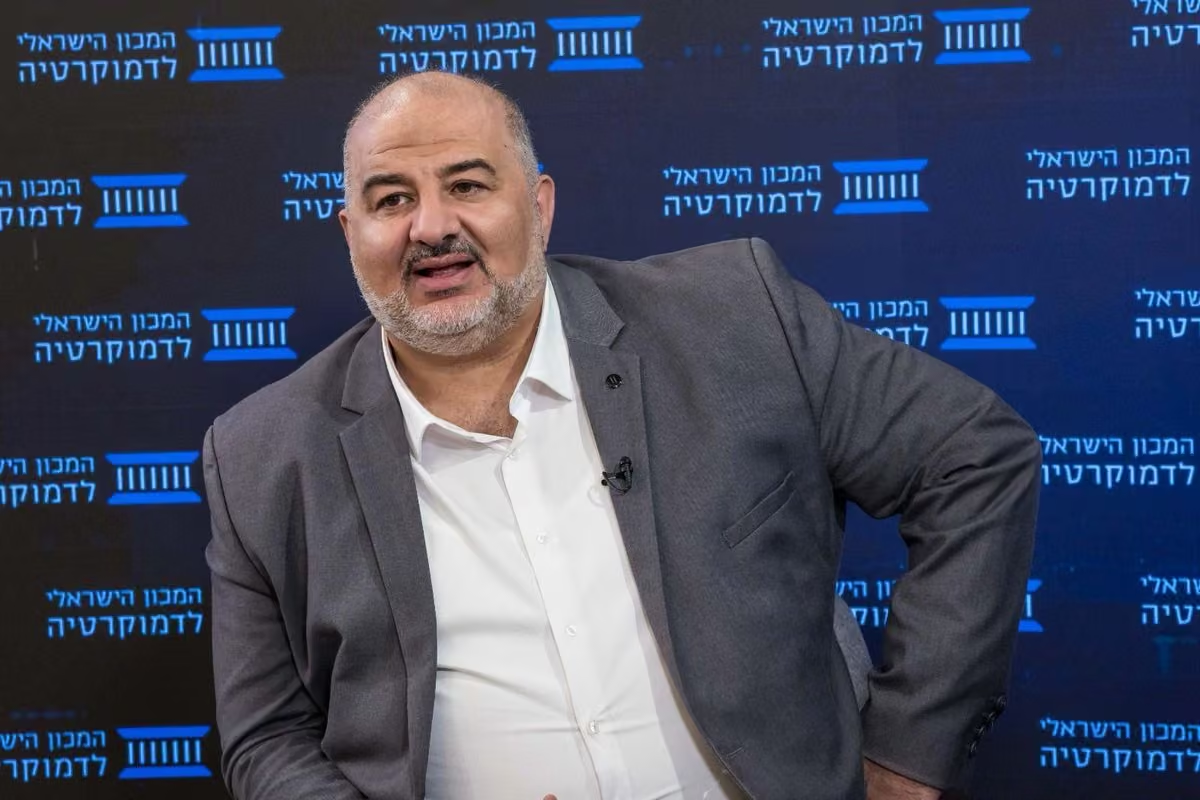
"אני מוטרד בצורה קשה ממה שאני רואה לנגד עיני. לא יכול להיות שח״כ מותקף בנס ציונה ומשטרת ישראל עובדת מנגד. ולא יכול להיות שמפגינים בגלל שהפגינו נגד הממשלה זוכים ליחס ברוטאלי. משטרת ישראל נמצאת גם היא בתהליכי פירוק, וכשנחזור לשלטון נשקם את המשטרה. המשטרה צריכה להיות נאמנה לחוק, לחוקי מדינת ישראל לא לשום דבר אחר. לא לשליט, לא לשר, לחוקי מדינת ישראל, ואת זה נחזיר". -
המכון הישראלי לדמוקרטיה reposted
כאן חדשות
@kann_news
יו"ר כחול לבן, בני גנץ, בכנס של המכון הישראלי לדמוקרטיה: לא נפרוש מוועדת החוץ והביטחון. מי ישמור על המילואימניקים והמתנדבים? לא נוכל לעשות זאת מבחוץ. נמחה, אך נשאיר לעצמינו את הכלים החוקיים
@yaara_shapira @diklaaharon
(צילום: באדיבות המכון הישראלי לדמוקרטיה) -
המכון הישראלי לדמוקרטיה
@DemocracyIL
ח"כ עו“ד אפרת רייטן, יו"ר סיעת הדמוקרטים @Efratrayten1 בכנס #זמןהכרעה 2025:
"כל התהליכים שקורים, ההדחות, ההרתעות, ההפחדות, סתימת הפיות, הם כולם כדי לשרת את אותה נאמנות. וזה פסול מיסודו. במקום עקרון השוויון או האינטרס הציבורי - היום אנחנו בעיקרון הנאמנות והמקורבים לשלטון, ומי שחושב שזה לא יגיע אליו, טעות חמורה בידיו וכדאי לו מאוד להתעורר ולהצטרף למאבק הגדול והרחב, שאמור להיות חוצה פוליטיקה, דעות, מגזרים. כי בסוף האינטרס מאוד רחב, לשמור על עמוד השדרה של מדינת ישראל ". -
המכון הישראלי לדמוקרטיה
@DemocracyIL
עו"ד אילן בומבך, משרד עו"ד אילן בומבך ושות' @Ilan_bombach בכנס #זמןהכרעה 2025:
אנשים שמשמשים בתפקידי מפתח מחויבים לציבור כולו, ומצד שני יש מדיניות ממשלה. ברגע שיועץ משפטי לממשלה מכהן בתפקידו בממשלה מסוימת, מובלעת בכך ההנחה שאתה יכול לייצג את הממשלה.
יש מקרים שבהם יועמ"ש צריך לבוא לממשלה ולהגיד 'את פועלת בניגוד גמור לחוק', אפילו מקרים ספורים ביותר שבהם יועמ"ש יכול להגיד לממשלה: אני לא יכול לייצג אותך בבג"ץ.
אבל בממשלה הזאת אנחנו נתקלים בצבר גדול מאוד של מקרים שבהם היועמ"שית לא רק לא מייצגת את הממשלה אלא מתייצבת באופן חזיתי נגדה.
אני מכבד מאוד את היועמ"שית, אבל הבעיה, כשאתה נמצא בתפקיד כזה, כמו שאהרון ברק קבע - יש מתחם הסבירות. מתי נתערב? כאשר חרגו ממתחם הסבירות באופן בלתי סביר באופן קיצוני". -
המכון הישראלי לדמוקרטיה
@DemocracyIL
עו"ד אסי מסינג, לשעבר היועץ המשפטי של משרד האוצר בכנס #זמןהכרעה 2025:
"בשנתיים האחרונות התעוררו סימני השאלה על היכולת להיות שומר סף, והגדרת התפקיד של הייעוץ המשפטי של משרד ממשלתי. הדברים הקצינו משמעותית, בחלק מהדברים עד שלילת הלגיטימיות של היועמ"ש לשרטט את המגבלות. אתה רק יועץ, זכור זאת.
ברגע שכל נושא משרה קטן או גדול יודע שכל החלטה שלו יכולה להתקבל בקיתונות של התנגדות ולסמן משבר אמון ולהוביל לפיטורין, אז כל החלטה שלו תישקל פעם נוספת. החשש הגדול הוא מאלה ששוקלים אותם ולא מקבלים את ההחלטה הנכונה, או מאלה שלא יבואו לתפקיד". -
המכון הישראלי לדמוקרטיה
@DemocracyIL
ח"כ בני גנץ, לשעבר שר הביטחון; יו"ר כחול לבן @gantzbe בכנס #זמןהכרעה 2025:
"אני מקבל הדיווח על הכוונה לפטר את אדלשטיין כשאני יוצא ממשפחה שכולה בראשון לציון של בחורצ'יק שעלה מרוסיה, שירת תשעה חודשים בצבא, ידע שיש מלחמה לפני שהוא התגייס, היה יכול להיות ב - 8200 היה גאון במחשבים ובחר להיות בשריון במקום.שעלה מרוסיה, שירת בצבא, בחר להיות בשריון במקום 8200 כגאון במחשבים, ועכשיו מפטרים כי לא משרת חוק גיוס. הנזק הגדול שקרה לנו הוא אובדן האמון בנבחרים. כל הסיפור של הדיפסטייט. בונים אותו בעצמו ומספרים עליו סיפורים. מי ניהל את המדינה בשנים האחרונות אם לא מי שסידר את הכל?
אני מבין את המחאה, היא חשובה ונכונה. לא יכולים להישאר על דגשים ולהגיד עסקים כרגיל. אבל גם לא יכולים להפקיר את הזירה. מי ישמור על המילואימניקים? מי ייתן גב למתנדבים? מישהו שיישב מבחוץ? ואיך נעשה הדברים בלי להיות בוועדה? מחאות, כן. לא לתת למשחק הפוליטי לעשות את הדברים, אך להשאיר לעצמנו הכלים החוקיים. לא התפטרות, זה לא בטוח הדבר הנכון". -
המכון הישראלי לדמוקרטיה
@DemocracyIL
ח"כ מנסור עבאס, יו"ר רע"ם, על הפשיעה בחברה הערבית @mnsorabbas בכנס #זמןהכרעה:
"ממשלת השינוי בשנה היחידה שהייתה לה הניחה על השולחן תוכניות,
ובשנה הזאת הצלחנו להפוך את העקומה מעליה מתמדת של 10 שנים לירידה של 15%.
אבל ברגע שבאמצע השנה התפזרה הכנסת- התחלנו לראות את העלייה שוב. אם הממשלה הייתה ממשיכה – היינו מגיעים לירידה של 30% בשנת 2022. ממשלת השינוי השאירה לממשלה הנוכחית תוכניות והצעות חוק מוכנות. מה שנעשה זה להפסיק למעשה את היישום שלהן.
זה לא בסדר העדיפות ויש הפקרות למעשה". -
המכון הישראלי לדמוקרטיה
@DemocracyIL
ח"כ מנסור עבאס, יו"ר רעם @mnsorabbas בכנס #זמןהכרעה 2025:
"הדה לגיטימציה שאנו חווים כל הזמן תזלוג גם לשמאל הציוני. יש כאן מחנה שבחר בדרך אנטי דמוקרטית כדי לשמר את השלטון בידיו.
אני חושב שכל יום, שהכנסת בהרכבה הנוכחי מתפקדת, היא גורמת נזק בהיבטים שונים, כלליים, גם ספציפיים לחברה הערבית". -
המכון הישראלי לדמוקרטיה
@DemocracyIL
ח"כ בני גנץ, לשעבר שר הביטחון; יו"ר כחול לבן @gantzbe בכנס #זמןהכרעה 2025:
"חושבים שהגוש הליברלי ניצח בממשלת השינוי.
מה פתאום! בנט וליברמן שלקחו צד ונתנו לגוש הליברלי לשחק תקופה מסוימת סביב קומבינה שרצינו לעשות.
ומקווים עכשיו שהגוש הליברלי יכריע את הצד השני.
נכון, קפלן יהיה ריק אני מודיע לכם כביש 4 יהיה סתום לגמרי. אף אחד לא יסע בו. תנסו את זה. ולכן אני חושב שהדיון הוא בין הכרעה גושית מצד אחד ובידוד הקיצוניים סביב הגעה לכמה שיותר בכמות מצד שני.
צריך לחתור להסכמות, לממשלה של 70-80 ח"כים שיודעים להסכים בניהם. לשם אני מכוון את העשייה שלי." -
המכון הישראלי לדמוקרטיה
@DemocracyIL
פרופ' סוזי נבות, סגנית נשיא למחקר, המכון הישראלי לדמוקרטיה @suzienavot בכנס #זמןהכרעה 2025:
"המושב המסתמן מאופיין בהגברת המהלכים הפוגעים בדמוקרטיה הישראלית, בניסיון השלמה של השינוי בשיטת המשטר. ראינו דה לגיטימציה שיטתית למערכת המשפט, ראינו אפילו ניסיון לפרוץ ולפוצץ דיונים ומהומות במהלך דיונים בבית המשפט העליון.
שמענו איומים של נבחרי ציבור שלא יצייתו לפסקי דין, ראינו התעלמות מחוות הדעת המחייבת של היועצת המשפטית לממשלה, אנחנו רואים מהלך בלתי חוקי להדחתה, שהיא גם צריך להזכיר התובעת הכללית במדינה ומי שאחראית על משפטו של ראש הממשלה. -
המכון הישראלי לדמוקרטיה
@DemocracyIL
מינויים פוליטיים, חופש הביטוי וגיוס חרדים.
כל השאלות הבוערות – בכנס "זמן הכרעה" של המכון הישראלי לדמוקרטיה.
צפו בשידור החי ביום שלישי, 22.7, החל מ־9:30 >> www.idi.org.il/events/60154
@IlygbyThis media couldn't be displayed. See it on the original post. -
המכון הישראלי לדמוקרטיה
@DemocracyIL
חיזבאללה, איראן וחמאס מספרים שהם מנצחים למרות שהמציאות שונה. ומה עם החות'ים? זה כבר סיפור אחר.
פרופ' עמוס נדן, מומחה למזה"ת מאוניברסיטת תל-אביב, התארח אצלנו בפרק השני של הפודקאסט "סדר חדש" עם שירה ברביאי-שחם ויוחנן פלסנר, וסיפר על המאבק בין נרטיב למציאות, ולמה אויבינו עדיין מתעקשים שניצחו אותנו.
האזינו לפרק המלא בספוטיפיי >>> open.spotify.com/episode/3Wi7eOtvTYYP95muylz1qJ
@yplesner
@TelAvivUniThis media couldn't be displayed. See it on the original post. -
המכון הישראלי לדמוקרטיה
@DemocracyIL
כנס "זמן הכרעה – אתגרי החברה לקראת סיום מושב הכנסת" של המכון הישראלי לדמוקרטיה
📅 שלישי, 22.7.25 | 🕤 9:30–16:30.
נדבר על הנושאים שבמרכז סדר היום: מינויים ופיטורים של בכירים בשירות הציבורי, חופש הביטוי והמחאה ומשבר הגיוס.
📺 הכנס יועבר בשידור חי באתר המכון>> www.idi.org.il/events/60154
הצטרפו אלינו!
@yplesner
@suzienavot
@AnatThon
@gantzbe
@AvigdorLiberman
@elidallal32
@mnsorabbas
@YairGolan1
@michalwoldiger
@cohen_meirav
@Efratrayten1
@Ilan_bombach -
המכון הישראלי לדמוקרטיה
@DemocracyIL
ה'שימוע' ליועצת המשפטית לממשלה בוועדת שרים מיוחדת הוא חלק מהליך פסול שמתנהל תוך ניגוד עניינים, ללא עילה מוצדקת, ומתוך כוונה להימנע מהתייעצות עם ועדה מקצועית-ציבורית בלתי תלויה.
הדחה פסולה של היועצת תפגע במעמדו העצמאי של הייעוץ המשפטי לממשלה.
אבל איך זה יפגע בכל אחד ואחת מאתנו?
👎פוליטיזציה של אכיפת החוק:
יועץ מוטה עלול לאשר חקירות מטעמים פוליטיים של התבטאויות ברשתות החברתיות, לאפשר מעצרי שווא של מפגינים נגד הממשלה והגשת כתבי אישום בלתי מוצדקים.
👎פגיעה בשירות הציבורי:
מינויים לא תקינים יעברו בקלות. אזרחים שיזדקקו לשירות של משרד ממשלתי יגלו שהוא בלתי מתפקד בשל שחיתות שלטונית.
👎אפליה ללא הפרעה:
משרדי ממשלה יתעלמו מפסקי דין, שרים לא יפעלו לפי כללי המינהל התקין. בהחלטות על מינויים או תמיכות, הממשלה עלולה להפלות לרעה מיעוטים או סתם אזרחים שאינם מקורבים.
למסבירון המלא של ד"ר גיא לוריא:
Photo by Yonatan Sindel/Flash90
המכון הישראלי לדמוקרטיה
@DemocracyIL
...והנה הלינק למסבירון: www.idi.org.il/articles/60102
-
המכון הישראלי לדמוקרטיה
@DemocracyIL
משתמשים בבינה מלאכותית, ולא ממהרים לפטר עובדים (בינתיים):
כ-60% מהעסקים בישראל שכבר משתמשים בבינה מלאכותית, דיווחו שמשימות שבוצעו בעבר בידי בני אדם נעשות היום בידי AI. בינתיים, רק מיעוט מהם מעידים שיש לטכנולוגיה השפעה על מספר העובדים.
לראשונה, ערכו בלמ"ס סקר מקיף ששאל מנהלים בעסקים על מאפייני השימוש שלהם בבינה מלאכותית.
מה למדנו?
💻רמת האימוץ של בינה מלאכותית במגזר העסקי בישראל משמעותית, אבל קיימים פערים גדולים בין ההייטק למגזרים אחרים, בין היתר בגלל פערי ידע.
💻כדי להיערך למציאות החדשה הזאת צריך להכשיר את העובדים ולהתאים את מערכת החינוך.
גלעד בארי, שהיה שותף לסקר, צלל אליו וחזר עם תובנות:
www.idi.org.il/articles/60124 -
המכון הישראלי לדמוקרטיה
@DemocracyIL
"בחרת לא להתגייס - לא נרדוף אחריך עם משטרה צבאית, אבל מאותו רגע אין הטבות".
בימים בהם המפלגות החרדיות מאיימות בפירוק הממשלה אם לא יובא חוק פטור חדש, @yplesner ושירה ברביבארי-שחם מחפשים פתרון לסוגיית גיוס החרדים, בפרק הבכורה של הפודקאסט "סדר חדש" מבית המכון הישראלי לדמוקרטיה >> open.spotify.com/episode/2fALXGVqYRrgk1cuSPnQMS
המכון הישראלי לדמוקרטיה
@DemocracyIL
להאזנה באפל פודקאסט >> podcasts.apple.com/il/podcast/פרק-1-נתגייס-ולא-נמות-הפתרו…
המכון הישראלי לדמוקרטיה
@DemocracyIL
לצפייה בפרק ביוטיוב >>www.youtube.com/watch?v=Hnjl39DY-cs
-
המכון הישראלי לדמוקרטיה
@DemocracyIL
"כל אדם שפרסם איזשהו סטטוס, מאותו רגע המשטרה יכולה לבוא ולדפוק לו בדלת".
גם זה קורה השבוע בכנסת:
ועדת החוקה ממשיכה לדון בתיקון ל"חוק ההסתה", שיתן למשטרה סמכות לעצור אזרחים בחשד להסתה לטרור בלי אישור הפרקליטות.
ד"ר עמיר פוקס הסביר בדיון מדוע התכלית האמיתית של החוק היא "האפקט המצנן" שלו, שיוביל לפגיעה לא מידתית בחופש הביטוי. -
המכון הישראלי לדמוקרטיה
@DemocracyIL
תזכורת לקראת ההצבעה על הדחת ח"כ איימן עודה:
מהו חוק ההדחה?
החוק מאפשר לכנסת להדיח (ברוב מיוחד) ח"כ מכהן בגין תמיכה בטרור או הסתה לגזענות.
מה הבעיה?
שתי העילות להדחה הן גם עבירות פליליות, כך שמערכת המשפט היא זו שאמורה לטפל בכך. כשהכנסת, גוף פוליטי, מקיימת הליך "מעין-שיפוטי" – החוק עלול להפוך לכלי נגד יריבים פוליטיים.
מה המצב בעולם?
ברוב הדמוקרטיות בעולם אין מנגנון הדחה כזה. כשכבר יש, הוא מופעל לעיתים נדירות, לרוב רק בעקבות הרשעה פלילית של חבר פרלמנט.
ומה עכשיו?
כבר בישיבה הראשונה בהליך ההדחה של עודה קבע יו"ר הוועדה מראש שעודה תומך טרור, עוד לפני הצגת ראיות כלשהן. הייעוץ המשפטי קבע שאין בסיס להדחה, אבל הח"כים בחרו להתעלם.
הסכנה:
הרוב עלול להשתמש בחוק כדי להשתיק את המיעוט, לפגוע בייצוג, בזכות להיבחר ובחופש הביטוי.
לסקירה המלאה של ד"ר עמיר פוקס, אביטל פרידמן ועו"ד ליטל פילר: www.idi.org.il/articles/60093
@FriedmanAvital
Yonatan Sindel/Flash90 -
המכון הישראלי לדמוקרטיה
@DemocracyIL
מילואימניקים – כמה ימי מילואים עוד צפויים לכם השנה?
ואיך זה היה נראה אם גם חרדים היו מתגייסים?
מחשבון חדש, המבוסס על מודל שפותח על-ידי גבי גורדון מהמכון הישראלי לדמוקרטיה, עונה בדיוק על השאלות האלה.
🔗 בדקו בעצמכם >> app---c4b3cb1f.base44.app
המחשבון פותח ביוזמת ארגון המילואימניקים הצעירים "כתף אל כתף" ועלון השבת "הדור".
@Gabi_Gordon_
@JonathanShalev
@hador_613
המכון הישראלי לדמוקרטיה
@DemocracyIL
למחקר המלא - www.idi.org.il/articles/53505/
-
המכון הישראלי לדמוקרטיה
@DemocracyIL
ועדת החוקה של הכנסת מקדמת במרץ את הצעת החוק המסוכנת שתיתן לשוטרים סמכות לעצור אזרחים בחשד ל"הסתה לטרור", ללא צורך באישור הפרקליטות.
המשמעות?
כל שוטר יוכל לעצור אזרח או אזרחית בגלל פוסט שכתבו, רק על סמך הפרשנות האישית שלו.
אפילו במשטרה מבינים את הסכנה ומתנגדים להצעה: לפי דיווחים בתקשורת, בכירים במשטרה התריעו ששוטרים עלולים לעשות שימוש לרעה בסמכות שתינתן להם.
אז מה עושה יו"ר הוועדה?
מנהל ישיבות ללא נציגות המשטרה, ובעצם מונע דיון אמיתי בהצעה ובהשלכותיה.
בתקופה שבה השליטה הפוליטית במשטרה חזקה במיוחד, התוצאה עלולה להיות פגיעה בחופש הביטוי וניסיונות השתקה של מבקרים פוליטיים.
לחוות הדעת של ד"ר עמיר פוקס ופרופ' מרדכי קרמניצר: www.idi.org.il/knesset-committees/56006 -
המכון הישראלי לדמוקרטיה
@DemocracyIL
סומכים על טראמפ:
אחרי ירידה בחודשים הקודמים, ניכרת החודש עלייה בשיעורי היהודים והערבים הסבורים שביטחון ישראל הוא שיקול מרכזי אצל הנשיא האמריקני.
מדד הקול הישראלי לחודש יוני 2025 מגלה גם שבנוגע לעיתוי הבחירות, רוב גדול בשמאל ובמרכז (81% ו-59%) מעדיפים בחירות במועד הקרוב ביותר האפשרי, בימין 70% מעדיפים שהבחירות יתקיימו במועדן המקורי.
לסקר המלא של מרכז ויטרבי לחקר דעת קהל ומדיניות במכון הישראלי לדמוקרטיה >> www.idi.org.il/articles/60028
@TamarHermann
@LYohanani -
המכון הישראלי לדמוקרטיה
@DemocracyIL
שני מינויים חדשים למנכ"לים של משרדי ממשלה אושרו השבוע, ועדיין יש 0 נשים בתפקיד הזה!
אישור מינויים של מנכ"לים במשרד לעניינים אסטרטגיים ובמשרד התיירות, כאשר אין ולו אישה אחת המכהנת כמנכ"לית משרד ממשלתי, הוא ביטוי מובהק להיעדר המחויבות של הממשלה לשוויון.
השרים הסבירו שניסו למנות אישה - אך לא מצאו מועמדת מתאימה. זו טענה לא סבירה ובמבחן התוצאה - נותרנו עם אפס נשים מנכ"ליות במשרדי ממשלה.
האחריות על כך רובצת על כלל שרי ממשלה, ועל נציבות שירות המדינה שאישרה את המינויים. זאת - בניגוד לפסק דין נחרץ וברור של בית המשפט העליון, במסגרתו פסק המשנה לנשיא סולברג כי הממשלה מפרה את החוק בכך שאינה ממנה נשים למשרות של מנכ"לים במשרדי ממשלה.
השופט סולברג הורה לנציבות לגבש בתוך חצי שנה נוהל שיבטיח שתיפסק הפגיעה בשוויון. אך נדמה שאין צורך ב"נוהל" אם אין הכרה בחשיבות של ייצוג נשים. שר שרוצה למנות אישה לתפקיד יכול פשוט לחפש ולמצוא את המועמדת המתאימה.
ונזכיר: שוויון בין נשים לגברים עומד בבסיס הערכים של מדינה דמוקרטית, הוא צודק כלפי למעלה מ-50% מהאוכלוסייה והוכח אינספור פעמים כי הוא מקדם את כלל האינטרסים של החברה.
לסקירה של המכון על (אי) מינוי מנכ"ליות למשרדי ממשלה: www.idi.org.il/articles/51045
@AnatThon
@AssafShapias
צילום: קובי גדעון, לע"מ
המכון הישראלי לדמוקרטיה
@DemocracyIL
לסקר המכון שבדק מה חושב הציבור על ייצוג נשים בשירות הציבורי: www.idi.org.il/articles/58701
המכון הישראלי לדמוקרטיה
@DemocracyIL
ממלא מקום נציב שירות המדינה פרסם היום הנחיית ביניים בנושא, נמשיך לעקוב
-
המכון הישראלי לדמוקרטיה
@DemocracyIL
40% מהציבור נותנים אמון בראש הממשלה, בימין – 64%, במרכז 22% ובשמאל 3%.
לפי סקר מיוחד שבדק את מידת אמון הציבור במוסדות, בגופי תקשורת ובבעלי תפקידים בעקבות מבצע 'עם כלביא':
🔺 ראש המוסד והרמטכ"ל זוכים לשיעורי אמון גבוהים בקרב היהודים, אך בציבור הערבי האמון בהם נמוך משמעותית;
🔻אמון הציבור במשטרה הוא הנמוך ביותר מבין גופי הביטחון וההצלה;
🔺תאגיד השידור הציבורי נהנה מאמון גבוה יותר משאר גופי התקשורת, אבל ישנם פערים עצומים בין המחנות הפוליטיים.
לסקר המלא של מכון ויטרבי לחקר דעת קהל ומדיניות: www.idi.org.il/articles/59979
@TamarHermann
@LYohanani
ITAI RON/POOL -
המכון הישראלי לדמוקרטיה
@DemocracyIL
משרד החינוך איים לשלול רישיונות ממוסדות חינוך חרדיים שלא ילמדו לימודי ליבה. האם המדינה תתחיל לאכוף סוף סוף את החובה הזאת בחוק?
מוסדות החינוך החרדי היסודי מחויבים בלימודי ליבה בהיקף שבין 55% ל-100% מתוכנית הליבה של בתי הספר הממלכתיים.
אלא שבפועל חלק ניכר מהם לא עומדים בחובה הזאת.
והמדינה?
* משרד החינוך ממעט מאוד לקזז תקציבים ממוסדות חינוך חרדיים שלא מלמדים לימודי ליבה: בתשפ"ד קוזזו תקציבים רק של 6% ממוסדות החינוך החרדיים לבנים, למרות ששיעור המוסדות שלא ממלאים את חובת לימודי הליבה ככל הנראה גבוה בהרבה.
* גם כאשר מקזזים – הקיזוז נמוך מאוד: כ-6% מתקציב המוסד בממוצע.
* למרות שעל פי חוק למשרד החינוך יש סמכות לשלול הכרה ממוסד חינוכי שאינו עומד בחובת לימודי הליבה, עד כה המדיניות בפועל הייתה שלא להשתמש בסמכות הזאת.
לסקירה המלאה של ד"ר אריאל פינקלשטיין: www.idi.org.il/articles/59922
Shlomi Cohen/Flash90 -
המכון הישראלי לדמוקרטיה
@DemocracyIL
בשידור חי: בג"ץ מקיים הבוקר דיון דרמטי שיקבע איך ימונה ראש השב"כ הבא.
איך הגענו עד הלום?
הייעוץ המשפטי לממשלה קבע שרה"מ מצוי בניגוד עניינים, ולכן לא יכול למנות את האלוף דוד זיני לראש השב"כ. הסמכות צריכה לעבור לשר אחר, בכפוף לתנאים נוספים.
לבג"ץ הוגשו שתי עתירות שתוקפות את חוות הדעת הזאת משני כיוונים מנוגדים:
👈 אחת דורשת לבטל את חוות הדעת ולאפשר לממשלה להשלים את המינוי.
👉 השנייה טוענת שהתנאים שהוגדרו לא מספיקים כדי למנוע את ניגוד העניינים, ודורשת הקמה של ועדת איתור עצמאית.
מה יחליט בגץ?
לצפייה בשידור החי >> www.idi.org.il/articles/59956
Chaim Goldberg/FLASH90 -
המכון הישראלי לדמוקרטיה
@DemocracyIL
ועדת החוקה של הכנסת דנה הבוקר בהצעת החוק שמבקשת להרחיב את סמכויות בתי הדין הדתיים ולאפשר להם להכריע כבוררים גם בעניינים אזרחיים.
ההצעה אמנם עברה עדכון, לכאורה כדי להבטיח שהדיון בפני בית הדין הדתי יהיה בהסכמה חופשית ומרצון, אלא שהיא עדיין מסכנת את שלטון החוק ואת השוויון בפני החוק.
למה?
כי הלחץ החברתי והפחד לסרב – במיוחד בקהילות סגורות – יובילו אנשים להסכים להליך מחוסר ברירה.
במי זה יפגע?
בנשים, שיש הטוענים שאסור להן אפילו לתת עדות בבית דין רבני, באוכלוסיות מוחלשות, בעובדים ובכל מי שימצא את עצמו בסכסוך עם צד חזק ממנו, שיש לו אינטרס לקיים את ההליך דווקא בבית דין דתי.
לחוות הדעת המלאה של המכון על הצעת החוק המתוקנת >> www.idi.org.il/knesset-committees/56924
@AnatThon
Yonatan Sindel/Flash90 -
המכון הישראלי לדמוקרטיה
@DemocracyIL
בעוד שהמתקפה הצבאית באיראן תוכננה לפרטי פרטים, התוכנית לתמיכה בעורף נזנחה והותירה את הרשויות המקומיות כמעט לבד במערכה.
עשרות אלפי אזרחים שנותרו ללא בית – מצאו את עצמם גם ללא כתובת. בחזית האזרחית לא למדנו כלום מהשבעה באוקטובר.
בפרק השביעי והאחרון של "שיחת מלחמה", שירה ברביבאי שחם ויוחנן פלסנר ארחו את תומר לוטן, עמית בכיר אורח במכון הישראלי לדמוקרטיה ולשעבר מנכ"ל המשרד לביטחון הפנים.
האזינו לפרק המלא בספוטיפיי - open.spotify.com/episode/6DyRDCou35Ho8uqgYrW03v
צפו בפרק המלא ביוטיוב - www.youtube.com/watch?v=5-nm1PYHKJE
@yplesner
@TomerLotanThis media couldn't be displayed. See it on the original post. -
המכון הישראלי לדמוקרטיה
@DemocracyIL
ד"ר תהילה שוורץ אלטשולר, בעקבות אישור הצעת החוק לסגירת מחלקת החדשות בתאגיד:
"שידור ציבורי חזק ועצמאי הוא מרכיב חיוני בדמוקרטיה. דווקא בעידן של הצפה במידע שגוי, של קושי להבחין בין תוכן אמיתי לתוכן סינתטי, של הקצנה תקשורתית - חשוב שתהיה לנו גישה לחדשות מאוזנות ואחראיות, שאינן כפופות לשיקולים מסחריים וללחצים פוליטיים.
גם הציבור מבין את זה: בסקר שערכנו במכון אמרו 60% מהנשאלים שיש להם אמון בחדשות כאן 11, יותר מבכל כלי תקשורת אחר.
אבל הסיפור כאן גדול יותר מהצעת החוק המסוימת הזאת: העיסוק המאסיבי של הקואליציה בהצעות חוק המאיימות על התקשורת העצמאית בכלל ועל התאגיד בפרט נועדו בעיקר להוריד את התקשורת הציבורית והמסחרית על הברכיים.
במקום לתקן את מה שדחוף לתקן, כמו אסדרת השידור המסחרי ומיסוי ענקיות הדיגיטל, מעדיפים לנסח חוקים שיצרו בעיקר כאוס גדול וניסיון להחליש את הדמוקרטיה."
@tehillaaltshul1
Olivier Fitoussi/Flash90 -
המכון הישראלי לדמוקרטיה
@DemocracyIL
הצעת החוק שמבקשת לתת חסינות לאנשי כוחות הביטחון על עבירות לכאורה שביצעו בפעילות מבצעית היא סכנה של ממש לשלטון החוק, לזכויות האדם ולכוחות הביטחון עצמם.
אם תאומץ ההצעה שנדונה היום בוועדת השרים, אנשי כוחות הביטחון יקבלו "רישיון" להפר את החוק. שוטרים שהפעילו אלימות כלפי אזרחים וגרמו להם פגיעות גוף לא יחקרו או יועמדו לדין, כך גם מפקדים שהתרשלו וגרמו למותם של חיילים באימונים.
התוצאה תהיה עלייה במספר העבירות, פגיעה באזרחים וקריסת האמון הציבורי בגופי הביטחון.
ההצעה גם מחמירה את החשיפה של החיילים והמפקדים לסיכונים משפטיים בזירה הבינ"ל: היא מחלישה את יכולת המדינה לטעון כי חשד לעבירה ייחקר ע"י ישראל ויכולה להביא לצווי מעצר בחו"ל.
לחוות הדעת המלאה של @eran_shamir וד"ר עמיר פוקס: www.idi.org.il/knesset-committees/59913
Kobi Gideon/Flash90 -
המכון הישראלי לדמוקרטיה
@DemocracyIL
מה למדנו מהשבעה באוקטובר – ואיך זה השפיע על ההחלטה לצאת למלחמה עם איראן?
תא"ל (במיל.) איתי ברון, לשעבר ראש חטיבת המחקר באמ"ן, הצטרף ליוחנן פלסנר ואל שירה ברביבאי-שחם בפרק השישי של "שיחת מלחמה", לדיון על הישגי המלחמה, הלקחים שהופקו, האם הסכנה הגרעינית באמת הוסרה –ומה ניתן לעשות כדי לדחות אותה לתקופה הארוכה ביותר.
האזינו לפרק המלא בספוטיפיי: open.spotify.com/episode/7ug1hcj60JLGu7rUsij3Z6
לצפייה ביוטיוב: www.youtube.com/watch?v=ILZCg6Iz13MThis media couldn't be displayed. See it on the original post. -
המכון הישראלי לדמוקרטיה
@DemocracyIL
כאשר כיתת כוננות חורגת מסמכותה ומקימה ׳מחסום׳ מאולתר בזירת נפילת טיל, המשטרה חייבת להתעורר ולתפוס פיקוד.
כיתת כוננות משטרתית חייבת לפעול אך ורק לפי הדין. לחבריה אין סמכות להציב ׳מחסומים׳ מאולתרים או למנוע גישה – בוודאי לא בלי פיקוח משטרתי.
כיתות הכוננות העירוניות אינן כוח אוטונומי. הן כפופות לחלוטין למשטרת ישראל, ועל המשטרה להבטיח הכשרה, תדרוך, פיקוח ומשמעת – ובעיקר להבהיר למתנדבים ולציבור את גבולות הסמכות של המתנדבים.
בלי זה, הפעלת כוח בידי אזרחים לא מאומנים עלולה להוביל לפגיעה חמורה בזכויות יסוד – כמו חופש העיתונות וחופש התנועה.
למאמר המלא של עו״ד מירית לביא וד"ר יעל ליטמנוביץ:
www.idi.org.il/articles/59888
@ShMirit
Photo: Reuters -
המכון הישראלי לדמוקרטיה
@DemocracyIL
שנה לבג"ץ חוק הגיוס: ההיית או חלמתי חלום?
בדיוק היום לפני שנה קבע בג"ץ כי מאחר שתוקפו של הפטור מגיוס לתלמידי הישיבות פג, גם הפטור עצמו בטל – וצעירים חרדים מחויבים בגיוס, כמו אחיהם החילונים, המסורתיים והדתיים.
בניגוד למה שמקובל לחשוב, לא הייתה כאן מהפכה משפטית – אלא קביעה הגיונית ומתבקשת: כשפג תוקפו של חוק, פג תוקפן גם של ההטבות שהוא נותן.
אז מה קרה מאז?
ממש לא הרבה:
צה"ל הוציא רק כ-19,000 צווים לחרדים,
5% ממקבלי הצווים התייצבו בלשכות הגיוס,
1.2% התגייסו בפועל.
הכנסת עדיין מנהלת דיונים על חוק גיוס,
הממשלה מציעה סנקציות חלשות ומאוחרות
בית המשפט נותן חבל ארוך ומסתפק בתשובות חלקיות.
ובינתיים, העומס על המשרתים רק הולך וגדל, המחיר – בלתי אפשרי.
למאמר המלא של שלומית רביצקי טור-פז: www.idi.org.il/articles/59891 -
המכון הישראלי לדמוקרטיה
@DemocracyIL
הבוקר התעוררנו לבוקר ראשון של הפסקת אש, אבל גם לתזכורת כואבת מאוד למציאות הקשה שבה אנחנו עדיין חיים.
ד"ר איל חולתא, ראש המל״ל לשעבר, התארח בפודקאסט שלנו "שיחת מלחמה" בהנחיית יוחנן פלסנר ושירה ברביבאי-שחם, והסביר מה צריך לקרות כדי שגם המלחמה בעזה תסתיים.
האזינו לפרק המלא בספוטיפיי > open.spotify.com/episode/7lNy4UH0U2XFinubpPNX53
לצפייה ביוטיוב > www.youtube.com/watch?v=leVF5o3TvJo
@yplesnerThis media couldn't be displayed. See it on the original post. -
המכון הישראלי לדמוקרטיה
@DemocracyIL
ד"ר עמיר פוקס, חוקר בכיר במכון:
"הדיון שהתקיים היום בוועדת הכנסת, בבקשה להדיח את ח"כ איימן עודה לפי חוק יסוד: הכנסת מוכיח בעיקר עד כמה הכנסת איננה המוסד שראוי לקיים בו הליך כזה.
ההליך התנהל באופן לא ענייני, כלל האשמות והתנגחויות שאינן קשורות לעילות שמנויות בחוק ושחלקן היו בגדר אלימות מילולית של ממש.
הוכחה לכך שמדובר בדיון שעיקרו פוליטי אפשר היה לקבל, בין היתר, מההצהרה שבה פתח יו"ר ועדת הכנסת את הדיון, ובה קבע נחרצות את דעתו עוד בטרם נשמעו טענות כלשהן מהצדדים עצמם – וזאת, למרות שמדובר בהליך מעין שיפוטי.
במהלך הדיון, התעקשו חברי הכנסת להתעלם כליל מעצות היועצת המשפטית לכנסת ונציגת היועמ"שית, תוך שהם אף סוטים מהפרשנות של בית המשפט לחוק היסוד.
יש לקוות כי הכנסת תחדל מהליך שכל מטרתו להטיל אימה על חברי כנסת, לצמצם את חופש הביטוי של חברי הכנסת מהאופוזיציה ולפגוע בזכותו של המיעוט הערבי בישראל לבחור ולהיבחר.
Photo by Oren Ben Hakoon/Flash90 -
המכון הישראלי לדמוקרטיה
@DemocracyIL
ההצטרפות ההיסטורית של הצבא האמריקאי למתקפה באיראן שינתה את פני המערכה ויצרה הזדמנויות חדשות להשגת המטרות של ישראל.
המהלך הצבאי קרוב למיצוי ועכשיו הזמן לתרגם את הישגי מערכת הביטחון למציאות ביטחונית ארוכת טווח, באמצעות מהלכים מדיניים ושיתוף פעולה הדוק עם בעלות הברית שלנו ויתר המעצמות.
יוחנן פלסנר ושירה ברביבאי-שחם שוחחו בפודקאסט שלנו "שיחת מלחמה" עם ד"ר איל חולתא, ראש המל״ל לשעבר, על מנגנוני הסיום האפשריים, אסטרטגיות התגובה, הדילמות בארצות הברית ועל נקודת המבט של המדינות הנוספות (רוסיה, סין, אירופה והמפרציות).
האזינו לפרק המלא בספוטיפיי - open.spotify.com/episode/7lNy4UH0U2XFinubpPNX53 לצפייה ביוטיוב - www.youtube.com/watch?v=leVF5o3TvJo
@yplesnerThis media couldn't be displayed. See it on the original post. -
המכון הישראלי לדמוקרטיה
@DemocracyIL
הדיווח על מעצר שתי נשים שהפגינו אתמול מול ביתו של השר ברקת, נאזקו ועברו חיפוש בעירום בתחנת המשטרה, מצטרף לשורת דיווחים מטרידים מאוד מהשבוע האחרון.
ד"ר יעל ליטמנוביץ, חוקרת בכירה במכון:
"נכון, השוטרים והשוטרות שלנו פועלים בימים האחרונים במסירות ובמקצועיות תוך סיכון אישי בזירות ברחבי הארץ,
אבל המסירות הזאת אינה צידוק לשימוש מופרז בכוח ובסמכויות ולפגיעה בזכויות אדם ואזרח.
על פניו, לא הייתה עילה למעצר המפגינות באירוע הזה, כמו גם למעצר מפגינים אחרים שנעצרו מאז תחילת המבצע.
אבל גם אם הייתה- התנהגות המשטרה באירועים האלה חצתה קווים אדומים שאסור שייחצו – גם לא בתוך תחושת הלחץ, העומס, והסכנה.
אסור ששוטרים יתפסו את עצמם כ׳מענישים׳. המשטרה אינה העונש. היא חייבת להיות החוק, הסדר, הצדק. על המפקדים להנחות את כלל השוטרים בהתאם, כדי לא לאבד את התמיכה הציבורית הרחבה שהמשטרה זקוקה לה, במיוחד בעיתות מלחמה".
צילום: אורנה קופרמן -
המכון הישראלי לדמוקרטיה
@DemocracyIL
בזמן שישראל בעיצומה של המתקפה, מה קורה בטהראן? האם חמינאי עדיין מחזיק בכוחו? מה חושבים האיראנים עצמם על התקיפות, על המשטר, ועל הדרך לסיום המלחמה?
יוחנן פלסנר ושירה ברביבאי-שחם בשיחה עם ד"ר תמר עילם גינדין, מומחית לאיראן מאוניברסיטת חיפה: על הזעם, הפחד, והעתיד של איראן מבפנים.
להאזנה בספוטיפיי - creators.spotify.com/pod/profile/--1052/episodes/ep-e34j496
לצפייה ביוטיוב - www.youtube.com/watch?v=VK0f2JWdV6g
@yplesner
@thmrThis media couldn't be displayed. See it on the original post. -
המכון הישראלי לדמוקרטיה
@DemocracyIL
"קטר עובדת בשיטות שמרדימות את כולם ולכן היא הרבה יותר מסוכנת".
בפרק השני בפודקאסט "שיחת מלחמה" שוחחו שירה ברביבאי-שחם ויוחנן פלסנר, עם ד"ר רונית מרזן – מומחית למזרח התיכון – על תפקיד המתווכת שקטר מנסה למלא גם בעימות הנוכחי.
מרזן טוענת בנחרצות שצריך "לסלק" את קטר מהמעמד הזה משום שהיא מובילה את אחת ממלחמות התודעה המתוחכמות במזרח התיכון כאשר ישראל והמערב הן האויב הגדול שיש לדחוק אותו החוצה ולהתגבר עליו.
האזינו לפרק המלא >>> www.idi.org.il/galleries/59734
@yplesner
@RonitMarzanThis media couldn't be displayed. See it on the original post. -
המכון הישראלי לדמוקרטיה
@DemocracyIL
האם מותר למדינה למנוע מישראלים לצאת לחו"ל בזמן מלחמה?
מה המשמעויות של ההכרזה על "מצב מיוחד בעורף"? אילו סמכויות נותנת ההכרזה לממשלה ולגופי הביטחון, והאם המגבלות שהטילה הממשלה על יציאת אזרחים לחו"ל הן חוקיות?
פרופ' עמיחי כהן ועו"ד מירית לביא מסבירים ועונים: www.idi.org.il/articles/59750
@ShMirit
photo by Reuters -
המכון הישראלי לדמוקרטיה
@DemocracyIL
יותר מ-80% מהציבור היהודי בישראל תומכים במתקפה באיראן ובעיתוי שלה.
סקר מיוחד לבדיקת עמדות הציבור ביחס למלחמה עם איראן מגלה שהתמיכה במתקפה בקרב היהודים חוצה מחנות פוליטיים. בציבור הערבי, לעומת זאת, הרוב מתנגדים לה.
עוד נתונים מעניינים:
רוב גורף בציבור היהודי, אך רק שליש בציבור ערבי, מעריכים את יכולת העמידה של הציבור עד כה כגבוהה או גבוהה מאוד;
שני שלישים מהיהודים וכ-90% מהערבים מוטרדים מביטחונם הפיזי וביטחון משפחתם;
כשני שלישים מהיהודים, אך רק כשליש מהערבים, חושבים שהיה נכון לצאת למתקפה גם ללא הבטחה אמריקאית להשתתף במאמץ;
כשני שלישים מהציבור היהודי מאמינים ששיקולי ראש הממשלה לפתוח במתקפה היו בעיקר ביטחוניים אובייקטיבים, רק 18.5% בקרב הערבים חושבים כך.
לסקר המלא של מכון ויטרבי לחקר דעת קהל ומדיניות במכון הישראלי לדמוקרטיה >> www.idi.org.il/articles/59725
@TamarHermann
@LYohanani
Photo by Reuters -
המכון הישראלי לדמוקרטיה
@DemocracyIL
כמה באמת איראן הייתה קרובה לגרעין, והאם "מבחן פורדו" הוא שאלת המפתח?
שירה ברביבאי-שחם, חוקרת ביטחון לאומי, ו- @yplesner, נשיא המכון, שוחחו עם ד"ר אריאל לויטה – לשעבר המשנה למנכ"ל הועדה לאנרגיה אטומית – על הפוטנציאל להשמדת היכולת הגרעינית של איראן, "כושר הקימום" של יכולת זו ובתוך כמה זמן, תרחישי סיום ריאליים להסרת האיום הגרעיני לזמן רב, ואיזה תפקיד יכול להיות לארה"ב במימוש היעדים.
צפו בריאיון המלא >>> www.idi.org.il/galleries/59682 -
המכון הישראלי לדמוקרטיה
@DemocracyIL
נשיא המכון הישראלי לדמוקרטיה, @yplesner :
"ההישגים של מערכת הבטחון באיראן הם דרמטיים, היסטוריים מעוררי גאווה ומשני מציאות. באחריות הדרג המדיני לגבש "מנגנון סיום" שיאפשר לתרגם את ההישגים הכבירים בשטח למימוש מטרת הלחימה: שלילת יכולת צבאית גרעינית מאיראן ופגיעה משמעותית ומספקת ביכולתה לאיים על ישראל עם מערך מאסיבי של טילים בליסטיים.
המתקפה הישראלית באיראן וההישגים המדהימים שלה הם קודם כל תזכורת ליכולות המבצעיות האדירות של המוסד ושל צה''ל בהובלת חיל האוויר, אמ"ן ויתר הזרועות. אחרי הכשלים הקשים של גופי הביטחון ב-7 באוקטובר, כולנו שמחים לחזור ולהתגאות בהישגים וביכולות שהן מעבר לכל דמיון.
אנחנו חווים ימים קשים ומטלטלים בעורף האזרחי. למעלה מ-20 אזרחים ישראלים שילמו בחייהם, מאות נפצעו או איבדו את ביתם ואת רכושם וממדי ההרס חסרי תקדים. כל עוד המטרה ראויה וישנה תחושה שההנהגה נוהגת באחריות ובשיקול דעת בחתירה להשגת היעדים, הציבור הישראלי ימשיך לגלות אורך רוח וכושר עמידה מרשימים למרות האובדן וההרס.
עם זאת, חשוב לזכור כי כל מלחמה היא "המשך המדיניות באמצעים אחרים" ותכליתה להשיג הישגים מדיניים יציבים. באחריות המנהיגות לגבש "מנגנון סיום" למבצע ולנהל ולתעדף את השימוש בכוח לאור היעד שהוגדר.
ברור שאנו זקוקים לשיתוף פעולה הדוק עם ארה"ב כדי להשיג את מטרות הלחימה, ולכך צריך לרתום את המשאבים הלאומיים. היגררות למלחמת התשה, שרק תעמיק את הלגיטימציה של איראן לרכישת יכולת גרעינית, מנוגדת באופן עמוק לאינטרס הישראלי.
עם ישראל גאה בחיילי צה"ל ובאנשי מערכת הבטחון המופלאים; כעת באחריות הדרג המדיני "לספק את הסחורה": לבנות בריתות ולגבש הסכמות, כך שההישג בשטח ימונף לניצחון מדיני."
photo: Anadolu via Reuters Connect -
המכון הישראלי לדמוקרטיה
@DemocracyIL
מתווה הגיוס לא יביא לצה"ל חייל חרדי אחד.
ההנהגה החרדית ניצחה, חצי עם ימשיך להחזיק את הצבא ואת הכלכלה.
הגיע הזמן לפתרון אמיתי.
@yplesnerThis media couldn't be displayed. See it on the original post. -
המכון הישראלי לדמוקרטיה
@DemocracyIL
המתווה שגובש עם הסיעות החרדיות נותן פרס על הפרת החוק, וממשיך לתגמל את ההשתמטות — לא להילחם בה.
הוא כולל ביטול מיידי של הסנקציות הכואבות ביותר: שלילת תקציבי הישיבות וסבסוד המעונות, בלי תנאים. בלי דרישות. פרס על הזלזול הבוטה בחוק במשך שנה וחצי.
בחצי השנה הקרובה – הסנקציות מסייעות לראשי הישיבות להשאיר את התלמידים בישיבות, לא בצבא ולא בשוק העבודה:
תלמידי ישיבות לא יוכלו להוציא רישיון נהיגה (ממילא לפני נישואיהם, תלמידי הישיבות לא מורשים להוציא רשיון).
לא יקבלו מלגת לימודים אקדמית (ממילא כמעט שלא פונים לאקדמיה).
לא יקבלו אישור יציאה מהארץ.
הסנקציות ה"משמעותיות" ייכנסו לתוקף רק בשנה השלישית, בהנחה שהחוק יעבור.
בינתיים, משפחות המילואימניקים כורעות תחת העול ומדינת ישראל ממשיכה לתגמל את ההשתמטות:
מלגות קיום לישיבות: 5,300–9,500 ש"ח בשנה
קדימות במעונות יום: 26,400 ש"ח בממוצע בשנה
הנחות בביטוח לאומי: כ-1,000 ש"ח בשנה
הנחות בארנונה: כ-3,300 ש"ח בשנה
סובסידיה בתחבורה ציבורית: 400–2,400 ש"ח בשנה
תווי מזון: כ-1,300 ש"ח בשנה
עדיפות במכרזי דיור: שווי הנחה של עד 650,000 ש"ח
לתגובה המלאה של @yplesner ועו"ד שלומית רביצקי טור-פז: idi.org.il/articles/59660
Photo by Chaim Goldberg/Flash90 -
המכון הישראלי לדמוקרטיה
@DemocracyIL
הסנקציות שפורסמו הן לא פחות ממתנה לראשי הישיבות ולמשתמטים מגיוס – מס שפתיים שמתחזה לחוק גיוס ומנציח את ההשתמטות.
במקום לחולל שינוי אמיתי, הממשלה מסתפקת, כפי שמפורסם בשעות האחרונות, בסנקציות קלות ושטחיות, שאין להן כל יכולת ליצור מנגנון גיוס אפקטיבי: איסור יציאה מהארץ, שלילת רישיון נהיגה ומניעת סבסוד לאקדמיה. צעדים שנשמעים תקיפים, אך בפועל מתאימים בדיוק לחזון של ראש ישיבה המבקש להשאיר את תלמידיו בין כותלי הישיבה, עם מימון מדינתי נדיב - ללא גיוס, ללא השכלה וללא תעסוקה. גם כיום בישיבות הגדולות אסורים רישיונות נהיגה והעושים רישיון עושים זאת בניגוד להנחיות.
הצבא הודיע כי כבר בקיץ 2026 יהיה ערוך לקלוט את כלל בני ה-18 החרדים (כ-14,500) – אך ההצעה הפוליטית דוחה את היעדים לעוד חמש שנים ומסתפקת ב-50% בלבד. זוהי לא מדיניות ביטחונית – זוהי כניעה פוליטית.
לאחר 614 ימים של מלחמה ונטל בלתי נסבל על משפחות המילואים מגיע למדינת ישראל משהו אחר. ישראל אינה יכולה להרשות לעצמה להמשיך כך.
חוק שירות אמיתי חייב להיות מבוסס על ארבעה עקרונות:
1.חובת גיוס מלאה ומשמעותית לכולם – עם פטור מוגבל בלבד לעילויים בבחינות שקופות.
2. גיוס מיידי וסנקציות מיידיות – לא עוד דחיות, לא עוד התחמקויות.
3. סנקציות כלכליות נרחבות הפוגשות את הפרט ואת המוסדות – שלילת תקציבים לישיבות, ביטול הנחות והעדפות.
4. שירות אזרחי מוגבל ל־25% בלבד – רק לפי צורכי הצבא.
לתגובה המלאה של @yplesner, נשיא המכון, ועו"ד שלומית רביצקי טור-פז: idi.org.il/articles/59660
Chaim Goldberg/Flash90 -
המכון הישראלי לדמוקרטיה
@DemocracyIL
האם הבחירות יוקדמו בגלל חוק הגיוס? אולי כן, אולי לא — אבל כנראה שזה לא יהיה המשבר האחרון על רקע ענייני דת ומדינה.
מאז שהתפזרה הכנסת הראשונה בעקבות מחלוקת על אופי החינוך במעברות העולים, ועד לפירוק ממשלת השינוי סביב הכנסת חמץ לבתי חולים — ההיסטוריה הפוליטית של ישראל רצופה משברים קואליציוניים סביב סוגיות דת, שלעתים גם פירקו ממשלות והובילו לבחירות.
נדמה שלא משנה עד כמה עמוסת משברים המציאות הישראלית – הפוליטיקה ממשיכה להתנהל ביקום משלה.
לסקירה המלאה של פרופ’ עופר קניג וד"ר דנה בלאנדר על משברי דת ומדינה שעיצבו את המערכת הפוליטית בישראל לאורך השנים >> www.idi.org.il/articles/59647
Photo by Yonatan Sindel/Flash90 -
המכון הישראלי לדמוקרטיה
@DemocracyIL
מותו הטרגי של אורי פורטל בן ה-14 מירי נשק ברישיון, הוא תזכורת כואבת לכך שילדים הם אוכלוסייה פגיעה במיוחד בכל הנוגע לחשיפה ולשימוש בנשק פרטי, גם כזה המוחזק כחוק.
כדי למנוע אסונות מהסוג הזה, חיוני לקיים עבודת-מטה יסודית שתזהה את הסכנות ואת הפערים, ותוביל לחידוד ההוראות לגבי אבטחת ונשיאת נשק חם.
בין היתר, כדאי לשקול:
לחייב שימוש בכלים ביומטריים, כמו זיהוי טביעת אצבע, לצורך אחסון הנשק בבית;
להגביל נשיאת נשק במרחב הציבורי, בעיקר בקרבת ילדים;
לשפר את ההכשרה והמודעות לנושא הבטיחות.
נשק אינו משחק ילדים.
לחוות הדעת המלאה של המכון: www.idi.org.il/knesset-committees/53453
@ShMirit -
המכון הישראלי לדמוקרטיה
@DemocracyIL
ניפוץ חלון בית המשפט העליון לא היה רק אקט של אלימות – הוא המחשה של תהליך עמוק יותר: ניפוץ שיטתי של נורמות, נהלים וכללי משחק.
החלטת הממשלה לשנות את הליך פיטורי היועצת המשפטית לממשלה מצטרפת לרצף החלטות שמתקבלות בניגוד לכללי המינהל התקין: בלי עבודת מטה, בלי תשתית עובדתית ובלי ייעוץ משפטי מוסמך.
המטרה: ליצור כאוס הליכי מכוון, להחליש את שומרי הסף ולהזיז את מי שמגביל את כוחה של הממשלה ומפריע לה לפעול בניגוד לדין.
נדמה שגם אם בג"ץ יפסול את ההחלטה – מבחינת הממשלה זו לא תהיה תקלה, אלא מהלך מחושב בתוך עימות יזום עם מערכת המשפט.
למאמר המלא של פרופ' סוזי נבות >>> www.idi.org.il/articles/59624
Photo by Oren Ben Hakoon/Flash90 -
המכון הישראלי לדמוקרטיה reposted
סוזי נבות
@suzienavot
כתבתי כאן 👇על הרקע להחלטה הפסולה שהתקבלה היום בממשלה, באשר לשינוי הליך פיטוריה של היועצת המשפטית לממשלה. על הכאוס ההליכי שאותו מקדמת הממשלה: ניפוץ של כללי המשחק, של הליכי קבלת ההחלטות, הסטנדרטים, הכישורים, המקצועיות, הנורמות והמוסכמות.
www.mako.co.il/news-columns/2025_q2/Article-5daabd532df47… -
המכון הישראלי לדמוקרטיה
@DemocracyIL
מי קובע מהם גבולות חופש הביטוי?
הצעת חוק חדשה מבקשת לאפשר לכל שוטר לעצור או לפתוח בחקירה נגד אזרח, ללא אישור הפרקליטות, על סמך התבטאות או פוסט ברשתות החברתיות, וכל זאת תחת הכותרת של "מאבק בטרור".
ד"ר עמיר פוקס עם כל ההסברים:
לחוות הדעת המלאה של המכון >>> www.idi.org.il/knesset-committees/56006 -
המכון הישראלי לדמוקרטיה
@DemocracyIL
שרשור:
Post not available here, view on X
המכון הישראלי לדמוקרטיה
@DemocracyIL
המכון הישראלי לדמוקרטיה
@DemocracyIL
המכון הישראלי לדמוקרטיה
@DemocracyIL
-
המכון הישראלי לדמוקרטיה
@DemocracyIL
כ-50% מכלל הציבור חושבים שמבצע "מרכבות גדעון" לא יוביל להשבת החטופים או להכרעת חמאס.
מדד הקול הישראלי לחודש מאי 2025 מגלה פערים עמוקים בין המחנות הפוליטיים באשר לסיכויי השגת מטרות המבצע: בימין מאמינים קצת יותר ממחצית שהמבצע יוביל להשבת החטופים ולהכרעת חמאס, במרכז חושבים כך כ-30%, ובשמאל – רק מיעוט זעיר של 6%.
הסקר נערך על-ידי מכון ויטרבי לחקר דעת קהל ומדיניות במכון הישראלי לדמוקרטיה.
לסקר המלא >> www.idi.org.il/articles/59567
@TamarHermann
@LYohanani -
המכון הישראלי לדמוקרטיה
@DemocracyIL
בתוך 48 שעות נרצחו 9 אזרחים ישראלים. זה לא "עוד גל אלימות" ולא "סופ"ש מדמם" – זו קריסת מדיניות מתמשכת.
התקשורת אוהבת למסגר את מקרי הרצח, בעיקר בחברה הערבית, כאירועים מבודדים או התפרצות רגעית. אבל הם אינם "תקלה זמנית", אלא תוצאה של הפקרה שיטתית.
תומר לוטן, עמית בכיר אורח במכון ולשעבר מנכ"ל המשרד לביטחון פנים, הגיע לחדשות 13 כדי להזכיר שהזינוק במספר הנרצחים הוא לא גזירת גורל.
ממשלת ישראל הקפיאה תוכניות שהביאו תוצאות, הפסיקה שיתופי פעולה, הזיזה הצידה אנשי מקצוע.
במקום להגיד "שוב זה קורה" צריך לשאול למה זה קורה, ולהזכיר למקבלי ההחלטות את האחריות שלהם.
למאמר המלא: www.idi.org.il/articles/59570
@TomerLotan
@newsisrael13This media couldn't be displayed. See it on the original post. -
המכון הישראלי לדמוקרטיה
@DemocracyIL
600 ימים למלחמה, נשיא המכון הישראלי לדמוקרטיה @yplesner הזכיר ב#כנסהורביץ2025 את הגאווה העצומה שכולנו חשנו ביחס להתגייסות האזרחית האדירה שראינו מיד אחרי 7 באוקטובר. לערבות ההדדית הזאת אין אח ורע בשום מקום אחר בעולם, והיום היא חייבת לבוא לידי ביטוי במאמץ עליון להשבת 58 החטופות והחטופים שלנו מעזה:
This media couldn't be displayed. See it on the original post. -
המכון הישראלי לדמוקרטיה
@DemocracyIL
"שירות ללמעלה ממיליון עצמאים" — דו"ח חדש של המכון קורא להקים רשת ביטחון לעצמאים בשעת משבר
רועי כהן, נשיא לשכת העצמאים בישראל @lahavisrael, היום ב־ #כנס_הורביץ2025:
"אתם עשיתם היום שירות ללמעלה ממיליון עצמאים במדינת ישראל, שרואים עכשיו שיש פה דו"ח מגוף אקדמי עצמאי, חף מאינטרס – מלבד אינטרס ציבורי, כלכלי וחברתי".
הדו"ח, שנכתב על ידי ד"ר גלעד בארי, נדב פורת הירש וד"ר רועי קנת פורטל, מראה:
העצמאים בישראל נפגעו באופן חמור יותר מהשכירים – גם במשבר הקורונה וגם במלחמת חרבות ברזל.
המענים שקיבלו היו איטיים, מוגבלים, ובעלי אפקטיביות נמוכה בצמצום העוני.
היעדר מנגנון סיוע קבוע מוסיף לאי-הוודאות ולפגיעות של מגזר העצמאים.
ההמלצה המרכזית:
הקמת תשתית קבועה לרשת ביטחון סוציאלית לעצמאים בשעת משבר – בדומה למודלים קיימים במדינות כמו בלגיה, ספרד ואיטליה.
לקריאת הדו"ח המלא >> www.idi.org.il/books/59427This media couldn't be displayed. See it on the original post. -
המכון הישראלי לדמוקרטיה
@DemocracyIL
פרופ' קרנית פלוג, נגידת בנק ישראל לשעבר ויו"ר #כנסהורביץ2025, בסיכום הכנס: "בכל הנושאים שדנו בהרחבה ביומיים הללו, יש הצעות קונקרטיות של מדיניות שמבוססת על מחקר, השיח שערכנו והניסיון הבינלאומי. מה שנותר זה לקוות וגם לפעול לכך שתהיה ממשלה שתקשיב ושתרצה ליישם את כל ההצעות הללו לטובת האזרחים, ושהם יהיו בראש מעייניה - ושתתחיל ליישם תוכנית אסטרטגית ותאמץ את הכיוונים שדיברנו עליהם. הצעד הראשון הוא סיום המלחמה והחזרת החטופים כולם"
צילום: עודד קרני -
המכון הישראלי לדמוקרטיה
@DemocracyIL
הממונה על השכר באוצר, אפי מלכין, הציג ב- #כנסהורביץ2025 את הצורך בפתרון מערכתי-הוליסטי, שינצל את ההזדמנויות הטמונות במבנה שבוע לימוד הקיים, ובפרט תכנית למעבר חמישה ימי לימוד, לצד הפחתת שעות הלימוד וצמצום החופשות של התלמידים.
הפתרון המשולב יאפשר הסטת משאבים לטובת שיפור מעמד המורה ותנאי העסקתו, הפחתת הנטל הכלכלית לציבור הציבורי, הגדלת הצע העבודה במשק, ואיגום משאבים נוספים להשקעה בחינוך.
צילום: עודד קרני -
המכון הישראלי לדמוקרטיה
@DemocracyIL
עינת זינגר דן, מנכ"לית מייסדת וראשת מינהלת המעסיקים ופיתוח ההון האנושי ב- #כנסהורביץ2025: "סוגיית ה- AI נמצאת בכל מקום - אין תוכנית שמוצגת ואין בה את המילה AI במצגת - אבל השאלה היא מה הפעולות שהמגזר העסקי צריך לעשות ברמה הלאומית אל מול הבינלאומית, בכדי לעשות התאמות במשק. בשנות התשעים, אופיס נכנס לעולם והיו עשרות אלפי הכשרות; בתקופת הקורונה נכנס הזום - ששינה את עולם התעסוקה. ה- AI מייצר לחץ, אבל עם היערכות נכונה של המעסיקים, נוכל להטמיע את התשתיות בקרב המעסיקים ונתאים את עולם העבודה. נשיאות המגזר העסקי, גם המדינה וההסתדרות, צריכים להוביל יחד תוכנית לאומית יישומית בכדי להפוך את הבינה המלאכותית ממילה באוויר למנוע ריאלי - תוך הסתכלות על השינויים הבינלאומיים"
-
המכון הישראלי לדמוקרטיה
@DemocracyIL
יפעת סיטרואן, סמנכ"לית אסטרטגיה ותכנון מדיניות, משרד העבודה ב- #כנסהורביץ2025:
״מה קרה בעשור האחרון מבחינת משרות בשוק עבודה וכמות מועסקים?
ניתחנו משרות מ-2012 עד 2024 וראינו קפיצה בכמה מקומות שכמות המועסקים בהם גדלה משמעותית. אחד זה תחום מסדי נתונים של איסוף כמויות דאטה, רואים קפיצה בכמות מועסקים. בתחום מכירות, שיווק, נהגי רכבות, מהנדסי חשמל, אלקטרוניקה, תחום שצמח. גם ענפי IT.
מנגד יש מקצועות שכמות המועסקים בהם ירדה, מקצועות מונוטונים, חזרתיים, שמאופיינים במהפכה טכנולוגית שצמצמה את כמות עובדים במקצועות אלה.
ה- AI יגביר את הצמצום בין המקצועות האלה, זיהינו את עולם פקידי בנקים, כרטיסנים היום הכל דיגיטלי.״
צילום: עודד קרני -
המכון הישראלי לדמוקרטיה
@DemocracyIL
אמיר כוכבי @AmirKochavi, ראש עיריית הוד השרון ב- #כנסהורביץ2025: "יכול להיות שהמספרים במדעים עולים, אך אני מעדיף להסתכל על המספרים בערכים. בהסתכלות על מערכת החינוך הציבורית כולה - נשאלת השאלה איזה אזרח עתידי אנחנו מגדלים כשאנחנו רואים את הפחד מהטלת הספק והפחד לשאול שאלות. כשהמערכת הפילנתרופית מקדמת מדעים והמערכת הממשלתית מקדמת בורות - איפה זה לוקח אותנו?
בהסתכלות על הפערים החברתיים שהולכים וגדלים, הפערים בפיתוח הטכנולוגי, המוביליות שנפגעת, מבחני המדידה - אנחנו מבינים שהעיסוק של מי שמוביל את המערכת נמצא במקומות הלא נכונים. כשאנחנו לא מנסים לפתור את בעיות הליבה של המערכת, הפערים ילכו ויגדלו.
החינוך הציבורי הממלכתי נמצא באופן שיטתי תחת מתקפה. זה החינוך היחיד שפוליטיקאי יכול לעשות בו שינויים - אין ועדה מייעצת או גוף מנהל - אין גוף ששומר על החינוך הציבורי. בשנים האחרונות אנחנו רואים שיש גם ניסיון למתקפה פדגוגית וגם מתקפה תקציבית" -
המכון הישראלי לדמוקרטיה
@DemocracyIL
מוטי טאובין, מנהל תחום חינוך ביד הנדיב ב- #כנסהורביץ2025: "האתגר שאנחנו רואים הוא ש- AI מטשטש את כל הגבולות, מה שהופך את מערכת החינוך לפחות רלוונטית. תלמידים בתהליך הלמידה פחות פונים למורים, הם פונים לגוגל, לצ'אט, ורק אז למורה. הבעיה לא שהטכנולוגיה רצה קדימה, אלא שמערכת החינוך לא רצה איתה - והתלמידים שנשארים מאחור, הם אלו בלי נגישות לטכנולוגיה - ערבים, חדרים או מהפריפריה של ישראל.
אחד החסמים של האד-טק, הוא שהממשלה מדברת ביד אחת על הצורך - אבל ביד השנייה חוסמת. אם אנחנו רוצים לשנות את ההתאמה של תלמידים מהחברה הערבית, אנחנו צריכים לפתור הרבה חסמי כניסה במשרד החינוך. השאלה איך לוקחים את המשבר שאנחנו נמצאים בו עכשיו והופכים אותו להזדמנות" -
המכון הישראלי לדמוקרטיה
@DemocracyIL
שירין נטור חאפי, מנהלת אגף א' חינוך בחברה הערבית, משרד החינוך ב #כנסהורביץ2025:
״החברה הערבית אינה מקשה אחת. יש התייחסות בחברה היהודית ליהודים חרדים ולא חרדים. גם בחברה הערבית. ילדים במצב סוציואקונומי גבוה יכולים לבטא עצמם בלימודים יותר מילדים במצב נמוך.
האגף שלנו מטמיע בחינוך, עובדים בשיתוף פעולה עם כולם. התלמידים של החברה הערבית הוכיחו שכשיש להם הזדמנות הם יכולים להצטיין.״
צילום: עודד קרני -
המכון הישראלי לדמוקרטיה
@DemocracyIL
אבי נתן, מנהל אגף א' לחינוך טכנולוגי במשרד החינוך @edu_il, לשעבר בכיר במיקרוסופט ישראל ב- #כנסהורביץ2025: "מי שמסתכל לאן מערכת החינוך הולכת, מבין שהיא צריכה להגדיר את עצמה מחדש. זה לא פשוט, המערכת גדולה, יש לה ציבור משתמשים ענק ותפקיד של רגולטור. מה שצריך זה משבר. החדשות הטובות שיש שלושה משברים - ירידה בהישגי התלמידים, הבינה המלאכותית שפרצה לחיינו (גם מהבחינה האסטרטגית, גם בחיבור לעולם התעסוקה וגם המורים מרגישים את זה בהקשרים הפדגוגיים) והסיפור של ההון האנושי - צריך מורים טובים יותר. לא רק להביא מורים טובים יותר, אלא לוודא שתהליכי הפיתוח המקצועי יהיו רלוונטיים יותר.
לא צריך לדאוג, לא נוציא את המורה מחדר הכיתה - אבל יש אתגר ענקי ואנחנו ניגשים אליו בתחושת שליחות גדולה, דורש שיתוף פעולה של האקוסיסטם ומועצה לאומית שתתכנס ותעשה את הדברים הנכונים לטובת כולם" -
המכון הישראלי לדמוקרטיה
@DemocracyIL
ד"ר גל אלון, מנכ"ל הרשות הארצית למדידה והערכה בחינוך, משרד החינוך ב #כנסהורביץ2025: "יש 3 מחקרים מרכזיים שישראל משתתפת בהם. מבחן פיזה במתמטיקה, קריאה, מדעים לבני 15, מבחנים מבוססים מיומנות.
צריך לומר שלאורך 20 שנה אלה ישראל מתחזקת. מדינות העולם OECD יורדות."
צילום: עודד קרני -
המכון הישראלי לדמוקרטיה
@DemocracyIL
"אנחנו לא שונאים חרדים, חלילה. אנחנו מושיטים יד לכל מי שרוצה להיות חלק מהסיפור הישראלי".
יו"ר האופוזיציה, ח"כ @יאיר לפיד, הבוקר בפתיחת #כנס_הורביץ2025:
ביטחון – זה ממשלה שנותנת לצה"ל גב, ולא מאשימה את צה"ל בכישלונות שלה עצמה.This media couldn't be displayed. See it on the original post. -
המכון הישראלי לדמוקרטיה
@DemocracyIL
מה ההיערכות הנדרשת של שוק העבודה ומערכות החינוך בעידן ה-AI? דפנה אבירם-ניצן, מנהלת המרכז לממשל וכלכלה במכון הישראלי לדמוקרטיה ומנהלת #כנסהורביץ2025: "בינה מלאכותית זה לא ממש העתיד, זה ההווה. המשק הישראלי חשוף מאוד לחדירת הבינה המלאכותית, כ-33% מהעובדים בישראל חשוף לבינה מלאכותית, 30% עם פוטנציאל העצמה. אך קרוב לרבע - בסכנה להיות מוחלפים. ישראל מפגרת אחר המדינות המובילות בעולם ב- AI. גם בהטמעה, גם במוכנות וגם בפיתוח. אנו מחשיבים את עצמנו סטארטאפ ניישן, והעולם מקדים אותנו בבינה מלאכותית."
-
המכון הישראלי לדמוקרטיה
@DemocracyIL
פרופ' יותם מרגלית, עמית בכיר במכון הישראלי לדמוקרטיה ב- #כנסהורביץ2025: "הנשארים מאחור: מוביליות בין-דורית ומלכודת העוני בישראל. אחד האתגרים הוא לזהות את החסמים שמונעים מילדים לממש את הפוטנציאל שלהם. בישראל חל צמצום פערים בין הדורות בקרב אוכלוסיות שונות - יוצאי אירופה, אפריקה ואסיה וילידי ישראל. יצא שהפער בין הילדים להורים הצטמצמו מאוד, למעט החרדים. יש לזהות את החסמים שמונעים מילדים לממש את הפוטנציאל שלהם, כי זה מאפשר לנו לעשות התערבות שמצמצמת את הפערים"
-
המכון הישראלי לדמוקרטיה
@DemocracyIL
נעמי הימיין רייש, מ"מ מנהל הסוכנות לעסקים קטנים ובינוניים, משרד הכלכלה והתעשייה @misrad_calcala ב- #כנסהורביץ2025: "המגזר העסקי במלחמה הזאת הראה יותר מתמיד שהעסקים הם חלק מהחוסן שלנו כמדינה, היכולת להחזיק מעמד בתקופה הזאת ולהחזיק את הגבולות - לא כמטאפורה - ולהמשיך שגרת חיים. זה הסיפור שאנחנו צריכים לדבר עליו ולשים במוקד: העסקים כחוסן של המדינה.
העצמאים בישראל זאת קבוצה גדולה - 58% מהעסקים בישראל ללא מועסקים - ואם אנחנו לוקחים גם עסקים של עד 5 עובדים, זה למעלה מ- 80% מהמגזר העסקי. לצד הערך והמשמעות שלהם, הם יותר רגישים למשברים ובמצבי משבר שכאלו הימים הראשונים הם קריטים. פעילות מהירה מאפשרת מרווח נשימה.
צילום: עודד קרני -
המכון הישראלי לדמוקרטיה
@DemocracyIL
אלי הורביץ, מנכ"ל קרן טראמפ ב #כנסהורביץ2025:
ישראל היא אחת מהמדינות שלא שינתה את תכניות הלימודים. אפשר לראות אצלנו הישגים משתפרים ופערים גדולים. במבחנים האחרונים, השליש הסוציואקונומי האחרון עמד על 1.9, הפער הוא פי 10, זה לא פער שאפשר לגשר עליו בתכנית קצרת טווח.
הפער בין דוברי עברית לערבים, שיעור הפער הוא פי 20 בין יהודים לערבים. אלו פערים עמוקים מאוד, אי אפשר למרוח אותם אלא לקחתם ברצינות.
צילום: עודד קרני -
המכון הישראלי לדמוקרטיה
@DemocracyIL
"העם מאס בשיח הקיצוני והמשסה":
השר יואב בן צור, בפתיחת היום השני של #כנסהורביץ2025, קורא לשים סוף לשיח הפילוג והשנאה שמסכן את המרקם החברתי בישראל, מביע את תמיכתו בהשבה מיידית של כל החטופים ובסיום המלחמה ומבטיח: שרי ש"ס יצביעו בעד כל מתווה שישיב את החטופים.
הצטרפו אלינו לשידור החי מהכנס >> www.idi.org.il/hurvitz/2025/This media couldn't be displayed. See it on the original post. -
המכון הישראלי לדמוקרטיה
@DemocracyIL
רמי בז'ה, מפיק; יו"ר פורום העצמאים והפרילנסרים מבית ההסתדרות @histadruthadash ב- #כנסהורביץ2025: "אני העצמאי הנפגע. 'עצמאי בשטח לא צריך טובות', כתב מאיר אריאל - אנחנו לא רוצים צדקה, אנחנו רוצים לחזור לעבוד ולשלם מיסים. זה הכל. בעולם אין עוד דוגמה כמו מדינת ישראל. אין כל כך הרבה משברים. אם ניקח עשר שנים אחורה, תחשבו מה המדינה עברה ומה העצמאים שכמונו חוו על העסק שלהם. צוק איתן, טרור, טילים, מגיפת קורונה, הרפורמה המשפטית, והנה באו עלינו 600 הימים הנוראיים האלו. ולא דיברתי על חמש מערכות בחירות רק בשנים האחרונות".
עוד הוסיף: "אני בוחר להיות עצמאי כי אני רוצה לייצר את פרנסתי בעשר אצבעות, ואני רוצה לשלם מיסים לכם אנשי האוצר - אבל אתם לא איתנו! אתם הבעיה, לא הביטוח הלאומי. אם יהיה נוהל מסודר בחירום. העסקים רוצים ודאות - שהשותף שלו - מדינת ישראל, תהיה איתו בכדי לגשר לו את הזמן בעת החירום והוא יחזור לעבוד ולייצר פרנסה לעצמו ולייצר מיסים.
מדינת ישראל צריכה בימים האלו החלמה ולא מלחמה." -
המכון הישראלי לדמוקרטיה
@DemocracyIL
עוד מדבריו של רועי כהן @roee_cohen19, נשיא לה"ב ב #כנסהורביץ2025:
"הגיע זמן לשנות דיסקט, להבין שמליון איש צריכים ודאות כדי להניע כלכלה לייצר צמיחה, והגדלת הפריון.
אני חושב שזה לא הוגן, ואגיד משהו קשה, לא מוסרי, אפליה בחסות המדינה. וזה צריך להיפסק. בלגיה, ספרד, איטליה, אנו רוצים להיות כמוהם, גם לגבי ציבור העצמאיים. הדיון הזה צריך היה להיות בכנסת, ברגעים אלה, עם כל הח"כים עם כל שר אוצר, עם כל אנשי הפקידות באוצר, להגיד איך מביאים בשורה בחוק הסדרים של 26 לעצמאים. מגיע להם!". -
המכון הישראלי לדמוקרטיה
@DemocracyIL
רועי כהן @roee_cohen19 , נשיא לה"ב ב #כנסהורביץ2025:
"התפיסה לצערי בישראל שעצמאים הם רמאים, הם משקרים, הם מדווחים לא אמת, ואת זה חייבים להוריד מסדר היום. תטפלו במי עושה את זה. אל תענישו כל העצמאים ביום משבר...מי שמופקר לגורלו זה עצמאים שהם רק עם הוצאות בלי הכנסות, באים למדינה רוצים סה"כ להמשיך להתקיים. לא נדבות כעניים בפתח. אנחנו מניעים הכלכלה."
צילום: עודד קרני -
המכון הישראלי לדמוקרטיה
@DemocracyIL
ח"כ נעמה לזימי @naamalazimi הדמוקרטים; יו"ר השדולה לחיזוק העצמאים והפרילנסרים בישראל ב- #כנסהורביץ2025: "יותר משנה וחצי אחרי פרוץ המלחמה יש ריסוק טוטאלי של העסקים. חד משמעית יש מציאות שהיא מטרידה גם לגבי שיקום כל תנועת העסקים הקטנים בישראל.
בכל משבר, מתחילים להתנהל כאילו לא היה משבר קודם. הסיפור שאנחנו נמצאים באחד המקומות האחרונים ב- OECD בתמיכה סוציאלית בעסקים זאת לא טעות אלא מדיניות - ויש הרבה צעדים שאפשר לעשות בדרך כדי לשפר את זה"
עוד הוסיפה: "הפיקוח הפרלמנטרי רוסק - ועדת הכספים הייתה צריכה להתכנס כל שבוע ולדבר על מצב העסקים והפרילנסרים, קריסת התיירות. אם היינו מסתכלים על מעמד הכנסת וחובת הפיקוח הפרלמנטרי, היינו נמצאים במצב אחר לחלוטין מבחינת נהלים, חוקים ותקינה" -
המכון הישראלי לדמוקרטיה
@DemocracyIL
יוראי מצלאוי, סגן בכיר למנכ"ל משרד האוצר @Israel_MOF ב #כנסהורביץ2025:
״היקף הסיוע שניתן עד כה לעסקים קטנים כ-9 מיליארד ש"ח. לעסקים זעירים שולמו פיצויים בהיקף למעלה מ-5 מיליארד ש"ח. לעסקים קטנים עם מחזור כספי עד 22 מלש"ח שולמו עד כה 4 מלש"ח.
סה"כ בכלל המסלולים הסיוע הוא 18 מיליארד ש"ח. זה חלק מההבנה הכלכלית העמוקה ששימור העסקים משמש להתאוששות של המשק. לא נתנו פיצוי רטרואקטיבי בלבד, אלא בנינו מודל נושם, לצד מנגנון דינמי מותאם לצרכים במלחמה. המנגנון לא מושלם, יש מקום לטייב ולשפר, אך שינינו את ה-DNA של הפיצוי שהיה נהוג שנים".
צילום: עודד קרני -
המכון הישראלי לדמוקרטיה
@DemocracyIL
גיל כהן, סגן בכיר לחשב הכללי, מנהל חטיבת מימון, משרד האוצר @Israel_MOF ב- #כנסהורביץ2025: "אחרי השבעה באוקטובר, מאוד מהר יצאנו בקרנות אשראי לעסקים קטנים - כשהרעיון די פשוט: שילוב של כסף ממשלתי שממונף ע"י סקטור פיננסי. כל שקל שהמדינה שמה, נותני האשראי מוסיף כסף משלו - וככה ממנפים תמיכה בעסקים הקטנים. גם בקורונה וגם במלחמה ניתנו עשרות מיליארד ש"ח כאשראי נוח לעסקים קטנים ובינוניים - בכדי לוודא שהלב של הכלכלה ישרדו את התקופה הקשה ויהיו לצמיחה עתידית, וימשיכו להיות הגלגל שמניע את הכלכלה"
-
המכון הישראלי לדמוקרטיה
@DemocracyIL
עוד מדברי ח"כ יאיר לפיד @yairlapid , יו"ר האופוזיציה וראש הממשלה לשעבר ב #כנסהורביץ2025:
"אנחנו לא שונאים חרדים, חלילה. אנחנו לא רוצים לריב איתם. אנחנו מושיטים יד לכל מי שרוצה להיות חלק מהסיפור הישראלי. אבל אנחנו לא ניתן שמדינה שלמה תקרוס כלכלית וערכית כדי לשמר מערכת של פריבילגיות. מי שנותן, יקבל. מי שמשתמט, לא יקבל כלום.
התפקיד ההיסטורי של הממשלה הבאה יהיה להסתכל פנימה ולהסדיר את החיים המשותפים שלנו. לפני כל דבר אחר, קואליציית התקווה הישראלית צריכה להחזיר אותנו לכללי משחק שמוסכמים על כולם".
צילום: עודד קרני -
המכון הישראלי לדמוקרטיה
@DemocracyIL
ח"כ יאיר לפיד @yairlapid , יו"ר האופוזיציה וראש הממשלה לשעבר ב #כנסהורביץ2025:
״בטחון הוא ממשלה שנותנת לצבא גב ולעולם לא מאשימה את צה"ל בכשלונותיה. הממשלה הבאה לא תסתתר מאחורי הלוחמים – היא תילחם בשבילם. היא תדאג להם גם כשהם בחזית וגם כשהם חוזרים הביתה.
כדי שהציבור יאמין לקואליציה הזו, היא צריכה להחיל על עצמה את מה שהיא דורשת מהאזרחים. לבטל 15 משרדי ממשלה מיותרים, לא פחות! לבטל את הכספים הקואליציוניים, להשתמש בכסף כדי לעזור למעמד הביניים הישראלי.
האנשים שמחזיקים את המדינה הזו בחיים - משלמי המיסים, משרתי המילואים - צריכים לדעת שהמדינה תשקיע קודם כל בהם. בחינוך של הילדים שלהם, בהורדת מיסים, בהורדת יוקר המחיה שלהם, במיקסום יכולת ההשתכרות שלהם.״
צילום: עודד קרני -
המכון הישראלי לדמוקרטיה
@DemocracyIL
איציק שמולי @ishmuli , מנכ״ל פדרציית ניו יורק בישראל ב #כנסהורביץ2025:
״מנקודת מבט של פילנתרופיה של צפון אמריקה 7.10 זה מאבק על הבית היהודי כולו. יש התגייסות חסרת תקדים לתת מענה לצורכי חירום שלנו. יש גם מאבק בחזית האנטישמיות שמרימה ראש. כשהמערכת קרסה ב-7.10, החברה האזרחית בגיבוי של פילנתרופיה זה הכוח שהתגייס לתת מענה לצרכים הדחופים. ביוני 24 פורסם שעד כה פילנתרופיה מצפון אמריקה גייסה 1.5 מיליארד דולר, מאז חצינו 2 מיליארד דולר.״
צילום: עודד קרני -
המכון הישראלי לדמוקרטיה
@DemocracyIL
ח״כ זאב אלקין @zeev_elkin , שר במשרד האוצר והאחראי על שיקום הצפון והדרום ב #כנסהורביץ2025: ״יש פער עצום בין דרום לצפון במספר מישורים.
לפני המלחמה חבל תקומה היה בדינמיקה חיובית, הצפון היה בדינמיקה שלילית של עזיבה וחוסר השקעה ממשלתי.
המשתנה השני הוא זמן השהות מחוץ לבית, בצפון אנשים היו שנה וחצי מחוץ לבית, ראו אופקים חדשים, רמת שירות אחרת שלא מכירים בצפון, לכן זה אירוע מאתגר.
הטיפול הממשלתי בתושבי הצפון התחיל באיחור של שנה. שנכנסתי לתפקיד לפני חצי שנה, הייתי בטוח שיש תוכניות מוכנות. לא היתה תוכנית, צריך לבנות תוך כדי תנועה, וכמובן היה צורך לבנות דחוף תוכנית לחזרת תושבים בהיקף של 2 מיליארד ש"ח. זה גם אירוע מאתגר מבחינת הכלים לניהול התוכניות. כשאני משווה לזירה בדרום, מינהלת תקומה בדרום זה 70 אנשים, והמינהלת בצפון זה 9.
ברור שזה לא יכול לעבוד ככה וחייבים לשנות את זה ולתת כלים ניהוליים להחלטה צפונית".
צילום: עודד קרני -
המכון הישראלי לדמוקרטיה
@DemocracyIL
מיכל עוזיהו, ראשת מועצה אזורית אשכול ב- #כנסהורביץ2025: "אשכול הפך להיות מרכז האסון של השבעה באוקטובר, עם זאת אנחנו מסרבים להיות קהילה שתוגדר דרך האסון. אנחנו מתעקשים להיות קהילה שבעוד כמה שנים כשתבואו לבקר אצלנו, תראו איך צומחים דרך השבר. אשכול תהיה סמל לצמיחה.
אני מזמינה לחשיבה אסטרטגית עמוקה של מדינת ישראל איך אנחנו מסתכלים אחרת בצורה מורכבת על המציאות ומנתחים אותה. אשכול היא המשימה הלאומית, אנחנו לא הסמל של האסון אלא הפרק הבא בציונות. בואו נבנה מחדש. אנחנו לא רוצים צדקה, אנחנו רוצים לייצר שותפות. אני מבטיחה לכם שההשקעה היא המשימה הלאומית מספר אחת, משימה של פעם בדור, ההשקעה המשתלמת ביותר שתהיה לכם דורות קדימה. אשכול חוזרת הביתה, אנחנו נחושים בזה" -
המכון הישראלי לדמוקרטיה
@DemocracyIL
אסף לנגלבן, ראש המועצה האזורית גליל עליון @upper_gallile ב- #כנסהורביץ2025 התחיל בהודעה שקיבל מאחת התושבות: "איך החזרה לצפון? התשובה: טובה ועצובה. כל מה שזכרתם מהצפון לפני המלחמה - לא קיים, ואני מוצאת את עצמי אומרת 'אין'. אין ציפיות כי אין מדינה".
עוד הוסיף: "לצפון יש אתגר עצום, התוכניות הממשלתיות ארוכות טווח - אבל השאלה מה קורה מחר, מה קורה מאז האחד במרץ כשהממשלה קראה לתושבים לחזור. האנשים שפונו ראו מערכות חינוך אחרות, המורים שנשארו תחת אש ושמרו על הילדים בקו העימות - אף אחד לא רואה אותם. אני ראש מועצה, אין לי זמן לחפש נדבות" -
המכון הישראלי לדמוקרטיה
@DemocracyIL
ח"כ בני גנץ, יו״ר המחנה הממלכתי ושר הביטחון לשעבר, ב -#כנסהורביץ2025:
״אני רוצה להגיד כמה מילים על סדר עדיפות. חברי יאיר לפיד השאיר על שולחן הממשלה פתק: לפיד 24. בנט רשם את מפלגת בנט 26. בפתק שלי כתוב ישראל 2048.
הממשלה הבאה צריכה להפסיק להסתכל על שרידות שלטונית קצרת טווח – ולהתמקד בהבטחת קיומה ושגשוגה של ישראל בשנת המאה להקמתה.
מנהיג איראן הציב את 2040 כתאריך היעד להשמדת ישראל.
סינוואר ונסראללה חשבו שהחזון הזה יכול להתגשם וניסו להקדים אותו.
ואני מסתכל על ישראל ושואל את עצמי – מה יהיה ניצחון אמיתי?
ניצחון אמיתי יהיה לא רק שנביס את אויבנו אלא בעיקר שנבטיח את קיומנו, שנתחזק עוד יותר.
שנוכל להגיד על חבלי הארץ שנפגעו ש"כעומק הפגיעה – עומק הצמיחה".
צילום: עודד קרני -
המכון הישראלי לדמוקרטיה
@DemocracyIL
יהונתן רזניק, סגן בכיר לחשב הכללי, מנהל חטיבת משרדים חברתיים במשרד האוצר @Israel_MOF ב- #כנסהורביץ2025: "לצד הנכונות העצומה מתוך הפילנתרופיה והמגזר העסקי לתרום, ללא תיאום עם הממשלה האפקטיביות של הפעילות יכולה להיפגע. דווקא באזורים בהם הממשלה לבדה לא יכולה לתת להם מענה, המגזר העסקי והפילנתרופיה יכולה לעזור. מתוך האתגר, הוקם מטה התיאום הלאומי - כמוצא לשיתופי פעולה בין הממשלה, המגזר העסקי והפילנתרופיה - במטרה לייצר תשתית אפקטיבית, הסרת חסמים למשרדי הממשלה ולשותפים - לשתף פעולה יחד וליזום פרויקטים; לחשוף את הידע ולראות איך אנחנו מצליחים להנגיש את התוכניות של משרדי הממשלה והשותפים שלנו"
-
המכון הישראלי לדמוקרטיה
@DemocracyIL
אביעד פרידמן, ראש מנהלת תקומה ב #כנסהורביץ2025:
״ החלק החשוב בשנים הקרובות הוא הצמיחה. מטרתנו להגיע ל-120,000 תושבים בחבל. הגידול חייב להיות לא רק בשדרות אלא גם במושבים והקיבוצים, הכפריים.
כדי שהחבל יפרח צריך עוגנים חדשים. להגדיל הכנסה מתעסוקה. החבל הוא חקלאי. בצד הכפרי שלו, הלא עירוני. זו ההזדמנות של כולכם לקנות המוצרים דווקא מהחבל.
שיפור איכות החיים - לא יכול להיות שתושב מחכה את הזמן שהוא מחכה לרופא משפחה וילדים. הפערים גדולים מידי. סכום רב הוקצה כדי להגדיל זמינות שירותי הבריאות.
אגיד תודה על במה זו שאני אופטימי מאוד, אני שומע אזרחי ישראל שרוצים להגיע לחבל, זוגות צעירים ומבוגרים. אני מציע לכולכם תקנו עכשיו דירות בשדרות ובמושבים, תצטרפו לקיבוצים.״
צילום: עודד קרני -
המכון הישראלי לדמוקרטיה
@DemocracyIL
עוד מדברי יואב בן צור @bentzuryoav, שר העבודה @labor_gov_il ב- #כנסהורביץ2025: "מעולם לא ראיתי בייעוץ המשפטי אויבים - אלא בשיח מכבד, גם עם היועמ"שית וגם עם המשנים שלה - הגענו למסקנה שצריך הכרעה משפטית". בנוסף, אמר: "לא סוד שהשקפת עולמי והשקפת עולמו של ח"כ יאיר לפיד רחוקים מרחק שמים וארץ, אבל מעולם לא חשבתי שהוא פחות פטריוט ציוני ממני. אנחנו חלוקים על המון דברים, אבל על דבר אחר יש הסכמה ברורה: שנינו אוהבים את המדינה הזאת. האויבים האמיתיים נמצאים מעבר לגדר, לא בתוך הבית. בני עמנו לא בחרו בפירוד, לא בחרו בשנאה ופילוג - העם מאס בשיח הקיצוני והמשסה שלא מרפה מאיתנו גם אחרי אסון השבעה באוקטובר. הגיעה העת לאחדות בעם. עם שנלחם על עתידו, אין לו פריבילגיה למלחמה חסרת אחריות בתוך הבית."
צילום: עודד קרני -
המכון הישראלי לדמוקרטיה
@DemocracyIL
יואב בן צור @bentzuryoav, שר העבודה @labor_gov_il ב- #כנסהורביץ2025: "58 חטופים זועקים אלינו ממעמקי האדמה להצילם. השבתם ארצה הוא הניצחון האמיתי שכולנו מייחלים לו - זאת הנחמה לאומה אחרי המשבר הכבד שפקד אותנו. השבתם את החטופים עומדת לנגד עיניהם. מערכה להשבת החטופים היא מטרה נעלה. זה עלינו, על כתפנו ונעשה הכל כולל הכל להשיבם הביתה. ששת שרי ש"ס יצביעו בעד כל מתווה שיגרום לכך שאחינו ואחיותינו ישובו הביתה"
צילום: עודד קרני -
המכון הישראלי לדמוקרטיה
@DemocracyIL
דפנה אבירם-ניצן, מנהלת המרכז לממשל וכלכלה במכון הישראלי לדמוקרטיה ומנהלת #כנסהורביץ2025 על מצבם הכלכלי והתעסוקתי של המפונים ותושבי קו העימות: "היעדר נתונים מונע מכל קהילת החוקרים במדינת ישראל לבצע ניתוחי עומק על מצב המפונים ותושבי האזורים ולהגיש למבקשי ההחלטות - ובכך נפגעת יכולת קבלת ההחלטות בסיוע לאוכלוסיות הללו. זה לא הסטנדרט המצופה ממדינה מתוקנת"
-
המכון הישראלי לדמוקרטיה
@DemocracyIL
יוחנן פלסנר, נשיא המכון הישראלי לדמוקרטיה ב#כנסהורביץ2025: גם כשמדינת ישראל שלחה אותי למבצעים רחוק רחוק, תמיד הייתה לי תחושה שהמדינה מאחורי. המספרים גם מתארים את זה. בדקנו בחודשים אחרי המלחמה – יותר מ-70% מישראלים התנדבו, תרמו כסף, נתנו ציוד, סייעו לילדים מפונים, ישראלים נרתמו למען אחרים.
81% מהישראלים אמרו במדד הדמוקרטיה שלנו, כששאלנו על מי הם סומכים- אמרו שהם סומכים על ישראלים אחרים. אין את זה בשום מדינה אחרת. זה מה שמאפיין אותנו, וזה צריך לבוא לידי ביטוי עכשיו. צריך לדאוג לאנשים שלנו בעזה שנמצאים שם כבר כ"כ הרבה זמן. תפיסת הביטחון שלנו דיברה תמיד על מלחמות קצרות, הכרעות מהירות. 600 ימים זו לא הכרעה מהירה. זה להביא את ההישג על סמך מאמץ מרוכז. החברה לא בנויה למאמץ ארוך.
זה לא משפר את מצבנו האסטרטגי אלא לוקח לאחור.
זה צריך להיות לבוא לידי ביטוי ביחס לחטופים שנמקים 600 ימים, אין תירוץ. צריך לדאוג לאנשים שנמצאים שם כלכך הרבה זמן. -
המכון הישראלי לדמוקרטיה
@DemocracyIL
מבקר המדינה, מתניהו אנגלמן, ב-#כנסהורביץ2025: "בניגוד לכל הטענות שעולות מעת לעת ומשוללות יסוד שמעלים גורמים בעלי אינטרסים, אנחנו בודקים מרה"מ ומטה, איש לא חסין מביקורת המדינה. אותם גורמים לא ירתיעו וירפו את ידינו. אנחנו עוסקים בשני דוחות - היעדר תפיסת הביטחון הלאומי והשפעתו ובסוגיית רישיון המסיבה ברעים ואבטחתה ונמצאו ליקויים חמורים. לא יכול להיות שבישראל האחריות שנדרשת מנבחרי ציבור, קציני צבא ודרגים מקצועיים היא רק ברמה של רף פלילי, צריכה להיות אחריות תפקודית"
צילום: עודד קרני -
המכון הישראלי לדמוקרטיה
@DemocracyIL
היום השני של כנס אלי הורביץ לכלכלה וחברה – יוצא לדרך!
הצטרפו עכשיו לשידור החי >>> www.idi.org.il/hurvitz/2025/
מה בתוכנית היום?
- אתגרי השיקום הכלכלי של המפונים ותושבי קו העימות
- חיזוק רשת הביטחון הסוציאלי לעצמאים
- מחינוך לתעסוקה בעידן ה-AI
נתראה בשידור!
מנהלת הכנס: דפנה אבירם-ניצן
יו"ר הכנס: פרופ' קרנית פלוג
בין המשתתפים:
@gantzbe
@yplesner
@zeevelkin
@BentzurYoav
@yairlapid
@Dh5DDHI40cYN34i
@AvigdorLiberman
@naamalazimi -
המכון הישראלי לדמוקרטיה
@DemocracyIL
שירה לב עמי, ראשת מערך הדיגיטל הלאומי @israelgov ב- #כנסהורביץ2025: "דיגיטל מאפשר לבנות תשתיות של המגזר הציבורי שקשה להרוס. החלטות מדיניות שמתקבלות הן דבר שאפשר לשנות יחסית בקלות. כשאנחנו בונים פלטפורמות דיגיטליות שמשנות את התהליכים, הן עוברות את נקודת האל-חזור ואז קשה לחזור אחורה. הממשלה, גם כשיש לה משרדים מצוינים, מתקשה בחיבור בין משרדי ממשלה ורשויות שונות - והתכלול יכלול לקפוץ מדרגה כשיש חיבור דיגיטלי"
צילום: עודד קרני -
המכון הישראלי לדמוקרטיה
@DemocracyIL
אלי גרונר, לשעבר מנכ"ל משרד ראש הממשלה, על השירות הציבורי ב-#כנסהורביץ2025: "החשש לדיפ סטייט לא נובע משום מקום. הוא מבטא אובדן אימון, תחושה שהמנגנונים אינם מייצגים את הציבור. וזה לא משנה מה המקור. אם רוצים להתמודד עם מה שמכונה דיפ סטייט, לא נצליח מעוד דוח מבקר או אפילו רפורמה חוקתית. מנגנוני המדינה חייבים לבנות מחדש את מערכת האימון בין הציבור והמדינה. וזה דורש שקיפות, צניעות של מוסדות ומוכנות להקשיב לחשד - ולא רק להתמקד על הפרכה שלו"
(צילום: עודד קרני) -
המכון הישראלי לדמוקרטיה
@DemocracyIL
עו"ד אמי פלמור, לשעבר מנכ"לית משרד המשפטים; מכון תכלית; פרויקטורית שיקום ניר עוז ב- #כנסהורביץ2025: "אם אין פקידות מקצועית שמסוגלת להציע דברים מהירים וגם ארוכי טווח, לא יהיו שרים שיוכלו לממש מדיניות. הדיון איך לשפר את השירות הציבורי הוא חסר משמעות - כל עוד אין ראש ממשלה שאומר: השירות הציבורי זה דבר חשוב, לא פחות חשוב מביטחון וכלכלה"
-
המכון הישראלי לדמוקרטיה
@DemocracyIL
תומר לוטן, עמית בכיר אורח במכון ולשעבר מנכ"ל המשרד לביטחון פנים, ב-#כנסהורביץ2025: "הביטוי דיפסטייט עושה שני נזקים גדולים. הוא משחיר את פניהם של עובדי ציבור. הוא אומר להם: אתם לא מספיק מקצועיים או חרוצים או עובדים אסטרטגית. אתם חבורת קונספירטורים בצללים שמנסים להפיל את הממשלה, אתם סוכנים חשאיים של משהו. זה אירוע מאוד מאוד חמור כלפי משרתי ציבור. הביטוי הזה כשלעצמו שם על ראשם של עשרות אלפים אם לא מאות אלפים של עובדי ציבור סרט שחור ואומר להם: אתם קבוצה רעה בחברה הישראלית. זה נזק אדיר שמסיט הצידה דיון משמעותי בשאלה של כמה קשה ניהול ציבורי בישראל"
-
המכון הישראלי לדמוקרטיה
@DemocracyIL
עו"ד ריטה גולשטיין-גלפרין, ראשת התוכנית לרפורמות בשירות הציבורי, ב-#כנסהורביץ2025: "השריפות בירושלים תפסו אותנו בהפתעה קיומית, רעידת אדמה זה לא שאלה של אם אלא של מתי, ביטוח לאומי מתקרב לחדלות פירעון, ולא חסרות דוגמאות.
אנחנו מתקשים לתכנן למחר בבוקר, שלא לדבר על היום בצהריים.
מצאנו מתאם גבוה בין מדינות חזקות ב- OECD לכאלה שמסוגלות לתכנן לטווח ארוך. המיקום של ישראל: מתחת לממוצע, אבל לא בפער משמעותי. אפשר לבוא ולטעון: זה לא באמת חמור. אז מה, אין בישראל בכלל אסטרטגיה? האמת היא שיש יותר מדי תוכניות ויש גם מגוון שחקנים שכל אחד מהם אמור להחזיק פיסה מהפאזל, אבל בתמונה הכללית הפאזל הזה לא מתכנס. החלטות מתקבלות, אבל הביצוע שלהן לוקה בחסר" -
המכון הישראלי לדמוקרטיה
@DemocracyIL
חסאן טואפרה, ראש הרשות לפיתוח כלכלי של מגזר המיעוטים, המשרד לשוויון חברתי ב-#כנסהורביץ2025: "המדינה עוברת משברים רבים ורצופים שזורקים את החברה הערבית שנים אחורה. הפגיעה נוגעת גם ליחסי יהודים וערבים מאז תחילת המלחמה שחלקו לצערי תודלק ע"י אזהרות שווא בשיא המשבר הפוטנציאלי להתלקחות פנימית. 55% מתושבי מחוז צפון הם מהחברה הערבית ומרביתם לא פונה ולא יצא מהיישובים. שיעור הנפגעים מטילים בקרב החברה הערבית היה משמעותי ביותר וקיים מחסור במענה נפשי. ילדים הפסידו חודשים רבים של לימודים, ותעסוקתם של עובדים ערבים נפגעה ובכלל הכנסות של עצמאים וירידה לחובות. תהליך ריפוי ושיקום חייב להסתכל על האתגרים והפגיעות בחברה הערבית ולא יהיה שיקום בר קיימא בצפון אם לא ניתן להם מענה"
(צילום: עודד קרני) -
המכון הישראלי לדמוקרטיה
@DemocracyIL
כפיר בטט, סגן הממונה על התקציבים במשרד האוצר, על שילוב החרדים בצבא ובשוק העבודה ב-#כנסהורביץ2025: "בנקודת המפנה הקריטית הזאת, במלחמה הקשה בתולדותינו, אנחנו נמצאים במצב שבו אין חוק כרגע שמסדיר באופן מיוחד את מעמדם של בני הישיבות. אסור לייצר שוב מצב עם אותם שגיאות שנעשו בעבר עם דח"ש אין סופי וגיל פטור שגורמים לכך שגם לא מתגייסים גם גורמים לנזק כלכלי לשוק התעסוקה כי בעצם אותם מילואימניקים צריכים להיות שם וגם בעיוות על עיוות ובחלם של ממשלת ישראל לאורך שנים שגרם לכך שדוחפים את אותם אנשים לאותם ישיבות כדי שלא יעבדו חס וחלילה ולא יצברו הכשרה חס וחלילה כי אז בטעות אולי יקחו אותם לצבא. זה בעיני נקודת מפנה קריטית שנמצאת עכשיו לפתחנו זה מסתכל 40 שנה קדימה לאיפה אנחנו רוצים להיות ואנחנו יכולים להתחיל לשנות את זה עכשיו"
-
המכון הישראלי לדמוקרטיה
@DemocracyIL
מיכל פינק, ראש מערך אסטרטגיה, כלכלה וחדשנות, משרד הכלכלה והתעשייה @misrad_calcala ב-#כנסהורביץ2025: "תוכנית הצמיחה של משרד הכלכלה מדברת על ארבעה מפתחות - הגדלת היקף הייצוא של המשק הישראלי, גידול התוצר והפיריון במשק, הרחבת היקף ההשקעות מחו"ל במשק הישראלי וניצול מיטבי של משאבי המשק כולל פיזור ופיתוח אזורי וסקטוריאלי. משרד הכלכלה עוסק בפיתוח העסקי, ב- BizDev, פריסת תשתיות לצמיחה, מיקוד הייצוא וניהול אקוסיסטם מבוססי קלאסטרים"
צילום: עודד קרני -
המכון הישראלי לדמוקרטיה
@DemocracyIL
על הקשר שבין אומנות, מוזיקה וכלכלה - יאיר ניצני @yairnitzani עושה אתנחתא ב- #כנסהורביץ2025 ומספר על סימן ההיכר שלו - ברז שהודבק למצחו: "אני הייתי בלהקת רוק ויש שם היררכיה מאוד ברורה. מי שחשוב זה הסולן, הפרונט של הלהקה. אחריו בחשיבות זה גיטריסטים שעומדים בעמידה סקסית. אני הייתי קלידן - שזאת דמות טרגית בלהקת רוק - תמיד נמצא מאחור. הופענו בערוץ 1 עם 150% רייטינג בתוכנית "עוד להיט" - ואני רואה שלא יראו אותי בשורה שנייה - אז ללא תיאום עם איש לקחתי את הברז ואיך שהתחיל השיר שמתי את הברז על הראש ואז בקליפ ראו רק אותי. אז מהו שיווק ומיתוג? מיתוג של 2 דולר שמחזיק 45 שנה"
יאיר ניצני תרם את שכרו מהמופע, למרכז לחיילים בודדים לזכרו של מייקל לוין ז"ל. -
המכון הישראלי לדמוקרטיה
@DemocracyIL
ישראל אוזן, מנכ"ל משרד העבודה, חושף את הקושי בשירות הציבורי ב-#כנסהורביץ2025: "מאז 7 באוקטובר המדינה קיבלה על עצמה קיצוצים משמעותיים שרובם נופלים על השוק הציבורי ונוצר מצב שבו אנחנו לא מצליחים לתפקד ולספק לאזרחים שירותים שאנחנו לא מצליחים לעמוד בהם בצורה שוטפת - אנחנו עמוק בקטסטרופה. השירות הציבורי קורס תחת התחרות, כל עובד שעוזב את השירות הציבורי – הסיכוי למצוא עובד טוב תחתיו - אפסי"
(צילום: עודד קרני) -
המכון הישראלי לדמוקרטיה
@DemocracyIL
שחר תורג'מן @shacharturjeman, נשיא איגוד לשכות המסחר @businessisrael ב- #כנסהורביץ2025: "רוצים צמיחה? תעשו רק דבר אחד - אל תפריעו. אנחנו מסתדרים לבד. תראו מה קורה כשאין רגולציה - בהייטק אין רגולציה. לפני שאנחנו Startup Nation, אנחנו Regulation Nation. העסקים הקטנים גם הם יזמים, אין להם רשות חדשנות, אין להם אנג'לים - הם הולכים לבנק ויש להם חוזה של פראיירים מול הממשלה. אם ייכשלו, הם לבד ופושטי רגל. 50% מהעסקים הקטנים לא שורדים יותר מחמש שנים, היעדר גישה למימון מגדילה את הסיכון. עלות הרגולציה העודפת בישראל מוערכת ב- 100 מיליארד ש"ח בשנה. הארנונה לעסקים השנה שברה שיא של שנים בזכות הטייס האוטומטי שמצמיד את הארנונה למדד עליית שכר בסקטור הציבורי. מה הקשר בין עליית שכר רופאים ושוטרים - לבין הרשויות המקומיות? ישראל היא המדינה היחידה בעולם שנותנת שובר הנחה בגובה 18% לאזרחיה, בתנאי שיקנו בחו"ל - הפטור ממע"מ לייבוא אישי. רוצים צמיחה? תעשו את מה שטראמפ עשה, תמנו DOGE ישראלי שיעצור את המפלצת הרגולטורית"
-
המכון הישראלי לדמוקרטיה
@DemocracyIL
רוני בריק, נשיא התאחדות הקבלנים בוני הארץ, על משבר הדיור: "ייצרנו לישראל הכנסות של 250 מיליארד שקל בשנה, אבל עליית הריבית והמלחמה חתכו את ההכנסות אלה בפחות מ-70 מיליארד שקלים בשנת 2024. אם לא נטפל בענף, לא תהיה בנייה, תשתיות והמשק לא יצמח. הממשלה לא מאפשרת הכנסת טכנולוגיות בשל תפיסות מיושנות ועצרה עבודה של 85 אלף פלסטינים והביאה רק 35 אלף עובדים זרים מ-7 באוקטובר"
#כנסהורביץ2025 -
המכון הישראלי לדמוקרטיה
@DemocracyIL
יו"ר ההסתדרות, ארנון בר-דוד, ב-#כנסהורביץ2025: אי אפשר לנהל את המשק כשיש כל הזמן אי ודאות. מילא כשיש קורונה, אבל מהפכה משפטית, מלחמה שלא נגמרת וחטופים שלא חוזרים - זה כבר תלוי במדיניות. מנוע הצמיחה החשוב ביותר זה סיום הדרך של הממשלה הנוכחית או שינוי כיוון. כשזה יקרה נוכל לשנות ולצמוח. 7 באוקטובר היה על הקיר. כשמשרדי ממשלה לא מתפקדים ואנשים לא טובים מנהלים אז התפקוד נמוך והמדינה לא מתפקדת. אנחנו צריכים את החברה החרדית בשוק העבודה כדי שנוכל להמשיך ולפתח את המדינה וצריך שהם יתגייסו יחד עם הבנים שלנו וילחמו במלחמות ישראל. כבר ארבעה ראשי שב"כ בפוטנציה נבחרו, מישהו במגזר העסקי ממנה בצורה הזו? אי אפשר להתנהל ככה, צריך לעצור את כל מה שקורה עכשיו, ישראל צריכה ריסטרט
(צילום: עודד קרני) -
המכון הישראלי לדמוקרטיה
@DemocracyIL
ד"ר רון תומר, נשיא המגזר העסקי ונשיא התאחדות התעשיינים @Industry_il מציג ב- #כנסהורביץ2025 נאום עתידני משנת 2048 ומציג כיצד המשבר ב- 2025 יכול להוביל בהתנהלות נכונה להזדמנות שתהפוך את ישראל למעצמה כלכלית; התייחס לשינויים המבניים בשוק העבודה, להשקעות במיכון מתקדם ובאוטומציה, ולמהפכה בחינוך שהכינה את הדור הצעיר לשוק העבודה הטכנולוגי של המאה ה-21. כמו כן, הדגיש את אימוץ הבינה המלאכותית כמנוע צמיחה מרכזי, את הצעדים שננקטו להפחתת הביורוקרטיה ולעידוד השקעות זרות ומעל הכל את ההישג הגדול ביותר של שנת 2025 - החזרת כל החטופים.
"משברים הם הזדמנות. זה אמנם נשמע כמו חלום, אבל הוא אפשרי. אם לא נדע ב- 2025 לעשות הצעדים הנכונים – לצערי לא בטוח שנמשיך לקיים את כנס אלי הורביץ, וגם אם כן - לא בטוח שנושאים כלכליים יהיו רלוונטיים לו והמדינה שלנו... היא תישאר שלנו, אבל לא המדינה שאנחנו בונים וחולמים עליה"
צילום: עודד קרני -
המכון הישראלי לדמוקרטיה
@DemocracyIL
פרופ' יוג'ין קנדל, יו"ר הבורסה לניירות ערך, על עתידו של ההייטק בישראל: "האם יש מצב שעוד עשור נקרא על ההייטק בספרי ההיסטוריה? כיום יש ירידה במספר המשקיעים, יותר חברות סטארט-אפ נסגרות מאשר נפתחות, רוב הכסף הולך לסייבר וה-AI מאיים על החדשנות. יש לנו נתק הולך ומתחזק בין ממשלה להייטק ויותר אנשים רואים עצמם מהקבוצה שלא חלק מהמדינה. הדבר הכי יעיל לשוק הוא להעביר את ההייטק לארה"ב, אבל זה יהיה אסון לישראל. בשביל שההייטק לא יכנס לספרי ההיסטוריה צריך לעשות אסטרטגיה הוליסטית כלל ממשלתית בדגש על ניהול סיכונים ולא רק 'יהיה בסדר' או 'אנחנו אופיטימיים'"
#כנסהורביץ2025
(צילום: עודד קרני) -
המכון הישראלי לדמוקרטיה
@DemocracyIL
דובי אמיתי, יו"ר נשיאות המגזר העסקי ב- #כנסהורביץ2025: "המשק הישראלי מזכיר ספינת משא אשר יודעת לשאת משקל רב, אך בשל נטל המלחמה היא בסכנת טביעה. רגולציית יתר חונקת יזמות, מרתיעה השקעות ומובילה לעלייה ביוקר המחיה. חייבים לעבור מתפיסה של ענף הייטק מתקדם, לתפיסה של מגזר עסקי חדשני, תחרותי ומתקדם. לכן נדרשת התאמה מחודשת של חוק עידוד השקעות הון, שיתמוך באימוץ טכנולוגיות והשקעות לצד ענפים מסורתיים עם פוטנציאל לשיפור הפריון". עוד הוסיף: "המדינה עובדת בשיטת "כיבוי שריפות". הגיע הזמן לתקן זאת וליצור וודאות ואופק למגזר העסקי – חוק היעדים הלאומיים יאפשר תכנית רב-שנתית, מערכתית עם יעדים מדידים ומנגנוני בקרה"
צילום: עודד קרני -
המכון הישראלי לדמוקרטיה
@DemocracyIL
נשיא המכון הישראלי לדמוקרטיה, @yplesner , דיבר היום ב#כנסהורביץ2025 על שניים מאתגרי היסוד של החברה הישראלית:
הראשון, שינוי יסודי ביחסי המדינה והחברה החרדית כך שתהפוך להיות גם חלק מהמנוע הכלכלי שלה;
השני – שירות ציבורי חזק ועצמאי – שבלעדיו מדינה לא יכולה לתפקד ביעילות. בלי שינוי דרמטי נאבד את היכולת להבטיח כלכלה חזקה ואת החוסן הלאומי: -
המכון הישראלי לדמוקרטיה
@DemocracyIL
ד"ר עדי ברנדר, מנהל חטיבת המחקר בבנק ישראל, על גיוס חרדים: "משרתי מילואים באים משוק תעסוקתי חזק יותר ולכן תוצר הפיריון גבוה יותר. אפשר לשחרר אותם ולהכניס אנשים שממילא לא עובדים. כך, גם אם הם רק יחליפו את המילואימניקים התוצאה תהיה טובה יותר, בוודאי אם הם ישתלבו אחרי זה בשוק העבודה"
#כנסהורביץ2025
(צילום: עודד קרני) -
המכון הישראלי לדמוקרטיה
@DemocracyIL
דרור בין, מנכ"ל רשות החדשנות @InnovationAut בפתיחת פאנל יזמים "חדשנות כמנוע צמיחה" ב- #כנסהורביץ2025: "ההייטק גדול מכדי להיכשל, יחד עם זאת, לא מספיק לטפוח לעצמנו על השכם, תעשיית ההייטק משתנה בצורה דרמטית ובמהירות רבה, בזמן שאנחנו עסוקים בבעיות הפנימיות שלנו. אקלים ההשקעות הגלובלי השתנה; יש שינוי דרמטי טכנולוגי - מעבר בעולם לבינה מלאכותית בצורה גורפת בכל הסקטורים של ההייטק - יש גל חדש של חדשנות טכנולוגית; ומירוץ חימוש טכנולוגי בין הגושים הגיאו-פוליטיים."
צילום: עודד קרני -
המכון הישראלי לדמוקרטיה
@DemocracyIL
דפנה אבירם-ניצן, מנהלת המרכז לממשל וכלכלה במכון הישראלי לדמוקרטיה בפתיחת מושב "מנועי הצמיחה של המשק" #כנסהורביץ2025: "צמיחה מואצת תשפר את היכולת של הממשלה לממן צרכים חיוניים ותאפשר השקעה בלתי מתפשרת בתקציבים מחוללי צמיחה. למרות ואולי בגלל ריבוי האתגרים, מוטלת על כולנו - המגזר העסקי, הממשלה והחברה האזרחית - אחריות לזהות ולטפח את הזדמנויות הצמיחה ולפעול למיצוי הפוטנציאל הטמון בהם"
-
המכון הישראלי לדמוקרטיה
@DemocracyIL
נגיד בנק ישראל, פרופ' אמיר ירון, על נטל המילואים ב-#כנסהורביץ2025: "צריך להרחיב את בסיס כוח האדם בצה"ל. הניתוחים שלנו מראים שהארכת תקופת השירות של משרתים נוכחיים עולה 10 מיליארד שקלים בשנה. יש חשיבות לחלוקה הוגנת בנטל המילואים על האוכלוסייה הרחבה, במקום הארכת שירות כמו היום"
-
המכון הישראלי לדמוקרטיה
@DemocracyIL
נגיד בנק ישראל, פרופ' אמיר ירון ב- #כנסהורביץ2025: "בשונה מתקופת הקורונה, שאחריה צמחנו - פה אנחנו רואים התאוששות מתונה ואיטית בשל האופי והאורך של הזעזוע. תחזיות המאקרו הן מלאכה מורכבת, בטח בתקופה של תנודתיות גבוהה ואי ודאות כפי שאנחנו חווים - אבל אפשר לומר בזהירות שתחזיות חטיבת המחקר של בנק ישראל עמדו לרוב בקנה אחד עם מה שקרה בפועל, אבל חשוב לא להיסחף לתרחישים אופטימיים. wishful thinking זאת לא תוכנית עבודה"
המכון הישראלי לדמוקרטיה
@DemocracyIL
עוד מדברי נגיד בנק ישראל, פרופ' אמיר ירון ב- #כנסהורביץ2025: "יש ספרות כלכלית ענפה שמצביעה על הקשר החיובי בין חוזקם של מוסדות המדינה לבין צמיחה בת קיימא, השנה ניתן על זה פרס נובל. ככל שיאפשרו פגיעה במוסדות המדינה, הדבר עלול להשליך על הכלכלה. במצבו של המשק על כל אתגריו, זה פחות לא נכון להוסיף עוד אתגרים וגורמי סיכון"
צילום: עודד קרני -
המכון הישראלי לדמוקרטיה
@DemocracyIL
ח"כ מנסור עבאס, יו"ר רע"מ, ב-#כנסהורביץ2025: "הפשיעה בחברה הערבית לקראת שיא חדש ב-2025. מה זה קשור לכלכלה? השוק השחור: ארגוני הפשיעה הם בעצם ארגונים כלכליים וישראל לא מצליחה לשלוט בהם. אין משילות בחברה הערבית יש מדינה בתוך מדינה, יחד עם בנקאות מפלה. לכן, אין כלכלה ואין צמיחה בלי מיגור הפשיעה"
@mnsorabbas
(צילום: עודד קרני) -
המכון הישראלי לדמוקרטיה
@DemocracyIL
ד"ר איל חולתא, לשעבר היועץ לביטחון לאומי, ב-#כנסהורביץ2025: "ישראל מעולם לא נערכה למלחמות ארוכות, זה לא היה בתפיסת הביטחון ואנחנו במלחמה עצימה שעולה בחיי אדם ובכסף, והשאלה היא מה התועלת הנוספת מזה. מה שעוד יותר מטריד זה שסדרי העדיפויות שלנו ממשיכים לא לגעת באתגרים ביטחוניים גדולים כמו איראן ולא הפרוקסי שלה"
(צילום: עודד קרני) -
המכון הישראלי לדמוקרטיה
@DemocracyIL
שנה וחצי למלחמת חרבות ברזל: צעירים, עצמאים וערבים משלמים את המחיר הכלכלי הגבוה ביותר.
32% מהשכירים בני 20–24 דיווחו על ירידה בהיקף המשרה שלהם – השיעור הגבוה ביותר מכל קבוצות הגיל.
51% מהעצמאים סבלו מירידה בפעילות העסקית ו־52% דיווחו על ירידה בהכנסה האישית – יותר מכפול מהעובדים השכירים (24%).
40% מהשכירים הערבים דיווחו על ירידה בהיקף המשרה,
46% דיווחו על ירידה בהכנסה האישית.
בסך הכול, 34% מהעובדים דיווחו כי הכנסת משק הבית שלהם נפגעה מאז תחילת המלחמה.
31% דיווחו כי נכנסו לאוברדראפט או העמיקו אותו, בקרב הערבים: 47%.
שיעור המדווחים כי אין להם כלל כסף נזיל בולט במיוחד בקרב חרדים (33%) וערבים (35%).
ויש גם נקודת אור: שיעור הסבורים שמצבם הכלכלי יחזור לקדמותו או אף ישתפר עלה מ־51% בינואר ל־61% באפריל.
לסקר המלא שערכו דפנה אבירם-ניצן ועידו קטושבסקי ל#כנסהורביץ2025: www.idi.org.il/articles/59477 -
המכון הישראלי לדמוקרטיה
@DemocracyIL
יהלי רוטנברג, החשב הכללי @Israel_MOF ב- #כנסהורביץ2025: "כלכלת ישראל איתנה ומפגינה חוסן מרשים, התחזית להוצאות הביטחון הייתה ונשארת גבוהה. החשש הוא סיכון משמעותי לדחיקת ההוצאות האזרחיות בחינוך, בריאות, רווחה ותשתיות. צריך לעשות את האיזונים, ניהול אחראי של הוצאות הביטחון במערכת רב שנתית שתוכל לשמר את חוזק החברה והמשק ותוודא שההוצאה הביטחונית לא מחשקת את סדרי העדיפויות. צריך להפחית את היחס חוב-לתוצר, שנת 2026 תהיה חשובה מאוד - שנת מבחן - יש להחזיר את המרחב הפיסקלי וצריך תקציב לשנת 2026, כי תקציב מייצר וודאות ואנחנו צריכים את הוודאות לכלל משרדי הממשלה.
הגירעון הנדרש לשנת 26 הוא סדר גודל של 3-4% - זה יחייב הכרעות קשות, אבל זאת ליבת המשילות הפיסקלית - לא רק מספרים אלא בחירת סדרי עדיפויות"
צילום: עודד קרני -
המכון הישראלי לדמוקרטיה
@DemocracyIL
ד"ר שמואל אברמזון הכלכלן הראשי @Israel_MOF ב- #כנסהורביץ2025: "אנחנו מתמודדים עם "טרילמה", בצד אחד הוצאות ביטחון, בצד השני הוצאה אזרחית, בצד שלישי נטל המס. מול זה יש צונאמי של משתנים, אתגרים גאופוליטיים וביטחוניים, דמוגרפיה וטכנולוגיה. כשמסתכלים על נטל המס בישראל, 60% מהנישומים לא מגיעים לסף מס ההכנסה, נטל המס מאוד גדול על חלק מהאוכלוסיה, ואותו חלק עובד במקרים רבים במערכת תחרותית וגלובלית - אין מנוס מלהבין שהתוחלת שלנו להעלות את נטל המס מאוד מוגבלת. תרחיש הבסיס שצריך לקחת בחשבון שאם המודל ממשיך כמו שהוא, אנחנו הולכים לעולם שבו ההוצאה האזרחית לא תגדל ואף תישחק. יהיו לכך השלכות שליליות, אבל זאת המציאות שצריך להסתכל עליה"
צילום: עודד קרני -
המכון הישראלי לדמוקרטיה
@DemocracyIL
עו"ד ספי זינגר, יו"ר רשות ניירות ערך, ב-#כנסהורביץ2025: "אם מסתכלים על שנת 2024 שוק ההון אמר את דברו במובן שהוא משקף אמון בחוזק של ישראל להתמודד עם לחצים ואתגרים. לא ראינו בריחה של משקיעים וקרנות נאמנות, וראינו חזרה באחזקות זרים. השוק הישראלי תיפקד וגילה בגרות וחוסן שהם יוצאי דופן. רואים את זה ממשיך ב-2025 עם ירידות מינוריות"
@SecuritiesIL
(צילום: עודד קרני) -
המכון הישראלי לדמוקרטיה
@DemocracyIL
פרופ' מנואל טרכטנברג ב- #כנסהורביץ2025: "יש כיום מצור אווירי על מדינת ישראל, מישהו שאל את השאלה: מה המשמעות הכלכלית לאורך זמן של הדבר הזה? יש היום חרם אקטיבי נגד אקדמיה בישראל, מישהו שואל מה המשמעות של זה? אנחנו לא רואי שחורות, אלא פשוט רואים. אם יש צורך בהעלאת מיסים, בצד של החרדים מה שצריך זה לחתוך את כל התמיכות המיוחדות שהולכות אליהם"
-
המכון הישראלי לדמוקרטיה
@DemocracyIL
שי אהרונוביץ, מנהל רשות המיסים בישראל, ב-#כנסהורביץ2025: "נטל המס כבד כבר היום, בטח אחרי הצעדים שעשינו כמו העלאת המע"מ והקפאת המדרגות ל-3 שנים. כל אחד מרגיש את זה במשכורת שלו. את הכסף הגדול צריך לנסות להביא מהמקומות היותר בעייתים מבחינת אכיפת המס בישראל כמו ההון השחור שתמיד הוצג כמפלט להשלמה של חסר תקציבי אבל כעת נעשו מהלכים שאכן נשאו פרי. בשנים האחרונות חברו שני דברים - הבנה של המחוקקים להילחם בכסף בשוק השחור ושיפור דרמטי במערכות הטכנולוגיות"
(צילום: עודד קרני) -
המכון הישראלי לדמוקרטיה
@DemocracyIL
מקסים ריבניקוב, מנהל ואנליסט מוביל, דירוגי ממשלות ומימון ציבורי באזור אירופה, המזרח התיכון ואפריקה (EMEA), S&P Global Ratings: "תחזית הדירוג כרגע עוסקת כולה בסיכונים הביטחוניים ובאופן שבו המלחמה המתמשכת תתפתח... הסלמה מול איראן והמשך לחימה ממושך עלולים להוביל להורדות דירוג נוספות"
#כנסהורביץ2025 -
המכון הישראלי לדמוקרטיה
@DemocracyIL
פרופ' אבי שמחון, יו"ר המועצה הלאומית לכלכלה ב-#כנסהורביץ2025: "איך הממשלה יכולה להתוות מדיניות אם אינה ממנה פקידים? להקרין רוח מלמעלה? הדרך היחידה - על ידי מינוי פקידים בכירים ליישם את המדיניות שלה. כללי המשחק השתנו ומשתנים במהירות עצומה אבל מהכיוון השני: הממשלה הקודמת מינתה רמטכ"ל אחרי שהפסידה בבחירות, לממשלה הזו אסור למנות אף אחד לא נציב, לא ראש שב"כ"
-
המכון הישראלי לדמוקרטיה
@DemocracyIL
פרופ' קרנית פלוג - המכון הישראלי לדמוקרטיה, לשעבר נגידת בנק ישראל בפתיחת מושב המקרו: "הכלכלה והחברה הישראלית – לאן?" #כנסהורביץ 2025: "כשאנחנו רואים את התמונה הכלכלית המלאה, ברור שצריך לעשות שינוי באיזונים בין הרצון שלנו לשמור על משמעת פיסקלית ולחדש את המרחב הפיסקלי. מצד שני, אנחנו רוצים למנוע את הקריסה בהוצאות האזרחית ולמצוא איזון אחר שהוא שונה ממה שקיים לנוכח הכללים הפיסקליים הקיימים.
הציבור הנושא בנטל צריך להרגיש את השיפור בשירותים ולכן צריך להרחיב את השירותים האוניברסליים, הרבה פחות מגזריות ויותר התייחסות לכלל הציבור. -
המכון הישראלי לדמוקרטיה
@DemocracyIL
יוחנן פלסנר, נשיא המכון הישראלי לדמוקרטיה ב-#כנסהורביץ2025: "החברה החרדית היא חלק מהחברה הישראלית וחלק חשוב מהעתיד שלה. הגיע הזמן שהיא תהיה גם חלק מהמנוע הכלכלי שלה. לשם כך המדינה צריכה להתעקש על שני תנאי יסוד: חובת גיוס לכל ושינוי יסודי בשיטת המימון של החינוך החרדי"
-
המכון הישראלי לדמוקרטיה
@DemocracyIL
פרופ' סוזי נבות, סגנית נשיא המכון הישראלי לדמוקרטיה ב- #כנסהורביץ2025: "כלכלה חזקה אינה מתחילה בגרפים ובמדדים אלא מתחילה באמון – אמון הציבור שמוכן להשקיע, ליזום, לעבוד. והאמון - לא נולד מעצמו. הוא נשען על שתי רגליים יציבות: על שלטון החוק, שמציב כללים ברורים ושוויוניים, ועל מוסדות דמוקרטים חזקים ועצמאיים שמיישמים את הכללים ללא פחד וללא משוא פנים. זהו המשולש שמרכיב את היסוד האיתן של כל משק יציב: חוק, מוסדות ואמון ללא משוא פנים".
צילום: עודד קרני -
המכון הישראלי לדמוקרטיה
@DemocracyIL
יוחנן פלסנר, נשיא המכון הישראלי לדמוקרטיה ב-#כנסהורביץ2025: "מדינה לא יכולה לפעול ביעילות בלי שירות ציבורי עצמאי, מקצועי ועתיר כישרונות. שרים שבאים לעבוד וקובעים יעדים, הפקידות היא זו שמסייעת להם להוציא לפועל. מי שלא יודע לעבוד או מנסה להשיג מטרות פסולות או בלתי חוקיות, מחפש את מי להאשים ובוחר לייבא מארה"ב את המונח 'דיפ סטייט'"
(צילום: עודד קרני) -
המכון הישראלי לדמוקרטיה
@DemocracyIL
נשיא המדינה, יצחק (בוז'י) הרצוג ב-#כנסהורביץ2025:
החוסן של הכלכלה הישראלית לא יכול להתקיים בלי מדיניות סדורה בכל התחומים, מדיניות אמיצה שמישירה מבט מפוכח אל האתגרים שלנו. מדיניות שבונה עתיד ישראלי שבו כל חלקי החברה לוקחים חלק בזכות הקדושה - לא הנטל, אלא בזכות, לבנות את הארץ ולהגן עליה. להצמיח את הכלכלה במסירות ובנחישות
הצטרפו לשידור החי: www.idi.org.il/hurvitz/2025/ -
המכון הישראלי לדמוקרטיה
@DemocracyIL
כנס אלי הורביץ לכלכלה וחברה – יוצא לדרך!
הצטרפו אלינו לשידור החי >>> www.idi.org.il/hurvitz/2025/
מה על סדר היום?
- ההשפעות הכלכליות של המלחמה על תקציב המדינה
- מנועי הצמיחה של המשק
- יאיר ניצני @yairnitzani בהופעת אורח מיוחדת, ידבר על הקשר בין אומנות, מוזיקה וכלכלה
- האם אפשר לשקם את השירות הציבורי?
מנהלת הכנס: דפנה אבירם-ניצן
יו"ר הכנס: פרופ' קרנית פלוג -
המכון הישראלי לדמוקרטיה
@DemocracyIL
כפיר בטט, סגן הממונה על התקציבים, משרד האוצר, ב- #כנסהורביץ2024:
"יש לנו בעיה מאקרו כלכלית שהייתה קיימת מלפני המלחמה אבל במידה רבה המלחמה מאיצה אותה – השינויים הדמוגרפיים הצפויים. אני מדבר על סוגיית השתלבותה של החברה החרדית בשוק התעסוקה. כתוצאה מחוסר ההשתלבות החרדי, גובר הנטל הישיר ומועצם הנטל העקיף. זה מעלה את השאלה האם מציאות זו היא בת קיימא לאורך זמן. יש צורך לשלב את האוכלוסיות הללו במהרה ולפזר את הנטל על כלל האוכלוסייה."
צילום: עודד קרני -
המכון הישראלי לדמוקרטיה
@DemocracyIL
אלופה (במיל') אורנה ברביבאי @OrnaBarbivay, לשעבר ראש אכ"א ושרת הכלכלה והתעשייה #כנסהורביץ2024 : "אין סתירה בין תורה, שירות ועבודה. הצורך שעלה בשבעה באוקטובר אומר לכולנו שאי אפשר להמשיך עם אותו המודל. המשמעות היא גם לגבי הגיוס, גם לגבי שוק העבודה וגם ברמה הערכית. איזו חברת מופת אנחנו רוצים להיות והאם אנחנו מוכנים לחיות בדמוקרטיה לא שוויונית וחברה בלי ערבות הדדית?". עוד הוסיפה: "נשים וגברים צריכים לשרת יחד ולא ייתכן שהנשים ישלמו מחיר על גיוס חרדים - כשמנהלים את העניין צריך לעמוד במשימה של שירות נשים שוויוני ומלא".
לצפיה בכנס >> www.idi.org.il/hurvitz/2024/
צילום: עודד קרני -
המכון הישראלי לדמוקרטיה
@DemocracyIL
ד"ר שמואל אברמזון, הכלכלן הראשי, משרד האוצר @Israel_MOF ב #כנסהורביץ2024: "למרות האופטימיות במשק, אנחנו צריכים להזכיר לעצמנו שהדרך להתאוששות דורשת החלטות מושכלות וקשות. מערכת המס מטילה נטל משמעותי על האוכלוסיה בעלת השכר הבינוני והגבוה. אין דרך לרבע את המעגל, נצטרך לחשוב מה לעשות לצד הרחבת בסיס המס - מלחמה בהון השחור, הכנסה של אוכלוסיות נוספות לשוק העבודה בשכר גבוה, עבודה בפריון גבוה - רק אלו יכולים לאפשר לנו שירות ציבורי ומדינה שמספקת לאזרחים שלה את הצרכים הבסיסיים".
לצפיה בכנס >> www.idi.org.il/hurvitz/2024/ -
המכון הישראלי לדמוקרטיה
@DemocracyIL
יוגב גרדוס, הממונה על התקציבים במשרד האוצר @Israel_MOF ב #כנסהורביץ2024 : "שבעה באוקטובר הוא קו פרשת מים לכלכלה הישראלית. המגזר הציבורי עשה דיאטה משמעותית בעשרים השנים האחרונות, אבל כעת הוא צריך לסחוב לא רק את המגזר הציבורי אלא גם את האתגרים הביטחוניים. הפתרון חייב להגיע מתוך האוכלוסיות שיהפכו תוך עשורים ממיעוט לרוב. אנחנו צריכים עוד אוכלוסיות שיישאו בנטל הכלכלי וגם בנטל הביטחוני. אם לא נצליח לשלב את האוכלוסיות הללו, העתיד של המשק יהיה כבד מנשוא. כמו במלחמה, גם בכלכלה, רק יחד - אבל כולם ביחד - ננצח"
לצפיה בכנס >> www.idi.org.il/hurvitz/2024/ -
המכון הישראלי לדמוקרטיה
@DemocracyIL
עוד מדבריו של שלומי הייזלר, מנכ"ל משרד האוצר @Israel_MOF ב #כנסהורביץ2024 : "הנושא של שוויון בנטל מציב שאלות כבדות משקל לחברה הישראלית. ישראל צריכה צבא גדול וחזק, נידרש לעוד חיילים ולוחמים בכדי להגן על המדינה. אם לא תגדל מכסת חיילי החובה, הנטל על צה"ל ובעיקר חיילי המילואים יגדל. יש הכרח כלכלי להשתתפות כלל האוכלוסיות בנטל, והכנסת כלל המגזרים תחת האלונקה. החשוב מכך: מדובר בסוגיה ערכית חברתית-מוסרית ממדרגה ראשונה. אני רואה בערך הגיוס לצבא מצווה, ואני מצפה שכך יראו זאת כל אחינו בית ישראל"
-
המכון הישראלי לדמוקרטיה
@DemocracyIL
שלומי הייזלר, מנכ"ל משרד האוצר @Israel_MOF ב #כנסהורביץ2024 : "עיקר הקשב עד כה היה לצרכים המידיים שנובעים מהמלחמה, ביטחוניים ואזרחיים כאחד, אולי כעת מתוך ראייה ארוכת טווח קיים הכרח להפניית המאמצים גם לייצוב המשק, ויצירת תנאים לצמיחה. המגזר הציבורי אינו שמן כפי שחושבים, יש שיגידו שהוא רזה ביחס למדינות אחרות, אך יש לייעלו."
לצפיה בכנס >> www.idi.org.il/hurvitz/2024/ -
המכון הישראלי לדמוקרטיה
@DemocracyIL
השאלה אם ביה"ד הבינ"ל לצדק בהאג ידרוש מישראל להפסיק את הלחימה בעזה תלויה בהצלחתה לשכנע שהפעולה ברפיח לא תגרור תוצאות הומניטריות חריגות, כפי שטענה דרום אפריקה | פרופ' יובל שני @yuvalshany1 מנתח את העולמות המקבילים שהצטיירו בסוף השבוע בדיונים בהאג: www.idi.org.il/articles/54143
-
המכון הישראלי לדמוקרטיה
@DemocracyIL
1. "לצד הקונספציות הצבאיות שקרסו ב-7.10, קרסה הקונספציה הכלכלית שנוגעת להעסקת העובדים הפלסטינים", אומר אמנון מרחב @AMerhav, מנכ"ל משרד הכלכלה @misrad_calcala, "בכך שנתנו לגורם אחד להיות כל כך דומיננטי בשוק העבודה הישראלי הפקרנו נכס אסטרטגי של כלכלת ישראל בידי מי שאינו חבר שלנו".
-
המכון הישראלי לדמוקרטיה
@DemocracyIL
הטענות שביטול תחולת עילת הסבירות על החלטות דרג נבחר אינו דרמטי אינן משכנעות, סבור פרופ' @yuvalshany1. השרים יוכלו "לחסן" החלטות של הדרג המקצועי במשרדם מביקורת שיפוטית על בסיסה באמצעות הצגת החלטותיו כשלהם. המהלך גם יפתח צוהר להתגברות שחיתות שלטונית>> www.idi.org.il/articles/50046
-
המכון הישראלי לדמוקרטיה
@DemocracyIL
פותחים את מושב "פיתוח ענפים מחוללי תעסוקה ירוקה" עם דבריו של אפי מלכין, הממונה על השכר במשרד האוצר: "במגזר הציבורי יש מקום להתייעלות ברמת השירות בתחומי הבריאות, ביטחון, רגולציה ועוד. אנחנו רואים את המקום שאנחנו מצליחים בחלקים מסוימים להתחבר לזה כמו עבודה מהבית, שמייצר תהליך מאוד מעניין של הבנת התפוקות והמטרות של כל עובד."
#כנסהורביץ2023
@Israel_MOF -
המכון הישראלי לדמוקרטיה
@DemocracyIL
נועה שוקרון, רכזת תעסוקה, אגף התקציבים, משרד האוצר: "כשחושבים על מוביליות - הייטק הוא אחד השבילים ובהחלט הכי מדובר בשנים האחרונות. אבל ישנם שבילים נוספים אפקטיביים לא פחות, למשל, הסוגיה של השכלה גבוהה. גם ההשפעה הבין-דורית משמעותית למוביליות."
#כנסהורביץ2023
צילום: עודד קרני
@Israel_MOF -
המכון הישראלי לדמוקרטיה
@DemocracyIL
נעם דן, רכזת מו"פ באגף התקציבים במשרד האוצר, בכנס הורביץ: "אין ספק שענף ההייטק הישראלי נמצא בתקופה מאתגרת מאוד, ואנחנו ערים לכך ובוחנים איפה צריכה להיות הממשלה על מד ההתערבות בתקופה מאתגרת שכזו ובכלל. במסגרת התקציב, התקבלו שתי החלטות ממשלה שתומכות בענף ההיי-טק, ומבטאות בדיוק את המקום שבו הממשלה צריכה להיות – והוא יצירת התשתיות וסביבה עסקית תומכת שתאפשרנה לחברות ישראליות להתחרות ולהוביל במגרש הגלובלי. לרבות הרחבת תשתית ההון האנושי לאוכלוסיות בייצוג חסר."
#כנסהורביץ2023
צילום: מיכל פתאל
@Israel_MOF -
המכון הישראלי לדמוקרטיה
@DemocracyIL
עו"ד שלומי הייזלר, מנכ"ל משרד האוצר @Israel_MOF: "בהינתן המצב שאנחנו נמצאים בו, צריך לחשוב איך אנחנו עושים את המקסימום בכדי להוציא את המירב מהמשק הישראלי. יש מה לעשות והרבה.
לצד התקציב, אחת המשימות שלקחתי על עצמי היא להביא כמה שיותר אוכלוסיות לשוק התעסוקה - אפשר לעשות את זה בכפייה - אבל אנחנו צריכים להביא למקום שבו שוק התעסוקה יגדל באמצעות הבאת אותן אוכלוסיות ברצון".
#כנסהורביץ2023 -
המכון הישראלי לדמוקרטיה
@DemocracyIL
שירה גרינברג, הכלכלנית הראשית במשרד האוצר @Israel_MOF ב #כנסהורביץ2023: "שוק התעסוקה ייקבע לפי מה שנעשה היום. לוקח הרבה שנים עד שההשכלה והכישורים יבואו לידי ביטוי בשוק התעסוקה, ואסור לנו לאבד זמן בהיבטים הללו. אנחנו רוצים לדבר על כך שההסכמים הקואליציוניים הנוכחיים ייצרו תמריצים שליליים, יפגעו בצמיחה, וייצרו איבוד הכנסות שיצריכו שינויים רלוונטיים ברמת חיים".
-
המכון הישראלי לדמוקרטיה
@DemocracyIL
לאן פני המשק הישראלי? יהלי רוטנברג - החשב הכללי במשרד האוצר ב #כנסהורביץ2023: "מילת המפתח היא פרספקטיבה מאוזנת. לא מדובר בעולם של שחור-לבן, אלא בהסתכלות הוליסטית. הכלכלה שלנו צריכה ודאות. מבחינת סוכנויות הדירוג, ודאות כלכלית מתבססת בין היתר על הסכמה רחבה בישראל לשינויים המשפטיים. עצמאות בנק ישראל היא אבן יסוד לכך, בין היתר. גם תקציב המדינה שאושר לפני כמה ימים מקנה למשק ודאות".
-
המכון הישראלי לדמוקרטיה
@DemocracyIL
יוגב גרדוס, הממונה על התקציבים במשרד האוצר @Israel_MOF : "קצב גידול האוכלוסיה בישראל חריג ביותר, כמעט פי שניים מהעולם המפותח. הוא מייצר עומס חריג על התשתיות, על שוק הדיור, על הצריכה והייצור. שיפור רמת הכישורים צפוי להיות אחד המנועים המרכזיים להעלאת רמת החיים של כולנו. הכלי המרכזי לכך הוא מערכת החינוך. בעשורים האחרונים נעשו ניסיונות רבים להביא לשיפור מערכת החינוך בישראל, כולל תוספת משאבים משמעותית, אבל למרות זאת - לא חל שיפור בהישגי התלמידים הן בהשוואה למצב בעולם והן בהשוואה למצב בעבר. כלומר, השקענו רבות במערכת החינוך הציבורית, אבל הלכנו אחורה בהישגי התלמידים."
-
המכון הישראלי לדמוקרטיה
@DemocracyIL
שר האוצר בצלאל סמוטריץ' @bezalelsm ב #כנסהורביץ2023: "כלכלת ישראל חזקה. המשק הישראלי חזק. החברה הישראלית חזקה. טלטלה גדולה עוברת על השוק הגלובלי ובמים הסוערים הללו אנחנו ננווט מדיניות יציבה, אחראית וממוקדת, מה שיאפשר לנו בעזרת השם לצאת מחוזקים מהסערה העולמית הזו, כפי שהיה בטלטלות העולמיות הקודמות"
-
המכון הישראלי לדמוקרטיה
@DemocracyIL
אל תתנו לאף אחד לסבן אתכם. זה לא ריכוך "הרפורמה".
התערבות במינוי שופטי העליון תגזול את עצמאותם, ותהפוך את בג"ץ לחותמת גומי שתאפשר לממשלות להעביר כל חוק ללא ביקורת וללא פיקוח.
שומרים על הפרדת הרשויות, שומרים על הדמוקרטיה. -
המכון הישראלי לדמוקרטיה
@DemocracyIL
לאחר החשיפה על כך שהמשטרה חדרה עם רוגלת NSO לטלפונים של אזרחים מישראל, פרופ' @yuvalshany1, עמית בכיר במכון, עונה בפודקאסט #אחדביום עם @Elad_Si על השאלות הכי קשות בפרשה: איך קרה שהגוף שנועד לאכוף את החוק פעל בניגוד לו? ואיפה היו מי שאמורים לפקח ולהגביל אותו?validate.perfdrive.com?ssa=1cd516bf-3bce-4963-932b-21ac40…
-
המכון הישראלי לדמוקרטיה
@DemocracyIL
מקבלים בברכה ובגאווה עצומה את הצטרפותו של הנשיא העשירי, ראובן (רובי) ריבלין למכון הישראלי לדמוקרטיה.
ריבלין ישמש כיו"ר של כבוד ויוביל בין השאר, פעולות שתכליתן המשך גיבוש החזון המשותף לחברה הישראלית על שלל גווניה והפיכתו למציאות חיים בישראל.
1/3 -
המכון הישראלי לדמוקרטיה
@DemocracyIL
ים עתיר, ראש תחום ממשל וקשרי חוץ בהתאחדות הסטודנטים הארצית וחברת הצוות המייעץ ל-OECD לאתגרי העתיד והדורות הבאים: "כשצעירים לא נכנסים באופן איכותי לשוק העבודה, הם גוררים שנים קדימה את ההשלכות.
אם רוצים לקבל החלטות טובות יותר עבור הצעירים, יש לשתפם בתהליך קבלת ההחלטות".
#ehc21 -
המכון הישראלי לדמוקרטיה
@DemocracyIL
פרופ' @yuvalshany1, סגן נשיא למחקר במכון הישראלי לדמוקרטיה, וד"ר עמיר פוקס, חוקר בכיר במכון, מברכים על פסיקת בג"ץ, לפיה הגבלות הכניסה והיציאה מישראל בעקבות מגפת הקורונה אינן חוקתיות, ומציינים כי:
"פסק הדין מדגיש את הפגיעה הקשה בזכויות אדם בתקנות הגבלת הכניסה והיציאה >>
1/4 -
המכון הישראלי לדמוקרטיה
@DemocracyIL
שר המשפטים לשעבר, @AviNissenkorn מצטרף למכון הישראלי לדמוקרטיה כעמית בכיר אורח.
במסגרת תפקידו במכון יקדם ניסנקורן יוזמות להתאמת שוק העבודה לעידן שאחרי משבר הקורונה, לשיפור דרכי עבודת הממשלה ויתגבר את מאמצי המכון לחיזוק מוסדות הדמוקרטיה ושלטון החוק. -
Post not available here, view on X
המכון הישראלי לדמוקרטיה
@DemocracyIL
לכל הפרטים ולחוות הדעת של חוקרי המכון בנושא:
www.idi.org.il/knesset-commities/33803 -
Post not available here, view on X
המכון הישראלי לדמוקרטיה
@DemocracyIL
למאמר המלא של פרופ' @yuvalshany1 >>
validate.perfdrive.com?ssa=94878088-139d-4fea-bc23-fb8caa… -
Post not available here, view on X
המכון הישראלי לדמוקרטיה
@DemocracyIL
יש מי שבוחר לחבוט במשטרה, ויש מי שבוחר להטיל רפש על מערכת המשפט, יש מי שכועס עלי כנשיא המדינה אבל בתחתית הרשימה, במדגם שאתם מציגים כאן היום, מדגם שבוחן את אמון הציבור במוסדות המדינה, נמצאות דווקא הכנסת והמפלגות. >>
2/7Post not available here, view on X
המכון הישראלי לדמוקרטיה
@DemocracyIL
אם נוסיף לעסוק בפלגנות, בעימותים, בהנצחת השבר ביננו, אנחנו עלולים למצוא את עצמנו מוסיפים לדשדש בבוץ הפוליטי שמונע מהחברה הישראלית להתקדם הלאה. >>
6/7
המכון הישראלי לדמוקרטיה
@DemocracyIL
שיקום אמון הציבור בכנסת ובמפלגות, ובכל מוסדות המדינה, יצטרך לעמוד בראש מעייניהם של נבחרי הציבור - לא רק לאחר הבחירות לכנסת, בחודש מרץ הקרוב, אלא החל ממחר בבוקר".
7/7 -
המכון הישראלי לדמוקרטיה
@DemocracyIL
יו"ר מרכז השלטון המקומי וראש עיריית מודיעין-מכבים-רעות, @BibasHaim: "היום אנחנו מבינים שמשרדי הממשלה צריכים להתעסק ברגולציה, ולהניח לנו לעבוד. ככל שישחררו אותנו, נוכל להביא תוצאות".
#ehc2020 -
המכון הישראלי לדמוקרטיה
@DemocracyIL
דוד לפלר, מנכ"ל @misrad_calcala בכנס אלי הורביץ לכלכלה וחברה: "בעולם המערבי המפותח שאנחנו רוצים להיות חלק ממנו, לא נוכל להמשיך ולזהם את הסביבה ולהיות חלק מהשוק העולמי. זו המגמה בעולם ועלינו להיות חלק ממנה ואף להוביל בה".
#ehc2020 -
המכון הישראלי לדמוקרטיה
@DemocracyIL
האם ביהמ"ש הוא כיפת הברזל של הדמוקרטיה הישראלית, ומה עתיד היחסים בין הרשות השופטת, המחוקקת והמבצעת?
הצטרפו לשידור החי מכנס "מדמיינים מחדש דמוקרטיה", כנס דמוקרטיה ע"ש ירון אזרחי.
מתחילים ב-17:00 בעמוד הפייסבוק שלנו >>
www.facebook.com/The.Israel.Democracy.Institute/ -
המכון הישראלי לדמוקרטיה
@DemocracyIL
הצטרפו לשידור החי משיחת הטיקtalk השבועית, בהשתתפות פרופ' @yuvalshany1, סגן נשיא למחקר במכון הישראלי לדמוקרטיה ופרופ' ידידיה שטרן, עמית בכיר במכון >>
www.facebook.com/The.Israel.Democracy.Institute/videos/63… -
המכון הישראלי לדמוקרטיה
@DemocracyIL
עד כמה הפוליטיקאים שלנו בקיאים ברזי הפוליטיקה הישראלית?
7 חברי כנסת, 7 שאלות - יצאנו לדרך!
כמובן שלא שכחנו לבקש מהם גם איחול לשנה החדשה...
שנה טובה!🍯🍎
@KerenBarak, @NitzanHorowitz, @MatanKahana, @MeravMichaeli, @TehilaFriedman, @idanroll ו-@akivanovick
www.facebook.com/watch/?v=777662436386657&extid=MewFlZFaq… -
המכון הישראלי לדמוקרטיה
@DemocracyIL
חוקרי המכון הישראלי לדמוקרטיה: עתירת ראשי הערים מוצדקת- יש להגמיש את התנאים לתפילה באוויר הפתוח; הגבלת מספר המשתתפים בהפגנה מהווה פגיעה קשה בזכות להפגין.
"עתירת ראשי הערים מוצדקת בעיקרה", כך אומרים חוקרי המכון, פרופ' עמיחי כהן ופרופ' @yuvalshany1, "לא משום >>
1/5 -
Post not available here, view on X
המכון הישראלי לדמוקרטיה
@DemocracyIL
נשיא המכון, @yplesner, וסגניו- פרופ' קרנית פלוג ופרופ' @yuvalshany1: המשך ההשתהות במינויים - עד כדי סירוב בלתי חוקי להפעיל סמכות שלטונית.
למכתב המלא >>
www.idi.org.il/ministerial-committee/32413
2/2 -
המכון הישראלי לדמוקרטיה
@DemocracyIL
המכון הישראלי לדמוקרטיה מביע צער עמוק על לכתה בטרם עת של פרופ׳ רות גביזון, כלת פרס ישראל לחקר המשפט.
פרופ׳ גביזון הייתה עמיתה בכירה במכון וכתבה בו מספר מחקרים חשובים.
היא אף הייתה שותפה ליוזמות מרכזיות בהן השתתף המכון, שנועדו לעצב מחדש את אבני היסוד של החברה הישראלית, >>
1/3 -
המכון הישראלי לדמוקרטיה
@DemocracyIL
פוליטיזציה של המשפט, או משפטיזציה של הפוליטיקה? www.pscp.tv/w/ce0oVDFheWpWT1lKa3FlRXB8MU95SkFnbGVsem9LYgz…
-
המכון הישראלי לדמוקרטיה
@DemocracyIL
התפטרותו של ח"כ @YuliEdelstein מתפקידו כיו"ר הכנסת נכנסת לתוקף בתוך 48 שעות, אך היא אינה פוטרת אותו מקיום פסק הדין של בג"ץ - לכנס את מליאת הכנסת להצבעה על יו"ר כנסת חדש וקבוע.
מה קורה מכאן?
ד"ר עמיר פוקס עם השאלות והתשובות >
www.idi.org.il/articles/31107 -
המכון הישראלי לדמוקרטיה
@DemocracyIL
האם כנסת ישראל ערוכה לתפקד במצב חירום ומה קורה בפרלמנטים אחרים בעולם?
הצטרפו עכשיו לשידור החי עם חוקרי המכון הישראלי לדמוקרטיה, יחד עם ח"כ לשעבר @cabel_eitan ונורית אלשטיין, לשעבר יועמ"ש הכנסת- על חשיבות תפקודה התקין של הכנסת דווקא עכשיו, בצל נגיף הקורונה.
www.facebook.com/The.Israel.Democracy.Institute/videos/23… -
המכון הישראלי לדמוקרטיה
@DemocracyIL
@DemocracyIL בפנייה ליו"ר הכנסת @YuliEdelstein: כנס את מליאת הכנסת ללא דיחוי כדי שהח"כים יוכלו להצביע על בחירת יו"ר כנסת חדש ולאשר את הרכב הוועדה המסדרת.
משמעות ההחלטה שלא לאפשר הקמת הוועדה היא המשך שיתוק הכנסת- שתפקידה לפקח על הממשלה, שבימים אלו מפעילה סמכויות חירום דרקוניות. -
המכון הישראלי לדמוקרטיה
@DemocracyIL
יו"ר הכנסת @YuliEdelstein מתבצר בתפקידו (הזמני) ומונע הצבעה על בחירת יו"ר כנסת קבוע.
זוהי התנהלות פסולה, הנובעת מניגוד עניינים ושיקולים זרים ונוגדת את תפקידו הממלכתי.
בחוות דעת שנשלחה ליועמ"ש הכנסת, קוראים חוקרי המכון לקבוע מועד לבחירת יו"ר הכנסת באופן מיידי.
1/2 -
המכון הישראלי לדמוקרטיה
@DemocracyIL
הגשת כתב אישום בשוחד נגד ראש ממשלה מכהן היא אירוע מטלטל וחסר תקדים.
אכן יש מקום לספק בפרשנות החוק באשר לעיתוי בו ראש ממשלה חייב משפטית לפנות את מקומו במקרה של כתב אישום, אך אין כל ספק שהמשך כהונתו תחת צל כבד של כתב אישום, פוגעת באמון הציבור במערכות השלטון. 3\1 -
המכון הישראלי לדמוקרטיה
@DemocracyIL
צוות המכון הישראלי לדמוקרטיה מרכין ראש בעקבות פטירתו של נשיא בית המשפט העליון לשעבר, השופט בדימוס מאיר שמגר.
שמגר הטביע חותם על הפרקליטות הצבאית, הייעוץ המשפטי לממשלה, ביהמ"ש העליון ושיטת המשפט הישראלית.
כנשיא בית המשפט העליון, השמירה על שלטון החוק וקידומו היו נר לרגליו: -
המכון הישראלי לדמוקרטיה
@DemocracyIL
הליך הבזק לחקיקת חוק המצלמות- חריג ופסול.
מעולם, בהיסטוריה של מדינת ישראל, לא נחקק חוק הנוגע לבחירות, סמוך כ"כ למועד קיומן.
בחקיקת החוק, המתיר הצבת מצלמות בקלפיות, ממשלת המעבר ביצעה מחטף והשתמשה לרעה בכוחה הפוליטי, תוך פגיעה קשה במוסד היועמ"ש ובשלטון החוק.
www.idi.org.il/articles/28586 -
המכון הישראלי לדמוקרטיה
@DemocracyIL
צבא העם או צבא מקצועי?
כשפחות ממחצית מבני ה-18 בישראל (כולל המגזר הערבי) מתגייסים לצה"ל, הרעיון של צבאי מקצועי כבר לא נשמע כל כך מופרך.
עוד פרטים במאמר של פרופ' עמיחי כהן קורא ב-@globesnews.
www.globes.co.il/news/article.aspx?did=1001296472 -
המכון הישראלי לדמוקרטיה
@DemocracyIL
כשהמפלגות הערביות מודרות מהשיח הפוליטי הלגיטימי, לא פלא שהציבור הערבי מרגיש שהקול שלו לא רלוונטי.
פרופ' @yuvalshany1 ממליץ ב@TheMarker לחשב מסלול מחדש כדי להגביר את השתתפותם בבחירות וליצור מתווה לשת"פ פוליטי בין המגזרים. אגב, מתווה דומה כבר קיים עם החרדים.
www.themarker.com/news/politics/2019-07-16/ty-article-opi… -
Post not available here, view on XPost not available here, view on X
המכון הישראלי לדמוקרטיה
@DemocracyIL
למכתב המלא
www.idi.org.il/articles/26767 -
המכון הישראלי לדמוקרטיה
@DemocracyIL
כבר במצב הקיים היום, ההגנה על חוקי היסוד בישראל חלשה ורעועה. פרופ' יובל שני מזהיר שהכנסת פסקת התגברות לסל הכלים העומדים לרשות הכנסת תחליש את ישראל עוד יותר, ותהפוך אותה לתופעה חריגה בעולם הדמוקרטי www.themarker.com/opinion/1.7245433
-
המכון הישראלי לדמוקרטיה
@DemocracyIL
ברוכה הבאה קרנית פלוג. נגידת בנק ישראל לשעבר מצטרפת לצוות המכון הישראלי לדמוקרטיה ותשמש כסגנית נשיא למחקר בתחומי ממשל וכלכלה. פלוג תוביל תהליכים ארוכי טווח לשיפור התפקוד של מבני הממשל והמשק, המבוססים על ניסיון וידע מחקרי ומעשי רב
-
המכון הישראלי לדמוקרטיה
@DemocracyIL
בחסות החלטות היועמ"ש - רה"מ נתניהו לוקח לעצמו עוד ועוד סמכויות בנושאי בטחון, בלי לשתף בהן את הממשלה והקבינט. פרופ' כהן ו@liron_libman מתריעים במאמרם בynet כי ריכוז הכוח בידי ראש הממשלה בנושאי ביטחון אינו סוגיה טכנית, והיא מחייבת דיון רציני www.ynet.co.il/articles/0,7340,L-5500715,00.html
-
המכון הישראלי לדמוקרטיה
@DemocracyIL
מיכל פינק, סמנכ"ל אסטרטגיה ותכנון מדיניות ב@misrad_calcala הציגה לראשונה את תוכנית אסטרטגית לאומית לייצור מתקדם בתעשייה. מוזמנים לעיין:
advancedindustry.mag.calltext.co.il/pages/120
#ehc18 -
יקי אדמקר
@YakiAdamker
ראשי המפלגות החרדיות ש"ס ויהדות התורה ייפגשו הערב עם ראש הממשלה נתניהו וידרשו: תעצור את העבודות ברכבת ישראל בשבתות
המכון הישראלי לדמוקרטיה
@DemocracyIL
לצחוק או לבכות? הסטטוס קוו נשחק וכמעט ולא קיים, 30% מהמסחר בשבת וזה מה שמטריד אותם? הגיע הזמן לשבת כולם ולגבש הסכמות חדשות @ShukiFriedman
-
המכון הישראלי לדמוקרטיה
@DemocracyIL
ח"כ לשעבר חיים אורון (ג'ומס) בתגובה לדבריו של @ManuelTraj: "אין מדיניות חברתית וזו למעשה המדיניות של מדינת ישראל. התוצאה זה מה שקורה עכשיו"
-
המכון הישראלי לדמוקרטיה
@DemocracyIL
עכשיו במושב הראשון בכנס אלי הורביץ לכלכלה וחברה ובהמשך לדבריו של ח"כ @ManuelTraj האם ועדת הכספים עושה את תפקידה נאמנה בשמירה על כספי הציבור?
-
המכון הישראלי לדמוקרטיה
@DemocracyIL
ח"כ פרופ' @ManuelTraj, חבר ועדת הכספים של הכנסת, המחנה הציוני: "במדינת ישראל לא קיימת מדיניות חברתית. נקודה!"
#ehc2017 #כנסהורביץ
המכון הישראלי לדמוקרטיה
@DemocracyIL
"מהגנון ועד להשכלה גבוהה - מדינת ישראל נכשלת, על כן שתי כלכלות..."
-
Israel Democracy Institute
@IDIisrael
Israel’s newly elected 26th Knesset was sworn in with a record 33 women out of 120 members - making up 27.5% of Israel's parliament. While an improvement, it marks a modest one compared to past elections and international indices.
In a new analysis, IDI’s Anat Thon Ashkenazy and Dr. Assaf Shapira examine women’s representation in Knesset over the years and its variations by party.
Some highlights:
➡️ No woman candidates headed an electoral list that won seats in Knesset – each list ranks a party’s or alliance’s candidates.
➡️ Women make up 39% of the outgoing opposition lawmakers across Jewish and Arab parties, three times their share in the outgoing coalition (13%).
➡️ Female MKs are younger on average than male MKs, and a larger proportion are serving their first term.
The authors emphasize that women’s representation matters not only for equality but has a tangible impact on public policy. Female MKs advance more legislation on women, families, and combating violence against women, and appoint more women for senior positions in civil service.
Read the full analysis – link in the comments.
Israel Democracy Institute
@IDIisrael
-
Israel Democracy Institute
@IDIisrael
Israel’s ultra-Orthodox parties, an integral part of the outgoing coalition, fell short of their political goals over the past four years, failing to pass the controversial “conscription law,” which would effectively have exempted ultra-Orthodox men from service in the IDF. They now say they have no “home” in Israeli politics.
Dr. Gilad Malach, a Research Fellow in IDI’s Ultra-Orthodox in Israel Program, speaks with Kan English Radio as Gadi Eisenkot’s bloc holds coalition talks to form Israel’s next government. They discuss where the two main ultra-Orthodox parties, United Torah Judaism and Shas, stand and why joining Eisenkot’s bloc is not so straightforward. Dr. Malach explains that Prime Minister Netanyahu promised them the IDF exemption, but the attempts to implement it faced opposition within his coalition and ultimately failed. Feeling betrayed, he explains they are open to talks with parties in the opposing bloc. However, Eisenkot’s bloc aims to draft these young men to the IDF and is not seeking compromise. Malach says that while the parties genuinely feel they have no political home, “huge differences” still stand in the way of cooperation.
Listen to the full interview – link in the comments.
Israel Democracy Institute
@IDIisrael
-
Israel Democracy Institute
@IDIisrael
Photographs of Bedouin women voting in the Negev were met by some Israelis with excitement for the surge in Arab voter turnout. But for too many Israelis, these same pictures led to apprehension and even suspicion of illegal voting influence or fraud.
In a first-person essay, Mirvat Abu Hadoba-Frieh, a researcher at IDI’s Arab Society in Israel Program, says what these images mean to her, sharing the story of how her mother's hard work and sacrifice enabled her to pursue a Ph.D. Bedouin communities in Israel’s Negev face poverty, insecure housing, and inadequate infrastructure – a result of longstanding policy neglect. Mirvat argues, women raising families under these circumstances know firsthand what it means to lack childcare, transportation, or a job close to home. Their record high turnout was to demand change for themselves and their children.
As Mirvat writes, “A woman who experiences this deprivation day after day knows exactly what she wants to change. Her lived experience is a source of knowledge and political awareness.”
Read the full op-ed – link in the comments.
Israel Democracy Institute
@IDIisrael
Israel Democracy Institute
@IDIisrael
-
Israel Democracy Institute
@IDIisrael
Gadi Eisenkot has officially received the presidential mandate to form Israel’s next government. His challenge in the weeks ahead will be to unite the divided "change bloc" and secure enough support in parliament to govern.
IDI President Yohanan Plesner speaks to CNN’s Zain Asher about the divisions complicating Eisenkot’s efforts to form a coalition. One question dividing his bloc is whether to include the two Arab parties, without which the coalition falls short of the 61 seats needed for a majority in Israel’s parliament. One option that could help Israel avoid repeat elections is to form a minority government. In this scenario, the governing parties would hold fewer than 61 seats, with one or more Arab parties supporting them on individual votes from outside the coalition. Plesner says these options are unpopular among much of the Israeli public because either would leave the government dependent on Arab parties, which are, for example, currently unwilling to label Hamas a terrorist organization. As Plesner puts it, these are "real difficulties, it’s not just politics.”
Watch the full interview to understand the issues dividing Eisenkot’s bloc as it tries to form Israel’s next government – link in the comments.This media couldn't be displayed. See it on the original post.
Israel Democracy Institute
@IDIisrael
-
Israel Democracy Institute
@IDIisrael
Today, Israel’s 26th Knesset, is being sworn in following an election that saw one of the highest voter turnout rates in recent decades. A new government has yet to be formed, but Israel’s parliament operates independently and can begin its work as soon as it convenes.
So, who are Israel’s incoming lawmakers? Here are some highlights.
➡️ A record 33 women were elected to the Knesset, yet women still make up only 27.5% of its members. Gadi Eisenkot’s Yashar party leads with 11 women among its 21 lawmakers.
➡️ Of the 120 lawmakers taking their seats today, 47 are entering the Knesset for the first time. Several come from families who suffered a personal loss on October 7, including, Talik Gvili (Likud), Shira Shapiro (Yashar) and Rafi Ben Shitrit (Yisrael Beiteinu).
➡️ A record 19 non-Jewish members were elected to the 26th Knesset, up from 10 in the outgoing Knesset.
Read the full analysis for more facts and figures on Israel’s incoming Knesset – link in the comments.
Israel Democracy Institute
@IDIisrael
-
Israel Democracy Institute
@IDIisrael
Israel’s Arab public has made its voice heard in the 2026 elections, with turnout reaching 77%, one of the highest rates in three decades. Together, the Arab lists won a historic 19 seats in the Knesset, Israel’s parliament. What drew so many Arab citizens to the polls, and what do they expect from their representatives?
In a new analysis, Dr. Arik Rudnitzky and Mirvat Abu Hadoba-Frieh from IDI’s Arab Society in Israel Program identify three reasons turnout rose so sharply.
➡️First, Arab citizens felt increasingly alienated during the outgoing government’s four years in office, frustrated by its policies and failure to address crime and violence as homicides in Arab society reached a record high.
➡️Both Arab lists also ran effective campaigns. The Ra’am party sought to advance Arab citizens’ interests by joining the governing coalition, while the Joint List aimed to prevent a Netanyahu-led government and support an alternative from outside the coalition.
➡️In previous elections, Arab citizens debated whether voting could bring about change. This time, a broad consensus emerged around the importance of political participation.
Read the full analysis – link in the comments.
Israel Democracy Institute
@IDIisrael
-
Israel Democracy Institute
@IDIisrael
This week, the newly elected 26th Knesset, Israel’s parliament, will be sworn in and can begin its legislative work even though a new government has yet to be formed. What powers can it exercise in the meantime?
In a new explainer, Dr. Assaf Shapira, head of IDI’s Political Reform Program, lays out the Knesset’s legislative powers during this period. The outgoing government, Israel’s executive branch, remains in office, with the prime minister and other ministers serving in a caretaker capacity until a new government takes over. Meanwhile, the newly elected Knesset, Israel’s independent legislative branch, can operate even without the government’s consent. Once it convenes this Tuesday, the Knesset can begin passing legislation. It can also establish committees to hold hearings and summon public officials, and elect a new Speaker to chair debates and help set parliament’s agenda.
Read the full explainer to learn what the incoming Knesset can do before a new government takes office — link in the comments.
Israel Democracy Institute
@IDIisrael
-
Israel Democracy Institute
@IDIisrael
Israel’s 2026 elections have left open the question of who can form a government. Neither the outgoing coalition nor the main opposition bloc won the 61 seats needed for a majority in Israel’s parliament.
Does that mean another election? Not necessarily. IDI experts examine how a minority government or a unity government could help Israel avoid repeat elections.
➡️ A minority government can take office with fewer than 61 seats if more Knesset members vote in favor than against. It can reach agreements with parties outside the coalition on key votes or seek support issue by issue.
➡️ A unity government brings the two main rivals into one coalition. Israel has formed such governments during national emergencies and to break electoral deadlock. However, Benjamin Netanyahu’s Likud party and Gadi Eisenkot’s Yashar party hold 48 seats combined and would need partners for a majority.
Both options require compromise, yet either could help Israel avoid a repeat election. The question is whether parties are willing to support a government from outside the coalition or to share power with their political rivals.
Read both IDI explainers to learn more — links in the comments.
Israel Democracy Institute
@IDIisrael
Minority governments: en.idi.org.il/articles/66595
Unity governments: en.idi.org.il/articles/67040 -
Israel Democracy Institute
@IDIisrael
Israel’s 2026 election results are official, yet it remains unclear who can form a government that will secure the confidence of the Knesset, Israel’s parliament. Israel’s president must now decide which Member of Knesset gets the task of forming a government.
In a new explainer, IDI’s Prof. Ofer Kenig and Dr. Dana Blander break down the government-formation process and the president’s main considerations.
⬇️ Now that the election results have been published, the president is meeting with parliamentary party representatives, who will recommend the MK they consider best suited to form a government.
⬇️ The law stipulated that the president’s main consideration should be who has the best chance of forming a government that wins the Knesset’s confidence, not necessarily whoever receives the most recommendations or leads the largest party.
⬇️ The president’s chosen MK begins trying to form a government. The process allows up to three candidates to attempt to form a government, each subject to strict time limits set by law.
⬇️ If no candidate is nominated for the final attempt, or that attempt fails, the process leading to dissolution and new elections begins. The Knesset may also decide to dissolve itself earlier by law.
Read the full explainer for a breakdown of the process and the president’s key considerations—link in the comments.
Israel Democracy Institute
@IDIisrael
-
Israel Democracy Institute
@IDIisrael
Last week's election in Israel might not have produced a decisive result leading immediately to a government, but the new makeup in the Knesset is clearly opposed to some of the most controversial policies advanced by the outgoing coalition.
In a special webinar breaking down Israel’s 2026 election results, David Horovitz, founding editor of The Times of Israel, explains what the outgoing coalition’s loss of its parliamentary majority means for the future of the judicial overhaul. He also points to how many Israelis turned out to vote despite the country’s deep internal divisions and the looming external threats. At 78%, voter turnout was the highest Israel has seen since 1999. Even though it remains unclear what governing coalition will emerge from the political deadlock, Horovitz describes the turnout itself as a celebration of democracy. "This was a good day for democracy.”
Watch the full conversation, in partnership with 92NY, with IDI President Yohanan Plesner, The Times of Israel’s David Horovitz, and IDI’s Prof. Tamar Hermann, moderated by Amanda Borschel-Dan, deputy editor of The Times of Israel – link in the comments.This media couldn't be displayed. See it on the original post.
Israel Democracy Institute
@IDIisrael
-
Israel Democracy Institute
@IDIisrael
Just two years after electing their president, Americans have the opportunity to influence the balance of power in Washington when they vote in today’s midterm elections. While Israel's electoral system is vastly different, it could benefit from this type of voter influence.
In a new op-ed, Dr. Assaf Shapira, head of IDI’s Political Reform Program, argues that while Israel is a vibrant democracy, its electoral system limits Israelis’ ability to exercise their democratic rights to their full potential. Elections to Israel’s parliament, the Knesset, are scheduled every four years. Between elections, Israelis have no opportunity to vote on whether they support the government’s course.
Dr. Shapira proposes potential electoral reforms that would increase the voice of Israeli voters, like giving them more of a say over the makeup of Knesset, and, in the longer-term, exploring the creation of additional opportunities to vote at the national level.
Read the full op-ed to understand how Israel’s electoral system could be improved – link in the comments.
Israel Democracy Institute
@IDIisrael
-
Israel Democracy Institute
@IDIisrael
“There is clearly one issue that Israel's Arab population cares about most … and it’s organized crime in the Arab sector.”
In IDI’s post-election webinar hosted in partnership with 92NY and The Times of Israel, IDI President Yohanan Plesner explains how the outgoing government’s failure to combat organized crime motivated Israel’s Arab citizens to vote in near-record numbers in the 2026 elections. Turnout reached about 77%, one of the highest rates in 30 years.
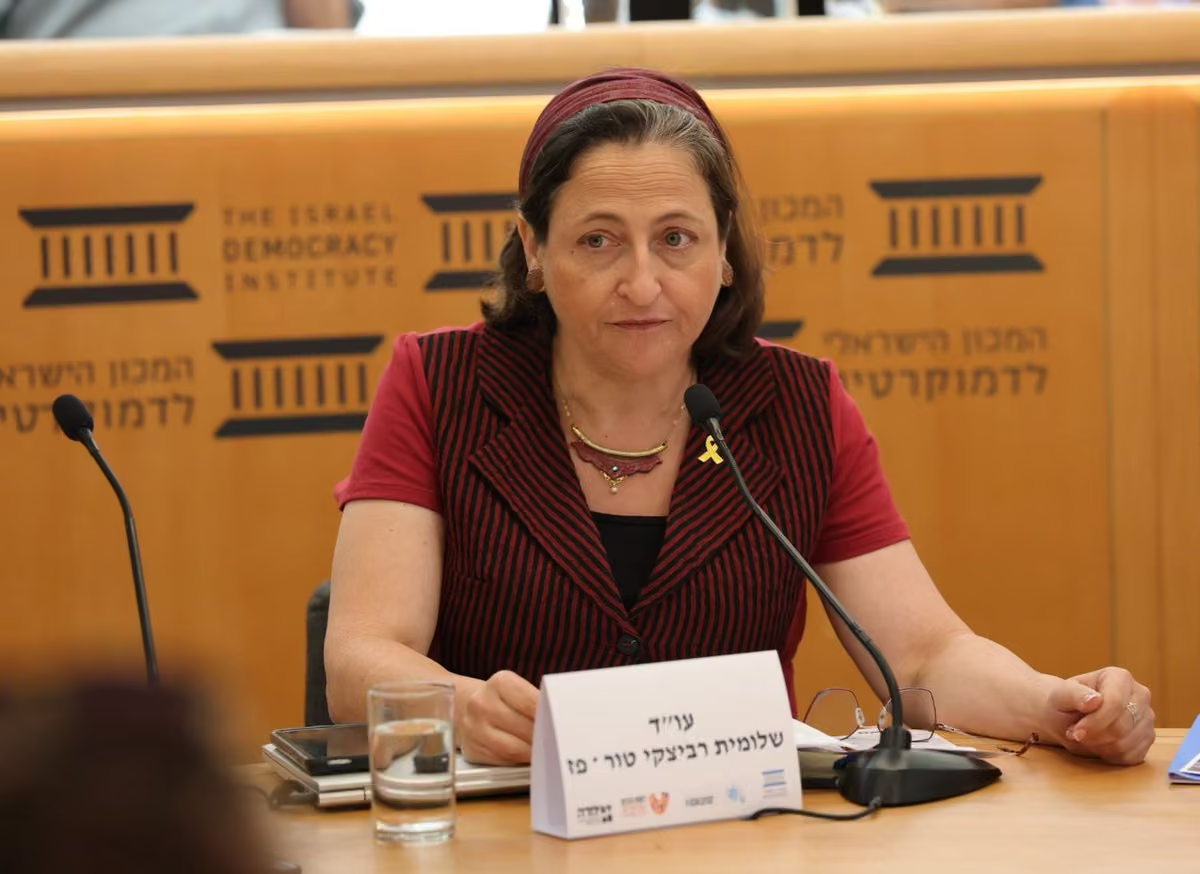
About 1,000 Arab Israelis were murdered during the outgoing government’s four-year term.
For Plesner, this “pushback” against the government's neglect of public safety in Arab communities was also a “demonstration of their faith in the Israeli system.” As he explains, “if they thought the system is rigged,” or, “they have no chance to have influence, they wouldn’t have come out.”
Watch the full conversation with IDI President Yohanan Plesner, The Times of Israel’s David Horovitz, and IDI’s Prof. Tamar Hermann, moderated by Amanda Borschel-Dan, deputy editor of The Times of Israel – link in the comments.This media couldn't be displayed. See it on the original post.
Israel Democracy Institute
@IDIisrael
-
Israel Democracy Institute
@IDIisrael
Israel’s Arab citizens voted in the 2026 Knesset elections at one of the highest rates in 30 years. At about 77%, turnout nearly matched the national turnout of 78%. The two Arab lists, Ra’am and the Joint List, together won a historic 19 seats.
Dr. Arik Rudnitzky, a researcher in IDI’s Arab Society in Israel Program, speaks to Kan English Radio about what drove the rise in turnout from 53% in 2022 and what the two lists hope to achieve.
Both ran effective campaigns, Dr. Rudnitzky explains, presenting voters with clear political goals.
He also notes that in previous elections, some Arab leaders urged Arab voters to boycott the polls, but this time, Arab citizens were encouraged to turn out to win as many Knesset seats as possible.
Listen to the full interview – link in the comments.This media couldn't be displayed. See it on the original post.
Israel Democracy Institute
@IDIisrael
-
Israel Democracy Institute
@IDIisrael
On October 27, Israeli citizens voted to elect the 26th Knesset, making their voices heard with a historic 78% turnout. With all votes counted and the final results in, here are the highlights from Israel’s 2026 elections:
➡️No bloc reached the 61-seat majority in Israel’s 120-seat parliament. The Netanyahu-led bloc, almost identical to the outgoing coalition, leads with 53 seats; its largest party, Prime Minister Benjamin Netanyahu’s Likud, has 27. The Zionist opposition bloc, led by former IDF Chief of Staff Gadi Eisenkot, has 48 seats; his party Yashar! leads with 21. Arab parties won a historic 19 seats - the Joint List with 11 and Ra'am with 8
➡️Turnout reached 78%, the highest since 1999, up from 70.6% in 2022.
➡️There are 47 new Members of Knesset joining the 26th Knesset. The Yashar! party leads with 15, followed by the Joint List with 7 and Together with 6.
➡️Women’s representation also broke a record: 33 women will serve in the new Knesset. Yashar! leads with 11 women among its 21 MKs.
Read the full preliminary analysis for the full breakdown of Israel’s 2026 election results – link in the comments.
Israel Democracy Institute
@IDIisrael
-
Israel Democracy Institute
@IDIisrael
“We still don’t know who the winners are, and whether there are winners, but it’s clear who lost in the election.”
IDI President Yohanan Plesner joins CNN’s One World with Zain Asher to discuss Israel’s election results and what they reveal about Israeli public opinion as the vote count nears completion.
Neither Prime Minister Benjamin Netanyahu nor his main challenger, Gadi Eisenkot, has a clear path to forming a government. Yet Plesner points to a significant decline in public support for the outgoing coalition and electoral gains for the opposition bloc.
Plesner sees the public’s vote as a clear rejection of the government’s initiatives, including a blanket exemption for ultra-Orthodox men from serving in the IDF and the attempts at a judicial overhaul. Opposition to those policies, however, does not necessarily mean the parties seeking to replace the government can assemble a governing majority.
As Plesner explains, while the question of who can form a government remains unresolved, the shift in public opinion against the outgoing coalition’s agenda is clear.
Watch the full interview – link in the comments.This media couldn't be displayed. See it on the original post.
Israel Democracy Institute
@IDIisrael
-
Israel Democracy Institute
@IDIisrael
Israelis have cast their ballots for the 26th Knesset, but the results so far remain inconclusive. As the vote count continues, what scenarios are now on the table, what are the possible paths to forming the next government, and could Israel be heading back to another election?
Join us today, Wednesday, October 28 at 12 pm ET (6 pm Israel time | 9 am PT), for an in-depth online briefing for the The 92nd Street Y with IDI President Yohanan Plesner, Prof. Tamar Hermann, Director of IDI’s Viterbi Family Center for Public Opinion and Policy Research, and David Horovitz, Founding Editor of the Times of Israel.
The conversation will be moderated by Amanda Borschel-Dan, Deputy Editor of the Times of Israel.
Watch the livestreamed event - link in the comments.
Israel Democracy Institute
@IDIisrael
-
Israel Democracy Institute
@IDIisrael
"Mr. Netanyahu and the current coalition have no path for forming a government whatsoever."
But did anyone win? The most consequential election in Israel's recent history has come to a close and the exit polls are in.
IDI President Yohanan Plesner gives CNN's Richard Quest a breakdown of how to understand the initial numbers coming out of today's election. He explains that while the exit polls clearly indicate a significant drop in public support for Mr. Netanyahu's party and - more importantly - his coalition, there is also not a clear path to forming a government for the so-called change bloc, led by Gadi Eisenkot.
Over the coming days the final numbers will come in – but it could be some time until it's clear who will be Israel's next prime minister and what his governing coalition will look like.
Watch the full interview – link in the comments.This media couldn't be displayed. See it on the original post.
Israel Democracy Institute
@IDIisrael
-
Israel Democracy Institute
@IDIisrael
Some Israelis said during this election campaign that the events of the last three years in Israel would lead them to change their typical voting choice. Does that pan out on Election Day?
Speaking to CNN just as voting began, Prof. Tamar Hermann, Academic Director of IDI’s Viterbi Family Center for Public Opinion and Policy Research, explains why predicting the outcome of this election is so difficult. She says that when Election Day arrives, even those who decided to change their vote may still feel an “internal drive to come back home."
Whether the Yashar! party, headed by former IDF Chief of Staff Gadi Eisenkot, can attract voters typically aligned with Likud and become the largest party remains, as of Election Day, very much an open question.
Watch the full interview - link in the comments.This media couldn't be displayed. See it on the original post.
Israel Democracy Institute
@IDIisrael
-
Israel Democracy Institute
@IDIisrael
After the voting ends in Israel, the counting of the votes will begin - but will we know who will be Israel's next prime minister?
IDI President Yohanan Plesner joined CBS News to talk through the different scenarios that could follow Israel's election, explaining why, unlike in the United States, counting the votes does not necessarily produce a clear winner After the votes are counted, the elected parties enter into a complex coalition negotiation phase, which may or may not be successful—and, if unsuccessful, could ultimately lead to another round of elections. Until a new government is formed, Prime Minister Benjamin Netanyahu and the current government will remain in office on an interim basis. While Plesner says another election is not a very high probability scenario, he adds that it is “not inconceivable.”
Watch the full interview – link in the comments.
Israel Democracy Institute
@IDIisrael
-
Israel Democracy Institute
@IDIisrael
Today, Israelis are heading to the polls to exercise one of the most important democratic rights: electing Israel’s next Knesset!
Since its establishment in 1948, Israel has sustained a democratic tradition through wars, crises, and profound disagreements, with citizens choosing their representatives in national elections since 1949. That is an achievement to take pride in, and a tradition we must continue to protect.
Here’s how voting works in Israel:
✅ Who can vote: Israeli citizens aged 18 or older who appear in the electoral register.
🗳️ Polling hours: Most polling stations open at 7 a.m. and close at 10 p.m. Anyone in line before closing can still vote.
✉️ Double-envelope voting: Eligible groups, including soldiers, can vote outside their assigned station using two envelopes, allowing checks against duplicate voting while preserving ballot secrecy.
📅 Public holiday: Election Day is a statutory day off. Employers must allow eligible employees time to vote.
📊 Following turnout: The Central Elections Committee publishes updates throughout the day showing how many people have voted.
Read the full explainer by IDI’s Dr. Assaf Shapira for everything you need to know about how voting is conducted in Israel – link in the comments.
Israel Democracy Institute
@IDIisrael
-
Israel Democracy Institute
@IDIisrael
Election Day in Israel is one of the country’s biggest and most complicated operations, and much of its coordination takes place on WhatsApp. Yet the app is vulnerable to disruptions, and by the time they are resolved, the election may already be over.
In a new op-ed, IDI’s Dr. Tehilla Shwartz Altshuler explains that sudden increases in messages and new groups on Election Day may be mistaken for spam, and political opponents could theoretically exploit the system to coordinate false reports triggering suspensions. With a single blocked account potentially disrupting hundreds or thousands of people, even a review within 24 hours may come too late.
While efforts to protect election integrity tend to focus on disinformation, deepfakes and foreign interference, mistaken enforcement also requires attention.
As she puts it, “A democracy should not depend on whether an automated system at a technology company gets it right on Election Day.”
Learn how Israel should prepare for potential WhatsApp disruptions on Election Day - link in the comments.
Israel Democracy Institute
@IDIisrael
-
Post not available here, view on X
Israel Democracy Institute
@IDIisrael
-
Israel Democracy Institute
@IDIisrael
640,000 young Israelis aged 18–22 will cast their first ballots in Israel’s 26th Knesset elections. Most have been directly affected by the events of October 7, with many serving in the military and reserves. How will this affect their vote?
IDI’s Dr. Tammy Hoffman joins DW News to discuss the key factors shaping Israel’s young voters and how the events of the past few years may influence their vote. She explains that these young Israelis have all endured COVID, internal upheaval, the traumatic events of October 7 and the ensuing war during some of the most formative years of their lives. In the past three years, a large percentage of these first-time voters served in the military during the war, then in the reserves, with most having “some kind of connection or familiarity… with bereavement.” She explains that this impact may go “both ways.” Young voters may embrace a more ultra-nationalistic outlook and promises of tough security, or question what they want for the future and “how they may want to see this war end.”
Watch the full interview – link in the comments.This media couldn't be displayed. See it on the original post.
Israel Democracy Institute
@IDIisrael
Israel Democracy Institute
@IDIisrael
Read an article on IDI’s first-time voters conference in JTA - www.jta.org/2026/10/25/israel/who-are-the-first-time-vote…
-
Israel Democracy Institute
@IDIisrael
Tomorrow, Israelis will head to the polls to elect Israel’s 26th Knesset, following four tumultuous years. What could Israel’s next government look like, and what will the results mean for its domestic and foreign policy?
Join us the day after the election, on Wednesday, October 28 at 12 pm ET (6 pm Israel time | 9 am PT), for an in-depth online briefing for the The 92nd Street Y with IDI President, Yohanan Plesner @yplesner and Prof. Tamar Hermann, Director of IDI’s Viterbi Family Center for Public Opinion and Policy Research, and @davidhorovitz, Founding Editor of the @TimesofIsrael.
Moderated by Amanda Borschel-Dan @AmandaBDan, Deputy Editor of the Times of Israel, the conversation will explore who won, who lost, and what comes next.
Find the register link in the comments.
Israel Democracy Institute
@IDIisrael
-
Israel Democracy Institute
@IDIisrael
IDI’s Flash Survey, conducted October 18–21 2026, found that if neither bloc can form a government based on a Knesset majority, the largest share of Israelis prefer new elections.
The results were published October 23rd 2026, before the pre-election publication cutoff. This poll is not current and should not be used to infer voting patterns or public attitudes on the date of this post.
Some additional highlights:
➡️ There is no clear consensus on which bloc will form the next government: 31% give the ‘change bloc’ higher chances, compared with 27.5% for the Right-Haredi bloc.
➡️ When asked about the balance of power among Israel’s institutions, the largest shares of both Jewish (45%) and Arab (44%) Israelis said the Knesset is too weak.
➡️ A note of cautious optimism: around a fifth say it makes no difference who they vote for, roughly half the share in 2025. This may reflect a sense that each vote carries weight.
Explore the full survey on Israelis’ expectations for the next government – link in the comments.
Israel Democracy Institute
@IDIisrael
-
Israel Democracy Institute
@IDIisrael
This Tuesday, October 27, Israelis head to the polls after some of the most dramatic years in Israel’s history. But will the election produce a clear winner, or leave the country facing another deadlock?
IDI’s Prof. Ofer Kenig breaks down the major players and the challenges they face as they seek to form Israel’s next government.
➡️ On Election Day, Israelis vote for parties, which negotiate to govern together. A majority coalition requires 61 of 120 seats in Israel’s Knesset.
➡️ The parties running fall into roughly two blocs. One resembles the outgoing coalition, including Prime Minister Benjamin Netanyahu’s Likud party and ultra-Orthodox parties.
➡️ Seeking to replace them are right-wing, centrist, and left-wing parties. Two Arab parties are also competing, though Arab parties have rarely joined governments.
➡️ Even if Netanyahu’s opponents win a majority, governing together requires cooperation despite major disagreements.
After the votes are counted, Israelis could still face deadlock. That could mean the blocs share power in a unity government, a minority government is formed, or Israelis return to the polls within months. Stay tuned…
With Israel’s election days away, keep up with the latest issues, polling, and our “Elections 101” series on IDI’s elections hub - link in the comments.This media couldn't be displayed. See it on the original post.
Israel Democracy Institute
@IDIisrael
-
Israel Democracy Institute
@IDIisrael
With over 640,000 young Israelis eligible to vote for the first time in this election, their potential electoral strength is a force with which all parties must reckon.
Last week, IDI with the Yigal Allon Center hosted 1,200 first-time voters from mechinot (pre-military gap-year programs) at a conference to hear directly from candidates across the political spectrum, days before their first vote. Come behind the scenes as candidates make their case.
Yashar Chair Gadi Eisenkot outlined his first three steps if his party enters government. MK Amichai Chikli (Likud) highlighted what he described as Israel’s achievements in Lebanon, Gaza, and Iran amid immense challenges.
MK Simcha Rothman (Religious Zionist Party) discussed his party’s values of Judaism and Jewish sovereignty. New Knesset candidate Dr. Nechumi Yaffe (The Haredi Public Party) presented her party’s vision for Haredi integration into Israeli society and responsibility for the community. Yair Golan, Chair of The Democrats, emphasized strengthening liberal democratic values, arguing that liberal democracy is the only system that will allow Israel to prosper as a free society.
Keep up with the issues Israelis are following this election season through IDI’s latest analysis, polls, explainers, and “Elections 101” series on our elections hub – link in the comments.This media couldn't be displayed. See it on the original post.
Israel Democracy Institute
@IDIisrael
-
Israel Democracy Institute
@IDIisrael
Israel’s elections are days away, in the shadow of a multi-front war and deep internal divisions. As tensions run high, Israel’s police play a pivotal role in safeguarding elections. It is assumed that their work will be executed faithfully, as it has been in previous elections. New IDI research aims to assist in this endeavor.
The research, by retired Deputy Commissioner Moti Levi, former commander of Lahav 433, the Israel Police’s national crime-fighting organization, and IDI’s Mirit Lavi examine the preparations police need to fulfill their responsibilities and offer practical recommendations to help police address current challenges.
Some of the recommendations include expanded training hours, taking advance steps to prevent obstruction at the polls and unauthorized filming, and ensuring preparedness for any potential post-election unrest.
Israel Democracy Institute
@IDIisrael
Understand how the police can help ensure electoral integrity before, during, and after Israelis vote:
en.idi.org.il/articles/66527 -
Israel Democracy Institute
@IDIisrael
In every election, including Israel's which will take place next week, we hear: this party is ahead! That party is falling behind! This party is projected to win so many seats.
But how can we understand where things stand when polls conducted at the same time can project different results?
At IDI, we convened Israel’s leading pollsters to answer these questions and look behind the scenes of the polls we all consume. Here are key takeaways from that conversation and important points about how polls work:
➡️ Different methods can produce different results. Who was surveyed, how they were reached, whether they intend to vote, and how their answers are weighted all affect the calculations.
➡️ Transparency matters. Knowing how a poll was conducted and who commissioned it helps us assess its reliability.
➡️ Israel’s many parties complicate projections. Whether small parties cross the 3.25% electoral threshold and enter parliament or not can affect the balance between political blocs.
➡️ Polls measure public opinion today. That differs from forecasting Election Day results, a distinction often overlooked by the public and media.This media couldn't be displayed. See it on the original post.
Israel Democracy Institute
@IDIisrael
Explore the latest polling, explainers, and our “Elections 101” series on IDI’s elections hub:
en.idi.org.il/elections-2026/ -
Israel Democracy Institute
@IDIisrael
After Israel was attacked on Oct. 7, Israeli society was temporarily united after months of deep polarization. Yet this solidarity did not last long, and today, days before Israelis elect a new Knesset, the same issues that preoccupied Israeli society before Oct. 7 remain relevant.
IDI’s Prof. Tamar Hermann joined The Washington Institute’s Distinguished Fellow David Makovsky, journalist and author Yaakov Katz, and political analyst Amit Segal to discuss Israel’s national election campaign. Prof. Hermann explains that immediately after Oct. 7, there was hope that Israel had entered “a new era” and Israelis would unite after months of internal fragmentation. However, Prof. Hermann says this solidarity was bound to be challenged, since the tensions reflected real fractures within Israeli society over core issues like the balance between Israel’s democratic and Jewish character and religion and state. These cracks began to show just three months into the war, when discourse surrounding the return of the hostages and disengagement from Gaza became political: “once the politicization of the war was put on the table, there could not have been any national unity.”This media couldn't be displayed. See it on the original post.
Israel Democracy Institute
@IDIisrael
Watch the full conversation – link in bio. www.youtube.com/live/SexHiLLSkAE?cbrd=1&ucbcb=1
-
Israel Democracy Institute
@IDIisrael
Holding elections on schedule is one of the fundamental principles of democracy and therefore voting can only be postponed in the case of an extreme emergency that does not allow the process to proceed.
In a new explainer, IDI’s Dr. Guy Lurie and Dr. Assaf Shapira outline when elections may be delayed and the safeguards to ensure postponement is justified.
They explain that unlike early elections, which are common in Israel and other parliamentary democracies, postponement requires a genuine emergency that makes holding elections on time impossible. It also requires a law passed by a supermajority of at least 80 Knesset members, generally with significant opposition support. The government alone cannot authorize postponement, including through emergency regulations.
The law must also set a new election date and keep the delay to the minimum necessary. If circumstances change, 61 Knesset members can shorten it, but not set the elections earlier than their original date.
Because the Knesset has an inherent conflict of interest in extending its own term, the Supreme Court can review whether postponement is justified and ensure the elected officials did not exceed their authority or act for improper reasons.
Israel Democracy Institute
@IDIisrael
Understand under what conditions Israel’s national elections may be postponed in the full explainer – link in bio. en.idi.org.il/articles/66426
-
Israel Democracy Institute
@IDIisrael
Shira Shapira, Knesset candidate for the Yashar! party and mother of the late Aner Shapira z”l, spoke at the “Cast Your Thought” conference, held in partnership with the Yigal Allon Center:
“Aner showed extraordinary leadership in that shelter, even in sandals and a T-shirt. No one was giving him orders. He was guided by his moral compass and his values. But when we look at our leaders today, we see leadership that divides us instead of bringing us together.”
Photo by: Oded Karni
Israel Democracy Institute
@IDIisrael
Watch a recording of the conference: en.idi.org.il/events/66457
-
Israel Democracy Institute
@IDIisrael
Lt. Gen. (res.) Gadi Eisenkot, former IDF Chief of Staff and Chair of the Yashar! party, discussed Israel’s international standing with IDI President Yohanan Plesner at the “Cast Your Thought” conference, held in partnership with the Yigal Allon Center:
“Should we be ‘a people that dwells alone’ or ‘a people that dwells securely’? I prefer security. Living in isolation is a curse.
“We want to be a light unto the nations, proud of our country. We want everyone to be able to travel freely, and every Jew in the world to be able to go to synagogue without hiding their kippah.
“Our relationship with the United States is critical. We fly F-35s, and we also contribute to American interests. When the Americans were fighting ISIS, we carried out strikes in the Middle East in support of the coalition’s objectives.”
Photo by: Oded Karni
Israel Democracy Institute
@IDIisrael
Watch a recording of the conference: en.idi.org.il/events/66457
-
Israel Democracy Institute
@IDIisrael
MK Simcha Rothman of the Religious Zionist party, Chair of the Knesset Constitution, Law and Justice Committee, outlined his party’s core values at the “Cast Your Thought” conference, held in partnership with the Yigal Allon Center:
“The Religious Zionist party’s most important message is that the State of Israel, the Land of Israel, should belong to the Jewish people.”
“For that to happen, there must be settlement throughout our land. Governing power must be in the hands of the Jewish people. To me, that means judicial reform. Most importantly, we must hold firmly to our roots, our tradition, and the Torah of Israel.”
Photo by: Oded Karni
Israel Democracy Institute
@IDIisrael
Watch a recording of the conference: en.idi.org.il/events/66457
-
Israel Democracy Institute
@IDIisrael
Maj. Gen. (res.) Yair Golan, Chair of The Democrats party, spoke with Prof. Amichai Cohen, IDI’s Vice President of Research at the “Cast Your Thought” conference, held in partnership with the Yigal Allon Center:
“We all have an enormous role to play in restoring mutual respect, pledging not to raise a hand against our fellow citizens, and strengthening democracy. Democracy is the only system that allows us to live together in cooperation and fellowship, with civic responsibility, and put into practice the saying, ‘All of Israel are responsible for one another.’”
Photo by: Oded Karni
Israel Democracy Institute
@IDIisrael
Watch a recording of the conference: en.idi.org.il/events/66457
-
Israel Democracy Institute
@IDIisrael
Amichai Chikli, Minister of Diaspora Affairs and Combating Antisemitism, addressed the government’s responsibility and the war against Hamas at IDI's “Cast Your Thought” conference, held in partnership with the Yigal Allon Center:
“As I have said since the start of the war, the government is responsible for what happens during its term, for better or worse. There is no question about that. I believe what matters most is acting on that responsibility. ...
“I also believe we have achieved victory in the campaign against Hamas, even if not every operative has been eliminated. The strategic reality in the Gaza Strip today is unprecedented.”
Photo by: Oded Karni
Israel Democracy Institute
@IDIisrael
Watch the conference live: en.idi.org.il/events/66457
-
Israel Democracy Institute
@IDIisrael
Former Prime Minister Naftali Bennett, chair of the Beyachad party, spoke at the “Cast Your Thought” conference, held in partnership with the Yigal Allon Center. In a conversation with IDI Vice President of Policy @noachhacker, he outlined his plans for ultra-Orthodox education if he forms the next government:
“We will approach every ultra-Orthodox school that currently teaches against Zionism and say: ‘... Do you want to continue on your current path? That is your right. We will stop the funding completely. ...’
“Or make a different decision. Tell us now: ‘We choose to become an ultra-Orthodox state school that teaches English, mathematics, Torah, and Talmud.’ ... But they must also teach love of Israel, Zionism, and democracy.
“If you choose this path, we will provide you with abundant resources ...”
Photo by: Oded Karni
Israel Democracy Institute
@IDIisrael
Watch the conference live: en.idi.org.il/events/66457
-
Israel Democracy Institute
@IDIisrael
IDI President Yohanan Plesner addressed first-time voters attending mechinot (pre-military gap-year programs) at the opening of the “Cast Your Thought” conference, held in partnership with the Yigal Allon Center:
"We face enormous challenges, from security threats to boycotts. But we have an extraordinary generation of young people: committed and intelligent.
You will be casting your first vote in extraordinary times. Just a week ago, we marked three years since the October 7 disaster, which showed us so starkly what happens when the system fails and why a functioning state and effective leadership matter. When they fail, our lives and well-being are at risk. That is what is at stake.”
Photo by: Oded Karni
Israel Democracy Institute
@IDIisrael
Watch the conference live: en.idi.org.il/events/66457
-
Israel Democracy Institute
@IDIisrael
As Israelis prepare to vote in their next government, IDI’s latest Israeli Voice Index finds that Jewish Israelis’ top two agenda items are a law requiring equal military service for young ultra-Orthodox men in the IDF and a State Commission of Inquiry investing the events of October 7.
Among Arab Israelis, 53% support taking determined action against Jewish settler attacks on Palestinians in the West Bank, and 58% want the next government to explore the possibility of negotiations with the Palestinians.
Some additional highlights:
➡️ Israelis are divided over recent reports that Prime Minister Netanyahu was warned weeks before October 7 of a planned Hamas attack: 46% do not find them credible, while 43% believe them.
➡️ 63% of Israelis think the reports’ release was timed to influence the upcoming elections.
➡️ Looking back at past governments’ policy of allowing or encouraging Jewish settlements in the West Bank, 63% of Jewish Israelis say it was correct, while 50% of Arab Israelis say it was not. Jewish Israelis are politically divided: 81% on the Right consider the policy correct, compared with 40% in the Center and 19% on the Left.
Israel Democracy Institute
@IDIisrael
Explore the major issues shaping Israel today as the country prepares for national elections – link in bio. en.idi.org.il/articles/66485
-
Israel Democracy Institute
@IDIisrael
Happening tomorrow!
Washington Institute
@WashInstitute
📺Tune in on Thursday, October 15 at 10AM ET for a discussion with Tamar Hermann, @yaakovkatz, and @AmitSegal on Israel's historic election and its crucial domestic and foreign policy stakes. #twipolicyforum www.washingtoninstitute.org/policy-analysis/israels-most-…
-
Israel Democracy Institute
@IDIisrael
As Israel’s election campaign enters its final stretch, we’re likely to hear confident predictions. However, a closer look at public opinion may tell a different story.
Prof. Tamar Hermann, Director of IDI’s Viterbi Center for Public Opinion and Policy Research, shares three surprising insights - even for Israelis!
➡️ First – Voters say the cost of living drives their vote, yet political parties across the spectrum are more or less aligned on economic policy, and it is not a key issue defining the debate like ultra-Orthodox military enlistment.
➡️ Second – A new governing coalition does not necessarily mean more room to maneuver: 55–60% of Jewish Israelis identify as Right-wing, so strategic changes must be weighed carefully to avoid losing public backing.
➡️ Third – Some expect first-time and overseas voters to boost the ‘change bloc’ opposing Netanyahu, but more religious communities’ higher birth rates give the Right-wing camp a bigger boost from young voters, and too few overseas voters can realistically fly in to change the election result.
Keep these points in mind as you follow the race to October 27.This media couldn't be displayed. See it on the original post.
Israel Democracy Institute
@IDIisrael
Follow along for more IDI expert analysis, and find the latest public opinion polling, explainers, and our new “Elections 101” series on IDI’s elections hub – en.idi.org.il/elections-2026/
-
Israel Democracy Institute
@IDIisrael
For decades, public opinion polls have helped track election races and show which way the political winds are blowing. But what happens when election forecasts look like polls without surveying real voters?
In a new analysis, IDI experts examine two emerging tools: prediction markets like Polymarket, which reflect traders’ expectations about election outcomes, and AI-based simulations, which simulate how voters would respond. Both can have the numerical, scientific look of polls: a 63% chance of victory or 31 seats in Israel’s Knesset. This raises concerns because forecasts can contain methodological errors while carrying the same authority as a professional poll. Prediction markets can also feed a feedback loop: traders respond to political news, prices change, and those changes become headlines, presented as independent evidence of who is ahead. Turning to Israel, IDI’s experts propose that the Central Elections Committee apply the same polling rules to these forecasts’ publication, including transparency requirements, clear warnings, and publication restrictions, when voters could reasonably perceive them as election measurements or predictions.
Israel Democracy Institute
@IDIisrael
Understand how prediction markets are shaping the election information landscape in the full analysis by IDI’s Dr. Tehilla Shwartz Altshuler, Dr. Guy Lurie, and Dr. Rachel Aridor-Hershkovitz – en.idi.org.il/articles/66410
-
Israel Democracy Institute
@IDIisrael
“We are all post-traumatic after October 7th, and this, in a way, brings us together. However…even on this memorial day, the third anniversary for October 7th is perceived differently by different people.”
IDI’s Prof. Tamar Hermann speaks to BBC Newshour Radio about the public mood three years after October 7 and why the public is not necessarily “united.”
Prof. Hermann traces these divisions back to before the outbreak of the war, when widespread protests spanned eight months leading up to Hamas’s surprise attack on Israel. The two camps were divided between those who believed the government sought to “overhaul” Israel’s judicial system and those who believed it needed “reform.”
Today, she explains, recent reports that Prime Minister Netanyahu allegedly received advance warnings that could have helped prevent the October 7 attack are viewed differently by these camps. Government opponents accept the reports as reliable, while supporters believe he was let down by the security agencies, which did not warn him. She says, “This is exactly where the two sides diverge.”This media couldn't be displayed. See it on the original post.
Israel Democracy Institute
@IDIisrael
Listen to the full interview. www.bbc.co.uk/programmes/w1730bn7r38tg45
-
Israel Democracy Institute
@IDIisrael
"October 7 is kind of a framework for the entire political discussion that is going on,” says IDI’s Prof. Tamar Hermann to @joseffederman at @AP. “All of us are post-traumatic in a way.”
Prof. Hermann, Director of IDI’s Viterbi Center for Public Opinion and Policy Research, discussed how the tragedy of October 7th plays a central role for over 60% of the Israeli public when deciding which party to vote for. Yet what this means for the election outcome is less clear, as she says the past three years have hardened attitudes on both sides of the political divide. “Just because everyone says Oct. 7 is important, she says, 'doesn’t mean that they will come out with the same conclusion.'”
Read the full article. apnews.com/article/israel-oct-7-election-netanyahu-hamas-… -
Israel Democracy Institute
@IDIisrael
Three years ago, on October 7, 2023, Israel’s reality was upended in a single day when Hamas launched a surprise attack, brutally taking the lives of more than a thousand Israelis and seizing 251 hostages. Since this moment, Israel has been engaged in a long, multi-front war. As Israel commemorates and marks this seismic event, the country is also preparing for national elections in less than three weeks. In a recent IDI survey, 68% of Jewish Israelis said the events of October 7 are a factor in deciding which party to vote for, compared with 32% of Arab Israelis.
Reflecting on the anniversary and the approaching elections, IDI President Yohanan Plesner notes that, “October 7 is casting a long shadow over these elections. Questions of security, accountability and whether the lessons of the attack have truly been learned will weigh heavily on many voters as they make their choice. More than three years later, Israel still lacks an independent, authoritative account of what went wrong, and what needs to be fixed to rectify the terrible failures. This makes the formation of a state commission of inquiry by the next government as essential as ever.”
Israel Democracy Institute
@IDIisrael
Learn more in IDI’s latest Israeli Voice Index conducted last month. en.idi.org.il/articles/66177
-
Israel Democracy Institute
@IDIisrael
In every Israeli election, parties spend tens of millions of shekels each on their campaigns. Did you know that these campaigns are almost entirely publicly funded?
In a new explainer, Dr. Assaf Shapira, Head of IDI’s Political Reform Program, lays out the campaign financing process in Israel. He explains that while political parties can, in principle, finance their campaigns through private contributions or party membership dues, in practice 99.7% of parties' campaign financing came from state funding in the 2022 election. The amount of public funding is calculated using a formula based on the number of parliamentary seats a party won in previous elections, or for new parties, the number of seats won in the current election. Funding is paid in three stages: an advance payment prior to the election, after the results are published, and after the State Comptroller completes an audit of all the campaign accounts. Shapira explains that parties can also run a deficit when they spend more on their campaigns than they receive in funding, potentially leaving them with outstanding debt.
Learn more - link to the full explainer in the comments.
Israel Democracy Institute
@IDIisrael
Learn everything you need to know about how Israel’s parties are financing their campaigns this election season. en.idi.org.il/articles/66324
-
Israel Democracy Institute
@IDIisrael
“'The most hidden aspect of the campaigns is the automation of persuasion,' says Tehilla Shwartz-Altshuler, an expert on law and technology at the Israel Democracy Institute in Jerusalem..." @tehillaaltshul1 @AnshelPfeffer
The Economist
@TheEconomist
The country’s tech outfits have developed swarms of bots masquerading as human voters. Register to discover how these can push conversations online towards themes and views advantageous to whoever controls them www.economist.com/middle-east-and-africa/2026/09/28/artif…
-
Israel Democracy Institute
@IDIisrael
One issue Israelis are paying attention to ahead of the election is Israel's relationship with the United States, and today, Prime Minister Benjamin Netanyahu is in the US, addressing not only the United Nations General Assembly but also Israelis who will be tuning in from Israel.
As Israelis think about which party to vote for next month, how important do they consider Israel–US relations?
IDI’s most recent Israeli Voice Index survey found mixed results in the Israeli public. Half consider the issue important to their voting decision, while 45% do not. Among Jewish Israelis, 55% consider it important, compared with 26.5% of Arab Israelis.
However, the picture changes depending on which party Israelis plan to vote for. Among those planning to vote for both opposition and coalition parties, a majority say Israel–US relations are important to their voting decision.
By contrast, only a minority of those planning to vote for the coalition’s Haredi (ultra-Orthodox) parties Shas and United Torah Judaism, or the Arab parties, believe it is an important factor.
Read the full survey - link in the comments.
Israel Democracy Institute
@IDIisrael
Read the full survey: en.idi.org.il/articles/66177
-
Israel Democracy Institute
@IDIisrael
Israelis will be marking two significant moments this October: elections for their next government and three years since October 7, with a war that continues on multiple fronts.
As these moments draw nearer, Dr. Eran Shamir-Borer, Director of IDI’s Center for Security and Democracy, highlights what he’s paying attention to this election season:
First – The crisis of trust in the police: Israel faces unprecedented violent crime, and public trust in the police is at an all-time low. Rebuilding trust requires a lawful, effective and politically independent police force.
Second – The IDF reserve-service model: Israel needs a new model that better addresses the human and economic toll of reserve service, ensuring the burden of service is shared by a larger part of Israeli society.
Third – Israel’s international legal standing: Amid international legal battles that weaken Israel's legitimacy, it must show allies it abides by international law and has independent, professional legal institutions.
The next government’s choices on these three key issues will shape Israel’s ability to prosper as a secure and democratic state.
Follow along for more IDI expert analysis, and find the latest public opinion polling, explainers, and our new “Elections 101” series on IDI’s elections hub – link in the comments.This media couldn't be displayed. See it on the original post.
Israel Democracy Institute
@IDIisrael
-
Israel Democracy Institute reposted
Eylon Levy
@EylonALevy
Just before Yom Kippur, a fascinating snapshot of Israeli society:
3/4 Israeli Jews fast on Yom Kippur, including half of self-identifying "secular" Jews.
Well over the fast, whether you're observing or not!
via @idiisrael -
Israel Democracy Institute
@IDIisrael
Yom Kippur is observed by a large majority of Israelis – including many who do not identify as religious.
A new IDI analysis finds that approximately three-quarters (74%) of Jewish Israelis fast on Yom Kippur, and a majority (57%) typically attend Yom Kippur services.
Fasting is essentially universal across Israel's ultra-Orthodox, national religious, and traditional religious sectors. 90% of those who identify as traditional non-religious observe the full fast (77%) or a partial fast (13%), and 47% of secular Israelis fast either in full (28%) or partially (19%).
Learn more about the unique day in Jewish and Israeli culture in a special analysis by IDI's Dr. Ariel Finkelstein, Ya'ari Padan, and Shlomit Ravitsky Tur-Paz, released as Israelis prepare for Yom Kippur.
Israel Democracy Institute
@IDIisrael
Read the full analysis: en.idi.org.il/articles/66240
-
Israel Democracy Institute
@IDIisrael
In Israel, it is possible for a political party to be banned from elections to the Knesset, Israel’s parliament. This is an extreme measure that infringes on the right to vote and be elected, and therefore should be exercised only in the most extreme scenarios and with the utmost care and objectivity.
This election season, twelve requests to disqualify parties and individual candidates have been submitted to the Central Elections Committee. While such requests are often approved by the Committee, they are rarely upheld once a petition is filed with the Supreme Court.
Speaking on Kan Radio English, IDI’s Dr. Amir Fuchs explains how disqualification works and says the threat has been used too often in recent years, amounting to “political theater.” Requests are considered by the Central Elections Committee, a body with parties represented according to their seats in the outgoing parliament—meaning the coalition has a de-facto majority—alongside a Supreme Court justice. It can disqualify a party or candidate by majority vote, but Dr. Fuchs explains that the Supreme Court has overturned almost every request in recent years.
Israel Democracy Institute
@IDIisrael
Listen to the full interview to understand how this process works. en.idi.org.il/podcasts/66286
-
Israel Democracy Institute reposted
eJewishPhilanthropy
@eJPhil
When Yom Kippur begins, the majority of Israelis will mark it by fasting and attending synagogue services, according to a new survey by @IDIisrael.
But a deeper dive into the poll shows subtle and substantial differences between demographic groups.
ejphil.com/5iq8n -
Israel Democracy Institute
@IDIisrael
“The discussion of whether women have an important and instrumental role in the military – we’re past that discussion.”
The IDF, also known as “the people’s army,” is built on the principle of egalitarian and universal conscription. Yet some still question women’s integration into elite units and their equal participation alongside men in all roles. IDI President Yohanan Plesner gives his take on this debate on the Times of Israel “What Matters Now” podcast with Amanda Borschel-Dan.
Plesner explains that women are already an integral part of the IDF, making up more than 20% of combat soldiers and a significant share of reservists, playing a crucial role in protecting Israel’s borders since October 7, and long before. "There's no IDF without motivated, talented women, across Israeli sectors."This media couldn't be displayed. See it on the original post.
Israel Democracy Institute
@IDIisrael
Watch the full interview with @yplesner for a discussion of other key issues at the center of public debate in Israel. www.youtube.com/watch?v=W1gXB3OX_y4&t=761s
-
Israel Democracy Institute
@IDIisrael
Israel is a democracy and in many respects, a vibrant one. Yet when it comes to elections, Israel is an extreme outlier: its citizens have fewer opportunities to vote, in fewer arenas, than citizens of any other developed democracy.
In a new op-ed, Dr. Assaf Shapira, head of IDI’s Political Reform Program, writes that Israel’s parliamentary elections give voters limited choice: they can select a party list but cannot express support for individual candidates. To address this limitation, Dr. Shapira proposes a reform known as the “semi-open ballot,” which would let voters support specific candidates within their chosen party, giving them greater influence over who enters parliament and potentially making representatives more accountable to the public.
He writes, “In a democracy, elections do more than determine who will govern the country in the years ahead. They are also the mechanism through which a relationship of representation and accountability should be forged between citizens and those who exercise power on their behalf.
“In Israel, it is time to strengthen that relationship.”
Israel Democracy Institute
@IDIisrael
Read the full op-ed. en.idi.org.il/articles/65942
-
Israel Democracy Institute
@IDIisrael
“In many ways, it’s the Achilles’ heel of the Netanyahu coalition.”
Yohanan Plesner, President of IDI, spoke on the Times of Israel’s “What Matters Now” podcast with Amanda Borschel-Dan about the key issues facing Israel this election season and how political parties plan to address the military enlistment of ultra-Orthodox, or Haredi, men.
Plesner explains that Prime Minister Netanyahu’s government-building strategy has relied on strong ties with Haredi parties, securing their political support in return for blanket military exemptions for Haredi men. By contrast, the so-called “change bloc,” parties seeking to replace PM Netanyahu, is campaigning strongly on a promise that Haredi and non-Haredi Jews will all share the burden of military service equally. However, polls suggest these parties may lack the parliamentary seats needed to form a governing coalition. If they need a Haredi party to secure a majority, Plesner explains, “that would come with a tag price on the one issue they are promoting.”
Learn about the politics of this election as it stands today through the lens of one of the major issues defining the debate. Watch the full analysis - link in the comments.This media couldn't be displayed. See it on the original post.
Israel Democracy Institute
@IDIisrael
Watch the full interview.
www.youtube.com/watch?v=W1gXB3OX_y4&t=761s -
Israel Democracy Institute
@IDIisrael
As we welcome the Jewish New Year, Israelis and Jews around the world are praying for a year of renewal and peace.
For Israelis, it will certainly be a year of change as they head to the polls next month to elect Israel’s postwar leadership.
While the campaign is underway, IDI experts have been putting the finishing touches on a series of policy plans designed to help the new government take up the urgent task of renewal and reform after years of internal turmoil and war.
On behalf of the whole IDI team, we wish you a happy, safe and peaceful new year.
Shana Tova!This media couldn't be displayed. See it on the original post. -
Israel Democracy Institute
@IDIisrael
What do Israelis say will influence their choice on Election Day? IDI’s latest Israeli Voice Index finds that among Jewish Israelis, the leading consideration is a party’s position on foreign affairs and security (39%), and the economy and high cost of living (38%). Among Arab Israelis, the leading consideration is a party’s position on crime in Arab society (53.5%), followed by the economy and high cost of living (46%).
Some additional highlights:
➡️ 68% of Jewish Israelis say October 7 is a central factor in choosing which party to vote for, compared with 32% of Arab Israelis.
➡️ A large share of Israelis believe there is a high likelihood that domestic and foreign political entities will attempt to improperly influence the election results.
➡️ 56% of the Israeli public believe there is a high likelihood that elements on the “losing side” will reject the published results and respond with force.
➡️ Ahead of the Jewish New Year, most Israelis (61%) say the national mood is poor. Personal mood is more positive: 59% describe it as good, while 40% say it is poor.
Israel Democracy Institute
@IDIisrael
Explore what is shaping Israelis’ voting decisions and other major issues as Israel’s national elections approach. en.idi.org.il/articles/66177
-
Israel Democracy Institute reposted
Lahav Harkov
@LahavHarkov
Israelis’ top or second-highest priority in next month’s election, according to a new @IDIisrael poll:
Foreign affairs and security: 39%
Economy and cost of living: 38%
Haredi IDF conscription: 27%
Religion and state: 26%
The identity of the head of the party: 23%
The reform to the judicial system: 18%
Broken down by political orientation among Jews:
Left: religion and state 39%
Center: economy and cost of living 40.5%
Right: Foreign affairs and security 47% -
Israel Democracy Institute
@IDIisrael
Meta’s settlement in the US marks a significant recognition that the design of social media platforms must be regulated to protect children – at least in the US. But what about Israeli children?
In a new op-ed, IDI’s Dr. Tehilla Shwartz Altshuler argues that the 18-million-dollar settlement, which includes key changes to how Facebook and Instagram operate for children under the age of 18, should be getting far more attention in Israel.
Israeli children have been carrying nearly three years of war on small screens - after a missile siren, a child may open Instagram for an update on what happened, only for the platform to carry them into a loop of increasingly graphic clips. Yet, Israeli law has no comprehensive framework requiring platforms to assess the risks their products pose to children or to make safer settings the default for children.
With Knesset elections round the corner, Dr. Shwartz Altshuler argues that an “important window of opportunity” is now opening in Israel: “the time has come to take action to protect Israeli children.”
Israel Democracy Institute
@IDIisrael
Read the full op-ed. en.idi.org.il/articles/66067
-
Israel Democracy Institute
@IDIisrael
Israel has a formal institution known as the Military Censor, which prevents the media from releasing sensitive information that could harm national security. The Censor has faced public scrutiny, particularly in times of war, most recently when it prevented the broadcast and publication of exact missile impact location during the Iran wars.
IDI’s Dr. Guy Lurie joined a panel on i24 News to discuss this delicate balance between national security and free speech. Dr. Lurie emphasized that the Military Censor continues to maintain a high level of public trust because of its professionalism and long history of upholding democratic considerations and censoring only what is necessary for national security, rather than taking public morale or political considerations into account. The fact that decisions from the Military Censor are also subject to judicial review further contributes to the institution’s professionalism and to public trust in its decision-making.This media couldn't be displayed. See it on the original post.
Israel Democracy Institute
@IDIisrael
Watch the full interview. en.idi.org.il/galleries/66095
-
Israel Democracy Institute
@IDIisrael
In recent weeks, accusations have surfaced that public and civil society organizations are seeking to weaken ultra-Orthodox society and undermine the possibility of maintaining a Haredi way of life in Israel. But these accusations misrepresent the real reason for the intense focus on Haredi society.
In an op-ed, IDI’s Eliyahu Berkovits challenges these claims saying that the focus does not stem from hostility toward Haredi life, but from recognizing that Israel’s future largely depends on the relationship between the rapidly growing Haredi society and the state, and between Haredim and their fellow citizens.
“No one is asking the Haredi community to shrink or disappear,” he writes. It should grow and prosper, “but as its numbers grow, so too must its responsibility grow.”
Israel Democracy Institute
@IDIisrael
Read the full op-ed. en.idi.org.il/articles/66049
-
Israel Democracy Institute
@IDIisrael
Israeli students are settling back into their classrooms after summer break, less than two months before Israel’s national elections. While schools teach them that voting matters, the current curriculum offers less help with the harder task: developing well-informed political judgment.
In a new op-ed, Meital Baron and Daphna Cahana-Dolev of IDI’s Education Policy Program note that first-time voters will account for about 10 percent of Israel’s eligible electorate. For those still in school, election season may be one of the few chances to practice political judgment in a structured learning environment.
Drawing on their review of the Ministry of Education's election materials, the authors argue that the current curriculum stops short of where students need the most help: learning to compare parties’ positions and records, identify which parties reflect their priorities, weigh conflicting information, and identify manipulation. “Israel’s schools already teach students that voting matters. The harder lesson is how to reach a decision worth owning," they write. The "capacity to make an informed and independent choice...must be developed long before Election Day.”
Israel Democracy Institute
@IDIisrael
Read the full op-ed. en.idi.org.il/articles/65966
-
Israel Democracy Institute
@IDIisrael
It's decision time in Israel. In less than two months, Israelis will elect the leaders who will write the next chapter of Israeli democracy and establish a new paradigm for its security.
Come with us behind the scenes at our Decision Time Conference where IDI, in partnership with Yedioth Ahronoth, convened politicians from across the full political spectrum, including some of the top contenders for prime minister, together with experts from IDI and other key institutions, to confront the most consequential issues on the agenda. We put it all on the table: military enlistment, policing, electoral reform, and constitutional reform, getting down to the very nature of our democracy.
The disagreements were real. But the purpose of the conference was precisely to bring those competing ideas into the same room and make sure that the substantive questions are at the center of the election debate.
Read a summary from the conference and watch the full live stream at the link in the comments. And join the debate – what matters to you at this pivotal moment for the state of Israel?This media couldn't be displayed. See it on the original post.
Israel Democracy Institute
@IDIisrael
Read the conference summary and watch the full conference video. en.idi.org.il/events/65856
-
Israel Democracy Institute
@IDIisrael
Shlomit Ravitsky Tur-Paz, Director of IDI's Joan and Irwin Jacobs Center for Shared Society, speaking at the Institute’s “Decision Time” conference in partnership with Yedioth Ahronoth:
“The sociological structure of Haredi society today is the result of the distorted incentives the state created and the number of exemptions it granted. We are now talking about 100,000 Haredi men who are liable for military service.
Arrests should be suspended, but only as part of an integrated process lasting several years: stop the arrests, while at the same time establishing a universal obligation to serve and imposing significant, long-term sanctions.
There are people here who have chosen a particular way of life, but expect the state to structure its entire system of incentives around that choice.”
Photo credit: Yariv Katz -
Israel Democracy Institute
@IDIisrael
Behind the scenes with Naftali Bennett, Chair of the “Together” party, during the Israel Democracy Institute’s “Decision Time” conference in partnership with Yedioth Ahronoth. In his Hebrew remarks, he said:
"The Declaration of Independence was signed by Haredim, secular Jews, left-wingers, right-wingers, revisionists, and communists. It anchors Israel as the nation-state of the Jewish people, while also enshrining the values of civic equality and democracy.” -
Israel Democracy Institute
@IDIisrael
Lt. Gen. (res.) Gadi Eisenkot, Chair of the Yashar party, speaking at the Israel Democracy Institute’s “Decision Time” conference in partnership with Yedioth Ahronoth:
“The challenges facing the next government will be enormous: strategic and security-related, economic and social, and international. We will need to build the broadest possible consensus in order to advance a conscription law, establish a state commission of inquiry, change the priorities of Israeli society, improve the security situation, and fully realize the achievements of the war.”
Photo credit: Yariv Katz -
Israel Democracy Institute
@IDIisrael
Finance Minister Bezalel Smotrich (Religious Zionist Party), speaking at the Israel Democracy Institute’s “Decision Time” conference in partnership with Yedioth Ahronoth:
“I am determined to bring about a historic change on the issue of Haredi conscription. Unfortunately, we did not succeed because maximalists in our own camp prevented the passage of a good law. The media cynically tried to brand it as a ‘draft-dodging law.’
The law would have passed with the mainstream Haredi leadership, backed by the rabbis, raising its hand in support. That would have amounted to Haredi legitimization of military service for the first time since the establishment of the state. Haredim can be brought into military service through a gradual process and by agreement.”
Photo credit: Yariv Katz -
Israel Democracy Institute
@IDIisrael
Defense Minister Israel Katz (Likud), speaking at the Israel Democracy Institute’s “Decision Time” conference in partnership with Yedioth Ahronoth:
“The very small segment of the settler movement that tarnishes [their name] and engages in violence must be dealt with. At my request, the IDF is preparing a plan for transferring responsibility for civilian law enforcement to the police. The IDF should be focused on fighting terrorism and defending the borders. We will not tolerate violations of the law.”
Photo credit: Yariv Katz -
Israel Democracy Institute
@IDIisrael
Former IDF Deputy Chief of Staff Yair Golan, Chair of The Democrats, who went to the south on his own volition on October 7 and saved Israelis, addressed recent harsh rumors spread about him that have been dominating the headlines in Israel. Speaking at the Israel Democracy Institute’s “Decision Time” conference in partnership with Yedioth Ahronoth, Golan said:
“This is not only directed at me personally. It is about delegitimizing the entire public that went out to fight for Israeli democracy, and then, after October 7 went out to defend the State of Israel. That is also being done through personal attacks against me. That is the political logic behind these statements."
Photo credit: Yariv Katz -
Israel Democracy Institute reposted
FDD
@FDD
Before October 7, the debate over judicial reform had Israelis in the streets, burning tires on the Ayalon Highway. The war put it on pause — but the upcoming Israeli elections are bringing this contentious issue back into focus.
On the FDD Morning Brief with @JSchanzer, @yplesner of @IDIisrael outlines what's at stake for Israeli democracy.
🎧 Catch the full episode: www.youtube.com/watch?v=-LOV1GCCi34&list=PLmEsAFBNkqsN_iD…This media couldn't be displayed. See it on the original post. -
Israel Democracy Institute
@IDIisrael
“I cannot think of any other issue that has a broader Zionist consensus.”
One of the most prominent issues discussed ahead of Israel’s elections this October is how the next government will handle the enlistment of ultra-Orthodox men, most of whom are currently evading the mandatory draft, into military service.
IDI President @yplesner joined the @FDD Morning Brief with @JSchanzer to discuss this topic and the other the main issues on the agenda in Israel’s upcoming elections.
Plesner explains the arrangement developed in the 1970s in which exemption from IDF service for Haredim - a small minority at the time - was conditioned upon full time Torah study. This created an incentive to study at yeshivas rather than pursue an academic degree, find a job, or, indeed, serve in the IDF. Some fifty years later, rapid demographic growth has turned this small minority into a large one, creating the economic and enlistment crises we face today - now an issue at the heart of public debate.This media couldn't be displayed. See it on the original post.
Israel Democracy Institute
@IDIisrael
Watch the full FDD Morning Brief episode to understand the top issues on the agenda ahead of Israel’s national elections. www.youtube.com/watch?v=-LOV1GCCi34
-
Israel Democracy Institute
@IDIisrael
RT @FDD: Israel is approaching its first election since October 7. On today's FDD Morning Brief, @JSchanzer and @IDIsrael's @yplesner unpac…
-
Israel Democracy Institute
@IDIisrael
Israelis may cast their ballots on October 27, but there are many other dates that will shape how the race unfolds as Election Day draws nearer – like the deadline in we learn WHO the candidates will actually be and the day in which official results are published.
Key dates to follow:
September 8: Parties must submit their candidate lists to the Central Elections Committee. These lists determine which party candidates enter Israel’s parliament.
October 13: 14 days before election day, political parties begin airing their official campaign broadcasts on television and radio.
October 15: Eligible Israelis serving abroad on official assignments, along with qualifying family members, can vote early at Israeli embassies and consulates.
October 27: Election Day: Israeli citizens vote to elect the 26th Knesset, with most polling stations opening at 7:00 a.m. and closing at 10:00 p.m.
November 4: The official election results for the Knesset, Israel’s parliament, are published.
November 18: The final day for parties that ran in the election to appeal the results.
Mark your calendars, and stay up to date on what you need to know as Election Day draws nearer on IDI’s 2026 Election Hub.
Israel Democracy Institute
@IDIisrael
Get the full timeline on our elections hub: en.idi.org.il/elections-2026/
-
Israel Democracy Institute
@IDIisrael
With Israel’s national elections two months away, parties face a key milestone: by September 8, they must submit their candidate lists for the next Knesset. Will women be properly represented on those lists?
In an ongoing series, where IDI experts weigh in on the key issues shaping Israel’s 2026 election campaign, Anat Thon Ashkenazy, Director of IDI’s Center for Democratic Values and Institutions, highlights three principles she believes are essential to gender equality and a resilient democracy: Participation, Protection, and Priority.
1. Participation: Women have held only about a quarter of Knesset seats for a decade and remain severely underrepresented in decision-making institutions.
2. Protection: Recent measures, such as expanding the possibility of gender separation in academia, risk limiting women’s opportunities, while war-related economic and caregiving burdens and violence against women continue to rise.
3. Priority: Gender equality must be prioritized by reducing employment gaps, appointing women from diverse backgrounds to leadership, and strengthening protections for women’s rights.
“Gender equality is not only a matter of fairness. It is a cornerstone of a resilient democracy.”This media couldn't be displayed. See it on the original post.
Israel Democracy Institute
@IDIisrael
Follow along for more IDI expert analysis, and find the latest public opinion polling, explainers, and our new “Elections 101” series on IDI’s elections hub.
en.idi.org.il/elections-2026/ -
Israel Democracy Institute
@IDIisrael
The share of Israelis doing IDF reserve service differs a great deal by religious group. A new IDI study finds that since October 7, national religious men have become increasingly overrepresented in IDF reserve service relative to their population share, while ultra-Orthodox men remain almost entirely absent from reserve service.
Research by IDI’s Dr. Ariel Finkelstein and Roe Kenneth Portal analyzes reserve service during the war (2023-2025) by religious self-definition among Jewish Israelis.
Key findings include:
➡️ In 2025, national religious men accounted for 31% of monthly male reservists—more than twice their 15% population share.
➡️ By 2025, the relative weight of national religious men in reserve service had risen sharply, the share of traditional men had risen more moderately, and the share of secular men had declined substantially.
➡️ Even so, secular men remained the largest single group of male reservists in 2025.
The authors conclude, “as the war became longer, the burden of reserve service became increasingly uneven across Israeli Jewish society. That unevenness has implications for social cohesion, family life, employers, and public policy.”
Israel Democracy Institute
@IDIisrael
Read the executive summary. en.idi.org.il/articles/65427
-
Israel Democracy Institute
@IDIisrael
IDI's Shlomit Ravitsky Tur-Paz tells @AP's @GDellortoREM how many Israelis feel about Haredim choosing to study Torah full time rather than work or serve in the IDF: “'Israelis aren’t concerned about the Haredi way of life; they’re concerned about their [own] way of life,' she said, adding that includes everything from welfare tax impacts to how much time non-Haredi Israelis might need to serve in the reserves. 'The question is, who’s paying the price for your choice of life? This has become the issue everyone is talking about.'"
apnews.com/article/israel-ultraorthodox-haredi-jews-milit… -
Israel Democracy Institute
@IDIisrael
National security and democracy are often discussed separately. The past several years have shown that they are, in fact, inextricably linked.
In a new op-ed, IDI VP of Research Prof. Amichai Cohen writes that beyond the task of keeping the Israeli public safe, the next government will inherit four critical obligations: (1) restoring national security decision making processes; (2) renewing the compact between the IDF and Israeli society; (3) protecting the IDF's ethical foundations, and (4) keeping the security agencies independent from politics.
"Israel’s enemies will continue to test its strength," he writes. "The next government will be judged by whether it can meet that test while protecting the democratic foundations that make Israel’s strength sustainable."
Israel Democracy Institute
@IDIisrael
Read the full op-ed: en.idi.org.il/articles/65349
-
Israel Democracy Institute
@IDIisrael
Likud, the party headed by Prime Minister Netanyahu, is holding primary elections this week. Likud is one of only two parties in Israel that holds primaries - so how do Israeli parties build their slate of candidates for Knesset? Well, it's up to each party to decide.
The lists for some parties, such as Yashar (headed by Gadi Eisenkot) and Bennett 2026, are selected by the party leader; some are selected by nominating committees, including all the ultra-Orthodox parties, and others are selected by internal party institutions. Likud and the Democrats are the only two parties that use the most representative form of candidate selection—party primaries.
While registered voters of each party do have a say in selecting some of the candidates in party primaries, each party has slots reserved for women, minorities, and/or the selection of the party leader.
Israel Democracy Institute
@IDIisrael
Learn more about the primary and party list selection process in Israel: en.idi.org.il/articles/65619
-
Israel Democracy Institute
@IDIisrael
(1/2) Settler violence against Palestinians in the West Bank / Judea and Samaria has been dominating the headlines in Israel recently – how do Israelis think about this?
IDI's latest Israeli Voice Index survey finds that the largest share of both Jewish (46%) and Arab (54%) Israelis think security and law enforcement agencies are handling these matters too leniently.
As expected, Jewish Israelis think about this differently between the different political camps. A majority of those on the Left (86.5%) and Center (63%) say these acts of settler violence are handled too leniently. The Right is more divided, with the largest share saying they are handled too harshly (37%) and 31% saying they are handled too leniently.
Israel Democracy Institute
@IDIisrael
(2/2) Here's the breakdown of how Jewish and Arab Israelis are thinking about settler violence - a question we've asked periodically over the past year.
Learn more about Israeli public opinion on the situation in the West Bank / Judea and Samaria in the full survey: -
Israel Democracy Institute
@IDIisrael
Since early July, Israel has had no state comptroller, the role responsible for reviewing and auditing state policies and operations—and playing a critical role in preventing misconduct in elections.
In a new op-ed, IDI’s Prof. Ofer Kenig and Dr. Assaf Shapira outline the key responsibilities of the state comptroller during elections and argue that the current situation, in which one of the state's key bodies responsible for election oversight is not operating, is deeply problematic. For example, the state comptroller oversees political parties in a number of arenas, and the legality of campaign financing. This oversight helps reduce the influence of money on politics, ensure equal opportunity among candidates, and strengthen public confidence in the democratic process.
Prof. Kenig and Dr. Shapira note that, particularly after the Supreme Court ordered the Knesset to hold a repeat vote to elect a state comptroller, elected officials "have a responsibility to obey court rulings, complete appointments required by law, and ensure institutions responsible for oversight and enforcement of the rules can do their job."
Israel Democracy Institute
@IDIisrael
Read the full op-ed. en.idi.org.il/articles/65500
-
Israel Democracy Institute
@IDIisrael
With fewer than three months until Israel’s national elections, IDI’s Israeli Voice Index finds that 70% of Israelis believe there is danger to the integrity of the elections. Concern spans the political spectrum but is highest on the Left (90.5%), followed by the Center (76%) and the Right (66%).
Some additional highlights:
- Israelis are divided on how best to handle the current situation with Iran. Jewish Israelis had a diverse range of views on the subject, while a majority of Arab Israelis thought military conflict should be avoided.
- Before its pre-election recess, the Knesset passed a package of controversial laws, which this survey revealed was unpopular across the board. The largest share of both Jewish and Arab Israelis opposed the each of laws in question, though there were differences across different political orientations.
- 79% of Jewish Israelis think an Intifada, or Palestinian uprising, is likely in the West Bank / Judea and Samaria, up 15 percentage points since November 2025.
Israel Democracy Institute
@IDIisrael
Learn more about Israeli public opinion this month in the full Israeli Voice Index. en.idi.org.il/articles/65483
-
Israel Democracy Institute
@IDIisrael
“We have this problem of a welfare state and poverty by choice, which Israel is trying to balance and is not succeeding.”
IDI's Shlomit Ravitsky Tur-Paz spoke on the Times of Israel's "What Matters Now" podcast with Amanda Borschel-Dan about one of the biggest challenges facing Israeli society: how to integrate the rapidly growing ultra-Orthodox, or Haredi, population into the economy, military, and society.
Ravitsky Tur-Paz explains that Haredi men, unlike Haredi women, do not generally study core curriculum subjects, and only half of Haredi men enter Israel’s workforce. Even the men who do enter the workforce earn about half of what non-Haredi Jewish men earn because they lack the necessary basic skills. Since Israel is a welfare state, providing assistance to those who struggle, and many Haredim live in a situation of poverty by choice—or at least choice of their leadership—an unsustainable reality has emerged in Israel.
Israel Democracy Institute
@IDIisrael
Listen to the full episode. @AmandaBDan @TimesofIsrael
www.youtube.com/watch?v=K0smSx6eZt0&t=792s -
Israel Democracy Institute
@IDIisrael
A major controversy unfolded this week when Israel’s Defense Minister Israel Katz announced in a live news interview that he was replacing IDF Central Command chief Maj. Gen. Avi Bluth. This directly contradicts the IDF’s non-political character and poses a risk to Israel’s security.
In a new column, IDI Vice President of Research Prof. Amichai Cohen writes that every military in a democracy, especially one with mandatory conscription, must remain a “national, professional, nonpartisan institution that serves the state.” In announcing the end of Maj. Gen. Bluth’s tenure, Katz bypassed the chief of staff and procedures ensuring professional military decision-making. As shown in IDI’s Democracy Index, the IDF is consistently the institution most trusted by Jewish Israelis, with 81% expressing trust, nearly twice the rate for other institutions. Cohen describes the recent act as “profoundly damaging” to military cohesion. If officers believe promotion or dismissal depends on political considerations, they may shape their conduct accordingly. Moreover, if the public and those who serve lose confidence in the IDF’s nonpartisan character, its standing will collapse, posing “a real and tangible risk to Israel’s security.”
Israel Democracy Institute
@IDIisrael
Read the full op-ed. en.idi.org.il/articles/65441
-
Israel Democracy Institute
@IDIisrael
Election after election, Israel’s Haredi, or ultra-Orthodox, voters have remained highly loyal to the parties representing their community, creating a rigid “voter lock.” Ahead of the 2026 election, however, this pattern may be changing.
In a new study, IDI’s Dr. Gilad Malach and Avraham Lafair map the main motivations behind these voting patterns and the developments that have led to “fractures” in the Haredi “voter lock” mechanisms. They explain that Haredi voting has traditionally been driven by: (1) preserving communal interests, such as policies that secure public funding for their lifestyle, (2) following the community’s religious leadership, and (3) responding to institutional pressure created by close supervision of voter participation. However, the authors write that the situation may be changing during the current 2026 election campaign. The Haredi parties’ failure to pass a law exempting Haredi men from IDF service , and the erosion of a unified culture and rabbinical authority “have created considerable cracks in the two basic engines of the sectoral vote.”
Israel Democracy Institute
@IDIisrael
Read the full analysis to understand what’s at stake for the Haredi parties ahead of Israel’s 2026 elections. en.idi.org.il/articles/65364
-
Israel Democracy Institute reposted
The Times of Israel
@TimesofIsrael
Ahead of the upcoming October 27 elections, Israel is looking increasingly stratified, with each segment fighting for its own electorate and particularist needs.
This week on What Matters Now, we speak with Shlomit Ravitsky Tur-Paz about the question of how religion can coexist with modern civil society.
Stream anywhere you get your podcasts. -
Israel Democracy Institute
@IDIisrael
Things are not black and white when it comes to religion and state in Israel. Shlomit Ravitsky Tur-Paz, Director of IDI’s Joan and Irwin Jacobs Center for Shared Society, joined the Times of Israel’s “What Matters Now” podcast to break down the complex social and political debate on these issues ahead of Israel’s elections.
Ravitsky Tur-Paz provided an overview of the different relationship each of Israel's diverse Jewish religious communities has with the rest of society. Focusing on the ultra-Orthodox communities, she explained that while there is a growing sector of modern Haredim, the vast majority of Haredi men continue to avoid serving in the IDF and only about half join the workforce. This situation, she argues, is not only unsustainable from a national security and economic perspective and unfair to the rest of Israeli society shouldering the burden, but also based on an erroneous interpretation of the values of the Torah.This media couldn't be displayed. See it on the original post.
Israel Democracy Institute
@IDIisrael
Listen to the full episode - www.youtube.com/watch?v=K0smSx6eZt0&t=1s
-
Israel Democracy Institute
@IDIisrael
With a budget of around NIS 690 million and thousands of workers, including 70,000 additional workers during election week, Israel’s Central Elections Committee is the body responsible for managing Knesset elections.
In a new explainer, IDI’s Dr. Dana Blander breaks down one of Israel’s most important bodies managing the elections process. She explains that the Committee administers all aspects of the election process, from planning and managing the entire election system to organizing voting in Israel and abroad, administering the polling stations, managing the vote count, and publishing the results.
The body is headed by a supreme court justice and has significant quasi-judicial power, like the approval and disqualification of candidate lists. In addition to the judicial arm, the Committee also has a professional and political arm—a set-up that can present substantial challenges.
Dr. Blander also notes that Israel’s election laws have not been adequately updated to account for technological developments like artificial intelligence and lays out potential improvements to address the flaws in the Committee.This media couldn't be displayed. See it on the original post.
Israel Democracy Institute
@IDIisrael
Read the full explainer. en.idi.org.il/articles/65189
-
Israel Democracy Institute
@IDIisrael
“The public often confuses democracy with politics. Democracy does not belong to any particular group, whether on the right or the left, nor should it be used as a tool in the political game. It establishes the rules that allow us to live together, manage our disagreements, and ensure that every person’s rights are protected, regardless of who is in government. Once the playing field is destroyed, no one can continue to play.”
Former Supreme Court Justice Anat Baron, speaking at the conference hosted by the Israel Democracy Institute and the Israel Bar Association.
Photo credit: Oded Karni -
Israel Democracy Institute
@IDIisrael
“When considering how to complete Israel’s constitution, we must recognize that the process will be legitimate only if we take a different approach from those who sought to undermine democracy. It must include all groups in Israeli society, encourage civic participation, and strive for broad consensus. That is how we can create a genuine constitutional process.”
Prof. Amichai Cohen, Vice President of the Israel Democracy Institute, speaking at the conference “Israeli Democracy: From Challenges to Solutions”, held in partnership with the Israel Bar Association.
@amichaic
Photo credit: Oded Karni -
Israel Democracy Institute
@IDIisrael
The government recently approved a plan to divert about NIS 500 million from a program aimed at reducing disparities in Arab society to the Shin Bet and the Israel Police, raising questions about whether the security agency is suited to the task.
In a new explainer, IDI Vice President of Research Prof. Amichai Cohen and Researcher Mirit Lavi outline the key components of the decision and the legal, democratic, and practical challenges it presents. While Arab society is facing unprecedented levels of crime, the Shin Bet is a security agency tasked with protecting Israel against threats such as terrorism and espionage. The authors explain that it is not designed to collect the evidence and testimony required to secure criminal convictions, an area in which the police specialize. They also examine the risk that its broad powers, including collecting communications data and conducting covert searches, could infringe the rights of Arab citizens of Israel.
Prof. Cohen and Lavi write that even if it is ultimately decided that involving the Shin Bet is necessary to provide the police with targeted assistance, “this should be considered only as part of a comprehensive framework that brings to bear the full range of tools available to the state.”
Israel Democracy Institute
@IDIisrael
Read the full explainer. en.idi.org.il/articles/65195
-
Israel Democracy Institute
@IDIisrael
As Israel’s election campaign gains momentum, IDI experts are weighing in on the issues that could shape the country’s future.
IDI Vice President of Research Prof. Amichai Cohen highlights three key issues he’ll be watching closely this election season:
- The Future of the IDF as the “People’s Army”: Israel’s military model is built on the mandatory conscription of young men and women from across Israeli society. Its future is at stake as a significant segment of the population continues to evade conscription, in clear violation of the law.
- Protecting Israel’s System of Checks and Balances: After years of concerted efforts to weaken Israel’s system of checks and balances, the next government must advance necessary reforms while ensuring that no branch of government consolidates too much power.
- Israel’s International Standing: Since October 7, Israel’s struggle for global legitimacy has intensified and Jews worldwide have faced unprecedented antisemitism. Israel’s next leaders must safeguard the country’s ability to defend itself while maintaining a clear commitment to the rules of war.
“This is our democratic duty as well as our Jewish commitment.”This media couldn't be displayed. See it on the original post.
Israel Democracy Institute
@IDIisrael
Follow along throughout elections season for more analysis from @amichaic and other IDI experts in our elections hub: en.idi.org.il/elections-2026/
-
Israel Democracy Institute
@IDIisrael
Tisha B’Av is known as the saddest day on the Jewish calendar, marking the culmination of the period of mourning for the destruction of the Holy Temple in Jerusalem leading to the end of Jewish sovereignty in the Land of Israel. Jews worldwide read the Book of Lamentations—Eicha—traditionally attributed to Jeremiah following the destruction of the First Temple over 2,500 years ago. Eicha speaks not only to mourning but also to confronting crisis.
In a special column marking Tisha B’Av, Shlomit Ravitsky Tur-Paz, director of IDI’s Center for Shared Society, writes, “it seems that Israel in 2026 – especially as we embark on what promises to be a contentious election – can learn several lessons from the way Jeremiah chooses to conduct a conversation.” She explains how Jeremiah weaves expressions of pain, accusation, and despair into his words, alongside calls for mutual responsibility and accountability and hope for a better future. While Lamentations deals with captivity, and bereavement, “it does not stop there,” she says. “It also looks toward a good future and includes a plea for restoration, renewal, and rebuilding: ‘Renew our days as of old!’ Setting out a shared future makes it possible to conduct the confrontation in a way that can be contained.”
Read the full op-ed on what Israeli society can learn from Jerimiah this Tisha B'Av. en.idi.org.il/articles/65185 -
Israel Democracy Institute
@IDIisrael
The Israeli Knesset’s term has come to an end, and it is now on a period known as an “election recess.” But what happens to lawmaking until a new Knesset is sworn in?
In a new explainer, IDI's Avital Friedman and Gaya Stav Sigavi break down what the recess entails, how and when laws can be passed, and when there have been exceptions. They explain that the purpose of this break, as in many other democracies, is to prevent misuse of the parliamentary arena for election campaigning or the exploitation of parliamentary tools to advance narrow political interests connected to the elections, under what is known in Israel as the “practice of restraint.” While legislation is significantly limited during the recess, there are exceptions. Some bills may still move forward if they enjoy broad support, including from the opposition; are urgent; or have already begun the legislative process.
Israel Democracy Institute
@IDIisrael
Read the full explainer to understand what Israel’s Knesset can and cannot do until the new government is sworn in. en.idi.org.il/articles/65175
-
Israel Democracy Institute
@IDIisrael
One of the coalition’s most controversial initiatives, legislation aimed at weakening the authority of Israel’s attorney general, passed into law just before the Knesset entered its election recess.
Dr. Amir Fuchs, a Senior Researcher in IDI’s Center for Democratic Values and Institutions, spoke to Kan English Radio about the new law and its legal implications. He explained that the law undermines the binding force of the attorney general’s legal opinions, permits the government to obtain out legal representation without the AG’s approval, and even allows the government to bar the AG from appearing in court at all, removing key safeguards that enable the institution to protect the rule of law.
“The bigger thing is that the attorney general will not be represented in court at all, so the court will not hear the opinion of the attorney general, who is the chief lawyer in the executive branch,” Dr. Fuchs said. In effect, this “silences” Israel’s attorney general by preventing the court from hearing her legal position.
Israel Democracy Institute
@IDIisrael
Listen to the full episode: en.idi.org.il/podcasts/65158
-
Israel Democracy Institute
@IDIisrael
“Elections are always ‘fateful,’ ‘historic’ and ‘unprecedented,’ but this one is pivotal indeed, coming on the heels of Israel’s longest war and several years of acute instability and growing internal divisions over the country’s identity, leadership and future.”
In an op-ed published as the Knesset went into its summer and elections recess, IDI President Yohanan Plesner writes that, as Israel approaches its first post-war election, the country needs a “day after” plan not only for Gaza, Iran, or Lebanon, but also for Israel itself. He argues that Israel’s next leaders must offer a bold new vision that brings together the country’s two defining identities: the nation state of the Jewish People and a thriving liberal democracy. In the face of both internal and external challenges, he writes that, above all, Israel must grapple with two “original sins” left unresolved since Israel’s establishment in 1948: the failure to pass a constitution and a bill of rights, and the failure to insist on the equality of the ultra-Orthodox population before the law.
“A system with fair, agreed upon, ‘rules of the game’ will help ensure that all Israelis remain committed to their country’s future.”
Israel Democracy Institute
@IDIisrael
Read the full op-ed by IDI President @yplesner: en.idi.org.il/articles/65141
-
Israel Democracy Institute
@IDIisrael
A new law passed in the Knesset could significantly expand the ability to hold gender separated studies in Israel's higher education system.
Until now, gender separated studies in academia was permitted only in designated undergraduate tracks and only in specific programs approved by the Council for Higher Education—an arrangement that sought to strike a delicate balance between gender equality and the desire to make higher education accessible to the Haredi population.
In a new explainer, IDI's Anat Thon Ashkenazy and Edna Harel Fisher analyze the new law and how it alters that balance, allowing for gender separated studies in Master's and Doctorate programs, in all fields of study, and among all population groups, not just Haredim. It even allows for gender separation in academia beyond the classroom, such as in campus courtyards and cafeterias, in some circumstances.
They argue that this new arrangement harms the principle of equality, allowing for the exclusion of women from public spaces, and has the potential to harm the quality of academic training and labor market preparedness for both men and women.
Israel Democracy Institute
@IDIisrael
Read the full explainer: en.idi.org.il/articles/65127
-
Israel Democracy Institute
@IDIisrael
It's incredibly rare for Israeli elections to be held as scheduled – in fact, Israel has the second-most frequent elections among OECD parliamentary democracies, holding elections every 2.53 years on average, as explained in a new analysis by IDI's Prof. Ofer Kenig.
Now, for the first time since the Knesset elected in 1988, Israeli elections will be held as scheduled, on October 27, 2026, following 13 consecutive occasions when the Knesset was dissolved before completing its term. As Israel’s election season begins, we've gathered everything you need to know about elections, Israeli democracy, and the key issues at stake in IDI’s new elections hub. Find the latest public opinion polling, party platforms, explainers, expert analysis and our new "Elections 101" series—to be updated regularly throughout Israel's election season - see the link in the comments.
Israel Democracy Institute
@IDIisrael
Stay informed with IDI's election hub: en.idi.org.il/elections-2026/
-
Israel Democracy Institute
@IDIisrael
In Israel, the use of the term “kosher” is tightly regulated, and certification can be issued only by certain state-sanctioned religious authorities. Legislation passed this week would introduce sweeping changes to kashrut supervision, one of the most significant intersections of religion and state in Israel.
In a new explainer, IDI’s Dr. Ariel Finkelstein and Ayala Goldberg break down the history and significance of the kashrut supervision debate in Israel. They explain that the current bill will repeal reforms introduced in 2021 meant to open up the centralized kashrut market, establish uniform laws, and end the Chief Rabbinate’s exclusive control over imported products. The new law would restore the state rabbinate’s monopoly, reduce competition, and limit religious choice and the autonomy of local rabbis. Finkelstein and Goldberg warn that this law could not only have major administrative implications, but also raise concerns regarding freedom of religion. “A monopoly held by the local rabbinate means that businesses and communities may be required to obtain kashrut supervision that does not reflect their religious outlook.”
Israel Democracy Institute
@IDIisrael
Read the full explainer: en.idi.org.il/articles/65010
-
Israel Democracy Institute
@IDIisrael
A series of controversial bills are advancing through Knesset this week, as the session enters its final week before the summer recess and elections.
Some of the key legislation moving forward:
- Legislation to Freeze the Arrest of Draft Evaders: The bill would temporarily suspend, for three months, all arrests, investigations, and enforcement proceedings against draft-eligible yeshiva students who failed to report for military service.
- The Bill Intended to Weaken the Role of the Attorney General: The latest proposal would undermine the binding force of the Attorney General’s legal opinions and remove the AG’s exclusive authority to decide whether the government may obtain separate legal representation.
- Basic Law: Torah Study: The revised bill establishes Torah study as a foundational value in Israel’s Basic Laws. There is concern that this could later be used to support exemptions from military service and continued public funding for yeshivas and draft evaders.
- The Communications Bill: The bill would restructure Israel’s broadcast oversight, establish a new media regulator, and introduce new rules on funding, Israeli productions, and public broadcasting content.
Visit IDI's website for more info on this and other legislative initiatives at the end of the Knesset recess. -
Israel Democracy Institute
@IDIisrael
In Israel, the Attorney General serves as one of the very few checks on government power. In the final week of the Knesset's legislative session, legislation that significantly weakens the institution of the Attorney General has been approved for final readings before being passed into law.
In a new explainer, IDI’s Dr. Guy Lurie writes that the latest iteration of this controversial legislation would undermine the binding force of the Attorney General's legal opinions and abolish the AG’s exclusive authority to decide whether the government may receive separate legal representation, essentially, removing “two of the main tools that enable the Attorney General to safeguard the rule of law.” Though the latest version of the bill does not explicitly implement a politicized AG appointment procedure, it still lays the groundwork to enable a revision in the appointment procedures (which currently involve a professional-public committee) by requiring the government decide on appointment procedures within 30 days of the law's passage.
Israel Democracy Institute
@IDIisrael
Read the full explainer to understand what is at stake for the future of the Attorney General’s office and Israel's fragile system of checks and balances.
en.idi.org.il/articles/64986 -
Israel Democracy Institute
@IDIisrael
The Knesset is advancing a bill that would establish a “state-national” commission of inquiry into the October 7 massacre. Yet in actuality, the proposed politicized commission would harm legitimate attempts to clarify the circumstances that led to the events of October 7 and the ensuing war.
In a new op-ed, IDI’s Dr. Dana Blander explains that the proposed legislation would allow the governing coalition to control the commission’s composition, disqualify many professional figures in favor of political appointees, and place two hostages and representatives of bereaved families on the commission as observers, divided by coalition and opposition affiliation, which she argues would mean “not only the politicization of bereavement, but worse, its hierarchization.”
Blander calls for the establishment of an independent, State Commission of Inquiry, as this is “the only type of commission whose members will be appointed according to principles of professional independence…and not according to political or partisan affiliation,” and one that will “not only allow our society to heal, but for our leaders to learn from the mistakes of the past.”
Israel Democracy Institute
@IDIisrael
Read the full op-ed: en.idi.org.il/articles/64955
-
Israel Democracy Institute
@IDIisrael
We are proud to announce that Prof. Amichai Cohen has been appointed Vice President of Research at the Israel Democracy Institute, joining IDI President Yohanan Plesner and Vice President of Strategy Dr. Jesse Ferris Ferris on IDI’s management team.
Prof. Cohen succeeds Prof. Suzie Navot, who has served in the role with great dedication over the past four years.
A Senior Fellow at IDI since 2011, Prof. Cohen is a leading expert on the international law of armed conflict, national security law, civil-military relations, and constitutional law. He has served as Dean of the Faculty of Law at Ono Academic College and as a visiting professor at American University’s Washington College of Law and Columbia University Law School.
IDI President Yohanan Plesner: “The addition of Prof. Amichai Cohen to our management team could not come at a more opportune time for IDI and for Israel. Amichai is a true renaissance man, whose broad base of knowledge and unparalleled expertise across the core areas of our research are sure to strengthen IDI in the years ahead.”
Prof. Cohen says: “It is a true privilege to assume this position at a pivotal moment for the State of Israel. We face great challenges as a nation as we work to ensure the continued success of our Jewish and democratic experiment.”
Read the full press release: en.idi.org.il/articles/64962
Read more about Prof. Amichai Cohen’s work: en.idi.org.il/experts/1491
@amichaic @yplesner -
Israel Democracy Institute
@IDIisrael
In a dramatic announcement, the Israeli government declared that an interim Supreme Court order does not have binding force, and that it will not recognize the order in an ongoing case involving the Second Authority, Israel’s commercial broadcast media regulator.
In a new explainer, IDI experts lay out the background of the dispute and the implications of the government’s refusal to recognize the Court’s order for Israeli democracy. On a practical level, though the government’s announcement has no legal force, it could deter the Second Authority from exercising its powers in accordance with the Supreme Court ruling, which could impact broadcasters, their staff, and their viewers. On the level of principle, they explain, if the government continues to argue that it is entitled to ignore judicial decisions or choose which judgements to comply with, it undermines the principle of the rule of law and could lead to a constitutional crisis.
Read the full background to the case and its implications for Israeli democracy in the explainer by Dr. Tehilla Shwartz Altshuler, Anat Thon Ashkenazy and Dr. Nadav Dagan - link in the comments.
Israel Democracy Institute
@IDIisrael
Read the explainer: en.idi.org.il/articles/64944
-
Israel Democracy Institute
@IDIisrael
IDI’s latest Israeli Voice Index finds a sharp drop in the share of Jewish Israelis who believe President Trump prioritizes Israel’s security, from 64% in March to 41% last month and 26% today, a 38-percentage-point decline, marking a record low.
The survey also found that, in light of the severe disagreements between the United States and Israel, 53% view this as a temporary crisis, while 36% see it as a turn for the worse; Arab Israelis are split, with 47% seeing it as temporary and 46% as a long-term trend.
After Israel’s April war with Iran (Operation Roaring Lion), 38% of the Israeli public say Israel’s strategic security situation is better than before the war, while 36% say it is worse and 21% say it has stayed the same. In all Jewish political camps except those who define themselves as Strongly Right, a largest share say it has worsened.
Ahead of Israel’s elections, only one-third of Israelis say a political party closely represents their views; the sense of representation is strongest among voters for The Democrats and Religious Zionism parties, and lowest among voters for the Together party.
Israel Democracy Institute
@IDIisrael
Get the full picture in the latest Voice Index. en.idi.org.il/articles/64918
-
Israel Democracy Institute
@IDIisrael
Days before the Knesset heads into a recess ahead of the elections, the coalition is rushing through a Basic Law that grants constitutional status to yeshiva study. While public criticism has focused on how this law could equate the status of Torah study with military service, thus hindering efforts to create a more equal sharing of the burden in Israeli society, the law could also reshape the country’s national priorities and damage the economic growth engines on which its future depends.
In a new op-ed, Daphna Aviram-Nitzan, Director of IDI’s Center for Governance and the Economy, argues that if Torah study receives special constitutional status, it would rank one type of knowledge above another. In practical terms, given limited budgetary resources, the state may find it harder to prioritize core subjects: math, science, English, and technology — skills needed for a modern, knowledge-based economy. In light of the artificial intelligence revolution, she writes, “this is particularly important” at present: “approval of this bill would serve as a signal to the world that there has been a change in the State of Israel’s priorities — one that could drive away local and foreign investors and harm the future engines of growth of the economy.”
Israel Democracy Institute
@IDIisrael
Read the full op-ed: en.idi.org.il/articles/64880
-
Israel Democracy Institute reposted
The Times of Israel
@TimesofIsrael
Yohanan Plesner: "Our alliance rests on more than shared interests. It also depends on Israel finally completing the constitutional framework its founders left unfinished."
Yohanan Plesner is the President of the Israel Democracy Institute. He served as a Member of Knesset for the Kadima party from 2007–2013. He lives in Hod HaSharon with his wife and four daughters.
Read more: blogs.timesofisrael.com/happy-250th-america-with-love-fro…
*The posts on The Blogs are contributed by third parties, and don’t necessarily reflect the views of The Times of Israel. -
Israel Democracy Institute
@IDIisrael
As Americans celebrate 250 years of independence, Israelis have reason to look across the ocean with gratitude and admiration. IDI President Yohanan Plesner writes that this is also a moment for Israel to honor its closest ally by rededicating itself to the founding ideals that bind our two democracies together.
The American-Israeli relationship is more than strategic, he writes. At the core of the alliance are shared principles of freedom, equality, self-government, rule of law, and separation of powers. Yet amidst the deep divisions in Israeli society over these very values, Israel remains one of the only democracies in the world without a constitution or bill of rights. Plesner reminds us that the US Constitution was not completed in 1776 – it took 13 years and no small amount of conflict and compromise. 78 years after the State of Israel's Declaration of Independence was signed, we too must complete this missing piece in our national infrastructure. These principles are not “nice to have,” he writes, they are what allow a democracy to ask so much of its people, and what tie Israel to its greatest ally.
Full op-ed in the comments.
Israel Democracy Institute
@IDIisrael
Read the full op-ed. en.idi.org.il/articles/64885
-
Israel Democracy Institute
@IDIisrael
Legislation making its way through Knesset would take the extraordinary step of hitting the pause button on law enforcement—but only for certain Israelis.
A bill would impose a temporary order for a period of three months in which no arrests, investigations, or enforcement proceedings would take place against Haredi draft evaders – proceedings already underway would be halted, and sentences already handed down would be suspended. An explainer by IDI's Shlomit Ravitsky Tur-Paz outlines that in practice, given the upcoming Knesset recess and elections, this arrangement would likely continue for at least 6 months, and is likely part of an attempt to lay the groundwork for ongoing extensions.
As Ravitsky Tur-Paz notes, "Suspending enforcement of the law for one population group is, quite simply, not how laws work in a democracy."
Israel Democracy Institute
@IDIisrael
Read the full explainer for everything you need to know about the bill. en.idi.org.il/articles/64881
-
Israel Democracy Institute
@IDIisrael
A struggle has emerged within Likud over how to determine the party’s candidate list ahead of the upcoming elections, as Prime Minister Netanyahu is reportedly working to secure broader authority over what is currently the Israeli party with the most democratic internal system.
In a new op-ed, IDI’s Prof. Ofer Kenig outlines the tension between two candidate-selection models: one in which the party leader personally determines the Knesset list, and one of inclusive primaries, where registered party members determine the slate - both of which have flaws.
Prof. Kenig proposes that Israel adopt a “semi-open ballot” system, common in many democracies, in which voters could mark several preferred candidates on election day; candidates who cross a given personal-vote threshold could improve their position on the list. He writes that this would “alter politicians’ incentive structure” by requiring them to be responsive not only to party leaders or members, but also to the broader public that votes their party into the Knesset. Read the full op-ed. en.idi.org.il/articles/64844 -
Israel Democracy Institute
@IDIisrael
Recently, Israeli drivers have found themselves stuck on highways for hours, not because of ordinary traffic, but because Haredi protesters have blocked roads over the arrest of draft evaders. The conscription crisis is now primarily playing out in the streets, in confrontations between Haredim and the police.
In a new op-ed, IDI’s Eliyahu Berkovits argues that in the absence of a concrete conscription law, and amid the court’s demand for consequences for draft evaders, the police have stepped into this vacuum. As he writes, “the police cannot solve the draft crisis, but they have become the institution through which the crisis is experienced” in Haredi communities.
Berkovits argues that this has created a paradox in Haredi policing: the simultaneous Haredi perception that police are too forceful when the state seeks compliance but absent when their protection is needed, alongside the non-Haredi perception that police are letting Haredim get away with too much. This creates a culture of distrust that leaves Haredi citizens vulnerable when help is needed. He therefore stresses that “Israel needs a nuanced doctrine for Haredi policing,” one that includes consistent enforcement against violence, obstruction, and attacks on officials; disciplined restraint in the use of force; and “sharp distinctions between extremist groups and the broader Haredi public.”
Israel Democracy Institute
@IDIisrael
Read the full op-ed. en.idi.org.il/articles/64825
-
Israel Democracy Institute
@IDIisrael
In many western democracies, voting patterns are often shaped by structural and historical factors like economic class, ethnic origin, and place of residence. In Israel, the way Israelis define themselves religiously is a key predictor of how they vote.
New research by IDI’s Dr. Ariel Finkelstein maps the voting patterns of Jewish Israelis, broken down by the four key religious groups: ultra-Orthodox (Haredi), national religious, traditional, and secular. Analyzing data from Israel’s most recent elections, the research finds that the further one moves toward the secular end of the continuum from ultra-Orthodoxy to secularism, the greater the likelihood of voting for a party currently identified with the opposition, and vice versa.
Key findings include:
- 86% of those who define themselves as Haredi voted for the Haredi lists, showing strong sectoral loyalty.
- Among those who identify as national-religious, Religious Zionist-Otzma Yehudit emerged as the most prominent list.
- Likud was the preferred party among Israelis who identify as traditional.
- Yesh Atid emerged as the top party among Israelis who identify as secular, though by a smaller margin than the dominant parties in other religious groups.
Israel Democracy Institute
@IDIisrael
Read the full analysis. en.idi.org.il/articles/64807
-
Israel Democracy Institute
@IDIisrael
“In Israel you see something different. In terms of motivation and intent, even though there is big mistrust in politicians… [young Israelis] will go to vote.”
Dr. Tammy Hoffman spoke with Kan English Radio about IDI’s new survey exploring the attitudes, perceptions, and political engagement of young adults who will be eligible to vote for the first time in Israel’s upcoming elections. She emphasized that although a majority of young Jewish and Arab Israelis feel they do not have a political party that represents them, their intention to vote remains high, and they feel that their vote is meaningful in influencing change. Dr. Hoffman also highlighted that, unlike in other countries where economic security is the top concern among first-time voters, young Israelis view national security, both at the national and personal levels, as the issue the government should prioritize most, with the cost of living also ranking among their top concerns.This media couldn't be displayed. See it on the original post.
Israel Democracy Institute
@IDIisrael
Listen to the full interview: en.idi.org.il/podcasts/64834
Read the full survey: en.idi.org.il/articles/64746 -
Israel Democracy Institute
@IDIisrael
In Israel voters do not elect their representatives to parliament directly. Rather, they vote for the party of their choice. The more votes the party gets, the more seats it obtains in the Knesset. Selection of candidates is up to the parties. And there is no law mandating how each party selects its candidates.
In a new op-ed, Prof. Gideon Rahat argues that the current methods Israeli parties use to choose their Knesset candidates are problematic because they often concentrate power in one main selectorate — whether a party leader, party members, or another internal party body. Prof. Rahat states that the “only way to neutralize these flaws” is to instate a multi-stage method, in which several selection bodies select candidates one after the other, as is used in other democracies around the world. For example, a small party organ might first filter the initial candidate list into a smaller pool of candidates, and party members could then rank those candidates through primaries. He writes, “Decentralization of the selection process would not only distribute political power more widely throughout each party but would also breathe life into the party as a political subsystem in its own right.”
Read the full op-ed. en.idi.org.il/articles/64744 -
Israel Democracy Institute
@IDIisrael
640,000 young Israelis will be eligible to vote for the first time in Israel’s upcoming elections – and a huge majority of them, indeed, plan to vote. A new IDI survey presents a complex portrait of young Israeli voters and the issues they care most about.
The survey, conducted by IDI’s Dr. Tammy Hoffman and Meital Baron, was presented at a special conference convening IDI experts, educators, social media executives, and—most importantly—young Israelis themselves, who will be eligible to vote for the first time in Israel’s upcoming elections.
One of the main findings shows “two contradictory trends,” says Dr. Tammy Hoffman. On the one hand, 91% of young Israelis intend to vote in the upcoming elections, and over 80% view voting as highly influential. Yet at the same time, most do not participate in political activities or demonstrations.
For both young Jewish and Arab Israelis, national security and the cost of living are the top priority issues, and another key finding shows that social media serves as the single most important source of political information among these young voters.This media couldn't be displayed. See it on the original post.
Israel Democracy Institute
@IDIisrael
Learn more about the newest voters participating in upcoming elections. en.idi.org.il/articles/64746
-
Israel Democracy Institute
@IDIisrael
Thirty years ago today, on June 18, 1996, MK Benjamin Netanyahu was sworn in as Israel’s prime minister for the first time. Since then, he has served nearly 19 cumulative years in office, making him one of the longest-serving leaders in the democratic world.
Prime Minister Netanyahu has headed six governments in total and, after a political timeout, returned to office following the 2009 elections. He remained prime minister until 2021, marking the longest consecutive tenure ever held by an Israeli prime minister, before making a second political ‘comeback’ following the 2022 elections.
IDI's Prof. Ofer Kenig points out in his new op-ed that the amount of time PM Netanyahu has served is “remarkable not just in Israel but also in comparative perspective,” with Netanyahu ranking as the fifth longest-serving leader (soon to be fourth longest) among OECD democracies since 1945.
Read an analysis of Prime Minister Netanyahu's years in office, the evolution of his coalition partners, and the debate playing out around term limits in the full op-ed - link in comments.
Israel Democracy Institute
@IDIisrael
Read the full op-ed: en.idi.org.il/articles/64732
-
Israel Democracy Institute
@IDIisrael
Lior Weintraub Head of Public Policy at TikTok Israel in conversation with Yohanan Plesner, President of IDI, on their policy ahead of elections:
“If TikTok wanted to make money from elections, we could make a lot of money — but we do not take that money. We monitor for internal and external influence operations, and when we identify them, we remove them. We want to help users distinguish between authentic and inauthentic content. Bots, disinformation, and misinformation are prohibited.”
Photo: Oded Karni
Israel Democracy Institute
@IDIisrael
Lior Weintraub on restricting TikTok:
“The problem with laws that restrict TikTok is that young people across the Western world are experiencing high levels of anxiety, and social media is where many of them connect with one another. If TikTok is blocked, users will move to other platforms, including places with far less oversight and regulation.” -
Israel Democracy Institute
@IDIisrael
Yaniv Weizman, CEO of TEENK, at IDI’s conference “First-Time Voters: Young Israelis Head to the Polls”:
"This is the most anxious generation there is. It is so easy to run a campaign that plays on that anxiety, and if that happens — if that nerve is struck — it will be a catastrophe. They have an excellent BS detector. They are facing powerful forces of populism, and our role as adults is to step in, take the reins, and give them guidance."
Photo: Oded Karni -
Israel Democracy Institute
@IDIisrael
Dr. Tammy Hoffman, Head of IDI’s Education Policy Program, opens the conference, “First-Time Voters: Young Israelis Head to the Polls”:
"As adults, it is easy for us to label young people as apathetic and uninterested in politics. But it is becoming increasingly clear that Gen Z young men and women interpret the concept of political participation differently from the generations before them, and find other ways to make their political voices heard — not necessarily through elections. Sometimes, especially not through elections. But that does not mean they are apathetic."
Photo: Oded Karni -
Israel Democracy Institute
@IDIisrael
As Israeli elections inch closer, many are calling them “the most consequential in Israel’s history,” yet most Israelis remain unsure how they will unfold.
IDI President Yohanan Plesner and Prof. Tamar Hermann, Academic Director of IDI's Viterbi Family Center for Public Opinion and Policy Research, join Dr. Natan Sachs from the Middle East Institute to discuss Israel’s upcoming elections, why they are viewed as especially consequential, and what effectively is on the ballot.
Prof. Hermann says “the level of ambiguity is high” among Israelis on both the Right and the Left, noting that this applies “not only among those who do not know what they are going to put in the ballot box on election day, but also regarding what is going to happen in general.”
Additionally, Israelis on the Center-left and Left view these elections as “irreversible.” In a scenario in which the opposing party wins and forms the next government, “over 40% of people who self-identified with the Left said…that they would consider leaving Israel, as opposed to less than 10% on the Right.”This media couldn't be displayed. See it on the original post.
Israel Democracy Institute
@IDIisrael
Watch the full webinar: en.idi.org.il/galleries/64698
-
Israel Democracy Institute
@IDIisrael
“You get a video… showing what appears to be election officials tampering with ballot boxes, and it’s obviously doctored…but by that point, the damage has already been done.”
Dr. Tehilla Shwartz Altshuler, Head of IDI’s Democracy in the Digital Age Program, joins @TimesofIsrael Deputy Editor Amanda Borschel-Dan on the "What Matters Now" podcast to discuss how actors can use AI to flood the public sphere with confusion and disinformation, the potential impact this can have in an election year, and key regulatory steps that can be taken to ensure Israel's democracy is prepared for the AI era.
Dr. Shwartz Altshuler explains that the intersection between AI and elections is unfolding across three dimensions: generating content that appears authentic; automating persuasion at unprecedented scale and speed; and using advances in affective computing to identify, predict, and respond to human emotions.
Discussing the goals of election influence campaigns, she says, "Some campaigns seek to encourage turnout while others aim to suppress it... Others exploit elections as opportunities to deepen existing social divisions, amplify polarization, and make it harder for citizens to establish a shared understanding of reality.”This media couldn't be displayed. See it on the original post.
Israel Democracy Institute
@IDIisrael
Watch the full episode: www.youtube.com/watch?v=gFI_-cC8x5U
-
Israel Democracy Institute
@IDIisrael
This week, Israel’s Knesset passed a preliminary vote on a new Basic Law on Torah Study that would equate the constitutional status of full-time yeshiva students with IDF soldiers. The bill still needs three additional Knesset votes to pass into law.
Shlomit Ravitsky Tur-Paz, Director of IDI’s Joan and Irwin Jacobs Center for Shared Society, spoke with Kan English Radio about the proposed legislation and its significance in a new explainer with Prof. Benjamin Porat.
They explain that the proposal seeks to equate the status of yeshiva students with that of those performing military service – a step designed to entrench the exemption of yeshiva students from military service and to prevent them paying an economic price for not serving. Porat and Ravitsky Tur-Paz stress that “the concern is not with the value of Torah study itself. The concern is with the legal and practical consequences of the proposed Basic Law,” which harms the principle of equality and and uses "the constitutional status of a Basic Law to address a political problem affecting a particular sector.”
Israel Democracy Institute
@IDIisrael
Read the full explainer – en.idi.org.il/articles/64690
Listen to the full podcast - en.idi.org.il/podcasts/64694 -
Israel Democracy Institute
@IDIisrael
CNN's @ForecasterEnten discusses IDI's latest Israeli Voice Index survey findings on Prime Minister Netanyahu and the war with Iran. Read the full survey: en.idi.org.il/articles/64665
This media couldn't be displayed. See it on the original post. -
Israel Democracy Institute reposted
The Times of Israel
@TimesofIsrael
Tehilla Shwartz Altshuler: How AI is poisoning the information well www.timesofisrael.com/tehilla-shwartz-altshuler-how-ai-is…
-
Israel Democracy Institute
@IDIisrael
In a survey taken leading up to the escalated tensions with Iran, IDI's latest Israeli Voice Index finds a sharp decline in the share of Israelis who believe Israel’s security is a central consideration for President Trump, down from 60% in March 2026 to 44% today - an all time low since the question was first asked in November 2024.
The survey also finds that 61% of Israelis think Prime Minister Netanyahu should not run in the upcoming Knesset elections, while 35% think he should.
Assuming the U.S. and Iran reach an agreement, 56% believe it will include provisions preventing nuclear weapons development, down from 63% in March. 32% believe it will include eliminating the ballistic missile threat, and 28% think it will help weaken the ayatollah regime.
17% of Israelis would consider leaving the country if the political bloc they do not support wins the next elections and forms the next government.This media couldn't be displayed. See it on the original post.
Israel Democracy Institute
@IDIisrael
Get the full picture of how Israelis feel about the current situation — en.idi.org.il/articles/64665
-
Israel Democracy Institute
@IDIisrael
“When I look at the priorities as reflected in the 2026 budget, the budget did not actually rise to the challenges.”
Amid ongoing tensions between Israel and Iran and constant fire on Israel’s northern border, Prof. Karnit Flug, IDI's William Davidson Senior Fellow for Economic Policy and the former Governor of the Bank of Israel, discusses research that she conducted together with Roe Kenneth Portal and presented at IDI’s annual Eli Hurvitz Conference, examining whether Israel’s 2026 state budget rises to the fiscal challenges of the prolonged war that began on October 7, 2023.
The “main challenge” she describes is the huge sums needed to finance the war, yet, when looking at the civilian part of the budget, “we still see significant sums allocated to coalition members and interest groups,” despite the “extreme needs to finance civilian needs for the whole population.”
Their study concludes: “without a clear change in priorities, the continued rise in defense expenditure will lead to one of two outcomes: a sharp erosion of civilian spending…Or a further steep increase in the debt-to-GDP ratio,” with both outcomes harming the public.This media couldn't be displayed. See it on the original post.
Israel Democracy Institute
@IDIisrael
Read the executive summary of the study: en.idi.org.il/articles/64481
-
Israel Democracy Institute reposted
Natan Sachs
@natansachs
Israel will head to elections this fall: Join us Tuesday June 9 10:30am ET w President of Israel Democracy Institute @yplesner & @IDIisrael scholar Prof. Tamar Hermann on what to look for.
@MiddleEastInst
mei.edu/events/israel-heads-to-elections/ -
Israel Democracy Institute
@IDIisrael
For the first time since April, Israel and Iran are exchanging fire, bringing most parliamentary activity to a halt. The Knesset House Committee nonetheless moved forward today with a hearing focused on whether to grant immunity to Likud MK Tally Gotliv, who was indicted by Israel’s State Attorney’s Office on suspicion of disclosing classified information after revealing the identity of a Shin Bet officer on X.
In their new explainer, Prof. Suzie Navot, IDI’s VP of Research and Researcher Dr. Moran Kandelshtein-Haina break down MK Gotliv's request for immunity and the process involved in granting it. Among her claims in response to the indictment against her, MK Gotliv has argued that her actions were carried out in the course of fulfilling her duties as an MK and that she therefore enjoys substantive immunity. Israel’s Attorney General, on the other hand, argued the disclosure falls outside an MK’s duties so immunity does not apply. The decision is now in the hands of Knesset, as this controversial matter moves forward during a national security crisis.
Israel Democracy Institute
@IDIisrael
Learn about the possible outcomes of Gotliv’s case and their consequences in the full explainer. en.idi.org.il/articles/64475
-
Israel Democracy Institute
@IDIisrael
"The events that took place last night at the home of the Deputy President of the Supreme Court, Justice Noam Sohlberg, were not an isolated incident. They are the result of a prolonged and dangerous process of delegitimization directed at the judiciary, its judges, and the officials entrusted with enforcing the law."
Read the full statement by IDI President @yplesner and VP of Research @suzienavot: en.idi.org.il/articles/64624 -
Israel Democracy Institute
@IDIisrael
The Israeli Knesset held a tumultuous vote this week for Israel's new state comptroller. After neither of the candidates received enough votes in the first round, certain members of Knesset, apparently under political pressure, filmed themselves behind the curtain to prove they had not broken party discipline, despite the law mandating a secret ballot.
Why does this matter? IDI's Chen Friedberg explains that the State Comptroller’s Office is a central pillar of oversight over Israel's public administration, its integrity, and the quality of the services it provides. It is an independent institution with broad powers to audit and perform oversight over all branches of Israeli government, and plays a critical role in oversight of campaign financing of national elections, as well as state commissions of inquiry.
Israel Democracy Institute
@IDIisrael
Learn more about the role of the state comptroller and ombudsman, and its importance in Israel's democratic system. en.idi.org.il/articles/64490
-
Israel Democracy Institute
@IDIisrael
Rebecca Caspi, Director General, Israel Office; Senior Vice President, Israel and Overseas, @jfederations of North America (JFNA) spoke at IDI’s Eli Hurvitz Conference -
“As the Israel Democracy Institute’s research has shown, the economic pressure [of the war] is real, broad, and ongoing. But we can say with great confidence that assisting small businesses through mentoring, funding, and loans, creates stability and enables recovery, and this is not something that is needed only in a crisis. It builds the community and personal resilience of the State of Israel. And the Jewish Federations of North America have always stood alongside Israel, and we will always continue to do so.”
#idihurvitz
Photo: Oded Karni -
Israel Democracy Institute
@IDIisrael
State Comptroller Matanyahu Englman at IDI's Eli Hurvitz Conference:
“At this time, special care must be given to residents of the north who remain under fire at this very moment. Think about a child who for months, if not years, has been disconnected from the education system. Sure, they are given leniencies on matriculation exams, but that is not the answer for the long term developmental needs of those children. Government bodies must provide a much faster response to the developing security reality. Lessons must be learned, plans must be in place, and the population, particularly in the north, must be at the forefront of our thinking.”
#idihurvitz
Photo: Oded Karni -
Israel Democracy Institute
@IDIisrael
Nahid Khazem, Mayor of Shefa-Amr, on the lost economic potential of Arab society in Israel -
“The failure to invest in realizing the economic potential of Arab society in Israel is estimated to cost the economy more than NIS 30 billion in lost output each year. We do not find an openness or willingness to invest for the sake of the residents, the region, and the state. A comprehensive plan must be built — not only a security plan, but one that also provides an economic and social response, while also addressing growth and other needs that Arab society has not experienced.”
#idihurvitz
Photo: Oded Karni -
Israel Democracy Institute
@IDIisrael
Opposition Leader MK @yairlapid spoke at IDI’s Eli Hurvitz Conference about the upcoming elections as “the most important elections we have ever had here” -
“The elections are about being able to breathe again. We are not breathing. Everything is tension, anxiety, distress, and trauma. These elections are about putting air back in our lungs; restoring normalcy—after October 7, after the failures, the corruption, and the rot. A large majority of the Israeli public understands that these elections are critical. They are the most important elections we have ever had here. They are about the lives of our children. We can promise voters that if we form the right government, their children’s lives will be better, and many more children will be alive.”
#idihurvitz
Photo: Oded Karni -
Israel Democracy Institute
@IDIisrael
Daphna Aviram-Nitzan, Director of IDI’s Center for Governance and Economy highlights the key findings of IDI’s survey of Israeli workers’ financial situation two and a half years after the outbreak of the war on Oct. 7 -
“The conclusion from this survey is essentially that Israelis living in the north do not need to be evacuated in order to be compensated. The area is economically and commercially shut down, and you can see here what is happening to them. The fact that they were not evacuated, and therefore do not receive grants, makes no sense. Rather, the criterion for compensation needs to be changed.”
Read the full survey: en.idi.org.il/articles/64483
Photo: Oded Karni -
Israel Democracy Institute
@IDIisrael
Former Prime Minister @naftalibennett, Chair of the Together Party, unveiled his “most important plan,” which he intends to implement in a new government, at IDI’s Eli Hurvitz Conference -
“I am proud to unveil before you the most important plan that we will implement in my government: the ‘From Tribes to a People’ plan, to establish one state (public) education system for all the children of Israel. All Israeli children will study a broad shared foundation of Hebrew, English, mathematics, civics, Torah, and Jewish and Zionist tradition. Muslim students will be able to study the Quran instead of the Torah. But aside from that, everyone will study from the same common denominator…The children of Israel will study both Einstein and Maimonides. All Israeli children and all Israeli citizens will have a shared story.”
Photo: Oded Karni -
Israel Democracy Institute
@IDIisrael
Dr. Aliza Bloch, President of the Israel Arts and Sciences Academy and former Mayor of Beit Shemesh, on the importance of including the Haredi public in discussions about Israel’s future -
“In effect, we as a state led a process that turned the Haredi public into one held captive by its own power brokers. We created this.We know how to speak with the Haredi public when it is convenient and easy for us. And when it is difficult for us, we abandon this public. We make it dependent, we do not enable it, and afterward we also have complaints, and say: let’s impose sanctions on them.”
#idihurvitz
Photo: Oded Karni -
Israel Democracy Institute
@IDIisrael
Former Prime Minister Naftali Bennett, Chair of the Together Party, unveiled his “most important plan,” which he intends to implement in a new government, at IDI’s Eli Hurvitz Conference -
“I am proud to unveil before you the most important plan that we will implement in my government: the ‘From Tribes to a People’ plan, to establish one state (public) education system for all the children of Israel.
All Israeli children will study a broad shared foundation of Hebrew, English, mathematics, civics, Torah, and Jewish and Zionist tradition. Muslim students will be able to study the Quran instead of the Torah. But aside from that, everyone will study from the same common denominator…The children of Israel will study both Einstein and Maimonides. All Israeli children and all Israeli citizens will have a shared story.”
Photo: Oded Karni -
Israel Democracy Institute
@IDIisrael
IDI President Yohanan Plesner reflects on day one of our annual Eli Hurvitz Conference on Economy and Society, sharing his main takeaways from this year’s discussions with Israel’s leading policymakers, government officials, tech executives, academics, and IDI experts as they take on the challenges facing Israel’s wartime economy and advance research-driven policy debate in an election year.
Read the recap of day one from IDI’s 2026 Eli Hurvitz Conference: en.idi.org.il/hurvitz/2026/This media couldn't be displayed. See it on the original post. -
Israel Democracy Institute reposted
eJewishPhilanthropy
@eJPhil
Your Daily Phil: Jerusalem confab examines Israel's economy at a crossroads
• New initiative aims to help skilled new olim succeed in Israel
• On the legs that fled Nova, I marched in New York with pride
ejphil.com/56b8q -
Israel Democracy Institute
@IDIisrael
Prof. Amir Yaron, Governor of the Bank of Israel discussing the appreciation of the shekel at IDI's Eli Hurvitz Conference:
“Since the 'Beeper Operation,' and alongside the improvement in the geopolitical situation, there has been a sharp appreciation of the shekel. The appreciation was influenced by three vectors: the decline in Israel’s risk premium, gains in the U.S. stock market, and the third factor — the dollar has weakened globally, including against the euro.
These factors are financial, but they are also related to Israel’s underlying sources of resilience and strength. We of course understand the impact on industry and exporters, and we certainly do not take it lightly.”
#idihurvitz
Photo: Oded Karni -
Israel Democracy Institute
@IDIisrael
Adina Eckstein, COO of Lemonade at IDI's Eli Hurvitz Conference:
“I think Israel’s competitive advantage will happen when, in every law firm, school, library, and government office, AI is at the very heart of the organization’s activity. It truly is the government’s role to make this happen, both by setting a personal example, so that government itself is managed with the assistance of AI, and by creating an environment that enables industry to do the same.”
#idihurvitz
Photo: Oded Karni -
Israel Democracy Institute
@IDIisrael
Brig. Gen. (Res.) Dr. Gil Pinchas, former Financial Adviser to the IDF Chief of Staff and Head of the Ministry of Defense Budget Department on the future of US financial aid to Israel -
“It’s nice that we want to receive US aid, but whether you look at the Democratic side or the Republican side, it is not certain they will want to continue to give. Therefore, we need to move to a different model, to a different agreement — one that speaks more about cooperation and joint matching projects… We will probably have no choice but to gradually reduce the $3.8 billion [in military aid]. Hopefully not to zero, but it will have to decline. At the same time, we will need to increase the share devoted to joint projects… This could once again create a win-win situation - benefiting both security and the economy.”
#idihurvitz
Photo: Oded Karni -
Israel Democracy Institute
@IDIisrael
Renana Ashkenazi, Managing Partner at Grove Ventures on Israel’s position in the AI race -
“Israel has not lost the AI race; it just didn’t play on a field that was irrelevant to it. The field of large models is not Israel’s field, and it never was. Israel and Israeli high-tech are strong in fast-moving, creative places — places where you need to kind of ‘move fast and break things.’ And today, in the age of AI, the question is how good we will be at identifying the new bottlenecks in the world changing before our eyes, and at seizing key opportunities there.”
Stay with us throughout the day. #idihurvitz
Photo: Oded Karni -
Israel Democracy Institute
@IDIisrael
Prof. Avi Simhon, Chair of the National Economic Council in the Prime Minister’s Office on the “two taxes” imposed on the Israeli public -
“There are two problems here. The first is that the government is imposing taxes that are too high. The second is that the Bank of Israel is, effectively, imposing another tax by raising interest rates, enabling the banks to take money from the public and reshaping the distribution of income in a way that is problematic.”
#idihurvitz
Photo: Oded Karni -
Israel Democracy Institute
@IDIisrael
Prof. Karnit Flug, Former Governor of the Bank of Israel and Senior Fellow at IDI - “Israel’s 2026 state budget does not meet the scale of the economic challenge facing the country after a prolonged war.”
“After over 2.5 years of war… the defense budget currently stands at close to 8 percent of GDP, compared with just over 4 percent of GDP in the period before the war. And the share of the defense budget within the total budget has risen to 25%, from 16 percent before the war, representing a dramatic change in the composition.”
Stay with us throughout the day. #idihurvitz
Photo: Oded Karni -
Israel Democracy Institute
@IDIisrael
IDI President Yohanan Plesner delivers opening remarks at the Eli Hurvitz Conference 2026:
As Israel heads into elections, “Israel is at a turning point. The bitter dispute over democracy — and over the constitutional and legal arrangements meant to safeguard it — is tearing us apart from within. Instead of a public discourse that acknowledges the pain and fears of people with different views, we are seeing initiatives aimed at forcefully imposing changes that would alter Israel’s character as a Jewish and democratic state.”
Stay with us throughout the day. #idihurvitz
Photo: Oded Karni
Israel Democracy Institute
@IDIisrael
Plesner continued, "In that spirit, the purpose of our conference is to create a forum that enables us to think together, on the basis of information, research, and data; to formulate practical solutions for a shared future; and to hold a candid, open, and courageous discussion about them." #idihurvitz
-
Israel Democracy Institute
@IDIisrael
Excited for day-one of of IDI's Eli Hurvitz Conference on Economy and Society 2026. We'll post updates throughout the day. For the Hebrew livestream: en.idi.org.il/hurvitz/2026/
#idihurvitz
Photo: Oded Karni -
Israel Democracy Institute reposted
The Times of Israel
@TimesofIsrael
1 in 3 Israelis faces lower income as Iran war deepens financial strain www.timesofisrael.com/1-in-3-israelis-faces-lower-income-…
-
Israel Democracy Institute
@IDIisrael
A new IDI survey finds that more than 2.5 years after October 7, a substantial share of Israel’s working population still reports that their economic and employment conditions have been adversely affected by the war—even more so following the recent war with Iran.
Key findings show that:
- 31% of all respondents report that their wages or business income is lower than in the pre–October 7 period, with the impact particularly felt amongst Israel’s self-employed workers.
- Both high- and low-income earners took a hit since October 7, with a worsening among the highest income group following the war with Iran in February 2026.
- Arab Israeli workers were hit hardest among population groups, with 55% reporting a decline in personal income since October 7, an average decline of 48%.
- Of the various crises Israel faced in recent years, the largest share of respondents ranked the COVID-19 crisis and the war with Iran in February 2026 as the events that caused the most severe harm to their income.
Israel Democracy Institute
@IDIisrael
Read the full executive summary of the survey, to be presented at IDI's Eli Hurvitz Conference this week: en.idi.org.il/articles/64483
-
Israel Democracy Institute reposted
The Jewish Federations of North America
@jfederations
Tune in June 3, at 7 AM ET to hear @JFederations’ own Becky Caspi discuss “Socioeconomic Rehabilitation for Those Affected by the War” at the @idiisrael Eli Hurvitz Conference on Economy and Society: en.idi.org.il/hurvitz/2026/
-
Israel Democracy Institute
@IDIisrael
Military security is a classic public good from which all citizens benefit. Yet in Israel, the burden of producing and financing this public good is not shared equally.
A new study by Gilad Cohen Kovacs and Dr. Gilad Malach, researchers in IDI's Ultra-Orthodox in Israel Program, calculates Israel’s annual military-security cost, distinguishing between the “visible” cost of formal defense spending and the “hidden,” non-budgetary costs borne by compulsory soldiers, reservists, and employers. When broken down by population group, Haredi Jews, who make up roughly 14% of Israel’s population, receive about 21 billion shekels worth of military-security protection each year based on their share of the population, but contribute only about NIS 6 billion toward the cost. This amounts to an approximate 15 billion shekel annual security subsidy for Haredi Jews. Cohen Kovacs and Malach argue that such policy frameworks as sanctions for draft evaders could reduce this imbalance and are particularly necessary as the Haredi population grows alongside the post-October 7 defense spending. As they write, “Israel’s military-security burden is no longer only a question of civic fairness or military manpower. It is also a major structural economic issue.”
Israel Democracy Institute
@IDIisrael
Read the executive summary: en.idi.org.il/articles/64447
-
Israel Democracy Institute
@IDIisrael
This week, a proposed amendment to the “Western Wall Law” was under debate in the Knesset Constitution, Law and Justice Committee. This bill is part of a decades-long debate over who governs Israel’s Western Wall – the Kotel – one of Judaism's holiest sites.
At the heart of this debate is whether the Western Wall should be treated as an Orthodox synagogue, or as a national-Jewish heritage and holy site – and who should have the authority to decide how Jews may pray there.
In their explainer, IDI’s Shlomit Ravitsky Tur-Paz and Hodaya Ben Ari analyze how the proposed bill aims to change the existing status quo by entrenching the Chief Rabbinate’s status as the exclusive authority determining the rules of conduct at the Kotel and other holy sites. This is a cause for concern for liberal Jewish groups who pray in the southern section of the Wall, a space that allows for egalitarian prayer. If the Chief Rabbinate is given the authority to decide whether this prayer aligns with Orthodox conduct, activity there could be curtailed or the site could be closed altogether.
Israel Democracy Institute
@IDIisrael
Read more about the debate over the status of the Kotel. en.idi.org.il/articles/63581
-
Israel Democracy Institute
@IDIisrael
Ahead of Israel's national elections later this year, experts from IDI's Viterbi Center for Public Opinion, Prof. Tamar Hermann and Dr. Lior Yohanani, break down the four key issues they expect to take center stage in one of the most consequential elections in recent Israeli history – and the issues may not be what you expect.
1. Responsibility for the security failure of October 7.
2. Balance of power in the judiciary, media, and other key institutions at the heart of Israel's democracy.
3. Participation of Arab Israeli parties in the next governing coalition.
4. The role of Israel's ultra-Orthodox sector in society.
“Ultimately, the upcoming election is shaping up to be a struggle over Israel’s soul,” they write. “Beyond the immediate security concerns, the campaign will be a referendum on the future of democratic institutions, the balance between religion and state, and the possibility of restoring a liberal civic consensus in an era of unprecedented polarization.”
Learn about Israeli public opinion and the issues shaping the upcoming election, and how voters for coalition and opposition parties differ in their views - see the link in the comments.
Israel Democracy Institute
@IDIisrael
Read the full article: en.idi.org.il/articles/64373
-
Israel Democracy Institute
@IDIisrael
The question of how to define what it means to be officially Jewish – and who gets to decide – has been debated since Israel's establishment, and the answer to this question is, indeed, critical, as it determines who is eligible to become an Israeli citizen.
Currently, according to Israel's Law of Return, converts from all Jewish denominations abroad are recognized for the purpose of citizenship. But now, some members of the Israeli government are proposing to amend the law so that only Orthodox conversions abroad would be recognized for purposes of immigration.
This week, Jews around the world mark the holiday of Shavuot – a holiday in which conversion to Judaism is a central theme, when the biblical story of Ruth the Moabite, Judaism's first documented convert, is traditionally read. A new explainer by IDI's Shlomit Ravitsky Tur-Paz and Hodaya Ben Ari analyzes the existing law and the implications of the changes under consideration, and considers what we can learn from the story of Ruth and her conception of Jewish identity.
Israel Democracy Institute
@IDIisrael
Read the full explainer: en.idi.org.il/articles/64444
-
Israel Democracy Institute
@IDIisrael
In a 110-0 vote, the Knesset voted to advance a bill to dissolve itself and trigger early elections. If the legislation ultimately passes, elections will be held slightly earlier than the date originally set for October 2026.
Speaking with ARD radio, Dr. Assaf Shapira explains that the Knesset being dissolved before completing its full term is extremely common in Israeli politics. In fact, out of 24 Knesset terms, Israel's parliament has dispersed through a dissolution law in 14 cases, and only six Israeli governments completed their full terms. For the bill to pass, it must go through the full legislative process, including a preliminary reading, a vote in the House Committee, and then three additional readings in the plenary, with the support of at least 61 of 120 Knesset members. Shapira noted that if the coalition backs the bill, it could become law relatively quickly, ultimately leading to early elections. However, if the coalition chooses, it can slow the process by delaying committee discussions and holding later votes in the Knesset. If the Knesset is dissolved and elections are scheduled, the government continues serving until a new government is formed after the elections. -
Israel Democracy Institute
@IDIisrael
This week, members of Israel’s Knesset are set to begin voting on whether to dissolve parliament and head to early elections. If not, elections will most likely take place as scheduled in October 2026.
In his explainer, Dr. Assaf Shapira, Head of IDI’s Political Reform Program, outlines the basics of Israel’s parliamentary elections. In theory, Israeli elections are held every four years, but it is very common for Israel’s Knesset vote to dissolve itself, triggering early elections. Elections are held nationwide, the entire country constituting one electoral district, where voters cast a single ballot for the political party list of their choosing. Unlike in the U.S. and other presidential systems, in Israel voters cast their ballots for a party, comprised of a list of candidates, not a vote for individual candidates. Each list then receives seats in the Knesset proportional to its share of the vote—if they earn enough votes to pass the electoral threshold.
Unlike in many democracies, there is no early voting in Israel, and only Israelis serving in official capacities (such as diplomats and Jewish Agency emissaries) can vote while abroad. Learn more about Israel's election process and what makes Israel’s system unique—link in comments.
Israel Democracy Institute
@IDIisrael
Read the full explainer: en.idi.org.il/articles/64066
-
Israel Democracy Institute
@IDIisrael
IDI's @AssafShapias with @keshet_neev
“Stopping controversial legislation during election periods, that’s mostly a very established custom,” Shapira said. “The Knesset’s legal adviser has also said that’s how things should work. But it’s not formally anchored in law.”
“So the question is whether the coalition will nevertheless try to continue legislating during the election period.”
The Jerusalem Post
@Jerusalem_Post
The coalition has scheduled to fast-track controversial legislation ahead of the potential passage of the bill to dissolve the Knesset, in a move that could bring the election date forward from October 27.
✍️@keshet_neev
www.jpost.com/israel-news/politics-and-diplomacy/article-… -
Israel Democracy Institute
@IDIisrael
The coalition announced this week that they are unable to pass a law exempting ultra-Orthodox Israelis, which prompted the UTJ party, an ultra-Orthodox faction in the Netanyahu coalition, to announce call for the dissolution of Knesset and early elections. Is the ultra-Orthodox public aligned with their leaders?
Dr. Gilad Malach, Research Fellow at IDI’s Ultra-Orthodox in Israel Program, told Kan English Radio that there hasn't been a real change among mainstream ultra-Orthodox Israelis in their opposition to enlisting in the IDF, having been assured by political leaders that a law exempting them from mandatory military service would be passed. With the economic sanctions in place for draft evaders and no exemption law on the horizon, Malach says this may lead to a behavioral shift in which some may see serving in the IDF as a necessary step avoid financial hardship. He also adds that many in mainstream ultra-Orthodox society are now angry at the leaders of the UTJ and Shas parties, viewing them as having disappointed their communities by failing to pass the draft law.
Israel Democracy Institute
@IDIisrael
Listen to the full interview. en.idi.org.il/podcasts/64356
-
Israel Democracy Institute
@IDIisrael
One of the arguments made by opponents of a State Commission of Inquiry into the October 7 attacks – in which the President of Supreme Court would appoint the members of the commission – is that the Court itself should be investigated for its role in the worst national security disaster in Israel’s history. At the heart of the allegations is the claim that the Court restricted the IDF and prevented the military from responding aggressively to provocations along the Gaza border in the years leading up to October 7.
In a new op-ed, IDI’s Dr. Eran Shamir-Borer, former Head of the IDF’s International Law Department, and Maj. Gen. (res.) Nitsan Alon, former Head of the IDF’s Operations Directorate, write about their first-hand experience as IDF officers involved in the efforts to address the violent riots along the Gaza border in 2018. The two argue that the claim that the Supreme Court tied the IDF’s hands along the Gaza border in the years leading up to the October 7 attacks is completely unfounded. Instead, they attest, the Court upheld the rules of engagement that the IDF proposed to defend the border against Hamas-instigated riots, and that these allegations only seeking to thwart accountability and avoid the establishment of a State Commission of Inquiry.
Israel Democracy Institute
@IDIisrael
Read the full op-ed: en.idi.org.il/articles/64344
-
Israel Democracy Institute
@IDIisrael
This week, the United Torah Judaism (UTJ) party, an ultra-Orthodox faction in Netanyahu's coalition, said it would work to dissolve the Knesset and trigger early parliamentary elections. This followed Prime Minister Netanyahu's announcement that the coalition had failed to pass legislation exempting ultra-Orthodox yeshiva students from military service.
Dr. Assaf Shapira, head of IDI’s Political Reform Program, lays out the process for Knesset dissolution and early elections in a new explainer. If it were to move forward, the process would begin with a vote to pass a Knesset dissolution law, which would follow the normal legislative process requiring a simple majority in three readings of the legislation. If passed, Knesset is dissolved and elections are typically held at least 90 days, and no more than five months, after the law is passed. Shapira explains that even after the Knesset is dissolved, both the Knesset and the government continue functioning until a new government is formed. If the bill is not passed, another dissolution bill generally cannot be brought to a vote for six months.
Understand the full process of how Knesset could be dissolved and what would come next if, indeed, the process moves forward. Explainer in the comments.
Israel Democracy Institute
@IDIisrael
Read the explainer. en.idi.org.il/articles/59621
-
Israel Democracy Institute
@IDIisrael
Prime Minister Netanyahu had appointed Maj. Gen. Roman Gofman as the next head of the Mossad and this decision was subsequently approved by the Advisory Committee on Senior Civil Service Appointments, which reviews appointments to seven of the most senior positions in Israel’s public service.
After several petitions were submitted against the appointment, the Supreme Court agreed to hold a hearing to examine its legality. At the heart of today's hearing are questions surrounding the ethical integrity of the appointment. In a new explainer, Dr. Assaf Shapira lays out the role of this Committee – which includes its primary duty of assessing candidates nominated by ministers (the prime minister, in the case of the Mossad), formulating an opinion on whether the proposed appointments are appropriate in terms of ethical integrity, and recommending to the government (or the prime minister) whether or not the appointments should be made.
Israel Democracy Institute
@IDIisrael
Learn more about the question of ethical integrity and the role of the Advisory Committee. en.idi.org.il/articles/61775
-
Israel Democracy Institute
@IDIisrael
IDI’s April Israeli Voice Index finds that 51% of Israelis believe the US administration has greater influence over Israel’s defense decisions than the Israeli government, while 18% think the Israeli government has greater influence and 29% say both have equal influence. Jewish and Arab Israelis view this issue differently, with a majority of Jewish Israelis (56.5%) saying the US administration has more influence. Among Arab Israelis, a plurality (40%) say both Israel and the US have equal influence. Looking across different political camps among Jewish Israelis, the belief that the US has more influence is especially strong on the Left (80.5%) and in the Center (67.5%), while on the Right, 47% share this sentiment.
The survey also asked what would better ensure Israel’s security in the short and long term: greater military power or diplomatic agreements. It found increasing support for diplomatic agreements in the short term: 28.5% of Israelis now prioritize military strength, down from 40% in May 2024, while support for diplomatic agreements has increased from 19% to 30.5%. In the long term, the largest share of Israelis viewed both approaches as equally important.
Get a broader look at Israeli public opinion during the ongoing conflict and fragile ceasefire — link in top comment.
Israel Democracy Institute
@IDIisrael
Read the full survey en.idi.org.il/articles/64219
-
Israel Democracy Institute
@IDIisrael
Director-General Orly Adas of Israel’s Central Elections Committee, the independent body overseeing Israel’s elections, has filed her resignation after more than 15 years in the position. This leaves a number of open questions to be addressed ahead of Israel's 2026 elections.
In a new explainer, Dr. Assaf Shapira, Head of IDI’s Political Reform Program, outlines what you need to know about the committee that serves as the operational backbone of Israel's democratic elections. It does so under the leadership of the director-general, a non-political appointee responsible for managing all administrative and executive aspects of elections, and a Supreme Court justice who chairs the committee.
Recently, the committee and the outgoing director-general have come under attack by political activists, raising concerns that there may be attempts to undermine and delegitimize the Committee—and thus the election process overall.
Dr. Shapira underscores the importance of ensuring the professional and proper conduct of the Central Elections Committee, while noting that historically, the committee has indeed conducted elections properly and democratically in Israel, and that he expects this will be the case in 2026 as well.
Israel Democracy Institute
@IDIisrael
Read the full explainer. en.idi.org.il/articles/64252
-
Israel Democracy Institute
@IDIisrael
Leading up to recent reports of an attempt to broker a permanent ceasefire with Iran, 62% of Israelis said they believe there is a high chance there will actually be a return to widescale conflict.
IDI’s April 2026 Israeli Voice Index finds that 64% of Jewish Israelis say ending the Iran war under current conditions is only slightly or not at all aligned with Israel's security interests, while a plurality of Arab Israelis (48.5%) say it is compatible with Israel's security interests. The Index also finds that the largest share of Israelis (51%) believe the US administration has greater influence over Israel's defense decisions than the Israeli government, up from 44% in October 2025.
As Hezbollah continues firing rockets at northern Israel, 79% of Jewish Israelis see a low chance of reaching a stable diplomatic-defense agreement with Lebanon that includes disarming Hezbollah, while Arab Israelis are split at 45%.
72% of Israelis think that the decline in positive attitudes toward Israel in the US is worrying for their country.This media couldn't be displayed. See it on the original post.
Israel Democracy Institute
@IDIisrael
Read the full survey for the big picture of Israeli public opinion. en.idi.org.il/articles/64219
-
Israel Democracy Institute reposted
Matthew Shea
@mattsheareports
NEW @jewishinsider | Polling from the Israel Democracy Institute found that a majority of Israelis believe ending the Iran war now would undermine Israel's security.
PLUS: Views on Lebanon talks, U.S. influence and negative sentiment toward the Jewish state
jewishinsider.com/2026/05/majority-israelis-iran-war-unde… -
Israel Democracy Institute
@IDIisrael
Jews all over the world are celebrating the holiday of Lag Ba'Omer today. In Israel, this holiday – which also marks the anniversary of the passing of the ancient sage Rabbi Shimon Bar Yochai – is usually celebrated with a pilgrimage to his gravesite on Mount Meron in the Northern Galilee. With Hezbollah in Lebanon still launching attacks on northern Israel, the authorities banned a mass gathering that could serve as a target for the terrorist organization.
In the days leading up to Lag Ba’Omer, fringe elements from within the ultra-Orthodox communities, began plastering the walls of Haredi neighborhoods with posters stating "One who comes to kill you, rise early [and kill him first]," and promising "a special distribution of self-defense equipment for all those ascending to Meron.” Throughout the holiday, there were attempts to bypass police barricades and reach Mt. Meron.
In his new op-ed, Eliyahu Berkovits explains how in recent years, the Meron pilgrimage has become a serious point of contention between believers visiting the site and security enforcement seeking to prevent another tragedy like the one five years ago, in which 45 people were killed in a stampede. Berkovits states that those behind the violent posters are a minority Haredi militant faction, who exploit the religious significance of Meron and misrepresent those who seek to celebrate. “Haredi leadership must speak out against a romanticism of confrontation, and for public responsibility and safety… Protecting life is not a concession to the hillula [celebration]. It is the only moral and religious condition for its continued existence.”
Read the full op-ed. en.idi.org.il/articles/64181 -
Israel Democracy Institute
@IDIisrael
Last week, Naftali Bennett and Yair Lapid announced they will run jointly in Israel’s upcoming elections on a joint list labeled Together (Beyachad in Hebrew). Although the two politicians have a long history of coordination and cooperation, they have never run together on a single list.
In a new explainer, Prof. Ofer Kenig breaks down each politician’s political evolution and the history of their parties from 2012 to today. Bennett began his political career as chairman of the Jewish Home Party, while Lapid formed a new party, Yesh Atid. Since then, there have been six national elections in Israel (four between 2019 and 2022), with each politician and their respective parties forming various joint lists as well as running independently. The last time the two served together was following the 2021 elections, when Yair Lapid and Naftali Bennett formed the 36th government in a rotation agreement, with Bennett serving as prime minister for a year before being replaced by Lapid for only six months, due to the political reality at the time, which led to the dissolution of the government. In 2025, Naftali Bennett registered a new party under the temporary name Bennett 2026, which will run together with Yesh Atid in the 2026 elections under the name Together (Beyachad).This media couldn't be displayed. See it on the original post.
Israel Democracy Institute
@IDIisrael
Read about the two politicians’ political evolutions: en.idi.org.il/articles/64068
-
Israel Democracy Institute
@IDIisrael
At his first press conference after winning elections in Hungary, Péter Magyar’s announced his intention to institute term limits for the prime minister. As Israel enters election season, the debate over term limits has been reignited – could this be a good fit for Israel?
In their new op-ed, IDI's Dr. Dana Blander and Prof. Ofer Kenig examine the advantages and disadvantages of term limits, which are an exceptional tool in parliamentary systems. Proponents of term limits in parliamentary democracies argue that they act as a safety valve against excessive concentration of power, encourage leadership renewal, and strengthen party ideology over identification with a single leader. Opponents argue they may harm voter choice, undermine the value of political experience, and weaken leaders toward the end of their last term. Blander and Kenig argue that term limits are not a replacement for strong democratic institutions of oversight and checks and balances. "The question is not only how long a prime minister will serve, but to what extent the system as a whole is capable of limiting his or her power.”
Israel Democracy Institute
@IDIisrael
Read the full op-ed: en.idi.org.il/articles/64011
-
Israel Democracy Institute
@IDIisrael
In a dramatic ruling this week, Israel's Supreme Court ordered the government to impose sanctions that will now impact draft evaders on a personal level, alongside the existing collective sanctions.
IDI President Yohanan Plesner and Research Fellow Dr. Gilad Malach say that this ruling “marks the end of the government’s attempts to drag its feet over enforcing the Defense Service Law, which imposes Israel’s mandatory draft.”
The main change is the shift from collective sanctions on draft evaders, like cuts to yeshiva budgets, to personal economic sanctions that directly affect individuals, like the denial of housing discounts for young couples refusing to serve, making the cost of evasion tangible and immediate. Whether this ruling will lead to mass recruitment remains an open question. As Plesner and Malach write, “without a comprehensive conscription law… and without a widespread sense in the Haredi public and leadership that this is the end of the era of exemptions, it is difficult to foresee a dramatic change in behavior in the short term. The ruling is a necessary first step, but not the last.”
Israel Democracy Institute
@IDIisrael
Read the full explainer: en.idi.org.il/articles/64062
-
Israel Democracy Institute
@IDIisrael
Former Prime Ministers Naftali Bennett and Yair Lapid have announced they will run on a joint list in Israel’s 2026 elections in a party called “Together.”
In their new explainer, IDI’s Dr. Assaf Shapira and Prof. Gideon Rahat lay out the pros and cons of the common tactic of merging parties in Israeli politics. In Israel’s electoral system, two or more parties may submit a joint electoral list, forming an alliance through which they run for elections together. This move is often driven by an individual party’s concern of failing to pass the electoral threshold, the minimum percentage of the vote required to gain seats in Israel’s Knesset. While there may be advantages to joint lists, such as generating enthusiasm among voters, they argue there are also notable downsides. For example, when parties run together, they risk losing “purist” voters who stand strong with a particular party and may object to such alliances.
Learn more about Israel’s history with political mergers and who may benefit from them in the full explainer- link in the comments.
Israel Democracy Institute
@IDIisrael
For the full explainer: en.idi.org.il/articles/64020
-
Israel Democracy Institute
@IDIisrael
“Shapira argued that just the impression that the opposition bloc is ‘more coordinated, more united, and a more serious threat than they have been until now,’ could generate renewed energy among voters, including those who might otherwise stay home. ‘Large parties also tend to animate turnout,’ he noted, and if Eisenkot were to join the alliance, that effect could intensify.”
@AssafShapias, Head of IDI’s Political Reform Program spoke with @ArielaKarmel @TimesofIsrael, following yesterday’s announced merger between former prime minister Naftali Bennett and Opposition Leader Yair Lapid. Read the full article. www.timesofisrael.com/bennett-lapid-reunion-jolts-elector… -
Israel Democracy Institute
@IDIisrael
Countries that experience democratic erosion often have leaders who have used states of emergency to accelerate that process.
IDI’s Dr. Nadav Dagan and Daphne Benvenisty discussed findings from their comparative study on autocraticzation and states of emergency in a webinar with the University of Haifa’s Minerva Center for the Rule of Law Under Extreme Conditions.
Autocratization is an intentional process in which democracy is gradually dismantled from within and, in recent decades, has become the primary pathway through which regimes transition from democratic to autocratic rule. Dagan and Benvenisty compare five formerly stable democracies that experienced substantial autocratization and conclude that, when combined with emergency rule, the result can be an accelerated and intensified process of democratic erosion and replacement. While each process does not necessarily entail the other, they state: “When autocratization and emergency rule unfold simultaneously—whether because political leaders deliberately exploit a crisis to consolidate power or because an unforeseen crisis creates the opportunity—the consequences for democracy can be severe and potentially devastating.”
Watch the full webinar www.youtube.com/watch?v=sx_QV1rnysY -
Israel Democracy Institute
@IDIisrael
Today, Israel marks its 78th Independence Day (Yom Ha'atzmaut), an opportunity for Israel and its supporters around the world to celebrate the establishment and accomplishments of the world's only Jewish and democratic state.
With an election set for later this year, now is also an opportunity to reflect on how we can ensure that Israel emerges from these challenging times and look towards the future with hope, unity, and with renewed dedication to its founding principles.
While Israel has achieved a great deal in so many areas, there is much work to do to preserve all that has been achieved. As IDI President Yohanan Plesner notes, “If Israel is to thrive and prosper for decades to come, its leaders must complete the national projects left unfished by our founders in 1948: fortifying democratic institutions, restoring public faith in them, and building a cohesive society around the founding values of national service.”
As Israelis prepare for the months of election campaigning that lies ahead, Plesner reminds us that "talent, ingenuity and commitment to the greater good are the foundational building blocks of Israeli prosperity and national security," and that they "should not let the blaring noise of partisan politics crowd out the vital conversation about our way forward as a nation."
Wishing you a happy Yom Haatzmaut! -
Israel Democracy Institute
@IDIisrael
This Yom HaZikaron (Israel’s Memorial Day), we pause to mourn the heroic soldiers who fell in battle defending the State of Israel, and victims of terror. We are honored to commemorate Staff Sergeant Aner Elyakim Shapiro z"l through the initiative “Ot.Hayim” (Living Letters), which takes the handwriting of fallen soldiers of the October 7th attacks and Iron Swords War and creates personalized fonts, so their writing lives on forever. Today, IDI's logo uses the handwritten font of Aner.
Aner, a commander in the IDF Nahal Reconnaissance Unit, was on leave attending the Nova Festival with friends, when the brutal Hamas terror attack began.
“Amid chaos and danger, Aner acted with extraordinary bravery. Unarmed, he stood guard at the entrance of a bomb shelter, fighting off heavily armed terrorists. With remarkable composure, he repeatedly caught and threw back grenades hurled into the shelter, saving the lives of dozens of people through sheer courage and presence of mind,” his memorial site explains.
In his life, Aner was an artist who deeply believed in the power of art, especially music’s ability to heal and unite. His family shares, “Aner used his creative gifts to build bridges and pursue social justice. In death, he continues to inspire us to carry that mission forward.”
Through his handwriting, we honor his courage and his memory – may it be a blessing. -
Israel Democracy Institute
@IDIisrael
Workers may be bracing for the day AI replaces them, but mass layoffs are not happening in Israel – at least not yet.
In a new op-ed, Gilad Be'ery, Head of IDI’s Economic Reform Program, discusses findings from Israel’s first dedicated business survey on AI use, conducted by the Central Bureau of Statistics (CBS) in 2025 and analyzed by IDI experts. AI may not be replacing humans, but it is changing the nature of their work, with about 60% of Israeli businesses that use AI reporting that tasks previously done by humans are now done by AI and only 4% reporting that AI is resulting in layoffs.
There are, however, significant gaps – the survey finds that AI use in knowledge-intensive industries, such as high-tech, is almost 3x higher than in traditional industries like manufacturing. Be'ery points to, among other things, low public spending on lifelong learning programs and an over-emphasis on policy promoting innovation in high tech, leaving other sectors behind. He calls for an action plan that invests in human capital across the whole economy, allowing all Israelis to make the most of the opportunities that AI presents.
Read the full op-ed: en.idi.org.il/articles/63946 -
Israel Democracy Institute
@IDIisrael
Viktor Orbán’s loss in Hungary’s elections marks the fall of one of the most influential modern populist leaders, which IDI's Prof. Ofer Kenig argues could have an impact well beyond the borders of Hungary.
In his new op-ed, Prof. Kenig writes that Orbán’s leadership model stood as a “proof of concept” for populist leaders around the world that liberal democracy could be dismantled gradually, legally, and with public support. While Orbán’s defeat seems to fit into a broader, yet tentative, “mini-wave” of populist setbacks in Europe, he writes, populism remains a powerful and deeply rooted force, and reversing Orbán’s influence will be neither quick nor easy. Still, Orbán's defeat serves as a model and a reminder for countries around the world that populism can be challenged in elections.
Read the full op-ed: en.idi.org.il/articles/63939 -
Israel Democracy Institute
@IDIisrael
This Holocaust Remembrance Day, IDI's Dr. Tehilla Shwartz Altshuler shares the memory of her grandmother Irene Riemstein who, after losing her family and surviving Auschwitz, immigrated to pre-state Israel at the age of 17, met her grandfather, started a family, planted an orchard, and built a life. Irene is no longer with us, but what remains are memories.
Memories that can now be brought alive by technology. For the first time in history, she writes, it is now possible to take an old photograph and turn it into a living video; to generate a voice that sounds exactly like the loved ones we’ve lost. But if technology can supplement our memories, it can also rewrite them. Dr. Shwartz Altshuler argues that on Holocaust Remembrance Day 2026, we must ask ourselves what Holocaust memory will look like in an era in which the very ability to distinguish between testimony and its artificial fabrication is being undermined.
Read the full op-ed by the Head of IDI's Democracy in the Digital Age Program @tehillaaltshul1: en.idi.org.il/articles/63904 -
Israel Democracy Institute
@IDIisrael
Our newly released flash survey of the Israeli public reveals that a large majority of Jewish Israelis (80%) think that Israel should continue the fighting in Lebanon against Hezbollah regardless of developments with Iran, even if this results in friction with the US administration. On the other hand, most Arab Israelis (66%) oppose continued fighting. A plurality of Jewish Israelis (49%) think that Israel’s strategic and security situation is better now than it was before the war with Iran, while among Arabs, a plurality (49%) say it is worse.
The survey also asked about the management of the war. More than 90% of Jewish Israelis gave the IDF a positive performance rating for their management of the war with Iran, but only 38% rated the government’s performance positively. While Israelis across political orientations gave the IDF high grades, views of the government's performance differ across the Left (6%), Center (17%), and Right (54%).
Get a full picture of Israeli public opinion during the recent ceasefire: en.idi.org.il/articles/63920 -
Israel Democracy Institute
@IDIisrael
IDI’s Dr. Amir Fuchs joins @LeviYonit and Jonathan @Freedland on the “Unholy: Two Jews on the News” podcast to discuss the controversial death penalty bill that recently passed in Israel’s Knesset. Dr. Fuchs lays out the key components of the new law, explaining that the death penalty will become the “default” mechanism for Palestinians in the West Bank who are convicted of a terrorist act, with courts able to impose a life sentence only in “unusual circumstances.” The bill also changes Israel’s penal code, he points out, which will now impose the death penalty for murder that is considered a terrorist act “with an intent to negate the existence of the State of Israel.”
This media couldn't be displayed. See it on the original post.
Israel Democracy Institute
@IDIisrael
Watch the full conversation: www.youtube.com/watch?v=xuQanxyh-xY
-
Israel Democracy Institute
@IDIisrael
Israel’s Knesset recently passed a controversial law expanding the authority of religious courts— state judicial courts that follow Jewish or Sharia law, typically hearing cases regarding personal status (marriage and divorce)—by enabling them to arbitrate in civil disputes as well, with no judicial oversight.
In a new explainer, IDI’s Daphne Benvenisty outlines the law’s significance, explaining that it gives religious courts a foothold in general civil law, an area where they previously had no authority, and equates the status of religious arbitration rulings to that of court rulings. This raises serious concerns, as these courts are not bound by democratic principles or basic rights and are made up almost entirely of male judges, with only one female Qadi in the Sharia court system, constituting “built-in gender discrimination.” Benvenisty also points out that while arbitration in religious courts requires mutual consent, the law’s problematic nature may pressure disadvantaged parties to participate, raising questions about whether the process is truly voluntary.
Read the full explainer: en.idi.org.il/articles/63875 -
Israel Democracy Institute
@IDIisrael
Each time a missile is launched at Israel, Israelis in the line of fire receive alerts on their phone from the IDF Home Front Command instructing them to halt what they are doing and reach a protective space within minutes—a proven life-saving measure. For many members of Haredi society, however, they tend to look to their own rabbinic leadership, rather than the IDF, to issue instructions worthy of being obeyed.
In his new op-ed, IDI’s Eliyahu Berkovits highlights several challenges faced by Haredim when it comes to guidelines during incoming missile alerts. In addition to very real logistical challenges surrounding access to bomb shelters and large families, there are religious and cultural ambiguities, such as questions of trust in God to protect lives versus the duty to protect one's own life. In these cases, many Haredim look to their leadership to interpret and instruct, and such instructions have been uneven during this conflict and over the years. Berkovits calls on Haredi leadership to issue instructions that are “uniform, clear, and sufficiently binding for the entire Haredi public.”
Read the full op-ed: en.idi.org.il/articles/63878 -
Israel Democracy Institute
@IDIisrael
Our latest public opinion survey paints a complex picture of the Israeli public one month into the war with Iran. Support for the war remains high, but is beginning to wane. The 93% of the Jewish public that supported the war in week-one has now dropped to 78%, and in the Arab public, from 26% to 19%.
The Israeli public is also feeling fairly optimistic about the future, and a higher sense of social solidarity than in measurements before the war.
Asked about Prime Minister Netanyahu's main motivation for launching the war, most Jewish Israelis (62%) think he was motivated mainly by strategic security considerations, while most of the Arab public (55%) think his motivations were mainly personal and political.
Read the full March 2026 Israeli Voice Index for a full picture of the Israeli public one month into the war. en.idi.org.il/articles/63856 -
Israel Democracy Institute
@IDIisrael
"Although support for the Israel-U.S. war in Iran among the Israeli public remains broad, that support has declined over the four weeks of fighting, data released over the weekend by the Israel Democracy Institute shows.
As of late March, 68 percent of Israelis say that they support the continuation of the Iran war, down from 81 percent at the outset of the operation on February 28, and the number who oppose continuing the war is growing." Coverage by @LindaDayan9 @haaretzcom
www.haaretz.com/israel-news/israel-security/2026-03-29/ty… -
Israel Democracy Institute
@IDIisrael
With the Israeli public living under intense wartime conditions and the country under a special home front emergency status, the Knesset has gone back to advancing controversial, non-war related initiatives. The agendas of Knesset committees now include contentious issues such as splitting the role of the attorney general and establishing a political commission of inquiry into October 7.
In their new op-ed, Dr. Assaf Shapira and Avital Friedman argue that the decision to pursue controversial and partisan measures under such severe wartime conditions has serious negative implications for Israeli democracy and social solidarity. Access to Knesset is currently restricted under the special home front emergency status, and the capacity of both the media and public to engage in debate on these matters is limited.
Furthermore, they argue the decision diverts lawmakers' attention from performing critical wartime oversight and tending to the emergency needs of the public, like mitigating the physical and economic damage of the war and finding safe ways for the education system to function.
Israel Democracy Institute
@IDIisrael
Read the full op-ed: en.idi.org.il/articles/63764
-
Israel Democracy Institute
@IDIisrael
The war with Iran is being fought not only with missiles, but also in the computer systems of Israeli companies, in security cameras, and on the mobile phones of civilians. Iran and its proxies retain significant cyber capabilities. Israel's cyber defense system, however, is currently managed through a fragmented and complex structure, leaving significant security gaps in the business sector, parts of which are not subject to any cyber defense regulations.
In a new op-ed, IDI’s Dr. Tehilla Shwartz Altshuler @tehillaaltshul1 argues that cyber regulations must be set in place to ensure a minimum standard of protection across the economy in the face of growing cyber threats, as is done in many countries around the world. "We are already fighting in the digital battlefield," she argues, "it's time for regulations to catch up."
Read the full op-ed: en.idi.org.il/articles/63760 -
Israel Democracy Institute
@IDIisrael
Prime Minister Netanyahu requested a presidential pardon for his ongoing criminal trial in December 2025. The Ministry of Justice Pardons Department, the body to which pardon requests are referred at the first stage, released its opinion that it cannot determine that the President of the State has the authority to pardon Prime Minister Netanyahu, nor can it recommend the extraordinary and far-reaching step of granting a pardon that would terminate the ongoing criminal proceedings against him.
In a new explainer, IDI VP of Research Prof. Suzie Navot reviews the key conclusions drawn in the opinion: that this exceptional request of a pre-conviction pardon does not have precedent or a clear legal foundation, that the one historical case in which a pre-conviction pardon has occurred does not align with the conditions of Netanyahu's pardon request, and that even if the president did have the authority, it would be harmful for the principle of equality and for public trust in state institutions.
Israel Democracy Institute
@IDIisrael
Read the full explainer: en.idi.org.il/articles/63762
-
Israel Democracy Institute reposted
Peter Baker
@peterbakernyt
While Americans do not support the war against Iran, Israelis do overwhelmingly and across ideological lines. Fully 81% of Israelis favor the strikes including 92.5% of Jewish Israelis. But 65.5% of Arab Israelis oppose it. en.idi.org.il/articles/63704
-
Israel Democracy Institute
@IDIisrael
Prime Minister Benjamin Netanyahu and Finance Minister Bezalel Smotrich announced last week that they are “setting aside” the government's controversial conscription bill, which set enlistment targets and exemption arrangements for the Haredi sector, until after the Iran war. Given the expected timeline of the war and the parliamentary calendar, it appears likely that this law will not pass before the upcoming elections and that the issue will be passed along to the next Knesset.
In a new explainer, IDI’s Shlomit Ravitsky Tur-Paz outlines the bill’s history and where it stands today after the Haredi exemption from IDF service expired. According to Israeli law, all Haredi men under the age of 26 (approximately 90,000) are now subject to the draft, yet only a very small number actually enlist.
With the legislative issue set aside, at least for now, a situation remains in which the government has failed to comply with the court ruling on Haredi conscription, and one of the most contentious matters of national security and social debate remains unanswered.
Israel Democracy Institute
@IDIisrael
Read the full explainer: en.idi.org.il/articles/63729
-
Israel Democracy Institute
@IDIisrael
IDI's second Iran war flash survey, conducted March 9-11, asked about the likelihood of achieving the war goals. About 70% of Jewish Israelis think Iran’s nuclear project and ballistic missile threat can be eliminated, and 61% believe the regime of the ayatollahs can be overthrown. Levels of optimism differ across political orientations – for example, on the Right, 80% believe destroying Iran’s nuclear project is attainable, compared with 60% in the Center and 41% on the Left. The Arab public is much more pessimistic, with somewhere between one quarter and one third believing these goals can be achieved.
The survey also found: a majority of Israelis (82% of Jews and 52% of Arabs) believe Israeli and U.S. interests are aligned in the joint operation in Iran; most Jews and Arabs assess the war will last no longer than one month, and the levels of support for the war remain high among Jews and low among Arabs, as the first flash survey found.
Learn more about the public perception of Israelis regarding the war: en.idi.org.il/articles/63704 -
Israel Democracy Institute
@IDIisrael
Some Israelis are balancing work and childcare from home, some are slowly returning to the office, and others are receiving governmental support as their businesses shut down due to the war. One group, however, remains especially vulnerable amid the growing uncertainty of the war with Iran: Israel’s self-employed. With much of Israel’s economy remaining shut down, self-employed workers, unlike salaried employees who benefit from established emergency safety nets, have no comparable assistance mechanism.
In a new op-ed, IDI experts Daphna Aviram-Nitzan and Gilad Be’ery argue for the establishment of a permanent safety net for the self-employed during crises like these. A recent IDI survey found that following October 7, around half of self-employed workers experienced a decline in business activity, compared with just 17% of salaried workers, and 53% report their income has still not returned to pre-war levels.
Aviram-Nitzan and Be’ery note that government assistance for the self-employed in times of crisis has typically come “after the fact,” emphasizing: “Israel, where crises are particularly frequent and prolonged, does not have the privilege of remaining behind. Improving protections for the self-employed in times of crisis constitutes an important component in strengthening the overall governmental emergency preparedness framework.” -
Israel Democracy Institute
@IDIisrael
As Israelis mark International Women's Day from their bomb shelters, women are among the heroes fighting the war against Iran from land, air and sea.
The IDF reports that about 30 female combatants are participating in aircrew teams. Twenty-five recent female graduates of the naval officers course are also taking part in the operation, alongside about 130 female naval combat soldiers serving on missile ships. Women make up about 40% of personnel in intelligence, planning, control, and fire direction roles. In the air defense systems, about 50% of those serving are women, and roughly 5,000 female reservists are currently operating in the Air Force. These figures reflect a dramatic shift over the past decade: in 2015 women made up just 7.2% of combat soldiers; today they account for 21.2% of the IDF’s combat force.
Despite the remarkable military and civilian contributions of women in times of war and peace alike, they remain severely underrepresented in Israel's political arena. IDI research finds that women hold only 5 of the 24 government minister positions, zero of the director-general positions in government ministries, and 31 out of Israel's 120 seats in Knesset, putting Israel 31st out of 38 OECD countries in the representation of women in parliament.
Israel Democracy Institute
@IDIisrael
Read our full International Women's Day analysis: en.idi.org.il/articles/63652
-
Israel Democracy Institute
@IDIisrael
Israelis are spending hours, day and night, in their bomb shelters – how are they feeling about the war with Iran? A new IDI flash survey finds an overwhelming majority of Jewish Israelis (93%) support Israel’s joint operation with the US against Iran, while only 26% of Arab Israelis support it.
We found a solid majority (74%) of Jewish Israelis trust Prime Minister Netanyahu to manage the operation, though a much higher share on the Right (85%) and the Center (62%) trust his management than on the Left (40%). Among Arab Israelis, only 16% trust the prime minister to manage the war.
Asked how protected they feel from the Iranian attacks, a majority of Jewish Israelis (74%) feel protected, compared to only 15% of Arab Israelis.
On the critical question of how long to keep fighting, 57% of Jewish Israelis think the war should continue until we've achieved both the destruction of Iran's missile capabilities and the overthrow the Ayatollah regime, while 36% think the war should end after the destruction of Iran's missile capabilities is achieved.This media couldn't be displayed. See it on the original post.
Israel Democracy Institute
@IDIisrael
Read the full survey on our website. en.idi.org.il/articles/63617
-
Israel Democracy Institute
@IDIisrael
Check out our full poll here: en.idi.org.il/articles/63617
Elliot Kaufman
@ElliotKaufman6
When people say that Israelis are united on Iran, this is what they mean:
The center and most of the left are on board, and large numbers of them even trust Netanyahu to lead the mission, when they trust him on nothing else. -
Israel Democracy Institute
@IDIisrael
With the launch of the joint US-Israel operation in Iran, the minister of defense declared a "special home front situation," with the government then voting to extend this home front situation until March 12. Prof. Amichai Cohen and Mirit Lavi explain what you need to know about this special emergency status shaping the lives of Israelis.
A special home front situation can be declared when there is a high likelihood of an attack on the civilian population in all or part of the State of Israel. For the protection of Israeli citizens, it grants certain IDF officers specific expanded powers, such as requiring civilians to remain in shelters and restricting the studies in educational institutions, and certain government ministers expanded power to issue orders relating to the labor market, media, transportation and more.
Read the full explainer on “special home front situation,” the expanded powers it allows, the rights citizens hold under this ‘situation,' and how it differs from Israel’s ongoing emergency framework.
Israel Democracy Institute
@IDIisrael
The full explainer is available on IDI's website: en.idi.org.il/articles/63607
-
Israel Democracy Institute
@IDIisrael
In the latest Global Gender Gap Index published by the World Economic Forum, Israel ranked 104th out of 148 countries in the political empowerment category—a steep decline from 61st place in 2022 and 48th before that. Why have we seen such a dramatic drop?
In her new op-ed, IDI’s Anat Thon Ashkenazy points to both global and local trends contributing to the situation, foremost among them the decline in women’s representation in key leadership positions in Israel: only 16% of government ministers and 24% of Knesset members are women, not a single woman serves as Director-General of a government ministry, and women’s roles in IDF combat positions face increasing delegitimization.
The upcoming elections present an opportunity to improve women's representation, but so far, the picture is not promising. Not a single party is led by women, ultra-Orthodox parties are expected to include zero women, and a higher share of Israeli women (31%) than men (22%) are concerned the elections won't be free or fair, but as Thon Ashkenazy says, “Precisely in an election period, parties have a real opportunity to reverse the trend and strengthen democracy.” Read the full op-ed: en.idi.org.il/articles/63491 -
Israel Democracy Institute
@IDIisrael
Today, the "Western Wall Law" passed its preliminary reading in Israel's Knesset, once again bringing front and center a decades-long debate over who decides how Jews pray at one of Israel's holiest sites.
In their new explainer, IDI's Shlomit Ravitsky Tur-Paz and Hodaya Ben Ari outline the history leading up to today’s vote and lay out the questions of religion and state at the heart of the debate.
They explain that if the law is to pass all three readings, it will entrench the exclusive status of the Chief Rabbinate as the decision-making authority at the Western Wall, effectively subordinating religious practice at the Wall to the traditional Orthodox position. One of the main points of concern is the more stringent enforcement of women’s prayer under Orthodox tradition, both in the women’s only section of the Wall, and with respect to the southern plaza of the Wall, an area without a gender partition.
Read more in the full explainer: en.idi.org.il/articles/63581 -
Israel Democracy Institute
@IDIisrael
This week in Israel, we saw a rare show of cross-partisan cooperation for an initiative that would improve Israel's democratic system. A caucus launched by Members of Knesset from the Blue and White, Likud, and the Religious Zionist parties held its first meeting to promote an electoral reform that would change the way Israelis vote in national elections, known as a “semi-open ballot” system.
Today, under Israel’s multi-party parliamentary system, voters cast a ballot for a single political party and have no direct say over the composition of the party’s candidate list. A semi-open ballot would give voters the ability to express preference for particular candidates on a party list, making it more likely that those candidates would have a seat in Knesset.
In his new op-ed, IDI's Dr. Assaf Shapira argues that adding this personalized component to Israel's elections, as is done in most other democracies, would strengthen voter influence, enhance accountability of those voted into power, and improve Israel's democratic system.
Read the full op-ed: en.idi.org.il/articles/63517 -
Israel Democracy Institute
@IDIisrael
Year after year, Israelis are confronted with the same grim headline: 'the number of murders in Arab society has reached a record high.' IDI's Miriam Awad Morad argues that we must pursue a solution that begins before law enforcement comes into the picture – in the education system, both formal and informal.
One in three Arab Israelis between the ages of 18 and 24 is classified as NEET (Not in Education, Employment, or Training). When young people feel no sense of purpose or self-worth, crime can give them a distorted sense of power and belonging. Reversing this trend, she argues, begins in the education system with a concept known as “civic readiness.” This refers to the ability to make a positive difference in public life through a combination of civic knowledge, skills, actions and mindset. It is a mental and practical toolkit for the engaged citizen of a democracy.
Morad contends that civic readiness should be instilled both in the formal education system, which should at its core cultivate critical thinking abilities, and in informal education, through extracurricular frameworks that promote civic engagement and social entrepreneurship. Read the full op-ed: en.idi.org.il/articles/63494 -
Israel Democracy Institute
@IDIisrael
After more than two years of war, Israel’s economy has remained resilient, even amid prolonged periods of tension and uncertainty. Prof. Karnit Flug, IDI William Davidson Senior Fellow for Economic Policy and former Governor of the Bank of Israel, notes that perhaps the frequency of shocks over the years has helped Israel’s business sector to adapt and withstand prolonged crises, contributing to a uniquely resilient economy.
Prof. Flug joined Dr. Amichai Magen, Senior Research Scholar at Stanford’s Center on Democracy, Development and the Rule of Law (CDDRL) and Director of the Jan Koum Israel Studies Program, to discuss the complex state of Israel’s economy, what challenges may impact the economy’s long-term trajectory, and why the state budget is consequential for addressing Israel’s deficit. Watch the full webinar: www.youtube.com/watch?v=hOBtyFe_ou8This media couldn't be displayed. See it on the original post. -
Israel Democracy Institute
@IDIisrael
Israel recently dropped two points in Transparency International's 2025 Corruption Perception Index, and its position relative to 182 countries dropped from 30th to 35th - both indicate a modest increase in perceived corruption in Israel.
In their op-ed, IDI's Edna Harel Fisher and Dr. Natan Milikowsky consider this international report alongside findings from a recent IDI survey, indicating 74% of Israelis believe that corruption in Israel is more widespread today than in the past, among other findings.
Taken together, they argue, these findings point to a concerning trend, but key steps can be taken to strengthen institutions that safeguard public integrity and combat corruption. Read the full op-ed: en.idi.org.il/articles/63480 -
Israel Democracy Institute
@IDIisrael
What will Israel look like in 2050? IDI's Dr. Gilad Malach lays out two scenarios that could have vastly different outcomes for Israel's future.
The ultra-Orthodox (Haredi) population is Israel’s fastest-growing demographic group, and its continued growth is expected to significantly shape the country’s economy, social fabric, and national resilience in the decades ahead.
A new IDI study by Dr. Gilad Malach, Dr. Itamar Yakir, and Roe Kenneth Portal presents two scenarios for Israel's future. In the “stagnation” scenario, current patterns of limited Haredi integration in education, employment, and military service remain unchanged as populations grow, which the experts project would result in substantially lower matriculation and higher education rates, lower IDF enlistment, and a loss of potential in terms of GDP of 10% by 2050.
By contrast, in the “convergence” scenario, ultra-Orthodox Israelis align their education and employment patterns with those of non-Haredi Jews. In that case, Israel would see higher academic attainment, greater employment, higher public revenues. This comes alongside significant implications for the structure and length of military service.
Read the key findings: en.idi.org.il/articles/63385This media couldn't be displayed. See it on the original post. -
Israel Democracy Institute reposted
The Jerusalem Post
@Jerusalem_Post
Interview: Israel Democracy Institute researcher Eliyahu Berkovits links Bnei Brak violence to draft tensions and internal haredi divides.
✍️ @sarahbennun
www.jpost.com/israel-news/article-886867 -
Israel Democracy Institute
@IDIisrael
“The rhetoric of the Haredi leadership is very sharp, making it difficult to control the intensity of the situation regarding the youth, who are naturally more hot-headed than their spiritual leaders...Since the atmosphere on the Haredi street is so hostile toward the army and police, they all feel perfectly comfortable using violence.’” IDI Research Fellow Dr. Gilad Malach spoke with @SamuelSokol from @TimesofIsrael, following yesterday's mob attack on two female IDF soldiers in the ultra-Orthodox city of Bnei Brak. Read the full article. www.timesofisrael.com/bnei-brak-violence-follows-years-of…
-
Israel Democracy Institute
@IDIisrael
Israeli officials have announced they are considering withdrawing from the Paris Climate Agreement, as the US administration has recently done.
In a new op-ed, Daphna Aviram-Nitzan, Director of IDI’s Center for Governance and the Economy, warns that this could cause severe damage to Israel's economy. Participation in the agreement helped grow Israel's export sector thanks to compliance with global standards – especially with Israel's largest trading partner, Europe. It would also harm global investment, grants, and tax exemptions.
She warns that a slowdown, and perhaps even a decline in exports and economic growth risks reducing state tax revenues and eroding the standard of living of Israeli citizens. Read the full op-ed: en.idi.org.il/articles/63441 -
Israel Democracy Institute
@IDIisrael
“Every third young Arab between the ages of 18 and 24 is in a state of inactivity — not studying and not working. The real tragedy is not the loss of income, but the loss of meaning. A vacuum is created within the individual, and where there is a vacuum, violence becomes the easiest way to feel that you are something or someone.
The way to fill this vacuum is by creating a sense of civic efficacy — a deep belief that the individual has the ability to move the needle.”
Miriam Awad Morad, Researcher at the Israel Democracy Institute, at the Conference on Arab Society in Israel in partnership with Bokra.
Photo: Oded Karni -
Israel Democracy Institute
@IDIisrael
“The Israel Police play a central role in safeguarding the integrity of elections. There can be no fair, free, and equal elections without a fair and professional police force. That is why it is essential to ensure that the police remain impartial and carry out their duties, as they did in recent election cycles.
Today, however, the police face serious challenges, including improper political interference, the rapid expansion of the force in recent years, inconsistent discretion on the ground, the proliferation of weapons in public spaces, and low public trust.”
Mirit Lavi, Researcher at the Israel Democracy Institute, at the Conference on Arab Society in Israel in partnership with Bokra.
Photo: Oded Karni -
Israel Democracy Institute
@IDIisrael
“The police have the tools to address crime, but in many cases are unable to use them. A decision must be made to direct resources accordingly. Using counterterrorism tools would mean creating a separate law-enforcement system for Arab society. The damage to trust and legitimacy — already very severe — would only deepen.”
Dr. Yael Litmanovitz, Senior Researcher at the Israel Democracy Institute, at the Conference on Arab Society in Israel in partnership with Bokra.
Photo: Oded Karni -
Israel Democracy Institute
@IDIisrael
“The challenges facing Arab society are the challenges facing Israeli democracy as a whole. When citizens experience daily violence and a lack of personal security, it’s not surprising that their trust in state institutions and in the political system is so low — which in turn leads to erosion in political participation. We are here to find a way to break this negative cycle: to replace violence with personal security, distrust with trust, political disengagement with active participation, and a lack of horizons with a promising future for young Arabs.”
Yohanan Plesner, President of the Israel Democracy Institute, at the Conference on Arab Society in Israel in partnership with Bokra.
Photo: Oded Karni -
Israel Democracy Institute
@IDIisrael
Dr. Tehilla Shwartz Altshuler, Head of IDI's Democracy in the Digital Age Program, served as a contributing reviewer to the “International AI Safety Report 2026,” the largest international collaboration on AI safety research to date, covering emerging risks and safety challenges associated with general-purpose AI systems.
Bringing together over 100 independent experts, including Nobel laureates and Turing Award winners, the Report identifies a core policy challenge: general-purpose AI systems are advancing quickly in capability, while evaluation, oversight, and real-world risk management remain underdeveloped. It frames this tension as an “evidence dilemma,” in which acting too early risks entrenching ineffective policies, while waiting for robust evidence may leave societies exposed to serious risks.
Dr. Shwartz Altshuler says, “This is why resilience, transparency, and accountability must evolve alongside capability, rather than trailing behind it. The challenge is clear: build adaptive safeguards now, before urgency turns speed into a substitute for responsibility.” Read the executive summary of the Report: internationalaisafetyreport.org/publication/international…
Israel Democracy Institute
@IDIisrael
Read more about IDI's Democracy in the Digital Age Program: en.idi.org.il/centers/1155/1351
-
Israel Democracy Institute
@IDIisrael
In the aftermath of October 7th, as many Israelis turned to the government for guidance and support during a national crisis, a significant void in the functioning of the public sector became apparent. Rita Golstein-Galperin, Head of IDI's Civil Service Reform Program, spoke with KAN’s Naomi Segal about a joint initiative in which IDI is a partner, aimed at strengthening Israel’s public service sector. October 7th proved that an effective, professional, and independent public service is essential, especially during periods of crisis and war, when real-time assessment, coordination, and service delivery are crucial. As we head into an election year, she emphasized the importance of setting the improvement of Israel’s public sector as a top, non-partisan priority. Listen to the full interview: en.idi.org.il/podcasts/63395
-
Israel Democracy Institute reposted
Haaretz.com
@haaretzcom
Israel Democracy Institute poll shows how divided Israelis are on Iran, Gaza's future
www.haaretz.com/israel-news/israel-security/2026-02-04/ty… -
Israel Democracy Institute
@IDIisrael
How are Israelis thinking about the major issues currently shaping the national and global agenda?
This month’s Israeli Voice Index shows Israelis are divided over participation in a potential U.S. attack on Iran: the largest share (50%) favor involvement only if Israel is attacked, while 44% support direct military involvement coordinated with the United States from the outset. The Voice Index also finds that a plurality of Israelis believe reducing U.S. military aid would harm Israel’s security, and that Jewish and Arab Israelis are divided on President Trump’s Board of Peace: a majority of Jews (55.5%) support Prime Minister Netanyahu joining the Board, compared with 31% of Arab Israelis.
Learn more about Israeli public opinion in the January 2026 Israeli Voice Index: en.idi.org.il/articles/63348This media couldn't be displayed. See it on the original post. -
Israel Democracy Institute reposted
Tehilla Shwartz Altshuler
@tehillaaltshul1
Proud to have contributed as a reviewer to the International AI Safety Report 2026, a major step forward in evidence-based AI safety governance. In innovation-driven democracies like Israel, where AI adoption is accelerating across security, public services, and civic life, the International AI Safety Report 2026 is a crucial reminder that speed cannot come at the expense of safety. The "evidence dilemma" it highlights (acting too late versus acting without sufficient knowledge) is especially acute in high-tech societies operating under real strategic pressures. This is why resilience, transparency, and accountability must evolve alongside capability, rather than trailing behind it. The challenge is clear: build adaptive safeguards now, before urgency turns speed into a substitute for responsibility. @IDIisrael
Yoshua Bengio
@Yoshua_Bengio
Today we’re releasing the International AI Safety Report 2026: the most comprehensive evidence-based assessment of AI capabilities, emerging risks, and safety measures to date. 🧵
(1/17)This media couldn't be displayed. See it on the original post. -
Israel Democracy Institute
@IDIisrael
An AI generated image of former prime ministers Naftali Bennett and Yair Lapid standing alongside members of Israel’s Arab political party lists recently appeared on the Likud’s official social media accounts. Within minutes, the image was disseminated across WhatsApp and Telegram groups, spreading widely through the Israeli public sphere before anyone knew it was fabricated.
In a new op-ed, Dr. Tehilla Shwartz Altshuler, Head of IDI’s Democracy in the Digital Age Program, warns that AI-generated political content is a powerful tool of deception, reflecting a manufactured version of reality that can cause mass confusion and manipulate voters.
In Israel, the Central Elections Committee and the police are responsible for dealing with these issues—yet the committee’s chair has so far refrained from addressing this challenge due to the absence of up-to-date election legislation. Without decisive action, Dr. Shwartz Altshuler warns, elections risk being shaped not by democratic persuasion, but by deception. Read the full op-ed: en.idi.org.il/articles/63316 -
Israel Democracy Institute
@IDIisrael
Today is not only the Jewish holiday of Tu B’Shvat (the Jewish ‘Arbor Day’) but also the day the Israeli parliament, the Knesset, was established in 1949 making today its 77th birthday.
The Knesset, the legislative branch of government, stands at the heart of Israeli democracy as the most representative body in the country, the arena where all social sectors and viewpoints in society meet, and the place where decisions are made that affect all Israeli lives.
However, in recent years, the Knesset has been weakened, with more involvement of the government, the executive branch, in its work and erosion of its oversight capabilities. Our 2025 Israeli Democracy Index found that public trust in Knesset is also quite low, at only 18%.
Especially today, as we celebrate the Knesset's birthday, it is important to remember that a strong and independent Knesset, grounded in a balanced relationship with the executive and judicial branches of government, is vital to a healthy democracy. In a period of deep polarization, the Knesset also has the potential to serve as a meaningful space for dialogue and consensus. -
Israel Democracy Institute
@IDIisrael
Israel’s state budget is scheduled for its first reading today, and the stakes are high: in Israel, failure to approve the budget leads to the dissolution of the Knesset and elections.
Under Basic Law: The Knesset, if the budget is not approved by the end of March (in three readings) or within 145 days of the establishment of a new government, the Knesset is automatically dissolved and elections are held about three months later. This has happened only once before, in December 2020, though conflicts surrounding the state budget have indirectly led to the dissolution of Knesset several times.
In a new explainer, Dr. Assaf Shapira, Head of IDI’s Political Reform Program, explains why this rule exists and how it came to be, pointing out that automatic dissolution following failure to pass a budget is extremely rare in other countries, existing only in Estonia. In most parliamentary democracies, such a failure triggers a political crisis rather than automatic elections. Read the full explainer. en.idi.org.il/articles/63274 -
Israel Democracy Institute
@IDIisrael
What happens when the government simply ignores a court ruling?
Israel’s Supreme Court ordered the government to present an effective enforcement plan for the conscription of ultra-Orthodox (Haredi) men by November 19, 2025. So far, that order has not been carried out.
In their new explainer, IDI experts Dr. Nadav Dagan, Prof. Amichai Cohen and Dr. Amir Fuchs examine what it means when a judicial order is deliberately violated, even as a contempt of court motion has been filed. They ask whether Israel is only on the brink of a constitutional crisis, or whether one is already unfolding—and what options remain for the Court when its authority is openly challenged.This media couldn't be displayed. See it on the original post. -
Israel Democracy Institute
@IDIisrael
For the first time since 2014, there are no Israeli hostages in Gaza.
IDI marks the return of Ran Gvili z"l and the end of this painful chapter, taking our hostage poster down with relief, hope and continued commitment to building a better future for our country. -
Israel Democracy Institute
@IDIisrael
Israel is entering a pivotal election year—its first since the judicial overhaul and the war that began on October 7, 2023. Throughout the year, we're asking IDI experts what they're following this election season.
IDI President Yohanan Plesner shares three key issues he's watching.
1. National Security: There is much left to be done to advance regional stability and investigate the failures of October 7. This will be top of mind for Israelis this election season.
2. Ultra-Orthodox Conscription: Given the IDF’s urgent manpower needs and the post-war reality, conscription of ultra-Orthodox men could emerge as a decisive electoral issue.
3. Israel's Democratic Character: With the judicial overhaul back in full swing, questions surrounding the rule of law and Israel’s system of checks and balances are once again a central issue on the public agenda.
These are the key issues Yohanan Plesner will be following closely this election. What issues will you be following?This media couldn't be displayed. See it on the original post. -
Israel Democracy Institute
@IDIisrael
Imagine this - it's election day, and millions of people see a video in their feeds of the Chair of the Central Election Committee announcing elections are postponed. How do they know if this is a genuine announcement?
This year, Israel will hold its first ever elections in the age of AI, with unprecedented tools in the hands of actors, foreign and domestic, that pose risks to election integrity that we have never seen before.
In a new op-ed, Dr. Tehilla Shwartz Altshuler warns of the risks Israel faces this election season, from the inability to distinguish between real and machine-generated / deepfake content, to chatbots functioning as personalized political persuaders, to floods of disinformation in our online ecosystem. If we do not update our outdated election laws for the modern era, she writes, "election integrity will become nothing more than an empty slogan."
Israel Democracy Institute
@IDIisrael
Read the op-ed in Times of Israel: blogs.timesofisrael.com/israels-first-ai-era-elections-wi…
-
Israel Democracy Institute
@IDIisrael
“According to research we conducted in 2022, only 32% of [Haredi] families send their children to licensed, subsidized daycare, so this is not a problem from the last few months. It goes way back.” - IDI's Dr. Shlomit Shahino Kesler with @RossTercatin @TimesofIsrael
The Times of Israel
@TimesofIsrael
Jerusalem daycare deaths put spotlight on longstanding gaps in Haredi early childhood care www.timesofisrael.com/jerusalem-daycare-deaths-put-spotli…
-
Israel Democracy Institute
@IDIisrael
We were pleased to host a special briefing for ambassadors to Israel and diplomats from around the world yesterday. IDI President Yohanan Plesner provided his analysis on the most pressing issues facing Israelis during this election year and Prof. Tamar Hermann, Director of our Viterbi Center for Public Opinion and Policy Research, presented key findings from the 2025 Israel Democracy Index, focusing on public trust in state institutions, social solidarity, societal tensions, and assessments of Israeli democracy itself—including how Israelis currently rate the quality of Israeli democracy and their confidence in the state’s capacity to meet ongoing challenges.
Read selected findings from the 2025 Democracy Index. en.idi.org.il/publications/62717 -
Israel Democracy Institute
@IDIisrael
A discussion was held yesterday in the Knesset Constitution, Law and Justice Committee on the government-backed legislation to establish a politically appointed commission of inquiry into the October 7 attack, a move that has already sparked significant public and political opposition. Opposition lawmakers boycotted the committee session, while bereaved families demonstrated outside the Knesset, calling instead for the establishment of a State Commission of Inquiry.
Dr. Dana Blander, Research Fellow at the Israel Democracy Institute, discussed the implications of the proposed legislation in an interview with KAN reporter Naomi Segal. She explained the differences between a politically appointed commission and a State Commission of Inquiry, and raised concerns about the independence, credibility, and polarizing nature of the proposed commission. Listen to the full interview: en.idi.org.il/podcasts/63151 -
Israel Democracy Institute
@IDIisrael
With no law in place exempting them from a military draft, Israel’s ultra-Orthodox men are required to serve in the IDF. Two months ago, Israel's Supreme Court ruled that the government must formulate an effective enforcement plan within 45 days – it failed to do so. The government's refusal to comply with a court ruling poses an extraordinary challenge to the rule of law in Israel.
In a new op-ed, IDI Senior Fellow Prof. Amichai Cohen says the Court cannot simply abandon the rule of law, and he looks at the options now available to it, none of which are ideal. Should it avoid confrontation and continue issuing orders? Should it initiate contempt of court proceedings? Or will it be forced to take extraordinary measures that we've seen in other democracies, in which the court enforces the rule of law itself? "It may be that under the present circumstances, the Court has no alternative but to act in this way," Prof. Cohen writes. Read the full op-ed: en.idi.org.il/articles/63098 -
Israel Democracy Institute
@IDIisrael
A bill was approved last week by the government's Ministerial Committee for Legislation that would make the IDF's Military Advocate General (MAG)— the IDF’s highest legal authority, responsible for the IDF’s legal advice and overseeing military prosecutions. If the legislation passes, it would end a decades-long arrangement designed to safeguard the MAG’s independence.
In a new op-ed, Dr. Eran Shamir-Borer, director of the Israel Democracy Institute's Center for Security and Democracy, explains that if the person responsible for determining what is lawful reports, professionally, to the person whose actions they are meant to review, this ceases to be independent legal advice. He argues that this removal of the MAG’s professional independence would have far-reaching consequences: undermining the rule of law, exposing IDF soldiers to increased legal risks at home and abroad, and weakening protections of soldiers’ rights within the military system. Read the full op-ed: en.idi.org.il/articles/63100 -
Israel Democracy Institute
@IDIisrael
As the security situation in the Middle East appears increasingly unstable, our latest Israeli Voice Index, conducted two weeks ago, reveals that Jewish Israelis are quite diverse in their thinking about Israel's national security.
Optimism about the future of national security stands at 52% among Jews on the Right, compared to 27% in the Center and 18% on the Left.
These divisions stand across various issues, not just national security. Looking at democratic rule, 57% of those on the Right express optimism, versus 25% in the Center and 12% on the Left. Optimism about the future of the economy is also higher on the Right (43%), compared to 18% in the Center and 10% on the Left. Expectations for future social cohesion remain low overall, but are highest among Jews on the Right (28%), compared to 9% in the Center and 10% on the Left.
Learn more about public attitudes in Israel in this month’s Israeli Voice Index: en.idi.org.il/articles/62950 -
Israel Democracy Institute
@IDIisrael
2025 was the deadliest on record for Arab society in Israel, with the rate of homicides in 2026 not offering a lot of optimism so far.
Dr. Khader Sawaed, Head of IDI’s Arab Society in Israel Program, discussed possible solutions to rampant crime in Arab society on KAN English Radio. He argues the answer is not only in policy solutions and expansion of police forces, but also police effectiveness. About half of all murders in Arab communities over the past two years have been concentrated in 11 major cities, each of which has an existing police station. By working closely with local authorities, identifying crime hotspots and peak crime hours, and collaborating with community leadership to address crime, police can take a comprehensive approach to combatting crime and promoting safety in Arab communities. -
Israel Democracy Institute
@IDIisrael
Last week, Muhammad Hussein Tarabin al-Sanea, a Bedouin Israeli from the Negev, was shot and killed by police during a police operation in the town of Tarabin – which included a 12-day de facto siege on the town in response to a series of arson attacks on neighboring communities. While the shooting is still under investigation, the incident raises questions about what kinds of police tactics are effective at combatting crime.
In a new op-ed Dr. Yael Litmanovitz and Mirit Lavi, experts in IDI’s Center for Security and Democracy, argue that a prolonged siege of an entire village utilizing military tactics is not the right approach. “Research and experience in Israel and around the world teach that crime and delinquency are defeated together with the community, through building trust and through targeted policing strategies,” they write, along with education, welfare, and economic programs that address the root causes of crime.
Read the full op-ed: en.idi.org.il/articles/62978 -
Israel Democracy Institute
@IDIisrael
This month’s Israeli Voice Index found that three-quarters of Jewish Israelis believe Israel is safer for Jews than countries abroad, while Arab Israelis are divided on where it is safest to live. The Index also shows that a majority of Israelis (55%) continue to support a state commission of inquiry into the events of October 7, though support has declined in recent months.
In addition, a small majority of Israelis (54%) believe Prime Minister Netanyahu was aware of the links between his close advisors and Qatar. Looking ahead, Israelis are far more optimistic about 2026 on a personal level than on a national one.
Learn more about the mood in Israel in this month’s Israeli Voice Index. en.idi.org.il/articles/62950This media couldn't be displayed. See it on the original post. -
Israel Democracy Institute reposted
Jacob N. Kornbluh
@jacobkornbluh
Israel Democracy Institute survey:
76% of Jewish Israelis believe it is safer for Jews to live in Israel than abroad. -
Israel Democracy Institute
@IDIisrael
Around the world, democracies like Israel and the United States are facing increased political polarization. Prof. Jeff Spinner-Halev of the University of North Carolina joined IDI Senior Fellow Prof. Daniel Statman for a conversation on political and social polarization at IDI’s Joan and Irwin Jacobs Center for Shared Society’s annual conference.
During the discussion, Prof. Spinner-Halev describes how polarization is reinforced by a political culture that prioritizes visibility and personal branding. He argues that in an environment shaped by social media, moderation does not attract attention — and in Israel’s multi-party system, the incentive to differentiate rather than converge toward the center can further intensify these dynamics.
Watch the full conversation: www.youtube.com/watch?v=3q3oMq2jPkIThis media couldn't be displayed. See it on the original post. -
Israel Democracy Institute
@IDIisrael
While Israelis are grappling with the fallout of the war and years of internal strife, world Jewry is facing its own unique challenges. Eric Goldstein, CEO of UJA – NY Federation, joined IDI President Yohanan Plesner and Shlomit Ravitsky Tur-Paz, Director of IDI’s Joan and Irwin Jacobs Center for Shared Society, for a virtual conversation on post-war renewal, the rise of antisemitism, and the evolving relationship between the world's two largest Jewish communities.
During the conversation, Goldstein described what the federation system refers to as “the surge” – a renewed rise in Jewish and Israel engagement among some Jewish Americans, and in parallel a countertrend moving in the opposite direction, especially among younger generations who are seeking less connection.
Watch the full conversation: en.idi.org.il/galleries/62872.This media couldn't be displayed. See it on the original post. -
Israel Democracy Institute
@IDIisrael
After three years of fierce public debate around overhauling Israel's judiciary, two years of a grueling and deadly war, and three months of a fragile ceasefire, Israel is now officially in an election year. As 2026 begins, IDI President Yohanan Plesner writes that now is the time to focus on accountability for the failures of October 7, an equal burden of service, and a renewed commitment to engaging in a respectful and serious dialogue on how Israel can emerge stronger after the war.
Doing so is not only a matter of social resilience, @yplesner argues, it is a matter of Israel's national security. Read the full op-ed: en.idi.org.il/articles/62890 -
Israel Democracy Institute
@IDIisrael
As 2025 comes to a close and the new year brings new questions and challenges, IDI's 2025 Israeli Democracy Index provides a snapshot of the views of Israeli society in a year of prolonged war, political uncertainty, and social strain. IDI President Yohanan Plesner and Director of the Viterbi Center for Public Opinion Prof. Tamar Hermann share their key findings that they presented last week to the President of the State of Israel, Isaac Herzog.
Prof. Hermann notes that while assessments of Israel’s overall situation have improved, only a minority of Israelis give high scores to Israeli democracy. As in many Western democracies, trust in governing institutions remains moderate to low, yet largely stable compared to last year, and from an international perspective, Israel’s standing across most global democracy indices has remained largely unchanged.
Yohanan Plesner emphasizes, "We're entering an election year – a decisive year, and there's an expectation of many Israelis to put us on a different trajectory…We're glad to contribute to a discussion and to shed light on the challenges of Israeli society; to ensure that this discussion will be well grounded in research, data, facts, and in serious discussion."
Explore more key findings from the 2025 Israeli Democracy Index. en.idi.org.il/articles/62722This media couldn't be displayed. See it on the original post. -
Israel Democracy Institute
@IDIisrael
Ahead of today's meeting between Israeli Prime Minister Netanyahu and US President Trump, questions about the the next phase for the 20-point plan for Gaza and the future of US-Israel relations are coming into focus.
@AmbDennisRoss - the counselor and William Davidson Distinguished Fellow at the Washington Institute for Near East Policy - joined IDI President @yplesner and Shira Barbibay-Shaham on a special English episode of IDI’s podcast to examine the emerging regional order in the Middle East. The conversation explored the strategic constraints facing regional actors like Saudi Arabia, Iran, and Gaza, the implications for Israel’s security and diplomacy, and the choices that may shape the post-war landscape. Watch the full episode: en.idi.org.il/podcasts/62854This media couldn't be displayed. See it on the original post. -
Israel Democracy Institute
@IDIisrael
MK Mansour Abbas, Chair of the Ra’am Party, in the closing panel of IDI's annual Conference on Shared Society: “We must demand more from our leaders: to stand before the public, to keep their promises, to look to the future, and to give people hope and vision. I believe that Israeli leadership in recent years has made grave mistakes and has led us into a culture that accepts corruption, fragmentation, disqualification, and delegitimization. We have suffered from delegitimization, and the left also suffers from it. Today, when someone wants to insult another person, they say that he has ‘become left-wing.’ And on the day when the question of Ra’am joining a coalition is taken off the table, believe me, that same question will arise in relation to Israel’s left-wing party."
-
Israel Democracy Institute
@IDIisrael
Zehava Galon, President of the Zulat Institute for Equality and Human Rights and the Former Chair of the Meretz Party on a panel on polarization and social cohesion at IDI's annual Conference on Shared Society: “I am secular, and I understand the fear of polarization, but we must not allow that fear to blur the differences between us. The questions we are dealing with today are questions of survival, and we must not evade them in the name of cohesion… The ideology of those currently in government is ‘now it’s my turn to eat,’ while they pay lip service to cohesion, to love of Israel, to the Jewish people. They say they will do everything to prevent rifts and polarization—and I’m telling you, I’ve had it up to here with this lip service.”
Photo: Oded Karni -
Israel Democracy Institute
@IDIisrael
Deputy Speaker of the Knesset MK @MichaelBiton4 at IDI's Annual Conference on a Shared Society:
“In this war, we have buried left-wingers and right-wingers, Haredi, religious and secular Jews, Ashkenazim and Mizrahim. We buried them all together, in the same cemetery. In death, we know how to be together; to be equal and heroic. But living and fighting together, sustaining a shared framework—that is much harder. And when a soldier says to her commander, ‘I will not go into battle with you because you are left-wing’—that is where something broke in Israel...”
Photo: Oded Karni -
Israel Democracy Institute
@IDIisrael
MK @MKOhadTal from the Religious Zionist Party, at IDI's Annual Conference on a Shared Society:
“The discourse of division is largely intended to silence the right. Take the term "judicial revolution," for example - it can be argued that it is divisive because it assumes there are good and bad actors, rather than a principled disagreement between two sides that both want what is best for the country... Anyone who truly cares about polarization needs to talk about how we avoid turning the other side into a demon.”
Photo: Oded Karni -
Israel Democracy Institute
@IDIisrael
“We live in a world that elevates leaders who specialize in the politics of rage and demotes leaders who specialize in compromise. The nightmare scenario is a convergence of crises: the political crisis of hatred and distrust joined by an economic crisis…What we need is regulation—not of human beings but of algorithms; not of content, but of the dosage of the poison.”
Michah Goodman, author of The Attention Revolution, speaking the annual conference of IDI's Joan and Irwin Jacobs Center for Shared Society -
Israel Democracy Institute
@IDIisrael
“We knew that we were establishing a state composed of tribes, but I came to fear that a system might develop in which the tribes would think they have a state, rather than the state having tribes. The Tribes Speech was delivered as a warning sign. Very few saw it as a warning, and today we find ourselves in terrible days in which democracy is shaking beneath our feet. Citizens are being incited by one system or another against one another, in order to seize control of a system that today has become more important than the state itself.”
Former President Reuven Rivlin, IDI's Honorary Chair, opens day-two of The Joan and Irwin Jacobs Center for Shared Society's annual conference in conversation with Prof. Suzie Navot, IDI's VP of Research.
Photo: Oded Karni -
Israel Democracy Institute
@IDIisrael
IDI president @yplesner speaking with @halbfinger @nytimes on the Haredi exemption law:
"It’s difficult," Mr. Plesner said. "But if Netanyahu decides that the coalition needs to pass it, it will probably pass." www.nytimes.com/2025/12/29/world/middleeast/israel-benjam… -
Israel Democracy Institute
@IDIisrael
Dr. @khader_sawaed - Head of IDI's Arab Society in Israel Program - at our Annual Conference on Shared Society:
“The cuts being made (to Resolution 550) constitute a double sin: on the one hand, they weaken the underlying drivers of crime and violence reduction in the medium and long term; on the other hand, in the short term they increase and expand both the number and scope of students and young people...who fall into cycles of poverty and, as a result, into the world of crime.”
Photo: Oded Karni -
Israel Democracy Institute
@IDIisrael
What is journalist @AmitSegal's take on Israel's upcoming national elections? At IDI's Annual Conference on Shared Society, Amit Segal and IDI President Yohanan Plesner discussed the political dynamics likely to shape the race, including the timing, the Haredi conscription law, the passage of the state budget, and the constraints facing the major blocs and the conditions under which a new governing coalition could emerge. The conference continues tomorrow via live stream (in Hebrew). en.idi.org.il/events/62832
This media couldn't be displayed. See it on the original post. -
Israel Democracy Institute
@IDIisrael
MK Avigdor Liberman, Chair of Yisrael Beiteinu party, at IDI's Annual Conference on a Shared Society:
“What is needed is a conscription law for everyone: Jews, Muslims, Christians, and Circassians... My legislative proposal is simple: conscription at age 18 with no exemptions for anyone. Everyone reports to the induction center; the army decides whom it wants for the military track, and the rest go to a civilian service track, which will also be administered by a department within the Ministry of Defense.”
Photo: Oded Karni -
Israel Democracy Institute
@IDIisrael
Israeli journalist and commentator @AmitSegal joined IDI's Joan and Irwin Jacobs Center for Shared Society conference and noted the tectonic demographic shifts taking place in Israel:
“We are reaching a point of no return. Although there isn't a dramatic growth in ultra-Orthodox political power [in the Knesset], there is a nightmare scenario in which 47–49% of the population does not study core curriculum subjects, does not serve in the army, and does not participate in the workforce. This is a situation that cannot be sustained, and therefore we must think differently about what to do about it. If we want to change this reality, the obvious step is the formation of a government based on a 'coalition of those who serve' and the removal of the [political] boycott of Netanyahu.”
Photo: Oded Karni -
Israel Democracy Institute
@IDIisrael
“Israeli society has always been divided, but it seems that today more than ever, the rules of the game have collapsed. There is a present danger to the resilience of Israeli society.” Shlomit Ravitsky Tur-Paz, Director of IDI's Joan and Irwin Jacobs Center for a Shared Society opens its Annual Conference on a Shared Society. Watch today and tomorrow via livestream (in Hebrew): en.idi.org.il/events/62832
-
Israel Democracy Institute
@IDIisrael
Today, the Knesset voted 53–48 to advance legislation in a preliminary reading to establish a politically appointed commission of inquiry into the October 7 failures, rather than a state commission of inquiry. The proposal represents a significant departure from Israel’s long-standing model of an independent state commission of inquiry. Under the legislation, members of the commission would be appointed by elected politicians; the government would be authorized to determine the investigative topics; and bereaved families involved in the commission would be divided into political camps, introducing political distinctions that are unprecedented in Israeli commissions of inquiry.
In a new explainer, IDI's Dr. Dana Blander and Mirit Lavi compare the state commission of inquiry with the proposed model making its way through Knesset and outline what distinguishes them, why these differences matter, and what is at stake for the country.
Read the full explainer. en.idi.org.il/articles/62785 -
Israel Democracy Institute reposted
The Jerusalem Report
@J_Report
Opinion: Israeli democracy expert warns Netanyahu government's self-appointed October 7 commission evades accountability as 74% of public supports state inquiry with Supreme Court president appointing members, not politicians choosing investigators.
www.jpost.com/jerusalem-report/article-879495 -
Israel Democracy Institute
@IDIisrael
Today we published our 23rd annual Israeli Democracy Index and presented the findings to the President of the State of Israel, Isaac Herzog. The Index takes the pulse of the Israeli public, painting a complex picture of public attitudes toward the resilience of Israeli democracy, levels of trust in state institutions, social cohesion and more.
Some of the key findings in this year's Index:
- Only about a quarter of Jewish Israelis and a record-low 12% of Arab Israelis rate Israeli democracy as good or excellent, continuing a downward trend in recent years.
- 53% of Jews and 70% of Arabs say they prefer not to express their political opinion in public.
- On a more positive note, over 70% of both Jewish and Arab Israelis say they prefer to remain in Israel, even if they were given the opportunity to move to a Western country under favorable conditions.
- A large majority of Israelis (71%) believe it is important for Israel - one of the few democracies without a constitution - to have a one.
Read a summary of the key findings: en.idi.org.il/publications/62717
Photo: Oded Karni -
Israel Democracy Institute
@IDIisrael
The Bondi Beach shooting jolted Israelis and Jews around the world back into a grimly familiar experience: the immediate shock of the violence, followed almost instantly by the hours of confusion, distortion, and hostility against Jews online – much like the days following October 7.
The head of IDI's Democracy in the Digital Age Program Dr. Tehilla Shwartz Altshuler writes that this is no longer a series of isolated online reactions but rather a pattern of antisemitic violence unfolding inside a pre-existing online ecosystem fueled by coordinated influence operations, insufficient content moderation, and AI tools joining the fray as not only content generators but as actors in disinformation campaigns. Read the full op-ed: en.idi.org.il/articles/62643 -
Israel Democracy Institute
@IDIisrael
This week, the Israeli government approved a decision to divert more than 200 million shekels from Government Resolution 550 - a five-year, multi-billion-shekel plan aimed at reducing socioeconomic gaps and promoting the integration of Arab citizens through long-term investment in education, employment, welfare, health, and infrastructure. The funds are being redirected toward policing and security bodies.
In a new op-ed, Dr. Khader Sawaed, head of IDI’s Arab Society Program, explains why cutting funds explicitly designated for reducing disparities weakens both the plan’s viability and the state’s ability to address crime in the long term. He warns that replacing systemic prevention with short-term enforcement sends a damaging signal of instability and erodes trust among local authorities, civil-society partners, and Arab citizens. Read the full op-ed: en.idi.org.il/articles/62645 -
Israel Democracy Institute
@IDIisrael
The actual number of ultra-Orthodox men expected to enlist is significantly lower than figures presented to the public, according to new findings from IDI’s 10th Annual Statistical Report on Ultra-Orthodox Society.
Dr. Gilad Malach, Research Fellow in IDI’s Ultra-Orthodox in Israel Program, discussed some of the Report findings with KAN English Radio. The enlistment numbers for ultra-Orthodox men are largely inflated because many of those who enlist no longer identify as ultra-Orthodox, despite having been educated in ultra-Orthodox schools. Particularly as lawmakers debate the proposed military service exemption bill currently before the Knesset, this a critical consideration.
Listen to the full episode: en.idi.org.il/galleries/62623 -
Israel Democracy Institute
@IDIisrael
This morning’s Supreme Court ruling overturning the government’s attempt to dismiss Israel’s Attorney General Gali Baharav-Miara has renewed attention to efforts to weaken the independence of Israel's legal system.
In their explainer, Dr. Guy Lurie and Dr. Amir Fuchs outline how recent government decisions attempt to reshape the structure and process for initiating the removal, raising important considerations about procedure, institutional design, and the relationship between the Attorney General and the government.
Get up to speed and read up on the full context behind today’s ruling: en.idi.org.il/articles/58656 -
Israel Democracy Institute reposted
State of Tel Aviv
@StateofTLV
Granting PM Netanyahu a pardon would undermine the judicial system, according to constitutional law expert Prof. Suzie Navot, @IDIisrael VP of Research.
Watch our latest podcast with Prof. Navot and @VivianBercovici, discussing the complexities of the matter and Israeli legal system ⬇️
www.stateoftelaviv.com/p/s3-e55-netanyahus-push-for-a-pre… -
Israel Democracy Institute
@IDIisrael
Israelis spent the last few days focused on the first real winter event of the season: 'Storm Byron.' Yes, the storm has a name - for the past five years, Israel has participated in a European project to name significant weather events, modeled on how hurricanes are named in the US, so that Israel's regional allies – including Greece and Cyprus – prepare jointly for major storms that impact the region.
In a new op-ed, Erez Sommer, head of IDI's Climate Change Project, argues this type of regional cooperation with Israel's allies to the west is important for more strategic, advanced planning for future weather events, and could also be a harbinger of the potential for similar collaborations with Israel's neighbors to the east. Read the full op-ed: en.idi.org.il/articles/62528 -
Israel Democracy Institute
@IDIisrael
This month’s Israeli Voice Index found that 71% of Israelis believe there will be a renewed conflict with Hezbollah in the coming year, 69% think that there will be another round of war with Iran, 53% believe the conflict with Hamas will resume, and 47% think there will be a conflict with the Houthis in Yemen.
Additionally, 64% of Jewish Israelis believe a Palestinian popular uprising (Intifada) will erupt in the West Bank in the foreseeable future, while only 36% of Arab Israelis expect such an uprising.
Learn more about the mood in Israel in this month’s Israeli Voice Index: en.idi.org.il/articles/62468 -
Israel Democracy Institute
@IDIisrael
AI tools "will be used to ask whether to vote and for whom to vote. We have not seen anything like this before…People use chatbots as a companion for emotional support. The concern over the great influence of chatbots on voter behavior is significant” IDI's @tehillaaltshul1 tells @LahavHarkov @jewishinsider jewishinsider.com/2025/12/experts-raise-red-flags-over-ai…
-
Israel Democracy Institute
@IDIisrael
Dr. Gilad Malach, a Research Fellow in IDI’s Ultra-Orthodox in Israel Program, joined @TimesofIsrael Deputy Editor @AmandaBDan on the weekly "What Matters Now" podcast to discuss one of the most contentious bills currently before the Knesset: a law that would provide an almost-blanket exemption for Haredi men from military service.
Dr. Malach explains that most Israelis, including many of the government's supporters and even members of Netanyahu's coalition, think Haredi men should serve in the IDF. Yet the Haredi parties are adamant on maintaining their exemption.
In the full episode, Dr. Malach traces the issue from its origins, where just a small group of Haredim were exempt from the IDF, to the modern political framework, and the potential implications that passing an 'exemption bill' could have for the future of Israeli society. www.timesofisrael.com/dr-gilad-malach-haredi-draft-bill-i…This media couldn't be displayed. See it on the original post. -
Israel Democracy Institute
@IDIisrael
Speaking IDI's conference on the balance of powers between the Knesset and the executive branch, Likud Minister Ze'ev Elkin says Members of Knesset (MKs) are "legislating themselves to death," expressing support for shifting away from flooding the Knesset with private member bills, which mainly serve publicity purposes, and instead increasing its focus on oversight over the executive branch.
Photo: Oded Karni -
Israel Democracy Institute
@IDIisrael
“As Israel enters an election year, its news organizations face unprecedented political pressure, regulatory threats, and physical intimidation...” Tehilla Shwartz Altshuler, with @talshalev1 @CNN
edition.cnn.com/2025/12/01/middleeast/netanyahu-israel-pr… -
Israel Democracy Institute
@IDIisrael
On Sunday, November 30th, Prime Minister Benjamin Netanyahu submitted an extraordinary request to Israel’s President Isaac Herzog - to issue him a pardon while his criminal trial is still underway.
In her column, IDI’s Dr. Dana Blander states that President Herzog has an “unprecedented decision before him, that throws him into the thick of Israel’s political divides.”
Blander describes Prime Minister Netanyahu’s request as “exceptional in every sense,” given that it was issued by a defendant before a verdict from the court, and this defendant is no less than the Prime Minister. She argues that an unconditional pardon of this nature could undermine the principles of the rule of law and equality under the law. en.idi.org.il/articles/62372 -
Israel Democracy Institute
@IDIisrael
Recap: DAY 2 of IDI's Security and Democracy Conference 2025!
Dr. Eran Shamir-Borer, Director of the Center of Security and Democracy at IDI summarizes his key moments of the second day of the annual conference. Some of the main topics discussed at the conference were, national security, public trust in the IDF, the accountability for the failures of October 7th, and the IDF’s deep structural challenges.
Some key survey findings presented at the conference:
“Less than half the respondents trust the IDF’s investigations into the events of October 7th.”
“There has been a rise in the share of respondents in favor of ending mandatory conscription and making the IDF a professional army, especially among younger age groups.”
For the full survey click here: en.idi.org.il/articles/62309This media couldn't be displayed. See it on the original post. -
Israel Democracy Institute
@IDIisrael
Dr. Eran Shamir Borer, Director of IDI's Center for Security and Democracy, in a Letter to the Editor in the Wall Street Journal:
Each component of the MAG affair–from the alleged abuse of Palestinian detainees to the leaked footage to the coverup—contains potential violations of the law. That's all the more reason that the correct path here is not undermining Israel's judicial system, but rather to utilize Israel's independent and professional legal processes to investigate the affair. @WSJ www.wsj.com/opinion/israels-justice-system-stands-up-to-s… -
Israel Democracy Institute
@IDIisrael
IDI President Yohanan Plesner with NPR’s Daniel Estrin and Lauren Frayer on Prime Minister Netanyahu’s newly submitted pardon request. @yplesner
-
Israel Democracy Institute
@IDIisrael
Recap! Last week's Security and Democracy Conference 2025: DAY 1: Only 36% of the Israeli public think the police are politically neutral – far fewer than the IDF (58%), Mossad (56%), and Shin Bet (49%). Reflecting on Day 1 of the conference, Dr. Yael Litmanovitz, Senior Researcher at IDI, highlighted the alarming implications of this shift. On the growing politicization of the police, she noted: “This is unprecedented. The police used to be above politics. This neutrality is crucial for their ability to maintain public safety and to sustain public trust.”
This media couldn't be displayed. See it on the original post. -
Israel Democracy Institute reposted
The Jerusalem Post
@Jerusalem_Post
Israel Democracy Institute expert says that MK Boaz Bismuth’s bill to enforce haredi conscription is merely a stall for time.
✍️ @keshet_neev
www.jpost.com/israel-news/article-876764 -
Israel Democracy Institute
@IDIisrael
Prime Minister Netanyahu has submitted a pardon request to President Herzog. Can a pardon be issued while criminal proceedings are underway? Is an admission of guilt required? This and everything else you need to know in IDI's explainer on the presidential pardon process in Israel en.idi.org.il/articles/62259
-
Israel Democracy Institute
@IDIisrael
At IDI’s Security and Democracy Conference, Germany’s Ambassador to Israel Steffen Seibert underscored a key message: Germany stands with Israel not only for historical reasons, but because of a shared commitment to a fellow liberal democracy. @GerAmbTLV
This media couldn't be displayed. See it on the original post. -
Israel Democracy Institute
@IDIisrael
As presented at today's conference, 81% of Jewish Israelis think the government must take into consideration the burden on reservists in their decisions about the war - Shvut Raanan, is one of those Israelis. A co-founder of the IDF Reservists' Wives Forum, Raanan argues we need a new social contract and to adjust our military and reserve systems to our new emergency reality.
-
Israel Democracy Institute
@IDIisrael
Behind the scenes at IDI's Security and Democracy Conference, Opposition Leader and former Prime Minister MK @yairlapid tells us what he's thinking about as we head into the election year. "How can we translate what happened in the last 3 years to a positive and optimistic vision of normalization throughout the Middle East and reducing the fear and agony coming from Gaza?"
During the Conference, MK Lapid suggested that among the top priorities is investigating and learning from the mistakes that led to the war: “In the first months of the next government, with all the designated parties, we will establish a State Commission of Inquiry in the proper way," he said, calling out the government, which he said has "no authority to investigate itself for what happened on its watch." -
Israel Democracy Institute
@IDIisrael
Noam Tibon, known for his heroic rescues at Nahal Oz on October 7, shares what he took away from what from that day on day two of IDI's annual Security and Democracy Conference.
-
Israel Democracy Institute
@IDIisrael
MK Mansour Abbas talking about his vision of integration of Arab youth into Israel's Police.
Photo: Oded Karni -
Israel Democracy Institute
@IDIisrael
Yair Golan on the need of a State Commission of Inquiry investigating the events of October 7th.
Photo: Oded Karni -
Israel Democracy Institute
@IDIisrael
Rela Mazali at IDI's security and democracy conference, on the connection between firearm ownership and violence against women.
Photo: Oded Karni -
Israel Democracy Institute
@IDIisrael
Tomer Lotan, Former Director General of the Ministry of Internal Security and IDI Visiting Senior Fellow, at IDI's annual Conference on Security and Democracy:
"If we believe the police are being politicized, we should talk about the issue itself. When we use the expression [Ben Gvir's Police], we are throwing the baby out with the bathwater, only contributing to these trends instead of contending with them."
Watch the conference live now (in Hebrew): en.idi.org.il/events/62277 -
Israel Democracy Institute
@IDIisrael
In Israel, the Attorney General serves as the interpreter of the law for the executive branch, represents state interests in court cases, and serves as the head of public prosecutions. Nine different bills are currently being discussed in the Knesset to split up the role of Israel’s Attorney General.
In a new explainer, IDI experts Dr. Amir Fuchs and Dr. Guy Lurie explain the implications of the proposals on the table and lay out how they could harm the independence of Israel's law enforcement system. Read the explainer: en.idi.org.il/articles/62285 -
Israel Democracy Institute
@IDIisrael
Here's what you need to know about the authority of the President of Israel to pardon the Prime Minister.
This media couldn't be displayed. See it on the original post. -
Israel Democracy Institute
@IDIisrael
According to Prof. Suzie Navot, IDI’s VP of Research, Israel's Supreme Court made an exceptional, and concerning, ruling this week. In allowing the Minister of Justice to choose who oversees the investigation into the Sde Teiman video leak affair, it opens the door to political intervention in the work of future criminal investigations.
But the judgment is perhaps most striking not for what it contains, but for what it lacks, she argues. It fails to take into consideration the systemic undermining of democratic institutions by Israeli government officials, making this ruling all the more concerning. Read the full op-ed: en.idi.org.il/articles/62162 -
Israel Democracy Institute
@IDIisrael
With recent exits from the coalition, Israel now has six government ministries that have no ministers leading them - including especially important ones, like the Ministry of Health and Ministry of Welfare. The result? Critical services, initiatives, regulations and projects are grinding to a halt.
In a new op-ed, IDI's Moran Kandelshtein-Haina argues, "failing to appoint ministers to government ministries, especially when these are crucial ministries that provide essential services to citizens, is a breach of a fundamental duty of the government."
Israel Democracy Institute
@IDIisrael
Read the full op-ed: en.idi.org.il/articles/62099
-
Israel Democracy Institute
@IDIisrael
A bill that would mandate the death penalty for those convicted of terrorism is making its way through the Knesset – what does the bill say and why is it being advanced now?
IDI Senior Researcher Dr. Amir Fuchs discusses the proposal with CNN's Jim Sciutto, explaining the history of capital punishment in Israel, the chances of it passing into law, and the legal challenges it is likely to face ahead. -
Israel Democracy Institute
@IDIisrael
Asked who has greater influence in Israel's national security decisions, the largest share of the Israeli public (44%) answered that the American administration does. 23% said the Israeli government has greater influence, and 28% said the United States and Israel have equal influence.
Israel Democracy Institute
@IDIisrael
Learn more about the mood in Israel in this month's Israeli Voice Index: en.idi.org.il/articles/62072
-
Israel Democracy Institute
@IDIisrael
30 years ago, today (November 9, 1995) Israel's Supreme Court handed down its landmark "Mizrahi Bank decision" where it ruled that that Basic Laws are superior to "regular" laws. To mark the occasion, IDI is holding a special conference focusing on the impact the ruling had on the balance of powers between the branches of government.
The conference opened with a conversation between Prof. Aharon Barak who served as President of the Supreme Court during the Mizrahi ruling, and Prof. Suzie Navot, IDI's Vice President of Research.
Watch the conference live (in Hebrew): en.idi.org.il/events/62034
Israel Democracy Institute
@IDIisrael
Israel Democracy Institute
@IDIisrael
Ilan Bombach, a litigator and expert in administrative law, described what he sees as a problematic procedure for striking down Basic Laws.
-
Israel Democracy Institute
@IDIisrael
The top lawyer responsible for upholding the rule of law in the IDF, known as the Military Advocate General (MAG), has been arrested following a series of scandals surrounding leaked footage of alleged abuse of Palestinian detainees. IDI’s Dr. Eran Shamir-Borer discusses what’s at stake with @nickschifrin on PBS @NewsHour.
-
Israel Democracy Institute
@IDIisrael
Congratulations to Prof. Amichai Cohen, Senior Fellow at the Israel Democracy Institute, on being awarded the Lerner Prize for International Law for the year (2025–2026).
The prize is being awarded for the first time this year, marking 100 years since the birth of Prof. Natan Lerner z”l — one of the founders of the field of international law in Israel and a guiding figure for generations of legal scholars. It recognizes outstanding academic excellence and exceptional contribution to the field of international law.
We're proud that Prof. Cohen has been an integral part of IDI over the years, where he demonstrate an unwavering dedication to rigorous, impactful research and to advancing thoughtful discourse on issues of law and democracy in Israel.
Photo: Oded Antman -
Israel Democracy Institute
@IDIisrael
Last Thursday, tens of thousands of men from across the Haredi spectrum filled the streets of Jerusalem to protest legislation that they fear will lead to enlistment in the IDF.
In a new op-ed, IDI's Eliyahu Berkovits argues the reason behind the outcry over what they call the “persecution of Torah learners” is a more introspective struggle: a fight to preserve communal identity in a society demanding integration.
As Berkovits concludes, the “cry of the Torah” that echoed through Jerusalem was not really an appeal to the state, but a call to the Haredi world itself being a final attempt to unite around the question of who they are, before the outside world decides that answer for them.
Read the column: en.idi.org.il/articles/62014 -
Israel Democracy Institute
@IDIisrael
The Sde Teiman affair roiling Israel includes three serious aspects: the alleged abuse of a Palestinian detainee by soldiers, the break-in by a multitude of protesters to IDF bases, and the leak of a video documenting the incident and allegations of cover-up and misleading judicial authorities. The controversy raises profound questions about the rule of law within the military and the independence of the IDF’s legal system.
Dr. Eran Shamir-Borer, Director of IDI's Center for National Security and Democracy and the former head of the IDF's International Law Department, joined Kan English radio to discuss the impact this issue will have on the reputation of the IDF's Military Advocate General unit abroad, and what should happen next to return the public's trust in this important institution.
You can read Dr. Shamir-Borer's detailed explainer to understand how we got to this point, what it means for the IDF going forward, and what a proper appointment process should look like for the new head of the Military Advocate General.
Read the explainer: en.idi.org.il/articles/62008
Listen to the full Kan interview: omny.fm/shows/kan-english-podcast/understanding-the-impac… -
Israel Democracy Institute
@IDIisrael
MK Boaz Bismuth, the new Chair of the Knesset Foreign Affairs and Defense Committee, released his outline for a recruitment bill to grapple with the unresolved issue regarding conscription of ultra-Orthodox men.
IDI's Shlomit Ravitsky Tur-Paz breaks down the proposed legislation and explains that it lacks incentives to increase Hareidi conscription, falls short of the legal requirement for equality, and fails to provide the IDF with the manpower that it needs.
Read the full explainer: en.idi.org.il/articles/61994 -
Israel Democracy Institute
@IDIisrael
On the @Osano Privacy Insider Podcast, IDI's @tehillaaltshul1 lays out four key overlooked challenges in digital privacy: the deep inferences and predictions machines can make about us; that machines don't only recognize our feelings, but influence them; the collapse of the boundaries between public and private spaces; and digital replications of real world things and people. Listen to the full episode here: youtu.be/wc-EqKimtcw
This media couldn't be displayed. See it on the original post. -
Israel Democracy Institute
@IDIisrael
Israeli politicians are having the wrong debate about electoral reform. The current proposal to lower the electoral threshold for parties to get into the Knesset is really an attempt to protect the political interests of those in power. Read about the electoral reform that IDI's Asaf Heiman argues could actually improve governance, increase accountability, and strengthen democracy: the semi-open ballot system.
This system would allow Israeli voters not only to vote for a party, but also choose their preferred candidates on that party's electoral list. It's common in parliamentary democracies around the world, enjoys broad public support, and is quite simple.
Israel Democracy Institute
@IDIisrael
Read the full op-ed: en.idi.org.il/articles/61895
-
Israel Democracy Institute
@IDIisrael
IDI's Edna Harel Fisher discussed new legislation that would ease the rules on appointments to government corporations with @SamuelSokol, @TimesofIsrael: “The key changes are destined to severely damage the professionalism of the management of government companies, create dependence on appointing ministers, and pave the way for political appointees lacking appropriate qualifications or having personal and business ties to ministers in the government,” she said. www.timesofisrael.com/ministerial-panel-advances-bills-in…
-
Israel Democracy Institute
@IDIisrael
The Knesset is now back in session, but what happened before the summer recess?
Throughout Knesset's summer session, IDI closely tracked initiatives and legislation that could weaken democracy—from dismissals of leaders who serve as a check on government power to abuse of wartime emergency powers and much more. Get up to speed on where these initiatives left off and their status at the end of the last parliamentary session, as Knesset heads into a new session at a critical turning point for Israel and the region. en.idi.org.il/articles/61874 -
Israel Democracy Institute
@IDIisrael
In his speech before Knesset this week, US President Trump suggested that President Herzog grant Prime Minister Netanyahu a pardon in the criminal cases against him. In a conversation with Ephrat Livni @el72champs of the @nytimes, IDI VP of Research Prof. @suzienavot explains that while a pre-emptive pardon has occurred once in Israel's history, the circumstances of the charges against Mr. Netanyahu are very different. Such a move could undermine the principle of equality under the law. www.nytimes.com/2025/10/13/world/middleeast/trump-israel-…
-
Israel Democracy Institute reposted
PBS News
@NewsHour
As Israel marks two years since Hamas' Oct. 7 attack, two-thirds of Israelis say the time has come to end the war in Gaza, according to a new poll released by the Israel Democracy Institute. It's the highest number since the war began.
That divide in Israeli society is reflected inside its military, with some reservists saying the war must be fought and won, while others are refusing to serve.
PBS News Hour's @nickschifrin has more.This media couldn't be displayed. See it on the original post. -
Israel Democracy Institute
@IDIisrael
Speaking last week with @venetiarainey, IDI's Dr. Eran Shamir Borer debunks accusations that Israel is committing genocide on the @Telegraph podcast, Battle Lines. You can't understand Israel's conduct in the war in Gaza while ignoring Hamas, he reminds us, which is exactly what those accusing Israel of genocide are doing.
This media couldn't be displayed. See it on the original post.
Israel Democracy Institute
@IDIisrael
Full episode: www.youtube.com/watch?v=cXcWC_dJrSA
-
Israel Democracy Institute
@IDIisrael
While most Israelis do not identify as religious, many of them will be attending synagogue on Yom Kippur, with 61% of Israelis reporting synagogue attendance at least once a year at Orthodox synagogues and 14% at Conservative or Reform ones. Israeli women are far less likely to go to an Orthodox synagogue than men – 45% of women report not going at all, compared to 34% of men.
-
Israel Democracy Institute
@IDIisrael
After nearly two years of war, Israel has accepted the American plan to return the hostages and end the fighting in Gaza. It is still unclear if Hamas will agree to the plan as well.
Prime Minister Netanyahu accepted President Trump's plan at a time when support for ending the war has increased.
A new IDI survey conducted ahead of the two-year anniversary of October 7 found an increase of 13 percentage points of Israelis who say the time has come to end the war compared to this time last year, when 53% of the public said the time had come to end the war.
Among Jewish Israelis the increase is even more significant: from 45% who said they felt this way a year ago, to 60% who now say it has come time for the war to end.
Visit IDI's website for more on where Israelis stand two years into the war. -
Israel Democracy Institute
@IDIisrael
Last week, Microsoft sent shockwaves through Israel's national security paradigm, when they terminated the use of certain Azure cloud and AI services by the IDF elite intelligence unit 8200. IDI's Dr. Tehilla Shwartz Altshuler writes that this exposes a critical vulnerability in the security of Israel and any country that relies on cloud services for national security data. This time, big tech hit the kill switch on signal intelligence. But these companies also hold the power to disable tools used on the battlefield and on the home front – imagine a company blocking air raid sirens from sounding on Israel's national emergency app.
Until Israel builds internal infrastructure to control its security data, or at least demands ironclad contractual guarantees, the kill switch of its most critical systems will remain in the hands of big tech, she warns.
@tehillaaltshul1 -
Israel Democracy Institute
@IDIisrael
Despite the extraordinary resilience of the Israeli economy after two years of war, the decisions Israeli leadership makes today could change that picture. Speaking with @BeckyCNN @cnni, IDI Senior Fellow and former Bank of Israel Governor Prof. Karnit Flug warns that if the war continues on, and certainly if Israel occupies Gaza, the economy - and Israelis' wallets - could be hit hard.
-
Israel Democracy Institute
@IDIisrael
Two of the biggest issues Israelis are debating—the war against Hamas and the renewal of the judicial overhaul—often get conflated. If you support the judicial overhaul, you must support continued fighting in Gaza and vice versa. IDI's Benjamin Porat argues it's time to break this false dichotomy. Now more than ever, he argues, Israelis must be empowered to form complex, non-sloganeering positions that may not fit superficially into existing frameworks. This is the key to breaking free from the simplistic, dichotomies and gridlock in which our discourse is trapped. Read the full op-ed on IDI's website, calling for more nuance in Israel's political discourse.
-
Israel Democracy Institute
@IDIisrael
Various world leaders are announcing their recognition of a Palestinian state at the UN General Assembly. While this will not, in itself, lead to the establishment of a Palestinian state, there are clear diplomatic, political, and legal ramifications for Israel. IDI's Prof. Amichai Cohen lays it out. en.idi.org.il/articles/60319
-
Israel Democracy Institute reposted
Nick Schifrin
@nickschifrin
Thank you to @CraigMokhiber and @IDIisrael's Eran Shamir-Borer for joining us to discuss the @uninvhrc's Independent International Commission of Inquiry on the Occupied Palestinian Territory report that accuses Israel of committing genocide in Gaza:
www.youtube.com/watch?v=9Jy_pjqaMoM -
Israel Democracy Institute
@IDIisrael
Israelis and Jews around the world are entering into another Jewish New Year with unprecedented challenges at home and abroad. Nonetheless, we at IDI are aware that the year ahead is one of unprecedented opportunity, with elections on the horizon and a chance for national renewal. Our team remains dedicated to doing our part to ensure that Israel emerges from this crisis stronger, more united, and more committed to its founding ideals than before. From here in Jerusalem, we wish you a happy and peaceful Jewish New Year – Shana Tova.
This media couldn't be displayed. See it on the original post. -
Israel Democracy Institute
@IDIisrael
While most Israelis think the national mood is poor, the personal mood of Israelis is more mixed, with 48% saying their mood is poor and 49.5% saying it's good. Looking to the year ahead Israelis are less pessimistic than they were last year – only 24.5% of Israelis think next year will be worse than this year, while 42% thought this ahead of last Rosh Hashana.
-
Israel Democracy Institute
@IDIisrael
Dr. Eran Shamir-Borer, Director of IDI's Center for Security and Democracy, spoke with PBS News Hour about the the recent UN report accusing Israel of genocide. The IDF, he reminded viewers, is a disciplined military operating under formal decision-making processes based in democratic norms and procedures. Extreme statements by specific politicians, however regrettable they may be, do not impact IDF operations nor do they establish intent to commit genocide.
-
Israel Democracy Institute
@IDIisrael
Israel's Minister of Justice is wearing way too many hats.
Since the ultra-Orthodox parties quit the government, Justice Minister Yariv Levin now serves as Acting Minister of: Labor, Interior, Religious Affairs, and – as of this week – Jerusalem and Jewish Heritage.
IDI's Prof. Suzie Navot and Dr. Moran Kandelshtein-Haina argue that this is deeply concerning and harmful to the public interest. Not only is it clear that one person could not possibly give their full attention to so many portfolios, but there are also conflicts of interest between the different ministries under one individual, not to mention potential legal issues with such an arrangement.
At the end of the day, it's the Israeli public that suffers when their leaders are spread too thin. -
Israel Democracy Institute
@IDIisrael
What do Israelis think about the decision to expand military operations in Gaza? They're fairly divided on the matter. Overall, 42% of the Israeli public supports the expanded operations, while 49% opposes them—but zooming in, views on the matter differ quite a bit by population group. A plurality of Jewish Israelis (49%) SUPPORT the expanded operations, while the overwhelming majority of Arab Israelis (81.5%) OPPOSE them. Israelis on the Left and Center of the political spectrum have far lower rates of support than those on the Right. Still, our polling finds that most Israelis would support withdrawing troops from Gaza altogether in exchange for a hostage deal. Learn more in our latest Israeli Voice Index, available on our website.
-
Israel Democracy Institute
@IDIisrael
One of the key sanctions under debate for ultra-Orthodox Israelis who are not serving in the military is enforcing a prohibition on leaving the country that exists for all Israelis who have evaded a draft notice from the IDF. New IDI research by researchers Gabriel Gordon and Eliyahu Berkovits finds that nearly half (48%) of Haredi men of conscription age have left the country, including 41% of those who remained in yeshiva through their conscription years and 71% of those who dropped out of yeshiva by age 26. Read the full study: en.idi.org.il/articles/61636
-
Israel Democracy Institute
@IDIisrael
We're thrilled you're joining us and sharing your invaluable insights about democratic backsliding and recovery @WojSadurski
Wojciech Sadurski
@WojSadurski
In Jerusalem, with Tom Ginsburg (and many others) at an expert workshop in the Israel Democracy Institute, on democratic challenges and recovery around the world, including in Poland and Israel (in the shadow of war).
-
Israel Democracy Institute
@IDIisrael
This summer, Microsoft announced an investigation into the claim that the IDF 8200 elite intelligence unit was using Microsoft cloud services to store recordings of Palestinian phone calls (as part of their counter-terror efforts). This points to a deeper process in which tech giants, whose software and services are relied upon for state matters, effectively hold sovereignty over state data. IDI's Dr. Tehilla Shwartz Altshuler writes that Israel must prepare for the potential consequences of companies like Google and Microsoft controlling data that could be critical to national security, implement strategic and legal safeguards, and ensure human rights considerations are embedded in its security and technology policies.
-
Israel Democracy Institute
@IDIisrael
Our new Israeli Voice Index survey paints a picture of how Israelis are thinking about the war this month. It finds that most Israelis support a hostage deal that would include a full withdrawal of troops from Gaza – but this just skims the surface. Read the full survey on IDI's website to see how Israel's diverse population groups and political camps are thinking about key issues in the headlines.
-
Israel Democracy Institute reposted
Haaretz.com
@haaretzcom
Most Israelis, including on the right, back hostage deal that ends Gaza war, poll shows www.haaretz.com/israel-news/2025-09-03/ty-article/.premiu…
-
Israel Democracy Institute
@IDIisrael
Behind the festive tone of Israel's new school year lies a series of crises facing the education system—from a teacher shortage to politicization of curricula to the silencing of educators. The Head of IDI's Education Policy Program, Dr. Tammy Hoffman, argues that the education system has lost its way. The time has come, she says, to empower our nation's educators and foster critical thinking, civic responsibility, and open dialogue in the classroom—even on difficult issues. Otherwise, we risk losing not only knowledge, but also the democratic resilience of our society.
-
Israel Democracy Institute
@IDIisrael
As Israeli children head back to school, a new IDI survey presented respondents with a list of topics and asked which should be emphasized more in classrooms. Here's the breakdown of how Israelis responded:
-The humanitarian situation in Gaza: 2%
-Returning the hostages from Gaza: 8%
-Freedom of speech and protest: 11.5%
-Controversies, such as continuation of the war, Haredi conscription, the judicial system, and equality: 18%
-All of these issues should be addressed equally: 24%
-None of these issues should be addressed: 31%
The head of IDI's Education Policy Program, Dr. Tammy Hoffman is concerned by the relatively high share of Israelis who do not want these difficult issues addressed in schools. In her words, "the education system should be a place in which students are given age-appropriate tools to understand the realities outside the classroom and engage respectfully with people who disagree with them. This is critical, now more than ever." -
Israel Democracy Institute
@IDIisrael
IDI President Yohanan Plesner was pleased to meet with @USAmbIsrael Mike Huckabee at the American Embassy in Jerusalem today. They discussed America's strong commitment to Israel’s security and international standing, the latest developments on Israel’s domestic scene, and ways to strengthen the special relationship between the two countries based on their shared democratic values. @yplesner @GovMikeHuckabee
-
Israel Democracy Institute
@IDIisrael
This Tuesday marked the second "day of protest" in recent weeks, during which hundreds of thousands of Israelis reportedly took to the streets demanding a hostage deal. IDI's Prof. Tamar Hermann discusses the potential impact of these protests on BBC.
This media couldn't be displayed. See it on the original post. -
Israel Democracy Institute
@IDIisrael
Next week, Israel's High Court of Justice will convene for a hearing on the government's decision to fire the Attorney General. IDI Senior Fellows Prof. Yuval Shany and Prof. Amichai Cohen believe it is most likely that the High Court will strike down the government's decision: "Even the more conservative justices, preaching judicial restraint, will find it hard to accept such an aggressive abuse of authority…We are anxious, however, that several members of the government might declare in response to such a decision that they refuse to accept the legitimacy of the continued service of the AG."
Full article on IDI and Lawfare websites. -
Israel Democracy Institute
@IDIisrael
In depth coverage of this important topic in @TimesofIsrael by @jeremysharon in conversation with @eran_shamir - director of IDI's Center for Security and Democracy: www.timesofisrael.com/israel-is-planning-to-conquer-gaza-…
-
Israel Democracy Institute
@IDIisrael
Following the government's legally dubious decision to fire the Attorney General, Israel's Supreme Court issued an interim order prohibiting the government from implementing this decision and from making any changes to the working arrangements with her, until the matter undergoes judicial review. That did not stop Justice Minister Yariv Levin from changing the locks on an office suite that they've traditional shared.
In a new op-ed, IDI's Daphne Benvenisty compares this to a similar case that took place in Poland—except in Israel, the extent of the chicanery went even further. -
Israel Democracy Institute reposted
Lawfare
@lawfare
Following the Israel gov't's decision to remove the attorney general from office, the Supreme Court suspended the government’s decision until it considered its legality. @yuvalshany1 and @amichaic explain the implications of the decision, and how Israel’s government is once again on a collision course with the country’s legal system.
-
Israel Democracy Institute
@IDIisrael
It can be difficult to understand why one of Israel's closest allies in Europe would impose an embargo on the export of military equipment to Israel. Over the last two decades, new norms have emerged under international law in which states are prohibited from supplying arms to countries likely to use them in contravention of international law. Recent developments in the war, often coupled with domestic pressure at home, have led even some of Israel's closest friends to fear embroilment in complicated legal situations. This highlights the importance, now more than ever, of Israeli leaders staying focused on its original war aims and denouncing actions and rhetoric internally that could signal to our allies that Israel's commitment to the laws of armed conflict is waning.
-
Israel Democracy Institute
@IDIisrael
The overwhelming majority of non-Haredi Jewish Israelis support sanctions and withdrawal of benefits for Haredim who do not enlist in the IDF. This majority stands across the political spectrum, including for Israelis who voted for right wing parties such as Likud (72.5%) and Religious Zionists (76.5%). Our survey found high levels of support even for harsh sanctions such as revoking the right to vote and imposing fines of tens of thousands of shekels, alongside more mainstream penalties such as cancelling municipal tax subsidies.
-
Israel Democracy Institute
@IDIisrael
The heated debate continues over ultra-Orthodox (Haredi) service in the IDF. Haredi leaders are promoting a compromise based on an enlistment target, whereby a limited number of Haredi men would serve, but a blanket exemption would remain in place for most yeshiva students. In a new op-ed, IDI's Prof. Amichai Cohen argues that this proposal may, counterintuitively, be setting Haredi conscription up to fail altogether. The only real solution, he argues, is a universal obligation to serve with limited exceptions for outstanding Torah scholars.
-
Israel Democracy Institute
@IDIisrael
Australia announced that it intends to join France, the UK and others in recognizing a Palestinian state this September. Discussing this on ABC News Australia, Dr. Eran Shamir-Borer, Director of IDI's Center for Security and Democracy, explains that, regardless of the intention behind it, this move may not only be problematic under international law, but could potentially be an impediment to peace in the region.
This media couldn't be displayed. See it on the original post. -
Israel Democracy Institute
@IDIisrael
Are Israeli leaders aware of all the implications of occupying Gaza? Beyond the deeply important ethical and moral implications, an occupying power has vast obligations to the residents of the occupied territory under international law. Meeting these obligations will be costly, both economically and in terms of IDF manpower. We also know that there are diplomatic and national security consequences that Israel will be forced to grapple with for years to come. The Director of IDI's Center for Security and Democracy Dr. Eran Shamir-Borer explains the situation and lays out the implications, arguing that as a democracy, the occupation of Gaza should be a matter of open and honest public debate. Read the explainer to get informed and be part of the conversation: en.idi.org.il/articles/60397
-
Israel Democracy Institute
@IDIisrael
Israel's victory in the war with Iran has a hidden lesson, writes Yohanan Plesner. It was not just a triumph of military strategy—it was a testament to democracy and moral clarity. Despite Israel's many imperfections, it has strong democratic institutions, a deep-seated drive for excellence, and an addiction to freedom. While Iran, despite its illustrious past and the enormous talents of its people, is a corrupt dictatorship that stifles freedom and thwarts innovation. Israel's "democracy is its greatest national security asset" @yplesner explains, which is why our leaders must make sure to safeguard it. Read IDI President Yohanan Plesner's new column on the values and institutions that give Israel the resilience and strength to prevail on the battlefield: en.idi.org.il/articles/60388
-
Israel Democracy Institute
@IDIisrael
Our July 2025 Israeli Voice Index reveals a complex picture of Israeli public opinion about the war. Our findings presented in this video just skim the surface - when you break it down, Jews and Arabs see things very differently, as do Israelis from different sides of the political spectrum. Read the full survey to see where Israel's diverse population groups stand on the key issues you see in the headlines: en.idi.org.il/articles/60357
-
Israel Democracy Institute
@IDIisrael
The Israeli government has voted to dismiss Israel's Attorney General—why is this so controversial? First, the government changed the procedure for her dismissal—a procedure that has been in place for some 25 years and is meant to protect the independence of the institution. Second, in Israel, the Attorney General is, among other things, the chief prosecutor, who is currently presiding over the Prime Minister's trial. There is a strong case to be made that firing her is a conflict of interest. Read IDI's explainer and get up to speed with everything you need to know about dismissing the attorney general. en.idi.org.il/articles/58656
-
Israel Democracy Institute
@IDIisrael
Does recognition of a state mean the state exists? International law stipulates that for a state to exist, there must be a territory, a defined population, a government controlling that territory, and independence from the management of another state over that territory. There is significant doubt among scholars of international law as to whether these factual conditions are met in the case of a Palestinian state. Still, the influx of countries announcing plans to recognize a Palestinian state does have political, diplomatic and legal implications for Israel. Read more in this explainer: en.idi.org.il/articles/60319
-
Israel Democracy Institute
@IDIisrael
Do you ever wonder if AI will take your job? In the "start-up nation," we've found that AI is beginning to replace humans, but to a fairly small extent. Almost 10% of Israeli businesses that use AI say they're either hiring less humans or cutting jobs because of AI. The Head of IDI's Economic Reform Program Gilad Be'ery explains on Kan Radio English that while, indeed, the phenomenon of AI replacing humans is there, it happening to smaller extent than experts have estimated, as of now. This is, he warns, a moving target, so policymakers should keep an eye on the matter and develop programs that ensure the labor market is prepared for what's to come. Listen to the full interview. en.idi.org.il/podcasts/60300
-
Israel Democracy Institute
@IDIisrael
Israel's High Court recently ruled that the Chief Rabbinate must allow women to take the halakhic exams it administers for the purpose of ordaining rabbis. While this does not mean women can be ordained as rabbis in Israel, the certification received upon passing is recognized by various academic institutions and relevant workplaces. IDI Researcher Ayala Goldberg argues that while this is a step in the right direction in the struggle for recognition among female Torah scholars in Israel, there is still a long way to go. Read the full op-ed: en.idi.org.il/articles/60273
-
Israel Democracy Institute
@IDIisrael
There have been increasing reports in recent weeks of Israeli soldiers traveling abroad who are questioned or detained by local authorities. In a country in which IDF service is mandatory, this could have a major impact on the ability of Israelis to travel. Director of IDI's Center for Security and Democracy, Dr. Eran Shamir-Borer, explains what is behind many of these arrests, how local authorities get the information on these individuals, and how soldiers can properly prepare and mitigate the risks against them while abroad. Listen to the full interview on Kan Radio English. en.idi.org.il/podcasts/60233
-
Israel Democracy Institute reposted
The Jerusalem Post
@Jerusalem_Post
Artificial Intelligence (AI) is rapidly being adopted by Israeli businesses, a new survey by the Israel Democracy Institute (IDI) and the Central Bureau of Statistics (CBS) revealed.
www.jpost.com/business-and-innovation/article-862400 -
Israel Democracy Institute
@IDIisrael
In a rare, controversial move, the Likud has voted to oust MK Yuli Edelstein as Chair of the Knesset Foreign Affairs and Defense Committee—a critical, Knesset committee addressing the top matters of Israel's national security—due to Edelstein's stance on ultra-Orthodox conscription. Likud voted in MK Boaz Bismuth as the next chair, but the process is not yet over. Read up on what happens next, past instances of committee chair dismissals, and expert insights into how this may play out in a new explainer by IDI Researcher Avital Friedman: en.idi.org.il/articles/60206
-
Israel Democracy Institute
@IDIisrael
Director of IDI's Joan and Irwin Jacobs Center for Shared Society Shlomit Ravitsky Tur-Paz argues that the Haredi leadership's use of their interpretation of the Torah as a reason not to serve in the military is offensive not only because it means the burden is falling on some but not others, but also because it takes the Torah away from those who view it in a very different light.
Today's final conference session embodied one of the most important and heated debates in Israeli society - the balance of religion and state, and the glaring lack of equality in IDF service. -
Israel Democracy Institute
@IDIisrael
Israel Cohen, political commentator for the "Kol Barama" media outlet, spoke in support of what opponents call the "draft-dodging law," arguing that you can't draft 80,000 Haredim by force, but the law does speak of enlisting 10,000 in the first two years. The debate continues to unfold at IDI's conference in Hebrew on our livestream: en.idi.org.il/events/60182
-
Israel Democracy Institute
@IDIisrael
MK Avigdor Liberman, Chair of Yisrael Beitenu and Fmr. Defense Minister, discussed the planned dismissal of MK Yuli Edelstein as the head of the Knesset Foreign Affairs and Defense Committee, over his position on Haredi enlistment. "The game is rigged," MK Liberman said. The conference continues, as top policymakers debate critical issues facing Knesset as it heads into recess - on livestream now (in Hebrew): en.idi.org.il/events/60182
-
Israel Democracy Institute
@IDIisrael
With elections scheduled next year, the theme of rethinking political partnerships has been raised throughout the morning session of the IDI conference. MK Aida Touma-Sliman (Hadash) argued that Arab Israelis shouldn't be the only political bloc capable of forming a joint list to strengthen the left and center - center and left parties should be able to partner and strengthen their bloc as well. Hebrew livestream: en.idi.org.il/events/60182
-
Israel Democracy Institute
@IDIisrael
At IDI's conference, Yair Golan, Chair of the Democrats Party and former IDF Deputy Chief of Staff, argues the government is passing up the chance to take straightforward steps that would address some of Israel's greatest security challenges today. Watch the livestream (in Hebrew): en.idi.org.il/events/60182
-
Israel Democracy Institute
@IDIisrael
Behind the scenes with MK Benny Gantz, the former Defense Minister, after speaking at IDI's conference: "we must find ways...to come to consensus of the majority and isolate the extremists." The conference continues on livestream (in Hebrew) throughout the day. en.idi.org.il/events/60182
@gantzbeThis media couldn't be displayed. See it on the original post. -
Israel Democracy Institute
@IDIisrael
MK Mansour Abbas, Chair of the Ra'am Party in Knesset, reminds us that relations between Jewish and Arab Israelis are stronger than we think. The livestream of IDI's conference on key issues ahead of Knesset's summer recess continues throughout the day - watch in Hebrew:
-
Israel Democracy Institute
@IDIisrael
An initial IDI analysis of a first-of-its-kind Central Bureau of Statistics survey looks at the actual usage of AI across Israeli businesses and how it is impacting employment. Of the businesses that reported using AI, about 60% say AI performs tasks that were previously performed by humans. The survey suggests that this is beginning to have an impact on the number of people businesses employ.
Read the key findings: en.idi.org.il/articles/60189 -
Israel Democracy Institute
@IDIisrael
Years of political disputes over ultra-Orthodox (Haredi) service in the IDF came to a head this week as Israel's ultra-Orthodox parties exited the coalition, citing the failure of the government to pass a law exempting Haredim from mandatory conscription. This move leaves Netanyahu with a minority government, but that does not necessarily mean elections are imminent. IDI Research Fellow Prof. Ofer Kenig lays out the historical context and ideological disputes surrounding coalition withdrawals throughout Israel's history, noting that it's rare that a withdrawal will result in elections. Read the full analysis: en.idi.org.il/articles/54394
-
Israel Democracy Institute
@IDIisrael
A controversial hearing was held this week by a newly formed ministerial committee to fire the Attorney General. Since the year 2000, the government has been required to consult with an independent, public-professional committee before dismissing an attorney general—that is, until June 8 of this year, when the government passed a resolution putting this decision fully in the hands of its ministers. IDI Senior Researcher Dr. Amir Fuchs explains on Kan Radio English that in a democracy, it is deeply problematic to change the rules of the game in the middle of such a sensitive procedure, especially when it comes to rules that are in place to protect the independence of state institutions and impose checks on government powers. Learn more about the process, legal issues, and possible implications of the current efforts to dismiss the Attorney General: en.idi.org.il/articles/58656
-
Israel Democracy Institute
@IDIisrael
IDI's @eran_shamir on the Rafah relocation plan w. @DovLieber @felizvsolo @WSJ: “'The plan as expressed by Mr. Katz raises serious legal difficulties,' said Eran Shamir Borer...He said he didn’t believe the plan would be implemented as Katz described it." www.wsj.com/world/middle-east/israel-gaza-rafah-relocatio…
-
Israel Democracy Institute
@IDIisrael
In a dramatic shift, more than half of the Israeli public says they are optimistic about the Israel's national security—a sharp increase of 14 percentage points since last month. Optimism about Israel's national security has not been this high in Israel since December 2024, after a victorious ceasefire with Hezbollah. This month's Israeli Voice Index also found a significant increase in optimism about Israel's democracy and its economy, indicating a certain recovery in the national mood in the weeks after the 12-day war with Iran.
Read this month's Israeli Voice Index for a full picture of Israeli public opinion on key issues in Israel and the region. en.idi.org.il/articles/60058 -
Israel Democracy Institute
@IDIisrael
IDI polls from recent months have found increasing Israeli support for a deal to end the war in Gaza. One of the reasons for this is simple but often overlooked: war fatigue. So many Israelis want to see the reservists come home, the economy recover in full, and their lives return to normal. The Director of IDI's Viterbi Center for Public Opinion and Policy Research Prof. Tamar Hermann discusses this with IDI President Yohanan Plesner, as part of a special conversation last week with Eyal Hulata, FDD Senior Fellow and former Israeli National Security Advisor. Watch the full conversation: www.youtube.com/watch?v=mLnZUBTC9q0
This media couldn't be displayed. See it on the original post. -
Israel Democracy Institute
@IDIisrael
As the war in Gaza continues, so do the accusations against Israel of committing war crimes. Prof. Amichai Cohen, Head of IDI's Program on National Security and the Law, explains that when it comes to international law, it is critical to differentiate between isolated violations by individual soldiers and a high-level policy of war crimes by military leaders. Prof. Cohen says he sees no evidence of the latter. Listen to Prof. Amichai Cohen on the BICOM podcast, as he discusses Israel's conduct in Gaza, challenges of delivering humanitarian aid, and how Israel can better communicate and cooperate with its allies on these issues. en.idi.org.il/podcasts/59988
This media couldn't be displayed. See it on the original post. -
Israel Democracy Institute
@IDIisrael
In Israel and around the world, all eyes are back on the war against Hamas. In a special IDI briefing, Dr. Eyal Hulata, Former Israeli National Security Advisor and expert at the Foundation for the Defense of Democracies, considers the path that lies ahead. He argues that the continued fighting in Gaza, plans for reoccupation, and talk of the establishment of civilian governance of Gaza does not serve the interest of Israelis or Palestinians. The right path forward, he argues, is an immediate ceasefire that brings all of Israel's hostages home and eventually withdraws Israeli troops from Gaza—a moral imperative for the Israeli public and our norms and values as a Jewish state. Watch the full briefing here: www.youtube.com/watch?v=mLnZUBTC9q0
-
Israel Democracy Institute
@IDIisrael
A special survey released today looks at levels of trust in public officials, institutions, and media outlets. We found substantial gaps between Jewish Israelis, 46% of whom trust the Prime Minister, and Arab Israelis, 10% of whom trust Mr. Netanyahu (total sample: 40%). While politicians, including Defense Minister Katz, Education Minister Kisch, and Transportation Minister Regev, were trusted at low levels (ranging from 20-35%), security officials received much higher ratings. Approximately two-thirds of the Israeli public trusts both IDF Chief of Staff Eyal Zamir and Mossad Director David Barnea. Read the full survey to see rates of trust for defense and rescue agencies and key Israeli media outlets. en.idi.org.il/articles/59940
-
Israel Democracy Institute
@IDIisrael
Under the order of the IDF Home Front Command, the war with Iran abruptly ended the school year for most students in Israel – but not for many Haredi schools. Under the directive of the Haredi leader Rabbi Dov Lando, in-person learning continued through the twelve days of war. Israelis had a heated debate around Haredim and their refusal to be part of the Israeli collective; about safety and shelters in Israeli schools; about parents' ability to work while caring for the children—but one key issue was conspicuously absent from the debate: the education of our children. IDI Senior Researcher Dr. Shlomit Shahino-Kessler argues that the Haredi decision to keep schools open, and the ease with which the rest of society closed the schools, reflects the value that different groups place on education. While asking Haredim how long they refuse to education their children on core subjects, she also asks, what can the rest of Israeli society learn from the value Haredim put on education? Read the full column: en.idi.org.il/articles/59897
-
Israel Democracy Institute
@IDIisrael
IDI President @yplesner with @MattMcBradley @NBCNews
"He cautioned that as long as Hamas is the governing body in Gaza, a deal to end the war there 'will be something that is possible but it will be very difficult for the Israeli government to swallow.'"
NBC News
@NBCNews
The U.S. and Israel have shifted their focus toward an ambitious diplomatic push they hope will translate into the kind of enduring political stability that has evaded the region for decades. www.nbcnews.com/world/middle-east/dust-settles-iran-israe…
-
Israel Democracy Institute
@IDIisrael
One year ago last week, Israel's Supreme Court made a clear ruling: given the expiration of the legal framework allowing for the exemption of yeshiva students from military service, ultra-Orthodox (Haredi) men are required to enlist, just like the rest of Israeli society. One year later, of the approximately 19,000 summonses issued for Haredim to serve (as of early June), only about 5% reported to induction centers and 1.2% were actually conscripted. This is no longer an argument over the principle: the IDF needs thousands of more combat and combat-support troops, and the government continues to kick the can down the road. Read the op-ed by IDI's Shlomit Ravitsky Tur-Paz. en.idi.org.il/articles/59892
-
Israel Democracy Institute
@IDIisrael
"There are early signs that the Iran offensive may have helped stabilize Netanyahu’s standing in the polls, although Israelis still by and large distrust him, said Tamar Hermann, a pollster at the Israel Democracy Institute think tank in Jerusalem..." @WSJ @Shayndi @AnatPeled1 @DovLieber
The Wall Street Journal
@WSJ
Israeli Prime Minister Benjamin Netanyahu took a giant gamble in striking Iran without the promise of U.S. aid. It paid off. www.wsj.com/world/middle-east/netanyahu-took-a-giant-gamb…
-
Israel Democracy Institute
@IDIisrael
After twelve difficult days of intense conflict between Israel and Iran, which included the US airstrikes, the world is asking: did this operation achieve its goals in Iran?
Brig. Gen. (Res.) Itai Brun, the former head of the Research Division in the IDF's Military Intelligence Directorate, provides some answers in a conversation with IDI President Yohanan Plesner and Shira Barbibay-Shaham, a national security expert at Ben Gurion University.
Brun explains what we do know, which is that at the physical and functional level, the mission was a resounding success. But on a systemic level—which is the one that really counts in the long term—there are still open questions.
Listen to the full discussion, available now on YouTube: youtu.be/SC6JmNAWIgA -
Israel Democracy Institute
@IDIisrael
Israelis started their day today with news of a ceasefire, followed shortly thereafter by an apparent breach by Iran. These developments have the country wondering – is a return to normal on the horizon, or will we continue operating under the conditions of a "special home front situation?" This special home front situation, akin to a state of emergency, was declared by the Minister of Defense on June 13. It grants certain IDF officers expanded powers, including, for example, the authority to restrict or ban studies at schools, to compel Israelis to stay in or near a bomb shelter, and to enter any location necessary for IDF home front operations, among various other emergency powers. Read more about the implications, timing, and challenges associated with the current special home front situation. en.idi.org.il/articles/59763
-
Israel Democracy Institute
@IDIisrael
In an IDI poll taken in the days leading up to the US attack on Iran, we found a majority of Israelis believe that Israel's security is one of President Trump's main considerations – this is true among most Jewish (60%) and Arab (50%) Israelis. These findings mark a notable shift from when we asked this question last month, while President Trump was holding nuclear talks with Iran, during which Jewish Israelis appear to have lost some confidence in his commitment to Israel's security. In May, 43% of Jewish Israelis and 66% of Arab Israelis believed Israel was one of his main considerations. Read more in our recently released flash survey. en.idi.org.il/articles/59726
-
Israel Democracy Institute
@IDIisrael
A flash poll we released today finds the overwhelming majority of Israelis support Israel's attack against Iran – but this view isn't shared across all sectors of society. Overall, 70% of Israelis support the attack at this time and another 10% support attacking but think the timing was wrong. Among Jewish Israelis, 82% support now and 10% support but think the timing was wrong. However, among Arab Israelis, a large majority (65%) oppose the attack. IDI's Viterbi Center conducted an extensive survey painting a full picture of how Israelis feel about the recent escalation of hostilities between Israel and Iran – read the full survey here: en.idi.org.il/articles/59726
-
Israel Democracy Institute
@IDIisrael
IDI President @yplesner with @OrenCNN @CNN - “It’s a tremendous consensus around the need for Israel to do the utmost to prevent Iran from becoming nuclear,” Plesner told CNN. “It’s not an issue that there was an ideological debate about.” … “The ability of the government to translate the military successes into an advantageous diplomatic outcome is yet to be determined,” said Plesner. edition.cnn.com/2025/06/17/middleeast/israel-iran-netanya…
-
Israel Democracy Institute
@IDIisrael
On the night between June 12 and June 13, 2025, Israel launched a large-scale attack against Iran's nuclear infrastructure and key Iranian leadership orchestrating the development of a nuclear weapon. An emerging debate considers the legality of Israel's offensive. Some claim that the operation is illegal under international law, which permits self-defense only against imminent armed attacks.
To the contrary, IDI Senior Fellows Prof. Amichai Cohen and Prof. Yuval Shany contend that there is a much stronger legal foundation when Israel's military action is considered as escalation in an ongoing armed conflict between Israel and Iran—from Iran's direct attacks on Israel in April and October 2024, to Iran's coordination with its proxies since October 2023 (if not longer), to consistent Iranian threats to annihilate Israel.
Learn about the principles at play with analysis from IDI's top international legal scholars, first published in Just Security: en.idi.org.il/articles/59680 -
Israel Democracy Institute
@IDIisrael
The Knesset opposition parties have proposed a bill to dissolve Knesset and initiate early elections, and the ultra-Orthodox parties in the coalition are threatening to vote for it if their demands for a military exemption law isn't advanced.
If you're wondering what actually happens if this bill passes, when elections would be, and who runs the country in the meantime, we've got you covered.
The Head of IDI's Political Reform Program Dr. Assaf Shapira lays out everything you need to know about the procedure, timing and conditions around the dissolution of Knesset. en.idi.org.il/articles/59621
@AssafShapias -
Israel Democracy Institute
@IDIisrael
Many Israelis are not convinced that the current Gaza offensive will be effective in reaching Israel's war goals. Asked whether they think the operation will lead to the hostages coming home, a plurality of 48% think it will not, compared to 37% who think it will. More in our latest Israeli Voice Index: en.idi.org.il/articles/59568
-
Israel Democracy Institute
@IDIisrael
In our latest Israeli Voice Index, we asked whether Israelis think the latest Gaza offensive will lead to the defeat of Hamas - a plurality of 49% think it will not, compared to 38.5% who think it will. en.idi.org.il/articles/59568
-
Israel Democracy Institute
@IDIisrael
“Everything you remember from the North from before the war does not exist,” Asaf Langleben, head of the Upper Galilee Regional Council, said, quoting a resident of his council on Wednesday at #hurvitzconference2025.
www.jpost.com/israel-news/article-855770 -
Israel Democracy Institute
@IDIisrael
Yesterday marked the final day of the Eli Hurvitz Conference on Economy and Society—and the 600th day since the war began and hostages were taken into Gaza.
After recognizing the weight of this day, IDI convened elected leaders, senior decision-makers from the public and private sectors, and representatives from civil society to discuss detailed policy proposals and background papers prepared by working groups in the months leading up to the conference.
The afternoon session also looked ahead, exploring education in an AI-driven economy and supporting self-employment.
Thank you to conference chair Prof. Karnit Flug, director Daphna Aviram-Nitzan, and IDI president @yplesner for their extraordinary leadership in making this gathering happen.
Photos: Oded Karni #hurvitzconference2025 -
Israel Democracy Institute
@IDIisrael
“We consider ourselves a start-up nation, but the world is ahead of us in artificial intelligence.”
Daphna Aviram-Nitzan, Director of @IDIisraelCenter for Governance and Economy and #hurvitzconference2025 Director
Photo: Oded Karni -
Israel Democracy Institute
@IDIisrael
Shirin Natur-Hafi on creating opportunities for all students at #hurvitzconference2025
Photo: Oded Karni -
Israel Democracy Institute
@IDIisrael
Eli Hurvitz, CEO of Trump Foundation, explains that there is a factor of 20 between Jews and Arabs. #hurvitzconference2025
Photo: Oded Karni -
Israel Democracy Institute
@IDIisrael
"When learning, students are turning less to their teachers and more to Google or ChatGPT, and only after, to their teachers." @motitaubin, Program Director Education at Yad Hanadiv Foundation, explains how students without access to technology, such as Arabs or Jews from the periphery, are falling behind. #hurvitzconference2025
-
Israel Democracy Institute
@IDIisrael
MK @naamalazimi addresses the "disturbing reality" of recovery for Israeli small businesses at #hurvitzconference2025
Photo: Oded Karni -
Israel Democracy Institute
@IDIisrael
"Those who contribute will receive. Those who evade will receive nothing.” - Former Prime Minister & MK @yairlapid at #hurvitzconference2025.
-
Israel Democracy Institute
@IDIisrael
Director General, @UJAfedNY Israel Office, @ishmuli, on North American philanthropy post-Oct. 7.
#hurvitzconference2025
Photo: Oded Karni -
Israel Democracy Institute
@IDIisrael
Michal Uziyahu, Mayor of Eshkol Regional Council: "The Eshkol region became the epicenter of the Oct. 7th tragedy. Yet, we refuse to be a community defined by disaster. We insist on being a community where, when you visit us in a few years, you will see how we have grown through the hardship." #hurvitzconference2025
Photo: Oded Karni -
Israel Democracy Institute
@IDIisrael
Daphna Aviram-Nitzan, IDI Director of Center for Governance & Economy: "Data gaps prevent the research community in Israel from conducting in-depth analyses of the situation of the evacuees and residents of the affected areas and presenting findings to decision-makers… This is not the expected standard for a functioning and responsible state." #hurvitzconference2025
Photo: Oded Karni -
Israel Democracy Institute
@IDIisrael
Minister of Labor Yoav Ben-Tzur: “Our real enemies—all of ours—are beyond the fence, not inside our home.” #hurvitzconference2025
Photo: Oded Karni -
Israel Democracy Institute
@IDIisrael
Remarks by @gantzbe, Chair, National Unity Party, Former Defense Minister, at #hurvitzconference2025
Photo: Oded Karni -
Israel Democracy Institute
@IDIisrael
MK @zeev_elkin, Minister @FinanceIsrael and responsible for Northern and Southern Rehabilitation on the needs of the communities still rebuilding and recovering:
#hurvitzconference2025
Photo: Oded Karni -
Israel Democracy Institute
@IDIisrael
MK @gantzbe, Chair, National Unity Party: “The next government will need to stop looking at short-term survival and focus on ensuring Israel’s existence and prosperity as we approach the centennial year of its founding.
The leader of Iran set 2040 as the target date for Israel’s destruction.
Sinwar and Nasrallah thought this vision could come true and tried to make it so.
And I look at Israel and ask myself – what would a real victory look like?
A real victory would not only be a defeat of our enemy, but more importantly, that we ensure our existence; that we become even stronger.”
#hurvitzconference2025
Photo: Oded Karni -
Israel Democracy Institute
@IDIisrael
Matanyahu Englman, State Comptroller of Israel:
“We are currently working on two reports: one on the lack of a national security doctrine and its implications, and another on the issue of permits and security arrangements for the Re'im music festival. Serious deficiencies were found.
It cannot be that in Israel, the only level of accountability required of public officials, military officers, and professional ranks is criminal liability. There must also be functional responsibility.”
#hurvitzconference2025
Photo: Oded Karni -
Israel Democracy Institute
@IDIisrael
Opening Remarks by @yplesner, IDI President: "When asked in our Democracy Index, whom they trust, 81% of Israelis said that they trust other Israelis. You don’t see that in any other country. That’s what defines us, and it needs to be reflected now. We must take care of our people in Gaza, who have been there for so long.”
#hurvitzconference2025 -
Israel Democracy Institute
@IDIisrael
We cannot begin day two of #hurvitzconference2025 without recognizing that today marks 600 days of war, of innocent civilians still being held hostage, and IDF soldiers serving on the front lines.
-
Israel Democracy Institute
@IDIisrael
The first day of #hurvitzconference2025 has come to a close.
Thank you for a day full of important ideas, challenging questions, and productive conversations about Israel’s economic future.This media couldn't be displayed. See it on the original post. -
Israel Democracy Institute
@IDIisrael
Eli Groner, former Director General, Prime Minister's Office at #hurvitzconference2025
"If we had 16 government ministries instead of 37, the billions of shekels we would save would pale in comparison to the improved services the Israeli citizen gets from its government. Anyone who comes from the business sector understands that mergers and acquisitions happen to give better services to customers, and the same should happen here. The bureaucracy exists to serve the citizens, and not itself.”
Photo: Oded Karni
@GronerEli -
Israel Democracy Institute
@IDIisrael
Israeli musician, @yairnitzani, delivered an amusing monologue at #hurvitzconference2025, reflecting on his iconic trademark, a faucet glued to his forehead:
"I was in a rock band, and there’s a very clear hierarchy. The frontman is the star. Next are the guitarists, striking sexy poses. I was the keyboardist, the tragic figure of the band, always stuck in the back. We performed on Channel 1’s 'Another Hit,' which had 150% ratings. I realized I wouldn’t be seen in the second row, so without telling anyone, I stuck the faucet on my forehead the moment the song began. And in the video? All you saw was me… My $2 branding stunt lasted 45 years."
Yair Nitzani generously donated his fee from the performance to the Michael Levin Lone Soldier Center, in memory of Michael Levin z”l. -
Israel Democracy Institute
@IDIisrael
Visiting Senior Fellow, Israel Democracy Institute and Former Director General of the Ministry of Internal Security, @TomerLotan
"This term ("Deep State") alone places a black mark on the foreheads of tens of thousands, if not hundreds of thousands, of public sector employees, and brands them as an opposing force in Israeli society. It causes immense harm and distracts from a critical conversation about just how difficult public administration in Israel really is."
#hurvitzconference2025
Photo: Oded Karni -
Israel Democracy Institute
@IDIisrael
Michal Fink lays out the components of the Ministry of Economy’s growth plan at #hurvitzconference2025
Photo: Oded Karni -
Israel Democracy Institute
@IDIisrael
Reuters’ @StevenMScheer caught up with Bank of Israel Governor Amir Yaron at the #hurvitzconference2025, where he spoke about the economic impact of recent developments in the Gaza War.
www.reuters.com/world/middle-east/israels-2026-budget-nee… -
Israel Democracy Institute
@IDIisrael
Amir Shukron, Co-Founder and CEO of Bariks Health, spoke about his experience as a founder and CEO while serving in the IDF special forces Alpinist Unit during the war.
#hurvitzconference2025
Photo: Oded Karni -
Israel Democracy Institute
@IDIisrael
Professor Eugene Kandel addressed challenges facing the tech sector: “So many of the Former Soviet Union immigrants came from the engineering and deep tech fields. But those who came in the 90s are now retiring, which means that high-tech is shrinking in terms of manpower. We also see an outflow of skilled labor from Israel, and in academia, we have a structural weakness, as we cannot compete in AI with countries offering triple the salaries.”@TASE_IL
#hurvitzconference2025
Photo: Oded Karni -
Israel Democracy Institute
@IDIisrael
Arnon Bar-David, Chair of @histadruthadash: “The most important growth engine right now is for this government to either end its term, or to change direction.. When that happens, we’ll be able to move forward and grow…When government ministries don’t function, and when unqualified people are put in charge, performance suffers—and the state ceases to function. We need the Haredi (ultra-Orthodox) community in the workforce if we want to continue developing the country, and we need them to enlist together with our children to serve and fight in Israel’s wars.”
#hurvitzconference2025
Photo: Oded Karni -
Israel Democracy Institute
@IDIisrael
Dubi Amitai, Chair of the Israeli Presidency of Business Organizations and Chair of the Israel Farmers Association, addresses the urgent need for economic direction.
Photo Credit: Oded Karni
#hurvitzconference2025 -
Israel Democracy Institute
@IDIisrael
At #hurvitzconference2025, S&P’s Global Ratings director Maxim Rybnikov "For us, it certainly presents risks, especially in a scenario where there’s a more significant escalation — if Iran, for example, gets directly involved." @SharonWrobel1
The Times of Israel
@TimesofIsrael
S&P warns Israel’s credit rating at risk of further downgrades www.timesofisrael.com/liveblog_entry/sp-warns-israels-cre…
-
Israel Democracy Institute
@IDIisrael
Prof. Amir Yaron, Governor, Bank of Israel: "There is a vast body of economic literature that points to a positive correlation between strong state institutions and sustainable growth—this year a Nobel Prize was awarded for this. The more damage allowed to be inflicted on state institutions, the more this may affect the economy. In the state of the economy, with all its challenges, this is not the time to add more challenges and risk factors." #hurvitzconference2025
-
Israel Democracy Institute
@IDIisrael
Dr. Eyal Hulata, International Fellow, @FDD; former National Security Advisor dives deep into the impacts of the war on the economy.
#hurvitzconference2025 -
Israel Democracy Institute
@IDIisrael
MK @mnsorabbas, Chair, Ra'am Party "There can be no economy and no growth without eradicating crime."
-
Israel Democracy Institute
@IDIisrael
Prof. @suzienavot , IDI VP of Research at #hurvitzconference2025: "A strong economy doesn't begin with graphs and indices — it begins with trust: the trust of a public willing to invest, innovate, and work."
Photo Credit: Oded Karni -
Israel Democracy Institute
@IDIisrael
Prof. Avi Simhon, National Economic Council, PMO: "How can a government set policy if it’s not allowed to appoint officials? Is it supposed to project leadership from above? The only way is by appointing senior officials to carry out its policies. But the rules of the game have changed—and are continuing to change rapidly, only in the opposite direction: the previous government appointed a Chief of Staff after it lost the election, while this government isn’t allowed to appoint anyone—not a police commissioner, not a Shin Bet chief."
#hurvitzconference2025
Photo Credit: Oded Karni -
Israel Democracy Institute
@IDIisrael
Shay Aharonovich, Director of Israel Tax Authority, "The tax burden is already heavy...everyone feels it in their paycheck. The real money needs to come from areas where tax enforcement in Israel is weak, like the 'black economy' (non-declared incomes), which has long been a fallback for people trying to make ends meet." #hurvitzconference2025
-
Israel Democracy Institute
@IDIisrael
"Israel's largest strength by far is the innovative and resilient Israeli economy." Maxim Rybnikov,
Director and Lead Analyst, EMEA Sovereign & Public Finance Ratings, S&P Global Ratings #hurvitzconference2025 -
Israel Democracy Institute
@IDIisrael
A slow, economic deterioration could "accelerate without a dramatic change in policy and governance," according to Prof. Karnit Flug, IDI William Davidson Senior Fellow for Economic Policy. #hurvitzconference2025
Photo Credit: Oded Karni -
Israel Democracy Institute
@IDIisrael
IDI President, @yplesner, opens up #hurvitzconference2025 by zooming in on one of the key issues facing Israeli society: conscripting Haredim. Not only is it a security necessity, but it's also essential for employment integration.
Photo Credit: Oded Karni -
Israel Democracy Institute
@IDIisrael
"I hope and pray that the ideas and insights that you produce can change the Israeli reality."
Isaac Herzog, President of Israel, delivers opening remarks at the 2025 Eli Hurvitz Conference of Economy and Society.
#hurvitzconference2025 -
Israel Democracy Institute
@IDIisrael
According to Prof. Karnit Flug, #hurvitzconference2025 Chair, Israel’s strained public services are at risk of collapse. Today, Flug will further discuss the repercussions of the government’s wartime budget shifts featured in @TimesofIsrael @SharonWrobel1. www.timesofisrael.com/war-costs-put-israels-public-servic…
-
Israel Democracy Institute
@IDIisrael
All set up and ready to go. Looking forward to an insightful day at #hurvitzconference2025
-
Israel Democracy Institute
@IDIisrael
Today is Jerusalem Day in Israel, marking 58 years since the capital was reunited in the 1967 Six Day War.
Jerusalem is famously home some of the world’s holiest sites, such as the Western Wall (the Kotel) which sees about 12 million visitors annually.
According to an IDI survey, 98% of Jewish Israelis say that they have visited the Kotel at least once in their lifetime. 51% of those surveyed say they visit at least once a year. They mostly come for tours (60%), prayer (45%), family celebrations (26%) or military and official ceremonies (12%).
Similarly, 89% of Muslim Israelis report that they have visited the Al-Aqsa Mosque in the al-Ḥaram al-Sharif (the Temple Mount). 70% of Muslims say that they have visited at least once a year. -
Israel Democracy Institute
@IDIisrael
When Israelis vote in parliamentary elections, they choose a card with the name of a political party, put it in an envelope, and drop it into a ballot box. But what if voters had more of a say over the individuals they are electing to represent them? Legislation making its way through Knesset committees would give voters the option to vote for a political party AND choose preferred candidates from that party's electoral list. Dr. Assaf Shapira, the head of IDI's Political Reform Program, describes this "semi-open ballot" system, and makes the case that this common sense reform would strengthen Israeli democracy. Read the full opinion piece: en.idi.org.il/articles/59418
-
Israel Democracy Institute
@IDIisrael
This week, the Israeli government announced it would resume the flow of humanitarian aid into Gaza. For any country in a time of war, humanitarian aid is a complex issue. Israel has an obligation under both Israeli and international law to allow and facilitate provisions of aid to Gaza – but what happens when the aid is usurped by Hamas for its own benefit? Director of IDI's Center for Security and Democracy Dr. Eran Shamir Borer discusses some of the complexities of international humanitarian law and Israel's Gaza aid policies on Kan Radio English. Listen to the full interview: en.idi.org.il/podcasts/59435
@eran_shamirThis media couldn't be displayed. See it on the original post. -
Israel Democracy Institute
@IDIisrael
“'This is unsustainable — the demographic trends and the fact that they don’t contribute to the army and also to the economic structure. It’s just not feasible,' IDI researcher Gabriel Gordon [said]." Important coverage by @SamuelSokol of IDI research by @Gabi_Gordon_ in the @TimesofIsrael www.timesofisrael.com/study-ultra-orthodox-only-pay-4-of-…
-
Israel Democracy Institute
@IDIisrael
Often opting to study Torah full time instead of work, ultra-Orthodox (Haredi) men in Israel have a 54% employment rate, compared to 87% among other Jewish men. A new study by IDI's Gabriel Gordon shows that this is costing the Israeli working public. Israeli taxpayers will pay about NIS 3,540 more in taxes this year as a result of low workforce participation among Haredi men and lower taxes paid among those who do work. Likewise, the State of Israel is missing out on some NIS 9.5 billion in direct labor tax revenue from Haredi men. Read the executive summary of the study, released ahead of IDI's Eli Hurvitz Conference: en.idi.org.il/articles/59401
@Gabi_Gordon_ -
Israel Democracy Institute
@IDIisrael
Israel's system of checks and balances is weak. With only one house of parliament, no presidential veto, and no regional or international governance structure. IDI VP of Research Prof. Suzie Navot explains on the Tel Aviv Review Podcast why the judiciary is so important in Israel's democracy—now more than ever, as efforts continue to weaken Israel's system of checks and balances. @suzienavot
-
Israel Democracy Institute
@IDIisrael
Prime Minister Netanyahu recently announced that he intends to pass a conscription law that will include personal penalties for draft dodgers and yield 10,500 Haredi recruits within two years.
IDI President Yohanan Plesner and Adv. Shlomit Ravitsky Tur-Paz, Director of IDI’s Center for Shared Society, are not convinced this will meet the country's defense needs or be effective. In a new professional opinion, they look at the numbers being presented and lay out the core principles for a draft law that would uphold the principle of equality and address Israel’s post-October 7th national security needs. In particular, such a law would need to include:
✅A general and equal obligation to serve in the IDF
✅ Institutional penalties on yeshivas
✅ Funding only for yeshivas that comply with the law
✅ Meaningful personal penalties and enforcement against draft dodgers
Read the full professional opinion: en.idi.org.il/articles/59374 -
Israel Democracy Institute
@IDIisrael
You read that right – of more than 30 government ministries in Israel, not a single one has a woman as the director general. The problem here is more than just a moral and ethical one—it is a legal one too. Just three months ago, Israel's Supreme Court ruled that the government is not meeting its obligation of equal representation of women—since that ruling, five directors general have been appointed, all of whom are men.
This reflects a bigger picture of a government that blatantly disregards court rulings and subverts the rule of law. Beyond that, it is out of step with the Israeli public. An IDI survey found that 71% of the public believe the number of women in senior public positions should be increased—this is a non-partisan issue, with a majority believing this across the political left, center and right. Read the full op-ed by the Director of IDI's Center for Democratic Values and Institutions Adv. Anat Thon Ashkenazy: en.idi.org.il/articles/59365
@AnatThon -
Israel Democracy Institute
@IDIisrael
Israel's Attorney General Gali Baharav-Miara and Minister of National Security Itamar Ben-Gvir reached an agreement in response to petitions challenging the reappointment of Ben-Gvir as Minister of National Security. The agreement prohibits the Minister from interfering with police operations and investigations, and establishes conditions surrounding promotions of officers and documentation of conversations with police officers. It also requires the Minister to publish a policy regarding his handling of public protests. IDI VP of Research Prof. Suzie Navot and Researcher Mirit Lavi outline the contents of this plan, describing it as a "creative middle-ground solution aimed at securing the independence of the police." But whether it can truly be enforced is an open question. Read their explainer here: en.idi.org.il/articles/59361
-
Israel Democracy Institute
@IDIisrael
"“When Israelis thought of a second President Trump, what they had in mind was the first presidency,” said Yohanan Plesner, president of the Israel Democracy Institute, a Jerusalem-based think tank. But now, “I wouldn’t say it is the end of the honeymoon, but there is a very clear-eyed understanding that President Trump isn’t Israel’s prime minister, but the president of the U.S.,” Plesner said." IDI President @yplesner spoke with @cjkeller8 of the @WSJ
The Wall Street Journal
@WSJ
A series of Trump administration moves is raising questions about whether the U.S. and Israel are fully in sync on some of the biggest challenges in the Mideast www.wsj.com/world/middle-east/trump-israel-middle-east-tr…
-
Israel Democracy Institute
@IDIisrael
"IDI would not have existed without Bernie Marcus, and it's safe to say that neither would all of our achievements. But the work goes on, and everything we do is inspired by his values and ideas." – Yohanan Plesner
Today would have been the 96th birthday of IDI founder and international board chair Bernie Marcus, who passed away last year. In honor of his memory, President of the State of Israel Isaac Herzog, IDI founding President Dr. Arye Carmon, and current IDI President Yohanan Plesner reflect on the remarkable impact Marcus had on them and on the State of Israel. May his memory be a blessing.
@yplesnerThis media couldn't be displayed. See it on the original post. -
Israel Democracy Institute
@IDIisrael
Last week, the government decided not to establish a State Commission of Inquiry into the October 7 massacre. IDI Research Fellow Dr. Dana Blander writes that only an independent, non-partisan body—with the power to subpoena witnesses and compel the production of documents—will be able to examine the full picture of the failures that led to October 7 and how to prevent them in the future. By blocking this process, the government is not only impeding the public's ability to uncover the truth, it is also preventing the nation from healing from collective trauma and, above all, putting Israel's national security at risk. Read Dana Blander's column: en.idi.org.il/articles/59339
-
Israel Democracy Institute
@IDIisrael
Headlines may give cause for optimism that hostage release talks continue, but most Israelis are not optimistic that a deal will be reached any time soon. 57.5% of Israelis say they are moderately or very pessimistic that a deal to release all hostages will be reached soon, while 36.5% say they are moderately or very optimistic.
The picture is more complex when we look at different sectors of society - among Jewish Israelis, the share of pessimists (62.5%) is double the share of optimists (31%), while among Arab Israelis, the picture is reversed: the share of optimists (63%) is almost double the share of pessimists (34%). Learn more in our latest Israeli Voice Index: en.idi.org.il/articles/59206 -
Israel Democracy Institute
@IDIisrael
As the tools of hackers become more sophisticated, the technical defenses against cyber-attacks we are all used to are increasingly insufficient. Take it from the Head of IDI's Democracy in the Digital Age Program—an expert in cyber security policy—Dr. Tehilla Shwartz Altshuler, who had no reason to doubt that she was offering professional guidance to a former senior government official. Before long, she realized this was an instance of "spear-phishing."
Read her op-ed describing the harrowing experience and some important takeaways for society and policymakers as hackers prey on our psychological weaknesses. en.idi.org.il/articles/59330
@tehillaaltshul1 -
Israel Democracy Institute
@IDIisrael
As the Iranian-backed Houthis continue striking Israel and US President Trump advances talks for an Iran nuclear deal, Israelis are divided on how best to handle the Iranian nuclear program. 45% of Israelis support striking Iran's nuclear facilities, even without US-backing, while 41.5% are against taking such a step.
Read our full April 2025 Israeli Voice Index: en.idi.org.il/articles/59206 -
Israel Democracy Institute
@IDIisrael
Director of IDI's Center for Security and Democracy Dr. Eran Shamir-Borer discussed humanitarian aid in Gaza with the @WSJ
@eran_shamir @AnatPeled1 @felizvsolo
The Wall Street Journal
@WSJ
Humanitarian supplies are running out in Gaza after an Israeli blockade, prompting debate among officials in Israel over how to turn the spigot back on without strengthening Hamas www.wsj.com/world/middle-east/gaza-humanitarian-aid-starv…
-
Israel Democracy Institute
@IDIisrael
"In the 1990s and 2000s, the conflict was a dividing line between left and right, split 50-50 along political lines, according to Tamar Hermann, a public opinion and polling expert at the Israel Democracy Institute…But over the years, Jewish Israeli society has made a significant shift to the right, with only 13% of that population now self-identifying as on the left, compared with 30% in the center, and 55-60% on the right, Hermann said." IDI's Prof. Tamar Hermann discussed Israel's shift to the right with @CNN 's @karadaniellefox
edition.cnn.com/2025/05/03/middleeast/these-kibbutzniks-u… -
Israel Democracy Institute reposted
Lahav Harkov
@LahavHarkov
I like this from @yplesner:
Polls reveal that despite apparent polarization, Israelis are remarkably united on almost every issue of importance, prioritizing hostage release, ending Haredi draft exemptions, and anchoring a constitutional framework—leaving only their leaders out of step with the national consensus.
en.idi.org.il/articles/59230?ct=t(EMAIL_CAMPAIGN_3_11_202…) -
Israel Democracy Institute
@IDIisrael
How many times does the word “democracy” appear in the Declaration of Independence? How many Olympic gold medals have Israelis won?
Test your knowledge of Israel as we celebrate Israel’s 77th Independence Day: en.idi.org.il/articles/59239 -
Israel Democracy Institute
@IDIisrael
As Israel marks its 77th Independence Day amid a prolonged war and ongoing protests, the country may seem more divided than ever.
But as IDI President Yohanan Plesner writes, “if we dig a little deeper, it becomes apparent that on almost every issue of importance, Israeli society is actually more united than ever.”
On issues of accountability, the return of the hostages, ultra-Orthodox enlistment, and more, there is a broad public consensus.
It’s time for our leaders to follow their people.
Read Plesner’s column: en.idi.org.il/articles/59230
@yplesner -
Israel Democracy Institute
@IDIisrael
Today, we honor the memory of those who gave their lives in defense of our nation and stand with their families in remembrance and gratitude.
We pray for the return of the remaining 59 hostages still held in captivity. -
Israel Democracy Institute
@IDIisrael
On the occasion of Yom Hazikaron (Memorial Day), we are participating in the #foreverwritten initiative – a special project in which dozens of organizations are creating logos with the handwriting of victims and fallen soldiers from the October 7th attacks and the Iron Swords War.
Behind every written word lies a person. A story. A life.
We are proud to memorialize Master Sergeant (res.) Elon Weiss z”l – a devoted family man, loving father of seven, beloved educator, and reservist fighter.
A few years ago, Elon’s son, Yedidya, married Nitzan, the daughter of Prof. Benjamin Porat, a Senior Fellow at IDI, and the two share a granddaughter, Yahav.
Elon was a man who illuminated his surroundings with his love of humanity, his joy for life, and his continuous volunteering, both in his community and in reserve service.
He was killed in the line of duty during the war, at the age of 49.
Through his handwriting, we honor his values, his spirit, and his deep love for the land and its people.
May his memory be blessed.
Read Prof. Benjamin Porat’s words in memory of Elon: en.idi.org.il/articles/59216 -
Israel Democracy Institute
@IDIisrael
The affidavit submitted by Shin Bet Director Ronen Bar to the Supreme Court – detailing why he believes the government’s decision to dismiss him is problematic – presents a stark warning to those who believe in a democracy grounded in the rule of law and fundamental rights.
Yet some media outlets reframed Bar’s revelations, suggesting his failure lay in refusing unlawful orders, as if the Prime Minister’s will supersedes legal authority.
IDI expert Anat Thon-Ashkenazy maintains that this position not only threatens democracy’s most basic tenets, but it raises a deeper question: is the government - or its leader - subject to the law?
The 2023 Israeli Democracy Index found that while 35% of the public believe any Knesset-approved decision is inherently democratic, 50% reject majority rule decisions that contradict core democratic values.
@AnatThon stresses that it is critically important that we ensure the Israeli public, its leaders, and its institutions understand and uphold these principles.
Read the column: en.idi.org.il/articles/59151 -
Israel Democracy Institute
@IDIisrael
On Holocaust Remembrance Day, as Israeli society still reels from the trauma of October 7, we find ourselves in a moment of deep reflection.
In a new column, IDI expert Dr. Tammy Hoffman writes that while echoes of the past shape how we process the present, we must hold space for both remembrance and responsibility—honoring the victims of the Holocaust without collapsing history into a single narrative of endless suffering.
She stresses that the lesson of "Never Again" must be more than a call to arms—it must be a call to uphold human dignity, strengthen democracy, reject all forms of racism, and believe in the possibility of rising from the ashes to do good in our world.
Read the column: en.idi.org.il/articles/59149 -
Israel Democracy Institute
@IDIisrael
As we mark Holocaust Remembrance Day, the dangerous rise in antisemitism on social media is a significant cause for concern.
In a new column, IDI expert Dr. Tehilla Shwartz Altshuler warns that algorithms developed to maximize engagement now amplify rage and extremism, turning social media into the primary channel of digital antisemitism. “If social media platforms heighten antisemitism, artificial intelligence automates it,” Dr. @tehillaaltshul1 explains.
The advent of AI introduces new challenges: it automates and embeds existing societal biases, making antisemitism less visible and harder to confront.
“AI systems are already gaining the ability to erase the Holocaust from historical narratives or to rewrite key historical events…to reinforce antisemitic stereotypes.”
The future of antisemitism, she argues, will be determined by the tech policies we craft today. How we regulate AI and address hate speech will not only affect Jewish safety, but also the fate of all minorities and marginalized communities.
Read the column: en.idi.org.il/articles/59055 -
Israel Democracy Institute
@IDIisrael
IDI VP Prof. Suzie Navot warns that the public affidavit submitted by Shin Bet chief Ronen Bar details what appears to be a shocking erosion of democratic norms. Among Bar's revelations: pressure to surveil protestors, attempts to interfere with the Prime Minister's trial, and hints at disobeying the courts in the event of a constitutional crisis.
The affidavit offers a chilling glimpse into what appears to be the attempted politicization of one of Israel’s most important security services —and a reminder of what’s at stake.
Read the column: en.idi.org.il/articles/59125
@suzienavot -
Israel Democracy Institute
@IDIisrael
The Shin Bet, Israel’s Security Agency, was established to address immense security threats. With broad investigative, surveillance, and intelligence-gathering powers, it is vital that strong oversight mechanisms are in place to prevent misuse against individuals and communities.
IDI experts Dr. Eran Shamir-Borer and Prof. Amichai Cohen (@amichaic) stress that “the importance of a Shin Bet independent from political intervention cannot be overstated.”
These concerns are part of the recent petitions to the Supreme Court challenging the government’s decision to dismiss Ronen Bar, head of the Shin Bet, on the grounds that appropriate administrative procedures were not followed.
Read the column: en.idi.org.il/articles/58997 -
Israel Democracy Institute
@IDIisrael
Celebrating Passover will be a difficult experience once again this year, as the war continues and 59 of our fellow citizens are still held in captivity.
In a special holiday column, Shlomit Ravitsky Tur-Paz, Director of IDI’s Joan and Irwin Jacobs Center for Shared Society, proposes a new interpretation for the Seder, that allows us to see ourselves “as if we went out of Egypt” by reimagining today’s challenges through the prism of our traditions.
Read the column: en.idi.org.il/articles/59041 -
Israel Democracy Institute
@IDIisrael
Last week Prof. @yuvalshany1, a Senior Fellow at IDI, and Dr. Eran Shamir-Borer, Director of the IDI’s Center for Security and Democracy, participated in the 5th Annual Law of Armed Conflict (LOAC) Workshop at the U.S. Naval War College in Newport, Rhode Island. This year’s event was titled: “War in the Middle East: International Legal Implications.”
Prof. Shany discussed legal aspects of potential “Day After” scenarios in Gaza, while Dr. Shamir-Borer led a session titled “The Conflict in the Courts,” discussing proceedings related to the Israel-Hamas war, taking place in various international tribunals and courts worldwide, and explained why Israel’s High Court of Justice is better positioned to address legal questions arising from the war.
@NavalWarCollege -
Israel Democracy Institute
@IDIisrael
IDI’s VP of Research, Prof. @suzienavot, outlines three key points to consider in relation to the Supreme Court hearing on the dismissal of Ronen Bar, head of the Shin Bet.
First, the implications of the case extend far beyond Ronen Bar himself.
Second, an improper dismissal would set a troubling precedent for all other senior public officials.
Third, if the head of the country’s security agency is treated as a political “position of trust” for the Prime Minister or the government, the agency risks becoming a political tool rather than a neutral body tasked with the safeguarding of all the country’s citizens.
Read more from Prof. Navot’s here: en.idi.org.il/articles/58986 -
Israel Democracy Institute
@IDIisrael
The Supreme Court is holding a hearing today on the dismissal of Shin Ben Director Ronen Bar. Ahead of the hearing, IDI’s Viterbi Center asked Israelis whether the government is obligated to comply with the Court’s ruling once it is issued.
A majority - 56.5% - answered that the government must comply, though responses varied sharply by political orientation. 96.5% of left-wing voters and 73% of centrists supported compliance with the Court’s ruling, compared to only a minority of 36% on the Right.
While the government has the authority to dismiss and appoint the head of the Shin Bet, a number of petitions have been filed with the Supreme Court claiming that in this incident there is a possible conflict of interest due to the ongoing investigation into Qatar influence among the Prime Minister’s aides, and a general failure on behalf of the government to follow proper procedure when it voted to dismiss the Shin Bet chief. -
Israel Democracy Institute
@IDIisrael
The national budget for 2025 was passed by the Knesset last week, with almost 2 billion shekels of “coalition funds” earmarked for ultra-Orthodox schools and yeshivas. This type of funding has little of the oversight and regulations that apply to the rest of the state budget.
Head of IDI’s Ultra-Orthodox in Israel Program, Ronny Barboy, and Dr. Neri Horowitz offer a detailed analysis of the beneficiaries of these funds, which include yeshivas that house draft-eligible students, enrichment programs in schools that do not teach core curriculum, and programs for yeshiva “drop-outs” designed to ensure they do not enlist in the IDF.
Read the analysis: en.idi.org.il/articles/58949 -
Israel Democracy Institute
@IDIisrael
The restructuring of the Judicial Selection Committee, set to take effect under the next government, will politicize the selection of judges across all Israeli courts. IDI expert Lital Piller warns that the Committee is likely to operate “based on political, ideological, and partisan considerations rather than a commitment to diversity or representation.”
The new mechanism, she explains, incentivizes the nomination of extreme candidates on both sides of the political spectrum - undermining professionalism and consensus. As a result, the appointment of Arab judges will become increasingly less likely.
Read the column: en.idi.org.il/articles/58926 -
Israel Democracy Institute reposted
Haaretz.com
@haaretzcom
How Arab judges will disappear in Netanyahu's post-coup Israel | Opinion | Lital Piller
www.haaretz.com/opinion/2025-04-02/ty-article-opinion/.pr… -
Israel Democracy Institute
@IDIisrael
With 1,500 community workers facing dismissal due to the government’s recent budget cuts, entire neighborhoods across Israel will be left without protection.
The National Authority for Community Safety - whose work across the country focuses on preventing various forms of violence and harmful behavior, such as drug and alcohol addiction, bullying, severe violence, and suicide - is facing deep cuts that will lead to the dismissal of most of its employees.
IDI experts Dr. Yael Litmanovitz and @TomerLotan warn that while the entire public will be harmed, the impact on Arab communities in particular will be especially devastating.
Read the column: en.idi.org.il/articles/58758 -
Israel Democracy Institute
@IDIisrael
Does Israel’s Supreme Court have oversized power in comparison with other democracies? IDI expert Dr. Guy Lurie answers this key question on @BBCNewshour:
-
Israel Democracy Institute
@IDIisrael
IDI expert Prof. Amichai Cohen spoke with @dansenor on Call Me Back and underscored one of the main tensions in the role of the Shin Bet, Israel’s security agency: the vast powers it holds and the danger of these powers being manipulated for political purposes.
Listen here: www.youtube.com/watch?v=3VgY21Yw8jo&ab_channel=CallmeBack…
@amichaic -
Israel Democracy Institute reposted
Dan Senor
@dansenor
Tension between the Israeli government and the Shin Bet is nothing new. @amichaic joined Call Me Back to unpack the history and help us understand what’s happening now. Listen here: lnk.to/KOEiPz
-
Israel Democracy Institute
@IDIisrael
What if the pilot of your flight announced mid-air that he’d be testing brand-new, untested technology – while flying? And what if he added that while safety rules exist, anyone powerful enough could simply ignore them?
That’s the dilemma we face with AI today.
At the @orfonline’s @raisinadialogue, IDI expert Dr. @tehillaaltshul1 highlighted the urgent need for clear and enforceable regulations on AI development. Furthermore, she stressed that as innovations roll out at breakneck speed, open channels for communication between nations and regions are essential to ensure the world can respond to emerging risks and challenges in real time.
Watch the panel on DeepSeek vs. the West: www.youtube.com/watch?v=xGd4Ksjl06M&ab_channel=ObserverRe… -
Israel Democracy Institute
@IDIisrael
Following the dismissal of Shin Bet director, Ronen Bar, Israelis are wary about what comes next. IDI expert Prof. @amichaic spoke with @dansenor on Call Me Back and shed light on the history, politics, legal complexities of the relationship between Israel’s government and the Shin Bet.
podcasts.apple.com/us/podcast/the-politics-of-the-shin-be… -
Israel Democracy Institute reposted
Hugh Hewitt
@hughhewitt
What is Israel’s Shin Bet and why is the dismissal of the current Shim Bet so controversial? @danSenor talks with law professor Dr. Amichai Cohen, an expert on the agency: podcasts.apple.com/us/podcast/call-me-back-with-dan-senor…
-
Israel Democracy Institute
@IDIisrael
Although thousands of Israelis continue to take to the street, their voices have yet to significantly influence government policy.
According to IDI expert Prof. Ofer Kenig, structural reform that would expand the arenas for democratic participation – such as elections for regional representatives, establishing an upper house, or similar mechanisms common in other democracies – could help restore the public’s trust in its elected officials and decentralize power.
Such reforms, he argues, are essential for safeguarding Israel’s democratic resilience.
Read the column: en.idi.org.il/articles/58805 -
Israel Democracy Institute
@IDIisrael
As the government moves forward with efforts to dismiss the Attorney General, IDI VP of Research Prof. @suzienavot spoke with @frankelly08 on ABC Australia’s Radio National Hour to explain the role of Attorney General in Israel and shed light on the recent steps taken by Israel’s government that weaken checks and balances and undermine the rule of law.
Listen to the full interview: www.abc.net.au/listen/programs/the-radio-national-hour/is… -
Israel Democracy Institute
@IDIisrael
The Israeli government is currently advancing three key initiatives that threaten judicial independence and the rule of law: the dismissal of the director of the Shin Bet, the dismissal of the Attorney General, and the restructuring of the Judicial Selection Committee.
IDI expert, Dr. Guy Lurie, explains in a column that “What these three moves have in common is that they undermine the foundation of the rule of law in Israel.”
By promoting the idea that legal officials should merely represent the will of politicians - who will alone determine what the law requires – the government is challenging a core democratic principle: that all branches of government must operate within a system of checks and balances and remain subject to the rule of law.
Read the column: en.idi.org.il/articles/58784 -
Israel Democracy Institute
@IDIisrael
The Knesset’s Constitution, Law, and Justice Committee approved the Sa’ar-Levin proposal for changes to the composition of the Judicial Selection Committee, forwarding it for a vote in the Knesset plenum.
Although less extreme than its predecessor, this revised proposal still undermines professionalism in judicial selection to all of Israel’s courts, by replacing the two Bar representatives with political appointees.
IDI expert Dr. Guy Lurie believes that politicization of judicial selection threatens the independence of the courts and explains how it weakens Israel’s system of checks and balances.
Read the explainer: en.idi.org.il/articles/57999This media couldn't be displayed. See it on the original post. -
Israel Democracy Institute
@IDIisrael
“The attempt to remove the director of the ISA should also be viewed as part of the ongoing struggle in Israel regarding the control of the executive branch.”
IDI expert Prof. Amichai Cohen spoke with Mark Weiss on @kan_english and stressed the importance of viewing the Prime Minister’s announcement that he intends to dismiss Shin Bet director Ronen Bar as part of a broader set of decisions that centralizes power within the Israeli executive branch.
@amichaic -
Israel Democracy Institute
@IDIisrael
Following the Prime Minister’s announcement that he intends to bring the dismissal of Shin Bet director Ronen Bar to a vote in the cabinet, a heated debate has erupted in Israel concerning the legality of this decision.
IDI expert, Prof. Amichai Cohen, spoke with Mark Weiss on @kan_english podcast to unpack the complexities surrounding the decision and its broader context. Prof. Cohen clarified that while the government does indeed have the formal authority to dismiss Bar, this authority has procedural limits.
“He has to have a factual basis for this decision” Prof. Cohen explained, adding “There is also the question of the conflict of interests in which the Prime Minister himself is in regarding Ronen Bar.”
Listen to the entire conversation: en.idi.org.il/podcasts/58730
@amichaic -
Israel Democracy Institute
@IDIisrael
Prime Minister Netanyahu announced his intention to bring the dismissal of Ronen Bar, the head of the Israeli Security Agency (Shin Bet), Israel's internal security service, to a vote of the full cabinet.
Prof. @suzienavot, IDI’s VP of Research, explains that while the government is authorized to dismiss the Shin Bet head, the decision must be carefully justified and comply with due process.
Furthermore, she argues, this decision is part of a series of government plans - including a proposed bill to change the composition of the Judicial Selection Committee, attempts to fire the General Attorney, and changes made to the selection process for the Ombudsman of the Judiciary - that constitute an acceleration in the judicial overhaul.
Read Prof. Navot’s column: en.idi.org.il/articles/58715 -
Israel Democracy Institute
@IDIisrael
“It’s part of the general trend of taking on these independent agencies and increasing the power of the executive.” IDI’s Prof. Amichai Cohen stated in a conversation with the @NYTimes’ @PatrickKingsley when discussing the government’s latest move to remove the head of the Israeli Security Agency from his position.
www.nytimes.com/2025/03/17/world/middleeast/israel-netany… -
Israel Democracy Institute
@IDIisrael
Many in Israel have watched Elon Musk’s DOGE and advocated for a similar approach. Yet, any such initiative must be fine-tuned to Israeli realities, addressing the proliferation of government ministries and budgetary waste.
Moreover, IDI expert @TomerLotan explains that “the main problem in the public sector is not necessarily that it is extravagant or particularly “bloated,” but rather its low performance.”
While the winds of change from the West may motivate our politicians to undertake similar initiatives in Israel, for these to be successful, they must be focused on Israel’s unique challenges.
Read Tomer Lotan’s column: en.idi.org.il/articles/58680 -
Israel Democracy Institute
@IDIisrael
In his recent column, the @TheAtlantic’s @Yair_Rosenberg shares some of IDI’s Israeli Voice Index findings to highlight an ongoing divergence between public opinion and Israel’s elected leaders in government.
For example, Rosenberg notes that over two-thirds of Israelis support a continuation of the hostage deal until all are released, and a similar percent, including a majority of those who voted for right-wing parties, oppose ultra-Orthodox exemption. These are two central issues in Israeli politics on which members of the government have not always been aligned with the public.
www.theatlantic.com/international/archive/2025/03/netanya… -
Israel Democracy Institute
@IDIisrael
In @freedomhouse’s latest report, Israel has dropped 8 points, placing it alongside countries such as Brazil and Namibia. While the report gave Israel a relatively high score for ‘political rights,' its continued decline in the score for ‘civil liberties’ has continued, a trend that has been ongoing since 2014.
IDI experts Prof. Ofer Kenig and Dr. Assaf Shapira attribute this decline to “violations of civil liberties, such as freedom of demonstration and freedom of expression, as well as harms to civil society.”
While the index is not a perfect indicator, and its assessments may be subject to debate, they note that restrictions on civil society and the ongoing challenges to Israel’s judicial system are “undoubtedly cause for concern.”
Read Prof. @ofkenig and Dr. @AssafShapias full column: en.idi.org.il/articles/58636 -
Israel Democracy Institute
@IDIisrael
Recently, ultra-Orthodox parties and politicians have been establishing hotlines to assist members of the Haredi community in circumventing government policies and laws, including IDF conscription and the removal of daycare subsidies.
IDI expert Eliyahu Berkovits notes that beyond the legal concerns, a deeper moral dilemma arises when Haredi ministers participate in general Israeli politics on the one hand while seeking ways to circumvent the law on the other.
“The answer lies in the fact that the Haredi parties do not see themselves as part of the Israeli institutional system but rather as an internal communal organization operating within the broader political arena,” Berkovits explains.
Read the column: en.idi.org.il/articles/58497 -
Israel Democracy Institute reposted
The Times of Israel
@TimesofIsrael
‘Do not cooperate’: Nonprofit linked to top Haredi rabbis encourages draft dodging www.timesofisrael.com/do-not-cooperate-nonprofit-linked-t…
-
Israel Democracy Institute
@IDIisrael
IDI’s Israeli Voice Index shows that 87% of Israelis want the Prime Minister to take responsibility for the events of October 7th. Furthermore, 72.5% want him to resign, either immediately or directly after the war ends.
A breakdown by political orientation reveals majority support across the political spectrum for both accepting responsibility and resigning immediately or after the war. While this view is nearly unanimous on the Left, with 96.5%, on the Right, a smaller majority of 56.5% holds the same position.
Read the survey: en.idi.org.il/articles/58648 -
Israel Democracy Institute
@IDIisrael
With a new IDF Chief-of-Staff taking office, IDI’s Israeli Voice Index found that a majority have a positive outlook on his potential performance. 61% responded that they think he will succeed in restoring the IDF’s military capabilities, and 50% said he will be able to mend relations between the military and political leadership.
An unusual share said they “don’t know,” 19% for restoring military capabilities and 22% for improving relations between the military and political leadership.
Read the survey: en.idi.org.il/articles/58648 -
Israel Democracy Institute
@IDIisrael
A large majority, 73%, of Israelis support continuing to the second stage of the hostage deal, which would include a complete cessation of hostilities, withdrawal from Gaza, and release of Palestinian prisoners in exchange for all the remaining Israeli hostages.
This includes 61.5% of those who voted for the Likud in the 2022 elections.
Among voters for the other coalition parties, opponents to the deal outnumber supporters.
Read the survey: en.idi.org.il/articles/58648
#hostagedeal -
Israel Democracy Institute
@IDIisrael
*Happy International Women’s Day*
In Israel, although the number of women MKs has increased substantially over the years, there has been no substantial change since 2015. This has widened the gap from the OECD average – from 5% in 2015 to 10% today.
In the current cabinet, only 16.7% are women.
Nevertheless, the majority of Israelis (70%) think representation of women should be increased to achieve equal representation, and 65% think having more women in the Knesset, the government, and in senior positions in government ministries would improve their well-being.
Read Prof. Kenig’s analysis of women’s representation in Israeli politics: en.idi.org.il/articles/58603
@ofkenig -
Israel Democracy Institute
@IDIisrael
Major General Eyal Zamir has been appointed Chief-of-Staff of the IDF. As he enters the role, he will face three key challenges that are rooted in socio-political tensions within Israeli society: conscripting the ultra-Orthodox, upholding the IDF’s code of conduct, and restoring the public’s trust in the IDF.
Addressing these challenges is necessary to preserve the military’s identity as the ‘people’s army.’
Read Prof. Amichai Cohen’s column: en.idi.org.il/articles/58609
@amichaic -
Israel Democracy Institute
@IDIisrael
Earlier today, the Israeli Knesset approved a law amending the selection process for the Ombudsman of the judiciary – a role that investigates complaints relating to the conduct of judges in all Israeli courts.
Previously, candidates were selected through a mutual agreement between the Supreme Court President and the Minister of Justice and then voted on in the Judicial Selection Committee. The new framework constructs a new committee of seven members, only three of which are independent professionals.
IDI expert Dr. Guy Lurie warns that this politicizes the process and transforms it into a “coalition-driven” system that could result in the appointment of a politically affiliated, unprofessional Ombudsman, undermining judicial independence.
Read Dr. Lurie’s professional opinion of the new law: en.idi.org.il/articles/58498 -
Israel Democracy Institute
@IDIisrael
Reflecting on the proposed framework for the Judicial Selection Committee currently under debate in the Knesset, IDI’s Dr. Amir Fuchs explains that the proposal would eliminate the supermajority currently required for appointing Supreme Court Justices and institute a mutual veto power for coalition and opposition members on the committee.
While supporters claim this method would lead to ideological diversity in appointments to the courts, Fuchs argues that this system would unnecessarily politicize the process and lead to justices chosen based on partisan leanings, “a 'deal' based solely on political considerations – without transparency regarding possible backroom promises in exchange for judicial appointments – is still a political deal.”
With professional considerations sidelined in favor of political ones, the result would be a polarized and less professional judiciary.
Read Dr. Fuchs’s column: en.idi.org.il/articles/58580 -
Israel Democracy Institute
@IDIisrael
A special survey conducted by IDI’s Daphna Aviram-Nitzan and Omer Cohen on the financial situation of the evacuees in Israel shows that only 39% have returned to their homes and 44% have reported a reduction in their household income.
Evacuees from the north have been hit particularly hard, with 54% reporting decreased household income.
Read the full report: en.idi.org.il/articles/58555 -
Israel Democracy Institute
@IDIisrael
IDI’s survey on the financial situation of evacuees in Israel, reported on by @timesofisrael @SharonWrobel1 and @reuters indicated that a fifth of Israelis who were forced to evacuate their homes after October 7th, 2023, are still out of work, and just over a third (39%) have returned to their homes.
www.timesofisrael.com/one-fifth-of-israelis-displaced-by-… -
Israel Democracy Institute
@IDIisrael
A recent IDI survey indicates that wide sectors in Israeli society are struggling.
IDI’s Director of the Center for Governance and the Economy, Daphna Aviram-Nitzan, and Omer Cohen, recently released a survey on the economic impact of the war.
While 91% of salaried workers who were employed before the war are still working today, the survey reveals that Arab employees, young workers, the self-employed, and households from the North and South were much harder hit. 55% of Arab respondents reported a decrease in their household income, while 35% of workers from the North said they have no liquid funds available to them.
Read the survey: en.idi.org.il/articles/58352 -
Israel Democracy Institute
@IDIisrael
Violent crime in Arab society in Israel has become a national crisis. 16 people have been murdered in February alone, including 14-year-old Wael Abu Zihad, who was shot in front of his home earlier this month.
IDI expert Anat Thon-Ashkenazy and Reda Jaber note that criminal activity in Arab society bears similarities with the Italian mafia, as criminal organizations have developed huge economic bases, with tendrils deep in everyday society. The problem is exacerbated by budget cuts and politicized policing, putting the entire nation at risk.
To tackle this issue, @AnatThon, and Jaber argue that a “political decision must be made to regain control over safety in Arab localities – returning it from criminals to government bodies – and end to the privatization of personal security.”
Read the column here: en.idi.org.il/articles/58487 -
Israel Democracy Institute
@IDIisrael
The Jerusalem Post recently shared research by IDI expert Dr. @LYohanani, analyzing potential voting patterns.
Read the complete analysis: en.idi.org.il/articles/58374
The Jerusalem Post
@Jerusalem_Post
A significant proportion of voters have not yet decided who they are likely to vote for at the next elections, according to a new report published by the Israel Democracy Institute (IDI) last week.
www.jpost.com/israel-news/politics-and-diplomacy/article-… -
Israel Democracy Institute
@IDIisrael
The remains of hostages who were violently abducted from Kibbutz Nir Oz were returned to Israel. Oded Lifshtiz, 83, and two small children, Ariel, 4, and Kfir, 9 months old, were identified. The children’s mother, Shiri Bibas, 32, is still being held by Hamas, her fate unknown.
Marking the painful events of the day, President of Israel, Isaac Herzog, said: “Our hearts – the hearts of an entire nation – lie in tatters.”
We at IDI share our deepest condolences with the Bibas and Lifshitz family on this very difficult day. We pray for the safe return of the remaining hostages. -
Israel Democracy Institute
@IDIisrael
A special survey by IDI’s Dr. Lior Yohanani analyzing potential voting patterns shows that the Likud party has recovered more than half of its electorate; the bulk of these “regained” voters come at the expense of the National Unity Party and Otzma Yehudit Party.
On the left, the newly founded Democrats Party - formed through a merger between the Labor and Meretz parties - would garner around 10% of the vote if elections were held today. Its supporters are mainly former Labor and Meretz voters, but it also draws support from Yair Lapid’s Yesh Atid party.
Read the comprehensive analysis: en.idi.org.il/articles/58374
@LYohanani -
Israel Democracy Institute
@IDIisrael
Defense Minister Katz recently demanded that the IDF Chief of Staff reprimand the head of the IDF Intelligence Directorate for warning of a potential surge in violence that could result from President Trump’s plan for Gaza.
In a new column, Dr. @eran_shamir and Edna Harel Fisher explain that the Intelligence chief was performing his duty by alerting the military and political leadership to security risks and must continue to do so, without fear of undue influence.
“Politicization of the intelligence assessment process in Israel will be disastrous for the security of the country and its citizens.”
Read the IDI experts’ column: en.idi.org.il/articles/58356 -
Israel Democracy Institute
@IDIisrael
Tu Bishvat is not just the New Year for trees, it also marks 76 years since the establishment of the Knesset.
Over the decades, the Knesset has shaped the nation’s laws and political landscape, while evolving alongside the modern world and Israel’s changing society.
How well do you know the Israeli Knesset? Put your knowledge to the test with ten short trivia questions: en.idi.org.il/articles/58366 -
Israel Democracy Institute
@IDIisrael
"Most Israelis do not want to rule over the 2 million residents of Gaza and do not want Jewish resettling in the Strip, but at the same time, following the Oct. 7 2023, assault, they fear that Hamas will continue to govern there."
Yohanan Plesner, president of IDI, spoke with @AlMonitor’s @RinaBassist to discuss surveys showing Israeli support for President Trump’s proposal to transfer Gazans to other countries.
www.al-monitor.com/originals/2025/02/trump-doubles-down-g…
@yplesner -
Israel Democracy Institute
@IDIisrael
IDI’s Israeli Voice Index for January 2025 found that 70% of Israelis support moving forward with the second phase of the cease-fire agreement. A sample breakdown by political orientation shows significant differences, with only 51% support on the Right and 96% on the Left.
Among Arab-Israelis 92% support following through to the next phase.
Read the survey: en.idi.org.il/galleries/53630 -
Israel Democracy Institute
@IDIisrael
The Future of Israeli Democracy at a Crossroads
The aftermath of October 7th underscored the importance of national solidarity, as Israelis from all backgrounds united in response to an unprecedented crisis. But as the war continues, the government has revived its push to concentrate power in the executive branch—undermining judicial independence, sidelining gatekeepers, and reshaping Israel’s democratic institutions.
“Israel is now at a historic inflection point, reminiscent of 1967,” warns IDI President Yohanan Plesner. Hollowing out its democratic institutions could jeopardize Israel’s very existence.
“Unlike all other peoples in the region, Israelis are still free to determine their own future,” @yplesner adds, “the profound trauma of October 7th must serve as an impetus for national reconciliation. But there should be no regime-altering changes before the Israeli people have had a chance to consider the options before them.”
Read the column: en.idi.org.il/articles/58083 -
Israel Democracy Institute
@IDIisrael
A new survey by IDI’s Viterbi Center for Public Opinion and Policy Research shows that a large majority of Israelis across the political spectrum think that it is likely that President Trump will “exert real pressure on Israel, perhaps even sanctions, if the Netanyahu-led government does not align with his initiatives in the Middle East, such as a normalization agreement with Saudi Arabia.”
An overwhelming majority of Israelis (72.5%) also credit Trump for the initiation of the hostage deal.
Read the survey: en.idi.org.il/articles/58088 -
Israel Democracy Institute
@IDIisrael
While the official government data indicate that around 1,200 ultra-Orthodox men enlist in the IDF each year, IDI’s Dr. @Gilad_Malach explained that in reality, only 32% of those enlisting as Haredim defined themselves as such during their service.
The controversial conscription bill currently on the table would enshrine the current legal definition of a Haredi “as someone who has spent at least two years between the ages of 14-18 studying at a Haredi educational institution."
“We can’t use this broad definition,” Malach explained to @TimesofIsrael’s @SamuelSokol. “If our aim is to recruit Haredim, we are not doing it. We are recruiting people who left the community,” he added.
Read the article: www.timesofisrael.com/debating-ultra-orthodox-enlistment-… -
Israel Democracy Institute
@IDIisrael
After 16 months without a President, the Judicial Selection Committee elected Justice Yitzhak Amit as Israel’s chief justice this week. In response, Justice Minister Yariv Levin, who boycotted the proceeding, announced that he does not recognize the authority of the new President and will not meet or work with him.
Without ongoing cooperation between the two, the daily administration of the entire judiciary will be hampered, causing further backlogs and reducing efficiency.
While the Minister remains adamant in his stance, it is the citizens who will pay the price.
Read Dr. Guy Lurie’s in-depth explainer:This media couldn't be displayed. See it on the original post. -
Israel Democracy Institute
@IDIisrael
While it may be four years before Americans head back to the ballots to elect another president, they will have numerous opportunities to participate in democracy through municipal, state, county, House, and Senate elections.
IDI research finds that most OECD democracies offer multiple channels for political participation citizens in all of the 35 OECD democracies analyzed by IDI researchers, but one.
In Israel, despite that high rate of general elections to the Knesset, particularly in recent years (and municipal elections once every five years), citizens have almost no formal way of expressing their positions and opinions of government policies and its functioning.
These limited voting opportunities, IDI experts say, “greatly reduce the connection between voters and elected representatives.” In practice, if elections to the 26th Knesset take place as scheduled, in November 2026, Israelis will have had only one opportunity in four turbulent years to formally express their satisfaction or dissatisfaction with government policies.
Read the research: en.idi.org.il/articles/57984
@AssafShapias @ofkenig @asafheiman93 -
Israel Democracy Institute
@IDIisrael
“The resilience the economy has exhibited is quite remarkable,” said Prof. Karnit Flug, VP of Research at IDI and a former Governor of the Bank of Israel, during an interview on the @StateofTLV podcast.
However, she warned that if the government doesn’t address several major challenges going forward, the economy risks a gradual decline. These include the disproportionate burden carried by segments of the population who serve in reserve duty, alongside a growing sense of democratic instability due to the resurgence of judicial and other initiatives.
🎧 Listen to the full podcast here: en.idi.org.il/podcasts/58040
@VivianBercovici
Israel Democracy Institute
@IDIisrael
2/ Prof. Flug during an interview on the @StateofTLV podcast.
🎧 Listen to the full podcast here: en.idi.org.il/podcasts/58040 -
Israel Democracy Institute
@IDIisrael
Justice Minister Yariv Levin and Foreign Minister Gideon Sa’ar presented their proposed changes to the composition of the Judicial Selection Committee as a compromise aimed at achieving gradual change in the judicial selection process, and an attempt to resolve the gridlock Israel has been experiencing since Levin’s overhaul proposals in January 2023.
Many constitutional experts, including those at ID, worry this plan will politicize the judicial selection process and endanger the protection of basic rights.
Others think that while the proposal requires fine-tuning, it is a positive step toward resolving one of the most contentious and polarizing issues of the past few years and reducing discord within Israel.
IDI’s Dr. Guy Lurie describes how the Committee currently works, the rationale for the proposed changes, and the possible implications of adopting this plan.
Read the explainer: en.idi.org.il/articles/57999 -
Israel Democracy Institute
@IDIisrael
Defense Minister Katz presented a proposed outline for a new ‘conscription law’ in the Foreign Affairs and Defense Committee today.
In response to the outline, Yohanan Plesner, President of IDI, Shlomit Ravitsky Tur-Paz, Director of the Center for Shared Society, and Dr. Gilad Malach, a Research Fellow in IDI’s Ultra-Orthodox in Israel Program, noted that the principles of the exemption law he outlined will not bring the much-needed relief to reserve servicemen and women in 2025, nor in the coming years. It also does not change the long-standing reality in which one hundred percent of young Haredi men who seek a deferment of service receive one – amounting to a de facto blanket exemption.
The mechanism proposed is not a call to service (issuing conscription orders) accompanied by economic penalties for those who fail to comply but rather proposes retroactive penalties if quotas are not met. In such cases, personal penalties will be imposed on all ultra-Orthodox men eligible for service and on the yeshivas as institutions, but it is unclear what these penalties will be, when they will take effect, and more importantly, how these can be imposed on individuals who have never been called to serve in the first place.
In addition, the decision to reinstate exemptions for yeshiva students at age 26 will also harm the ability of the ultra-Orthodox to integrate into the workforce, trapping tens of thousands of Haredim in yeshivas.
@yplesner @Gilad_Malach -
Israel Democracy Institute
@IDIisrael
The past 15 months of war have served as a stark reminder of the importance of Israel’s close ties with the world’s leading democracy, the United States.
For over 76 years, this bond has weathered transitions of power in both countries, including 14 American presidents and 14 different Israeli prime ministers.
Through times of war and peace, this relationship has transcended partisan politics, its roots firmly planted in a mutual commitment to shared interests and values.
Today, as a new administration enters office, Israelis across the political spectrum look forward to strengthening this bilateral partnership, working together to promote long-lasting security, stability, and prosperity for both our countries and the entire region. -
Israel Democracy Institute
@IDIisrael
We join the deep gratitude felt by all Israelis, and especially their families, for the return of Doron Steinbrecher, Emily Damari, and Romi Gonen, after an unimaginable and agonizing 471 days in Hamas captivity.
May all the remaining hostages be reunited with their families as soon as possible. -
Israel Democracy Institute
@IDIisrael
IDI hosted a special briefing for ambassadors and senior diplomats of over 20 countries. The briefing by IDI President @yplesner and Prof. Tamar Hermann, Director of the Viterbi Family Center for Public Opinion and Policy Research, presented findings from the 2024 Israel Democracy Index with a particular emphasis on the latest political developments and public opinion on trust in institutions, societal tensions, social solidarity.
Reflecting on the data, one senior diplomat commented on the relative stability of Israeli public opinion despite stark differences across various segments of the population. Prof. Hermann aptly remarked: “Governing Israelis is like herding cats.” -
Israel Democracy Institute
@IDIisrael
What steps need to be taken to approve a deal for the release of prisoners in exchange for the return of the hostages?
IDI expert Dr. Moran Kandelshtein-Haina explains that the government has the authority to approve such a deal in one of three cases:
- To secure the release of hostages or captives who are Israeli citizens or residents
- As a foreign policy gesture
- As part of a foreign policy agreement
What legal steps need to be taken in order to finalize the deal?
Read more here: en.idi.org.il/articles/51475 -
Israel Democracy Institute
@IDIisrael
With a hostage deal appearing more imminent than ever, IDI’s recent Israeli Voice Index reveals that 57% of all Israelis support a comprehensive agreement to release ALL hostages in exchange for an end to the war, while 12% support a partial deal for some of the hostages in return for a temporary ceasefire in Gaza.
Notably, significant differences were found between Arab and Jewish respondents. An overwhelming 81.5% majority of Arab respondents support a comprehensive deal compared with slightly over half (53%) of the Jewish sample.
Political orientation also plays a key role, with strong support for a comprehensive deal among Left and Center voters, while the Right remains evenly split between pursuing a deal and maintaining military pressure on Hamas.
@LYohanani -
Israel Democracy Institute
@IDIisrael
IDI’s Center for Democratic Values and Institutions held its conference, titled “Democracy on the Frontlines” days after the Minister of Justice Yariv Levin and Foreign Minister @gidonsaar announced a new proposal to change the makeup of the Judicial Selection Committee and a plan to limit the Supreme Court’s authority to perform judicial review.
Among the speakers at the conference were Brig. Gen. (Res.) Dedi Simchi and Yizhar Shai, Former Minister of Science, Innovation, and Technology, both fathers of fallen soldiers in the ongoing war in Gaza, who support the proposal.
Advocating for the proposal, Simchi urged: “This country is falling apart from within. Now is the time for everyone to show courage, strength and boldness. Compromise is for the strong.”
Other speakers included former Supreme Court President, Justice Dorit Beinish, Director General of the UJA-Federation New York, Israel Office, Itzik Shmuli, and Former Attorney General, Prof. Avihai Mandelblit, who expressed a contrary view of the Levin-Sa’ar proposal:
“It might be nice to dress this up in shiny cellophane and call it ‘evolutionary. It’s not a big deal.’ But it is dramatic. It essentially means that judicial independence will no longer exist.
Wrapping up the discussion, Prof. Yuval Shany spoke with Prof. Tom Ginsburg of the University of Chicago Law School on the possibilities of democratic “front-sliding.”
Watch the conference here: en.idi.org.il/events/57922
#democracyonthefrontlines
Photos by: Oded Karni
@ginsburg_t87385 @yuvalshany1 @ishmuli -
Israel Democracy Institute
@IDIisrael
Prof. Tom Ginsburg, Leo Spitz Professor, University of Chicago Law School discussed the possibility of democratic resilience and recovery with IDI’s Prof. @yuvalshany1:
"When we looked at cases of "near misses" all over the world, what they have in common is that what saved constitutional democracy was not democratically elected institutions…Democracy can survive, even if parties are not committed to democracy if the institutions are sound. And the institutions which are important here are bureaucracies, electoral commissions, militaries, courts… These are really important for constitutional democracies to survive, so to some degree, it’s a matter of shoring those up, and coming up with designs that are capture-proof."
Watch the full conversation: www.youtube.com/watch?v=CNwq--zTRNU
#democracyonthefrontlines
Photos by: Oded Karni
@ginsburg_t87385 -
Israel Democracy Institute
@IDIisrael
Itzik Shmuli, Director of the Israel Office, UJA-Federation of New York at the conference today: “This period is an opportunity for deep introspection...I would like to see Israeli society holding this discussion, redefining our values, with as many ‘tribes’ and groups as possible…we should not miss this opportunity.”
Watch the conference in Hebrew here: en.idi.org.il/events/57922
#democracyonthefrontlines
Photos by: Oded Karni -
Israel Democracy Institute
@IDIisrael
Prof. Avihai Mandelblit, former Attorney General, criticized the Levin-Sa’ar proposal at the Democracy on the Frontlines conference:
“It might be nice to dress this up in shiny cellophane and call it ‘evolutionary. It’s not a big deal.’ But it is dramatic. It essentially means that judicial independence will no longer exist.
Our adversaries around the world will also use this saying, ‘you’ve changed your system, your judges are now dependent on politicians.’
Most importantly, it goes against our DNA, which has always emphasized the supremacy of the judiciary.”
Watch the conference in Hebrew here: en.idi.org.il/events/57922
#democracyonthefrontlines
Photos by: Oded Karni -
Israel Democracy Institute
@IDIisrael
Brig. Gen. (Res.) Dedi Simchi, former Fire and Rescue Services Commissioner and father of Staff Sergeant Guy Simchi z”l who is one of the initiators of the new Levin-Saar proposal:
“This is a good proposal. I know this because it’s being opposed on both sides. Izhar and I knew we’d face all this backlash: they’re saying he’s lost his mind, they’re calling me ‘just a firefighter,’ but we’re willing to serve as a bridge and let both sides walk over us and meet in the middle. Because otherwise, our sons will have died in vain.
This country is falling apart from within. Now is the time for everyone to show courage, strength and boldness. Compromise is for the strong.”
Watch the conference in Hebrew here: en.idi.org.il/events/57922
#democracyonthefrontlines
Photos by: Oded Karni -
Israel Democracy Institute
@IDIisrael
Former Minister of Innovation, Science, and Technology Izhar Shai, father of Staff Sergeant Yaron Uri Shay z”l, and one of the initiators of the Levin-Saar proposal, speaking at the "Democracy on the Frontlines" conference:
"One argument that outrages me is that [according to the new proposal] judges would be beholden to politicians, and therefore their rulings would be biased and unprofessional.
Excuse me?! There is no argument more offensive or disrespectful toward the thousands of talented and dedicated individuals who were appointed by politicians in the past and those who will be appointed in the future to serve as judges.
Think about the current Attorney General—does she act as if she’s afraid someone might dismiss her? Consider the IDF Chief of Staff, the head of the Mossad, and the head of the Shin Bet, all appointed by politicians.
Judges have an advantage. They are not only loyal to the state and the law, but they also cannot be fired."
Watch the conference in Hebrew here: en.idi.org.il/events/57922
#democracyonthefrontlines
Photos by: Oded Karni -
Israel Democracy Institute
@IDIisrael
Former Deputy Attorney General Raz Nizri, at the "Democracy on the Frontlines" conference:
"The proposal to make legal advice non-binding and to turn the legal advisors into political appointments is both dangerous and doesn't serve the supposedly conservative agenda that Minister Levin sought to promote. Many ministers, even from center-left parties, have expressed their great frustration with the legal advisors they worked with. Legal advice must be binding, but we must understand that you can’t use a sledgehammer approach, enforcing legal opinions every day.
Until the last government term, you could count on one hand the number of times legal advice identified a legal impediment, but in the last government, it happens very frequently. The legal advisors' hand has been quick on the trigger."
Watch the conference in Hebrew here: en.idi.org.il/events/57922
#democracyonthefrontlines
Photos by: Oded Karni -
Israel Democracy Institute
@IDIisrael
Guy Busy, an expert in the field of Constitutional and Administrative Law criticized the makeup of the Supreme Court and the judicial selection:
“Until 2022, there were only five Mizrahi judges. Does that sound reasonable to you? The President of the Supreme Court then said he couldn't find a sufficiently qualified Moroccan judge.”
IDI’s Dr. Guy Lurie noted later in the session: “I share [Adv. Busy’s] view that there were faults in representation. However, the data shows that over the last three decades, there has been progress. Today, there is an overrepresentation of kippa-wearers in the judiciary and an underrepresentation of Arabs. But it is clear that social representation will not improve from the [coalition’s] proposed changes.”
Watch the conference in Hebrew here: en.idi.org.il/events/57922
#democracyonthefrontline
Photos by: Oded Karni -
Israel Democracy Institute
@IDIisrael
A special IDI survey – conducted before the publication of the Levin-Saar plan – finds that only 8% of Israelis think that advancing the coalition’s plan to overhaul the judiciary should be the government’s top priority. 40.5% think that stabilizing the security situation should be the top priority.
The survey, conducted by @AnatThon Ashkenazy, Director of IDI’s Center for Democratic Values and Institutions together with IDI’s Viterbi Center for Public Opinion and Policy Research, also finds that 61% of Israelis also do not think it is appropriate to advance the overhaul at all under the current circumstances.
And what about the Judicial Selection Committee?
53% support maintaining the committee's current structure, while only 27% support adding additional politicians to the committee.
Watch the conference in Hebrew here: en.idi.org.il/events/57922
Read the survey: en.idi.org.il/articles/57945
#democracyonthefrontlines
Photos by: Oded Karni -
Israel Democracy Institute
@IDIisrael
Former Supreme Court Justice President Dorit Beinish opened the second session of IDI’s conference by discussing attempts to diminish the independence of the judicial branch:
“Discussions of conservative and liberal judges, these are American concepts. While we share common values with democratic societies, each society develops its own approach to governance, government culture, judicial review, and so on. Here in Israel, we have developed our own unique path. In fact, no clear frameworks were established other than the three branches of government: the legislative, executive, and judicial branches.
What limits the power of the executive branch today if the court has no say?”
Watch the conference in Hebrew here: en.idi.org.il/events/57922
#democracyonthefrontlines
Photos by: Oded Karni -
Israel Democracy Institute
@IDIisrael
Dr. Yehuda Yifrach, legal commentator for Makor Rishon, at the "Democracy at the Frontline" conference:
"What happened last week is dramatic. Why is it dramatic? Minister of Justice Yariv Levin gave up on his flagship issue which he treated as ‘do-or-die’: complete coalition control over the Judicial Selection Committee... This isn’t a perfect framework. But I believe that anyone who wants to lead change must first embrace it and say, ‘Ok, there’s a new atmosphere here.'
The hostility, polarization, hatred, and panic, only drive everyone to entrench themselves further in their positions."
Watch the conference in Hebrew here: en.idi.org.il/events/57922
#democracyonthefrontline
Photos by: Oded Karni -
Israel Democracy Institute
@IDIisrael
Former Supreme Court Justice Anat Baron criticized the recently proposed changes to the Judicial Selection Committee, at the opening of the "Democracy on the Frontline" conference:
"We are standing on the edge of an abyss. We are witnessing the disintegration of the rule of law, the erosion of the boundary between truth and lies, the decline of social cohesion, and the loss of shame and morality. However, we must not succumb to the ground that seems to be slipping away beneath our feet. Every legal avenue must be pursued to protect democracy, the rule of law, and its guardians…"
Watch the conference in Hebrew: en.idi.org.il/events/57922
#democracyonthefrontline
Photos by: Oded Karni -
Israel Democracy Institute
@IDIisrael
Prof. @suzienavot, IDI’s VP of Research, opened the ‘Democracy on the Frontlines’ conference, organized by IDI’s Center for Democratic Values and Institutions:
“It seems that the judicial overhaul declared by Yariv Levin two years ago has not gone anywhere. Perhaps it was briefly paused or slowed down for a few months due to the war, but it has returned in full force, with different tools, different means, and on a much broader scale. A reminder of this came just this past weekend with the publication of a “compromise” proposal, in which two coalition members agreed among themselves on the complete politicization of the entire judicial system.”
Watch the conference in Hebrew here: en.idi.org.il/events/57922
#democracyonthefrontline
Photos by: Oded Karni -
Israel Democracy Institute
@IDIisrael
Speaking with @HyltonAnne at the @NewYorker, IDI expert and former head of the IDF’s international law department, Dr. Eran Shamir-Borer, noted that advocacy groups had “managed to find a way to use criminal courts and criminal authorities to advance political goals.”
While he considers cases brought by groups like the March 30 Movement “very weak,” he added that they may still “create terrible damage to individuals and Jewish communities around the world.”
Read the article: www.newyorker.com/news/the-lede/could-other-countries-pro… -
Israel Democracy Institute
@IDIisrael
President of the @jfederations, @eric_fingerhut, engaged in a thoughtful discussion with @yplesner, president of IDI, and Shlomit Ravitsky Tur-Paz, Director of the Center for a Shared Society. He shared insights into the perspectives of the US Jewish community following the October 7th attack and the ongoing war.
Fingerhut underscored the strong and enduring ties between the Jewish community and Israel, highlighting how collective support has fostered a profound sense of connection. “Symbolically, every one of us had our hands in the soil in Israel to help rebuild,” he said.
He also reflected on the impact of the deep internal divisions within Israeli society on Jewish communities abroad:
“The more unified Israel is, the more unified we can be… the divisions here do not stay here, they come to our communities, and it makes it very challenging for us to build cohesive Jewish communities.”
Watch the full conversation: www.youtube.com/watch?v=NWHgs8i_JqM -
Israel Democracy Institute
@IDIisrael
Minister of Justice Yariv Levin and Foreign Minister Gideon Saar released a statement announcing a new initiative to make far-reaching changes to the Judicial Selection Committee, describing it as a “historic compromise”.
IDI experts reviewed the plan and concluded: “the anticipated result of this initiative will be to flood the system with judges who are more political, less independent, and less professional.”
Read more: en.idi.org.il/articles/57935 -
Israel Democracy Institute
@IDIisrael
Dr. Eran Shamir-Borer, Director of IDI’s Center for Security and Democracy and the former head of the IDF’s International Law Department, joined the @TelAvivReview podcast to discuss the complex international legal challenges amidst the ongoing war in Gaza.
“What we are witnessing over the past year or so is like a tsunami of diplomatic and legal proceedings... the volume, the number, and the type of allegations being leveled against Israel now is really unprecedented. I don’t think any state in modern history has experienced such challenges.”
Listen to the podcast here: en.idi.org.il/podcasts/57928 -
Israel Democracy Institute
@IDIisrael
The second and final day of IDI’s annual Joan and Irwin Jacobs Center for Shared Society conference focused on the military and war in a shared society.
Shlomit Ravitsky Tur-Paz, Director of the Center, summarized two days of meaningful debate on the issues at the heart of Israeli society:
“Throughout two intense and fascinating days, a diverse group of participants - from all sectors, genders, ethnicities, and disciplines -sat around our table and discussed the issues that are the most divisive and painful for Israeli society together. I greatly appreciate the fact that almost all of them were able to speak honestly and empathize with each other’s struggles.
As we enter 2025, it is my wish that Israeli society as a whole will do the same: listen to each other and hear the pain, even when we disagree. The gaps are often very large, and the solutions seem far from reach – but we must take the first steps. This includes speaking openly and honestly, looking each other in the eye, and from there, progressing together towards a solution.”
#sharedsocietyconference2024 -
Israel Democracy Institute
@IDIisrael
Daniel Goldman, Founder of LeShem, joined IDI’s annual Shared Society Conference yesterday and shared his insights on Haredi education in Israel.
Daniel Goldman
@goldman1007
היה לי את הכבוד לקחת חלק בכנס על חברה משותפת של המכון הישראלי לדמוקרטיה. המושב שלקחתי חלק פעיל היה על חינוך חרדי ואירועי השנה החולפת בהקשר של המערכת החרדית. במיוחד המבט שלי היה על התבוננות פילנתרופית בנושא. 🧵1/
-
Israel Democracy Institute
@IDIisrael
Rabbi Yonatan Reiss, Founder of the Haredi Hesder Yeshiva Network Chedvata, made a strong impact with his incisive analysis of the underlying issues behind the ultra-Orthodox community’s reluctance to share the burden and responsibility for Israel’s security, even in these difficult times.
“The Haredi community fears the “Israelization” of its youth, not the loss of religion,” he remarked during the Shared Society conference at IDI, offering a sharp contrast to the views expressed by Haredi leaders at the event. “This is fundamentally a matter of identity, and until that is resolved, we will not resolve the issue of Haredi conscription.”
#sharedsocietyconfererence2024 -
Israel Democracy Institute
@IDIisrael
“We have to be honest, we haven’t tried everything,” says IDI President Yohanan Plesner during the second day of the Shared Society conference, referring to decades of unsuccessful policies attempting to negotiate Haredi conscription into the military.
#sharedsocietyconference2024
@yplesnerThis media couldn't be displayed. See it on the original post. -
Israel Democracy Institute
@IDIisrael
The second day of the annual conference hosted by IDI’s Joan and Jacob Irwin Jacobs Center for Shared Society commenced focusing on Israel’s shared society and the challenges it faces amid the ongoing war.
One of the central issues highlighted was the continued exemption of the ultra-Orthodox from military service, an issue that has intensified by the immense toll placed on Israelis, with substantial casualties among both the standing and reserve forces, coupled with increasing economic and social pressures on those who serve.
Opening the day’s discussion, IDI’s Prof. Benjamin Porat identified key elements of the tensions related to Haredi conscription:
“A fundamental question arises: the question of equality. How can a society function where everyone bears a heavy burden—both in terms of time and personal security—while another group sees itself as exempt? How can we demand that one person enlist while their neighbor sees himself as exempt from this obligation?”
Watch the second day of the conference in Hebrew: en.idi.org.il/events/57500
#sharedsocietyconfererence2024
Photos by: Oded Karni -
Israel Democracy Institute
@IDIisrael
IDI’s Joan and Irwin Jacobs Center for Shared Society convened its annual conference yesterday. Following remarks by the Center’s Director, Adv. Shlomit Ravitsky Tur-Paz, former President Reuven (Ruvi) Rivlin, IDI’s Honorary Chair, joined IDI President Yohanan Plesner for a conversation that emphasized the importance of strengthening Israeli solidarity:
“October 7th proved to us all, whether we like it or not, that we can live as “tribes” only if we have a state that supports us all… we must see ourselves as part of a cogent state, even while living alongside one another as communities.”
The first day of the conference highlighted a series of issues including education in a shared society, underscoring a key question: how does Israel’s segmented education system produce a coherent shared citizenship among its varied communities.
Speakers included MK Yitzhak Pindrus (United Torah Judaism), MK Moshe (Kinley) Tur-Paz (Yesh Atid(, MK Naama Lazimi (The Democrats), Rabbi Dr. Benayahu Tvila, IDI’s Dr. Ariel Finkelstein, Meir Shimoni, Director General of the Ministry of Education, Dr. Arye Carmon, Founding President of IDI, and others. Israel’s education system was then put to “mock-trial,” with three distinguished judges, including Judge Saviona Rotlevy, former Minister of Education Rabbi Shai Piron, and Prof. Meir Buzaglo “passing judgment” on the future of the segmented education system.
#sharedsocietyconferenc2024 P
hotos by: Oded Karni
@ypleser
@PresidentRuvi
@naamalazimi
@MosheTurpaz -
Israel Democracy Institute
@IDIisrael
Watfa Kinaan, Leader of the Informal Education Field for Partnerships, Achord Center spoke at IDI’s Shared Society Conference.
“Our organization creates the Partnership Index – measuring the feelings and behaviors of young people in relation to other groups. The Index today shows very high levels of hatred that weren’t present before (the war). Despite the challenge that these results pose, they provide a perspective on where our youth, from all sectors of society, stand. But we also have a Hope Index, which shows that many young people believe that reality can be different, but they don’t have the ability or the tools to make it happen.”
Watch the conference in Hebrew here: en.idi.org.il/events/57500
Photo by: Oded Karni
#sharedsocietyconference -
Israel Democracy Institute
@IDIisrael
Meir Shimoni, Director General of the Ministry of Education sat down for an in-depth conversation with Ronny Barboy, Head of the ultra-Orthodox in Israel Program at IDI, to discuss the challenges and opportunities of ultra-Orthodox education:
“Most Haredim want to integrate into society, to learn, join the academia, and participate in the workforce, one way or another. We need to know how to provide the tools and pave the way for them to reach via the main road, just like everyone else... We built the public Haredi school system. Over the years it expanded, and today there are close to 40,000 students in over 440 institutions, including kindergartens. I think these institutions provide the children, and later adults, life skills, a softer entry into life, higher education and then the workforce.”
Watch the conference in Hebrew here: en.idi.org.il/events/57500
Photo by: Oded Karni
#sharedsocietyconference -
Israel Democracy Institute
@IDIisrael
“The issue is that the state is used to working with the ultra-Orthodox through their community institutions. I want the state to address the Haredi as an individual. In my opinion, this is the most significant policy reform needed relating to the public Haredi educational stream.”
Dr. Ariel Finkelstein, a researcher in the ultra-Orthodox program at IDI, underscored the need for the state to address individual Haredi directly and not only through their community.
Watch the conference in Hebrew here: en.idi.org.il/events/57500
Photo by: Oded Karni
#sharedsocietyconference -
Israel Democracy Institute
@IDIisrael
MK @naamalazimi from the Democrats Party, Chair of the Special Committee for Youth Affairs and a member of the Finance and Education Committees discussed the inherent inequality of opportunity for ultra-Orthodox children due to the lack of core curriculum education in their schools: “Maintaining a unique way of life is a legitimate thing that should be recognized.
However, our willful blindness to the neglect of equal opportunity in education for children, just because they supposedly have their own leadership is unacceptable.
This leadership should not condemn them to an inability to realize their potential. Ultimately, these two issues are interconnected. Our duty is to create a shared Israeli identity, but it cannot emerge by excluding an entire community from all educational and government frameworks.”
Watch the conference in Hebrew here: en.idi.org.il/events/57500
Photo by: Oded Karni
#sharedsocietyconference -
Israel Democracy Institute
@IDIisrael
MK Yitzhak Pindrus, Chair of the United Torah Judaism Party, in response to a question from Kan News’ political correspondent @diklaaharon, regarding the issue of Haredi enlistment and the enormous price paid by the Religious Zionist sector in the war: “I have no way to look them (the Religious Zionists) in the eye. But there is something I see, and that is the price they are paying in the secularization of their youth. They are paying a very high price and that is why we (the Haredi community) are not there.”
Watch the conference in Hebrew here: en.idi.org.il/events/57500
Photo by: Oded Karni
#sharedsocietyconference -
Israel Democracy Institute
@IDIisrael
MK Yitzhak Pindrus, Chair of the United Torah Judaism Knesset Faction, discussed the social contract between the ultra-Orthodox community and the rest of Israeli society with MK Moshe (Kinley) Tur-Paz (Yesh Atid) at IDI’s Shared Society Conference:
“We are always discussing tolerating Haredim. Perhaps it’s the Haredim that are tolerating those who are different from their community? I never truly felt tolerated. I felt political arm wrestling, in all areas. Maybe we need a Jewish state with more Jewish laws, perhaps the Ten Commandments should play a greater role?”
MK Tur-Paz: “I’m ready to revisit our social contract. Let’s start with Judaism. Judaism does not belong to you, there are Reform Jews, Conservative Jews, and there are also secular Jews who are fighting for Jewish values too.”
Watch the conference in Hebrew here: en.idi.org.il/events/57500
Photo by: Oded Karni
@diklaaharon
#sharedsocietyconference -
Israel Democracy Institute
@IDIisrael
Former President and Honorary Chair of IDI, Reuven (Ruvi) Rivlin, spoke at IDI’s Shared Society conference today:
“We find ourselves in a reality where all the people of Israel are interconnected and stand in solidarity with one another – Jews of all denominations, Reform and Conservative alike. There is no doubt that today, Jews worldwide and the State of Israel see eye to eye. We do not live just in Israel as four “tribes,” but as a people with five” tribes.” You may not realize how much the Jewish world does for the State of Israel and for those harmed here in Israel during these trying times.”
Watch the conference in Hebrew here: en.idi.org.il/events/57500
Photo by: Oded Karni
#israelsharedsociety -
Israel Democracy Institute
@IDIisrael
IDI’s Joan and Irwin Jacobs Center for Shared Society convened its annual conference today. The conference opened with a conversation between former President Reuven (Ruvi) Rivlin, IDI’s Honorary Chair, and IDI President Yohanan Plesner. Former President Rivlin:
“October 7th proved to us all, whether we like it or not, that we can live as “tribes” only if we have a state that supports all of us. A state that can protect us in terms of security and provide us with all those things a proper society provides… we must see ourselves as part of the cogent state, even while we live alongside one another as communities.”
Watch the conference in Hebrew here: en.idi.org.il/events/57500
Photo by: Oded Karni
#sharedsociety
@yplesner @ruvirivlin -
Israel Democracy Institute
@IDIisrael
Celebrating Hanukkah this year ties our historic struggles with those of the present. IDI’s Eliyahu Berkovits highlights a common thread of fraternity that links the Hasmonean fight for freedom, Joseph’s reconciliation with his brothers – this week’s Torah portion – and our shared hope for the release of the hostages held in Gaza.
While the past two years have deepened political divides, they have also heightened our awareness of our shared common destiny.
Read the column: en.idi.org.il/articles/57573 -
Israel Democracy Institute
@IDIisrael
On Hanukkah, we celebrate Jewish independence, the endurance of our people, and the unity we’ve found despite exiles, war, and other calamities.
This year, as we kindle the candles on the Hanukkiah, our thoughts turn to the 100 hostages still held captive by Hamas and we hope for their swift return.
Hanukkah teaches us that even in our darkest moments, moments of light and joy are possible.
❓What miracle do you hope or pray for this year? -
Israel Democracy Institute
@IDIisrael
Despite the Haredi leadership’s official stance against the conscription of ultra-Orthodox men, various Haredi organizations, entrepreneurs, and leading public figures are well aware of the historic nature of the current moment and are advancing new initiatives to identify and assist Haredi men who wish to serve in the military.
IDI’s Dr. Asaf Malchi notes that “at the grassroots level, a sea change is already underway among young Haredim in terms of motivation and desire to perform meaningful military service.”
Dr. Malchi concludes that “only a combination of balanced, fair, top-down primary legislation with bottom-up grassroots initiatives, can resolve one of the most painful issues that is harming Israeli solidarity at a time when it is so desperately needed.”
Read the column: en.idi.org.il/articles/57525 -
Israel Democracy Institute
@IDIisrael
Last December, South Africa accused Israel of committing genocide in Gaza at the International Court of Justice (ICJ). Following up on this accusation, Amnesty International recently published a report concluding that Israel is indeed committing genocide.
IDI experts Prof. Amichai Cohen and Prof. Yuval Shany studied the Amnesty report and came to the conclusion that it does not meet the necessary evidentiary standards to substantiate a claim of genocide.
Furthermore, even given the relaxed standards that the report utilizes, “some of its key conclusions are questionable.”
Read Prof. Cohen and Prof. Shany’s essay: en.idi.org.il/articles/57478
@amichaic @yuvalshany1 -
Israel Democracy Institute
@IDIisrael
Following months of refusal by Justice Minister Yariv Levin to convene the Judicial Selection Committee and appoint a chief justice, the Supreme Court ruled that he must do so by January 16. In response, Minister Levin is threatening to proceed with legislation to overhaul the makeup of the Judicial Selection Committee and politicize the judicial selection process.
In a new column, IDI’s Prof. @suzienavot warns of attempts to change the rules of the game and appoint politically-affiliated “yes-men” to the bench.
Read the column: en.idi.org.il/articles/57449 -
Israel Democracy Institute
@IDIisrael
In the midst of war, the 2024 Israeli Democracy Index found that most Israelis feel they can always count on their fellow citizens in times of trouble, and a majority think Israel is a good place to live.
The Israeli Democracy Index is IDI’s flagship project and has been published annually for 22 years, providing unique insight into the mindset of the Israeli public on a wide range of issues.
The latest edition shows trust in institutions at a critical low, while over 50% of Israelis think that civil society organizations do a better job than the state. The public’s perception of most issues remains divided between the political camps, with significant differences between Jewish and Arab Israelis on a variety of issues, including the greatest source of tension in society, and willingness to integrate.
Read the index: en.idi.org.il/media/26705/madd-d2024-eng05print.pdf
@LYohanani -
Israel Democracy Institute
@IDIisrael
📍 The Israeli Democracy Index has been released annually for 22 consecutive years. This year’s data was collected in the shadow of war and provides insight into the state of mind of a country dealing with many of its greatest challenges since its establishment.
Despite the difficulties of the past few years, about two-thirds of the public prefer to remain in Israel, and the percentage of those who feel they can rely on fellow Israelis in times of crisis has risen significantly from the previous measurement two years ago.
🏠 On the other hand, the public’s trust in institutions has eroded over the past few years, while levels of trust among the Jewish public are consistently higher than among the Arab public. While trust in the IDF remains high, at 77%, trust in the government is currently 25%, and trust in the police dropped to 37% in October 2024.
📷This year’s Index also includes a special chapter dedicated to national security, which shows that in the long-term, the majority of the overall sample think that an approach that combines military strength and a diplomatic settlement is the best course to ensuring Israel’s future security.
🔈 President of the State of Israel, Isaac Herzog, stated upon receiving the Index:
“The trust we have in ourselves, in our people, and in our state, has always been a cornerstone for us. When trust is shaken, when the foundations are destabilized, the nation is in danger… We must act to restore public trust in the state and its institutions. Trust is the greatest asset of any nation. At a time when many are concerned about the erosion of democratic values in Israel, I want to emphasize: Israeli democracy has no substitute.”
💡 Yohanan Plesner (@yplesner), President of IDI, noted:
“The sharp decline of public trust in government agencies and democratic institutions reflected in this year's Democracy Index should serve as a glaring warning signal. It is an expression of the fact that many Israelis feel that their government is not working for them.”
📚 Prof. @TamarHermann, Director of the Viterbi Center for Public Opinion and Policy Research, also noted:
“Despite the turbulent events of the past year, this year's Index does not indicate sharp fluctuations or changes in trends compared to the 2023 Index. The public remains dissatisfied with the political echelon, and the gaps on key issues between political camps remain the same.”
🔗 Read selected findings from this year’s Israeli Democracy Index: en.idi.org.il/media/26694/madd-d2024-eng05print.pdf
Photos by: Amos Ben-Gershom/GPO -
Israel Democracy Institute
@IDIisrael
The swift and decisive response by the South Korean public and the actions taken by its parliament to overturn President Yoon Suk Yeol’s declaration of martial law illustrate the importance of strong democratic institutions in preventing democratic backsliding.
IDI’s Dr. Nadav Dagan underscores the importance of an informed public, and strong institutions, in safeguarding and bolstering democratic government.
Read his column with five lessons that can be learned from the South Korean experience: en.idi.org.il/articles/57424 -
Israel Democracy Institute
@IDIisrael
In tribute to the late Bernie Marcus, IDI and Magen David Adom organized a special blood drive in Jerusalem to enable IDI experts and staff to contribute to the Marcus Blood Bank in Ramle.
Due to Bernie’s extraordinary vision and generosity, the secure underground blood bank was opened the day after October 7th, helping to save thousands of lives at Israel’s moment of grave peril. Bernie’s extraordinary vision was manifest in his decision to help found the Israel Democracy Institute more than 30 years ago, based on his recognition that safeguarding Israel’s democratic character was essential to the country’s security and prosperity.
@AFMDA @Mdais -
Israel Democracy Institute reposted
AMB Simon Geissbühler
@SwissAmbIL
Thanks to Muhammed #khalaily, Samer #swaid and Jana #boulus for an insightful and captivating conversation today in the Swiss Embassy about the #arab society in Israel and its challenges & potential. 🙏
-
Israel Democracy Institute reposted
EU in Israel 🇪🇺🇮🇱
@EUinIsrael
Thank you @IDIisrael for co-hosting with us an in-depth discussion on information integrity and social media. The EU is committed to work hand in hand with partners to protect information integrity and tackling information manipulation.
-
Israel Democracy Institute
@IDIisrael
How can Israel – and the world – cope with disinformation in the digital sphere?
Together with the EU Delegation to Israel led by Ambassador Dimiter Tzantchev, IDI convened a conference to discuss digital media challenges, regulatory frameworks, and possible solutions that can be implemented by government and private institutions.
The conference, titled ‘Information Integrity and Social Media: The Israeli Experience and Lessons from the EU,’ explored the growing impact of social media on geopolitical events, including the ongoing war in Israel.
Opening the conference, Ambassador Dimiter Tzantchev noted that “disinformation, information manipulation, and influence campaigns have become a weapon in modern geopolitics, shaping public opinion, undermining democratic processes, and endangering our societies.”
Dr. Tehilla Shwartz Altshuler, Head of IDI’s Democracy in the Digital Age Program added that “from the outset of the war, and to this day, it has been apparent that both the social media companies and Israel’s regulatory framework are unprepared to contend with the digital front of this conflict.”
@tehillaaltshul1 @DTzantchev @EUinIsrael -
Israel Democracy Institute reposted
The Jewish Federations of North America
@jfederations
Can the ICC arrest Prime Minister Netanyahu and others? What’s next for Israel at the Hague? Watch our recent webinar with @IDIisrael to learn about the legal and geopolitical implications of the ICC’s actions against Israel: jewishfederations.zoom.us/rec/play/zeWZbJcuItOpBVEylG1qSm…
-
Israel Democracy Institute
@IDIisrael
“Beyond the International Criminal Court, there’s also, I think, a significant risk that this dramatic move in the Hague would also give wind in the sail of many other efforts around the world today to try and impose various measures against Israelis and against Israel”
Dr. Eran Shamir-Borer, Director of IDI’s Center for Security and Democracy, joined a @jfederations webinar on the implications of the ICC warrants against Israeli leaders.
Watch the complete webinar: en.idi.org.il/galleries/57395 -
Israel Democracy Institute
@IDIisrael
IDI’s Israeli Voice Index found that most Israelis (56%) don’t think that now is the time to advance matters related to the judicial overhaul. This majority is smaller than that surveyed six months ago but is still significantly larger than the percentage of Israelis that support advancing such initiatives (35%).
Legislations relating to the judicial overhaul proposed by Minister Levin in January 2023, shortly after the government was established, were extremely controversial, deepening rifts and polarization within Israeli society and leading to the most extensive and widespread public protest movement in Israel’s history.
Read the full Index: en.idi.org.il/articles/57352
@LYohanani -
Israel Democracy Institute
@IDIisrael
Israel’s pavilion at this year’s United Nations International Climate Change Conference in Azerbaijan garnered significant attention. Israeli climate tech companies showcased solutions and innovations that, alongside R&D investments and normalization with neighboring countries, could enhance the region’s climate resilience.
IDI hosted an event in partnership with @EcoPeaceMEMiddle and @sncentral_ titled ‘Advancing Regional Collaboration in Climate Innovation.’ This initiative, which has been in development for over a year, aims to foster regional cooperation by uniting entrepreneurs, government representatives, academia, and diplomacy.
Erez Sommer, Head of the Climate Change Project: Israel 2050 shares some optimism following the events of COP29:
“Through numerous off-the-record conversations with individuals in Israel and the region, we’ve learned that many are eagerly waiting for the moment of respite to renew frozen ties, restart stalled initiatives, and publicly announce cooperative projects already in the pipeline.”
Read the column: en.idi.org.il/articles/57308
#cop29azerbaijan -
Israel Democracy Institute
@IDIisrael
ICC’s arrest warrants, issued against Prime Minister Netanyahu and former Defense Minister Gallant, pose an unprecedented challenge to Israel in the international arena and may have far-reaching implications, diplomatically, economically, and in terms of security.
On Monday, December 2nd, Dr. Eran Shamir-Borer, currently IDI’s Director for the Center for Security and Democracy, and formerly the head of the IDF’s International Law Department, will be joining Julie Platt, Chair of the @jfederations, for an online discussion of the implications of the warrants and possible steps Israel can take to counter them.
The webinar will take place at 2PM ET, 9PM Israel Time.
Register here: form.jotform.com/243304161177955?ct=t(EMAIL_CAMPAIGN_3_11… -
Israel Democracy Institute
@IDIisrael
The ICC’s decision to issue arrest warrants against Prime Minister Netanyahu and former Defense Minister Yoav Gallant was met with dismay and outrage across the political spectrum.
IDI expert Prof. Amichai Cohen explains that Israel’s primary course of action now is to invoke the principle of complementarity and initiate its own investigation. At this stage, the bar on such an investigation would be higher, and it must specifically address Netanyahu and Gallant’s actions and the allegations raised by the ICC Prosecutor.
However, Prof. @amichaic emphasizes that “caution in adopting policies and operational actions that could be interpreted as violations of the laws of war, avoiding irresponsible statements by politicians, and conducting independent investigations into credible allegations—these are Israel’s essential tools to halt the continued descent down this dangerous path.”
Read the column: en.idi.org.il/articles/57274 -
Israel Democracy Institute
@IDIisrael
“After 14 months of war up in Israel’s northern front, I think there’s a sigh of relief, but also anxiety.”
@yplesner, president of IDI, spoke with @CNN Newsroom’s @MaxFosterCNN as a cease-fire with Hezbollah came into force earlier this morning.This media couldn't be displayed. See it on the original post. -
Israel Democracy Institute
@IDIisrael
Section 10(f) of the government’s Rules of Procedure (ROP) authorizes the Prime Minister to bring a ceasefire agreement with Lebanon for approval by the Security Cabinet instead of the full government plenary (that is, the prime ministers and all ministers he has appointed). This is possible in cases that involve special national security or foreign relations considerations.
The Prime Minister's decision to present an international treaty to the Security Cabinet rather than the government must be made after consultation with the Minister of Foreign Affairs and the minister responsible for the treaty. If the decision is based on national security considerations, consultation with the Minister of Defense is also required.
This specific arrangement was introduced during the Bennett-Lapid administration, while earlier ROPs did not include this provision. It is worth noting that the current government has not adopted a new set of ROPs but operates under the previous government’s ROP —with necessary modifications due to the previous government's status as a “parity” government (where both ‘blocs’ held veto power).
The Prime Minister therefore has discretion regarding which forum to involve in approving the agreement. Even so, unless there are specific and substantive reasons not to do so, best practice would be for issues with significant impact to be brought to the most senior forum—i.e., the full government.
@amichaic -
Israel Democracy Institute
@IDIisrael
Israelis marked International Day for the Elimination of Violence against Women in the shadow of war with some experts saying that women are facing increasing threats to their safety as a result of destabilization felt throughout society.
IDI expert Anat Thon Ashkenazy notes that there’s often an increase in violence against women during emergency situations like Israel is experiencing and over the past year we’ve witnessed a record-high number of women killed in gender-based murders and a rise in requests for risk assessments for men seeking gun permits.
This is compounded by the fact that “representation of women in senior government positions is at an unprecedented low level,” leading to less attention paid “to the implications for women of policies on security, welfare, education, and the prevention of violence against women.”
Read @AnatThon’s column: en.idi.org.il/articles/57277 -
Israel Democracy Institute
@IDIisrael
Major General (Res.) Yaakov Amidror, a former National Security Advisor to Prime Minister Netanyahu, spoke at IDI’s conference on National Security and Democracy last week and talked about the workings of the ‘Security Cabinet,’ underscoring the importance of experience in making war-time decisions in challenging and time-sensitive situations.
Watch: -
Israel Democracy Institute
@IDIisrael
The generosity of Israel’s friends from around the world in the wake of the October 7th attacks has been heartwarming, with hundreds of millions of dollars raised for emergency needs such as rebuilding devastated communities and caring for the evacuees.
In a column for @eJPhil, Amir Elstein, Chair of IDI’s Board of Directors, writes that it would be a mistake for philanthropists to focus solely on immediate needs. Israel is in dire need of institutional reform in the wake of the war, and philanthropy can play a critical role in efforts to fortify its civil society and democratic institutions. As Elstein notes, pro-Israel donors face “a historic opportunity to resume the nation-building project commenced in 1948 and build a model democracy of which we can all be proud.”
Read the column: ejewishphilanthropy.com/emergency-support-for-israel-must… -
Israel Democracy Institute
@IDIisrael
The second day of IDI’s National Security and Democracy Conference took place today, with participants including former IDF Chief of Staff MK Lt. General (Res.) @GadiEisenkot (the National Unity Party), @yairlapid, Leader of the Opposition and former Prime Minister, Ehud Olmert, former prime minister, Major General (Res.) Former National Security Advisor Yaakov Amidror, former Minister @cabel_eitan, and others.
The conversations centered on the military and external security challenges which Israel faces, with panels highlighting issues such as ‘the People’s Army’ post October 7th, wartime decision making processes in Israel, and the country’s legal challenges abroad.
Prof. Malcolm Shaw KC, who has been representing Israel in the ICJ proceedings, took part in a conversation with Prof. @yuvalshany1, a Senior Fellow at IDI and Dr. Eran Shamir-Borer, Director of the Center for Security and Democracy at IDI, and underscored the convergence of international law and politics and the challenges this poses for Israel in this complicated times:
“Israel is a small country for all its massive achievements, it’s a small cog in a large wheel. And what you call lawfare is a way of getting to Israel without resorting to violence but causes it to divert resources to legal matters.”
Watch the conversation with Prof. Shaw here: youtu.be/om_tGPPpQXU -
Israel Democracy Institute
@IDIisrael
Prof. Malcolm Shaw, who has been representing Israel at the ICJ, spoke at IDI’s annual National Security and Democracy Conference. Watch the entire conversation on Israel's challenges in the international arena here: youtu.be/om_tGPPpQXU
-
Israel Democracy Institute
@IDIisrael
Prof. Yuval Shany, a Senior Fellow at IDI, at IDI’s annual National Security and Democracy Conference:
“I’m not sure that we as a country have internalized that international law is the 8th front of the war in many ways… It is an important front because it plays into our ability to get support and armaments, and it will also have lasting impacts in the way Israel is perceived in the world and its ability to achieve its goals in many domains. We need to take this more seriously, though I would say, Israel did at least participate in the proceedings. They didn’t ignore it, they did take action, but they should take more action.”
Watch the conference here: en.idi.org.il/events/57122
@yuvalshany1
Photo by: Oded Karni -
Israel Democracy Institute
@IDIisrael
Prof. Malcolm Shaw, who has been representing Israel at the ICJ proceedings, at IDI’s annual National Security and Democracy Conference:
“Courts are much more willing to challenge the foreign policy and security prerogatives of the executive. There’s a push and an expansion. Different countries are at different stages. The relationship between the people, the courts, and the executive is always shifting, this is democracy, there’s always a pressure to reveal more… Now of course, Israel’s situation, like others, the Courts are keen to push the boundaries further and further away, to examine more and more what is going on, and to push the executive, and sometimes high-profile matters like Israel, like Saudi Arabia, these are good tools to use to open up the executive sphere. It’s not so much against country X but using country X as an example to help us achieve what we want to achieve against the government, against its excessive use of the prerogative.”
Watch the conference here: en.idi.org.il/events/57122 -
Israel Democracy Institute
@IDIisrael
Prof. Yuval Shany, a Senior Fellow at IDI, at IDI’s annual National Security and Democracy Conference:
“A court like the ICJ doesn’t have strong fact-finding capacities. In some cases, it’s less of a handicap. In some cases, the focus of the case is on the interpretation, sometimes the reading of foreign documents, the court does have some facilities and can do an onsite visit…. But when it comes to real-time info on a battlefield scenario, when you already have the fog of war which renders it very difficult to understand both from the outside and inside what is happening, on that basis issuing provisional measures is extremely problematic…
I thought the first set of provisional measures was quite sensible, but when the Court started to review and reopen again and again for every twist and turn, on the basis of what appeared as rudimentary evidence, I personally thought that it was a mistake.”
Watch the conference here: en.idi.org.il/events/57122
Photo by Oded Karni.
@yuvalshany1 -
Israel Democracy Institute
@IDIisrael
Prof. Malcolm Shaw, who has been leading Israel’s defense in the ICJ, spoke at IDI’s annual National Security and Democracy Conference:
“Israel’s position is weaker internationally. It’s not Russia. Russia can afford to violate the law and get away with it and nobody’s going to send the police to Moscow. Israel is a small country for all its massive achievements, it’s a small cog in a large wheel. And what you call lawfare is a way of getting to Israel without resorting to violence but causes it to divert resources to legal matters.”
Watch the conference here: en.idi.org.il/events/57122
Photo by: Oded Karni -
Israel Democracy Institute
@IDIisrael
Prof. Malcolm Shaw, who has been representing Israel in the ICJ, spoke at IDI’s annual National Security and Democracy Conference:
There is exploitation of the law, both positive and negative. The evolution of civil rights in the US was pushed for many years through civil action. But law can also be used as part of a political stratagem, used to get at your opponent. This is not unknown in domestic law, but in international law and used in a particular sensitive political crisis this assumes a particular importance and needs to be carefully handled.”
Watch the conference here: en.idi.org.il/events/57122
Photo by: Oded Karni -
Israel Democracy Institute
@IDIisrael
National Security Advisor Major General (Res.) Yaakov Amidror, a Senior Fellow at the Institute for Strategy and Security (JISS), spoke at IDI’s annual National Security and Democracy Conference:
"Ideally, the National Security Council presents the general picture, informs the cabinet, presents various options, and offers actionable recommendations. The question is how do we do this? There is no definitive answer. How do you prioritize between the security forces’ recommendation on October 11th, when everyone supported an attack on Lebanon except for the Head of the Military Intelligence Research Division and the Prime Minister decided against it? This isn’t mathematics and there isn’t a conclusive formula with a correct answer.”
Watch the conference here: en.idi.org.il/events/57122
Photo by: Oded Karni -
Israel Democracy Institute
@IDIisrael
IDI’s Prof. Tamar Hermann, Senior Fellow and Academic Director of the Viterbi Center for Public Opinion and Policy Research, presented findings from a survey on the attitudes of Israelis on military and security issues at the annual Conference on National Security and Democracy:
“Trust in the IDF is high across the political spectrum – left, center, and right. Ultimately, events have little impact on overall trust in the military. However, there are differences in the level of trust in the senior command of the IDF.”
Watch the conference here: en.idi.org.il/events/57122
Photo by: Oded Karni -
Israel Democracy Institute
@IDIisrael
IDI’s Prof. Amichai Cohen spoke at IDI’s annual National Security and Democracy Conference:
“Trust in the senior command is not just about their professionalism. The data reveals a deep crisis of trust: the perception is that the values of the senior command do not align with those of the majority of the public.
There is a group that particularly stands out in its opposition to liberal values and that is the ultra-Orthodox. 70% of ultra-Orthodox support the use of non-combatants as human shields. Those currently recruiting Haredim into the IDF must be aware of this gap. How would a separate Haredi unit behave?”
Watch the conference here: en.idi.org.il/events/57122
Photo by: Oded Karni -
Israel Democracy Institute
@IDIisrael
Member of Knesset Lt. General (Res.) Gadi Eisenkot, discussed the war goals on the second day of IDI’s annual National Security and Democracy conference:
“There are overt war goals and covert ones that are promoted by Ben Gvir and Smotrich. This explains many of the decisions regarding the ‘day after,’ the hostage deal, humanitarian aid and other elements that complicate the war. Netanyahu’s duality, where he states that there will be no settlements or military rule, but reality shows otherwise.”
Watch the conference here: en.idi.org.il/events/57122
Israel Democracy Institute
@IDIisrael
2/ MK Eizenkot continued: "The bottom line is that the war's goal of returning the hostages has been an abject failure, and the blame lies with everyone who sat in the cabinet including myself when I sat there and of course Netanyahu...
But, ultimately, decisions are being made by three people. Such an event cannot be managed by just three individuals."
Watch the conference here: en.idi.org.il/events/57122
Israel Democracy Institute
@IDIisrael
3/ MK Eizenkot on the day after: "In practice, we're moving to a situation in which the IDF will distribute aid, that a military government will be established—full responsibility on the State of Israel. This is a serious flaw – a structural, strategic flaw. There is a group that is insufficiently responsible and that does not know how to make decisions. The Prime Minister is very experienced, but is surrounded by people with huge gaps in in understanding of Israel's security needs."
Watch the conference here: en.idi.org.il/events/57122 -
Israel Democracy Institute
@IDIisrael
IDI’s annual National Security and Democracy conference opened today, focusing on the police and internal security. Speakers included former Commissioner of the Police Roni Alsheich and former Deputy Commissioner Alon Asor; MK’s @ArielKallner (Likud), @Meravbenari (Yesh Atid), and @KarivGilad (The Democrats); @CarmelShama, Mayor of Ramat Gan; Pini Schiff, CEO of the National Organization of Security Companies in Israel.
The steep decline in public trust in the police, highlighted in a new IDI survey, was a main focus in the Conference’s first day, as was the rise of violent crime in Arab Israeli communities.
The second day of the conference will concentrate on the military and external security, including Israel’s diplomatic and legal challenges abroad.
Watch the live stream here, including an English panel featuring a conversation with Prof. Malcolm Shaw, who represented Israel at the ICJ proceedings at The Hague: en.idi.org.il/events/57122 -
Israel Democracy Institute
@IDIisrael
Dr. Yael Litmanovitz, a Senior Researcher at IDI, addressed the issue of rising crime in the Arab Israeli community at today’s National Security and Democracy Conference:
“The crisis of rising crime in Arab society is the most severe in Israel’s history since its founding. The state has withdrawn from its role of protecting the lives of Arab citizens, with hundreds of murders occurring annually.
In recent years, various policies have been drafted, and it’s clear that the police alone cannot solve the problem of crime. The 'Stopping the Bleeding' initiative was established from this understanding: representatives from the police, the prosecution, the Prime Minister’s Office, and the Ministry of National Security are working together to promote effective solutions to address this crisis."
Watch the Annual Conference on Security and Democracy: en.idi.org.il/events/57122
Photo by: Oded Karni -
Israel Democracy Institute
@IDIisrael
Former Police Commissioner Roni Alsheich discussed the independence of the Israeli police at IDI’s National Security and Democracy conference:
“When I assumed the role of police chief, I read the ‘Police Ordinance’ ten times and realized that it is unlike any other security service in which I had served. The police operate in a zone that is almost impossible to navigate. The strategy I adopted was this:
1. Regarding security matters – my role is similar to the Shin Bet, the Chief of Staff, or the head of the Mossad, translating decisions made by the political leadership.
2. Regarding the rule of law – I serve as an impenetrable wall between the police and the government.
The minister’s authority to manage the police is limited, but that’s what the legislature intended – policing must remain neutral and apolitical. This will not happen if the minister runs the police... the police will lose the public’s trust.”
Read IDI’s Dr. Eran Shamir-Borer and Mirit Lavi’s explainer on the limits of political intervention in police operations: en.idi.org.il/articles/54565
Watch the Annual Conference on Security and Democracy: en.idi.org.il/events/57122
Photo by: Oded Karni -
Israel Democracy Institute
@IDIisrael
MK Ariel Kallner (Likud), a member of the National Security Committee and the Constitution, Law and Justice Committee at IDI’s Security and Democracy conference:
“We need to distinguish between two things: organized crime and corruption, which, obviously the police must handle, and other issues such as personal security concerns resulting in things such as car thefts and the like, where local authorities are best positioned to provide effective solutions.
That’s why I’m a strong believer in delegating authority in these areas. A society where people take responsibility is a healthy society. That’s why I’m also a strong advocate of civilian defense squads.”
Watch the Annual Conference on Security and Democracy: en.idi.org.il/events/57122
Photo by: Oded Karni -
Israel Democracy Institute
@IDIisrael
MK Merav Ben-Ari (Yesh Atid Party) and a member of the National Security Committee at IDI’s National Security and Democracy Conference:
“When the sense of security hits rock bottom, this vacuum is filled on the one hand by normative citizens who want to protect their homes and worry that the police are absent, and on the other, by armed gangs and militias… How do we create a balance? The police, and especially the municipal police force, must recognize the various legitimate organizations. At some point, armed groups must be properly briefed.
On the one hand, citizens should be encouraged to take part in “small-scale policing” because there isn’t enough municipal policing, and on the other, anyone carrying a weapon and participating in patrols must remain in contact with the police’s community division.”
Read our explainer on civilian defense squads here: en.idi.org.il/articles/51759
**Join us today and tomorrow at the Annual Conference on Security and Democracy: en.idi.org.il/events/57122
Photo by: Oded Karni -
Israel Democracy Institute
@IDIisrael
Public Trust in the Police Drops Within a Year:
IDI’s Annual Conference on Security and Democracy opens today with a presentation of a survey that reveals that less than half of Jewish Israelis (39%) and only a quarter of Arab Israelis trust the police. This is a significant drop that comes after an initial surge following the events of October 7th, when trust in the police among Jewish Israelis reached 59%.
Key survey findings:
- A majority of the public (60.5%) believes that to maintain police independence, the Minister of National Security should avoid involvement in police appointments.
- A majority of the public (65.4%) agrees with the claim that political pressure leads to decisions that are not solely based on professional considerations among police command and officers in the field.
- A majority of the public (56%) believes that protests are an important democratic tool, even if they disrupt public order.
**Read the survey: en.idi.org.il/articles/57181
**Join us today and tomorrow at the Annual Conference on Security and Democracy: en.idi.org.il/events/57122 -
Israel Democracy Institute
@IDIisrael
Prof. Suzie Navot, IDI’s VP for Research, opened the annual National Security and Democracy Conference:
“These are complex times, in general, and also for the country’s democracy, the military, and the police. Alongside the challenges security forces face in combating external enemies, these are also difficult days internally… The events of October 7th will be interwoven throughout the discussions throughout the conference. We will also address a number of matters including crime in Arab society, the intense protests and how they are policed, the reserves in the military, and the judicial system.”
Watch the conference in Hebrew live: www.idi.org.il/annual-conference-for-security-and-democra… -
Israel Democracy Institute
@IDIisrael
IDI’s annual conference on National Security and Democracy will take place tomorrow, November 19th, and Wednesday, November 20th.
The conference will be held in Hebrew and will include a special session on November 20th in English in which IDI's Dr. Eran Shamir Borer will interview Prof. Malcolm Shaw, who represented Israel in the case filed against it by South Africa in the ICJ against Israel.
You can view the program and the live stream here: en.idi.org.il/events/57122 -
Israel Democracy Institute
@IDIisrael
Dr. Guy Lurie, a Research Fellow at the Israel Democracy Institute, commented on the proposed government decision to limit the tenure of legal advisors in cabinet ministries:
"The proposal to immediately implement a seven-year term limit for legal advisers in government ministries should be understood in a broader context. Substantively, limiting the tenure of legal advisers in government ministries could be desirable, provided the rights of current legal advisers are safeguarded, and transitions are conducted professionally and gradually in order to maintain the independent status of these key gatekeepers.
However, it appears that in this case, the purpose is to remove incumbent legal advisors who have upheld their professional opinions steadfastly in defense of the rule of law, most notably in the case of the Ministry of Finance’s legal advisor. The proposal to hastily replace them - within three months - with inexperienced acting advisers whose independent status, by virtue of being temporary, will be weaker, will harm the entire government legal advisory framework and undermine the Attorney General’s effectiveness, as she relies on this system to perform her role optimally."
What is the role of the legal advisors in Israel? Read Dr. Guy Lurie and Daphne Benvenisty’s explainer here:
en.idi.org.il/articles/48989 -
Israel Democracy Institute
@IDIisrael
Earlier this week, Adv. Anat Thon-Ashkenezy, IDI’s Director of the Center for Democratic Values and Institutions participated in a GA panel on the gender leadership gap in Israel and emphasized the relationship between gender inequality and democracy:
“Not only is there a lack of women’s representation in the government, the Knesset, and leadership roles in public service, but the attacks on Israel’s democratic institutions risk further harm to women’s rights.”
#generalassembly #westandtogether @jfederations
@AnatThon -
Israel Democracy Institute
@IDIisrael
For over a year, thousands of rockets, missiles, and drones have been fired on Israelis from multiple fronts. To protect themselves, Israelis use various types of defensive structures, such as safe rooms in homes and schools, and communal and public shelters. Sadly, the percentage of Arab Israeli civilians killed during the war is high relative to their portion of society and is a result of insufficient protective structures in their communities.
“According to data published by the Ministry of Education in November 2023, around 29% of schools in the Arab state education system have either highly inadequate protective spaces or none at all. By way of comparison, the equivalent proportions in the (Jewish) state secular and state religious education systems are 13% and 12% respectively.”
To meet its responsibilities, IDI expert Lital Piller argues that the state must make immediate changes and create protective spaces, particularly in public facilities such as educational institutions and health clinics.
Read more: en.idi.org.il/articles/57071 -
Israel Democracy Institute
@IDIisrael
“Police can currently wiretap phones and listen in to data in-transit, including phone calls and text messages. What they cannot currently do is extract preexisting, or “at-rest,” data out of computers or mobile devices,” Dr. @tehillaaltshul1, a privacy expert and senior fellow at the Israel Democracy Institute explained to @TimesofIsrael reporter @samuelsokol.
Altshuler argued that efforts to provide the police with the tools “to infringe citizens’ privacy” should be advanced via a government proposal overseen by the Justice Ministry, and noted that the current bill is being advanced as a private members’ bill because the government has been unable to reach understandings with ministry officials and the attorney general.
www.timesofisrael.com/bill-calling-for-national-security-… -
Israel Democracy Institute
@IDIisrael
IDI’s latest Israeli Voice Index reveals that the public is split on whether the focus in Lebanon should be on diplomacy or on continuing the military operation against Hezbollah.
While 46.5% of the general public support moving towards a diplomatic agreement, 46% prefer continuing the military operation.
However, these findings somewhat obscure internal divisions: Among Jewish Israeli respondents, 54% support continued fighting, while a sizable minority, 38% favor a diplomatic agreement. In contrast, an overwhelming majority of Arab Israeli respondents - 88% - prefer focusing efforts on a diplomatic solution while only a very small minority - 6.5% - replied that they favored continued fighting.
Read the survey here: en.idi.org.il/articles/57059
@LYohanani -
Israel Democracy Institute
@IDIisrael
Earlier this week Minister of Defense Gallant was fired. While Israeli prime ministers have the legal authority to dismiss ministers on various grounds, as explained by IDI’s Prof. @ofkenig, the circumstances surrounding the firing of Minister Gallant at the height of a multi-front war are extraordinary.
While the Prime Minister claimed the motivation behind this move was due to differences of opinion on how to prosecute the war, Gallant countered that he was fired due to his insistence on drafting ultra-Orthodox men.
What reasons have previous prime ministers given for removing their ministers of defense? Read Prof. Kenig’s explainer: en.idi.org.il/articles/56029 -
Israel Democracy Institute
@IDIisrael
The Israel Democracy Institute mourns the loss of its founder and International Chair, Bernard (Bernie) Marcus of blessed memory.
Bernie Marcus was a giant of American business and philanthropy. His extraordinary dedication to the future of the Jewish people and the State of Israel was motivated by a concern that both were increasingly in jeopardy.
The “Who Is a Jew” crisis of the 1980s convinced him that the primary threat to Israel’s survival and prosperity was internal. It was this insight that drove Mr. Marcus, while still CEO of The Home Depot, to join Secretary George Shultz (OBM) and Dr. Arye Carmon and establish an institute devoted to strengthening the institutions of Israeli democracy.
Read IDI’s full statement: en.idi.org.il/articles/57013 -
Israel Democracy Institute
@IDIisrael
Throughout the years, numerous changes in leadership, and countless historical events that have defined and shaped our world, Israel and the United States have shared a special relationship and a bond rooted in shared values, mutual interests, and a deep commitment to democracy.
The liberty to choose our leaders is the bedrock of our societies, and there is no greater celebration of democracy than that of free and fair elections.
We wish our friends in the US a happy Election Day! -
Israel Democracy Institute
@IDIisrael
“No matter who gets elected in the United States, the key to doing good in the region and globally is a strong US-Israel collaboration.”
IDI president @yplesner spoke with @FoxNews’s @JoshBreslowTV, and emphasized the importance of a continued alliance between Israel and the United States, regardless of which candidate is elected in tomorrow’s elections. -
Israel Democracy Institute
@IDIisrael
IDI’s Roe Kenneth Portal’s recent research on the impact of reserve duty on Israel’s working population shows that as of July 2024, around 34,000 working-age Israelis were absent from work each month due to reserve duty. While most sectors have stabilized since October 2023 - when some sectors lost more than 10% of work hours - industries that rely heavily on young, non-Haredi male workers are still facing significant disruption.
Even though the lion’s share of reserve duty falls on men, extended periods away from home place a heavy burden on households with additional childcare challenges. Based on the data available, Portal suggests that childcare assistance will be needed to help these households continue functioning over time. Otherwise, a decline may be seen in these households’ labor market participation, or an increase in withdrawal from reserve duty.
Read more about Portal’s research and policy recommendations here: en.idi.org.il/articles/56943 -
Israel Democracy Institute
@IDIisrael
"There’s a misalignment between what we’re seeing, the spirit of the people… and what we’re seeing from above, the political system.”
IDI president Yohanan Plesner joined Rabbi Elliot Cosgrove of the Park Avenue Synagogue on his podcast to discuss the political climate in Israel leading up to and during the war, Israeli resilience and the challenges facing the country moving forward.
Listen to the podcast: en.idi.org.il/podcasts/56382
@yplesner @RabbiCosgrove -
Israel Democracy Institute
@IDIisrael
The outbreak of war had a pervasive impact on the participation of Arab-Israeli men in the labor market and its effects are still ongoing. Approximately 22,350 Arab men (5.7%) between the ages of 25-64 who were employed before the war had not returned to work by July 2024.
While most sectors generally recovered by mid-July 2024, the main sectors still suffering from reduced employment include hospitality and food services, financial services, and construction.
IDI’s Yarden Kedar analyzes the ongoing effects of the war on the Arab-Israeli labor market by comparing employment rates before the war, at its start, and nearly a year into the conflict.
Read the findings here: en.idi.org.il/articles/56371 -
Israel Democracy Institute
@IDIisrael
A July 2024 IDI survey revealed that a vast majority of the public believes the events of October 7th must be investigated. Support for a State Commission of Inquiry also comes from various security organizations, senior government officials, the Attorney General and even President Herzog.
In a new column, IDI’s Dr. Dana Blander emphasizes that while the inquiry’s findings cannot turn undo the past, an official inquiry is an essential step in restoring trust in the state, its leaders and its institutions.
“Although an investigation alone is not a remedy… we must move forward and grow precisely from where it hurts the most. Therefore, establishing a State Commission of Inquiry is the civic, moral and public duty of the highest order.”
Read the column: en.idi.org.il/articles/56309 -
Israel Democracy Institute
@IDIisrael
IDI wishes you all a safe and joyous holiday. Chag Sukkot Sameach.
-
Israel Democracy Institute
@IDIisrael
👨🎓 While there appears to be broad appreciation among military experts of the sophistication of Israel’s intelligence services and the technical prowess they demonstrated in the pager attack, “Professional debates regarding the legality of the [beeper and walkie-talkie] attack reveal deep disagreements. Whereas some commentators described the attack as the “most precise anti-terrorist attack” ever conducted, UN officials referred to them as unlawful, and possibly even criminal.
📍These debates indicate not only the deep polarization of expert opinions relating to the Middle East conflict, but also the real challenge posed to international humanitarian law (IHL) both by the introduction of new means and method of warfare and by lingering problems involving the conduct of hostilities involving irregular forces immersed in a civilian population.”
⚓ IDI’s Prof. @amichaic and Prof. @yuvalshany1 explore the legality of the beeper attacks through three frameworks: Israel’s right to use force in Lebanon, questions of distinction, proportionality, and the obligation to take precautionary measures, and the legality of using exploding pagers under the laws regulating choice of weapons.
Read the article: en.idi.org.il/articles/56266 -
Israel Democracy Institute
@IDIisrael
Since the 1973 war, Yom Kippur has been etched in Israeli consciousness not just as a day of personal reflection and soul-searching, but also as a day of national reckoning.
Throughout history this has been one of the holiest days in Jewish tradition, a day of fasting and prayer during which the people of Israel ruminate on the ways in which they have sinned. The Yom Kippur war added a profound new dimension to this reflection, and now, following October 7, we bear a third painful reckoning for the responsibility and consequences of the past year’s tragedies.
Marking one year of war, Shlomit Ravitsky Tur-Paz, Director of IDI’s Joan and Irwin Jacobs Center for a Shared Society, met with Tzvi Zussman, father of Sgt. First Class Ben Zussman, who was killed in combat in Gaza on December 3rd at the age of 22. In his final note to his parents, Ben wrote: “I am happy and thankful for the privilege that I had of protecting our beautiful country and the people of Israel.”
As a member of the religious community in Jerusalem and a parent to a young man who was so devoted to Israel, committed to both its Jewish and democratic values, Tzvi reflected on the deep divisions that have plagued Israel’s past and the need, as a nation, for each side to recognize the value of the other’s ideals, fostering greater unity in the future.
Listen to our special Yom Kippur project in Hebrew: www.idi.org.il/centers/56159 -
Israel Democracy Institute
@IDIisrael
In the wake of a year of war, IDI president @yplesner's latest column focuses on the importance of forging two coalitions that are vital for Israel’s security and stability.
The first is a multi-national alliance that would address the Iranian threat and help build a better future for Gaza.
The second is an internal Israeli coalition from across the political spectrum dedicated to pursuing bold and urgently needed social, economic, and political reforms. This coalition is essential to ensure Israel emerges from this crisis a stronger democracy and a stalwart ally of the West.
Read the column: en.idi.org.il/articles/56257 -
Israel Democracy Institute
@IDIisrael
IDI’s special survey of Israeli public opinion one year into the war found that Israelis have extremely high levels of trust in the IDF’s combat capabilities and its ethical conduct. Large differences can be found between Jewish and Arab Israelis in their perception of the IDF.
While 86% of Jewish Israelis gave the IDF high grades for combat capabilities and 83% for ethical conduct, among Arab Israelis the same response was given by 26% and 14%, respectively.
Trust in the majority of Israel’s political leadership was below average.
Read the survey: en.idi.org.il/articles/56081 -
Israel Democracy Institute
@IDIisrael
One year after the October 7 attack, IDI asked Israelis for their views on the war, their trust in the IDF and Israeli leadership, their sense of security, and their opinion on solutions for the ‘day after’ in a special survey.
Read the survey: en.idi.org.il/articles/56081 -
Israel Democracy Institute
@IDIisrael
Today, @haaretzcom's @LindaDayan9 reports on IDI’s latest survey on public opinion in Israel marking one year of war:
“Fifty-three percent of the 1,000 respondents said that they think that "the war should be ended." But that breaks down to 45 percent of the Jewish Israelis surveyed and 93 percent of the Arab respondents.”
www.haaretz.com/israel-news/2024-10-07/ty-article/.premiu… -
Israel Democracy Institute
@IDIisrael
“Polls have consistently shown Israelis feel their sense of security was shattered on Oct. 7 and it still hasn’t recovered. People are grieving, depressed, and “feel like the sky has fallen on their heads,”” IDI’s Prof. Tamar Hermann said to the @WSJ’s @Shayndi when discussing IDI’s special survey on Israeli public opinion one year into the war.
www.wsj.com/world/middle-east/israel-sees-future-at-war-o… -
Israel Democracy Institute reposted
The Jerusalem Post
@Jerusalem_Post
A majority of Israelis think that it is time to end the Israel-Hamas War, according to a recent Israel Democracy Institute poll.
By @EveBelleYoung
www.jpost.com/israel-hamas-war/article-823474 -
Israel Democracy Institute
@IDIisrael
Following an extremely challenging year, the Jewish calendar has brought us full circle to welcome the New Year.
Over the past year, Israel and Jewish communities all around the world have been tested. We have discovered that we are bound together, not just by shared history and traditions, but by a shared fate. Our bonds have proven strong and capable of withstanding the mightiest of storms. At IDI we continue to strive for a better tomorrow for Israel, as we work together with our friends and supporters to strengthen and fortify the world’s only Jewish and democratic state.
We wish you a Shana Tova and a hopeful New Year.This media couldn't be displayed. See it on the original post. -
Israel Democracy Institute
@IDIisrael
A special flash survey on public opinion in Israel following the swift and severe escalation of hostilities in the North shows overwhelming public support for last week’s Lebanon offensive and a strong faith in the IDF’s ability to withstand an extended war on two or more fronts.
Read the entire survey: en.idi.org.il/articles/56156 -
Israel Democracy Institute
@IDIisrael
Today, a retirement ceremony was held for Acting President of the Supreme Court, Justice Vogelman. In his final remarks, Justice Vogelman mentioned the attempts to weaken the judicial system and emphasized the importance of the court’s independence.
The Attorney General devoted a significant portion of her speech to the ongoing assault on the judicial system and efforts to weaken it. “The damage caused by weakening the judicial system and undermining its independence does not end within these courtrooms. It affects all areas of life and society – economically, socially, in terms of equality in burden-sharing and resource allocation, as well as in the political and international spheres.”
Incoming Acting President, Justice Amit, also stressed the importance of safeguarding the independence and impartiality of the courts and the entire judicial system, which serve as a legal “Iron Dome” against attempts to weaken the state’s legal and international legitimacy. -
Israel Democracy Institute
@IDIisrael
🇺🇸 In 1974, the U.S. Supreme Court ordered President Nixon to hand over White House tapes related to the Watergate scandal to the special prosecutor. At the time, many feared Nixon would defy the court’s ruling, potentially leading to a constitutional crisis. However, Nixon ultimately complied and resigned shortly thereafter, avoiding a direct clash between branches of government.
🇮🇱 Israel has faced similar situations that risked triggering a constitutional crisis. Recently, the Minister of Justice refused to initiate the selection process for appointing a new permanent president of the Supreme Court, a position left vacant for almost a year. Ultimately, he relented and announced that he would convene the Judicial Selection Committee to make the appointment after a Supreme Court ruling ordering him to do so.
⚖️According to experts from the Israel Democracy Institute, including Dr. Amir Fuchs, Daphne Benvenisty, and Dr. Nadav Dagan, a constitutional crisis occurs when “in addition to violating the law, the most basic procedures for resolving disputes are rejected.”
They also outline the tools available to the Court to manage such a crisis, underscoring the importance of maintaining the rule of law in resolving these disputes.
Read the explainer: en.idi.org.il/articles/56074 -
Israel Democracy Institute
@IDIisrael
“This is an escalation that was just a matter of time from an Israeli perspective,” Plesner said. “The vast majority of Israelis understand that this situation is unsustainable.”
IDI President Yohanan Plesner, in a @washingtonpost piece by @LovedayM @cairo_claire1 @shira_rubin
The Washington Post
@washingtonpost
Israel’s punishing airstrikes across southern Lebanon, following last week’s unprecedented attacks on Hezbollah communications devices and a series of strikes on the group’s top commanders, mark a dramatic escalation after more than 11 months of fire. www.washingtonpost.com/world/2024/09/24/israel-lebanon-wa…
-
Israel Democracy Institute
@IDIisrael
With escalating hostilities in the North and hundreds of rockets launched at Israel, the government has declared a 'special home-front situation' nationwide.
In an explainer written following the outbreak of the war with Hamas, IDI experts Prof. @amichaic and Mirit Sharabi-Lavi break down the implications of the 'special home-front situation' and the powers it grants the government.
Read the explainer: en.idi.org.il/articles/51073 -
Israel Democracy Institute
@IDIisrael
IDI’s Dr. Guy Lurie spoke with the @TimesofIsrael’s @jeremysharon and noted that “the attempt to force a nomination on Supreme Court justices is “highly irregular,” and questions its legality.”
In an act of defiance, Minister of Justice Levin nominated all of the Supreme Court Justices for consideration for the position of President of the Supreme Court. 10 of the Justices have already retracted their candidacy.
www.timesofisrael.com/liveblog_entry/10-supreme-court-jus… -
Israel Democracy Institute
@IDIisrael
*Friction between the Minister of Justice and the Supreme Court continues regarding the vacant position of President of the Court (the Chief Justice).*
⏳ Two weeks following the Supreme Court’s decision mandating the Minister of Justice to convene the Judicial Selection Committee and initiate the selection process for a new permanent Chief Justice, the Minister has submitted the names of all the sitting Supreme Court Justices as candidates for the role. While complying, to an extent, with the Court’s ruling, this constitutes an attempt to prolong the selection process due to the intent of the majority of the Selection Committees to stick to the "Seniority Principle."
⚖️ The ‘Seniority Principle, which has guided the selection of Chief Justices in Israel, has been widely praised for minimizing political interests in the appointment process, as it mandates that the most senior justice is automatically nominated for the role and is then voted on by the Committee. This negates the possibility of political jockeying among potential candidates for the position. Since entering office, Minister Levin has pushed to change the judicial selection process for all judges in Israel, including the Supreme Court, seeking to increase the influence of political actors in the selection process instead of the current system that encourages consensus among elected officials and members of the judiciary.
💡While Minister Levin has stated that he will comply with the Supreme Court ruling and convene the Judicial Selection Committee, he has said that he would refuse to cooperate with a Chief Justice whose appointment he does not support.
Read Dr. Guy Lurie’s explainer on the appointment of the Chief Justice: en.idi.org.il/articles/56052 -
Israel Democracy Institute
@IDIisrael
**How can we teach our children to recognize fake news?**
💡 'Fake or Not' project was initiated after the outbreak of the war, as Israelis faced a barrage of disinformation circulating throughout the mediaverse.
🤝 A collaboration between IDI experts, including Dr. Tammy Hoffmann, who heads the Education Policy program and Dr. @tehillaaltshul1, head of the Democracy in the Information Age program, alongside experts from the @Mofet_edu, the Israel Internet Association and Mootag, launched a unique portal that provides pedagogical support for educators who wish to integrate media literacy into their classrooms, not as a separate subject, but as an integral part of everyday learning in all subjects, including English, biology, literature and more. This portal is part of a larger project that aims to enhance not just media literacy, but civic literacy, which includes creative and critical thinking and the ability to analyze a complex reality.
📖 Last week, the first Fake or Not seminar was held in Tel Aviv for educators and experts in education, who came together to discuss ways in which they can provide students in Israel with the tools to engage in democracy in the 21st century.
Visit the Hebrew Fake or Not website: www.fakeornot.org.il -
Israel Democracy Institute
@IDIisrael
“You have to make sure that you have a strong enough economy and society to be able to actually bear the burden of additional defense spending.”
Prof. Karnit Flug, IDI’s Vice President of Research and the William Davidson Senior Fellow for Economic Policy, spoke with @WashInstitute's @DavidMakovsky on his ‘Decision Points’ podcast to discuss the impact of the war on the Israeli economy and the steps necessary to ensure its continued resilience.
Listen here: en.idi.org.il/podcasts/56023 -
Israel Democracy Institute reposted
Washington Institute
@WashInstitute
On this week's episode of #decisionpoints, host @DavidMakovsky speaks with Karnit Flug, VP of Research at the @IDIisrael and former Governor of the Bank of Israel, about the effect of the war on #israel's economy, including the possibility of a brain drain.
🎧Listen to the full episode full episode: shows.acast.com/decision-points/episodes/israels-wartime-… -
Israel Democracy Institute
@IDIisrael
👮♀️Recently, three women were arrested for distributing leaflets advocating a hostage deal at a synagogue. The police’s swift response starkly contrasts with the leniency shown by police during the Sde Teiman facility riots. This is one incident of several that have taken place in the past few months, all of which have diminished the public’s faith in the police’s impartiality.
🚔To restore the public’s trust in its law enforcement agency, IDI’s Dr. Guy Lurie suggests that “the Attorney General must strengthen supervision over the Police Prosecution [a unit within the police department that issues criminal charges] by establishing a new oversight unit within the State Attorney’s Office.”
These reforms would ensure independence and professionalism within the police prosecution.
Read Dr. Lurie’s column: en.idi.org.il/articles/56016 -
Israel Democracy Institute
@IDIisrael
“Dealing with the Iranian challenge in the broad sense, would require a strong coalition.”
Yohanan Plesner, president of IDI, spoke with the @WorldJewishCong’ Voices of Impact podcast’s Isaac Raskas Ohrenstein to discuss pressing issues within Israel. @yplesner emphasized the urgent need to draft ultra-Orthodox men to contribute to the nation’s defense amid the ongoing war and highlighted the importance of an international coalition of moderate forces to push back against the Iranian threat.
Listen to the podcast: en.idi.org.il/podcasts/55999 -
Israel Democracy Institute
@IDIisrael
"Of the 45% who placed maintaining national unity as the most important topic, 60% defined themselves as ultra-Orthodox, the highest of all religious demographics."
IDI's Dr. Tammy Hoffman and Meital Baron recently published a special survey exploring key issues and themes the Israeli education system should focus on.
Read the survey: en.idi.org.il/articles/55960
The Jerusalem Post
@Jerusalem_Post
A new survey delves into Israeli's thoughts on the new school year across the religious and political spectrum.
www.jpost.com/israel-hamas-war/article-820273 -
Israel Democracy Institute
@IDIisrael
🗓️ Following nearly a year in which the Supreme Court has operated without a permanent Chief Justice, the Supreme Court ruled last week that Minister of Justice Levin, by law, must convene the Judicial Selection Committee and initiate the process of choosing a permanent Chief Justice.
⚖️ Minister Levin argued that he was refraining from convening the Committee until a broad consensus could be achieved, even though the law requires only a simple majority for the selection of a Chief Justice.
✨ IDI expert Dr. Guy Lurie explains, that while the Supreme Court justices recognized that the Minister has some discretion on the question of when to convene the Committee, his “policy of achieving broad agreement means to negate the main purpose of the law, which is “the prevention of a situation in which there is no permanent president of the Supreme Court; and of the harms and damages caused to the Supreme Court, the judiciary, and the law enforcement system due to the aforementioned non-appointment of a president.”
👉 Read the explainer: en.idi.org.il/articles/55973 -
Israel Democracy Institute
@IDIisrael
“What will be the collective memory of the October 7 massacre and war that followed? Will students leave their schools as divided as those who have long graduated, or will they have a common ground for discourse and a stronger shared future?”
🎓 Dr. Tammy Hoffman, Head of the Education Policy Program at IDI, advocates for using insights gained following the terrible events of 9/11 to find ways to mediate a complex discourse on issues relating to the current war with Hamas within Israeli classrooms.
📖 Classrooms must allow conversations that include a plurality of perspectives to which they are exposed in the streets, in demonstrations, and in the struggles of the hostages’ families.
✨The deeper questions posed by the war should be present, even while continuing to provide a safe space for expressions of mourning and pain. Allowing these discussions will strengthen the common ground and understanding that is so important for Israel’s democracy.
Failing to rise to the occasion, “might leave us with slogans of unity and patriotism, but without the possibility of an actual foundation for change,” Dr. Hoffman says.
👉 Read the column: en.idi.org.il/articles/55927 -
Israel Democracy Institute
@IDIisrael
⏳ Over the past year, Minister of Justice Levin, has refused to convene the Judicial Selection Committee to appoint a new Chief Justice, leaving the position vacant and fostering uncertainty in Israel’s highest court.
⚖️ Earlier this week, following prolonged failed negotiations for a compromise, the Supreme Court ruled that by law, the Minister is compelled to convene the Committee and initiate the process for the selection of a new Chief Justice.
💬 In a recent discussion on the Kann English podcast, IDI expert Dr. Guy Lurie delved into the principle of seniority, traditionally used in appointing Israel’s Chief Justice, and warned of the potential risks if Minister Levin refuses to cooperate with the Committee's choice.
👉Wondering how judges are selected in Israel?
Find out here: en.idi.org.il/articles/55609
👉How does Israel’s system compare internationally?
Prof. Amichai Cohen and Dr. Guy Lurie offer an international comparative study of the selection of justices: en.idi.org.il/articles/48993
👉What are the implications of Minister Levin’s call for ‘unity?’
Read Dr. Lurie’s column: en.idi.org.il/articles/54401 -
Israel Democracy Institute
@IDIisrael
📢 **Electoral Reform in Israel: A Necessary Change**
To strengthen Israeli governance, increase accountability, and reduce the polarization that led up to the tragic events of October 7th, Israel’s electoral system must be reformed.
🌍 Israel is the only OECD member that has neither regional elections nor a personal element in the electoral system. As a result, sectoral interests often are promoted at the expense of regional priorities—such as the needs of the north and south in this war—and elected officials feel less accountable toward voters and more bound to follow party leaders.
IDI’s Dr. @AssafShapias and Prof. Gideon Rahat explain that electoral reform is crucial to resolve issues that led to 5 elections in 4 years and drove hundreds of thousands of Israelis to protest in the acute political and constitutional crisis that led up to October 7th. This type of reform could significantly reduce polarization, enhance accountability to voters, and fortify Israel’s democracy for years to come.
👉 Read their column: en.idi.org.il/articles/55885 -
Israel Democracy Institute
@IDIisrael
After the brutal murder of six hostages by Hamas, this month’s Israeli Voice Index found that 78% of Israelis are pessimistic that a deal will be reached any time soon.
Tensions also soared over what has become a sticking point in negotiations over the potential hostage deal: PM Netanyahu’s insistence on continued IDF presence in the Philadelphi Corridor, a strip of land along Gaza’s border with Egypt. A small majority, 51% of Israelis, believe the Prime Minister’s motivations are strategic, while 39% think political interests are a driving force behind his decision.
Read the survey here: en.idi.org.il/articles/55813 -
Israel Democracy Institute
@IDIisrael
This Thursday, the @JewishSanDiego will be hosting a second webinar in partnership with IDI, providing data-driven insight into life in Israel since the horrific events of October 7th and the ensuing war.
This week’s webinar, titled “The Ultra-Orthodox Community: Its Role in Society and Government,” will include Shlomit Ravitsky Tur-Paz, Director of IDI’s Joan and Irwin Jacobs Center for Shared Society, and Eliyahu Berkovitz, a researcher in IDI’s Ultra-Orthodox in Israel Program, who will delve into topics relating to ultra-Orthodox integration into Israeli society and economy, as well as the highly contentious issue of Haredi conscription into the IDF.
Joining them are Rabbi Menachem Bombach, Founder, President and CEO of Netzach Educational Network, and Pnina Pfeuffer, CEO of the New Haredim Initiative.
Thursday, Sept. 5th, 10AMPT | 8PM Israel Time.
Register here: www.regfox.com -
Israel Democracy Institute
@IDIisrael
“Israelis are split up right down the middle between those who trust that there’s a genuine insistence on security priorities and others that are not really sure that this is the case.”
As wide-scale protests erupted across Israel following the harrowing murder of six Israeli hostages by Hamas, IDI president, Yohanan Plesner spoke with BBC News’ Ben Brown and discussed Israeli public opinion and the chances of progress being made in the negotiations for a deal for the return of the hostages.
@yplesner @BenBrownBBC @BBCWorldThis media couldn't be displayed. See it on the original post. -
Israel Democracy Institute
@IDIisrael
Massive protest, along with a general strike, erupted in Israel, following the harrowing news of the murder of six hostages by Hamas in the Gaza Strip.
IDI’s Prof. @TamarHermann, Academic Director of the Viterbi Family Center for Public Opinion and Policy Research, spoke with @bbcworldservice to offer insight on public opinion in Israel relating to the hostage deal and the possible implications of this intense public response.
“The Israeli public is united perhaps by the grief of the murdered hostages by Hamas, however, they are not united in explaining the reasons for what is happening these days.” -
Israel Democracy Institute
@IDIisrael
“The Prime Minister’s failure to convene the security cabinet to discuss defense issues of immense importance, including specific changes to the conditions for a hostage deal, creates a situation in which power is over-concentrated in the hands of the Prime Minister in defense-related matters, contrary to the parliamentary and cabinet-based regime in Israel.”
IDI experts Prof. Amichai Cohen and Mirit Lavi underscore the importance of utilizing the security cabinet more extensively in decisions relating to the hostage negotiations, applying democratic channels to reach critical decisions that have far-reaching implications for Israel’s national security.
Read the column: en.idi.org.il/articles/55790
@amichaic -
Israel Democracy Institute
@IDIisrael
IDI experts Dr. @AssafShapias, Dr. Chen Friedberg, and @FriedmanAvital reviewed the Knesset’s (the Israeli parliament) activities in its recent session and compared them with the previous two.
Their findings show that following a dramatic dip in parliamentary activity during the winter session, which commenced directly following the outbreak of the war, the recent summer session saw a partial return to normalcy.
Even so, the number of parliamentary questions submitted by MKs – a central parliamentary tool in all democracies - and particularly the number of responses, is still much lower than average and is often ineffectively implemented.
Another important tool at the MKs' disposal, the ‘motion for agenda,’ and particularly the ‘regular motion for agenda’ has seen a sharp increase in the recent Knesset sessions, which may reflect how Knesset members prioritize the tools at their disposal.
Read a full overview of the Knesset’s 2024 summer session activities here: en.idi.org.il/articles/55690 -
Israel Democracy Institute
@IDIisrael
IDI’s Israeli Voice Index survey conducted in early August shows that a small majority (53.5%) of Israelis prefer a deal that would release all of the hostages and lead to the end of the war and a full withdrawal from Gaza.
Meanwhile, 28.5% of Israelis would prefer a deal for some of the hostages in return for a temporary ceasefire.
Breaking down the Jewish sample by gender reveals differences on this issue between men and women. While 52% of Jewish women support a comprehensive deal for all the hostages, men are more divided: 40% would support such a deal, while 41% prefer a partial deal.
Read the survey: en.idi.org.il/articles/55520 -
Israel Democracy Institute
@IDIisrael
IDI VP of Research Prof. Karnit Flug spoke with @CNBC’s @dan_murphy and touched on the recent downgrading of Israel’s credit rating by Fitch and the prospects for Israel’s economic recovery.
Watch the complete interview: youtu.be/3bbrg6tU6W8 -
Israel Democracy Institute reposted
Washington Institute
@WashInstitute
The Haredim have historically enjoyed a blanket exemption from military service, a decision by the High Court of Israel overturned that status quo. #decisionpoints host @DavidMakovsky spoke with @IDIIsrael's @yplesner about bridging the secular-Haredi divide.
🎧 Listen: -
Israel Democracy Institute
@IDIisrael
“The shared starting point for all of us is that all governing bodies... are subject to and comply with the law. This is especially true given that Israel is a "people's army." The fact that most of the nation is required to serve in compulsory and reserve service ties the military deeply to the Israeli public, a connection that does not exist in militaries based on voluntary service.”
IDI’s Prof. Suzie Navot and Sapir Paz emphasize the importance of upholding the core values of Israeli society, even in the face of a prolonged, painful, and bloody conflict. To protect our society, all suspicions of illegal or immoral behavior must be subject to disciplinary and judicial procedures.
Read the column: en.idi.org.il/articles/55453 -
Israel Democracy Institute
@IDIisrael
IDI President, Yohanan Plesner, joined @DavidMakovsky from the @WashInstitute for Near East Policy on his podcast ‘Decision Points’ to discuss how the war in Gaza has affected public debate surrounding ultra-Orthodox conscription and the subsidies provided to a community that has refrained from serving in the military to date.
Rabbi @PfefferYehoshua, editor-in-chief of Tzarich Iyun magazine, also joined the conversation, offering an alternative perspective.
Listen to the podcast: podcasts.apple.com/il/podcast/can-the-gaza-war-bridge-the…
@yplesner -
Israel Democracy Institute
@IDIisrael
As Jews around the world commemorate the destruction of the Temples in Jerusalem, and the loss of national sovereignty in the land of Israel, Shlomit Ravitsky Tur-Paz, Director of IDI’s Joan and Irwin Jacobs Center for Shared Society, highlights the current fissures within Israeli society that threaten the security and stability of the renewed Jewish national home.
The ultra-Orthodox, who refuse to partake in the duty to defend the country alongside the serving majority, and religious-Zionist extremists who seem to have abandoned the moral dictates inherent in the Torah, have distanced some secular Jews from their heritage.
“Jewish sovereignty in the state of Israel provides us with a semblance and a public sphere of Jewish identity, but we are responsible for filling it with meaningful content. And he who refrains from doing so breaks the chains of generations with his own hands.”
Read the column: en.idi.org.il/articles/55560 -
Israel Democracy Institute
@IDIisrael
Prof. Tamar Hermann, IDI’s Academic Director of the Viterbi Family Center for Public Opinion and Policy Research and Dr. Jesse Ferris, VP of Strategy at IDI, will join the Jewish Federations of San Diego for a webinar that will shed light on life in Israel since the October 7th terrorist attack and the ensuing war on Hamas, provide the diverse perspectives of its citizens and strategies for moving forward.
The webinar will take place tomorrow, August 14th, at 10AM PT, 8PM Israel time. Register now to join: us02web.zoom.us/webinar/register/WN_mNvMvvYoT2-a-OdcPmXaZA -
Israel Democracy Institute
@IDIisrael
The destruction of the second Temple which we mark today was a calamity for the Jewish people, but it did not destroy them. A wise and peace-loving man, Rabban Yohanan Ben Zakkai found a way to reinterpret Jewish law and paved the way for Judaism to continue and thrive, despite its dispersal throughout the diaspora.
This is a legacy of determination and creativity that underscores the most potent strengths that have served the Jewish people throughout history to overcome the direst of circumstances.
Perhaps it is time to teach our children that not only must they be as brave as the Maccabees, but also as wise as Yohanan Ben Zakkai.
Read the column by Marianne Matyash, a Research Assistant in IDI’s Joan and Irwin Jacobs Center for Shared Society: en.idi.org.il/articles/55546 -
Israel Democracy Institute
@IDIisrael
Data from IDI’s recent Israeli Voice Index, collected following the deadly attack on Majdal Shams in which 12 children were killed but before the assassinations of Hezbollah and Hamas leaders, shows that a majority of Israelis from all political camps support escalating Israel’s military response.
While on the Right a majority of respondents support an attack that would include strikes against infrastructure in Lebanon, on the Left, the largest share prefers that Israel take aggressive action against Hezbollah alone.
Read the index here: en.idi.org.il/articles/55520 -
Israel Democracy Institute
@IDIisrael
IDI president, Yohanan Plesner spoke with @livenowfox @JoshBreslowTV and clarified the tactical significance of current intelligence assessments that Hezbollah will initiate its plan to attack Israel ahead of Iran.
Watch the complete interview here: youtu.be/Nh2SI92YS6w
@yplesner -
Israel Democracy Institute
@IDIisrael
On August 5th and 6th, the first batch of 900 ultra-Orthodox yeshiva students who received initial draft notices were supported to report to enlistment centers for their first assessment by the IDF. At this meeting, the IDF was supposed to test their suitability for different roles in the military.
Only 48 Haredi men actually showed up for these mandatory assessments.
Even though the IDF decided at this point to send notices only to draft-age men who have been working for a considerable period (and therefore demonstrated a lower level of commitment to their studies), the few that did show up at the assessment centers were met by extremists from their community who blocked the entrances and eventually rioted within the bases as well.
What will the IDF do now to recruit the additional 3,000 additional ultra-Orthodox conscripts they said they plan on drafting this year? How can they enforce the draft, and what is the status of those ultra-Orthodox men whose deferment has now expired?
IDI experts Shlomit Ravitsky Tur-Paz, Dr. Eran Shamir-Borer, and Shimrit Lavi provide a comprehensive explainer on the current state of ultra-Orthodox conscription.
Read the explainer: en.idi.org.il/articles/55455 -
Israel Democracy Institute
@IDIisrael
Rabbi David Leibel is an ultra-Orthodox religious leader who has been working for years to establish programs that would allow Haredim to maintain their religious practices and beliefs while also joining the workforce. In recent months, since the outset of the war, he has been a vocal advocate for unity and is actively seeking ways to integrate Haredi men into the IDF in a manner that won’t force them to compromise on their religious lifestyle.
Over the weekend, a group of extremist ultra-Orthodox targeted his home as part of their aggressive protests against IDF conscription.
This is some of what Rabbi Leibel had to say at a joint conference hosted by IDI and the Jerusalem Institute for Policy Research a few months ago.
Watch the full video here: www.youtube.com/watch?v=-FLMssxSgQA -
Israel Democracy Institute
@IDIisrael
On November 2023 we hung this poster on the front of the IDI building to show our support for the swift return of 251 hostages taken by Hamas terrorists.
Today, after 300 days of war and despite all efforts, 115 hostages remain in Gaza. They include men, women, children, and the elderly for whom every moment held in captivity further endangers their lives.
The time that has passed is clearly marked in the foliage that has now begun to cover their pictures, but it has not diminished our yearning for their return.
Our prayers are with the families of the hostages, with whom we share the heartfelt wish to see their loved ones returned home.
#bringthemhome -
Israel Democracy Institute
@IDIisrael
Following allegations of abuse of detainees at Israel’s Sde Teiman military detention facility, IDI experts Dr. Eran Shamir-Borer and Prof. Amichai Cohen (@amichaic) weigh in on the legal and moral obligation of Israel, as a rule-based democracy, to investigate and uphold the rule of law.
"Sentencing and punishment must be decided only by a court of law, and there can be no place for administering any sort of private retribution. This is a core element of the foundation of a functioning democracy, and is also an important moral quality that differentiates Israel from the enemies who attack us... For the sake of the IDF and our soldiers; for sake of our democracy, it is incumbent upon Israeli political leaders to uphold the rule of law and respect and bolster the investigative authority of the IDF."
Read the article: en.idi.org.il/articles/55375
@amichaic
Watch Dr. Eran Shamir-Borer on Israel’s N12 news: -
Israel Democracy Institute
@IDIisrael
IDI recently released the 2023 Arab Society Statistical Report, offering an in-depth look at the demography, quality of life, employment, and education of Arab Israelis.
Read the English summary here: en.idi.org.il/arab-society/2023/ -
Israel Democracy Institute
@IDIisrael
**Who are the Druze in Israel?**
The Druze community is a minority within Arab society in Israel alongside Christian and Muslim Arabs. Their population consists of about 150,000, with the vast majority residing in the north of Israel (98.3%) in 21 cities and villages.
25,000 members of the Druze community live in four central villages in the Golan Heights, half of them residing in Majdal Shams.
Most Druze in Israel support Zionist-Jewish political parties, but in the recent elections (November 2022) only 25% of Druze voted.
IDI’s recently released 2023 Arab Society Statistical Report highlights various aspects of the Druze demographics, quality of life, education, and employment rates.
Read the Statistical Report: en.idi.org.il/arab-society/2023/ -
Israel Democracy Institute
@IDIisrael
With much speculation over the implications of the new EU regulations on AI, IDI expert Dr. @tehillaaltshul1 explained to @Calcalistech’s @omerka that “this may be the first time in history that such a forward-looking law comes into effect, in the sense that it will apply to the unknown.”
While the US and other industry leaders may have a choice on whether to cooperate with EU market regulations or move toward a different market, for Israel this is more problematic as Europe is considered its largest trading partner.
“The Israeli perception so far has been not to adopt the European approach, and in practice, to do nothing,” says Shwartz Altshuler. “If Israel wants to be compatible with Europe in a way that will allow the local industry to sell AI products and services to the European market, it will have to adopt at least some of the laws.”
Read the article: www.calcalistech.com/ctechnews/article/bye1afxtr -
Israel Democracy Institute
@IDIisrael
The Israeli Knesset has adjourned for a three-month summer recess, and IDI expert Chen Friedberg explained to @Bloomberg’s @MikeCohen21 that during this time, “the Knesset can hold plenary meetings… to debate motions, but it doesn’t usually pass laws.”
Friedberg also explained that is unlikely that the Knesset could be dissolved during this period as it would require a majority of its 120 members, a scenario that would be “almost impossible” to orchestrate while parliament is in recess.
www.bloomberg.com/news/articles/2024-07-28/israel-hamas-w… -
Israel Democracy Institute
@IDIisrael
It is with great sadness and a profound sense of loss that the Israel Democracy Institute mourns the passing of @Martin_Indyk, a longstanding member of its International Advisory Council.
A prominent statesman and scholar, Ambassador Indyk is best known in Israel for his determined pursuit of peace during two terms as US Ambassador to Israel and a subsequent term as Presidential Envoy. Beyond his major contributions to American diplomacy and historical scholarship, Martin played an outsized role as a policy entrepreneur and think tank executive, helping to shape the trajectory and organizational strategies of a number of major think tanks, both in the US and in Israel.
During his years of membership on the Advisory Council, Ambassador Indyk played an active role in honing IDI’s model of impact, strengthening the Institute’s organizational culture, and recruiting new stakeholders. His legacy lives on at IDI and in the numerous institutions fortunate to be blessed by his wisdom, insight, and perspective.
Read IDI President, Yohanan Plesner's remarks: en.idi.org.il/articles/55210 -
Israel Democracy Institute
@IDIisrael
The International Court of Justice (ICJ) issued an advisory ruling last week in response to a United Nations General Assembly request to determine if Israel’s presence in the West Bank (Judea and Samaria) contravenes international law.
In a new @lawfare essay, IDI Senior Fellows Prof. @amichaic and Prof. @yuvalshany1 analyzed the ICJ’s non-binding decision that Israel’s presence was illegal and should be terminated as soon as possible. They also found that while the justices agreed almost unanimously that Israel’s policies in these territories are unlawful, there was considerable disagreement on the legality of Israel’s continued presence in those territories.
Read the essay: en.idi.org.il/articles/55208 -
Israel Democracy Institute
@IDIisrael
Since the events of October 7th, it is clearer than ever that the blanket exemption from military service given to ultra-Orthodox men must come to an end.
IDI’s Prof. Daniel Statman describes the steps that both Haredi communities and the IDF must take in order to ensure successful integration into military service.
Prof. Statman explains that while the IDF must ensure the religious freedom of Hareidi soldiers’ – including the ability to maintain their religious identity while serving their country – ultra-Orthodox enlistees must also understand that the military framework will be different than what they are accustomed to and that the rights of all IDF soldiers must be respected.
Read the column: en.idi.org.il/articles/55119 -
Israel Democracy Institute
@IDIisrael
In a new column, IDI Research Fellow Dr. Guy Lurie analyzes the recently published UN Special Rapporteur on the Independence of Judges and Lawyers and finds parallels to attempts in Israel to overhaul the judiciary.
The report underscores the danger to democracy of increased involvement of the executive branch in the appointment of judges, misuse of disciplinary measures to punish or intimidate judges, and attempts by politicians to override rulings or limit judicial review of government actions. Dr. Lurie explains, "There is no doubt that this is what the government was trying to do through its ‘judicial overhaul’ before October 7th.” He also warns that “it is essential that we recognize that such efforts are still taking place today.”
Read the article: en.idi.org.il/articles/55125 -
Israel Democracy Institute
@IDIisrael
IDI Senior Fellow Dr. Tehilla Shwartz Altshuler took part in a Global Forum on AI hosted by the Republic of Korea. The forum included participants from all over the world, from hi-tech companies and civil society organizations to members of the OECD and others.
Dr. Shwartz Altshuler emphasized the urgent need for immediate action to regulate technological developments and prevent future loss of control over AI technology usage that could potentially destabilize society and the global economy.
“Existing meta-frameworks mention safety as a core value of AI application and deployment. However, they do not address the challenge of acute cases that might influence the global order. The interim report defines 'loss of control' as future scenarios in which society can no longer meaningfully constrain general-purpose AI systems, even if it becomes clear that they are causing harm. We need to consider less extreme situations that can still create global damage, from mild epidemics to broad social unrest scenarios.”
While in Korea, Shwartz Altshuler also took part in the Israel-KAIST AI Seminar on AI for Society in Seol. KAIST, Korea’s top science and technology university, has been leading innovation in the field of AI in Korea and invited her to discuss the integration of AI technology into society. She spoke about new fronts in tech policies, emphasizing agentic AI and man-machine relations.
Following the presentation, the seminar held roundtable discussions on opportunities for collaboration between the university and the Israel Democracy Institute.
@tehillaaltshul1 @kaist_ai @AkivaTor -
Israel Democracy Institute
@IDIisrael
The Standard of Reasonableness acts to prevent the arbitrary and capricious exercise of power by the Israeli government.
The court cannot revoke government decisions they do not agree with, but rather, only in cases where the balance between the various considerations is unreasonable in the extreme.
Read Prof. @yuvalshany1's op-ed here: en.idi.org.il/articles/50104 -
Israel Democracy Institute
@IDIisrael
No Other Democracy – As the Knesset prepares for a final vote this week, IDI has convened an emergency conference to discuss how democracies appoint their judges. en.idi.org.il/events/48522
-
Israel Democracy Institute
@IDIisrael
Join IDI & @UCLA’s @israelstudies for an in-depth conversation on Israel's Supreme Court & its meaning for democracy with former Chief Justice Dorit Beinisch, @yuvalshany1 & Manal Totry-Jubran. Opening remarks by @PresidentRuvi.
Registration & more info: www.international.ucla.edu/israel/events -
Israel Democracy Institute
@IDIisrael
ICYMI: @tomfriedman, @anneapplebaum and @Nadav_Eyal discussed 'The Erosion of Public Trust and the Struggle for Liberal Democracy' at the Yaron Ezrahi Conference on Democracy.
www.youtube.com/watch?v=VmoQUxAmKLw -
Israel Democracy Institute
@IDIisrael
Join us tomorrow at IDI's Yaron Ezrahi Conference on Democracy: keynote lecture by Prof. Moshe Halbertal followed by a conversation between Pulitzer Prize winning journalists @tomfriedman & @anneapplebaum with celebrated Israeli journalist @Nadav_Eyal en.idi.org.il/events/36382
-
Israel Democracy Institute
@IDIisrael
Senior governmental positions remain unfilled as political bickering has delayed appointments. Israeli law lays out a clear process for how such appointments must be made and the government should do so without further delay. en.idi.org.il/articles/32431 by @yuvalshany1 #israel
-
Israel Democracy Institute
@IDIisrael
Prof. Trajtenberg(@ManuelTraj): "There should be wage cuts on a sliding scale throughout the public sector to finance economic measures & in the name of fairness. It's impossible for the public sector to maintain the same level of compensation, while most of the economy suffers."
-
Israel Democracy Institute
@IDIisrael
.@tehillaaltshul1: ISA tracking-current error rate is 17%-24. It can't replace epidemiological investigation and @IsraelMOH's continued use of it undermines public trust in government. Instead, Israelis should be encouraged to use a dedicated app: en.idi.org.il/articles/31538
#idi -
Israel Democracy Institute
@IDIisrael
@yuvalshany1: "With regards to populism, the terms of the debate are shifting not only in Israel. We are confronting new challenges in post-war liberal democracies. They were never perfect but now their resilience is questionable."
-
Israel Democracy Institute
@IDIisrael
. @shai_babad: Stop Forcing Haredim to Study Core Curriculum, Consider Alternative Technology Track - FULL RELEASE: en.idi.org.il/press-releases/15892
-
Israel Democracy Institute
@IDIisrael
According to MK @ManuelTraj, the Finance Committee makes its role to faithfully safeguard public funds?
-
Israel Democracy Institute
@IDIisrael
Poll: 61% of Israeli Arabs blame both sides for stalled talks, 29% blame Israel, 1% blame Palestinians. en.idi.org.il/about-idi/news-and-updates/monthly-peace-in…