The paradox of Carney’s technocratic politics
Prime Minister Carney’s newly announced Canada Strong Fund is more than just another policy initiative. It may be the clearest expression yet of his governing philosophy.
The proposed sovereign wealth fund builds on a growing roster of new quasi-independent public bodies, including the Build Canada Homes agency, the Defence Investment Agency, and the Major Project Office. Together, they point to a distinct model of governance: move key government decision-making out of ordinary politics and into specialized institutions staffed by experts, financiers, and appointed managers.
At one level, the appeal is obvious. Democratic politics can be messy, short-term, and suboptimal. The insights of Public Choice economists like James Buchanan and Gordon Tullock are everywhere around us. Why then not create professionally managed bodies insulated from partisan pressures and task them with deploying public capital to catalyse private investment?
The problem is that Carney’s technocratic model has a far less impressive record than he assumes.
For one thing, these agencies are rarely as independent as advertised. Governments create them, appoint their leadership, define their mandates, and inevitably lean on them when political priorities arise.
As the Quebec Inc. model has consistently demonstrated, the result is often the worst of both worlds: less direct accountability combined with continuing political influence.
Second, such institutions concentrate risk in ways markets generally avoid. A decentralized economy spreads decisions across thousands of investors, entrepreneurs, and firms. Some fail, some succeed, and the system learns through competition.
By contrast, government-led investment bodies centralize judgments about sectors, firms, technologies, and priorities. Governments can end up heavily backing the wrong battery technology, overpaying to subsidize politically fashionable sectors, or steering capital toward projects that looked promising in Ottawa boardrooms but cannot compete commercially. When private investors make bad bets, losses are dispersed. When the state makes them at scale, taxpayers are stuck with the downside.
Third, there’s a democratic deficit here that shouldn’t be dismissed. Handing discretionary authority over billions of dollars of public funds to unelected officials sits uneasily with a system built on ministerial responsibility and parliamentary accountability. Canadians don’t vote for sovereign wealth fund managers.
But there’s also a simpler problem: time.
Even on its own terms, the Canada Strong Fund is unlikely to matter anytime soon. It will require legislation, governance structures, executive appointments, staffing, program design, and operating capacity. Optimistically, we’re looking at many months. More realistically, years.
Yet as the fiscal update showed, Canada’s growth challenge is immediate. GDP growth is set to be barely 1 percent this year and less than 2 percent annually in the coming years. There are policy tools available right now—tax reform, regulatory streamlining, and faster project approvals—that could begin improving conditions far sooner.
This is the paradox of technocratic politics. In trying to bypass ordinary democratic politics, it often ends up bypassing the fastest and most effective tools government already has.


 Politics & Poll Tracker 📡

 J.J. McCullough
@JJ_McCullough

 TMZ
@TMZ
 Acyn


 Bren
 Scott Robertson

 Pollara Strategic Insights


 Republicans against Trump


 Matt Daniher
 TheBlaze


 liberal entryist


 Graeme Menzies

 Ben Goggin


 ᛉ Kolbeinn ᛣ
 Vicious Predator
 any austin

 Mohammad Ali Shabani
 Matthias Schmidt

 Gregor Robertson


 Josh Dehaas
 YiMing


 cbcwatcher
 Christopher Hale
 Joshua Gilman
 Trevor Tombe

 Tim Miller
 The Globe and Mail
 Morgan Housel


 Spooky Moby 🇨🇦

 𝙱𝚛𝚢𝚊𝚗 𝚁𝚒𝚕𝚎𝚢 🗽🇺🇸

 Mark Dennis 🇨🇦
 Ed Whelan
 Gunther Eagleman™

 Joshua Citarella

 TrendingPolitics.ca

 Daily Hive Vancouver

 Lauren Egan
 Courtney Theriault

 Bob Mackin
 Jamie Sarkonak

 Stephanie Kusie


 David Polansky


 CTV News Vancouver
 Fred DeLorey
 Mark Marissen
 Kevin Falcon

 FactPost

 Wab Kinew
 National Newswatch
 Bulwark Clips
 Thag Simmons


 Margareta Dovgal


 Clavicular

 Mo Amir 🪬
 Dwayne Chomyn, K.C.


 Frank
 Jeremiah Johnson 🌐
 Duncan Robinson


 Jarryd Jäger
 Christopher Miller


 Danielle Smith
 Darin Flynn


 Ryan Geddie


 Conservative Party


 College Republicans at Boston University
 CTV News Winnipeg


 Harrison Faulkner



 Project Liberal

 CityNews Vancouver

 Damin Toell
 Joe Oltmann

 Jeff Stein


 Kraut
 BC NDP



 Tristin Hopper
 OneBC


 Sarah Matthews
 MartyWaterloo
 Sitka Media




 Amy Eileen Hamm
 Ken Sim


 Adam Zivo


 Lynda Steele 🇨🇦

 Brad Galli

 Syntheticus Humanitus


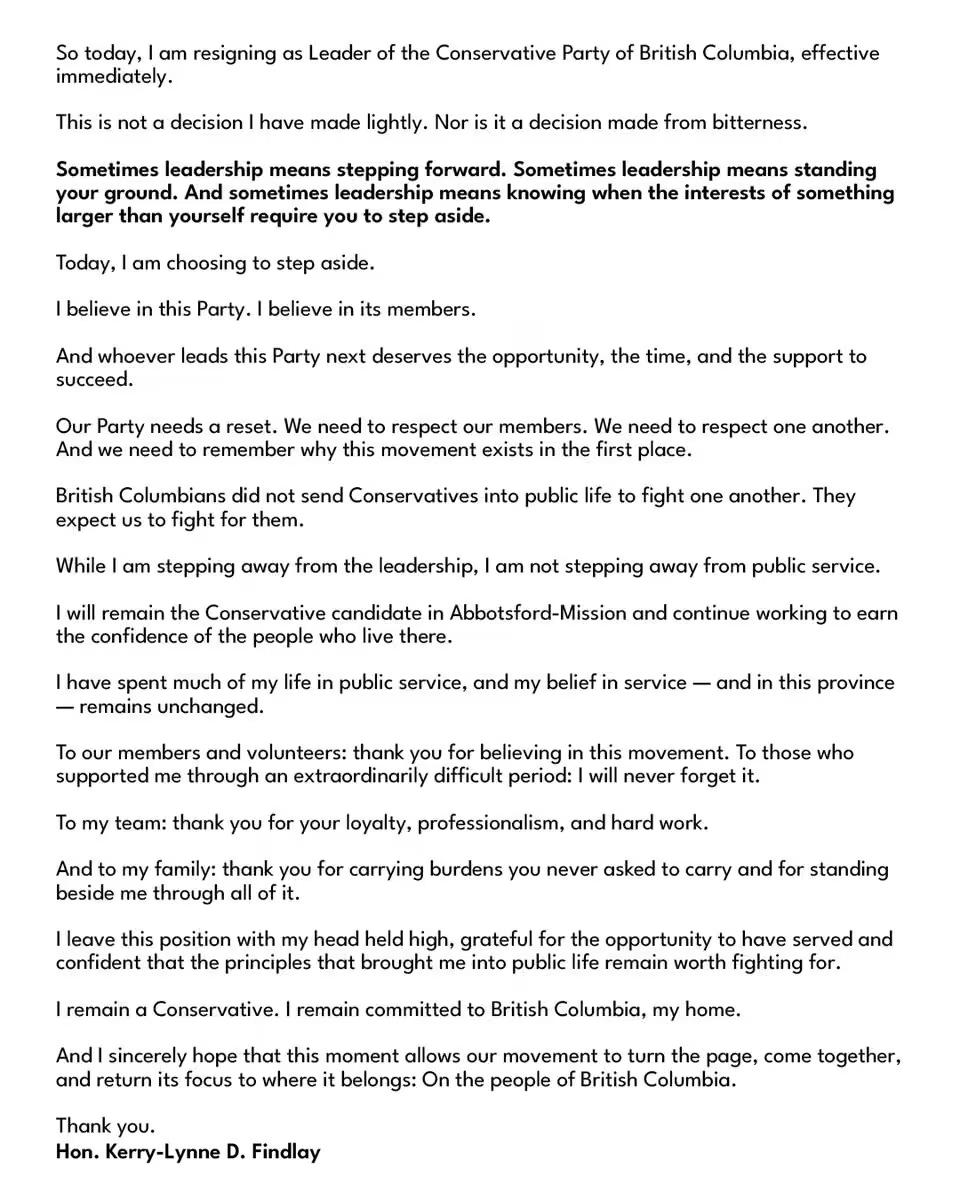
 Kerry-Lynne Findlay


 Bill
 Open Source Intel

 Jas Johal
 Craig Horbinski
 Rob Shaw
 CTV Montreal
 Peter Menzies
 The Kobeissi Letter
 Gina Unfiltered


 Polling Canada

 skeleman 🇨🇦🌈
 Mackenzie Gray

 Leigh Phillips


 Jamil Jivani
 Polymarket




 Big Joel




 That guy
 The Food Professor

 Kaveh Shahrooz کاوه شهروز
 Canadian Monarchy Respecter 🇨🇦👑🍁🇻🇦


 Ben Woodfinden
 Christine Fréchette

 Without Diminishment


 Brendan Fraser Crane
 Audrey Kaufman

 Sam 🍁



 Juno News
 Wyatt Claypool

 Marvin K.
 Scott Greenfield

 Smirkley


 MDZ Online


 Global Calgary

 Polling USA




 Stockwell Day


 DiscussingFilm


 Shuv Majumdar


 Ben O'Hara-Byrne


 Scott Lemieux
 Brad Zubyk


 Mark Ramzy
 Jacob Rubashkin


 Jeffrey Luscombe
 Ginny Roth

 Political Polls


 Adel Bucetta
 Dean Beeby

 Lucy Hargreaves
 Mario Zelaya
 Phil Magness
 Christian Heiens 🏛


 Patrick Brethour
 Channel 5
 Semafor

 Eric Daugherty
 Harrison Lowman
 Daisy Christodoulou


 The Great Canadian Bagel
 Amelia

 MeidasClips
 Politics UK
 The Hub
 Justin Wolfers
 Nicolas Nguyen

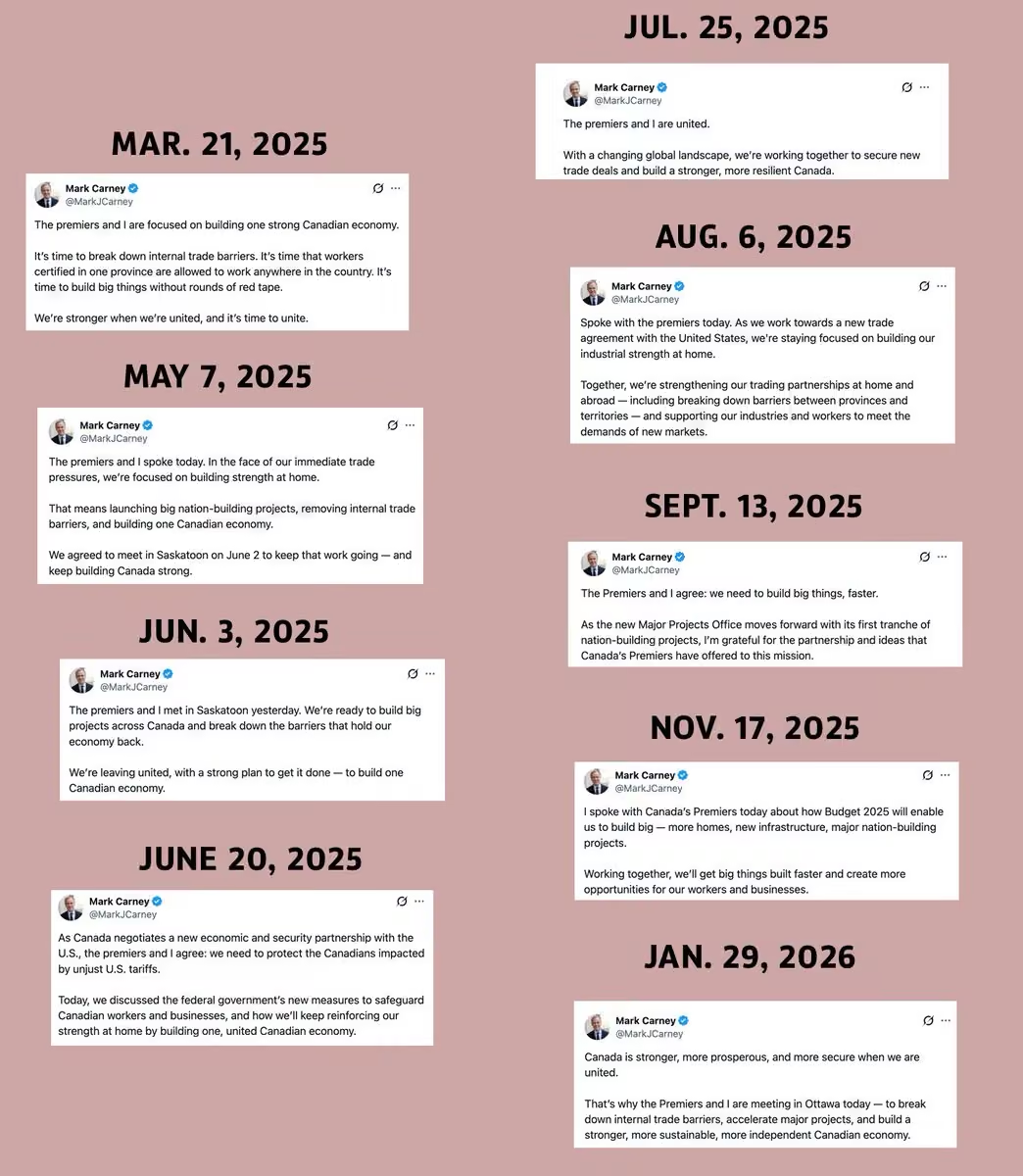

 Stephen Gordon


 Nick Labonté

 Arnob 'spooky action-at-a-distance' Alam🌐🇺🇸🇧🇩

 David Coletto


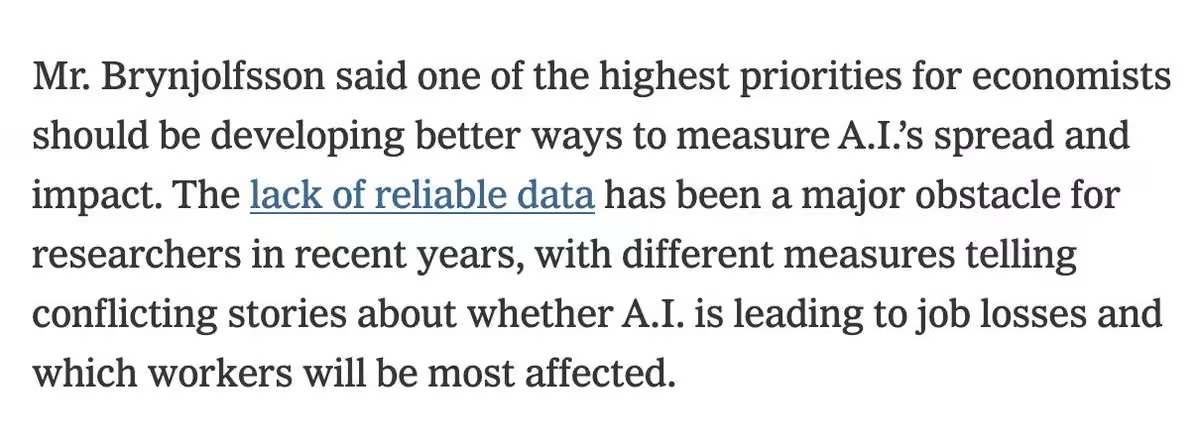

 VideoGameArt&Tidbits


 Kevz Politics



 Criminalsimpsons


 duck in tree

 DW Politics
 Tom Nichols

 Facility Operator


 Millennial Grump


 David Freedlander





 Gabe Fleisher

 David Weigel

 Jacob Magid


 John Delmenico


 محمد بن عبدالرحمن


 Cory Morgan

 Alexis Blexas
 adri ♡


 •ᴗ-
 Brent Black
 CJ


 The Pleb 🇨🇦

 The okayest poster there is
 Largacty3 𓅃

 Eric Lombardi 🇨🇦🚀
 Anthony ¯\_(ツ)_/¯
 Craig Robert


 Bill Brasky
 Matthew Rosenthal
 brittany


 Noah Smith 🐇🇺🇸🇺🇦🇹🇼

 Elise Ann Allen
 Lorrie Goldstein
 Daniel Filan 🔎
 Andy Masley
 Jonah Goldberg
 Robby Soave


 Emma Uber

 Anthony Koch



 Mikal Skuterud
 Global BC
 No Context Brits

 Brian Platt
 Lex Blazer 🇨🇦
 Jason Colavito


 Eamon Javers

 TheRealThelmaJohnson


 Stephen Taylor

 Kathleen Petty
 E.W. Foster
 Dominic LeBlanc

 Financial Post
 Actionnaire/Réactionnaire


 yeet


 Ambassador Pete Hoekstra
 Jessica_kate_18
 Ælþemplær
 Daily Mail US
 Alex Zoltan
 NYTPitchbot
 Zeteo




 Stan Veuger

 The Pudy Tat
 Martin Pelletier
 Anita Anand

 Ben Mulroney


 New York Politics Archive


 Crazy Ass Moments in Italian Politics


 Jasmin Laine




 New Liberals
 Alberta NDP
 alex lei

 Aaron Gunn



 Ben Riley-Smith

 Canada Projections🇨🇦
 Kareem Rifai 🌐

 Gillian Branstetter
 Herman.fun


 Elliot Daigneault
 Lisa Abramowicz


 Maclean’s Magazine
 Matina Stevis-Gridneff



 Kyle Tharp
 darkacademician
 Not Enough Slices


 Cole Burnett
 No Nonsense with Pamela Wallin


 Clash Report


 Micah Erfan


 Dan Bayens


 Brandi Kruse
 Josie Stratman

 Terry Newman



 Swann Marcus
 Sir Humphrey 🇺🇦

 Adrian Hilton


 Lord Palmerston


 Cole Hogan
 mistersunshinebaby
 Egyptian Doug Ford

 Awni Hannun
 James Surowiecki


 arvo färt
 AncestralHealth☀️


 ajanwachuku.
 Jeremy Kaplowitz

 Wall Street Journal Opinion

 Molly Ploofkins
 Globe Politics


 TFTC

 Cameron Bradford





 SilentOrbit

 yoshimi battles a reading backlog



 Commentary Trump Daily Posts

 Kharg Island Margaritaville


 culture


 Aaron Blake



 Jonas Čeika


 Eric Levitz


 Candice Bergen Harris


 Eric Boehm





 Aidan McLaughlin


 Rick Roth

