This explanation is not entirely accurate. For a “survival-threatening situation” (sonritsu kiki jitai) to be recognized—allowing Japan to exercise the right of collective self-defense—the following conditions must be met: a country that has a close relationship with Japan must come under attack, and that attack must be deemed to pose a threat to Japan’s survival and present a clear danger that fundamentally overturns the Japanese people’s rights to freedom and the pursuit of happiness.
Because Japan does not officially recognize Taiwan as a state, an attack on Taiwan alone cannot constitute a survival-threatening situation. At a minimum, it would require intervention by the United States, Japan’s ally, and an attack against the United States itself as a precondition.
Therefore, under the law, Japan would never be the first country to intervene militarily.
"JAPAN WILL DEFEND TAIWAN"
Japan does not have an explicit, official defense treaty with Taiwan, but recent statements by Japanese officials indicate a strong possibility of military intervention in the event of a Chinese attack.
Approximately 80% of Japan's energy imports pass through the seas around Taiwan.
A Chinese takeover or blockade could severely disrupt these critical sea lines of communication, threatening Japan's economic survival.
In November 2025, Japanese Prime Minister Sanae Takaichi stated in parliament that a Chinese use of force against Taiwan could legally trigger a "survival-threatening situation" under Japan's 2015 security legislation, which permits the use of force in collective self-defense even if Japan itself is not directly attacked.
Most people believe that the US will be the first country to defend Taiwan from a Chinese invasion. However, it should not be ruled out that Japan is the first country to come to Taiwan's rescue.


 深作ヘスス| 国民民主党
@FukasakuKj

 BBC News (UK)
@BBCNews


 沼田 たくみ


 国民民主党神奈川県連






 駐日ポーランド共和国大使館


 ⚾️DAZNベースボール

 国家サイバー統括室(注意・警戒情報)


 UNOPS駐日事務所 (UNOPS Tokyo Partnerships Office)


 深作ゆい

 原沢あつみ 横浜市長








 🪩ばっしー🌗




 朝まで生テレビ!


 ReHacQ 【公式】


 ウクルインフォルム日本語版


 川崎市危機管理本部




 tvk(テレビ神奈川)報道部


 Yuki Obuchi (新野ユキ)





 釜玉
 sawa sawa




 テツヲ@国民民主(たけのこ派)


 竹田恒泰




 川崎市上下水道局【公式】


 牛田まゆ | 国民民主党 参議院議員(東京都)


 タウンニュース 都筑区編集室


 中川西ワイワイまつり【公式】


 東野篤子 Atsuko Higashino


 いど 清貴🏊川崎市議会議議員(中原区)/国民民主党/選挙ドットコム更新中




 二宮 研|国民民主党|神奈川県政策委員






 横浜市 防災・危機管理
 政府広報オンライン












 ブラマヨ弾話室~ニッポン、どうかしてるぜ!~【BSフジ公式】



 YOKOHAMA GO GREEN




 畑山博史
 TVer新着








 阿部けいし|衆議院議員(日本維新の会 兵庫2区)








 法堂





 クリシス🟦非主流派




 山田吉彦(ヨシヒコ)参議院議員·国民民主党










 福井ゆうた(福井悠太)














 スナック鶴亀








 佐々木まこと






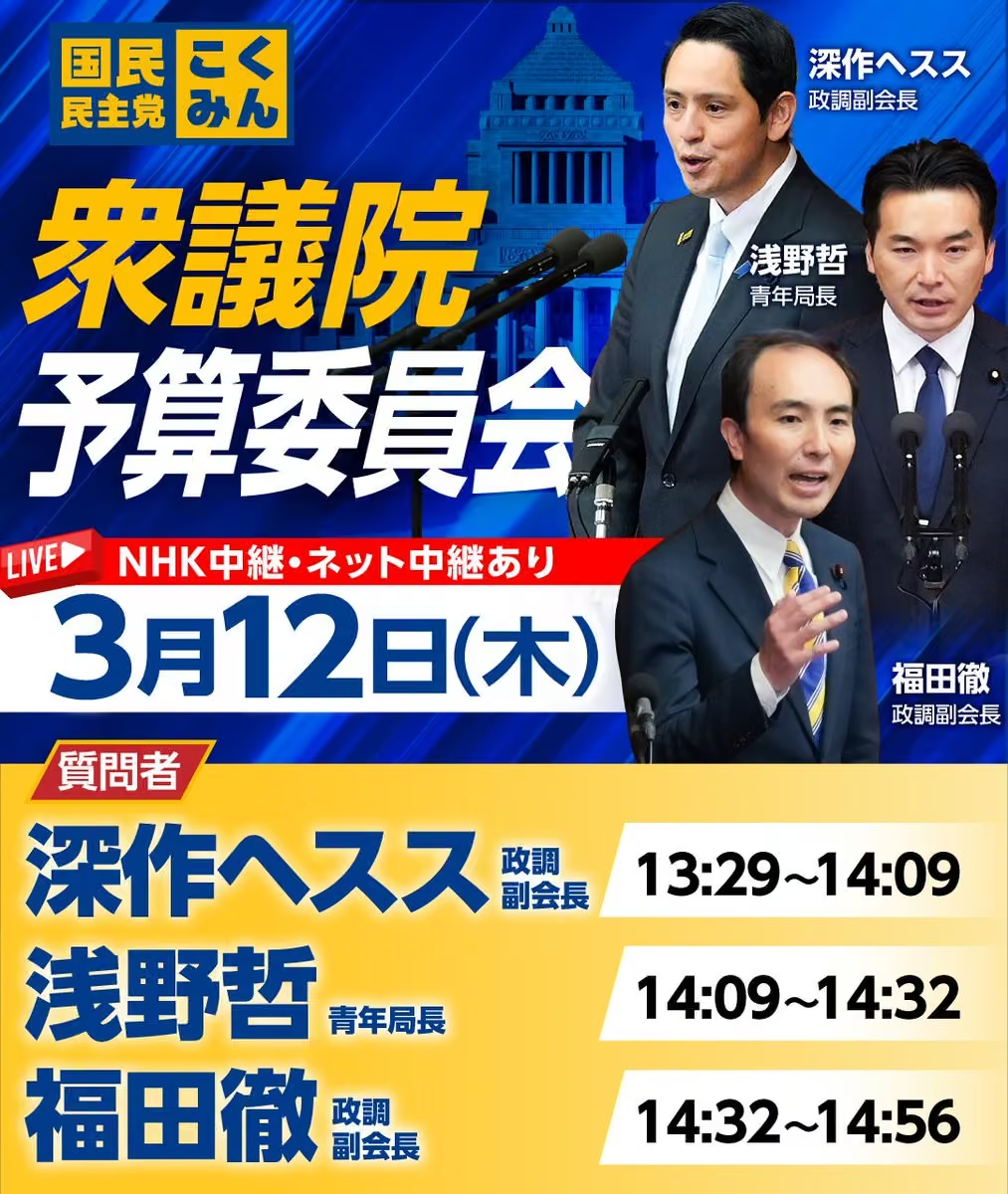
 国民民主党 国会情報


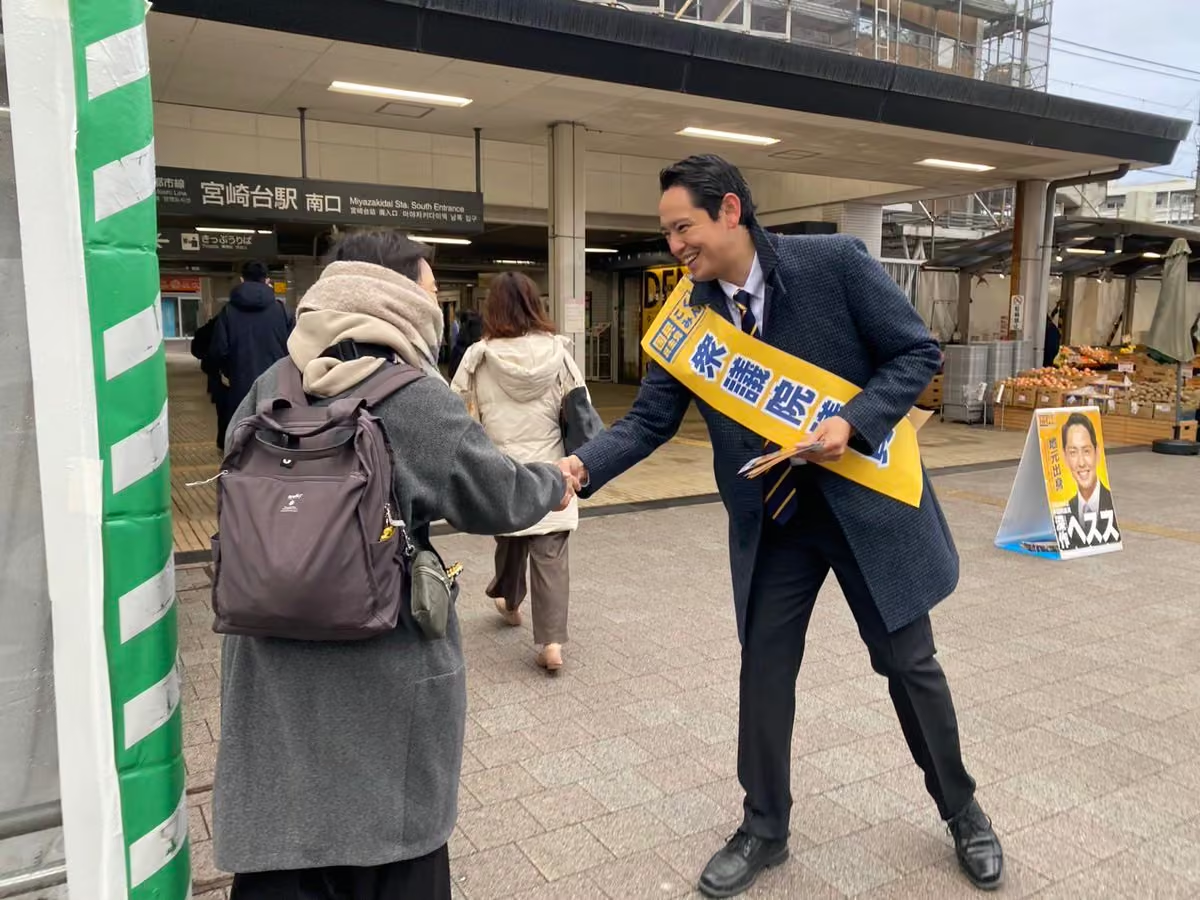
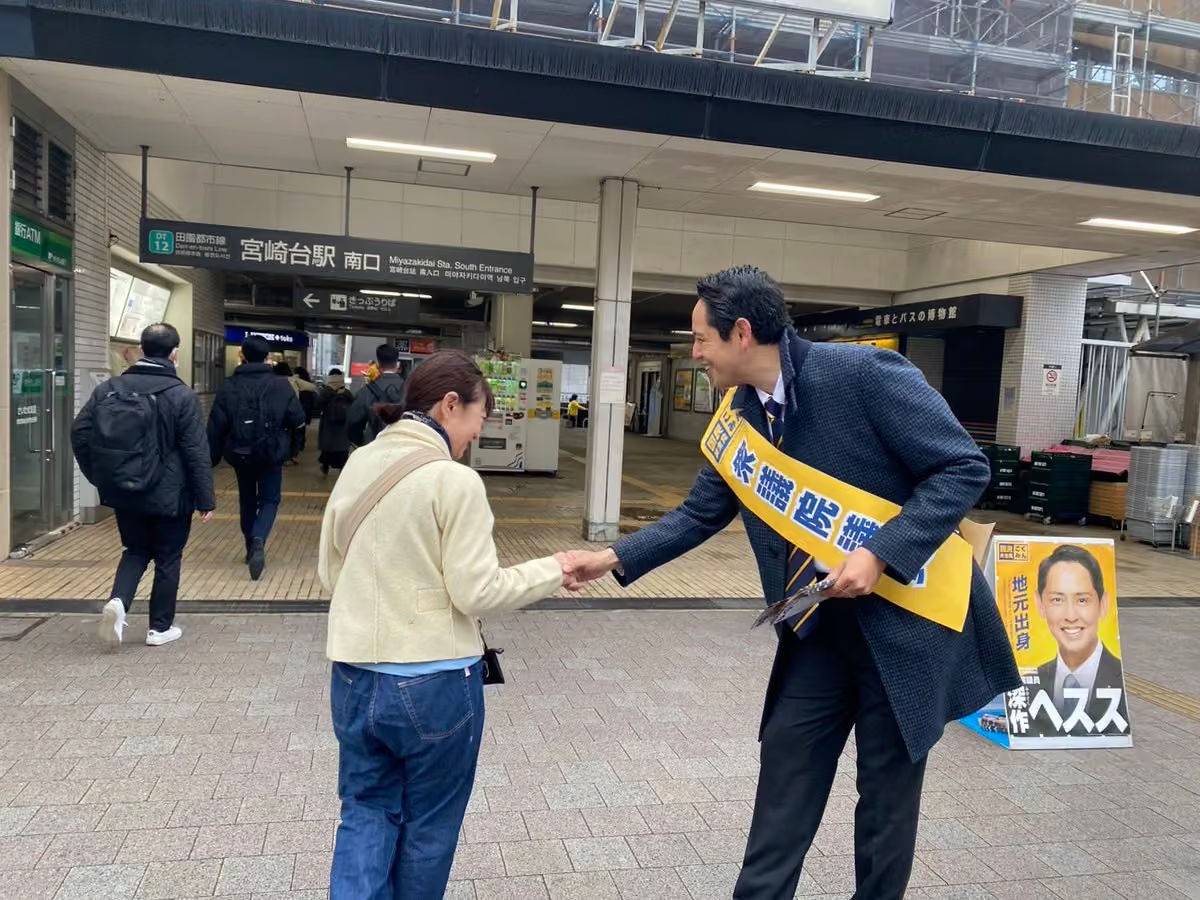


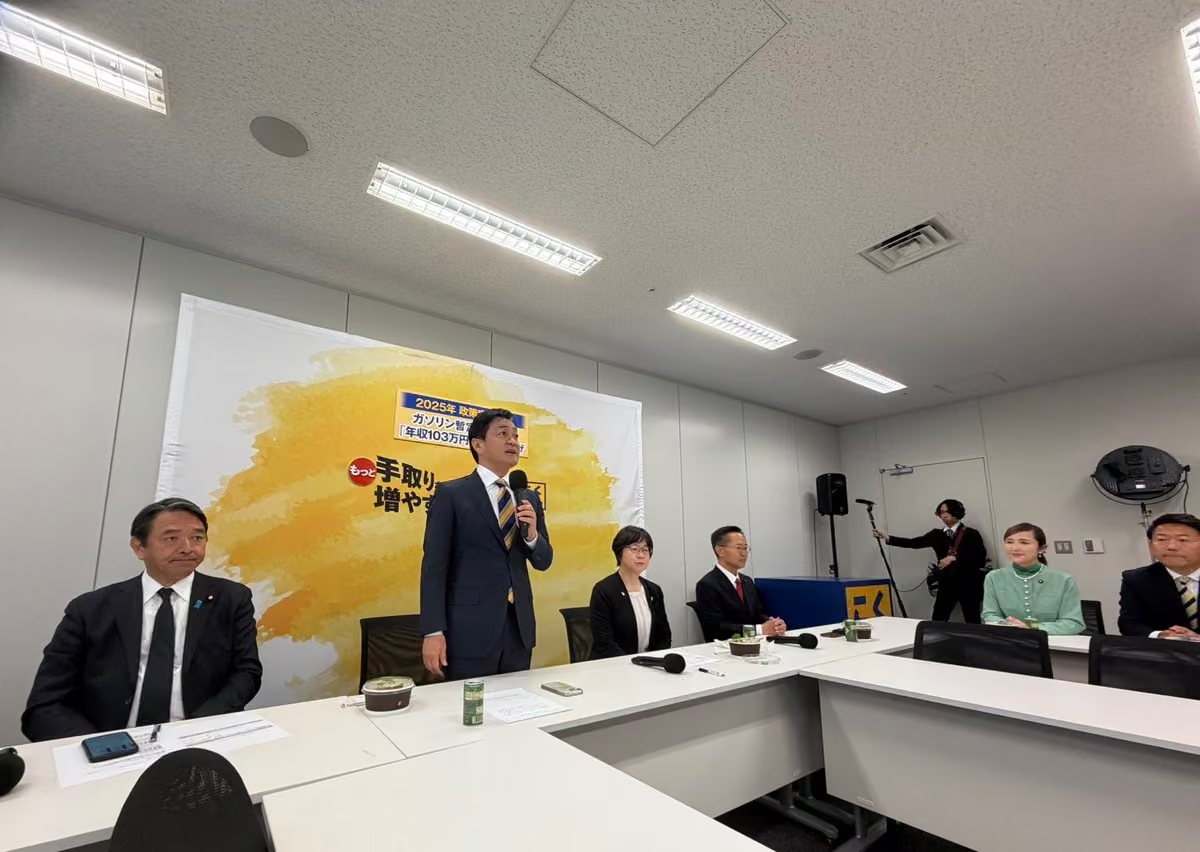















 山口 花


 SHIROCK@喪中























 ひとは
















 山口 翔平
 かごしま彰宏




 ゴシゴシかごしまちゃんねる 撮影班(仮)














 二井 くみよ 横浜市会議員(磯子区)選挙ドットコムも更新中




 中華人民共和国駐日本国大使館


 時事ドットコム(時事通信ニュース)


 🥗




 福田とおる 医師・国民民主党 衆議院議員(愛知16区 犬山 小牧 江南 北名古屋 扶桑 大口 豊山)


 はまぐち誠(国民民主党 参議院議員 浜口誠 比例代表)








 Global Strategy












 平戸航太(ひらどこうた)【国民民主党 参議院議員】




 Yoshi 🐈


 Iumo


 メキシコ大使館 🇲🇽


 横溝じゅん子 国民民主党 横浜市議