


 Femke Marije
@FemkeMarijeW

Ik identificeer me ook als 'feminist'. Voor mij gaat dat wel goed samen met tegelijk dankbaar zijn voor alle hardwerkende mannen die óók met sterke schouders dit land dragen.
Ik begrijp echt niet hoe opkomen voor je recht ten koste van een ander moet gaan. Dat is geen kracht.
 Michiel Lieuwma
@michiellieuwma
Zelfs de eind-regisseur van Sofie Kramer wilde dat ze van alle mannelijke personages van haar voorstelling slechteriken maakte. Het zit nu eenmaal in mensen hun hoofd dat de man de badguy is
This media couldn't be displayed. See it on the original post.
 Caroline van der Plas
 Henk Vermeer


 Susanne


 Marianne Zwagerman - DwarsNieuws
 zigou


 BBB Europa


 Oscar Hammerstein


 Geertjan Kloosterboer


 Rev. Ezekiel Dachomo


 BBB Jong




 IMAM CHALGHOUMI

 MYTRA
 Russian Embassy in NL🇷🇺🇳🇱


 Europees Parlement NL

 Edwin Rensen
 ILEA


 Dr Manhattva
 Rik de Jong


 Jan Dijkgraaf
 Martien Visser
 Oostergo2023
 Clash Report


 Geesje Rotgers

 𝒮𝒶𝓃𝓃𝑜🌪

 Sama Hoole

 Gert-Jan Oplaat


 ASAJA in Brussels 🇪🇸🚜🇪🇺
 Leentje 🐝🐝🐝🌸🌺🌸🚜🚜🚜
 Aalt Dijkhuizen


 Sterke Erven Pluimvee
 Wilfried Gr Koerkamp


 Maria Meijer


 Just Rock Content

 Jaimi van Essen


 SummerK


 NieuwRechts


 Gerrit Wermink


 Bernd Hietberg


 נועה מגיד | Noa magid


 Alice van Drie

 Rob van den Ende
 Juan Magufo


 Alain Weber
 Elica Le Bon الیکا ل بن

 Parnia

 Hanneke Westendorp


 Jp
 🥊Carmen💋❤️💪🥊🇪🇸🇪🇸
 Wolf 🐺
 Maud Koffler

 Maarten Bakker

 Jan Cees Vogelaar.


 Gerard Hendrikzn
 Ellen Gast-Geerdink💚
 Syp Wynia
 Arnout Jaspers


 Brusselse Nieuwe

 RJ Konrad


 Cees Meeldijk
 Theo Huisjes


 euronews


 Wim den Oudsten


 bj oplaat
 BBB Hof van Twente

 Farmers Defence Force
 Strijder124
 Sander Sassen
 Marieke Ehlers 🇳🇱


 Dallas Texas TV


 Karin Bergmans-Elshof 🥔🦋


 Jos Verstraten

 Nieuwe Oogst
 EMK-vissers


 Martien Van T hul
 Huub Fransen
 Alexander Bakker


 Inge Lengton
 ir. Wouter de Heij


 Maarten van den Berg


 MEP Sebastian Tynkkynen


 Irene van der Marel

 Sterke Erven Melkvee

 🚜 NAV Akkerbouw Vakbond


 Arjen Roelofs

 Silvio Erkens


 Wierd Duk ܦܝܪܬ ܕܘܟ


 EFFAB & FABRE TP


 foodlog.nl


 Sander van Dam
 Global Statistics

 @TeamAgroNL


 BBB-fractie Eerste Kamer


 Barbara

 RTL Nieuws


 Eddy Terstall


 Hans Veentjer
 Hans van Sinderen


 NPO Radio 1

 Marcel Derks
 Sterke Erven Biologisch
 VRT NWS


 Marieke Hoogwout

 Berliner Zeitung
 dr.ir. Carla Peeters


 ClarksonsFarm


 Petra Hegeman


 AAN TAFEL
 Wolvenmeldpunt Geen Wolf


 jose veelers 🐐🐐


 Samantha Smith

 The Persian Jewess
 Vincent Valk Statenlid NH voor BBB


 EU Agriculture🌱

 Marc van der Vegt


 Pim Lemmers


 Roshana 🦴

 Eyal Yakoby


 Eurosport Nederland
 natuurlijkheidi.nl




 Alberto Alemanno 🇪🇺


 Roaldcs 🚲 📣

 Foro Ganadero Cárnico


 Bram Bloks
 Ardi Klokkers
 widtvoet
 Annemieke van Straaten / Stichting Annemieke


 Perle


 Dr. Maalouf


 Anne Rozendaal
 Milei in English - Official Account


 Isaac
 Dani Hacker
 Oscar Lohuis
 Ad Lagas



 Darío Madrid


 Goldie Ghamari | گلسا قمری 🇮🇷

 PowNed
 GEWOON ⚓️ MEREL
 LightHouseTV

 European Livestock Voice

 Janneke de Vries


 Marianne Akkermans-Linssen




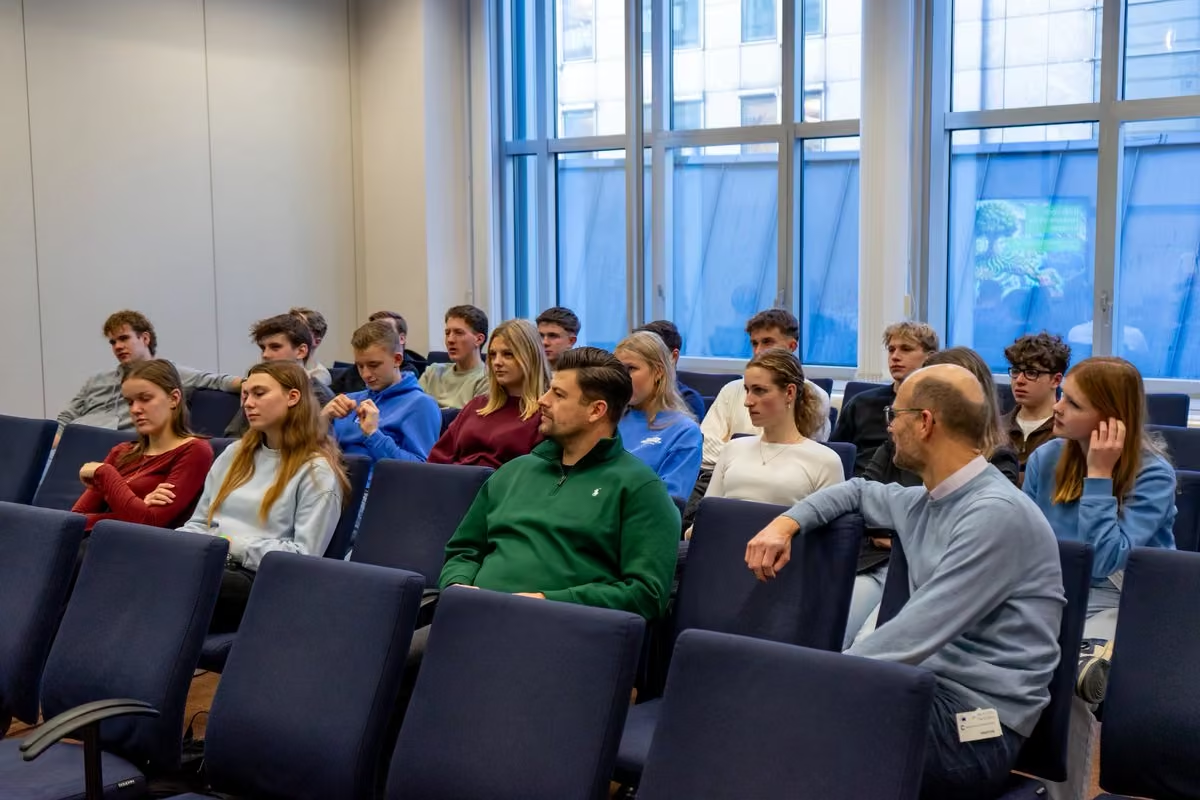
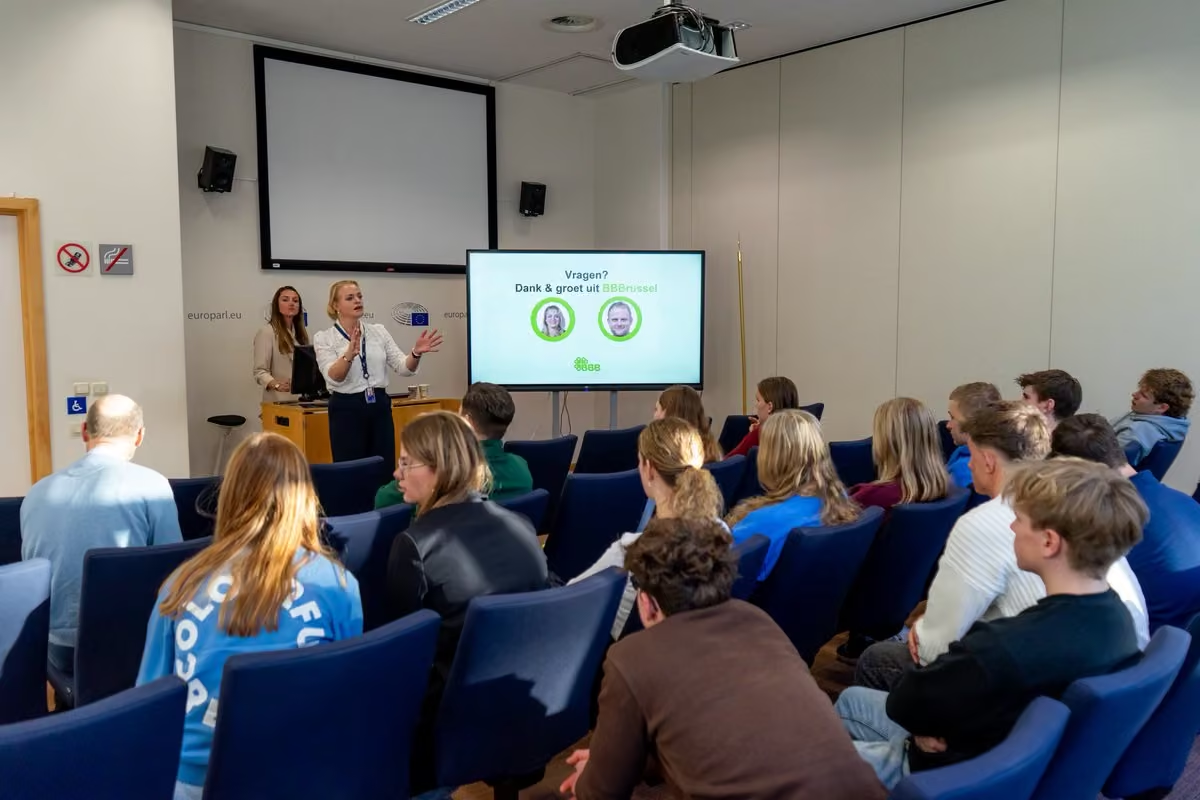

 Een blik op de NOS

 Ciaran Mullooly MEP


 Carmen Crespo


 European Congress of Young Farmers


 BoerBurgerBeweging Flevoland


 Facundo Landívar


 LTO Nederland


 Bart Nijman


 Eddie van Marum 🍀


 BBB Gemeente Groningen
 Harold Zoet



 Jan Brok
 Aborigines🇳🇱= Inheemse Nederlander, kunstenaar

 Arno Wellens

 Laurens Sloot
 inretail

 WNL Vandaag


 Hans Koppies





 Natalie Nauta

 Robert Lenes
 Nature is Amazing ☘️

 BBB Overijssel

 Jesse Baak


 René Kemp ⭐


 DutchLibertarian


 Bart-Jan Heine
 Daniëlle Wiegmans
 Marc Sprik
 Amsterdammertje020 🇳🇱
 AgriTractor


 Paul Cliteur


 Johan Almekinders


 Henk Otten


 Marieke Wijen-Nass

 Peter Reitsma
 Monique X- Fluencer 🇳🇱 ✌️
 Maja Mischke
 Dé Linda


 Djeekop de Dichter ★

 Más Ciencia


 Stormy_J


 Netherlands at the EU


 Claudia van Zanten


 Amanda Kluveld


 Shermin Amiri


 Sven op 1

 𝐍𝐢𝐨𝐡 𝐁𝐞𝐫𝐠 🇮🇷 ✡︎

 Kees Blokland
 J. Haanstra


 Jonet.nl

 Miss Understood

 Jane Win ☀️🇳🇱
 BladZeide
 Roy Grinwis


 Revista Lima Gris


 Jong Iraans Nederland


