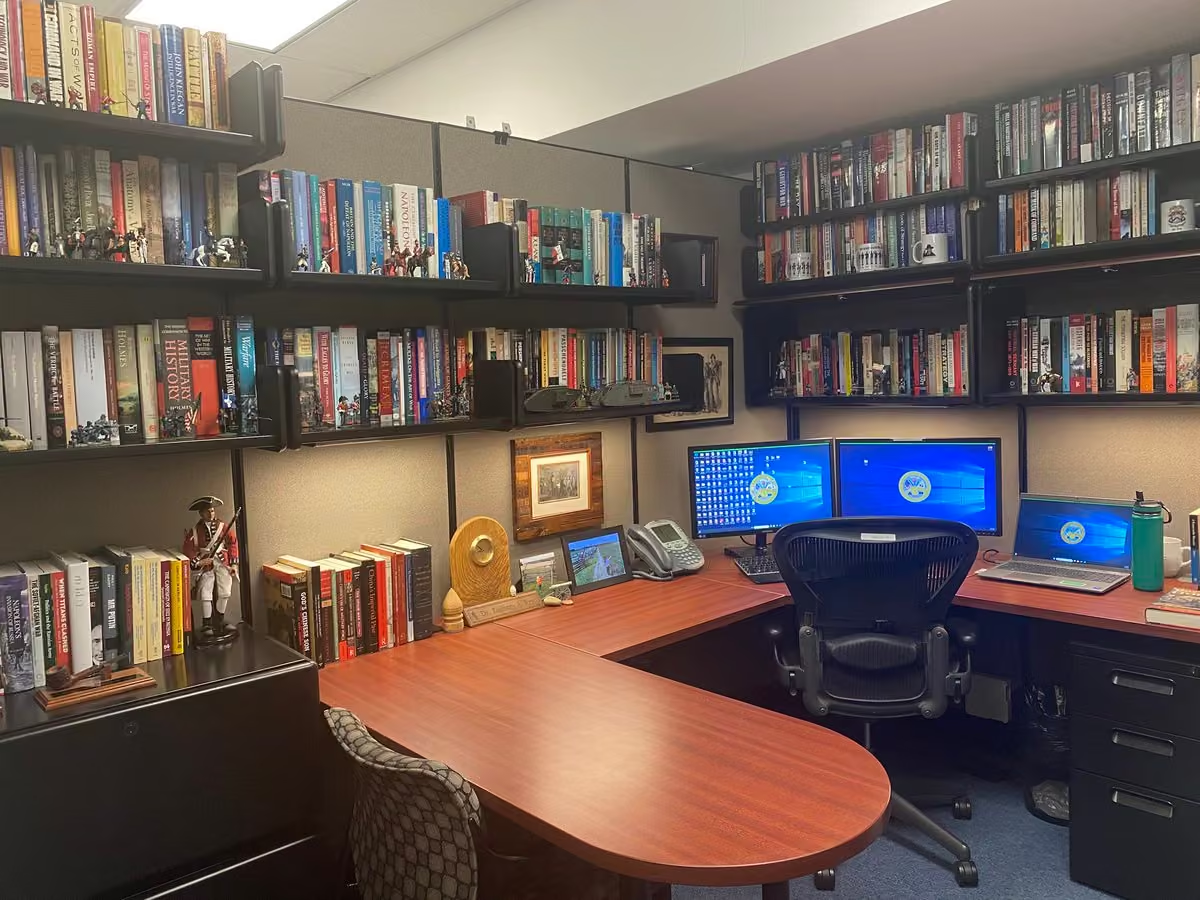
Military history matters.
The object of professional military education (PME) must ultimately be to prepare future staff officers to think like commanders who must lead large formations in war, develop war-winning strategies and campaign plans, and win battles.
As I've (co-)written elsewhere, officers preparing for staff work and command "must carefully study historical and contemporary conflicts of all types to gain a greater appreciation of the vast complexity of joint warfighting, and then apply it in practice -- first, by crafting their own war-winning strategies and campaigns, and then by fighting them out, over and over, in war games and other exercises."
Internalizing historical perspectives of military campaigns and how armies have fought wars is a good first step: not to learn the facts; not to be current on historiography; not to polish one's academic credentials; and certainly not to appear learned or smart on the latest trends in military professional literature.
Instead, military history helps students see how previous practitioners encountered complex problems in war, in different contexts, and either succeeded or failed in producing the required results. "War," George C. Marshall wrote famously, "is a ruthless taskmaster." It demands success on or near the first go, affords little room for failure, and punishes brutally those who fail. Often, the costs of such failures are fatal to soldiers, their formations, and the national interest.


 John D. Hosler
@medievalist1

 Matthias Niessner
@MattNiessner


 Christopher Frey
 Steve McGuire

 Daily Nous / Justin Weinberg
 strategus
 M. Mehdi Ali

 Jon Boeckenstedt


 Jennifer A. Frey
 Aaron Scher
 Buck Shlegeris
 Dwarkesh Patel

 Freddy🇩🇪


 Katy Barnett
 Mike Smith
 Matt Van Swol

 The Underground Academic


 Ulugbek S. Kamilov
 Zach Molzer
 Calvin Thrall

 John Reeks
 UCU


 Ed Newton-Rex

 Cecilia Gaposchkin


 Alexis Blexas
 constans
 Medievalists.net
 Gabriela de Queiroz

 eburke
 Paul R. DeHart
 Medieval Military Medicine

 Melanie D'Arrigo
 Polymarket

 Jason
 Havoc
 Columbia Daily Spectator
 Mick Ryan, AM

 Yashar Ali 🐘


 𝒢𝒾𝓁𝒷ℯ𝓇𝓉
 Mitchell G. Klingenberg
 things are getting too spicy for the pepper


 Memory Medieval

 S Sebag Montefiore
 G. F. Allen
 Medieval Updates


 Louise Walters Books


 Amit Segal
 Christopher Michael Berard

 gawainsmum


 SSCLE


 Kurt Austin


 FIFA World Cup 26 Kansas City

 Paul J. Pastor

 Michael Edward Stewart


 Agenda des médiévistes


 John Attridge
 Wargaming Weekly


 MRJB 🇬🇧🇨🇦
 Shadow of Ezra

 Jonathan Marks

 Medieval History Buff

 Nicholas Morton

 Kurt Steiner
 Classical Studies Memes
 "Online Rent-a-Sage" Bret Devereaux
 Antigone Journal


 People’s Unicorn


 ً
 Boze Herrington, Library Owl 🎄🐗📯📯
 Mike Aubrey

 I mean, good, better, best, i guess.
 Michael Warburton

 Dr. Jonathan Abel
 Zena Hitz
 LeisureTime TV
 Grǣġhama

 Centre for the Study of Manuscript Cultures (CSMC)

 Laury Sarti
 Natalie Khalil


 Georgy Kantor

 Cambridge University Press - History

 Schadentröst
 OSINTdefender

 Hunter Stires
 Alexander Mikaberidze

 khalid yousef


 Jonathan Fine
 Dialectical Zach-Zack Loeffler

 Alexandra Wilson
 Boydell & Brewer


 Joseph Fasano

 Jonathan Harris

 David Madden

 Myke Cole

 Ophieの👩🏫

 C. J. Tudor
 Prof Lennart Nacke, PhD
 Jeff Melnick
 Hollis Robbins
 Stephen Ronson
 Helen S Fields
 Alyssa Matesic
 Govind Krishnan

 Benjamin Manning


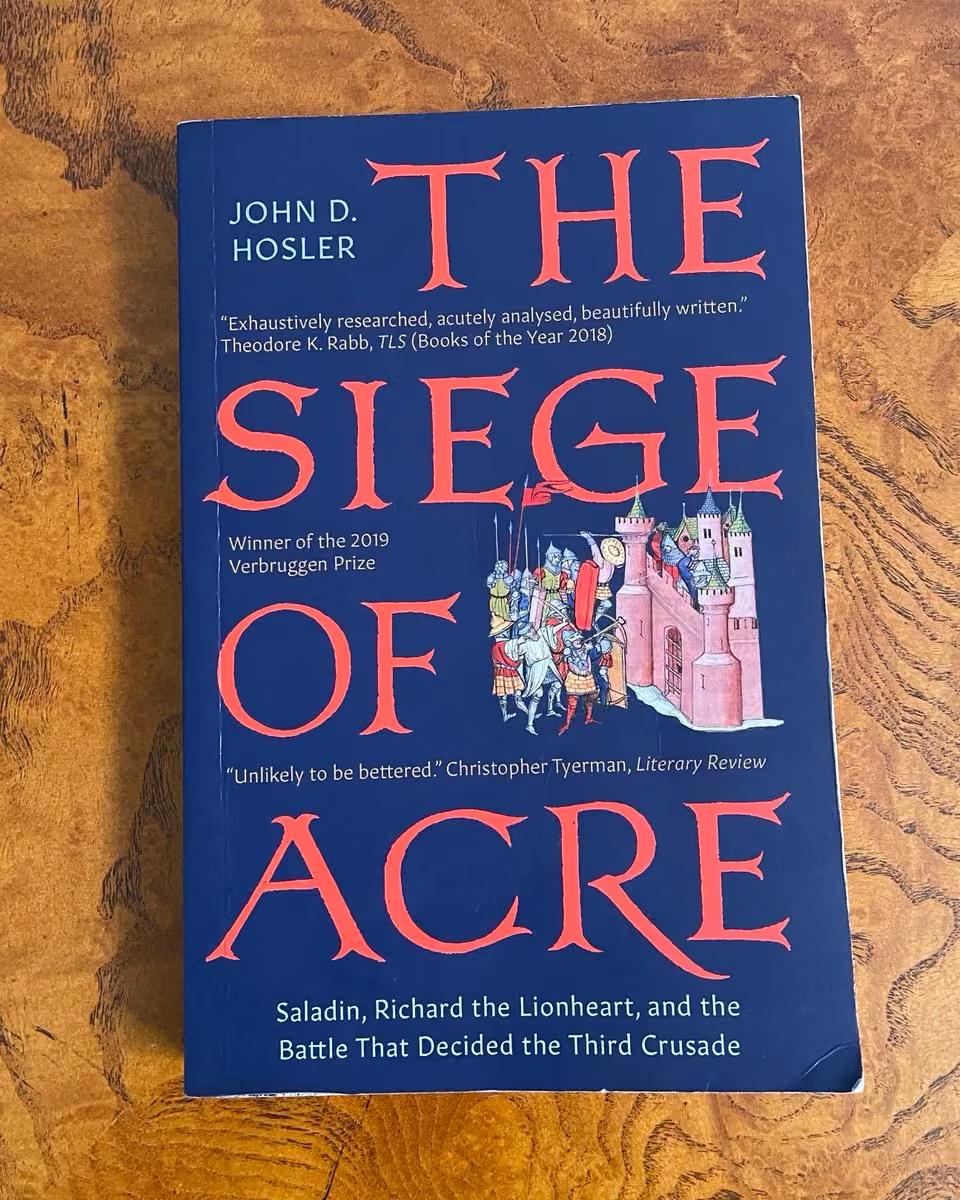

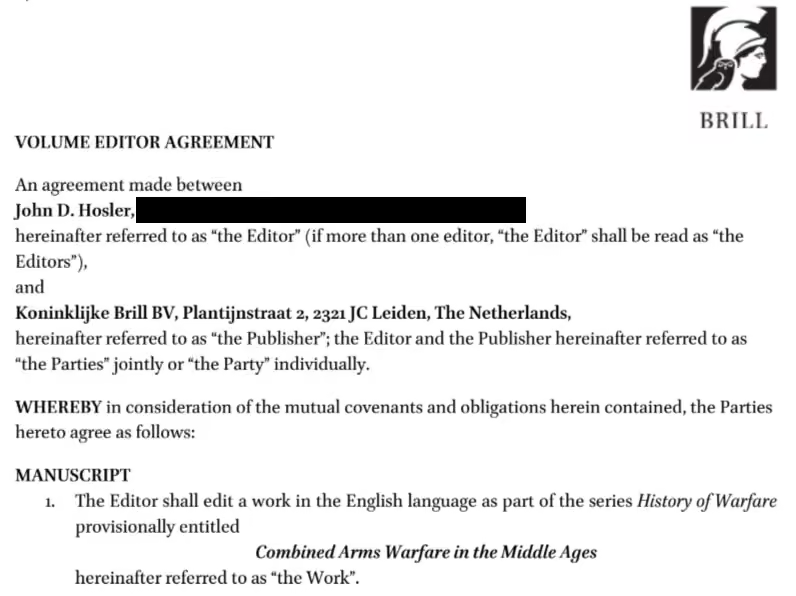


 Leonardo V. Castorina


 Robert Talisse
 Neil Renic


 Daniel Franke


 Selena Wisnom

 kaelestia

 djcows

 Julia Turc
 Zara Zhang
 Guy

 Dr Francis Young
 Theo Nash
 Daniel Hadas
 The Buddy CSM
 Michael McGill 🏛


 Martin Kusch


 ShadowsOfConstantinople


 David Woodman


 Len Gutkin


 Joseph Aaron
 Poonam Soni

 Marco Institute


 Dr Jacob H. Deacon


 Niketas

 Modern War Institute Editor


 Ennius


 C. Matthew Phillips


 pascal's chimaera 🦁🦊

 Zachery Fry


 Gareth Harney


 Faith Tibble
 Bloomsbury History

 Dr. Alexander S. Burns
 Aaron MacLean


 Jeff Blehar is *BOX OFFICE POISON*


 The Haskins Society


 Centre for War and Diplomacy


 Dr Emily Guerry


 arne ness
 Marc Thiessen


 Sean W. Anthony

 Amos Fox


 Juho Wilskman
 Yale University Press London 📖


 Vanguard WWII


 Ross Barkan

 Bernard T. Joy


 War on the Rocks

 Napoleonic & Revolutionary War Graves Charity


 Mushtaq Bilal, PhD
 olivia stowell


 Marina Costa

 Gabriel Morris


 Richard III Society American Branch


 ThinkingWest


 IMC_Leeds


 JovianRoc


 Connor C. Wilson


 KRV


 Jay Van Bavel, PhD


 Military History Now

 Arc Humanities Press


 Thomas Brosset


 Sam Ottewill-Soulsby

 KSU History Department

 Ancient and Medieval Philosophy at Toronto

 Clint Warren-Davey


 Associate Deans
 Nat Friedman


 Brill History

 Jim Willbanks


 Hallie Rubenhold


 Cecilia Ziniti


 Jewish Community


 DiscussingFilm


 Dr Katherine Weikert


 Denver Broncos


 De Gruyter Brill ➡️ @degruyterbrill.bsky.social


 Prof Helen Foxhall Forbes 🇪🇺🕯🌻🌈


 Zenel Garcia
 Ben Morris


 Gazelle Book Services | Book Distribution Company


 Medieval World: Culture & Conflict


 Andrew Holt
 Pelia Werth


 SeforimChatter


 Yale University Press


 Usually Right
 The Tel Aviv Review of Books


 Stephen Bennett

 Christian Sahner


 Hackett Publishing

 Matt Hefferan
 Grace Owen


 Historic Vids


 Dr Anna Henderson


 David Defries @ddefries.bsky.social


 Mosaic


 The Daily Puck


 School of War

 HISTORY PODBLAST
 AABS


 Reading Islamic Texts


 Chandler Collins
 Asian Review of Books


 OxWAMOS

 JewishBookWorld

 Nicholas Gordon


 HistoryBytes


 Aspects of History


