I’m leaving my position as Academic Project Manager at the Centre for the Study of Existential Risk and Co-Chair of the Global Politics of AI at the Leverhulme Centre for the Future of Intelligence.
I’ve worked here at Cambridge University since January 2017. Over the past eight years I’m so proud of what we’ve achieved together. We have played a key role in building, establishing and making credible, mainstream and influential two new academic fields: existential risk and global catastrophic risk; and AI ethics, safety and governance.
I am proud to have helped build those centres into a substantial, successful, permanent part of the University. @CSERCambridge and @LeverhulmeCFI along with @CHIA_Cambridge now form our own department within @Cambridge_Uni - the Institute for Technology and Humanity (@Cambridge_ITH). All three are now offering Masters programs to train the next generation of scholars - I’ve been honoured to teach on them, and the future of these fields looks bright! We’ve been lucky to have been able to give a boost to some incredible people who have (co)founded incredible organisations - @BethMayBarnes (@METR_Evals), @Jsevillamol (@EpochAIResearch), @Tildy_Stokes & @nataliejon_es (@FuturesAPPG), @Nandini___S (@ERA_Cambridge), @CecilYongo (@ILINAProgram), @dannruthless & @gusmercer (@CLTR), @praeterpropter & @MaximeStauffer (@longtermgov) & @rumtin (@globalshieldhq). I intend to remain closely involved as a Research Affiliate. More on what comes next soon.
I owe immense gratitude to my wonderful colleagues, co-authors, students, interns and friends who have made CSER/CFI such a wonderful home. They share high, rigorous standards; curiosity and interdisciplinarity; an ambitious focus on impact; supportive and welcoming culture; and good fun. I’ve learnt so much about pandemics, machine learning, geoengineering, societal collapse, resilience and recovery, nuclear weapons, AI narratives, volcanoes, moral philosophy, and international relations from them - as well as how to be an independent-minded and ambitious researcher. It’s a collection of academics choosing to pursue path-breaking research and policy advice/impact on the most important, urgent and interesting topics in the world. I will miss arguing about the end of the world over pho lunches or college dinners, walking dogs on Coldham’s Common and mucking about on the Cam (the Mr Sidorsky Memorial Punt Race, Cardboard Boat Race, swimming in Grantchester Meadows).
@S_OhEigeartaigh brought me in to work for him, and has always supported and lifted me up. I would not have the career I have without him. @stephenjcave has built LCFI and ITH into a force to be reckoned with inside the University, and a welcoming and growing community of academics focussed on high-quality research and policy impact. And then our three co-founders who kicked it all off: Prof @HuwPriceAU , Jaan Tallinn (founder and funder extraordinaire, whose support for CSER and me I will always be grateful for) and @LordMartinRees. I read Martin’s book ‘Our Final Century’ in my early teens, it opened my eyes to the perilous position we find ourselves in, and the possibility we can actually do something about it. I could never have imagined then that he would become a colleague and a friend.
I have also been proud to have helped our Government shape its approach to AI. From summer 2023 to summer 2024 I was seconded to DSIT's AI Policy Directorate to advise on AI policy - a remarkable year - the Bletchley and Korea AI Safety Summits, the establishment of the AI Safety Institute, evaluations strategy, company commitments, big compute investments and important steps on AI industrial strategy. Before that I was seconded to the MoD to help with the ‘Dependable AI in Defence’ Joint Service Publication, the UK’s highest-level statement of defence doctrine. I’ve also been lucky enough to advise the UN, OECD, WEF, G20 and EU - as well as leading tech companies.
Some research I’m particularly proud of (after 8 years, indulge me!). Three big and influential co-authored reports:
*The malicious use of artificial intelligence: Forecasting, prevention, and mitigation
*Toward trustworthy AI development: mechanisms for supporting verifiable claims
*Computing Power and the Governance of Artificial Intelligence
Three papers on AI and competition law with the incredible @ShinShin_Hua
*AI & antitrust: Reconciling tensions between competition law and cooperative AI development
*Effective Enforceability of EU Competition Law Under AI Development Scenarios: a Framework for Anticipatory Governance
*Compute and Antitrust: Regulatory implications of the AI hardware supply chain, from chip design to cloud APIs
Four papers laying out a distinctive novel perspective on xrisk:
*Collapse, Recovery, and Existential Risk
*Existential risk: Diplomacy and governance
*Financing Our Final Hour: institutional investors and global catastrophic risk
*Assessing climate change’s contribution to global catastrophic risk
My work on the UK’s industrial strategy for AI:
*Great British Cloud and BritGPT: the UK's AI Industrial Strategy Must Play to Our Strengths
*AI Industrial Strategy: A Plan for “Intelligence Too Cheap to Meter”.
And finally, some of my writing about the Manhattan Project:
*The Oscar-winning Oppenheimer made me cry in terror.
*“Cry baby scientist”: What Oppenheimer the film gets wrong about Oppenheimer the man. (6th most read Vox Future Perfect article of 2023)
*Why policy makers should beware claims of new ‘arms races’. (Received the Bulletin of the Atomic Scientists’ 2022 Leonard M. Rieser Award)
*Are you really in a race? The Cautionary Tales of Szilárd & Ellsberg.


 Henry Shevlin
@dioscuri

 Ron Ivey
@ronivey

 Seán Ó hÉigeartaigh
 Maurice Chiodo
 ETHPrague


 ai@cam


 Accelerate_Science


 Inga Ulnicane

 Technical AI Safety Conference (TAIS)

 CRASSH, Cambridge


 Philip Bell


 The Nine Dots Prize
 Centre for Drones and Culture

 John Burden

 FT Weekend

 Schmidt Sciences
 Alva Markelius

 Matthijs Maas


 Center for the Future of AI, Mind & Society
 Beryl Pong

 The Anglican Church in St Petersburg

 Haydn Belfield

 Umang Bhatt

 Lorenzo Pacchiardi


 Geeta Guru-murthy
 David Wood
 Pulitzer Center


 Institute for Law & AI (LawAI)


 Area Science Park


 Lexin Zhou

 Cambridge Philosophy
 Jaspreet Bindra : Homo Promptus

 Kamiar Mohaddes
 Kofi Yeboah


 Dr William Chan

 Cambridge Digital Humanities


 Stephen Cave
 Chloë M. Smith Ph.D., Sc.D.


 Cambridge University Press - Science & Engineering


 Thao Phan

 Cambridge University Press - Politics

 Apolline Taillandier

 Murray Shanahan

 j⧉nus
 Adrian Weller
 The National Archives Research
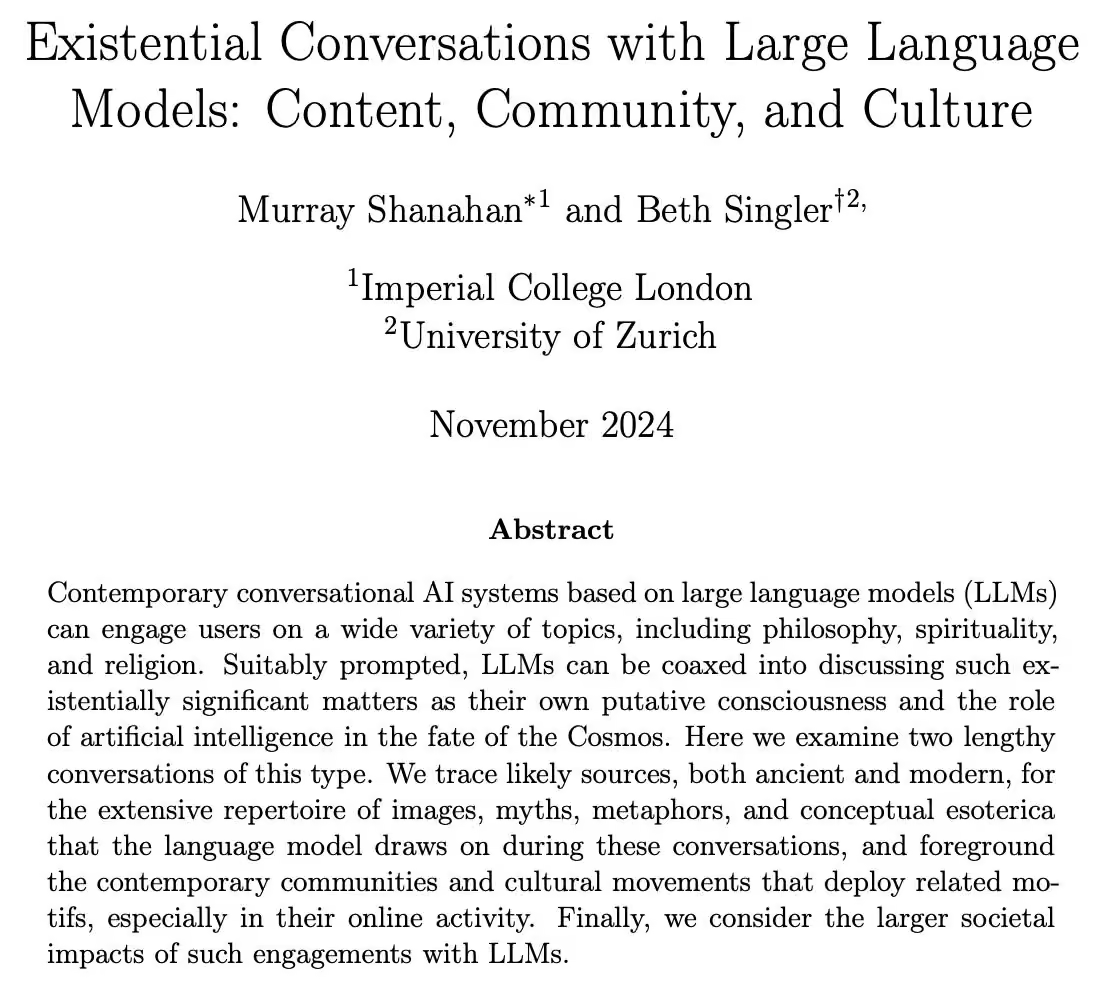
 AI for Just and Sustainable Futures
 Nikita Sonavane


 Ada Lovelace Institute
 MIT FutureTech
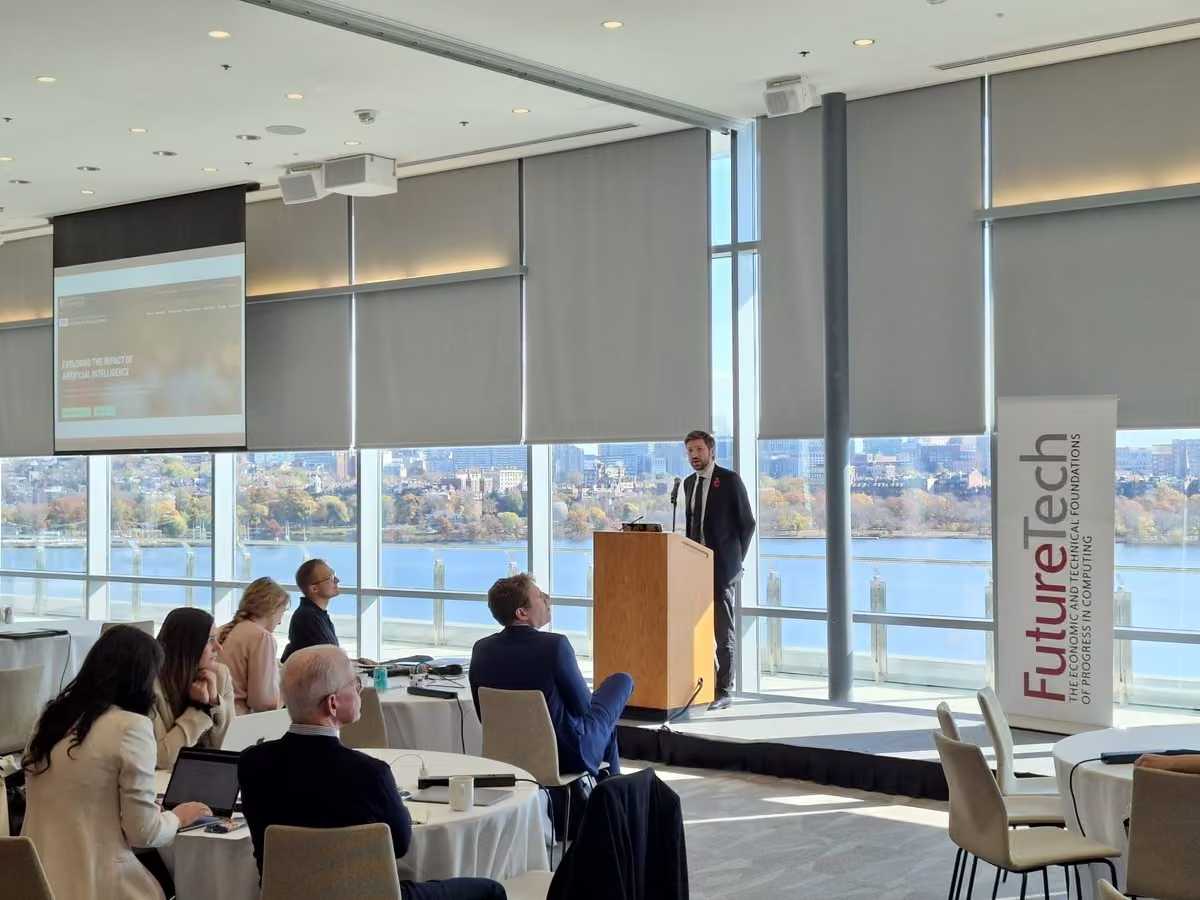


 Tortoise


 Arts and Humanities Research Council

 Toni Erskine


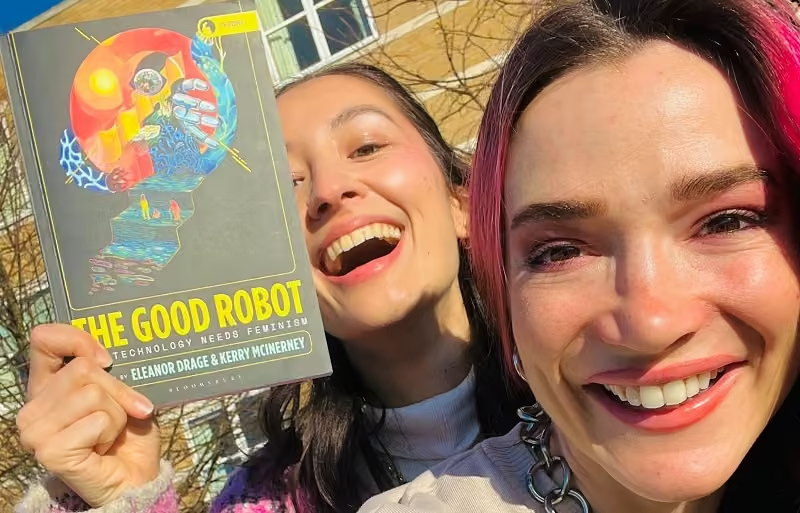
 Dr Eleanor Drage


 Digital Humanities 🐘 @kingsdh@hcommons.social

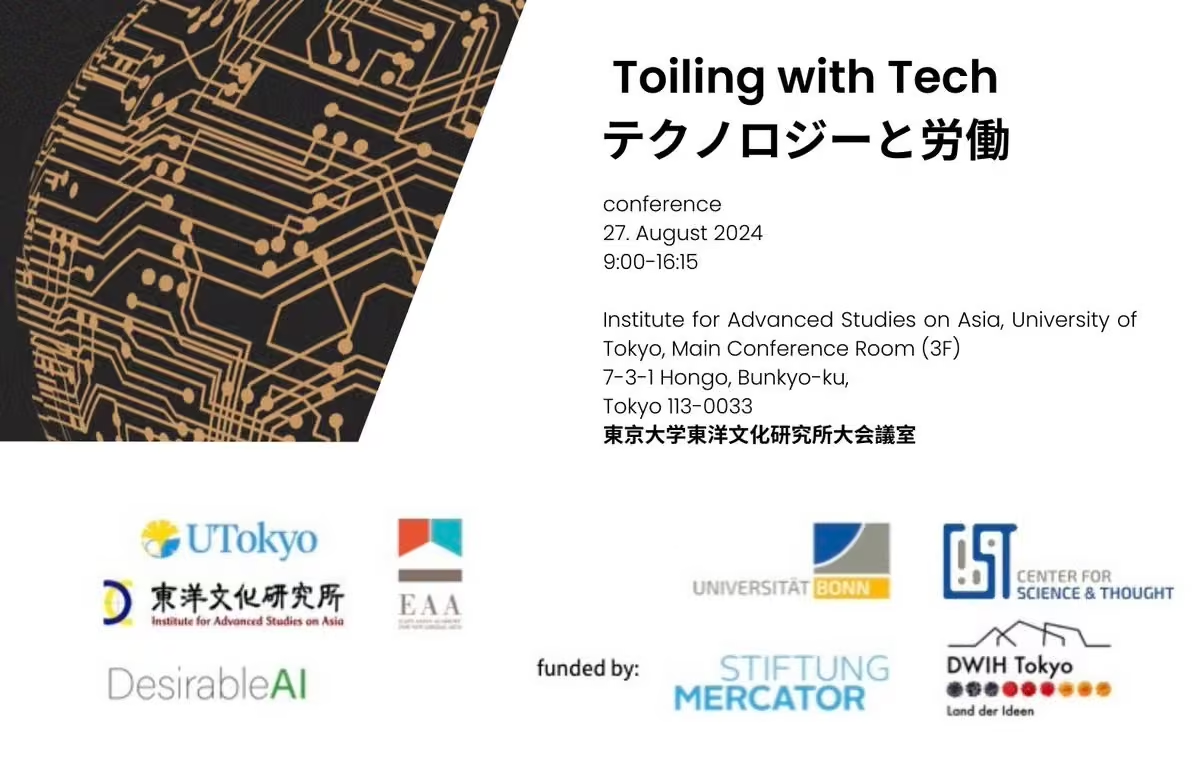
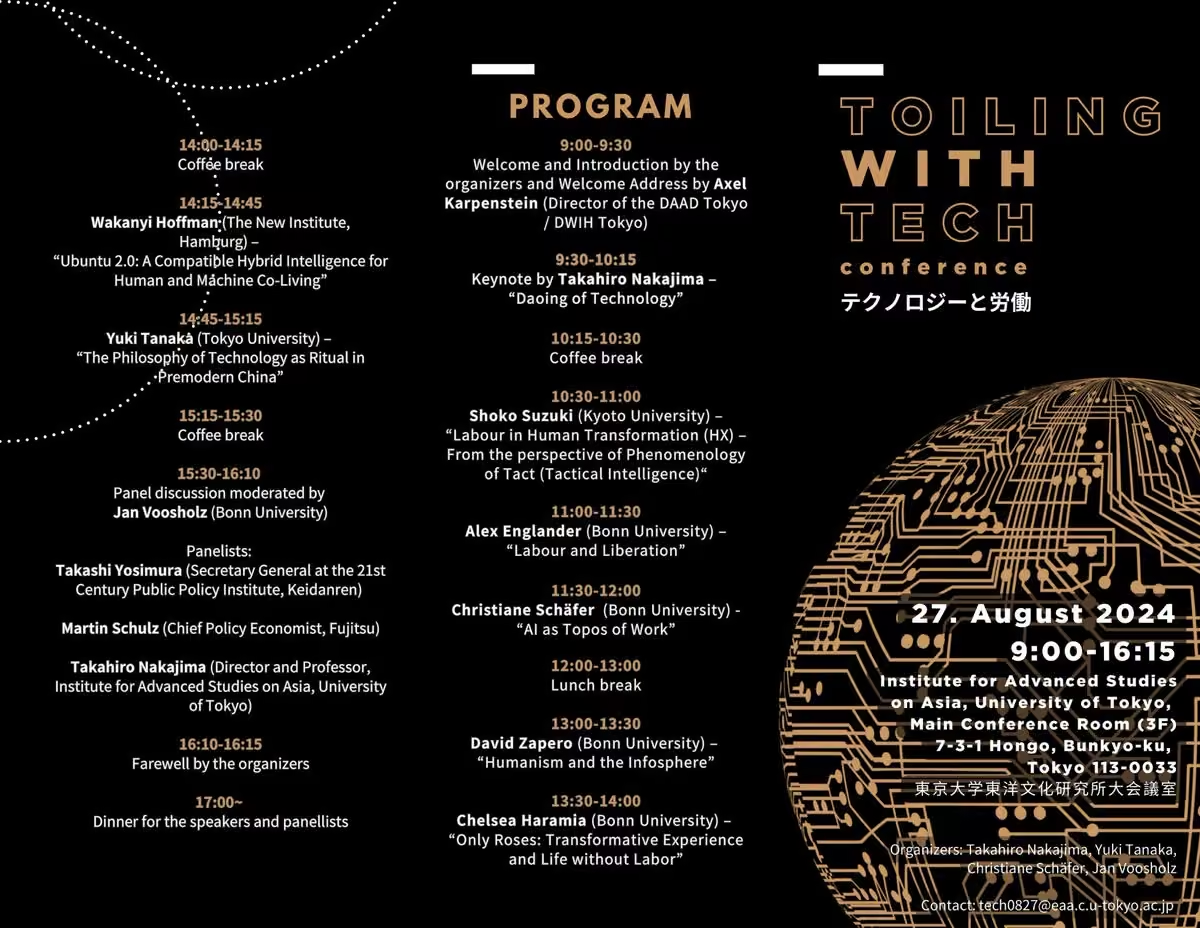

 Bloomsbury Academic

 Dr Tomasz Hollanek


 CSaP - The Centre for Science and Policy

 EU Research Results

 Big Data & Society


 A Plus Alliance for Inclusive Algorithms

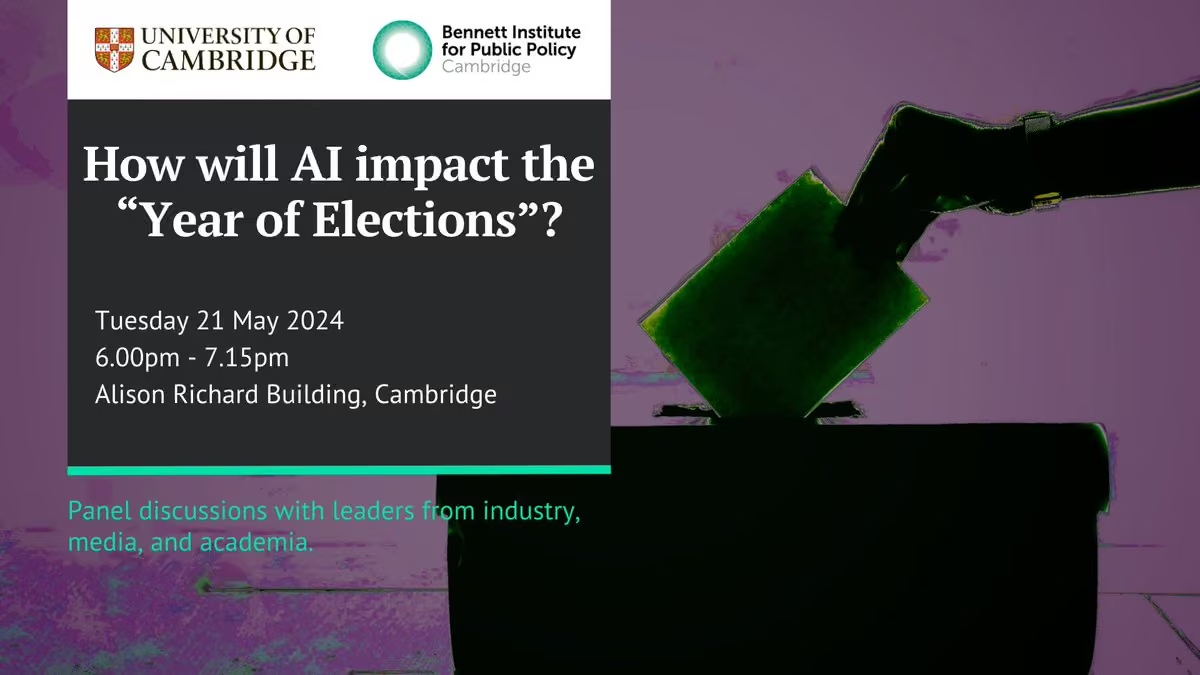
 Bennett Institute for Public Policy


 Gates Cambridge

 Duncan Bell
 Radical Humanities Laboratory UCC
 Intellectual Forum
 Nick Spencer
 Jindal School of Journalism & Communication (JSJC)


 SKAPE

 Luke Robert Mason


 CUSPE


 Cambridge University - School of Arts & Humanities

 Tyler Shores

 SHiFT


 Dr Nora Ni Loideain
 Real Facebook Oversight Board

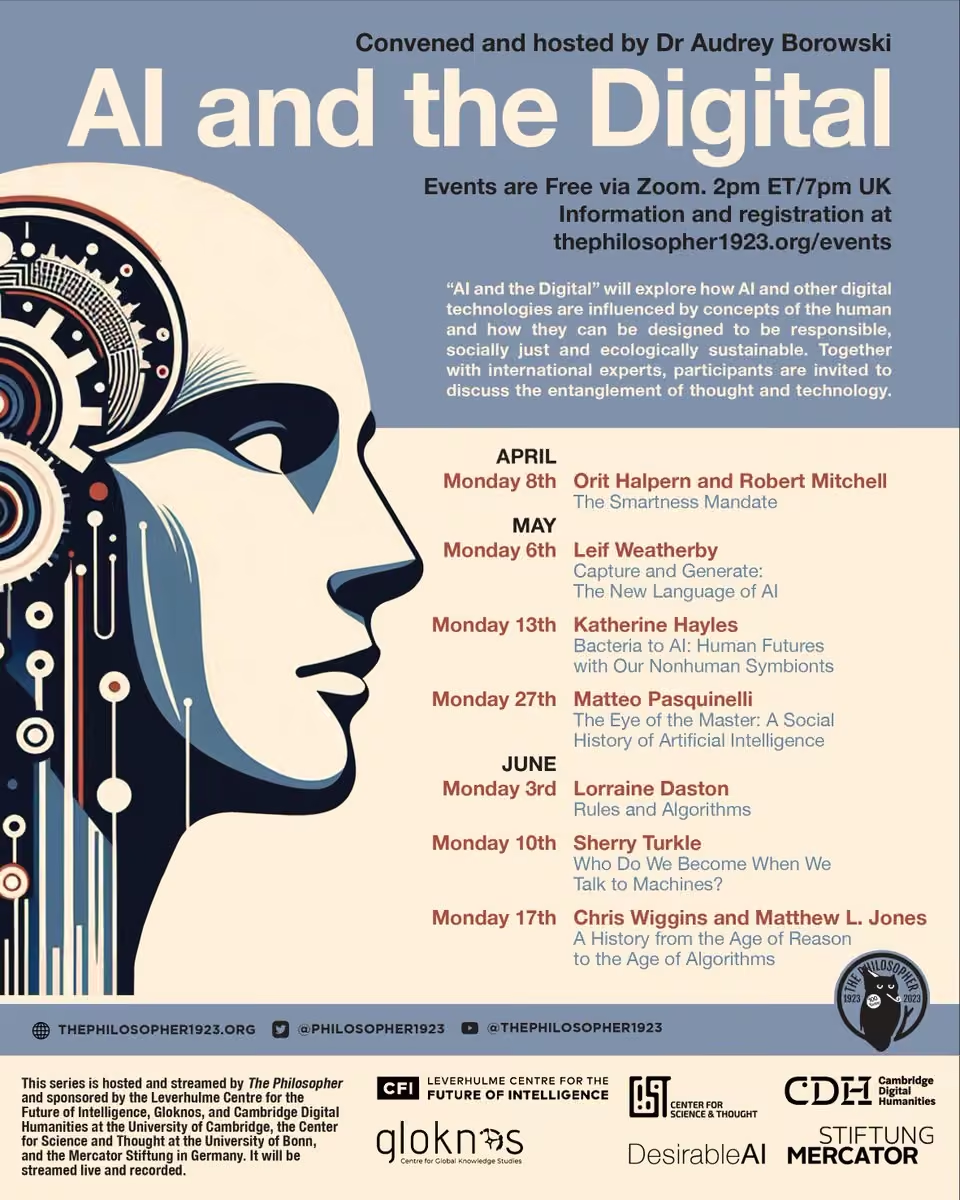
 gloknos

 Multiverse


 GFRN_UCL @ucl-gfrn.bsky.social

 Tanya Goodin

 Connor Axiotes


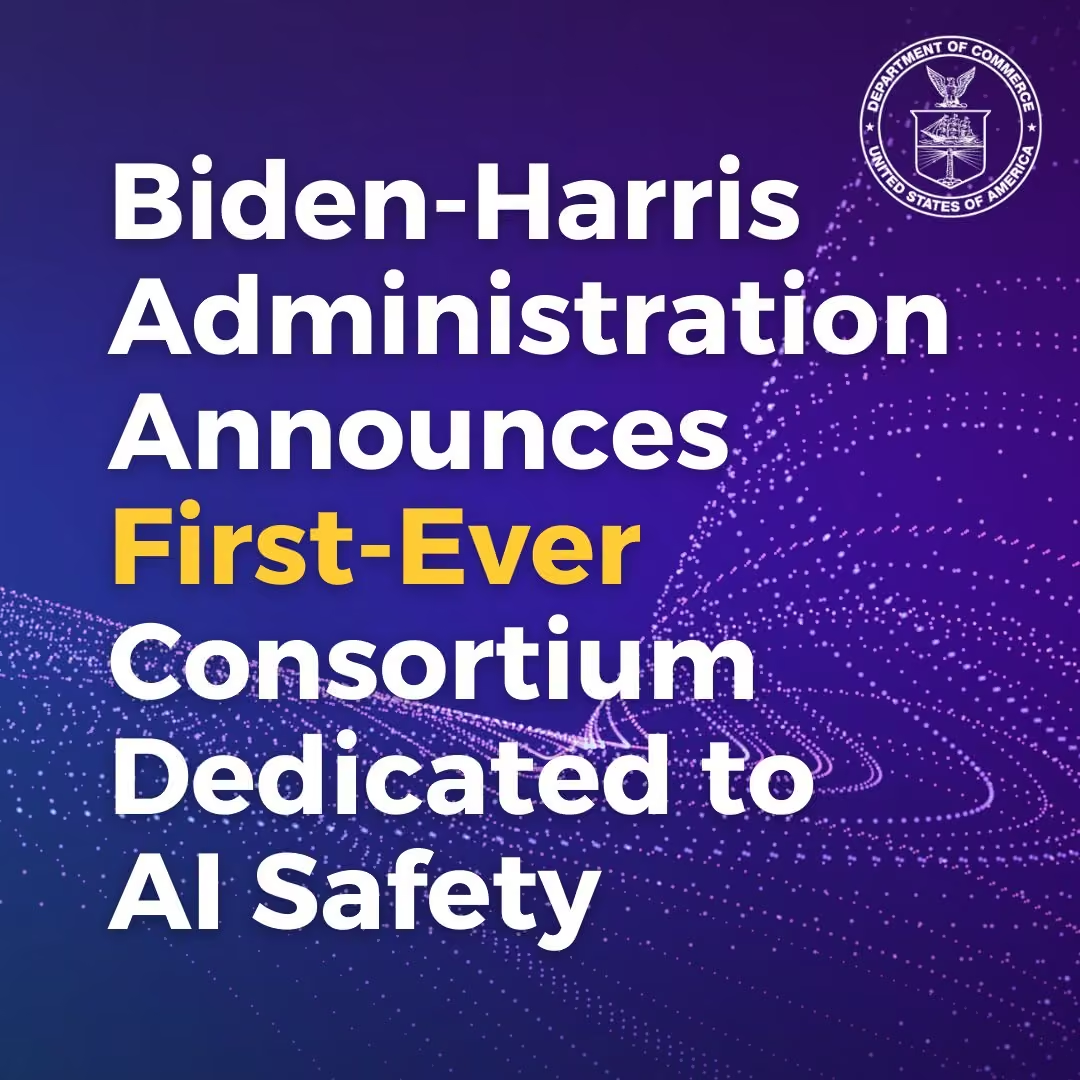
 U.S. Department of Commerce
 Edge Effects
 Institut français UK

 ISIH

 Richard A Carter
 Kwadwo Oti-Sarpong, PhD
 The Daily Zeitgeist


 @emilymbender.bsky.social
 Oliver Guest


 LSE Review of Books

 IRELAND'S EDGE


 Institute for Technology and Humanity
 Milena Ivanova 💙💛
 Aesthetics for Birds

 Charlene Chu RN PhD


 Cambridge Development & Alumni Relations

 Alexandru Voica 💀


 Institute for Science & Ethics (IWE)




 Andrea Luppi


 Gender, Place and Culture
 Ràdio Web MACBA


 AI Futures Fellowship


 The Voice Newspaper

 Emma Kallina
 Melanie Mitchell

 CHIA Cambridge


 Ryan Burnell

 Queer In AI (QAI)


 Migration Oxford
 J. AI Research-JAIR

 BBC Free Thinking
 Chris Harding

 Cambridge Centre for Data-Driven Discovery




 Kanta Dihal



 Sylvie Delacroix

 Futures in Question


 Reham Hosny

 AI Ethics Alliance









 Ali Gümüsay @guemuesay.bsky.social


 Mia Bennett
 Huw Price @huwprice.bsky.social


 Dvija Mehta
 David Krueger 🦥 ⏸️ ⏹️ ⏪


 FLF Development Network
 DEFICambridge Digital Education Futures Initiative


 valgrai


 Aviv Ovadya 🥦


 Carla Hustedt