Two new species of fungus, Simplicillium mekongense and S. ovoideum, have been described from soil and ant cadavers in the upper and middle reaches of the Lancang-Mekong River basin in China, Laos and Thailand: doi.org/10.3897/mycokeys.143.211081
MycoKeys
MycoKeys is a peer-reviewed open access scientific journal covering mycology. It was established in 2011 by Pensoft Publishers. The editor-in-chief is H. Thorsten Lumbsch. More on Wikipedia
-
MycoKeys
@MycoKeys
-
MycoKeys
@MycoKeys
Three new species of Ophiostoma fungus, O. guttiferum, O. querceti and O. subcorticale, have been described from natural wounds on oak trees in the Republic of Korea, where they were found during a survey of fungi that might infect these trees: doi.org/10.3897/mycokeys.143.214254
-
MycoKeys
@MycoKeys
A new genus of fungus, Neoparabambusicola, has been established for a species named N. bambusae, and three further new species have been described from bamboo in Yunnan Province, China: Bambusicola mangensis, Parabambusicola zhaotongensis and P. zhenxiongensis.
MycoKeys
@MycoKeys
Read more: doi.org/10.3897/mycokeys.143.209846
-
MycoKeys
@MycoKeys
🍄 The taxonomy of the fungal genus Rostriconidium was reappraised, with a new species being described and a new family, Sporidesmioidesaceae, being proposed to accommodate a distinct fungal lineage.
🔬 Check out the full study: doi.org/10.3897/mycokeys.138.184414 -
MycoKeys reposted
-
MycoKeys
@MycoKeys
A new genus and species of fungus, Sorobiellomyces jilinensis, has been discovered in Jilin Province, China, found to be parasitising another fungus - shedding new light on the poorly understood phenomenon of hyperparasitism, where one parasite attacks another.
MycoKeys
@MycoKeys
Full study: doi.org/10.3897/mycokeys.134.194187
-
MycoKeys
@MycoKeys
Two new species of pore fungus, Favolaschia nana and F. rotundipora, have been described from rotting bamboo in China, with the former recognised by its small fruiting bodies, and the latter by its kidney-shaped fruiting bodies with rounded mature pores.
MycoKeys
@MycoKeys
Check out the full study: doi.org/10.3897/mycokeys.143.217207
-
MycoKeys
@MycoKeys
Two new species of fungus, Favolaschia guangxiensis and F. microcarpa, have been described from southern and eastern China: doi.org/10.3897/mycokeys.143.212718
-
MycoKeys
@MycoKeys
A new genus of mushroom, Lasiolepiota, has been established to contain two new species, La. oinochroa and La. thailandica, which were collected from forests in Laos and Thailand.
Check out the full #openaccess study: doi.org/10.3897/mycokeys.142.201080 -
MycoKeys
@MycoKeys
A multigene DNA study of the Sporidesmium group of fungi has led to the description of a new species, Xenosporidesmium lignicola, the introduction of a new genus, Lignosporidesmium, and the transfer of nine existing species to new genera: doi.org/10.3897/mycokeys.142.216747
-
MycoKeys
@MycoKeys
Three new species of toothed jelly fungus, Pseudohydnum ellipsosporum, P. macroumbrosum and P. roseolostipitatum, have been described from China.
Learn all about them: doi.org/10.3897/mycokeys.142.215470 -
MycoKeys
@MycoKeys
Two new species of fungus, Sirococcus euryicola and S. linderae, have been described from leaf samples of native woody plants in Fujian, Shandong and Yunnan provinces, China.
-
MycoKeys
@MycoKeys
📍 We're at the 10th International Barcode of Life Conference in Bangkok!
📚 Visit @Pensoft's booth to find out more about our journal and chat with the team.
#ibol2026 #dnabarcoding #metabarcoding #openscience -
MycoKeys
@MycoKeys
🍄 Two new species of Phaeocollybia mushroom, P. dingjieensis and P. lulangensis, have been described from Yunnan Province and the Xizang Autonomous Region of south-western China.
MycoKeys
@MycoKeys
🔬 A third species, P. attenuata, previously known only from North America, has also been recorded in China for the first time, and an updated key to the 15 Phaeocollybia species now known from the country has been provided!
👉 Full study: doi.org/10.3897/mycokeys.142.206931 -
MycoKeys
@MycoKeys
Two new fungal species, Neosulcatispora agavicola and N. hongheensis, have recently been discovered growing on dead Agave leaves in the dry-hot valley of Honghe County, Yunnan Province, China: doi.org/10.3897/mycokeys.142.213343
-
MycoKeys
@MycoKeys
Four new species of Lepiota mushroom, namely Lepiota huangyangshanensis, L. maojingbaensis, L. varia and L. xiaowutaishanensis, have been described from Hebei Province, northern China: doi.org/10.3897/mycokeys.142.200915
-
MycoKeys
@MycoKeys
⏳ Submission deadline extended to 13 November! Working on #biodiversity #data, collections, or monitoring?
#livingdata2027 (9-12 June, Montréal, Canada) has an open call for sessions.
More information 👇
mycokeys.pensoft.net/news/1501
@tdwg -
MycoKeys
@MycoKeys
🍄 A new bolete mushroom, Caloboletus luolongensis, has been discovered in Guizhou Province, south-western China, and is recognised by its wrinkled cap, rose-red stem, and flesh that turns blue when damaged: doi.org/10.3897/mycokeys.142.196913
-
MycoKeys
@MycoKeys
🍄 Three new species of oyster-like fungi, Hohenbuehelia albomarginata, H. striata and H. guizhouensis, have been described from China: doi.org/10.3897/mycokeys.142.204939
-
MycoKeys
@MycoKeys
Two new species of waxcap mushroom, Hygrocybe zhibaiensis and H. longchuanensis, have been described from Anhui and Jiangxi provinces in China, with one characterised by its greenish cap, and the other by its bright red cap with an orange-yellow margin. 🍄
MycoKeys
@MycoKeys
Check out the full study: doi.org/10.3897/mycokeys.142.209944
-
MycoKeys
@MycoKeys
🪨 A new lichen species, Acarospora lactea, has been described from Montana, Nevada and Utah, and the taxonomy of a group of North American Acarospora species has been clarified.
MycoKeys
@MycoKeys
🔬 The authors reject an earlier synonymy of the common North American A. peltata with a South American species, and they publish revised descriptions and a key to the six members of the A. strigata group in North America: doi.org/10.3897/mycokeys.142.208759
@BYU @WCU @umontana -
MycoKeys
@MycoKeys
🎉 We are delighted to welcome Dr. Vasco Fachada as a Subject Editor for our journal!
👉 Read more about her expertise here: mycokeys.pensoft.net/news/1521 -
MycoKeys
@MycoKeys
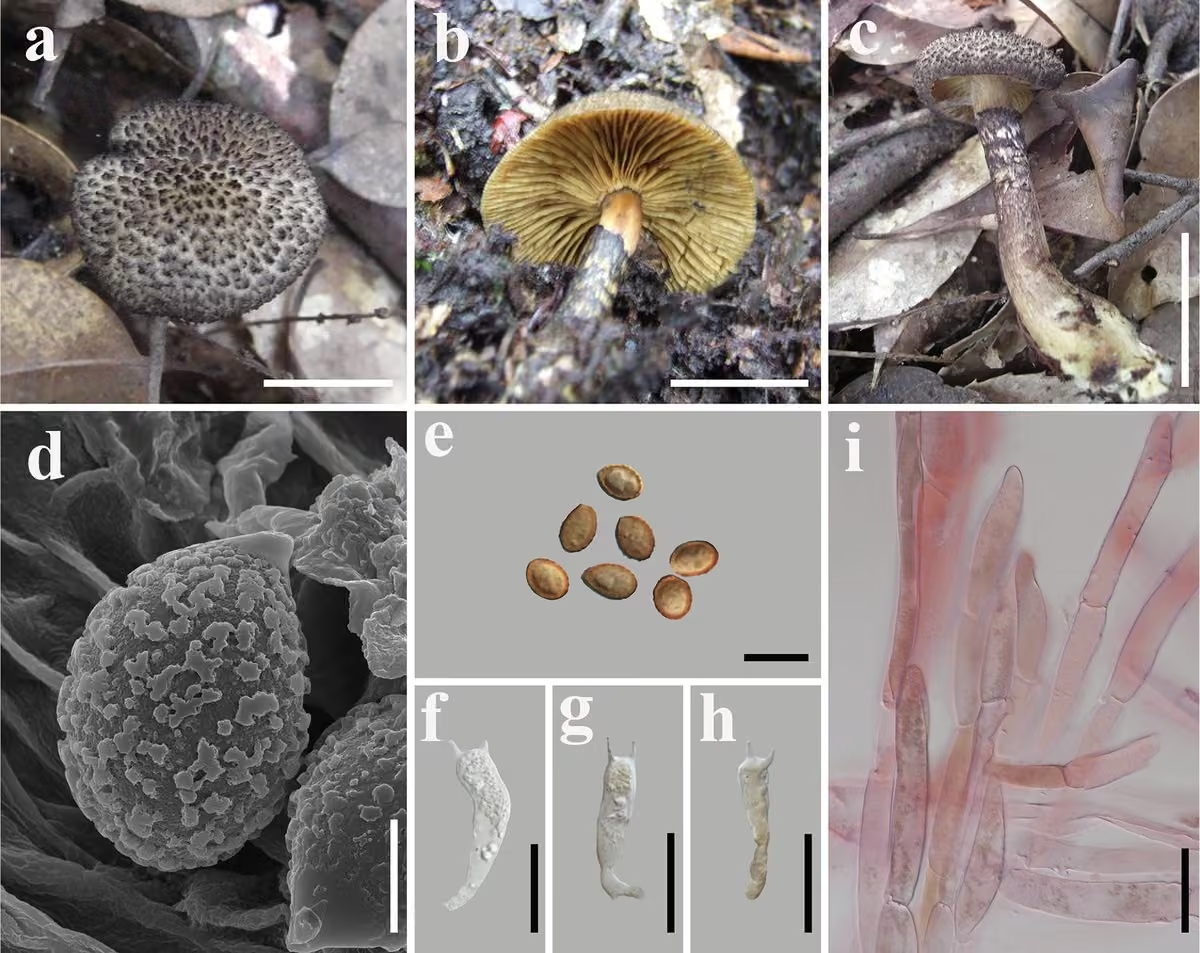
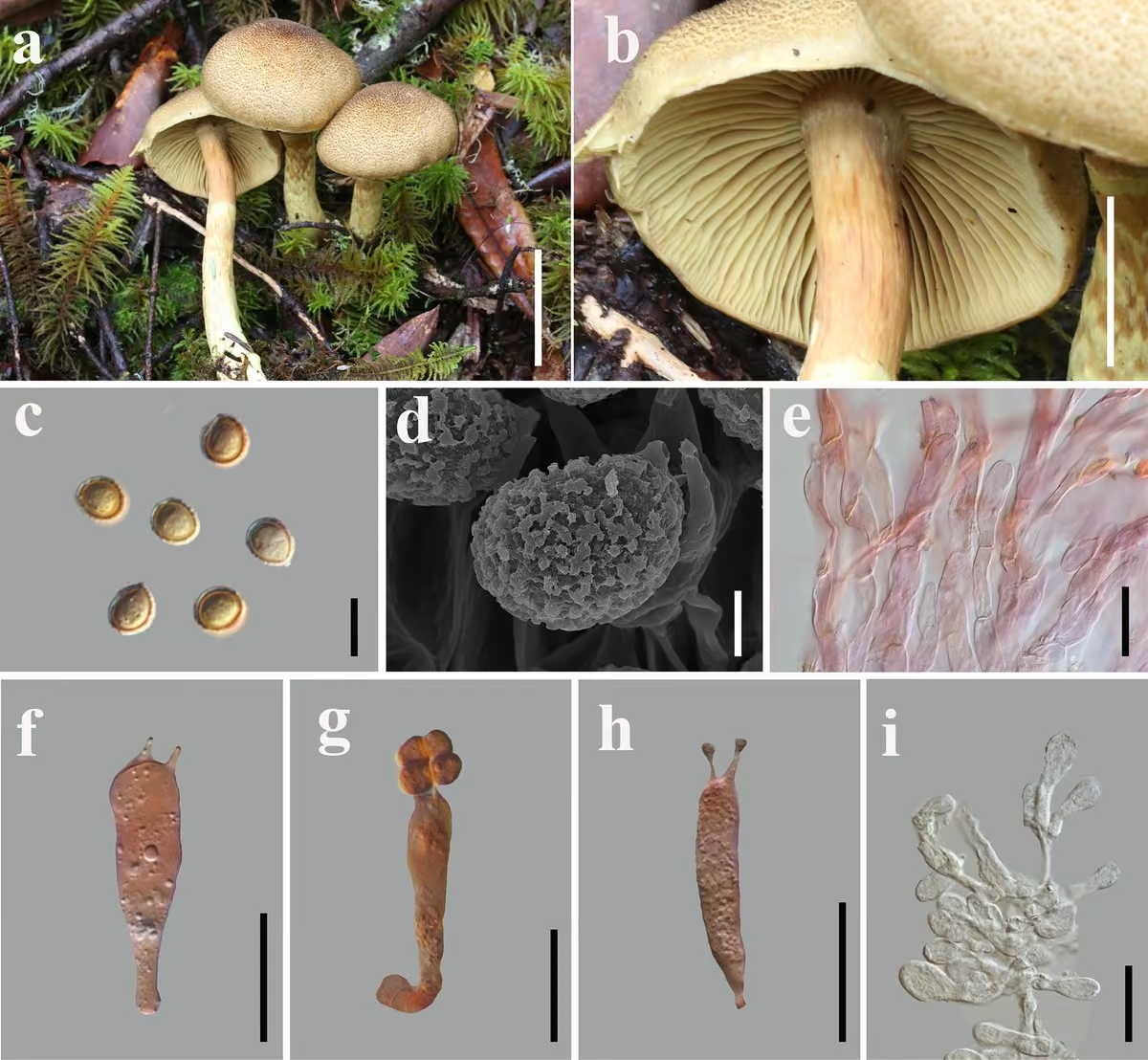
Five new Hydnellum species have been identified from northeastern and central China, characterised by features such as golden-yellow pileus margins, layered scales and fused fruiting bodies.
Find out all about them: doi.org/10.3897/mycokeys.142.199686 -
MycoKeys
@MycoKeys
🌿 A study of fungi associated with the neem tree (Azadirachta indica) has revealed two new fungal species and an updated inventory of 212 fungal taxa linked to this economically important medicinal plant.
Learn more: doi.org/10.3897/mycokeys.142.208876 -
MycoKeys
@MycoKeys
🔬 A phylogenetic reassessment of the fungal genus Tolypocladium has resolved taxonomic ambiguities, revealing that species traditionally grouped together are actually distributed across three separate families and require significant taxonomic revision.
MycoKeys
@MycoKeys
🍄 Three new Tolypocladium species have been described from Fanjing Mountain in Guizhou Province, China, with the establishment of a new genus highlighting the misleading nature of morphological similarity in fungal anamorphs.
👉 Full study: doi.org/10.3897/mycokeys.141.204222 -
MycoKeys
@MycoKeys
Two new wood-inhabiting fungal species, Hyphoderma tenuicystidiatum and H. tabuliformis, have been identified in Qinghai Province, China: doi.org/10.3897/mycokeys.141.210190
-
MycoKeys
@MycoKeys
Three new ascomycete fungal species have been identified in Yunnan Province, China: Didymella baoshanensis, Nothophoma aceris, and N. ginkgonis, all found as decomposers on various plant materials.
Full study: doi.org/10.3897/mycokeys.141.205517 -
MycoKeys
@MycoKeys
Five new fungal species associated with macadamia nuts have been identified, alongside 13 previously known species newly recorded from this important tropical crop in China and Thailand: doi.org/10.3897/mycokeys.141.209886
-
MycoKeys
@MycoKeys
Working on #biodiversity #data, collections, or monitoring?
#livingdata2027 (9-12 June, Montréal, Canada) has an open call for sessions.
🗓 Deadline 31 October, 2026
➡️Learn more: mycokeys.pensoft.net/news/1501 -
MycoKeys
@MycoKeys
🍄 Three new endophytic fungal species - Trichoderma wenshanense, Clonostachys grandispora, and Thelonectria chlamydosporia - have been identified from the roots of Panax notoginseng grown under forest-based ecological cultivation in Yunnan Province, China.
MycoKeys
@MycoKeys
Full study: doi.org/10.3897/mycokeys.141.209682
-
MycoKeys
@MycoKeys
Three new toxic mushroom species, Inocybe taishanensis, I. draconoculus, and I. pretiosa, have been identified in warm-temperate and subtropical China. These findings reveal that the Inocybe asterospora group is substantially more diverse in East Asia than previously recognised.
MycoKeys
@MycoKeys
Read more: doi.org/10.3897/mycokeys.141.210930
-
MycoKeys
@MycoKeys
Two new yeast species, Oberwinklerozyma jinghongensis and Rosettozyma fusiformis, have been identified from rotting wood in Xishuangbanna Primeval Forest Park in southwestern China. Learn more: doi.org/10.3897/mycokeys.141.204237
-
MycoKeys
@MycoKeys
Three new mushroom species - Neosarcodon chebalingensis, N. nanlingensis, and N. velutinus - have been identified from subtropical regions of southern China: doi.org/10.3897/mycokeys.141.202277
-
MycoKeys
@MycoKeys
Two new chanterelle species, Cantharellus armeniacus and C. cremeus, have been identified in the Dabie Mountains of central China. Find out all about them: doi.org/10.3897/mycokeys.141.210171
-
MycoKeys
@MycoKeys
Two new fungal species, Colletotrichum micheliae and C. myristicae, have been identified from diseased plant leaves in Hainan Province, China, using morphological and genetic analysis. Read more: doi.org/10.3897/mycokeys.141.203785
-
MycoKeys
@MycoKeys
🎋 Two new fungal species, Colletotrichum abaense and C. phyllostachydis, have been discovered in dead bamboo culms within the Giant Panda National Park in Sichuan Province, China: doi.org/10.3897/mycokeys.141.209472
-
MycoKeys
@MycoKeys
🍄 Two new yeast species, Tremella arisaematis and Pseudotremella guizhouensis, have been identified from plant materials collected in central and southern China: doi.org/10.3897/mycokeys.141.205833
-
MycoKeys
@MycoKeys
🍄 Two new fungal species, Fusarium malloti and Fusarium castanopsidicola, have been discovered on diseased plant leaves in Hainan Province, China, through integrated morphological and genetic analysis: doi.org/10.3897/mycokeys.141.209463
-
MycoKeys
@MycoKeys
Two new toxic mushroom species, Inocybe tumericolor and I. subaeruginascens, have been identified from China and found to contain dangerous combinations of psychoactive and poisonous compounds that can cause severe illness or hallucinations: doi.org/10.3897/mycokeys.141.203741
-
MycoKeys
@MycoKeys
🍄 Three new mushroom species, Inosperma fibrifugum, Inosperma glomerisquamulosum, and Inosperma lilacinifolium, have been discovered in the subalpine forests of western Sichuan, China: doi.org/10.3897/mycokeys.141.200822
-
MycoKeys
@MycoKeys
🍄 Five new fungal species have been discovered on dead branches in Yunnan Province, China, including Anastomitrabeculia yunnanensis, Coryneum lincangense, and Helicoma nixiense, expanding our understanding of saprobic microfungi diversity in the region: doi.org/10.3897/mycokeys.140.205151
-
MycoKeys
@MycoKeys
🍄 Two new mushroom species have been identified in northeast China: Bolbitius planoflavus and Bolbitius fuscopapillatus: doi.org/10.3897/mycokeys.140.203173
-
MycoKeys
@MycoKeys
🐛 Seven new fungal species have been identified in association with destructive bark beetle outbreaks affecting pine forests in China. This comprehensive study has also documented 20 ophiostomatalean fungal species from infested trees: doi.org/10.3897/mycokeys.140.199146
-
MycoKeys
@MycoKeys
🧬 Complete mitochondrial genomes of five Thaxterogaster fungal species have been sequenced and analysed for the first time, revealing important information about the genetic structure and evolutionary characteristics of this fascinating genus: doi.org/10.3897/mycokeys.140.205520
-
MycoKeys
@MycoKeys
🍄 A study of medicinal fungi in China has revealed two new species of Ganoderma and resolved a taxonomic debate, clarifying that what Asian researchers had mistakenly identified as a European species was actually an entirely distinct Asian fungus: doi.org/10.3897/mycokeys.140.204190
-
MycoKeys
@MycoKeys
🍄 Two new fungal species have been discovered in the Hainan Tropical Rainforest, thus expanding our understanding of the poorly-studied Graphostromataceae family in tropical regions: doi.org/10.3897/mycokeys.140.206566
-
MycoKeys
@MycoKeys
🍄 Two new fungal species, Resupinatus meihui and R. cinereofuscus, have been discovered in China, bringing the number of known Chinese species in this genus to 14: doi.org/10.3897/mycokeys.140.202233
-
MycoKeys
@MycoKeys
📍 We're featured at @Pensoft's booth at #tdwg2026, running this week in Oslo!
📚 Come and find out more about the scope of our journal and how we can support your research.
@tdwg #biodiversitydata -
MycoKeys
@MycoKeys
🍄 Two new fungal species, Chloridium jiangxiense and Paragongromeriza jiangxiensis, have been discovered in Jiangxi Province, China: doi.org/10.3897/mycokeys.140.205743
-
MycoKeys
@MycoKeys
🍃 A taxonomic revision of the lichen genus Bunodophoron in New Caledonia has identified four species living in the region's montane rainforests, two of which are new to science: B. flagellare and B. imbricatum.
Access the full study: doi.org/10.3897/mycokeys.140.197771
@urjc -
MycoKeys
@MycoKeys
🍄 A comprehensive new dataset has been built from nearly 1,800 fungal sequences, bringing together fragmented genetic data on ophiostomatoid fungi, a group of beetle-associated microfungi that includes some serious tree pathogens: doi.org/10.3897/mycokeys.140.201772
-
MycoKeys
@MycoKeys
Three new foliar fungal pathogens infecting vine tea (Nekemias grossedentata) have been identified in Hubei, China: Coniella ampelopsidis, Colletotrichum enshiense, and Pestalotiopsis ampelopsidis.
Full study: doi.org/10.3897/mycokeys.140.200783 -
MycoKeys reposted
Pensoft
@Pensoft
📍 We're at #nordicoikosgfÖ2026 in Odense, Denmark, this week, showcasing our work as a consortium member of @obsgession_ and presenting our ecology-focused portfolio.
🤝 We look forward to meeting you all at our designated booth! -
MycoKeys reposted
Steve Marek
@stephenmarek2
Four novel species of Distoseptispora (Distoseptisporaceae, Distoseptisporales) revealed by morphology and phylogenetic analyses from southern China doi.org/10.3897/mycokeys.140.207506 via @MycoKeys
-
MycoKeys
@MycoKeys
New fungal species Biscogniauxia barriae has been found living a "double life": as an endophyte in Douglas-fir needles in coastal BC, and producing stromata on dead hardwoods. Learn more about its ecological properties:
doi.org/10.3897/mycokeys.140.206138
#fungi #newspecies -
MycoKeys
@MycoKeys
🍄Four new #fungal species of Distoseptispora described from decaying wood in Fujian, Jiangxi, and Yunnan, China: D. acropleurogena, D. distoseptata, D. ellipsoidea, and D. jiulianshanensis.
👉Find out more about them: doi.org/10.3897/mycokeys.140.207506
#newspecies #fungi -
MycoKeys
@MycoKeys
🍄 Two new species of polypore fungi, Coriolopsis albescens and Polyporus laoshanensis, have been discovered during a survey of wood-decaying fungi in Jiangsu Province, China: doi.org/10.3897/mycokeys.139.209057
-
MycoKeys
@MycoKeys
🌱 We've touched down in Brussels for #neobiota2026 - the 14th International Conference on Biological Invasions! Here through 11 Sept.
Come chat with our team about Pensoft Publishers' publishing portfolio - journals, books & conference services. We'd love to connect 🤝 -
MycoKeys
@MycoKeys
🍄 Four new species of fungus from the genus Botryobasidium have been discovered in eastern China: B. fujianensis, B. fusisporellum, B. subconiferarum and B. macrosporum.
Read more: doi.org/10.3897/mycokeys.139.206012 -
MycoKeys
@MycoKeys
🍄 Two new fungal species have been discovered living among the roots of a medicinal plant in Anhui Province, China, with a third fungus recorded on this plant for the first time: doi.org/10.3897/mycokeys.139.197994
-
MycoKeys reposted
Pensoft
@Pensoft
📍 We recently attended the 4th biosyst.eu meeting in Uppsala, Sweden, held in the very city where taxonomy was born!
➡️ Read the full recap on our blog: blog.pensoft.net/2026/09/03/pensoft-at-the-4th-biosyst-eu…
#biosyst2026 -
MycoKeys
@MycoKeys
🍄 Three new species of the mushroom genus Pholiotina have been discovered in China's Jilin Province and Xizang Autonomous Region: doi.org/10.3897/mycokeys.139.201595
-
MycoKeys
@MycoKeys
🍃 Four new species of fungus, all belonging to the genus Pseudoplagiostoma, have been described after being found on diseased leaves in China, each named after the plant it was discovered on.
Read more: doi.org/10.3897/mycokeys.139.207860 -
MycoKeys
@MycoKeys
🍄 Two new species of mushroom-forming fungi, Laccaria daliensis and Laccaria violaceonana, have been discovered and described from southwestern China: doi.org/10.3897/mycokeys.139.175697
-
MycoKeys
@MycoKeys
#newspecies
Three new wood-inhabiting #fungal species described from Southwest China: Phanerochaete albomarginata, P. nigella, and Rhizochaete membranacea.
Full #openaccess study: doi.org/10.3897/mycokeys.139.199706 -
MycoKeys
@MycoKeys
Multigene phylogeny of the mushroom genus Conocybe reveals it splits into two clades, with one blending traits of a different section entirely. Two new species discovered in SW China: C. maculatostriata and C. lidaensis. 🍄
Full study: doi.org/10.3897/mycokeys.139.192477 -
MycoKeys
@MycoKeys
Three new Colletotrichum #species described from diseased leaves in Fujian, China: C. millettii, C. pleioblasti, and C. wuyishanense. Multigene #phylogenetics + morphology confirm their novelty Full study:
doi.org/10.3897/mycokeys.139.208158 -
MycoKeys
@MycoKeys
🍄The Inocybe tiliae group, mostly known from Europe, is now confirmed in China too. A multigene phylogeny reveals 4 new species and expands the group's circumscription to 12 species.
Full research article: doi.org/10.3897/mycokeys.139.204873
#fungi #newspecies -
MycoKeys
@MycoKeys
🍄 Two new #fungal species, Veronaea guizhouensis and Veronaea terrestris, have been discovered in freshwater and terrestrial habitats in Guizhou Province, China: doi.org/10.3897/mycokeys.139.206673
#newspecies #fungi -
MycoKeys
@MycoKeys
🔬 A new lichen species, Myriospora hilitzeri, has been described from the Czech Republic, Germany and Italy, named in honour of Czech lichenologist and science fiction writer Alfred C. Hilitzer.
➡️ Learn more: doi.org/10.3897/mycokeys.139.200273 -
MycoKeys
@MycoKeys
🔬 Three new species of Trichoderma fungi have been discovered, isolated from prized medicinal caterpillar fungi (Ophiocordyceps) and a Dracaena plant, with their identities confirmed using both DNA analysis and physical examination: doi.org/10.3897/mycokeys.139.198944
-
MycoKeys
@MycoKeys
🍄 Small medicinal sclerotia have been successfully grown in the lab from Xylaria minima, a fungus related to the prized "Wulingshen" used in traditional Chinese medicine, by cultivating it on termite nest material: doi.org/10.3897/mycokeys.139.206447
-
MycoKeys
@MycoKeys
🍄Two new Ganoderma species described: G. ficuum (Guangdong, China) with distinctly truncated basidiospores, and G. fijiense (Nadi, Fiji) with spinulose spore ornamentation. Full study: doi.org/10.3897/mycokeys.139.208287
-
MycoKeys
@MycoKeys
🍄 Two new fungal species, Ericboehmia guizhouensis and Psiloglonium yunnanense, have been described from southwestern China, expanding the known diversity of Hysteriaceae #fungi: doi.org/10.3897/mycokeys.138.197356
-
MycoKeys
@MycoKeys
🍃 Two new #fungal species, Alternaria unguiculatae and Alternaria hainanensis, have been identified from diseased cowpea leaves in Hainan Province, China: doi.org/10.3897/mycokeys.138.205866
-
MycoKeys
@MycoKeys
🍄 Three new species of #penicillium #mould - P. longyangense, P. longlingense and P. zhenyuanense - have been identified from agricultural soils in mountainous parts of Yunnan Province, China: doi.org/10.3897/mycokeys.138.198488
-
MycoKeys
@MycoKeys
🍄 Three new species of insect-killing #fungus have been discovered in Guizhou's Fodingshan Nature Reserve, each identified through a combination of physical features and the hosts they were found infecting.
➡️ Full study: doi.org/10.3897/mycokeys.138.198399 -
MycoKeys
@MycoKeys
Great talk from Martin Ryberg @uppsalauni at #biosyst2026: "Tripling the number of described Piloderma spp."
🧬Combining fieldwork, herbarium #dna & mycologist networks, the team described 5 new species of this ectomycorrhizal #fungus genus - now 18 in total! 🍄
MycoKeys
@MycoKeys
📝Martin is also a co-author of several articles published in MycoKeys. Among the most-read are ⬇️
doi.org/10.3897/mycokeys.86.76053
doi.org/10.3897/mycokeys.96.102669
doi.org/10.3897/mycokeys.81.66249 -
MycoKeys
@MycoKeys
🎉 We were delighted to welcome Oleksandr Ordynets to the @Pensoft booth at #biosyst2026!
👉 Ordynets is an author and reviewer for our journal! Check out one of their papers on the genus Subulicystidium here: mycokeys.pensoft.net/article/25678/
@SystAssn @uppsalauni -
MycoKeys
@MycoKeys
The first genetic data for the type species of the fungal genus Litschauerella have been generated, whilst the related genus Tubulicium has been shown to belong in a different taxonomic order. 🍄
Full study: doi.org/10.3897/mycokeys.138.203229 -
MycoKeys
@MycoKeys
📢 Meet @Pensoft the annual conference of #biodiversity Information Standards #tdwg2026 in Oslo, Norway, between 21-25 September!
👉More details: mycokeys.pensoft.net/news/1435
@tdwg -
MycoKeys
@MycoKeys
📢 See you in Uppsala next week! @Pensoft will be at the 4th BioSyst EU meeting (17-19 Aug) - come chat open-access journals & the @ARPHAplatform at our stand.
🔗 mycokeys.pensoft.net/news/1356
#biosysteu2026 #conference -
MycoKeys
@MycoKeys
🏔️ Extensive fieldwork and herbarium research across the Alps and Northern Apennines have revealed 518 lichen occurrences representing 288 taxa, including 33 species newly recorded for Italy.
Learn more by accessing the full study: doi.org/10.3897/mycokeys.138.197797 -
MycoKeys
@MycoKeys
🌿 Two new fungal species living harmlessly inside Itea plants have been discovered in Northern Thailand, Diaporthe iteae and Neptunomyces iteae, alongside a first-ever record of Diaporthe coracoralinae on this host and region: doi.org/10.3897/mycokeys.138.203334
-
MycoKeys
@MycoKeys
🍄 Two new fungal species have been discovered in northern Thailand, Anastomitrabeculia chiangraiensis and Roussoella chiangraiensis, found growing on dead wood and bamboo respectively: doi.org/10.3897/mycokeys.138.189855
-
MycoKeys
@MycoKeys
🍂 Two new species of rust fungus affecting wild roses in China, Phragmidium shennongjiaense and P. xinjiangense, have been discovered and described using specimens held in major herbaria worldwide: doi.org/10.3897/mycokeys.138.201984
-
MycoKeys
@MycoKeys
🍄 Two new fungal species, Coniochaeta saxicola and C. terricola, have been discovered in rock and soil samples collected across northern Thailand: doi.org/10.3897/mycokeys.138.197253
-
MycoKeys
@MycoKeys
🍄 Two new fungal species, Campanella albomarginata and Crustomyces odontoideus, have been discovered in the tropical forests of Yunnan Province, China: doi.org/10.3897/mycokeys.138.203655
-
MycoKeys
@MycoKeys
🍄 Three new species of wood-inhabiting fungus - Hymenochaete zhashuiensis, Hyphoderma brevicystidiatum and Steccherinum shangzhouense - have been discovered in China's Qinling Mountains: doi.org/10.3897/mycokeys.138.204396
-
MycoKeys
@MycoKeys
🌴 Two new fungal species were discovered on ornamental palm plants in Yunnan Province. These findings were shown to expand what is known about the hidden microfungal diversity associated with palms, most of which are introduced species in the region: doi.org/10.3897/mycokeys.138.200127
-
MycoKeys
@MycoKeys
🐜 Two new species of parasitic fungus that infect ants and other hymenopteran insects have been discovered in Yunnan, China, alongside a species newly recorded in the region: doi.org/10.3897/mycokeys.137.191268
-
MycoKeys reposted
Pensoft
@Pensoft
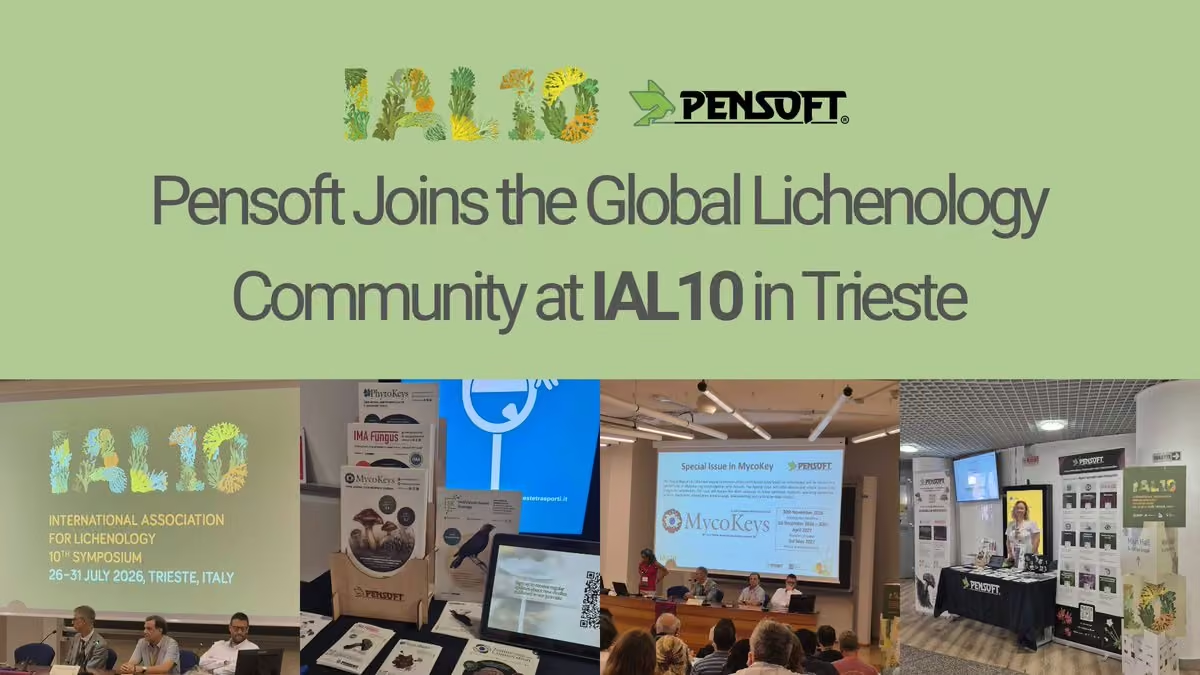
🔬 We were pleased to attend #ial10, held last week in Trieste, Italy!
➡️ Check out the highlights from the symposium, our stand, and the talks that caught our eye by visiting our recent blog post: blog.pensoft.net/2026/08/07/pensoft-joins-the-global-lich…
#ial2026 #ial10trieste #ialichenology -
MycoKeys
@MycoKeys
🌍 The 41st SPNHC Annual Meeting is coming to the African continent for the first time! Join natural history professionals in Cape Town, South Africa, from 7 to 11 September 2026.
➡️ Check out our latest news announcement for further details: mycokeys.pensoft.net/news/1410
#spnhc2026 -
MycoKeys
@MycoKeys
🍄 Two new species of small mushroom have been discovered in Oman - Micropsalliota latiumbonata and M. striata, with the first often found growing around termite mounds, bringing the total known species in this genus to 108: doi.org/10.3897/mycokeys.137.192271
-
MycoKeys
@MycoKeys
🍄 Two new fungal species, Leptobacillium doupengense and Metapochonia doupengshanensis, have been discovered in the humus of tree holes within a karst landscape in Guizhou, China: doi.org/10.3897/mycokeys.137.196582
-
MycoKeys
@MycoKeys
🍄 Three new wood-decaying fungi species - Botryobasidium massonianae, Peniophorella crassibasidiata and Peniophorella variegata - have been discovered thriving on Masson pine trees: doi.org/10.3897/mycokeys.137.203862
-
MycoKeys
@MycoKeys
🔬 Three new species of insect-infecting fungi - Ascopolyporus sinensis, Cordyceps anningensis and Hypocrella umbilicata - have been discovered and described by researchers surveying Yunnan Province, China.
Read more: doi.org/10.3897/mycokeys.137.195207 -
MycoKeys
@MycoKeys
🔬 Fungal surveys across Yunnan and Guizhou Provinces in south-western China have uncovered two new species, Minuticlypeus zunyiensis and Paravamsapriya yunnanensis: doi.org/10.3897/mycokeys.137.195655
-
MycoKeys
@MycoKeys
🍄A fascinating new genus and species of fungus has been discovered - Elliptolagenoidisporium paris - growing on medicinal plants in the karst ecosystems of China's Guizhou Province.
➡️ Read the full study: doi.org/10.3897/mycokeys.131.182322 -
MycoKeys
@MycoKeys
🌵 Researchers have recently mapped the diverse fungal communities of Saudi Arabia.
🏜️ This new data provides an important roadmap for predicting how fragile desert ecosystems will shift as the global climate continues to change: doi.org/10.3897/mycokeys.130.176937
@CSCIENCE_KSU -
MycoKeys
@MycoKeys
🔬 What a week it's been at #ial10 this week!
📢 Here's another reminder that we've announced a new special issue! The Proceedings of the 10th International Conference of the International Association for Lichenology (IAL10) will be published in #mycokeys: mycokeys.pensoft.net/issue/5223/ -
MycoKeys
@MycoKeys
🍃 Two new species of sooty mould fungus, Trichomerium guiyangense and T. xishuiense, have been discovered coating the leaves of living plants in Guizhou Province, China: doi.org/10.3897/mycokeys.137.177643
-
MycoKeys
@MycoKeys
👋 It was a pleasure to welcome Sonia Ravera to the @Pensoft stand at #ial10 yesterday!
👉 Professor Ravera is an author in our journal - you can check out her co-authored paper on the lichen species Arthopyrenia parolinii here: mycokeys.pensoft.net/article/109420/
#ial2026 #ial10trieste -
MycoKeys
@MycoKeys
🙌 Yesterday, we welcomed one of our very own Editors-in-Chief, Thorsten Lumbsch, to the @Pensoft stand at #ial10!
👉 You can check out one of his recent co-authored papers on lichen diversity in forest ecosystems here: mycokeys.pensoft.net/article/117540/
#ial2026 @IAL_Lichenology -
MycoKeys
@MycoKeys
🌸 Two new species of yeast, Papiliotrema anthoicola and P. floralis, have been discovered living on flowers collected in Chiang Mai Province, northern Thailand, including those of frangipani, cananga and orchid plants: doi.org/10.3897/mycokeys.137.199289
@kasetsart_ku -
MycoKeys
@MycoKeys
🙌 After yesterday's visits, today we welcomed even more of our journal's contributors to the @Pensoft stand at #ial10!
👋 Juri Nascimbene, a subject editor and author at our journal, dropped by to say hello.
➡️ You can check out one of his papers here: mycokeys.pensoft.net/article/154233/
MycoKeys
@MycoKeys
🏜️ Another of our authors, Patrick Jung, also came to visit. His paper on the ecology and phylogeny of fog lichens from the Atacama Desert can be accessed here: doi.org/10.3897/mycokeys.98.107764
MycoKeys
@MycoKeys
🍄 Last up we have Valerii Darmostuk, one of our frequent reviewers. He has additionally authored a paper in our journal on the lichenicolous fungi genus Neobaryopsis: mycokeys.pensoft.net/article/169315/
#ial2026 #ial10trieste #ialichenology
@IAL_Lichenology -
MycoKeys
@MycoKeys
Today at #ial10 we heard Juri Nascimbene's talk on how historical herbaria reveal centuries of lichen change. He's a Subject Editor and author in our journal - read his latest: mycokeys.pensoft.net/article/154233/
#ial2026 #ial10trieste #ialichenology -
MycoKeys
@MycoKeys
🍄 We were excited to welcome Dr Muhammad Usman (@NHM_London) to the @Pensoft stand at #ial10!
🔗 You can access one of his articles here: mycokeys.pensoft.net/article/26743/
#ial2026 #ial10trieste #ialichenology -
MycoKeys
@MycoKeys
🙌 We were delighted to meet so many of our wonderful authors at #ial10!
⬇️ Pier Luigi Nimis of @UniTrieste stopped by to say hello. His latest paper in our open-access journal can be accessed here:
mycokeys.pensoft.net/article/154233/Post not available here, view on X
MycoKeys
@MycoKeys
🎉 Gintaras Kantvilas, a reviewer and author for MycoKeys, also joined us at the stand.
⬇️ Read one of his papers published in our journal:
mycokeys.pensoft.net/article/34761/
MycoKeys
@MycoKeys
🎉 We also had the pleasure of meeting Garima Singh, one of our subject editors!
⬇️ Check out two of the papers she has co-authored in our journal:
mycokeys.pensoft.net/article/22548/
mycokeys.pensoft.net/article/29904/ -
MycoKeys
@MycoKeys
🎉 We were delighted to meet one of our journal's authors, Edyta Mazur, at #ial10 today!
➡️ Check out her study here: mycokeys.pensoft.net/article/152331/
#ial2026 #ial10trieste #ialichenology
@IAL_Lichenology -
MycoKeys
@MycoKeys
We're at #ial2026 and look who stopped by @Pensoft's stand, Dr. Martin Westberg from Museum of Evolution - Uppsala University, who is a very prolific author at our journal!
Check out some of his #openaccess publications:
👉doi.org/10.3897/mycokeys.122.162675
👉doi.org/10.3897/mycokeys.11.6670 -
MycoKeys
@MycoKeys
📢 @Pensoft is heading to the 4th BioSyst EU meeting in Uppsala, Sweden (17-19 Aug)! Visit the publisher's stand to chat about their open-access journal portfolio, new journal titles, and the @ARPHAplatform: mycokeys.pensoft.net/news/1356
#taxonomy #openaccess #systematics -
MycoKeys
@MycoKeys
🌍 We're at #ial10 in Trieste (26-31 July), where lichenologists are exploring taxonomy, biodiversity, ecophysiology, biomonitoring, and more.
📖 We're also hosting a special issue on lichen symbiosis - more info here: mycokeys.pensoft.net/issue/5223/
@IAL_Lichenology -
MycoKeys reposted
Pensoft
@Pensoft
🌍 We're at #ial10, the 10th Symposium of the International Association for Lichenology, in Trieste, Italy (26-31 July).
📚 Find us at our booth showcasing our plant and mycology journals!
@IAL_Lichenology
#lichenology #mycology -
MycoKeys
@MycoKeys
🧪 Three new species of lichen in the genus Sarcogyne have been discovered in China, and a species previously unrecorded in the country was newly reported, whilst an identification key was compiled for all pruinose Acarosporaceae species in the country: doi.org/10.3897/mycokeys.137.201158
-
MycoKeys
@MycoKeys
🪵 Three new fungal species in the genus Phaeoisaria have been discovered on decaying wood in Yunnan, China, alongside the confirmed presence of a related species previously known only from Germany: doi.org/10.3897/mycokeys.137.199957
-
MycoKeys
@MycoKeys
🍄 Surveys of freshwater fungi in the Philippines have uncovered three new species of Distoseptispora, expanding the known diversity of this genus in tropical aquatic habitats.
Read more: doi.org/10.3897/mycokeys.137.198252
@IUCN -
MycoKeys
@MycoKeys
🌳 A new fungal pathogen, Lasiodiplodia carlesii, has been identified as the cause of severe canker and dieback disease in Castanopsis plantations in China, an economically important genus of evergreen trees.
Full study: doi.org/10.3897/mycokeys.137.184738 -
MycoKeys
@MycoKeys
🍄 Two new fungal species - Parafenestella cupressicola and P. xizangensis - have been discovered inside Cypress and Rose trees in Xizang.
🌲 These findings have shown that the known range of Parafenestella fungi is wider than previously realised: doi.org/10.3897/mycokeys.137.197730 -
MycoKeys
@MycoKeys
Two new #fungal species from decaying wood in northeast China have been described - Chromolaenicola crataegicola and Paraphaeosphaeria fulva. Both show antibacterial/antifungal activity, hinting at potential as biopesticide sources: doi.org/10.3897/mycokeys.137.197035
-
MycoKeys
@MycoKeys
First taxonomic revision of the #lichen genus Willeya in China yields two new species - W. bispora and W. guizhouensis, plus two new country records, W. japonica and W. protrudens. Based on morphology, multi-gene phylogenetics, and chemistry: doi.org/10.3897/mycokeys.137.197566
-
MycoKeys
@MycoKeys
Two new fungal species, Rhodophana pakistanica and R. bajaurica, have been described from a temperate forest in northern Pakistan, based on multigene phylogenetics and morphology. Full open access article: doi.org/10.3897/mycokeys.137.199549
-
MycoKeys
@MycoKeys
New puffball genus and species described from southern China: Longipediperdon spineum. See the full description in our #openaccess journal: doi.org/10.3897/mycokeys.136.188385
-
MycoKeys
@MycoKeys
Researchers have described three new sorediate #lichen species from Anhui, China: Lecanora apicifarinacea and L. pseudolayana, and Verseghya megasorediata. Also, V. klarae is synonymised with V. thysanophora.See more: doi.org/10.3897/mycokeys.136.191950
#newspecies -
MycoKeys
@MycoKeys
🍄Two new Pleurotheciaceae species from decaying wood in southern China: Pleurotheciella guizhouensis and Pleurothecium guangxiense, both with macronematous conidiophores and hyaline conidia.
Learn more: doi.org/10.3897/mycokeys.136.199476
#fungi #newspecies -
MycoKeys
@MycoKeys
Two new freshwater fungi from decaying #wood in Guizhou/Hainan, China: Hyaloambispora aquatica sp. nov. and Paramirandina fusiseptata sp. nov., supported by multi-locus phylogenetics. First Hyaloambispora record for Guizhou.
Full #openaccess study: doi.org/10.3897/mycokeys.136.199668 -
MycoKeys
@MycoKeys
Two new Clavicipitaceae species from Guizhou/Yunnan, China 🍄: Papiliomyces huangpingensis (sister to "P. sinensis"; shorter, stouter stromata) and Keithomyces ophiocordycipiticola (sister to K. echinosporus; found on Ophiocordyceps sclerotia). Read more: doi.org/10.3897/mycokeys.136.190405
-
MycoKeys
@MycoKeys
Two new freshwater #fungi from Dongting Lake, China (Annulatascaceae), check out Annulatascus dongtingensis and Fusoidigranularius dongtingensis: doi.org/10.3897/mycokeys.136.188740
-
MycoKeys
@MycoKeys
Three new Marasmius species described from SW China 🍄: M. flavosulcatus (yellow, plicated pileus), M. griseobrunneus (grayish-brown, faintly striate), M. variegatus (spotted, dimorphic cystidia). ITS/LSU phylogenetics included: doi.org/10.3897/mycokeys.136.196875
#newspecies #fungi -
MycoKeys
@MycoKeys
Five new Absidia species and one new Gongronella species (G. globospora) expand the family Cunninghamellaceae, identified via morphology & multi-gene phylogenetics.
Learn more here: doi.org/10.3897/mycokeys.136.201393 -
MycoKeys
@MycoKeys
🌾 Fungi living on the giant reed Arundo donax were explored for the first time in wetland habitats in Jiangxi Province, China, during 2025. Two new species, Lentimurispora arundinis and Stachylidium arundinis, were also identified in the following study: doi.org/10.3897/mycokeys.136.194074
-
MycoKeys
@MycoKeys
It was great to catch up with Vishwakalyan Bhoyroo at the Pensoft booth during #bees2026, the @LifeWatchERIC Biodiversity and Ecosystem eScience Conference in Plovdiv, Bulgaria!
MycoKeys
@MycoKeys
See his studies ⬇️
A morpho-molecular characterization of the newly described fungi - Discosia ravennica: doi.org/10.3897/mycokeys.79.60662
Study in Check List of a new distributional record of the nudibranch Hypselodoris infucata from the Republic of Mauritius: doi.org/10.15560/18.1.1 -
MycoKeys
@MycoKeys
🍂 A new fungal genus, Drechslerosporium cornellii, has been discovered in decaying plant litter at Cornell Plantations in Ithaca, New York.
Learn more: doi.org/10.3897/mycokeys.136.200461 -
MycoKeys reposted
Pensoft
@Pensoft
📍At #eccb2026 this week? Come say hi!
🌱 We are 100% #openaccess, founded 1992 by scientists for scientists. Explore our journals at our stand!
@Society4ConBio @UniLeidenThis media couldn't be displayed. See it on the original post. -
MycoKeys
@MycoKeys
🧫 A new species of dung-dwelling #fungus from Kenya, Schizothecium keniense, has been studied for the first time, with seven natural compounds isolated and characterised, including a newly discovered alkaloid named pyrrospirone Z.
Read the full study: doi.org/10.3897/mycokeys.136.191424 -
MycoKeys
@MycoKeys
A new fungal genus, Dentisympodium, has been discovered on submerged decaying wood in Guizhou Province, China, with its sole species, D. fusiforme, found to represent a lineage within the family Pleurotheciaceae.
Full study: doi.org/10.3897/mycokeys.136.195305 -
MycoKeys
@MycoKeys
🍄 Soil samples from Guangdong and Yunnan Provinces in China have led to the discovery of three new fungal species: Absidia grisea, Absidia dendroidea and Cunninghamella dimorpha.
Learn more: doi.org/10.3897/mycokeys.136.198771 -
MycoKeys reposted
Pensoft
@Pensoft
📢 We're at the 8th European Congress of Conservation Biology (ECCB) in Leiden!
📚 Pop by the Pensoft stand to explore our journal portfolio and discover the latest in conservation science. We'd love to meet you!
#eccb2026 #conservationbiology #biodiversity -
MycoKeys
@MycoKeys
🍄 A new fungal genus, Hyalosympodium, has been proposed after being isolated from decaying wood in Guizhou Province, China, with its single species found to form an evolutionary lineage related to Tenebrosynnematica obclavata.
🔬 Read the full study: doi.org/10.3897/mycokeys.136.195917 -
MycoKeys
@MycoKeys
🔬 Two new species of the fungus genus Perennicordyceps discovered in southwestern China have been described using a combination of morphological features and multigene DNA analyses.
🧬 Read more: doi.org/10.3897/mycokeys.136.199287 -
MycoKeys
@MycoKeys
🔮 Two new species of violet-colored, cup-like fungi discovered in the mixed forests of Mexico have been described by researchers.
🍄 Detailed insights into their microscopic features, DNA relationships, and chemical pigments are provided in this study: doi.org/10.3897/mycokeys.136.195741 -
MycoKeys
@MycoKeys
🍄 Three new microscopic fungal species have been found growing on ferns in south-western China.
🌿 These discoveries have been shown to broaden the known diversity of the fungal family Bionectriaceae: doi.org/10.3897/mycokeys.136.185538 -
MycoKeys
@MycoKeys
🔬 Did you know that the Lyophyllum genus is recognised for its economic and medicinal value?
🍄 Two new species of Lyophyllum fungi - L. hemigaleatum and L. pseudorrhizum - have been discovered during a survey of macrofungi in southwestern China: doi.org/10.3897/mycokeys.136.193238 -
MycoKeys
@MycoKeys
🌊 The classification of Halosphaeriaceae, a family of marine fungi found worldwide, has been re-evaluated, with 77 genera and 202 species now recognised - including seven newly described genera and one new species.
➡️ Full study: doi.org/10.3897/mycokeys.135.187540
MycoKeys
@MycoKeys
-
MycoKeys
@MycoKeys
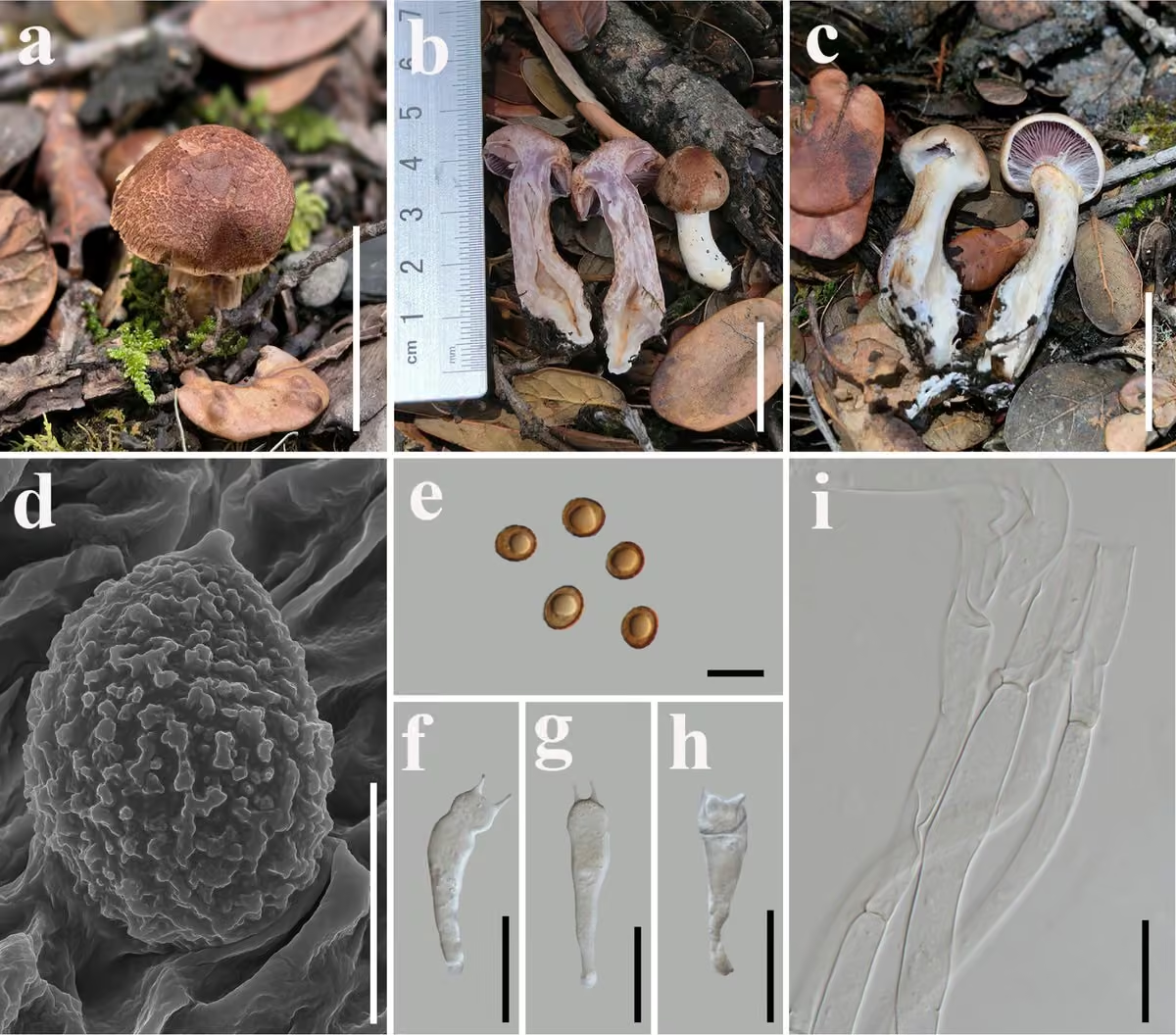
🏔️ The subalpine and alpine forests of northwestern Yunnan, China, have long been regarded as a cradle of fungal diversity - a reputation now further substantiated by the description of three new species of Cortinarius!
➡️ Read the full study: doi.org/10.3897/mycokeys.134.197559 -
MycoKeys
@MycoKeys
🌿 Soil and root samples collected from Tatra Mountains in southern Poland have yielded two new species of arbuscular mycorrhizal fungi: Durabilispora carpatica, placed within an entirely new genus, and Dominikia tatrensis.
➡️ Access the full study: doi.org/10.3897/mycokeys.134.187344 -
MycoKeys
@MycoKeys
🍄 Three new species of mushroom belonging to the genus Russula - R. purpureogrisea, R. subpallescens, and R. wuyishanensis - have been described from subtropical China, characterised by cap colourations, gill arrangements, and spore ornamentation: doi.org/10.3897/mycokeys.134.195117
-
MycoKeys
@MycoKeys
🍄 Two new species of mushroom belonging to the genus Sutorius have been discovered in Guizhou Province, China, and named Sutorius yuxiensis and Sutorius rubropurpureus, each distinguished by their purplish and reddish-brown colourations.
Read more: doi.org/10.3897/mycokeys.134.192749 -
MycoKeys
@MycoKeys
📍 The 10th Symposium of the International Association for Lichenology (IAL10) will be held in Trieste, Italy, from 26th to 31st July 2026.
👉 Find out more about the event by checking out our latest news announcement: mycokeys.pensoft.net/news/1320
#ial10
MycoKeys
@MycoKeys
-
MycoKeys
@MycoKeys
🔬 Five taxa of Tetraplosphaeriaceae have been identified from submerged woody substrates in the Nujiang River Basin, China, including two new species - Aquatisphaeria fusispora and Tetraploa nujiangensis - and one new national record: doi.org/10.3897/mycokeys.134.194692
-
MycoKeys
@MycoKeys
🔬 Two new fungal species, Leptosporomyces caeruleogriseum and Pseudoathelia fabri, have been described from south-western China.
🍄 The findings expand the known diversity of corticioid and athelioid fungi within Atheliales and Amylocorticiales: doi.org/10.3897/mycokeys.134.200816 -
MycoKeys
@MycoKeys
🔬 Five new species of the fungal genus Hygrophorus have been identified in China.
🍄 The total number of confirmed Hygrophorus taxa in China has thus been brought to 63.
➡️ Full study: doi.org/10.3897/mycokeys.134.186332 -
MycoKeys
@MycoKeys
🎉 MycoKeys has received an improved 2025 Scopus CiteScore of 4.8 and a Journal Impact Factor of 4.1, ranked Q1 across all its Scopus categories!
📈 Its JIF has risen from 3.6 to 4.1, with the journal moving from Q2 to Q1 for Mycology.
🔗 Find out more: mycokeys.pensoft.net/news/1288 -
MycoKeys
@MycoKeys
Two new species of freshwater fungi, Neohelicomyces brevis and N. wujiangensis, have been discovered in submerged decaying wood in Guizhou Province, China! 🔬
Read all about them: doi.org/10.3897/mycokeys.134.188780 -
MycoKeys
@MycoKeys
👀 Anyone watch the England vs Croatia game last night? Now it's time for the second round of Pensoft's Biodiversity Cup: Plant vs Fungi edition!
⚽ Head to @Pensoft's Instagram story and vote for the species you think deserves to win: www.instagram.com/pensoft/
#fifaworldcup2026 -
MycoKeys
@MycoKeys
🌱 A total of 69 fungal strains isolated from discarded materials were screened for their capacity to break down natural rubber, with four specific species being identified as drivers of early-stage surface deterioration.
🔬 Full study: doi.org/10.3897/mycokeys.134.195079 -
MycoKeys reposted
Pensoft
@Pensoft
We're halfway through #wbf2026 in Davos, Switzerland and the 4th World #biodiversity Forum runs until 19 June!
📚Stop by our booths to connect and explore our open-access journals: @ZooKeys @PhytoKeys @MycoKeys @ImaFungus @herpetozoa @JournalAEM @BioDataJournal and more!
(1/2) -
MycoKeys
@MycoKeys
🍄 Three new species of the small, club-shaped fungus genus Cudonia have been discovered from the mid-montane and subalpine zones of the Qinghai-Xizang Plateau in China: doi.org/10.3897/mycokeys.134.197873
-
MycoKeys
@MycoKeys
🍃 Three new species of Asterina - parasitic fungi that form black colonies on the surfaces of living leaves - have been described from Hainan Province, China.
➡️ Read more: doi.org/10.3897/mycokeys.134.196557 -
MycoKeys
@MycoKeys
Two new species of wood-decaying fungi, Phlebiopsis arundinacea and Sicyoideibasidia luteocystidia, have been discovered growing on giant reed (Arundo donax) in Guangxi, southern China.
Find out more: doi.org/10.3897/mycokeys.134.194492 -
MycoKeys
@MycoKeys
🍵 Three new fungal species have been discovered in the rhizosphere soil of tea plants in Guizhou, China.
🔬 Find out more about Arthrographis guizhouensis, Coniochaeta guizhouensis and Spiromyces sinensis: doi.org/10.3897/mycokeys.134.186271 -
MycoKeys
@MycoKeys
🍄 Four new lichen species from China have been reported, with carbonised structures found to characterise these new discoveries. A diagnostic checklist of eight related regional species was additionally compiled in the following study: doi.org/10.3897/mycokeys.133.196437
-
MycoKeys
@MycoKeys
🍄 A taxonomic revision of the Ophiocordyceps ravenelii parasitic fungus complex in south-western China was recently conducted.
🐛 One new species was described and another emended in the following study: doi.org/10.3897/mycokeys.133.192411 -
MycoKeys
@MycoKeys
Approximately 700 lichen specimens from north-western China were recently examined, with three species being newly recorded in the country and three others described as entirely new to science: doi.org/10.3897/mycokeys.133.186955
-
MycoKeys
@MycoKeys
New wood-inhabiting fungal genus from southwest China: Fissuracium, with type species F. ellipsoideum Placed in Amylocorticiaceae via multi-locus phylogenetics.
Read more: doi.org/10.3897/mycokeys.133.195561
#mycology #taxonomy -
MycoKeys
@MycoKeys
🌱 Scientists have isolated two new acremonium-like fungal species and a rare habitat record from plant root soils in Guizhou, China: doi.org/10.3897/mycokeys.133.192083
-
MycoKeys
@MycoKeys
5 strains from air and rock surfaces have revealed 2 new fungal species from Guangdong, China:
🧪 Ceratostomella guangdongensis
🪨 Pararamichloridium purpureum
See all the details here: doi.org/10.3897/mycokeys.133.194192 -
MycoKeys
@MycoKeys
Researchers have discovered 3 new mushroom species in the genus Inocybe from Southwestern China:
🍄 I. subtropicocinnamomea
🌲 I. biformis (found above 4000m!)
🍃 I. fulvobasalis
Read more: doi.org/10.3897/mycokeys.133.195707 -
MycoKeys
@MycoKeys
A new study from China isolates eight strains from the family Sympoventuriaceae, using DNA and morphology to identify three brand-new species. The find helps stabilise a complex family tree and map urban soil health. Learn more: doi.org/10.3897/mycokeys.133.197363
-
MycoKeys
@MycoKeys
🌲 Three new species of wood-decaying Dacryobolus #fungi have been discovered on pine trees in southwestern China.
➡️ Read more: doi.org/10.3897/mycokeys.133.188064
#newspecies -
MycoKeys
@MycoKeys
🍂 Four new species of Microdochium #fungi have been discovered and isolated from diseased plant leaves of Bambusoideae in Hainan, China.
➡️ Read more in our #openaccess article: doi.org/10.3897/mycokeys.133.190511
#newspecies -
MycoKeys reposted
BDJournal
@BioDataJournal
🕸️ A surprising variety of fungi was recently discovered living on spider webs in Thai rice fields, demonstrating that these silk structures can be used as natural collectors of environmental data.
➡️ Our blog post: blog.pensoft.net/2026/05/27/from-spider-silk-to-science-a…
➡️ Full study: doi.org/10.3897/BDJ.14.e187035 -
MycoKeys
@MycoKeys
🌿 That’s a wrap on the 11th Conference of the European Committee for the Conservation of Bryophytes in Cagliari!
🏆 Huge congratulations to Dr. Alberto Aleffi for winning Pensoft Publishers' Best Oral Presentation competition at the event. -
MycoKeys
@MycoKeys
🔬 Two new wood-decaying fungal species, Resupinatus tropicus and Scopuloides hainanensis, have been discovered in Hainan, China.
🍄 Full descriptions, illustrations, and genetic analyses are provided alongside updated identification keys for both genera: doi.org/10.3897/mycokeys.133.198088 -
MycoKeys
@MycoKeys
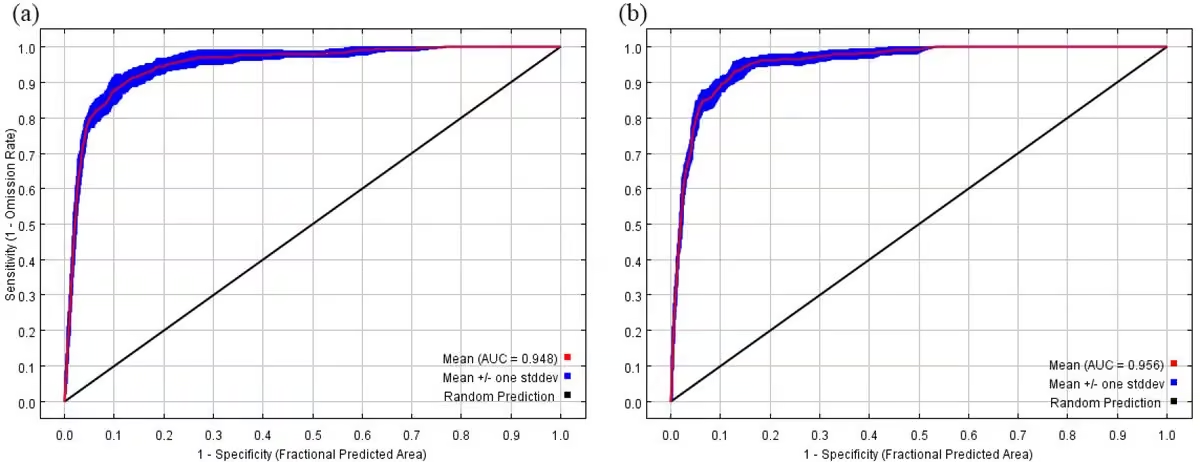
🪵 The potential habitat of Xylobolus subpileatus, a medically and ecologically valuable wood-rotting fungus, has been mapped across past, present, and future timelines using climate modelling.
➡️ Find out more: doi.org/10.3897/mycokeys.133.190063 -
MycoKeys
@MycoKeys
🍄 The long-debated merger of the mushroom genus Chamaemyces into Lepiota has been definitively confirmed!
🔬 Additionally, two new East Asian species have been identified and described in this study: doi.org/10.3897/mycokeys.133.186351 -
MycoKeys
@MycoKeys
Five new species of Trichoderma fungi have been discovered and described from decaying wood in China based on structural and molecular data.
➡️ Find out all about them: doi.org/10.3897/mycokeys.133.187172 -
MycoKeys
@MycoKeys
🍄 Three new species of wood-decaying fungi have been discovered and described from the Hainan, Guangxi, and Guizhou provinces of southern China: Distoseptispora linchunlingensis, D. xinganensis, and Kirschsteiniothelia guiyangensis.
➡️ Read more: doi.org/10.3897/mycokeys.133.194698 -
MycoKeys
@MycoKeys
🍄 Four new wood-inhabiting fungal species have been discovered and described from southwestern China.
🧬 Classification within the families Peniophoraceae and Stereaceae was confirmed after the specimens were analysed: doi.org/10.3897/mycokeys.133.193737 -
MycoKeys
@MycoKeys
🍄 A new fungal genus and species, Obovatispora polygonati, has been established after being collected from dead branches of the medicinal plant genus Polygonatum in Guizhou Province, China.
➡️ Learn all about it: doi.org/10.3897/mycokeys.132.182249 -
MycoKeys
@MycoKeys
🍄 Two new fungal species, Inosperma nonggangense and Inosperma rufobrunneum, have been described from Guangxi, China, based on detailed physical assessments and multi-locus genetic analysis.
➡️ Find out more: doi.org/10.3897/mycokeys.132.187183 -
MycoKeys
@MycoKeys
🎉 We are delighted to welcome Dr. Nimali Indeewari de Silva as a new Subject Editor!
➡️ Read more about her expertise in our latest news announcement: mycokeys.pensoft.net/news/1247 -
MycoKeys
@MycoKeys
🎋 Three new species of microfungi from the Cainiaceae family have been discovered within the bamboo forests of southern China.
🍄 Check out the full study to learn more: doi.org/10.3897/mycokeys.132.192832 -
MycoKeys
@MycoKeys
🍄 Hidden fungal diversity within Northeast China has been unveiled following the identification of seven new mushroom species across four different genera.
📖 Check out the full study to learn how this complex family tree was mapped: doi.org/10.3897/mycokeys.132.181204 -
MycoKeys
@MycoKeys
🔬 The first discovery of mushroom species from section Ochromarasmius in China has been reported.
🍄 Three new species from northern China were also identified within subsection Dumetorae: doi.org/10.3897/mycokeys.132.184211
#newspecies -
MycoKeys
@MycoKeys
🌱 A comprehensive taxonomic assessment of four key mushroom species on King George Island was conducted using an integrative systematic framework to resolve historical uncertainties amid rapid Antarctic greening.
➡️ Full study: doi.org/10.3897/mycokeys.132.191126
MycoKeys
@MycoKeys
-
MycoKeys
@MycoKeys
🎋 Three novel species of bamboo-rotting fungi, Nigrochaete albobadia, N. ellipsoidea, and N. tenuis, have been discovered in the high-altitude forests of Yunnan Province, China.
➡️ Check out the full study: doi.org/10.3897/mycokeys.132.184839 -
MycoKeys
@MycoKeys
🌲 Four new species of wood-decaying #fungi within the genus Resupinatus have been discovered and described from temperate-boreal #coniferous forests in Northeast China.
➡️ Find out all about them: doi.org/10.3897/mycokeys.132.188107 -
MycoKeys
@MycoKeys
🐛 Two novel species of insect-killing fungi, Pleurocordyceps luopingensis and Pseudometarhizium cangyuanense, have been discovered and described during field surveys in Yunnan Province, China.
➡️ Find out more about them: doi.org/10.3897/mycokeys.132.185759 -
MycoKeys
@MycoKeys
🍄 Two new mushroom species, Entoloma fucatum and Entoloma pseudobrunneosquamulosum, have been discovered from subtropical China.
📝 A replacement name, Entoloma pseudotomentosum, has also been proposed to correct a misnamed species within the genus: doi.org/10.3897/mycokeys.132.195294 -
MycoKeys
@MycoKeys
🔍 Two new saprobic species, Distoseptispora guanxiensis and D. longiconidiophora, have been identified on decaying wood in southern China.
➡️ Full study here: doi.org/10.3897/mycokeys.132.188292 -
MycoKeys
@MycoKeys
🍄 Six species of the genus Hymenogaster have been newly recorded in China.
🧪 Five brand new species are also officially described, underlining their critical role as a food source within the local ecosystem:
doi.org/10.3897/mycokeys.132.176986
MycoKeys
@MycoKeys
Image: Hymenogaster albo-ovoideus
-
MycoKeys
@MycoKeys
🌿 Four new species of Amphisphaeria fungi have been discovered on decaying branches in northern Thailand.
🌧️ They were found to be most active during the wet season, suggesting they may live hidden inside plants before transitioning to a decomposing role: doi.org/10.3897/mycokeys.132.188390
MycoKeys
@MycoKeys
-
MycoKeys
@MycoKeys
🌳 Two new species of canker-causing fungi, Cytospora chayuensis and C. sinopopuli, have been identified on poplar and willow trees in Xizang, China.
➡️ Check out the full study: doi.org/10.3897/mycokeys.132.187445 -
MycoKeys
@MycoKeys
🍄 Three new species of Helicogloea fungi from southern China have recently been illustrated and described.
🔍 Their features include a gelatinous texture of their fruit bodies.
➡️ Find out more about Helicogloea candida, H. conidiata and H. sinosebacea: doi.org/10.3897/mycokeys.132.188722 -
MycoKeys
@MycoKeys
🍄 Two new species of milkcaps, Lactarius megaplinthogalus and L. rosascens, have been discovered in the montane forests of northern Laos.
🧪 They were distinguished by their unique colour-changing sap and microscopic features!
➡️ Learn more: doi.org/10.3897/mycokeys.132.186093
@aberdeenuni -
MycoKeys
@MycoKeys
🍄 Three new species of earthstar mushrooms were discovered in the forests of China!
🧪 Traditional groupings based on how these mushrooms look were also found to be inconsistent with their genetic history.
➡️ Learn more: doi.org/10.3897/mycokeys.131.181414 -
MycoKeys
@MycoKeys
🌊 Two new fungal species, Chloridium chishuiensis and Xylolentia chishuiensis, have recently been discovered on submerged wood in China's Chishui River Basin.
➡️ Read more: doi.org/10.3897/mycokeys.131.185643 -
MycoKeys
@MycoKeys
🍄 Two previously unknown fungal species, Queiroziella pini and Robertozyma xinjiangensis, have been identified in China.
🌲 These findings broaden the documented diversity of the Cystobasidiaceae family.
➡️ Full study here: doi.org/10.3897/mycokeys.131.185583 -
MycoKeys
@MycoKeys
🎉 We are delighted to welcome Assoc. Prof. Mao-Qiang He as a new Subject Editor!
➡️ Learn more about his expertise here: mycokeys.pensoft.net/news/1206 -
MycoKeys
@MycoKeys
🌿 The 11th Conference of the European Committee for the Conservation of Bryophytes is scheduled to be held at the Botanical Garden of Cagliari, Sardinia, from May 19 to 22, 2026.
➡️ Latest announcement: mycokeys.pensoft.net/news/1197
➡️ Conference website: www.eccbmeeting.cagliari.it -
MycoKeys
@MycoKeys
Two new species of wood-dwelling fungi were discovered in the high-altitude forests of China’s Yunnan Province: Gloeopeniophorella luteola and Scytinostroma tenuissimum. 🍄
Read all about them: doi.org/10.3897/mycokeys.131.192179 -
MycoKeys
@MycoKeys
The discovery of two new gelatinous fungus species, Pseudohydnum fusiformis and P. rhododendri, has been documented in China.
Additionally, a new regional record for P. umbrosum was established, in the following study: doi.org/10.3897/mycokeys.131.189424 -
MycoKeys
@MycoKeys
Two new species of Tricholomopsis, T. roseorubra and T. cortinata, are described based on morphological characteristics and phylogenetic analyses.
Find out more: doi.org/10.3897/mycokeys.131.185587 -
MycoKeys
@MycoKeys
🕷️ In the forests of Brazil and Southeast Asia, scientists have uncovered a macabre world of zombie fungi that hijack, mummify, and consume spiders from the inside out.
🔗 Learn more about these discoveries by checking out our latest blog post: blog.pensoft.net/2026/04/23/inside-the-hidden-world-of-sp… -
MycoKeys
@MycoKeys
🍄 Two new fungal species were unearthed in Thailand's prehistoric Phi Man Long Long Rak Cave during a recent scientific exploration.
➡️ Check out the full study for descriptions, illustrations and a phylogenetic tree of the cave fungi identified: doi.org/10.3897/mycokeys.131.188256 -
MycoKeys
@MycoKeys
🍄 Researchers exploring the tropical streams of Hainan, China, have identified two new fungal species, Neohelicomyces baochengensis and N. xiangshuiensis, found thriving on decaying wood.
➡️ See the full study: doi.org/10.3897/mycokeys.131.180862 -
MycoKeys
@MycoKeys
Two new fungal species were recently discovered inhabiting cultivated plants within the unique environment of a horticultural garden in Kunming, China.
Read more here: mycokeys.pensoft.net/article/185896/ -
MycoKeys
@MycoKeys
New study from Fazao-Malfakassa National Park, Togo - the last refuge for threatened primates in the country - found 12 species, including the endangered Colobus vellerosus and a now locally extinct chimpanzee subspecies. doi.org/10.3897/zookeys.1276.169771
-
MycoKeys
@MycoKeys
Two new species of fungi have been discovered on plants in the high-altitude region of Xizang, China: Sporocadus bomiensis and Sp. prunicola.
Read the full study: doi.org/10.3897/mycokeys.131.187025 -
MycoKeys
@MycoKeys
🍄 A comprehensive checklist of 55 fungal species of the family Inocybaceae has been compiled for Pakistan, with two new species discovered.
➡️ Read more: doi.org/10.3897/mycokeys.131.179438
#newspecies #mycology -
MycoKeys
@MycoKeys
Two new species of fungi, Pleopunctum xizangense and Pseudolophiostoma yunnanense, have been discovered in southwestern China.
The following study also provides the first look at the asexual state of the Pseudolophiostoma genus: doi.org/10.3897/mycokeys.131.175264 -
MycoKeys
@MycoKeys
Three new species of microfungi have been identified in southern China. These new members of the Chaetosphaeriaceae family are distinguished by their spore-producing forms!
Learn all about them: doi.org/10.3897/mycokeys.131.187694 -
MycoKeys
@MycoKeys
A new family of freshwater fungi - Platytrachelaceae - has been discovered in southwestern China through an analysis of decaying wood found in plateua lakes and rivers.
Read the full study: doi.org/10.3897/mycokeys.128.180553 -
MycoKeys
@MycoKeys
🎉 We are delighted to welcome Dr. Xing-Guo Tian as a new subject editor.
Learn more about his expertise here: mycokeys.pensoft.net/news/1179 -
MycoKeys
@MycoKeys
A fungal survey in northern Iran has revealed two new Hypoxylon species and four new country records, identified through molecular phylogenetic and morphological analysis.
Learn more about them here: doi.org/10.3897/mycokeys.131.186541 -
MycoKeys
@MycoKeys
Check out these two newly discovered mushroom species from China: Gymnopus fuscostipes and Pseudomarasmius brunneodiscus.
Both produce unique black, root-like structures called rhizomorphs and feature distinct brownish caps: doi.org/10.3897/mycokeys.131.184214 -
MycoKeys
@MycoKeys
Researchers in Thailand examined diseased leaves of Nypa fruticans, a true mangrove palm, and found four fungal species - including two previously unknown to science: Brunswickiella nypae and Pestalotiopsis nypae. Read more about them: doi.org/10.3897/mycokeys.130.175665
-
MycoKeys
@MycoKeys
☕️🍄 Grab a cup of #coffee and check out one of our latest articles covered in The Microbiologist by @AMIposts where Linda Stewart dives into the discovery of two new #fungi found on the dead branches of coffee #plants ⤵️
www.the-microbiologist.com/news/microscopic-coils-and-cof…
MycoKeys
@MycoKeys
Or check out the full study published in our open-access journal here ⤵️
doi.org/10.3897/mycokeys.127.173937
#coffee #fungi #newspecies #plants -
MycoKeys
@MycoKeys
Two new #fungal #species - Dothiorella fusiformis and D. swieteniae - have been identified in Yunnan, China, expanding our understanding of Botryosphaeriaceae diversity and their #ecological roles in #=plant-associated #environments: doi.org/10.3897/mycokeys.130.183564
#taxonomy #morphology -
MycoKeys
@MycoKeys
☕🪴 #coffee #plants are highly susceptible to colonisation by diverse #fungi.
Two new fungal species have been discovered in Yunnan, China, flourishing on the dead branches of coffee plants: Neohelicomyces coffeae and Neohelicomyces puerensis 👇
doi.org/10.3897/mycokeys.127.173937
MycoKeys
@MycoKeys
Check out our @Pensoft's latest blog to find out more: blog.pensoft.net/2026/04/02/microscopic-coils-and-coffee-…
#fungi #coffee #plants #newspecies -
MycoKeys
@MycoKeys
A new #genus of wood-inhabiting #fungi, Cystidichaete, has been discovered in southwest China.
The new genus has been identified through both #morphological and #molecular evidence: doi.org/10.3897/mycokeys.130.169753 -
MycoKeys
@MycoKeys
🍄 MycoRise Up! Youth in #mycology - 7th edition!
📍 Chęciny, Poland
📅 5-7 June 2026
⌛️Abstract deadline: 7 April 2026
Open to bachelor's, master's & PhD students working on #fungi & fungi-like organisms.
Full details here: imafungus.pensoft.net/news/1156 -
MycoKeys
@MycoKeys
3 new species of webcap #fungi #cortinarius have been described from Yunnan Province, China. Read all about 𝘊. 𝘮𝘶𝘤𝘰𝘣𝘳𝘶𝘯𝘯𝘦𝘶𝘴, 𝘊. 𝘳𝘶𝘨𝘰𝘴𝘪𝘷𝘪𝘴𝘤𝘪𝘥𝘶𝘴, and 𝘊. 𝘴𝘢𝘭𝘰𝘳𝘰𝘪𝘥𝘦𝘴 and their distinctive characteristics here ⤵️
doi.org/10.3897/mycokeys.130.170601 -
MycoKeys
@MycoKeys
New field surveys in China's Guizhou and Hainan provinces uncovered two #newspecies of basidiomycetous #yeasts (genus) Sugitazyma on #plant leaves: 𝘚. 𝘱𝘰𝘭𝘭𝘪𝘢𝘦 and 𝘚. 𝘱𝘪𝘯𝘨𝘵𝘢𝘯𝘨𝘦𝘯𝘴𝘪𝘴.
See more here: doi.org/10.3897/mycokeys.130.182019 -
MycoKeys
@MycoKeys
Multi-gene #phylogenetic analysis reveals two #newspecies of #freshwater #fungi - 𝘈𝘤𝘳𝘰𝘨𝘦𝘯𝘰𝘴𝘱𝘰𝘳𝘢 𝘣𝘢𝘮𝘣𝘶𝘴𝘢𝘦 and 𝘈. 𝘭𝘪𝘨𝘯𝘪𝘤𝘰𝘭𝘢.
See the study for more details on their morphological descriptions and phylogenetic placement 👇
doi.org/10.3897/mycokeys.130.182237 -
MycoKeys
@MycoKeys
🍄Three new wood inhabiting #fungi of the #genuus Picipes have recently been proposed from China, based on their #morphological features and #molecular evidence.
These findings contribute to knowledge of the #diversity of Chinese #macrofungi 👇ndoi.org/10.3897/mycokeys.130.183848 -
MycoKeys
@MycoKeys
During a comprehensive survey of #macrofungi in southwestern China, researchers identified three #newspecies within the #genus Cortinarius.
You can find out more about these findings by accessing the original #study: doi.org/10.3897/mycokeys.130.183563 -
MycoKeys
@MycoKeys
Four new species of leaf-dwelling yeasts are described from China, including an entirely new genus named Lumyongozyma.
These findings reveal that this group of colorful fungi is far more diverse and geographically widespread than previously known: doi.org/10.3897/mycokeys.130.183686 -
MycoKeys
@MycoKeys
Two new types of wood-decaying fungi have been identified in China, including a unique genus called Bambusiporia that grows specifically on dead bamboo. 🪵🍄🟫
Check out the full study: doi.org/10.3897/mycokeys.130.183355
#fungi #mycology -
MycoKeys
@MycoKeys
Recent #taxonomic research has officially identified two new species of #entomopathogenic (insect-pathogenic) fungi: 𝘗𝘭𝘦𝘶𝘳𝘰𝘤𝘰𝘳𝘥𝘺𝘤𝘦𝘱𝘴 𝘭𝘰𝘯𝘨𝘪𝘱𝘩𝘪𝘢𝘭𝘪𝘴 and 𝘚𝘢𝘮𝘴𝘰𝘯𝘪𝘦𝘭𝘭𝘢 𝘢𝘨𝘨𝘦𝘴𝘵𝘪𝘵𝘦𝘯𝘶𝘪𝘱𝘦𝘴: doi.org/10.3897/mycokeys.127.176090
-
MycoKeys
@MycoKeys
A new study reveals two new wood-decaying #fungal species in China based on #morphological characteristics and multi-marker #phylogenetic analyses: 𝘊𝘰𝘭𝘵𝘳𝘪𝘤𝘪𝘢 𝘴𝘶𝘣𝘱𝘶𝘴𝘪𝘭𝘭𝘢 and 𝘚𝘪𝘥𝘦𝘳𝘢 𝘱𝘪𝘯𝘪.
🔎Learn more here: doi.org/10.3897/mycokeys.127.173104
#fungi #newspecies -
MycoKeys
@MycoKeys
Celebrating excellence in #mycology! 🍄 MycoKeys is honoring the authors of our most impactful 2022 #research #articles and our top editors of 2025!
A big thank you to our community of readers, #scientists and editors!
🔗mycokeys.pensoft.net/news/1083 -
MycoKeys
@MycoKeys
Two new species of #fungus belonging to the genus 𝘕𝘪𝘦𝘴𝘴𝘭𝘪𝘢 have been identified in China - 𝘕𝘪𝘦𝘴𝘴𝘭𝘪𝘢 𝘤𝘶𝘳𝘷𝘪𝘴𝘱𝘰𝘳𝘢 and 𝘕𝘪𝘦𝘴𝘴𝘭𝘪𝘢 𝘴𝘩𝘢𝘯𝘹𝘪𝘦𝘯𝘴𝘪𝘴.
Check them out: doi.org/10.3897/mycokeys.127.175675 -
MycoKeys
@MycoKeys
A new study developed and tested mycobiont-specific primers for four #genetic markers in forage #lichens of the 𝘊𝘭𝘢𝘥𝘰𝘯𝘪𝘢 genus, enabling robust #molecular identification and advancing #evolutionary #research.
➡️ doi.org/10.3897/mycokeys.127.167091 -
MycoKeys
@MycoKeys
The @IMA_Mycology is raising funds to support #fungal scientists from low-income countries to attend the quadrennial IMC 2027 in South Korea.
🥼Support the #scientists here: gofund.me/2a42629f1
📣Repost and reshare to spread the word!
📖mycokeys.pensoft.net/news/1070 -
MycoKeys
@MycoKeys
This study proposes a new #fungal #genus, 𝘚𝘱𝘰𝘯𝘨𝘰𝘪𝘥𝘦𝘴 and describes two new species of wood-inhabiting #fungi: 𝘗𝘦𝘯𝘪𝘰𝘱𝘩𝘰𝘳𝘦𝘭𝘭𝘢 𝘴𝘶𝘣𝘢𝘭𝘣𝘰𝘩𝘺𝘮𝘦𝘯𝘪𝘢 and 𝘚𝘱𝘰𝘯𝘨𝘰𝘪𝘥𝘦𝘴 𝘧𝘪𝘴𝘴𝘶𝘳𝘢𝘵𝘢 in southeast China.
👉 doi.org/10.3897/mycokeys.127.171179 -
MycoKeys
@MycoKeys
🔬Registrations and abstract submissions for the XII Latin American Mycology Congress in Quito, Ecuador (2026) are now open! 👇
🔗mycokeys.pensoft.net/news/1069 -
MycoKeys
@MycoKeys
A heartfelt thank you to all our readers, authors, editors, and reviewers!
🍄2025 was a wonderful year for MycoKeys, and we’re excited to see what 2026 will bring.
#pensoft2025review -
MycoKeys
@MycoKeys
Exciting news from MycoKeys! Our #openaccess journal is growing, welcoming 16 new subject editors in 2025.
🍄A heartfelt thank you to each of them - we’re grateful for your expertise and excited for the collaborations ahead!
🔗mycokeys.pensoft.net/news/1063 -
MycoKeys
@MycoKeys
New discovery in Thai #mangroves! Scientists isolated two new #𝘗𝘦𝘯𝘪𝘤𝘪𝘭𝘭𝘪𝘶𝘮 #species (𝘗. 𝘤𝘩𝘢𝘯𝘵𝘩𝘢𝘣𝘶𝘳𝘪𝘦𝘯𝘴𝘦 and 𝘗. 𝘣𝘶𝘳𝘢𝘯𝘢𝘬𝘢𝘳𝘭𝘪𝘢𝘯𝘶𝘮) from sediments in Chanthaburi Province. ➡ doi.org/10.3897/mycokeys.126.172211
-
MycoKeys
@MycoKeys
MycoKeys wishes you a fantastically fungal festive season!
-
MycoKeys
@MycoKeys
New findings into the diversity of ascomycete #fungi (genus 𝘊𝘺𝘵𝘰𝘴𝘱𝘰𝘳𝘢) linked with tree canker and dieback diseases, as well as their distribution among #plant species in China. New species of the same genus was identified - Cryptosora hebeiensis. doi.org/10.3897/mycokeys.126.175474
-
MycoKeys
@MycoKeys
Two new #yeast species discovered in a high-altitude lake - 𝘔𝘪𝘤𝘳𝘰𝘣𝘰𝘵𝘳𝘺𝘰𝘻𝘺𝘮𝘢 𝘭𝘢𝘤𝘶𝘴𝘵𝘳𝘪𝘴 and 𝘊𝘺𝘣𝘦𝘳𝘭𝘪𝘯𝘥𝘯𝘦𝘳𝘢 𝘣𝘢𝘴𝘶𝘮𝘵𝘴𝘰𝘦𝘯𝘴𝘪𝘴
Check out the full study here: doi.org/10.3897/mycokeys.126.173807
#newspecies -
MycoKeys
@MycoKeys
Two new species of #epiphytic #yeasts associated with #plants of the genus 𝘗𝘢𝘱𝘪𝘭𝘪𝘰𝘵𝘳𝘦𝘮𝘢 have been described in China: 𝘗𝘢𝘱𝘪𝘭𝘪𝘰𝘵𝘳𝘦𝘮𝘢 𝘮𝘪𝘭𝘭𝘦𝘵𝘵𝘪𝘢𝘦 and 𝘗. 𝘮𝘶𝘴𝘴𝘢𝘦𝘯𝘥𝘢𝘦.
doi.org/10.3897/mycokeys.126.163715
#taxonomy #research -
MycoKeys
@MycoKeys
A new study using four genetic loci alongside morphological analyses has identified and described four previously unknown #fungal #species → doi.org/10.3897/mycokeys.126.173807
#newspecies #yeast -
MycoKeys
@MycoKeys
A new species is described and illustrated as researchers analyse the taxonomy and phylogeny of the 𝑃𝑙𝑒𝑢𝑟𝑜𝑡𝑢𝑠 𝑑𝑗𝑎𝑚𝑜𝑟 complex.
🔗 doi.org/10.3897/mycokeys.126.162530 -
MycoKeys
@MycoKeys
Researchers have compiled the first fungal checklist for Honduras, resulting in a dataset containing 1365 species across 4011 records.
🔗 doi.org/10.3897/mycokeys.126.169230 -
MycoKeys
@MycoKeys
The Asian Mycological Congress 2025 in Guangzhou, China, was a fantastic event that brought together more than 400 participants.
mycokeys.pensoft.net/news/1049 -
MycoKeys
@MycoKeys
Researchers present two new species of 𝑁𝑒𝑜ℎ𝑒𝑙𝑖𝑐𝑜𝑚𝑦𝑐𝑒𝑠 from tropical rainforests in Hainan Province, China.
doi.org/10.3897/mycokeys.126.174186 -
MycoKeys
@MycoKeys
Following a survey of helicosporous hyphomycetes in Hainan Province, China, two novel species are introduced with descriptions, illustrations and phylogenetic analyses.
🔗 doi.org/10.3897/mycokeys.126.174148 -
MycoKeys
@MycoKeys
Two new lichen species, 𝐶𝑜𝑟𝑎 𝑛𝑒𝑜𝑝𝑎𝑟𝑎𝑏𝑜𝑣𝑒𝑖 and 𝐶. 𝑛𝑒𝑜𝑝𝑠𝑒𝑢𝑑𝑜𝑏𝑜𝑣𝑒𝑖 are described based on material collected in Bolivia.
🔗 doi.org/10.3897/mycokeys.126.165395 -
MycoKeys
@MycoKeys
Two new species of 𝐸𝑛𝑡𝑜𝑙𝑜𝑚𝑎 subg. 𝐶𝑦𝑎𝑛𝑢𝑙𝑎 are described from subtropical regions of China based on morphological and phylogenetic evidence.
🔗 doi.org/10.3897/mycokeys.126.173472 -
MycoKeys reposted
PhytoKeys
@PhytoKeys
Researchers in Malaysia have discovered an incredible new endemic ‘fairy lantern’ species with fewer than 20 individuals known to exist in the wild.
🔗 Learn all about it on the @Pensoft blog: blog.pensoft.net/2025/12/02/new-critically-endangered-fai… -
MycoKeys
@MycoKeys
Researchers describe three new species of 𝑂𝑐ℎ𝑟𝑜𝑙𝑒𝑐ℎ𝑖𝑎 from Guizhou Province, China.
🔗 doi.org/10.3897/mycokeys.126.168652 -
MycoKeys
@MycoKeys
Three new microfungi species associated with 𝑃𝑢𝑒𝑟𝑎𝑟𝑖𝑎 have been identified through morphological and phylogenetic analyses from Xizang Autonomous Region, China.
doi.org/10.3897/mycokeys.125.174645 -
MycoKeys
@MycoKeys
An investigation into the taxonomic identity of Leiwan, a traditional medicinal fungus used in Chinese herbal medicine, finds that it originates from multi-evolutionary lineages represented by at least three species.
🔗 doi.org/10.3897/mycokeys.125.164001 -
MycoKeys
@MycoKeys
Two new 𝑃𝑒𝑟𝑖𝑐𝑜𝑛𝑖𝑎 species are described from China as researchers highlight the role of unique habitats in driving fungal diversity.
🔗 doi.org/10.3897/mycokeys.125.173913 -
MycoKeys
@MycoKeys
A new species is described as researchers explore the diversity of 𝑃𝑒𝑛𝑖𝑐𝑖𝑙𝑙𝑖𝑢𝑚 and 𝑇𝑎𝑙𝑎𝑟𝑜𝑚𝑦𝑐𝑒𝑠 species isolated from the respiratory tracts of cystic fibrosis patients.
🔗 doi.org/10.3897/mycokeys.125.168897 -
MycoKeys
@MycoKeys
Five new species of 𝐶𝑢𝑟𝑣𝑢𝑙𝑎𝑟𝑖𝑎 have been isolated from leaf spots of turfgrasses in Jiangsu Province, China.
🔗 doi.org/10.3897/mycokeys.125.168614 -
MycoKeys
@MycoKeys
From rhizosphere soils in Yunnan and Xizang, four new Mortierellaceae species expand this ecologically and biotechnologically important family to 158 known species worldwide.
doi.org/10.3897/mycokeys.125.168474 -
MycoKeys
@MycoKeys
Eight new species have been discovered as part of a study on approximately 500 specimens of 𝐿𝑜𝑏𝑜𝑡ℎ𝑎𝑙𝑙𝑖𝑎 collected in China.
🔗 doi.org/10.3897/mycokeys.125.173554 -
MycoKeys
@MycoKeys
Researchers reveal new species and records of Diaporthales from Xinjiang Uygur Autonomous Region, China, using morphology and molecular phylogeny.
doi.org/10.3897/mycokeys.125.169956 -
MycoKeys
@MycoKeys
Morphological and multigene phylogenetic analyses have revealed three new species of 𝐹𝑢𝑠𝑐𝑜𝑝𝑜𝑟𝑖𝑎 from southern India.
🔗 doi.org/10.3897/mycokeys.125.168173 -
MycoKeys
@MycoKeys
A survey of microflora associated with dead plant substrates in coastal regions of Guangdong Province, China, has revealed two new species and three new host reports.
doi.org/10.3897/mycokeys.125.171612 -
MycoKeys
@MycoKeys
Two new species of 𝑃𝑒𝑠𝑡𝑎𝑙𝑜𝑡𝑖𝑜𝑝𝑠𝑖𝑠 causing needle blight of 𝑃𝑖𝑛𝑢𝑠 𝑚𝑎𝑠𝑠𝑜𝑛𝑖𝑎𝑛𝑎 have been discovered in China.
🔗 doi.org/10.3897/mycokeys.125.168320 -
MycoKeys
@MycoKeys
This study introduces six new 𝐴𝑚𝑝ℎ𝑖𝑠𝑝ℎ𝑎𝑒𝑟𝑖𝑎 species, discovered on dead twigs in northern Thailand, based on a morpho-phylogenetic approach.
doi.org/10.3897/mycokeys.125.163523
MycoKeys
@MycoKeys
Part of: Exploring the Hidden Fungal Diversity: Biodiversity, Taxonomy, and Phylogeny of Saprobic Fungi.
doi.org/10.3897/mycokeys.coll.254 -
MycoKeys
@MycoKeys
Two new species within the family Chionosphaeraceae are described and illustrated from China.
🔗 doi.org/10.3897/mycokeys.125.167837 -
MycoKeys
@MycoKeys
Two new species, 𝐿𝑒𝑢𝑐𝑜𝑎𝑔𝑎𝑟𝑖𝑐𝑢𝑠 𝑏𝑎𝑖𝑙𝑎𝑛𝑔𝑠ℎ𝑎𝑛𝑒𝑛𝑠𝑖𝑠 and 𝐿𝑒𝑢𝑐𝑜𝑐𝑜𝑝𝑟𝑖𝑛𝑢𝑠 𝑓𝑒𝑟𝑟𝑢𝑔𝑖𝑛𝑒𝑢𝑠, are described and illustrated from China.
🔗 doi.org/10.3897/mycokeys.125.160410
MycoKeys
@MycoKeys
Part of: Exploring the Hidden Fungal Diversity: Biodiversity, Taxonomy, and Phylogeny of Saprobic Fungi.
doi.org/10.3897/mycokeys.coll.254 -
MycoKeys
@MycoKeys
Researchers describe three new species of 𝑀𝑦𝑐𝑒𝑛𝑎 sect. 𝐶𝑎𝑙𝑜𝑑𝑜𝑛𝑡𝑒𝑠 from northeastern China.
🔗 doi.org/10.3897/mycokeys.125.169722 -
MycoKeys
@MycoKeys
Researchers assembled and compared the first mitochondrial genomes of 𝐺𝑜𝑚𝑝ℎ𝑢𝑠 specimens, described a new species, and provided new insights into the evolutionary dynamics and taxonomy of the Gomphaceae family.
🔗 doi.org/10.3897/mycokeys.124.158670 -
MycoKeys
@MycoKeys
Four new species of 𝐸𝑛𝑡𝑜𝑙𝑜𝑚𝑎 subgen. 𝐶𝑢𝑏𝑜𝑠𝑝𝑜𝑟𝑎 are described from Yunnan Province, China.
🔗 doi.org/10.3897/mycokeys.124.171541 -
MycoKeys
@MycoKeys
Researchers describe two new species and one new record of the family Strophariaceae in China.
🔗 doi.org/10.3897/mycokeys.124.166503 -
MycoKeys
@MycoKeys
From November 23 to 26, the Asian Mycology Congress will be held in Guangzhou, China. @Pensoft will sponsor the Young Asian Mycologist Prize, which awards the winner a free publication in MycoKeys or IMA Fungus.
mycokeys.pensoft.net/news/1028 -
MycoKeys reposted
Pensoft
@Pensoft
Come to the Pensoft stand at the Kliments' Days 2025 in Sofia, Bulgaria! Our Marketing and Sales manager @kolesnikova_ma is there to welcome you and tell you all about our open-access journals in biodiversity sciences!
-
MycoKeys
@MycoKeys
Two new species and two new combinations the genus 𝑁𝑒𝑜𝑏𝑎𝑟𝑦𝑜𝑝𝑠𝑖𝑠 are proposed based on morphological and molecular data.
🔗 doi.org/10.3897/mycokeys.124.169315 -
MycoKeys
@MycoKeys
Two new genera and recombinations in Archaeosporaceae, Glomeromycota: meet the 'rediscovered' 𝐴𝑛𝑡𝑖𝑞𝑢𝑖𝑠𝑝𝑜𝑟𝑎 𝑑𝑖𝑠𝑠𝑒𝑚𝑖𝑛𝑎𝑛𝑠.
🔗 doi.org/10.3897/mycokeys.124.166449 -
MycoKeys reposted
Pensoft
@Pensoft
We had a fantastic time at the #iucncongress in Abu Dhabi! Read all about the event and Pensoft's involvement in our latest blog post: blog.pensoft.net/2025/11/04/pensoft-showcases-open-scienc…
-
MycoKeys
@MycoKeys
Four new species of 𝑇𝑟𝑖𝑐ℎ𝑜𝑑𝑒𝑟𝑚𝑎 have been discovered in the staple food bamboo species of giant pandas.
doi.org/10.3897/mycokeys.124.163233 -
MycoKeys
@MycoKeys
Two species of 𝐴𝑠𝑝𝑒𝑟𝑔𝑖𝑙𝑙𝑢𝑠 isolated from soil samples in China have been identified as new to science based on sequence analyses and morphological comparisons.
🔗 doi.org/10.3897/mycokeys.124.172775 -
MycoKeys reposted
MycoKeys
@MycoKeys
Using long-read sequences, DNA-based taxonomy, and phylogenetics, researchers described species and higher taxa of the most common previously unrecognised fungal lineages.
Read more on the @Pensoft blog: blog.pensoft.net/2025/10/22/shining-a-light-on-dark-taxa-… -
MycoKeys
@MycoKeys
Based on morphology and molecular data, sixteen new species are described as part of a study on the taxonomy of Protoblastenia in Finland.
🔗 doi.org/10.3897/mycokeys.124.162802 -
MycoKeys
@MycoKeys
Morphological and phylogenetic analyses reveal two new species of 𝐶𝑎𝑚𝑝𝑜𝑟𝑒𝑠𝑖𝑜𝑚𝑦𝑐𝑒𝑠 from terrestrial habitats in China: doi.org/10.3897/mycokeys.124.168385
-
MycoKeys
@MycoKeys
Researchers describe two new 𝐻𝑒𝑙𝑖𝑐𝑜𝑠𝑝𝑜𝑟𝑖𝑢𝑚 species from southern China based on morphological and molecular evidence.
🔗 doi.org/10.3897/mycokeys.124.168933 -
MycoKeys
@MycoKeys
Four new species of Chalciporoideae have been described as part of a morphological and molecular study of the subfamily in China.
🔗 doi.org/10.3897/mycokeys.124.165901 -
MycoKeys
@MycoKeys
Using long-read sequences, DNA-based taxonomy, and phylogenetics, researchers described species and higher taxa of the most common previously unrecognised fungal lineages.
Read more on the @Pensoft blog: blog.pensoft.net/2025/10/22/shining-a-light-on-dark-taxa-…
MycoKeys
@MycoKeys
Read the research paper here: doi.org/10.3897/mycokeys.124.161674
-
MycoKeys
@MycoKeys
Three new arthropod-associated species of 𝐻𝑦𝑝𝑜𝑐𝑟𝑒𝑎𝑙𝑒𝑠 have been discovered in karst habitats in Guizhou, China.
doi.org/10.3897/mycokeys.123.164334 -
MycoKeys
@MycoKeys
Researchers present new species and records of ascomycetes from cypress in Beijing, China.
doi.org/10.3897/mycokeys.123.165848 -
MycoKeys
@MycoKeys
Two new species of 𝐷𝑎𝑙𝑑𝑖𝑛𝑖𝑎 discovered on diseased leaves in China reveal the surprising diversity and global host range spanning 56 plant families across 31 countries.
🔗 doi.org/10.3897/mycokeys.123.160960
MycoKeys
@MycoKeys
Part of: Exploring the Hidden Fungal Diversity: Biodiversity, Taxonomy, and Phylogeny of Saprobic Fungi
doi.org/10.3897/mycokeys.coll.254 -
MycoKeys
@MycoKeys
Four new species of 𝑃ℎ𝑦𝑙𝑙𝑜𝑧𝑦𝑚𝑎 – including one that does not form ballistoconidium – are described from plant leaves as part of an investigation into yeast diversity in China.
doi.org/10.3897/mycokeys.123.161540 -
MycoKeys
@MycoKeys
Two new species and two new host records of 𝐷𝑖𝑎𝑝𝑜𝑟𝑡ℎ𝑒 are presented from 𝑃ℎ𝑒𝑙𝑙𝑜𝑑𝑒𝑛𝑑𝑟𝑜𝑛 𝑐ℎ𝑖𝑛𝑒𝑛𝑠𝑒 in Sichuan, China.
🔗 doi.org/10.3897/mycokeys.123.1628661 -
MycoKeys
@MycoKeys
Two new species of 𝐿𝑒𝑝𝑖𝑜𝑡𝑎 are described and illustrated from southwestern China.
🔗 doi.org/10.3897/mycokeys.123.163999 -
MycoKeys
@MycoKeys
Researchers introduce a new family, Xenosporidesmiaceae, describing a novel genus and a new species based on morphological and phylogenetic analyses.
🔗 doi.org/10.3897/mycokeys.123.164006 -
MycoKeys
@MycoKeys
Researchers present three new species and two new records of the genus 𝐿𝑎𝑐𝑐𝑎𝑟𝑖𝑎 from subtropical China based on morphological and multi-locus phylogenetic evidence.
🔗 doi.org/10.3897/mycokeys.123.156526 -
MycoKeys
@MycoKeys
Researchers propose two new ophiostomatalean species associated with ambrosia and bark beetles in Norway and Poland.
🔗doi.org/10.3897/mycokeys.123.155588 -
MycoKeys
@MycoKeys
Morphological and phylogenetic analyses have revealed two new 𝑅ℎ𝑜𝑑𝑜𝑣𝑒𝑟𝑜𝑛𝑎𝑒𝑎 species from China.
🔗 doi.org/10.3897/mycokeys.123.167930 -
MycoKeys
@MycoKeys
Five 𝐸𝑛𝑡𝑜𝑙𝑜𝑚𝑎 species, including one new to science, are described from Qilian Mountain in China.
🔗 doi.org/10.3897/mycokeys.123.162577 -
MycoKeys
@MycoKeys
Great to see MycoKeys reviewer Jonathan Cazabonne at the Pensoft booth. If you are at the #iucncongress in Abu Dhabi, head to booth 229 to say hello!
-
MycoKeys
@MycoKeys
Three new species and one new record of 𝑆𝑐𝑙𝑒𝑟𝑜𝑑𝑒𝑟𝑚𝑎 are described from northern Thailand.
🔗 doi.org/10.3897/mycokeys.123.160438 -
MycoKeys reposted
Pensoft
@Pensoft
#iucncongress day 2 is underway! Find us at 𝐛𝐨𝐨𝐭𝐡 𝟐𝟐𝟗.
IUCN
@IUCN
📢 Day 2 of #iucncongress begins in Abu Dhabi!
🔴 Today’s highlight: the latest update of the IUCN Red List of Threatened Species™ — the global standard for assessing extinction risk. @IUCNRedList
🏅 Tonight: the WCPA Awards Ceremony, celebrating conservation leadership. @IUCN_PA
🌿 Plus: the launch of the updated Global Standard for Nature-based Solutions™ and key high-level dialogues.
🔗 Programme: iucncongress2025.org/programme
#iucncongress #wcpa #nbs #redlist -
MycoKeys
@MycoKeys
Introducing a new, upcoming special issue: Proceedings of the 10th International Conference of the International Association for Lichenology.
🔗 mycokeys.pensoft.net/news/998
@IAL_Lichenology -
MycoKeys
@MycoKeys
Registration is now open for the 10th Symposium of the International Association for Lichenology, which will be held in Trieste, Italy, from July 26 to 31, 2026.
🔗 mycokeys.pensoft.net/news/996
@IAL_Lichenology -
MycoKeys
@MycoKeys
Researchers discovered a new fungal genus, 𝐶ℎ𝑙𝑎𝑚𝑦𝑑𝑜𝑠𝑝𝑜𝑟𝑜𝑖𝑑𝑒𝑠, and two new species in China, expanding the diversity of Wiesneriomycetaceae.
doi.org/10.3897/mycokeys.123.167204 -
MycoKeys
@MycoKeys
Researchers propose a new species of 𝐶𝑙𝑎𝑑𝑜𝑠𝑝𝑜𝑟𝑖𝑢𝑚 and two new species of 𝑆𝑎𝑟𝑜𝑐𝑙𝑎𝑑𝑖𝑢𝑚 based on fungal strains isolated from palm species in Yunnan Province, China.
doi.org/10.3897/mycokeys.123.165471 -
MycoKeys
@MycoKeys
As part of an ongoing survey of terrestrial plant fungi in southern China, researchers present two new species and three new records of Beltraniaceae.
doi.org/10.3897/mycokeys.123.160374 -
MycoKeys
@MycoKeys
Researchers present a new species and six new records of 𝐶𝑜𝑙𝑙𝑒𝑡𝑜𝑡𝑟𝑖𝑐ℎ𝑢𝑚 from southwestern China.
🔗 doi.org/10.3897/mycokeys.122.161122
MycoKeys
@MycoKeys
Part of: Exploring the Hidden Fungal Diversity: Biodiversity, Taxonomy, and Phylogeny of Saprobic Fungi.
doi.org/10.3897/mycokeys.122.161091 -
MycoKeys
@MycoKeys
Researchers present two new species of 𝐶𝑜𝑙𝑙𝑒𝑡𝑜𝑡𝑟𝑖𝑐ℎ𝑢𝑚 and a new host record for 𝐶𝑜𝑙𝑙𝑒𝑡𝑜𝑡𝑟𝑖𝑐ℎ𝑢𝑚 𝑘𝑎𝑟𝑠𝑡𝑖 from southwestern China.
🔗 doi.org/10.3897/mycokeys.122.161091
MycoKeys
@MycoKeys
Part of: Exploring the Hidden Fungal Diversity: Biodiversity, Taxonomy, and Phylogeny of Saprobic Fungi.
doi.org/10.3897/mycokeys.122.161091 -
MycoKeys
@MycoKeys
In China, a new genus and species in Pleurotheciaceae have been revealed through morphological and multi-gene phylogenetic analyses.
doi.org/10.3897/mycokeys.122.164540 -
MycoKeys
@MycoKeys
Two new species of 𝑁𝑖𝑔𝑟𝑜𝑝𝑢𝑛𝑐𝑡𝑎𝑡𝑎 and the first report of sexual morph of 𝑀𝑒𝑙𝑎𝑛𝑜𝑔𝑟𝑎𝑝ℎ𝑖𝑢𝑚 𝑐𝑖𝑡𝑟𝑖 have are presented from southwest China.
doi.org/10.3897/mycokeys.122.161215 -
MycoKeys
@MycoKeys
Researchers describe and illustrate 𝑁𝑒𝑜𝑚𝑜𝑛𝑜𝑑𝑖𝑐𝑡𝑦𝑠 𝑠𝑢𝑏𝑡𝑟𝑜𝑝𝑖𝑐𝑢𝑠 and 𝑃ℎ𝑎𝑒𝑜𝑖𝑠𝑎𝑟𝑖𝑎 𝑔𝑢𝑖𝑦𝑎𝑛𝑔𝑒𝑛𝑠𝑖𝑠, two new species from freshwater habitats in China.
🔗 doi.org/10.3897/mycokeys.122.164339 -
MycoKeys
@MycoKeys
Two new species of 𝑀𝑒𝑙𝑖𝑜𝑙𝑎 have been discovered colonising leaves of 𝐿𝑖𝑛𝑑𝑒𝑟𝑎 in Guizhou Province, China.
🔗 doi.org/10.3897/mycokeys.122.161471
MycoKeys
@MycoKeys
Part of: Exploring the Hidden Fungal Diversity: Biodiversity, Taxonomy, and Phylogeny of Saprobic Fungi.
doi.org/10.3897/mycokeys.122.161471 -
MycoKeys
@MycoKeys
Researchers present the 𝐷𝑖𝑎𝑝𝑜𝑟𝑡ℎ𝑒 species associated with branch diseases of walnuts in China, identifying seven species including one new to science.
🔗 doi.org/10.3897/mycokeys.122.158807 -
MycoKeys
@MycoKeys
During a saprobic fungi survey in China, five hyphomycetous fungi of the genus 𝑇𝑜𝑟𝑢𝑙𝑎 were discovered.
doi.org/10.3897/mycokeys.122.161816
MycoKeys
@MycoKeys
Part of: Exploring the Hidden Fungal Diversity: Biodiversity, Taxonomy, and Phylogeny of Saprobic Fungi.
doi.org/10.3897/mycokeys.coll.254 -
MycoKeys
@MycoKeys
Two new species of pestalotioid fungi associated with hawthorn have been discovered in Northeast China.
🔗 doi.org/10.3897/mycokeys.122.153767
MycoKeys
@MycoKeys
Part of: Exploring the Hidden Fungal Diversity: Biodiversity, Taxonomy, and Phylogeny of Saprobic Fungi.
doi.org/10.3897/mycokeys.coll.254 -
MycoKeys
@MycoKeys
Research into the diversity of Acarosporaceae with carbonized epihymenial accretions in North America has revealed six new species.
🔗doi.org/10.3897/mycokeys.122.162675 -
MycoKeys
@MycoKeys
Three new 𝐼𝑛𝑜𝑐𝑦𝑏𝑒 species have been discovered from Motuo.
🔗 doi.org/10.3897/mycokeys.122.163942 -
MycoKeys
@MycoKeys
Two new fungal species and five new plant host records have been uncovered from forest litter in China.
doi.org/10.3897/mycokeys.122.163383
MycoKeys
@MycoKeys
Part of: Exploring the Hidden Fungal Diversity: Biodiversity, Taxonomy, and Phylogeny of Saprobic Fungi.
doi.org/10.3897/mycokeys.coll.254 -
MycoKeys
@MycoKeys
In this study of microfungi associated with Fagaceaee, two new species and a new host record are reported from China.
doi.org/10.3897/mycokeys.122.161224
MycoKeys
@MycoKeys
Part of: Exploring the Hidden Fungal Diversity: Biodiversity, Taxonomy, and Phylogeny of Saprobic Fungi.
doi.org/10.3897/mycokeys.coll.254 -
MycoKeys
@MycoKeys
Phylogenetic research expands the genus 𝑃𝑢𝑙𝑣𝑖𝑛𝑜𝑟𝑎, integrating new species and clarifying its taxonomy within Lecanoraceae based on genetic and morphological evidence.
🔗 doi.org/10.3897/mycokeys.122.152331
@PAN_akademia -
MycoKeys
@MycoKeys
Two new species and one new morph record of 𝐶𝑎𝑙𝑦𝑐𝑖𝑛𝑎 are presented from southwestern China.
🔗 doi.org/10.3897/mycokeys.122.158883
MycoKeys
@MycoKeys
Part of: Exploring the Hidden Fungal Diversity: Biodiversity, Taxonomy, and Phylogeny of Saprobic Fungi.
doi.org/10.3897/mycokeys.coll.254 -
MycoKeys
@MycoKeys
Researchers describe and illustrate three new species of 𝐶𝑙𝑎𝑣𝑎𝑟𝑖𝑎𝑑𝑒𝑙𝑝ℎ𝑢𝑠 from the Hengduan Mountains region, China.
🔗 doi.org/10.3897/mycokeys.121.158142 -
MycoKeys
@MycoKeys
Three new species of 𝐿𝑒𝑐𝑖𝑑𝑒𝑎 are reported from China based on morphological, chemical, and molecular characteristics.
🔗 doi.org/10.3897/mycokeys.121.161062
MycoKeys
@MycoKeys
Part of: Exploring the Hidden Fungal Diversity: Biodiversity, Taxonomy, and Phylogeny of Saprobic Fungi.
doi.org/10.3897/mycokeys.coll.254 -
MycoKeys
@MycoKeys
A new species is described as part of this study on the phylogeny and taxonomy of 𝑉𝑖𝑜𝑙𝑒𝑙𝑙𝑎 in China.
doi.org/10.3897/mycokeys.121.155353 -
MycoKeys
@MycoKeys
Researchers introduce two new species, 𝐸𝑙𝑙𝑖𝑠𝑒𝑚𝑏𝑖𝑎 𝑦𝑢𝑥𝑖𝑒𝑛𝑠𝑒 and 𝑆𝑝𝑜𝑟𝑖𝑑𝑒𝑠𝑚𝑖𝑢𝑚 𝑎𝑖𝑙𝑎𝑜𝑠ℎ𝑎𝑛𝑒𝑛𝑠𝑒, from freshwater habitats in Yunnan Province.
🔗 doi.org/10.3897/mycokeys.121.162535 -
MycoKeys
@MycoKeys
By isolating five fungi strains from kiwifruit infected with soft rot, researchers identified two new species of 𝐷𝑖𝑎𝑝𝑜𝑟𝑡ℎ𝑒 in Guizhou province, China.
🔗 doi.org/10.3897/mycokeys.121.155321 -
MycoKeys
@MycoKeys
Three new species of 𝑇𝑟𝑖𝑏𝑙𝑖𝑑𝑖𝑢𝑚 are described from west Yunnan, China.
🔗 doi.org/10.3897/mycokeys.121.165642 -
MycoKeys
@MycoKeys
Researchers present two new species and one asexual morph record of the Ophiocordycipitaceae genus 𝑃𝑎𝑟𝑎𝑖𝑠𝑎𝑟𝑖𝑎 from China.
🔗 doi.org/10.3897/mycokeys.121.156843 -
MycoKeys
@MycoKeys
Researchers present a checklist of rust fungi and their hosts in Indiana, USA: doi.org/10.3897/mycokeys.121.148853
@terryjari @DrRabern -
MycoKeys reposted
H. Okada
@hidehito_okada
Species diversity and systematic taxonomy of Sarcosomataceae (Ascomycota, Pezizales), with an emphasis on subtropical regions of China doi.org/10.3897/mycokeys.121.155432 via @MycoKeys
-
MycoKeys
@MycoKeys
Two new species of 𝑁𝑒𝑜ℎ𝑒𝑙𝑖𝑐𝑜𝑚𝑦𝑐𝑒𝑠 from China have been discovered through morphological and phylogenetic analyses: doi.org/10.3897/mycokeys.121.158721
MycoKeys
@MycoKeys
Part of: Exploring the Hidden Fungal Diversity: Biodiversity, Taxonomy, and Phylogeny of Saprobic Fungi.
doi.org/10.3897/mycokeys.coll.254 -
MycoKeys
@MycoKeys
Four new species of the genus 𝐶𝑎𝑛𝑑𝑜𝑙𝑙𝑒𝑜𝑚𝑦𝑐𝑒𝑠 are described from Pakistan based on morphological and multi-locus phylogenetic analyses.
🔗 doi.org/10.3897/mycokeys.121.157282
MycoKeys
@MycoKeys
Part of: Exploring the Hidden Fungal Diversity: Biodiversity, Taxonomy, and Phylogeny of Saprobic Fungi.
doi.org/10.3897/mycokeys.coll.254 -
MycoKeys
@MycoKeys
Researchers in China describe four new species of the lichen genus 𝐷𝑖𝑜𝑟𝑦𝑔𝑚𝑎 based on morphological, chemical, and phylogenetic evidence.
🔗 doi.org/10.3897/mycokeys.121.157714
#graphidaceae
MycoKeys
@MycoKeys
Part of: Exploring the Hidden Fungal Diversity: Biodiversity, Taxonomy, and Phylogeny of Saprobic Fungi.
doi.org/10.3897/mycokeys.coll.254 -
MycoKeys
@MycoKeys
Two new species of 𝑇𝑢𝑏𝑒𝑢𝑓𝑖𝑎, discovered in freshwater habitats in China, are here described and illustrated.
🔗 doi.org/10.3897/mycokeys.121.158724
MycoKeys
@MycoKeys
Part of: Exploring the Hidden Fungal Diversity: Biodiversity, Taxonomy, and Phylogeny of Saprobic Fungi.
doi.org/10.3897/mycokeys.coll.254 -
MycoKeys
@MycoKeys
Four new species and two new distribution records are presented in this update to the species diversity of Sarcosomataceae in subtropical China.
🔗 doi.org/10.3897/mycokeys.121.155432
MycoKeys
@MycoKeys
Part of: Exploring the Hidden Fungal Diversity: Biodiversity, Taxonomy, and Phylogeny of Saprobic Fungi.
doi.org/10.3897/mycokeys.coll.254 -
MycoKeys
@MycoKeys
By isolating endophytic fungi of the genus 𝑁𝑖𝑔𝑟𝑜𝑠𝑝𝑜𝑟𝑎 from 𝐴𝑞𝑢𝑖𝑙𝑎𝑟𝑖𝑎 𝑠𝑖𝑛𝑒𝑛𝑠𝑖𝑠, researchers identified two new species and two new host-recorded species in Guangxi, China.
🔗 doi.org/10.3897/mycokeys.121.154055
MycoKeys
@MycoKeys
Part of: Exploring the Hidden Fungal Diversity: Biodiversity, Taxonomy, and Phylogeny of Saprobic Fungi.
doi.org/10.3897/mycokeys.coll.254 -
MycoKeys
@MycoKeys
Two new species of 𝑆𝑡𝑖𝑙𝑏𝑜𝑐ℎ𝑎𝑒𝑡𝑎 are described and illustrated from freshwater and terrestrial habitats in China.
doi.org/10.3897/mycokeys.121.158160 -
MycoKeys
@MycoKeys
Two new species of the black mildew genus 𝑀𝑒𝑙𝑖𝑜𝑙𝑎 are described from Yunnan Province, China.
🔗 doi.org/10.3897/mycokeys.121.158055 -
MycoKeys
@MycoKeys
Researchers revise Auriculariales taxonomy with pedunculate basidia, describing 16 new species and introducing the genus 𝐸𝑙𝑚𝑒𝑟𝑖𝑐𝑖𝑢𝑚.
🔗 doi.org/10.3897/mycokeys.120.155492 -
MycoKeys
@MycoKeys
In this study, four new species of 𝑀𝑎𝑟𝑎𝑠𝑚𝑖𝑢𝑠 belonging to the subgenus 𝐺𝑙𝑜𝑏𝑢𝑙𝑎𝑟𝑒𝑠 were identified in subtropical regions of China.
🔗 doi.org/10.3897/mycokeys.120.157997 -
MycoKeys
@MycoKeys
During an investigation of Alternaria species in Algeria, two new-to-science species were isolated from date palm (Phoenix dactylifera L.). Find out more about them here: doi.org/10.3897/mycokeys.120.144245
#phylogeny #taxonomy #fungi @aleseichmeier @MENDELUcz @UnivAveiro -
MycoKeys
@MycoKeys
Three new species of Trimmatothelopsis are reported from the eastern coast of China. Find out more about them here: doi.org/10.3897/mycokeys.120.158033
#newspecies #taxonomy #lichen -
MycoKeys reposted
Pensoft
@Pensoft
🇧🇬 This week, we welcomed special guests from the #vietnam Academy of #science and #technology at our headquarters to discuss #scholarlypublishing & our future collaborations!
🤝Our CEO & founder Prof Dr Lyubomir Penev and Prof Dr Thai Hoang signed a Memorandum of Understanding. -
MycoKeys
@MycoKeys
Two new species are revealed in this revision - based on a combination of morphological, chemical, and phylogenetic analyses - of the lichen genus 𝑃𝑙𝑒𝑜𝑝𝑠𝑖𝑑𝑖𝑢𝑚 in China.
🔗 doi.org/10.3897/mycokeys.120.161566 -
MycoKeys
@MycoKeys
In this revision of the lichen genus 𝐶𝑒𝑡𝑟𝑒𝑙𝑖𝑎, researchers examined all available herbarium specimens and several new collections, clarifying biogeographical pattterns and informing conservation considerations.
🔗 doi.org/10.3897/mycokeys.120.154233 -
MycoKeys
@MycoKeys
Researchers describe and illustrate new endolichenic fungi in Herpotrichiellaceae from northern Thailand, and present other information on the diversity of endolichenic species associated with lichens in Thailand.
doi.org/10.3897/mycokeys.120.153906 -
MycoKeys
@MycoKeys
This study of the taxonomic diversity and bioactive potential of Xylariales introduces five new species, reports nine new host records, and evaluates the bioactive properties of selected Xylariales cultures.
doi.org/10.3897/mycokeys.120.155915
MycoKeys
@MycoKeys
Part of: Exploring the Hidden Fungal Diversity: Biodiversity, Taxonomy, and Phylogeny of Saprobic Fungi.
doi.org/10.3897/mycokeys.coll.254 -
MycoKeys
@MycoKeys
Isolated from conifer resins in Poland, 𝑅𝑒𝑠𝑖𝑛𝑜𝑚𝑒𝑙𝑎𝑛𝑖𝑎 𝑐𝑜𝑚𝑚𝑢𝑛𝑖𝑠 represents the first known resinicolous fungus in Mycosphaerellales.
🔗 doi.org/10.3897/mycokeys.120.154464
#mycology -
MycoKeys
@MycoKeys
Two new species and three new host records of endophytic xylariaceous fungi from rice in northern Thailand: doi.org/10.3897/mycokeys.120.152187
#mycology -
MycoKeys
@MycoKeys
Three new species of bambusicolous fungi, belonging to the genera 𝑁𝑒𝑜𝑙𝑖𝑛𝑜𝑐𝑎𝑟𝑝𝑜𝑛 and 𝑉𝑎𝑚𝑠𝑎𝑝𝑟𝑖𝑦𝑎, have been discovered in Yunnan, China.
🔗 doi.org/10.3897/mycokeys.120.156619
#mycology -
MycoKeys
@MycoKeys
Researchers describe two new species of 𝑃ℎ𝑎𝑒𝑜𝑐𝑙𝑎𝑣𝑢𝑙𝑖𝑛𝑎 from North China based on morphological and phylogenetic analysis.
🔗 doi.org/10.3897/mycokeys.120.138950 -
MycoKeys
@MycoKeys
Two new species of Curvularia have been identified from diseased leaves of Nelumbo nucifera and Nicotiana tabacum in southern China.
🔗 doi.org/10.3897/mycokeys.120.156570 -
MycoKeys
@MycoKeys
This New Zealand study underscores the hidden diversity within Chlorencoelia and highlights the importance of integrating genetic and morphological data to refine fungal taxonomy.
🔗 doi.org/10.3897/mycokeys.119.152958
@UPWr_edu
MycoKeys
@MycoKeys
Part of: Exploring the Hidden Fungal Diversity: Biodiversity, Taxonomy, and Phylogeny of Saprobic Fungi.
doi.org/10.3897/mycokeys.coll.254 -
MycoKeys
@MycoKeys
Two new species of Chaetocapnodium have been described from Poland based on morphology and multi-gene phylogenetic analyses.
Both species were isolated from resin flows of conifers, a new ecological niche for the genus and the entire order Capnodiales.
doi.org/10.3897/mycokeys.119.159094 -
MycoKeys
@MycoKeys
Researches identified two new Yamadazyma species from leaf samples collected from Guizhou and Hainan, China.
doi.org/10.3897/mycokeys.119.156745 -
MycoKeys
@MycoKeys
Researchers present two newly discovered Tuber species from southwestern China based on morphological and molecular evidence.
🔗 doi.org/10.3897/mycokeys.119.143714
MycoKeys
@MycoKeys
Part of: Diversity, taxonomy, and systematics of macrofungi from tropical Asia.
doi.org/10.3897/mycokeys.coll.107 -
MycoKeys
@MycoKeys
Researchers propose a new genus, Pseudobaorangia, to accommodate Boletus lakhanpalii, based on detailed morphological traits and multi-gene phylogenetic analyses.
🔗 doi.org/10.3897/mycokeys.119.144869
MycoKeys
@MycoKeys
Part of: Diversity, taxonomy, and systematics of macrofungi from tropical Asia.
mycokeys.pensoft.net/topical_collection/107/ -
MycoKeys
@MycoKeys
Two new species of Fulvifomes are described from specimens collected in South America based on morphological and molecular evidence.
🔗 doi.org/10.3897/mycokeys.119.158957
MycoKeys
@MycoKeys
Part of: Exploring the Hidden Fungal Diversity: Biodiversity, Taxonomy, and Phylogeny of Saprobic Fungi.
doi.org/10.3897/mycokeys.coll.254 -
MycoKeys
@MycoKeys
Researchers reveal four new Ophiocordyceps species with defined dipteran host associations Thailand, and present the first record of O. philippinensis in the country.
🔗 doi.org/10.3897/mycokeys.119.155439 -
MycoKeys
@MycoKeys
Two new species are proposed in this study on the phylogenetic diversity of Colletotrichum species associated with plant diseases in Thailand.
🔗 doi.org/10.3897/mycokeys.119.152323 -
MycoKeys
@MycoKeys
Four new species from southwestern China are described as part of this study on Irpicaceae and Meruliaceae taxonomy and phylogeny.
🔗 doi.org/10.3897/mycokeys.119.157018
#mycology -
MycoKeys
@MycoKeys
Two new species from lepidopteran larvae are reported as part of a checklist of Ophiocordyceps species with hirsutella-like anamorphs.
🔗 doi.org/10.3897/mycokeys.119.145174
#mycology
MycoKeys
@MycoKeys
Part of: Diversity, taxonomy, and systematics of macrofungi from tropical Asia
doi.org/10.3897/mycokeys.coll.107 -
MycoKeys
@MycoKeys
Three new species of Carlosrosaea, a genus of plant-associated yeasts, have been discovered in China.
🔗 doi.org/10.3897/mycokeys.119.151751
#mycology -
MycoKeys
@MycoKeys
Researchers present three new species of Neopestalotiopsis and Pseudopestalotiopsis associated with shrub leaf diseases from Fujian, China.
🔗 doi.org/10.3897/mycokeys.119.148647
#mycokeys -
MycoKeys
@MycoKeys
Five new species of Hydnaceae from China have been revealed through morphological and phylogenetic analyses.
🔗 doi.org/10.3897/mycokeys.119.154387
#mycology -
MycoKeys
@MycoKeys
Three new species of Agaricus are described from southern China based on morphological and multi-locusphylogenetic analyses.
🔗 doi.org/10.3897/mycokeys.119.154278 -
MycoKeys
@MycoKeys
A new, improved Journal Impact Factor for MycoKeys.
mycokeys.pensoft.net/news/911 -
MycoKeys
@MycoKeys
Morpho-phylogenetic analyses of Thai specimens reveal one new species, one new national record, and evidence of intercontinental conspecificity in the genus Lactocollybia.
doi.org/10.3897/mycokeys.118.144986
MycoKeys
@MycoKeys
Part of: Diversity, taxonomy, and systematics of macrofungi from tropical Asia.
doi.org/10.3897/mycokeys.coll.107 -
MycoKeys
@MycoKeys
Two Cytospora species, one newly described, have been identified as causes of canker and dieback in Populus alba subsp. pyramidalis in Ningxia, China.
🔗 doi.org/10.3897/mycokeys.118.152880
#mycology -
MycoKeys
@MycoKeys
A new Scopus CiteScore for Mycokeys.
mycokeys.pensoft.net/news/885 -
MycoKeys
@MycoKeys
Researchers present four new species of Collybiopsis from subtropical regions of China.
doi.org/10.3897/mycokeys.118.155560 -
MycoKeys
@MycoKeys
Three new species of Fomitiporia have been discovered from tropical dry forests in Ecuador and Peru.
🔗 doi.org/10.3897/mycokeys.118.154175
MycoKeys
@MycoKeys
Part of: Exploring the Hidden Fungal Diversity: Biodiversity, Taxonomy, and Phylogeny of Saprobic Fungi.
doi.org/10.3897/mycokeys.coll.254 -
MycoKeys
@MycoKeys
Researchers have discovered three new species of Sanguinoderma from Southwest China.
doi.org/10.3897/mycokeys.118.152086
MycoKeys
@MycoKeys
Part of: Exploring the Hidden Fungal Diversity: Biodiversity, Taxonomy, and Phylogeny of Saprobic Fungi.
doi.org/10.3897/mycokeys.coll.254 -
MycoKeys
@MycoKeys
Morphology, multilocus phylogeny, and toxin analysis have revealed two new species of Amanita section Amanita from China.
🔗 doi.org/10.3897/mycokeys.118.141080
#amanitaceae -
MycoKeys
@MycoKeys
Researchers present two new species of acremonium-like fungi from China.
🔗 doi.org/10.3897/mycokeys.118.155316
#mycology -
MycoKeys
@MycoKeys
Two new marine fungal species and two new host records were discovered on decaying Areca wood in Thailand.
doi.org/10.3897/mycokeys.118.147229
MycoKeys
@MycoKeys
Part of: Exploring the Hidden Fungal Diversity: Biodiversity, Taxonomy, and Phylogeny of Saprobic Fungi.
doi.org/10.3897/mycokeys.coll.254 -
MycoKeys
@MycoKeys
A molecular phylogenetic study of puffball fungi from southern China has identified a new genus, Lycoperdia, and three new species in the family Lycoperdaceae.
doi.org/10.3897/mycokeys.118.153703
MycoKeys
@MycoKeys
Part of: Exploring the Hidden Fungal Diversity: Biodiversity, Taxonomy, and Phylogeny of Saprobic Fungi.
doi.org/10.3897/mycokeys.coll.254 -
MycoKeys
@MycoKeys
Three new species and two new records of powdery mildew fungi were discovered in China through morphological study and multilocus phylogeny.
🔗 doi.org/10.3897/mycokeys.118.154217
#mycokeys -
MycoKeys
@MycoKeys
Morphological characteristics and phylogenetic analyses based on ITS and nLSU sequences reveal two new species of Sebacinaceae from southwest China.
doi.org/10.3897/mycokeys.118.152160 -
MycoKeys
@MycoKeys
Three new Bambusicolous fungal species were identified from decaying bamboo in Guizhou, China, along with the first report of Corylicola italica in China and the asexual morph of Bambusicola autumnalis.
🔗 doi.org/10.3897/mycokeys.118.149455
#mycology -
MycoKeys
@MycoKeys
Four new fungal species were isolated from Usnea lichens in China and found to exhibit distinct enzymatic profiles, moderate anticancer activity, and varied antifungal effects.
🔗 doi.org/10.3897/mycokeys.118.155248
#mycology -
MycoKeys
@MycoKeys
Three new species of Phyllosticta have been discovered in China through morphological and phylogenetic analyses.
🔗 doi.org/10.3897/mycokeys.118.153609
#mycology -
MycoKeys
@MycoKeys
Researchers describe two new species of Gymnopus from Central and North China.
🔗 doi.org/10.3897/mycokeys.118.143277 -
MycoKeys
@MycoKeys
Studies published in MycoKeys will now be available in @BioDivLibrary, in an effort to make relevant biodiversity knowledge more widely accessible.
blog.pensoft.net/2025/05/20/pensoft-journals-now-archived… -
MycoKeys reposted
Pensoft
@Pensoft
Happy #biodiversityday!
This year's theme is "harmony with nature and sustainable development," a sentiment that resonates across our journals and projects.
So today let's celebrate all those working, through research and direct action, to protect the world's #biodiversity. -
MycoKeys
@MycoKeys
Two new Neohelicosporium species have been identified from freshwater and terrestrial habitats in southern China using morphological and multi-gene phylogenetic analyses.
doi.org/10.3897/mycokeys.118.151514
MycoKeys
@MycoKeys
Part of: Exploring the Hidden Fungal Diversity: Biodiversity, Taxonomy, and Phylogeny of Saprobic Fungi.
doi.org/10.3897/mycokeys.coll.254 -
MycoKeys
@MycoKeys
Two new species are described as new phylogenetic analyses clarify the evolutionary position of Amphichorda within Bionectriaceae and reveal its close but distinct relationship with Ovicillium.
doi.org/10.3897/mycokeys.117.151366
MycoKeys
@MycoKeys
Part of: Exploring the Hidden Fungal Diversity: Biodiversity, Taxonomy, and Phylogeny of Saprobic Fungi.
doi.org/10.3897/mycokeys.coll.254 -
MycoKeys
@MycoKeys
Two new entomopathogenic fungi have been described from southwestern China based on morphological features and multilocus phylogenetic analyses.
doi.org/10.3897/mycokeys.117.150376 -
MycoKeys
@MycoKeys
Researchers have identified three new species of Camporesiomyces associated with coffee in Yunnan, China.
🔗 doi.org/10.3897/mycokeys.117.154573
#mycology -
MycoKeys
@MycoKeys
Researchers present three new species of Ophiocordyceps and a new host record for Hirsutella vermicola from China.
🔗 doi.org/10.3897/mycokeys.117.144875 -
MycoKeys
@MycoKeys
Five new soil-dwelling species of the early-diverging fungal genus Absidia have been identified from China using morphological and multi-gene phylogenetic analyses.
🔗 doi.org/10.3897/mycokeys.117.149185
#mycology
MycoKeys
@MycoKeys
Part of: Exploring the Hidden Fungal Diversity: Biodiversity, Taxonomy, and Phylogeny of Saprobic Fungi.
doi.org/10.3897/mycokeys.coll.254 -
MycoKeys
@MycoKeys
Pathogenic fungi from four major genera were isolated from 19 crops in northern Thailand, with 23 species identified including four new to science.
🔗 doi.org/10.3897/mycokeys.117.137112
#mycology -
MycoKeys
@MycoKeys
New insights from leaf litter fungi in Doi Inthanon National Park, Thailand, reveal a previously unknown lineage within Niessliaceae.
doi.org/10.3897/mycokeys.117.147002
MycoKeys
@MycoKeys
Part of: Exploring the Hidden Fungal Diversity: Biodiversity, Taxonomy, and Phylogeny of Saprobic Fungi
doi.org/10.3897/mycokeys.coll.254 -
MycoKeys
@MycoKeys
New phylogenetic and morphological evidence led to the description of Diversispora conica, the establishment of a new genus, and the reclassification of two Corymbiglomus species within Diversisporaceae.
doi.org/10.3897/mycokeys.117.148052 -
MycoKeys
@MycoKeys
In this study of entomopathogenic fungi from China, two new genera and thirteen new species within Clavicipitaceae are described and illustrated.
🔗 doi.org/10.3897/mycokeys.117.140577
#mycology -
MycoKeys
@MycoKeys
Researchers sequenced and analysed the genomes of two Cytospora species, including the newly described C. piceicola, to uncover genes linked to canker disease in spruce and gain insights into their pathogenicity and evolution.
doi.org/10.3897/mycokeys.117.145445 -
MycoKeys
@MycoKeys
Four new wood-inhabiting fungal species have been discovered in Yunnan, China.
doi.org/10.3897/mycokeys.117.146236
MycoKeys
@MycoKeys
Part of: Exploring the Hidden Fungal Diversity: Biodiversity, Taxonomy, and Phylogeny of Saprobic Fungi.
doi.org/10.3897/mycokeys.coll.254 -
MycoKeys
@MycoKeys
Morpho-molecular analyses of submerged wood from Dulongjiang River in Yunnan, China, has revealed two new fungal species and two new records in Dictyosporiaceae.
🔗 doi.org/10.3897/mycokeys.117.145587
#mycology -
MycoKeys
@MycoKeys
Two new fungal species, including a new genus, have been isolated from urban sewage soil in China and identified using morphological and molecular analyses.
doi.org/10.3897/mycokeys.116.146683 -
MycoKeys
@MycoKeys
Researchers have discovered two new species of Penicillium and a previously unknown genus, Pseudoleptodontidium, from forest dump-site soils in Chiang Mai, Thailand.
🔗 doi.org/10.3897/mycokeys.116.150635
MycoKeys
@MycoKeys
Part of: Exploring the Hidden Fungal Diversity: Biodiversity, Taxonomy, and Phylogeny of Saprobic Fungi
doi.org/10.3897/mycokeys.coll.254 -
MycoKeys
@MycoKeys
Researchers have discovered four new species of Entoloma subgenus Cyanula from subtropical regions of China.
🔗 doi.org/10.3897/mycokeys.116.145568
#mycology
MycoKeys
@MycoKeys
Part of: Diversity, taxonomy, and systematics of macrofungi from tropical Asia
doi.org/10.3897/mycokeys.coll.107 -
MycoKeys
@MycoKeys
Researchers describe two new species of Penicillium from China based on morphological and molecular analyses.
🔗 doi.org/10.3897/mycokeys.116.149376
#mycology -
MycoKeys
@MycoKeys
This study proposes two new species and a new record in the Rhodocybe-Clitopilus clade, from subtropical China, based on morphological and molecular analyses.
doi.org/10.3897/mycokeys.116.148775
MycoKeys
@MycoKeys
Part of: Exploring the Hidden Fungal Diversity: Biodiversity, Taxonomy, and Phylogeny of Saprobic Fungi
doi.org/10.3897/mycokeys.coll.254 -
MycoKeys
@MycoKeys
Researchers describe and illustrate three new species of Apiospora associated with diseased bamboo in China.
🔗 doi.org/10.3897/mycokeys.116.142263 -
MycoKeys
@MycoKeys
Researchers have identified two new Diaporthe species and confirmed another known pathogen linked to leaf spot and branch canker diseases on Alnus nepalensis in Xizang, China.
🔗 doi.org/10.3897/mycokeys.116.142750 -
MycoKeys reposted
-
MycoKeys reposted
Biodiversa+ (European Biodiversity Partnership)
@BiodiversaPlus
🦠 @FUNACTION_EU (#biodivprotect) identified two new fungal species causing leaf necrosis in mango & guava in southern Iran. Environmental monitoring and precise identification are crucial for effective disease management.
doi.org/10.3897/mycokeys.115.136469 -
MycoKeys
@MycoKeys
Three new species of Alternaria have been discovered from cereal crops in China.
🔗 doi.org/10.3897/mycokeys.116.145681
#mycology -
MycoKeys
@MycoKeys
Researchers present five new species of Cortinarius from Yunnan, China, based on molecular and morphological evidence.
🔗 doi.org/10.3897/mycokeys.116.146710
#cortinariaceae -
MycoKeys
@MycoKeys
Three Fusarium species discovered in 🇿🇦 Eastern Cape dairy pastures reveal potential implications for cattle health.
One species was named Fusarium mariecurieae to honour Marie Curie and recognise support from the @MSCActions project @mycobiomics.
🔗 doi.org/10.3897/mycokeys.115.148914 -
MycoKeys
@MycoKeys
Researchers have discovered four new species of Beltraniella from China.
🔗 doi.org/10.3897/mycokeys.116.140506
#mycology -
MycoKeys
@MycoKeys
Four new species in #cordycipitaceae have been revealed through molecular phylogenetic and morphological analyses in China.
🔗 doi.org/10.3897/mycokeys.116.147006 -
MycoKeys
@MycoKeys
Two new wood-inhabiting fungi have been discovered in China using morphology and DNA.
doi.org/10.3897/mycokeys.116.143594
MycoKeys
@MycoKeys
Part of: Exploring the Hidden Fungal Diversity: Biodiversity, Taxonomy, and Phylogeny of Saprobic Fungi
doi.org/10.3897/mycokeys.coll.254 -
MycoKeys
@MycoKeys
New species and records of Fusarium from China have been revealed through morphological and phylogenetic analyses.
doi.org/10.3897/mycokeys.116.150363 -
MycoKeys
@MycoKeys
A new fungal genus, three novel species, and a new host record have been discovered in Thai mangroves.
🔗 doi.org/10.3897/mycokeys.116.137351
#melanconiellaceae -
MycoKeys
@MycoKeys
Four new fungal species of Coniella were discovered on diseased plants in southern China, identified through detailed morphological and multigene phylogenetic analyses.
doi.org/10.3897/mycokeys.116.145857
MycoKeys
@MycoKeys
Part of: Exploring the Hidden Fungal Diversity: Biodiversity, Taxonomy, and Phylogeny of Saprobic Fungi
doi.org/10.3897/mycokeys.coll.254 -
MycoKeys
@MycoKeys
Researchers identify two new Colletotrichum species causing anthracnose in Epimedium sagittatum, threatening a key traditional Chinese medicinal herb with up to 90% infection rates.
🔗 doi.org/10.3897/mycokeys.115.144522
#mycology -
MycoKeys reposted
NHCMjournal
@NHCMjournal
"Imagine walking into a museum and realising that every specimen... is part of a vast, interconnected web of knowledge."
Julia Sigwart (@sigwartae) introduces the concept of 'collectomics' in this guest post on the @Pensoft blog.
🔗 blog.pensoft.net/2025/04/03/everything-in-museums-everywh… -
MycoKeys reposted
Pensoft
@Pensoft
Research published in #imafungus has, for the first time, demonstrated that certain #lichens can survive Mars-like conditions. 🚀🔴
🔗 Learn more on our blog: blog.pensoft.net/2025/04/02/lichens-on-mars/ -
MycoKeys
@MycoKeys
Fungi on a coffee mug is usually a bad thing, but not this time!
Claudette Dewing
@cdewing47
Celebrating with the Applied Mycology group @Fabiteam1 - our first PhD publication! 🎉 We described 3 new Fusarium species 🧬🍄 @MycoKeys mycokeys.pensoft.net/article/148914/list/11/
@mycobiomics
Also, how amazing is this gift 🤩 @CobusVisagie2 @nerimanyilmaz82 -
MycoKeys
@MycoKeys
Five new species are described in a study on Mycena species in Hunan Province, China.
🔗 doi.org/10.3897/mycokeys.115.144137
#mycology -
MycoKeys
@MycoKeys
Researchers describe and illustrate three new species of rust fungi associated with rosaceous plants from Guizhou, China.
🔗 doi.org/10.3897/mycokeys.115.146604
#mycology -
MycoKeys
@MycoKeys
Six new wood-inhabiting fungi from southwest China expand the diversity of Peniophoraceae and Stereaceae.
doi.org/10.3897/mycokeys.115.147044
MycoKeys
@MycoKeys
Part of: Exploring the Hidden Fungal Diversity: Biodiversity, Taxonomy, and Phylogeny of Saprobic Fungi
doi.org/10.3897/mycokeys.coll.254 -
MycoKeys
@MycoKeys
Two new fungal species causing leaf spot on mango and guava have been discovered in southern Iran.
🔗 doi.org/10.3897/mycokeys.115.136469 -
MycoKeys reposted
Neriman Yilmaz 🧫🔬🧬
@nerimanyilmaz82
1/n 🥁We named a newly discovered #fungal species, #fusarium mariecurieae, in honor of #mariecurie (1867–1934) and in recognition of support from the @MSCActions grant @mycobiomics Naming a species is a taxonomist’s ❤️ language.
mycokeys.pensoft.net/article/148914/ @mycokeys -
MycoKeys
@MycoKeys
Researchers investigate and revise the phylogenetic relationships and morphological diversity within European Collema species.
🔗 doi.org/10.3897/mycokeys.115.144718
#mycology -
MycoKeys
@MycoKeys
Researchers present two new species within Cordycipitaceae from China.
🔗 doi.org/10.3897/mycokeys.115.140683
#cordycipitaceae -
MycoKeys reposted
Pensoft
@Pensoft
We had a fantastic time at the XIII Latin American Congress of #botany hosted by @botanicalatina! 🇨🇺
🔗Read all about our time at the event on our blog!
blog.pensoft.net/2025/03/18/plants-of-the-carribbean-pens… -
MycoKeys
@MycoKeys
Researchers uncover two novel Sordariomycetes species from woody litter in Northern Thailand.
🔗doi.org/10.3897/mycokeys.115.145330
#mycology -
MycoKeys reposted
Pensoft
@Pensoft
✨Highlights from our CEO & fouder @LyuboPenev's talk at the 🇨🇺 #xiiiclb congress: "Advancing
🌿#plant #taxonomy and #conservation through #biodiversity #publishing & science #communication!
📸🌎🗞️
@botanicalatina #botany #plantscience -
MycoKeys
@MycoKeys
Four new species in Hymenochaetales and one new species in Cantharellales from China are revealed by molecular phylogeny and morphology.
🔗 doi.org/10.3897/mycokeys.115.142433
#mycology
MycoKeys
@MycoKeys
Part of: Exploring the Hidden Fungal Diversity: Biodiversity, Taxonomy, and Phylogeny of Saprobic Fungi
doi.org/10.3897/mycokeys.coll.254 -
MycoKeys
@MycoKeys
Morphological and multi-locus phylogenetic analyses reveal three new branched species of Clavaria from China.
🔗 doi.org/10.3897/mycokeys.115.145774
#mycology -
MycoKeys
@MycoKeys
Researchers describe three new species of Clonostachys and two new Sesquicillium combinations from China.
🔗 doi.org/10.3897/mycokeys.115.139757
#mycology -
MycoKeys
@MycoKeys
Researchers present three new species of Dicephalospora from Northern Thailand and Southwestern China.
🔗 doi.org/10.3897/mycokeys.115.143994
#mycology -
MycoKeys reposted
-
MycoKeys
@MycoKeys
A newly discovered species, Cytosporella fuligomixta, isolated from sooty mould communities on Quercus robur, links non-lichenised fungi to lichenised relatives in the family Gomphillaceae.
doi.org/10.3897/mycokeys.115.138252 -
MycoKeys
@MycoKeys
Researchers unveil four new fungal taxa and a novel combination in the Stachybotryaceae family from monocot plants in Guangdong, China.
🔗 doi.org/10.3897/mycokeys.114.139325
#mycology -
MycoKeys
@MycoKeys
Researchers describe a new species, Melanocucurbitaria uktampratovii, and the sexual morph of Melanocamarosporioides ugamica in Melanommataceae, identified through DNA sequence analyses and morphology.
doi.org/10.3897/mycokeys.115.139963
MycoKeys
@MycoKeys
Part of: Exploring the Hidden Fungal Diversity: Biodiversity, Taxonomy, and Phylogeny of Saprobic Fungi
doi.org/10.3897/mycokeys.coll.254 -
MycoKeys
@MycoKeys
Researchers have uncovered four new species of Cryptothecia and Myriostigma from China based on morphology and molecular phylogeny.
doi.org/10.3897/mycokeys.114.139180 -
MycoKeys
@MycoKeys
New annotated checklist reveals 80 species of arthropod-pathogenic Entomophthoromycotina fungi in North America.
🔗 doi.org/10.3897/mycokeys.114.139257
#mycology -
MycoKeys
@MycoKeys
Two new species, Lijiangomyces laojunensis and Sclerococcum stictae, are reported from China and identified through DNA sequence analyses and morphological characteristics.
doi.org/10.3897/mycokeys.114.146031 -
MycoKeys
@MycoKeys
Three new species of Gerronema have been discovered in southern China.
🔗 doi.org/10.3897/mycokeys.114.145299
#mycology -
MycoKeys
@MycoKeys
Three new Peroneutypa species have been discovered in China, along with the first national record of Eutypa camelliae.
🔗 doi.org/10.3897/mycokeys.114.145312
#mycology -
MycoKeys
@MycoKeys
Two new species of Sticta: S. flakusiorum from Bolivia and S. kukwae from Bolivia and Peru, described on the basis of morphological characters and phylogenetic analysis of the fungal ITS barcode marker.
doi.org/10.3897/mycokeys.114.139681 -
MycoKeys
@MycoKeys
Five new wood-inhabiting fungal species from China are described based on morphological and phylogenetic analyses.
🔗 doi.org/10.3897/mycokeys.114.145368
#mycology -
MycoKeys
@MycoKeys
Researchers reveal five new species of Hymenochaetales from southwestern China.
doi.org/10.3897/mycokeys.114.143851 -
MycoKeys
@MycoKeys
Scientists describe four new species of Pichia yeast isolated from diverse environments in China, including rare urease-positive strains.
doi.org/10.3897/mycokeys.114.142474 -
MycoKeys
@MycoKeys
Researchers have identified three new Conocybe species and a new record in Jilin, China, expanding the section Pilosellae to 22 species.
doi.org/10.3897/mycokeys.114.140056 -
MycoKeys
@MycoKeys
A new psychrophilic yeast, Lichenia svalbardensis, was discovered in Arctic #lichens, revealing insights into cold-adapted fungi and expanding the diversity of Kriegeriaceae.
🔗 doi.org/10.3897/mycokeys.114.135299
#mycology -
MycoKeys
@MycoKeys
Researchers describe and illustrate three new Filobasidium yeast species from China.
🔗 doi.org/10.3897/mycokeys.114.142438
#mycology -
MycoKeys
@MycoKeys
Researchers describe and illustrate four new species of Erioscyphella from southwestern China.
🔗 doi.org/10.3897/mycokeys.114.138647
#mycology -
MycoKeys
@MycoKeys
Following a survey of cordycipitoid fungi in the karst region of southwest Guizhou, China, researchers have identified and proposed two new species.
🔗 doi.org/10.3897/mycokeys.114.134323
#ophiocordyceps -
MycoKeys
@MycoKeys
Resin outpourings on conifers harbor a surprisingly diverse community of Nectriaceae fungi, including newly discovered species and a new genus.
🔗 doi.org/10.3897/mycokeys.113.140446
#mycology -
MycoKeys
@MycoKeys
Five #newspecies of Vishniacozyma are proposed to accommodate eleven yeast strains isolated from leaves of different plants in China.
🔗 doi.org/10.3897/mycokeys.113.140598
#mycology -
MycoKeys
@MycoKeys
An investigation of saprobic Ascomycota in Guizhou Province, China, reveals three novel species and a new record of Pleosporales.
doi.org/10.3897/mycokeys.113.139934 -
MycoKeys
@MycoKeys
Researchers reveal two new genera and five new species in Phanerochaetaceae from Yunnan, Southwest China.
🔗 doi.org/10.3897/mycokeys.113.140624
#mycology -
MycoKeys
@MycoKeys
Morphological characteristics and phylogenetic analyses revealed four #newspecies in the Yunnan-Guizhou Plateau, China.
🔗 doi.org/10.3897/mycokeys.113.140932
#mycokeys -
MycoKeys
@MycoKeys
Researchers introduce three new species of freshwater fungi from wetlands in the karst regions of Guizhou Province, China, and present an updated phylogenetic tree of Melanommataceae.
🔗 doi.org/10.3897/mycokeys.113.140684
#mycology -
MycoKeys
@MycoKeys
Two new species of Micropsalliota have been identified from subtropical regions of China based on morphological and phylogenetic evidence.
🔗 doi.org/10.3897/mycokeys.113.140599
#mycology -
MycoKeys
@MycoKeys
Researchers have discovered new Alternaria species on Apiaceae plants in Algeria, and have revealed their weak pathogenicity on carrot, coriander, and fennel.
🔗 doi.org/10.3897/mycokeys.113.138005
#mycology -
MycoKeys
@MycoKeys
Researchers describe Pseudolomaantha thailandica & Submultiguttulispora multiseptata, two novel genera and species in #chaetosphaeriaceae, based on morphology and phylogenetics.
🔗 doi.org/10.3897/mycokeys.113.142643
#mycology -
MycoKeys
@MycoKeys
Three new asexual Kirschsteiniothelia species have been isolated from dead wood in Guizhou Province, China.
🔗 doi.org/10.3897/mycokeys.113.139427
#mycology -
MycoKeys
@MycoKeys
In this study from southwestern China, two novel hyphomycetes associated with ferns are presented.
doi.org/10.3897/mycokeys.113.137678 -
MycoKeys
@MycoKeys
Researchers propose four #newspecies of Geastrum from China based on a combination of morphological characteristics and molecular evidence.
🔗 doi.org/10.3897/mycokeys.113.139672
#mycology -
MycoKeys
@MycoKeys
Two #newspecies were discovered in a study on the yeast genera Geotrichum and Magnusiomyces in southwest and central China.
🔗 doi.org/10.3897/mycokeys.113.141799
#mycology -
MycoKeys
@MycoKeys
Morphological and phylogenetic analyses reveal four new species of Distoseptispora from southern China.
🔗 doi.org/10.3897/mycokeys.113.137082
#mycology -
MycoKeys
@MycoKeys
Two #newspecies and one new record have been discovered through surveys of microfungi associated with macadamia in China and Thailand.
🔗 doi.org/10.3897/mycokeys.113.140031
#mycology
MycoKeys
@MycoKeys
Part of: Exploring the Hidden Fungal Diversity: Biodiversity, Taxonomy, and Phylogeny of Saprobic Fungi
doi.org/10.3897/mycokeys.coll.254 -
MycoKeys
@MycoKeys
Four edible species of Lyophyllum are described, including two new to science.
🔗 doi.org/10.3897/mycokeys.112.141615
#mycology -
MycoKeys
@MycoKeys
Four #newspecies isolated from dead spiders have been discovered in the karst region of southwestern China.
🔗 doi.org/10.3897/mycokeys.112.140799
#cordycipitaceae -
MycoKeys
@MycoKeys
Researchers present three #newspecies and one new record of Kirschsteiniothelia from Jiangxi, China.
🔗 doi.org/10.3897/mycokeys.112.142028
#mycology -
MycoKeys
@MycoKeys
Researchers present new fungal taxa and updates in Glomerales.
🔗 doi.org/10.3897/mycokeys.112.136158
#mycology -
MycoKeys
@MycoKeys
Three #newspecies of Apiospora were isolated from bamboo in Guizhou Province, China.
🔗 doi.org/10.3897/mycokeys.112.135493
#mycology -
MycoKeys
@MycoKeys
Researchers explore the phylogeny and taxonomy of Nigroporus, presenting four #newspecies from Asia and Oceania.
🔗 doi.org/10.3897/mycokeys.112.127011
#mycology -
MycoKeys
@MycoKeys
Researchers describe five #newspecies as part of a study on the diversity of #acarosporaceae in California.
🔗 doi.org/10.3897/mycokeys.112.138580
#mycology -
MycoKeys
@MycoKeys
Three #newspecies were revealed during phylogenetic studies on the genus Candolleomyces in the bed of the Indus River, Pakistan.
🔗 doi.org/10.3897/mycokeys.112.141766
#mycology -
MycoKeys
@MycoKeys
Two #newspecies of the Fusarium fujikuroi species complex have been revealed through morphological and phylogenetic analyses in China.
🔗 doi.org/10.3897/mycokeys.112.133472
#mycology -
MycoKeys
@MycoKeys
Researchers have discovered two new saprobic fungi species, Aquilariomyces maomingensis and Mangifericomes aquilariae, on Aquilaria trees in China.
🔗 doi.org/10.3897/mycokeys.112.139831
#mycology -
MycoKeys
@MycoKeys
Three new Tubeufiaceae species have been discovered from terrestrial habitats in China and Thailand.
🔗 doi.org/10.3897/mycokeys.112.140211
#mycology -
MycoKeys
@MycoKeys
Four new wood-inhabiting fungi species have been discovered in Southwestern China.
🔗 doi.org/10.3897/mycokeys.112.137098
#mycology
MycoKeys
@MycoKeys
Part of: Exploring the Hidden Fungal Diversity: Biodiversity, Taxonomy, and Phylogeny of Saprobic Fungi
doi.org/10.3897/mycokeys.coll.254 -
MycoKeys
@MycoKeys
We congratulate our most popular authors and most active editors of 2024! As is our tradition, we will give awards to the authors of the most impactful papers from three years ago as well as the most active editors of last year.
Now, the winning papers are:Post not available here, view on X
MycoKeys
@MycoKeys
We extend gratitude to our editors for their hard work and dedication! This year, we would like to distinguish:
Dr. Samantha Karunarathna
Dr. Danushka Tennakoon
Dr. María P. Martín
MycoKeys
@MycoKeys
Each of the awardees will receive one free publication in MycoKeys. mycokeys.pensoft.net/news/765
-
MycoKeys
@MycoKeys
Four new species of the valuable genus Tricholoma are described from Shanxi Province, China.
🔗doi.org/10.3897/mycokeys.112.132652
#mycology -
MycoKeys
@MycoKeys
Researchers describe and illustrate two new Xylaria species discovered on fallen leaves in Hainan Tropical Rainforest National Park, China.
🔗 doi.org/10.3897/mycokeys.112.140487
#mycology -
MycoKeys
@MycoKeys
Researchers present two new species and records of Phaeobotryon from Larix hosts in China.
🔗 doi.org/10.3897/mycokeys.112.139053
#mycology
MycoKeys
@MycoKeys
Part of: Exploring the Hidden Fungal Diversity: Biodiversity, Taxonomy, and Phylogeny of Saprobic Fungi
doi.org/10.3897/mycokeys.coll.254 -
MycoKeys
@MycoKeys
Xiuguozhangia broussonetiaeis is presented as a new fungal species in Pseudoberkleasmiaceae, revealed through DNA sequencing and morphology.
🔗 doi.org/10.3897/mycokeys.111.136202
#mycology -
MycoKeys
@MycoKeys
Researchers present three novel plant-pathogenic fungi species from Yunnan, China, shedding light on their unique insect-fungi symbiosis and phylogenetic diversity.
🔗 doi.org/10.3897/mycokeys.111.125933
#mycology -
MycoKeys
@MycoKeys
A new fungal genus and species, Szaferohypha enigmatica, has been discovered in Poland, shedding light on the poorly understood Neodactylariales order.
🔗 doi.org/10.3897/mycokeys.111.139620
#mycology @PAN_akademia -
MycoKeys
@MycoKeys
Researchers unveil Robiniigena, a new fungal genus, and document the sexual morph of Ampelomyces quisqualis for the first time.
🔗 doi.org/10.3897/mycokeys.111.135456
#mycology -
MycoKeys
@MycoKeys
Researchers present two new species and a new record of Hypoxylaceae from Mexico.
🔗 doi.org/10.3897/mycokeys.111.133046
#mycology -
MycoKeys
@MycoKeys
This study unveils two #newspecies of Roussoellaceae fungi from Thailand, highlighting their antibacterial potential against common pathogens like E. coli and Staphylococcus aureus.
🔗 doi.org/10.3897/mycokeys.111.136922
#mycology -
MycoKeys
@MycoKeys
Three new species of Sordariomycetes are described from southern China. Find out more about them here: doi.org/10.3897/mycokeys.111.136483
#newspecies #mycology #fungi -
MycoKeys reposted
MycoKeys
@MycoKeys
Should we rely on journal impact factors in #systematics and #taxonomy? 🤔
Mycologist Henrik Nilsson explores this question in a @Pensoft guest blog post:
🔗 blog.pensoft.net/2024/11/22/should-we-rely-on-journal-imp… -
MycoKeys reposted
Pensoft
@Pensoft
It’s time for number 8️⃣ and something doesn’t smell too good…
Follow the countdown every Monday, Wednesday and Friday!
#pensoft10for24 🧵(1/3) -
MycoKeys reposted
Pensoft
@Pensoft
🔥LIVE from the 1st #bgbol symposium!🔥
📸From #viruses, #archaeans & #fungi to #invertebrates other than #insects and monitoring for the #invasive Canadian beavers in 🇧🇬 Bulgaria:
#edna and #metabarcoding are powerful tools that streamline #biodiversity research!
Pensoft
@Pensoft
🇧🇬 The 1st symposium оf the Bulgarian @iBOLConsortium node takes place today at @BgSciencesBAS!
#bgbol was established in 2023 by 7 institutions with our founder/CEO @LyuboPenev as Chair of the Gov Board & @BonchevGeorgi as Chair of the Exec Board.
See: blog.pensoft.net/2023/10/04/newly-established-bulgarian-b… -
MycoKeys
@MycoKeys
Researchers discover and describe two new species and one new record of Melomastia, from Aquilaria spp. in China.
doi.org/10.3897/mycokeys.111.137898 -
MycoKeys
@MycoKeys
Researchers propose four #newspecies of wood-inhabiting #fungi of the genus Phanerochaete from China.
🔗 doi.org/10.3897/mycokeys.111.133093 -
MycoKeys reposted
Pensoft
@Pensoft
🗨️"The newborn @NHCMjournal offers a chance to share & amplify the aspects, needs, values & potential of #naturalhistory collections, the institutions & the people behind the #collections."
- reads the #journal's editorial by @francoandreone et al.
blog.pensoft.net/2024/11/29/natural-history-collections-a… -
MycoKeys reposted
Pensoft
@Pensoft
🤔How important is the #journal Impact Factor in the fields of #systematics and #taxonomy?
❔Could other indicators prove more useful?
👇Guest blog post by #mycologist Henrik Nilsson elaborates on his team's paper recently published in our @MycoKeys: blog.pensoft.net/2024/11/22/should-we-rely-on-journal-imp… -
MycoKeys
@MycoKeys
Researchers describe and illustrate three #newspecies of Fuscoporia from Australia, China and Malaysia.
🔗 doi.org/10.3897/mycokeys.111.126446
#mycology -
MycoKeys
@MycoKeys
Two #newspecies of Hydnoporia from East Asia are described as part of a taxonomic study of the genus.
🔗 doi.org/10.3897/mycokeys.111.137347
#taxonomy -
MycoKeys
@MycoKeys
Researchers in China have discovered two #newspecies of Trichoderma that cause green mould disease on Stropharia rugosoannulata.
🔗 doi.org/10.3897/mycokeys.110.134154
#mycology -
MycoKeys
@MycoKeys
This study re-evaluates the phylogenetic relationships between Ceratostomella and Xylomelasma, synonymising the two genera and describing two cryptic species.
🔗 doi.org/10.3897/mycokeys.110.136844
#mycology -
MycoKeys
@MycoKeys
Researchers unveil three new Absidia #fungi species from Hainan Province, China.
🔗 doi.org/10.3897/mycokeys.110.129120
#mycology -
MycoKeys
@MycoKeys
Researchers in China reveal six #newspecies and a new record of the genus Gongronella.
🔗 doi.org/10.3897/mycokeys.110.130260
#mycology -
MycoKeys
@MycoKeys
Should we rely on journal impact factors in #systematics and #taxonomy? 🤔
Mycologist Henrik Nilsson explores this question in a @Pensoft guest blog post:
🔗 blog.pensoft.net/2024/11/22/should-we-rely-on-journal-imp…
MycoKeys
@MycoKeys
Based on this study from our journal: doi.org/10.3897/mycokeys.110.136048
-
MycoKeys
@MycoKeys
Three new species of the genus Kockovaella have been discovered in China.
🔗 doi.org/10.3897/mycokeys.110.133084
#cuniculitremaceae -
MycoKeys
@MycoKeys
Indeed, #datapaper boost the visibility, discoverability, credibility & creditability of data!
As one of the @Pensoft #biodiversity #journals that publish #datapapers, we are running a mandatory, human-managed #dataquality audit for each submission!
See: blog.pensoft.net/2019/03/11/fair-biodiversity-data-in-pen…
Pensoft
@Pensoft
🤔What is a Data Paper?
👍 A means to describe a #dataset - like the ones on @GBIF - in a standardised, widely accepted #scientific article format.
👇🧵Highlights from @LyuboPenev's talk at the int'l symposium "#biodiversitydata in montane & arid Eurasia" in Kazakhstan 🇰🇿
1/4 -
MycoKeys reposted
Pensoft
@Pensoft
Alternatively, you can publish your - say #species occurrence #dataset - on a platform like @GBIF; or as part of a #research article.
As a #datapaper, #researchers get to share their #data early on alongside valuable context; while enjoying extra discoverability & credit.
2/4🧵 -
MycoKeys reposted
Pensoft
@Pensoft
...yet, it's not only readers of #scholarly #journals that will be far likelier to discover your #data once described in a #datapaper.
#datapapers are designed to improve the structure & machine-readability of #datasets, thereby prepping your data for an AI-powered world.
3/4🧵 -
MycoKeys reposted
Pensoft
@Pensoft
In summary, #datapublishing benefits various stakeholders: from #researchers to #science managers and the public.
#publishing your #data improves your work's visibility, reusability, creditability & quality; thereby addressing society goals, including #biodiversityloss.
4/4🧵 -
MycoKeys
@MycoKeys
A newly discovered pathogenic fungus is identified as causing stem blight and necrosis in bay laurel plants in Italy.
🔗 doi.org/10.3897/mycokeys.110.129228
#mycology -
MycoKeys reposted
Pensoft
@Pensoft
📢Our open #cop29 event on #openscience and #sciencecommunication as a building block for #climate and #biodiversity Policy is taking place TOMORROW!
🗓️ Thursday, 21 November
🕜 13:30 (GMT +4)
📍 Bulgarian pavillion 🇧🇬
ℹ️ More information: pensoft.net/cop29.
#euatcop29 🇦🇿 -
MycoKeys
@MycoKeys
Exploring fungal diversity in Yunnan, researchers introduce the new genus Paradingleyomyces and highlight its unique evolutionary and ecological traits within the Polycephalomycetaceae family.
🔗 doi.org/10.3897/mycokeys.110.134132
#mycology -
MycoKeys
@MycoKeys
Three #newspecies and one new record of lichenised fungal genus Pyrenula have been discovered in China.
🔗 doi.org/10.3897/mycokeys.110.131741
#mycology -
MycoKeys
@MycoKeys
Researchers have discovered two new Cordyceps-like fungi species in China's karst region.
🔗 doi.org/10.3897/mycokeys.110.135724
#mycology #ophiocordycipitaceae -
MycoKeys
@MycoKeys
Researchers identify distribution patterns of Calonectria species complexes linked to diseased leaves and soils in Eucalyptus plantations in southern China, underscoring the need for targeted disease management.
🔗 doi.org/10.3897/mycokeys.110.130733
#mycology -
MycoKeys
@MycoKeys
Researchers have uncovered diverse #fungi associated with Polygraphus bark beetles on the Qinghai-Tibet Plateau, highlighting biogeographic and host influences on fungal communities, with implications for managing pest outbreaks under climate change.
doi.org/10.3897/mycokeys.110.135538 -
MycoKeys
@MycoKeys
Researchers propose four new wood-inhabiting species of Lyomyces from China based on morphological features and molecular evidence.
🔗 doi.org/10.3897/mycokeys.110.133108
#taxonomy #mycology
MycoKeys
@MycoKeys
Part of: Exploring the Hidden Fungal Diversity: Biodiversity, Taxonomy, and Phylogeny of Saprobic Fungi
doi.org/10.3897/mycokeys.coll.254 -
MycoKeys
@MycoKeys
Happy Halloween! 👻🎃
Get in the spooky spirit with our collection of 'zombie' fungi articles: shorturl.at/IY3lM
#mycology -
MycoKeys
@MycoKeys
Three novel species are described in the genus Kirschsteiniothelia. See more here: doi.org/10.3897/mycokeys.110.133450
#biodiversity #taxonomy #newspecies @University_MU -
MycoKeys
@MycoKeys
This study identifies four new Nigrograna species and new host records linked to medicinal plants in southwestern China.
🔗 doi.org/10.3897/mycokeys.110.132628
#mycology -
MycoKeys reposted
BDJournal
@BioDataJournal
#didyouknow that all data papers submitted to BDJ (also to @ZooKeys_Journal, @PhytoKeys, and @MycoKeys) undergo a rigorous data audit?
It checks for technical issues such as character encoding errors that can be an obstacle to data processing: blog.pensoft.net/2019/03/11/fair-biodiversity-data-in-pen…
#oaweek -
MycoKeys
@MycoKeys
Researchers identify three novel wood-inhabiting #fungi species in the Botryobasidium genus from subtropical forests in Southwestern China.
🔗 doi.org/10.3897/mycokeys.109.133325
#mycology -
MycoKeys
@MycoKeys
Researchers describe two #newspecies of Agaricales from Mount Tianmu, China.
🔗 doi.org/10.3897/mycokeys.109.131298
#mycology -
MycoKeys reposted
Biodiversity Meets Data
@ProjectBMD
[1/4] Introducing👉Biodiversity Meets Data (BMD)
A new 🇪🇺project creating a Single Access Point for natural resource managers & policymakers
Coordinator 👥 @NielsRaes from Naturalis
Official start📅March 2025
More in the thread ⬇️ -
MycoKeys
@MycoKeys
Two new Cytospora species causing canker disease in apple trees have been identified in Xinjiang, posing a threat to both cultivated and wild apple varieties.
🔗 doi.org/10.3897/mycokeys.109.131456
#mycology -
MycoKeys
@MycoKeys
Researchers have identified three #newspecies of Backusella in China, shedding light on early-diverging fungi.
🔗 doi.org/10.3897/mycokeys.109.126029
#mycology -
MycoKeys
@MycoKeys
Researchers describe new species of Helminthosporium and Nigrospora #fungi associated with walnut trees in China.
🔗 doi.org/10.3897/mycokeys.109.133431
#mycology
MycoKeys
@MycoKeys
Part of: Exploring the Hidden Fungal Diversity: Biodiversity, Taxonomy, and Phylogeny of Saprobic Fungi
doi.org/10.3897/mycokeys.coll.254 -
MycoKeys
@MycoKeys
Three #newspecies of microfungi have been discovered from grasslands in Yunnan Province, China.
🔗 doi.org/10.3897/mycokeys.109.134136
#mycology
MycoKeys
@MycoKeys
Part of: Exploring the Hidden Fungal Diversity: Biodiversity, Taxonomy, and Phylogeny of Saprobic Fungi
doi.org/10.3897/mycokeys.coll.254 -
MycoKeys
@MycoKeys
Researchers have identified three novel #yeast species from traditional Mexican Pulque, shedding light on the unique microbiome of this ancient beverage.
🔗 doi.org/10.3897/mycokeys.109.123870
#mycology -
MycoKeys
@MycoKeys
Morphological and phylogenetic analyses reveal eight #newspecies of Pestalotiopsis from southern China.
🔗 doi.org/10.3897/mycokeys.109.131000
#mycology -
MycoKeys reposted
PhytoKeys
@PhytoKeys
In a world first for #botany, a #newspecies has been discovered by a drone in Hawaii! 🇺🇸
🔗 Read about it on the @pensoft blog: blog.pensoft.net/2024/10/09/drone-discovers-new-plant-spe… -
MycoKeys
@MycoKeys
Two #newspecies of Pholiota have been discovered in southwestern China.
🔗 doi.org/10.3897/mycokeys.109.133879
#mycology -
MycoKeys
@MycoKeys
A high species diversity of Lyomyces in Central and South America has been uncovered, revealing ten #newspecies through morphological and molecular analysis.
🔗 doi.org/10.3897/mycokeys.109.127606
#mycology
MycoKeys
@MycoKeys
Part of: Exploring the Hidden Fungal Diversity: Biodiversity, Taxonomy, and Phylogeny of Saprobic Fungi
doi.org/10.3897/mycokeys.coll.254 -
MycoKeys
@MycoKeys
Researchers introduce two #newspecies, Chlorocillium sinense and Calcarisporium guizhouense, isolated from a spider and a fruiting Cordyceps body.
🔗 doi.org/10.3897/mycokeys.109.128060
#mycology -
MycoKeys
@MycoKeys
Three #newspecies of Xylariomycetidae fungi have been discovered on bamboo from Southern China.
🔗 doi.org/10.3897/mycokeys.109.128020
#mycology -
MycoKeys
@MycoKeys
Morphological and phylogenetic analyses reveal two #newspecies of Stropharia from China and a new record of Clitolyophyllum in Jilin Province.
🔗 doi.org/10.3897/mycokeys.109.128960
#mycology
MycoKeys
@MycoKeys
Part of: Exploring the Hidden Fungal Diversity: Biodiversity, Taxonomy, and Phylogeny of Saprobic Fungi
doi.org/10.3897/mycokeys.coll.254 -
MycoKeys
@MycoKeys
Researchers uncover two #newspecies of the parasitic fungus #ophiocordyceps in southwestern China, highlighting their unique mitochondrial genomes and phylogenetic relationships.
🔗 doi.org/10.3897/mycokeys.109.124975
#mycology -
MycoKeys
@MycoKeys
Two #newspecies of Marasmiellus have been discovered in Thailand and one species is reported for the first time in the country. 🇹🇭
🔗 doi.org/10.3897/mycokeys.109.129791
#mycology -
MycoKeys
@MycoKeys
Four #newspecies from southwestern China are described and illustrated in this study of the diversity and #taxonomy of Tomentella.
🔗 doi.org/10.3897/mycokeys.109.132941
#mycology
MycoKeys
@MycoKeys
Part of: Exploring the Hidden Fungal Diversity: Biodiversity, Taxonomy, and Phylogeny of Saprobic Fungi
doi.org/10.3897/mycokeys.coll.254 -
MycoKeys
@MycoKeys
Three #newspecies and one new variety of the #lichen genus Lobothallia from China have been identified based on morphology, chemical analysis, and molecular data.
🔗 doi.org/10.3897/mycokeys.108.126994 -
MycoKeys
@MycoKeys
Newly discovered Helicoma and Neohelicosporium species in China reveal the rich fungal diversity thriving on tropical palms.
🔗 doi.org/10.3897/mycokeys.108.128889
#newspecies #mycology @cmuofficial_tw @_KSU -
MycoKeys
@MycoKeys
Researchers have discovered two #newspecies of Dendrostoma associated with Chinese chestnut canker disease.
🔗 Read more: doi.org/10.3897/mycokeys.108.128197
#mycology -
MycoKeys
@MycoKeys
In this study, four strains of Diaporthe were obtained from diseased leaves of Bauhinia variegata in Guangdong Province, China, revealing two #newspecies.
🔗 doi.org/10.3897/mycokeys.108.128983
#mycology -
MycoKeys
@MycoKeys
The paper reintroduces Taphrina viridis, a fungal species associated with Alnus alnobetula, and confirms its distinct status among five well-defined Taphrina species colonising European alders.
🔗 doi.org/10.3897/mycokeys.108.127292
#mycology -
MycoKeys reposted
Pensoft
@Pensoft
📷Today, #gfÖ2024 heard from @iva_boyadzhieva about the benefits of #opendata published as part of a #research study & why this is a best practice in #biodiversity & #ecology.
She also demonstrated novel tech developed at #pensoft to facilitate #fairdata usage & sharing.
👇🧵 -
MycoKeys
@MycoKeys
Two #newspecies in the family Nectriaceae have been discovered in Yunnan, China.
🔗 doi.org/10.3897/mycokeys.108.130098
#mycology -
MycoKeys
@MycoKeys
Two #newspecies of Metacampanella have been discovered in China and Mongolia. 🇨🇳🇲🇳
🔗 Read more: doi.org/10.3897/mycokeys.108.131983
#mycology -
MycoKeys reposted
MEM_Laboratory
@Laboratory_MEM
Taxonomic reintroduction of Taphrina viridis (Taphrinales, Ascomycota) just published! doi.org/10.3897/mycokeys.108.127292 via @MycoKeys
Taphrina viridis resurrected, two new undescribed Taphrina species recognized based on environmental data. More work ahead :) -
MycoKeys
@MycoKeys
A new genus with four species has been discovered in China, enhancing understanding of bamboo-associated #fungi diversity and #taxonomy.
🔗 doi.org/10.3897/mycokeys.108.126712
#mycology -
MycoKeys
@MycoKeys
Four #newspecies of the genus Xylaria have been discovered in the karst region of China.
🔗 doi.org/10.3897/mycokeys.108.130565
#mycology -
MycoKeys
@MycoKeys
Three #newspecies of Colletotrichum associated with walnut anthracnose from China are described and illustrated.
🔗 doi.org/10.3897/mycokeys.108.125382
#mycology -
MycoKeys reposted
Pensoft
@Pensoft
...also was the perfect timing to have @NHCMjournal launched just in time for #tdwg2024 and hear feedback about our latest #scholarlypublishing endeavour from communities like @tdwg, @SPNHC, @iDigBio and @GBIF!🙏
Stay tuned!😜
#openaccess #naturalhistory #collections
ARPHA
@ARPHAplatform
📢@NHCMjournal is a platform for #scholarly #research, discussion, & innovation in #naturalhistory & #collections.
📌Editors-in-Chief: Dr. @francoandreone and Prof. Shuqiang Li.
📌Published by @Pensoft.
📌Supported by @eurotaxonomy.
blog.arphahub.com/2024/08/30/new-diamond-oa-journal-natur… #scholarlypublishing -
MycoKeys
@MycoKeys
Researchers have identified and described four novel wood-inhabiting fungal species in the Auriculariales order from southwestern China.
🔗 doi.org/10.3897/mycokeys.108.128659
#mycology
MycoKeys
@MycoKeys
Part of: Exploring the Hidden Fungal Diversity: Biodiversity, Taxonomy, and Phylogeny of Saprobic Fungi: doi.org/10.3897/mycokeys.coll.254
-
MycoKeys
@MycoKeys
12 Colletotrichum species, including one new to science, were isolated and identified as causes of #walnut anthracnose in this study:
🔗 doi.org/10.3897/mycokeys.108.127734
#pathogens -
MycoKeys reposted
NHCMjournal
@NHCMjournal
Introducing Natural History Collections and Museomics, a brand-new Diamond Open Access journal launched on @ARPHAplatform and published by @Pensoft!
🔗 Learn all about our new journal here: blog.arphahub.com/2024/08/30/new-diamond-oa-journal-natur…
#openaccess #arpha #scholarlypublishing -
MycoKeys reposted
Pensoft
@Pensoft
Pensoft is on Instagram! 📸
Follow us to see all the best pictures and videos from our studies and keep up to date with new, exciting research! 🐸🐒🌿🪲🍄
🔗 www.instagram.com/pensoft/ -
MycoKeys
@MycoKeys
The newly identified order Arthrocatenales represents a group of extremophilic #fungi in the class Dothideomycetes, found in sooty mould communities and rock surfaces.
🔗 doi.org/10.3897/mycokeys.108.128033
#mycology -
MycoKeys
@MycoKeys
Researchers reveal two #newspecies and three new host records associated with Castanopsis woody litter in Yunnan, China, offering valuable insights into fungal diversity and #taxonomy.
🔗 doi.org/10.3897/mycokeys.108.127560
#mycology
MycoKeys
@MycoKeys
Part of our topical collection, "Exploring the Hidden Fungal Diversity: Biodiversity, Taxonomy, and Phylogeny of Saprobic Fungi."
doi.org/10.3897/mycokeys.coll.254 -
MycoKeys
@MycoKeys
Three #newspecies of Clavulina, a genus with important ecological and economic value, have been identified based on morphological evidence and phylogenetic analyses.
🔗 doi.org/10.3897/mycokeys.108.124004
#mycology -
MycoKeys
@MycoKeys
Three #newspecies of Phaeoclavulina are described and presented alongside a key to known species of the genus in China.
🔗 doi.org/10.3897/mycokeys.108.128716
#mycology -
MycoKeys
@MycoKeys
In this paper, three #newspecies belonging to Basidiomycota from southwestern China are described based on morphological and molecular data.
🔗 doi.org/10.3897/mycokeys.107.125571
#mycology -
MycoKeys
@MycoKeys
📸Dr Andrew Miller @UofIllinois at the @Pensoft-@MycoKeys stand at @IMC12NL!
👏He has so far edited about 30 manuscripts submitted to our #journal!
💡In fact, he is also a co-author of our inaugural 2011 editorial: doi.org/10.3897/mycokeys.1.2058!
#imc12 #imc2024 -
MycoKeys reposted
ARPHA
@ARPHAplatform
🙌So excited to welcome a #journal like @IMA_Mycology's #imafungus to our #scholarly #publishing platform!🎉
😉Make sure to follow us and @Pensoft to see how our partnership develops!
@IMC12NL @_Westerdijk_ @MS_fungi #imc12 #scholarlypublishing
Pensoft
@Pensoft
🍄BREAKING NEWS from @IMC12NL!
@IMA_Mycology signs up with us to publish its #imafungus journal on @ARPHAplatform!
📸History-making visit by newly appointed Editor-in-Chief & @IMA_Mycology President-elect Prof Dr Marc Stadler @MS_fungi!
#imc12 #imc2024 #mycology @MycoKeys -
MycoKeys reposted
Anna Pasinato
@AnnaPasinat0
So honored to have been a part of #imc12 in the beautiful #maastricht.
Loved learning from all these inspiring #myco scientists!
This is just the beginning of a journey in fungal #genomics and #secondarymetabolites.
As @MycoKeys says, stick to science! -
MycoKeys
@MycoKeys
🤩Can you recognise the #species on Yandira's phone?
🍄This is a Coprinellus campanulatus: a shiny cap #fungus found in Pakistan & described in our #journal in this 2018 paper: doi.org/10.3897/mycokeys.39.26743🔓
©️Illustration by @Pensoft's @peneva_denitsa.
#imc12 #mycology #taxonomy -
MycoKeys reposted
-
MycoKeys reposted
The Future is Fungi Award
@FungiAward
It was great to be part of the opening of the @IMC12NL where our #science and #startup winners were also present + meeting a lot of interest and aspiring science entrepreneurs at the session we hosted the day after! It has been truly great connecting with so many of you! #fungi
-
MycoKeys reposted
Dustin Aumentado
@phytopathfunguy
Nomenclature session at #imc12
Estimates on fungal species richness -
MycoKeys reposted
-
MycoKeys
@MycoKeys
🤩WELCOME @IMA_Mycology's journal #imafungus to the @ARPHAplatform & @Pensoft family!
🫶 Thrilled to have a fellow #mycology title in the #journal portfolio!🔓
👏Special shoutout to Marc @MS_fungi: a long-year editor, reviewer & reviewer at #mycokeys!
#imc12 #imc2024
Pensoft
@Pensoft
🍄BREAKING NEWS from @IMC12NL!
@IMA_Mycology signs up with us to publish its #imafungus journal on @ARPHAplatform!
📸History-making visit by newly appointed Editor-in-Chief & @IMA_Mycology President-elect Prof Dr Marc Stadler @MS_fungi!
#imc12 #imc2024 #mycology @MycoKeys -
MycoKeys reposted
Milica Zlatkovic
@milica_zla
Another amazing day at #imc12 😊 #colletotrichum 🍄#fusarium 🍄, #crispr /Cas13🧬, machine learning🥸, #mycobank, #indexfungorum 🍄, non-pathogenic #fungi 🍄, and my presentation 👑 on urban tree biosecurity🌳⛑️: #cyclocybe aegerita 🍄and wood decay🪵🍄in Novi Sad❤️🏰 @UB3Guard
-
MycoKeys reposted
Andi Wilson, PhD | Bluesky: drandiwilson
@DrAndiWilson
Will be thinking about this #imc12 talk by @H_S_Johannesson for a while 🤯
Somatic & germline separation in Marasmius?! 🍄
Can't wait to see what comes next. What is the mechanism? Are there "behavioral" differences btwn the separate mycelia? Are other fungi doing this too? -
MycoKeys reposted
12th International Mycological Congress (IMC12)
@IMC12NL
It's lunch time already - grab a bite and check out the posters.
⌛So much science at #imc12, so little time. We have an incredible showcase of your research - make sure to view the posters and participate in the Poster discussions. #mycology #fungi -
MycoKeys reposted
Fundación MEDINA
@MEDINADiscovery
Today, our PhD student at the Microbiology Department, Gioele Pecin, presented his poster as part of the @MAGicMOLFUN project, at the 12th International Mycological Congress in Maastrich.
@IMC12NL #imc12 @MEDINAdiscovery #mycology #fungi -
MycoKeys reposted
Tijana Martinovic
@tijanamartin
Poster is up at #imc12! Presenting exciting results from @lifesystemic project. Come by any time to chat about sustainable forest management and microbes, or play a little EcM game, or just relax with a choice of stickers to put on the poster! ☺️🎨
-
MycoKeys reposted
Michiel de Groot
@tunefulrover
Danny Haelewaters flying the flag for parasitic microfungi, incredibly understudied, with a focus on Laboulbeniomycetes and Leotiomycetes found in Africa. Great #teamlaboul propaganda! #imc12
-
MycoKeys reposted
Pensoft
@Pensoft
🍄Say "#fungi"!
📸Long-year friend & partner @KoljalgUrmas dropped by our stand at the @IMC12NL for a chat about our @plutof_platform, @MycoKeys and how we can build upon what we achieved at @Bicikl_H2020!
Stay tuned!😉 #imc12 #imc2024 #bicikl_h2020 -
MycoKeys reposted
12th International Mycological Congress (IMC12)
@IMC12NL
What a great day it was at #imc12 - see you tomorrow!
💜 It was a long day, full of excellent science! Have a good rest and see you tomorrow at 8:00 for some more mycological discoveries!
▶️ Check out the programme: imc12.org/scientific-programme/ #mycology #fungi -
MycoKeys reposted
Dr. César Marín
@cesarmarin203
Very nice to be mentioned alongside @JadsonDPB by @IMA_Mycology President on the opening ceremony of @IMC12NL #imc12 in Maastricht. Already gave my talk but don’t miss the talks by the other Young Mycologist Awardees!
-
MycoKeys reposted
Emilia Hannula
@e_hannula
What an amazing session on (soil) fungal traits and behaviour we had this morning @KAleklett! It is such a cool, emerging topic with many open questions (and featuring many triangles...). #mc12 #fungi Big thanks to @t_camenzind, @AguilarT_CA, Yu Fukasawa, @FungusProf (1/3) ...
-
MycoKeys reposted
Emilia Hannula
@e_hannula
...but not only the invited speakers were great, but contributed talks were also amazing. We learned about salmon chucking effects on EcM, necromass degradation, fungal water transport on soilchips and on effects of fire on fungal traits @Dylan_J_Enright #imc12 (2/3)
-
MycoKeys reposted
Michiel de Groot
@tunefulrover
Come join me at poster 01-056 today or tomorrow if you want to chat about the weird parasitic fungi, Laboulbeniales (or are secretly an insect fan) 🐞 🍄 #imc12
-
MycoKeys reposted
Monica Guilera Recoder
@MoniGuilRec
In the past years, environmental DNA has proven to be a highly efficent technique in identifying new fungal species.
But, are DNA sequences accepted as type equivalent?
Important decisions for the future of mycology will be made this week in #imc12 -
MycoKeys
@MycoKeys
🔥LIVE from @IMC12NL: one of our most prolific editors & authors: Henrik R. Nilsson, @goteborgsuni with a talk on 'dark' #fungi and the proposal to name #fungi from #dna #sequences as types.
👉Check out the paper he references at: doi.org/10.3897/mycokeys.72.56691.
#imc12 #imc2024 -
MycoKeys
@MycoKeys
👀We know there are many of our authors, editors, reviewers & regular readers this week at the @IMC12NL!
👋Don't be shy to drop by our stand (#6) to say 'Hi!' to our #journal's founding editor @LyuboPenev and Graphic & Web Designer @slavenata!
#imc12 #imc2024 #mycology -
MycoKeys reposted
Pepijn Kooij (he/him/his)
@PepijnKooij
Some important times and dates during #imc12 for the future of fungal taxonomy! #science #fungi #taxonomy #fungaltaxonomy #futureproofing
-
MycoKeys reposted
Alida van Dijk
@AlidavanDijk4
Prof. @bernardslippers, director of @Fabiteam1 gives an interesting talk on how a changing climate increases plant stress and therefore the threat of tree pathogens including Botryosphaeriaceae increases 📈🚨
#imc12 @IMC12NL -
MycoKeys
@MycoKeys
Three #newspecies of Cyanosporus from China are described and illustrated.
🔗 doi.org/10.3897/mycokeys.107.126139
#mycology -
MycoKeys reposted
Camille Truong
@CamilleTruong3
Botanical gardens hold unique resources for sentinel research on pest invasions, says Iryna Masiakh from @_SLU at @IMC12NL
#imc12
@RBGVScience -
MycoKeys reposted
Pensoft
@Pensoft
🍄Delighted to see so many @BiCIKL_H2020 references at the Int'l #mycological Congress!
😊The linked #biodiversity data services from @plutof_platform are only part of those the #bicikl_h2020 worked on over the last 3 years!
🔗More: biodiversityknowledgehub.eu/fair-data-place/explore-linke….
#imc12 #imc2024 -
MycoKeys reposted
Gulnara Tagirdzhanova
@metalichen
. @Dylan_J_Enright talks about fungal traits that allow fungi to survive wildfires. Different fungi use different strategies, including ruderal (fast growth) and stress tolerance (thermotolerance) strategies
#imc12 -
MycoKeys
@MycoKeys
A comprehensive survey of two regions in Thailand has revealed a #newspecies and new host and geographical records in the sac #fungi subclass Xylariomycetidae. 🇹🇭
🔗 doi.org/10.3897/mycokeys.107.127749
#mycology -
MycoKeys
@MycoKeys
☺️Full room at the opening ceremony of the biggest #mycology event: the Int'l #mycologycal Congress taking place this time in Maastricht! 🇳🇱
🤩Welcome speech by @FungusCrous and opening lecture by Thomas Kuyper!
📍Welcome to visit our booth (#6) in the Foyer!
#imc12 @Pensoft -
MycoKeys reposted
-
MycoKeys
@MycoKeys
Two #newspecies of Laccaria from Northern Thailand are described and illustrated based on morphological characteristics and molecular phylogenetic analysis. 🇹🇭
🔗 doi.org/10.3897/mycokeys.107.127907
#taxonomy #mycology
MycoKeys
@MycoKeys
Part of: Exploring the Hidden Fungal Diversity: Biodiversity, Taxonomy, and Phylogeny of Saprobic Fungi
doi.org/10.3897/mycokeys.coll.254 -
MycoKeys
@MycoKeys
Researchers have identified four #newspecies of Xylodon #fungi in southern China.
🔗 Read more: doi.org/10.3897/mycokeys.107.128223
#mycology -
MycoKeys
@MycoKeys
Two days to go!
MycoKeys
@MycoKeys
There are only a few days left to register for the 12th International Mycological Congress at a reduced rate! 🇳🇱🍄
🔗 Register here: imc12.org/register/
🔗 Learn about our involvement: mycokeys.pensoft.net/news/663
ℹ️ 11-15 August, booth #6
#imc12 -
MycoKeys reposted
PhytoKeys
@PhytoKeys
We had a blast at @ibc2024 🇪🇸🌱
Check out the @Pensoft blog to see what we got up to!
🔗 blog.pensoft.net/2024/08/07/pensoft-at-the-international-…
#ibc2024 #iambotanist -
MycoKeys
@MycoKeys
There are only a few days left to register for the 12th International Mycological Congress at a reduced rate! 🇳🇱🍄
🔗 Register here: imc12.org/register/
🔗 Learn about our involvement: mycokeys.pensoft.net/news/663
ℹ️ 11-15 August, booth #6
#imc12 -
MycoKeys
@MycoKeys
Proposals for symposia, workshops, forums, and training courses are now accepted for #iccb2025.
mycokeys.pensoft.net/news/683 -
MycoKeys
@MycoKeys
Three newly discovered Melanogaster species from China are introduced and illustrated based on morphological and molecular data.
🔗 doi.org/10.3897/mycokeys.107.123565
#mycology -
MycoKeys
@MycoKeys
Less than three weeks until the 12th International Mycological Congress in Maastricht! Come and find MycoKeys and @Pensoft at booth #6! 🇳🇱
📅 11-15 August
#imc12
mycokeys.pensoft.net/news/663 -
MycoKeys
@MycoKeys
Two new Alternaria species have been discovered from gourd family plants in China.
🔗 doi.org/10.3897/mycokeys.107.124814
#mycology -
MycoKeys
@MycoKeys
Researchers have identified and described two #newspecies of Collybiopsis fungi from the southern Appalachian Mountains and Massachusetts.
🔗 doi.org/10.3897/mycokeys.107.122634
#mycology -
MycoKeys
@MycoKeys
🇪🇸 Today, the 🌱Int'l #botanical Congress @ibc2024 opened with a keynote by our Editor-in-Chief Prof. Thorsten Lumbsch @FieldMuseum!
👋We also remind delegates to to stop by @Pensoft's booth #14 & say 'Hi!' to our founding editor @LyuboPenev!
#ibc2024 #imc12 #mycology #taxonomy -
MycoKeys
@MycoKeys
Two new #polypore species have been revealed based on molecular and morphological data.
🔗 doi.org/10.3897/mycokeys.107.126176
#mycology -
MycoKeys
@MycoKeys
Three #newspecies of Pestalotiopsis have been identified from Hainan and Yunnan, China.
doi.org/10.3897/mycokeys.107.122026 -
MycoKeys
@MycoKeys
Four #newspecies of Russula subsect. Cyanoxanthinae have been discovered in China.
🔗 doi.org/10.3897/mycokeys.107.123304
#mycology -
MycoKeys
@MycoKeys
Researchers propose the approval of the name "Entomosporium" and introduces a new species, E. dichotomanthes, from China, distinguishing it from Diplocarpon based on morphological and phylogenetic analyses.
🔗 doi.org/10.3897/mycokeys.107.121962
#mycology -
MycoKeys
@MycoKeys
The 12th International Mycological Congress is just around the corner! Join MycoKeys and @Pensoft in Maastricht from the 11th to 15th of August. 🇳🇱
📍 Booth 6
#imc12
mycokeys.pensoft.net/news/663 -
MycoKeys
@MycoKeys
This phylogenetic study on Micarea melaeniza and related species reveals hidden diversity, clarifies species boundaries, and highlights the significance of asexual reproduction in these #lichens.
🔗 doi.org/10.3897/mycokeys.106.123484
#newspecies -
MycoKeys
@MycoKeys
Researchers propose a new genus and two new species in the family Microdochiaceae.
doi.org/10.3897/mycokeys.106.127355 -
MycoKeys
@MycoKeys
MycoKeys and @Pensoft are heading to the 12th International Mycological Congress in Maastricht! 🇳🇱
🗓️ 11th to 15th of August
📍 Booth 6
#imc12
mycokeys.pensoft.net/news/663?preview=1 -
MycoKeys
@MycoKeys
Two #newspecies of Amphichorda have been isolated from animal faeces in Yunnan, China.
doi.org/10.3897/mycokeys.106.117205 -
MycoKeys reposted
Pensoft
@Pensoft
🔍Explore the collection of 79 #project outcomes from @Bicikl_H2020 at: doi.org/10.3897/rio.coll.105,
👍Grant proposal, project reports, policy briefs, studies demonstrating #fairdata use & more.
🤝For 3 years, at #bicikl_h2020, we worked towards linked & FAIR #biodiversity data. -
MycoKeys
@MycoKeys
MycoKeys has received a new Journal Impact Factor:
mycokeys.pensoft.net/news/652 -
MycoKeys
@MycoKeys
Nine Pezizomycotina strains were isolated from rotten dead branches and leaves collected from Guizhou Province, China, revealing three #newspecies.
🔗 doi.org/10.3897/mycokeys.106.125920
#mycology -
MycoKeys
@MycoKeys
Two #newspecies of fungi have been identified and described from Guizhou, China, adding to the diversity and classification knowledge of the Dictyosporiaceae family.
🔗 doi.org/10.3897/mycokeys.106.125693
#mycology -
MycoKeys
@MycoKeys
Two #newspecies of Botryosphaeriales associated with tree dieback have been discovered in Beijing, China.
🔗 doi.org/10.3897/mycokeys.106.122890
#mycology #taxonomy -
MycoKeys
@MycoKeys
Researchers have discovered four #newspecies of wood-inhabiting #fungi in Xizang, China, highlighting their unique morphological and molecular characteristics.
🔗 doi.org/10.3897/mycokeys.106.125831
MycoKeys
@MycoKeys
Part of our topical collection, Diversity, taxonomy, and systematics of macrofungi from tropical Asia.
doi.org/10.3897/mycokeys.coll.107 -
MycoKeys
@MycoKeys
The Scopus CiteScore for MycoKeys has increased to 5.9!
mycokeys.pensoft.net/news/618 -
MycoKeys
@MycoKeys
Researchers assess the effectiveness of #edna swabbing in detecting lichenised #fungi from bark surfaces of living trees, finding it to be a useful complimentary method that should not yet be used on its own.
🔗 doi.org/10.3897/mycokeys.106.117540 -
MycoKeys
@MycoKeys
Three #newspecies of woody litter fungi have been discovered in Yunnan Province, China, underscoring the rich fungal diversity of Zhujiangyuan Nature Reserve.
🔗 doi.org/10.3897/mycokeys.106.123105
#mycology #taxonomy -
MycoKeys
@MycoKeys
Researchers identify Neopestalotiopsis species as emerging canker-causing pathogens in Italy, posing a threat to ornamental plants like bottlebrush and myrtle.
🔗 doi.org/10.3897/mycokeys.106.121520
#mycology -
MycoKeys
@MycoKeys
New article from @sciam exploring the topic of 'dark fungi', featuring the 'top 50 most wanted fungi' paper published in MycoKeys and an interview with the lead author, Rolf Henrik Nilsson.
Scientific American
@sciam
The land, water and air around us are chock-full of DNA from fungi that scientists can’t identify www.scientificamerican.com/article/mysterious-dark-fungi-…
-
MycoKeys
@MycoKeys
Researchers in China have identified two new Trichobotrys species and a new record of T. effusa, highlighting the unique biodiversity of decaying wood in freshwater habitats.
doi.org/10.3897/mycokeys.106.123279 -
MycoKeys
@MycoKeys
Two #newspecies of Ganoderma are described from China based on morphological and molecular evidence.
🔗 doi.org/10.3897/mycokeys.106.121526
#mycology #taxonomy -
MycoKeys reposted
Pensoft
@Pensoft
📌Today (18 June @ 02:30 PM), at the "Opening up and preparing #scientific #publications for the chatGPT-age" session at #wbf2024, you'll learn what we mean by "semantically enhanced publications" at #journals like @ZooKeys_Journal, @BioDataJournal, @PhytoKeys, @MycoKeys & more!
-
MycoKeys
@MycoKeys
This study reveals high diversity and wide distribution of Melanommataceae #fungi, introducing #newspecies and expanding knowledge on their host associations and geographical distribution.
🔗 doi.org/10.3897/mycokeys.106.125044
#mycology -
MycoKeys
@MycoKeys
Two #newspecies of sac #fungi have been discovered on fallen fruits in China and are described based on morphological and phylogenetic analyses.
🔗 doi.org/10.3897/mycokeys.106.124944
#mycology
MycoKeys
@MycoKeys
Part of our topical collection: Diversity, taxonomy, and systematics of macrofungi from tropical Asia.
mycokeys.pensoft.net/topical_collection/107/ -
MycoKeys
@MycoKeys
Two #newspecies of Polyporales from southern China and Vietnam are described and illustrated based on morphological studies and phylogenetic analyses.
🔗 doi.org/10.3897/mycokeys.106.121840
#mycology #taxonomy -
MycoKeys
@MycoKeys
Two new species of Alternaria - a genus that causes leaf disease - were identified from sunflowers in Myanmar.
🔗 doi.org/10.3897/mycokeys.105.123790 -
MycoKeys
@MycoKeys
🤔Anyone attending next week's @WorldBioForum in Davos?🇨🇭
If yes, make sure to keep an eye for familiar faces!😉
The @Pensoft team will be happy to chat about hot topics in #biodiversity research, #scholarlypublishing & #euprojects!
👉See: mycokeys.pensoft.net/news/609.
#wbf2024 -
MycoKeys reposted
BDJournal
@BioDataJournal
During a survey for wood-decaying fungi from China, a new species was discovered from Jiangxi Province. Find out more about it here: doi.org/10.3897/BDJ.12.e115975
#taxonomy #phylogeny #fungi -
MycoKeys
@MycoKeys
Three #newspecies of Neohelicomyces have been discovered from freshwater and terrestrial habitats in Guizhou Province, China.
doi.org/10.3897/mycokeys.105.124129
#mycology -
MycoKeys reposted
PhytoKeys
@PhytoKeys
Researchers in Malaysia have discovered a tiny and distinctive #newspecies of plant that steals its nutrients from underground #fungi. 🇲🇾
🔗 Read all about it on the @Pensoft blog: blog.pensoft.net/2024/06/04/new-plant-species-robs-underg…
#thismiaceae -
MycoKeys
@MycoKeys
Using Italy as a case study, this short communication provides a general overview on the #ecology of lichenicolous lichens and supports the hypothesis that they are not all true “parasites” as they are often called.
🔗 doi.org/10.3897/mycokeys.105.121001
#lichen -
MycoKeys
@MycoKeys
Three #newspecies of endophytic #fungi belonging to the genus Apiospora have been isolated from healthy grasses in China.
🔗 doi.org/10.3897/mycokeys.105.122583
#mycology -
MycoKeys
@MycoKeys
Study on the #taxonomy and phylogeny of Panus fungi in China reveals the discovery of two #newspecies, providing insights into the biodiversity and evolutionary relationships within this economically significant genus.
🔗 doi.org/10.3897/mycokeys.105.121025
#mycology -
MycoKeys reposted
Nature Conservation
@naturecons
An excellent article in @NatGeo on the essential role of dead trees in a forest’s ecosystem, featuring research from our journal:
www.nationalgeographic.com/science/article/dead-trees-new… -
MycoKeys
@MycoKeys
This study identifies 25 species of Didymellaceae fungi in Chinese tea plants, revealing six #newspecies and highlighting their varying impacts on leaf blight disease.
🔗 doi.org/10.3897/mycokeys.105.119536
#mycology -
MycoKeys reposted
ARPHA
@ARPHAplatform
🤔How do you make your #journal into an attractive & trusted source of scientific knowledge for both authors & readers?
🙌Happy to share our know-how & use cases from our own experience!
👉Visit our blog: blog.arphahub.com/2023/07/27/6-common-mistakes-at-society… -
MycoKeys
@MycoKeys
Researchers in China describe two new species within the family Conidiobolaceae based on morphological studies and phylogenetic analysis.
doi.org/10.3897/mycokeys.105.117871 -
MycoKeys reposted
Pensoft
@Pensoft
It's #biodiversityday! 🌍
This year's theme is "Be #partoftheplan," a call to action for all stakeholders to support the implementation of the Kunming-Montreal Global Biodiversity Framework and help reverse biodiversity loss.
👉 Learn more here: www.cbd.int/biodiversity-day/take-action/2024 -
MycoKeys
@MycoKeys
Discovering four new hyperparasitic #fungi species in China, this study expands the diversity within Polycephalomycetaceae and underscores their unique phylogenetic and morphological traits.
doi.org/10.3897/mycokeys.105.119893
#mycology -
MycoKeys
@MycoKeys
Four #newspecies of wood-inhabiting fungi are proposed based on morphological features and molecular evidence.
🔗 doi.org/10.3897/mycokeys.105.120438
#mycology -
MycoKeys
@MycoKeys
Researchers in China have discovered three #newspecies of plant-inhabiting fungi through phenotypic and phylogenetic analyses.
🔗 doi.org/10.3897/mycokeys.105.120534
#mycology -
MycoKeys
@MycoKeys
Study on the genus Sidera clarifies phylogenetic relationships and expands understanding of fungal #biodiversity with updated classifications, particularly focusing on the species S. vulgaris.
doi.org/10.3897/mycokeys.105.121601
#mycology #taxonomy -
MycoKeys
@MycoKeys
Molecular revision of material of Sticta lichens collected in Bolivia resulted in the discovery of four new species, plus an additional species reported as new to Bolivia.
doi.org/10.3897/mycokeys.105.120810 -
MycoKeys
@MycoKeys
Two #new species of Perenniporia from China and two new combinations in Crassisporus.
🔗 doi.org/10.3897/mycokeys.105.121858
#mycology #taxonomy -
MycoKeys
@MycoKeys
Morphological and phylogenetic analyses reveal five #newspecies of Porotheleaceae from China.
🔗 doi.org/10.3897/mycokeys.105.118826
#mycology #taxonomy -
MycoKeys
@MycoKeys
Four #newspecies of the genus Sticta are described as from Bolivia, based on morphological examination and phylogenetic analysis of the fungal ITS #barcoding marker. 🇧🇴
🔗 doi.org/10.3897/mycokeys.105.120810
#lichen #taxonomy -
MycoKeys
@MycoKeys
Two #newspecies of Hymenagaricus have been discovered in Oman based on morphology and molecular phylogeny. 🇴🇲
🔗 doi.org/10.3897/mycokeys.105.113591
#taxonomy #mycology -
MycoKeys
@MycoKeys
Three taxa isolated from bamboo belong to the family Cainiaceae and comprise a novel genus and two #newspecies.
🔗 doi.org/10.3897/mycokeys.104.117872
#mycology #taxonomy -
MycoKeys
@MycoKeys
Typification of the name Arthopyrenia parolinii.
👉 Part of our special issue: Taxonomy and secondary metabolites of wood-associated fungi.
🔗 doi.org/10.3897/mycokeys.104.109420
#lichen -
MycoKeys
@MycoKeys
Three #newspecies of Favolaschia have been discovered in South China.
🔗 doi.org/10.3897/mycokeys.104.117310
#taxonomy #mycology
MycoKeys
@MycoKeys
Part of: Taxonomy and secondary metabolites of wood-associated fungi
mycokeys.pensoft.net/issue/4607/ -
MycoKeys
@MycoKeys
Introducing three #newspecies in the suborder Massarineae from fern and grasses in Yunnan, China.
🔗 doi.org/10.3897/mycokeys.104.112149
#mycology -
MycoKeys
@MycoKeys
Morphology and phylogeny of Cytospora species associated with plant cankers in Tibet.
🔗 doi.org/10.3897/mycokeys.104.113567
#mycology #taxonomy
MycoKeys
@MycoKeys
Part of: Taxonomy and secondary metabolites of wood-associated fungi: mycokeys.pensoft.net/issue/4607/
-
MycoKeys
@MycoKeys
New records, #newspecies, and common species of Pluteus sect. Celluloderma from northern China.
From our special issue: 'Taxonomy and secondary metabolites of wood-associated fungi.'
🔗 doi.org/10.3897/mycokeys.104.117841
#mycology -
MycoKeys
@MycoKeys
New insights into the systematics of Atractilina and Spiropes, fungi hyperparasitic on Meliolales, unveil three #newspecies.
🔗 doi.org/10.3897/mycokeys.103.115799
#mycology -
MycoKeys
@MycoKeys
Welcome to Yupeng Ge (@YupengGe), a new subject editor at MycoKeys for Agaricomycetes and Basidiomycota!
🔗 See our announcement here: mycokeys.pensoft.net/news/561 -
MycoKeys reposted
Pensoft
@Pensoft
🧐Missed or missing the @EmpBioResearch conference in March (#ebr2024)?
👍On our blog, we look back at some of the highligths, including talks about #fairdata in #biodiversity from @Bicikl_H2020, @BCubedProject and @MAMBO_EU.
👉See more: blog.pensoft.net/2024/04/09/pensoft-took-a-bicikl-ride-to… #bicikl_h2020 -
MycoKeys
@MycoKeys
New genus from Thailand accommodates Xerocomus sisongkhramensis and unveils relationships within the Boletaceae family.
🔗 doi.org/10.3897/mycokeys.103.107935
Part of our 'Diversity, taxonomy, and systematics of macrofungi from tropical Asia' topical collection! mycokeys.pensoft.net/topical_collection/107/ -
MycoKeys
@MycoKeys
Researchers explore the species diversity and #taxonomy of Vararia, including descriptions of six #newspecies from Southwestern China.
🔗 doi.org/10.3897/mycokeys.103.118980
#mycology -
MycoKeys
@MycoKeys
Four #newspecies of Dothideomycetes have been discovered from Pará Rubber in Yunnan Province, China.
#mycology #taxonomy
doi.org/10.3897/mycokeys.103.117580 -
MycoKeys
@MycoKeys
Molecular and morphological data reveal two #newspecies of Tropicoporus from Australia and tropical Asia. 🇦🇺
🔗 doi.org/10.3897/mycokeys.103.119027
#mycology -
MycoKeys
@MycoKeys
Attention #mycologists! 🍄
Today is #taxonomist Appreciation Day and so we would like to thank all the taxonomists around the world for their contributions to science.
#taxonomistappreciationday #mycology -
MycoKeys
@MycoKeys
Early bird registration is open for the 12th International Mycological Congress in Maastricht, the Netherlands! 🍄🇳🇱
🔗Read about our involvement in the congress here: mycokeys.pensoft.net/news/549
#imc12 -
MycoKeys
@MycoKeys
Two #newspecies of Calocybe have been discovered in northeastern China. 🇨🇳
🔗 doi.org/10.3897/mycokeys.103.116605
#mycology #taxonomy -
MycoKeys reposted
Giuliana Furci
@Giulifungi
Why 'funga' is just as important as flora and fauna www.nationalgeographic.com/science/article/kingdom-funga-… via @NatGeo @fungifoundation #thinkfungi
-
MycoKeys
@MycoKeys
The Dolichens project provides the first dynamic inventory of the #lichens of the Dolomites, Italy. 🇮🇹
🔗 doi.org/10.3897/mycokeys.103.115462 -
MycoKeys
@MycoKeys
Two #newspecies of Ophiocordyceps that are parasitic on termites have been discovered in China.
🔗 doi.org/10.3897/mycokeys.103.116153
#mycology #taxonomy -
MycoKeys reposted
Pensoft
@Pensoft
Happy #internationalwomensday from everyone at Pensoft! ❤️
Here's to all the #womeninscience and beyond! 👩🔬 -
MycoKeys
@MycoKeys
Two #newspecies of Sordariomycetes have been discovered in China.
🔗 doi.org/10.3897/mycokeys.102.114480
#taxonomy #mycology -
MycoKeys
@MycoKeys
Two novel species of arctic-alpine lichen-forming fungi from the world's second highest plateau, the Deosai Plains, Pakistan.
doi.org/10.3897/mycokeys.102.113310 -
MycoKeys
@MycoKeys
Two new species of Grifola mushrooms have been discovered in Yunnan, China, including one locally considered a delicacy.
🔗 doi.org/10.3897/mycokeys.102.118518
#mycology #taxonomy -
MycoKeys reposted
IFLScience
@IFLScience
Bizarre Desert Fungus Named After The Monstrous Sandworms From Dune
www.iflscience.com/bizarre-desert-fungus-named-after-the-… -
MycoKeys
@MycoKeys
New research unveils two #newspecies of arctic-alpine lichen-forming fungi from Pakistan's Deosai Plains, highlighting the region's unique #biodiversity. 🇵🇰
🔗 doi.org/10.3897/mycokeys.102.113310
#lichen #mycology -
MycoKeys
@MycoKeys
Two #newspecies and one new combination of Ophiocordyceps from Guizhou, China.
🔗 doi.org/10.3897/mycokeys.102.113351
#taxonomy #mycology -
MycoKeys reposted
CIPRES UCSD
@CIPRES_UCSD
@@UniversidadCR, aided by the CIPRES Gateway, conducted groundbreaking research—integrating #morphological and #phylogenetic data for the first time on Ganoderma in Central America, including a key to neotropical species. 🌿🔬
mycokeys.pensoft.net/article/106810/element/8/66170// -
MycoKeys
@MycoKeys
Two #newspecies of Diaporthe associated with tea-oil tree leaf spot disease have been discovered in Hainan Province, China.
🔗 doi.org/10.3897/mycokeys.102.113412
#taxonomy #mycology -
MycoKeys
@MycoKeys
Researchers identify two new Pestalotiopsis species affecting Chinese yew in Guangxi, China. 🇨🇳
doi.org/10.3897/mycokeys.102.113696
#mycology #pathology -
MycoKeys
@MycoKeys
Researchers have identified three #newspecies of Aquapteridospora fungi from Tibetan Plateau freshwater habitats.
🔗 doi.org/10.3897/mycokeys.102.112905
#mycology #taxonomy -
MycoKeys
@MycoKeys
Unveiling the complex phylogeny of the Loxospora genus, this study introduces Chicitaea gen. nov. and reclassifies species based on molecular analyses.
🔗 doi.org/10.3897/mycokeys.102.116196
#mycology #lichen -
MycoKeys
@MycoKeys
Four #newspecies of Tatraea have been discovered in Yunnan Province, China.
👉 Read more: doi.org/10.3897/mycokeys.102.112565
#mycology -
MycoKeys
@MycoKeys
Researchers unveil three #newspecies of lichenised fungal genus Pyrenula with red or orange oil in China.
doi.org/10.3897/mycokeys.102.113619
#mycology #lichen -
MycoKeys
@MycoKeys
Researchers identify two #newspecies and a fresh host record for Distoseptispora #fungi from terrestrial and freshwater habitats in China.
🔗 doi.org/10.3897/mycokeys.102.115452 -
MycoKeys
@MycoKeys
Three #newspecies of Distoseptispora unveiled in Thailand's peat swamps, spotlighting the hidden #biodiversity within these unique ecosystems. 🇹🇭
🔗 doi.org/10.3897/mycokeys.102.112815
#mycology #taxonomy -
MycoKeys
@MycoKeys
Researchers unveil four #newspecies of Tropicoporus from India, offering new insights into Afro-Asian #mycology. 🇮🇳
🔗 doi.org/10.3897/mycokeys.102.117067 -
MycoKeys
@MycoKeys
Head to the @Pensoft blog to learn about the two #newspecies of freshewater #fungi discovered in southwestern China. 🇨🇳
🔗 blog.pensoft.net/2024/02/06/two-new-freshwater-fungi-spec…
#mycology -
MycoKeys
@MycoKeys
Researchers uncover the diversity of Distoseptispora #fungi in Yunnan's Red River, identifying two #newspecies and expanding understanding of freshwater fungal #biodiversity.
🔗 doi.org/10.3897/mycokeys.102.116096 -
MycoKeys
@MycoKeys
Three #newspecies of Kirschsteiniothelia revealed, expanding known #biodiversity in northern Thailand. 🇹🇭
🔗 doi.org/10.3897/mycokeys.101.115286
#mycology -
MycoKeys
@MycoKeys
Two #newspecies of freshwater #fungi, Acrogenospora alangii and Conioscypha yunnanensis, provide insights into the hidden #biodiversity of Southwestern China's waters.
🔗 doi.org/10.3897/mycokeys.101.115209
#mycology -
MycoKeys
@MycoKeys
Three #newspecies in the family Cordycipitaceae have been discovered from spiders in China. 🕷️
👉 Read more: doi.org/10.3897/mycokeys.101.111882
#mycology #fungi -
MycoKeys
@MycoKeys
Three #newspecies of Dioszegia have been discovered in China.
🔗 doi.org/10.3897/mycokeys.101.117174
#mycology #taxonomy -
MycoKeys
@MycoKeys
Research reveals the hidden diversity of Pestalotiopsis and Neopestalotiopsis #fungi in Taiwan, showcasing novel species and exploring their ecological roles alongside entomopathogenic fungi.
doi.org/10.3897/mycokeys.101.113090
#mycology -
MycoKeys
@MycoKeys
🆕 Two #newspecies of Rhizoplaca have been discovered in China.
🔗 doi.org/10.3897/mycokeys.101.115678
#mycology #taxonomy #lichen -
MycoKeys reposted
Pensoft
@Pensoft
🎉 Pensoft is now on @instagram and Threads! 🎉
We will be posting our journals' best photo and video content, exclusive stories, and more cutting-edge #research on both platforms - so make sure to follow!
👉 Links to all our social media profiles here: linkin.bio/pensoft -
MycoKeys
@MycoKeys
Study reveals four #newspecies of Montagnula based on morphological and molecular phylogenetic evidence, providing insights into their global biogeography and ecological preferences.
doi.org/10.3897/mycokeys.101.113259
#taxonomy #mycology #fungi -
MycoKeys reposted
Dhanushka Wanasinghe
@dnwanasinghe
First Insights in 2024: Taxonomic novelties and global biogeography of Montagnula (Ascomycota, Didymosphaeriaceae) doi.org/10.3897/mycokeys.101.113259 via @MycoKeys
-
MycoKeys
@MycoKeys
Three #newspecies of Cytospora have been discovered from diseased plant branches in Beijing, China.
🔗 doi.org/10.3897/mycokeys.101.116272
#mycology #taxonomy -
MycoKeys reposted
Pensoft
@Pensoft
🤩In 2023, @ARPHAplatform saw:
🚀#scholarly #journals launched or moved to the #scholarlypublishing platform;
🤝integration with the likes of @ResearchGate & @scite;
📃revised PDF for client #journals.
🤔What else? Visit the #arpha blog: blog.arphahub.com/2024/01/17/arpha-2023-a-year-in-review/ #openaccess -
MycoKeys
@MycoKeys
Three #newspecies of Cortinarius have been discovered in China. 🍄🇨🇳
🔗 doi.org/10.3897/mycokeys.101.114705
#mycology #taxonomy -
MycoKeys
@MycoKeys
Researchers discover four #newspecies of Akanthomyces, offering fresh insights into the diverse world of arthropod-pathogenic fungi.
🔗 doi.org/10.3897/mycokeys.101.109751
#mycology #cordycipitaceae -
MycoKeys
@MycoKeys
Two #newspecies of Comoclathris have been discovered from dicots in China.
doi.org/10.3897/mycokeys.101.113040
#taxonomy #mycology -
MycoKeys
@MycoKeys
Two #newspecies of Colacogloea have been discovered in China. 🇨🇳
🔗 doi.org/10.3897/mycokeys.101.114872
#mycology -
MycoKeys
@MycoKeys
Presenting the third annual MycoKeys awards! 🏆🍄
This year, we are awarding the lead authors of the three most cited papers from 2020, and the three most active editors of 2023.
Congratulations to the winners! 🥇🎉
mycokeys.pensoft.net/news/532 -
MycoKeys
@MycoKeys
Researchers discover three #newspecies of Fusarium causing leaf blight in Chinese fir, advancing understanding of plant pathogenic #fungi.
👉 Read more: doi.org/10.3897/mycokeys.101.113128
#mycology #plantpathology -
MycoKeys
@MycoKeys
Seven #newspecies of Alternaria have been discovered in a study of Chinese fir leaves infected with leaf blight.
doi.org/10.3897/mycokeys.101.115370
#mycology -
MycoKeys reposted
Pensoft
@Pensoft
🗞️Story about the enduring & adaptable coast #redwood by Dan Lewis @Caltech on @ConversationUS cites a #lichen discovery published in our #mycology journal @MycoKeys🍄
🌳The #newspecies - just like its giant host - is yet another evolutionary marvel.
theconversation.com/coast-redwood-trees-are-enduring-adap… -
MycoKeys
@MycoKeys
Newly described nephridiophagid genera, found in beetles and an earwig, support the hypothesis that different insect groups harbour distinct nephridiophagid lineages. 🪲
doi.org/10.3897/mycokeys.100.111298
#fungi #chytrids @jfh_strassert @TU_Muenchen -
MycoKeys reposted
Pensoft
@Pensoft
🤩Take a look at our #pensoft2023review blog post & a video compilation to celebrate the successes of our key #journals in the past year: blog.pensoft.net/2023/12/22/pensoft-2023-review/🎉
🥳Here's to another year of stellar-quality, open-to-all #scientific knowledge!🎉
#scholarlypublishing #openaccess -
MycoKeys reposted
Pensoft
@Pensoft
🍄Discovery of 4 #newspecies of #puffballs resembling sci-fi sandworms described in our @MycoKeys journal publicised by @IFLScience!
🤩One of those #fungi is the only fragrant stalked puffball.
🔝Another is the world's smallest!
#mycology #biodiversity
www.iflscience.com/new-fungus-found-erupting-from-the-san… -
MycoKeys
@MycoKeys
🍄 As 2023 draws to a close, we take a look back at a wonderful year for MycoKeys and the wider #mycology community.
🎉 Thank you to all the readers, authors, editors and reviewers who make this journal special. And here's to a spore-some 2024!
#pensoft2023review -
MycoKeys
@MycoKeys
🍄 MycoKeys now has a dedicated #journal profile on
@ResearchGate!
🔎 Our published content is automatically added to the platform used by 25 million #researchers worldwide.
🎉 Here's to boosted accessibility & discoverability! #openaccess #mycology
mycokeys.pensoft.net/news/507 -
MycoKeys
@MycoKeys
Researchers identify three #newspecies of Upretia, contributing to knowledge of lichenised #fungi diversity. Detailed morphological and phylogenetic insights provided.
🔗 doi.org/10.3897/mycokeys.100.111446
#lichen #taxonomy -
MycoKeys
@MycoKeys
A #newspecies has been discovered and found to cause tar spot disease in vetiver grass in China. This study provides insights into its characteristics, growth, and fungicide sensitivity.
#pathogens
doi.org/10.3897/mycokeys.100.112128 -
MycoKeys reposted
New Scientist
@newscientist
A sand-dwelling fungi has been named after the sandworms from the ‘Dune’ franchise, because it erupts out of the sand like the colossal creatures 👇 www.newscientist.com/article/2407122-sand-dwelling-fungi-…
-
MycoKeys
@MycoKeys
🇨🇳 Four #newspecies within Tetraplosphaeriaceae have been discovered in China based on morphophylogenetic evidence.
👉 Read more: doi.org/10.3897/mycokeys.100.113141
#fungi #taxonomy -
MycoKeys reposted
Pensoft
@Pensoft
🌍 The Pensoft team had a busy autumn, representing the company's journals and projects across Europe, North America, South America, Oceania and Asia!
👉 Check out the Pensoft blog to learn about all the fantastic events of the past two months: blog.pensoft.net/2023/12/07/pensofts-autumn-2023-conferen… -
MycoKeys reposted
TIER2
@TIER2Project
📢TIER2 is launching its first e-newsletter soon❗️
👉Scan the QR code to SUBSCRIBE and stay on track with all our news and updates.🔗Or follow this link: dashboard.mailerlite.com/forms/687142/106641312785106345/… -
MycoKeys
@MycoKeys
🇭🇺 Four #newspecies of stalked puffball have been discoverd in Hungary, including one named after the 'Shai-Hulud' giant worms from the sci-fi series, 'Dune.'
🔗 doi.org/10.3897/mycokeys.100.112458
#taxonomy #fungi -
MycoKeys reposted
Pensoft
@Pensoft
☺️ Honoured to join this year's joint #conference of the Australian #biological Resources Study @DCCEEW, @ASBS_botany, @SASBiologists & @ausmycsoc to recognise the #scientific work of these three bright young #scientists!🙌
#biosystematics2023 @biosyst2023 @ANU_Research @PutterT -
MycoKeys reposted
Daniel G. Knapp
@DanielGK_mycol
Four novel Tulostoma species including T. shaihuludii 🪱 from sand DUNEs of the Pannonian Steppe are introduced in our paper (Péter Finy et al.) just published in @MycoKeys. @ELTE_UNI , @elte_ttk , @linneuni , @SkogOchTra
mycokeys.pensoft.net/article/112458/
#mycology #fungi -
MycoKeys
@MycoKeys
🇨🇳 Three #newspecies have been discovered in a survey of Pleosporales in Guizhou Province, China.
#taxonomy #fungi -
MycoKeys reposted
MycoKeys
@MycoKeys
🍄 100 issues of MycoKeys! 🍄
As we celebrate this milestone, we want to thank our authors, reviewers, editors and readers.
👉 Check out the Pensoft blog, where we look back on 12 years of #mycology research: blog.pensoft.net/2023/11/21/100-issues-of-mycokeys/ -
MycoKeys
@MycoKeys
🇦🇺 Tomorrow, frequent MycoKeys contributor Dr Tom May of @RBG_Victoria will be a Plenary Speaker at @biosyst2023.
🍄 Topic: "Four decades among fungi – perspectives of an accidental mycologist."
#biosystematics2023 -
MycoKeys
@MycoKeys
🇰🇷 This October, MycoKeys and @Pensoft took part in the Asian Mycological Congress 2023.
🍄 Learn more about the event and our involvement here: mycokeys.pensoft.net/news/498
#mycology -
MycoKeys
@MycoKeys
🇦🇺 The Biosystematics 2023 Conference in underway in Canberra, Australia!
👉 See the full conference programme here, including numerous #mycology sessions:
🔗 biosystematics2023.org/conference-schedule/
#biosystematics2023 @biosyst2023 -
MycoKeys reposted
ARPHA
@ARPHAplatform
🥂Here's to 100 issues of the flagship #journal in #mycology of @Pensoft!
🍄Have a look at various milestones in this blog post: blog.pensoft.net/2023/11/21/100-issues-of-mycokeys/🎉
#fungifriday #fridayfungi #scholarlypublishing #scientificpublishing #openaccess #publishing #fungi -
MycoKeys reposted
Pensoft
@Pensoft
🎂Celebrating 100 issues of @MycoKeys journal!🍄
🎉In this blog post: blog.pensoft.net/2023/11/21/100-issues-of-mycokeys/, we look back on 12 years of openly accessible #mycology #research and give thanks to the authors, reviewers, editors and readers who made it possible.🙌
#fungi #scholarlypublishing -
MycoKeys reposted
ARPHA
@ARPHAplatform
🆕In a new collaboration between @Pensoft and @ResearchGate, scientific papers from 20 #journals are now fed to the #research network and its 25 million users as soon as published!
👉See more on our blog:
blog.arphahub.com/2023/11/21/pensoft-partners-with-resear… #academicpublishing #journalpublishing #publishing -
MycoKeys
@MycoKeys
🍄 100 issues of MycoKeys! 🍄
As we celebrate this milestone, we want to thank our authors, reviewers, editors and readers.
👉 Check out the Pensoft blog, where we look back on 12 years of #mycology research: blog.pensoft.net/2023/11/21/100-issues-of-mycokeys/ -
MycoKeys
@MycoKeys
Polyphasic analysis of collections of North American Paraisaria specimens supports the description of two #newspecies and two new combinations for known species.
#mycology #ophiocordycipitaceae -
MycoKeys
@MycoKeys
🇨🇳 Two #newspecies of pestalotoid #fungi have been discovered in hot dry valleys in southwestern China.
👇 Learn more about the litter-decomposing Ciliochorella species below. -
MycoKeys
@MycoKeys
🇨🇷 This study provides detailed morphological descriptions together with phylogenetic analyses using ITS sequences to confirm the presence of seven species of Ganoderma in Costa Rica.
🔗 doi.org/10.3897/mycokeys.100.106810
#mycology #neotropics -
MycoKeys
@MycoKeys
🇨🇳 Two #newspecies of Hydnotrya have been discovered in southwestern China.
👉 Read more: doi.org/10.3897/mycokeys.100.106709
#mycology #fungi -
MycoKeys reposted
Kerry McPhail
@kerrymcphail1
The power of chemotaxonomy for the genus Paraisaria (Hypocreales, Ophiocordycipitaceae)! Congratulations to Rich Tehan, for work done at @OSUPharmacy, now at @uticauniversity.
doi.org/10.3897/mycokeys.100.110959 via @MycoKeys -
MycoKeys
@MycoKeys
🎃 Happy Halloween! 🎃
🧟 To celebrate, here are three #spookyspecies of "zombie" #ophiocordyceps published in MycoKeys 🍄
#zombieants
MycoKeys
@MycoKeys
🍄 Learn more about Ophiocordyceps tortuosa and Ophiocordyceps ansiformis here: doi.org/10.3897/mycokeys.99.107565
MycoKeys
@MycoKeys
🍄 Learn more about Ophiocordyceps globiceps here: doi.org/10.3897/mycokeys.47.29898
-
MycoKeys
@MycoKeys
🇨🇲In this study, four endophytic #newspecies of Diaporthe are isolated from different plant hosts in Cameroon.
👉Read more: doi.org/10.3897/mycokeys.99.110043
#mycology #taxonomy -
MycoKeys
@MycoKeys
🇨🇳 Three #newspecies of Apiospora discovered in China are described and illustrated in this paper.
👉doi.org/10.3897/mycokeys.99.108384
#mycology #taxonomy -
MycoKeys
@MycoKeys
🍄🧟♂️🐜Two new species of "zombie-ant fungi" have been discovered in China.
🔗Read more: doi.org/10.3897/mycokeys.99.107565
#ophiocordyceps #zombieants -
MycoKeys
@MycoKeys
🇺🇸🇲🇽Three #newspecies of Trimmatothelopsis have been discovered and named T. californica, T. mexicana, and T. novomexicana.
👉Read more: doi.org/10.3897/mycokeys.99.102965
#mycology #taxonomy -
MycoKeys reposted
Mountain Futures
@FuturesMountain
Hidden Fungi in the Forest Canopy,a popular presentation made by Dr. Dhanu, a postdoctoral researcher at the Kunming Institute of Botany, CAS at Asian Mycological Congress 2023 in Busan. #mountainfutures #fungi #amc2023
-
MycoKeys
@MycoKeys
🍄Day 3 of AMC 2023 featured a presentation from frequent MycoKeys contributor, Prof. Marc Stadler (@MS_fungi).
"Correlations between phylogenomics and secondary metabolite production in the Hypoxylaceae and other families of the Xylariales."
Programme: www.amc-2023.org/program/program-at-a-glance/
MycoKeys
@MycoKeys
See Prof. Stadler's lastest MycoKey publication here: doi.org/10.3897/mycokeys.93.94148
#mycology -
MycoKeys
@MycoKeys
🍄🇰🇷Day 2 of the Asian Mycological Congress 2023 in Busan featured a keynote speech by Professor Wieland Meyer from @_Westerdijk_ on #openaccess data as a fundamental source for discovery in #mycology.
-
MycoKeys reposted
Pensoft
@Pensoft
❔Did you attend the #bicikl_h2020 demo session on linking #biodiversity #data" earlier on?
👌Let's do a quick recap below!👇
📸See all abstracts from the session in @BISS_Journal: biss.pensoft.net/collection/428/
& make sure to keep tabs on @Bicikl_H2020!👌
#tdwg2023 @tdwg
1/🧵 -
MycoKeys
@MycoKeys
🍄Day one of @AMC2023official is under way in Busan🇰🇷!
The congress explores the "fungal world and its bioexploitation in all areas of basic and applied mycology."
As one of the sponsors, @Pensoft will award the Best Poster winner a free publication in MycoKeys. -
MycoKeys
@MycoKeys
📢Find out how many citations support, mention, and contrast any MycoKeys article with @scite.
🔗Read more about our latest feature on the @ARPHAplatform blog: blog.arphahub.com/2023/09/20/pensoft-and-arpha-partner-wi… -
MycoKeys
@MycoKeys
Study on the #phylogeny and species delimitations of the economically, medically, and ecologically important genus Samsoniella:
🔗doi.org/10.3897/mycokeys.99.106474
#fungi #taxonomy -
MycoKeys
@MycoKeys
📢Our publisher @Pensoft is among the institutions behind the 🇧🇬Bulgarian Barcode of Life: the latest @iBOLConsortium national node.
Its main aim is to support #dnabarcoding research in the country & help preserve #biodiversity.
#dnabarcoding #edna
mycokeys.pensoft.net/news/475 -
MycoKeys reposted
GlobalFungi
@globalfungi
@globalfungi welcomes their sister database of arbuscular mycorrhizal fungi - globalamfungi.com - open for community input or as a FAIR research resource. Missed by fungal barcoding methods or due to low abundance, specific barcoding markers have to be used for AM fungi.
-
MycoKeys reposted
BDJournal
@BioDataJournal
This study provides a compiled and annotated checklist of all known #macrofungi in the Department of Tolima🇨🇴, based on published literature and on the identification of new specimens collected from five localities: doi.org/10.3897/BDJ.11.e104307
#ascomycota #basidiomycota
@Uni_Tolima -
MycoKeys
@MycoKeys
🤩Go try the novel #nanopublications-for-#biodiversity workflow available at @BioDataJournal: the latest outcome from the partnership between innovators @Pensoft and @k8pixels!
🙌Here's to another #fairdata achievement in biodiversity #research!
mycokeys.pensoft.net/news/469 -
MycoKeys
@MycoKeys
One known and two #newspecies of Samsoniella are described from the Mayao River Valley, China🇨🇳, after detailed multiloci phylogenic analysis and morphological observation: doi.org/10.3897/mycokeys.99.109961
-
MycoKeys
@MycoKeys
Two #newspecies of Trichoderma, isolated from diseased tubers of Gastrodia elata in China🇨🇳, are described and illustrated.
👉Read more: doi.org/10.3897/mycokeys.99.109404 -
MycoKeys
@MycoKeys
Detailed morphological descriptions and illustrations of two #newspecies of Mallocybe #fungi, and a key to the described taxa of Mallocybe from Pakistan🇵🇰: doi.org/10.3897/mycokeys.99.86844
-
MycoKeys
@MycoKeys
Two #newspecies of Trechispora indigenous to southern China🇨🇳, T. laxa and T. tongdaoensis, are described and illustrated, and the first record of T. khokpasiensis in China is reported.
📜Read more: doi.org/10.3897/mycokeys.99.109375
#basidiomycota -
MycoKeys
@MycoKeys
Based on morphological and phylogenetic results, two #newspecies and a first geographical record of Hohenbuehelia are described from Thailand🇹🇭.
👉Read more: doi.org/10.3897/mycokeys.99.105317
#basidiomycota -
MycoKeys
@MycoKeys
Two #newspecies of Colletotrichum causing walnut anthracnose are described from China🇨🇳: doi.org/10.3897/mycokeys.99.106812
-
MycoKeys
@MycoKeys
Thanks a lot to @scishow for continuing the discussion on #darktaxa in #mycology and for featuring our forum paper in their video!
www.youtube.com/watch?v=KaFNKJIZlRU -
MycoKeys
@MycoKeys
Three #newspecies were isolated and described during an investigation of helicosporous #fungi in China. Read more about them here: doi.org/10.3897/mycokeys.99.107606
#phylogeny #taxonomy #mycology @MFUconnect -
MycoKeys
@MycoKeys
This new comprehensive dataset for common fog #lichen genera of the Coastal Range of the Atacama Desert can be used as a baseline for monitoring programs and environmental health assessments! Check it out here: doi.org/10.3897/mycokeys.98.107764
@DinaEmrich @unifreiburg #lichens -
MycoKeys
@MycoKeys
This study describes a total of 🔟 #newspecies of Neobelonopsis and Trichobelonium #fungi discovered in Japan🇯🇵 mainly from poaceous grasses native to Asia.
🔗Read more: doi.org/10.3897/mycokeys.99.90117
#ascomycota -
MycoKeys
@MycoKeys
Two new multispored species from China🇨🇳 are described and illustrated here, based on morphological, chemical and molecular evidence: doi.org/10.3897/mycokeys.99.108462
#ascomycota -
MycoKeys
@MycoKeys
Description of two #newspecies and three new records of Torulaceae from Yunnan Province, China🇨🇳: doi.org/10.3897/mycokeys.99.106699
-
MycoKeys
@MycoKeys
Two #newspecies of Akanthomyces #fungi are described from the Jinyun Mountains, Chongqing, China🇨🇳: doi.org/10.3897/mycokeys.98.106415
-
MycoKeys
@MycoKeys
This paper describes a #fungus associated with shrubs in the Zhaotong region, China🇨🇳 as a #newspecies in a new genus within Melanommataceae: doi.org/10.3897/mycokeys.98.107093
#ascomycota -
MycoKeys
@MycoKeys
Description of two #newspecies of Hymenopellis #fungi from Thailand🇹🇭: doi.org/10.3897/mycokeys.98.104517
#agaricales -
MycoKeys
@MycoKeys
Our latest Impact Factor & Scopus CiteScore both at an all-time best, thanks to our readers, authors, editors & reviewers!🙌
Can't wait to share future studies on the evolutionary #biology, #biodiversity & #systematics of the fascinating #fungi!
#mycology
mycokeys.pensoft.net/news/442 -
MycoKeys
@MycoKeys
Two #newspecies of Haploporus #fungi are described from South America, based on molecular fragments and morphological evidence.
Read more: doi.org/10.3897/mycokeys.98.105684 -
MycoKeys reposted
ZyGoLife
@zygolife
Two new species in Conidiobolus s.s. (Conidiobolaceae, Entomophthorales) from China mycokeys.pensoft.net/article/103603/
-
MycoKeys
@MycoKeys
This study aims to describe and illustrate two #newspecies of Conidiobolus s.s. based on their morphology and phylogenetic analyses.
🔗Read more: doi.org/10.3897/mycokeys.98.103603 -
MycoKeys
@MycoKeys
1⃣8⃣ #newspecies of #fungi from 11 genera are described based on morphological characters and polygenic analysis: doi.org/10.3897/mycokeys.98.102816
#ascomycota -
MycoKeys
@MycoKeys
Our @Scopus #citescore 2022 reads 5.8, as we remain in Q1 in all our categories:
🍄Agricultural & #biological Sciences
🍄#plantscience
🍄 Evolution, Behavior & #systematics
Use the occasion to get to know us better: mycokeys.pensoft.net🔗
#mycology #fungifriday #fungi -
MycoKeys reposted
Pensoft
@Pensoft
📌In September, join @Bicikl_H2020 to discuss the latest in #semantic #publishing for #biodiversity!
👌Our #bicikl_h2020 team will also demonstrate novel #fairdata tools & benefits for #publishers & #naturalhistory institutions.
ℹ️ Find more: bicikl-project.eu/en/events/workshop-publishers @laubenichou -
MycoKeys
@MycoKeys
So happy to see our Scopus #citescore grow for another year! We extend our heartfelt gratitude to everyone who has contributed to the success of our journal.
#academicpublishing #academictwitter #science -
MycoKeys
@MycoKeys
A #newspecies of lichenized #fungus is described from northwestern China🇨🇳: doi.org/10.3897/mycokeys.98.104314
-
MycoKeys
@MycoKeys
Four #newspecies of Scytinostroma #fungi are described and illustrated from China🇨🇳, and an identification key to all the 14 species of the genus is provided.
👉Read more: doi.org/10.3897/mycokeys.98.105632
#basidiomycota -
MycoKeys
@MycoKeys
This study aims to reveal the taxonomy and systematics of Diaporthe species with detailed descriptions of 3 #newspecies.
🔗Read more: doi.org/10.3897/mycokeys.98.104156 -
MycoKeys reposted
Pensoft
@Pensoft
💡Reminder about the #noapcs article collection at @BioDataJournal where @Bicikl_H2020 invites various type of submissions demonstrating the value & use of #linkedopendata in #biodiversity research!
‼️ Manuscript submission deadline: 31 Dec 2023.
More: blog.pensoft.net/2023/03/06/bicikl-project-supports-artic… ℹ️ -
MycoKeys reposted
Pensoft
@Pensoft
Likely introduced in Europe during WWII, a highly damaging #fungus - which causes the "Sooty Bark Disease" in #maples - has already spread to at least 6 European countries,
confirm results from @ProjectHOMED published in @NeobiotaJournal.
#invasivespecies
blog.pensoft.net/2023/06/06/the-sooty-bark-disease-harmfu… -
MycoKeys
@MycoKeys
Two species of four genotypes belonging to Aurifilum were identified from diseased Terminalia trees in Southern China. Read more here: doi.org/10.3897/mycokeys.98.104719
#pathogens #fungi #plantpathogens -
MycoKeys reposted
BDJournal
@BioDataJournal
In this study, a #newspecies of Papiliomyces #fungus is introduced based on the morphology and phylogenetic analysis of a six-locus dataset.
📜Read more: doi.org/10.3897/BDJ.11.e86868 -
MycoKeys
@MycoKeys
This study reports the morphological and phylogenetic characterisation of two new taxa belonging to the family Claviciptaceae that were isolated from urban soil samples in China🇨🇳.
🔗Read more: doi.org/10.3897/mycokeys.98.106240
#ascomycota -
MycoKeys reposted
Pensoft
@Pensoft
💡Enigmatic #fungi, #biodiversity data & #edna datasets
- learn about the project by Henrik Nilsson via @Bicikl_H2020👇
🗨️"As someone interested in #fungal diversity as deduced from #molecular data, it is very frustrating to constantly hit brick walls."
#mycology #fairdata
BiCIKL_H2020
@Bicikl_H2020
🇸🇪 Henrik Nilsson is one of the winners of the #bicikl_h2020 call. We will now help him to develop his project.
"@Bicikl_H2020 thinks out of the box" - he says - "and that's much needed!"
Read the full interview here: bicikl-project.eu/news/who-won-our-call-nilsson-bicikl-th…
#euproject #horizoneu -
MycoKeys
@MycoKeys
At least 3 species of jelly #lichens in the genus Rostania need to be excluded, conclude scientists having tested the current generic delimitation.
Study: doi.org/10.3897/mycokeys.47.32227 #mycology #taxonomy #biodiversity #phylogeny -
MycoKeys
@MycoKeys
Previously misidentified specimens of wood-inhabiting #fungus from China described as a #newspecies based on both morphological & phylogenetic analyses: doi.org/10.3897/mycokeys.29.21250 #mycology #taxonomy #biodiversity
-
MycoKeys
@MycoKeys
A very rare #newspecies of mushroom associated with oaks discovered in moist temperate forests in Pakistan: doi.org/10.3897/mycokeys.27.14730 #mycology #fungi #biodiversity
-
MycoKeys
@MycoKeys
The oak wilt #fungus doesn’t belong to any previously assigned genus, so it has a brand new one: doi.org/10.3897/mycokeys.27.20657 #taxonomy #mycology
-
MycoKeys
@MycoKeys
Interactive & dynamic online key for the identification of rust #fungi from southern Africa doi.org/10.3897/mycokeys.26.14602 #mycology #taxonomy
-
MycoKeys
@MycoKeys
2 #newspecies of green-spored sac #fungi collected fr rotten wood in humid forests of China doi.org/10.3897/mycokeys.26.14919 #mycology #biodiversity