Politicians, athletes, journalists, NGOs, companies... They all use
corporation-owned social networks to communicate with us. Citizens
shouldn't have to hand over their data to companies to read content
published by public entities. Public Feeds changes that by making posts
of popular accounts freely available.
Read more.
National Air and Space Museum
The National Air and Space Museum (NASM) of the Smithsonian Institution is a museum in Washington, D.C., United States, dedicated to human flight and space exploration. More on Wikipedia
Sharing inspiring stories, moments of awe, and one-of-a-kind artifacts from aviation and space history. Start exploring: https://t.co/Nw4JxChkHI ✈️ 🚀 🪐
Built over 12 years and requiring 12,000+ hours of work, this 1:100 scale USS Enterprise (CVN-65) model features 83 miniature aircraft. The real carrier served from 1961–2012. Donated by Stephen Henninger, it is now on display in our new “Modern Military Aviation” gallery.
Episode three of "At Home in Space: From Concept to Display" takes a look at developing the gallery's interactive exhibits, digital media, and immersive environments.
In this exclusive video series, we're taking you behind the scenes of how our new gallery came to be:
On #tdih in 1783, the first human beings to take to the air in free flight did so aboard a Montgolfier balloon from the garden of the Chateau de la Muette.
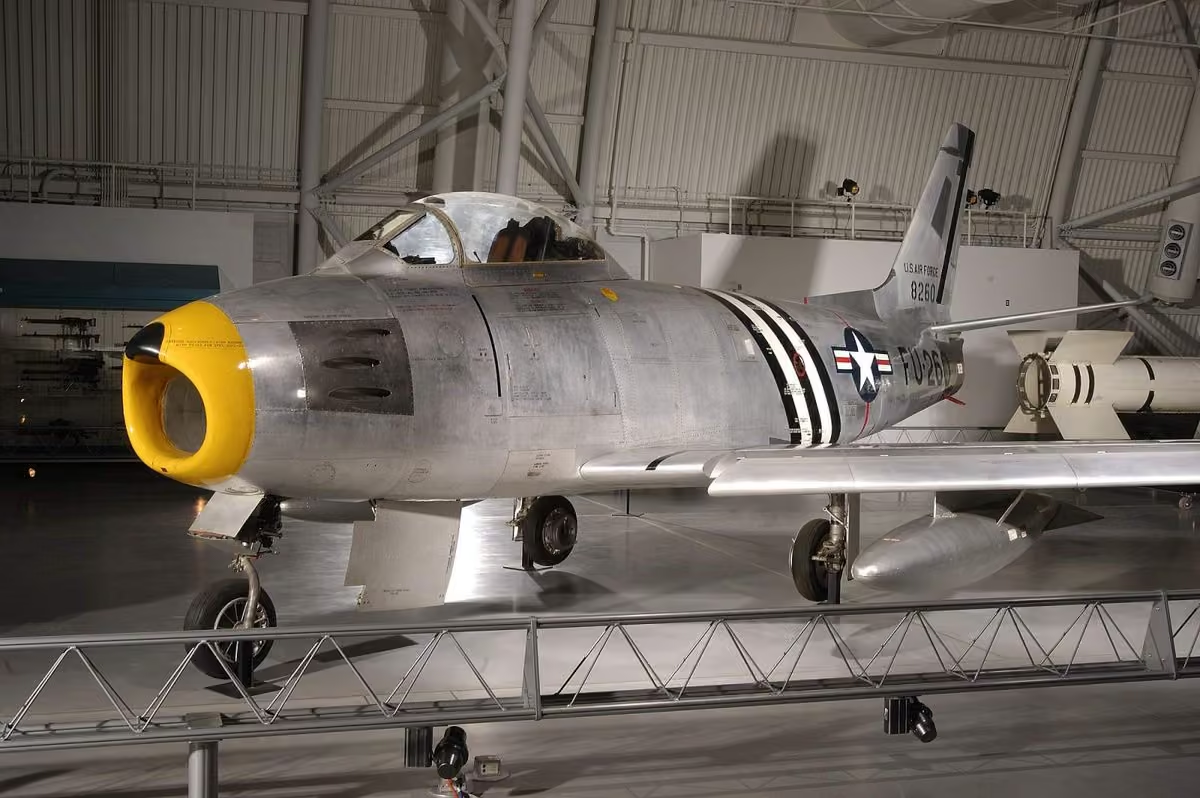
The F-86F Sabre was a dominant U.S. air-to-air fighter during the Korean War, known for engaging Soviet-built MiG-15s in dogfights over MiG Alley. See the aircraft in its 334th Fighting Eagles Squadron markings in the new “Modern Military Aviation” gallery.
#otd in 2022, the Artemis I Orion spacecraft performed its first powered lunar flyby, making its closest lunar approach about 81 miles above the lunar surface. This photo of the far side of the Moon was taken from a camera on one of Orion's solar arrays as it approached.
Edwin Hubble was born on this day in 1889. His career changed the way we view the universe and our place in it and the Hubble Space Telescope is named in his honor. More on the "man that discovered the universe": s.si.edu/49pl7Gq
On this day in 1953, the Douglas D-558-2 Skyrocket became the first aircraft to fly twice the speed of sound, at Mach 2. It air-launched from a U.S. Navy Boeing B-29 and reached Mach 2.005 in a shallow dive at over 60,000 feet. #airspacephoto
In this photo taken on this day in 1969, Apollo 12 astronaut Alan Bean visited the Surveyor 3 lunar lander, which arrived on the Moon in April 1967. The Apollo 12 mission returned the Surveyor 3 TV camera to Earth for scientific examination.
In 2003, a surface-to-air missile exploded behind Col. Kim Campbell’s A-10, destroying the plane’s hydraulic system. Campbell switched to flying using the very difficult “manual reversion mode,” landing successfully. Watch this video to learn more about why her story is featured in our new “Modern Military Aviation” gallery.
On this day in 2013, astronaut Sally Ride was posthumously awarded the Presidential Medal of Freedom. Ride was the first American woman in space and was passionate about STEM education and gender equality. More on Ride's career: s.si.edu/4fGQ2hS
What would you say during your first steps if you had a chance to walk on the Moon?
As Pete Conrad jumped from the bottom rung of the LM ladder onto the footpad on the Moon on this day in 1969, he said what we were all thinking: "Whoopee!”
The MQ-1 Predator was the first drone to fire a precision-guided weapon in live combat. In October 2001, it launched a Hellfire missile near Kandahar, Afghanistan. See it in the new “Modern Military Aviation” gallery.
The Cessna O-1A Bird Dog, affectionately called “the jeep with wings,” was the first all-metal, high-wing, single-engine aircraft to see service in US Army aviation.
Today in 1971, our Bird Dog was assigned to the U.S. Army Aviation School at Fort Stewart. #airspacephoto
The F/A-18C Hornet was introduced in 1983 and flew combat missions in Iraq and Afghanistan. An F-18 nose is now a hands-on exhibit in our new “Modern Military Aviation” gallery, where visitors can touch history and explore the technology behind modern combat aviation.
On Oct. 14, 1962, this Hycon B Camera captured images of Soviet nuclear missile sites in Cuba, helping precipitate the Cuban Missile Crisis. Carried aboard a Lockheed U-2, the camera is now on public display for the first time in the new “Modern Military Aviation” gallery.
#otd in 2000, Cassini captured this photo of Jupiter’s eye, the Great Red Spot you see disappearing around the eastern edge of the planet, staring at its largest moon Ganymede, which is about 50% larger than Earth’s Moon.
This flight suit belonged to Polish Air Force pilot Lt. Franciszek Jarecki. In 1953, Jarecki made history as the first MiG-15 pilot to defect with his aircraft, escaping to Denmark while wearing the suit. Jarecki's suit is on display in our new “Modern Military Aviation” gallery.
Voyager 1 hit a pretty distant milestone today ✨After nearly 50 years traveling through space, it is now one light-day—16 billion miles!—from Earth. Learn more about this milestone in a new article by curator Matt Shindell: s.si.edu/4jphvsp
Astronaut Alan Shepard, the first American in space, was born #otd in 1923. He was one of the Mercury 7 and flew to space aboard Mercury Freedom 7 in 1961. Shepard later walked on the Moon during the Apollo 14 mission. Learn more: s.si.edu/49rvIk7
“Smokey III” is a UH-1 Huey that flew during the Vietnam War, using smoke screens to conceal advancing U.S. troops. The helicopter’s battle damage and numerous repairs remain visible today.
You can now see "Smokey III" in the new “Modern Military Aviation” gallery.
Today in 1970, Soviet robotic lander Luna 17 spacecraft settled on the surface of the Moon, delivering Lunokhod 1, the first successful robotic lunar rover. Lunokhod rovers were about 7 feet long and 5 feet tall.
On #tdih in 1985, Space Shuttle Enterprise was removed from the top of a modified Boeing 747 and lowered onto the tarmac at Dulles International Airport to join our collection. It eventually went on display at the Udvar-Hazy Center and is now at the @IntrepidMuseum
In 2003, Col. Kim Campbell flew her A-10 Thunderbolt back to base after ground fire disabled its hydraulic systems. She flew back to base in “manual reversion mode,” a grueling flight that earned her the Distinguished Flying Cross.
See her flight suit and damaged aircraft tail in the new “Modern Military Aviation” gallery.
Happy birthday to Washington Dulles International Airport! 🎉🥳
The airport was opened #otd in 1962. Many of our artifacts have since landed themselves on its runways, as the Steven F. Udvar-Hazy Center is right around the corner. Thanks for being a good neighbor, Dulles!
On this day in 1973, the Skylab 4 mission launched to the Skylab space station. It was the third and final mission to the United States' first space station. The crew docked with Skylab about eight hours after launch and spent the next three months there.
On this day in 2022, NASA successfully launched the SLS rocket for the first time, on the uncrewed Artemis I test flight of its new Moon rocket and Orion spacecraft. The success of Artemis I led to this year's historic crewed Artemis II mission.
On this day in 1959, Joseph Kittinger made his first high altitude parachute jump from an Excelsior balloon at an altitude of 76,400 feet. The stunt almost ended a disaster as a stabilizing parachute wrapped around his neck. Fortunately, the emergency chute saved his life.
On this day in 1963, President John F. Kennedy, who set the U.S. on its path to the Moon, made his last visit to NASA’s launch facility at Cape Canaveral, which was renamed Kennedy Space Center in his honor following his death.
Voyager 1 captured this picture on this day in 1980, while looking back at Saturn just a few days after its closest approach to the ringed planet. The approximate distance at the time of the shot was 3.3 million miles.
On this day in 1976, the Viking lander's primary mission ended, though the spacecraft continued to operate for another six years. Take a closer look at the technology behind Viking: s.si.edu/3MFZIwA
25 years ago today, the first game in the popular video game franchise Halo was released. The main playable character was Master Chief, who fought against aliens for the United Nations Space Command.
This Master Chief costume helmet, on display in our "Futures in Space" gallery, was created by Microsoft’s 343 Industries for use at events.
60 years ago today, Gemini XII splashed down and Buzz Aldrin and Jim Lovell were welcomed aboard the recovery aircraft carrier, the USS Wasp. This mission marked the end of the Gemini program.
On this day in 1988, the Soviet Union launched its first full-scale reusable space shuttle, Buran ("Snowstorm"). Its first and only orbital flight was made without a crew. Learn more from our AirSpace podcast: s.si.edu/3O6swhc
The Apollo 12 crew experienced a shocking launch on this day in 1969 when their Saturn V rocket was struck by lightning. Luckily, a quick thinking flight controller passed information on to astronaut Alan Bean, who was able to flip the correct switch and save the mission
Today in 1910, Navy officer Eugene Ely made the first airplane takeoff from a ship in a pusher airplane and a few months later, he would make the first landing. With his success, naval aviation was born. Read more: s.si.edu/3QCdbGI
When you need to get somewhere, you check a map. But what about mapping in space or in flight? Explore all forms of navigation with these activities, games, and videos in our latest Soar Together family activities: s.si.edu/4ACwXaF
On this day in 1969, Apollo 12, the second crewed lunar landing mission, launched with astronauts Pete Conrad, Richard Gordon, and Alan Bean. The primary objectives of the mission included extensive exploration tasks by the crew. Learn more about the mission:
#otd in 1935, New Zealand aviator Jean Batten became the first woman to fly solo across the South Atlantic. Although her father did not approve of her passion for flight, Batten knew as a child she wanted to be a pilot: s.si.edu/48SKqz2
55 years ago today, Mariner 9 became the first spacecraft to orbit Mars. It found the Red Planet shrouded in a global dust storm that obstructed the view of all but the tallest surface features.
On #tdih in 1942, a Vought Kingfisher crewed by Lt. William F. Eadie and L.H. Boutte rescued World War I fighter ace Eddie Rickenbacker and others after three weeks lost at sea in the Pacific Ocean. Learn more about the Kingfisher: s.si.edu/4fptTUO
On this day in 1906, Brazilian aviator Alberto Santos-Dumont, who spent most of his adult life in Paris, became the first to set a world record recognized by the Federation Aeronautique Internationale. He flew a kite-like biplane structure called 14-Bis for a total of 722 feet.
On this day in 1980, Voyager 1 made its closest approach to Saturn at a range of about 78,290 miles. This image is a color-enhanced photo of Saturn taken by Voyager 1 earlier that year.
60 years ago today, the "first space selfie" was taken.
Buzz Aldrin took the picture during his first stand-up spacewalk of Gemini XII, and, after photographing landmarks on Earth. “Okay, tell everybody down there to smile,” Aldrin said, snapping away.
45 years ago today, Space Shuttle Columbia launched on STS-2, marking the first time a crewed space vehicle returned to space. John Young, who flew on Columbia's first spaceflight, snapped this photo of the STS-2 launch from the shuttle trainer aircraft.
Today we announced a $1 million donation from General Atomics. This gift supports our new "Modern Military Aviation" exhibition, which opened yesterday. Learn more: s.si.edu/48QMcka
The Armistice agreement that marked the end of World War I #otd in 1918, specifically required that Germany surrender all of its Fokker D.VII aircraft, along with other aircraft. The German Fokker D.VII was frequently cited as one of the best fighter aircraft of World War I.
60 years ago today, Gemini XII launched on a Titan II rocket. Commanded by Jim Lovell and piloted by Buzz Aldrin, it was the 10th and final crewed Gemini flight.
On November 11, 1918, Armistice was signed. It went into effect at the eleventh hour, of the eleventh day, of the eleventh month, as World War I came to a close.
📷: Philadelphia celebrates Armistice (photo via the Library Company of Philadelphia)
Today we honor veterans past and present for their service and sacrifice. #veteransday
📷: A selection of uniforms in the Museum's collection, worn by Capt. Joseph Cline (USN), Bee Falk Haydu (WASP), Gen. John R. Dailey (USMC), and Col. Kim Campbell (USAF)
The final exhibition of our multi-year renovation is now open!
From the outset of the Cold War to the present, aviation has redefined military power, geopolitics, and technological development. These monumental developments in aerospace technologies are on display in the new "Modern Military Aviation" gallery at our Museum in Washington, DC: s.si.edu/4BXtAfF
World War II brought large-scale aircraft manufacturing to North Texas, transforming the region into a major aviation center, and laying the foundation for its lasting aerospace industry. Explore how on the blog: s.si.edu/4t2oUBd
#otd in 1970, Luna 17 launched to the Moon carrying Lunokhod 1, the first successful Soviet rover. It entered lunar orbit a few days later and soft landed on the Moon on November 17.
On #tdih in 1775, the Continental Marines formed to support the 13 colonies in the American Revolutionary War. Many years later, Marine Corps Aviation began in 1912.
📸: U.S. Marine Corps collar insignia in our collection.
Announcing the winner of the Museum’s 2027 Michael Collins Trophy for Current Achievement: The Artemis II Mission Team
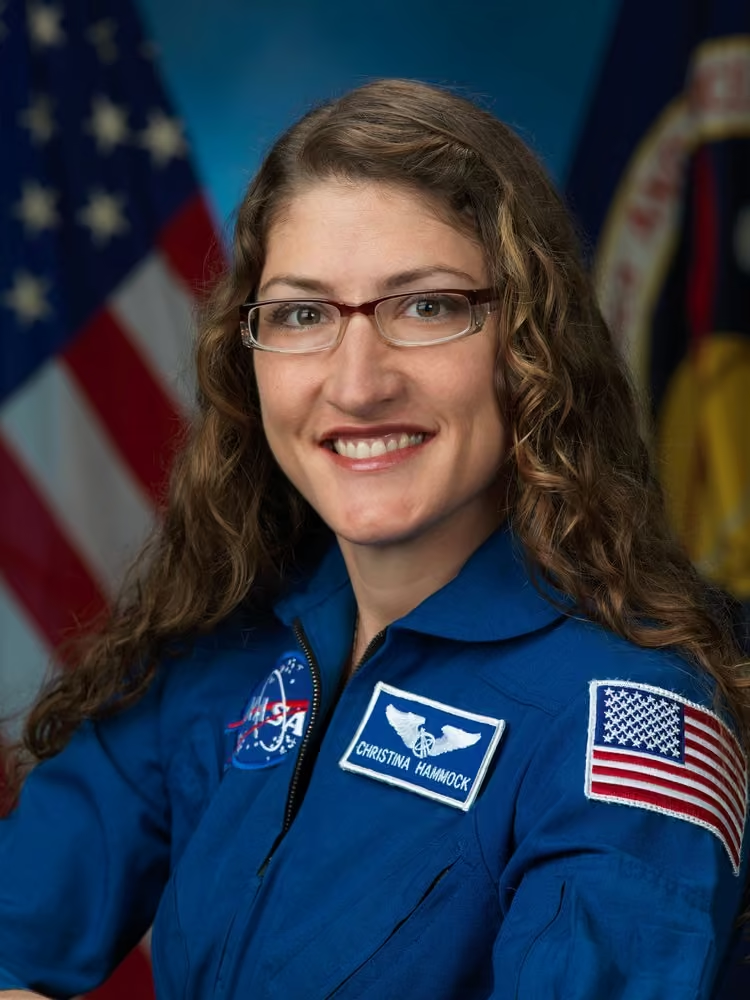
@NASA's Artemis II mission captured the attention of the world in April 2026 as commander Reid Wiseman, pilot Victor Glover, and mission specialists Christina Koch and Jeremy Hansen traveled around the Moon and back — the first crewed deep space mission in over 50 years.
Announcing the winner of the Museum’s 2027 Michael Collins Trophy for Lifetime Achievement: Apollo astronaut Charlie Duke!
Gen. Charles M. “Charlie” Duke is one of the most accomplished astronauts of the Apollo era and continues to be a powerful advocate for human space exploration and scientific discovery. Duke served as a fighter pilot and aerospace engineer before walking on the Moon during Apollo 16.
"Look again at that dot. That's here. That's home. That's us. On it everyone you love, everyone you know, everyone you ever heard of, every human being who ever was, lived out their lives." -Carl Sagan
On this day in 1918, the Museum's Fokker D.VII aircraft was captured when its German pilot landed at a U.S. occupied airfield. It is unknown whether he landed there by mistake (as he claimed) or if he intentionally surrendered two days before the end of WWI. #airspacephoto
This day in history in 1967, Apollo 4 launched a mission that tested all aspects of the Saturn V launch vehicle. More on Apollo 4 and the mighty Saturn V rocket: s.si.edu/472RiYj
On this day in 1960, this Sikorsky JRS-1 joined our collection. It is the only aircraft in the Museum that was stationed at Pearl Harbor on December 7, 1941. Learn more about the unique history of the only remaining JRS-1: s.si.edu/3FYWC2F#airspacephoto
Planetary scientist and science communicator Carl Sagan was born on this day in 1934. He's pictured here in front of a Viking lander mockup. Sagan helped plan the Viking missions and was a tireless promoter of the Viking program and other planetary exploration. #carlsaganday
70 years ago today, Lt Cmdrs M. Ross and M. Lewis established a crewed balloon altitude record of 76,000 ft in the Strato-Lab High I balloon. They broke an old record set by "Explorer II" in 1935. More on the military's high-altitude balloon missions: s.si.edu/4eoPADo
On #tdih in 2008, Chandrayaan-1, India's first deep space mission spacecraft, entered lunar orbit. It played a crucial role in the discovery of water molecules on the Moon. This image of the Moon is from NASA's Moon Mineralogy Mapper that was on the orbiter:
#otd in 1949, the Whittle W.1X turbojet engine was presented to the Smithsonian by Power Jets, Ltd. It was one of the first turbojet engines. The pioneering design is by British engineer Sir Frank Whittle. Discover more: s.si.edu/4C8IDUb#airspacephoto
#otd in 1950, the first all-jet air-to-air combat took place. Lt. Russ Brown, flying an F-80C of the 16th Fighter Interceptor Squadron, shot down a North Korean MiG-15.
In honor of #veteransday, active duty military, reservists, and veterans get free parking at the Steven F. Udvar-Hazy Center on Wednesday, November 11. Learn more about other activities and veteran discounts: s.si.edu/3V7AONG
On #tdih in 1974, Clarence "Kelly" Johnson, aircraft designer and senior vice president of Lockheed, announced his retirement after 40+ years and countless contributions to some of the most original aircraft designs of the 20th century.
From Space Shuttle dish sets to model kits with over 2,000 pieces, playing with space toys allows young minds to envision careers as scientists, engineers, and astronauts. Discover these nostalgic artifacts on display in our new "At Home in Space" gallery: s.si.edu/4yVTga0
30 years ago today, Mars Global Surveyor launched on a mission to perform a comprehensive study of the Red Planet over the course of one Martian year (687 Earth days), tracking a full cycle of Martian seasons.
That time a Fowler-Gage biplane raced a Cadillac. ✈️🚘
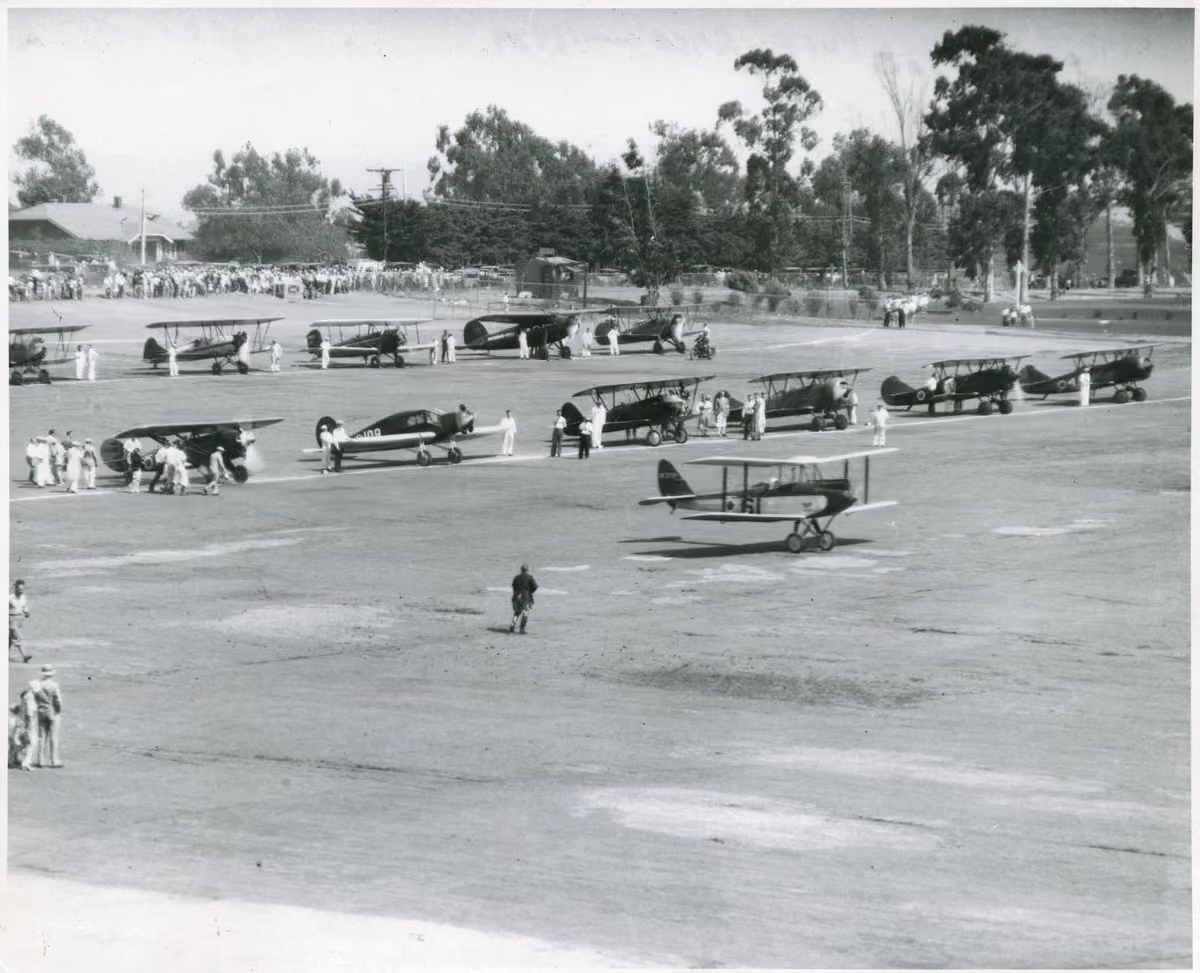
#otd 1912, Robert Fowler left Los Angeles for San Francisco in this Fowler-Gage biplane, in a race with a Cadillac automobile. After a crash on takeoff at one of the route's stops, Fowler was forced to abandon the race.
Did you know Canadarm2 helps astronauts move equipment and work outside the International Space Station? A replica of this robotic arm, and a spacewalking astronaut attached to it, greets visitors entering the new “At Home in Space” gallery.
#otd in 2009, the Cassini spacecraft snapped this picture capturing the elongated shadow that Titan, Saturn’s largest moon, cast upon the gas giant planet.
On this day in 1943, the Museum’s P-38 Lightning was accepted by the Army Air Forces. Days later, Lockheed got permission to convert it into a two-seat trainer, to accommodate an instructor to train civilian pilots. Once trained, they evaluated P-38s fresh off the assembly line.
A new museum exhibition starts with an idea. But how do you go from the concept of an exhibition to a beautiful new gallery for visitors to explore and enjoy?
In a new video series, we’re taking you behind the scenes of how an exhibition comes to be. First up: How do you choose what artifacts go into an exhibition?
In 1951, Charles Blair flew this North American P-51C "Excalibur III" from Norway to Fairbanks, Alaska, in a record-setting 10 and a half hours, demonstrating an easier way to navigate over the North Pole. The aircraft joined our collection on this day in 1953. #airspacephoto
On this day in 1935, the prototype for the Hawker Hurricane flew for the first time. The Hurricane was the first British monoplane fighter. See a Hawker Hurricane Mk. IIC at the Udvar-Hazy Center. #airspacephoto
This Extravehicular Mobility Unit (EMU) suit is made with retired spacesuit parts from the International Space Station. Now on display in “At Home in Space,” this is the first EMU spacesuit constructed entirely of space-flown parts to been displayed in a museum.
When it comes to making a home in space, simple pleasures like cookies and coffee can go a long way — even if they're a little different than we experience on Earth.
Our newest gallery contains a patented zero-gravity coffee cup and a cookie baked in space.
The Noorduyn Norseman IV made its first flight 90 years ago today. An early bush aircraft designed for use in Alaska and northern Canada, it could operate from water (with floats), land (with wheels), or snow (with skis). Learn more: s.si.edu/461vewD
One of the marquee artifacts in “At Home in Space” is the Space Shuttle Main Engine (SSME), a pioneering achievement in aerospace engineering and the first large reusable liquid rocket engine in history. Officially known as an RS-25, the SSME is being reused today on the Artemis program’s SLS rocket.
On this day in 1911, Calbraith Perry Rodgers completed the first crossing of the U.S. by airplane in Wright EX "Vin Fiz." Clocking in at 49 days, Rodgers lost out on the $50,000 Hearst prize, which required the journey be completed in under 30 days.
The countdown to launch starts long before liftoff. This clock from Kennedy Space Center counted down the final 73 hours before each launch, building anticipation all the way to those thrilling final 10 seconds. You can see it on display our new “At Home in Space” exhibition.
#otd in 1927, Captain Hawthorne Gray set an altitude record of over 42,000 feet in his free balloon, but didn't survive the flight. He was awarded a posthumous Distinguished Flying Cross for his courage.
The Beechcraft Staggerwing flew for the first time on #tdih in 1932. Officially called Model 17, it was the first aircraft produced by the new Beech Aircraft Company of Wichita, Kansas, and was a successful gamble for the company: s.si.edu/3PD29Ch#airspacephoto
What if robots could help astronauts in space? Robonaut 1A was a NASA and DARPA prototype designed to explore how humans and robots could work together on dangerous and routine tasks. Its successor, Robonaut 2, later operated aboard the International Space Station from 2011 to 2016. See Robonaut 1A on display in our new “At Home in Space” gallery.
In 1961, a chimpanzee named Ham became the first chimp in space during a 17 minute suborbital flight. Ham survived the flight and returned a celebrity, but was visibly agitated by his rough flight and the flashing press cameras afterward. More on the blog: s.si.edu/3V0WfQq
On this week in history in 1960, NASA made its first of four attempts to launch two X-15 aircraft in a single day.
Pictured here is NB-52B with X-15-1 and NB-52A with X-15-2. Due to a hydraulic leak on X-15-2, launching the duo didn't happen. Only the X-15-1 took flight.
On #tdih in 1994, Space Shuttle Atlantis launched on its 13th mission, STS-66. It used a Spacelab Igloo, a canister that held subsystems used in scientific experiments. A space-flown Igloo is on display at the Udvar-Hazy Center: s.si.edu/3YvV9tQ#airspacephoto
Views from Mars! This picture of the Martian surface was taken by the Spirit rover today in 2005. It shows basaltic plains stretch to the distant rim of Thira Crater.
#otd in 1957, the Soviet Union launched a part-Samoyed terrier named Laika into space. Laika was the first being to travel into orbit but she did not survive the flight. The technology to safely return payloads did not yet exist. The story of Laika: s.si.edu/4zrhpGw
20 years ago today, the Mars Global Surveyor made its last contact with Earth.
During its nine years observing Mars, the spacecraft studied the entire Martian surface, atmosphere, and interior—showing us that the planet has a history of seasonal and long-term change.
The Orion spacecraft carried astronauts to the Moon and back during NASA’s Artemis II mission, marking the first crewed lunar journey since 1972. This quarter scale model of Orion, on loan from Lockheed Martin, is on display in the new “At Home in Space” gallery.
On this day in 1937, the first official Piper J-2 Cub was completed. William Piper and the Piper Aircraft Corporation board of directors anointed it as the first, and flew it as the company plane until April 1939. The aircraft is in our collection: s.si.edu/3QRt25P
This week, we’re spotlighting our brand new “At Home in Space” gallery. This highly immersive exhibition takes visitors along a 50+ year journey of learning how humans can live and work in space continuously and venture beyond Earth orbit.
Mary Riddle always wanted to fly growing up but was told women pilots couldn't be successful. She was determined to prove them wrong, and she did. Riddle was one of the first Native American women to earn a pilot's license: s.si.edu/4fC8OGN#nahm
The Convair XFY-1 Pogo was flown on its first transition from vertical to horizontal flight in November 1954. More on the VTOL combat aircraft prototype: s.si.edu/3QiB9bD
On this day in 1993, Space Shuttle Columbia touched down to conclude STS-58, landing two weeks after lift-off. At the time, STS-58 was NASA's longest space shuttle mission to date.
When the Army Air Service was tasked to design a small, lightweight "motorcycle of the air" that could serve as a liaison between field units, the Verville-Sperry M-1 Messenger was the result. It flew for the first time on this day in 1920. #airspacephoto
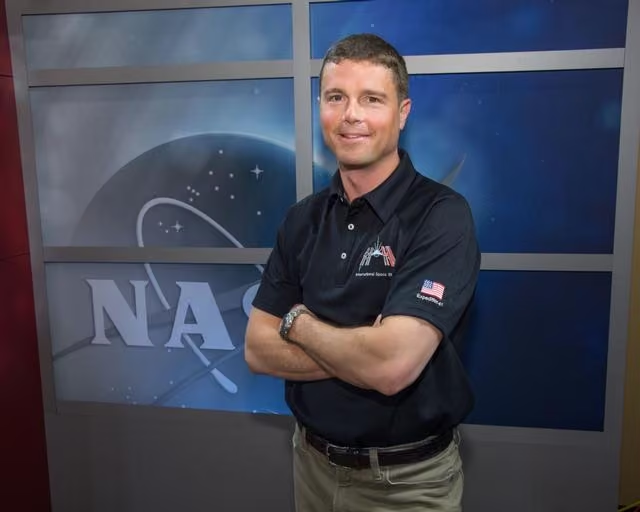
On this day in 2000, a Soyuz spacecraft launched carrying Expedition 1 to the International Space Station, the first long-duration ISS crew. Since the crew's arrival two days later, the ISS has been continuously occupied.
Astronaut Michael Collins was born on this day in 1930. Collins was pilot of Gemini 10 and command module pilot of Apollo 11. He also played an important role in the history of our Museum, serving as director when we opened in 1976. More on his legacy: s.si.edu/3Sp957k
#otd in 1964, research pilot Joe Walker took the Lunar Landing Research Vehicle (LLRV) on its first flight. Later described by Neil Armstrong as contrary and risky (but useful), the LLRV played a critical role in the Moon landing program: s.si.edu/4svpsze
A new gallery just opened today at the Museum in Washington, DC.
“At Home in Space” takes visitors along a 50+ year journey of learning how humans can live and work in space continuously and venture beyond Earth orbit.
On #tdih 1987, the U.S. Air Force transferred this Lockheed T-33A-5-LO Shooting Star to our collection. An outstanding example of this widely-used trainer, it is on display at our Udvar-Hazy Center: s.si.edu/477ReYB
Tonight! Tune in at 8 pm ET as three astronauts that have called the International Space Station home share stories about the ISS and reflect on living and working in space: s.si.edu/4zhB0bU
We are saddened to learn of the death of British actor Patrick Stewart. Among his many star-making roles, Stewart led “Star Trek: The Next Generation” as Captain Jean-Luc Picard for seven seasons, frequently returning to the role in films and the 2020 tv series “Star Trek: Picard.” Stewart’s depiction of the iconic Starfleet caption illustrated the range of space science fiction as a device for adventure, imagination, and storytelling.
📸: Poster, "From One Generation . . . To the Next . . . And Beyond,” held in the collection of the National Air and Space Museum
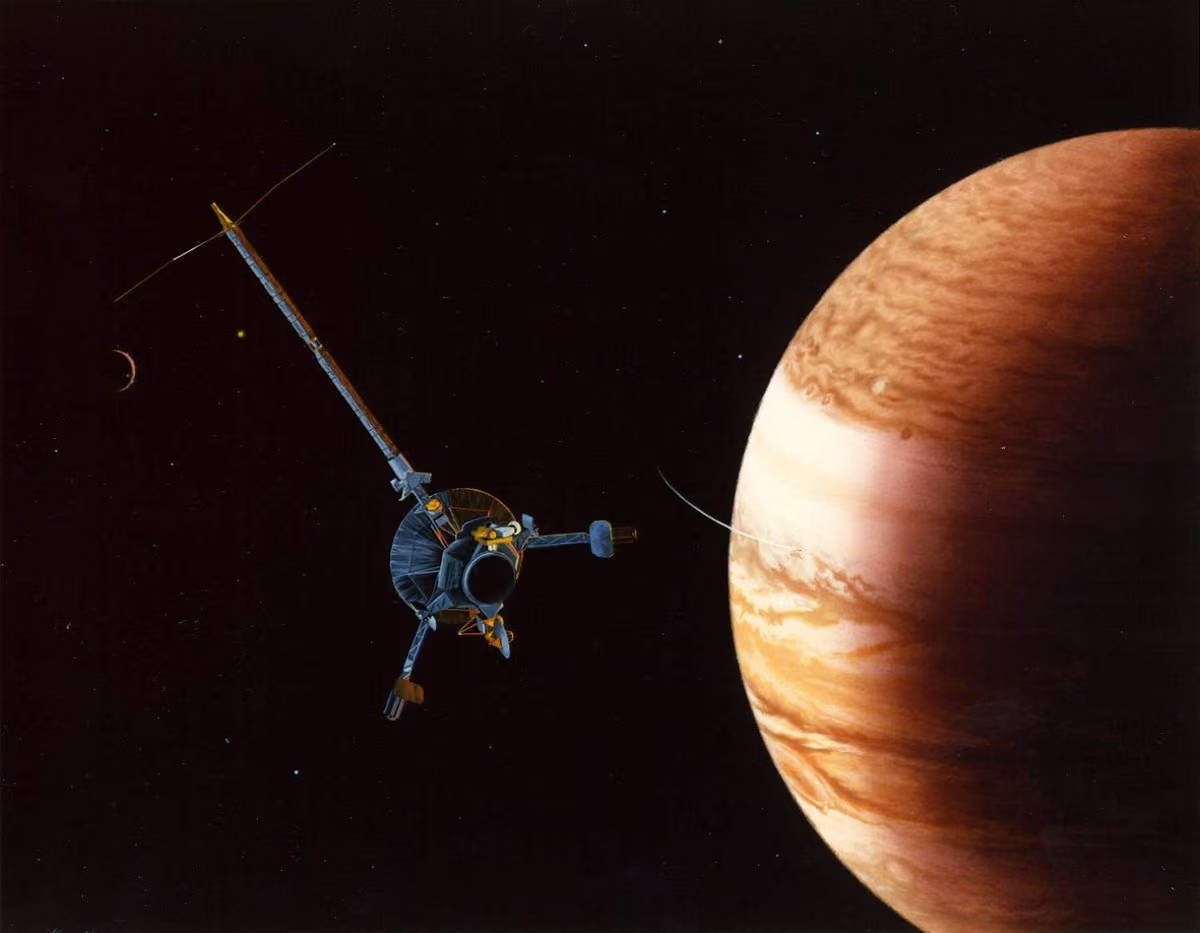
On #tdih in 1991, the Galileo spacecraft took this image: the first photograph of 951 Gaspra. The spacecraft was roughly 10,000 miles away from the roughly 10-mile-long asteroid.
In October 1858, Martha Ann (age 8) and David (age 3) Harvey were rescued after a harrowing ride in a runaway balloon. Read the blog for the full story: s.si.edu/3Mg8OQq
On this day in 1998, John Glenn returned to space on Space Shuttle Discovery STS-95.
His return to space came over three decades after his historic 1962 flight in Mercury Friendship 7, when he became the first American to orbit the Earth: s.si.edu/4f02GYF
On #tdih in 2009, the Ares I-X rocket lifted off on a test flight. At 327-feet tall, the test vehicle produced 2.6 million pounds of thrust to accelerate the rocket to Mach 4.76, nearly reaching hypersonic speeds.
The Statue of Libert was officially dedicated #otd in 1886. There is a history of flight demonstrations around the Statue of Liberty, including one by Wilbur Wright in 1909, depicted in this Dean Mosher painting on display in our "Early Flight" gallery: s.si.edu/3USTD76
65 years ago today, the first test flight of the Saturn I launch vehicle occurred. Saturn I was the basic test vehicle that led to the development of the Saturn V, which carried astronauts to the Moon for Project Apollo.
#otd in 1969, NASA test pilot Bill Dana flew the HL-10 lifting body to Mach 1.58 at over 60,000 feet. The craft was air launched from a B-52 mothership and would then fly back to land.
📷: Dana next to the HL-10 as a B-52 flies overhead.
The final two exhibitions of our multi-year renovation open this fall! Don't miss the opening of: 🧑🚀 "At Home in Space" on October 30 🪖 "Modern Military Aviation" on November 11
This is the Curtiss R3C Racer, dubbed the R3C-2 when configured as a seaplane. This week in 1925, Lt. James H. "Jimmy" Doolittle piloted it to win the Schneider Trophy Race, which was for seaplanes and flying boats and was held on the Chesapeake Bay. #airspacephoto
On this day in 2004, Cassini made its first close flyby of Titan. This mosaic was created from nine images acquired during the flyby, providing a full-disc view of Saturn's mysterious moon.
Many consider the P-51 Mustang the best fighter of World War II, with its combination of speed, range, maneuverability, and firepower giving it great versatility.
On this day in 1940, the prototype North American P-51 Mustang made its first flight. #airspacephoto
Today in 1922, Lt. Cmdr. Godfrey Chevalier, flying an Aeromarine 39-B, made the first landing on a U.S. aircraft carrier. Read more about America's first aircraft carrier, USS Langley: s.si.edu/3yQFrga
We join Star Trek fans in mourning the loss of actor Walter Koenig. He joined the cast of the original Star Trek television series in its second season as Russian navigator Pavel Chekov, a key member of the Enterprise crew. Koenig portrayed Chekov in two seasons of the original series and all six of the original series major motion pictures.
Today in 1965, Atlas-Agena launched to put the Agena target vehicle into orbit for rendezvous with Gemini 6. When the Agena target failed to reach orbit, the launch of Gemini 6 had to be postponed.
#otd in 1671, Giovanni Cassini discovered Saturn's moon Iapetus. It is the ringed planet's third largest moon and is believed to be 75% ice and 25% rock.
This photo from our archives shows a Douglas EA-3B Skywarrior of US Navy Squadron VQ-1 in flight over cloud layer at Atsugi, Japan. It was taken #otd in 1960.
Ground was officially broken on our Steven F. Udvar-Hazy Center today in 2000. The ceremony started with a fly-by of four F/A-18As flown by pilots of the Marine Fighter Attack Squadron 321, known as "Hells Angels".
Today in 1911, Orville Wright set a world soaring flight record of 9 minutes and 45 seconds at Kitty Hawk, NC. This picture via @librarycongress shows Orville soaring in level flight while spectators watch on.
#otd in 1957, the U.S. Air Force's X-20 Dyna-Soar program began.
Short for "Dynamic Soaring," the X-20 was meant to be a research vehicle to explore controlled atmospheric reentry, as a stepping stone to other potential military missions in space.
On #tdih in 2014, stratospheric explorer Alan Eustace set a new world record when he jumped from an altitude of over 135,000 feet, surpassing the previously-held record by Felix Baumgartner. The balloon equipment module and suit he wore are on display at our Udvar-Hazy Center.
#otd in 2003, the supersonic Concorde flew its last flight, with the end of British Airways' Concorde service. Explore why the Concorde was grounded on our blog: s.si.edu/3YloAhT
📸: Air France Concorde on display at the Udvar-Hazy Center.
On this day in 2007, Space Shuttle Discovery launched on STS-120. Astronaut Pamela Melroy was the mission commander, making her the second woman to command a Space Shuttle mission.
“We have just witnessed the dawn of a new age in aerospace.” That's what Air Force engineer John Griffin said when he saw the F-117 Nighthawk fly for the first time in 1977.
As we welcome a Nighthawk into our collection, curator Mike Hankins shares the story of the F-117 in a new blog: s.si.edu/3UljQLp
Today in 1961, the Mercury "Freedom 7" capsule in which Alan Shepard became the first American in space was donated to the Smithsonian. Pictured here is Shepard peering inside the capsule in its early display.
"Freedom 7" is now on display in our "Destination Moon" exhibition.
On this day in 1939, the prototype of the Mitsubishi G4M bomber flew for the first time. The pilots who flew it called it "Hamaki" (Japanese for cigar) and its Allied codename was BETTY. Learn more: s.si.edu/4hfCYkC
During the STS-52 mission on this day in 1992, the crew of Space Shuttle Columbia captured this incredible image of moonrise followed quickly by sunrise.
On October 22, 1797, André-Jacques Garnerin descended from 3,200 feet in a basket while attached to a parachute at the Parc Monceau in Paris, France. He was the first person to descend with a frameless parachute, which he invented.
Today in 1960, Paul Edward Yost became “the father of modern hot-air ballooning" when he made his first free flight in a hot air balloon with a lawn chair-like contraption and a propane-burner system.
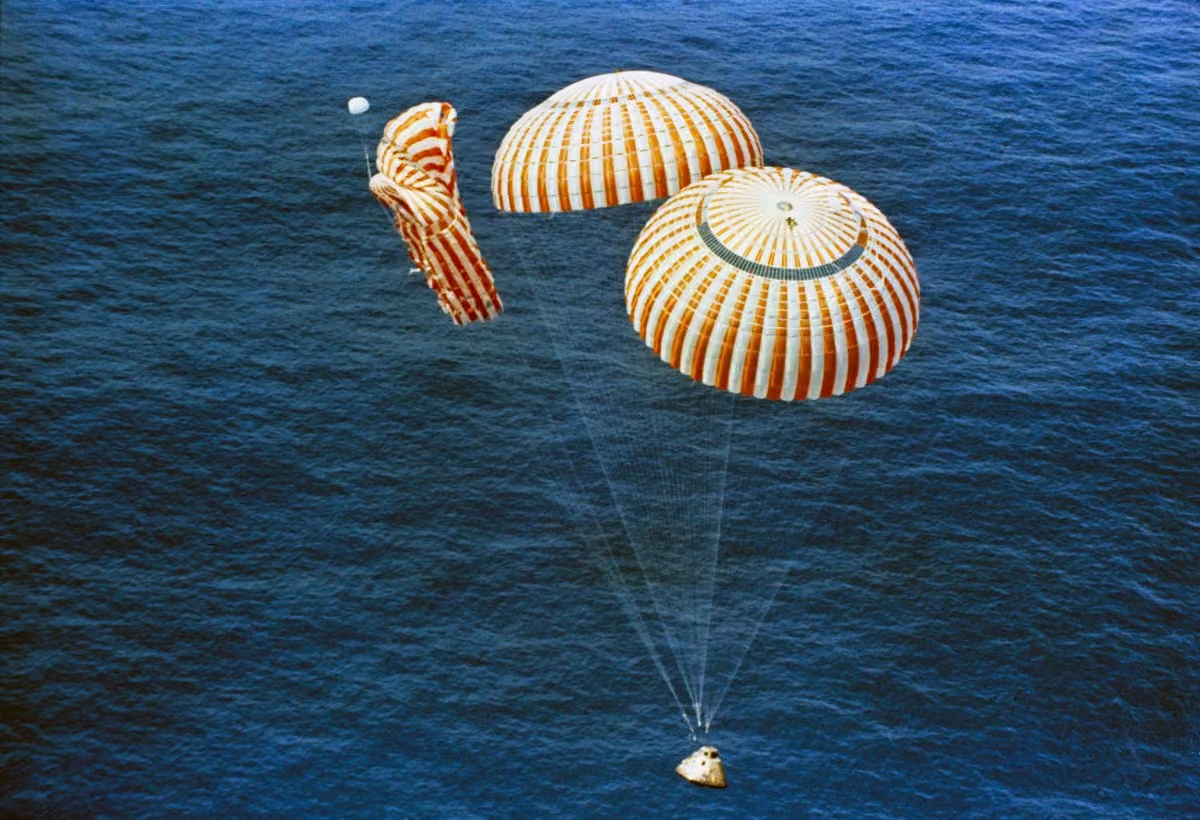
On this day in 1968, Wally Schirra, Donn Eisele, and Walter Cunningham splashed down in the Atlantic in the Apollo 7 command module, ending a successful mission. Explore the history of the mission: s.si.edu/46UYoy1
The supersonic YF-105 Thunderchief fighter-bomber flew for the first time on this day in 1955. In this photo from our Archives, a YF-105A refuels a YF-105B in the air.
On #tdih in 1964, the "Promise" barge carried the first stage and engines of the Saturn V down the Mississippi River. Artist Theodore Hancock captured the scene in watercolor as part of the NASA Art Program.
In the early days of aviation, many studios blocked actors from flying, but by the 1930s, the safety and economic values of flying were clear and stars began flying to promote films. An @LATimes article #otd in 1934 noted this change.
On #tdih in 1973, Heino Brditschka made history with the world's first electric powered flight in his customized HB-3. To achieve the feat, Brditschka reequipped the aircraft with electric propulsion, renaming it MB-E1.
Now on display at the Steven F. Udvar-Hazy Center: A Lockheed F-117A Nighthawk
The F-117 is the world’s first true operational stealth combat aircraft. The Museum's F-117 was restored for display by Lockheed Martin Skunk Works, which included demilitarizing the aircraft and restoring it to its final operational appearance.
When Space Shuttle Columbia launched on STS-73 on #tdih in 1995, it was carrying the US Microgravity Laboratory 2 Spacelab module. USML-2 hosted experiments on fluid physics, biotechnology, and more. You can see that Spacelab module at the Udvar-Hazy Center:
70 years ago this week, the XH-40 (prototype of the UH-1) flew for the first time. Its success led to the production of the Bell UH-1H Iroquois "Huey," the helicopter that became an indelible symbol of the Vietnam War. Read more about our "Huey" in #asq: s.si.edu/4eL4yo6
#otd in 2020, the OSIRIS-REx spacecraft "tagged" the asteroid Bennu, successfully touching down and capturing this view of its descent, six-second tag, and back-away burn. The samples were successfully returned to Earth.
On this day in 1945, Air Commodore Frank Whittle, inventor of the turbojet engine, flew a jet for the first time. What did he think of the experience? He found the flight "extremely satisfying."
Learn more about the Whittle W.1X engine in our collection: s.si.edu/3FpPzQv
Pilots, pioneers, and the pursuit of discovery. Check out the latest issue of Air & Space Quarterly, now available to read for free on our website: s.si.edu/4k5H6av
On this day in 1901, Brazilian aviation pioneer Alberto Santos-Dumont flew his dirigible No. 6 around the Eiffel Tower during a flight to win the Deutsch prize, and he did it in less than half an hour. This photo shows an earlier flight in dirigible No. 5.
On this day in 1989, Space Shuttle Atlantis launched on the STS-34 mission carrying the Galileo spacecraft into orbit for its interplanetary mission to Jupiter. Galileo was deployed 6.5 hours into the spaceflight.
On this day in 1993, Space Shuttle Columbia launched on STS-58, the second Spacelab Life Sciences mission (SLS-2). The crew conducted regulatory physiology, cardiovascular, musculoskeletal, and neuroscience experiments.
On this day in 1963, a cat named Félicette became a feline space traveler when she launched into space on a mission conducted by the French space program. The spaceflight, which Félicette survived, was suborbital and lasted less than 15 minutes.
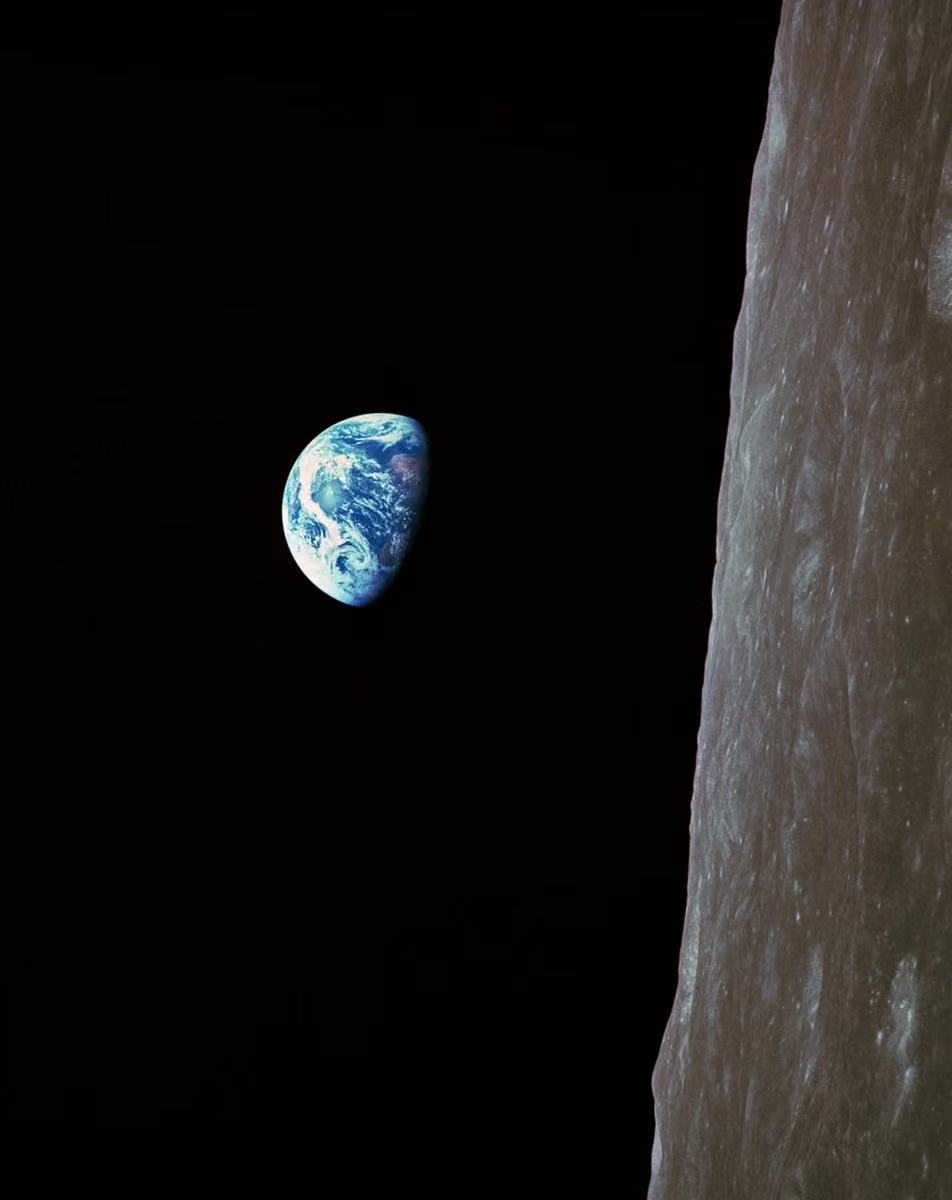
Apollo 8 astronaut Bill Anders was born on this day in 1933. He was part of the first crew to orbit the Moon. Anders also took the iconic Earthrise image showing Earth peeking out from beyond the lunar surface. We reflect on his legacy: s.si.edu/4zBcUbZ
On this day in 1974, the Sikorsky YUH-60A flew for the first time. It was a prototype for the UH-60 Black Hawk, which entered service with the US Army in 1979.
On this day in 1969, Soyuz 7 returned to Earth with cosmonauts Anatoly Filipchenko, Vladislav Volkov, and Viktor Gorbatko. Their spacecraft's call sign was Buran. The same name would later be used for the Soviet space shuttle.
Throwback to 1925 when this fashionable picture of NACA test pilot Paul King was taken. Wearing a fur-lined leather flying suit and oxygen mask, he's prepared to take off in the Vought VE-7 behind him.
While aboard Space Shuttle Endeavour in 1992, Dr. Jemison became the first African American woman to go to space. Later, she also became the first astronaut to appear on Star Trek!
5 years ago today, NASA's #lucymission launched on an Atlas V rocket on a journey to Jupiter's Trojan asteroids. Through its discoveries, Lucy aims to revolutionize our knowledge of planetary origins and the formation of the solar system.
On #tdih 1982, Caltech astronomers photographed the returning Halley's Comet when it was still beyond Saturn's orbit and more than 960 million miles from the Sun.
On this week in 1938, the Curtiss XP-40 Warhawk prototype made its first flight. A P-40E is on display at our Udvar-Hazy Center in Chantilly, VA: s.si.edu/4dE6fp4
On #tdih in 1983, Space Shuttle Discovery's rollout ceremony was held at Rockwell International's Palmdale facility. The crew of Discovery's upcoming first mission, STS-41D, were in attendance, along with other officials and dignitaries.
Scientist, engineer, and astronaut Ellen Ochoa was the first Hispanic woman in space. Explore how she made history aboard Space Shuttle Discovery—and beyond: s.si.edu/36NAABL#hispanicheritagemonth
On this day in 1910, a stowaway cat named Kiddo became the first feline to attempt to cross the Atlantic in an airship (don't worry, he survived). His eventual howling led to one of the first radio communications from an aircraft in flight: "Roy, come and get this ---damn cat."
On this day in 1997, the Cassini-Huygens spacecraft launched to Saturn on a Titan IV-B rocket. Explore stunning photos Cassini took of the ringed planet 🪐 and its moons during its two-decade-long mission: s.si.edu/379g5xB
The crew of Apollo 7 were the first to broadcast a live telecast from space. The black-and-white camera used in the broadcast, which occurred on #tdih 1968, is in our collection.
Joe Engle flew to an altitude of 50 miles in the North American X-15 #otd in 1965. Engle flew the X-15 higher than 50 miles three times, officially qualifying him for Air Force astronaut wings.
On #tdih in 2012, Felix Baumgartner became the first person to break the speed of sound in free fall. The capsule and pressure suit from Baumgartner's jump are part of our Museum's collection. More on the blog: s.si.edu/3NmbQ5M
Michael López-Alegría is one of America’s most experienced astronauts. He has spent 296 days (over 9 months) in space and shares the current US record for spacewalks with 10 total. And he isn’t finished yet. More on the blog: s.si.edu/4ikiGsB#hispanicheritagemonth
On #tdih in 1984, Space Shuttle Challenger landed at Kennedy Space Center completing STS-41G, a mission of many firsts, including the first spacewalk by an American woman, Kathy Sullivan.
On this week in 1923, the airship ZR-1 was officially christened the USS Shenandoah, marking the official start of the Era of the Rigid Airship in the United States. Explore an interactive history of the U.S. Navy's first rigid airship: s.si.edu/3rNo0gH
#otd in 1950, the prototype Lockheed L-1049 Super Constellation made its first flight. The Museum's Super Constellation was a US Air Force C-121C used for transport, evacuation, and support missions: s.si.edu/4ybND6Z
Lt. Cyrus Bettis won the Pulitzer Trophy Race in the Curtiss R3C-1 Racer #otd in 1935. The aircraft was called R3C-1 when configured with wheels as pictured here and R3C-2 when configured with floats: s.si.edu/3rGtiuB
On #tdih in 1952, our Douglas DC-3 made its last commercial flight from San Salvador to Miami. It was then presented to the Museum by Eastern Airlines president Eddie Rickenbacker. Our DC-3 is on display in the "America by Air" exhibition in DC. #airspacephoto
On #tdih in 2012, the people of Los Angeles gathered to watch Space Shuttle Endeavour being towed through the streets of Inglewood, California. It was towed 12 miles from LAX to its new home at @casciencecenter.
#otd in 1937, the first production Hawker Hurricane I, made its first flight. It was the first British monoplane fighter and played a vital role in World War II, most notably during the Battle of Britain: s.si.edu/3VLNQAo#airspacephoto
#otd in 2000, Space Shuttle Discovery launched on STS-92. It was the 100th launch of the Space Shuttle Program and the fifth shuttle mission to the International Space Station.
On this week in 1910, William Hearst announced a $50,000 prize for the first flight across the U.S. in 30 days or less. Calbraith Perry Rodgers completed the flight, but didn’t win the prize because it took him 49 days. The aircraft is in our collection: s.si.edu/4xpF4Ff
The Grumman Gulfhawk II was one of the most exciting aerobatic aircraft of its time. It flew for the last time today in 1948 on a flight to deliver it to DC to join our collection, completed with a few aerobatic demonstrations, of course. #airspacephoto
#otd in 1910, Theodore Roosevelt became the first US president to fly in an airplane when he was briefly flown in a Wright Model B by Arch Hoxsey at an aviation meet in St. Louis, Missouri.
#otd in 1984, astronaut Kathryn Sullivan became the first American woman to walk in space during the STS-41G mission aboard Space Shuttle Challenger: s.si.edu/3Ug3gwm
There were more than two Wright brothers (plus a Wright sister!).
Lorin Wright took this photo of his brothers Orville and Wilbur (and their friends) on this week in 1902. Lorin helped with financial affairs in Dayton while his brothers were away.
Neptune's largest moon Triton was discovered today in 1846. It is the only large moon in our solar system that orbits in the opposite direction of its planet's rotation.
This photo of Triton was taken by Voyager 2 in 1989.
#otd in 1963, the original Mercury 7 astronauts received the 1962 Collier Trophy for "pioneering manned space flight in the United States." It was the first time the Collier Trophy was awarded to an American space mission.
90 years ago today, the Hindenburg “Millionaires’ Flight" passed over New England with Juan Trippe, Eddie Rickenbacker, and more aboard. The ten-hour flight toured over six states.
#otd in 1959, Vertol turned over the VZ-2 vertical landing and takeoff aircraft to NASA’s Langley Research Center to conduct flight tests. NASA conducted the Army's share of the flight tests because the service did not have pilots qualified to fly VTOL aircraft:
On #tdih in 1999, the Lockheed SR-71 Blackbird flew for the last time. It remains one of the most popular aircraft of all time. You can see a Blackbird on display at our Steven F. Udvar-Hazy Center in Virginia: s.si.edu/42vdYQK
Franklin Chang-Díaz was NASA’s first Hispanic astronaut, becoming the first Hispanic American in space in 1986. He flew on seven Shuttle missions, spending over 1,500 hours in space, including 19 hours on spacewalks. Discover his story: s.si.edu/3N5ecpC#hispanicheritagemonth
We are saddened by the passing of pioneering computer scientist and software engineer Margaret Hamilton. As leader of the team that developed the onboard flight software for the Apollo missions, Hamilton helped make Apollo 11’s historic journey to the Moon possible. Her team’s innovative work helped guide the mission safely to the lunar surface and forever changed the fields of computing and spaceflight.
In 2025, the Museum awarded Hamilton the Michael Collins Trophy for Lifetime Achievement to recognize her remarkable body of work: s.si.edu/4zrbl0m
With help from our friends at the 512th Airlift Wing, this Lockheed F-117 Nighthawk arrived at the Steven F. Udvar-Hazy Center aboard a Lockheed C-5 last night.
The aircraft is currently in the Mary Baker Engen Restoration Hangar, where our team will install its wings before it goes on display.
The first flight of a Lear Jet was recorded #otd in 1963, when Prototype Model 23, N801L, took to the sky. The Museum's Lear Jet is the second Model 23 built (after the first was destroyed in a crash) and is on display in "Thomas W. Haas We All Fly": s.si.edu/4i95QNL
When Maj. Marisol Chalas was in flight school, only 120 of the 3,000 Black Hawk pilots were women. Chalas went on to become the first Latina woman to pilot a Black Hawk helicopter. Learn more: s.si.edu/4ekOxqH #hispanicheritagemonth
#otd in 1990, Space Shuttle Discovery launched with the Ulysses solar spacecraft as its primary payload on STS-41, which was designed to explore the heliosphere of the Sun.
The first discovery of a planet orbiting a Sun-like star, not in our own solar system, was announced on #tdih in 1995. The groundbreaking discovery launched a new era in the search for exoplanets. Learn more about finding them: s.si.edu/4AWoK20
#otd in 1922, a flight endurance record was set by Lt John A. Macready and Lt Oakley G. Kelly as they flew 35 hours and 18 minutes in a Fokker T-2. The aircraft featured a wooden monoplane wing spanning nearly 82 feet: s.si.edu/42Jxtpb
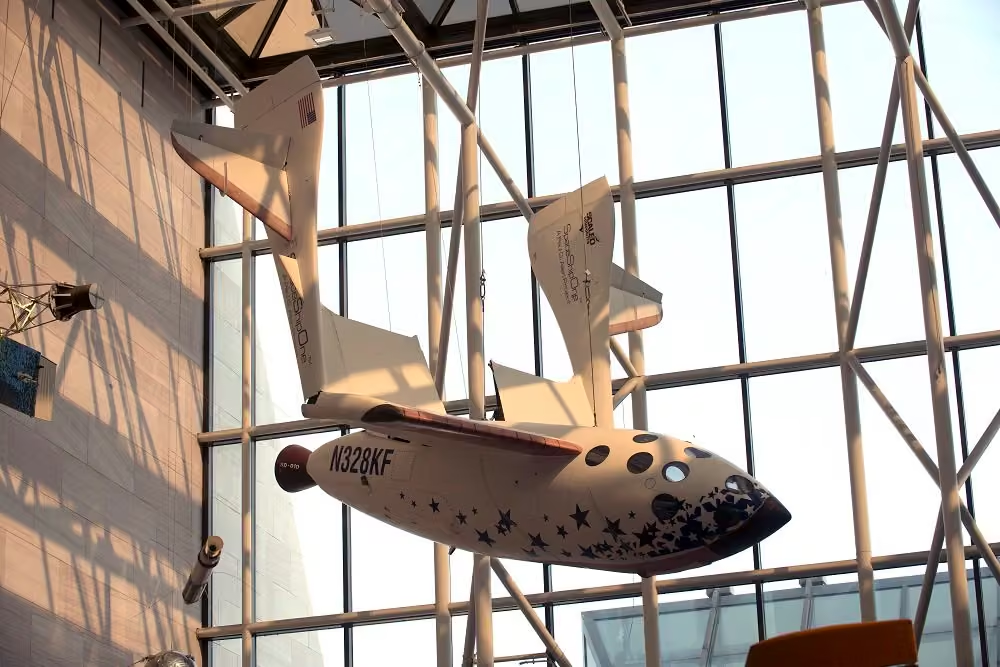
On #tdih in 2005, SpaceShipOne, the first privately built and piloted vehicle to reach space, joined our collection. It was donated to the Museum one year and one day after it won the Ansari X-Prize: s.si.edu/3tgm4xJ
The world’s first liquid-fuel rocket that achieved flight was created by Robert H. Goddard, an American rocket developer, who was born on #tdih in 1882. His innovative work in the field of rocket technology was marked by numerous pioneering advancements.
#otd in 1984, Space Shuttle Challenger launched on STS-41G with Sally Ride and Kathy Sullivan on board. The mission marked the first spaceflight in history with two women on the crew.
After its history-making launch #otd in 1957, Sputnik became a cultural sensation, sparking interior design, music, and more. Swing artist Louis Prima recorded the song “Beep! Beep!" inspired by the beeps heard around the world.
NASA astronaut Frank Rubio holds the record for the longest single spaceflight by an American. His mission aboard the International Space Station lasted 371 days. Before becoming an astronaut, Rubio was a physician, flight surgeon, and helicopter pilot. #hispanicheritagemonth
On #tdih in 2004, SpaceShipOne won the $10 million Ansari X Prize for repeated flights in a privately developed reusable spacecraft after pilot Brian Binnie flew SpaceShipOne on its third of three record-setting flights: s.si.edu/3tgm4xJ#airspacephoto
#otd in 1957, the Soviet Union put Sputnik, the world's first artificial satellite, into Earth's orbit. Sputnik contained a radio transmitter that sent back the “beep-beep-beep” heard around the world.
How do you prove the Big Bang Theory? By discovering “the basic form of the cosmic microwave background radiation.” John Mather and George Smoot did just that.
Mather gave the Museum a replica of his Nobel Prize for Physics medal #otd in 2007: s.si.edu/3KzwNvJ
#otd in 1962, Mercury "Sigma 7" launched Wally Schirra on the fifth flight of an American astronaut. His primary objective was to test methods of conserving attitude control fuel to extend flight and would let the spacecraft drift for long periods to better understand.
Our popular Air and Space After Hours event is back! Explore our new exhibitions at this free 21+ event on November 5, featuring curator chats, music and themed food and drinks. Get your free tickets before they're gone: s.si.edu/4d2Mebo
80 years ago today, the XF6U-1 Pirate made its first flight at Muroc Dry Lake, California. Chance Vought's first jet fighter, the F6U was designed for the U.S. Navy.
When Buzz Lightyear returned home from his trip to the International Space Station, he was welcomed with a ticker tape parade at Disney World on #tdih in 2009. The space-flown toy is now in our collection.
90 years ago today, the Vice President of the Autogiro Company of America landed the AC-35 in Washington, DC. Upon landing, he folded back the rotors and drove the aircraft to the Department of Commerce: s.si.edu/4z6Q77v
#otd in 1924, the 1903 Wright Flyer went on display at the International Air Races in Dayton. For years after its first flight, the aircraft was showcased at public events. It is now on display at our Museum in DC.
Today in 1942, America's first turbojet aircraft, the Bell XP-59A Airacomet, was flown for the first time by test pilot Robert M. Stanley: s.si.edu/430jk6t#airspacephoto
Free tickets are now available for Air & Scare on October 24 at the Udvar-Hazy Center. Reserve your spot to explore the spooky side of air and space at our annual Halloween event: s.si.edu/4AqBtcP
On #tdih in 1947, the North American XP-86 made its first flight. It was a prototype for America’s first operational swept-swing fighter: the F-86A Sabre.
#otd in 1958, the NACA (the National Advisory Committee for Aeronautics) officially became @NASA (the National Aeronautics and Space Administration). We hope your day is truly out of this world!
On #tdih in 1994, Space Shuttle Endeavour launched on the STS-68 mission. The mission marked the second flight of the Space Radar Laboratory, a suite of instruments for observing Earth. SRL was flown twice, once in fall and once in spring, to allow for contrasting data.
On #tdih in 2003, a team of Museum staff may have clocked one of the most unforgettable days of their careers: relocating the legendary Lockheed SR-71 Blackbird into the Steven F. Udvar-Hazy Center.
The Museum is celebrating the re-opening of two classrooms dedicated to aerospace learning thanks to a $1 million gift from GE Aerospace at our building in Washington, D.C., giving students an opportunity to spark their curiosity and imagine the possibilities of the future.
Mike Melvill piloted SpaceShipOne to an altitude of 64 miles on this day in 2004. This was the second of three record flights flown by SpaceShipOne to win the X-Prize: s.si.edu/4ycTAAV#airspacephoto
The goal: Drinking coffee from a cup in space☕ The challenge: Lack of gravity prevents liquid from flowing when you tip a regular cup ⚠️ The solution: The Zero-G Coffee Cup ✅ The inventor: Astronaut Don Pettit 🧑🚀
Watch @Astro_Pettit demonstrate an early prototype of his invention, which is still in use on the ISS today: s.si.edu/4gCPtGD
Pettit's prototype space coffee cups are in our collection. #nationalcoffeeday
The Douglas D-558-1 #1 exceeded Mach 1 for the first time on #tdih in 1948. It was flown by test pilot Eugene May and achieved supersonic flight in a 35 degree dive.
Lt. Col. Olga Custodio's career mantra is "Querer es poder."
Born in Puerto Rico, Custodio was the first Latina U.S. military pilot. She served in the U.S. Air Force for 24 years and then flew for American Airlines. Learn more about her: s.si.edu/3ZAPZga#hispanicheritagemonth
On #tdih in 1924, "Chicago" and "New Orleans," two of the four Douglas World Cruiser aircraft that traveled 175 days, 74 stops, and 27,550 miles on a history-making trip, completed the first flight around the world.
Mars Pathfinder sent its final data transmission #otd in 1997. Since landing in July of that year, Pathfinder had sent 2.3 billion bits of information, including thousands of images and over a dozen chemical analyses of rocks and soil.
On #tdih in 1927, our Boeing FB-5 Hawk was transferred to Navy squadron VF-6B on the USS Saratoga. After being retired from the Navy, it was given to an aviation school as a non-flying instructional aircraft: s.si.edu/4ye1JWh
110 year ago today, Robert H. Goddard approached the @Smithsonian seeking financial backing for his work on a sounding rocket. It worked. He was awarded a $5,000 grant that set the stage for a long relationship between Goddard and the Smithsonian.
On this week in history in 1970, Soviet Luna 16 capsule returned to Earth with soil samples from the Moon. It was first of such a mission to be completed successfully. More on the blog: s.si.edu/42fSSWf
GOES-8 captured this infrared image #otd in 1998 of a historic weather event where four hurricanes (Georges, Karl, Ivan, and Jeanne) were recorded on the same day.
Four years ago today, NASA’s DART Mission successfully collided with the non-hazardous asteroid Dimorphos as a test for potential future planetary protection. This video shows the final moments before impact.
20 years ago today, Mars Exploration Rover Opportunity reached the rim of the Victoria crater. The rover snapped this stunning picture while stuck in the sand ripple dubbed Purgatory for over a month.
85 years ago, the development of the Sikorsky XR-5 for the U.S. Army Air Forces began. This two-seat helicopter could lift more than three times the maximum payload capacity of its predecessor.
On #tdih in 1912, Bernetta Miller received her pilot's license. She joined the Moisant International Aviators and soon after traveled to DC where she became the first person to demonstrate a monoplane before US government officials. Explore her story: s.si.edu/4ee9Bxh
#otd in 1992, the Mars Observer mission launched aboard a Titan III rocket. The mission was designated for exploration of the Martian environment, but the spacecraft was lost in the vicinity of Mars in 1993.
Today in 1925, Douglas World Cruiser "Chicago" made its final flight from Dayton, Ohio, to Washington, DC, for delivery to the Smithsonian. "Chicago" was one of the two aircraft that were the first to fly around the globe in 1924: s.si.edu/3rqvTZh#airspacephoto
ON #tdih in 1973, the Skylab 3 command module, with astronauts Jack Lousma, Owen Garriott, and Alan Bean on board, splashed down in the Pacific, bringing its 59-day mission to an end.
#otd in 1911, Matilde Moisant flew to a height of 1,200 feet in her Blériot XI type monoplane at Nassau Boulevard Airport in Long Island, New York. For that accomplishment, she won the Rodman-Wanamaker altitude trophy
Three years ago today, a capsule from OSIRIS-REx landed on Earth after a 7-year mission with a sample from asteroid Bennu. The rocks and dust collected from Bennu provide scientists with insights on the formation of our solar system around 4.5 billion years ago.
Over the last 25 years, the International Space Station has been home to more than 280 astronauts from 26 different countries. Join three of them at the Museum in DC October 29 as they share stories from their time on the ISS.
John Young, born today in 1930, flew on six spaceflights (twice each during the Gemini, Apollo, and Space Shuttle programs), and served as an astronaut longer than anyone to date, with a career spanning 42 years (1962 to 2004). His enduring legacy: s.si.edu/4rxBxDN
Today in 1935, Robert Goddard attempted the launch of a liquid-fuel rocket in Roswell, New Mexico, in an effort to demonstrate its capabilities to Charles Lindbergh and Harry Guggenheim. A technical problem prevented the flight. This is likely the rocket from that day.
Could you imagine if they still delivered mail like this today?
On #tdih in 1911, a demonstration flight for U.S. air mail was made by Earle Ovington. While in flight, Ovington pushed a full mail bag out of his plane. When the bag hit the ground, the postmaster picked it up and delivered the contents.
#otd in 1902, Orville Wright got his first opportunity to pilot an aircraft in the 1902 glider. In this photo, Wilbur Wright and Dan Tate launch Orville in the glider aircraft.
180 years ago today, the search for the planet Neptune was successful for German astronomer Johann Galle. He was able to find it by using French astronomer Urbain-Jean-Joseph Le Verrier's calculations of this yet-unknown planet.
#otd in 1910, Peruvian pilot Jorge Chavez made the first crossing of the Alps by airplane in a Blériot XI. Tragically, he crashed at landing and died a few days later. September 23 is celebrated as el Día de la Aviación Nacional in Peru. #hispanicheritagemonth
This week in 1942, the prototype XB-29 flew for the first time. Today, there are only two airworthy B-29s remaining. Last year, we had the chance to take a flight in the B-29 Superfortress “Doc.”
On #tdih in 1939, the Fairchild company landed a contract with the U.S. Army to provide a total of 270 PT-19 aircraft. Learn more about the PT-19A Cornell in our collection: s.si.edu/3V7dcIL
Construction is officially underway on our new Bezos Learning Center. Located on the east end of the Museum in DC and scheduled to open in 2028, it will house education and programming spaces and a new restaurant. Learn more: s.si.edu/4xArHSH
The Army Air Forces accepted our Norseman IV on this day in 1942. The military used Norseman bush aircraft to haul passengers and cargo in remote areas around the globe: s.si.edu/461vewD
Today in 1961, the first "Chinook" helicopter, the Boeing Vertol YHC-1B, made its inaugural flight. The YHC-1B was the prototype of the highly-capable tandem rotor Boeing CH-47.
On this day in 1974, the Mariner 10 spacecraft had its second encounter with Mercury. Its mission was the first to use the gravity of one planet (Venus) to study another. A Mariner 10 flight spare is in our collection. #airspacephoto
On this day in 1942, the first XB-29 took off at Boeing Field in Seattle. The XB-29 was the prototype for the B-29 Superfortress, a critical aircraft in World War II and the first bomber to house its crew in pressurized compartments.
70 years ago today, the Jupiter-C rocket was fired for the first time. The rocket would later make history when it launched the United States's first artificial satellite, Explorer 1, in 1958.
On this day in 1904, Wilbur Wright became the first person to fly a controlled heavier-than-air plane in a complete circle. He was piloting Flyer II at Huffman Prairie.
Sharon McDougle was Mae Jemison's spacesuit technician on the STS-47 mission. McDougle made history as the first Black woman to work as a spacesuit technician, crew chief, and manager of the Space Shuttle Crew Escape Equipment Processing department.
On this day in 1960, pilot Jerrie Cobb set the world altitude record for light aircraft at 36,932 feet. Cobb was a pioneering aviator who dreamed of being one of the first women in space. More about Cobb: s.si.edu/3MSsYzH
On this day in 1931, the first British All Women's Flying Meeting was opened by the Duchess of Bedford Mary Du Caurroy (pictured here a few years earlier). Also known as the “Flying Duchess,” she started flying at age 60 and set multiple aviation records.
This week in 1948, the Convair XF-92A had its first official flight. It was the first jet aircraft with the radical delta-wing configuration. While it showed that a delta-wing aircraft was practical, it had its issues: s.si.edu/4Aop9tu
In 2022, Katya Echazarreta became the first Mexican-born woman to go to space. Her trip on Blue Origin’s sub-orbital NS-21 mission was sponsored by Space for Humanity’s citizen astronaut program.
Echazarreta has loaned her spacesuit to the Museum and it is currently on display in our new "Futures in Space" gallery. #hispanicheritagemonth
On this day in 1931, Charles and Anne Morrow Lindbergh landed in China near Nanjing as part of their months-long flight to survey commercial air routes. The aircraft they flew, the Lockheed Sirius “Tingmissartoq” is on display at the Museum in DC: s.si.edu/44XxOlV
Today in 1783, the Montgolfier brothers' balloon launched carrying the first living creatures to fly in a craft: a duck, a rooster, and a sheep. All survived and helped to demonstrate that balloon flight was safe for humans.
TIROS 6 was launched on this day in 1962. The TIROS satellites were the world’s first weather satellites and data collected from them paved the way for game-changing technology: s.si.edu/3VY8Z7a
On #tdih in 1913, the Avro 504 flew for the first time. The Avro 504 was primarily used as a trainer, becoming one of the most widely produced training aircraft of World War I: s.si.edu/3sYZKIK
Today in 1977, Voyager 1 took this image of the Earth and Moon in a single frame, captured from 7.25 million miles away. It was the first of its kind taken by a spacecraft.
#otd in 1911, Calbraith P. Rodgers departed on the first transcontinental flight across the U.S. by airplane in the Wright EX "Vin Fiz," named after the soft drink advertised on its wings—the first time an aircraft was used for commercial advertising: s.si.edu/4xpF4Ff
In 1976, Viking 1 made history as the first U.S. spacecraft to land successfully on Mars and return images from the surface. Explore how this mission reshaped what we know about the Red Planet and its possibilities. Read the ASQ article: s.si.edu/4cSNde6
On this day in 1908, a Wright aircraft experienced a mechanical malfunction involving one of the propellers and crashed, causing the first fatality in a powered airplane with the passing of Lt. Thomas O. Selfridge.
Who better than the cast of #startrek to greet Enterprise, the first space shuttle orbiter, when it rolled out of the Palmdale facility 50 years ago today? It was named after the starship from the award-winning tv show, after all.
30 years ago today, Space Shuttle Atlantis launched on the STS-79 mission to the Mir space station with some special Smithsonian cargo on board: two sets of coins commemorating the Smithsonian's 150th anniversary.
#otd in 2003, the Bell XV-15 Tilt Rotor arrived at the Museum for display. It was the first aircraft to fly onto the grounds of the then-new Steven F. Udvar-Hazy Center. More on the experimental craft: s.si.edu/4yHhiWv
Today in 1910, Bessica Raiche made the first accredited solo flight by a woman in the U.S. using a plane she built with her husband in their living room. After Raiche retired from flying, she became a practicing physician. Discover her story: s.si.edu/3TjMecM
On #tdih in 1954, the Museum's Lockheed T-33A jet trainer was accepted by the @USAirForce. It remained with the DC Air National Guard at Andrews Air Force Base until it joined our collection in 1987: s.si.edu/477ReYB
#otd in 1969, the Apollo 11 astronauts addressed a Joint Session of Congress, speaking about their historic Moon landing mission. Read command module pilot Michael Collins' remarks on our website: s.si.edu/32JG3lX
Astronaut John D. “Danny” Olivas dreamed of joining the space program from a young age, and went on to fly two Space Shuttle missions, complete five spacewalks, and become the first person of Mexican-American heritage to walk in space.
Olivas donated a pair of custom cowboy boots to the Museum that were made in his hometown of El Paso, featuring the emblem of his STS-128 mission aboard Discovery. More on the blog: s.si.edu/459b3vb#hispanicheritagemonth
#otd in 1984, Col. Joe Kittinger departed Maine on the first solo balloon flight across the Atlantic. The flight jacket and scarf Kittinger wore on the flight are part of our collection.
#otd in 2017, the Cassini spacecraft plunged into Saturn's atmosphere, the end of its Grand Finale, which included a series of nearly two dozen nail-biting dives between the planet and its icy rings: s.si.edu/4eqzUjc
On this day in 2005, the Pathfinder Plus solar aircraft completed its last research flight at NASA Dryden. It was developed with the goal of being able to fly uncrewed for multiple days using solar power. Pathfinder Plus is on display at the Udvar-Hazy Center.
🛰️ Weather forecasting has been space‑powered longer than you think — and it all started with TIROS‑1!
TIROS‑1 wasn't just the first operational weather satellite… it was a breakthrough that changed how we see our planet. In a new On Air video, we take a quick look at its early images and how they transformed global weather prediction. Watch the full video: s.si.edu/4rdWNxZ
On this day in 1939, aviation pioneer Igor Ivanovitch Sikorsky made the first tethered flight of the VS-300 helicopter prototype. The flight lasted 10 seconds and went only a few inches off the ground.
On this day in 1994, World War I pilot Eugene Bullard was posthumously commissioned a second lieutenant in the U.S. Air Force. He was the only African American pilot in WWI, flying for France after the U.S. denied his request to fly in the Army Air Service.
A Lockheed F-117A Nighthawk stealth fighter is joining the National Air and Space Museum collection. The F-117 is the world’s first true operational stealth combat aircraft.
Transferred from the U.S. Air Force and prepared for public display by Lockheed Martin Skunk Works, our F-117 will make its debut at the Steven F. Udvar-Hazy Center in late October. Learn more: s.si.edu/4yAERA4
The Museum's Fairchild FC-2 made the first scheduled passenger flight to take place in Peru. That flight, from Lima to Talara, occurred on this day in 1928. FC-2s had enclosed cabins that protected passengers and allowed them to cruise for long distances at high altitudes.
Every rocket has a story. Explore how the National Air and Space Museum's collection reveals the breakthroughs, experiments, and engineering that helped transform the dream of spaceflight into reality.
On this day in 1935, film producer Howard Hughes set a new world speed record for land-based aircraft in his H-1 Racer, flying it to 352 mph. Learn more: s.si.edu/3TR407Z#airspacephoto
On this day in 1961, Mercury Atlas 4 launched on the first successful orbital flight test of the Mercury program. The mission helped prove the Atlas rocket’s ability to lift the Mercury capsule into orbit.
On this day in 1974, our Lockheed SR-71 Blackbird made a world speed record flight from London to Los Angeles in 3 hours, 47 minutes, and 39 seconds. You can see this supersonic spy plane on display at the Udvar-Hazy Center.
60 years ago today, Pete Conrad and Dick Gordon launched on Gemini XI. During the mission, five spacecraft maneuvers were made to successfully rendezvous and dock with an Agena target vehicle.
On this day in 1992, Dr. Mae Jemison became the first African American woman in space on board Space Shuttle Endeavour on STS-47. Learn more: s.si.edu/46bcXwz
A firsthand account from the manager of Washington Reagan National Airport on 9/11 (now Museum director) reflects on the chaos of that morning, the rapid airport shutdown, and the extraordinary dedication of air traffic controllers and first responders. Read the new #asq article:
On #tdih in 2009, Buzz Lightyear returned from the International Space Station onboard Discovery (STS-128) after 15 months in Earth orbit on the ISS. The flown toy later joined our collection: s.si.edu/47EW7dj
Rescue Truck Foam 331 was the first foam-carrying rescue truck from @Reagan_Airport sent to respond to the attack on the Pentagon 25 years ago today on 9/11.
Learn more about the truck's essential role in responding to the attack on the Pentagon: s.si.edu/3LiqF8G
80 years ago today, the prototype North American XFJ-1 flew for the first time. The FJ-1 was flown by pilots in the VF-5A fighter squadron and it made its first landing on an aircraft carrier in March 1948.
25 years ago today, on September 11, 2001, at 9:45 am, the FAA closed U.S. airspace. It was the first unplanned closure of U.S. airspace in history. In just a matter of hours, all commercial air traffic was grounded. #september11
On September 11, 2001, terrorists hijacked four airliners: American Airlines 11 and United Airlines 175, which flew into the World Trade Center; American Airlines 77, which flew into the Pentagon; and United Airlines 93, which crashed in rural Pennsylvania.
Today, we remember and honor the lives lost 25 years ago and the families affected by that tragic day.
On this night in 1967, Surveyor 5 landed on the lunar surface in the Sea of Tranquility. It was the first spacecraft to conduct a soil analysis on the Moon.
This Surveyor engineering model is in our collection. #airspacephoto
Tonight: Tune in to a panel discussion bringing together first responders and aviation personnel to reflect on 9/11 with an emphasis on stories from National Airport and the Pentagon.
Although Vought F4U Corsairs didn't have many air-to-air encounters during the Korean War, Marine pilot Jesse Folmar destroyed a MiG-15 in aerial combat over Korea while flying a Corsair on this day in 1952.
Today in 2007, the Cassini spacecraft snapped this image of the first high-resolution image of Saturn's moon Iapetus during its closest flyby of the two-toned surface.
#otd in 1975, Viking 2 launched on a mission to Mars. The Viking-A spacecraft was scheduled to be launched first but ended up being launched second due to a problem with its batteries. It was re-designated Viking 2.
This helicopter evacuation pod was once used to transport injured patients. Recently, it received conservation treatment ahead of going on display in a new Museum gallery. Take a behind-the-scenes look in a new blog: s.si.edu/4j0qv7s
On #tdih in 1959, an uncrewed Mercury capsule, Big Joe, was launched on a suborbital flight. It became the second launch of the Mercury program and the first to use an Atlas booster. Big Joe was recovered in the Atlantic after reaching a peak altitude of 95 miles.
These Spock ear tips are from Leonard Nimoy's personal collection.
They are currently featured in the "Kenneth C. Griffin Exploring the Planets Gallery" to illustrate cultural imagination about possible life on other planets. Learn more: s.si.edu/3SDHYIp#startrek60th
On #tdih in 1920, the first transcontinental airmail route was inaugurated with an airmail flight by a De Havilland DH-4 like the one seen here. Compared to moving the mail by train, flying the mail cut coast-to-coast delivery time by about a day.
Think you know Trek? On the franchise's 60th anniversary, test your knowledge of both Star Trek lore and its Museum connections. Warp engines are standing by. Good luck!
#otd in 2009, Space Shuttle Discovery (STS-128) left the International Space Station with a unique passenger: a Buzz Lightyear toy that had just spent 15 months in space. The toy later joined our collection.
60 years ago today, #startrek (TOS) debuted on TV screens across the U.S. 🖖
The original starship Enterprise studio model used in filming of the Original Series is in our collection. It is currently off display as we upgrade its case, but on a temporary one-day display today for the 60th anniversary, and will return to permanent display later this month. #startrekday
When the Museum received our V-2, it was painted black and white. It was displayed that way for decades. Before putting it back on display in “RTX Living in the Space Age," we repainted it to a more accurate camouflage green. Read more on the blog: s.si.edu/4aJbRg6
Although the studio model of the Star Trek starship Enterprise is temporarily off display as we upgrade its case, we are pulling it out of the space dock for a special one-day display tomorrow in honor of the 60th anniversary of Star Trek. Learn more: s.si.edu/4d5sSlL
Can't visit tomorrow? Don't worry, it will be back on permanent display soon!
On this day in 1944, Germany conducted its first operational launches of a V-2, the first long-range ballistic missile, against Paris. Both rockets that were launched failed but their campaign continued the next day with successful launches against Allied cities.
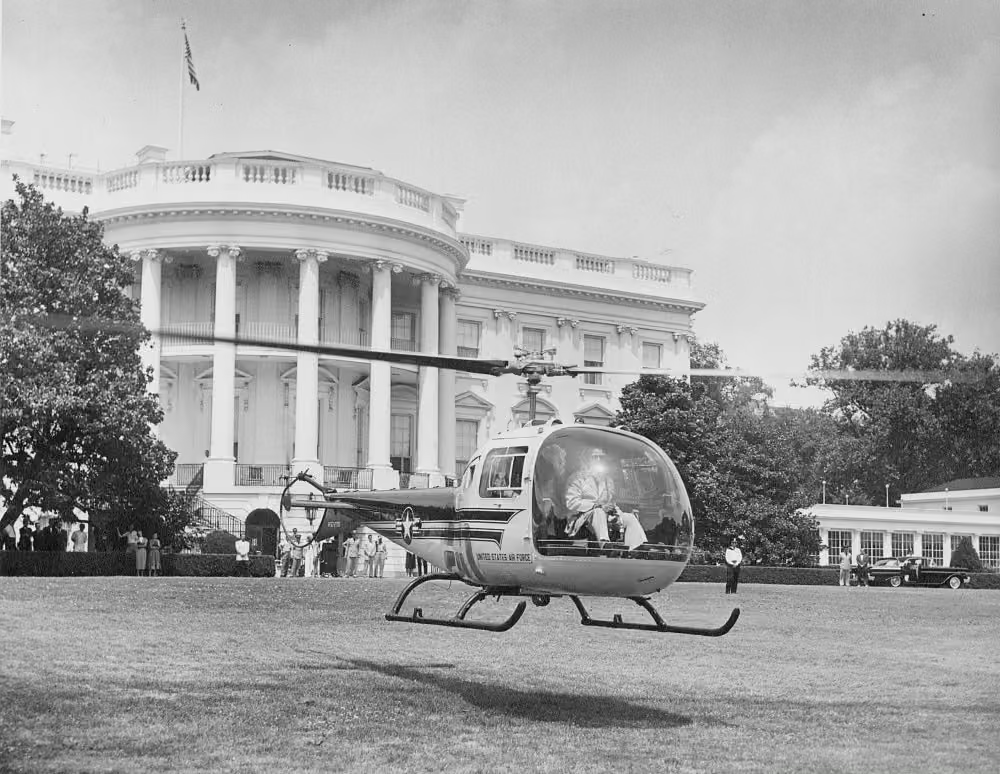
President Eisenhower took his second helicopter ride, in a Marine HUS-1 on this day in 1957. He preferred it to his first flight in H-13J, so presidential helicopter arrangements were restructured to include HUS-1 and the Army version, H-34C: s.si.edu/3V4jg1u
On #tdih in 2000, Jennifer Murray became the first woman to fly solo around the world in a helicopter. That helicopter, a Robinson R44 Astro, is on display at the Udvar-Hazy Center: s.si.edu/4p1MlIq
On this week in history in 1936, Beryl Markham completed the first East to West solo Atlantic crossing by a woman. She flew from England to Nova Scotia.
#otd in 1969, Neil Armstrong was welcomed home to Wapakoneta, Ohio, with a parade and celebration. Bob Hope was marshal for the parade and the Goodyear Blimp made an appearance as well: s.si.edu/4mNePEf
Today in 1958, President Eisenhower authorized planning to build a museum on the National Mall between Fourth and Seventh Streets: the National Air Museum (that's us).
On #tdih in 1984, Space Shuttle Discovery completed its inaugural voyage on the STS-41D mission. Over the next 27 years, it would go to space 38 more times—more than any other Space Shuttle in the fleet. Discovery is on display at our Udvar-Hazy Center: s.si.edu/3JLa0g5
The Boeing 247 was 50 percent faster than its competitors and the aircraft's innovative design launched a new generation of commercial airliners. The Museum's 247-D made its first flight #otd in 1934: s.si.edu/3sHQIjk
On #tdih in 1977, Voyager 1 launched on a mission to explore outer planets Jupiter and Saturn. But it didn't stop there. In 2012, Voyager 1 became the first spacecraft to reach interstellar space.
#otd in 1934, Wiley Post reached the stratosphere in his Lockheed Vega "Winnie Mae." The aircraft didn't have a pressurized cabin, so he wore a pressure suit and helmet designed for him by the B.F. Goodrich Company, which is in our collection.
On this day in 1923, US Navy airship ZR-1 Shenandoah, the first rigid airship made in the United States and the first to be inflated with helium, made its first flight. Discover the story behind the USS Shenandoah: s.si.edu/3HWC5AI
For centuries, artists have been inspired by flight, space exploration, and the wonder of the skies. Join us next Saturday at the Museum in DC for a free family day about the art of air and space. Reserve free tickets now: s.si.edu/4zXjFWy
Lt. James H. Doolittle was the first to make a transcontinental flight in a single day. He took off on this day in 1922 from Florida, made a refueling stop in Texas, and landed in California. Doolittle traveled a total of 2,163 miles in 21 hours and 20 minutes.
On this day in 2002, we acquired Steve Fossett's Bud Light Spirit of Freedom gondola. In this gondola, Fossett made the first solo flight around the world in a balloon. The trip lasted 14 days and 19 hours: s.si.edu/4e9NI1E#airspacephoto
When Viking 2 landed on Mars 50 years ago today, it took its first image of the surface within minutes. The picture reveals a wide variety of rocks littering a surface of fine-grained deposit.
From early aircraft to modern spacecraft, wind tunnels powered by large fans have helped engineers understand how vehicles behave in flight. Discover why the NACA Wind Tunnel Fan is curator Joseph Abel's Top Pick: s.si.edu/4cqJsMP
On this day in 1908, the Wright brothers began flight trials on an aircraft built for the US Army Signal Corps. In 1909, the Wright Military Flyer became the first military airplane. It's on display in our Early Flight gallery.
50 years ago today, the Viking 2 lander touched down on the surface of Mars. You can see a Viking lander test article at our Museum in DC. Discover the story that connects Viking and the Museum in a recent blog: s.si.edu/4pylgxa
On this day in 1925, the US Navy’s first rigid airship, USS Shenandoah (ZR-1), broke apart in a violent storm over Noble County, Ohio. The disaster reshaped US airship design. Take a deep dive and learn more about the airship’s history: s.si.edu/4pdyT4v
Contact with the Mars-bound Soviet spacecraft Phobos 1 was lost on #tdih in 1988. A faulty command sequence that was sent caused the spacecraft to shut down.
After the Japanese instrument of surrender was signed on the deck of the USS Missouri #otd in 1945, hundreds of Allied aircraft flew overhead in a celebration of the end of both the Pacific War and #worldwarii as a whole. More on the blog: s.si.edu/4nbvuB5
#otd in 1937, the Grumman F4F Wildcat flew for the first time. By 1942, every American Navy fighter squadron flew the aircraft. More on the Wildcat in our collection: s.si.edu/3VAqk5T#airspacephoto
Blanche Stuart Scott became the first American woman to take a solo hop into the air on #tdih in 1910. The 40-foot hop was unofficial, but her audacity is official in our eyes. Learn more about Scott: s.si.edu/41v7VuT
Today in 1945, World War II officially ended when representatives from the Empire of Japan met with those of the United States and other Allied nations to sign the surrender document aboard the battleship USS Missouri in Tokyo Bay.
#otd in 1979, Pioneer 11 made its closest approach to Saturn. The spacecraft was the first to study the ringed planet up close. It found a new ring of Saturn and discovered two new small moons.
The International Air Races and Gordon Bennett Balloon Races began outside Chicago on September 1st in 1933. This poster promoting the event is part of our poster collection: s.si.edu/4qRf6ce
On #tdih in 1982, H. Ross Perot Jr. and J. Coburn departed in the "Spirit of Texas" on the first round-the-world flight by helicopter. “Spirit of Texas” is on display at the Udvar-Hazy Center: s.si.edu/3Mr7kT5#airspacephoto
The USPS honored Dr. Theodore von Kármán with this commemorative stamp #otd in 1992. Dr. von Kármán helped establish the test facility that would become the California Institute of Technology's Jet Propulsion Laboratory. Learn more: s.si.edu/45DPqEI
On this day in 1944, our Sikorsky JRS-1 ended active service after 1,850 flying hours. It is the only aircraft in our collection present at the attack on Pearl Harbor: s.si.edu/4oWBAY5
Before becoming a NASA astronaut, Mike Massimino faced his share of setbacks. In this interview, he reflects on how persistence, not perfection, helped him achieve a lifelong dream of spaceflight. Read his #asq interview here: s.si.edu/4x4kavp
Aero Spaceline Industries' line of Guppy aircraft was a solution for transporting oversized cargo. The Super Guppy is built from a retired Boeing YC-97J Stratofreighter and its cargo bay is 25 ft wide, 25 ft tall, and 111 ft long. It flew for the first time on this day in 1965.
On this day in 2005, Pathfinder Plus—a high-altitude, solar-powered, uncrewed experimental aircraft—conducted a turbulence measurement research flight.
Pathfinder Plus is on display at the Udvar-Hazy Center.
Space Shuttle Discovery's first mission on August 30, 1984, began an illustrious career for the workhorse of the Space Shuttle fleet. It flew every kind of mission an orbiter was meant to fly. You can visit Discovery at the Steven F. Udvar-Hazy Center in Virginia.
This is the in-flight suit that Guy Bluford wore during the August 30, 1983, spaceflight on which he became the first African American in space. It is in our collection and is going back on display this fall when the "At Home in Space" exhibition opens.
On this day in 1982, the Museum acquired our Lockheed U-2C from the U.S. Air Force. The Lockheed U-2 conducted secret high-altitude reconnaissance flights during the Cold War. The Museum's U-2 was the seventh one built and was originally flown by the CIA: s.si.edu/4mJgkU2
On this day in 1983, Guion S. Bluford became the first Black American astronaut to fly in space during the STS-8 mission on board Space Shuttle Challenger. Discover more of Bluford's story on the blog: s.si.edu/45FHDIP
On this day in 1962, a U-2 confirmed the presence of Soviet intermediate-range ballistic missiles in Cuba, which led to the Cuban Missile Crisis. Pictured here is the SA-2 surface-to-air missile (SAM) site under construction at La Coloma.
Tomorrow, NASA will launch its new Nancy Grace Roman Space Telescope.
But who is it named for? Nancy Grace Roman was NASA's first Chief of Astronomy and was known as the "Mother of the Hubble Space Telescope." Learn more on the blog: s.si.edu/4ckFTHX
On this day in 1970, the McDonnell Douglas DC-10 flew for the first time. The DC-10 resolved the need for an airplane that was smaller than the 747 but could seat 250 to 360 passengers.
#otd in 1964, Nimbus 1 launched. Nimbus 1 was the first in a series of meteorological research-and-development satellites. One of its objectives was to provide improved photographs of local cloud conditions by an automatic picture transmission (APT) system.
On this week in 1975, NASA transferred this Lockheed F-104A Starfighter to us after flying it for 19 years as a flying test bed and a chase plane. It was used to test the reaction controls later used on the North American X-15: s.si.edu/3Z0X0bF
On #tdih in 2009, less than a minute before midnight, Space Shuttle Discovery launched from Kennedy Space Center on the STS-128 mission. It was carrying the "Leonardo" Multi-Purpose Logistics Module.
On this day in 1932, the National Aeronautic Association's National Air Races began in Cleveland, Ohio. This poster from the event is in our collection.
On this day in 1962, Mariner 2, the first successful mission to another planet, launched to Venus. It started the era of robotic exploration of the planets, moons, asteroids, and comets in our solar system. #airspacephoto
Airport manager. Air traffic controller. Fire chief. Hear reflections from the staff working at National Airport on on 9/11 at a panel discussion September 10 at the Udvar-Hazy Center and live on YouTube.
Our Lockheed F-104A Starfighter (55-2961) was flown for the first time on this day in 1956 by the NACA (now NASA) after being received at Edwards Air Force Base the day before: s.si.edu/469Bvsu
Wright Company secretary Katharine Wright was active in Dayton, Ohio's suffrage movement. In 1914, she (along with brother Orville and father Milton) participated in a march in support of women's suffrage.
Today 1999, NASA’s Chandra X-ray Observatory released its "First Light" image of Cassiopeia A. Cas A is the remnant of a star that collapsed about 300 years ago and is 10 light years wide. The X-ray image shows an expanding shell of hot gas from the supernova remnant.
Katherine Johnson #otd in 1918. As a mathematician who calculated trajectories for some of NASA’s most important missions, her contribution to history cannot be overstated, though it was overlooked for decades. More on her legacy: s.si.edu/4oKqHIy
#otd in 1950, "Glamorous Glennis," the aircraft in which Chuck Yeager broke the sound barrier for the first time, was presented to the Smithsonian. #airspacephoto
#otd in 2003, NASA launched the Spitzer Space Telescope, the fourth in the Great Observatory program. During its 16-year mission, Spitzer provided a unique, infrared view of the universe and scientists continue to use its data to make discoveries: s.si.edu/41WsoZE
The National Park Service celebrated its birthday today!
In addition to visiting in person, we can also view many National Parks from space, like Glacier Bay National Park & Preserve, Grand Canyon National Park, and Crater Lake National Park. More on the blog: s.si.edu/4dWnCPv
#otd in 1932, Amelia Earhart completed the first solo, nonstop flight across the United States by a woman. She flew 2,447 miles from Los Angeles, California, to Newark, New Jersey, in 19 hours and 5 minutes, setting a women's distance record.
On #tdih in 1989, Voyager 2 made its closest approach to Neptune, getting within 3,000 miles of the planet. Voyager 2 gave us our first close-up look at the planet. No spacecraft has visited Neptune since — making Voyager 2 the first-and-only spacecraft to visit the planet.
55 years ago today, the M2-F3 lifting body went supersonic for the first time. The rocket-powered M2-F3 was launched from beneath a B-52 mothercraft at an altitude of 45,000 feet and would glide to a landing.
This photo of it launching from a B-52 was taken earlier that month.
This photo was taken today in 1909 of Louis Paulhan as he turned a pylon in his Voisin 1909 Type Biplane at the Grande Semaine d'Aviation de la Champagne.
It's been 20 years since Pluto was reclassified as a dwarf planet. But why was it? In a new blog, Museum scientist Jenny Whitten explores how Pluto and the Kuiper Belt changed the definition of a planet: s.si.edu/4gA3eGZ
On this day in 1932, Amelia Earhart departed in her iconic red Lockheed Vega on the first solo nonstop flight across the United States by a woman. Her "Little Red Bus" is on display at the Museum in DC. #airspacephoto
On this day in 1961, Jacqueline Cochran set a new speed record for women flying the Northrop T-38 Talon on display at the Museum in DC. Learn more about the records Cochran set in this aircraft: s.si.edu/4mH0r08
20 years ago today, Pluto was reclassified as a "dwarf planet" when the IAU passed a resolution redefining the criteria for planetary status. Pluto isn't classified a planet because it has not "cleared the neighborhood" of its orbit: s.si.edu/4b2Bx5U
65 years ago today, Ranger 1, the first mission in the Ranger program, launched from Cape Canaveral Air Force Station. A rocket malfunction during launch caused the spacecraft to get stranded in low-Earth orbit.
On #tdih in 1954, a prototype of the Lockheed C-130 Hercules cargo aircraft made its inaugural flight. It wasn't flashy, but it got the job done. Read more s.si.edu/3yTtz0F
In our "Nation of Speed" exhibition, we explore how Americans have shaped our lives and the world by embracing technologies that shatter time and distance on land, in the air, and out in space.
Artifacts on display include race cars, motorcycles, air racers, and more. Explore "Nation of Speed" from anywhere through our virtual tour: s.si.edu/4gk2eGI
Louise Thaden (pictured here) and Frances Marsalis set a women's flying endurance record today in 1932, after a 196 hour flight in a Curtiss Thrush monoplane.
On #tdih in 1909, the world’s first major international flying meet opened in Reims, France. Twenty-three aircraft participated in events at La Grand Semaine de l’Aviation de la Champagne.
#otd in 1963, Joe Walker made his last X-15 flight—and set an altitude record while he was at it. He took the North American X-15 to 354,300 feet (67 miles). Walker was posthumously awarded astronaut wings in 2005.
Did you know there’s an Indycar racer on display at our Museum? Mario Andretti’s Indy 500 STP Hawk No. 2 is in our “Nation of Speed” exhibition, which recounts our desire to become the fastest on land, sea, air, and space.
On this day in 1944, the prototype Grumman XF8F Bearcat made its first flight. The Bearcat was introduced as a piston-engined fighter aircraft for the U.S. Navy and later became popular for air racers.
On this day in 1965, Gemini V launched with astronauts Gordon Cooper and Pete Conrad. During their eight day mission, they circled the Earth 120 times.
On this day in 1961, a Douglas DC-8 became the first commercial airliner to break the sound barrier during a test flight. The aircraft exceeded Mach 1—the only intentional supersonic flight by an airliner other than the Concorde and the Tu-144. More: s.si.edu/3wgETiL
The Sonic Wind 1 rocket sled was powered by nine solid fuel rockets with 40,000 pounds total thrust for five seconds. Today in 1954, John Stapp made his second run on the sled, reaching a speed of 735 feet per second. Sonic Wind 1 is on display in our Nation of Speed exhibition.
On this day in 1977, Voyager 2 launched on a Titan-Centaur rocket. On a mission to the outer planets, it eventually flew by Jupiter, Saturn, Uranus, and Neptune.
This weekend, access to the National Air and Space Museum in D.C. will be impacted by the Freedom 250 Grand Prix. Here’s what you need to know:
On Friday, August 21, the Museum will be open to the public. Free same day passes will be required and will be available via QR code on signage outside the entrance on Jefferson Drive. To reach the Museum, you will need to go through a Grand Prix security screening. Clear bags are not required on Friday. The closest entry point is Gate 6 at 4th St and Independence Avenue SW.
On Saturday, August 22, and Sunday, August 23, the Museum will be accessible only to individuals with a “Stripes” Grand Prix ticket, as we are located within the “Stripes” General Access area. On Saturday and Sunday, the Grand Prix has a clear bags and prohibited items policy in place. Once you reach the Museum, scan a QR code on signage outside the entrance to get a free same-day pass. On Sunday, guests will also go through Grand Prix security screening when leaving the Museum.
Learn more about visiting the Museum this weekend: s.si.edu/4gp2vZ5
On this day in 1975, Viking 1 launched on an 11-month journey to Mars. Viking was the first U.S. mission to land a spacecraft safely on the surface of Mars and return images of the surface. The Viking Lander proof test article is on display in DC.
On #tdih in 1940, the North American B-25 Mitchell aircraft flew for the first time. The B-25 gained recognition during the famous Doolittle Raid in 1942.
#otd in 1960, a USAF C-119J recovered the Discoverer 14 film capsule, which contained top-secret spy photos of the Soviet Union. It was the first midair recovery of a capsule returning from orbit.
The 19th Amendment was ratified on #tdih in 1920. In this blog, we explore women's suffrage stories found within our Archives, including flights in support of suffrage, comments on suffrage from popular female aviators, and more: s.si.edu/3HTCWBY
#otd in 1987, this De Havilland-Canada DHC-1A Chipmunk "Pennzoil Special" was delivered to the Museum. Veteran aerobatic and movie pilot Art Scholl flew it in airshows around the country in the 1970s and early 1980s. #airspacephoto
#otd in 2003, our restoration of the B-29 Enola Gay was officially completed, with the aircraft fully reassembled for the first time since 1960. Enola Gay went on display at the Udvar-Hazy Center when it opened a few months later.
Astronomer Asaph Hall discovered Phobos, the larger of Mars' two moons, on this day in 1877. The Red Planet is named for the Roman god of war (Mars) and its moons are named for the personification of fear (Phobos) and terror (Deimos).
75 years ago today, Col. Fred J. Ascani set a world speed record of 635.686 mph in a F-86E Sabre at the National Air Races. The flight earned him the Mackay Trophy, which recognizes the most meritorious flight of the year.
Hamilton led the development of the flight software design that powered Apollo 11's historic journey to the Moon. Discover her story on the blog: s.si.edu/4ly0ASi
Like other pioneering aviators before them, the crew of Double Eagle II made history crossing the Atlantic.
Double Eagle II completed the first balloon flight across the Atlantic on this day in 1978, flying the 3,100-mile flight from the US to France in 137 hours and 6 minutes.
NASA flight director and Apollo legend, Kranz's iconic vests came to represent the strong and can-do approach that pervaded his mission control team. His white vest from Apollo 13 is in our collection: s.si.edu/45V4ksw
On this day in 1969, Darryl Greenamyer broke the 30-year-old speed record for piston-engine aircraft held by the German Messerschmitt Me 209 when he reached 483 mph in this heavily modified Grumman Bearcat. It's on display at the Udvar-Hazy Center in Virginia. #airspacephoto
On this day in 1933, Apollo astronaut Stuart Roosa was born. Roosa was command module pilot on Apollo 14. Before becoming an astronaut, he was a smokejumper for the U.S. Forest Service and an experimental test pilot at Edwards Air Force Base.
On this day in 1960, U.S. Air Force Capt. Joseph W. Kittinger made a record-setting high-altitude parachute jump, stepping from a balloon-supported gondola at 102,800 feet. The record would stand for over 50 years. Read more: s.si.edu/3NTeIqE
On this day in 1944, the German Messerschmitt Me 163 Komet flew its first operational sortie. It was the first and only tailless rocket-powered interceptor to see operational service. A Me 163 B-1a is on display at the Steven F. Udvar-Hazy Center: s.si.edu/3UwIpl6
All aboard the Goodyear Blimp! 🧑✈️ At this year's EAA AirVenture in Oshkosh, Wisconsin, Museum photographer Mark Avino had the opportunity to fly on this iconic airship. He even spotted the Museum's tent from the air!
Blink and you'll miss it! On this day in 2002, Asteroid 2002 NY 40 was captured passing near Earth, approximately 326,000 miles at closest approach. Here's what it looked like on this video by NOAO.
On this day in 1935, aviator Wiley Post and humorist Will Rogers crashed near Point Barrow, Alaska, and died a short time later. The nation entered a state of mourning, as their loss impacted two bright spots in American culture during the Depression: aviation and film.
As a teenager, Robert Goddard climbed a cherry tree to trim its branches. Looking out over the fields, he imagined a device that could reach Mars. He later called it the day his life's purpose began.
On this day in 1945, Japanese Emperor Hirohito, in a radio address to the empire, announced the Japanese government’s surrender. World War II in the Pacific had come to an end.
Smithsonian curator Paul Garber was responsible for collecting many of our iconic aircraft, including the Spirit of St. Louis, and was indispensable in the effort to create our museum. #otd in 1987, he was made honorary director of the Museum for the day.
When our F-15 joined our collection on this day last year, it flew in, landing at Dulles airport, taxiing over to the Udvar-Hazy Center, and officially becoming part of the National Air and Space Museum collection.
One year ago today, our McDonnell Douglas F-15C arrived at the Steven F. Udvar-Hazy Center to join our collection. The F-15 Eagle is one of the most historically significant fighter aircraft since World War II, in part because of its combat record over the past 50 years.
This Korn-built Benoist Type XII had its ups and downs. Destroyed in a crash on this day in 1913, it was rebuilt five years later, and then disassembled for storage, before we restored it in the 1980s. It's now on display at the Udvar-Hazy Center.
One year ago today, our McDonnell Douglas F-15C arrived at the Steven F. Udvar-Hazy Center to join our collection. The F-15 Eagle is one of the most historically significant fighter aircraft since World War II, in part because of its combat record over the past 50 years.
On this day in 1911, Matilde Moisant became the second woman in the U.S. to receive a pilot's license. She learned to fly alongside Harriet Quimby and together the two pioneering pilots joined the Moisant International Aviators: s.si.edu/4cnZ0hw
On this day in 2018, the Parker Solar Probe launched aboard a Delta IV Heavy rocket on a mission to study the Sun. A full scale model of the spacecraft recently joined our collection and is on view at the Udvar-Hazy Center: s.si.edu/4bMqDDv
80 years ago today, the National Air Museum was established by Public Law 722. Before we added "and Space" to our name and opened our museum in DC 30 years later, National Air Museum artifacts were displayed in various Smithsonian buildings.
We can truly say that we have a unique picture to share on World Elephant Day.
This photo was taken during a world tour (or "Fourth Orbit") of John Glenn's Mercury Friendship 7 spacecraft in Sri Lanka. More on the blog: s.si.edu/4mc2SHQ
On this day in 2005, the Mars Reconnaissance Orbiter was launched to study the history of water on Mars. Its HiRISE camera has returned some incredible photos of the Red Planet. More about the mission: s.si.edu/45vXQPv
Today in 1977, Space Shuttle Enterprise (crewed by Fred Haise and Gordon Fullerton) made its first free flight from a 747 during shuttle approach and landing tests.
A lifelong Star Wars fan reflects on how childhood adventures with Kenner action figures evolved into a career at the National Air and Space Museum, where science fiction meets real-world exploration. Read the new blog for more: s.si.edu/4bFpo98
On #tdih in 1960, the Discoverer XIII reentry capsule became the first human-made object to be recovered from orbit. "Discoverer" was the cover name for the highly classified Air Force/CIA Corona photoreconnaissance satellite program: s.si.edu/3DRYKID#airspacephoto
On this day in 1954, the NACA delivered this Northrop P-61C Black Widow to the Smithsonian. The Black Widow was the first U.S. aircraft designed to locate and destroy enemy aircraft at night and in bad weather, thanks to on-board radar: s.si.edu/3YFiOJT
On this day in 1990, the Magellan spacecraft entered orbit around Venus. By the end of its mission, the space probe had mapped over 98% of Venus's surface. More about the mission via NASA: s.si.edu/46JHT8k
The Smithsonian collected aerospace artifacts long before our museum had an official building. Here's a throwback to some of our most popular artifacts on display in the Arts and Industries building.
60 years ago today, Lunar Orbiter 1 launched to the Moon on a mission to photograph safe landing sites for the Surveyor and Apollo missions: s.si.edu/4kQnAMf
An engineering model of Lunar Orbiter 1 is on display in Boeing Milestones of Flight Hall.
The Star Trek starship Enterprise studio model is temporarily going into space dock (safe storage) beginning August 17 as the Museum upgrades the display case. The new case — in the same location on display near the Independence Avenue exit — will be ready later this fall, ensuring the safety and longevity of this iconic artifact for years to come.
But we won’t miss the milestone birthday! On September 8, the model will return for a one-day public display in honor of the 60th anniversary of the premiere of "Star Trek: The Original Series."
Today in 1975, amateur astronomer Dennis Milon took this photo of Comet C/1975 N1 (Kobayashi-Berger-Milon). The spiral galaxy at the bottom of the picture is Messier 106.
On this week in 1980, Janice Brown made the first sustained flight of a solar-powered aircraft in Gossamer "Penguin." More on that flight: s.si.edu/4hoLIYi
50 years ago today, Luna 24 launched to the Moon, where it would land in the Mare Crisium (Sea of Crises) nine days later to collect lunar samples. It was the last Soviet probe to the Moon.
#otd in 1947, Clifford Evans and George Truman began their around-the-world flight in a pair of Piper PA-12 Super Cruisers. They succeeded four months later, the first time light personal aircraft circled the globe. #airspacephoto
In "Star Quarters," on display in the Flight and the Arts Center," Robert Rauschenberg accurately depicted constellations overlaid with everyday images and icons across four panels. The first panel shows Aquila and Cygnus beside Pegasus flying with biplane wings.
#otd in 1908, Wilbur Wright made the first public flight of a Wright airplane in Europe, dispelling doubts of the Wrights' achievement: s.si.edu/3VJ9a6Q
Viewing the painting “Spitfire" by photorealist painter Audrey Flack is like looking at a plane spotting puzzle. In eye popping primary colors, a playful collection of boxed sets, built models, and playing cards represent an array of aircraft. Visitors can see "Spitfire" in “The Art of Air and Space.”
Kiddo had an eventful flight as a stowaway on airship America in 1910. It lead to one of the first radio communications from an aircraft in flight: “Roy, come and get this ---damn cat.”
On this day in 2012, Mars rover Curiosity arrived at the Red Planet to begin a decade of exploration. It landed at Gale Crater where it has been conducting science to learn more about Mars's past habitable environment.
In William Wegman's triptych "Hello There," on display in our new Flight and the Arts Center, the artist's dogs appear as astronauts in space. One gazes through a window of a space station filled with everyday household objects, while another waves during a spacewalk.
On this day in 1945, Nakajima Kikka (Orange Blossom), Japan's first jet aircraft capable of unassisted takeoff, flew for the first time: s.si.edu/4fZT55S
Command module Endeavour returned to Earth and splashed down in the Pacific Ocean on this day in 1971. One of the three parachutes failed to open fully, so descent velocity was 2.8 mph faster than planned.
On this day in 1980, Janice Brown made the first sustained flight of a solar-powered aircraft in Gossamer "Penguin." More on that flight: s.si.edu/4fwkTOD
On August 1, 1954, James F. "Skeets" Coleman completed his first free flights in this Convair XFY-1 Pogo, a prototype Vertical Take-Off and Landing (VTOL) combat aircraft: s.si.edu/40KI9BE
Restoration work on "Enola Gay" began in 1984 and concluded in 2003, when the aircraft was fully reassembled and put on display at the Udvar-Hazy Center.
Watch a video on the restoration, which took 19 years and more than 300,000 hours to complete: s.si.edu/3Yn05k0
On this day in 1973, Owen Garriott and Jack Lousma deployed a twin-poled sunshade on Skylab to protect the space station from solar radiation after it was damaged on launch.
In 1994, Robert Rauschenberg honored astronomer Carl Sagan with "Space (Tribute 21)." The artwork captures an astronaut floating in space to celebrate the awe of the cosmos. This artwork is on display in the new “The Ascent of Rauschenberg: Reinventing the Art of Flight.”
On this day in 1945, Boeing B-29 Superfortress "Enola Gay" dropped atomic bomb “Little Boy” on Hiroshima, Japan. It was the first time an atomic weapon was used in combat: s.si.edu/4cmgjlC
On this day in 1961, Soviet cosmonaut Gherman Titov became the first person to spend over a day in space and the second person to orbit the Earth. He is pictured here with John Glenn and John F. Kennedy.
Neil Armstrong’s 39th birthday, celebrated #otd in 1969, was done while in quarantine following the Apollo 11 mission. The party was complete with a "happy birthday" song, vanilla cake, and a champagne toast.
On the way home from the Moon, Apollo 15 astronaut Al Worden conducted a trans-Earth EVA (extravehicular activity) on #tdih in 1971 to retrieve film canisters from the service module. Read about the EVA conducted in his own words: s.si.edu/3KtElxa
This dress, now on display in "The Art of Air and Space," honors Katherine Johnson, who helped calculate NASA’s first human spaceflights. She solved complex math problems. A piece of textile art by Catherine Stewart, the dress shows equations, symbols, and diagrams from a paper she co-wrote about lunar orbits.
If you couldn’t tell, our interns love playing in our new gallery, “TEXTRON How Things Fly” — where science meets fun. (Don’t worry, we were actually working.) #interntakeoverday2026
Get to know our 2026 interns! From campuses around the globe to the National Air and Space Museum, see the moments that made this summer soar to new heights! #interntakeoverday2026
The first person to walk on the Moon, Neil Armstrong, was born on #tdih in 1930. He was an Apollo 11 astronaut, NASA test pilot, the command pilot of Gemini 8, and an inspiration to millions around the world. More on his legacy: s.si.edu/4fqZJld
#otd in 1914, then 18-year-old Marjorie Stinson made a solo flight as part of her pilot training at the Wright School in Dayton, Ohio. More on this pioneering female aviator: s.si.edu/4bxbCVX
In 1962, NASA began enlisting artists to capture the emotional impact of spaceflight. Paul Calle’s "Power to Go" brings the dramatic liftoff of a Saturn V rocket up close with fiery hues. This painting is on display in “The Art of Air and Space: Interpretations of Flight.”
On #tdih in 1938, the Supermarine Spitfire entered service with the Royal Air Force. No. 19 Squadron at Duxford was the first squadron to be equipped with this now-iconic aircraft: s.si.edu/4wGrIVO#airspacephoto
On this week in history in 2005, MESSENGER made a close flyby of the Earth and Moon to get a gravity assist on its way to Mercury. It took this photo of Earth during the flyby.
In 1970, Robert Rauschenberg honored the first American spacewalker in "White Walk (Stoned Moon)." The lithograph captures the rewards and risks of spaceflight, showing astronaut Ed White floating alongside circuit breaker panels. This artwork is on display in our new Flight and the Arts Center.
#otd in 2007, the Mars Phoenix Lander launched on a Delta II rocket on a mission to "uncover the mysteries of the Martian arctic, studying the history of water and searching for complex organic molecules."
In "Liquid Gravity,” Michael Najjar explores space, gravity, and the body. He spent two hours underwater in a spacesuit in the world’s largest hydrolab — a weightlessness training facility — in Russia to capture this photo. It is on display in the Flight and the Arts Center.
This week in 1943, the Women Airforce Service Pilots (WASP) was established. The WASP flew a total of 60 million miles performing a variety of missions during World War II. More on their legacy: s.si.edu/2AAUJZc
On this day in 2004, the MESSENGER spacecraft launched on a Delta II rocket to gather data about Mercury and its environment. The spacecraft has fundamentally changed our understanding of Mercury during its orbital exploration of the planet.
Did you know we have over 8,000 works of art in our collection? It is one of the most comprehensive collections of aeronautical and space-related art in the world.
Explore a portion of this extensive collection in the new Flight and the Arts Center, featuring two exhibitions: "The Art of Air and Space: Interpretations of Flight" and "The Ascent of Rauschenberg: Reinventing the Art of Flight."
On this day in 2005, Steve Robinson conducted the first-ever spacewalk underneath the Space Shuttle. He performed the task out of sight of the crew when a tile gap filler became dislodged on the underside of the shuttle. Robinson captured a selfie in the process.
Today in 1993, legislation was signed establishing our extension near Dulles Airport. The Steven F. Udvar-Hazy Center opened 10 years later. Learn more about plan your visit: s.si.edu/3IRIywZ
On this day in history in 1909, the US Army Signal Corps accepted the 1909 Wright Military Flyer, the first airplane purchased and put into service by any government. The aircraft is on display in our "Early Flight" gallery.
The Apollo 15 lunar module Falcon departed the surface of the Moon with astronauts David Scott and Jim Irwin on board #otd in 1971. Video of the event was captured by a camera on the lunar roving vehicle, the first time this part of an Apollo mission was seen from Earth.
Why are so many military aircraft gray today? The answer lies in decades of changing technology, from visual detection to radar. Learn how aircraft camouflage has evolved from colorful markings to modern concealment. Read more in the latest ASQ: s.si.edu/4w48jNc
When it was time to choose a name for the Mercury capsule, John Glenn asked his children to think of a name that represented "our country and the way we feel about the rest of the world." And so, the spacecraft's name became Friendship 7. #nationalfriendshipday
On this day in 2020, the Crew Dragon Endeavour spacecraft splashed down, completing the Demo-2 mission. With this mission, SpaceX successfully launched NASA astronauts from American soil and returned them safely to Earth.
At the end of their second EVA (extravehicular activity) on the lunar surface 55 years ago today, the Apollo 15 astronauts set up an American flag on the Moon. A crossbar at the top gives the flag the appearance of flying in the wind.
During the six-month Guadalcanal Campaign, Allied forces fought to secure a vital strategic airfield in the South Pacific. At the center of the air defense was a top-scoring Marine ace named Joe Foss. Read the blog from our new WWII gallery: s.si.edu/4bkE6lM
On this day in 1911, Harriet Quimby became the first American woman to earn a pilot's license. Quimby was one of the most popular pioneering female aviators, despite a very short career: s.si.edu/3MRYEUw
“As I stand out here in the wonders of the unknown at Hadley, I sort of realize there's a fundamental truth to our nature. Man must explore. And this is exploration at its greatest.”
Today in history in 1964, Al Parker became the first person to fly a motorless aircraft more than 621 miles nonstop. He made the flight from Odessa, Texas, to Kimball, Nebraska, in the Museum's Arlington Sisu 1A sailplane. More on the blog: s.si.edu/40JLv8T
The Douglas C-47 was the main Allied transport plane of World War II, known for operating on small landing strips. You can see into the cockpit of this C-47 nose when you visit the “Jay I. Kislak World War II in the Air” gallery.
On #tdih in 1914, our Blériot XI was purchased by Swiss aviator John Domenjoz, who ordered enhancements for stunt flying, including a heavy harness for inverted flight. Domenjoz was one of the era's most celebrated stunt pilots. #airspacephoto
This A-2 Flight Jacket worn by Flying Tigers leader Claire Chennault is now on display in “Kislak World War II in the Air.” The Flying Tigers (American Volunteer Group) were a unit of American pilots helping to fight against the Japanese in China before the U.S. entered the war.
On this day in 2020, the Perseverance rover launched to Mars (with the Ingenuity helicopter on board) on an Atlas V rocket. The pair arrived at the Red Planet seven months later.
This Il-2 ground attack aircraft, built with parts recovered from a Russian lake, is now on display in the “Jay I. Kislak World War II in the Air” gallery. Heavy armor earned the Ilyushin Il-2 the nickname Flying Tank, and the Soviets produced over 36,000 of them during WWII.
55 years ago today, Apollo 15 lunar module "Falcon" landed on the Moon. Astronauts David Scott and Jim Irwin spent 66 hours, 54 minutes, and 53 seconds on the lunar surface.
Way back before our Museum was built in DC, there was “Rocket Row” outside the Smithsonian's Arts & Industries Building. During the Space Race, the rockets became a landmark on the National Mall.
Explore the story of early Air and Space in a new blog: s.si.edu/4gid69J
Author Roald Dahl was also a RAF pilot and his first children’s book, The Gremlins, was about creatures sabotaging WWII planes. The WASP adopted a female gremlin, called Fifinella, as their mascot. A Gremlin Gus doll and Fifinella patch are on display in our new WWII gallery.
In July 1979, NASA research pilot Thomas McMurtry flew a KC-135 Stratotanker equipped with winglets (pictured), demonstrating their potential to improve fuel efficiency.
On #tdih in 1985, the “Cola War” hit space when STS-51-F launched carrying carbonated beverages into space for the first time. Coke and Pepsi each developed cans that would work in weightlessness to keep the cola fizzy without spewing out of the can: s.si.edu/47bTu2e
During World War II, P-47 Thunderbolt pilot George Rarey made an illustrated diary for the newborn son he would never meet. After flying combat missions for less than five months, Rarey was shot down and killed. See reproductions of his work in our new WWII gallery.
The fast and agile North American P-51 earned more victories than any other Allied fighter. Our P-51D Mustang, featuring yellow checkerboard markings of the 353rd Fighter Group, is now back on display in the “Jay I. Kislak World War II in the Air” gallery.
During WWII, Jacqueline "Jackie" Cochran led the Women Airforce Service Pilots (WASP). The WASP were civilian women who flew military aircraft on the home front. A display in our new World War II gallery tells the story of Cochran and the other skilled pilots of the WASP.
During the 40th anniversary of Apollo 15 #otd in 2011, command module pilot Al Worden visited his spacesuit at the Museum. He had last seen the spacesuit in 1974.
Ranger 7 launched to take and transmit images of lunar surface on #tdih in 1964.
During conservation of our Ranger replica, which is made of real parts used on Ranger test vehicles, we made an exciting discovery. Read the blog: s.si.edu/3Ki9jsf#airspacephoto
10 years ago today, Solar Impulse 2 landed in Abu Dhabi after 14 months of travel and 550 hours of flight. Having traveled 25,000 miles around the world solely on solar energy, it became the first aircraft to accomplish the feat. Learn more: s.si.edu/3IOs2O3
When our V-1 missile first went on display in the 1970s, it was painted with an inaccurate yellow nose paint scheme. Before it went back on display in our new WWII gallery, we restored it and repainted it in the green and blue camouflage patterns of operational German V-1s. Learn more on the blog: s.si.edu/4w3oMl2
Military aviation during World War II was essential for victory and changed the nature and experience of war. The new “Jay I. Kislak World War II in the Air” exhibition features people and artifacts highlighting aviation's role in the war. Learn more: s.si.edu/4yA29a6
Two of the Army's requirements for the first military aircraft were the ability to fly over an hour and carry two people. On this day in 1909, Orville Wright and passenger Frank Lahm made a flight that satisfied those two requirements in the 1909 Wright Military Flyer.
The 50th anniversary special edition of ASQ available to read on our website, pays tribute to the people and ideas that continue to push us beyond the horizon, featuring stories of innovation, exploration, and inspiration since 1976. Read the issue: s.si.edu/4yE4tNp
Today in 2005, NASA returned to space shuttle flight with the launch of Discovery on STS-114. The return marked two and half years since the Space Shuttle Columbia tragedy.
#otd in 1990, the Americans with Disabilities Act was passed. Learn the story of Alverna Babbs, the first American pilot with disabilities to earn a pilot’s license. Babbs lost both legs as a child and fought to be able to fly: s.si.edu/4o7ylfV
55 years ago today, Apollo 15 launched on the fourth successful Moon landing mission, with a longer stay on the lunar surface and an emphasis on science: s.si.edu/4mbIypJ
We officially inducted this EA-6B Prowler into our collection on #tdih in 2019. The Grumman Prowler was the first U.S. military aircraft specifically designed for tactical electronic warfare: s.si.edu/3UjX6rH#airspacephoto
This incredible photo of Apollo 15’s Saturn V rocket waiting on the launch pad was taken on #tdih in 1971. The next morning, three more American astronauts would begin a journey to the Moon.
On #tdih in 1909, Louis Blériot made the first airplane crossing of the English Channel. He covered the 25 miles between Calais and Dover in 36 minutes and 30 seconds in his Blériot Type XI aircraft, currently on display in the Early Flight gallery: s.si.edu/3YaaYWA
#otd in 1984, Soviet cosmonaut Svetlana Savitskaya became the first woman to perform a spacewalk. During that mission (Soyuz T-12) she also became the first woman to fly in space twice.
Light is the primary tool astronomers use to study the universe, but it is only one messenger of information. In a new blog, explore how astronomers gather information from cosmic rays, gamma rays, and neutrinos: s.si.edu/3RNAmT7
On #tdih in 1975, the Apollo-Soyuz Test Project command module landed in the Pacific Ocean, concluding the historic joint US-USSR docking mission in Earth orbit.
Space telescopes provide astronomers with clearer views of the universe. Their position beyond Earth's atmosphere provides views not possible from the ground. We have models of the Hubble Space Telescope and Chandra X-ray Observatory in the new "NSF Discovering Our Universe."
Amelia Earhart was born in Atchison, Kansas #otd in 1897. Today has been designated National Amelia Earhart Day in her honor. More about this pioneering pilot: s.si.edu/44MFD0c
#otd in 1969, Apollo11 astronauts splashed down in the Pacific Ocean, fulfilling the second half of JFK's Moonshot: "...and returning him safely to the Earth."
In 2019, the Event Horizon Telescope captured the first image of a black hole using telescope sites around the globe. Technicians stored the data on hard drives and shipped them to a processing site. A stack of EHT hard drives is on display in "NSF Discovering Our Universe."
Did you know one of the NASA spacecraft on Mars is technically in our collection? In 1984, NASA transferred Viking Lander 1, having completed its mission on Mars, to the Museum.
Read more about the Museum's connections to Viking in a new blog: s.si.edu/4pylgxa
Today in 1999, @chandraxray was placed in orbit. It has been exploring our universe, detecting x-rays from hot, turbulent regions of space, ever since. Learn more on our AirSpace podcast: s.si.edu/44IAGGs
Eileen Collins became the first female space shuttle commander on this day in 1999. She commanded Space Shuttle Columbia on STS-93, the mission to place the Chandra X-Ray Observatory in orbit.
When you walk into the new “NSF Discovering Our Universe” gallery, look up at the ceiling. You will see an array of stars. It may look as if the designs are random, but each dot was individually placed. You can see different constellations and groupings, such as the Pleiades.
On this day in 1962, Telstar 1 relayed a live, transatlantic television extravaganza of programming from across the U.S. and Europe. This Telstar backup is on display in Boeing Milestones of Flight Hall at the Museum in DC.
The Wilkinson Microwave Anisotropy Probe (WMAP) was designed to measure temperature differences in the cosmic microwave background. Astronomers used this data to calculate that the universe is about 13.8 billion years old. See it in the new "NSF Discovering Our Universe" gallery.
All three Apollo 11 spacesuits are in our collection. They are pictured here side-by-side. Aldrin's suit stands on the left, Collins’s in the center, and Armstrong’s on the right. #airspacephoto
On this day in 1901, aviator Florence Lowe "Pancho" Barnes was born. She was a member of the Ninety-Nines and was a successful Hollywood stunt pilot. (And fun fact—she was aeronaut Thaddeus Lowe's granddaughter.)
Caroline Herschel was the first woman to receive the Royal Astronomical Society’s Gold Medal, one of astronomy's highest honors. She discovered eight comets and was also the first woman in England paid for her work in astronomy. Learn more in "NSF Discovering Our Universe" or in a new blog: s.si.edu/3RMQlAQ
On this day in 1994, Comet Shoemaker-Levy 9 collided with Jupiter. Lucky for us, Hubble, the Galileo orbiter, and other spacecraft had their eyes on Jupiter to capture the impact. More from NASA: s.si.edu/4lDsZap
After the hatch of Gus Grissom's Liberty Bell 7 blew suddenly after splashdown 65 years ago, it began to sink. The Marine Corps helicopter tried to recover it, but the water flowing in made it too heavy. The capsule remained at the bottom of the ocean until 1999.
William Herschel designed this 20-foot telescope on display in the new "NSF Discovering our Universe" gallery. He looked through an eyepiece at the top of the tube and used it to count and map stars and determine the shape of the universe. His son later restored the tube.
80 years ago today, the McDonnell FH-1 Phantom became the first U.S. jet aircraft to take off from and land on an aircraft carrier. It was the first U.S. jet fighter to enter operational service with both the Navy and Marine Corps: s.si.edu/4pBsBMz
65 years ago today, Gus Grissom became the second American in space. His suborbital flight in Liberty Bell 7 lasted about 15 minutes and almost ended in disaster. Learn more on the blog: s.si.edu/4yuDiVa
We’re in Oshkosh this week for EAA AirVenture! Are you? Stop by our tent at Booth 328 to meet our curators and collections staff — and don’t miss the casual talks at our booth throughout the week. #osh26
July 20, 1969, 10:56 pm ET: "That's one small step for man... One giant leap for mankind." Hundreds of millions of people tuned in around the world to watch the moment Neil Armstrong set foot on the Moon. How NASA made it happen: s.si.edu/2JusIWz
The spacesuit worn by Neil Armstrong when he took humanity's first steps on the Moon 57 years ago tonight is on display in “Destination Moon” at the Museum in DC.
This week, we'll be spotlighting our new “NSF Discovering Our Universe” exhibition. Explore the history of modern astronomy, how we search for answers about the universe, and how those answers tend to raise deeper questions.
On this day in 1969, #apollo11 astronauts Neil Armstrong and Buzz Aldrin separated lunar module Eagle from command module Columbia and landed on the surface of the Moon.
50 years ago today, Viking 1 landed on Mars, becoming the first U.S. mission to successfully land on Mars and return data from its surface. This included the first image taken from the Martian surface.
On this day in 1969, Apollo 11 astronauts Neil Armstrong and Buzz Aldrin became the first humans to set foot on the Moon. This photo shows both astronauts on the Moon, with Armstrong reflected in the visor of Aldrin's helmet.
On this day in 2019, after being projected on the Washington Monument for three nights, our #goforthemoon Saturn V projection launched for the first time.
It was quite a spectacular sight. Watch the full show again: s.si.edu/3PxUy4Q
On this day in 1937, Amelia Earhart and Fred Noonan were declared lost at sea after a massive sea and air search following their July 2nd disappearance.
This World Cup “Telstar” Soccer Ball is just like the ones used at the 1970 World Cup in Mexico City. The matches were broadcast by satellite, one of the first uses of communications satellites for sporting events. It was named "Telstar" because it resembled the iconic communications satellite.
On this day in 1941, the first class of Black aviation cadets (who would become the Tuskegee Airmen) began training at Tuskegee Army Air Field. Learn more about the Tuskegee Airmen: s.si.edu/43ragbQ
On this day in 1969, Apollo 11 entered lunar orbit and the crew got a close-up look at the Sea of Tranquility, where Neil Armstrong and Buzz Aldrin would land in lunar module Eagle the next day.
On this day in 2023, two space-flown Barbies went on display at our Steven F. Udvar-Hazy Center. These Barbie dolls spent several months on the International Space Station in 2022 and join other space Astronaut Barbies on display. Learn more: s.si.edu/4yr4KTE
On this day in 1938, Douglas Corrigan earned the nickname “Wrong Way Corrigan” when he "accidentally" flew from New York to Ireland instead of New York to California after his aircraft was not approved for a transatlantic flight.
60 years ago today, John Young and Michael Collins launched on the Gemini 10 mission to rendezvous with two different vehicles in orbit (Agena Target Vehicles 8 and 10).
Collins performed a stand-up EVA and a second EVA to travel to Agena 8.
“TEXTRON How Things Fly” also features Museum artifacts, like this Mariner 9 engineering model. Within the gallery, it explores how the forces of flight apply in space (spacecraft do use thrust to move around but there's no drag in space so streamlined design isn't necessary).
On this day in 1921, spaceflight legend John Glenn was born. Glenn became the first American to orbit the Earth in 1962, and he returned to space on board Space Shuttle Discovery in 1998, becoming the only Mercury astronaut to fly on the Space Shuttle.
On this day in 1944, Tuskegee Airman Lt. C.D. "Lucky" Lester downed three German aircraft in less than six minutes in the skies over Europe. The oil painting "Two Down, One to Go" by W.S. Phillips portrays Lester achieving the feat.
The historic docking between an Apollo spacecraft and Soyuz spacecraft on this day in 1975 led to another historic moment: a handshake between American astronaut Tom Stafford and Soviet cosmonaut Aleksei Leonov.
On this day in 1975, a U.S. Apollo spacecraft and USSR Soyuz spacecraft docked during the first joint venture in space between the United States and the Soviet Union: the Apollo-Soyuz Test Project.
Celebrate the 60th anniversary of the premiere of Star Trek with a special live podcast taping on August 13. Tickets are free but are going fast. Reserve your spot now: s.si.edu/4x8OEwP
Tonight in 2019, on the 50th anniversary of the launch of Apollo 11, we unveiled our own Moonshot: a projection of the Saturn V rocket on the Washington Monument as part of our #goforthemoon celebration.
On this day in 1971, Jeanne Holm was promoted to brigadier general, becoming the first woman U.S. Force general. Two years later she achieved the rank of major general.
Throughout her USAF career, Holm advocated for increased roles and opportunities for women.
We have liftoff on Apollo 11! At 9:32 am on July 16, 1969, Neil Armstrong, Michael Collins, and Buzz Aldrin launched atop a mighty Saturn V rocket on their historic journey to the Moon: s.si.edu/3zbRq92
On this day in 1933, Wiley Post departed Floyd Bennett Field, New York, on a solo round-the-world flight in this Lockheed Vega "Winnie Mae." He made a 15,596-mile circuit of the Earth in 7 days, 18 hours, and 49 minutes.
On this day in 1959, NASA's iconic "meatball" logo was officially unveiled. The logo was designed by James Modarelli as a less formal alternative to the organization's official seal.
How do hot air balloons fly? When air inside the balloon is heated, it spreads out and becomes less dense — and lighter — than the air outside. Once it becomes "lighter than air" the balloon begins to rise.
See this principle in action in the reimagined "How Things Fly" gallery.
On this day in 1954, the Boeing 367-80, aka the Dash 80, made its first flight. The Dash 80 was the prototype of America's first jet airliner: s.si.edu/3j5mbT3
On this day in 1975, astronauts Tom Stafford, Vance Brand, and Deke Slayton launched on the Apollo-Soyuz Test Project (ASTP) mission, the first cooperative mission in space between the United States and the Soviet Union.
On this day in 2015, New Horizons, the first spacecraft to explore Pluto, made its closest approach to the dwarf planet. Pictured here is our full-scale model of the New Horizons spacecraft, which recently went back on display at the Museum in DC. #airspacephoto
On this day in 1938, Howard Hughes and crew completed an around-the-world flight in Hughes' Lockheed Super Electra. The flight broke Wiley Post's record, clocking in at 3 days, 19 hours, 8 minutes, and 10 seconds.
The “TEXTRON How Things Fly” exhibition features a full-scale Cessna Skyhawk that visitors can climb into, manipulating the yoke and rudder pedals to get the ailerons, elevator and rudder to move. You can learn about an airplane’s controls — or just take the perfect selfie!
On this day in 1924, three Douglas World Cruisers on their historic around-the-world flight arrived in Paris to a welcome from cheering crowds celebrating #bastilleday.
On this day in 1969, the Soviet Union's uncrewed space mission Luna 15 launched to the Moon. Its aim was to land on the Moon two hours after Apollo 11's lunar module Eagle — a goal they did not achieve: s.si.edu/46k4cSd
On this day in 1919, the Royal Air Force's R34 rigid airship made its return trip back to the United Kingdom from the United States, marking the first roundtrip airship flight across the Atlantic.
On this day in 1995, Space Shuttle Discovery launched on STS-70 after a multi-week delay caused by Northern Flicker woodpeckers at Pad 39B who poked about 200 holes in the foam insulation of Discovery's external tank.
"TEXTRON How Things Fly" is the Museum’s most interactive, hands-on exhibition. Nearly 50 interactives work together with featured artifacts to teach visitors of all ages about the forces of lift, weight, drag, and thrust.
In 1944, this Mitsubishi A6M5 Reisen (Zero) was captured on Saipan Island and sent to the United States for evaluation. A little over a year later, on July 13, 1945, it reached 93 hours and 15 minutes of flight time in Allied hands. #airspacephoto
25 years ago today, Space Shuttle Atlantis launched on STS-104. Its primary mission was to deliver and install the International Space Station's primary airlock.
This incredible photo of the launch was taken by an unidentified NASA photographer.
On this day in 1957, Dwight D. Eisenhower became the first U.S. president to fly in a helicopter while in office aboard this Bell H-13J, on display at the Udvar-Hazy Center in Virginia. More on the blog: s.si.edu/44KKn67 🚁 #airspacephoto
On this day in 1963, the National Reconnaissance Office (NRO) launched the first GAMBIT-1 photoreconnaissance satellite. It was designed to take photographs at a higher ground resolution than other photoreconnaissance satellites.
In honor of our 50th anniversary, check out our latest family-friendly activities for your kids featuring iconic artifacts in our collection: s.si.edu/4pgApDf
Our French twin-engine Caudron G.4 is among the oldest surviving bomber aircraft in the world, and one of the very few remaining multi-engine aircraft from the World War I period. Given to the Smithsonian today in 1918, you can now see it at the Udvar-Hazy Center. #airspacephoto
Our Sikorsky JRS-1 was the thirteenth built, completed on this day in 1938. It is the only surviving JRS-1, and is the only aircraft in our collection present at Pearl Harbor on December 7, 1941: s.si.edu/3yNfdJA#airspacephoto
As we wrap up our week spotlighting the new "RTX Living in the Space Age Hall," check out this new blog providing a behind-the-scenes look at what goes into creating an exhibition of this scale: s.si.edu/3TtBwDA
On this day in 1979, Skylab, the first U.S. space station, reentered Earth's atmosphere and disintegrated. More about the history of Skylab: s.si.edu/45YDSNa
The Hubble Space Telescope test vehicle, displayed in “Living in the Space Age,” helped engineers prepare Hubble for its 1990 launch into orbit. It played a key role in the success of a telescope and continues to help us explore how stars, galaxies, and planetary systems form.
On this day in 1969, days before the launch of Apollo 11, David Bowie released "Space Oddity" as a single. With space-age instrumentation, it caught the attention of the BBC, who used it in their coverage of the first lunar landing mission. Read the blog: s.si.edu/3O9nxOg
A Blue Origin New Shepard rocket just went on display in our new "RTX Living in the Space Age” exhibition! Check out this behind-the-scenes look at how we installed the 50-foot-tall and nearly 36-ton rocket.
When Voyager 2 made its close approach to Jupiter this week in 1979, it photographed the gas giant and its moons and gave us this up-close view of Jupiter's moon Europa.
On this day in 1962, Telstar 1 launched. Telstar was the world's first active communications satellite and was one of the most significant communications satellites of the early space age.
On this day in 1942, the Army Air Corps ordered three Curtiss XP-55 Ascender prototypes. The second, and last remaining XP-55, is a part of our collection and is on loan to Air Zoo.
Learn more about the XP-55 and Air Zoo's restoration of it: s.si.edu/4cYbtsX
Skylab was the first U.S. space station. First visited by astronauts in 1973, Skylab was meant to provide plenty of spaces for eating, recreation, and conducting science. Visitors can go inside of the Skylab backup on display in “RTX Living in the Space Age.”
On this day in 1940, the Battle of Britain began. During this #worldwarii conflict, the British Royal Air Force, flying Hawker Hurricanes and Supermarine Spitfires, faced off against the German Luftwaffe in the skies over southern England.
On this day in 1992, Space Shuttle Columbia landed at @NASAKennedy, completing STS-50.
This was the first time Columbia landed at Kennedy Space Center in Florida, having previously landed at Edwards Air Force Base in California (and once at White Sands in New Mexico).
On this day in 1933, Charles and Anne Morrow Lindbergh took off from New York in Lockheed Sirius "Tingmissartoq" on flights to survey potential commercial air routes. "Tingmissartoq" is on display at the Museum in DC. #airspacephoto
We are saddened to learn of the death of aviator and space traveler Wally Funk, who always strived for the skies and dreamed of space. After being the youngest pilot in the Lovelace Woman in Space Program in the early 1960s, Funk became the oldest woman to fly into space in 2021 at age 82. We reflect on her legacy: s.si.edu/44hhj6n
The Cosmos Primate Rotating Chair in “RTX Living in the Space Age” was used to track eye movement of Rhesus monkeys. Scientists tested the monkeys before and after they orbited Earth for two weeks and found that spaceflight impaired their ability to control motion of their eyes.
On this day in 1979, Voyager 2 made its closest approach to Jupiter. The Voyager Development Test Model in our collection consists of facsimile and dummy parts manufactured by the Jet Propulsion Laboratory: s.si.edu/2BLbJj5#airspacephoto
The Nuclear Detonation Sensor, SAVE, displayed in “RTX Living in the Space Age” tested the ability to detect nuclear explosions in the atmosphere or space, during peacetime and war. This device paved the way for similar modern sensors on some U.S. military satellites.
On this day in 1940, the first pressurized cabin airliner, the Boeing 307 Stratoliner, went into service with TWA. The last remaining Stratoliner, "Clipper Flying Cloud," is at our Udvar-Hazy Center: s.si.edu/3jS19ua#airspacephoto
The Coney Island Star displayed in “RTX Living in the Space Age” topped the Astroland sign on the Coney Island boardwalk in New York City. This star was one of two that greeted guests at the entrance of the Astroland spaceflight-themed amusement park until it closed in 2008.
Dr. Gladys Mae Brown West was a mathematician who helped make GPS possible. She spent years with satellite data, developing mathematical models of the Earth's shape. A digital display of her story is in “RTX Living in the Space Age.” Read the blog: s.si.edu/4f8w2FD
Ka-Chow! ⚡️ 20 years ago today, the Joint Strike Fighter production model F-35 was officially named F-35 Lightning II. Pictured here is the first prototype X-35 on display at the Udvar-Hazy Center: s.si.edu/3d81MeS
This dark green German V-2 missile was captured by the U.S. Army at the end of WWII. Originally painted black and white, the V-2 was repainted a more accurate camouflage green before going back on display in “RTX Living in the Space Age.” Learn more: s.si.edu/46mBwcF
Alexei Leonov became the first person to walk in space in 1965 during a 12-minute spacewalk from Voskhod 2. It was almost a disaster when his spacesuit expanded in the vacuum of space and he had trouble reentering the airlock. See his training suit in “Living in the Space Age.”
On #tdih in 1919, Royal Air Force rigid airship R34 completed the first airship crossing of the Atlantic. It also carried the first foreigner to reach the United States soil by air, R.A.F. Major J.E.M. Pritchard, who had to parachute out to help secure the airship.
The new "RTX Living in the Space Age Hall" explores how innovations in space technology have transformed our lives. Visitors can explore these stories through Space Age objects and the people who build, maintain, and use them.
#otd in 1989, Gen. Jimmy Doolittle was presented the Presidential Medal of Freedom.
Doolittle received a number of honors during his career, including the Medal of Honor for planning and leading the famous “Doolittle Raid” in April 1942.
On this day in 1932, Jimmie Mattern and Bennett Griffin departed from New York’s Floyd Bennett Field on an unsuccessful round-the-world flight attempt in Lockheed "Century of Progress." Photo circa 1933.
In July 1998, Japan became the third country (after the U.S. and Russia) to launch a Mars probe. While Nozomi was unsuccessful in its Mars mission, the spacecraft did provide crucial information about the deep space environment.
60 years ago today, the Saturn 1B vehicle was launched on the Apollo/Saturn AS-203 mission. It was an unpiloted test of the S-IVB engine restart in orbit in preparation for future Apollo flights.
On this day in 1927, the Lockheed Vega flew for the first time. We have two Vegas in our collection, flown by Amelia Earhart and Wiley Post. #airspacephoto
As we celebrate the 250th anniversary of the United States, and the 50th anniversary of the National Air and Space Museum, we are highlighting one artifact from every U.S. state and territory.
Mars Pathfinder, with the Sojourner rover, landed on the Martian surface on this day in 1997. It became the first spacecraft to land on the surface of the Red Planet since Viking in 1976.
Happy 250th, America! On the outside of aircraft and spacecraft, and carried on board, the stars and stripes have traveled far and wide. Apollo 11 command module pilot Michael Collins took this small American flag around the Moon and back on the historic mission. #july4th
50 years ago, a recent high school graduate walked through the doors of the new National Air and Space Museum building on the National Mall. Cathleen Lewis couldn’t have known that one day she would return, not as a visitor, but as a curator: Read the new blog about her 40+ year career a the Museum: s.si.edu/4vekkzn
#otd in 1940, the Northrop N-1M Flying Wing took to the sky for the first time. Its design was the forerunner of the larger all-wing XB-35 and YB-49 and ultimately the B-2 stealth bomber: s.si.edu/3QWztXN#airspacephoto
On this week in history in 2002, Steve Fossett became the first person to complete a solo flight around the world in a balloon when he landed in Australia in "Spirit of Freedom." The capsule is in our collection: s.si.edu/3iQSurd#airspacephoto
90 years ago today, our Beechcraft Staggerwing was registered as NC15840. The first owner of our Staggerwing had a pretty well known son. Do you know who?
Happy 91st birthday to Apollo astronaut Harrison Schmitt! He traveled to the Moon on Apollo 17, becoming the only trained geologist to walk on the lunar surface.
On this day in 1982, Larry Walters took flight in an aluminum lawn chair, lifted by 42 helium-filled weather balloons, from San Pedro, California. He soared to 16,000 feet while drifting into LAX airspace—so high that commercial pilots radioed sightings of him.
With freezing temps and lower oxygen levels, Walters had to pop balloons with a BB gun to make a controlled descent. His daring adventure caught the attention of the Federal Aviation Administration (FAA), landing him multiple violations—with violating controlled airspace, flying without a balloon license, and operating a non-airworthy craft.
Yesterday, @NASAAdmin Jared Isaacman presented back to the Museum the piece of the Wright Flyer that flew around the Moon on Artemis II. This small artifact connects the Wright brothers' first flight at Kitty Hawk with the future of lunar exploration.
Charles B. Hall became the first African American fighter pilot to down an enemy aircraft on this day in 1943. He received the Distinguished Flying Cross for his valor and his squadron presented him with a chilled bottle of Coke, a precious commodity in the Mediterranean theater.
We look a bit different than we did when we opened in 1976, but still have all the incredible treasures of aviation and space history on display for visitors to see. (No more trees in the building, though.)
On this day in 1937, Amelia Earhart and her navigator Fred Noonan disappeared over the Pacific during a round-the-world flight attempt. Here's what we know and don't know about their disappearance: s.si.edu/46nhi2L
Curator Bob van der Linden reflects on his remarkable Smithsonian career (50 years and counting) that began with a summer volunteer role before the Museum opened in 1976. Read the new blog now: s.si.edu/44GXOUQ
On Opening Day 1976, this photo was taken of Apollo 11 astronaut and National Air and Space Museum director Michael Collins taking a quiet moment to review his notes for the day.
This morning, on our 50th anniversary, we recreated that photo with current director Chris Browne.
Today, on our 50th anniversary, five new galleries opened:
- RTX Living in the Space Age - Jay I. Kislak World War II in the Air - TEXTRON How Things Fly - U.S. National Science Foundation Discovering Our Universe - Flight and the Arts Center
50 years ago today, the National Air and Space Museum in DC opened to the public. The opening ceremony featured a speech by President Gerald Ford and the ribbon cutting was triggered by a signal from the Viking 1 spacecraft orbiting Mars.
Today, we rang the Closing Bell at the New York Stock Exchange to celebrate the 50th anniversary of the National Air and Space Museum. Thanks to the @NYSE for having us!
It's time for our final "50 for 50" artifact, and we saved our hometown for last! This small flag of the District of Columbia was carried aboard Apollo 11 by command module pilot Michael Collins, who grew up in DC and later became director of our Museum.
#otd in 1934, Richard du Pont set the U.S. altitude record for sailplanes by soaring to 6,223 feet in a Bowlus-du Pont Senior Albatross. On display at the Udvar-Hazy Center: s.si.edu/4witn30
On #tdih in 1968, the Lockheed C-5 Galaxy flew for the first time. This military transport is one of the largest aircraft in the world and is able to carry especially large or difficult cargo.
Long before our 1976 debut on the National Mall, the National Air and Space Museum had already spent decades building one of the world’s most important collections. A new blog takes a look at how growing aviation artifacts and Space Race excitement laid the groundwork for the Museum millions know today. Read now: s.si.edu/4xWoK0m
On this day in 1995, Space Shuttle Atlantis docked with the Mir space station, becoming the first Space Shuttle to dock with Mir. This photo was taken later during the mission.
On this day in 1965, USAF Capt. Joe Engle flew a North American X-15 to an altitude of more than 50 miles above ground, qualifying for astronaut wings. He was selected to become a NASA astronaut the next year and is the only person to fly both the X-15 and the Space Shuttle.
The Apollo A-7L lunar spacesuits were custom fit for each astronaut. Seamstresses and adhesives experts assembled the suits at International Latex Company (ILC) in Dover, Delaware.
Neil Armstrong's Apollo 11 spacesuit is on display at the Museum in DC.
Orville Wright flew the Wright Military Flyer in demonstration flights at Fort Myer, Virginia, on this day in 1909. The Military Flyer replaced the Wright A, which crashed during demonstration flights in 1908.
On this week in history in 1995, Space Shuttle Atlantis launched on the United States' 100th human spaceflight. STS-71 was the first mission to complete space shuttle-Mir docking.
On #tdih in 1939, the inaugural Pan American Airways transatlantic passenger flight took place. This ticket holder pictured is from that flight on the Boeing 314 Dixie Clipper.
William John Eck was "Passenger Number One." Read the blog for more: s.si.edu/465e8AX
The world's first mass-production helicopter, the XR-4, was built by Connecticut's Sikorsky Aircraft. The success of this aircraft paved the way for the large-scale introduction of more advanced rotorcraft into military and civilian service.
#otd in 1960, Robert Goddard was posthumously awarded the Smithsonian's Langley Medal, which is given for pioneering achievements in aviation. Goddard was honored for his extensive research in rockets, including the building and launching of the first liquid fuel rocket.
This is "Astronauts’ Glimpse of the Earth" by Georgia-born artist Alma Woodsey Thomas, who was often inspired by NASA's space programs of the 1960s and 70s. It is the featured artifact for Georgia for our "50 for 50" project. Explore the full map: s.si.edu/3PozqmO
The NEAR Shoemaker spacecraft encountered asteroid 253 Mathilde on #otd in 1997. This image mosaic was constructed from four images of the asteroid taken from a distance of 1,500 miles.
It's #nationalsunglassesday, which means it’s time to share this iconic photo of Neil Armstrong and Dave Scott after splashdown of the Gemini VIII mission.
#otd in 1911, stunt pilot Lincoln Beachey made a daring flight over Niagara Falls in his Curtiss D Headless Pusher biplane. He is pictured here about to fly under the Niagara Falls bridge.
The Lunar Reconnaissance Orbiter (LRO) is currently studying the Moon. NASA uses the LRO Camera (known as LROC), managed out of Arizona State University, to photograph the Moon in incredibly high resolution, collecting data needed to better understand the Moon and study potential landing sites for future missions.
After the Soviet Union closed all surface routes into West Berlin in June 1948, the Allies responded with the Berlin Airlift. On this day in 1948, the first transport plane of "Operation Vittles" landed with vital supplies. More on the blog: s.si.edu/3LYQdYa
#otd in 1942, the Grumman F6F Hellcat prototype flew for the first time. The Hellcat was originally conceived as an advanced version of the F4F Wildcat and was an important fighter during World War II: s.si.edu/4f44QZI#airspacephoto
On #tdih in 2008, the Phoenix Mars Lander performed its first wet chemistry experiment on Martian soil. The Lander was sent on a brief three-month mission, as it was not designed to survive through the dark and cold conditions of a Martian arctic winter.
The Korean War began on this day in 1950. The F-86 Sabre, the United States' first swept-wing fighter aircraft, joined the ranks of great fighter aircraft during the war. Sabre pilots established an impressive shoot-down advantage against enemy MiGs: s.si.edu/45GHR2L
West Virginia-born mathematician Katherine Johnson computed the trajectories for some of NASA's most significant missions.
This new piece of textile art by Catherine M. Stewart honors Johnson's contributions to aerospace though embroidery, incorporating mathematical equations based on Johnson’s trajectories.
This incredible photo of Space Shuttle Columbia was taken on this day in 1992.
This was the launch of Spacelab mission STS-50. The 13-day mission was the first Extended Duration Orbiter flight and the longest shuttle mission to that date.
Today in 1784, 13-year-old Edward Warren became the first person to ascend in a hot air balloon from U.S. soil. The token pictured here commemorated the occasion.
TIROS I, built by New Jersey company RCA, was the world's first weather satellite. It imaged large swaths of the Earth's surface, allowing forecasters and scientists to see directly for the first time the large-scale features of our planet's weather systems.
#otd in 2020, NASA announced that their headquarters would be named for Mary W. Jackson, the first Black female engineer at NASA. Jackson started with the NACA at Langley Research Center and was an advocate for women in STEM fields.
After the war, the Nebraska Aircraft Corporation modified a number of surplus Standard J-1s for sale to the public. The Museum’s Lincoln-Standard is believed to be one of the three-seat models sold during the early 1920s.
On #tdih in 1914, the Felixstowe F "America" flying boat was flown for the first time by Glenn Curtiss and John Cyril Porte. The Felixstowe F series was an outgrowth of a prewar project to build a flying boat capable of a transatlantic flight: s.si.edu/4aj9Erx
#otd in 1931, Wiley Post and Harold Gatty departed New York on an around-the-world flight that would be completed in a record-setting eight days. They made the flight in the Lockheed Vega "Winnie Mae," which is in our collection.
On #tdih in 2001, the X-35B flight test program began. The X-35B was adapted from the X-35A to enable the aircraft to take off from a short runway or small aircraft carrier and land vertically: s.si.edu/3HUz3wd
On this day in 1984, the Rutan Voyager made its first flight. Voyager demonstrated the strength and efficiency of an all-composite airframe by flying nonstop around the world without refueling in s.si.edu/432BG4g
On this day in 1973, the astronauts of Skylab 2—the first crewed mission to the Skylab space station—returned to Earth after 28 days, 404 orbits, and 392 experiment hours.
This vest was worn by NASA flight director Gene Kranz during Apollo 13. Mission Control at Johnson Space Center in Houston, Texas, worked with Apollo contractors and the flight crew to solve several problems, foregoing a Moon landing but bringing the crew back to Earth safely.
On this day in 1954, Douglas A-4 Skyhawk was flown for the first time.
This versatile light attack-bomber was designed after an aircraft design group at Douglas became concerned by the trend toward increasing complexity and weight in combat aircraft: s.si.edu/3CFkHds
On this day in 1960, the world's first successful reconnaissance satellite was launched. GRAB-1 was part of a highly classified program designed to obtain data on Soviet air defense radars. The program was declassified in 1998. #airspacephoto
On this day in 1913, Georgia "Tiny" Broadwick became the first woman to parachute from an airplane. She performed as a daring parachutist for many years and even demonstrated parachuting for the U.S. Army. More on the blog: s.si.edu/43ISMVP
The artifact representing Colorado for our "50 for 50" project is this Blériot built between 1909 and 1911 by teenage brothers Jules and Frank VanDersarl of Denver, Colorado. They had no prior flight experience.
Today in 1972, the crew of the Museum's McDonnell F-4S Phantom II (then a Navy F-4J) downed an enemy MiG-21 off the coast of Vietnam. Explore more details in the blog: s.si.edu/3NH7RS8
On this day in 2004, SpaceShipOne became the first privately developed, piloted vehicle, to reach space. Later that year, SpaceShipOne won the $10 million Ansari X Prize for repeated flights in a privately developed reusable spacecraft: s.si.edu/3tgm4xJ#airspacephoto
On this day in 1943, Lockheed began work on prototype jet fighter XP-80, nicknamed "Lulu-Belle." To keep the work secret, they walled off the production area with discarded engine crates and a circus tent. More: s.si.edu/44dVZMO
30 years ago today, Space Shuttle Columbia launched on its 20th spaceflight: STS-78. The mission studied the effects of long-duration spaceflight on the human body.
When Sheila Scott landed in London, England, in her Piper PA-24-260 Comanche B "Myth Too" 60 years ago today, she completed the first solo around the world flight by a British aviator. The flight took a little over a month.
Space Shuttle Discovery launched on 39 Earth-orbital missions, spending a total of 365 days in space and traveling almost 150 million miles — more than any other orbiter. Each of Discovery's missions launched from Kennedy Space Center in Florida.
The United States Army Air Forces was formed as a component of the United States Army 85 years ago today. The USAAF was the predecessor of the U.S. Air Force, which was formed in 1947.
Pictured here is a 1944 USAAF poster from our collection.
Bell X-5 made its first flight at Edwards Air Force Base on this day in 1951. It was built to test the feasibility of changing the sweep angle of an aircraft's wings in flight.
Pilot William J. Powell was born in Henderson, Kentucky, and spent many years working to end the myth that Black people couldn’t learn to fly. Powell’s 1934 book Black Wings told his story and his work with the Bessie Coleman Aero Club.
Around the world in a bright yellow balloon gondola!
On #tdih in 2002, Steve Fossett launched his Bud Light Spirit of Freedom balloon on the first solo flight around the world by balloon. The gondola from that flight is in our collection. #airspacephoto
#otd in 1925, Bessie Coleman flew in an air show in her home state of Texas for the first time. Coleman refused to perform if spectators had to enter through separate gates. More on her #juneteenth air show performance: s.si.edu/2SDo5SR
50 years ago today, Viking 1 arrived at Mars and the orbiter mission began. The lander descended to the surface a month later. Pictured here is a Viking Lander proof test article in our collection: s.si.edu/3sDCY9g#airspacephoto
The Museum has three Saturn V rockets in our collection, on loan to NASA centers around the country, including one in Alabama, where the Saturn V rockets were designed and developed. That Saturn V was used for ground tests at Marshall Space Flight Center in Alabama in the 1960s.
NASA's Lunar Reconnaissance Orbiter launched to study the Moon from lunar orbit on this day in 2009. Its high-resolution imaging system, the Lunar Reconnaissance Orbiter Camera (LROC), has taken millions of images of the surface and revealed details never before seen.
On this day in 1901, the Langley Quarter-scale Aerodrome made two unpiloted flights of approximately 150 feet and 350 feet. More on the Aerodrome in our collection: s.si.edu/3ZCIGWA#airspacephoto
Sally Ride became the first American woman in space on this day in 1983 aboard Space Shuttle Challenger, on mission STS-7. Her legacy continues to inspire people of all ages to explore STEM topics: s.si.edu/4fGQ2hS
The first Lear Jets, the Model 23s, were the first products of the original Lear Jet Corporation for the new field of business and personal jet aviation. The Museum's Lear Jet 23 was retired from flying status 60 years ago today.
This model is on display in the "Thomas W. Haas We All Fly" gallery: s.si.edu/4efrbDo
The Hubble Space Telescope dramatically altered the way we view our universe. The Hubble Structural Dynamic Test Vehicle (SDTV), which goes back on display on July 1, is our Maryland "50 for 50" artifact. View the full map: s.si.edu/3PozqmO
#otd in 1985, Space Shuttle Discovery launched on its fifth mission—STS-51G—to deploy three communications satellites, including Mexico's Morelos-1 satellite, pictured here.
Before Amelia Earhart flew herself across the Atlantic, she made history as the first woman to fly across the Atlantic as a passenger on #tdih in 1928. Learn more about Earhart's flying career: s.si.edu/45YZKtG
60 years ago today, the Museum's Lear Jet 23 was retired from flying status after a total of 1,127 flying hours during 864 flights. It is the second prototype Model 23 and was used by Learjet for testing and modification analysis.
Built by the Washington's Boeing Aircraft Company, the 367-80, better known as the Dash 80, would revolutionize commercial air transportation when its developed version entered service as the famous Boeing 707, America's first jet airliner.
#otd in 1963, Valentina Tereshkova became the first woman to fly in space. She flew aboard Vostok 6 and completed nearly 50 orbits of the Earth during the approximately three days she spent in space.
In June 1861, Thaddeus Lowe ascended 500 feet in his balloon, the Enterprise, and sent a telegraph to President Abraham Lincoln, to prove how balloons could support Union efforts. He would soon become chief aeronaut of the newly formed Union Army Balloon Corps.
The Aero L-39C Albatros “American Spirit” jet racer has officially joined our collection! Between 2002 and 2024, “American Spirit” achieved eight first-place finishes, nine top-five finishes and three closed-course speed records. It will go on display at Udvar-Hazy this summer.
What do Neil Armstrong and the Wright brothers have in common? Ohio, of course! They all grew up in the Buckeye State, and Neil Armstrong took these pieces of the Wright Flyer with him to the Moon on the Apollo 11 mission. They are our Ohio artifacts for our "50 for 50" project.
On this day in 1960, the @USAirForce donated this German Focke-Wulf Fw 190 D-9 to the Smithsonian. The aircraft was brought to the U.S. by the USAAF Air Materiel Command for testing after World War II: s.si.edu/467SyZV
Bessie Coleman made history when she became the first African American woman to earn a pilot’s license on this day in 1921. As a Black woman, she wasn’t able to learn to fly in the U.S. so she had to move to France to do so. Learn more: s.si.edu/3PhmQUg
Mariner 5 launched to fly by Venus on #tdih in 1967. It was a repurposed backup of Mariner 4, which studied Mars. Because Mariner 5 would travel closer to the Sun, a sunshield was added to keep the spacecraft cool.
John “Jack” Alcock and Arthur Brown departed on the first nonstop flight across the Atlantic #otd in 1919. They flew in a Vickers Vimy biplane from Canada to Ireland.
Many firefighting organizations use aviation to aid their emergency response. Firefighters who parachute out of aircraft are called smokejumpers. We have aerial firefighting equipment in our collection from the U.S. @ForestService Smokejumper Center in Missoula, Montana.
Have you ever noticed that the American flag sometimes appears to be backward on aircraft, spacecraft, and uniforms? We explore why on the blog: s.si.edu/4n1rGTX#flagday
Cray-1 is an early example of a class of computers called "supercomputers." Built by Wisconsin's Cray Research, Inc. it was used by the National Center for Atmospheric Research (NCAR) to model the behavior of the Earth’s atmosphere. This effort required a huge range of complex calculations that only the five-ton Cray-1 could do. The Cray-1's wiring, with its circuits arranged in a three-quarters circle, helped increase the speeds of signals within the computer.
On #tdih in 1944, Germany launched the first operational cruise missile at Great Britain. The V-1 was powered by a simple but noisy pulsejet that earned it the Allied nickname "buzz bomb." Learn more: s.si.edu/3N9CiyS
#ots in 1983, Pioneer 10 passed the most distant planet in our solar system, Neptune. Even though this was before Pluto was declassified, at the time Neptune was the furthest because Pluto's unusual orbit brings it closer to the Sun than Neptune at certain times.
Today in 1967, the Soviet Union launched Venera 4 to explore Venus' atmosphere. It was the first spacecraft to transmit data from a planet’s atmosphere.
How do skywriters plan out how to write a message in the sky? Check out our "Write Like a Skywriter" screen-free activity to find the answer to this question with your kids! Start exploring: s.si.edu/4eFs2NO
On this day in 1979, the Gossamer Albatross became the first human-powered aircraft to fly across the English Channel. Pilot Bryan Allen's 22.5 mile flight took nearly 3 hours. The Albatross was built mostly of carbon fiber tubing and covered with clear Mylar. #airspacephoto
The Mercury capsules that took the Unites States’ first astronauts to space were built by McDonnell Aircraft Corporation in St. Louis, Missouri. The Museum has five of the six crewed Mercury spacecraft in our collection, including John Glenn's Friendship 7.
On this day in 2003, Air France donated its oldest Concorde, the Air France Concorde F-BVFA, to us after its final supersonic flight. You can see the Concorde at the Udvar-Hazy Center in Virginia. #airspacephoto
Today in 1927, Charles Lindbergh received the first Distinguished Flying Cross ever awarded. He and the Spirit of St. Louis returned to the United States that same day, arriving at the Washington Navy Yard aboard the USS Memphis.
Our "50 for 50" artifact for North Carolina is none other than the 1903 Wright Flyer! The Wright brothers inaugurated the aerial age with the world's first successful flights of a powered heavier-than-air flying machine near Kitty Hawk, North Carolina, in 1903.
The first Ford 4-AT Tri-Motor made its first flight 100 years ago today. The Ford Tri-Motor made air travel popular, showing the public it was safe and reliable. Pictured is a 5-AT Tri-Motor, a more powerful version of the 4-AT: s.si.edu/3pK9JMk#airspacephoto
This lifeboat, added to our collection #otd in 2010, was key to one of our favorite animal aviation tales—Kiddo the Cat. Discover the story of this reluctant feline aviator, and his trip in this lifeboat: s.si.edu/4jInXI4
New Mexico became the third state to launch humans to space when Virgin Galactic began flying out of Spaceport America in 2021. RocketMotorTwo, on display in Futures in Space at the Museum in DC, powered VSS Unity’s first spaceflight in 2018.
Mars Exploration Rover Spirit launched on a Delta II rocket #otd in 2003. The rover was en route to Gusev Crater, a place where mineral deposits suggested that Mars had a wet history.
On #tdih in 2010, this lifeboat from the historic airship Akron that was used on two early Atlantic crossing attempts, arrived at the Udvar-Hazy Center to join our collection. The lifeboat is 27 feet long with a six-foot beam.
Our "50 for 50" artifact for Vermont is this flyer from 1911, which advertises a fair and carnival in Vermont that promises “aeroplane flights every day,” capturing the public excitement surrounding early aviation.
Introducing the crew of NASA's Artemis III mission: 👨🚀 Commander Randy Bresnik (NASA) 👨🚀 Pilot Luca Parmitano (ESA) 👨🚀 Mission specialist Andre Douglas (NASA) 👨🚀 Mission specialist Frank Rubio (NASA)
On #tdih in 1928, Australian pilot Sir Charles Kingsford Smith and crew completed the first trans-Pacific flight. Flying the Fokker FVIIB-3M "Southern Cross" from the United States to Australia, they landed in Brisbane, Queensland, after a journey of approximately 7,250 miles.
#otd in 1974, the Northrop YF-17 Cobra made its first flight. The aircraft was Northrop's initial entry into the U.S. Air Force's Lightweight Fighter technology evaluation program.
On June 5, NASA's quiet supersonic research aircraft, the experimental X-59, went supersonic for the first time. It reached a top speed of Mach 1.1 during its 81-minute flight.
On this day in 2007, Space Shuttle Atlantis launched on STS-117, a nearly two-week mission to deliver building materials for the International Space Station.
The Sikorsky JRS-1 is the only aircraft in the Museum that was at Pearl Harbor, Hawaii, on December 7, 1941. After the JRS-1 survived the attack undamaged, Wesley Hoyt “Wes” Ruth flew the unarmed aircraft for about 250 miles searching for the Japanese fleet.
Our annual Sally's Night event is back! Join us Saturday, June 20 from 6 to 11 pm as we explore the wonder of the universe and shine a light on women in STEM. Enjoy trivia, stargazing, scavenger hunts, and more. Get free tickets: s.si.edu/4fwmHcK
On this day in 1959, the North American X-15 flew for the first time, piloted by Scott Crossfield on an unpowered glide flight. After completing its initial test flights, the X-15 became the first winged aircraft to achieve Mach 4, 5, and 6: s.si.edu/3qtzoxf#airspacephoto
The spacecraft from which Ed White completed the first American spacewalk is in our collection and on display at the Museum in DC. It carried White and James McDivitt to space and back on the Gemini IV mission, which ended on this day in 1965. #airspacephoto
5 years ago today, NASA's Juno spacecraft flew within 645 miles of Jupiter's moon Ganymede. This flyby was the closest we had gotten to the largest moon in our solar system since a flyby by the Galileo spacecraft in 2000.
The newly-invented integrated circuit, or silicon “chip,” was among the many innovations in the Apollo lunar module’s onboard computer. Smaller and lighter than glass vacuum tubes, silicon chips allowed the computer to meet the lunar module's weight, size, and power requirements.
A pre-production silicon integrated circuit of the type used in the Apollo Guidance Computer is on display in Boeing Milestones of Flight Hall at the Museum in DC. The thousands of chips used in the Apollo Guidance Computer were produced by the Philco-Ford company at a plant in Lansdale, Pennsylvania.
50 years ago this week, the Museum's Douglas M-2 became airborne for the first time in 36 years following a large-scale restoration effort. The mail plane later joined our collection and is on view at the Udvar-Hazy Center: s.si.edu/3qk9s7f
On this day in 1965, James McDivitt and Ed White returned to Earth after the four-day Gemini IV mission. In this photo, Navy divers assist with recovery after splashdown.
Our Martin B-26 Marauder Flak-Bait flew three #dday missions.
On June 6, 1944, Flak-Bait's day began at 4 am, when 1st Lt. James Ferrell and his crew flew an early morning bombing mission. Explore this iconic aircraft's D-Day missions on the blog: s.si.edu/43NUVkp
When George Takei debuted as astroscientist-turned-helmsman Lieutenant Sulu on Star Trek, he made history as one of the first Asian Americans to play a major, nonstereotyped character on an American television show.
In 1978, Ben Abruzzo, Maxie Anderson, and Larry Newman became the first people to fly non-stop across the Atlantic Ocean in a balloon. They left from Maine in Double Eagle II and arrived in France 137 hours later. The Double Eagle II gondola is our Maine "50 for 50" artifact.
60 years ago today, Gemini IX-A astronauts Tom Stafford and Gene Cernan splashed down in the western Atlantic after a three day mission. An hour later they were welcomed aboard the U.S.S. Wasp recovery ship.
On this day in 1944, Allied troops landed on beaches of Normandy, under the protective fire of British and American warships and overwhelming airpower, to fight Nazi Germany.
Commonly known as #dday, the operation's codename was "Operation Overlord."
#otd in 2002, Space Shuttle Endeavour lifted off on STS-111, which launched the Expedition 5 crew, took supplies to the International @Space_Station, and brought the Expedition 4 crew back to Earth.
Christa McAuliffe was a social studies teacher in Concord, New Hampshire, when she was selected for NASA's Teacher in Space Program. She sent this letter, now held in the National Air and Space Museum Archives, to a teacher in Kansas a few weeks before the launch of STS-51L. On January 28, 1986, Challenger broke apart 73 seconds after launch and all seven members of the crew died.
On #tdih in 1999, the Student-Tracked Atmospheric Research Satellite for Heuristic International Networking Experiment (STARSHINE) satellite was deployed from the cargo bay of Space Shuttle Discovery near the completion of the almost ten-day STS-96 mission.
60 years ago today, Gene Cernan became the third person, and second American, to walk in space on the Gemini IX-A mission. In this blog, one of our space history curators recounts Cernan’s harrowing and nearly disastrous spacewalk: s.si.edu/4uSuXIz
Lt. Apollo Soucek flew an open cockpit Wright Apache fighter to a world record altitude of over 43 thousand feet. He wore this fur helmet to keep warm during the flight today in 1930.
Federal Express (now known as FedEx) was founded in Little Rock, Arkansas, in 1971, and in 1972 it acquired two Dassault Falcon 20 cargo aircraft to start its fleet. In April 1973, this Dassault Cargo Falcon 20 carried the first Federal Express air express package.
The Battle of Midway began on this day in 1942. The course of World War II was dramatically altered when Douglas SBD Dauntless aircraft destroyed four Japanese carriers.
In 1986, Robert Harris flew this Grob 102 Standard Astir III sailplane to a world altitude record of nearly 50,000 feet. Harris donated the Grob 102 to the Museum on this day in 1997.
60 years ago today, Gene Cernan and Tom Stafford launched on the Gemini IX-A mission. It was the seventh crewed Earth-orbiting spaceflight of the Gemini program.
What's next for the Red Planet? Tune in tonight at 8 pm ET as we discuss the history of Mars exploration and what exciting missions may be in the planet's future. Watch on YouTube: s.si.edu/3QkI6Lx
Scientists have used Puerto Rico's Arecibo Observatory to determine that Mercury’s rotation period was 59 days, not 88; image asteroids; discover exoplanets; study pulsars; and even send out a message to extraterrestrial life in 1974. This Arecibo postcard is in our Archives.
#otd in 1965, during the Gemini IV mission, Ed White became the first American to perform a spacewalk. Check out some of our favorite facts about the feat: s.si.edu/4dZIFCb
In 1934, Illinois-born balloonist Jeannette Piccard became the first woman to reach the stratosphere. She accomplished the feat in the Century of Progress high altitude balloon. A piece of the balloon is on display at the Museum in DC and is our "50 for 50" artifact for Illinois.
60 years ago today, Surveyor 1 landed on the Moon. It was the first U.S. spacecraft to make a true soft landing on the lunar surface. Pictured here is a Surveyor engineering model in our collection.
Pete Conrad, Gemini, Apollo, and Skylab astronaut, was the third person to walk on the Moon. He was born in Philadelphia, Pennsylvania on this day in 1930.
On this day in 1993, Patty Wagstaff donated her Extra 260 aircraft to our Museum. Wagstaff became the first woman to win the U.S. National Aerobatic Championship with the aircraft in 1991, and then did it again in 1992: s.si.edu/3C9r7B8#airspacephoto
Sending people to space meant figuring out how to feed them. Most of the food for NASA’s early human spaceflight programs was packaged by Whirlpool Corporation in Michigan, which used freeze drying and special packaging to keep foods fresh. This fruitcake flew on Apollo 11.
On #tdih in 2000, Jennifer Murray departed on the first solo around-the-world helicopter flight by a woman in her Robinson R44 Astro G-MURY. The helicopter is on display at the Udvar-Hazy Center in Virginia: s.si.edu/34yDGW8
The Boeing Stearman trainer was the backbone of U.S. primary training in World War II. The Museum's N2S-5 Kaydet, painted bright yellow to maximize visibility for new pilots, was used to train naval aviation cadets at Ottumwa Naval Air Station in Iowa.
On this week in 1937, the Grumman G-21 Goose completed its first test flight. Capable of alighting on water or land, the G-21 was Grumman's first monoplane, its first twin-engine aircraft, and its first aircraft used as a commercial airliner.
#otd in 2008, Buzz Lightyear launched to infinity and beyond aboard Space Shuttle Discovery (STS-124) as part of NASA's Toys in Space project. The space-flown toy is now in our collection.
On this week in 1951, Charles Blair flew his P-51 Mustang "Excalibur" from Norway to Alaska using just a $12 surplus astrocompass. This was quite the feat because at the time the North Pole was notoriously tricky for navigators. Learn more: s.si.edu/45v1xq6
After Apollo 12 splashed down in the South Pacific near American Samoa, this Apollo Lunar Sample Return Container (ALSRC) was flown to the island, loaded on another aircraft, and flown directly to Texas for immediate processing of the Moon rocks within. The Pago Pago International Airport on American Samoa served as an essential support location for several Apollo recoveries.
On #tdih in 1899, Wilbur Wright wrote a letter to the @Smithsonian. In the letter, he affirmed his belief that human flight was possible, declared his intent to pursue research in the field, and asked for publications on the subject.
#otd in 1971, the Mariner 9 orbiter launched on a mission to Mars. Within one year of arrival at the Red Planet, Mariner 9 sent back atmospheric data and over 7,000 photos of the surface.
President Kennedy set the course to Apollo 11, issuing the challenge in 1961 to land a man on the Moon and return him safely to Earth "before the decade is out."
On this day in 1940, the Vought XF4U-1 Corsair prototype made its first flight. At the time, it had the largest engine driving the biggest propeller ever flown on a fighter aircraft.
This Vought OS2U Kingfisher served aboard the USS Indiana and was used to rescue two U.S. airmen shot down over Guam during World War II. It is our featured Guam artifact for our "50 for 50" project: s.si.edu/3PozqmO
On this day in 1909, the first sale of an airplane in the US to a civilian owner occurred. The NY Aeronautical Society purchased a Curtiss pusher aircraft for $5,000.
A later variant of Curtiss's pusher biplane, the Headless Pusher D-III, is pictured here. #airspacephoto
This image shows @SpaceX Dragon commercial cargo craft—the first privately developed spacecraft launched to the International Space Station—captured by Canadarm2 this week in history in 2012.
This week in 2008, the Mars Phoenix Lander touched down near the Red Planet’s north polar ice cap. The image seen here was taken on the 30th day of the mission.
This Shrike Commander 500S was flown by Tennessee-born pilot Bob Hoover for 20 years. Hoover was a legendary air show figure, elevating a simple business aircraft to international fame.
This week in 1973, Skylab 2 launched with the first crew to rendezvous with the Skylab space station: Paul Weitz, Pete Conrad, and Joseph Kerwin. They launched aboard a Saturn IB rocket from Pad 39B.
Baker the squirrel monkey and Able the rhesus monkey were launched into space on a Jupiter rocket on a sub-orbital flight on this day in 1959. Both monkeys survived the flight. In this photo, Baker sits on a model of that rocket.
Some aircraft are remembered for the large number produced, others for their length of time in service, and others for their ability to perform their mission. It’s rare for one to lead in all three, but the McDonnell Phantom II does exactly that. #airspacephoto
#otd in 1999, Space Shuttle Discovery launched on the first mission to dock with the International Space Station. The mission took a total of 3,567 pounds of material—clothing, sleeping bags, spare parts, medical equipment, supplies, and 84 gallons of water—to the the ISS.
Between 1969 and 1972, six Apollo lunar modules landed a total of 12 American astronauts on the Moon. The lunar modules were designed and built at Grumman in Bethpage, New York. All flown LMs were left in space, and our lunar module (LM-2) is an unflown test vehicle.
On #tdih in 1958, the McDonnell F4H-I Phantom II flew for the first time. The Phantom II is notable for its length of time in service, its ability to perform its mission, and the large number produced. Learn more: s.si.edu/4uAPOQN
95 years ago today, the NACA (the precursor of @NASA) dedicated the first full-scale wind tunnel for testing airplanes in the US. The testing space within the wind tunnel was the size of a small two-story house, allowing engineers to test full-size aircraft.
In 1943, Ens. Roy Len Lee had to bail out of his U.S. Navy Grumman F4F Wildcat during a training flight off the coast of North Carolina. He did not survive. Former aeronautics curator Russ Lee reflects on his Uncle Len's service and sacrifice: s.si.edu/43Liawq
This Cosmos Phase II ultralight was used by conservation group Operation Migration to lead flocks along new migration routes up to 2,500 miles long, including to South Carolina in 1995. It is our featured artifact for South Carolina in our "50 for 50" campaign.
#otd in 1942, the prototype Northrop P-61 Black Widow (XP-61) made its first flight. The Black Widow was the first U.S. aircraft designed to locate and destroy enemy aircraft at night and in bad weather. Read the blog for more: s.si.edu/4by4dnc
On #tdih in 1969, the Apollo 10 command module splashed down in the Pacific Ocean less than four miles from the target point and recovery ship, an end to a successful "dress rehearsal" for the Apollo 11 mission.
Sally Ride, the first American woman in space, was born #otd in 1951.
Before joining NASA she earned a Ph.D. in physics and in 1978 was selected as a scientist-astronaut in a new role called Mission Specialist. Learn more about her life and legacy: s.si.edu/3IJ3GST
On this day in 1953, the YF-100A, the prototype for the F-100 Super Sabre, flew for the first time. The F-100 was the first fighter capable of supersonic speed in level flight.
The F-100D pictured here is on display at our Udvar-Hazy Center: s.si.edu/43o8epN
Today in 1977, #starwars took us to a galaxy far, far away for the first time when the first film in the series was released, becoming one of the biggest box office hits of all time: s.si.edu/3y387pg
This Vought F4U-1D Corsair is signed by Idaho-born World War II ace Gregory "Pappy" Boyington. He became the leading Marine ace while flying Corsairs with the famed "Black Sheep Squadron." The Corsair is the featured Idaho artifact for our "50 for 50" digital project.
"I believe that this nation should commit itself to achieving the goal, before this decade is out, of landing a man on the Moon and returning him safely to the Earth."
On this day in 1961, President John F. Kennedy announced to Congress his goals for the U.S. in space.
After lunar module "Snoopy" was jettisoned from the Apollo 10 command module this week in 1969, Capcom Jack Lousma sent the crew a fictional message from Snoopy’s "Peanuts" archenemy the Red Baron: “Congratulations on doing what I've been trying to do for a long time.”
In 1935, the Explorer II high altitude balloon launched from the Stratobowl near Rapid City, South Dakota on a world record altitude flight to 72,395 feet. Explorer II is our South Dakota artifact for our "50 for 50" campaign.
On this day in 1962, Scott Carpenter became the fourth American in space, and the second American to orbit the Earth, in his Mercury "Aurora 7" spacecraft.
Space Shuttle Atlantis returned from the final Hubble servicing mission with this camera on this day in 2009. The Wide Field and Planetary Camera 2 made Hubble famous and revolutionized the way the public engaged with and understood deep space objects: s.si.edu/3UYdDB8
We're a third of the way done revealing artifacts on our "50 for 50" map highlighting one artifact from every U.S. state and territory in honor of our 50th anniversary: s.si.edu/3PozqmO 🗺️
What state are you looking forward to being revealed?
The Hurricane Hunters of the Air Force's 53rd Weather Reconnaissance Squadron surveil tropical storms, hurricanes, and even winter storms. Watch the replay of our recent lecture with the Hurricane Hunters: s.si.edu/3PFe44L
20 years ago today, the Virgin Atlantic Global Flyer arrived to join our collection. Piloted by Steve Fossett, it completed the first nonstop, solo flight around the world without refueling in 2005. It is on display at the Steven F. Udvar-Hazy Center: s.si.edu/43m3AbL
In 1985, Ellison Onizuka became the first Asian American in space onboard Space Shuttle Discovery. He tragically lost his life in the Challenger disaster the following year. Learn about his career at NASA and the USAF on the blog: s.si.edu/4dEOB3l#aapiheritagemonth
Who has a favorite space or aviation toy from childhood? 🙋♀️ Toddlers could pilot this early 1980s ride-on toy and command their own Space Shuttle mission, playing astronaut by scooting around and “sending” messages back to Earth on the handset.
The toy, on display in Futures in Space, was procured for sale in the 1980s at a Vietnamese-American Asian/international grocery store in Oklahoma City, Oklahoma.
Born on this day in 1848, glider pioneer Otto Lilienthal, whose research influenced and inspired the Wright brothers, was known as the “The Flying Man” because he was pictured soaring gracefully over hillsides in photos, newspapers, and magazines the world over.
On this day in 2013, a Falcon 9 rocket launched a Dragon capsule on a test flight to rendezvous and attach to the International Space Station. The launch was SpaceX's second demonstration test flight for NASA's Commercial Orbital Transportation Services program.
The Full Scale Wind Tunnel at the NACA's Langley facility in Hampton, Virginia, was the largest wind tunnel in the world from 1931 to 1944. It could hold aircraft with wingspans up to 40 feet!
This nearly 7,000-pound fan assembly from the tunnel is the Virginia artifact for our "50 for 50" project: s.si.edu/3PozqmO
On this day in 1995, a rare astronomical alignment was captured by the Hubble Space Telescope. Saturn's ring system was turned edge-on, which occurs when the Earth passes through the planet’s ring plane approximately every 15 years: s.si.edu/45pzlmg
On this day in 1912, First Lt Alfred A. Cunningham reported to Annapolis, Maryland, for flight training, marking the birth of Marine Corps Aviation. This photograph of Cunningham was taken in 1914.
On this day in 1927, Charles Lindbergh landed the Ryan NYP "Spirit of St. Louis" at Le Bourget Field near Paris, completing the first solo nonstop transatlantic flight. He was greeted by a wildly enthusiastic crowd of 100,000 after traveling 33 hours, 30 minutes, and 3,610 miles.
In 2001, Duluth, Minnesota-based aircraft company Cirrus debuted the SR22 and two years later, the Museum's Cirrus SR22, N266CD, became the first single-piston engine aircraft with a “glass panel”— fully integrated avionics via computer screens—to be FAA certified.
This week in 1978, the first of two Pioneer-Venus mission spacecraft launched. The orbiter carried a surface radar mapper and instruments to investigate Venus' atmosphere.
On this day in 1932, Amelia Earhart made aviation history, exactly five years after Charles Lindbergh’s groundbreaking transatlantic flight. She became the first woman and only the second pilot ever to complete a nonstop solo flight across the Atlantic.
Before Delta Air Lines was Delta Air Lines, they were an agricultural flying company based out of Monroe, Louisiana. The company got its start with the Huff-Daland Duster, the world’s first crop-dusting aircraft. It is our featured "50 for 50" artifact for Louisiana.
Designed to dominate the skies and win the Thompson Trophy for air racing, the Gee Bee Z Super Sportster soared to victory in 1931. This 1/16 scale model of a Gee Bee Z racing aircraft is in our collection. #worldbeeday#airspacephoto
Amelia Earhart took off to become the first woman and second person to complete a solo nonstop transatlantic flight #otd in 1932. The red Lockheed Vega that she flew is on display at our Museum in DC in “Barron Hilton Pioneers of Flight”: s.si.edu/4krbWaL
Did you know we have multiple Rockwells in our collection? Our featured Massachusetts artifact for "50 for 50" is "The Longest Step (Grissom and Young Suiting Up)" by Norman Rockwell. The artist, wanting to ensure accuracy in his depiction, secured a loan of the Gemini spacesuit from NASA while he worked on the painting at his Massachusetts studio.
On #tdih in 1918, World War I pilot Raoul Lufbery was killed in action. An American fighter pilot, he was the United States' first flying ace. He's pictured here (on the right) with the Lafayette Escadrille's mascot "Whiskey."
#otd in 2009, the fifth and final Hubble Servicing Mission (STS-125), released Hubble to continue observing our universe. The STS-125 crew were the last people to touch Hubble, having completed five spacewalks during the mission.
The Sharp DR 90 Nemesis is one of the most successful aircraft in air racing history. It won 47 of its 50 contests, including nine straight wins in the Gold Race at the National Championship Air Race in Reno, Nevada.
On this day in 1969, the crew of Apollo 10 (Gene Cernan, John Young, and Tom Stafford) launched on a mission nearly identical to Apollo 11 with one exception: they didn't land on the Moon. More about the mission: s.si.edu/3SHTNJO
On this day in 1953, Jacqueline "Jackie" Cochran became the first woman to fly faster than the speed of sound. Cochran accomplished the feat in a Canadair Sabre Mk.3.
At only 16, MiMi Aung immigrated alone to the U.S. in pursuit of education. She went on to become the lead engineer on Mars Helicopter Ingenuity, which was delivered to the surface of the Red Planet by Mars rover Perseverance in 2021. #aapiheritagemonth
The design goal for the Mooney M-18-C Mite was to provide a fast and economical means of personal transportation for the businessman and the private pilot.
Stardust was the first U.S. space mission dedicated solely to returning extraterrestrial material from beyond the Moon. After collecting samples from Comet Wild 2, it returned to Earth, parachuting to a landing in the Utah desert. The return capsule is our featured Utah artifact.
The first movie to win the Academy Award for Best Picture was an aviation film.
On #tdih in 1929, the WWI flying epic "Wings" took home the big prize. With its incredible aerial combat scenes, Wings set the standard for all aviation films that followed: s.si.edu/41DVOw6
#otd in 1919, three Curtiss flying boats departed Newfoundland as part of the first transatlantic crossing by air. Only the NC-4 succeeded. NC-4 commander Albert C. Read's logbook, photo album, cablegrams, and dispatches are in our Archives: s.si.edu/4dueAum
In 1951, Charles Blair flew this P-51 Mustang from Norway, over the North Pole, to Fairbanks, Alaska, in a record-setting 10.5 hours using "sun lines" to navigate.
The aircraft, "Excalibur III," is the Alaska artifact for our "50 for 50" project: s.si.edu/3PozqmO
On this day in 1930, Ellen Church became the first airline stewardess. She developed the job description and training program after convincing the airline that the presence of nurses aboard airliners would help relieve passengers' fear of flying: s.si.edu/3IfeDLU
Phoebe Waterman Haas was one of the first American women to earn a Ph.D. in astronomy. Haas was born in the Dakota Territory (modern-day North Dakota) and her scrapbook is our featured object for North Dakota.
On this day in 1963, Gordon Cooper launched on the last Mercury mission aboard the "Faith 7" spacecraft. During the mission, he completed 21 orbits of the Earth. The mission lasted 34 hours, 19 minutes, and 49 seconds—nearly four times longer than the mission that preceded it.
On this day in 1918, multiple Curtiss JN-4H biplanes flown by Army pilots took off from Washington, DC, establishing official U.S. Air Mail service between DC and New York. Learn more: s.si.edu/3fOrfK2
On this day in 1973, America’s first space station, Skylab, launched. It proved that humans could live and work in outer space safely for long periods of time, and it helped pave the way for the International Space Station.
Get your free tickets now to attend our Innovations in Flight outdoor aviation display on June 13, featuring over 60 aircraft flown in to the Udvar-Hazy Center in Virginia for one day only. Reserve your spot: s.si.edu/4ffk1jk
You may know Alexander Graham Bell for his groundbreaking work on the telephone, but his curiosity reached the skies as well.
On this day in 1909, Bell wrote to the Secretary of the Smithsonian to offer a donation of photos of the Wright brothers' 1908 Fort Myer flight trials.
When NASA’s STS‑125 mission launched this week in 2009, astronauts safely returned Hubble’s Wide Field Planetary Camera 2 (pictured here) and COSTAR back to Earth. Now, these artifacts of space exploration are part of our collection: s.si.edu/3ZiWUvo
The "50 for 50" artifact from California is the Ingenuity Mars Helicopter prototype! This aerial prototype was used in tests at NASA's Jet Propulsion Laboratory near Pasadena, California, to demonstrate that flight in a simulated Mars environment was possible.
"Top Gun" was released on this week in 1986, telling the story of naval aviators in the prestigious Navy Fighter Weapons School. In an episode of our @AirSpacePod, we look behind-the-scenes at how the Navy worked with filmmakers: s.si.edu/3SzKRWN#topgunday
100 years ago today, Norwegian explorer Roald Amundsen, American explorer Lincoln Ellsworth, Italian pilot Umberto Nobile, and 13 others flew over the North Pole in the airship Norge. It was the first verified transpolar flight in history. A new blog: s.si.edu/4tuu1bS
Every part of the United States has shaped aviation and space history. To celebrate the 50th anniversary of the National Air and Space Museum and 250th of our country, our new “50 for 50” project will spotlight one artifact from every U.S. state and territory: s.si.edu/3PozqmO
The interactive map launched today with seven artifacts, and for the next 50 days we will be counting down to our 50th anniversary by revealing one artifact per day until July 1.
Northern Marianas Islands: Boeing B-29 Superfortress “Enola Gay,” which spent time at North Field on Tinian in the Marianas Islands, the largest B-29 base in the Pacific
Indiana: Model of the full-scale glider Octave Chanute tested on the Indiana shores of Lake Michigan in 1896
Wyoming: Minuteman III intercontinental ballistic missile (ICBM), of the type that stands ready in underground silos in Wyoming
U.S. Virgin Islands: Pan Am promotional color slide promoting travel to St. Thomas in USVI
Charles Lindbergh flew from San Diego to New York in 21 hours and 40 minutes in Ryan NYP "Spirit of St. Louis" #otd in 1927. The feat set a new transcontinental record. #airspacephoto
On #tdih in 1949, the Soviet Union ended its blockade against West Berlin and reopened ground routes. The Berlin Airlift continued until September to ensure that Berlin would survive the winter if the Soviets resumed the blockade: s.si.edu/3LYQdYa
Our Innovations in Flight outdoor aviation display is almost here! This popular annual event will be held Saturday, June 13, at our Udvar-Hazy Center in Virginia.
Free tickets will be available starting May 14 at 7 pm ET: s.si.edu/4ffk1jk
Navy Seal. Aviator. Doctor. Astronaut. It's hard to find a resume more impressive than Jonny Kim's.
Selected as an astronaut in 2017, NASA astronaut Jonny Kim launched on his first spaceflight in 2025, spending eight months on the International Space Station. #aapiheritagemonth
On this day in 2009, Space Shuttle Atlantis launched on STS-125, the final Hubble Space Telescope servicing mission. Atlantis rendezvoused with Hubble to install two new instruments and repair two others.
Just like the "Six Million Dollar Man," the M2-F2 was rebuilt—as the M2-F3, which is in our collection.
The lifting body programs tested the concept of achieving aerodynamic lift from just the shape of wingless craft, a concept used in designing the Space Shuttle.
Glenn L. Martin made the first extended over-ocean flight on this day in 1912. He flew from Newport Bay, California, to Catalina Island, a total of nearly 70 miles.
This photo, courtesy Orange County Archives, shows Martin and his seaplane on Newport Bay.
On this day in 2004, the Cassini spacecraft captured this view of Saturn's rings casting shadows on the planet's northern hemisphere. Learn more about the photo: s.si.edu/3wtAAUS
Of the Wright brothers' parents, it was their mother Susan that had considerable mechanical aptitude. As boys, Wilbur and Orville would consult their mother whenever they needed mechanical assistance or advice: s.si.edu/2rfkaZU#mothersday
On this day in 1967, pilot Bruce Peterson survived a crash of the M2-F2 lifting body.
And if you’re wondering, the answer is yes, this was the same M2-F2 crash shown in the intro to "The Six Million Dollar Man." Learn more: s.si.edu/3prLZRh
This is the Cosmos Phase II, an ultralight aircraft used by Operation Migration to lead flocks of birds along new migration paths (and it was used in the movie Fly Away Home!). Learn more from @AirSpacePod: s.si.edu/3XYkZHN#migratorybirdday
On this day in 2013, a Canadian Mountie used an infrared camera mounted on this Draganflyer X4-ES quadcopter drone to locate an injured accident victim who had wandered away from a crash in sub-zero weather. The drone is on display at the Museum in DC.
Looking for weekend fun with your kids? Play our new screen-free "Fly the Air Mail" game using materials from around the house. Can you deliver the mail without ever landing? Play now: s.si.edu/3R1sPiL
The Arrow Sport A2-60 is a rare example of an alternative design, depression-era biplane. It offered a side-by-side, dual-control cockpit arrangement. On #tdih in 1983, our Arrow Sport A2-60 made its last flight in England: s.si.edu/4u5J4di
65 years ago today, President John F. Kennedy presented Alan Shepard with NASA's Distinguished Service Medal, just days after his groundbreaking spaceflight.
"This decoration, which is going from the ground up," Kennedy quipped as he handed Shepard the medal after dropping it.
Shot down by the 204th AAA Battalion in Eschwege, Germany, #otd in 1945, this German Junkers Ju 88 is believed to be the last enemy aircraft shot down by U.S. forces in Europe before the end of World War II. Read more on the blog: s.si.edu/3LM7tzK
On #tdih in 1945, the Allies celebrated World War II VE Day after the surrender of Nazi Germany. Explore the role aviation played in victory: s.si.edu/3UwQplB#veday
Tech. Sgt. Ben Kuroki was the only Japanese American pilot to participate in Pacific air combat during WWII. Kuroki was also among the rare few who served in both the European and Pacific theaters. Discover his story on the blog: s.si.edu/43dKXK9#aapiheritagemonth
Communications satellite Telstar 2 launched on a Delta B rocket on this day in 1963. It also carried an experiment to measure energetic proton and electron distribution in the Van Allen belts. The Telstar in our collection was a backup for Telstar 1 and 2: s.si.edu/3RUtLmj
Today in 1992, Space Shuttle Endeavour launched on its first mission, STS-49. The primary objective was to capture, repair and redeploy the INTELSAT VI (F-3) communications satellite.
“Just fix your little problem and light this candle.”
Alan Shepard’s historic suborbital flight launched 65 years ago on a modified US Army Redstone rocket. The Mercury-Redstone Launch Vehicle was also used to launch Gus Grissom into space a few months later.
The Boeing F4B-1 was the last wooden-winged, biplane fighter produced by Boeing and used by the U.S. military. #otd in 1929, the first F4B-1 made its maiden flight.
On #tdih in 1968, Neil Armstrong had a close call while flying the Lunar Landing Research Vehicle (LLRV) at Ellington AFB. He lost control of the vehicle due to a malfunction and ejected at 200 feet, parachuting safely to the ground. Learn more: s.si.edu/42MsaFx
Today in 1944, one month to the day before D-Day, Lt. Albert Lanker of the 31st Photo Reconnaissance Squadron flew his F-5 Lightning fast and low over a beach on the Normandy coast. His job was to photograph the beach obstructions for the planners of the invasion.
130 years ago today, Smithsonian Secretary Samuel Langley's Aerodrome No. 5 made the first flight of an unpiloted, engine-driven, heavier-than-air craft of significant size. More on the Aerodrome: s.si.edu/4k82Dwi
German airship LZ 129 Hindenburg burst into flames upon its approach to Naval Air Station Lakehurst on #tdih in 1937. It was a crash that shocked the world. Read "Dealing with the Aftermath of the Hindenburg Disaster" on the blog: s.si.edu/3GBanZg
The Mercury spacesuit Alan Shepard wore 65 years ago during the first American human spaceflight was conserved and digitized by the Museum before it went back on display in "Destination Moon." Discover how it was done and take a closer look: s.si.edu/41aQU6d
Alan Shepard's Mercury "Freedom 7" capsule was the first piloted spacecraft to join our collection. In October 1961, it went on display at the Smithsonian Aircraft Building. It is now on display in our "Destination Moon" in DC: s.si.edu/4d8ctfy
65 years ago today, Alan Shepard became the first American in space when he launched on a suborbital mission aboard his Mercury "Freedom 7" spacecraft. The mission lasted 15 minutes and 22 seconds. More on Shepherd's history making flight: s.si.edu/42bARq0
On this day in 1964, Jerrie Mock was awarded the FAA's Decoration for Exceptional Service for her groundbreaking solo flight around the world. Read more: s.si.edu/4k3LTpV
One of the newest Star Wars artifacts on display at the Museum is this R2-D2, on loan from Adam Savage, who built it in the early 2000s. You can see it in the new "Futures in Space" gallery at the Museum in DC. #starwarsday#maythefourth
Today in 1923, U.S. Army Air Service pilots Lt. John Macready and Lt. Oakley Kelly successfully completed the first nonstop transcontinental flight in this Fokker T-2. This was their third attempt to accomplish the feat: s.si.edu/42Jxtpb
#otd in 1952, U.S. Air Force pilots William Benedict and Joseph Fletcher landed a ski-and-wheel-equipped USAF C-47 Skytrain at the North Pole, becoming the first Americans to achieve the feat.
This Boeing CV2 Cargo Air Vehicle (CAV) was mounted with an X-wing "body shell" and flown over Walt Disney World Resort for the opening of Star Wars: Galaxy’s Edge. It joined collection 2 years ago and on display at the Udvar-Hazy Center.
Astronaut Kjell Lindgren has spent over 300 days in space on Expedition 44/45 and the SpaceX Crew-4 mission. During his time in space, he has conducted more than 100 scientific experiments and participated in two spacewalks. #aapiheritagemonth
#otd in 1923, Lt. John A. Macready and Lt. Oakley G. Kelly took off from Roosevelt Field in New York in a Fokker T-2 transport to begin the first nonstop transcontinental flight.
Our Grumman G-164 Ag-Cat rolled off the factory line today on #tdih in 1963. The Ag-Cat was the first aircraft specifically designed by a major aircraft company for agricultural aviation and is one of the most successful: s.si.edu/3NzpDXR
Mercury astronaut Scott Carpenter was the second American to orbit the Earth. He also served as an aquanaut, spending 30 days in 1965 living and working in a sea-floor habitat 205 feet below the surface. Carpenter was born on this day in 1925.
The Douglas SBD Dauntless was one of the truly great aircraft of World War II. It played a major role throughout the Pacific, especially at the Battle of Midway. It flew for the first time on this day in 1940. Pictured here is the Museum's SBD-6.
On this day in 1979, Space Shuttle Enterprise was rolled out from the Vehicle Assembly Building to Launch Complex 39 at @NASAKennedy. Although it did not launch from the pad, Enterprise was used to conduct fit checks and launch pad procedures.
On this day in 1960, U-2 pilot Francis Gary Powers was shot down while flying a reconnaissance mission over the Soviet Union. This sparked an embarrassing diplomatic incident for the United States and halted flights of the U-2 over the Soviet Union: s.si.edu/2IUBgHH
On this day in 1969, Turi Widerøe became the first woman to work as a commercial airline pilot for a major airline in the Western world. Widerøe flew for Scandinavian Airlines System (SAS).
On this day in 1928, Spirit of St. Louis made its final flight to DC, where Charles Lindbergh presented the aircraft to the Smithsonian. When it was later transported to the US National Museum (now the Arts and Industries Building), its wings were separated from the fuselage.
Bessie Coleman was determined to fly, and moved to France to make it happen. She became the first African American woman to earn a pilot’s license and continues to inspire pilots around the world. Coleman died at age 34, on this day in 1926.
There’s more math behind hanging an aircraft than you might expect. To display our P‑51 Mustang in a dramatic 22‑degree left roll, our Museum specialists carefully mapped out every detail. Read more on the blog: s.si.edu/4jy5j6x
On #tdih in 1990, Space Shuttle Discovery and the crew of STS-31 touched back down on Earth having successfully completed the mission to deploy the Hubble Space Telescope.
#otd in 1954, test pilot James F. "Skeets" Coleman made the first tethered flight in the Convair XFY-1 Pogo, a Vertical Take-Off and Landing (VTOL) aircraft.
25 years ago today, Dennis Tito became the first space tourist, launching aboard Soyuz TM-32 in this Sokol KV-2 spacesuit. Tito paid a reported $20 million for his nearly eight-day spaceflight, which included six days on the International Space Station: s.si.edu/4eOrsxC
The Sokol ("Falcon") spacesuit was designed in the early 1970s to protect cosmonauts during launch, landing, and emergencies. The plugs and tubes extending from the suit connect to life-support systems built into the Soyuz spacecraft.
Charles Lindbergh flew the Spirit of St. Louis for the first time on #tdih in 1927. Three weeks later, he would pilot the history-making aircraft on the first solo nonstop transatlantic flight. More on the aircraft: s.si.edu/3P4FctM#airspacephoto
65 years ago today, Mercury capsule #14 was launched on its second uncrewed launch escape system test at Wallops Island. The launch escape system functioned as planned even though the trajectory was too low and the aerodynamic pressures were higher than planned.
On April 25, the U.S. Navy’s MQ-25A Stingray achieved its first successful flight. The uncrewed aircraft was remotely piloted by U.S. Navy and Boeing Air Vehicle Pilots during the two-hour flight. The Navy intends to use the MQ-25A for refueling, introducing drones to a mission category previously only undertaken by crewed aircraft.
Today in 2012, we officially said farewell to Space Shuttle Enterprise as it took off for @IntrepidMuseum. Staying with us was the Space Shuttle Discovery. Read more in "When Enterprise Met Discovery," on our blog: s.si.edu/3P1ZgwS
After a successful lunar landing mission, Apollo 16 splashed down in the Pacific on this day in 1972. All three of the parachutes successfully deployed to slow the spacecraft's rate of descent for a safe landing.
From World War I flying ace to astronaut, Charlie Brown's best friend Snoopy has become a bona fide aerospace legend. In the latest @AirSpacePod, we explore the history Snoopy in the sky and space: s.si.edu/3QLROX7
On this day in 1993, Space Shuttle Columbia launched on STS-55 to deploy the second German Spacelab module. The crew included five American astronauts and two German astronauts.
The Hurricane Hunters of the Air Force's 53rd Weather Reconnaissance Squadron surveil tropical storms, hurricanes, and even winter storms. Hear stories from the Hurricane Hunters on May 20 at the Museum in DC.
Shortly after its 1990 launch, an optical defect in Hubble's main mirror was identified. Fortunately, it was designed to be serviced by astronauts visiting it on the Space Shuttle. Read about repairing Hubble on the blog: s.si.edu/3Aqf15Y
Apollo 16 command module pilot T.K. Mattingly performed an 83-minute spacewalk #otd in 1972 during the return trip from the Moon. It was to retrieve film cassettes from the Scientific Instrument Module bay at the rear of the service module.
On this day in 1990, the Hubble Space Telescope was placed in orbit from Space Shuttle Discovery, the day after it launched. This image was captured as Hubble was suspended above Discovery's cargo bay.
Restored after years of careful research and craftsmanship, the Museum's Vought F4U‑1D Corsair reveals a service life spanning from World War II combat, postwar training, and museum restoration. Read the new blog about the journey of our Corsair: s.si.edu/4twV1Zh
80 years ago today, Yak-15 and MiG-9 jets made their first flights, within hours of each other. These pins featuring the two aircraft are in our collection.
#otd in 1967, the Soyuz 1 spacecraft attempted to return to Earth safely. The effort was unsuccessful as it tragically crashed with Vladimir Komarov on board. This photo shows Soyuz 1 at Baikonur Cosmodrome prior to launch.
Tonight! Tune into "Humans and Robots on Other Worlds" as we explore the the importance of human and robotic exploration and how they work together to increase our knowledge of our Solar System. Live on YouTube at 8 pm ET: s.si.edu/4mPxeRK
Glenn Curtiss earned himself the Kelly Cup for breaking the world's quick starting record with an airplane at the San Antonio Aviation Meet on this day in 1910. The Kelly Cup is on display in our "Early Flight" gallery: s.si.edu/4jihrbz#airspacephoto
25 years ago today, surveillance drone RQ-4A Global Hawk made the first nonstop flight across the Pacific ocean by an uncrewed aerial vehicle. The trip from California to Australia took nearly 24 hours.
Ad Astra, the 113-foot stainless steel sculpture now outside our Museum in DC, underwent a conservation treatment when it was temporarily deinstalled during our renovation. Go behind-the-scenes of the conservation project on this blog: s.si.edu/4cKEjOn
With an 80-foot wingspan, installing the Lockheed U-2C above the Museum’s walkway was no easy task. The iconic spy plane will return on display at the Museum on the National Mall this summer: s.si.edu/4vKPCPL
For 50 years, the Civil Applications Committee has helped transform classified imagery (including aerial coverage) into a powerful tool for disaster response, environmental monitoring, and public safety. Read the new blog to learn more: s.si.edu/4cG6aQi
#otd in 1955, a two-stage Aerobee Hi sounding rocket for upper atmospheric research made its first successful flight. It could reach an altitude of about 168 miles.
We have a model of the rocket in our collection, which is pictured here.
For the last century, the emblem of U.S. Marine Fighter Attack Squadron 232 (VMFA-232) has come to symbolize speed, ferocity, and a devil-may-care attitude in air combat. Read about the legendary Red Devils squadron in the latest ASQ: s.si.edu/4cRyXTb
65 years ago today, the first free flight of the Bell Rocket Belt was performed at Niagara Falls Airport. This small propulsion device enables a person to fly short distances using low rocket power with non-combusting gas.
On this day in 1972, Apollo 16 lunar module "Orion" landed on the Moon in the Descartes Highlands. John Young (seen here) and Charles Duke were on the lunar surface for 71 hours and two minutes, while TK Mattingly circled the Moon in the command module "Casper."
We said goodbye to Space Shuttle Enterprise on #tdih in 2012. Enterprise was on display at the Udvar-Hazy Center for nearly a decade and is now at @IntrepidMuseum. We reflect on Enterprise and its display at both museums: s.si.edu/4sKCXcT
5 years ago today, Mars Helicopter Ingenuity became the first craft to achieve powered flight on another planet, when it took off from the surface of the Red Planet. Ingenuity ceased operation in January 2024, after its 72nd flight: s.si.edu/3RrSQnS
On display at the Udvar-Hazy Center is this prototype that achieved the first successful free flight under simulated Martian conditions, here on Earth.
#otd in 1960, the Grumman A-6 Intruder prototype flew for the first time. The Intruder’s twin-engined design increased reliability and delivered superior performance to other single-engine designs. This A-6E Intruder is on display: s.si.edu/487fA5V
While B-25 bombers may have been the stars of the Doolittle Raid that occurred #otd in 1942, a blimp played an important role in preparing the fleet for the mission. Read about the special delivery made for the Doolittle Raiders: s.si.edu/4t1MnB7
On #tdih in 1942, Jimmy Doolittle led the famous Doolittle Raid during World War II, for which he earned the Medal of Honor. More on the medal in our collection: s.si.edu/3Q7Ajxf
#otd in 2003, the restored Pitts Special S-1C "Little Stinker" was moved to our Udvar-Hazy Center in Chantilly, Virginia, for display. An aerobatic plane flown by champion Betty Skelton, it is hung inverted in the entryway of the Center: s.si.edu/4ckiGpM
On this day in 1973, FedEx delivered its first air package, creating a new category of airline: the exclusive air express carrier. That moment in air transport history took place in this Dassault Cargo Falcon 20, on display at the Udvar-Hazy Center in Virginia.
"Extremely loud applause here in Mission Control."
On this day in 1970, the Apollo 13 command module successfully reentered Earth's atmosphere and splashed down, bringing astronauts Jim Lovell, Fred Haise, and Jack Swigert safely back to Earth following a harrowing journey.
On this day in 1964, Geraldine "Jerrie" Mock became the first woman to fly around the world solo. She made the month-long flight in her Cessna 180 "Spirit of Columbus," which is on display at the Museum in DC.
On this day in 2012, Space Shuttle Discovery, atop the Shuttle Carrier Aircraft (SCA), flew over Washington, DC, and landed at Dulles Airport—one step closer to arriving at its new home at our Udvar-Hazy Center.
On this day in 1945, our Martin B-26 Marauder "Flak-Bait" flew its 200th confirmed combat mission—becoming the first American bomber in the European Theater of Operations to do so. Read about its service history on the blog: s.si.edu/2z3Mh6r
The Artemis II crew used modern photography to tell the visual story of their lunar journey – and update some classic Apollo images. Curator Jennifer Levasseur reflects on the photography of the Artemis II mission: s.si.edu/488sO2i
On this day in 1912, Harriet Quimby—the first American woman to earn a pilot's license—became the first woman to fly solo across the English Channel. More: s.si.edu/3vL3YFR
Today in 1972, the crew of Apollo 16—commander John Young, lunar module pilot Charlie Duke, and command module pilot Ken Mattingly—launched on the fifth successful lunar landing mission. More on Apollo 16: s.si.edu/3YxQo3y
Did you know that da Vinci was fascinated by the topic of human mechanical flight? He produced more than 35,000 words and 500 sketches dealing with flying machines, the nature of air, and bird flight.
On #tdih in 2012, Space Shuttle Discovery was lifted onto the top of NASA's Shuttle Carrier Aircraft (SCA) in the mate-demate device. The Shuttle was at @NASAKennedy in preparation for its flight to @Dulles_Airport to go on display at our Udvar-Hazy Center.
In April 1970, Jack Swigert found himself away on a last minute trip and realized he hadn't submitted his taxes on time. Luckily, Mission Control in Houston confirmed that a trip to the Moon did in fact qualify him for a 60 day "out of the country" extension. #apollo13
Today in 1952, the prototype Boeing B-52 Stratofortress flew for the first time. A strategic bomber, the B-52 has been in service with the @USAirForce since 1955.
The pilots of the Douglas World Cruisers' 1924 round-the-world flight took with them spider monkey stuffed animal mascots given to them by a hotel manager in LA. This one, "Maggie," is in our collection: s.si.edu/4cAc6K3
On #tdih in 2012, Space Shuttle Discovery was prepared for lifting atop the Shuttle Carrier Aircraft at @NASAKennedy a few days before it was flown to the Udvar-Hazy Center to join our collection. Explore more photos from that day: s.si.edu/4cp6kLL
#otd in 1972, NASA announced Kennedy Space Center and Vandenberg Air Force Base as launch and landing sites for future space shuttle missions. Ultimately, no shuttle missions launched or landed at Vandenberg.
Hot off the press! The latest issue of Air & Space Quarterly is now available to read on our website. Read about how astronauts train in helicopters for future moon landings, the Marine Corps' Red Devils 100th anniversary, and more.
On this day in 1961, cosmonaut Yuri Gagarin became the first human to fly into space. His historic single orbit around the Earth took 108 minutes from ignition to landing: s.si.edu/3Q19Zba
On #tdih in 2003, the wings of the Boeing B-29 Superfortress "Enola Gay" were reunited with the fuselage by our restoration specialists for the first time since 1960. The aircraft went on display later that year when the Steven F. Udvar-Hazy Center opened: s.si.edu/44itTTU
100 years ago today, Gus Grissom was born. One of the original seven Mercury astronauts, Grissom was the second American in space and the first NASA astronaut to fly in space twice.
The SLS rocket is waiting on the launch pad and the Artemis II crew is ready to go. Now it's time to launch four astronauts on a mission around the Moon!
Launch of Artemis II is scheduled for tonight at 6:24 pm ET. Learn more about the mission: s.si.edu/4m2scRE
On this day in 1948, Chuck Yeager flew Bell X-1 to the highest velocity and altitude of any piloted airplane up to that time. He reached Mach 1.45 and flew to an altitude of 71,900 feet.
In addition to two Gemini spaceflights, Lovell became one of the first to leave Earth and journey to another world on Apollo 8. On Apollo 13, his cool head helped turn a near-disaster into NASA’s finest hour: s.si.edu/4talzyR
Peggy Whitson became the first woman to command the International Space Station in 2007. From medical researcher to Axiom astronaut, Whitson has led a distinguished career of dedication, perseverance, and passion in space science: s.si.edu/4hjnBqe#womenshistorymonth
Jeannie Leavitt became the United States Air Force’s first female fighter pilot in 1993. In her 30 years of military service, the now-retired Major General's accomplishments have been groundbreaking. Read more on her story: s.si.edu/4bJVQHA#womenshistorymonth
60 years ago today, Gemini VIII launched, carrying astronauts Neil Armstrong and David Scott. It was the first spaceflight for both Armstrong and Scott, who would each go on to command an Apollo mission to the Moon.
39 missions. 365 days in space. 150 million miles flown. 🚀
15 years ago today, Space Shuttle Discovery landed at Kennedy Space Center, completing its final spaceflight. Discovery is now on display at the Udvar-Hazy Center in Virginia.
Eileen Collins became the first woman to pilot the Space Shuttle when she launched on STS-63 and made history again as the first woman to command a Space Shuttle mission on STS-93. She has logged over 872 hours in space across four spaceflights. #womenshistorymonth
On this day in 1969, the first Concorde supersonic transport, Concorde 001, made its inaugural flight. The first supersonic airliner to enter service, the Concorde flew thousands of passengers across the Atlantic at twice the speed of sound for over 25 years.
Pictured here is General Benjamin O. Davis Sr., the first African American general in the U.S. Army, pinning a medal on his son. Tuskegee Airman Benjamin O. Davis Jr. followed in his father's footsteps, commanding the 99th Pursuit Squadron during WWII. #blackhistorymonth
Bessie Coleman became the first African American woman to earn a pilot's license, opening up the skies for future women. Her flying career inspired many young African Americans and she has a place in the National Aviation Hall of Fame: s.si.edu/3PhmQUg
15 years ago today, Space Shuttle Discovery launched on its final flight, STS-133, on a mission to the International Space Station. It was the Shuttle’s 39th mission, bringing its time-in-space total to 365 days. More on Discovery: s.si.edu/3T9qHUL
The first powered flight in Canada was made by John McCurdy in "Silver Dart" on this day in 1909. Built by Alexander Graham Bell's Aerial Experiment Association, the aircraft's name was inspired by the silver-looking rubberized fabric that covered it.
Nichelle Nichols is known for playing the fictional Lt. Uhura in #startrek, but she also had an impact on real-world space history. In 1977, Nichols helped NASA encourage women and people of color to apply for the astronaut corps: s.si.edu/4gAG3Kx#blackhistorymonth
On this day in 1962, John H. Glenn Jr. became the first American to orbit the Earth, doing so three times during the 4 hour, 55 minute, and 23 second spaceflight in his Mercury Friendship 7 spacecraft.
From safety dogs to wildlife patrol dogs, turns out man's best friend performs a wide variety of jobs at airports. It's Canine Career Day on the latest episode of our @AirSpacePod. Listen now: s.si.edu/3ZBGY7m
In 2004, Merryl Tengesdal made history as the first Black woman to fly the high-altitude Lockheed U-2 reconnaissance aircraft – joining a program that very few women or Black pilots had participated in. Tengesdal has over 1,000 flight hours in the U-2. #blackhistorymonth
Frank E. Petersen Jr. was the first Black Marine Corps pilot and general officer. He flew 350 combat missions during two tours in Korea and Vietnam. Petersen became the first African American in the Corps to command a fighter squadron, an air group, and a major base. #bhm
The Ford Motor Company built excellent airplanes 100 years ago, reassuring Americans that it was safe to fly. Discover the story of the Ford Tri-Motor in the latest #asq: s.si.edu/40ctiQk
On #tdih in 2012, an almost decade-long restoration project on the Vought V-173 "Flying Pancake" was completed. Learn more about the aircraft: s.si.edu/40KWdec
#otd in 1994, Brig. Gen. Jeannie Leavitt, the first female fighter pilot in the U.S. Air Force, completed her F-15E combat training. More on her achievements: s.si.edu/48fnnM9
Science fiction author Jules Verne was born on #tdih in 1828. His 1865 novel "From the Earth to the Moon" featured a gigantic cannon in Florida that fired a capsule around the Moon. (He got the Florida part right!)
55 years ago this week, Apollo 14 commander Alan Shepard took his first steps on the surface of the Moon. It was an incredible next step after becoming the first American in space a decade earlier. Shepard was the only Mercury astronaut to walk on the Moon.
Mathematician Katherine Johnson calculated trajectories for some of NASA's’s most important missions. She made incredible contributions to space history, though they were overlooked for decades. More on her legacy: s.si.edu/3uT0kGM#blackhistorymonth
Today in history in 1967, astronauts Virgil I. "Gus" Grissom, Edward H. White II, and Roger B. Chaffee perished in a fire during a pre-launch test for what was to be the first crewed Apollo mission.
On this day in 1958, the 83d Fighter-Interceptor Squadron at Hamilton AFB received the first deliveries of the Lockheed F-104A Starfighter. Soon afterward, pilots from this squadron set new world speed and altitude records. Pictured here is the F-104A in our collection.
Howard Hughes set a transcontinental US speed record on this day in 1937 in the Hughes H-1 Racer. He flew nonstop from Los Angeles, California, to Newark, New Jersey, in 7 hours, 28 minutes, and 25 seconds. The plane is in our collection: s.si.edu/3C5IvVj#airspacephoto
On this day in 1970, pioneering aviator Blanche Stuart Scott passed away at the age of 84. As one of the first woman pilots, she was known as the “Tomboy of the Air” and was the first and only woman to receive lessons from Glenn Curtiss: s.si.edu/33ieuGf
On this day in 1958, Sputnik, the world's first artificial satellite, burned up on reentry into Earth's atmosphere. The satellite sent signals back to Earth for almost a month before its batteries died. More on Sputnik and the Space Age: s.si.edu/3RIDhsh
On this day in 2004, Mars Exploration Rover (MER) Spirit landed on the Red Planet in Gusev crater. Spirit far exceeded its 90-day lifespan, operating on Mars for six years.
On December 29, 1964, this photo of the starship Enterprise studio model that would be used in filming Star Trek was taken at the production model shop in Burbank, California. Today, you can see Enterprise on display at our Museum in DC.
60 years ago today, Wally Schirra and Tom Stafford launched on the Gemini VI mission to rendezvous with Gemini VII (which had launched on December 4). This was the world's first space rendezvous: s.si.edu/4oX11r0
These boots took the last steps on the Moon on this day in 1972 when Apollo 17 astronaut Gene Cernan became the last person to walk on the Moon. The lunar overshoes are on display in the "Destination Moon" gallery at the Museum in DC.
Looking for indoor plans this chilly Saturday? Join us at today's Soar Together family day at the Museum in DC to discover how computers help us navigate our world—from smart homes to space shuttles & more. Get free tickets: s.si.edu/44LbgYv
OSCAR 1 is the world's first amateur, non-government satellite, which launched on #otd in 1961. It operated for nearly 20 days, during which thousands of radio operators in 28 countries detected the satellite's "hi-hi" message: s.si.edu/4oWnbtF
On this day in 1972, Apollo 17, the last crewed lunar landing mission of the Apollo program, landed on the Moon in the valley of Taurus-Littrow. More on Apollo 17: s.si.edu/31ynOVK
The Boeing 314 "Pacific Clipper" was six days from its home port of San Francisco when Pearl Harbor was attacked. It was forced to find a westward way home, resulting in the first around-the-world flight by a commercial airliner. Read the blog: s.si.edu/46RpNzZ
On #tdih in 1907, Thomas Selfridge flew the Aerial Experiment Association's unorthodox Cygnet I kite over a lake in Nova Scotia for seven minutes before it crashed in the lake. Pictured here is the Cygnet III, which was similar in shape.
On this day in 1996, Mars Pathfinder launched. Seven months later, it landed on the Red Planet with Sojourner, a small robotic rover. A Pathfinder engineering model, along with a model of the Sojourner rover, is on display at the Udvar-Hazy Center in Virginia.
60 years ago today, Frank Borman and Jim Lovell launched on the Gemini VII mission in this spacecraft to show that humans could survive in weightlessness for 14 days. Gemini VII was also Gemini VI-A's target vehicle for the world's first space rendezvous. #airspacephoto
Today in 1956, the Ryan X-13 Vertijet made its first transition from horizontal to vertical flight and back again. Its lightweight design made it possible, as it took off from a mobile launch and recovery platform.
On this day in 2015, pioneering NASA mathematician Katherine Johnson received the Presidential Medal of Freedom, the United States' highest civilian honor. More on Johnson's legacy and impact: s.si.edu/493SeNQ
On #tdih in 1997, Kalpana Chawla became the first Indian-American woman to go to space during STS-87.
Chawla tragically lost her life during her second spaceflight (STS-107) in 2003 when Space Shuttle Columbia broke apart during re-entry. More: s.si.edu/3G4PDVY
Happy 63rd birthday to Washington Dulles International Airport 🥳🎉
The airport was opened today in 1962. Many of our artifacts have since landed themselves on its runways, as the Steven F. Udvar-Hazy Center is right around the corner. Thanks for being a good neighbor, Dulles!
40 years ago today, Space Shuttle Enterprise was removed from the top of a modified Boeing 747 and lowered onto the tarmac at Dulles International Airport to join our collection. It eventually went on display at the Udvar-Hazy Center and is now at the @IntrepidMuseum.
The first flight of a Lear Jet was recorded on #tdih in 1963, when Prototype Model 23, N801L, took to the sky. The Museum's Lear Jet is the second Model 23 built (after the first was destroyed in a crash) and is on display in "Thomas W. Haas We All Fly."
On this day in 1922, a flight endurance record was set by Lt John A. Macready and Lt Oakley G. Kelly as they flew 35 hours and 18 minutes in a Fokker T-2. The aircraft featured a wooden monoplane wing spanning nearly 82 feet: s.si.edu/3LQk3ib
The world’s first liquid-fuel rocket that achieved flight was created by Robert H. Goddard, an American rocket developer, who was born on this day in 1882. His innovative work in the field of rocket technology was marked by numerous pioneering advancements.
The Wright Flyer's first flight in December 1903 lasted just 12 seconds. The Wright brothers continued to build more refined versions of their flyer, and on this day in 1905, Wilbur flew their third powered aircraft on a 39 minute flight.
On this day in 1984, Space Shuttle Challenger launched on STS-41G with Sally Ride and Kathy Sullivan on board. The mission marked the first spaceflight in history with two women on the crew.
20 years ago today, SpaceShipOne, the first privately built and piloted vehicle to reach space, joined our collection. It was donated to the Museum one year and one day after it won the Ansari X-Prize: s.si.edu/3tgm4xJ
On this day in 2004, SpaceShipOne won the $10 million Ansari X Prize for repeated flights in a privately developed reusable spacecraft after pilot Brian Binnie flew SpaceShipOne on its third of three record-setting flights: s.si.edu/3tgm4xJ#airspacephoto
#otd in 1942, America's first turbojet aircraft, the Bell XP-59A Airacomet, was flown for the first time by test pilot Robert M. Stanley: s.si.edu/430jk6t#airspacephoto
In the event of a government shutdown, Smithsonian museums, including the National Air and Space Museum in DC and the Steven F. Udvar-Hazy Center in Virginia, will remain open through at least Monday, October 6. The Smithsonian will use prior-year funds still available to us to remain open.
Matilde Moisant flew to a height of 1,200 feet on #tdih in 1911 in her Blériot XI type monoplane at Nassau Boulevard Airport in Long Island, New York. For that accomplishment, she won the Rodman-Wanamaker altitude trophy
Many Navy pilots made careers flying F-14 Tomcats, like Capt. Dale “Snort” Snodgrass. He's seen here flying a high-speed, low-level pass off the deck of the USS America. Read more about one of the most highly-regarded military pilots: s.si.edu/3tb5hvL
On this day in 2017, the Cassini spacecraft plunged into Saturn's atmosphere, the end of its Grand Finale, which included a series of nearly two dozen nail-biting dives between the planet and its icy rings: s.si.edu/4eqzUjc
On this day in 1939, aviation pioneer Igor Ivanovitch Sikorsky made the first tethered flight of the VS-300 helicopter prototype. The flight lasted 10 seconds and went only a few inches off the ground.
On this day in 1974, our Lockheed SR-71 Blackbird made a world speed record flight from London to Los Angeles in 3 hours, 47 minutes, and 39 seconds. You can see this supersonic spy plane on display at the Udvar-Hazy Center: s.si.edu/3iq1rVF
The Steven F. Udvar-Hazy Center is expanding! We are excited to announce that we will be adding 44,000 square feet to the Center's Boeing Aviation Hangar — increasing its display space by 20%! This additional space will allow the Museum to bring artifacts out of storage and display new acquisitions.
The Center will remain open during construction, which is anticipated to be complete at the end of 2028, at which point we will begin to move artifacts into this new space.
On this day in 1966, Star Trek (TOS) debuted on TV screens across the U.S. The original starship Enterprise studio model used in the TV show is in our collection and on display at the National Air and Space Museum in DC: s.si.edu/3P4B0Gq
On this day in 1934, Wiley Post reached the stratosphere in his Lockheed Vega "Winnie Mae." The aircraft didn't have a pressurized cabin, so he wore a pressure suit and helmet designed for him by the B.F. Goodrich Company, which is in our collection.
Lt. James H. Doolittle was the first to make a transcontinental flight in a single day. He took off on this day in 1922 from Florida, made a refueling stop in Texas, and landed in California. Doolittle traveled a total of 2,163 miles in 21 hours and 20 minutes.
When Viking 2 landed #otd in 1976 on Mars it took its first image of the surface within minutes. The picture reveals a wide variety of rocks littering a surface of fine-grained deposit.
80 years ago today, World War II officially ended when representatives from the Empire of Japan met with those of the United States and other Allied nations to sign the surrender document aboard the battleship USS Missouri in Tokyo Bay.
On this day in 1962, a U-2 confirmed the presence of Soviet intermediate-range ballistic missiles in Cuba, which led to the Cuban Missile Crisis. Pictured here is the SA-2 surface-to-air missile (SAM) site under construction at La Coloma.
55 years ago today, the McDonnell Douglas DC-10 flew for the first time. The DC-10 resolved the need for an airplane that was smaller than the 747 but could seat 250 to 360 passengers.
75 years ago today, "Glamorous Glennis," the aircraft in which Chuck Yeager broke the sound barrier for the first time, was presented to the Smithsonian. #airspacephoto
On #tdih in 1963, Joe Walker made his last X-15 flight—and set an altitude record while he was at it. He took the North American X-15 to 354,300 feet (67 miles). Walker was posthumously awarded astronaut wings in 2005.
80 years ago today, Japanese Emperor Hirohito, in a radio address to the empire, announced the Japanese government’s surrender. World War II in the Pacific had come to an end. More from @WWIImuseum: s.si.edu/3SMEaRO
The Nakajima Kikka (Orange Blossom) was Japan's first jet aircraft capable of unassisted takeoff. It flew for the first time in August 1945: s.si.edu/3SHgTRe
35 years ago today, the Magellan spacecraft entered orbit around Venus. By the end of its mission, the space probe had mapped over 98% of Venus's surface. More about the mission via NASA: s.si.edu/46JHT8k
The Women Airforce Service Pilots (WASP) was established today in 1943. The WASP flew a total of 60 million miles performing a variety of missions during World War II. More on the blog: s.si.edu/4ii9JO5
On this day in 1901, aviator Florence Lowe "Pancho" Barnes was born. She was a member of the Ninety-Nines and was a successful Hollywood stunt pilot. (Fun fact—she was aeronaut Thaddeus Lowe's granddaughter).
Today in 1969, #apollo11 astronauts Neil Armstrong and Buzz Aldrin separated lunar module Eagle from command module Columbia and landed on the surface of the Moon.
On this day in 1969, Apollo 11 astronauts Neil Armstrong and Buzz Aldrin became the first humans to set foot on the Moon. This photo shows both astronauts on the Moon, with Armstrong reflected in the visor of Aldrin's helmet.
Chuck Yeager's 1947 flight in Bell X-1 demonstrated aircraft could be designed to fly faster than sound. The pair reached Mach 1.06, 700 mph, at an altitude of 43,000 ft.
Revisit the myth-breaking "Glamorous Glennis" in "Boeing Milestones of Flight Hall," reopening July 28.
Liftoff on Apollo 11! On this day in 1969, Neil Armstrong, Michael Collins, and Buzz Aldrin launched atop a massive Saturn V rocket on their historic journey to the Moon: s.si.edu/3zbRq92
On this day in 1959, NASA's iconic "meatball" logo was officially unveiled. The logo was designed by James Modarelli as a less formal alternative to the organization's official seal.
SpaceShipOne returns to display later this month in “Boeing Milestones of Flight Hall.”
The craft, which won the Ansari X Prize in 2004, is displayed with its wings feathered at 65 degrees — just how it looked as it re-entered Earth’s atmosphere.
60 years ago today, USAF Capt. Joe Engle flew a North American X-15 to an altitude of more than 50 miles above ground, qualifying for astronaut wings. He was selected to become a NASA astronaut the following year and is the only person to fly both the X-15 and the Space Shuttle.
The Korean War began began 75 years today. The F-86 Sabre, the United States' first swept-wing fighter aircraft, joined the ranks of great fighter aircraft during the war. Sabre pilots established an impressive shoot-down advantage against enemy MiGs: s.si.edu/45GHR2L
A trip to the National Air and Space Museum in DC isn’t complete without a planetarium film or a live planetarium show. We are excited to announce that, thanks to a generous gift from @NorthropGrumman, our planetarium is now the Northrop Grumman Planetarium.
On this day in 1931, Wiley Post and Harold Gatty departed New York on an around-the-world flight that would be completed in a record-setting eight days. They made the flight in the Lockheed Vega "Winnie Mae," which is in our collection.
Melba Roy Mouton led a group of NASA "computers," women who performed complex calculations in the early days of the US space program. As head mathematician for Project Echo, her work helped demonstrate the potential of satellite communications. #sallysnight
In 2023, the OSIRIS-REx capsule brought rocks and dust from the asteroid Bennu to Earth, a triumph for which Dante Lauretta had devoted 16 years of his life. In the latest #asq, we talked to Lauretta about that daring mission. Read the interview: s.si.edu/3ZWdeCX
@DrSianProctor’s SpaceX spacesuit will go on display in “Futures in Space” on July 28. On the Inspiration4 mission she became the first Black woman to serve as mission pilot on a human spaceflight mission.
The spacesuit is on loan from SpaceX and Inspiration4.
Navy Seal. Aviator. Doctor. Astronaut. It's hard to find a resume more impressive than Jonny Kim's.
NASA astronaut Jonny Kim launched on his first spaceflight last month and is currently in the midst of an 8 month mission on the International Space Station. #aapiheritagemonth
On this day in 1953, the YF-100A, the prototype for the F-100 Super Sabre, flew for the first time. The F-100 was the first fighter capable of supersonic speed in level flight.
The F-100D pictured here is on display at our Udvar-Hazy Center: s.si.edu/43o8epN
Swati Mohan, who moved from India to the U.S. at just one year old, played a crucial role in the @NASAPersevere mission as a guidance, navigation, and controls operations lead, as well as its mission commentator. Her passion for space and science was sparked during her childhood while watching Star Trek. #aapiheritagemonth
Jacqueline "Jackie" Cochran became the first woman to break the sound barrier on #tdih in 1953. Cochran flew faster than the speed of sound in a Canadair Sabre Mk.3.
On this day in 2012, we officially said farewell to Space Shuttle Enterprise as it took off for @IntrepidMuseum. Staying with us was the Space Shuttle Discovery. Read more in "When Enterprise Met Discovery," on our blog: s.si.edu/3Kiv8ox
Today in 2012, we also said goodbye to Space Shuttle Enterprise. Enterprise was on display at the Udvar-Hazy Center for nearly a decade and is now at @IntrepidMuseum. We reflect on Enterprise and its display at both museums: s.si.edu/2QDPP3z
Today in 1942, Jimmy Doolittle led the famous Doolittle Raid during World War II, for which he earned the Medal of Honor. More on the medal in our collection: s.si.edu/3rClUgx
Chuck Yeager flew Bell X-1 on #tdih to the highest velocity and altitude of any piloted airplane up to that time. He reached Mach 1.45 and flew to an altitude of 71,900 feet.
Aerospace engineer Mary Golda Ross (Cherokee Nation) was the only woman on the original team at the legendary Lockheed Skunk Works. Discover her story: s.si.edu/3QFfppU#womenshistorymonth
Today in 1972, Pioneer 10 launched on NASA's first mission to the outer planets of our solar system. The following year it became the first spacecraft to fly by Jupiter.
Pictured here is a Pioneer 10 prototype from our collection. #airspacephoto
On this day in 1962, John H. Glenn Jr. became the first American to orbit the Earth, doing so three times during the 4 hour, 55 minute, and 23 second spaceflight in his Mercury Friendship 7 spacecraft.
On this day in 1564, Galileo Galilei was born. A physicist and astronomer, Galileo made many important discoveries, including the four largest moons of Jupiter, called the Galilean satellites (pictured here in a composite image).
On this day in 1967, astronauts Virgil I. "Gus" Grissom, Edward H. White II, and Roger B. Chaffee perished in a fire during a pre-launch test for what was to be the first crewed Apollo mission.
Chuck Yeager piloted Bell X-1 in the only ground takeoff of the X-1 program #otd in 1949.
Originally designed for conventional ground takeoffs, safety and performance concerns prompted mission planners to air-launch X-1 aircraft from Boeing B-29 or B-50 Superfortresses.
One of the science fiction stories best represented in our collection is #startrek. In addition to the studio model of the starship Enterprise, we have a filming model of a Klingon D7 Battle Cruiser in our collection. #sciencefictionday
A U.S. Air Force ALOTS (Airborne Lightweight Optical Tracking System) camera mounted on a KC-135A aircraft flown at 40,000 ft captured this photo of Apollo 8 reentering Earth's atmosphere on this day in 1968.
When Apollo 8 left Earth's orbit toward the Moon today in 1968, scientists at @CenterForAstro captured the moment, called the trans-lunar injection rocket burn, in a series of photos—perhaps the only images like it in existence. More on the blog: s.si.edu/3RVL7QI
#otd in history in 1968, Apollo 8 launched on the first crewed mission to the Moon. Astronauts Frank Borman, Bill Anders, and Jim Lovell were the first astronauts to launch using the powerful Saturn V rocket.
On this day in 1941, the #worldwarii "Flying Tigers" flew their first mission. Their name came from the fangs and teeth painted on the nose of their Curtiss P-40s: s.si.edu/36SJiM5
On #tdih in 1965, Wally Schirra and Tom Stafford launched on the Gemini VI mission to rendezvous with Gemini VII (which had launched on December 4). This was the world's first space rendezvous: s.si.edu/3vcxQHj
On December 14, 1972, the Apollo 17 lunar module "Challenger" departed the Moon with Harrison Schmitt and Gene Cernan, the last astronauts on the Moon. LM liftoff was captured by a TV camera on the LRV that was left behind. More on how it was done: s.si.edu/4gx1lsM
On this day in 1965, Frank Borman and Jim Lovell launched on the Gemini VII mission in this spacecraft to show that humans could survive in weightlessness for 14 days. Gemini VII was also Gemini VI-A's target vehicle for the world's first space rendezvous. #airspacephoto
95 years ago today, Richard Byrd and his crew completed the first flight over the South Pole, in a Ford Tri-Motor "Floyd Bennett." It was part of the Byrd Antarctic Expedition.
This image from the U.S. Navy National Archives collection shows Byrd with his dog "Igloo."
#otd in 1958, the name "Project Mercury" was chosen for America's first human spaceflight program. NASA introduced us to the Mercury astronauts less than five months later.
On this day in 2015, pioneering NASA mathematician Katherine Johnson received the Presidential Medal of Freedom, the United States' highest civilian honor. More on Johnson's legacy and impact: s.si.edu/493SeNQ
Today in 1783, the first human beings to take to the air in free flight did so aboard a Montgolfier balloon from the garden of the Chateau de la Muette.
The Inuit experience different phenomena caused by the Sun because they live so far north, such as the midnight Sun and aurora. Jonas Faber was inspired by his Inuit heritage to create the pendant "Midnight sun," from the @SmithsonianNMAI collection: s.si.edu/3NQAJ9W#smithsoniannahm#nativeamericanheritagemonth
On this day in 2012, the people of Los Angeles gathered to watch Space Shuttle Endeavour being towed through the streets of Inglewood, California. It was towed 12 miles from LAX to its new home at @casciencecenter.
To win the Ansari X-Prize 20 years ago, SpaceShipOne had to carry three people on a suborbital spaceflight and repeat the feat within two weeks. Mike Melvill was the pilot of the September 29 flight, during which he wore this flight gear. #airspacephoto
55 years ago today, Neil Armstrong was welcomed home to Wapakoneta, Ohio, with a parade and celebration. Bob Hope was marshal for the parade and the Goodyear Blimp made an appearance as well: s.si.edu/3MA1yhX
On this day in 1918, Katherine Johnson was born. As a mathematician who calculated trajectories for some of NASA’s most important missions, her contribution to history cannot be overstated, though it was overlooked for decades. More on her legacy: s.si.edu/2Tdfxya
On this day in 1965, Gemini V launched with astronauts Gordon Cooper and Pete Conrad. During their eight day mission, they circled the Earth 120 times.
Today, @ChandraXray released 25 new images to celebrate the 25th anniversary of the observatory's launch. We love this one of the Cat's Paw Nebula (NGC 6334). Pick your favorite: s.si.edu/3Wh5NDn#chandra25#cosmicjourney
After the hatch of Gus Grissom's Liberty Bell 7 blew suddenly after splashdown today in 1961, it began to sink. The Marine Corps helicopter tried to recover it, but the water flowing in made it too heavy. The capsule remained at the bottom of the ocean until 1999.
July 20, 1969, 10:56 pm ET: "That's one small step for man... One giant leap for mankind."
Hundreds of millions of people tuned in around the world to watch the moment Neil Armstrong set foot on the Moon. How NASA made it happen: s.si.edu/2JusIWz
On this day in 1969, the #apollo11 astronauts were on their way to the Moon. The crew consisted of commander Neil Armstrong, command module pilot Michael Collins, and lunar module pilot Buzz Aldrin. Learn more about the pioneering astronauts of Apollo 11: s.si.edu/4bLu625
On this day in 1962, Telstar 1 launched. Telstar was the world's first active communications satellite and was one of the most significant communications satellites of the early space age.
Before they were airplane inventors, the Wright brothers owned a bicycle shop.
Only five bicycles made by the Wright brothers are known to exist. This one, a model they called St. Clair that was made in 1898, is on display in our "Wright Brothers" gallery. #worldbicycleday
Discover the story of Helen James. She faced considerable challenges in the 1950s due to the 'Lavender Scare,' a campaign to remove LGBTQ people from the government. Learn more about her in our Archives' Helen G. James collection: s.si.edu/2EeUqEO#smithsonianpride
In 2019, it became the first food baked in space when astronauts on the ISS experimented with making DoubleTree by Hilton’s signature warm chocolate chip cookies. The cookie is in our collection and is now on display at the Udvar-Hazy Center.
Tech Sgt. Ben Kuroki stands alone as the only Japanese American to fight in the Pacific air war. He's also among the rare few who served in both European and Pacific theaters during WWII. We reflect on his service in the blog: s.si.edu/3OgfHCR#aapiheritagemonth
#otd in 1961, cosmonaut Yuri Gagarin became the first human to fly into space. His historic single orbit around the Earth took only 108 minutes from ignition to landing: s.si.edu/49yp7kj
In 1912, Clarence Hungerford Mackay commissioned Tiffany & Co to create this sterling silver trophy featuring the goddess Nike. The Mackay Trophy is awarded annually to recognize the valor displayed by members of the U.S. Air Force. More from #asq: s.si.edu/3vCkjMT
Last night, we awarded Peggy Whitson the 2024 Michael Collins Trophy for Lifetime Achievement.
From medical researcher to ISS Commander to Axiom astronaut, @AstroPeggy has led a distinguished career of dedication, perseverance, and passion in space science. #collinstrophy#whm
Mary W. Jackson was the first Black female engineer at NASA. Jackson started in the West Area Computing Unit at the Langley Research Center and was an advocate for women in STEM fields. NASA's Headquarters in DC are now named in her honor. #womenshistorymonth
When Guy Bluford launched on STS-8 in 1983, he became the first African American in space. He holds a doctorate in aerospace engineering and flew F-4C fighters for the Air Force in Vietnam. More on Bluford's career: s.si.edu/45RJwze#blackhistorymonth
On this day in 2003, the seven-astronaut crew was lost when Space Shuttle Columbia broke apart during re-entry. David Brown, Rick Husband, Laurel Clark, Kalpana Chawla, Michael Anderson, William McCool, and Ilan Ramon were on board.
The Huff-Daland Duster Company was the nation's first aerial dusting business. It eventually became a major airline. Do you know which one? Answer: s.si.edu/3S4p2xZ
📷: Our Huff-Daland Duster, which was donated to the Museum today in 1968. #airspacephoto
Today in 1932, #startrek actor Nichelle Nichols was born. Her groundbreaking role as Lt. Uhura made her an inspiration to many and in 1977, she worked with NASA to recruit women and people of color. We reflect on her life and legacy: s.si.edu/48fmF2d
Because they live so far north, the Inuit experience different phenomena caused by the Sun, like aurora and the midnight Sun. Jonas Faber was inspired by his Inuit heritage to create the pendant "Midnight sun," from the @SmithsonianNMAI collection. #nativeamericanheritagemonth
Announcing the winner of the 2024 #collinstrophy for Lifetime Achievement: Astronaut Peggy Whitson
From medical researcher to ISS Commander to @Axiom_Space astronaut, @AstroPeggy has led a distinguished career of dedication, perseverance, and passion in space science.
On #tdih in 1969, NASA test pilot Bill Dana flew the HL-10 lifting body to Mach 1.58 at over 60,000 feet. The craft was air launched from a B-52 mothership and would then fly back to land.
📷: Dana next to the HL-10 as a B-52 flies overhead.
On this day in 1984, astronaut Kathryn Sullivan became the first American woman to walk in space during the STS-41G mission aboard Space Shuttle Challenger: s.si.edu/3SR6Rez
NASA astronaut Frank Rubio returned from the International Space Station last week, completing the longest single spaceflight in history by an American. His mission aboard the ISS lasted 371 days. #hispanicheritagemonth
Franklin Chang Díaz became NASA’s first Hispanic astronaut when he was selected in 1980. He has logged seven spaceflights and more than 1,500 hours in space, including 19 hours during spacewalks. #hispanicheritagemonth
After Félix Rigau Carrera became the first Puerto Rican fighter pilot in WWI, he returned home, traveling the island's cities by air to much fanfare, earning him the nickname “El Águila de Sabana Grande,” the "Eagle from Sabana Grande.": s.si.edu/3PrXzoH#hispanicheritage
Two new artifacts from @SpaceX’s Falcon rocket have joined our collection: a Merlin engine used in three launches in 2018 and 2019 and a grid fin flown on a 2017 launch. Both artifacts will go on display in an upcoming exhibition that explores what’s next for spaceflight.
September 11, 2001, 9:45 am: The FAA closed U.S. airspace — the first unplanned closure of U.S. airspace in history. In just a matter of hours, all commercial air traffic was grounded. #september11
Today in 1966 #startrek (TOS) debuted on TV screens across the U.S. The original starship Enterprise studio model used in the TV show is in our collection and on display at our DC Museum: s.si.edu/3P4B0Gq
Tonight! Anna Fisher, Rhea Seddon, and Kathy Sullivan from NASA's 1978 astronaut class share their experiences as three of America's first women astronauts. Tune in live on YouTube at 8 pm ET: www.youtube.com/watch?v=VRuNIfp9e2U
On #tdih in 2006, Pluto was reclassified as a "dwarf planet" when the International Astronomical Union passed a resolution redefining the criteria for planetary status.
On this day in 1969, the #apollo11 astronauts splashed down in the Pacific Ocean, fulfilling the second half of JFK's Moonshot: "...and returning him safely to the Earth."
#otd in 1999, @chandraxray was placed in orbit. For two decades it has been exploring our universe, detecting x-rays from hot, turbulent regions of space.
On this night in 2019, on the 50th anniversary of the launch of Apollo 11, we unveiled our own Moonshot: a projection of the Saturn V rocket on the Washington Monument as part of our #goforthemoon celebration.
This American flag has been around the Moon and back. Astronaut Michael Collins took it with him in his Personal Preference Kit on the Apollo 11 mission. #4thofjuly
40 years ago today, Sally Ride became the first American woman in space aboard Space Shuttle Challenger, on mission STS-7. Her legacy inspires people of all ages to explore STEM topics: s.si.edu/42KEgvA#shinelikesally
As part of our #sallysnight celebration, we're spotlighting artifacts related to women in STEM from @SIAffiliates and other cultural orgs across the country.
Check out the Sally's Night virtual exhibition: s.si.edu/3CslIFB
Explore stories and people at the intersection of aviation, space, and LGBTQ+ history and culture in our @AirSpacePod’s #queerspace series. s.si.edu/43RntYE
On this day in 2002, Space Shuttle Endeavour lifted off on STS-111, which launched the Expedition 5 crew, took supplies to the International @Space_Station, and brought the Expedition 4 crew back to Earth.
Helen James was arrested and discharged from the US Air Force in the 1950s as part of the "Lavender Scare," a campaign to remove LGBTQ people from government employment. Our Archives' Helen G. James collection tells her story: s.si.edu/3IThHOa#smithsonianpride
On #tdih in 2006, the Virgin Atlantic Global Flyer arrived to join our collection at the Udvar-Hazy Center. Steve Fossett flew the aircraft on the first nonstop, solo flight around the world without refueling.
Artemis II crew 🤝 Apollo 11 command module Columbia
Yesterday, the crew of @NASA's Artemis II mission — Jeremy Hansen, Victor Glover, Christina Koch, and Reid Wiseman — visited the Museum to explore the Destination Moon gallery and talk about their upcoming mission to the Moon.
On this day in 1930, Ellen Church became the first airline stewardess. She developed the job description and training program after convincing Boeing Art Transport that the presence of nurses aboard airliners would help relieve passengers' fear of flying: s.si.edu/3IfeDLU
The Bell UH-1 Iroquois, aka the Huey, remains a powerful symbol of the Vietnam War. Some 7,000 of the helicopters were deployed to Vietnam and nearly everyone who served there flew on one at some point. More about our Huey in this #asq: s.si.edu/3eP9Ll6 #sivietnamwar50th
Today in 1961, Alan Shepard became the first American in space when he launched on a suborbital mission aboard his Mercury "Freedom 7" spacecraft. The mission lasted 15 minutes and 22 seconds. More on Shepherd's history making flight: s.si.edu/42bARq0 #ideasthatdefy
Hazel Ying Lee was one of the first Chinese American women to earn a pilot’s license and fly for the U.S. military. She knew she wanted to fly from a young age and began lessons at age 19. Lee served as a member of the WASP during World War II. #smithsonianaanhpi
30 years ago today, Ellen Ochoa became the first Hispanic woman to fly in space on board Space Shuttle Discovery on STS-56. Ochoa flew on four separate space missions and was the first Hispanic director of NASA’s Johnson Space Center. Discover her story: s.si.edu/40XLiNu
It was great to see Crew-4 @NASA_Astronauts Kjell Lindgren, Jessica Watkins, and Bob Hines this week as they visited the Museum to check out our new galleries, including the interactive recreation of the @Space_Station Cupola in the "One World Connected" exhibition.
In 1995, Eileen Collins became the first woman to pilot the space shuttle on STS-63. Four years she made history again as the first woman to command a space shuttle mission on STS-93. She has logged over 872 hours in space across four spaceflights. #womenshistorymonth
On this day in 2009, Space Shuttle Discovery launched on STS-119 to the International Space Station. This photo of the shuttle waiting on the launchpad was taken four days prior to launch.
The trifecta of early spaceflight: Mercury astronaut Wally Schirra was the only person to fly in all three of the early US crewed spaceflight programs—Mercury, Gemini, and Apollo. He was born on this day in 1923.
On this day in 1990, our Lockheed SR-71 Blackbird had a last flight befitting its incredible career, setting a new speed record while flying from LA to DC in 1 hour, 4 minutes, and 20 seconds, averaging 2,124 mph.
100 years ago today, the Sikorsky Aero Engineering Corporation was founded by Kyiv-born aviation pioneer Igor Sikorsky. You can see a variety of Sikorsky aircraft at the Udvar-Hazy Center in Virginia, including the YH-19, JRS-1, XR-4, and HH-52A Seaguard. #sikorsky100
On this day in 1969, Apollo 9 launched on a mission to test the Apollo lunar spacecraft in Earth orbit. It was the first flight of the lunar module in space. The primary objectives were to demonstrate crew, space vehicle, and mission support facilities performance.
You know Nichelle Nichols as Lt. Uhura in #startrek, but the importance of her role went further than just good TV. She was an inspiration to many and in 1977 helped NASA recruit women and people of color to apply to become astronauts. #blackhistorymonth
Today in 1473, Nicolaus Copernicus was born in Poland. He was the first modern European scientist to propose that the Earth and other planets revolved around the Sun, a theory he published shortly before his death. #ideasthatdefy
On this day in 1828, science fiction author Jules Verne was born. His 1865 novel "From the Earth to the Moon" featured a gigantic cannon in Florida that fired a capsule around the Moon. (He got the Florida part right!)
Apollo 14 commander Alan Shepard took his first steps on the lunar surface today in 1971. It was an incredible next step after becoming the first American in space ten years earlier. Shepard was the only Mercury astronaut to walk on the Moon.
Bessie Coleman was born on #tdih in 1892. She became the first African American woman to earn a pilot's license in 1921 and remains an inspiration to generations of pilots. Explore how Coleman broke down barriers to achieve her dream of flight: s.si.edu/3XHk1Ny
Today in 1994, Clementine launched to map the Moon. Clementine went from the drawing board and into space in less than two years for under 100 million dollars, introducing the era of "faster, better, cheaper" spacecraft: s.si.edu/3r0fAPU
On Friday, NASA astronaut Nicole Mann and JAXA astronaut Koichi Wakata ventured outside the International Space Station for the first spacewalk of 2023.
Mann (Wailacki of the Round Valley Indian Tribes) is the first Native American woman to perform a spacewalk.
Today in 1937, Howard Hughes set a transcontinental US speed record in this Hughes H-1 Racer. He flew nonstop from Los Angeles, California, to Newark, New Jersey, in 7 hours, 28 minutes, and 25 seconds: s.si.edu/3C5IvVj #airspacephoto
Today in 1993, Lt. Gen. Susan Helms became the first United States military woman in space, during STS-54 on Space Shuttle Endeavour. Among her many accomplishments is the longest spacewalk to date of 8 hrs and 56 mins. #becauseofherstory
Although not a household name, Gerard K. O’Neill contributed greatly to furthering the ideas of space flight for the post-Apollo era of the 1970s. Read about his work and futuristic visions in this new blog: s.si.edu/3YXNpQC
Apollo 8 was a mission of firsts: 🚀 First crewed flight of the Saturn V 🌑 First humans to travel to the Moon 📸 First pictures of Earth taken by astronauts from deep space 📺 First live TV coverage of the lunar surface
When Apollo 8 left Earth's orbit toward the Moon on this day in 1968, scientists at @CenterForAstro captured the moment, called the trans-lunar injection rocket burn, in a series of photos—perhaps the only images like it in existence: s.si.edu/3EizY2d
After splashdown of #apollo17, astronauts Gene Cernan, Ron Evan, and Harrison Schmitt were recovered from command module "America" and flown by helicopter to the nearby USS Ticonderoga. #apollo50
On this day in 1965, Frank Borman and Jim Lovell launched on the Gemini VII mission in this spacecraft to show that humans could survive in weightlessness for 14 days. Gemini VII was also Gemini VI-A's target vehicle for the world's first space rendezvous. #airspacephoto
Jonas Faber was inspired by his Inuit heritage to create this pendant "Midnight sun," from the @SmithsonianNMAI collection. Because they live so far north, the Inuit experience different phenomena caused by the Sun, like aurora and the midnight Sun. #nativeamericanheritagemonth
Today in 1980: Voyager 1 captured this picture while looking back at Saturn just a few days after its closest approach to the ringed planet. The approximate distance at the time of the shot was 3.3 million miles.
Impact! @NASA’s #dartmission has successfully collided with the non-hazardous asteroid Dimorphos as a test for potential future planetary protection. Check out this video of the final moments before impact.
120 years ago today, Orville Wright got his first opportunity to pilot an aircraft in the 1902 glider. In this photo, Wilbur Wright and Dan Tate launch Orville in the glider aircraft.
The Apollo 11 Command Module "Columbia" was the only part of the spacecraft from the first Moon landing mission to return to Earth. After its triumphant 50-state tour in 1970–1971, NASA transferred it to the Museum—now the centerpiece of the new "Destination Moon" gallery.
Sharon McDougle played an important role as Mae Jemison's spacesuit technician on STS-47, making history as the first Black woman to work as a spacesuit technician, crew chief, and manager of the Space Shuttle Crew Escape Equipment Processing department. #becauseofherstory
When Maj. Marisol Chalas was in flight school, only 120 of the 3,000 Black Hawk pilots were women. She became the first Latina woman to pilot a Black Hawk helicopter: s.si.edu/3S6vt1T #hispanicheritagemonth#smithsonianhhm
Pictured here is the only original Lilienthal Glider in the Western Hemisphere. Photographs of Otto Lilienthal in the air with the glider made him internationally known as “The Flying Man.”
See it on display in the Early Flight exhibition when our DC Museum reopens!
Today in 1934, Wiley Post reached the stratosphere in his Lockheed Vega "Winnie Mae." The aircraft didn't have a pressurized cabin, so he wore a pressure suit and helmet designed for him by the B.F. Goodrich Company, which is in our collection.
Launching to the Moon is literally rocket science. In this clip from "Project Artemis: Back to the Moon," @cboldenjr and @JimFree talk about SLS and why it's important to get it right.
The #artemis I mission to the Moon has been postponed. Teams attempted to fix an issue related to a leak in the hardware transferring fuel into the rocket, but were unsuccessful. Join NASA leaders later today for a news conference. Check for updates: youtu.be/JWAA5P-iFJs
Eileen Collins made history as the first woman to pilot and command the Space Shuttle. Join us at the Udvar-Hazy Center on September 2 as she discusses her inspiring career. Can't attend in person? Tune in live on YouTube.
#tdih in 1971: The M2-F3 lifting body went supersonic for the first time. The rocket-powered M2-F3 was launched from beneath a B-52 mothercraft at an altitude of 45,000 feet and would glide to a landing. The 📷 of the M2-F3 launching from a B-52 was taken earlier in August 1971.
Space never seemed like a possibility for @ArceneauxHayley due to the internal prosthesis in her leg. But last year, Arceneaux became the first pediatric cancer survivor and person with a limb prosthesis to go to space. We talked to her in the latest #asq: s.si.edu/3PxWgDG
On this day in 1877, Mars' moon Deimos was discovered by Asaph Hall at the US Naval Observatory in Washington, DC.
Deimos means dread, and both Deimos and Mars' second moon Phobos are named for sons of the god of war Ares (the Greek counterpart of the Roman god Mars).
As we celebrate the incredible career of Nichelle Nichols, we've pulled out of the Archives these clips of her portraying her #startrek character Lt. Uhura in a 1979 promotional film for the Museum.
Every spec of dust & dirt is removed from my 1969 Indy 500 winner as it's prepared for display at the National Air and Space Museum in Washington DC. Andy Granatelli gave the car to the Smithsonian 53 years ago right after the race -and here it is in the Nation of Speed exhibit
That's a wrap on our Spotlight Week for our upcoming "Nation of Speed" exhibition, opening this fall. Catch up on any posts you missed in this ⚡️ Twitter Moment ⬇️ x.com/i/events/1545837215909126144
All three Apollo 11 spacesuits are in our collection. This photo, taken for the 50th anniversary, was the first time they were photographed side-by-side since the mission. Aldrin's is on the left, Collins's in the middle, and Armstrong's on the right. #airspacephoto
Three years ago tonight, on the 50th anniversary of the launch of Apollo 11, we unveiled our own Moonshot: a projection of the Saturn V rocket on the Washington Monument as part of our #goforthemoon celebration.
That's a wrap on our Spotlight Week for our upcoming "Nation of Speed" exhibition, opening this fall. Catch up on any posts you missed in this ⚡️ Twitter Moment ⬇️ x.com/i/events/1545837215909126144
85 years ago today, Amelia Earhart and her navigator Fred Noonan disappeared over the Pacific during a round-the-world flight attempt: s.si.edu/2XmYkah#becauseofherstory
We love this photo of Apollo 11 astronaut Michael Collins, then-director of the Museum, grabbing a quiet moment away from our opening day festivities on July 1, 1976.
For our 40th anniversary in 2016, Collins shared his reflections on the day: youtu.be/1uODBHH9E90
The 1903 Wright Flyer wasn't the first aircraft the Wright brothers built. They developed their ideas with a series of gliders before attempting to build a powered airplane, testing their designs near Kitty Hawk, NC. Read the new blog: s.si.edu/3OBow7X
15 years ago today, Space Shuttle Atlantis launched on STS-117, a nearly two-week mission to deliver building materials for the International Space Station.
A year ago, NASA's Juno spacecraft flew within 645 miles of Jupiter's moon Ganymede. This flyby is the closest we have gotten to the largest moon in our solar system since a flyby by the Galileo spacecraft in 2000. JunoCam captured this image of Ganymede.
85 years ago today, Amelia Earhart and navigator Fred Noonan departed on the round-the-world flight that would ultimately declare them lost at sea: s.si.edu/2EP3TTA
Helen James was arrested and discharged from the US Air Force in the 1950s as part of the "Lavender Scare," a campaign to remove LGBTQ people from government employment. Our Archives's Helen G. James collection tells her story: s.si.edu/2EeUqEO#smithsonianpride
90 years ago today, exactly five years after Charles Lindbergh's groundbreaking transatlantic flight, Amelia Earhart made history of her own. She became the second pilot and first woman to complete a nonstop solo transatlantic flight. #ideasthatdefy
Today in 2009, the fifth and final Hubble Servicing Mission (STS-125), released Hubble to continue observing our universe. The STS-125 crew were the last people to touch Hubble, having completed five spacewalks during the mission. #ideasthatdefy
During Gordon Cooper's flight in the "Faith 7" Mercury capsule today in 1963, he completed 21 orbits of the Earth. The mission lasted 34 hours, 19 minutes, and 49 seconds—nearly four times longer than the mission that preceded it.
Yesterday, the team at the @ehtelescope unveiled the first-ever image of the black hole at the heart of our galaxy. Scientists at the Smithsonian's @CenterForAstro were key players in capturing the image of Sagittarius A*. #ourblackhole
Next week our friends at @CenterForAstro will share exciting new results from the Event Horizon Telescope—the groundbreaking project that brought us the first ever image of a black hole.
In 1932, Katherine Cheung became the first woman of Chinese descent to earn a pilot's license in the United States. She performed aerobatics at fairs and air shows in California and regularly entered competitive air races. #smithsonianapahm
Happy #earthday! In 1972, the Apollo 17 mission gave us our first good view of the whole Earth. This iconic photograph, often called the Blue Marble, is one of the most widely distributed images in existence: s.si.edu/38h5mnu
50 years ago today, the #apollo16 spacecraft entered lunar orbit. During the second revolution of the Moon, the crew captured this Earthrise with a handheld Hasselblad camera. #apollo50
Valérie André is a woman of many firsts: the first woman to fly a helicopter into combat zones, the first neurosurgeon-pilot, and the first woman to rise to the rank of general officer in the French armed forces. s.si.edu/3DYcCQN
On this day in 1959, @NASA introduced us to seven American heroes: the Project Mercury astronauts. The Mercury Seven were Alan Shepard, Gus Grissom, Gordon Cooper, Wally Schirra, Deke Slayton, John Glenn, and Scott Carpenter.
Today we announced a $25 million gift from @RaytheonTech to support our upcoming “Living in the Space Age” exhibition and our Explainers program, which provides interactive programming in the museum and online through demonstrations, design challenges, and other activities
Happy birthday to Gemini and Apollo astronaut Frank Borman! 🎂 Borman was commander of Gemini VII and Apollo 8, which was the first crewed mission to the Moon.
Growing up, Mary Riddle wanted to fly but was told women pilots couldn't be successful. She was determined to prove them wrong, and she did. Riddle was one of the first Native American women to earn a pilot's license: s.si.edu/2mZLj4J#whm#becauseofherstory
#otd in 1990, our Lockheed SR-71 Blackbird had a last flight befitting its incredible career, setting a new speed record while flying from LA to DC in 1 hour, 4 minutes, 20 seconds, averaging 2,124 mph (3,418 kph).
In 1984, Kathy Sullivan became the first American woman to spacewalk. A distinguished scientist, astronaut, and oceanographer, she later became the administrator of NOAA. #womenshistorymonth#becauseofherstory
During the Apollo 11 mission, Stouffer's was tapped to provide meals for the returning crew while in isolation. The team at Stouffer's, including Sara Thompson (pictured here), were committed to providing safe, high-quality microwaveable food for the astronauts. #smithsonianbhm
25 years ago today, the Air Force's Titan IVB rocket launched for the first time. This photo is from the launch of the Cassini-Huygens mission later that year.
Mathematician Katherine Johnson calculated trajectories for some of @NASA’s most important missions. She made incredible contributions to space history, though they were overlooked for decades. More on her legacy: s.si.edu/3uT0kGM#blackhistorymonth
"Look again at that dot. That's here. That's home. That's us. On it everyone you love, everyone you know, everyone you ever heard of, every human being who ever was, lived out their lives." - Carl Sagan
On this day in 1990, Voyager 1 took the iconic Pale Blue Dot image.
On this day in 1995, Bernard Anthony Harris became the first African American to walk in space. He and fellow STS-63 astronaut Michael Foale tested new insulation in the spacesuits, but their spacewalk was cut short after the men reported feeling very cold. #blackhistorymonth
On February 1, 2003, the seven-astronaut crew was lost when Space Shuttle Columbia broke apart during re-entry. David Brown, Rick Husband, Laurel Clark, Kalpana Chawla, Michael Anderson, William McCool, and Ilan Ramon were on board.
"When I come into the [Museum] and see this magnificent creation of Kelly Johnson and his Skunk Works team, I pinch myself at times to realize I was allowed to fly this revolutionary aircraft."
On this day in 2004, Mars rover Opportunity landed on the Red Planet at Meridiani Planum. Affectionately called Oppy, the rover far exceeded its 90 day mission, working on Mars for nearly 15 years: s.si.edu/36qCUbU
Launched on this day in 1965 atop a Titan II rocket, Gemini 2 was the last uncrewed test flight of the Gemini program. The suborbital flight lasted 18 minutes and was a success.
We are sad to learn of the loss of our friend Brig. Gen. Charles McGee.
We have been lucky to know and work with General McGee as he shared with our visitors the role he played as a Tuskegee Airman, breaking racial barriers and helping to win World War II.
#otd in 1942, Vought-Sikorsky XR-4 helicopter made its first flight with Sikorsky chief test pilot Les Morris at the controls. Its success paved the way for the large-scale introduction of more advanced rotorcraft into military and civilian service: s.si.edu/3bG3Qe4
#otd in 1935, Amelia Earhart left Hawaii in her Lockheed Vega on the first solo flight from Hawaii to the mainland United States by a woman. 📷: @ehawaiigov
When Apollo 8 left Earth's orbit toward the Moon on this day in 1968, scientists at @CenterForAstro captured the moment, called the trans-lunar injection rocket burn, in a series of photos—perhaps the only images like it in existence: s.si.edu/3EizY2d
Today in 1903, the the Wright brothers made a flight that changed everything. The Wright Flyer became the first powered, heavier-than-air machine to achieve controlled, sustained flight with a pilot. #ideasthatdefy
After decades at the Harvard College Observatory, Henrietta Swan Leavitt and her stars, parted ways on the evening of December 12, 1921. Leavitt excelled at examining photographic plates but her work did not receive sufficient recognition. Her story: s.si.edu/3DJysWp
Necessity is the mother of invention. Rita Rapp and her team of food scientists created the perfect cookie that hardly crumbles—perfect for spaceflight—like these sugar cookies from Apollo 11: s.si.edu/32PXHcU#nationalcookieday
The name "Project Mercury" was chosen for America's first human spaceflight program today in 1958. NASA introduced us to the Mercury astronauts less than five months later.
On this day in 2015, pioneering NASA mathematician Katherine Johnson received the Presidential Medal of Freedom, the United States' highest civilian honor: s.si.edu/2Z3zWqb#becauseofherstory
Mary Golda Ross (Cherokee Nation) was a pioneering aerospace engineer, the only woman on the original team at the legendary Lockheed Skunk Works. #nativeamericanheritagemonth
📷: "Ad Astra per Astra" by America Meredith, depicting Mary Golda Ross. #becauseofherstory
The first piece of the @Space_Station, the Russian Space Agency's Zarya (“Dawn”) module, launched today in 1998. It was joined a few weeks later by the United States' first component: the Unity module.
On this day in 2009, the Cassini spacecraft snapped this picture capturing the elongated shadow that Titan, Saturn’s largest moon, cast upon the gas giant planet.
110 years ago today, Calbraith Perry Rodgers completed the first crossing of the U.S. by airplane in Wright EX "Vin Fiz." Clocking in at 49 days, Rodgers lost out on the $50,000 Hearst prize. (To win the prize, it had to be completed in under 30 days.) s.si.edu/2fcfliE
#tdih in 2009: The Ares I-X rocket lifted off on a test flight. At 327-feet tall, the test vehicle produced 2.6 million pounds of thrust to accelerate the rocket to Mach 4.76, just shy of hypersonic speed. This illustration from @NASA breaks down how all of that works.
Today in 1968, Wally Schirra, Donn Eisele, and Walter Cunningham splashed down in the Atlantic in the Apollo 7 command module, ending a successful mission: s.si.edu/2yFuSQ3
Did you know only 19% of the biographies on Wikipedia are about women. We want to change that, and increase the representation of women in STEM fields.
#tdih in 2012: Felix Baumgartner became the first person to break the speed of sound in free fall. The capsule and pressure suit from Baumgartner's jump are part of the Air and Space collection. #ideasthatdefy
Today in 1937, the first production Hawker Hurricane I made its first flight. It was the first British monoplane fighter and ranks among the most important aircraft designs in military aviation history. See a Hawker Hurricane IIC at the Udvar-Hazy Center: s.si.edu/36Wceni
NASA turns 63 today! On October 1, 1958, the NACA (the National Advisory Committee for Aeronautics) officially became @NASA (the National Aeronautics and Space Agency). We hope your birthday is out of this world!
Today in 1902: Orville Wright got his first opportunity to pilot an aircraft in the 1902 glider. In this photo, Wilbur Wright and Dan Tate launch Orville in the glider aircraft.
#tdih in 1935: Robert Goddard attempted the launch of a liquid-fuel rocket in Roswell, New Mexico, in an effort to demonstrate its capabilities to his supporters.
55 years ago today, Pete Conrad and Dick Gordon launched on Gemini XI. During the mission, five spacecraft maneuvers were made to successfully rendezvous and dock with an Agena target vehicle: s.si.edu/2Q9l1eZ
#worldwarii officially ended today in 1945 when representatives from the Empire of Japan met with those of the United States and other Allied nations to sign the surrender document aboard the battleship USS Missouri in Tokyo Bay.
Today in 1983, USAF Lt. Col. Guion S. Bluford became the first African American astronaut to fly in space, on Space Shuttle Challenger during the STS-8 mission: s.si.edu/2Vc9gSH
60 years ago today, Jacqueline Cochran set a new speed record for women, flying the Museum's Northrop T-38 Talon. Learn more about Cochran's record-setting career: s.si.edu/1nWiP53#becauseofherstory
Excelsior! On this day in 1960, Joseph W. Kittinger Jr. completed a record-setting parachute jump from 102,000 ft. The record would stand for over 50 years: s.si.edu/2bctNCb
Did you know that Aeronautics was once an Olympic event? In 1936, a gold medal for merit was awarded and there were gliding and aerobatic demonstration events. This participating aircraft, a Bücker Bu 133 Jungmeister, features Olympic rings. s.si.edu/2o1Puw2#olympics
The first human to walk on the Moon, Neil Armstrong, was born today in 1930. He was an Apollo 11 astronaut, NASA test pilot, the command pilot of Gemini 8, and an inspiration to millions around the world: s.si.edu/2MOO9VN
One year ago today, the Crew Dragon Endeavour spacecraft splashed down in the Gulf of Mexico, successfully completing the Demo-2 mission, as SpaceX successfully launched NASA astronauts from American soil and returned them safely to Earth. 📷: NASA/Bill Ingalls
50 years ago right now, Apollo 15 lunar module Falcon landed on the surface of the Moon. A few hours later, astronaut Dave Scott performed a short stand-up EVA, with his upper body extended through the top hatch of the LM, and took this photo. #apollo50
10 years ago today, during the 40th anniversary of Apollo 15, command module pilot Al Worden visited his spacesuit at the Museum. He had last seen it in 1974. #apollo50
On this day in 1984, Soviet cosmonaut Svetlana Savitskaya became the first woman to perform a spacewalk. During that mission, Soyuz T-12, she also became the first woman to fly in space twice.
We have an Olympic torch in our collection! Astronaut Sally Ride carried this torch through San Diego in January 2002 as part of the Torch Relay for that year’s Winter Games in Salt Lake City. The theme for the Torchbearers was Inspire! s.si.edu/3hXOEvL
75 years ago today, the McDonnell FH-1 Phantom became the first U.S. jet aircraft to take off from and land on an aircraft carrier. It was the first U.S. jet fighter to enter operational service with both the Navy and Marine Corps: s.si.edu/3hoI5iu
Wally Funk learned to fly at age 16. She has dedicated her life to flying and promoting aviation, but always had her sights set higher — space. Now, 60 years after excelling in the Lovelace astronaut fitness testing program, she is finally headed to space. s.si.edu/2Tky8wm
Hawaiian Airlines brought the first interisland jet service to Hawaii in 1966 and in 1973 introduced their "Pualani" (flower of the sky) logo, which features a red hibiscus, the state flower.
Sally Ride lived her life with extraordinary energy, passion, curiosity, and joy. Join us Friday, June 18 for Sally’s Night, a virtual celebration of science and space and the ways we can all #shinelikesally. Learn more: s.si.edu/SallysNight
The Spirit rover launched today in 2003 and landed on Mars along its twin rover Opportunity in early 2004. Both rovers far exceeded their 90-day lifespan. This graphic by @NASAJPL lists some of their accomplishments by the numbers.
Sally Ride was an inspiration to many, during her time as an astronaut and beyond. Ride and her life partner Tam O'Shaughnessy founded @SallyRideSci to inspire students, especially girls and minorities, to explore STEM fields. #pride#smithsonianpride
“I'm coming back in... and it's the saddest moment of my life."
That's what Ed White said while completing the first American spacewalk on this day in 1965. We've never been on a spacewalk (one can only dream...) but we imagine we might feel the same way.
Today in 1937, Amelia Earhart and navigator Fred Noonan departed on the round-the-world flight that would ultimately declare them lost at sea: s.si.edu/2EP3TTA
Big news! Our Museum in DC will reopen Friday, July 30. Here's what you need to know: 🚀 You'll need timed entry passes (available starting July 23) 🚀 It will be open five days a week (Thursday to Monday) 🚀 Face coverings will be required
Sally Ride, the first American woman in space, was born on this day in 1951. Before joining NASA she earned a Ph.D in physics and in 1978 was selected as a scientist-astronaut in a new role called Mission Specialist. s.si.edu/2FiVsNZ#becauseofherstory
On this day in 1932, Amelia Earhart took off in her red Lockheed Vega to become the second person, and first woman, to make a solo nonstop transatlantic flight: s.si.edu/2r3a7ri#becauseofherstory#ideasthatdefy
Today in 1953, Jacqueline "Jackie" Cochran became the first woman to break the sound barrier. At the time of her death in 1980, Jackie Cochran held more speed, altitude, and distance records than any other pilot in aviation history. #becauseofherstory
In 1885 the Harvard College Observatory—now @CenterForAstro—began hiring women to study, organize, and care for its immense glass plate collection in Cambridge. A new blog underscores their role. #becauseofherstory s.si.edu/3tN1C1T
On this day in 1927, Charles Lindbergh posed for this photo with the Spirit of St. Louis 11 days before his nonstop solo transatlantic flight: s.si.edu/2vNHRvw
If you see Poe Dameron around, let him know work on his X-wing is coming along nicely, and it'll be ready for display soon. #starwars#maythe4thbewithyou
Used in filming of “Star Wars: The Rise of Skywalker,” this full-sized X-wing Starfighter is undergoing conservation in our Mary Baker Engen Restoration Hangar and will go on display at the Museum in DC in 2022. Learn more: s.si.edu/33blKjs
Bessie Coleman was determined to fly, and moved to France to make it happen. She became the first African American woman to earn a pilot’s license and continues to inspire pilots around the world. Coleman passed away on this day in 1926. #becauseofherstory
Combat and test pilot, Gemini and Apollo astronaut, statesmen and museum director. We remember the life and legacy of our friend Michael Collins in this reflection: s.si.edu/3dXKfaa
Michael Collins' humility is captured in the Apollo 11 mission patch. He designed it to represent the thousands who worked toward a lunar landing, not just the astronauts, and it remains one of the only NASA mission patches without the names of the crew.
We mourn the passing and celebrate the life of our former director and astronaut Michael Collins. His vision and extraordinary achievements helped define our museum, and his wit, warmth, and wisdom will always be a part of our work.
There are ELEVEN people on the International @Space_Station right now! 🤯
The occupancy of the ISS increased from seven to eleven after SpaceX Crew-2 arrived on Saturday. Later this week, the Crew-1 astronauts will depart and occupancy will be back at seven. 📷: @Astro_Soichi
Janice Brown piloting the first sustained flight of a solar-powered aircraft on a beach while a person rides nonchalantly on a bicycle directly below? ☑️
Today in 1972, Apollo 16 lunar module "Orion" landed on the Moon in the Descartes Highlands. Astronauts John Young (seen here) and Charles Duke were on the Lunar surface for 71 hours and two minutes, while TK Mattingly circled the Moon in the command module "Casper."
B-25 bombers may have been the stars of the Doolittle Raid, but did you know that a blimp played an important role in preparing the fleet for the mission? Read the story on the blog: s.si.edu/3jnKo6K
As we celebrate 60 years of human spaceflight, explore the differences between Yuri Gagarin's history-making spaceflight on this day in 1961, and Alan Shepard's flight a few weeks later. airandspace.si.edu/gagarin-vs-shepard
The Vera C. Rubin Observatory—perched on Chile’s Cerro Pachón in the foothills of the Andes Mountains—was renamed to honor a pioneer in astronomy. Read more about the recently completed observatory and the women of Chilean astronomy: s.si.edu/31ApiLh #becauseofherstory
Some of the terms used in the early days of human spaceflight have not kept pace with the evolution of America’s space program. We now use "crewed" or "piloted" instead of "manned," for example. Read a new blog on gender inclusive language: s.si.edu/3domINU#whm
“Touchdown confirmed” was heard around the 🌎 when Perseverance landed on Mars. Those words were spoken by aerospace engineer Swati Mohan, who emigrated from India to the US when she was one year old. She was the Guidance & Controls Operations Lead for the @NASA project. #whm
Rarely does someone accomplish much without also failing a few times. On this day in 1937, Amelia Earhart crashed on takeoff in Honolulu, Hawaii, ending her westbound world flight that began in California. It was her first attempt to fly around the world.
Congrats to Dr. Charles Elachi, recipient of the 2020 Michael Collins Trophy for Lifetime Achievement. We honored his distinguished career in the fields of remote sensing, planetary science and spaceflight-program management. Video highlights his incredible work. #collinstrophy
Tonight, we officially awarded the 2020 Michael Collins Trophy to the Hubble Space Telescope Team and Dr. Charles Elachi, the first recipients since we renamed our annual Trophy in @AstroMCollins' honor: s.si.edu/3lrql9v#collinstrophy
What does aviation have to do with the COVID-19 vaccine?
Air travel is a critical component of the cold chain, a supply chain for transporting cargo that needs to be kept cold, like this vaccine. We explore on @AirSpacePod: s.si.edu/3pd09Qi
Today in 1929, Louise Thaden—one of America's most captivating aeronautical record-setters—registered a women's solo endurance record. She flew her Beech Travel Air 3000 for 22 hours, 3 minutes, and 28 seconds: s.si.edu/33r6j5U #womenshistorymonth#becauseofherstory
Phoebe Omlie earned the first commercial pilot certificate issued to a woman. Due to her many aerial achievements, First Lady Eleanor Roosevelt named her as one of the "eleven women whose achievements make it safe to say that the world is progressing." #whm 📸: @TheNinetyNines
During #worldwarii, British aeronautical engineer Beatrice "Tilly" Shilling led a team of engineers that invented a device that fixed a flax in the Merlin engine that caused diving Spitfires and Hurricanes to stall. More on her story: s.si.edu/2PGhMM9#iwd
On this day in 1969, Apollo 9 lunar module Spider separated from command module Gumdrop for the first solo flight of the lunar module. Jim McDivitt and Rusty Schweickart flew the lunar module for over 100 miles.
Lt. Col. Olga Custodio's career mantra was "Querer es poder." The first Latina U.S. Air Force pilot, she served in the USAF for 24 years and also flew for American Airlines: s.si.edu/2TAd95O#becauseofherstory#womenshistorymonth
The Women Airforce Service Pilots (WASP), including WASP leaders Nancy Love and Jacqueline Cochran, proved that women could be skillful pilots during #worldwarii and fought for decades for recognition and a place as military pilots. #becauseofherstory#womenshistorymonth
Last call on Mars merch! Our Mars Perseverance Collection pop-up ends tonight. Don't miss your chance to proclaim "Mars rocks," declare "I'd rather be on Mars," celebrate all of the Red Planet’s rovers, and cheer on Perseverance from afar. Shop now: s.si.edu/3ayJNNU
When John Glenn became the first American to orbit the Earth on this day in 1962, he did so in Friendship 7, a Mercury capsule just large enough to hold one person: s.si.edu/2keZKAo#airspacephoto
"Look again at that dot. That's here. That's home. That's us. On it everyone you love, everyone you know, everyone you ever heard of, every human being who ever was, lived out their lives." - Carl Sagan
On this day in 1990, Voyager 1 took the iconic Pale Blue Dot image.
Today is the first day of #blackhistorymonth. Learn about some of the inspiring people who stood in the face of adversity and paved the way for all people to fly: s.si.edu/3pDAMs0
On February 1, 2003, the seven-astronaut crew was lost when Space Shuttle Columbia broke apart during re-entry. David Brown, Rick Husband, Laurel Clark, Kalpana Chawla, Michael Anderson, William McCool, and Ilan Ramon.
On this day in 1961, a chimpanzee named Ham became the first chimp in space, launched aboard Mercury-Redstone 2 for a 17 minute suborbital flight: s.si.edu/2OgpDwu
On this day in 1967, astronauts Virgil I. "Gus" Grissom, Edward H. White II, and Roger B. Chaffee perished in a fire during a pre-launch test for what was to be the first crewed Apollo mission.
On this day in 2004, Mars rover Opportunity landed on the Red Planet at Meridiani Planum. Affectionately called Oppy, the rover far exceeded its 90 day mission, working on Mars for nearly 15 years: s.si.edu/36qCUbU
Following splashdown of Apollo 11, @AstroMCollins crawled back into command module Columbia and wrote this short note on one of the equipment bay panels. Discover more handwritten notes from inside the command module: s.si.edu/2XSn6iX#nationalhandwritingday
Today in 1866, the Royal Aeronautical Society was founded in London, originally as the Aeronautical Society of Great Britain. See here the organization’s badge, showing a relief of a hawk and a free gas balloon.
Apollo 8 concluded a successful mission that took astronauts to lunar orbit and back for the first time, when it splashed down in the Pacific Ocean, today in 1968.
We're ready for our closeup! Did you know we're in "Wonder Woman 1984"? In the film, Diana and Steve visit Air and Space to gaze in wonder at all that had been accomplished in aviation and space since they had seen each other last. #ww84
When Apollo 8 left Earth's orbit toward the Moon on this day in 1968, scientists at @CenterForAstro captured the moment, called the trans-lunar injection rocket burn, in a series of photos – perhaps the only images like it in existence: s.si.edu/2rPpbtF
Today in 1953, Chuck Yeager piloted Bell X-1A to Mach 2.44, a new record for piloted aircraft at the time. After reaching Mach 2.44, the X-1A tumbled out of control, twice reaching 8 G's. Yeager recovered from inverted spin and landed the aircraft. 📸: Bell X-1A in flight
Necessity is the mother of invention. Rita Rapp and her team of food scientists created the perfect cookie that hardly crumbles — perfect for spaceflight — like these sugar cookies from Apollo 11: s.si.edu/2HMwMQD#nationalcookieday#archivesbakeoff
⏰ Set a reminder! Tomorrow at 12:30 pm ET we're talking with @AstroVicGlover live from the International Space Station. Hear about how he's enjoying his first trip to space, what he's been up to on the ISS, and more: s.si.edu/2I3D5Ux
Mary Riddle was the first enrolled woman in a Native American tribe to earn her pilot’s license and was best known for being a performing parachutist. Riddle was on the cover of the @TheNinetyNines June 1934 magazine. More: s.si.edu/2mZLj4J#nativeamericanheritagemonth
Happy 90th birthday to Apollo 11 astronaut Michael Collins. 🎂
In addition to playing a pivotal role in aerospace history, @AstroMCollins played an important role in the history of our Museum — he was director when we opened in 1976!
@NASA just confirmed that @OSIRISREx successfully touched down on the asteroid Bennu, sharing this incredible video of images of its descent, six second tag, and back-away burn.
Today in 1901, Brazilian aviation pioneer Alberto Santos-Dumont flew his dirigible No. 6 around the Eiffel Tower during a flight to win the Deutsch prize, and he did it in less than half an hour. This photo shows an earlier flight in dirigible No. 5.
When Maj. Marisol Chalas was in flight school, out of 3,000 Black Hawk pilots, only 120 were women. She became the first Latina woman to pilot a Black Hawk helicopter: s.si.edu/2OyV4Uh#hispanicheritagemonth#becauseofherstory
Later this month, @OSIRISREx is scheduled to touch down on the asteroid Bennu for its first sample collection attempt. In the latest episode of #ezscience, @EllenStofan and @NASA’s @Dr_ThomasZ discuss what we hope to learn from this exciting and innovative mission.
110 years ago today, Bessica Raiche made the first accredited solo flight by a woman in the U.S. She and her husband built her plane themselves in their living room. (And after Raiche gave up flying, she became a doctor!) Learn more: s.si.edu/2cDfZlu#becauseofherstory
In commemoration of the 75th anniversary of the end of #worldwarii, we just launched a new project with @googlearts called "World War Two: The Flying Frontier." Explore pilots, aircraft, photos, and stories of World War II: s.si.edu/2YYvVGw
Today in 1932, Amelia Earhart completed the first solo, nonstop flight by a woman across the United States. She flew 2,447 miles from Los Angeles to Newark, New Jersey, in 19 hours and 5 minutes, setting a women's distance record. s.si.edu/2EDr0Ry
Happy birthday to two of my favorite things: @smithsonian and @Snoopy! I am forever grateful to have worked @airandspace during its first years, and there is no better pilot around than Snoopy!
Apollo 11 astronaut Neil Armstrong was born on this day in 1930. He was a NASA test pilot, the command pilot of Gemini 8, the first human to walk on the Moon, and an inspiration of millions around the world: s.si.edu/2MOO9VN
You may not be able to visit Neil Armstrong's spacesuit in person this #apollo11 anniversary, but you *can* explore it virtually. Check out @3D_Digi_SI's ultra-realistic 3D model of the suit: 3d.si.edu/armstrong
51 years ago this afternoon, #apollo11 astronauts Neil Armstrong and Buzz Aldrin separated lunar module Eagle from command module Columbia and landed on the lunar surface.
One year ago tonight, on the 50th anniversary of the launch of Apollo 11, we unveiled our own Moonshot: a projection of the Saturn V rocket on the Washington Monument as part of #goforthemoon.
We have liftoff on #apollo11! At 9:32 am on July 16, 1969, Neil Armstrong, Michael Collins, and Buzz Aldrin launched atop a massive Saturn V rocket on their historic journey to the Moon: s.si.edu/2ShSJMQ
Our fan-favorite #marsday program starts tomorrow, and this year, it contains EVEN MORE MARS — three days of it! Join us virtually for live chats, scavenger hunts, and more this Thursday, Friday, and Saturday. Full details: airandspace.si.edu/mars-day
When George Takei debuted as astroscientist-turned-helmsman Lieutenant Sulu on #startrek, he made history as the first Asian American to play a major, nonstereotyped character on an American television show. #pride 📷: @smithsoniannpg
Earlier today, @NASA announced that their headquarters will be named for Mary W. Jackson, the first Black female engineer at NASA. Jackson started with the NACA at Langley Research Center and was an advocate for women in STEM fields: s.si.edu/2Z1jQ2q
Many people were introduced to the stories of Mary Jackson, Dorothy Vaughn, and Katherine Johnson in the 2016 film "Hidden Figures," and they were recognized with the Congressional Gold Medal in 2019. Read our blog "Hidden Figures and Human Computers:" s.si.edu/2k9dzwR
Today in 2012, 49 years to the day after the first woman flew in space, taikonaut Liu Yang became the first Chinese woman in space on Shenzhou 9: s.si.edu/2skNUVY
We mourn the loss of Annie Glenn — an inspirational voice to many of us over the years. She was a source of strength to her husband John during his time in the space program and US Senate, overcoming challenges and become an American hero in her own right.
40 years ago today, Mount St. Helens erupted in the most devastating volcanic eruption in U.S. history. Tune in today at 1 pm ET on Facebook Live or our website for a live chat about volcanoes, featuring experts from @SmithsonianGVP: s.si.edu/2X7s9IX
Did you know that the first movie to win the Academy Award for Best Picture was an aviation film?
On this day in 1929, the #wwi flying epic "Wings" took home the big prize. With its incredible aerial combat scenes, Wings set the standard for all aviation films that followed.
Tech Sgt. Ben Kuroki was the only Japanese American to serve in air combat in the Pacific and one of very few soldiers at all to have fought in both the European and Pacific theaters. Our chief curator reflects on his service: s.si.edu/3cdSgEz#apahm#veday75
Alan Shepard made history in this Mercury capsule on May 5, 1961, when he became the first American in space. He named the capsule "Freedom 7," the number signifying the seven Mercury astronauts: s.si.edu/2zbcvEc
Today in 1928, Spirit of St. Louis made its final flight to DC where Charles Lindbergh presented the aircraft to the Smithsonian. When it was later transported to the U.S. National Museum (now the Arts and Industries Building), its wings were separated from the fuselage.
For the 40th anniversary of #apollo13 in 2010, we hosted a discussion with the mission's original prime crew, Fred Haise, Jim Lovell, and Ken Mattingly, and flight director Gene Kranz. Watch the archived lecture: s.si.edu/2xwdw9r
Searching for ways to keep your kids engaged with learning while they're home from school? Or just not be totally bored? We've gathered up some of our favorite activities and videos in our new K-12 Resources portal. Start exploring: s.si.edu/3beTC0P#smithsonianedu
It took a lot of software engineering to get an astronaut to the Moon. In this now-iconic photo, Margaret Hamilton, who led the Apollo flight software design, stands next to listings of the Apollo Guidance Computer source code: s.si.edu/2H8oZOX#womenshistorymonth
Searching for ways to keep your kids engaged with learning while they're home from school? Or just not be totally bored? We've gathered up some of our favorite activities and videos in our new K-12 Resources portal. Start exploring: s.si.edu/3beTC0P#smithsonianedu
In 1960, Jerrie Cobb became the first woman to pass astronaut fitness tests as part of a privately-funded project. While Jerrie never achieved her dream of going to space, she was an advocate for women in spaceflight: s.si.edu/2XpXWUc#becauseofherstory#womenshistorymonth
Today in 1965, Virgil "Gus" Grissom and John Young launched on the first crewed Gemini mission, Gemini 3. They orbited the Earth three times during the 5 hour mission.
On this day in 1948, the Lockheed T-33A Shooting Star prototype made its first flight. The T-33, known as the T-Bird, was the only jet trainer in the U.S. Air Force inventory from 1948 until 1957.
On this day in 1919, Bill Boeing and Eddie Hubbard delivered 60 letters from Vancouver 🇨🇦 to Seattle 🇺🇸. It was the first U.S. international airmail delivery. 📷: Boeing
We join in honoring the memory of mathematician Katherine Johnson, who passed away today at age 101. Starting with aircraft in 1953, through projects Mercury, Gemini, Apollo and the Space Shuttle, she supported NACA and NASA missions.
Dr. Mae Jemison has earned many titles during her vibrant scientific career: engineer, doctor, Peace Corps officer, teacher, and astronaut. In 1992, Jemison became the first African American woman to travel in space. #blackhistorymonth
"Look again at that dot. That's here. That's home. That's us. On it everyone you love, everyone you know, everyone you ever heard of, every human being who ever was, lived out their lives." - Carl Sagan
30 years ago today, Voyager 1 took the iconic Pale Blue Dot image.
10 years ago today, Cassini captured this view of Saturn's moon Mimas. The large Herschel Crater on the right gives Mimas some Death Star vibes. #starwars
Today we announced that our annual trophy for lifetime and current achievement will be renamed the Michael Collins Trophy to honor @AstroMCollins' contributions to aviation and space and service to our museum. #collinstrophy
Remembering the crews of Apollo 1 and space shuttles Challenger (STS-51L) and Columbia (STS-107) on NASA's #dayofremembrance, which honors those who lost their lives while furthering the cause of exploration and discovery: s.si.edu/2GCuOCF#nasaremembers
During our project to 3D scan the Command Module Columbia, we had the chance to observe and record handwritten notes and markings in areas of the spacecraft that had been hidden from view for more than 40 years: s.si.edu/2XSn6iX#nationalhandwritingday
“Moonshot” for string quartet was inspired by a triptych of “date-paintings” by On Kawara, which chart milestones of Apollo 11 and are on display at @GlenstoneMuseum.
And finally, it’s not new to our collection, but we have to celebrate Neil Armstrong’s spacesuit going back on display for the first time in over a decade this summer for #apollo50. You can now see the spacesuit that made history at the Museum in DC: s.si.edu/2ZjxHQe
A successful powered airplane and the aerial age were #ideasthatdefy imagination before the Wright brothers' first flight 116 years ago. Now, you can see the original 1903 Wright Flyer on display at our Museum in DC: s.si.edu/36GO7Wz
Today in 1903, the Wright Flyer became the first powered, heavier-than-air machine to achieve controlled, sustained flight with a pilot. #ideasthatdefy
Today in 1947, Chuck Yeager proved it was possible to fly faster than the speed of sound in the Bell X-1 "Glamorous Glennis." Bell X-1 is on display in our Milestones of Flight Hall in DC: s.si.edu/2hV65eg#ideasthatdefy#airspacephoto
Blanche Stuart Scott was the first and only woman to receive flying lessons from Glenn Curtiss. Today in 1910, she made her debut as a member of the Curtiss team at a Chicago air meet. More on this pioneering woman: s.si.edu/2c07jXU
In a time before women were supposed to fly airplanes, before Amelia Earhart flew solo across the Atlantic, Coleman was flying loops through multiple glass ceilings. Explore her legacy: s.si.edu/2OPmbHA
In recent years, two women who played key roles in Apollo were also recognized with the Presidential Medal of Freedom (the nation's highest civilian honor): Mathematician Katherine Johnson: s.si.edu/2Z3zWqb Software engineer Margaret Hamilton: s.si.edu/2Z4UBKs
We love seeing grandparents share the Museum with grandchildren, especially when those grandparents' accomplishments are featured in our displays. #apollo50
Today in 1971, the Apollo 15 astronauts raised an American flag near lunar module Falcon on the Moon, and David Scott took this photo of Jim Irwin saluting the flag.
The Apollo 15 astronauts traveled 27.9 km on the lunar surface (see map below), but thanks to the lunar roving vehicle, they didn't have to do it on foot. It traveled at an average speed of 9.6 km/hr, reaching speeds of 12 km/hr over level lunar terrain.
How exactly do you project a Saturn V rocket on the Washington Monument and produce a show the scale of our #goforthemoon Apollo 50 centerpiece? Go behind the scenes with the team from Air and Space and @59Productions. #apollo50
At 5:35 pm on July 21, 1969, command module pilot Michael Collins docked command module Columbia with lunar module Eagle. @AstroMCollins took this stunning photo as Eagle approached Columbia for docking. #apollo50
#apollo11 astronaut Michael Collins took a set of three small flags with him on the historic mission: an American flag, a Washington, DC flag, and a @usairforce flag. #apollo50#apollo11at50
"We choose to go to the moon. We choose to go to the moon in this decade and do the other things, not because they are easy, but because they are hard."
Spaceflight groundbreakers from the Apollo-era to today celebrate John F. Kennedy's iconic Moon speech. #apollo11at50
A few years ago, we took a look inside #apollo11 command module Columbia and discovered writings on the wall we had never seen. They tell us something about what life was like on the way to the Moon and back: s.si.edu/2XSn6iX#apollo11at50#apollo50
You'll notice @AstroMCollins' suit looks a bit different. It's an intravehicular suit, so it wasn't configured for use with the personal life support system (PLSS) and does not have connectors for that, along with other differences because he stayed in the CM. #apollo50
Here's something you don't see every day: All three #apollo11 spacesuits, photographed side-by-side for the first time since the mission, in celebration of #apollo50 (Order: Aldrin, Collins, Armstrong) apollo50.si.edu#airspacephoto
Here's something you don't see every day: All three #apollo11 spacesuits, photographed side-by-side for the first time since the mission, in celebration of #apollo50 (Order: Aldrin, Collins, Armstrong) apollo50.si.edu#airspacephoto
For most of their journey to and from the Moon, the #apollo11 astronauts were in command module Columbia. Its interior was about as roomy as a large automobile and it served as the main working & living quarters for the astronauts: s.si.edu/2WrN5Iv#apollo50#airspacephoto
Our friends at the @NationalZoo are joining the #apollo50 fun. Meet Armstrong, Aldrin and Collins—named in celebration of the 50th anniversary of the launch of Apollo 11!
July 16, 1969, three astronauts departed on a mission that would captivate the world. In celebration of #apollo50, we're counting down to the launch of #apollo11 by sharing an artifact each day that tells the story of our journey from Earth to the Moon.
Each command module had on board a survival kit in case it splashed down a far from the recovery vessels. This kit from #apollo11, never used, contained an emergency beacon, water jugs, survival lights, sunscreen, a machete, and more: s.si.edu/2JTDR5I#apollo50
We're 5 weeks away from the launch of #apollo11 (c.1969, of course!). So let's take a look at the mission emblem. Did you know it was designed by @AstroMCollins? It features a bald eagle (the national bird and the LM's name) with an olive branch (the symbol for peace). #apollo50
The first meal on the Moon consisted of bacon bars, peaches, sugar cookie cubes, coffee, and a pineapple-grapefruit drink. This packet of cookies flew on #apollo11 but weren't eaten. More on space food: s.si.edu/2HMwMQD#apollo50
A few years ago, a white cloth bag was founded in Neil Armstrong's closet. A "McDivitt purse" from #apollo11, it contained a 16mm Data Acquisition Camera, two waist tethers from the lunar module and other small objects from the mission: s.si.edu/2WT2DKe#apollo50
Birthday greetings for @AstroMCollins rang through the streets as the #apollo11 astronauts visited Perth, Australia in October 1969. Collins was given this boomerang, "the first aerodynamic shape concieved by man," on the trip: s.si.edu/2xMcylT#apollo50#airspacephoto
Have you ever noticed that the American flag sometimes appears to be backward on aircraft, spacecraft, and uniforms? There's a reason. We explore why on the blog: s.si.edu/2s25crv#flagday 🇺🇸
This month's episode of @STEMin30 is #apollo50 themed. Hear firsthand from those involved with the Apollo program, including @AstroMCollins, Gene Kranz, and Poppy Northcutt. Watch now: s.si.edu/2YmBLyA
Did you know that we have recent photos of the #apollo11 landing site, thanks to the Lunar Reconnaissance Orbiter?
Join Museum scientist Tom Watters for a discussion about the science of Apollo and LRO on Monday, June 3 at 10:45 am. Details: s.si.edu/2WcMBL3#apollo50
President Kennedy set the course to #apollo11, issuing the challenge in 1961 to land a man on the Moon and return him safely to Earth "before the decade is out." #apollo50
"This nation should commit itself to achieving the goal, before this decade is out, of landing a man on the Moon and returning him safely to the Earth."
President John F. Kennedy spoke before a joint session of Congress on this day in 1961. s.si.edu/2r0YgKz#apollo50
Today in 1969, the Apollo 10 astronauts began their return journey from the Moon back to Earth in command module "Charlie Brown" s.si.edu/2JuhEXW#apollo50
On this day 50 years ago, the Apollo 10 lunar module undocked from the command and service module, and astronauts Stafford and Cernan flew within 10 miles of the lunar surface, including two passes over the future #apollo11 landing site: s.si.edu/2r0xtxS#apollo50
Charlie Brown and Snoopy were the mascots of Apollo 10, which is celebrating its 50th anniversary this week. The mission's spacecraft were named for them, and in this photo, replicas of the characters decorate the top of a console in Mission Control. #apollo50
Today in 1953, Jackie Cochran became the first woman to fly faster than the speed of sound. More on this inspiring woman: s.si.edu/1nWiP53#becauseofherstory
The Mobile Quarantine Facility, a precaution used to prevent the unlikely spread of lunar contagions, made post-splashdown reunions a bit difficult. In this photo from aboard the USS Hornet, President Nixon congratulates the #apollo11 astronauts on a successful mission. #apollo50
You know him as the command module pilot on #apollo11, but did you know Michael Collins was the director of the National Air and Space Museum when we opened in 1976?
Today in 1926, Bessie Coleman was killed during a practice flight. Coleman was the first African American woman to earn a pilot's license and advocated for African Americans in aviation. Her career inspired many and her legacy lives on: s.si.edu/2WdcpSZ#becauseofherstory
Today in 1961, Yuri Gagarin became the first human to fly into space. His historic single orbit around Earth took only 108 minutes from ignition to landing: s.si.edu/1al9C1b#ideasthatdefy
In 1912, Katherine Stinson (right) became the fourth woman in the U.S. to obtain a pilot's license. Encouraged by her sister's success, Marjorie Stinson (left) decided to learn to fly in 1914. #nationalsiblingsday#becauseofherstory
Growing up, Mary Riddle was inspired to fly, but some said women pilots couldn't be successful. She wanted to prove them wrong, and she did. She was one of the first Native American women to earn a pilot's license: s.si.edu/2mZLj4J#becauseofherstory#womenshistorymonth
In honor of #internationalwomensday, let's go to France, Belgium, New Zealand, Russia, and California to learn about five inspiring women in aerospace history from around the world. Read the blog: s.si.edu/2mCT8vh#becauseofherstory
On this day in 1942, the first class of African American pilots at the Tuskegee Army Flying School graduated and earned their wings. The Tuskegee Army Air Field would become the nucleus of the famed Tuskegee Airmen: s.si.edu/2n3c6Nv
We've got an example of the Apollo LRV wheel he helped design in our collection. The wheels were made of a woven mesh of zinc-coated piano wire to which titanium treads were riveted in a chevron pattern. This kept the wheels from sinking into the soft lunar soil.
#apollo 8 is known for the iconic Earthrise photo. But did you know that that image wasn't the first? Just minutes before taking the color photo we know today, Anders took this with a black and white camera. #apollo8#apollo50
Today in 1903, the Wright Flyer became the first powered, heavier-than-air machine to achieve controlled, sustained flight with a pilot. #ideasthatdefy
#tdih 1989, the Galileo spacecraft was carried into Earth orbit aboard Space Shuttle Atlantis. After being deployed 6.5 hrs into the flight, it set course for Jupiter (flying past Venus and Earth (twice!) first to gain energy from their gravity). s.si.edu/2CpYnmE
Did you know there was a third (and fourth) Wright brother? Lorin Wright took this photo of his younger brothers and their friends on this day in 1902. Learn more about the 1902 Glider: s.si.edu/2CCz9pD
Today in 2004: pilot Brian Binnie flew the rocket-powered SpaceShipOne on the flight that won the $10 million Ansari X-Prize. SpaceShipOne is on display at our Museum in DC: s.si.edu/2e0mzDm
Look at that lunar rover go! Did you know that during Apollo 17, astronauts had to do an emergency repair of their lunar rover vehicle while on the Moon -- and they used duct tape? Read the story on our blog: s.si.edu/2OfkBld#archivesinspace#nasa60th#apollo50
The newest #airspacepodcast is all about the women who were kicking butt and taking flight in the 1920s. We are talking about the 99s, an organization of women pilots, and our host, Emily, even got to take a turn in the cockpit. 🎧✈️ s.si.edu/2vWkzDo
It all began in 1929, with the Women’s National Air Derby, the first sanctioned race for female pilots. They flew from Santa Monica, California, to Cleveland, proving women could handle a rugged cross-country race. s.si.edu/2pttuHL
Amelia Earhart, who placed third in the race, was also an original charter member of @TheNinetyNines. During her lifetime, she made it her mission to break boundaries for all women, on the ground or in the air. s.si.edu/2OV2LBt
We mourn the passing of aviator, astronaut, and first artist on another world, Alan Bean. His paintings brought the desolate beauty of the Ocean of Storms back to Earth, to inspire new explorers and visionaries for generations to come.
Today in 1983: our Arrow Sport A2-60 made its last flight in England at the Duxford Museum. The Arrow Sport A2-60 is a rare example of an alternative design, depression-era biplane: s.si.edu/2qM68zs
Today in 1993: Space Shuttle Endeavour launched on STS-54 with Mission Spec. Susan Helms, who became the first US military woman in space.s.si.edu/2D2fDPC


 National Air and Space Museum
@airandspace



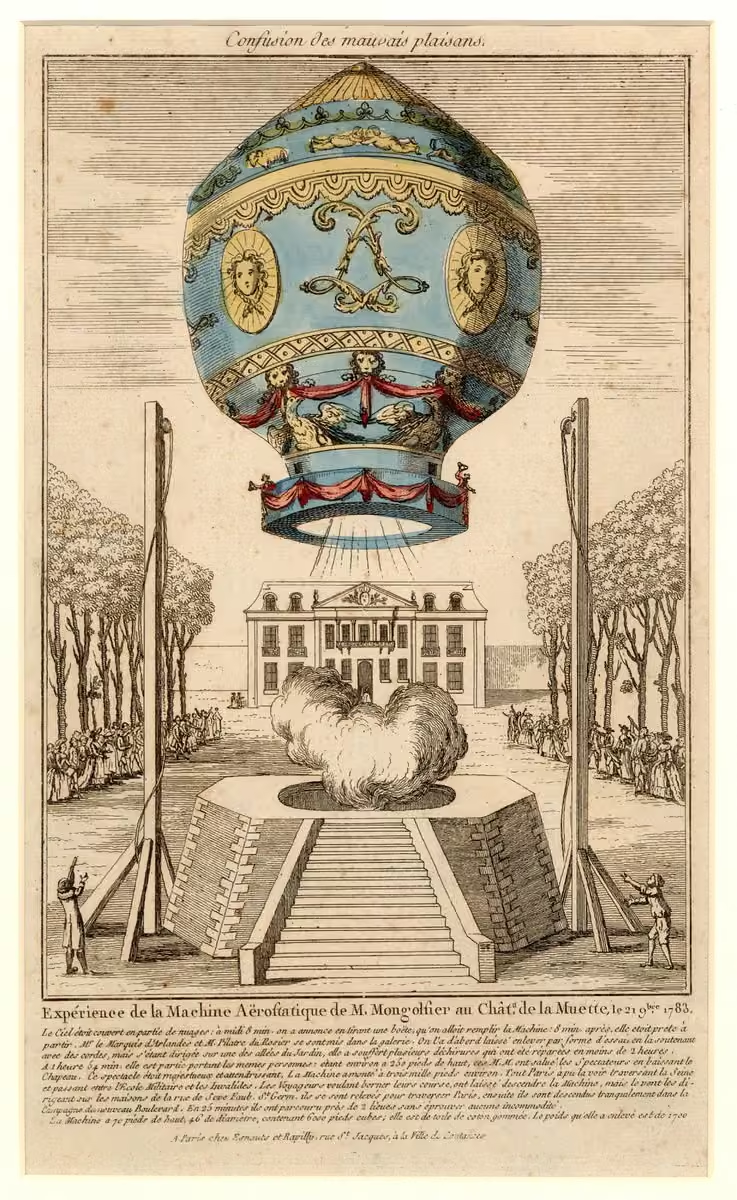


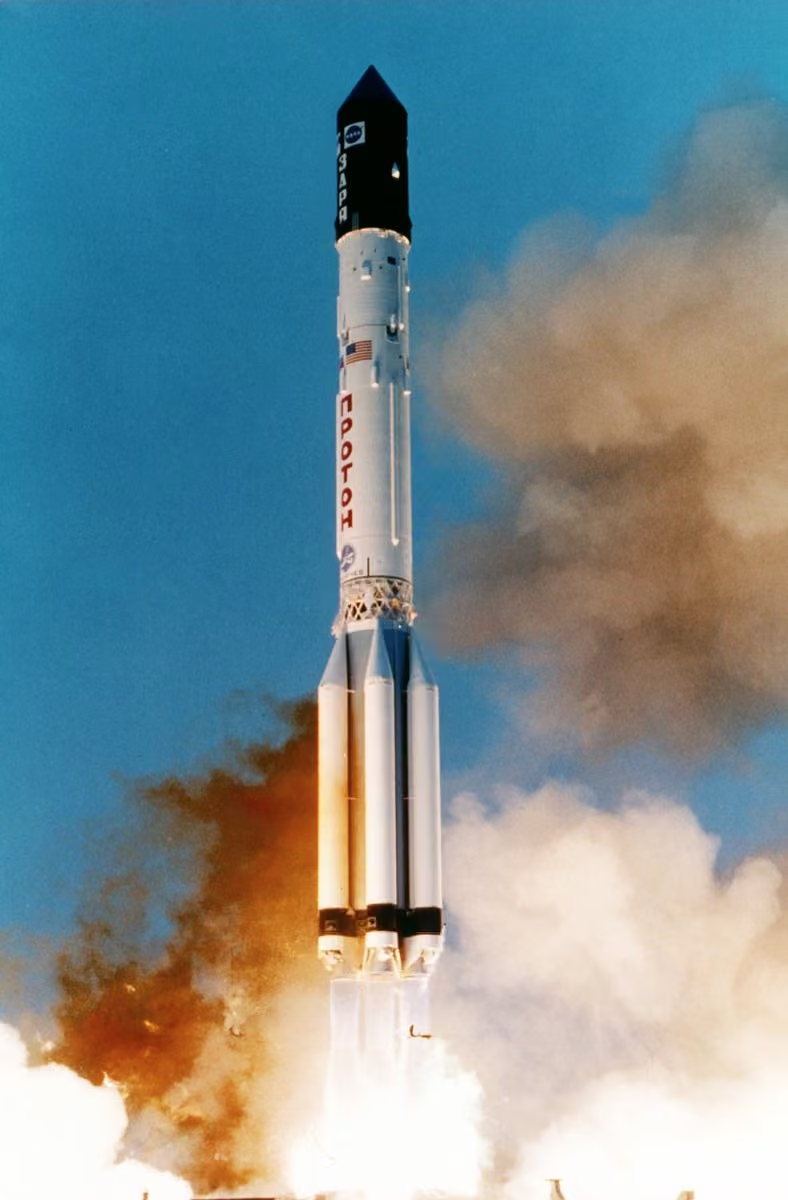
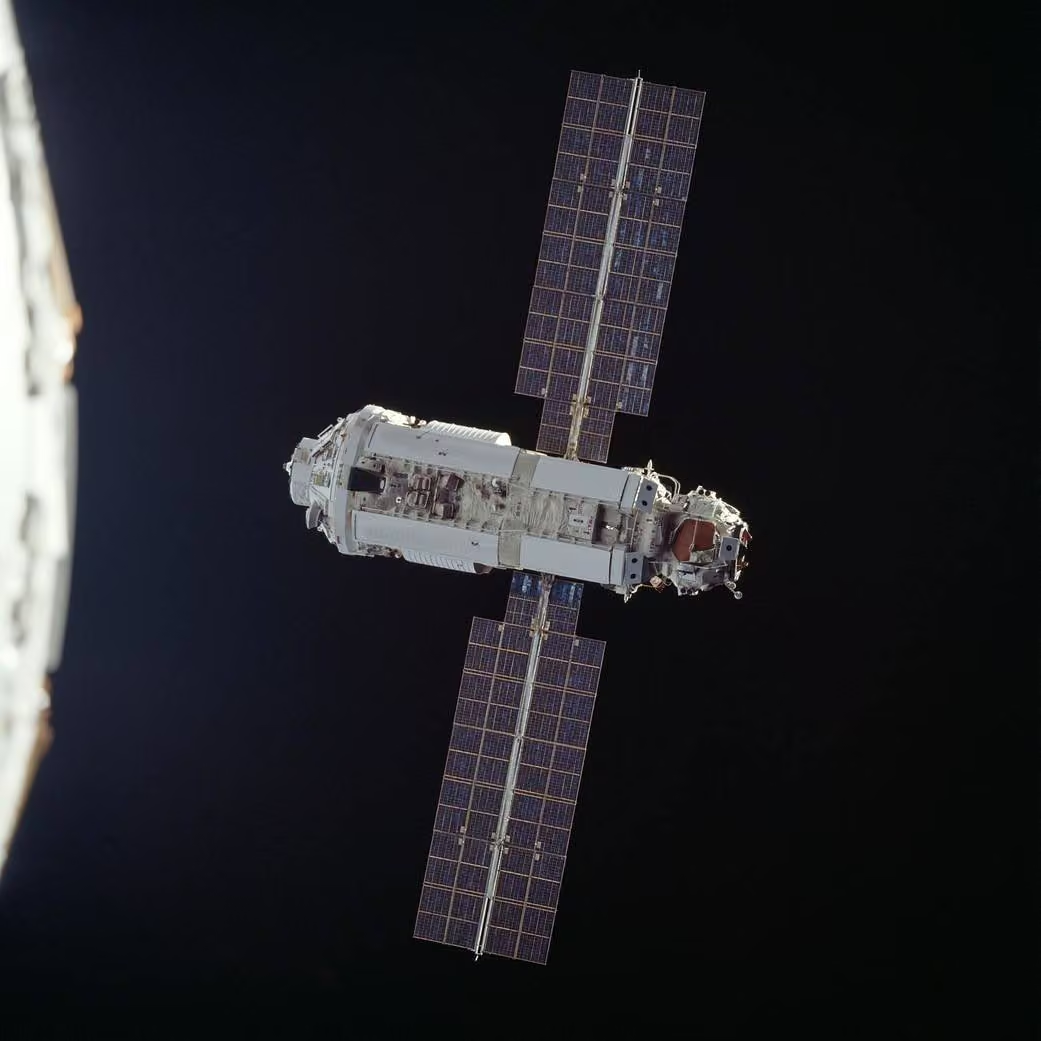
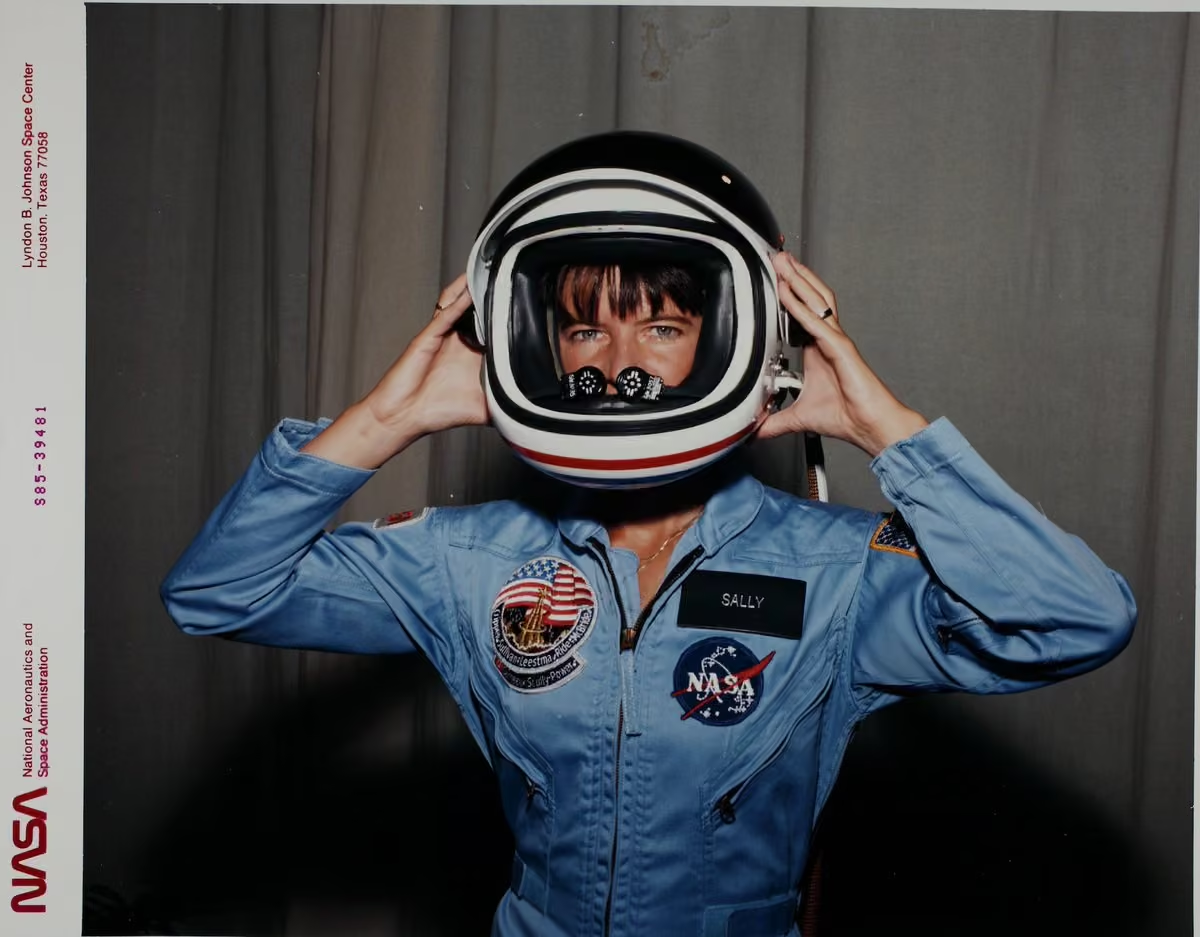


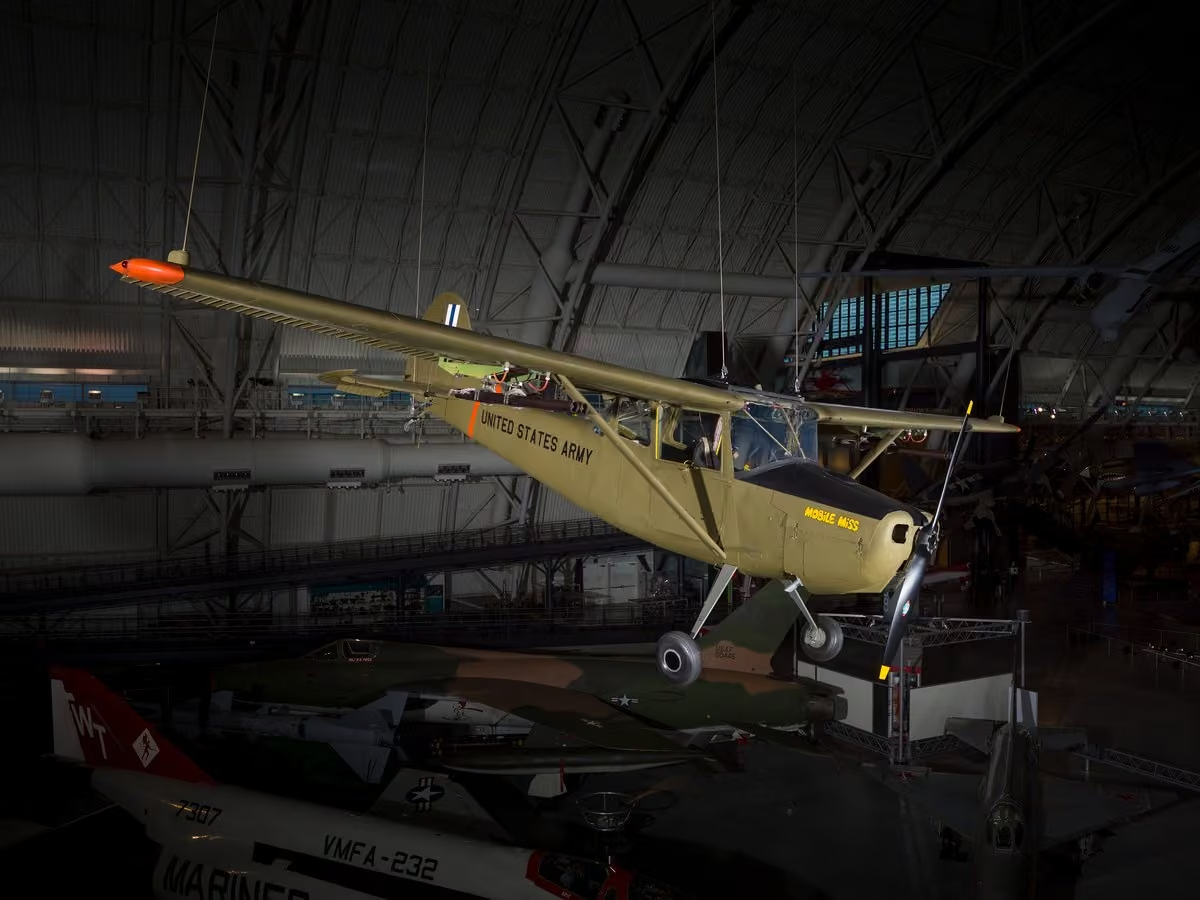
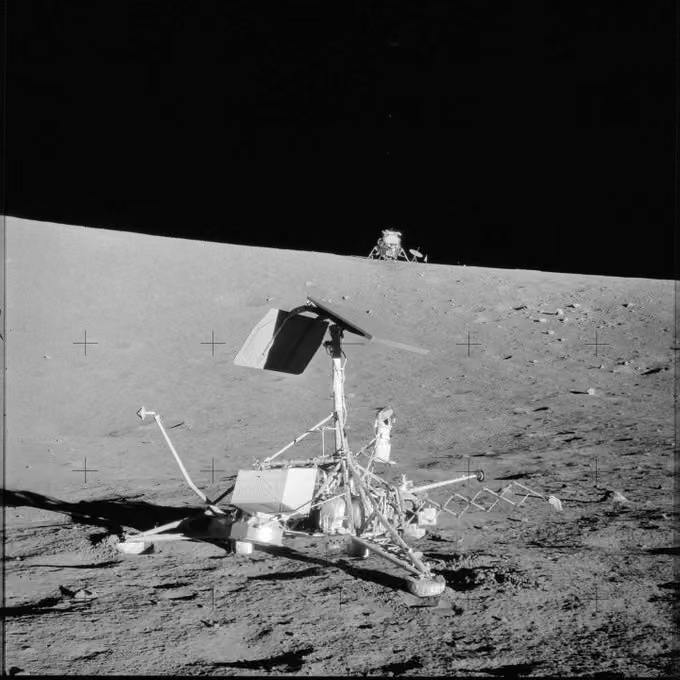


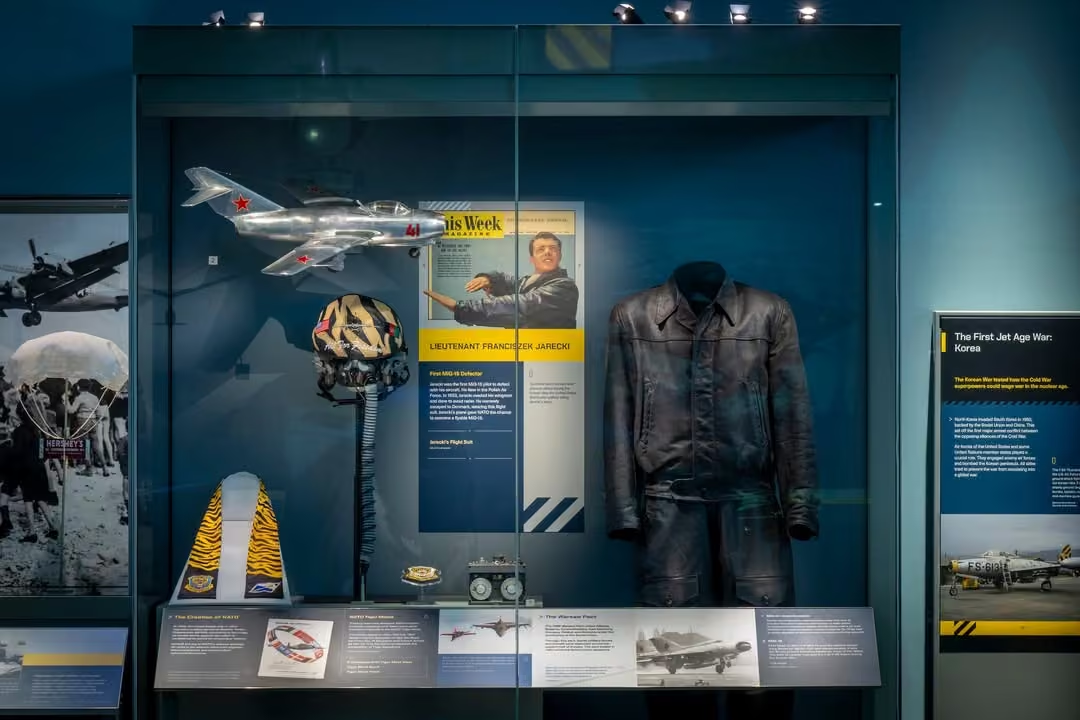

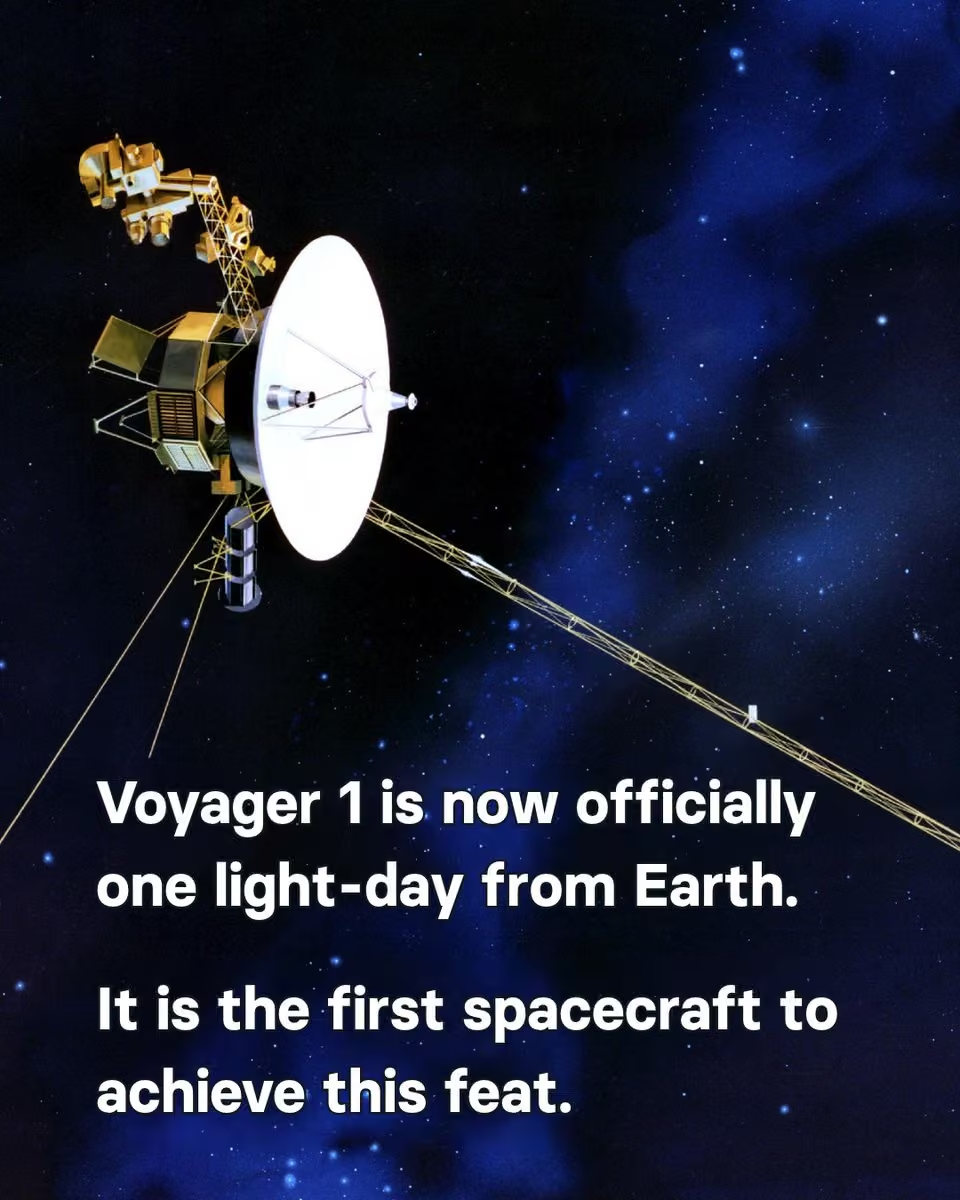


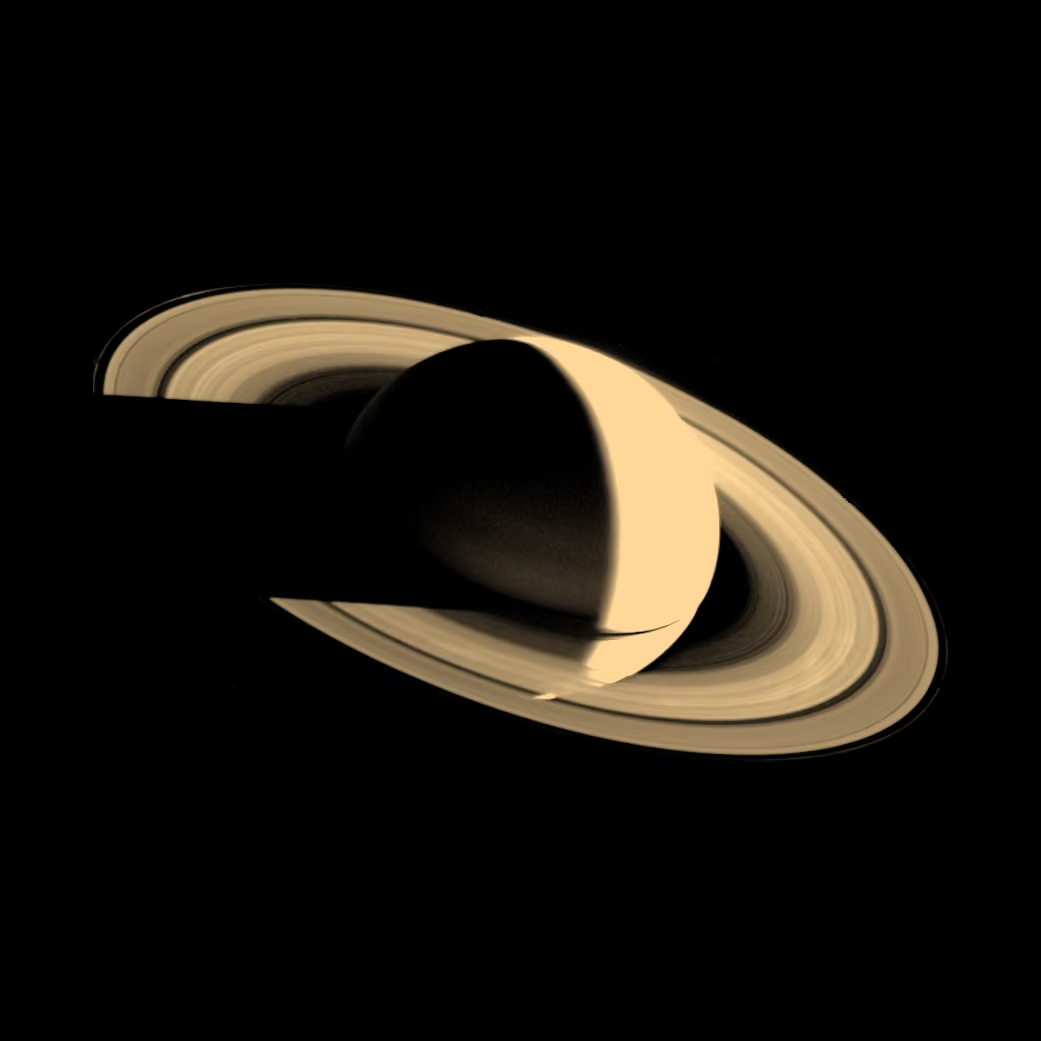

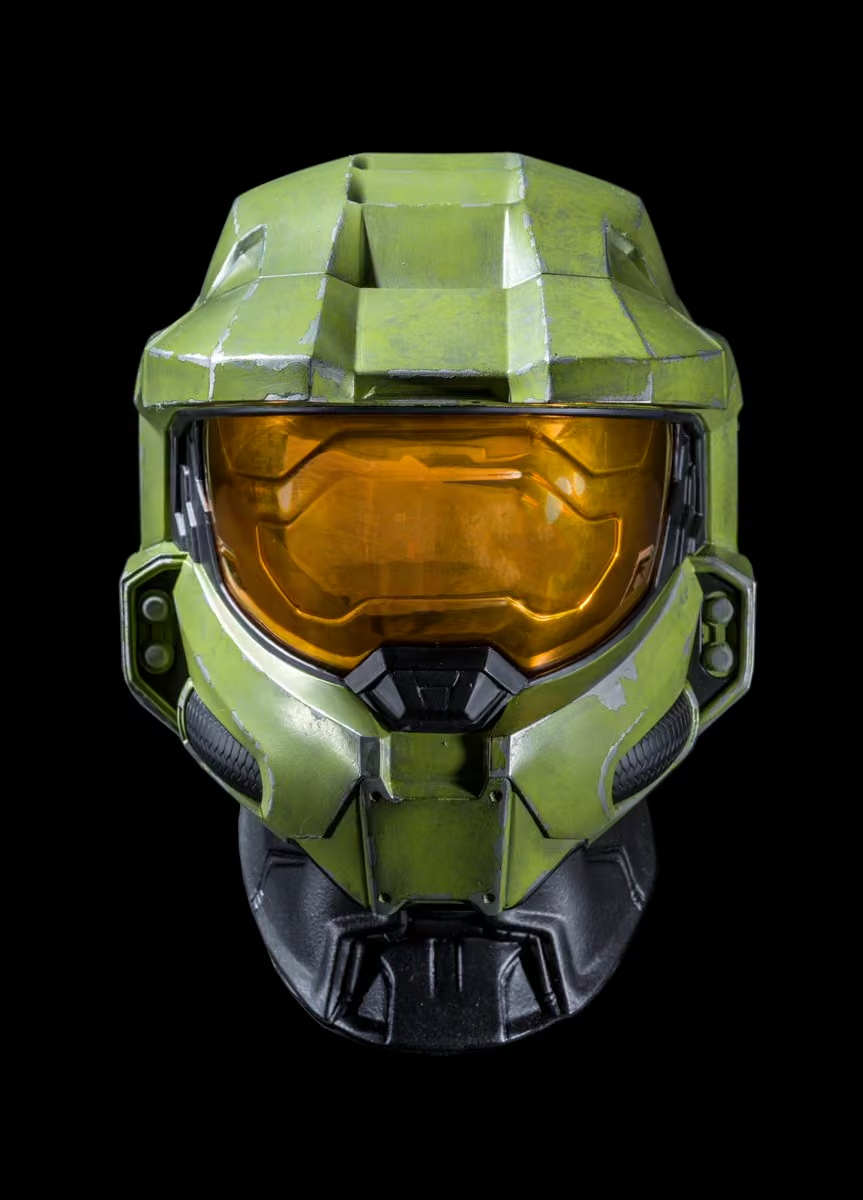


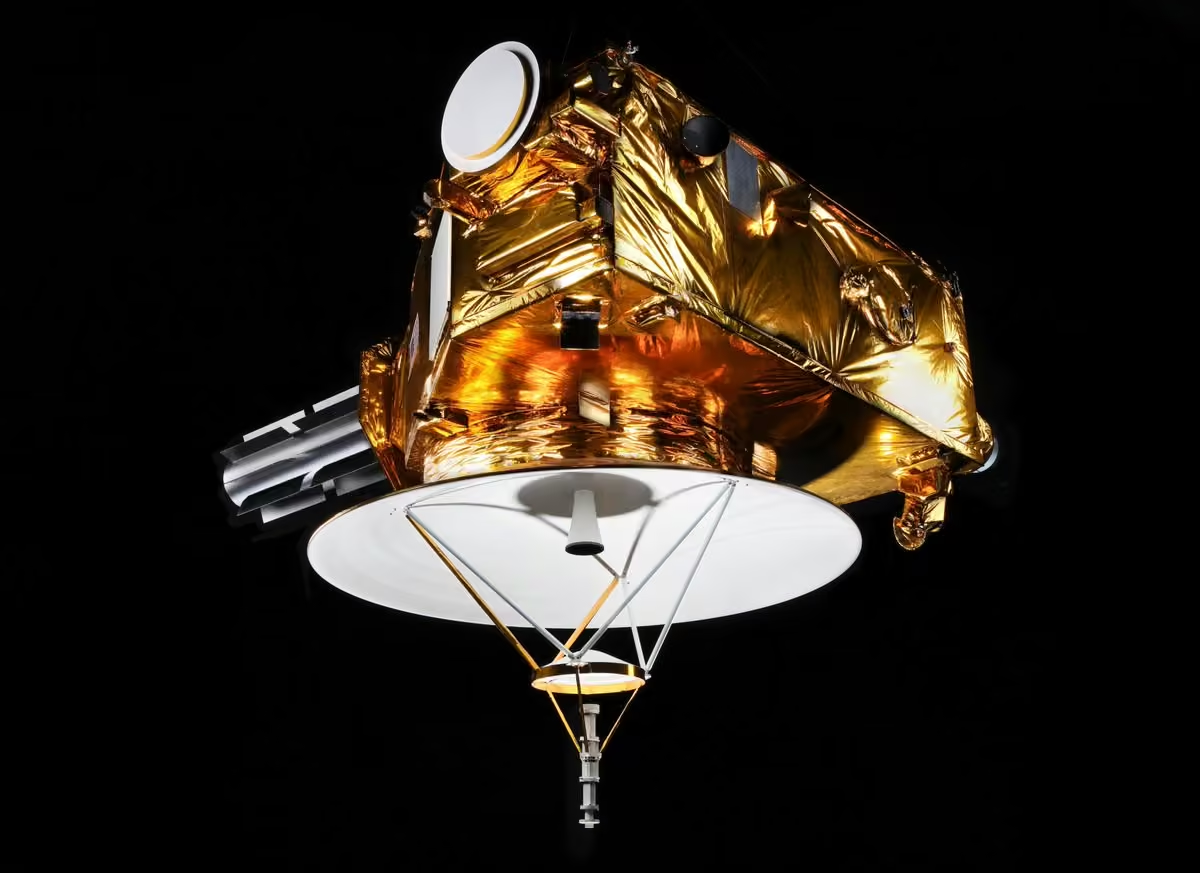
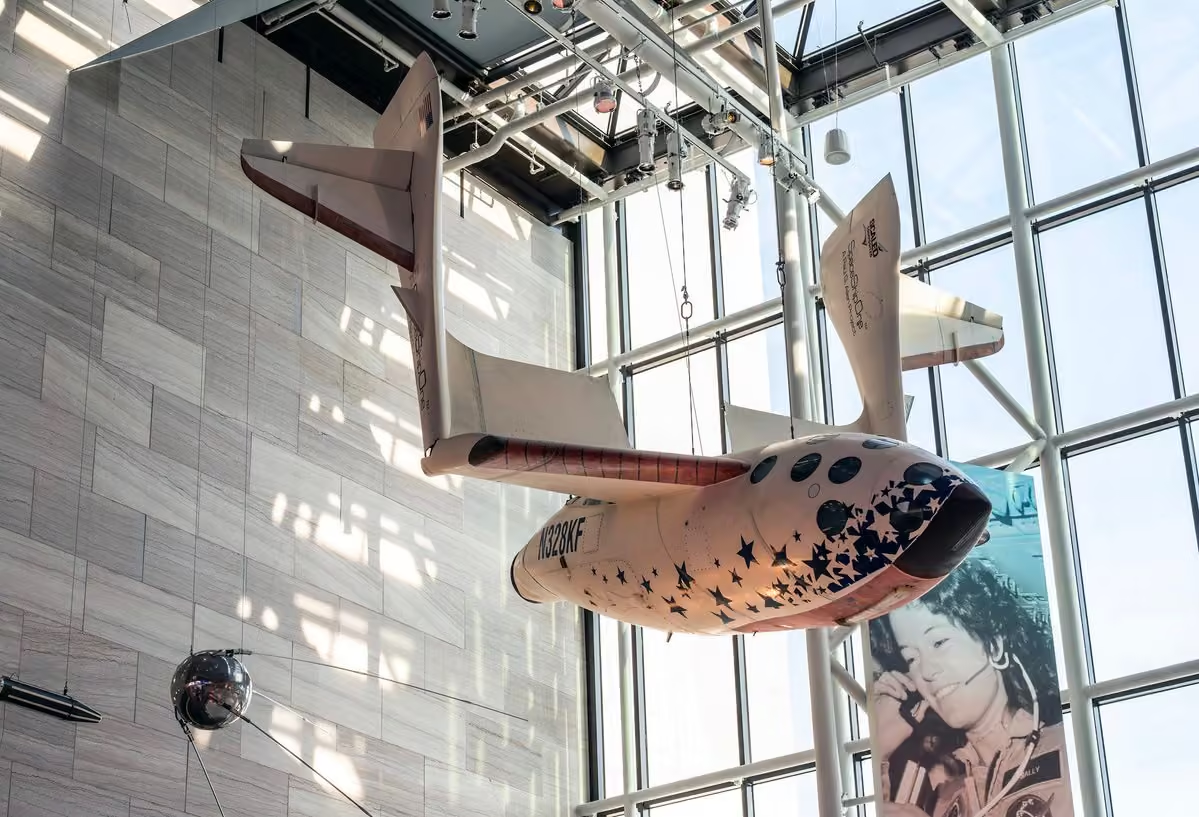


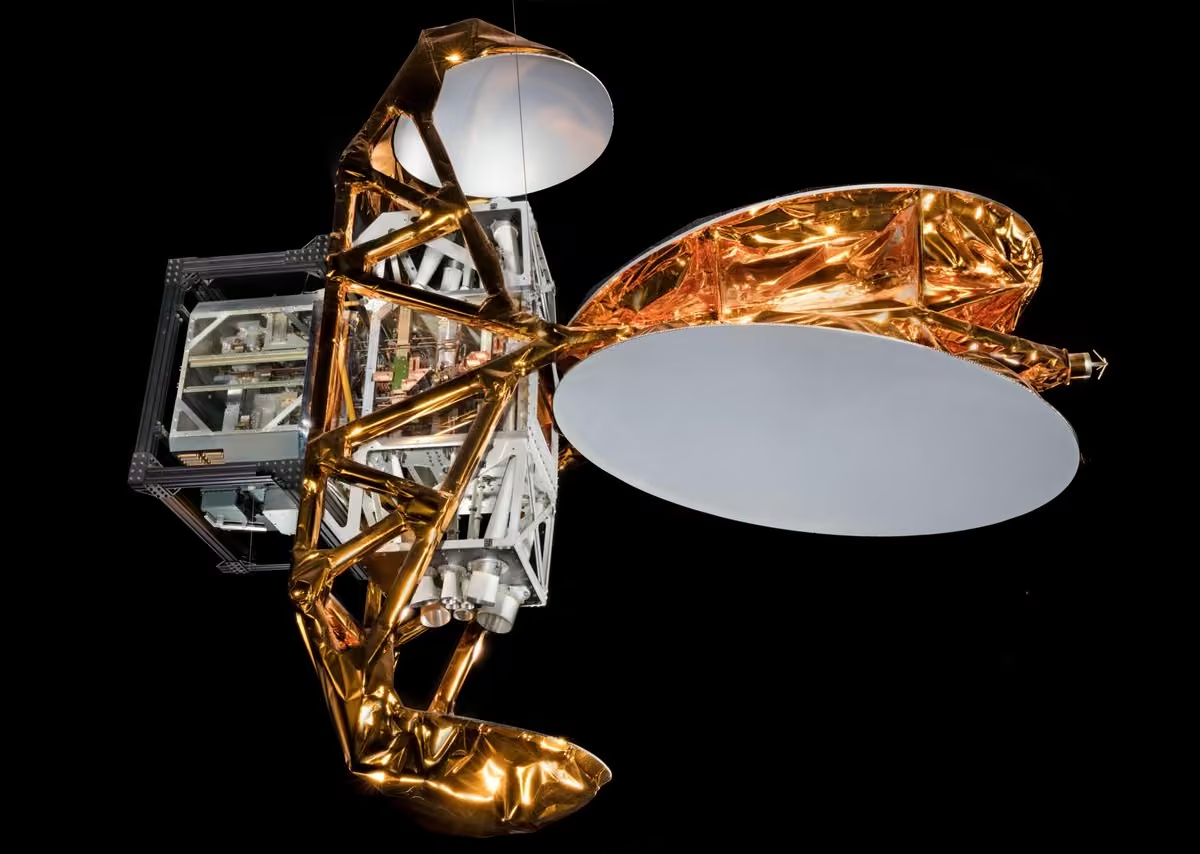


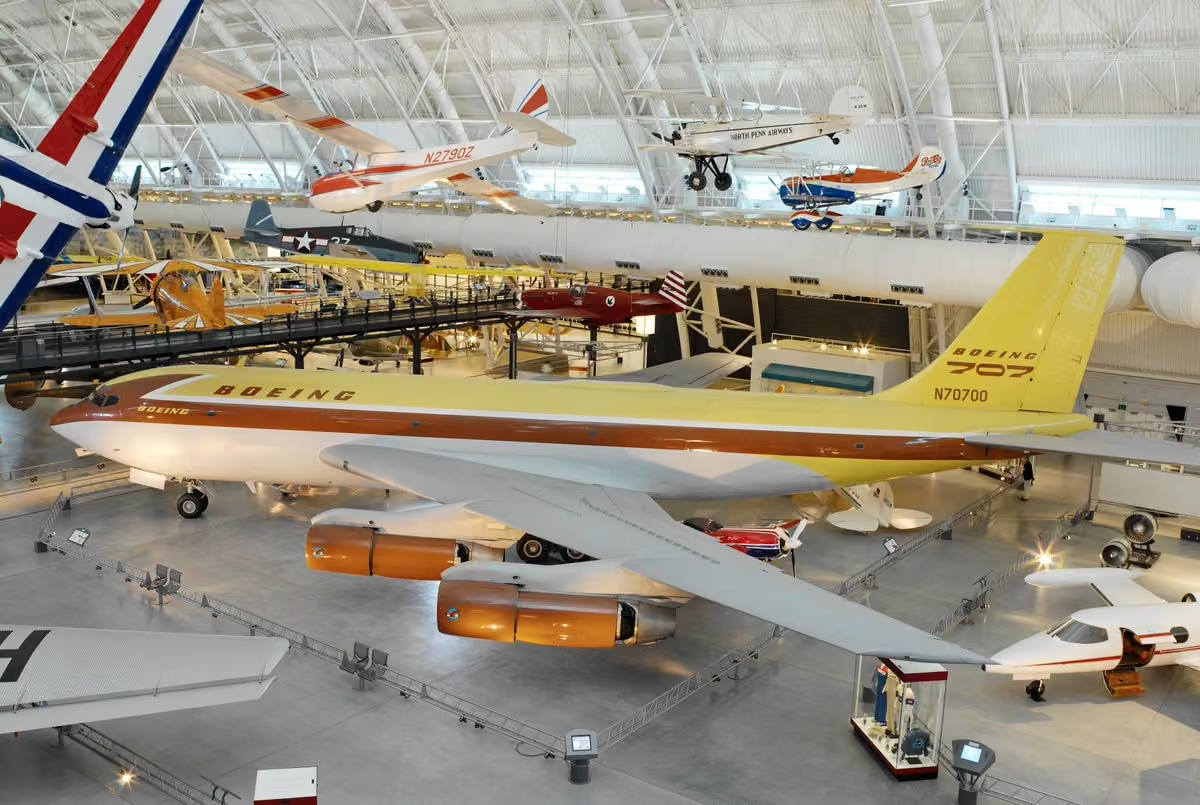


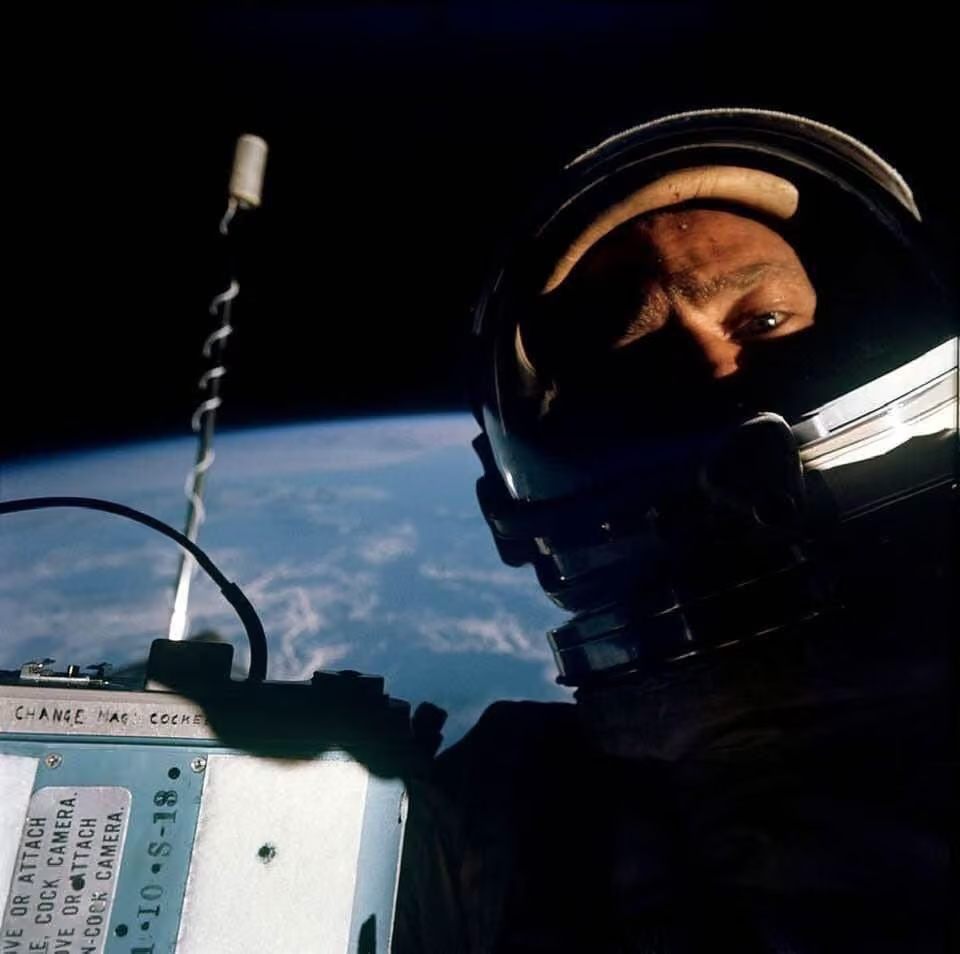

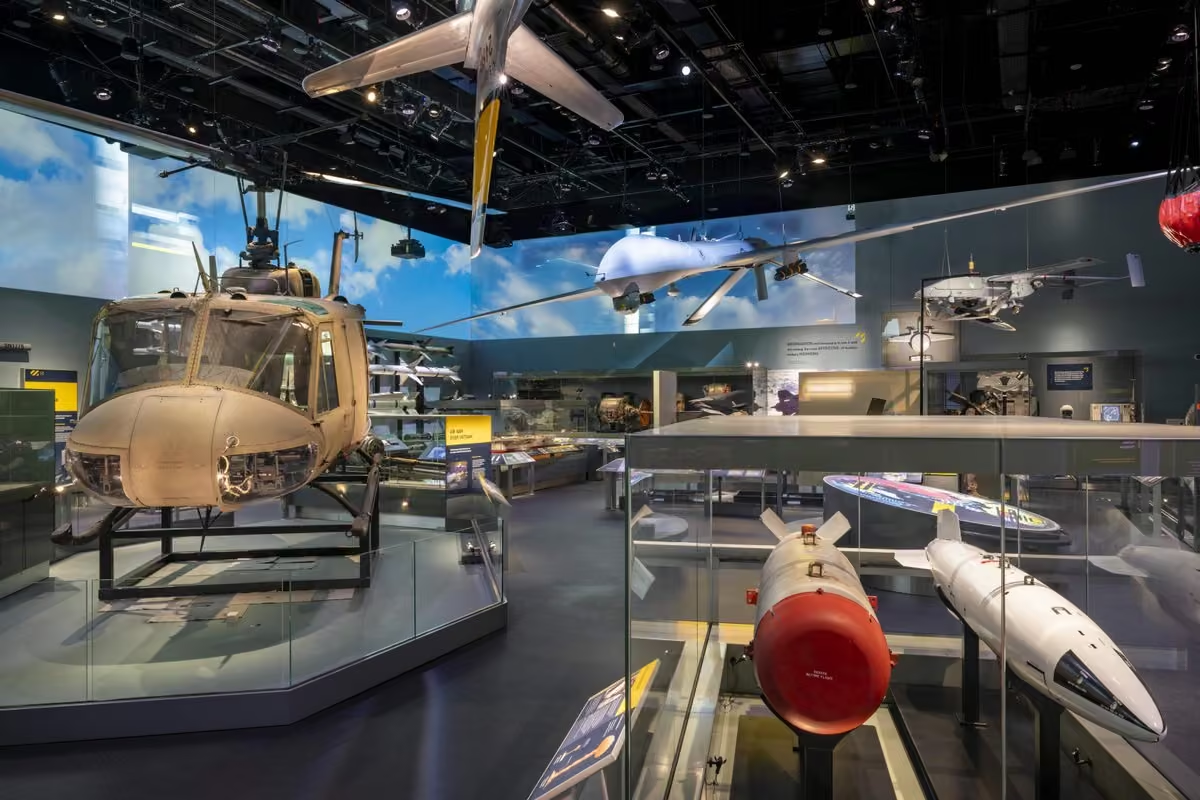

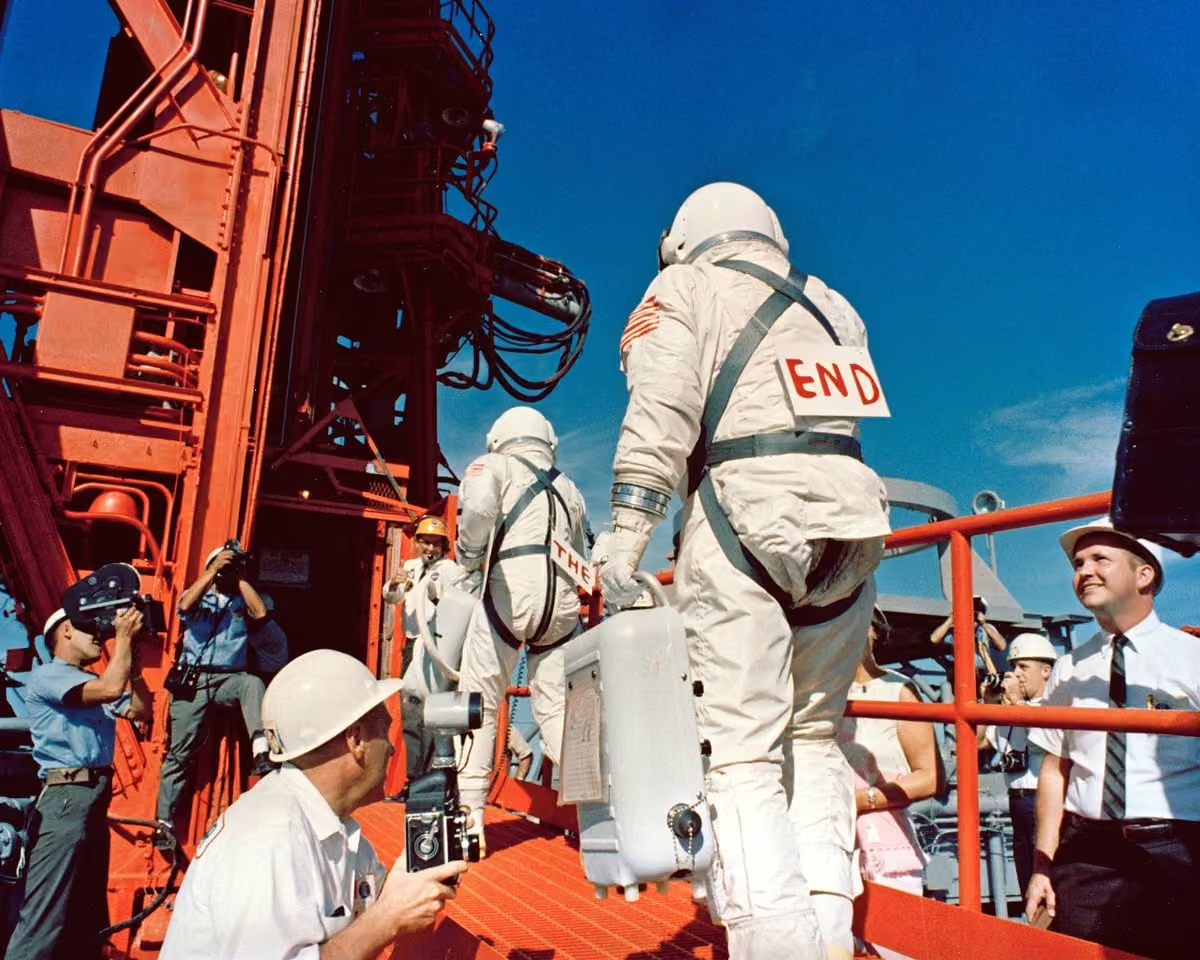


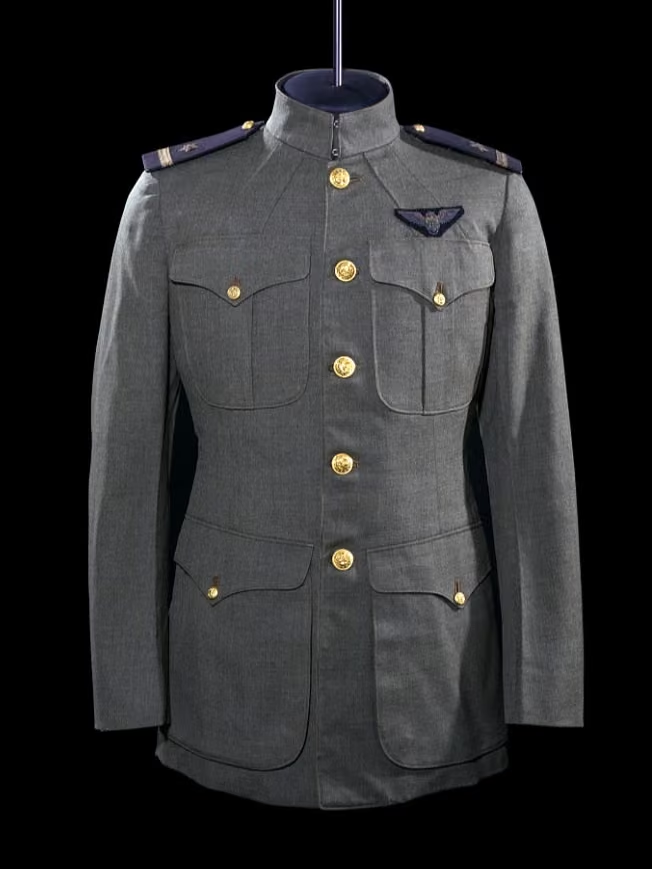

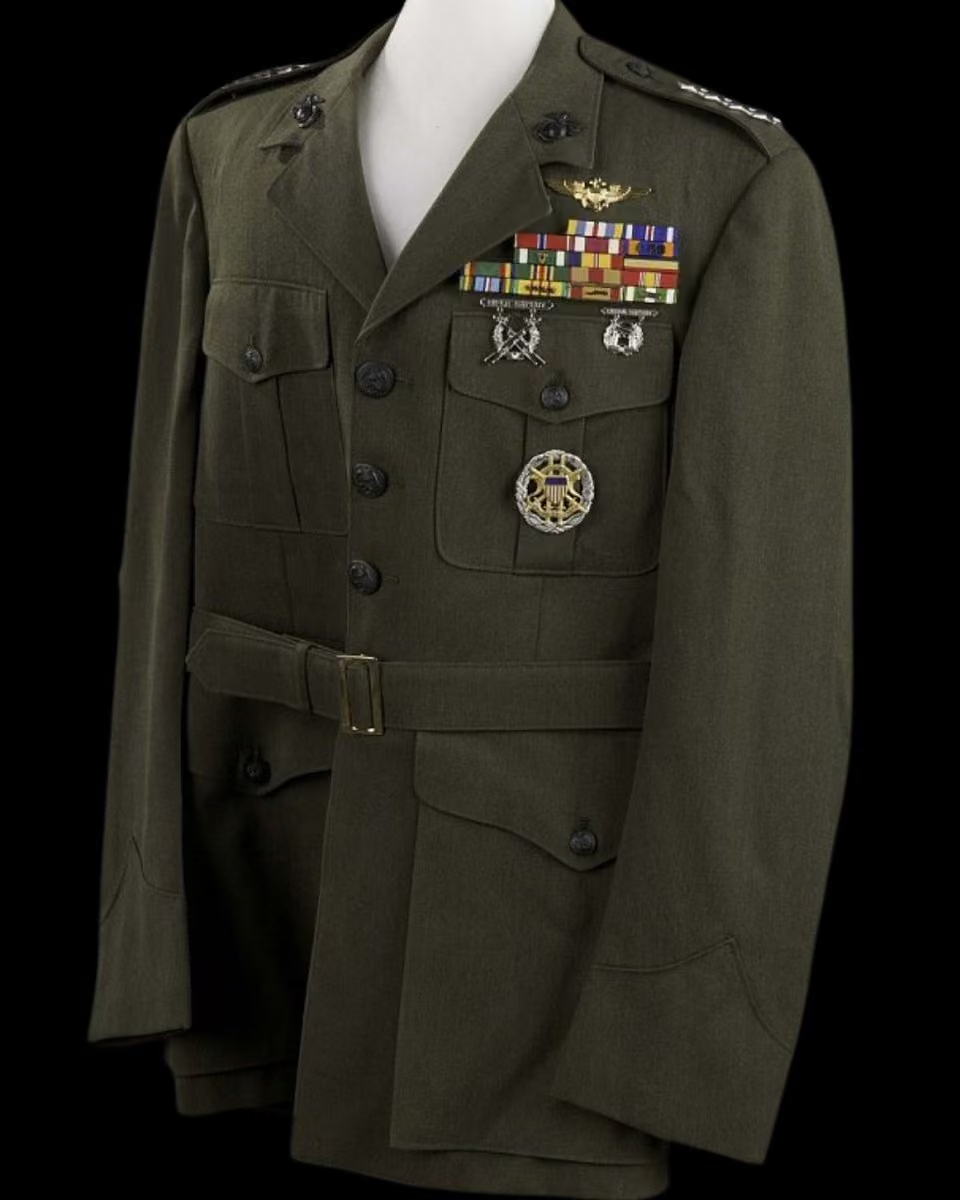
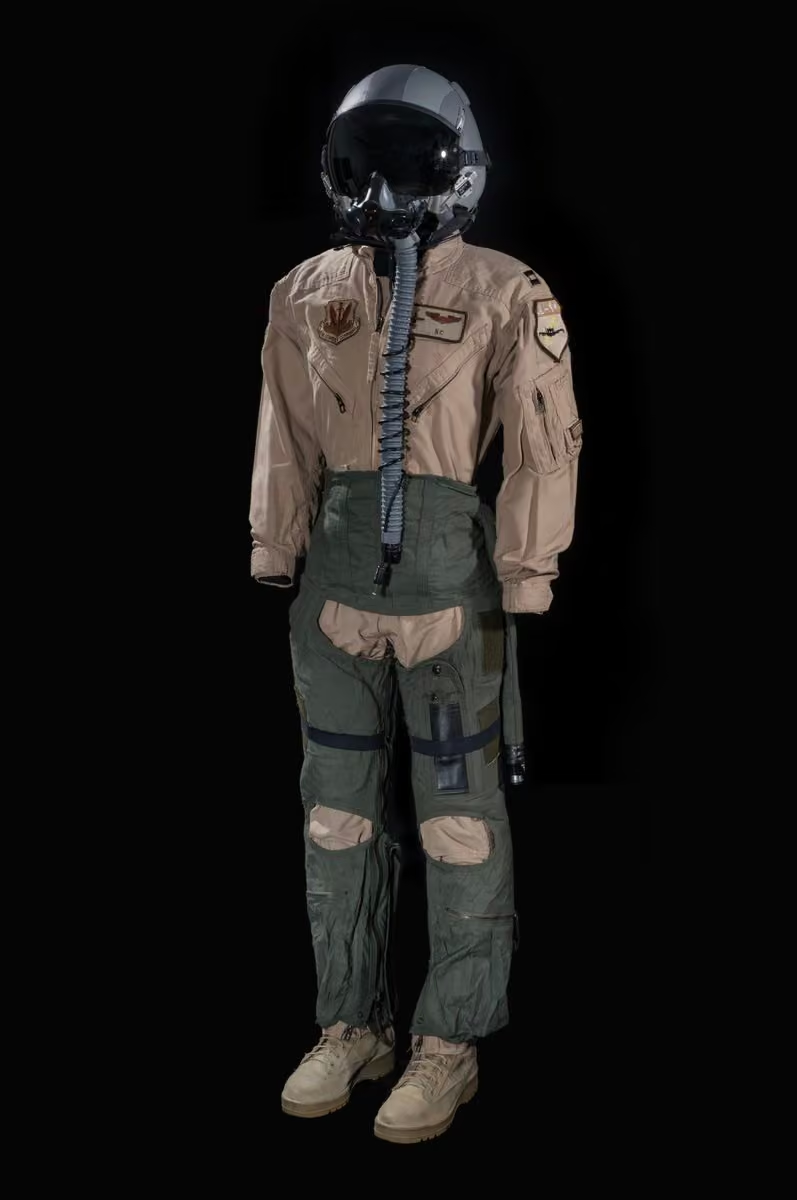
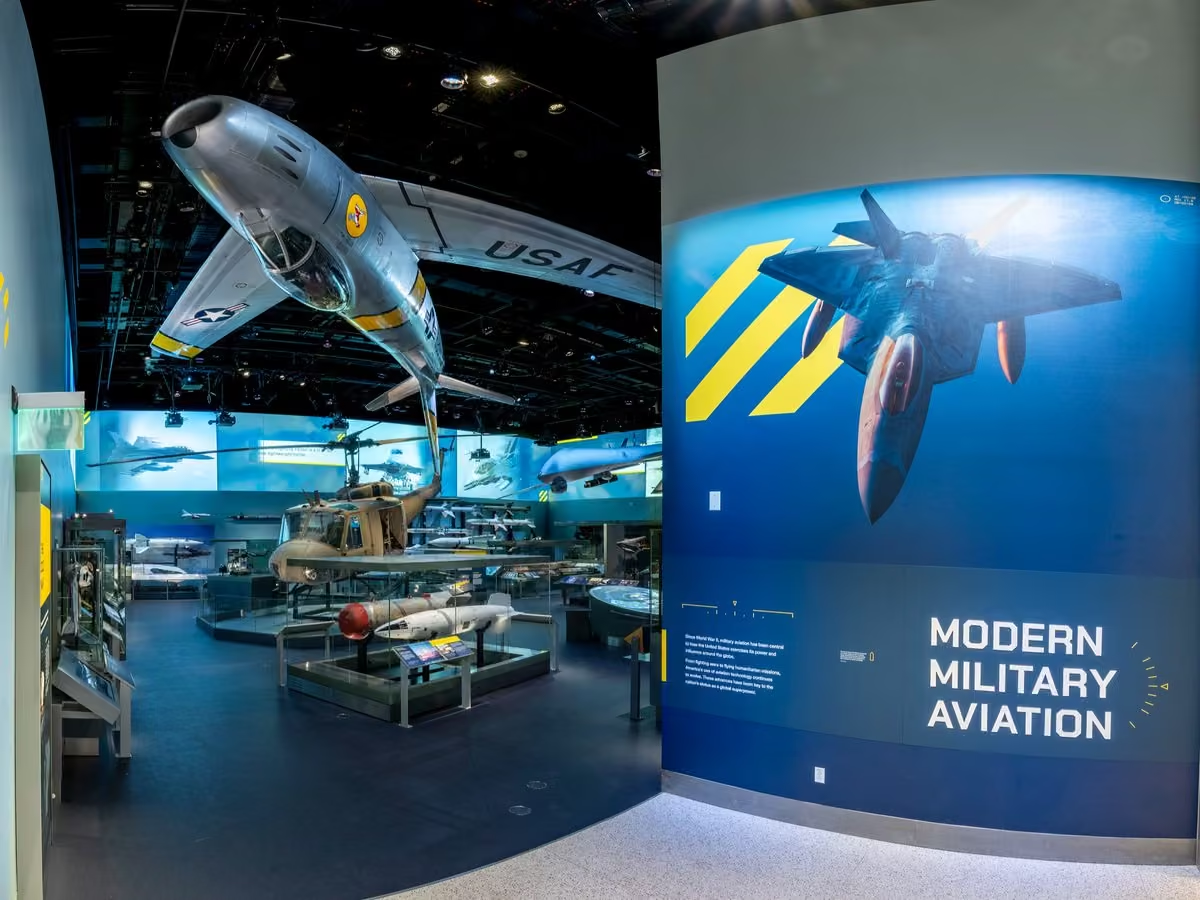

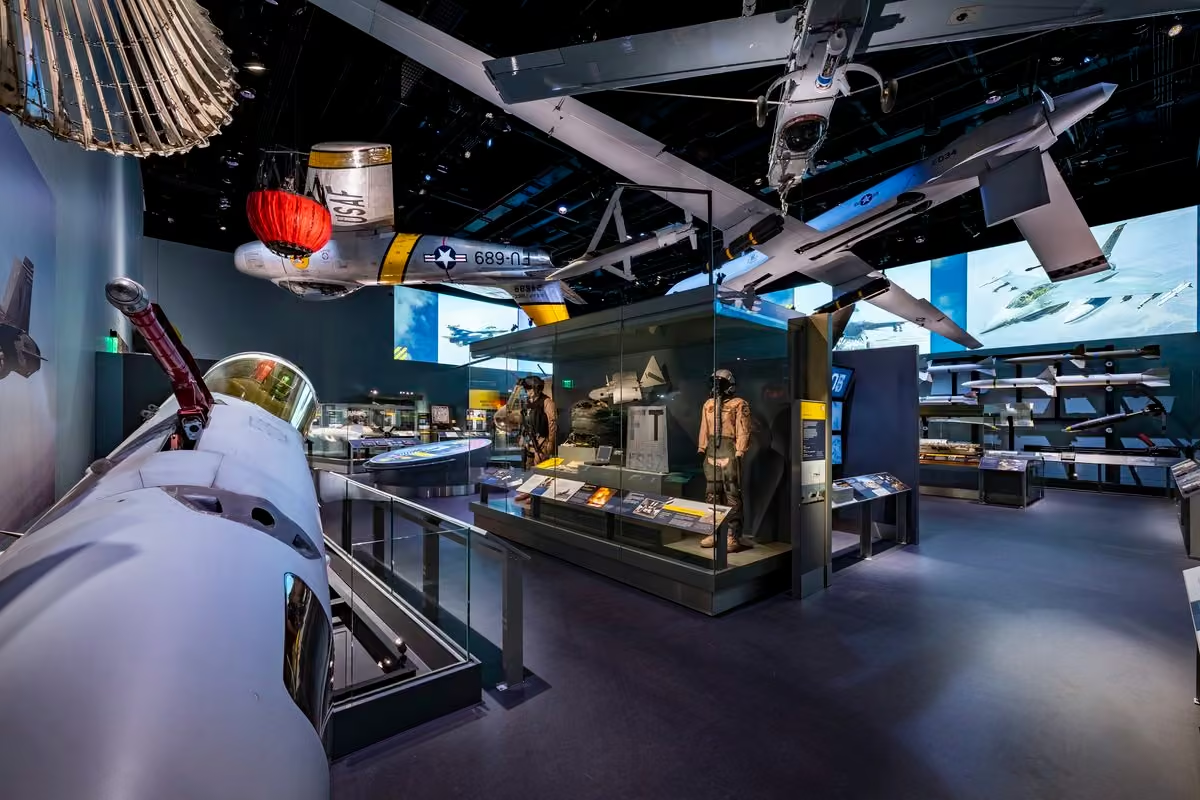
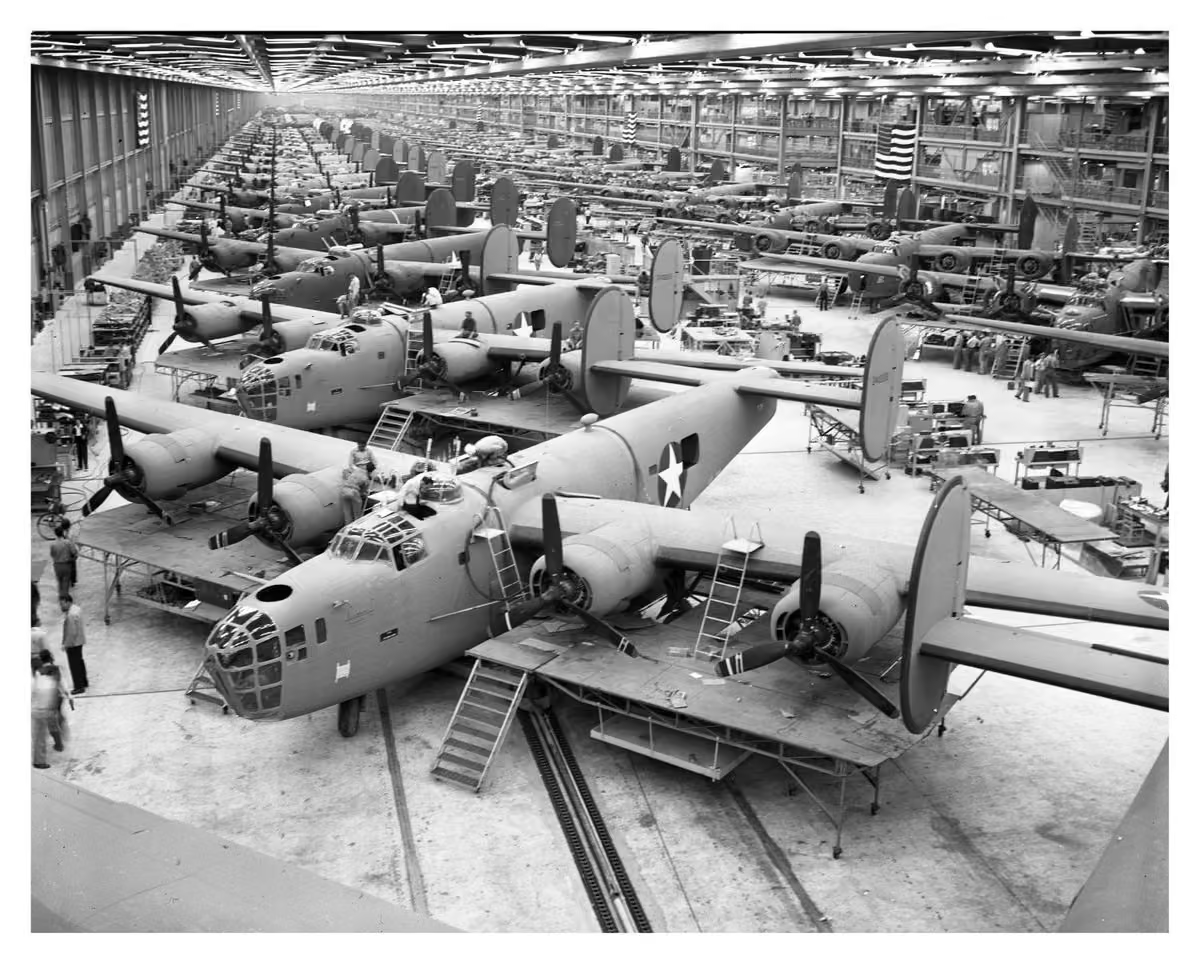
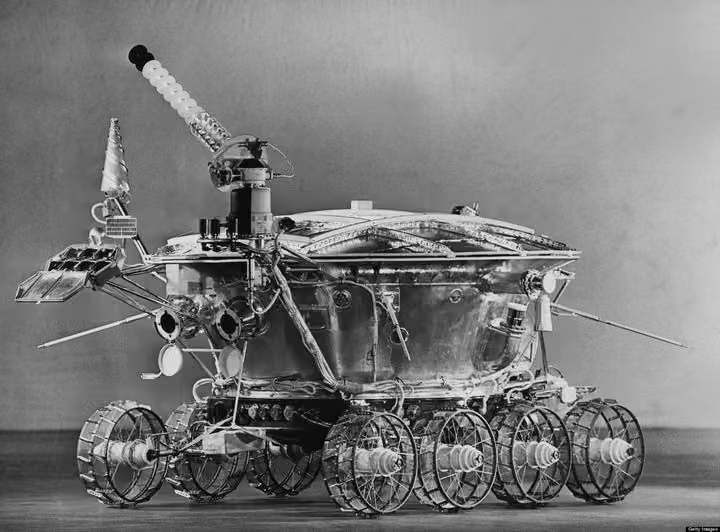


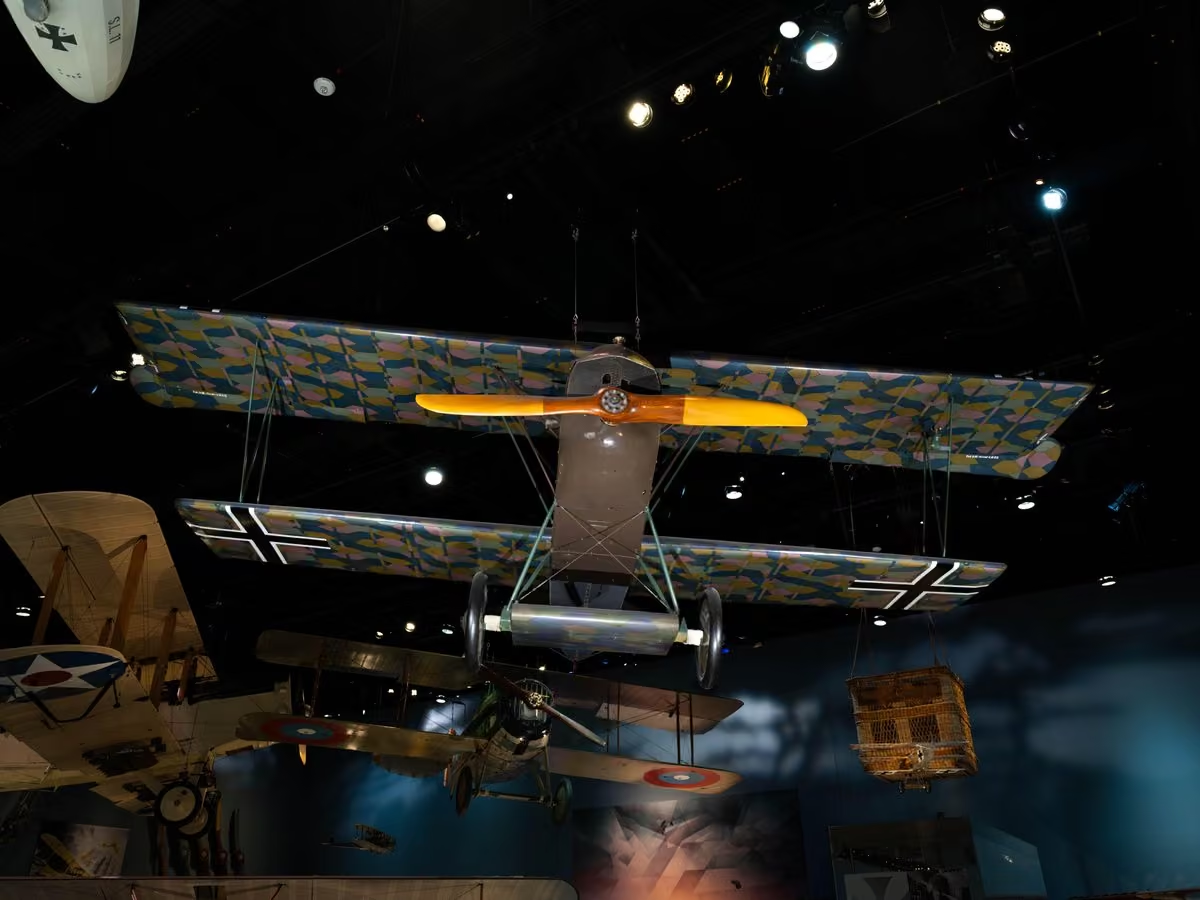


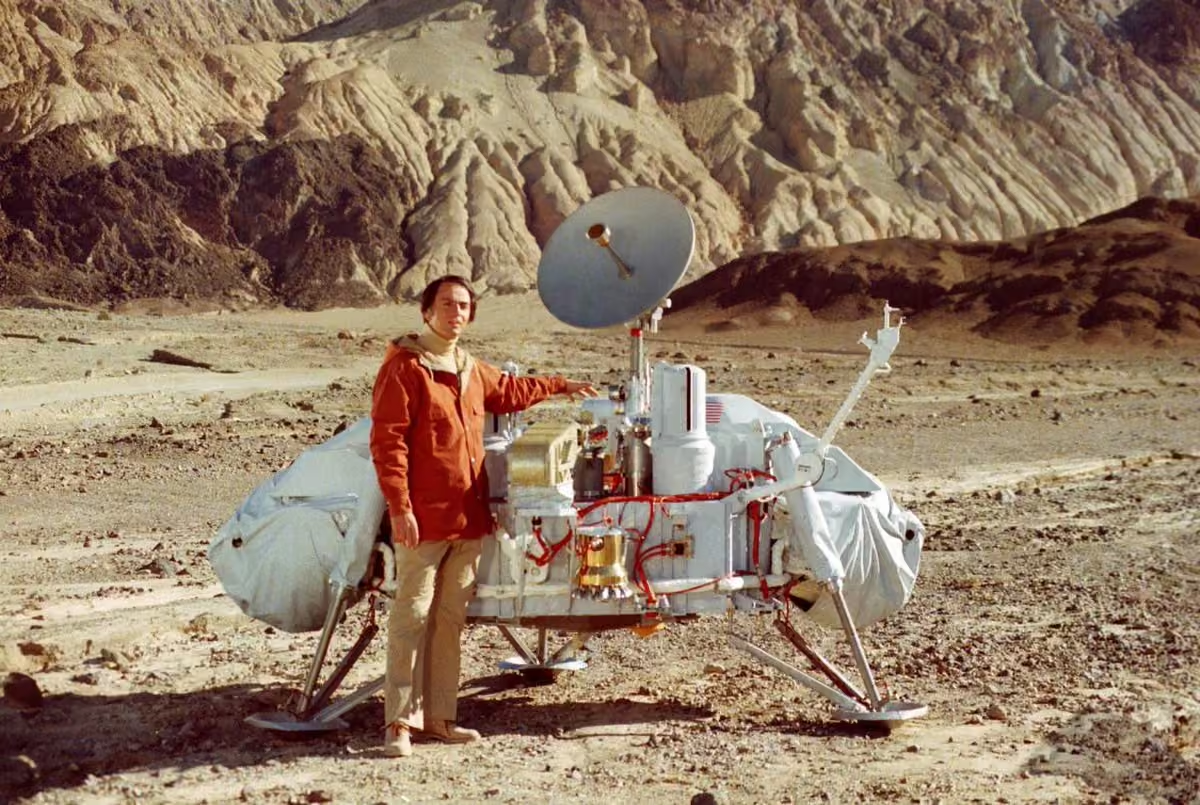


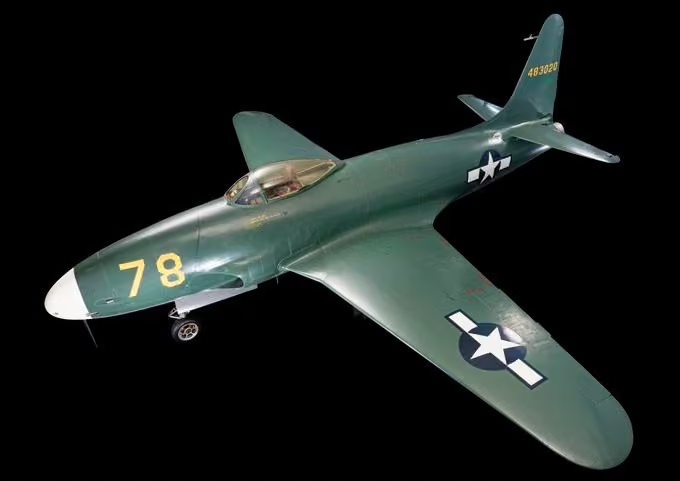


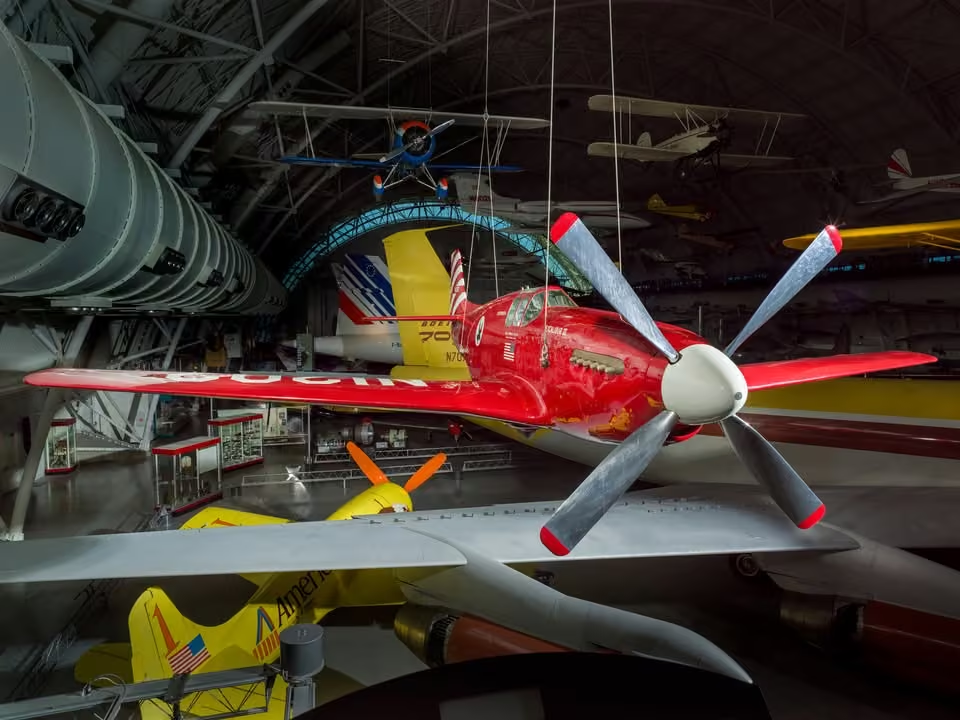
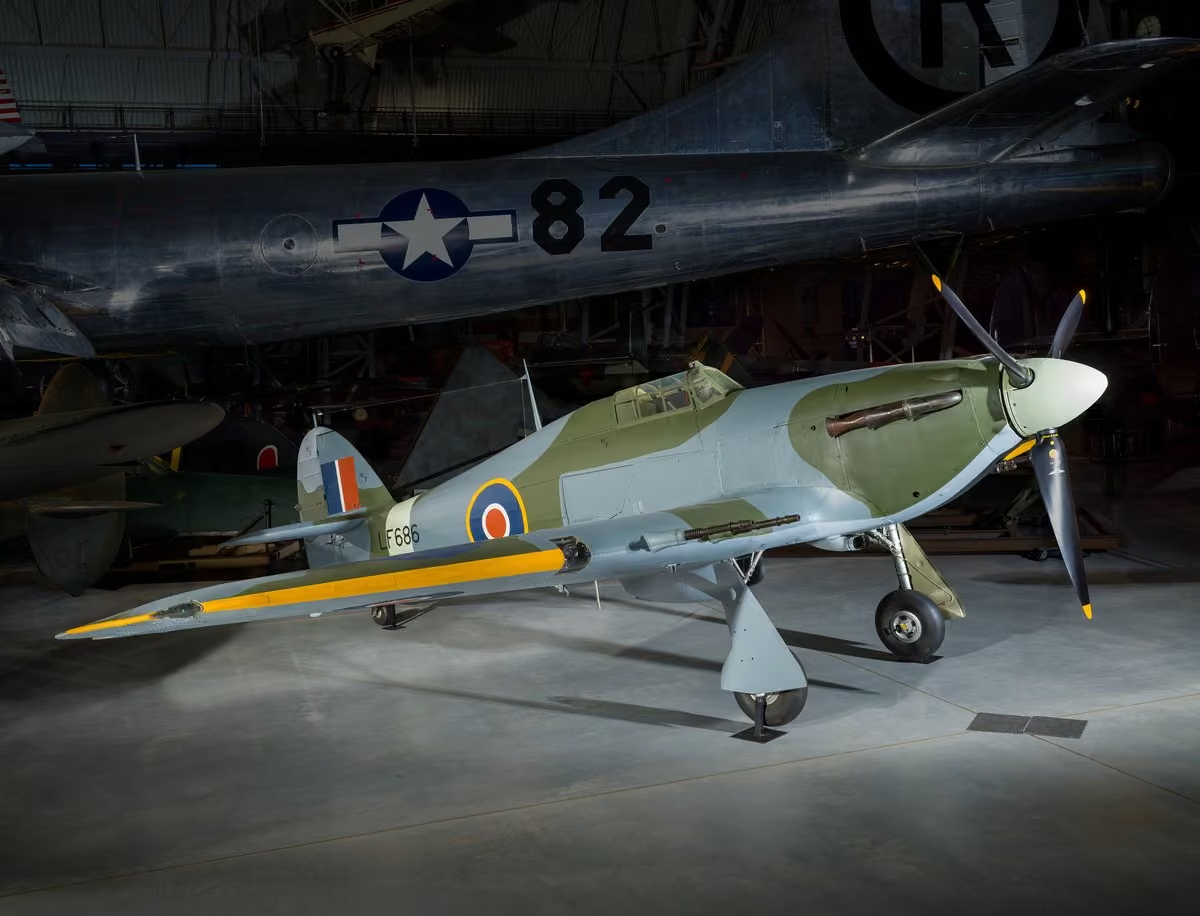


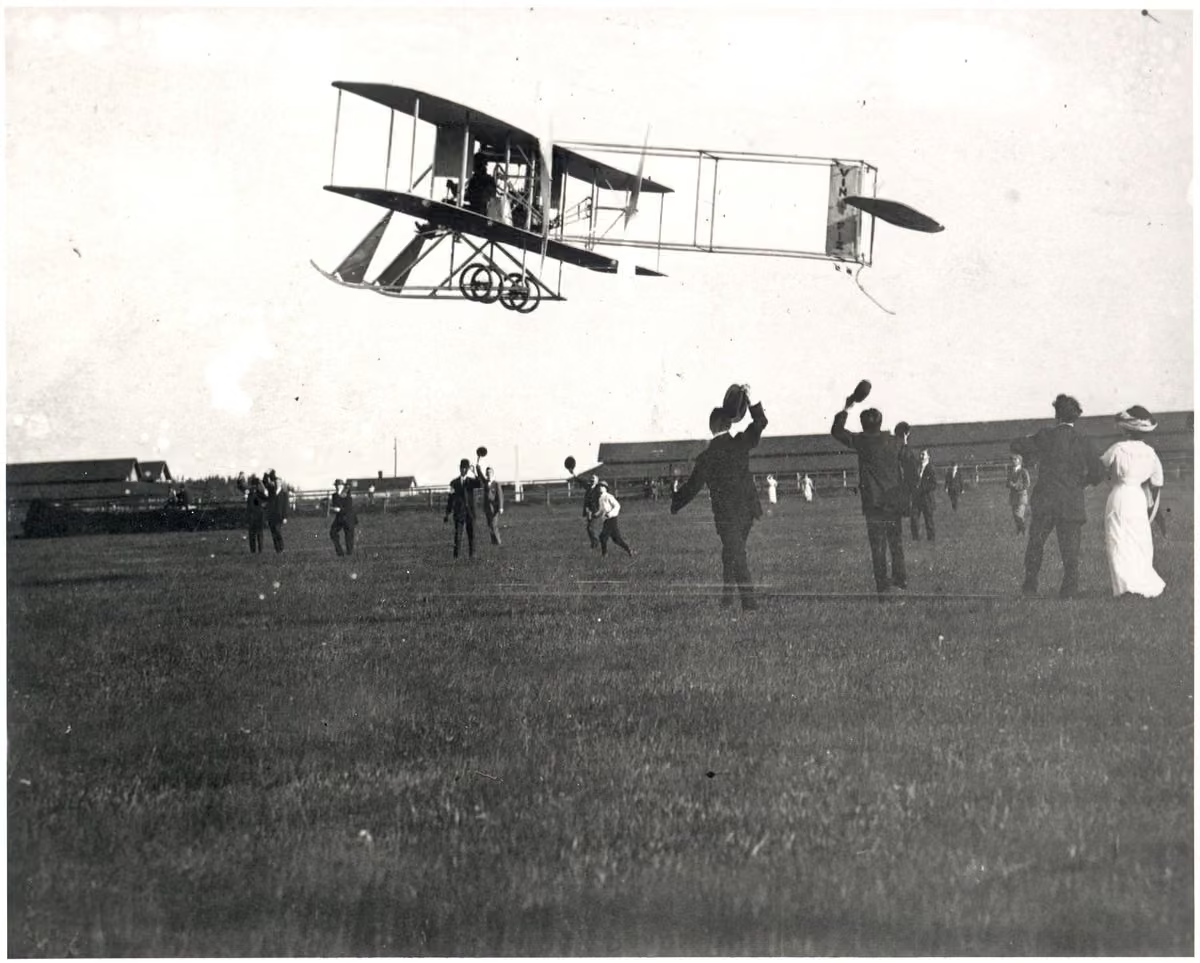

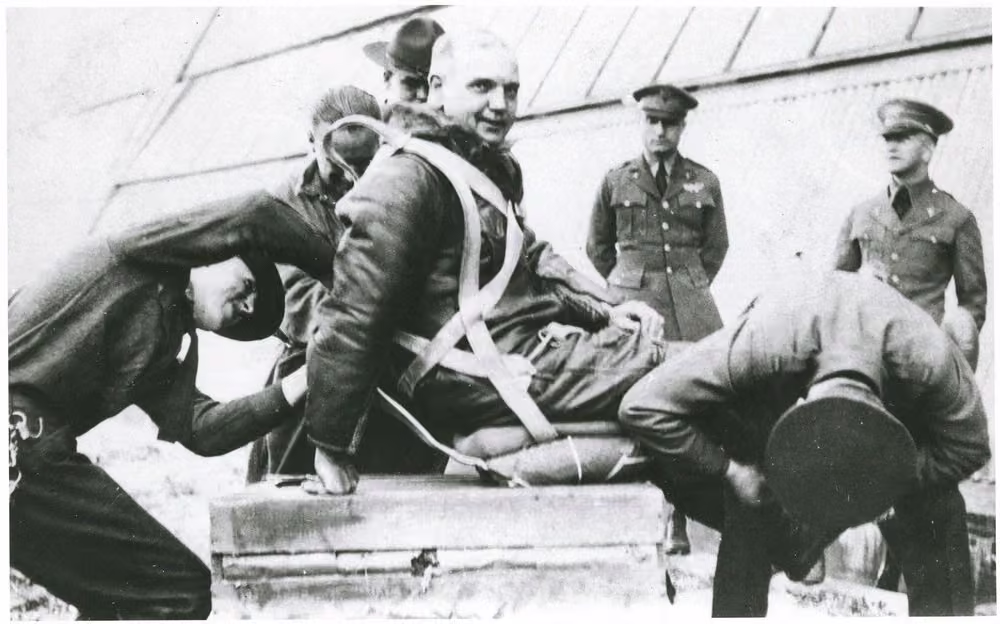
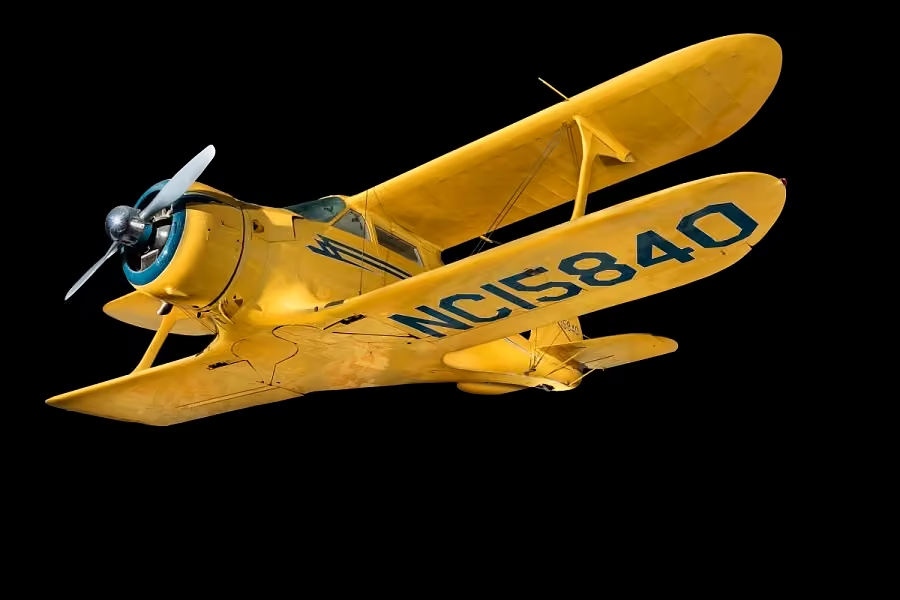
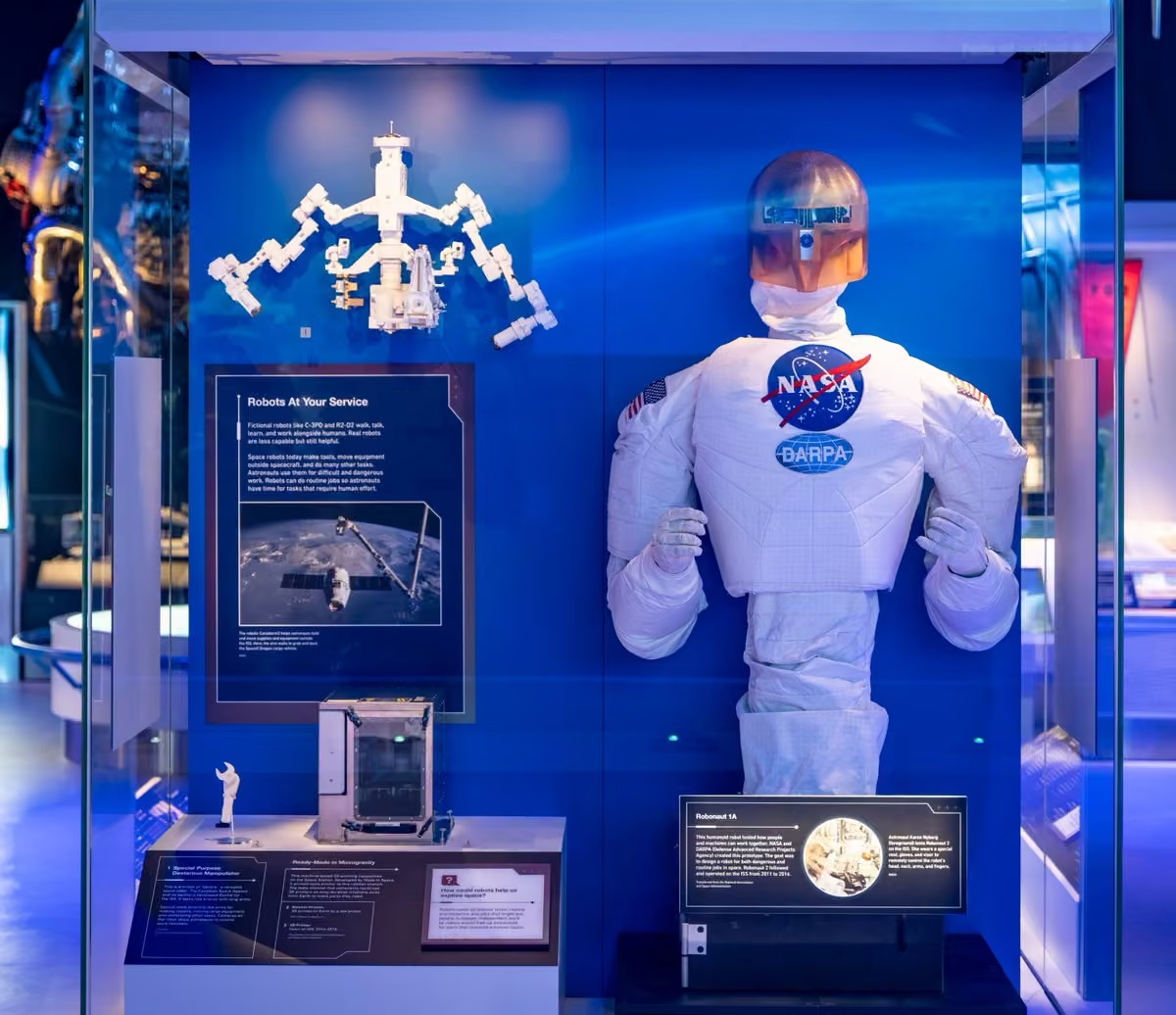


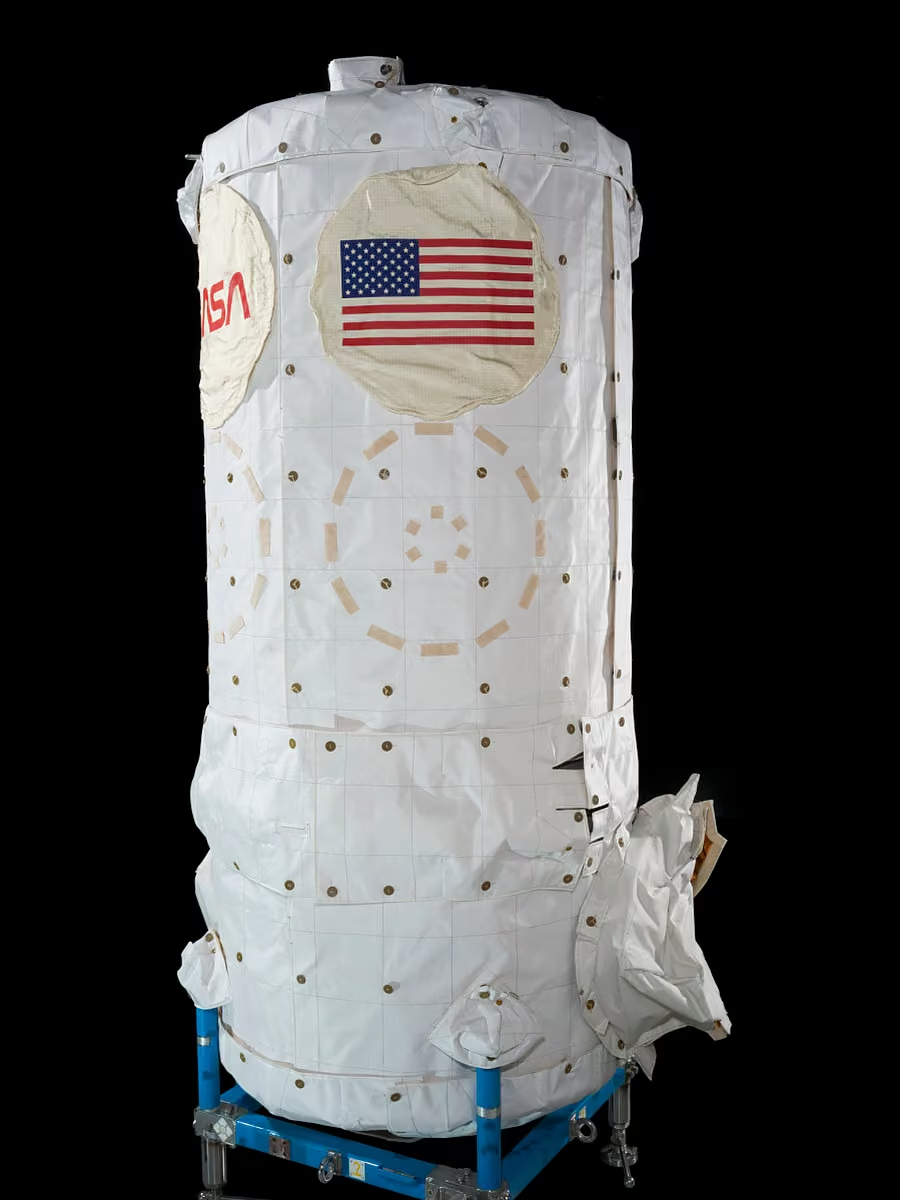
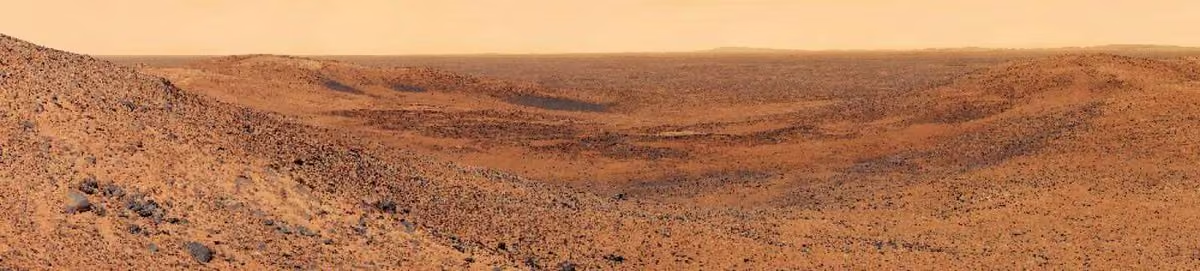


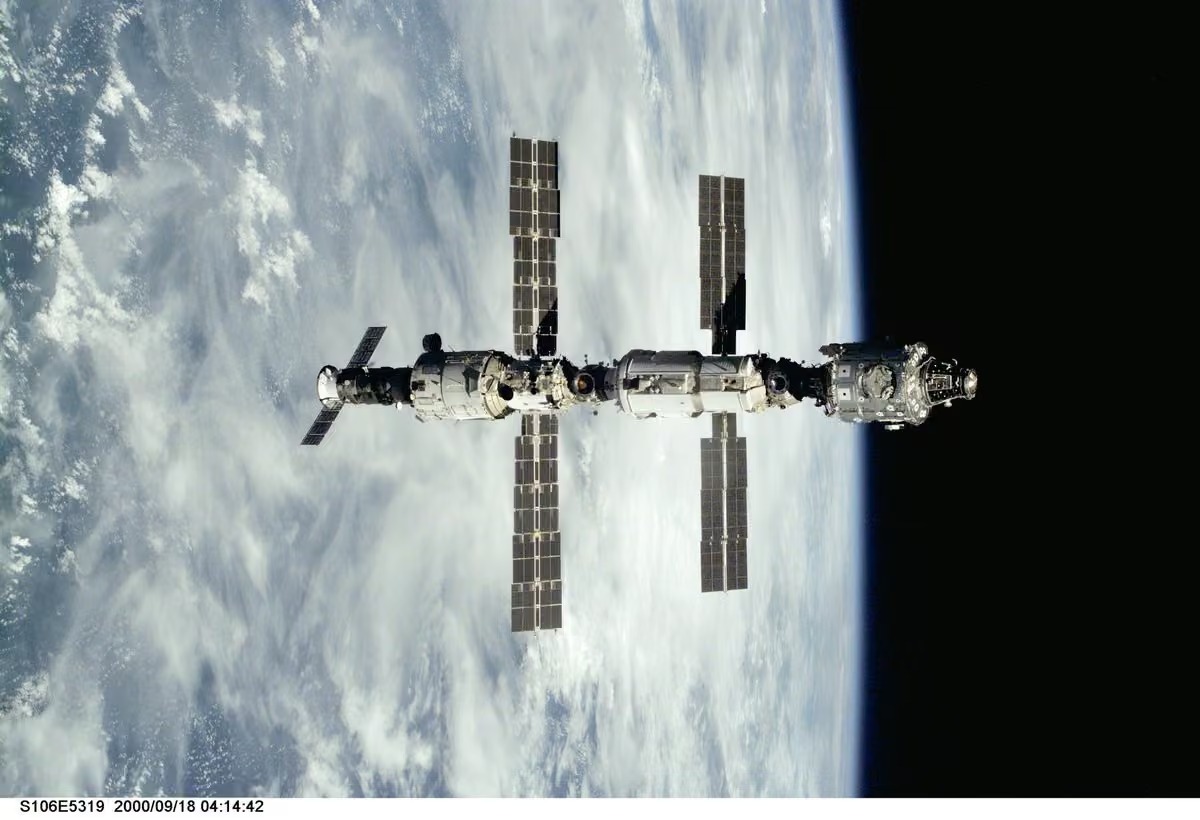


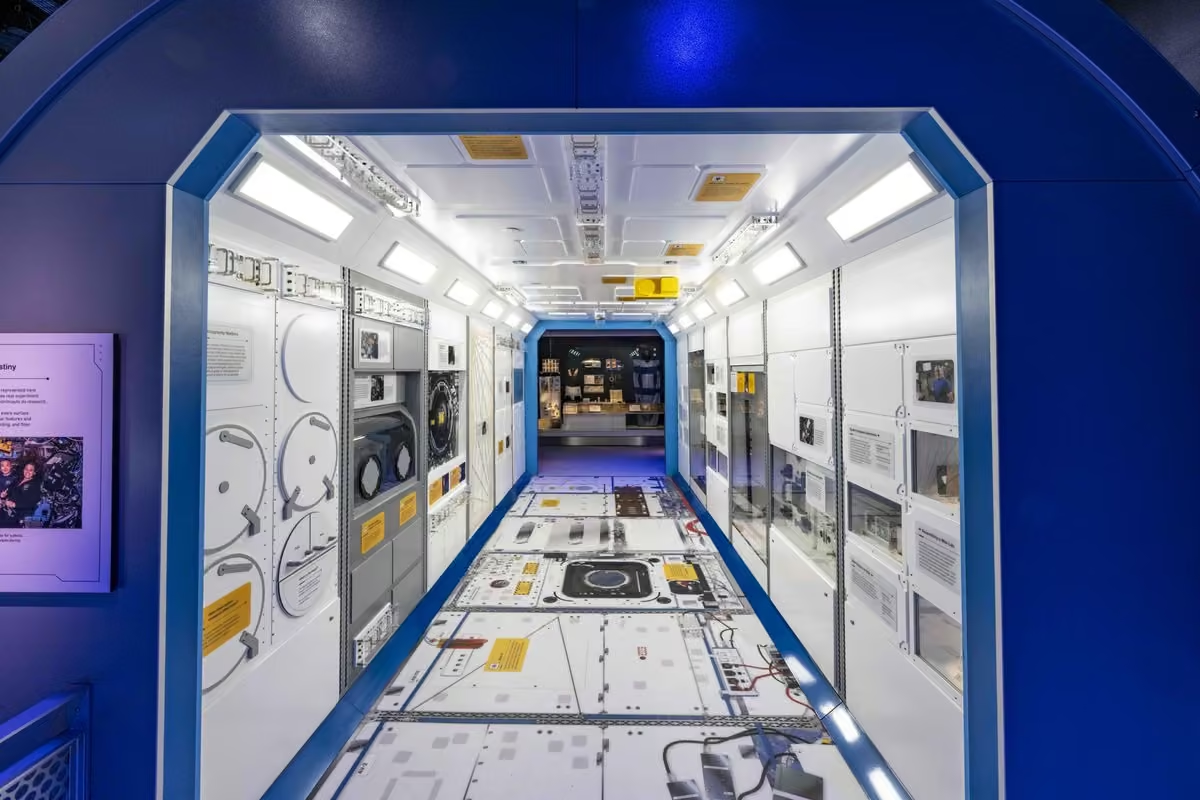
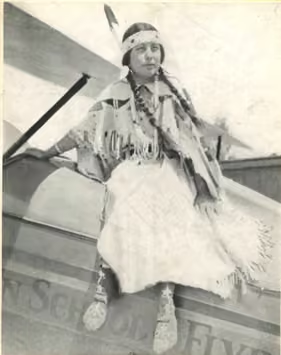
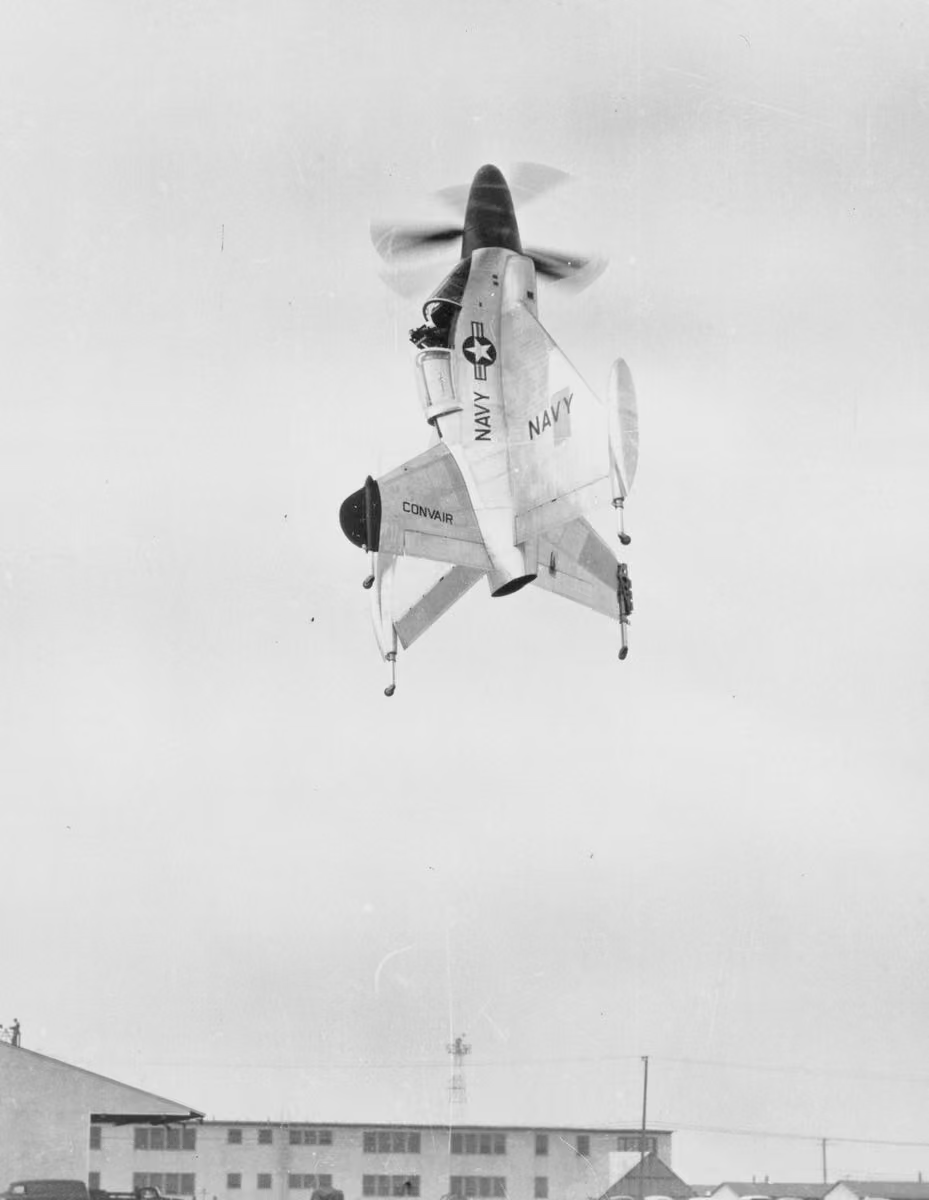

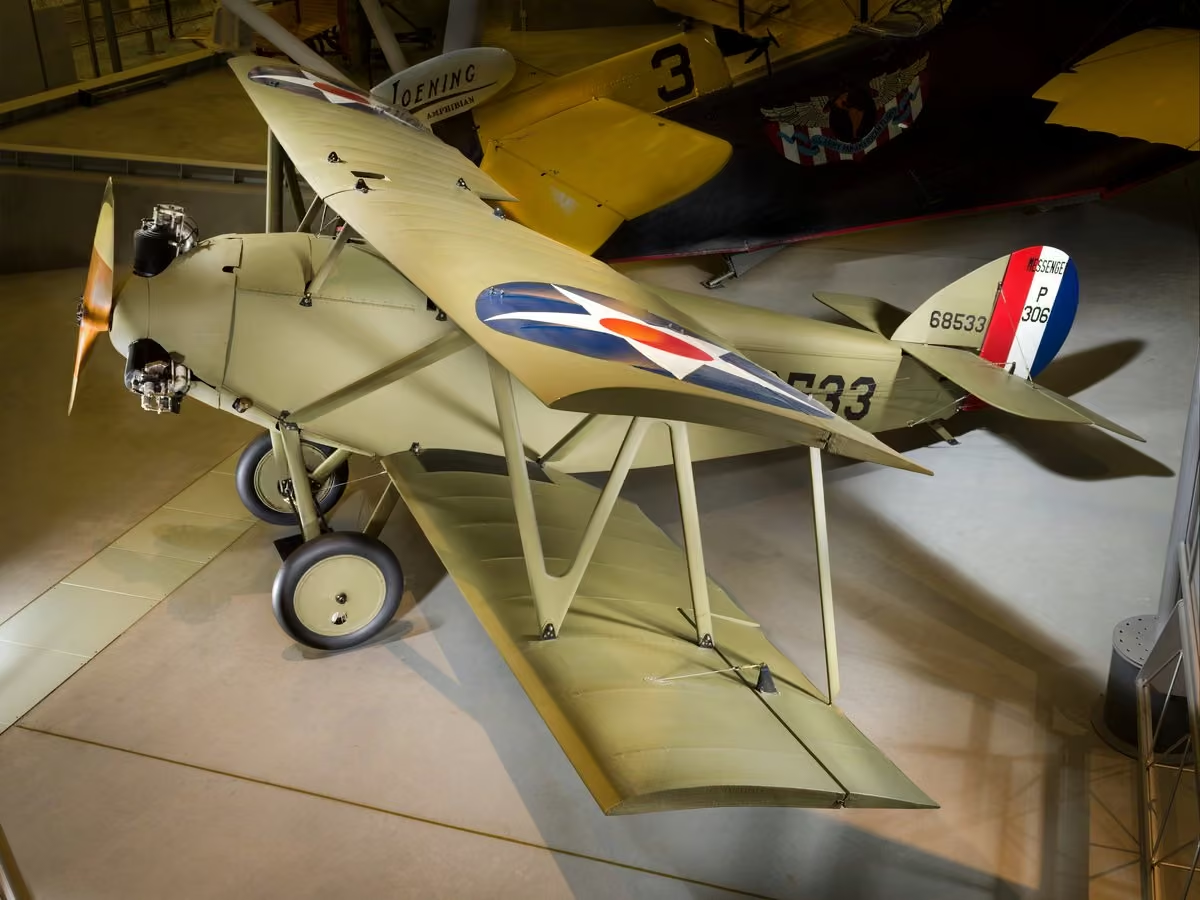
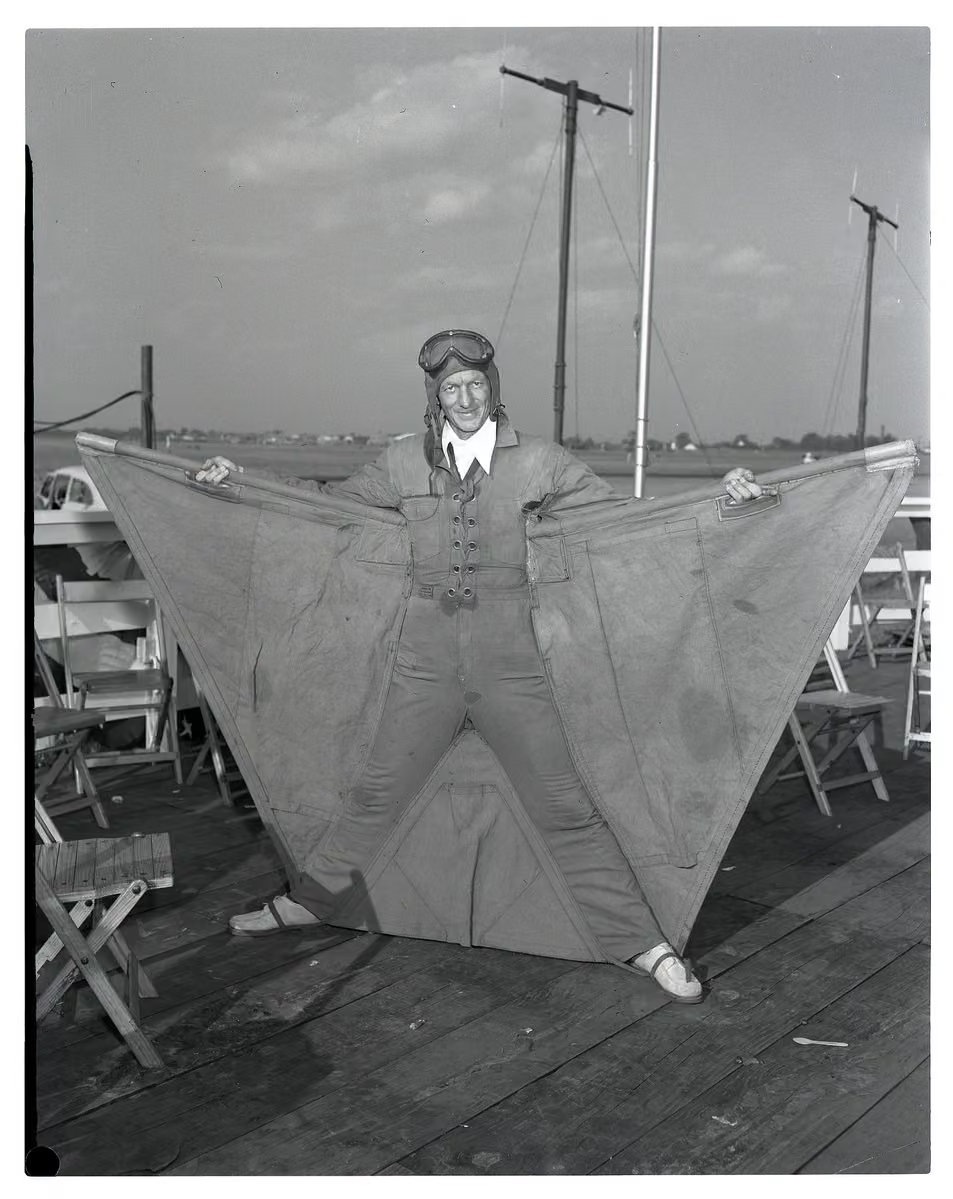
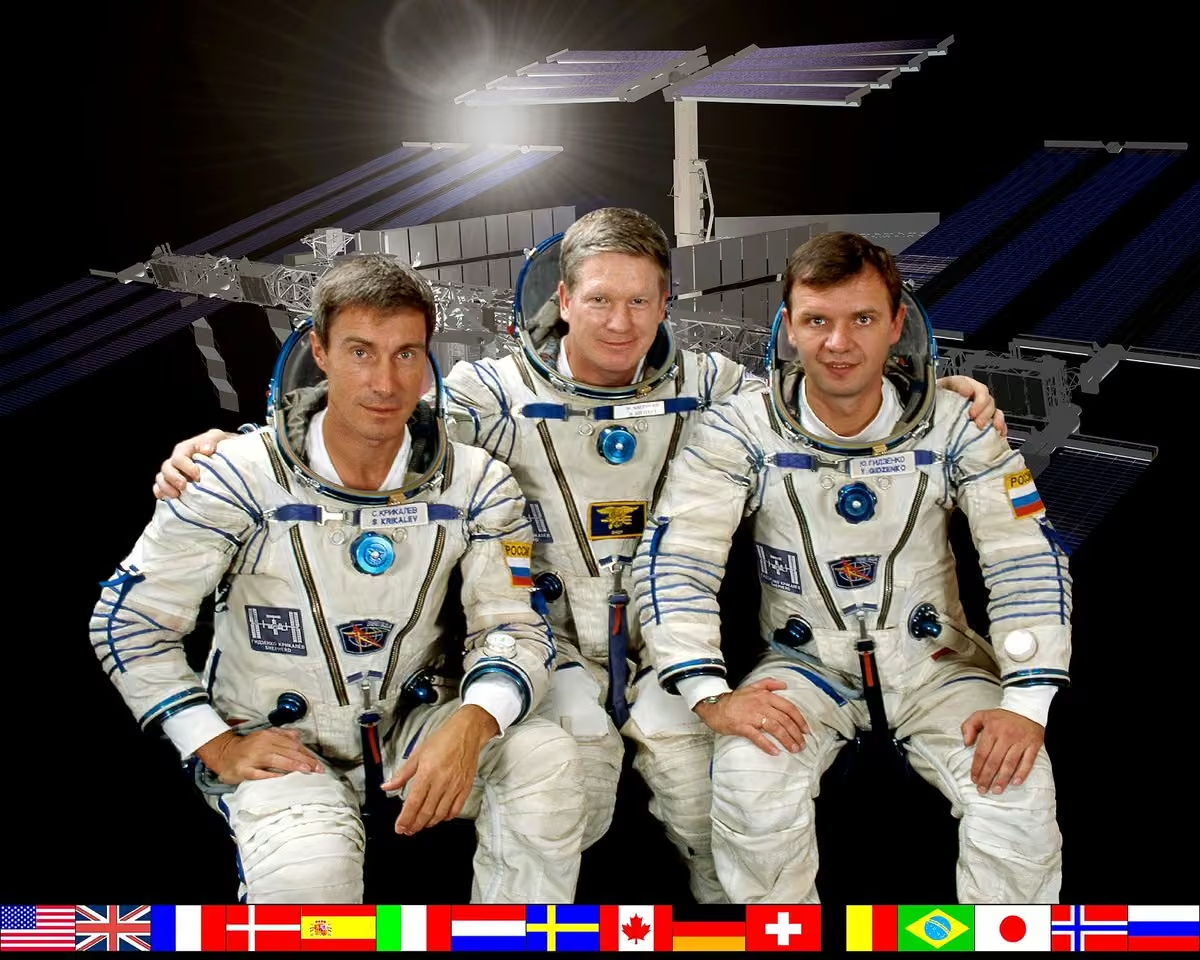


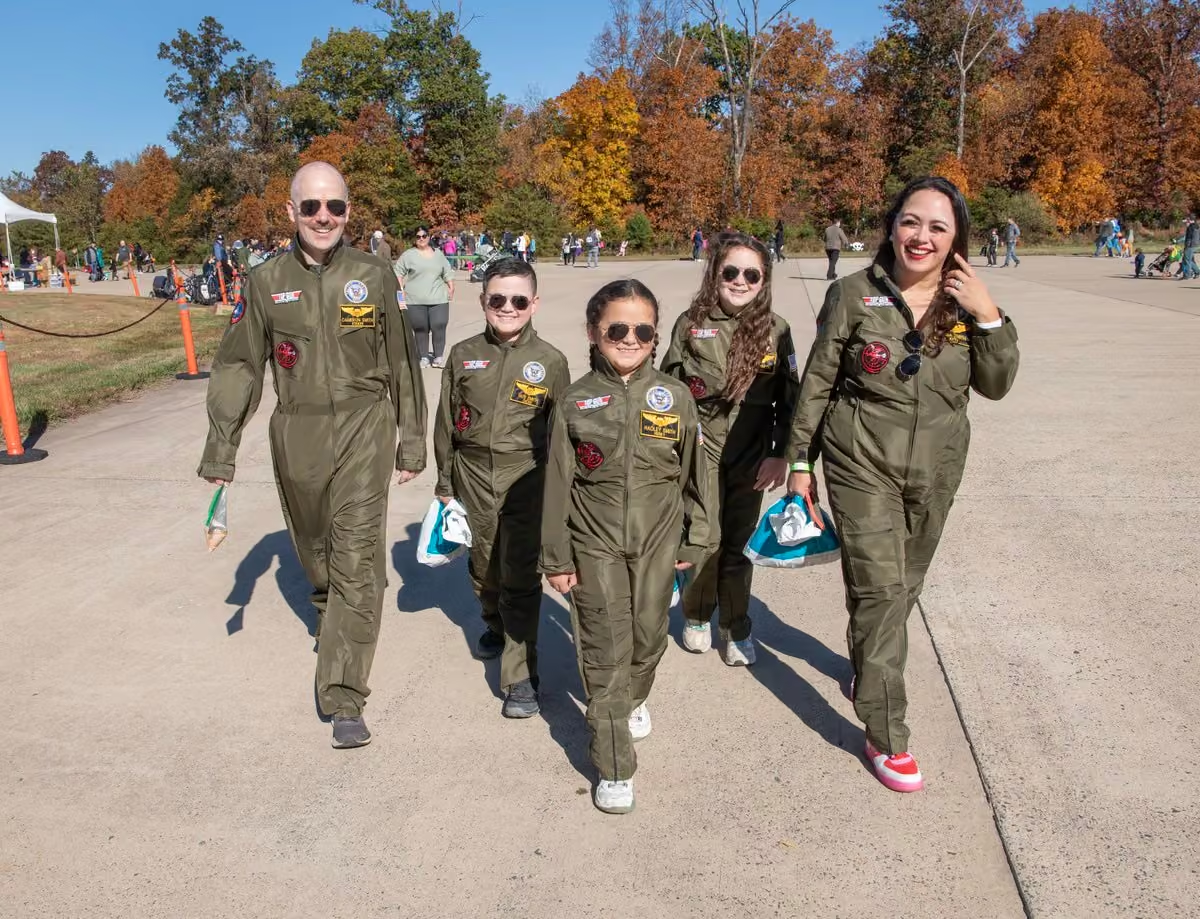


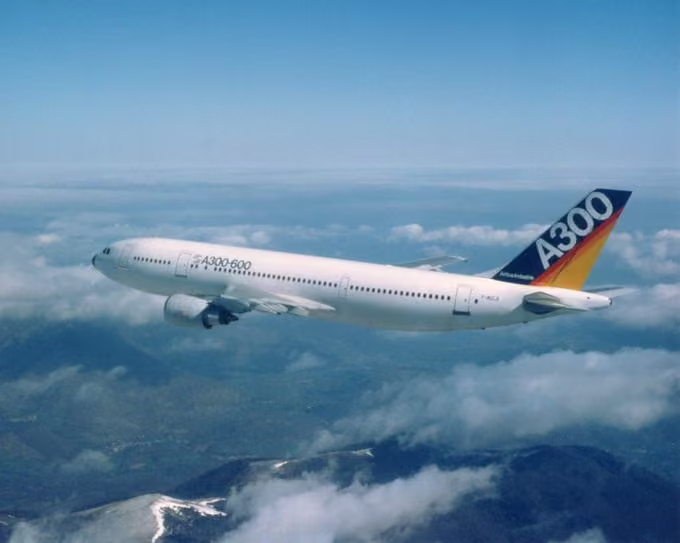

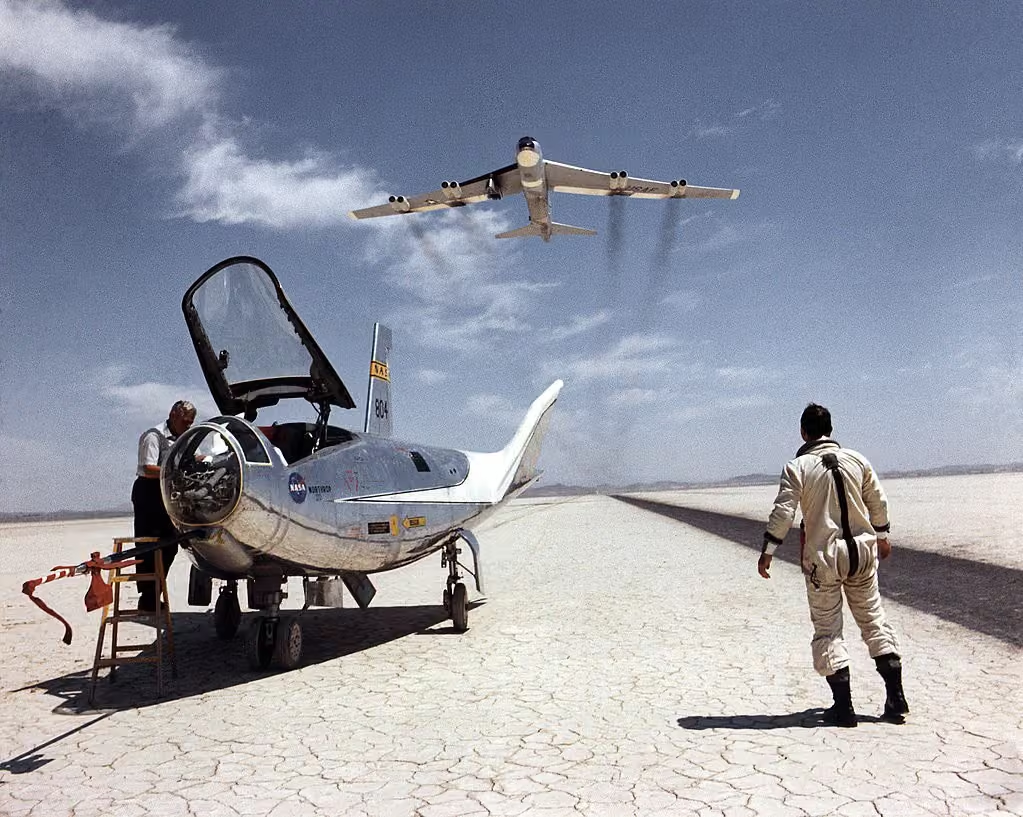
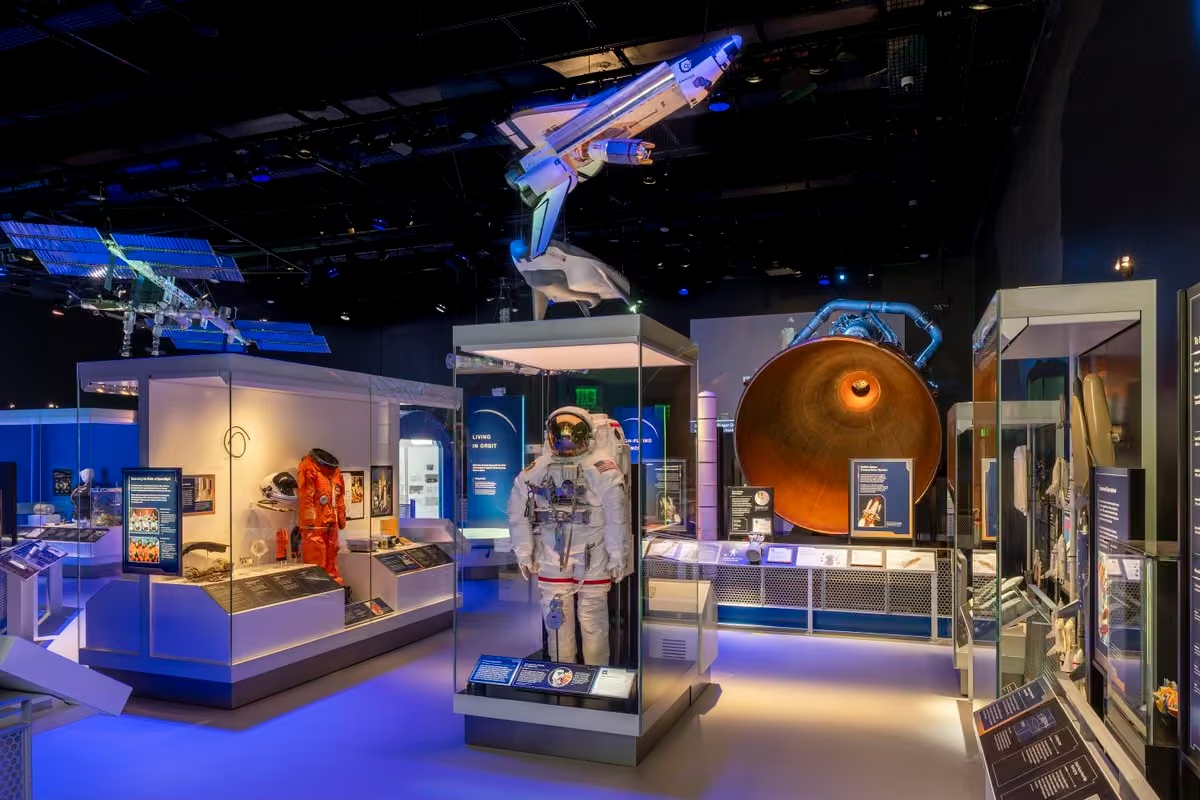
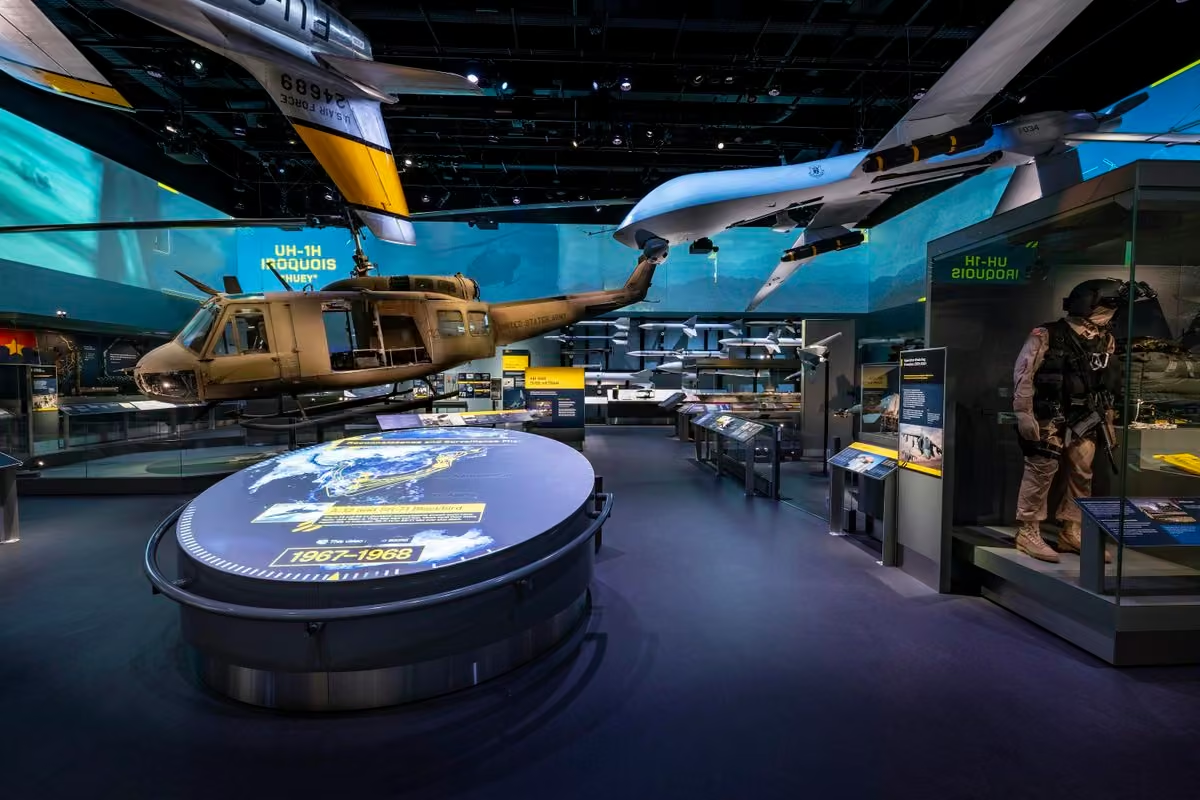
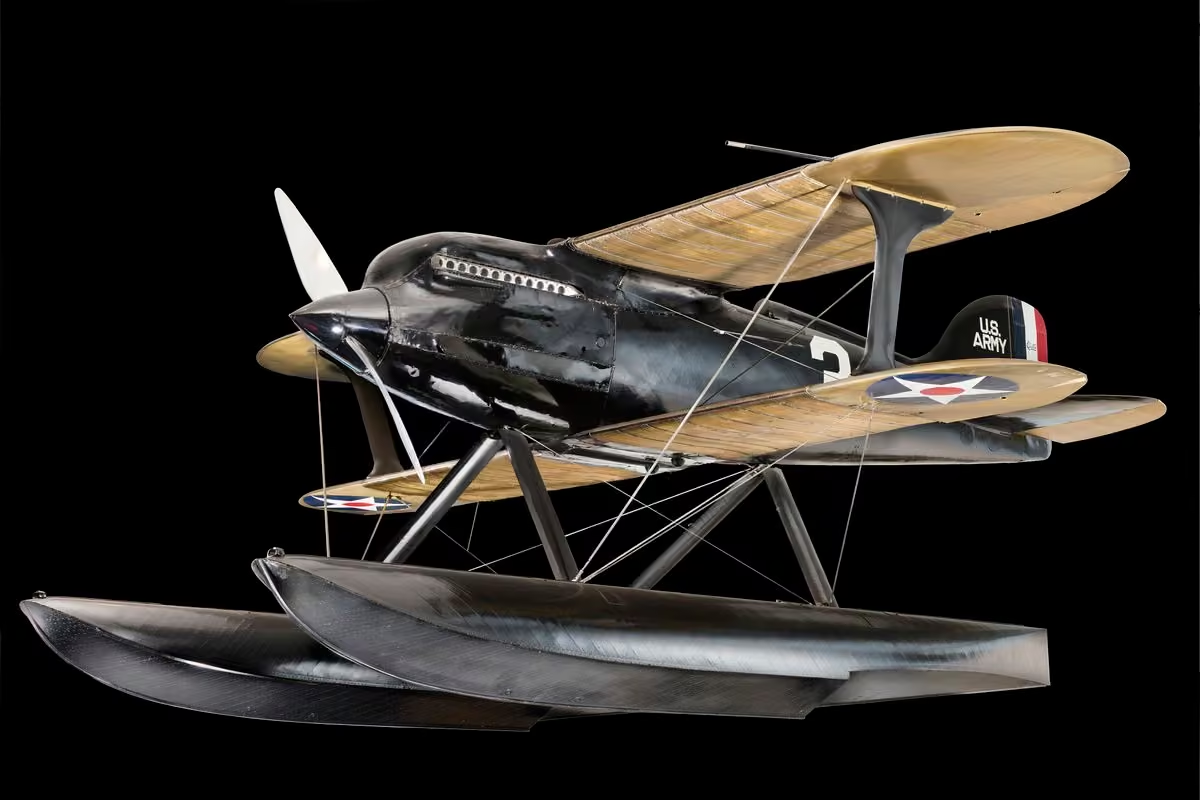
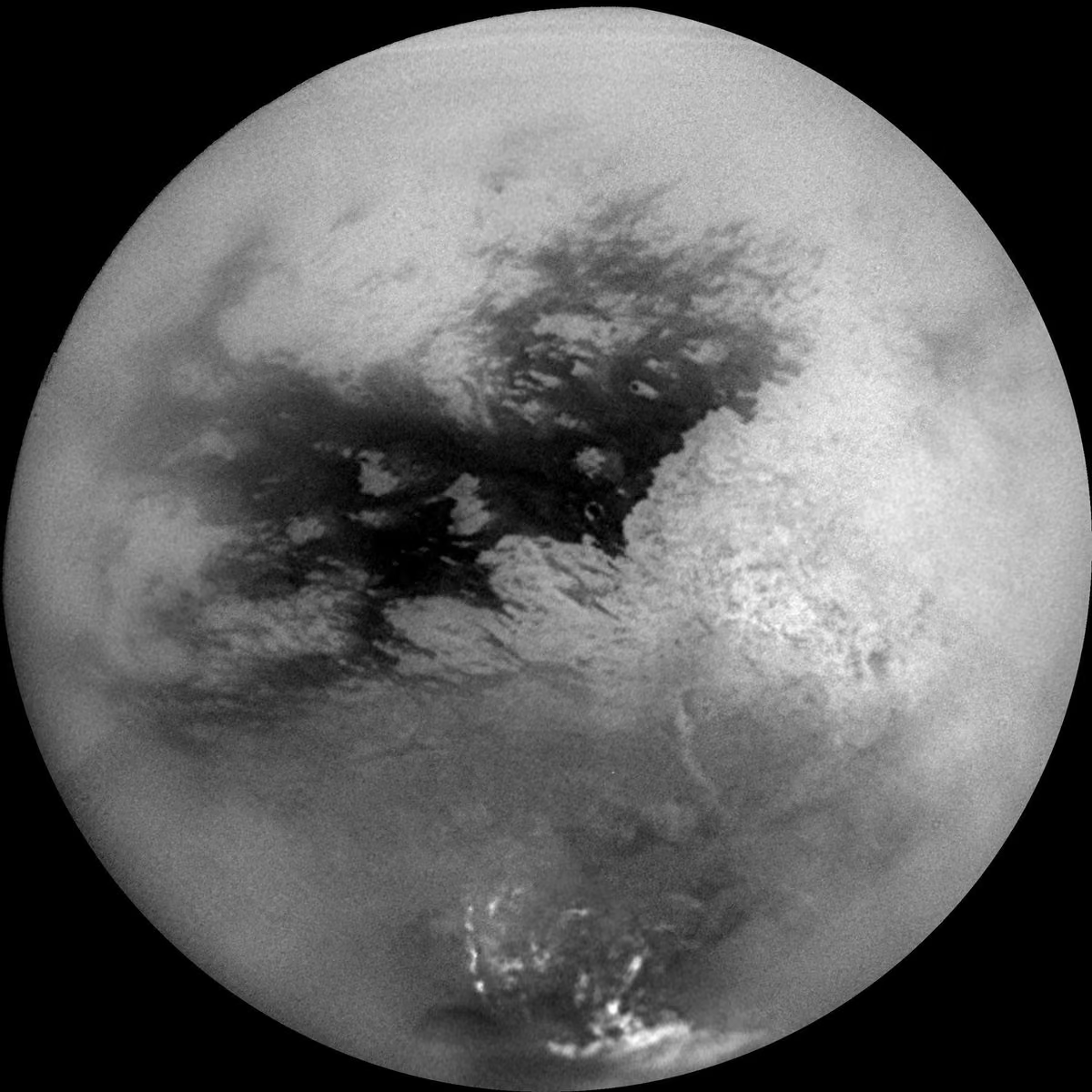
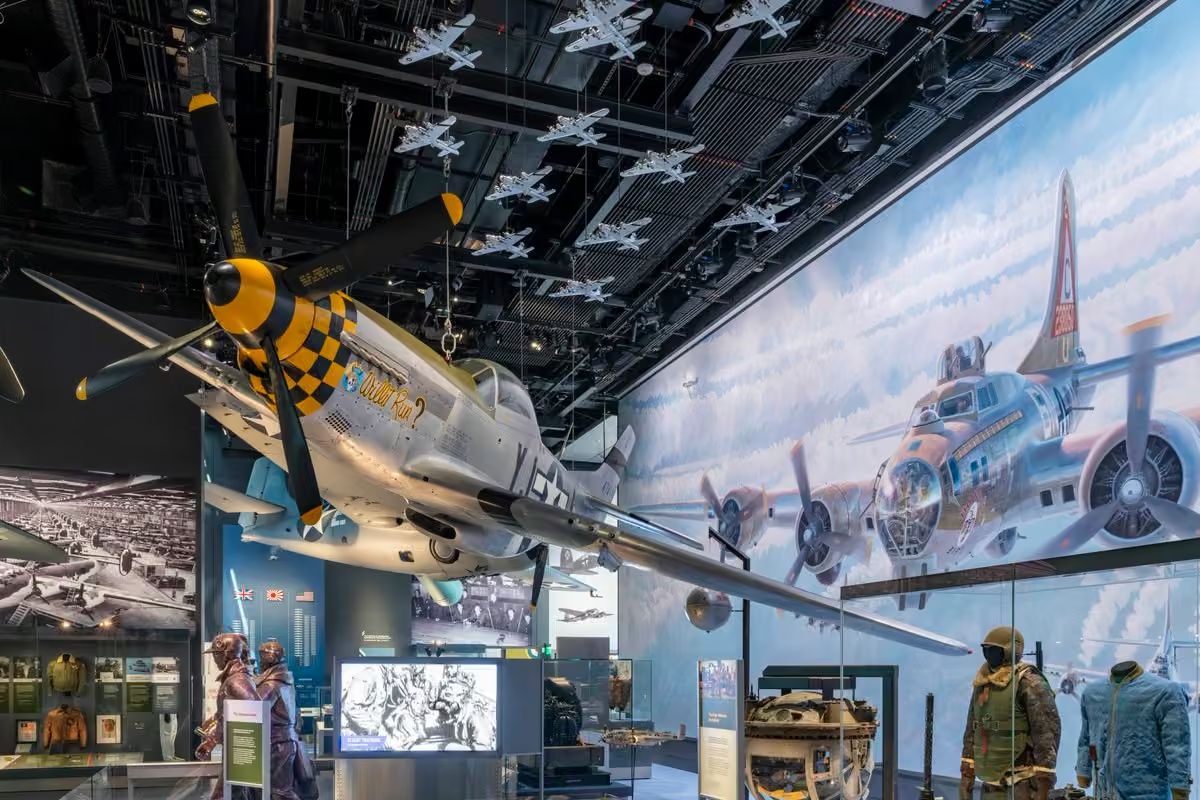


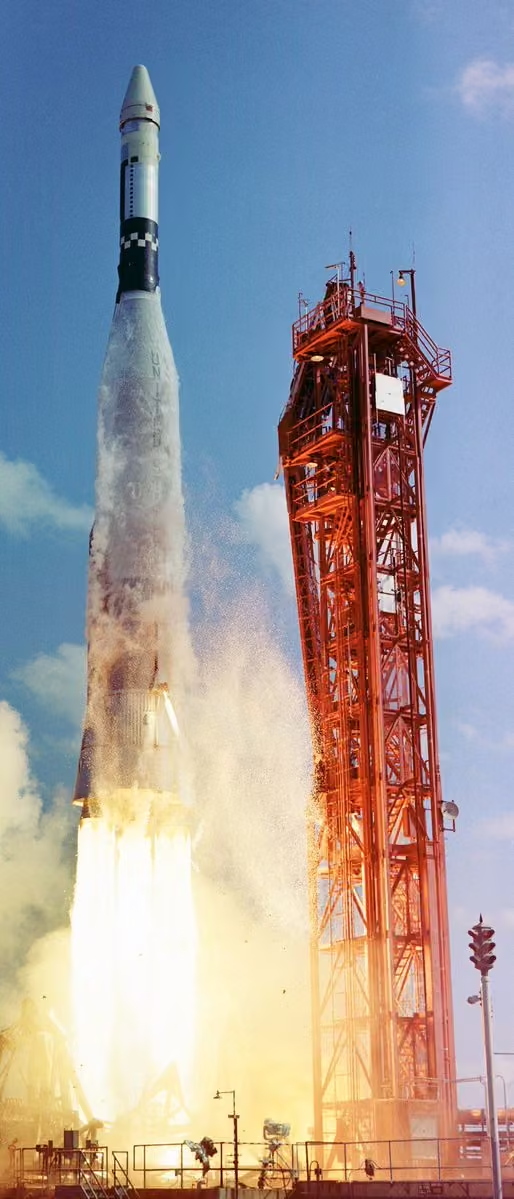
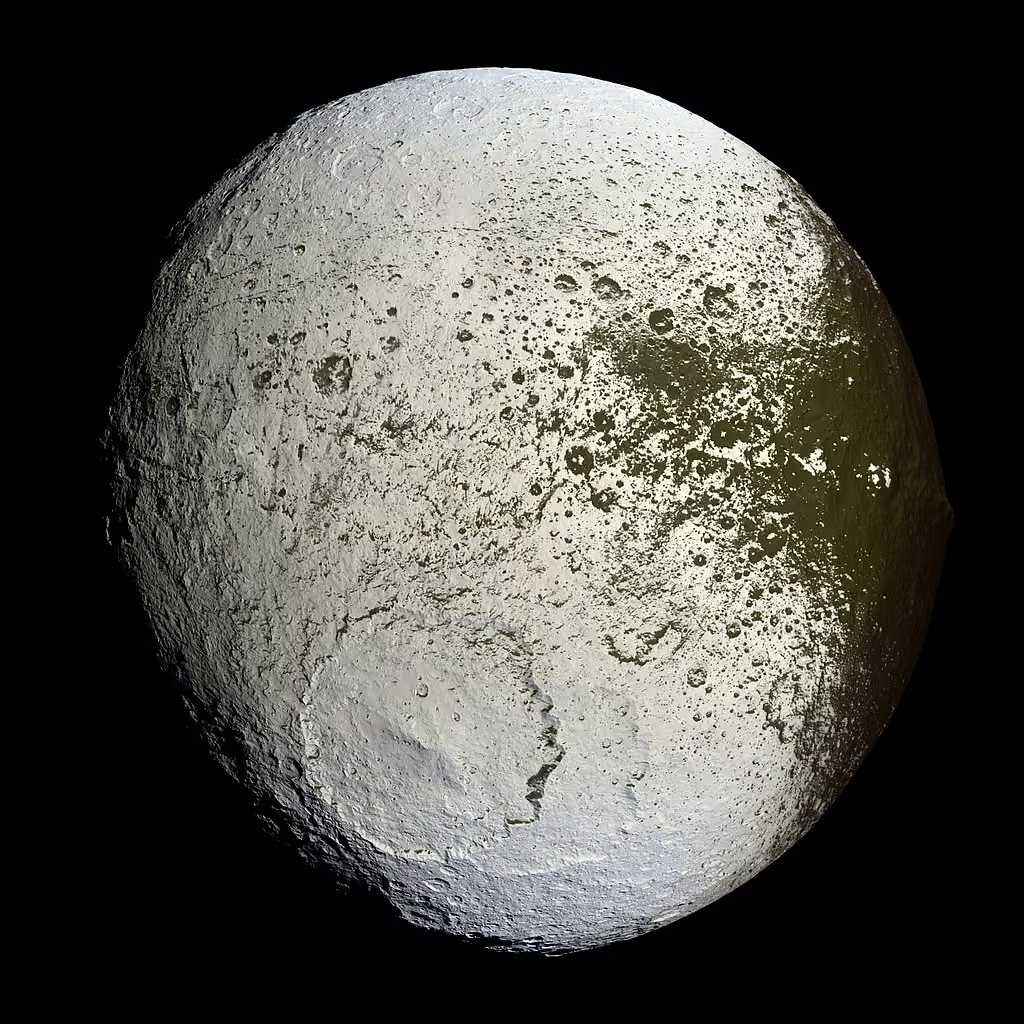
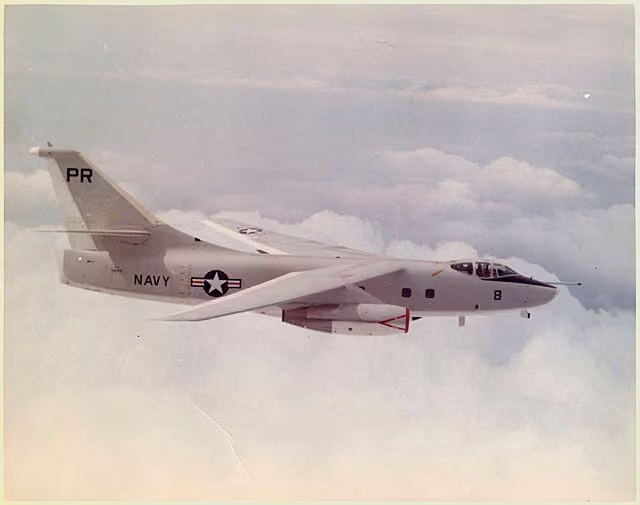
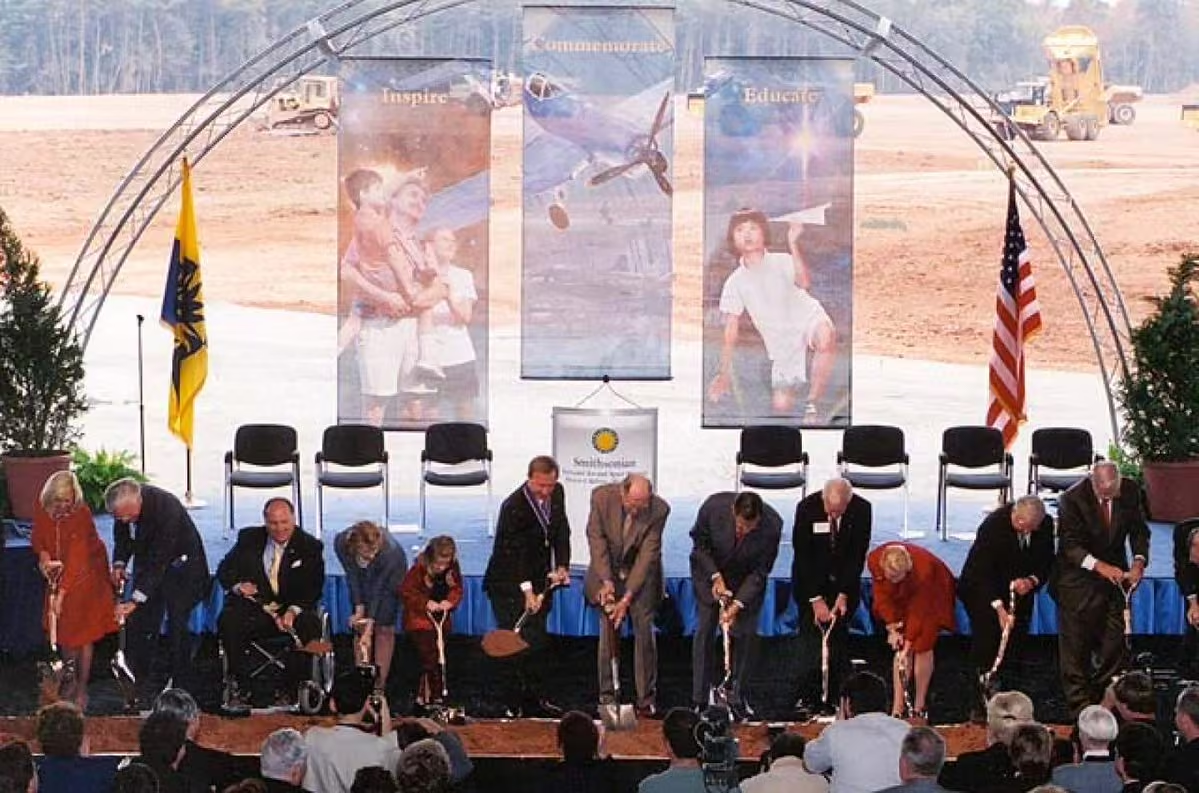


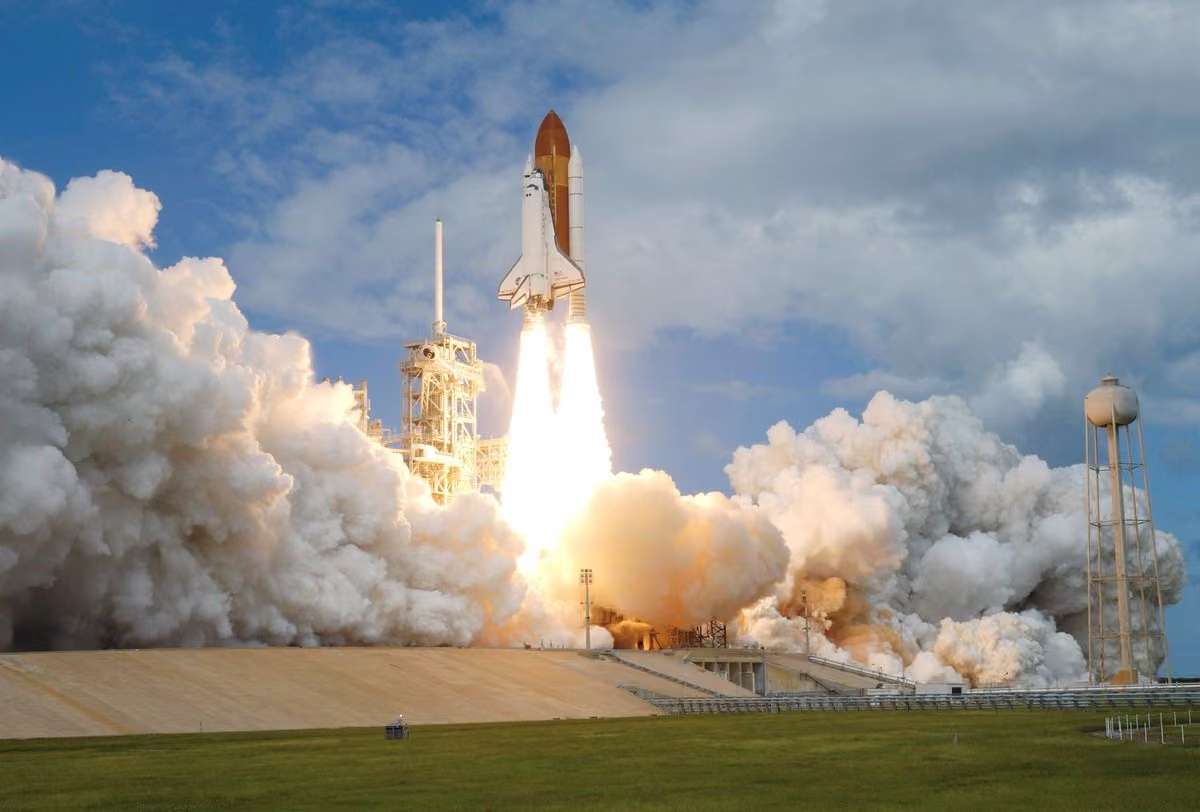

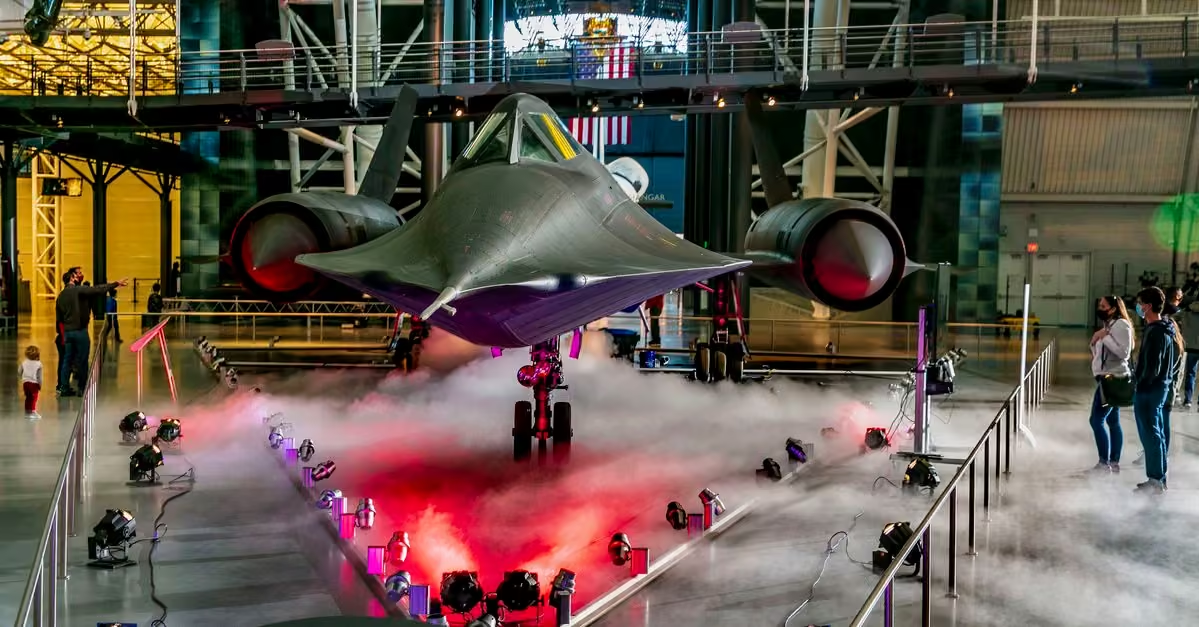


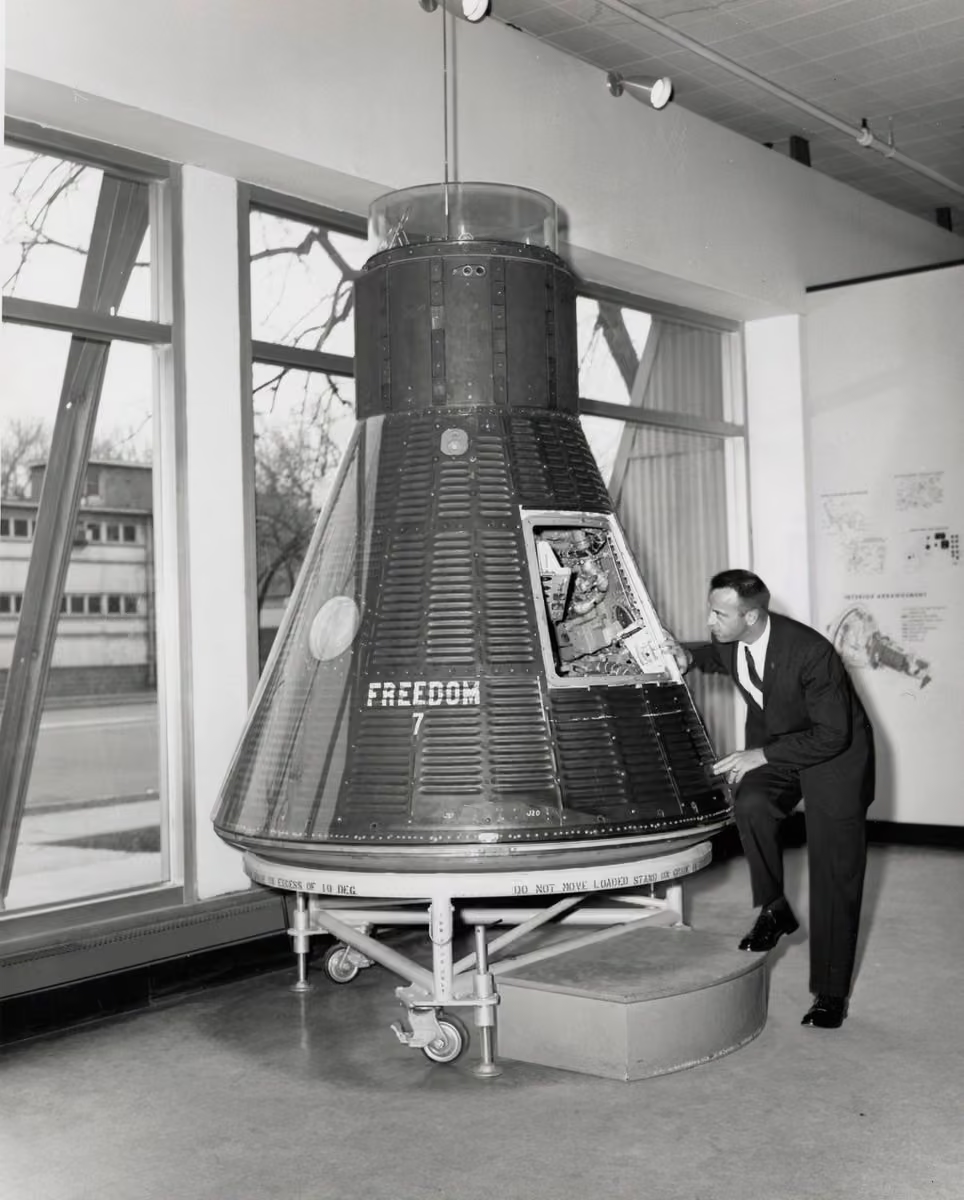

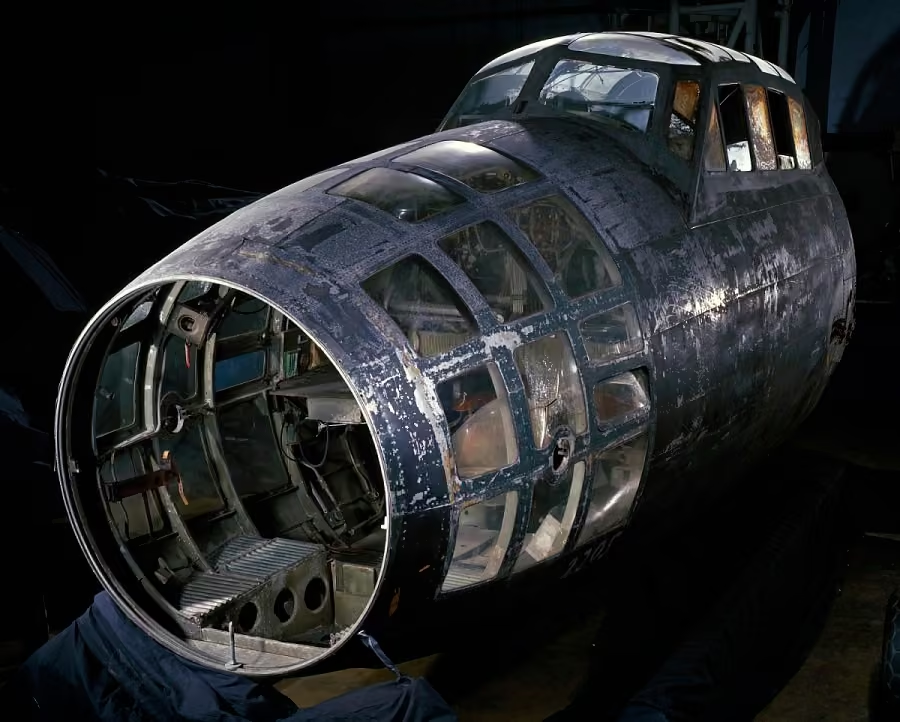
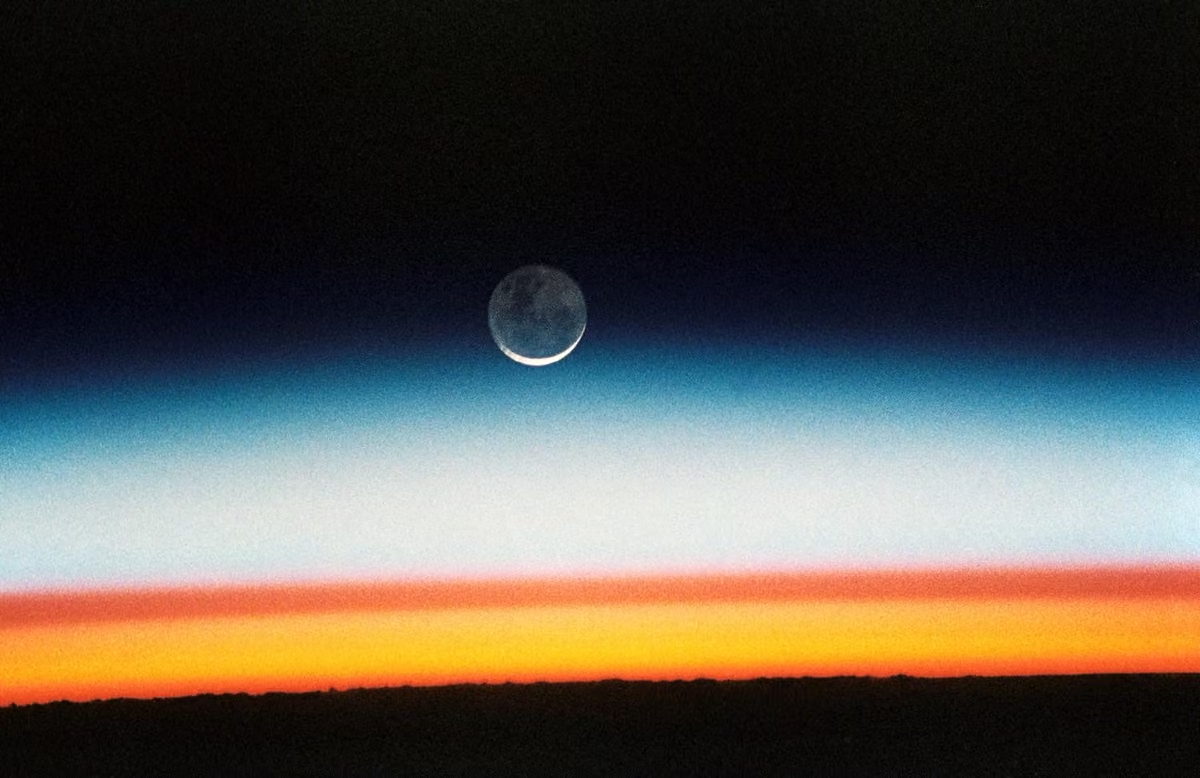


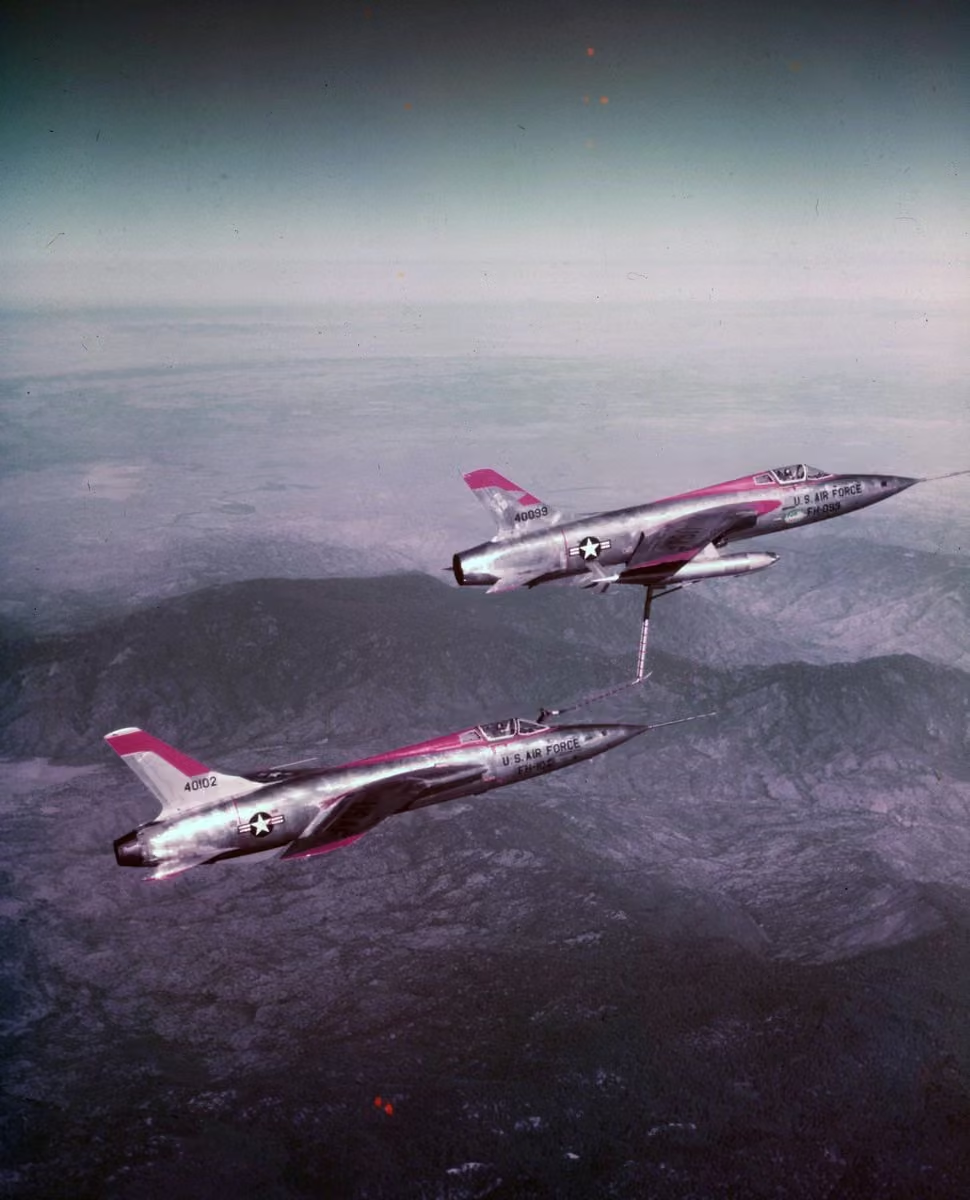

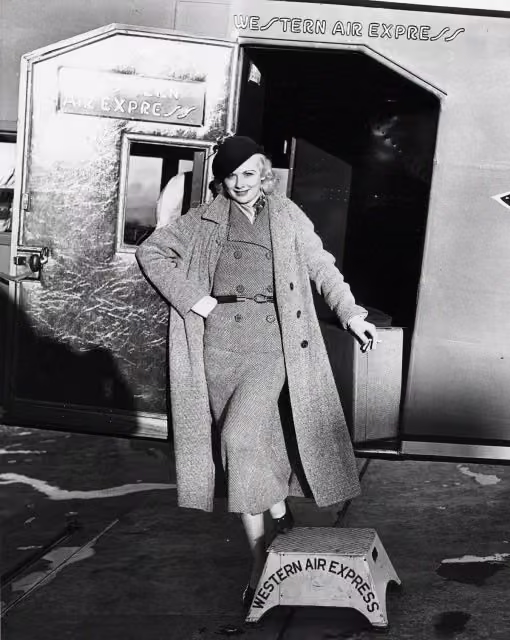

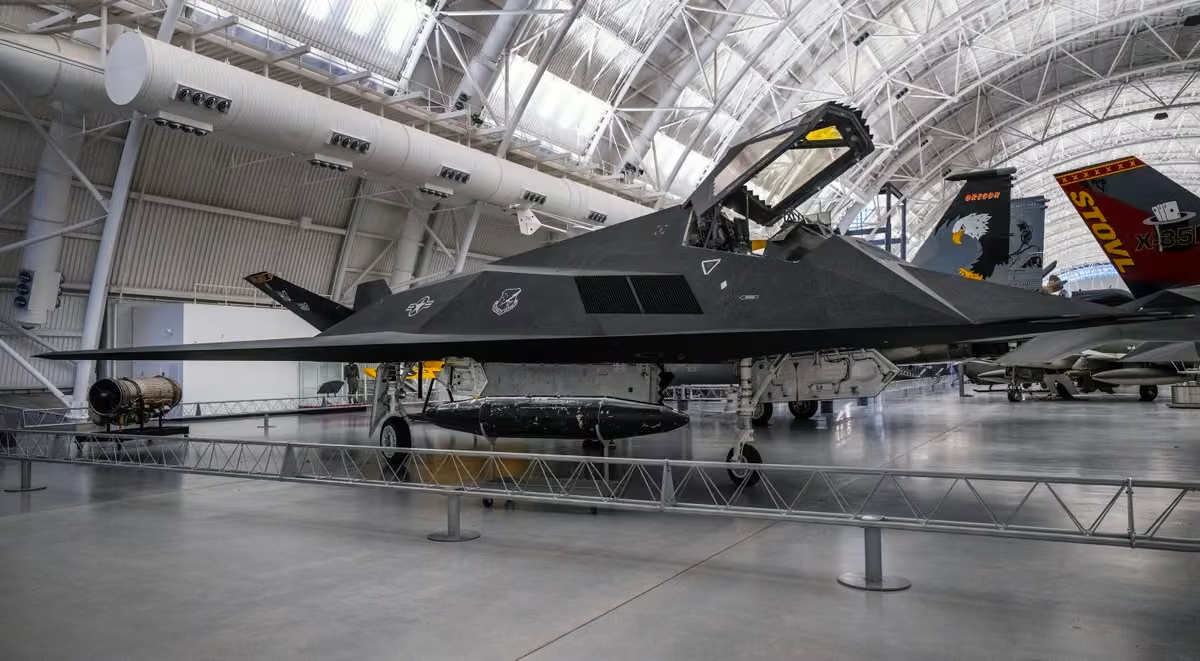
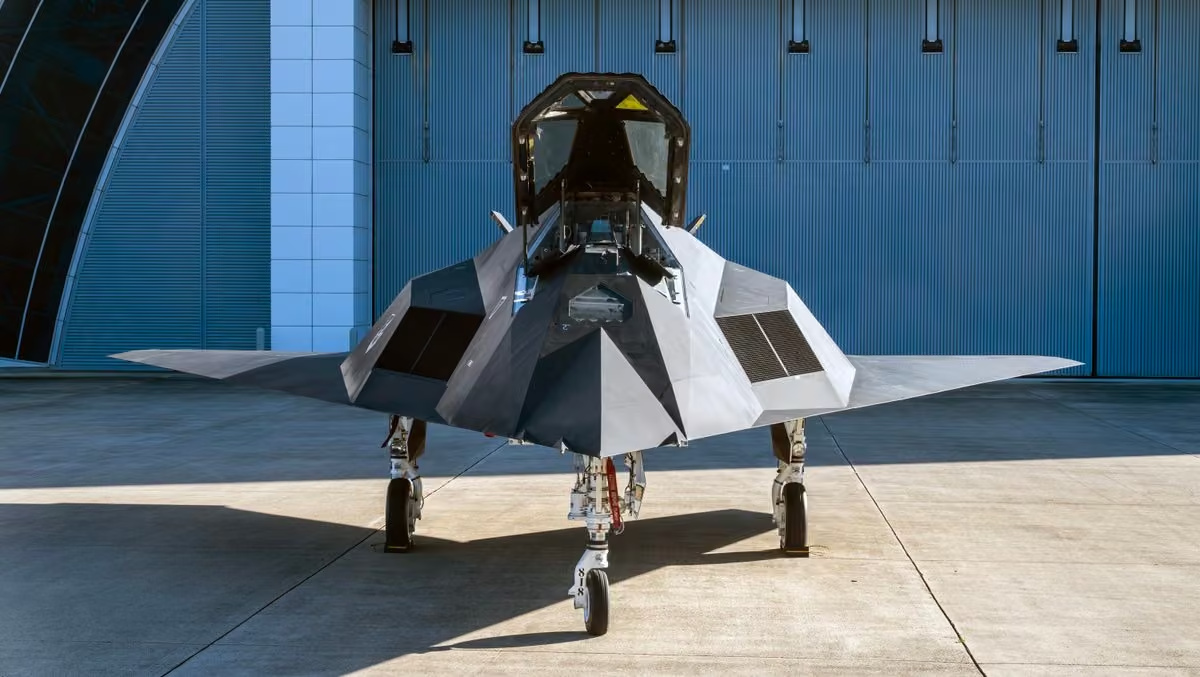


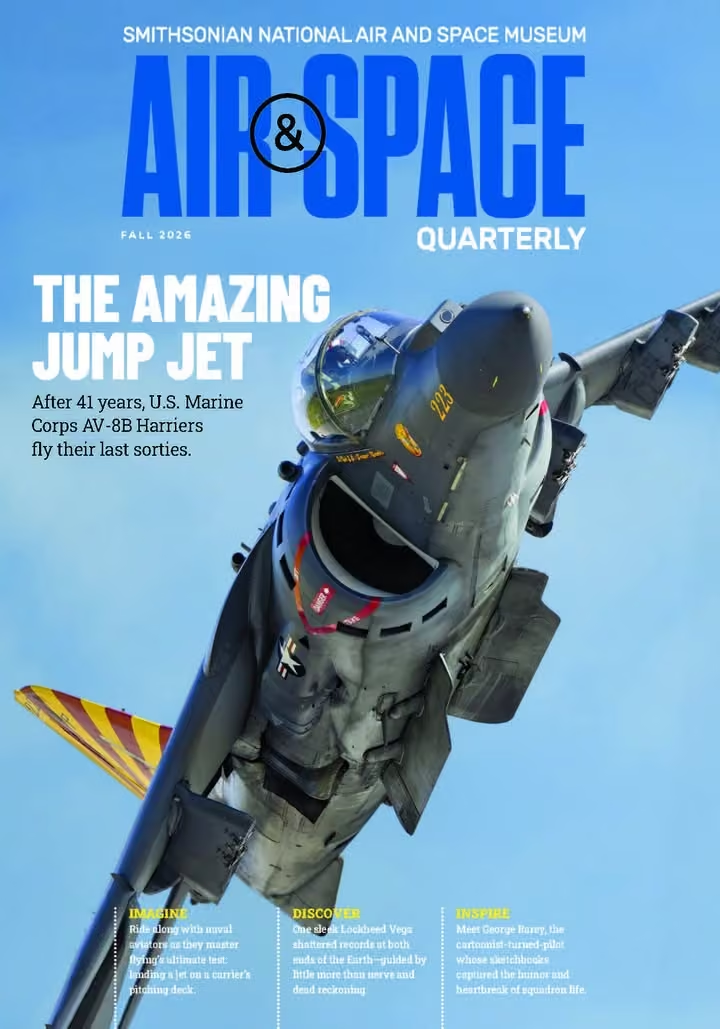
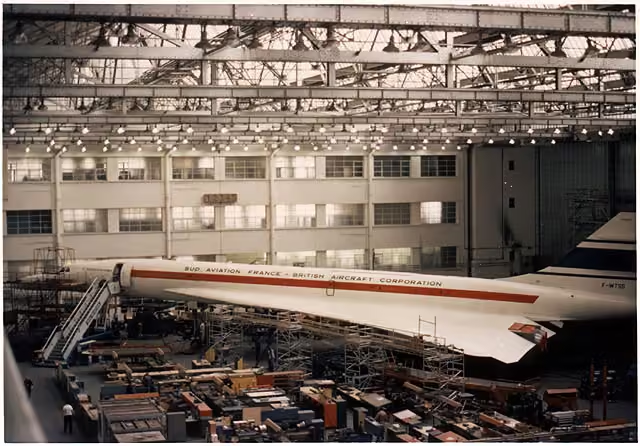

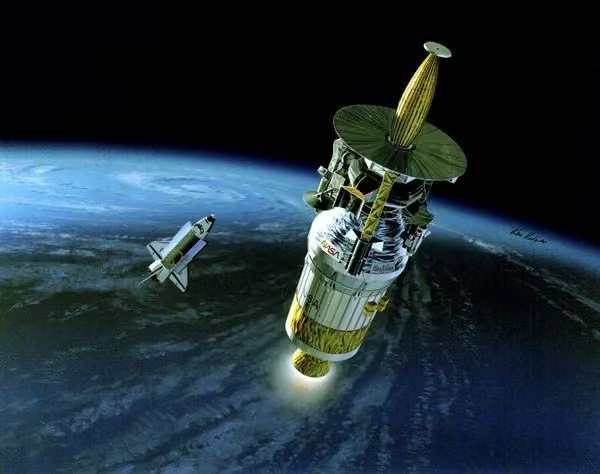


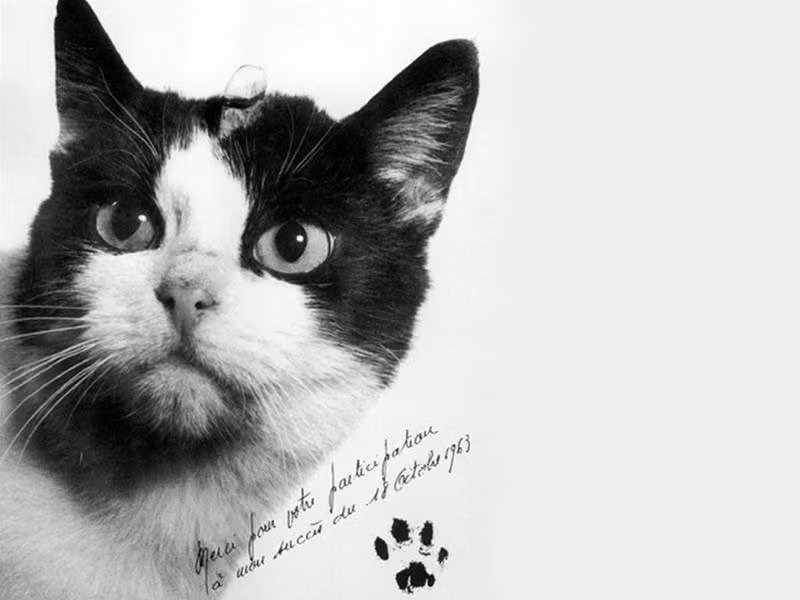


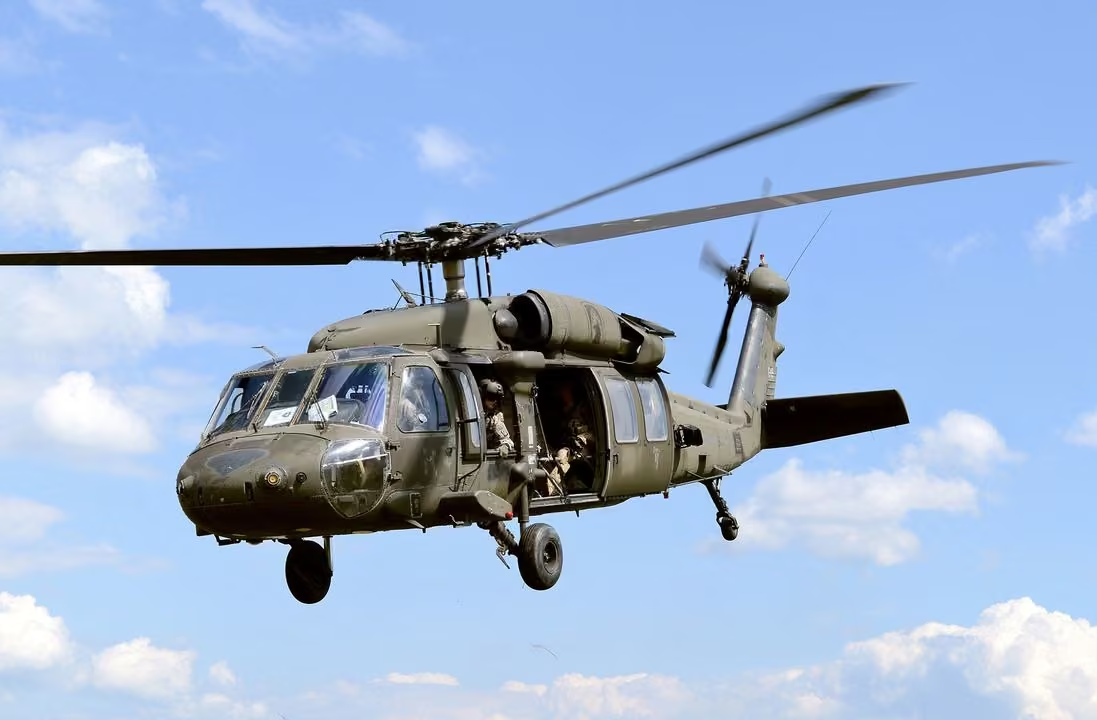


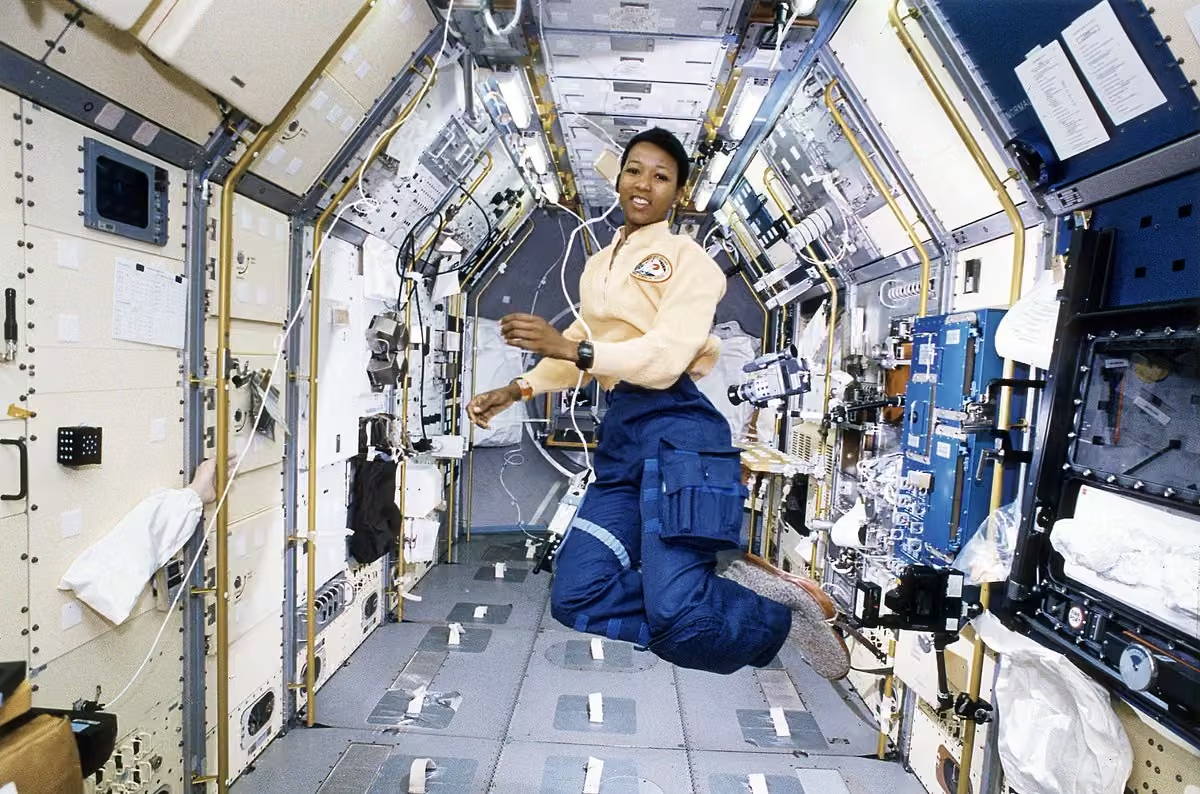


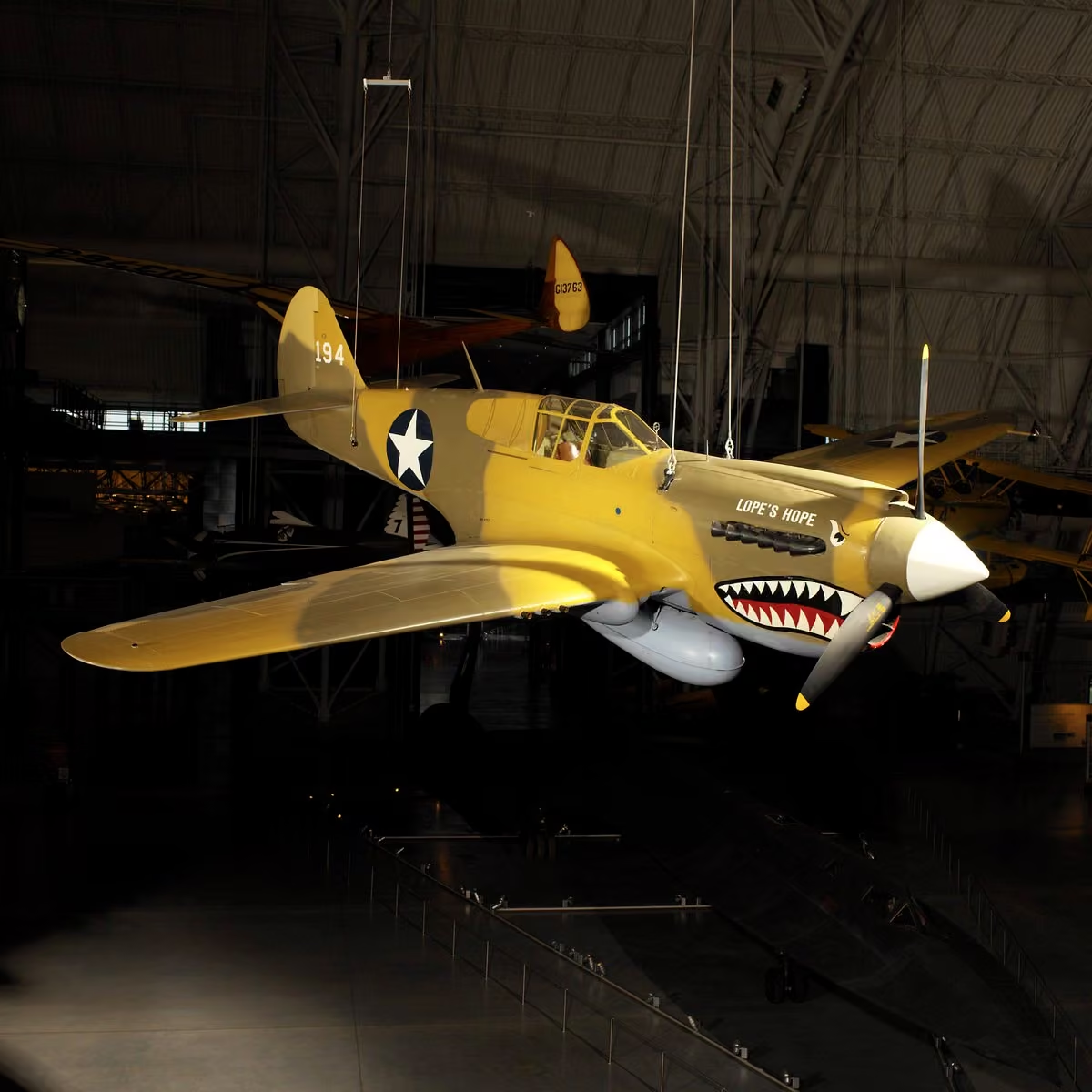

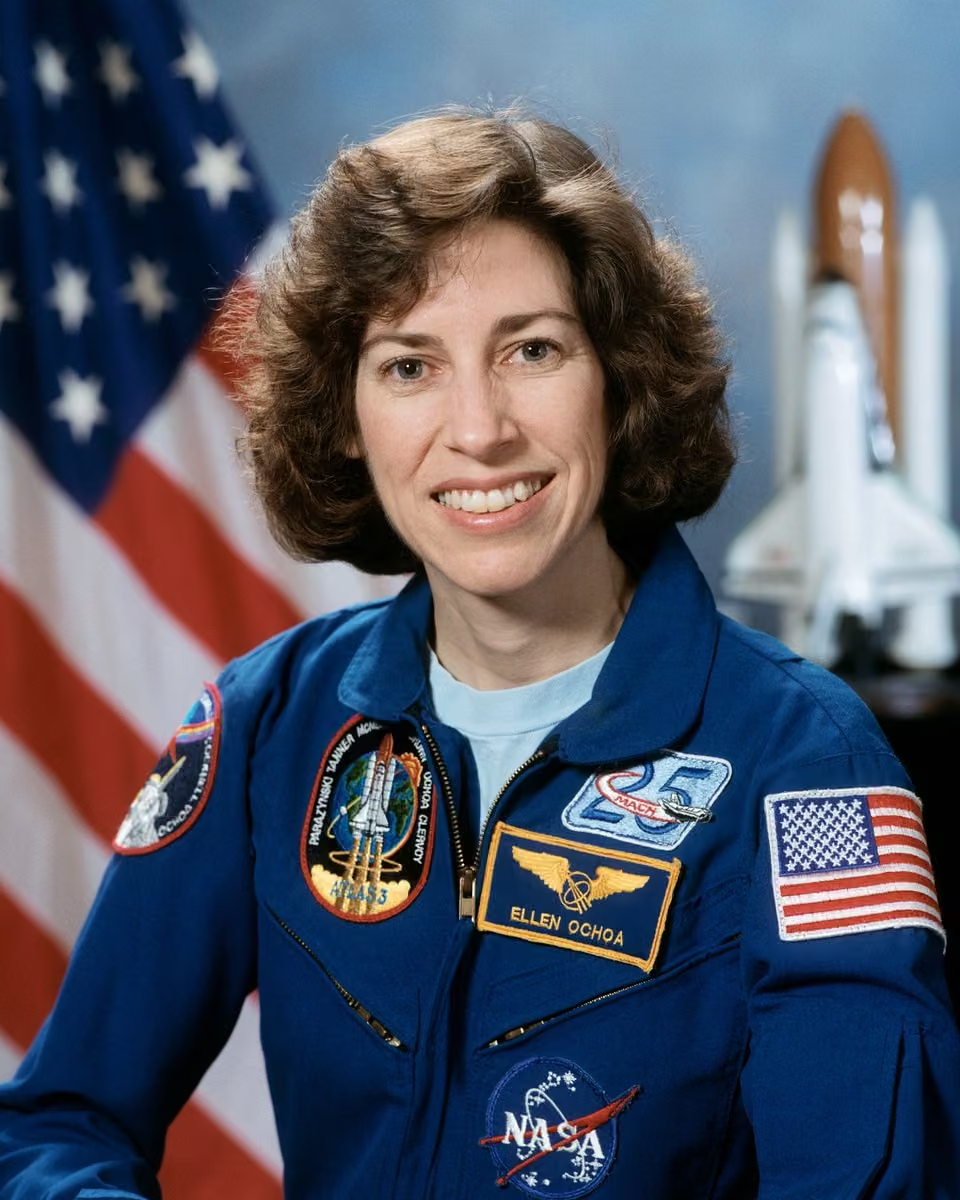


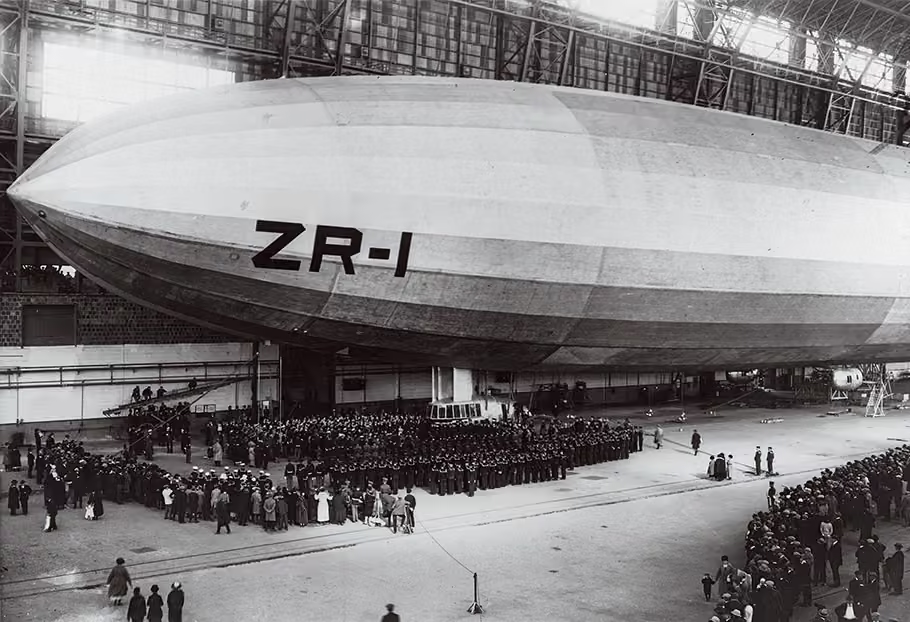

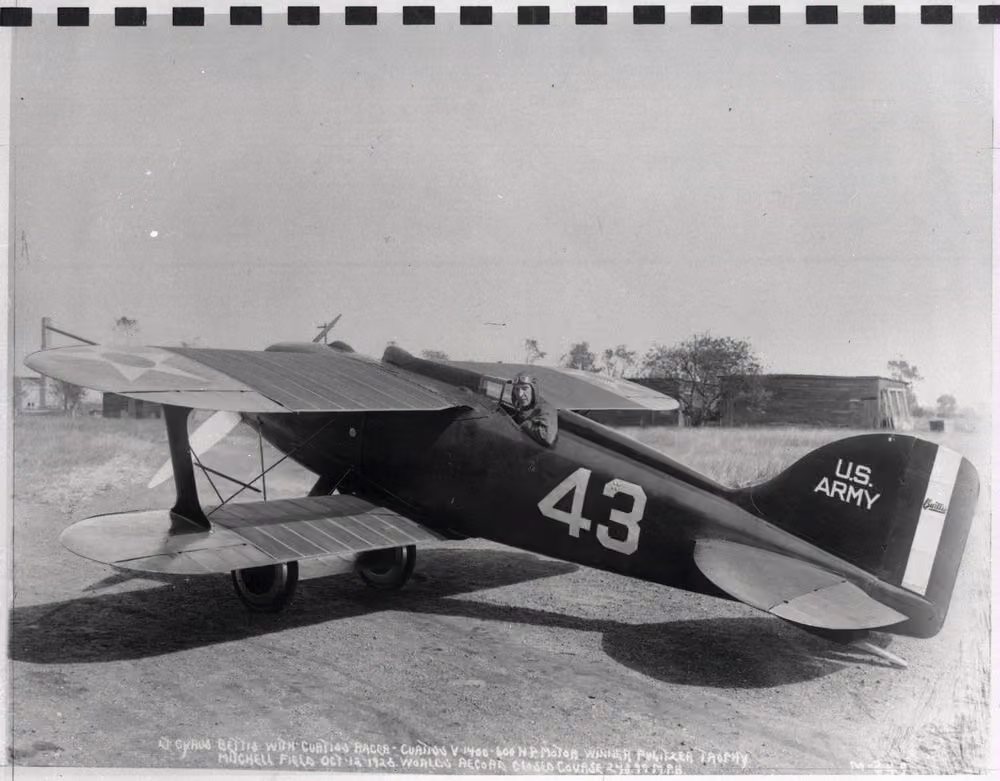
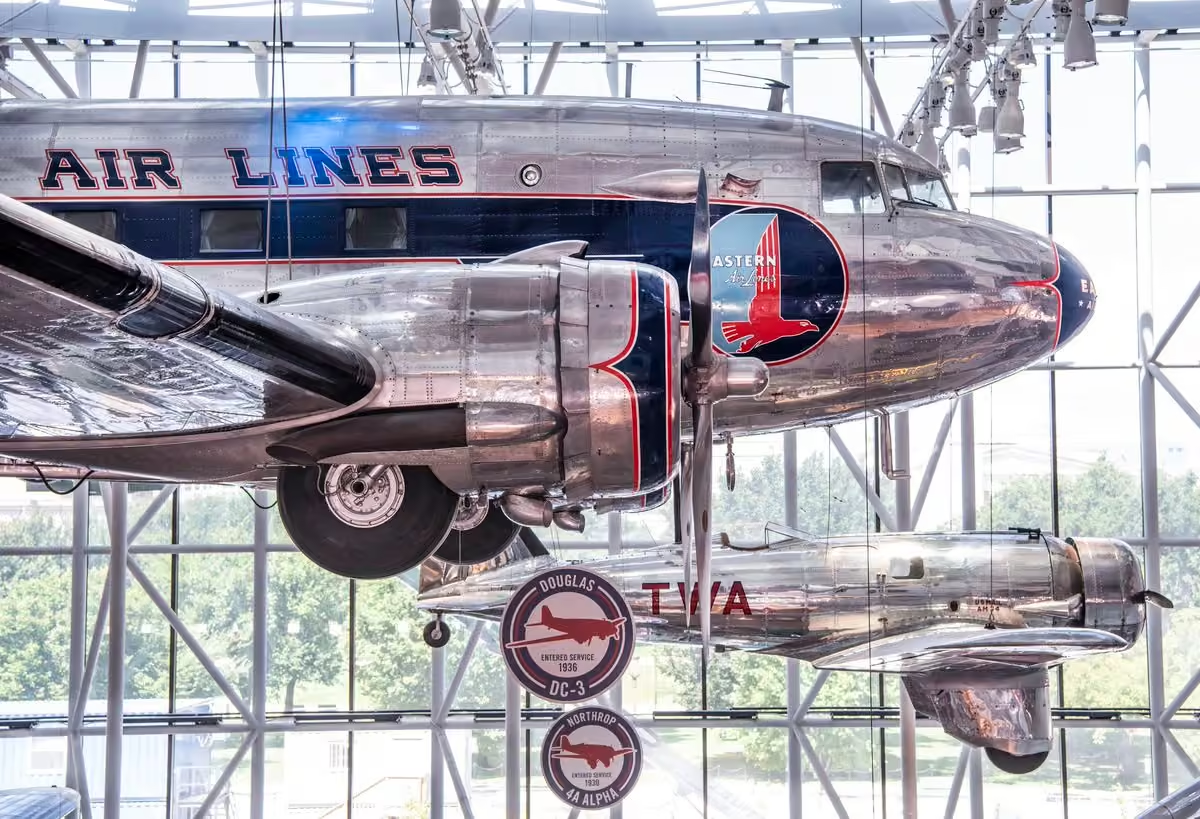
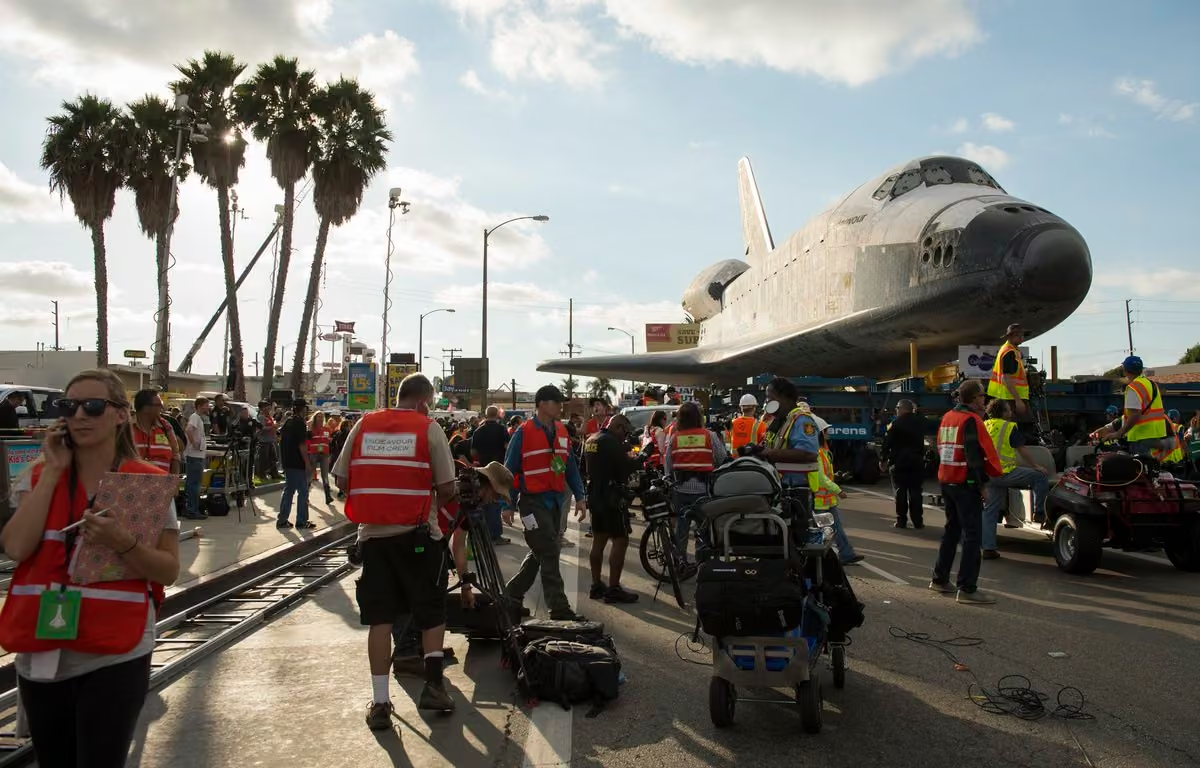
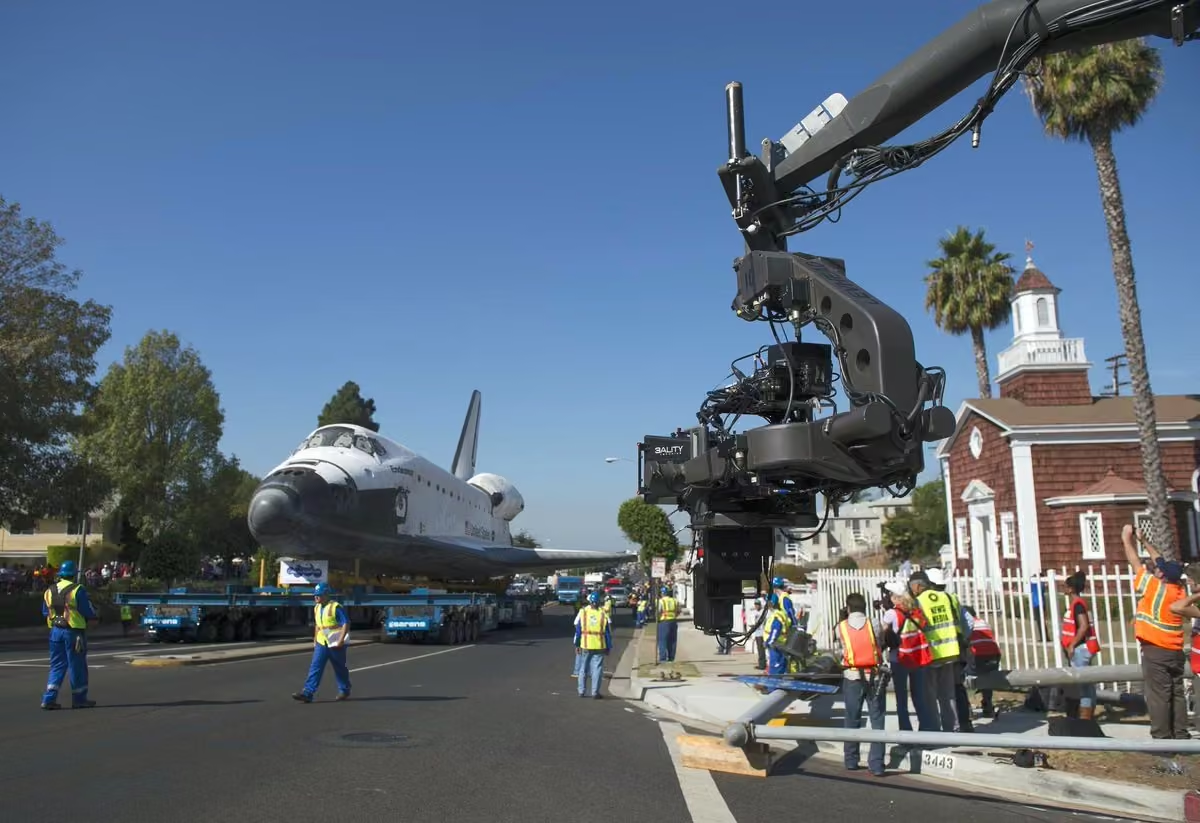
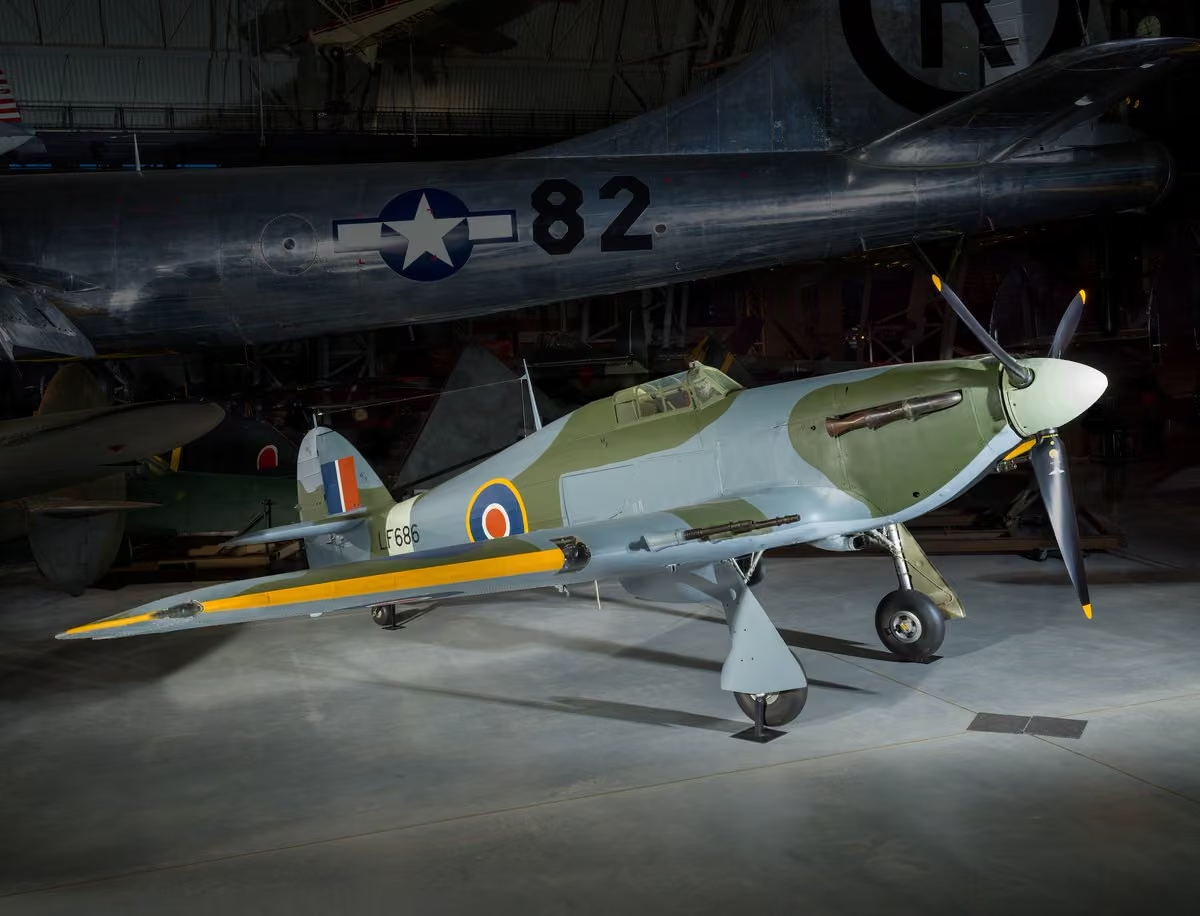

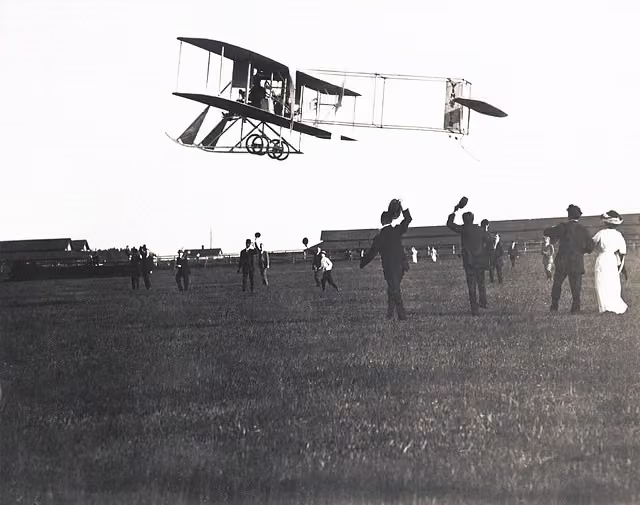
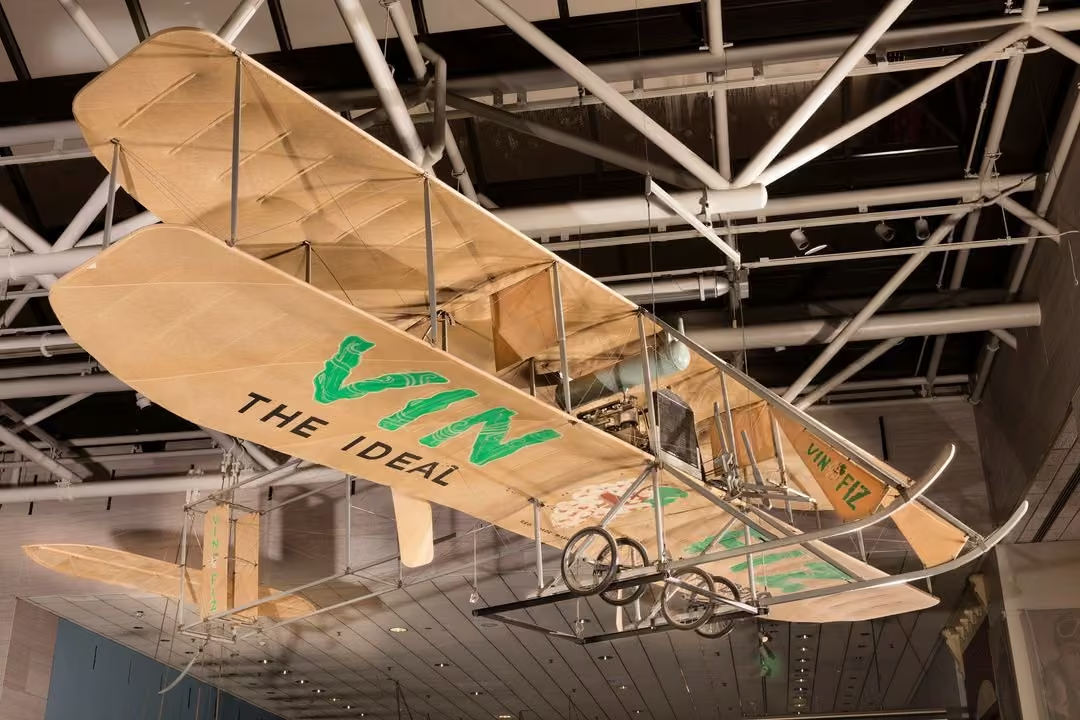


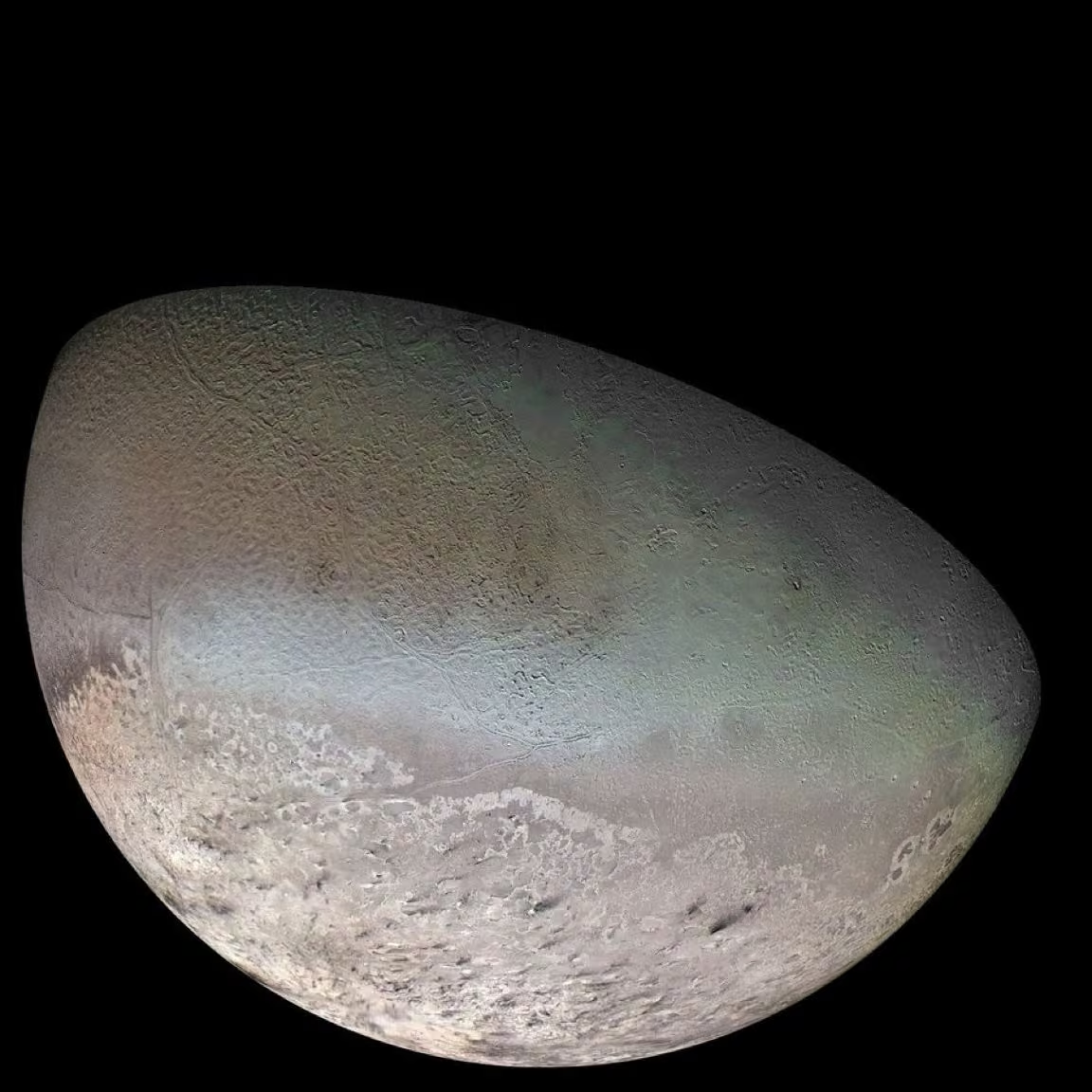
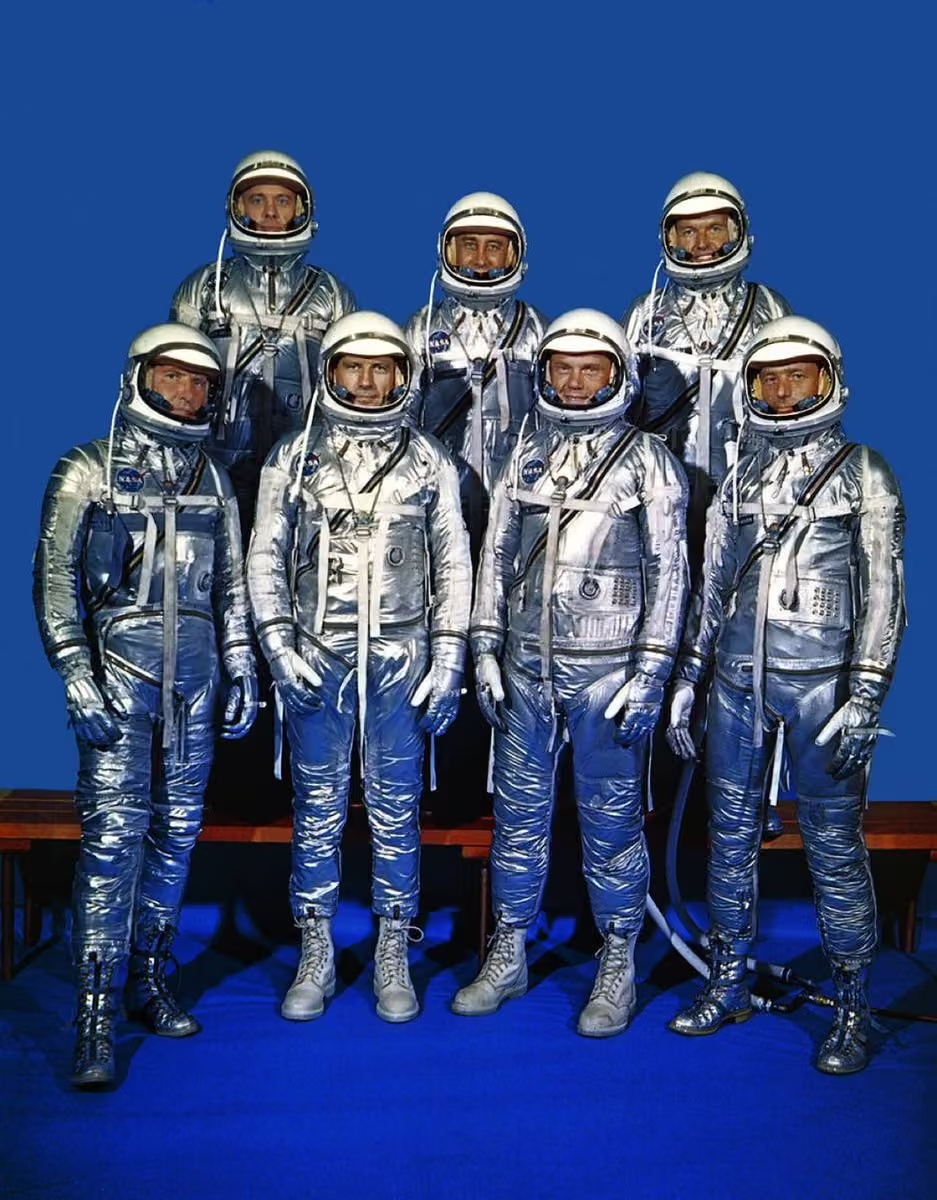
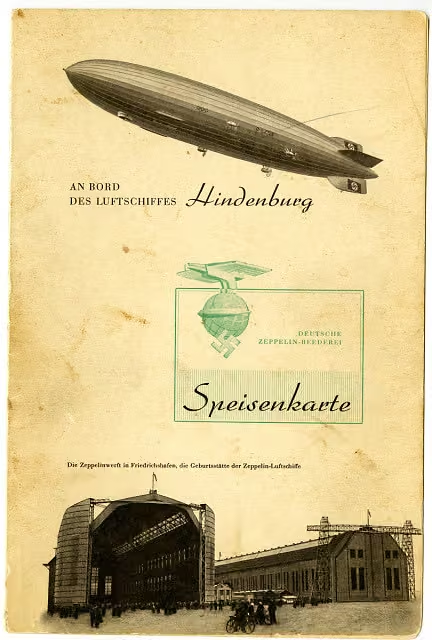
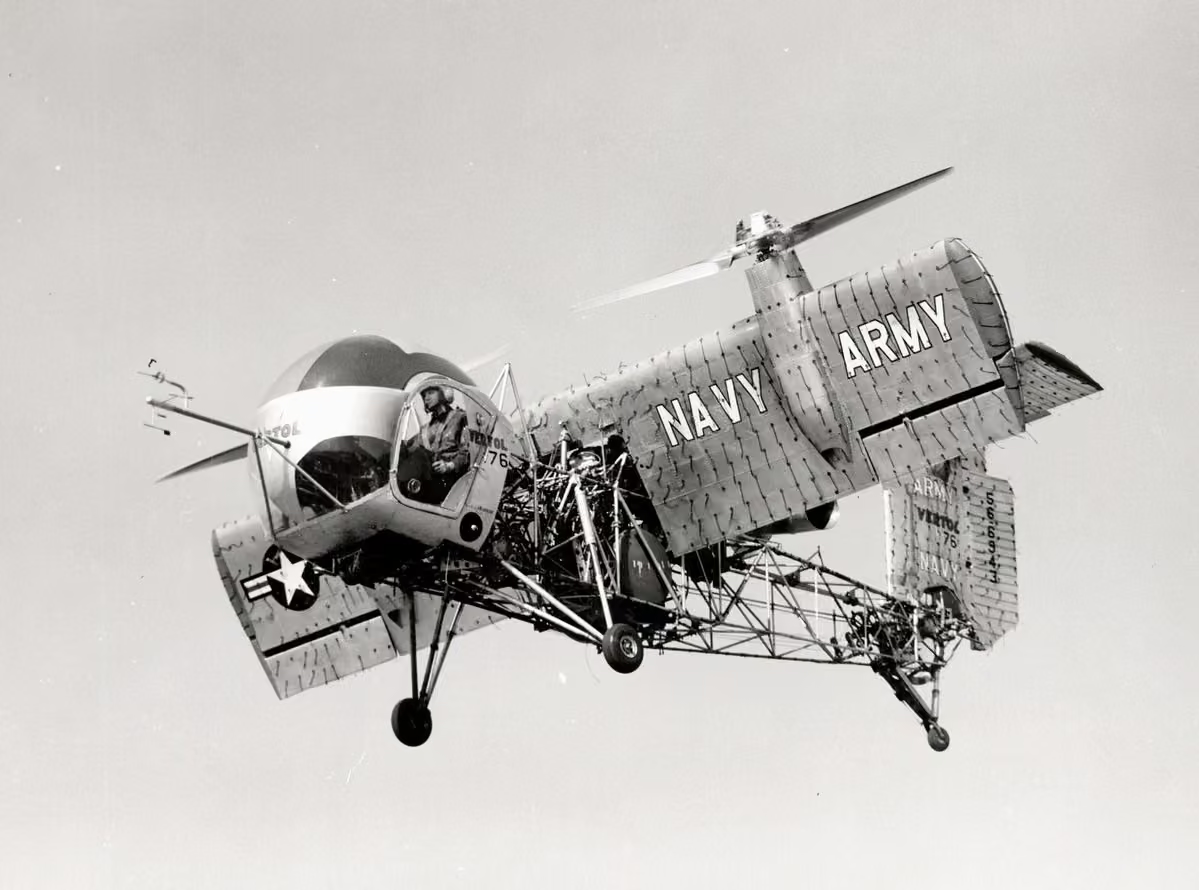
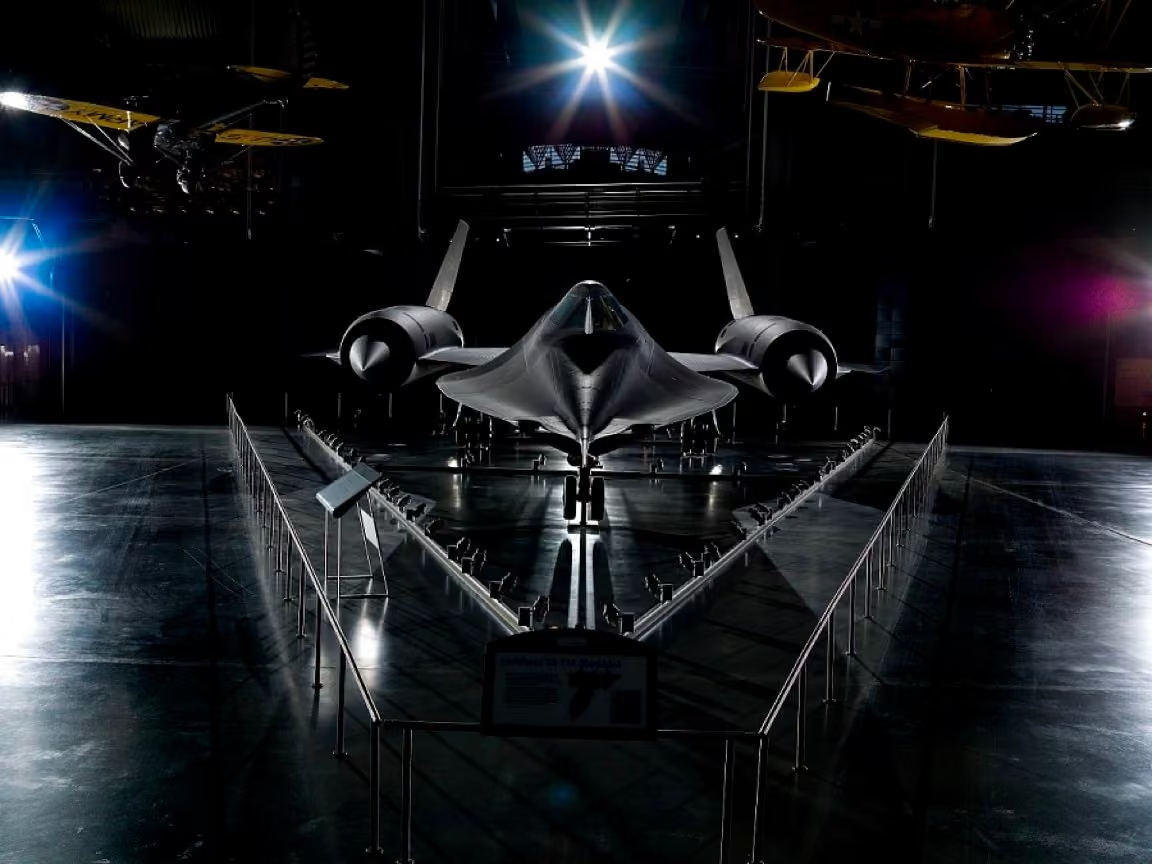
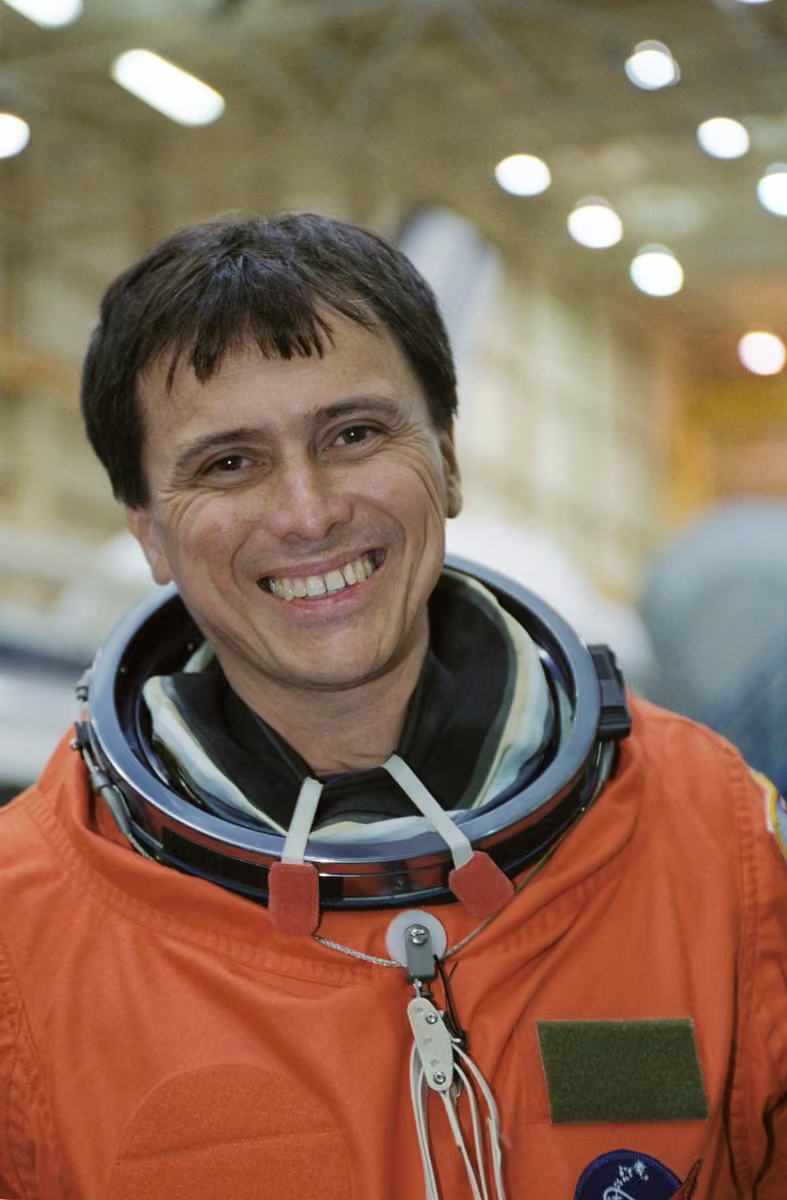
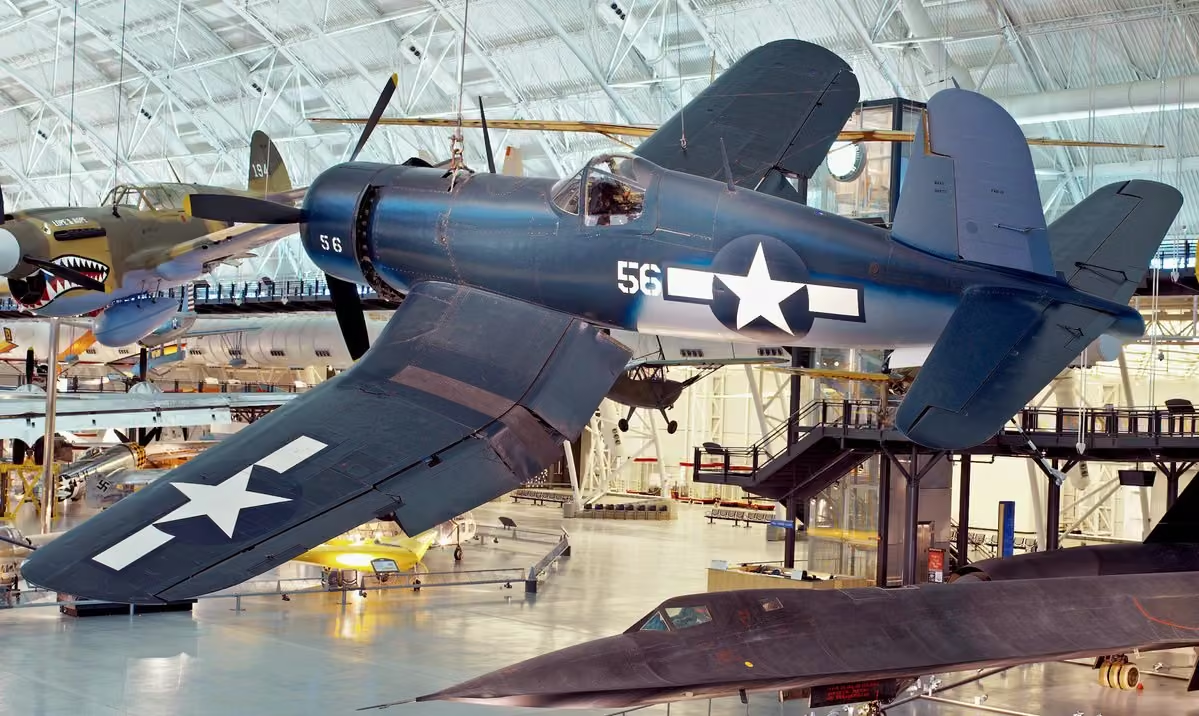
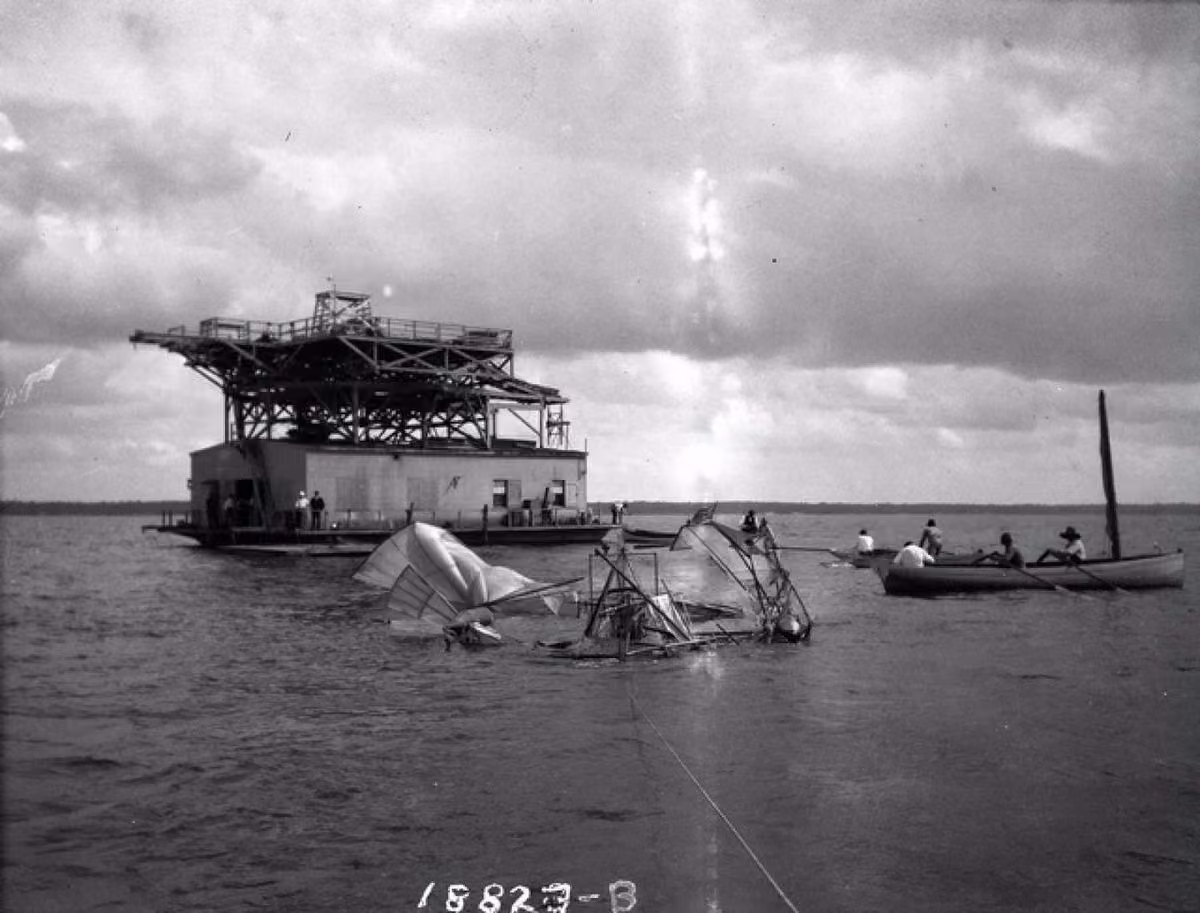
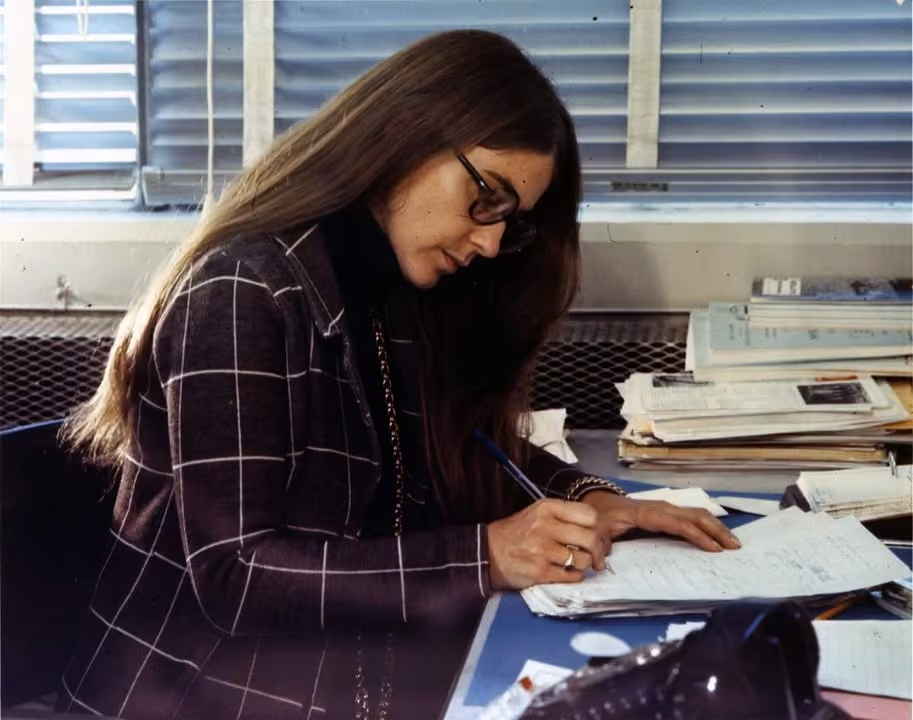
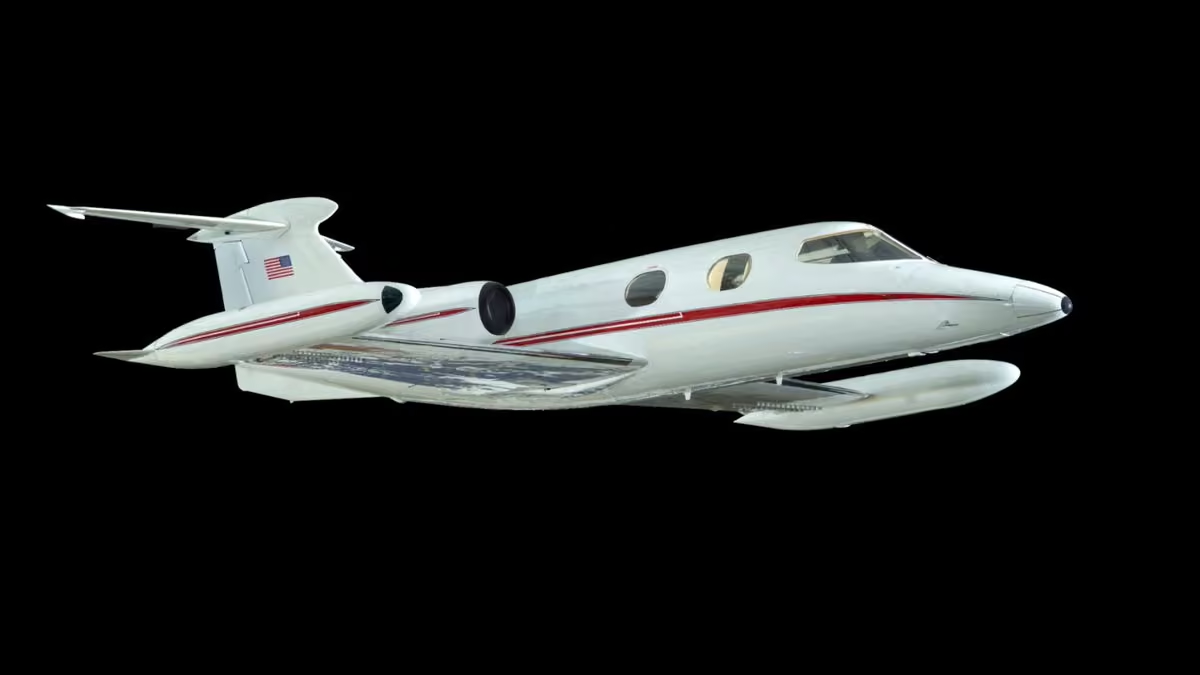

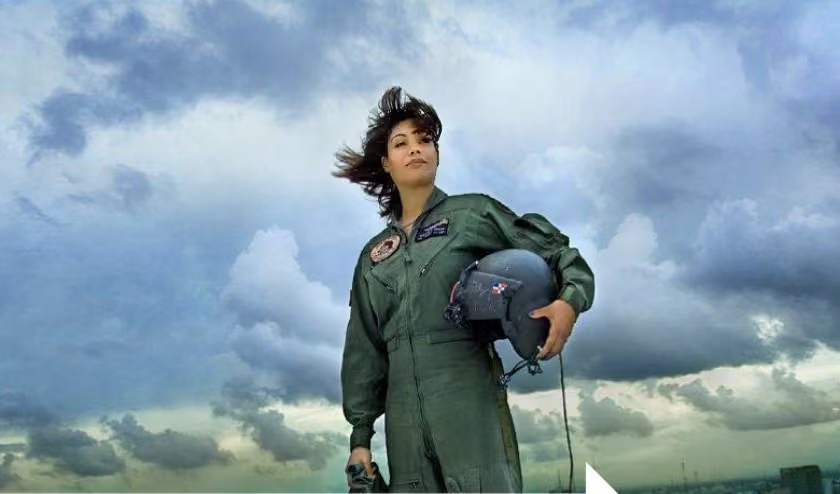
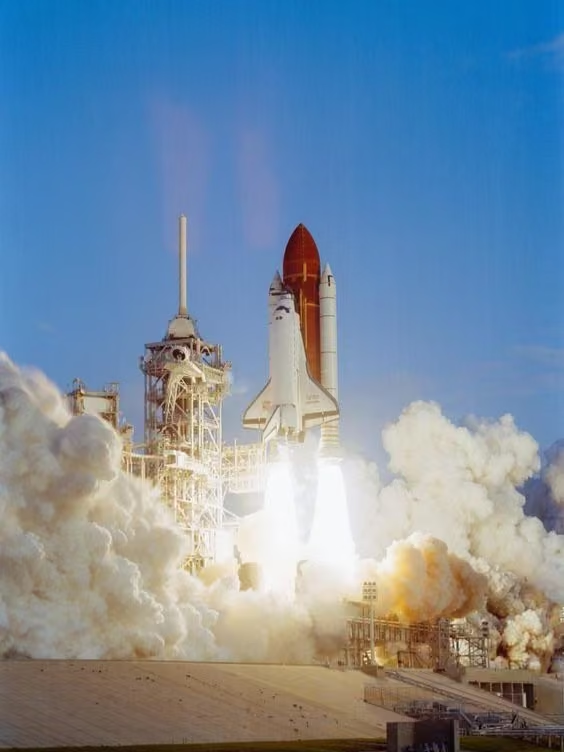


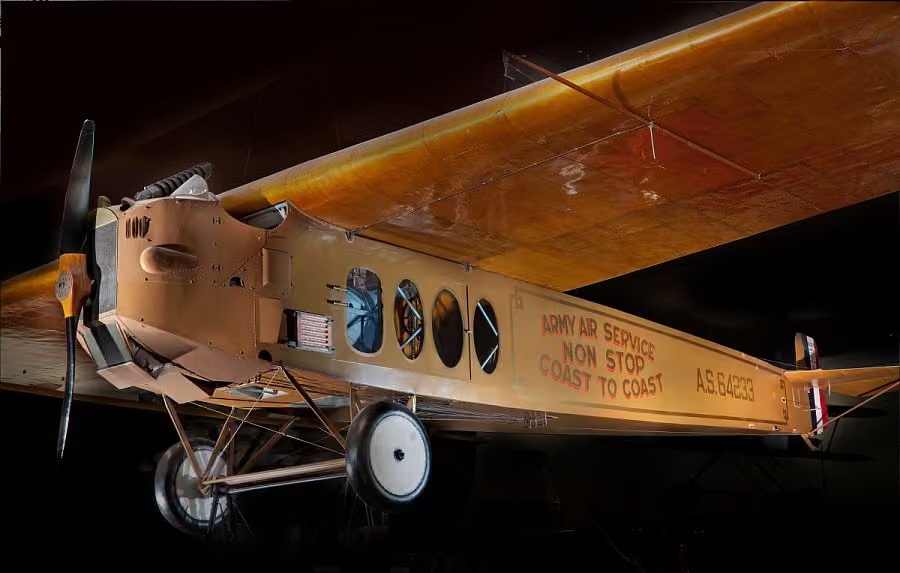


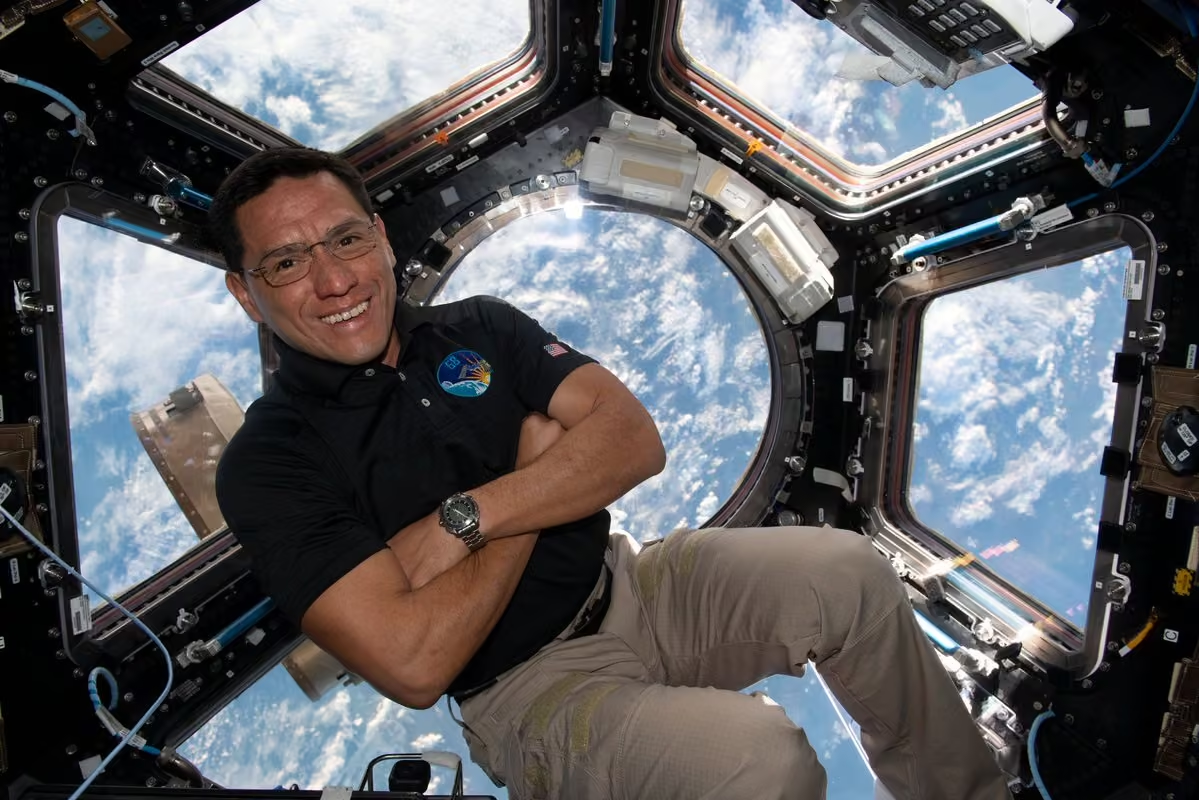


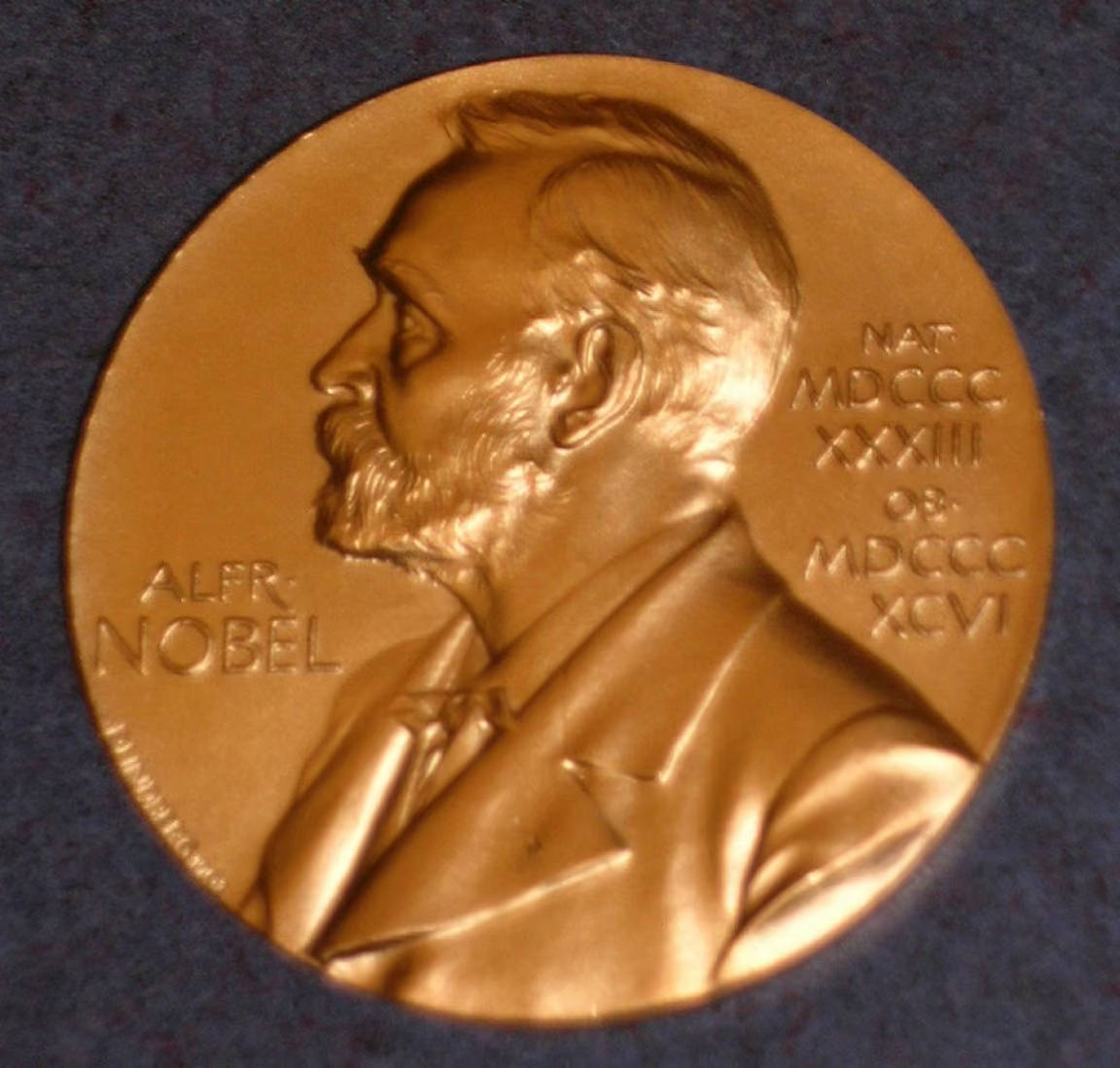

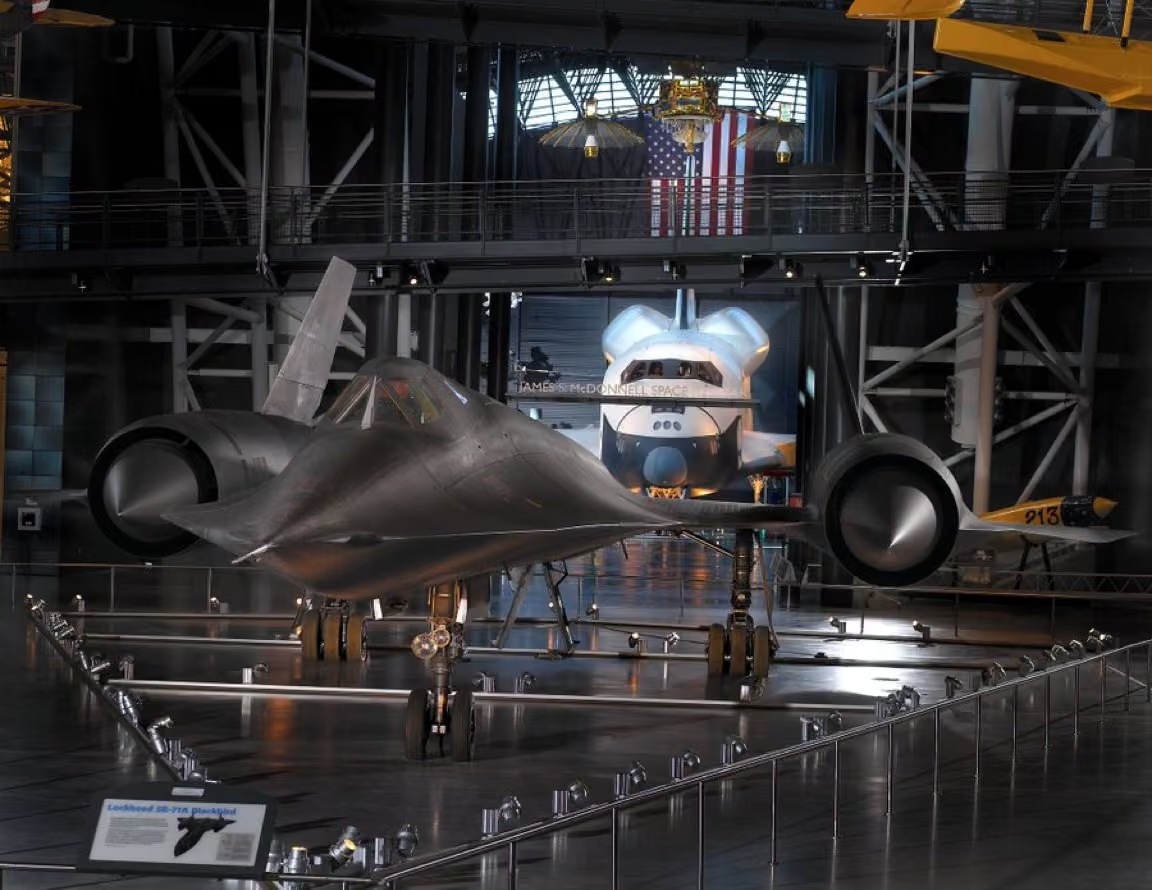

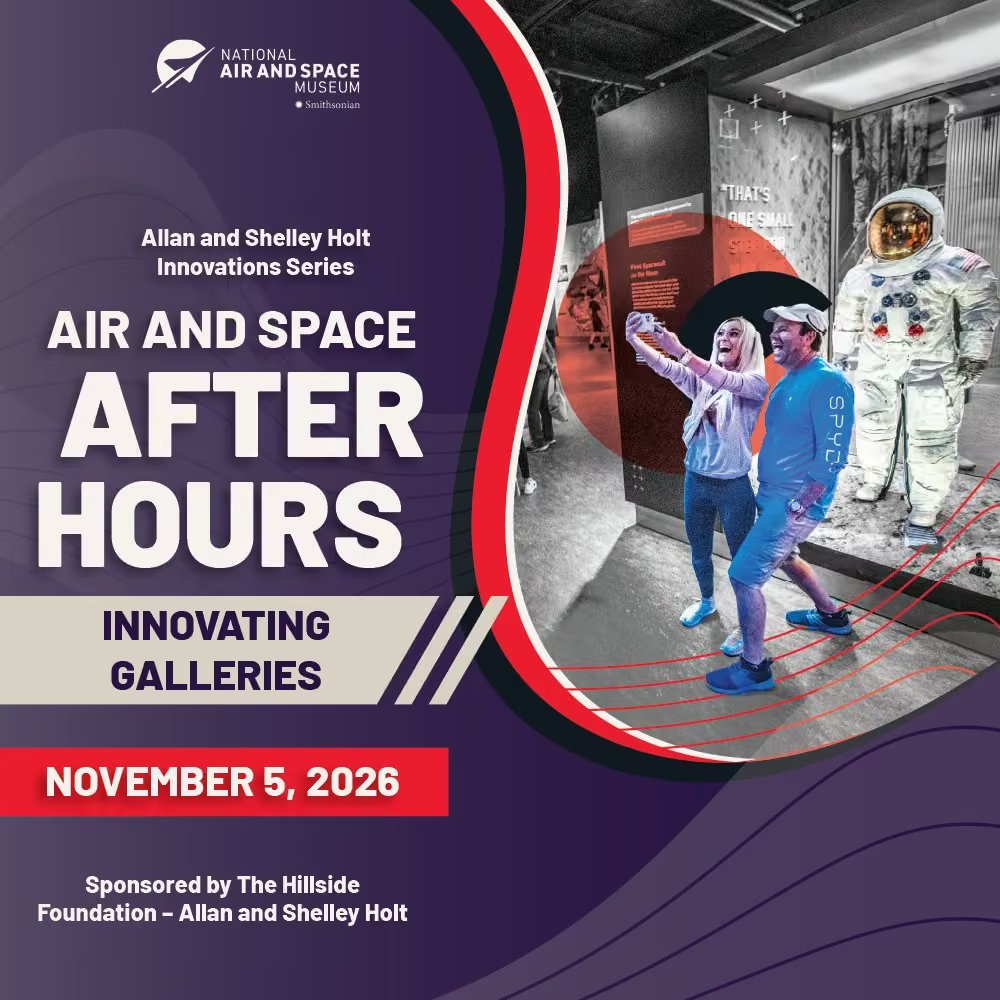
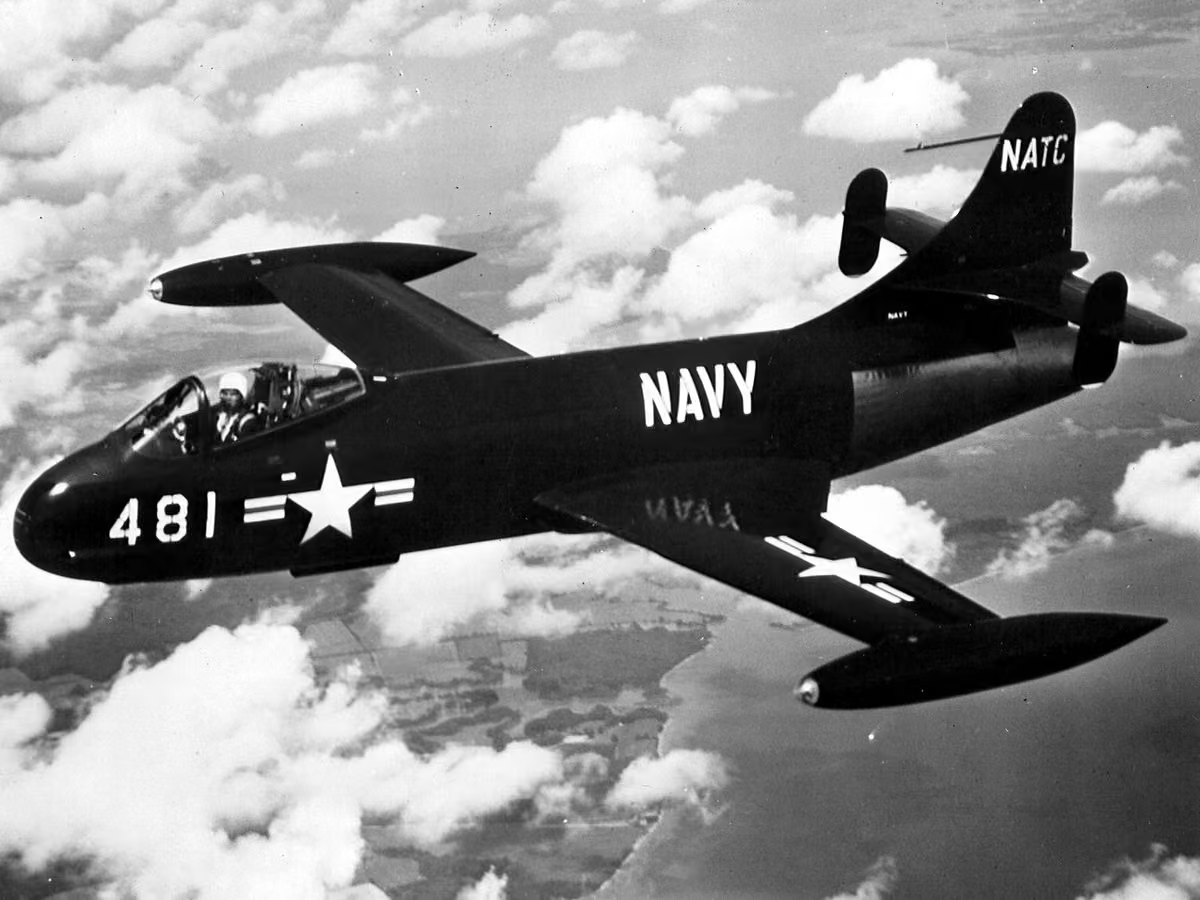


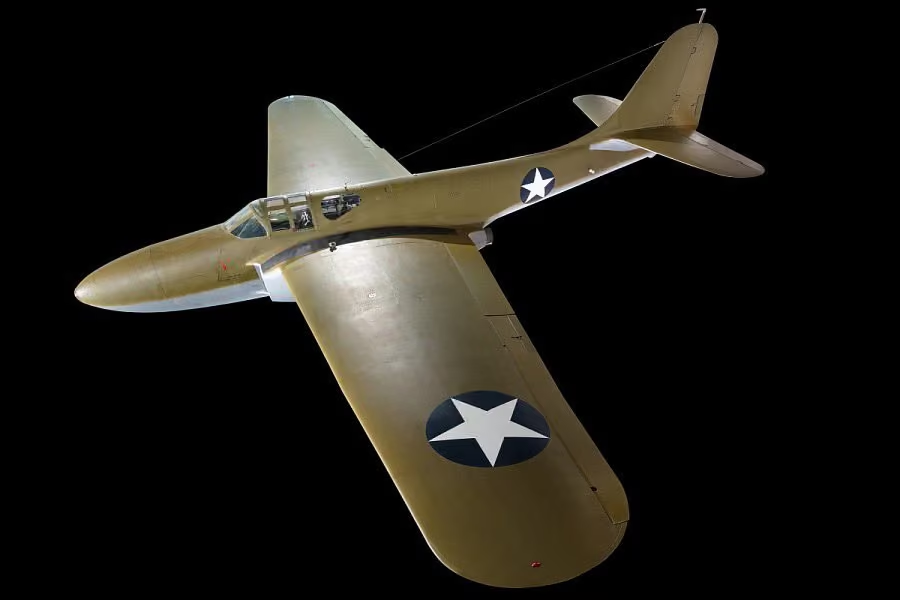


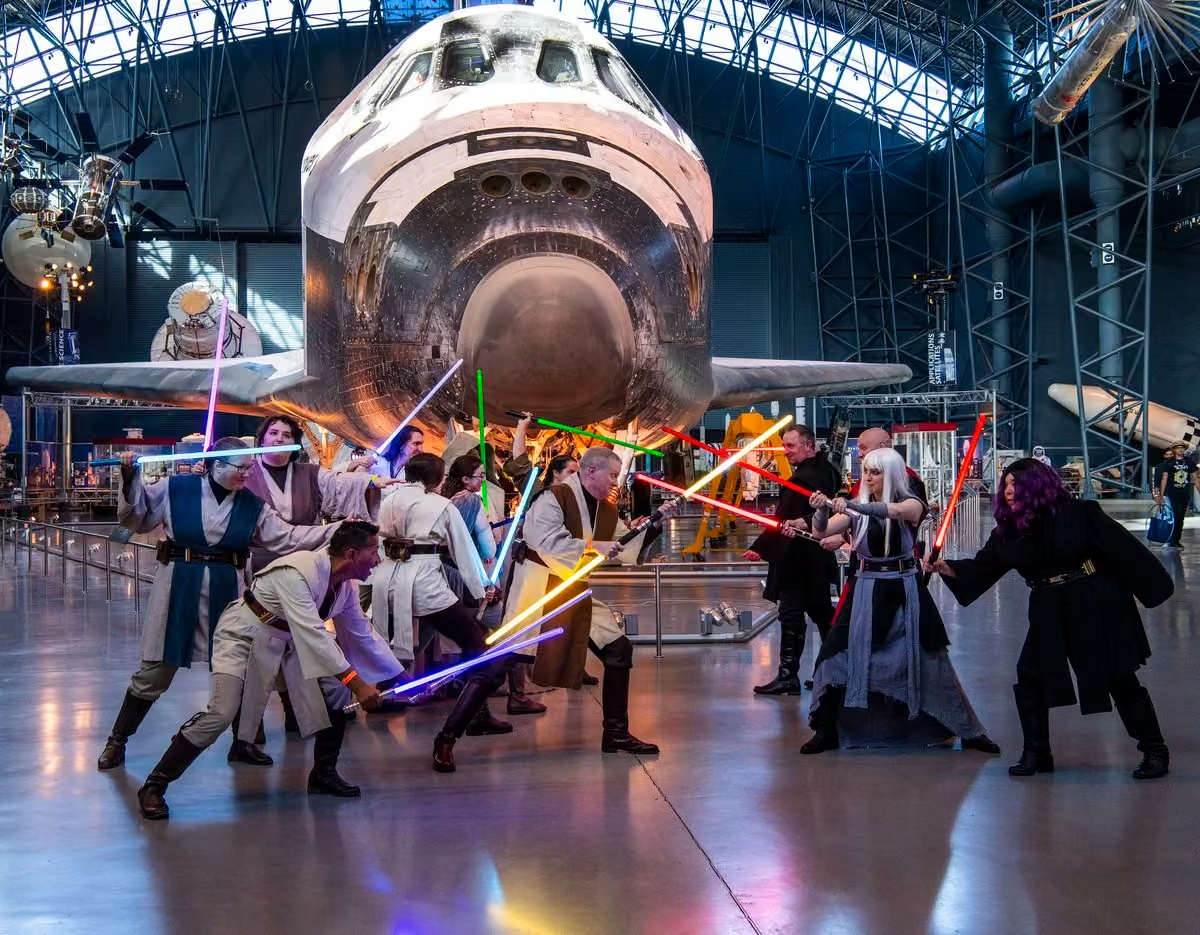
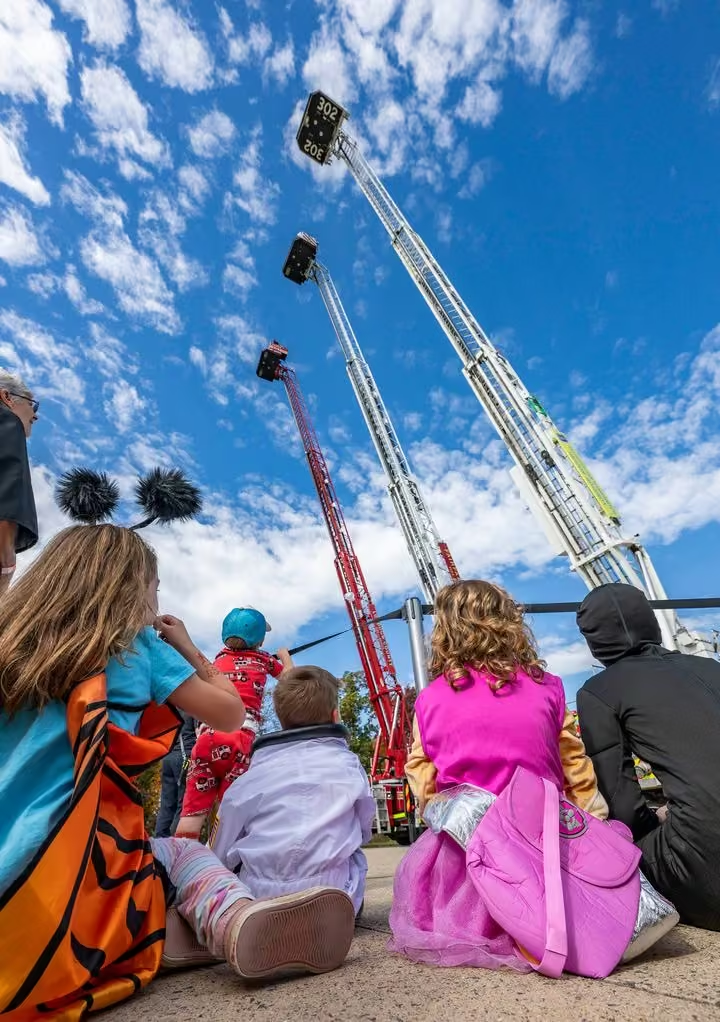


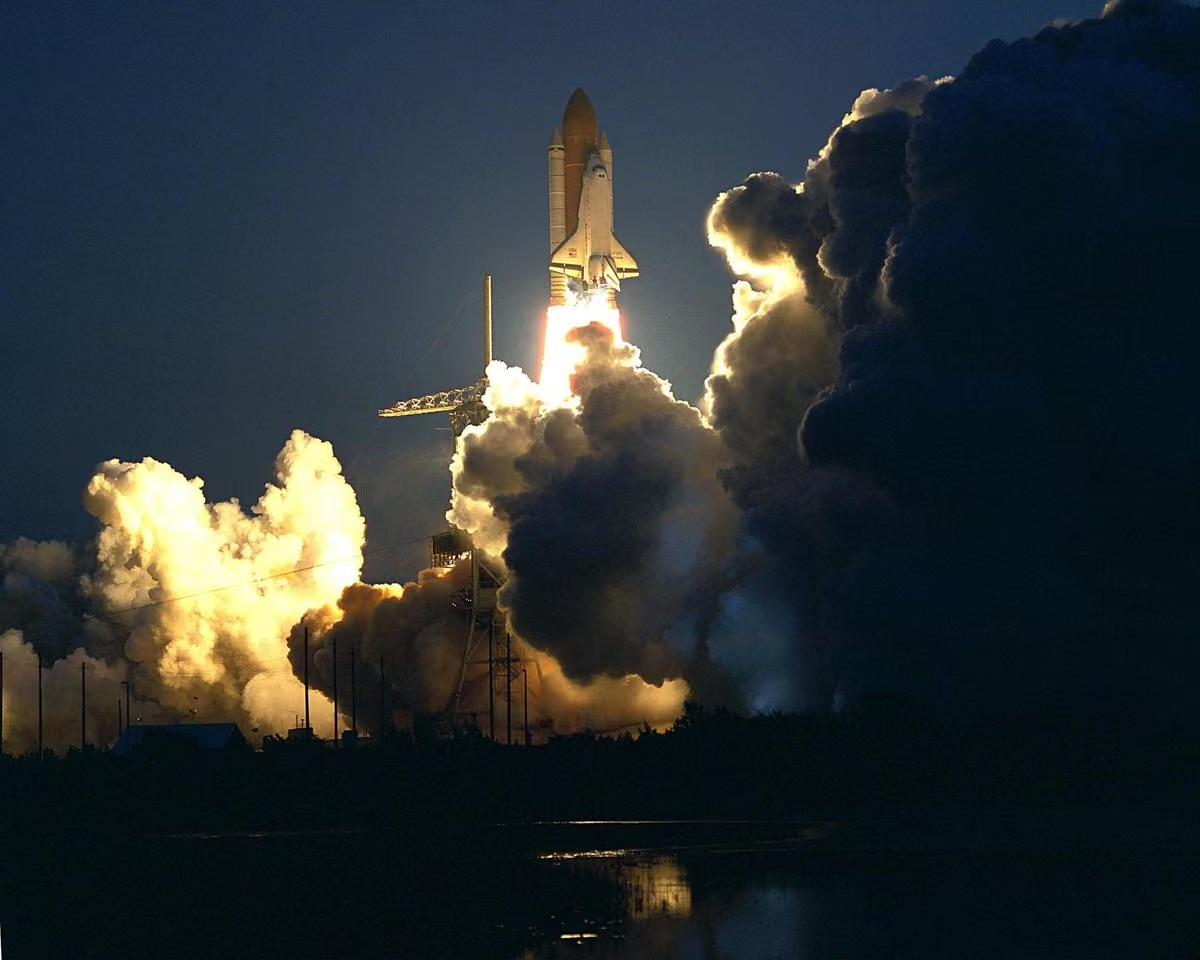


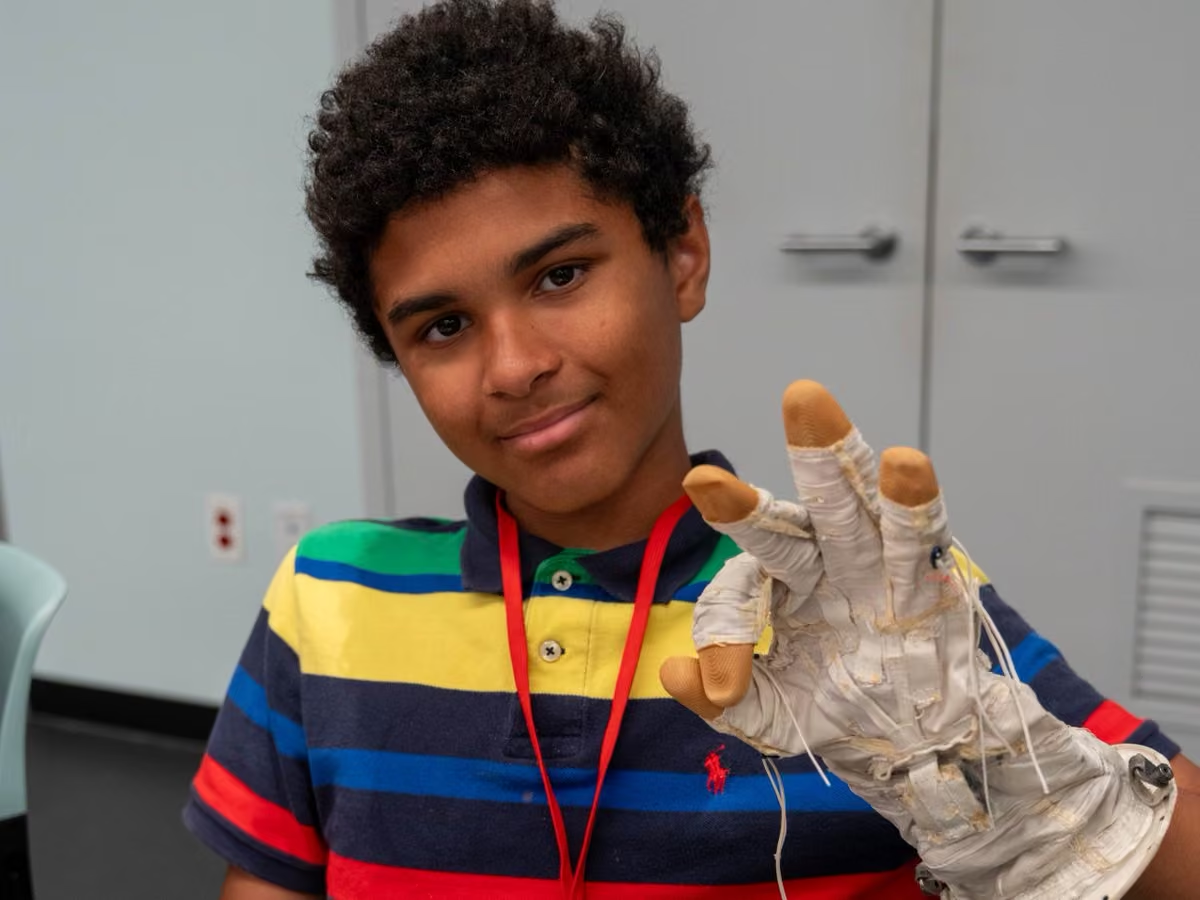
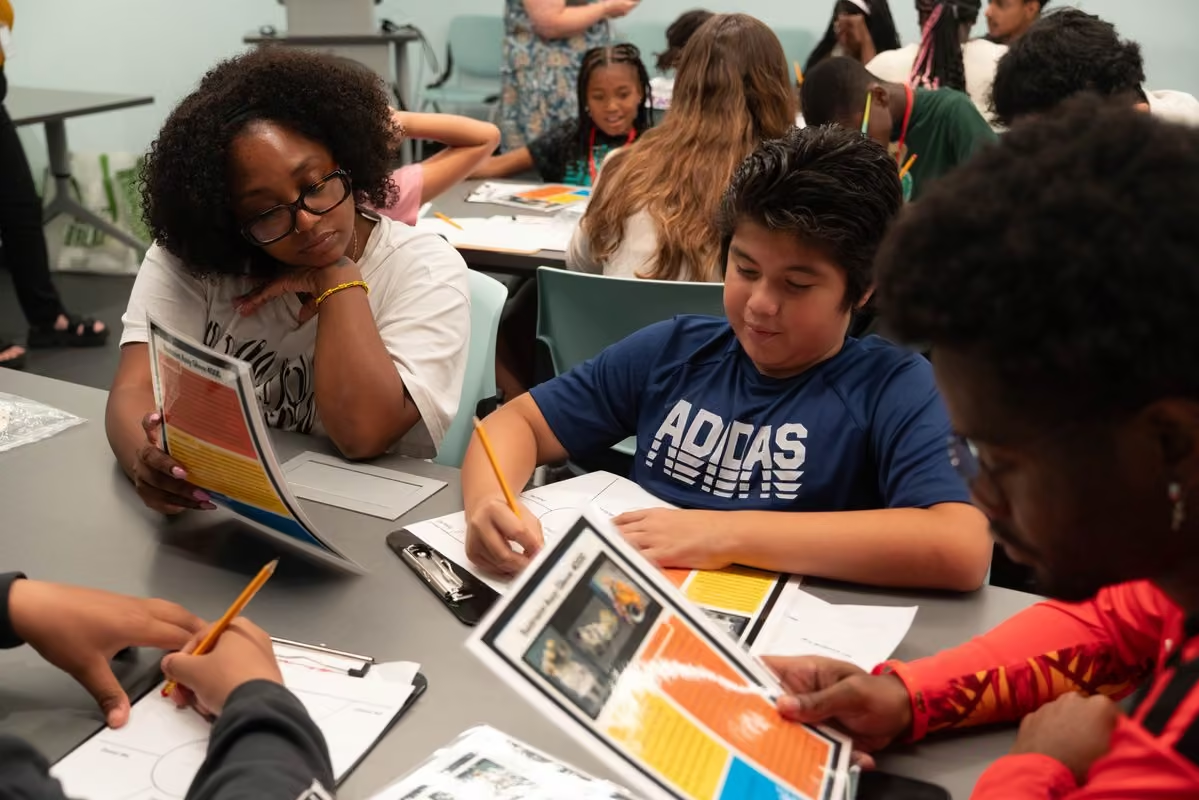

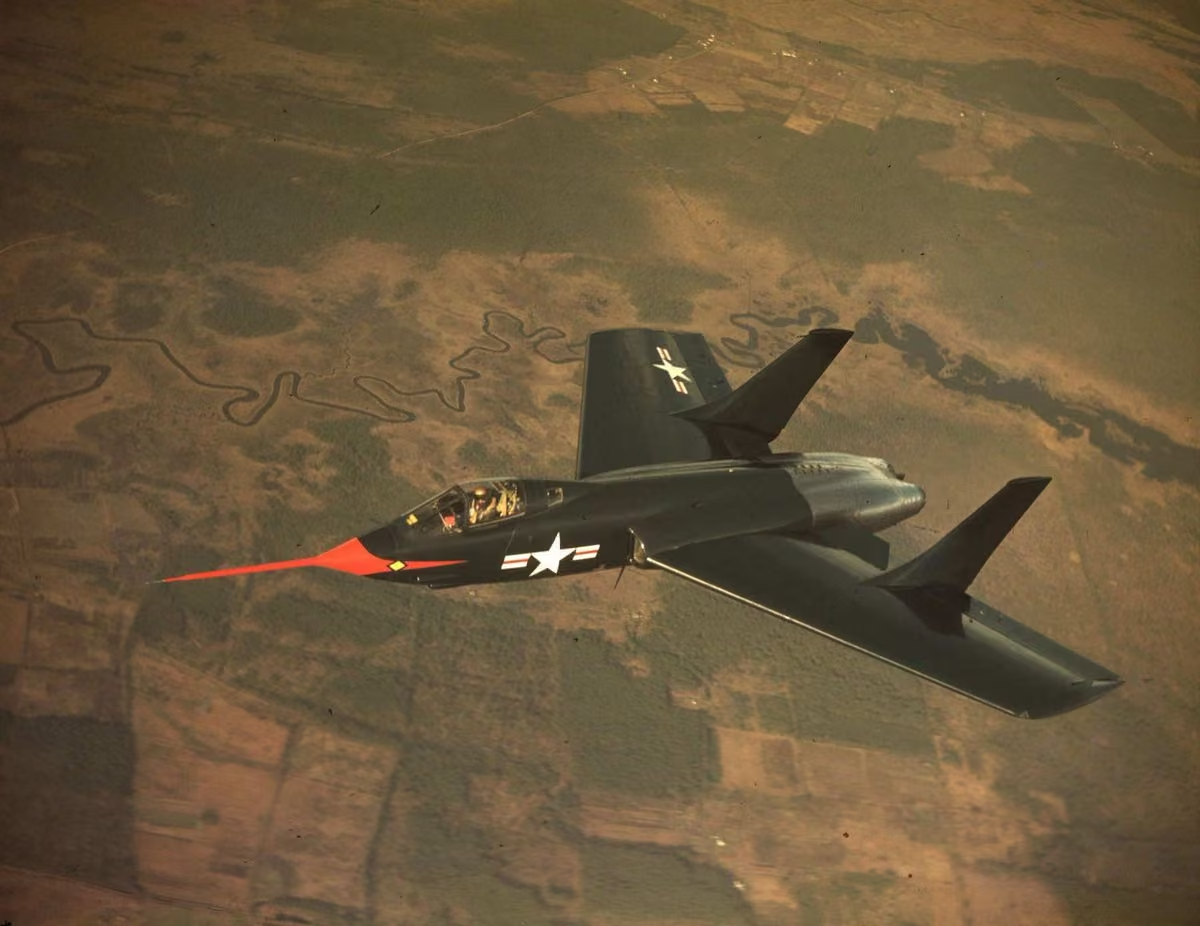
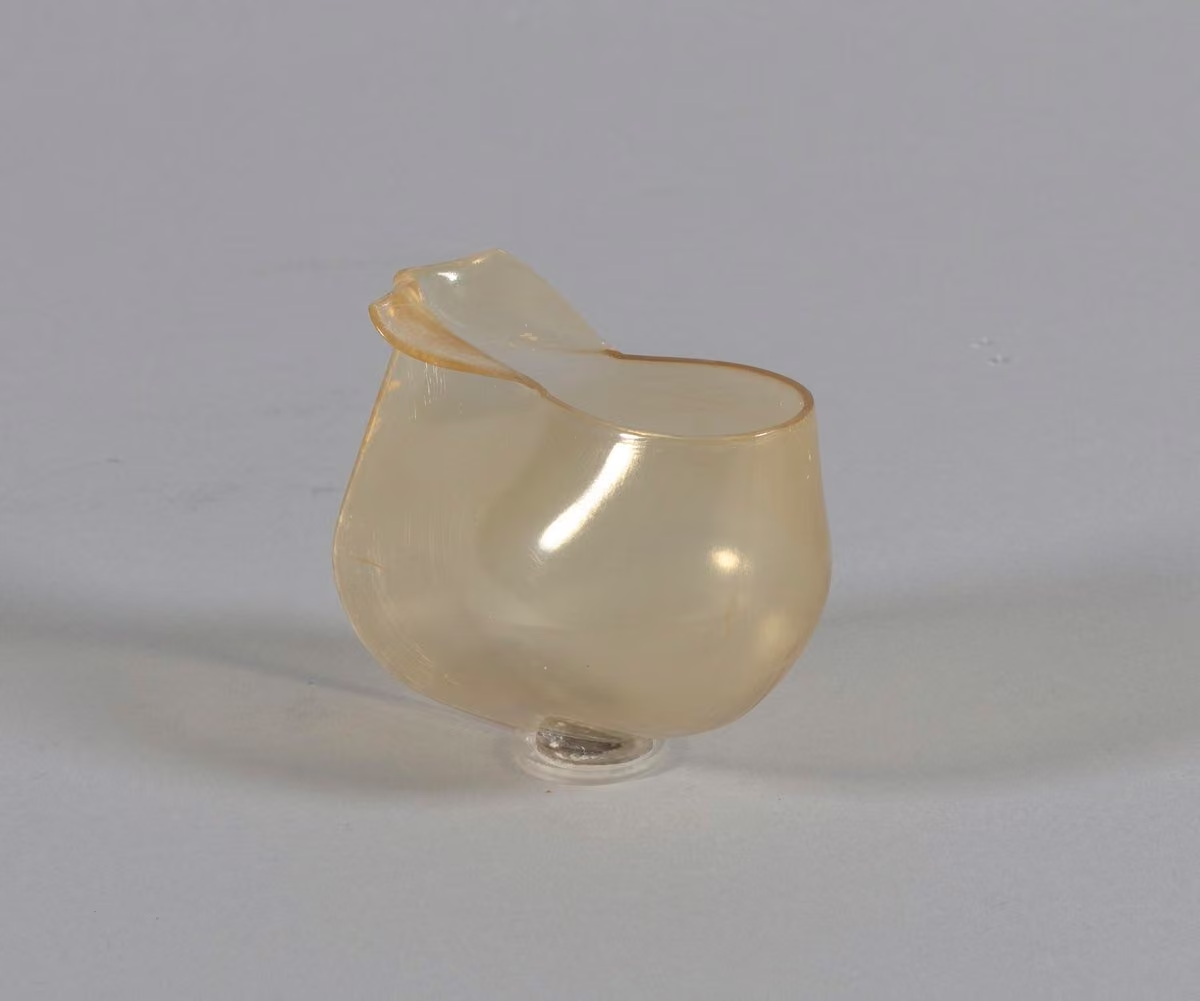
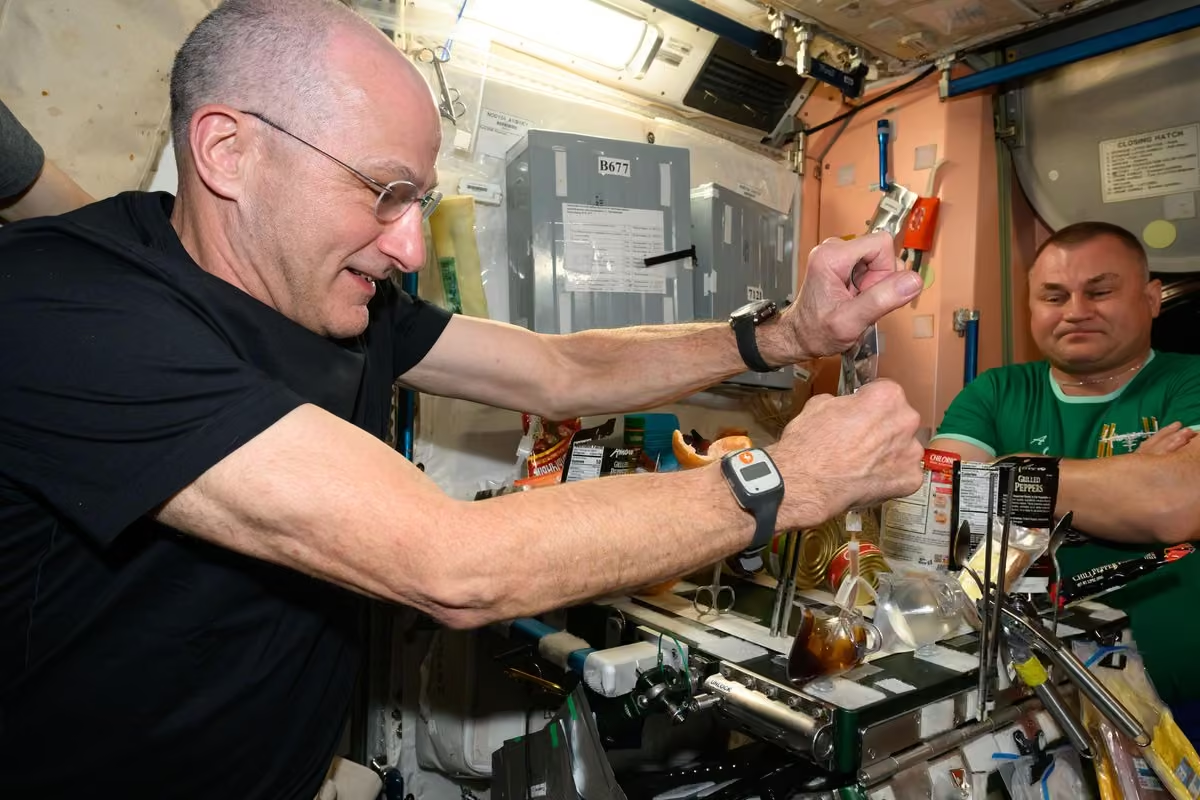


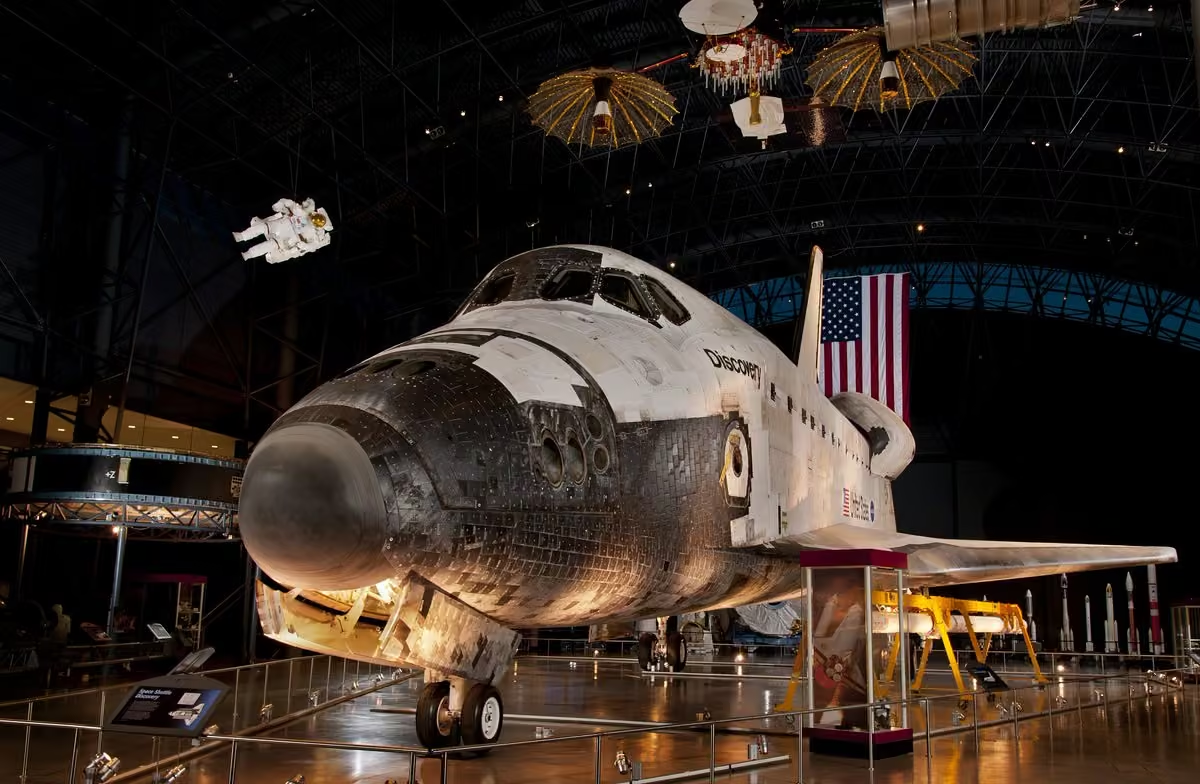

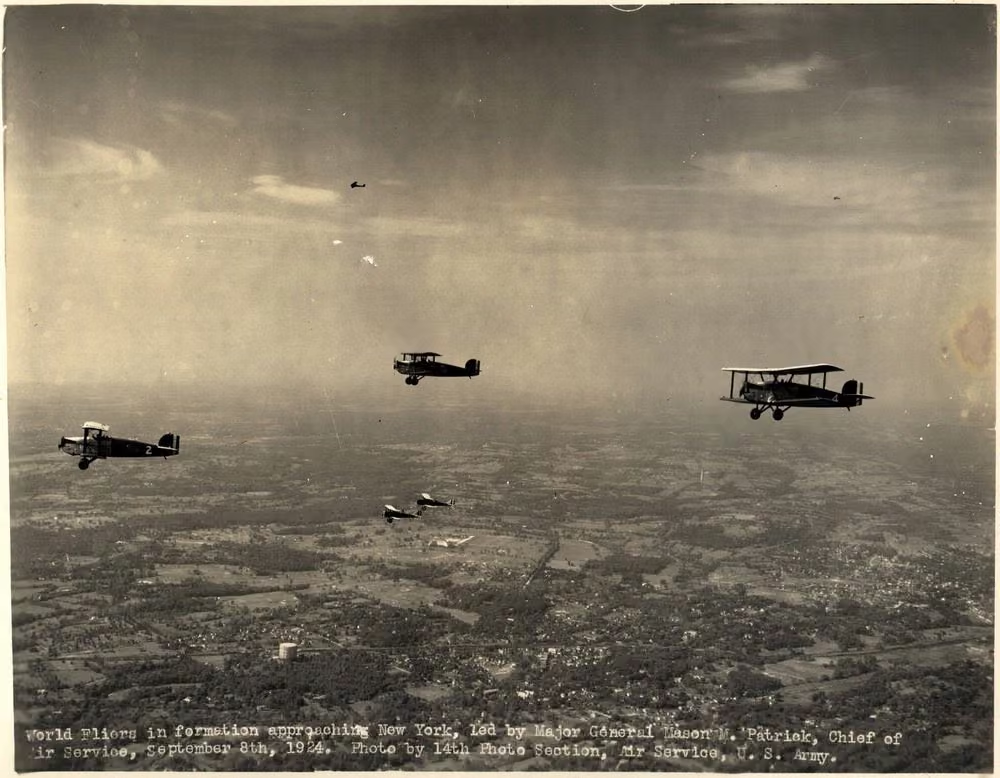
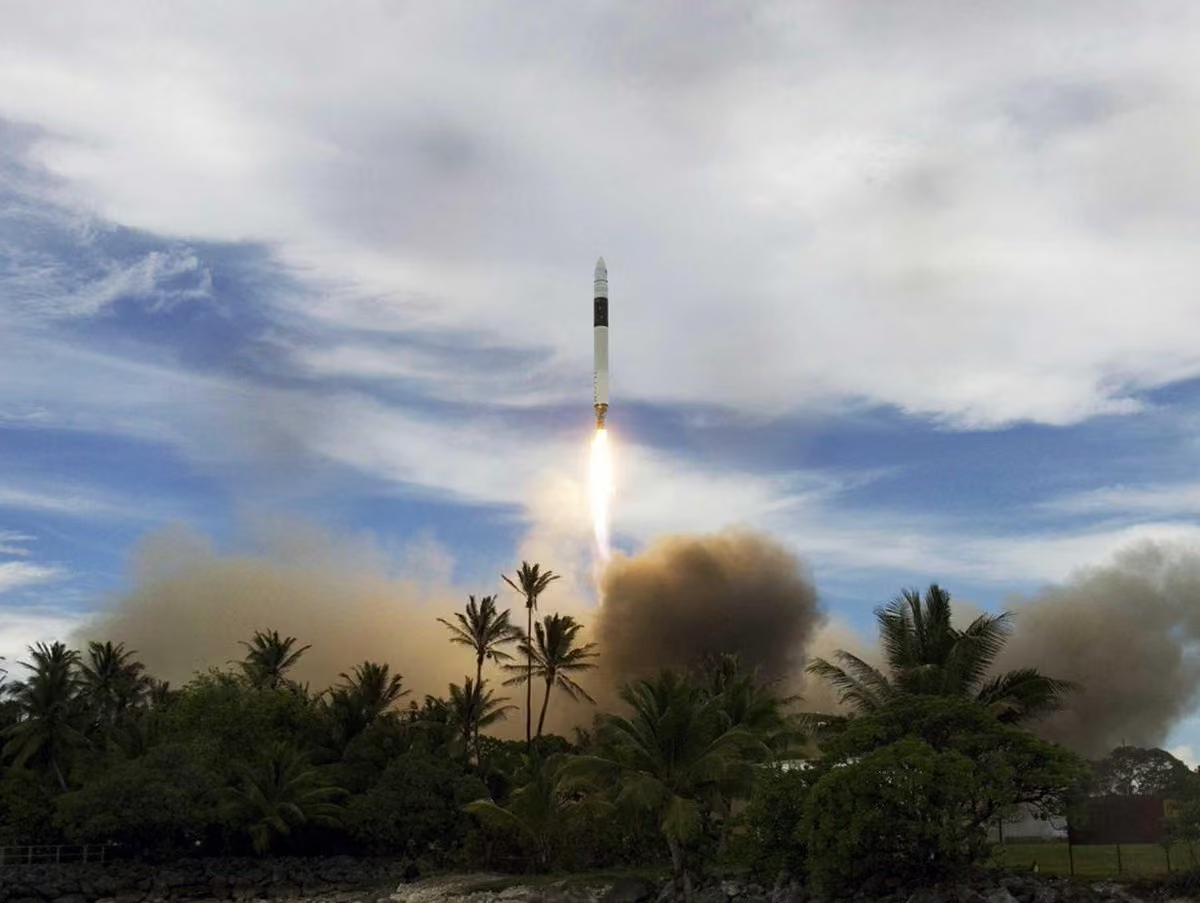
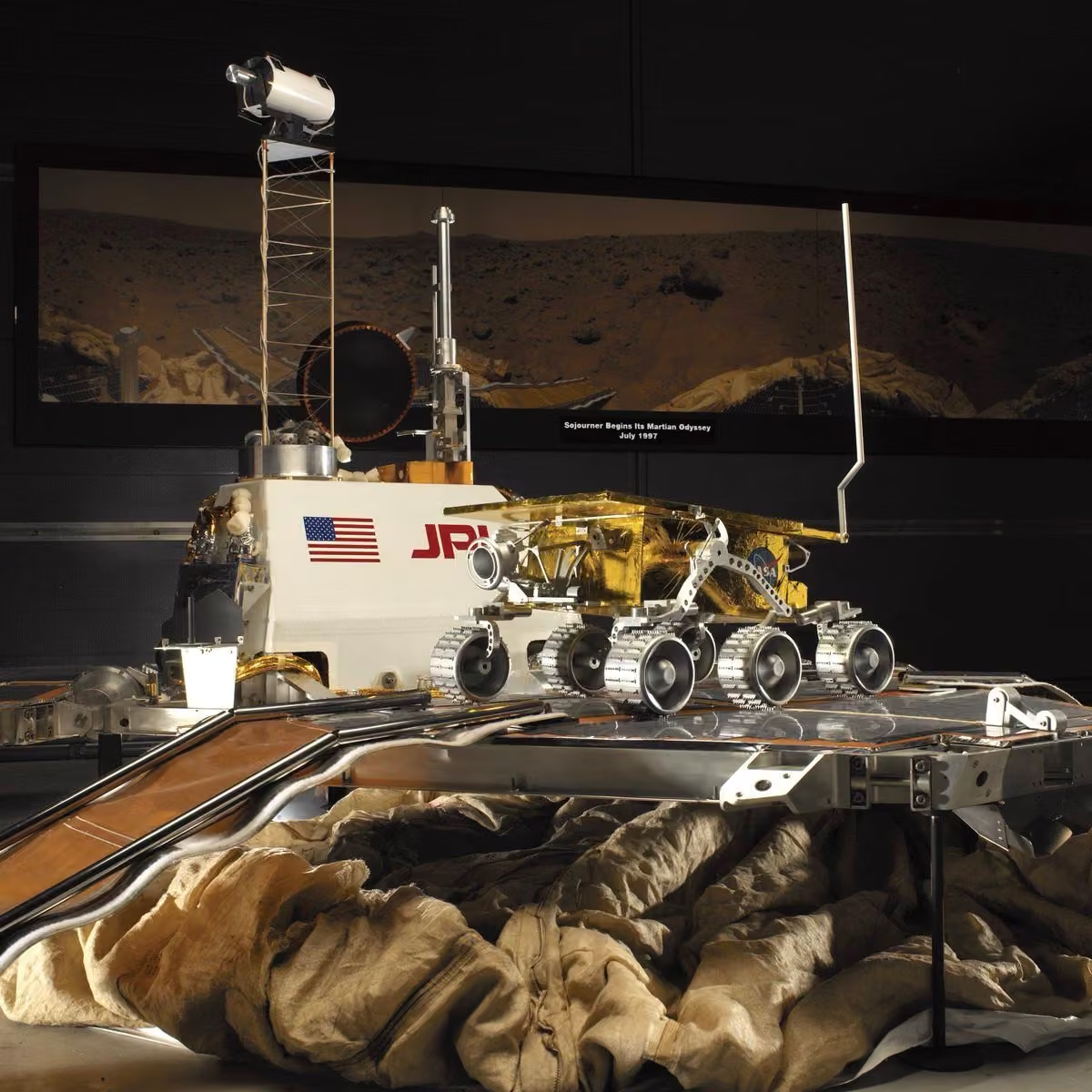
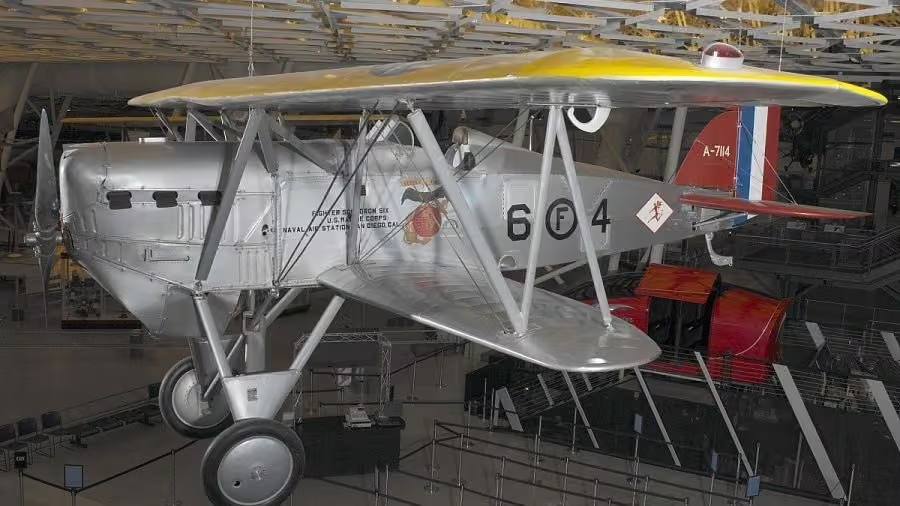
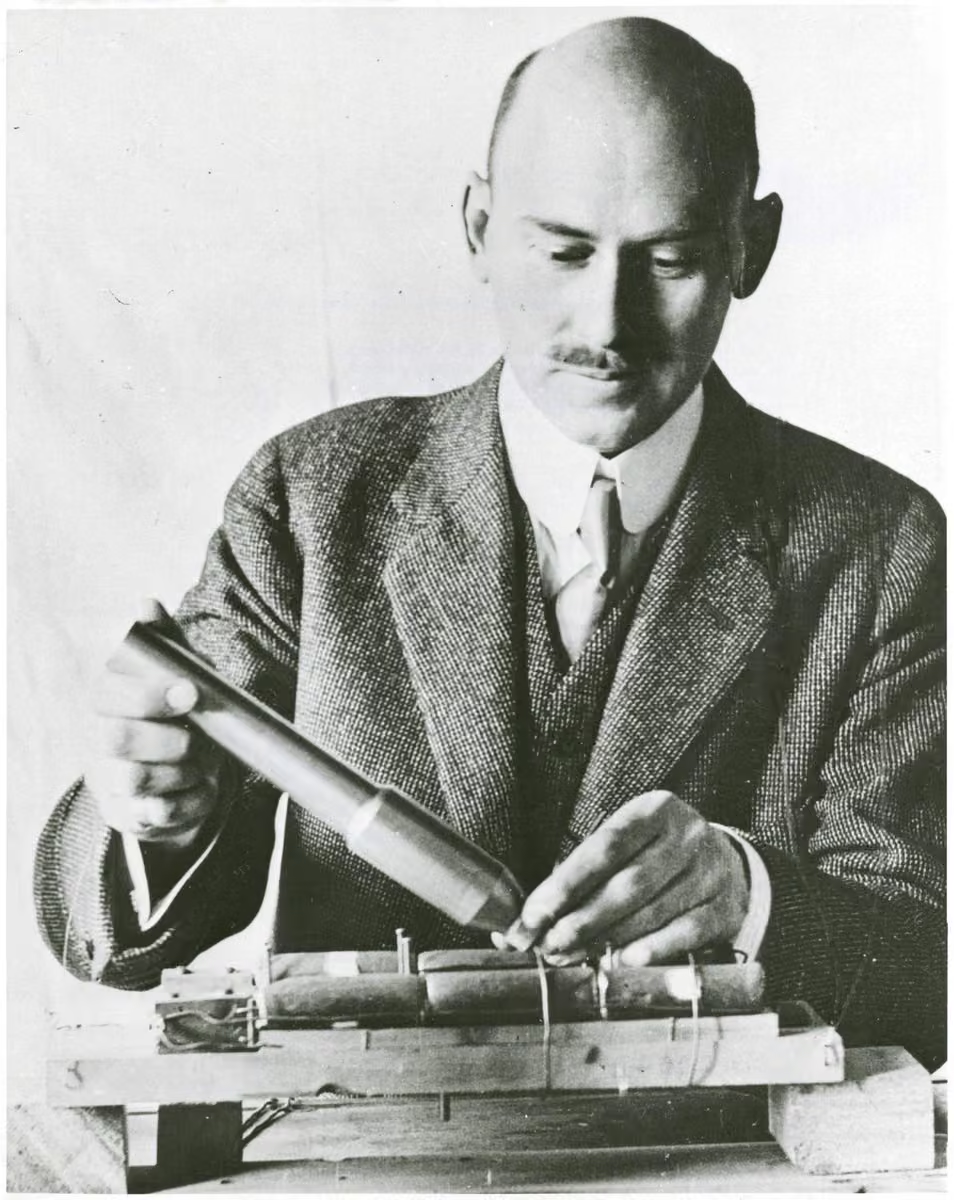
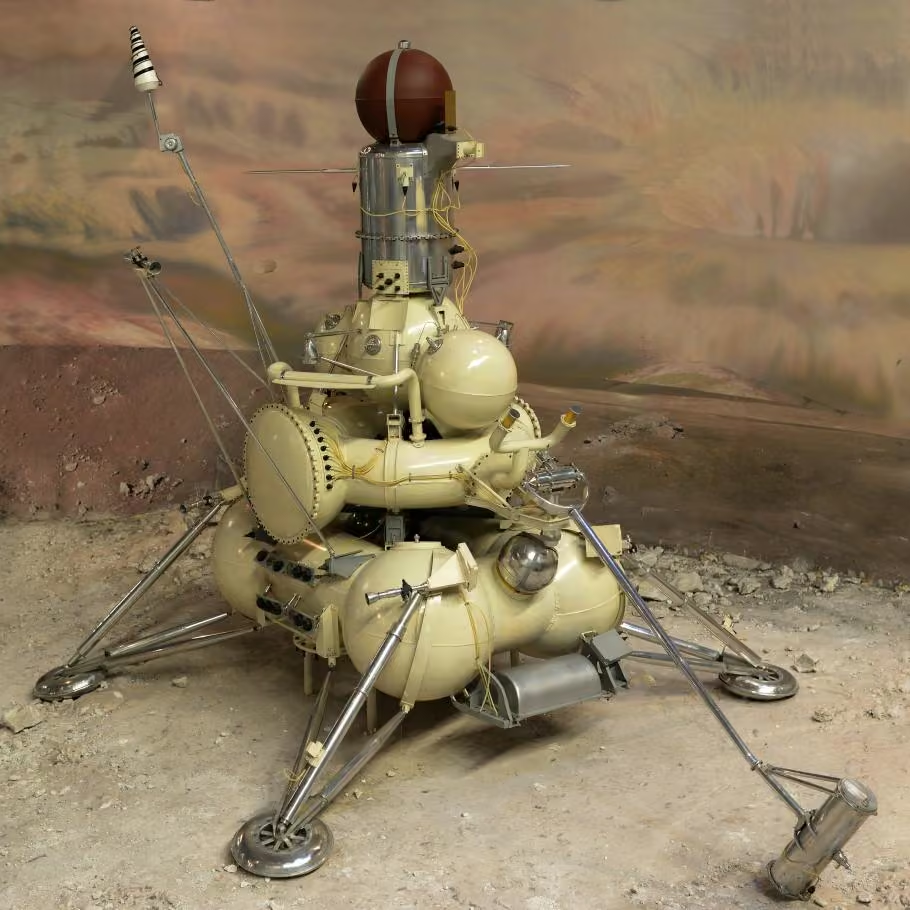
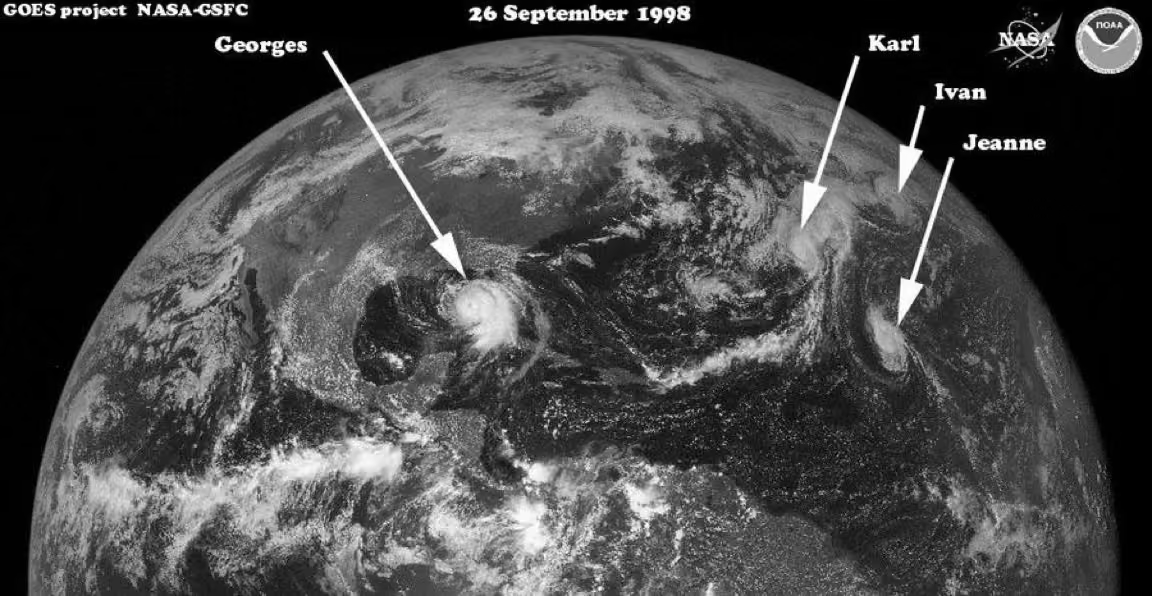


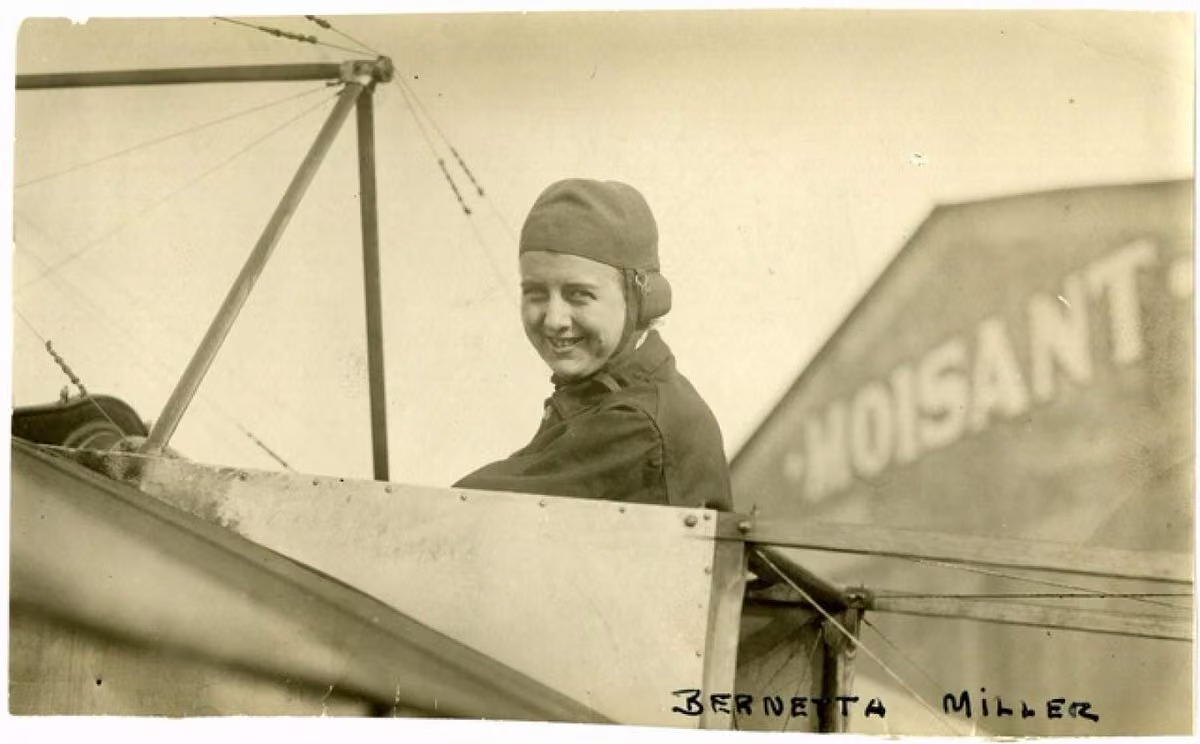

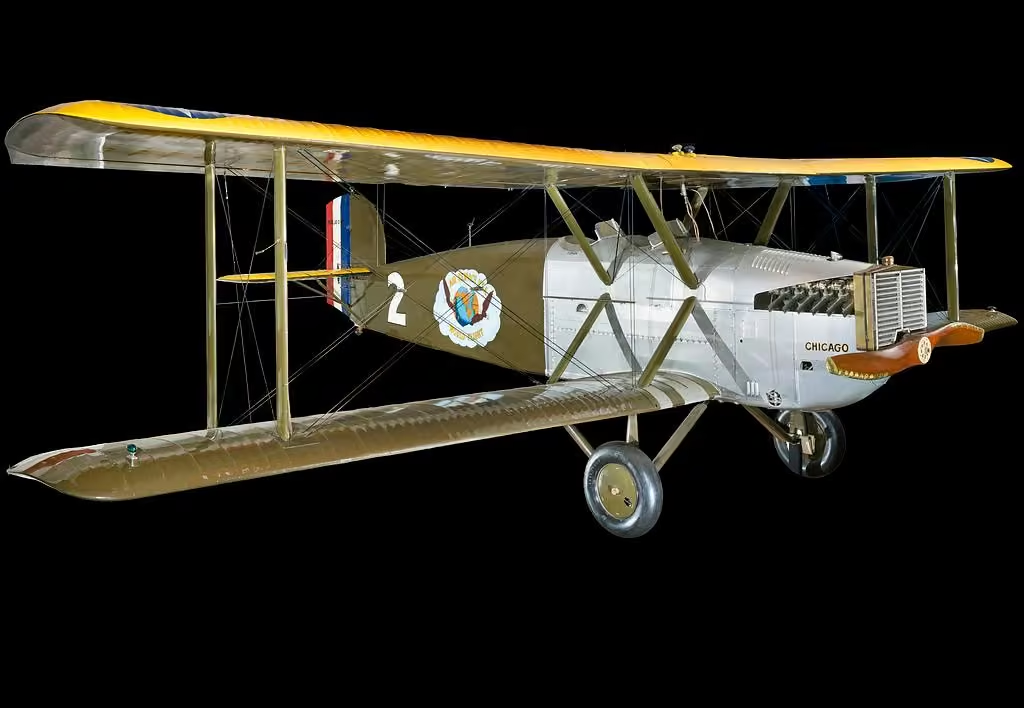

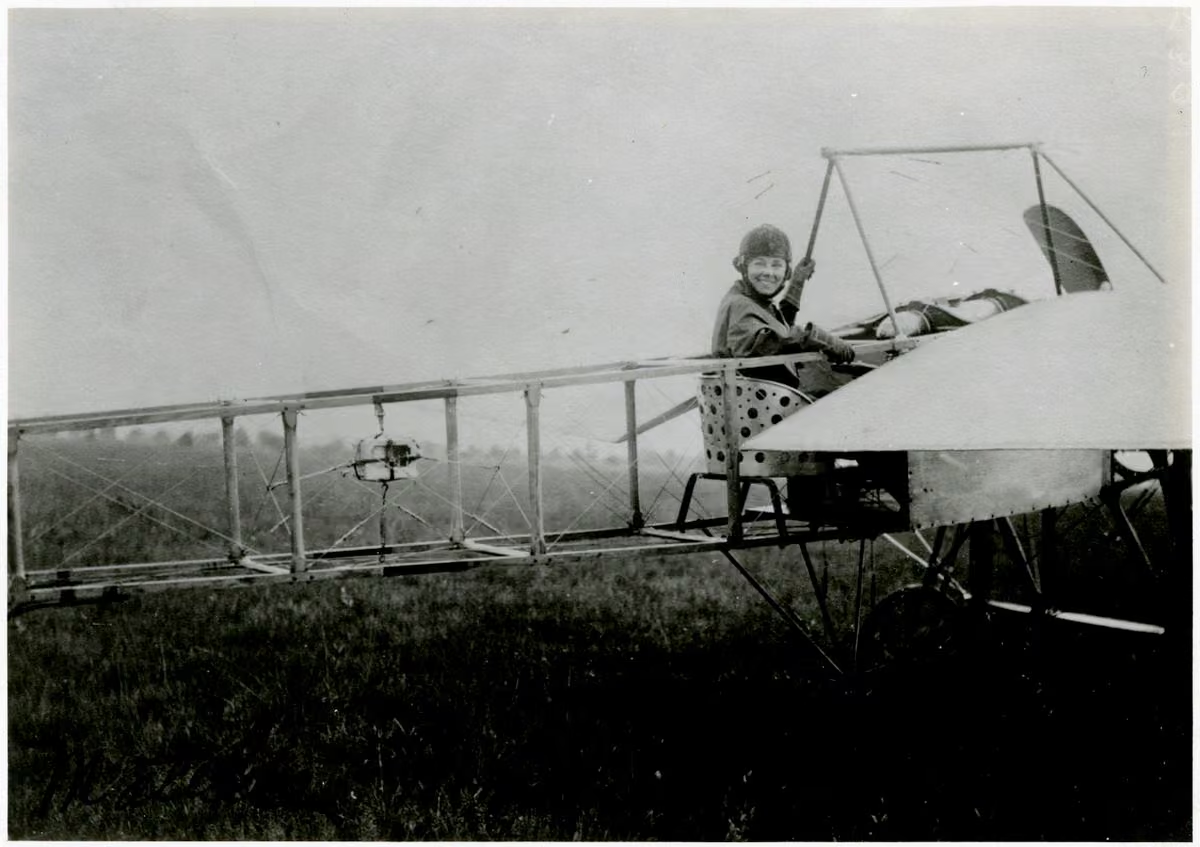
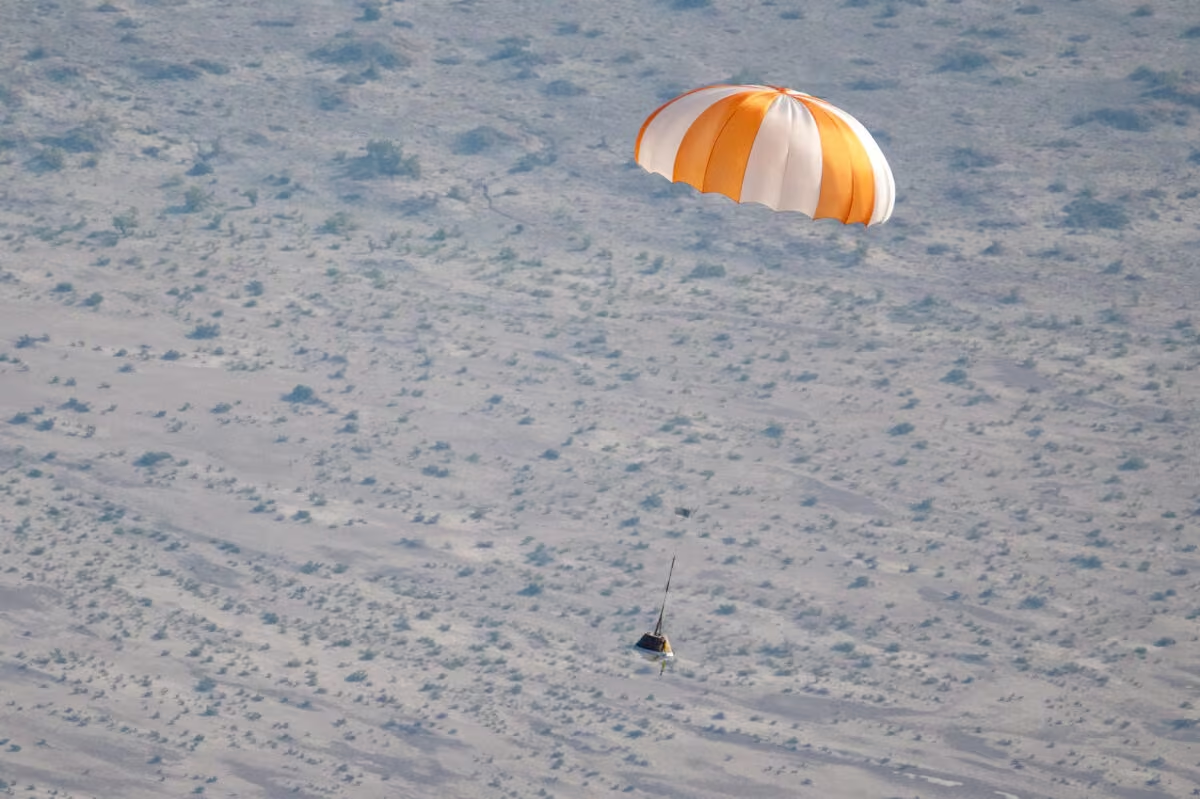

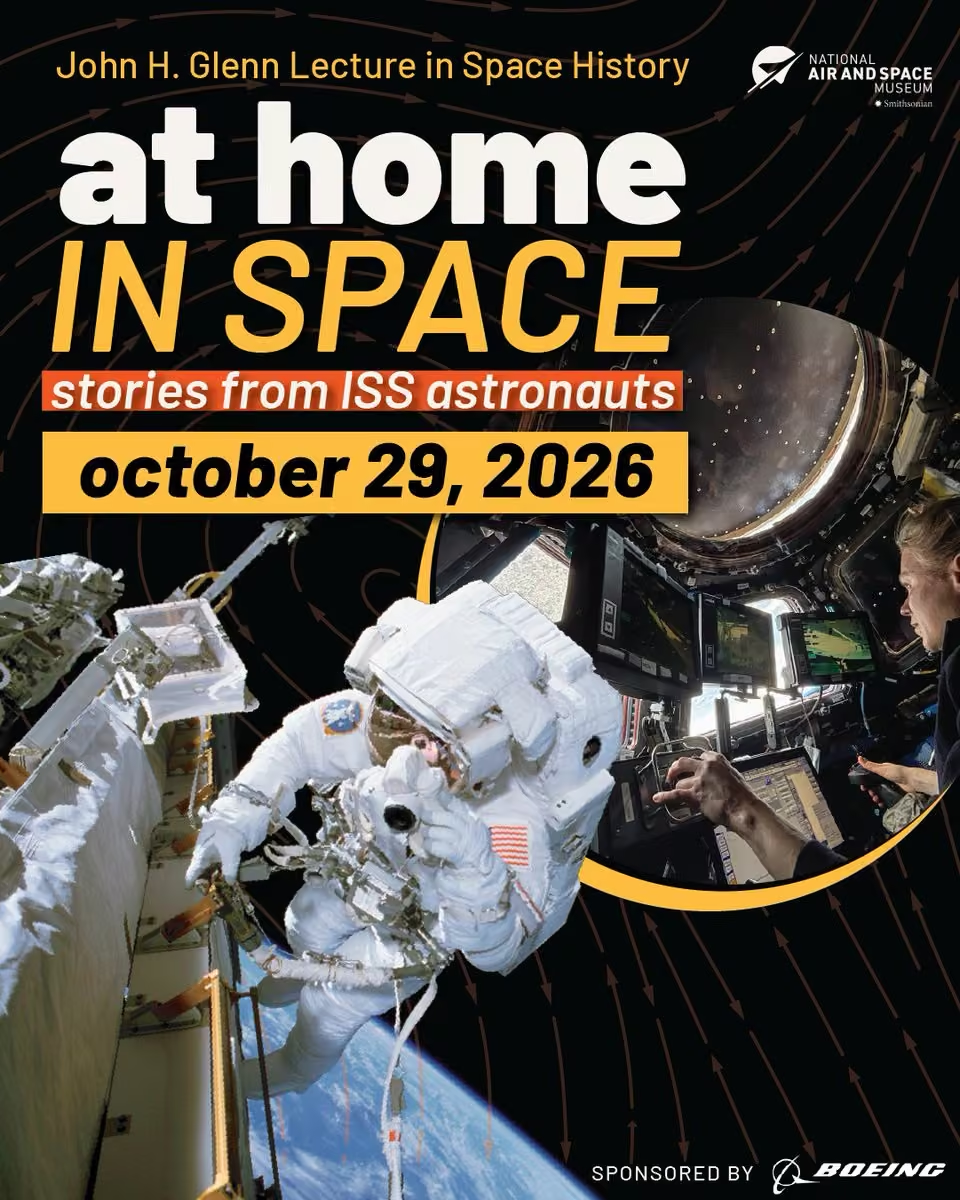
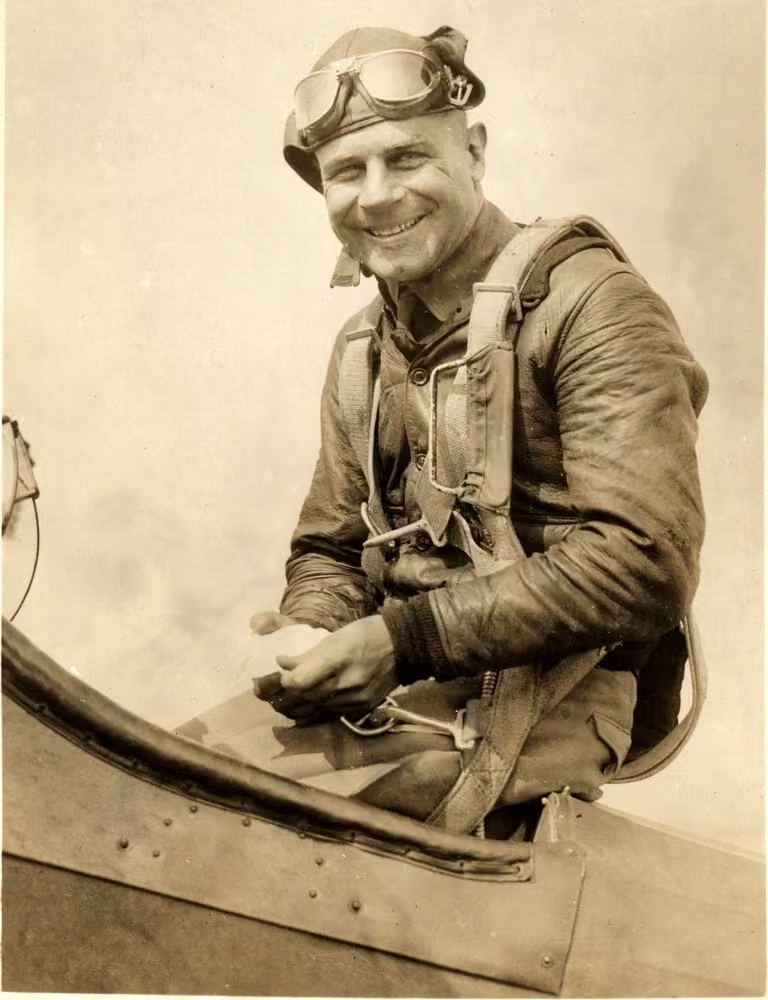
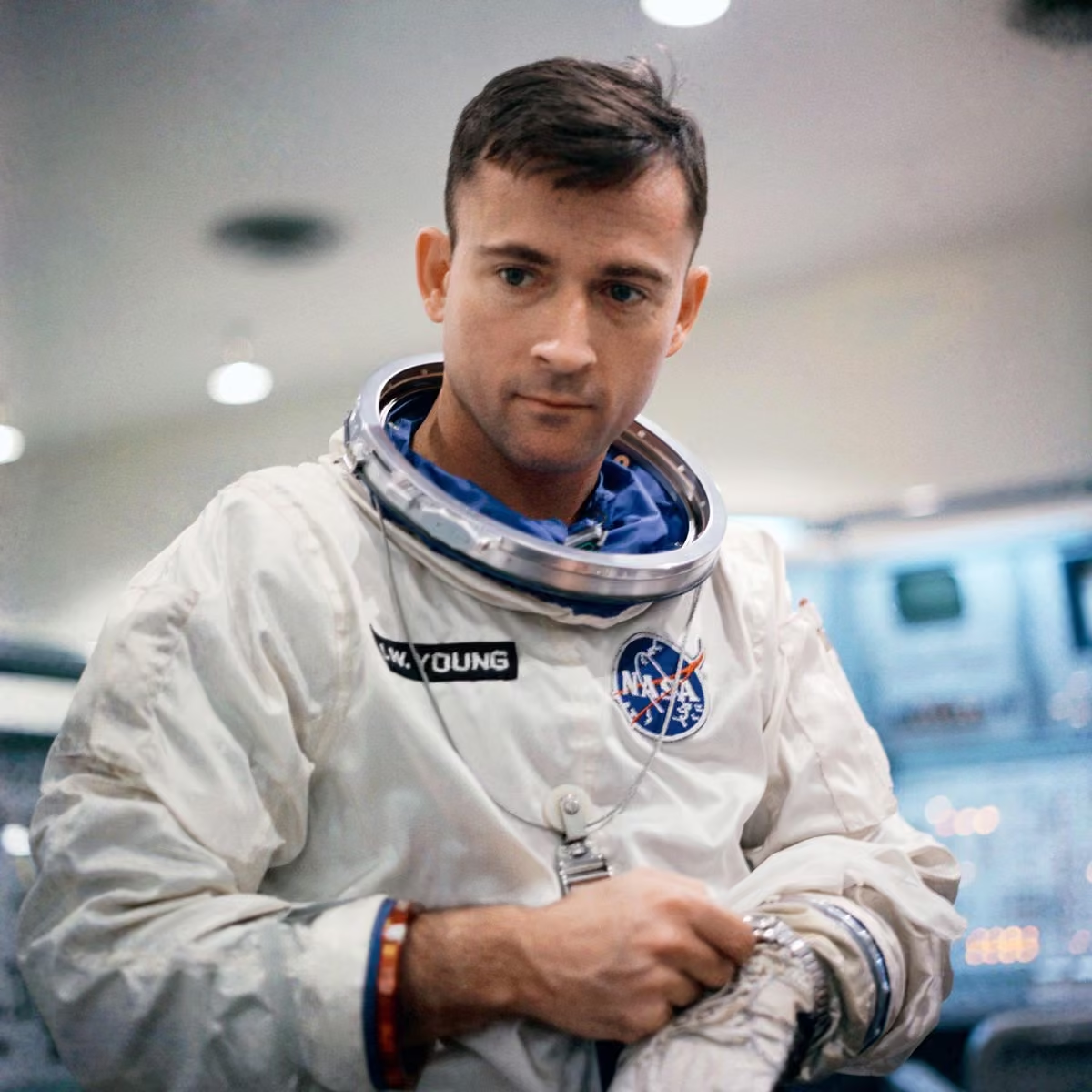
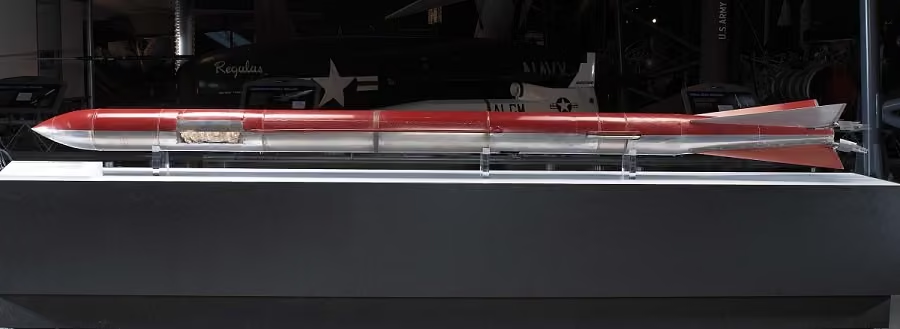
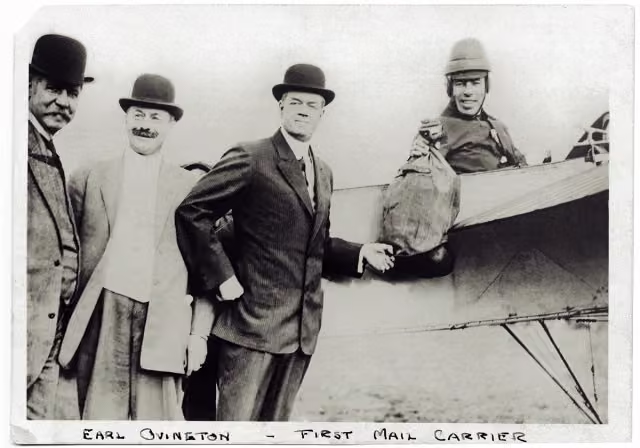
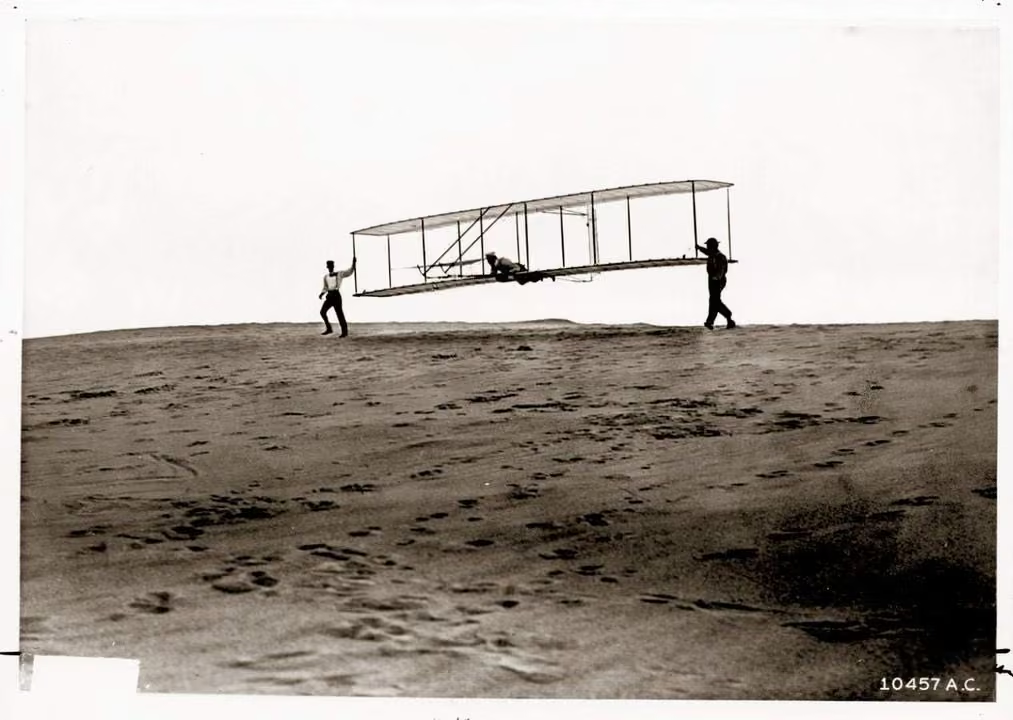
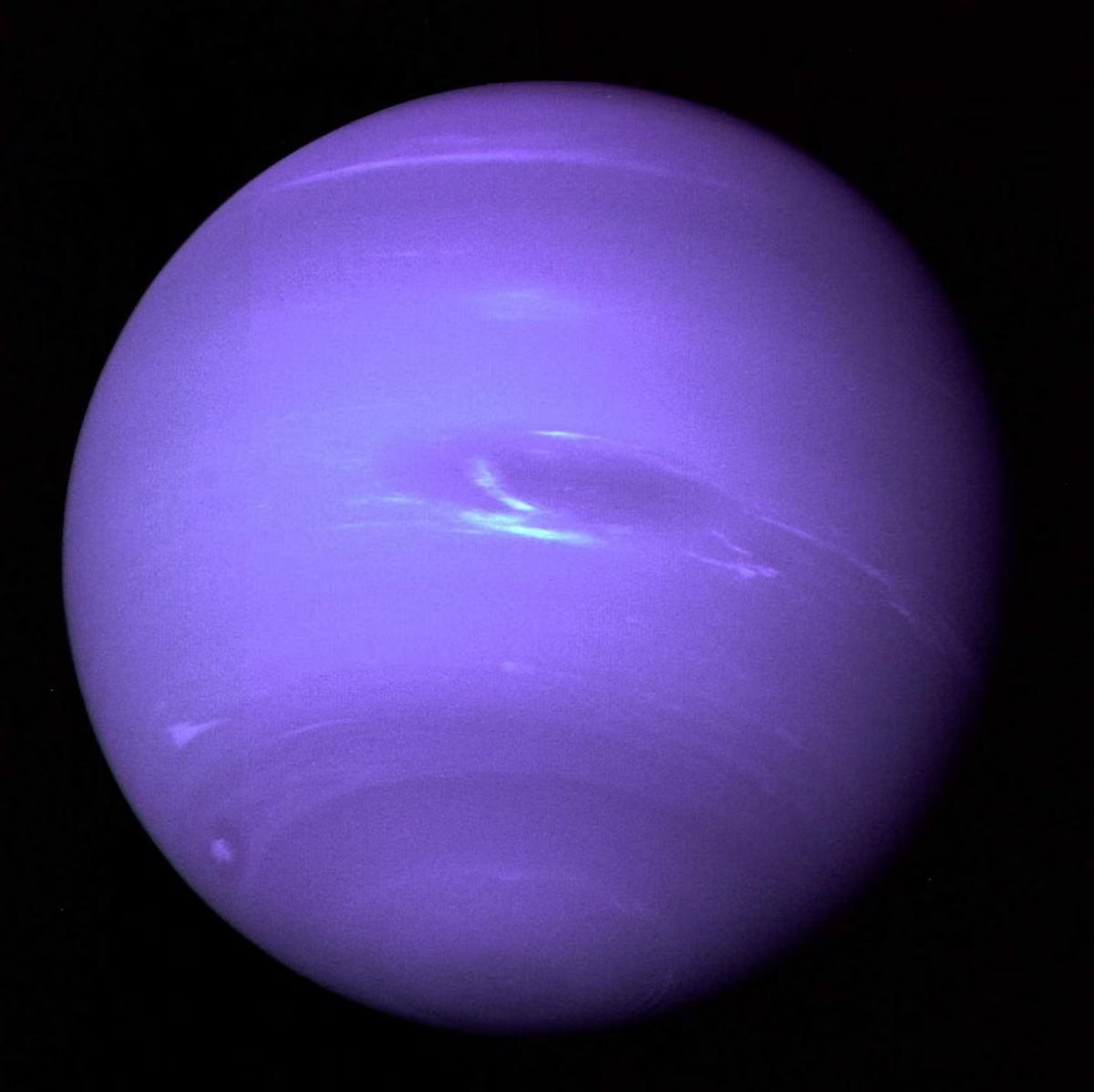
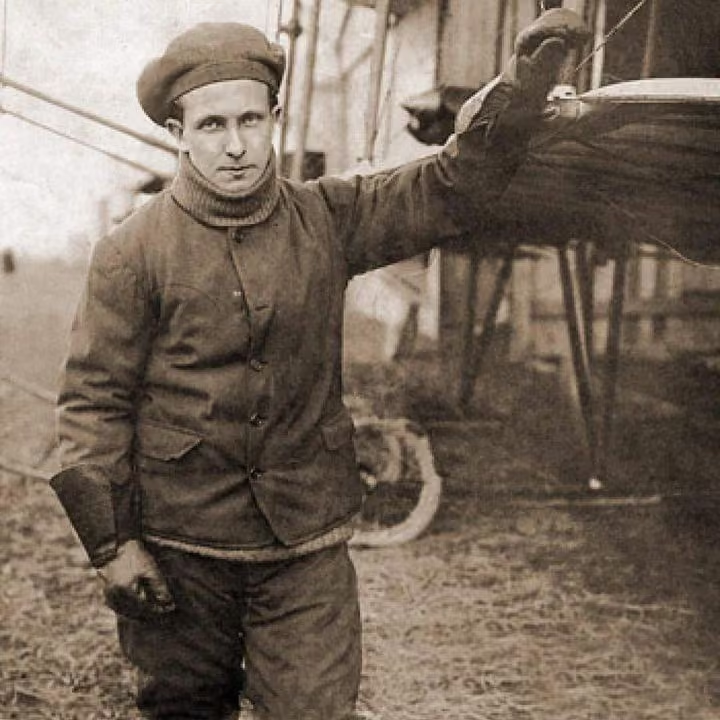

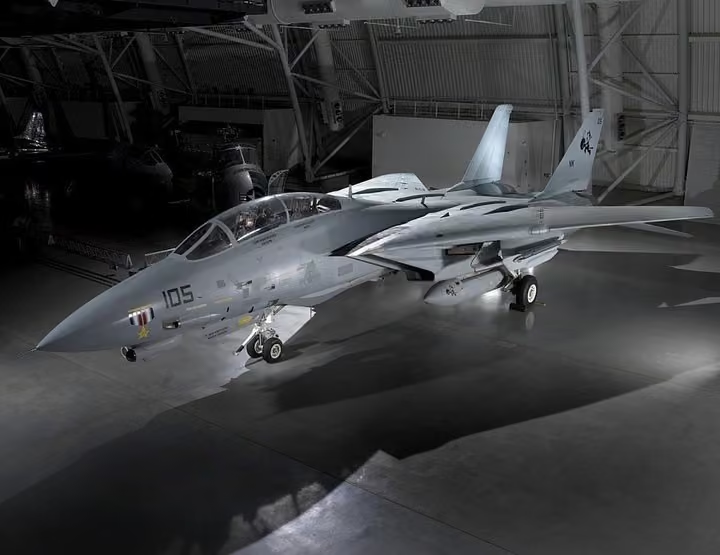


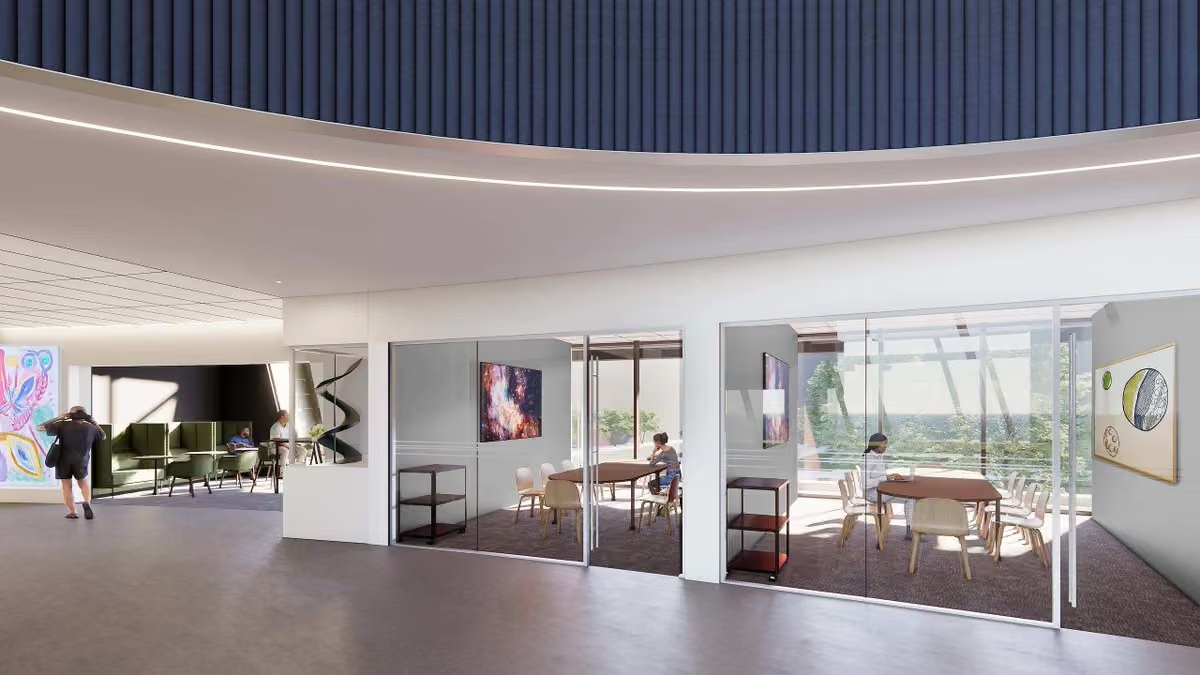
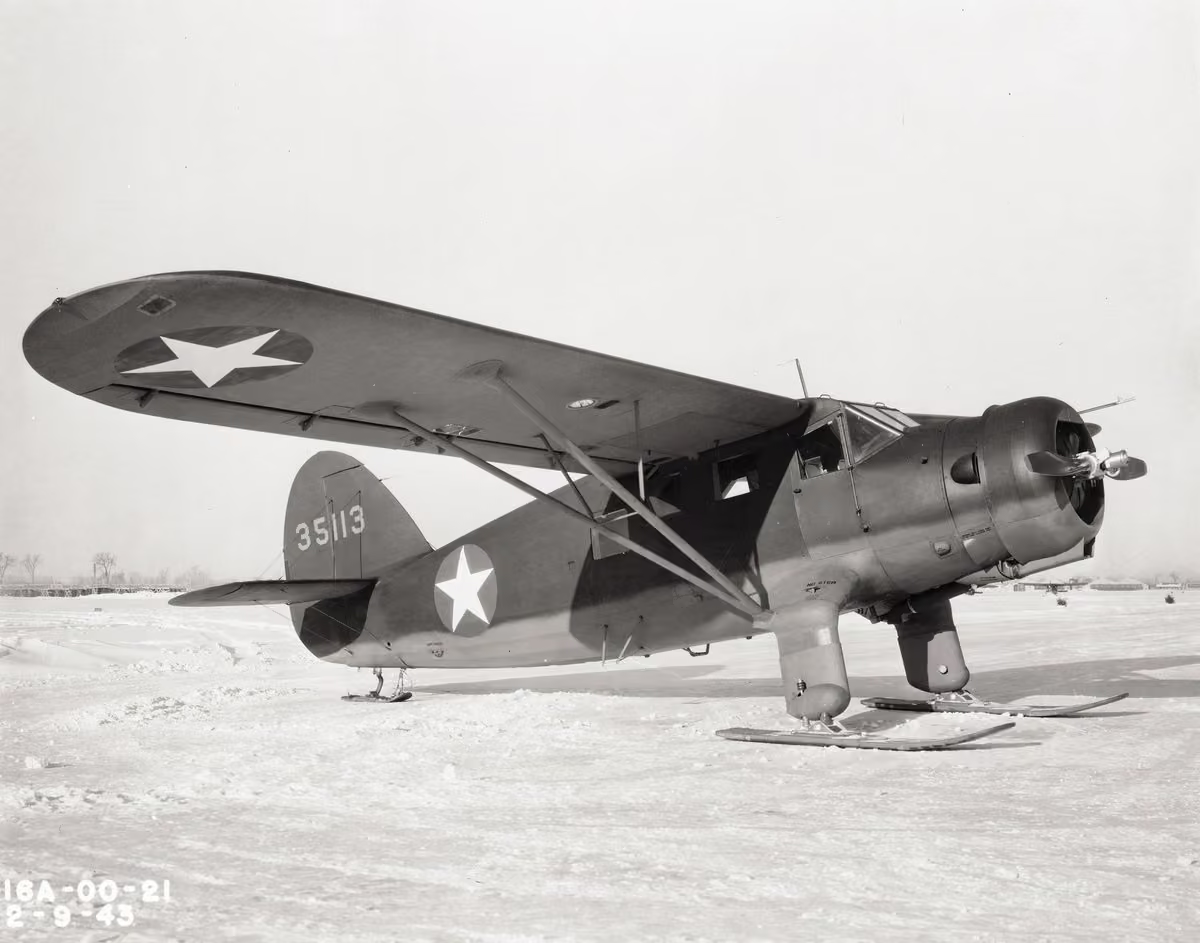


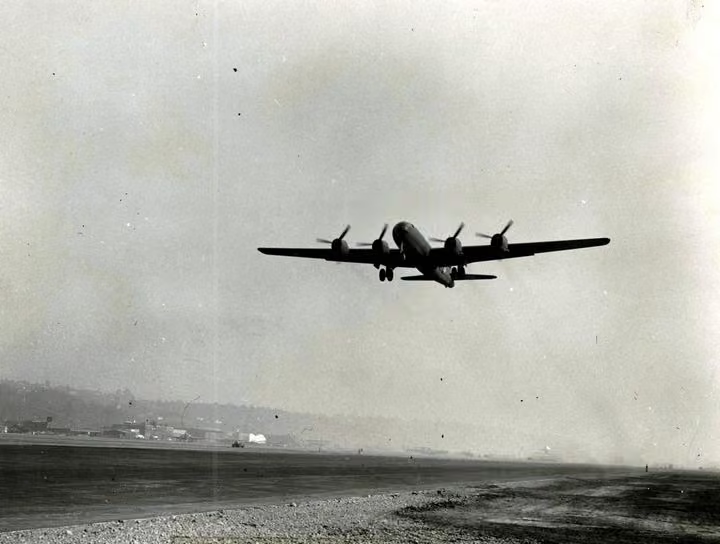

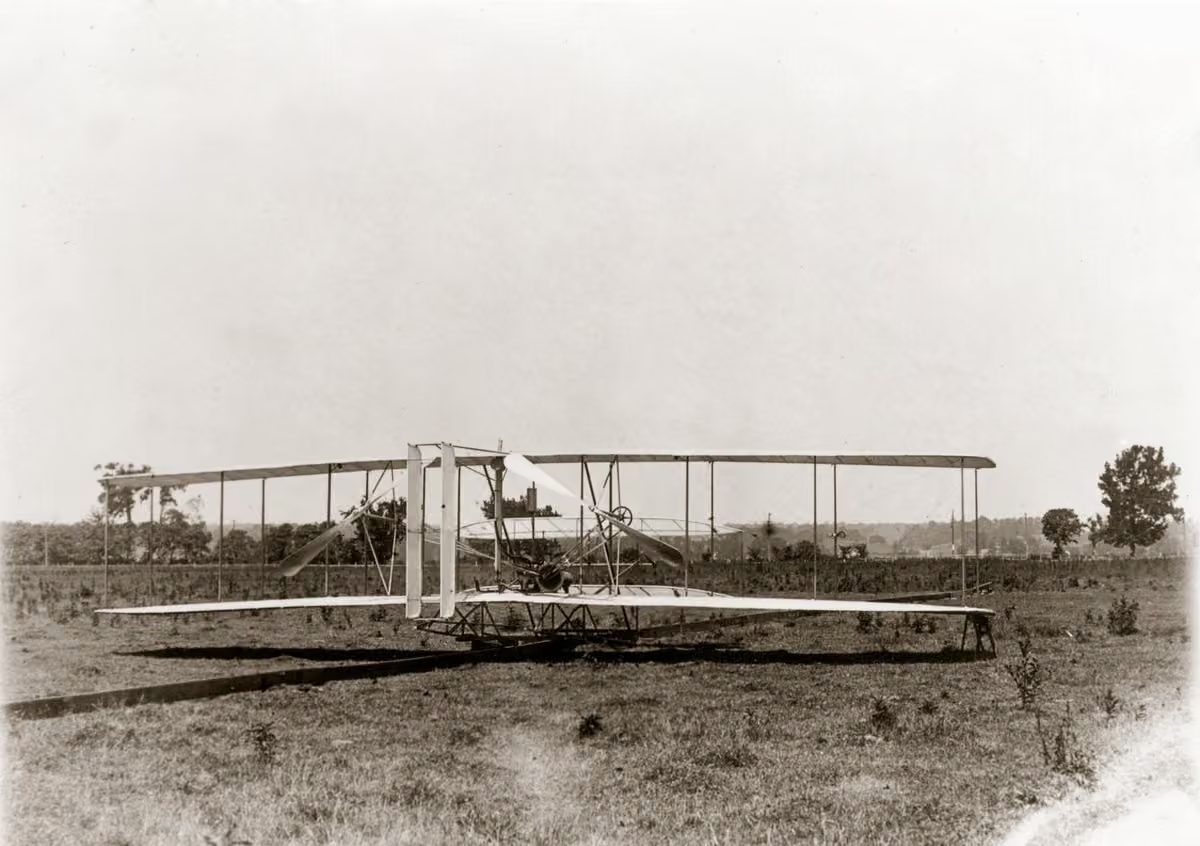
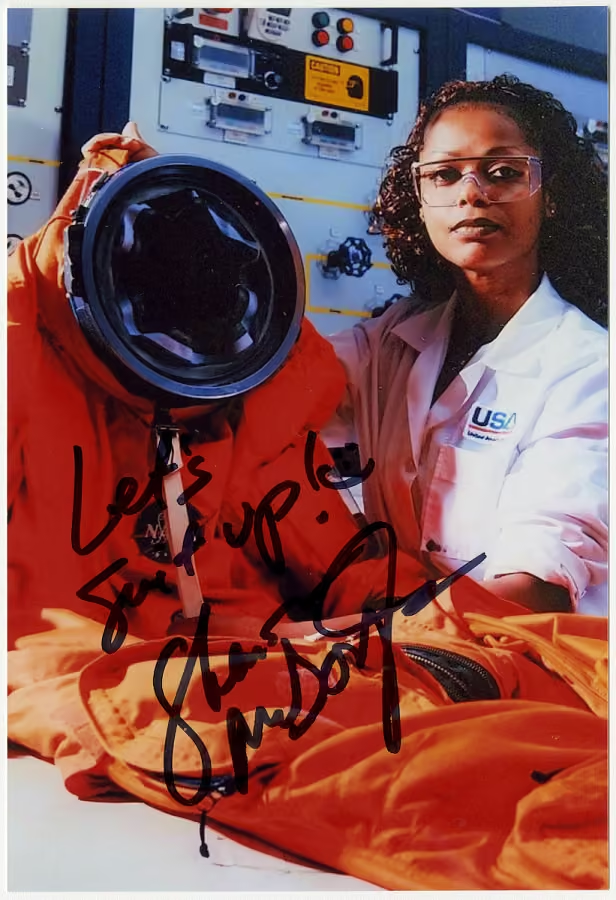
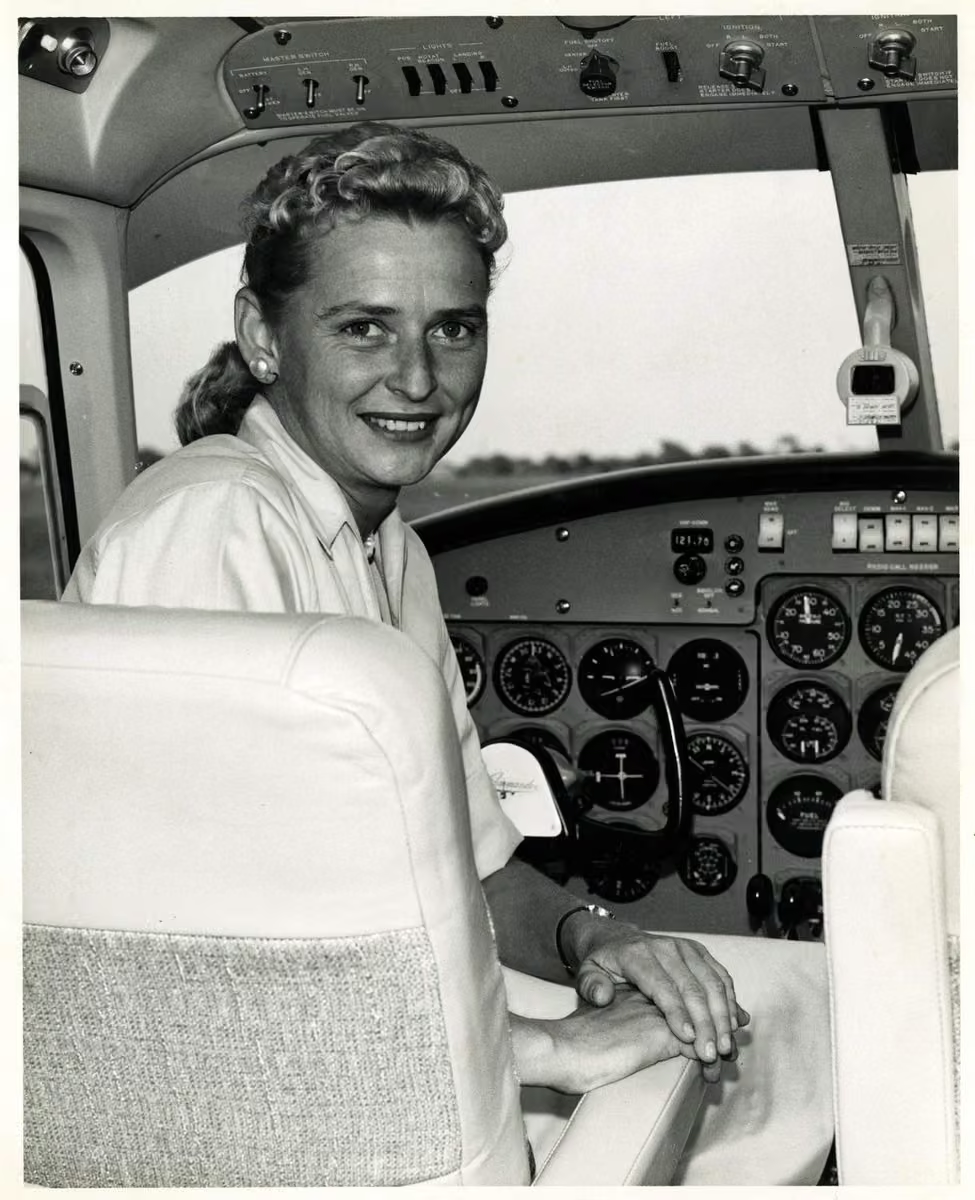

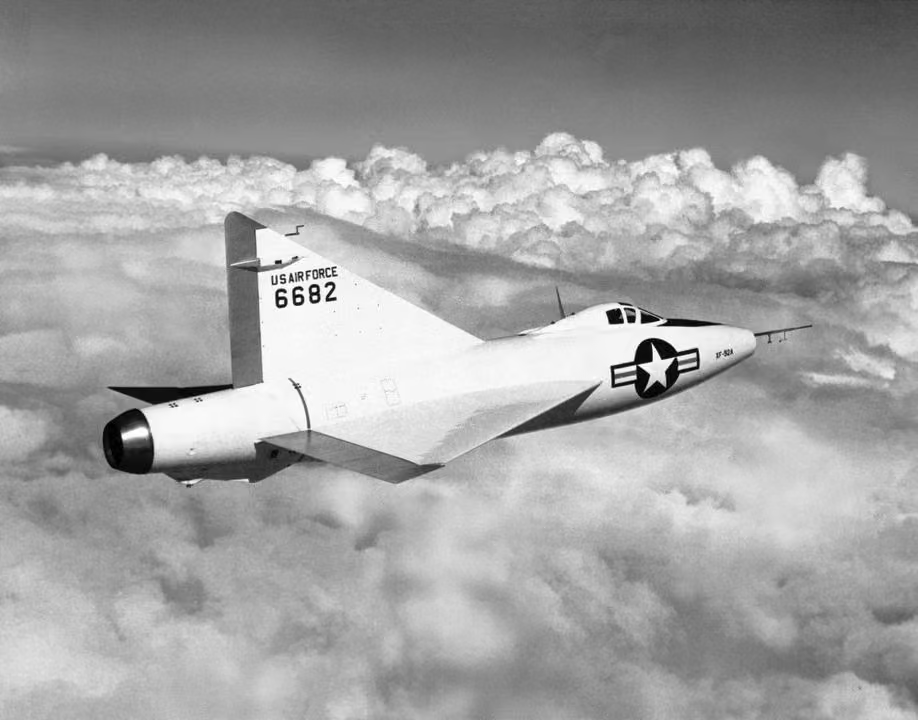
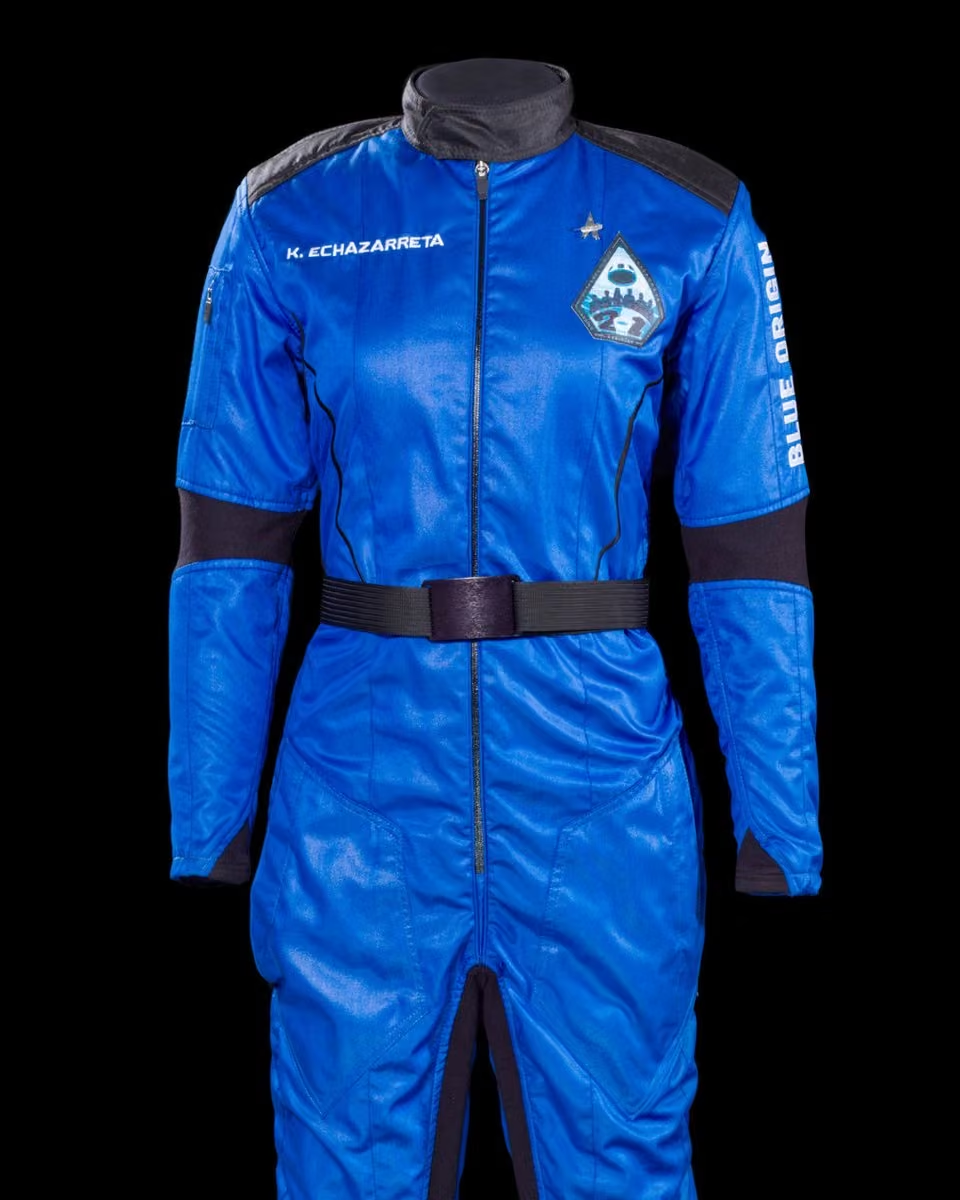

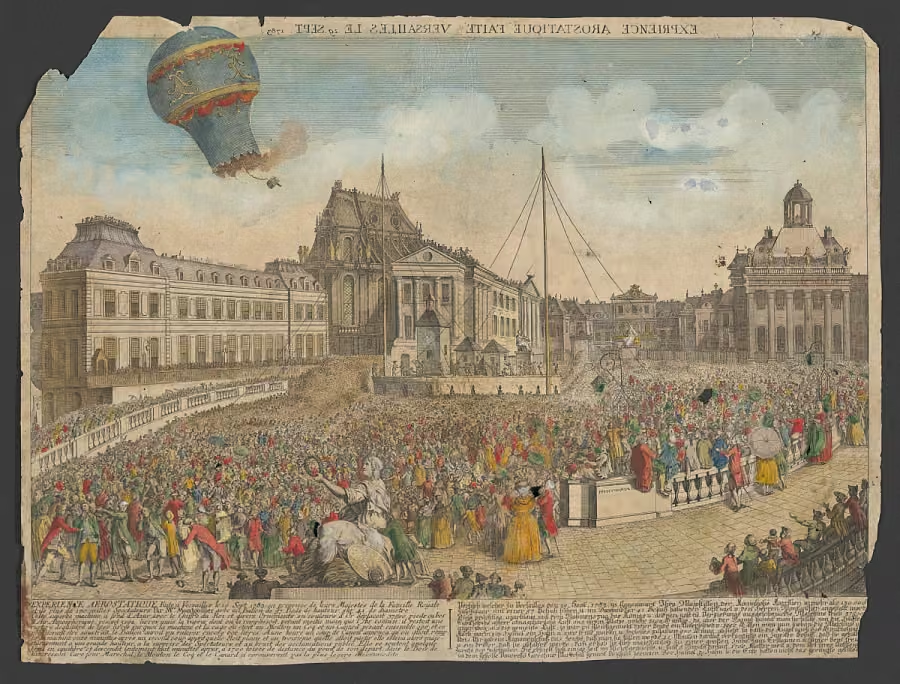

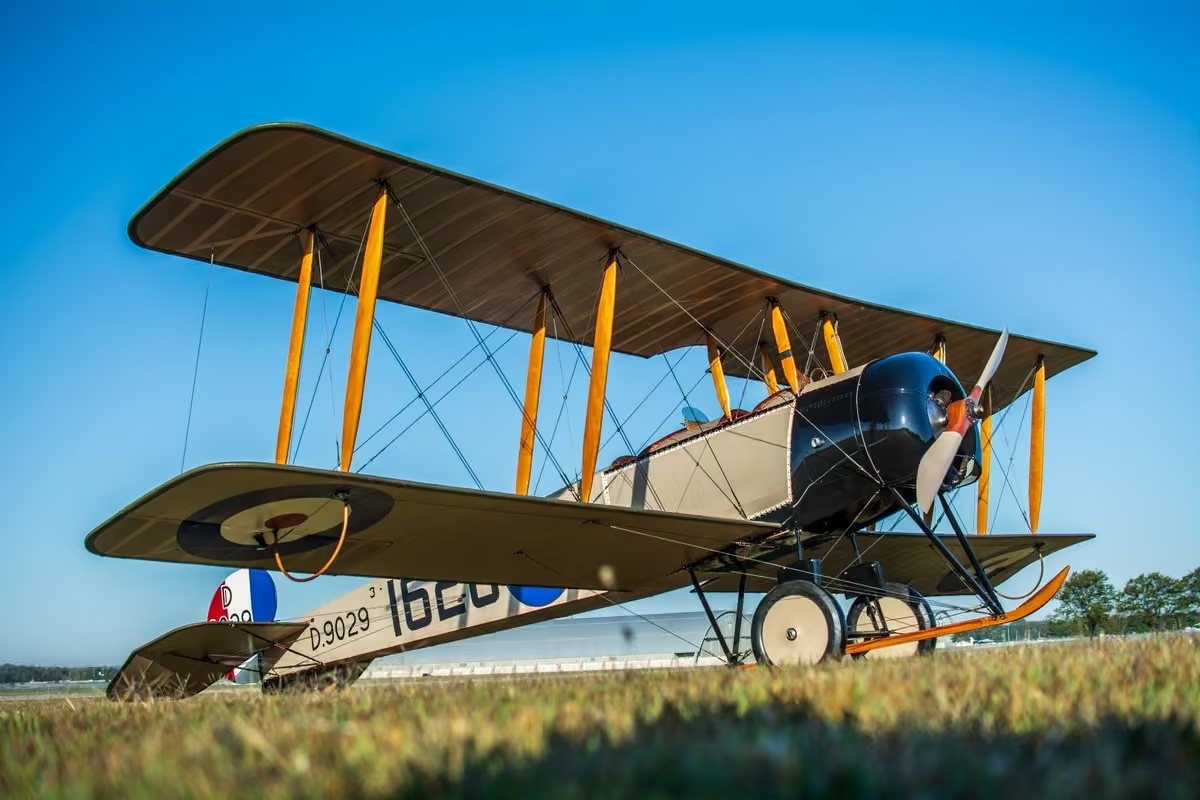

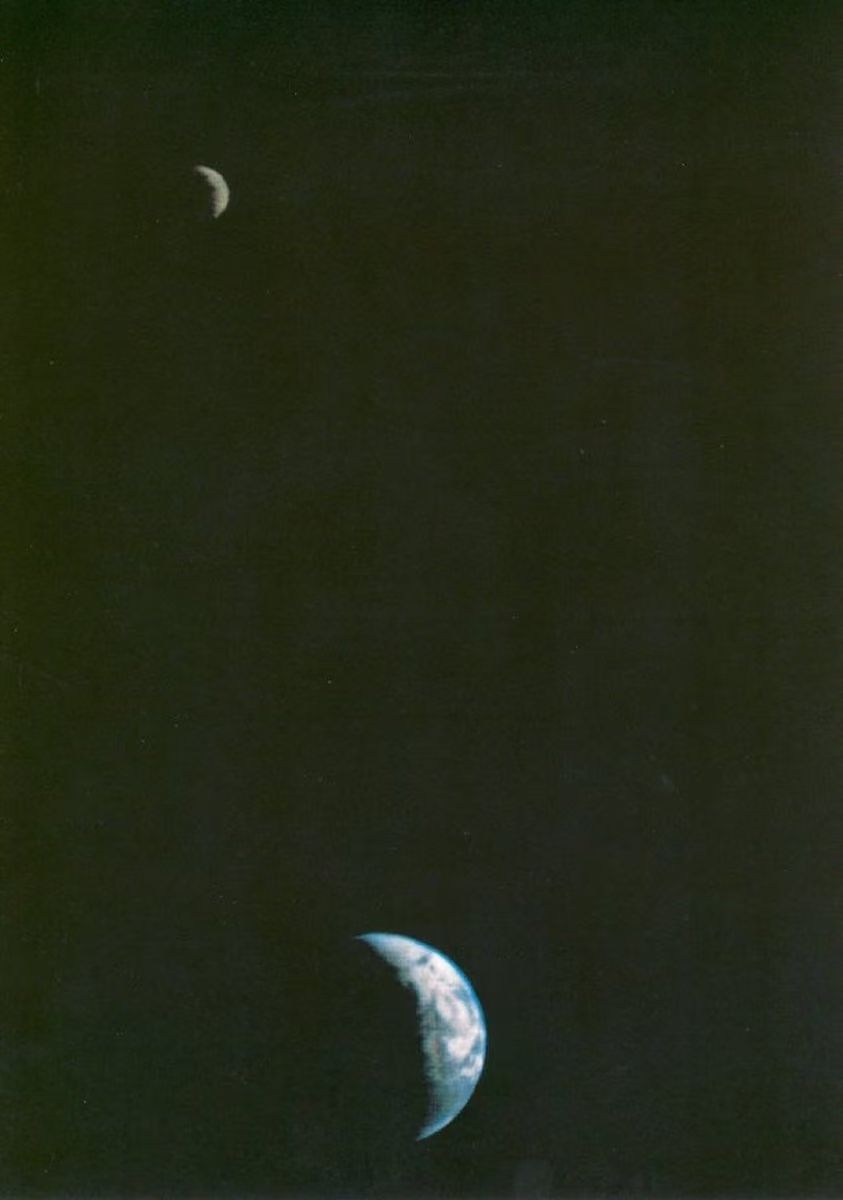
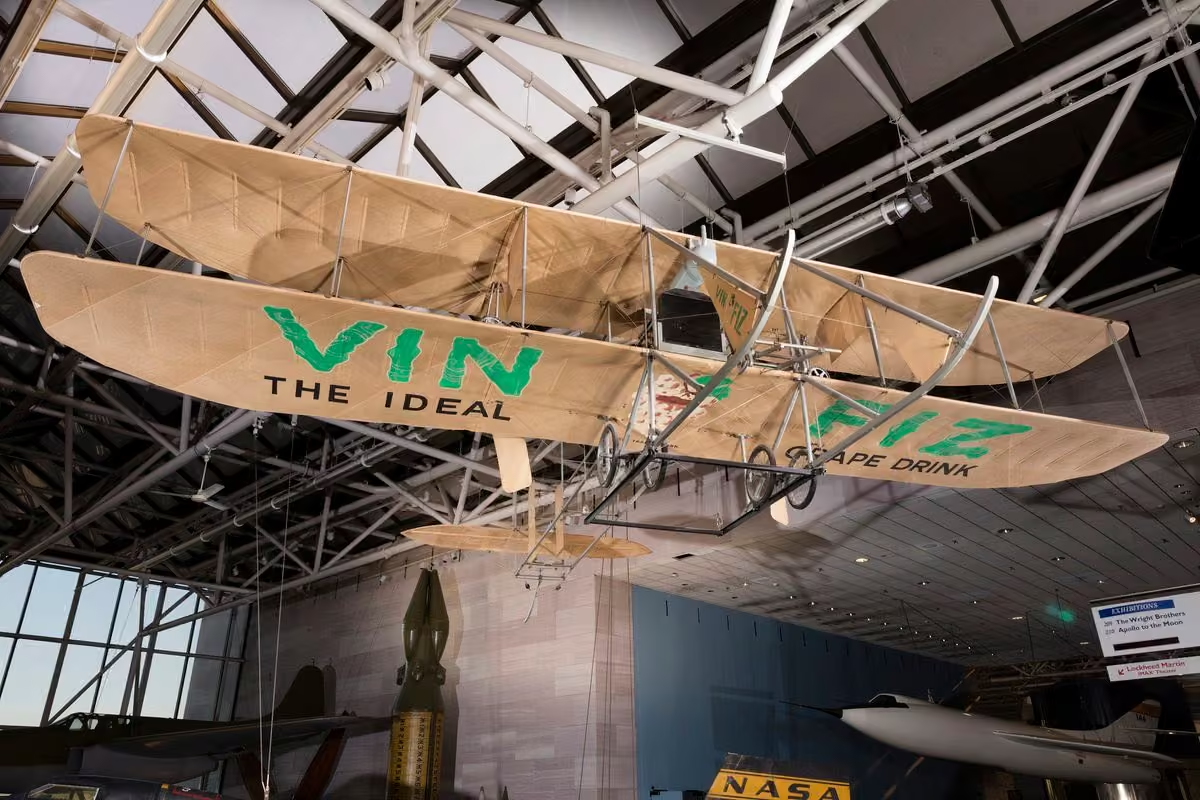


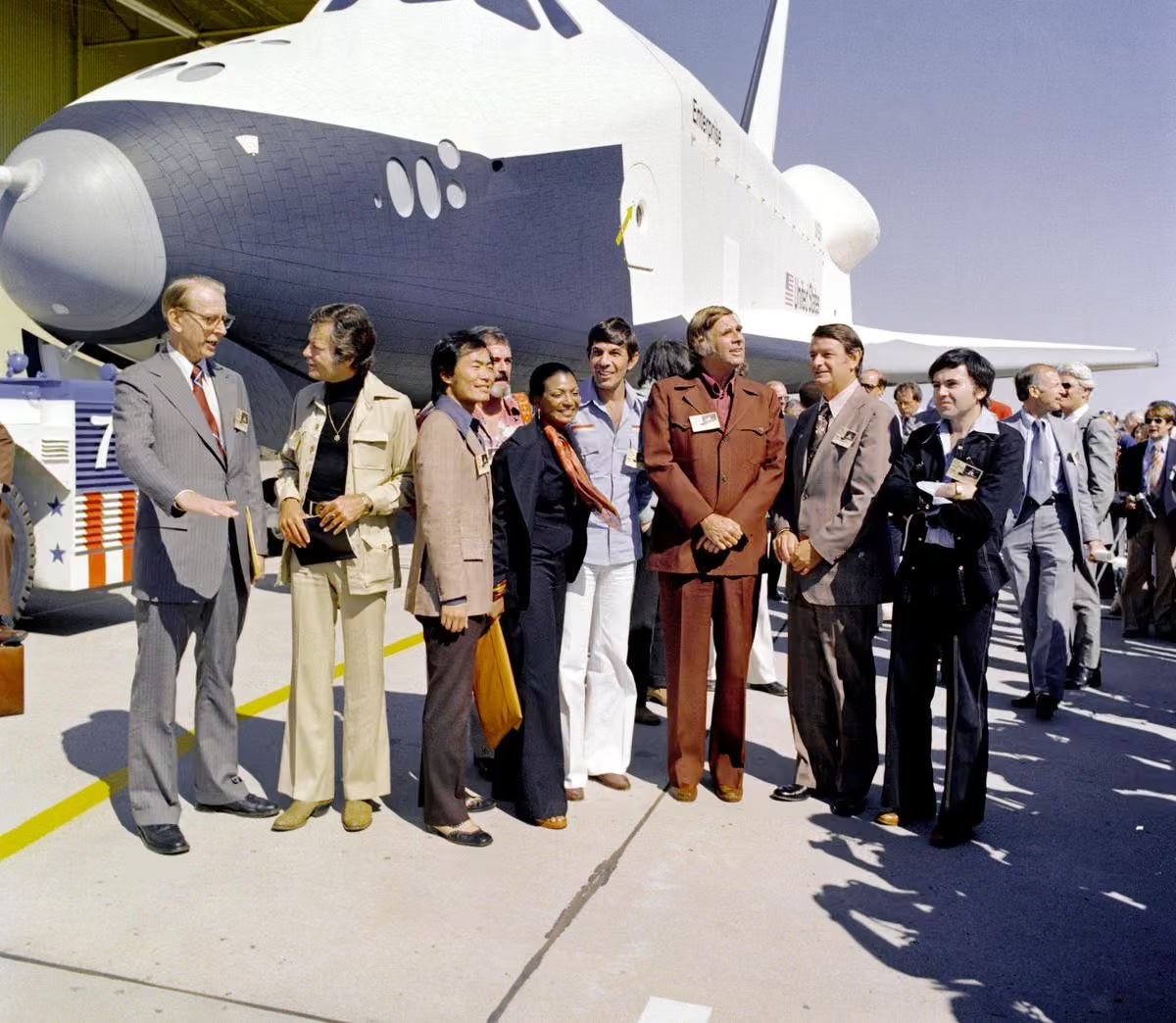


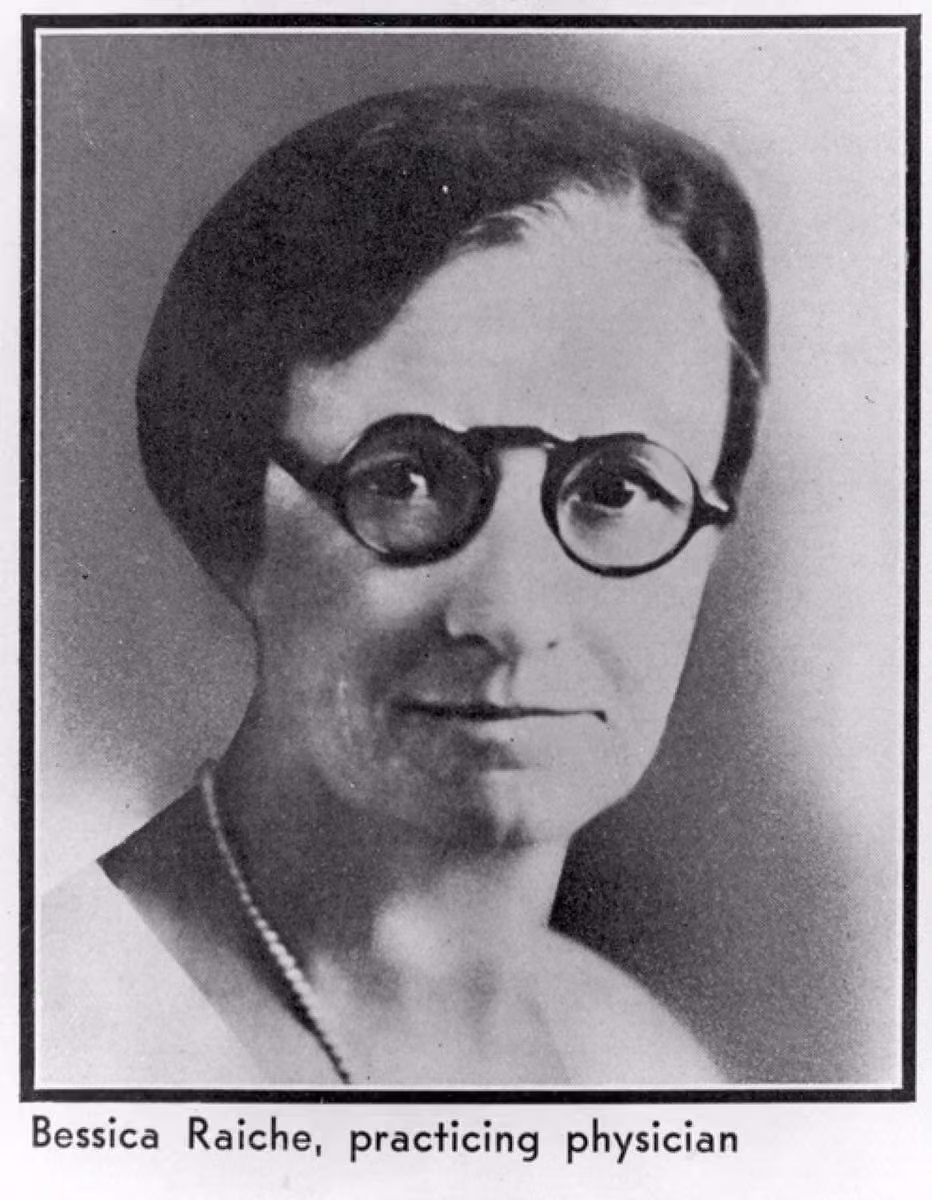
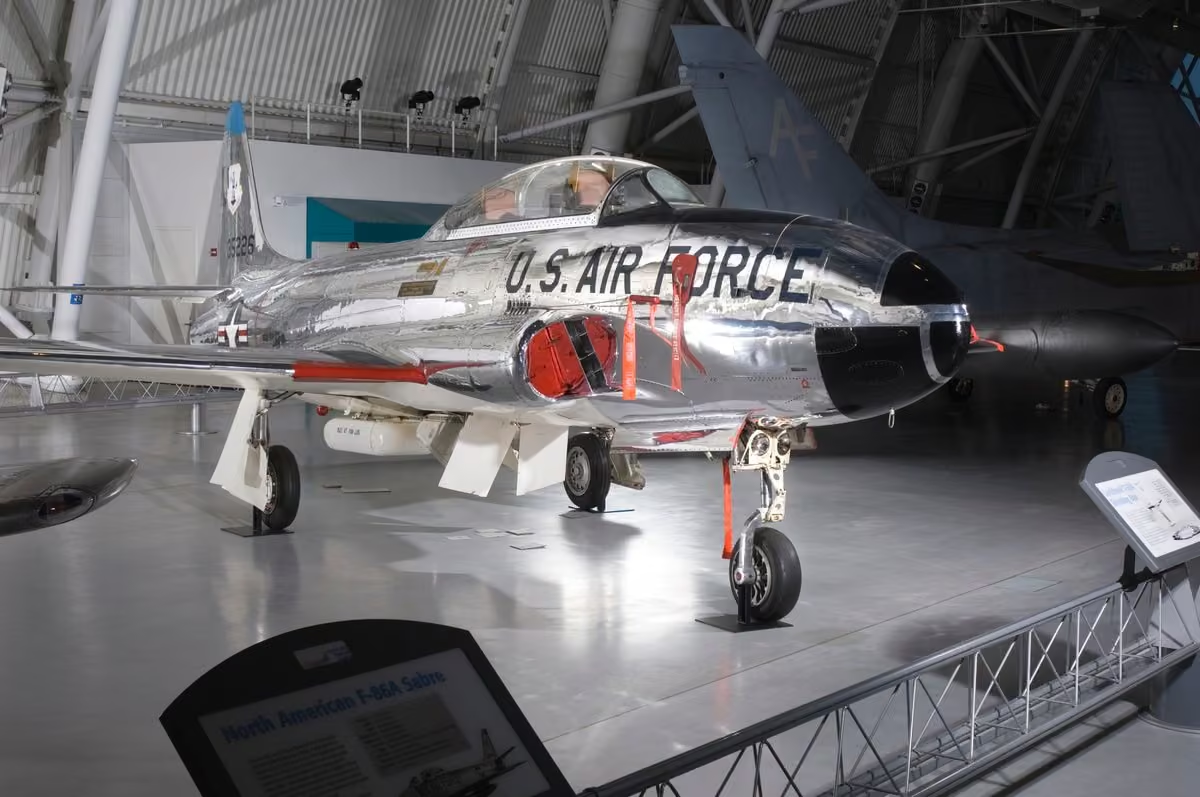


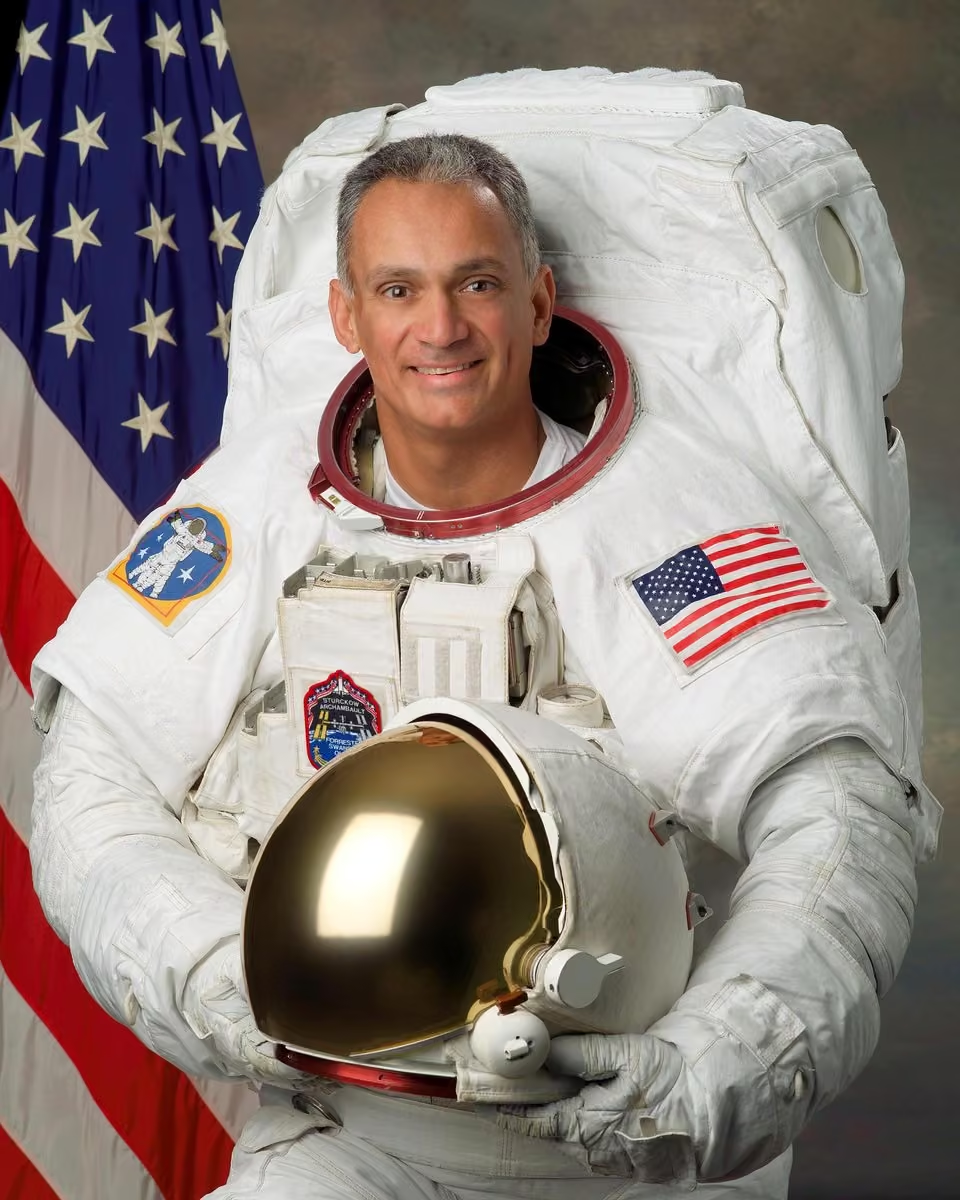
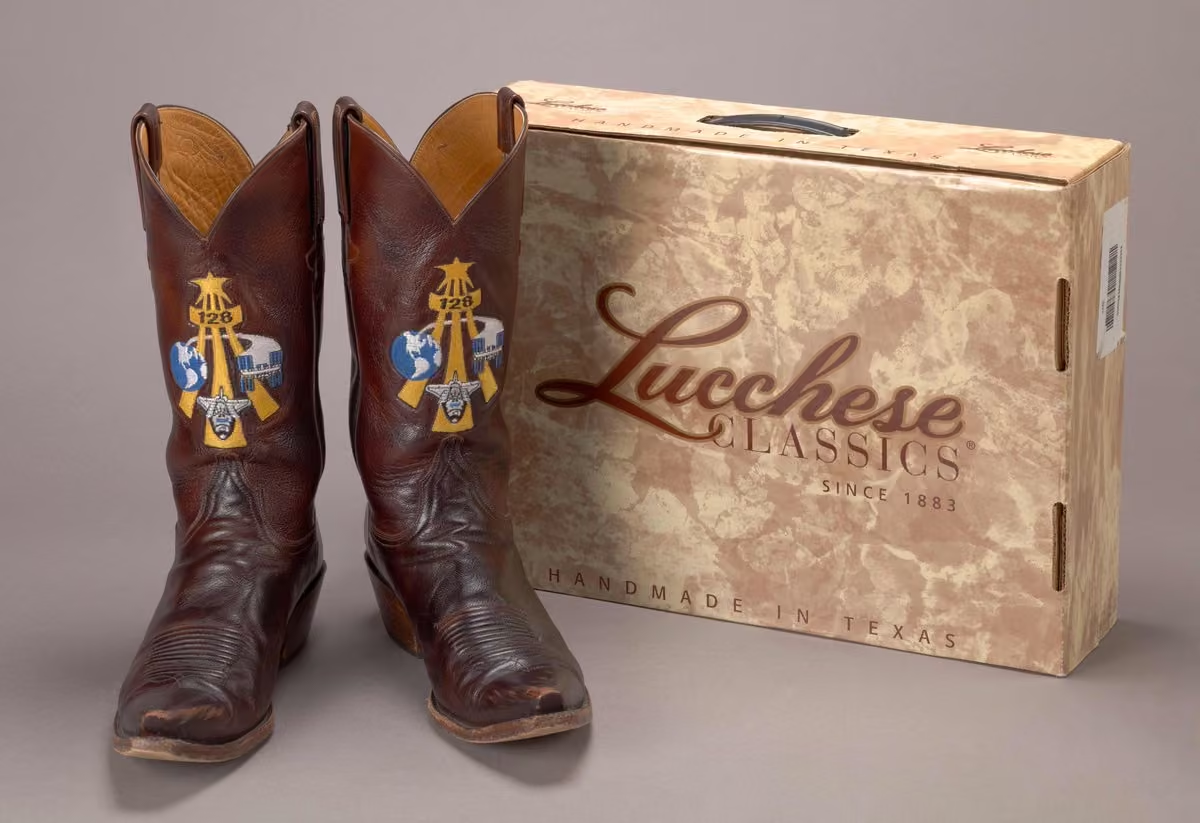


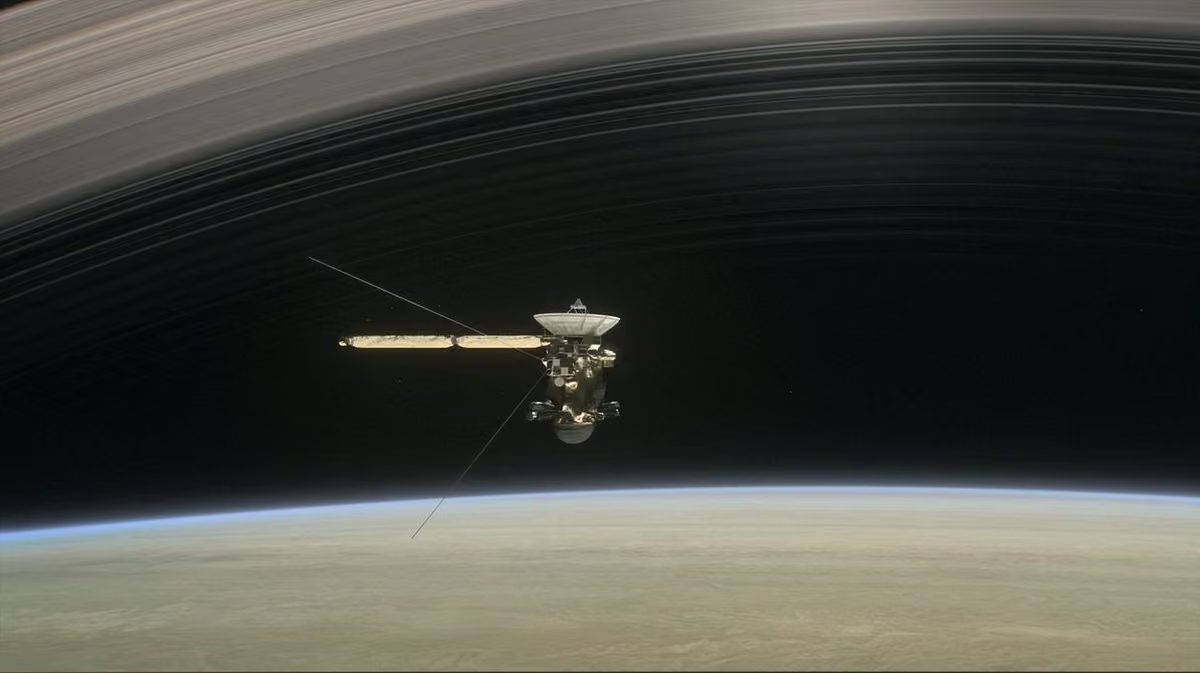


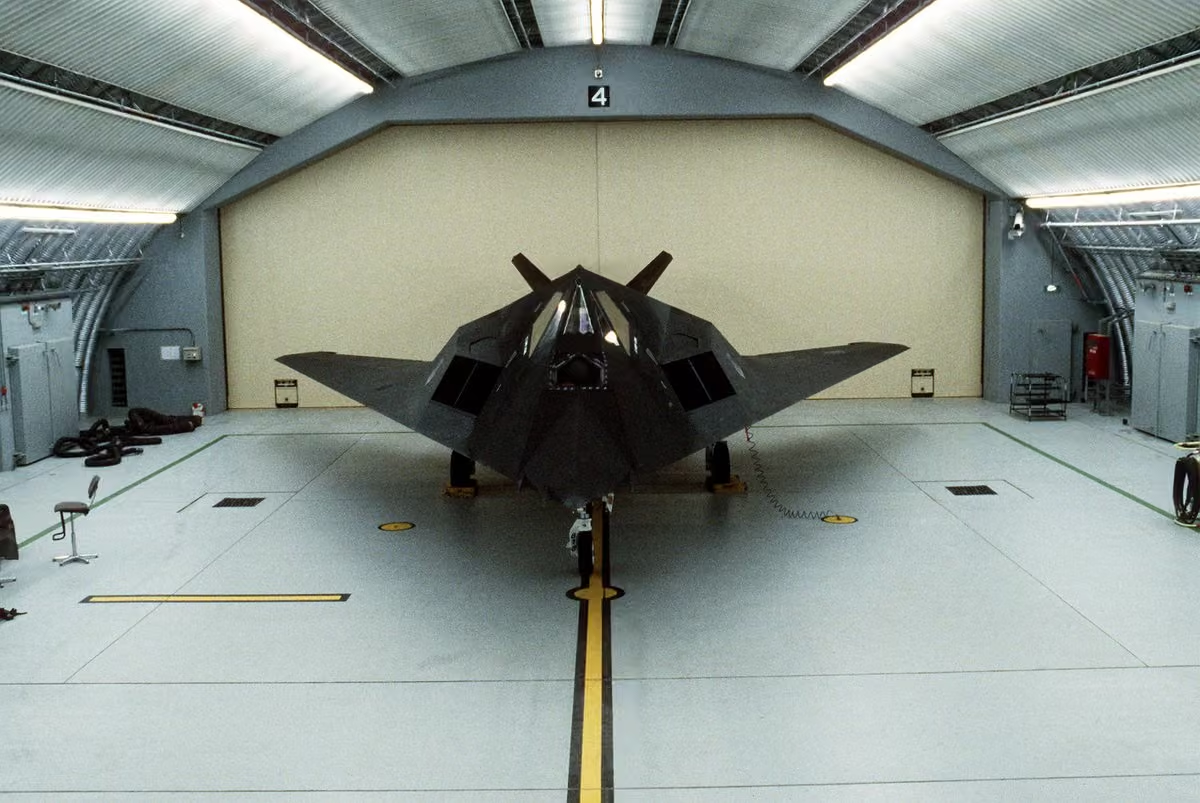
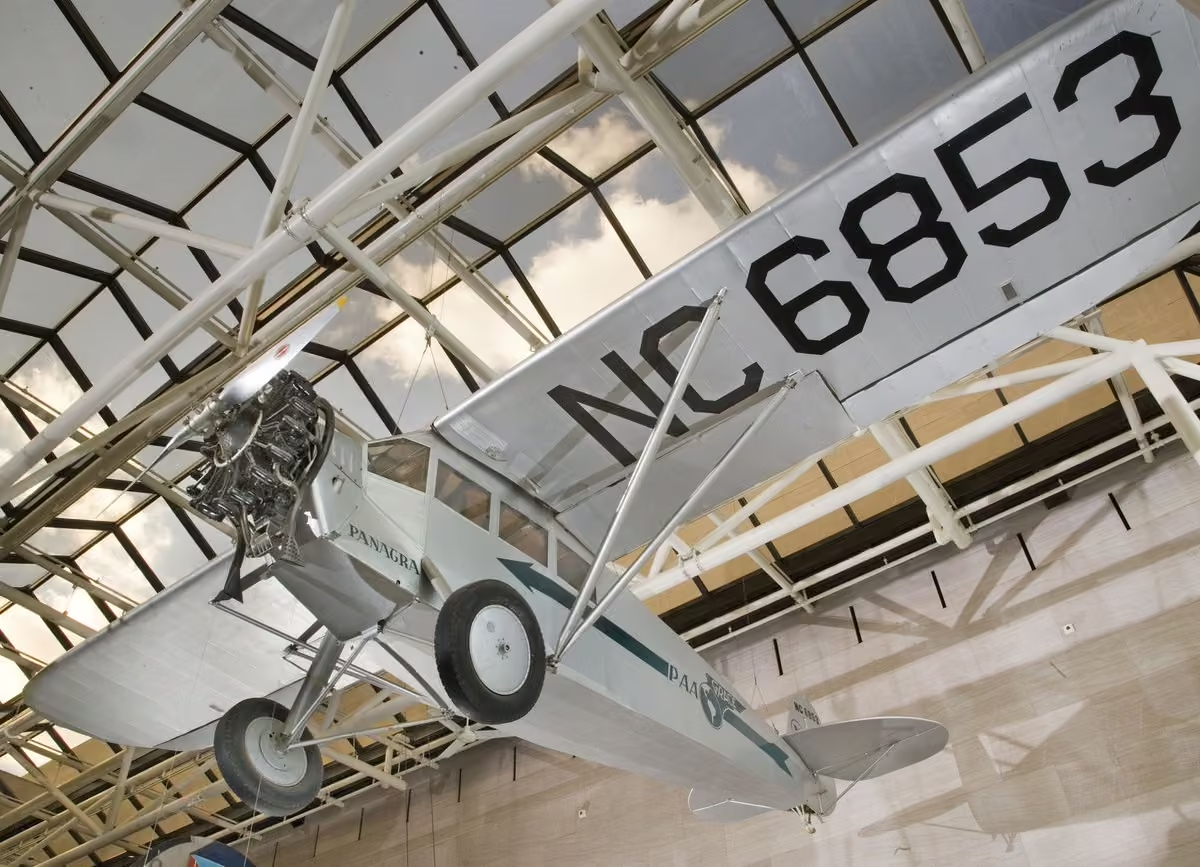
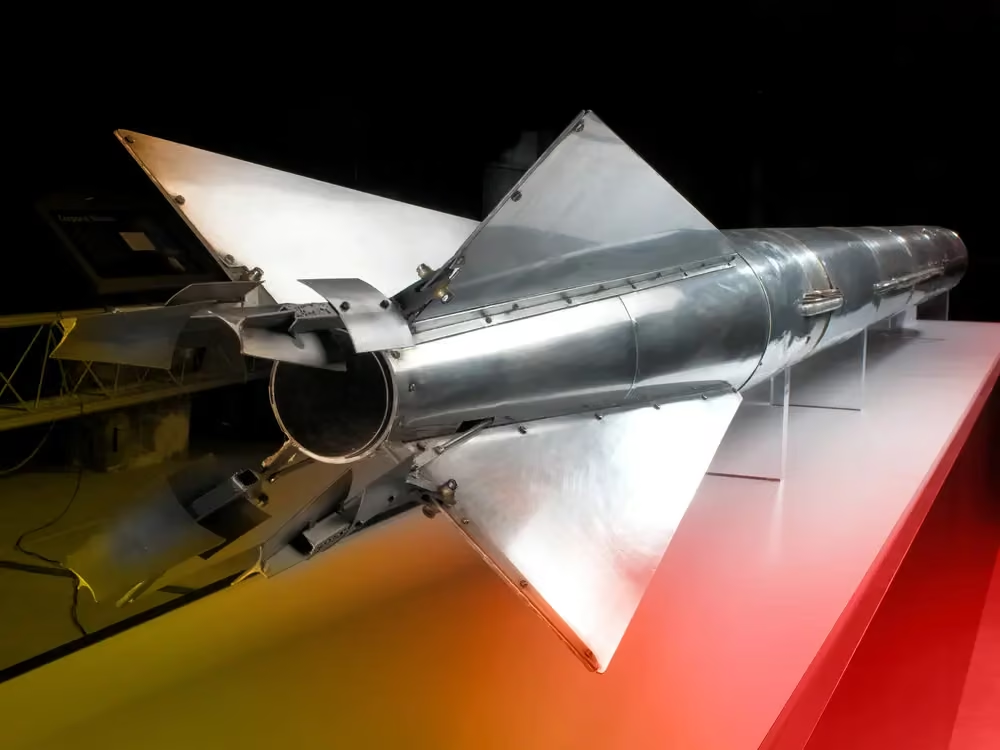


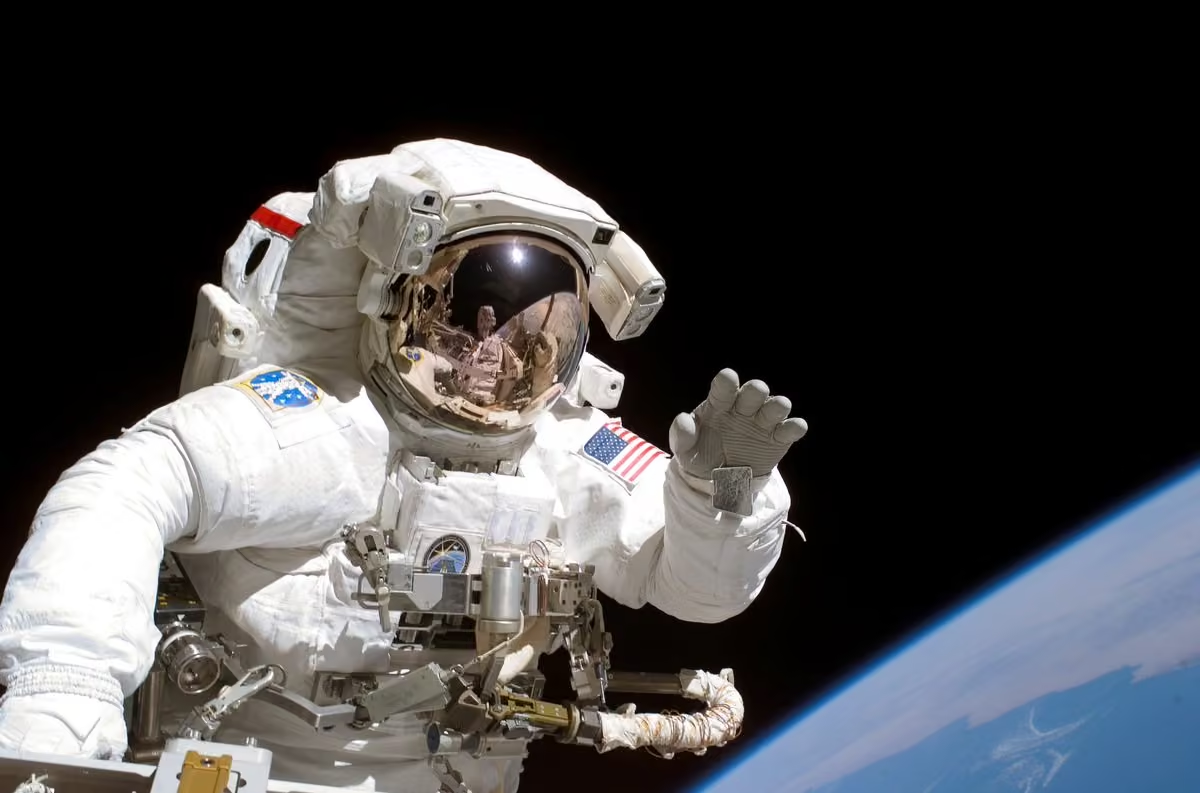


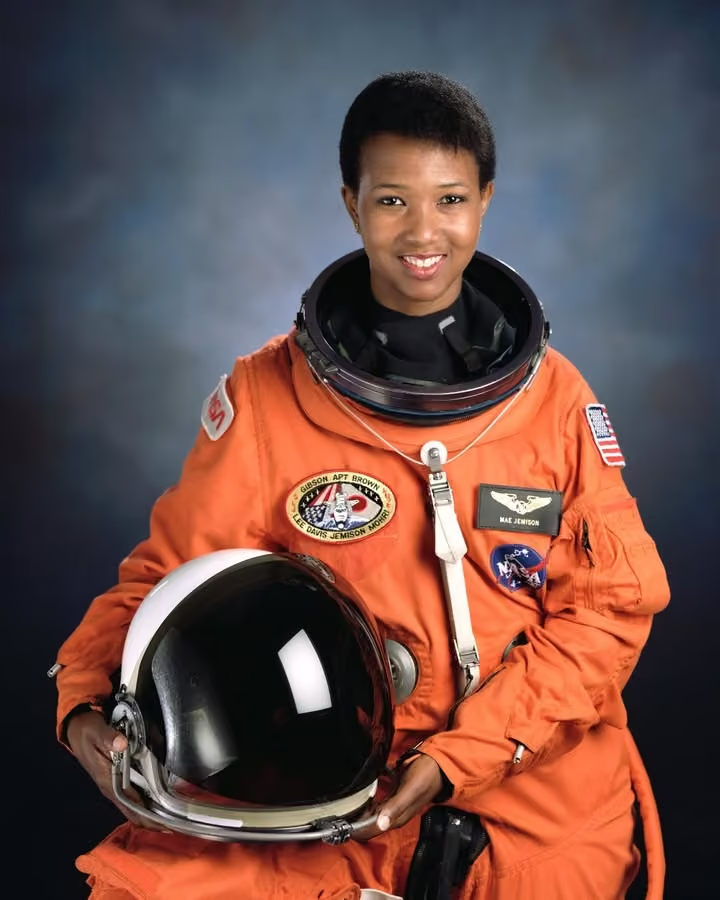
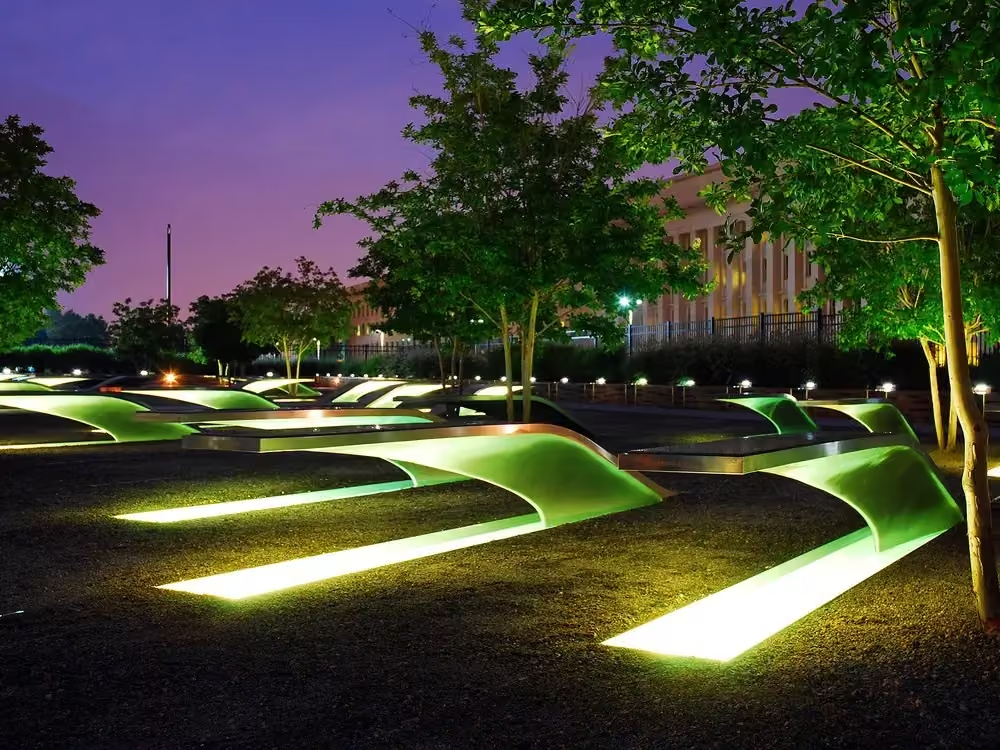
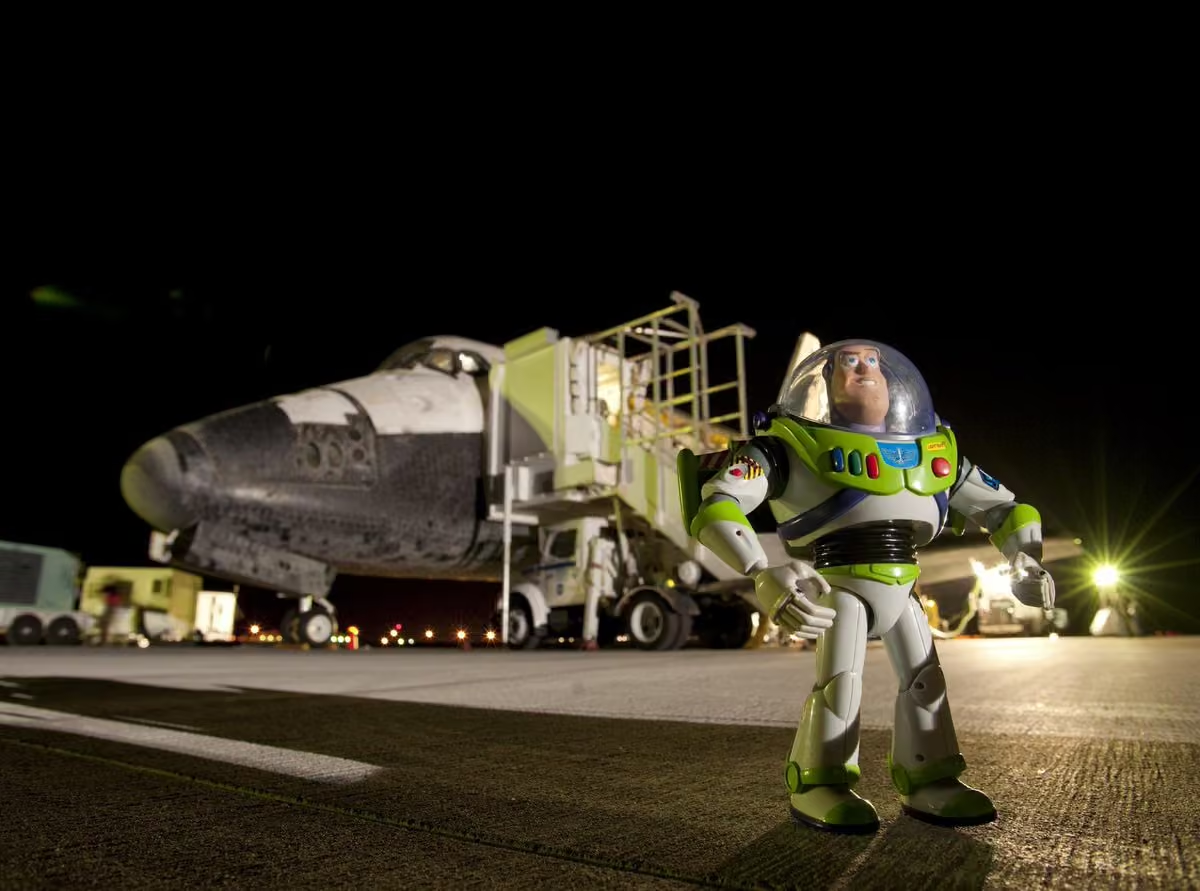
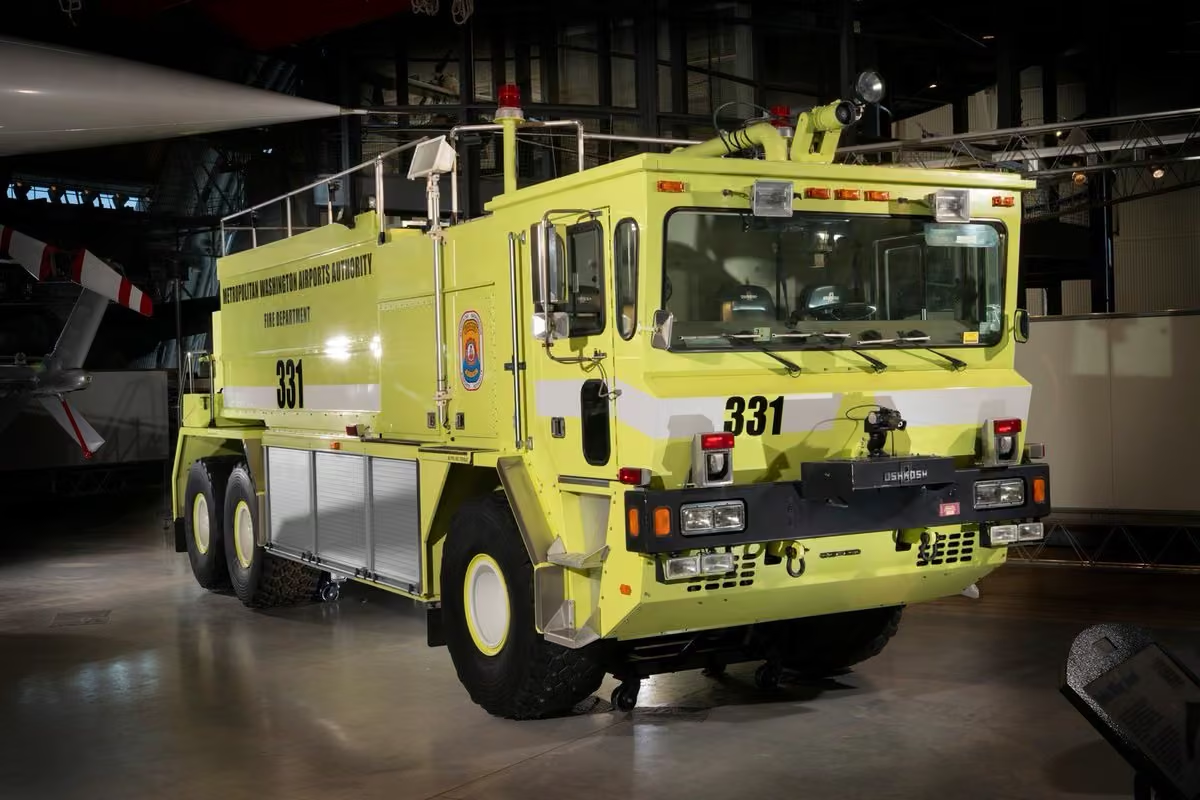
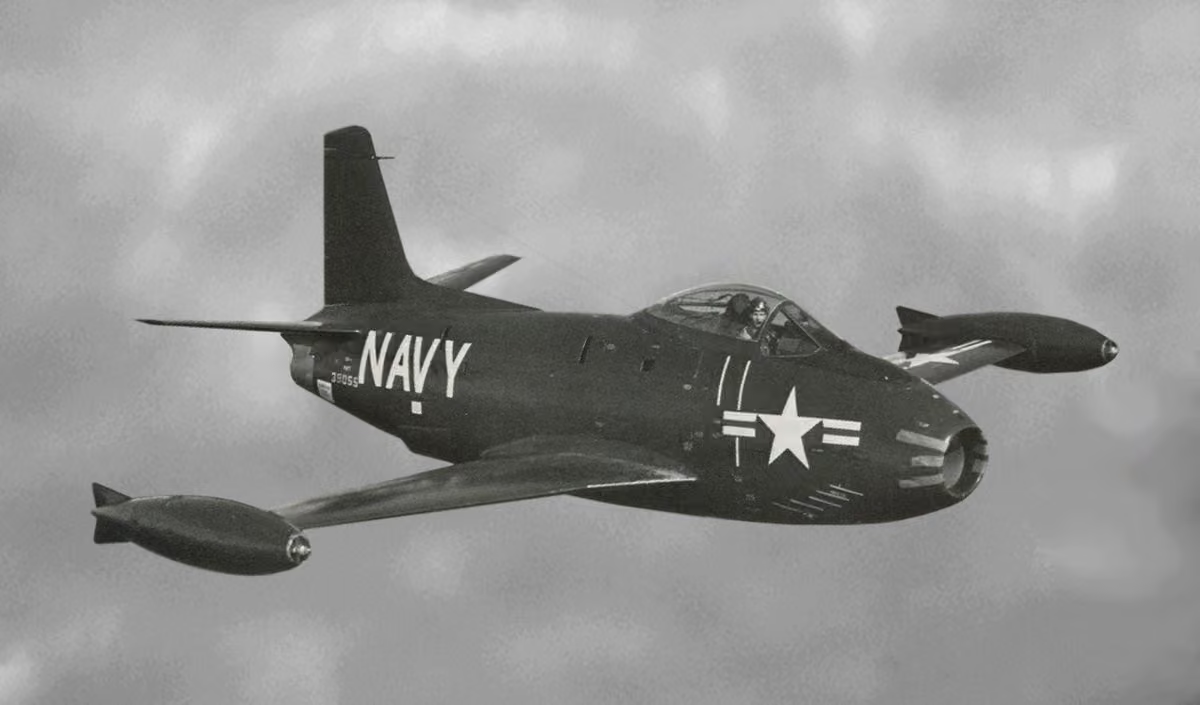

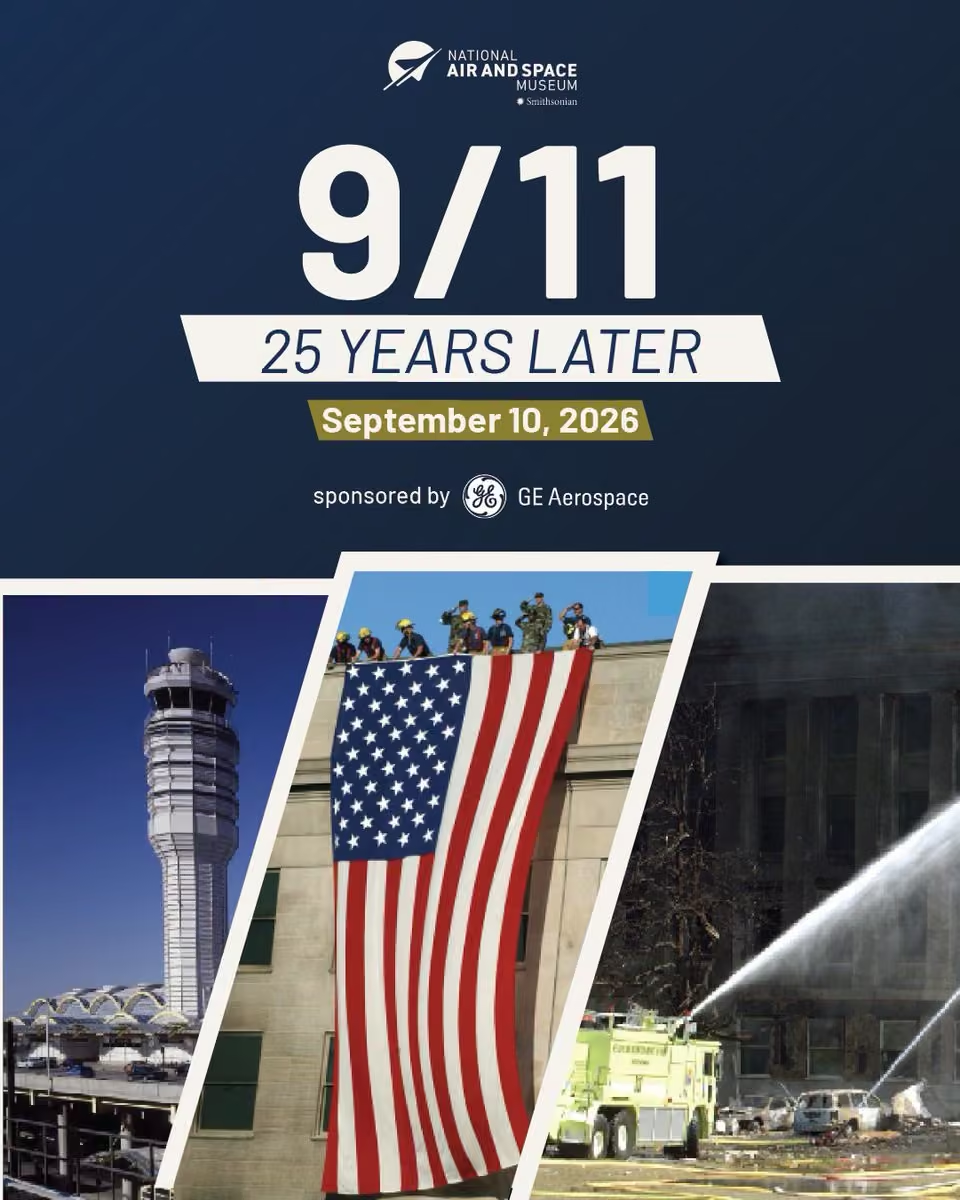

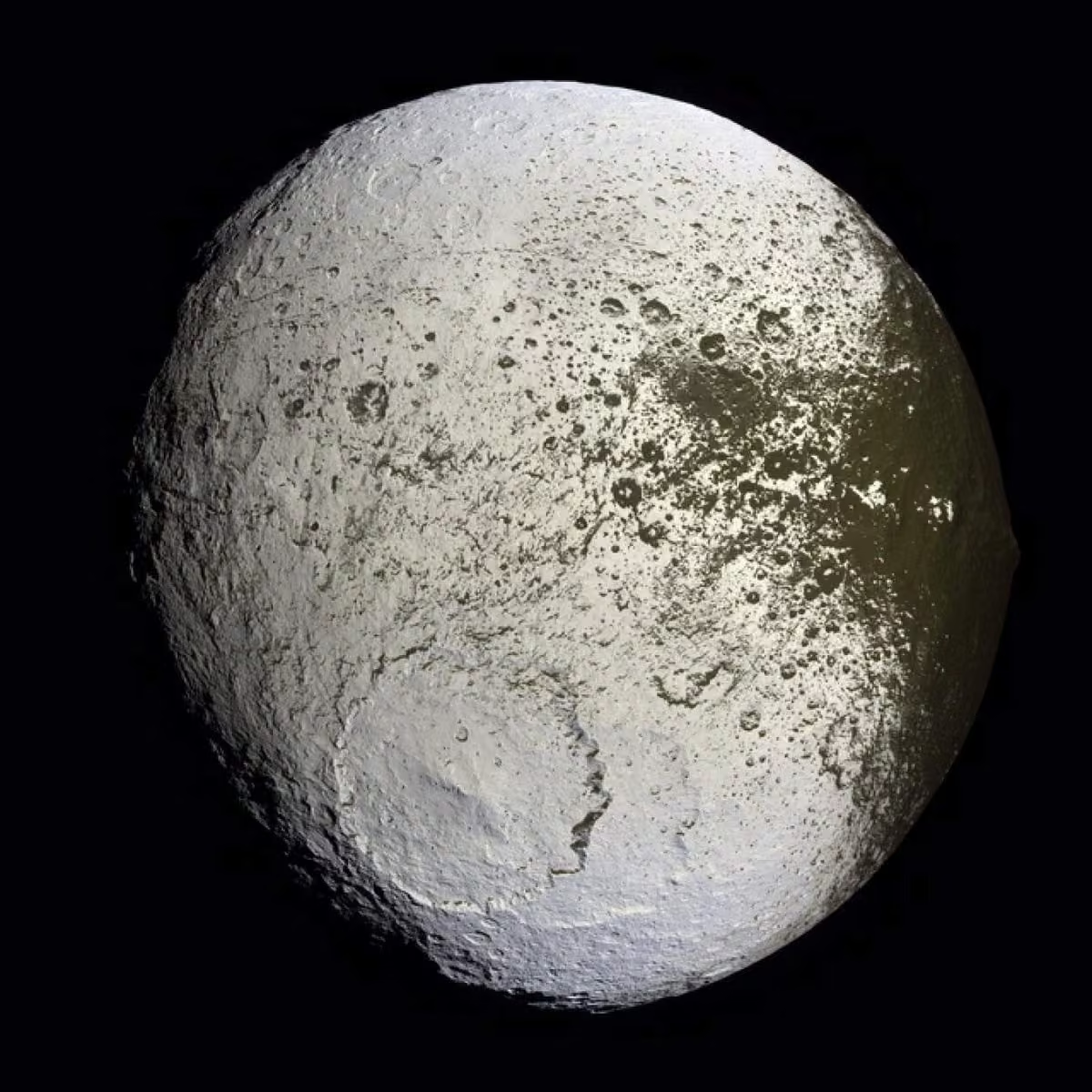

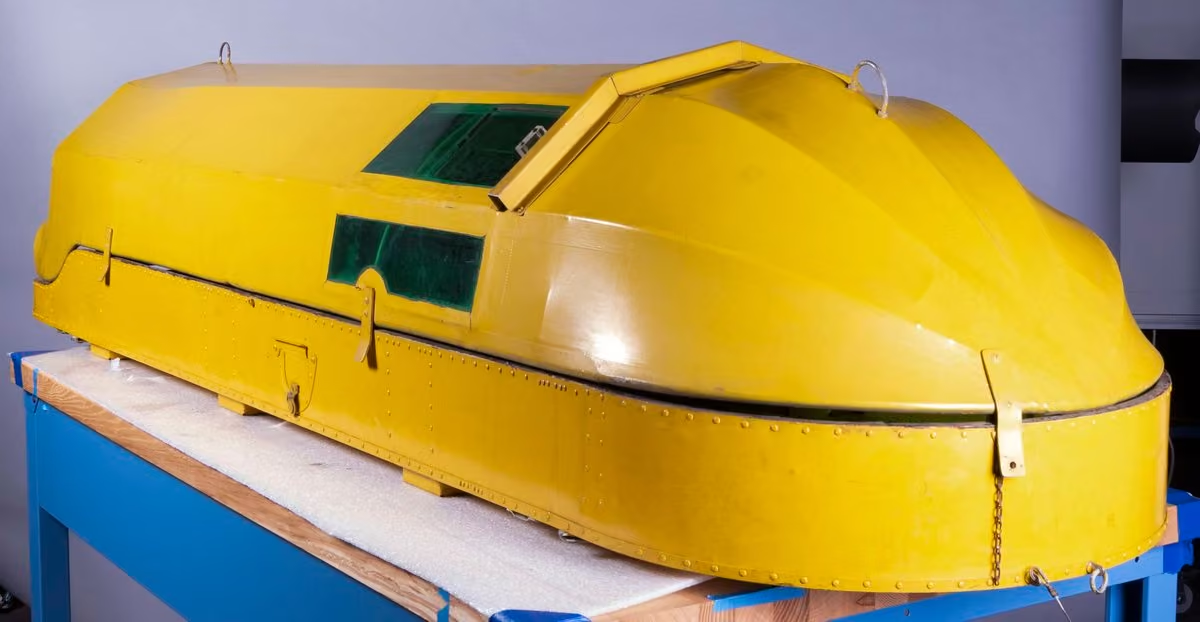

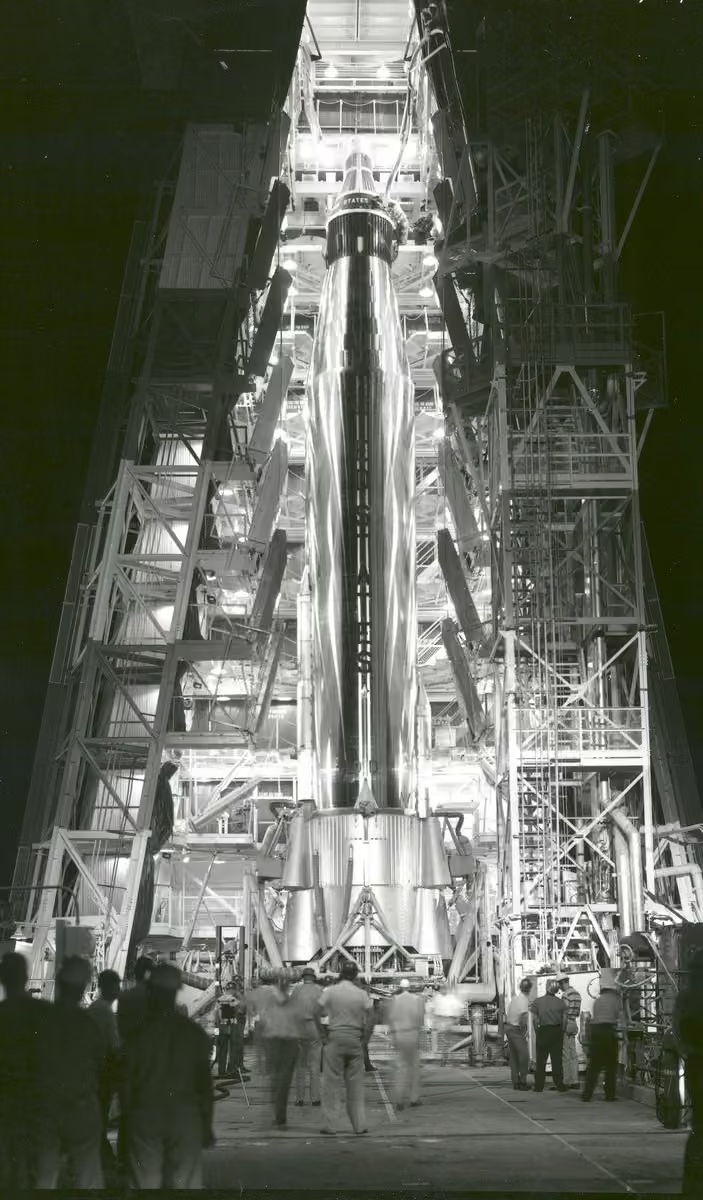

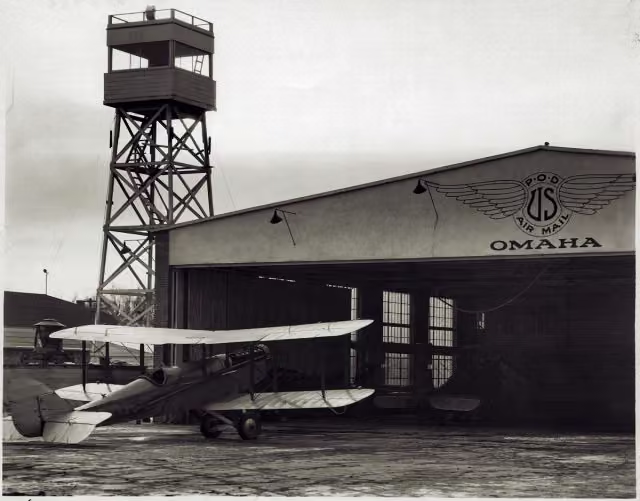
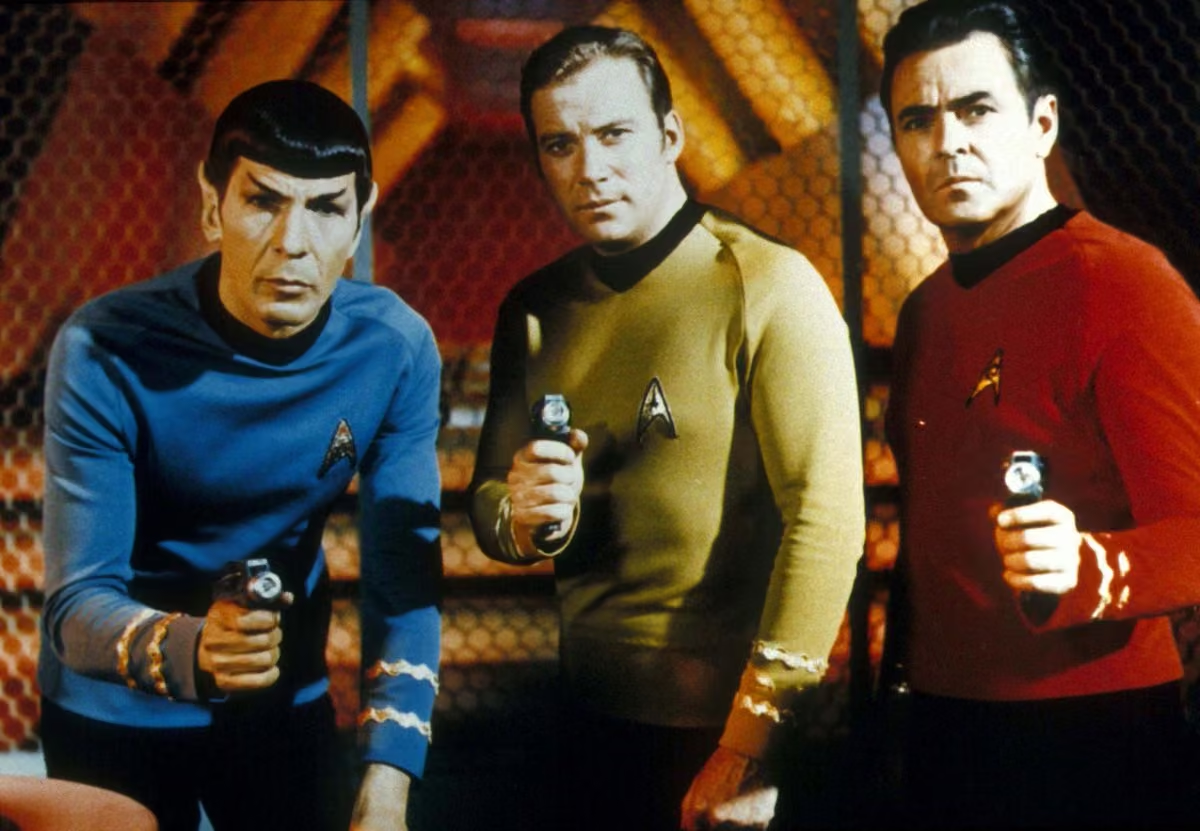


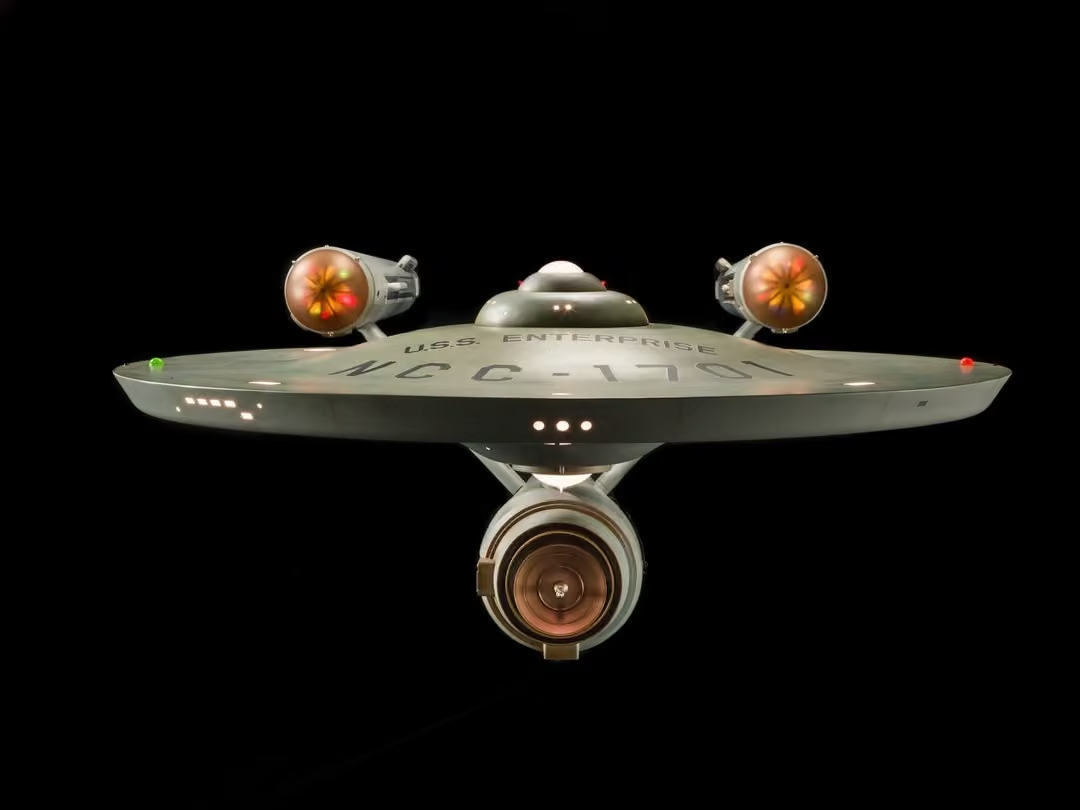
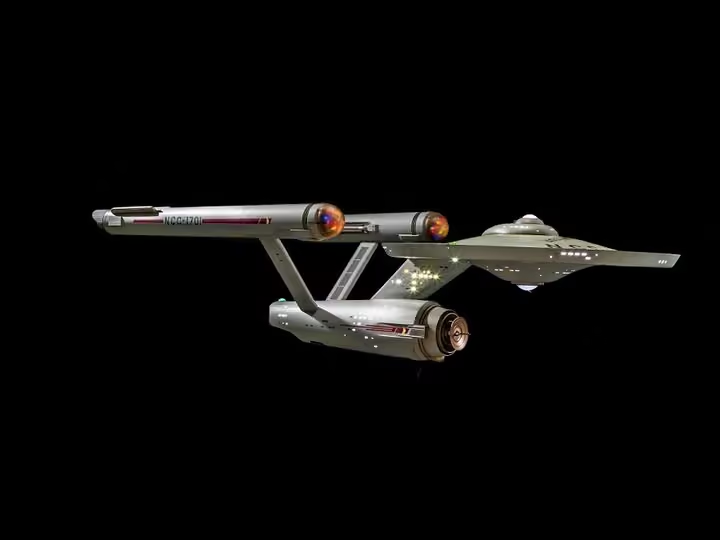


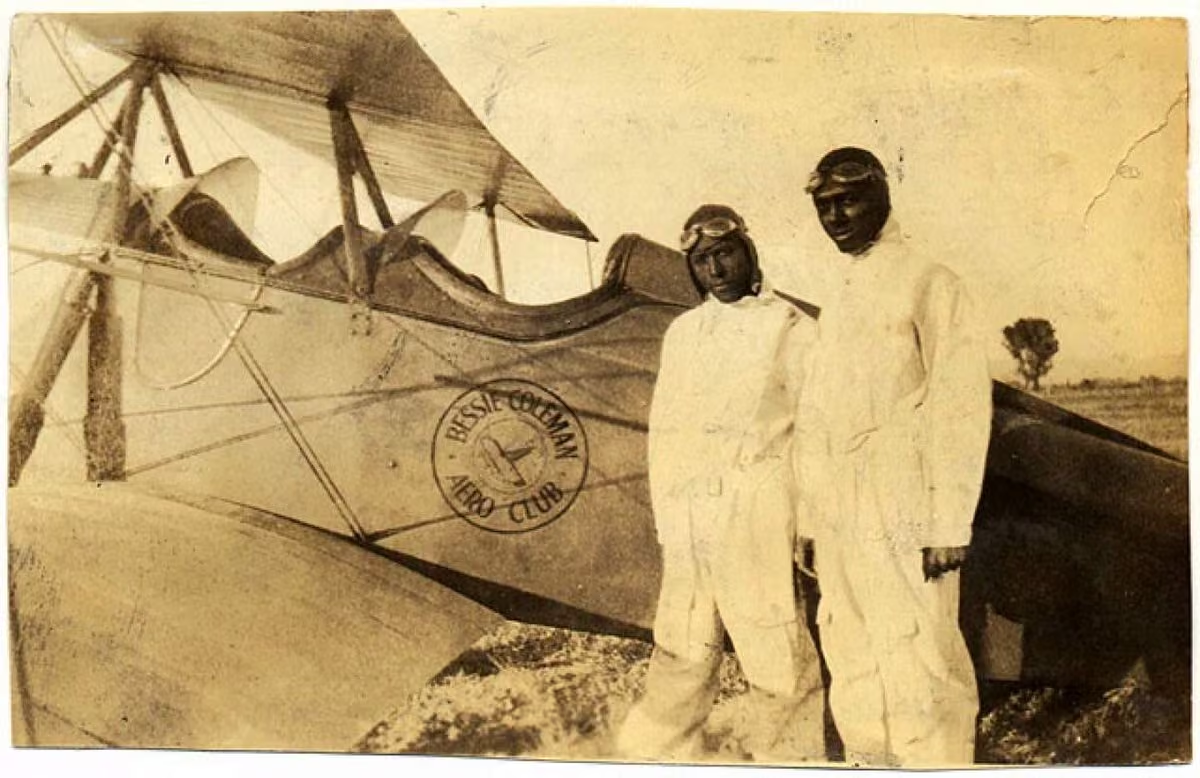
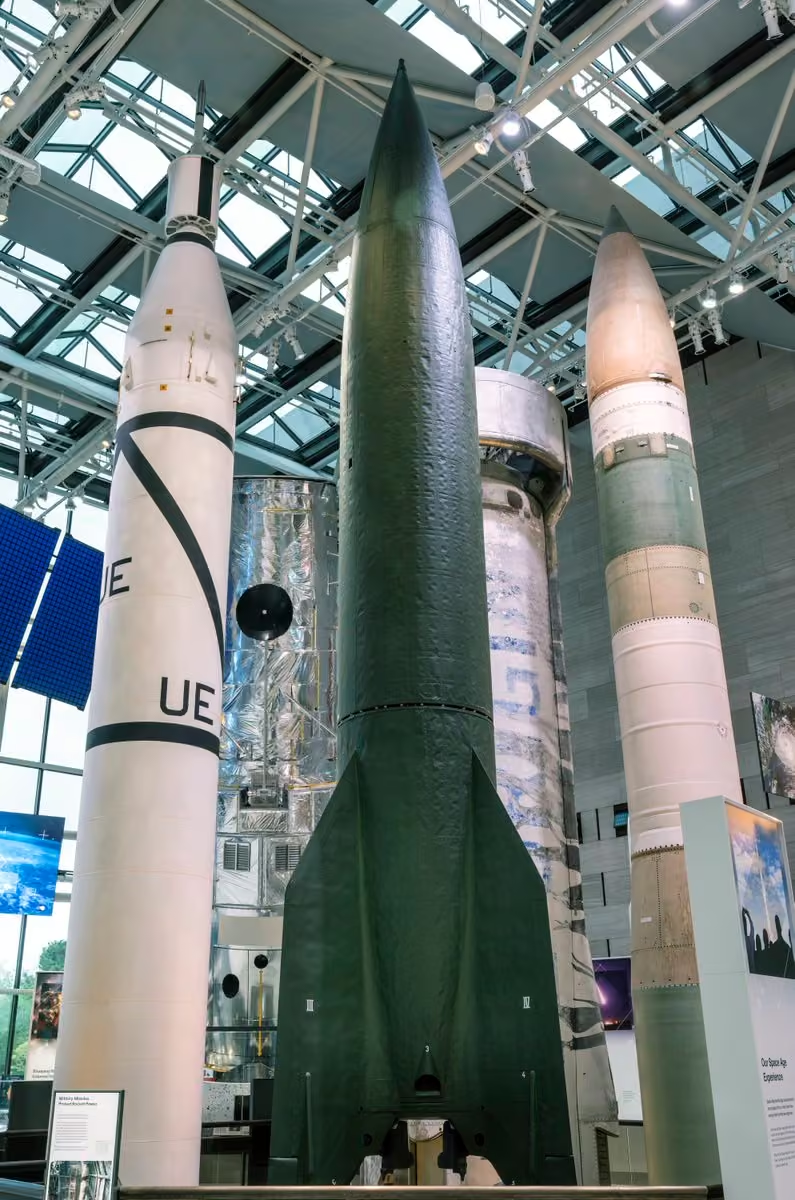


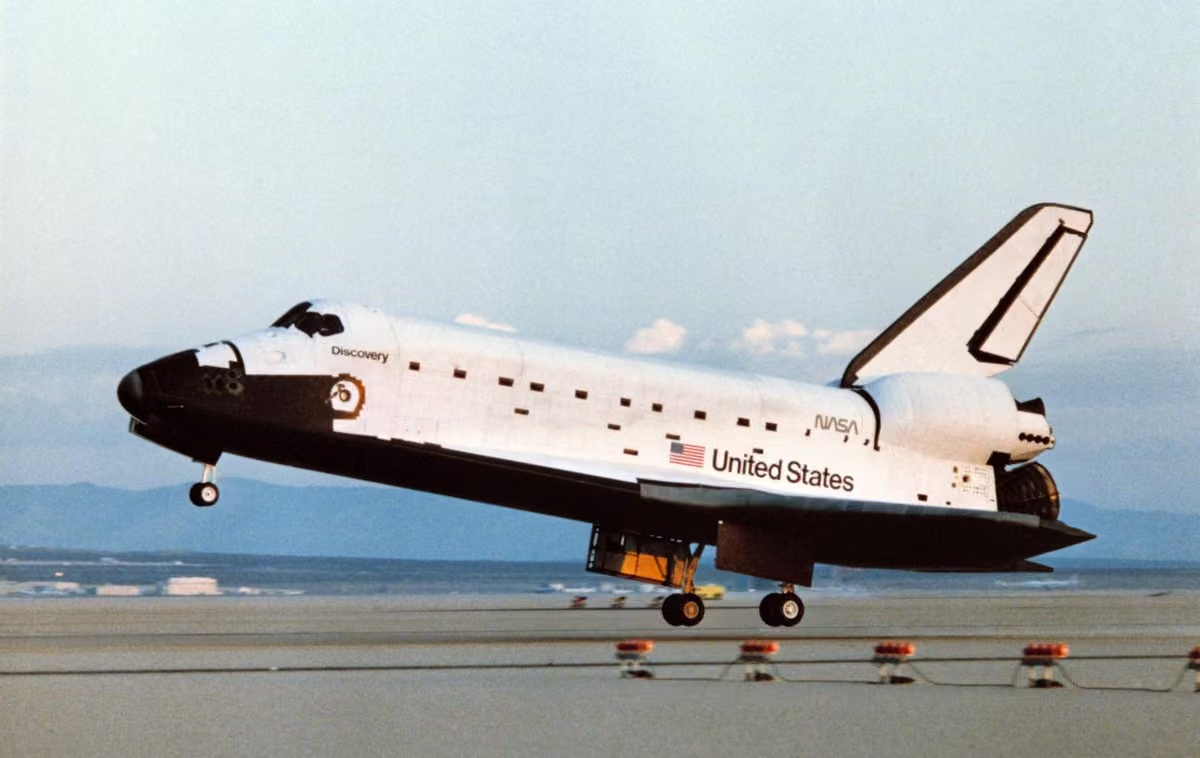

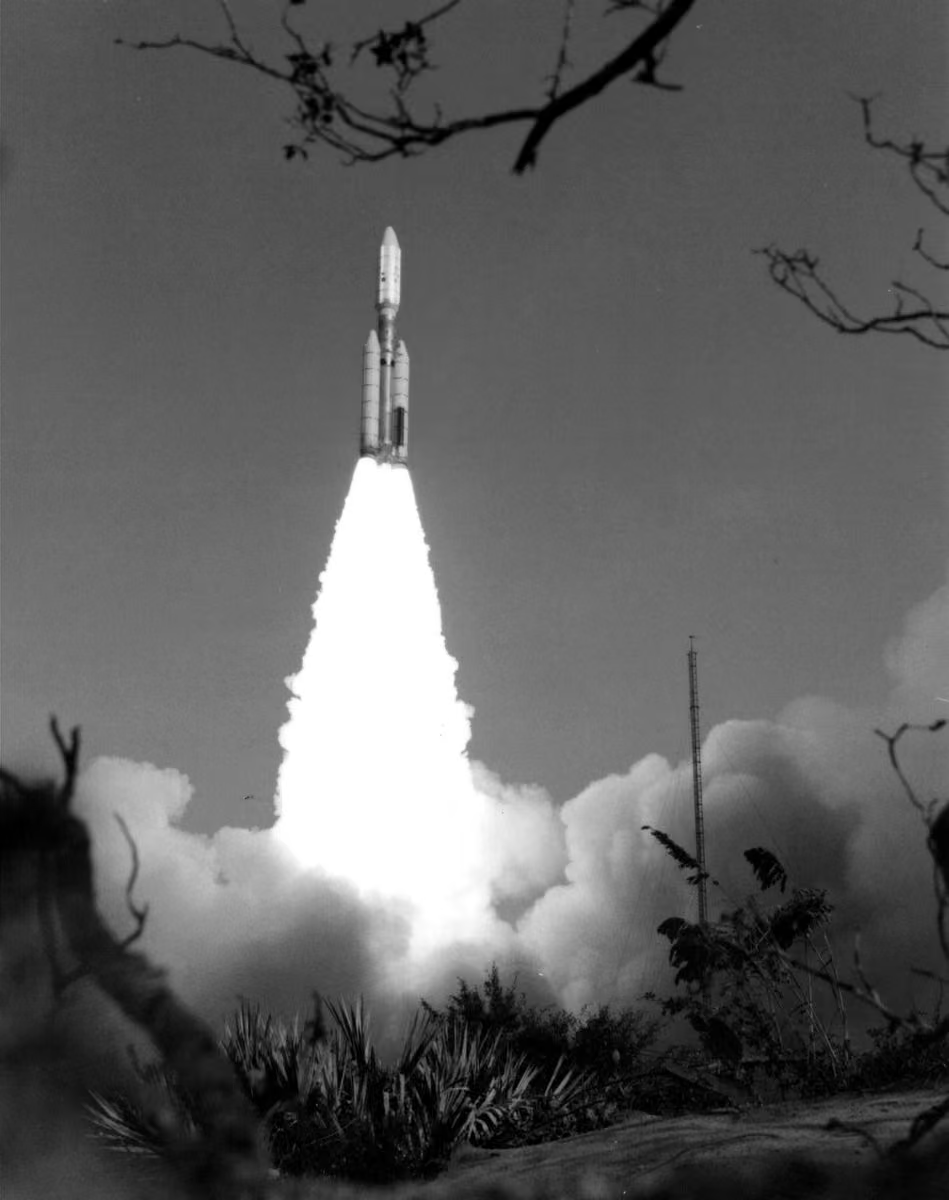


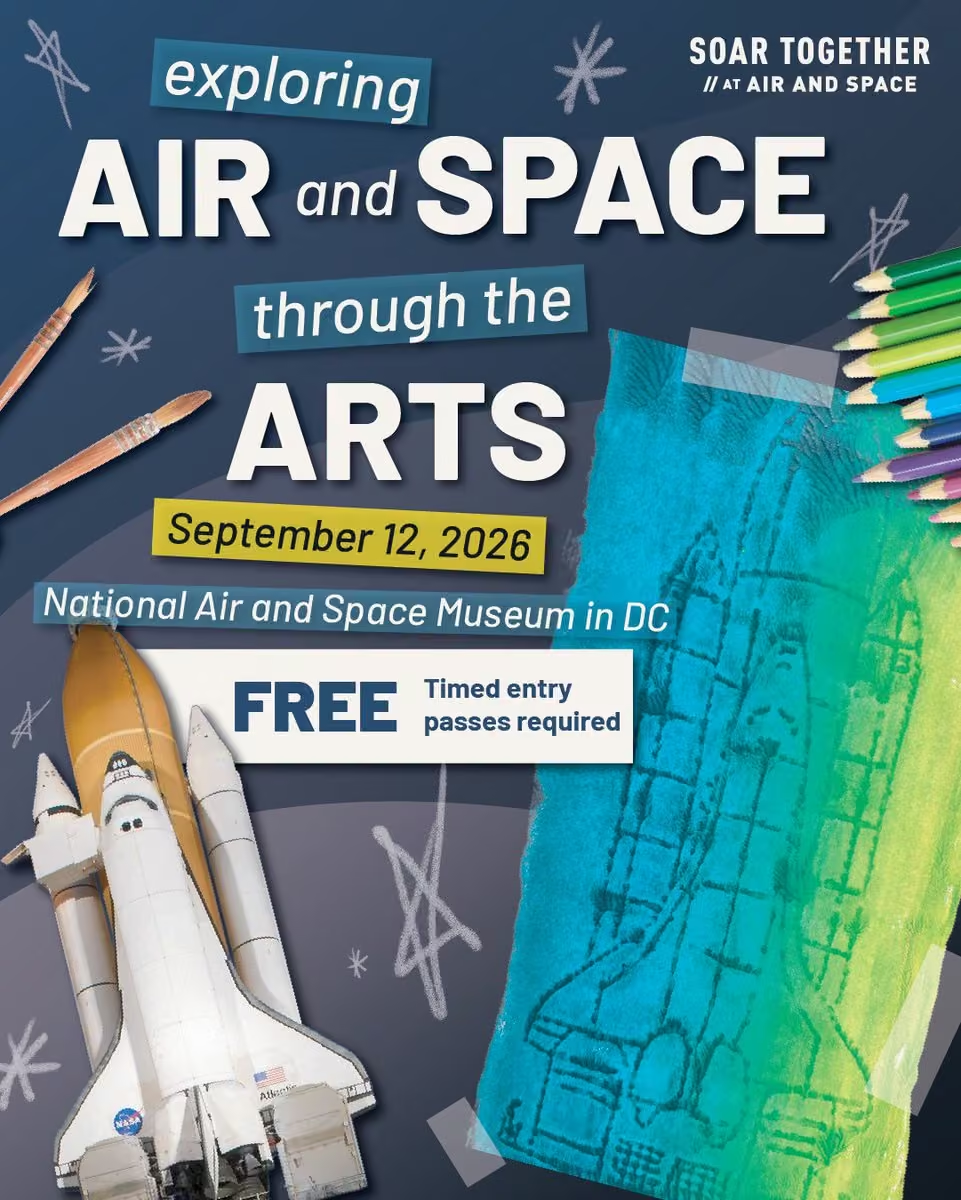

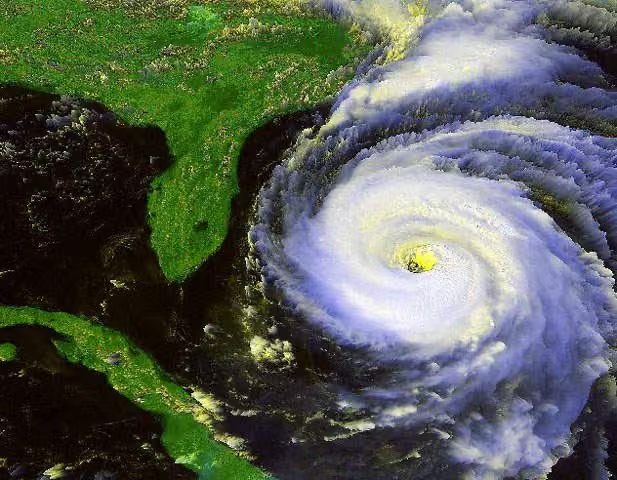


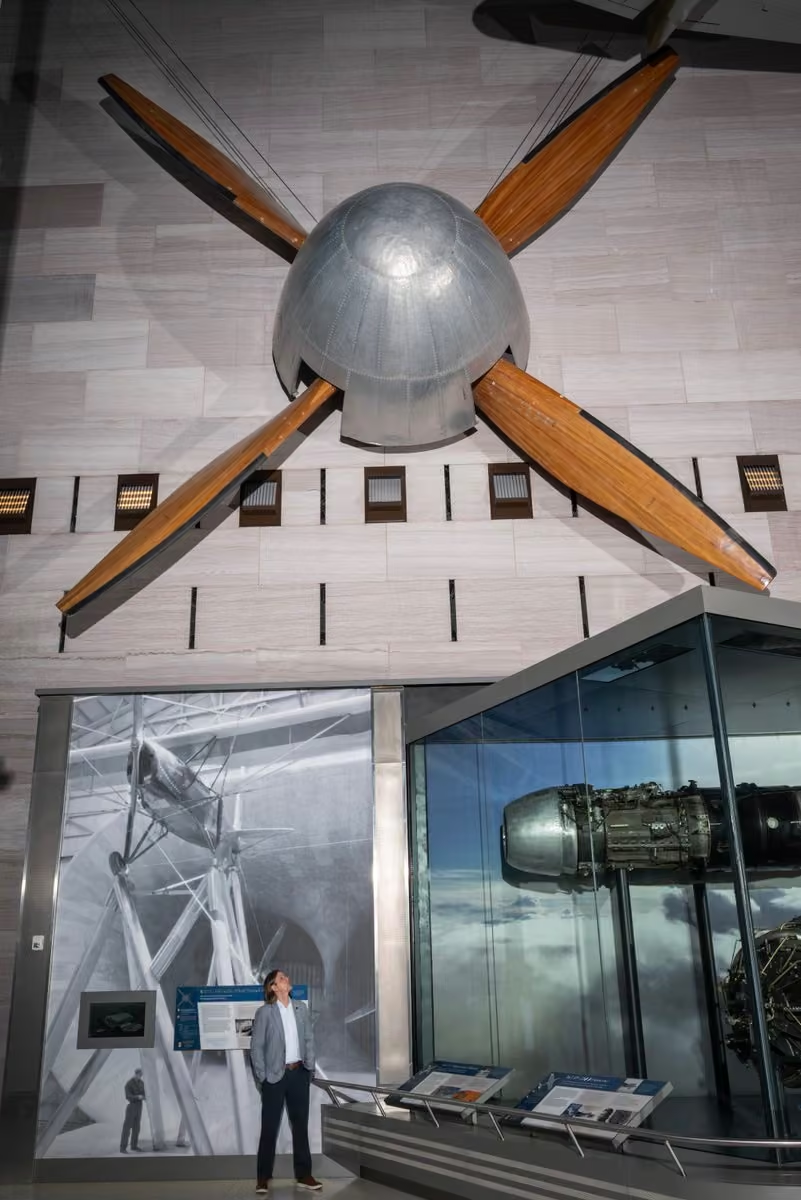


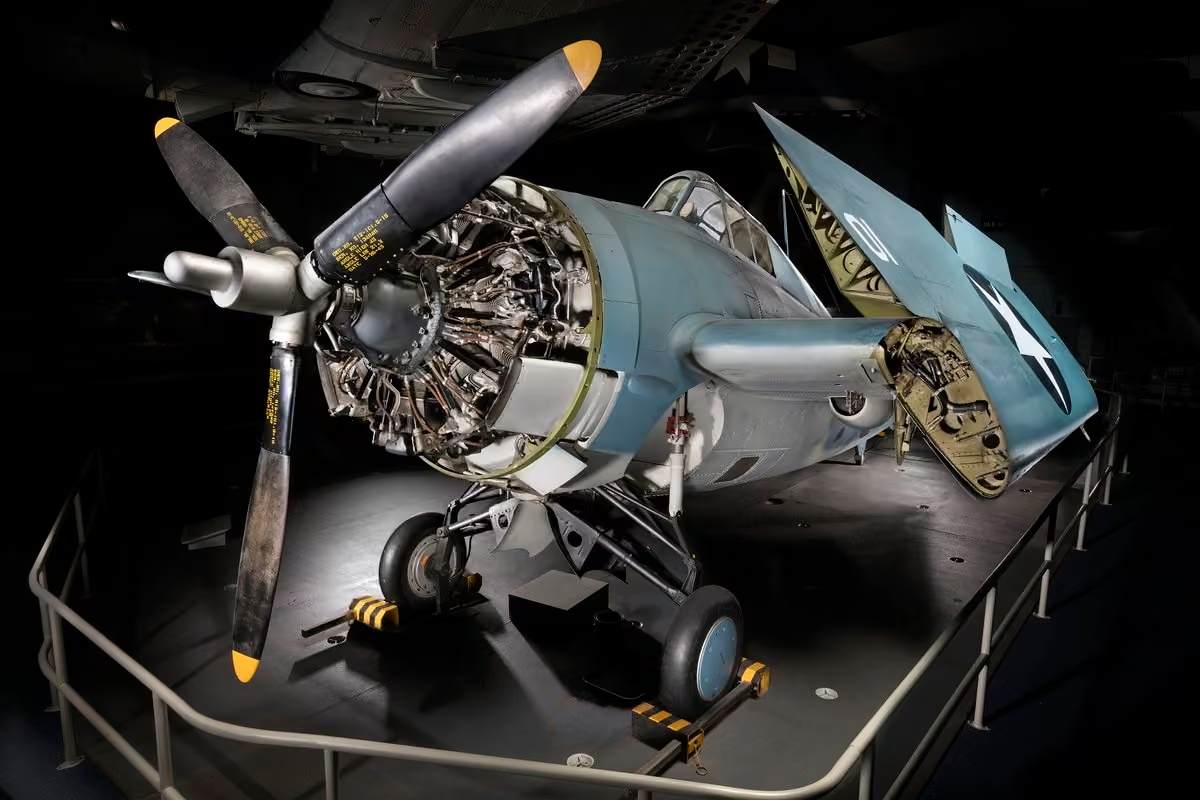


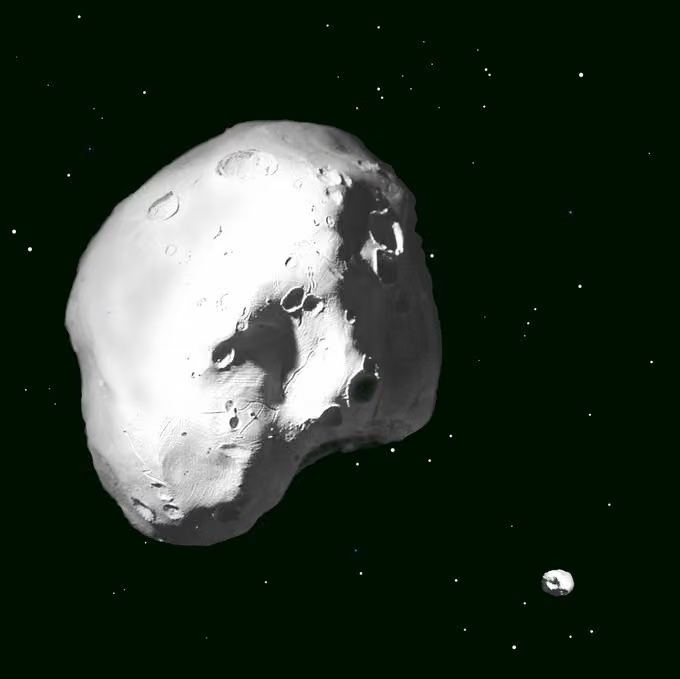
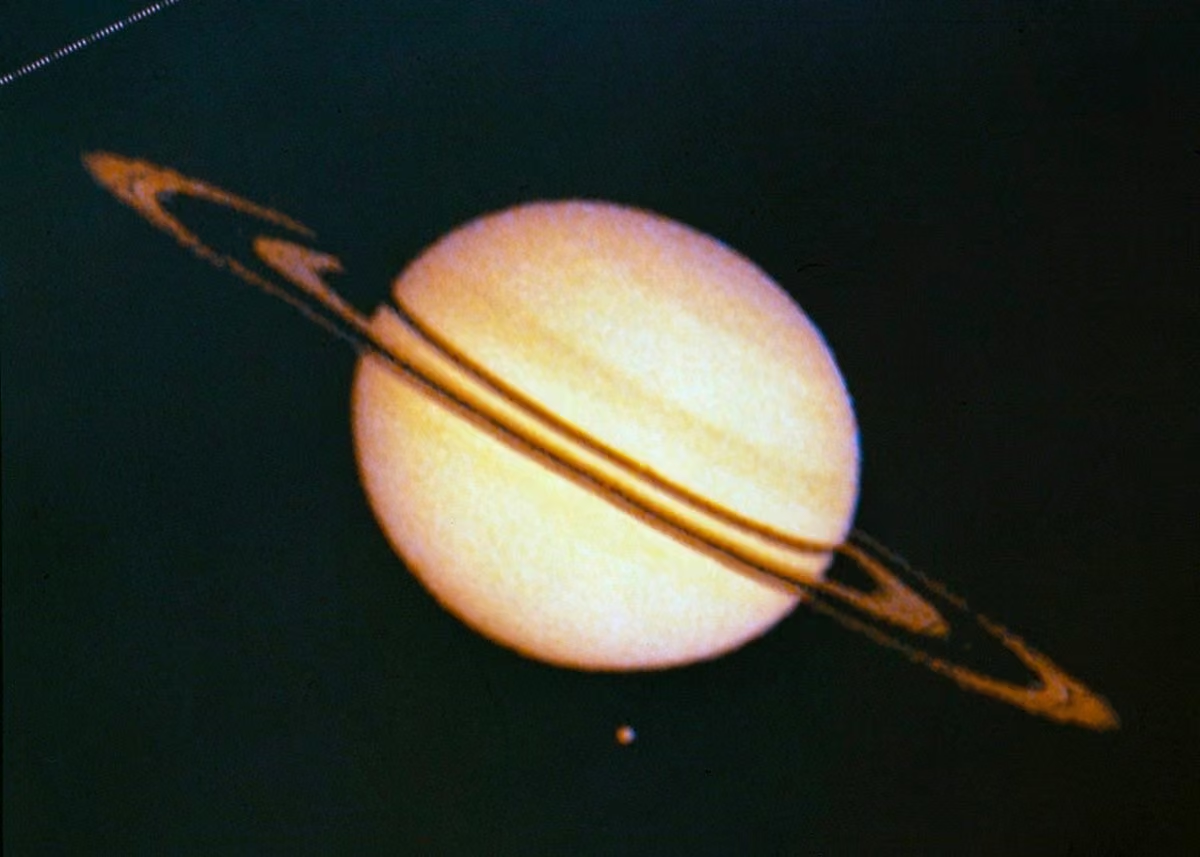

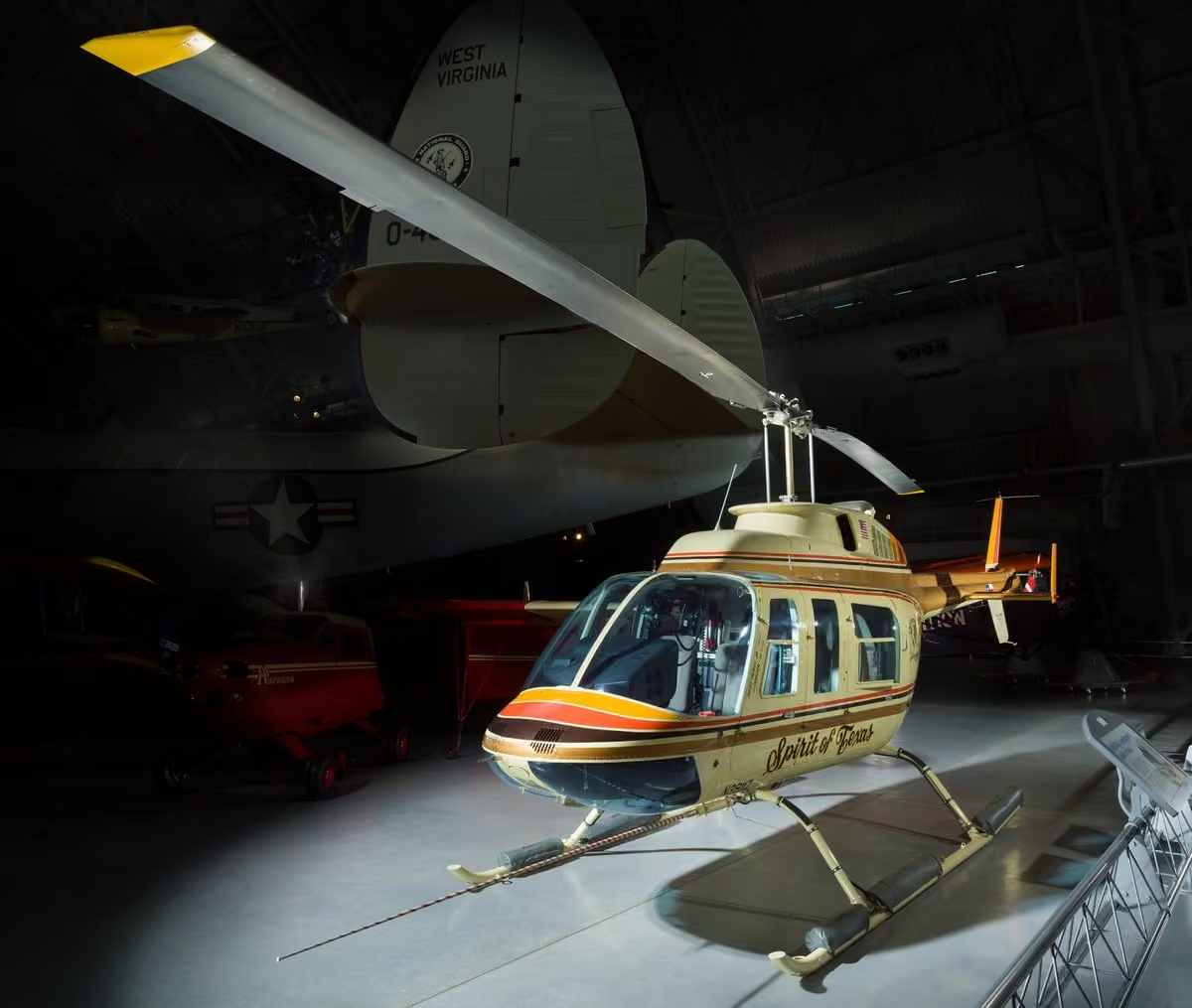
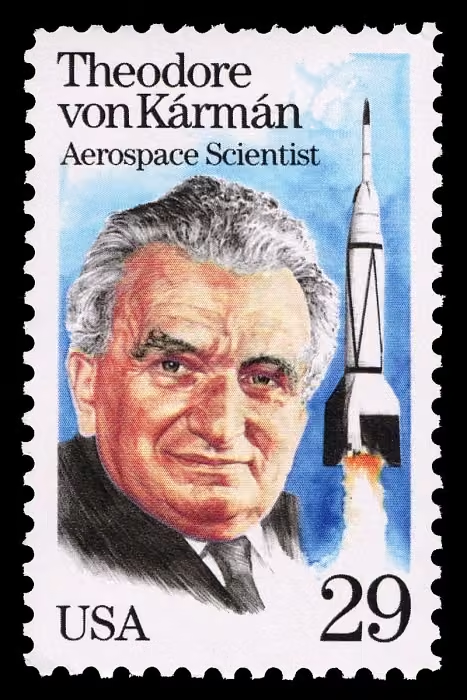
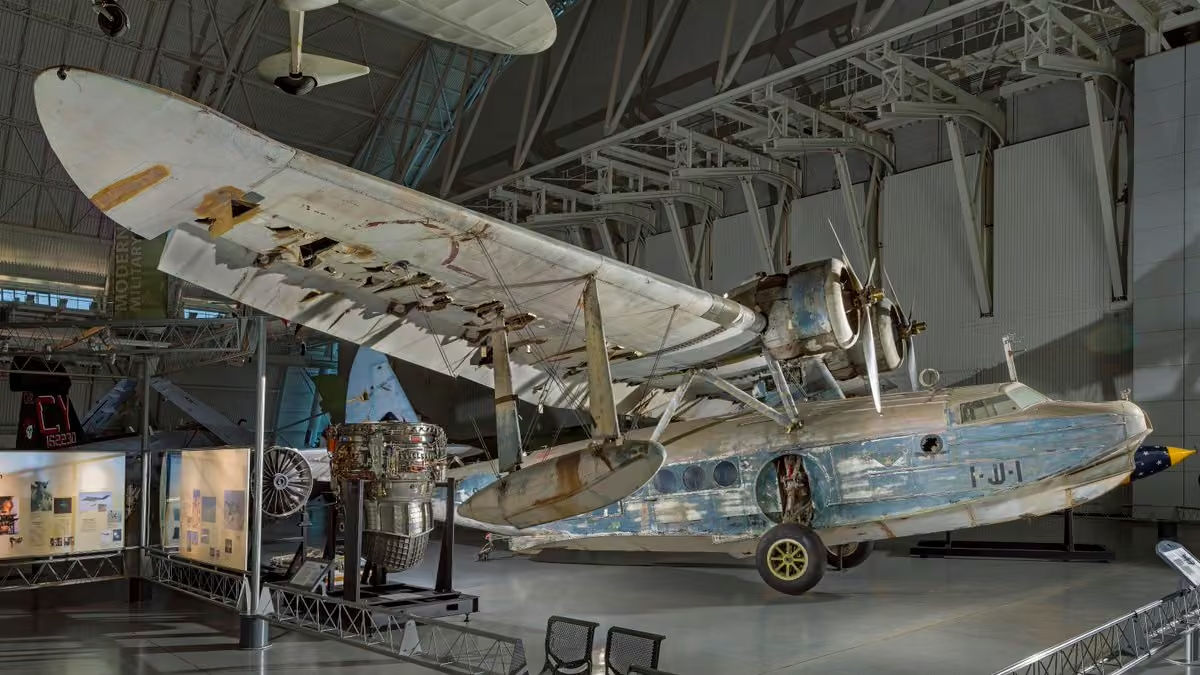

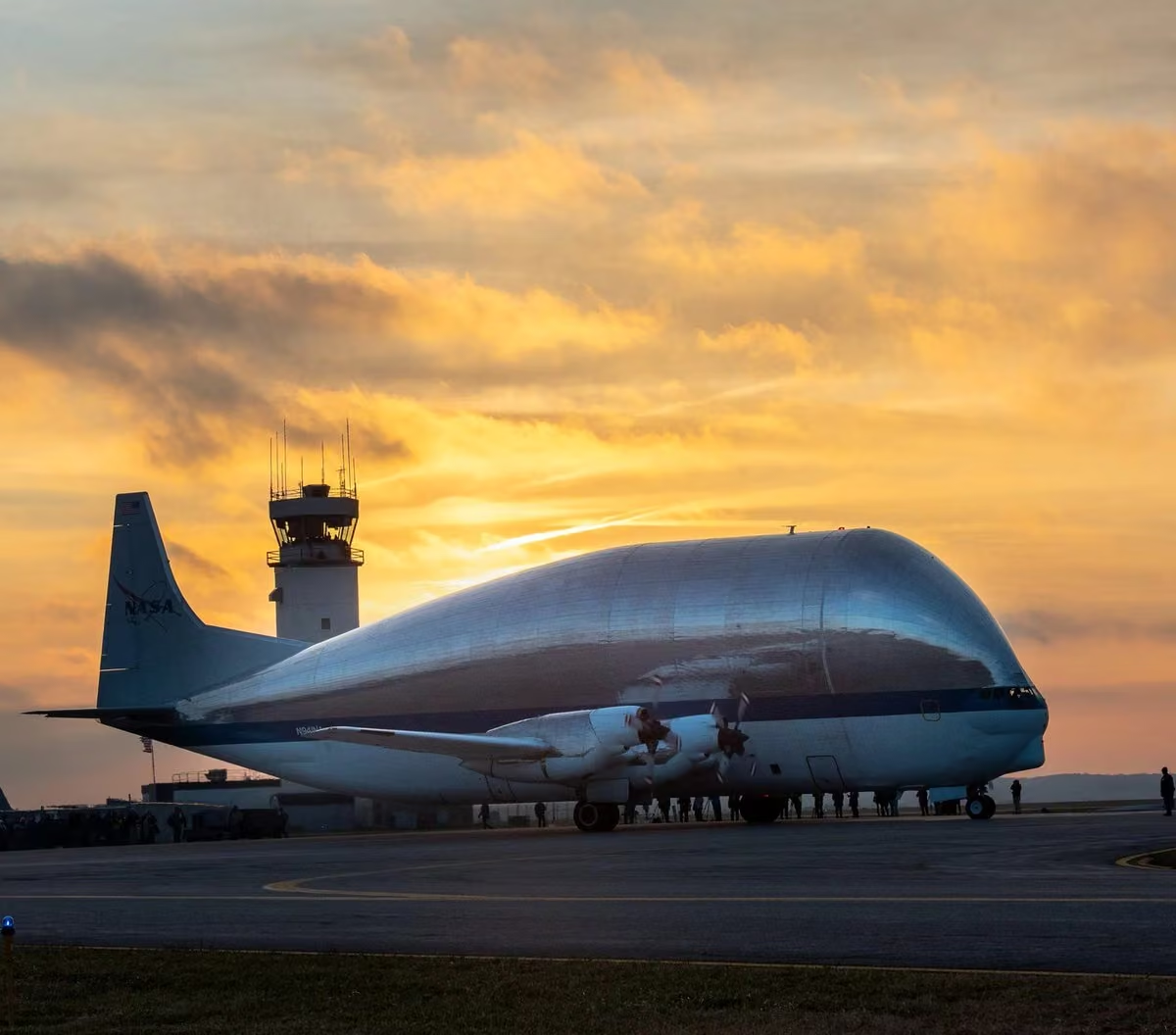


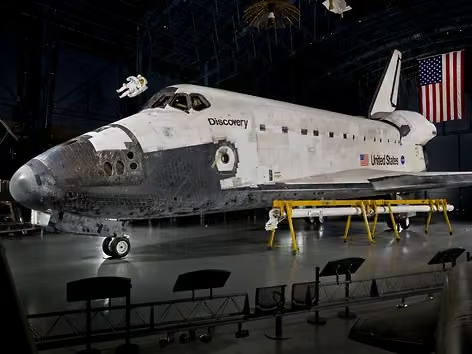


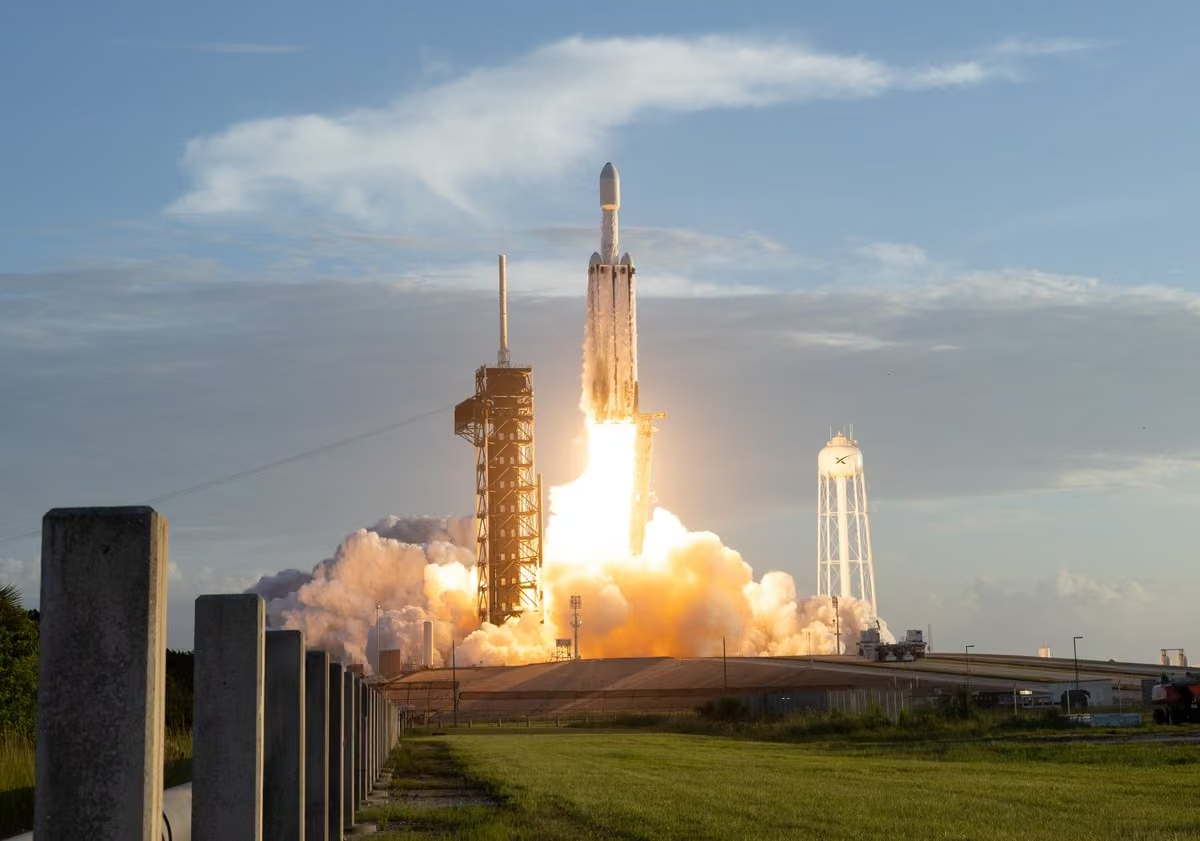
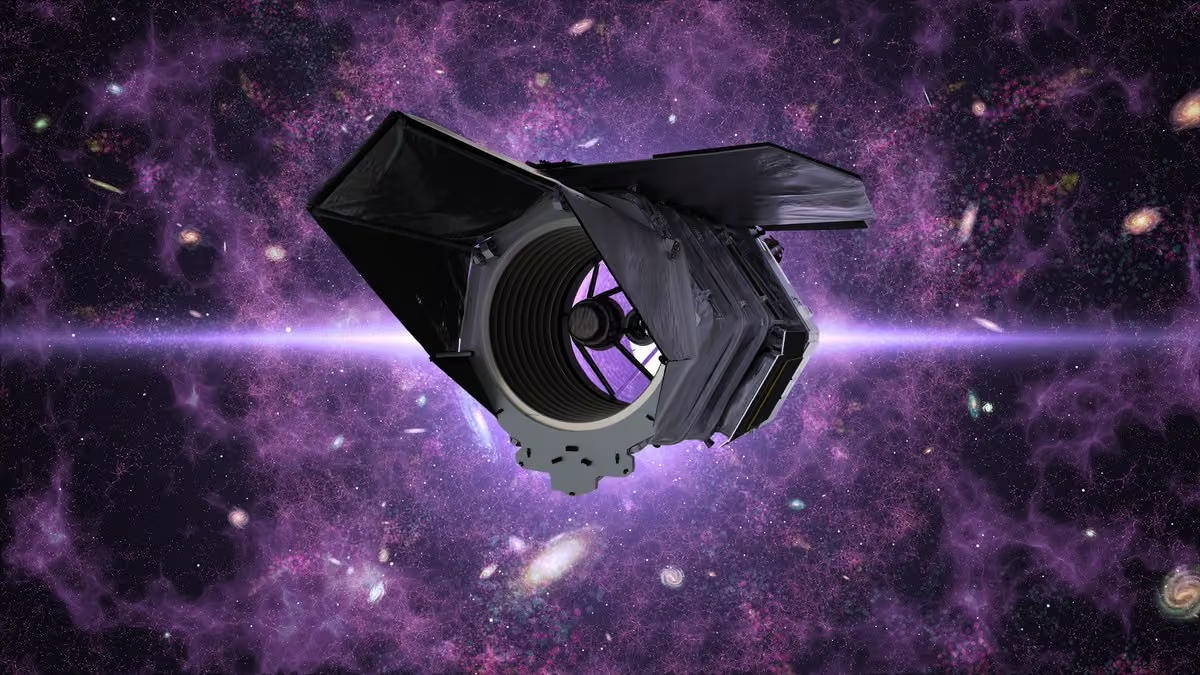

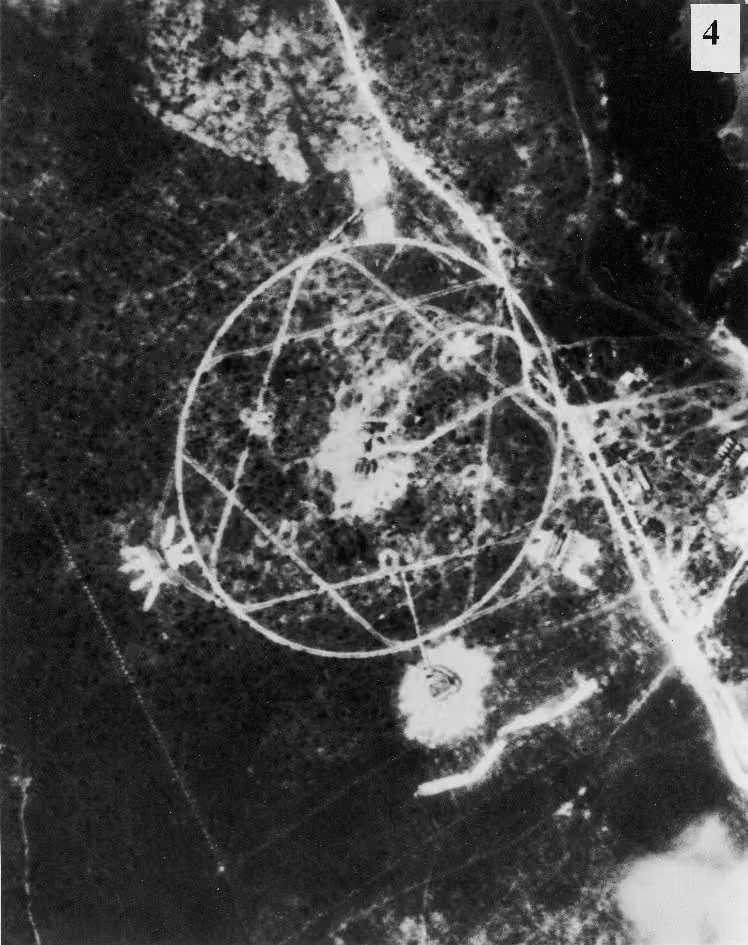
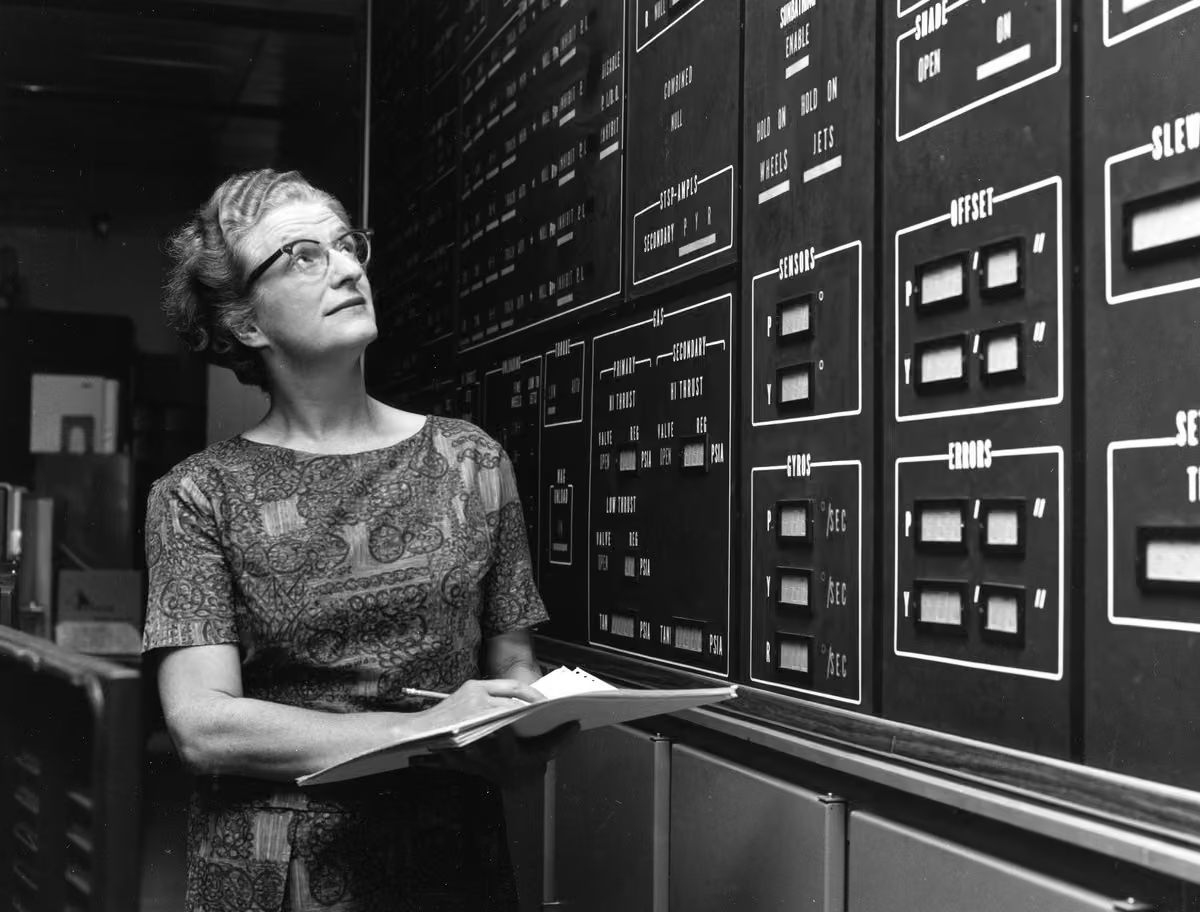


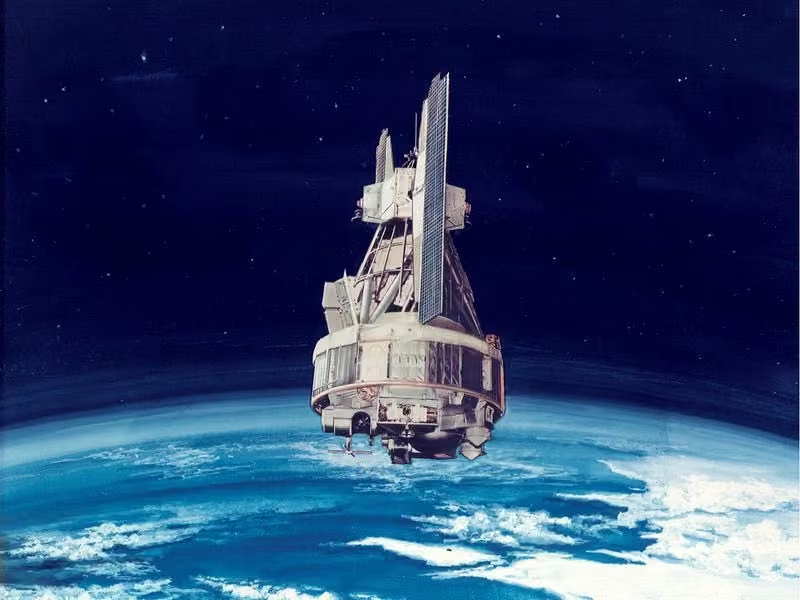

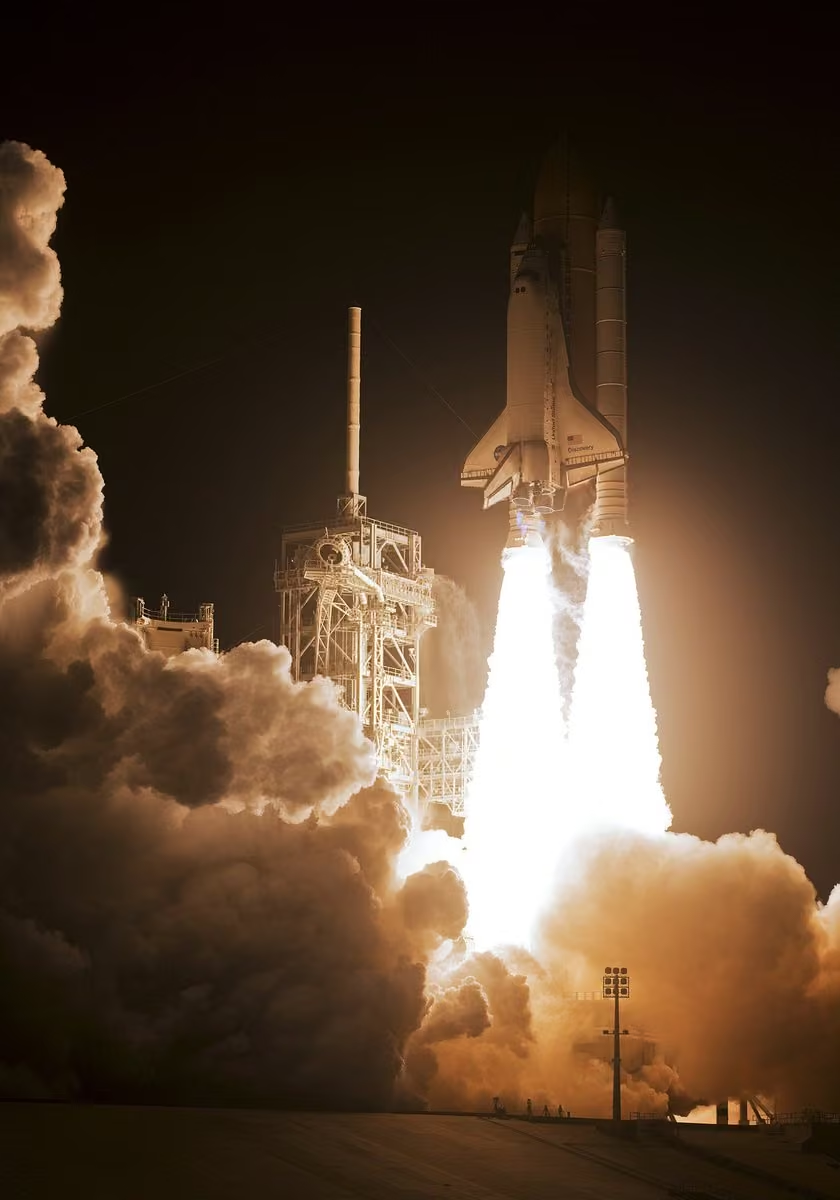


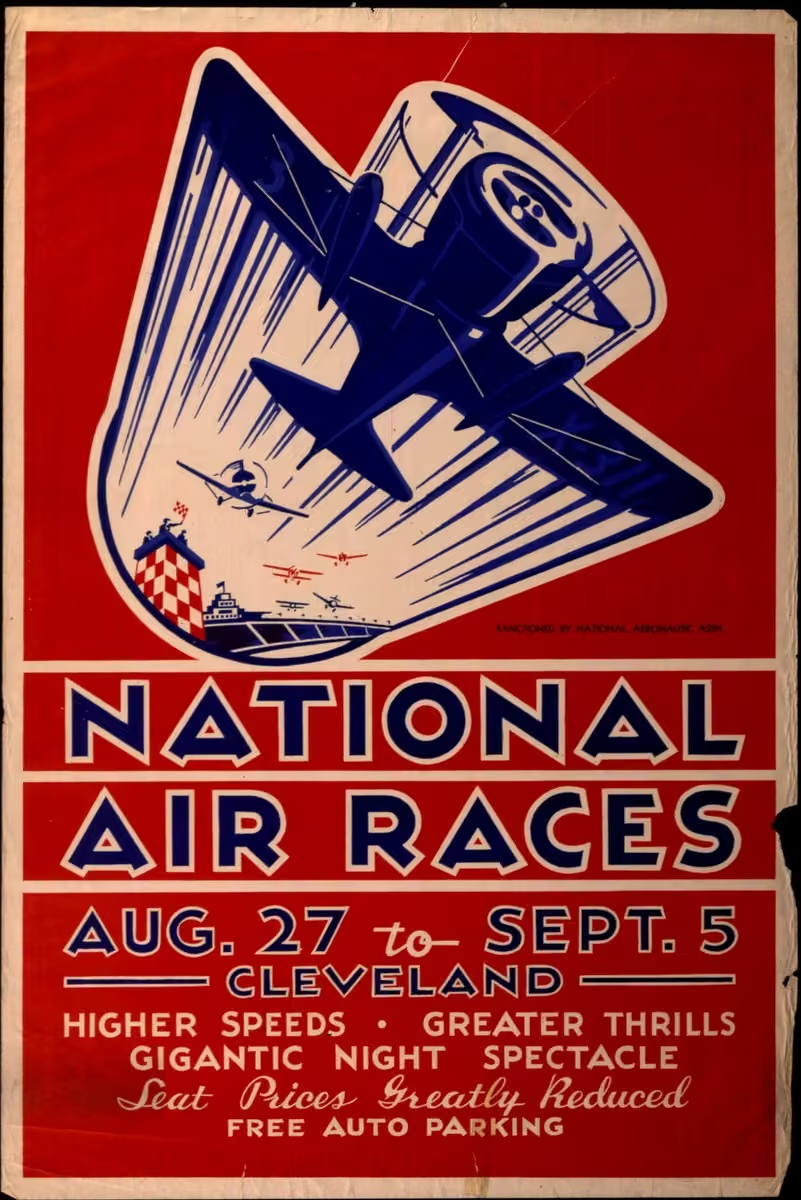
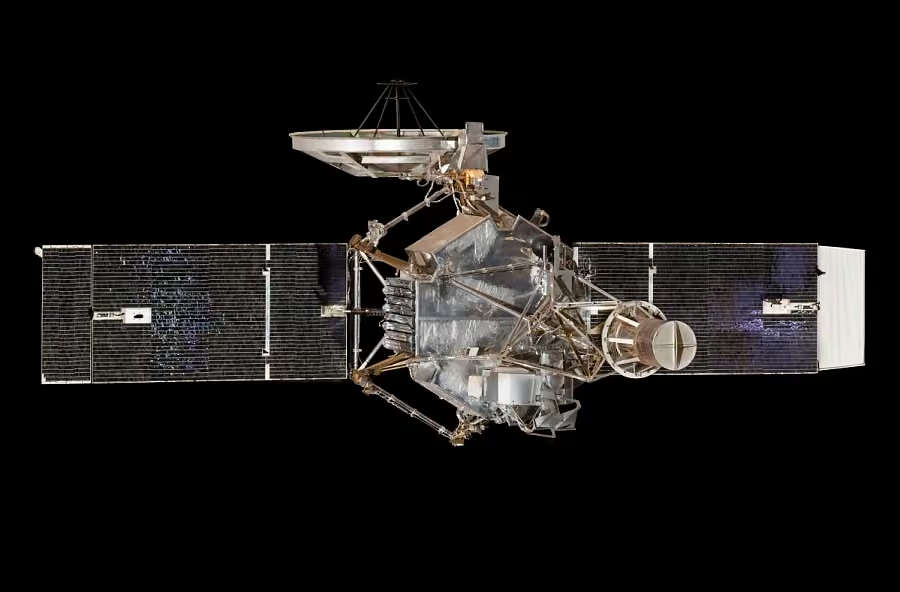


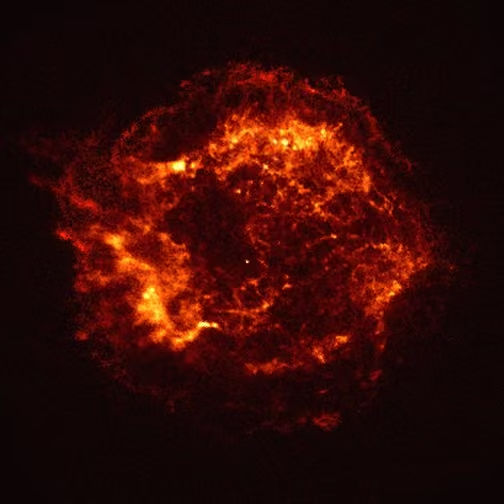
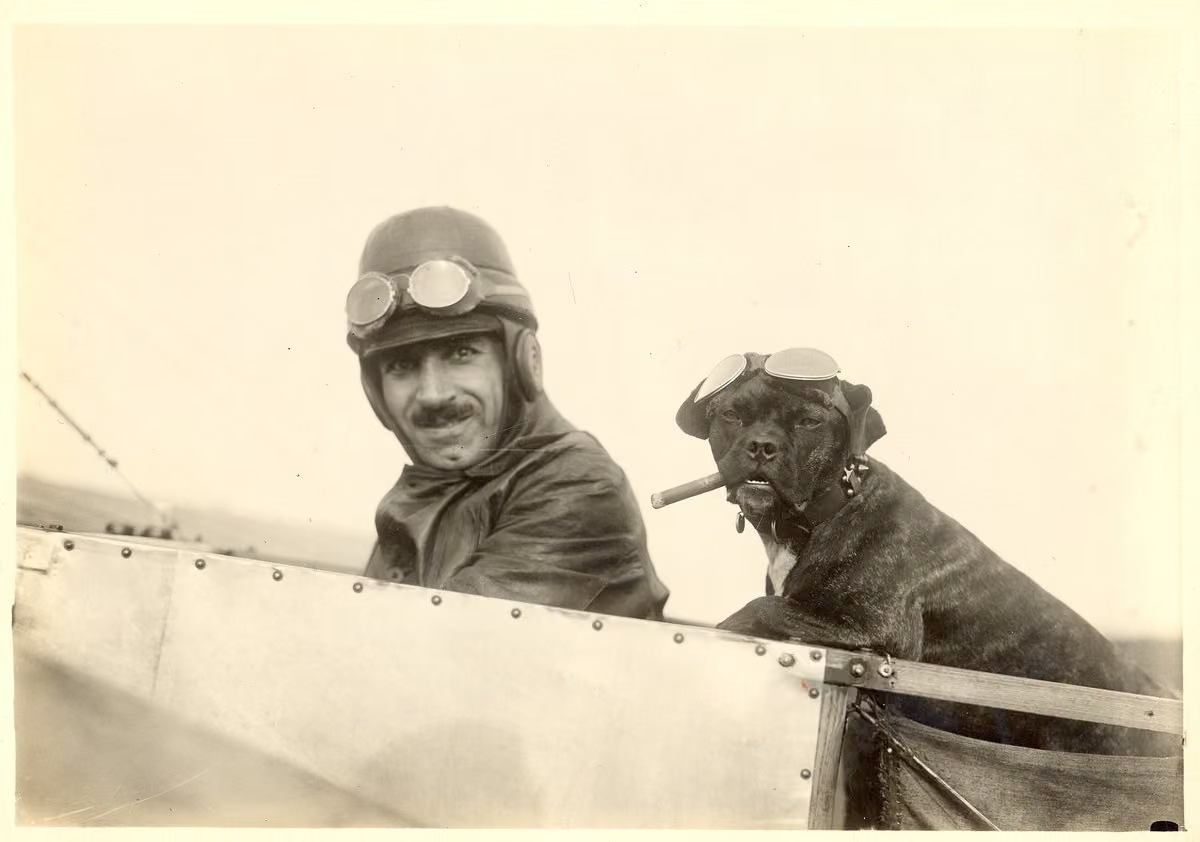


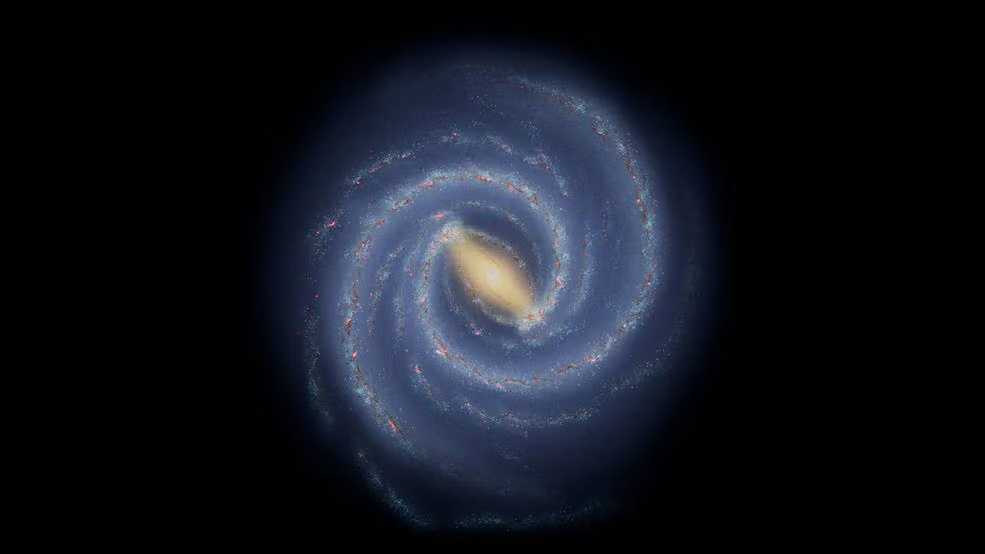
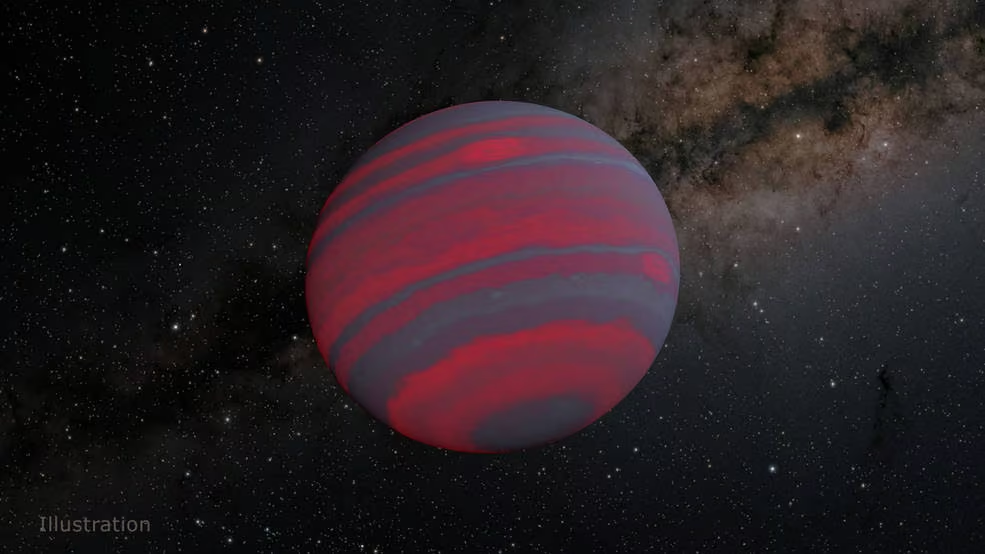
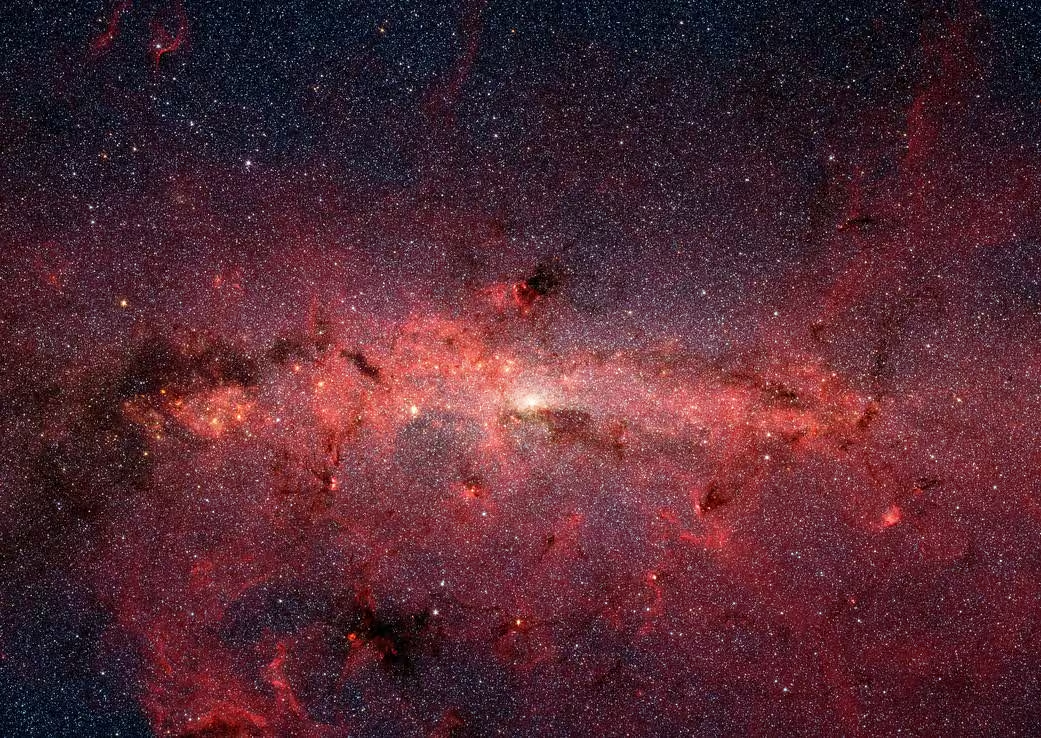


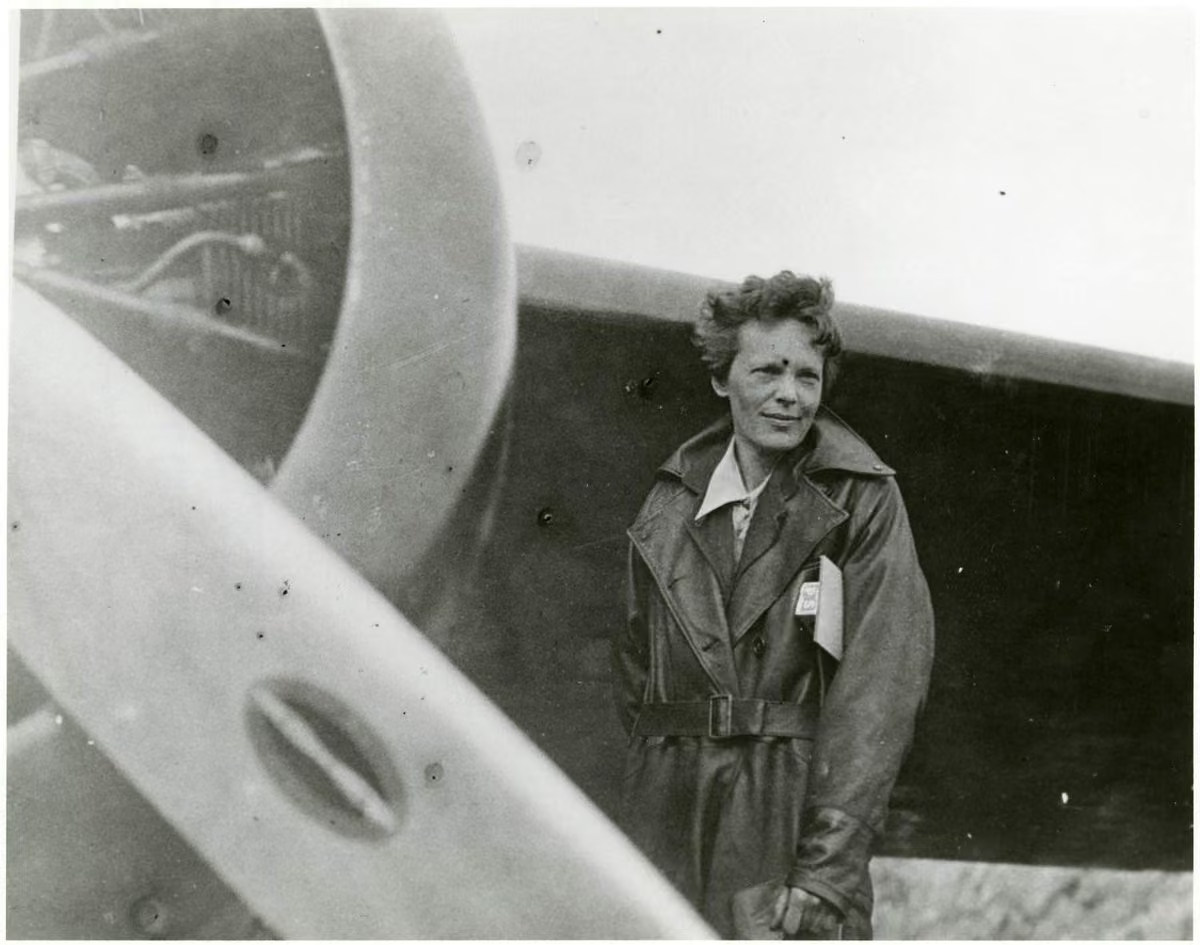
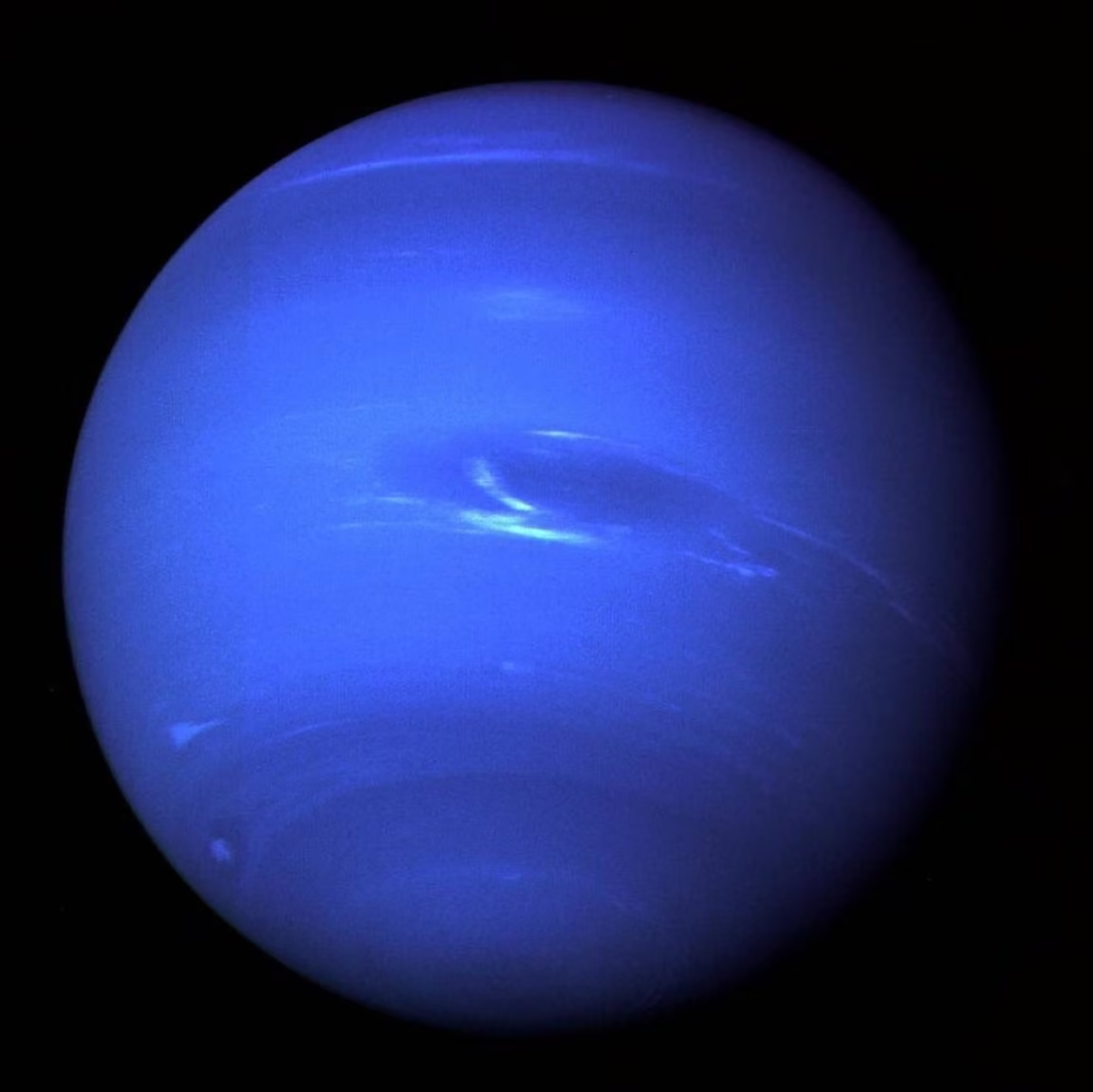


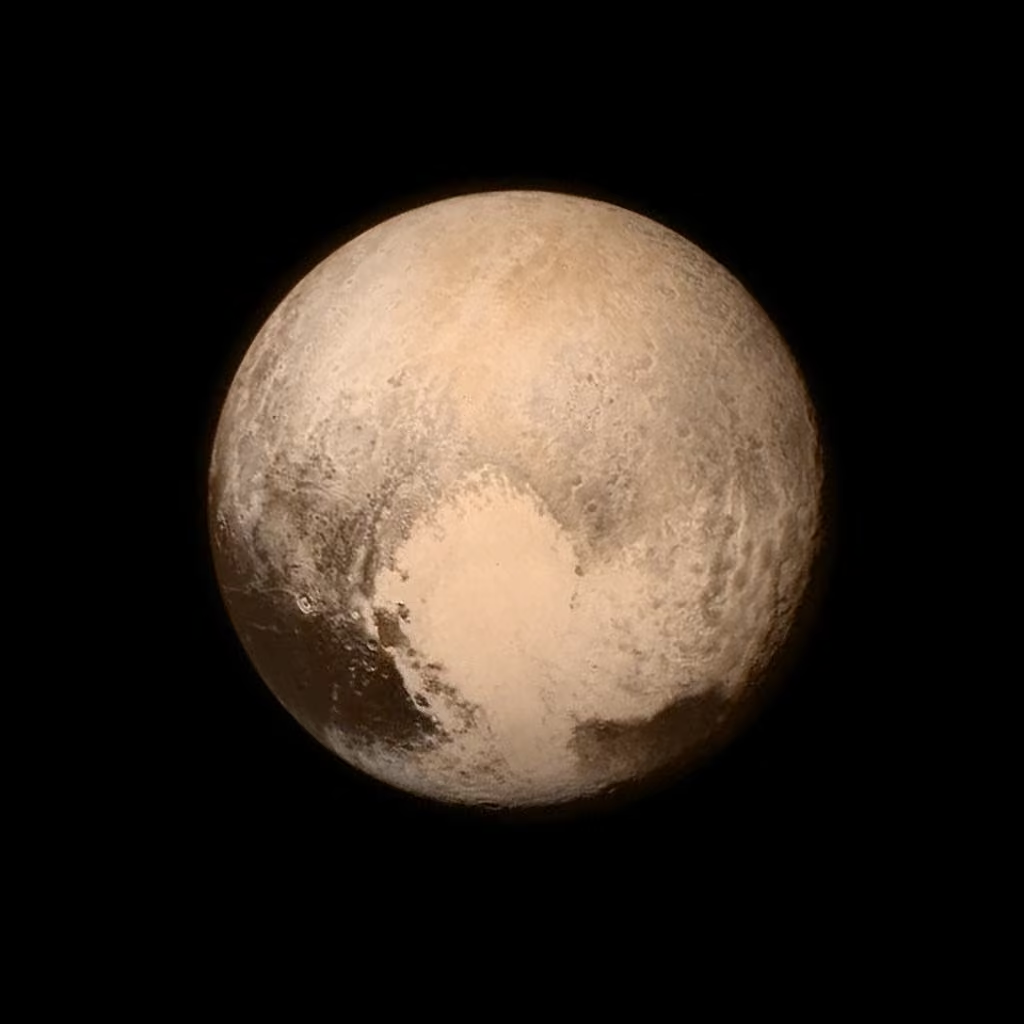


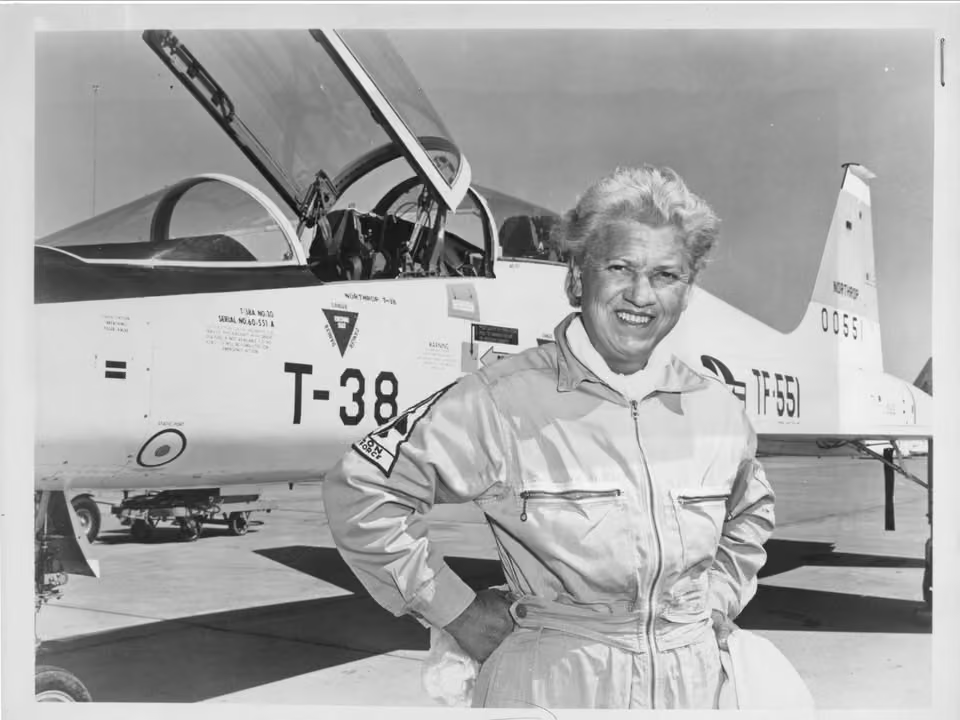
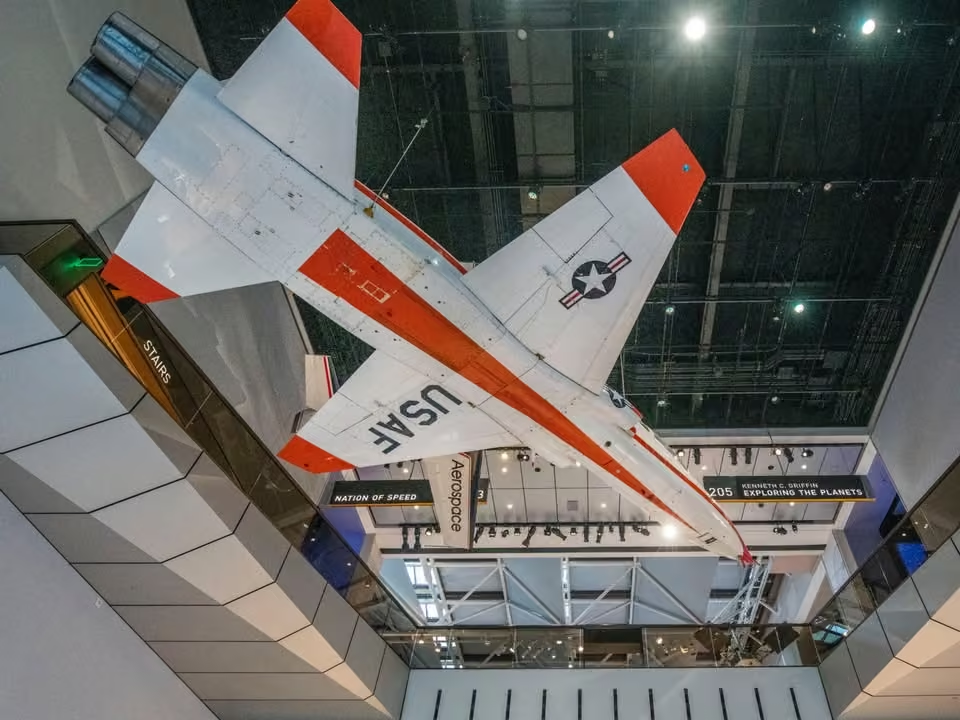


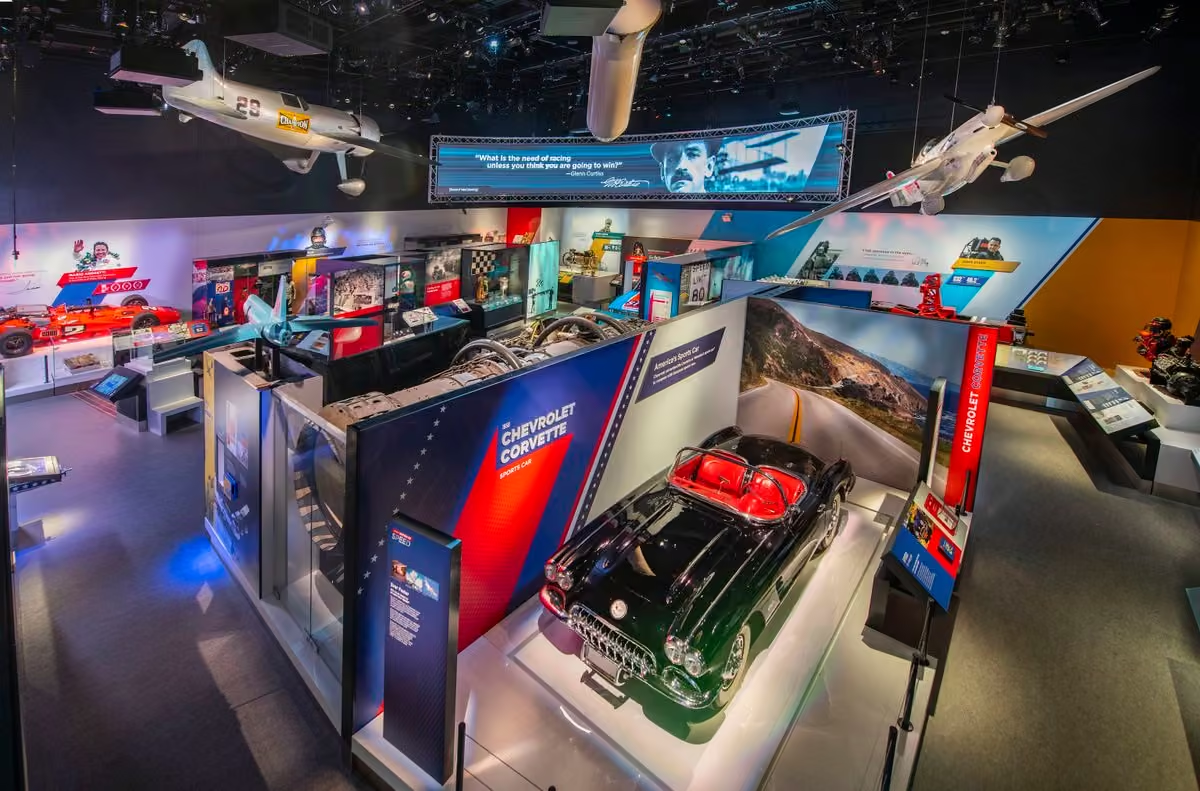
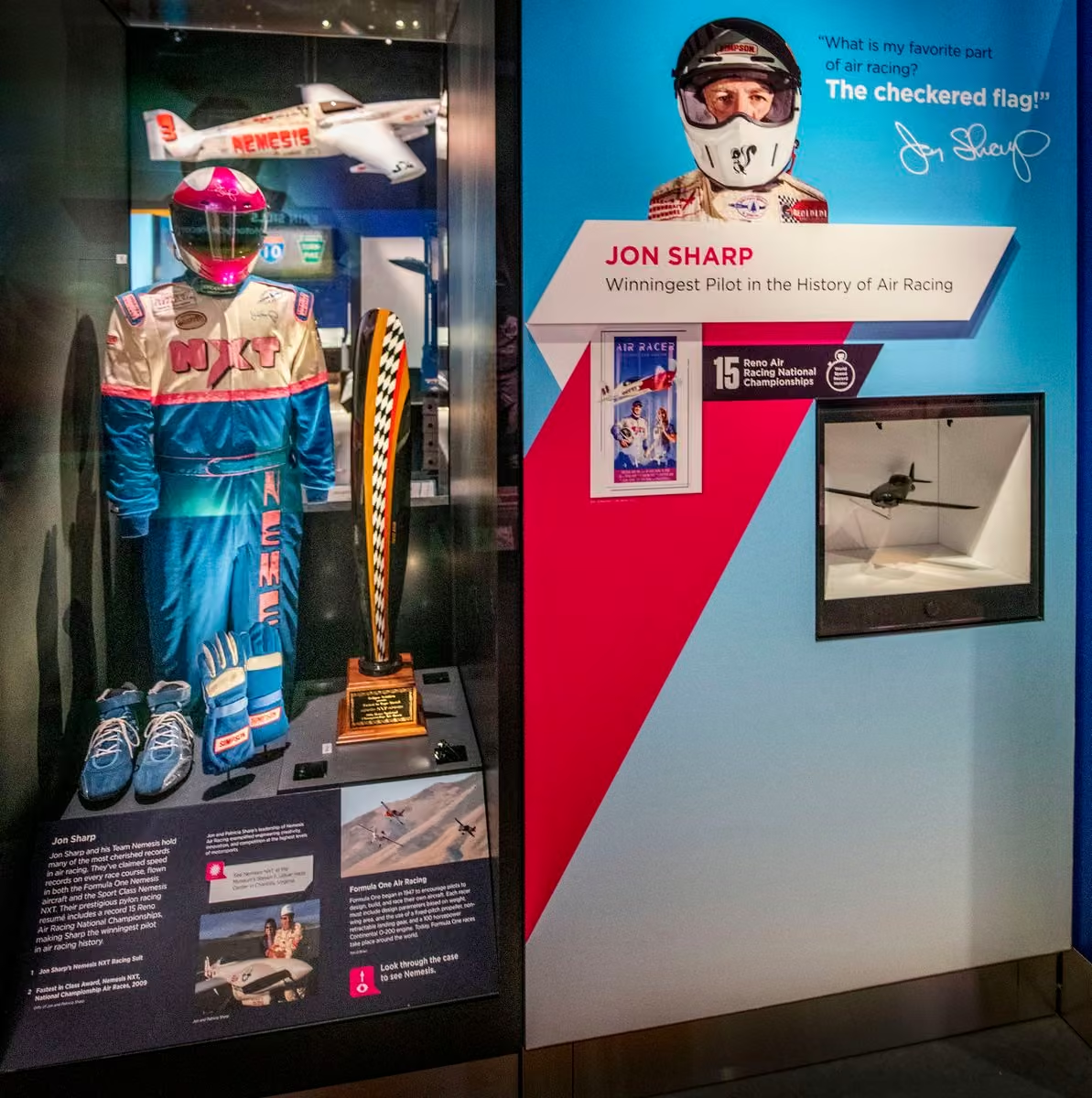
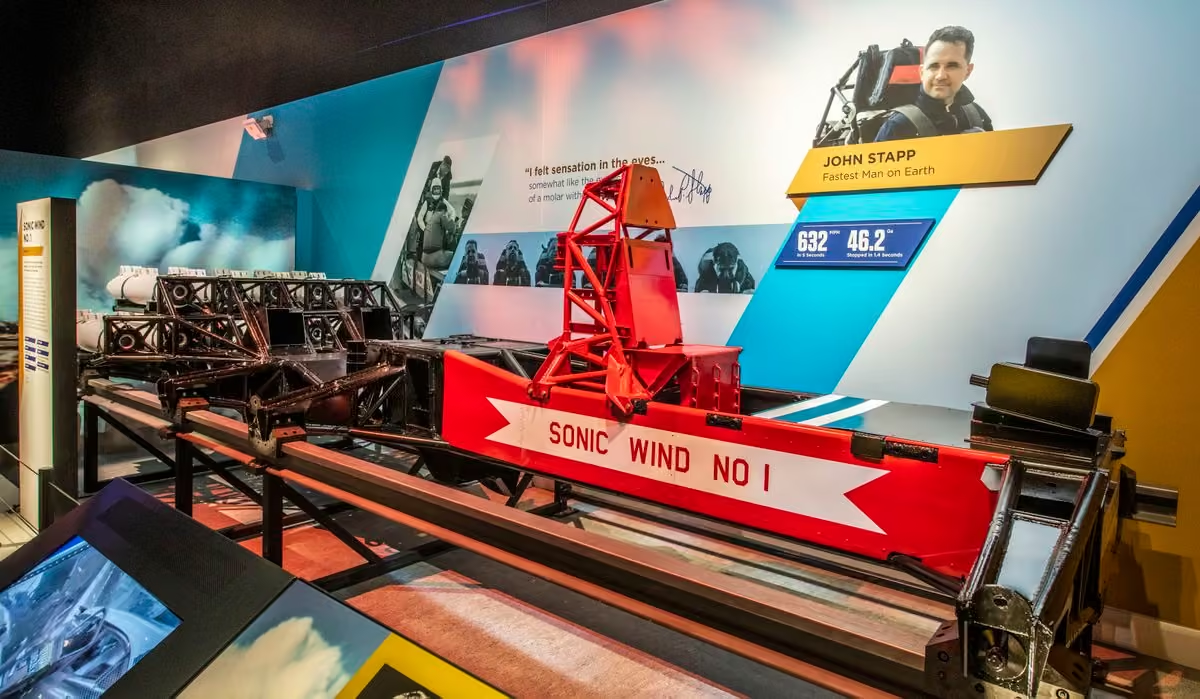
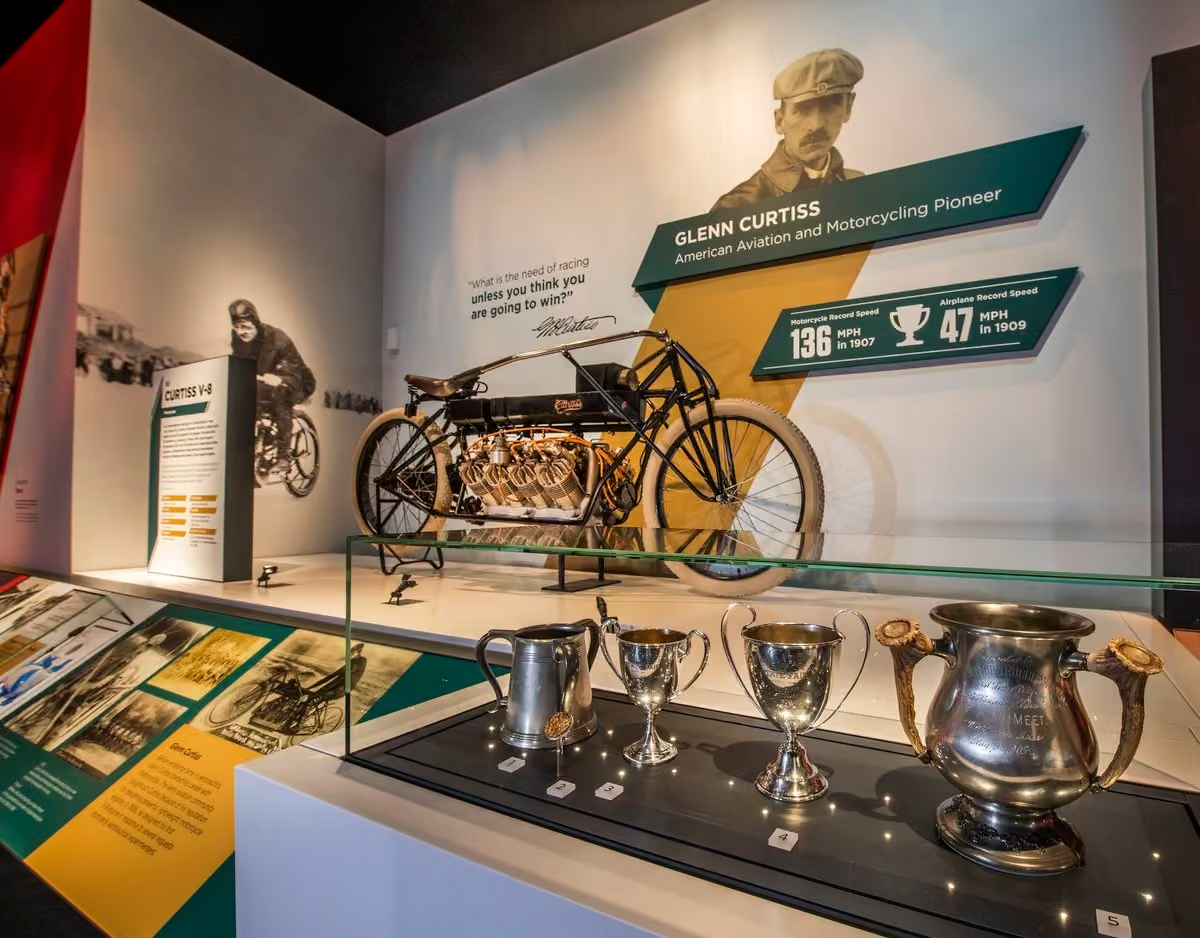


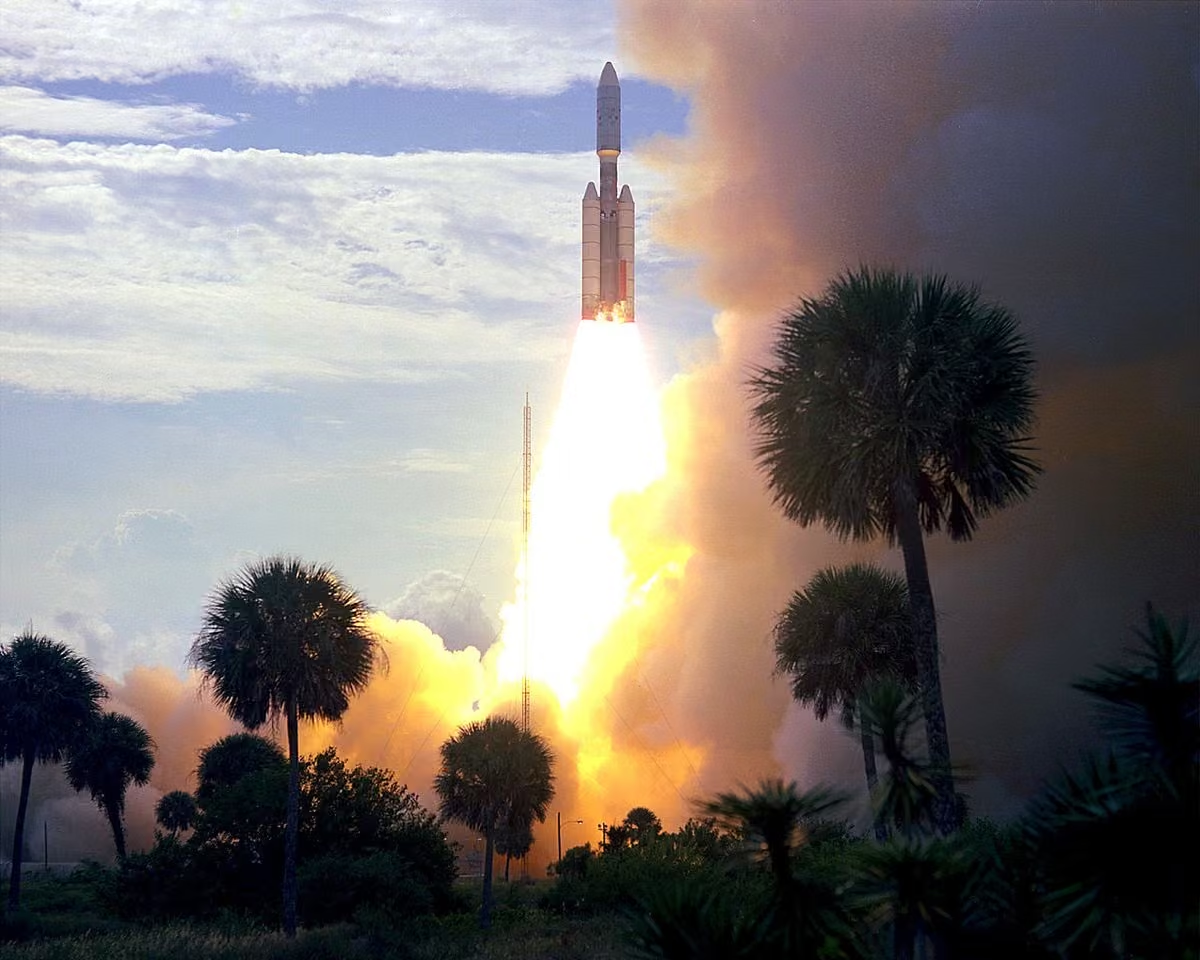

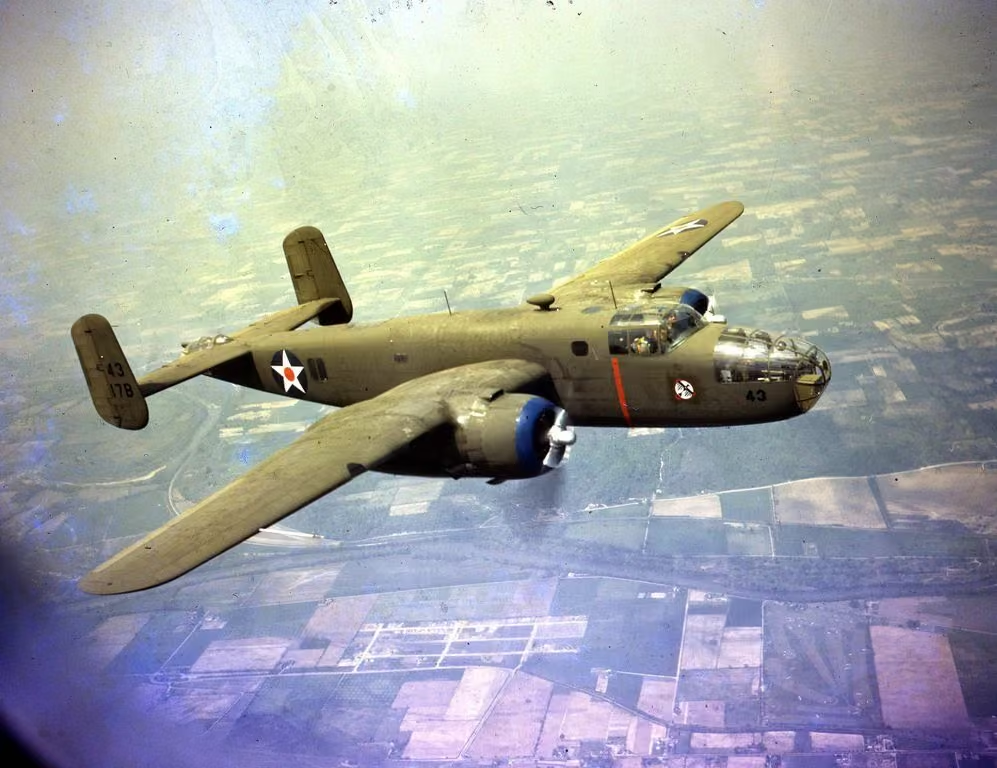
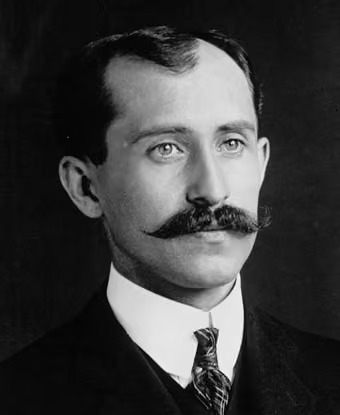

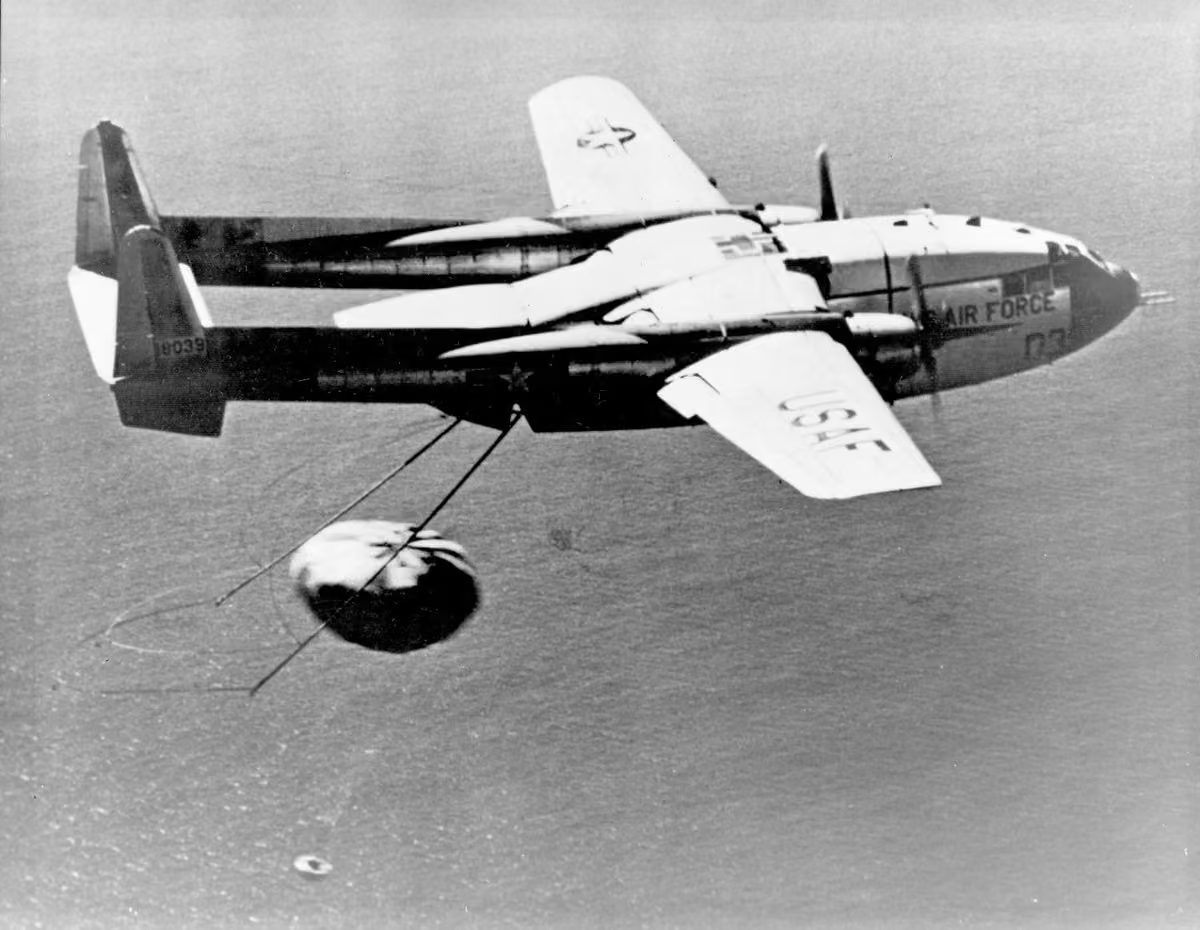
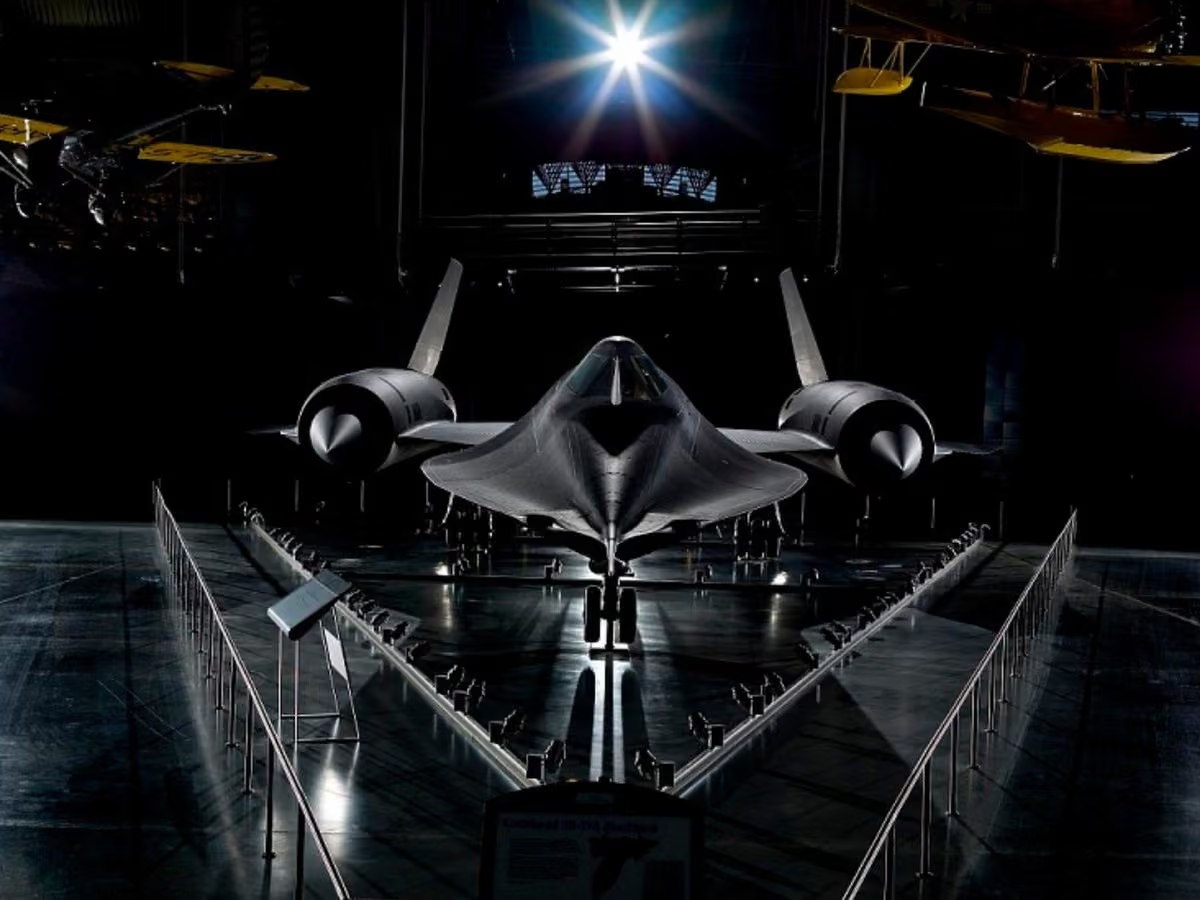

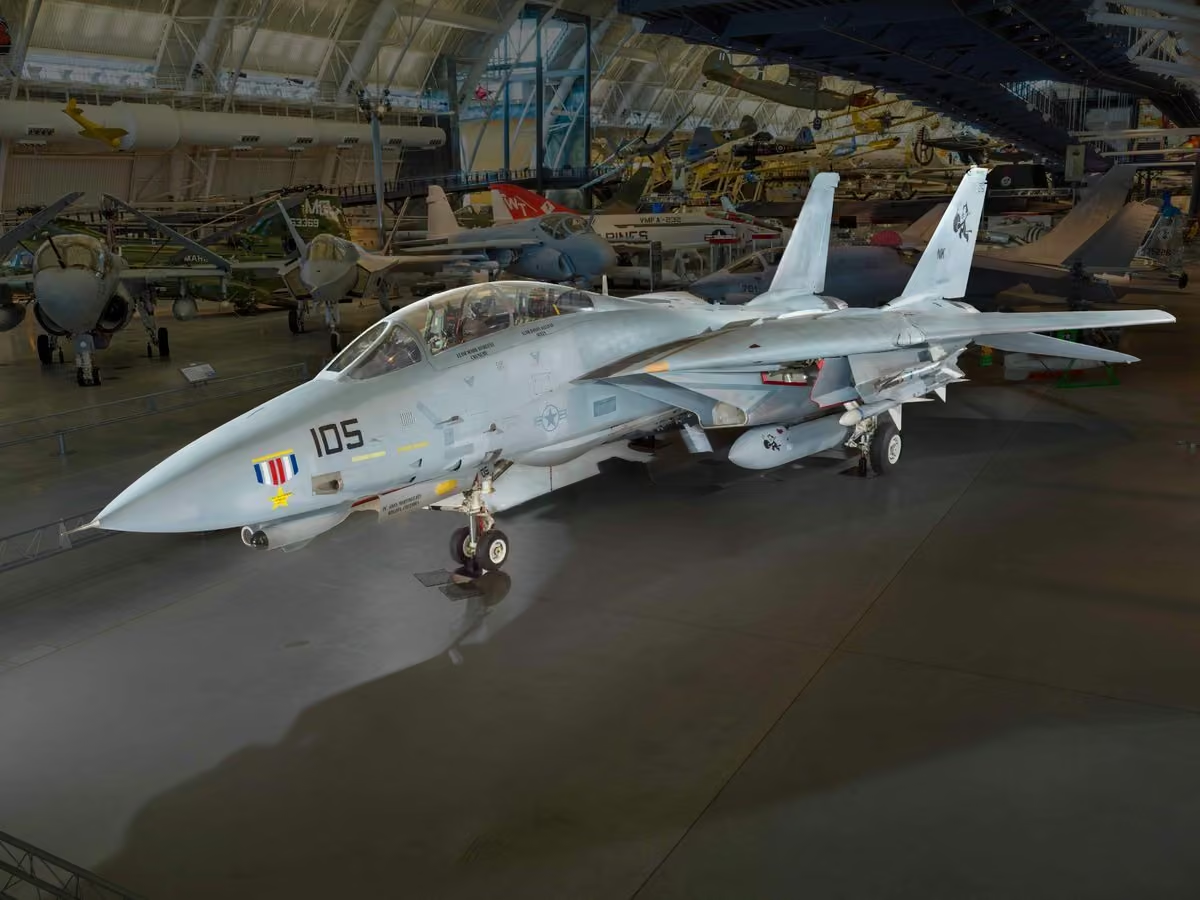
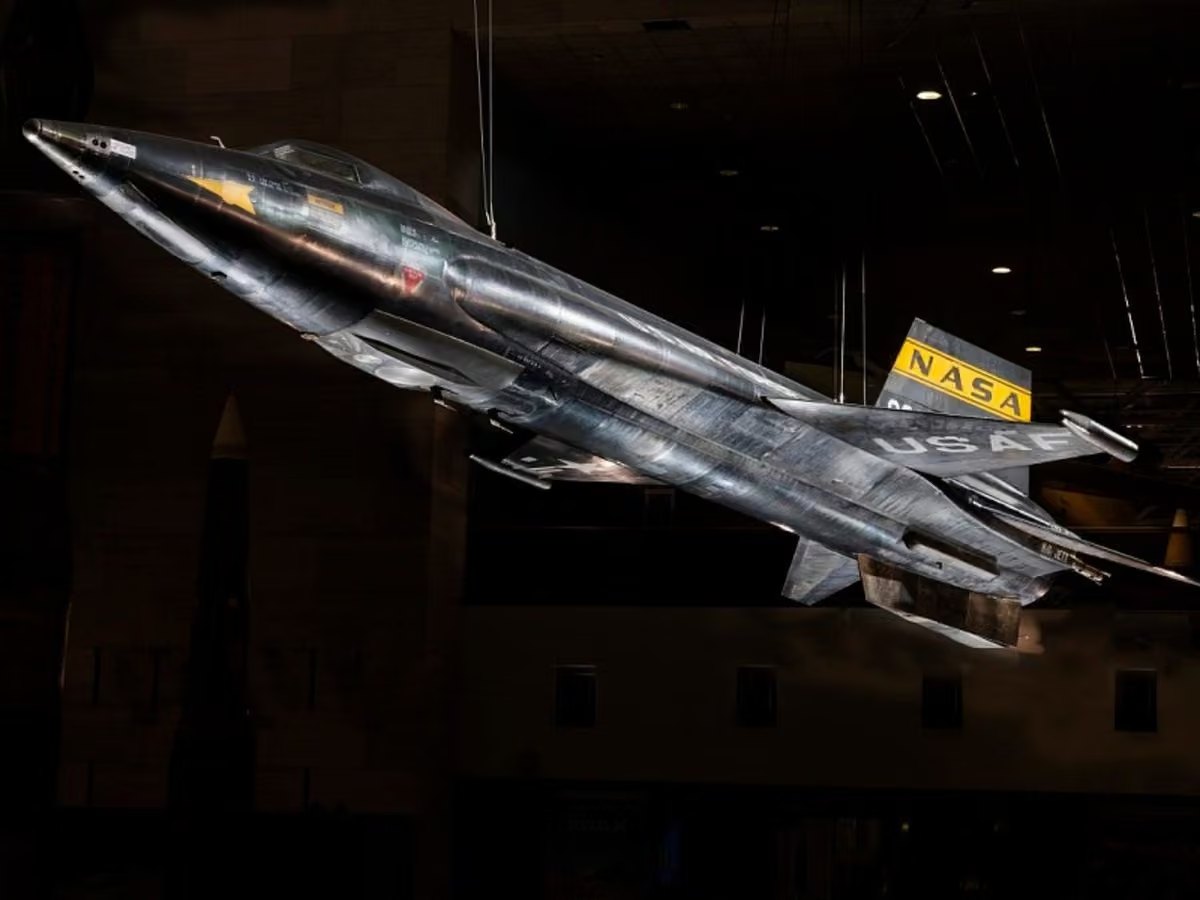
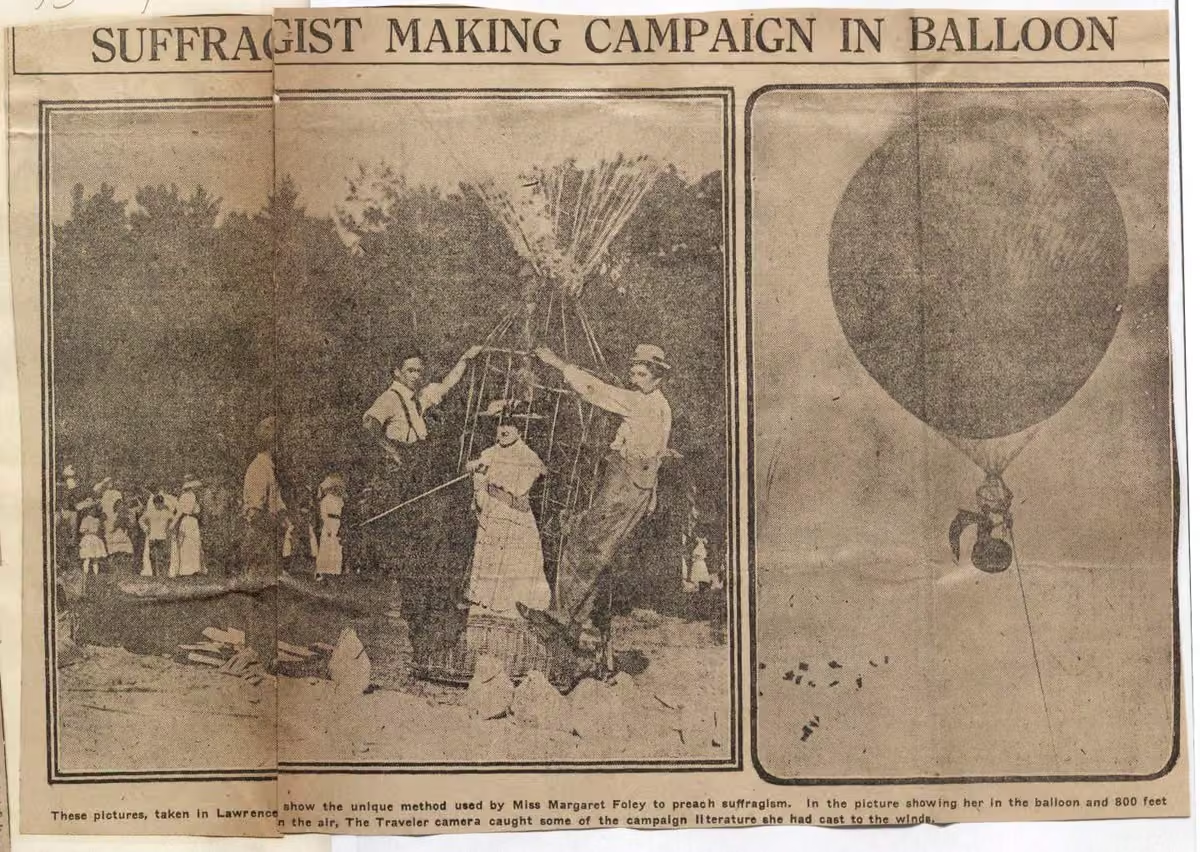
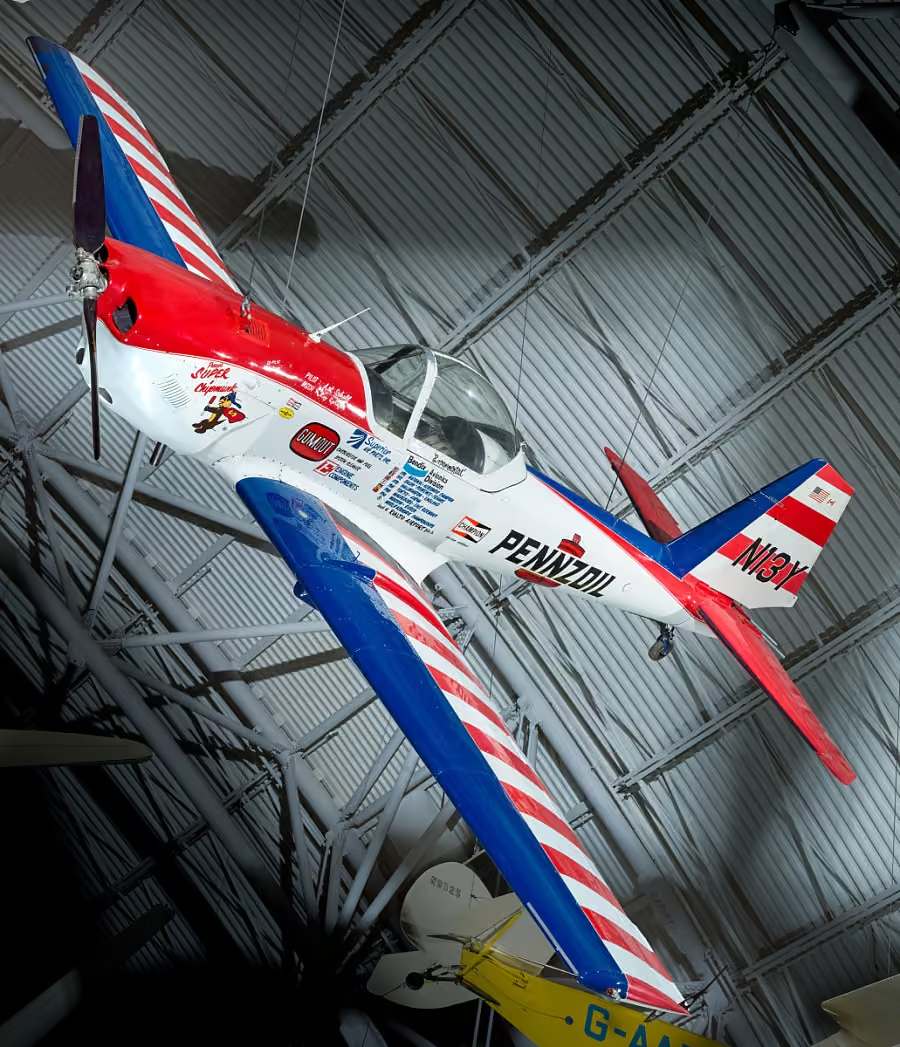


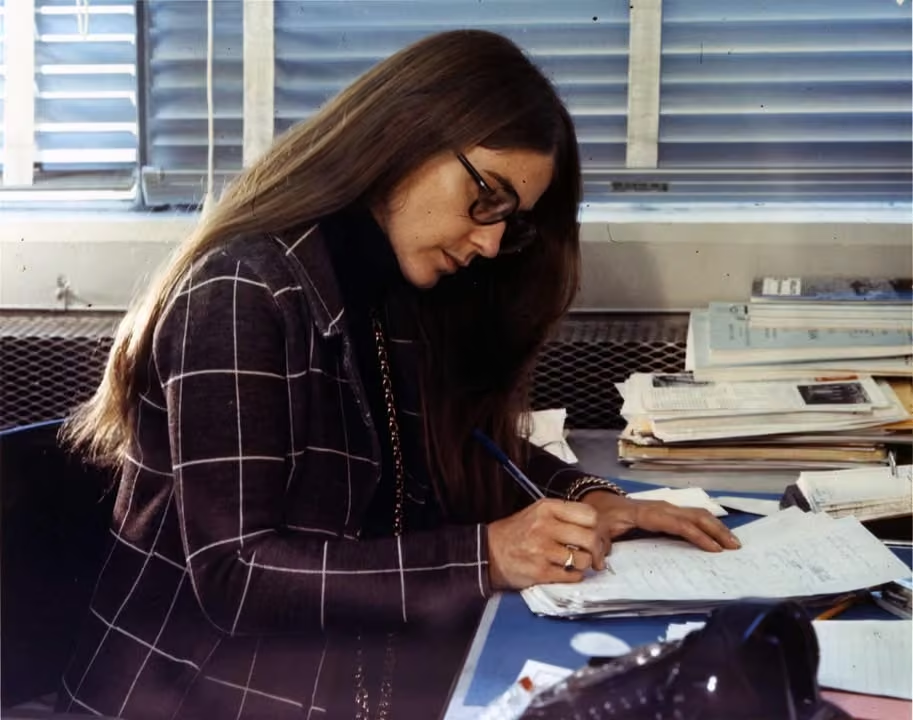

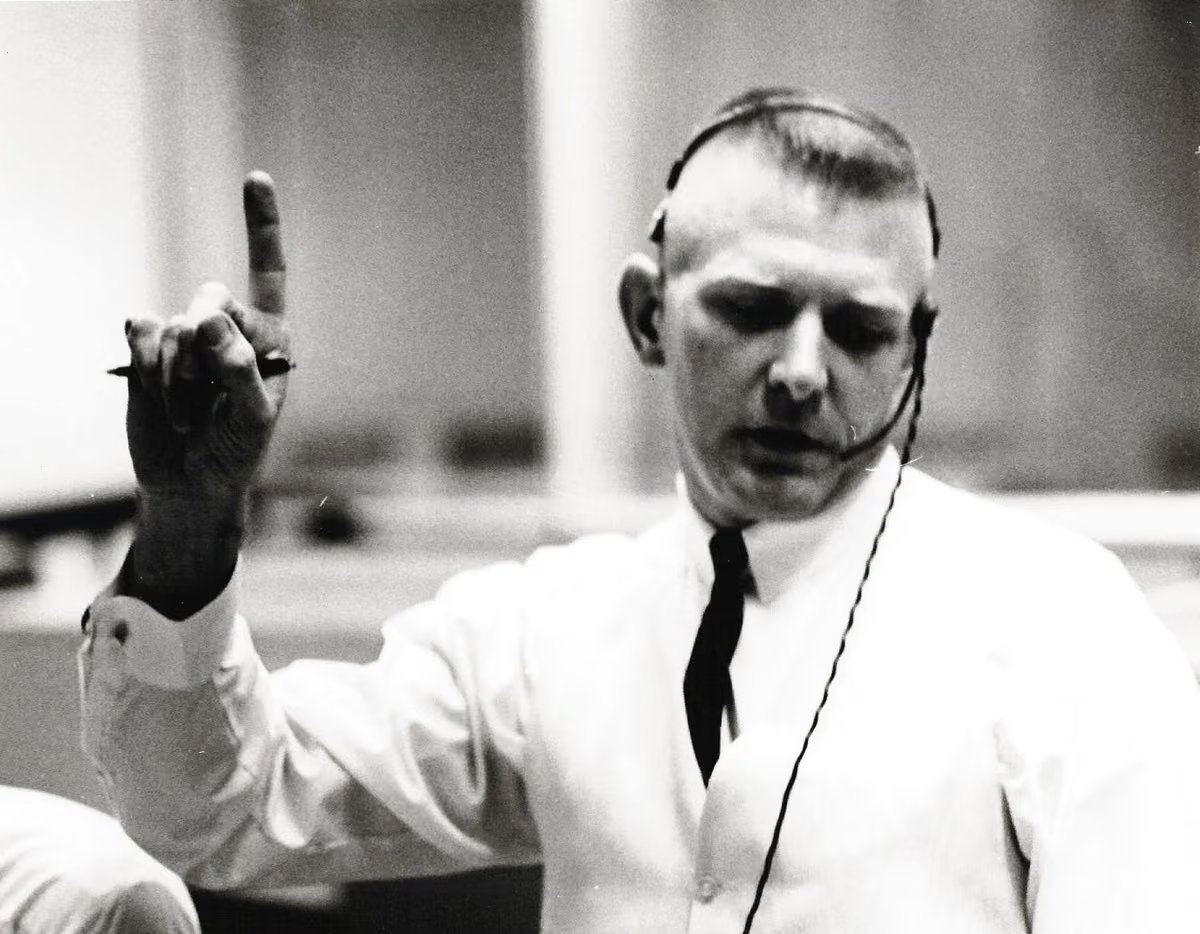
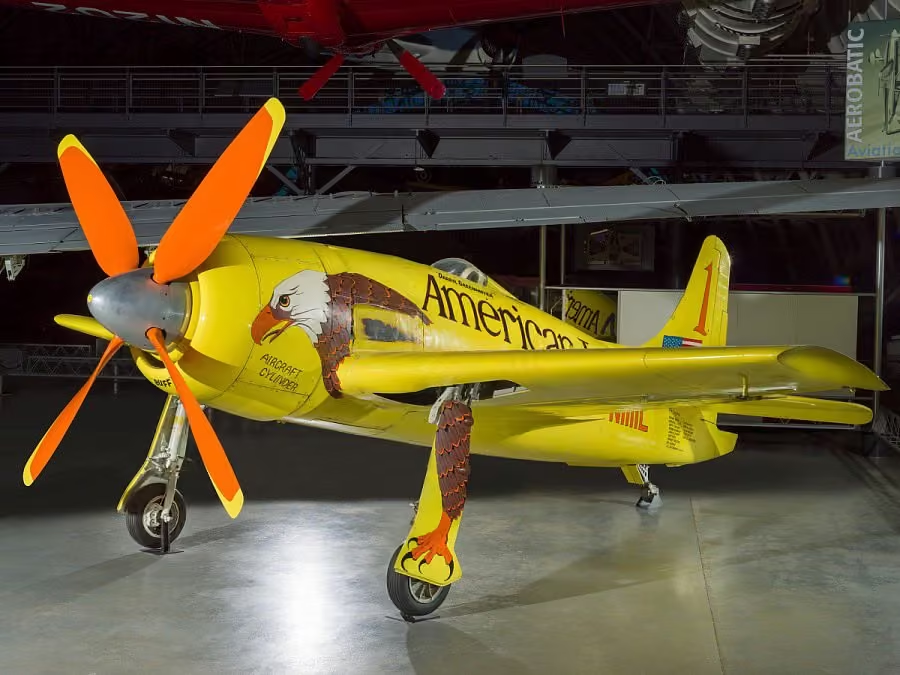




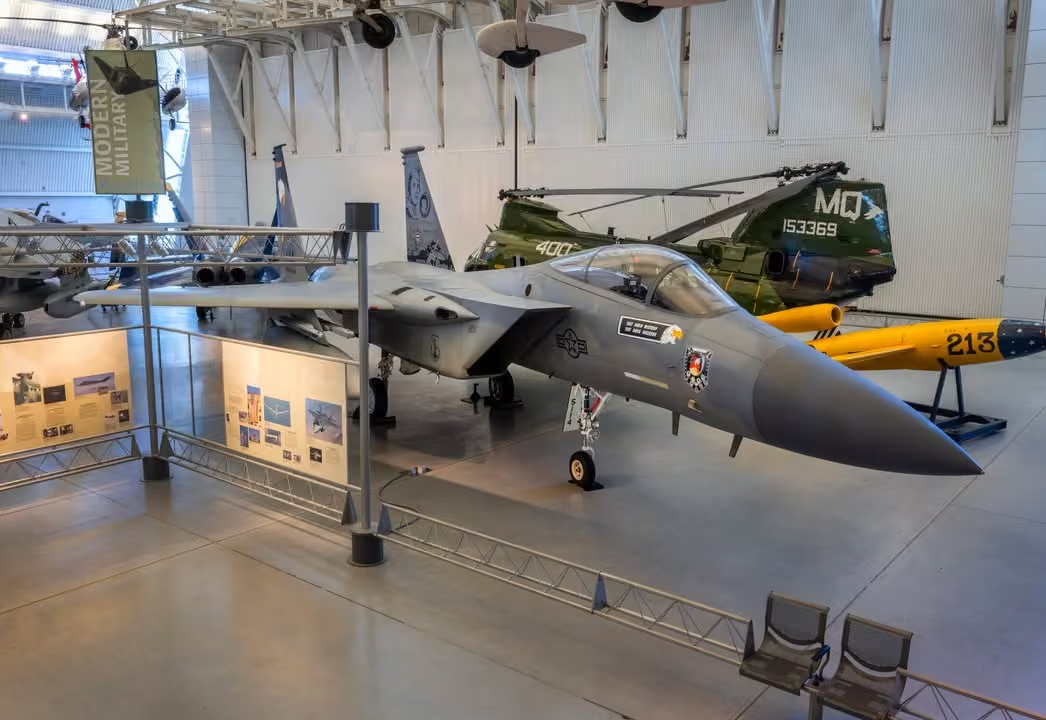
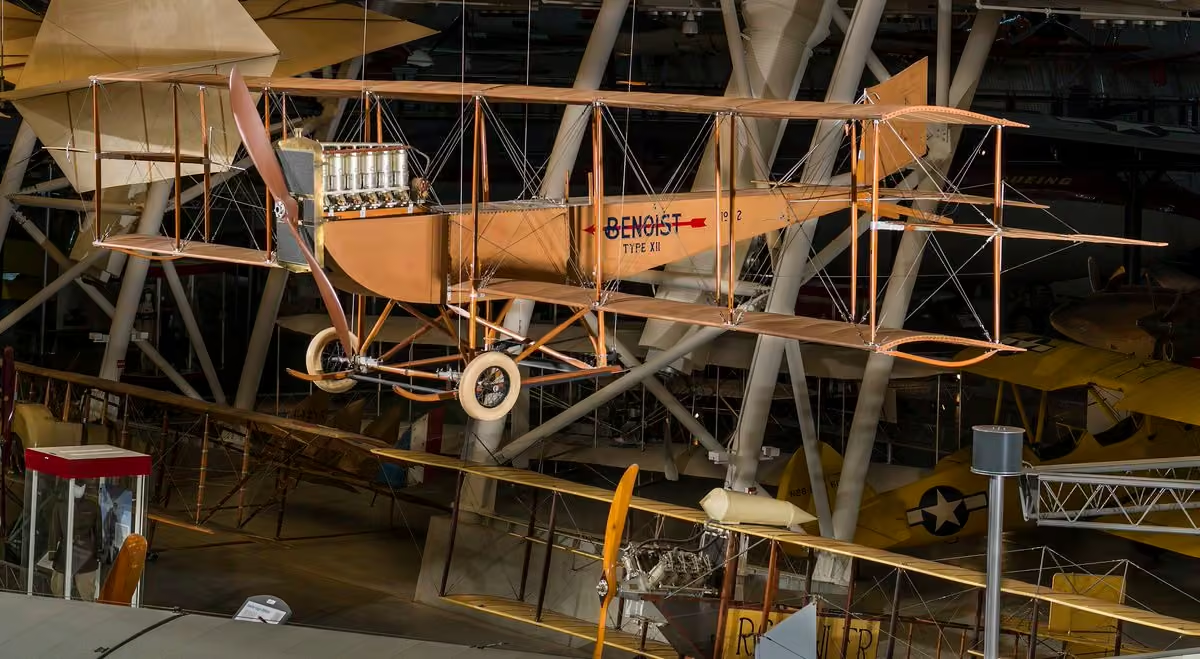

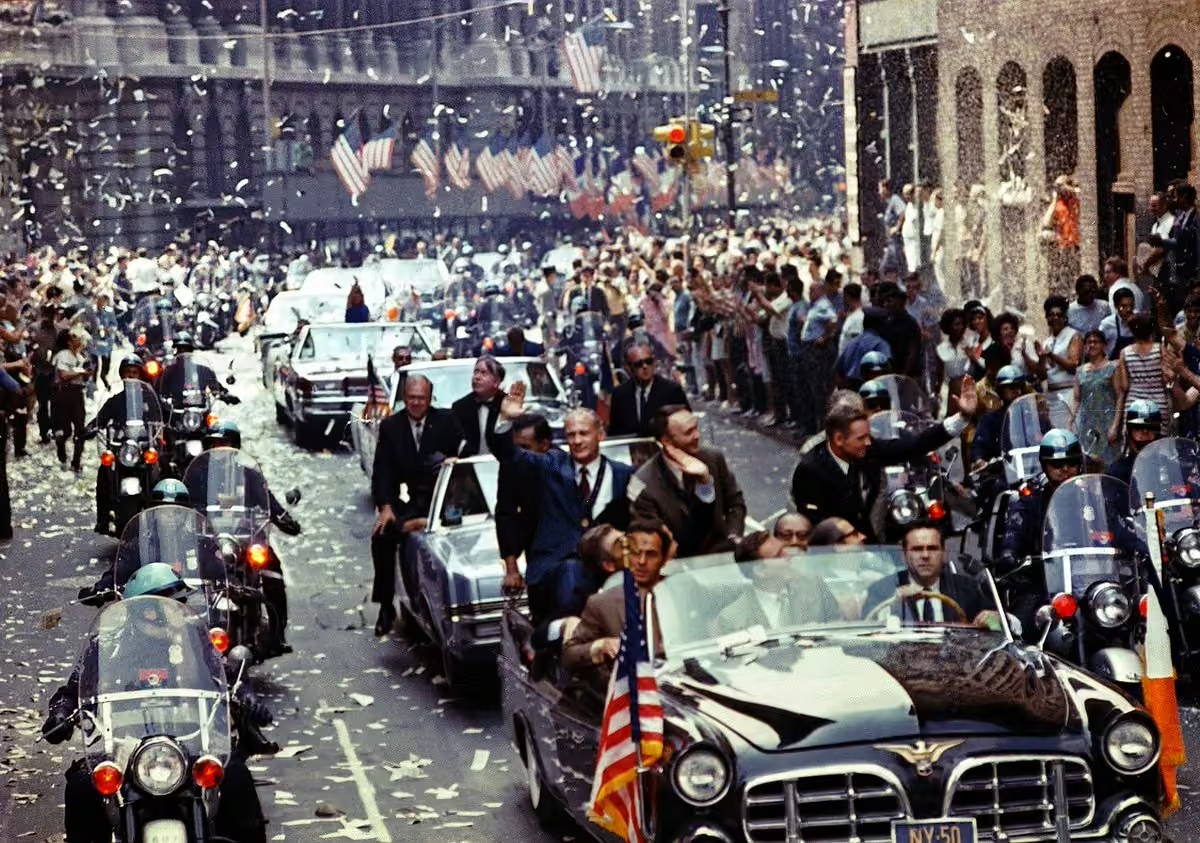


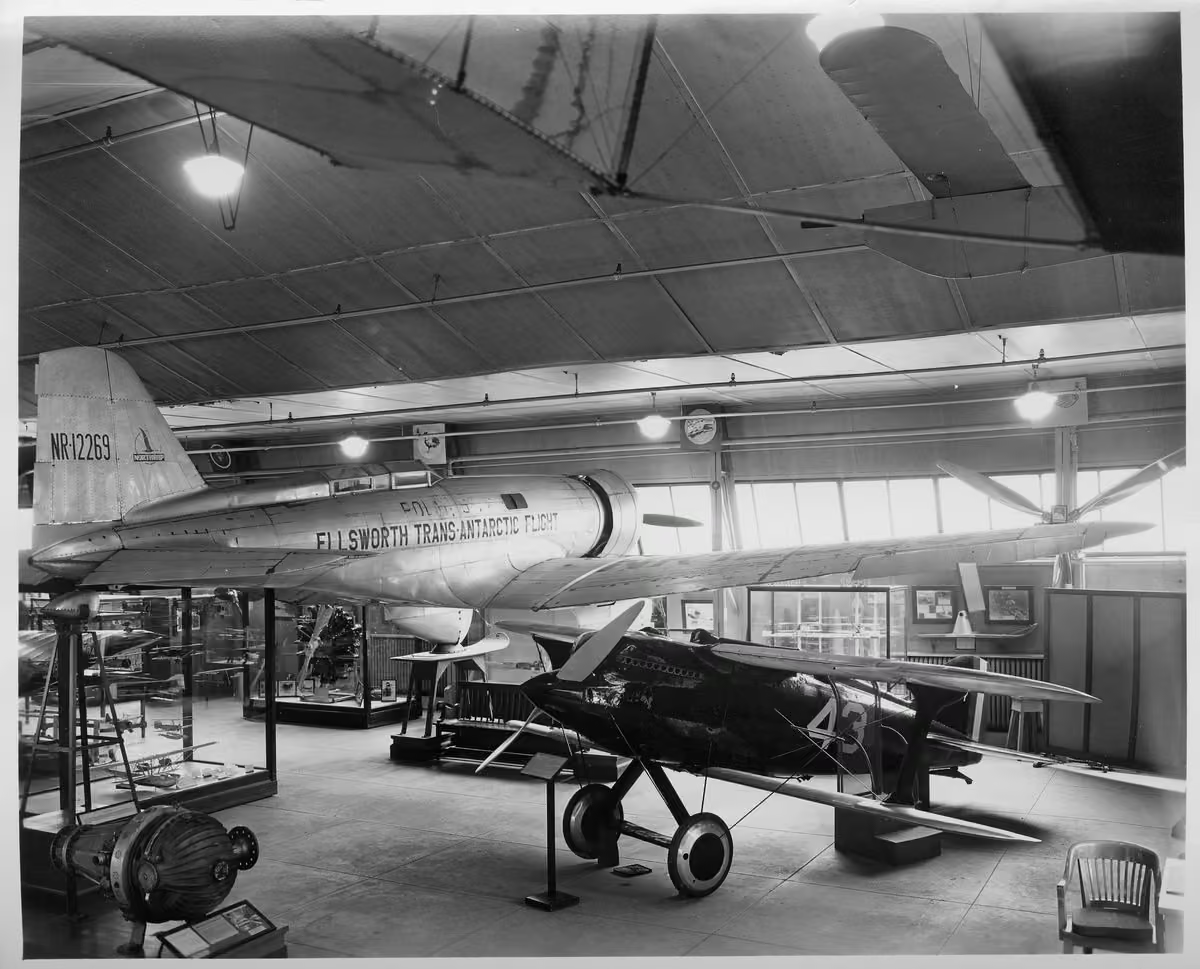

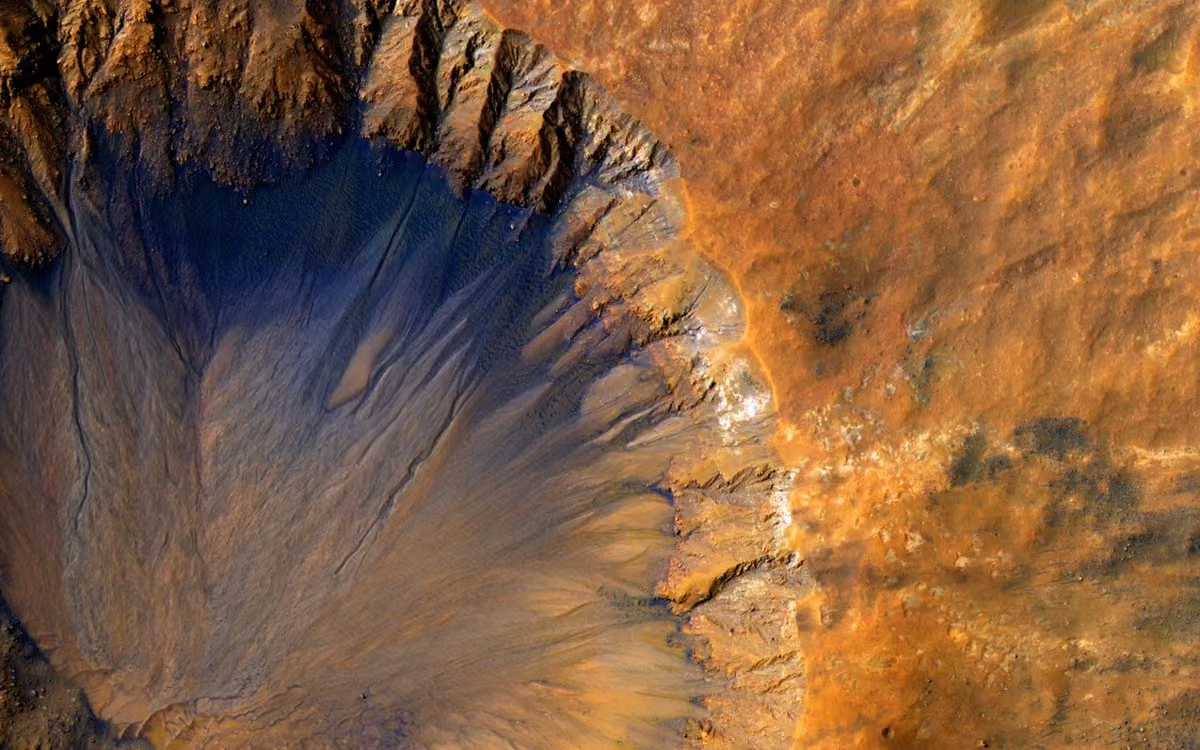


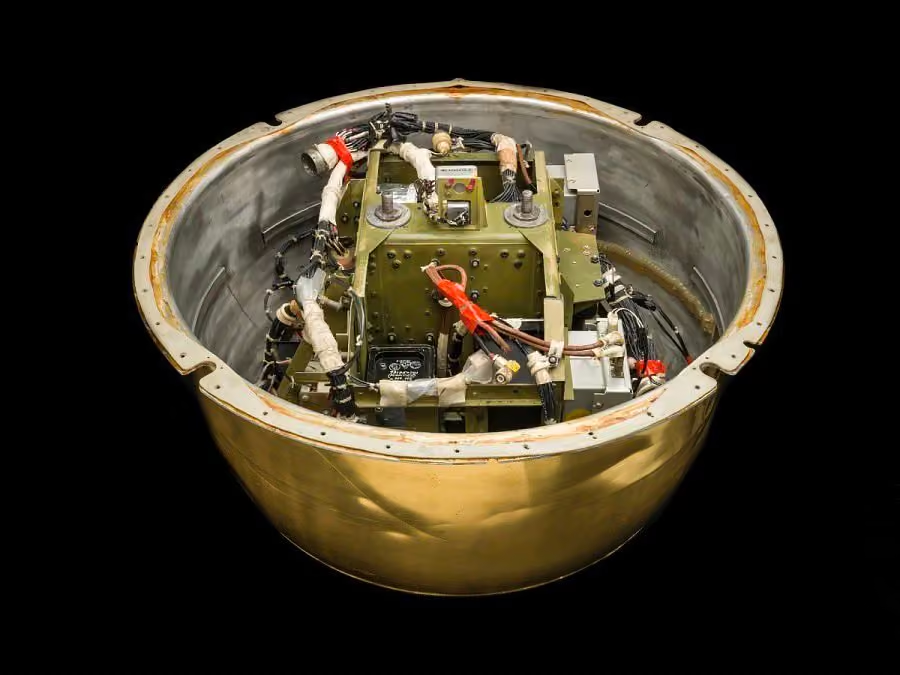


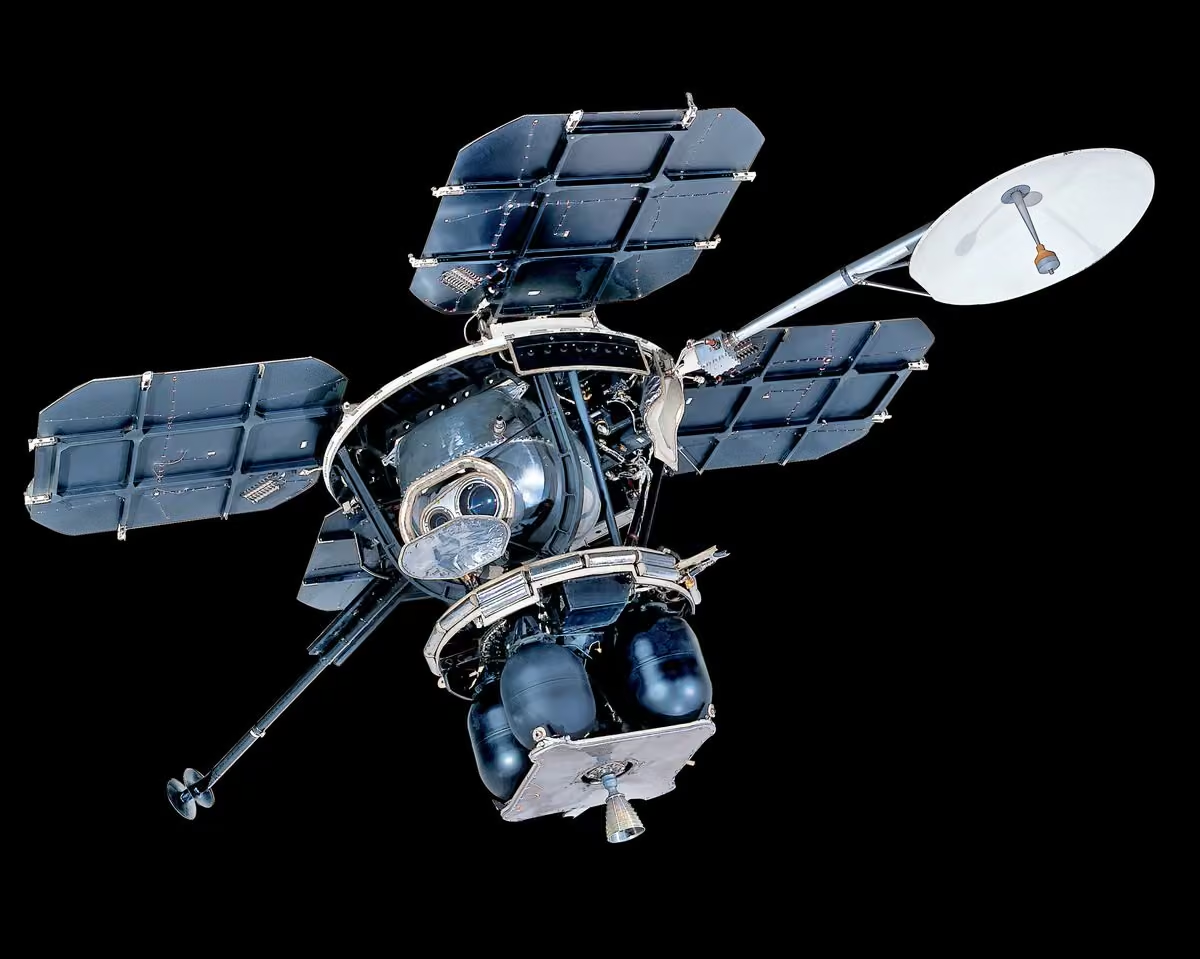


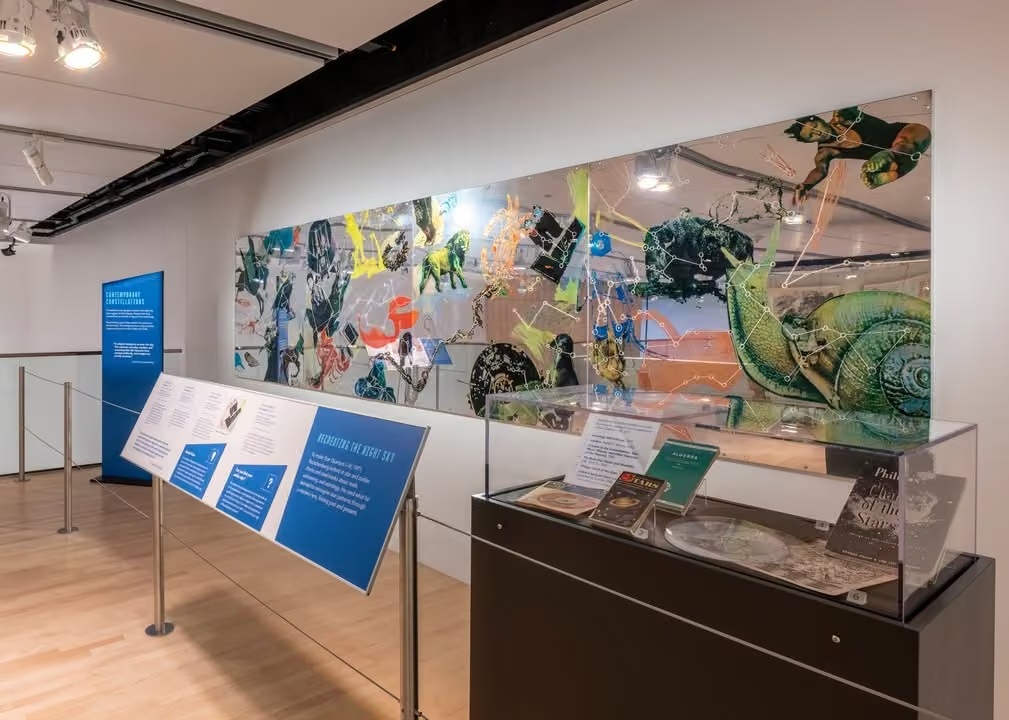

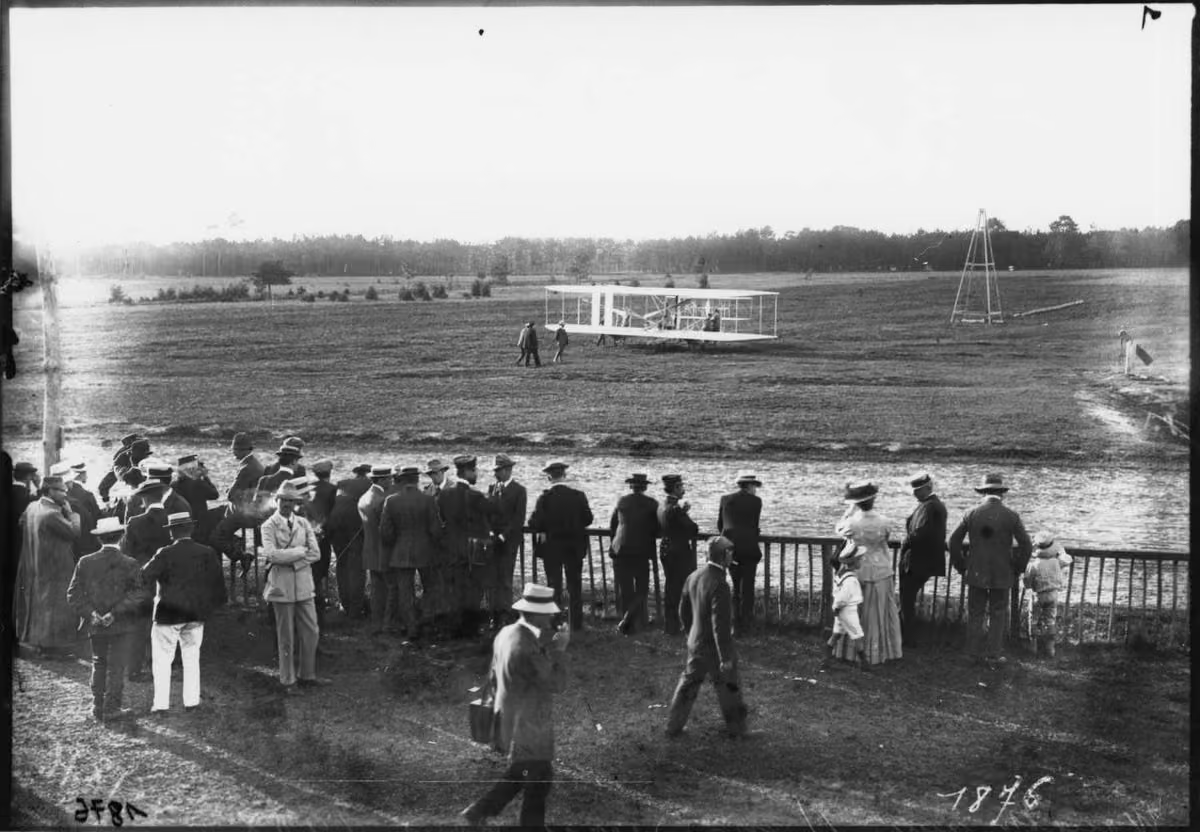

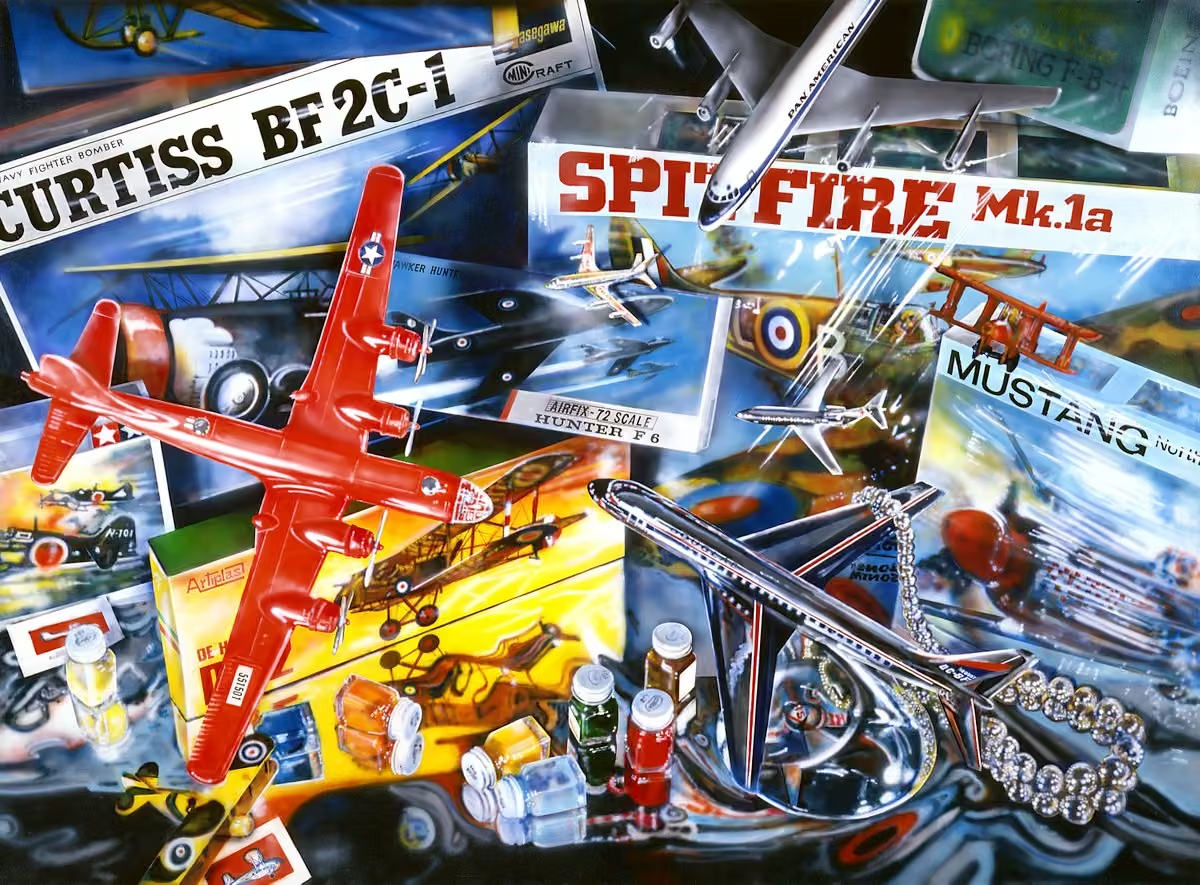

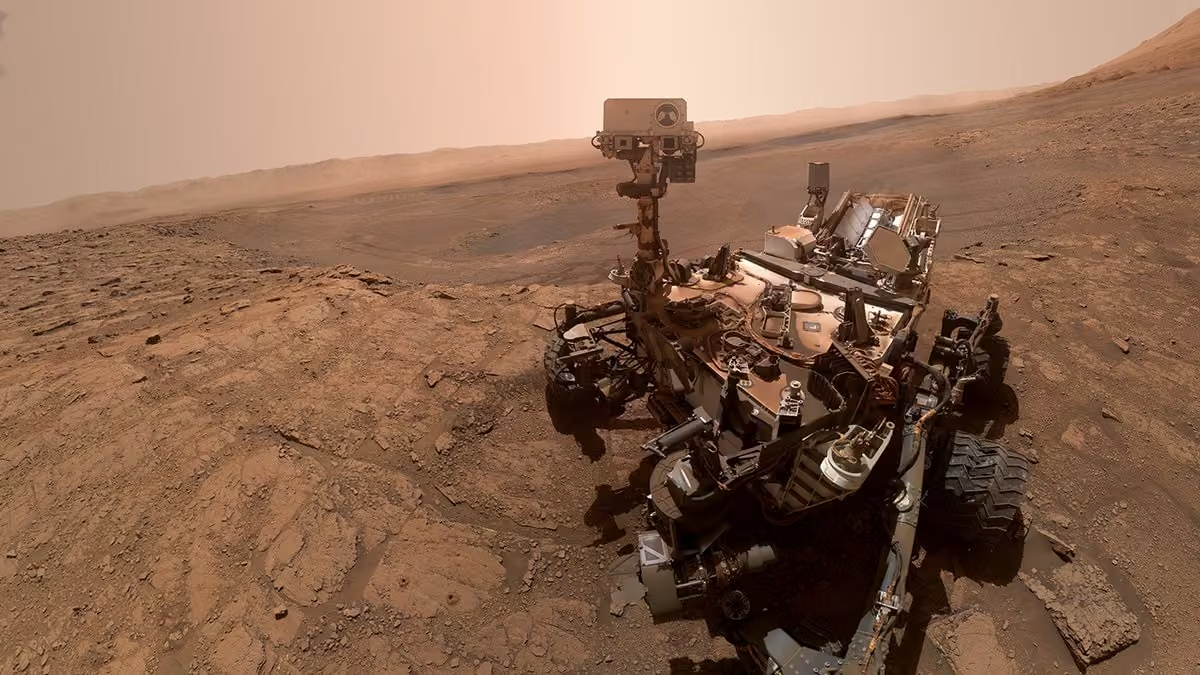


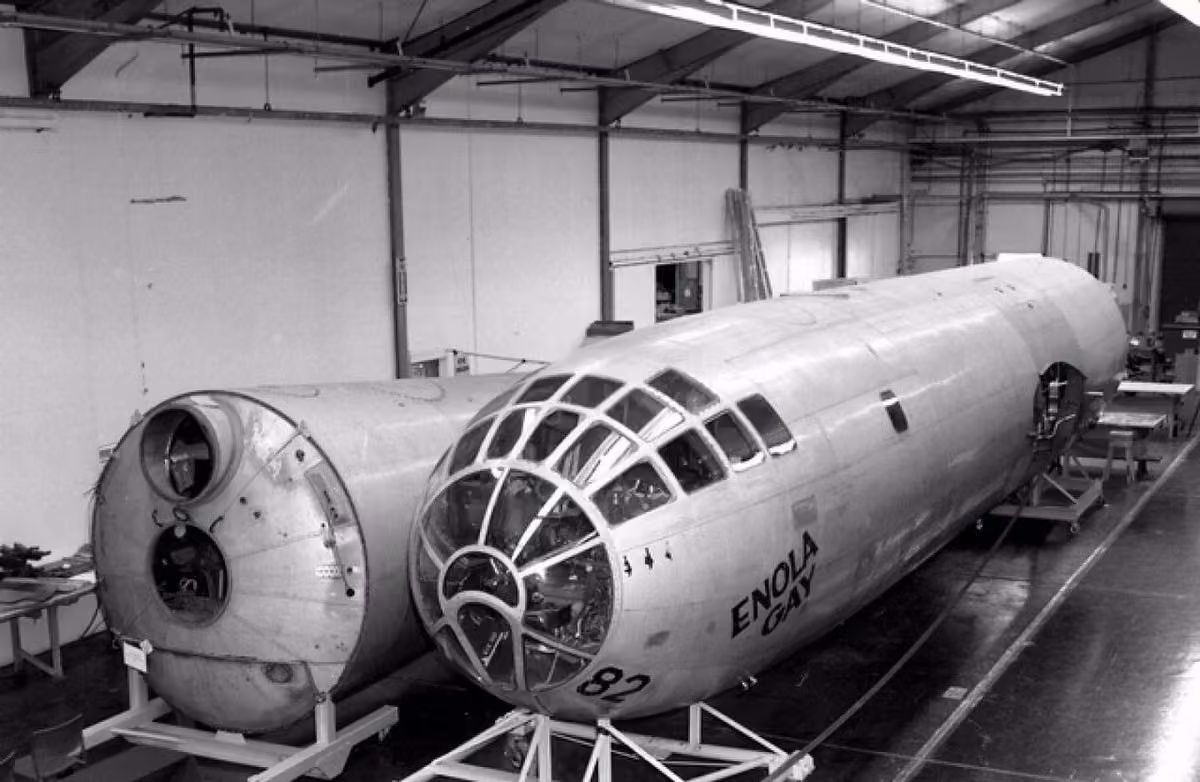

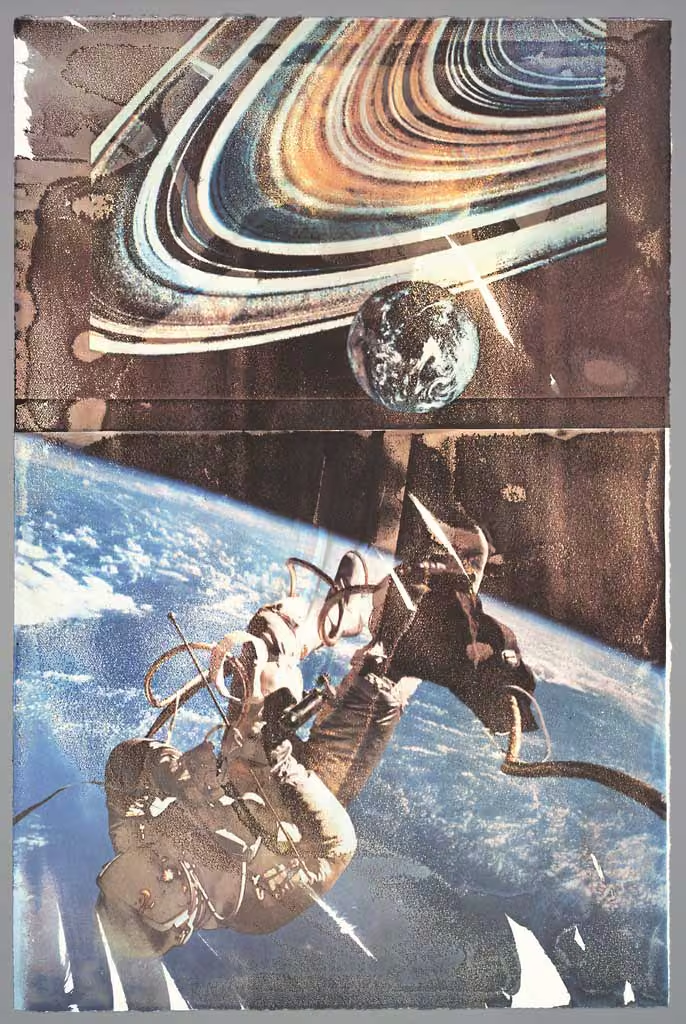


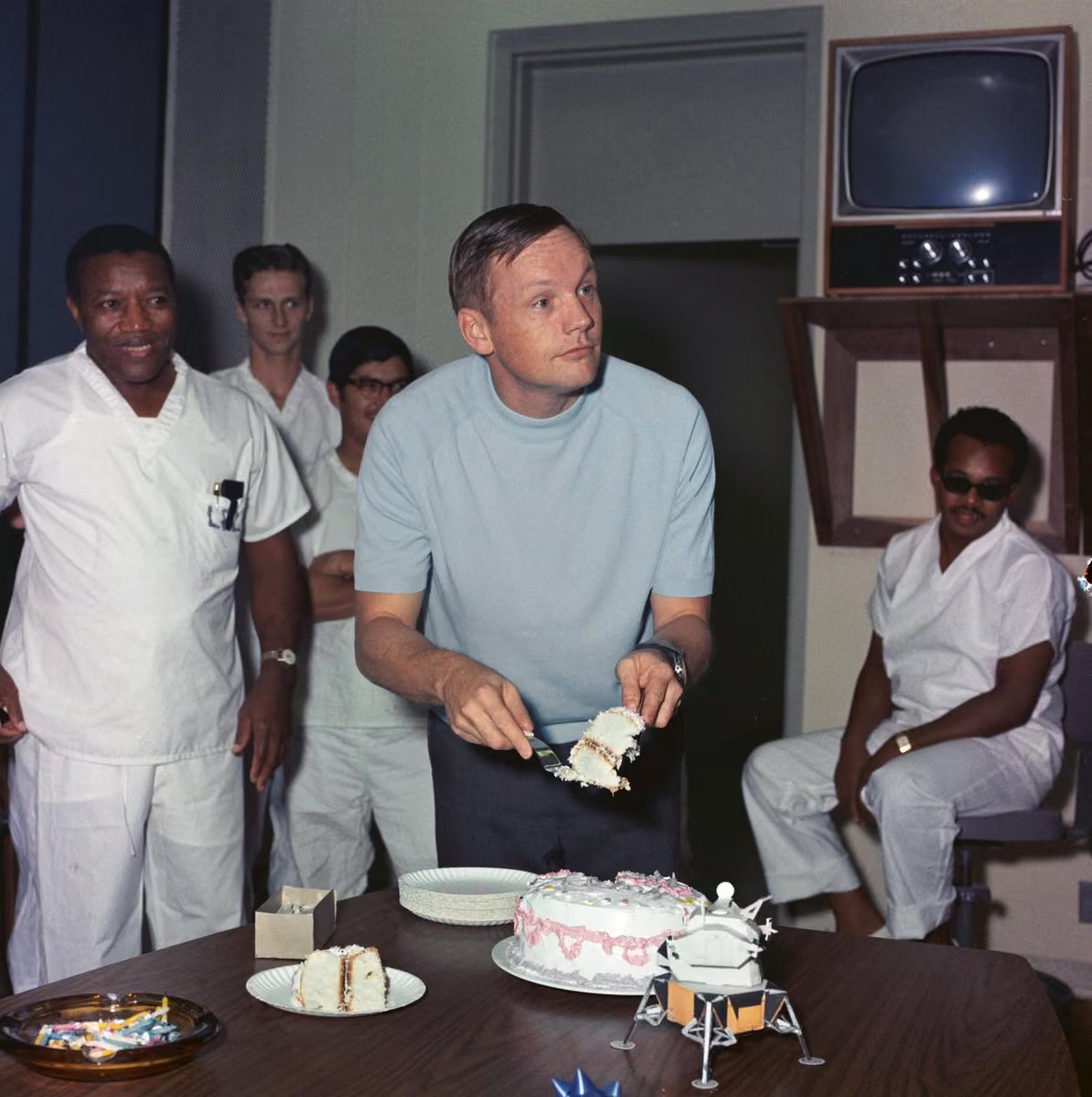
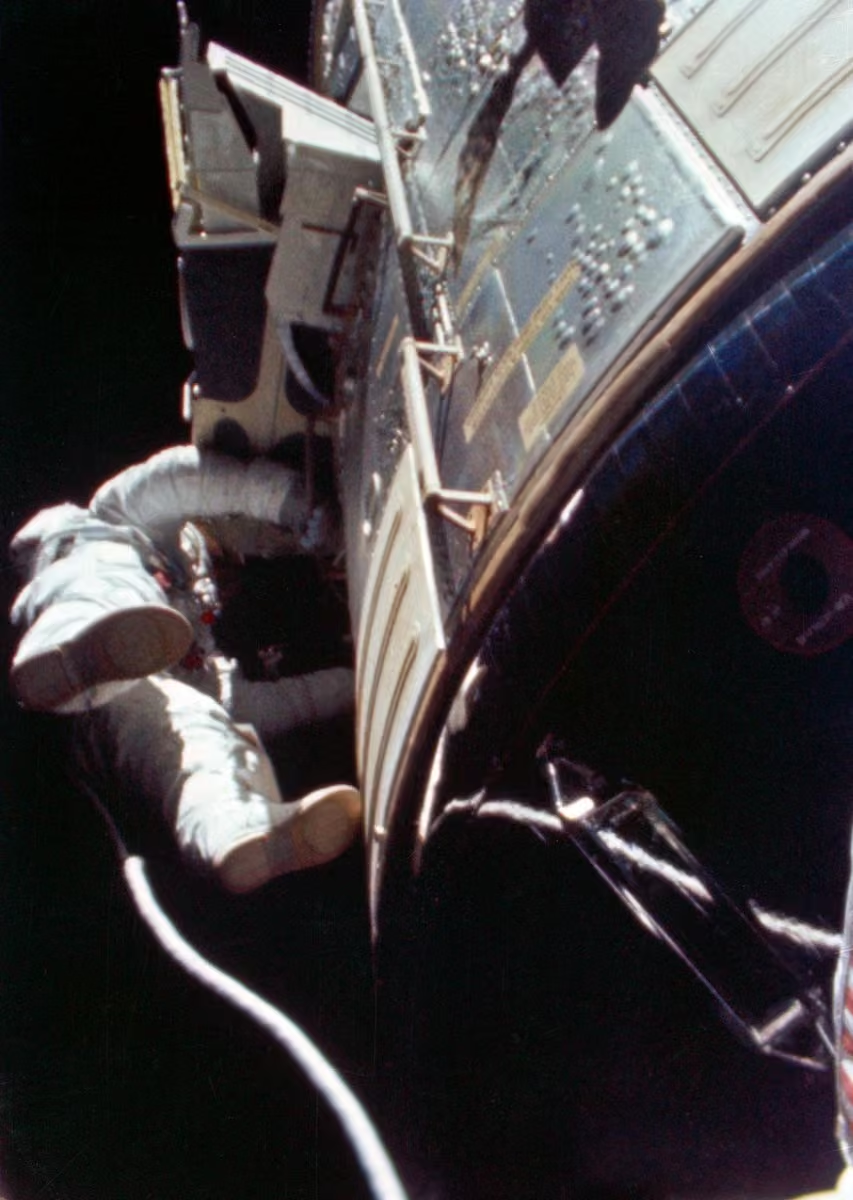
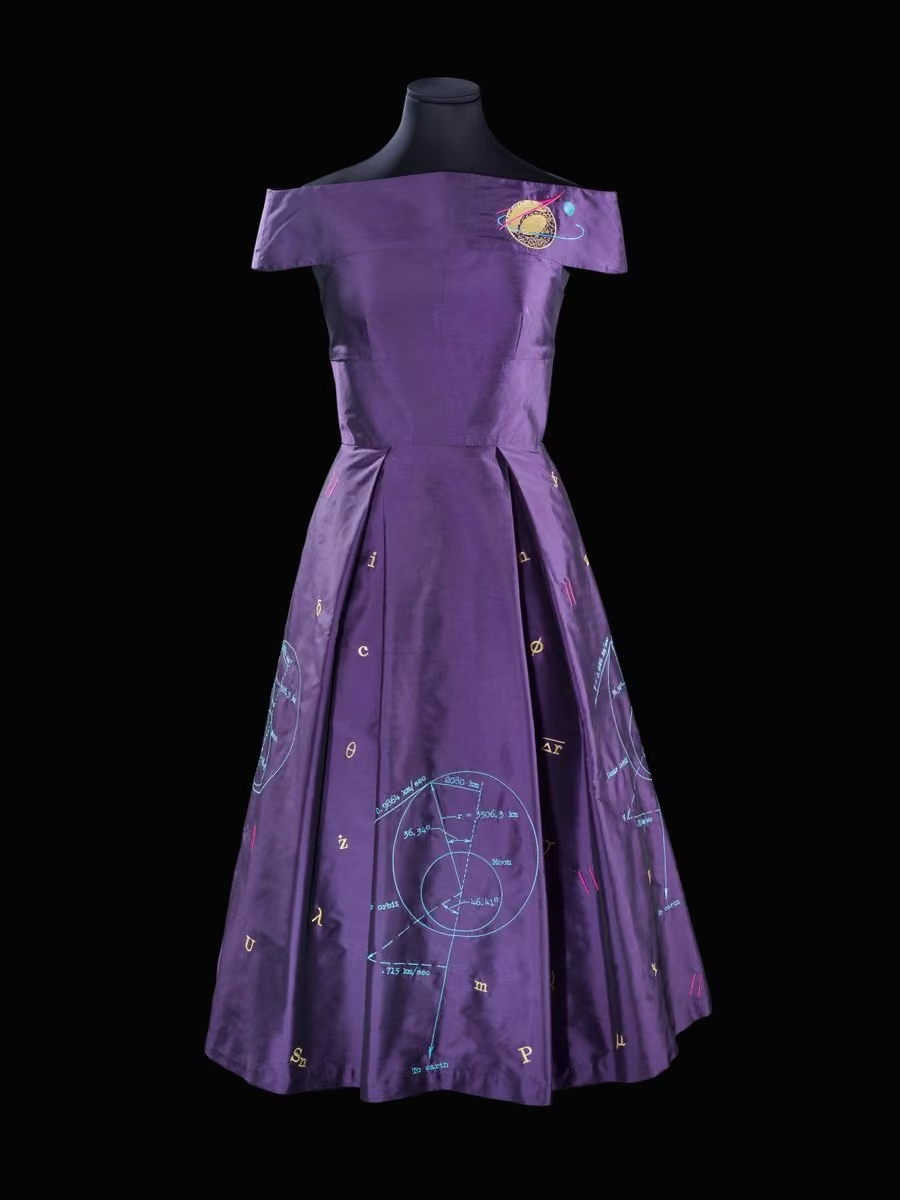
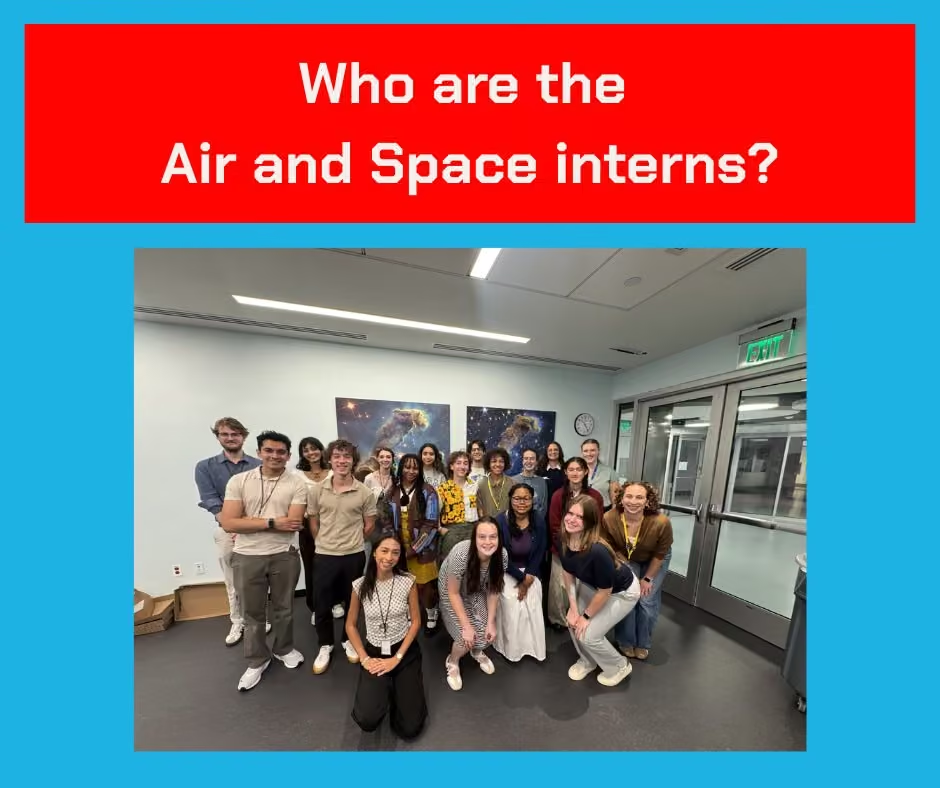

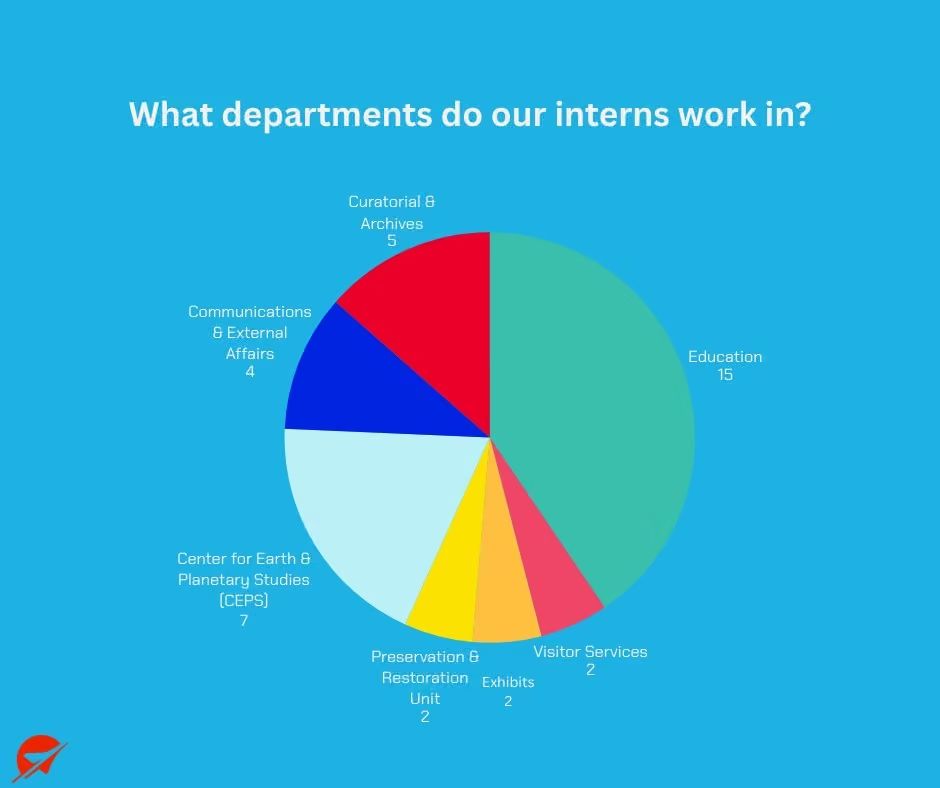
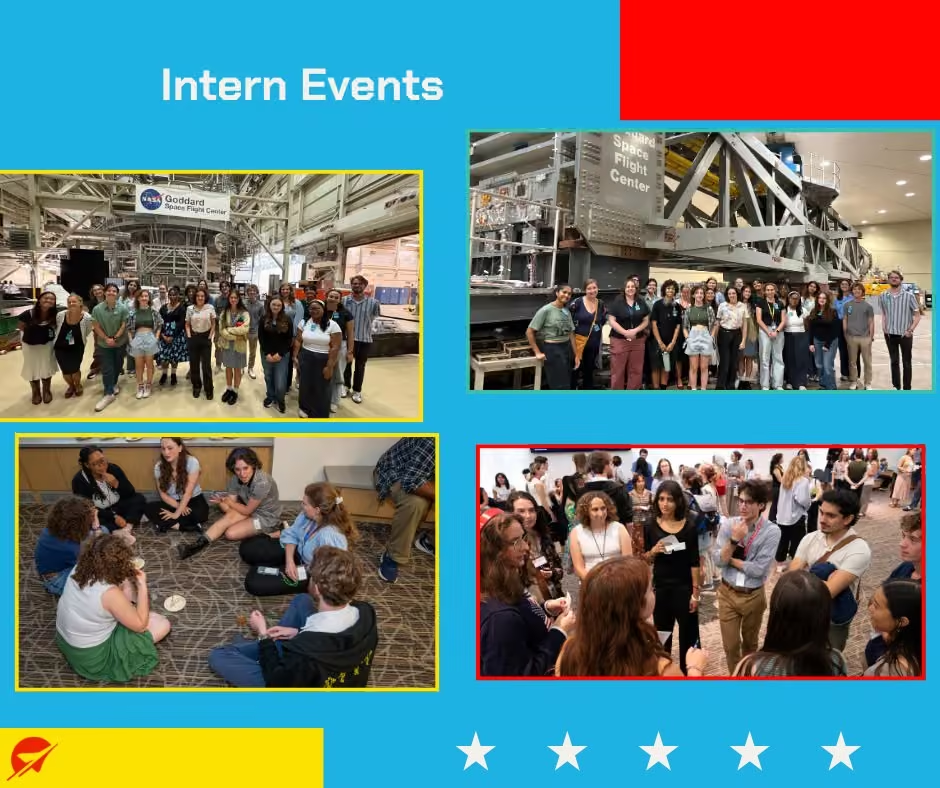

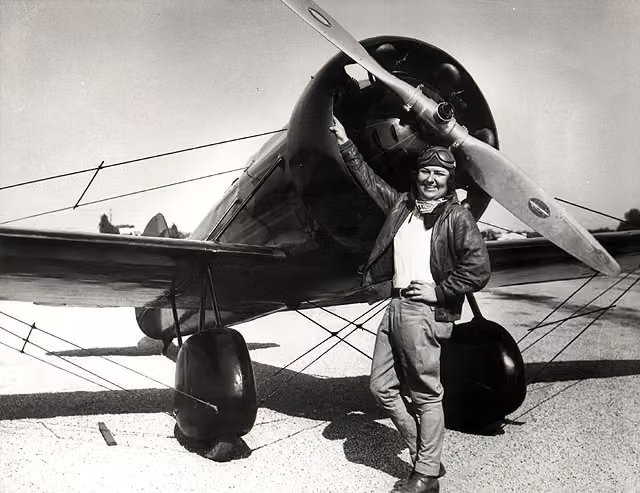
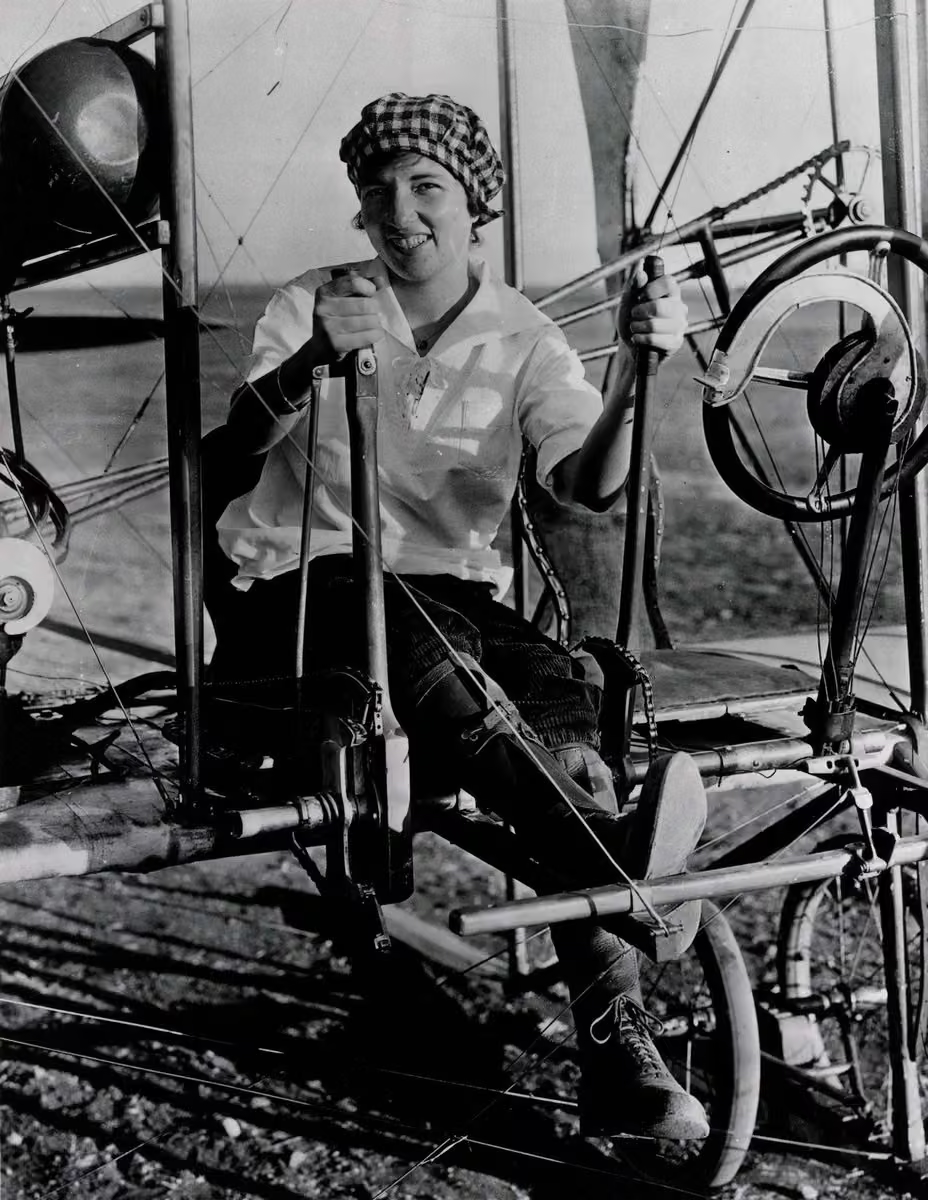
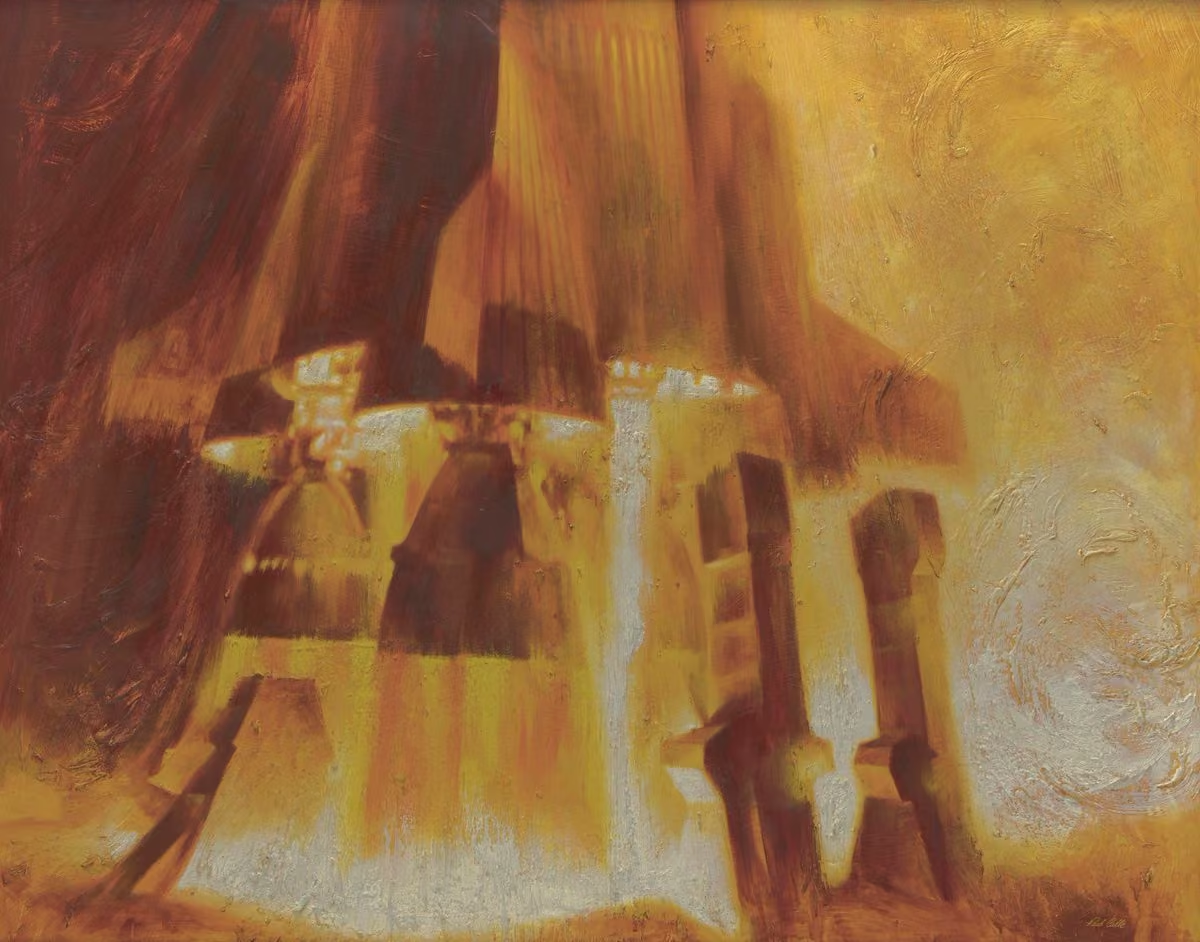

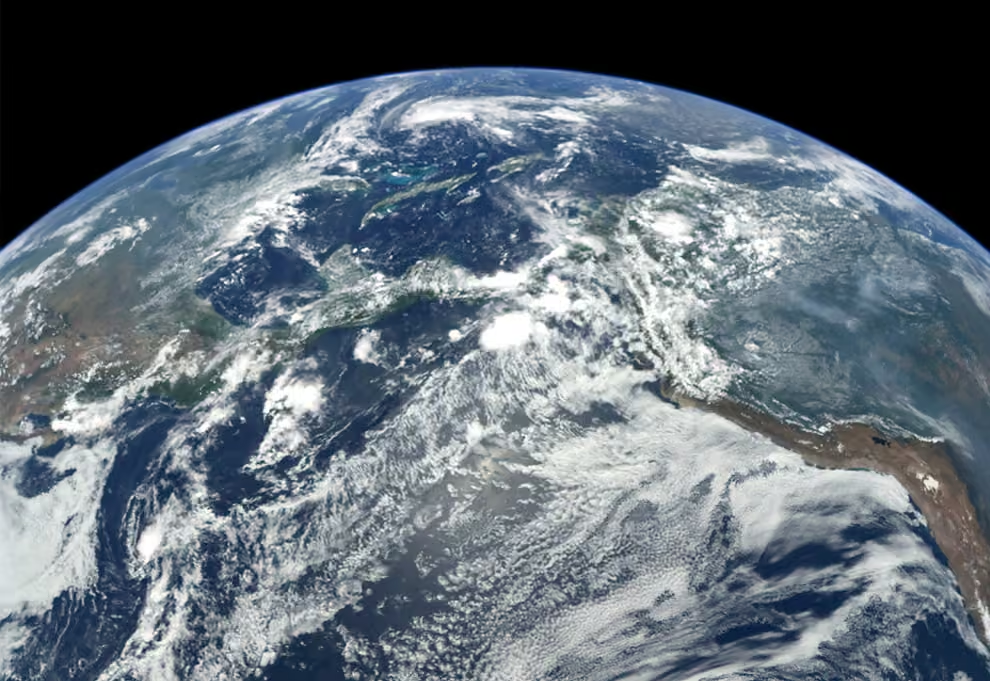

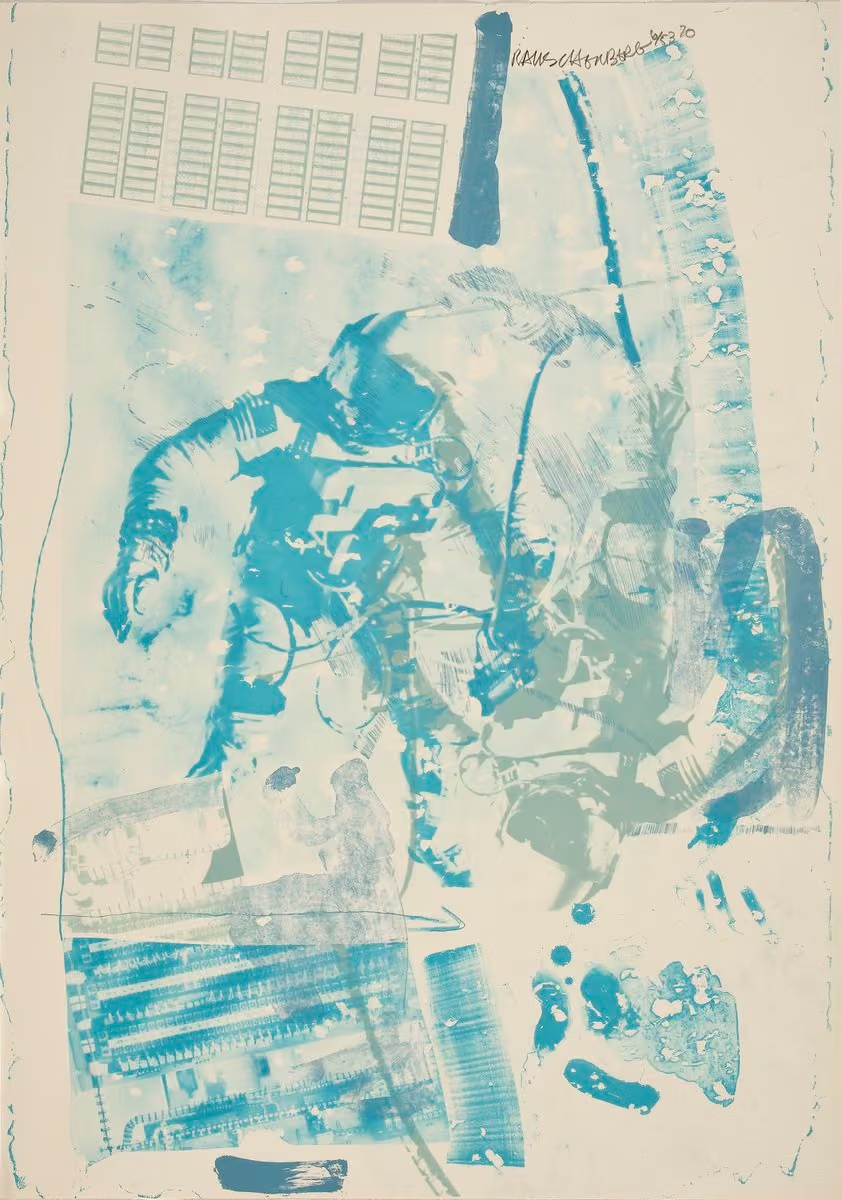
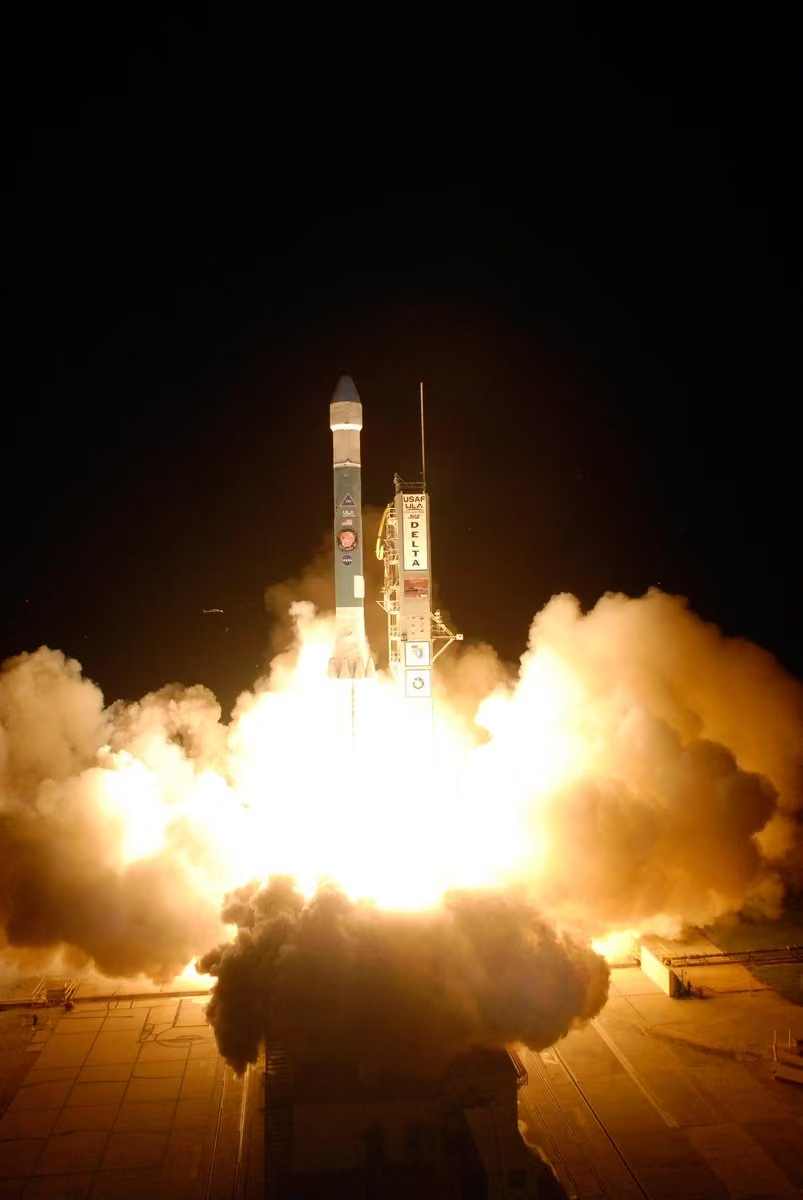
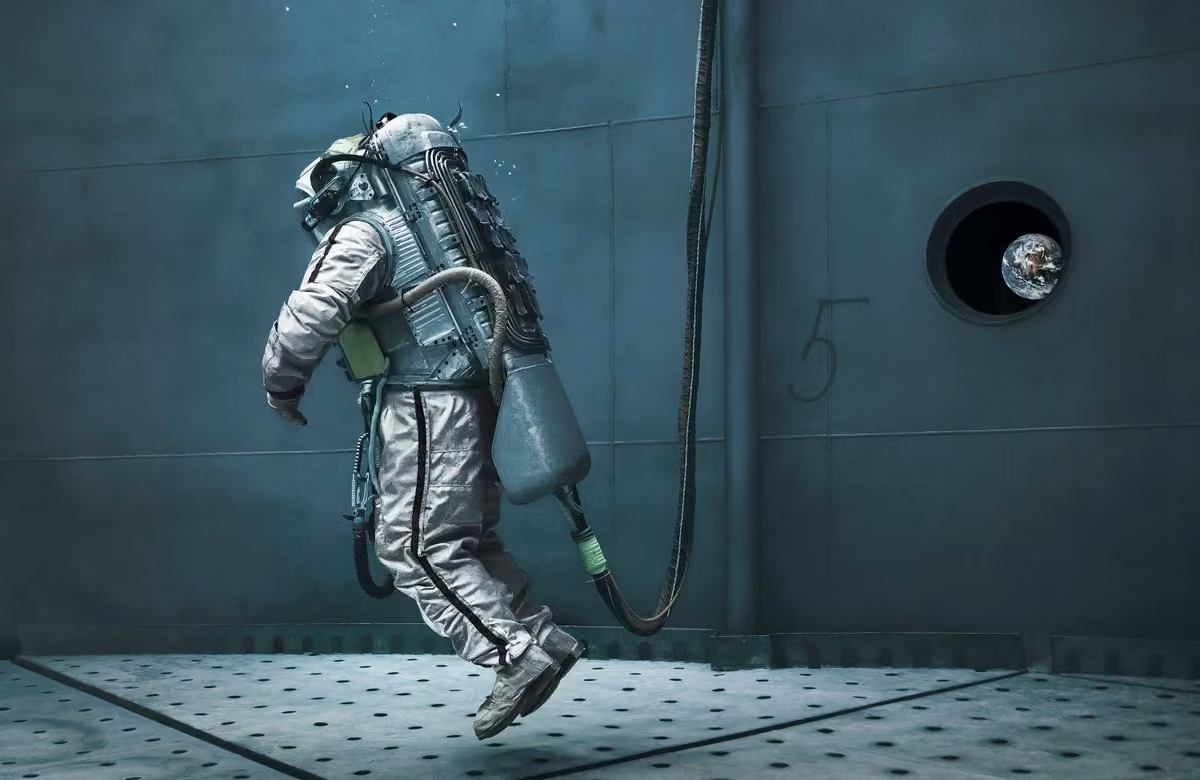
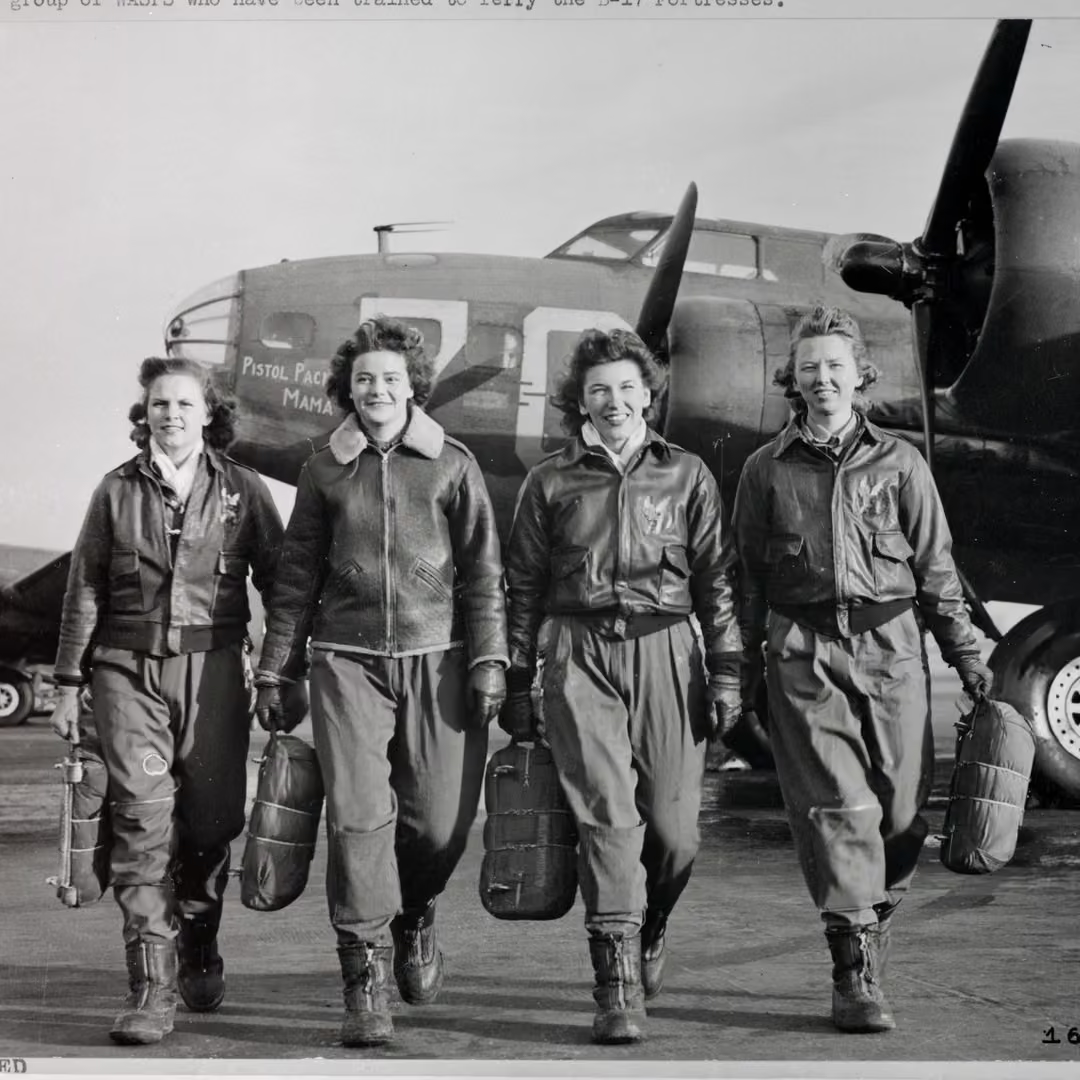


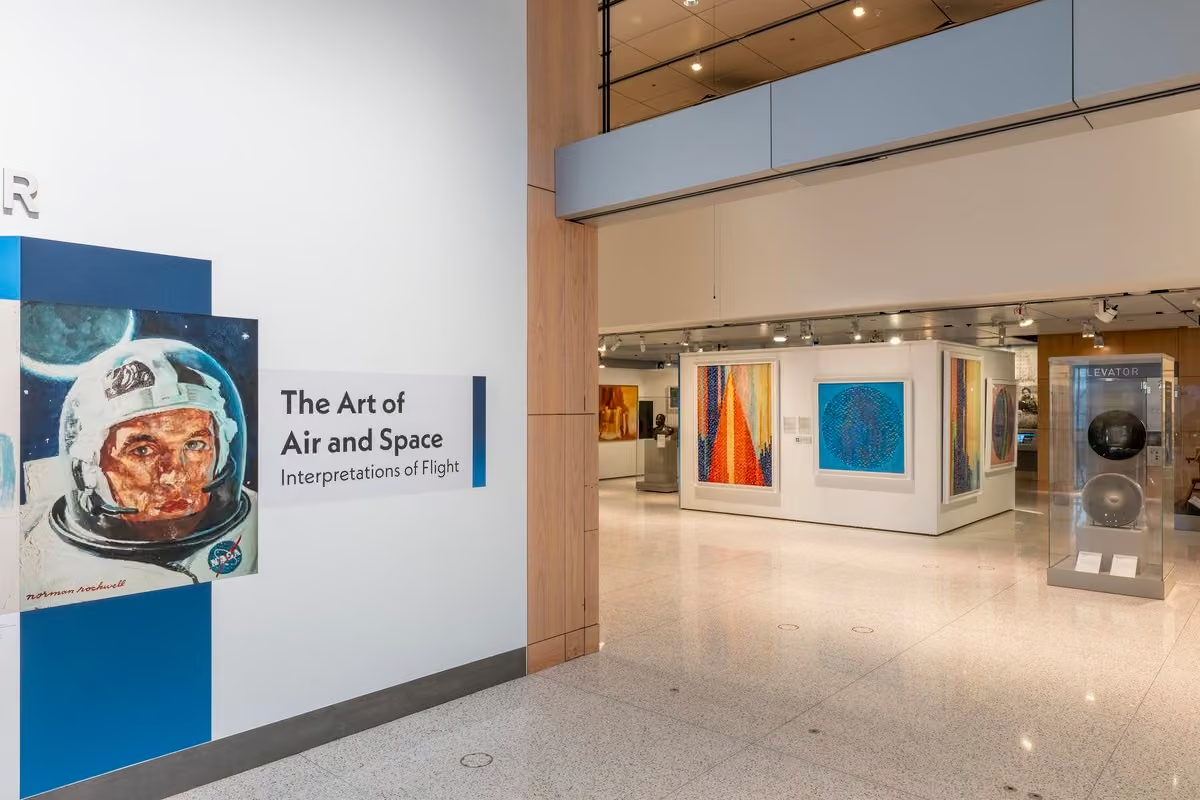

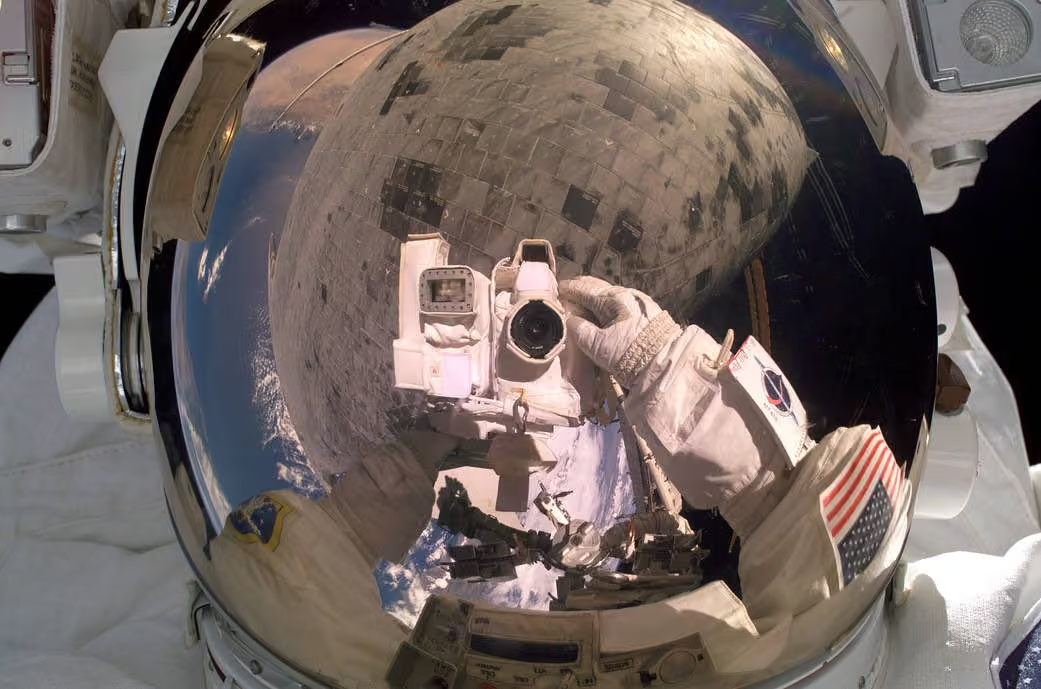
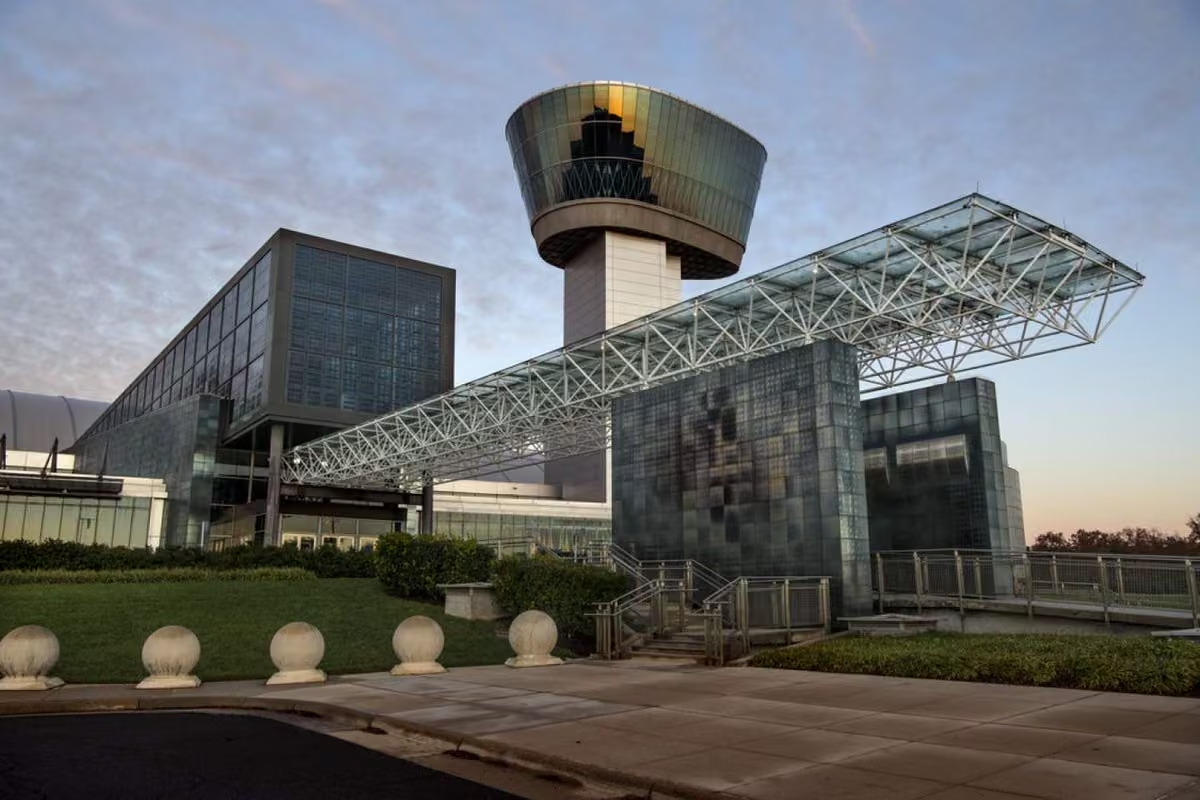

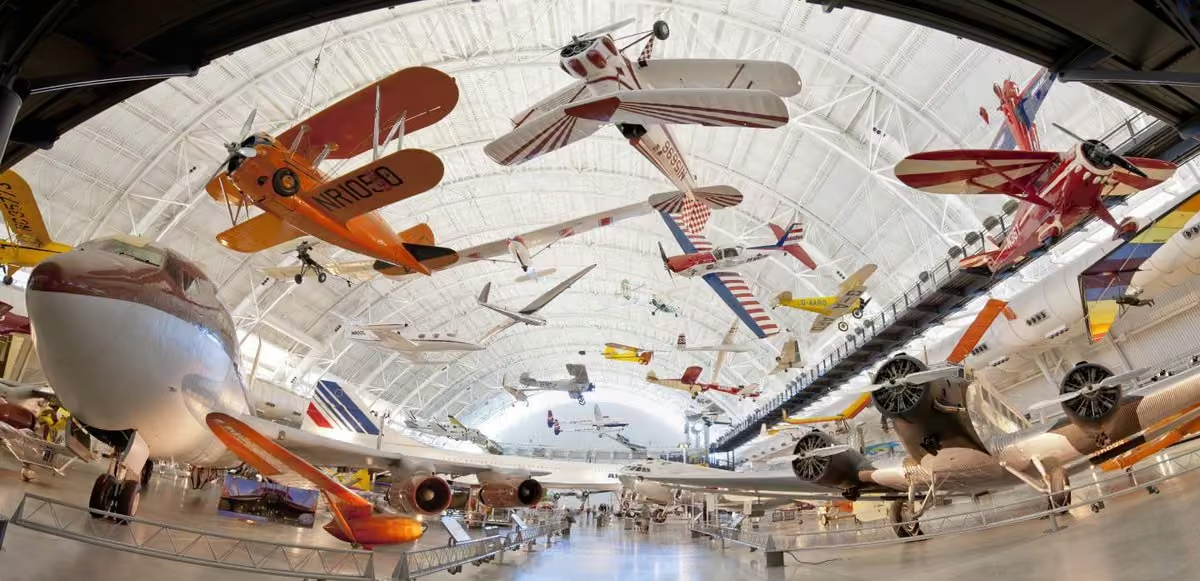
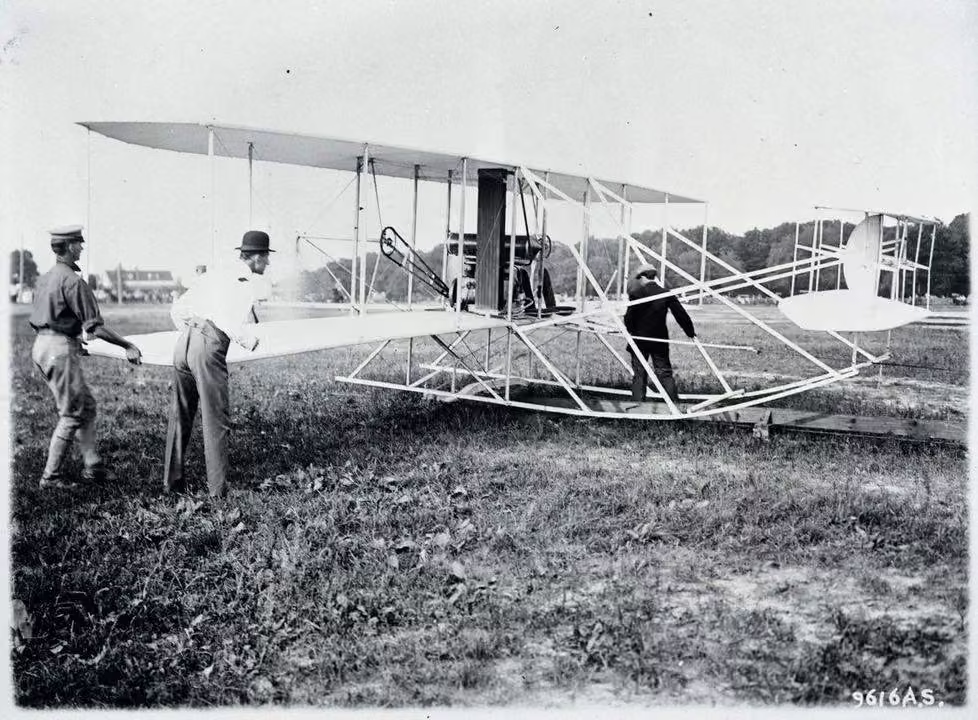


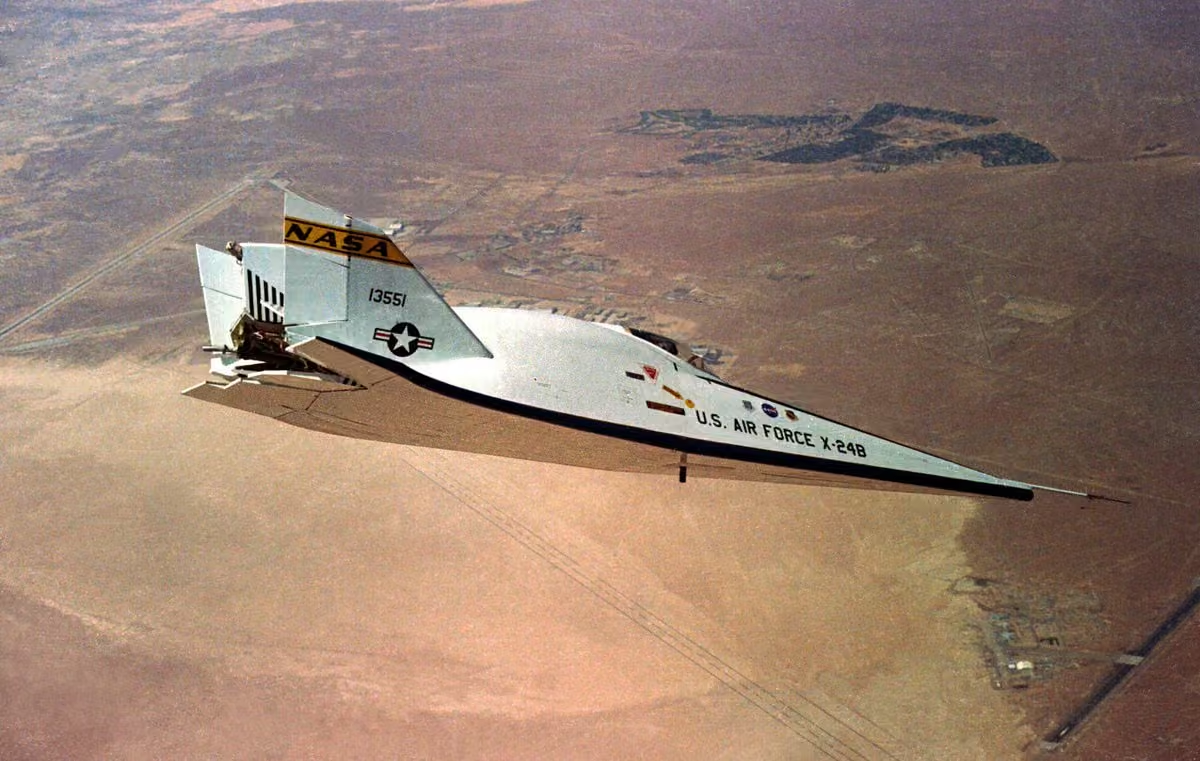


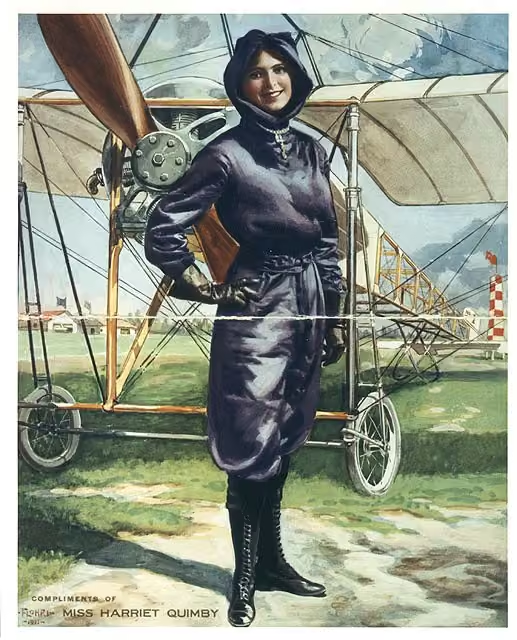
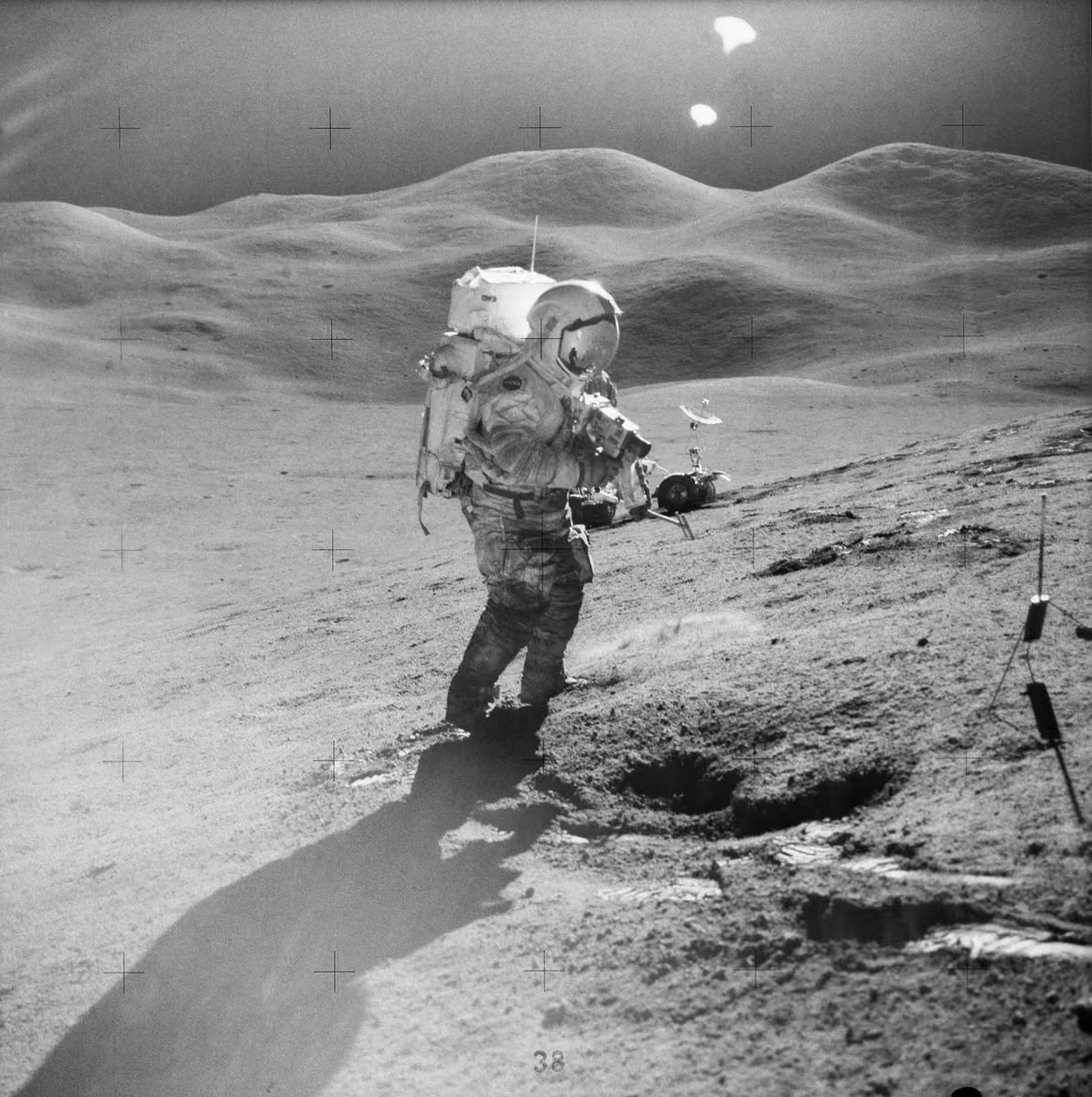
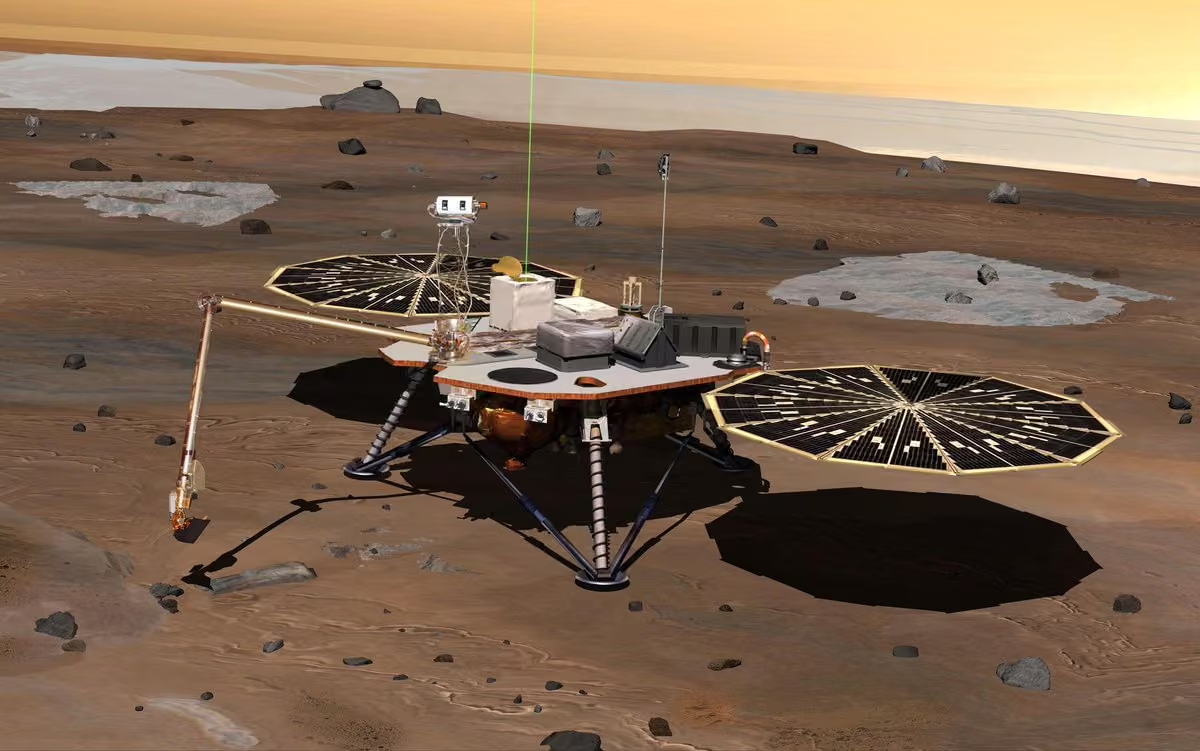


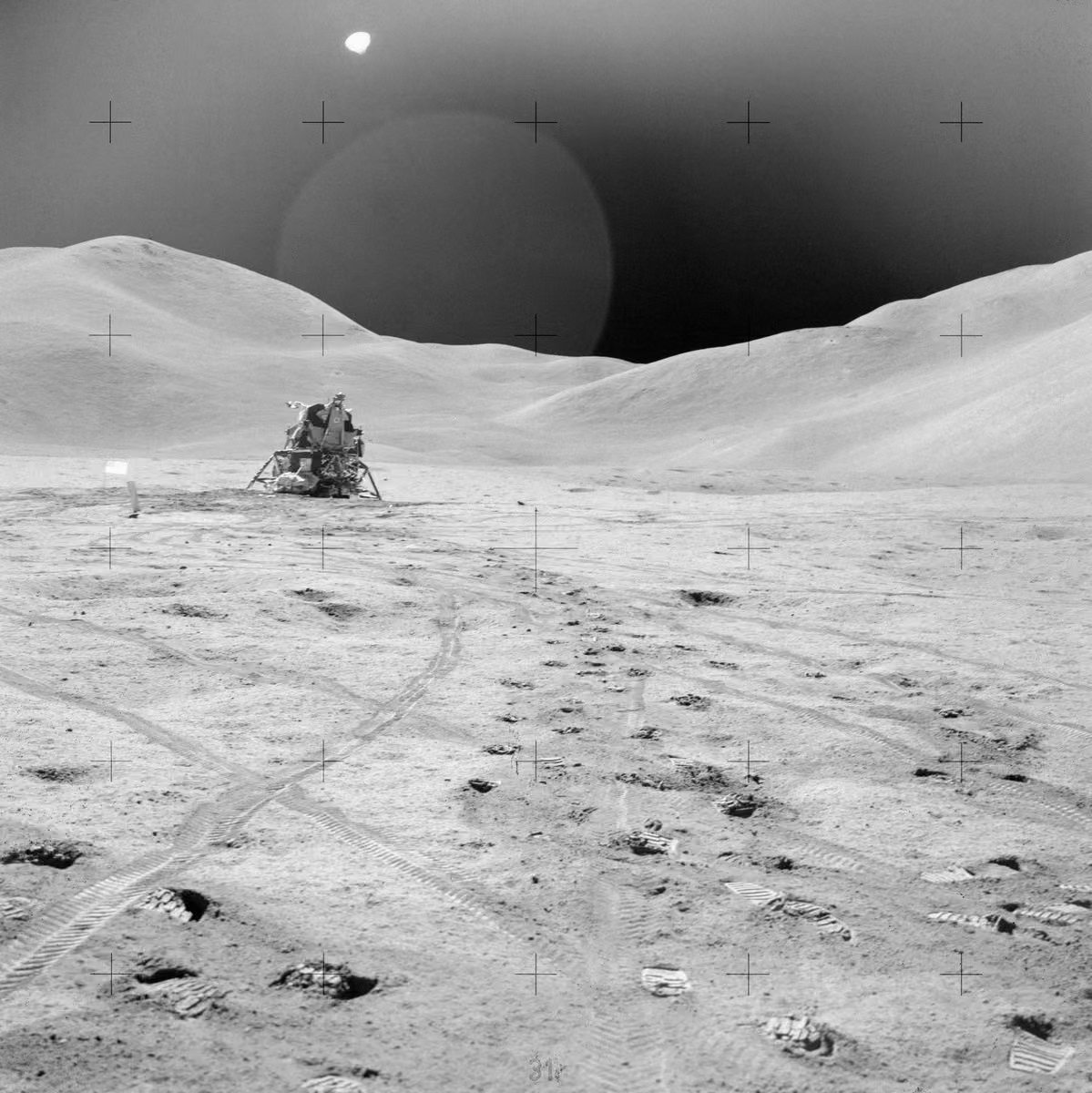


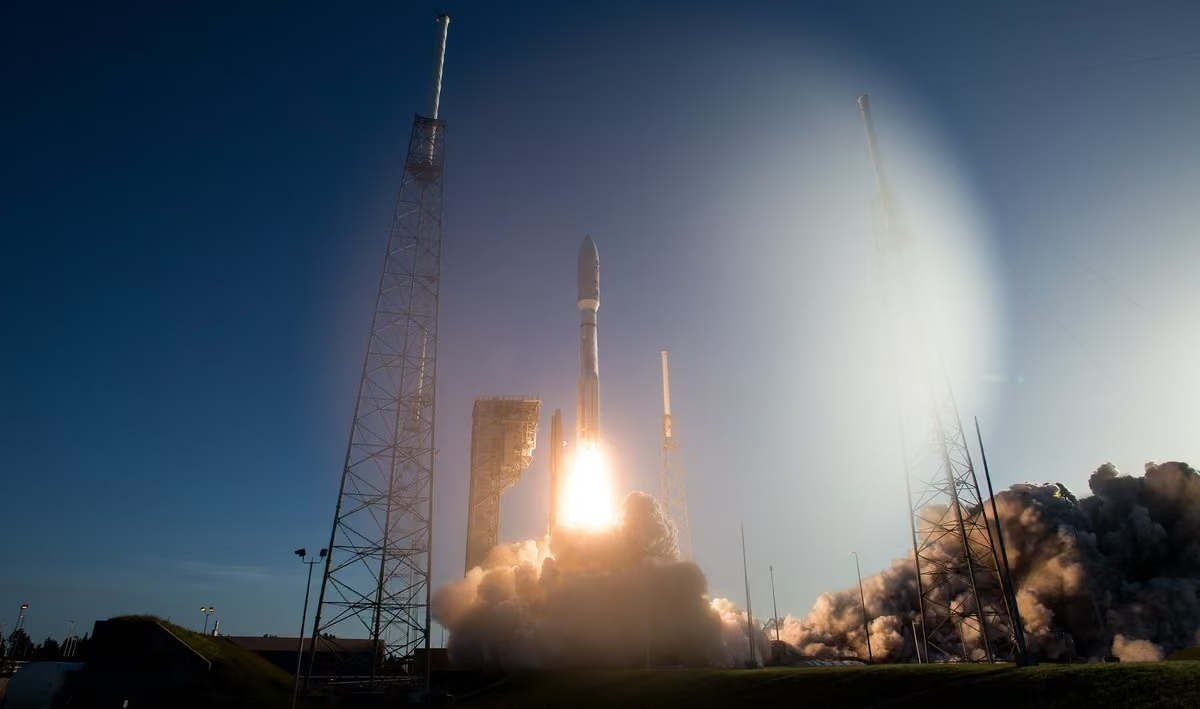


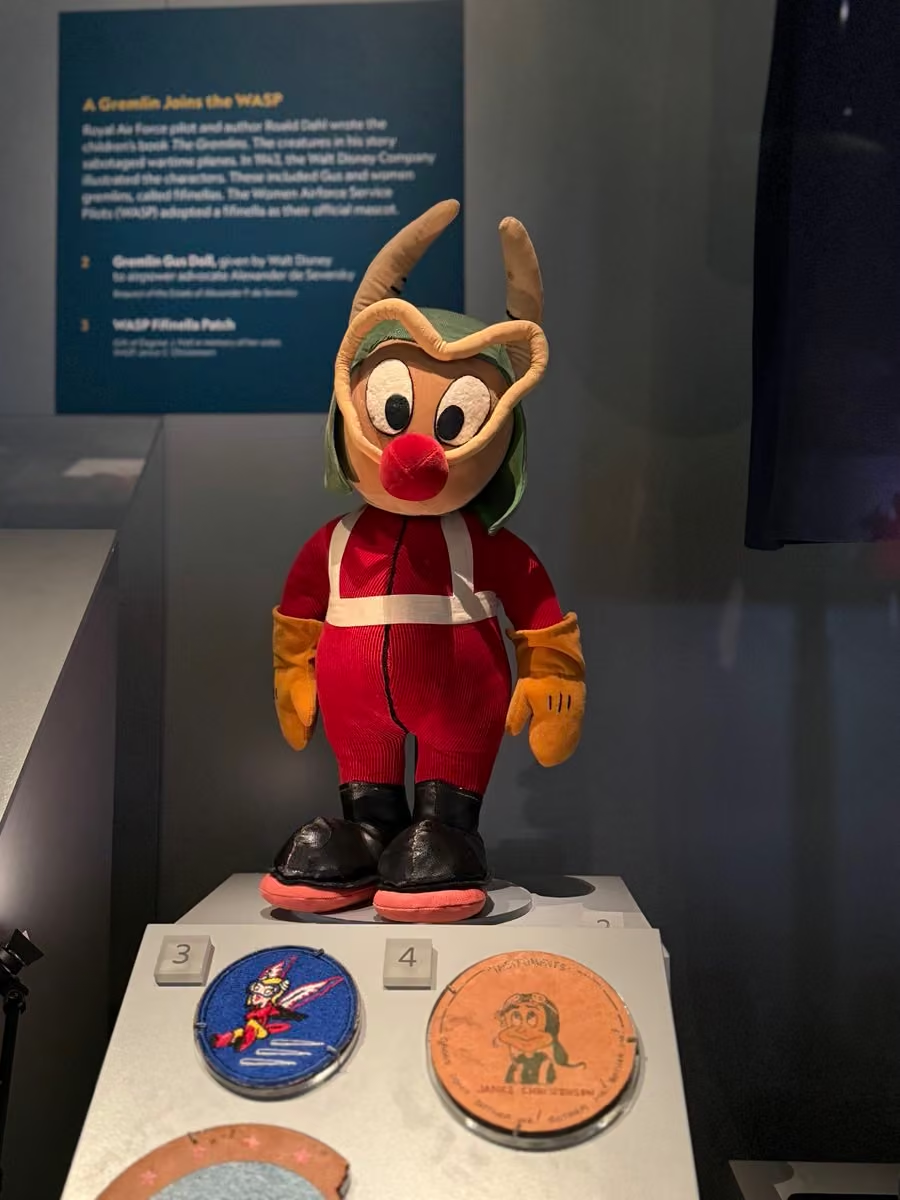
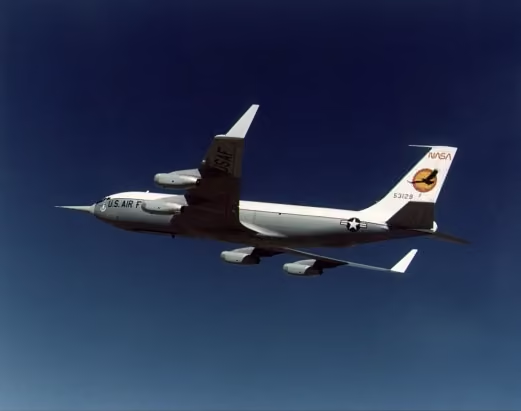


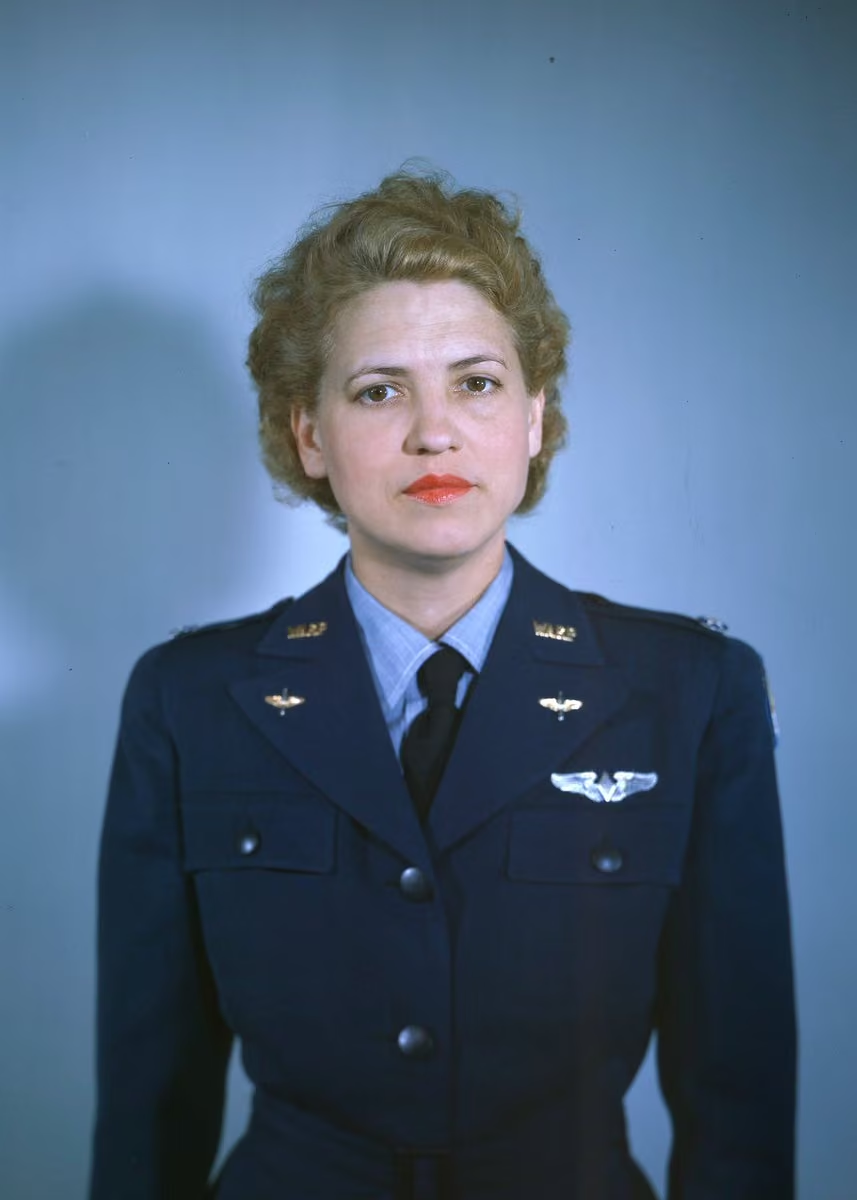


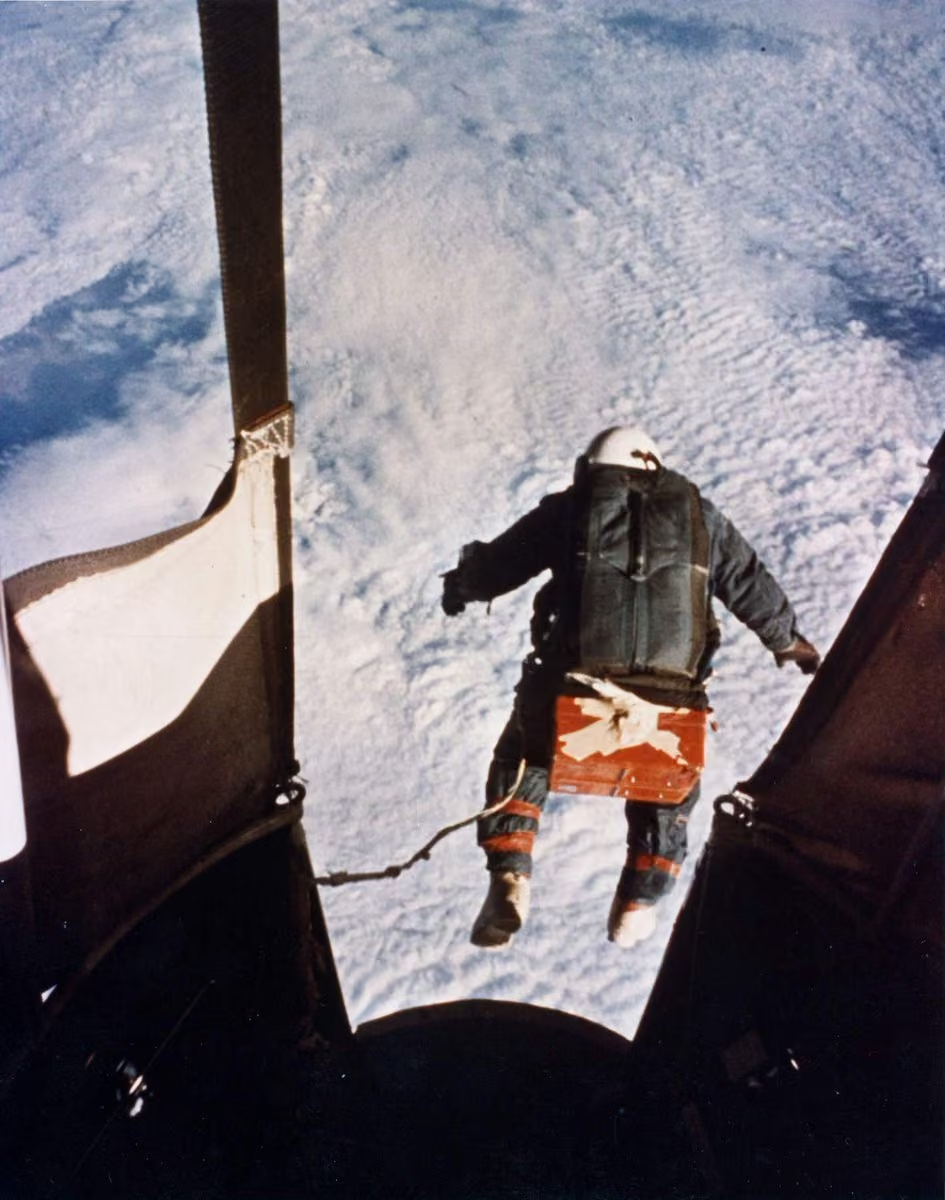

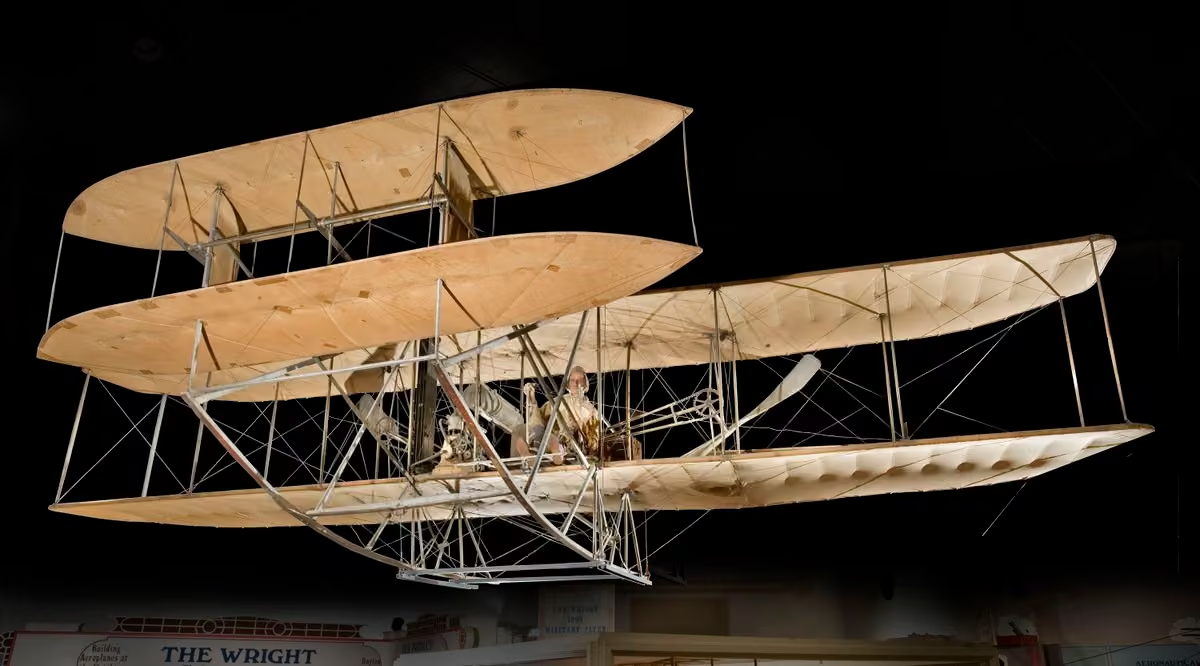


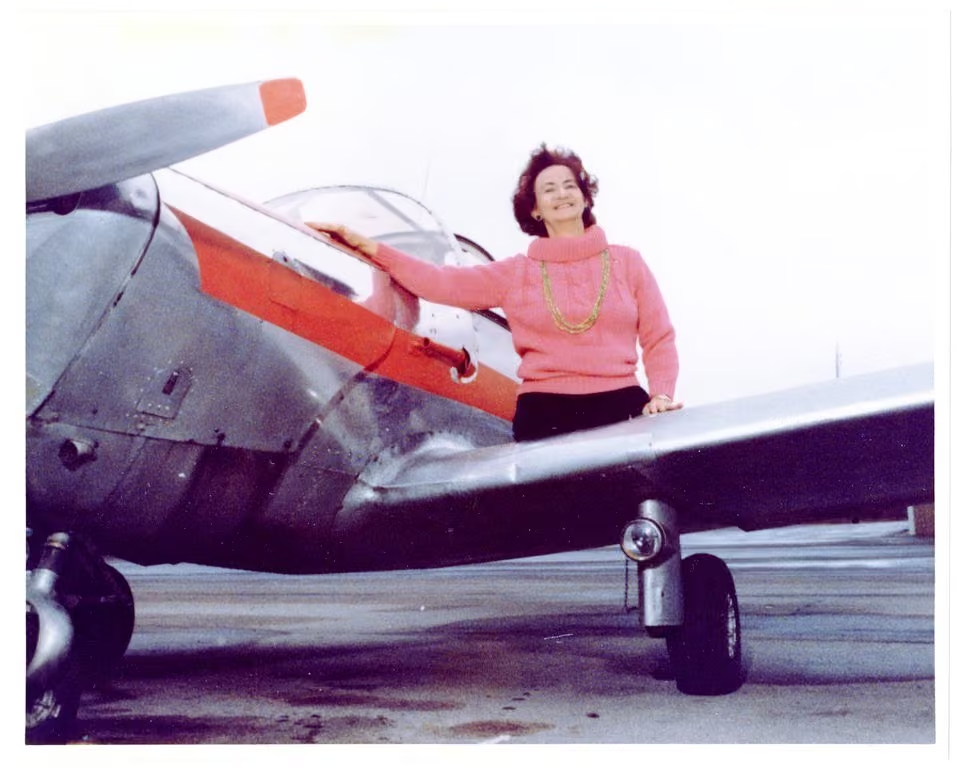

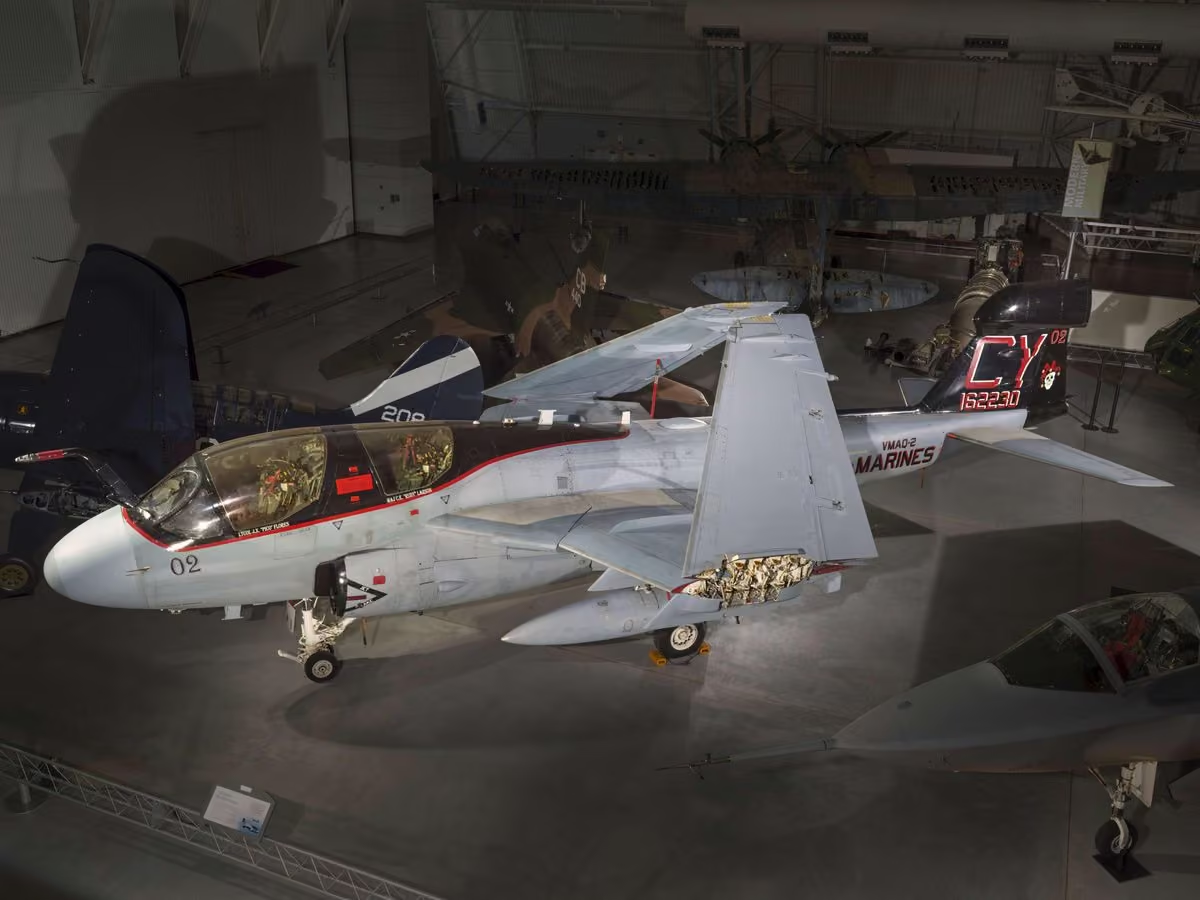


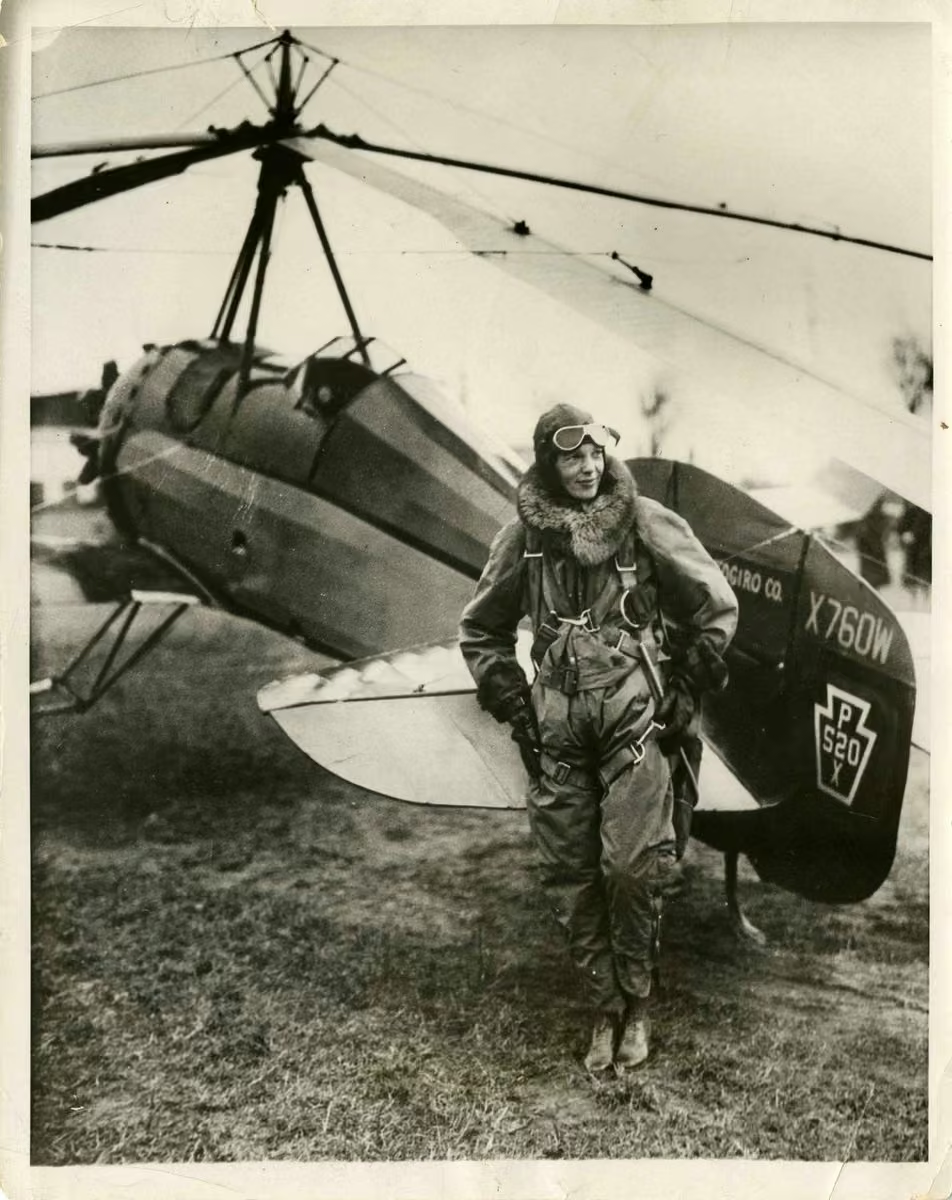
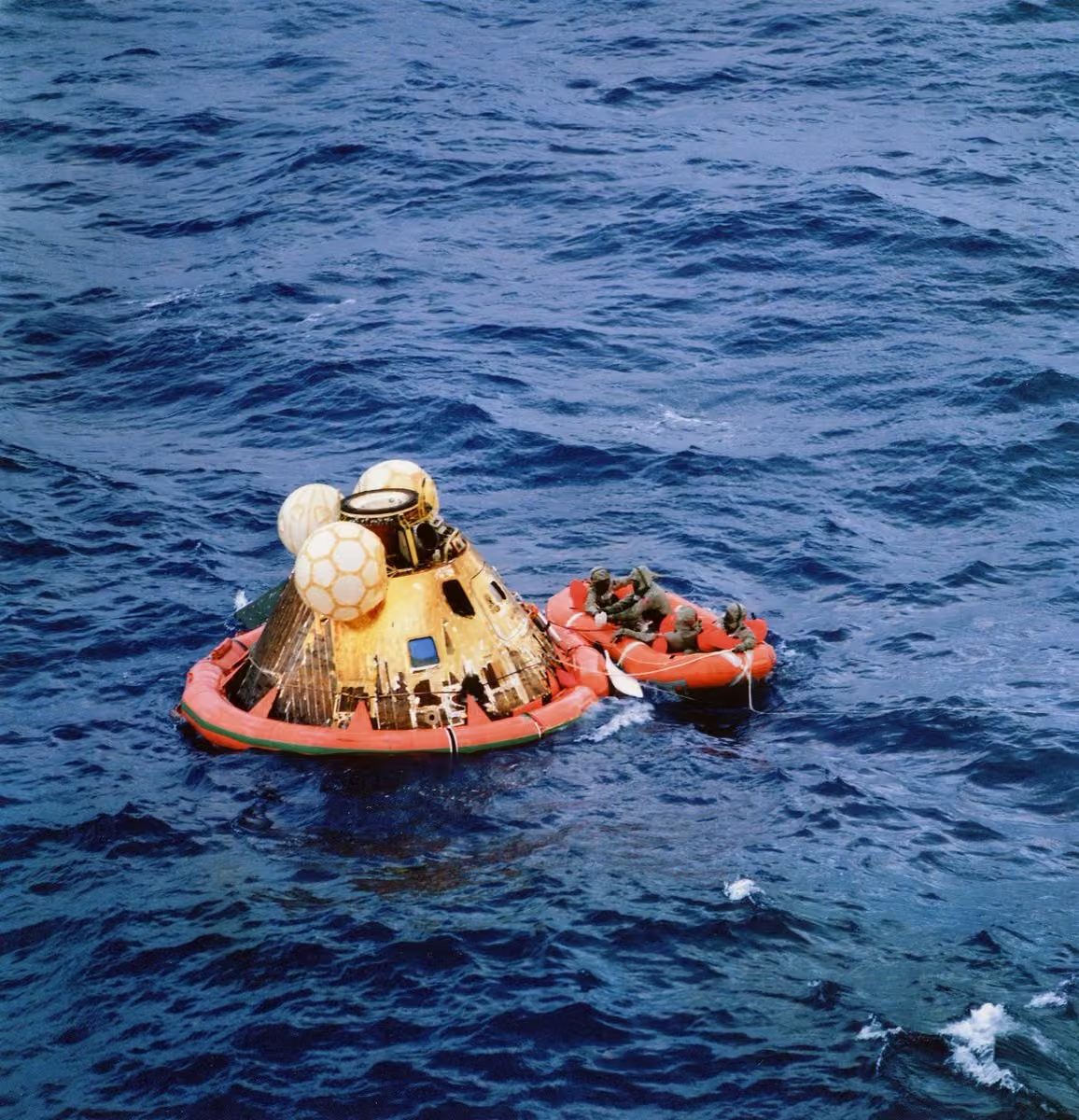


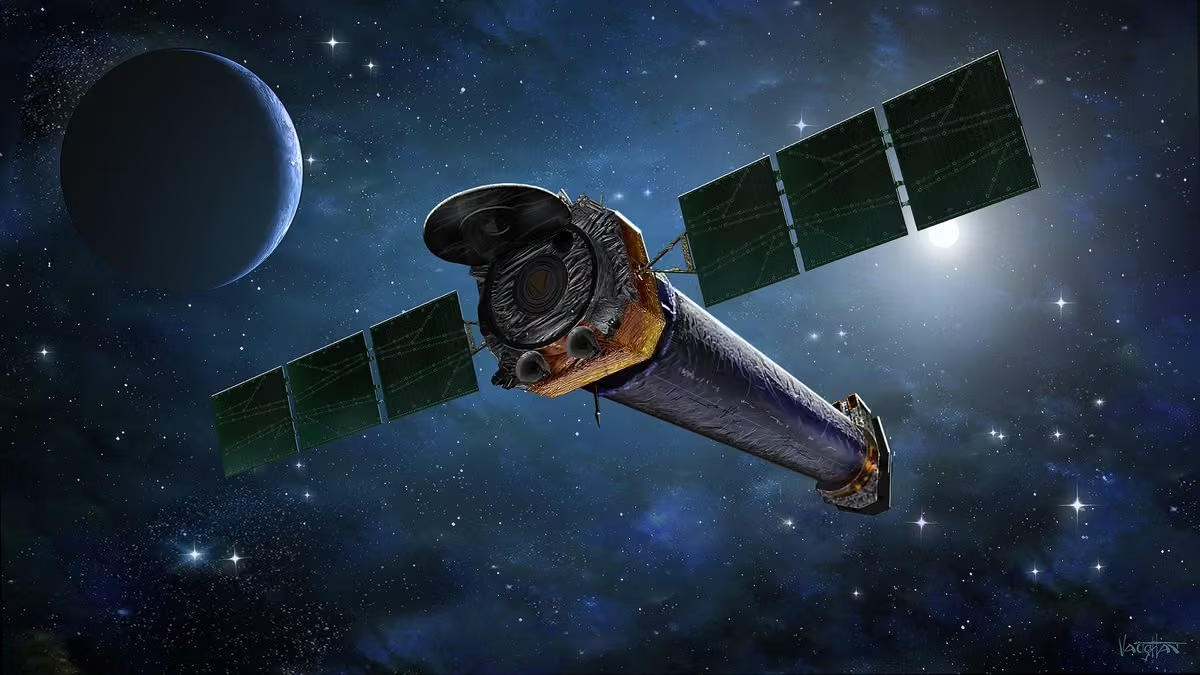


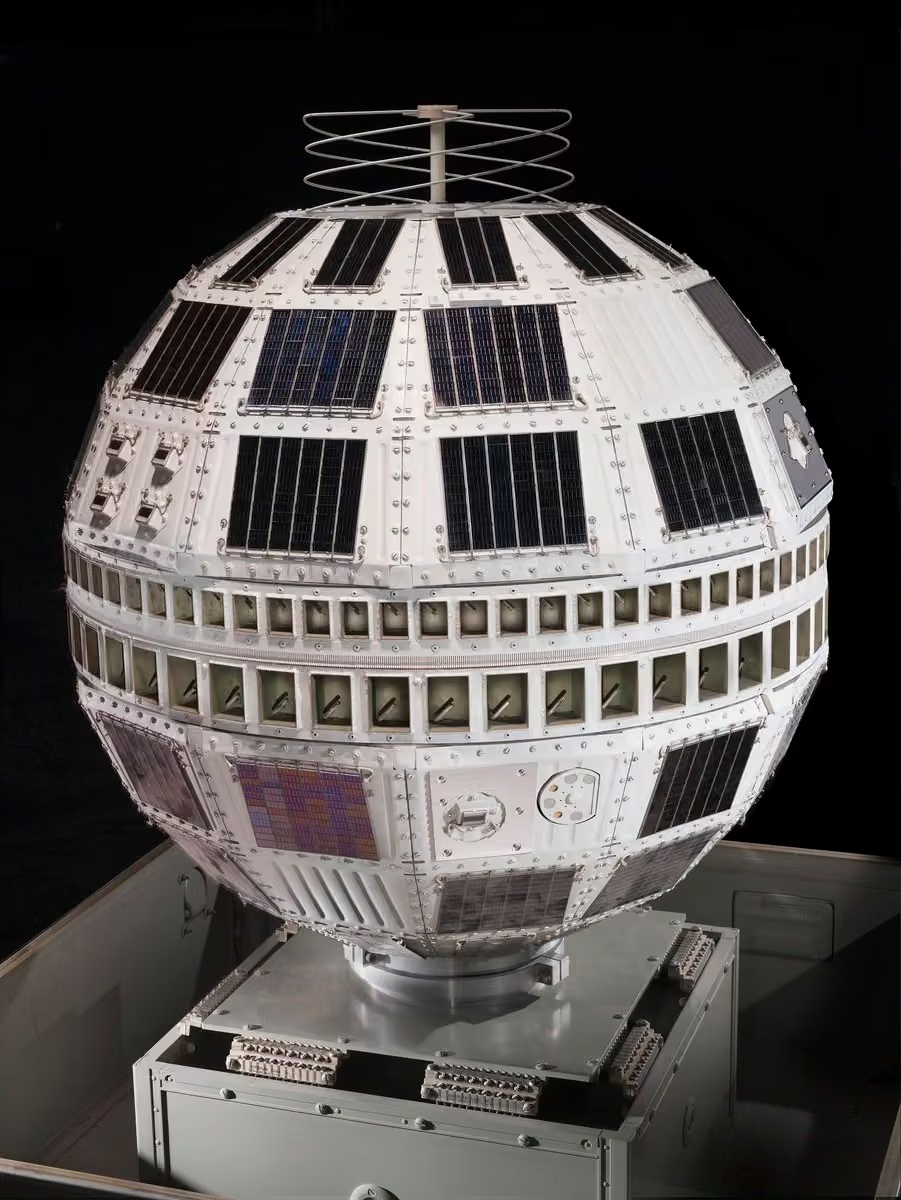
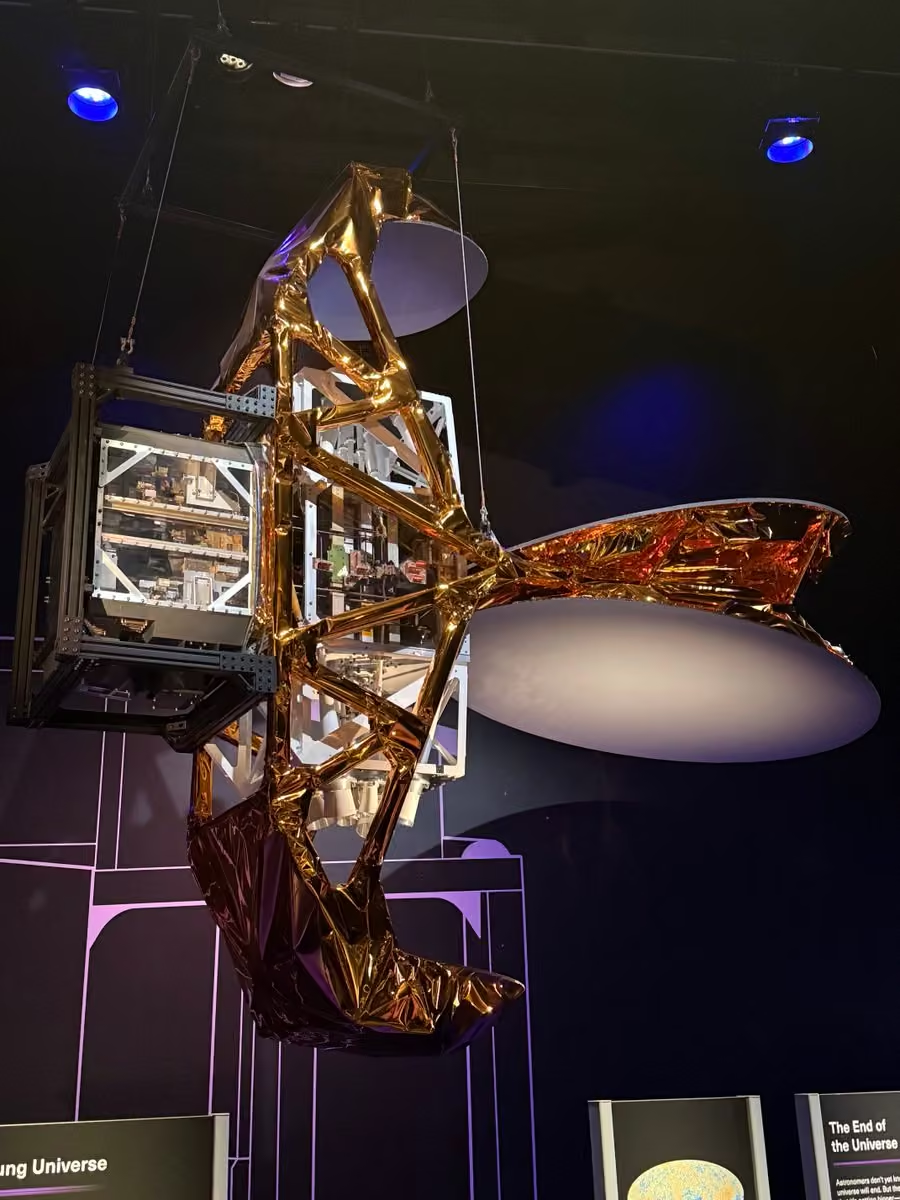
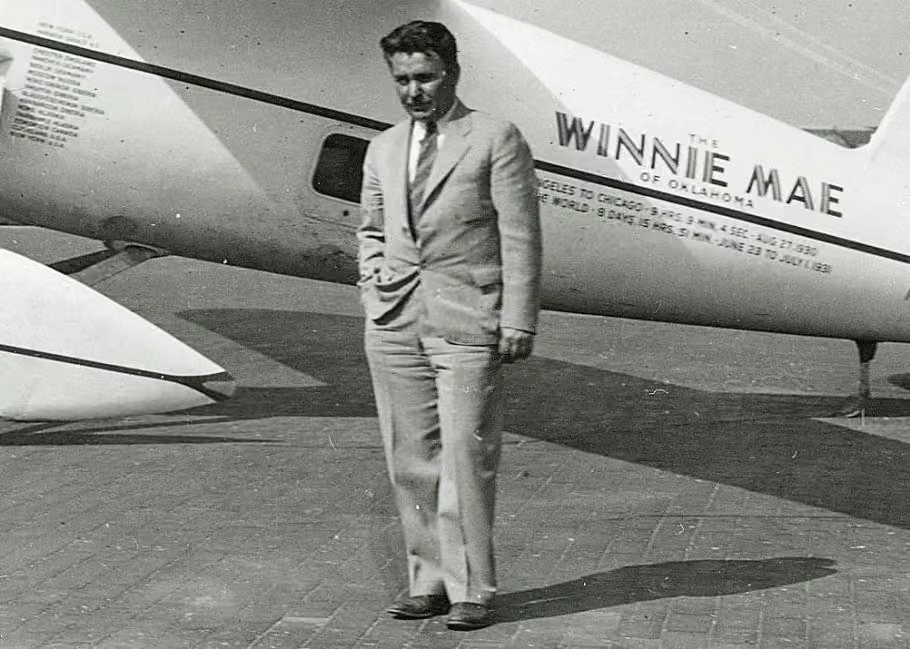


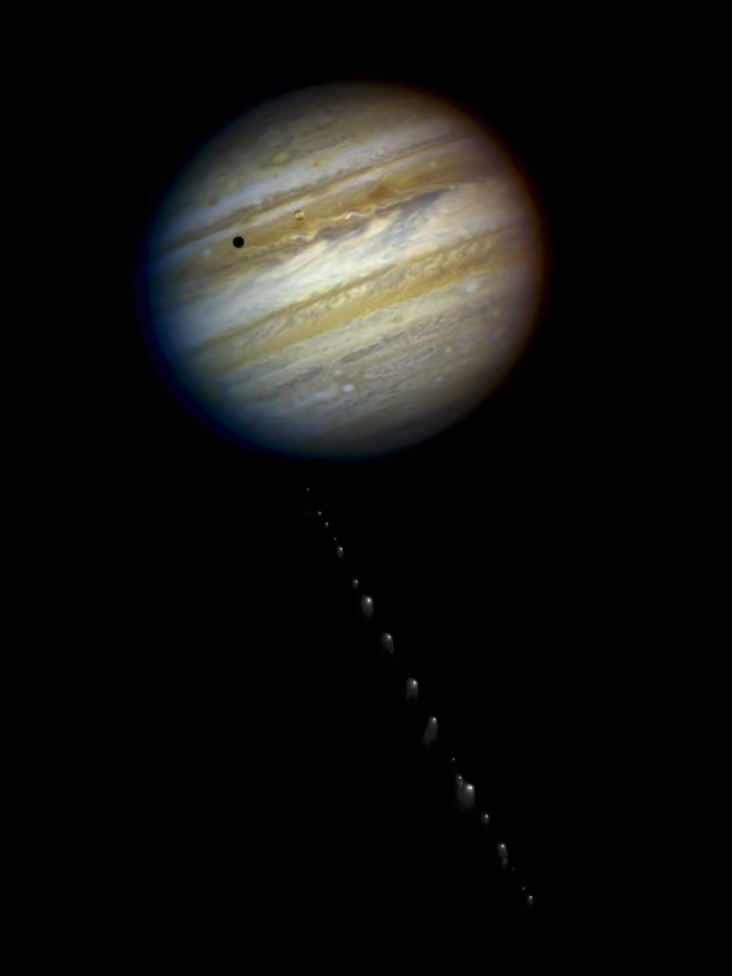


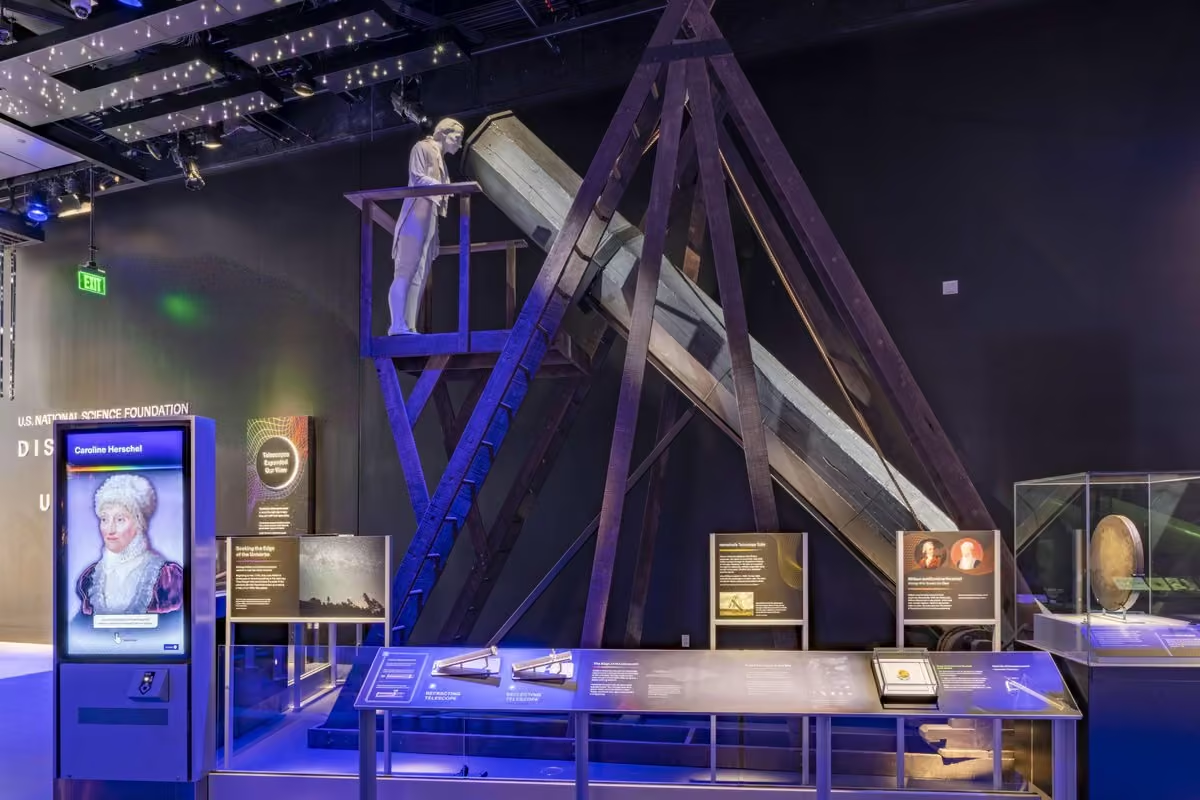
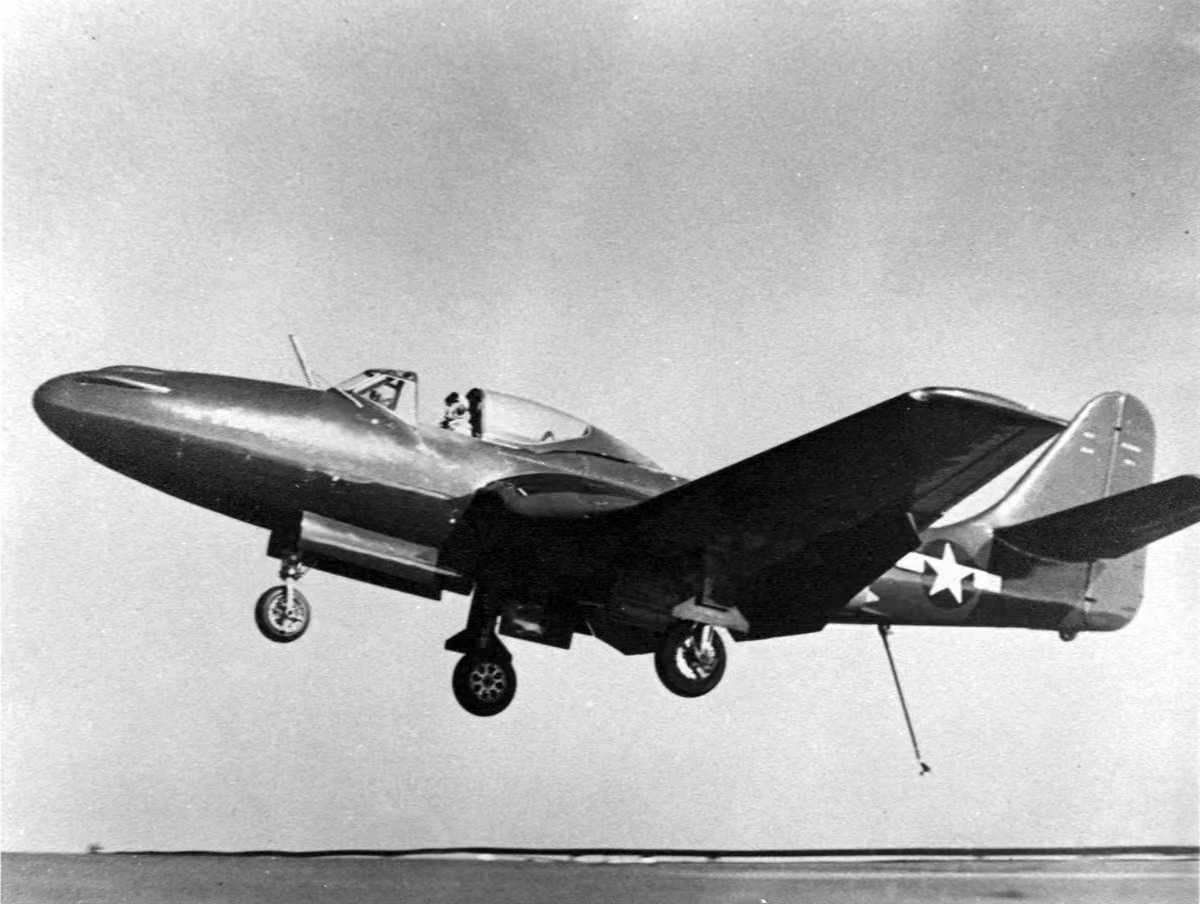


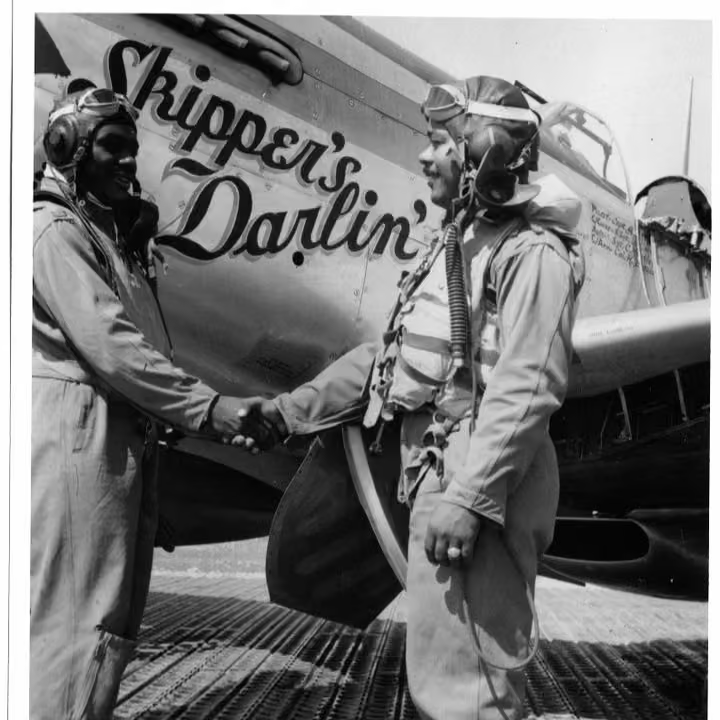


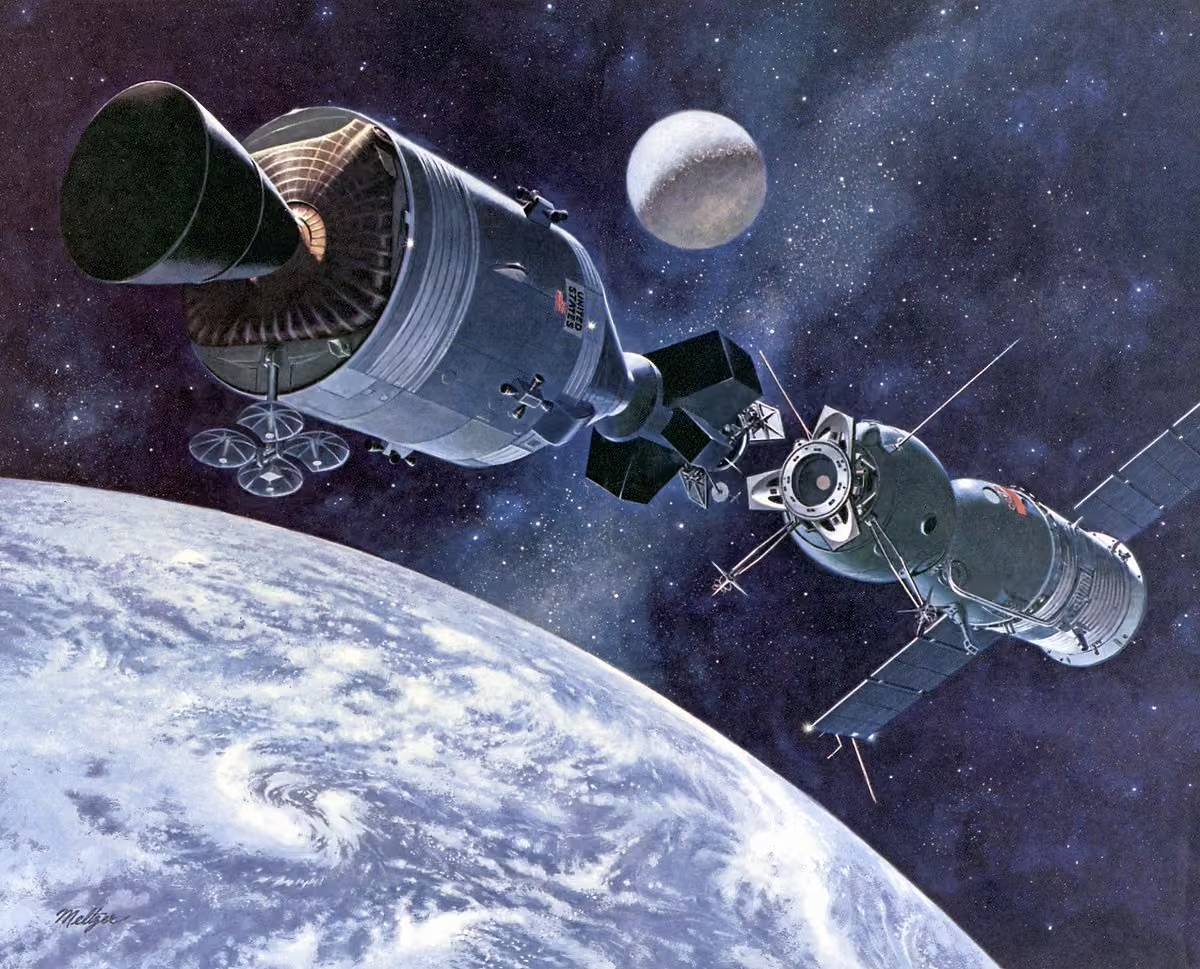

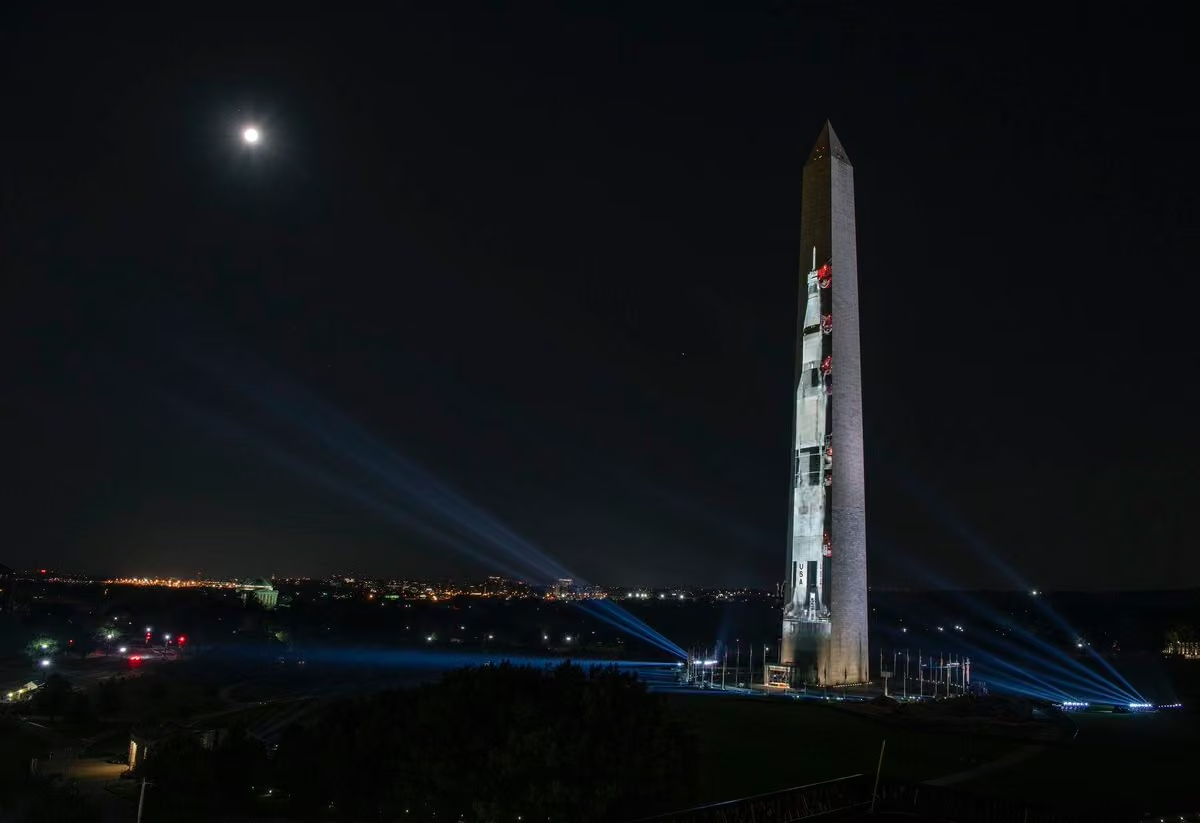


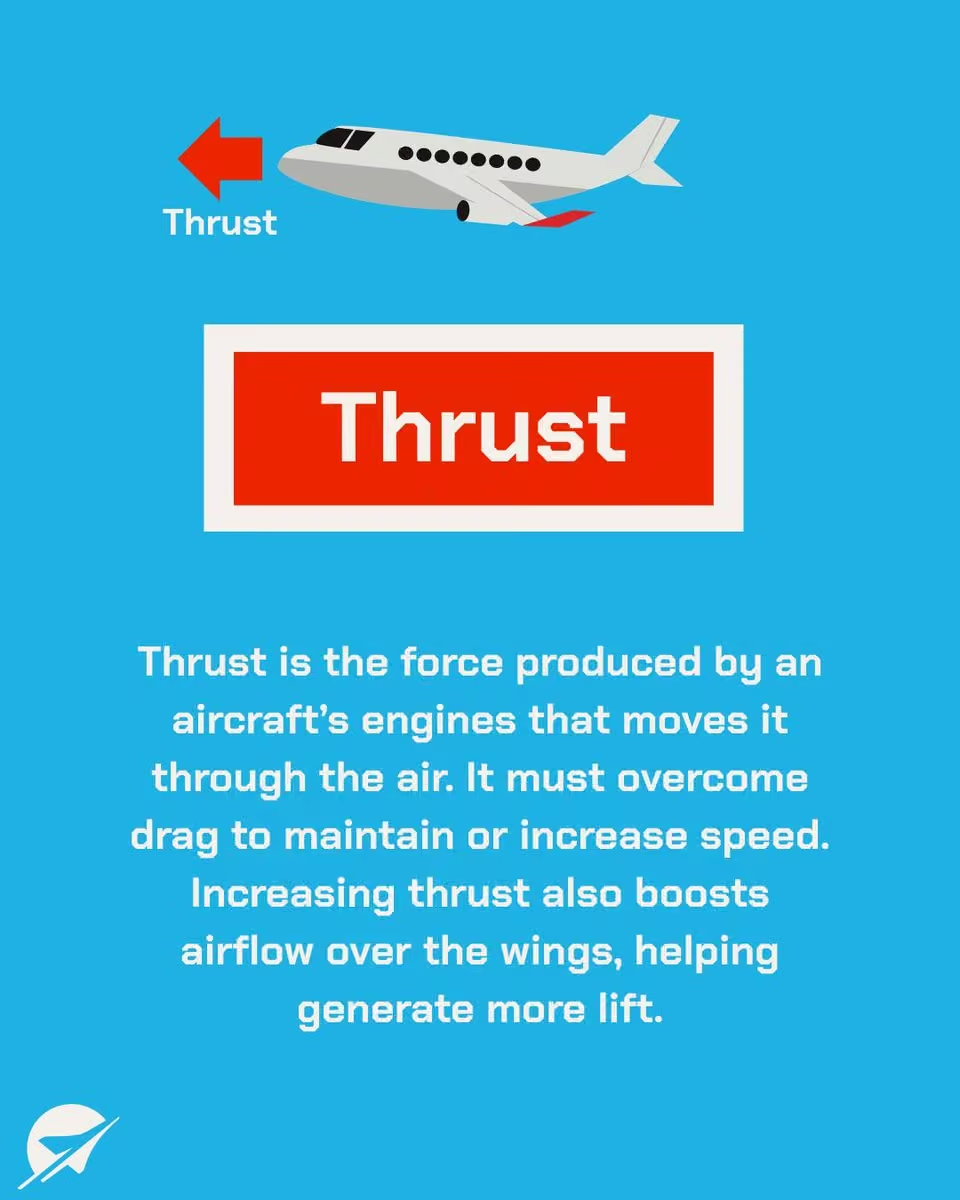


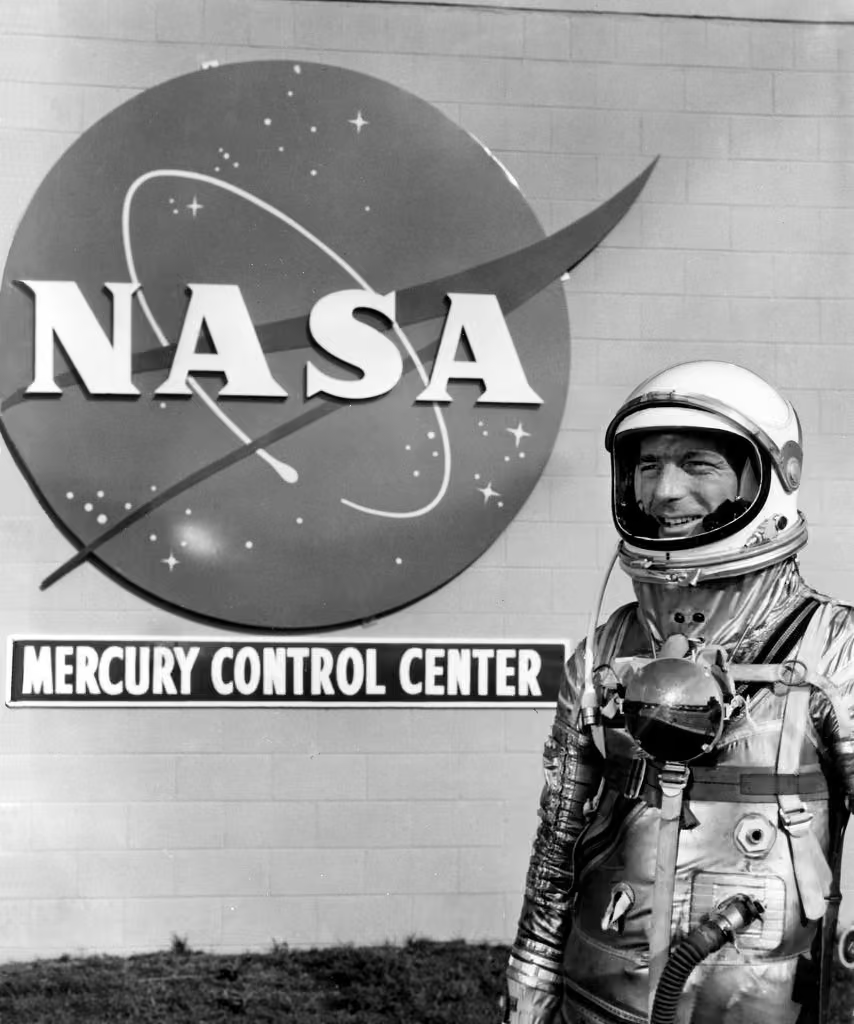
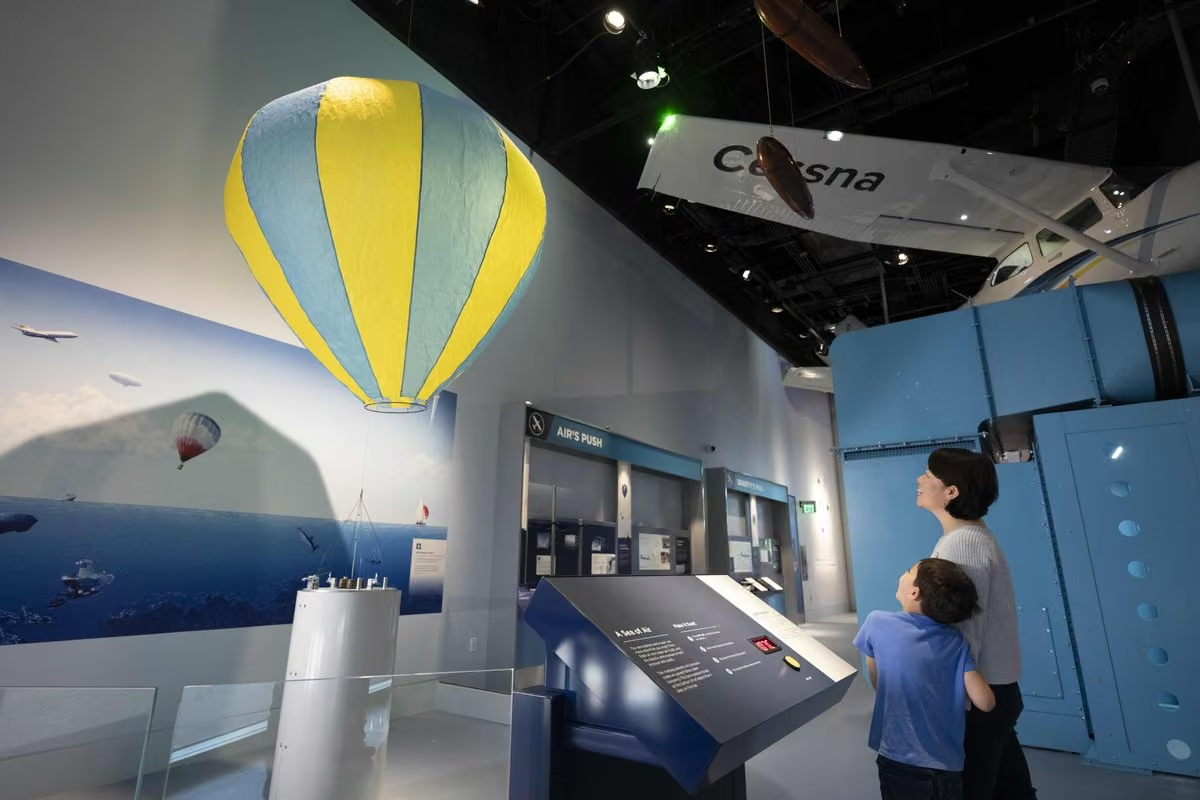
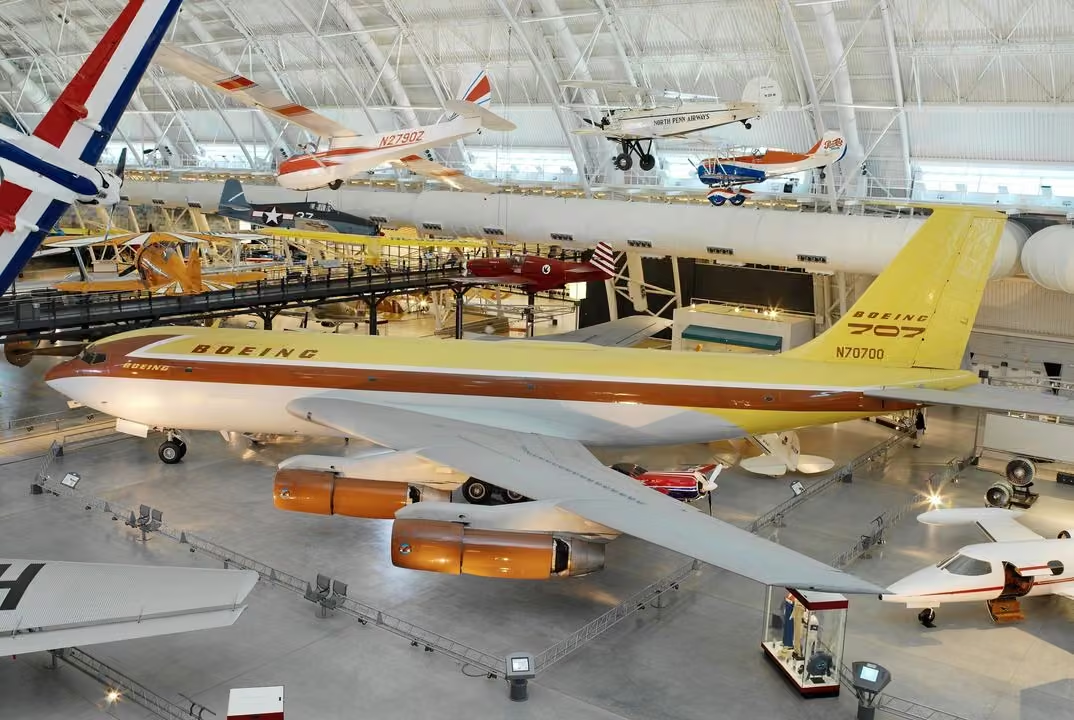


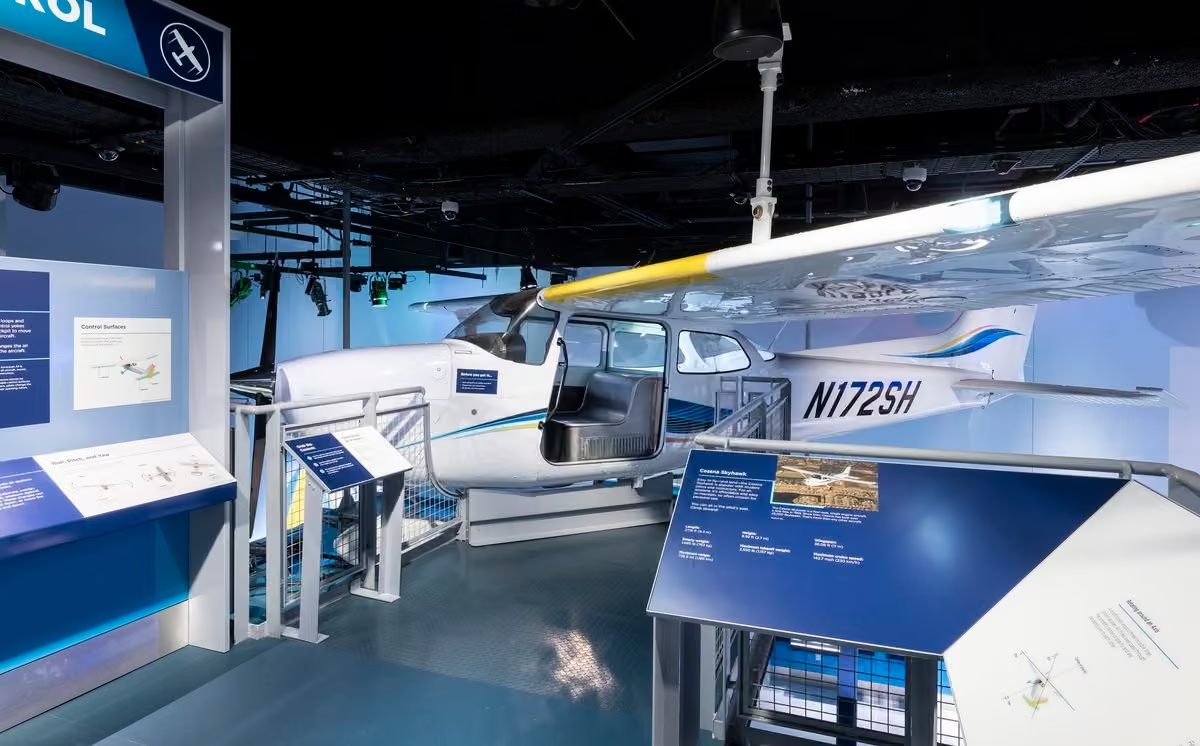


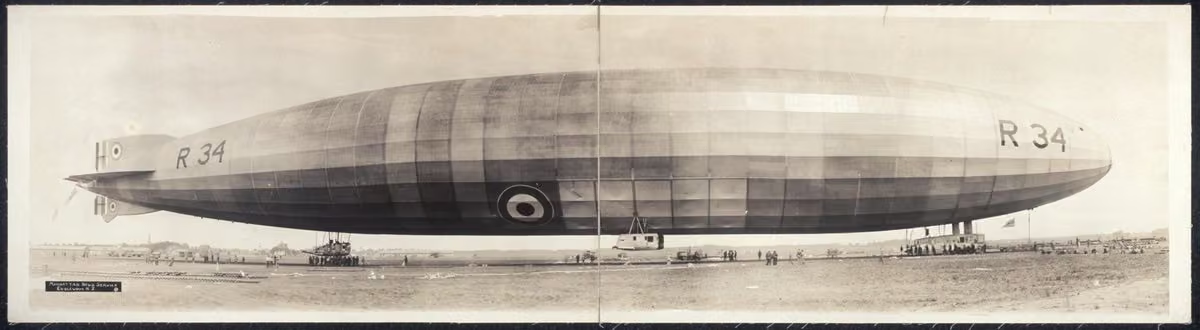
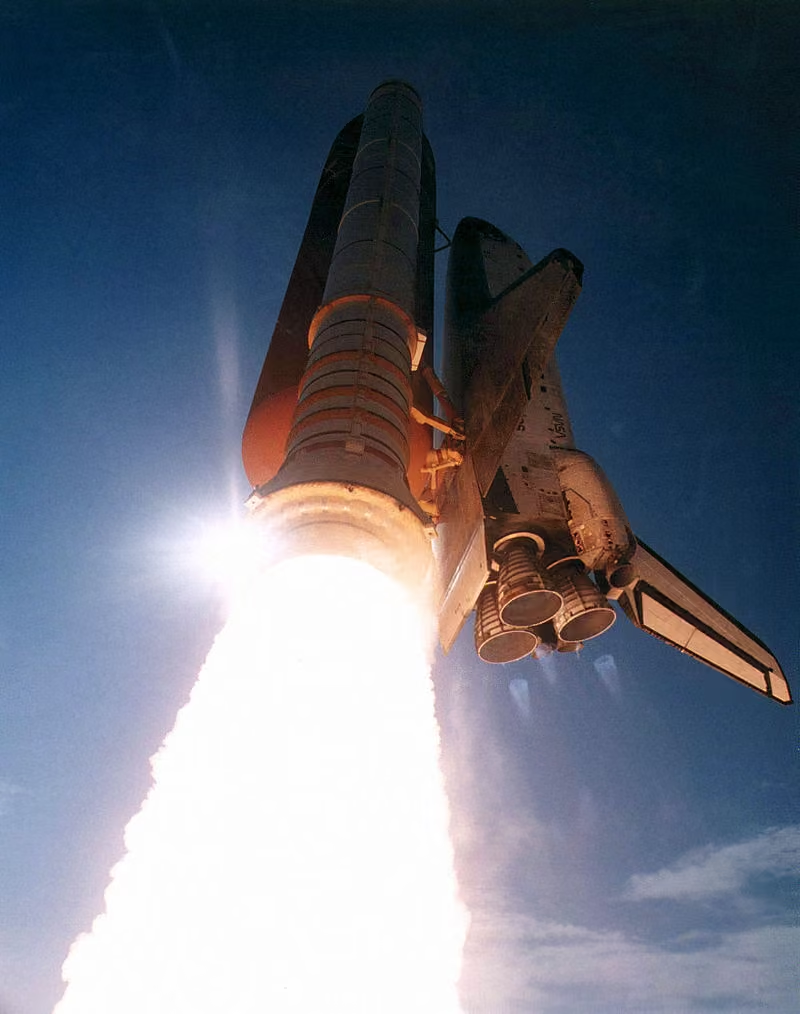


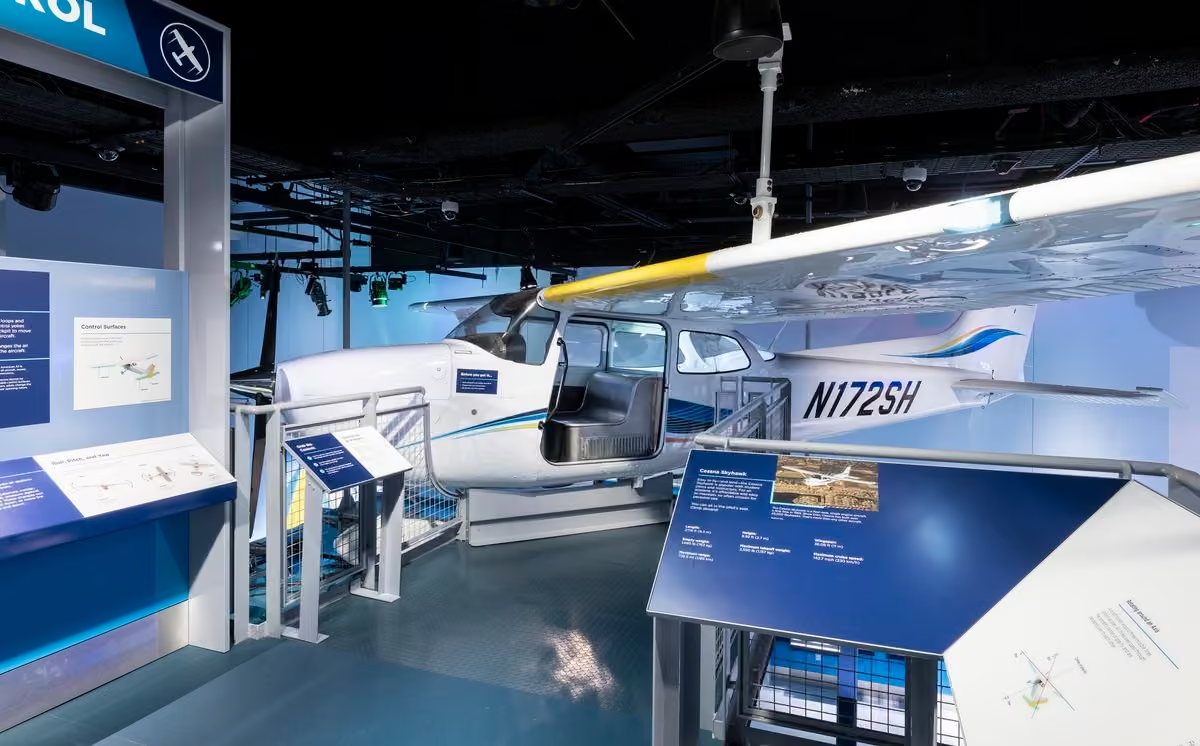


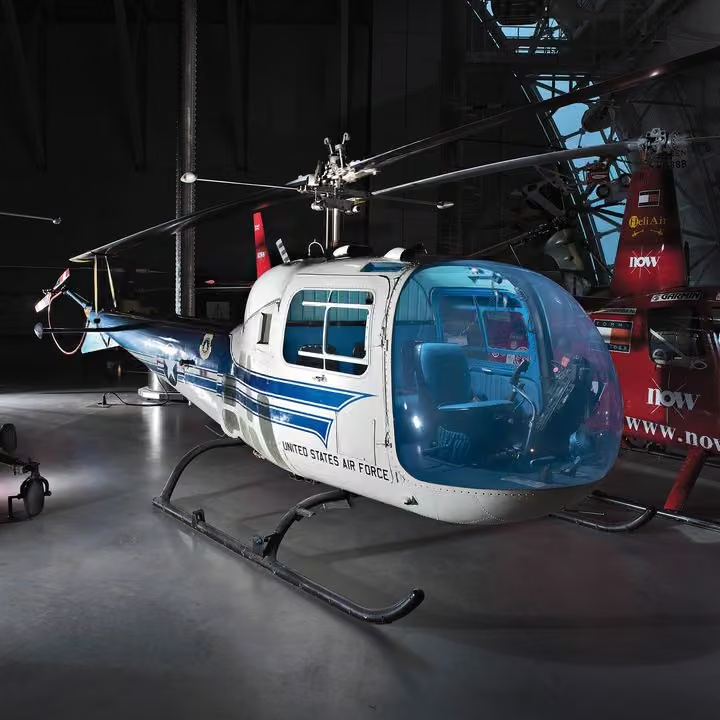

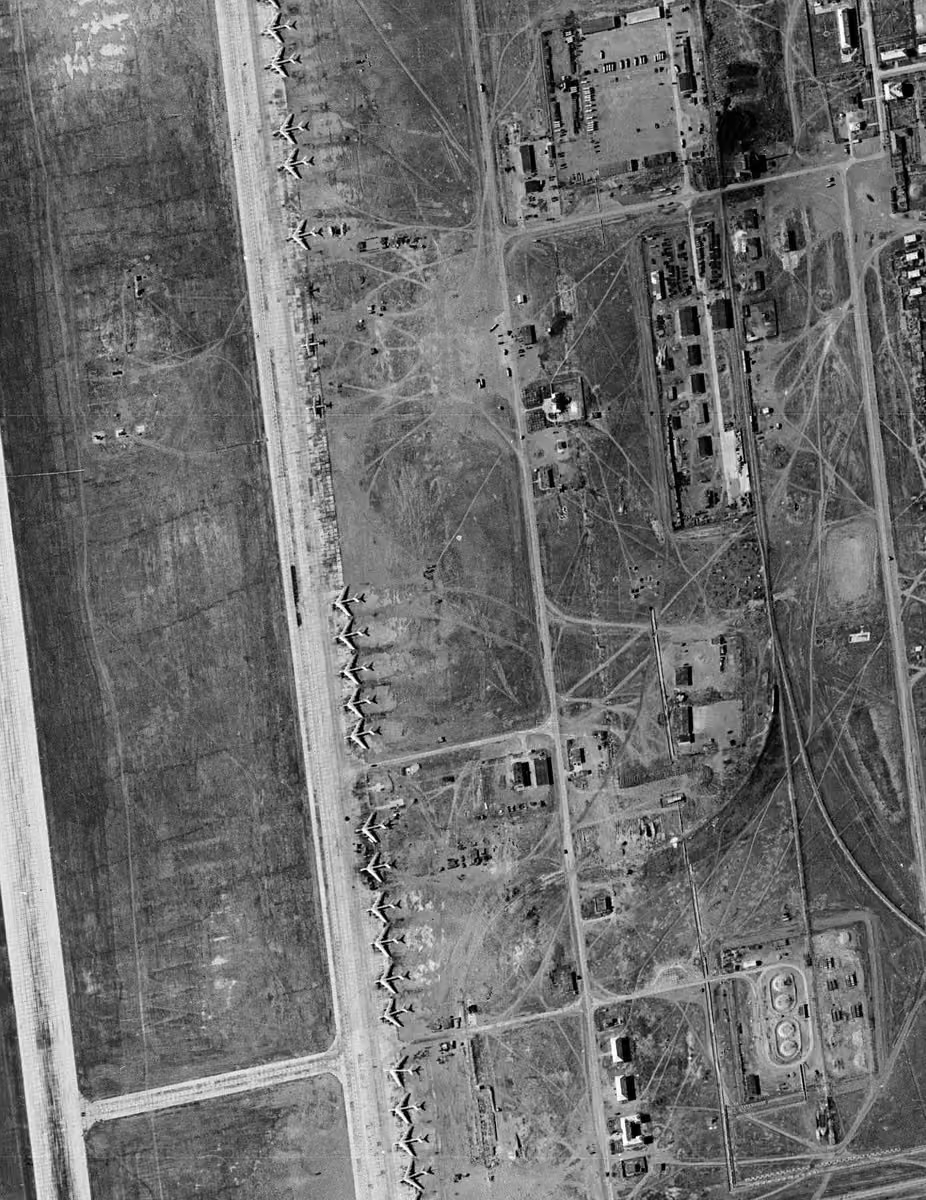

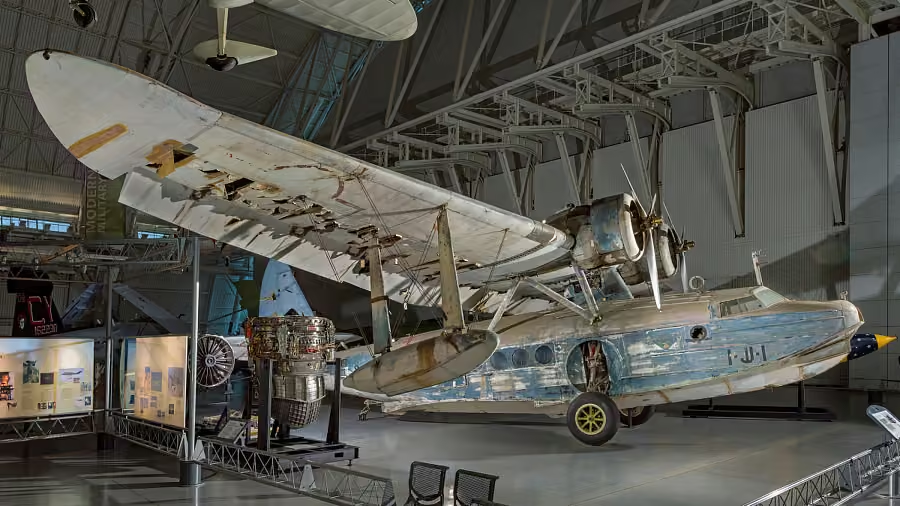
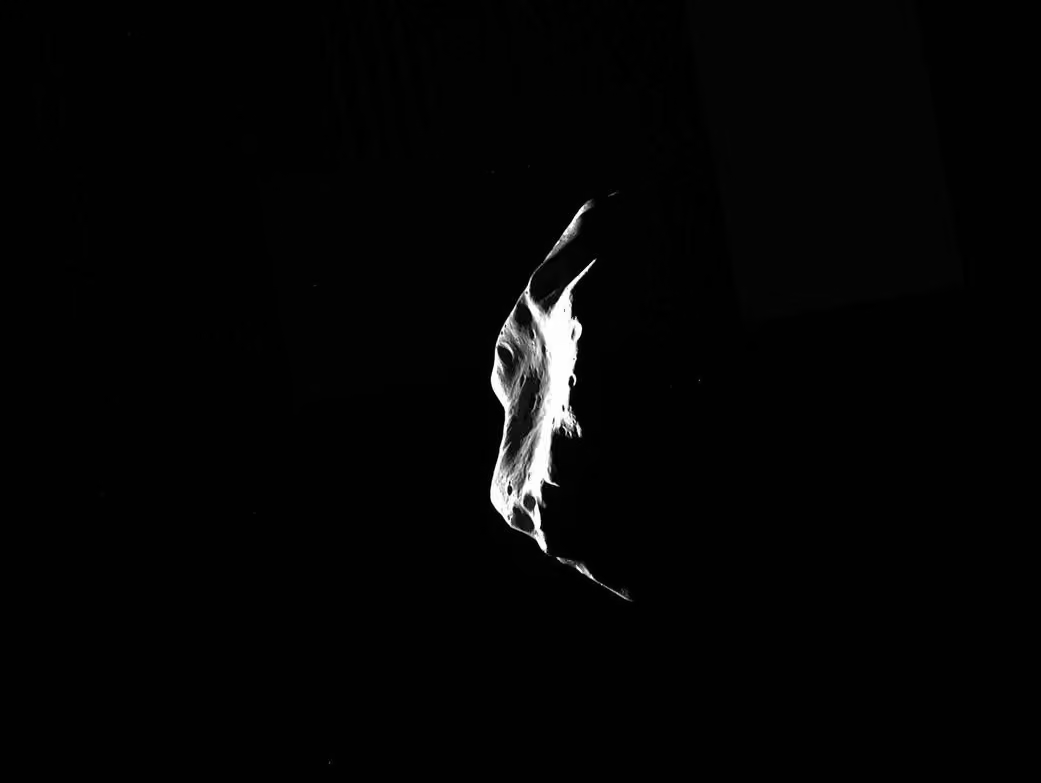


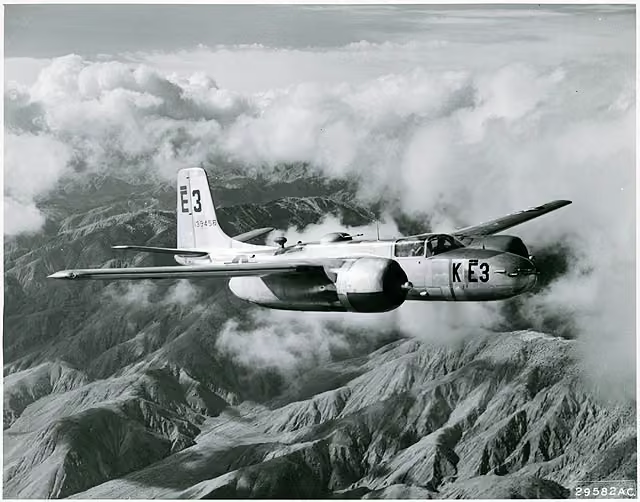


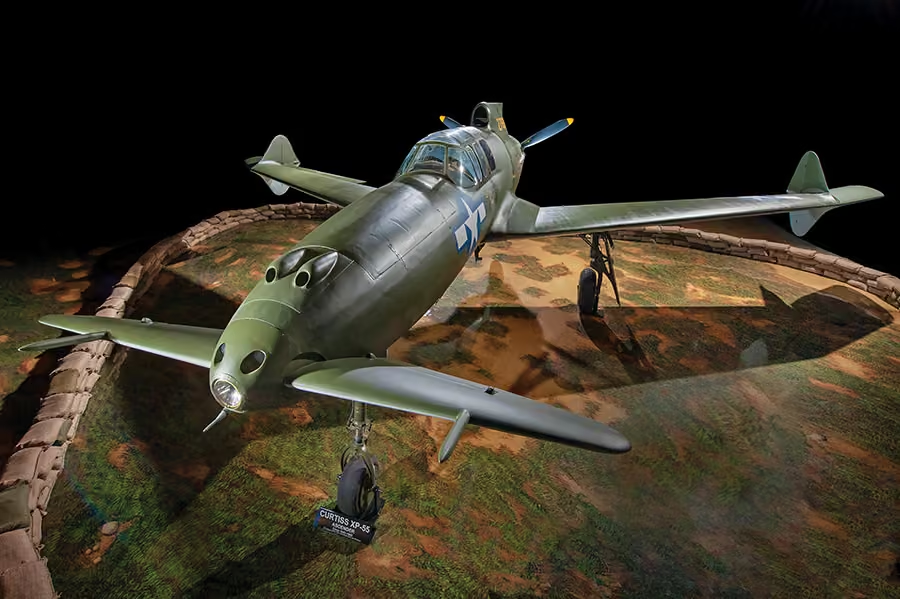


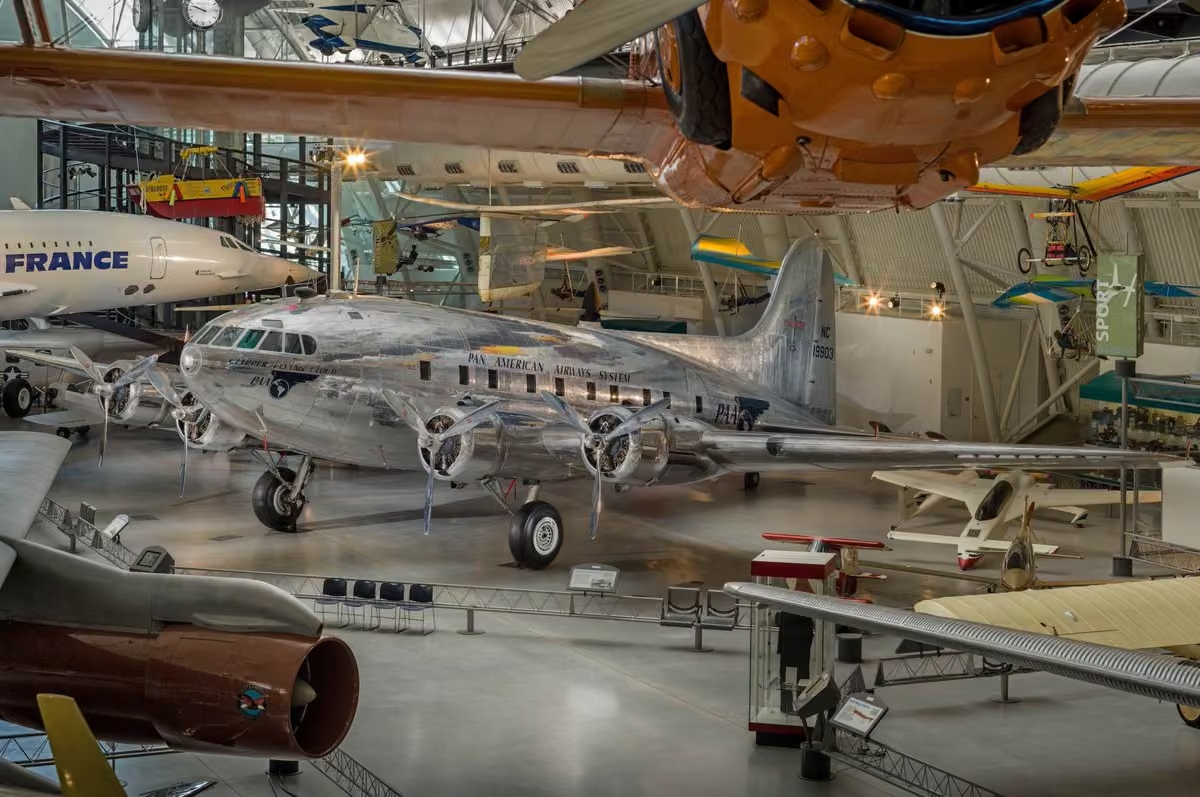
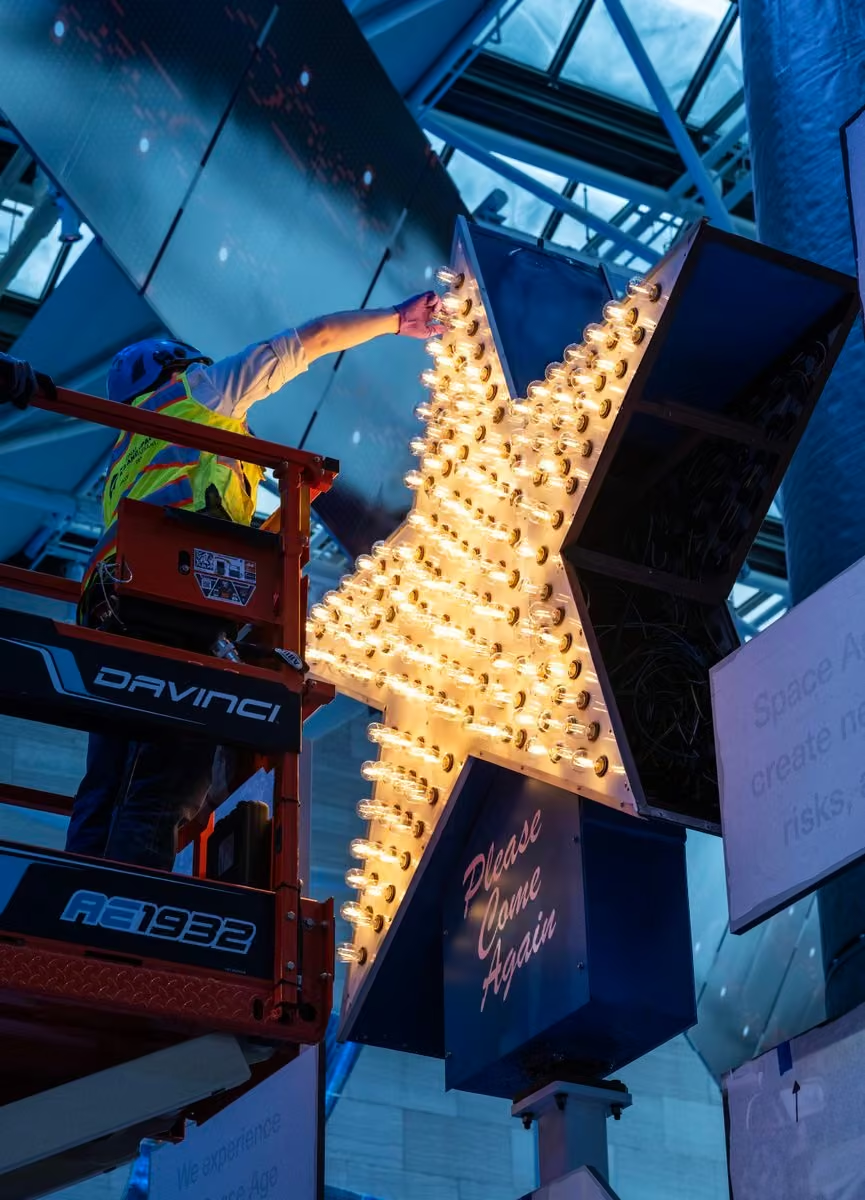
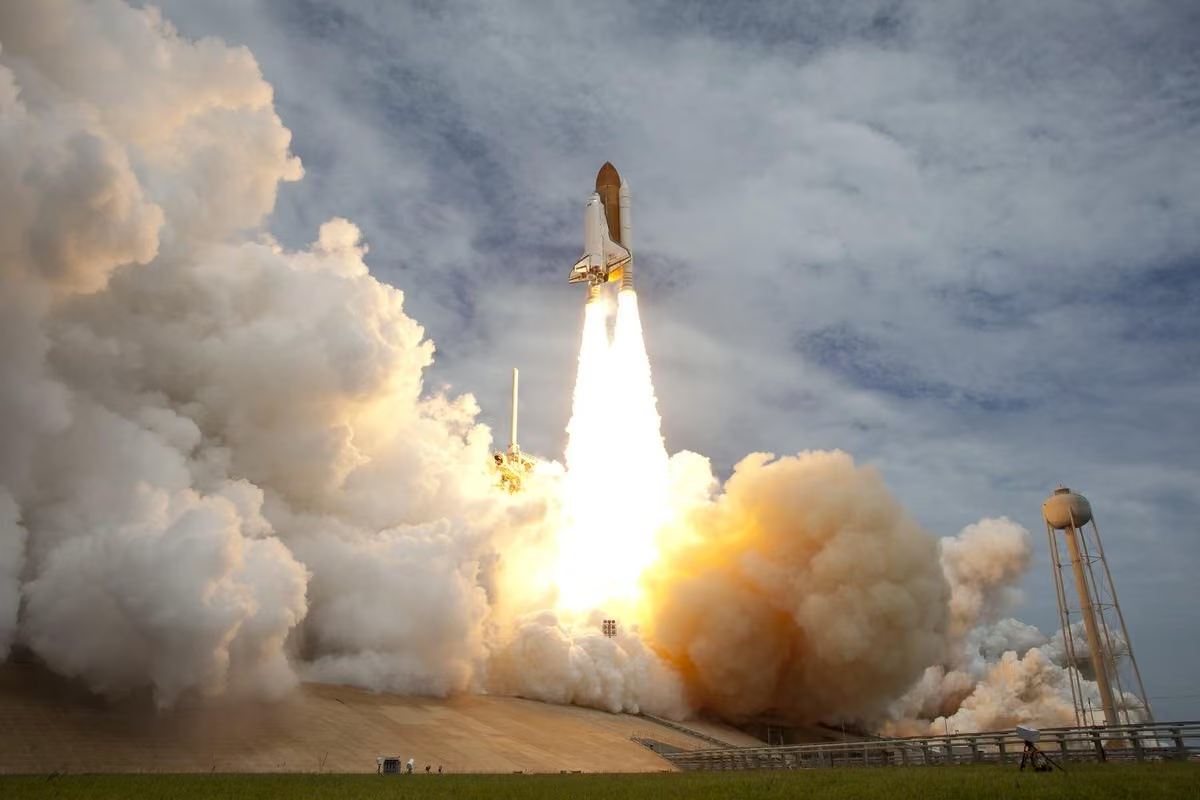
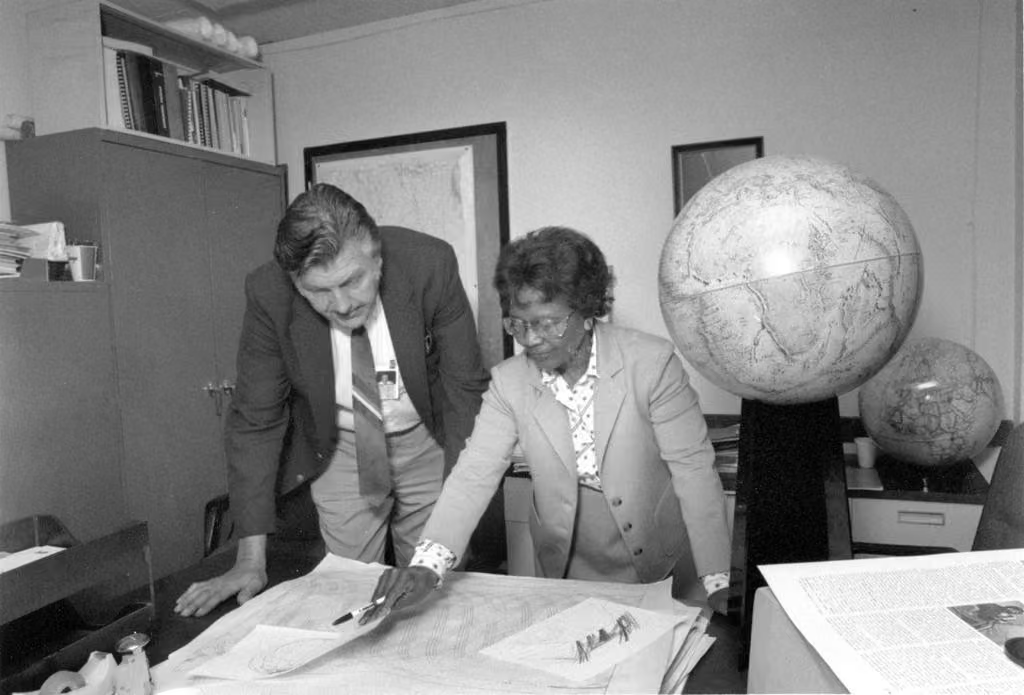

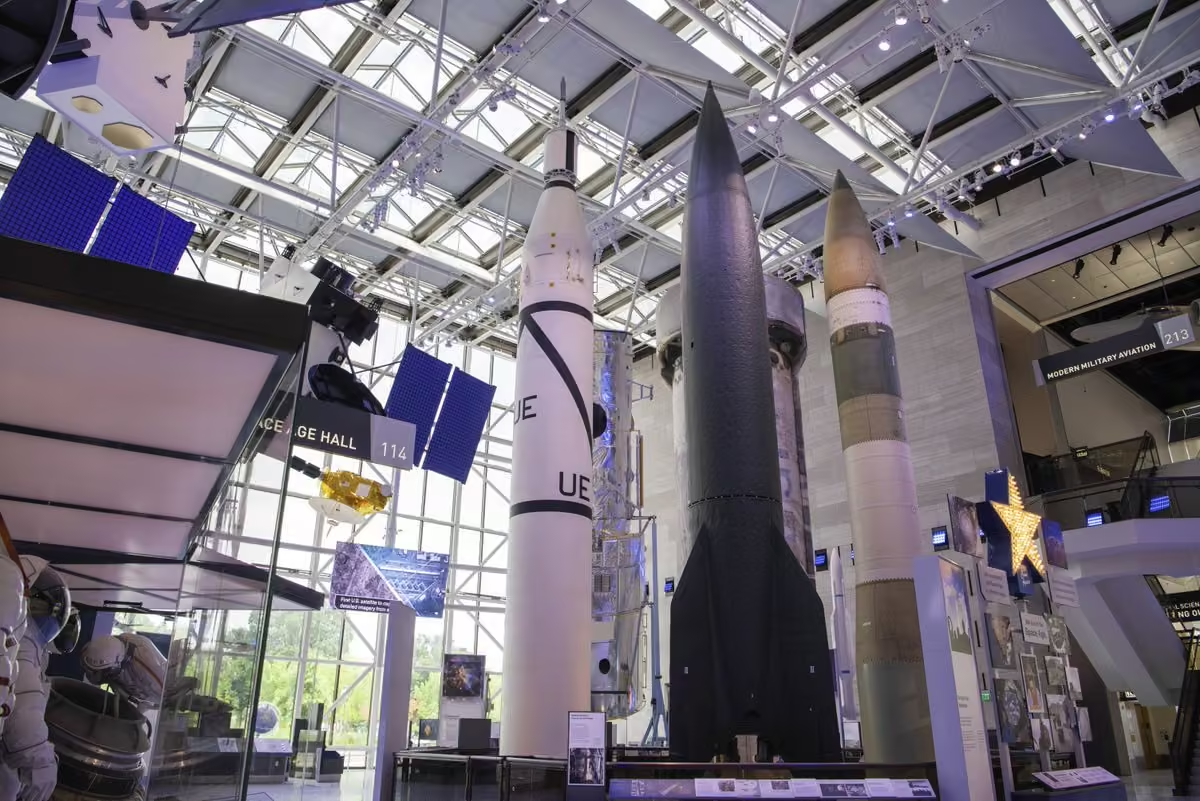

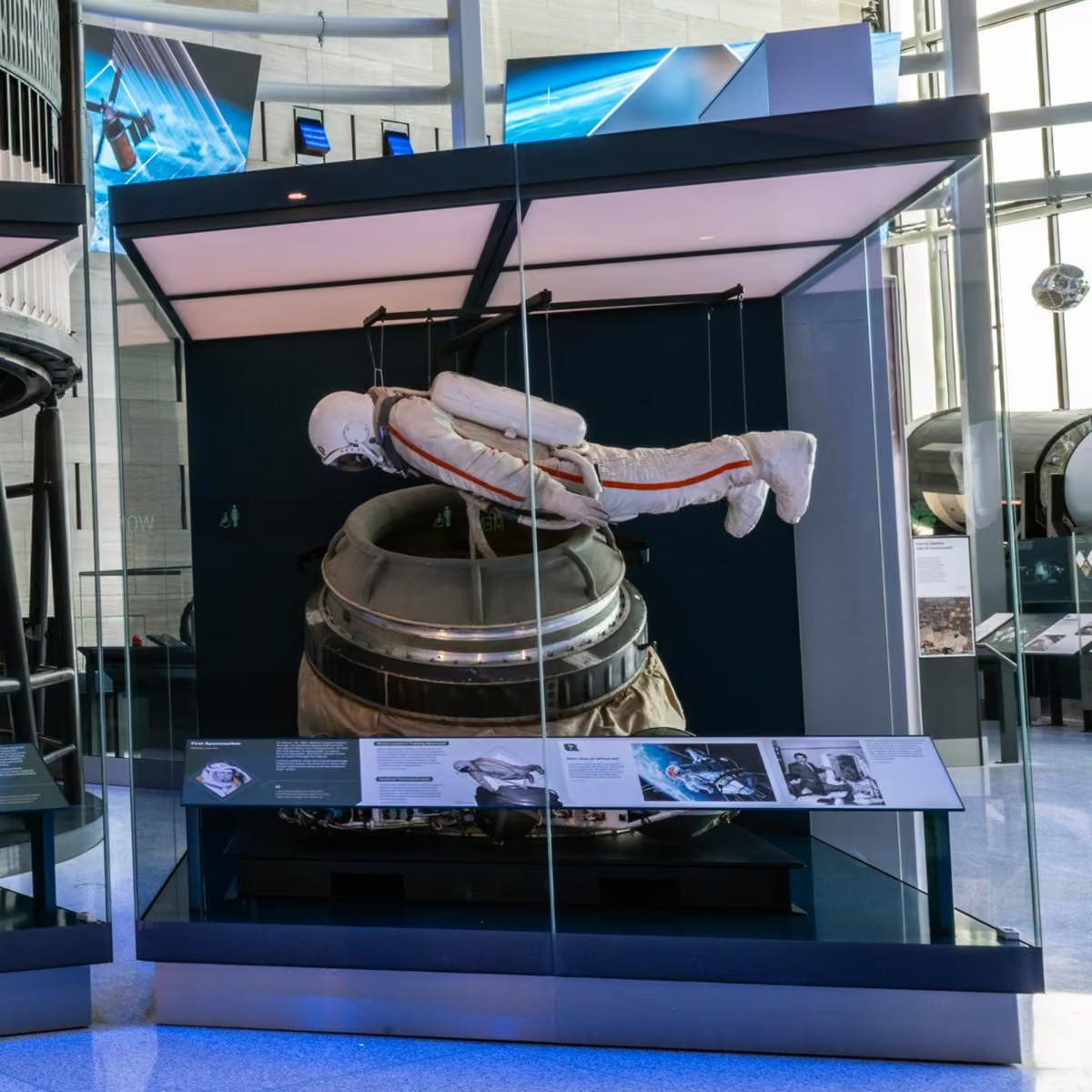


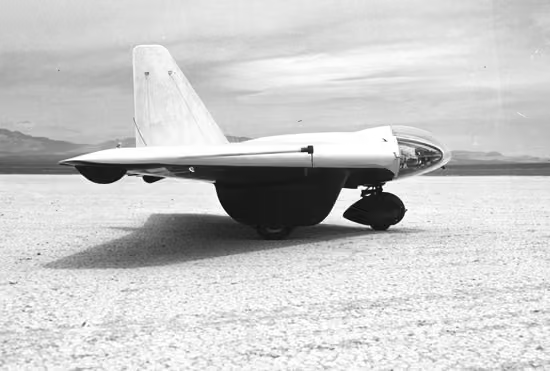

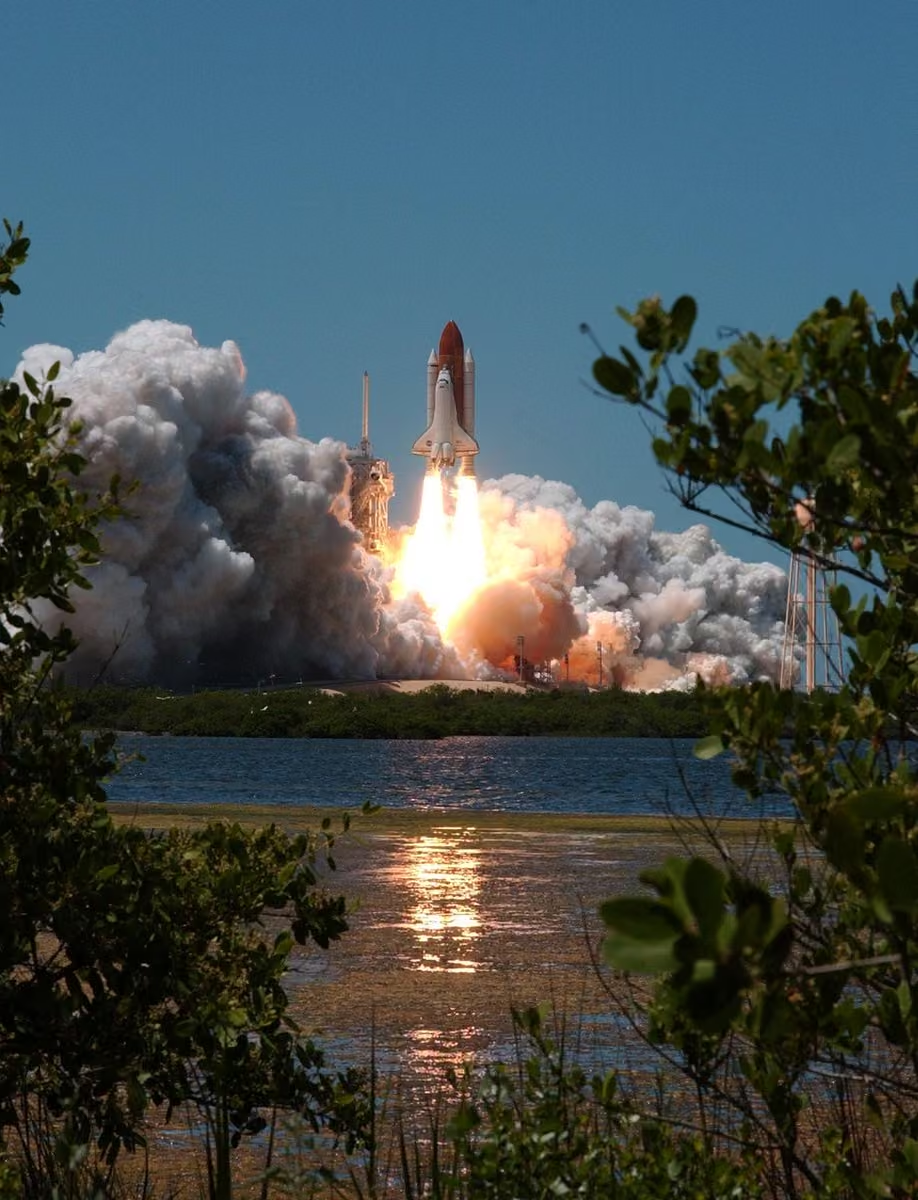



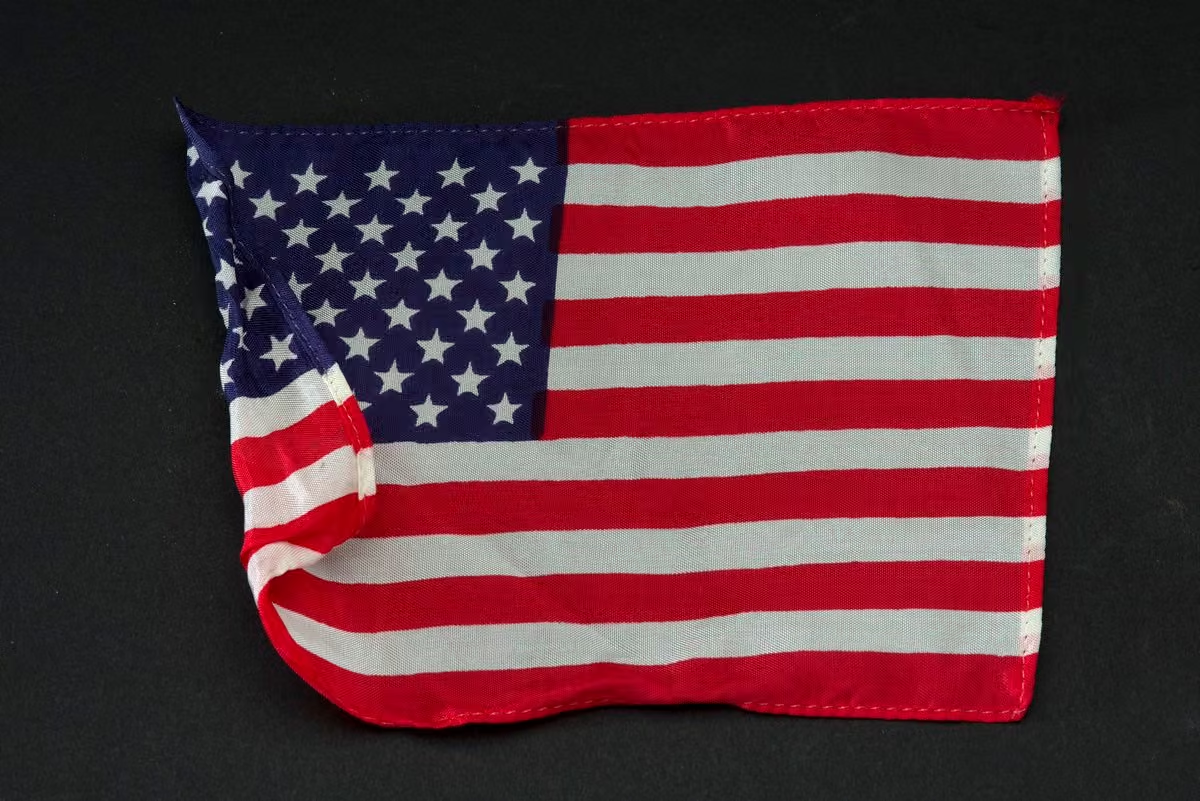

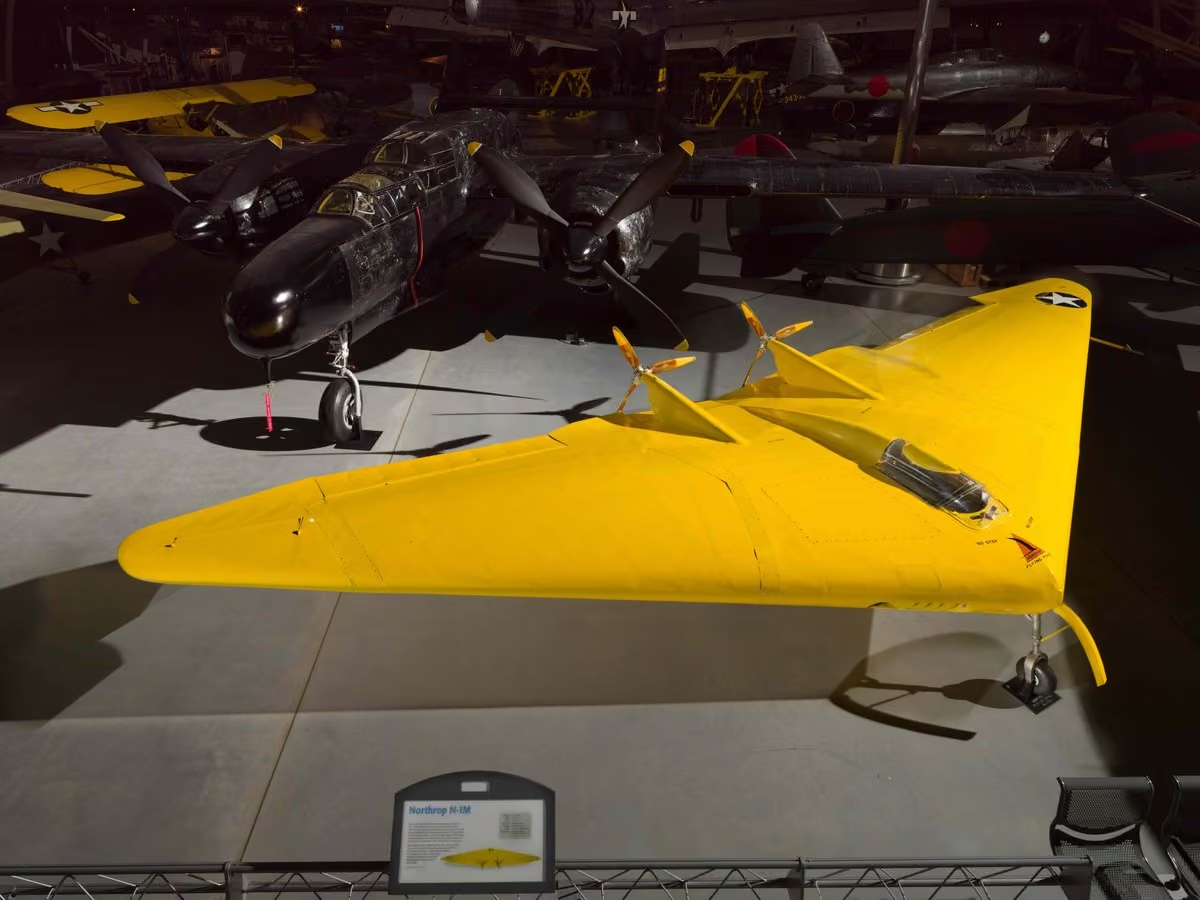

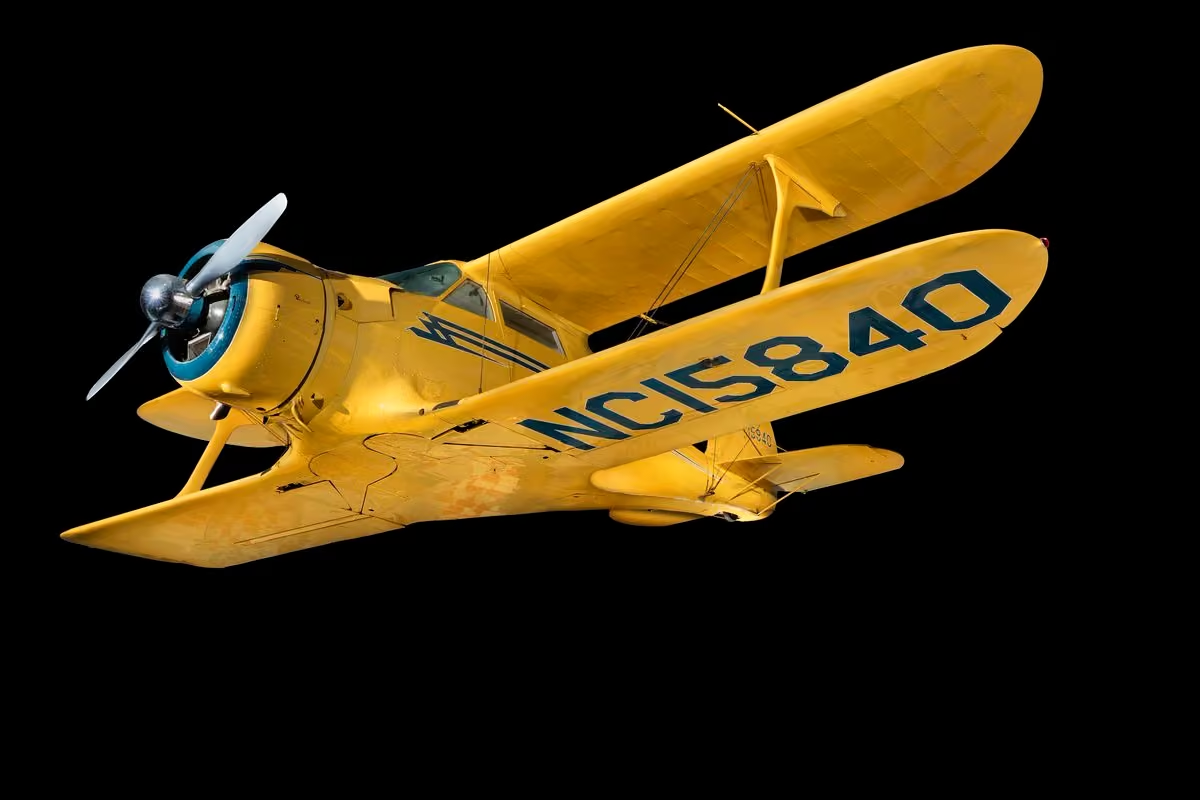


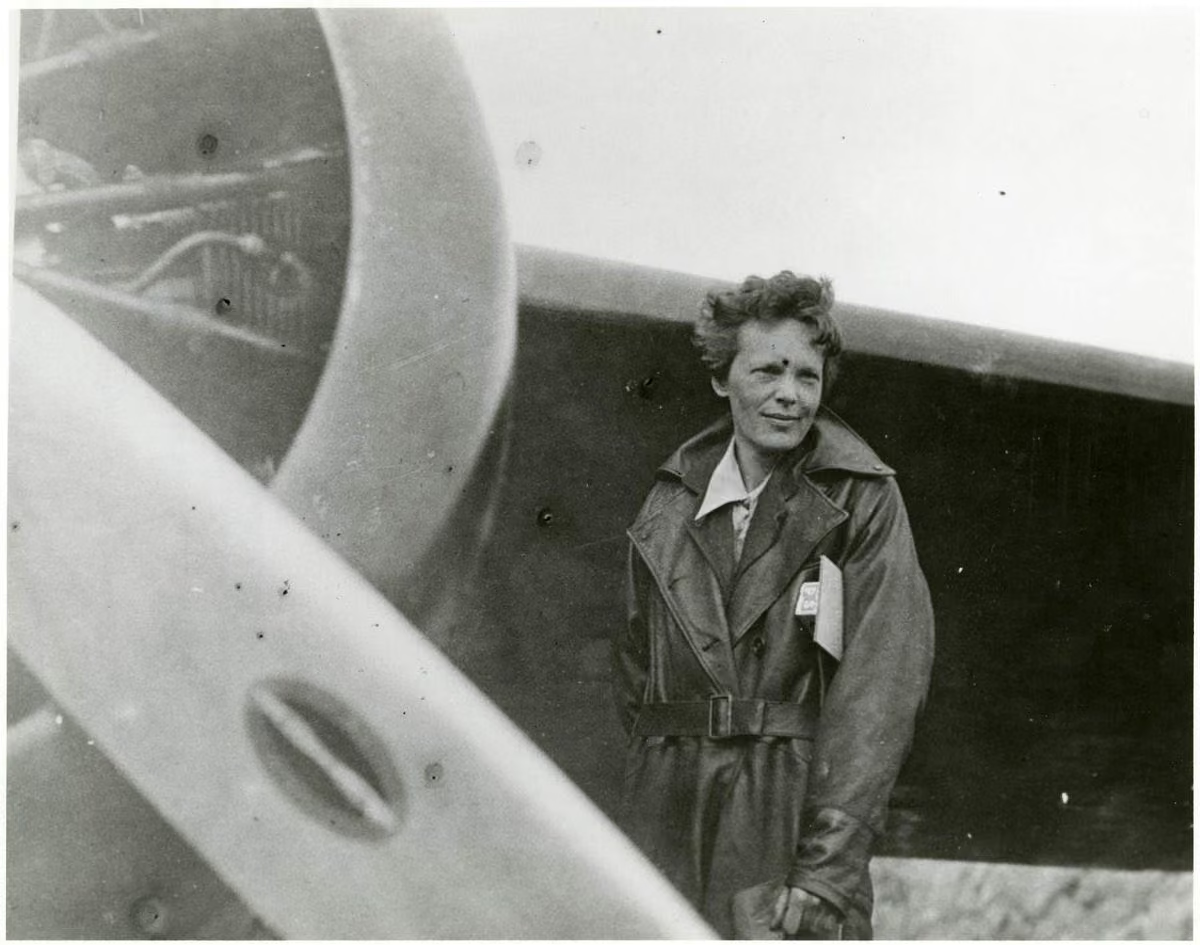


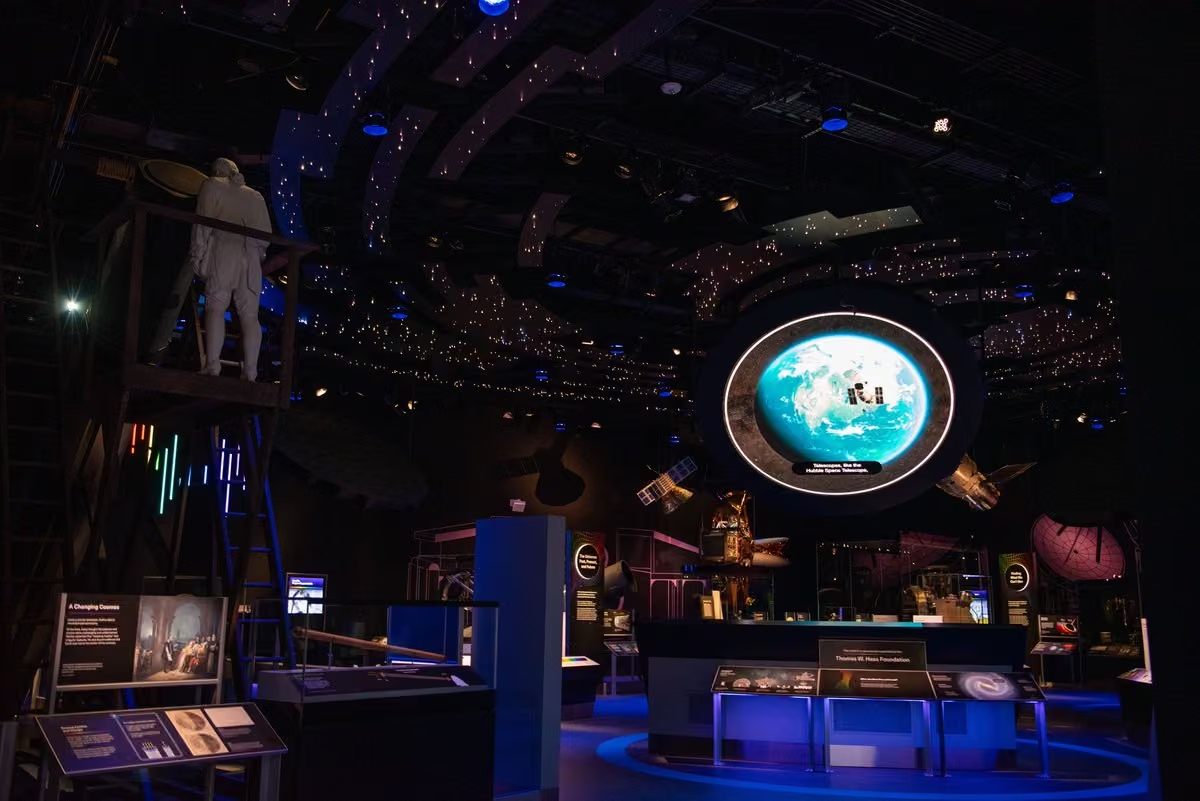
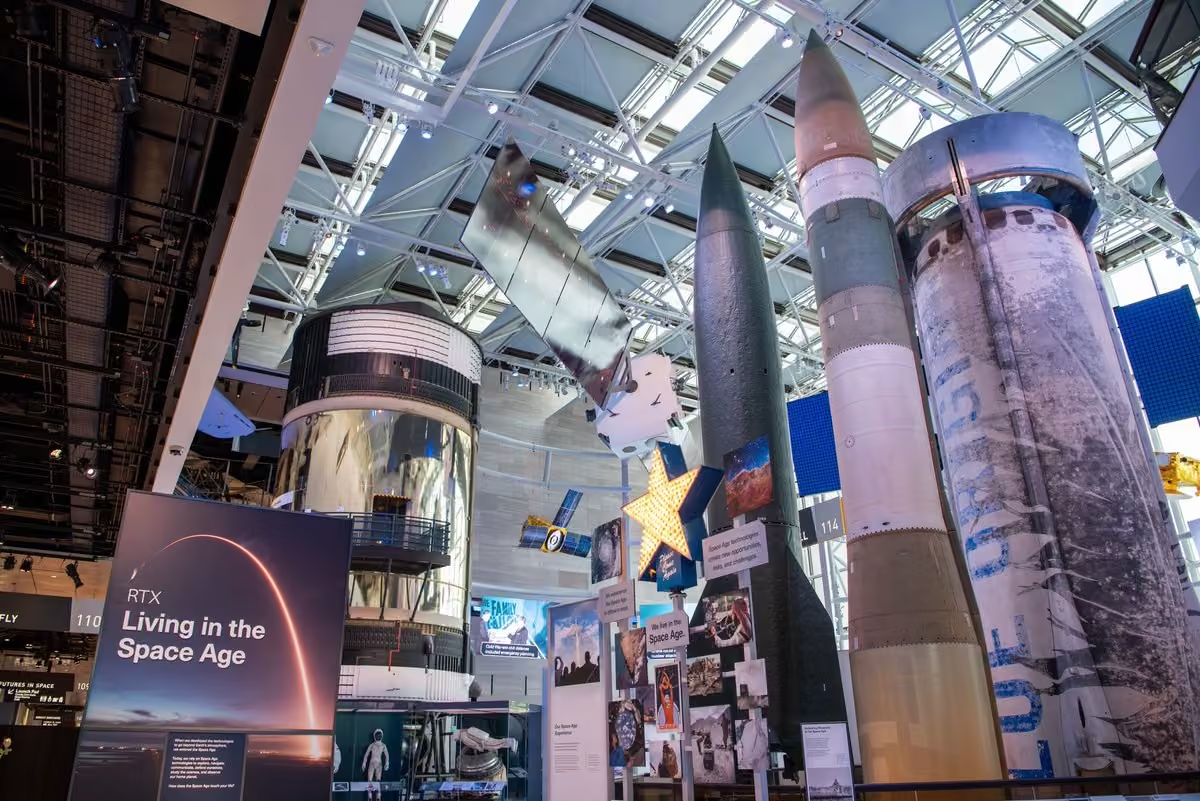
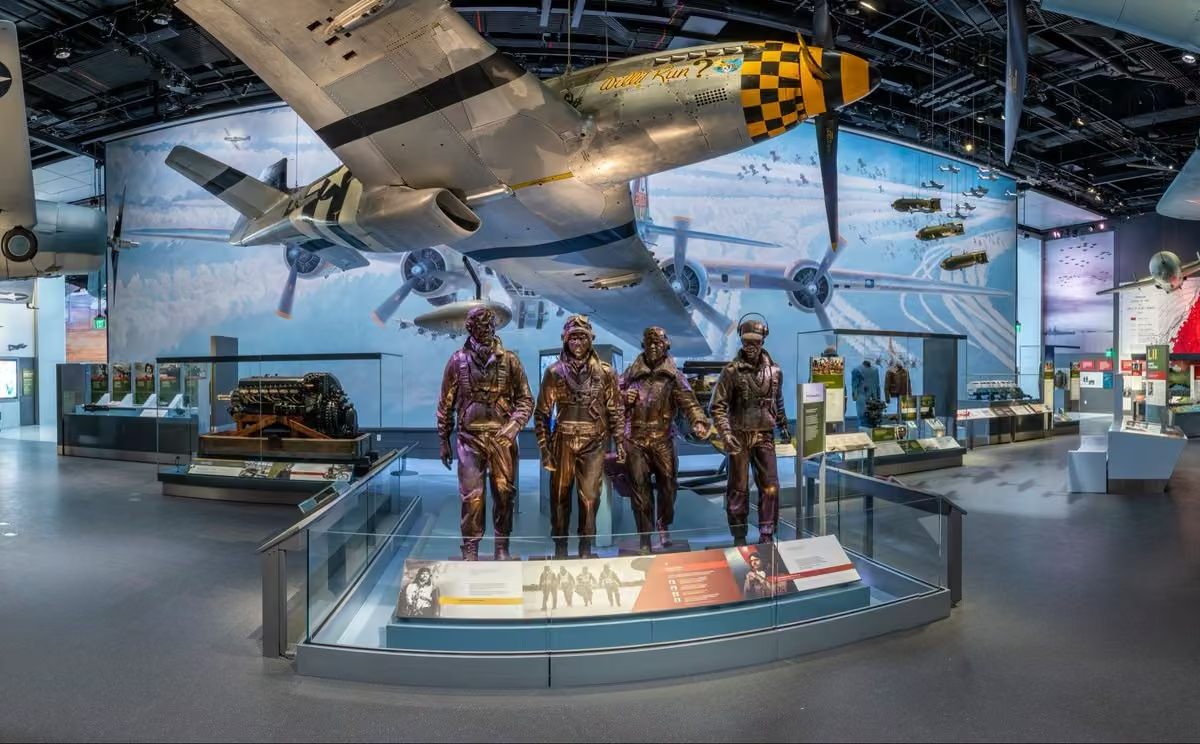


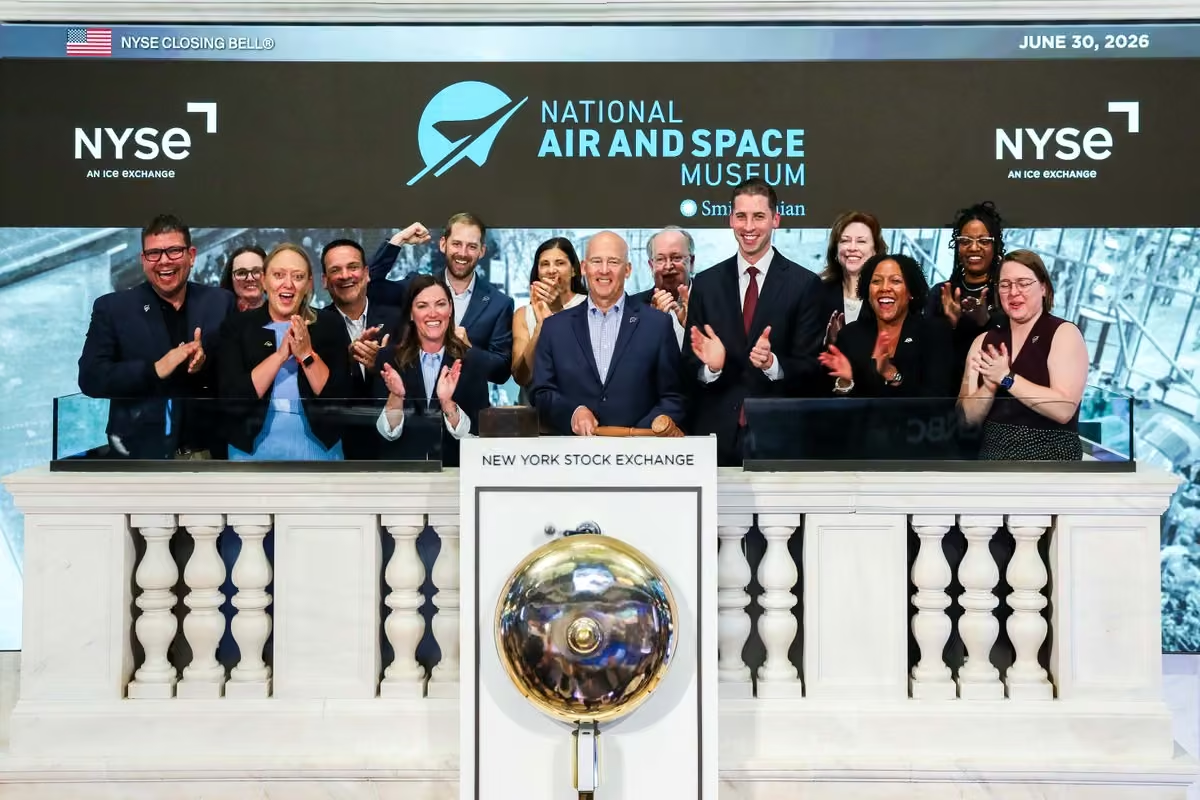

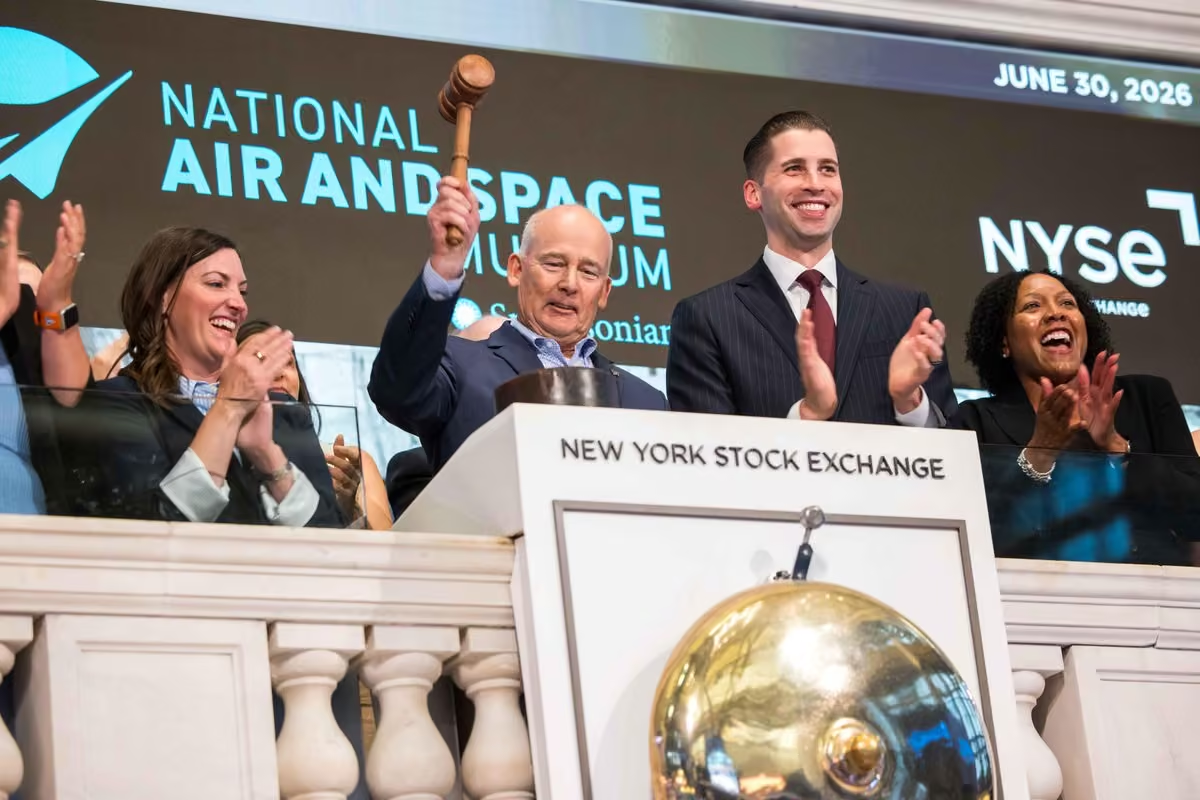


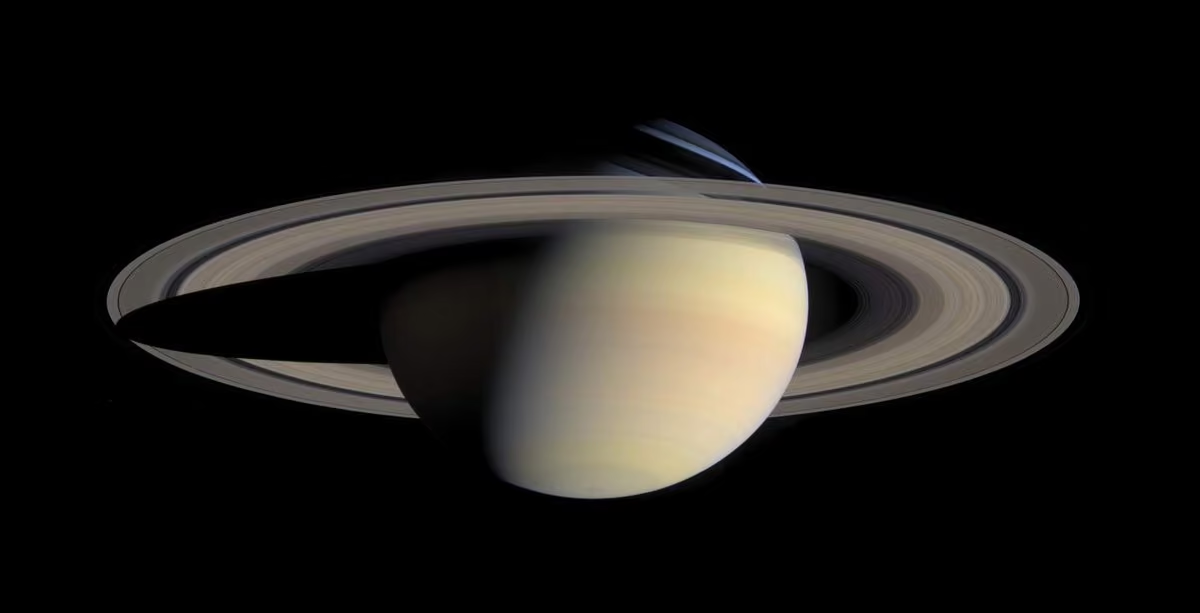


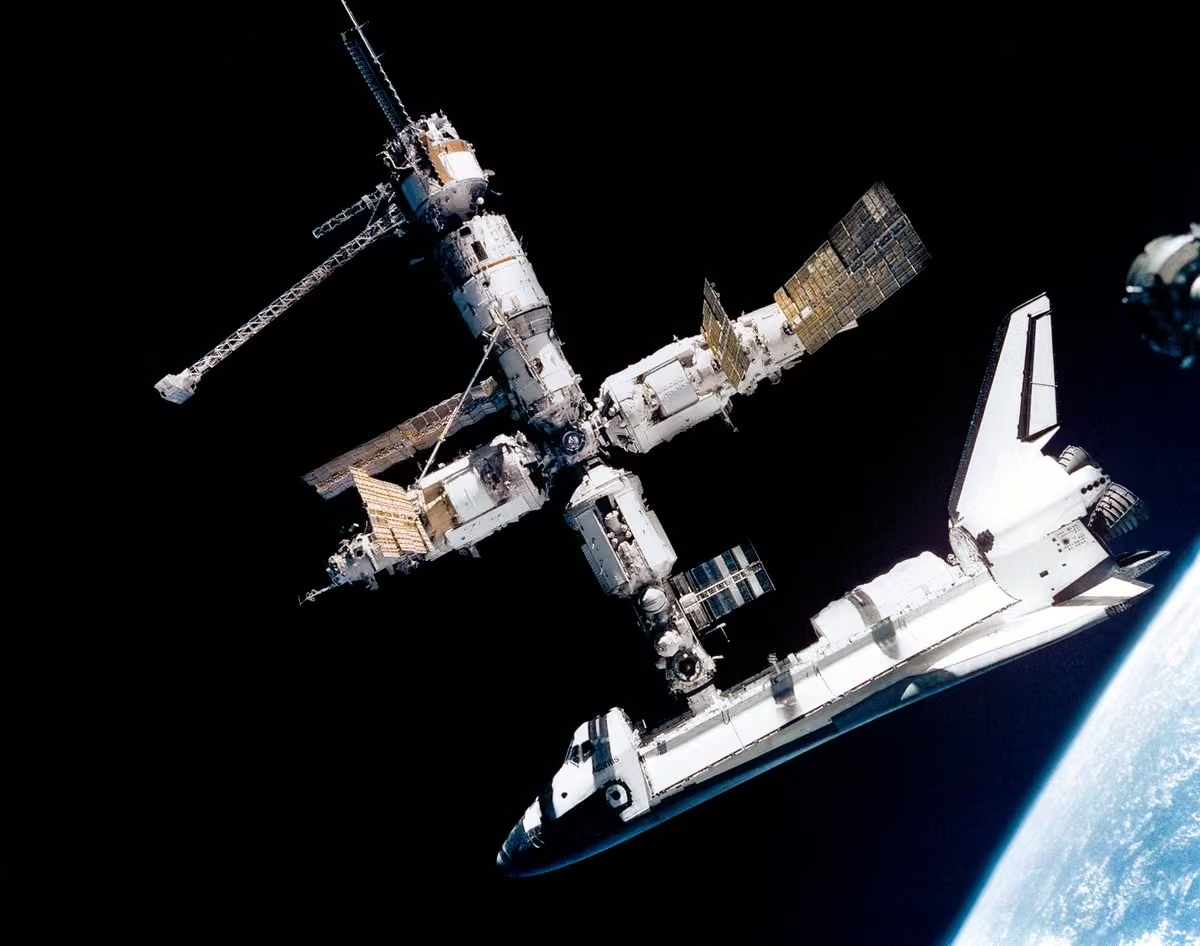
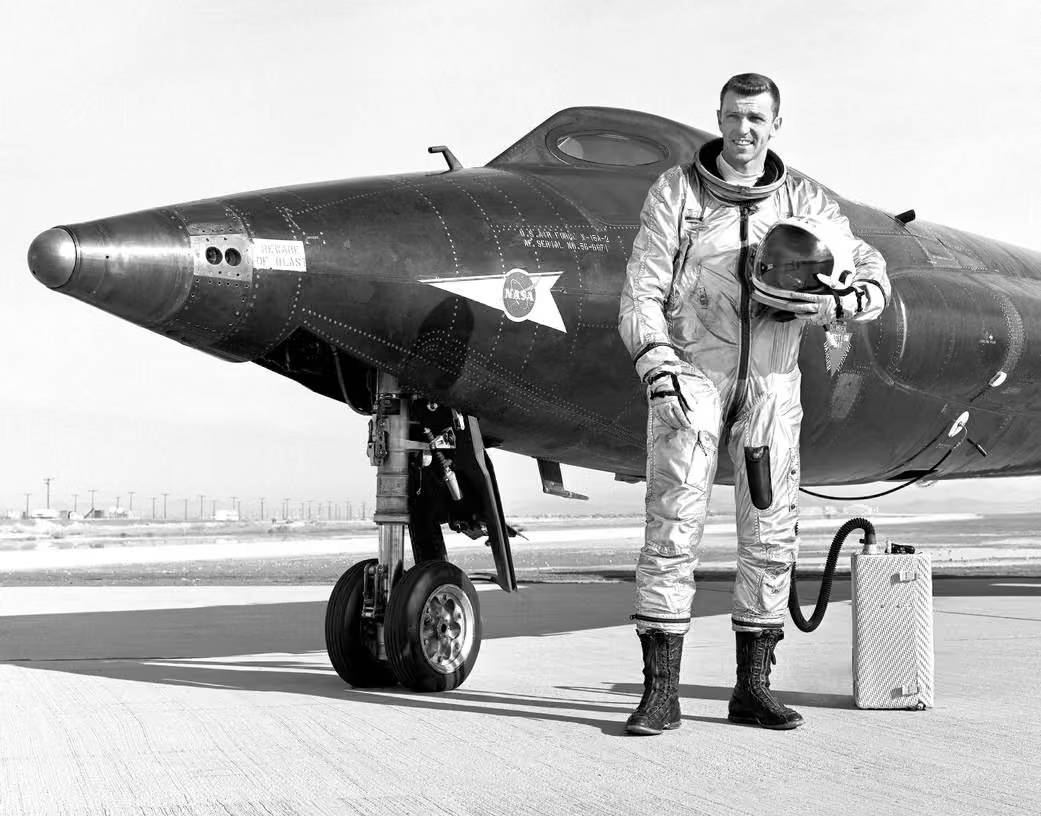
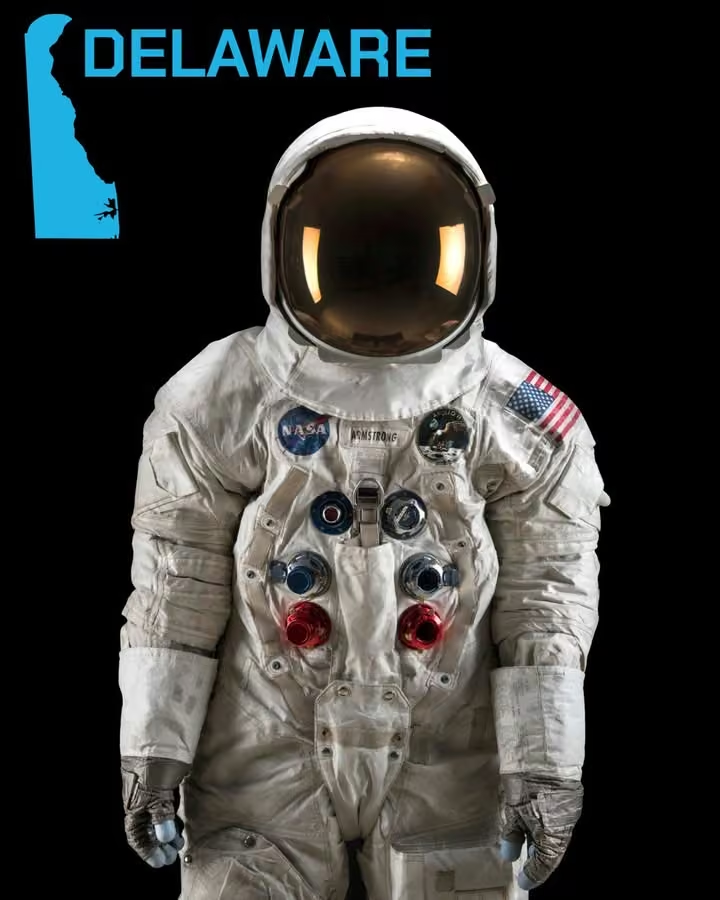
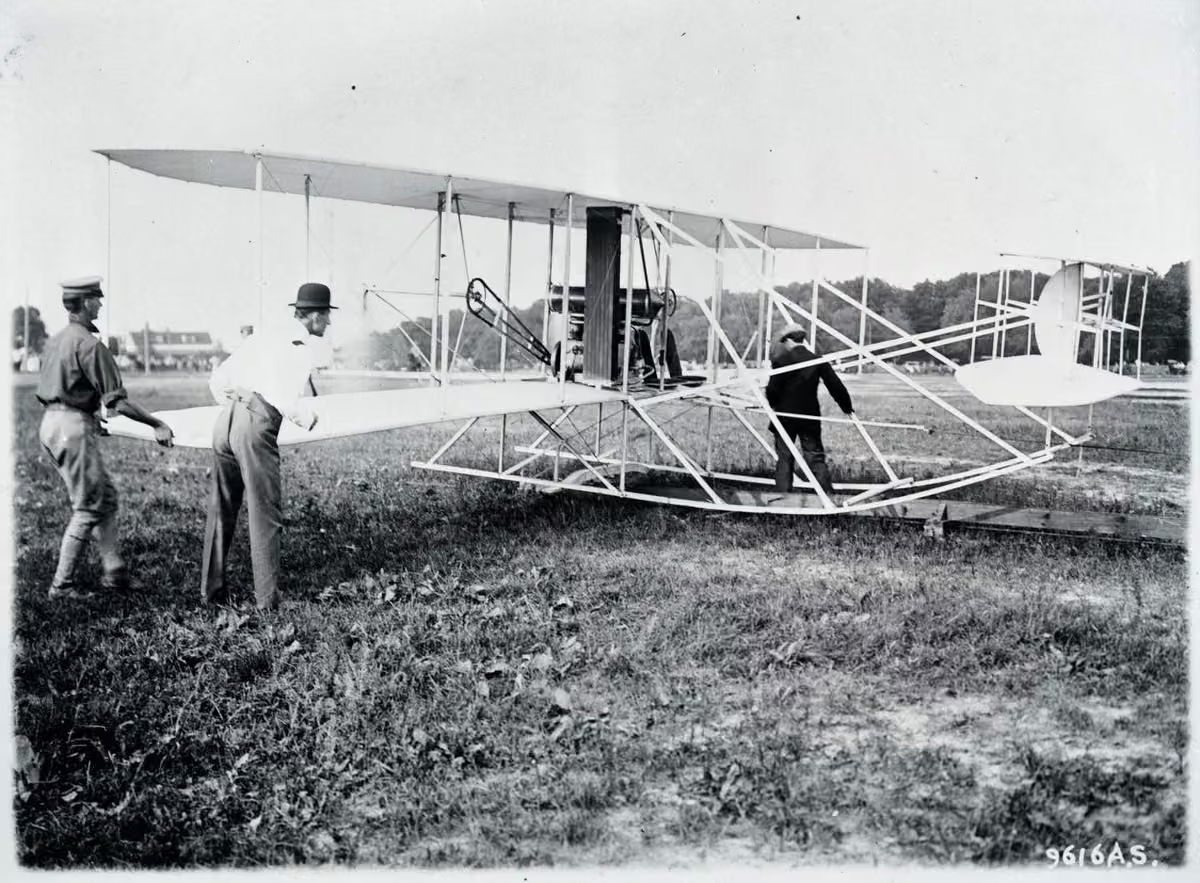
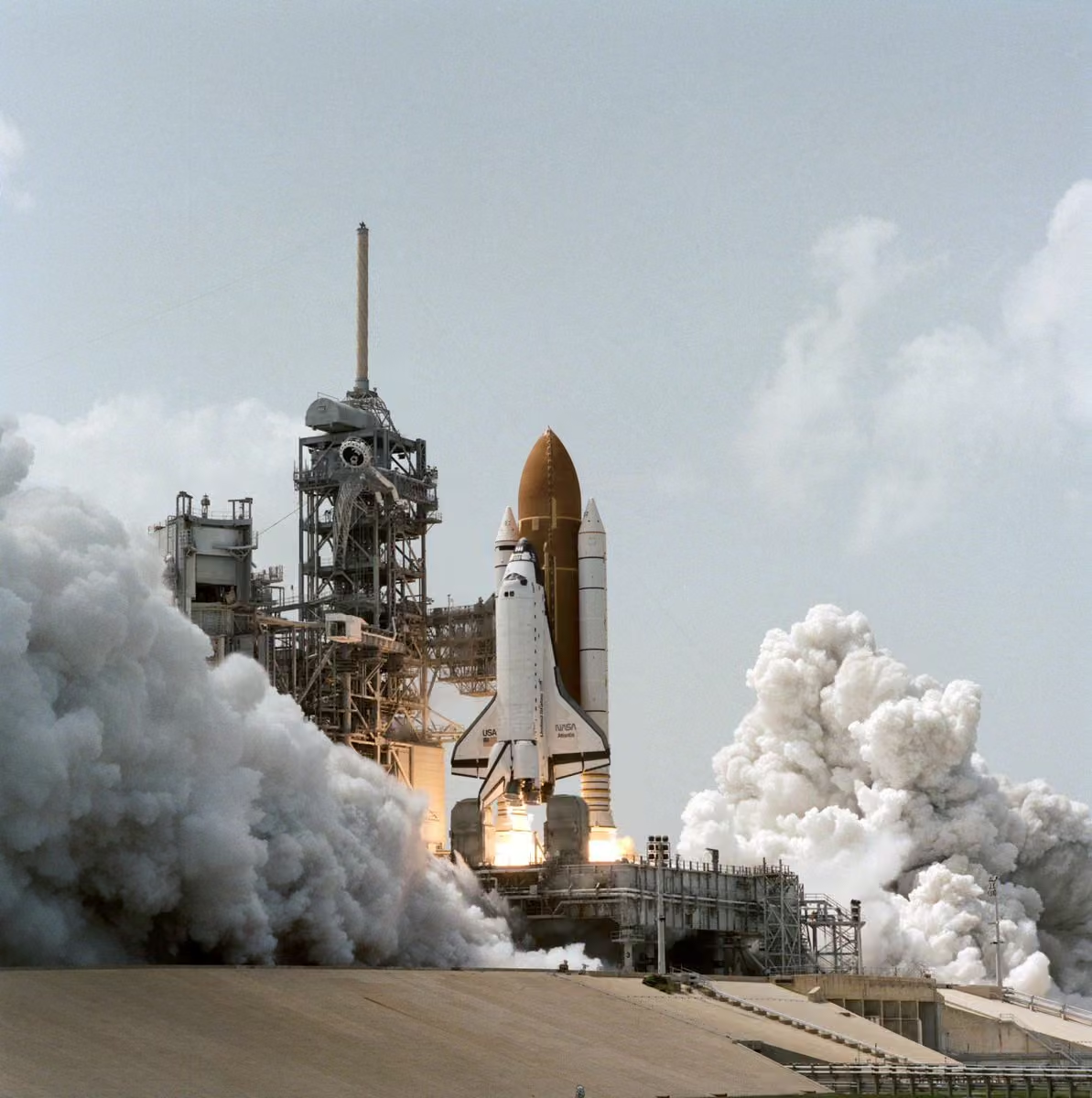



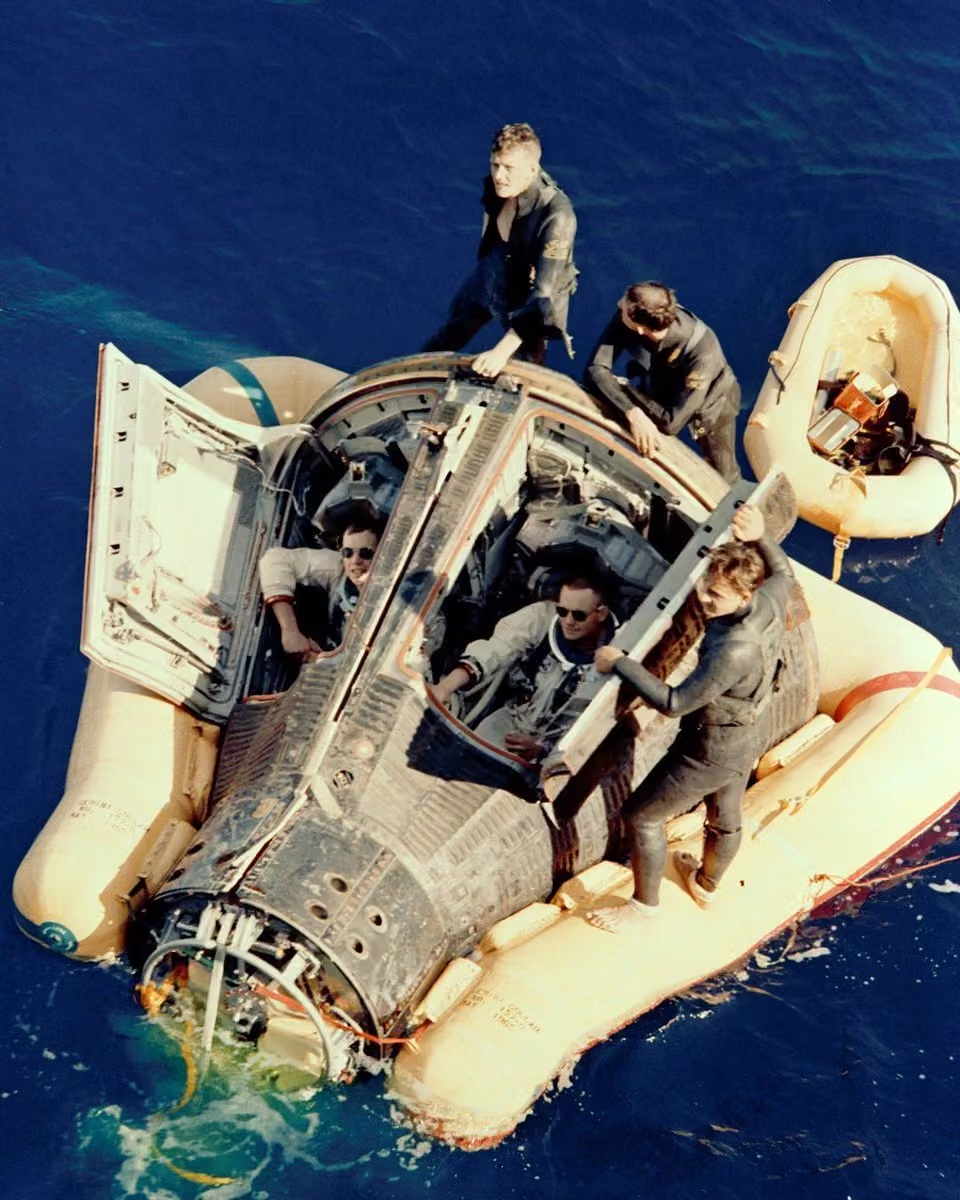
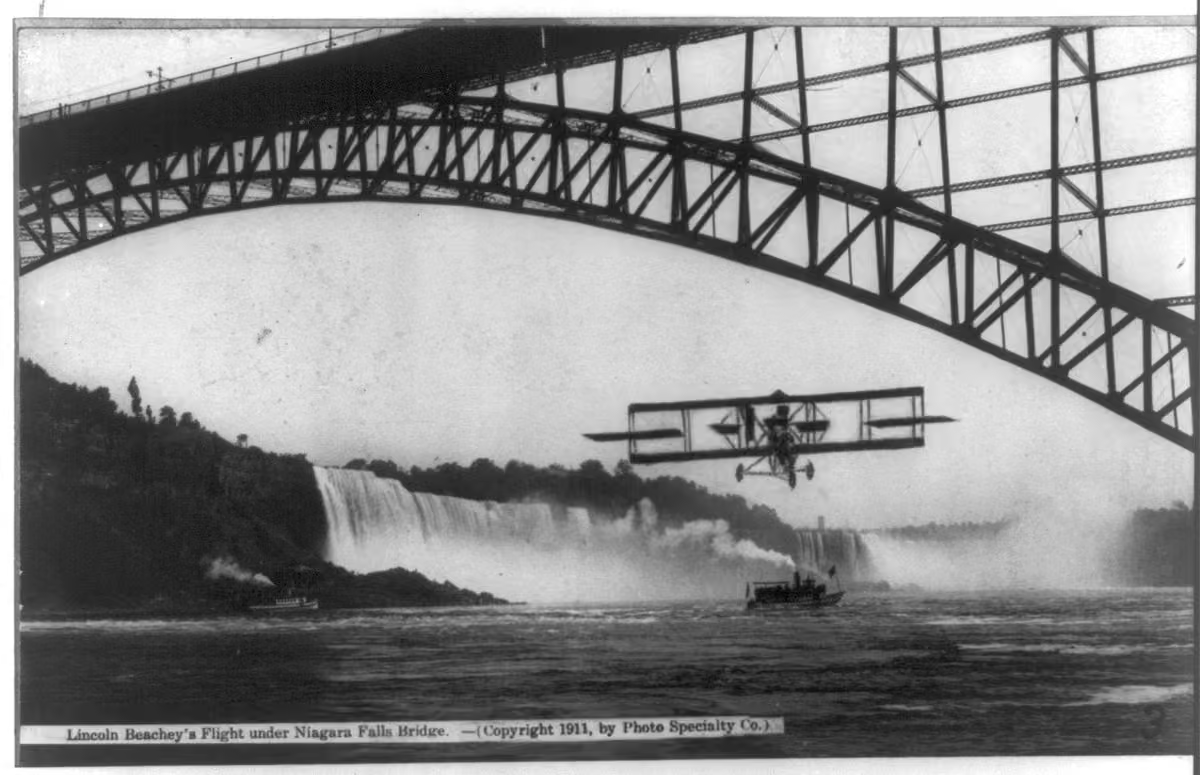


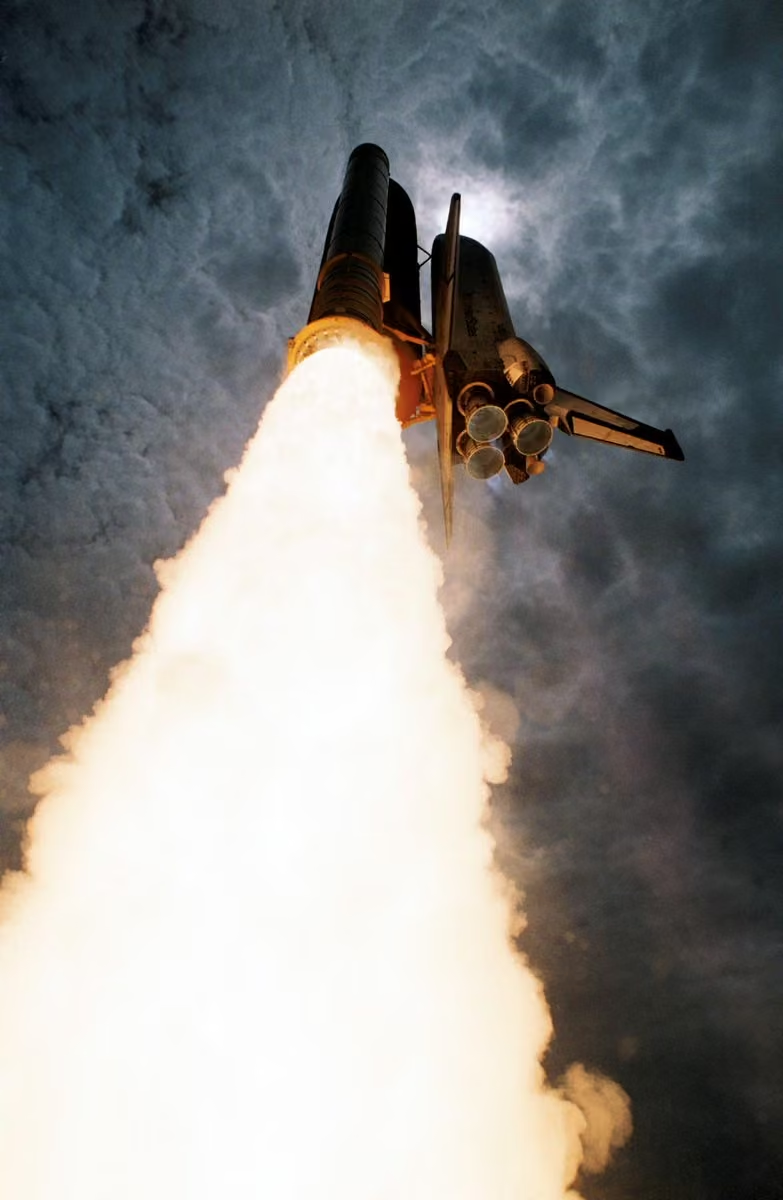

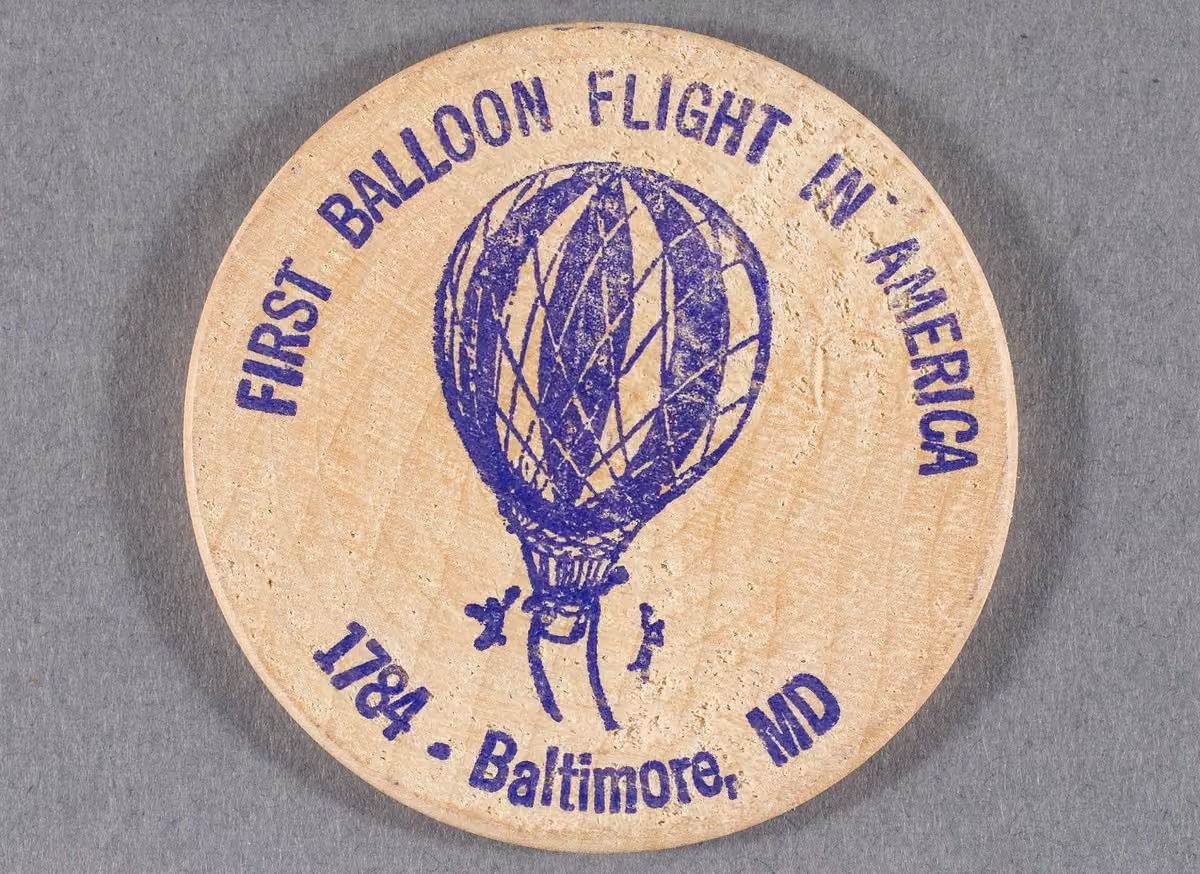
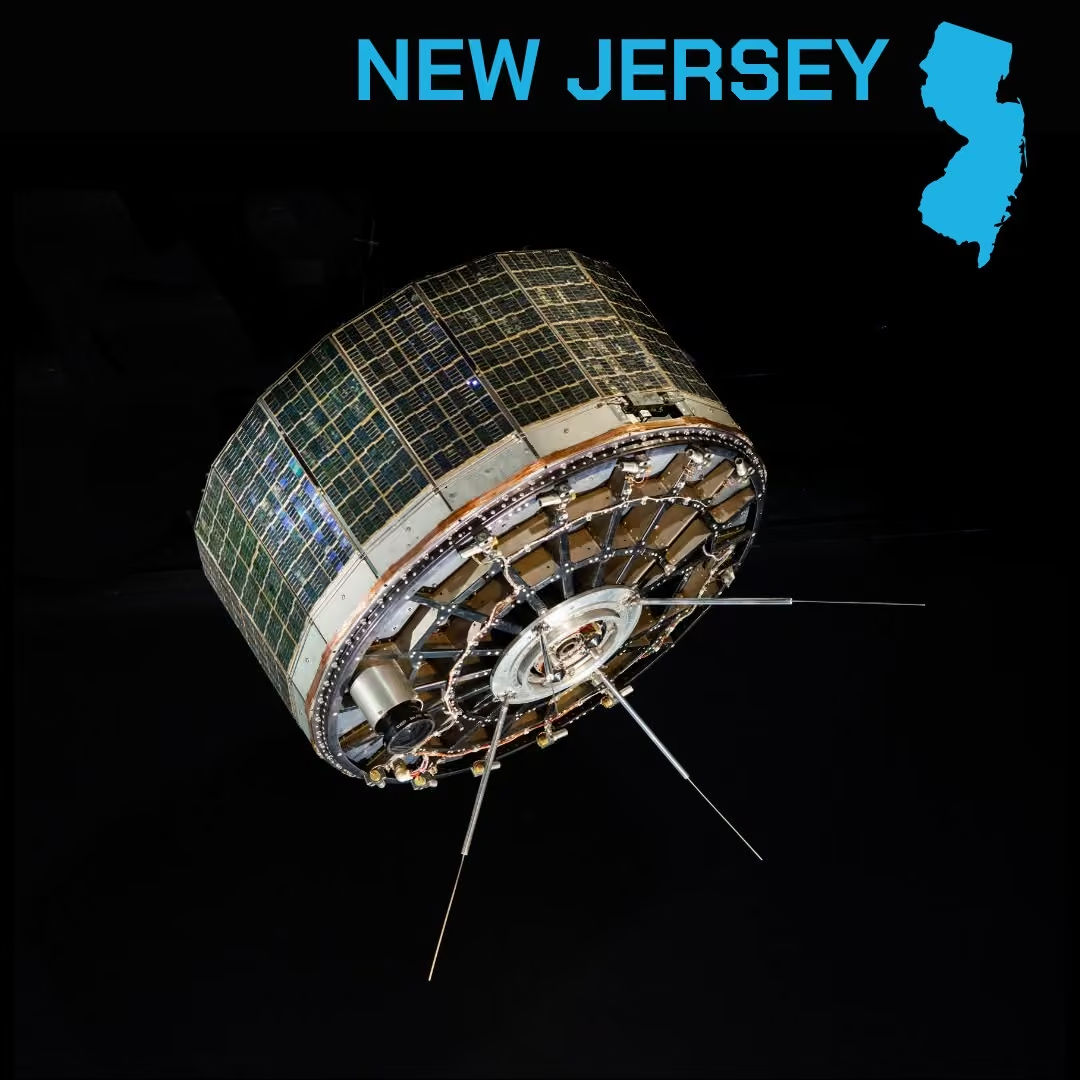
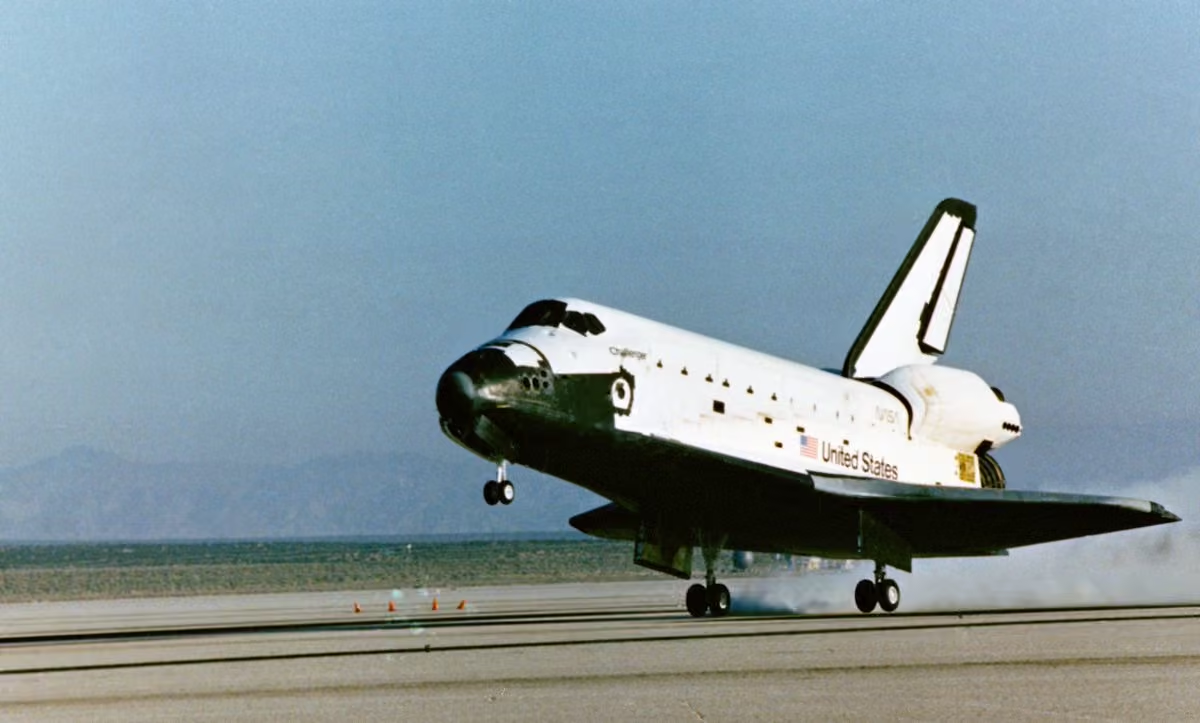


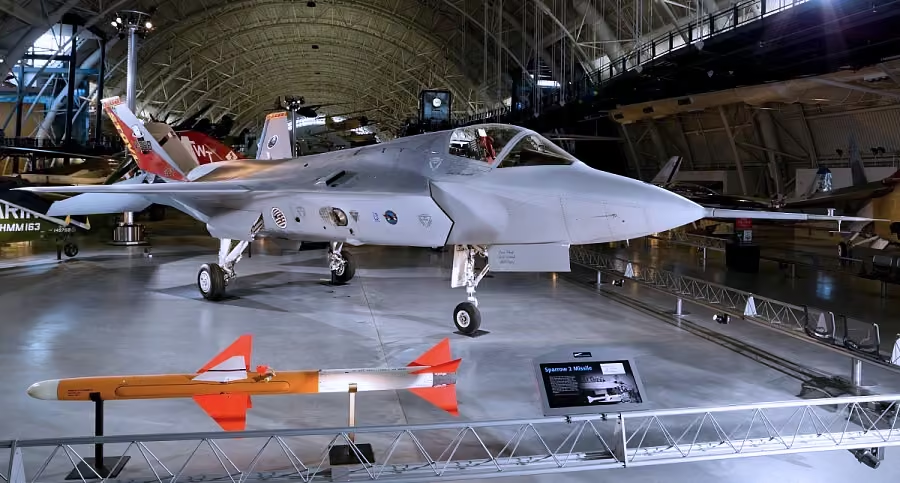


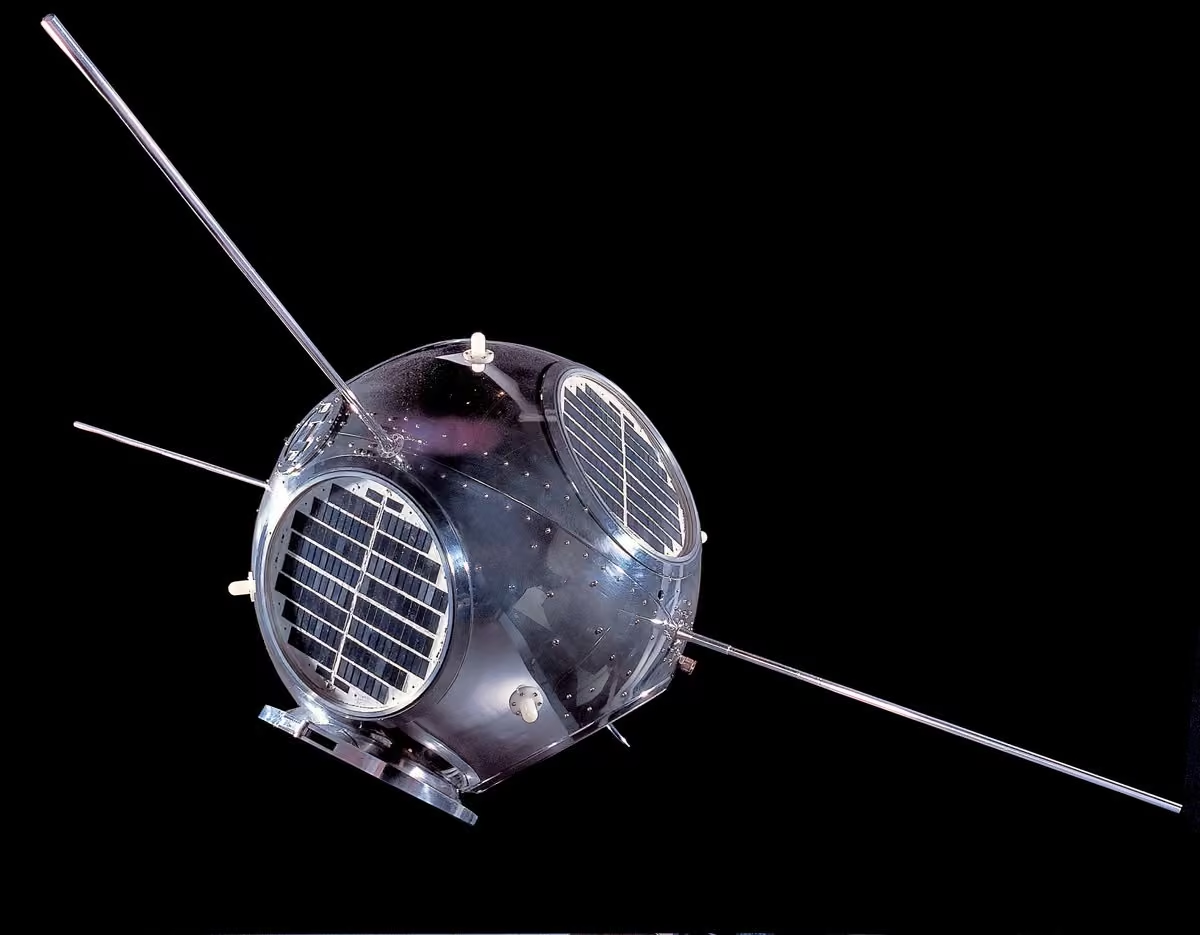


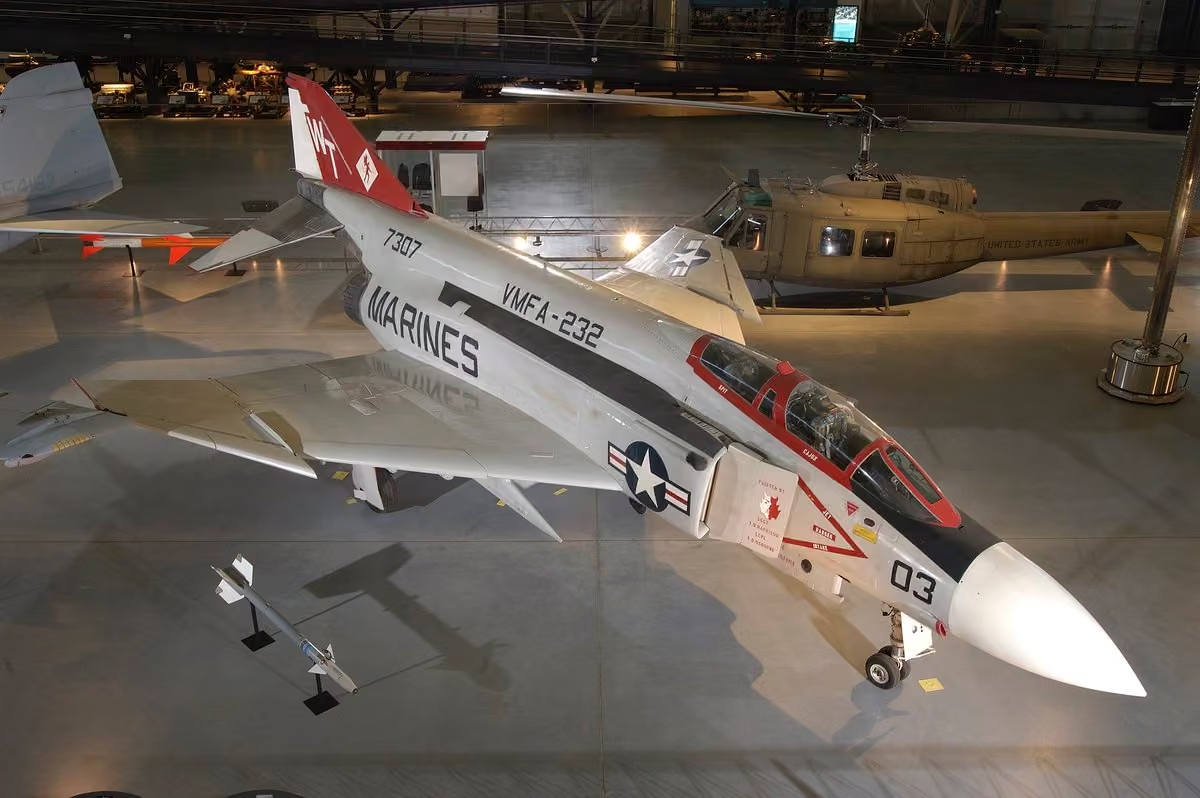

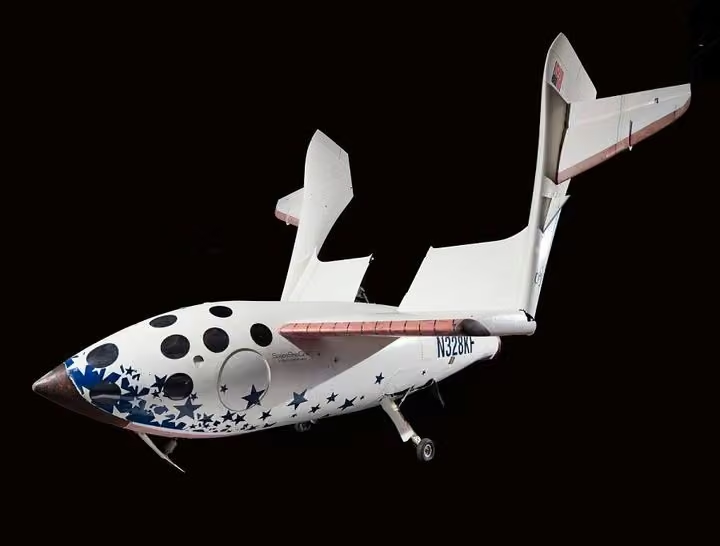
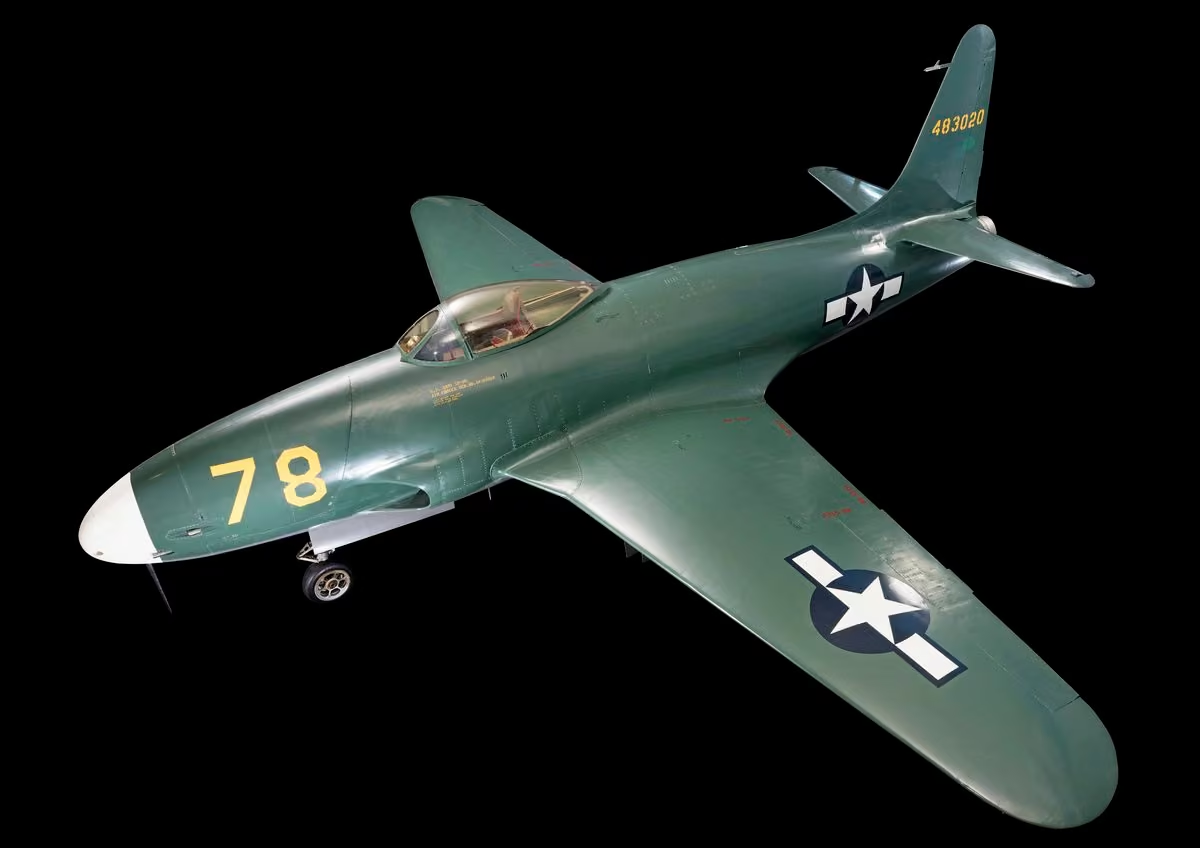

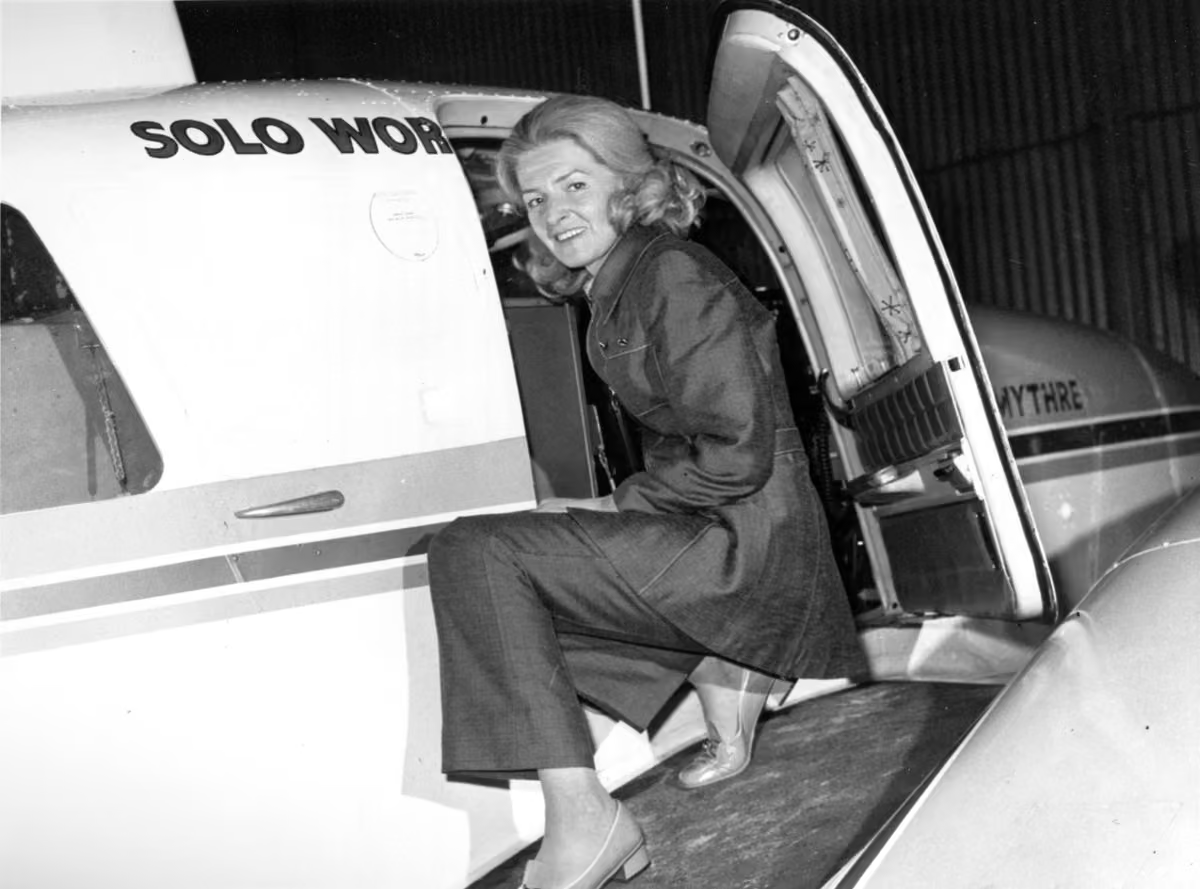


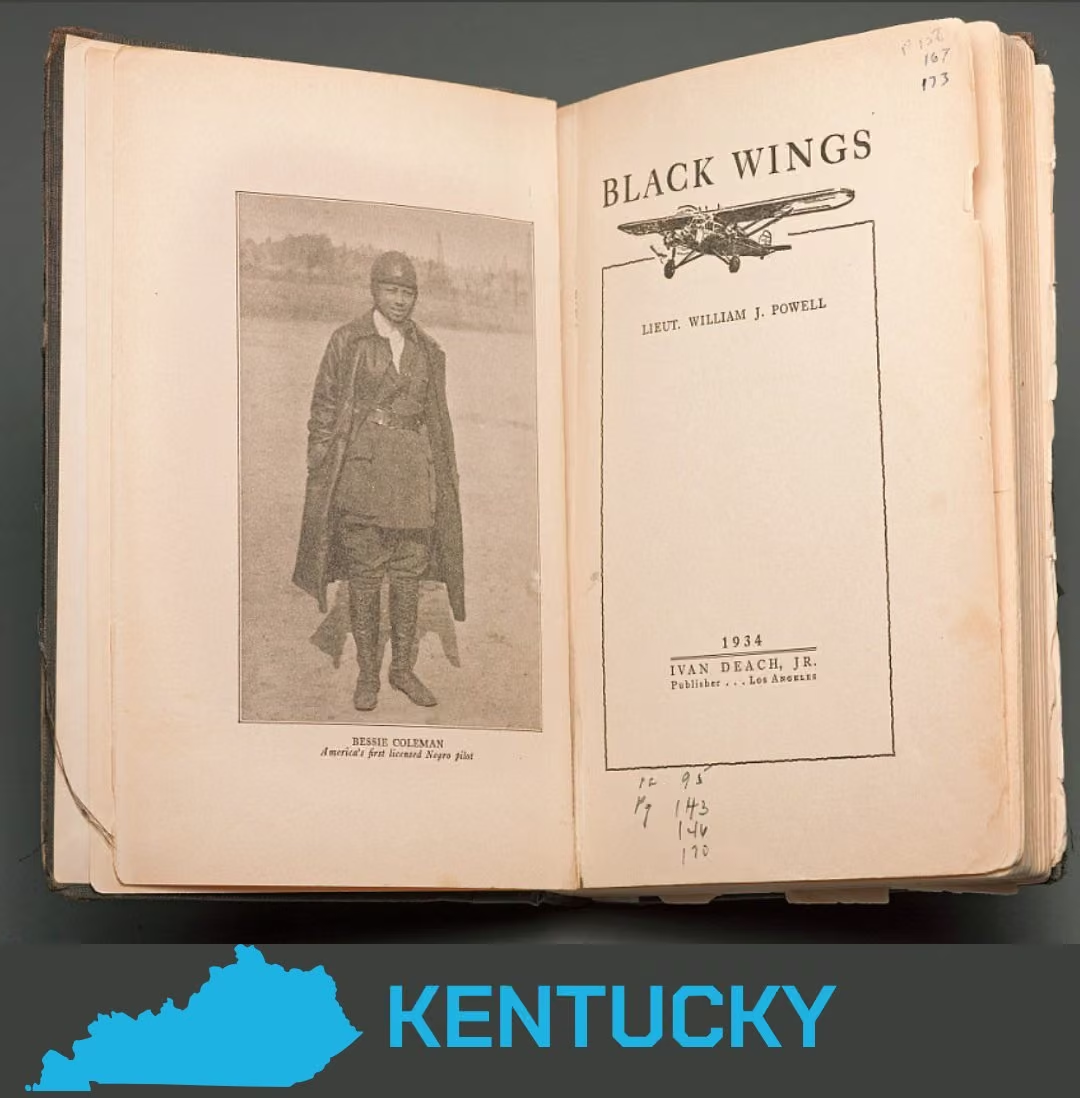
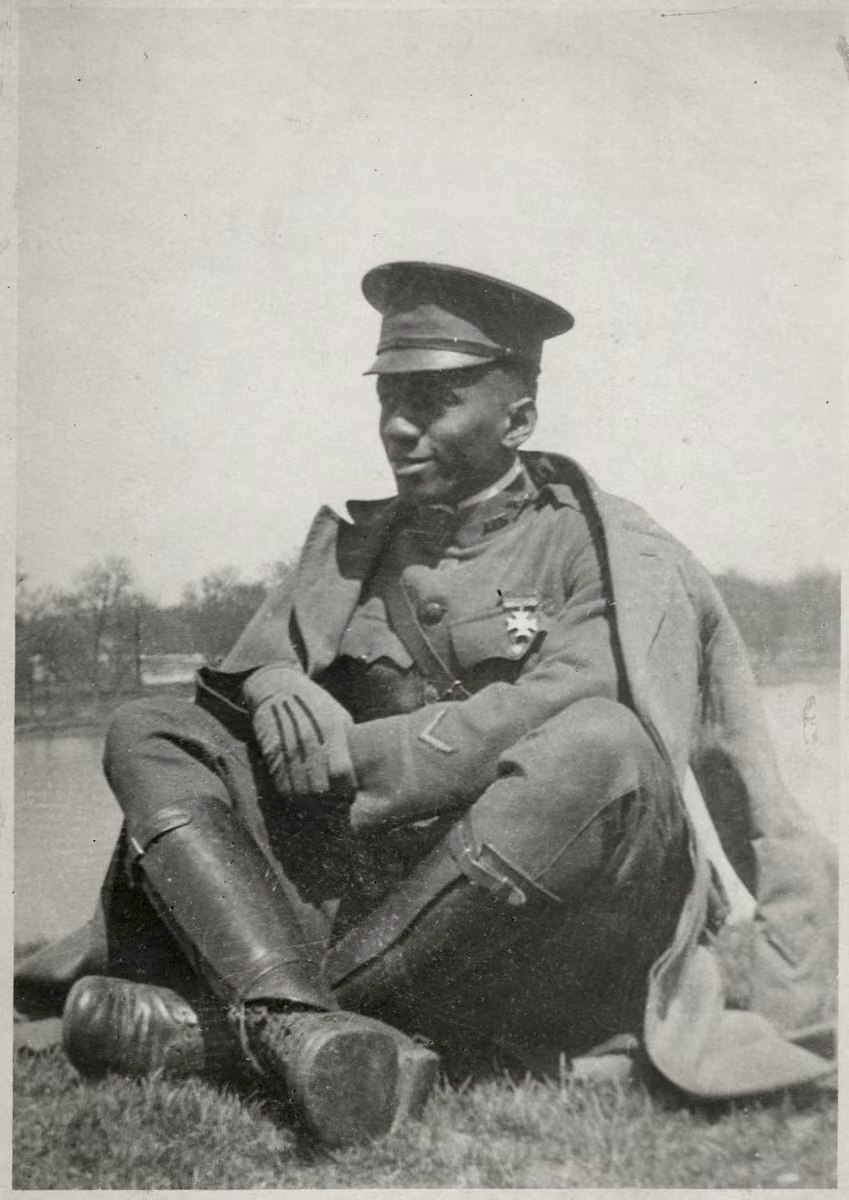
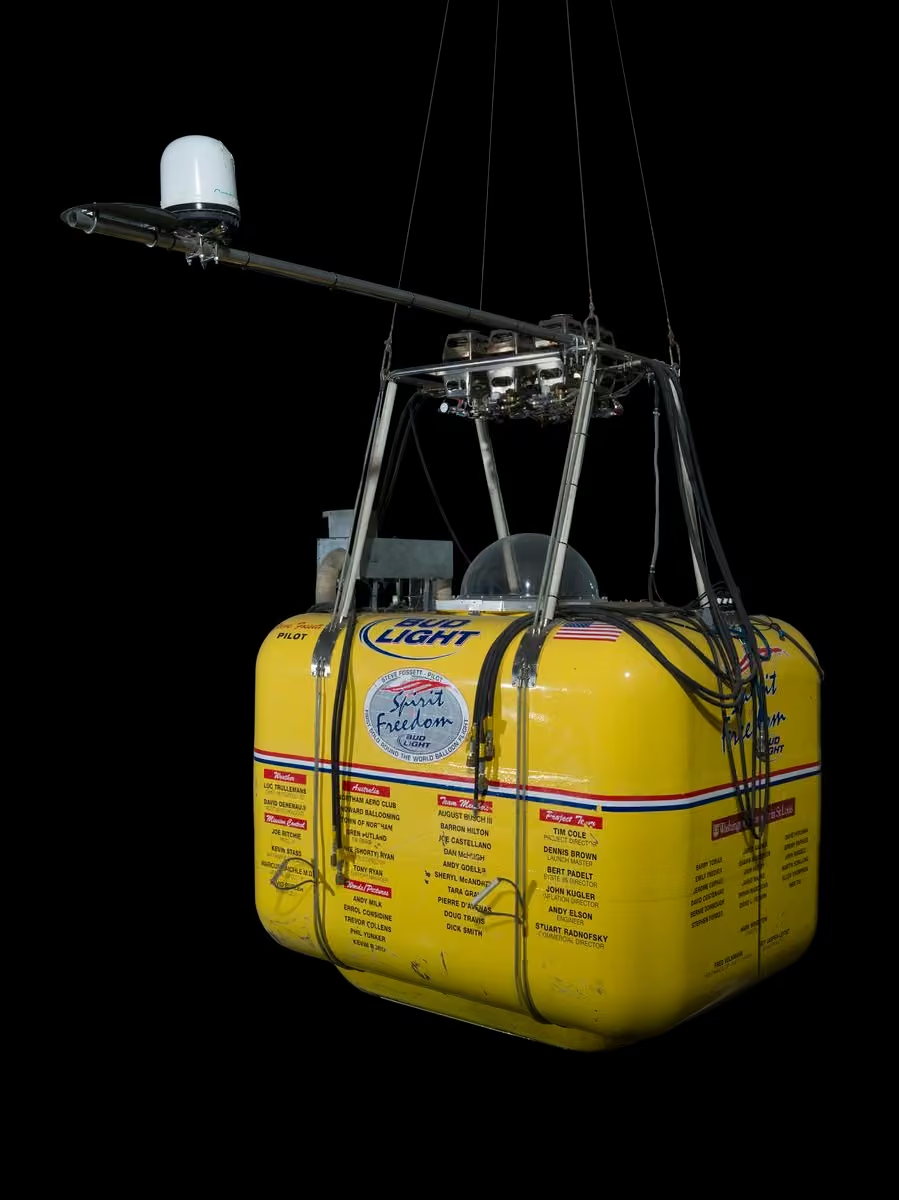

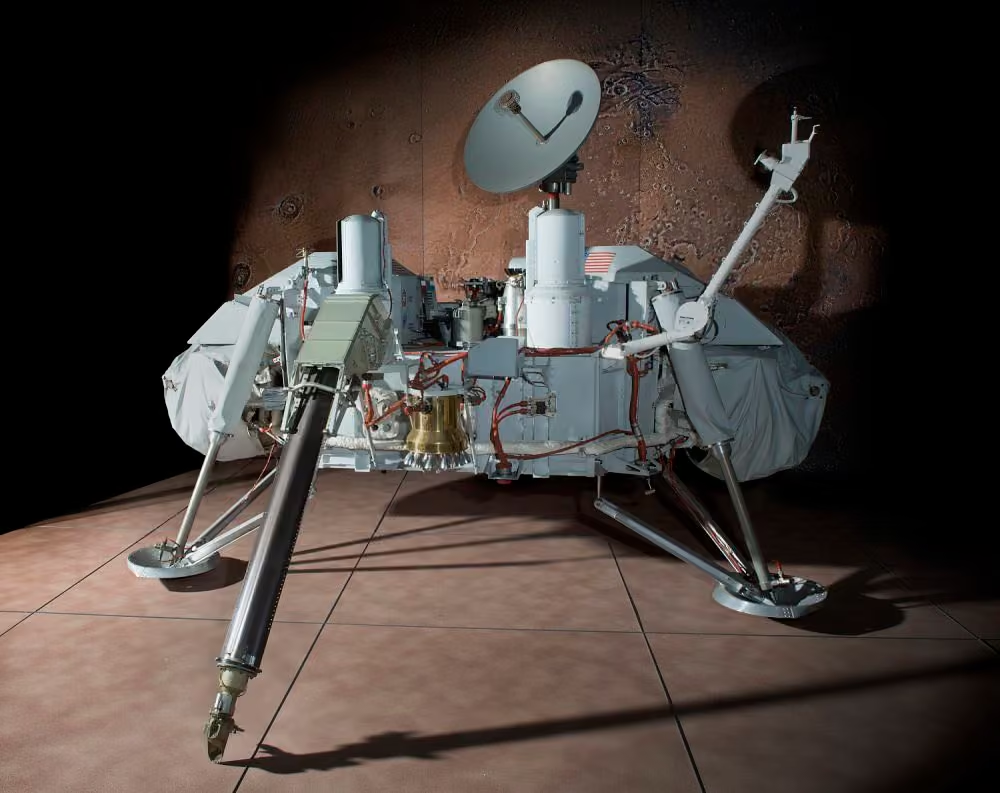

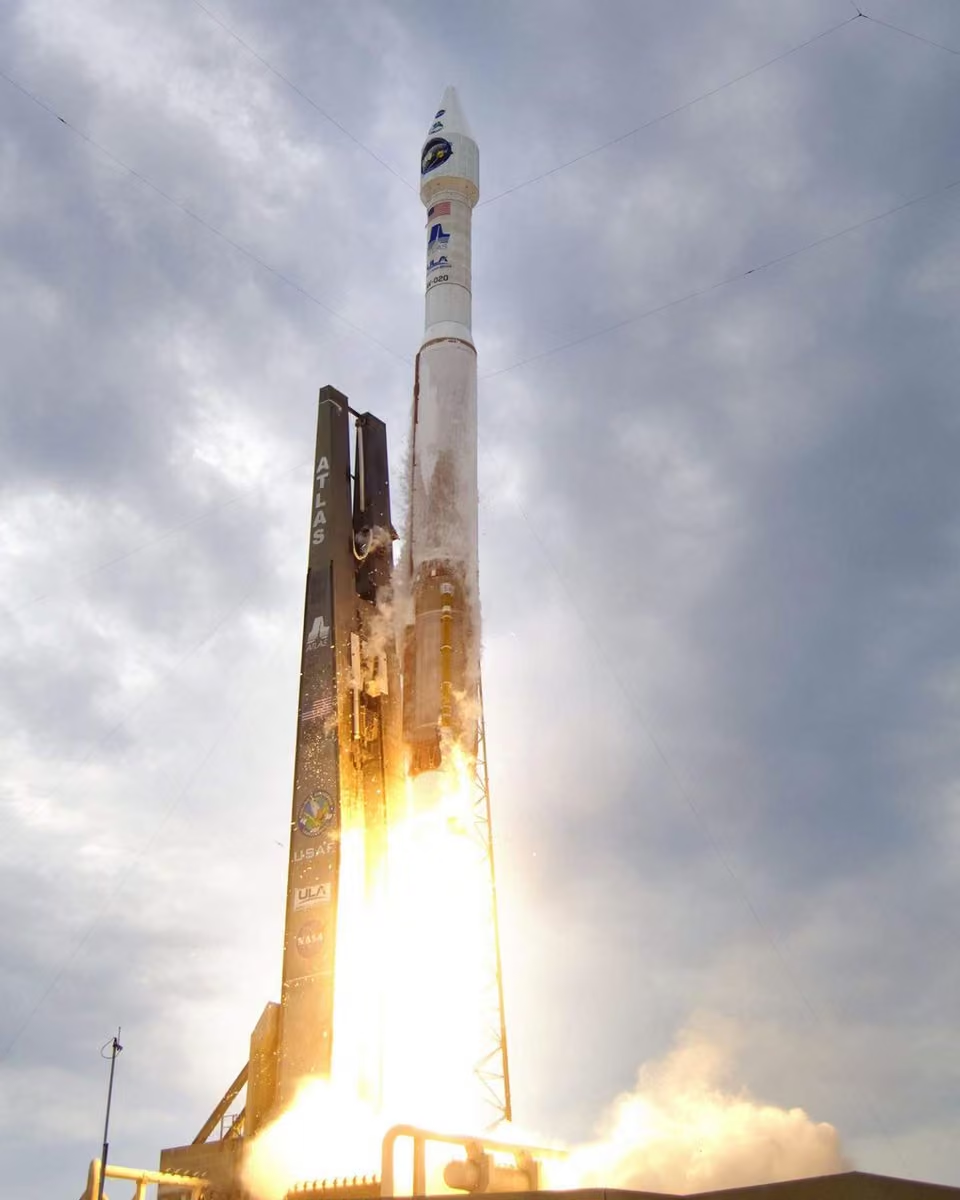
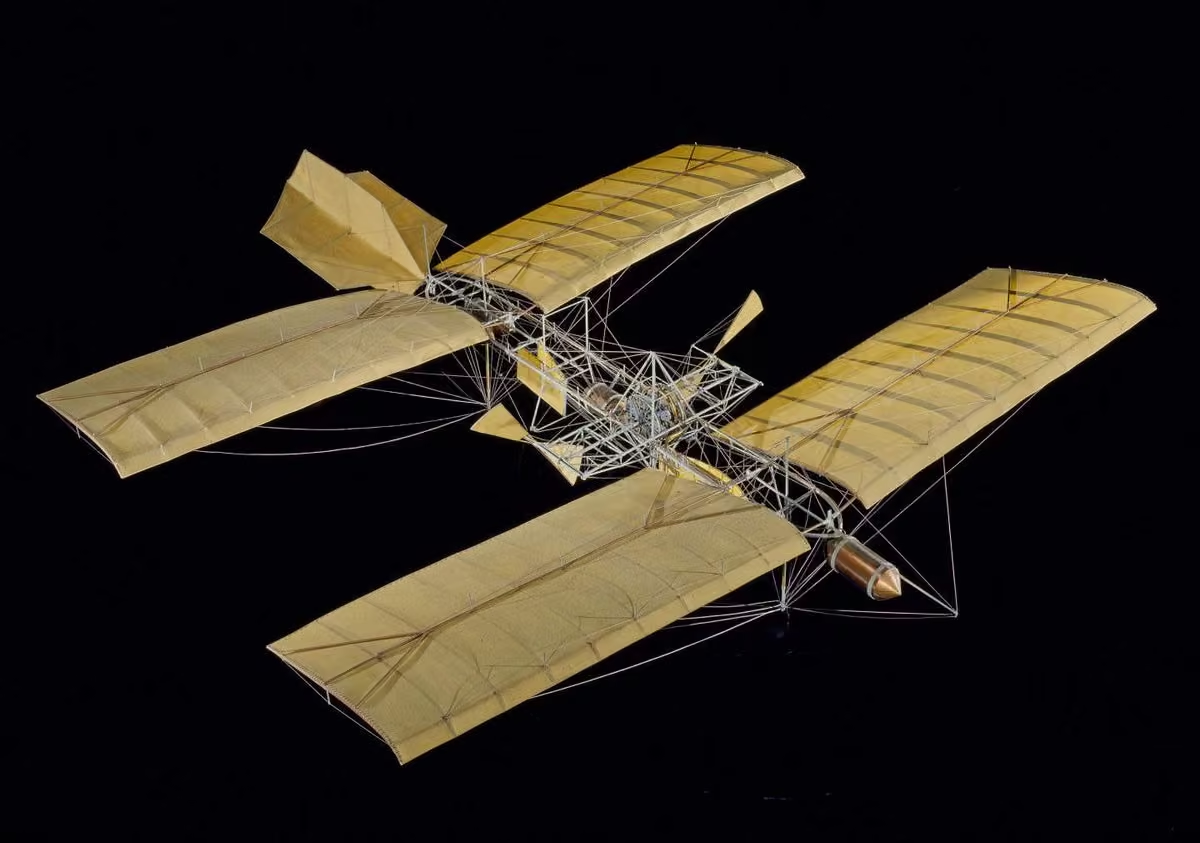

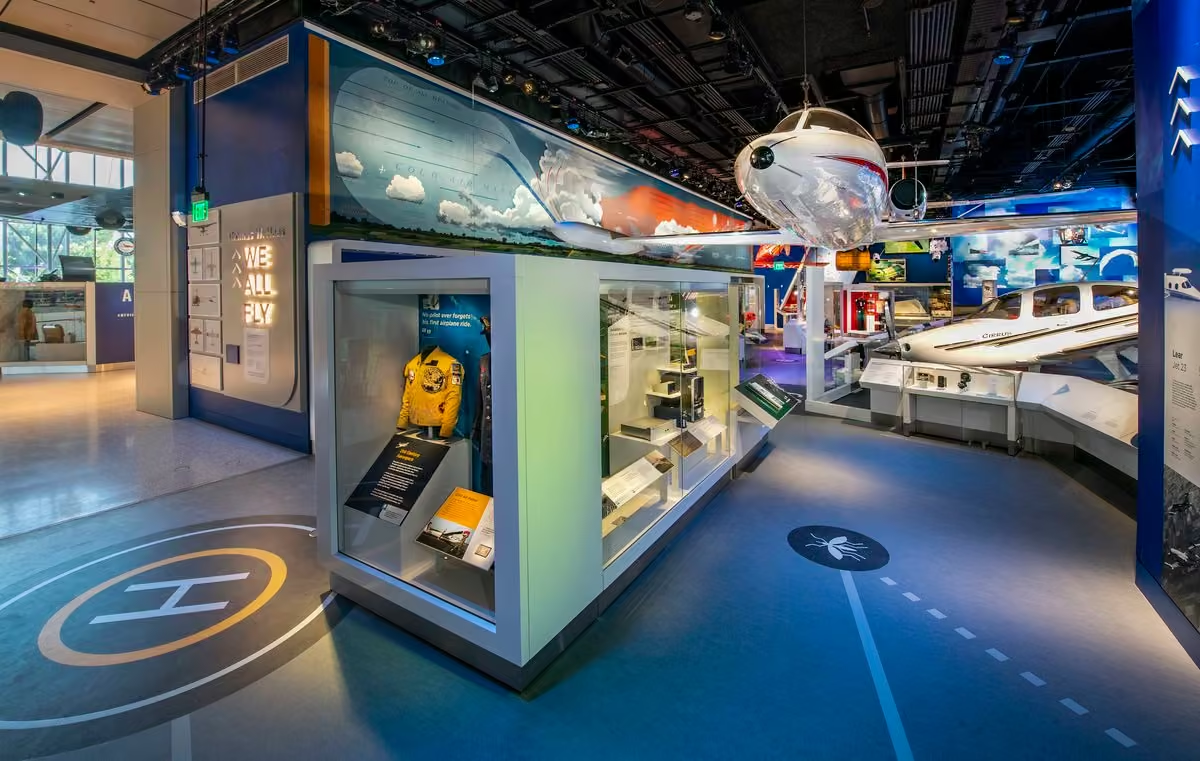
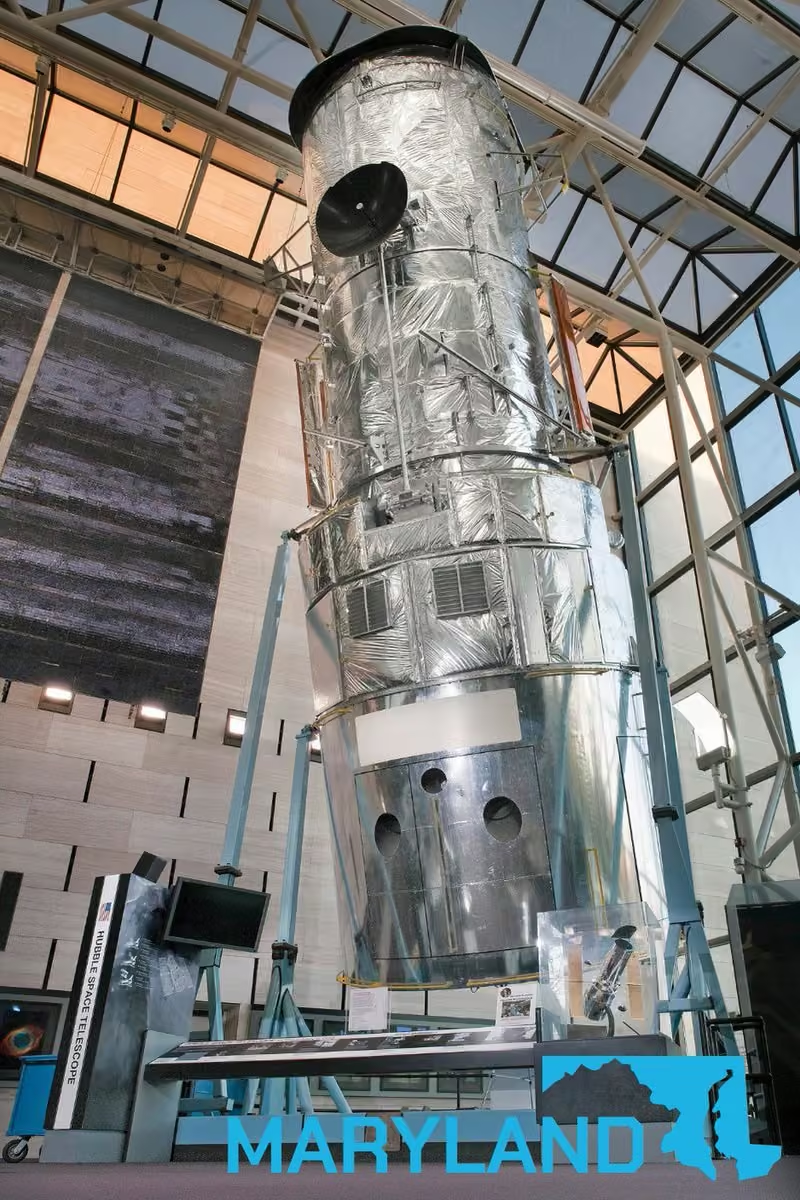


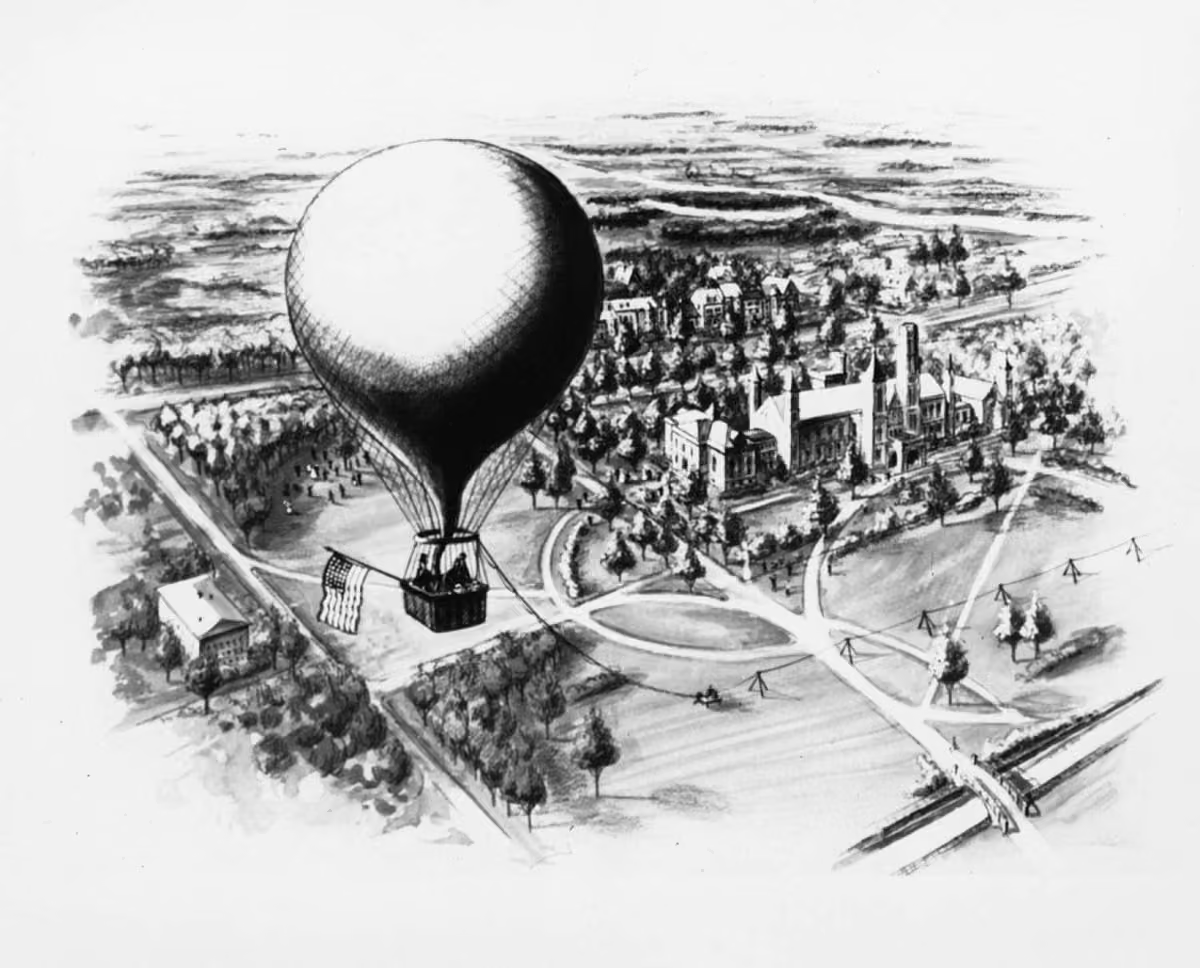


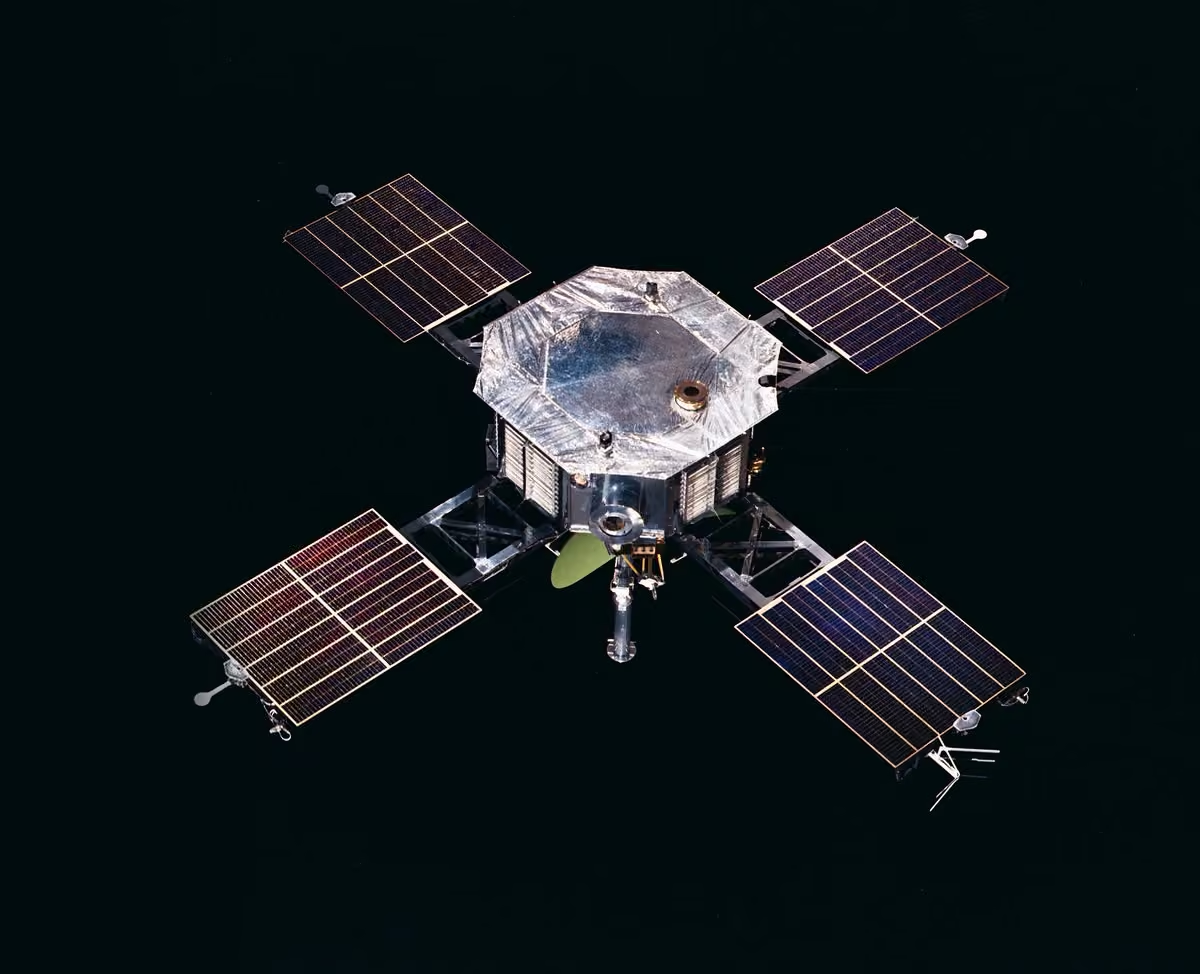

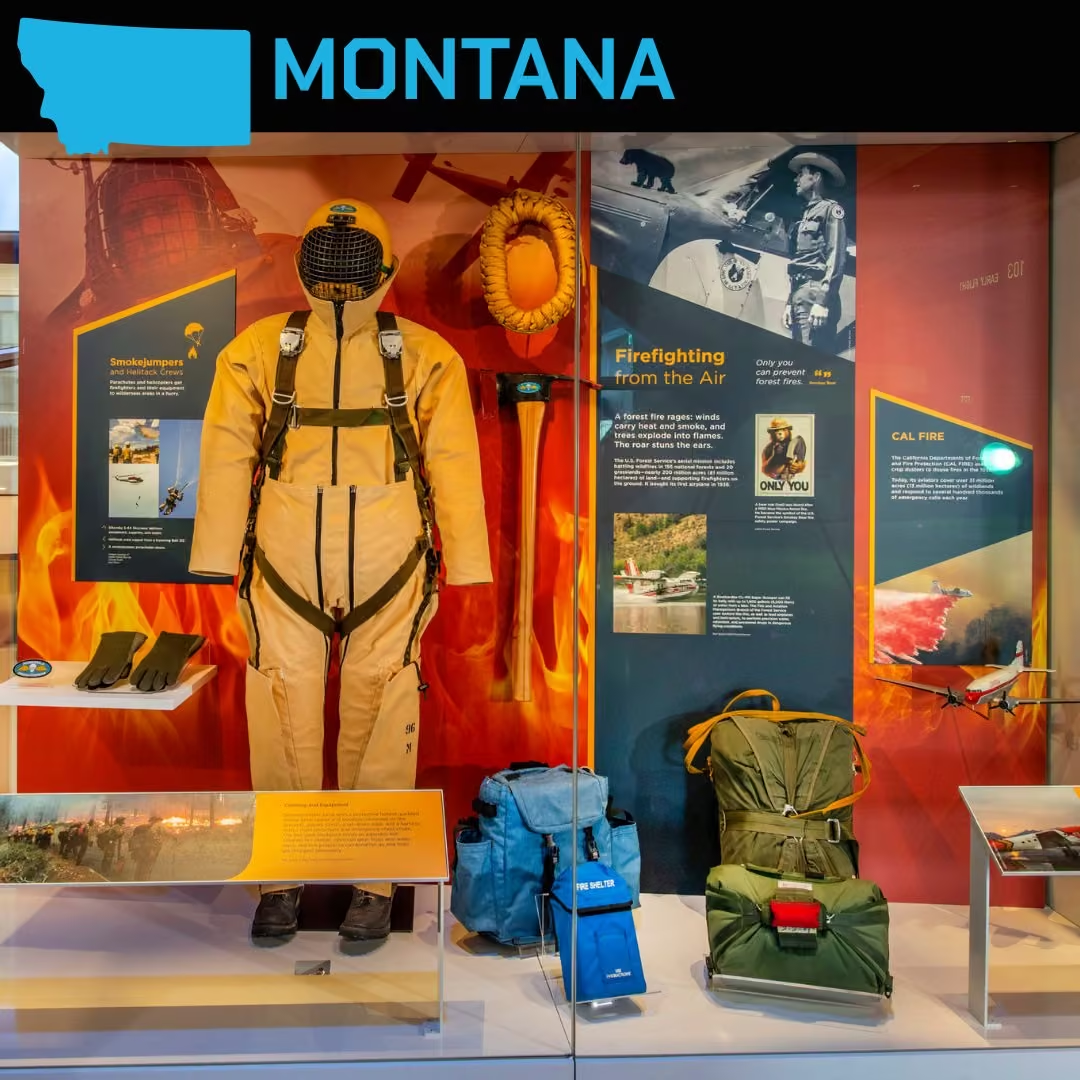


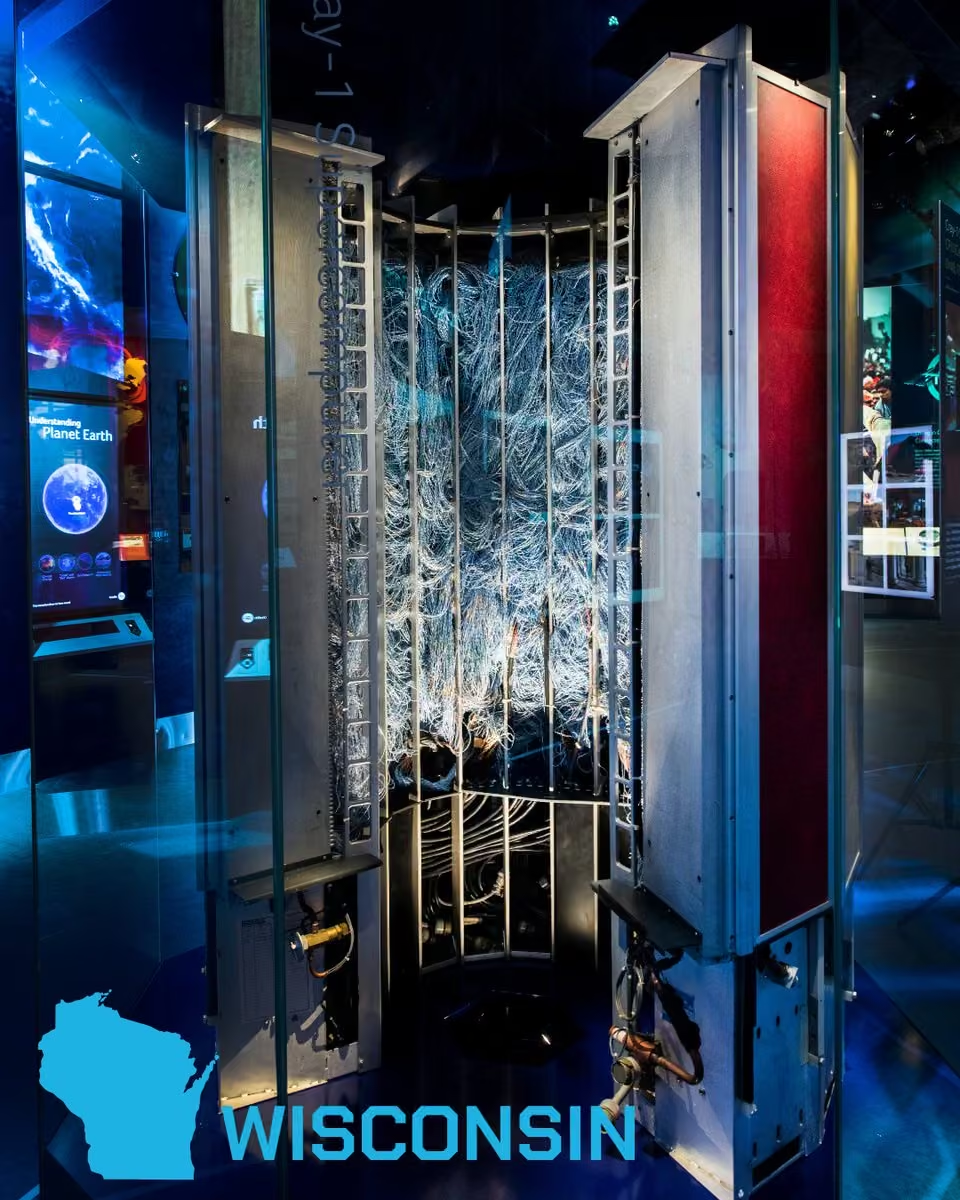
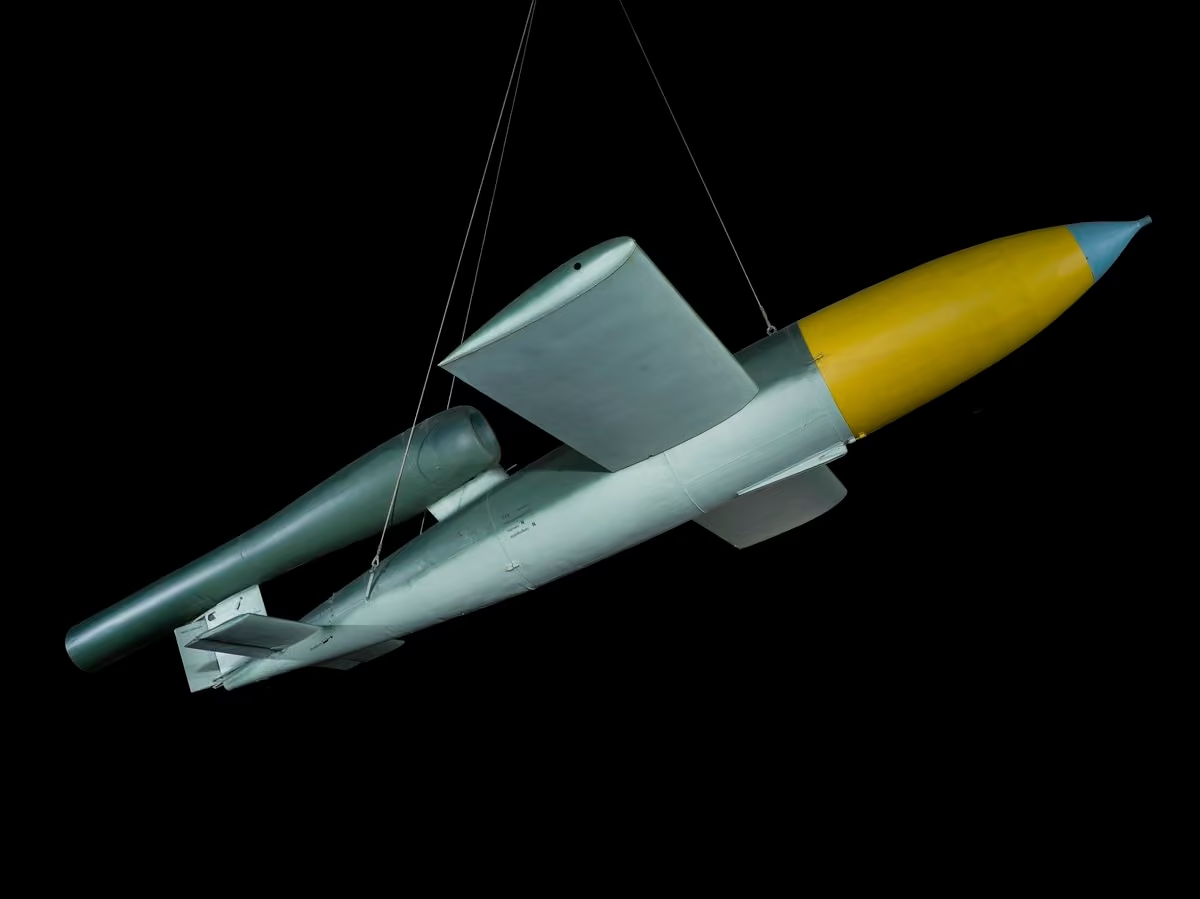
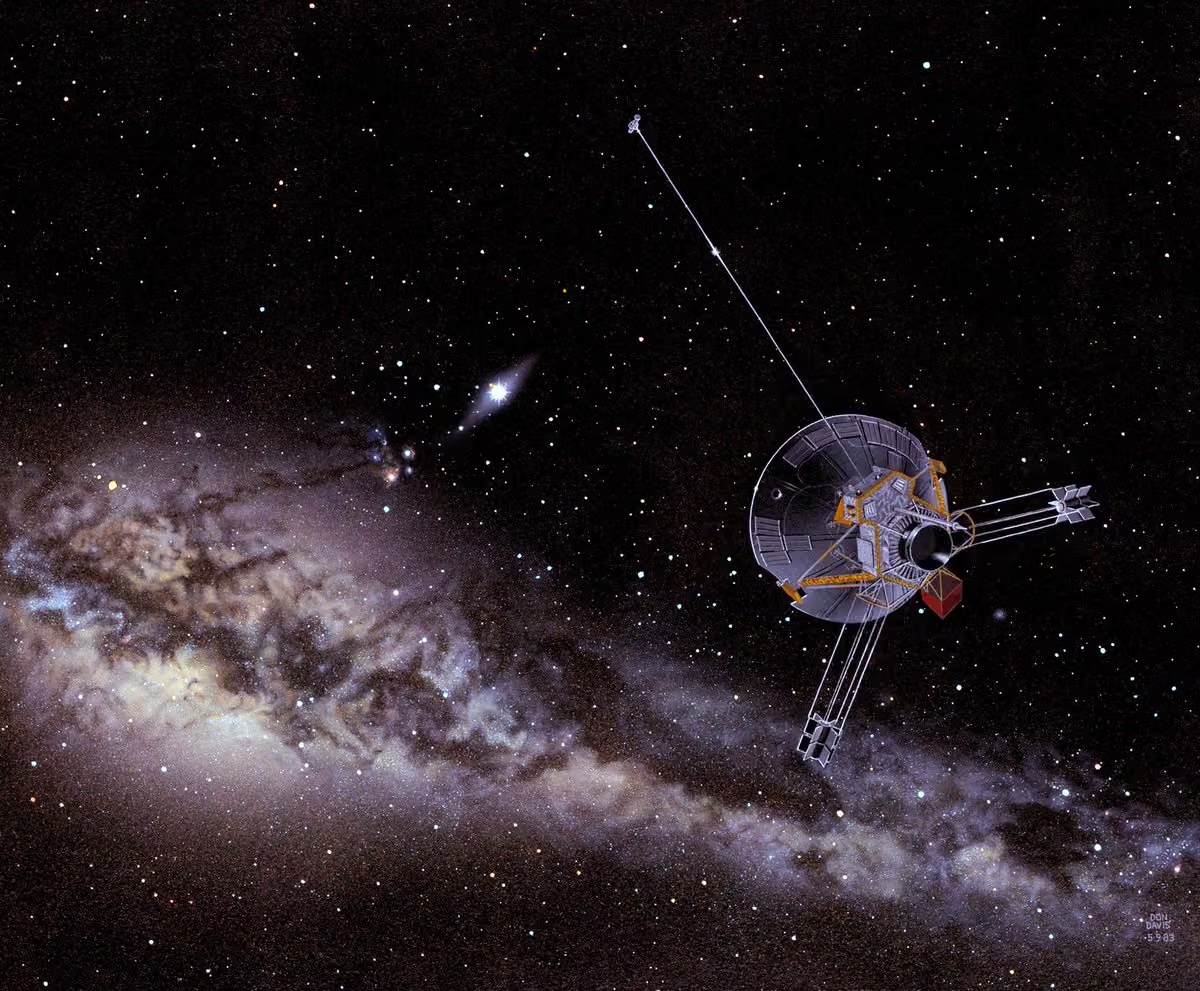


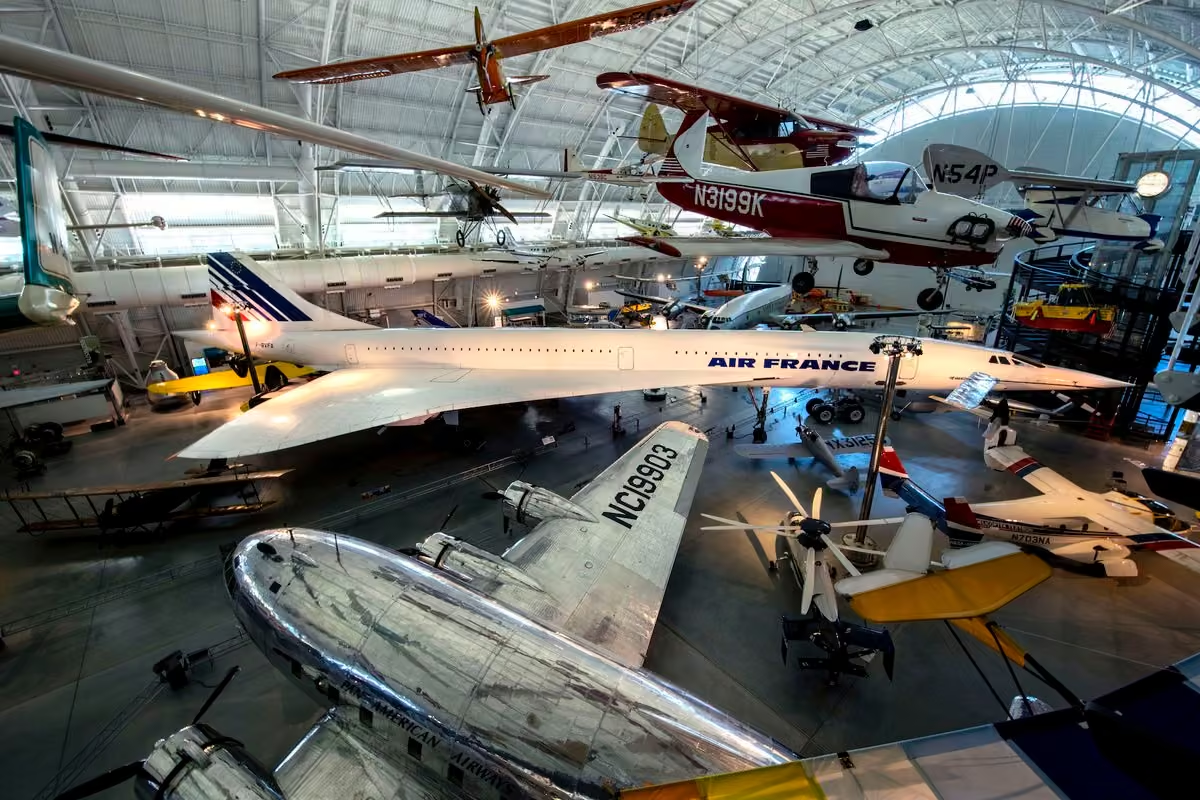
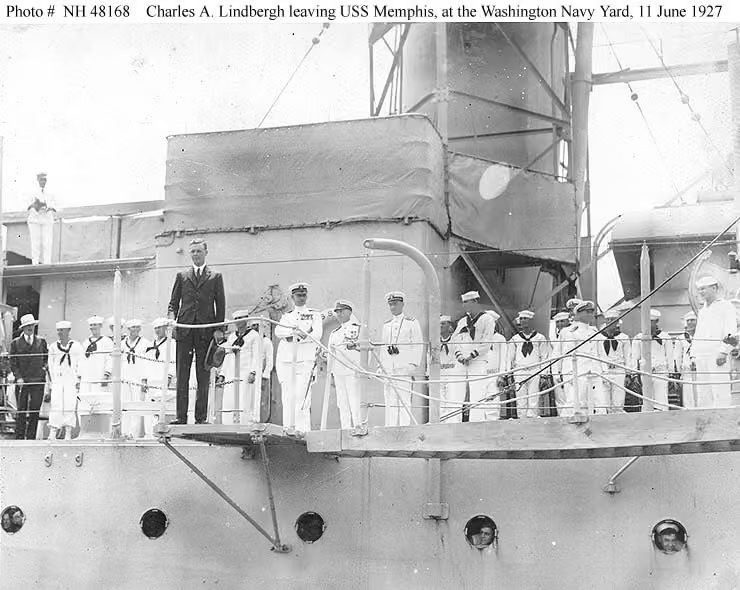


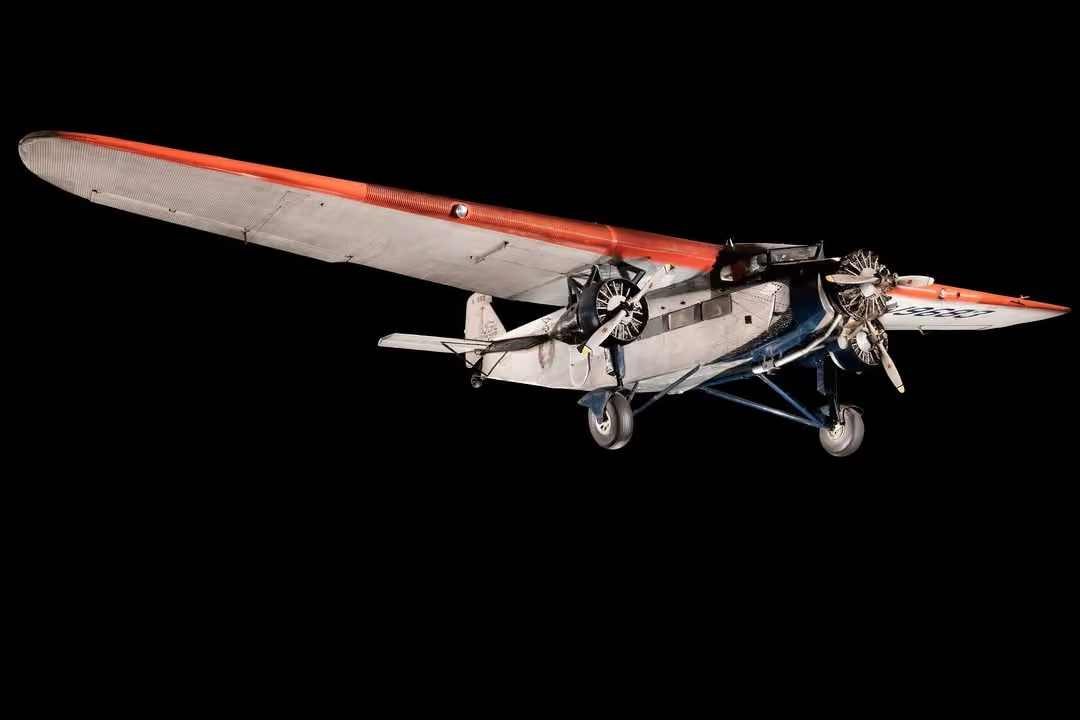
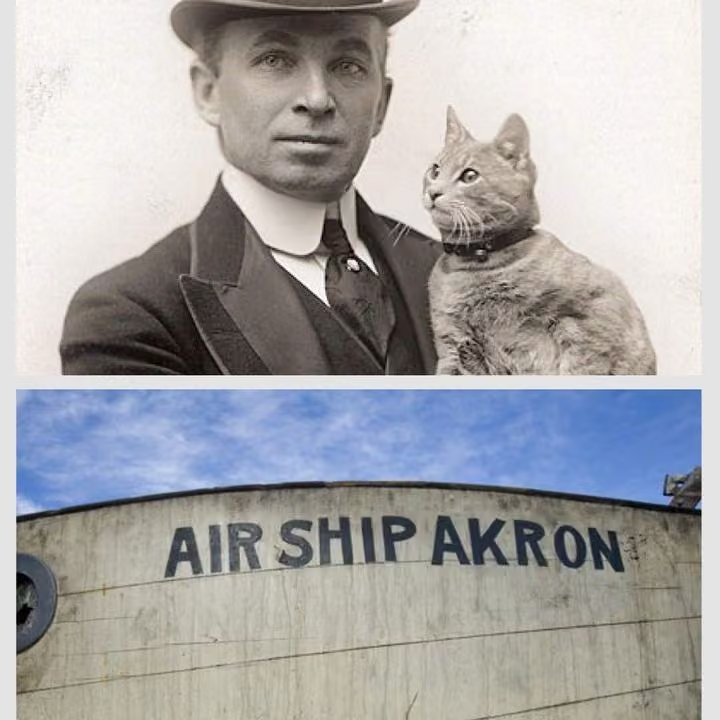


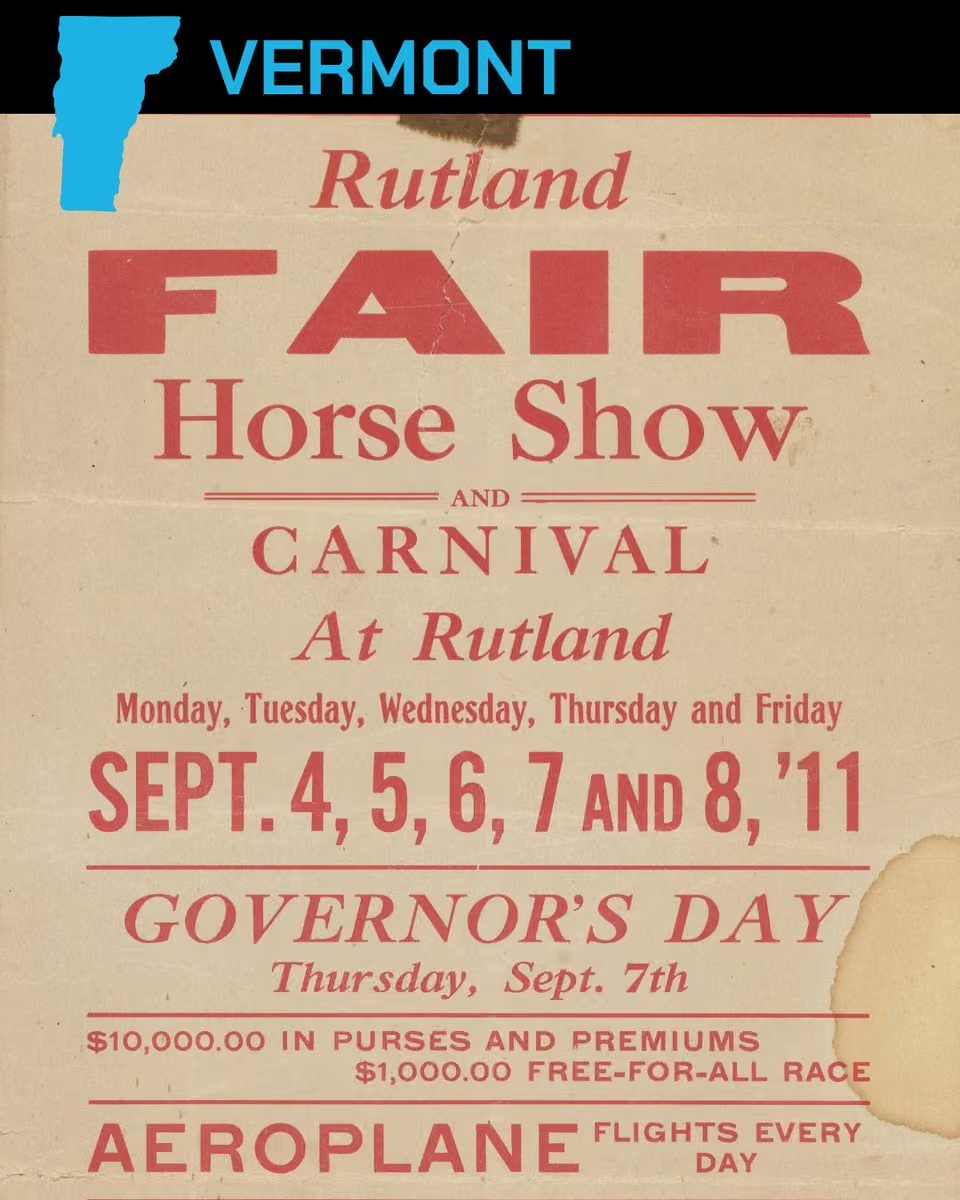


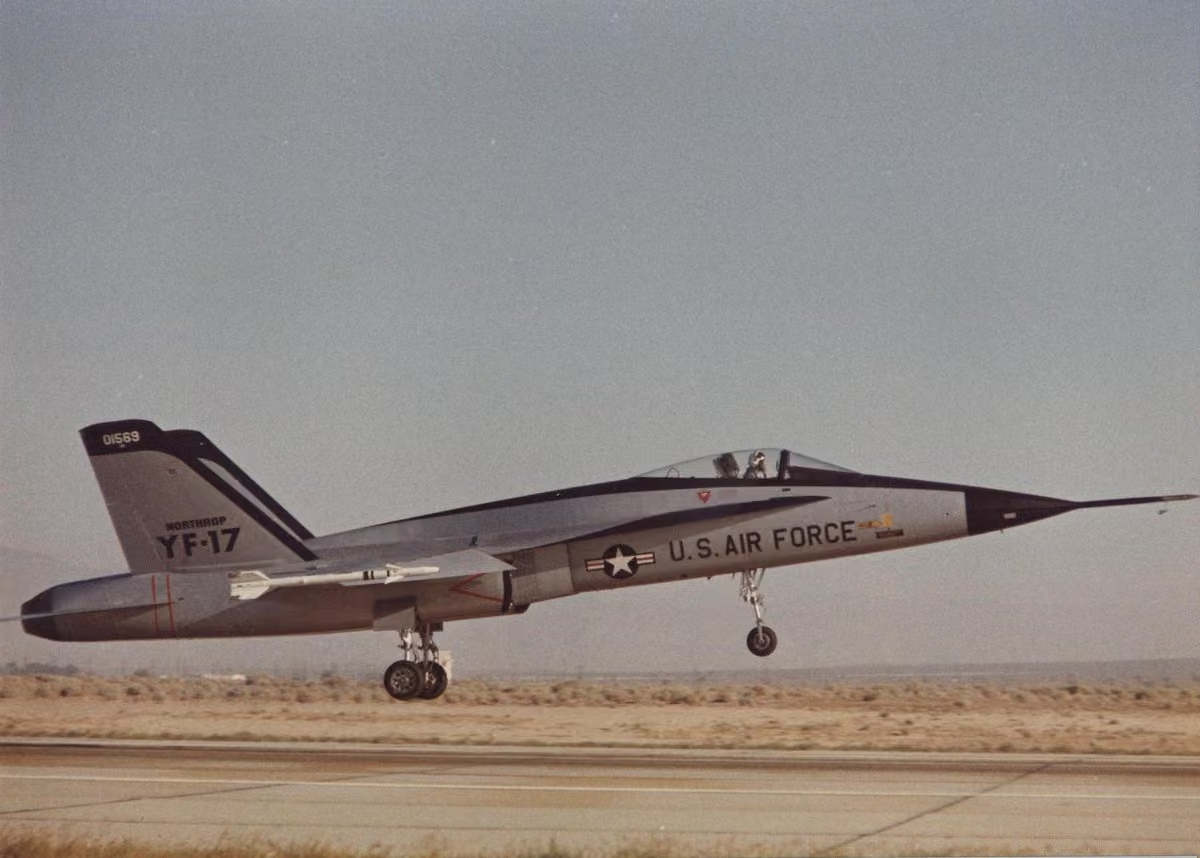


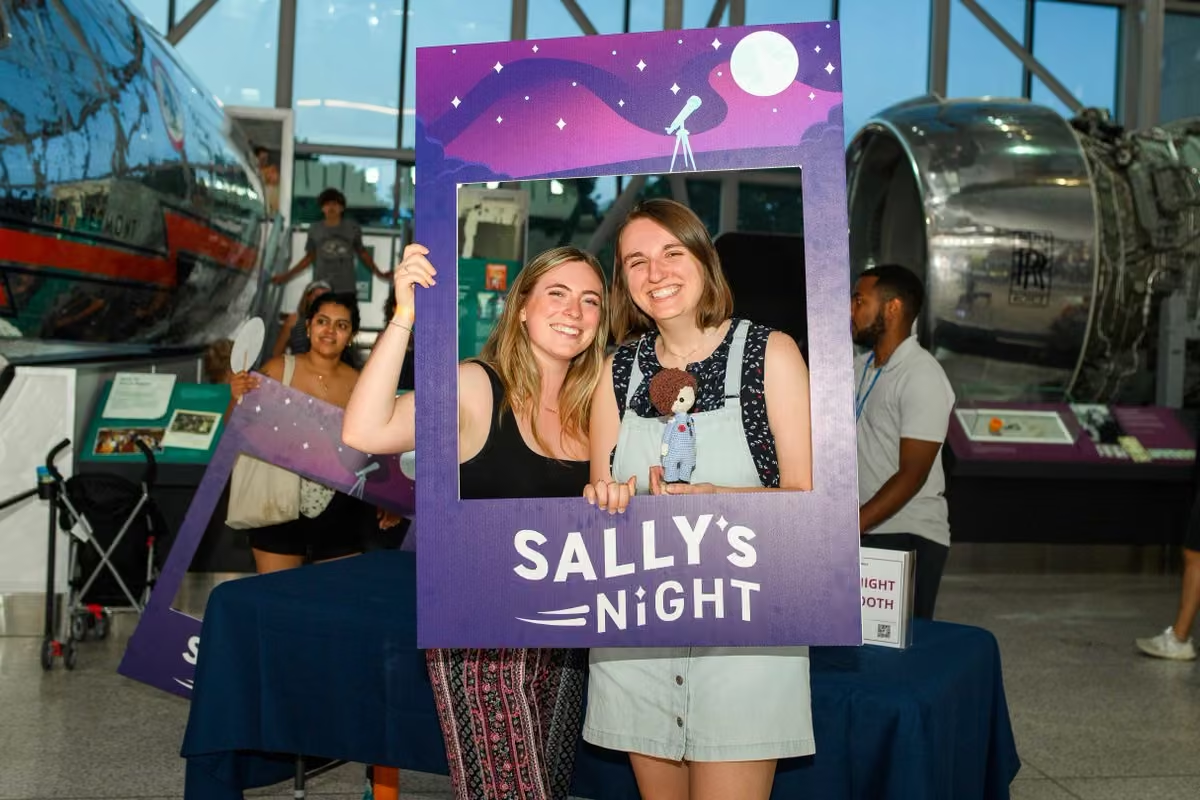
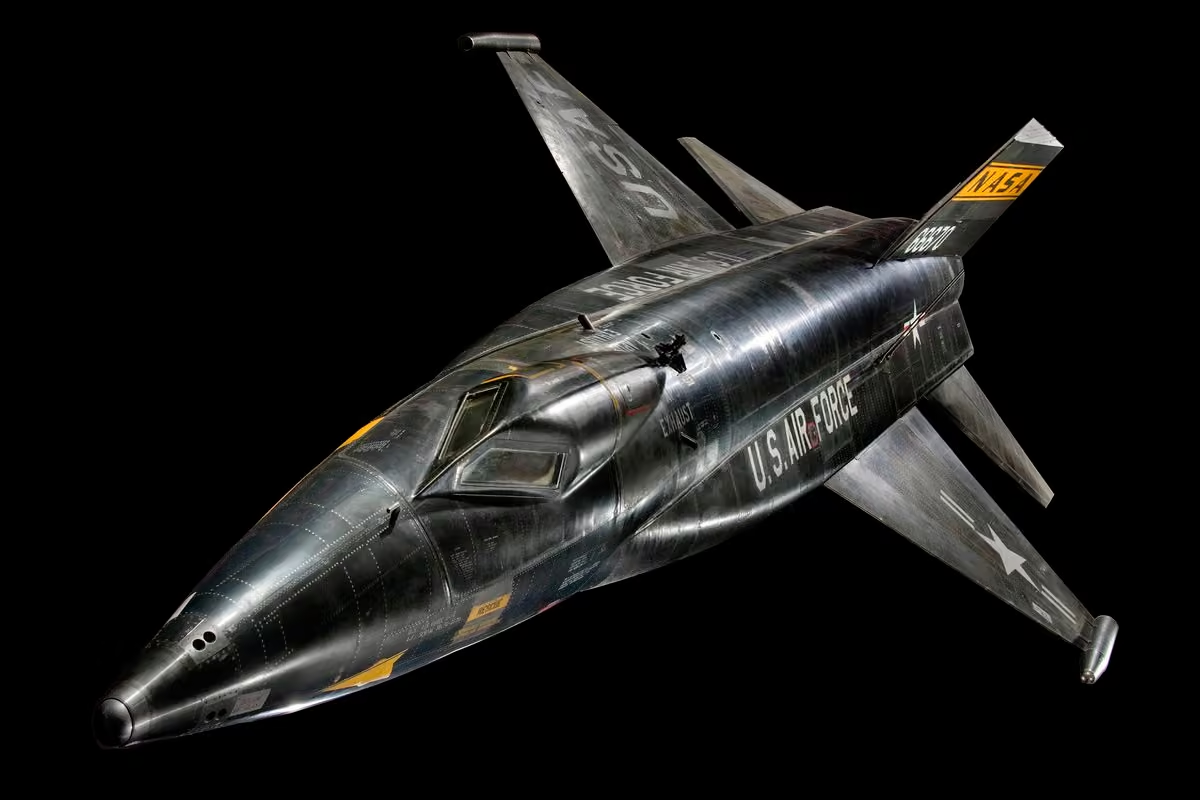


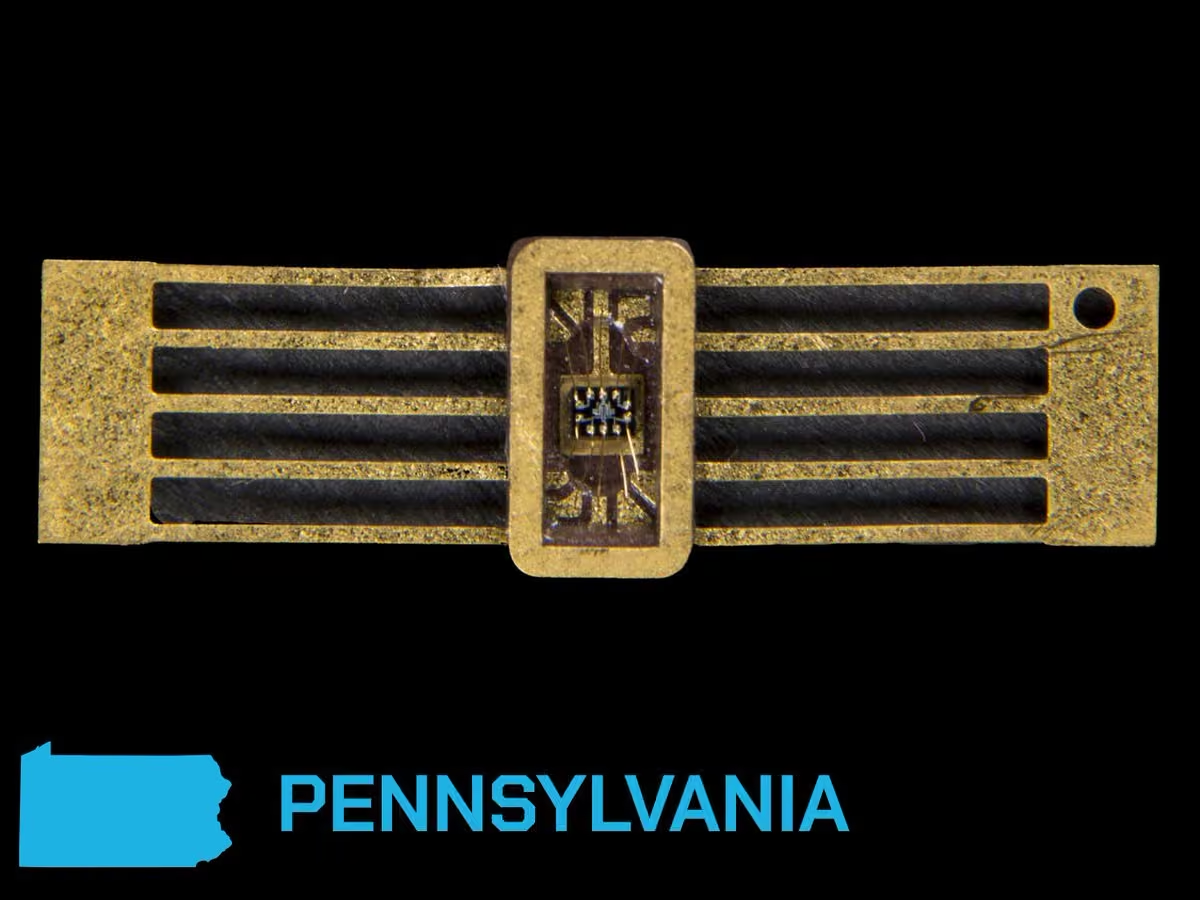
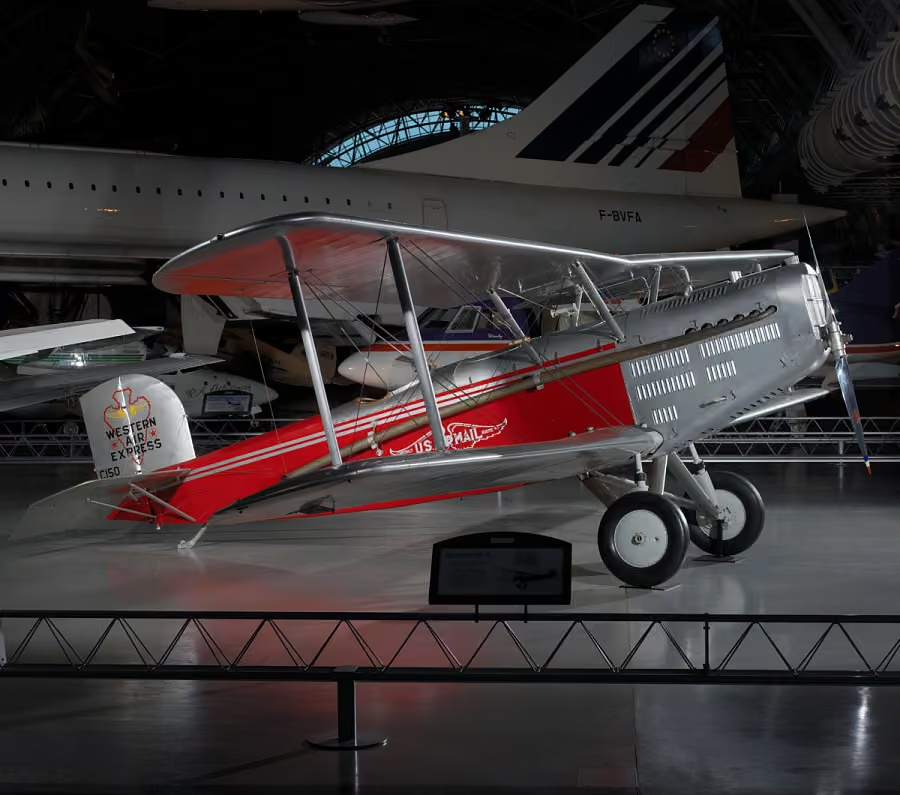


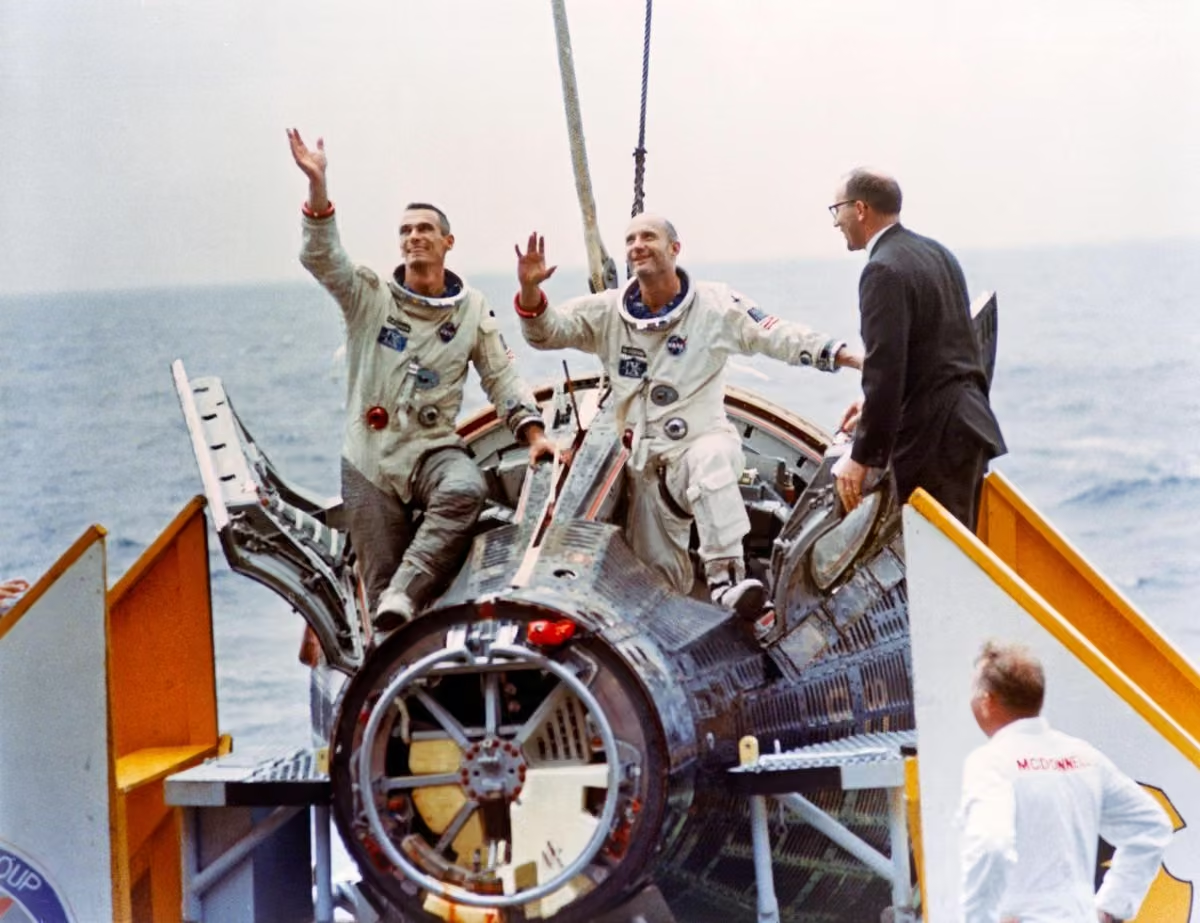


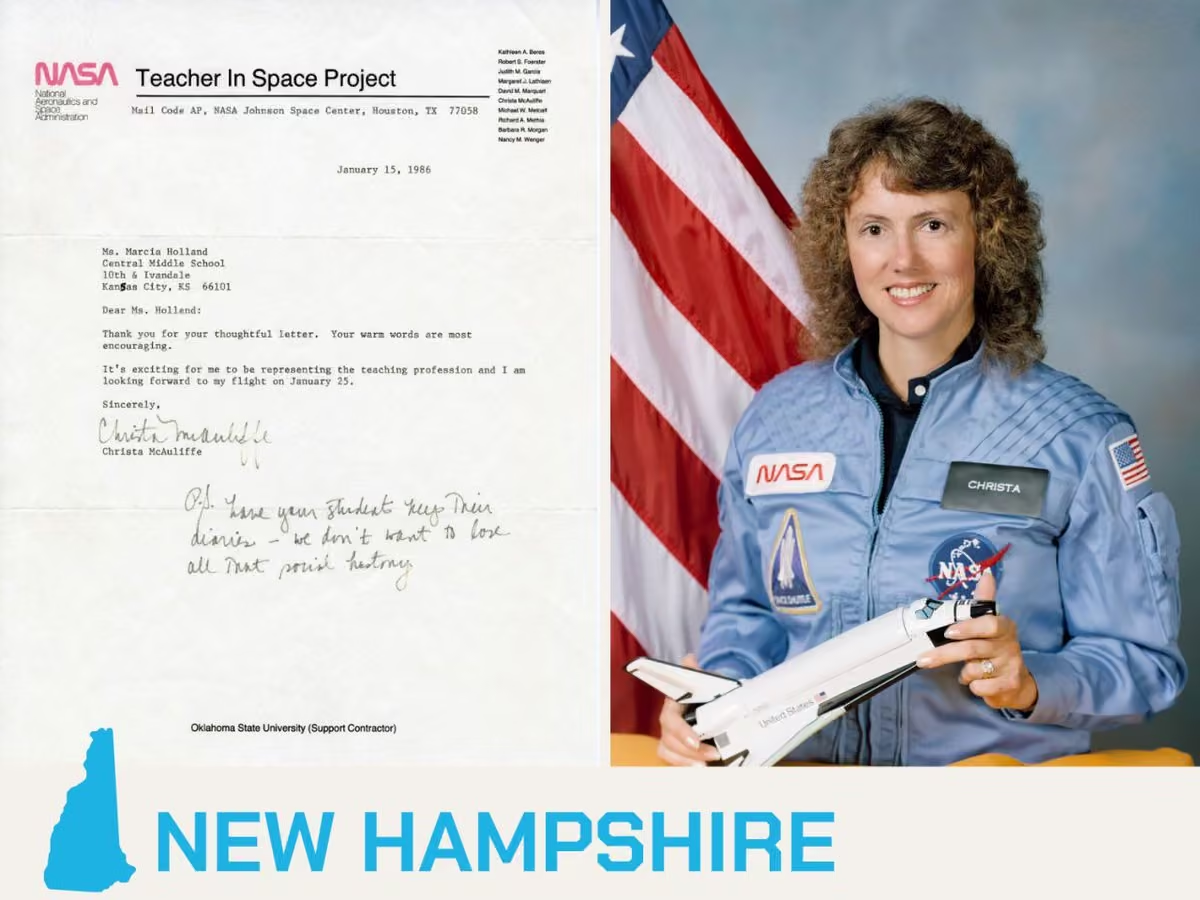


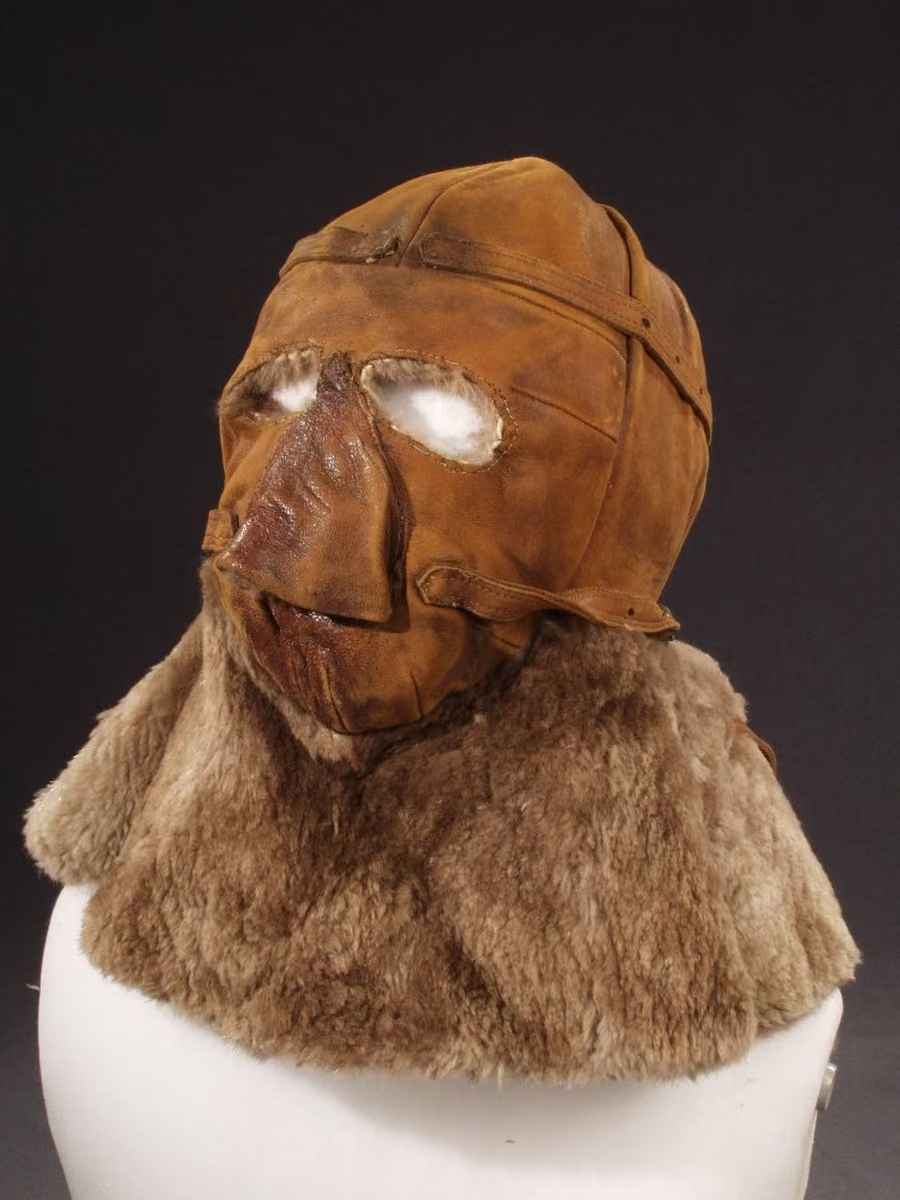
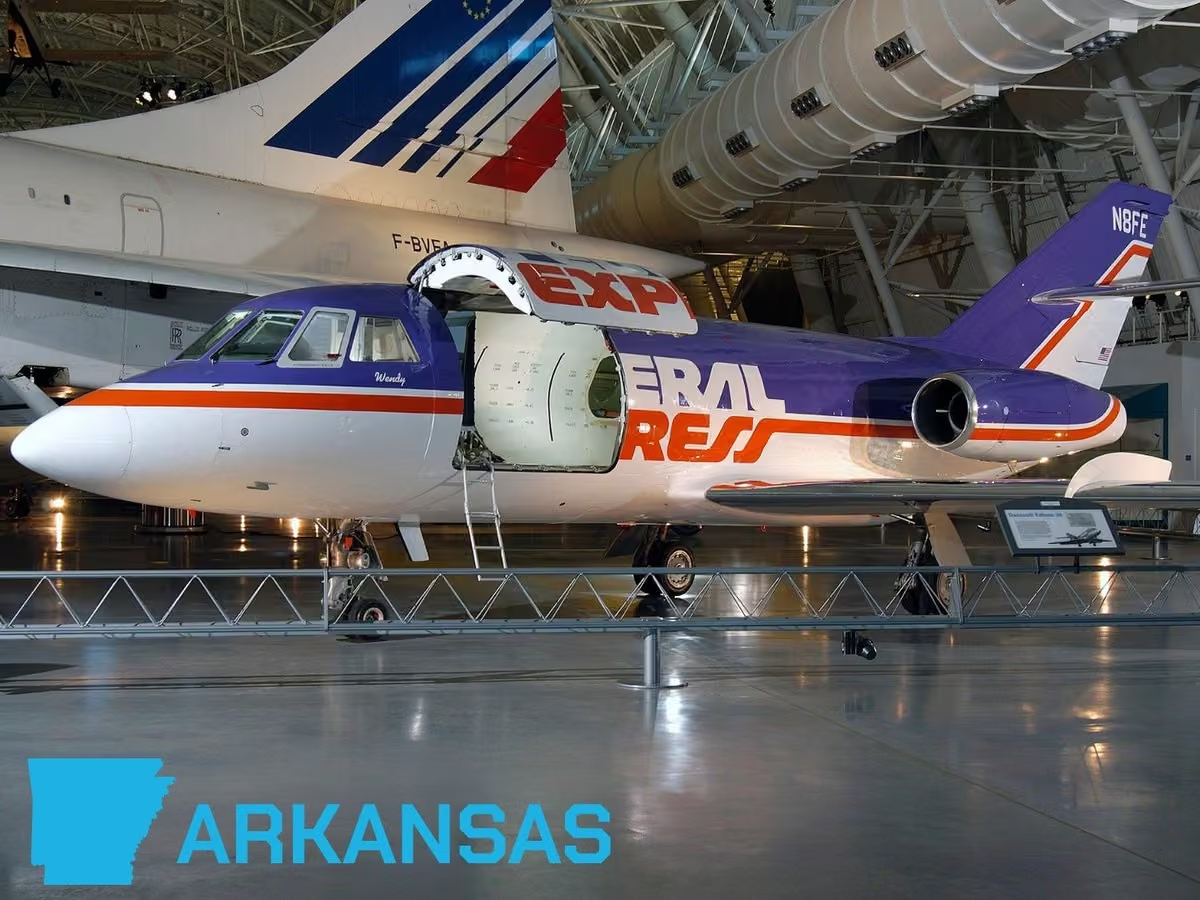


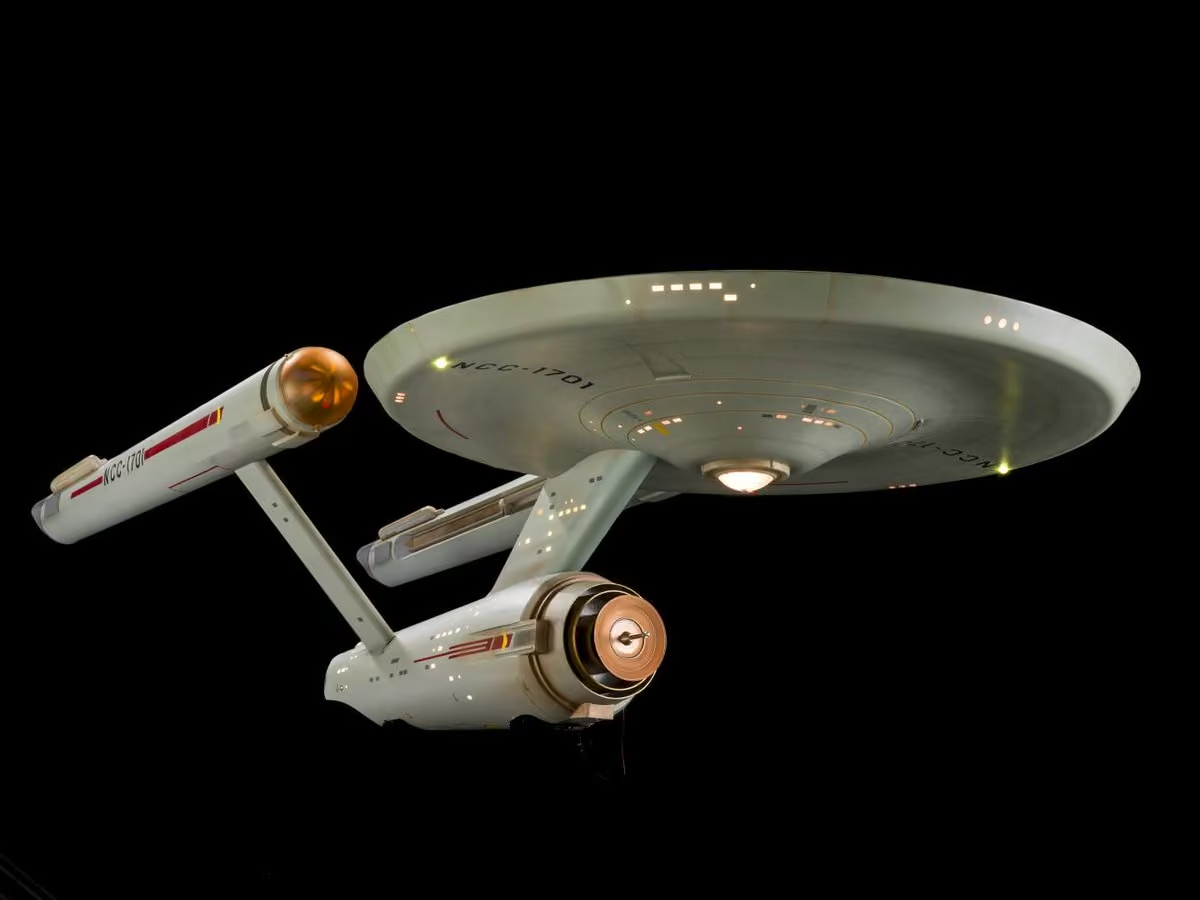


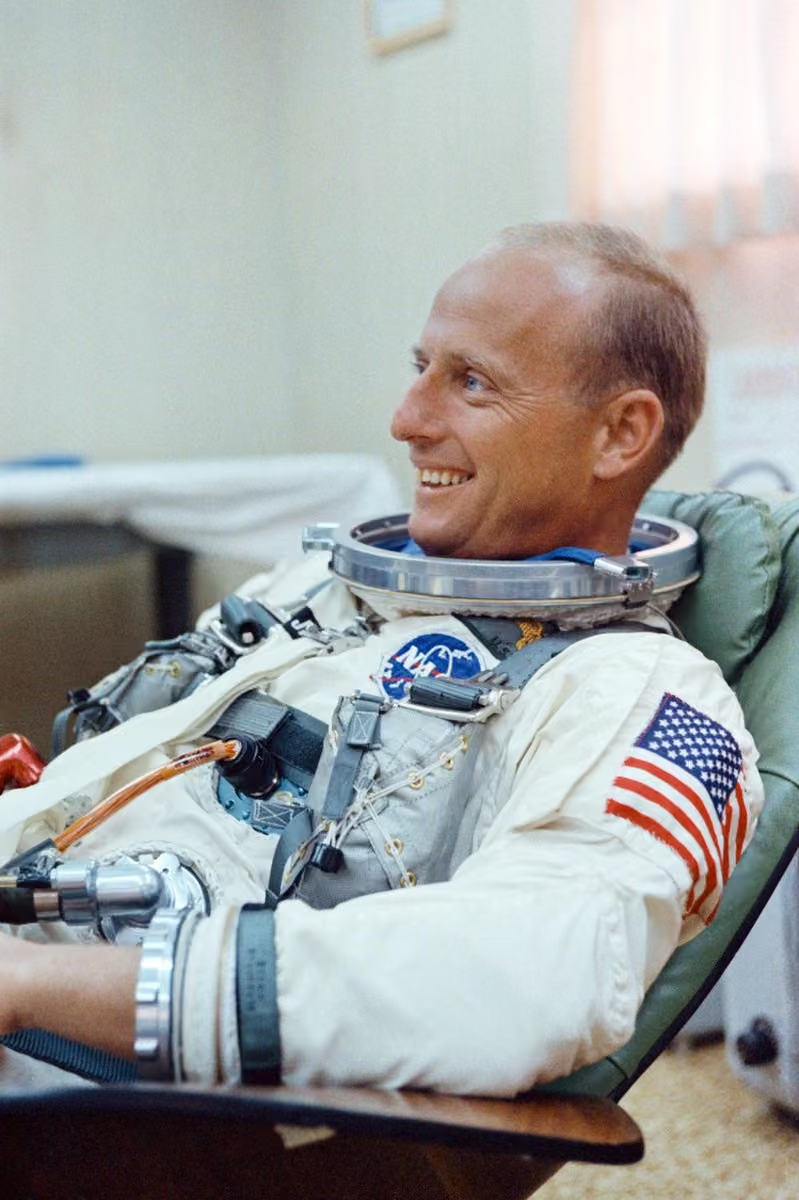

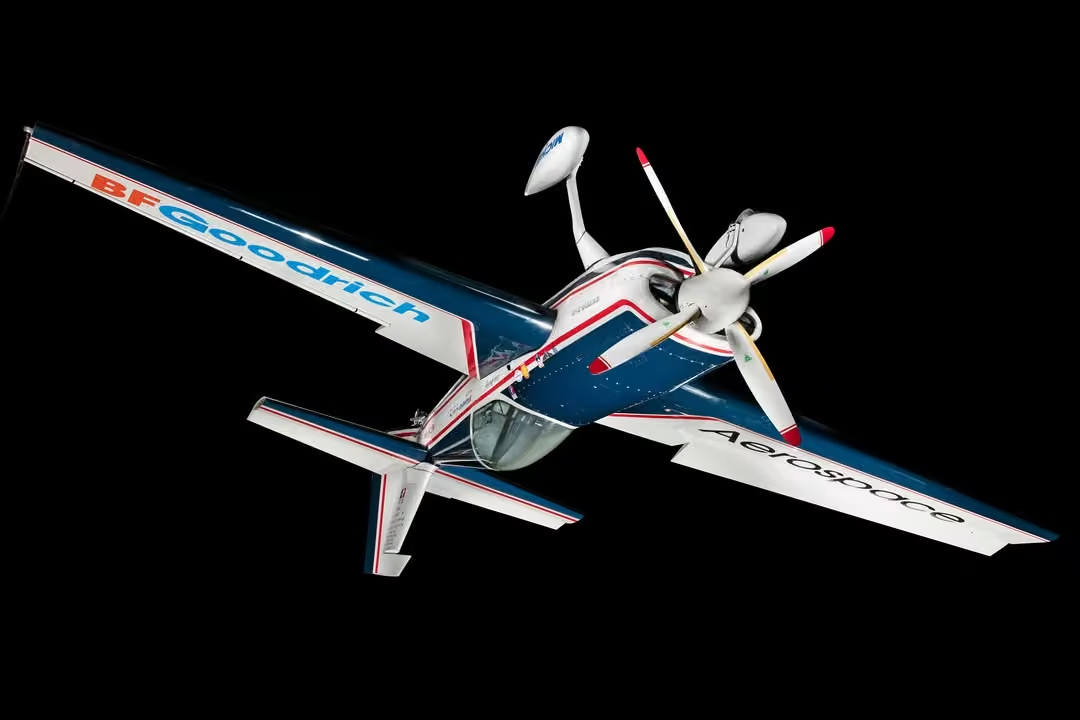


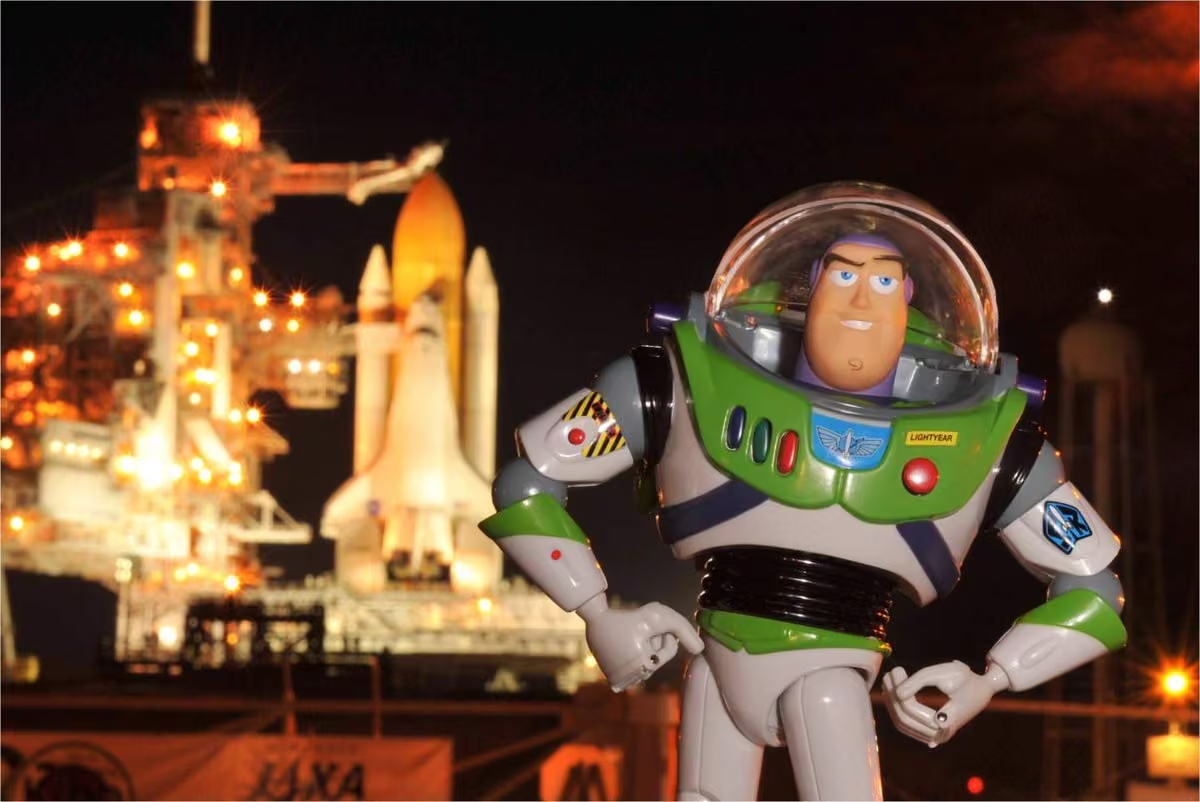
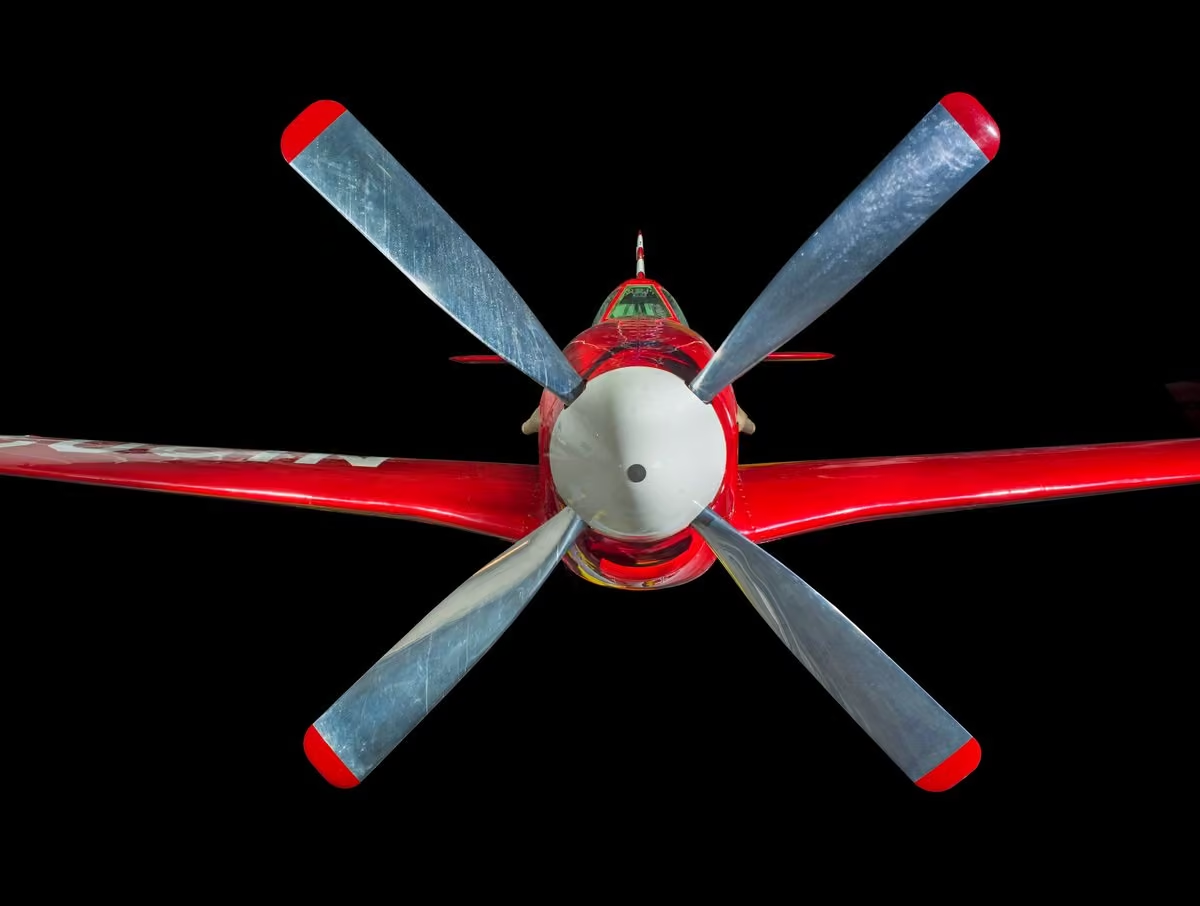


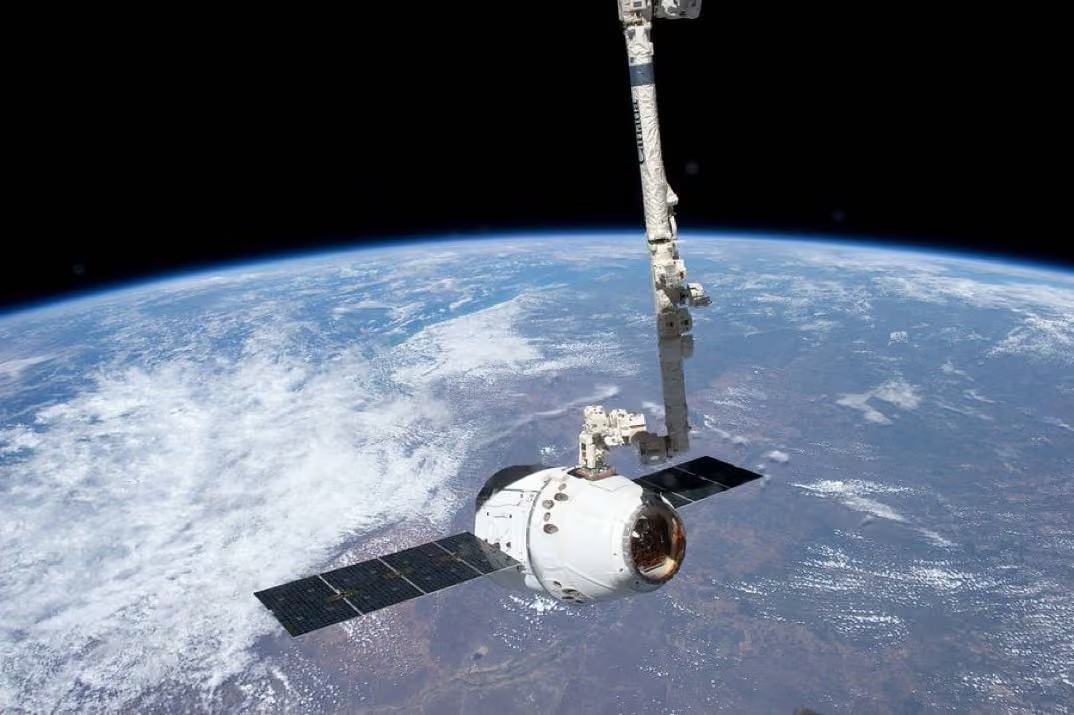


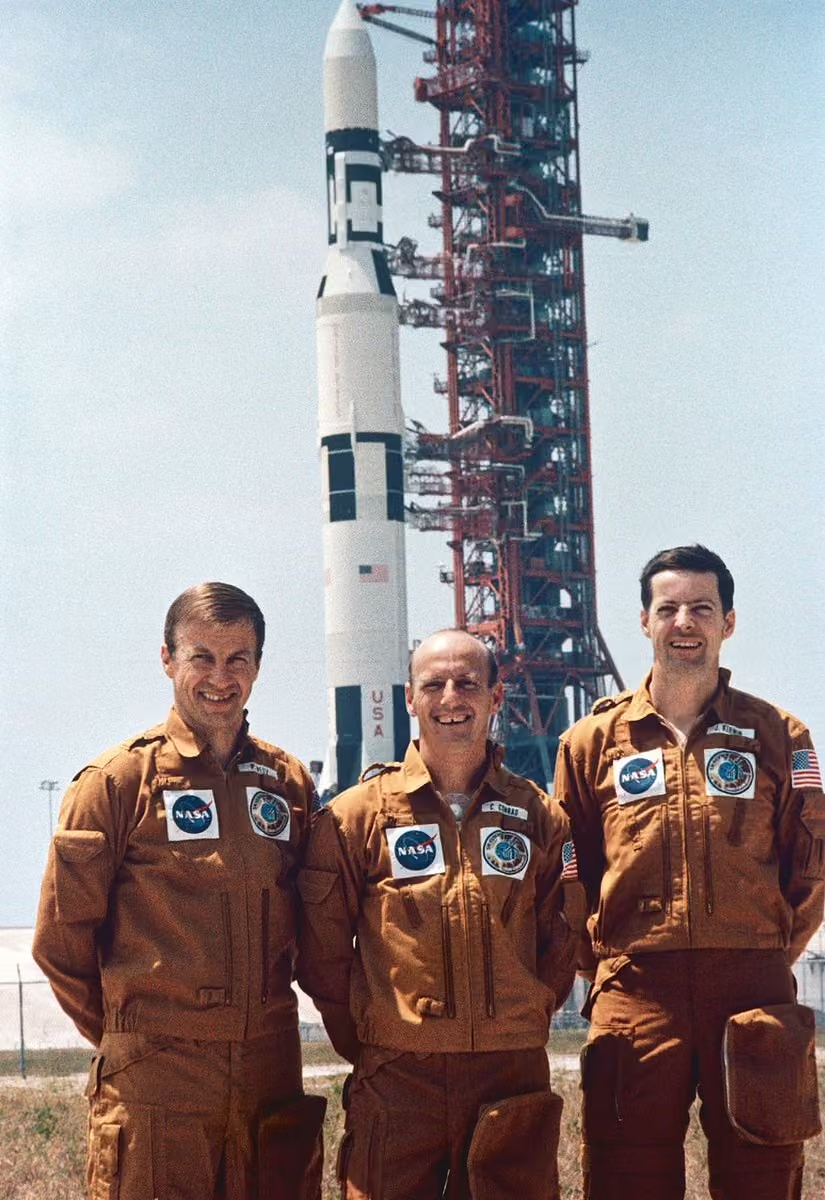

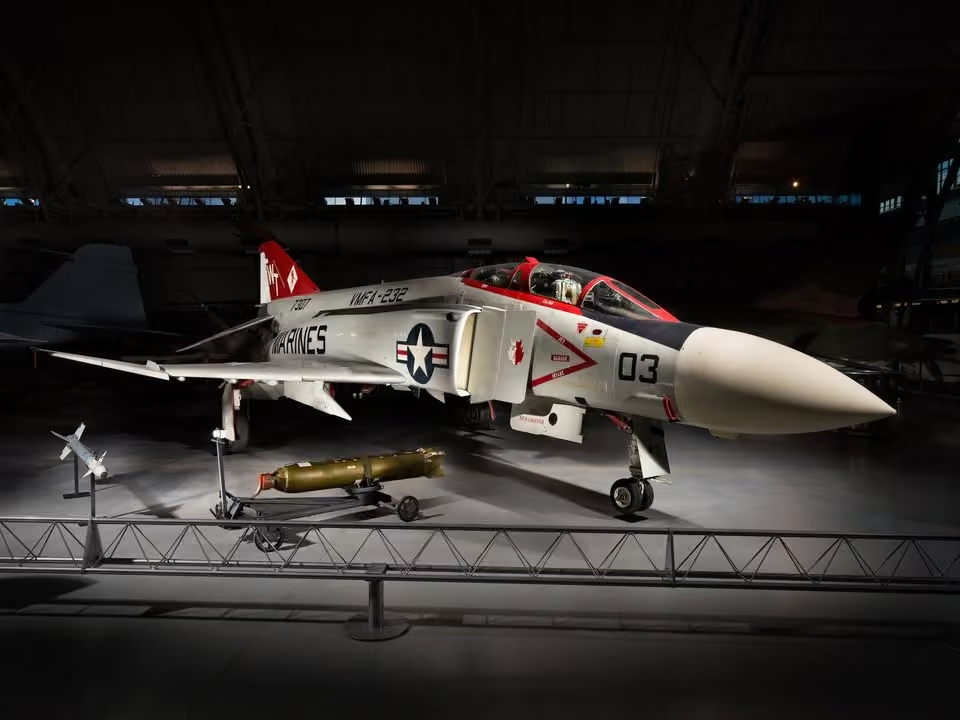


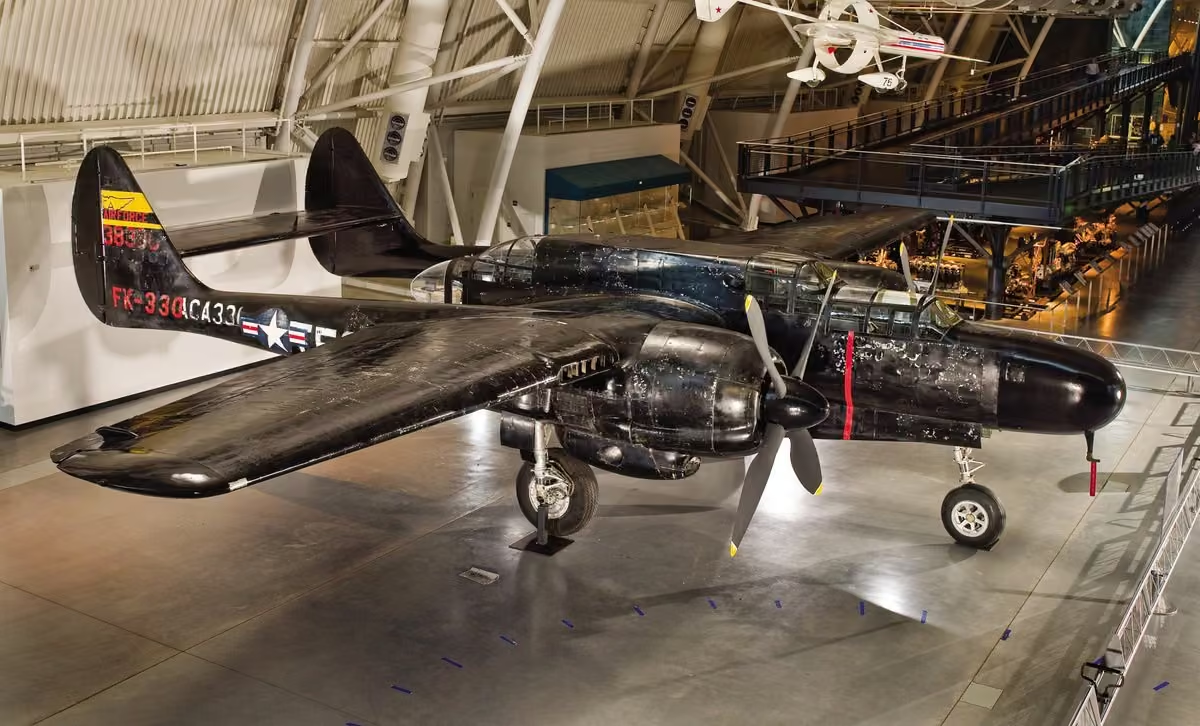

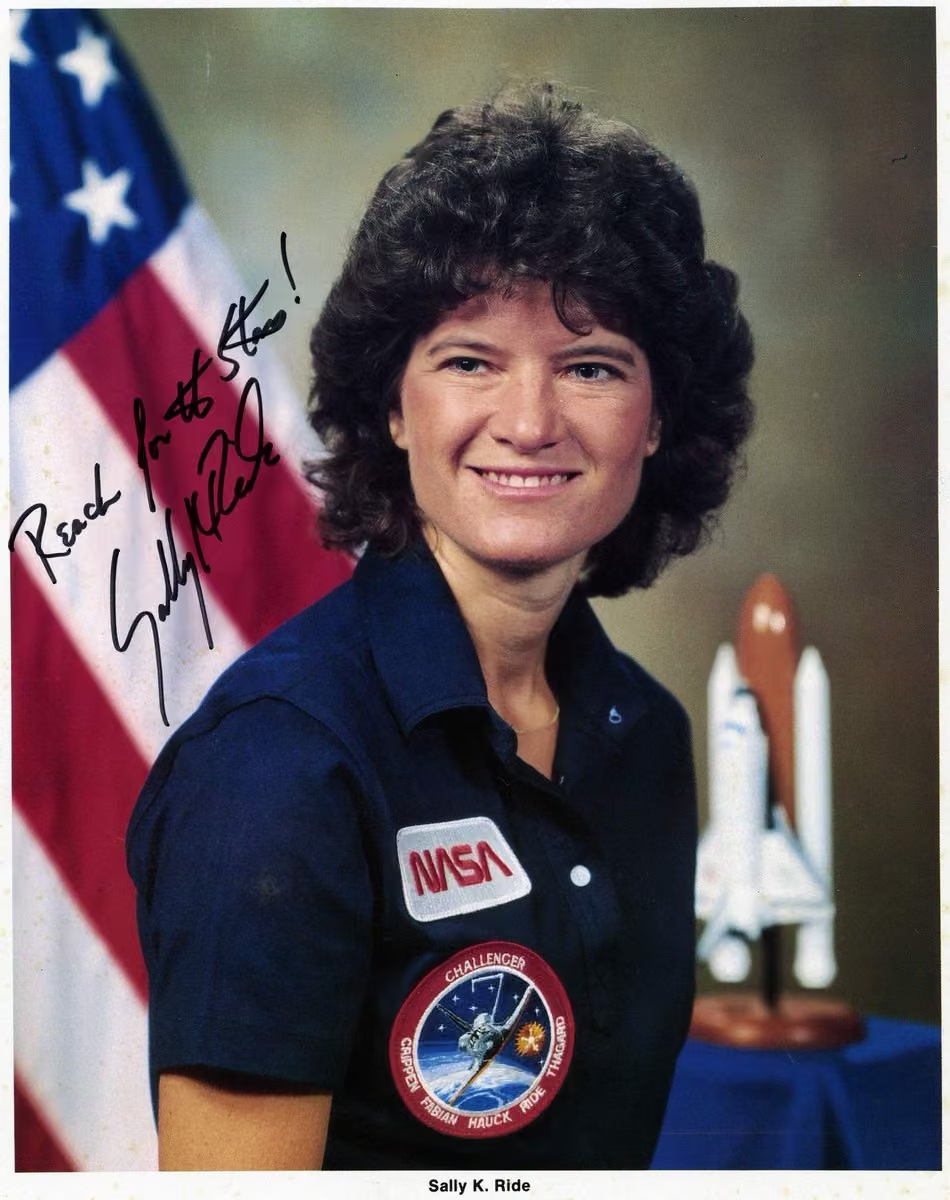

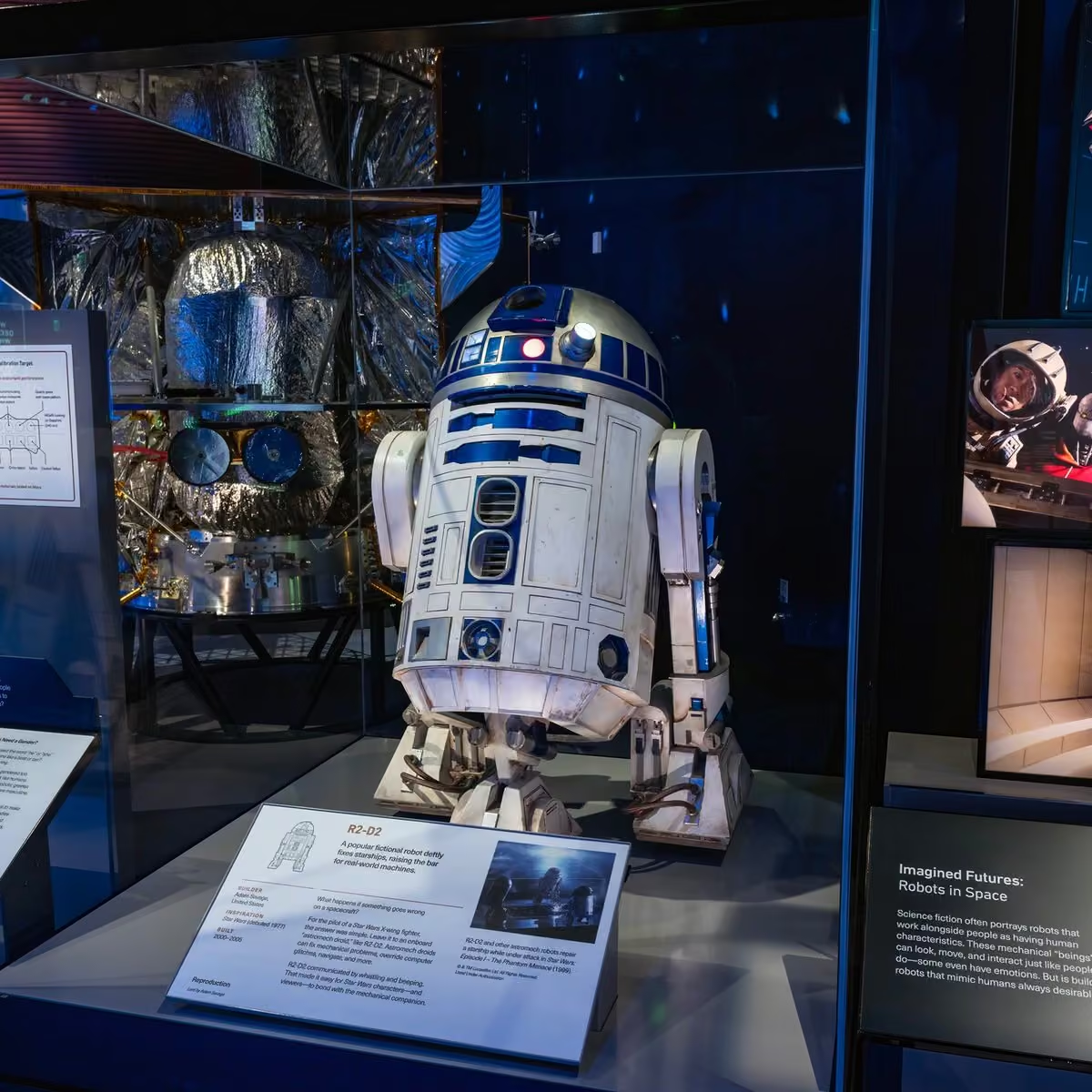
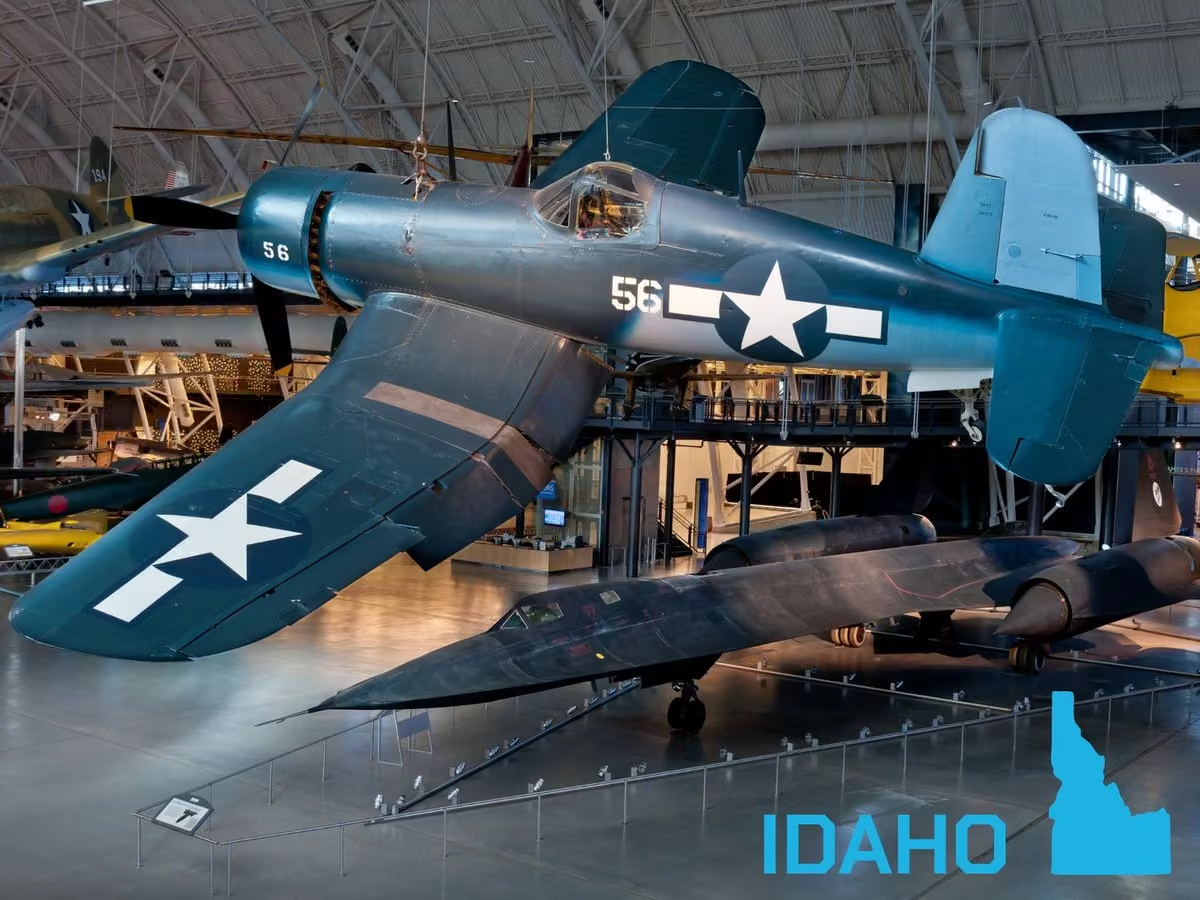
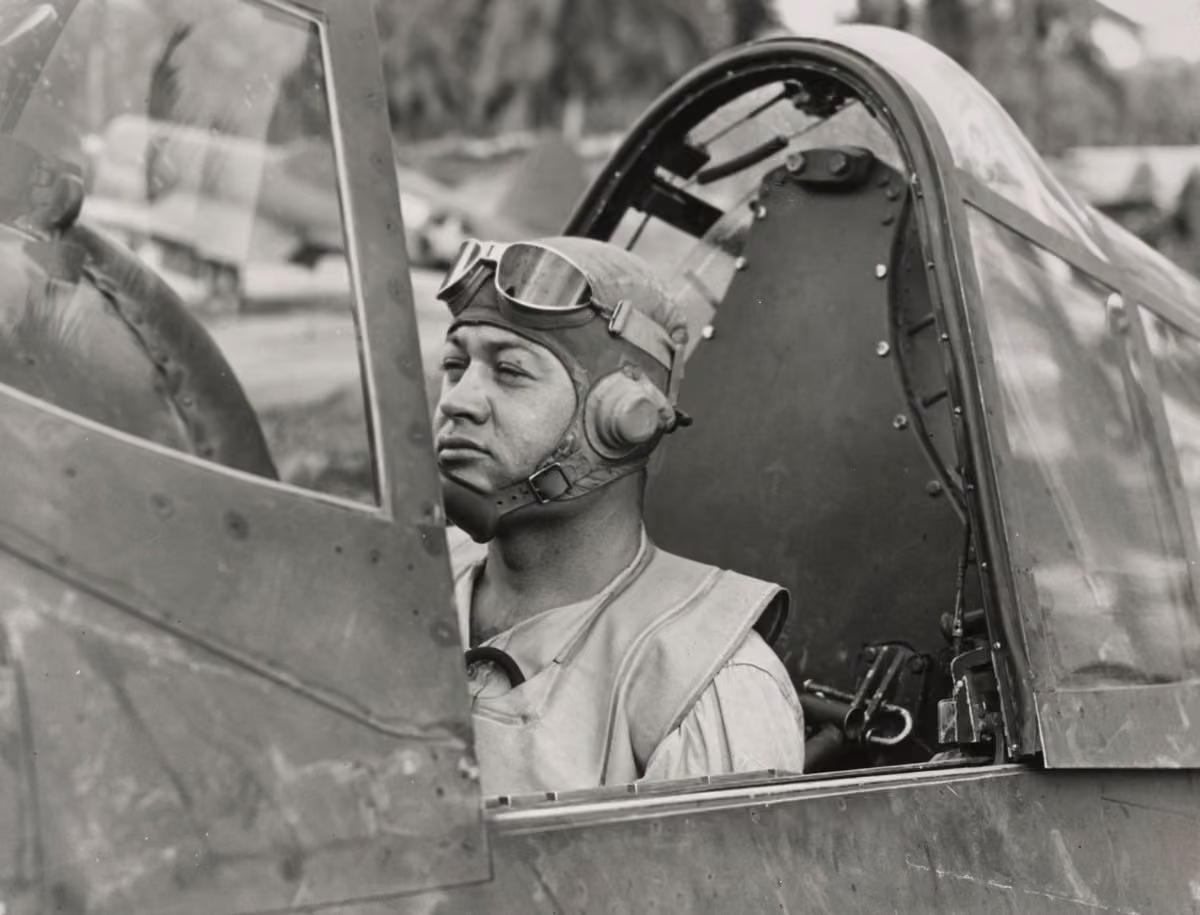


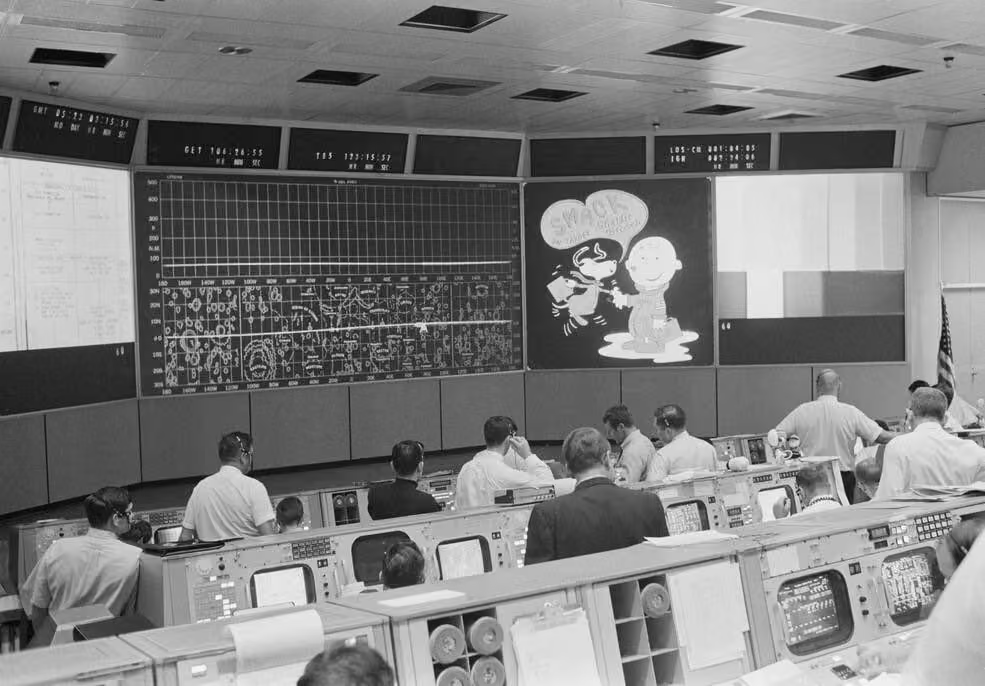

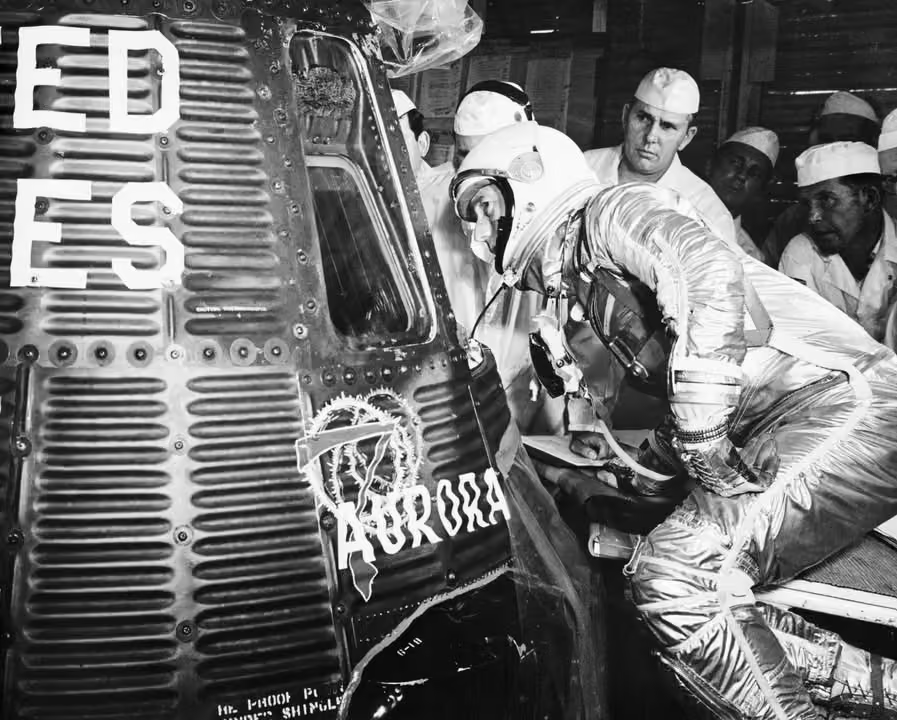


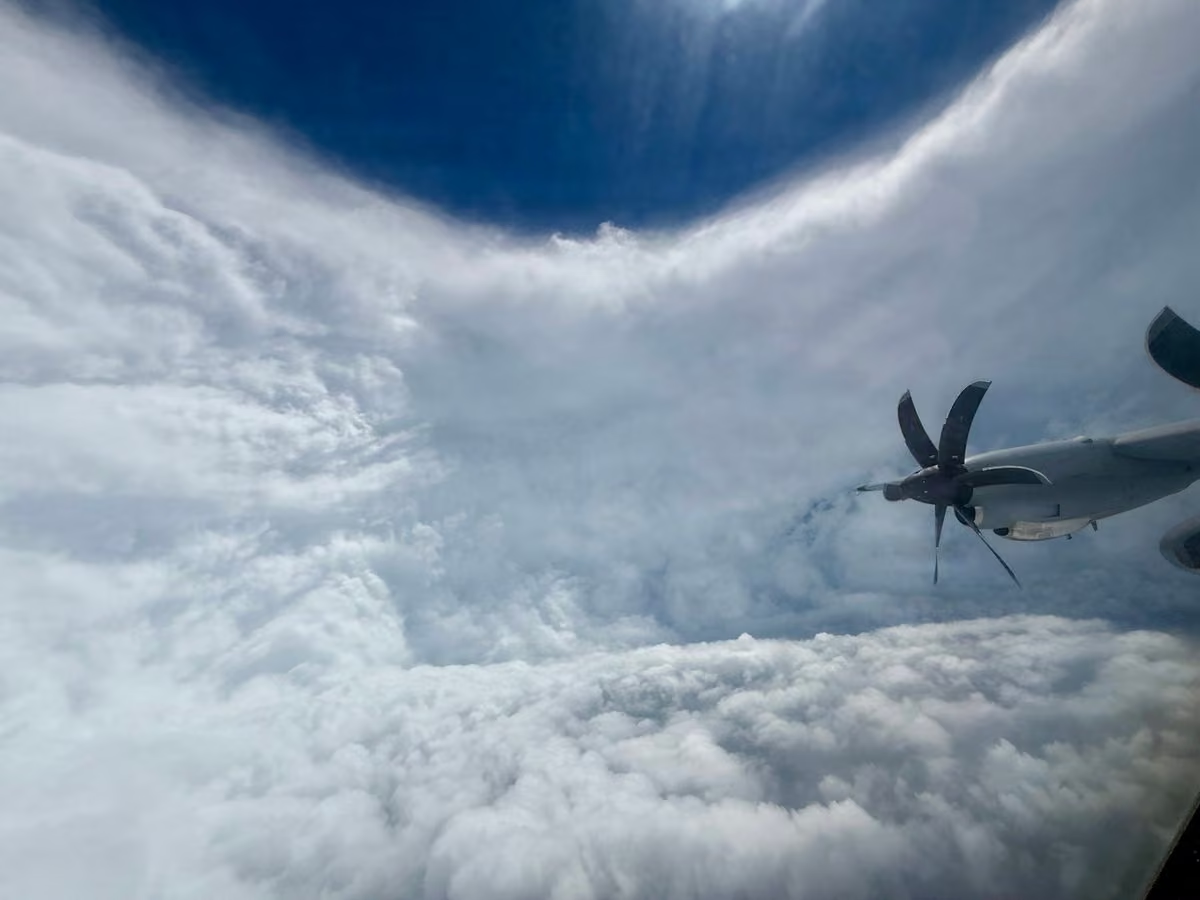


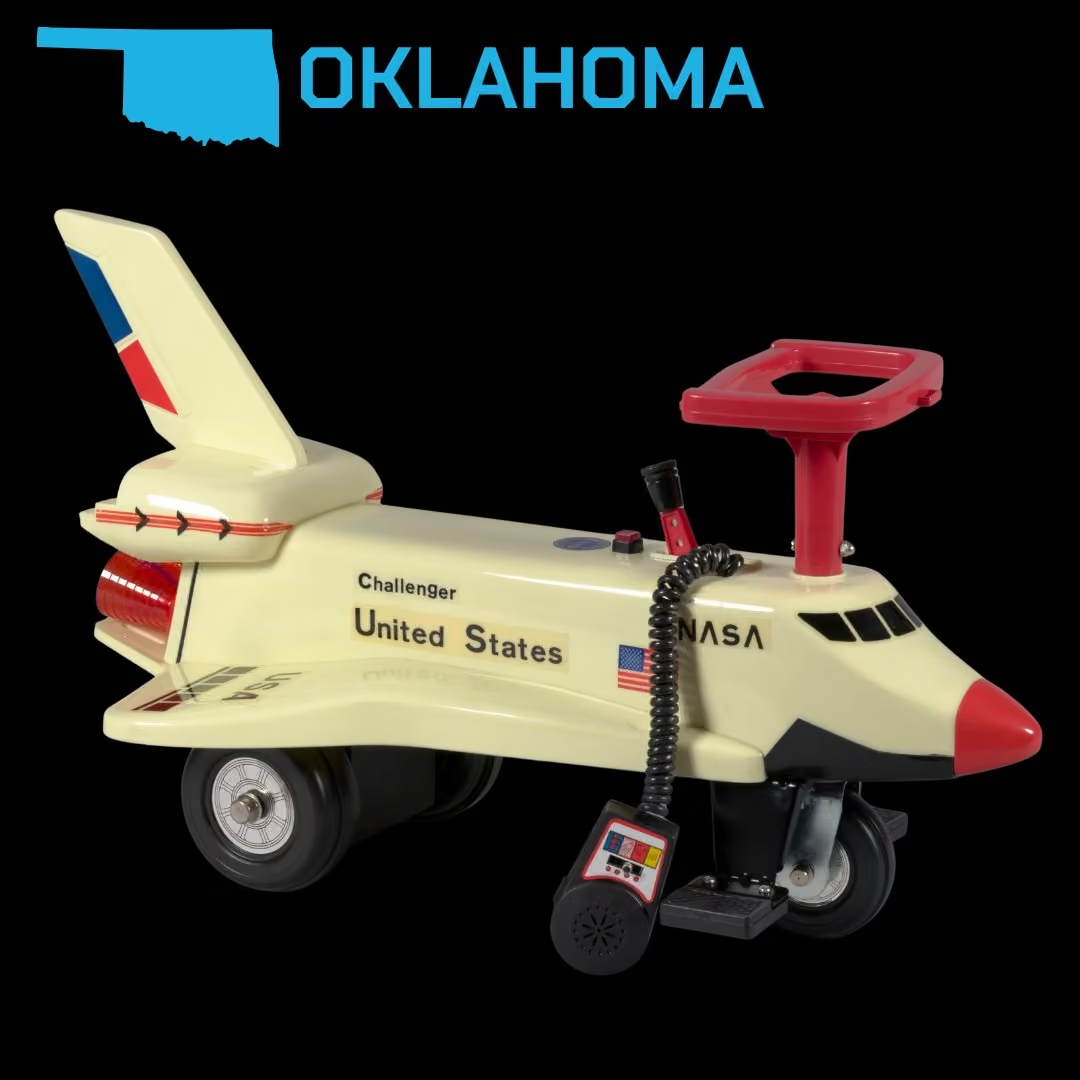


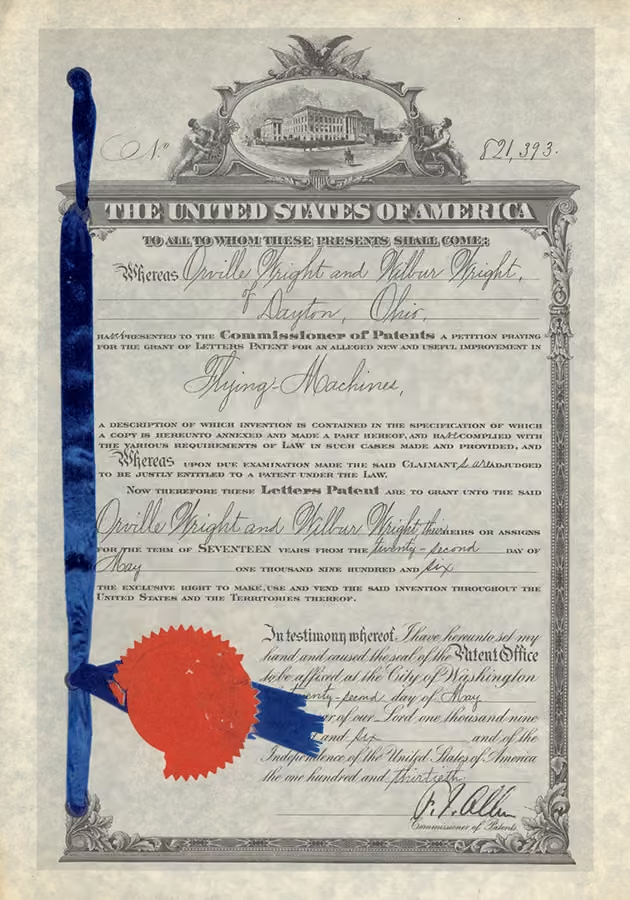
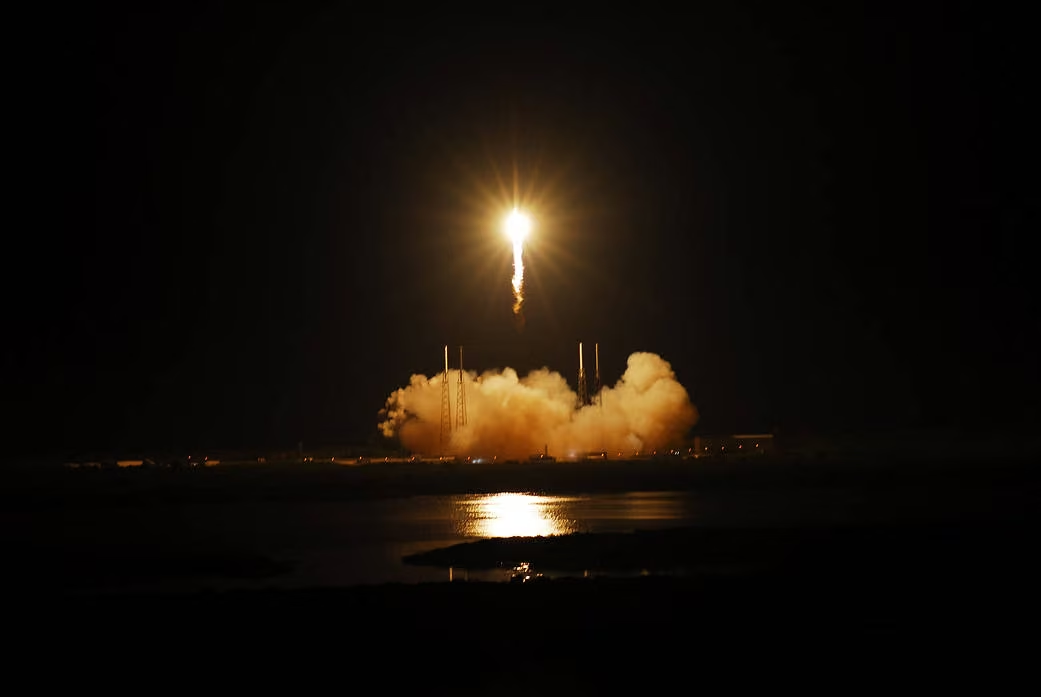


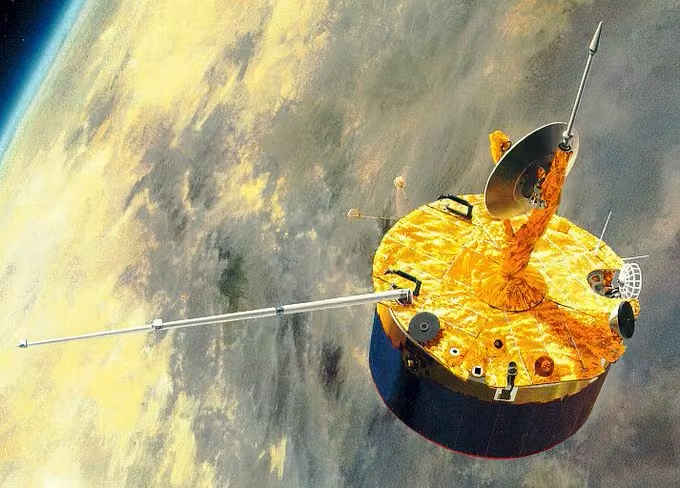


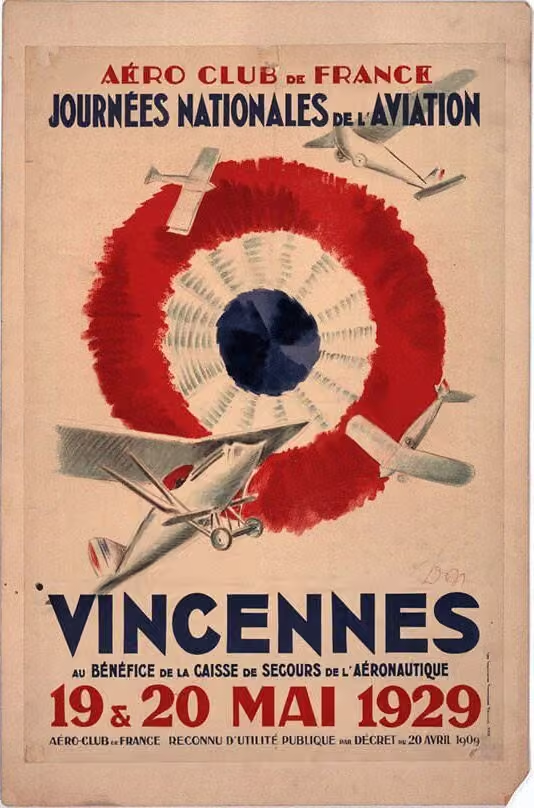

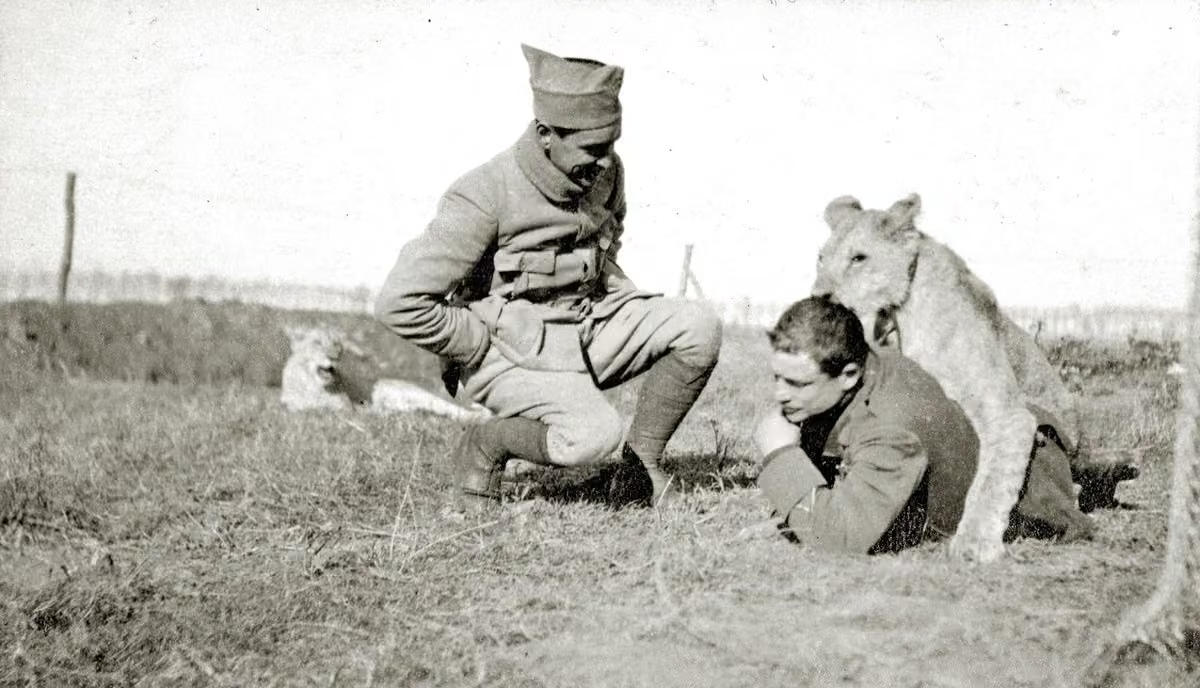
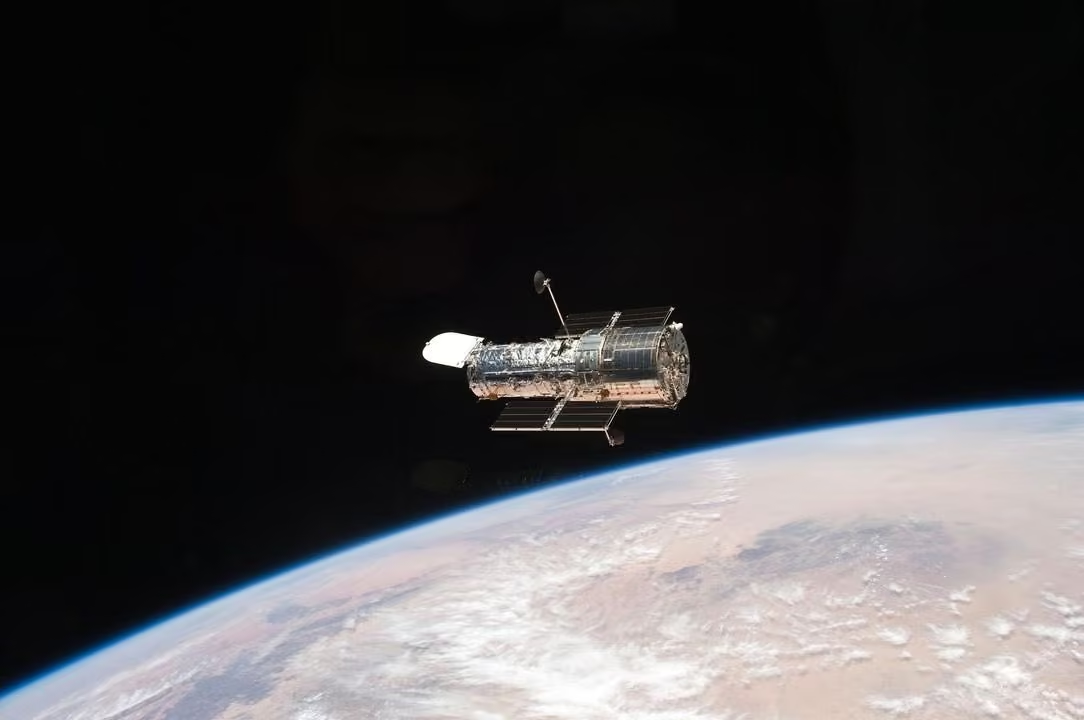
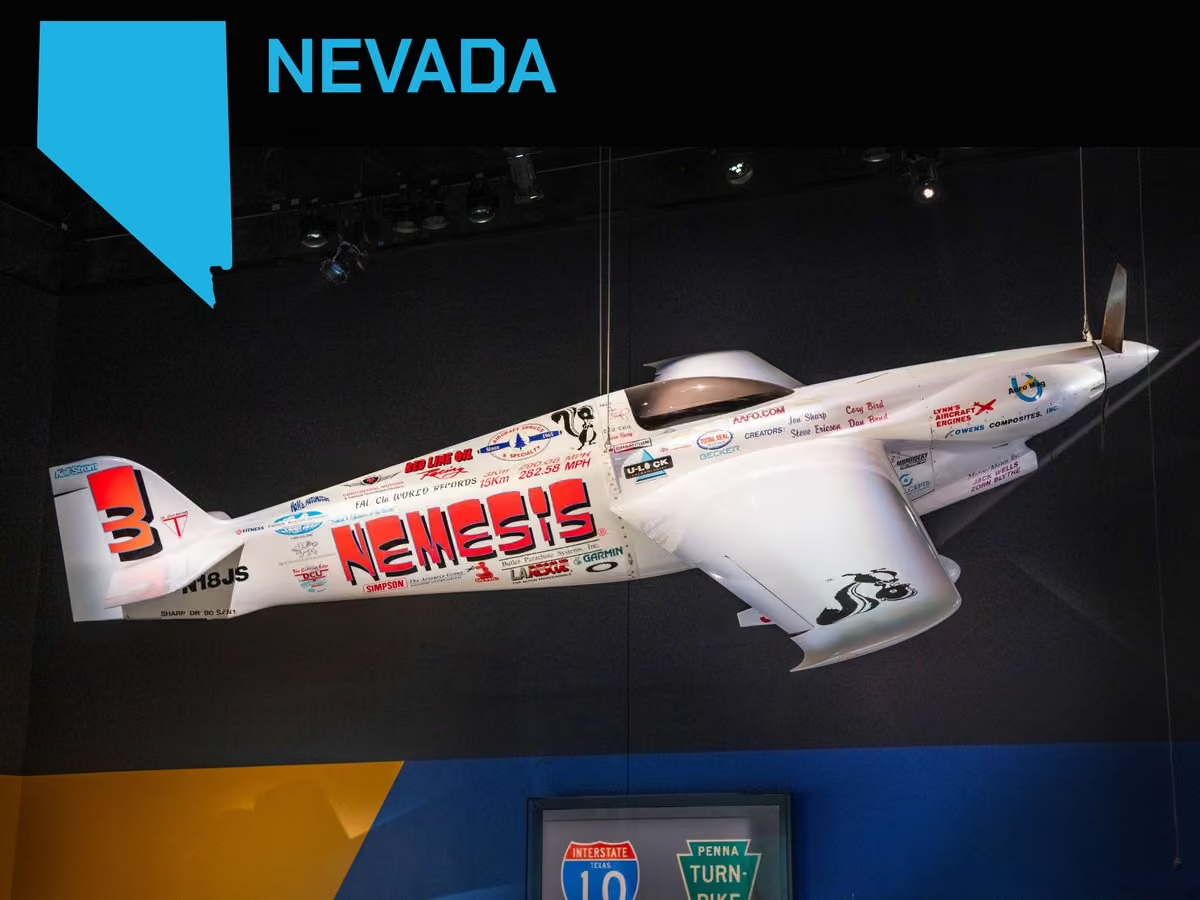


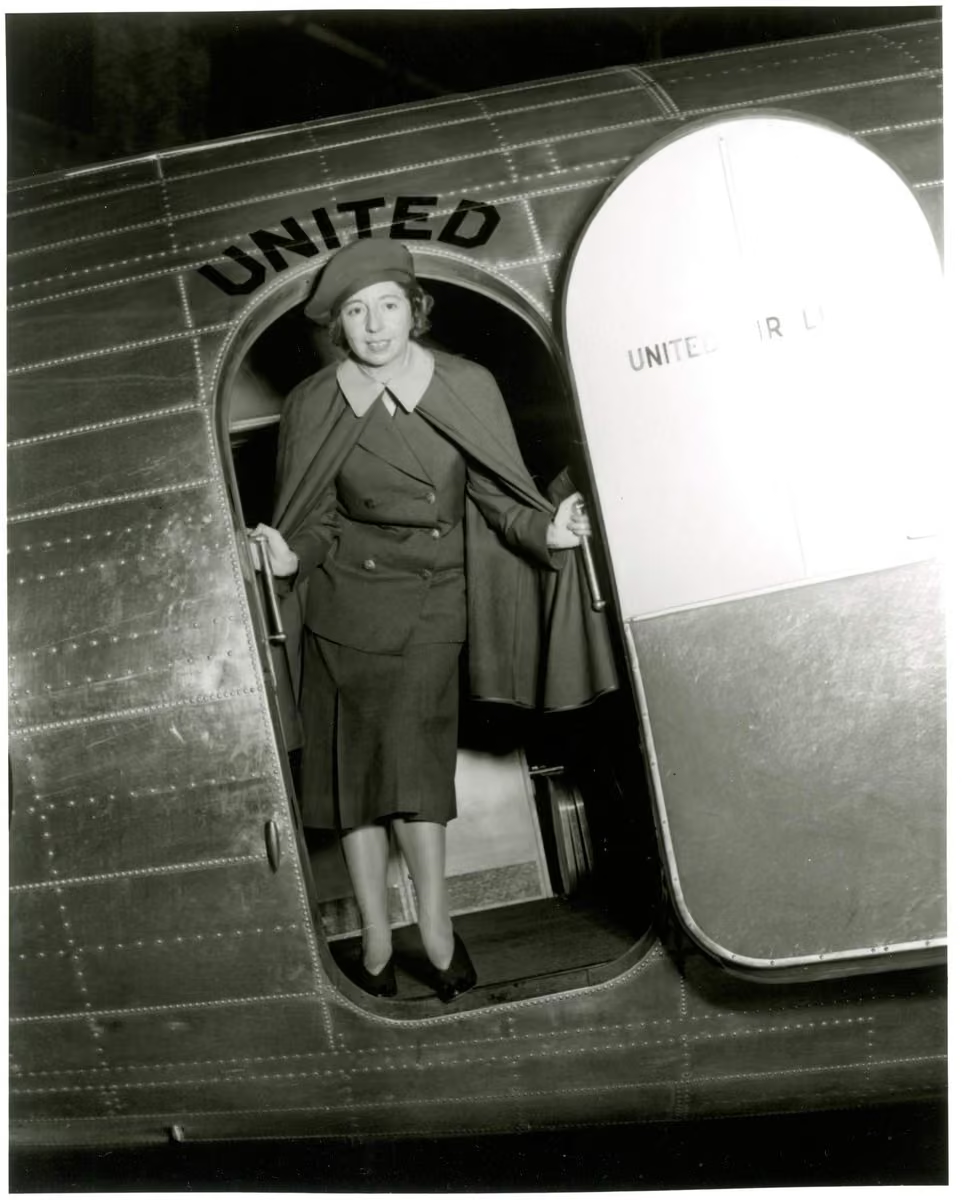
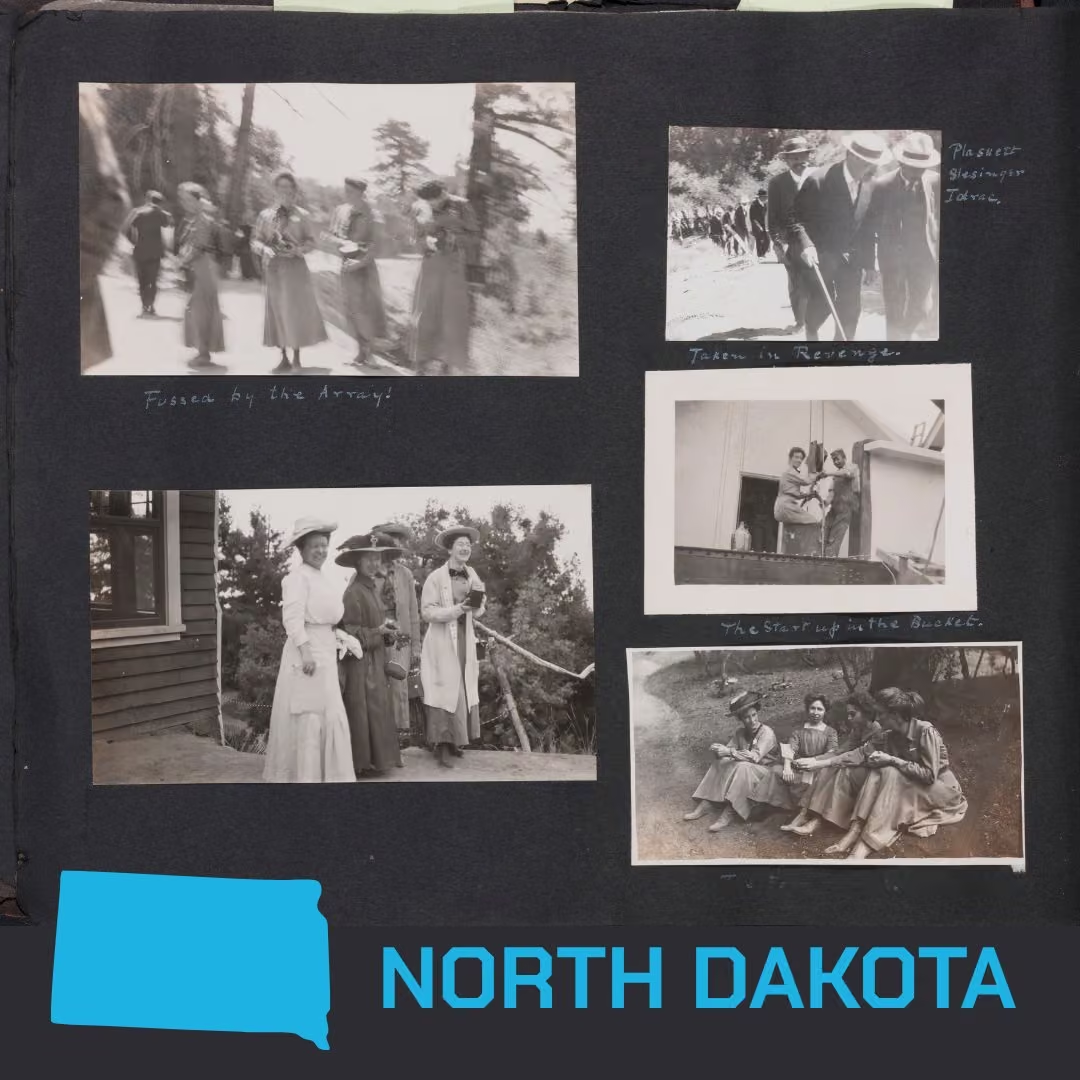
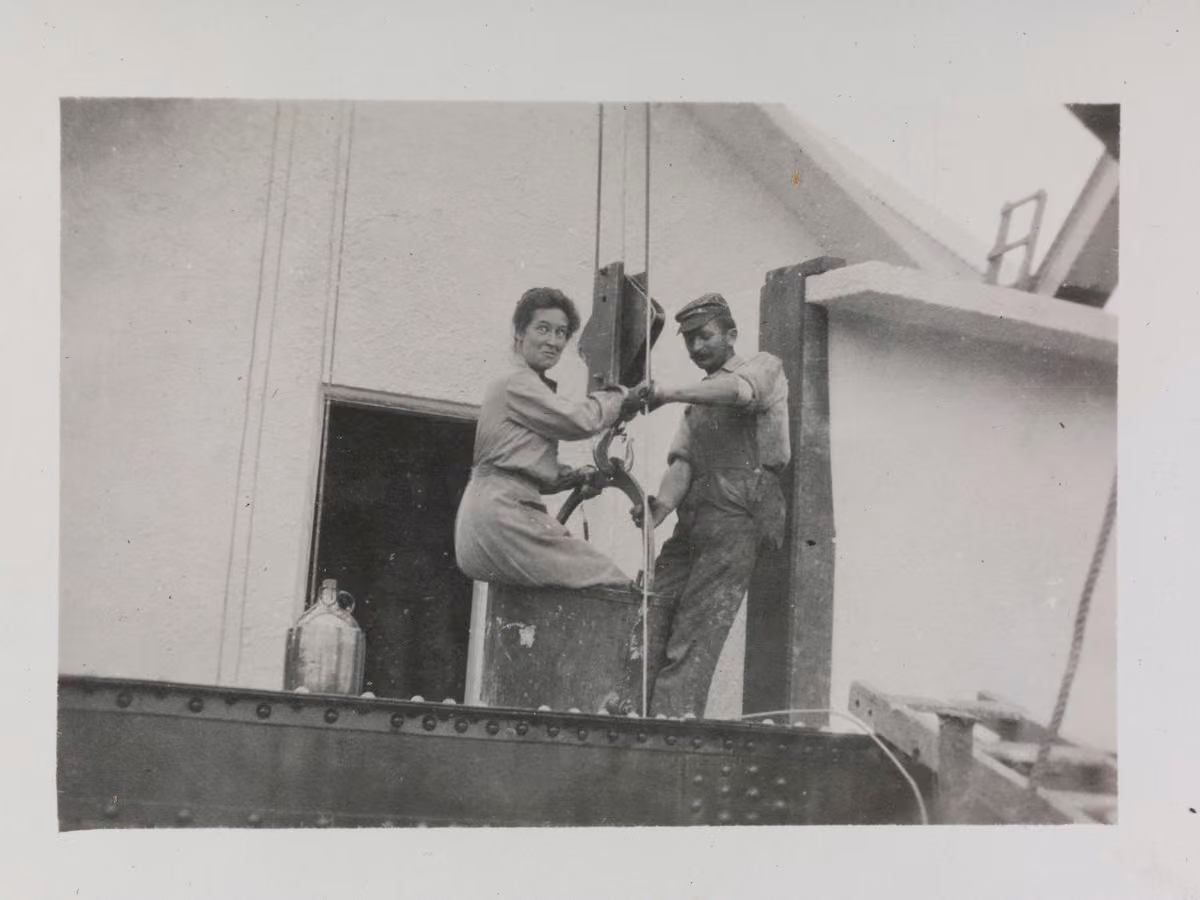
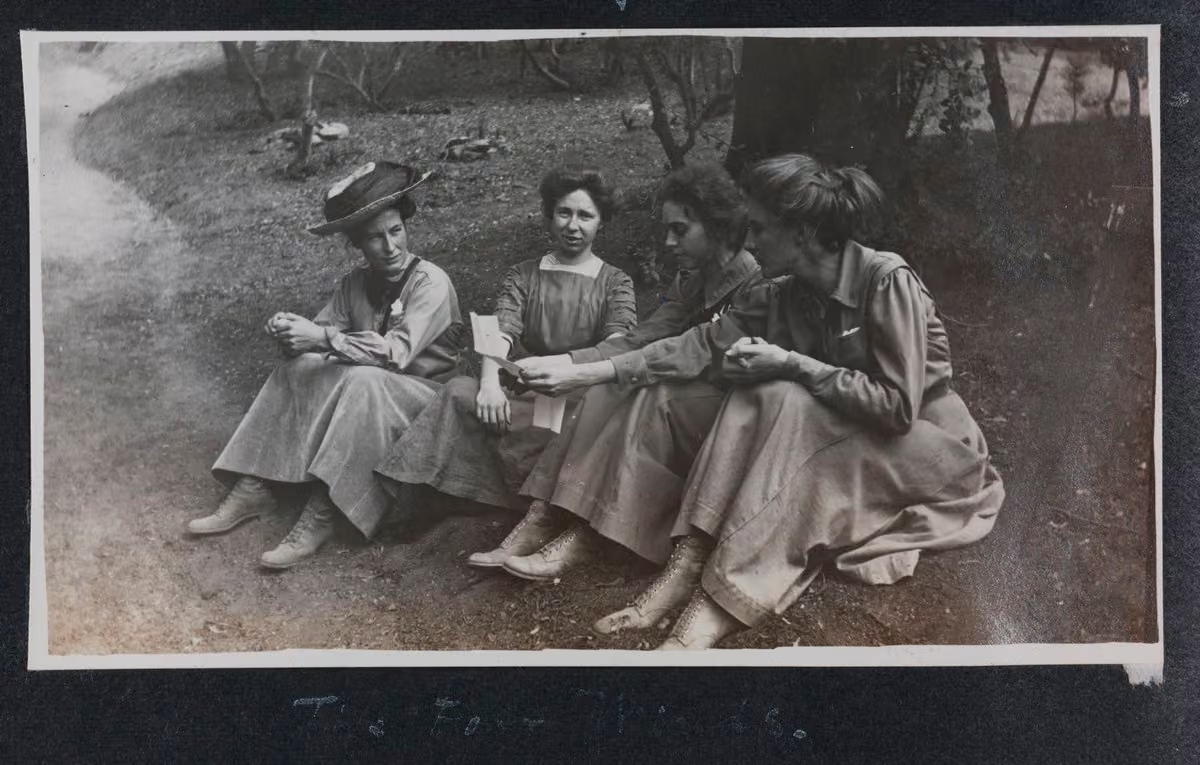


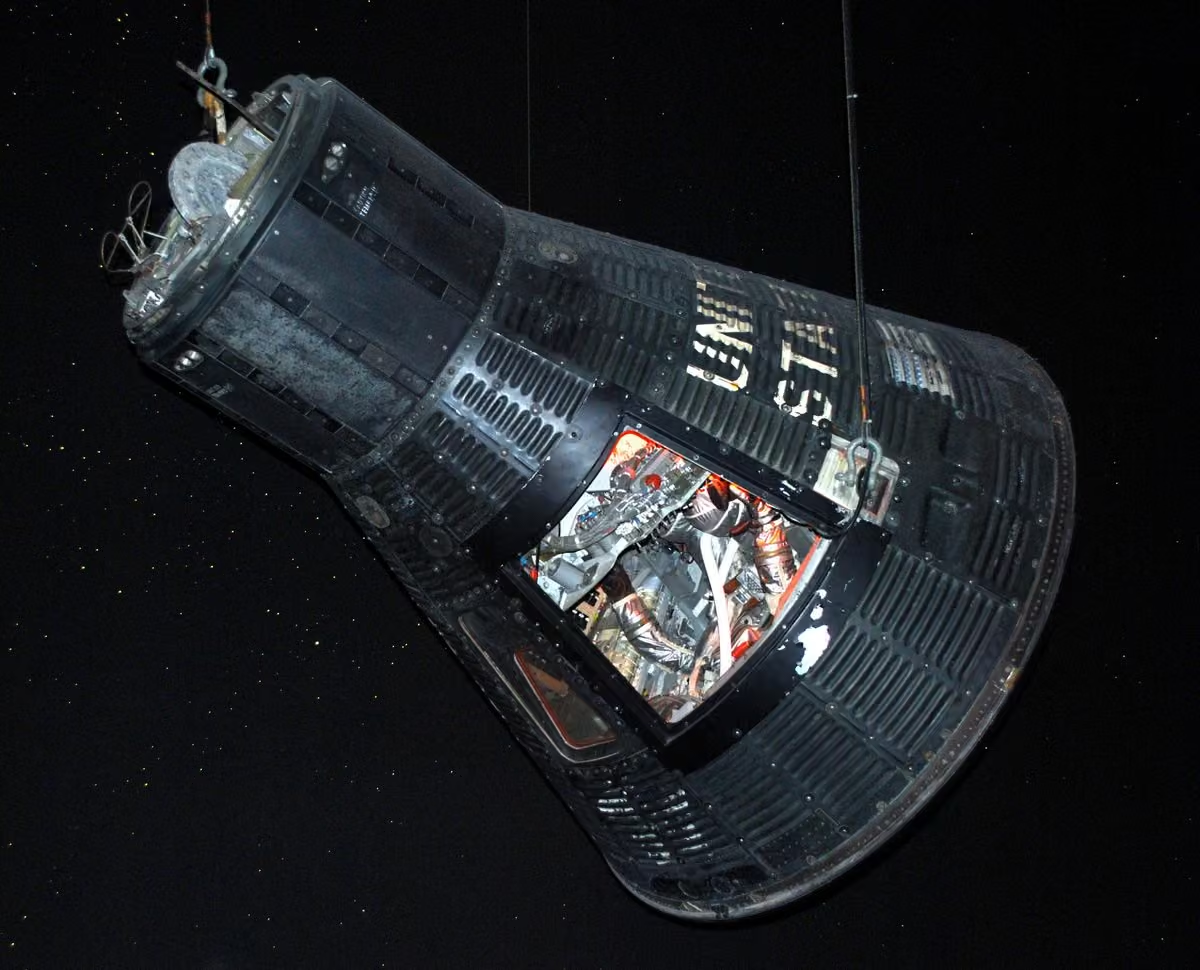

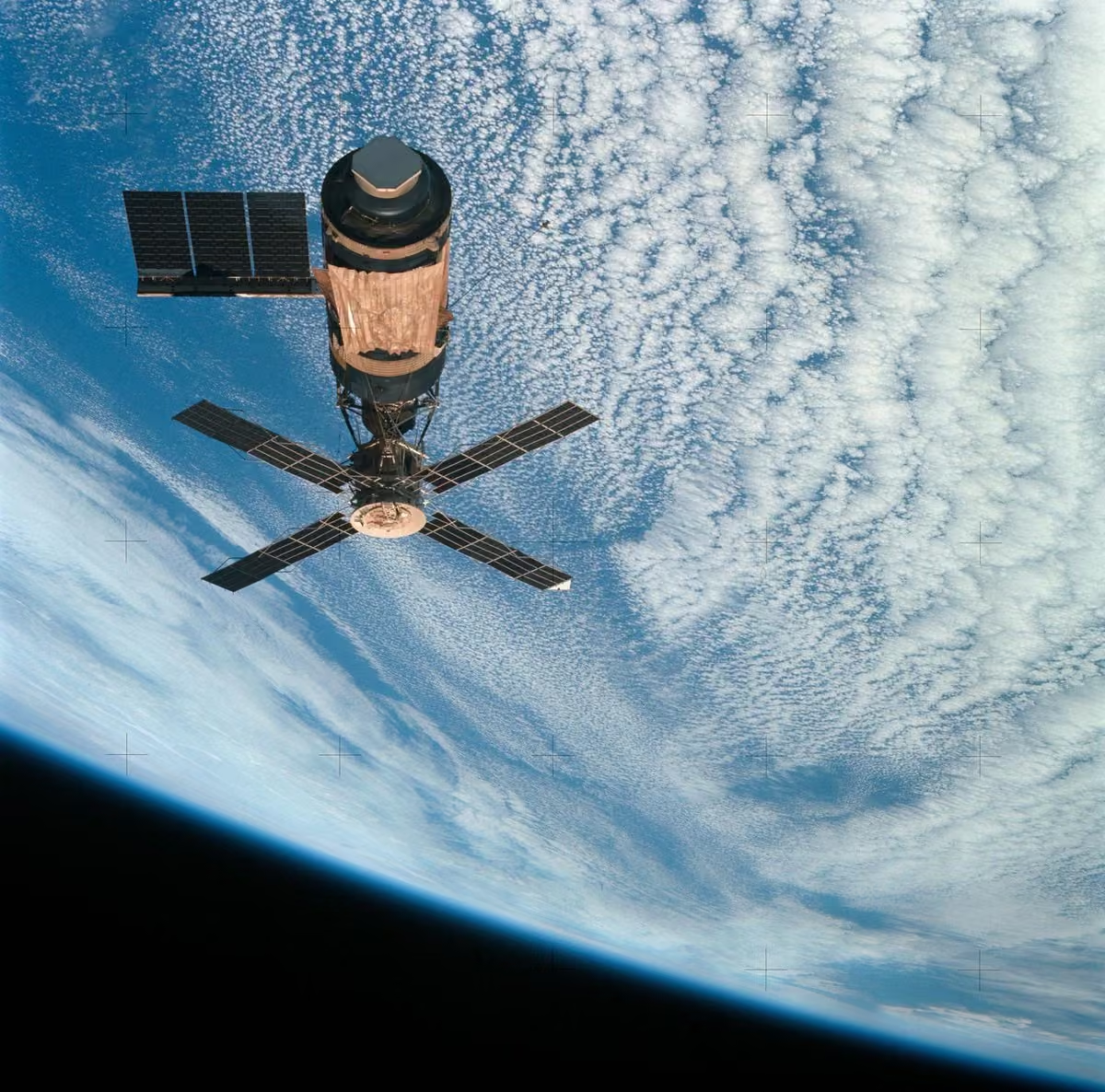
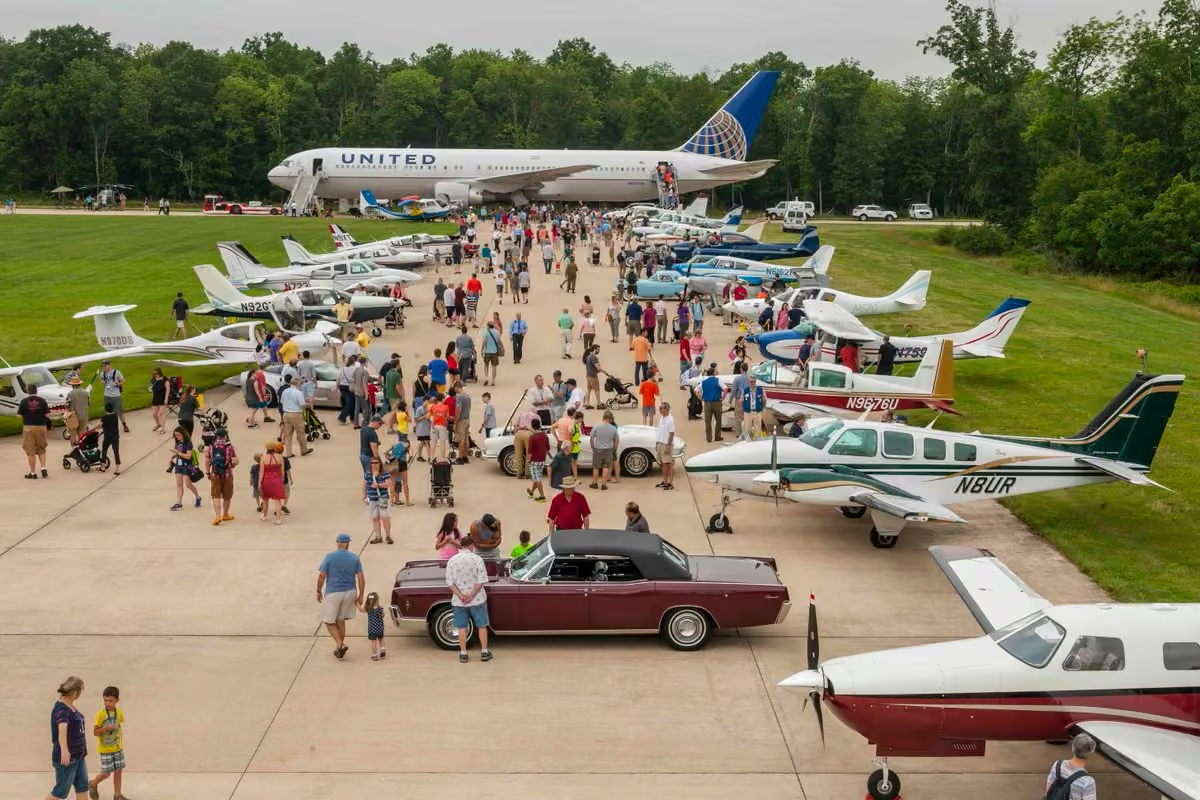
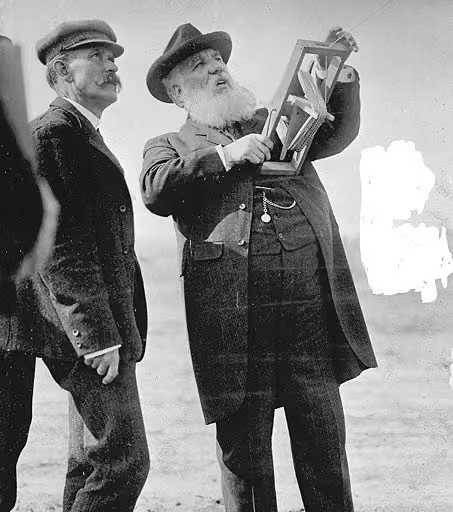

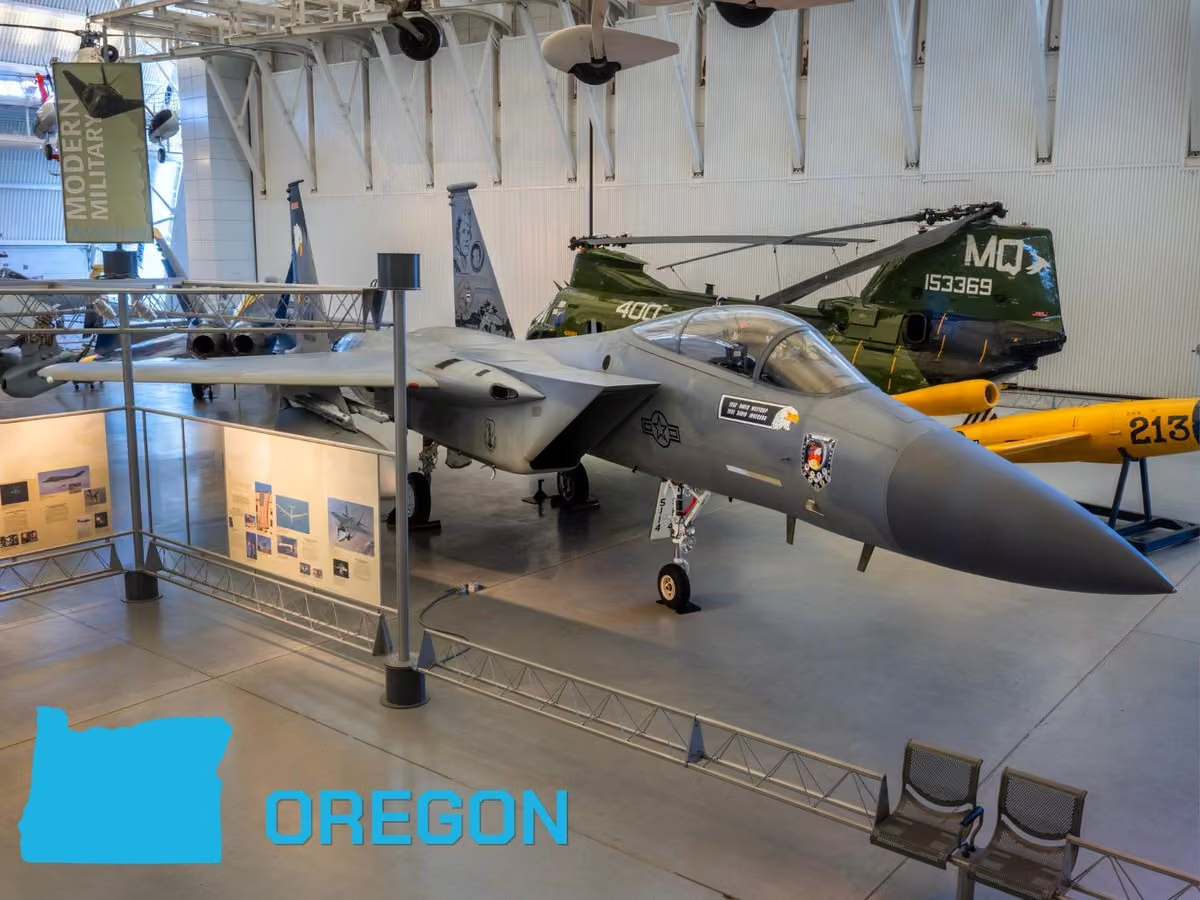
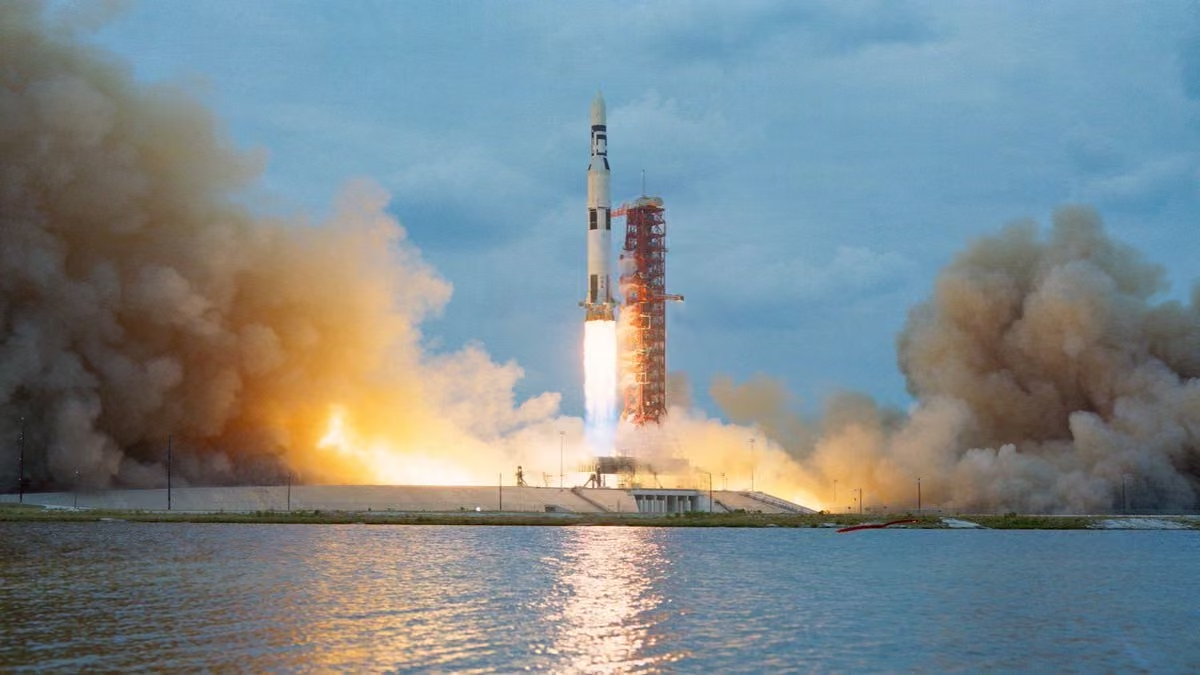

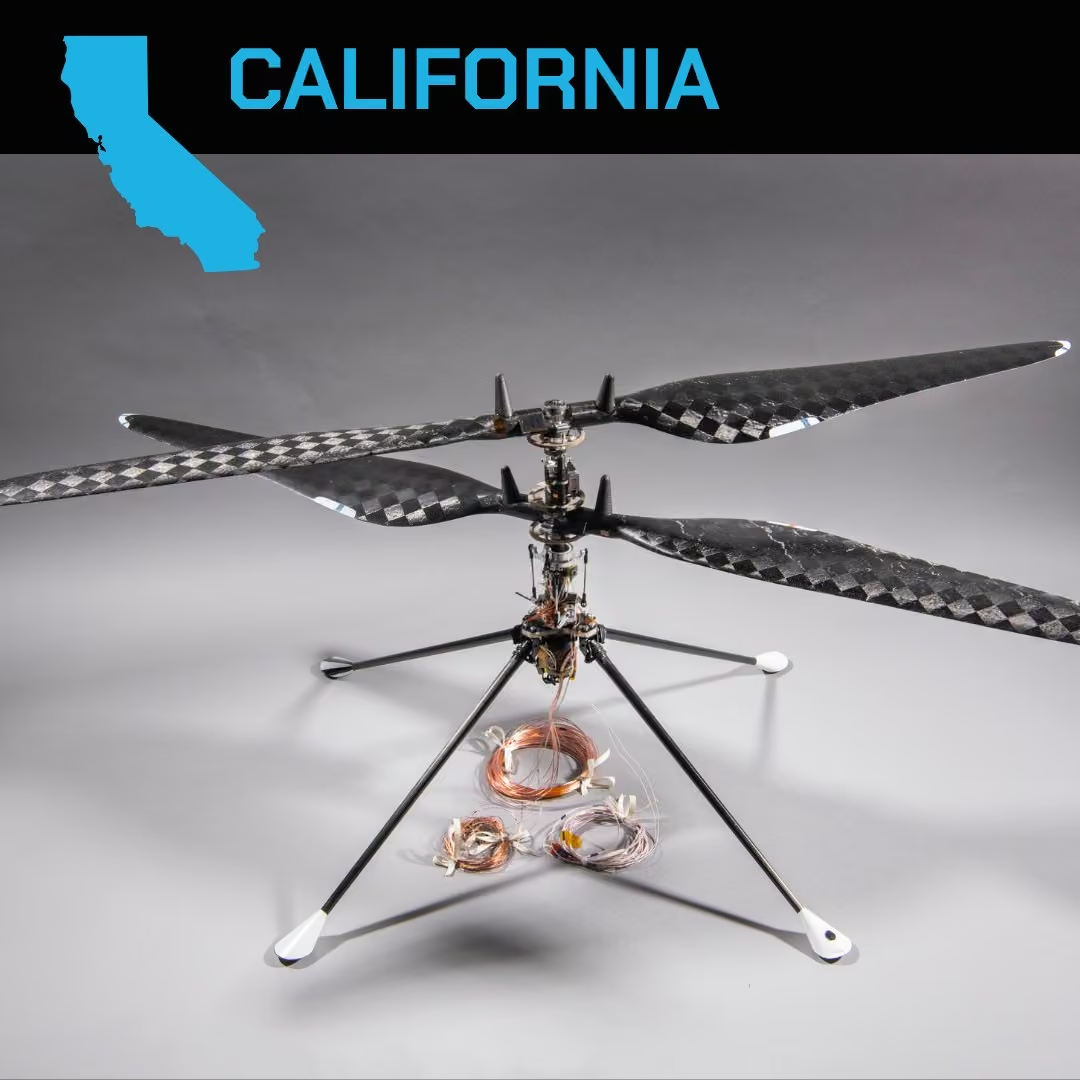

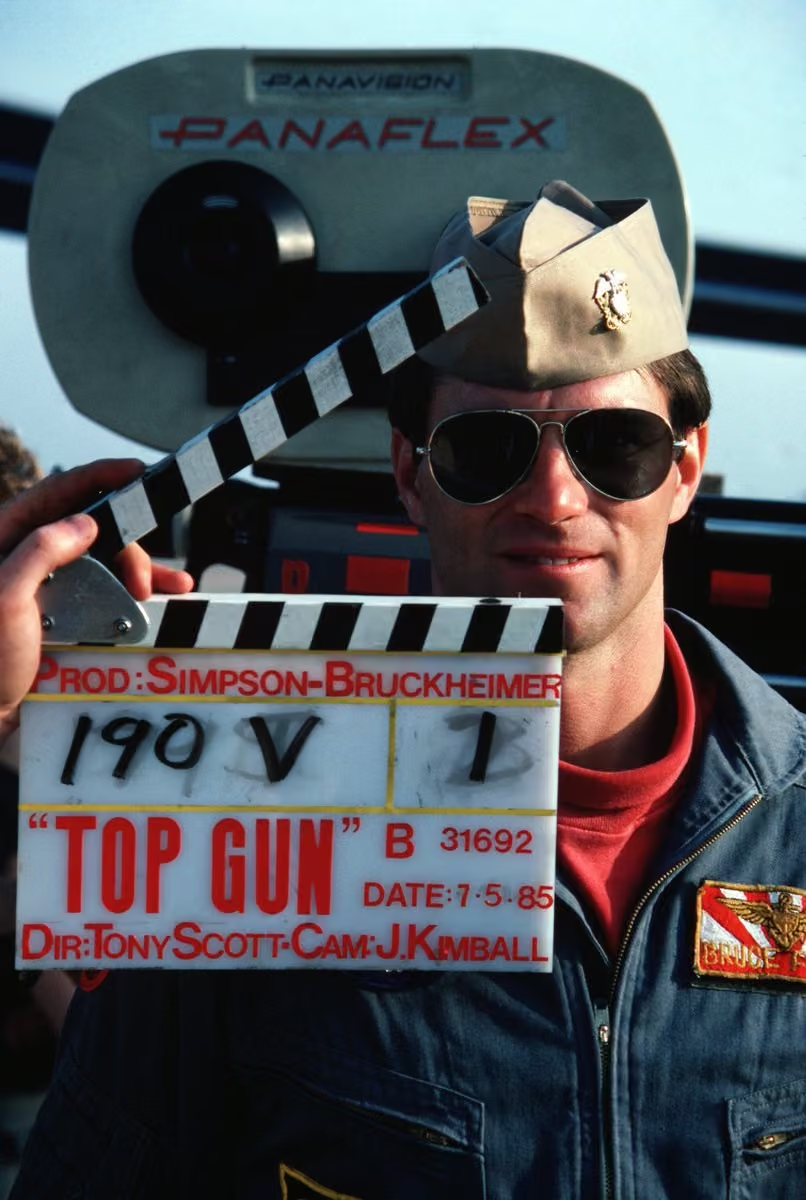




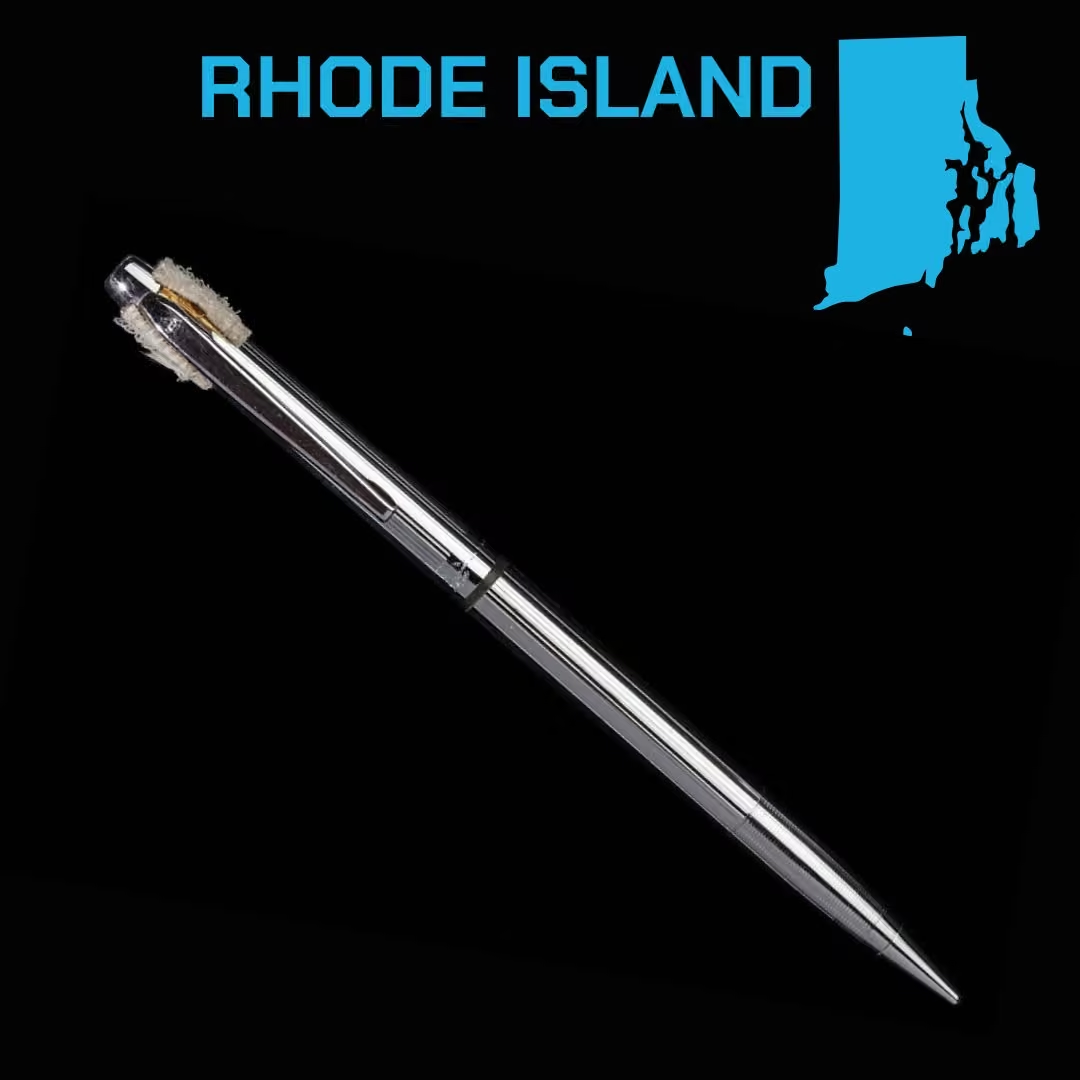


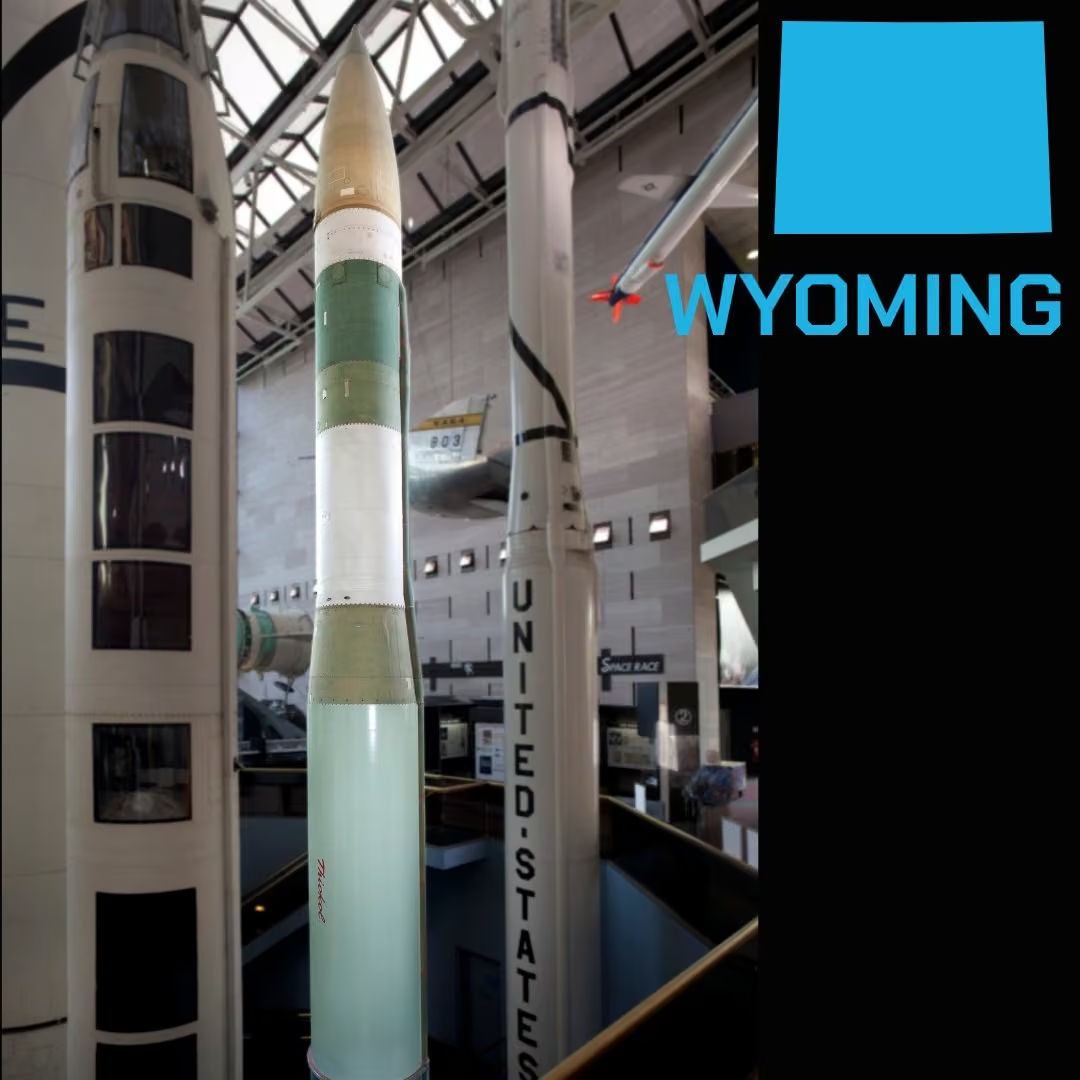


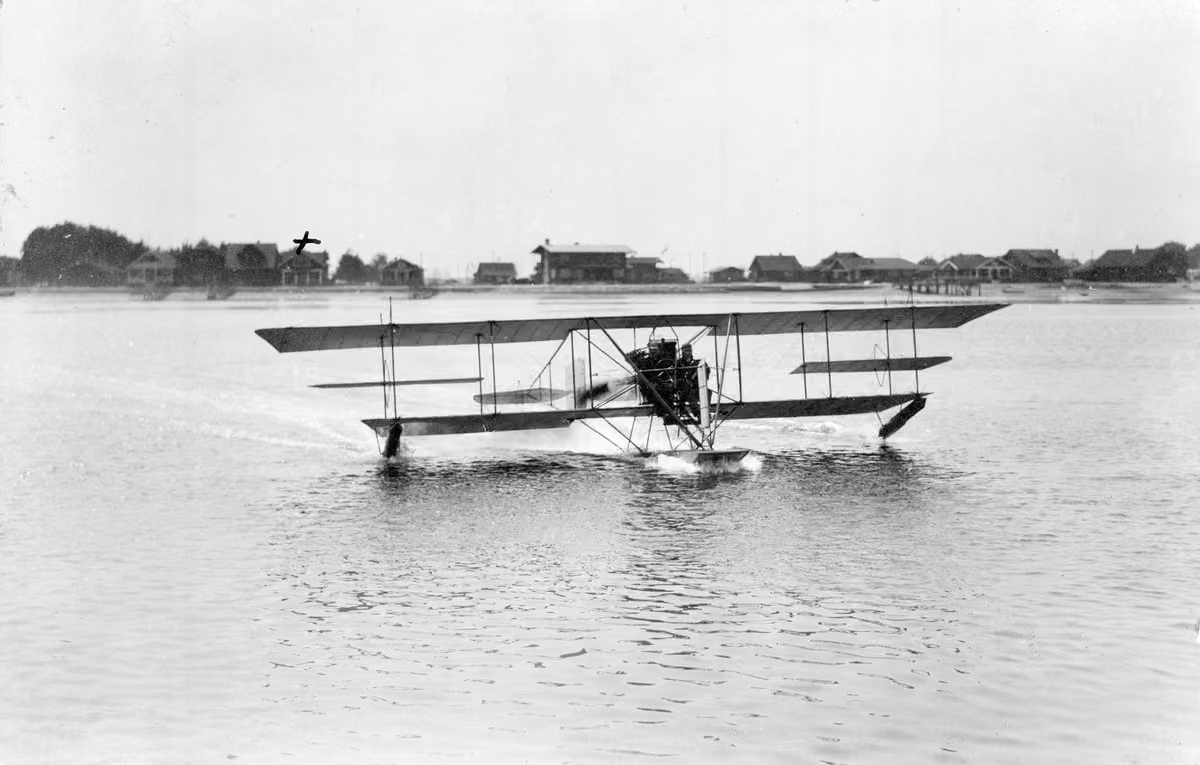
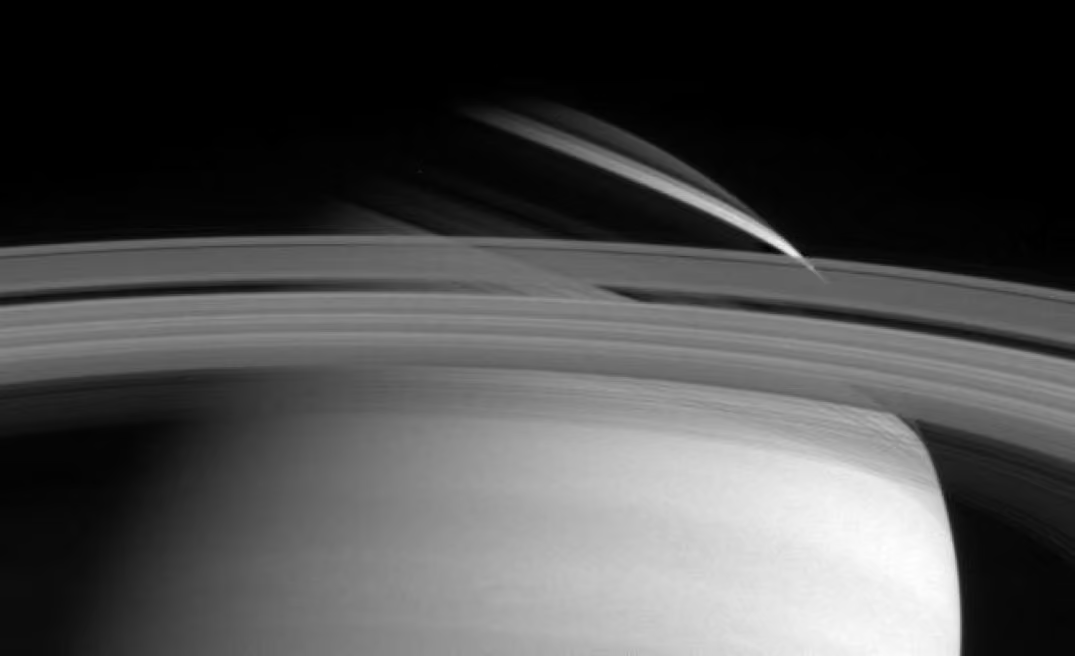


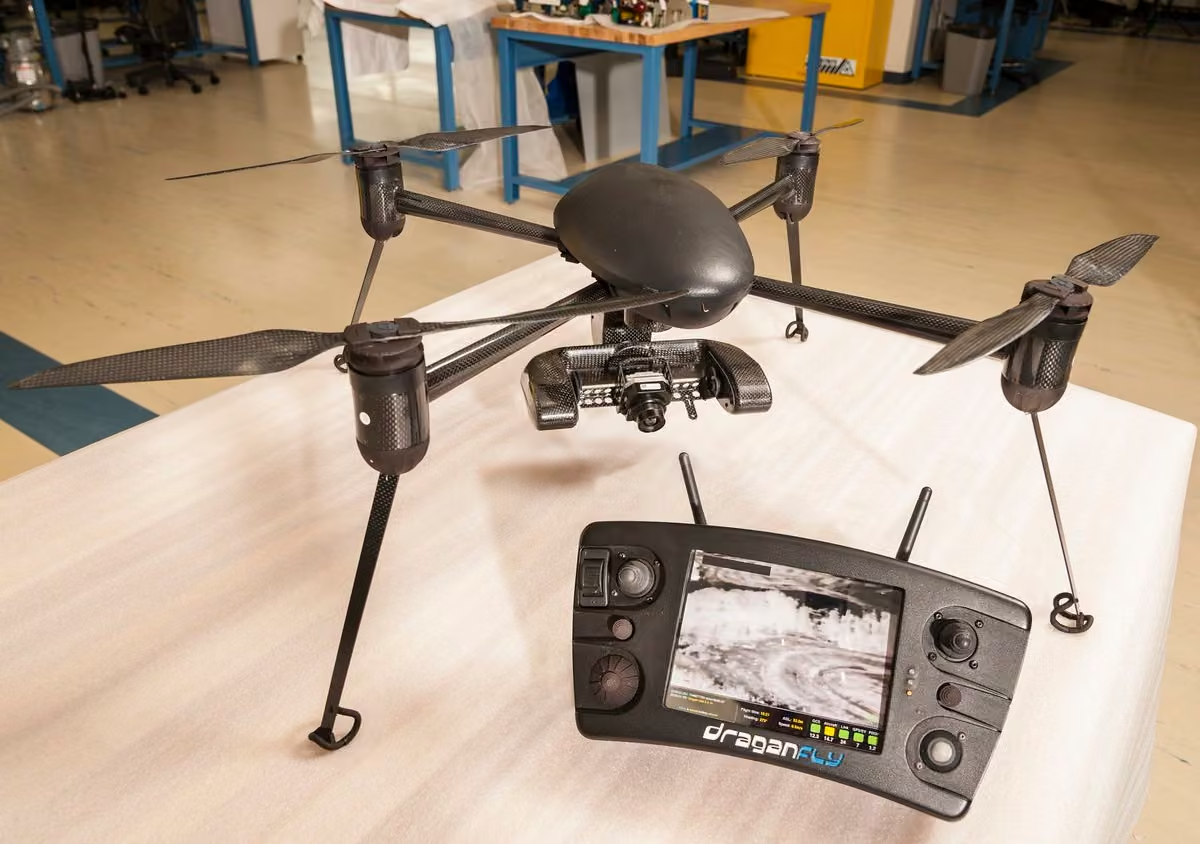


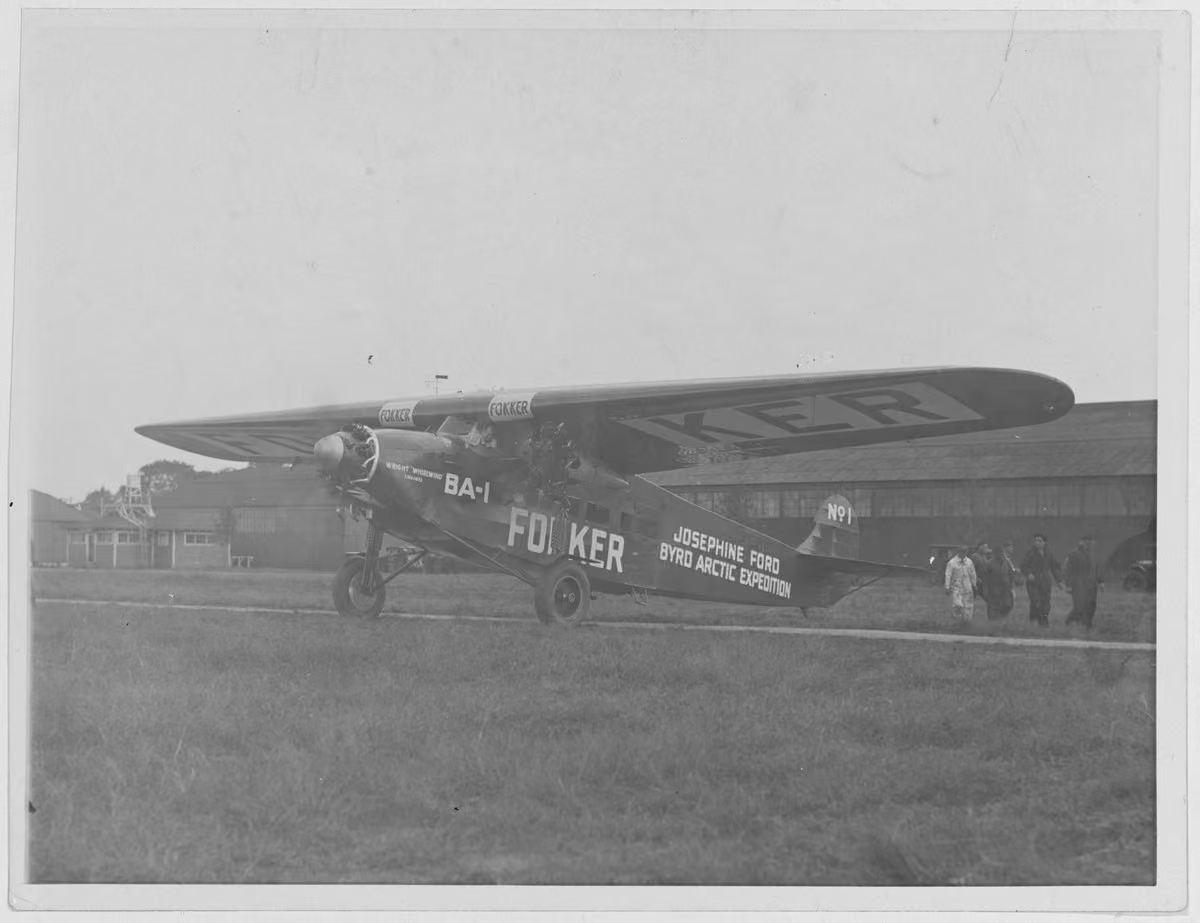
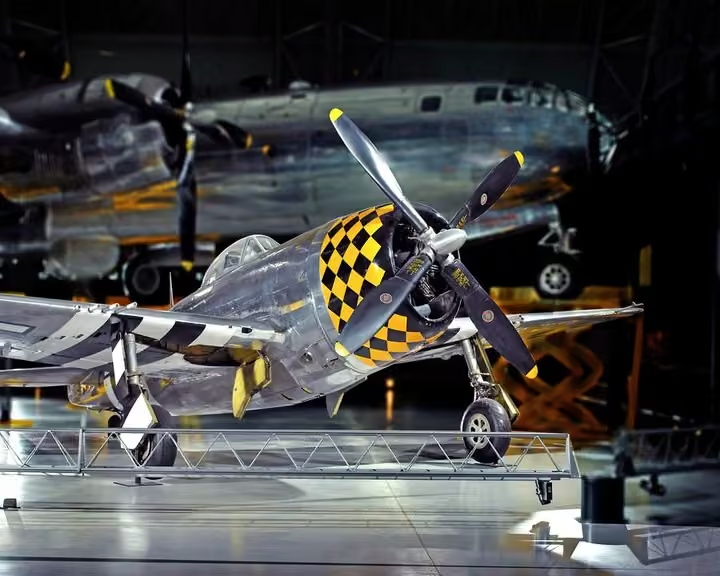

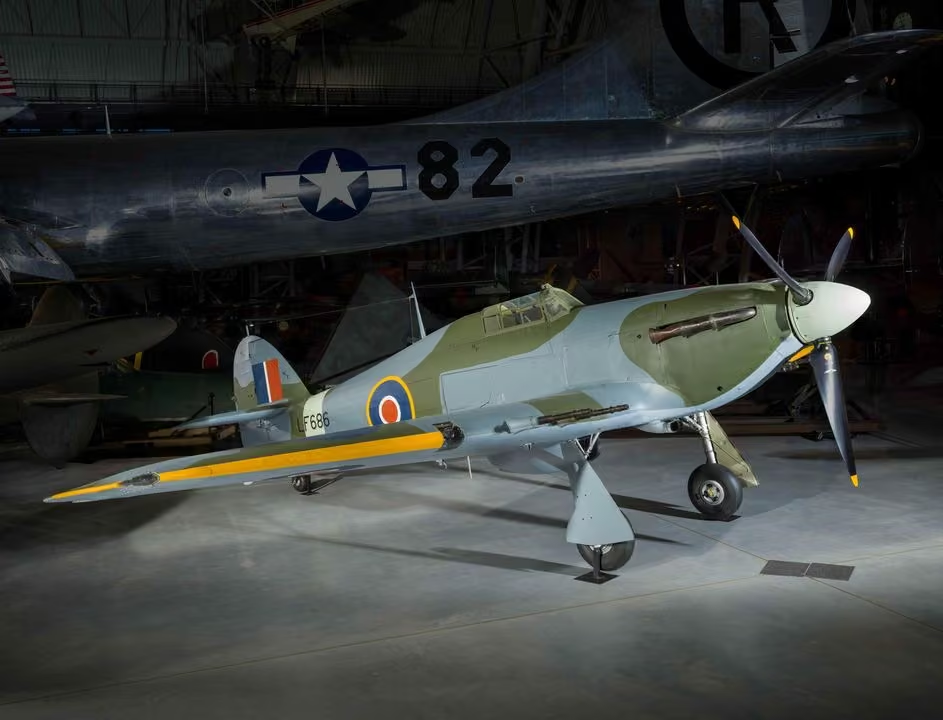
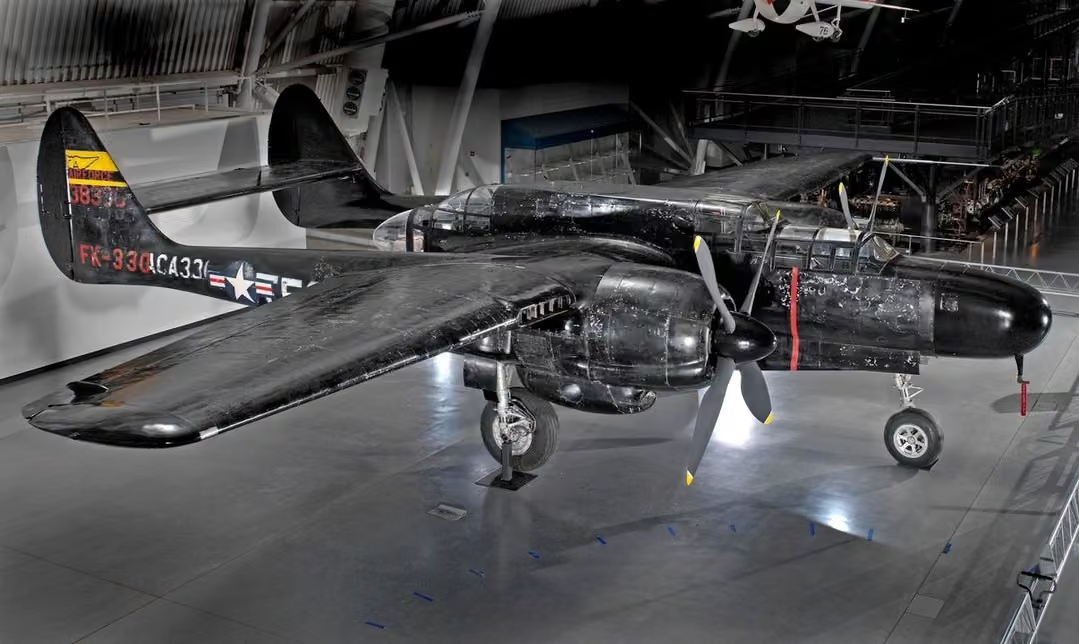
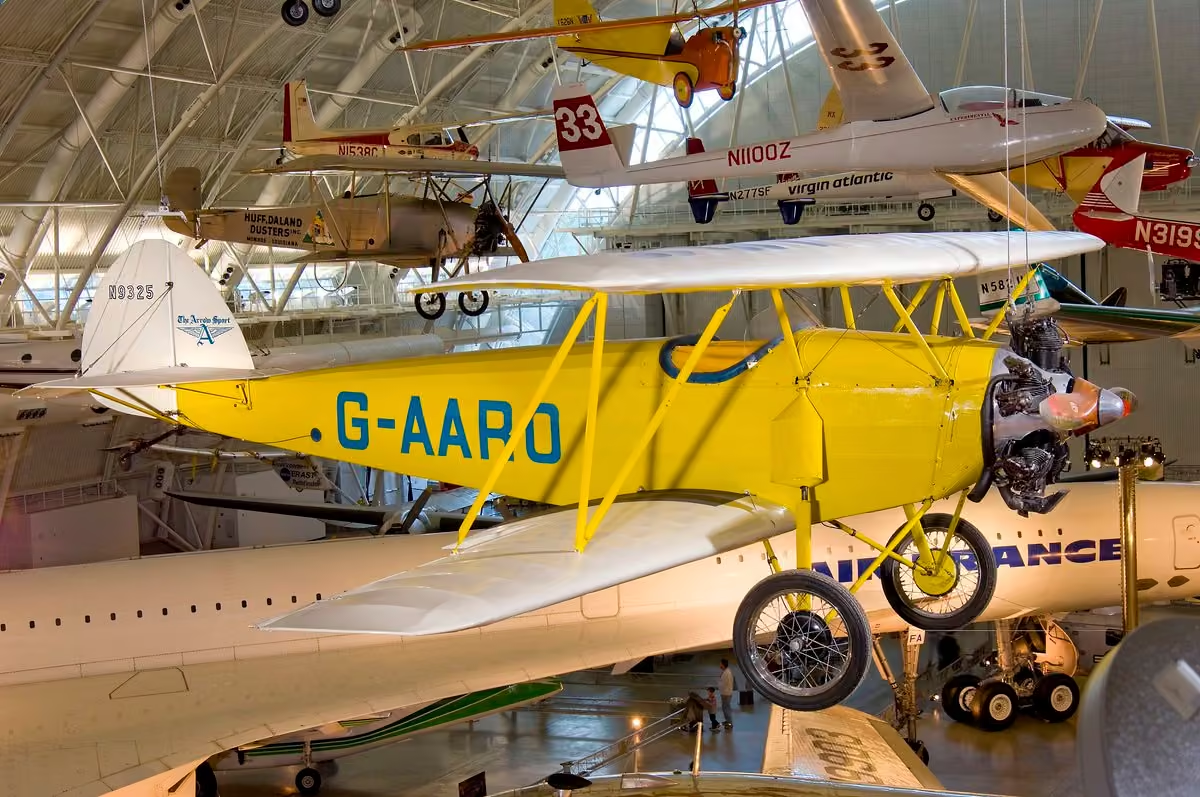


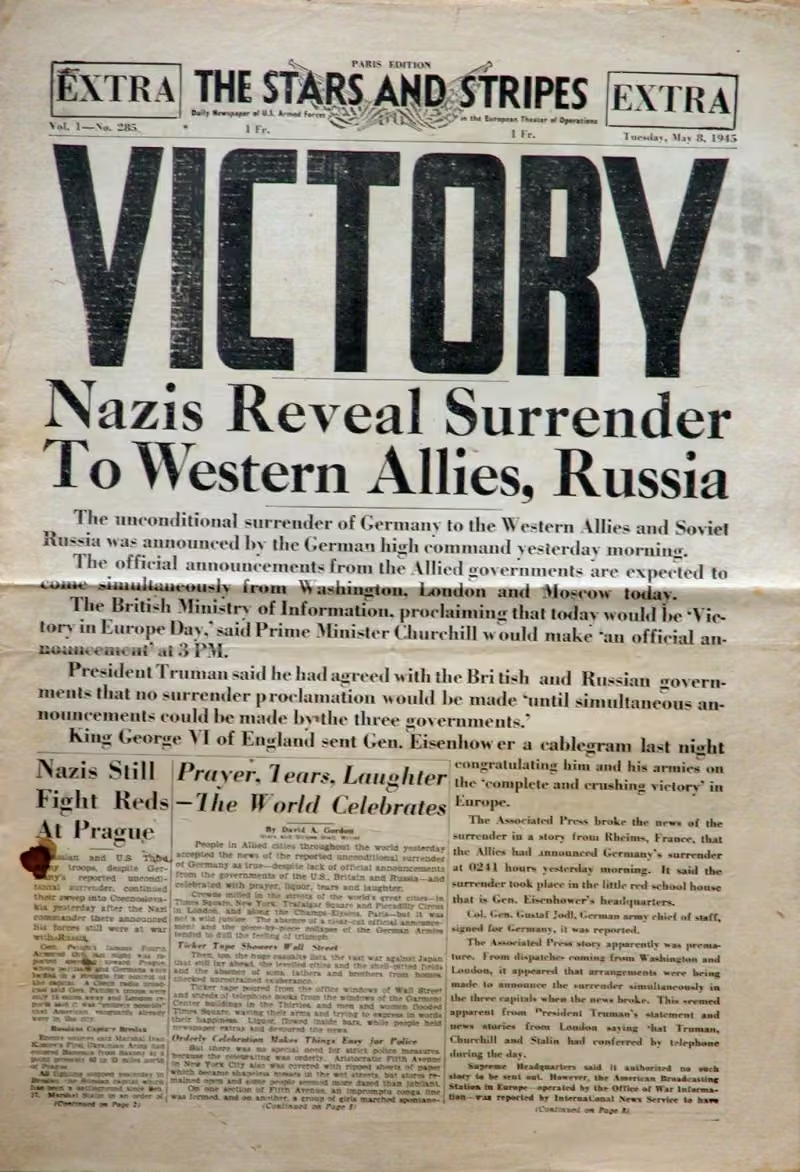

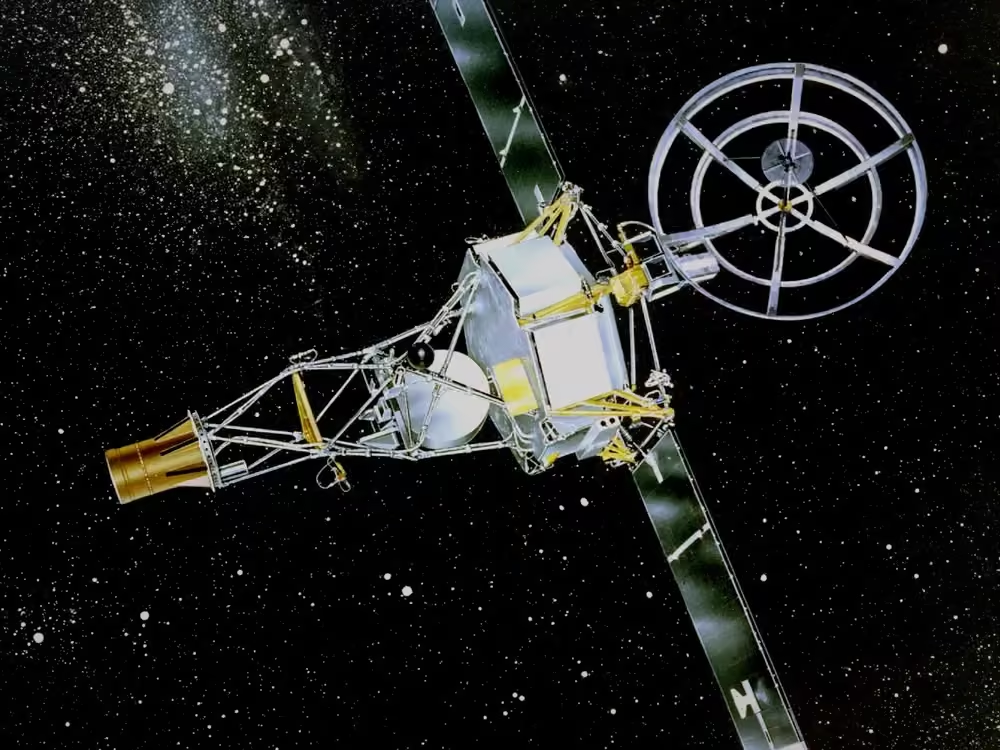

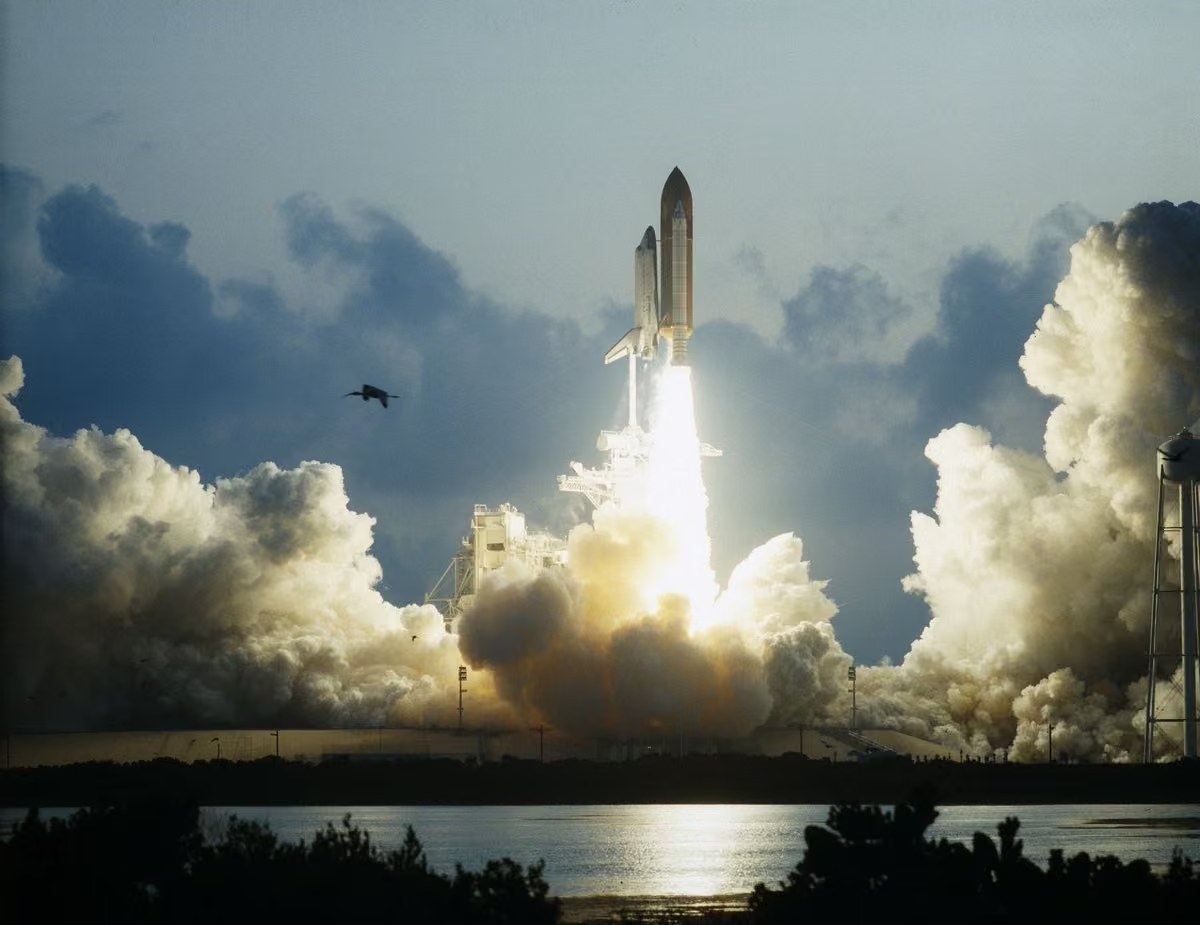


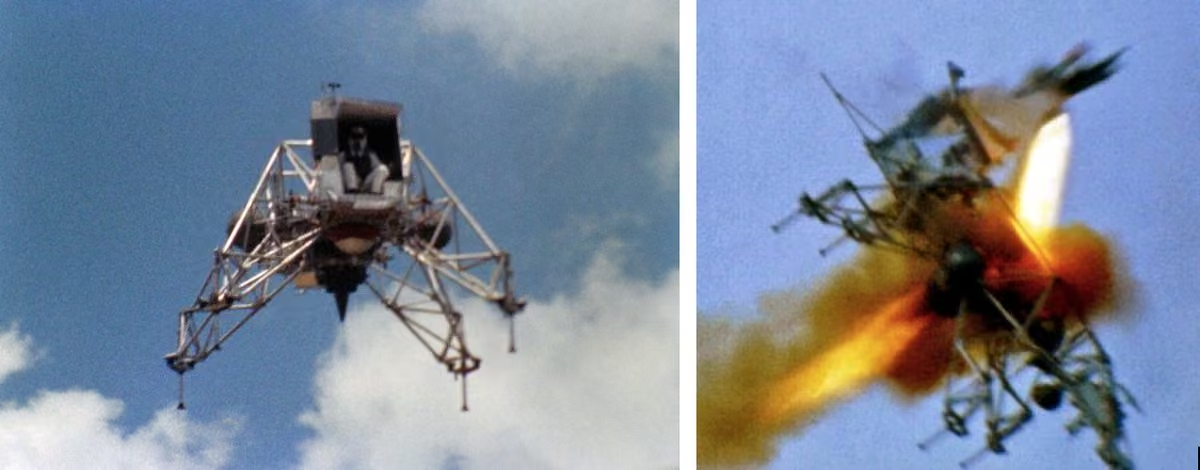


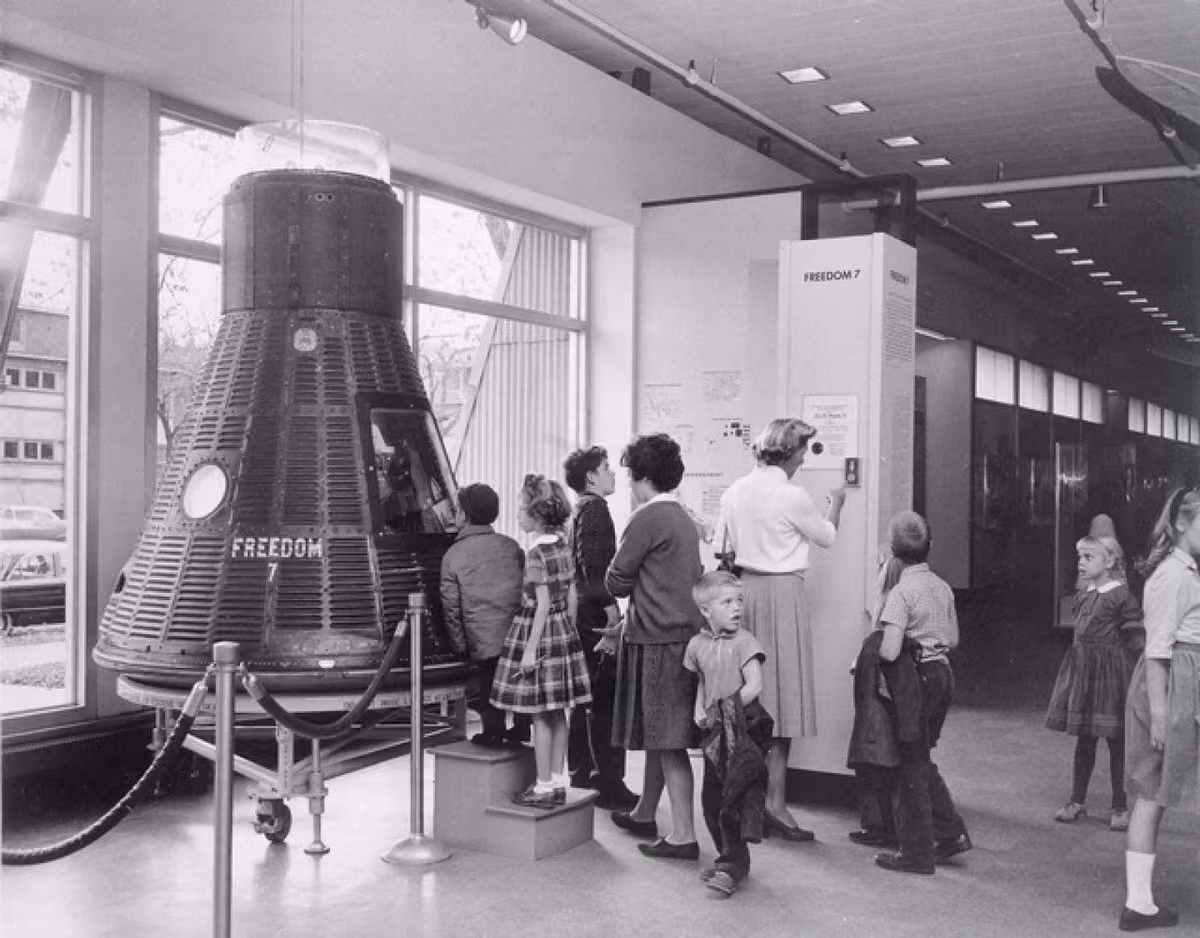
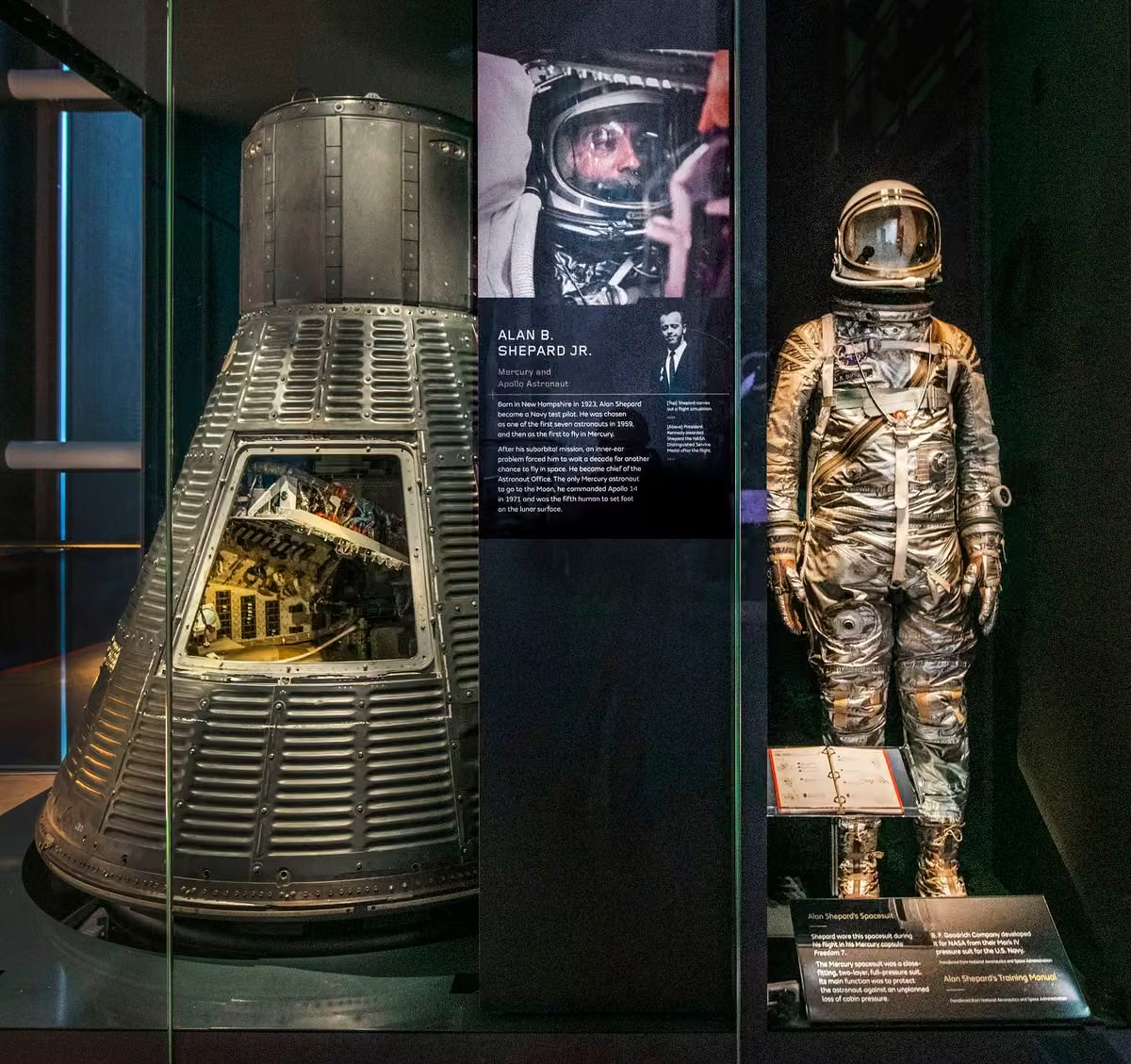


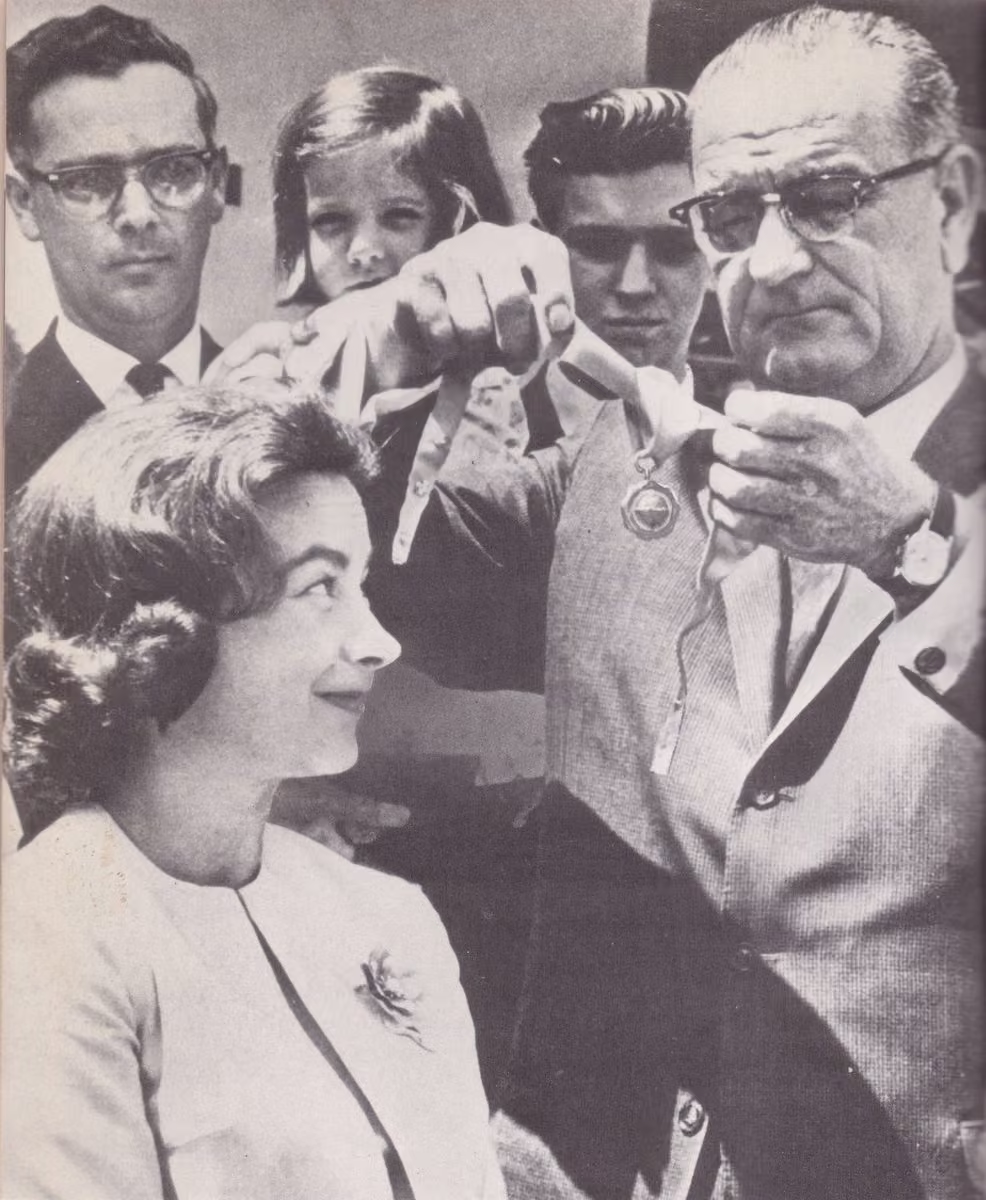

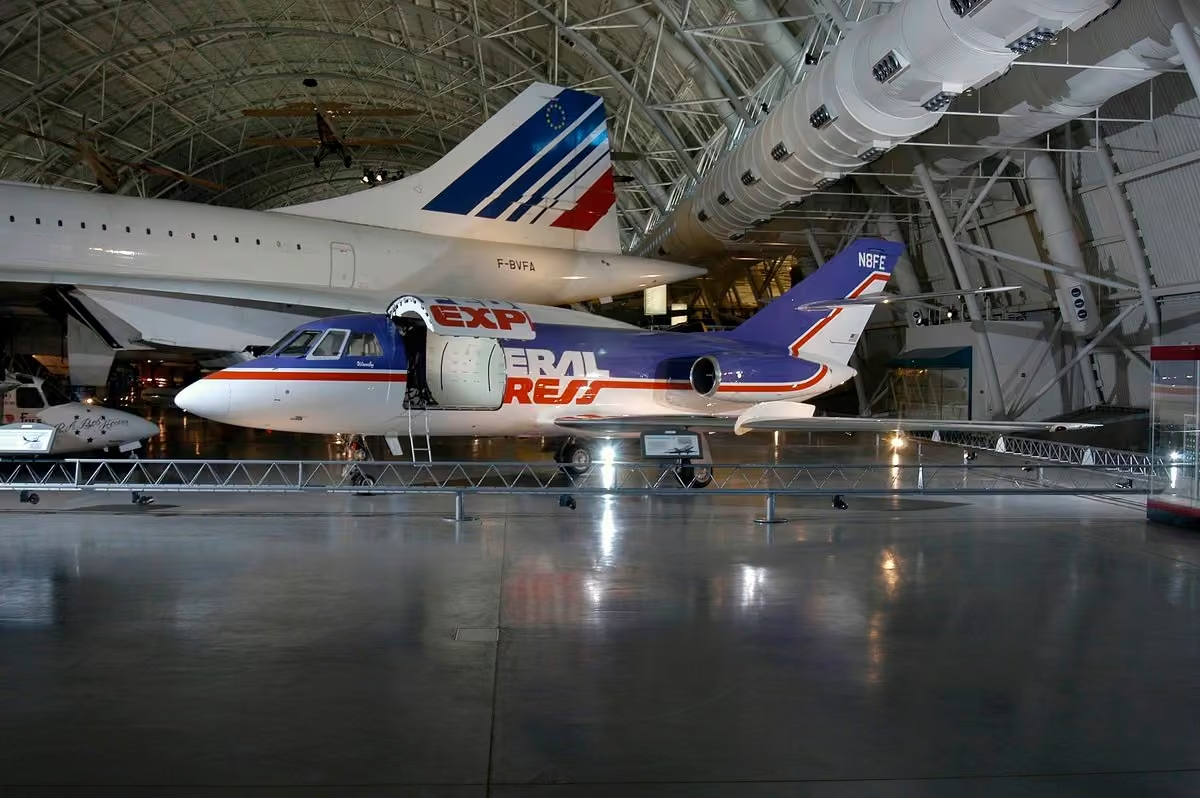
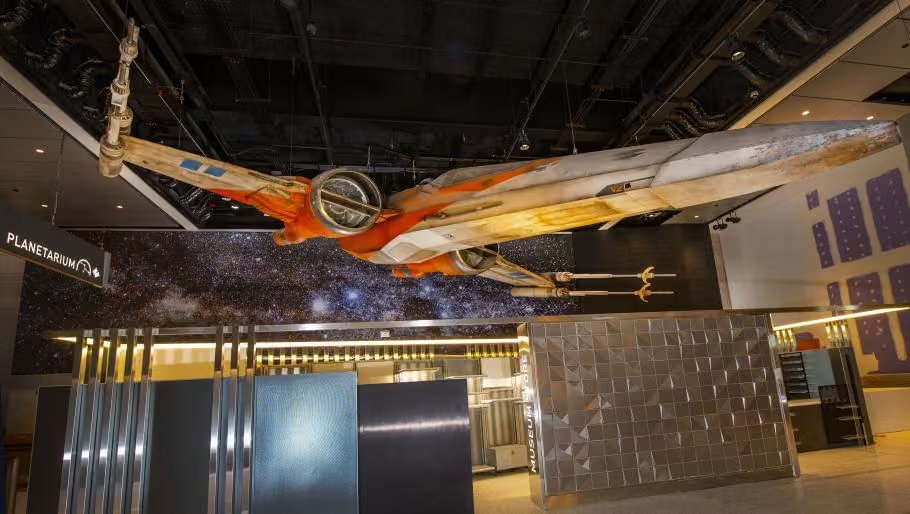
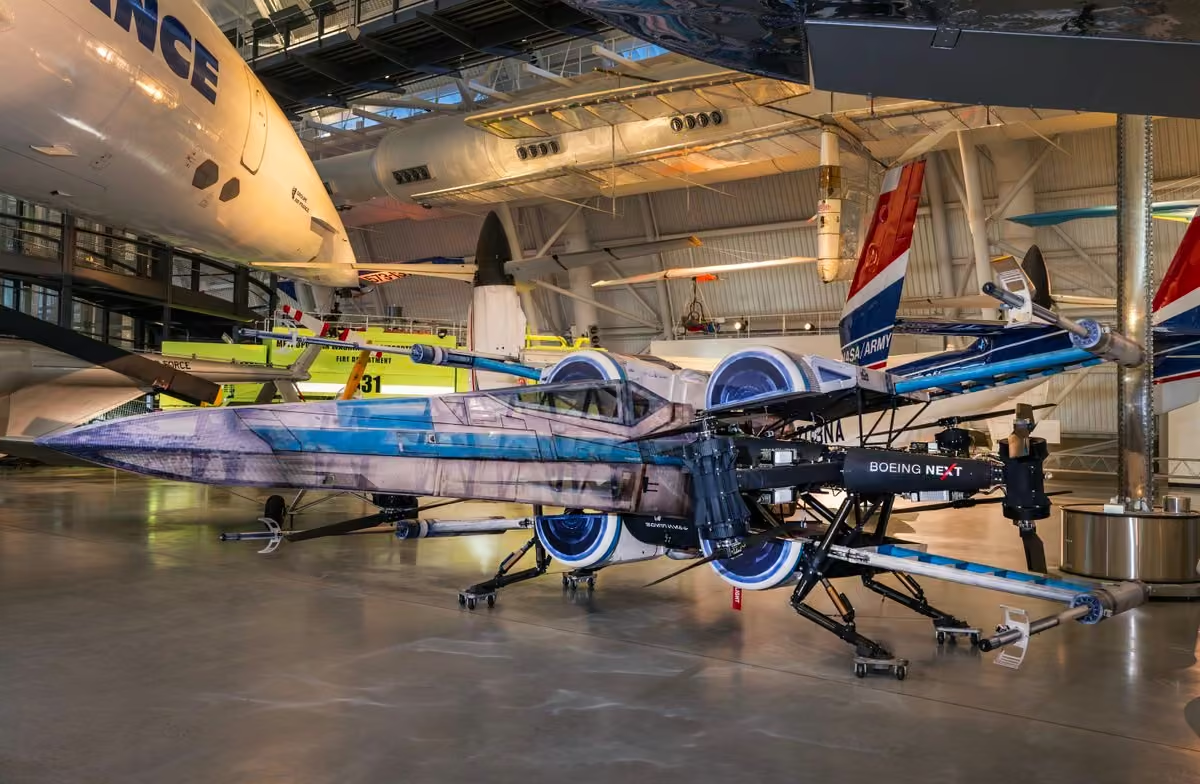


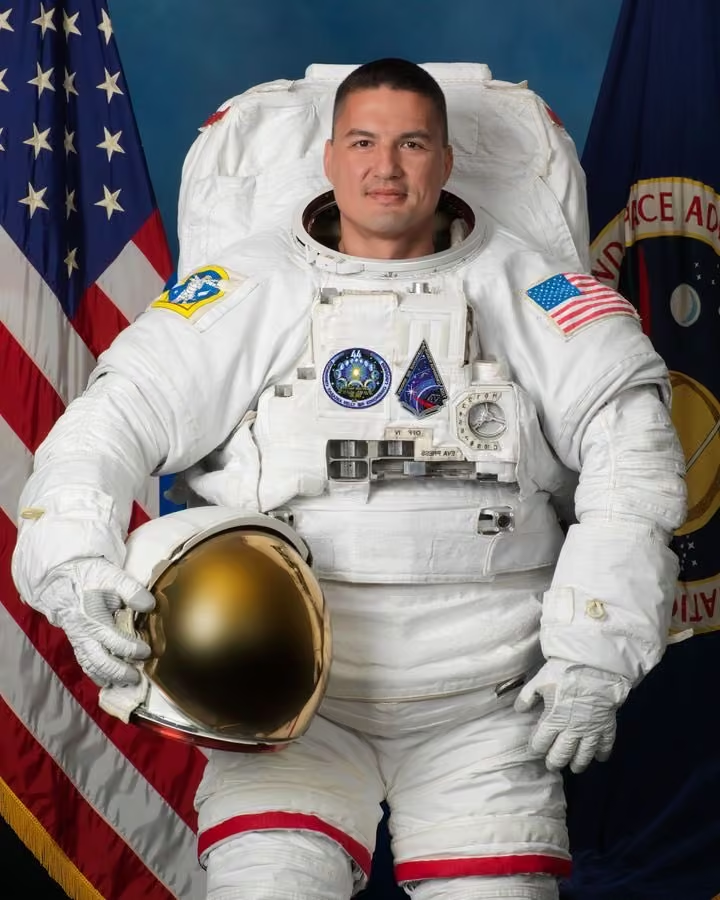


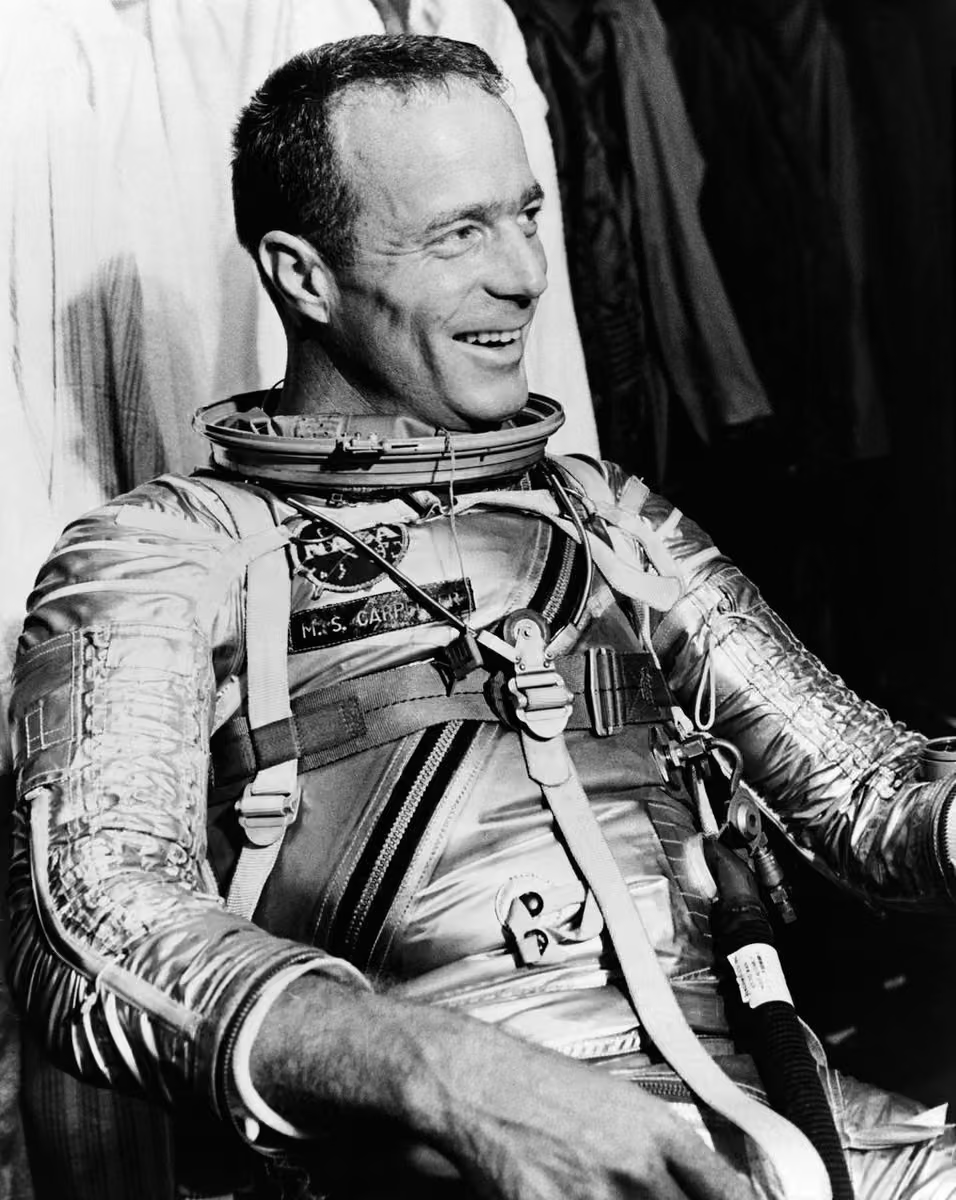

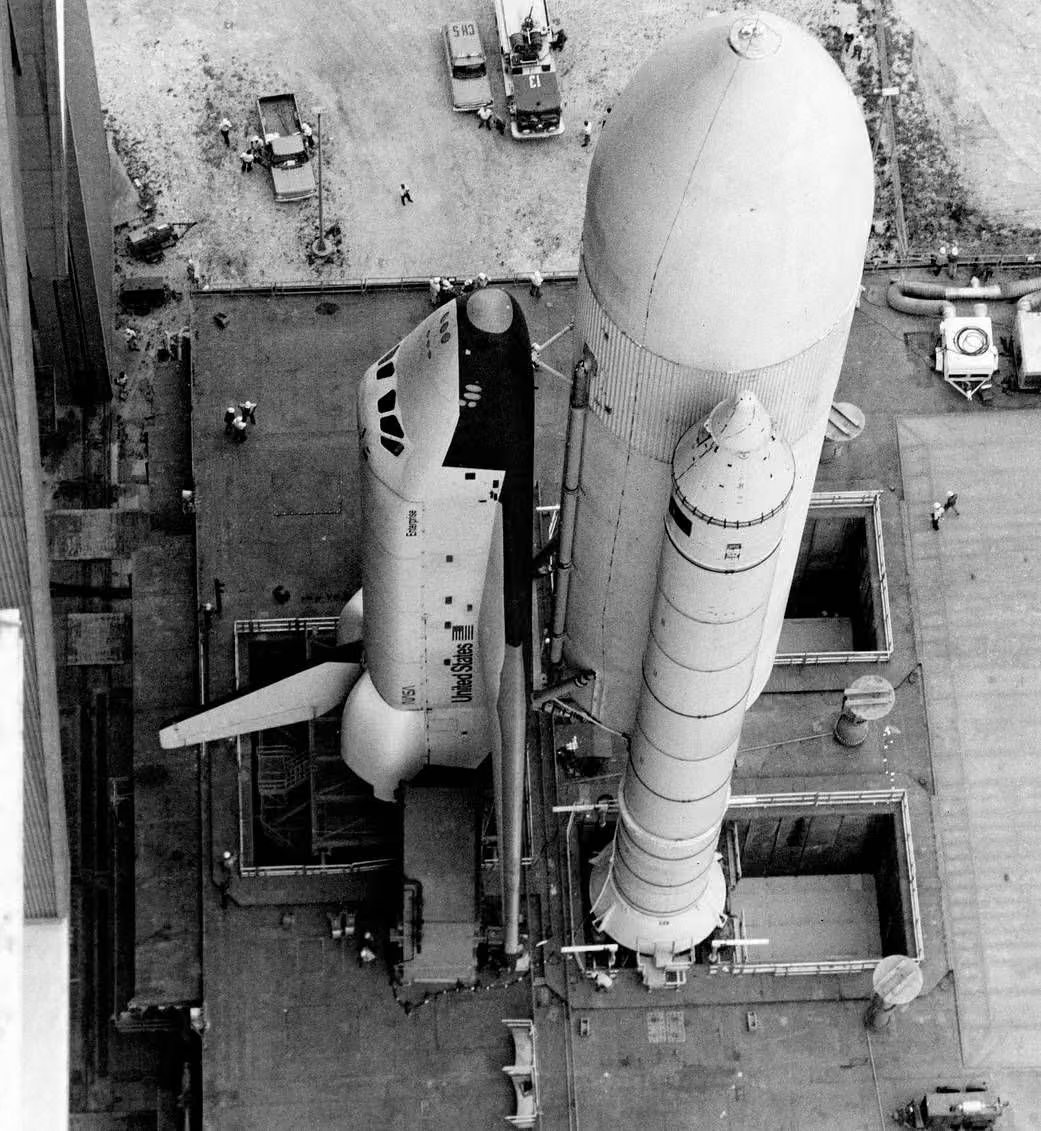


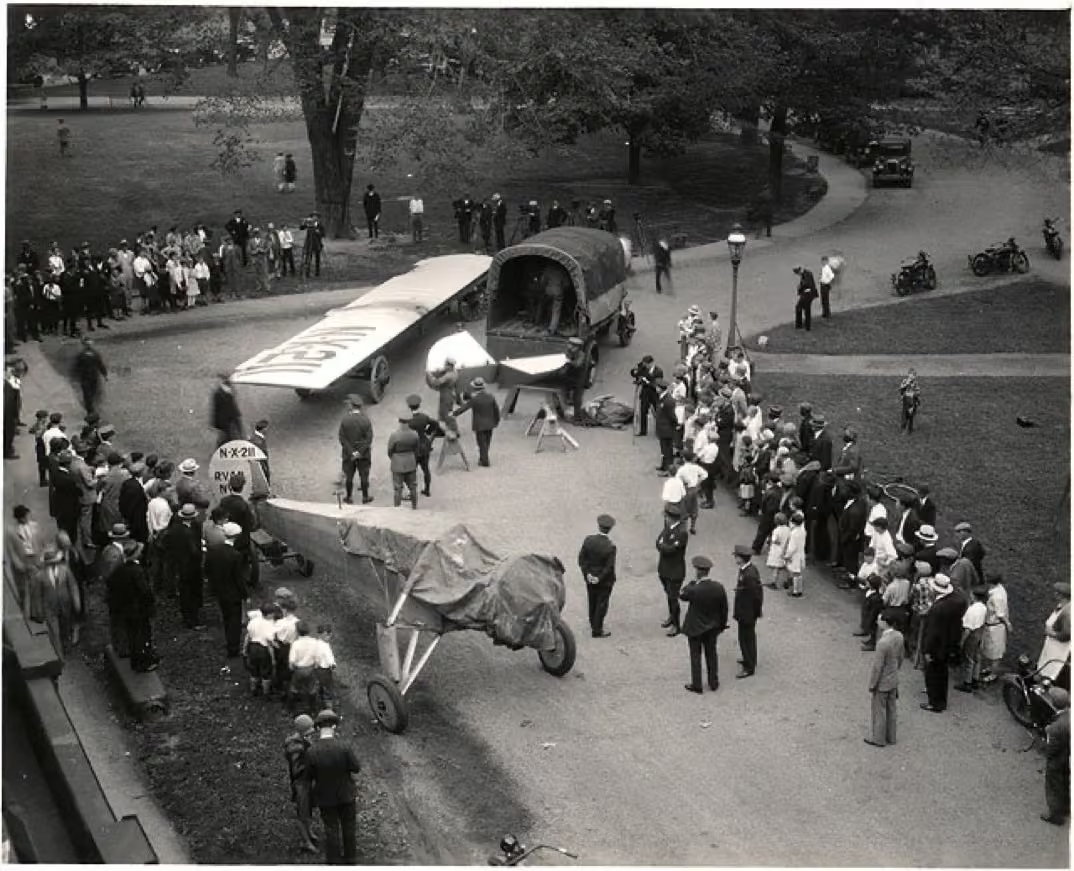


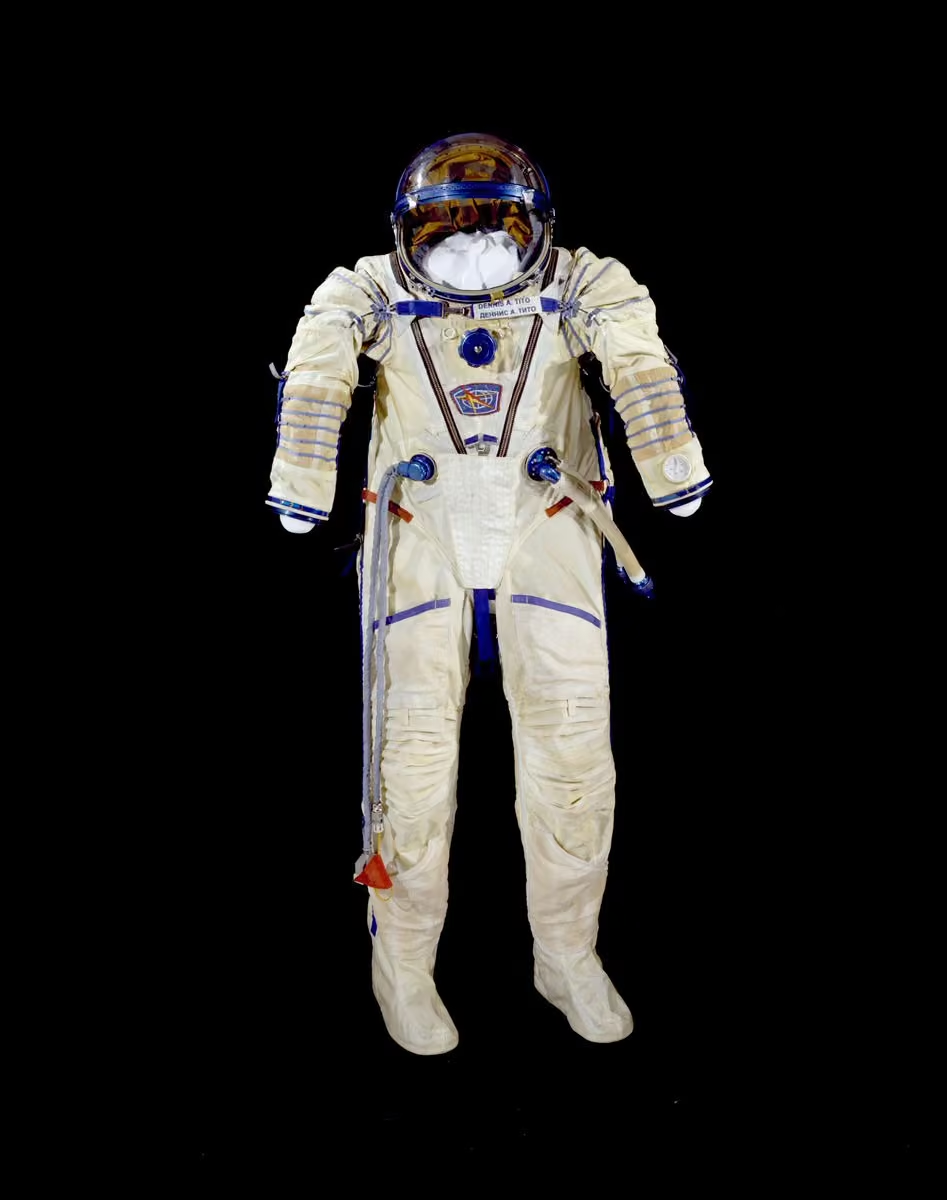


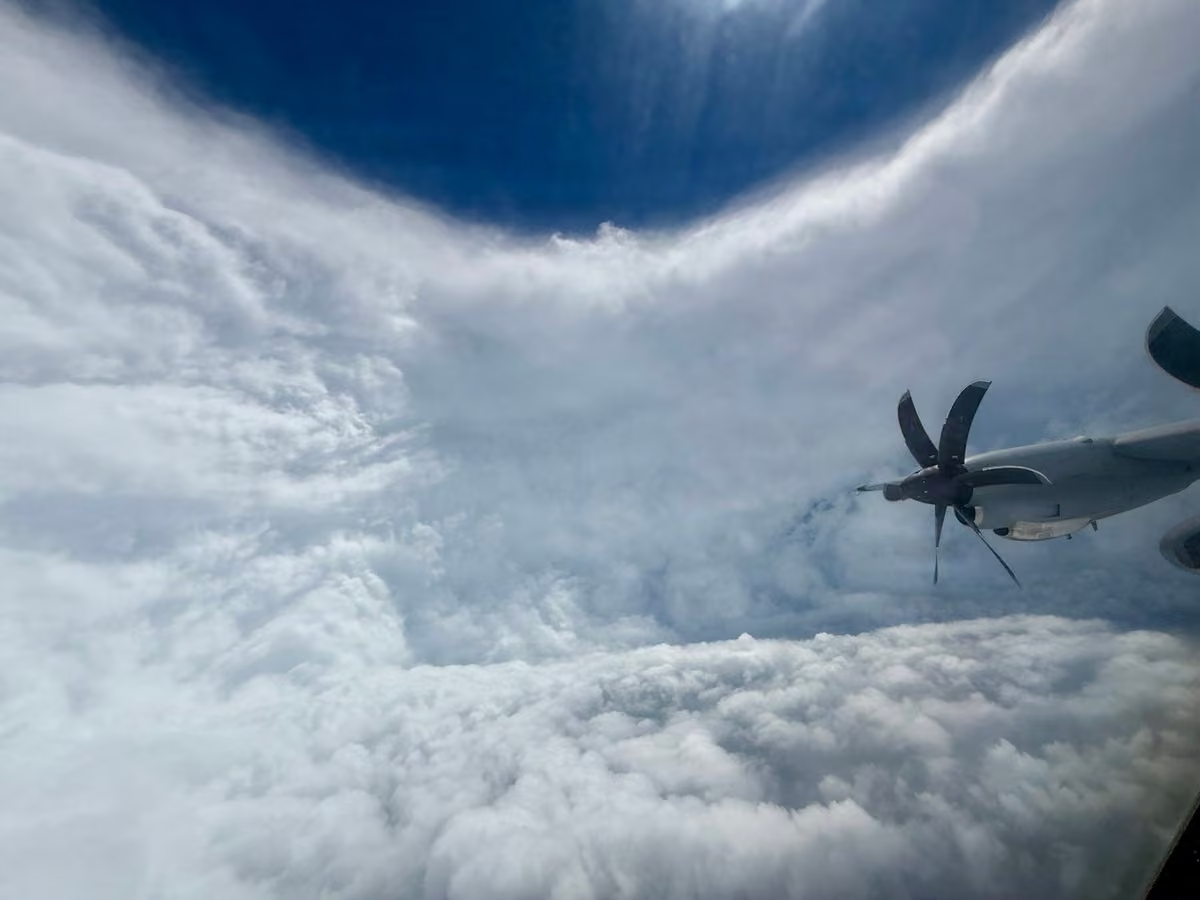


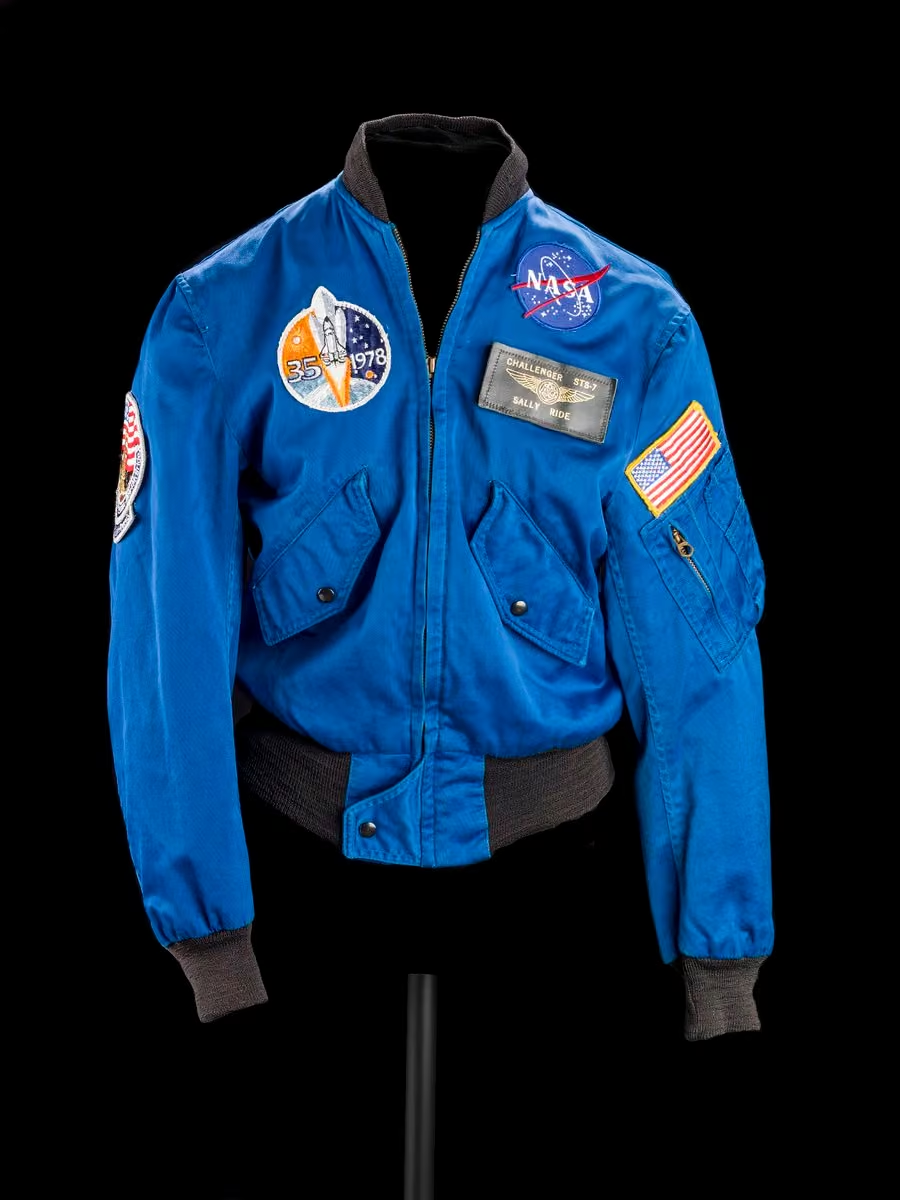
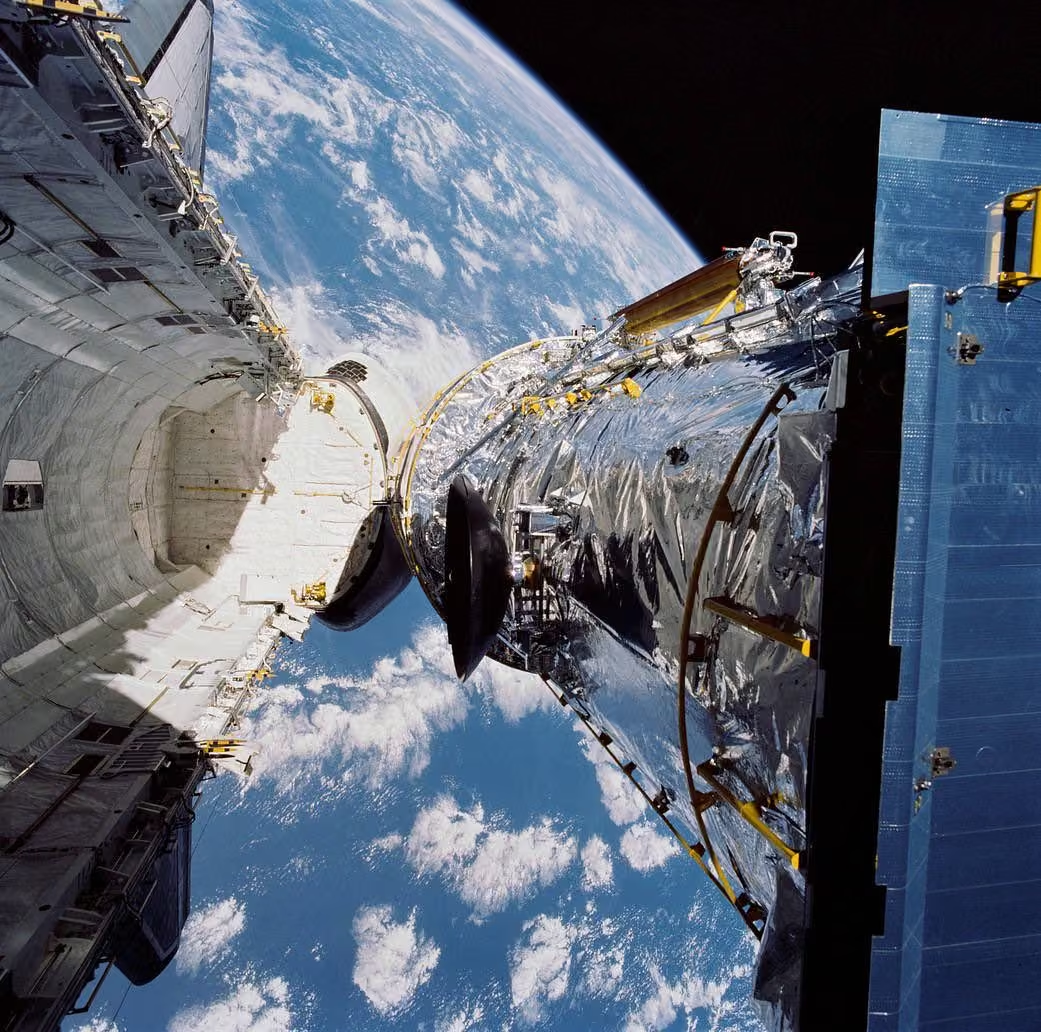


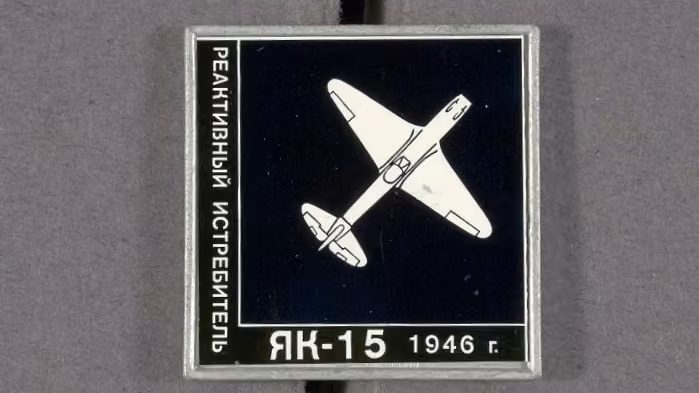

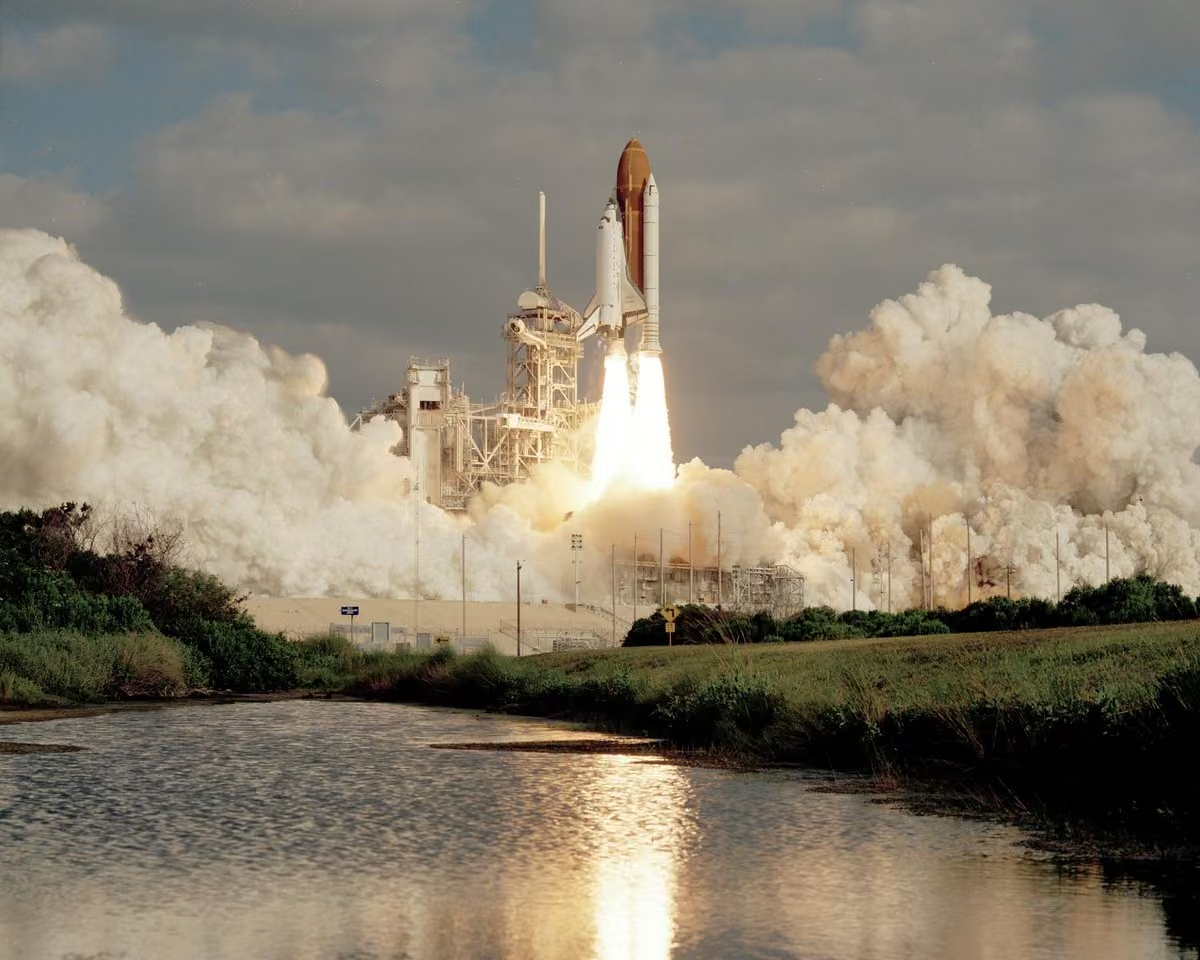


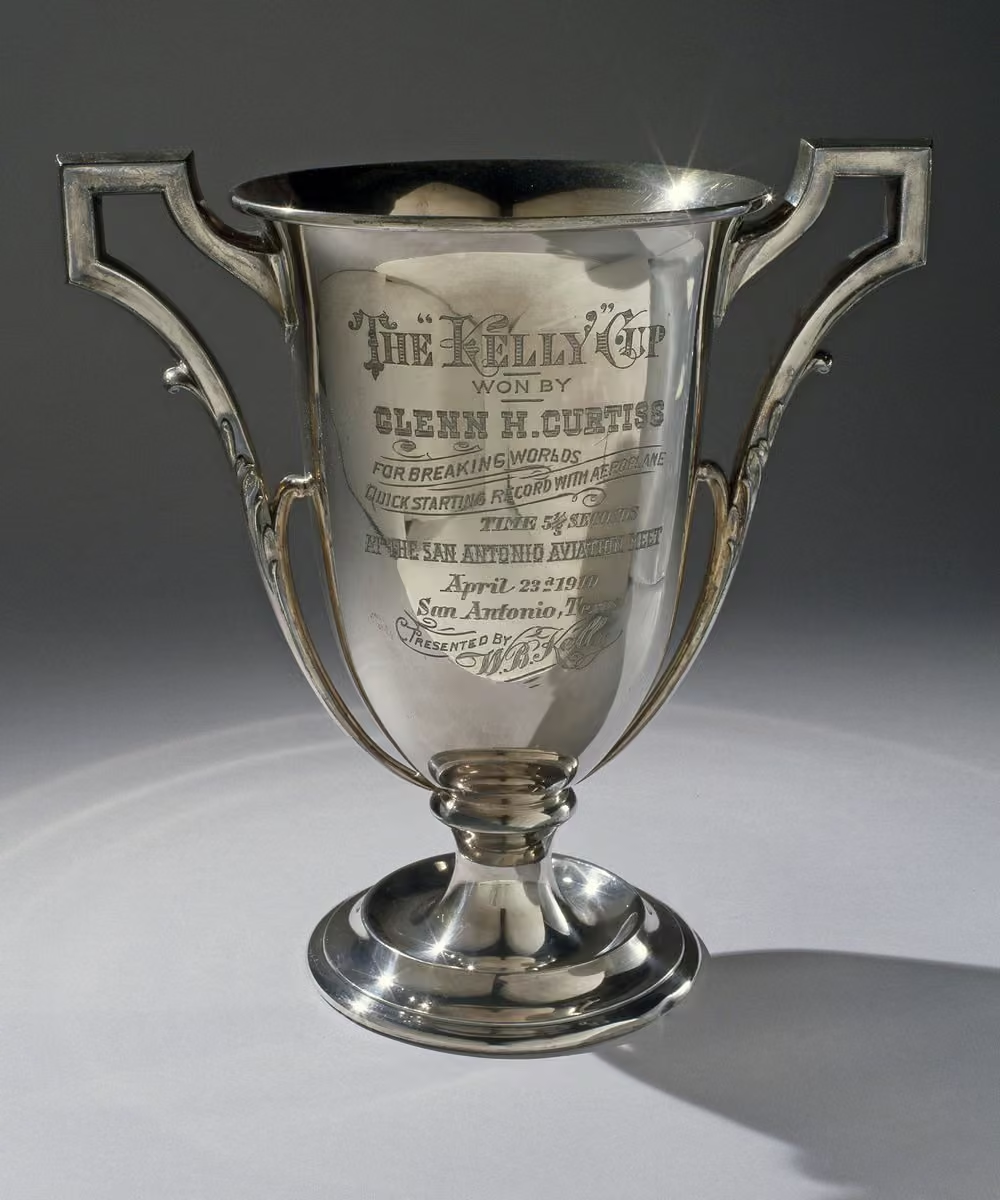
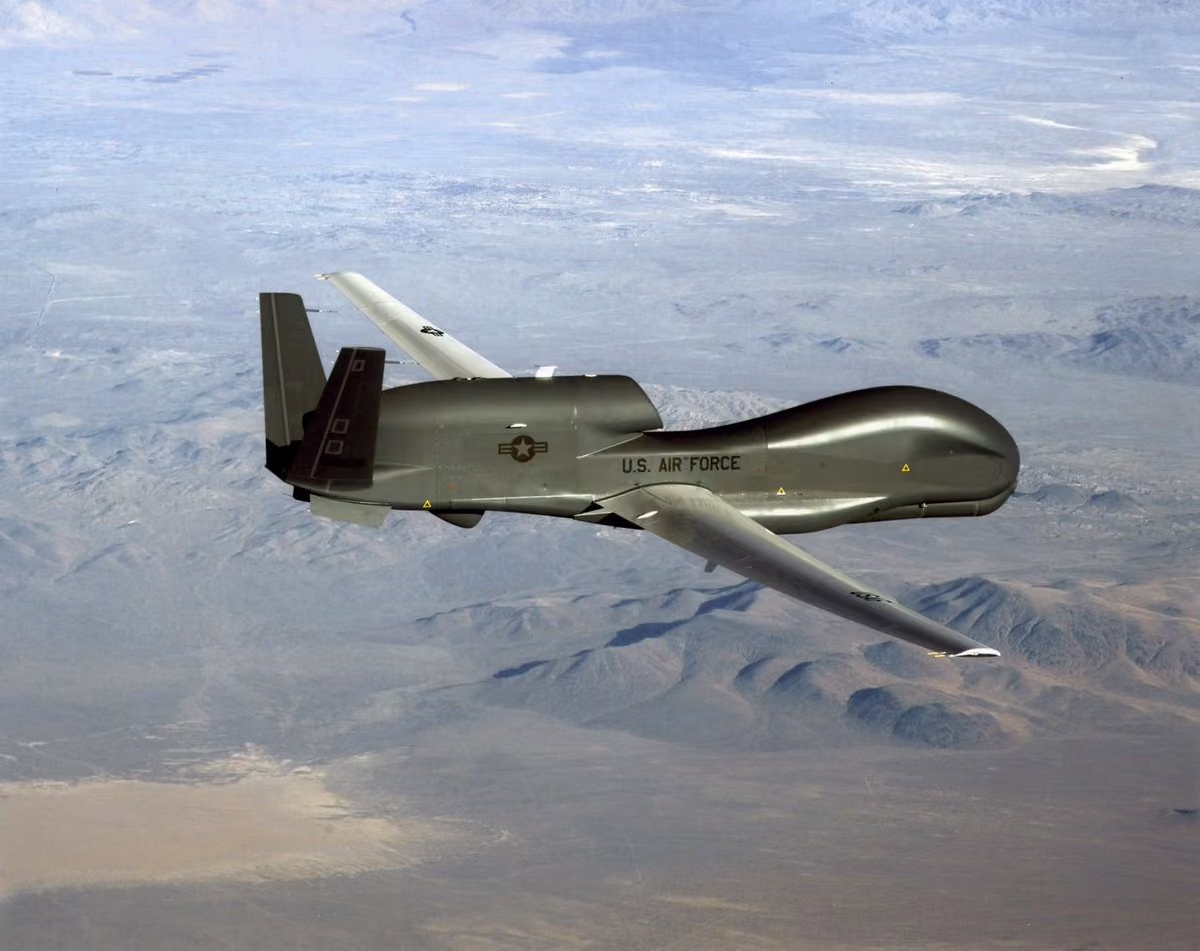


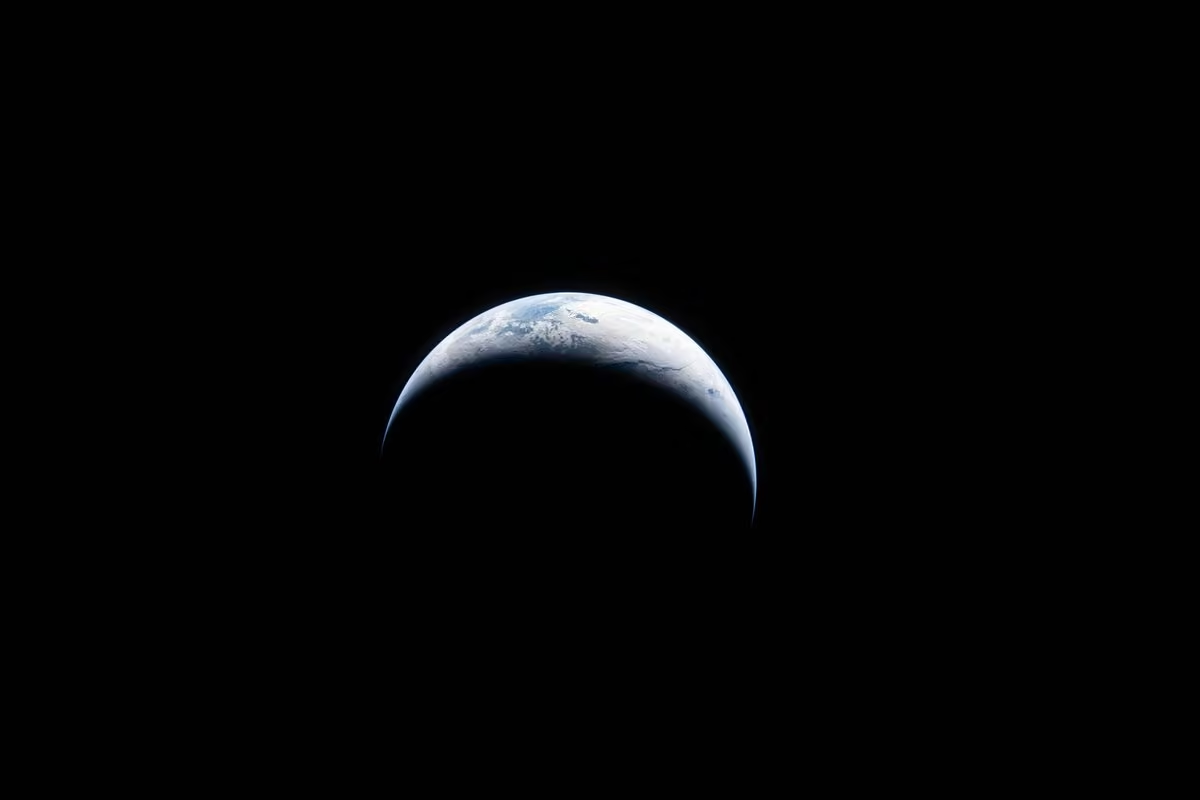
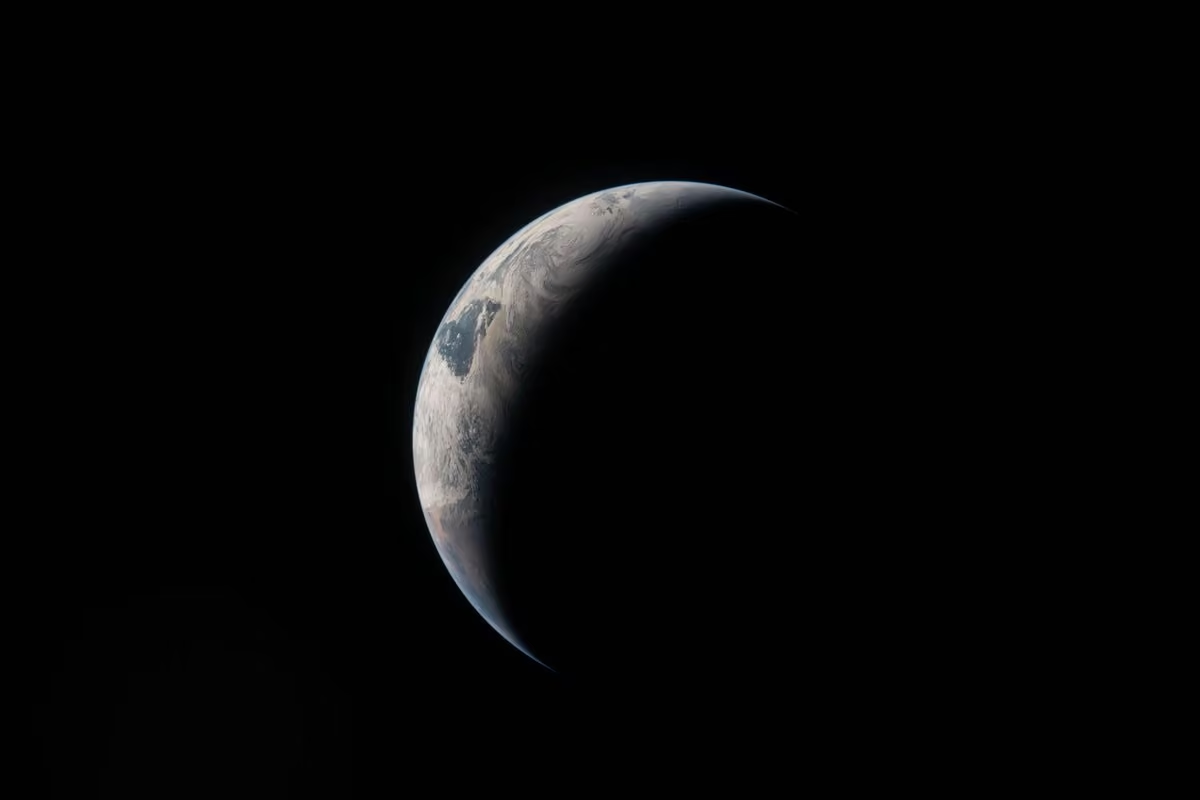


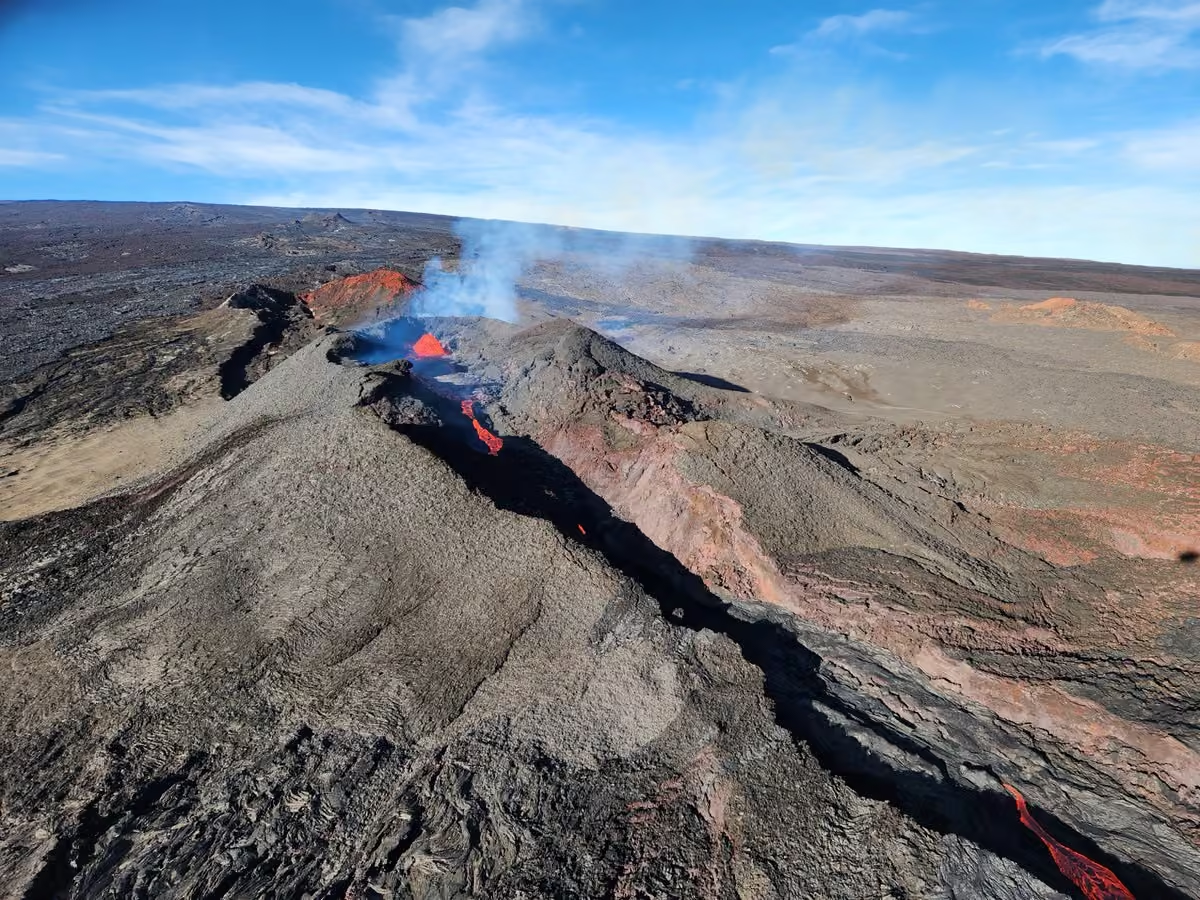


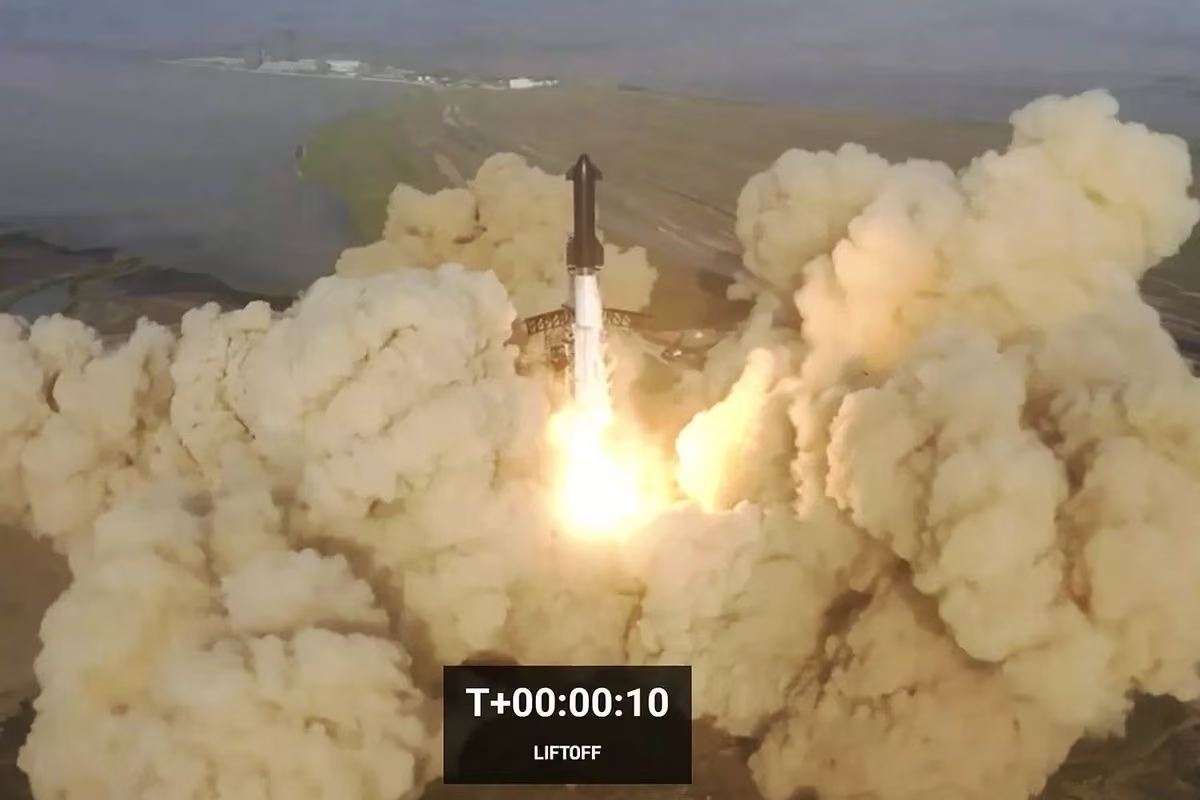


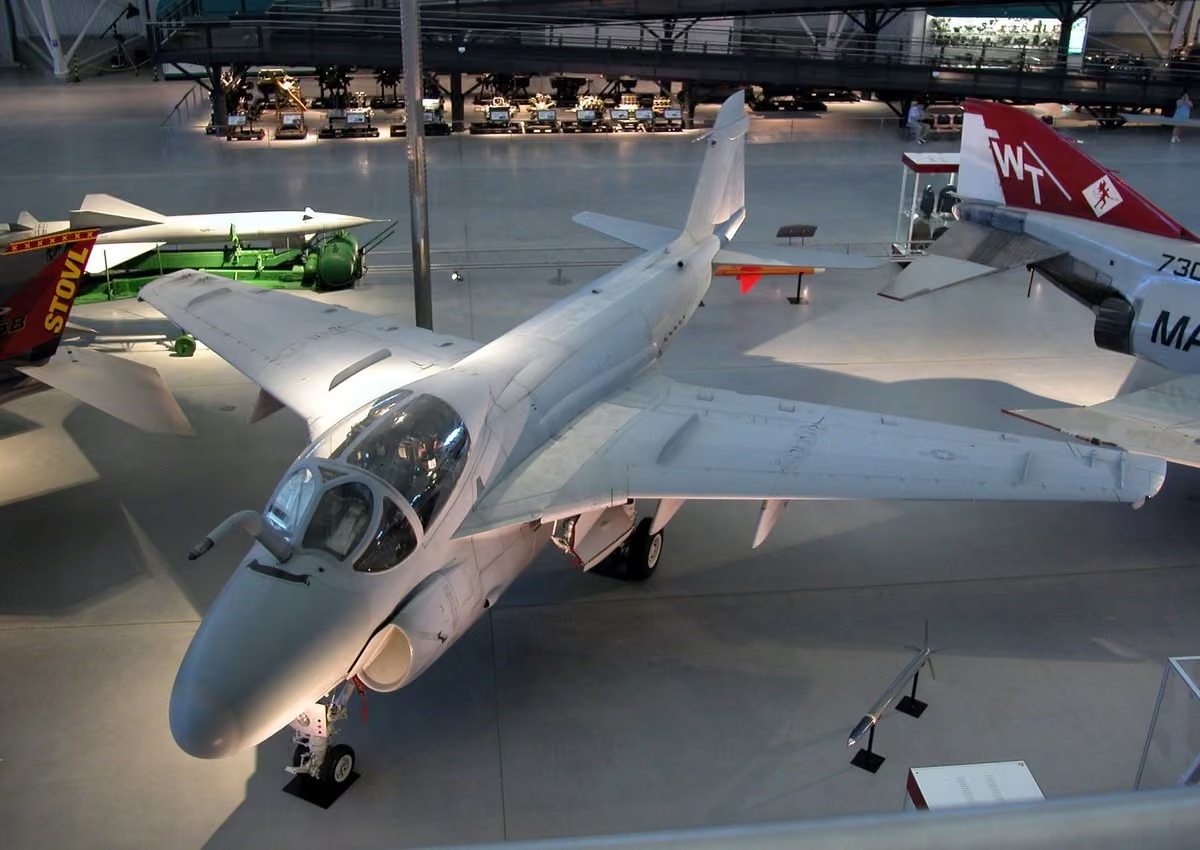
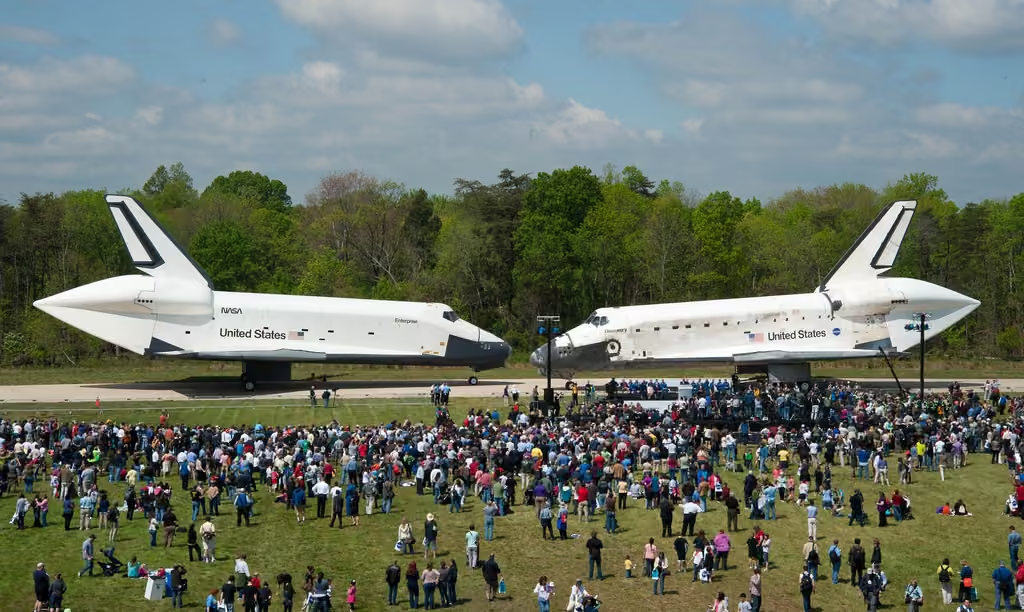
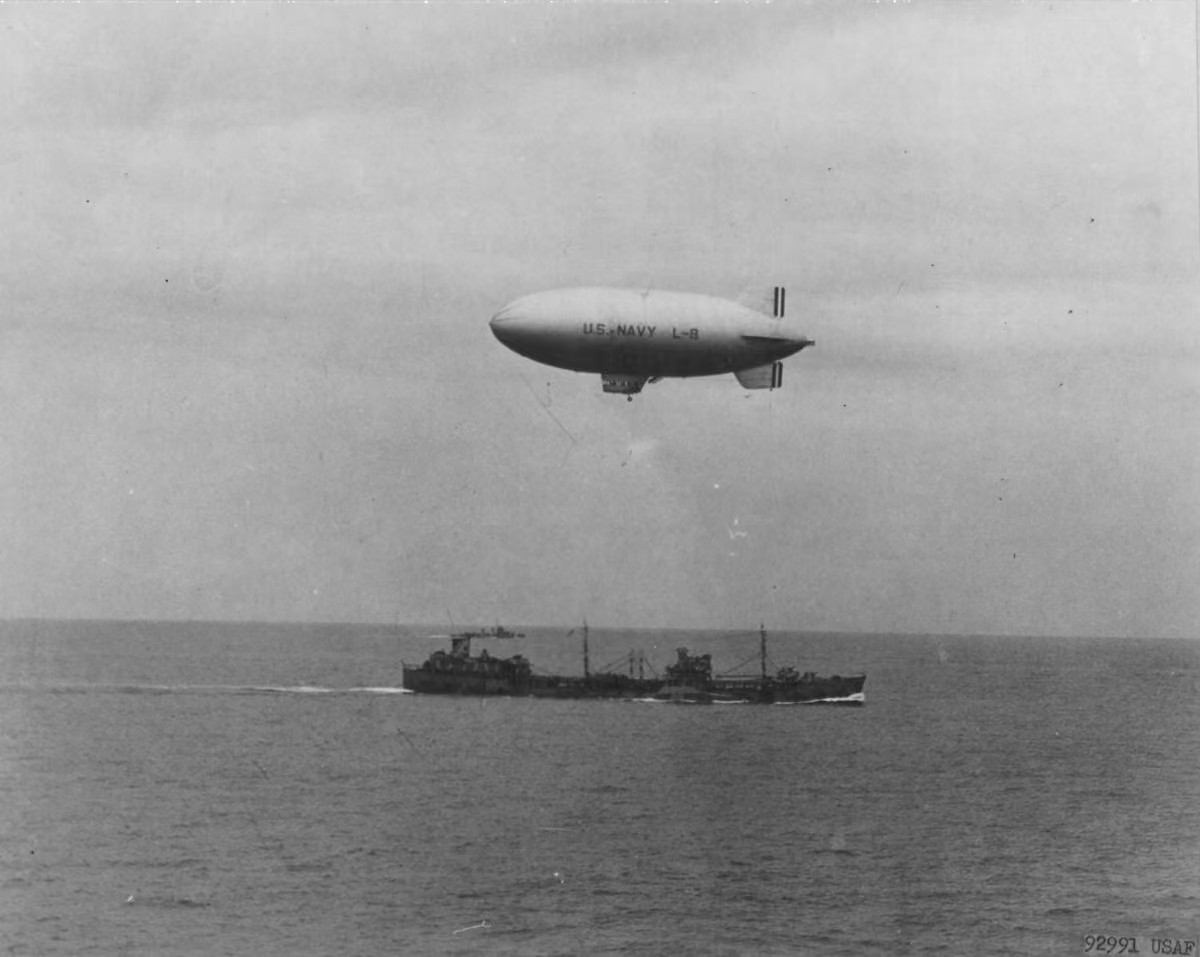
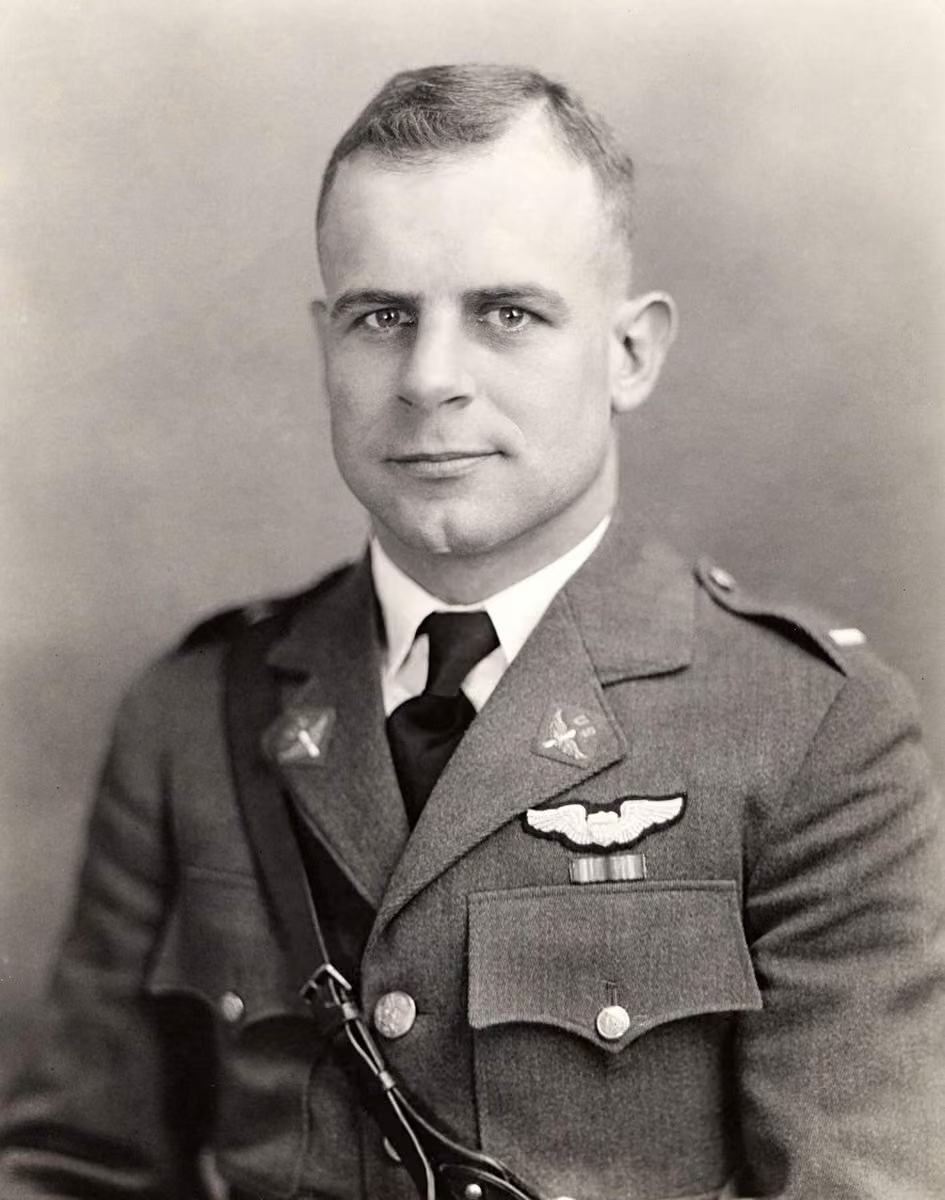


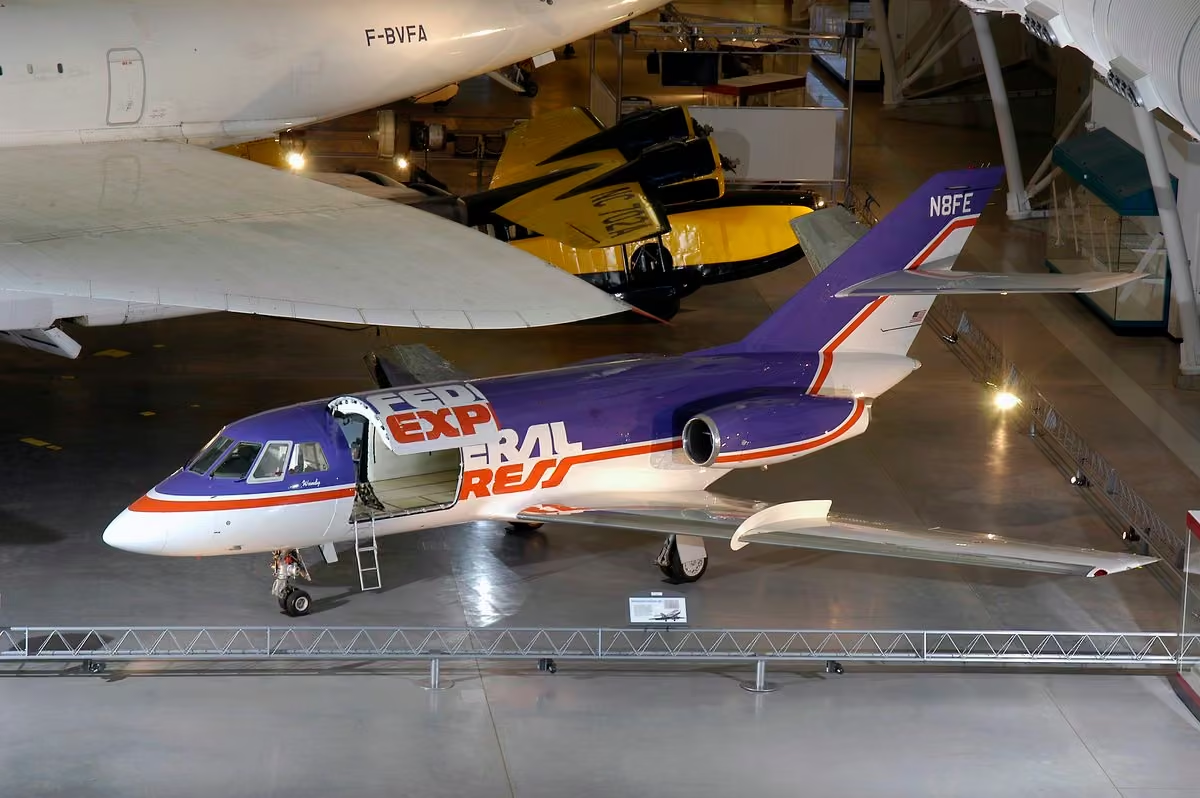

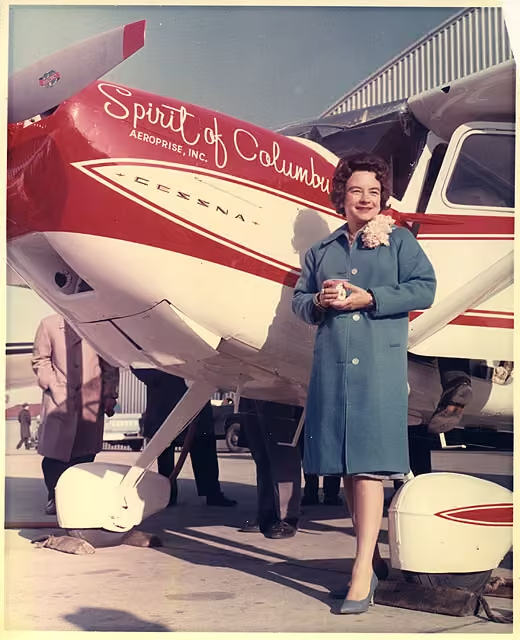


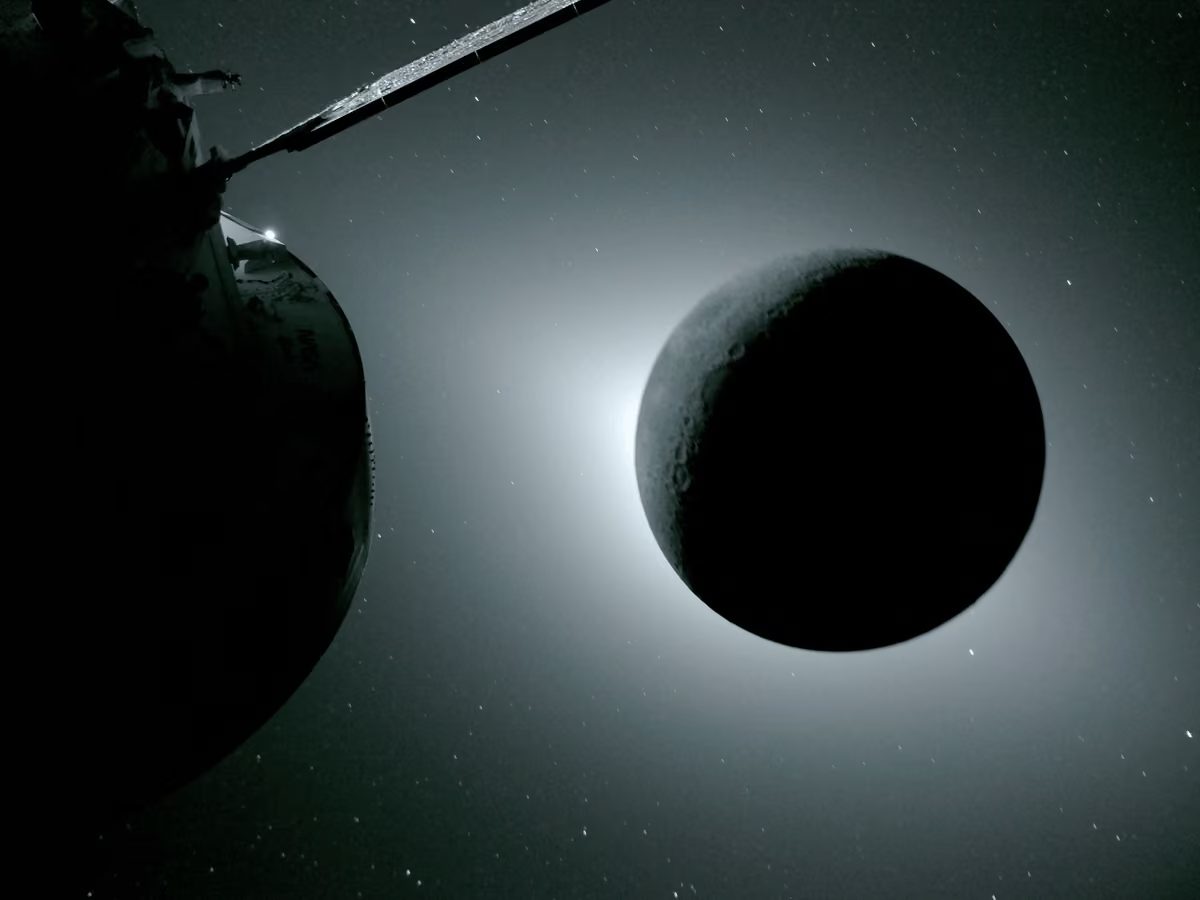


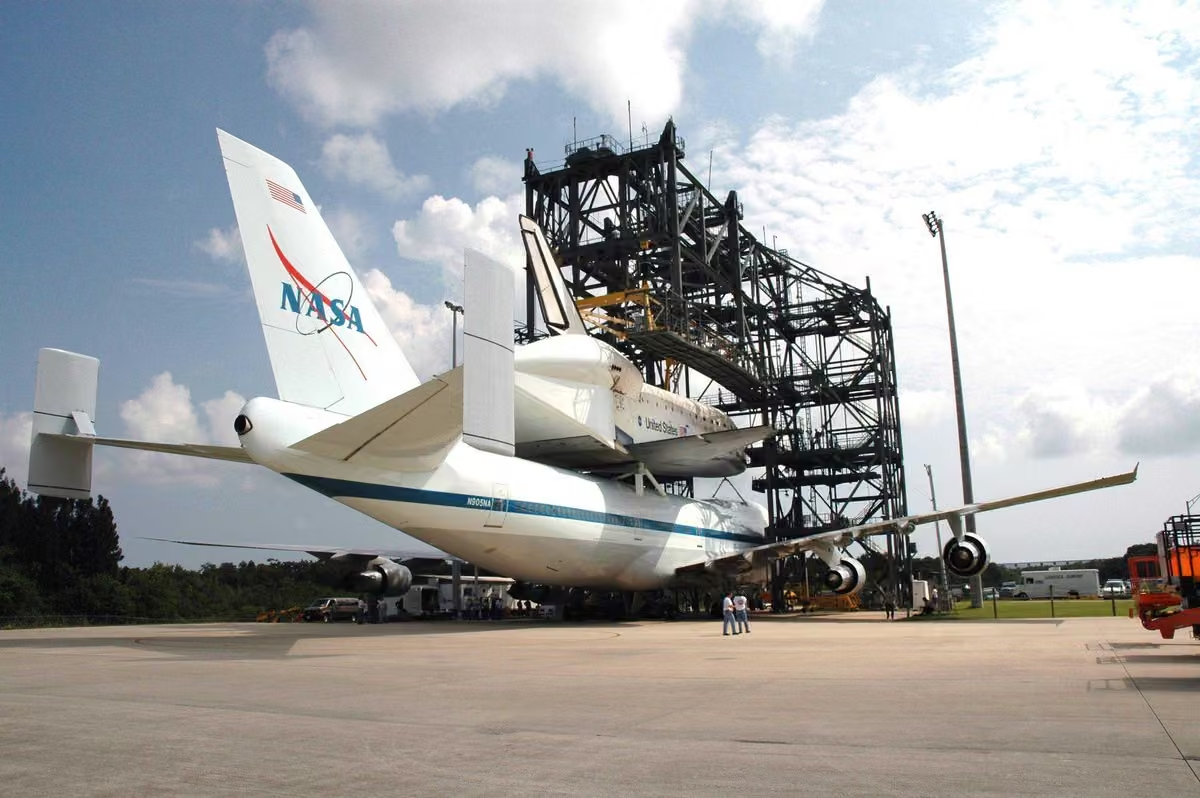
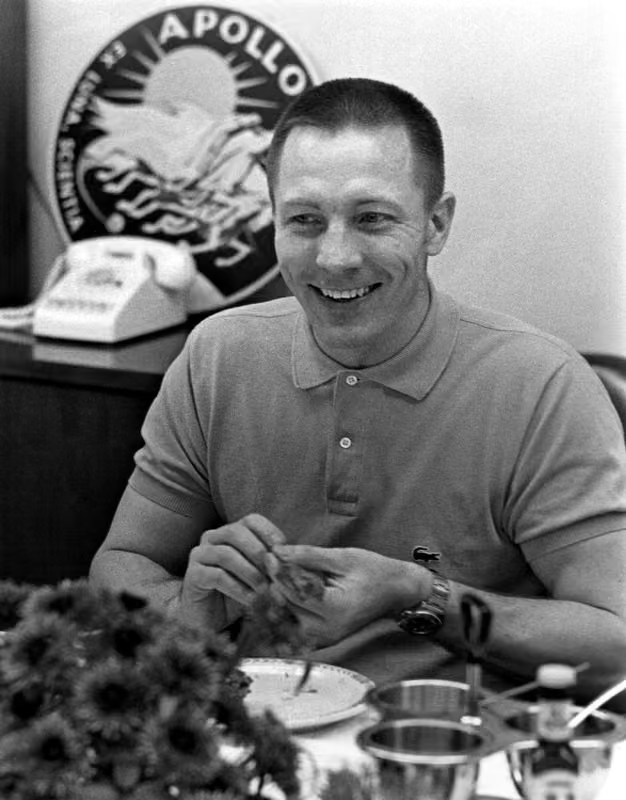


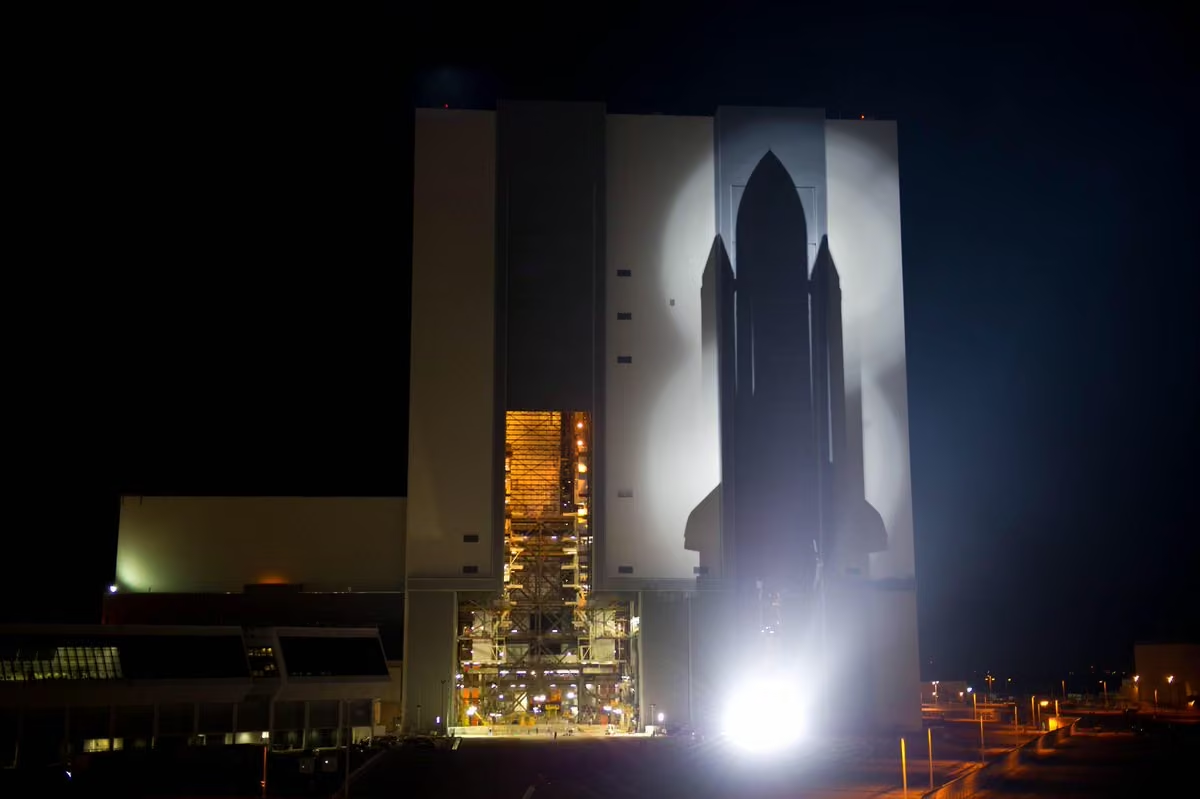


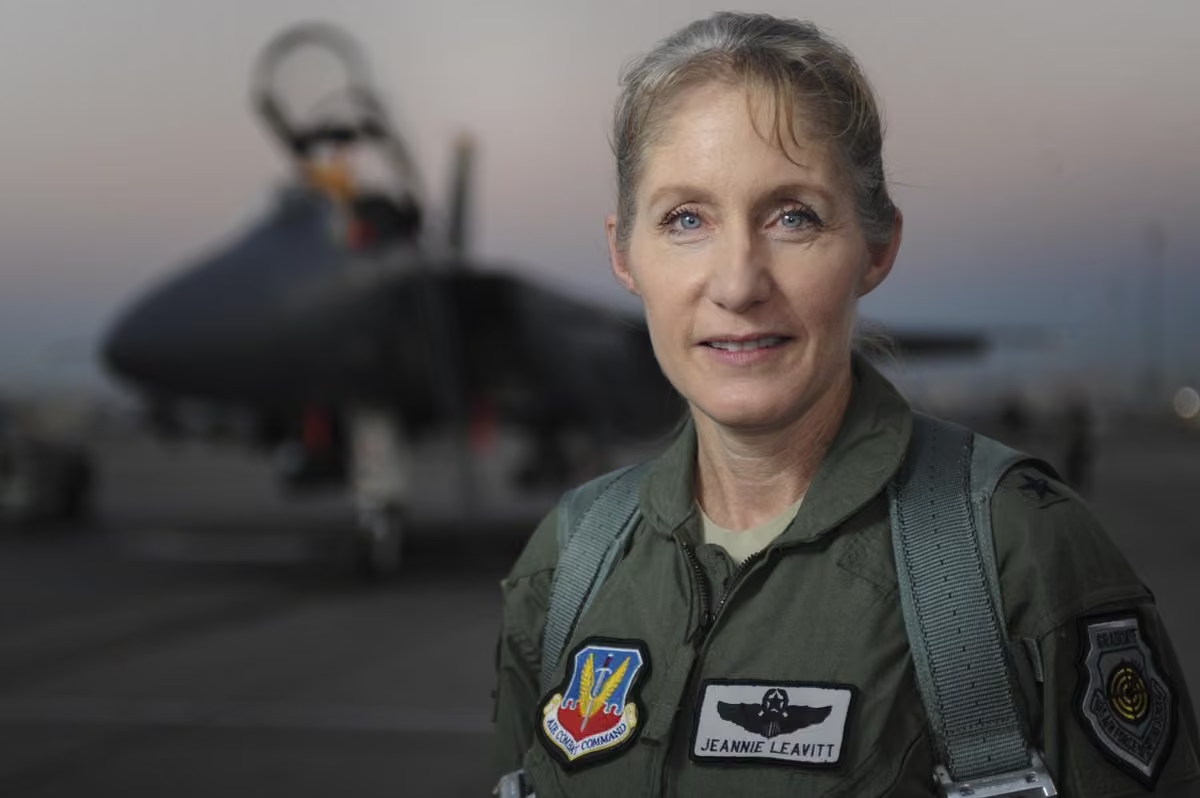

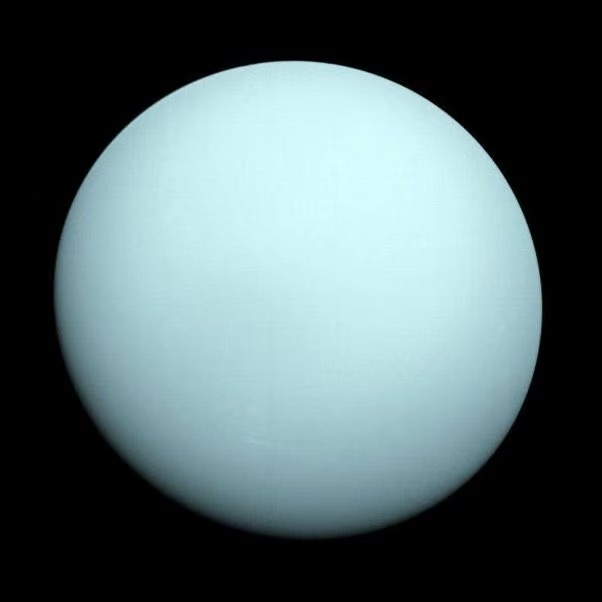


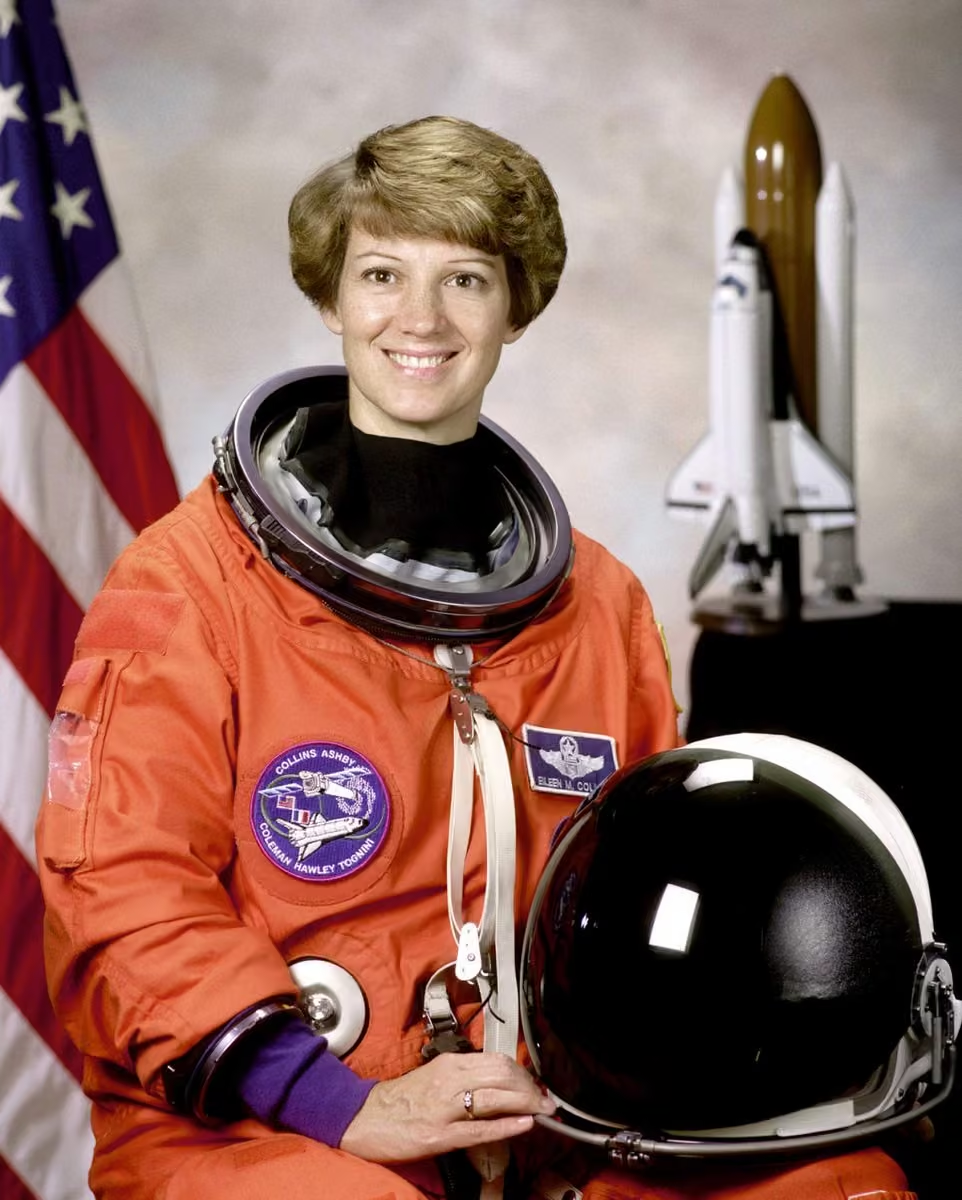


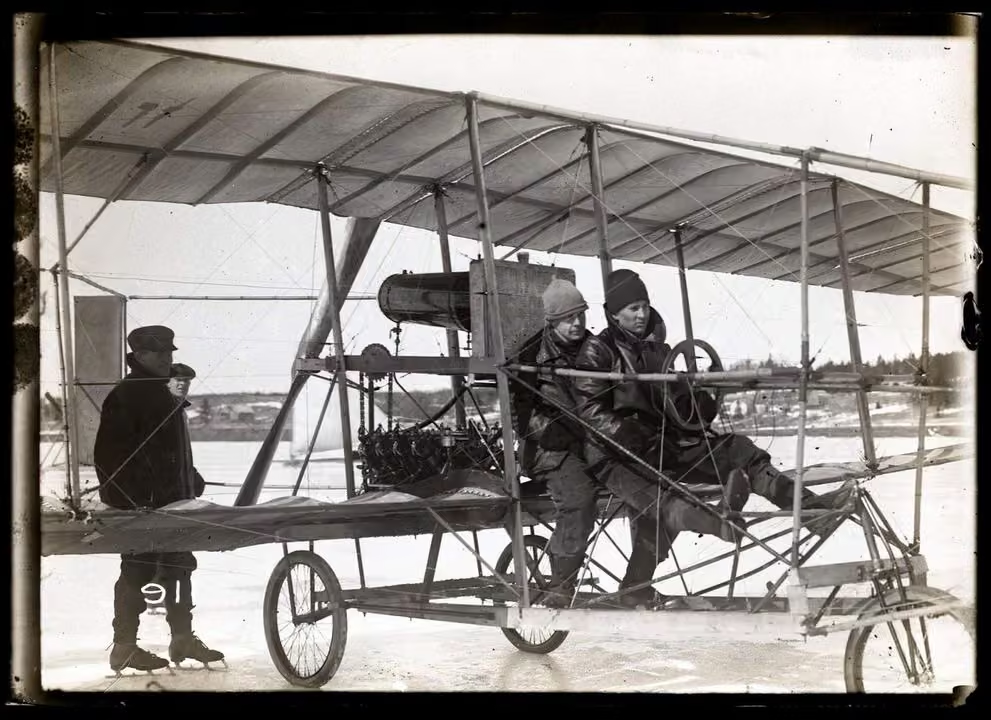


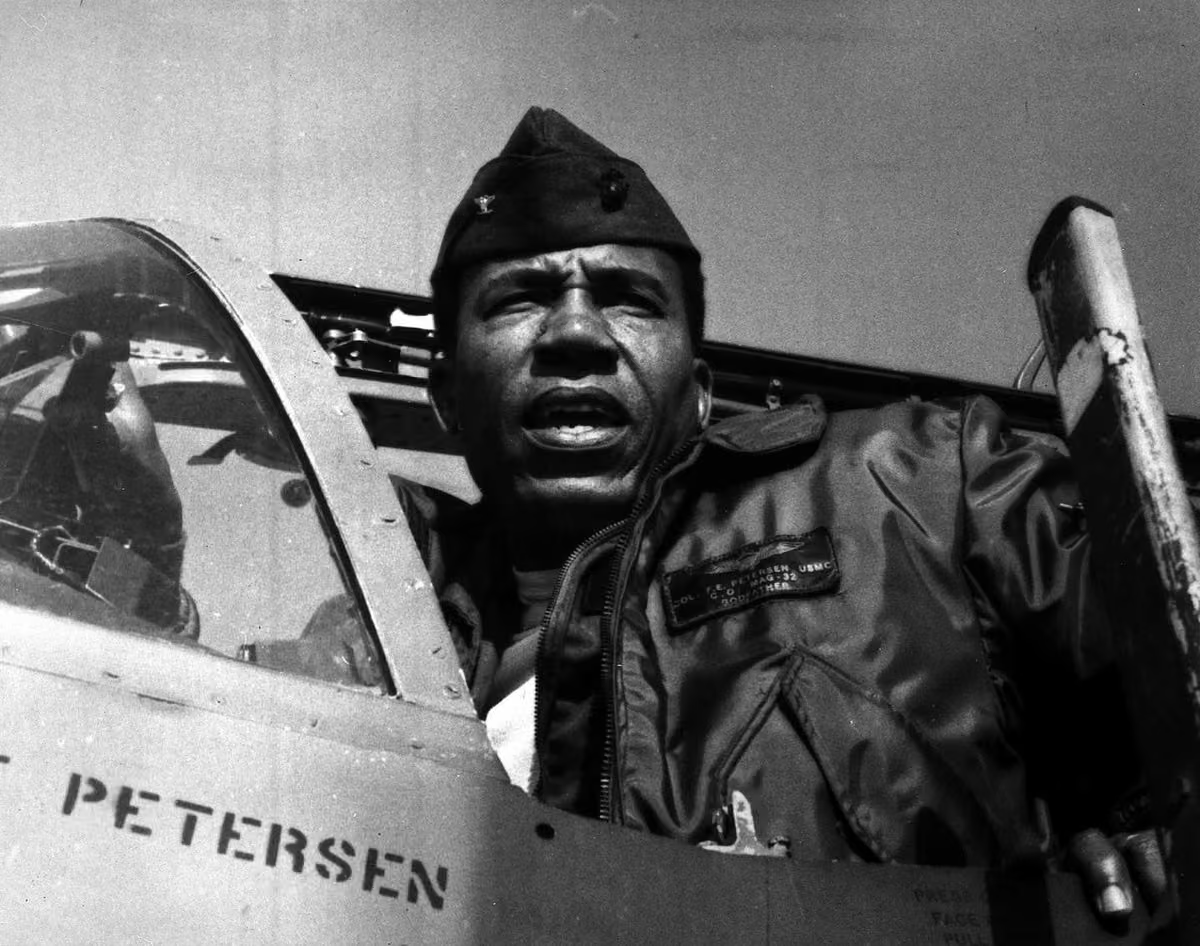


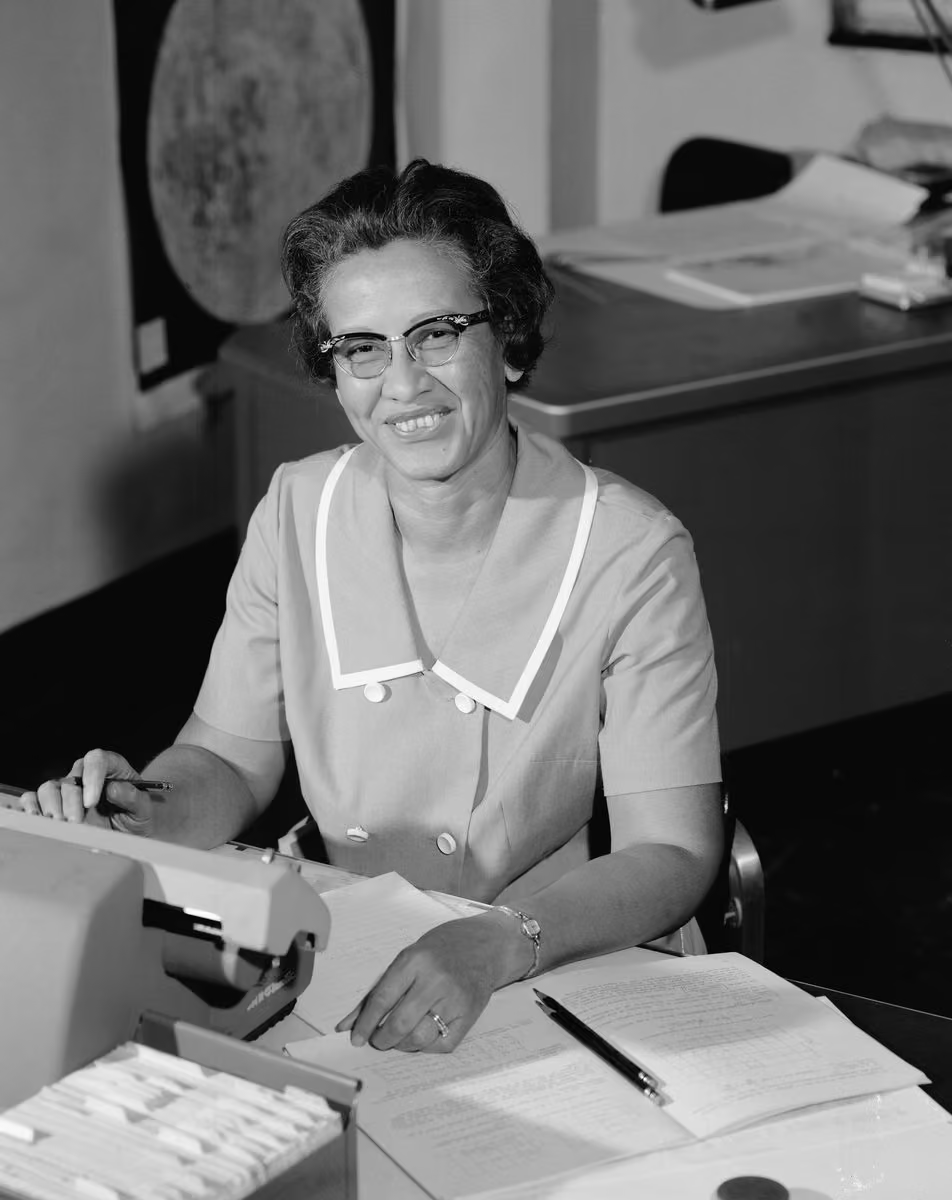
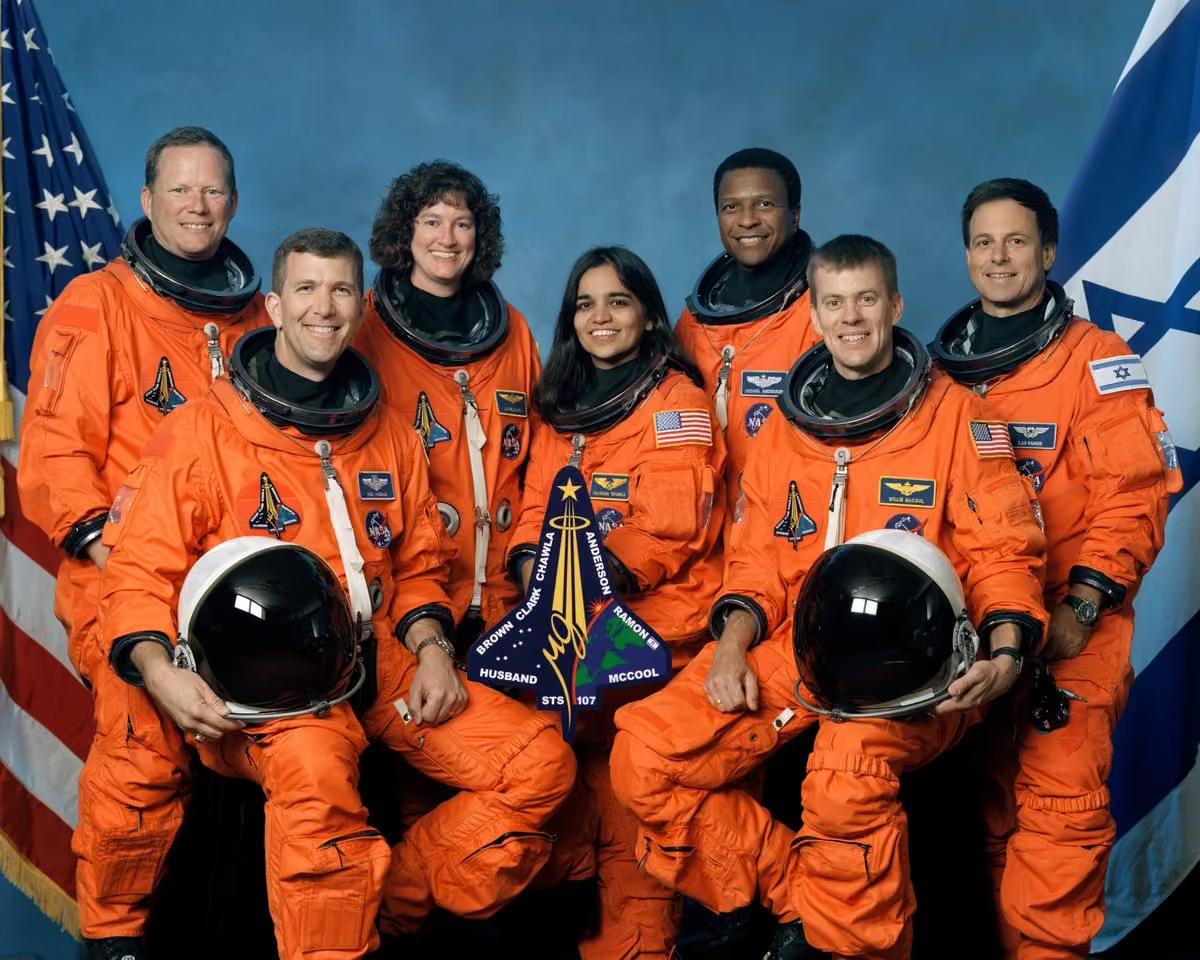
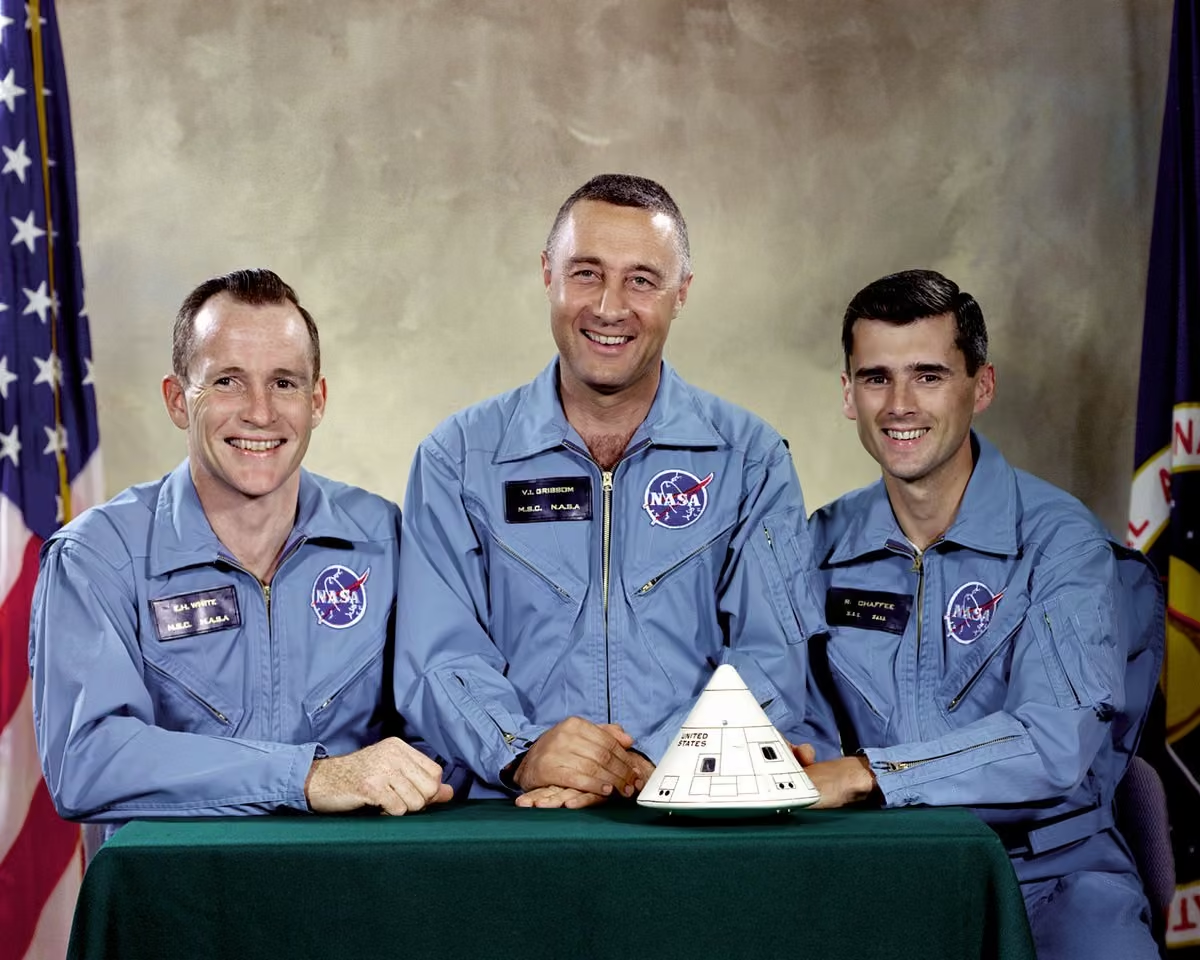


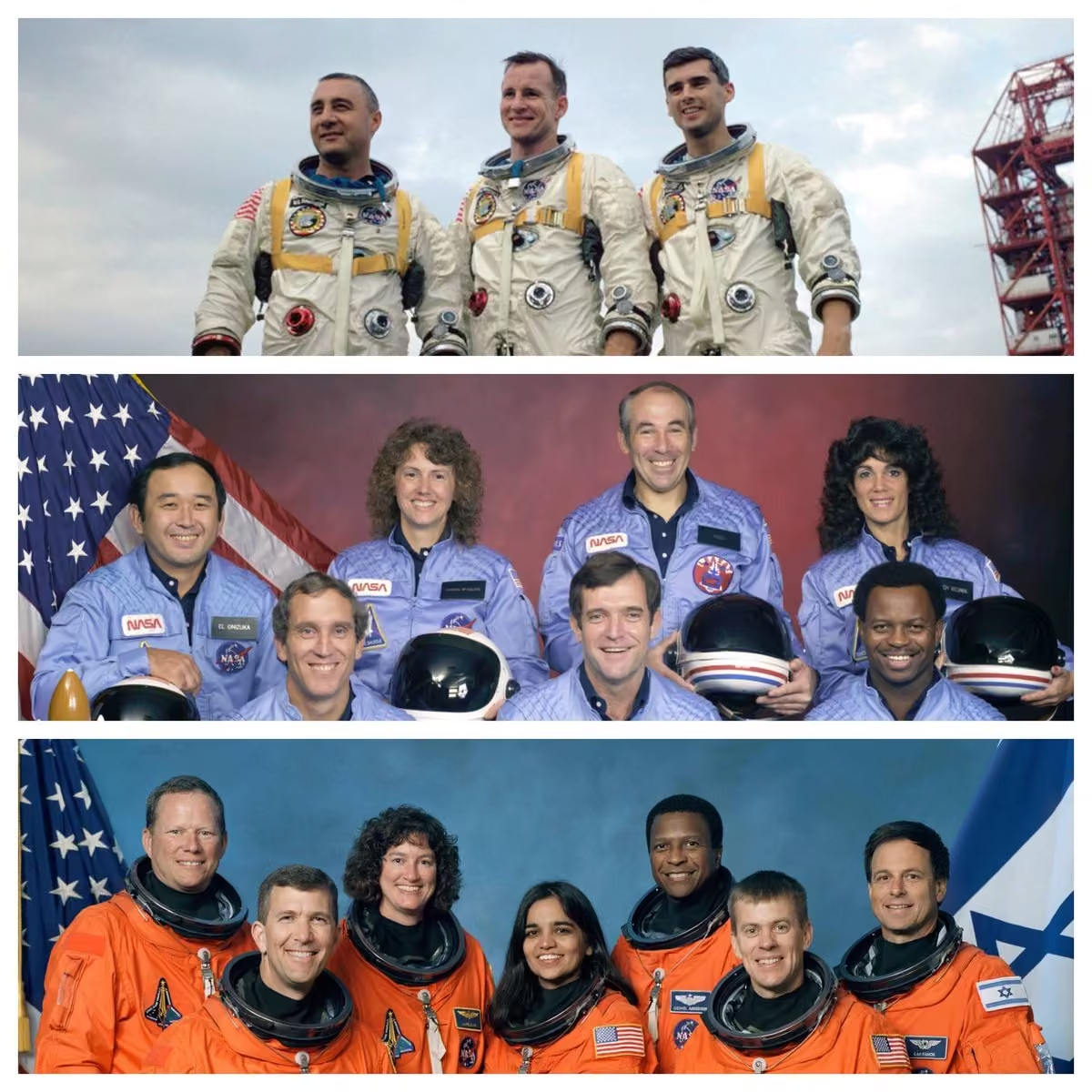
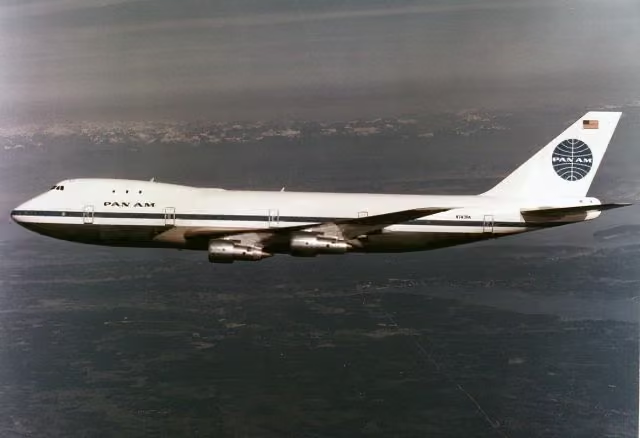
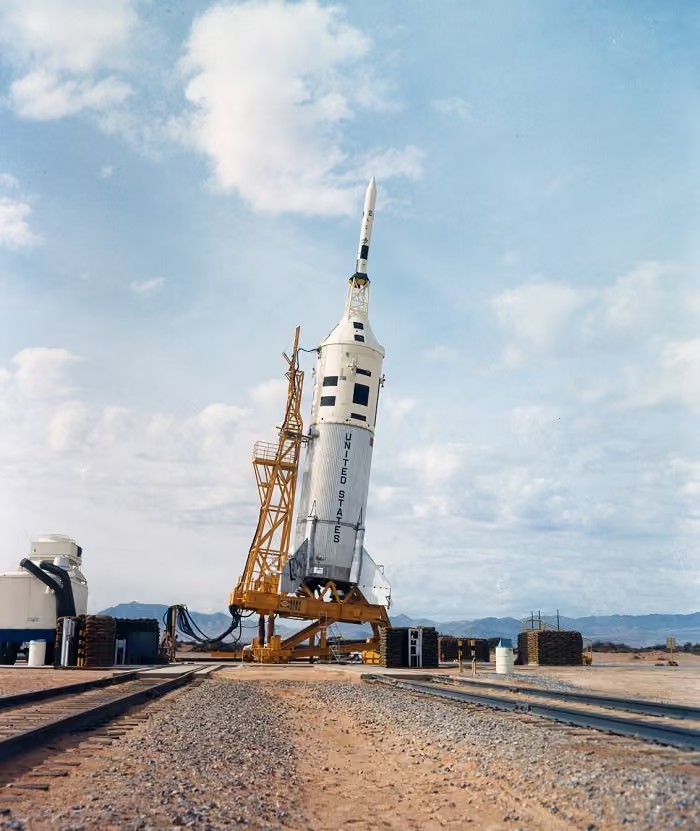


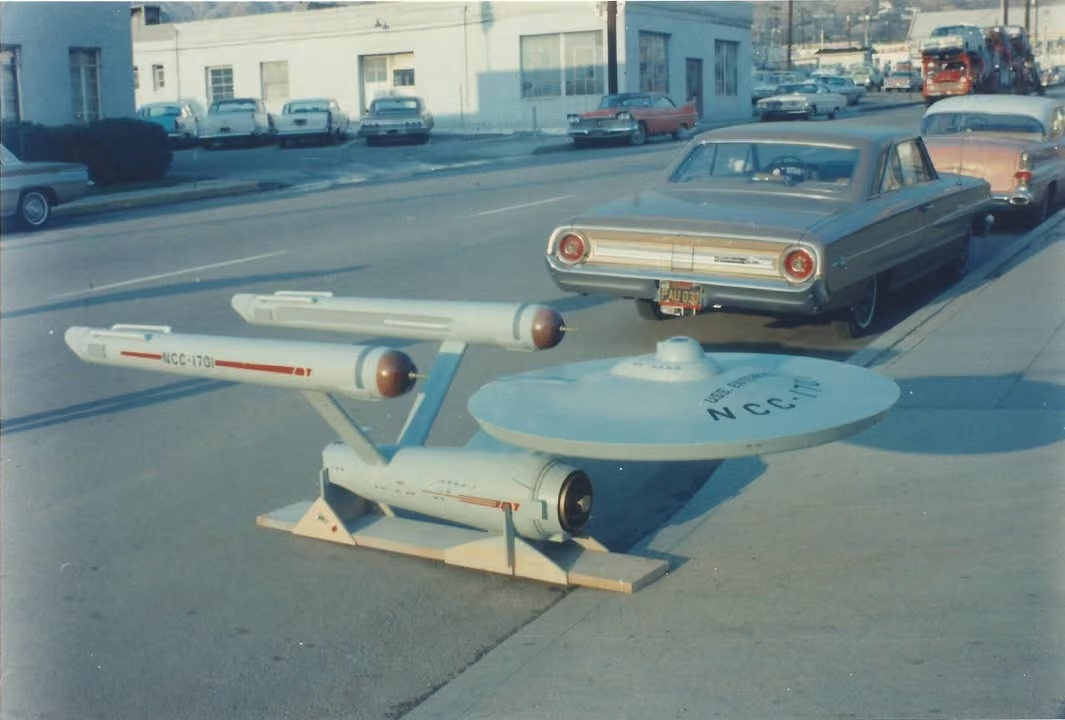


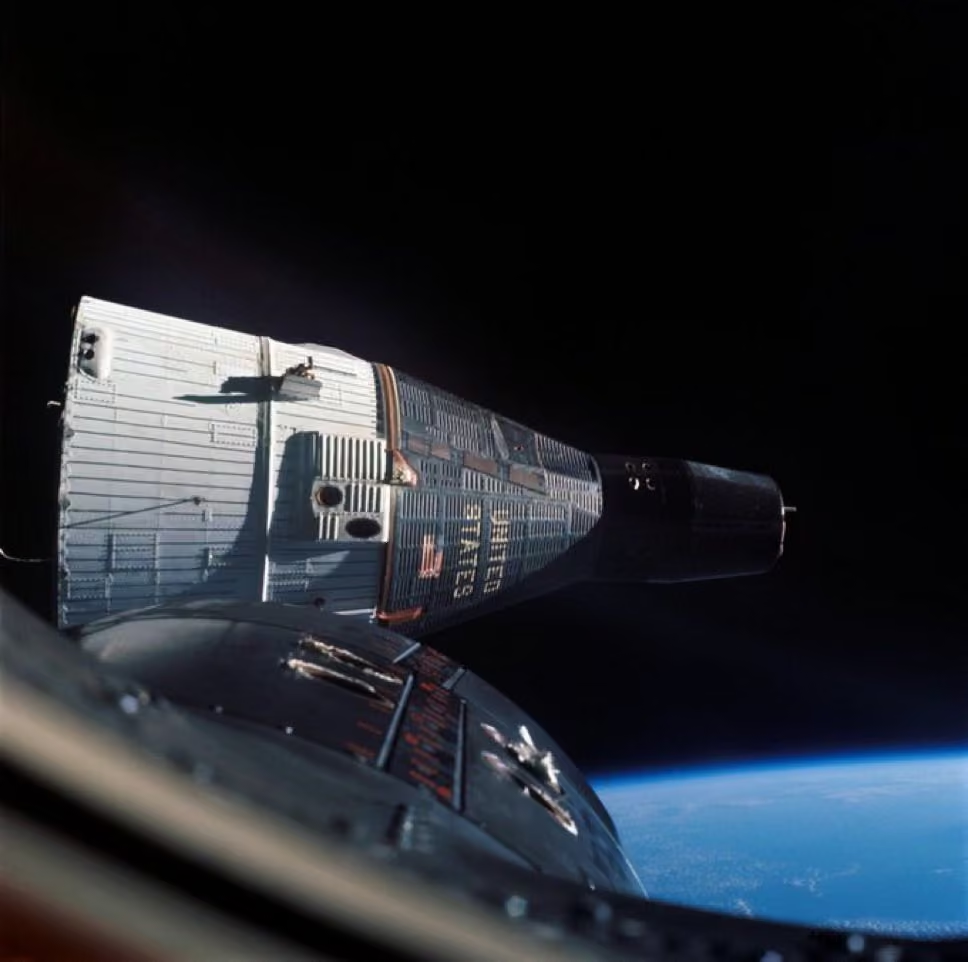
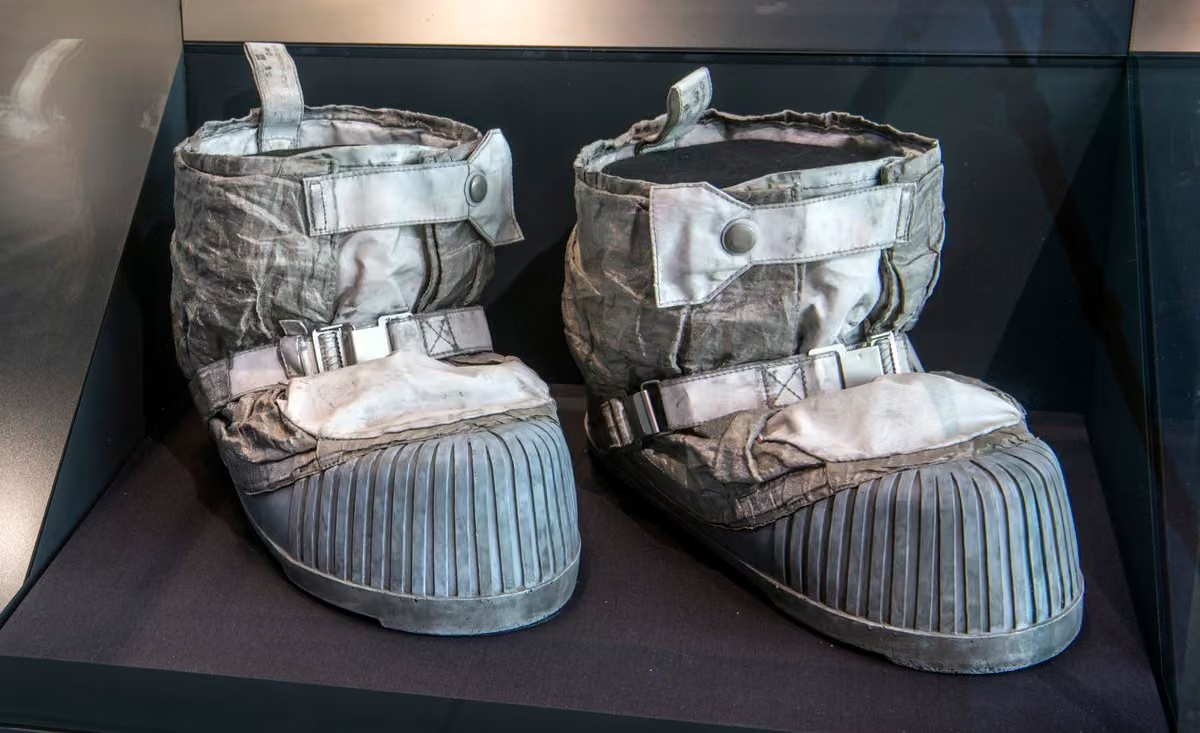
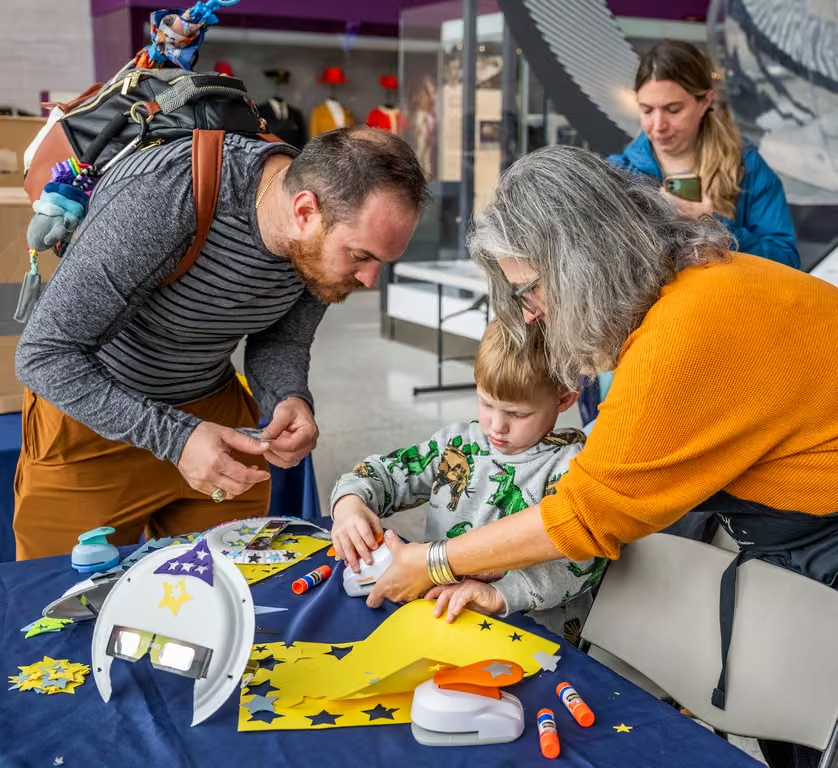


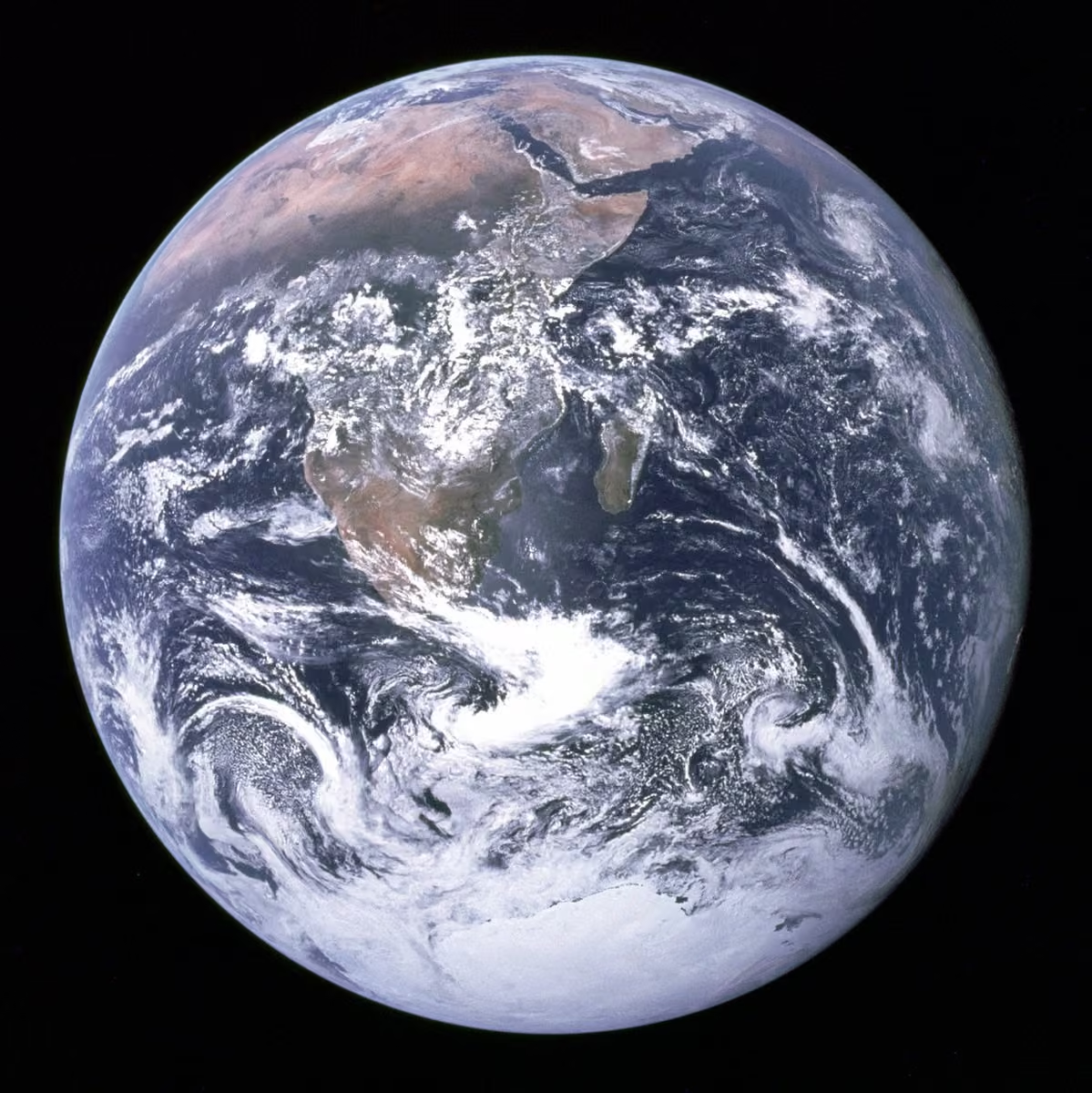
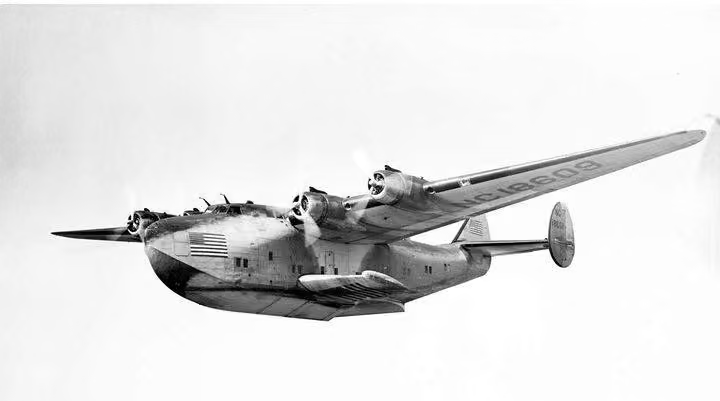

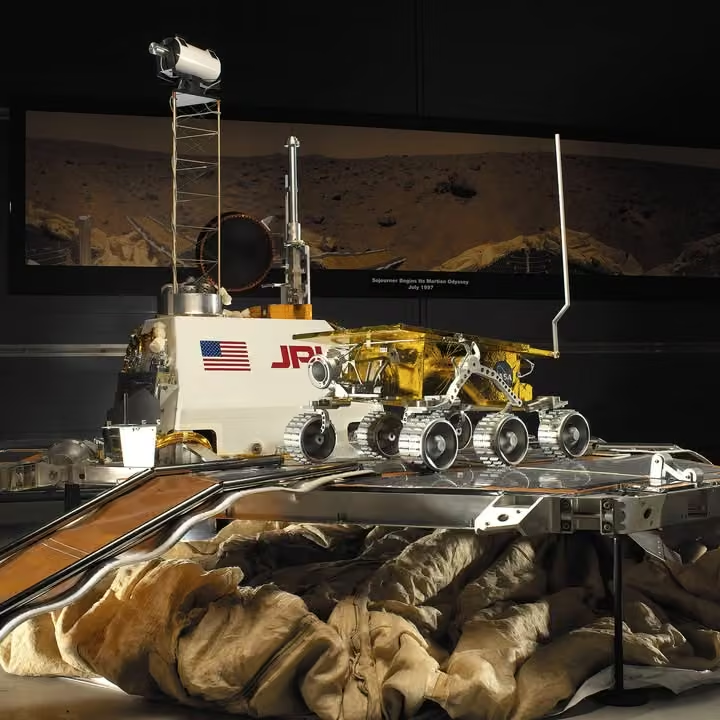

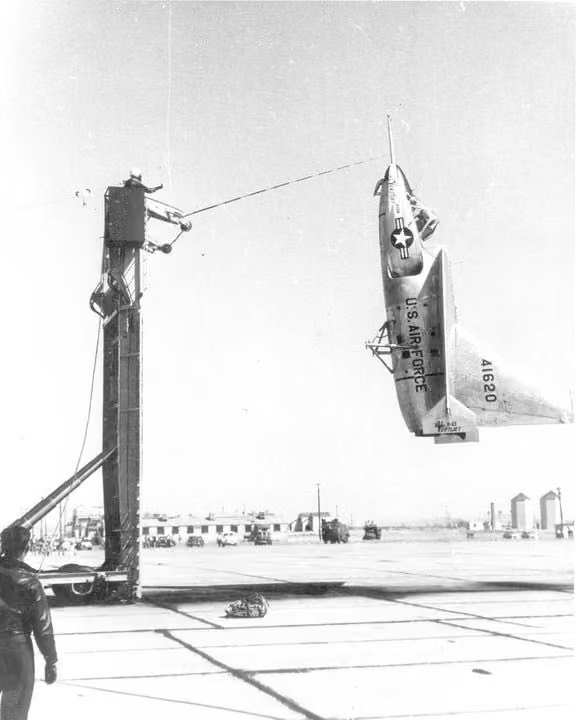


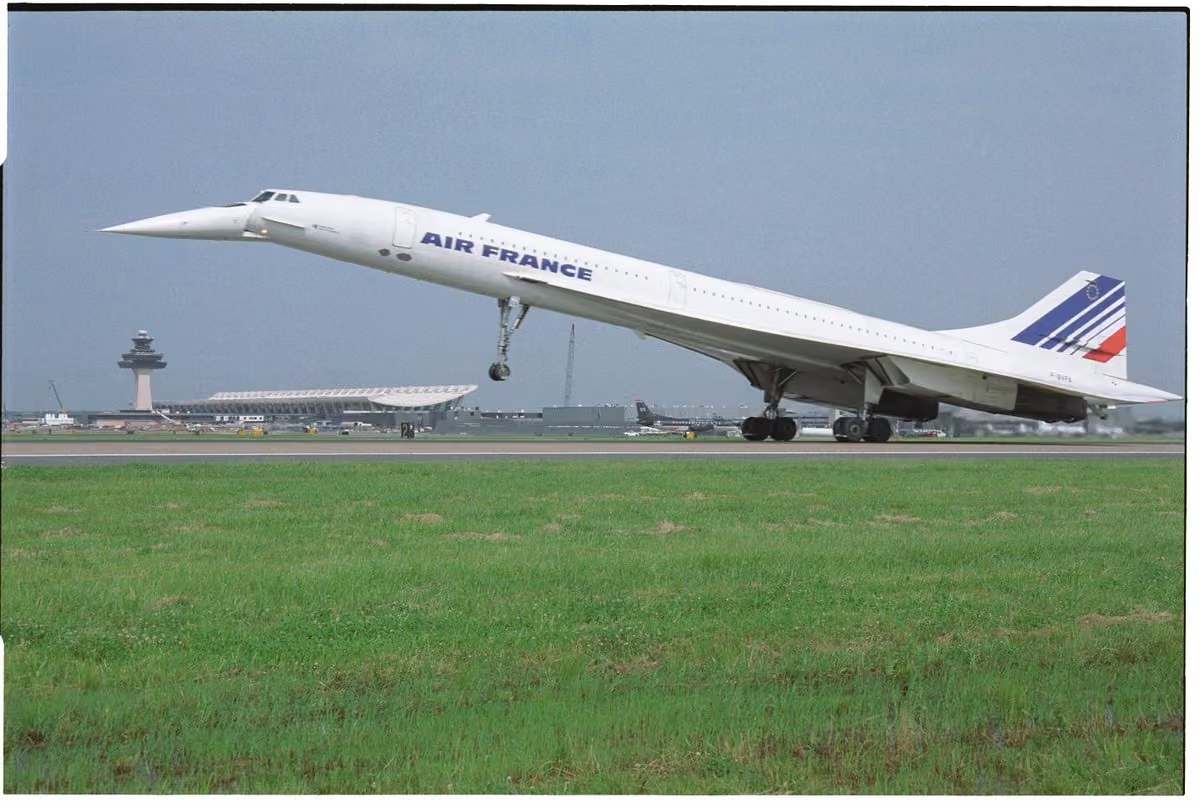
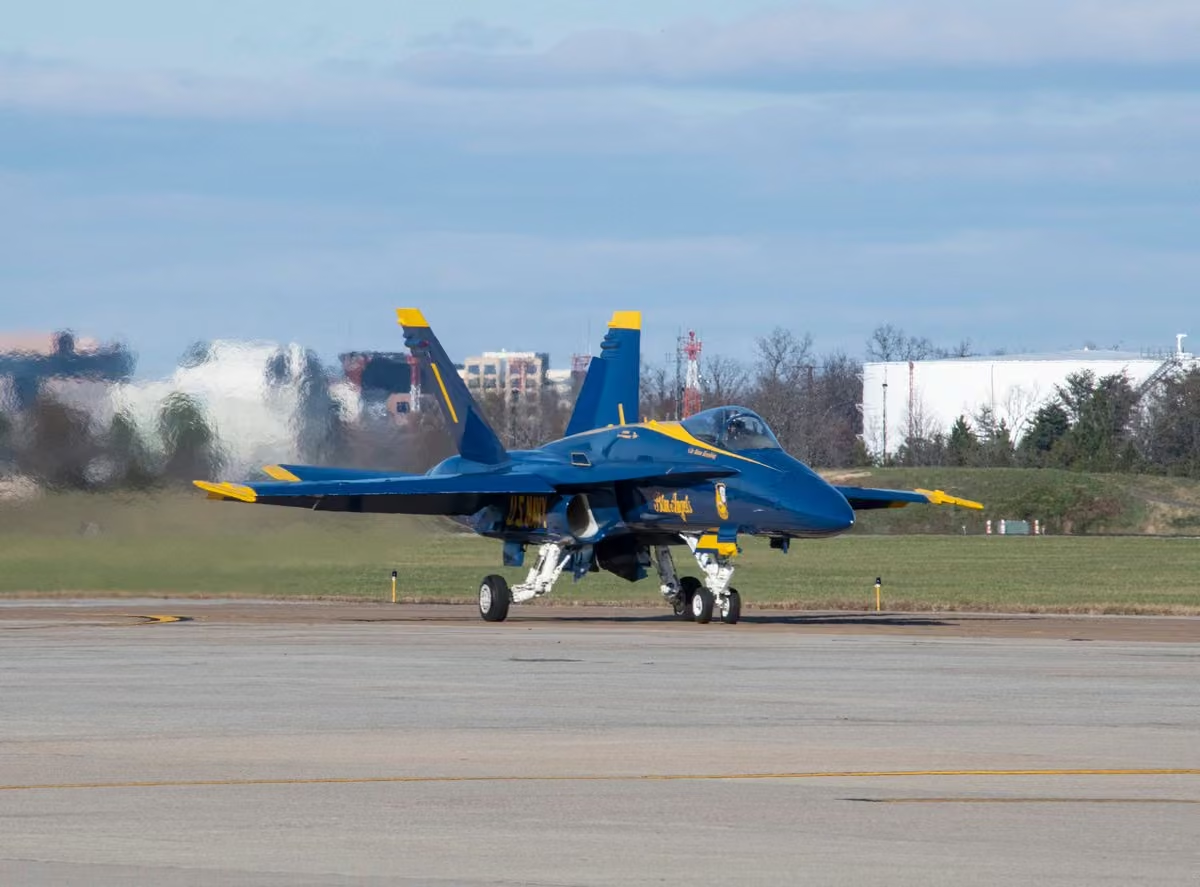
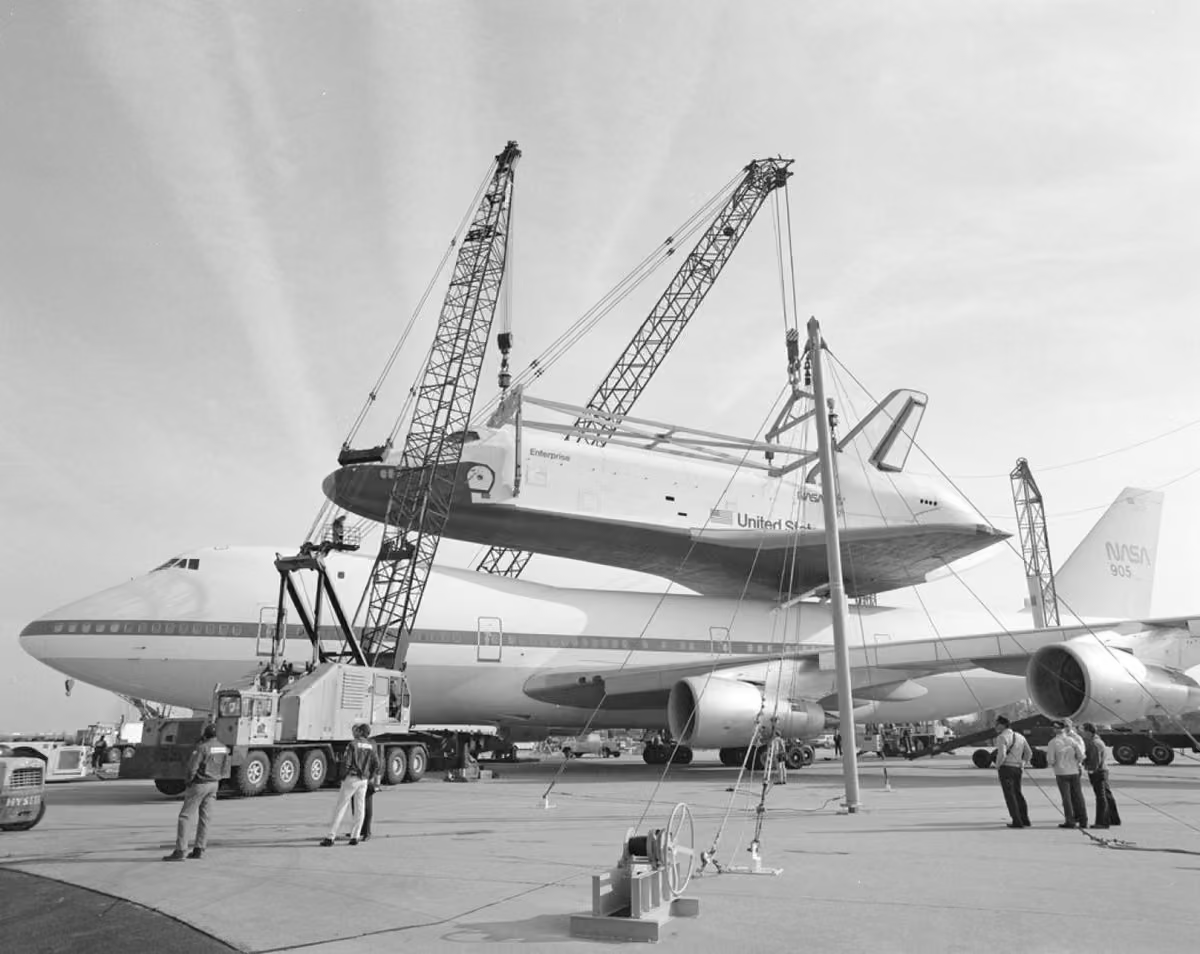


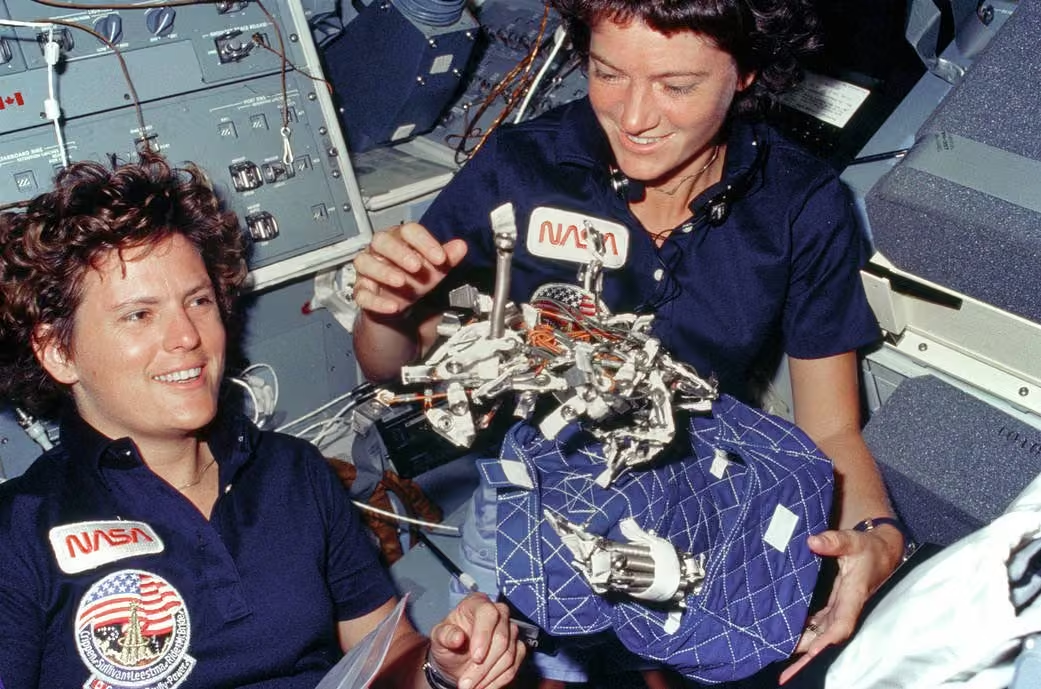

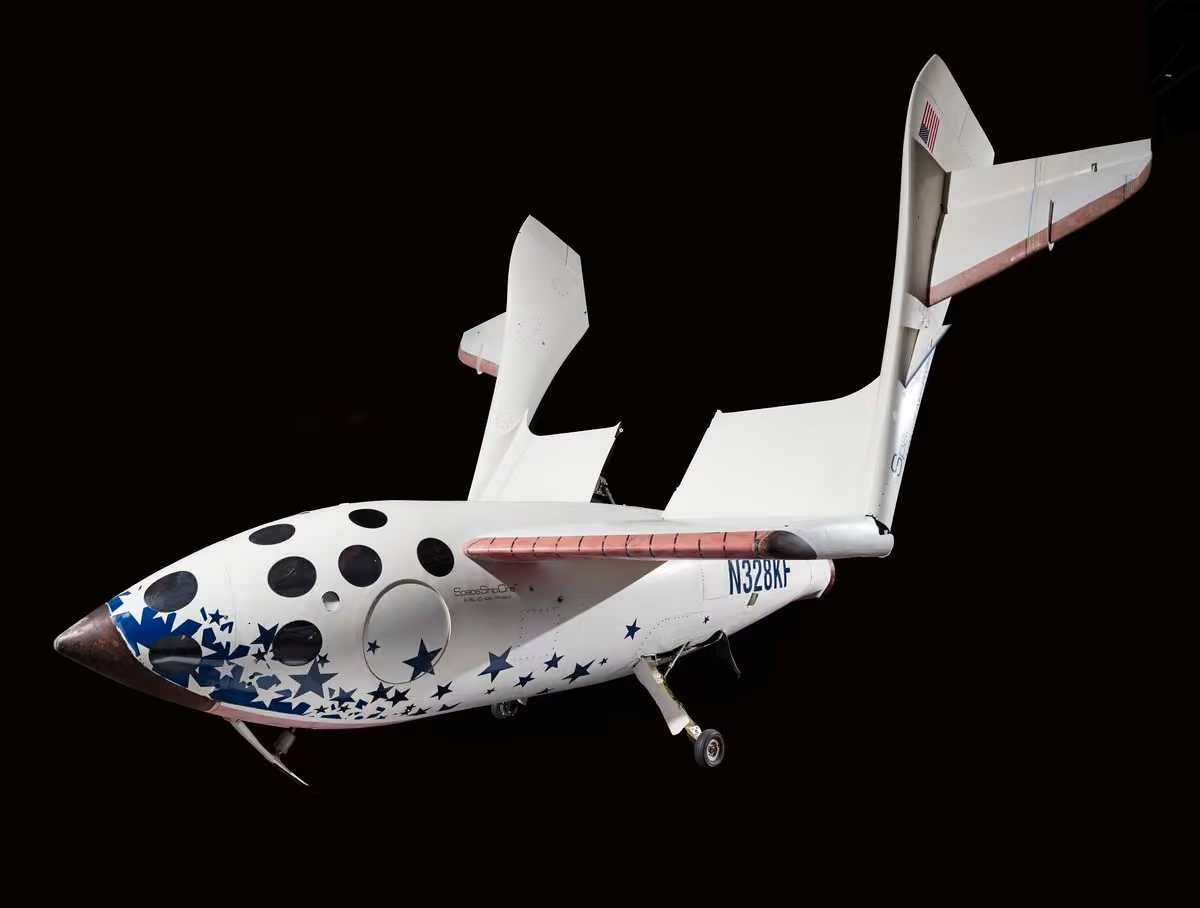


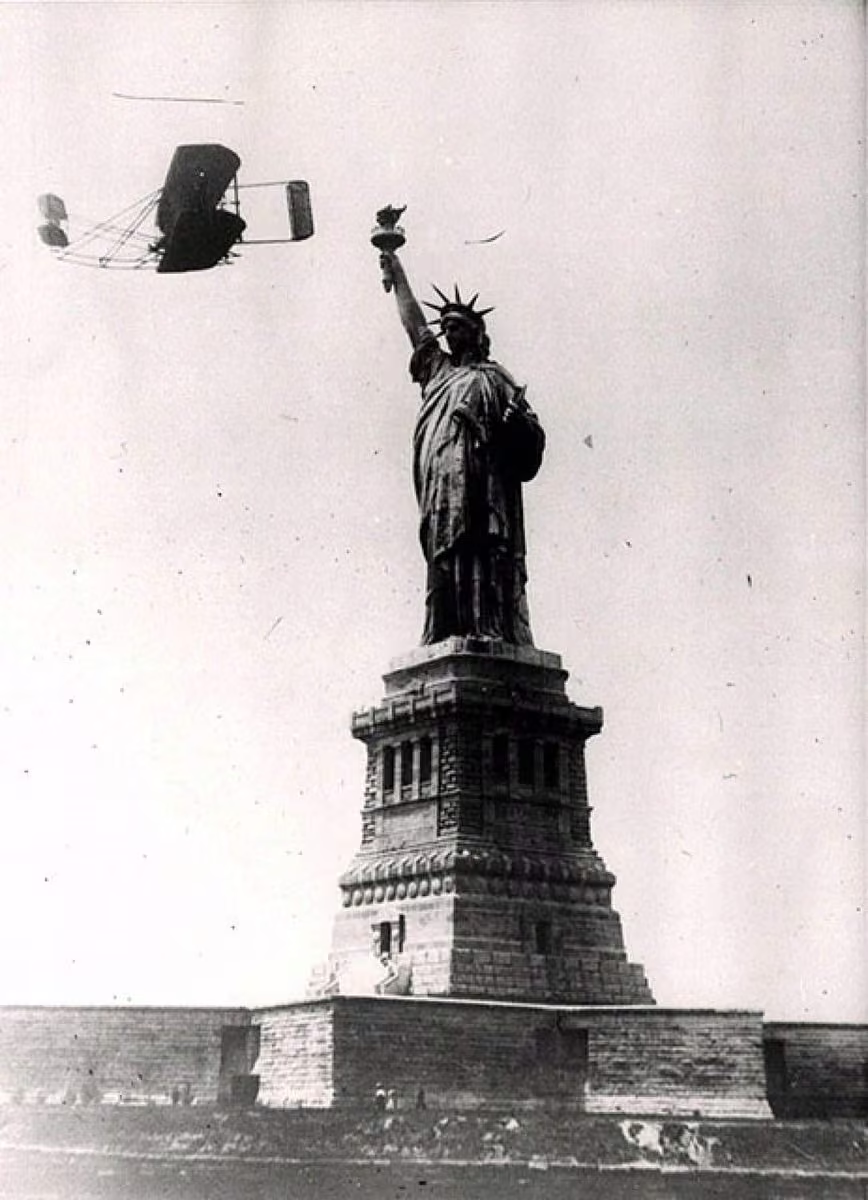


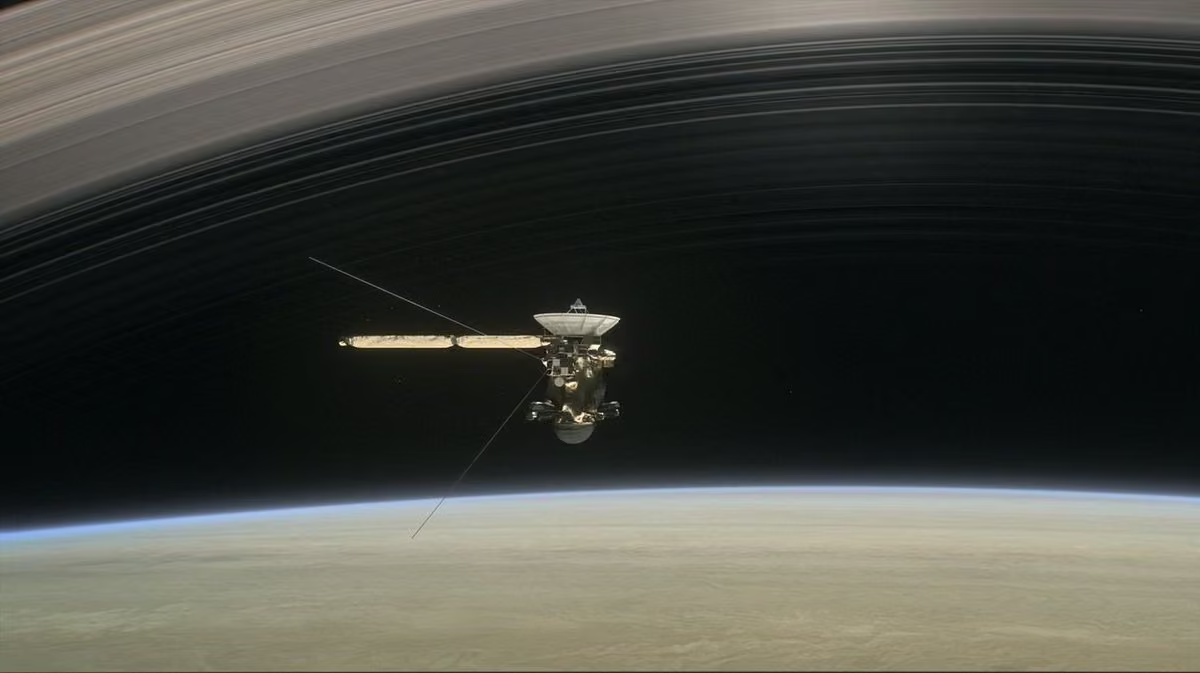


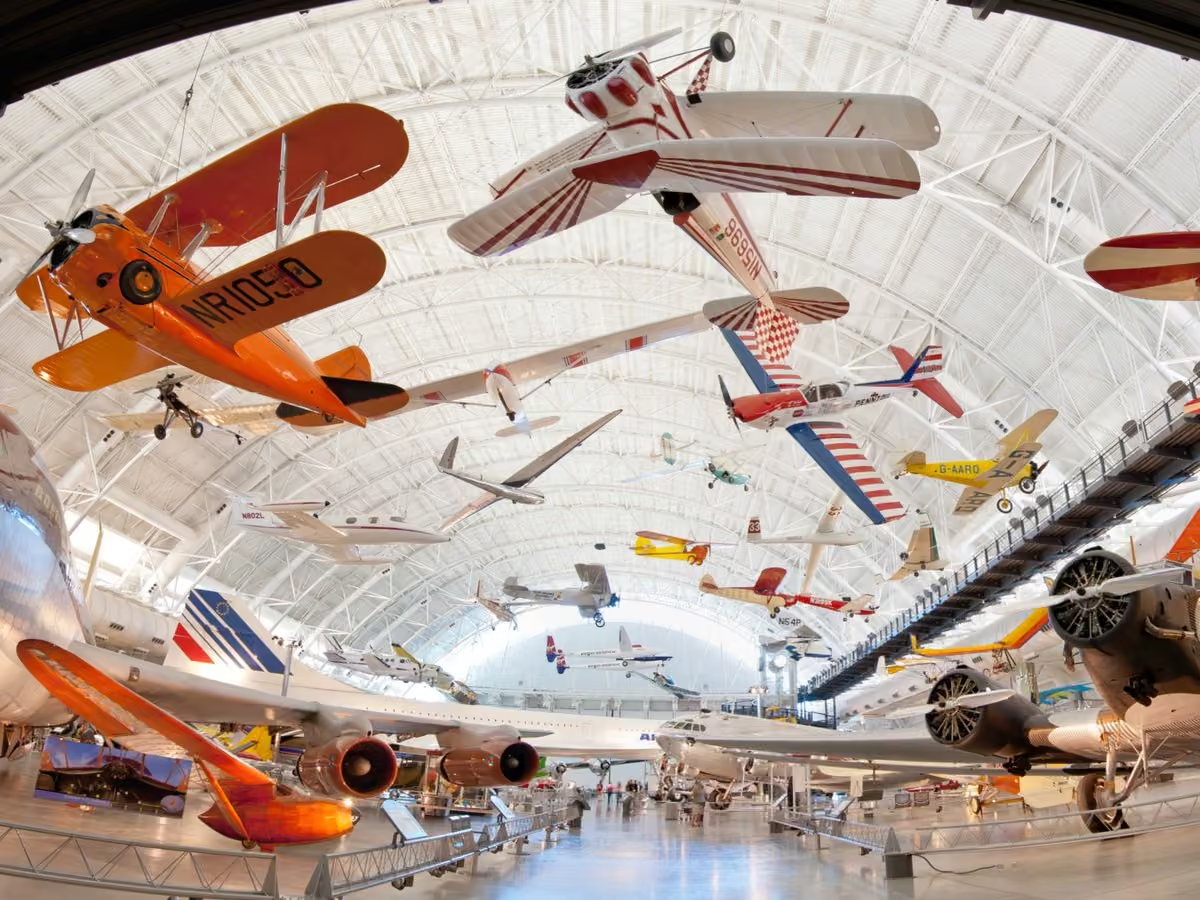


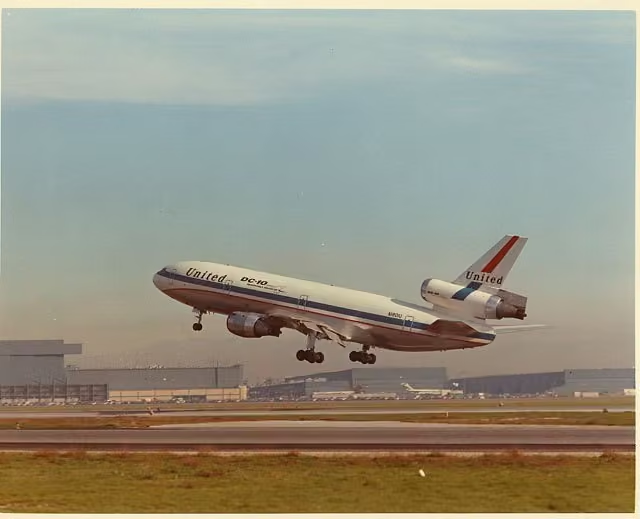


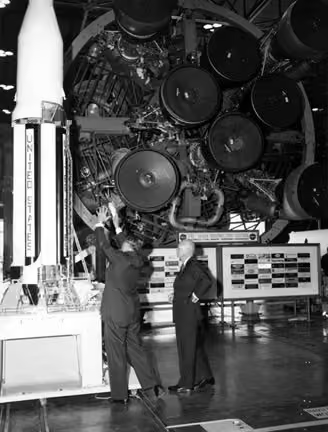


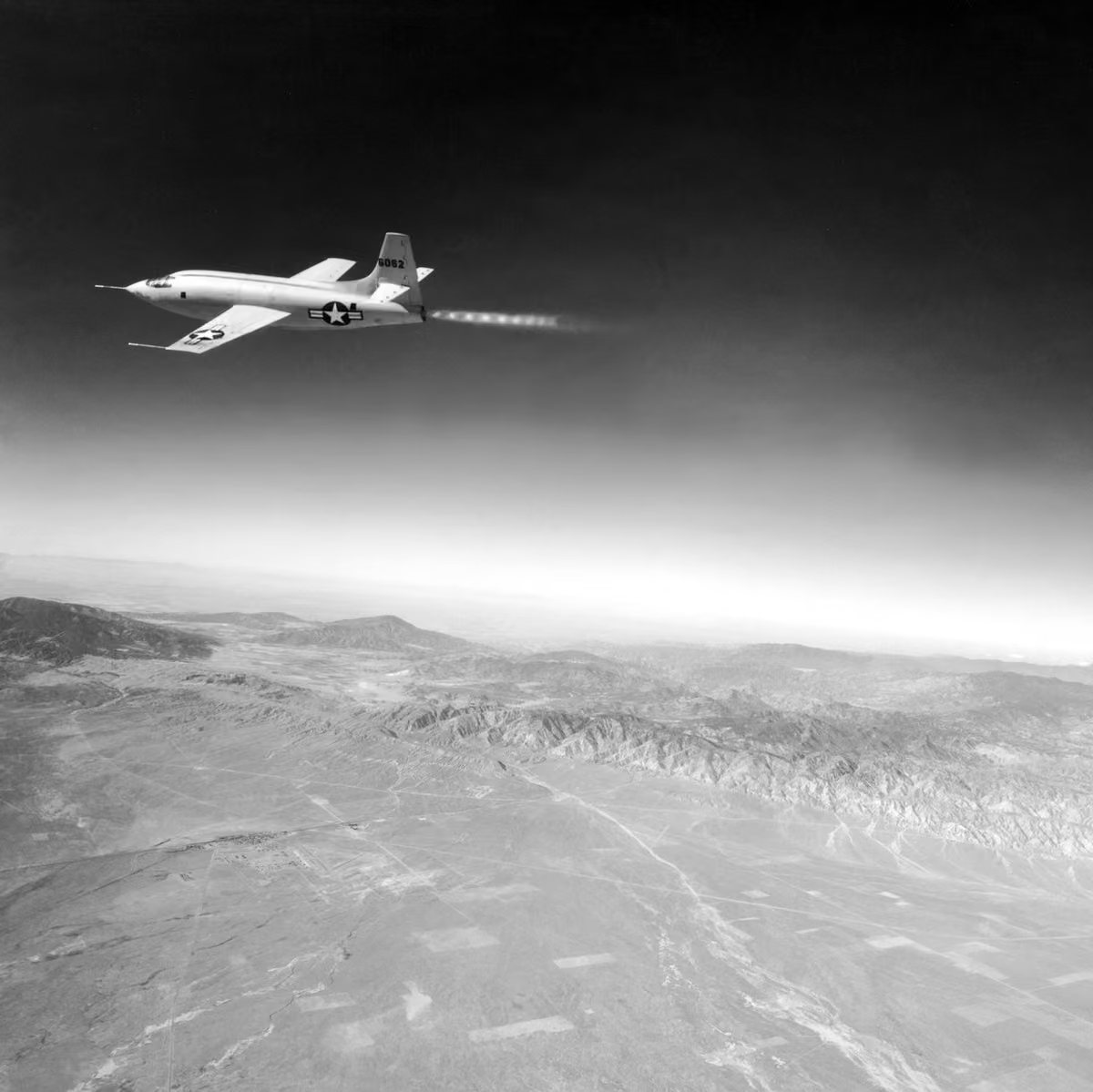


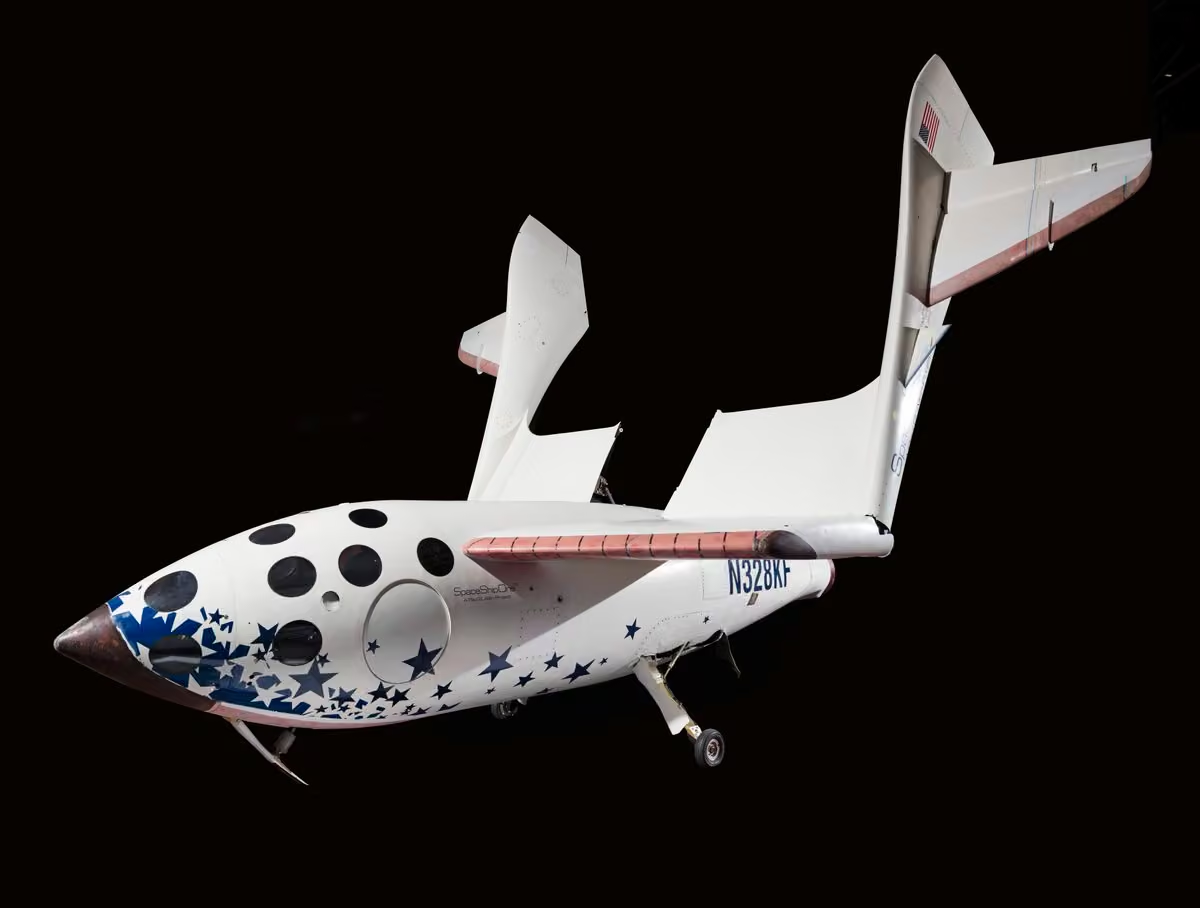


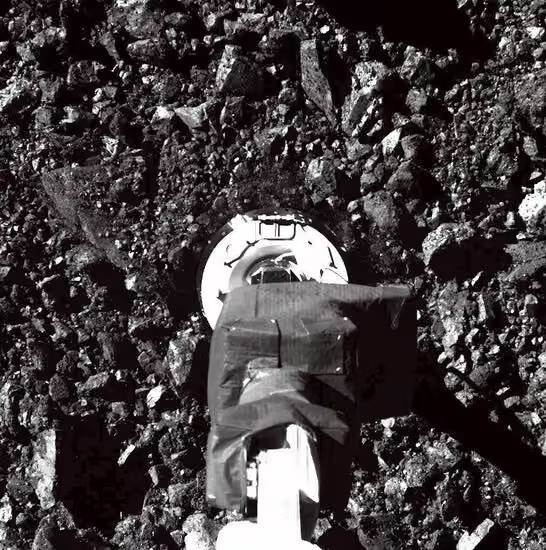
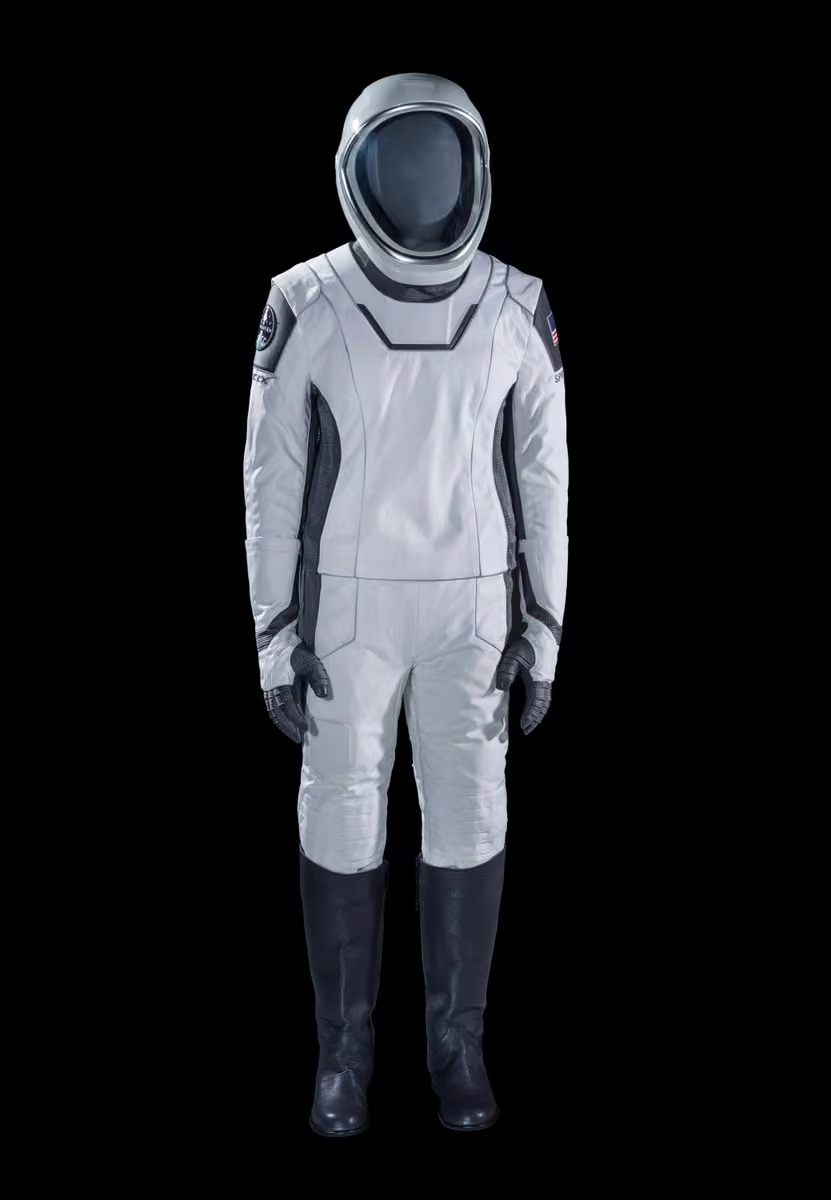
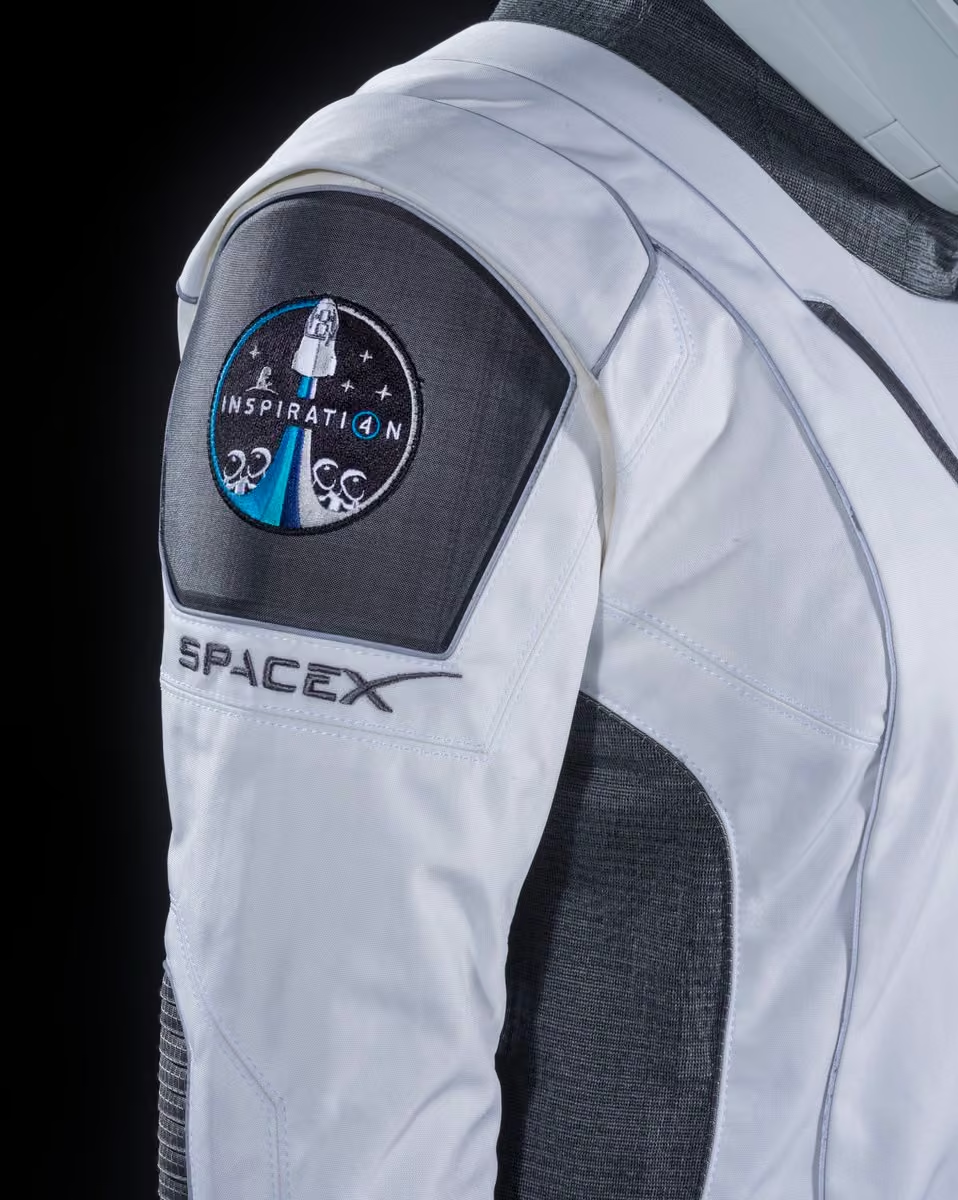
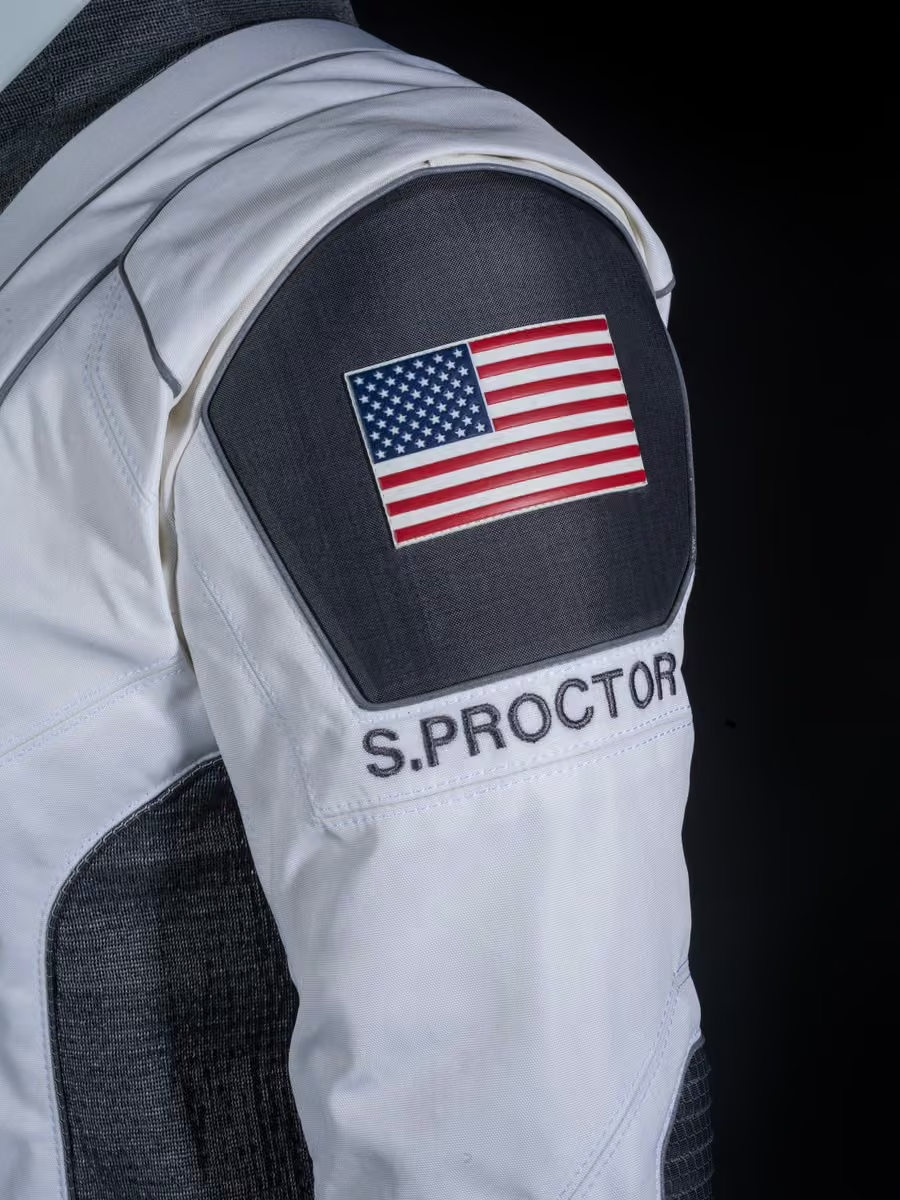


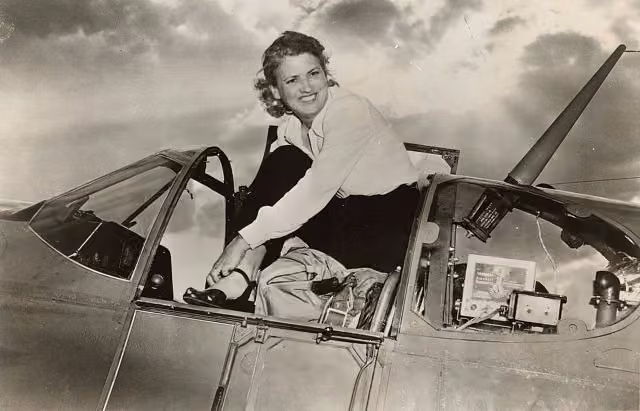
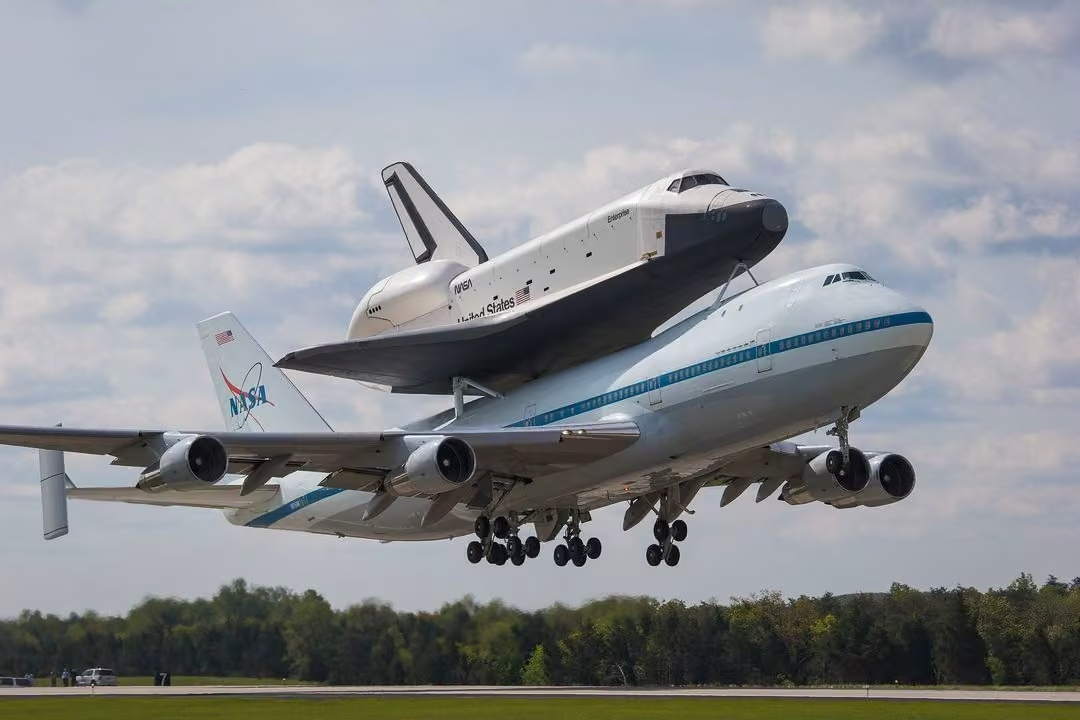
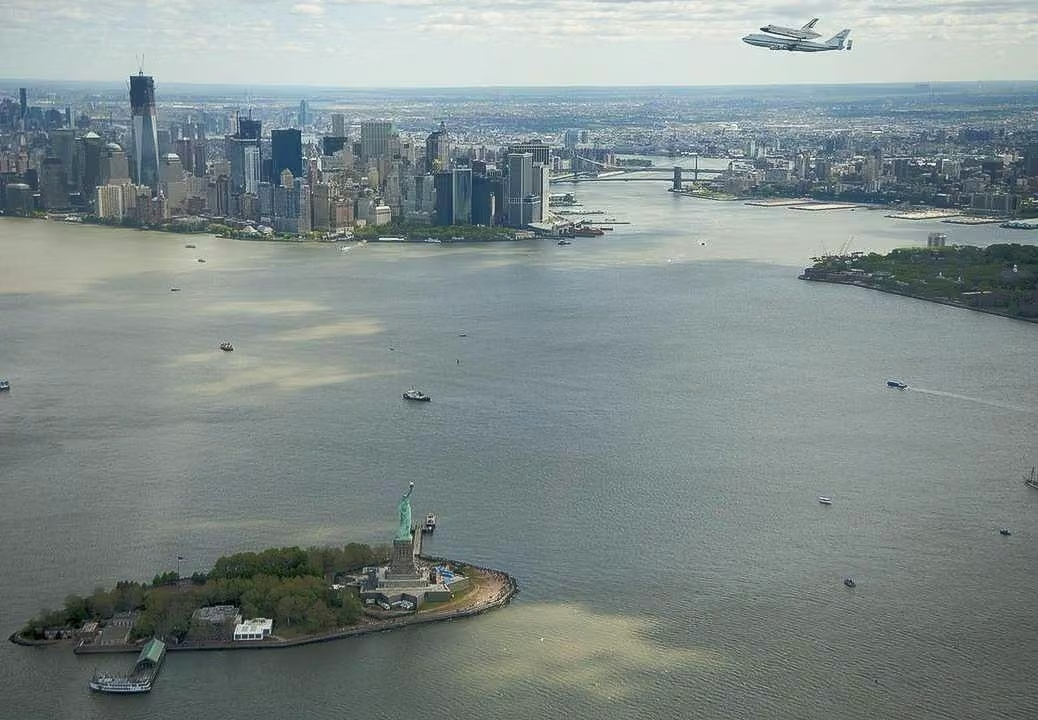


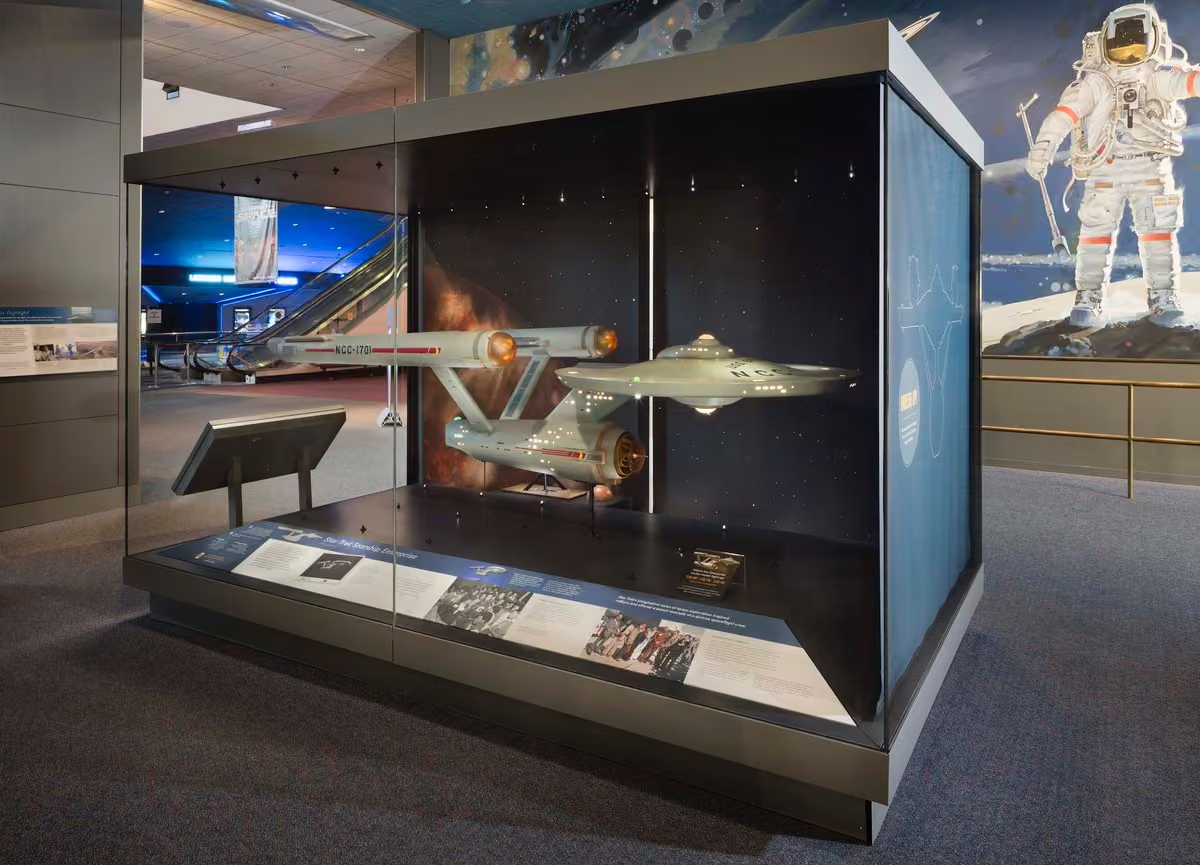

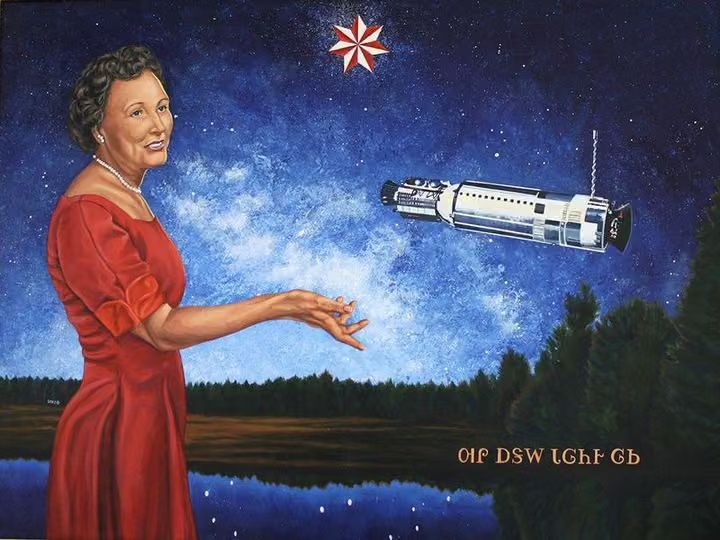
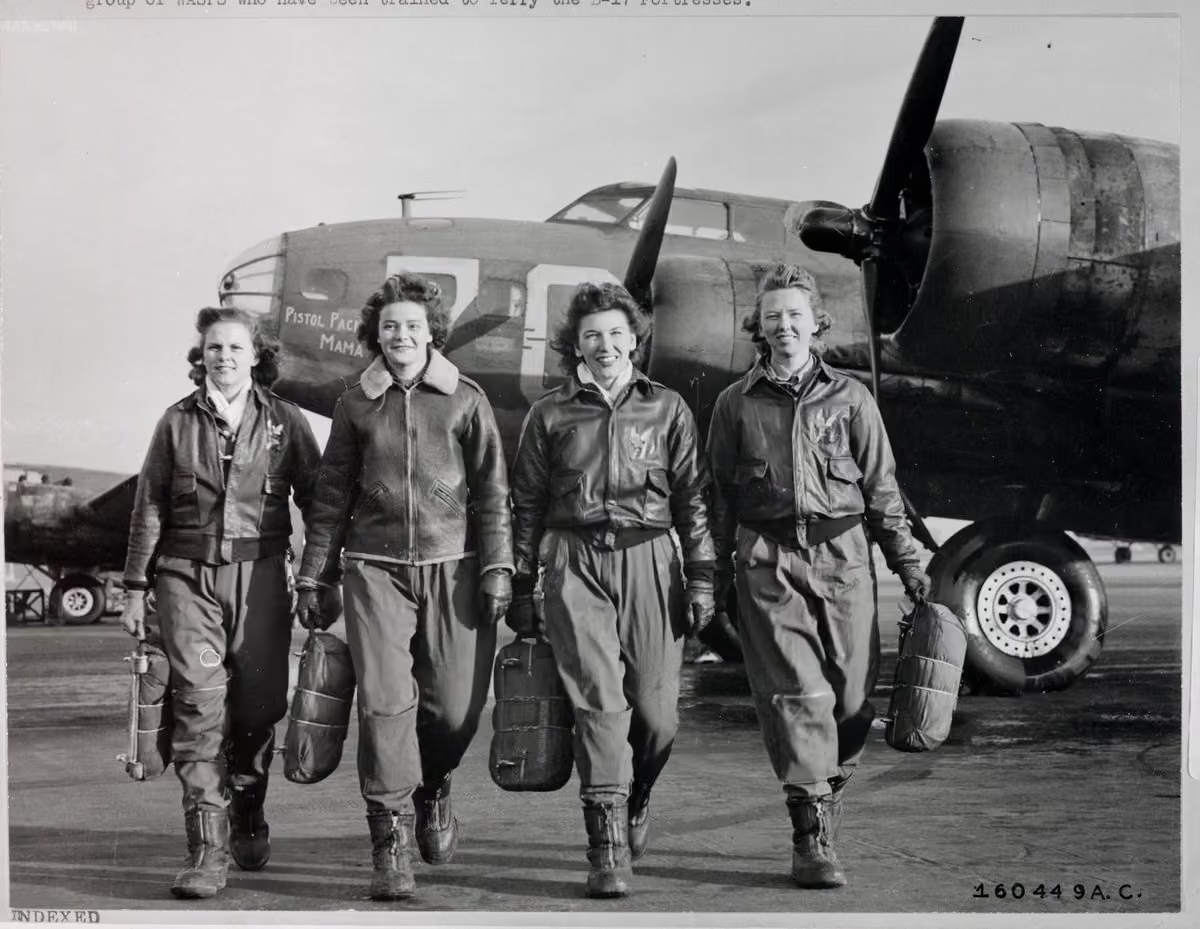


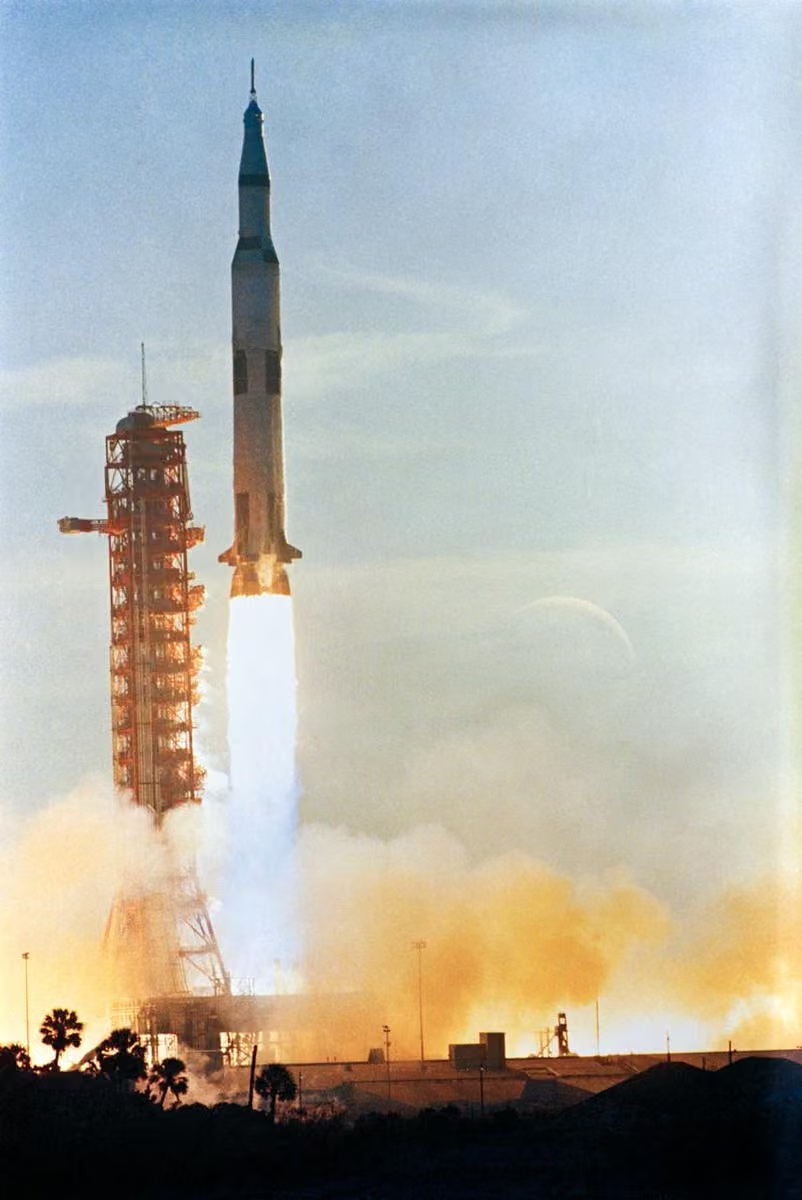


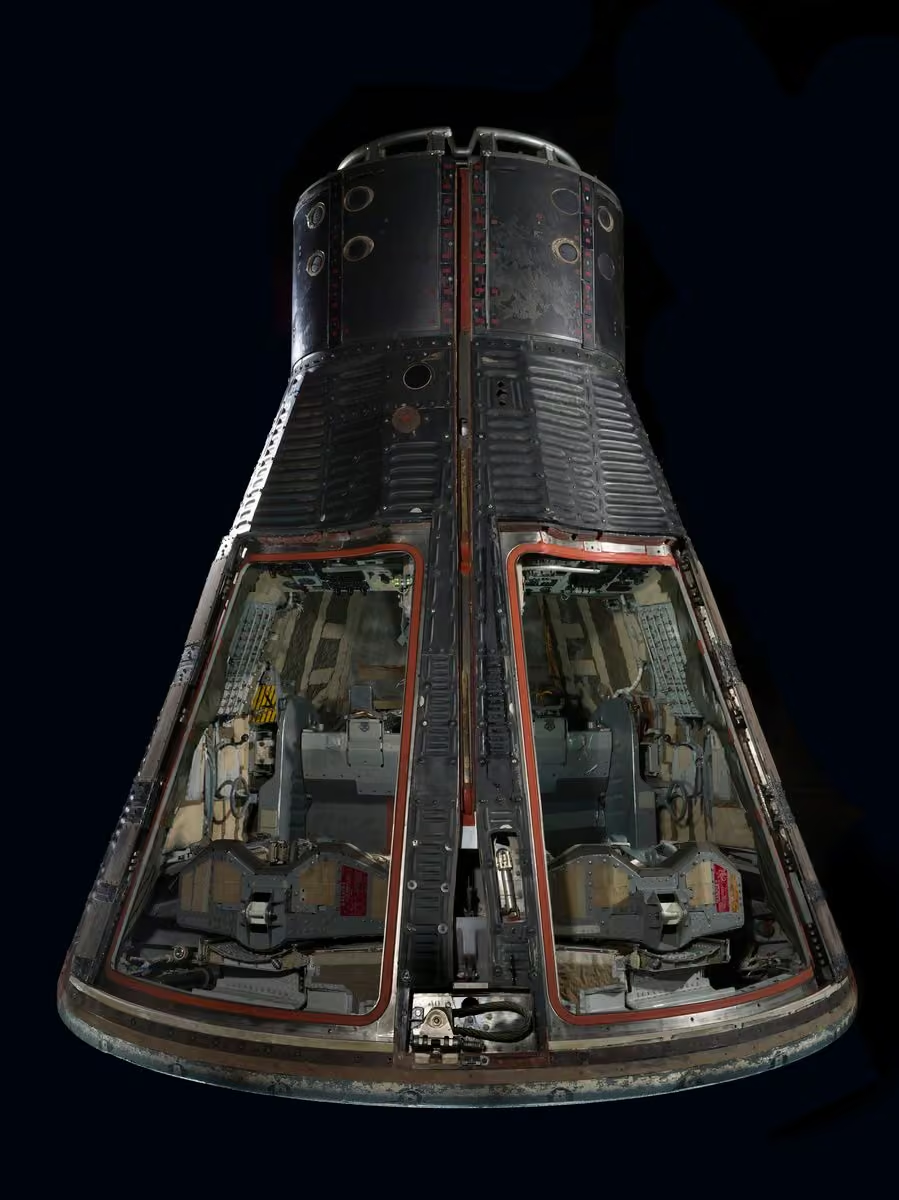

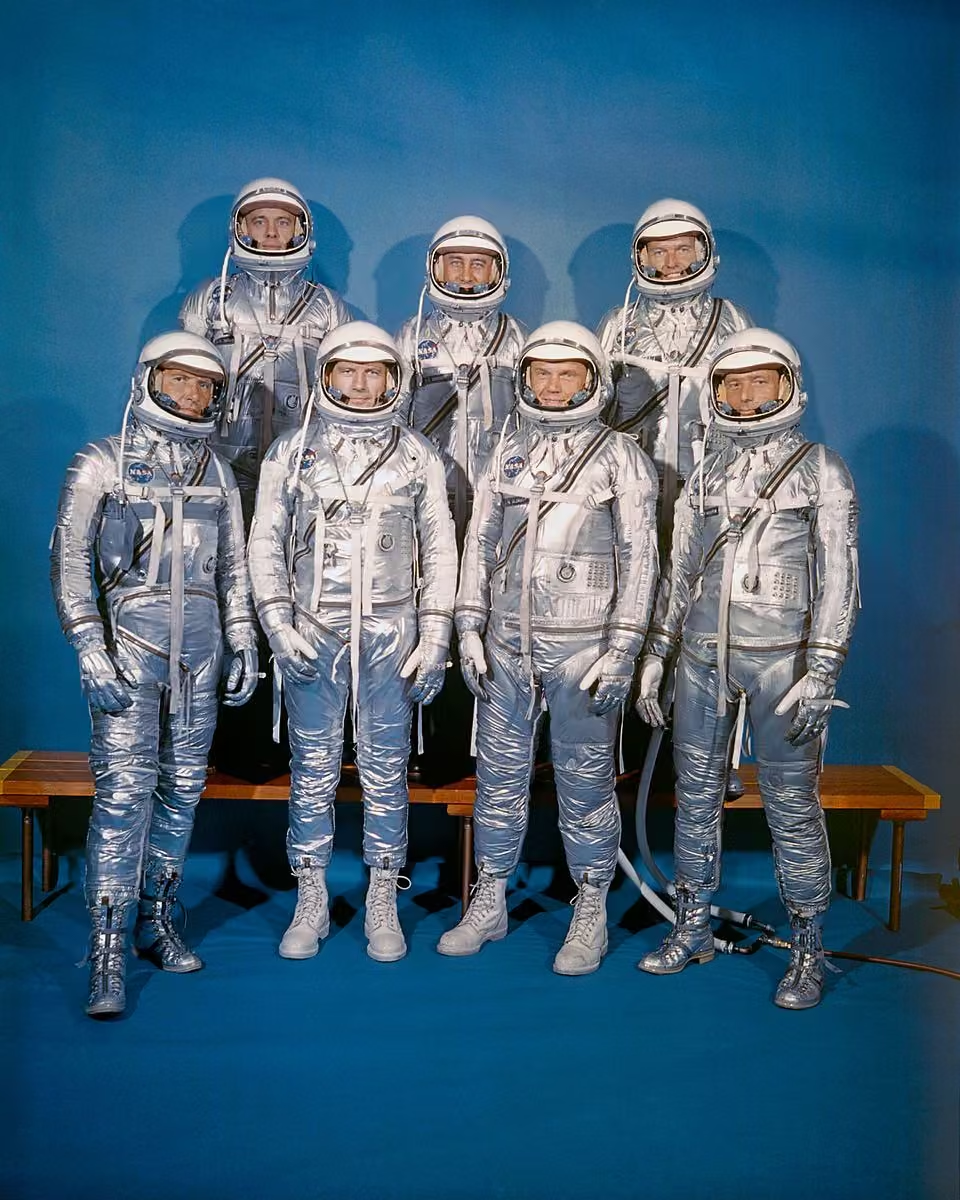
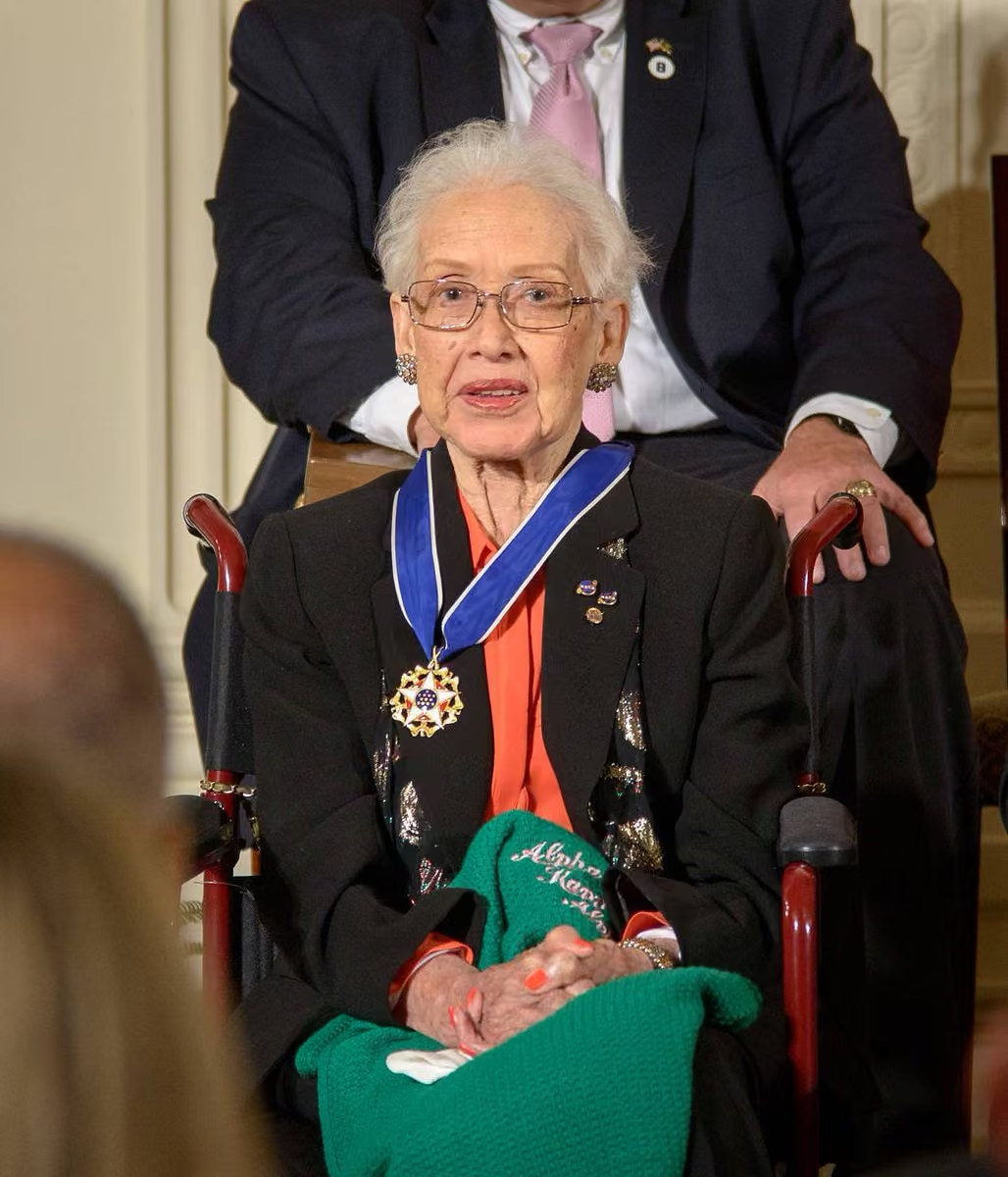

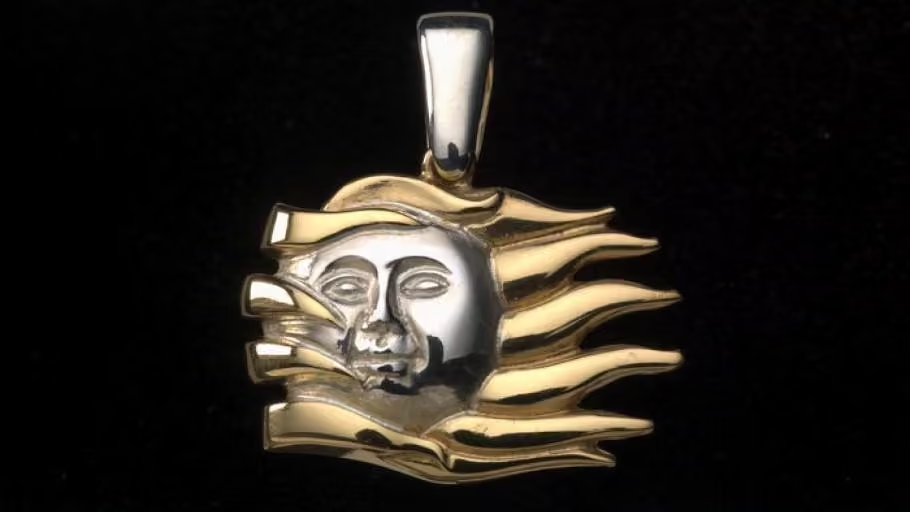

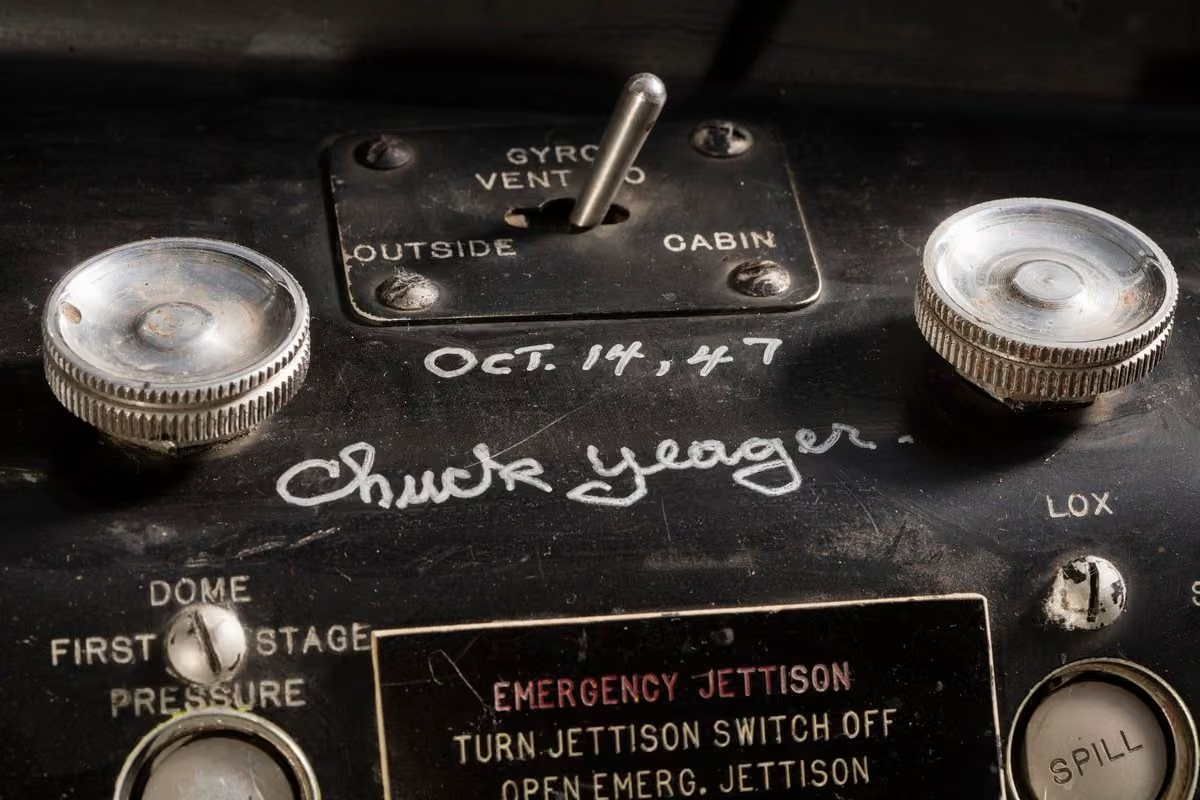
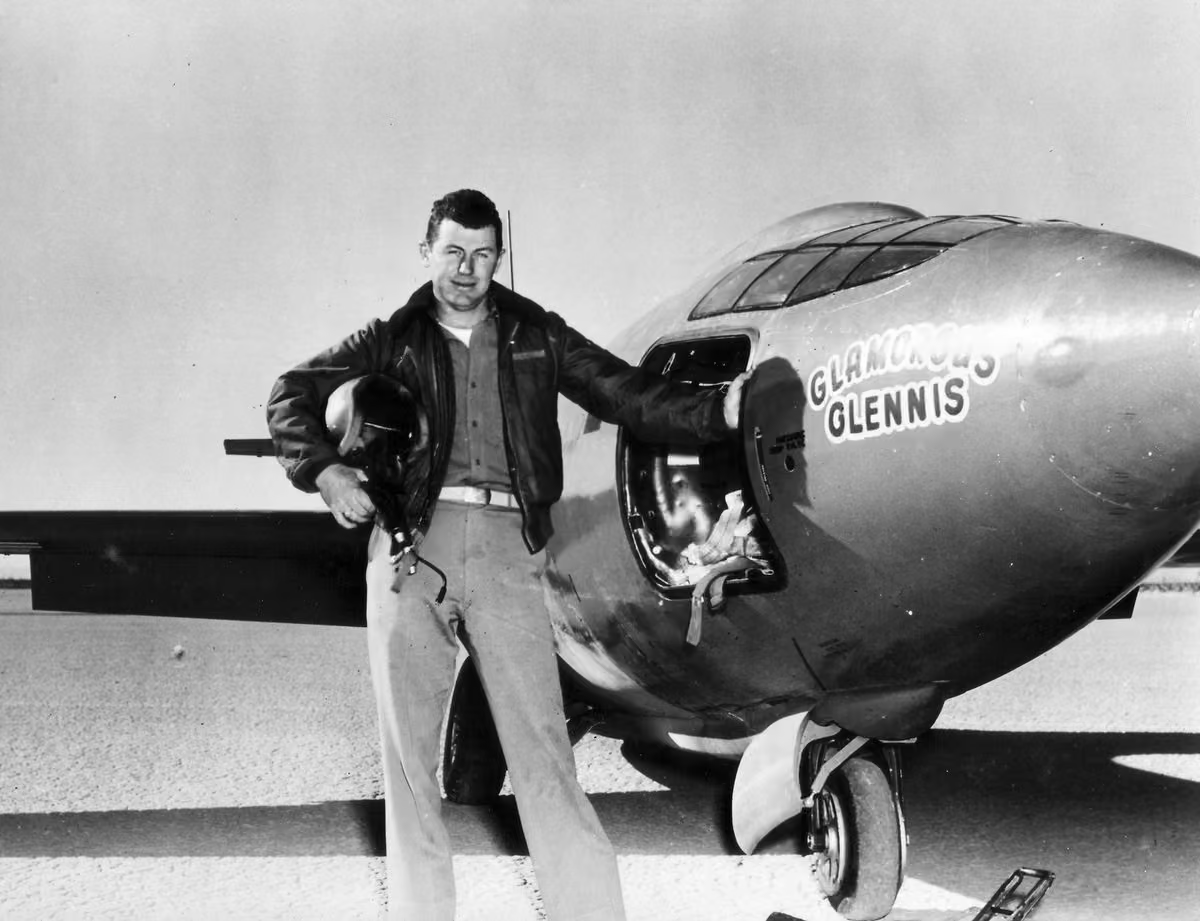


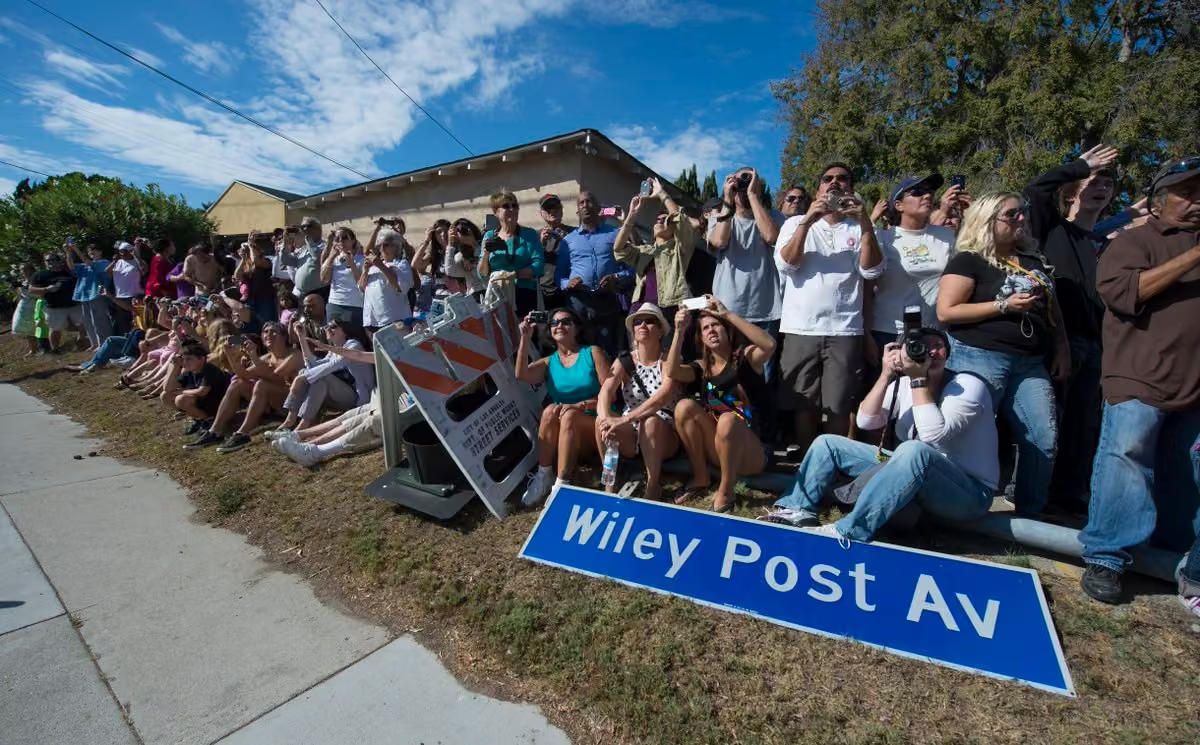


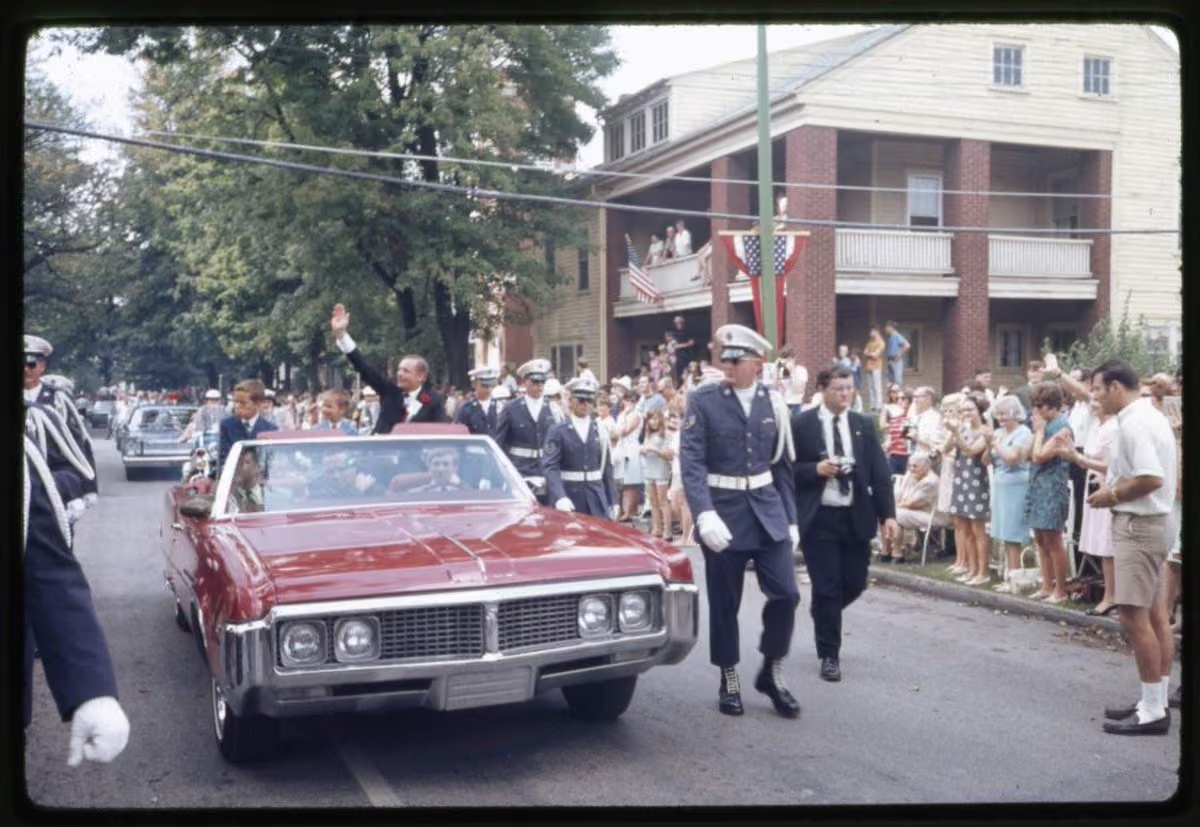


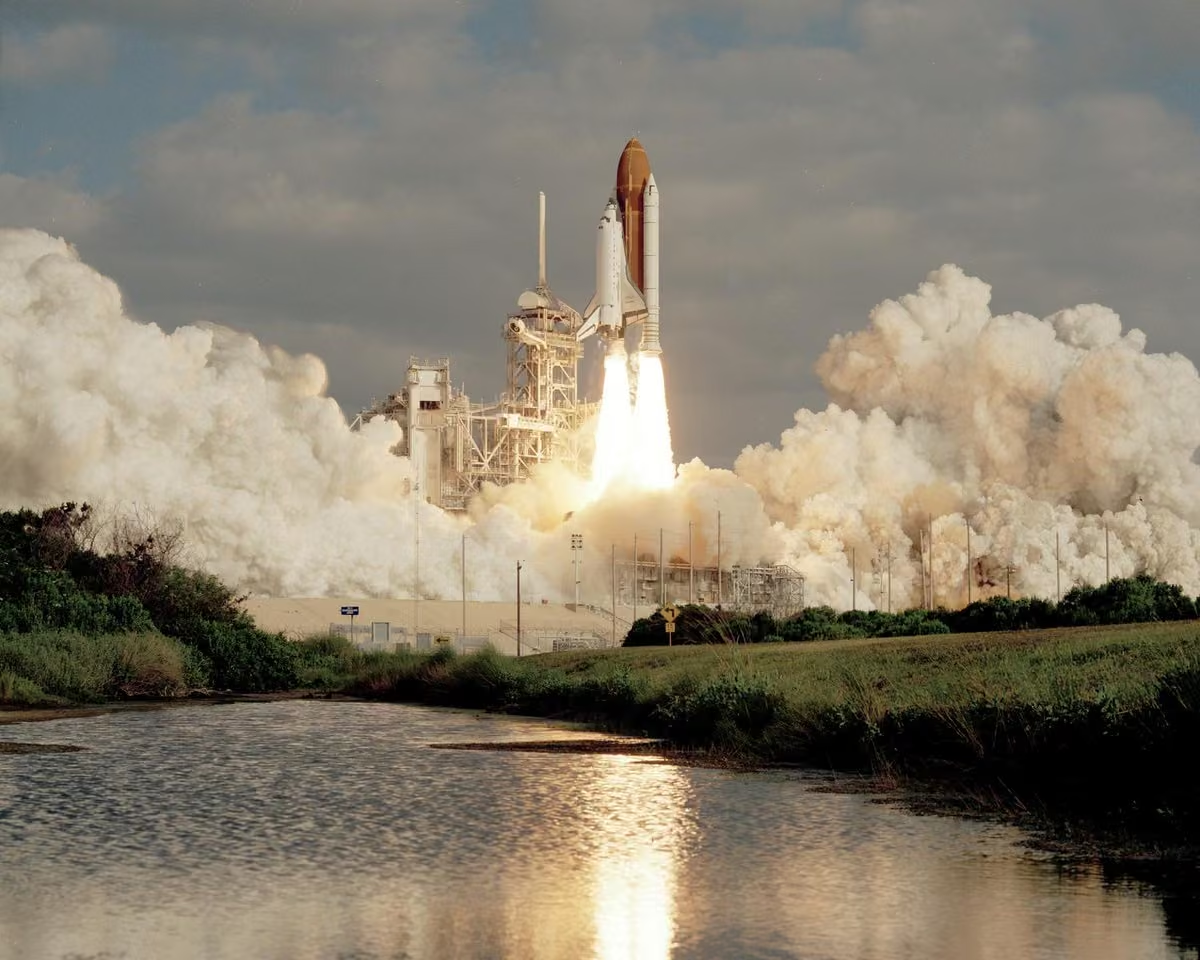

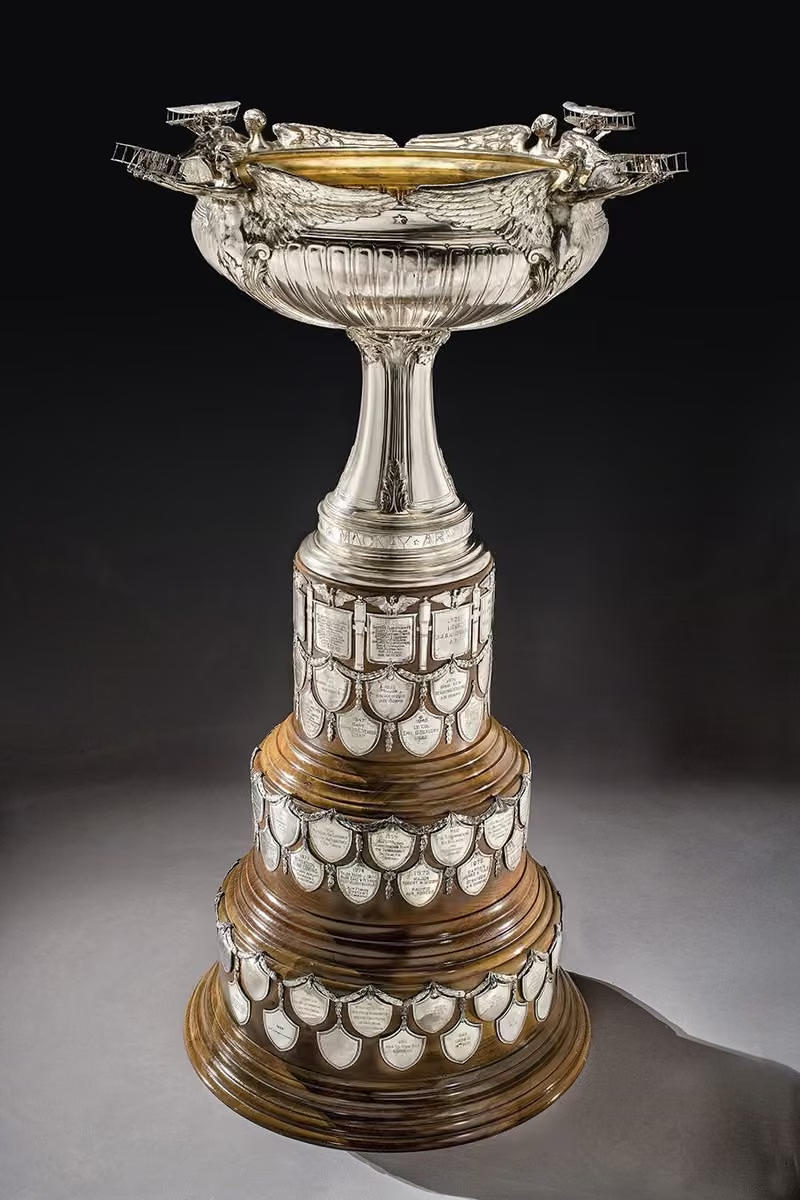


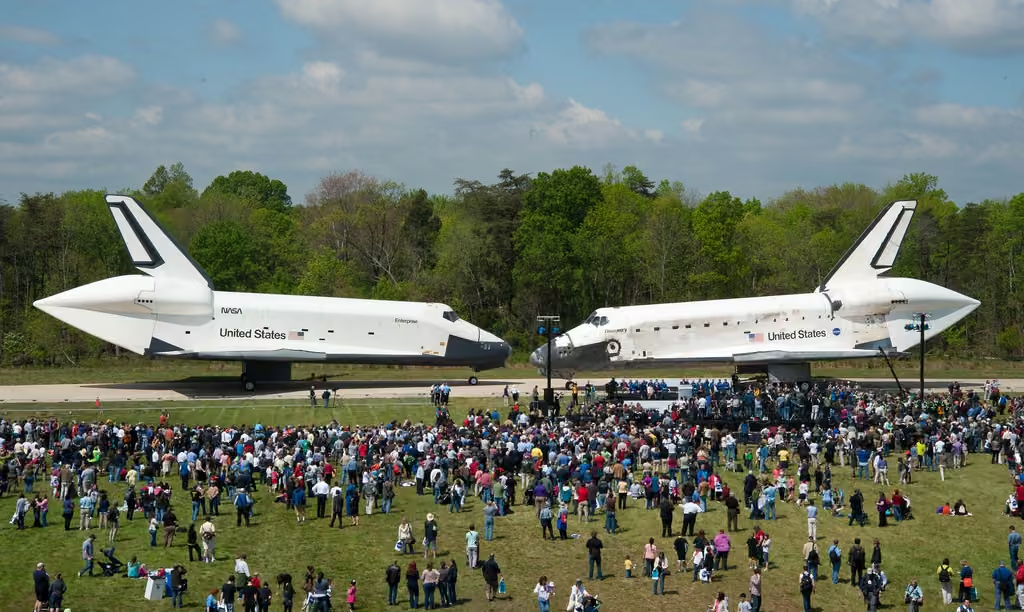
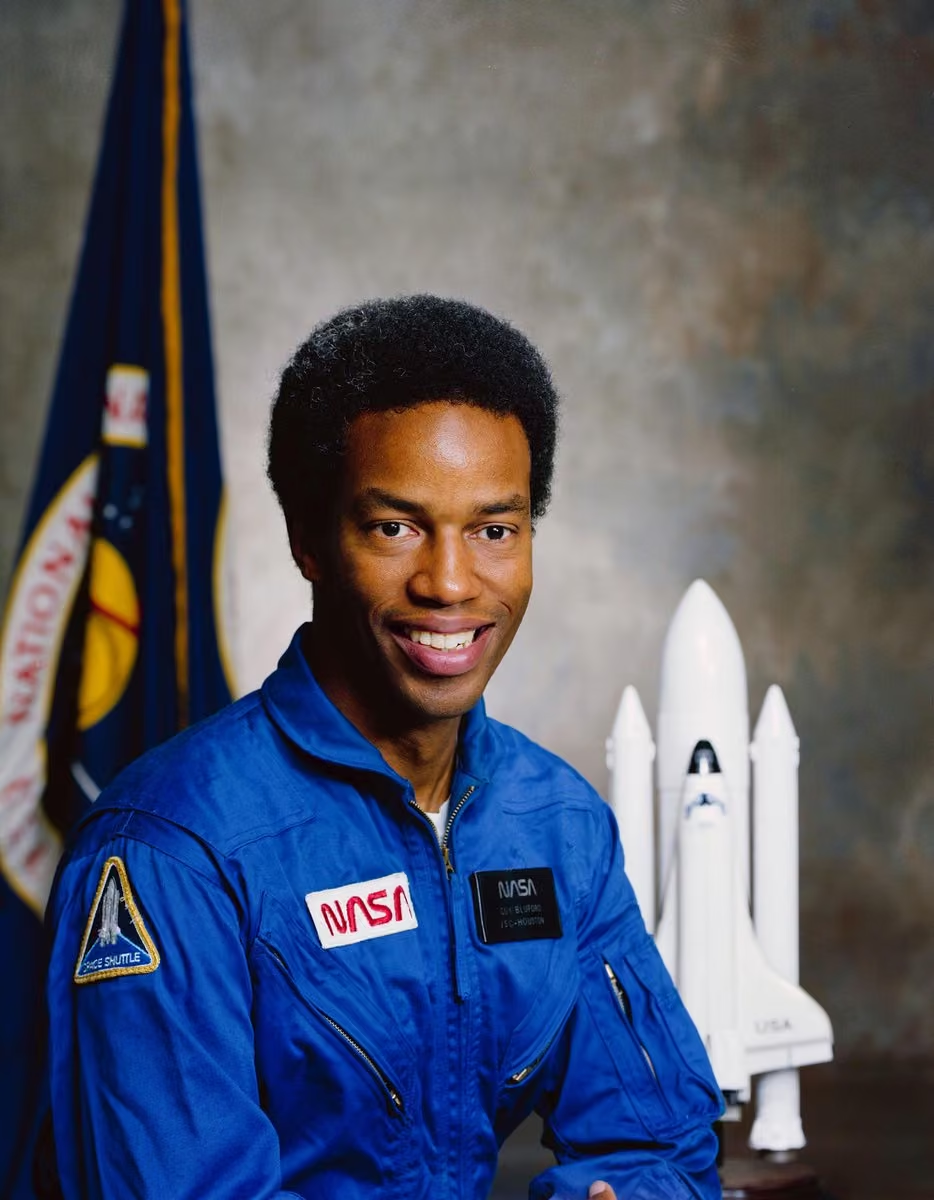
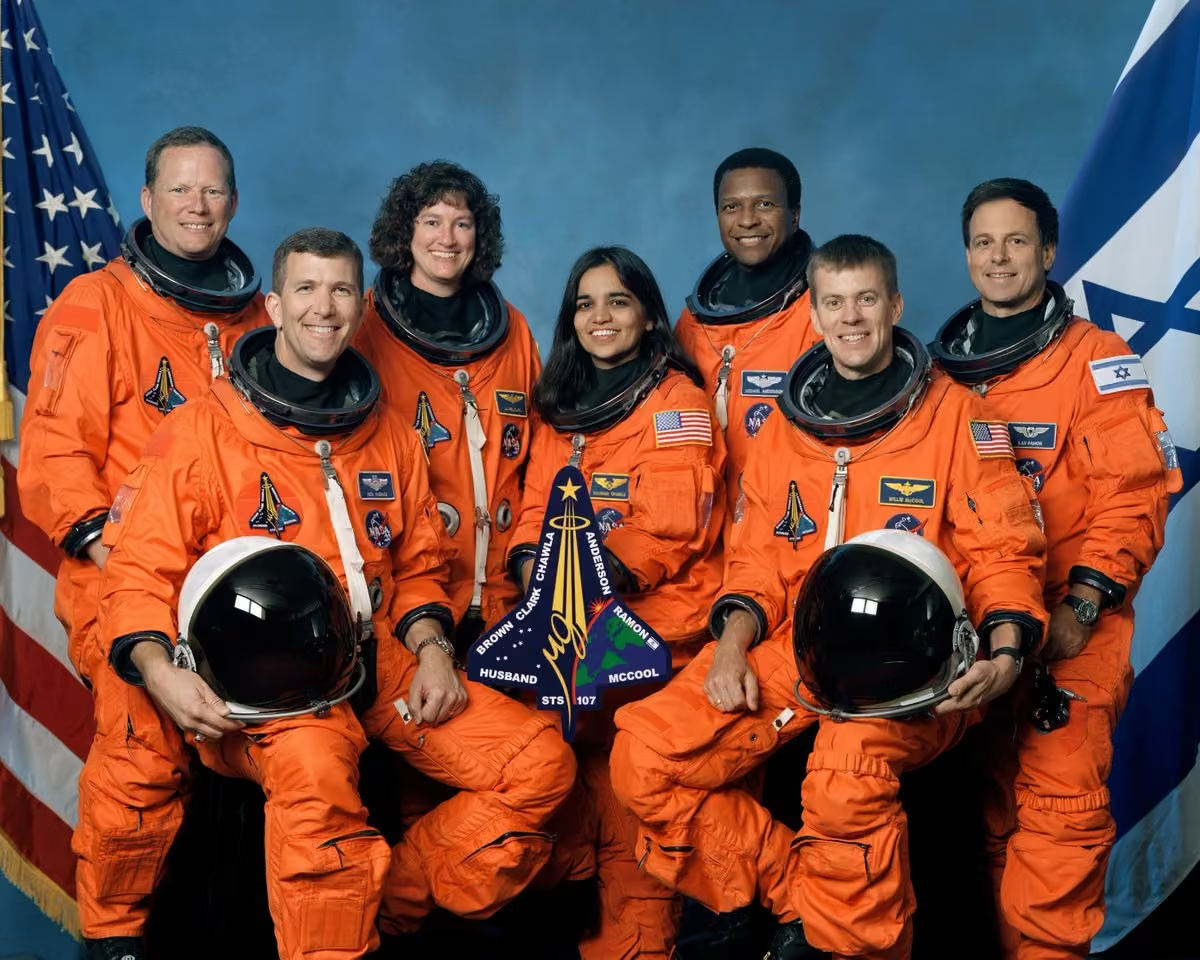
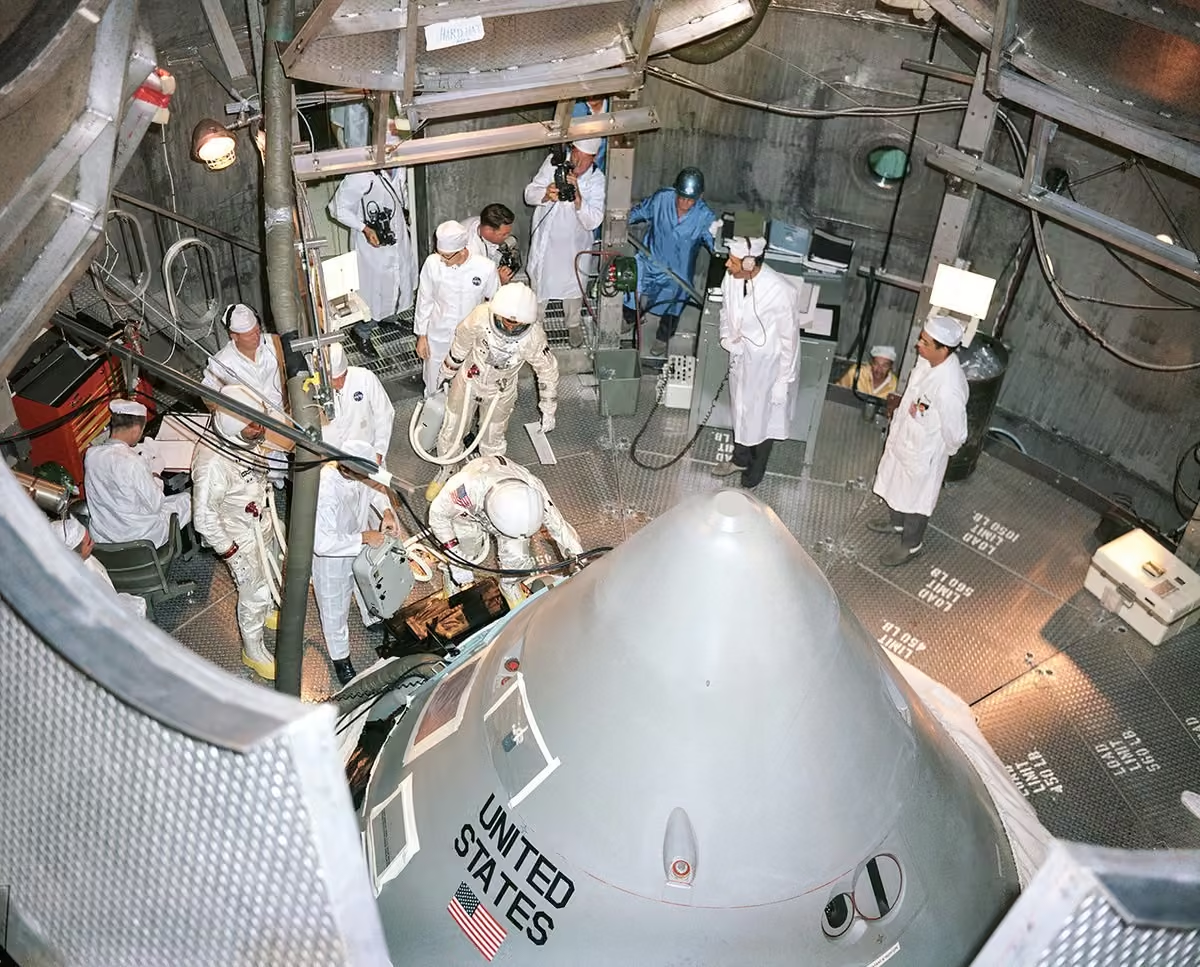
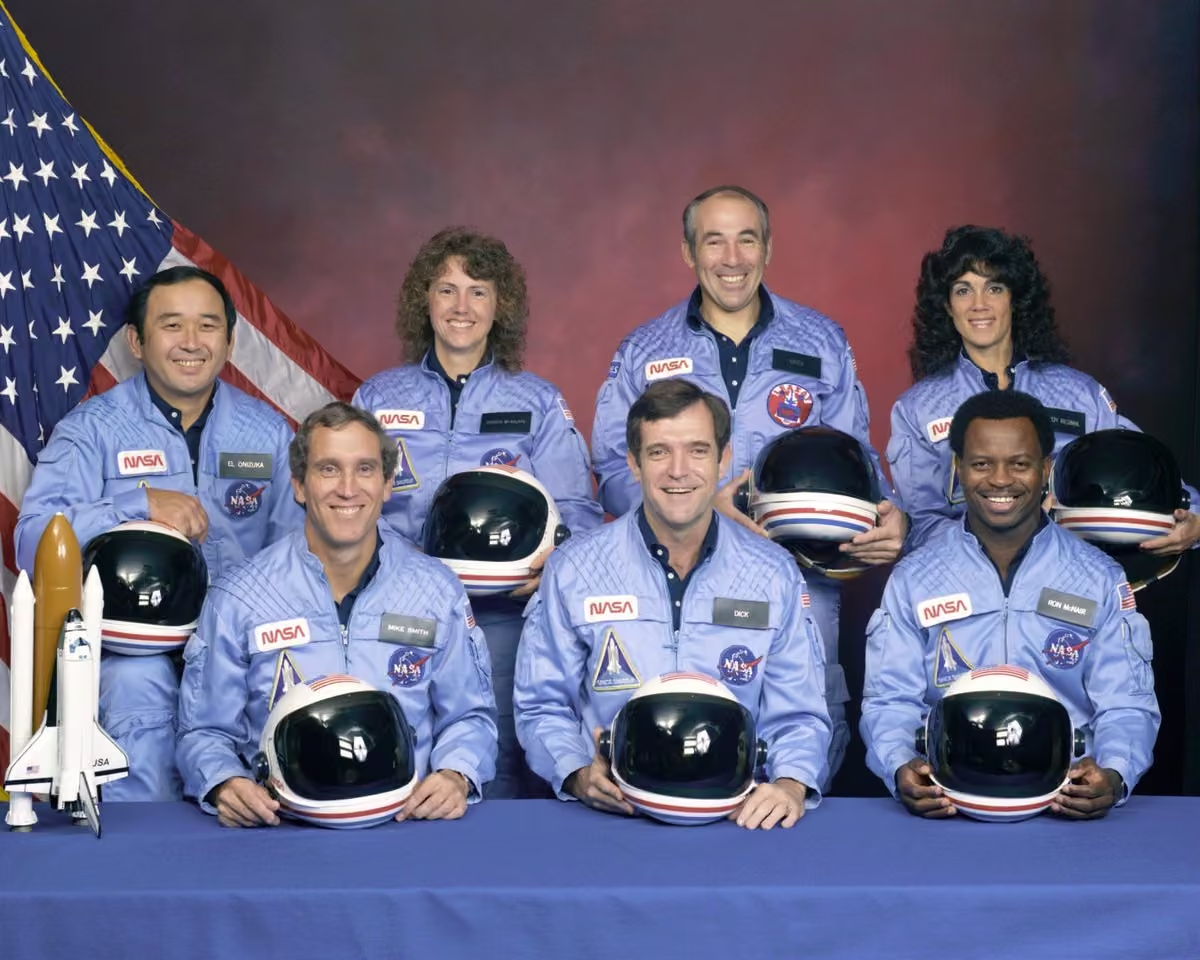


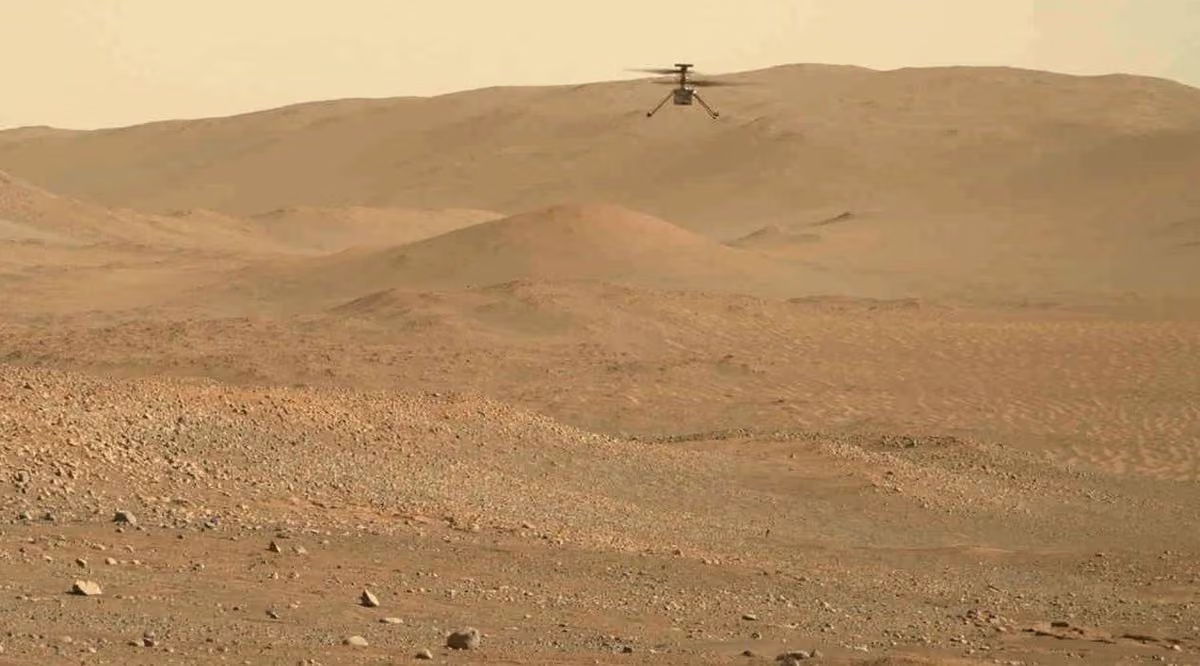


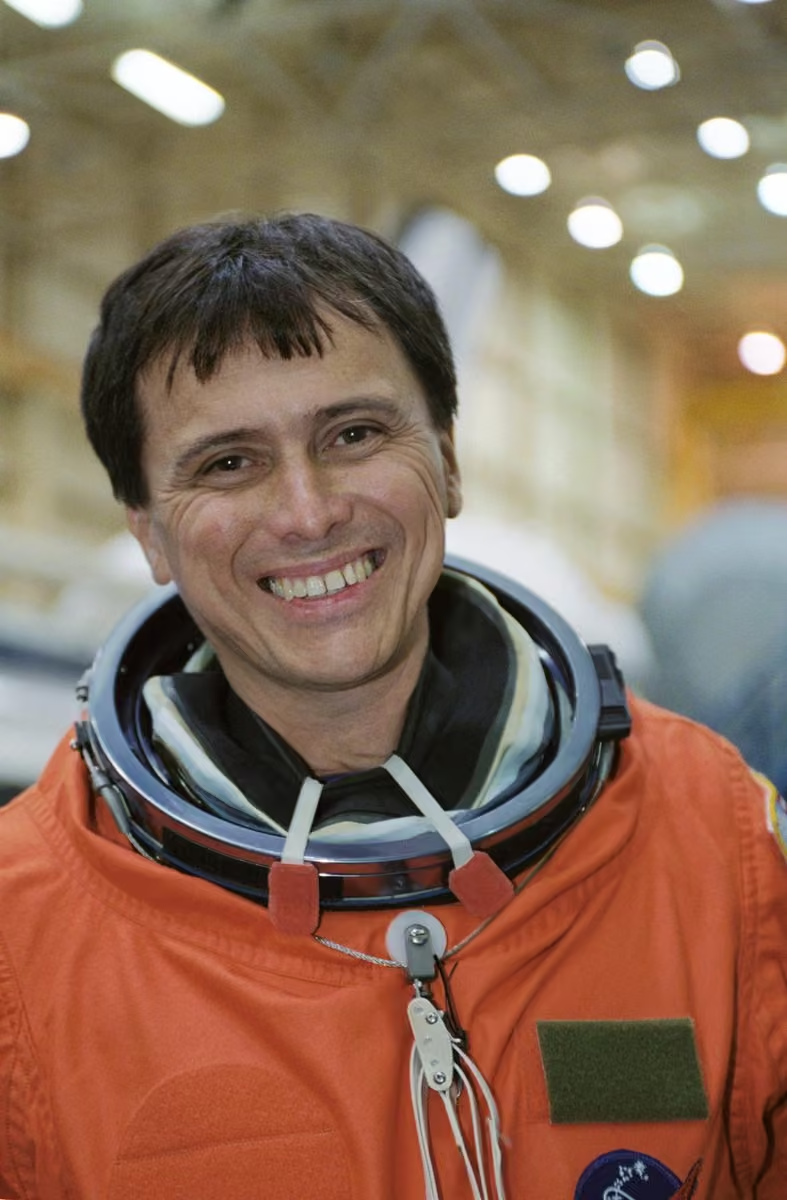

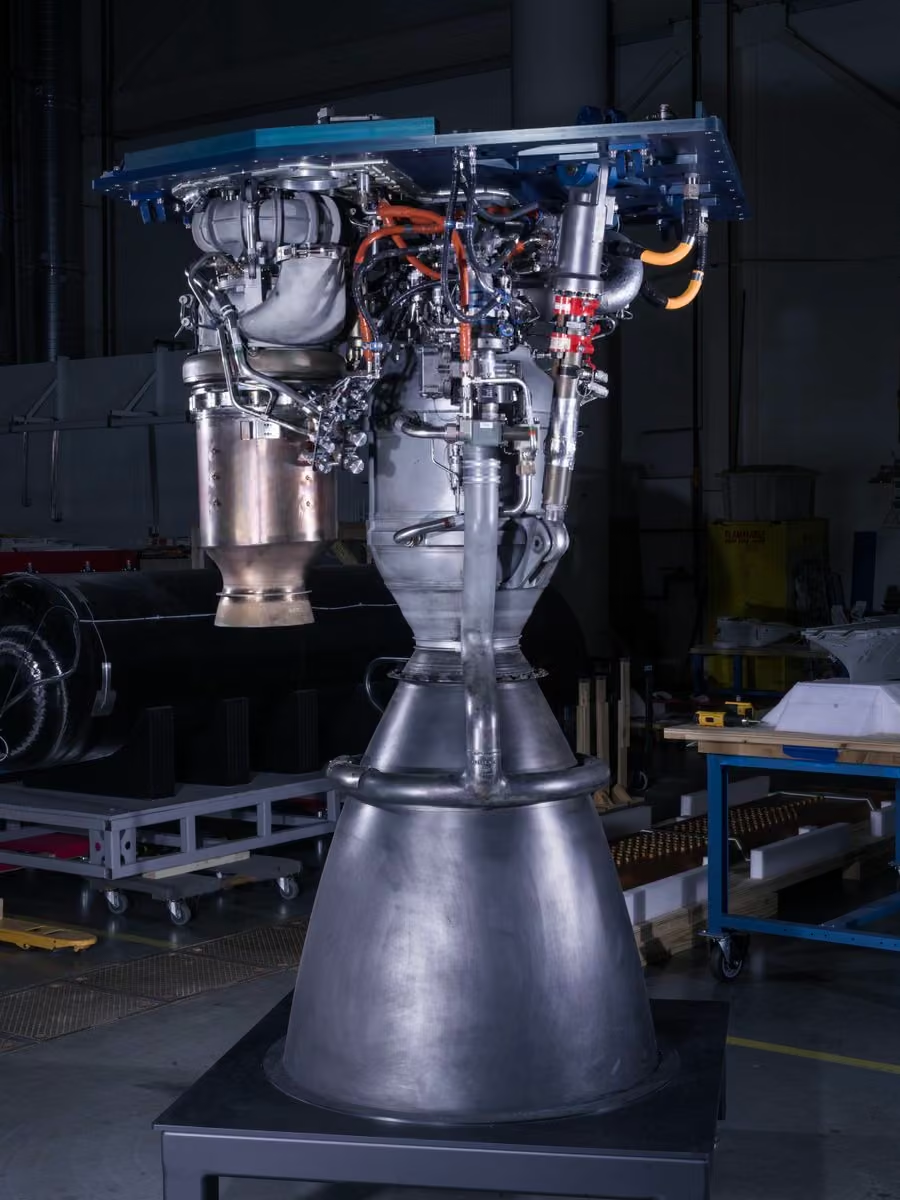
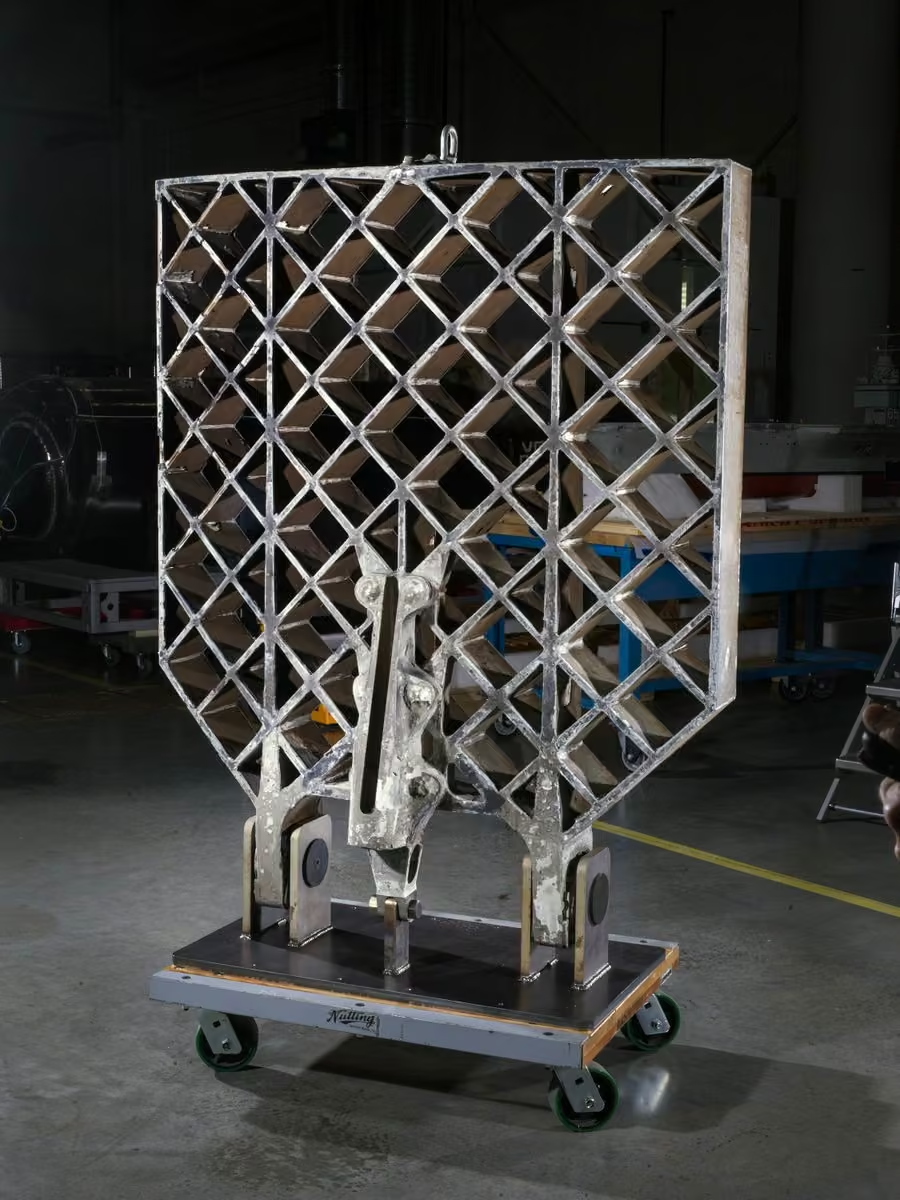
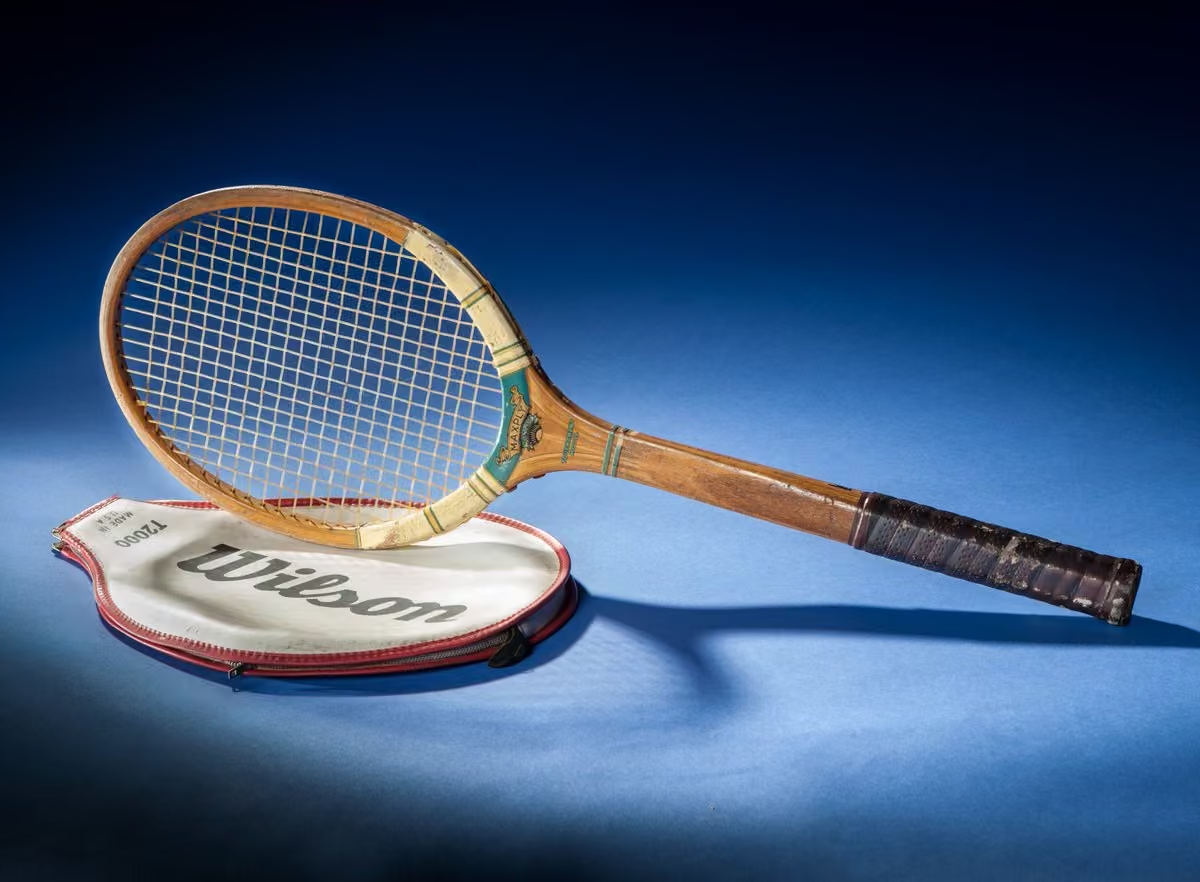


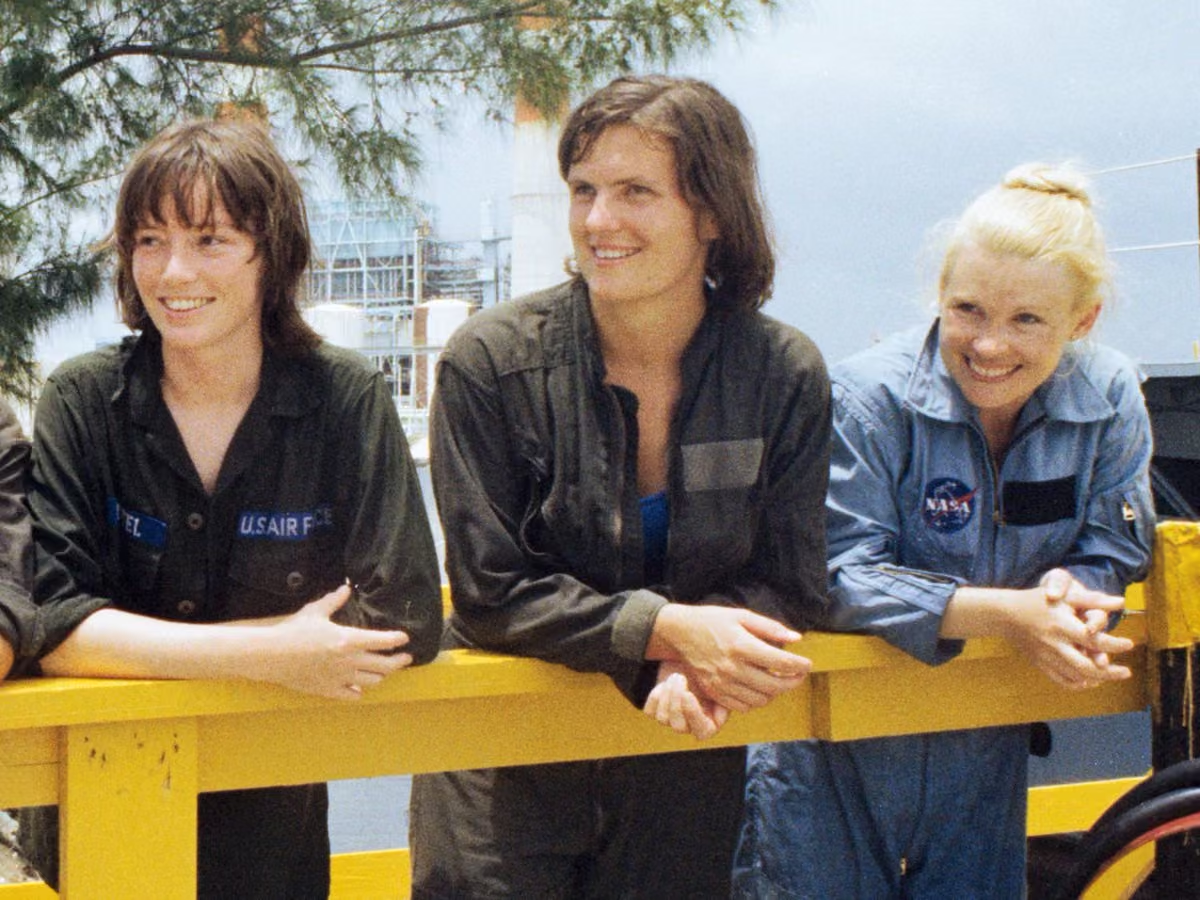


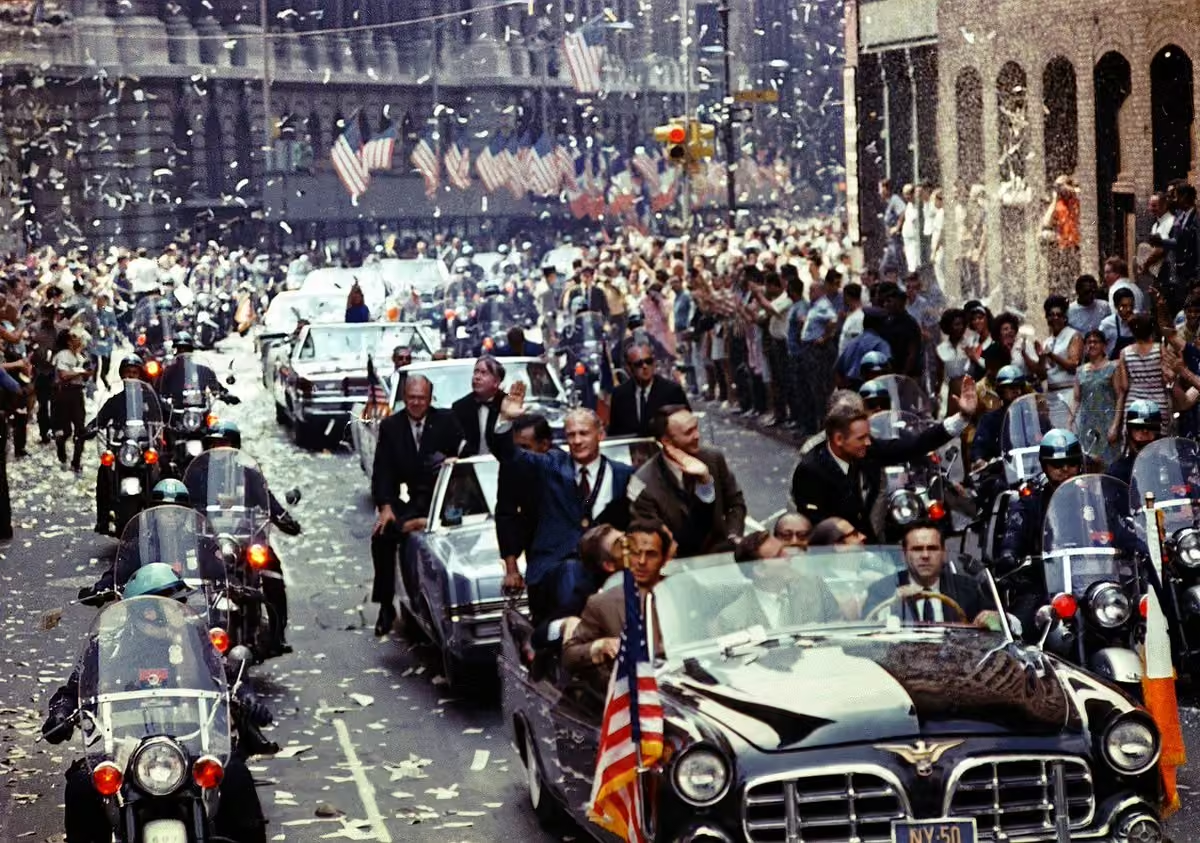

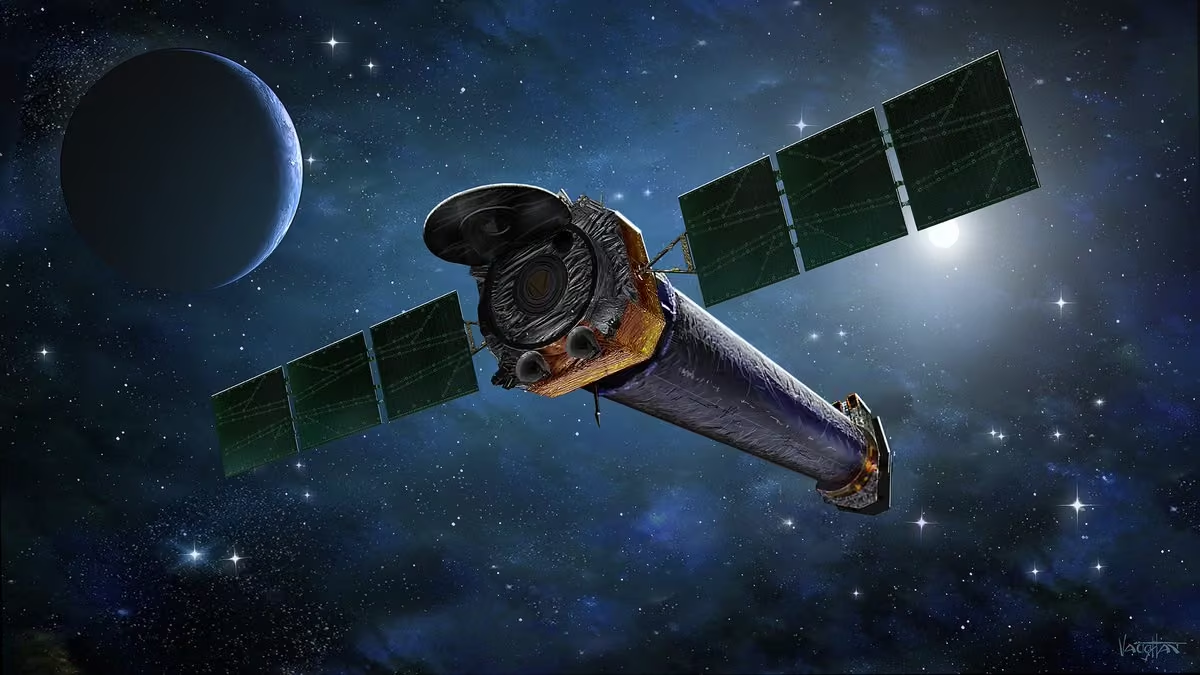


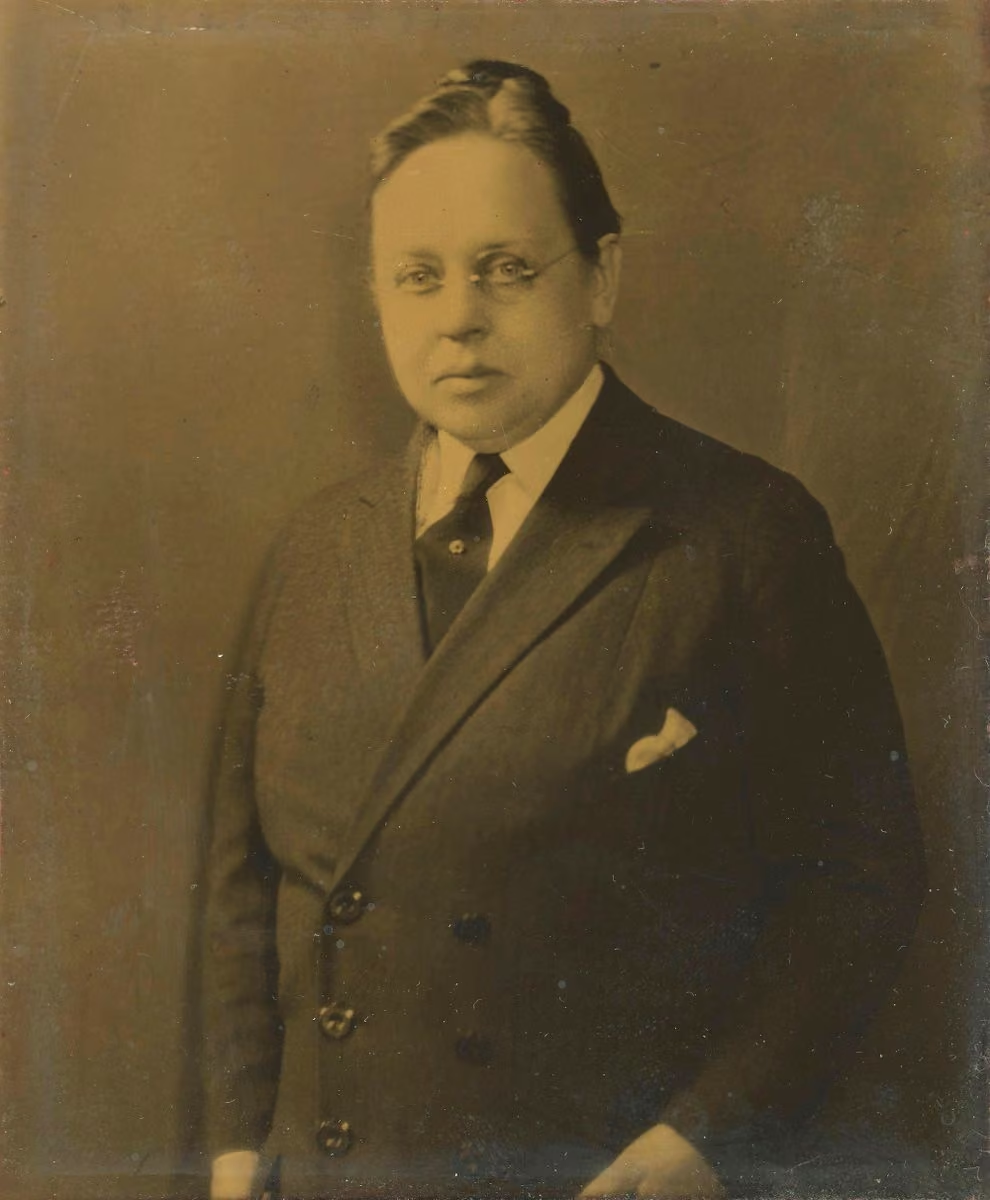

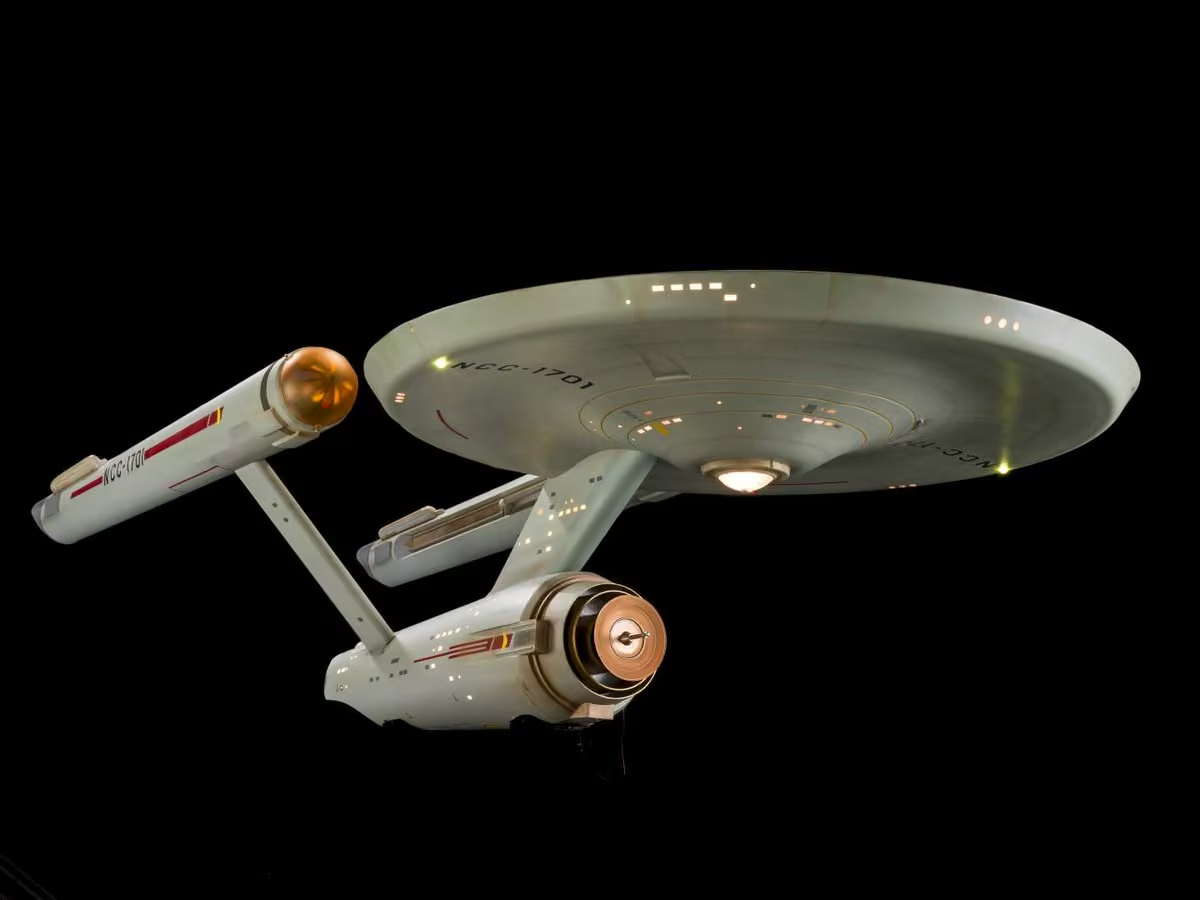

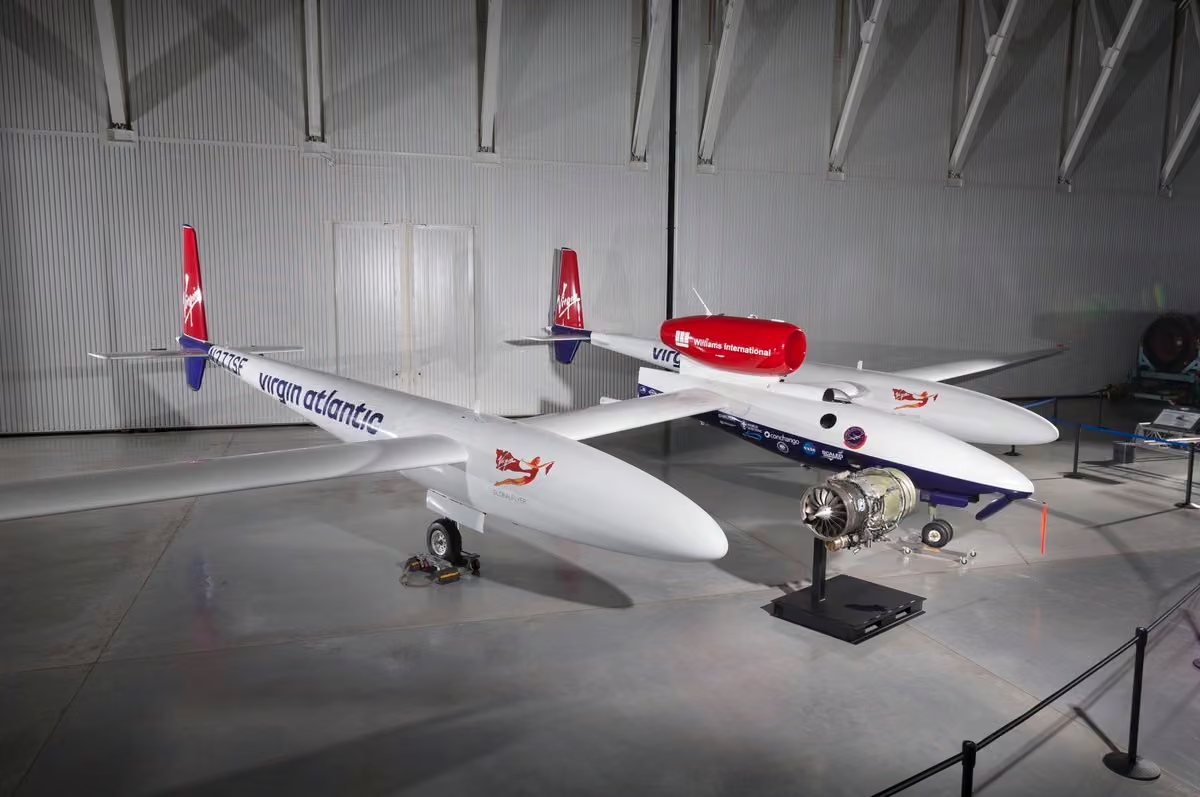
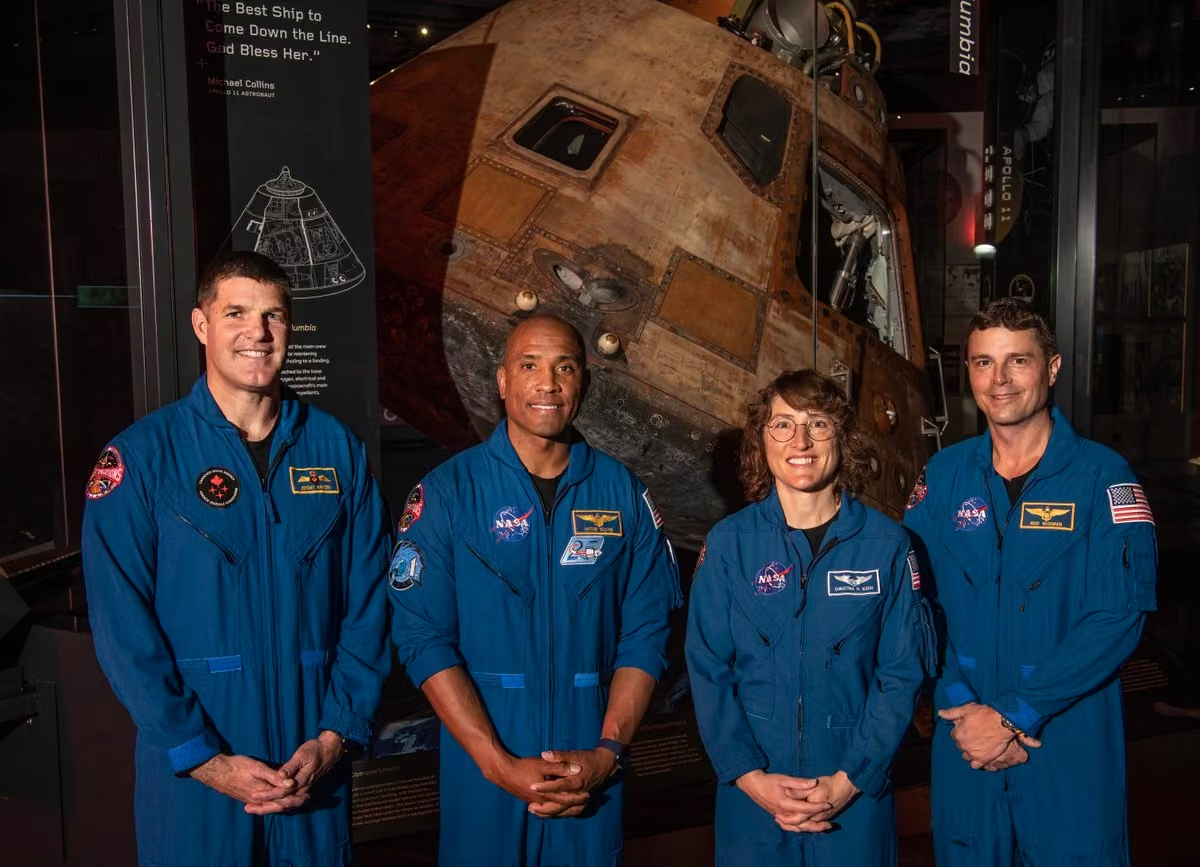


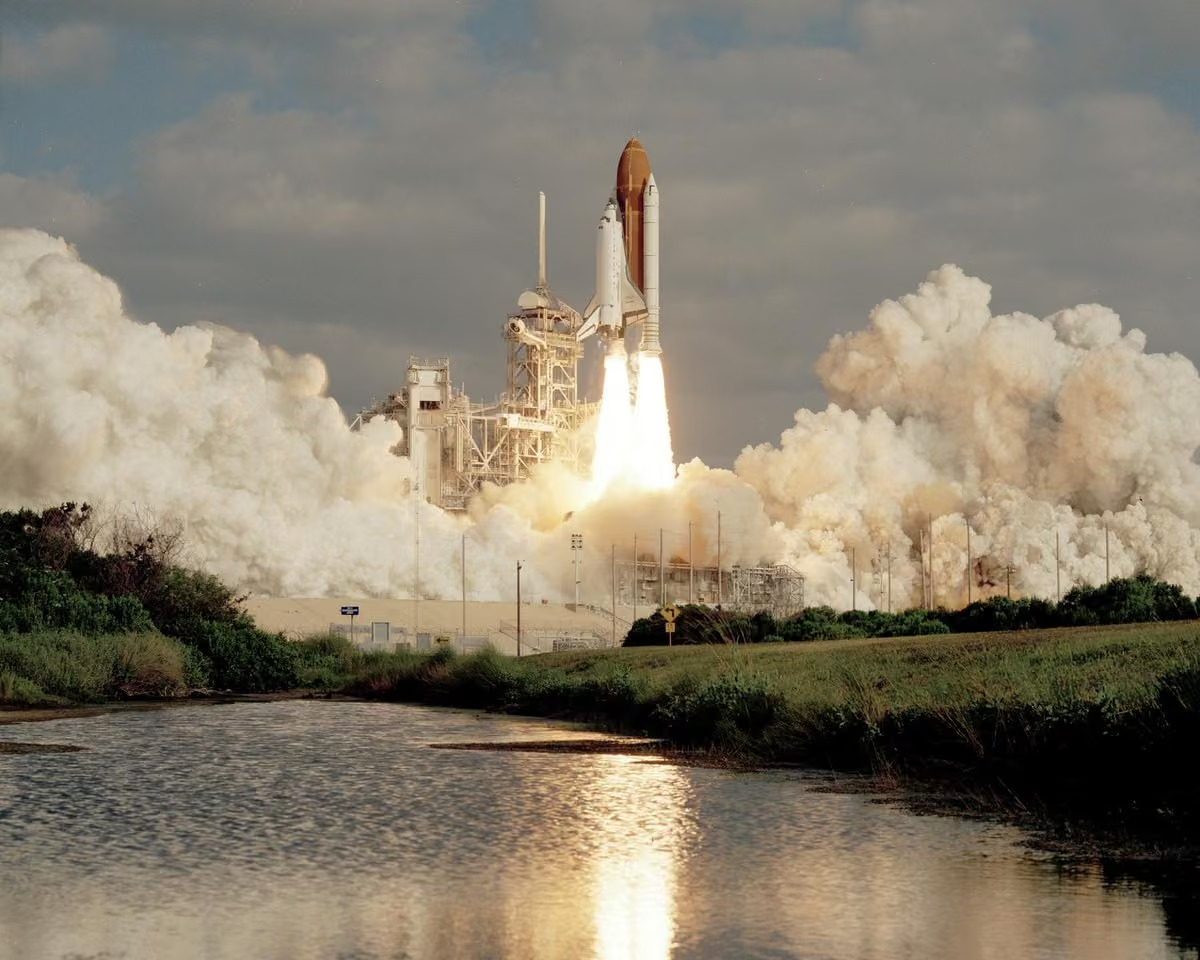


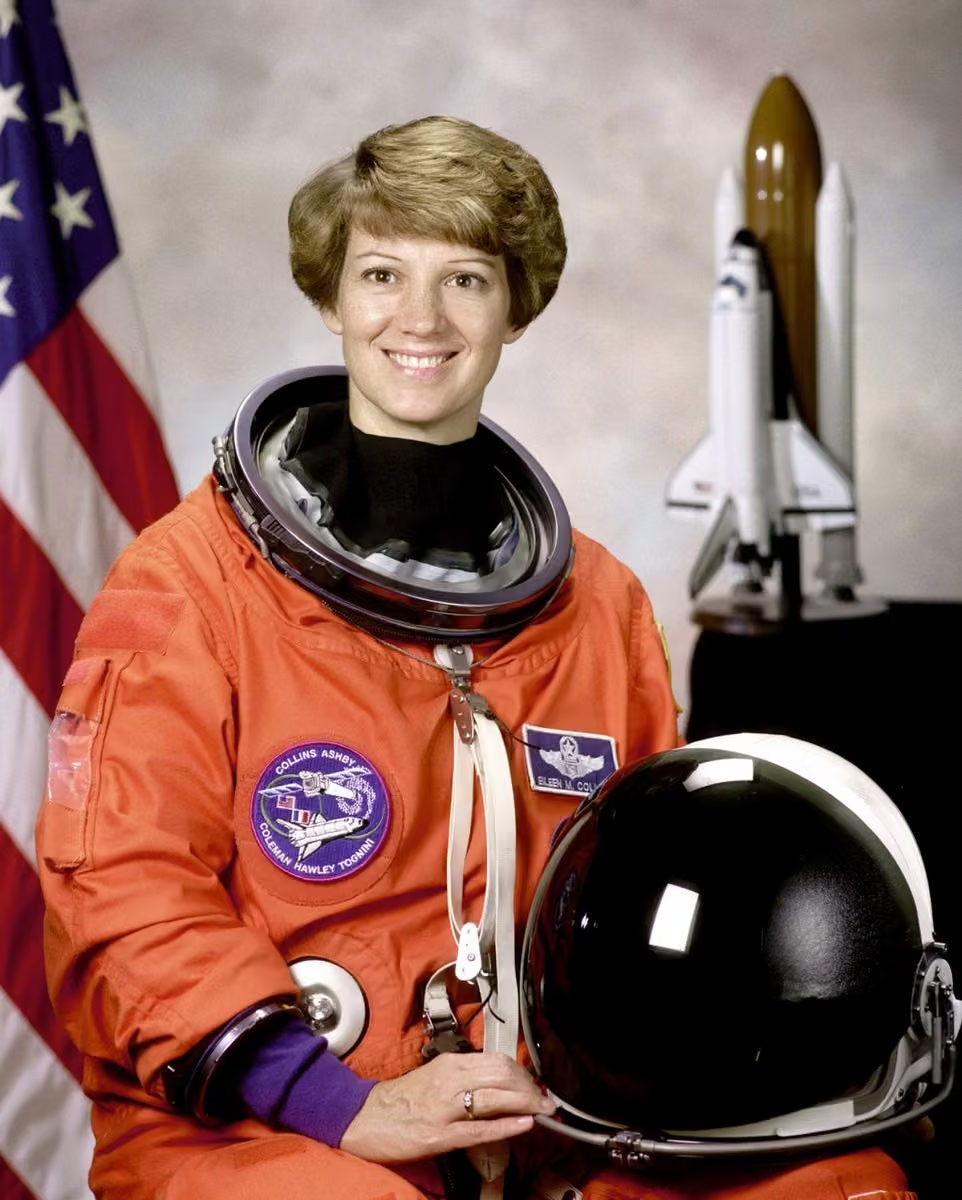
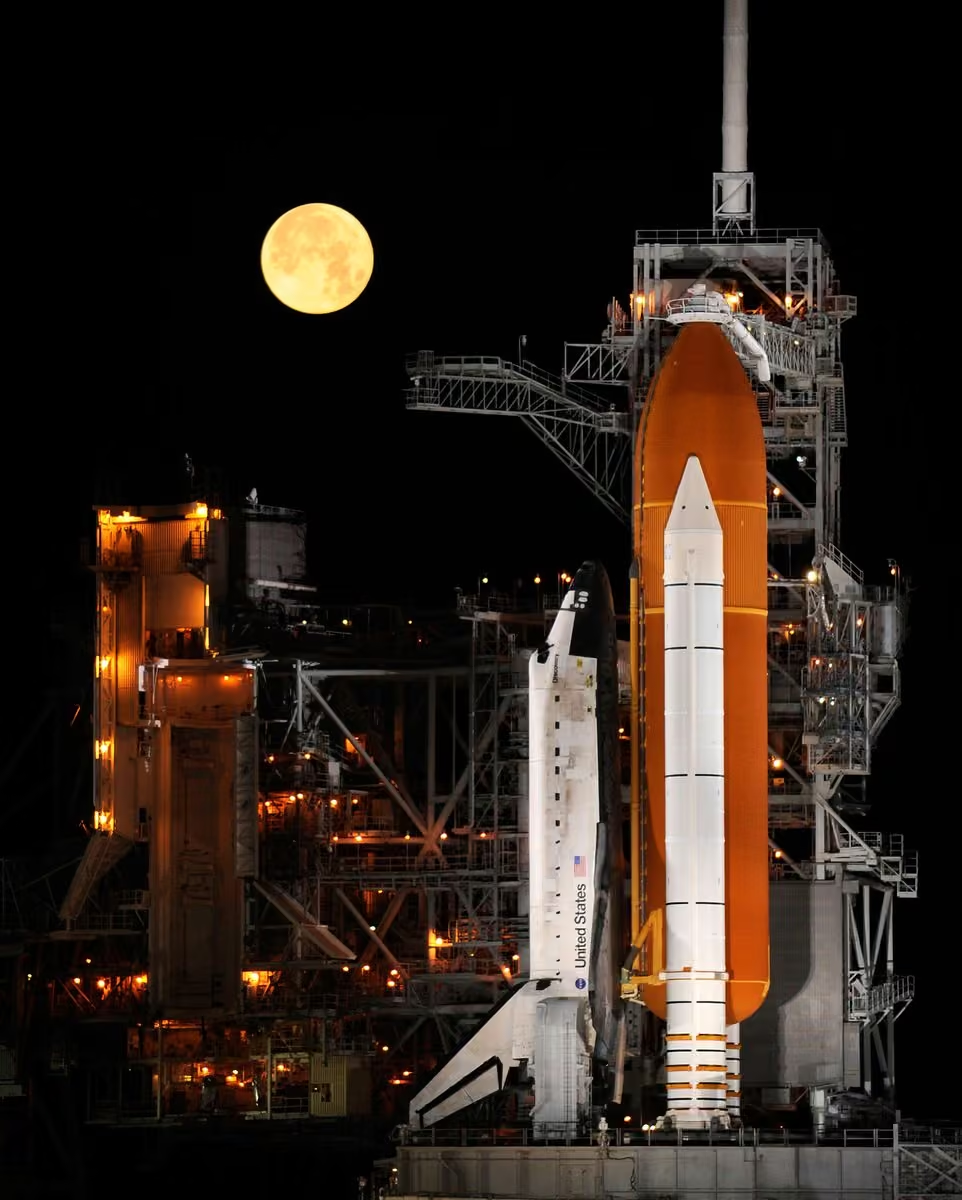


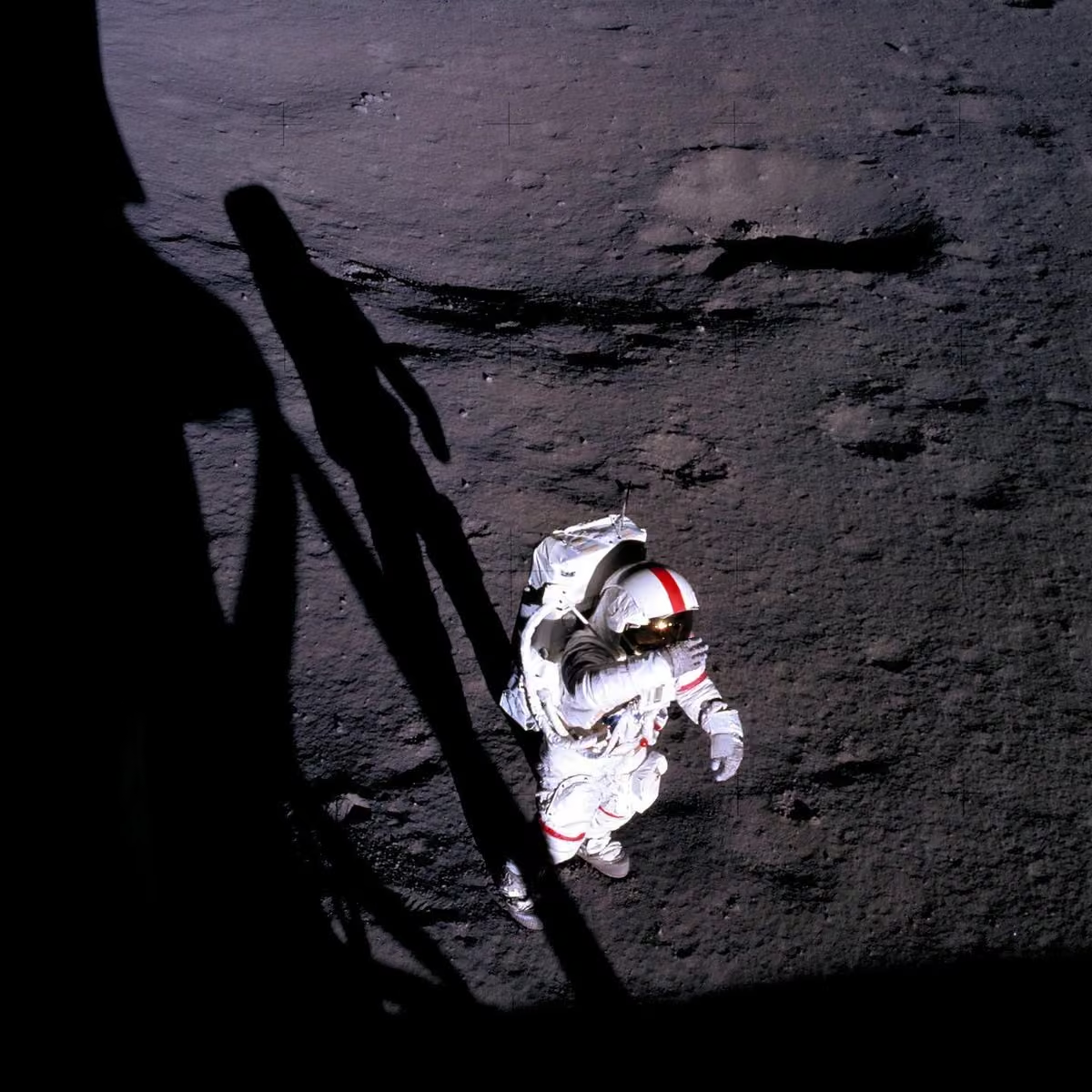


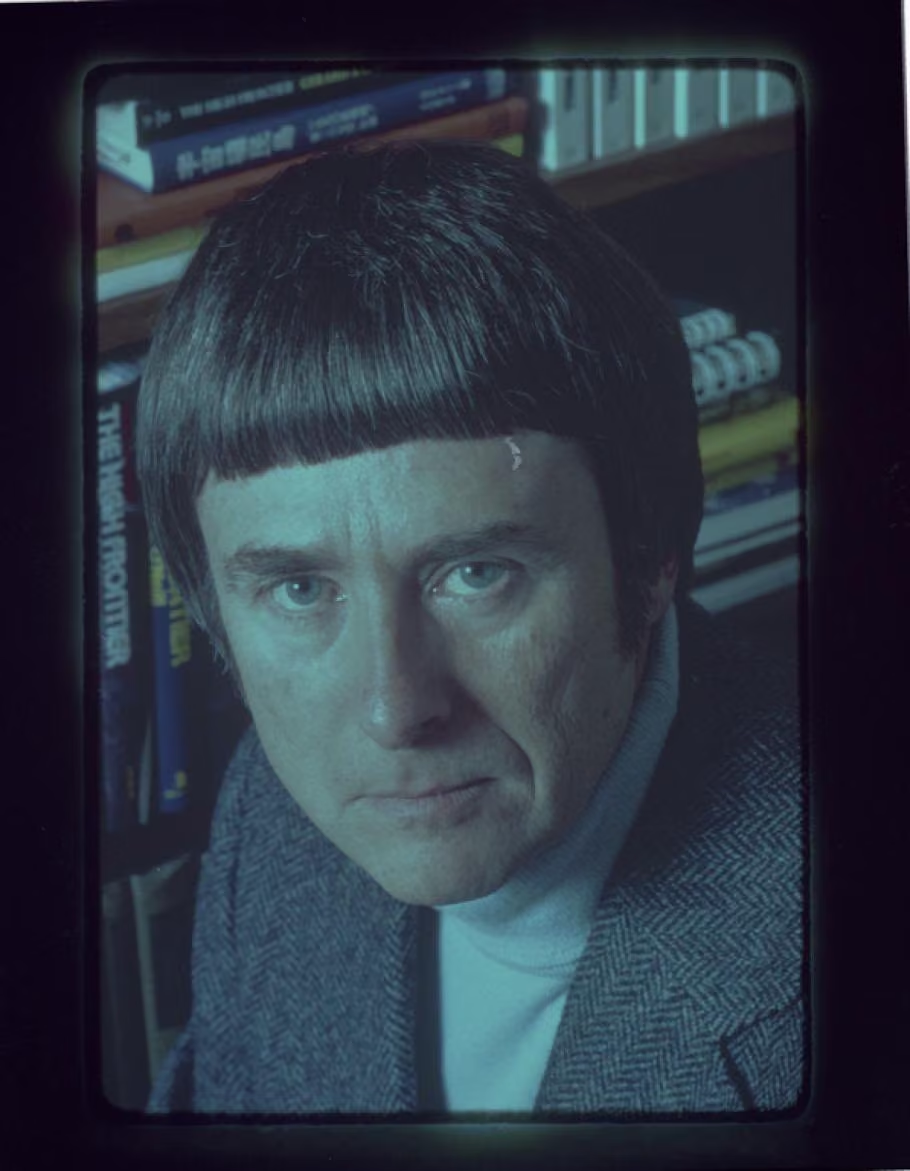


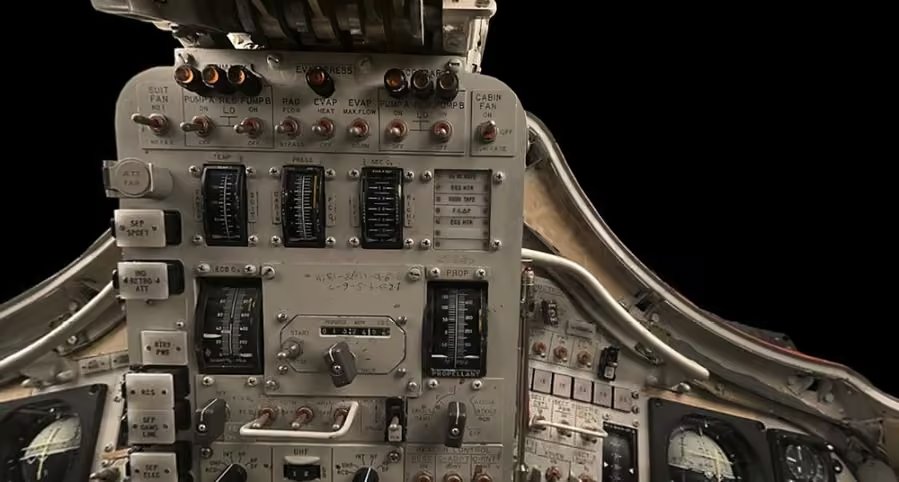


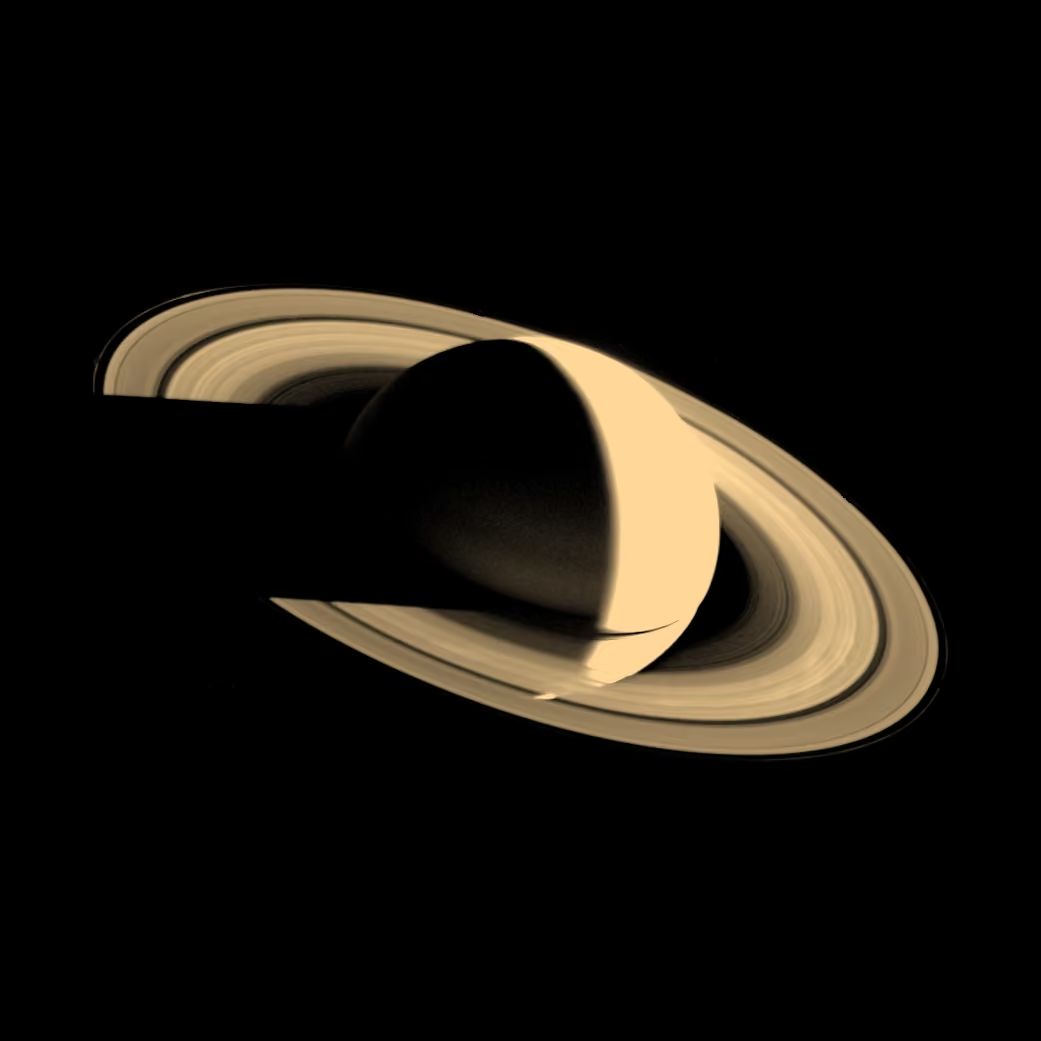


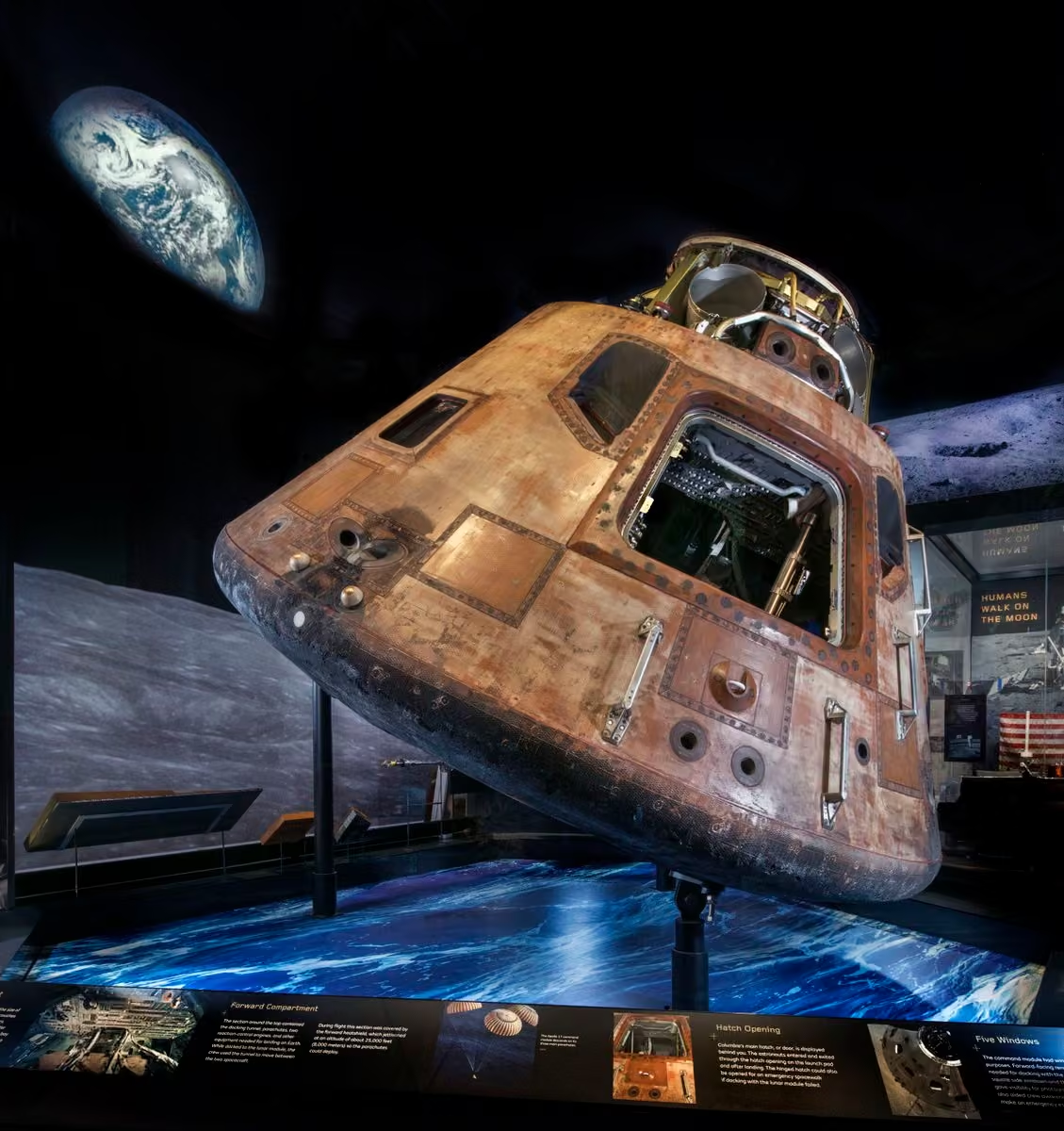
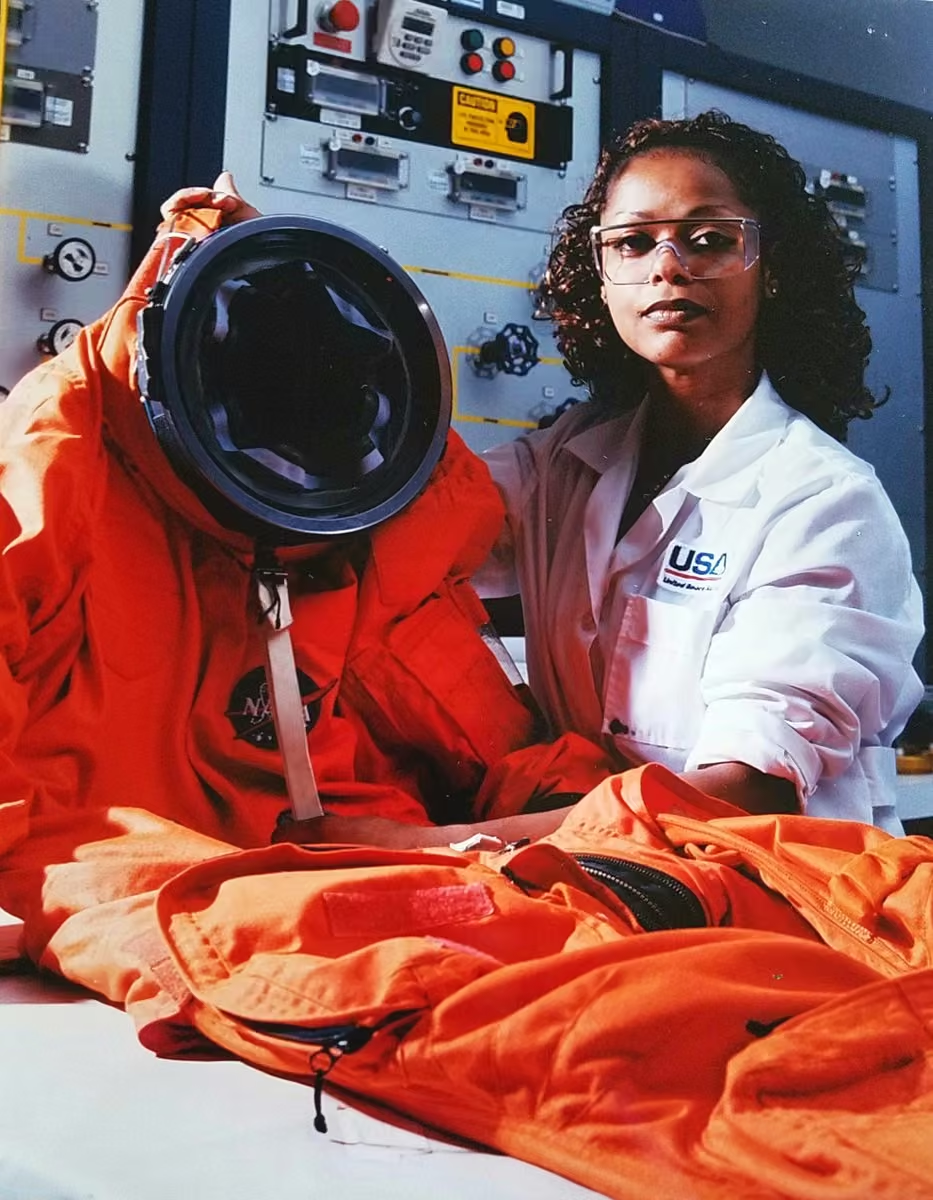


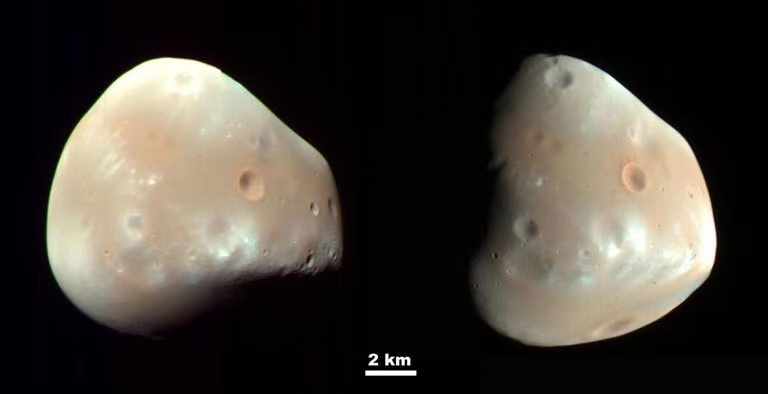


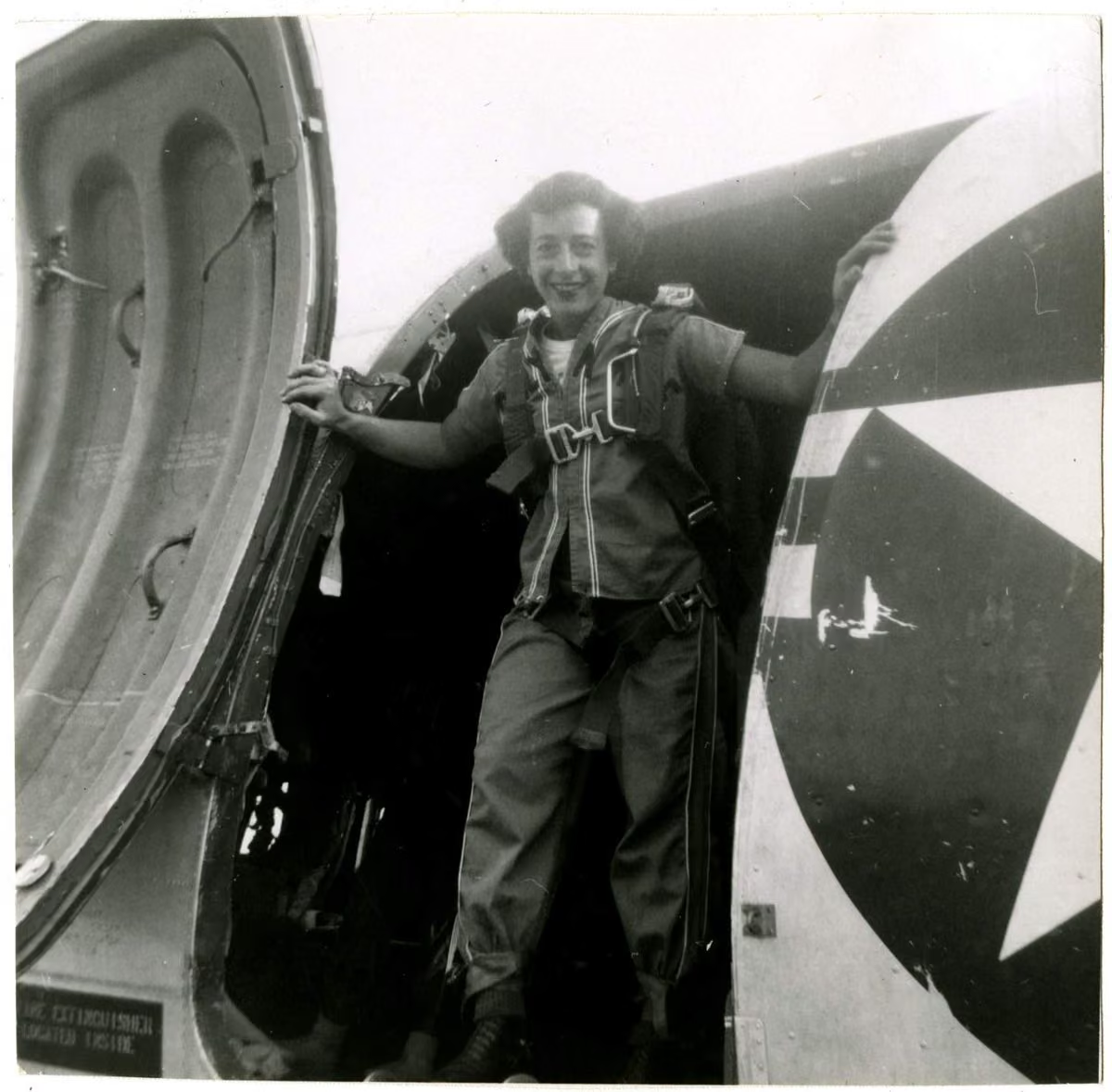
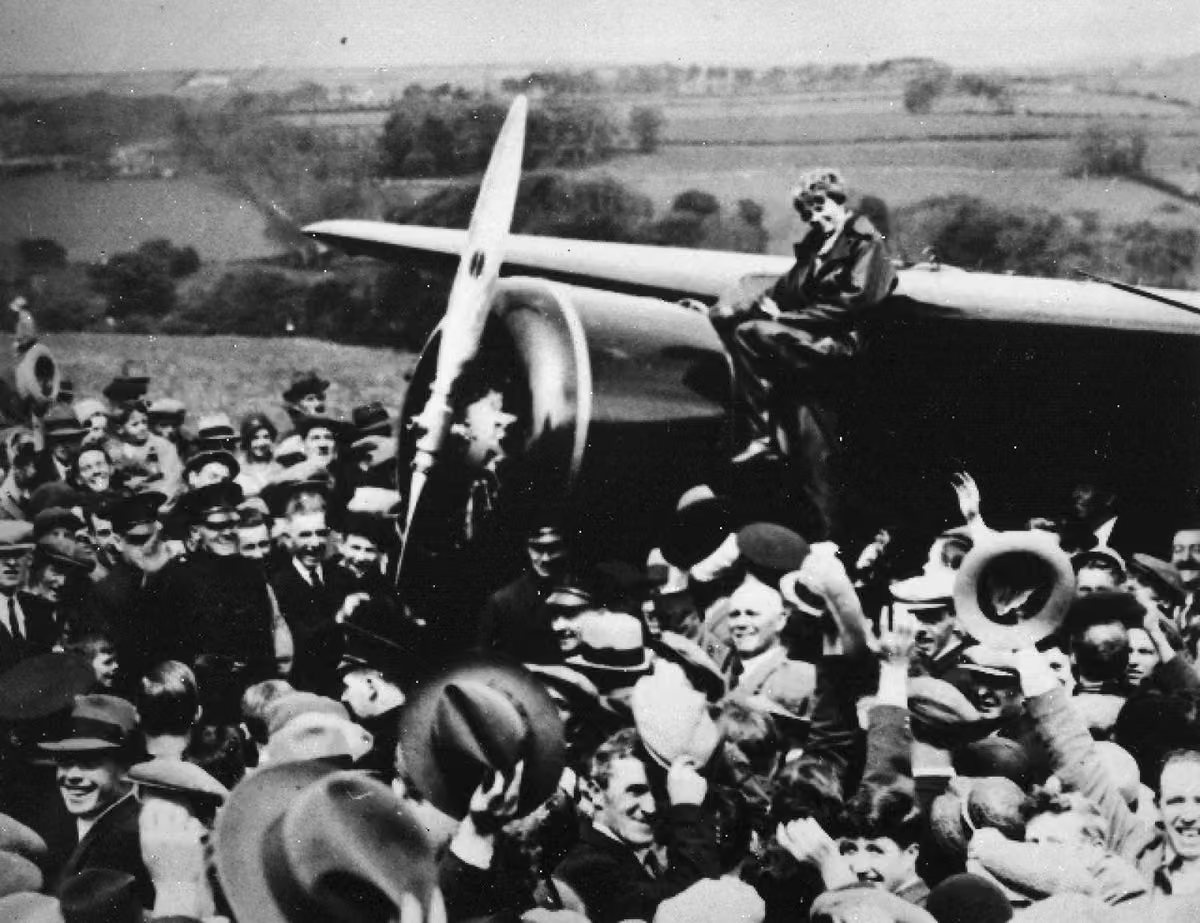


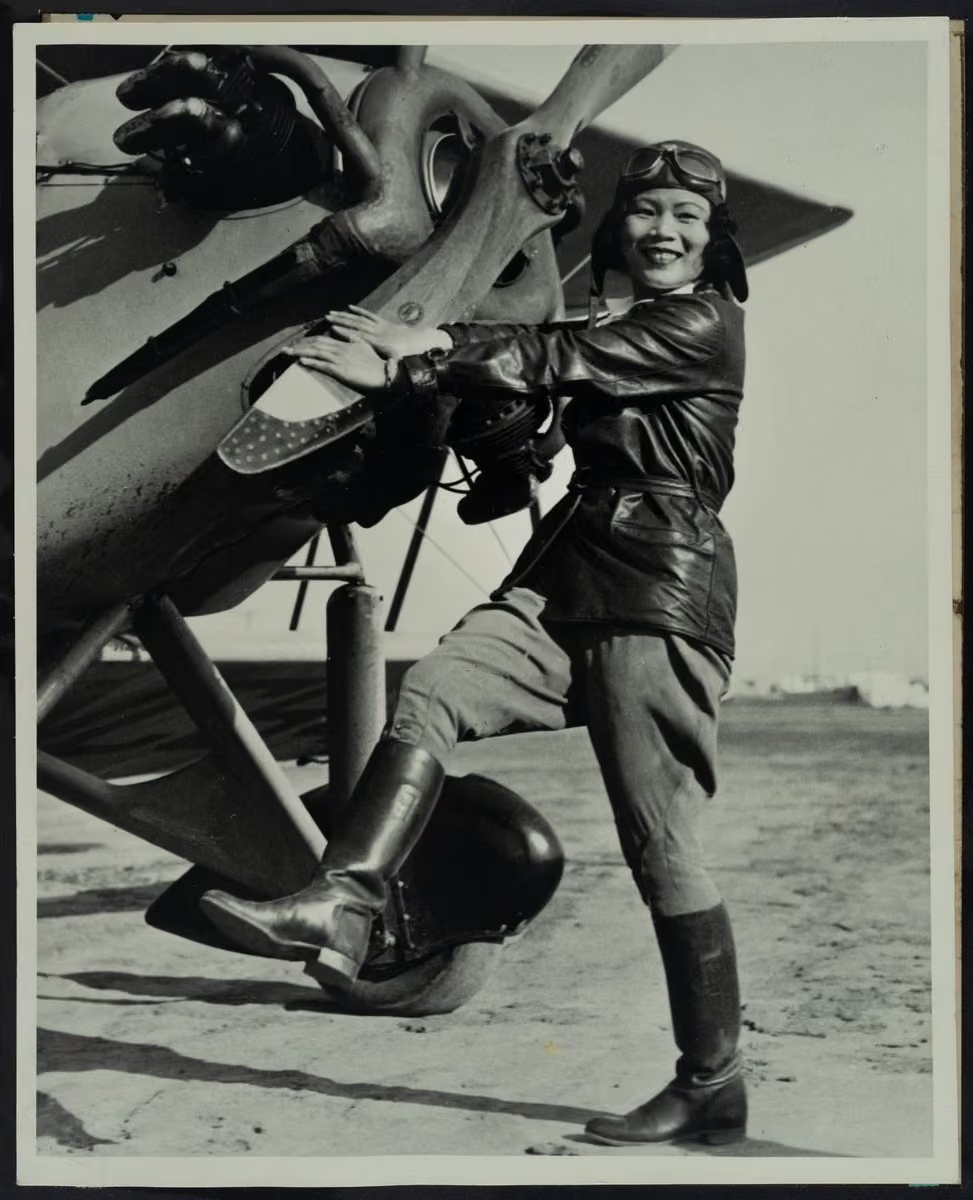


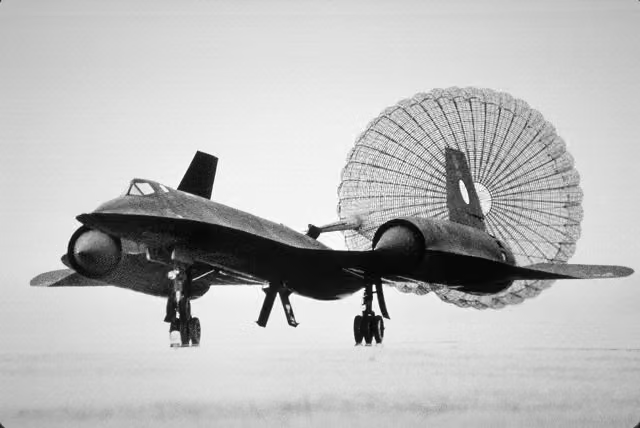


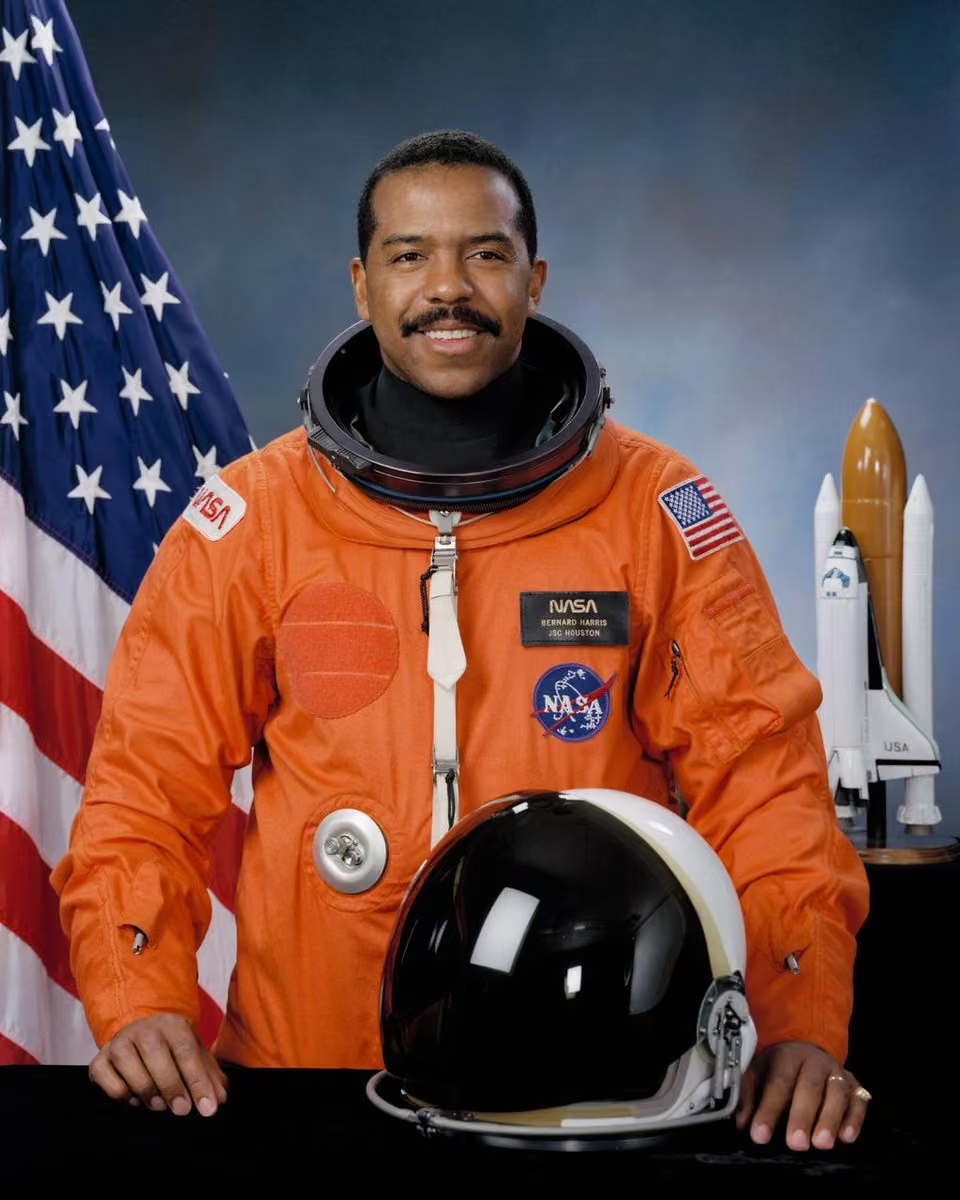
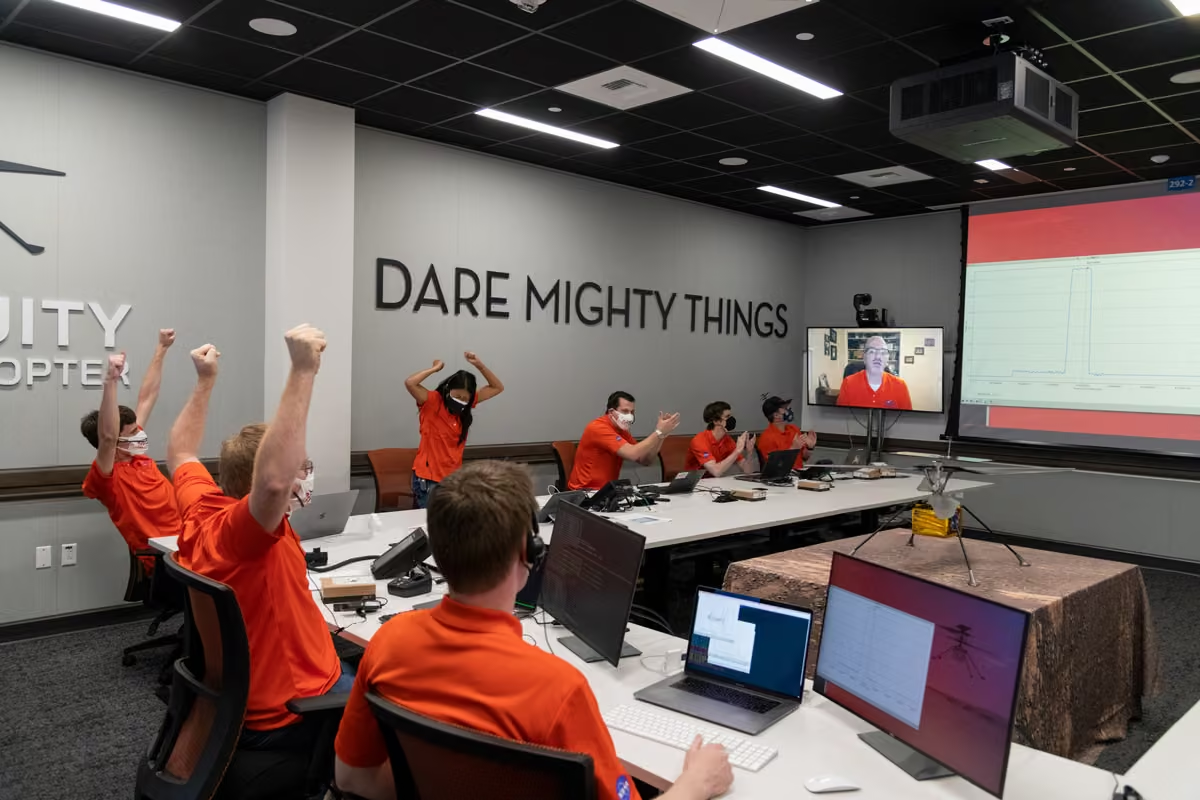
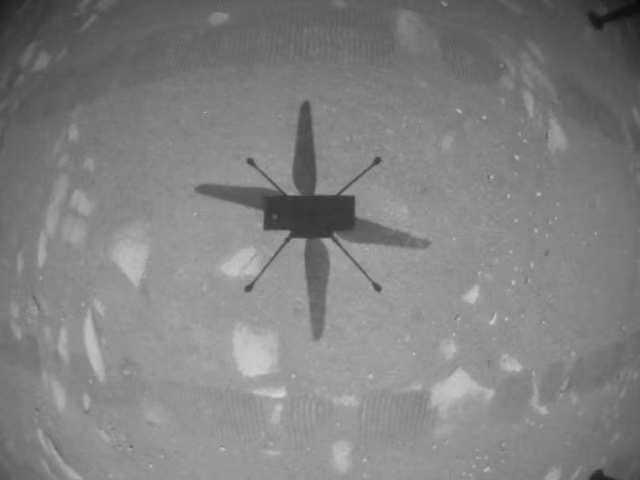
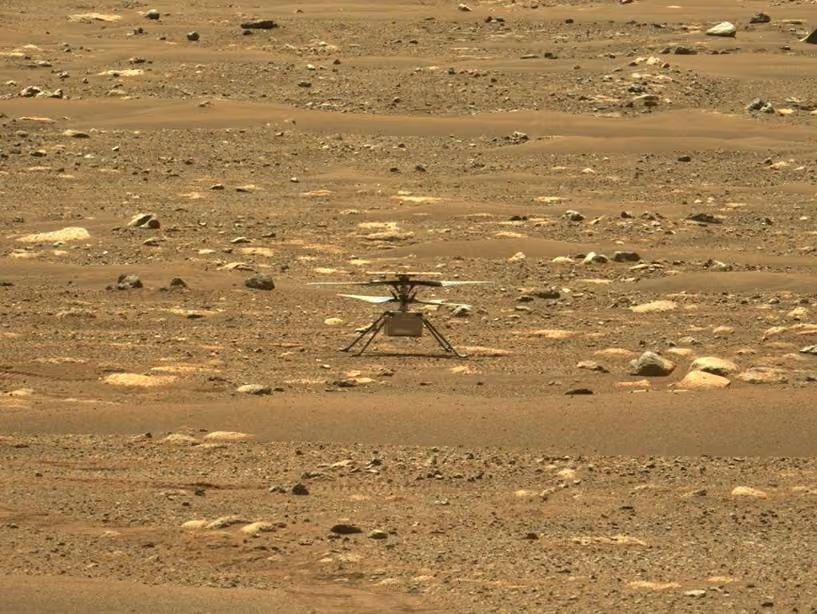

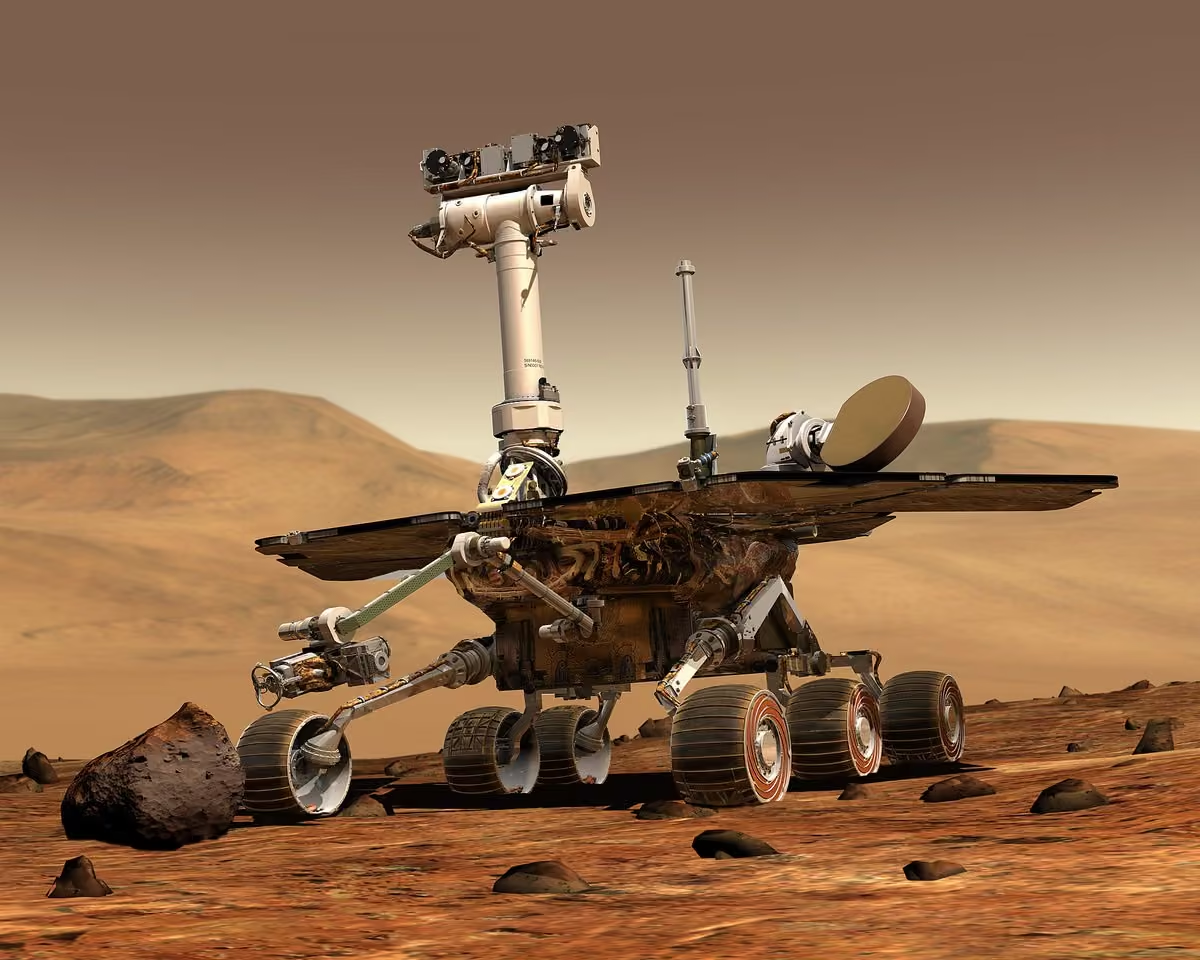
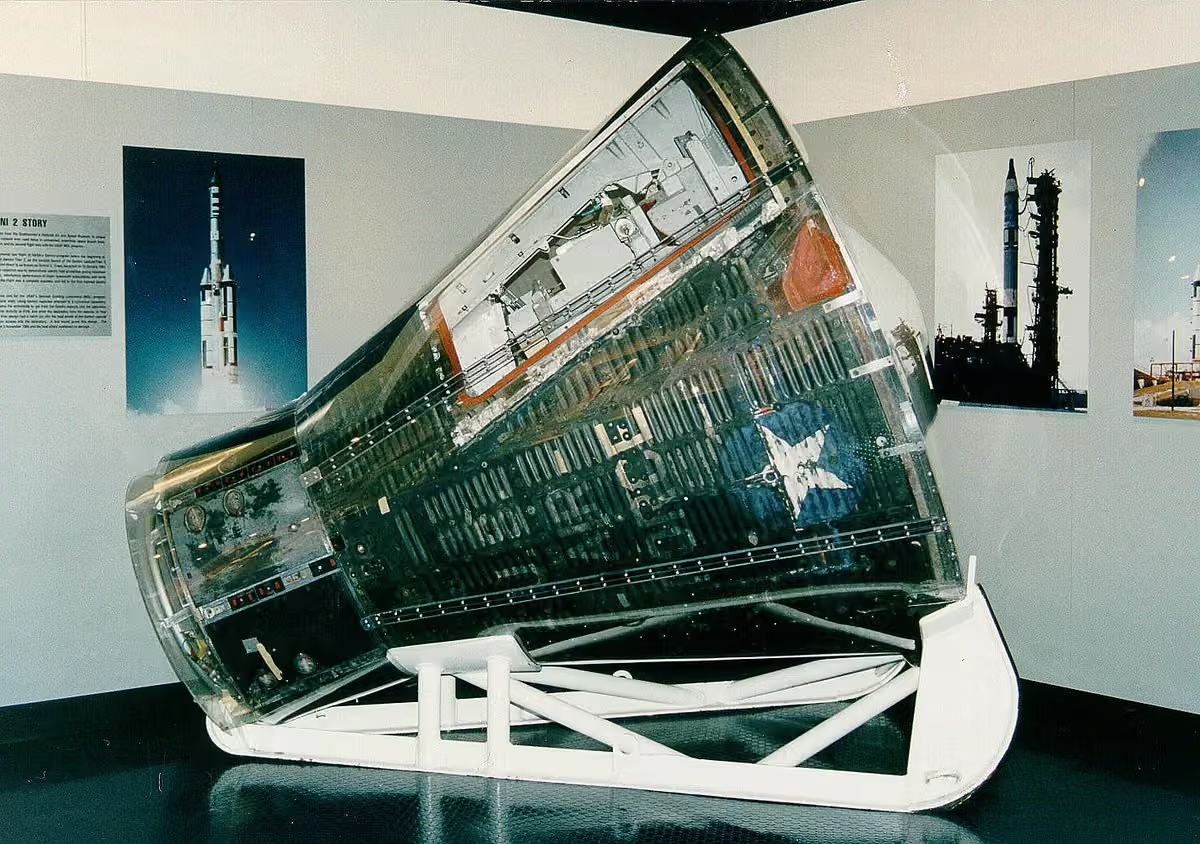


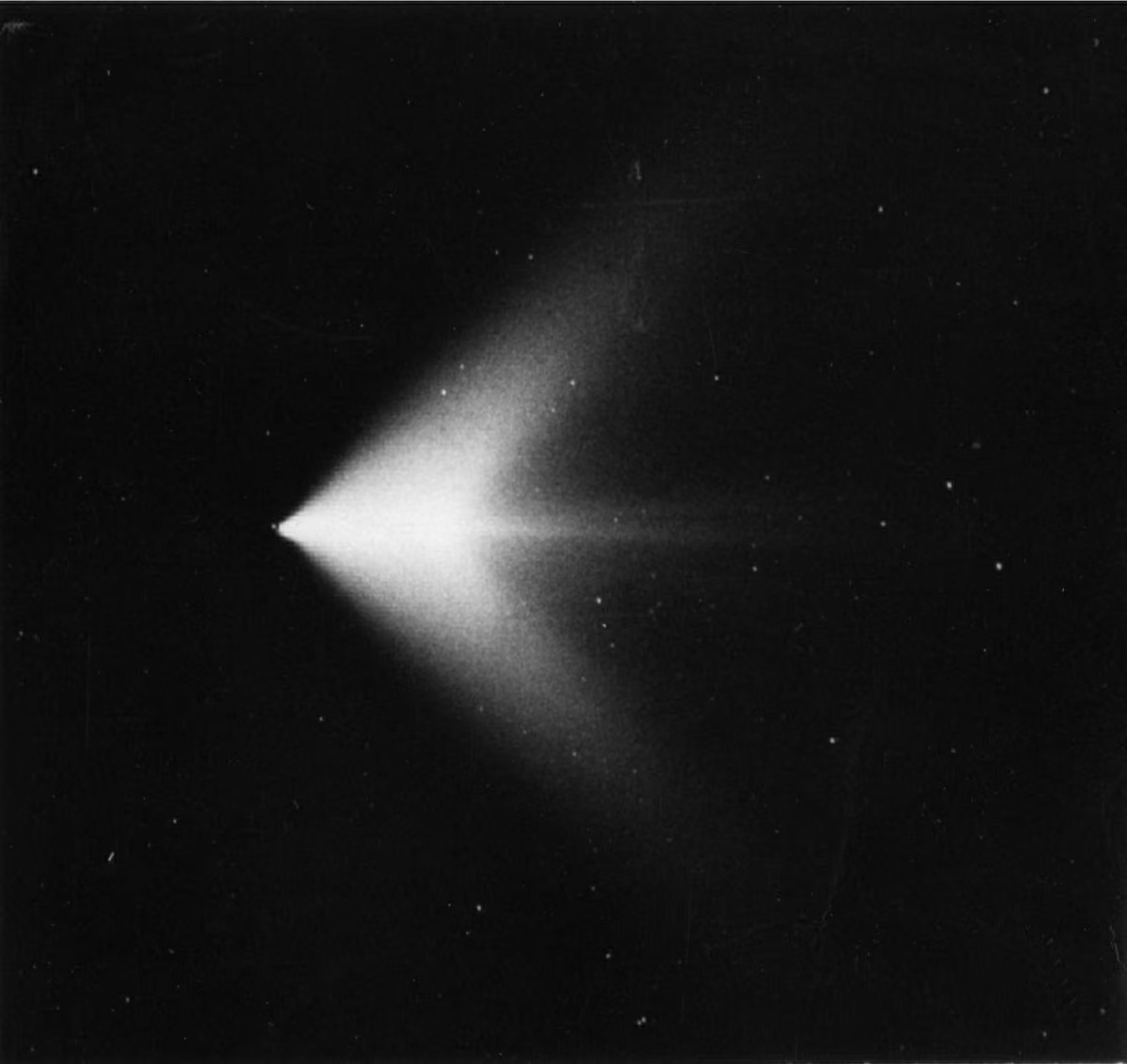

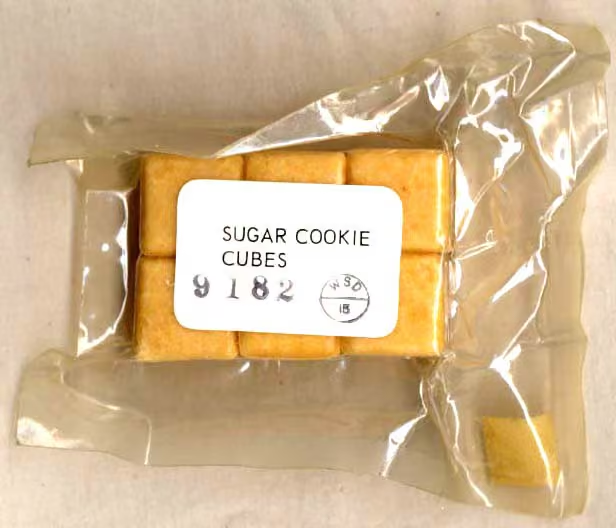
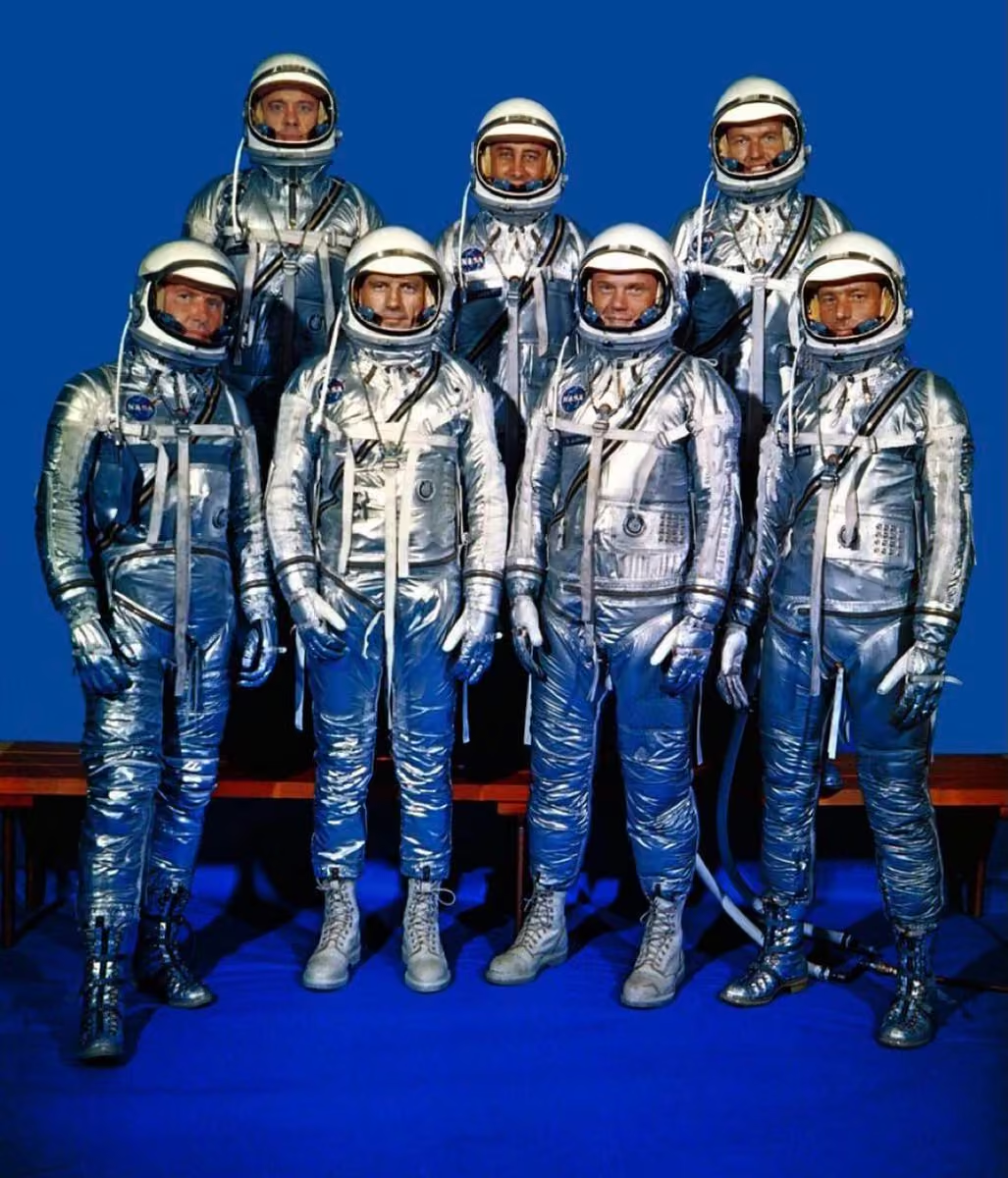


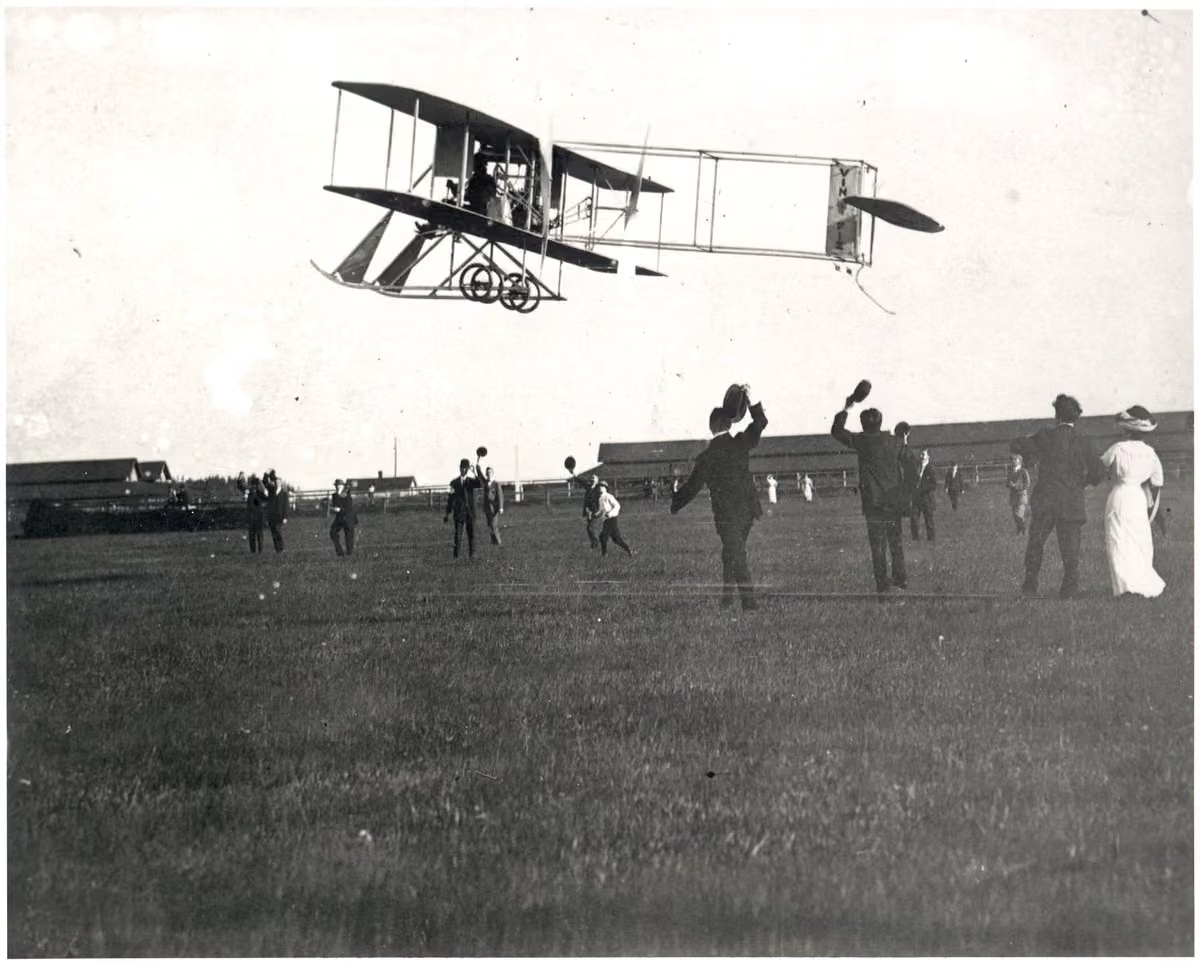

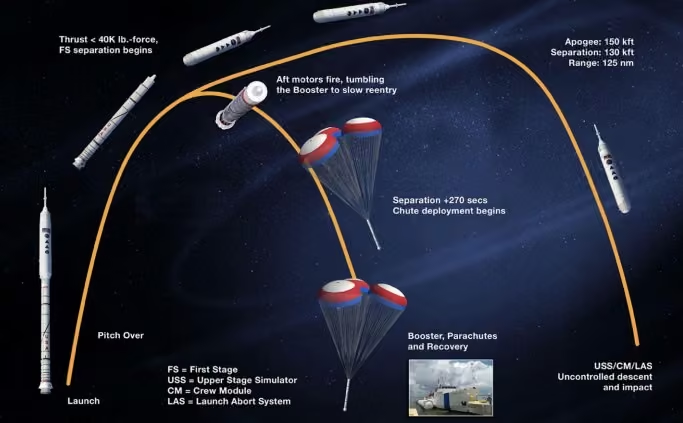


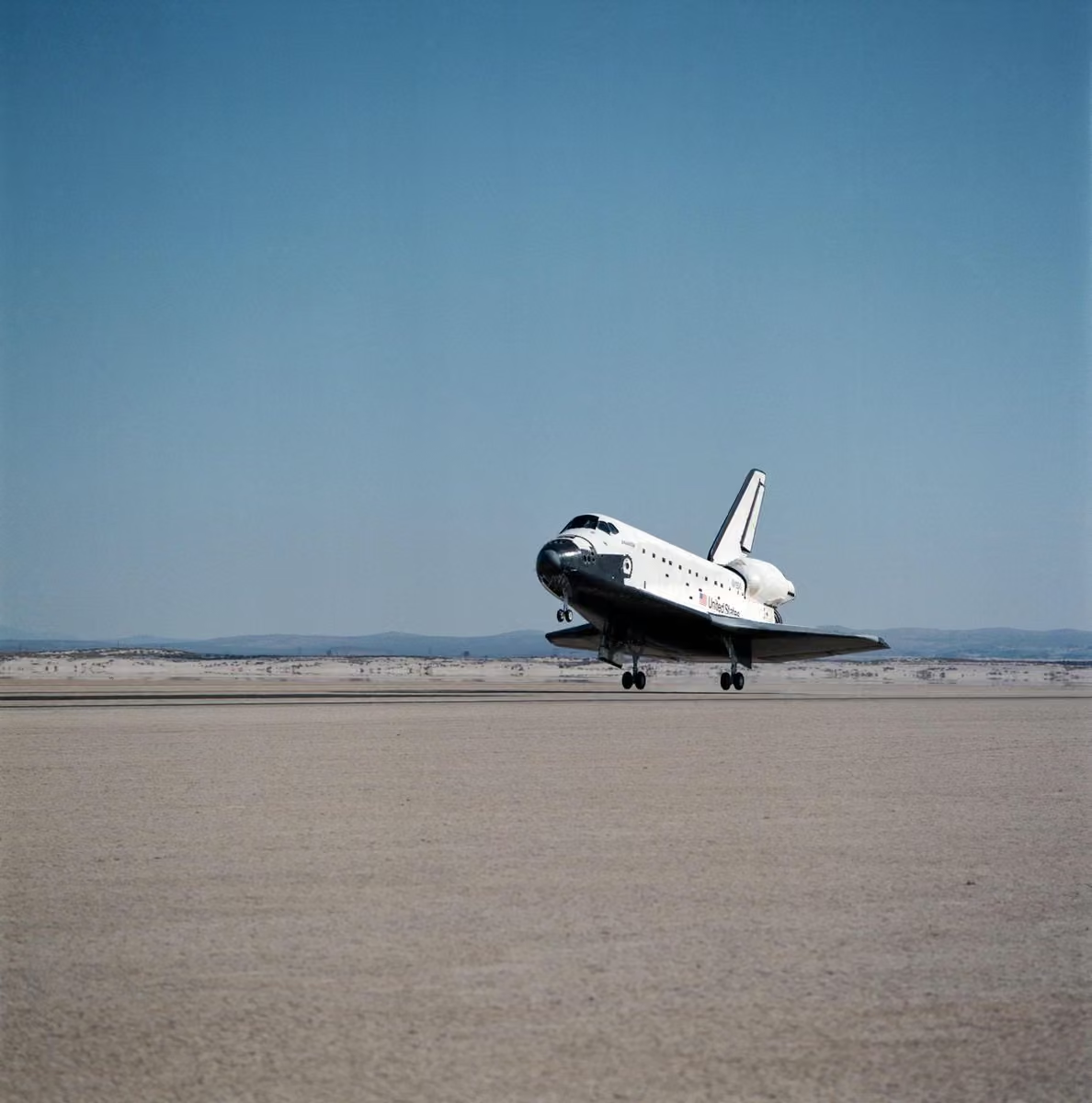


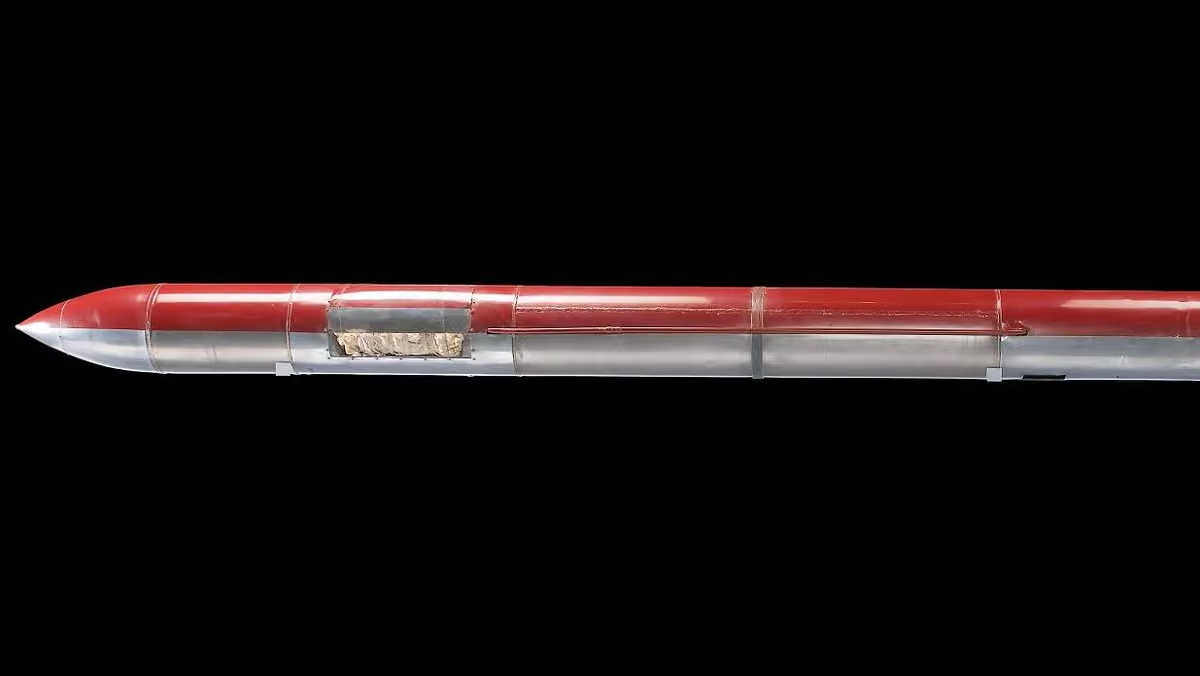
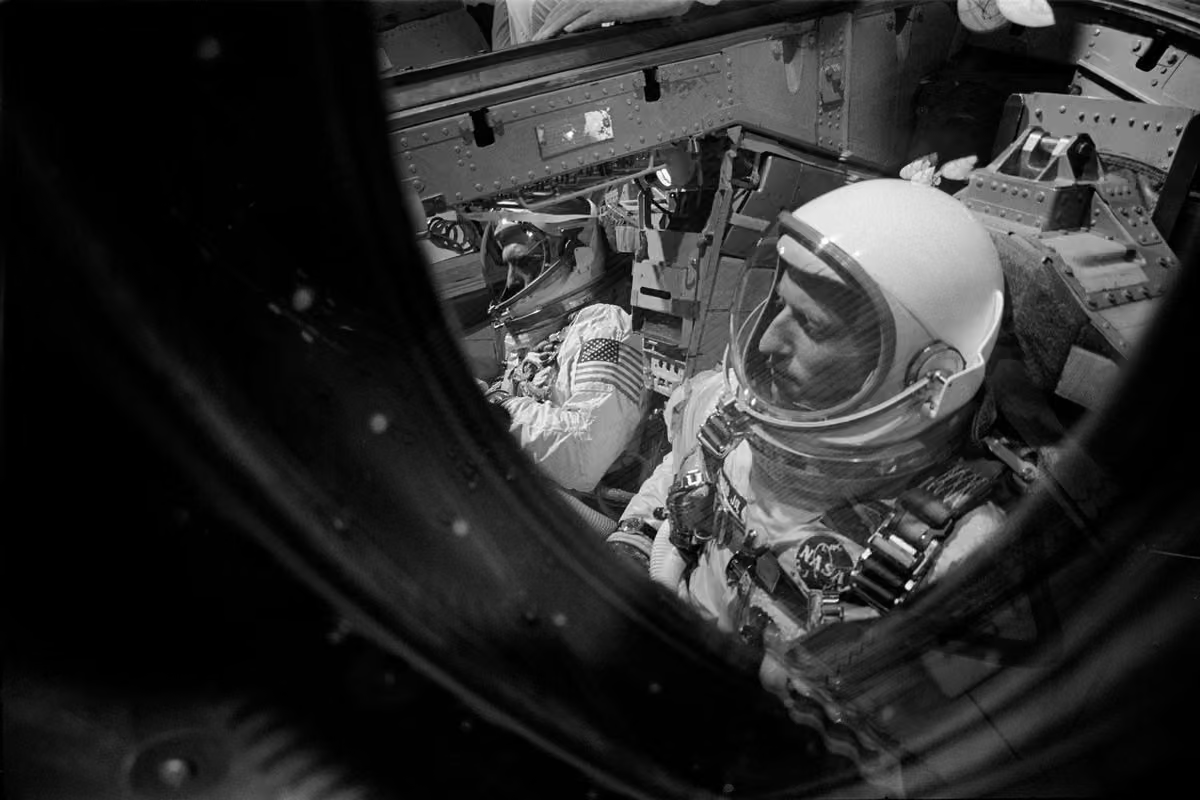

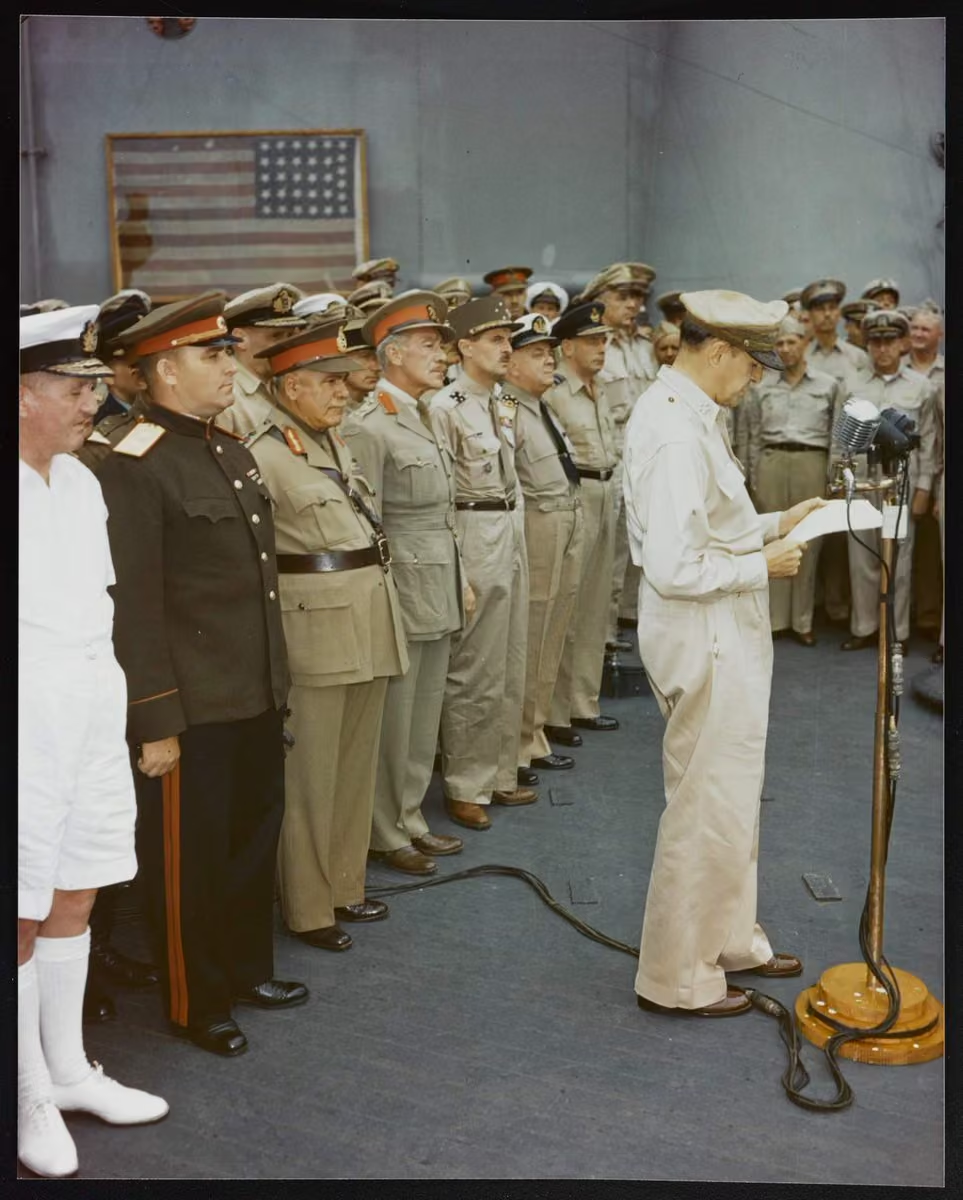
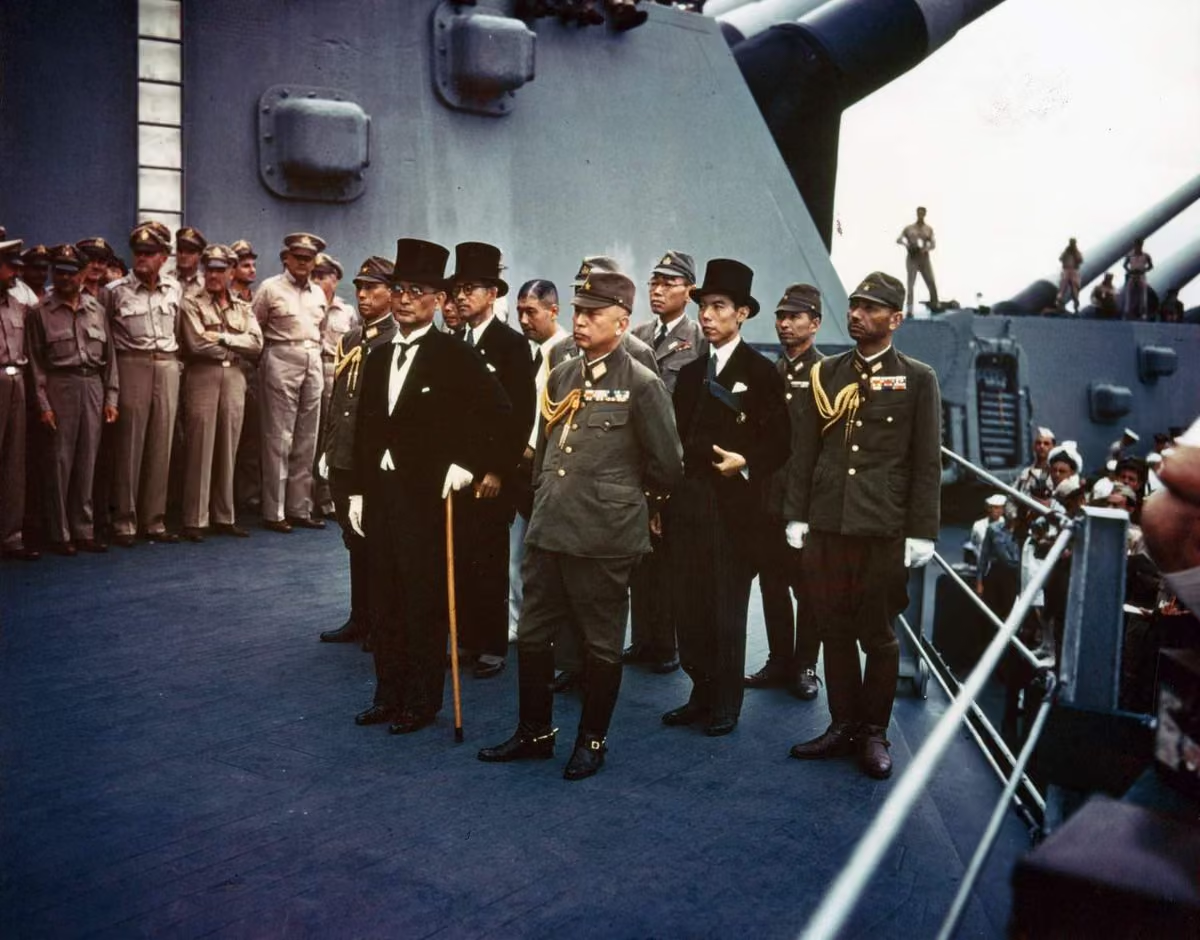

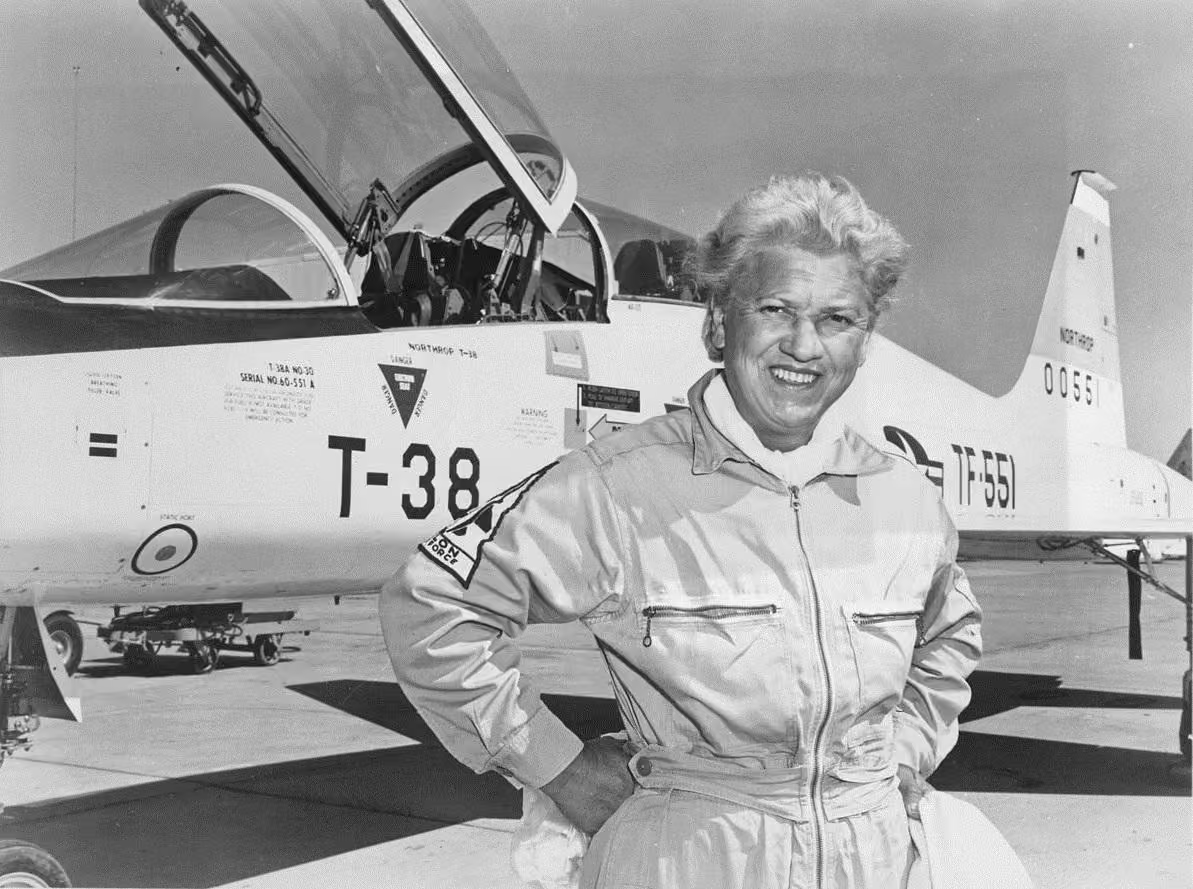


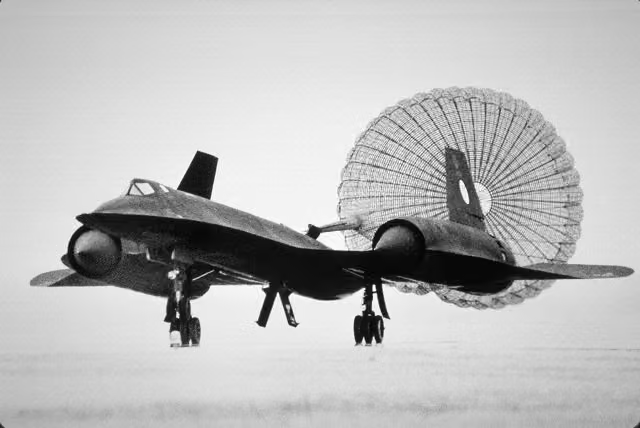
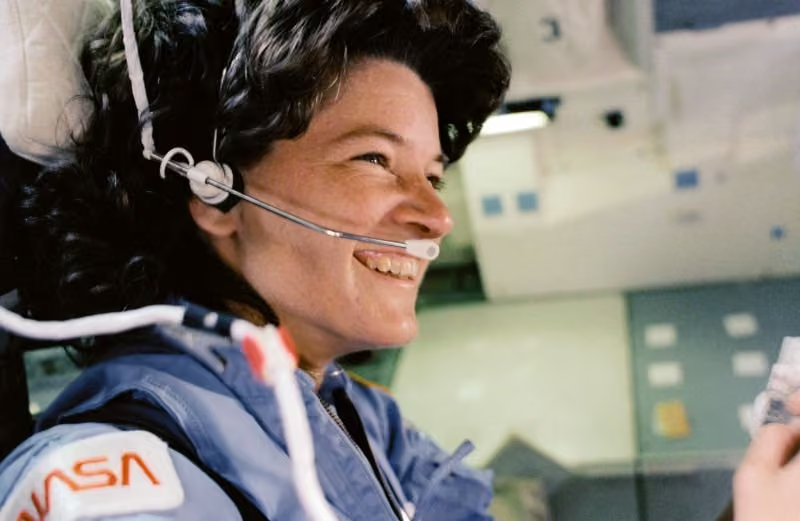


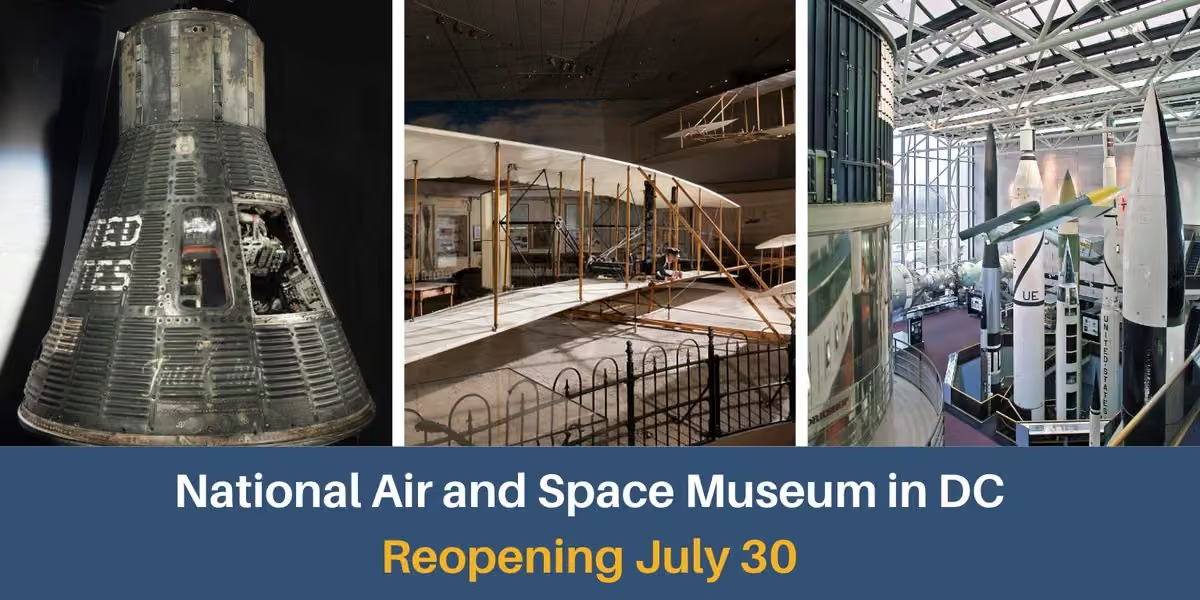

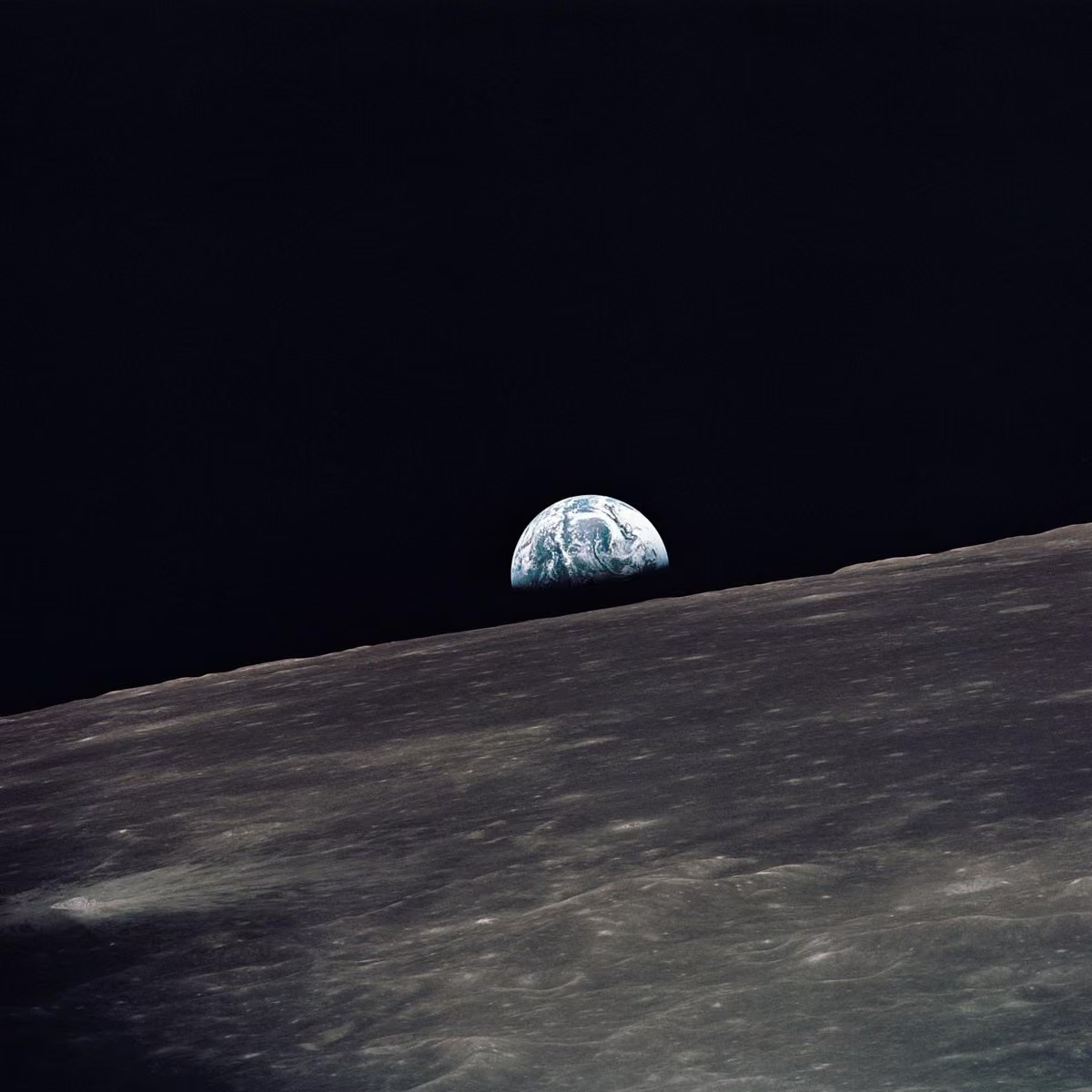


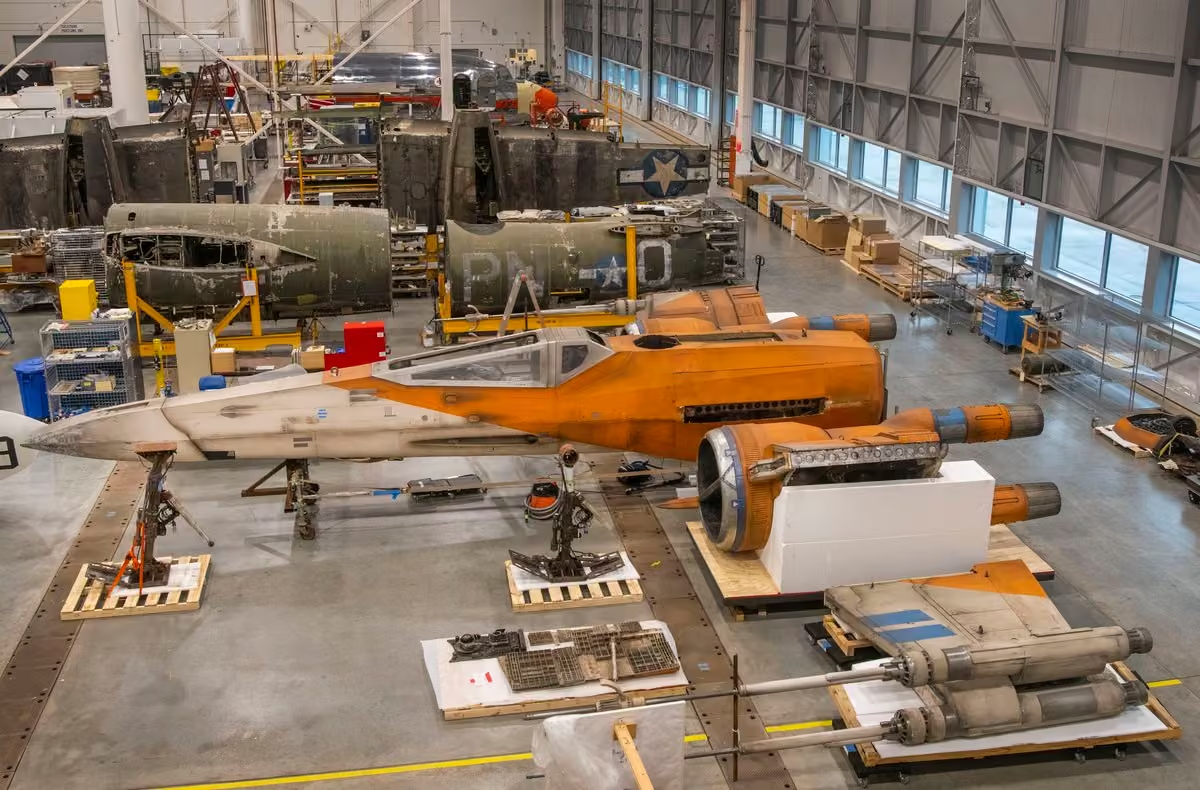

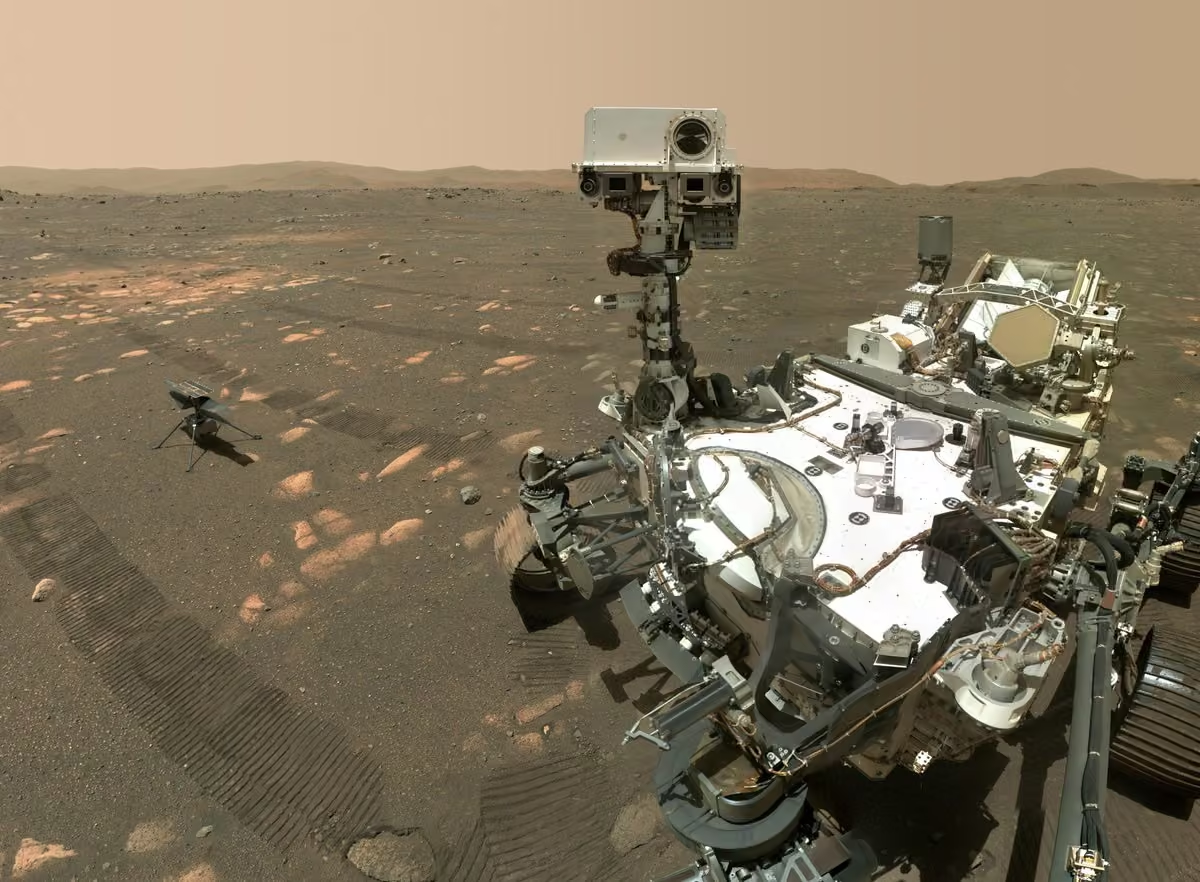


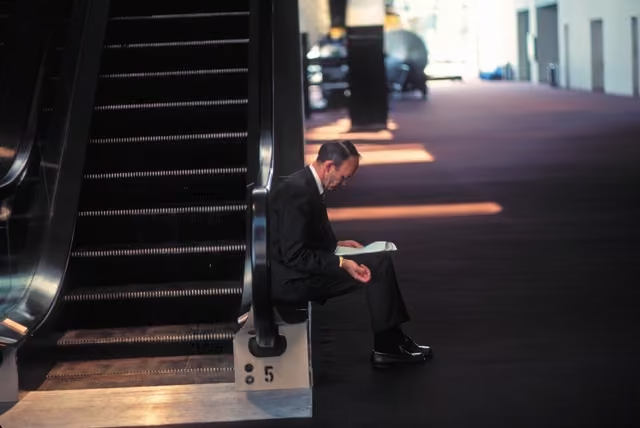


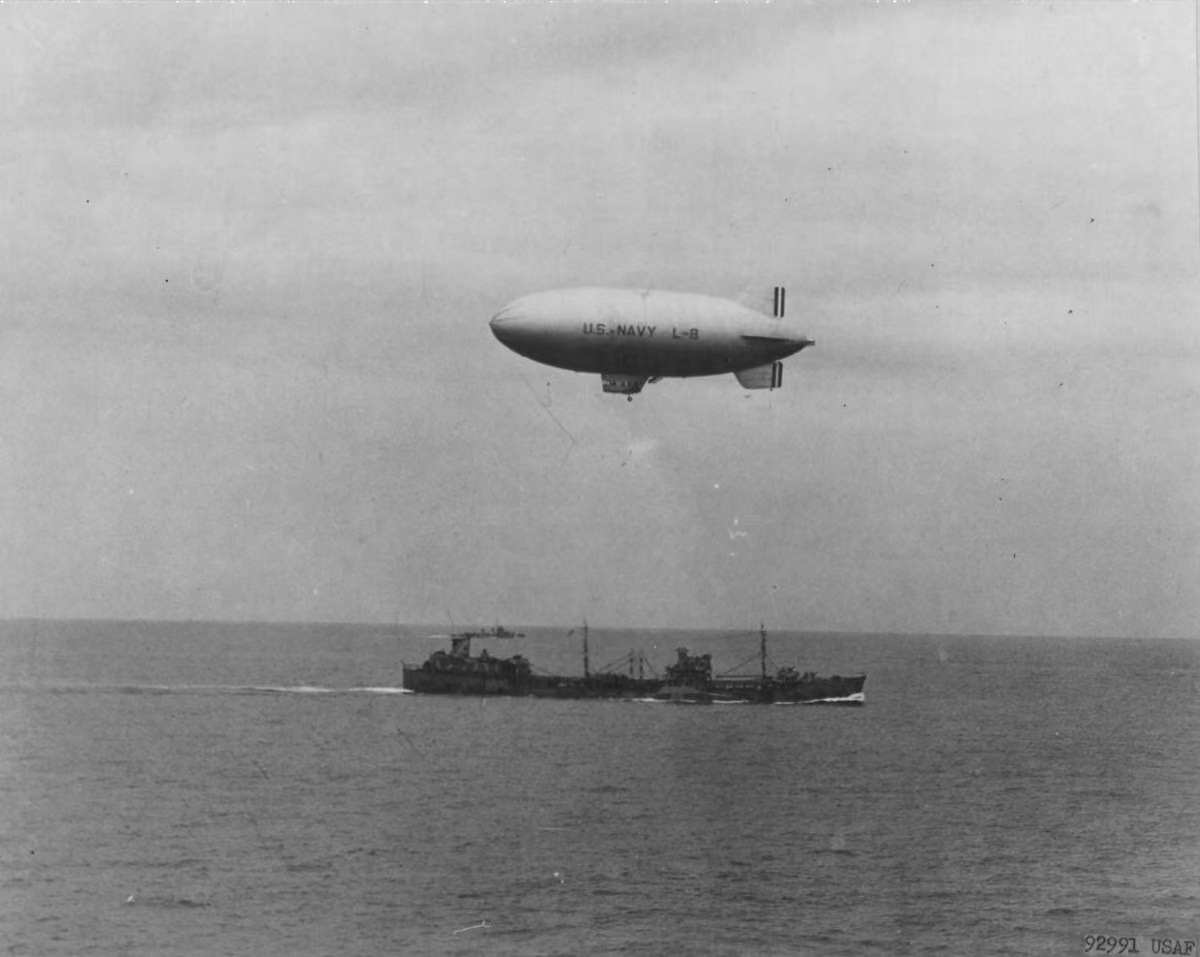

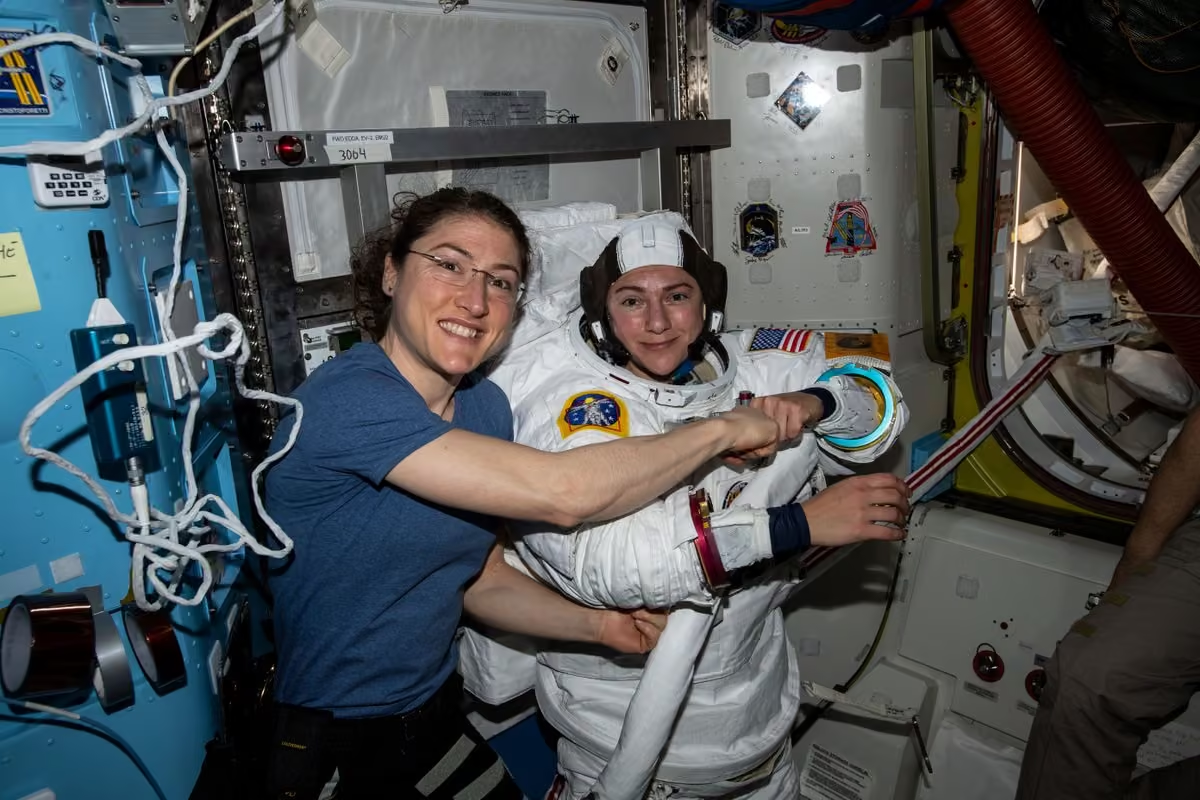
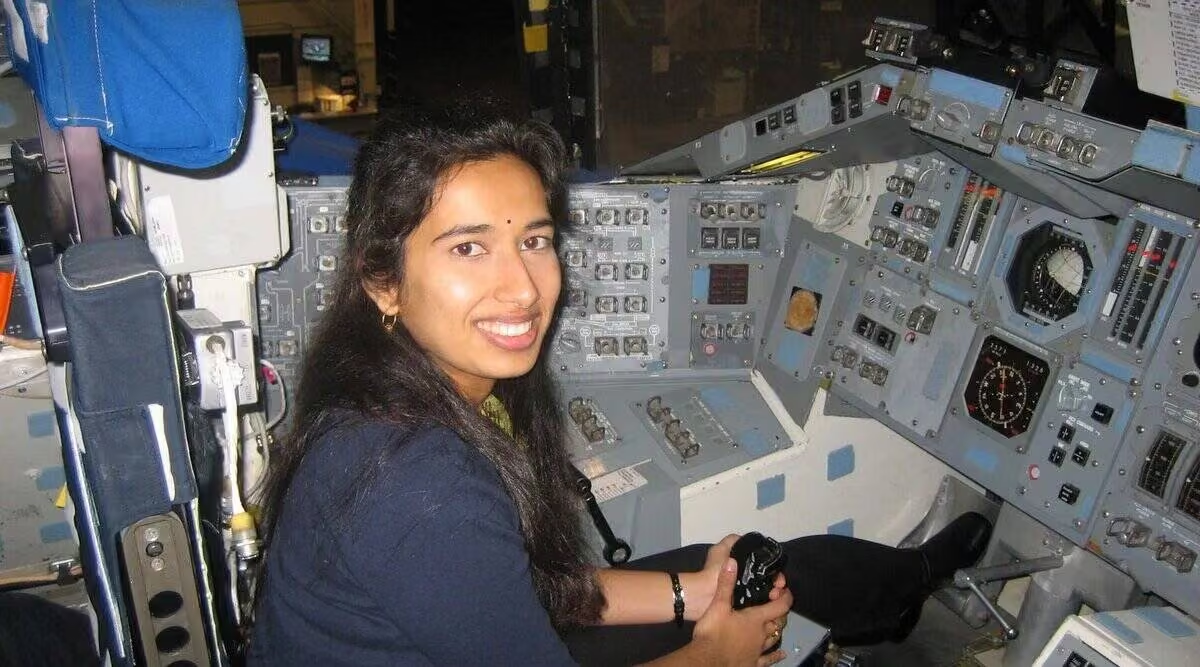
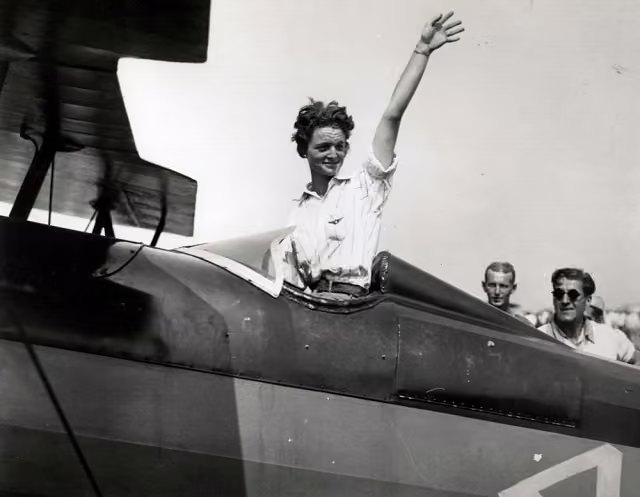
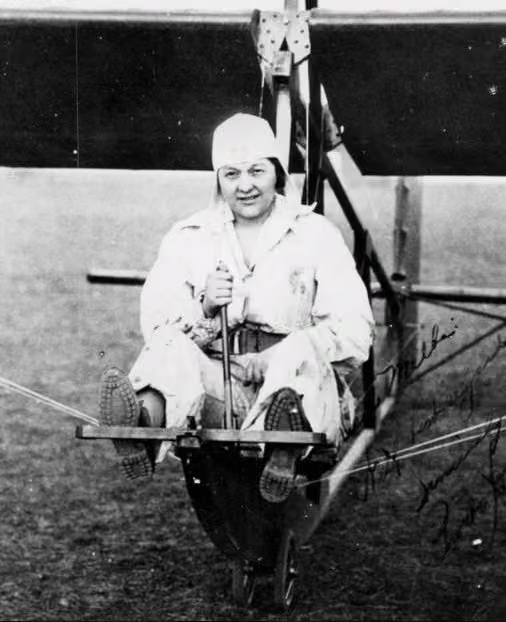
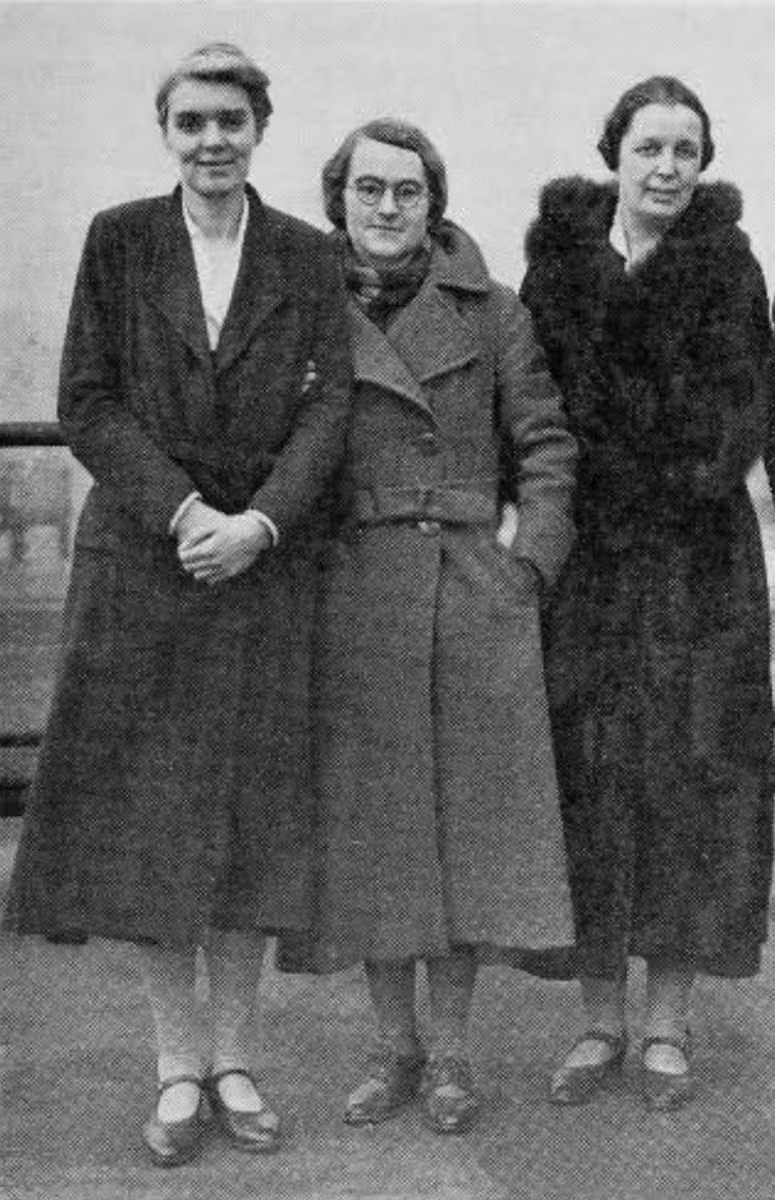

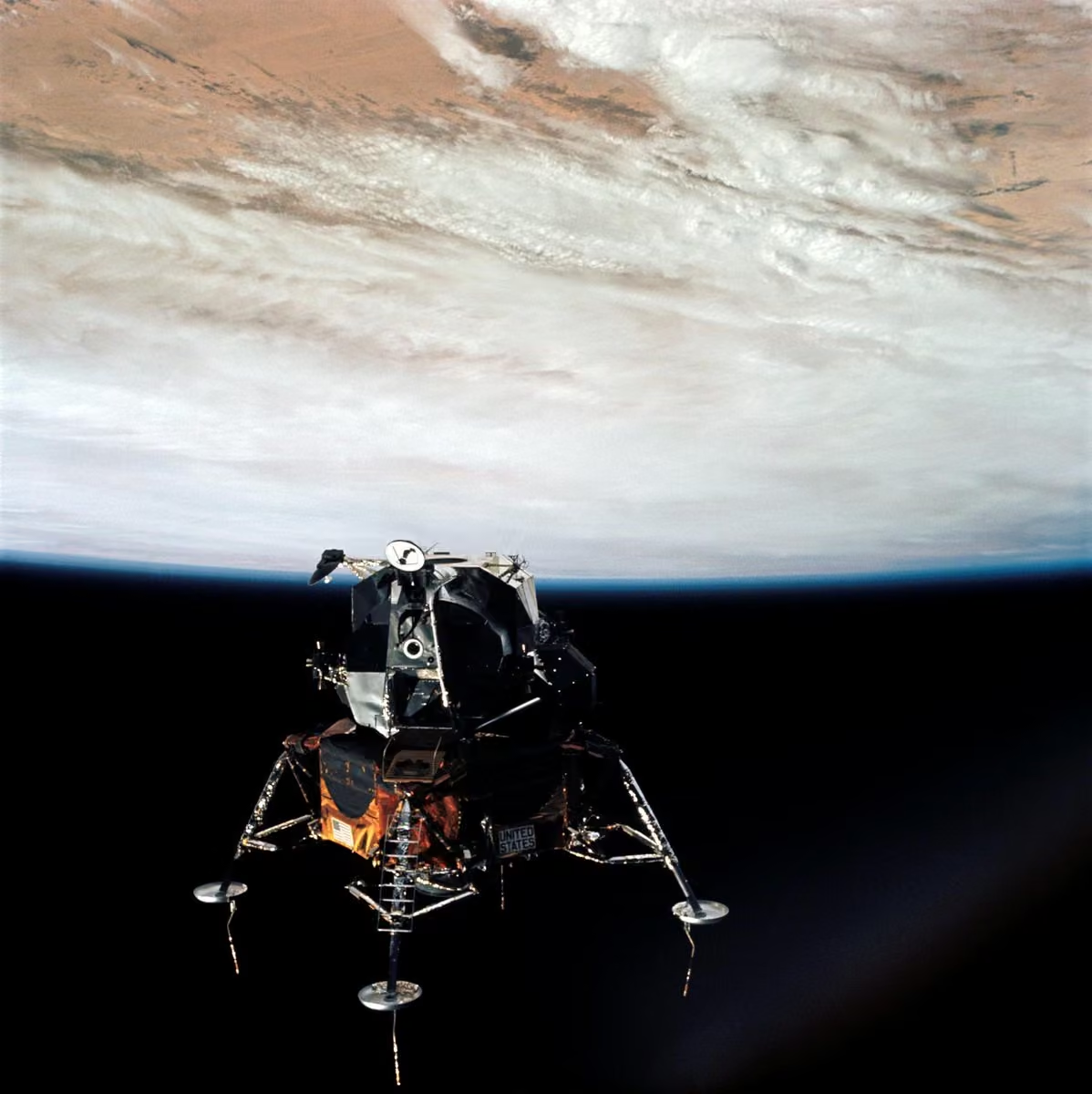

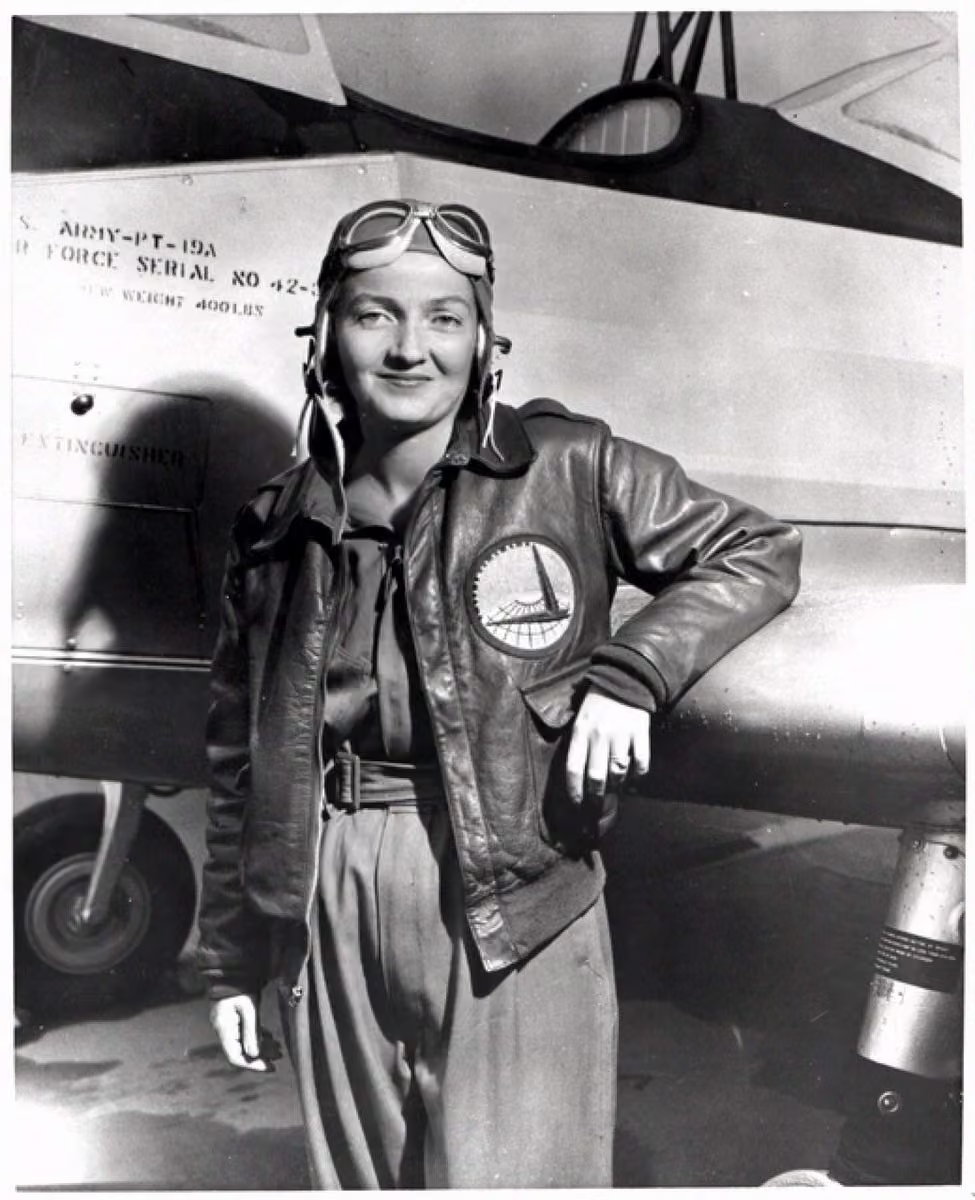


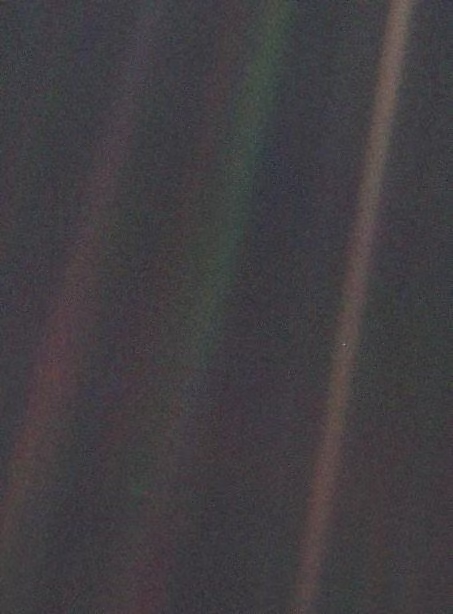


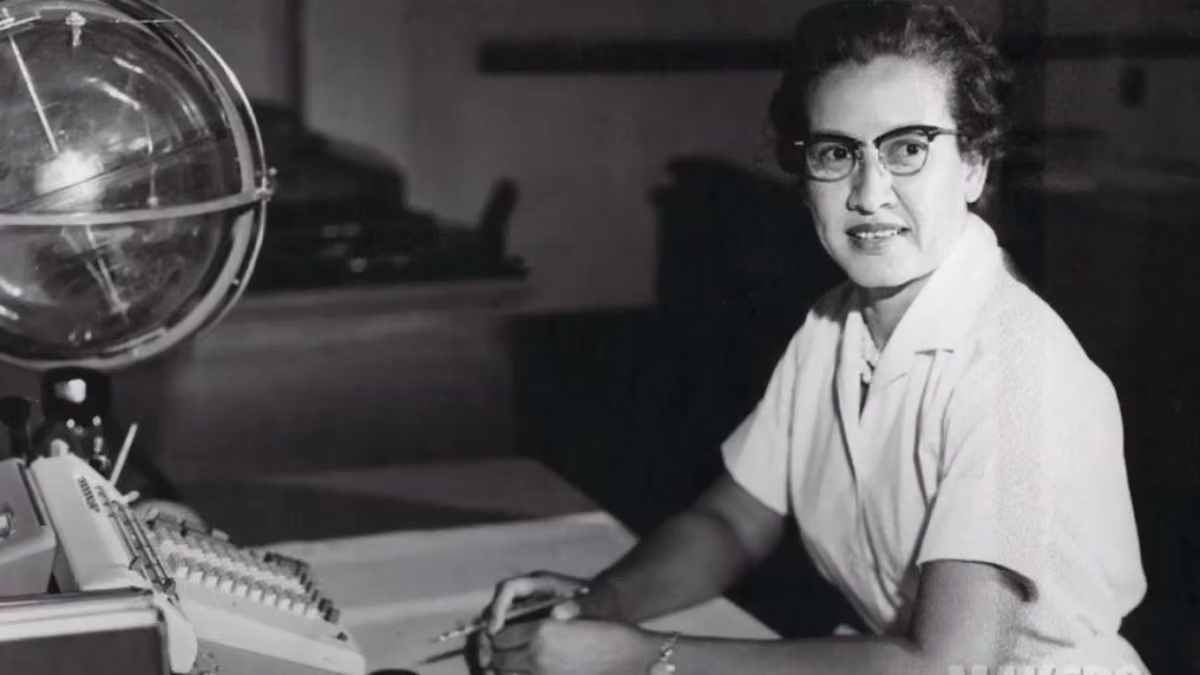


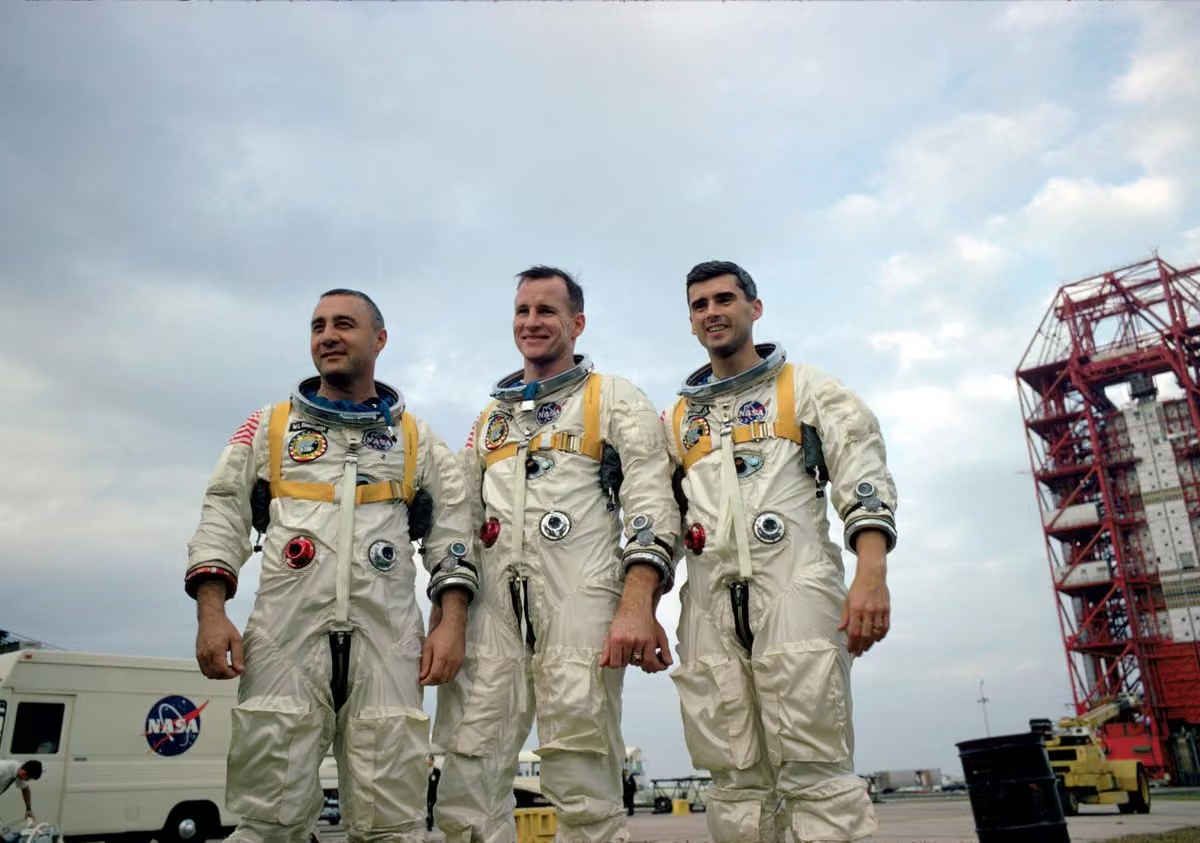

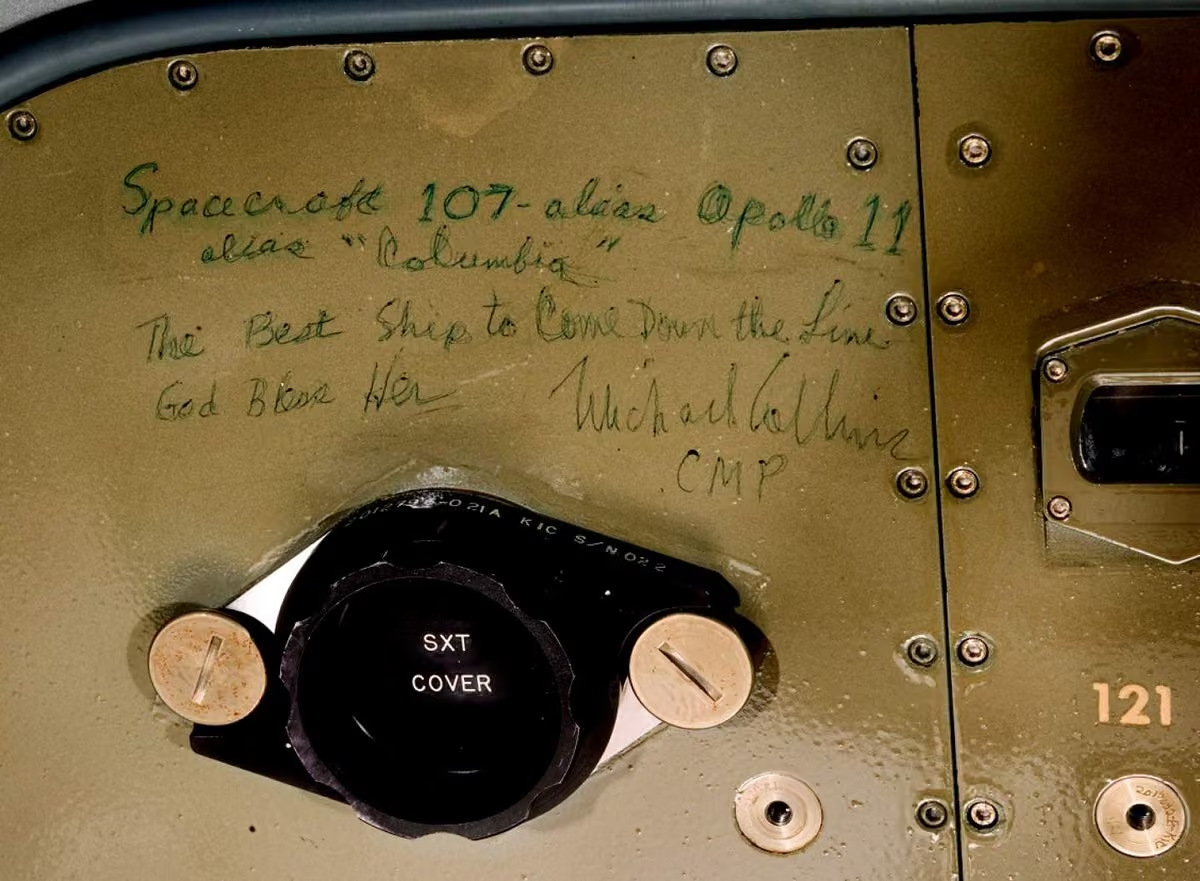


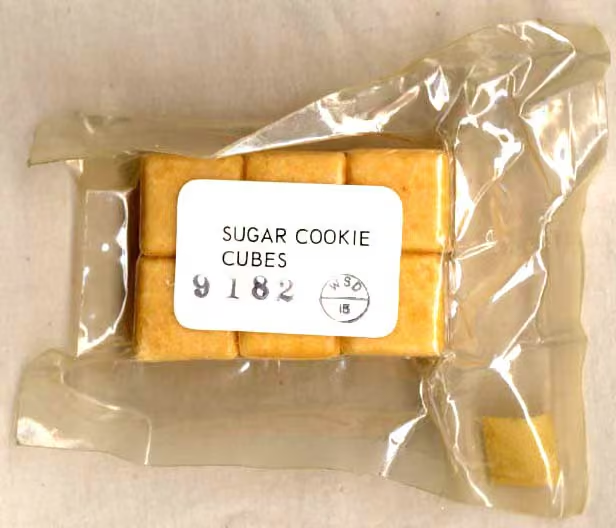

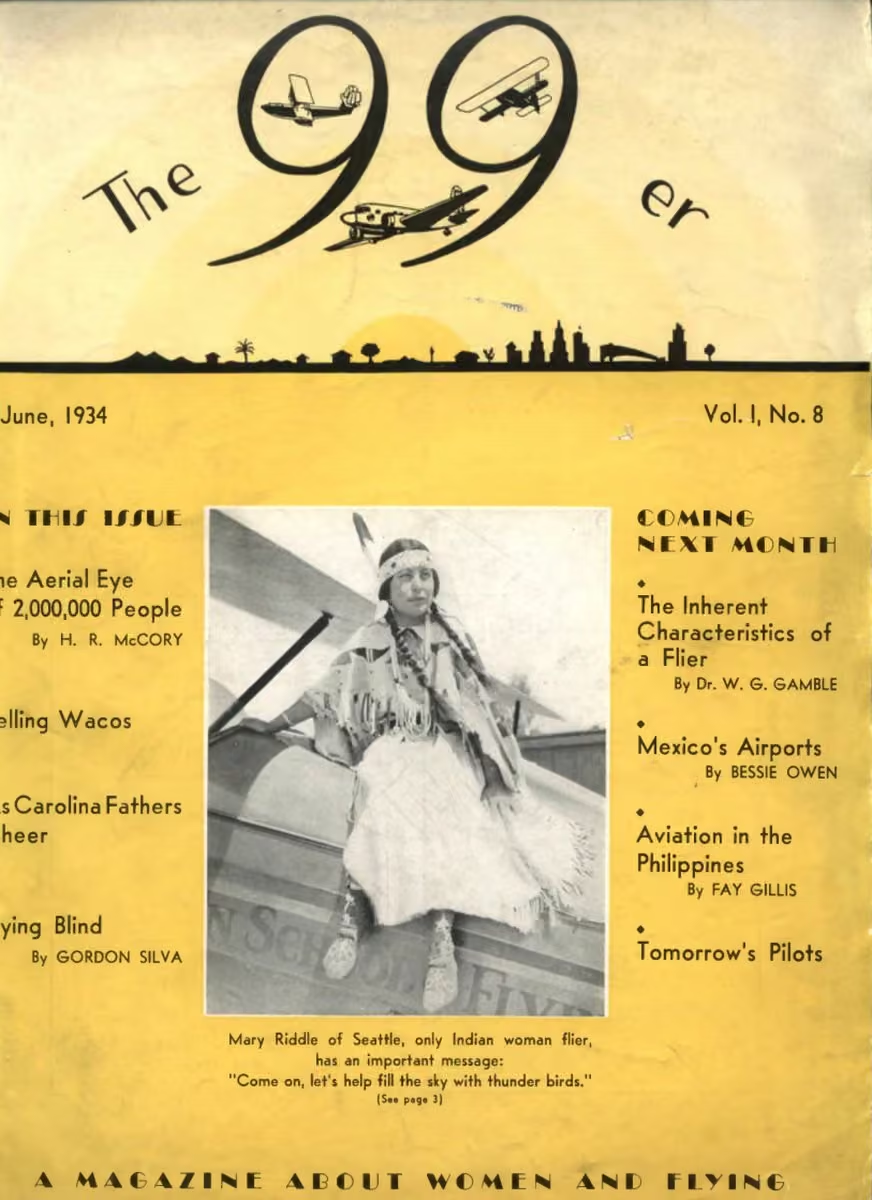

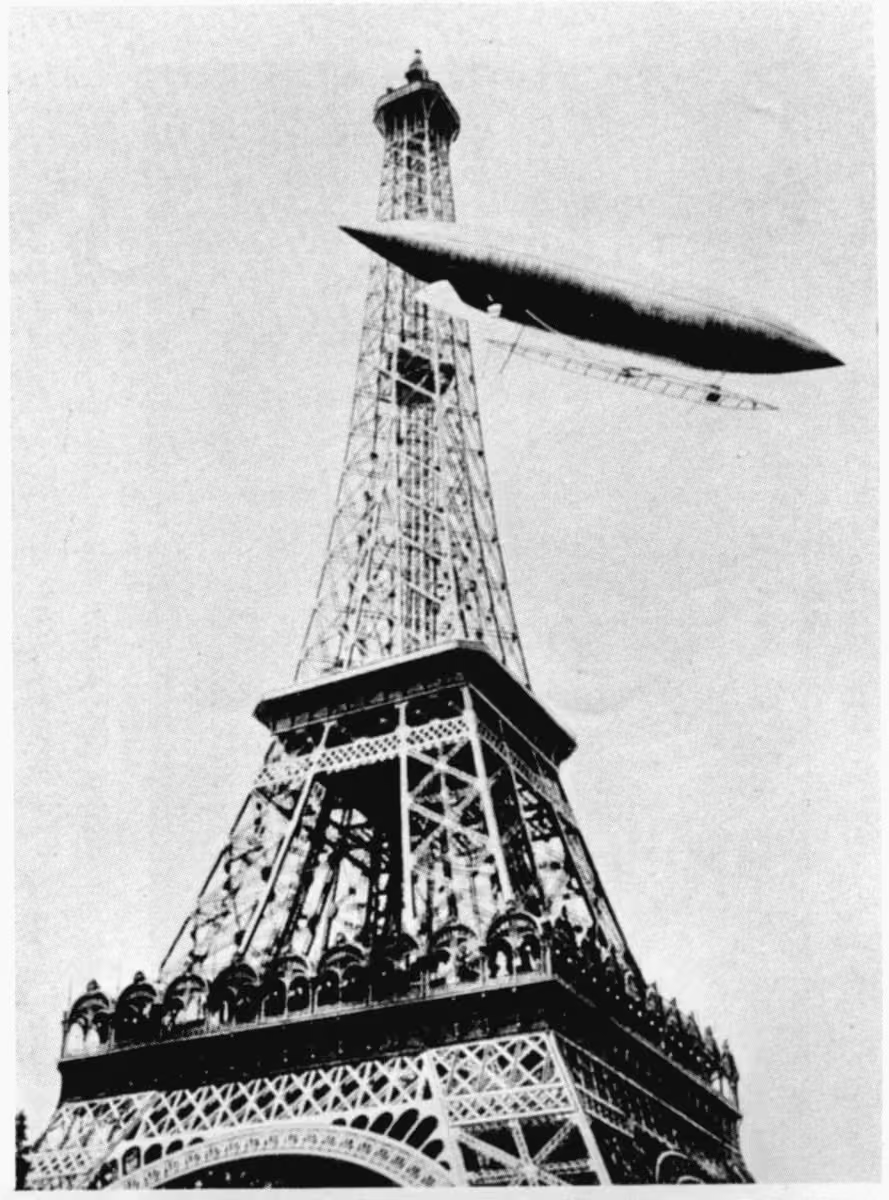


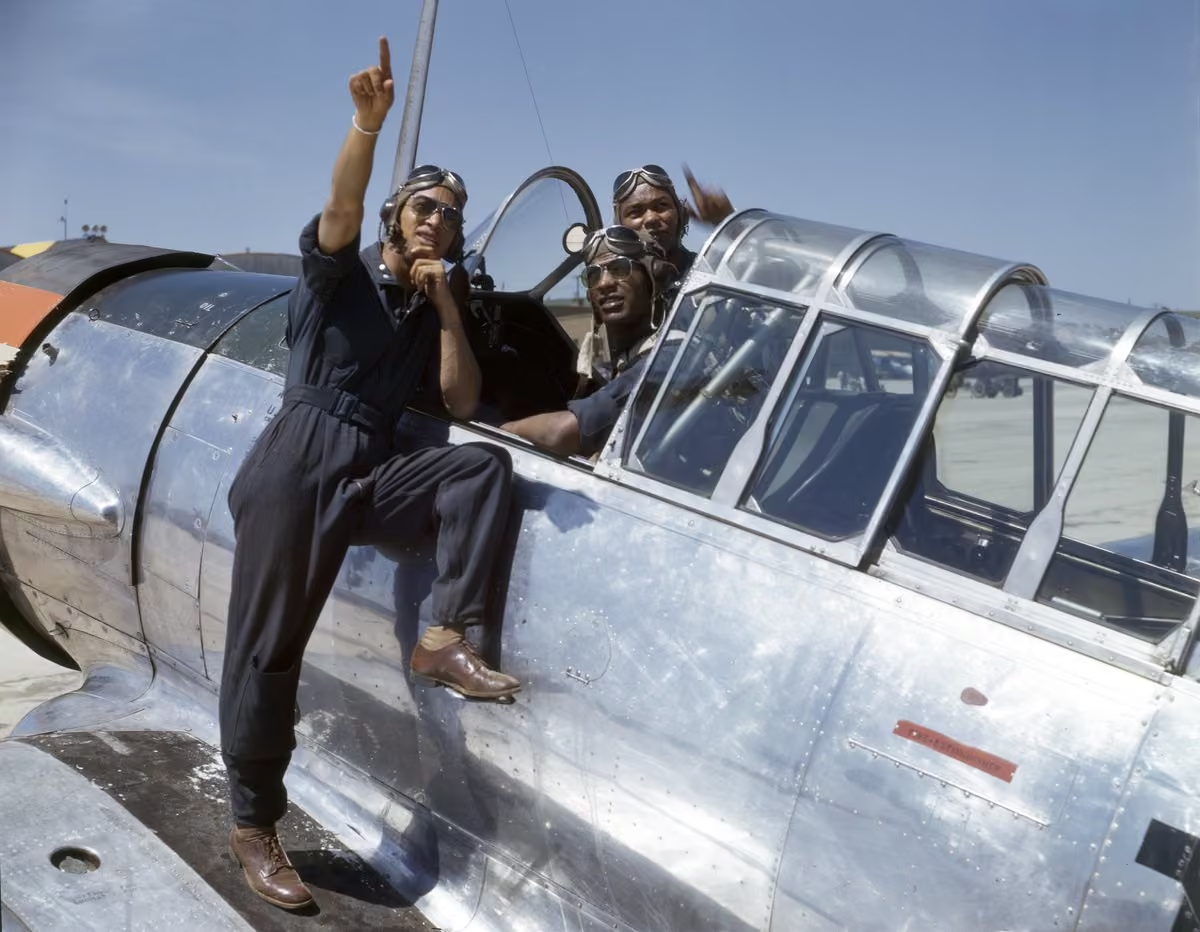
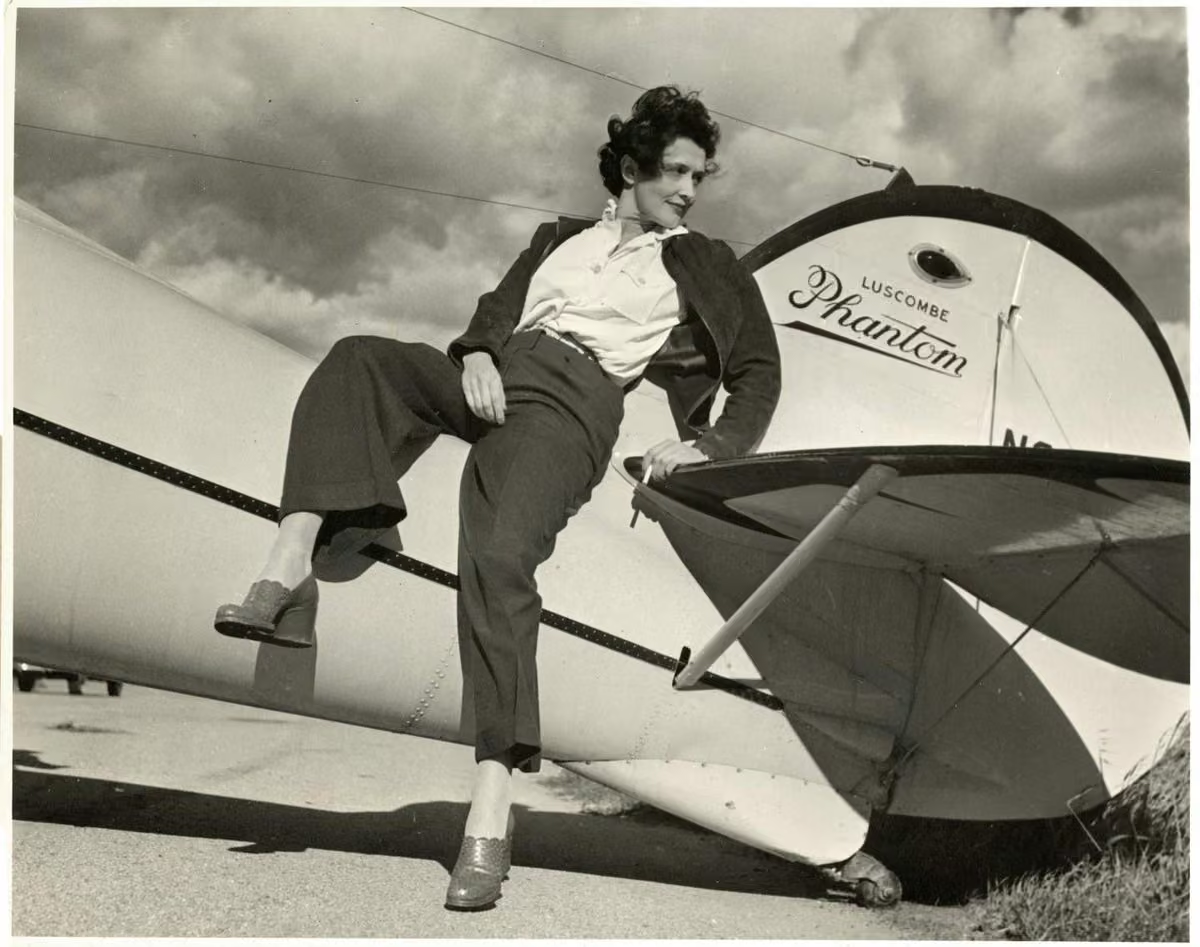
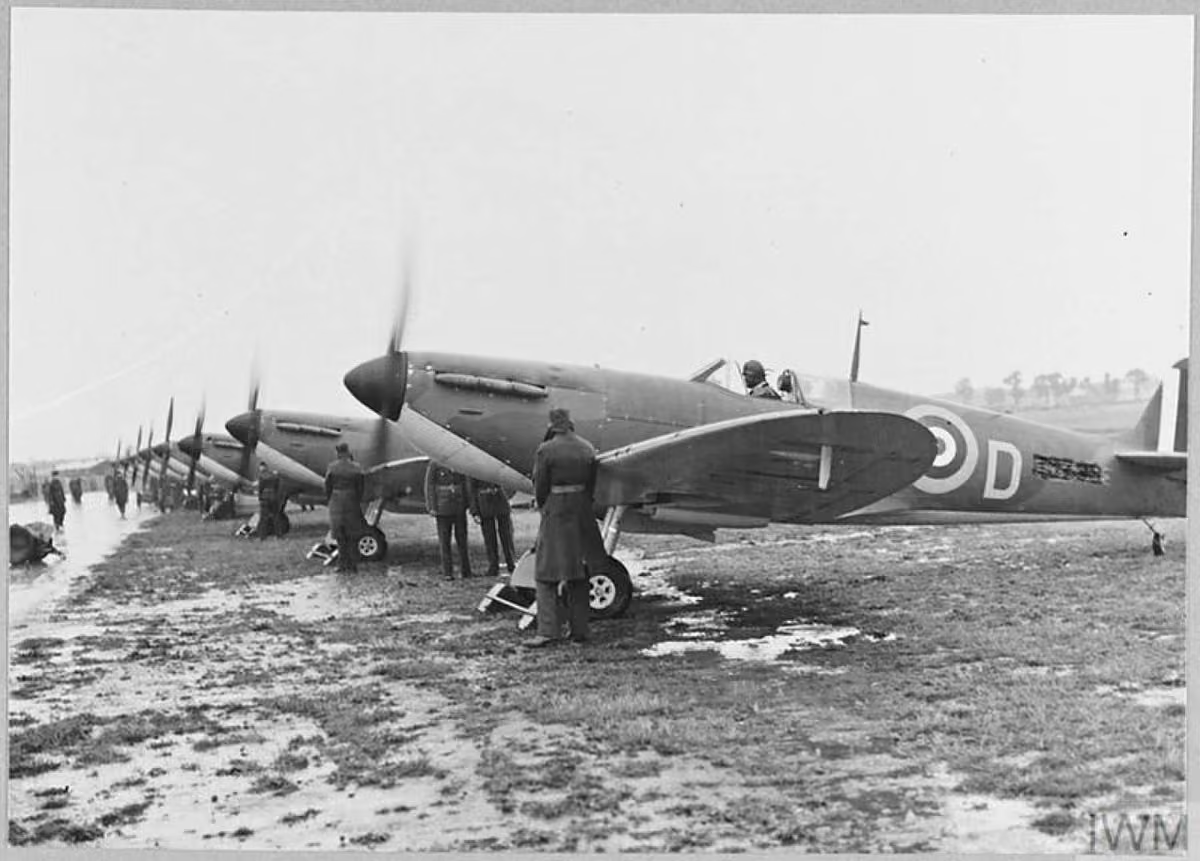
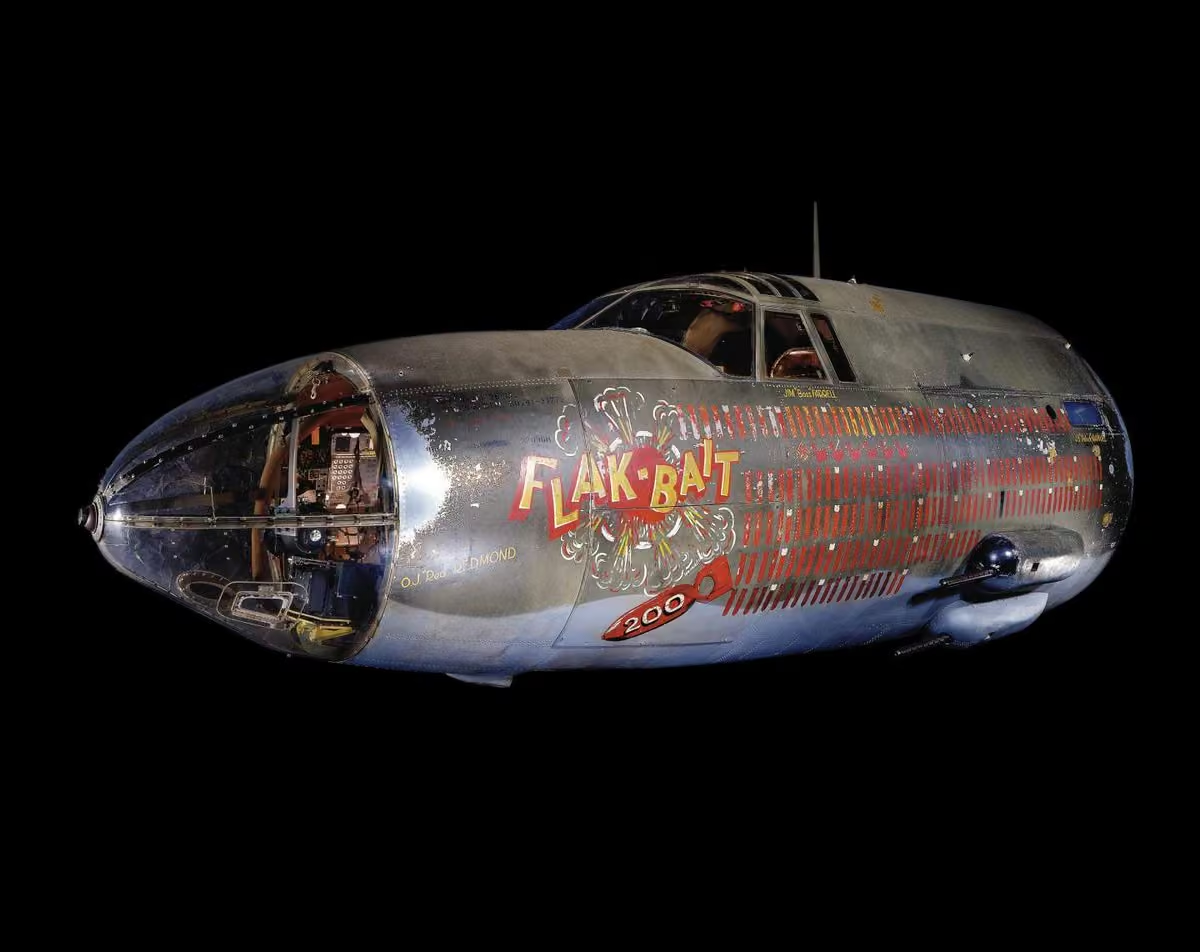
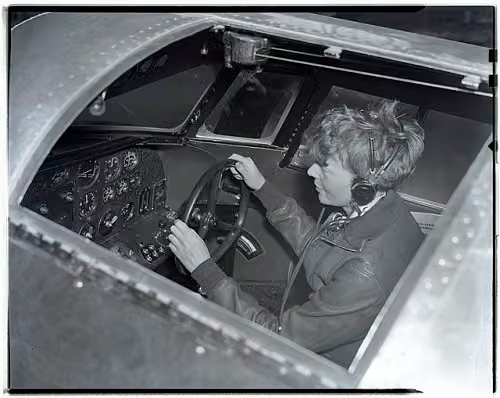

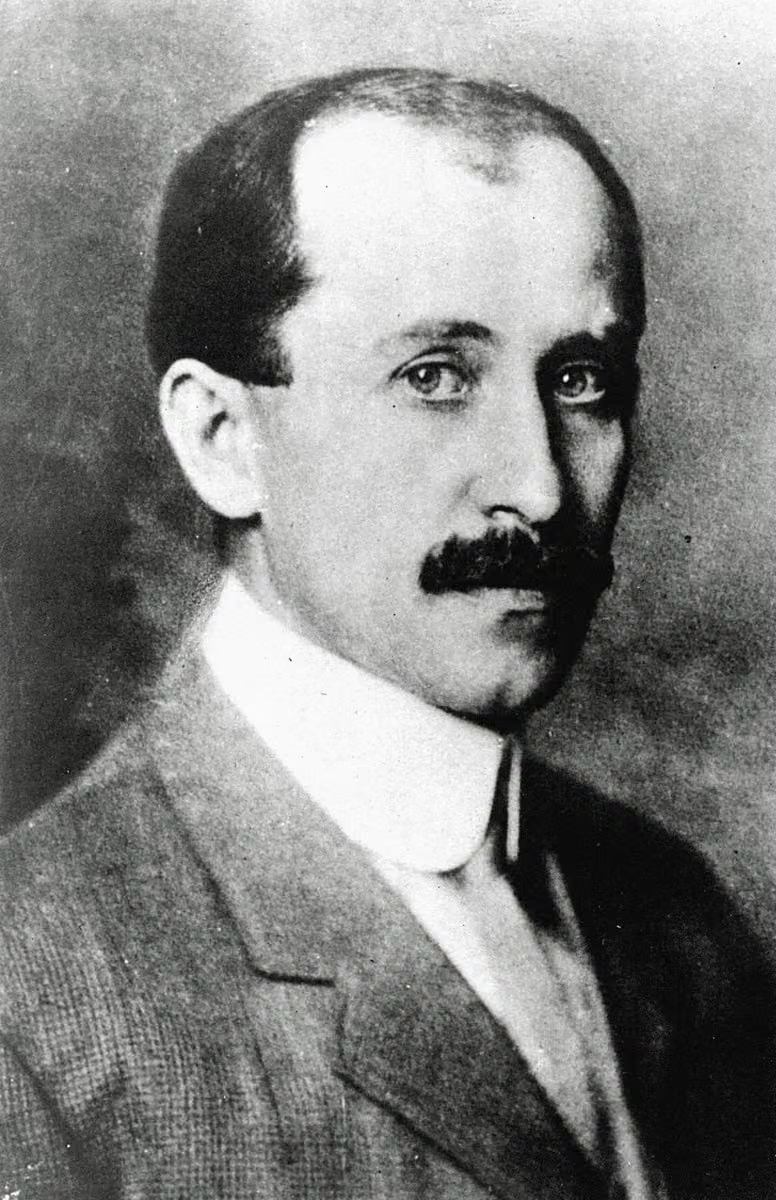


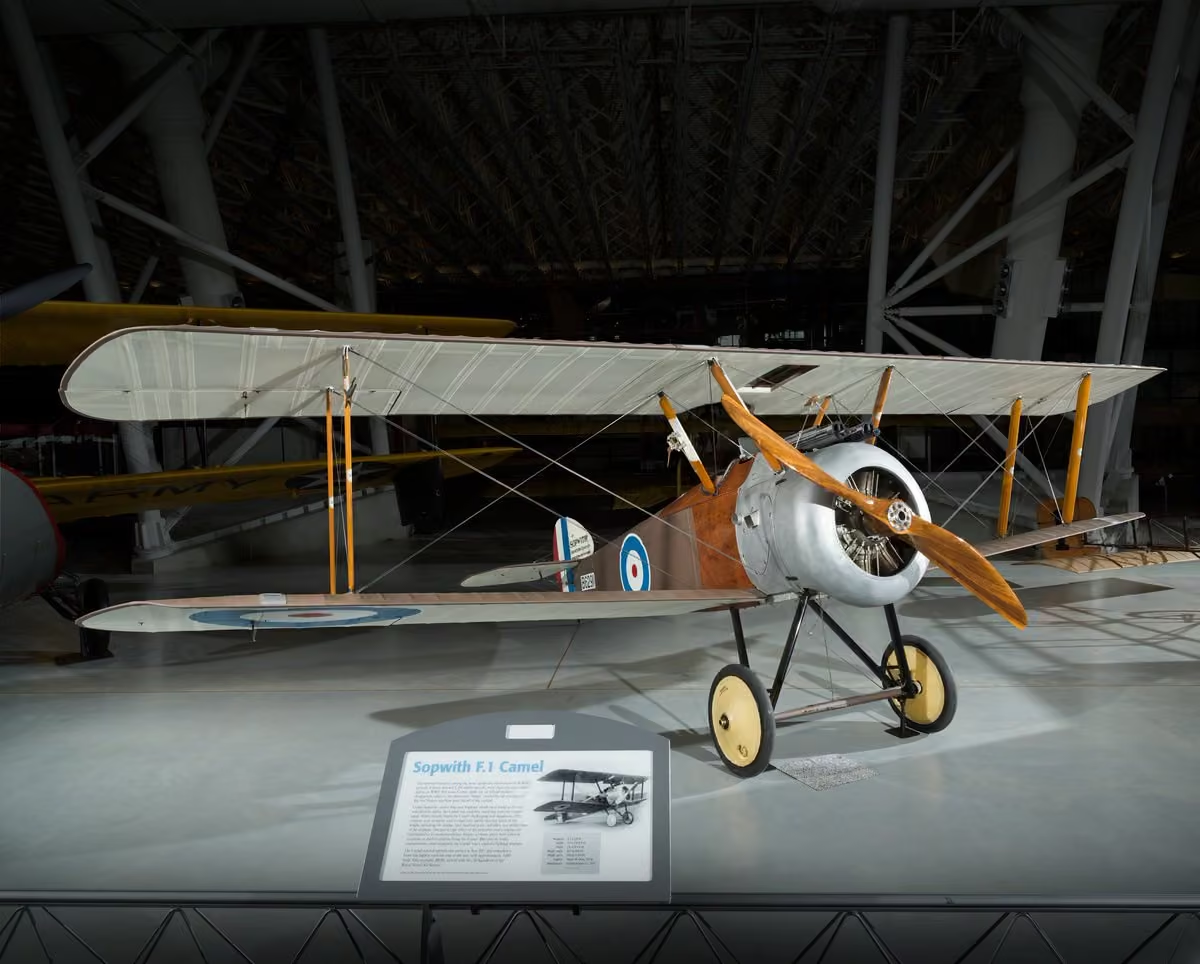


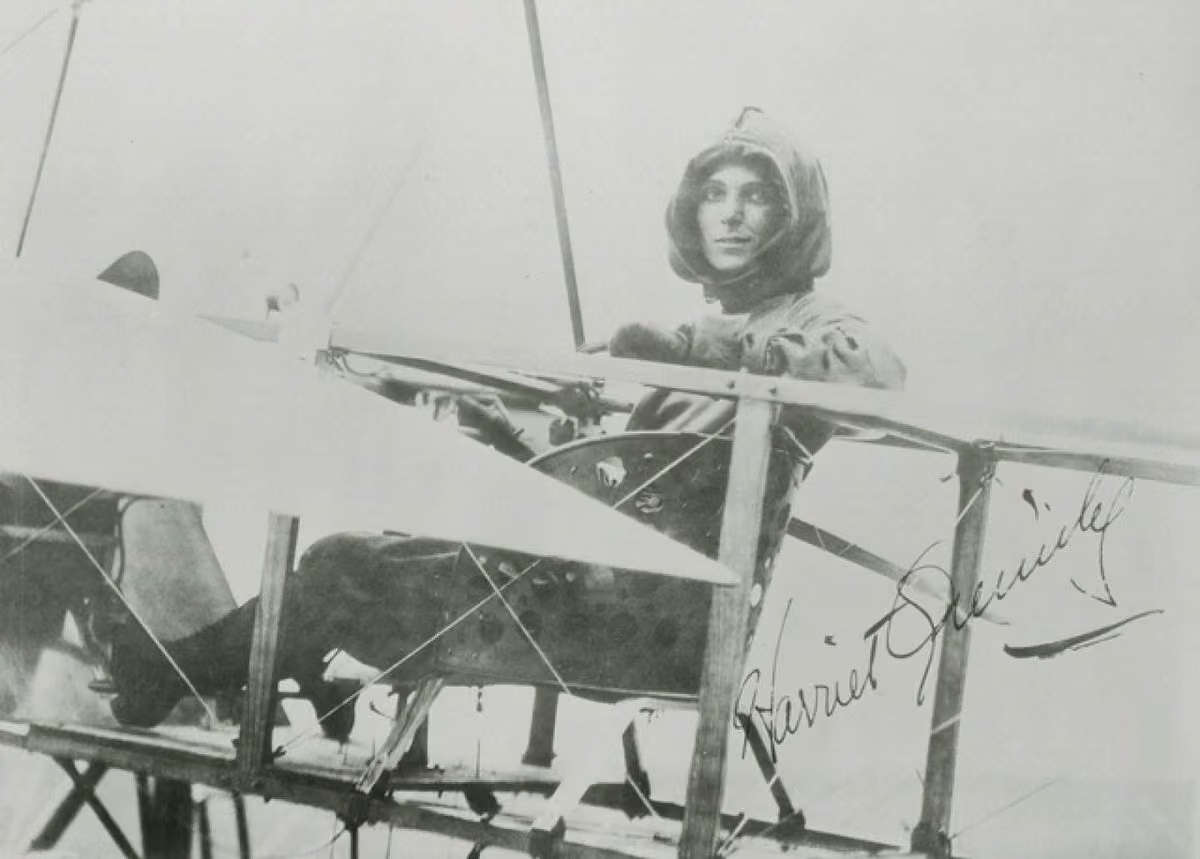

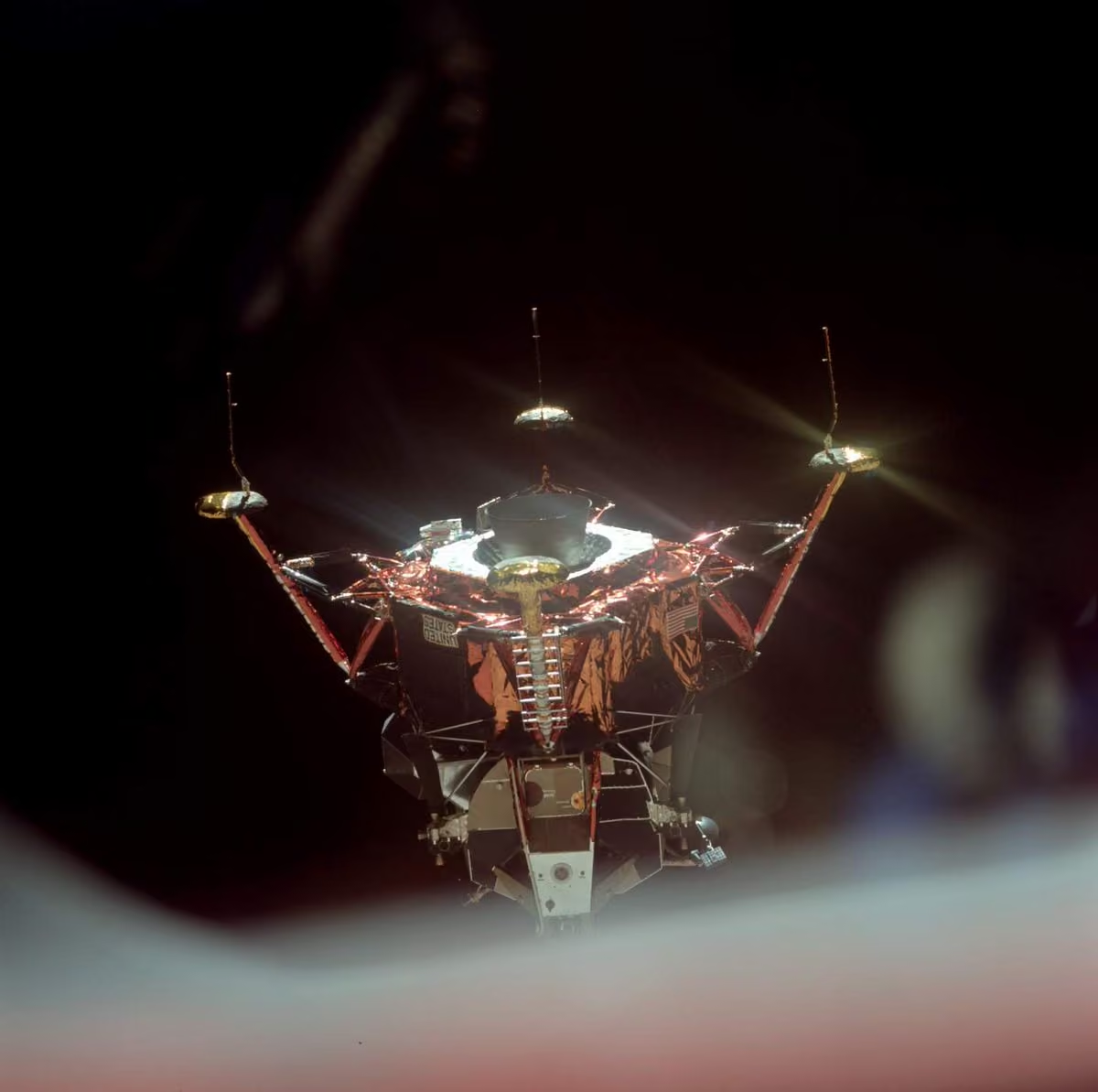


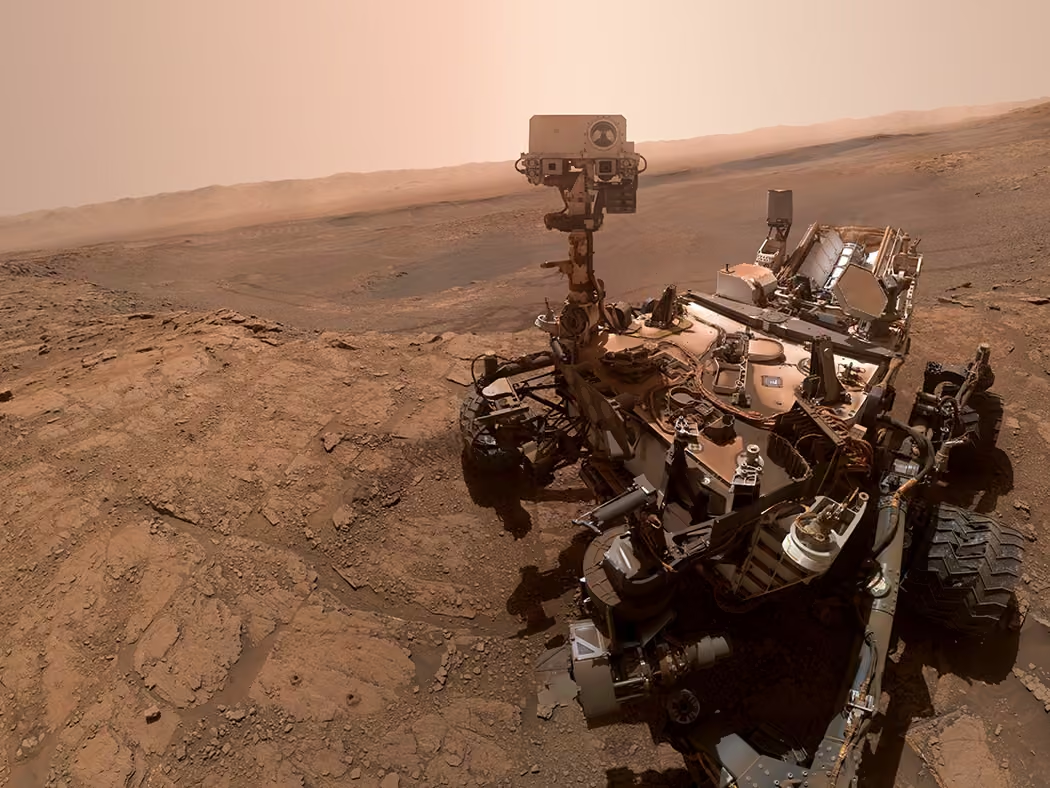


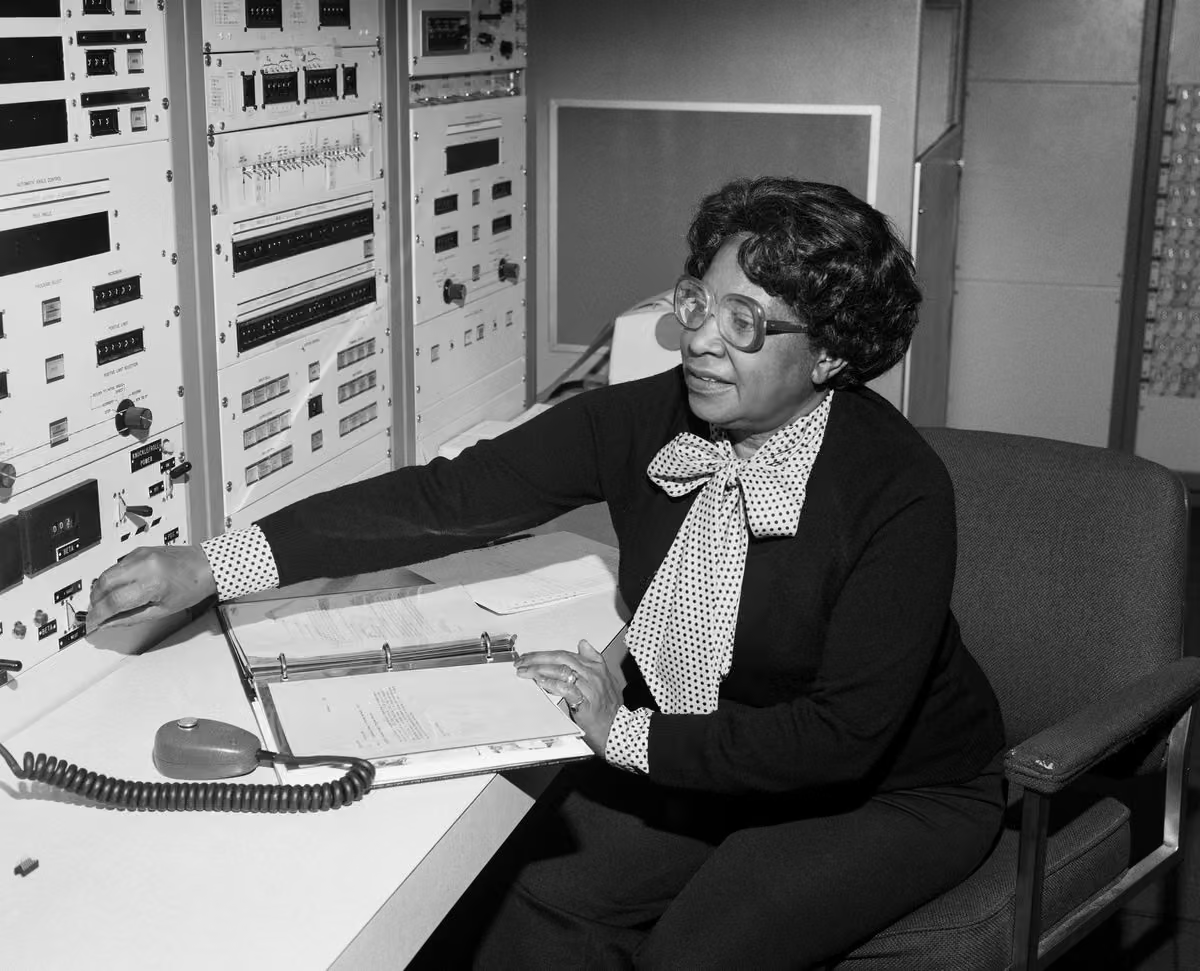
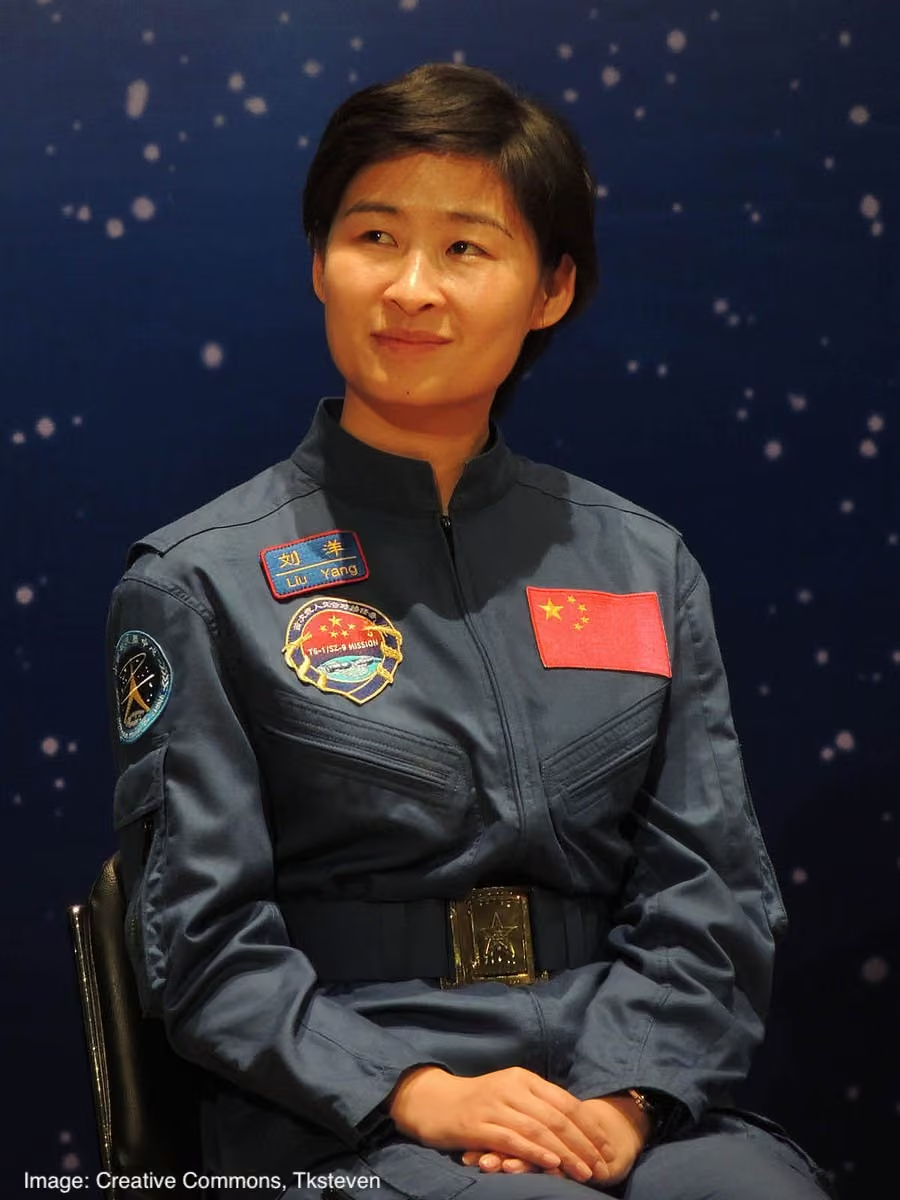


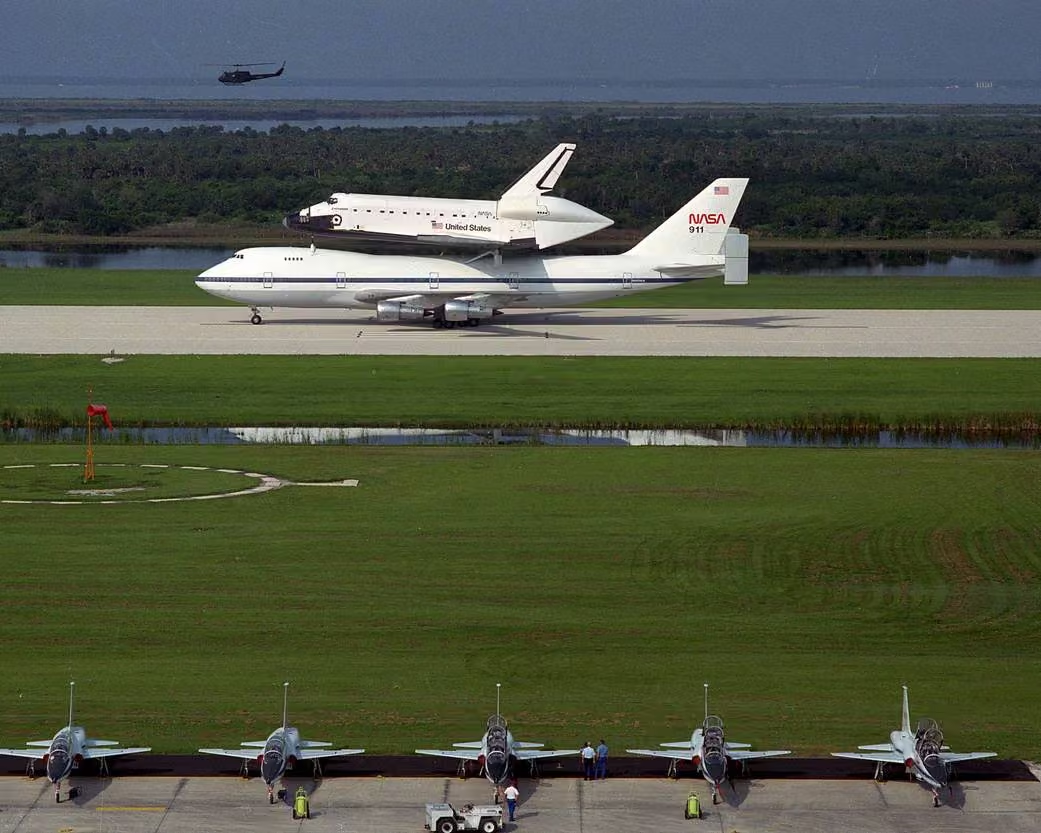


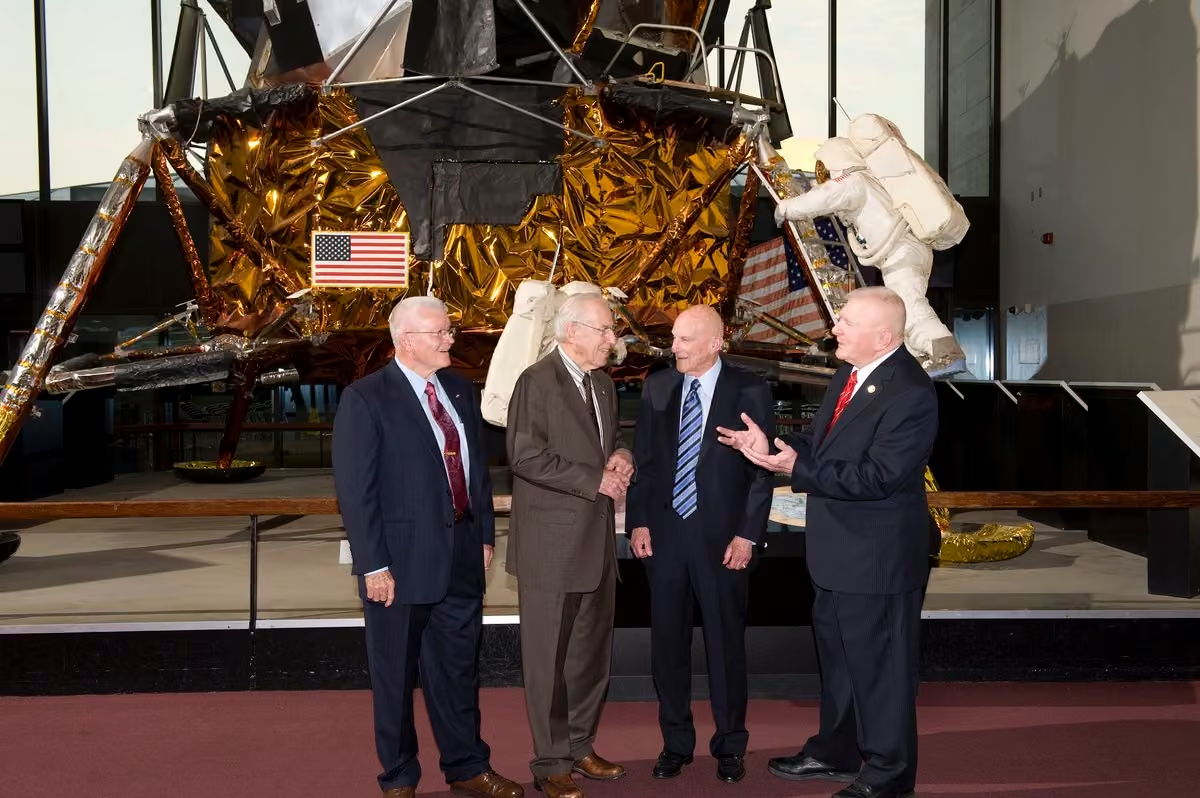


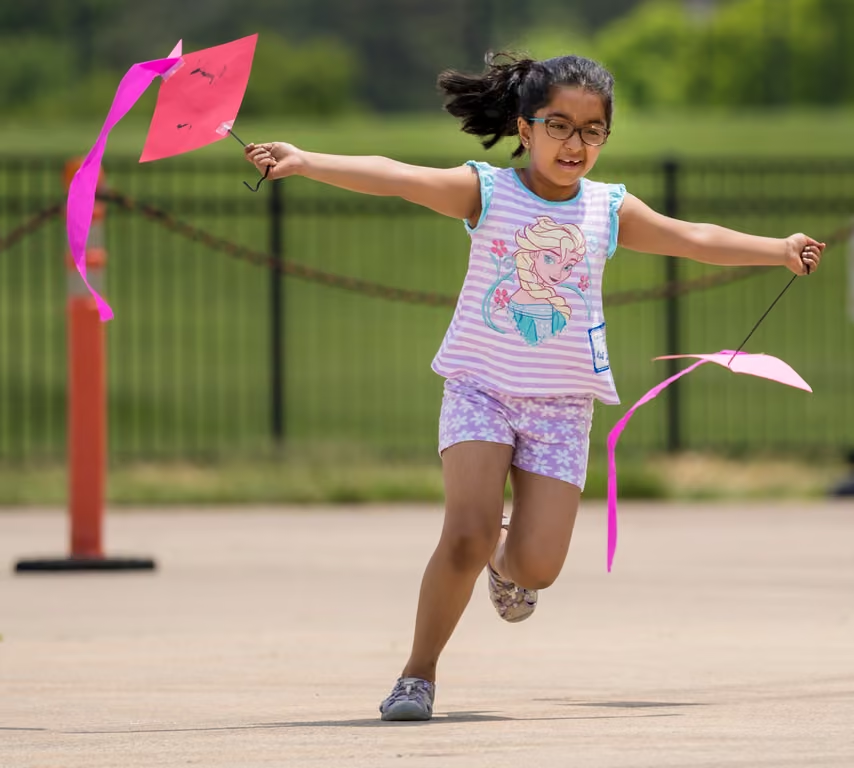

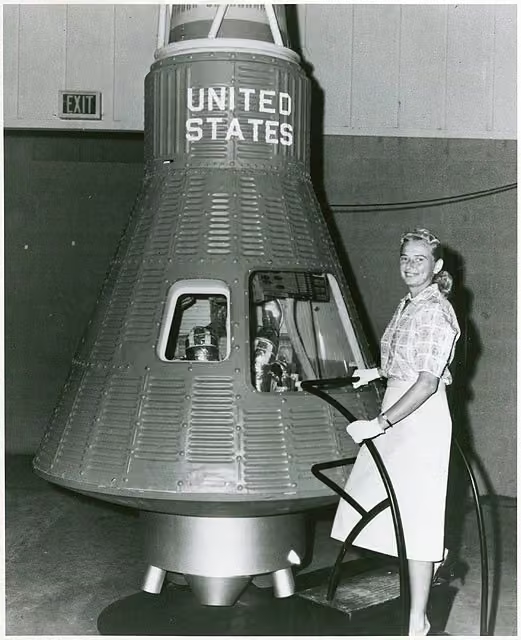
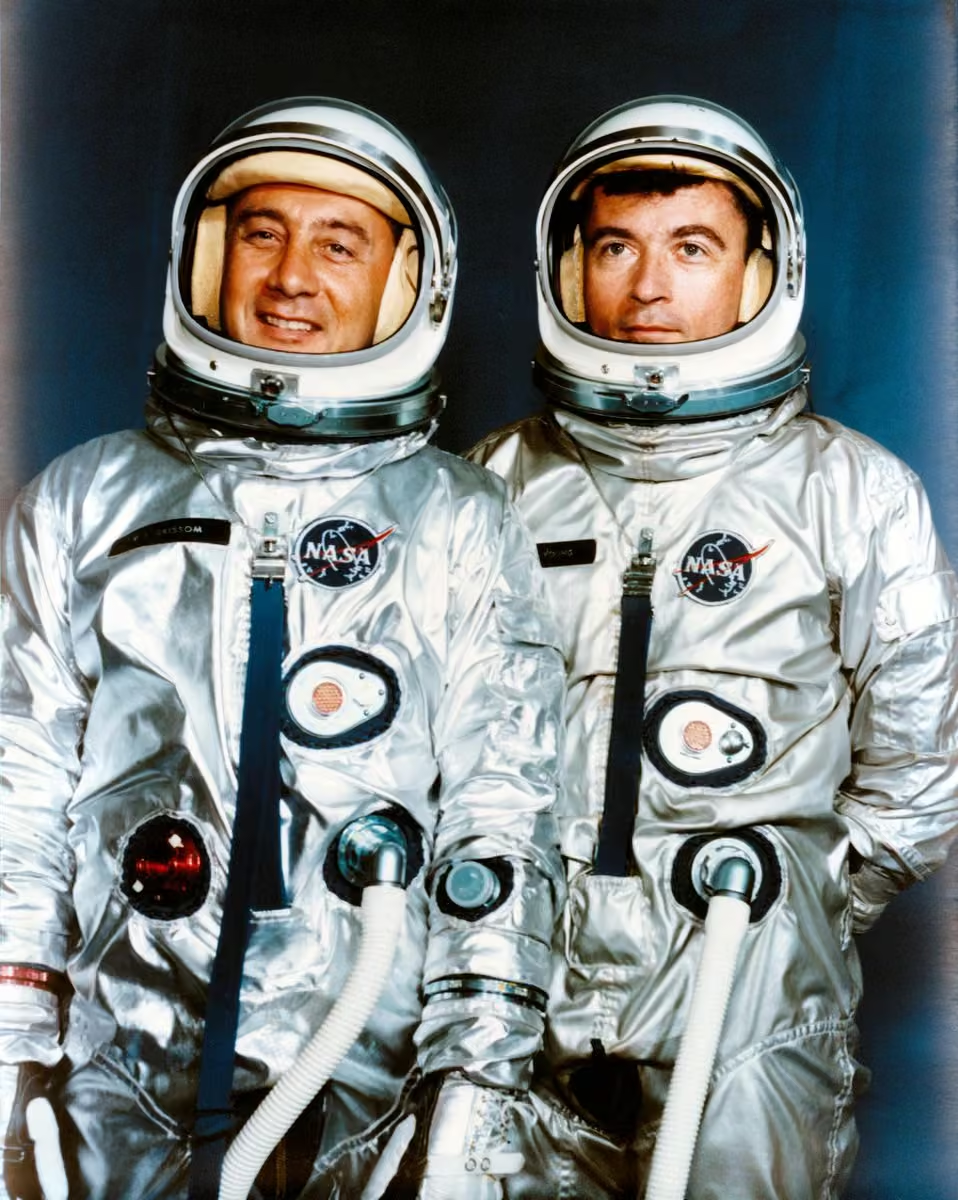


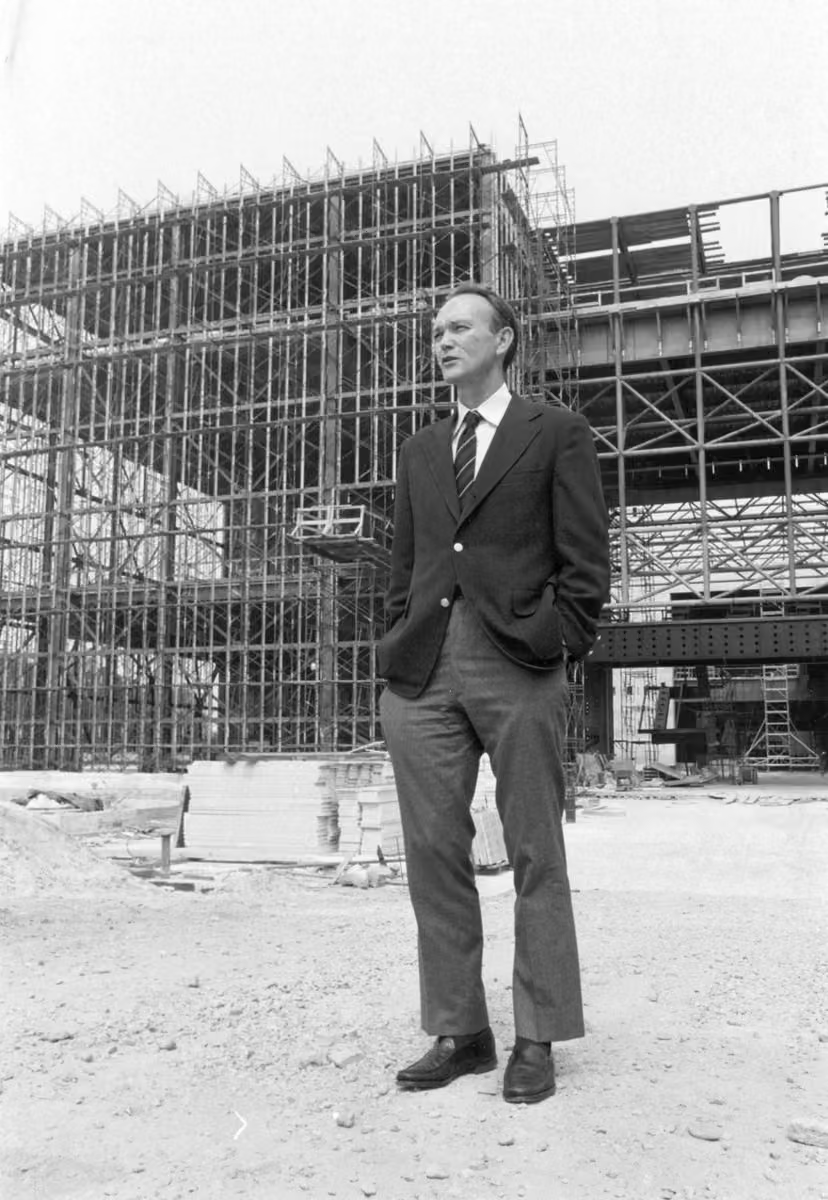
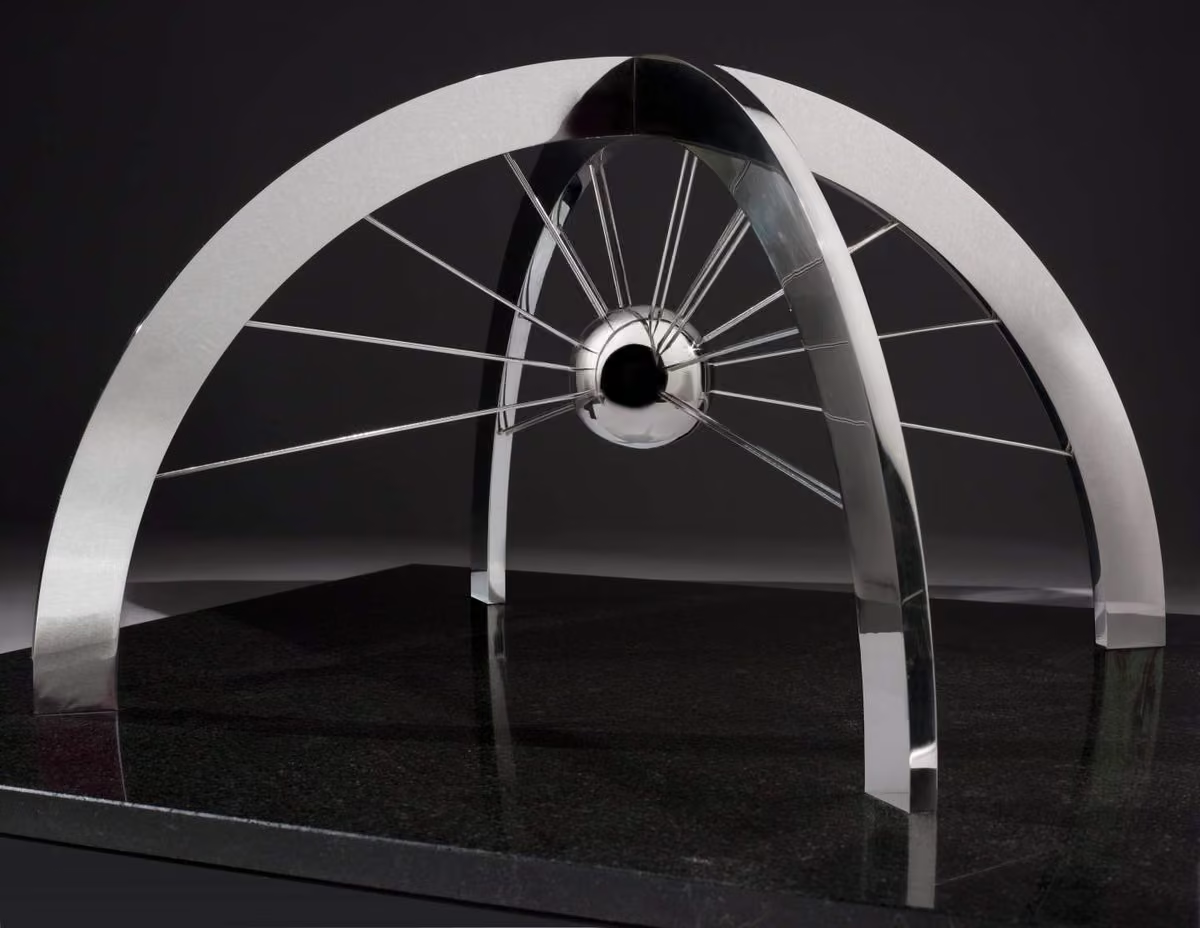
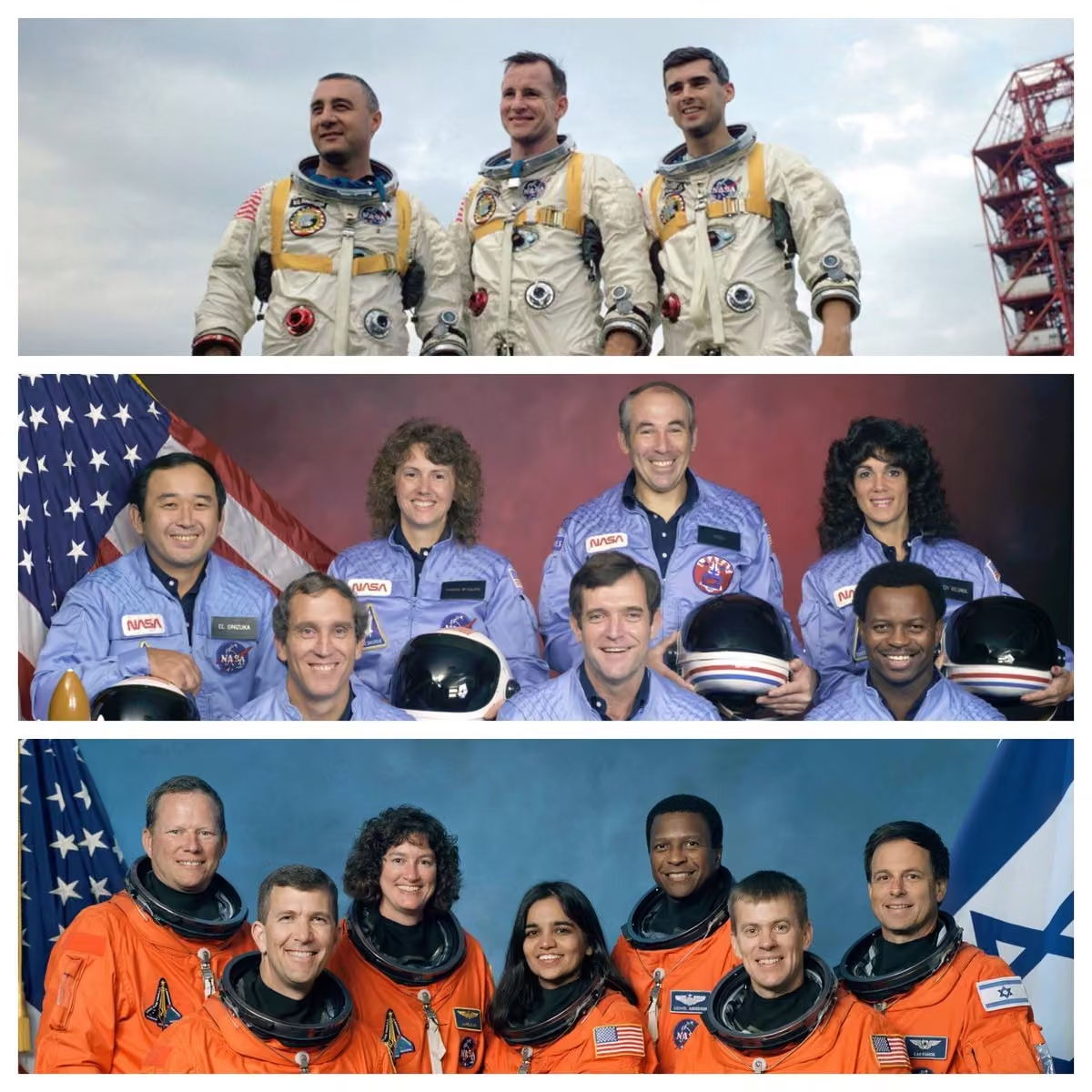
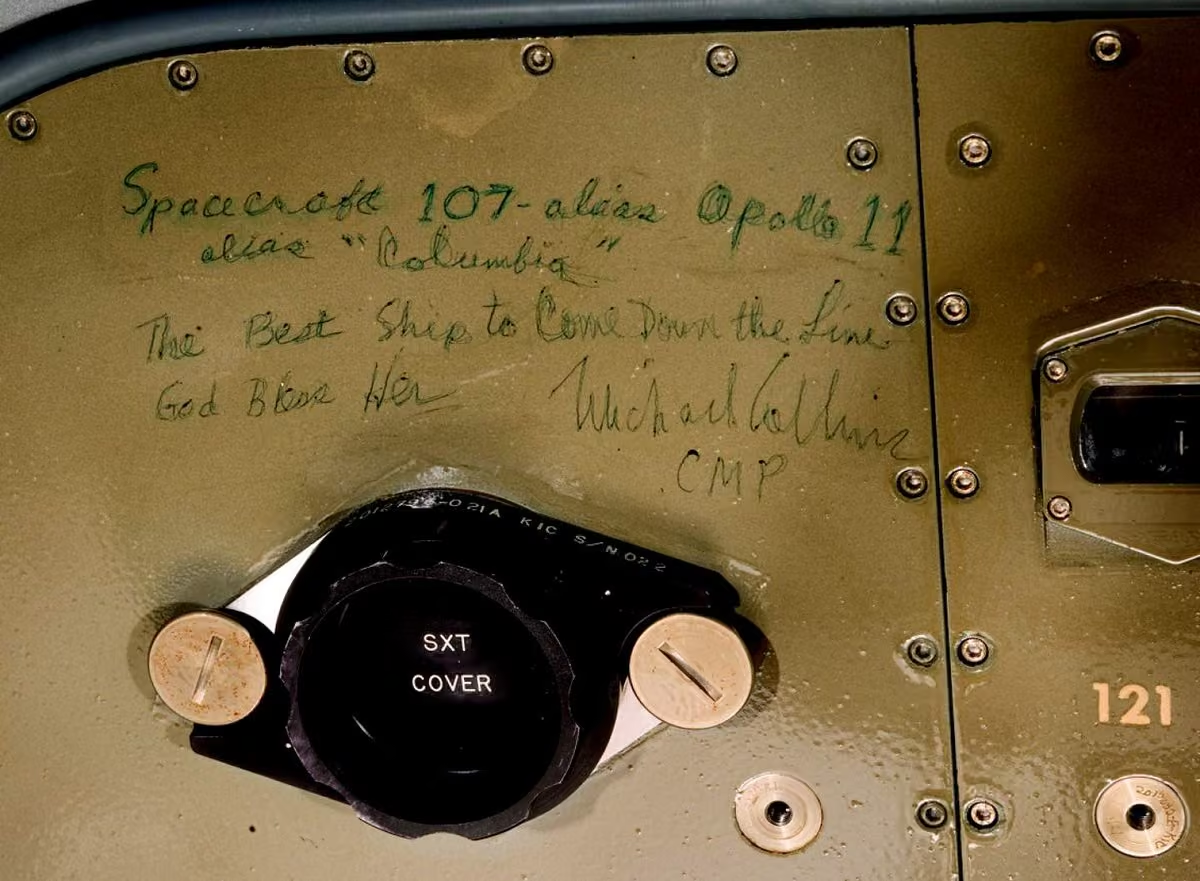


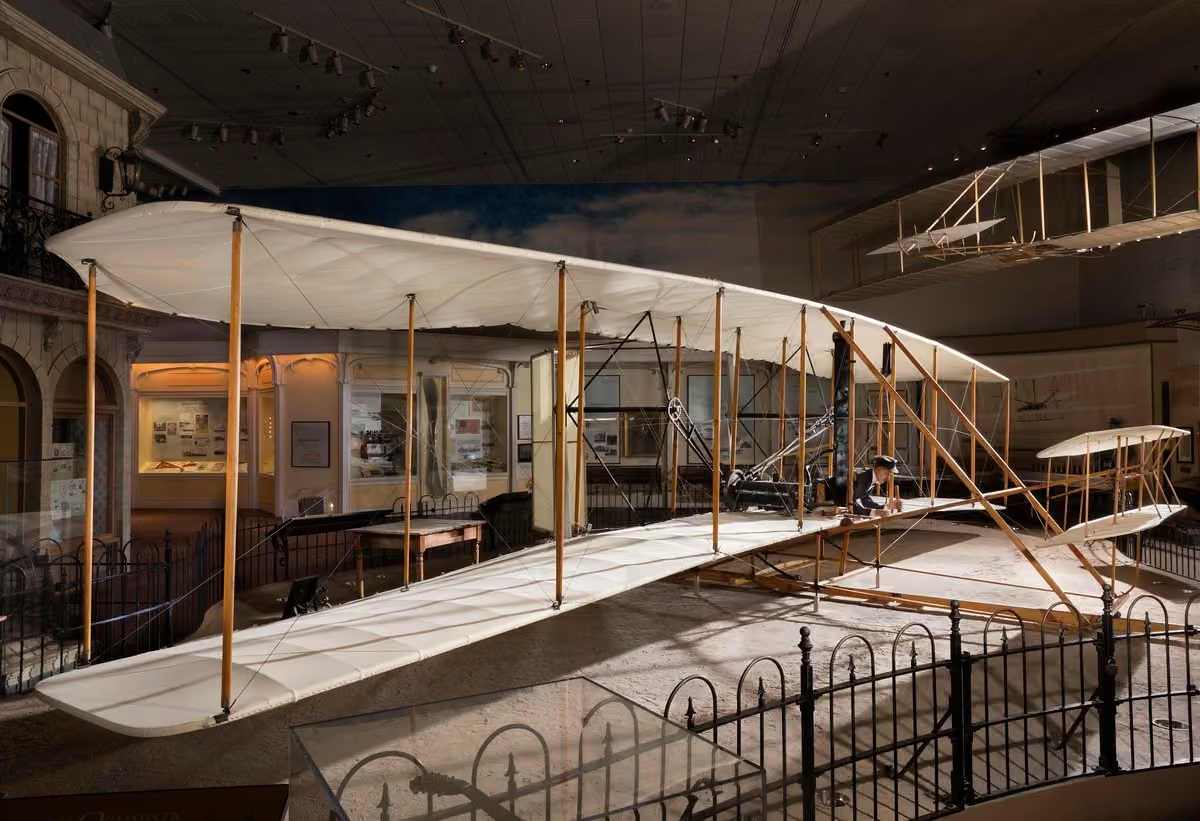


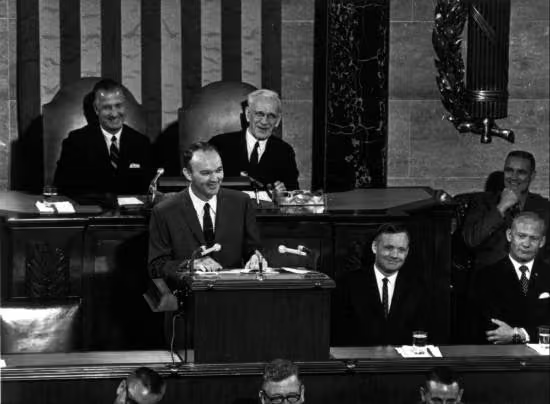
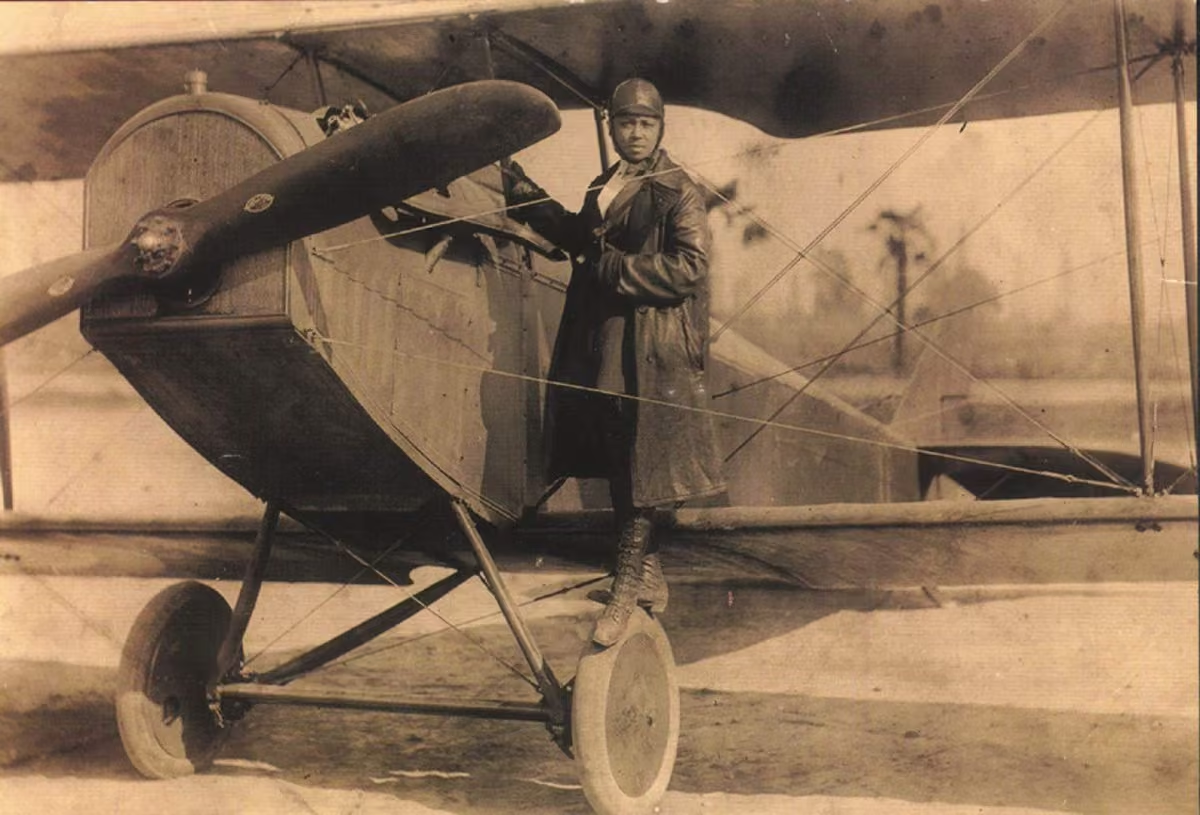

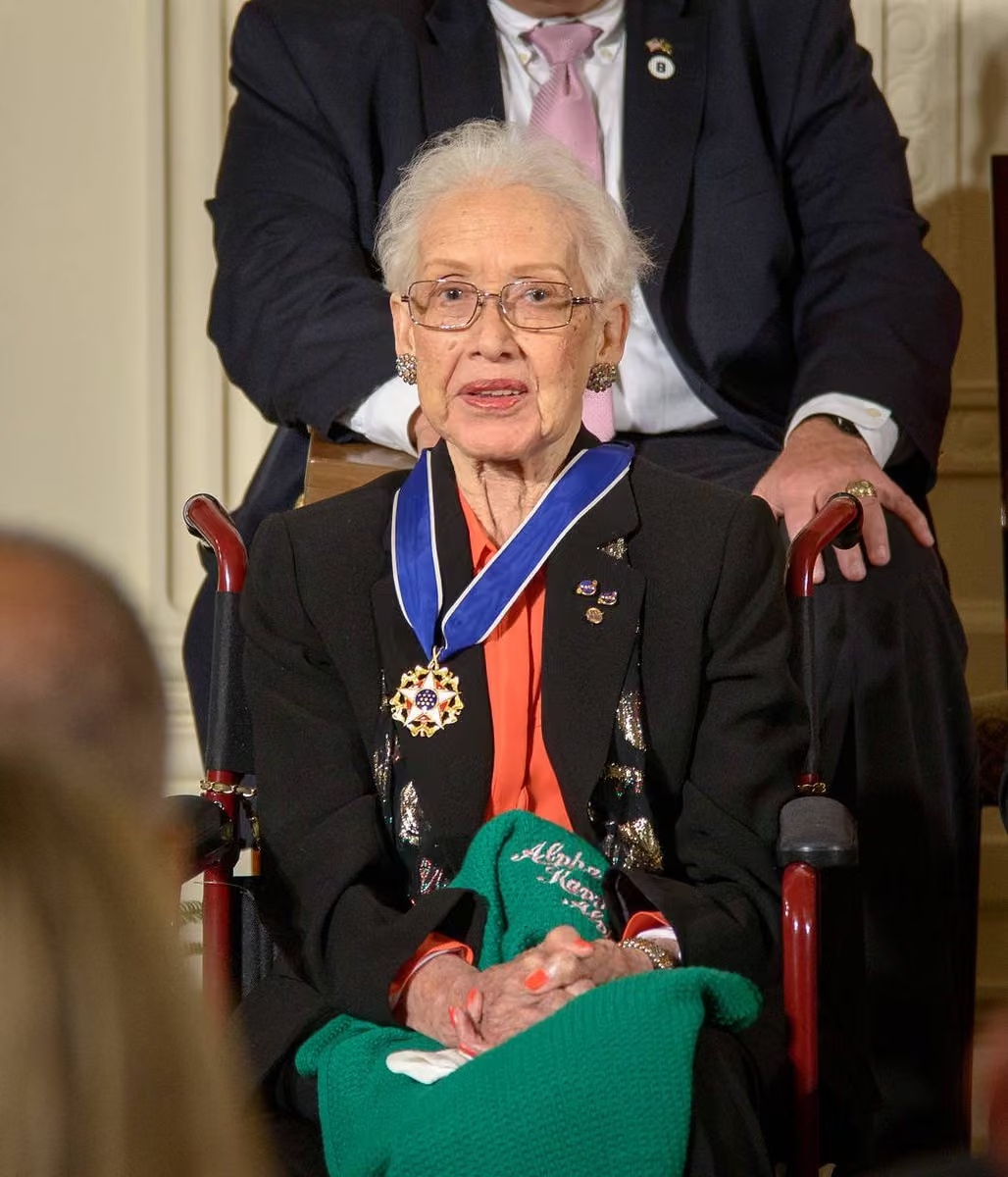
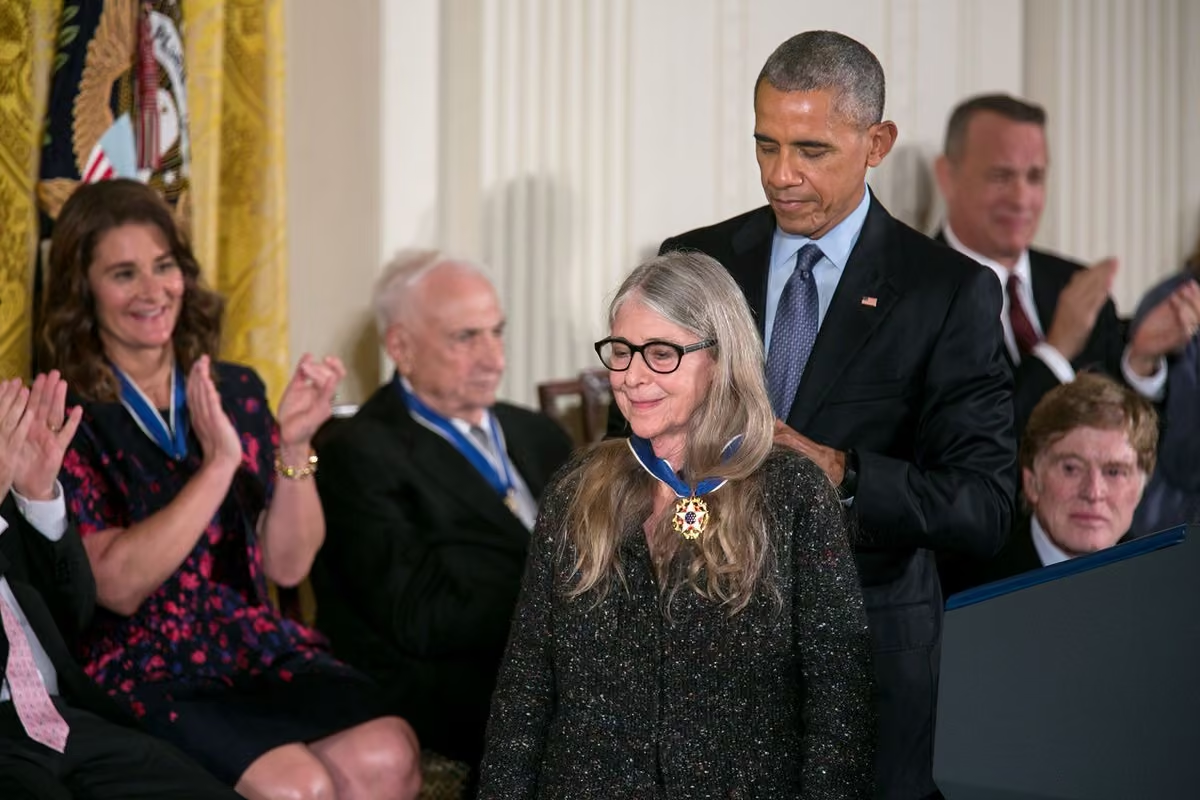


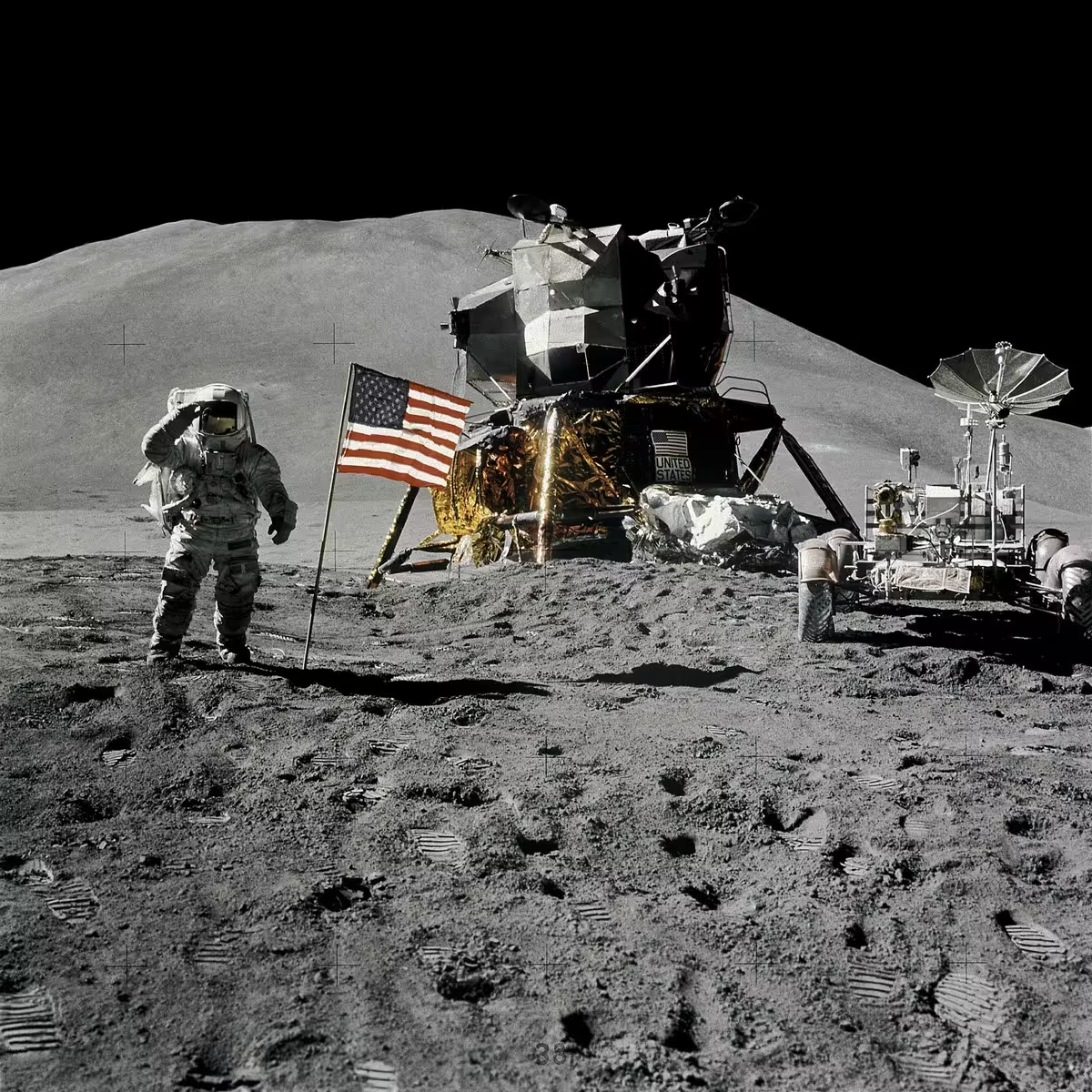


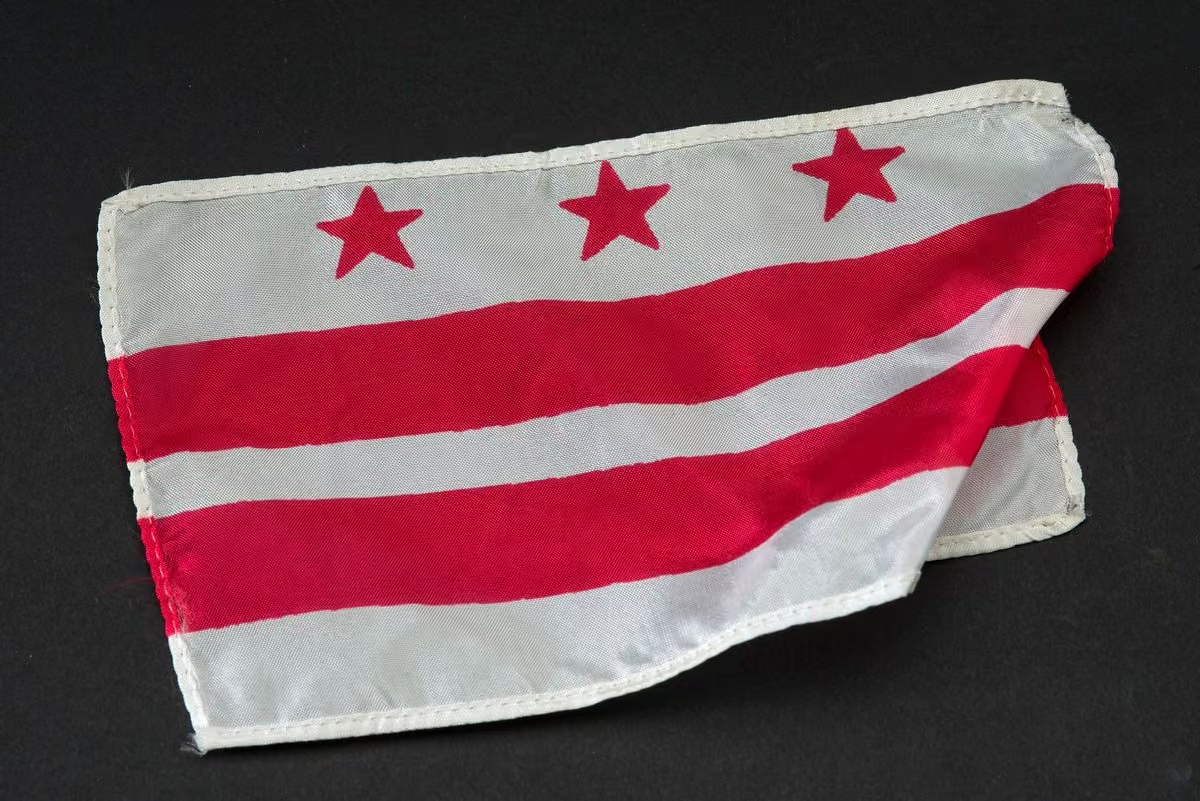

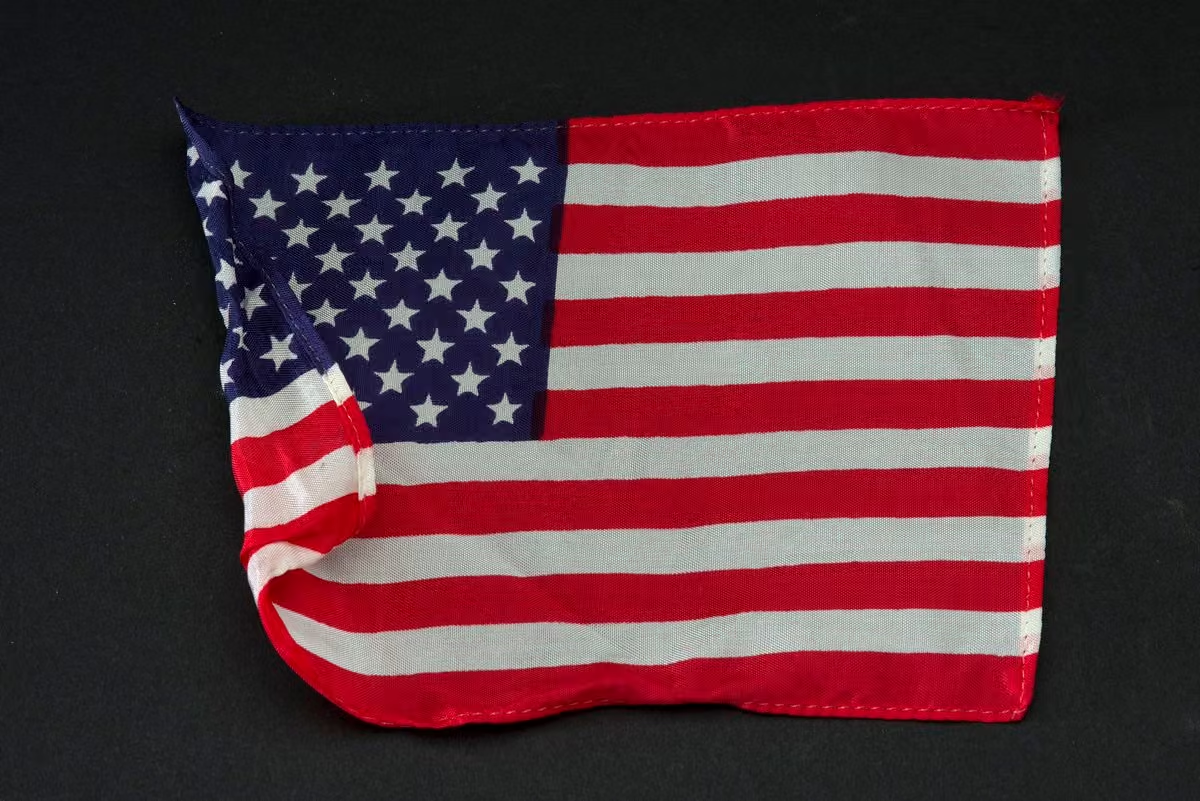
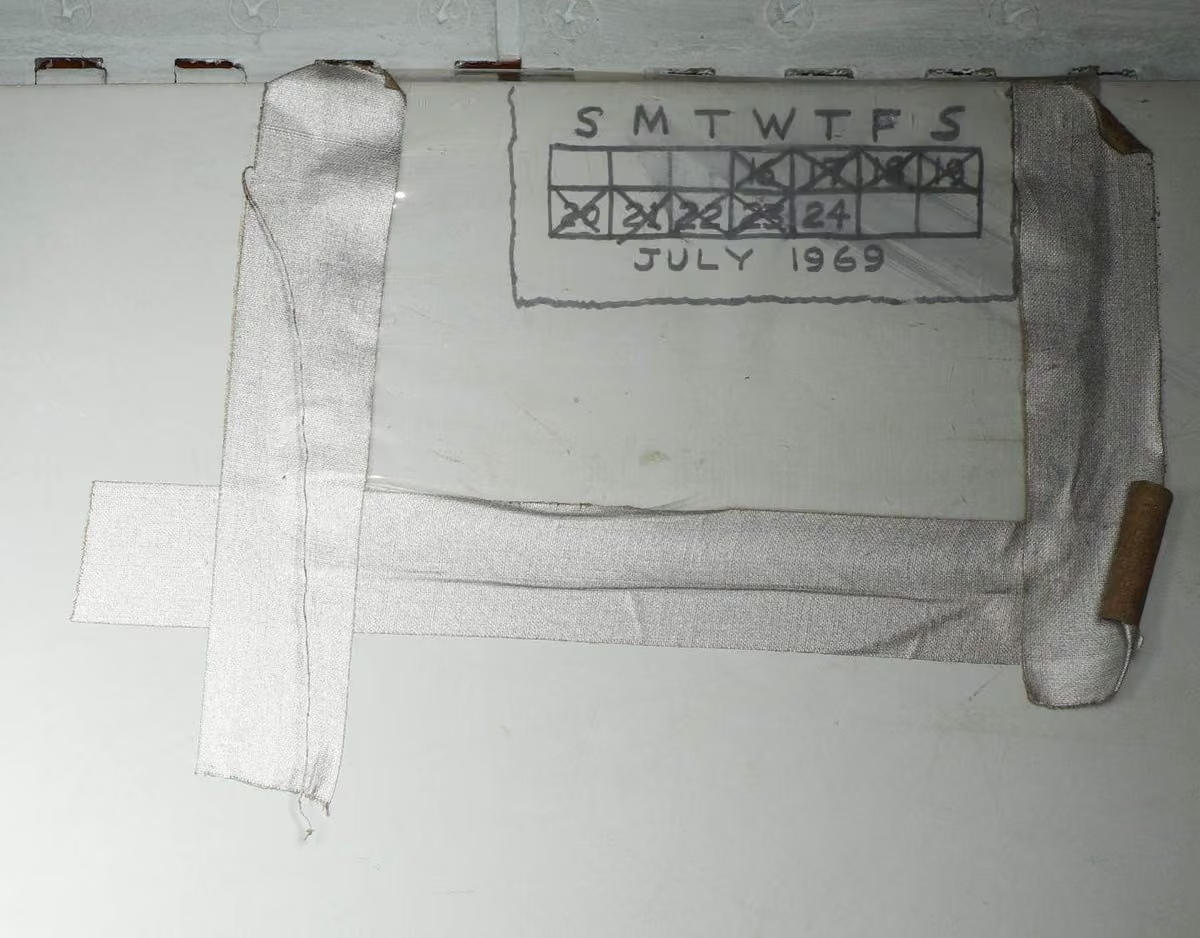

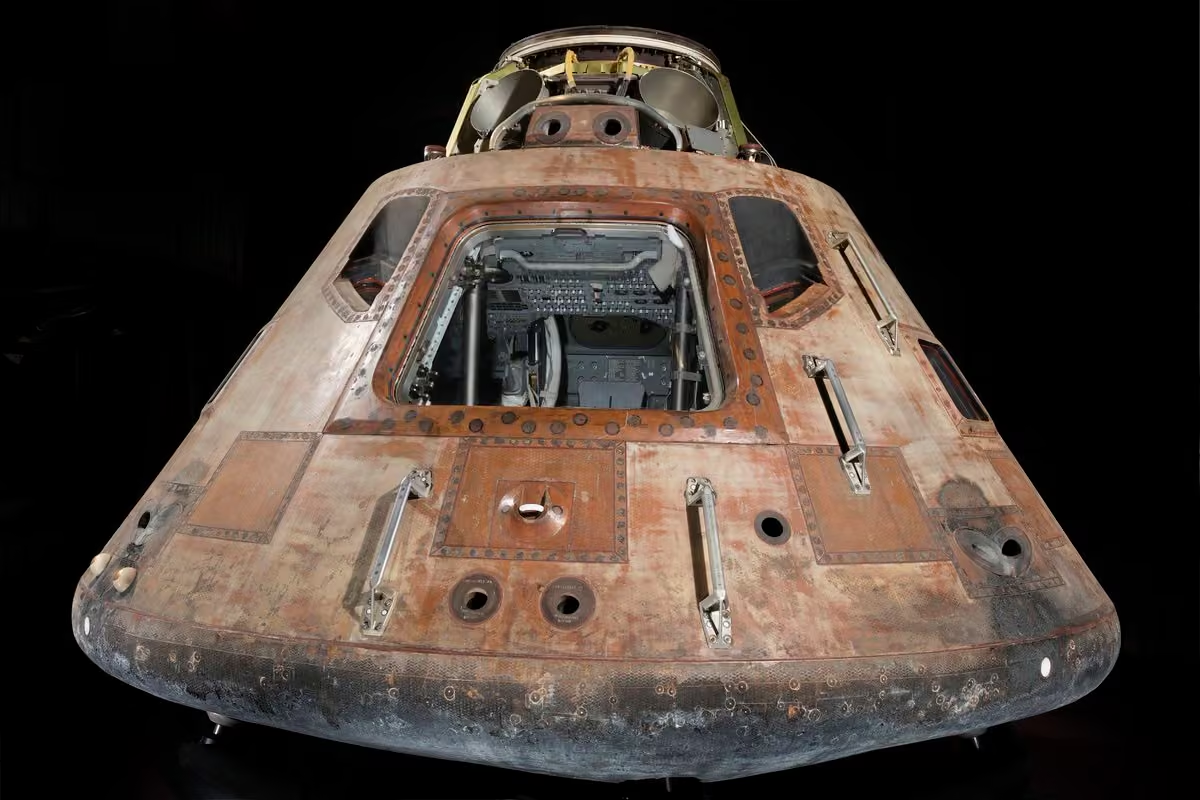

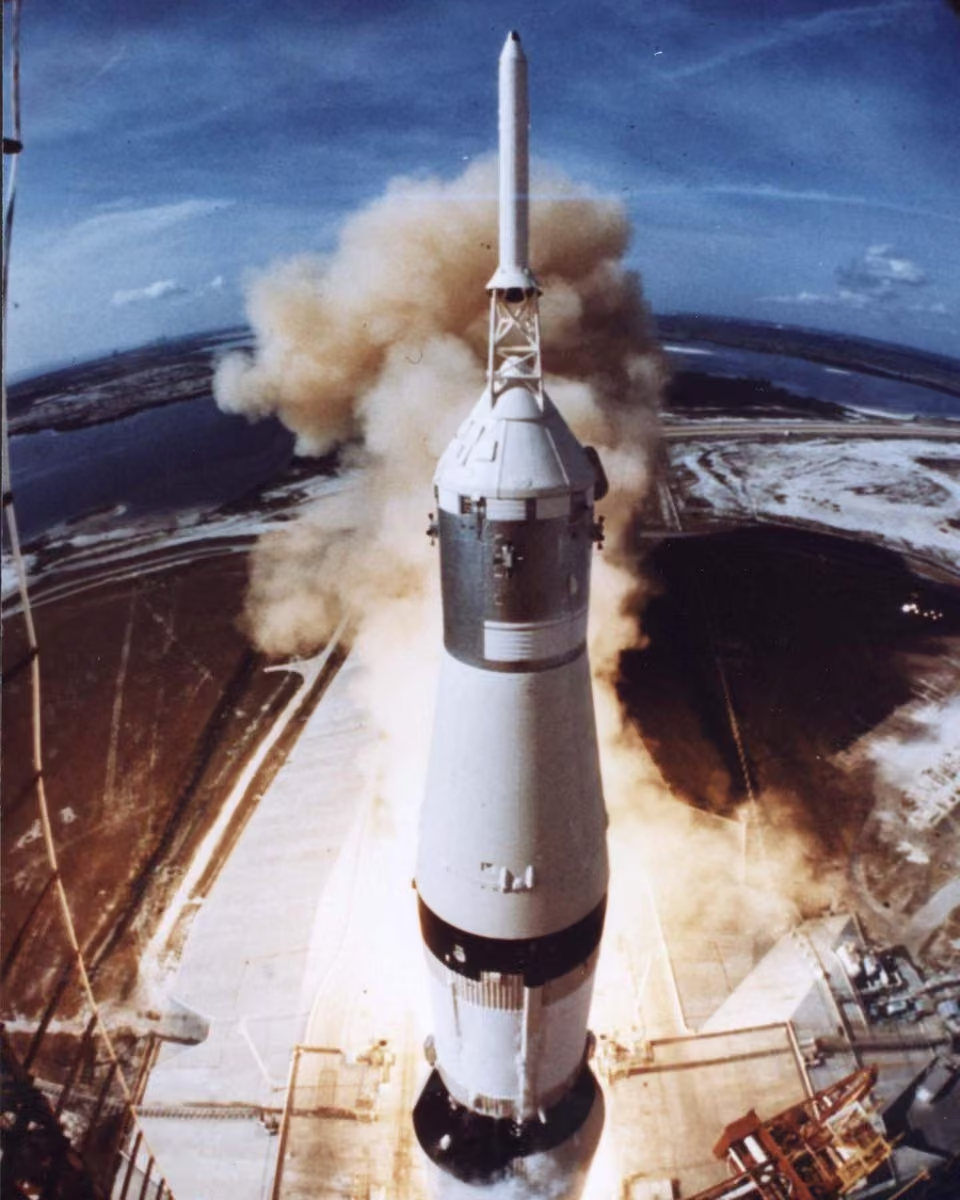


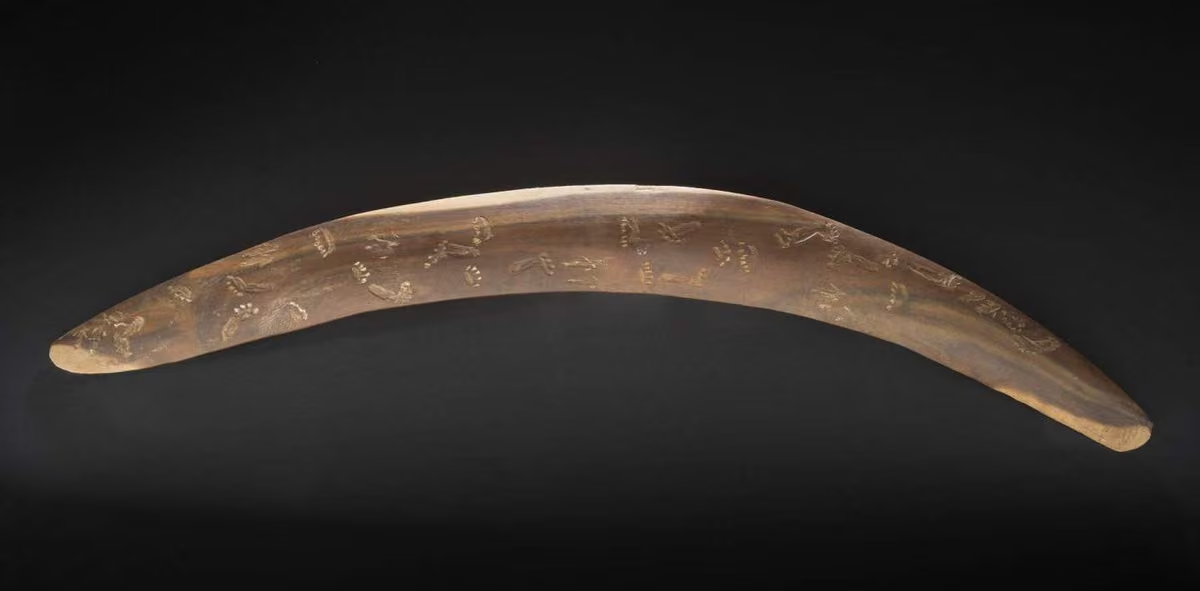

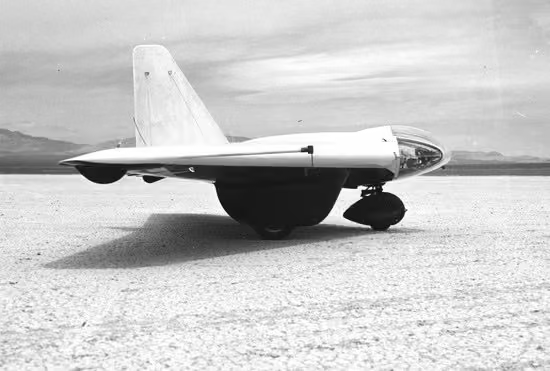

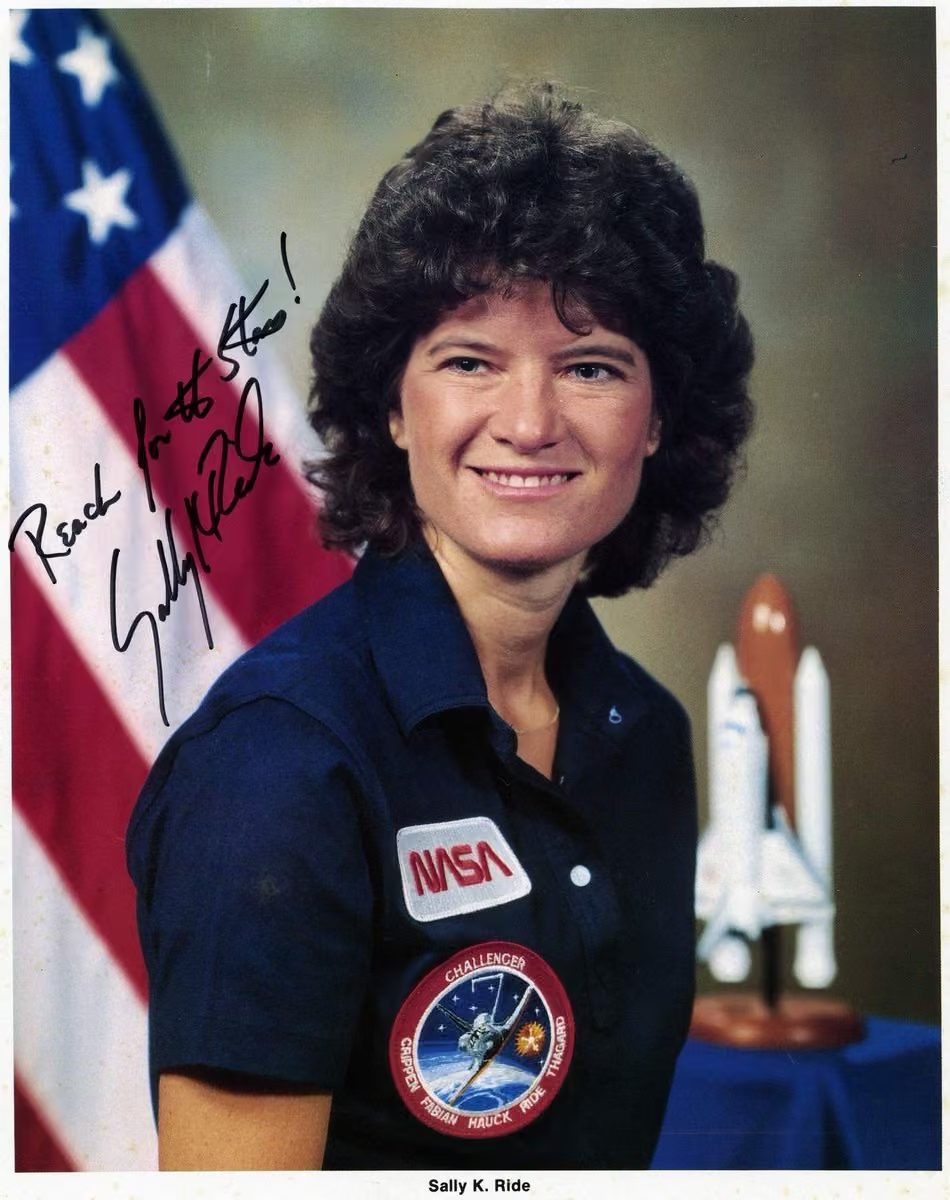


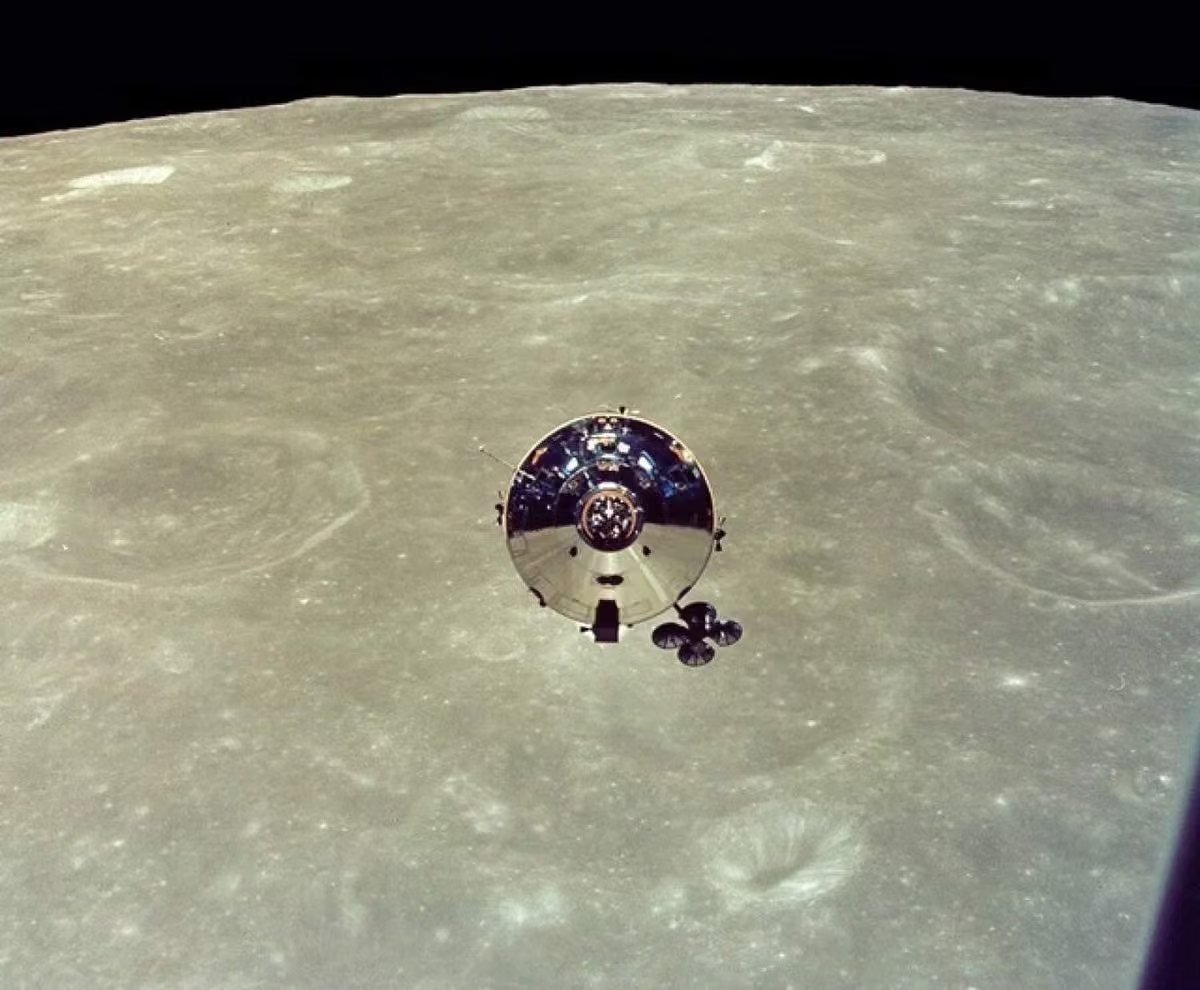


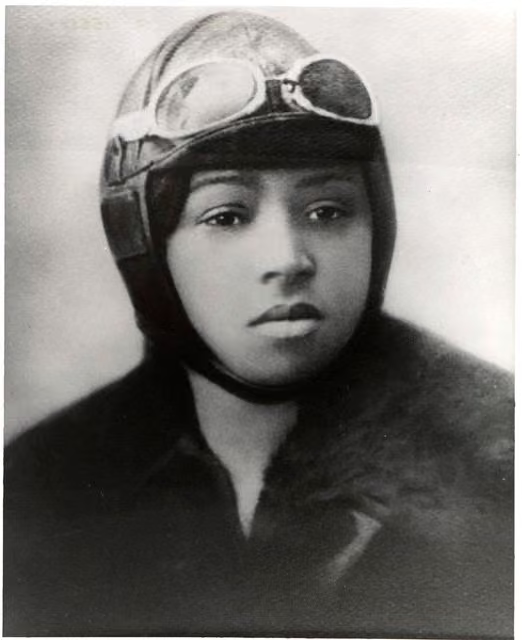


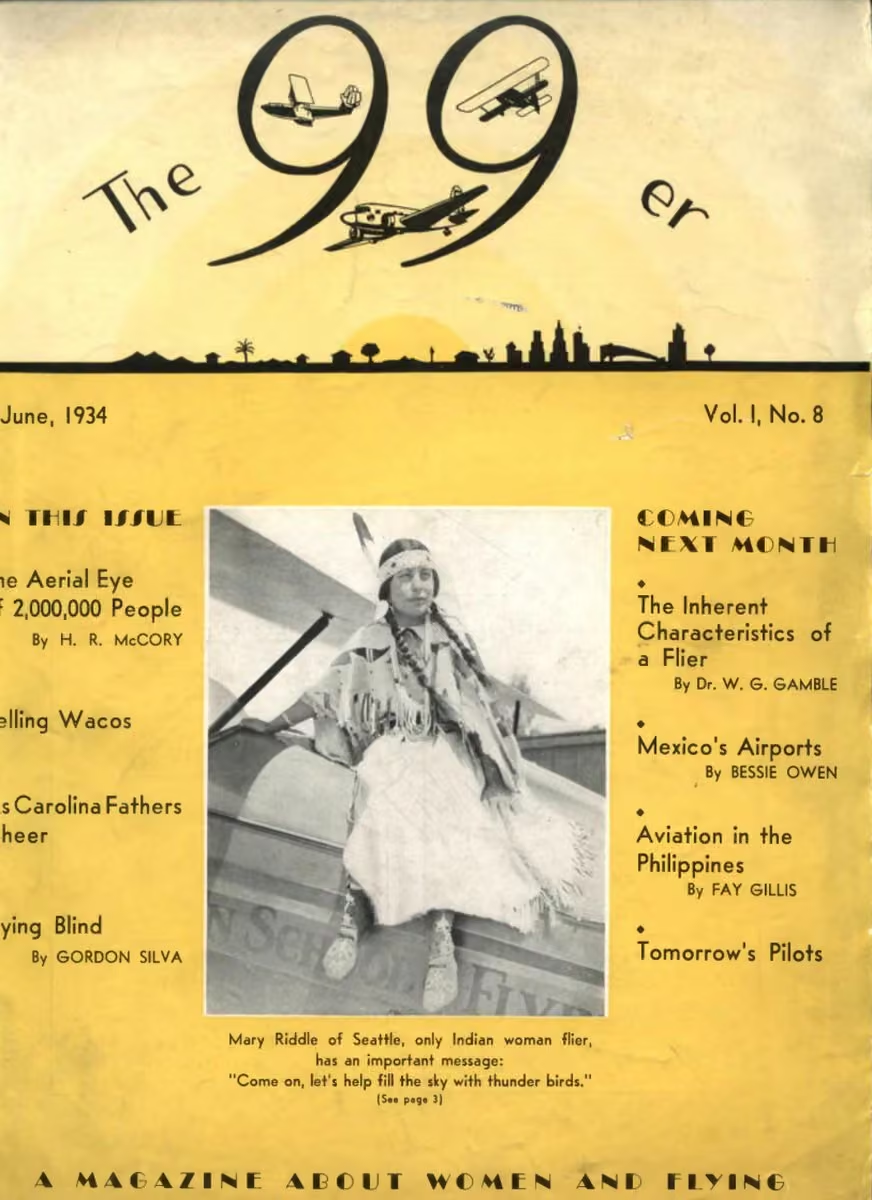


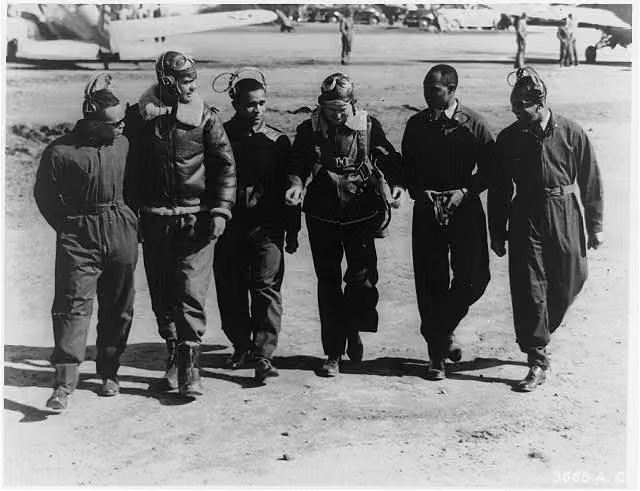

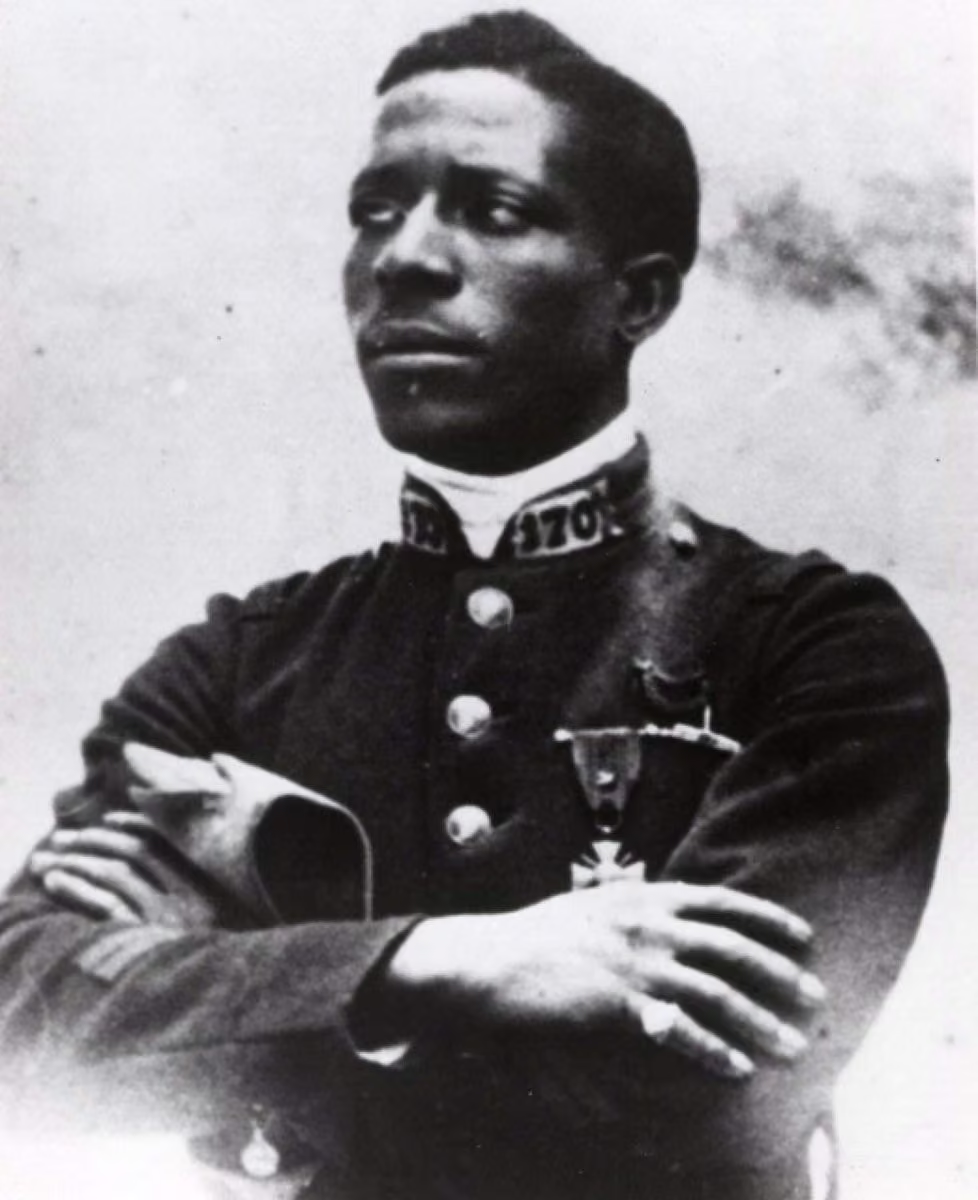
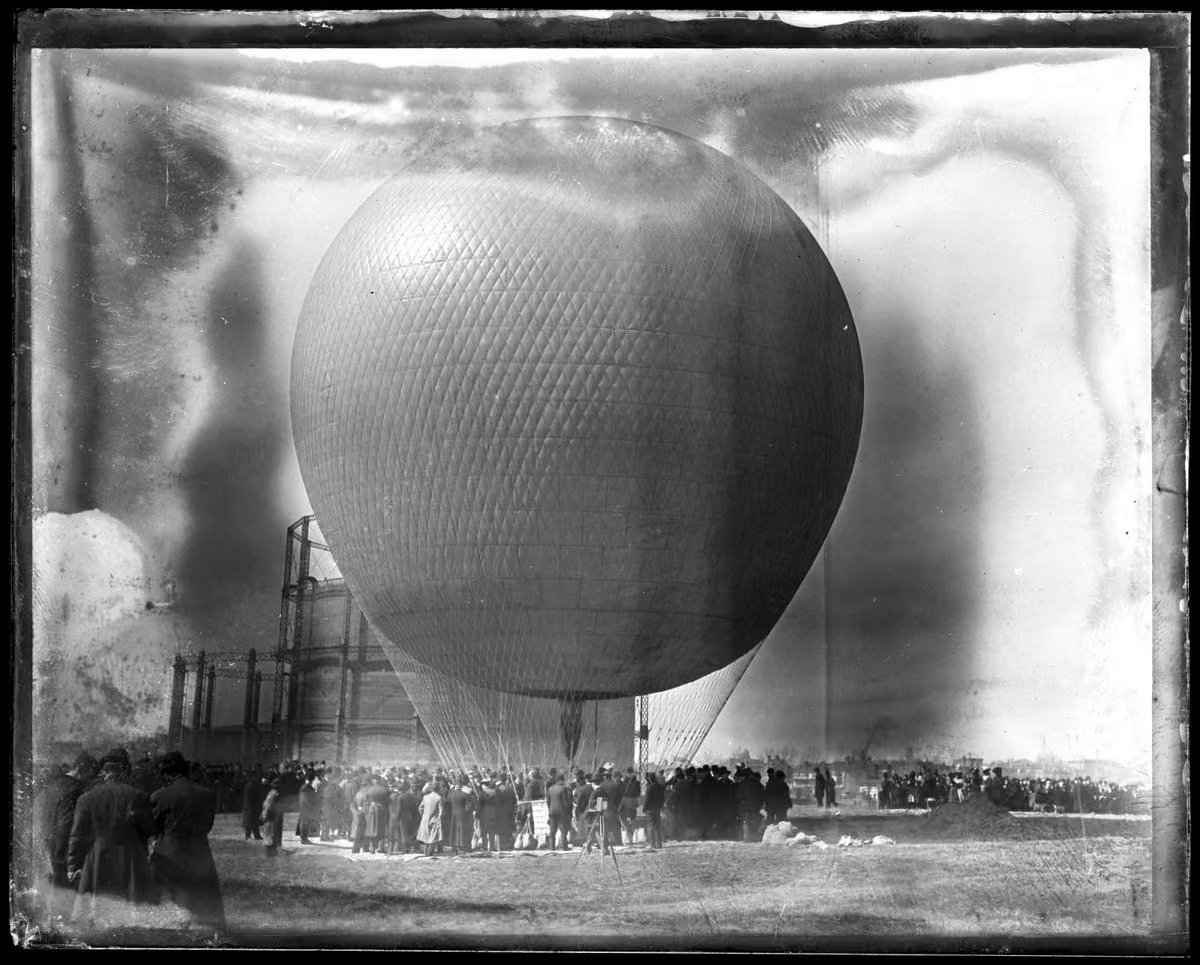
 ARCHIVED - NASA Moon