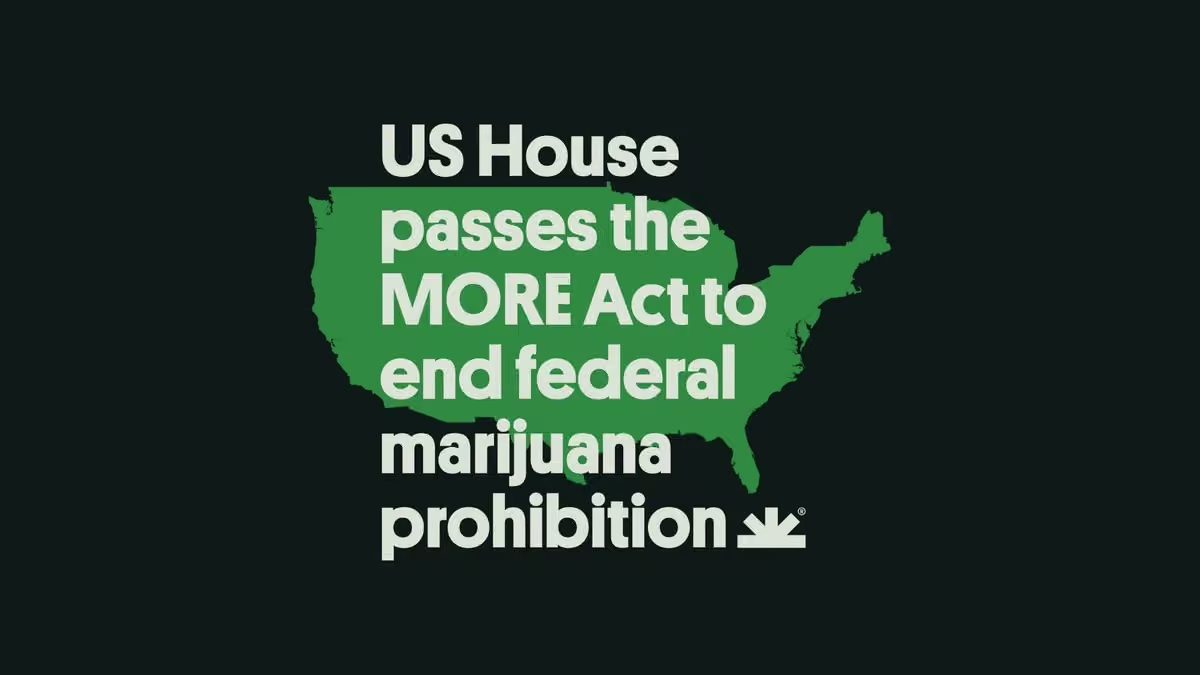
When giving a talk about why the US should stop arresting pot smokers, I like to say, “I’m a travel writer. For me, ‘high’ is a place, and sometimes I like to go there. That’s my civil liberty.” And today, the vast majority of Americans — whether they inhale or not — agree.
If you ever wondered why our federal government has such a different approach to marijuana than Canada and much of Europe, it’s rooted in American prohibition law and propaganda. To put it in a nutshell: USA = legislating morality. Countries like Germany, Portugal, the Netherlands, and Canada = pragmatic harm-reduction.
I’ve been on @NORML’s Board of Directors since 2013 (and a member since long before that), and I thought I’d share an op-ed our Deputy Director, Paul Armentano, just wrote. Given the Trump administration’s unpredictable and generally destructive approach to civil liberties in our country, a little context on what may be coming might come in handy — and that’s what you’ll get in Paul’s piece. (BTW, if you care about civil liberties, joining NORML is an admirable act of citizenship: norml.org/support.)
______
Federal Prohibition against Marijuana is 88 Years Old – by Paul Armentano
Saturday, August 2nd, marked the 88th anniversary of the signing of the Marihuana Tax Act, the first federal marijuana prohibition law.
Since its inception, the criminalization of the marijuana plant and the stigmatization of those who consume it have been predicated almost entirely upon the promotion of gross exaggerations, racial stereotypes, and outright lies.
For instance, a July 6, 1927 story in the New York Times, headlined “Mexican Family Goes Insane,” farcically claimed: “A widow and her four children have been driven insane by eating the marihuana plant, according to doctors, who say there is no hope of saving the children’s lives and that the mother will be insane for the rest of her life.”
An academic paper titled “Marijuana,” published in 1933 in The Journal of Law and Criminology, similarly made over-the-top allegations about the plant’s supposed dangers. The authors wrote, “The inevitable result [of consuming cannabis] is insanity, which those familiar with it describe as absolutely incurable, and, without exception ending in death.”
In 1937, Harry J. Anslinger — America’s first ‘Drug Czar’ — lobbied Congress to ban cannabis nationwide. He did so over the staunch objections of the American Medical Association, which disputed the government’s false claims that cannabis use invariably induced violence, insanity, and death. Undeterred by the AMA’s opposition, Anslinger relied almost entirely upon racist rhetoric to persuade lawmakers. “There are 100,000 total marijuana smokers in the U.S., and most are Negroes, Hispanics, Filipinos, and entertainers. Their Satanic music, jazz and swing, result from marijuana use,” he asserted. “This marijuana causes white women to seek sexual relations with Negroes, entertainers, and any others.”
Fast-forward to 1971. That’s when the Nixon administration declared drug abuse to be “public enemy number one.” The lynchpin of this campaign was stamping out the use of marijuana, which Congress had just classified as a Schedule I controlled substance — the strictest federal category available. Yet, privately, Nixon acknowledged that he did not think cannabis was “particularly dangerous,” and he lamented the “ridiculous” penalties faced by those arrested for possessing it.
Nonetheless, his administration publicly doubled down on the mythical marijuana threat for its own political gain. As his domestic policy chief, John Ehrlichman, later acknowledged, “We couldn’t make it illegal to be either against the (Vietnam) war or Black,” but we could get “the public to associate the hippies with marijuana and Blacks with heroin.”
By “criminalizing both heavily,” Ehrlichman explained, “we could disrupt those communities. We could arrest their leaders, raid their homes, break up their meetings, and vilify them night after night on the evening news.”
“Did we know we were lying about the drugs?” he asked. “Of course we did.”
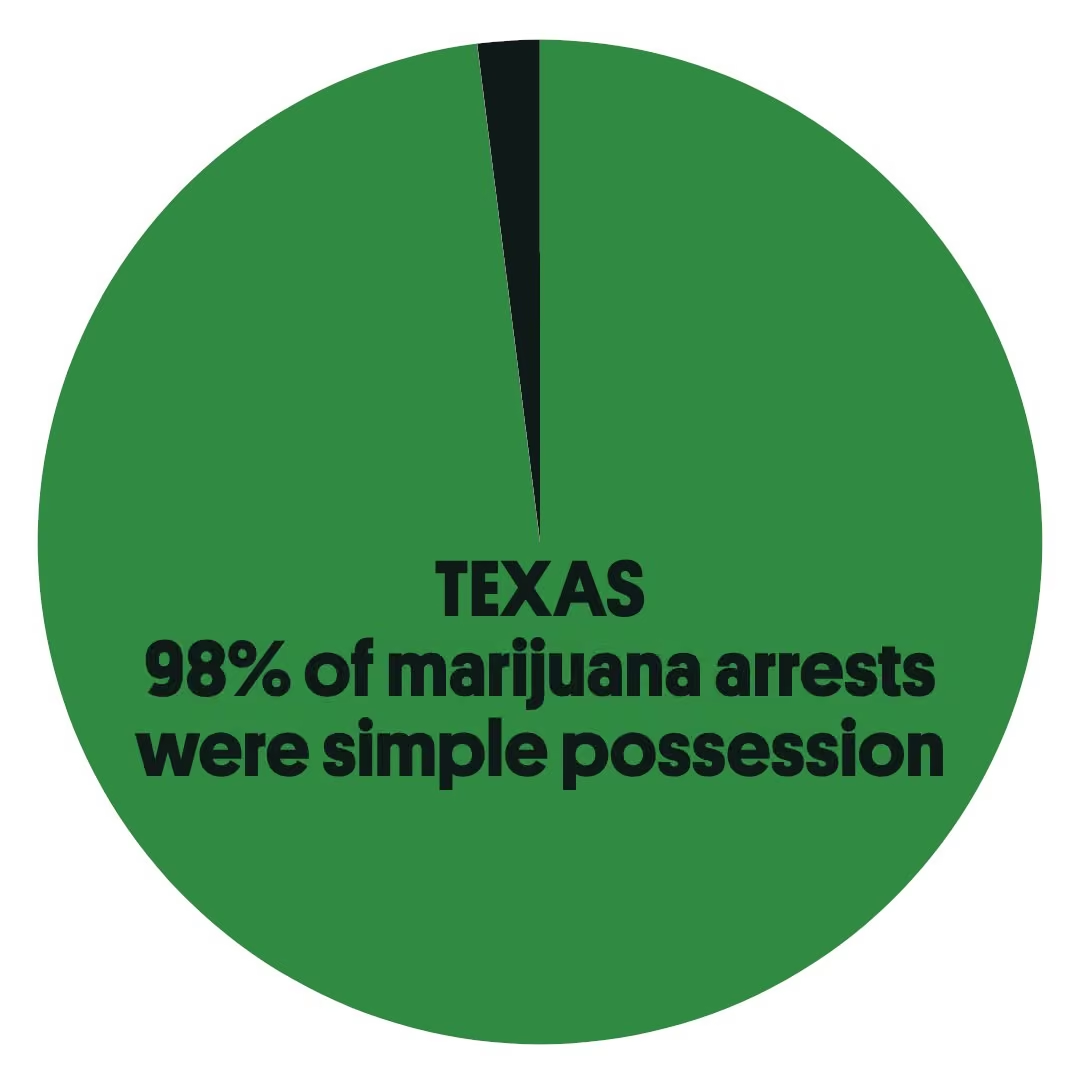
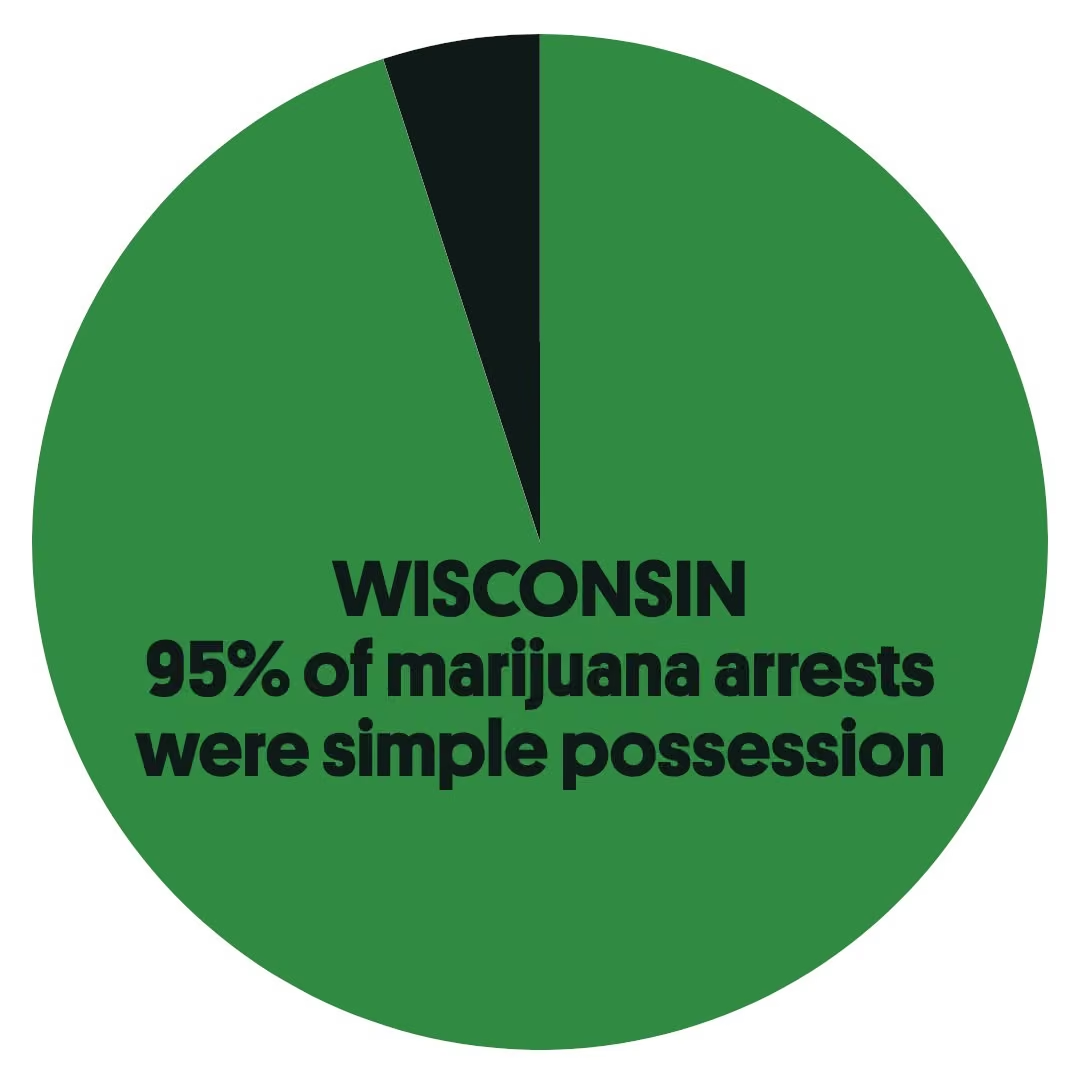
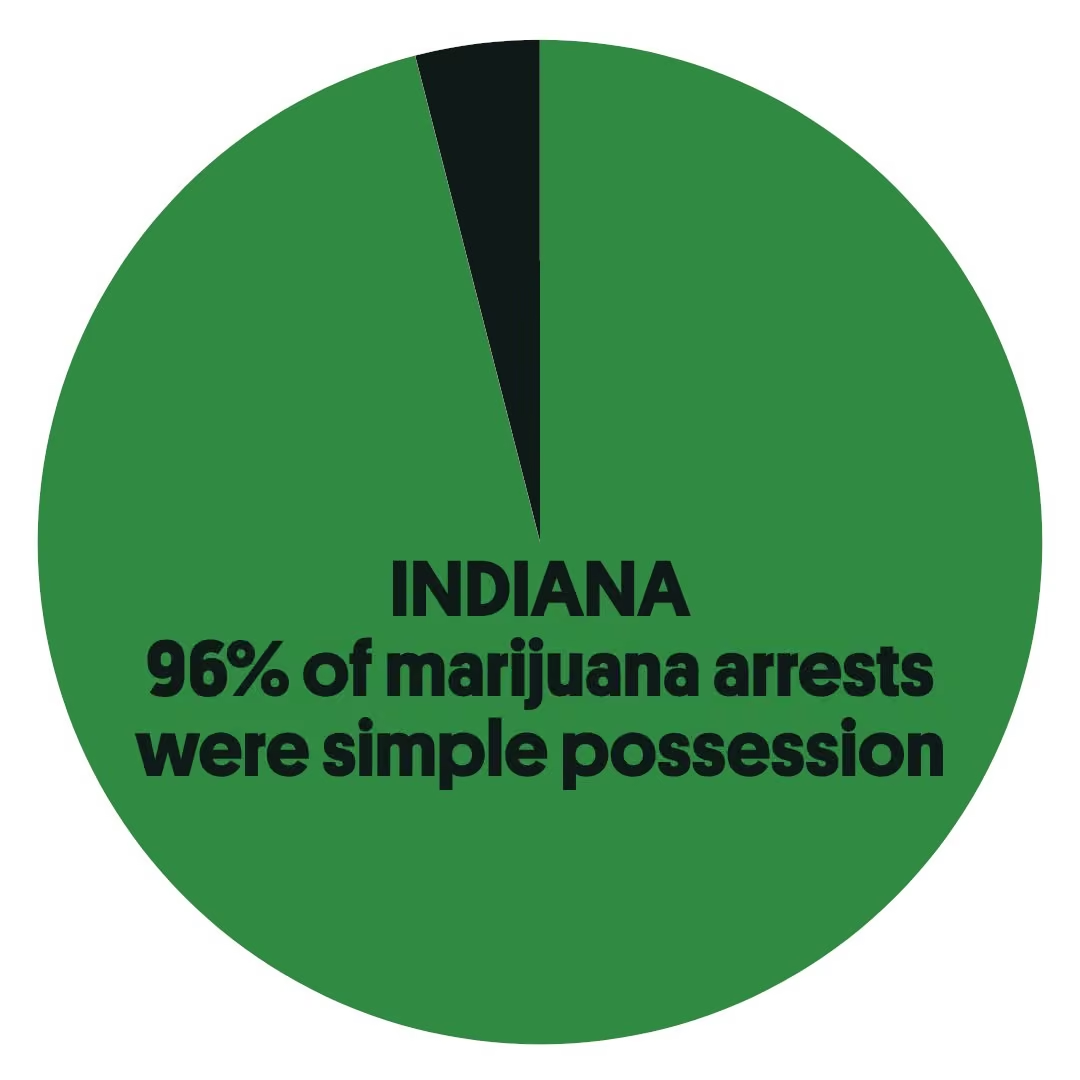
Fifty-plus years and nearly 30 million marijuana-related arrests later, cannabis remains categorized as a Schedule I controlled substance — the same classification as heroin — and many politicians and prohibitionists continue to reiterate many of these same myths. Yet, despite their claims, mounting evidence affirms that cannabis is not a ‘gateway drug,’ it doesn’t sap users’ motivation, it doesn’t make consumers violent, and it doesn’t make them crazy.
Slowly but surely, the public is learning and accepting the truth.
Survey data compiled by the Pew Research Center finds that only about one-in-ten Americans support the federal government’s blanket criminalization of marijuana. Moreover, according to Gallup, 70 percent of U.S. adults think “the use of marijuana should be legal.”
That’s an increase of 19 percentage points since 2014. That’s when Colorado and Washington became the first states to implement adult-use cannabis legalization. Both measures were enacted by public votes following grassroots campaigns led by citizen advocates, including travel writer Rick Steves and representatives of the ACLU, among others. Twenty-four states have now done so — and no state has ever repealed marijuana legalization. In short, the more familiar the public becomes with legalization through first-hand experience, the more they like it. And the less likely they are to believe longstanding prohibitionist rhetoric and lies, despite far too many politicians and others continuing to espouse them.
After nearly a century of canna-bigotry, the truth couldn’t be clearer. Marijuana prohibition has been a fraud from the beginning — often propagated by politicians and bureaucrats who were in on the sham. It’s high time we end it. — Paul Armentano


 NORML
@NORML

 MJBiz
@MJBizDaily



 Tom Angell 🌳📰ⓥ






 Marijuana Moment















 Tyler Englander




 BK



 Bennett Production


 Delegate Rozia A. Henson Jr





 Keith Stroup


 Virginia NORML




 Senator Lashrecse Aird


 Trent Woloveck


 tom howard
 Dr Caplan
 Dr. Josef
 Kyle Sherman
 Hirsh Jain


 Taylor Popielarz
 Brown, Goldstein & Levy


 IgniteIt Cannabis

 Javier Hasse
 Flowhub

 A.J. Herrington

 Goad Gatsby

 Rick Steves

 ResponsiblePA


 Don Murphy
 GroundGameTX


 Steve Daines