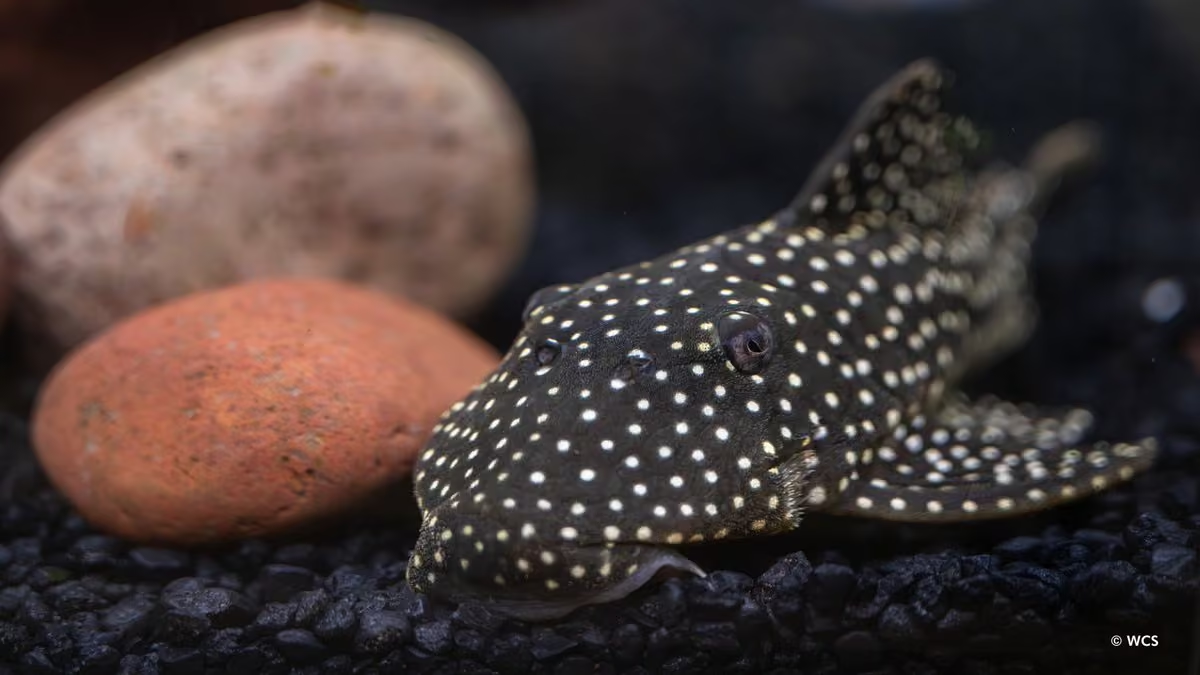
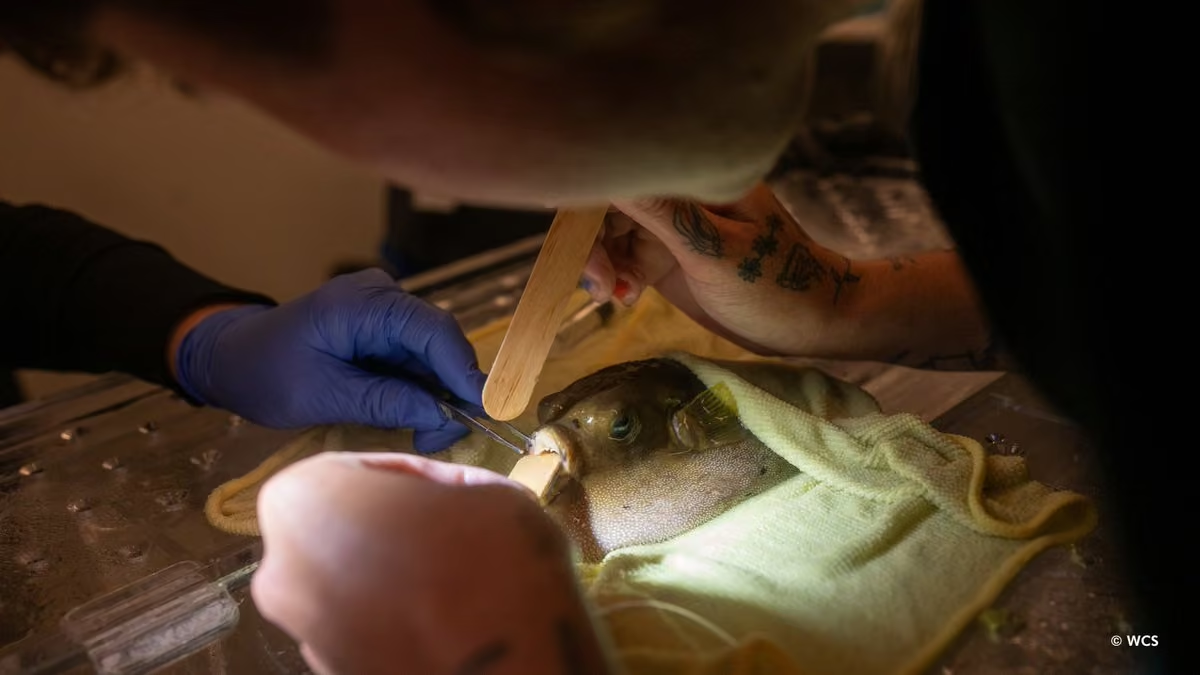
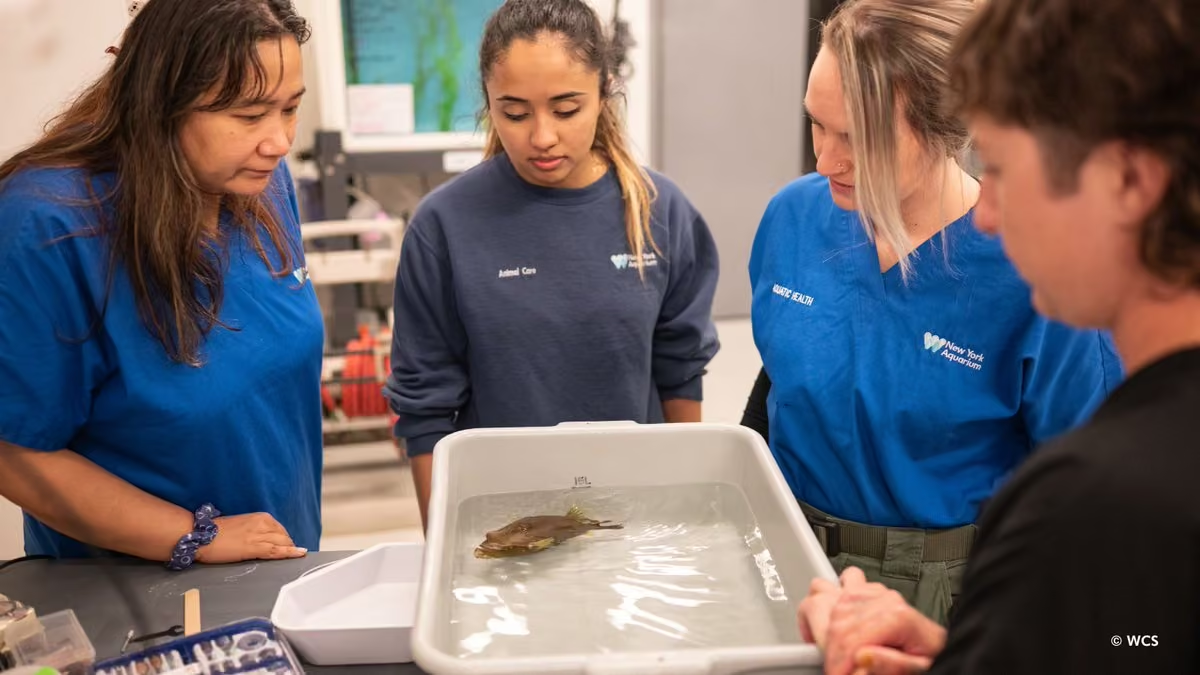
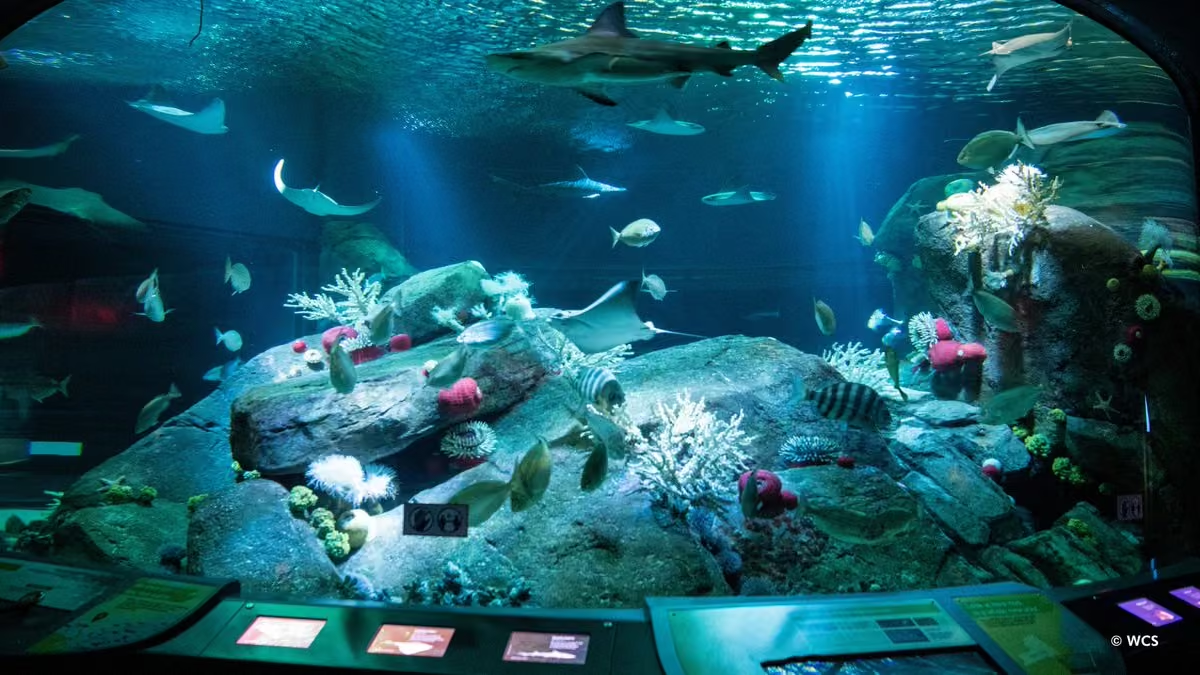
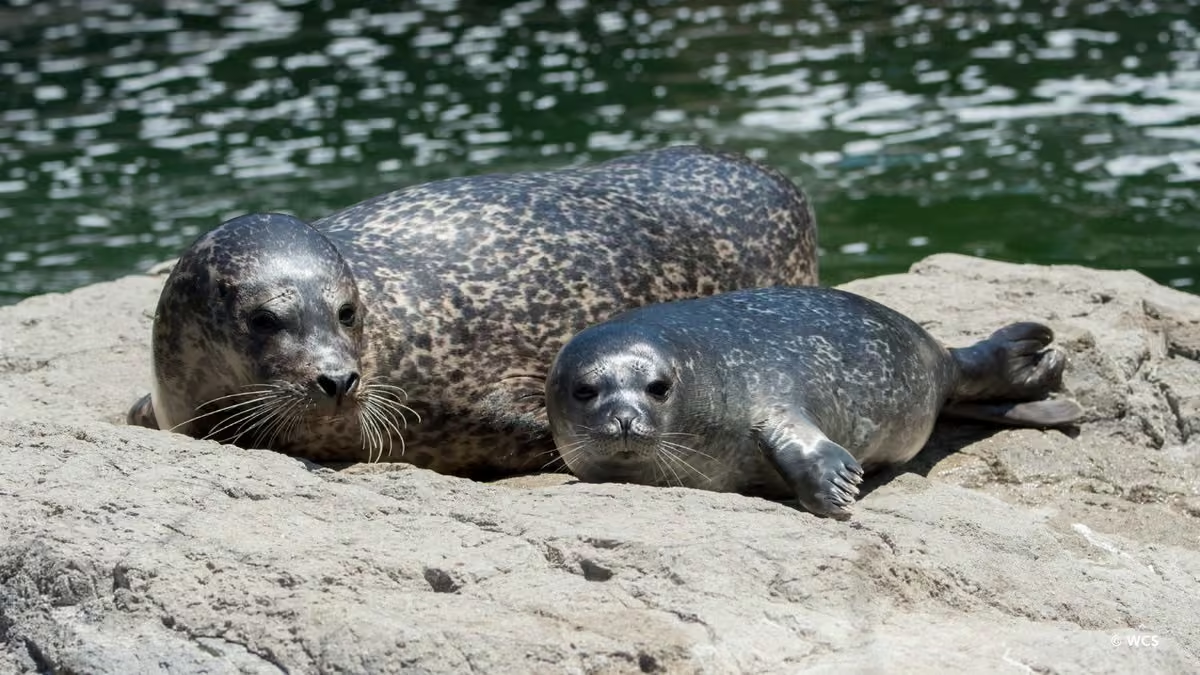
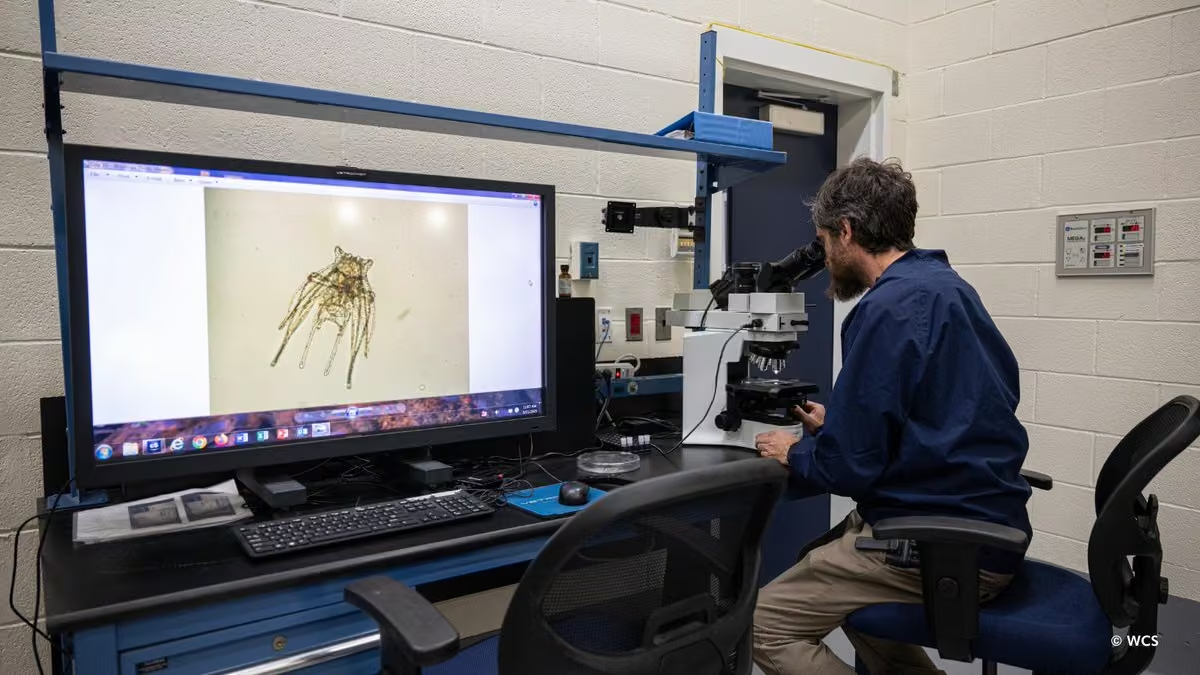
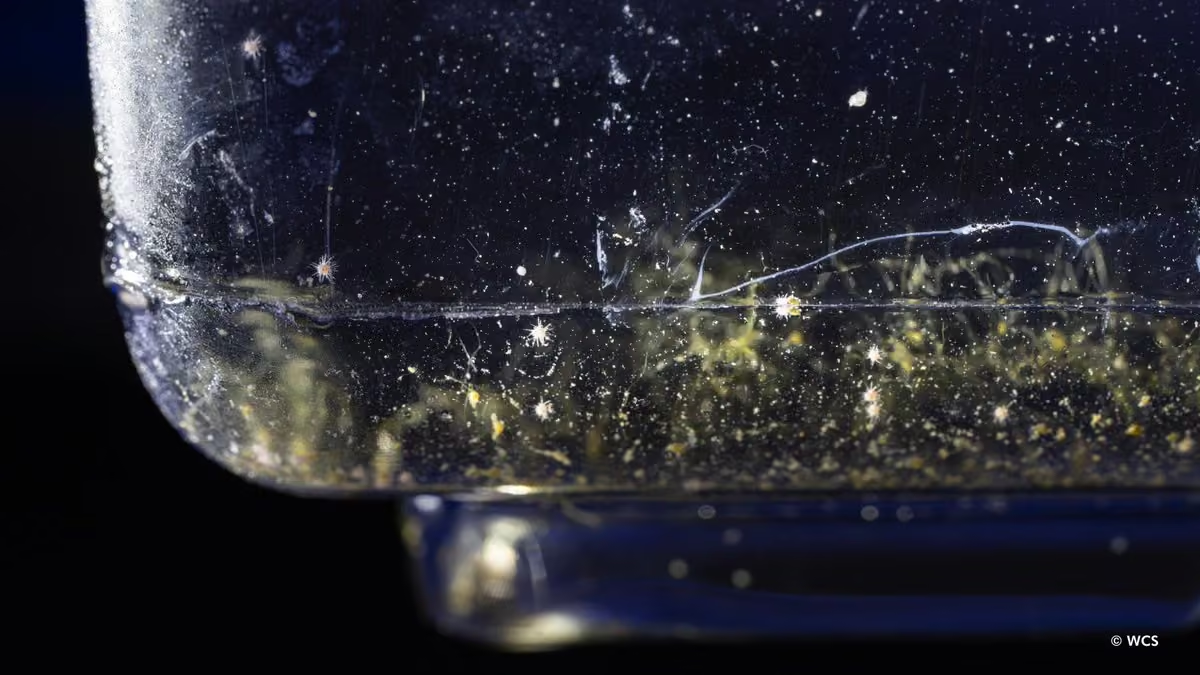
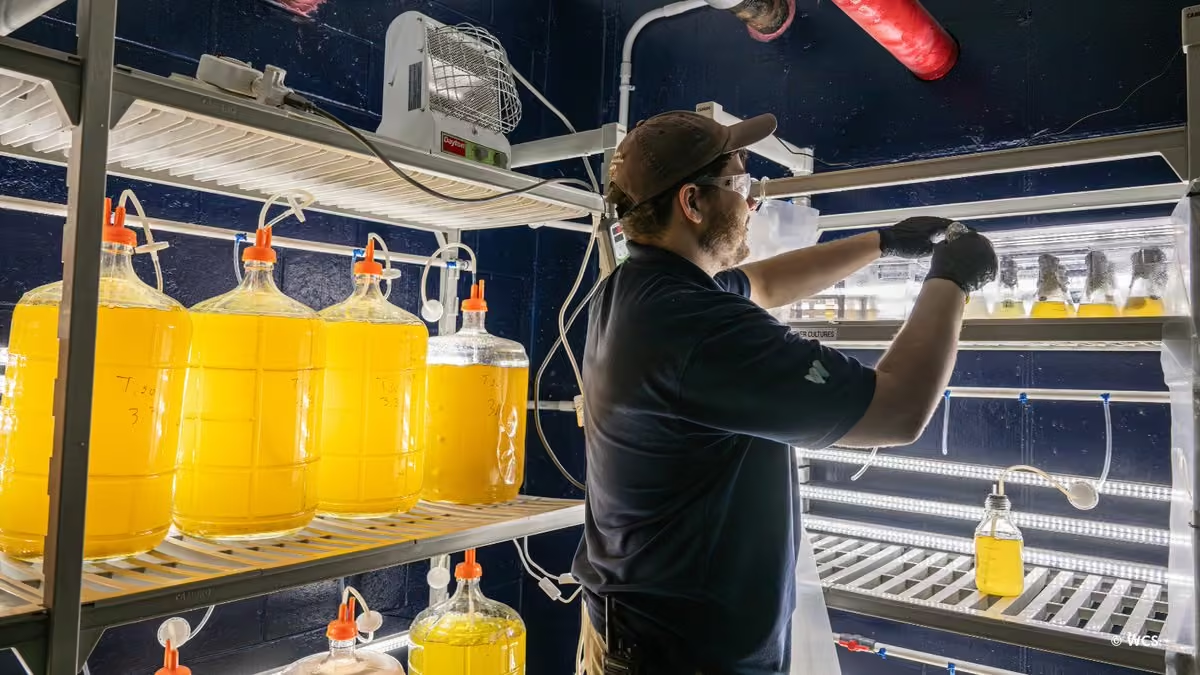
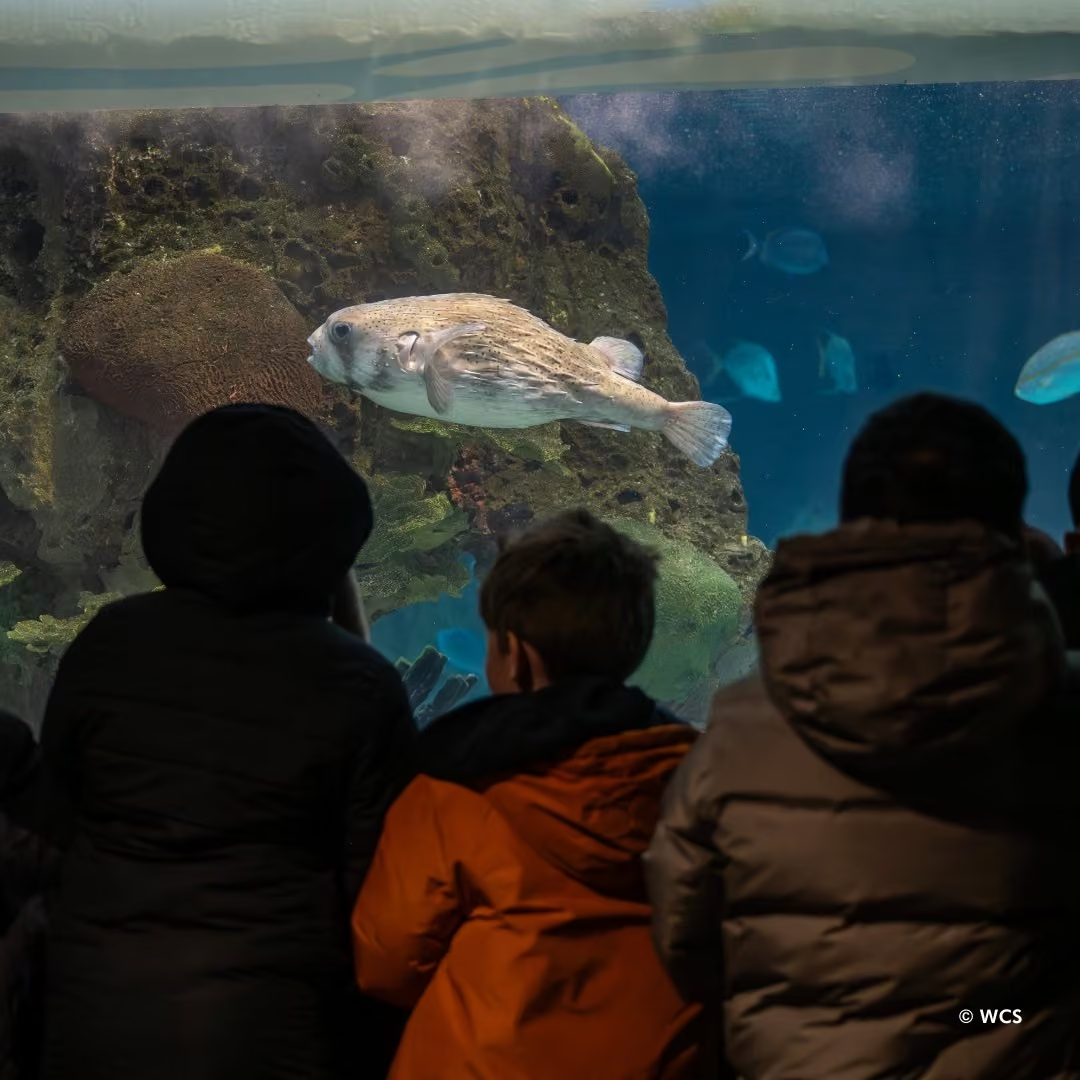
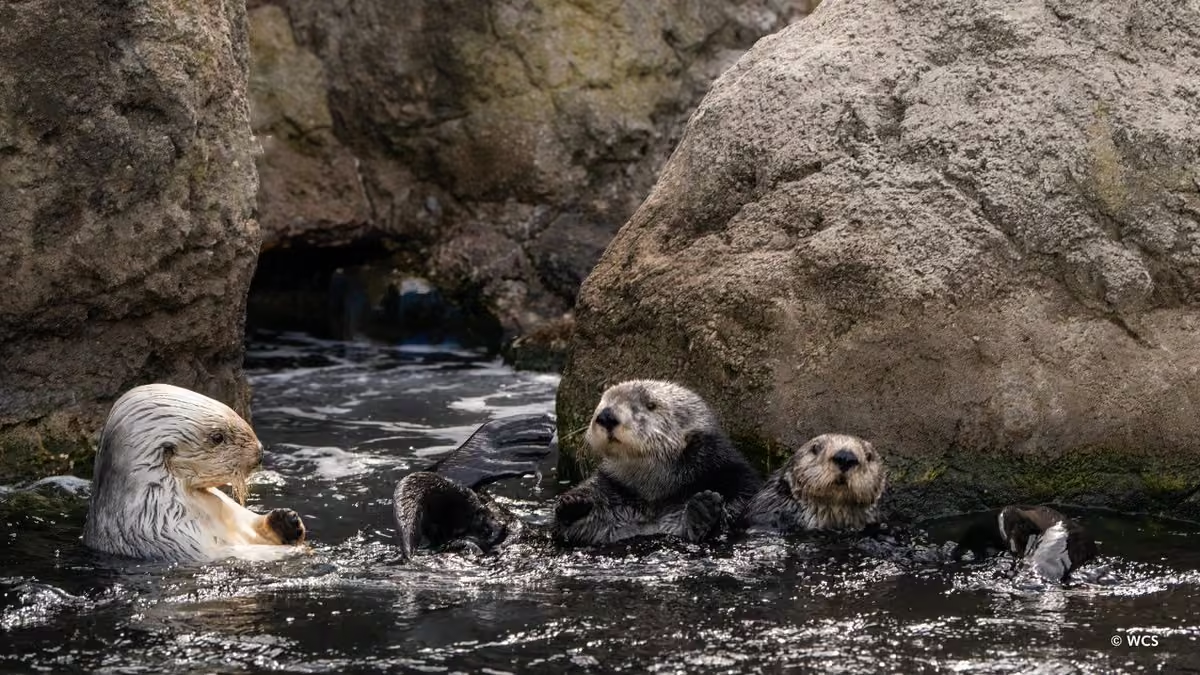
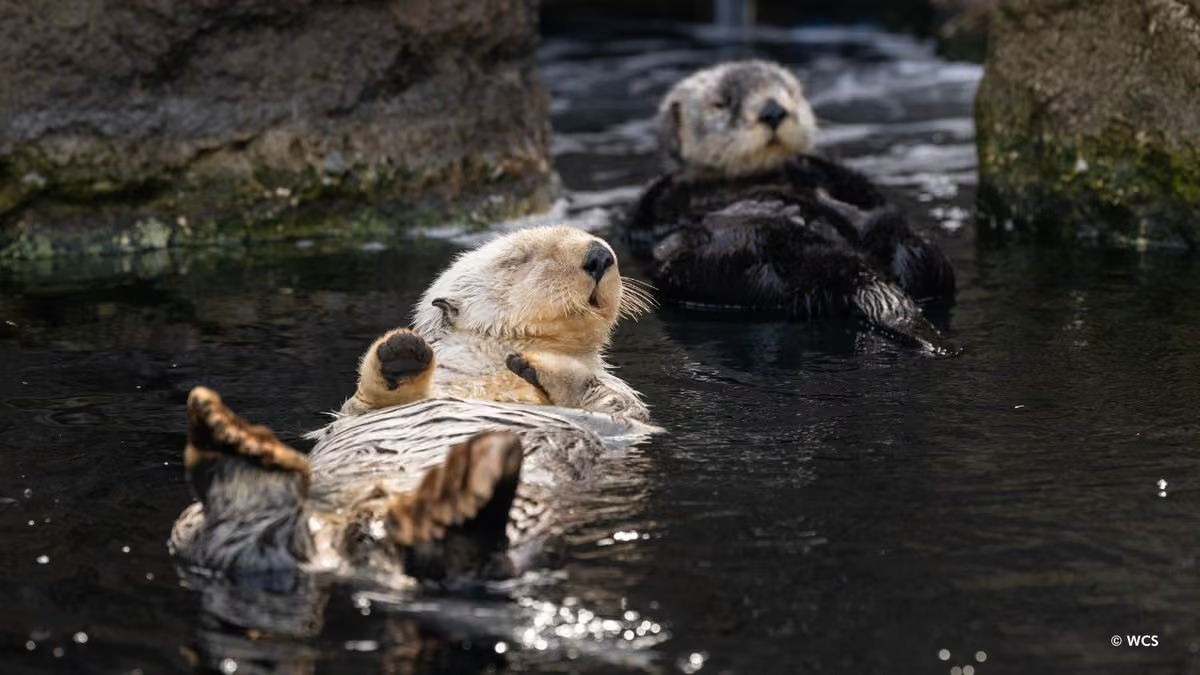
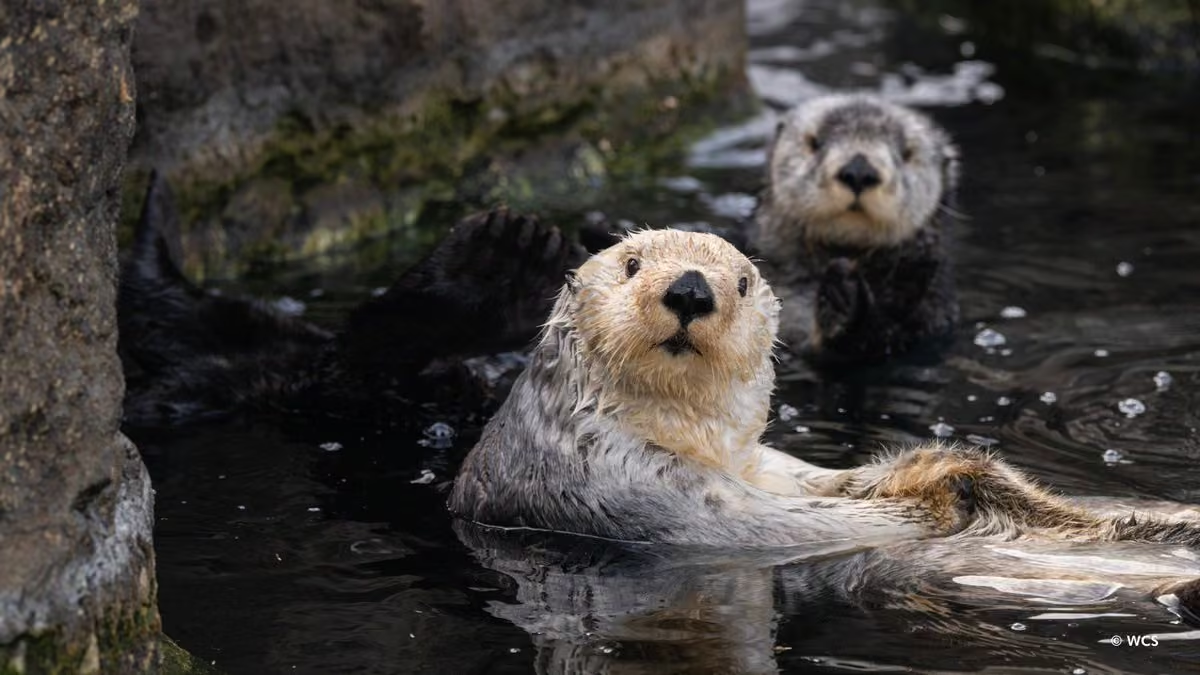
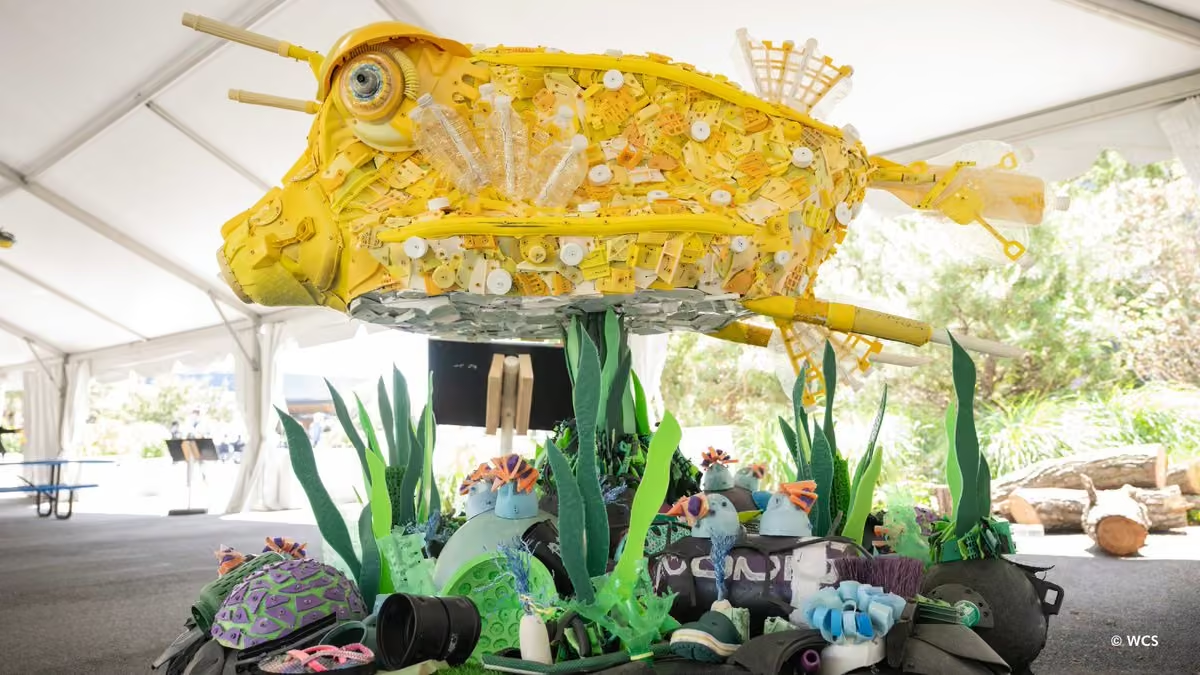
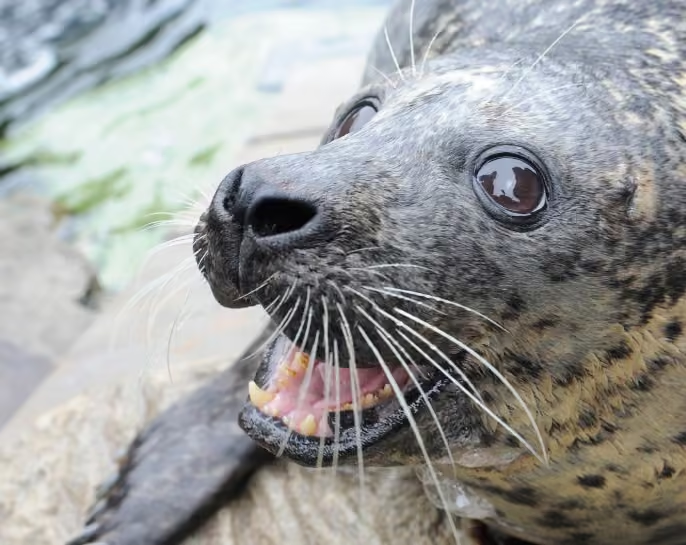
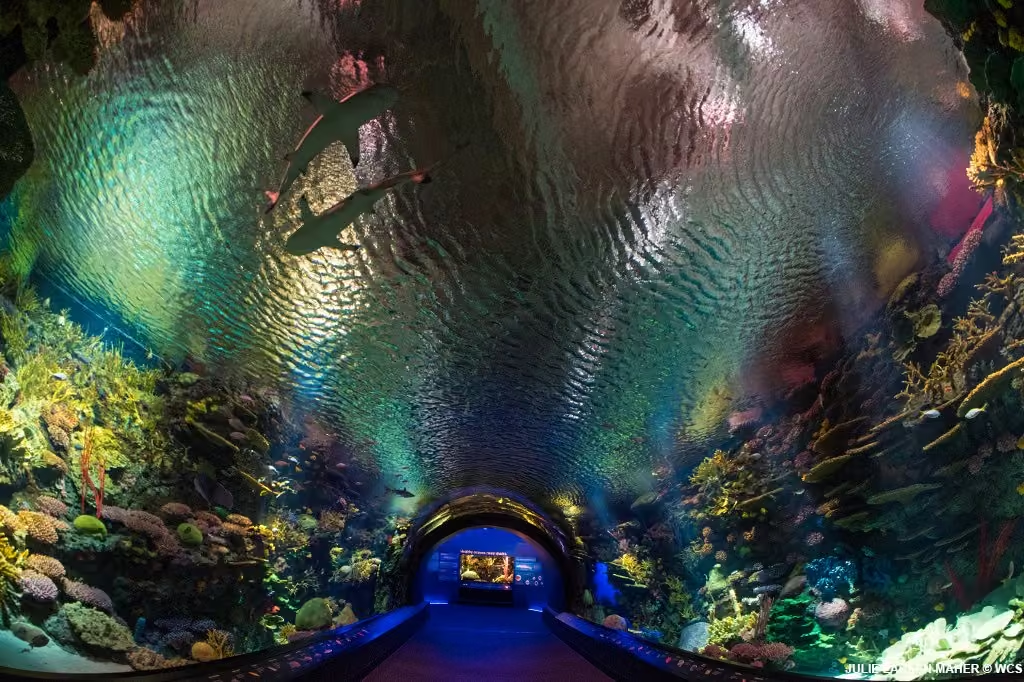
Flag rockfish can live to the ripe old age of 38! Another cool fact? They are ovoviviparous, meaning their eggs hatch internally, so they give birth to live young. Look for these beautiful fish next time you visit the PlayQuarium exhibit.
New York Aquarium
The New York Aquarium is the oldest continually operating aquarium in the United States, located on the Riegelmann Boardwalk in Coney Island, Brooklyn, New York City. It was founded at Castle Garden in Battery Park, Manhattan, in 1896, and moved to Coney Island in 1957. The aquarium is operated by the Wildlife Conservation Society (WCS) as part of its integrated system of four zoos and one aquarium, most notably the Bronx Zoo. It is accredited by the Association of Zoos and Aquariums (AZA). As part of WCS, the aquarium's mission is to save wildlife and wild places worldwide through science, conservation action, education, and inspiring people to value nature. More on Wikipedia
-
New York Aquarium
@nyaquarium

-
New York Aquarium
@nyaquarium
Enjoy this #momentofzoo with a pacu eating a banana, one of its favorite treats! These unusual-looking South American freshwater fish are related to piranhas. (1/3)
This media couldn't be displayed. See it on the original post.
New York Aquarium
@nyaquarium
Pacu eat fruits, nuts, and seeds that fall from trees in the Amazon and Orinoco River basins, their native environment. (2/3)
New York Aquarium
@nyaquarium
At the aquarium, in addition to bananas, we feed our pacu fruits, vegetables, peanuts, walnuts, and acorns. During your next visit, look for the pacu in our Flooded Forest exhibit! (3/3)
đ„:Vet Tech Kate -
New York Aquarium
@nyaquarium
Happy International Aquarium Educators Day! Conservation education is a critical component of the mission of zoos and aquariums. Conservation educators teach, inspire, and engage millions of guests around the world each year. (1/2)
New York Aquarium
@nyaquarium
At WCS, our conservation educators reach over 2.7 million people annually across our five parks in NYC. This awe-inspiring reach is through the efforts of 59 full-time educators and 138 part-time and seasonal educators. (2/2)
-
New York Aquarium
@nyaquarium
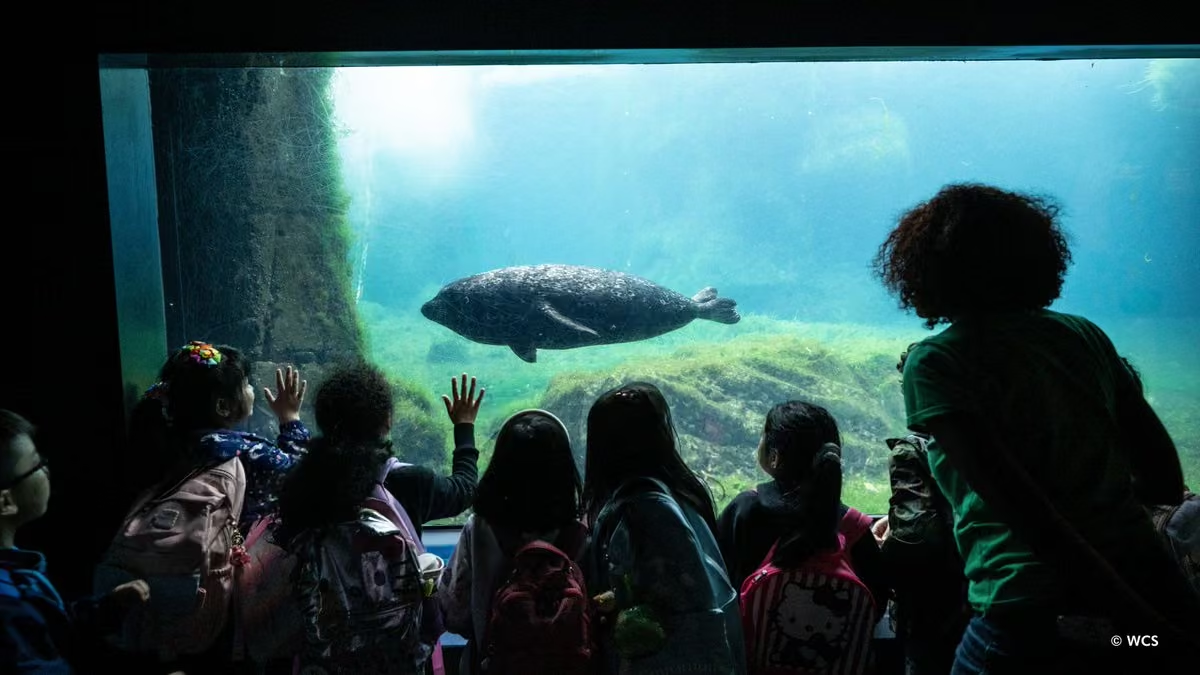
Make learning unforgettable with a self-guided field trip to the New York Aquarium this fall! (1/2)
New York Aquarium
@nyaquarium
As your students explore our exhibits, they will discover incredible marine animals such as California sea lions, African penguins, southern sea otters, & more! We offer special discounted rates for all school & camp groups! Book your visit today: nyaquarium.com/plan-your-visit/group-sales/students (2/2)
-
New York Aquarium
@nyaquarium
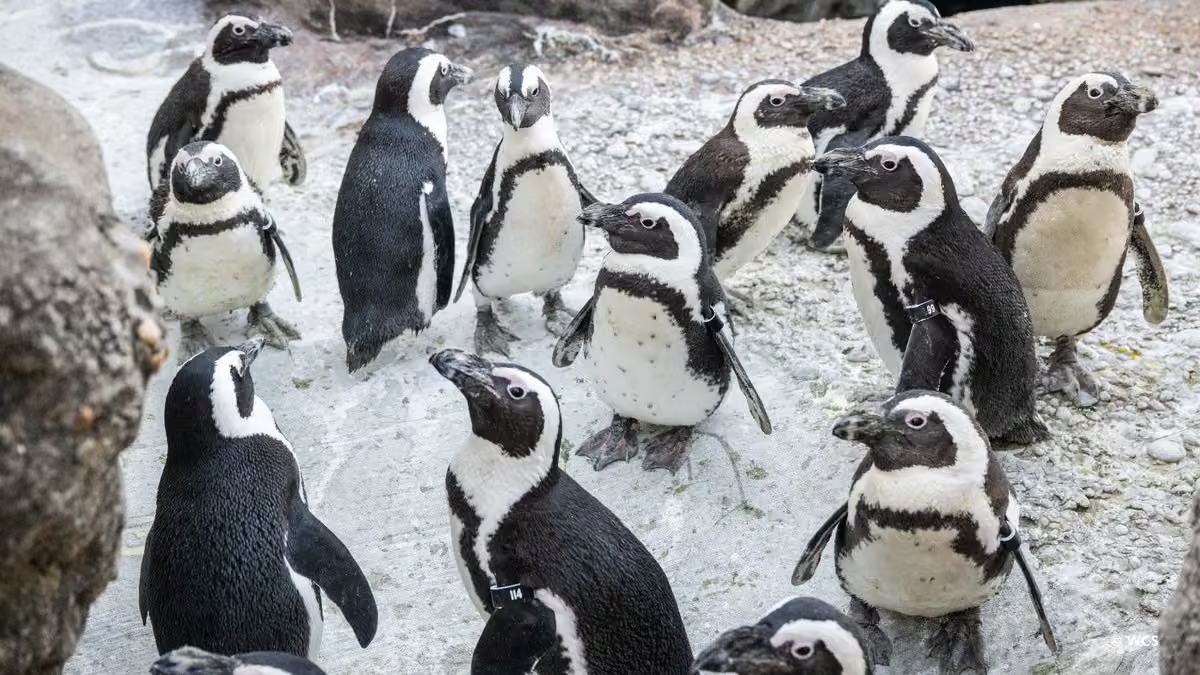
Happy belated hatch day to African penguin Bert! She turned 34 years old in October and is spending her golden years as the reigning queen of our colony. Bert arrived at the New York Aquarium in 1992 when she was two years old. (1/3)
New York Aquarium
@nyaquarium
According to Keeper Olivia, she is mother to one chick, grandmother to nine chicks, and great grandmother to five chicks! Since she arrived at the aquarium, Bert has become a staff and guest favorite with her big personality. (2/3)
New York Aquarium
@nyaquarium
Always the first to the feed, she can often be seen following keepers around, swimming with her mate Ferris, or standing watch at the top of the exhibit next to the entrance to her den, says Keeper Olivia. (3/3)
đž: Keeper Maria -
New York Aquarium
@nyaquarium
Nurse sharks may look toothless, but their teeth are simply adapted differently than the sharp, blade-like teeth of predatory species like white or tiger sharks. A nurse sharkâs teeth feature a multi-cusp, fan-like shape that works much like human molars. (1/2)
New York Aquarium
@nyaquarium
After suctioning prey into their mouths, they use dense, flat rows of teeth to crush and crunch through hard-shelled crabs, lobsters, shrimp, and mollusks. (2/2)
đ„: Keeper Elena -
New York Aquarium
@nyaquarium
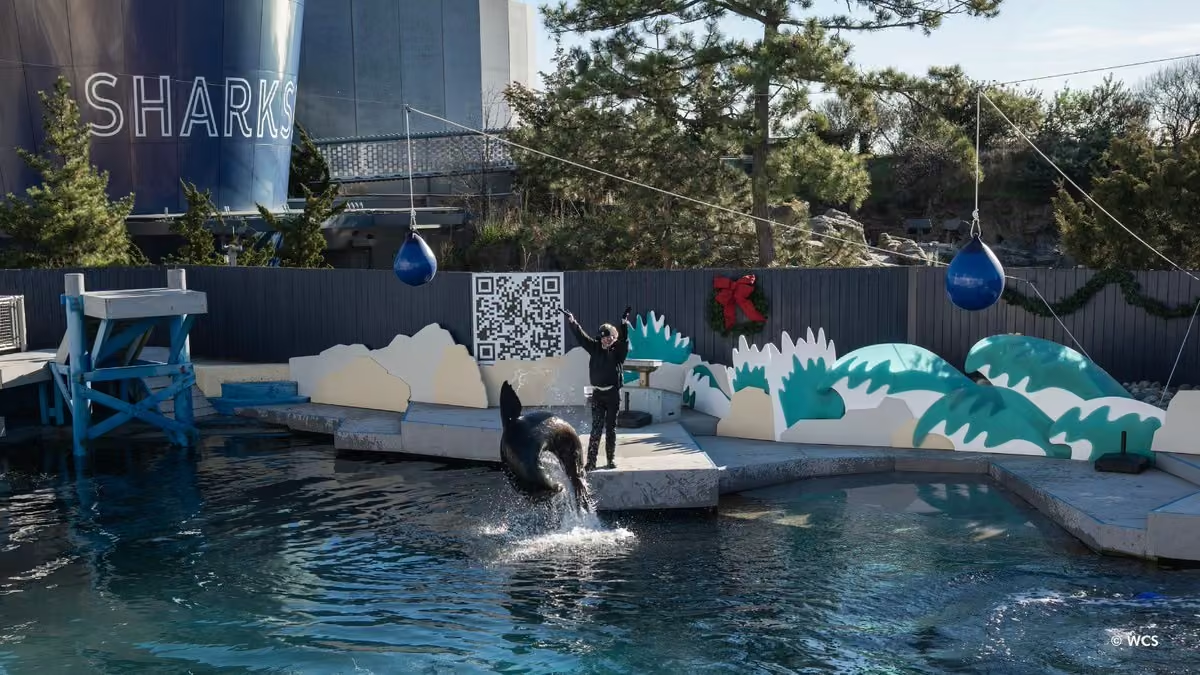
California sea lion Halftime recently received her annual rabies vaccination. Through consistent training and positive reinforcement, the animal care team has conditioned her to voluntarily present an injection site and remain stationary. (1/2)
This media couldn't be displayed. See it on the original post.
New York Aquarium
@nyaquarium
This not only ensures the safety of the veterinary staff but also creates a stress-free experience for her, proving that a cooperative approach to healthcare is the most effective. Well done, Halftime and team! (2/2)
đ„: Vet Tech Kate -
New York Aquarium
@nyaquarium
On World Jellies Day, letâs take a moment to admire one of the newest additions to our sea jelly collection, flame jellies. These incandescent invertebrates are a warm-water species native to parts of the Pacific Ocean. (1/2)
New York Aquarium
@nyaquarium
They are named for the striking, fiery-red coloration of their fringed mouth arms that resemble flames. Initially, these jellies are completely transparent, but develop their brilliant crimson-orange coloration as they mature. (2/2)
-
New York Aquarium
@nyaquarium
Join us December 26 through 31 for New York Aquarium Holiday Tides, our all-new festive celebration with animals, entertainment, and seasonal fun included with Aquarium admission. (1/2)
New York Aquarium
@nyaquarium
Holiday Tides features activities your family will enjoy during winter break, including special enrichment âtreatsâ for the animals, ice-carving demonstrations, seasonal storytelling and songs, crafts, and much more! Get tickets: nyaquarium.com/holiday-tides (2/2)
-
New York Aquarium reposted
WCS
@TheWCS
A career in conservation can start in New York City.
With the support of donors like @ConEdison, the Gray Foundation, The Pinkerton Foundation, and the New York City Council, nearly 2,000 local young people access unique opportunities at our wildlife parks each year.This media couldn't be displayed. See it on the original post. -
New York Aquarium reposted
WCS
@TheWCS
The Women Ocean Guardians initiative is bringing the women on the front lines of conservation to decision-making processes.
At #cop17armenia, it generated new pledges from governments, says WCSâs Pamela Castillo.
Read more: newsroom.wcs.org/News-Releases/articleType/ArticleView/arâŠThis media couldn't be displayed. See it on the original post. -
New York Aquarium reposted
WCS
@TheWCS
âA wonderful surprise.â Through citizen science, we have the first evidence of Amazon river dolphins in Bolivia. Emphasizes the role all of us can play in science and conservation.
newsroom.wcs.org/News-Releases/articleType/ArticleView/ar⊠-
New York Aquarium
@nyaquarium
Itâs all treat, but no trick, with this festive enrichment the keepers set up for harbor seal Pickles. While most enrichments make him work to find his fish to encourage natural foraging behaviors, sometimes the keepers present his food in a creative way for variety. (1/2)
This media couldn't be displayed. See it on the original post.
New York Aquarium
@nyaquarium
A new scent, shape, or texture like this pumpkin, will capture his attention and curiosity. (2/2)
-
New York Aquarium
@nyaquarium
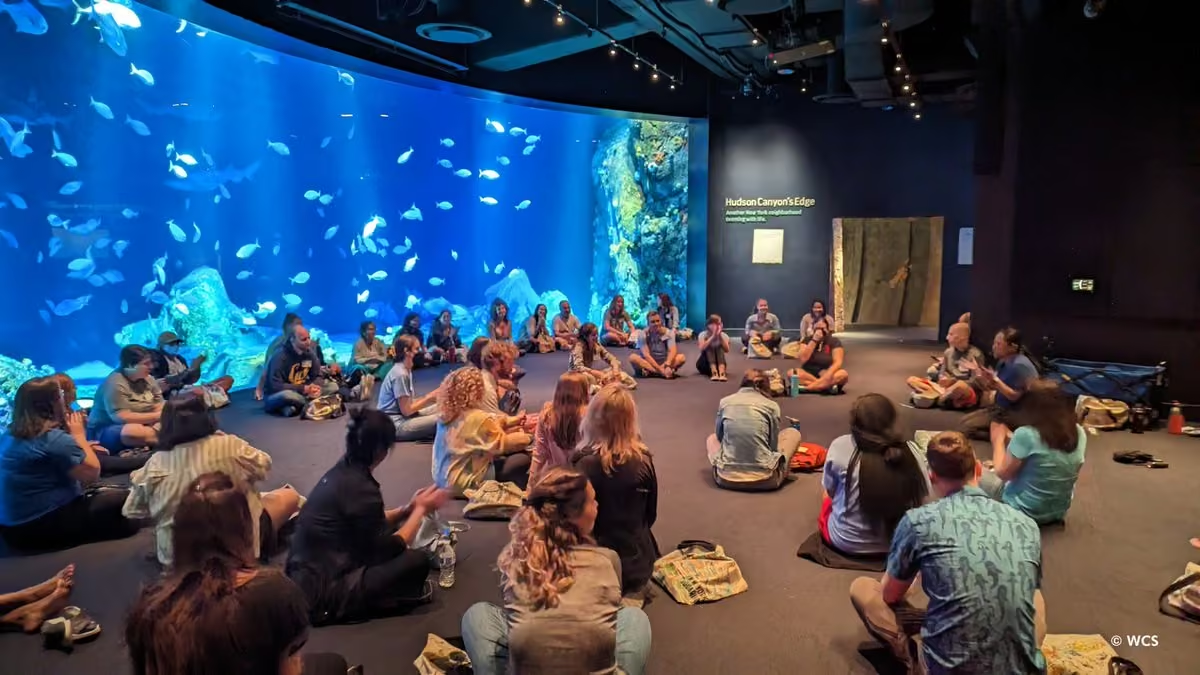
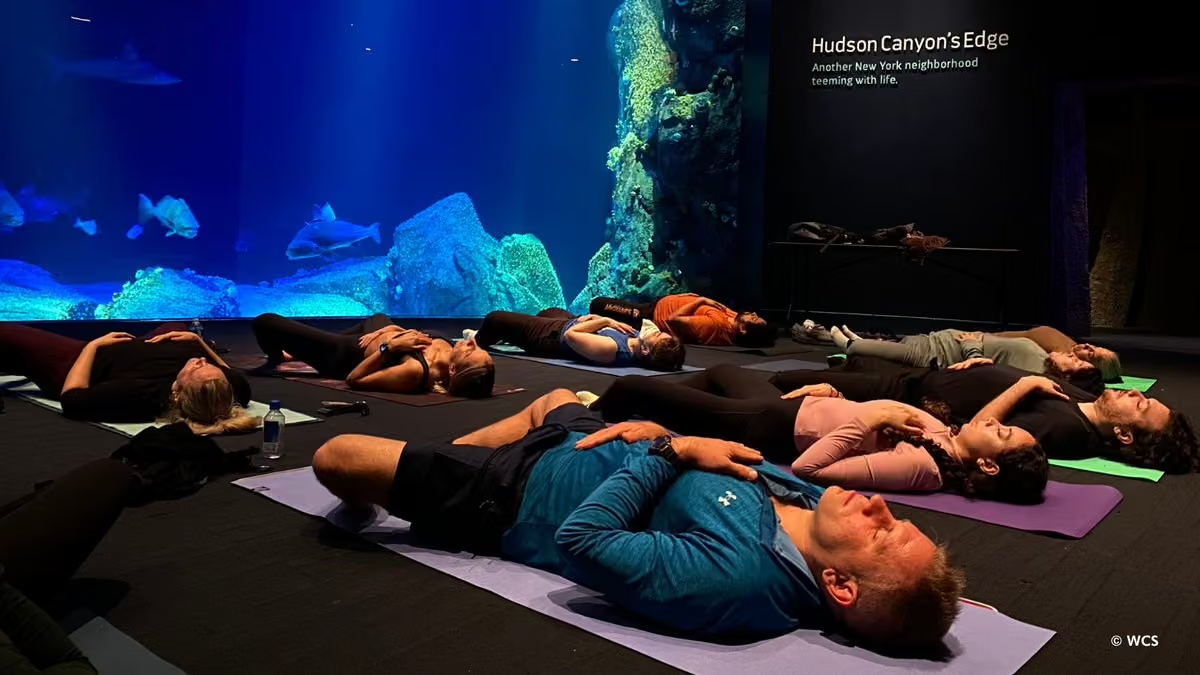
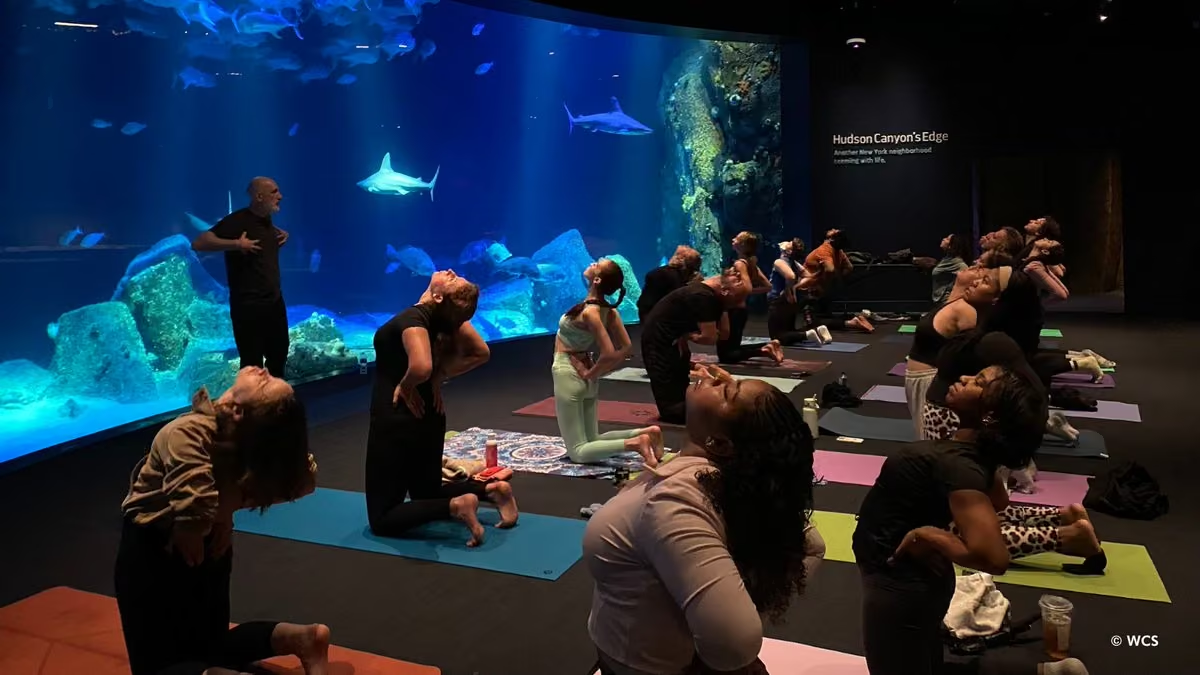
Shell-ebrate wellness at the New York Aquarium with our adult program, âKrillin' it Yogaââa fintastic yoga flow among the fishes. Stretch your mussels, find your inner sea-renity, and breathe like a blowfish. (1/2)
New York Aquarium
@nyaquarium
Itâs the perfect blend of health, harmony, and a splash of fun under the sea! âKrillin' it Yogaâ will be held on select Saturdays from 8:30-10AM. This program is 18+. Get tickets today: nyaquarium.com/learn/adult-programs/experiences (2/2)
-
New York Aquarium
@nyaquarium
Donât miss out on the Halloween fun! Join us this weekend for Ascarium at the New York Aquarium, featuring animal chats, costume parades, face painting, bubble performances, marine-themed magic shows, Halloween crafts, Spookleyâs 4D Jamboree in the 4D theater, & much more! (1/2)
New York Aquarium
@nyaquarium
The Ascarium experience and activities are included with New York Aquarium admission, and there are only two weekends leftâ Donât miss out, catch it October 24-25 and 31 from 11 am-4 pm. Get tickets: nyaquarium.com/ascarium (2/2)
đž: WCS photographer, Terria Clay -
New York Aquarium
@nyaquarium
In this video, Bolt, one of our African penguins, is seen preening in an off-exhibit area. Preening is how penguins groom and maintain their feathers, keeping them waterproof and free of debris. African penguins also preen each other, which helps strengthen bonds.
-
New York Aquarium
@nyaquarium
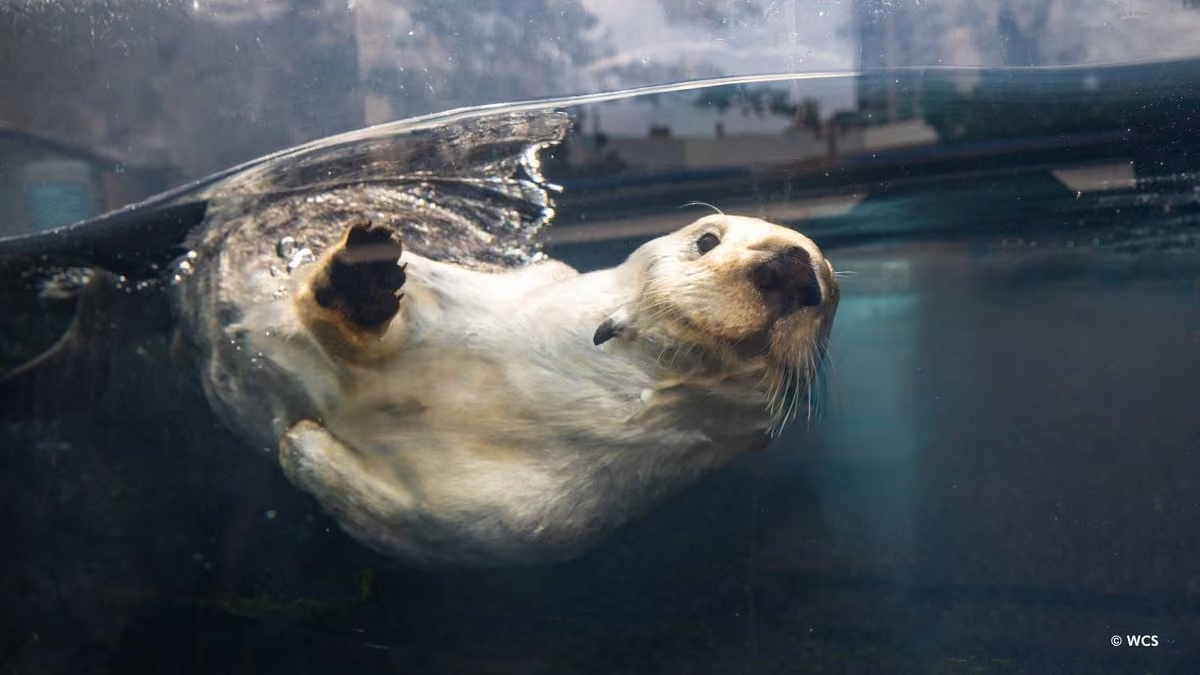
When you watch our California sea lions and harbor seals underwater in Sea Change, have you noticed that they often swim upside down? (1/2)
New York Aquarium
@nyaquarium
This behavior is sometimes called âscanningâ or âhunt swimâ. Because their eyes are positioned on top of their heads, swimming upside down helps them to scan for food and predators below them. (2/2)
đ„: Keeper Olivia -
New York Aquarium
@nyaquarium
Popping up into your feed to remind you that Ascarium opens tomorrow!
In this video, cownose stingray Tsunami can be seen popping up out of the water before a feeding. Our cownose stingrays have BIG appetites and are fed four times a day! (1/4)This media couldn't be displayed. See it on the original post.Post not available here, view on X
New York Aquarium
@nyaquarium
The net holds one stingray at a time, so itâs a solo dining experience for these finned foodies. This allows keepers to monitor intake and make sure each ray is eating an appropriate amount. (4/4)
đ„: Keeper Elena -
New York Aquarium
@nyaquarium
Today is World Octopus Day! đ
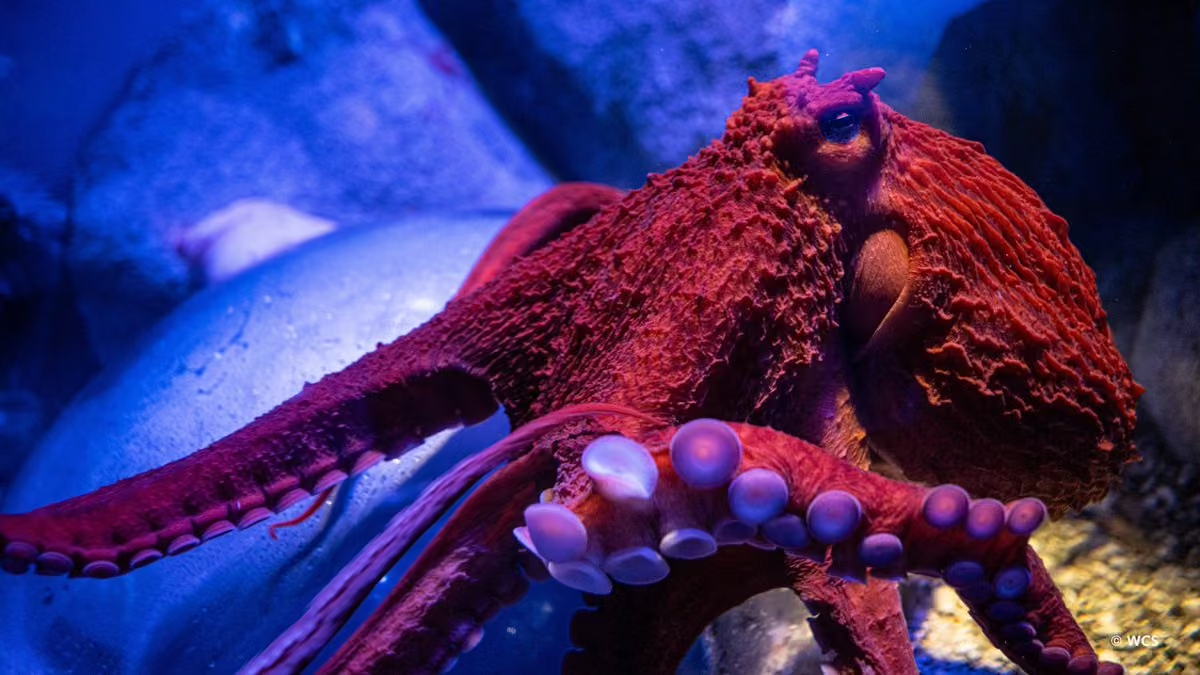
Did you know these eight-armed cephalopods have impressive adaptations, including shape-shifting, color-changing, ink squirting, and jet propulsion? (1/3)
New York Aquarium
@nyaquarium
Come spend some time observing our giant Pacific octopus in the Spineless exhibit. As the largest octopus species, these marine giants can weigh over 50 pounds with an arm span up to 13 feet. (2/3)
New York Aquarium
@nyaquarium
They can grow from 2 pounds in their first year to 20 pounds by age 2! These opportunistic feeders feast on all sorts of things, including shrimp, clams, lobsters, fish, birds, and even small sharks. (3/3)
-
New York Aquarium
@nyaquarium
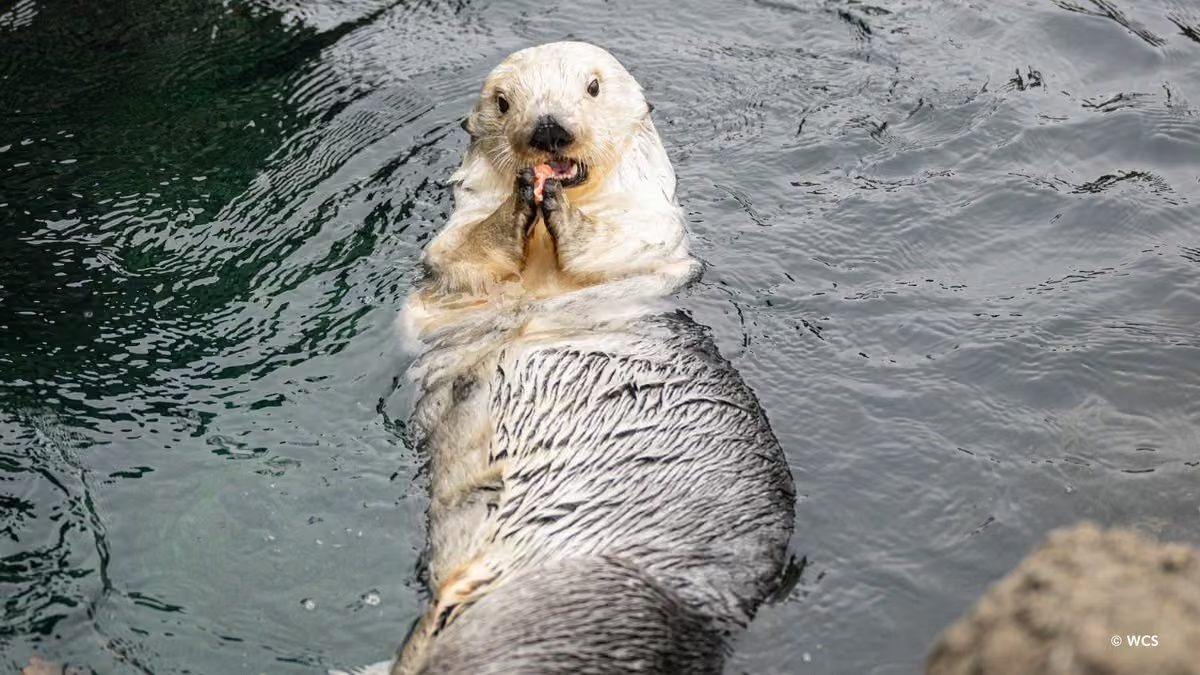
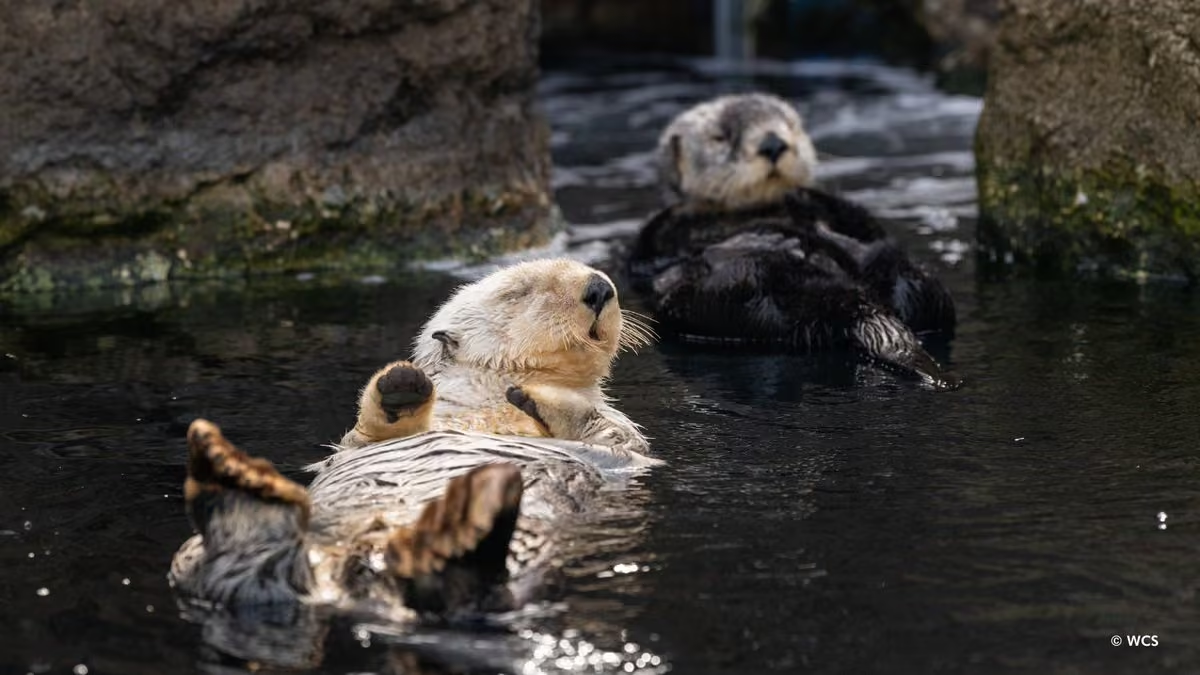
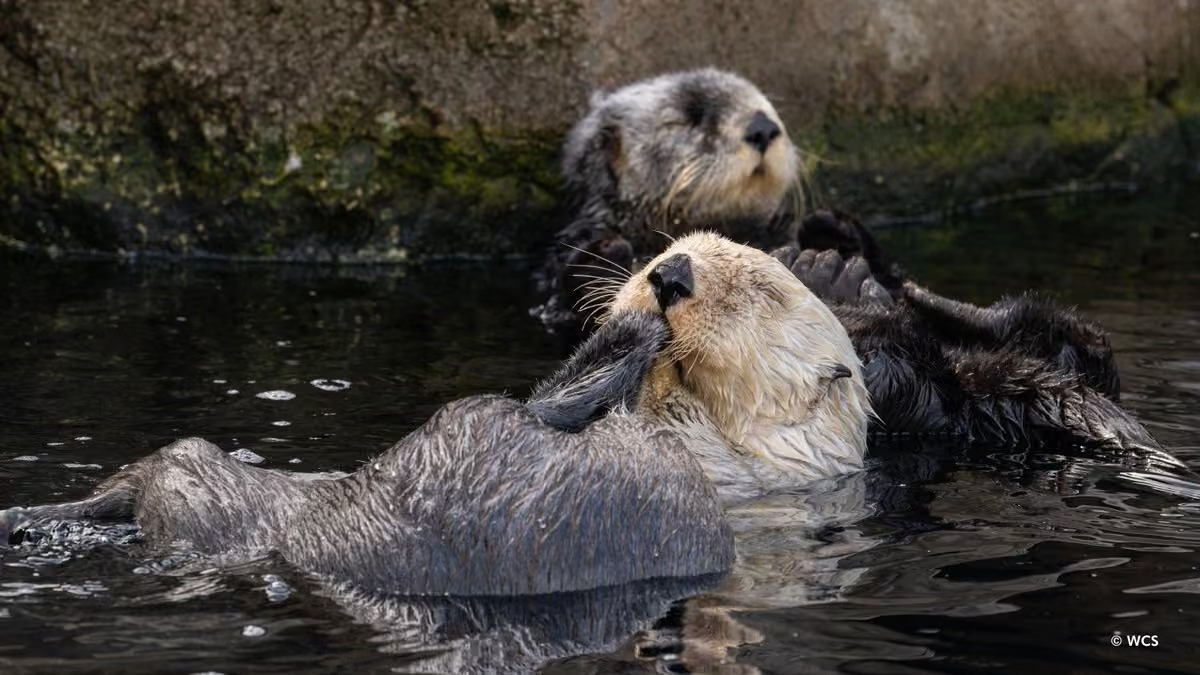
Letâs dive into feeding time! Southern sea otters have fast metabolisms & need to consume around 25% of their body weight daily! At the aquarium, we feed our otters, Quint, Pumpkin, and Clover a medley of shrimp, clams, squid, and sardines to support their fast metabolisms. (1/2)
This media couldn't be displayed. See it on the original post.
New York Aquarium
@nyaquarium
With three daily feedings, itâs easy to catch a session! Stop by Sea Cliffs to watch them at 11:00 a.m., 1:00 p.m., and 3:00 p.m. (2/2)
đ„: Keeper Audra -
New York Aquarium
@nyaquarium
The wait is overâŠAscarium opens THIS SATURDAY at the New York Aquarium! Join us for some spooktacular seaside fun, including animal chats, costume parades, face painting, marine-themed magic shows, Halloween crafts, Spookleyâs 4D Jamboree in the 4D theater, and more! (1/2)
This media couldn't be displayed. See it on the original post.
New York Aquarium
@nyaquarium
The Ascarium experience and activities are included with New York Aquarium admission. Ascarium runs October 10-12, 17-18, 24-25, and 31 from 11 am-4 pm. Get tickets: nyaquarium.com/ascarium (2/2)
-
New York Aquarium
@nyaquarium
Enjoy this #momentofblue with a southern stingray from our New York Bight exhibit in Ocean Wonders: Sharks!. While the other fish are swimming around, this fish stays still on the exhibit floor. (1/2)
New York Aquarium
@nyaquarium
Southern stingrays are opportunistic foragers and often rest partially buried in sediment during the day. When hunting, they use their broad pectoral fins to stir up the sand and uncover hidden crustaceans and small fishâa strategy that doubles as camouflage. (2/2)
-
New York Aquarium
@nyaquarium
In this video, one of our chain catsharks explores an ice treat packed with fish pieces and flavorful fish juice! Found in the deep waters of the western Atlantic, chain catsharks get their name from the striking, chain-like net pattern on their skin. (1/2)
This media couldn't be displayed. See it on the original post.
New York Aquarium
@nyaquarium
Sensory enrichment like this ice block encourages natural foraging, problem-solving, and explorationâkeeping these small, nocturnal sharks mentally and physically stimulated. (2/2)
đœ: Keeper Elena -
New York Aquarium
@nyaquarium
Sea otter ASMR! Thatâs the beautiful sound of sea otters cracking shells on rocks. They often open shelled prey by whacking it against a rock. This behavior is essential to their survival, as they need to consume up to 25% of their body weight in food every day to stay warm.
-
New York Aquarium
@nyaquarium
Our volunteer dive team keeps animal habitats clean, safe, and vibrant âand sometimes, our residents like to check in on the progress! (1/3)
This media couldn't be displayed. See it on the original post.
New York Aquarium
@nyaquarium
In this #momentofblue, you can see our black drum getting up close and personal with our divers. The black drum is a large, bottom-dwelling coastal fish known for its high arched back, chin barbels, and ability to produce loud drumming sounds. (2/3)
New York Aquarium
@nyaquarium
Both males and females use specialized muscles to vibrate their swim bladders, creating resonant drumming or croaking sounds primarily used for communication during spawning. (3/3)
đ„: Keeper Elena -
New York Aquarium reposted
WCS
@TheWCS
Tonight in Brooklyn: For one evening only, AQUA COSMOS: The Hudson Canyon will be projected on the Brooklyn Bridge, connecting art, ocean science and conservation and building support for protection of the Hudson Canyon.
Learn more: www.wcs.org/get-involved/hudson-canyon/aqua-cosmosThis media couldn't be displayed. See it on the original post. -
New York Aquarium
@nyaquarium
In this video, we see Keeper Olivia training southern sea otter Pumpkin to present her paws. Once Pumpkin has learned this behavior using positive reinforcement, the keepers can inspect her paws and pads regularly. (1/3)
New York Aquarium
@nyaquarium
These training sessions are essential for the overall health and welfare of the animals and help them participate in their own care. If an animal doesnât want to participate in a training session, they can choose to walk away, as Pumpkin does at the end of this session. (2/3)
New York Aquarium
@nyaquarium
Because the behaviors are paired with high-value rewards, including their favorite fish or shellfish treats, the otters participate voluntarily. This makes daily-care, including veterinary care, stress free for the animal. (3/3)
-
New York Aquarium
@nyaquarium
Enrichment is an integral part of caring for our animals at the aquarium. In this video, southern sea otter Clover had to work to find the seafood treats that her keepers hid in a tub of ice cubes. (1/2)
New York Aquarium
@nyaquarium
This kind of challenge encourages natural foraging behaviors, keeps her mentally engaged, and mimics the problem-solving she would rely on in the wild. (2/2)
đœïž: Keeper Olivia -
New York Aquarium
@nyaquarium
Happy #seaotterawarenessweek! In this video, you can see and hear one of our sea otters breaking crab shells on rocks. Sea otters are among the rare mammals known to use tools. (1/2)
New York Aquarium
@nyaquarium
Using rocks to crack open shellfish is a skill they learn and refine throughout their lives. This behavior is essential to their survival as they need to eat up to 25% of their body weight in food every day to stay warm in cold waters. (2/2)
đ„: Keeper Audra -
New York Aquarium
@nyaquarium
Happy Sea Otter Awareness Week!
To kick off the week, weâre sharing some clips of sea otter Quint. Quint is a rescued sea otter who was found as a pup off the coast of California. Unfortunately, his mother was not found. (1/2)This media couldn't be displayed. See it on the original post.
New York Aquarium
@nyaquarium
After receiving veterinary treatment and support at a rescue center, the U.S. Fish and Wildlife Service determined he was not a candidate to be released back to the ocean and placed Quint in our care when he was about six months old. (2/2)
-
New York Aquarium
@nyaquarium
Have you ever seen a cuttlefish walk? You have now! Flamboyant cuttlefish use their lower arms and flaps to âwalkâ along the seabed. Their internal cuttlebone is small compared to other cuttlefish species and canât hold enough gas to maintain buoyancy for long. (1/2)
New York Aquarium
@nyaquarium
They use their ventral arms as front limbs and specialized flaps as back limbs to move in a similar way to four-legged land animals. (2/2)
-
New York Aquarium
@nyaquarium
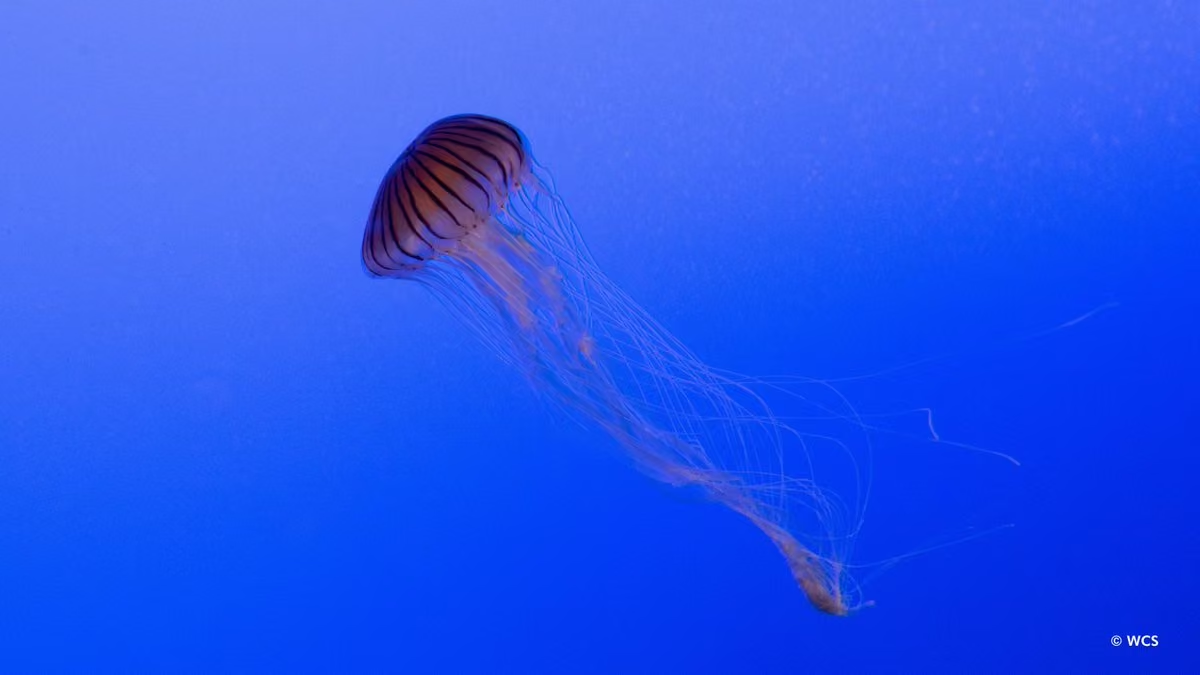
The beautiful, trailing tentacles and frilly oral arms of the Japanese sea nettle hide a stunning surpriseâtheyâre covered in stinging cells which paralyze and trap prey! Theyâre also used to deliver prey to the jellyâs mouth, located on the underside of its bell. (1/2)
New York Aquarium
@nyaquarium
These striking jellies are found in the temperate & subtropical waters of the Western Pacific Ocean, particularly near Japan & Korea. Their distinctive striped bells can grow up to 12 inches in diameter & their trailing tentacles & oral arms can stretch to 10 feet or more! (2/2)
-
New York Aquarium
@nyaquarium
Pack your sleeping bag for a spooky night beneath the waves at the New York Aquarium! (1/3)
New York Aquarium
@nyaquarium
Join us for Ascarium Sharks After Dark: Overnight, where you'll explore eerie ocean creatures in Ocean Wonders: Sharks!, enjoy behind-the-scenes tours, a Halloween-themed movie, and meet a live animal during this unforgettable overnight adventure. (2/3)
New York Aquarium
@nyaquarium
This event will take place on October 3â4 from Saturday 6:00pm â Sunday 9:00am. Spots are filling up fast, book now! nyaquarium.com/learn/overnights (3/3)
-
New York Aquarium
@nyaquarium
Have you ever seen a shark yawn? These are our white spotted bamboo sharks showing off the behavior in Ocean: Wonders Sharks!
Sharks âyawnâ not because theyâre tired, but to flush water over their gills and to help them breathe. (1/2)
New York Aquarium
@nyaquarium
This wide-mouth motion clears debris and boosts oxygen flow. Sharks' jaws are also not rigidly fixed in their skull but attached with flexible connective tissue, which enables them to extend their jaws when grabbing prey. (2/2)
đ„: Keeper Elena -
New York Aquarium reposted
WCS
@TheWCS
Bringing #hudsoncanyon to the Brooklyn Bridge.
Presented through @NYC_DOTâs art program, weâre teaming up with artist Anita Glesta to premiere AQUA COSMOS: The Hudson Canyon.
Learn more: www.wcs.org/get-involved/hudson-canyon/aqua-cosmos -
New York Aquarium
@nyaquarium
Itâs all hands on deck during our annual roughtail stingray exams! In order to facilitate easier access to the animals during these veterinary exams, our roughtail stingrays have been positively reinforced to swim into a stretcher. (1/3)
This media couldn't be displayed. See it on the original post.
New York Aquarium
@nyaquarium
Once in the stretcher, they are placed under anesthesia while our veterinarians perform a physical exam that includes radiographs and/or an ultrasound, take blood samples and measurements. The anesthesia helps to prevent the animals from becoming stressed during the exam. (2/3)
New York Aquarium
@nyaquarium
After the exam, keepers will stay with each stingray until they wake up from the anesthesia. You can see these magnificent roughtail stingrays in Ocean Wonders: Sharks! (3/3)
-
New York Aquarium
@nyaquarium
Ascarium at the New York Aquarium returns this fall! And itâs bigger and better than ever. (1/3)
New York Aquarium
@nyaquarium
In addition to spooktacular seaside magic shows, face painting, and Wildlife Theater shows, this yearâs Ascarium will feature NEW aquatic animal chats and feedings with our giant Pacific octopus, moray eels, African penguins, sea lions and harbor seals. (2/3)
New York Aquarium
@nyaquarium
But wait thereâs more! This year we are also offering an Ascarium themed Sharks After Dark overnight experience from October 3-4!
Learn more about whatâs NEW this year and get tickets: nyaquarium.com/ascarium (3/3) -
New York Aquarium
@nyaquarium
Happy Labor Day from all of us at the New York Aquarium! Weâre open today, so stop by and celebrate with all your favorite marine animals.
đž: WCS Photographer, Terria Clay -
New York Aquarium
@nyaquarium
Today is #nationalwildlifeday! Did you know that every time you visit the New York Aquarium, you support our conservation efforts, field research, and breeding programs that help safeguard vulnerable species globally? (1/2)
New York Aquarium
@nyaquarium
Visit the NY Aquarium to connect with these charismatic animals, then join us in protecting wildlife both locally and around the world.
To learn more about how the New York Aquarium and @theWCS seek to protect wildlife and wild places, visit: nyaquarium.com/animals/saving-wildlife (2/2) -
New York Aquarium
@nyaquarium
Enrichment is a key part of our care for our animals here at the aquarium. In this video, our sea otter, Pumpkin, had to do some work for her seafood treats which were hidden in a tub of ice cubes. (1/2)
New York Aquarium
@nyaquarium
This kind of challenge encourages natural foraging behaviors, keeps her mentally engaged, and mimics the problem-solving she would rely on in the wild. (2/2)
-
New York Aquarium
@nyaquarium
Next time you visit, stop by Ocean Wonders: Sharks! to see our resident zebra shark, Captain Spaulding!
This media couldn't be displayed. See it on the original post. -
New York Aquarium
@nyaquarium
August is National Water Quality Month, and we're celebrating the aquarium superstars who help keep our water just the way the animals like it. In these photos you can see our water quality team in action as they collect samples and test them in our water quality lab! (1/3)
New York Aquarium
@nyaquarium
This includes Supervisor Mark, Senior Tech Kristen, and Water Quality Techs Jordan, Louis, and Emma. Each week, this team tests every habitat at the New York Aquarium for a variety of values so we can adjust and maintain our animalsâ environments đ. (2/3)
New York Aquarium
@nyaquarium
The water we use for the saltwater exhibits at the New York Aquarium is pulled directly from the ocean near Coney Island. This is good for our animals as it provides them with natural seawater for their habitat. Itâs also an ecologically sustainable practice. (3/3)
-
Post not available here, view on XPost not available here, view on X
New York Aquarium
@nyaquarium
The water we use for the saltwater exhibits at the New York Aquarium is pulled directly from the ocean near Coney Island. This is good for our animals as it provides them with natural seawater for their habitat. Itâs also an ecologically sustainable practice. (3/3)
-
Post not available here, view on X
New York Aquarium
@nyaquarium
This includes Supervisor Mark, Senior Tech Kristen, and Water Quality Techs Jordan, Louis, and Emma. Each week, this team tests every habitat at the New York Aquarium for a variety of values so we can adjust and maintain our animalsâ environments đ. (2/3)
New York Aquarium
@nyaquarium
The water we use for the saltwater exhibits at the New York Aquarium is pulled directly from the ocean near Coney Island. This is good for our animals as it provides them with natural seawater for their habitat. Itâs also an ecologically sustainable practice. (3/3)
-
New York Aquarium
@nyaquarium
Boarfish have a unique appearance! They have a pig-like snout, deep, flat oval body, and bright brick-red coloring. They have an unusual, specialized tube-like mouth that they use to suck up tiny sea animals like worms and crabs from the sand. Come see this fish in Spineless!
-
New York Aquarium
@nyaquarium
Fish come in a myriad of shapes, sizes, and colors, including this short big-eye fish that you can see in our Spineless exhibit. This striking reef fish is known for the huge, luminous eyes that dominate its red-colored body. (1/3)
New York Aquarium
@nyaquarium
These fish are nocturnal and highly light-sensitive. During the day, they hide in deep crevices or under ledges to save energy and to protect their sensitive eyes from bright sunlight. (2/3)
New York Aquarium
@nyaquarium
At night, they use their massive eyes to spy small shrimp, crabs, and tiny floating prey in the dark.
They are found in the Western Atlantic Ocean, from the eastern coast of North America to the Caribbean. (3/3) -
New York Aquarium
@nyaquarium
Have you seen a shark solve a problem? In this video, our chain catsharks are interacting with a puzzle feeder filled with squid to encourage foraging behaviors.
This media couldn't be displayed. See it on the original post. -
New York Aquarium
@nyaquarium
Have you ever wondered how cownose rays got their name? It comes from the distinctive shape of their forehead, which has two lobes resembling the nostrils of a cowâs nose. (1/2)
New York Aquarium
@nyaquarium
These rays are a highly migratory species. They migrate in large groups, sometimes called a "fever," that can number in the thousands.
Keep an eye out for that signature snout next time you visit them in Ocean Wonders: Sharks! (2/2) -
New York Aquarium
@nyaquarium
đLetâs hear it for our amazing volunteer dive team who clean and maintain our tanks! This team of scuba divers scrubs the glass, vacuums sand substrate, and cleans rockwork to maintain a clean and healthy aquatic environment for our animals. (1/3)
New York Aquarium
@nyaquarium
The water we use for the saltwater exhibits at the New York Aquarium is pulled directly from the ocean near Coney Island. This is good for our animals as it provides them with natural seawater for their habitat. Itâs also an ecologically sustainable practice. (2/3)
New York Aquarium
@nyaquarium
However, there is a downside because it brings an abundance of phytoplankton and algae. This presents our dive team with the never-ending task of removing it from the habitat glass so guests can see our animals. (3/3)
-
New York Aquarium
@nyaquarium
Make new discoveries every time you visit the New York Aquarium. This small, colorful coral reef fish is a yellowhead jawfish. It has a bright yellow head and upper body, large protruding eyes, and a very large mouth, which it uses to dig vertical burrows. (1/3)
New York Aquarium
@nyaquarium
It spends most of the daytime feeding on plankton or using its large mouth to move sand or shell fragments from within and around its burrow to reinforce the walls and keep the structure intact. (2/3)
New York Aquarium
@nyaquarium
At night, it retreats into the burrow and seals the entrance with a stone or a shell. Look for these industrious little fish in Spineless next time you visit. (3/3)
-
Post not available here, view on X
New York Aquarium
@nyaquarium
It spends most of the daytime feeding on plankton or using its large mouth to move sand or shell fragments from within and around its burrow to reinforce the walls and keep the structure intact. (2/3)
New York Aquarium
@nyaquarium
At night, it retreats into the burrow and seals the entrance with a stone or a shell. Look for these industrious little fish in Spineless next time you visit. (3/3)
-
New York Aquarium
@nyaquarium
Watch these bamboo and epaulette sharks interact with a deli-sandwich-shaped puzzle to discover some tasty treats. (1/3)
New York Aquarium
@nyaquarium
The keepers hide small pieces of food, including shrimp and squid, inside puzzles of various shapes to mimic the challenges sharks encounter in their natural habitats when hunting for prey (for example, when it's hidden within shells, or hiding under rocks). (2/3)
New York Aquarium
@nyaquarium
The animals use their snouts to push and nudge the puzzle to get at the food. They also use their sense of smell and touch. The problem-solving required to acquire the food items stimulates the sharks mentally and physically, and ensures they are continually challenged. (3/3)
-
New York Aquarium
@nyaquarium
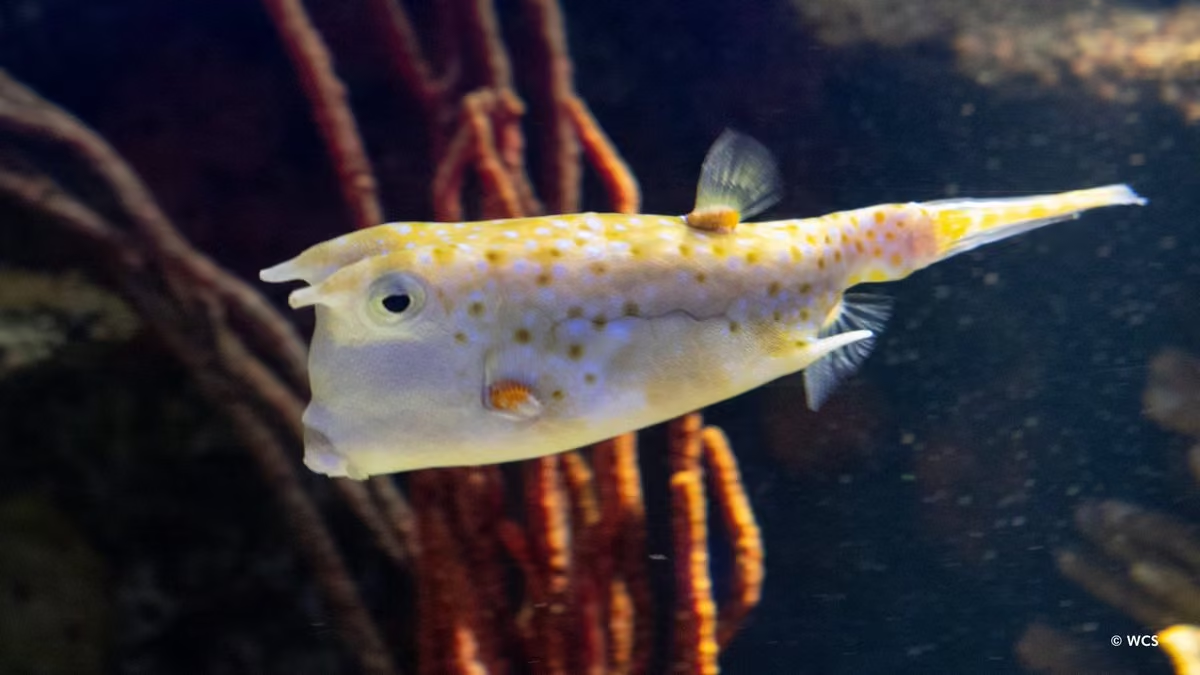
Our keepers provide longhorn cowfish, Oxford, with a variety of enrichment and training, including targeting, puzzle feeders, and tactiles, to stimulate him mentally and physically and encourage natural foraging behaviors. (1/3)
New York Aquarium
@nyaquarium
Luckily, he is very food-motivated and eager to participate in training sessions. These sessions also help him be more comfortable during veterinary procedures, he now tolerates being held during a medical workup. (2/3)
New York Aquarium
@nyaquarium
His keepers affectionately refer to his training sessions as âOxford Universityâ, and as you can see, heâs a star student!
Cowfish, named for the two horns on their head, are members of the boxfish family and are found in the Indo-Pacific region. (3/3) -
New York Aquarium
@nyaquarium
When an animal needs medical care, our incredible team jumps into action! Over the past few months, stingray keepers noticed that our female cownose stingray âRachel Rayâ was acting lethargic and not showing a lot of interest during feedings or enrichment. (1/3)
This media couldn't be displayed. See it on the original post.
New York Aquarium
@nyaquarium
She was diagnosed with a polycystic ovary and the team initially tried oral medicines and other less invasive types of interventions. After a month of no improvements, our vets decided it was time to intervene surgically. (2/3)
New York Aquarium
@nyaquarium
Ovariectomies (surgery to remove one or both ovaries) are not commonly performed in adult stingrays, but her surgery and recovery went very well and she is now back on exhibit thanks to the dedication of her medical team and attentive keepers. (3/3)
-
New York Aquarium
@nyaquarium
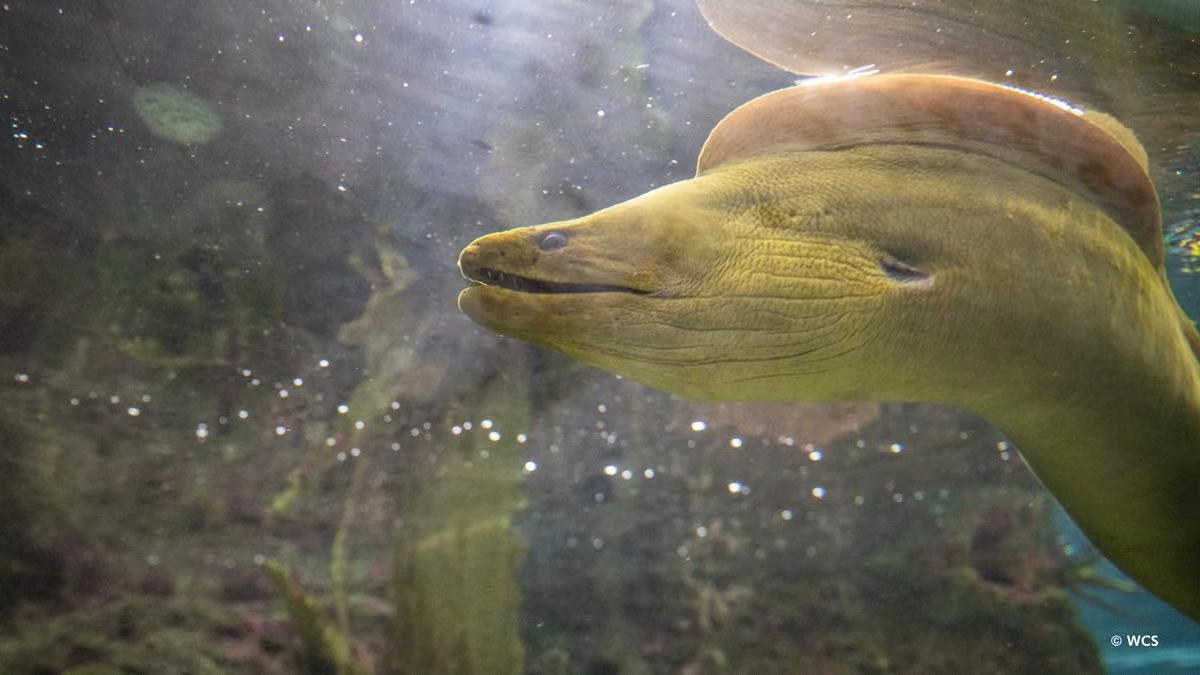
Did you know that moray eels are one of the largest in the moray family? They can reach up to 8 feet and 65 pounds. (1/3)
New York Aquarium
@nyaquarium
Another fun fact? The moray eel is not actually green. Its skin is brown, coated in a thick, yellow mucus that protects it from parasites and disease, creating a green illusion against its dark habitat. (2/3)
New York Aquarium
@nyaquarium
It's also one of the only fish that can swim both forward and backward, since it lacks pectoral and pelvic fins entirely! (3/3)
-
New York Aquarium
@nyaquarium
Watch as our South American sea nettles drift peacefully through the water.
Did you know that this species has been floating through our oceans for over 600 million years? (1/2)
New York Aquarium
@nyaquarium
Despite having no brain, no heart, and no bones, sea nettles have outlasted mass extinctions and are still going strong today.
Come get mesmerized by them in Spineless. đ (2/2) -
New York Aquarium
@nyaquarium
Swimming into the weekend likeâŠ
-
New York Aquarium
@nyaquarium
The spiny box puffer fish is a distinctive species native to the Western Atlantic Ocean. Itâs easily recognized by its tan-to-yellow body, dark striping, and short, heavy spines that are always erect. (1/3)
New York Aquarium
@nyaquarium
When threatened, this striking fish can inflate its body by taking in water, causing its spines to stand out prominently. Its strong, beak-like teeth enable it to crack open hard-shelled prey, including barnacles, snails, crabs, and clams. (2/3)
New York Aquarium
@nyaquarium
They have even been observed swallowing hermit crabs wholeâshell and all. With their prominent golden-yellow eyes and translucent pectoral fins, which they use to maneuver through the water, they are truly wonderful to watch. Discover them in the Gloverâs Reef exhibit. (3/3)
-
New York Aquarium
@nyaquarium
Despite sharing a name, squat lobsters are more closely related to hermit crabs than lobsters. They have a small, flattened body with a long tail. While hiding in rock crevices, they often leave their long, prominent front claws exposed to ward off predators.
-
New York Aquarium
@nyaquarium
This remarkable fish is a flying gurnard. Despite their name, these bottom-dwelling marine fish can neither fly nor glide in air. They are known for their oversized, wing-like pectoral fins and their unique ability to âwalkâ along the ocean floor. (1/2)
New York Aquarium
@nyaquarium
They use finger-like rays at the front of their pectoral fins to walk, probe, & dig through sand & mud on the ocean floor in search of food. When threatened, they spread their big, brightly spotted âwingsâ to intimidate potential predators. Check them out in Gloverâs Reef. (2/2)
-
New York Aquarium
@nyaquarium
Did you know that most of the animals in the ocean are invertebrates? Some swim, some stay attached to one spot for a lifetime, and some, like sea jellies, float wherever the tide & currents take them. Discover the amazing animals that are the backbone of the ocean in Spineless!
-
New York Aquarium
@nyaquarium
Did you know that giant Pacific octopuses spend the majority of their time staying still? When they do move, their central brain, located in the mantle, decides the direction, and the eight âmini-brainsâ in each of their arms handle the rest. (1/2)
New York Aquarium
@nyaquarium
Each arm acts independently to move, and also to taste, grip, smell, swim, fight, mate, and capture and extract prey. Get an up-close view of our giant Pacific octopus in our Spineless exhibit. (2/2)
-
New York Aquarium
@nyaquarium
This summer, sign up for an epic aquatic adventure at the New York Aquarium and give your campers a self-led field trip theyâll never forget! Explore our world-class exhibits and discover sharks, rays, sea horses, sea lions, penguins, and more! (1/2)
New York Aquarium
@nyaquarium
We offer special discounted rates for all NYC schools and camp groups! Plan your trip today! nyaquarium.com/plan-your-visit/group-sales/students (2/2)
-
New York Aquarium
@nyaquarium
Before Pickles shows off his marine mammal intelligence during a training session in the Aquatheater, keepers complete full body checks and routine husbandry tasks. (1/2)
This media couldn't be displayed. See it on the original post.
New York Aquarium
@nyaquarium
Pickles receives therapeutic eye drops, undergoes a full body check, has his teeth brushed and examined, and even has his nails trimmed when needed. These sessions showcase the trust, training, and a special bond between Pickles and his keepers. (2/2)
-
New York Aquarium
@nyaquarium
Hereâs a cool fact! Some warm-weather or temperate penguins, including African penguins, have pink patches of skin over their eyes. These light-colored patches of exposed skin serve as natural heat vents, helping the penguins thermoregulate in hot climates. (1/2)
New York Aquarium
@nyaquarium
When the penguin gets warm, blood flows to these areas, where itâs cooled by the surrounding air before recirculating through the rest of the body, lowering the birdâs overall body temperature. (2/2)
-
New York Aquarium
@nyaquarium
In this enrichment session, Supervisor Sarah and Trainer Kathryn and Nora have placed seafood flavored gelatin molds with animal safe food coloring and ice treats in the Aquatheater for sea lion Bruiser to enjoy. (1/2)
This media couldn't be displayed. See it on the original post.
New York Aquarium
@nyaquarium
This is a form of enrichment that sparks curiosity, foraging behaviors, and exploration! (2/2)
-
New York Aquarium
@nyaquarium
This afternoon, an Endangered Kempâs ridley sea turtle named âPancakeâ successfully made its return to the Atlantic Ocean just outside @TheWCS's New York Aquarium. (1/6)
This media couldn't be displayed. See it on the original post.Post not available here, view on X
New York Aquarium
@nyaquarium
After being rescued, Pancake was transported to the New England Aquarium for emergency triage & medical treatment before being transferred to the @amseasorg's Sea Turtle Care Facility in Westhampton Beach, where the turtle underwent months of specialized rehabilitation. (3/6)
New York Aquarium
@nyaquarium
Now weighing ~11lbs, Pancake made a full recovery, demonstrating strong swimming behavior while actively pursuing food and maintaining a healthy diet of shrimp & clams before being cleared for release with a satellite tag attached to its shell to track its movements. (4/6)
New York Aquarium
@nyaquarium
The turtleâs sex remains unknown, as determining sex requires blood testing that is unnecessary during rehabilitation. (5/6)
New York Aquarium
@nyaquarium
Pancake is one of 25 sea turtles transferred to Atlantic Marine Conservation Society for rehabilitation during this cold-stunning season and one of 125 sea turtles treated at the organizationâs Sea Turtle Care Facility since 2020. (6/6)
-
New York Aquarium reposted
WCS
@TheWCS
Record shark activity off New York? More likely, Hans Walters of WCSâs @nyaquarium tells @nypost, weâre just noticing them more, thanks in part to technology like drones. Theyâve always been here and theyâre far more focused on fish than on us.
nypost.com/2026/07/21/lifestyle/nyc-shark-sightings-are-u⊠-
New York Aquarium
@nyaquarium
Happy #nationalkeeperweek to our amazing team at the New York Aquarium!
When you see a keeper or trainer at the New York Aquarium this week, make sure to say âthanksâ for their hard work and dedication! #nzkw2026 #aazknzkw (1/3)
New York Aquarium
@nyaquarium
Keepers and trainers play a crucial role in the care of species, many that are threatened & endangered. They provide essential care, manage breeding programs, track animal health & behavior for research, & act as educators to inspire the next generation of conservationists. (2/3)
New York Aquarium
@nyaquarium
From the mighty to the mini, our committed keepers and trainers provide care for thousands of marine animals at the New York Aquarium. (3/3)
-
New York Aquarium
@nyaquarium
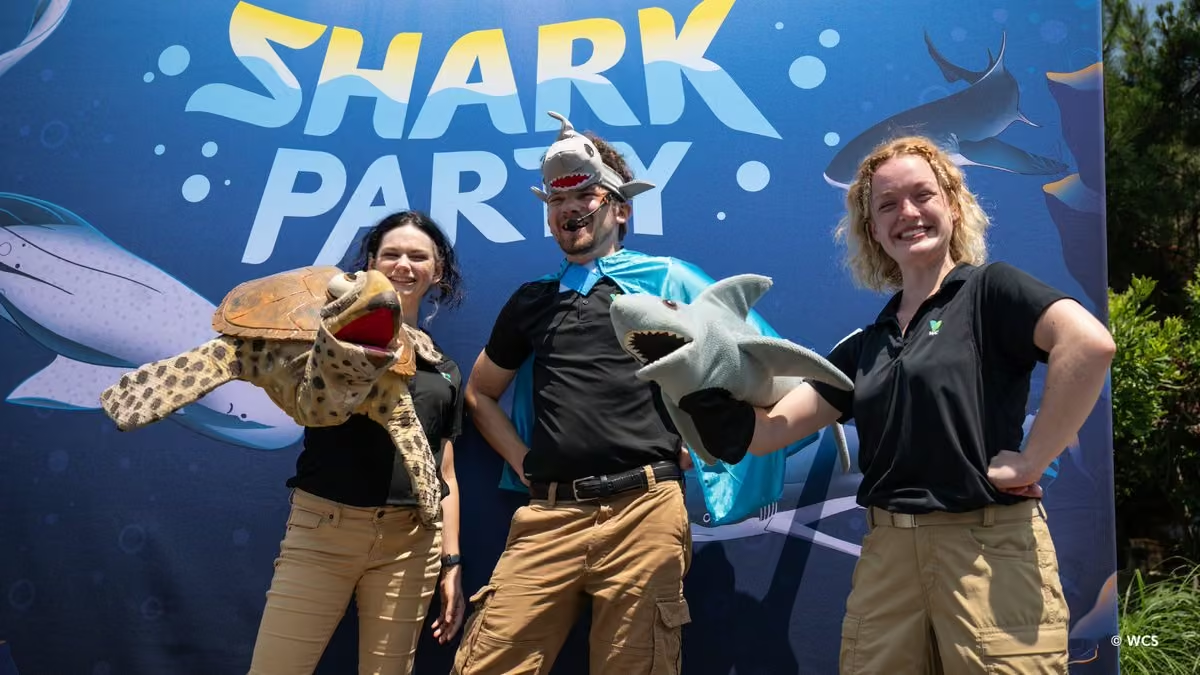
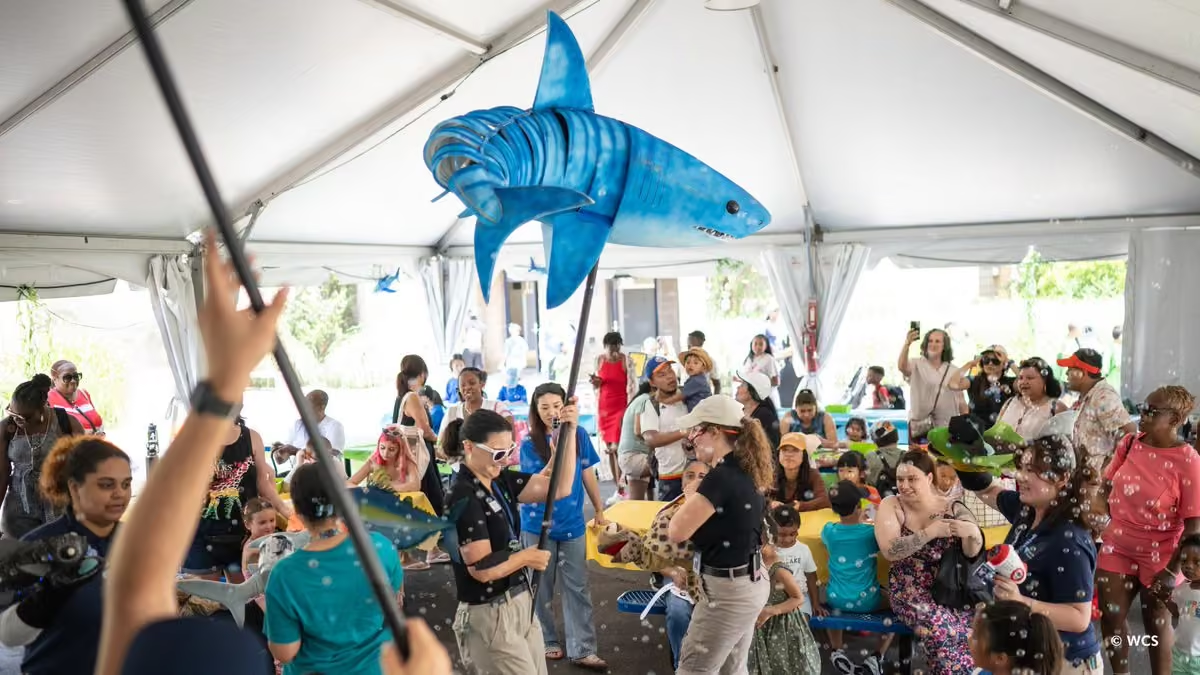
Donât miss the Shark Party this weekend!
All activities are FREE with admission!
đŠShark Dance Party!
đ§Parades with costumed characters.
đ«§NEW Bubble Shows!
đWildlife Theater.
đȘŒSharks and Crafts.
đŠŠFun and Games.
đŠNEW Keeper Chats!
Get tickets: nyaquarium.com/sharkparty -
New York Aquarium
@nyaquarium
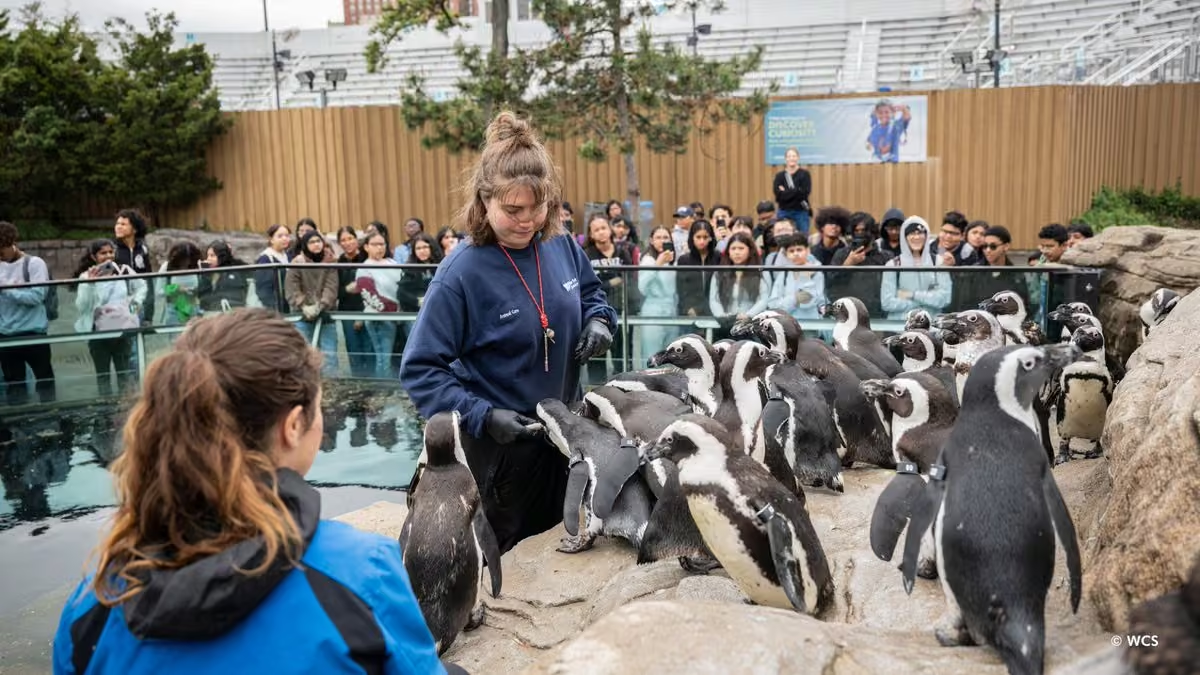
Itâs feeding time for the African penguins! Each penguin consumes around one pound of fish each day. Penguins donât have teeth, so they swallow each fish whole! (1/2)
New York Aquarium
@nyaquarium
They have soft spines on their tongue and palate called papillae. The papillae face backwards in their mouth and help guide the slippery fish down their throats. To watch a penguin feeding, join us at Sea Cliffs at 11:30 a.m. & 2:30 p.m. daily. (2/2)
-
New York Aquarium
@nyaquarium
Our creative keepers enjoy coming up with new enrichment ideas for our animals, including hiding food in a variety of objects, like this hollowed-out watermelon for zebra shark, Captain Spaulding. (1/3)
New York Aquarium
@nyaquarium
Zebra sharks are bottom feeding reef predators that hunt at night using their flexible bodies to negotiate small crevices and tactile barbels on their snouts to locate hidden prey. (2/3)
New York Aquarium
@nyaquarium
Once located, they suck out prey with a powerful vacuum created by their small mouths and gill muscles. See how Captain Spaulding uses these adaptations to obtain the food items hidden in the melon. (3/3)
đč: Keeper Elena -
New York Aquarium
@nyaquarium
This #momentofblue is a rare sight to see! A few times a year, our team moves our all-male California sea lions and harbor seals to the Aquatheater in order to do some necessary spring cleaning and maintenance in their off exhibit pools. (1/3)
New York Aquarium
@nyaquarium
This change of scenery is stimulating and novel, not only for the animals but also for the staff! (2/3)
New York Aquarium
@nyaquarium
âWe all have to work together and itâs a great opportunity for the animals to participate in some training together too,â says Supervisor Sarah R. â It takes trust, communication, and multi-tasking!â (3/3)
-
New York Aquarium
@nyaquarium
Shark Party is back this summer! Join us on July 18-19 & 25-26 to raise your shark smarts with fin-credible, family-friendly activities & fun, including Wildlife Theater, costumed characters, parades, crafts, & more! Included with aquarium admission. nyaquarium.com/sharkparty
-
New York Aquarium
@nyaquarium
Brunch anyone? When the keepers treated our Southern sea otters to a raw bar of crab claws and clams, the otters made short work of it! Southern sea otters have voracious appetites and need to consume around 25% to 30% of their body weight daily. (1/3)
This media couldn't be displayed. See it on the original post.
New York Aquarium
@nyaquarium
The otters take the treats and stash them in the loose folds of skin under their forelimbs that act like âpocketsâ. They return to the water to eat, floating on their backs, using their chests as a âtableâ. (2/3)
New York Aquarium
@nyaquarium
Otters use the rock walls of their habitat to crack open hard shells and reach the tasty treats inside. Enrichment feedings like this promote the sea ottersâ natural foraging and feeding behaviors. (3/3)
-
New York Aquarium
@nyaquarium
Give your kids the ultimate outdoor adventure at New York Aquarium Summer Camp! đ
Open to young adventurers from Pre-K through 8th grade, campers will dive into the wonders of marine life through hands-on animal encounters, park exploration, & learning experiences. (1/2)This media couldn't be displayed. See it on the original post.
New York Aquarium
@nyaquarium
With award-winning programming from the Wildlife Conservation Society Education team, your kids are set for a summer of learning, discovery, and fun.
Sessions are filling fast â register today! nyaquarium.com/learn/camps (2/2) -
New York Aquarium
@nyaquarium
TRAFFIC ALERT: Due to NYPD management of Coney Island street closures, our parking lot may be unavailable until mid-afternoon. Please use mass transit.
-
New York Aquarium
@nyaquarium
Happy Fourth of July from all of us at the New York Aquarium! Weâre open today and would love for you to stop by and enjoy a #momentofblue with your favorite animals. (1/3)
New York Aquarium
@nyaquarium
Veterans and active U.S. military are eligible to receive a complimentary New York Aquarium Admission ticket or Limited Admission ticket for themselves & 50% off tickets for up to 3 guests. (2/3)
New York Aquarium
@nyaquarium
Use promotional code MILITARYNYA for active personnel and VETERANNYA for veterans during checkout. Military member must be present with valid ID on entry. (3/3)
-
New York Aquarium
@nyaquarium
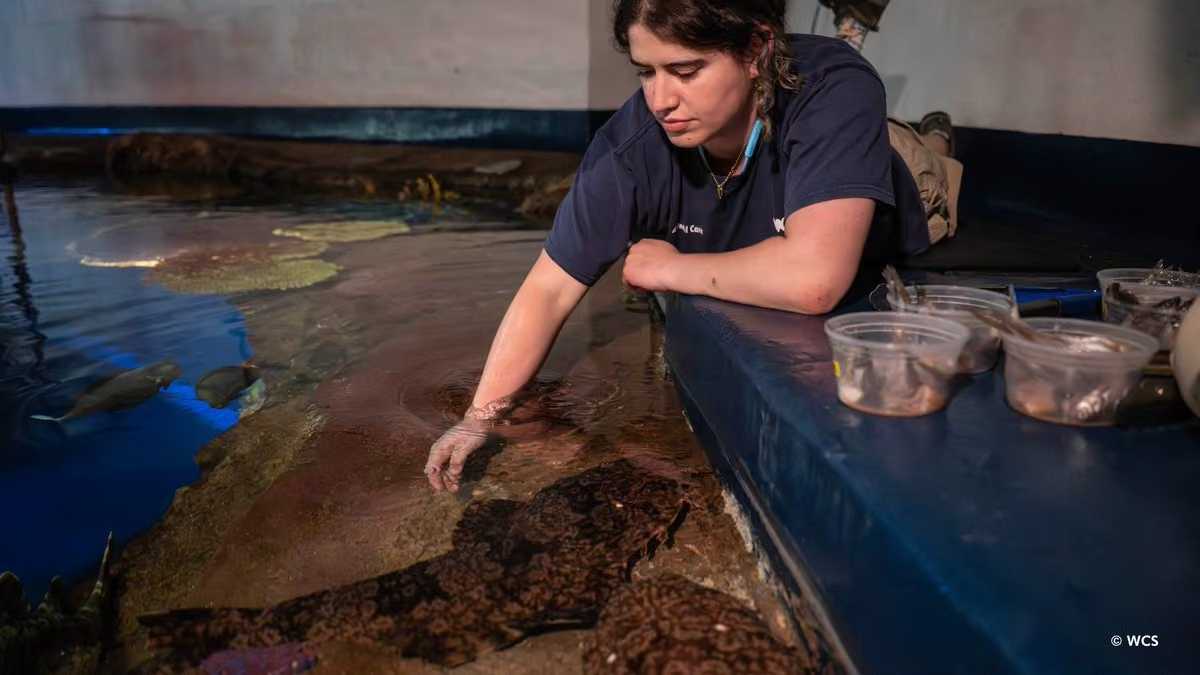
Our Behind the Scenes Tour at Ocean Wonders: Sharks! takes you where most guests never go. Get one-of-a-kind views, learn insider knowledge of our work with marine animals, and enjoy a stop at our private touch pool for a VIP experience.
Register today: nyaquarium.com/shop/catalogs/wild-encounters-2/sections/w⊠-
New York Aquarium
@nyaquarium
Did you know that flamboyant cuttlefish has some of the most unusual eyes in the animal kingdom? In low light conditions, its pupils are circular in shape, but in bright-light they constrict into a âWâ shape. (1/2)
This media couldn't be displayed. See it on the original post.
New York Aquarium
@nyaquarium
This W-shape cuts down on the amount of direct sunlight reaching its eyes, helping this cephalopod enhance its vision and ability to locate prey in conditions where the light is harsh or uneven like reefs or shallow water. (2/2)
-
New York Aquarium
@nyaquarium
Guests at the New York Aquarium were treated to a special #momentofblue recently, when they witnessed Luigi, the American lobster, going through a molt. Lobsters molt, or shed their exoskeleton as they grow. (1/3)
New York Aquarium
@nyaquarium
Young lobsters molt multiple times a year as they grow rapidly in size. Once they reach adulthood, they tend to molt annually. The photos show Luigi on the day of his molt, and the video shows him two days post-molt. (2/3)
New York Aquarium
@nyaquarium
Lobsters are extremely vulnerable during this period because their exoskeleton is paper-thin and takes weeks or even months before hardening completely. (3/3)
-
New York Aquarium
@nyaquarium
Ding, ding, the âdinner bellâ has been rung! In this video, you can see one of our wobbegong sharks swimming to the top of the coral tunnel exhibit for a feeding. (1/3)
New York Aquarium
@nyaquarium
In the ocean, these sharks are ambush predators. They lay camouflaged on the sandy sea floor and wait to snap up unsuspecting prey. (2/3)
New York Aquarium
@nyaquarium
To ensure each of our wobbegong sharks receives a balanced diet, our keepers have trained them to swim to the top of the exhibit when they hear an acoustic stimulus. (3/3)
-
New York Aquarium
@nyaquarium
Similar to humans, seals also have tooth enamel and gums that can be susceptible to dental disease. In this video, Keeper Kathryn is brushing harbor seal Picklesâ teeth with a seafood-flavored toothpaste. (1/2)
This media couldn't be displayed. See it on the original post.
New York Aquarium
@nyaquarium
Our harbor seals receive daily brushing to help prevent gingivitis and keep their teeth and gums strong and healthy. Visit our harbor seals at Sea Cliffs or for a training session in the Aquatheater to learn more about these fascinating pinnipeds! (2/2)
-
New York Aquarium
@nyaquarium
TRAFFIC ALERT: On Saturday, June 20 expect street closures and traffic congestion due to the Mermaid Day Parade. The Aquarium parking lot may not be accessible. We recommend using mass transit.
-
New York Aquarium
@nyaquarium
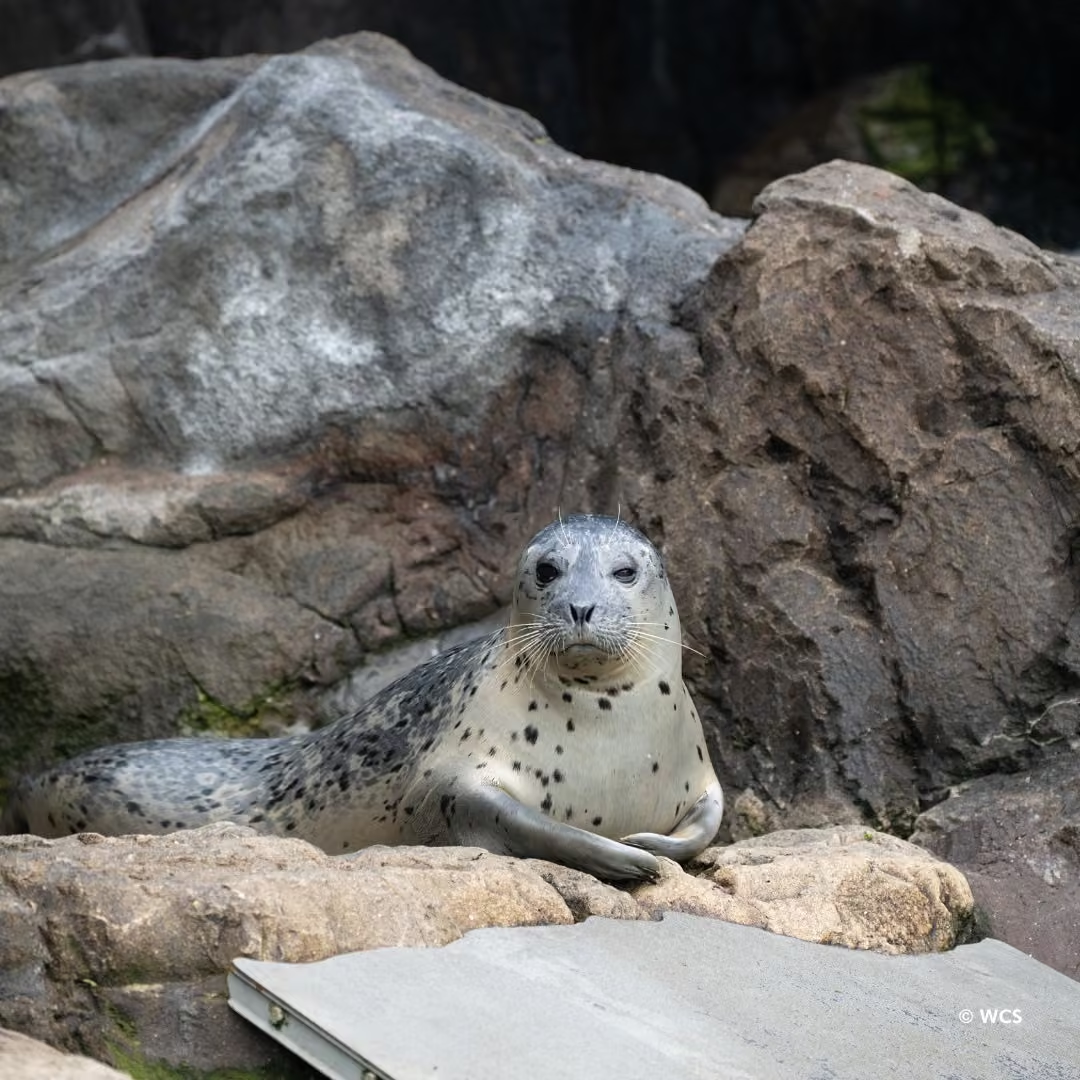
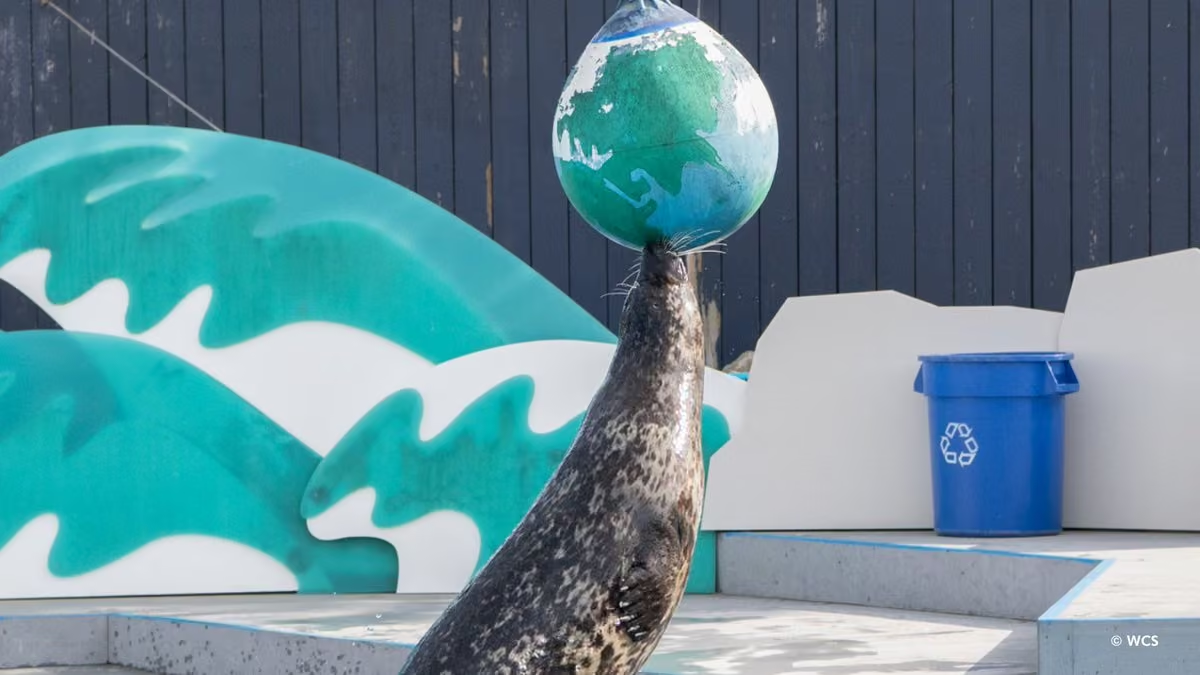
Harbor seal Pickles recently became an overnight internet sensation when we shared a video of him âgalumphingâ to illustrate how seals move on land. Here are some stunning shots of him in the water in the Aquatheater. (1/2)
đ·: WCS Photographer, Terria Clay
New York Aquarium
@nyaquarium
Pickles plays an important role in the Aquatheater. His participation helps us to point out the differences between seals and sea lions. It also helps us connect our audience to a marine mammal that is found right off the New York coastline. (2/2)
-
New York Aquarium
@nyaquarium
Shark Party is back at the New York Aquarium on July 18-19 and July 25-26! Join us for a fin-tastic celebration of sharks and find out what makes sharks so jawsome. (1/3)
New York Aquarium
@nyaquarium
Through fun and educational activities, including shark keeper chats, Wildlife Theater, costumed characters, a shark dance party, the new cownose ray feedings, and more, youâll learn about the vital roles that these iconic species play in marine ecosystems. (2/3)
New York Aquarium
@nyaquarium
Get your tickets today and join the celebration: nyaquarium.com/sharkparty đŠ(3/3)
-
New York Aquarium
@nyaquarium
Thank you to the approximately 200 participants who came out for the World Oceans Day Beach Sweep on June 6! We are thrilled to share that we collected 170 pounds of trash, removing harmful debris from Coney Island Beach. (1/3)
New York Aquarium
@nyaquarium
The most commonly collected items included cigarette butts, bottle caps, broken glass and plastic bottles. Once plastic and other debris enters our waterways, it is deadly for many species and negatively impacts animals and people. (2/3)
New York Aquarium
@nyaquarium
Caring for the planet is a year-round commitment at New York Aquarium and weâre dedicated to protecting our beaches and local waters for generations to come. đ(3/3)
-
New York Aquarium
@nyaquarium
Give your kids an experience theyâll never forget at New York Aquarium Summer Camp!
New York Aquarium Summer Camp is open to young explorers of all ages, from PreK to 8th grade. (1/2)
New York Aquarium
@nyaquarium
Campers will get up close with ocean animals, explore our park, & discover the wonders of marine life. With award-winning programming from Wildlife Conservation Society Education program, your kids are in the best hands all summer. nyaquarium.com/learn/camps (2/2)
-
New York Aquarium
@nyaquarium
TRAFFIC ALERT: On Saturday, June 20 expect street closures and traffic congestion due to the Mermaid Day Parade. The Aquarium parking lot may not be accessible. We recommend using mass transit.
-
New York Aquarium
@nyaquarium
Shark Party is back! The countdown is on for our shark-themed event at the aquarium, July 7/18-7/19 and 7/25-7/26. (1/2)
New York Aquarium
@nyaquarium
Through family-friendly activities & entertainment, including keeper chats, shark crafts, Wildlife Theater, & more, you will learn about these misunderstood but important denizens of the deep!
Shark Party is included with admission. Get tickets: nyaquarium.com/sharkpartyđŠ (2/2) -
New York Aquarium
@nyaquarium
Check out these stunning photos of Quint, our male southern sea otter, taken by Keeper Olivia. Quint was rescued as a two-week-old pup when he was found without his mother off the Central Coast of California. (1/2)
New York Aquarium
@nyaquarium
After Quint received veterinary treatment and supportive care at a rescue center, the U.S. Fish and Wildlife Service determined he could not be released into the wild, and Quint came to live with us at the New York Aquarium in 2012, when he was around six months old. (2/2)
-
New York Aquarium
@nyaquarium
Happy #worldoceansday! đ
Just like national parks protect the land, marine protected areas safeguard the habitats and animals that call the ocean home â and they're one of the most powerful tools we have for ocean conservation. (1/3)
New York Aquarium
@nyaquarium
At the New York Aquarium, every day is World Oceans Day. We're committed to protecting wildlife and inspiring the next generation of zoologists, marine biologists, and conservationists who will carry this mission forward. (2/3)
New York Aquarium
@nyaquarium
The ocean has always been worth protecting, and together, we can continue to preserve marine environments. Join us in our mission to protect wildlife and inspire the next generation of zoologists and conservationists. The ocean needs its champions, and that starts with you. (3/3)
-
New York Aquarium
@nyaquarium
This adorable #momentofblue is brought to you by Keeper Olivia! These are our female California sea lions in the Sea Cliffs habitat, Halftime, Ariana, Dory, and Nora. (1/2)
New York Aquarium
@nyaquarium
Sea lions will group together in the wild for protection from predators. Sleeping in numbers allows them to stay warm and also promotes social bonding. (2/2)
-
New York Aquarium
@nyaquarium
The NEW sea jellies in Spineless are đ„! Flame jellies are a warm-water species native to the Pacific Ocean. They are named for the striking, fiery-red coloration of their fringed mouth arms that resemble flames. (1/2)
New York Aquarium
@nyaquarium
Initially they are completely transparent, but develop their brilliant crimson-orange coloration as they mature. Come and check out these beacons of beauty next time you visit! (2/2)
-
New York Aquarium
@nyaquarium
Ocean Shell-a-Bration returns to the New York Aquarium next weekend June 6-7! Drop a đin the comments if youâre excited! (1/2)
New York Aquarium
@nyaquarium
Get ready for oceans of fun and family-friendly activities, including games, crafts, Wildlife Theater, keeper chats, parades, and more! All activities are included with your aquarium admission. Get tickets: nyaquarium.com/shellabration (2/2)
-
New York Aquarium
@nyaquarium
Perfectly timed for Memorial Day weekend, Aquatheater VIP Pass is back! Enjoy premium seating for Sea Lions in the Big City, then join our trainers for an exclusive meet-and-greet with a California sea lion or harbor seal, and their trainers. Get tickets: nyaquarium.com/shop/catalogs/wild-encounters-2/sections/wâŠ
-
New York Aquarium
@nyaquarium
Take a deep breath and enjoy a #momentofblue with zebra shark Captain Spaulding in the Coral Tunnel in Ocean Wonders: Sharks!
Captain Spaulding is leucistic which means he lacks the normal color, spots, and stripes found on most zebra sharks. -
New York Aquarium
@nyaquarium
We have a very special ocean-inspired event coming to the New York Aquarium June 6-7! Experience the wonder of our oceans with hands-on family fun at NYCâs only aquarium. Ocean Shell-a-bration Weekend is included with aquarium admission tickets: nyaquarium.com/shellabration
-
New York Aquarium
@nyaquarium
When you watch a feeding at the Gloverâs Reef exhibit, youâre in for a visual feast! The fish are most active during feeding sessions. (1/2)
This media couldn't be displayed. See it on the original post.
New York Aquarium
@nyaquarium
They can be seen darting back and forth to enjoy some mysis shrimp doled out by their keepers on a daily basis, usually around 1 p.m. Itâs also one of the best times to fully appreciate our green moray eels! (2/2)
-
New York Aquarium
@nyaquarium
On #nationalendangeredspecies Day, letâs celebrate the work undertaken at the New York Aquarium to protect and restore threatened species and their habitats in the waters that surround New York City. (1/2)
New York Aquarium
@nyaquarium
Our award-winning Ocean Wonders: Sharks! exhibit highlights our conservation efforts throughout our region.
Each visit you make to the aquarium helps support our work, both locally and overseas. Learn more about our conservation work: nyaquarium.com/animals/saving-wildlife (2/2) -
New York Aquarium
@nyaquarium
This stunning #momentofblue of our southern sea otters is brought to you by Keeper Olivia!
In this photo you can see our male southern sea otter Quint, along with our two female southern sea otters, Pumpkin and Clover, who came to the New York Aquarium in October 2024.
New York Aquarium
@nyaquarium
The female otters were both rescued off the coast of California at young ages and were deemed non-releasable by U.S. Fish and Wildlife officials. The New York Aquarium has provided a home for 11 rescued sea otters since 1991.
New York Aquarium
@nyaquarium
Watch our sea otters daily from 10am-4pm on our live cam! Observe their playful behaviors, feeding routines, & natural interactionsâfrom wherever you are. Itâs a unique opportunity to learn more about our otter residents. Watch now: nyaquarium.com/live-cams/otter
-
New York Aquarium
@nyaquarium
This is California sea lion, Bruiser! He is the dominant male in our population. Adult male sea lions develop a sagittal crest on top of their head as they mature and become more dominant. (1/3)
New York Aquarium
@nyaquarium
This crest becomes fully developed when they reach social maturity, around 8-10 years. Bruiser turns 17 next month! (2/3)
New York Aquarium
@nyaquarium
The sagittal crest provides extra surface area to anchor the major jaw muscles, resulting in increased bite force, used in territorial defense. It also acts as a visual sign of maturity & fitness to potential mates. The more prominent the crest, the more dominant the male. (3/3)
-
New York Aquarium
@nyaquarium
While African penguins walk slowly on land, they transform in water!
Their torpedo-shaped bodies allow them to glide effortlessly through the water. While most aquatic birds use their feet to propel themselves through the water, penguins use their powerful wings. (1/2)
New York Aquarium
@nyaquarium
They also have interlocking, oil-coated outer feathers that keep water out like a wetsuit which also help them swim underwater. See them in action in the Sea Change exhibit at the New York Aquarium! (2/2)
-
New York Aquarium
@nyaquarium
Happy #mothersday to all the incredible moms out there! This spring, treat your mom to an unforgettable visit to the New York Aquarium. Celebrate this special day together in the sea air, surrounded by sea otters, harbor seals, African penguins, and more!
-
New York Aquarium
@nyaquarium
TRAFFIC ALERT: On Saturday, May 16th expect street closures and traffic congestion due to the Brooklyn Half Marathon.
The aquarium parking lot may not be accessible. We recommend using mass transit. -
New York Aquarium
@nyaquarium
The flamboyant cuttlefish may only grow up to 2.4 inches long, but don't let its size fool you. When threatened or excited, this cephalopod puts on a stunning light show, flashing vibrant yellow, magenta, bold black, and white patterns across its body. (1/3)
This media couldn't be displayed. See it on the original post.
New York Aquarium
@nyaquarium
Those colors aren't just for show, they're a warning. The flamboyant cuttlefish is highly toxic when eaten, and one of the few cuttlefish species predators know to avoid.
Found in the warm shallow waters of the Indo-Pacific, this cuttlefish is also a surprisingly poor swimmer.
New York Aquarium
@nyaquarium
They often change colors to blend into the seafloor and "walk" along the bottom in search of small fish and crustacean prey.
Come see this extraordinary animal up close in Spineless! (3/3) -
New York Aquarium
@nyaquarium
Ocean Shell-a-Bration returns to the New York Aquarium on June 6-7. Get ready for oceans of fun & family-friendly activities, including games, crafts, Wildlife Theater, keeper chats, & more! All activities are included with admission. Get tickets: nyaquarium.com/shellabration
-
New York Aquarium
@nyaquarium
At the Aquatheater, watch our California sea lions and harbor seals take center stage in an interactive show that highlights the incredible bond between our animals and their trainers. Animal natural behaviors are brought to life through dedicated care and connection.
-
New York Aquarium
@nyaquarium
In this video, you can see a mottled sea star on the move. Instead of fins or legs, sea stars travel using hundreds of tiny tube feet. By filling these suction-cup-like feet with water, they extend, grip, and pull themselves through the sea. (1/2)
New York Aquarium
@nyaquarium
It may look slow, but this unique form of movement is incredibly precise, helping them navigate rocky surfaces and hold on in strong currents. (2/2)
-
New York Aquarium
@nyaquarium
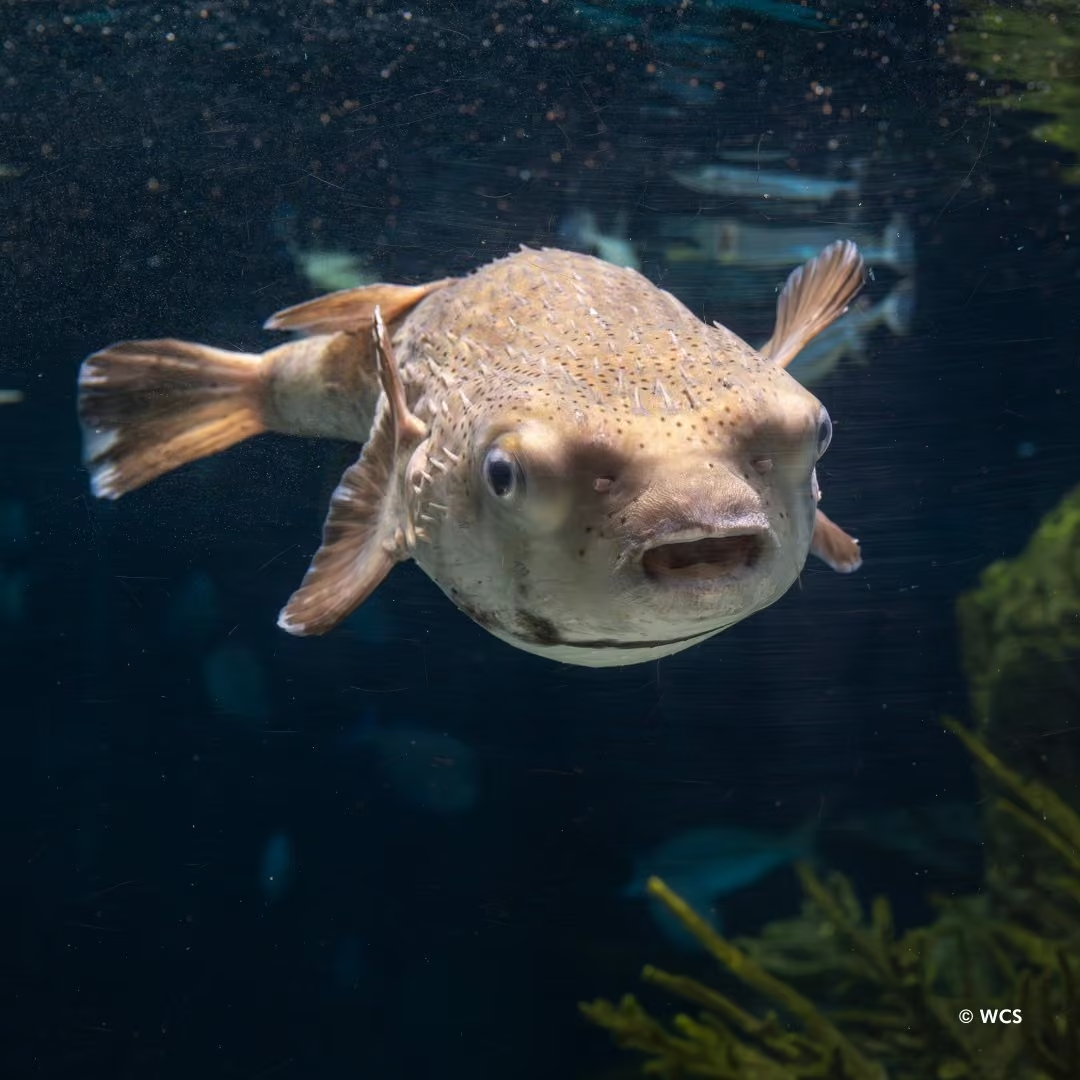
With big, curious eyes and spotted fins, spot-fin porcupinefish are hard to miss in the Gloverâs Reef exhibit. Despite their slow, gentle swimming style, these fish have a powerful defense. (1/3)
New York Aquarium
@nyaquarium
When threatened, they can inflate their bodies and raise their sharp spines to appear much larger and harder to bite. (2/3)
New York Aquarium
@nyaquarium
Theyâre most active at night, using their strong beak-like teeth to crunch on hard-shelled prey like crabs and sea urchins. Come see them next time you visit the New York Aquarium! (3/3)
-
New York Aquarium
@nyaquarium
In this video, you can see a female chain catshark depositing an egg case onto a piece of artificial kelp. (1/3)
This media couldn't be displayed. See it on the original post.
New York Aquarium
@nyaquarium
The tough, protective egg cases of egg-laying sharks and rays are called âmermaidâs purses,â and they have long, curly tendrils at each corner that help anchor them to kelp or rocks. The incubation period for chain catshark eggs averages 8â12 months. (2/3)
New York Aquarium
@nyaquarium
The egg cases featured at the end of the video are about four months into development. By using a technique called candlingâharmlessly shining a bright light through the eggâkeepers are able to monitor the growth and health of the developing shark pups inside. (3/3)
-
New York Aquarium
@nyaquarium
Meeting an endangered African penguin should be on your NYC bucket list! Penguin encounters are back every Saturday this spring, and our African penguin ambassadors play an important role in educating our guests about their species.
Book yours today: nyaquarium.com/shop/catalogs/wild-encounters-2/sections/w⊠đ§ -
New York Aquarium
@nyaquarium
Yesterday was Marine Mammal Rescue Day! Over the years, weâve partnered with several wildlife agencies and accredited institutions to provide a home for rescued sea lions, harbor seals, and sea otters who were unable to survive in the wild. (1/2)
New York Aquarium
@nyaquarium
Join us in the Aquatheater to learn more about our animals and the threats they face in the wild. (2/2)
-
New York Aquarium
@nyaquarium
This #momentofblue comes to you from Keeper Elena! Our shark keepers hide small pieces of food, like shrimp and squid, for the bamboo and epaulette sharks. We hide the food inside puzzle boxes of various shapes and sizes, including a pizza-shaped puzzle. (1/3)
New York Aquarium
@nyaquarium
The different shapes of the objects mimic the natural challenges that sharks encounter in their wild habitats when hunting for prey, such as when hidden within shells or under rocks. The animals use their snouts to push and nudge the feeders to get at the food. (2/3)
New York Aquarium
@nyaquarium
They also use their sense of smell and touch. The problem-solving required to acquire the food items stimulates the sharks mentally and physically. Hiding the food in a variety of puzzles and objects ensures that the sharks are continually challenged. (3/3)
-
New York Aquarium
@nyaquarium
Not all heroes wear capes! Today is World Veterinary Day, a day when we celebrate some of the real life superheroes that work at the New York Aquarium. This group of committed professionals delivers the highest level of care for our animals 365 days a year. (1/2)
New York Aquarium
@nyaquarium
Show some love for our veterinarian Dr. Davis and Dr. Hyatt, as well as our New York Aquarium veterinary techs, Kate, Victoria, and Patty! (2/2)
-
New York Aquarium
@nyaquarium
Giant Pacific octopuses are most commonly reddish-brown or reddish-pink in color. They can change color in less than a tenth of a second to match their surroundings, including those with high contrast, complex patterns, such as seaweed, rocks, or corals. (1/2)
New York Aquarium
@nyaquarium
Even more remarkably, they can change their texture to mimic surfaces such as rocks and corals. They do this by manipulating sections of skin called papillae. Discover more about the remarkable giant Pacific octopus in the Spineless exhibit. (2/2)
-
New York Aquarium
@nyaquarium
Happy #earthday! The New York Aquarium continues to champion marine conservation right here in our own backyard and across the globe. We're dedicated to fostering harmony between communities and marine life in the waters surrounding New York City and beyond. (1/2)
New York Aquarium
@nyaquarium
At the New York Aquarium you can observe over 4,500 marine animals from Gloverâs Reef in Belize to sharks found in our backyardâthe New York Bight. (2/2)
-
New York Aquarium
@nyaquarium
This is California sea lion Halftime and her trainer during a feeding session at Sea Cliffs. Like many of our California sea lions, Halftime is a rescue. As an abandoned pup, she was rescued three times. (1/3)
New York Aquarium
@nyaquarium
The first two times, she was rehabilitated and released, but the third time, it became apparent that she lacked survival skills, making it dangerous for her to continue attempting to live in the wild. The U.S. Fish and Wildlife Service deemed her non-releasable. (2/3)
New York Aquarium
@nyaquarium
WCS offered her a new home, and she has been with us since 2012. As you can see in the video, she is extremely athletic and graceful. The next time you visit, see if you can spot this resilient California sea lion. (3/3)
-
New York Aquarium
@nyaquarium
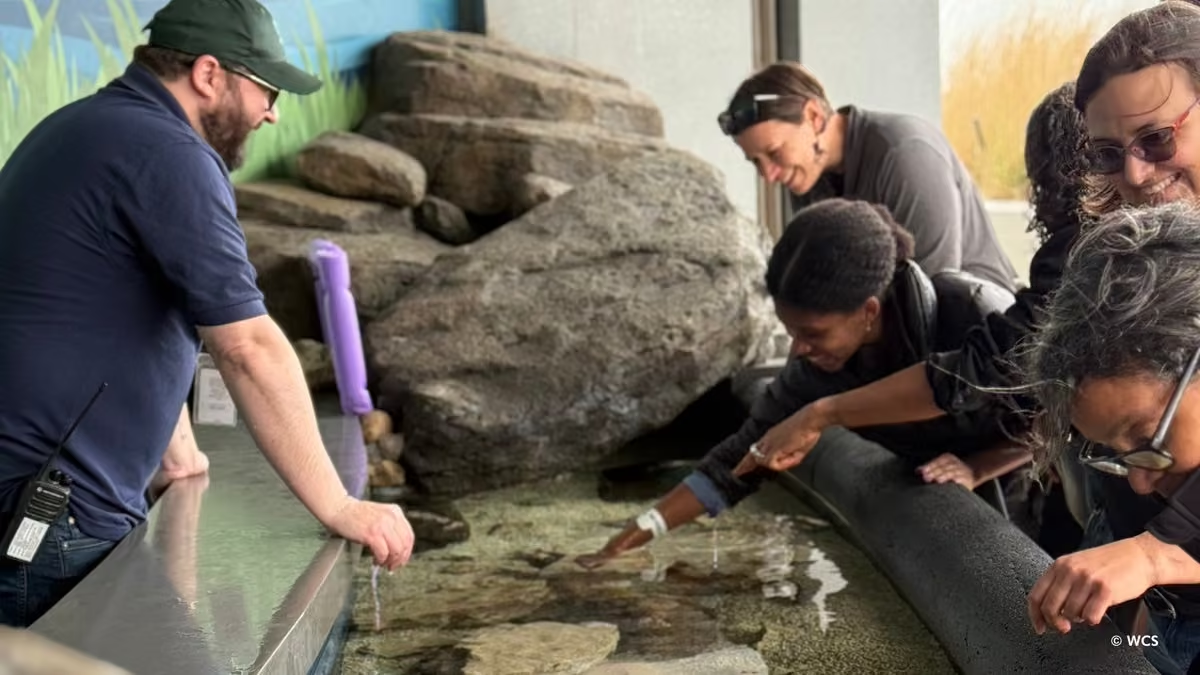
Dive into a hands-on adventure at our indoor PlayQuarium touch tank! This interactive experience offers a unique opportunity to meet local marine invertebrates up close, including crabs, marine snails, and horseshoe crabs. (1/2)
New York Aquarium
@nyaquarium
It is the perfect way for visitors of all ages to connect with the incredible wildlife found right in our own coastal backyard. Stop by during your next visit to explore this immersive, sensory experience and discover what makes these amazing animals so vital to our oceans! (2/2)
-
New York Aquarium
@nyaquarium
During this feeding session with the harbor seals, we see the seals target for fish. These sessions provide stimulation for the animals and help build strong relationships between the keepers and the seals.
This media couldn't be displayed. See it on the original post. -
New York Aquarium
@nyaquarium
Meet the epaulette shark, also known as the âwalkingâ shark! This video shows the sharkâs specialized fins, which have evolved to increase their range of motion and function like âfeet,â enabling them to navigate their shallow coral reef habitat. (1/2)
New York Aquarium
@nyaquarium
They can rotate their specially adapted pectoral and pelvic fins at a downward angle and use them in this manner to move between shallow tide pools, and even briefly on land when isolated small pools form during low tide. Come see them in Ocean Wonders: Sharks! (2/2)
-
New York Aquarium
@nyaquarium
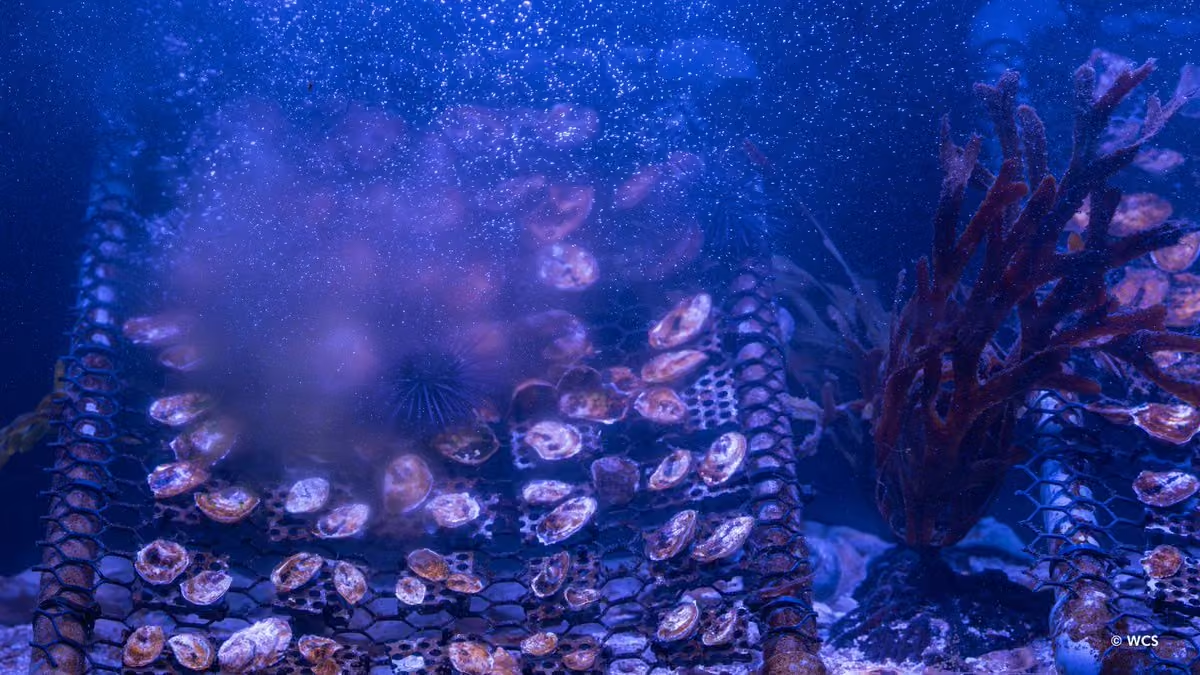
Most people don't realize that the New York Aquarium hosts NYC's only live oyster reef exhibit! (1/3)
New York Aquarium
@nyaquarium
Weâre growing oyster seeds (spat) in collaboration with @billionoyster to support their mission to restore the Harbor. From culturing specialized phytoplankton to monitoring reef growth, our team is working to bring back NYC's ultimate "filter feeders." (2/3)
New York Aquarium
@nyaquarium
As part of the Salt Marsh exhibit in PlayQuarium, youâll learn about the Billion Oyster Projectâs restoration and community science work across five boroughs, as well as our shared vision for the environmental health of the New York Harbor and city! (3/3)
-
New York Aquarium reposted
Council Member Susan Zhuang
@CMSusanZhuang
Today I visited the New York Aquarium and learned a lot about their conservation efforts, including preserving the Hudson Canyon, home to hundreds of species, by designating it as a Sanctuary. They need our support to protect sea life and resources! @thewcs @nyaquarium
-
New York Aquarium
@nyaquarium
In this video, you can see our resident harbor seal, Pickles, galumphing on the ground toward a target in the Aquatheater. Unlike sea lions, who can use their flippers to walk, harbor seals are strictly "belly-movers" on land. (1/2)
New York Aquarium
@nyaquarium
They use a rhythmic stomach scrunch known as galumphing to get from point A to point B. It might not look as fancy as a sea lionâs stroll, but it gets the job done!
This spring break, come learn more about these fascinating marine mammals during an Aquatheater show! (2/2) -
New York Aquarium
@nyaquarium
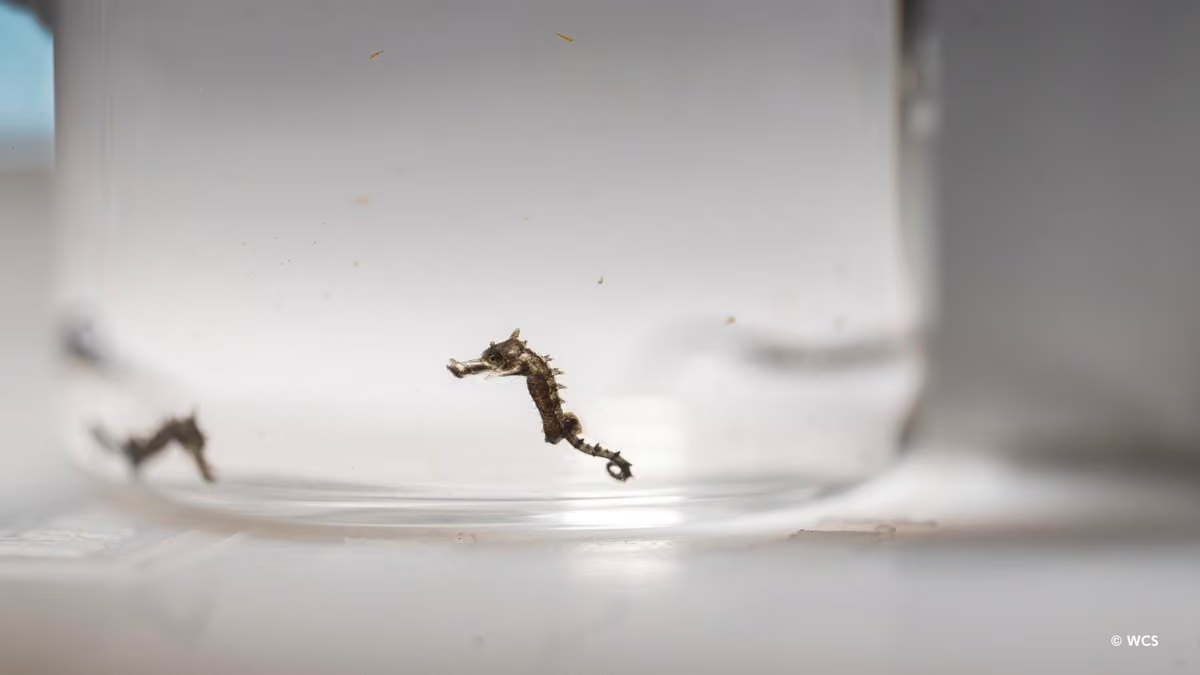
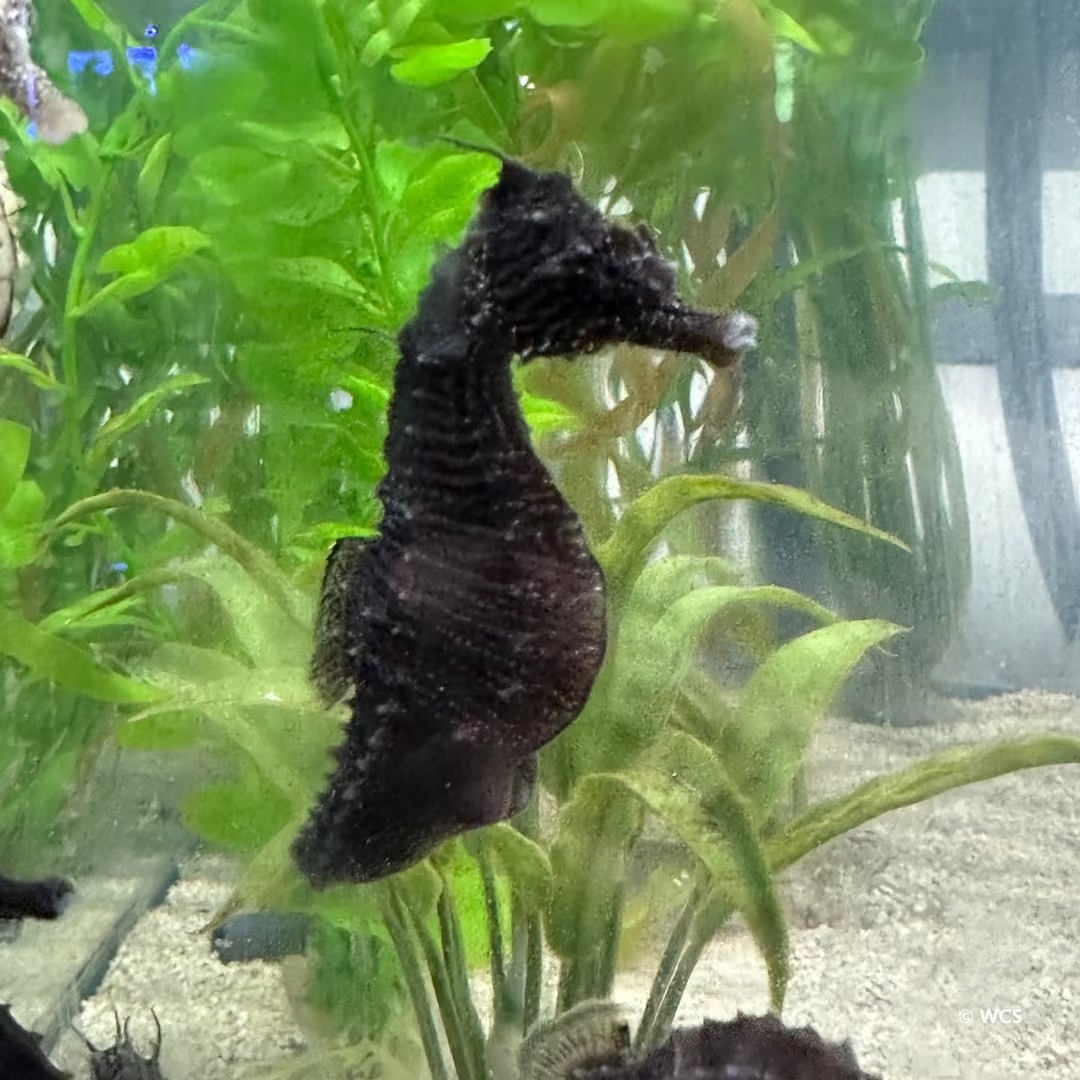
Fun fish fact: Seahorses are among the few fish species where males become pregnant and give birth. After a courtship dance that may last for hours or days, the female seahorse transfers her mature eggs into the maleâs brood pouch, where they are fertilized. (1/2)
New York Aquarium
@nyaquarium
At the end of a gestation period usually lasting from two to four weeks, the maleâs abdominal area begins to undulate, and with strong muscular contractions causes the brood pouch to open expelling anywhere from a few dozen to more than 1,000 baby seahorses. (2/2)
-
New York Aquarium
@nyaquarium
Calling all future conservationists! Learn how to be habitat protectors and discover the mysteries of the flooded Amazonian rainforest, the Coral Triangle, and Gloverâs Reef. (1/2)
New York Aquarium
@nyaquarium
We will explore an exhibit together and meet a small ocean animal up close. Junior Keepers: Habitat Heroes for children ages 8-11 takes place on Saturday, April 25. To register, see link in profile. nyaquarium.com/learn/families/children-programs (2/2)
-
New York Aquarium
@nyaquarium
Hearts have been aflutter since we first announced the birth of an African penguin chick. And ICYMI, @GMA exclusively shared with the world that his name is Walter! This animal's name is inspired by New York Aquarium lore and legacy. (1/4)
Post not available here, view on X
New York Aquarium
@nyaquarium
Earlier in his career, he served as supervisor of Sea Cliffs and managed the penguin colony. Throughout his career, Hans has mentored aquarium staff, sharing his expertise and fostering the next generation of marine conservationists. (3/4)
New York Aquarium
@nyaquarium
The breeding of African penguins at the New York Aquarium is part of an Association of Zoos and Aquariums (AZA) Species Survival Plan (SSP). The Aquarium participates in an AZA Saving Animals From ExtinctionÂź (SAFE) Program for African penguins. (4/4)
-
New York Aquarium
@nyaquarium
Enjoy these behind the scenes moments of our African penguin chick learning to swim in the Sea Cliffs habitat with Keeper Olivia.
Most penguin chicks can swim naturally, but they can be hesitant at first when taking that first plunge. (1/3)
New York Aquarium
@nyaquarium
As you can see in the photos and video from February, the chick took to swimming in the Sea Cliffs habitat quite well. However, he did need a bit of encouragement in the beginning. (2/3)
New York Aquarium
@nyaquarium
After observing the other African penguins swimming, our young penguin began practicing his skills under the watchful eye of Keeper Olivia. We supervise our penguin chicks swimming until we determine that they are strong swimmers & can enter and exit the water on their own. (3/3)
-
New York Aquarium
@nyaquarium
In this video, you may think youâre watching these harbor seals soaking up the sun, but thereâs actually more to this behavior known as âhauling outâ. In addition to providing an opportunity to rest, it also helps regulate the seal's body temperature during annual molt. (1/2)
This media couldn't be displayed. See it on the original post.
New York Aquarium
@nyaquarium
Hauling out reduces that heat loss by moving into air, where heat conduction is far lower than in water. This behavior supports the molt by warming the sealâs body, which increases blood flow to the skin and delivers the nutrients needed for rapid growth of new fur. (2/2)
-
New York Aquarium
@nyaquarium
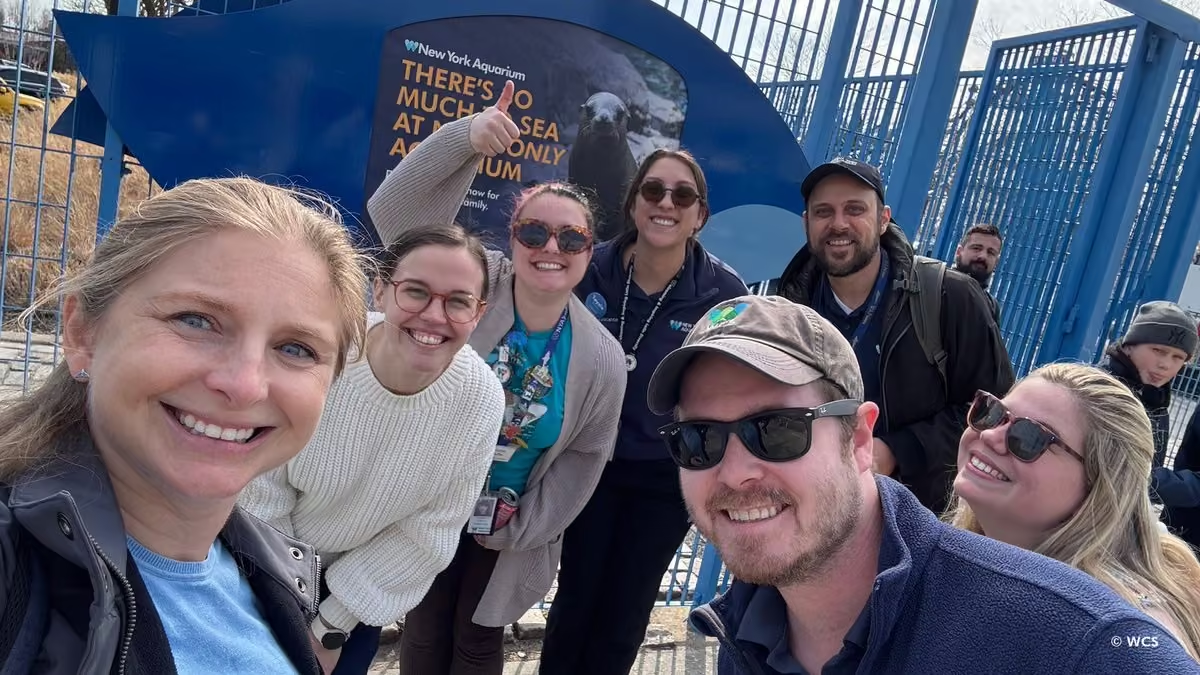
Weâre not fooling you when we say that rockfish are long-lived! The flag rockfish shown here can live more than 30 years! They are also ovoviviparous, meaning their eggs hatch internally so they give birth to live young. Come see them when you visit the PlayQuarium exhibit.
-
New York Aquarium
@nyaquarium
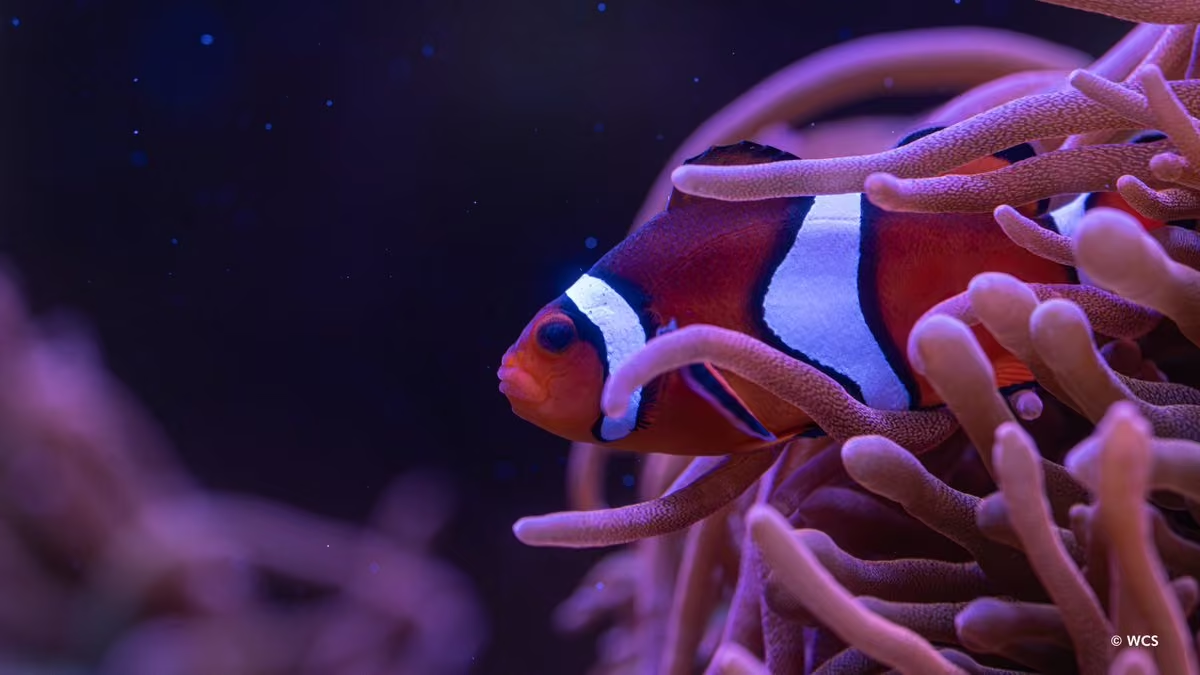
Clownfish and anemones have a symbiotic relationship. The anemone provides shelter and protection for the fish, and in return, the fish keeps the anemone clean and supplies it with nutrients. (1/2)
This media couldn't be displayed. See it on the original post.
New York Aquarium
@nyaquarium
Before making an anemone âhome,â a clownfish will brush up against the anemoneâs tentacles to slowly gain exposure to its venom. A mucus coating will begin to develop on the fishâs scales, and eventually, the fish will build up enough immunity to not be harmed by the venom. (2/2)
-
New York Aquarium
@nyaquarium
Did you know that in our Spineless exhibit, you can see an extremely rare, orange-colored American lobster? Lobsters are typically a dark-bluish green or greenish-brown. (1/4)
Post not available here, view on X
New York Aquarium
@nyaquarium
American lobsters thrive in cold, relatively shallow waters, where there are many rocks and other places to hide from predators. In the United States, an estimated 120 million pounds of lobsters are caught each year. (3/4)
New York Aquarium
@nyaquarium
The fisheries for lobsters stretch from Maine to North Carolina. Lobster harvest is strictly monitored to avoid overfishing. (4/4)
đ·: WCS Photographer, Terria Clay -
New York Aquarium
@nyaquarium
The New York Aquarium has welcomed an African penguin chick to our colony of penguins! Born on Dec 4, 2025, the male chick weighed 63.2 grams at hatching and has grown to 3.4 kilograms at just over three months old. (1/6)
This media couldn't be displayed. See it on the original post.Post not available here, view on X
New York Aquarium
@nyaquarium
The aquarium participates in the SAFE Program for African penguins, a collective effort across more than 50 AZA-accredited zoos and aquariums to save the African penguin from extinction. (4/6)
New York Aquarium
@nyaquarium
Combining field conservation, husbandry, & veterinary care, this undertaking has seen marked success. Since 2005, the African penguinâs SSP population has grown by 47% with over 98% genetic diversity maintained. (5/6)
New York Aquarium
@nyaquarium
The now-juvenile penguin has joined his parents on exhibit at New York Aquariumâs Sea Cliffs habitat, home to a total of 37 African penguins. When visiting the aquarium, look for the young penguinâs signature grey juvenile plumage! (6/6)
-
New York Aquarium reposted
WCS
@TheWCS
Tune in to the ongoing Women Ocean Guardians event. đ
GENeva Environment Network
@GENetwork
#live now!
Launched at #unoc2025, the Women Ocean Guardians Initiative aims to place women at the fore of #oceanconservation & sustainable use of marine resources. Join this high-level dialogue on inclusive #oceangovernance.
â¶ïž tiny.cc/GEN25Mar26
đș www.youtube.com/watch?v=xXcU4MQ9r6Q -
New York Aquarium
@nyaquarium
Every adult zebra shark has a unique spot pattern, allowing for identification of individuals. Our resident zebra shark, Captain Spaulding, is easy to identify due to his reduced pigmentation (leucism), making him mostly white, with some darker spotting along his body. (1/2)
New York Aquarium
@nyaquarium
Our keepers tell us that this special shark is wonderful to work with because heâs very curious. Look for him in the Coral Tunnel next time you visit. (2/2)
-
New York Aquarium
@nyaquarium
Penguin encounters are back every Saturday in March, and our African penguin ambassadors in our Wild Encounters play an important role in educating our guests about their species. (1/3)
This media couldn't be displayed. See it on the original post.
New York Aquarium
@nyaquarium
In this video, Keeper Olivia is working with one of our wild encounter penguins on the âstation and spinâ behavior. A âstationâ is a mat we utilize to set a location for our animals to stand on. This allows keepers to get closer to the animals for voluntary vet exams. (2/3)
New York Aquarium
@nyaquarium
Asking the penguin to spin allows our keepers to evaluate the condition of the animalâs feathers and get a quick, fullâbody check on its overall physical health.
To book your Penguin Wild Encounter and meet our ambassador penguins visit: nyaquarium.com/shop/catalogs/wild-encounters-2/sections/w⊠đ§(3/3) -
New York Aquarium
@nyaquarium
In this video, we see a queen angelfish engaging with plaster block enrichment. These stunning reef fish are grazers, meaning they feed continuously throughout the day, rather than eating one large meal. (1/3)
New York Aquarium
@nyaquarium
It is important that their environment offers opportunities for mental and physical stimulation. The plaster blocks serve as artificial coral surfaces, replicating the substrate on which angelfish naturally graze. This promotes the angelfishâs natural grazing behaviors. (2/3)
New York Aquarium
@nyaquarium
Queen angelfish are found in the Western Atlantic Ocean from Bermuda to Brazil and the Caribbean. Their iridescent blue body and yellow tail is striking, but in the colorful world of coral reefs, they actually blend in well and are able to hide from potential predators. (3/3)
-
New York Aquarium
@nyaquarium
This stunning suckermouth fish is called a leopard cactus pleco. These freshwater catfish are found in South America, specifically in the Rupununi River basin in Guyana and the Upper Rio Branco in Brazil. (1/2)
New York Aquarium
@nyaquarium
They have a distinctive âcactus-likeâ appearance due to the small spines covering their body. They also have a base pattern of âleopardâ spots that often feature vibrant orange or red coloration on the tail and dorsal fins. (2/2)
-
New York Aquarium
@nyaquarium
A cownose rayâs mouth is located on its underside, an adaptation which enables them to feed on bottom dwellers such as crabs, clams, and shrimp. Electroreceptors on their snouts, plus smell and touch, help them find food. (1/2)
New York Aquarium
@nyaquarium
They use their pectoral fins (âwingsâ) and flaps near their mouth to move sediment to uncover their prey. Their teeth, arranged in flat plates, are ideal for breaking hard shells. See these fascinating elasmobranchs in Ocean Wonders: Sharks! (2/2)
-
New York Aquarium
@nyaquarium
This incredible-looking fish is a jointed razorfish, also known as a shrimpfish. Found in the coastal waters of the Indo-Pacific, these fish have rigid razor-thin bodies encased in a transparent armor made of thin, fused, bony plates. (1/2)
New York Aquarium
@nyaquarium
Razorfish swim vertically with their heads pointing down, which allows them to blend in with the spines of sea urchins & soft corals. They often swim in large synchronized schools, which looks like blades of grass swaying with the current, offering camouflage for the shoal. (2/2)
-
New York Aquarium
@nyaquarium
Octopuses are highly intelligent. About two thirds of their neurons are in their arms, each of which contains a cluster of nerve cells often referred to as a "mini-brainâ in addition to the donut-shaped brain in their head. (1/2)
đ·: Curator Stephanie
đœïž: Curator Stephanie
New York Aquarium
@nyaquarium
Each arm can act independently to taste, touch, smell, and move through its watery world without direction. The giant Pacific octopus is the largest species of octopus. At the aquarium, you can get an up-close view of our giant Pacific octopus in our Spineless exhibit. (2/2)
-
New York Aquarium
@nyaquarium
On Saturday, March 21 shell-ebrate wellness at the New York Aquarium with âKrillin' it Yogaââa yoga flow program before the aquarium opens to guests! The program will run from 8:30 a.m.â9:30 a.m. in the Canyonâs Edge exhibit in the Ocean Wonders: Sharks! building. (1/2)
New York Aquarium
@nyaquarium
This one-hour class will be led by an instructor from Prestige Pilates and Yoga, and participants will be invited to enjoy water and tea after the practice and have the chance to explore the aquarium before it opens to the public. Register today: nyaquarium.com/learn/adult-programs/experiences (2/2)
-
New York Aquarium reposted
WCS
@TheWCS
đœïž Lights. Camera. Take Action. Tickets for our 2026 REEL WILDâą New York Film Festival are on sale.
Juried screenings begin Thursday, April 23, at the AMC Lincoln Square 13 and run to Sunday, April 26.
Learn more: www.reelwild.orgThis media couldn't be displayed. See it on the original post. -
New York Aquarium
@nyaquarium
Itâs National Nap Day! Are you all caught up on your shut-eye? Hereâs some interesting harbor seal facts you wonât want to sleep on: These versatile pinnipeds can sleep on land or rest just below the surface of the water, coming up occasionally for air. (1/3)
New York Aquarium
@nyaquarium
In the wild, harbor seals use beaches as a place to rest between dives, give birth, and care for their young. They can sleep underwater by wedging themselves between rocks or other structures that help anchor them in place. (2/3)
New York Aquarium
@nyaquarium
Because theyâre sleeping and not actively swimming, they can stay underwater much longer than when hunting for food. Either way, itâs a nap, which definitely gets our seal of approval!
Visit our harbor seals at Sea Cliffs or in the Aquatheater. Sweet dreams! (3/3) -
New York Aquarium reposted
WCS
@TheWCS
Some superheroes wear field boots, lab coats, or binoculars. This #internationalwomensday, we celebrate women in conservation. No challenge too daunting. These real-life protagonists are helping write the next chapter for wildlife and wild places, for people and the planet.
-
New York Aquarium
@nyaquarium
This video shows the continuation of the training for this longhorn cowfish. In less than a week, the fish successfully learned to match a square shape after a heart shape was introduced. This demonstrates the cognitive abilities of different animal species.(1/3)
đ„:Keeper HeilyThis media couldn't be displayed. See it on the original post.
New York Aquarium
@nyaquarium
For the next stage of his training, the keepers will continue to introduce more shapes. The primary purpose of this training is to direct the animal to a designated feeding station and allow for close visual assessment. (2/3)
New York Aquarium
@nyaquarium
In an earlier video, we demonstrated how the animal was trained to tolerate tactile contact and handling for physical examinations. (3/3)
đ„: Keeper Heily -
New York Aquarium
@nyaquarium
Planning a school trip this March? A wildlife adventure is waiting for your group at the New York Aquarium!
Keep in mind that we offer special discounted rates for all school and camp groups! Book your reservation today: nyaquarium.com/plan-your-visit/group-sales/students
New York Aquarium
@nyaquarium
At New York Cityâs only aquarium, students of all ages can take a deep dive into the ocean and encounter more than 5,000 amazing animals through unforgettable educational experiences.
New York Aquarium
@nyaquarium
Your students can watch an African penguin feeding, experience an exciting sea lion training session at the Aquatheater, and dive into an immersive 4D Theater film that brings ocean stories to life. Itâs the perfect way to turn a day out into an unforgettable learning adventure.
-
New York Aquarium
@nyaquarium
Thereâs never too much snow for southern sea otters! Hereâs a look at our male & female otters during last week's snowfall. Having the densest fur in the animal kingdom, with up to 1 million hairs per sq inch, these animals are equipped to stay warm in winter conditions! (1/3)
This media couldn't be displayed. See it on the original post.
New York Aquarium
@nyaquarium
DYK they have two layers of furâan outer coat of long guard hairs that provide waterproofing & a dense underfur that offers insulation? They spend a lot of time grooming to keep their guard hairs in excellent condition, ensuring their skin & underfur stay dry. (2/3)
New York Aquarium
@nyaquarium
Their underfur traps a layer of air thatâs warmed by their body, helping them stay insulated in cold water. (3/3)
-
New York Aquarium
@nyaquarium
Happy #worldwildlifeday! Did you know that every time you visit the New York Aquarium, you are supporting our field conservation efforts, scientific research, and assurance breeding programs that help safeguard vulnerable species globally? (1/2)
New York Aquarium
@nyaquarium
When you visit our beautiful animals, we hope youâll be inspired to join us in helping to protect wildlife both here and around the world. For more information on how the New York Aquarium and @theWCS seek to protect wildlife and wild places, visit: nyaquarium.com/animals/saving-wildlife (2/2)
-
New York Aquarium
@nyaquarium
Bring your âlittle fishâ for a big adventure at the New York Aquarium on Sunday, March 15! Each Sea Squirts session brings new themes to discover, animals to meet and fun for you and your child as you explore the aquarium together. (1/3)
New York Aquarium
@nyaquarium
At this monthâs session, dive into a joyful, ocean-themed music and movement experience for toddlers (ages 0â3)! With singing, play, and an animal encounter, little ones explore sea sounds and sensory fun. (2/3)
New York Aquarium
@nyaquarium
Designed for early learners, this program invites curiosity and connectionâcaregivers included! Register today: nyaquarium.com/learn/families/early-childhood-programs (3/3)
-
New York Aquarium
@nyaquarium
Snow day! Snow can provide a novel and stimulating experience for harbor seals. They may rub against it, taste it, and roll in it. With a thick layer of blubber underneath their skin, providing essential insulation, they are well-adapted to cold weather. (1/2)
New York Aquarium
@nyaquarium
This blubber keeps them warm in cold water, but on land, they sometimes overheat and will roll in the snow to help regulate their body temperature and cool down, and sometimes, they just like to play in the fresh snowfall. (2/2)
đœ: Keeper Sarah R -
New York Aquarium
@nyaquarium
Penguin encounters are back every Saturday in March! The African penguin ambassadors that participate in our Wild Encounters play an important role in educating our guests about their species. Encounters also offer an opportunity for people to get close to these birds. (1/3)
New York Aquarium
@nyaquarium
What does it take to be an ambassador penguin? Keeper Olivia shared that the keepers take into consideration their overall demeanor and comfort level around people and in new environments. (2/3)
New York Aquarium
@nyaquarium
The next goal is to work with the penguins to prepare them for the program. The birds are trained with positive reinforcement to ensure they are comfortable with guests.
To book your Penguin Wild Encounter and meet our ambassador penguins visit: nyaquarium.com/shop/catalogs/wild-encounters-2/sections/w⊠đ§(3/3) -
New York Aquarium
@nyaquarium
Is your joy battery running low? Recharge it with our live online Sea Otter Cam streaming daily from Sea Cliffs from 10 a.m. to 4 p.m. â for when you NEED to see otters. nyaquarium.com/live-cams/otter
đ·: Keeper Olivia -
New York Aquarium
@nyaquarium
WEATHER ALERT: Due to the winter storm, all WCS Parksâthe Bronx Zoo, Central Park Zoo, Prospect Park Zoo, Queens Zoo & the NY Aquarium will remain closed on 2/24.
No rescheduling is required. Admission tickets for 2/24/26 will be honored for any daytime visit through 4/1/2026. -
New York Aquarium
@nyaquarium
In this #momentofblue, our male nurse shark is interacting with an enrichment puzzle feeder device created by Keeper Nattapat. This device has kelp for texture stimulation that our keepers can scent with blood and it also has movable pockets to hide food. (1/3)
New York Aquarium
@nyaquarium
The nurse sharks use their strong suction ability to push the feeder around in different positions to obtain the food. (2/3)
New York Aquarium
@nyaquarium
According to Keeper Heily, an interesting natural behavior that was encouraged through this enrichment was nurse shark pectoral positioning, where the nurse shark uses its pectoral fins to "walk" along the bottom of the habitat. (3/3)
-
New York Aquarium
@nyaquarium
Due to forecasted heavy snow, all WCS Parksâthe Bronx Zoo, Central Park Zoo, Prospect Park Zoo, Queens Zoo and the New York Aquarium will be closing early at 2:00PM on Sun Feb 22 and remain closed on Mon Feb 23. (1/2)
New York Aquarium
@nyaquarium
No rescheduling is required. Admission tickets for 2/22/26 and 2/23/26 will be honored for any daytime visit through April 1, 2026. (2/2)
-
New York Aquarium
@nyaquarium
This striking fish is a cornetfish. These long, slender fish can grow to six feet in length. Cornetfish are ambush predators that have been observed hovering vertically to blend in with coral or seagrass, where they lay in wait for prey, including small fish & crustaceans. (1/2)
New York Aquarium
@nyaquarium
They inhabit tropical and subtropical waters worldwide. This winter break, come and learn about some of the unique species of fish in our Gloverâs Reef exhibit. (2/2)
-
New York Aquarium reposted
WCS
@TheWCS
It's #worldwhaleday. Our WCS Ocean Giants Team discovers more facts every year about the whales found off the shores of New York and New Jersey. 1/
-
New York Aquarium reposted
WCS
@TheWCS
Proud to celebrate Coney Island Business Improvement District launch. Thank you @nycmayor and @kaymsanto for leadership and partnership.
As an employer, educator, and economic engine @nyaquarium, honored to be part of a community that continues to invest in its future. -
New York Aquarium
@nyaquarium
Sea lions are powerful swimmers, using their strong flippers to glide smoothly through the water with speed & control đŠ
Their streamlined bodies & fluid movements help them navigate the ocean efficiently while hunting and playing beneath the surface. Come see at Sea Change. -
New York Aquarium
@nyaquarium
In this video, one of our sandbar sharks is sampling a fish-filled ice treat prepared by keepers as enrichment. The treat encourages the sharkâs natural foraging, problem- solving, and exploration. These enrichments help stimulate the sharks physically and mentally. (1/2)
New York Aquarium
@nyaquarium
Several of our sandbar sharks were rescued from an illegal wildlife trafficking operation. Weâre proud to be part of a network of zoos and aquariums that partner with government agencies to provide homes for rescued wildlife that are deemed non-releasable. (2/2)
-
New York Aquarium
@nyaquarium
Meet an animal that is a master at color shifting. This is the flamboyant cuttlefish. It uses cells called chromatophores to display vibrant patterns (brown, black, yellow, white). This allows it to camouflage itself, attract mates, or warn predators. See them in Spineless!
-
New York Aquarium
@nyaquarium
Give your kids an unforgettable experience at the New York Aquarium Summer Camp! Enjoy activities for all ages, including Junior Scientists, Wild Adventurers, and Kinderzoo. (1/3)
New York Aquarium
@nyaquarium
Your child will meet amazing animals, explore the park, and have learning-filled fun! Donât miss out â register before spots fill up! Find your perfect camp at the link in profile: nyaquarium.com/learn/camps (2/3)
New York Aquarium
@nyaquarium
Booking tips: If you attended camp last summer, update your family and camper(s) profile in the Parent Dashboard or create a New Family Profile so youâll be set when registration opens. (3/3)
-
New York Aquarium
@nyaquarium
Which southern sea otter do you relate to today? Tell us in the comments!
-
New York Aquarium
@nyaquarium
Kids ages 8-11 are invited to join us on Saturday, February 28, for Junior Keepers: Shark Safari. From bamboo sharks to sand tiger sharks, theyâll discover the diversity of shark species at the New York Aquarium! (1/2)
New York Aquarium
@nyaquarium
We will explore the Ocean Wonders: Sharks! exhibit, go behind the scenes, and even meet a small ocean invertebrate up close. nyaquarium.com/learn/families/children-programs (2/2)
-
New York Aquarium
@nyaquarium
The spotfin porcupinefish is native to the Mediterranean Sea and easily recognized by its grayish-tan body, white underside, and dark spots. When faced with a threat, this fish can rapidly inflate its body, causing its sharp spines to stand out as a powerful defense mechanism.
New York Aquarium
@nyaquarium
Beneath this striking exterior is an equally impressive adaptation: strong, beak-like teeth that allow it to crack open hard-shelled prey such as sea urchins, crabs, and mollusks. (2/3)
New York Aquarium
@nyaquarium
These specialized features make the spotfin porcupinefish a fascinating example of form and function in marine life. Come see this species in Gloverâs Reef exhibit! (3/3)
-
New York Aquarium
@nyaquarium
In this video, you can see one of our northern seahorses feeding on mysis shrimp. The northern seahorse has a specialized feeding strategy that supports its unique biology. Lacking both teeth and a stomach, this species relies on a tubular snout to draw in small prey. (1/3)
New York Aquarium
@nyaquarium
Because their digestive system is relatively inefficient, adult northern seahorses must feed frequently, often consuming prey 30-50 times per day. This near-constant feeding helps meet their energy needs in the wild and in human care. (2/3)
New York Aquarium
@nyaquarium
Come see this remarkable species in Ocean Wonders: Sharks! and learn more about the adaptations that allow them to thrive in their marine environment. (3/3)
-
New York Aquarium
@nyaquarium
Wait for itâŠ
Sea lions stick their tongues out for a variety of reasons, including relaxation, yawning, or a âplayfulâ natural behavior. It could also be a way for the sea lion to react with its environment. A brief tongue extension is a way for them to âtasteâ the air. -
New York Aquarium
@nyaquarium
Enjoy this #momentofblue of our fish team feeding our pacu some tasty watermelon!
These South American freshwater fish are related to piranha. They eat fruits, nuts, & seeds that fall from the trees in their native environment in the Amazon & Orinoco River basins. (1/2)This media couldn't be displayed. See it on the original post.
New York Aquarium
@nyaquarium
Here at the aquarium, we feed our pacu fruits and vegetables, as well as peanuts, walnuts, acorns, and their favorite treat, grapes! See them in our Flooded Forest Exhibit! (2/2)
-
New York Aquarium
@nyaquarium
DYK some of our fish participate in shape recognition training? Our male cowfish is very food motivated & participates in almost every session. According to his keepers he is stimulated by the enrichment we provide including behavioral training, tactiles, & puzzle feeders. (1/3)
New York Aquarium
@nyaquarium
Our keepers wanted to challenge him and test his cognitive abilities while also providing him with a stimulating activity. With this as the goal, keepers developed a training plan around recognizing and matching different shapes. (2/3)
New York Aquarium
@nyaquarium
This video shows his first attempt to target a square shape. Over time, our team will introduce other shapes and test whether he can differentiate them. So far, he has been tapping the middle of the shape very well, says Keeper Heily. (3/3)
-
New York Aquarium
@nyaquarium
Due to forecasted heavy snow, all WCS Parksâthe Bronx Zoo, Central Park Zoo, Prospect Park Zoo, Queens Zoo & New York Aquarium will be closed Monday, 1/26/2026.
No rescheduling is required. Admission tickets for 1/26/26 will be honored for any daytime visit through 4/1/2026. -
New York Aquarium
@nyaquarium
Due to forecasted heavy snow, all WCS Parksâthe Bronx Zoo, Central Park Zoo, Prospect Park Zoo, Queens Zoo & New York Aquarium will be closed Sunday, 1/25/2026.
No rescheduling is required. Admission tickets for 1/25/26 will be honored for any daytime visit through 4/1/2026. -
New York Aquarium
@nyaquarium
In this #momentofblue from Keeper Heily, our female nurse shark swims through the âkelp forestâ in the off-exhibit medical pool that is connected to the Hudson Canyon habitat. (1/3)
New York Aquarium
@nyaquarium
Keeper Heily places âkelpâ in the clinic pool to keep specific animals stimulated and distracted while other species are in training sessions. The keepers conduct enrichment sessions with the sharks in the medical pool to help them feel comfortable in this off-exhibit area. (2/3)
New York Aquarium
@nyaquarium
This helps if we have any emergencies or veterinary workups where we would have to isolate an animal. The consistent training and enrichment maintains a positive association so even after a veterinary workup, they will still come back and enter the clinic pool. (3/3)
-
New York Aquarium
@nyaquarium
In this video, one of our chain catsharks is shown interacting with an ice treat that the keepers have filled with pieces of fish & blood. This enrichment encourages natural foraging, problem-solving, and exploration, & helps to keep the sharks mentally and physically stimulated.
-
New York Aquarium
@nyaquarium
Summer camp registration is finally open! Give your kids an unforgettable experience at the New York Aquarium Summer Camp! Enjoy activities for all ages like Junior Scientists, Wild Adventurers, & Kinderzoo. Your child will meet amazing animals & have learning-filled fun! (1/2)
New York Aquarium
@nyaquarium
Booking tips: If you attended camp last summer, update your family and camper(s) profile in the Parent Dashboard or create a New Family Profile so youâll be set when registration opens. Donât miss out â register before spots fill up! nyaquarium.com/learn/camps (2/2)
-
New York Aquarium
@nyaquarium
Happy Martin Luther King Jr. Day from all of us at the New York Aquarium. Weâre open today and would love to sea you!
đž: WCS photographer, Terria Clay -
New York Aquarium
@nyaquarium
Cownose rays always make us smile! Let us know in the comments if seeing them makes you smile, too. If you need to test the theory, check out these and other stingrays in Ocean Wonders: Sharks! next time you visit.
đž: WCS photographer, Terria Clay -
New York Aquarium
@nyaquarium
This weekend, explore the wonderful world of sea lions! In the Aquatheater, our keepers and the California sea lions work together to teach you amazing facts about this species and the threats they face in the wild. (1/2)
New York Aquarium
@nyaquarium
Our latest 4D experience is Sea Lion 4D, where we meet a sweet sea lion pup named Otto and become part of her world as she navigates the realities of life in the ocean. The Aquatheater and 4D theater are both included with admission. Get tickets: nyaquarium.com/things-to-do/exhibits/aquatheater (2/2)
-
New York Aquarium
@nyaquarium
This winter, take your campers on an unforgettable self-led field trip! As they explore our immersive, world-class exhibits, theyâll discover over 5,000 animals from around the world. We offer special discounted rates for school and camp groups. Register: nyaquarium.com/plan-your-visit/group-sales/students
-
New York Aquarium
@nyaquarium
Come face to face with sharks in Ocean Wonders: Sharks! Dive into an unforgettable experience where youâll encounter over 18 different species of sharks and rays swimming overhead and all around you. (1/2)
đž: WCS photographer, Terria Clay
New York Aquarium
@nyaquarium
From powerful sand tiger sharks to calm, bottom-dwelling nurse sharks, this immersive exhibit brings you closer than ever to some of the oceanâs most fascinating animals. Explore their world and discover why sharks and rays are essential to healthy oceans. (2/2)
-
New York Aquarium
@nyaquarium
Thereâs never too much snow for southern sea otters! Having the densest fur in the animal kingdom, with up to one million hairs per square inch, these animals have no problem staying warm in winter conditions! (1/3)
đč: Keeper MeganThis media couldn't be displayed. See it on the original post.
New York Aquarium
@nyaquarium
They have two layers of fur, an outer coat of longer guard hairs that provide waterproofing and a dense layer of insulating underfur. (2/3)
New York Aquarium
@nyaquarium
They spend lots of time grooming to make sure the guard hairs do their job to keep the otter's skin and underfur dry. The fur also traps a layer of air that is warmed by the otter's body. (3/3)
-
New York Aquarium
@nyaquarium
Have you spotted this striking fish in Conservation Hall? Itâs a snowflake pleco. They are found in the clear, flowing waters of the Xingu, TapajĂłs, Trombetas, and Tocantins River basins within the Brazilian Amazon. (1/2)
New York Aquarium
@nyaquarium
These remarkable fish use their suction cup-like mouths to feed on algae by scraping them off surfaces. This fish helps keep our exhibit clean by eating and removing algae and detritus from the habitat. Check them out in Conservation Hall next time youâre at the aquarium. (2/2)
-
New York Aquarium reposted
WCS
@TheWCS
The 10th Annual WCS Youth JIVE (Job, Internship & Volunteering Expo) will be held on Saturday, February 7, at the @BronxZoo.
The event connects young people to meaningful opportunities across WCSâs five NYC zoos and aquarium.
â Register today: bronxzoo.com/jive -
New York Aquarium
@nyaquarium
Meet the purple moon angelfish đđ
This striking fish is found in the Red Sea, Persian Gulf, and along the coasts of Somalia and Kenya, living in shallow, sandy and coral-rich reefs. (1/2)
New York Aquarium
@nyaquarium
As juveniles, theyâre deep blue with white vertical bars. As they grow, they develop neon blue patterns, a vivid yellow stripe, and a transparent yellow tail.
Spot this stunning fish swimming in the Coral Reef Tunnel at Ocean Wonders: Sharks! (2/2) -
New York Aquarium
@nyaquarium
Bring your little fish for a big adventure at the New York Aquarium! Each Sea Squirts session offers new themes to discover, animals to meet, & fun for you and your child as you explore the aquarium together. The next session, on January 11, is Sea Squirts: Sneaky Sharks. (1/2)
New York Aquarium
@nyaquarium
Your little explorer will learn about these fish through songs, stories, & sensory playâand discover that sharks are super cool, full of surprises, & not so scary after all! Each ticket admits one child (infant to 5 years) & one caregiver. Register: nyaquarium.com/learn/families/early-childhood-programs (2/2)
-
New York Aquarium
@nyaquarium
No school on January 19? Take an ocean adventure at the New York Aquarium! Kids in 1st-4th grade can join us for a day of exploration of the wild and wonderful invertebrates that fill our oceans like octopus, anemones, and cuttlefish. (1/2)
New York Aquarium
@nyaquarium
Want to spend the day at the New York Aquarium too? During our program for adults: Out of Offish! drop off your child at School Break Camp, then join us at our pop-up co-working space where you can work with a view of our exhibits. Get tickets: nyaquarium.com/learn/learn/school-break-camps (2/2)
-
New York Aquarium
@nyaquarium
Keeper Elena and Diver Terry collaborated to provide our stingrays with a holiday treat in the New York Bight exhibit in Ocean Wonders, Sharks!
Terry planted a treat-filled "tree" on the exhibit floor and a vigilant southern stingray snatched the prize. (1/2)This media couldn't be displayed. See it on the original post.
New York Aquarium
@nyaquarium
This enrichment encourages natural feeding behaviors supporting the animalsâ overall well-being while offering guests a unique glimpse into their underwater world. (2/2)
-
New York Aquarium
@nyaquarium
Thatâs a wrap for 2025! These are the stories you loved most this year. We'll be back in the new year with more incredible animal content from around the New York Aquarium. Tell us in the comments what aquarium animals you can't wait to see in 2026!
-
New York Aquarium
@nyaquarium
Itâs looking very festive in the Aquatheater, where the keepers, harbor seal (Pickles), and California sea lions work together to share important information and facts about their respective species and the threats they face in the wild. (1/2)
New York Aquarium
@nyaquarium
Donât miss winter break at the New York Aquarium and the opportunity to take a deep dive into the fascinating world of pinnipeds! (2/2)
đž: WCS photographer, Terria Clay -
New York Aquarium
@nyaquarium
Hereâs a glimpse at some of the fun that will take place at the annual Coney Island New Year's Day Plunge! Plungers must register & check in on the day of the plunge. The event is FREE to register, but donations are encouraged to support our local Coney Island community. (1/2)
New York Aquarium
@nyaquarium
The Plunge benefits the Alliance for Coney Island, Coney Island History Project, Coney Island Library, Coney Island USA, the New York Aquarium, & others dedicated to preserving our seaside community. Register today & get ready to plunge! runsignup.com/Race/NY/Brooklyn/ConeyIslandPolarBearPlunge (2/2)
-
New York Aquarium
@nyaquarium
Happy Holidays from all of us at the New York Aquarium. Donât forget, we are open today and would love to see you, so swim on over!
-
New York Aquarium
@nyaquarium
Dwarf cuttlefish, sometimes called the âchameleon of the sea,â are able to change the color, pattern, and texture of their skin in the blink of an eye. (1/3)
New York Aquarium
@nyaquarium
This enables them to blend into their surroundings & communicate with other cuttlefish, helping protect them from predators and allowing them to signal during courtship, territorial displays, and other social interactions. (2/3)
New York Aquarium
@nyaquarium
This remarkable ability is controlled by the brain. Cuttlefish actively manipulate thousands of pigment cells in their skin to match the colors & patterns of their surroundings. Their camouflage is a direct response to how they perceive the external world. (3/3)
-
New York Aquarium reposted
WCS
@TheWCS
Check out 12 favorite stories of the 2025. They inspired wonder, advanced science, and demonstrated tangible progress for wildlife and wild places around the world to the benefit of us all. www.wcs.org/get-involved/updates/12-favorite-stories-and-⊠#yearinreview
-
New York Aquarium
@nyaquarium
Watch our sea otters daily from 10am to 4pm on our live sea otter cam! Observe their playful behaviors, feeding routines, and natural interactions. Itâs a unique opportunity to connect with the ocean and learn more about our otter residents. Watch now: nyaquarium.com/live-cams/otter
-
New York Aquarium
@nyaquarium
Pufferfish teeth are fused into a beak-like structure that grows continuously. In the wild, they wear down these teeth by feeding on hard foods such as shellfish or hard corals. (1/3)
New York Aquarium
@nyaquarium
At the aquarium, keepers will pour dental plaster into a Jello mold, sometimes adding bits of food items directly into the plaster, or coating the cured dental plaster with a nutritious gel diet specially designed for carnivorous and omnivorous fishes. (2/3)
New York Aquarium
@nyaquarium
This helps with the wearing down of their teeth. And in the case of this pufferfish, our veterinarian staff provided some assistance in keeping its beak trimmed. (3/3)
-
New York Aquarium
@nyaquarium
Are you ready to take the Polar Bear Plunge for a good cause? Register for the 123rd Annual Coney Island New Yearâs Day Polar Bear Plunge & join us as we raise funds for local nonprofits that help make a positive impact in our community. Register today: runsignup.com/Race/NY/Brooklyn/ConeyIslandPolarBearPlunge
-
New York Aquarium
@nyaquarium
Come in from the cold and immerse yourself in the world of sharks! Discover Ocean Wonders: Sharks!, our immersive indoor exhibit that brings you closer than ever to extraordinary marine life. (1/2)
New York Aquarium
@nyaquarium
Stroll through the Coral Tunnel, experience the dramatic landscapes of Canyonâs Edge, and observe the elegant movements of cownose and southern stingrays. This winter, enjoy a warm and captivating journey with marine life right here at the New York Aquarium. (2/2)
-
New York Aquarium
@nyaquarium
This year, wrap up something unexpected for the holidays! Take home one of our African penguin plushes and enjoy the memories of your visit with the people you love. Snuggle up with an African penguin plush for $19.99 (Originally $26.00) available in our gift shops. (1/2)
New York Aquarium
@nyaquarium
Every purchase from our stores helps support the Wildlife Conservation Societyâs mission to save wildlife and wild places worldwide. Your support of the New York Aquarium contributes to animal care, education programs, and global conservation efforts. (2/2)
-
New York Aquarium
@nyaquarium
Successfully rearing marine fish is a complex and delicate process. With the recent completion of the New York Aquariumâs larval rearing room and the successful deployment of an egg catcher, our team collected a large batch of previously unidentified eggs. (1/4)
Post not available here, view on X
New York Aquarium
@nyaquarium
It takes less than 12 hours for these fish eggs to hatch! And in the video from our larval rearing room you can see Keeper Jan checking copepod (tiny crustacean zooplankton) density before feeding them to the fish larvae, a critical part of our raising of our larval fish. (3/4)
New York Aquarium
@nyaquarium
The team will continue to collect eggs from the habitat year-round. This ongoing effort helps us better understand the seasonal spawning patterns of various fish species in the exhibit, contributing valuable knowledge to our conservation and propagation programs. (4/4)
-
New York Aquarium
@nyaquarium
Happy Friday! This is your sign to take a moment to relax this weekend in Ocean Wonders: Sharks! with our southern stingrays. Watching them is pretty much guaranteed to put a smile on your face.
-
New York Aquarium reposted
WCS
@TheWCS
âTheyâre hardy,â WCSâs Jake LaBelle tells @nytimes of American eels. But they need protection despite their resilience.
www.nytimes.com/2025/12/11/nyregion/eels-bronx-conservati⊠-
New York Aquarium
@nyaquarium
Have you ever seen a pregnant male seahorse before? Weâre taking you behind the scenes today at the New York Aquarium to introduce you to an animal with one of the most unique adaptations in the animal kingdom. (1/3)
New York Aquarium
@nyaquarium
Seahorses are among a small number of fish species in which males become pregnant and give birth. After completing a courtship dance that may go on for hours or days, the female seahorse transfers her mature eggs into the maleâs brood pouch, where they are fertilized. (2/3)
New York Aquarium
@nyaquarium
At the end of a gestation period usually lasting from two to four weeks, the pregnant maleâs abdominal area begins to undulate rhythmically, and strong muscular contractions eject from a few dozen to as many as 1,000 baby seahorses, each one as small as a grain of rice! (3/3)
-
New York Aquarium
@nyaquarium
Our intrepid media team will go to great lengths to bring you amazing images of our animals. Video Producer and member of our Volunteer Dive Team, Kat, captured this unique up-close footage of one of our moray eels on a recent dive in our Gloverâs Reef exhibit. (1/2)
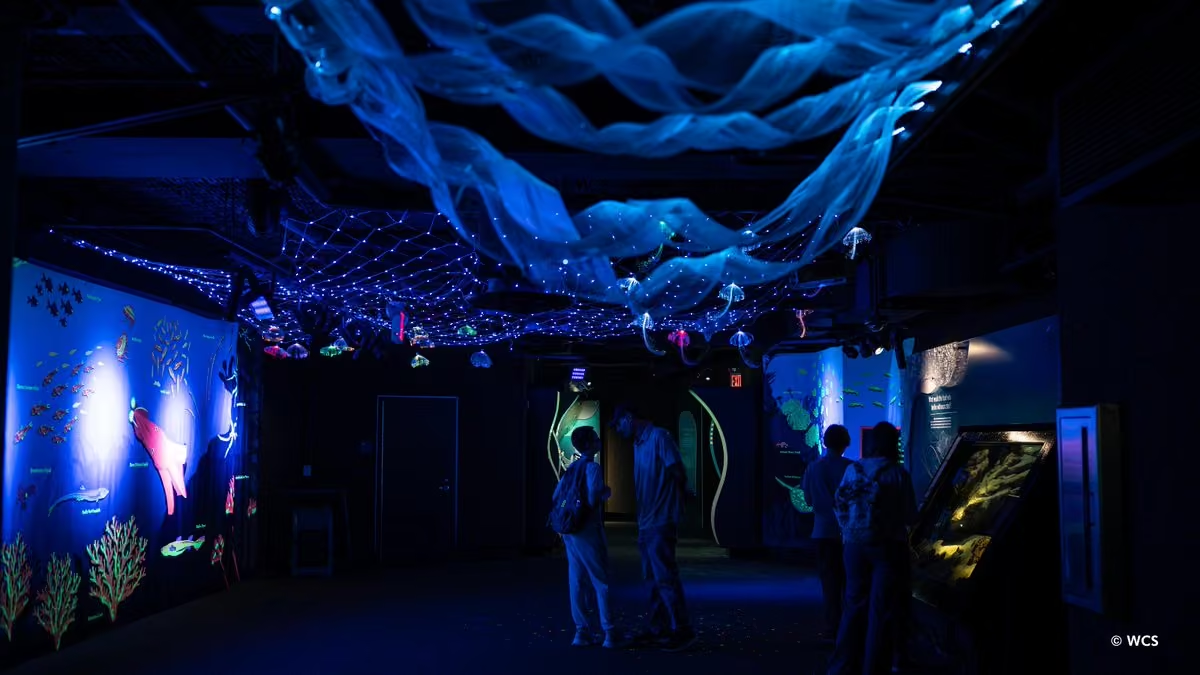
This media couldn't be displayed. See it on the original post.
New York Aquarium
@nyaquarium
Moray eels are solitary animals that tend to hide in cracks and crevices during the day, making them hard to see. One tip to get the best views of the moray eels is to be there at feeding time. Daily feedings at Gloverâs Reef take place between 11amâ2pm, and 2pmâ3pm. (2/2)
-
New York Aquarium
@nyaquarium
Calling all âJunior Keepersâ ages 8-11! During the Cool Corals and Kelp Keepers program on December 13, we will explore the world of colorful corals & kelp forests, the animals that live there, and meet a small ocean invertebrate up close. Register today: nyaquarium.com/learn/families/children-programs
-
New York Aquarium
@nyaquarium
In this time-lapse video, you can see an abalone eating digitata algae in our Pacific Northwest tidal exhibit. Abalones are sea snails that are considered specialized herbivores, feeding primarily on algae throughout their lives. (1/2)
đž: Keeper Cora
New York Aquarium
@nyaquarium
Mature adults tend to prefer scraps of kelp. They remain stationary waiting for pieces to drift within reach. Though generally sedentary, abalones will move when seasons change, water quality shifts, or food becomes limited. (2/2)
-
New York Aquarium
@nyaquarium
That feeling when you realize itâs almost the weekend!
-
New York Aquarium
@nyaquarium
Meet your favorite feathered friend with a Penguin Connection Wild Encounter at the New York Aquarium! Enjoy an in-person, up-close meeting with one of our African penguins. (1/2)
New York Aquarium
@nyaquarium
Our animal keepers will be on-hand to answer your most pressing penguin questions. This is a one-of-a-kind experience that is unforgettable, register today: nyaquarium.com/shop/catalogs/wild-encounters-2/sections/w⊠(2/2)
-
New York Aquarium
@nyaquarium
Shark trainer Elena shared this great video of our bamboo sharks and epaulette sharks interacting with a sliding puzzle feeder. (1/2)
This media couldn't be displayed. See it on the original post.
New York Aquarium
@nyaquarium
In addition to encouraging the sharks to use their natural foraging behaviors to find small pieces of squid and shrimp hidden in the puzzle, it also acts as a distraction to keep them from interrupting the other shark feeds taking place in the exhibit. (2/2)
-
New York Aquarium
@nyaquarium
Happy holidays from the New York Aquarium! We invite you to help us spread a little joy this season. During the aquariumâs annual Toy Drive, we are accepting toys for donation that have been purchased from the aquarium gift shop. (1/3)
New York Aquarium
@nyaquarium
These toys will be going to New York families in need. In exchange for your donation, you will receive one free admission coupon to the aquarium.â (2/3)
New York Aquarium
@nyaquarium
Limit of four per family. Coupon is valid until 12/31/26. The Toy Drive drop-off points are in the aquariumâs Shore Shop, located between Spineless and PlayQuarium, and the Oceanic Gift Shop, located by the aquarium exit. (3/3)
-
New York Aquarium
@nyaquarium
Skip the Black Friday lines and spend the day surrounded by the wonders of the ocean at the New York Aquarium! Explore our exhibits and discover over 5,000 animals. Choose a peaceful day at the aquarium and create lasting memories with the animals you love.
-
New York Aquarium
@nyaquarium
Happy Thanksgiving! Weâre open today and would love to see you if you'd like to stretch your legs, get some fresh air, and spend time with animals.
-
New York Aquarium
@nyaquarium
Drift into a calm and magical world with Gentle Jellies, our early-morning sensory-friendly experience on Saturday, 12/6 from 9:00â10:30a.m. Explore the peaceful world of jellyfish in a quiet, low-stimulation environment with flexible pacing. (1/2)
New York Aquarium
@nyaquarium
Enjoy calming activities, hands-on sensory stations, and even the chance to meet a small marine invertebrate up close. Perfect for all ages. Get tickets today: nyaquarium.com/learn/families/family-programs (2/2)
-
New York Aquarium
@nyaquarium
Did you know that our harbor seal Pickles has multiple training sessions per day? These include learning new behaviors and practicing ones he already knows, many of which assist with his health care and husbandry. (1/2)
New York Aquarium
@nyaquarium
Some behaviors, like the target jump, provide both physical exercise & mental stimulation. To learn more about our incredible marine mammals, join us for one of our daily sessions at 11:00am, 1:30pm, 3:30pm. Free with admission to the aquarium. (2/2)
-
New York Aquarium
@nyaquarium
đ€«Shh! This wobbegong shark is resting! Unlike some sharks that need to swim constantly to force water over their gills in order to breathe, wobbegongs can rest motionless on the ocean floor, as they are able to pump water over their gills. (1/2)
New York Aquarium
@nyaquarium
As nocturnal animals, they rest during the day and hunt at night. Wobbegongs are ambush predators using their flat shape and camouflage to enable them to remain almost invisible while they lie in wait for prey to swim past. (2/2)
-
New York Aquarium
@nyaquarium
Enjoy this video of one of our French angelfish feeding on leafy greens at Gloverâs Reef. These fish play an important ecological role in maintaining healthy coral reef systems. (1/2)
This media couldn't be displayed. See it on the original post.
New York Aquarium
@nyaquarium
By consuming algae and plant material, these vibrant reef fish contribute to the stability and health of their surrounding ecosystem. Come see them today at Gloverâs Reef in Conservation Hall! (2/2)
-
New York Aquarium
@nyaquarium
đŁCalling all teachers! As the seasons change, bring your students on a self-led field trip to the New York Aquarium to supplement your classroom curriculum and inspire an interest in science and nature. (1/2)
New York Aquarium
@nyaquarium
As they explore our world-class exhibits, they'll discover over 5,000 animals from around the world, including sea otters, sharks, harbor seals, and more. We offer special discounted rates for school and camp groups! Learn more: nyaquarium.com/plan-your-visit/group-sales/students (2/2)
-
New York Aquarium
@nyaquarium
South American sea nettles are more than just beautiful drifters. They hunt by spreading their long, flowing tentacles like a vast net, using tiny barbed stingers to release a paralyzing toxin that captures their prey. See them in Spineless!
This media couldn't be displayed. See it on the original post. -
New York Aquarium reposted
WCS
@TheWCS
The American eel is an iconic species native to North America. Today itâs Endangered. Its numbers have plummeted to historic lows.
At #citescop20, we will urge Parties to support Proposal 35, which would provide critical oversight to help prevent overexploitation and illegal trafficking of eels.
âThis measure is vital to strengthen trade monitoring, aid fisheries management, and ensure the speciesâ long-term survival,â said WCSâs Dr. Susan Lieberman.
Read more: newsroom.wcs.org/News-Releases/articleType/ArticleView/arâŠThis media couldn't be displayed. See it on the original post. -
New York Aquarium
@nyaquarium
African penguins have been a cherished part of the New York Aquarium since 1931 and have captivated generations of visitors. (1/2)
đž: WCS photographer, Terria Clay
New York Aquarium
@nyaquarium
Today, guests can see these remarkable birdsâ natural behaviors and social interactions in the Sea Cliffs exhibit and learn about ongoing conservation efforts for this endangered species. (2/2)
-
New York Aquarium
@nyaquarium
Cowfish are slow-moving boxfish with bony armor and âhornsâ above their eyes. These bony plates help protect them from predators, but also restrict their speed. (1/2)
New York Aquarium
@nyaquarium
They propel themselves using rapid movements of their dorsal, anal, and pectoral fins beating in unison. This gives the impression that they are slowly floating or hovering in the water. They are mesmerizing to watch! Check them out in our Glovers Reef exhibit. (2/2)
-
New York Aquarium
@nyaquarium
Meet the Caribbean spiny lobster: named for the forward-pointing spines that cover its body & help protect it from predators. They have long, horn-like antennae that they wave and rub against their exoskeleton to create a loud screech to scare predators. (1/2)
This media couldn't be displayed. See it on the original post.
New York Aquarium
@nyaquarium
They use their smaller âantennulesâ to sense movement & detect chemicals in the water. Unlike American lobsters, Caribbean spiny lobsters donât have large front claws. Some can grow as large as 15 pounds and 18 inches long! See them in PlayQuarium! (2/2)
-
New York Aquarium
@nyaquarium
Happy Wednesday! This is your sign to pause for a moment, and enjoy the natural wonder of cownose and southern rays swimming gracefully in Ocean Wonders: Sharks!
This media couldn't be displayed. See it on the original post. -
New York Aquarium
@nyaquarium
Itâs World Jellies Day! Enjoy this mesmerizing #momentofblue of our South American sea nettles, a species of sea jellies. Jellies have roamed the ocean for over 500 million years. Before there were dinosaurs, there were jellies! (1/3)
New York Aquarium
@nyaquarium
These animals can reproduce both sexually and asexually. In asexual reproduction, a single polyp can produce 3 to 10 immature jellyfish (ephyrae) in about 7 to 10 days. Some sea nettles can travel thousands of feet up and down in the water column daily! (2/3)
New York Aquarium
@nyaquarium
They can be found off the Atlantic coast of Argentina, as well as the Pacific coast of Peru, Chile, & as far south as Tierra del Fuego. We received this species earlier this fall as part of a collaboration with the Maritime Aquarium in Connecticut. (3/3)
-
New York Aquarium
@nyaquarium
That feeling when youâve missed Ascarium at the aquarium. Donât despair, weâre open today and would love to see you.
đž: WCS photographer, Terria Clay -
New York Aquarium
@nyaquarium
Be sure to check out the corals next time you're at the cuttlefish exhibit in Spineless. While you wonât see this level of detail with the naked eye, this video captured with a macro lens shows a coral feeding up close. (1/2)
New York Aquarium
@nyaquarium
A coralâs diet consists primarily of microscopic zooplankton. During feeding, a coral polyp extends its tentacles away from its body and waves them in the water to capture zooplankton, bacterioplankton, and other food particles. (2/2)
-
New York Aquarium
@nyaquarium
We thought you needed a look at these faces today! African penguin Bert recently turned 33 years old & is one of the oldest penguins in our colony. In this video, she can be seen in our Sea Cliffs exhibit with her partner, Ferris. (1/3)
New York Aquarium
@nyaquarium
Bert arrived at the New York Aquarium in 1994 when she was two years old. Since she arrived at the aquarium, Bert has become a staff and guest favorite with her big personality! (2/3)
New York Aquarium
@nyaquarium
Always the first to the feed, she can often be seen following keepers around, swimming with her mate, or standing proud at the top of the exhibit next to the entrance to her den, says Keeper Olivia. (3/3)
-
New York Aquarium
@nyaquarium
When you visit the aquarium, you may notice new signs explaining why you are seeing algae growing on the rocks and windows in some of the animal habitats and why thatâs okay. (1/2)
New York Aquarium
@nyaquarium
These plant-like organisms are a natural part of the seawater we use in the aquarium and are safe for our animals. Our dedicated divers regularly remove the algae to improve views into the habitats, but sometimes we let it grow for a variety of reasons. (2/2)
-
New York Aquarium
@nyaquarium
Moray eels are not as âspookyâ as one might think. They lack external gill covers used by most fish to pump water over their gills to extract oxygen. Instead, they gulp water repeatedly to force water across their gills. (1/2)
This media couldn't be displayed. See it on the original post.
New York Aquarium
@nyaquarium
The rhythmic opening and closing of their mouths as they take in water can make them look aggressive, but it is simply how the eel breathes. (2/2)
-
New York Aquarium
@nyaquarium
Itâs your last chance to attend our spooktacular event by the sea! Enjoy marine-themed, family-friendly activities, including magic shows, Wildlife Theater, games, & more, included with admission. Secure your spot today: nyaquarium.com/ascarium
-
New York Aquarium
@nyaquarium
Meet the bat sea starâa fascinating resident of the Pacific Ocean! Named for the webbing between their arms that resembles a batâs wings, these sea stars are found from Alaska to Mexico, living on rocky shores and kelp-covered seafloors. (1/2)
New York Aquarium
@nyaquarium
Bat sea stars are omnivores and scavengers, feeding on algae, detritus, and decaying animals, an important role that helps recycle nutrients and keep their ecosystems healthy. See if you can spot these colorful ocean cleaners in our Spineless exhibit! (2/2)
-
New York Aquarium
@nyaquarium
Do you know why the mouths of sea urchins are also referred to as Aristotle's lantern? Itâs the name for their unique mouth structure, made up of five movable teeth used to scrape algae and food from rocks and reefs. (1/2)
New York Aquarium
@nyaquarium
The name comes from the philosopher Aristotle, who noticed an interesting resemblance between the sea urchinâs mouth and five sided horn lanterns of his day. The diadema urchin is located in Conservation Hall and is often seen climbing the front window. (2/2)
-
New York Aquarium
@nyaquarium
Say hello to Captain Spaulding, our resident zebra shark! Zebra sharks are found in coastal waters across the Indian and Western Central Pacific Oceans.
Stop by Ocean Wonders: Sharks! to watch Captain Spaulding glide through the water! (1/3)
New York Aquarium
@nyaquarium
During the day, theyâre known for their graceful swimmingâas you see Captain Spaulding doing in this videoâor for resting on the ocean bottom. At night, they turn into stealthy hunters, searching for crustaceans, small fish, mollusks, & even sea snakes. (2/3)
New York Aquarium
@nyaquarium
Captain Spaulding has a unique light-colored complexion, which is due to a genetic condition called leucism. It is quite rare to encounter leucistic animals in the wild, as their lack of pigmentation can make them more susceptible to predation. (3/3)
-
New York Aquarium
@nyaquarium
Did you know that only 1 in 30 million American lobsters are bright orange? Most have dark, mottled shells that help them blend into the seafloor. Their bright color can be a disadvantage in the wild, making them easy for predators to spot. (1/2)
New York Aquarium
@nyaquarium
The American lobster is found in the Atlantic Ocean, ranging from the cold waters of Canada down to North Carolina. Lobsters are also indicators of ocean health, as their populations are impacted by warmer water temperatures and other pollution. (2/2)
-
Post not available here, view on X
New York Aquarium
@nyaquarium
The American lobster is found in the Atlantic Ocean, ranging from the cold waters of Canada down to North Carolina. Lobsters are also indicators of ocean health, as their populations are impacted by warmer water temperatures and other pollution. (2/2)
-
New York Aquarium
@nyaquarium
Don your most fab-boo-lous costumes and join us for Ascarium at the aquarium! At this yearâs event, participate in costume parades, face painting, marine-themed magic shows, Halloween crafts, Wildlife Theater shows, games, and more! (1/3)
New York Aquarium
@nyaquarium
Plus you can visit some of our spookier-named aquatic species including wolf eels, bat sea stars, spider crabs, and many others. (2/3)
New York Aquarium
@nyaquarium
The Ascarium experience and activities are included with New York Aquarium admission. Ascarium runs October 11â13, 18-19, 25-26 from 11 amâ4 pm. Get tickets: nyaquarium.com/ascarium (3/3)
-
New York Aquarium
@nyaquarium
Meet the dwarf cuttlefishâone of the oceanâs smallest and most fascinating cephalopods! Found in shallow tropical waters of the Central Indo-Pacific, this species can change their color, pattern, and even texture in seconds to blend in or communicate. (1/2)
New York Aquarium
@nyaquarium
Despite growing to only about 3 inches long, theyâre clever hunters, using their tentacles to snatch shrimp and small fish with speed. Stop by the New York Aquarium Spineless exhibit to see these cephalopods in action! (2/2)
-
New York Aquarium
@nyaquarium
Our marine mammals, including California sea lions, harbor seals, and southern sea otters, recently received their annual vaccinations. All the animals received their shots through voluntarily participating in injection training. (1/3)
New York Aquarium
@nyaquarium
A testament to the hard work of our animal care teams. Through consistent training and positive reinforcement, each team has conditioned the animals to voluntarily present the ideal injection site and remain stationary. (2/3)
New York Aquarium
@nyaquarium
This not only ensures the safety of the veterinary staff but also creates a stress-free experience for the animals, proving that a cooperative approach to healthcare is most effective. Well done, team! (3/3)
-
New York Aquarium
@nyaquarium
Recently, we shared a clip of Senior Keeper Olivia working to desensitize our female sea otter Clover to allow for medical exams & vaccinations. In today's video, we share the results of that training as the keepers administer a routine vaccination. (1/2)
New York Aquarium
@nyaquarium
As you can see, Clover is quite relaxed and focused on her reward of tasty shrimp and clams as she receives her shot. The trust developed between our staff and animals through training is a key element of a strong preventive health program. (2/2)
-
New York Aquarium
@nyaquarium
Today is World Octopus Day! Did you know these eight-armed cephalopods have many impressive adaptations, including shape shifting, color changing, ink squirting, and jet propulsion? (1/2)
This media couldn't be displayed. See it on the original post.
New York Aquarium
@nyaquarium
Come spend some time observing our giant Pacific octopus in the Spineless exhibit. You won't be sorry! As the largest octopus species, these marine giants can weigh over 50 pounds with an arm span up to 13 feet, from tip to sucker-covered tip. (2/2)
-
New York Aquarium
@nyaquarium
Celebrate the spookiest time of the year at our beloved Halloween event, Ascarium! For our sensory-friendly audience, weâre excited to offer an exclusive preview of our Ascarium carnival games before opening hours. (1/2)
New York Aquarium
@nyaquarium
This special opportunity on Saturday, October 18 from 9:00 amâ10:30 am allows guests to create a comfortable and enjoyable experience for those with sensory sensitivities. Learn more and register: nyaquarium.com/learn/families/family-programs (2/2)
-
New York Aquarium
@nyaquarium
Get ready for some heavenly encounters next time youâre in our Coral Triangle exhibit in Conservation Hall. Meet the yellowface angelfish, also known as the blueface angelfish. Itâs characterized by its striking blue face with a bright yellow mask. (1/3)
New York Aquarium
@nyaquarium
This large, omnivorous fish inhabits coral reefs in the Indo-Pacific region and feeds on sponges, tunicates, and algae. Adults, like the one seen here, have a notable black eye spot at the base of their dorsal fin. (2/3)
New York Aquarium
@nyaquarium
Juveniles have a dark body covered in several white or pale blue vertical bars, and look completely different from the adults. They start to transition to their mature coloration when they are about 4 to 5 inches long. (3/3)
-
New York Aquarium
@nyaquarium
Spotted garden eels might look like swaying plants on the seafloor, but theyâre actually fascinating little ecosystem engineers! Measuring just about half an inch in diameter, garden eels live in large colonies up to an acre in area. (1/3)
New York Aquarium
@nyaquarium
They dig burrows in the sandy seafloor tail-first, then coat the walls with a slimy mucus that acts as a cement to keep their homes from caving in. This lets them stay anchored while still swaying gently in the ocean currents as they feed on plankton. (2/3)
New York Aquarium
@nyaquarium
Garden eels show how much impact a tiny animal can have as their colony's collective burrowing, which can be several feet deep, provides refuge for other marine animals and promotes increased species diversity in the sandy ocean plains they inhabit. (3/3)
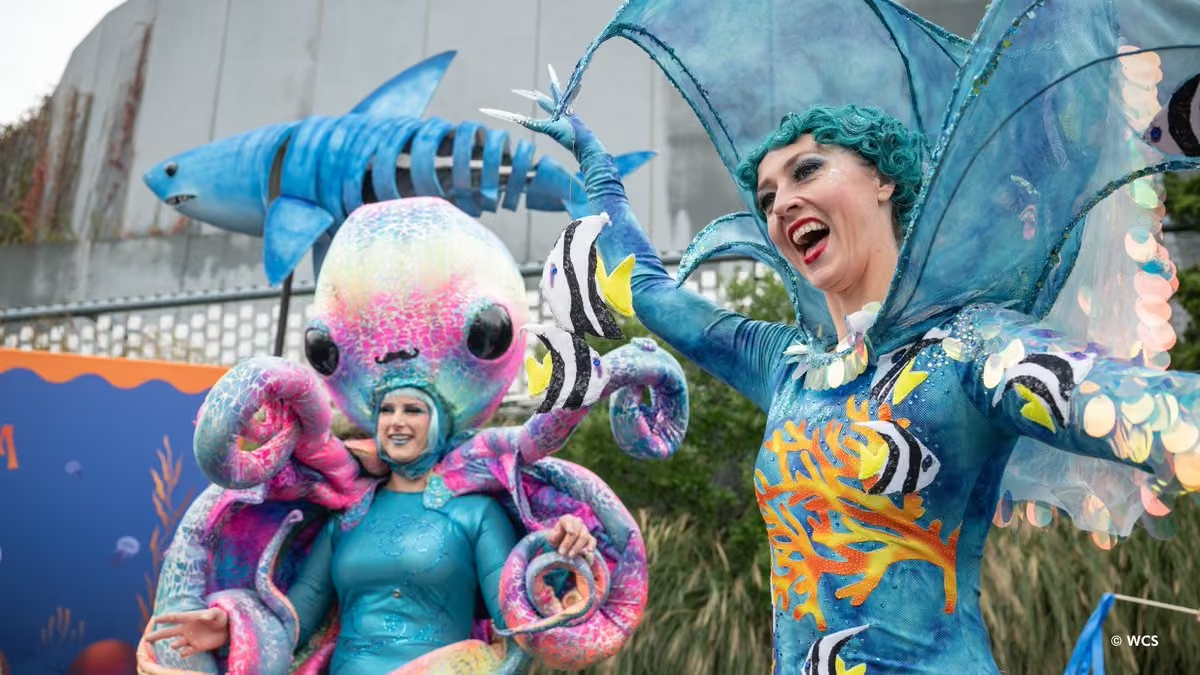
-
New York Aquarium
@nyaquarium
Have you reserved your tickets for Ascarium, the New York Aquariumâs fab-boo-lous fall festival? By popular demand, weâve added an extra weekend this year so you donât miss out on all the fall festivities. (1/3)
New York Aquarium
@nyaquarium
Join us for spooktacular seaside fun with costume parades, marine-themed magic shows, festive treats, Wildlife Theater, games, Halloween crafts, and more! (2/3)
New York Aquarium
@nyaquarium
The Ascarium experience and activities are included with New York Aquarium admission. Ascarium runs October 11-13, 18-19, and 25-26 from 11 amâ4 pm. Get tickets: nyaquarium.com/ascarium (3/3)
-
New York Aquarium
@nyaquarium
We hope you have enjoyed our coverage of Sea Otter Awareness Week! While you canât take home one of our southern sea otters, you can make memories at the New York Aquarium with the people you love, and take home a plush! (1/2)
This media couldn't be displayed. See it on the original post.
New York Aquarium
@nyaquarium
Snuggle up with a sea otter plush for $19.99 (Originally $26.00) available in our gift shops. Every purchase from our stores helps support the Wildlife Conservation Societyâs mission to save wildlife and wild places worldwide. (2/2)
-
New York Aquarium
@nyaquarium
POV: Itâs Sea Otter Awareness Week, and you need to see otters! This seems like a good time to remind you that we have a live sea otter cam available online from 10 a.m. to 4 p.m. daily. Tune in and watch the otters! nyaquarium.com/live-cams/otter
-
New York Aquarium
@nyaquarium
Happy #seaotterawarenessweek! During this special time, we are sharing the story of our two female southern sea otters, Pumpkin and Clover! They were both rescued off the coast of California at young ages and were deemed non-releasable as pups. (1/2)
New York Aquarium
@nyaquarium
They were cared for at other Association of Zoos and Aquariums (AZA) accredited aquariums before their arrival at our aquarium in October 2024. The New York Aquarium has provided a home for 11 rescued sea otters since 1991. (2/2)
-
New York Aquarium
@nyaquarium
A hard shell canât come between a sea otter and the tasty morsel nestled inside. Sea otters often open their shelled prey by whacking it against a rock, as seen in this video from Sea Cliffs. (1/3)
This media couldn't be displayed. See it on the original post.
New York Aquarium
@nyaquarium
They have fast metabolisms and need to consume around 25% to 30% of their body weight daily. Their diet includes slow-moving fish, crabs, sea urchins, mussels, clams, and other marine invertebrates. (2/3)
New York Aquarium
@nyaquarium
Their food preferences can be unique to the individual otter, so two otters living in the same area will often select different things from the seafood buffet that surrounds them. This phenomenon is known as individual diet specialization. (3/3)
-
New York Aquarium
@nyaquarium
In this #momentofblue, watch as Senior Keeper Olivia desensitizes one of the female otters to being touched to allow for examination of her abdomen. Once desensitized, keepers can begin training them to voluntarily participate in their own healthcare. (1/2)
New York Aquarium
@nyaquarium
This ensures they can receive necessary care, including eye and dental exams, vaccinations, and ultrasounds, without experiencing stress. This type of training requires patience and relationship-building and can take several weeks or months to achieve. (2/2)
-
New York Aquarium
@nyaquarium
Put your paws together for #seaotterawarenessweek! Sea otters play an important role as a keystone species in their ocean ecosystem by eating sea urchins, and helping to keep their populations in check! (1/3)
New York Aquarium
@nyaquarium
Controlling the sea urchin population helps protect giant kelp, a prime habitat for many species, from being overgrazed. Kelp forests play a critical role in mitigating climate change; they can store more carbon than the same area of land forest. (2/3)
New York Aquarium
@nyaquarium
Weâll be sharing sea otter content all week on our social pages. For those moments in between aquarium visits, or any time you need to see otters, you can now watch them online. Our otter cam is live from 10 AM to 4 PM daily: nyaquarium.com/live-cams/otter đŠŠ(3/3)
-
New York Aquarium
@nyaquarium
This is a dog-faced puffer fish, AKA a black-spotted puffer. These scaleless fish are found in the tropical waters of the Indian & Pacific oceans. Their big eyes, unique snout shape, & dark mouth shading give them a dog-like appearance, hence their name. (1/2)
New York Aquarium
@nyaquarium
They have multiple forms of defense against predators. They can inflate themselves by swallowing water or air. They also produce a potent toxin that is dangerous if they are consumed. Spot this fascinating fish in the Coral Tunnel. (2/2)
-
New York Aquarium
@nyaquarium
Bring biology and ecology lessons to life with a self-guided field trip to the New York Aquarium! As your students explore our exhibits, they will discover incredible animals and learn about the important roles they play in their marine ecosystems. (1/2)
New York Aquarium
@nyaquarium
We offer special discounted rates for all school and camp groups! To learn more about school visits see nyaquarium.com/plan-your-visit/group-sales/students (2/2)
-
New York Aquarium reposted
WCS
@TheWCS
One hundred years ago, the Arcturus Oceanographic Expedition set sail from New York City.
Led by our then-Department of Tropical Research (DTR), the six-month voyage made an unexpected stop at the end at the little-known #hudsoncanyon.
Pictured is Isabel Cooper, a DTR staff artist who completed over 100 illustrations on the Arcturus Expedition and even experimented with painting underwater while helmet diving.
@NOAA has launched an expedition of its own to the canyon. We are supporting them and working to increase understanding of the ecological, cultural, and economic importance of the East Coastâs largest deep-sea canyon. Ultimately, the U.S. should designate it as a National Marine Sanctuary.
Artists will again play an important role in this expedition. Our @nyaquarium has partnered with the artist collective Works on Water to host two artists in residence during the month of September.
Perrin Ireland and Sherese Francis will build on the historic legacy of the Arcturus team to interpret the scientific information generated by NOAA and WCS and engage aquarium visitors.
Here, they look at some of the original drawings from the first expedition.
If youâre in New York, catch Perrin and Sherese at the aquarium. The livestreams of the NOAA dives can be viewed there too. More info: nyaquarium.com/things-to-do/events/491 -
New York Aquarium
@nyaquarium
Intern Matt has devised a way to encourage natural foraging behavior in our cownose rays. Creatively, the keepers have named this 'eggrichment'. (1/2)
đ„: Keeper Heily
New York Aquarium
@nyaquarium
Recognizing that cownose rays feed on clams, oysters, and other invertebrates and that they crush their prey using specialized dental plates, keepers place artificial eggs filled with food items in the exhibit to foster natural foraging behaviors. (2/2)
-
New York Aquarium
@nyaquarium
Lookinâ good, Pickles! Harbor seals go through an annual molting process, where they lose & regrow their fur. As Pickles just finished his annual molt, youâll be able to see his spots from a mile away! Stop by the Aquatheater to catch a glimpse of Pickles & his lustrous new coat.
-
New York Aquarium
@nyaquarium
While most sharks give birth to live young, some are oviparous, meaning that they lay eggs in protective cases called mermaidsâ purses. At the aquarium, keepers check development with candling, shining a bright light through the egg to see the embryo. (1/2)
New York Aquarium
@nyaquarium
The egg cases shown in the video are chain catsharks. When filmed, they were about four months into their eight-and-a-half-month development. (2/2)
-
New York Aquarium reposted
Justin Brannan
@JustinBrannan
The @TheWCS @nyaquarium in Coney is the oldest in the nation! From whales to coral, their mission is to protect wildlife through wonder and educationâteaching people to value the world around them. This year, @NYCCouncil secured $75M so institutions like this can keep inspiring!
-
New York Aquarium
@nyaquarium
Itâs best not to get between a wolf eel and its next meal! When our resident wolf eel emerges from its den in PlayQuariumâs kelp forest exhibit for its daily feeding, it is truly a sight to behold! (1/2)
Video: Keeper Cora
New York Aquarium
@nyaquarium
Wolf eels are voracious eaters, and in the wild their diet consists of crabs, sand dollars, sea urchins, snails, abalone, mussels, clams, and fish. Their powerful jaws are especially helpful for crushing food items with a hard shell. (2/2)
-
New York Aquarium
@nyaquarium
This summer marked the 100-year anniversary of @theWCS Department of Tropical Research beginning its study of the Hudson Canyon as part of the Arcturus Expedition. (1/3)
New York Aquarium
@nyaquarium
The scientists were amazed by the diversity and beauty of the species they found just 100 miles off the coast of New York City. Today, the #hudsoncanyon still provides a crucial habitat for a large variety of marine life, including whales and sea turtles. (2/3)
New York Aquarium
@nyaquarium
We are working with a wide array of stakeholders to secure designation of this significant underwater canyon as a National Marine Sanctuary. (3/3)
-
New York Aquarium
@nyaquarium
This is an aquarium PSA that our hours have changed for the fall season! The aquarium is open daily from 10 amâ5 pm.
-
New York Aquarium
@nyaquarium
Happy Labor Day from all of us at the New York Aquarium! Weâre open today, so stop by and celebrate with all your favorite ocean animals.
đž: WCS photographer, Terria Clay -
New York Aquarium
@nyaquarium
Puffer fishes have a unique adaptation: their teeth are fused into a beak-like structure that grows continuously. In the wild, they wear these teeth down by chewing on hard foods, like shellfish or nibbling on hard corals. (1/4)
Post not available here, view on X
New York Aquarium
@nyaquarium
In this video, a keeper places an orange target underwater and offers the pufferfish the dental plaster covered with a special gel diet prepared for omnivorous fish. (3/4)
New York Aquarium
@nyaquarium
He interacts with it multiple times. Using their beak to remove the gel off the dental plaster helps to wear down the teeth of fish with continuously growing teeth. (4/4)
-
New York Aquarium
@nyaquarium
đą Important PSA! Our new sea otter cam at Sea Cliffs is live! For those moments in between aquarium visits, or any time you absolutely need to see otters, you can now watch them online. Our otter cam is live from 10AMâ4PM daily: nyaquarium.com/live-cams/otter?_preview=true
-
New York Aquarium
@nyaquarium
The longnose butterflyfish is a striking resident of coral reefs. It uses its long nose to probe deep into the nooks & crannies of the reef, extracting invertebrates that are inaccessible to other fish. This feeding technique allows it to thrive in its complex environment.
-
New York Aquarium
@nyaquarium
Another fantastic Coney Island Sand Sculpting Competition in the books! Hereâs some behind the scenes views of New York Aquarium staff designing and sculpting a sea turtle masterpiece made entirely of sand. (1/5)
Post not available here, view on X
New York Aquarium
@nyaquarium
The sea turtle release was also a celebration of the New York State Environmental Protection Fund, which makes critical conservation work like this possible. (4/5)
New York Aquarium
@nyaquarium
âWe are proud to work alongside our partners and grateful for the Environmental Protection Fund,â said Leigh Ann Clayton, Director of the Aquarium, âwhich helps ensure that New Yorkâs marine wildlife and habitats are protected for generations to come.â (5/5)
-
New York Aquarium
@nyaquarium
Watch one of our female California sea lions participating in âwindow workâ with Keeper Emily. During these sessions, we train the sea lions to swim to the underwater window where another trainer is stationed to receive the animal. (1/3)
New York Aquarium
@nyaquarium
This is a valuable cognitive challenge for our animals to be sent to a second location where we can observe their behaviors in an underwater setting. Sea lions exhibit a range of natural behaviors not only at the surface, but also underwater. (2/3)
New York Aquarium
@nyaquarium
This also allows our guests to connect with our sea lions in a different environment by watching these sessions in Sea Change, our underwater viewing exhibit! (3/3)
-
New York Aquarium
@nyaquarium
Each year, an estimated 9 million tons of plastic enters the ocean. Thatâs equivalent to a full dump truck of plastic per minute! Once plastic pollution gets into our waterways, it can be deadly for many species, including turtles, whales, fish, and birds. (1/2)
New York Aquarium
@nyaquarium
This stunning Washed Ashore coho salmon sculpture is made entirely from repurposed marine debris and illustrates the problem of ocean plastic pollution. Visit the aquarium to see the sculpture and learn about the steps we can take to protect the future of ocean habitats. (2/2)
-
New York Aquarium
@nyaquarium
Just left of the main entrance to the New York Aquarium sits a blue steel sphere. The Bathysphere is only 4.75 feet. in diameter, but in 1934, researchers William Beebe and Otis Barton used it to dive deeper into the ocean than anyone had gone before. (1/2)
New York Aquarium
@nyaquarium
Their brave, half-mile trip into the depths of the Atlantic off the shore of Bermuda marked the beginning of deep-sea exploration. Next time you visit the Aquarium, be sure to check out this historic early submersible that revolutionized ocean research. (2/2)
-
New York Aquarium
@nyaquarium
It is believed that French angelfish form lifelong bonds with a mate from a young age. They can be seen swimming in pairs, foraging, & defending their territory together. If they are separated they reaffirm their bond by circling each other in a behavior called âcarouseling.â
This media couldn't be displayed. See it on the original post. -
New York Aquarium
@nyaquarium
There is still time to join in on the summer camp fun at the New York Aquarium! Give your kids an unforgettable summer experience through exciting activities and adventures for kids of all ages.
Register now for our end-of-summer camp programs: nyaquarium.com/learn/camps -
New York Aquarium
@nyaquarium
Enjoy this #momentofblue featuring our male and female southern sea otters. It has been nonstop playtime since our two female southern sea otters arrived at the aquarium in October 2024 to join our male. (1/2)
đž: Keeper Olivia
New York Aquarium
@nyaquarium
Keeper Olivia says that both females have acclimated well since their arrival. Watch all three interact on our sea otter cam, now live at the Sea Cliffs exhibit! Take a virtual visit with our live cams daily from 10am to 4pm: nyaquarium.com/live-cams/otter (2/2)
-
New York Aquarium reposted
WCS
@TheWCS
Today, with our partners, we released a rehabilitated Kempâs ridley sea turtle back into the Atlantic Ocean.
The event, held at WCSâs @nyaquarium, was also a celebration of the NYS Environmental Protection Fund, which supports conservation work like this. newsroom.wcs.org/News-Releases/articleType/ArticleView/arâŠThis media couldn't be displayed. See it on the original post. -
New York Aquarium
@nyaquarium
In this video, watch zebra shark Captain Spaulding interact with a watermelon & discover the fish that keepers have hidden inside. Our keepers always look for ways to enrich our animals, & hiding food is ideal as it is a stimulating way to encourage natural foraging behaviors.
-
New York Aquarium
@nyaquarium
Did you know that lined seahorses call New York waters home? From Long Island to the Hudson River estuary they can be seen clinging to marine vegetation in the native seagrass beds of the region.
Here at the aquarium you can see them up close in Ocean Wonders: Sharks! -
New York Aquarium
@nyaquarium
When you visit the aquarium, can you find all the marine debris items that are part of Washed Ashoreâs coho salmon sculpture? These include a fishing lure, toy dinosaur, toy boat, comb, paint brush handle, bicycle reflector, Lego brick, tank turret, toy stingray, and toothbrush.
New York Aquarium
@nyaquarium
Washed Ashore creates powerful art to teach about the growing problem of plastic pollution in oceans and waterways. Each year, an estimated 9 million tons of plastic enter the oceanâthatâs equivalent to a dump truck full of plastic per minute. (2/3)
New York Aquarium
@nyaquarium
Once plastic pollution gets in our waterways, it can be deadly for many species, especially turtles, whales, fishes, and birds. They often get tangled in it or mistake it for food. (3/3)
-
New York Aquarium
@nyaquarium
Meet one of the worldâs smallest cuttlefish: the dwarf cuttlefish! DYK these little cephalopods are highly intelligent and have unique ring-shaped brains, three hearts, and eyes similar to humans? Observe these fascinating animals in Spineless!
This media couldn't be displayed. See it on the original post. -
New York Aquarium reposted
WCS
@TheWCS
LISTEN: Recently, staff at WCSâs @nyaquarium got a call from @USFWS. The authorities had intercepted an illegal shipment of corals and they needed help.
đ On this weekâs #wcswildaudio, the rescue and how the coral may contribute to conservation. podcasts.apple.com/us/podcast/s6-e10-wcss-new-york-aquari⊠-
New York Aquarium
@nyaquarium
In late spring, the U.S. Fish and Wildlife Service (USFWS) confiscated an illegal shipment of live stony corals at a local New York airport. (1/4)
Post not available here, view on X
New York Aquarium
@nyaquarium
The seized corals are being housed behind the scenes at the aquarium. Most will be transferred to our reef exhibits helping guests better understand coral ecosystems & the threats they faceâfrom climate change & ocean acidification to overharvesting & illegal trade.(3/4)
New York Aquarium
@nyaquarium
Coral reefs provide habitat for about 25 percent of all marine life. With warming oceans causing more frequent bleaching events, the work done at accredited facilities like the New York Aquarium is more urgent than ever. (4/4)
-
New York Aquarium
@nyaquarium
In this #momentofblue, you can see why we often say that our spot-fin porcupinefish are some of the most charismatic fish in the Gloverâs Reef exhibit! These fish are often curious to watch aquarium guests. (1/3)
This media couldn't be displayed. See it on the original post.
New York Aquarium
@nyaquarium
Being members of the pufferfish family, they can inflate when threatened, expanding their body size by swallowing water or air. (2/3)
New York Aquarium
@nyaquarium
In this video you can also get a good look at the modified scales that form spines and cover their body. These scales lay flat and only stick out when the fish is fully inflated, sending a pointed message to stay away! (3/3)
-
New York Aquarium
@nyaquarium
This July, weâre celebrating sharks and rays all month long at New York Aquarium. For our eagle-eyed guests, we have a photo scavenger hunt in our park. (1/2)
đž: Horticulture Supervisor Ryan
New York Aquarium
@nyaquarium
Five sharks have surfaced & are swimming through our gardens! They're lurking in plain sight, offering thrills & photo ops. Can you find them all? Channel your inner Brody & keep your eyes peeledâthese apex predators are here for the spotlight. (2/2)
-
New York Aquarium
@nyaquarium
Pufferfish have a unique adaptation: their teeth are fused into a beak-like structure that grows continuously. In the wild, they wear these teeth down by chewing on hard foods like shellfish or nibble on hard corals. (1/2)
New York Aquarium
@nyaquarium
Our veterinarian routinely performs dental procedures to manage the overgrown beak of this pufferfish. (2/2)
-
New York Aquarium
@nyaquarium
Picture this: You're seated in the Aquatheater, soaking in the excitement of the Sea Lion Celebration: Sea Lions in the Big City. It's your chance to learn all about the fascinating world of California sea lions and Atlantic harbor seals. (1/2)
New York Aquarium
@nyaquarium
To get the inside scoop on how we care for and train these incredible marine mammals, join us for one of our daily sessions. Free with admission to the aquarium. (2/2)
-
New York Aquarium
@nyaquarium
Our male Atlantic harbor seal, Pickles, recently turned 17 â an event weâre proud to celebrate! In the wild, harbor seals typically live 10â15 years. With a high-quality diet and veterinary care, animals in accredited zoos and aquariums often live longer. (1/3)
New York Aquarium
@nyaquarium
Recently, our male harbor seal voluntarily participated in a routine blood draw from his rear flipper! Trainer Sarah says that through positive reinforcement and building trusting relationships, our animals learn to take part in their own health care. (2/3)
New York Aquarium
@nyaquarium
These behaviors reduce stress, allow for more regular check-ups, and help us continue to monitor his health. (3/3)
-
New York Aquarium reposted
WCS Newsroom
@WCSNewsroom
Saving Sharks in Argentina through #science and Collaboration | By Juan MartĂn Cuevas
âOur work in #argentina demonstrates that collaborative #conservation is not only possible but essential for #sharksâ survival.â
medium.com/wcs-marine-conservation-program/saving-sharks-⊠-
New York Aquarium reposted
WCS
@TheWCS
As the film turns 50, donât blame âJawsâ for our fear of sharks, writes Hans Walters of WCSâs @nyaquarium.
But in reality, Walters writes for @NYDailyNews, this group of animals bears little resemblance to the antagonist of the book and film. #sharkweek
www.nydailynews.com/2025/07/19/this-shark-week-some-ideas⊠-
New York Aquarium reposted
New York Daily News
@NYDailyNews
This Shark Week, some ideas on âJawsâ at 50 www.nydailynews.com/2025/07/19/this-shark-week-some-ideasâŠ
-
New York Aquarium
@nyaquarium
Happy #nationalkeeperweek to our amazing team at the New York Aquarium!
When you see an aquarist, trainer, or keeper at the New York Aquarium this week, make sure to say âthanksâ for their hard work and dedication! -
New York Aquarium
@nyaquarium
During a recent sea otter feeding and training session, our animal care team worked on crate training behavior with one of our female sea otters. All our sea otters are trained to feel comfortable in a crate, allowing us to transport them when needed. (1/3)
New York Aquarium
@nyaquarium
Entering the crate and holding still so the crate door can be safely closed are just a few of the behaviors they learn. In the video, the trainers are working with the crate doors removed, the first step in crate training. (2/3)
New York Aquarium
@nyaquarium
Positive reinforcement from the keepers, including food rewards, makes "crating" a rewarding experience for the animals! On your next visit, stop by Sea Cliffs for an otter feeding session taking place daily at 11:00 am, 1:00 pm, or 3:00 pm. (3/3)
-
New York Aquarium
@nyaquarium
DYK that the New York Aquarium has the only live oyster reef display in New York City? Working collaboratively with @BillionOyster, we grow out baby oysters (spat) & facilitate their growth. In these photos, you can see some of our young oysters developing in PlayQuarium. (1/3)
New York Aquarium
@nyaquarium
We culture phytoplankton and algae for the oysters in a light-controlled environment. In these photos, we see Keeper Jan taking a small flask of phytoplankton from one of the large glass vessels to feed the oysters in the New York Harbor exhibit. (2/3)
New York Aquarium
@nyaquarium
Oysters support the health of other marine life. As part of the New York Harbor exhibit, youâll learn about the Billion Oyster Projectâs restoration & community science work across 5 boroughs, as well as our shared vision for the environmental health of the Harbor & city! (3/3)
-
New York Aquarium
@nyaquarium
Using positive reinforcement, this longhorn cowfish has been trained to swim into a container to feed undisturbed by other fish. In this video, the cowfish is offered dental plaster (with a nutritious gel) to help file down his growing teeth & promote natural grazing behavior.
-
New York Aquarium
@nyaquarium
Happy Shark & Ray Awareness Day! On this special day here are some ideas on how to celebrate & help protect sharks & rays locally & globally: (1/2)
New York Aquarium
@nyaquarium
đŠ: Celebrate our very first Shark Party!
đŠ: Visit Ocean Wonders: Sharks! & learn about the 18 different species of sharks in our care
đŠ: Sign the Big Shark Pledge: bigsharkpledge.org
đŠ: Sign the petition to protect the Hudson Canyon:
secure.wcs.org/campaign/hudson-canyon-petition-paper
(2/2) -
New York Aquarium
@nyaquarium
Today is #worldpopulationday and a good time to remind everyone that the ocean is the heart and lungs of our planet. We rely on it for food, climate regulation, water cycle, oxygen production, and a myriad of other essential resources. (1/2)
New York Aquarium
@nyaquarium
The health of our ocean is vital to the health of the planet and all who live on it. Next time you visit the New York Aquarium, learn about the ways we can work together to protect oceans and their inhabitants, whose lives are inextricably linked to our own. (2/2)
-
New York Aquarium
@nyaquarium
Our new fin-tastic celebration of sharks, Shark Party, is happening now until Monday, July 14 at the New York Aquarium!
Join the celebration and get tickets today: nyaquarium.com/sharkparty?_preview=true đŠ
(1/2)
New York Aquarium
@nyaquarium
Through fun and educational activities and entertainment, including shark keeper chats, a shark fossil dig, Wildlife Theater, a shark dance party, & more, youâll learn about the vital roles that these iconic species play in marine ecosystems. (2/2)
-
New York Aquarium
@nyaquarium
Flippers up! No, theyâre not doing sea lion yoga â this particular pose is called jugging! During this past week's heat wave, our female California sea lions at Sea Cliffs were seen exhibiting this behavior. (1/3)
đž: Trainer Sarah Rashed
New York Aquarium
@nyaquarium
By sticking their flippers out of the water, sea lions can cool off (or warm up!) thanks to the blood vessels in their flippers which act like a built in air conditioner or heater. (2/3)
New York Aquarium
@nyaquarium
Also, did you know a group of sea lions mingling together in the water is called a "raft"? Stop by Sea Cliffs during your next visit and see if you can spot a raft! (3/3)
-
New York Aquarium
@nyaquarium
Walk through the keeper-only doors and get a behind the scenes tour of Ocean Wonders: Sharks! at the New York Aquarium! Get your tickets today: nyaquarium.com/shop/catalogs/wild-encounters-2/sections/wâŠ
(1/3)
New York Aquarium
@nyaquarium
Along with these one-of-a-kind views, discover insider information of our work with marine animals and make a stop at our VIP touch pool, where youâll have an exclusive, up-close moment with some of our fascinating animals like the chain catshark! (2/3)
New York Aquarium
@nyaquarium
Chain catsharks exhibit biofluorescence, allowing them to glow in vibrant patterns under certain lights to help them communicate & be more visible to neighbors of the same species. (3/3)
-
New York Aquarium
@nyaquarium
Happy Fourth of July! Weâre open and would love to see you as we kick off our new event, Shark Party (July 4-14). Enjoy family-friendly activities, including Wildlife Theater, crafts, games, shark keeper chats, and more included with admission. Tickets: nyaquarium.com/sharkparty
This media couldn't be displayed. See it on the original post. -
New York Aquarium
@nyaquarium
Make this summer memorable for your campers with a self-led field trip to the New York Aquarium. Enjoy a fun day exploring our immersive exhibits & discovering over 5,000 aquatic animals.
We offer special discounts for camp groups. Plan your visit today: nyaquarium.com/plan-your-visit/group-sales/students -
New York Aquarium
@nyaquarium
Thanks for coming out to make a parade of memories with us at this yearâs 43rd annual Coney Island Mermaid Parade! Keep the undersea entertainment going with a summer visit to the New York Aquarium. Weâll be open all week!
-
New York Aquarium
@nyaquarium
Our first-ever fun-filled Shark Party kicks off this weekend!
This fintastic celebration is included with your New York Aquarium admission. Get tickets today: nyaquarium.com/sharkparty
(1/2)
New York Aquarium
@nyaquarium
Sharks play a vital role in their marine ecosystems. Through family-friendly activities & entertainment, including keeper chats, shark crafts, Wildlife Theater, costumed characters, puppets, & more, weâll learn about these misunderstood but important denizens of the deep! (2/2)
-
New York Aquarium reposted
WCS
@TheWCS
Adam Falk joins WCS today as President and CEO.
âAt the heart of what drew me to this extraordinary institution,â says Falk, âis that science is at its absolute core and has been from the very founding.â
Read more: newsroom.wcs.org/News-Releases/articleType/ArticleView/arâŠThis media couldn't be displayed. See it on the original post. -
New York Aquarium
@nyaquarium
Happy Friday! Come visit our charismatic African penguin colony at Sea Cliffs this weekend.
-
New York Aquarium
@nyaquarium
Any guesses as to what we are looking at here? It is a purple sea urchin. Purple sea urchins are covered in spines, which serve as a defense mechanism against predators. (1/2)
New York Aquarium
@nyaquarium
This animal moves on small tube feet with tiny suction cups at the ends that can cling to surfaces. The urchin's spines are made of calcium carbonate & can be regenerated when broken. Take a closer look at these interesting echinoderms in PlayQuarium next time you visit! (2/2)
-
New York Aquarium reposted
New York Loves Kids
@NewYorkLvsKids
The sharks are taking center stage at the New York Aquarium this summer during Shark Party, a brand new, multi-week, family-friendly event featuring educational presentations, live entertainment, and hands-on activities.
newyorkloveskids.com/new-york-aquariums-new-shark-party-mâŠ
@nyaquarium -
New York Aquarium
@nyaquarium
Happy Pride to our LGBTQ+ staff, guests, and followers!
-
New York Aquarium
@nyaquarium
TRAFFIC ALERT: On Saturday, June 21 expect street closures and traffic congestion due to the Mermaid Day Parade. The Aquarium parking lot may not be accessible. We recommend using mass transit.
-
New York Aquarium
@nyaquarium
The countdown is on for our FIRST Shark Party week, July 4-14. Investigate the important roles that sharks play in marine ecosystems & enjoy family-friendly activities, including Wildlife Theater, crafts, shark keeper chats, & more included with admission: nyaquarium.com/sharkparty
This media couldn't be displayed. See it on the original post. -
New York Aquarium
@nyaquarium
Popping into your feed to share this #momentofblue from Keeper Cora. When our wolf eel emerges from its den for its daily feeding in the Kelp Forest exhibit, it is truly a sight to behold! Wolf eels are voracious eaters. (1/2)
New York Aquarium
@nyaquarium
In the wild, their diet consists of crabs, sand dollars, sea urchins, snails, abalone, mussels, clams, and fish. Their strong jaws are especially helpful when devouring food items with a hard shell. (2/2)
-
New York Aquarium
@nyaquarium
TRAFFIC ALERT: On Saturday, June 21 expect street closures and traffic congestion due to the Mermaid Day Parade. The Aquarium parking lot may not be accessible. We recommend using mass transit.
-
New York Aquarium
@nyaquarium
Happy Fatherâs Day to all the dads out there!! This weekend, celebrate with a trip to the aquarium to spend time with family and learn about our amazing animals.
-
New York Aquarium reposted
WCS
@TheWCS
âIf youâre a fish lover, you want to protect #hudsoncanyon,â says Vinny Milburn, owner of @GreenpointFish in Brooklyn, NY.
This month, seafood markets in NY and NJ will wrap seafood in butcher paper with language in support of protecting the canyon.
đą secure.wcs.org/campaign/hudson-canyon-petition-paperThis media couldn't be displayed. See it on the original post. -
New York Aquarium reposted
WCS
@TheWCS
NEWS: At #unoc3, 3 nations and 20 institutions launch global commitment to elevate women in ocean leadershipâmovement secures $3.8M @theGEF grant
âThis is what transformation looks like,â said WCS's Pamela Castillo.
Read more: newsroom.wcs.org/News-Releases/articleType/ArticleView/ar⊠-
New York Aquarium reposted
WCS
@TheWCS
Tonight, special #reelwildny screening of The Last Dive film @nyaquarium. WCS experts from aquarium and global program spoke about actions being taken to conserve sharks and rays both locally, off New York and New Jersey, and globally. Includes at important upcoming #citescop20.
-
New York Aquarium
@nyaquarium
Join us for Sea Lions in the Big City, in the Aquatheater, and get to know some of our wonderful California sea lions. Soak up some vitamin D and let the sea breeze blow away the cobwebs while our trainers share fun facts about sea lions and their ocean habitat.
-
New York Aquarium reposted
WCS
@TheWCS
More than 150 volunteers came out for the 5th Annual #worldoceanday beach cleanup @nyaquarium. They picked up plastic straws and bottles; shoes; soccer balls; cigarette butts; metal bottle caps and cans; and more.
-
New York Aquarium
@nyaquarium
Donât miss our FIRST-ever Shark Party, July 4-July 14. Weâre celebrating sharks with fun activities and entertainment, including Wildlife Theater, crafts, games, shark keeper chats, and more. Included with admission. Tickets nyaquarium.com/sharkparty
This media couldn't be displayed. See it on the original post. -
New York Aquarium
@nyaquarium
Happy World Oceans Week! Join us today for a Coney Island beach sweep. Our team will be at the boardwalk entrance to the aquarium. Visit some marine animals, then join us 3-5 PM for the cleanup. Help us keep our beaches beautiful and protect the ocean animals that you love!
-
New York Aquarium
@nyaquarium
Are you ready for a big Shell-a-bration? This weekend, weâre celebrating World Oceans Day with fun activities, including special keeper chats; Wildlife Theater, crafts, costumed characters, and more, included with admission from June 6 - 8. Get tickets: nyaquarium.com/shop/ticket-options
-
New York Aquarium
@nyaquarium
This video shows a southern stingray feeding. The southern stingray swims onto a platform to accept food from Keeper Kira. As southern stingrays are bottom feeders, the platform gives them a comfortable surface for eating and our team can physically examine them up close.
-
New York Aquarium
@nyaquarium
Donât miss our FIRST-ever Ocean Shell-a-bration Weekend! June 8 is World Oceans Day, and weâre celebrating this weekend with activities and entertainment, including Wildlife Theater, crafts, games, keeper chats, and more. Included with admission. Tickets: nyaquarium.com/shellabration
-
New York Aquarium
@nyaquarium
Happy #worldsealionday! Appreciate the playfulness, grace, and intelligence of California sea lions in Sea Change, Sea Cliffs, or in the Aquatheater during a live training session.
Fun fact: All 5 WCS parks in New York City have California sea lions for you to see in person! -
New York Aquarium
@nyaquarium
Happy #worldotterday! On this special day weâre sharing some photos of our three southern sea otters who came to the New York Aquarium as rescues after it was determined they could not be released back into the wild. (1/2)
New York Aquarium
@nyaquarium
They have fascinated guests and brought joy to our keepers ever since their arrival. Swim by the aquarium this spring to see them all in person! (2/2)
-
New York Aquarium
@nyaquarium
Cownose rays eat animals that live on the ocean floor, including lobsters, crabs, & fish. Electroreceptors on their snouts, plus smell & touch, help them find food. (1/2)
This media couldn't be displayed. See it on the original post.
New York Aquarium
@nyaquarium
They use their pectoral fins (âwingsâ) & flaps near their mouth to move sediment to uncover their prey. Their teeth, arranged in flat plates, are ideal for breaking hard shells. (2/2)
-
New York Aquarium reposted
WCS
@TheWCS
UPCOMING: Special #reelwildny screening of The Last Dive and a panel discussion with the award-winning filmmaker, @cody_sheehy, and WCS experts.
đïž Wednesday, June 11, at 7 pm
đ At WCSâs @nyaquarium
đïž Tickets: www.wcs.org/reelwild/upcoming-events -
New York Aquarium
@nyaquarium
đDonât miss our FIRST-ever Ocean Shell-a-bration Weekend! June 8 is World Oceans Day, and weâre celebrating all weekend with activities and entertainment, including Wildlife Theater, crafts, games, keeper chats and more. Included with admission. Tickets: nyaquarium.com/shellabration
-
New York Aquarium
@nyaquarium
Epaulette sharks can rotate their pectoral & pelvic fins at a downward angle and use them to âwalkâ. They use their fins to move between shallow tide pools, earning them the name âwalking sharksâ. Stop by Ocean Wonders: Sharks! to watch them âwalkingâ among the coral heads!
This media couldn't be displayed. See it on the original post. -
New York Aquarium reposted
Central Park Zoo
@centralparkzoo
Today weâre bringing you into the @nyaquarium where Senior Trainer Stephanie and Trainer Kathryn are working with our two female California sea lions while their exhibit at the Central Park Zoo undergoes necessary maintenance. (1/3)
This media couldn't be displayed. See it on the original post. -
New York Aquarium
@nyaquarium
Can you guess the function of the pink patches above the eyes of an African penguin? (1/2)
New York Aquarium
@nyaquarium
These light-colored areas of exposed skin help these penguins thermoregulate! When a penguin gets warm, blood flow increases to these patches, where its cooled by the surrounding air. This, in turn, helps decrease the birdâs overall body temperature. (2/2)
-
New York Aquarium
@nyaquarium
We know you missed them while they were temporarily off exhibit, but weâre excited to announce that the sea otters are back! Join us for one (or all) of their daily feeding sessions taking place at Sea Cliffs at 11:00 AM, 1:30 PM, and 3:00 PM.
-
New York Aquarium
@nyaquarium
TRAFFIC ALERT: On Saturday, May 17th expect street closures and traffic congestion due to the Brooklyn Half Marathon. The Aquarium parking lot may not be accessible. We recommend using mass transit.
-
New York Aquarium
@nyaquarium
Happy Motherâs Day to all the incredible moms out there. Treat your mom to a day at the New York Aquarium to celebrate this special day together.
-
New York Aquarium
@nyaquarium
Leaping into the weekend likeâŠ.
-
New York Aquarium
@nyaquarium
Summer is just around the corner. Who is ready for a weekend-long oceanic celebration?
June 8th is World Oceans Day, and weâre celebrating the vital role that oceans play in our lives with a whole weekend (June 6-8) filled with activities and fun! (1/2)
New York Aquarium
@nyaquarium
There will be Wildlife Theater, photo ops, keeper chats, murals, beach clean ups, costumed characters, & more. Experience the wonder of our oceans with hands-on family fun at NYCâs only aquarium. (2/2)
Event included with Aquarium admission tickets: nyaquarium.com/shellabration -
New York Aquarium
@nyaquarium
Treat your kids to an unforgettable summer experience at our New York Aquarium Summer Camp! We have tons of exciting activities and adventures for kids of all ages.
Find the perfect summer camp program for your family: nyaquarium.com/learn/camps -
New York Aquarium
@nyaquarium
Flamboyant cuttlefish have unusual eyes. In low light, the pupils are circular, but in bright-light they constrict into a âWâ shape which cuts down on the amount of direct sunlight reaching them. This enhances their vision and ability to find prey where light is harsh or uneven.
-
New York Aquarium
@nyaquarium
In our Flooded Forest exhibit, dip below the surface to observe fascinating freshwater fish that can be found in the rich waters of the Amazon, Orinoco, & Xingu Rivers, like our pacu, ripsaw catfish, redhook myleus, & polka dot stingrays! Visit them today in Conservation Hall.
-
New York Aquarium
@nyaquarium
In the Sea Change exhibit, dip below the surface and observe California sea lions, harbor seals, southern sea otters, and African penguins as they dive, explore, and propel themselves through their underwater habitats. (1/2)
New York Aquarium
@nyaquarium
We would like to thank @ConEdison for their support of our Sea Change exhibit. Visit Sea Change at the New York Aquarium to learn more about our incredible animals and our conservation work in New York waters and around the world. (2/2)
-
New York Aquarium
@nyaquarium
In this video, we see Keeper Jan taking a small flask of phytoplankton from one of the large glass vessels and using it to feed the oysters in PlayQuarium. One adult oyster can filter up to 50 gallons of water per day! Not bad for a simple bivalve! (1/2)
This media couldn't be displayed. See it on the original post.
New York Aquarium
@nyaquarium
Oysters are filter feeders that primarily feed on phytoplankton - microscopic plant-like organisms suspended in water. They filter the water to extract nutrients. We culture phytoplankton for the oysters in a light-controlled environment. (2/2)
-
New York Aquarium reposted
WCS
@TheWCS
Saving wildlife and wild places is essential to the stability of our planet and benefits all of our natural security. #earthday2025
Help save the â€ïž of the wild: wcs.org/earthdayThis media couldn't be displayed. See it on the original post. -
New York Aquarium
@nyaquarium
The New York Bight, a coastal area that spans Montauk, NY to Cape May, NJ, is a thriving habitat for several species of whales, including blue, fin, sei, mink, sperm, North Atlantic right, and humpback whales. (1/2)
New York Aquarium
@nyaquarium
At the New York Aquarium, you can see near real-time whale monitoring data displayed in our New York Seascape gallery in our Ocean Wonders: Sharks! exhibit. The information gathered is used to develop conservation strategies that work for both people and whales. (2/2)
New York Aquarium
@nyaquarium
You can also keep a tab on our whale monitoring at whalesofnewyork.wcs.org. Learn more at the New York Aquarium next time you visit. (3/3)
-
New York Aquarium reposted
EarthEcho Int'l
@EarthEcho
đš Applications are OPEN for the EarthEcho Youth Leadership Council!
Young leaders (ages 15-22), this is your chance to:
â Lead conservation projects
â Mobilize young ocean advocates
â Gain nonprofit experience
Apply by May 5! âĄïž www.earthecho.org/youth-leadership-council #gensea -
New York Aquarium
@nyaquarium
Swim on over to the Spineless exhibit this spring break to learn more about the giant Pacific octopus. These animals have been known in aquariums to solve mazes, use tools, & open jars with their sensitive arms that they use to smell, taste, & grip the world around them!
-
New York Aquarium
@nyaquarium
đEnjoy this snapshot of the cool science taking place behind the scenes at the New York Aquarium. In the first three photos, Supervisor Aaron examines tuxedo urchin larvae under the microscope and uses a flashlight to illuminate the tiny, 21-day-old urchins in their tank. (1/2)
New York Aquarium
@nyaquarium
These photos show Keeper Jan maintaining various strains of phytoplankton cultures in a temperature and light-controlled environment. Phytoplankton is used to feed our oysters in PlayQuarium. (2/2)
-
New York Aquarium
@nyaquarium
Have you ever seen an orange lobster? Due to a genetic mutation caused by the lack of proteins which help bond pigments, this animal appears orange. Based on recent data, the chances of coming across an orange colored lobster in the wild is about 1 in 30 million! (1/3)
New York Aquarium
@nyaquarium
Typically, live lobsters are a dark bluish-green or greenish-brown, turning red when cooked. American lobsters thrive in cold, relatively shallow waters where there are many rocks and other places to hide from predators. (2/3)
New York Aquarium
@nyaquarium
An estimated 120 million pounds of lobsters are caught each year in United States fisheries from Maine to North Carolina. Lobster harvest is strictly monitored to avoid overfishing. You can observe the incredibly rare crustacean in the Spineless exhibit at the aquarium. (3/3)
-
New York Aquarium
@nyaquarium
Meet the bat sea star! Their name comes from the webbing between their short arms. Fun fact: When threatened by predators, bat stars cover their bodies in a bad-tasting mucus. Next time you visit, see if you spot them in Spineless!
-
New York Aquarium
@nyaquarium
Seafood medley, anyone? Our cownose rays have robust appetites and are fed multiple times a day. Each ray eats about 10 combined pounds of capelin, scallops, clams, and shrimp daily. (1/3)
New York Aquarium
@nyaquarium
When it's feeding time, the rays enter a special dip net thatâs lowered into the water. Once they are in position, they can choose to eat as much or as little as they want. The net holds one ray at a time, so itâs a solo dining experience for these elasmobranch foodies. (2/3)
New York Aquarium
@nyaquarium
This allows keepers to monitor their health & food intake to make sure each ray is eating an appropriate amount. At the beginning of a feed, many of them will rush to the net. They all get to eat their fill, & some even come back for seconds. (3/3)
-
New York Aquarium
@nyaquarium
Pop quiz: name that fish. Hint: the mythical animal itâs named after only exists in fairy tales.đ€ (1/2)
New York Aquarium
@nyaquarium
Answer: Meet the spotted unicorn fish. These attractive fish are found in reefs & along lagoon drop-offs in the Indian & Pacific Oceans. Fun fact: juvenile fish donât have the distinctive horn seen in adults. Visit them in the coral tunnel in Ocean Wonders: Sharks! (2/2)
-
New York Aquarium
@nyaquarium
That feeling when youâve missed the Out of Offish coworking event at the aquarium.
Donât despair! You can join us on 4/18 for another session and enjoy the views & wifi in our private space. Plus you can explore the park with free admission for the day: nyaquarium.com/learn/adult-programs/experiences -
New York Aquarium
@nyaquarium
Meet the sharp-looking needlefish! They have long, slender bodies and small pointy teeth in an elongated needle-like mouth, hence their name. They can make short jumps out of the water and are closely related to flying fish and halfbeaks. See them in Gloverâs Reef exhibit.
-
New York Aquarium
@nyaquarium
Explore life above and below the water in our Eastern Marsh exhibit in PlayQuarium. Elegant black-necked stilts wade through the water while oysters, fish, and crabs lurk beneath the surface. Sound on for soothing aquarium sounds. #momentofblue
-
New York Aquarium
@nyaquarium
A wildlife adventure is waiting for your students at the New York Aquarium this spring! Introduce them to charismatic & intelligent CA sea lions & harbor seals in our Sea Cliffs exhibit, or at one of our daily Aquatheater sessions.
Book today: nyaquarium.com/plan-your-visit/group-sales/students -
New York Aquarium
@nyaquarium
Happy International Day of the Seal! This photo shows Keeper Olivia working with one of our harbor seals in a training session. Behavioral training provides both physical exercise & mental engagement for our animals & allows them to actively participate in their own health care.
-
New York Aquarium
@nyaquarium
Exciting news! Spring is in the air, and the Aquatheater schedule returns to three shows daily. Check this link or in-park signage for showtimes on the day of your visit: nyaquarium.com/things-to-do/exhibits/aquatheater
đž: WCS photographer, Terria Clay -
New York Aquarium
@nyaquarium
Behold the mighty bottom feeders of New York Aquarium! To manage debris and algae buildup effectively in our aquarium, the fish team incorporates natural cleaners, including various fish and invertebrate species, to help with the process. (1/3)
New York Aquarium
@nyaquarium
Snails contribute by consuming leftover food and detritus, preventing waste accumulation and keeping the habitat clean and healthy. A clean aquarium not only enhances the beauty of the underwater world, but also promotes the health of our inhabitants! (2/3)
New York Aquarium
@nyaquarium
By leveraging both mechanical filtration systems and the natural talents of fish and invertebrate species, New York Aquarium can create a balanced ecosystem. (3/3)
-
New York Aquarium
@nyaquarium
In this #momentofblue, watch our resident zebra shark, Captain Spaulding, gracefully interact with his swim-through hoop. This enrichment tool activates his curiosity and helps switch up his swimming and foraging habits.
đœ: Keeper Elena -
New York Aquarium
@nyaquarium
Purple moon angelfish (Pomacanthus maculosus), are found in the Red Sea, Persian Gulf, and coasts of Somalia and Kenya in shallow reefs in sandy or coral-rich areas. As juveniles, they are deep blue with white vertical bars. (1/2)
đž: WCS photographer, Terria Clay
New York Aquarium
@nyaquarium
As they grow, they develop a neon blue pattern, a vivid yellow vertical stripe, and a transparent yellow tail. You can see this stunning fish in the tunnel in Ocean Wonders: Sharks! (2/2)
-
New York Aquarium
@nyaquarium
Meet the epaulette shark, also known as the walking shark! It earned this curious nickname because its paddle-shaped fins allow it to walk (albeit slowly) between tidal pools in their native New Guinea & northern Australia. See them in the coral tunnel of Ocean Wonders: Sharks!
-
New York Aquarium
@nyaquarium
Join us in welcoming three female nurse sharks that are now on exhibit in Ocean Wonders: Sharks!
After an initial quarantine period to make sure they are healthy and eating well, they were transferred to our largest exhibit, Canyonâs Edge. (1/3)
đœïž: Keeper Elena & Keeper HeilyThis media couldn't be displayed. See it on the original post.
New York Aquarium
@nyaquarium
It takes a village to transport them, & a great deal of preparation to ensure the safety of the animals & staff, says Keeper Heily. A written moving plan is drafted to ensure we get all the equipment including supplemental oxygen, a truck, stretcher, & large transport bin. (2/3)
New York Aquarium
@nyaquarium
The staff also monitors water quality to prevent stress. We currently have two male nurse sharks at the aquarium. One of our males has been at the aquarium since 1985. According to our keepers, all five sharks are getting along swimmingly & have acclimated well! (3/3)
-
New York Aquarium
@nyaquarium
Calling all scouts! Join us at the aquarium to celebrate World Water Day on March 22. In this program, you will complete activities toward water-related badges, meet an animal, sing songs, trade SWAPS & receive an event patch!
Learn more & register here: nyaquarium.com/learn/families/girlscouts -
New York Aquarium
@nyaquarium
Can you strike a seal pose? Harbor seals are flexible, especially their spines and necks. This flexibility helps them to swim, move on land, and hunt. (1/2)
New York Aquarium
@nyaquarium
Training sessions like this allow the keepers to assess each animalâs health. Working with the seals daily allows them to tell if there is anything unusual in the sealâs appearance or behavior. These sessions also provide mental and physical stimulation for the animals. (2/2)
-
New York Aquarium
@nyaquarium
Hello from the other side! Our spot-fin porcupinefish are some of the most curious fish in the Gloverâs Reef exhibit & will often interact with guests. Members of the pufferfish family, they can inflate when threatened, expanding their body size by swallowing water or air.
-
New York Aquarium
@nyaquarium
Happy #worldwildifeday! When you visit the aquarium we hope youâll be awestruck by the wildlife that you see & inspired to help protect our planet for future generations.
Learn more about how the New York Aquarium & @theWCS are working to protect wildlife:nyaquarium.com/animals/saving-wildlife -
New York Aquarium
@nyaquarium
Squishy like Pacific sea nettles, stony like coral, or shelled like Japanese spider crabs, invertebrates come in many shapes and sizes! One thing they all have in common is their vital role in the health of the ocean. Explore their mysterious world in our Spineless exhibit!
-
New York Aquarium
@nyaquarium
These zebras shed their stripes! As juveniles, zebra sharks have dark bodies with cream-colored stripes. As they mature, their patterns develop to resemble small dark spots on a yellowish-brown background. (1/3)
New York Aquarium
@nyaquarium
The aquariumâs resident zebra shark, Captain Spaulding, is unique because heâs mostly white, with some darker spotting throughout his body. His light color is due to a genetic condition called leucism. (2/3)
New York Aquarium
@nyaquarium
It is quite rare to encounter leucistic animals in the wild, as their lack of pigmentation can make them more susceptible to predation. (3/3)
-
New York Aquarium
@nyaquarium
Letâs hear it for the humble oyster đ! We recently received a new batch of oysters that were added by our team to our New York Harbor exhibit in Playquarium! (1/4)
Post not available here, view on X
New York Aquarium
@nyaquarium
This makes the water clearer and cleaner for other marine life to thrive. Clear water also lets in more sunlight, which helps plants grow. Oyster reefs enhance biodiversity by providing a habitat for hundreds of other species including crabs, barnacles, and fish. (3/4)
New York Aquarium
@nyaquarium
They can even protect shorelines from storm surge, high tides, and coastal erosion. Something to chew on the next time you order a dozen on the half shell! (4/4)
-
New York Aquarium
@nyaquarium
Happy Friday! Today weâre bringing you some aquarium ASMR from our Touch Pool located in Playquarium. Enjoy a hands-on interaction with some fascinating Coney Island local species.
See our Touch Pool schedule for weekend hours and additional dates: nyaquarium.com/things-to-do/experiences/touch-poolThis media couldn't be displayed. See it on the original post. -
New York Aquarium
@nyaquarium
Let this French angelfish eating kale suspended on a string for enrichment be a reminder for you to eat your veggies! Feeding time at Gloverâs Reef offers an excellent opportunity to observe the fish up close. Daily feedings occur from 11amâ12pm & 2pmâ3pm. Swim by & take a look!
This media couldn't be displayed. See it on the original post. -
New York Aquarium
@nyaquarium
Dive into an unforgettable adventure at our next Family Overnight on April 12th! Get close to our aquatic animals, design a memorable souvenir, and sleep beside the sharks.
Don't miss a night full of fun, learning, & unforgettable memories under the sea: nyaquarium.com/learn/overnights -
New York Aquarium
@nyaquarium
Have you ever noticed the size of our sea ottersâ teeth as theyâre chowing down on their seafood medley? Not only are their teeth a powerful tool for prying open or crushing crabs but theyâre also very versatile. (1/2)
New York Aquarium
@nyaquarium
They can be used for defense or when searching for a mate, and also when caring for their young, or softly grooming fur. And more recently, sea otter researchers found that their teeth also serve as a valuable indicator of a sea ottersâ age. (2/2)
-
New York Aquarium
@nyaquarium
Tactile learners will especially enjoy our PlayQuarium Touch Pool! Enjoy a hands-on encounter with local marine invertebrates - crabs, marine snails, and horseshoe crabs. Open during School Break, February 17 - 21.
For more on exhibit hours: nyaquarium.com/things-to-do/experiences/touch-pool -
New York Aquarium
@nyaquarium
Summer camp registration is officially open! Your child will get up close & personal with amazing animals, explore the park, & have loads of learning-filled fun. Hurry and register now - spots are filling up fast!
Find the perfect summer camp program: nyaquarium.com/learn/camps -
New York Aquarium
@nyaquarium
In this #momentofblue, watch as Keeper Jan tends to one of our âcoral gardensâ behind the scenes. Here at the aquarium we grow a lot of the corals that youâll see in the exhibits. To do this, we have to provide our corals with a phytoplankton rich diet. (1/2)
New York Aquarium
@nyaquarium
Keeper Jan was feeding the corals a mix of rhodomonas and tisochrysis species of phytoplankton that we culture here at the aquarium. (2/2)
-
New York Aquarium
@nyaquarium
We all need a little help from our friends! Our new southern sea otters seem to be getting along swimmingly. As you can see in this #momentofblue, our male sea otter is fond of assisting one of our females with her grooming.
-
New York Aquarium
@nyaquarium
Polka dots are always trending at the New York Aquarium - polka dot stingrays that is! These animals are native to the Xingu River Basin of Brazil. The pattern of white spots on their backs helps them blend in w/ the sandy riverbed where they bury themselves & wait for prey.(1/2)
New York Aquarium
@nyaquarium
Their excellent eyesight & electroreceptors around their mouths enable them to detect prey in the murky waters of their native habitat. They are unique among stingrays in that they have large litters of up to 8 pups. Check them out in our Conservation Hall! (2/2)
-
New York Aquarium
@nyaquarium
Say Ahhh! đŠ· Similar to humans, seals also have tooth enamel and gums that can be susceptible to dental disease. (1/2)
New York Aquarium
@nyaquarium
In this video, Keeper Meagan is brushing one of our harbor sealâs teeth with a seafood-flavored toothpaste to help prevent gingivitis and keep his teeth and gums strong and healthy. Visit our harbor seals at Sea Cliffs to learn more about these fascinating pinnipeds! (2/2)
-
New York Aquarium
@nyaquarium
In this video of our giant Pacific octopus on the move, we gain an appreciation of his epic size. Giant Pacific octopuses can weigh over 50 pounds and have an arm span of 7 to 13 feet, tip to tip! đ (1/2)
This media couldn't be displayed. See it on the original post.
New York Aquarium
@nyaquarium
Unsurprisingly, they feed on all sort of things including, shrimp, clams, lobsters, fish, birds, and even small sharks. Even more impressively, they can grow from 2 pounds in their first year to 20 pounds by age 2. (2/2)
-
New York Aquarium
@nyaquarium
In this #momentofblue, our green moray eel can be seen devouring some clams that her keepers laid out at the surface of the Gloverâs Reef exhibit. This helps encourage natural foraging behavior & builds trust when we need to conduct a visual exam.
-
New York Aquarium
@nyaquarium
Nom, nom, nom! We feed our three southern sea otters a seafood medley of shrimp, clams, squid, & sardines to help fuel their fast metabolisms. These animals can eat about 25% of their body weight per day! Swim on over to Sea Cliffs to watch a feeding at 11AM, 1PM, & 3PM daily.
This media couldn't be displayed. See it on the original post. -
New York Aquarium
@nyaquarium
Weâre bringing you all the fish facts your aquarists heartsâ desire, one fascinating fish species at a time. The golden pufferfish is found in the waters of the Indo-Pacific, Eastern Pacific, & Southeast Asia. At the aquarium they can be found in Ocean Wonders: Sharks! (1/2)
New York Aquarium
@nyaquarium
Their diet includes invertebrates, especially crustaceans and urchins, which they crush with their strong beak-like teeth. These attractive fish have plenty of personality, but like most pufferfish, they produce a deadly toxin called tetrodotoxin. (2/2)
-
New York Aquarium
@nyaquarium
If you guessed toadstool leather coral in our last post, you are correct! Did you know that in addition to possessing tumor-inhibiting properties, the metabolites of these corals have also been shown to be antimicrobial, antifungal, and neuroprotective? (1/2)
New York Aquarium
@nyaquarium
Coral reefs provide essential habitats for many species, but theyâre also natural disease fighters. And some of these fascinating animals may hold the complex secrets to cure some cancers and other diseases. (2/2)
-
New York Aquarium
@nyaquarium
What Am I? đ Clues:
1. I have a leather-like body & am the shape of a giant mushroom.
2. I am studied by cancer researchers for my tumor-inhibiting bioactivity.
3. I can appear in a variety of colors, including brown, green, yellow, & gold.
Share your best guesses below! -
New York Aquarium
@nyaquarium
Happy Lunar New Year! The aquarium is open and we would love to see you.
-
New York Aquarium
@nyaquarium
Shh! đ€«The giant Pacific octopus is sleeping. But why is he two different colors? Some octopuses change color while they sleep. Research suggests that this is evidence of sleep cycles. (1/2)
New York Aquarium
@nyaquarium
During the âquietâ sleep cycle, the octopusâs skin is pale. In the âactiveâ stage, the animal starts to change color. Itâs impossible to prove, but this may even suggest that octopuses dream. (2/2)
-
New York Aquarium
@nyaquarium
Behold our beautiful sea nettles! These jellies are mesmerizing with their long trailing tentacles and frilly mouth-arms that help in the capture & ingestion of food. Let the tide carry you to the aquarium this winter to discover 500 species of amazing aquatic animals.
-
New York Aquarium reposted
WCS
@TheWCS
Register now for the 9th annual WCS Youth JIVE. Attend in person @BronxZoo this Saturday or sign up to access self-guided digital resources.
This year, approximately 1,900 young people will hold jobs, internships, and volunteer roles at WCS parks.
đ» bronxzoo.com/teens/wcs-youth-jive -
New York Aquarium
@nyaquarium
DYK that our harbor seal Pickles has multiple training sessions per day? These include learning new behaviors and practicing ones he already knows, many of which assist with his health care and husbandry. (1/3)
New York Aquarium
@nyaquarium
Some behaviors, like the target jump, provide both physical exercise and mental stimulation. Pickles demonstrates his talents in our daily Aquatheater show. (2/3)
New York Aquarium
@nyaquarium
Trainer Sarah says, âThe most important part of our jobs as trainers is to build strong and trusting relationships with our animals and make sure their days are positive, enriching and varied!â (3/3)
-
New York Aquarium
@nyaquarium
Enjoy this #momentofblue with our spot-fin porcupinefish! This particular animal is very inquisitive and has been known to follow our divers around the Gloverâs Reef habitat as they work to clean the exhibit.
đč: Dive Safety Officer Rachel -
New York Aquarium
@nyaquarium
PlayQuarium is an engaging exhibit where children can discover marine life in a hands-on way! Young children can explore a kelp forest, coral reef, and the sandy shore - and imagine themselves as sharks, sardines, or whales in this bilingual exhibit! (1/2)
This media couldn't be displayed. See it on the original post.
New York Aquarium
@nyaquarium
At the touch tank, staff are on hand to guide guests in the interaction with animals such as horseshoe crabs, purple sea urchins, & spider crabs. We look forward to having you come & explore with us! (2/2)
See our Touch Pool schedule for exhibit hours: nyaquarium.com/things-to-do/experiences/touch-pool -
New York Aquarium
@nyaquarium
That Friday feeling!
-
New York Aquarium
@nyaquarium
Make ecology lessons engaging and fun with a self-guided field trip to the New York Aquarium!
As your students explore our world-class exhibits, they will discover incredible animals and learn about their ocean habitats: nyaquarium.com/plan-your-visit/group-sales/students -
New York Aquarium
@nyaquarium
In this #momentofblue brought to you by Keeper Elena, one of our black tip reef sharks and a zebra shark can be seen interacting with an enrichment ball containing a piece of herring. This form of enrichment helps encourage natural foraging behaviors in our sharks.
This media couldn't be displayed. See it on the original post. -
New York Aquarium reposted
WCS
@TheWCS
STATEMENT: We applaud todayâs announcement from @POTUS to prohibit oil and gas drilling of 625 million acres of ocean. Itâs âgreat news for ocean wildlife, our marine resources, and the people who depend on them,â says WCSâs @JohnCalvelli.
Â
Marine mammals, in particular, face multiple risks from offshore oil and gas exploration and extraction, including seismic surveys and other potential impacts.
Â
This action achieves some of the desired outcomes of a National Marine Sanctuary for #hudsoncanyon but a designation is still needed to expand federal investment in long-term science monitoring, STEM education, and workforce development tied to this fragile and highly productive marine ecosystem.
Â
Read our full statement: newsroom.wcs.org/News-Releases/articleType/ArticleView/ar⊠-
New York Aquarium
@nyaquarium
Use your winter weekends wisely! Meet local marine invertebrates, including crabs, snails, and horseshoe crabs, in the indoor touch pool in PlayQuarium.
Refer to our Touch Pool schedule for additional dates and exhibit hours: nyaquarium.com/things-to-do/experiences/touch-pool -
New York Aquarium
@nyaquarium
Thank you to everyone who participated in the Coney Island Polar Plunge on New Yearâs Day! Because of your unwavering support, we were able to raise over $93,000 for local nonprofits in our community.
đž: Daniel Turkewitz -
New York Aquarium
@nyaquarium
To manage debris & algae buildup effectively in our aquarium, the fish team incorporates natural cleaners, including various fish & invertebrate species, to help with the process. Sea urchins & reef fish are excellent algae grazers & help control algae growth. (1/3)
New York Aquarium
@nyaquarium
Similarly, shrimp and snails contribute by consuming leftover food and detritus, preventing waste accumulation and keeping the habitat clean and healthy. (2/3)
New York Aquarium
@nyaquarium
A clean aquarium not only enhances the beauty of the underwater world, but also promotes the health of its inhabitants. By leveraging both mechanical cleaners and the natural talents of shrimp, snails, and sea urchins, New York Aquarium can create a balanced ecosystem. (3/3)
-
New York Aquarium
@nyaquarium
Happy New Year from all of us at the New York Aquarium! Weâre open today and would love to see you! Donât forget to reserve your tickets online before your visit.
-
New York Aquarium
@nyaquarium
Thatâs a wrap for 2024! See you in 2025, New York! Thank you for being part of our past, present, and future.
-
New York Aquarium
@nyaquarium
Who's ready to take the plunge for a good cause? There's TWO MORE DAYS to register for the 122nd Annual Coney Island New Year's Day Polar Bear Plunge đ»ââïž
Register today and join us as we raise funds for local nonprofits: runsignup.com/Race/NY/Brooklyn/ConeyIslandPolarBearPlunge
đž: Daniel Turkewitz -
New York Aquarium
@nyaquarium
Happy holidays from all of us at the New York Aquarium! Weâre open today and would love to see you! Donât forget to reserve your tickets online before your visit.
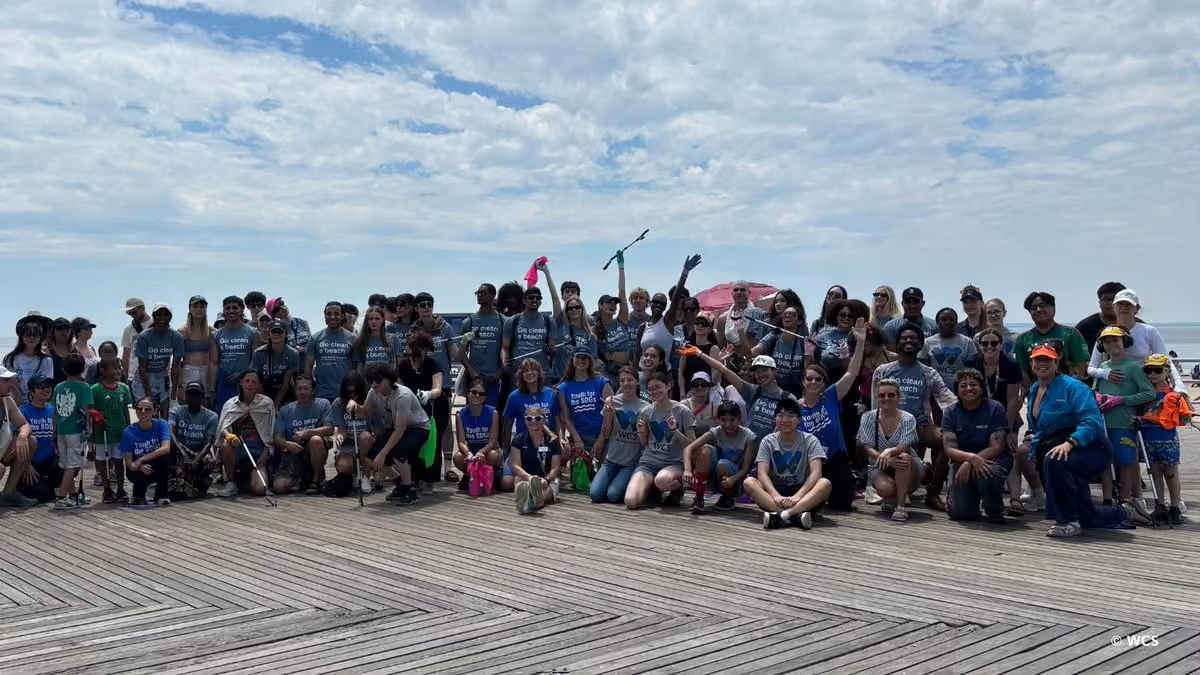
-
New York Aquarium
@nyaquarium
Happy holidays from all of us at New York Aquarium! Enjoy these stunning photos of our southern sea otters in Sea Cliffs. And donât forget, weâre open tomorrow!
So if you need to stretch your legs and want to share seasons greetings with our otters, weâd love to see you! -
New York Aquarium
@nyaquarium
Do you see the toothy mouth-like structure at the center of this sea urchin? That is known as Aristotleâs lantern, after the great philosopher who thought it resembled a five-sided horn lantern!
-
New York Aquarium
@nyaquarium
Our indoor PlayQuarium touch pool is now open on weekends! Meet local marine invertebrates, including crabs, marine snails and horseshoe crabs.
Refer to our Touch Pool schedule for additional dates and exhibit hours: nyaquarium.com/things-to-do/experiences/touch-pool -
New York Aquarium
@nyaquarium
Get ready to take the plunge and make a splash for a good cause!
Registration is OPEN for the 122nd Annual Coney Island New Year's Day Polar Bear Plunge âïž Help raise funds for local nonprofits making a positive impact in our community: runsignup.com/Race/NY/Brooklyn/ConeyIslandPolarBearPlunge -
New York Aquarium
@nyaquarium
DYK you can see our amazing California sea lions in the Aquatheater year-round, weather permitting? Check the daily schedule on our mobile app or in the lobby when you arrive: map.nyaquarium.com
-
New York Aquarium
@nyaquarium
We all know the giant Pacific octopus has eight arms, but did you know that each arm has around 280 suckers? The octopus uses its suckers to taste, grip, and even smell. (1/2)
New York Aquarium
@nyaquarium
Itâs believed that each sucker can be isolated & controlled by the octopus to grasp, feel surfaces, & take in information about its environment. The suckers are also incredibly strong & can be used to grip prey or even to unscrew a jar offered as enrichment at the aquarium. (2/2)
-
New York Aquarium
@nyaquarium
When you watch a feeding at Gloverâs Reef, youâre in for a visual feast!
Some species that are more reserved during other parts of the day become especially active. They dart back and forth to enjoy the mysis shrimp doled out by their keepers daily, usually around 1PM.This media couldn't be displayed. See it on the original post. -
New York Aquarium
@nyaquarium
Happy Thanksgiving, weâre open! Did you know the aquarium is open 365 days a year?
So if you need to stretch your legs and get some fresh air before the big meal, weâd love to see you! Donât forget to reserve your tickets online before your visit. -
New York Aquarium
@nyaquarium
That feeling when you have an itch that simply must be scratched!
In this video, one of our California sea lions is using a shallow ledge in the Sea Cliffs habitat to access a hard to reach spot on its back.This media couldn't be displayed. See it on the original post. -
New York Aquarium
@nyaquarium
The relationship between small fish and aquatic plants is a blend of shelter, sustenance, and environmental health. In this video, you can see our firehead and redeye tetra among aquatic plants in Conservation Hall. (1/3)
New York Aquarium
@nyaquarium
In addition to creating vibrant ecosystems, aquatic plants provide a haven from predators and serve as a essential food source for animals. When fish hide among the leaves and stems, they find protection while accessing nutritious algae and microorganisms. (2/3)
New York Aquarium
@nyaquarium
Aquatic plants also play a key role in maintaining water quality. They absorb excess nutrients which helps prevent harmful algal blooms that can threaten an ecosystem. (3/3)
-
New York Aquarium
@nyaquarium
Seahorses may be fish, but they wouldnât win an Olympic medal for swimming! Unlike other fish that have tail fins, seahorses use the tiny fin on their backs to propel themselves through water. Even though the fin can beat 30-70 times per second, they don't pick up much speed.
-
New York Aquarium
@nyaquarium
Since 2020, harbor seal Pickles has participated in the Sea Lion Celebration in the Aquatheater. His participation allows us to point out the differences between seals & sea lions.
We hope you can join us for one of our daily Aquatheater sessions at 11:00am, 1:30pm, or 3:30pm! -
New York Aquarium
@nyaquarium
Everyone loves a seasonal treat, especially our animals in the Ocean Wonders: Sharks! coral tunnel. In this video, our zebra shark, reef sharks, & coral reef fish sample a pumpkin-shaped ice treat containing fish blood & squid prepared by keepers to encourage foraging behaviors.
This media couldn't be displayed. See it on the original post. -
New York Aquarium
@nyaquarium
Add the New York Aquarium to your fall bucket list and discover all of our amazing animals on your next visit! One of our most recognized animals is an African penguin named Dracula. This penguin is one of the ambassador animals participating in our Wild Encounters program. (1/2)
New York Aquarium
@nyaquarium
When Dracula was younger, his keepers read him Bram Stokerâs novel, âDraculaâ to acclimate him to their voices. As the first of the penguins to participate, he is a pioneer of the Wild Encounters program! Learn more about our animals on our website: nyaquarium.com/animals (2/2)
-
New York Aquarium
@nyaquarium
Happy International Zoo and Aquarium Educators Day! Conservation education is vital in inspiring future environmental stewards and protecting wildlife and wild places. Weâre incredibly grateful for our dedicated WCS educators who bring this mission to life every day! #izeday2024
-
New York Aquarium
@nyaquarium
School & youth groups can enjoy the sleepover of their dreams & experience after-hours access to our Ocean Wonders: Sharks! exhibit. Bring your sleeping bag for a weekend adventure with an animal encounter, a behind-the-scenes tour, & other fun activities: nyaquarium.com/learn/overnights
-
New York Aquarium
@nyaquarium
This Veterans Day, take a moment to relax and enjoy quality time with your family.
Today and every day we honor our Veterans! Donât forget, Veterans and Active US military are eligible to receive a complimentary New York Aquarium admission ticket. Valid ID required on entry. -
New York Aquarium
@nyaquarium
Have you ever wondered where a horn shark keeps its horns? In the video, Keeper Mike points out the spine in front of this horn sharkâs dorsal fin. A horn sharkâs spines, resembling horns, are found on the first and second dorsal fins, and act as a deterrent to predators. (1/2)
New York Aquarium
@nyaquarium
These small sharks measure up to four feet in length when fully grown. They inhabit the Pacific coastline surrounding California and western Mexico. Come and check them out in Ocean Wonders: Sharks! (2/2)
-
New York Aquarium
@nyaquarium
Letâs do lunch! 3x a day, we feed our sea otters a diet of shrimp, clams, & squid. Sea otters are also great swimmers & use their two webbed hind feet & tail to propel themselves through the water. Swim on over to Sea Cliffs to watch a feeding at 11:00am, 1:00pm, & 3:00pm daily.
This media couldn't be displayed. See it on the original post. -
New York Aquarium
@nyaquarium
Make ecology lessons fun with a self-guided field trip to the NY Aquarium! As your students explore our exhibits, they will discover incredible animals and learn about ocean habitats. We offer discounted rates for all school and camp groups! Learn more: nyaquarium.com/plan-your-visit/group-sales/students
-
New York Aquarium
@nyaquarium
This fascinating fish is a suckermouth catfish. These catfish use their suction cup-like mouths to feed on algae by scraping them off surfaces. For this reason, they are sometimes known as âcleaner fishâ due to their ability to clean algae from tanks. (1/2)
New York Aquarium
@nyaquarium
They are found in fresh and brackish waters of the Guianan coastal drainages of Brazil & Venezuela, as well as in Rio de la Plata between Uruguay and Argentina. Their appearance can vary depending on their surroundings. (2/2)
-
New York Aquarium
@nyaquarium
No school on November 5? Go on an ocean adventure at the New York Aquarium!
Kids in 1st-5th grade can explore our exhibits and meet some of our marine invertebrates up close at this school break camp: bronxzoo.com/learn/day-camp
(1/2)
New York Aquarium
@nyaquarium
Wish you could spend the day at the New York Aquarium too?
During our new program for adults: Out of Offish! you can drop off your child at School Break Camp, then join us at our pop-up co-working space: bronxzoo.com/learn/day-camp
(2/2) -
New York Aquarium
@nyaquarium
Come and bark at the moon (jellies) at the New York Aquarium! This weekend is your last chance to join us for spooky Halloween fun at Ascarium. Secure your spot today! nyaquarium.com/ascarium
-
New York Aquarium reposted
Nature
@PBSNature
What Drives a Career in Conservation? www.pbs.org/wnet/nature/blog/what-drives-a-career-in-cons⊠@theWCS
-
New York Aquarium
@nyaquarium
From tiny fish and invertebrates to male sea lions weighing over 700 pounds, there are more than 6,000 animals and 500 species to see at the New York Aquarium. Plan a trip to see them this fall!
-
New York Aquarium
@nyaquarium
Our new sea otters seem to be getting along swimmingly! They are often seen playing together, grooming, and sleeping side by side at Sea Cliffs. Donât let fall slip by without meeting our newest residents!
đž: WCS photographer, Terria Clay -
New York Aquarium
@nyaquarium
That feeling when youâve missed the opening weekend of Ascarium at the aquarium.
Donât despair! Ascarium returns this weekend, October 26 and 27 from 11AM-4PM: nyaquarium.com/ascarium
đž: WCS photographer, Terria Clay -
New York Aquarium
@nyaquarium
Ascarium, the marine-themed fall festival for families, kicks off today! Missing it will haunt you forever, so reserve your spot here: nyaquarium.com/ascarium
-
New York Aquarium
@nyaquarium
Happy National Veterinary Technician Week! This week recognizes the important contributions veterinary technicians make to the profession and the field. We want to give a special shout out to our three incredible New York Aquarium vet techs. Thank you Patty, Vickie, and Taylor!
-
New York Aquarium reposted
NBC New York
@NBCNewYork
These new additions to the New York Aquarium are otter-ly adorable!
-
New York Aquarium
@nyaquarium
Two female southern sea otters have made their new home at the New York Aquarium. Swim by the Sea Cliffs exhibit this fall to welcome our new arrivals!
Learn more here: newsroom.wcs.org/News-Releases/articleType/ArticleView/ar⊠-
New York Aquarium
@nyaquarium
Mysis shrimp, anyone? These small crustaceans are a favorite food item for our northern seahorses. Seahorses eat almost constantly since they have a rudimentary digestive system that lacks a stomach. They will consume thousands of crustaceans in a single day!
-
New York Aquarium
@nyaquarium
Have you seen our scarlet reef hermit crab in the Spineless exhibit? This inch-long crustacean can be seen scuttling across the vibrant coral. When this species outgrows its protective shell, it will claim another, often of a different color.
đž: WCS photographer, Terria Clay -
New York Aquarium
@nyaquarium
Are you coming to Ascarium, the fun Halloween event by the sea? Get into the Halloween spirit with magic shows, games, Wildlife Theater, not-so-spooky creatures, Washed Ashore, and more, included with admission.
Secure your spot today: nyaquarium.com/ascarium -
New York Aquarium
@nyaquarium
This World Octopus Day, come spend some time with our giant Pacific octopus in the Spineless exhibit! These animals can be playful, inquisitive, & resourceful.
Fascinated by these inquisitive cephalopods? Share your octopus questions with us! đ -
New York Aquarium
@nyaquarium
We're taking you inside the seahorse tank located in Ocean Wonders: Sharks! for an up-close look at our male and female northern seahorses.
This media couldn't be displayed. See it on the original post. -
New York Aquarium
@nyaquarium
Today is World Animal Day! This year celebrates habitat protection and wildlife conservation united around the theme: âThis is Their Home Too.â How will you show your love for animals and celebrate this special day? How about a trip to the New York Aquarium? (1/2)
New York Aquarium
@nyaquarium
Explore the steps weâre taking to save our oceans and what you can do to help. Learn about the conservation work that New York Aquarium scientists are engaged in right here in New York waters and around the world. (2/2)
-
New York Aquarium
@nyaquarium
Ascarium, our family-friendly Halloween festival, returns this fall. Join us on the last two weekends of Oct. for Halloween fun, including magic shows, Wildlife Theater, not-so-spooky creatures, & more, included with admission.
Secure your spot today: nyaquarium.com/ascarium -
New York Aquarium
@nyaquarium
Why count sheep when you can count sharks? At Sharks After Dark, set up your sleeping bag & get ready for animal visits & a behind-the-scenes tour of our world class Ocean Wonders: Sharks! exhibit. Itâs the sleepover dreams are made of!
Reserve here: nyaquarium.com/learn/overnights -
New York Aquarium
@nyaquarium
Itâs feeding time for our Lake Malawi cichlids! These animals are some of the most colorful freshwater fish and in their native range they are known locally as âmbunaâ or ârockfishâ. Feeding time at the aquarium serves as an opportunity for visitors to observe them close-up.
-
New York Aquarium
@nyaquarium
Southern sea otters need a lot of food to fuel their fast metabolism. They eat about 25% of their body weight per day! Their keepers tell us that each otter enjoys about 4 lbs of shrimp, 5-7 lbs of clams and œ lb of squid daily! #seaotterawarenessweek
This media couldn't be displayed. See it on the original post. -
New York Aquarium
@nyaquarium
During #seaotterawareness week, weâre sharing the incredible backstory of our southern sea otter, Quint.
The first photo is of a young Quint during his rehabilitation at Monterey Bay Aquarium. (1/3)
New York Aquarium
@nyaquarium
Quint is a rescued sea otter who was found as a two-week-old pup without his mother off the Central Coast of CA. After he received veterinary treatment & supportive care at a rescue center, the U.S. Fish and Wildlife Service determined he could not be released to the wild. (2/3)
New York Aquarium
@nyaquarium
They placed Quint in our care when he was about six months old. He has lived at the New York Aquarium since 2012 and brings joy to guests and keepers alike. (3/3)
-
New York Aquarium reposted
WCS
@TheWCS
Good news: Jobs have doubled in #coneyisland #brightonbeach over last 10 years. We hosted @NYSComptroller DiNapoli today who unveiled this news at our @nyaquarium, which is a part of that amazing economic growth.
Pictured: WCSâs @ChrisDurosinmi; @AlecBrookKrasny; DiNapoli; NYC Councilman @JustinBrannan; NYS Assemblyman @MichaelforNY Novakhov on.ny.gov/4eAz7fH -
New York Aquarium
@nyaquarium
Nom nom nom! A hard shell wonât stop our southern sea otter from enjoying a tasty meal. In this video, one of our animals showcases how sea otters can use their rocky sea cliffs habitat to their advantage. #seaotterawarenessweek
Learn more in the thread below: (1/2)
New York Aquarium
@nyaquarium
Sea otters mostly use their dexterous front paws to eat, groom themselves, find food, & care for young. They also have underarm flaps of skin which act like a pocket. They use these flaps for storing food as well as rocks used as tools to help crack open clams & crabs! (2/2)
-
New York Aquarium
@nyaquarium
Put your paws together for #seaotterawarenessweek!
Sea otters play an important role as a keystone species in their ocean ecosystem by eating sea urchins, and helping to keep their populations in check! (1/2)
New York Aquarium
@nyaquarium
Controlling the sea urchin population helps protect giant kelp, a prime habitat for many species, from being overgrazed.
Stay tuned for an exciting sea otter update coming soon! đ (2/2) -
New York Aquarium
@nyaquarium
Take a peek into our world, and how we reproduce and raise our flamboyant cuttlefish at the New York Aquarium!
Learn more in the thread below! (1/4)Post not available here, view on X
New York Aquarium
@nyaquarium
In this video, you can see Keeper Kevin caring for our cuttlefish. This process can be challenging because this species is sensitive to light, vibration, water flow, and food size and quality. (3/4)
New York Aquarium
@nyaquarium
The keepers need to pay close attention to every detail, as even the tiniest adjustment can have a big impact on the success of raising this species. Currently, only four other AZA aquariums in the U.S. are successfully propagating these cuttlefish! (4/4)
-
New York Aquarium
@nyaquarium
Have you bought your tickets for Ascarium, the New York Aquariumâs fab-boo-lous fall festival?
Join us for spooktacular seaside fun with marine-themed magic shows, Wildlife Theater, Halloween crafts, and more! Reserve your spot today: nyaquarium.com/ascarium -
New York Aquarium
@nyaquarium
African penguins are excellent swimmers and divers! DYK that they can hold their breath for up to 2.5 minutes and dive to depths of over 400 feet in the wild?
Observe our African penguins top side at Sea Cliffs and underwater in the Sea Change exhibit this weekend! -
New York Aquarium
@nyaquarium
DYK the water we use for the saltwater exhibits at the New York Aquarium is pulled directly from the ocean near Coney Island?
This media couldn't be displayed. See it on the original post. -
New York Aquarium
@nyaquarium
Today, weâre talking trash about plastic! đ
The world produces over 400 metric tons of plastic every year. Single-use plasticsâfrom utensils & straws to soda bottles & packagingâenter our waste stream at an alarming rate. In fact, less than 10% of all plastic is recycled! (1/2)
New York Aquarium
@nyaquarium
Listen to a new episode of the WCS podcast to learn about plastic pollution and visit the Washed Ashore exhibit at New York Aquarium to investigate its impact on marine life and discover how we can all become a part of the solution: podcasts.apple.com/us/podcast/wcs-wild-audio-summer-serie⊠(2/2)
-
New York Aquarium
@nyaquarium
If you guessed the animal in our previous post was a sea star, that's correct! Sea stars, commonly called starfish, are not fish! There are about 2,000 known species of sea stars. Not all have five arms - some have 40!
Spend your weekend counting sea stars at the NY aquarium. -
New York Aquarium
@nyaquarium
What am I? đ Clues:
1. My average lifespan can be up to 35 years!
2. I have no brain, blood, or backbone.
3. I am not a fish.
Share your best guesses below in the comments. All will be revealed in our next post. -
New York Aquarium
@nyaquarium
Ascarium, our marine-themed family festival, returns this fall. Join us on the last two weekends of October for Halloween fun, including magic shows, crafts, games, not-so-spooky creatures, and more included with admission. Secure your spot today! nyaquarium.com/ascarium
This media couldn't be displayed. See it on the original post. -
New York Aquarium
@nyaquarium
May you find as much relaxation this Labor Day as our harbor seals!
-
New York Aquarium
@nyaquarium
Celebrate the long holiday weekend with a visit to our Aquatheater. Meet some of your favorite sea lions and harbor seals in person!
This media couldn't be displayed. See it on the original post. -
New York Aquarium
@nyaquarium
Popping into your feed to wish you a happy Thursday from the New York Aquarium!
đž: Supervisor Jenn -
New York Aquarium
@nyaquarium
By popular demand, the Washed Ashore exhibit is extended through Nov. 3rd! Discover 35 larger-than-life animal sculptures created entirely from marine debris. They represent species WCS protects around the world, as well as animals you can visit at the aquarium!
-
New York Aquarium
@nyaquarium
DYK that seahorses need to eat almost constantly? They have a very simple digestive system and lack stomachs. They may be small, but each seahorse can eat thousands of crustaceans in a single day! In this video, our seahorses are enjoying a meal of mysis shrimp.
-
New York Aquarium
@nyaquarium
Itâs all smiles at the Aquatheater! Join us for one of four daily sessions to learn all about harbor seal and California sea lion care and training.
-
New York Aquarium
@nyaquarium
Strike a pose! The many faces of our black-necked stilts. The fascinating black-neck stilt with their long bill and even longer legs can be seen on exhibit in Playquarium.
-
New York Aquarium
@nyaquarium
No, thatâs not a Wookiee youâre hearing!
Sound on to hear one of our African penguins vocalizing! Penguins call to each other for several reasons such as contact calls to help identify other penguins, display songs to communicate with mates, & threat calls to warn of predators. -
New York Aquarium
@nyaquarium
Our giant Pacific octopus training has been going swimmingly!
Supervisor Aaron & Senior Keeper Cora have been training this animal to be weighed in a basket using a hanging scale. Our male octopus is acclimating well to this process & has gained ~4lbs since his last weigh-in!This media couldn't be displayed. See it on the original post. -
New York Aquarium
@nyaquarium
POV: You're sitting front row for Sea Lion Celebration: Sea Lions in the Big City in the Aquatheater.
To learn more about our marine mammals & their training, join us for one of our daily sessions at 11:00am, 1:30pm, 3:30pm, or 5:00pm. Free with admission to the aquarium.This media couldn't be displayed. See it on the original post. -
New York Aquarium
@nyaquarium
Summer showers donât get our Aquatheater team down, especially when thereâs a double rainbow involved!
đž : Trainer Sarah -
New York Aquarium
@nyaquarium
On Aug 5, aquarium campers celebrated the first Hudson Canyon Day! Located 100mi from NYC, the Hudson Canyon is the largest submarine canyon along the US Atlantic coast. It is also a habitat for many wildlife species, from whales, dolphins, & sharks to deep-sea corals. (1/2)
New York Aquarium
@nyaquarium
This honorary day was organized by our education team & centered around the importance of protecting habitats like this for both people & planet. Learn more about the canyon & our work to secure its designation as a National Marine Sanctuary in our Hudson Canyon exhibit. (2/2)
-
New York Aquarium
@nyaquarium
With four daily sessions in the Aquatheater, thereâs no excuse for you to miss the Sea Lion Celebration: Sea Lions in the Big City this summer. Learn fascinating facts about CA sea lions and how WCS scientists work to protect marine animals in New York waters & around the world.
-
New York Aquarium
@nyaquarium
In this video, Dr. Hyatt is performing an ultrasound on one of our cownose rays as part of an overall health assessment. You can visit our cownose rays in the New York Bight exhibit of Ocean Wonders: Sharks!
đ„: Keeper Heily -
New York Aquarium
@nyaquarium
Everyone loves a frozen treat in the sweltering summer heat! In this video, one of our sandbar sharks samples a fish filled ice treat prepared by keepers to encourage foraging behaviors. (1/2)
đ„: Keeper Heily
New York Aquarium
@nyaquarium
Several of our sandbar sharks, including the one in this video, were rescued from an illegal wildlife trafficking operation. Weâre proud to be a part of a network of zoos & aquariums that partner w/ gvnt agencies to provide homes for rescued wildlife that are non-releasable.(2/2)
-
New York Aquarium
@nyaquarium
Enjoy the gentle ocean breeze while hanging out with California sea lions, harbor seals, and more on the rocky shoreline at Sea Cliffs. For a deeper dive into their watery world, visit them below the surface in the Sea Change exhibit.
-
New York Aquarium
@nyaquarium
This behind the scenes #momentofblue is brought to you by Keeper Elena. In this video, watch as our juvenile epaulette sharks swim onto a underwater stretcher to receive their daily feedings. This process helps our keepers monitor each sharkâs food intake & physical development.
-
New York Aquarium
@nyaquarium
Take in the Sea Lion Celebration: Sea Lions in the Big City in the Aquatheater this summer. Discover fascinating facts about California sea lions. The celebration, included with admission, takes place daily at 11:00 am, 1:30 pm, 3:30 pm, and 5:00 pm.
-
New York Aquarium
@nyaquarium
Keeper Mike has worked with our brown banded bamboo sharks since they were juveniles!
He has developed a close bond with them while developing their tactile desensitization. These tactile sessions make them more comfortable during routine medical procedures & other interactions. -
New York Aquarium
@nyaquarium
Our African penguins are a guest favorite. However, plastic pollution in the wild poses a serious threat to them if mistaken for food or used as nesting materials. As part of the Washed Ashore traveling art exhibit, discover how plastics impact penguins & our oceans. (1/3)
New York Aquarium
@nyaquarium
The New York Aquarium is working around the world and here in New York City to protect the ocean and life that depends on it. (2/3)
New York Aquarium
@nyaquarium
Take action by joining our eco-challenge to become a part of the solution. Our Washed Ashore sculpture exhibit is on view at the aquarium now through Labor Day. (3/3)
Join the New York Aquariumâs plastic free eco-challenge here: plasticfree.ecochallenge.org/users/join -
New York Aquarium reposted
Kira
@shark_o_saurus
Singing to the fishies this morning before the ambient music comes on. Just basic keeper stuff đ©” @nyaquarium
Anyone recognize the tune? #nonightingales -
New York Aquarium
@nyaquarium
Sign up for an aquatic adventure for your group with a self-led field trip to the New York Aquarium. For a day to remember, explore our world-class exhibits and over 7,000 animals!
We also offer special discounted rates for all school and camp groups: nyaquarium.com/plan-your-visit/group-sales/students -
New York Aquarium
@nyaquarium
Iâll be watching you đđ¶ That feeling when you sense a pair of eyes watching you from across the room. Keeper Alexis captured this great clip of our curious CA sea lion as she was visiting our Sea Change exhibit.
đ„: Keeper Alexis -
New York Aquarium
@nyaquarium
During these hot summer days, stay cool in Ocean Wonders: Sharks with our roughtail stingrays. Did you know they are one of the largest species of stingrays? They can grow to around 7 feet across the disc and 14 feet long, including their tail.
-
New York Aquarium
@nyaquarium
In this summertime #momentofblue, watch as our southern sea otter, Quint enjoys some shrimp flavored ice treats prepared for him by his keepers. This satisfying treat helps keep our animals cool on warm summer days and serves as a tasty enrichment.
đ„: Supervisor Jenn -
New York Aquarium
@nyaquarium
Many things have inspired our keepers to pursue a profession in animal care. Keeper Kathryn took her lead from mom Edwardyne, who worked at the aquarium in the 90s. Some of the animals that Kathryn works with today were even trained by her mom!
Read more: blog.wcs.org/photo/2024/05/12/following-in-my-moms-footstâŠ
New York Aquarium
@nyaquarium
If their stories inspire you to pursue a career working with animals or in conservation, check out our Advanced Inquiry Program for adults or our Career Lattice program for youth and young adults. #nzkw2024
Learn more: bronxzoo.com/learn/youth -
New York Aquarium
@nyaquarium
Happy #nationalzookeeperweek to our amazing team of keepers at the NY Aquarium. We appreciate your hard work, dedication & passion!
When you see a keeper, aquarist, or trainer at any of our NYC parks, make sure to say âthanksâ for taking such great care of our animals! #nzkw2024This media couldn't be displayed. See it on the original post. -
New York Aquarium
@nyaquarium
DYK that chain catsharks are one of the few shark species that exhibit biofluorescence? In this video you can see this incredible adaptation under a blacklight, captured by Keeper Elena. (1/3)
đ„: Keeper Elena
New York Aquarium
@nyaquarium
Scientists believe that fluorescence makes catsharks more visible to neighbors of the same species at the depths that they live and may aid in communication between them. And get this: catsharks can adjust the contrast of their glowing pattern when deep underwater. (2/3)
New York Aquarium
@nyaquarium
Currently, five groups of elasmobranch species have been determined to fluoresce from three distantly related families: American round stingrays, wobbegong sharks, and catsharks. (3/3)
-
New York Aquarium
@nyaquarium
Weâre all about sharks at the aquarium this July, and we would be remiss if we didnât mention the captain! Our zebra shark, Captain Spaulding, can be seen target training in this video. Targeting allows keepers to build trust & inspect each animal up close.
đ„: Keeper Elena -
New York Aquarium
@nyaquarium
Swing by this summer to see our stunning new mural on the boardwalk, then head inside to meet amazing aquatic animals, including sharks, rays, sea lions, octopus, penguins and more!
-
New York Aquarium
@nyaquarium
Enjoy these #momentsofblue from our Oceans Wonders: Sharks! exhibit in honor of Shark & Ray Awareness Day.
Here at New York Aquarium, we have 18 different kinds of shark & ray species, including sand tiger sharks, cownose rays, and a zebra shark! #togetherforsharks #safesharks -
New York Aquarium
@nyaquarium
Spend the weekend with some of our awe-inspiring elasmobranchs as we prepare to celebrate Shark and Ray Awareness Day on Sunday! (1/3)
New York Aquarium
@nyaquarium
In the award-winning Ocean Wonders: Sharks! exhibit, encounter 115 species, including 18 different types of sharks and rays, and many marine animals that call New York home. (2/3)
New York Aquarium
@nyaquarium
Pro tip: For a spectacular underwater view, walk through the Coral Reef tunnel or crawl through the cownose ray tunnel to gaze at rays and sharks as they swim above you! #togetherforsharks #safesharks (3/3)
-
New York Aquarium
@nyaquarium
The latest WCS Wild View photo contest is open for submissions. The assignment? Spots and stripes!
Submit your most creative photographs of spots and stripes in nature for a chance to win a Patagonia Pack 25L. Contest ends September 15, 2024: blog.wcs.org/photo/assignments/spots-and-stripes-wildlife⊠-
New York Aquarium
@nyaquarium
You canât spell âsummerâ without Aquatheater! Well, you could - but who would ever want to? Join us for Sea Lion Celebration: Sea Lions in the Big City in the Aquatheater on weekdays at 11am, 1:30pm, & 3:30pm.
-
New York Aquarium
@nyaquarium
Our longhorn cowfish is a guest favorite within Ocean Wonders: Sharks! His species is also represented in our Washed Ashore sculpture exhibit on view at the aquarium now through Labor Day. (1/2)
New York Aquarium
@nyaquarium
As part of the new, Washed Ashore traveling art exhibit, discover how plastics impact our oceans, & take action by joining our Plastic Free July eco-challenge to become a part of the solution. (2/2)
Join our Plastic Free July eco-challenge here: plasticfree.ecochallenge.org/users/join -
New York Aquarium
@nyaquarium
Leaping into the holiday weekend likeâŠ
-
New York Aquarium
@nyaquarium
Traffic Alert: Due to holiday activities on Coney Island, street closures may happen.
Please consider mass transit options for travel. -
New York Aquarium
@nyaquarium
We are jumping for joy because the Aquatheater re-opens today! Join us for Sea Lion Celebration: Sea Lions in the Big City and get to know some of our California sea lions on a first-name basis.
Reserve tickets today: nyaquarium.com/things-to-do/exhibits/aquatheater -
New York Aquarium
@nyaquarium
July 11 - August 8th, Paramount+ Movie Nights return to Coney Island on Thursday nights.
Spend the day with us at the aquarium learning all about incredible ocean wildlife, then catch Paramount+ movies on the beach at sunset.
For more info visit: www.bkmag.com/movies/ -
New York Aquarium
@nyaquarium
In this photo, our giant Pacific octopus, Chuck, is interacting with a sinking swim-through hoop offered to him as an enrichment. Enrichment is offered to our animals to provide additional mental and physical stimulation.
đž: Keeper Cora -
New York Aquarium
@nyaquarium
Go where only the keepers go & experience unparalleled views & exclusive access on our behind the scenes tour of Oceans Wonders: Sharks! Guests can also enjoy a visit to our private small-shark touch pool for a VIP animal experience. đŠ
Reserve here: nyaquarium.com/shop/catalogs/wild-encounters-2 -
New York Aquarium
@nyaquarium
Enjoy this #momentofblue from our Playquarium exhibit! During a feeding of the Atlantic bumper fish, keepers dole out mysis shrimp.
đž: Keeper Cora -
New York Aquarium
@nyaquarium
We have been training our giant Pacific octopus, Chuck, to be weighed. The goal is to acclimate him to the basket so we can pull it out of the water & weigh him using a hanging scale. Stay tuned for more Chuck updates!
đž: Keeper Cora -
New York Aquarium
@nyaquarium
Come meet your neighbors at the Canyonâs Edge exhibit in Ocean Wonders: Sharks! Get acquainted with sand tiger sharks, roughtail stingrays, and other marine species like this sandbar shark that live in our local waters. (1/3)
New York Aquarium
@nyaquarium
Some of our sandbar sharks have a harrowing backstory. In 2017, seven sandbar sharks came to the New York Aquarium after they were rescued from a New York manâs above-ground pool. This case spotlighted an underground market for exotic and protected animals. (2/3)
New York Aquarium
@nyaquarium
Weâre proud to be a part of a network of zoos and aquariums that partner with government agencies to provide homes for rescued wildlife that are deemed non-releasable. (3/3)
-
New York Aquarium
@nyaquarium
Enjoy a #momentofblue! This timelapse video, shot in our Pacific Northwest tidal exhibit, offers a unique opportunity to view an abalone eating digitata algae.
đ„: Keeper Cora -
New York Aquarium
@nyaquarium
DYK before making an anemone âhomeâ, clownfish will brush up against its tentacles, slowly exposing itself to the anemone's venom?
A mucus coating develops on the fish's scales, & eventually, it becomes immune to the anemone's sting! -
New York Aquarium reposted
NYC Youth & Comm.
@NYCYouth
đ We celebrated fathers at the New York Aquarium in Brooklyn!
đ Families enjoyed quality time, and dads received the recognition they deserve! With raffles, gifts, and a backstage pass to watch seal training, it was truly a day to remember!
@nyaquarium
#fathersday #nycyouth -
New York Aquarium
@nyaquarium
Happy Fatherâs Day to all the doting dads, in the animal kingdom and beyond! This weekend, celebrate all the dads out there with a trip to the aquarium.
These photos taken in 2020 feature our male African penguin Turkey, with his mate Jahzara, & their chick, Tony. -
New York Aquarium
@nyaquarium
Meet Ravioli, our dog-faced puffer! This scaleless, inflatable species is found in the Indian & Pacific Oceans. This is also one âpupâ you do not want to mess with. Like most pufferfish it produces tetrodotoxin, a toxin that when eaten is up to 1,200x more poisonous than cyanide.
-
New York Aquarium
@nyaquarium
Behold, Aristotleâs lantern! Sea urchins have a mouth-like structure with 5 powerful teeth. To Aristotle, their teeth resembled the 5-sided lanterns made of pieces of horn. Scientists continue to refer to a sea urchinâs mouth as Aristotleâs lantern thousands of years later!
-
New York Aquarium
@nyaquarium
Happy Pride to our LGBTQ+ staff, visitors, and followers! Whether youâre a conservationist, zoo keeper, or animal lover, wildlife is for everyone. #pride
-
New York Aquarium reposted
WCS
@TheWCS
At the rate weâre polluting, there will be more plastic in the ocean by weight than fish by 2050.
Thanks to all the volunteers @nyaquarium who helped tackle the issue at our #worldoceansday clean up on Coney Island today.
đ to our sponsors @OceanicGlobal and @ArmitronWatches. -
New York Aquarium
@nyaquarium
Tomorrow is #worldoceansday! Learn more about small actions you can take to protect ocean wildlife from plastic pollution at our new Washed Ashore art exhibit. And join us tomorrow at Coney Island Beach Clean Up, Sponsored by Armitron, from 12pm - 2pm: www.eventbrite.com/e/wcs-and-oceanic-global-community-cleâŠ
-
New York Aquarium
@nyaquarium
In the last few weeks our frequent guests may have noticed some new additionsđ„to the flamboyant cuttlefish tank in Spineless! Our adult cuttlefish frequently lay eggs on exhibit, but thatâs just the start of where the work begins for our team.
Learn more in the đ§” below: (1/4)Post not available here, view on X
New York Aquarium
@nyaquarium
When the cuttlefish eggs are close to hatching, we collect them, incubating them in a basket with a low water flow. The eggs are clear, so we can see the cuttlefish developing inside the egg. Once they hatch, we move them to a smaller habitat to monitor their development. (3/4)
New York Aquarium
@nyaquarium
This process is challenging because this species is sensitive to light, vibration, water flow, and food size and quality. The keepers need to pay close attention to every detail, as even the tiniest adjustment can have a big impact on the success of raising this species. (4/4)
-
New York Aquarium
@nyaquarium
Happy 10th Birthday Townsend!
Supervisor Jennifer Rant tells us that Townsend is one of the most energetic sea lions she has ever worked with & that training with him & earning his trust has been a highlight of her career. Read more about his story here: blog.wcs.org/photo/2020/05/30/townsend-california-sea-lio⊠-
New York Aquarium
@nyaquarium
Enjoy this #momentofblue with our spot-fin porcupinefish, Meatball! DYK many fish move their eyes independently and some can change their eye color? This is usually to signal aggression, stress, or to attract a mate.
-
New York Aquarium reposted
WCS
@TheWCS
Culture benefits all. But the New York City cultural community is facing a major cut in this yearâs budget.
âŒïž We need your voice. ACT NOW: secure.wcs.org/campaign/NYC-Culture-Budget
#nocutstoculture #cultureforallThis media couldn't be displayed. See it on the original post. -
New York Aquarium
@nyaquarium
Book a private Shark Feeding Experience and join our keepers behind the scenes as they conduct shark training. Witness the dedication of our talented animal care team firsthand. The above-water and exclusive access make this a must-see VIP experience: nyaquarium.com/shop/catalogs/wild-encounters-2/sections/wâŠ
-
New York Aquarium reposted
WCS
@TheWCS
THIS WEEK: Aerial surveys of the #hudsoncanyon area in the #newyorkbight by @NOAA remarkably spotted roughly 10% (35 individuals) of the worldâs Critically Endangered North Atlantic right whale population.
Also surveyed were fin whales (8) and, not often seen, sei whales (31).
The @WCSOcean Giants team has been working to better understand #whales in the New York Bight for the past decade.
Acoustic monitoring, boat, and aerial surveys emphasize the importance of enacting policies to protect these amazing animals, including NOAA Slow Zones for vessel traffic and the effort to declare the Hudson Canyon a National Marine Sanctuary.
đïž Speak out for the designation: www.wcs.org/get-involved/hudson-canyon -
New York Aquarium reposted
Mark Twain I.S. 239
@twain239
Congratulations to Twainâs Science Talent on a successful Science Symposium! Thank you @nyaquarium for hosting us. @TheWCS Thank you for a wonderful partnership. @D21_Community
-
New York Aquarium
@nyaquarium
On #worldsealionday celebrate with a trip to the New York Aquarium to learn more about our CA sea lions and what we can all do to save them from the threats facing them in the wild.
-
New York Aquarium
@nyaquarium
Happy #worldotterday! On this special day, we are sharing the back story of our southern sea otter, Quint. Quint is a rescued sea otter who was found as a two-week-old pup without his mother off the coast of California. More in the đ§” below. (1/3)
đž: Monterey Bay Aquarium
New York Aquarium
@nyaquarium
After he received veterinary treatment & support at a rescue center, the U.S. Fish and Wildlife Service determined he could not be released to the wild and placed him in our care when he was ~6 months old. (2/3)
New York Aquarium
@nyaquarium
He came to the New York Aquarium in 2012, and has fascinated guests and brought joy to our keepers ever since!
The first photo is of a young Quint during his rehabilitation at Monterey Bay Aquarium. He celebrated his 12th birthday here at the New York Aquarium in January. (3/3) -
New York Aquarium
@nyaquarium
Although our green moray eel Junior Mint may look fearsome, constantly opening and closing his mouth revealing sharp teeth, he is actually taking in water to breathe! Water passes over his gills and exits through vent-like openings at the back of the head.
This media couldn't be displayed. See it on the original post. -
New York Aquarium
@nyaquarium
Spend the day with your family exploring the New York Aquarium and enjoy a NEW traveling art exhibit, Washed Ashore! 35 unique sculptures created entirely from marine debris, showcase the impact of plastic pollution on our oceans. Reserve tickets today: nyaquarium.com/shop/ticket-options
-
New York Aquarium
@nyaquarium
Swim over to New York Aquarium this Memorial Day weekend to see our roughtail stingrays!
-
New York Aquarium
@nyaquarium
Something shockingly beautiful has arrived at the aquarium! This Memorial Day weekend, visit the Washed Ashore traveling art exhibit & experience 35 animal sculptures that showcase the impact of plastic pollution on our oceans. Reserve your tickets today: nyaquarium.com
-
New York Aquarium
@nyaquarium
Enjoy these #momentsofblue featuring the South American cuiu cuiu, or ripsaw catfish! This species is known for its lateral armored scales with thorn-like projections which serve as a defense mechanism. These robust fish can grow to be around 39in in length, & weigh up to 29lbs!
This media couldn't be displayed. See it on the original post. -
New York Aquarium reposted
WCS
@TheWCS
Thank you @A_StevensD16 and @EricDinowitzNYC for standing up for culture like our own @BronxZoo in their home borough.
ACT NOW: Call on @NYCMayor and @NYCCouncil to restore $53M for culture: secure.wcs.org/campaign/NYC-Culture-Budget #culture4all #nocutstoculture -
New York Aquarium
@nyaquarium
A wildlife adventure is waiting for you at the aquarium this summer!
Kids of all ages can take a deep learning dive & encounter amazing wildlife like our penguins at the Sea Cliffs exhibit or in our PlayQuarium, where you can explore an indoor touch pool: nyaquarium.com/plan-your-visit/group-sales/students -
New York Aquarium reposted
WCS
@TheWCS
Today at NY City Hall we joined fellow members of @CIGNYC and @ny4ca1 to ask Mayor Adams and the City Council to restore $53 million for culture.
Culture creates jobs, tax revenue, and endless joy for our city. Speak out with us: secure.wcs.org/campaign/NYC-Culture-Budget #culture4all -
New York Aquarium
@nyaquarium
Propel yourself into the week with this video of our Australian spotted jellies.
Jellies have roamed the ocean for over 500 million years. Before there were dinosaurs, there were jellies! -
New York Aquarium
@nyaquarium
#endangeredspeciesday. Our new art exhibition, Washed Ashore is now open and runs through Sept 2! Thirty five larger-than-life animal sculptures, created entirely from repurposed marine debris, illustrate the problem of ocean plastic pollution. (1/3)
New York Aquarium
@nyaquarium
The animals featured in the Washed Ashore experience represent species that WCS is working to protect globally and locally in New York waters, as well as species you can visit at the aquarium. (2/3)
New York Aquarium
@nyaquarium
This stunning exhibit shows guests the scale and impact of ocean plastics and the steps we can all take toward a solution, giving us hope for the future! Washed Ashore is included with admission: nyaquarium.com (3/3)
-
New York Aquarium
@nyaquarium
Enjoy this #momentofblue brought to you by our dusky smoothhound shark, Charlie. Here you see Charlie circling & investigating an enrichment device before darting in. This activity stimulates him mentally & physically and adds variety to his feeding sessions.
đč : Keeper Heily -
New York Aquarium
@nyaquarium
Meet Potato, a guineafowl pufferfish. He is target-trained to go to his keeper, who offers him a diet of clams, shrimp, & more. Potato takes a small bite of each clam, leaving the rest for others in the habitat to finish. Look for him in the coral tunnel in Ocean Wonders: Sharks!
-
New York Aquarium
@nyaquarium
Have you seen our nurse sharks, Guac & Ginger, in the Hudson Canyon Exhibit? In this adv training session with keepers Sydney, Bruce & volunteer Fabiola, you can see Ginger swimming to a target that is being held outside an opened gate to an adjacent medical treatment pool. (1/2)
New York Aquarium
@nyaquarium
He chooses to swim inside the medical pool, obtaining food from the 2nd & 3rd feeders.
These sessions serve as a way to acclimate the sharks to the medical pool. It makes it a positive place for them which reduces stress during annual physical exams or other vet care. (2/2) -
New York Aquarium
@nyaquarium
TRAFFIC ALERT: On May 18 there will be a delayed opening for the aquarium parking lot.
The Brooklyn Half Marathon will cause Surf Ave street closure until 1pm. Please consider mass transit options for travel. -
New York Aquarium
@nyaquarium
Happy #mothersday to all the incredible moms out there! Treat your mom to a day at the New York Aquarium and celebrate this special day together.
-
New York Aquarium
@nyaquarium
Roughtail stingrays have a long whip-like tail, which in some cases is more than twice the length of their body. They are gentle animals, but when threatened, will protect themselves by lashing their tail, which has a venomous serrated spine that can gouge skin and cause pain.
-
New York Aquarium reposted
WCS
@TheWCS
Thank you đ to all the U.S. House members who supported funding for the National Marine Sanctuary Program.
This will help protect wildlife and habitats and also means investment in the community-led designation of #hudsoncanyon as a National Marine Sanctuary. -
New York Aquarium
@nyaquarium
Looking for a special way to celebrate Motherâs Day? Bring your chicks to the aquarium and mark the occasion with a Wild Encounter with one of our young penguins.
Make memories together this Motherâs Day with a once-in-a-lifetime wildlife experience: nyaquarium.com/shop/catalogs/wild-encounters-2 -
New York Aquarium
@nyaquarium
What Am I? đ Clues:
1. I am found in rocky areas along the coast of the eastern Pacific Ocean.
2. I am ovoviviparous, meaning my eggs hatch internally, then I give birth to live young.
3. My name sounds like something you wave on the Fourth of July.
Share your best guesses! -
New York Aquarium
@nyaquarium
Enjoy this #momentofblue as Keeper Jasmine & Keeper Alexis feed our hawksbill sea turtle, Luci! This training in an off-exhibit pool adjacent to her exhibit allows our staff to conduct routine visual exams while Luci voluntarily swims to the surface.
đč: Keeper Elena -
New York Aquarium
@nyaquarium
đĄ Balloon fish, aka spiny porcupinefish, can increase their size by as much as 3x by taking in water or air into parts of their digestive tract. When they expand, long spines that normally lie flat are erected. This formidable appearance helps to deter most predators.
-
New York Aquarium
@nyaquarium
Happy Friday! Enjoy these #momentsofblue with sea otter Quint.
Photo: Keeper Olivia -
New York Aquarium
@nyaquarium
Something special is coming to the aquarium this summer! Hereâs a sneak peek of Washed Ashore a new art exhibit that will feature 35 sculptures made of marine debris. Stay tuned for more!
Washed Ashore, free with admission, opens on 5/24! Reserve tickets: nyaquarium.com/shop/ticket-options?client_id=422161701.16⊠-
New York Aquarium
@nyaquarium
When it's feeding time, our green moray eel, Spaghetti, becomes very animated, darting back & forth to catch his favorite food items. This gives guests a great opportunity to see him.
Daily feedings at Gloverâs Reef occur between 11amâ12pm & 2â3pm. Swim on over & take a look! -
New York Aquarium
@nyaquarium
May the fourth be with you! On May 4 spend a day in another galaxSEA far, far, away at our next Junior Keepers program. This session is all about the deep sea & the creatures that inhabit it. Guests will also have the chance to meet an ocean invertebrate: nyaquarium.com/learn/families/children-programs
-
New York Aquarium
@nyaquarium
In this throwback video, zebra shark Captain Spaulding is offered an ice treat to celebrate his hatch date. Inside this ice block was a mix of his diet of squid, shrimp, herring, capelin, & clam, seasoned with a touch of algae, which he seems to enjoy. (1/2)
đč: Keeper Heily
New York Aquarium
@nyaquarium
These âcakesâ are a form of enrichment. As a novel object, they allow Capt. Spaulding to forage for food, a natural behavior for zebra sharks. Adding variety to his daily routine is good for his overall well-being which is always the keepersâ primary goal. (2/2)
-
New York Aquarium
@nyaquarium
Celebrate #worldpenguinday with a Penguin Connection Wild Encounter at the New York Aquarium. Enjoy an in-person meeting with one of our young African penguins. Our expert keepers will be on-hand to answer your most pressing penguin questions.
Book today: nyaquarium.com/shop/catalogs/wild-encounters-2/sections/w⊠-
New York Aquarium
@nyaquarium
In this video, you can see longhorn cowfish, Oxford interacting with a dental plaster enrichment device. These dental plasters allow our fish to grind their teeth to prevent overgrowth as well as obtain a range of food items (algae, fish flakes, and pellets).
đč: Keeper Heily -
New York Aquarium
@nyaquarium
Happy Earth Day! Celebrate with a visit to the New York Aquarium to experience the awe that is Ocean Wonders: Sharks! (1/2)
New York Aquarium
@nyaquarium
When you connect with our animals, we hope youâll be inspired by our conservation work & help protect the planet for future generations. Youâll also be helping to support our mission to save wildlife & wild places. đ (2/2)
-
New York Aquarium
@nyaquarium
Keepers regularly offer our animals engaging new training opportunities. In this video, we show that they can work with multiple trainers in a single session and differentiate between who is offering them behavioral prompts. (1/3)
đž: Keeper Olivia
New York Aquarium
@nyaquarium
Watch California sea lion Ariana being given the same prompt by two different trainers. Keeper Olivia is on the right, and keeper Bridget is on the left. Ariana performs a different behavior depending on which trainer provides the prompt. (2/3)
New York Aquarium
@nyaquarium
When Olivia asks, Ariana gives a "high five", and then spins in a circle in the water. When Bridget asks, Ariana instead makes a little hop! (3/3)
-
New York Aquarium
@nyaquarium
Meet our longhorn cowfish, Oxford! Keepers Bruce & Heily provide Oxford daily positive reinforcement training & enrichment sessions which help keep him mentally & physically stimulated & also helps prepare Oxford for future veterinary exams.
đœïž: Keeper Heily -
New York Aquarium
@nyaquarium
What Am I? đ Clues:
1. I am a master of camouflage!
2. I spend most of my time on the ocean floor and ambush my prey.
3. My name is derived from an Australian Aboriginal word.
Share your best guesses below! -
New York Aquarium
@nyaquarium
Happy Halloween! We hope you get to enjoy some of your favorite treats today!
-
New York Aquarium
@nyaquarium
Weâre excited to announce a new arrival to the Aquarium â Southern sea otter, Ryder! The 20-month-old male otter stranded near Pismo, California in October 2021, when he was approximately five weeks old. 1/4
-
New York Aquarium
@nyaquarium
Over the next few weeks, weâre taking you behind-the-scenes with the New York Aquariumâs dive team for a unique perspective. Over 120 staff and volunteer divers work together to keep an eye on animal health and maintain the exhibits in a variety of marine ecosystems. Dive in!
This media couldn't be displayed. See it on the original post. -
New York Aquarium
@nyaquarium
Thanks to our partnership with @kulturecity, the Bronx Zoo, New York Aquarium, Central Park Zoo, Queens Zoo, & Prospect Park Zoo are certified sensory inclusive. Prior to visiting us, download the KultureCity app to see which sensory features are available and where to access them.
-
New York Aquarium
@nyaquarium
Happy Saturday! Today is a great day to make some animal art. Let's learn how to draw a black-footed penguin together. Be sure to tag us when you share your own drawing! #bronxzoodles #aquariumzoodles #penguin #blackfootedpenguin #africanpenguin
-
New York Aquarium
@nyaquarium
Exciting news: the NY plastic bag ban goes into effect on Sunday, 3/1! Remember to bring reusable bags with you wherever you go shopping. On behalf of the environment & the animals we share it with, thank you for making this change. More info: on.ny.gov/2wSL40Q #byobagny
New York Aquarium
@nyaquarium
Here at the Aquarium, and all WCS parks, weâve been plastic bag-free for over 15 years. WCS is proud of our commitment to combat single-use plastics! #giveasip #byobagny
-
New York Aquarium
@nyaquarium
How much time have you spent in the middle of a coral reef this month? Answer: not nearly enough. Ocean Wonders: Sharks! is waiting.