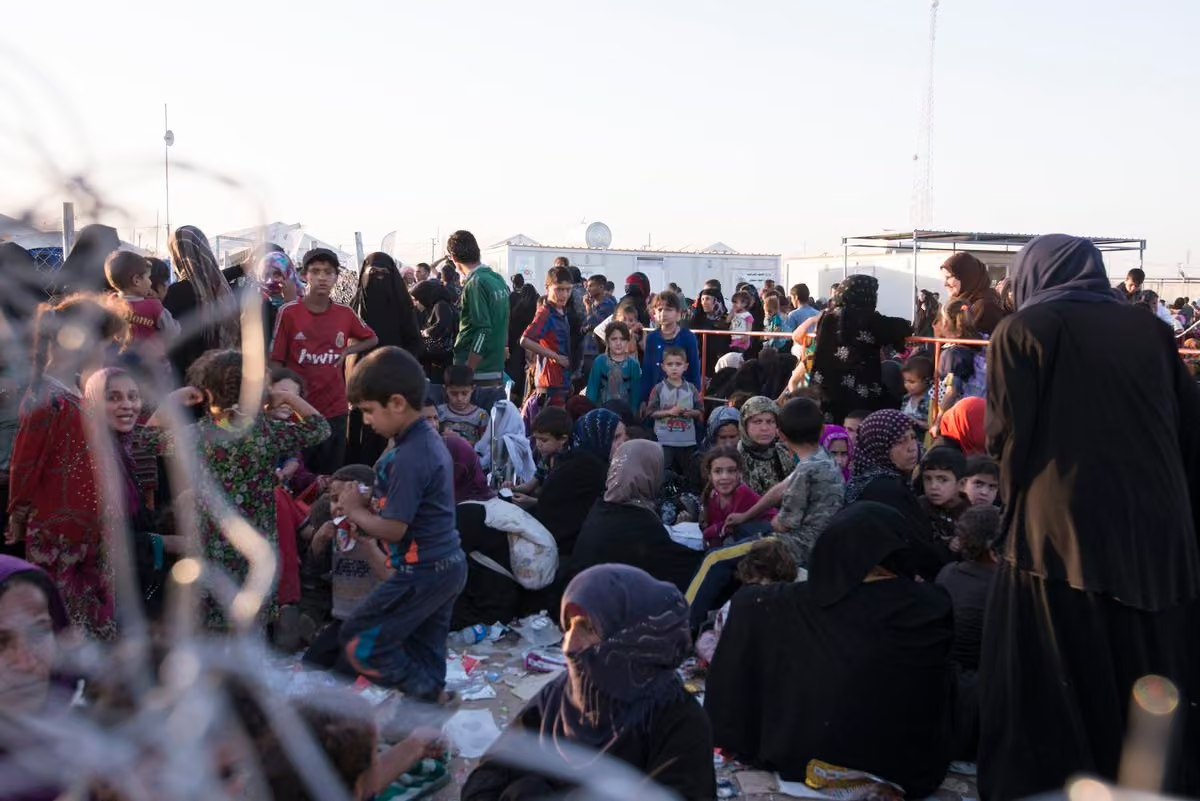
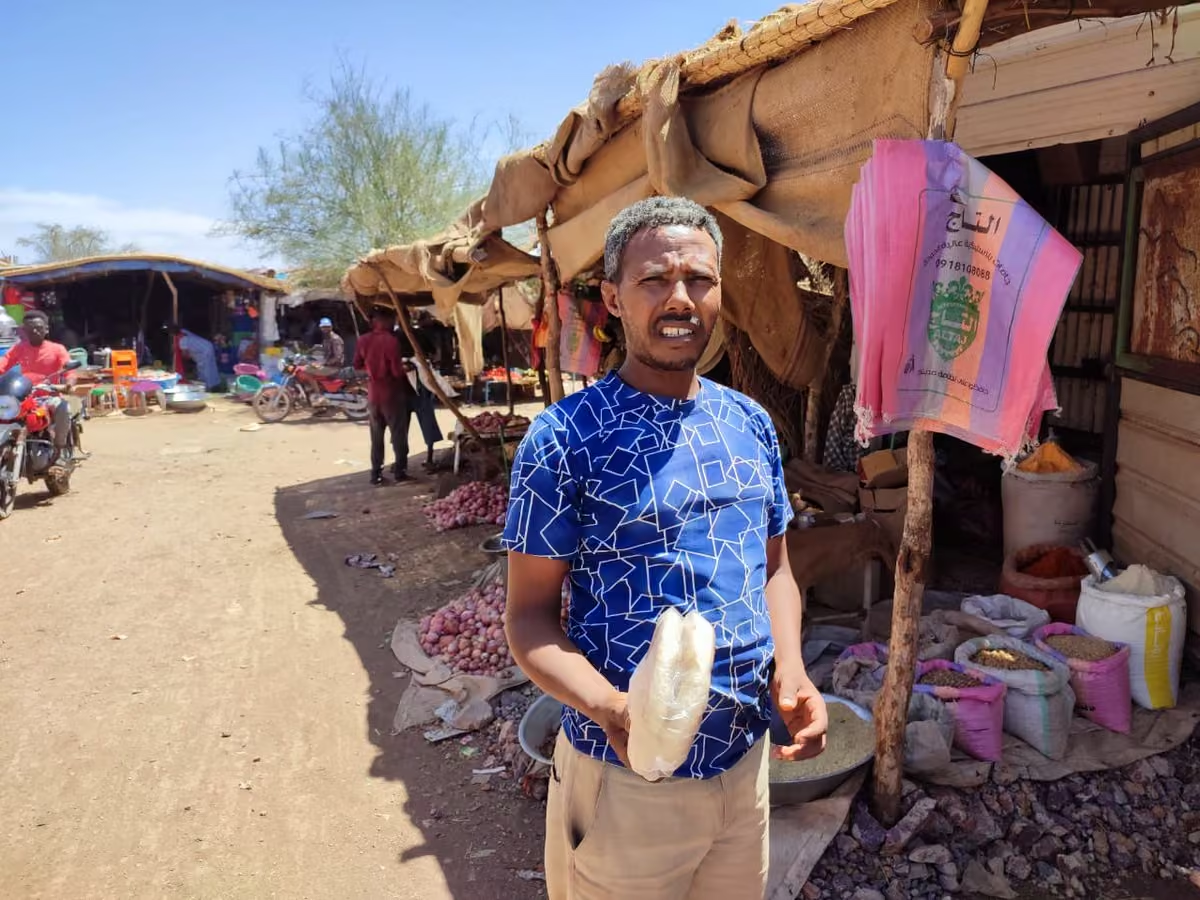
Our teams, with Sudanese and international colleagues still in place in multiple field locations, continue response efforts to the major secondary displacements following the battle of Wad Madani, in #sudan. That is, we’re still trying to help — against the odds and ebbs — tens of thousands of families who’ve had to run for their lives now twice over the past eight months.
—
The responses follow our rapid needs assessment survey across three states (Gedaref, Sennar, White Nile), which suggested that the severity of needs is especially desperate:
-74% families face difficulties in accessing food. 91% of families have resorted to desperate survival strategies (high coping strategies), and 50% have poor levels of food consumption
-37% of people believe there is no safe place for displaced adolescent girls and women
-76% families have no sleeping mat, 78% no water container. 52% have no access to shelter, and of those with access 60% report they’re in makeshift, damaged or destroyed shelters.
Community perspectives nuance the survey data. For example, in Al-Fao locality (Gedaref) suggest that there have been fear and tensions as families fleeing from Al-Jazira state have been flowing through, often having to sleep on streets. There are no lights, no sanitation facilities, and often gunshots from increased presence of security forces. This is a terrible situation for hundreds of thousands of people with nowhere really left to turn to.
—
Just today a further 2,000 people received emergency relief items from distributions supported by @USAIDSavesLives 🇺🇸 in Gedaref, @Sida 🇸🇪 in Sennar, and from Sunday we’ll also start in White Nile with @NorwayMFA 🇳🇴. (We had already completely exhausted our supplies from our main rapid response mechanisms with @eu_echo 🇪🇺 and @GermanyDiplo 🇩🇪 in the responses to initial displacements, but their funding also enabled this rapid response.)
Thanks to @SwissDevCoop 🇨🇭also for flexible funding for our overall response, including the flexibility to support local responders and community-based efforts, which we’ll have processed 17 new micro-grants since the onset of the Wad Madani crisis, by next week. Local responders remain at the forefront of this response, and by far the most exposed—increasingly so as most aid agencies have evacuated key staff from the areas where people are fleeing to.
—
In Gedaref alone over the past two weeks since the battle of Wad Madani, a further 18,566 have been served or assisted through our @USAIDSudan partnership alone, with Shelter, Water/Sanitation/Hygiene, and protection services.
We’re grateful to all donor governments that have funded frontline humanitarian responders.

 NRC Flyktninghjelpen
@flyktninghjelp


 Christian Omvik

 Ragnhild Mestad
 Rani Lill Anjum

 NBX

 NRC East & Southern Africa

 Norwegian Refugee Council


 Jan Egeland









 Tiril Skarstein

 Torstein Bae

 Panorama


 Eirik Mofoss


 Transit magasin - det globale perspektivet



 Becky Bakr Vindheim


 Mathilde Vu


 William Carter


 NRC Middle East & North Africa


 Imrul
 Yousef D. Hammash




 Redd Barna

 Norsk Folkehjelp
 Heidi Sandvand Hegertun




 Nicola Bellomo


 Helene Sandbu Ryeng




 Deirdre Kent


 Karl Schembri / ابو سلمان

 Dina El-Mamoun
 Sudan News أخبار السودان 🇸🇩




 NRC Bangladesh


 Leandro Andrés Salazar-Liévano 📚✏️

 Zia Hero


 Tom Peyre-Costa