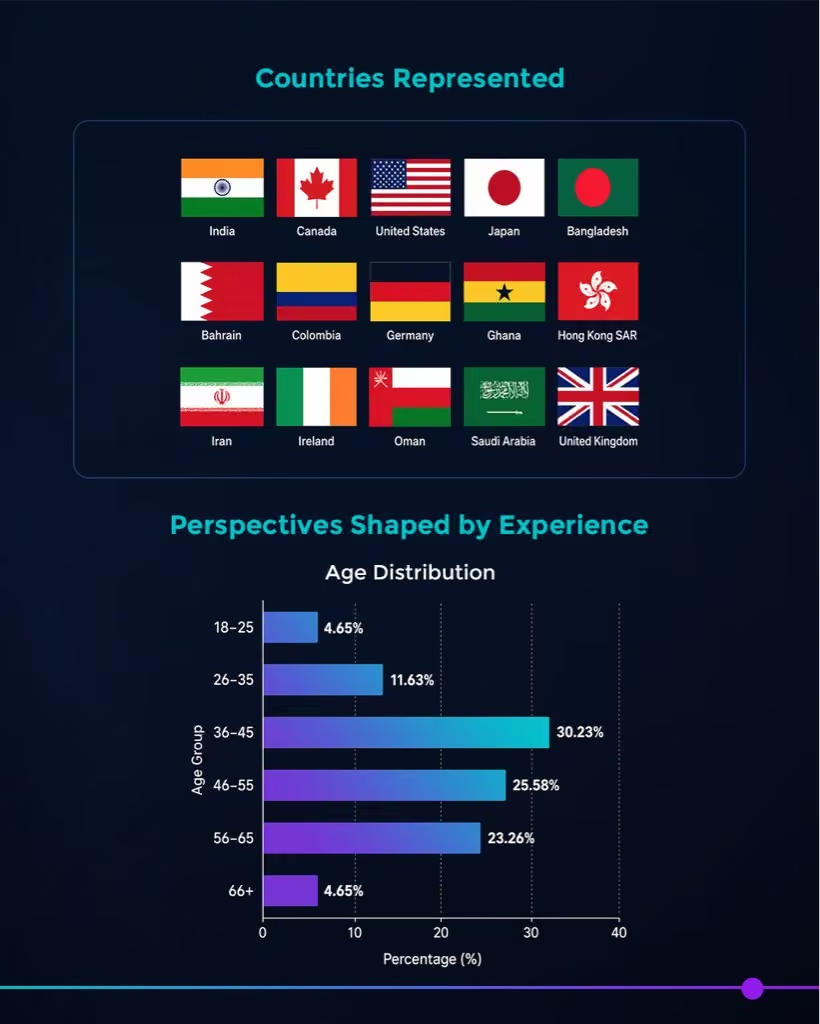
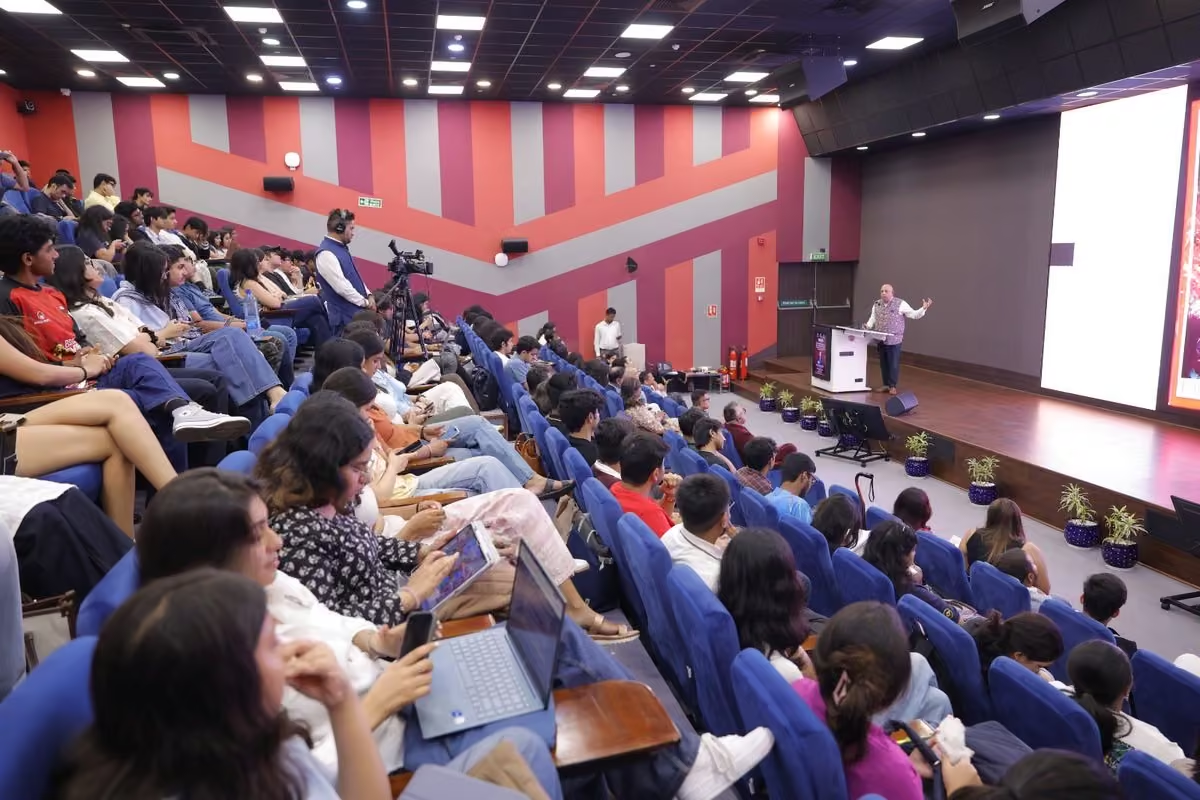
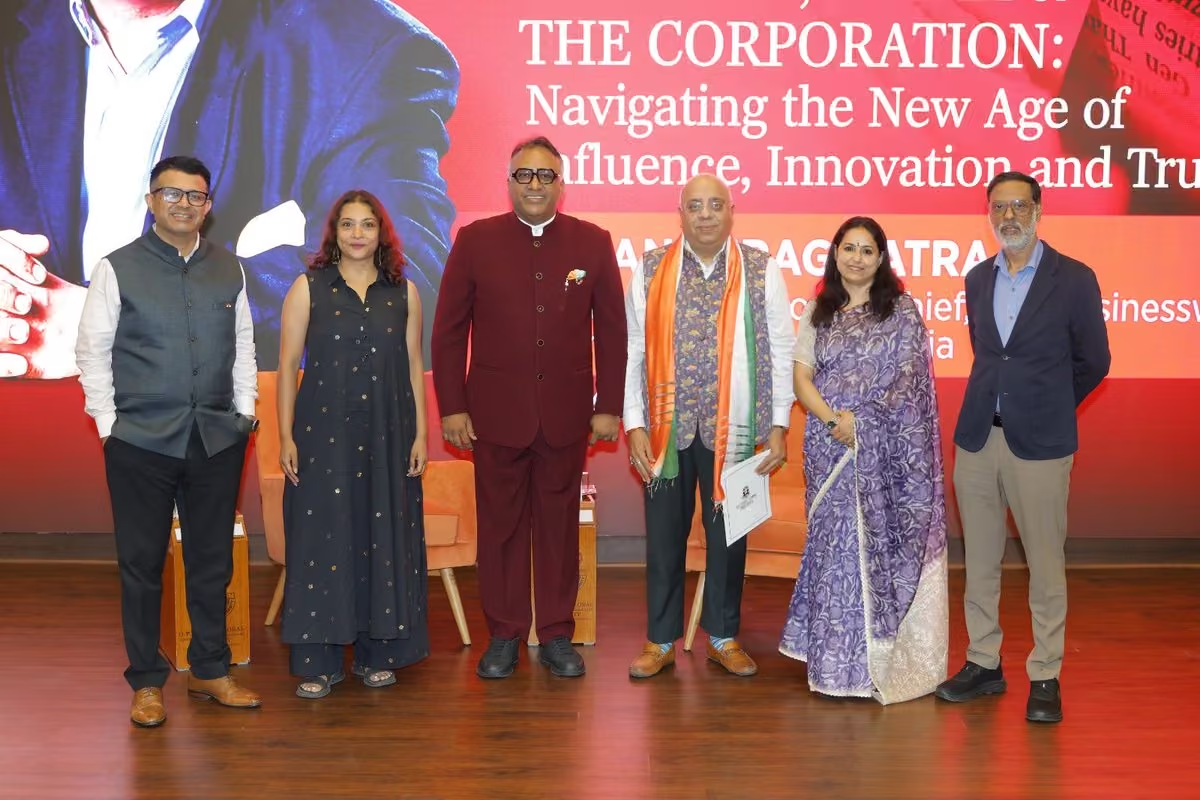
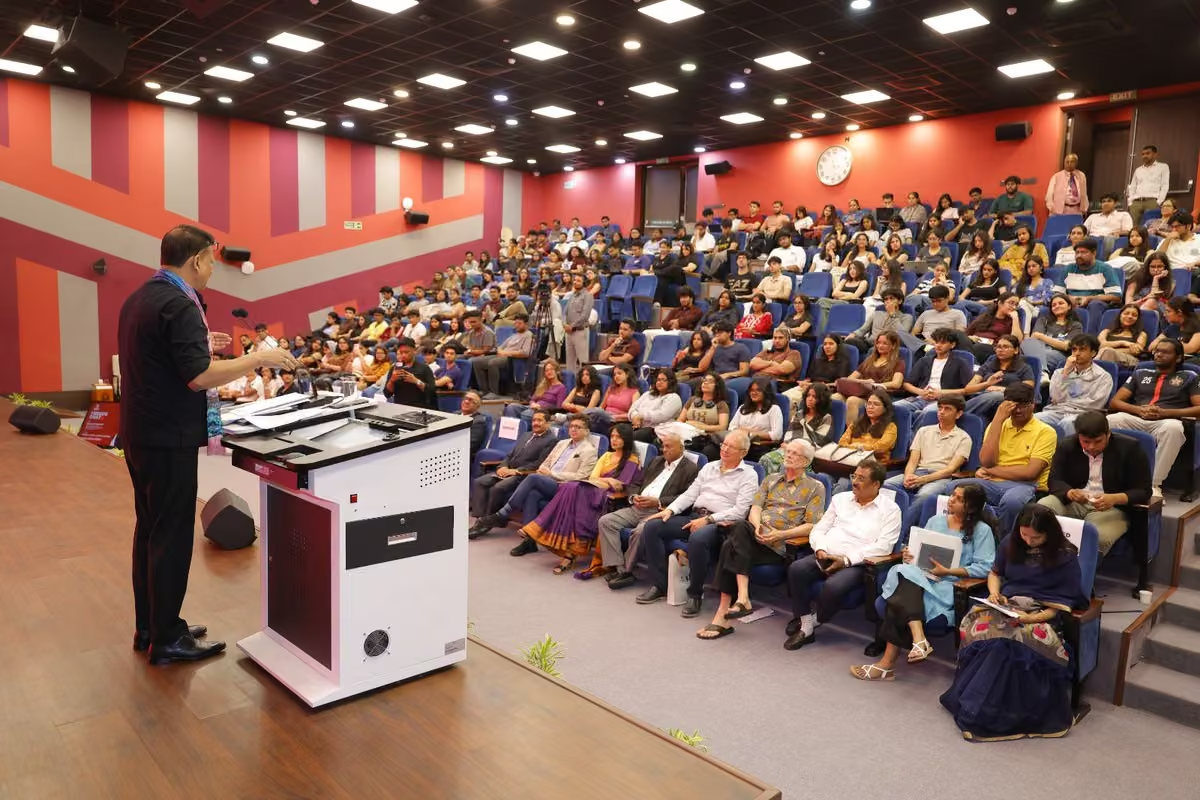
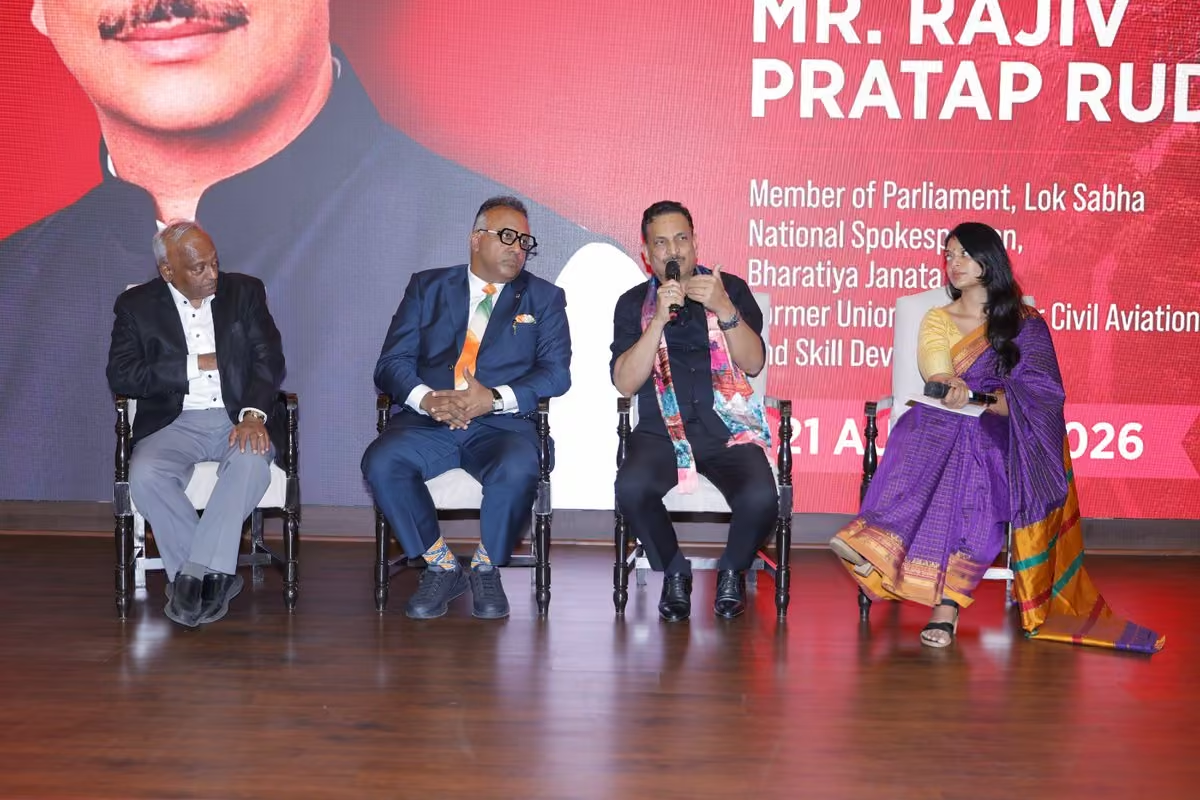
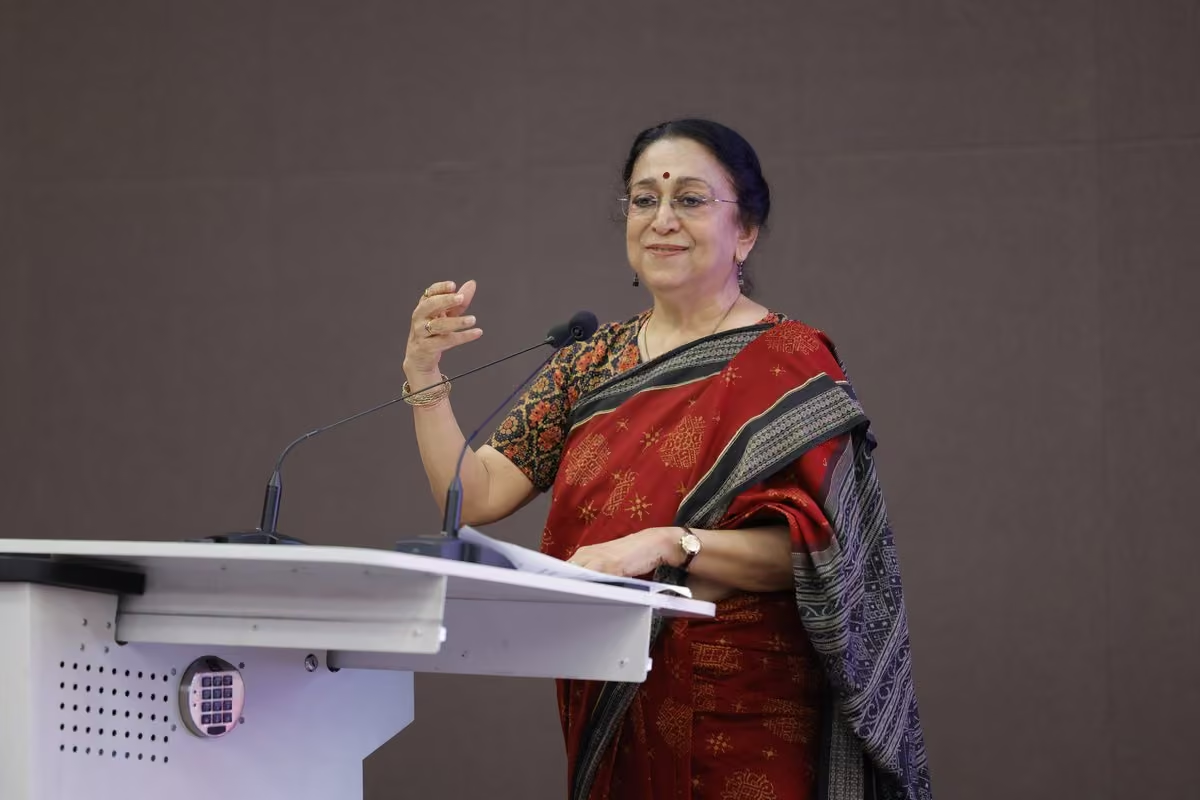
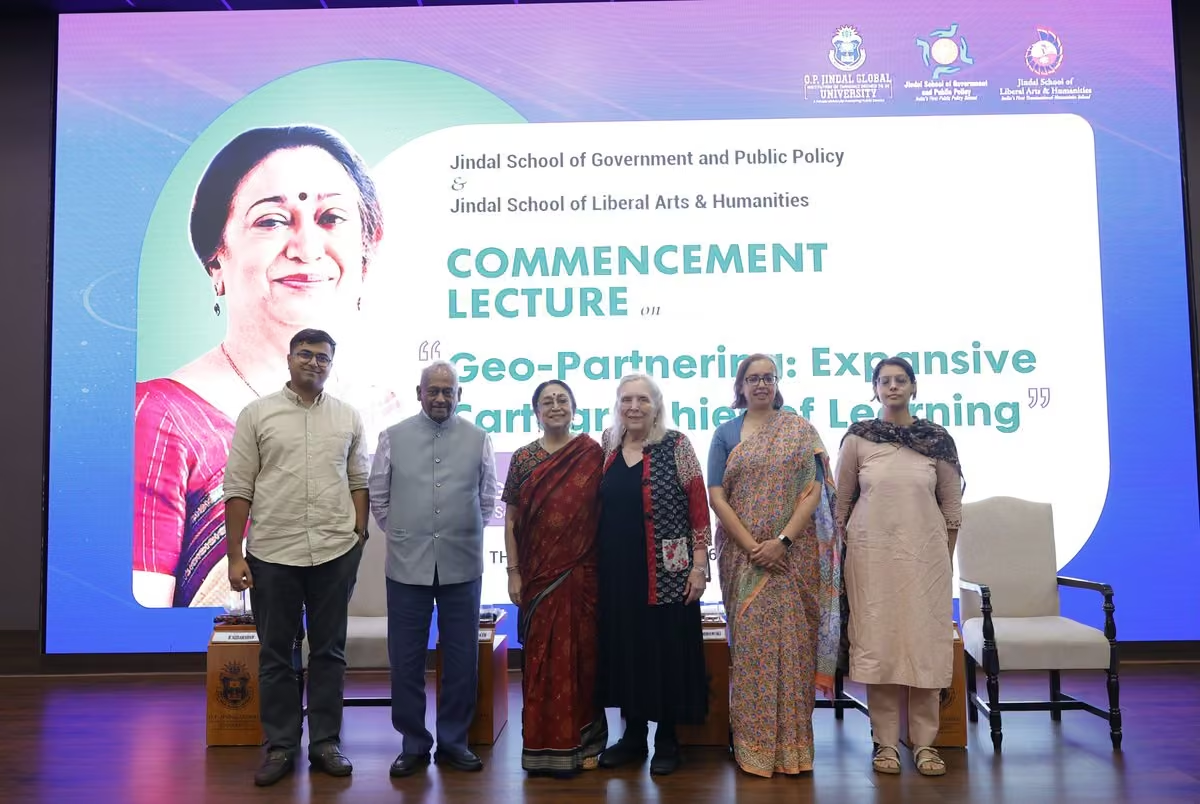
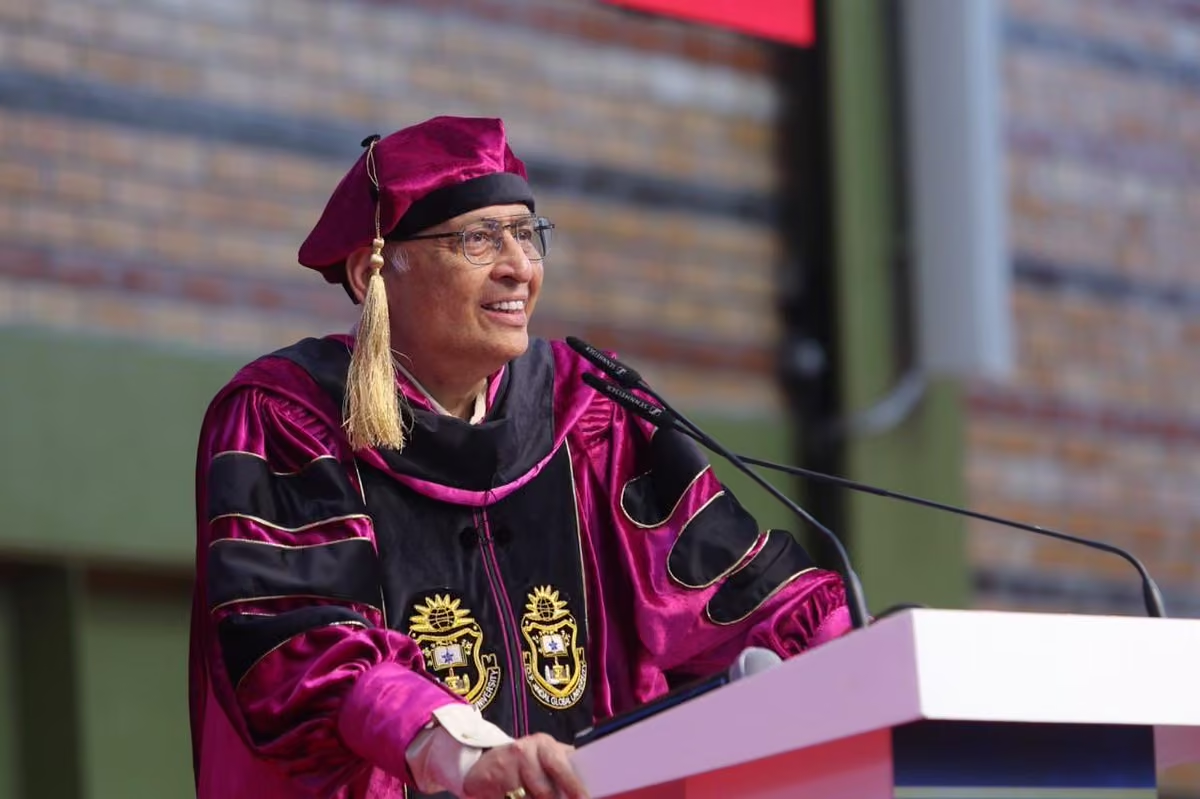
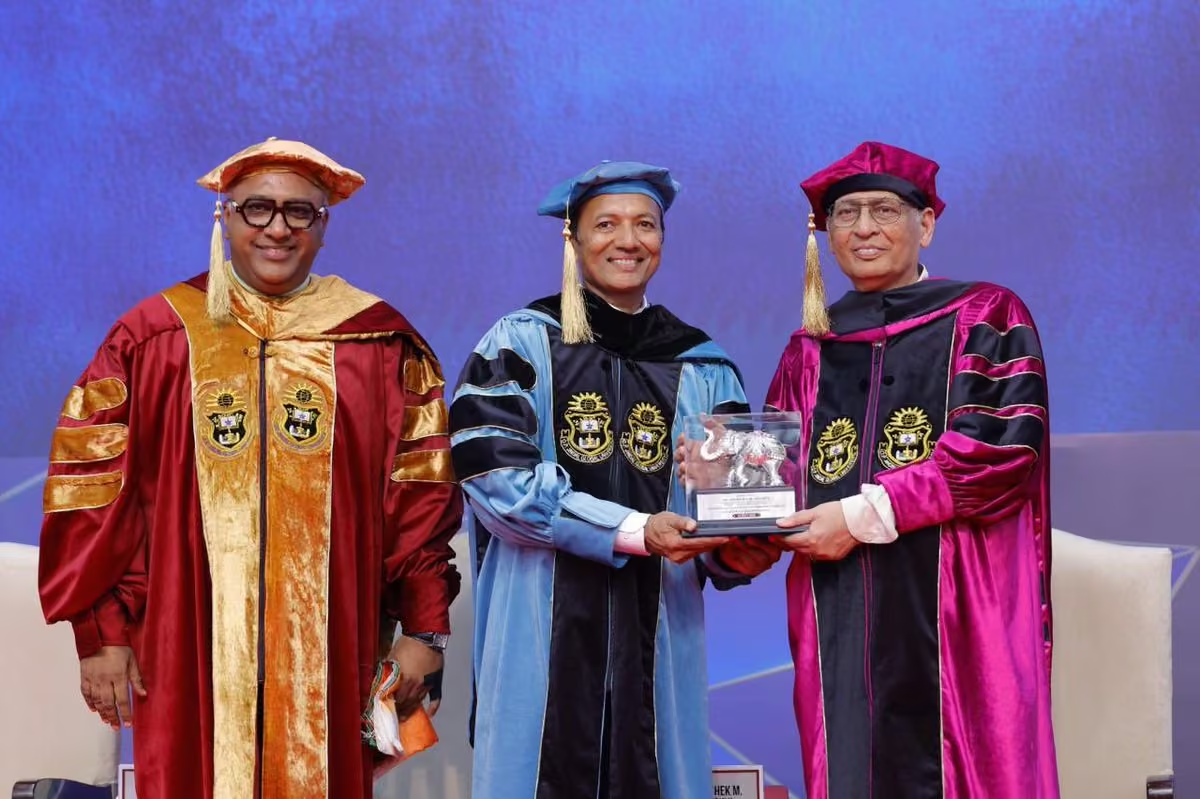
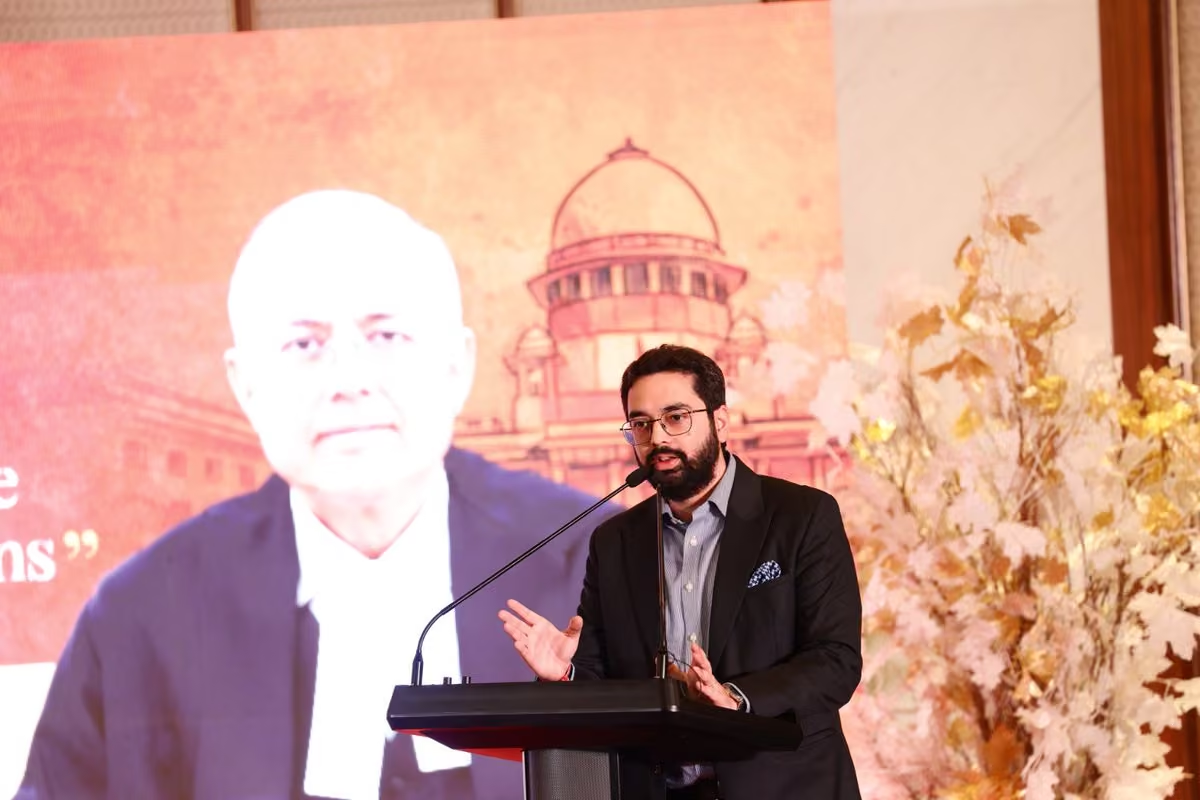
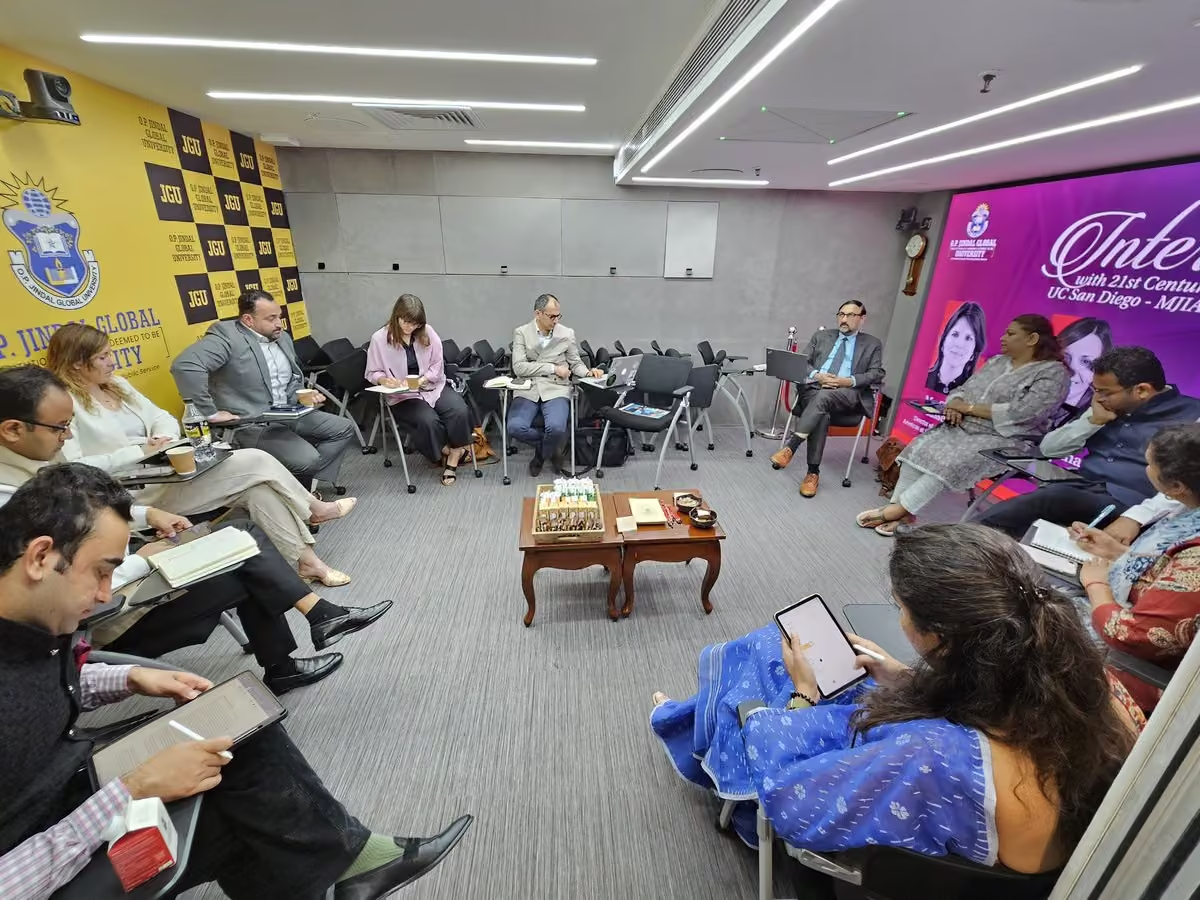
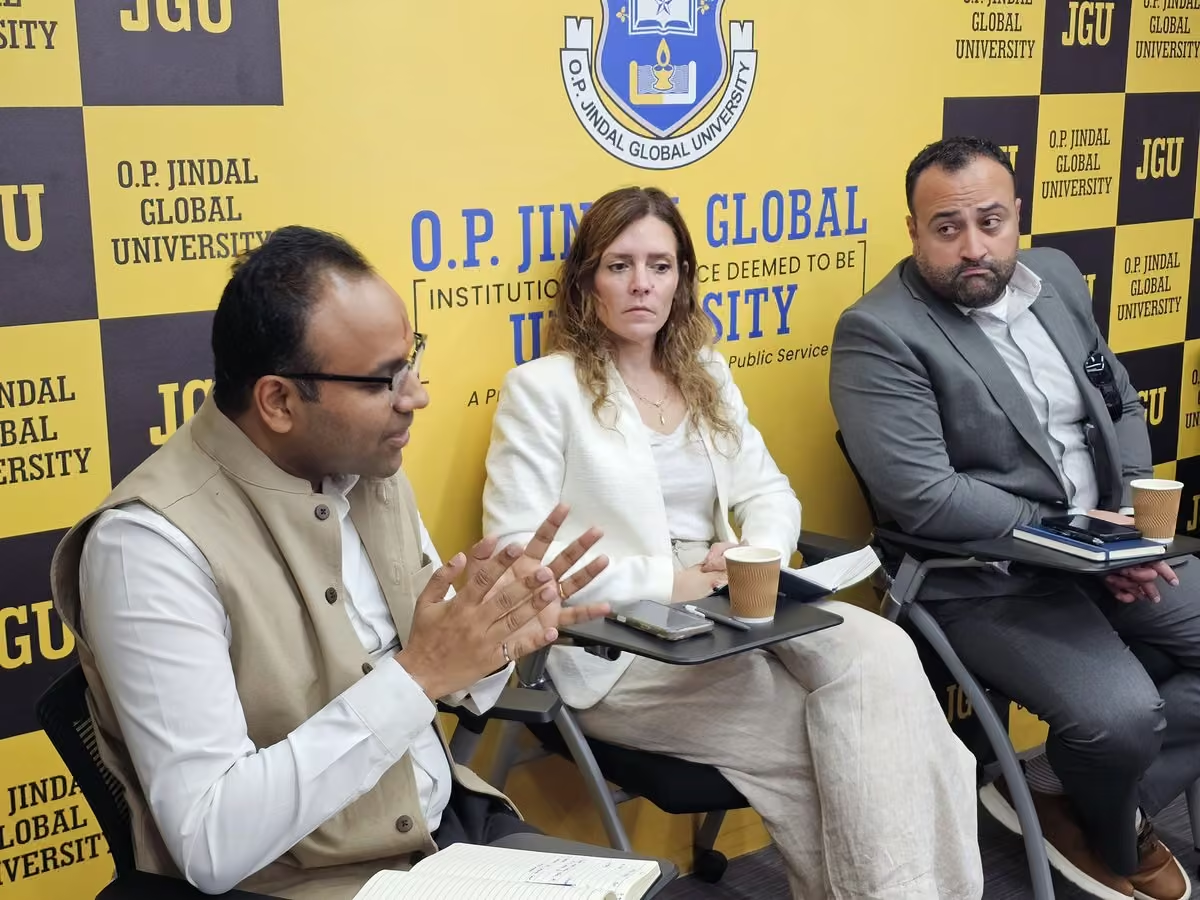
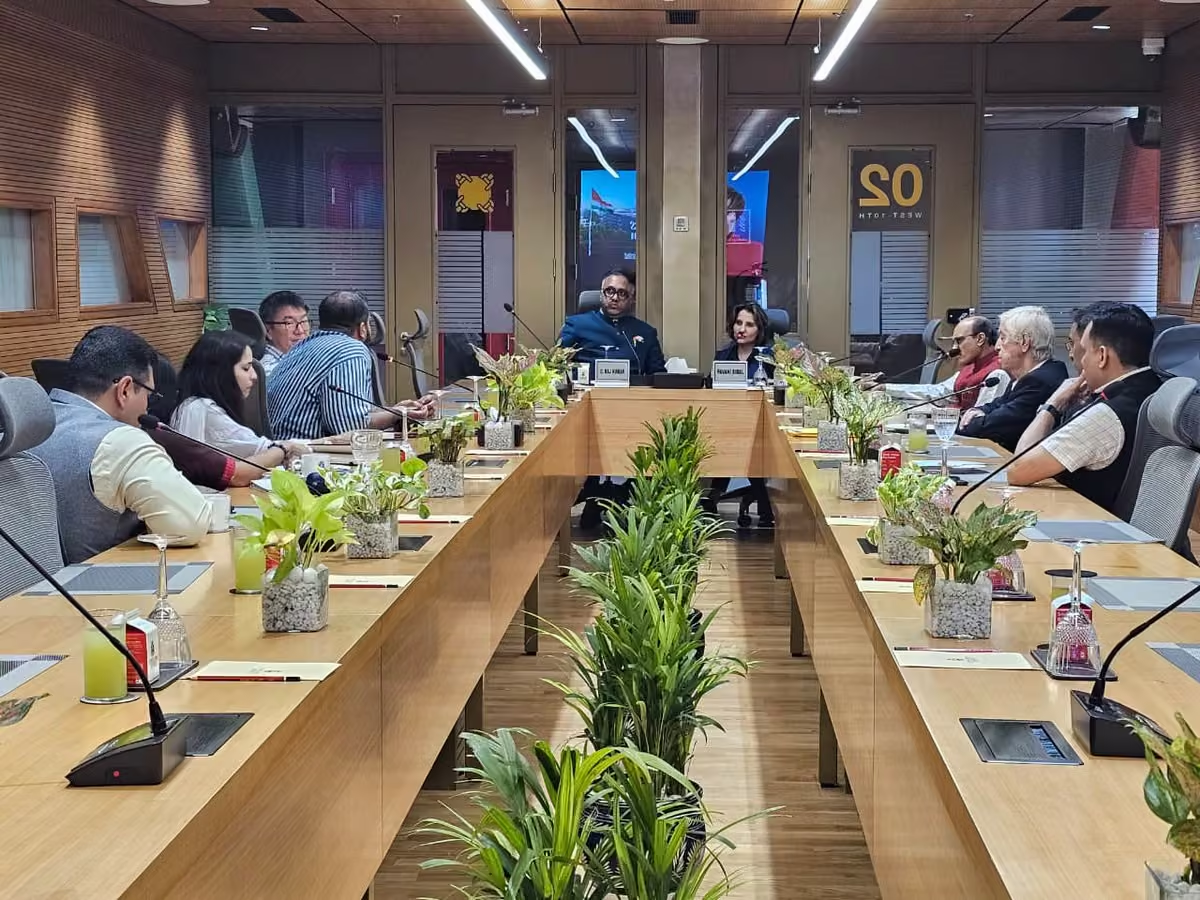
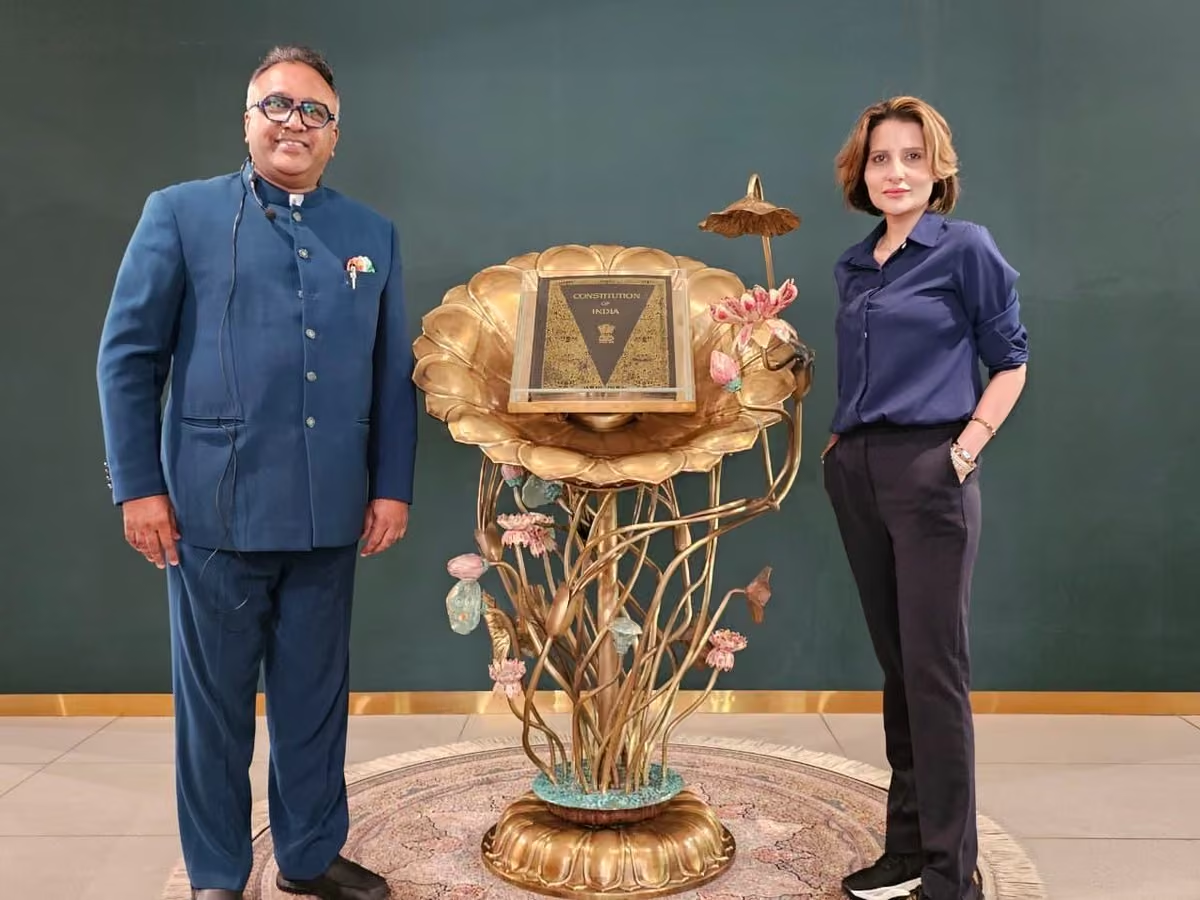
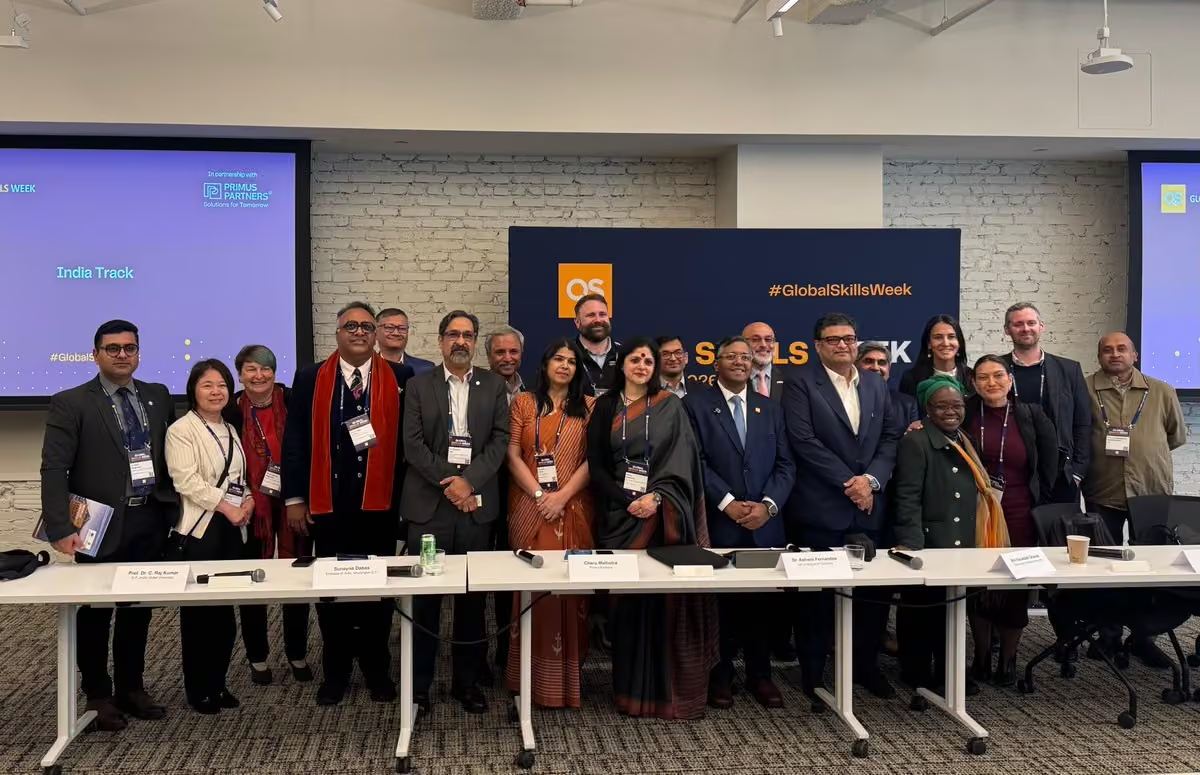
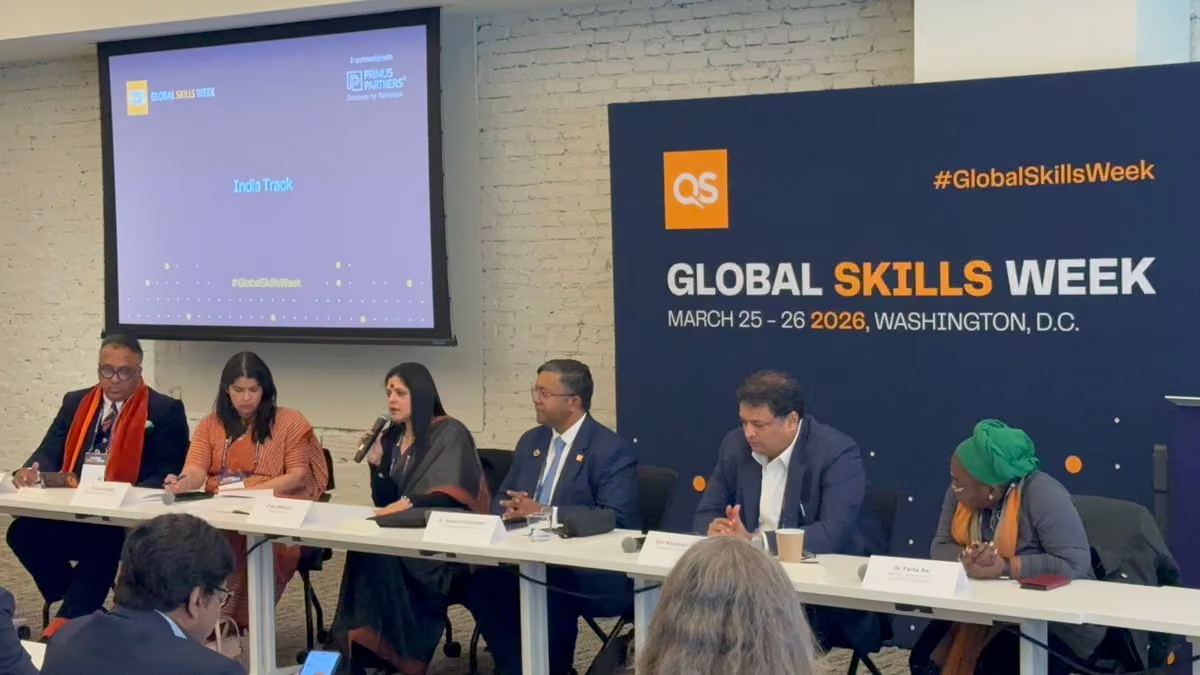
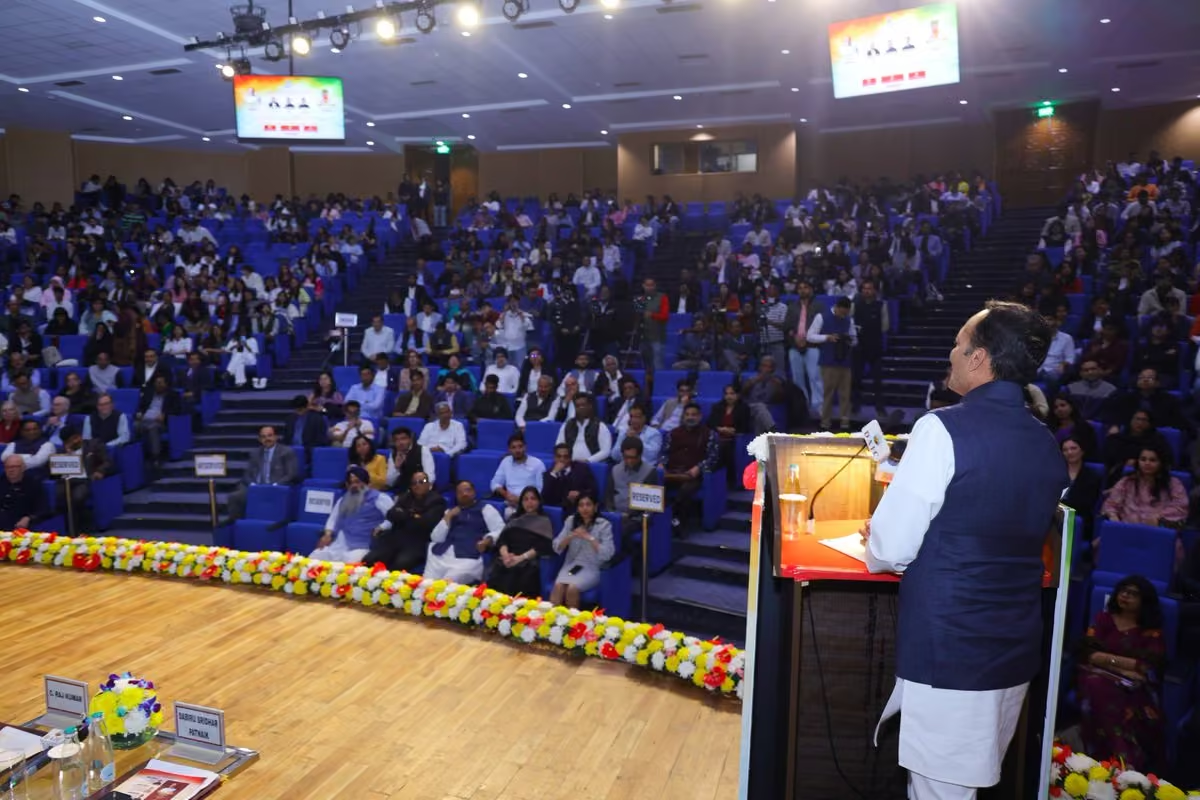
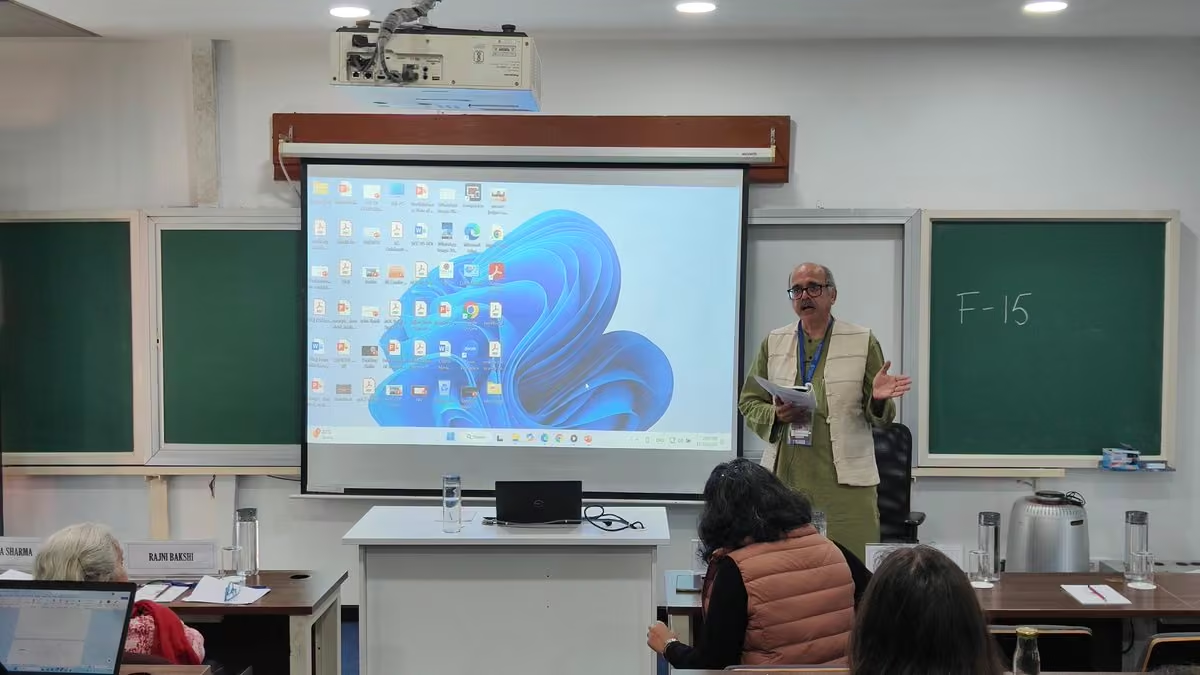
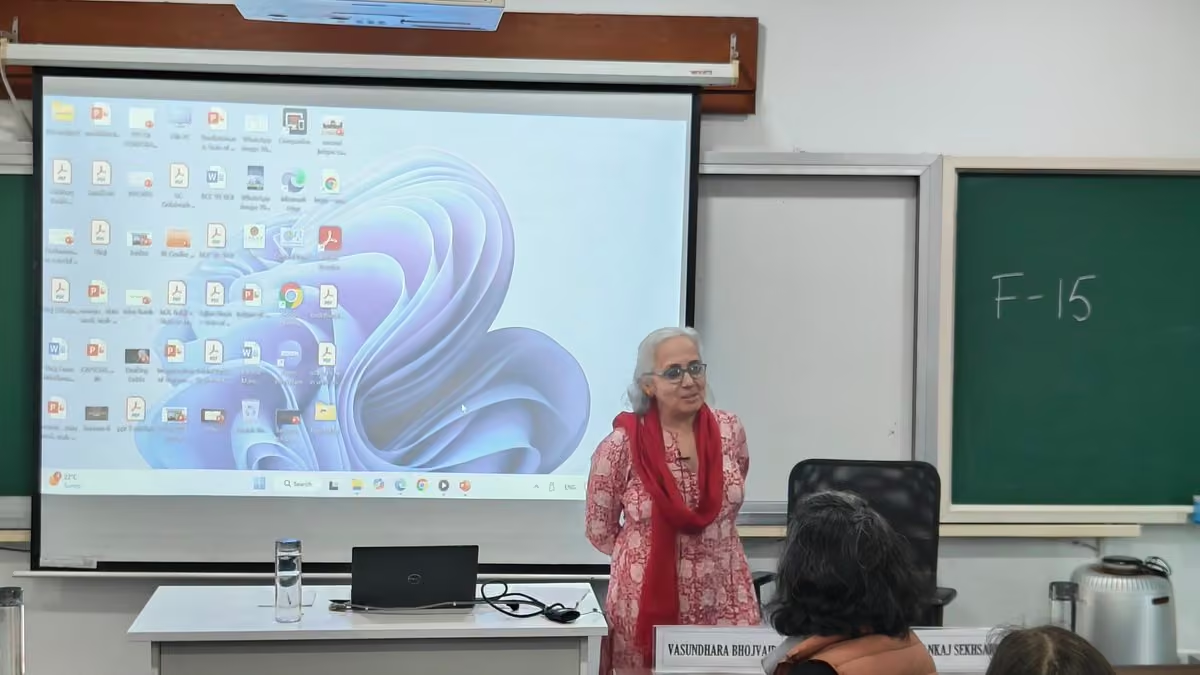
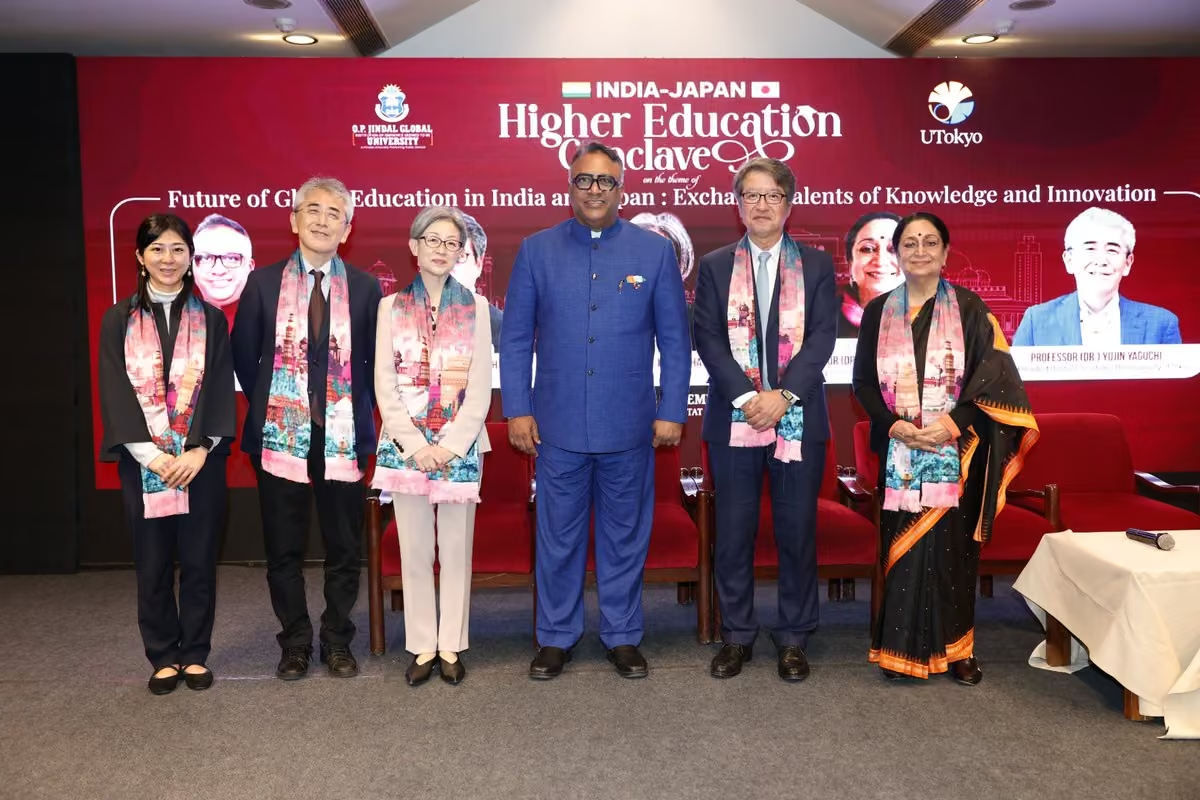
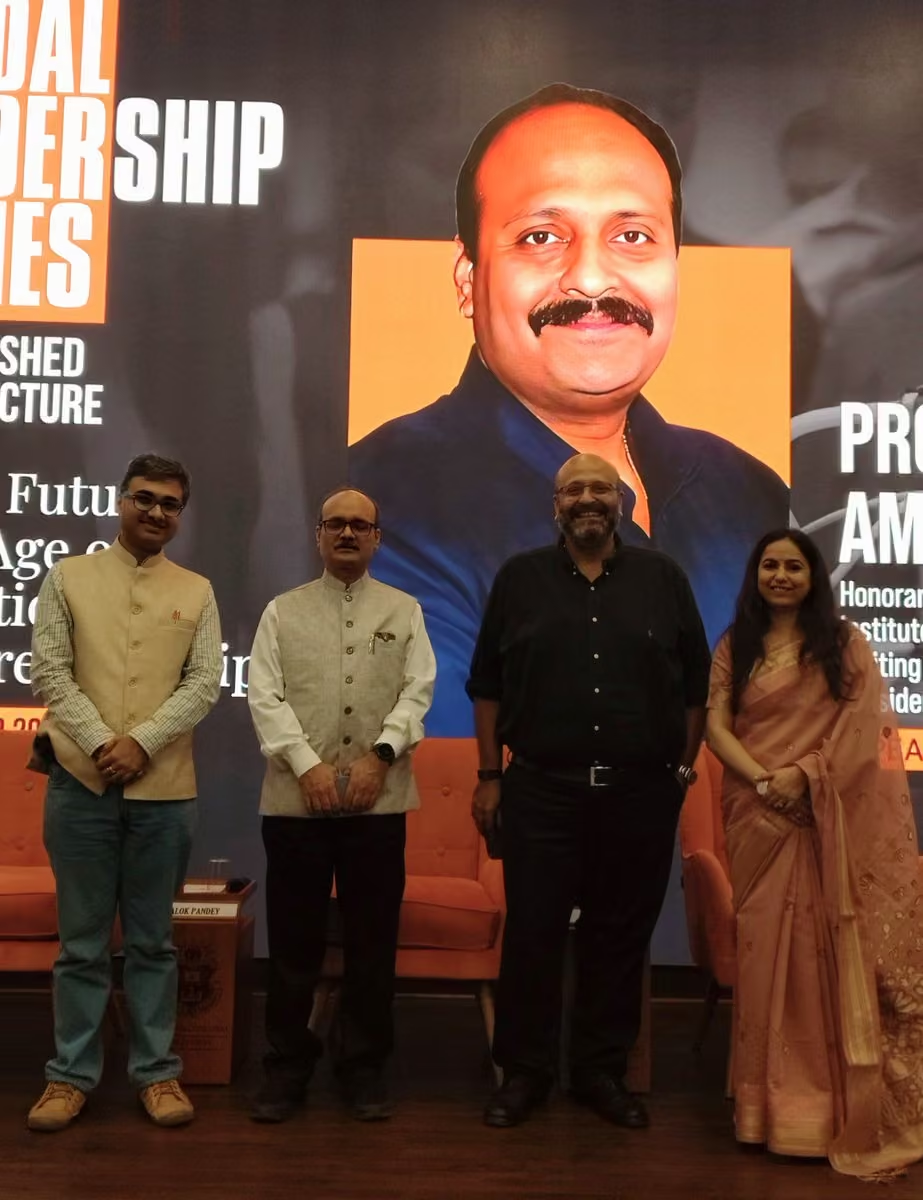
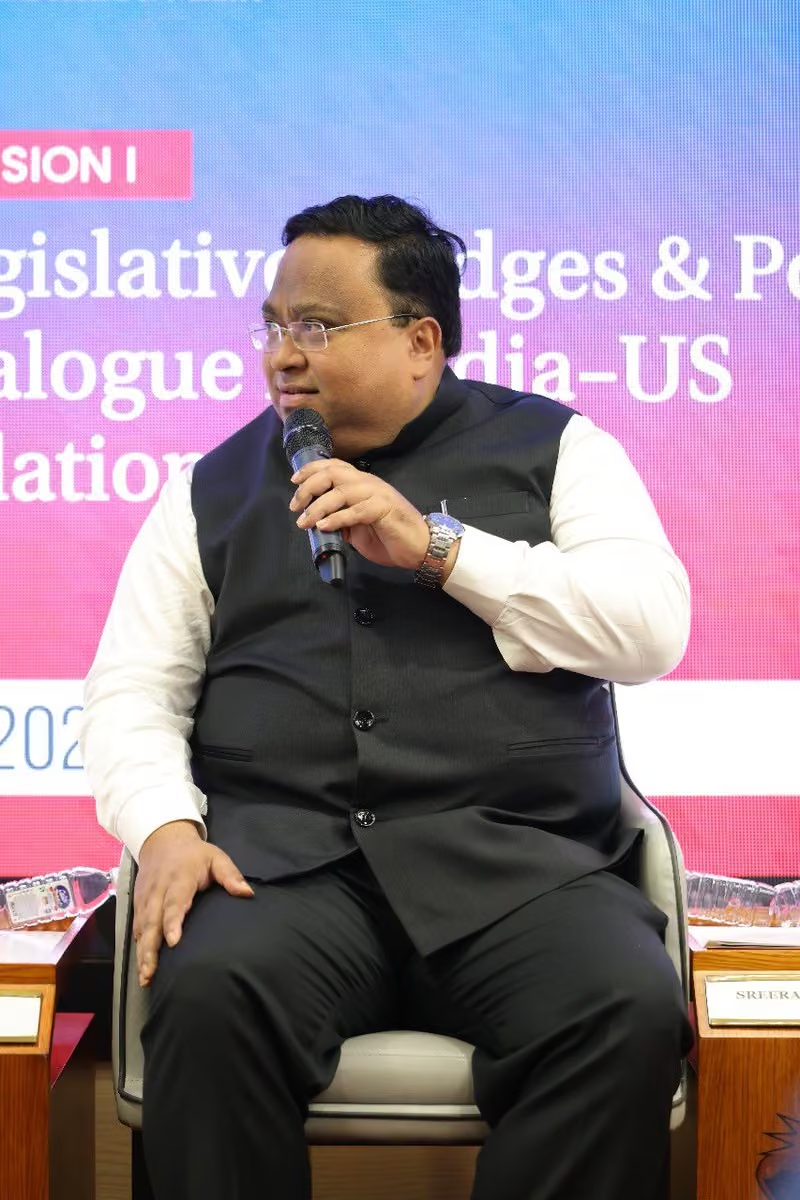
𝐓𝐡𝐞 𝐈𝐧𝐝𝐢𝐚 𝐓𝐫𝐚𝐜𝐤 𝐚𝐭 𝐐𝐒 𝐆𝐥𝐨𝐛𝐚𝐥 𝐒𝐤𝐢𝐥𝐥𝐬 𝐖𝐞𝐞𝐤 2026, co-chaired by Charu Malhotra and Dr Ashwin Fernandes unveiled future facing perspectives by academia and policy leaders on international partnerships and discussed how India can emerge as a global talent hub in the global south, powered by goals and targets of NEP 2020.
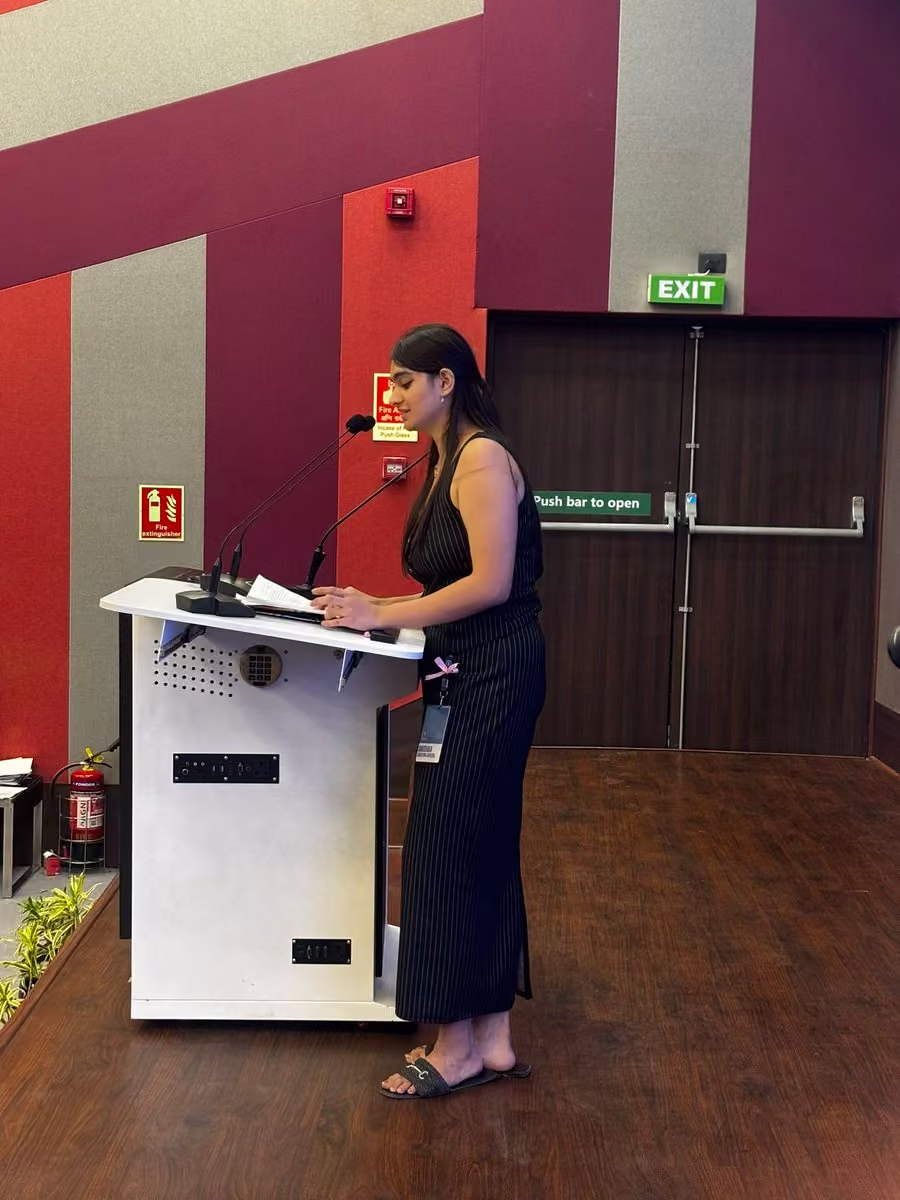
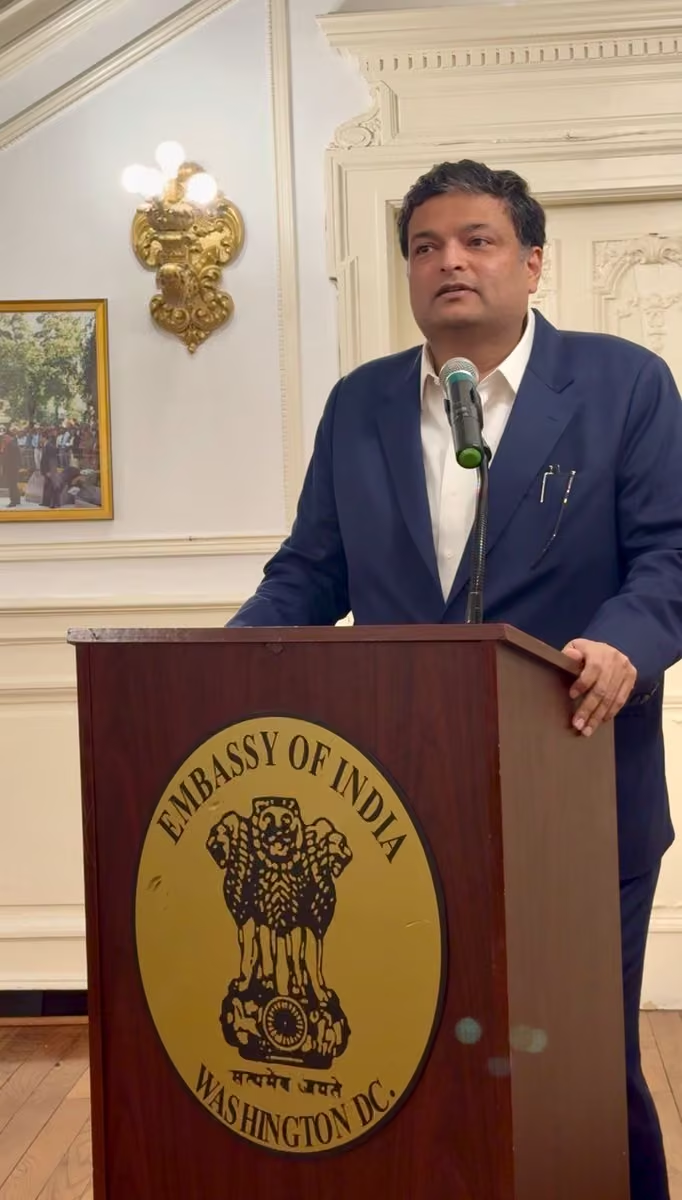
Sunayna Dabas First Secretary, Embassy of India, Washington DC explored collaboration as educational diplomacy to generate new opportunities for international students. Chief Advisor to Chief Minister, Government of Maharashtra (GoM), Kaustubh Dhavse, spotlighted Maharashtra’s “Educity” vision - an integrated ecosystem for global universities, research, and local job creation. Building on this, Prof. C. Raj Kumar founding VC, O.P. Jindal Global University (JGU) emphasized mainstreaming skill-based education through industry co-designed curricula, mandatory apprenticeships, and scaling a national apprenticeship grid to fulfil the vision of Viksit Bharat. Dr. Fanta Aw, NAFSA: Association of International Educators dwelled on research and role of funding in bridging knowledge gaps.
Charu Malhotra highlighted the merit for stackable credits and standardized credit transfers that are globally interoperable. Dr. Ashwin Fernandes, in his closing remarks, underlined the need to bridge global perception gaps, expand access in Tier 2 & 3 institutions, and foster meaningful international partnerships.
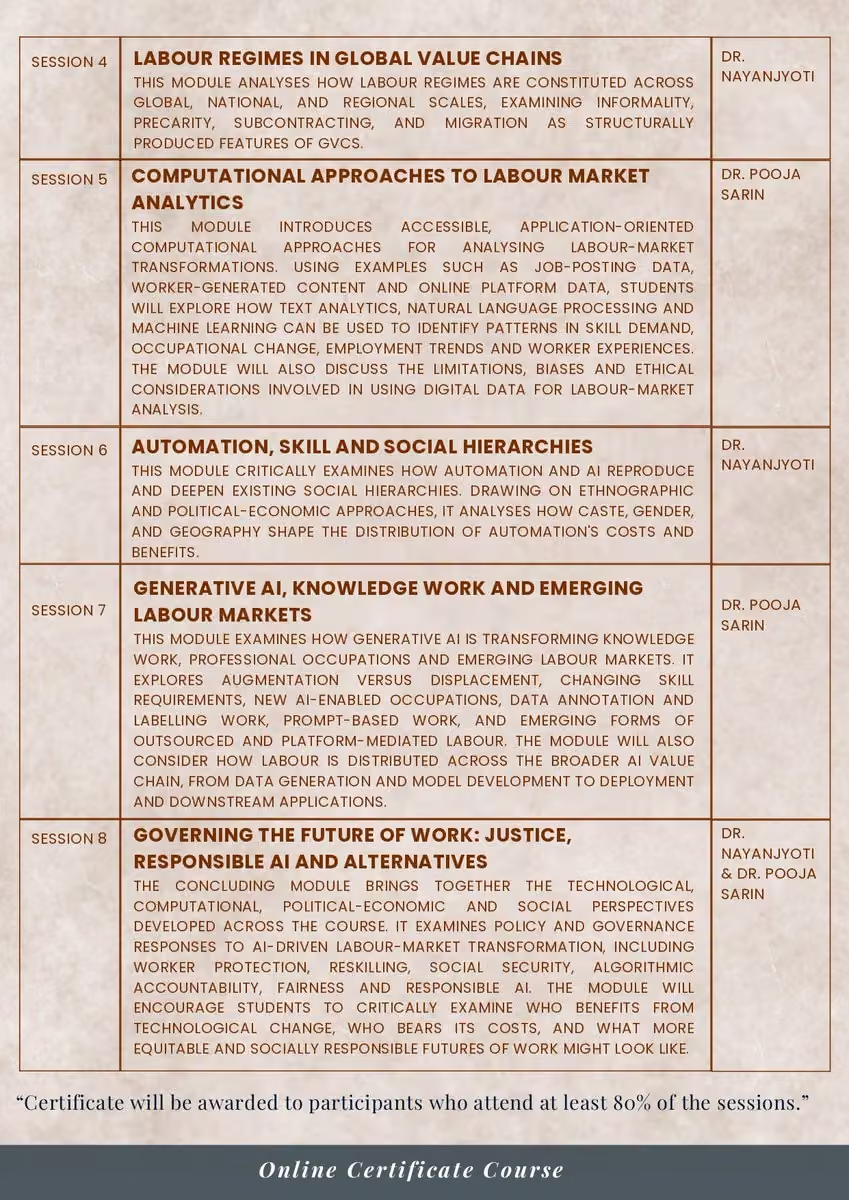
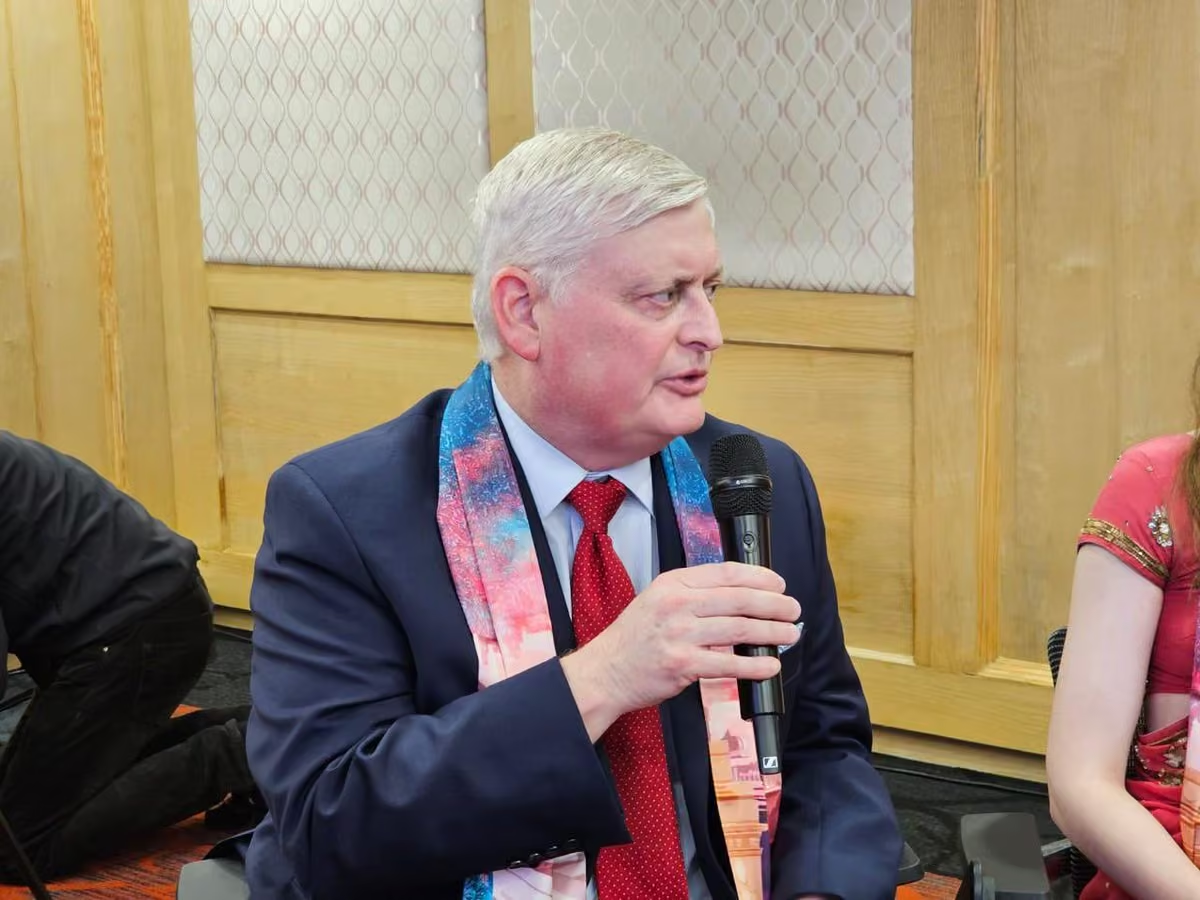
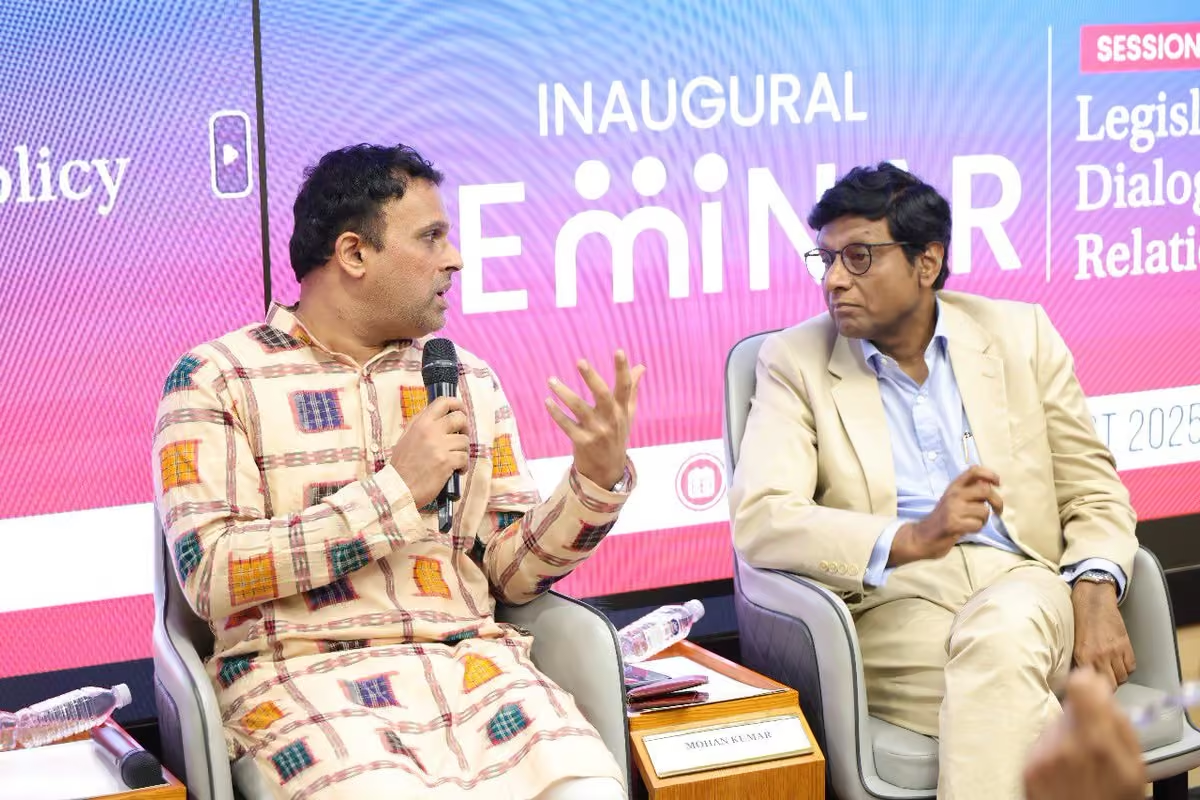
Ambassador Dr Mohan Kumar (IFS), Dean JGU exhorted that one size wont fit all and the need for skill based pathways for students from different demographic contexts. Provosts, Deans and office bearers guiding research and global partnerships of several International Universities notably
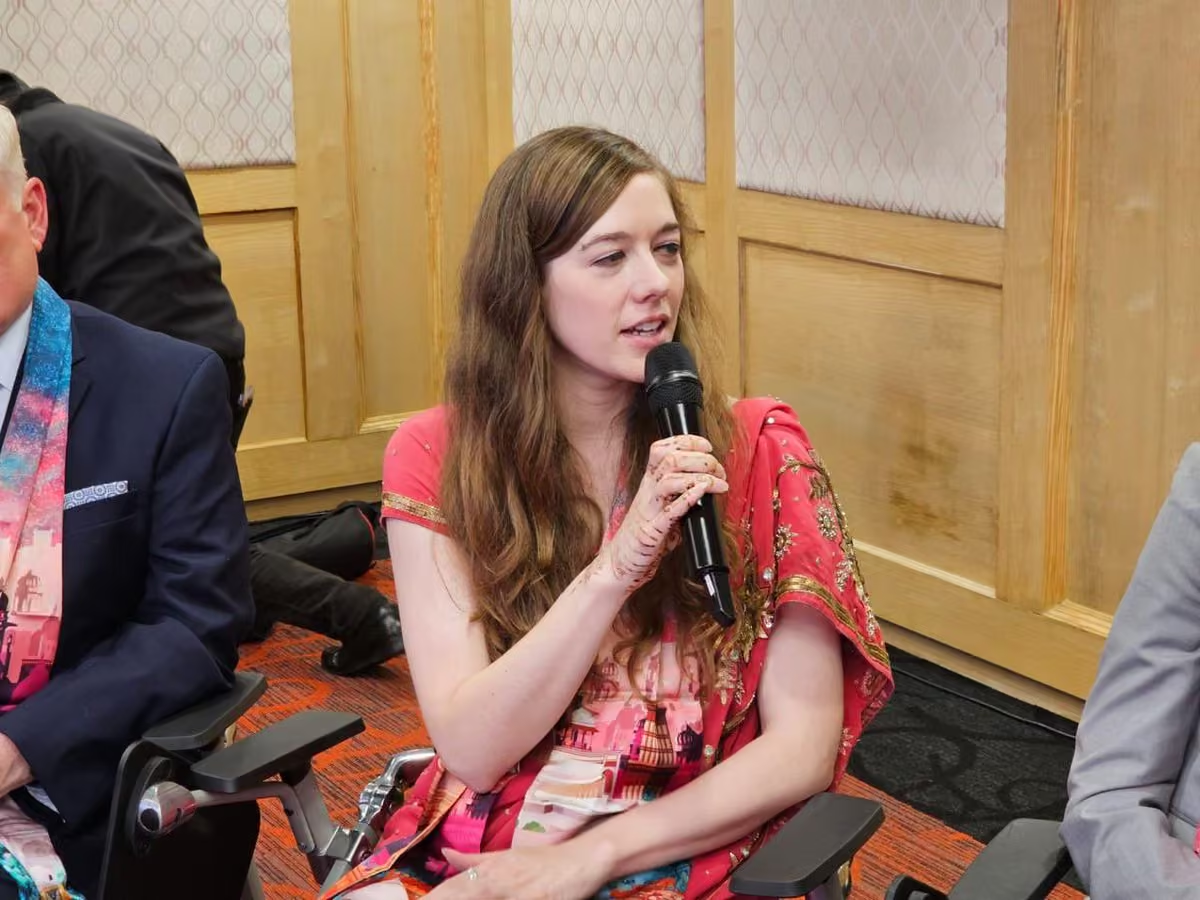
Dr Srirama Rao, Virginia Commonwealth University, Anna Marshall Ph.D., 𝐏𝐞𝐧𝐧 𝐬𝐭𝐚𝐭𝐞, Sundar Krishnamurty, University of Massachusetts, Joanna Regulska, UC Davis Global Affairs, expanded the discussion with their inputs
#qsglobalskillsweek #indiatrack #skillsindia #futureofwork


 Rajiv Pratap Rudy
@RajivPratapRudy

 JGU
@JindalGlobalUNI

 ଡ଼ଃ ସସ୍ମିତ ପାତ୍ର I Dr. Sasmit Patra
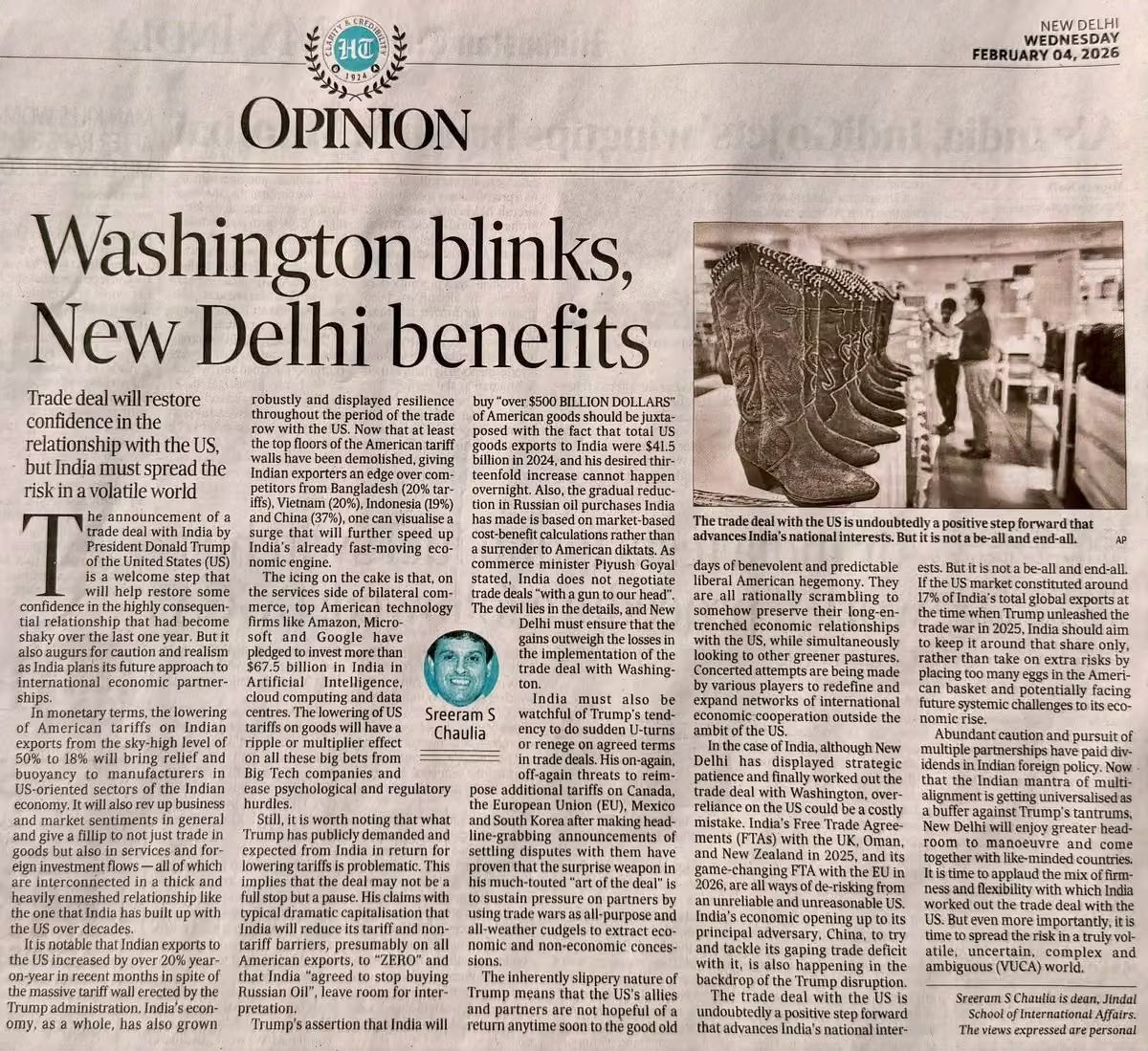
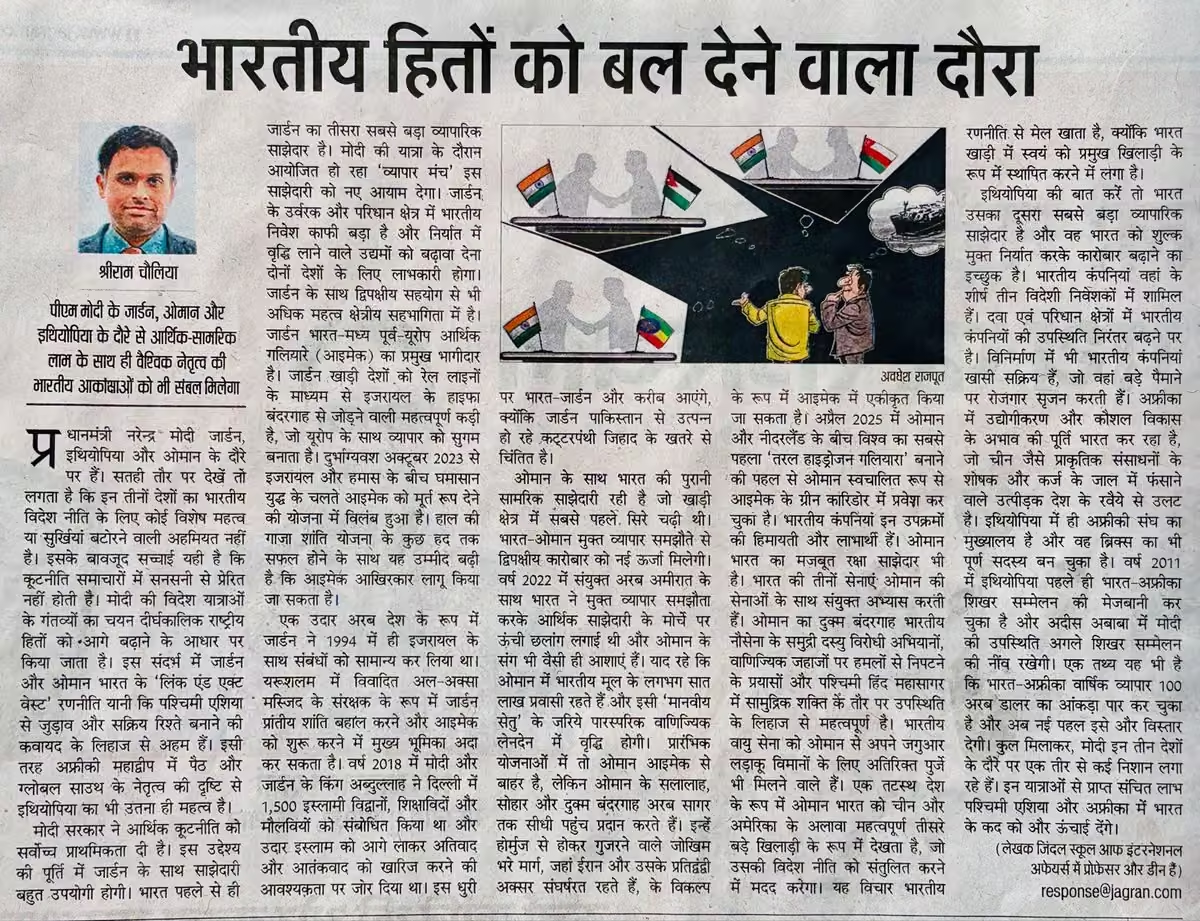
 Sreeram Chaulia

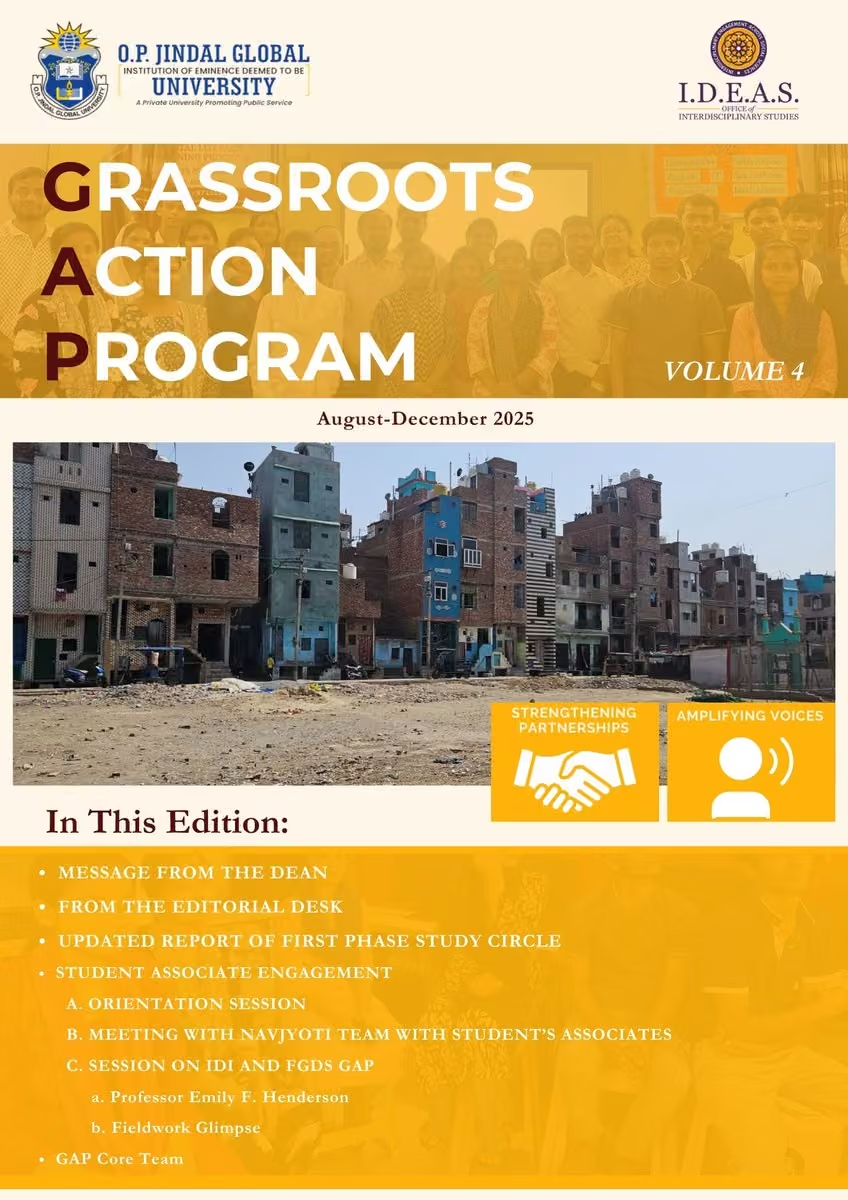
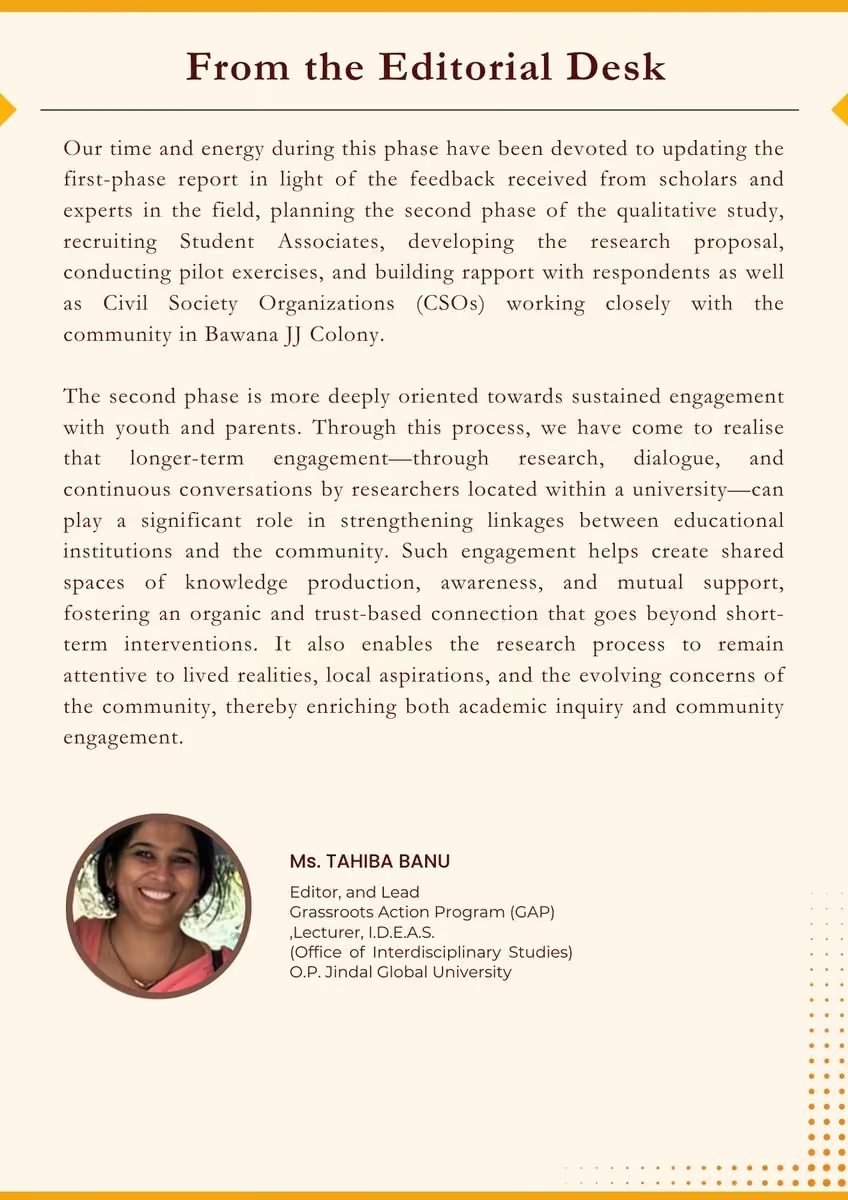
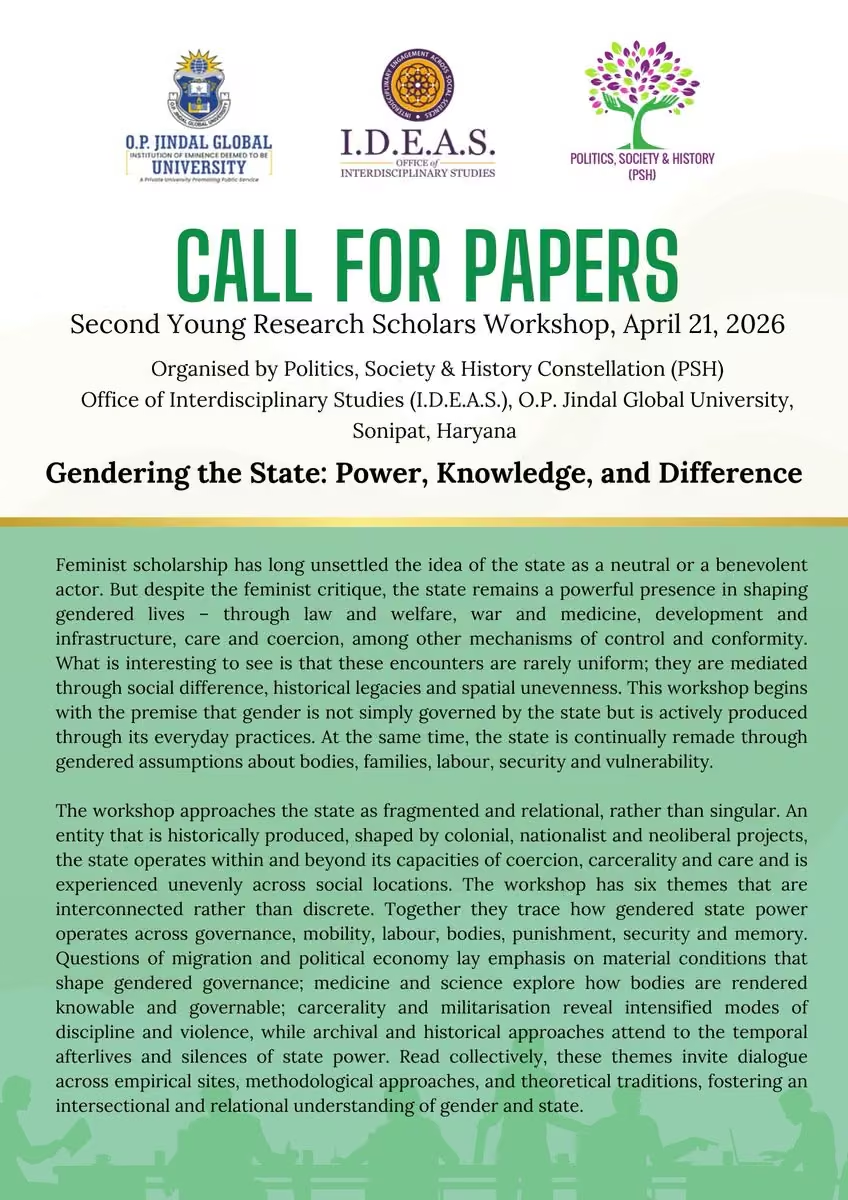
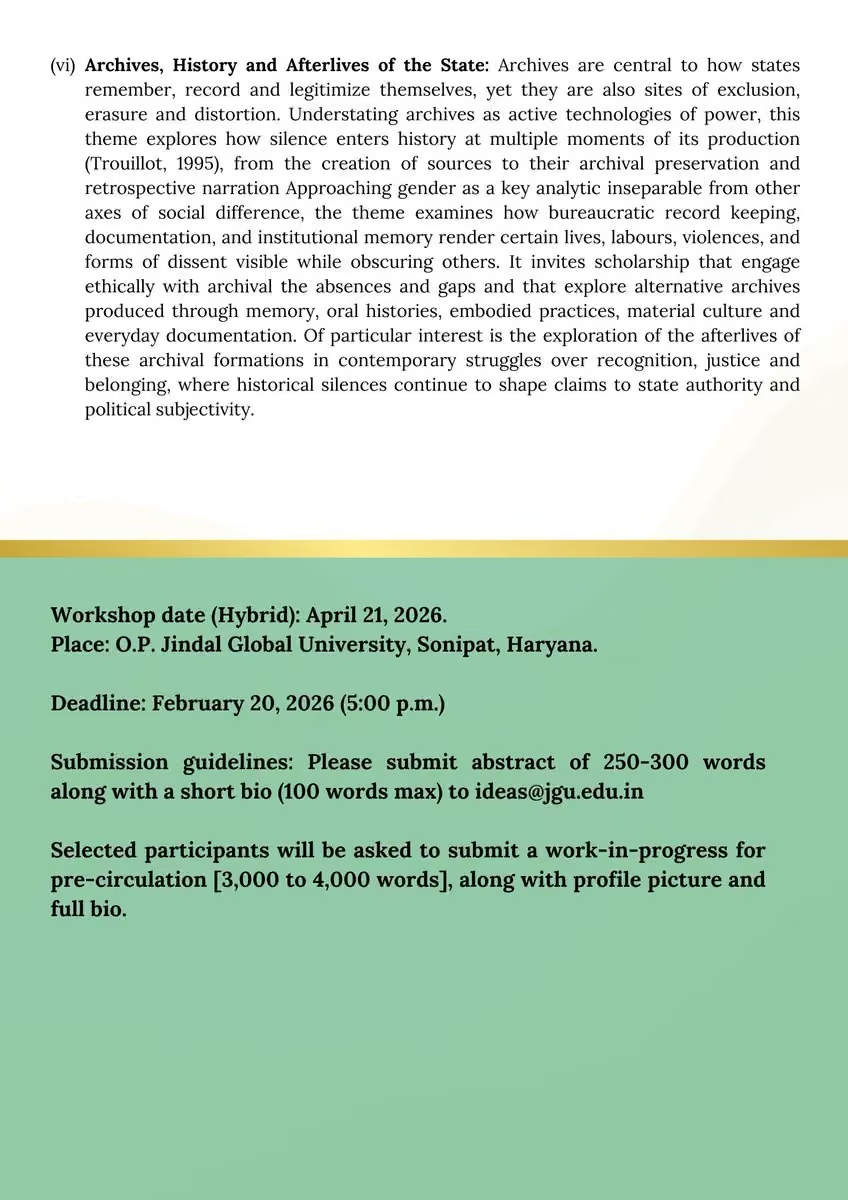
 Office of Interdisciplinary Studies (I.D.E.A.S.)


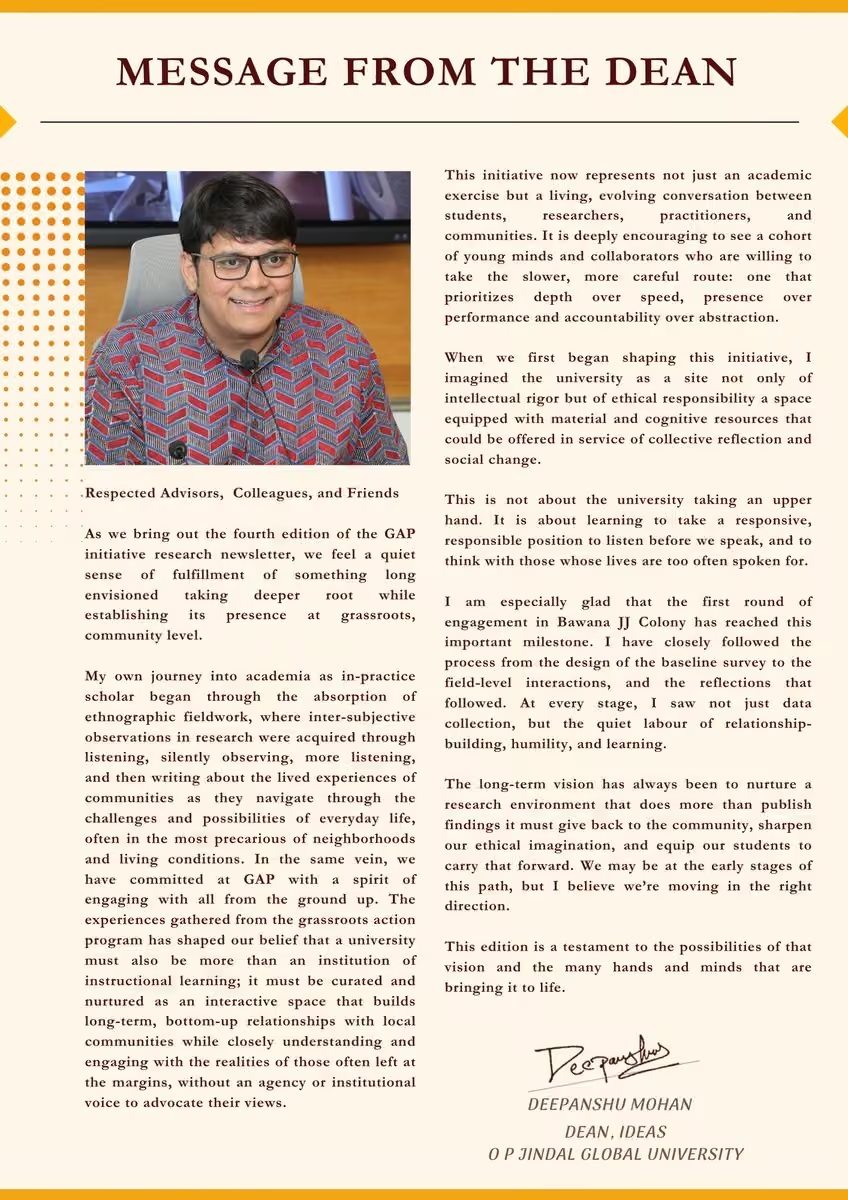
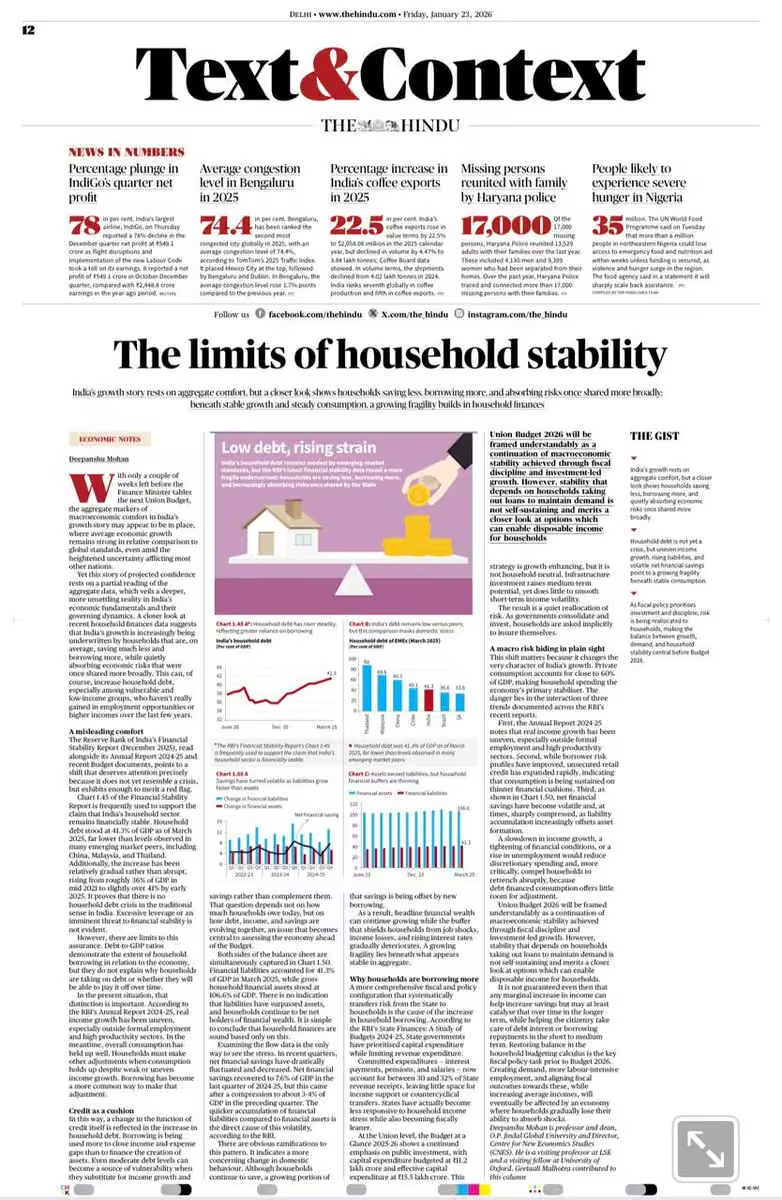
 Deepanshu Mohan




 Lakshmi M Puri

 GAURAV C SAWANT
 aditi arora



 Gaurav Bhatia गौरव भाटिया 🇮🇳


 LG Delhi


 Priyanka Chaturvedi🇮🇳


 Amitabh Kant







 Jindal Global Law School
 Dr. Hebatallah Adam


 Swati Chawla, Ph.D.


 Jindal School of Government & Public Policy (JSGP)






 HindolSengupta

 Kumari Selja








 Sriparna Pathak







 India in the UK


 KTR
 India in New York

 Jindal India Institute (JII)











 Arun Golaya






 Manoj Kumar Jha


 Vishal V. Sharma 🇮🇳
 Sanjay Kumar



 Motwani Jadeja Institute for American Studies





 US-India Strategic Partnership Forum

 Lok Niwas Delhi 🇮🇳




 Naveen Jindal







 UN Women Liberia 🧡






 Italy in India





 Tarun Khanna










 Sumeet Mhaskar

 Jindal School of Psychology & Counselling


 Dr P Thiaga Rajan (PTR)








 インド大使館 || India in Japan 🇮🇳


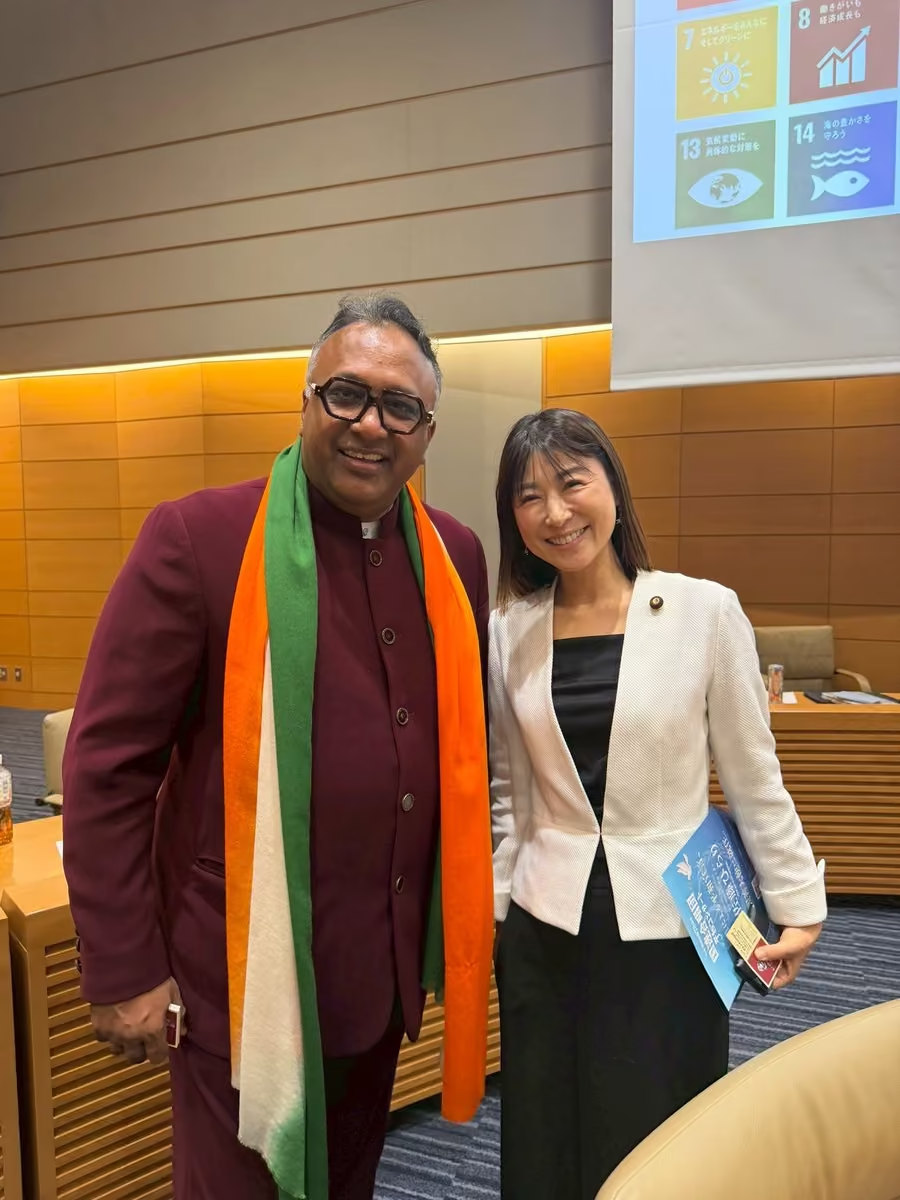
 塩村あやかスタッフ(参議院議員)
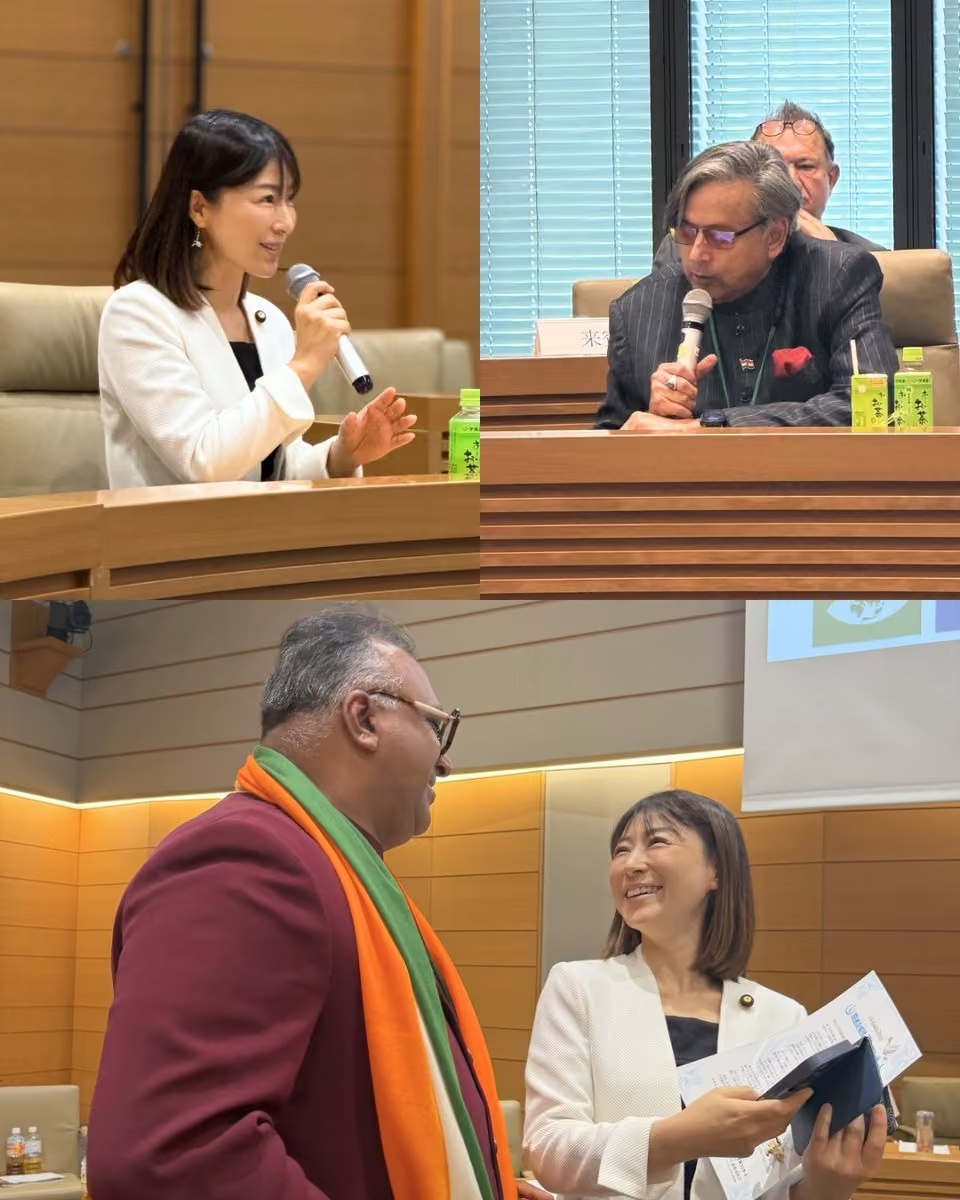


 United Nations University
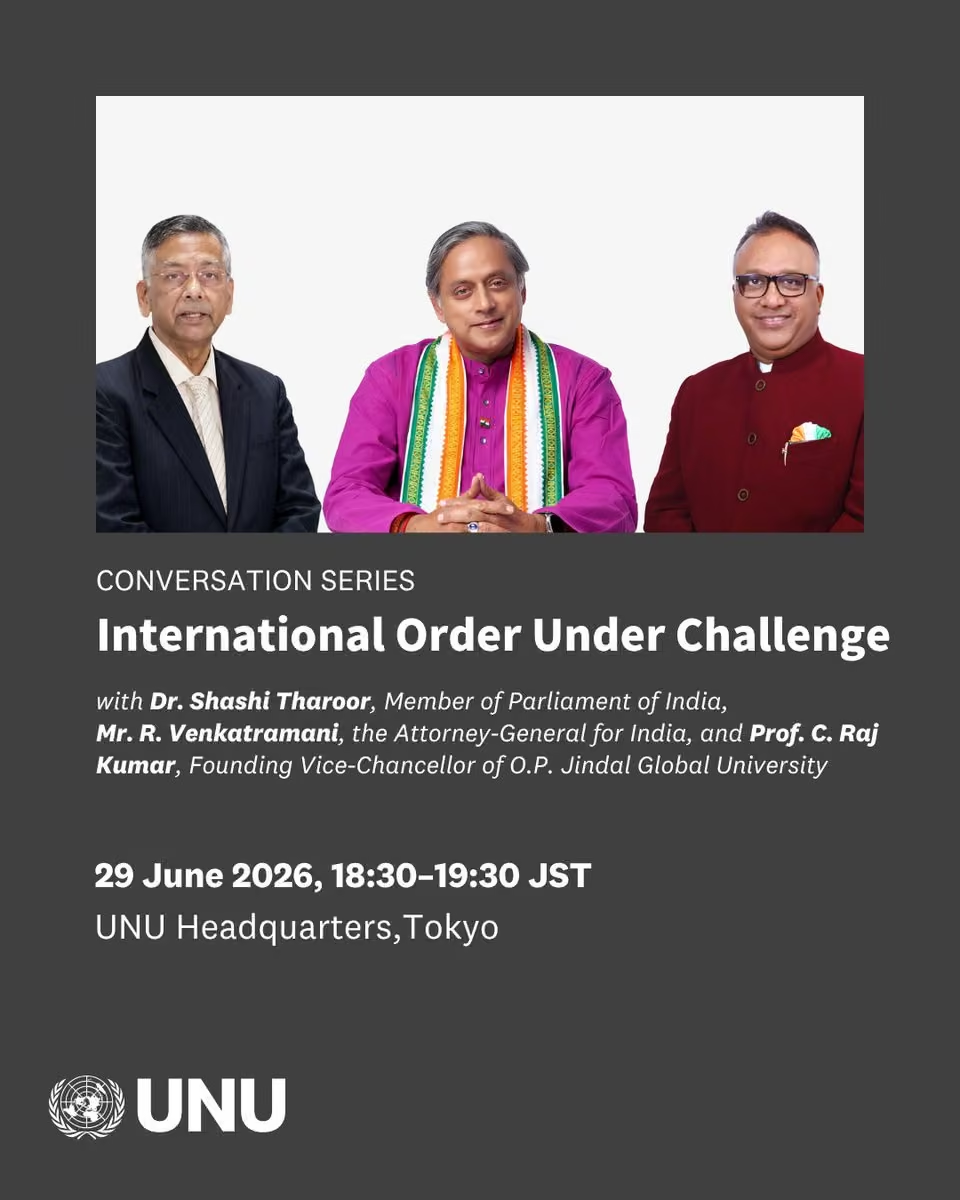


 Russia in India 🇷🇺




 Jindal School of International Affairs








 IMFinIndia


 Manoj Kumar Panigrahi, Ph.D.


 Data Science Council of America


 Jindal School of Design & Architecture






 Mrinalini Jha





 Pooja Arora






 युवा बिहारी चिराग पासवान





 Primus Partners Pvt Ltd





 Avinash Godbole


 The Hindu Education Plus


 Ambassador May-Elin Stener







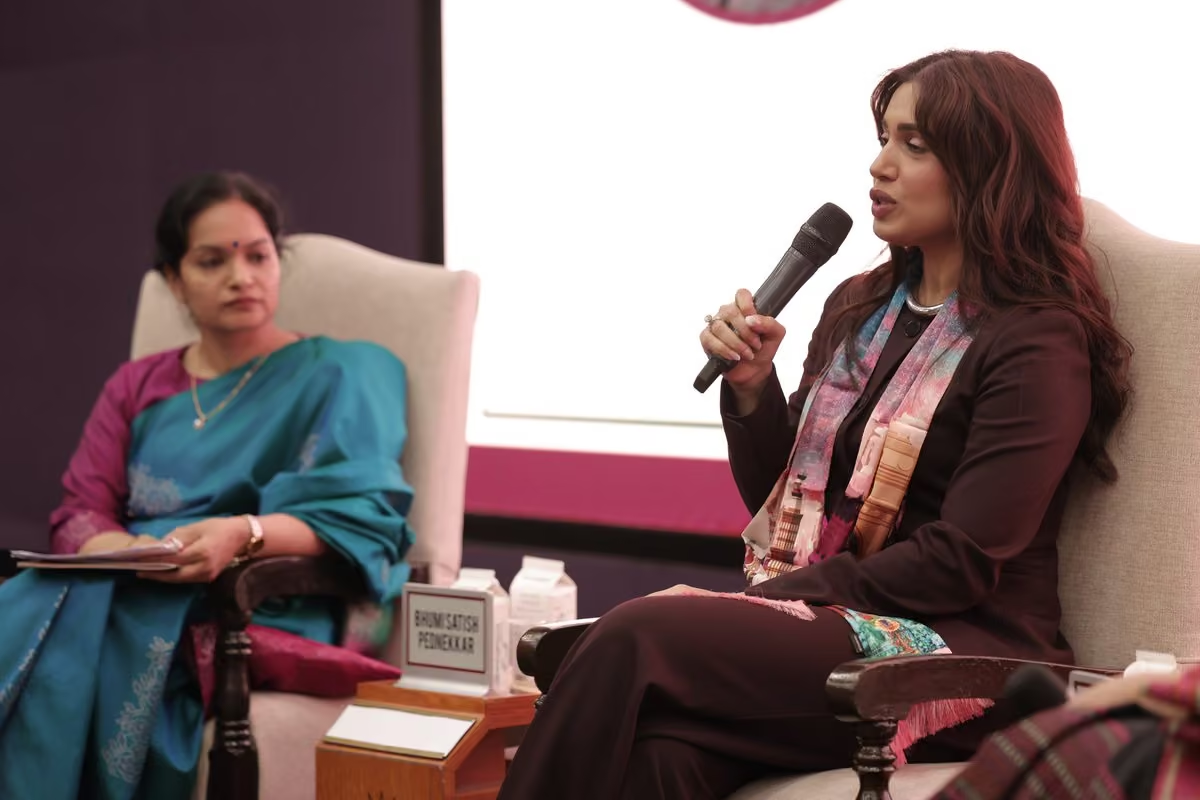
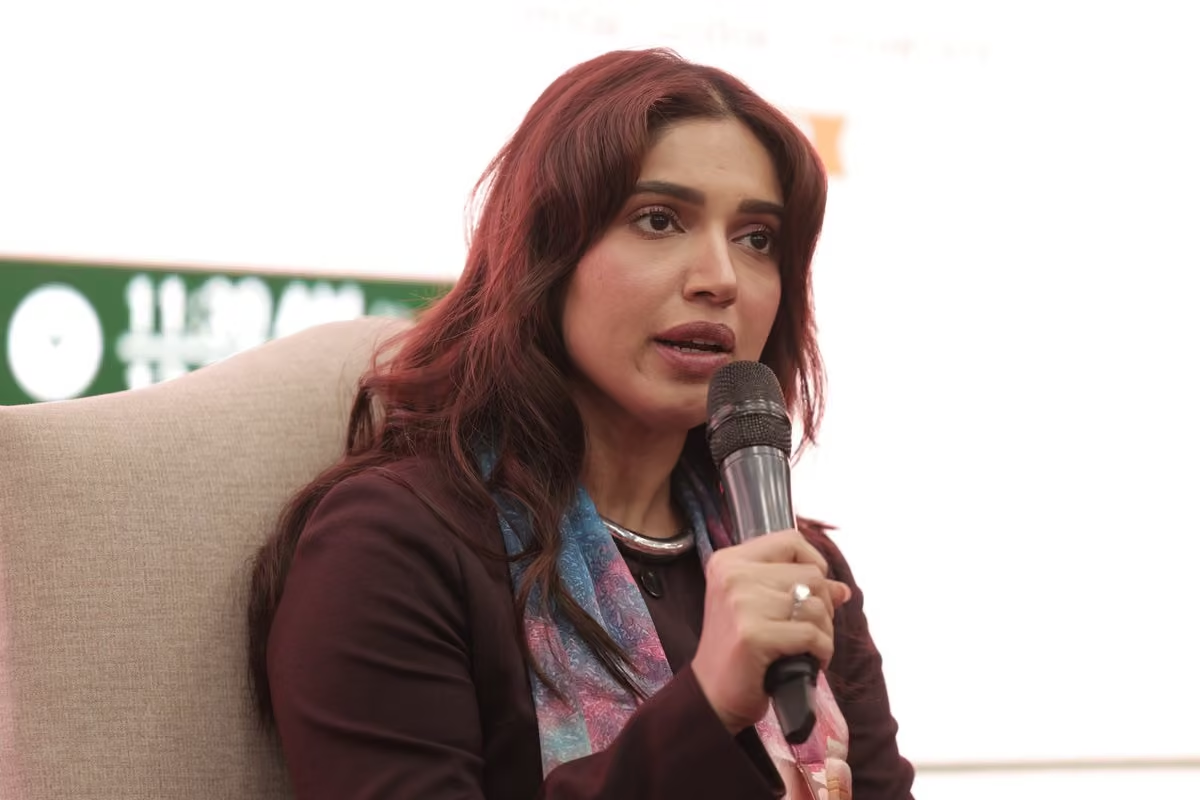
 Mahishini Colonné










 Raghav Sharma










 Shallu Jindal


 CentreForAfghanistanStudies (CAS)













 Jindal Steel India







 C Uday Bhaskar













 Arjun Ram Meghwal






 Manan Kumar Mishra




 IE Education Jobs




 UAE-India CEPA Council
 Ekta Chauhan






 Jindal Institute of Haryana Studies




 Indialogue Foundation


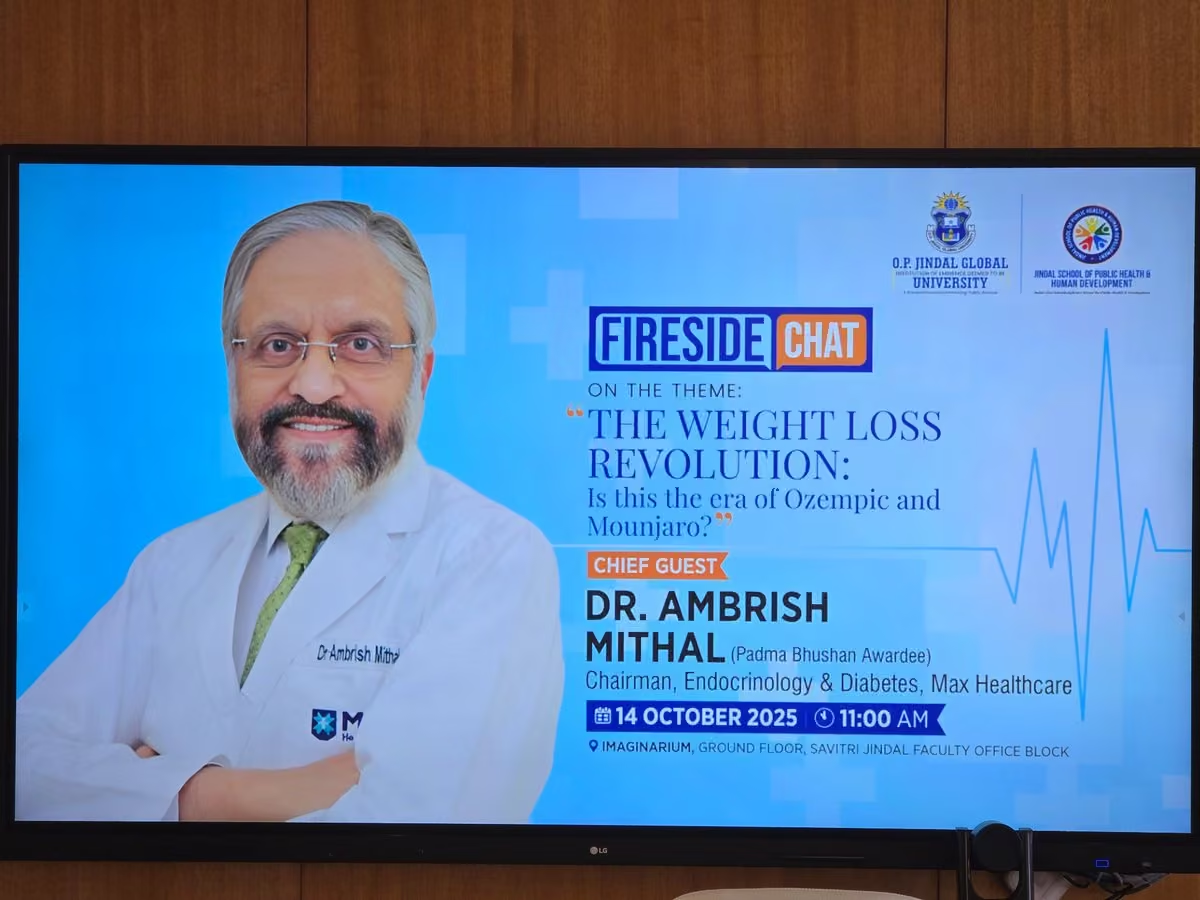
 Dr Ambrish Mithal









 MillenniumPost
 Delimitation Debate






 Jindal Foundation


 StratNewsGlobal




 Hardeep Singh Puri






 Manish Tewari











 Jindal School of Journalism & Communication (JSJC)

 Manohar Lal














 Nitesh Bansal


 NAL Academy




 ICWA


 Mousumi Mukherjee