🚨 [AI RESEARCH] The paper "AI, Algorithms, and Awful Humans" by @DanielSolove & @HideyukiMATSUMI is an ESSENTIAL read to understand the debate on 🚧 AI risk management & human oversight 🚧. Important quotes:
"Some might be tempted to equate thinking to rationality, with emotions clouding lucid thought, but there are many dimensions to human decision-making beyond rationality, and these nonrational elements are often underappreciated. Professor Martha Nussbaum aptly argues that “emotions are suffused with intelligence and discernment” and involve “an awareness of value or importance.”40 Emotions are “part and parcel of the system of ethical reasoning.” Yet algorithms do not experience emotions. Algorithms might be able to mimic what people might say or do, but they do not understand emotions or feel emotions, and it is questionable how well algorithms will be able to incorporate emotion into their output." (p. 1930)
-
"The hope that humans and machines can decide better together is not just vague and unsubstantiated; in fact, strong evidence demonstrates that there are significant problems with combining humans and machines in making decisions. Humans can perform poorly when using algorithmic output because of certain biases and flaws in human decision-making.59 Far from serving to augment or correct human decision-making, algorithms can exacerbate existing weaknesses in human thinking, making the decisions worse rather than better. As Professors Rebecca Crootof, Margot Kaminski, and Nicholson Price observe, a “hybrid system” consisting of humans and machines could “all too easily foster the worst of both worlds, where human slowness roadblocks algorithmic speed, human bias undermines algorithmic consistency, or algorithmic speed and inflexibility impair humans’ ability to make informed, contextual decisions." (p. 1935)
-
"Good qualities in decision-making include a commitment to the scientific method, humility, feedback loops, fairness, morality, lack of bias, empathy, due process, listening to all stakeholders, diversity, practicality, accuracy as to facts, critical reflection, philosophical depth, open-mindedness, awareness of context, and much more. Some decisions might call for more accuracy, but others less so. For landing a plane, we want high accuracy, but for decisions about school admissions, credit scoring, or criminal sentencing, other values are also quite important. There is no one-size-fits-all approach to regulating AI, as the decisions it will be employed to help make are quite different and demand different considerations." (p. 1939)
➡️ Read the paper below.
🏛️ STAY UP TO DATE. AI governance is moving fast: join 36,400+ people who subscribe to my weekly newsletter on AI policy, compliance & regulation (link below).



 Chris Lepkowski (new account)
@_ChrisLepkowski

 David Banks
@DBanksy
 Barnie Choudhury
 James Pearson
 BCU Journalism
 Aakash Gupta
 BURKOV


 ITVPolitics
 Alex Homer
 Raúl Sánchez 📈

 Reuters Institute


 Julian Amani
 Arvind Narayanan


 Hadley Beeman

 Federica Bordaberry


 Cairo Smith


 Joshi Herrmann

 Hannah Summers


 Jonathan Fagg
 Luke Powell


 Khoa Vu

 George Willoughby
 UoBris PolicyStudies
 steven monacelli


 Amy Reast
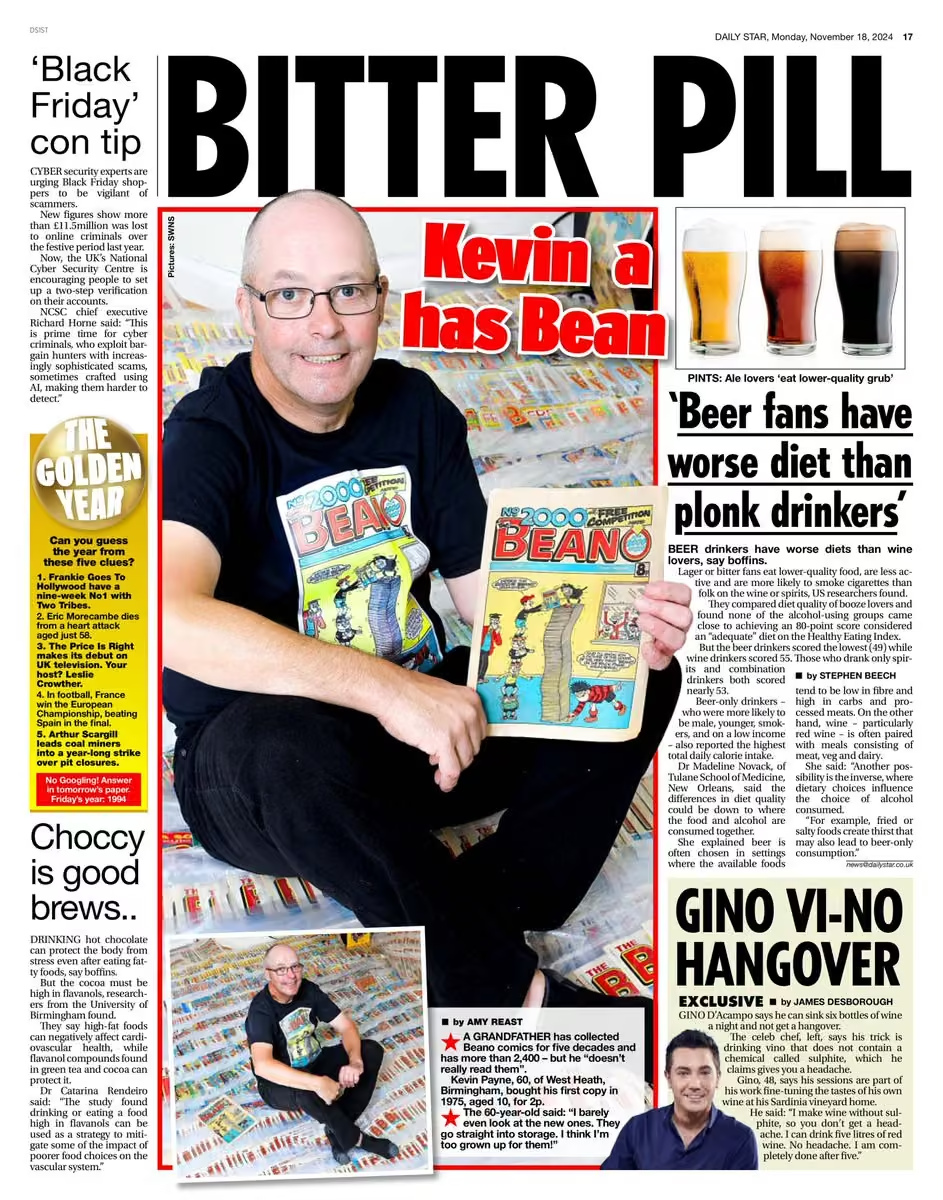


 Birmingham Dispatch

 Kate Cronin
 Neil Renic


 Lesley-Anne Kelly


 Pulitzer Center
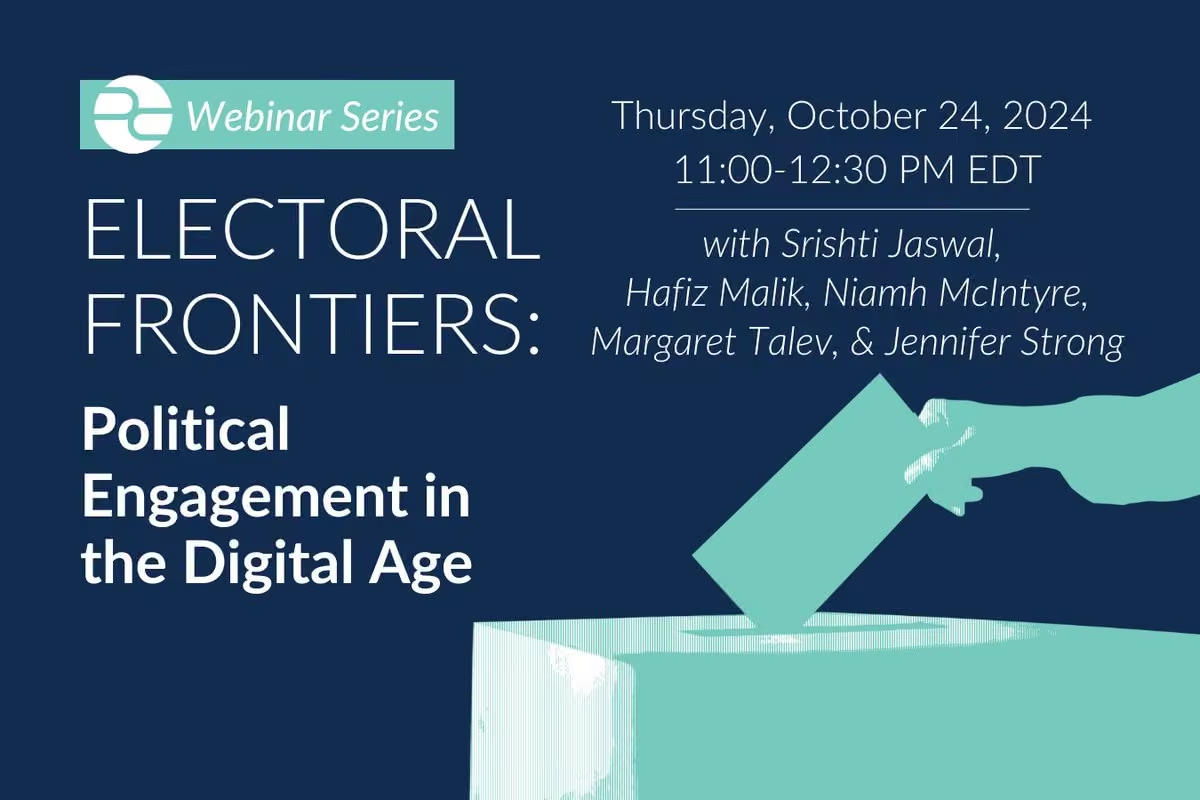
 Luiza Jarovsky, PhD

 BCU Alumni Community 🎓


 Esme Stallard
 Simon Willison
 kelin


 Rachel Tobac


 Meedan
 Marietje Schaake
 James Restall
 Matthew Berman

 Press Gazette

 Explained
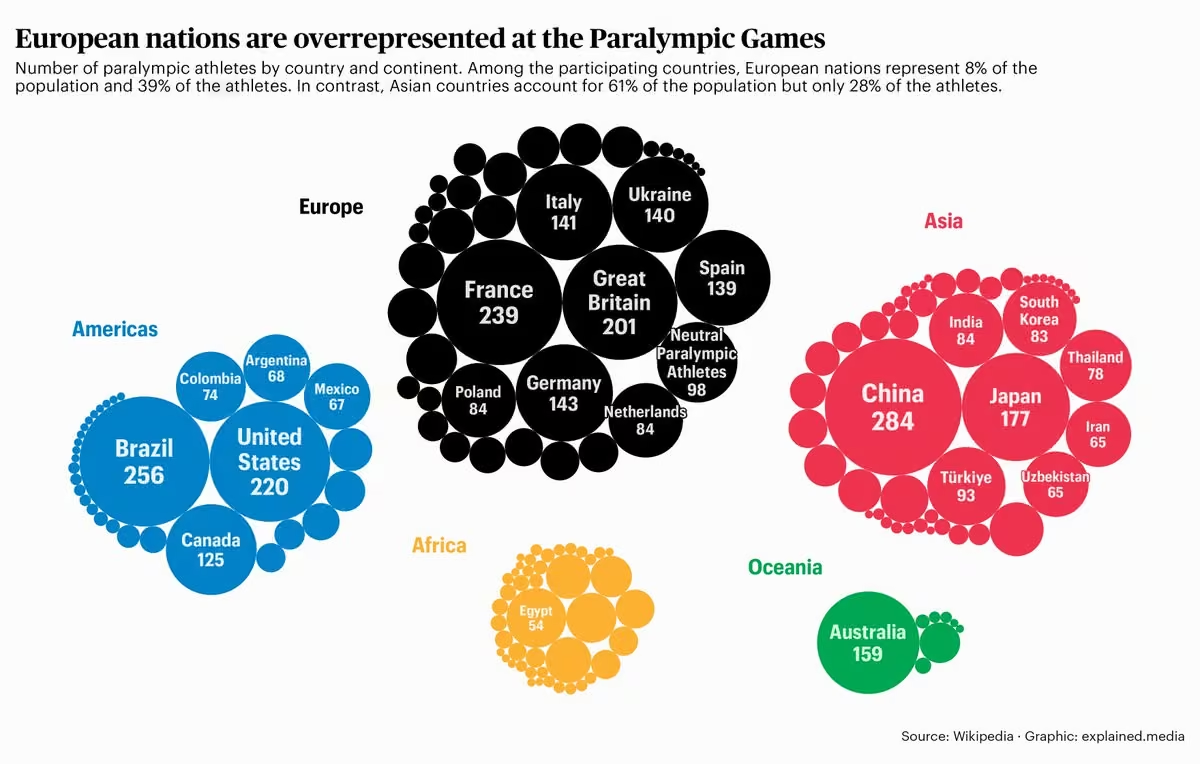
 Alix Hattenstone

 Tom Garry


 M6 Sport

 Marcus Ryder
 Claire Miller
 The Audio Academy

 Miguel Roca
 Rob England

 Ian Tucker
 Federico Acosta Rainis



 Florent Daudens
 Owen Boswarva
 Dave Harte
 Peter Geoghegan
 Annie Gouk
 Martin Rosenbaum
 Mariana Hallal
 Saskia Masaun

 Tom Calver

 Matthew Holehouse

 Alex Selby-Boothroyd

 Rachel Lavin
 Matilda Davies


 ⭐Pauline Roche ⭐🇮🇪 🇪🇺

 John Burn-Murdoch
 Katie Riley
 Blaine Brown

 Chris Alvino
 Damion Schubert - @ZenOfDesign.com on bsky
 Tsarathustra

 Christine Jeavans
 Datawrapper
 Shropshire Star
 Karim Douïeb
 George Greenwood


 Jana Tauschinski

 Shaun Lintern


 Melissa Sigodo

 Marcus Lindemann

 Jason Kint


 Carmen Aguilar García
 Dataharvest - EIJC


 Daniel Dunford
 News Mutt🎙


 Phoebe Greggor

 Graeme Brown

 Naël Shiab

 Olivia Lee

 Chiqui Esteban

 Nicholas Diakopoulos
 Amy Fallon




 Leonardo


 Behind Local News
 Leon Yin

 GIJN Africa
 Lívia Vieira
 Times Sport
 Ashlea Follows
 Nathan Clarke


 𝚑𝚎𝚗𝚔 𝚟𝚊𝚗 𝚎𝚜𝚜
 Birmingham City University Press Office


 Ema Sabljak


 Jonathan Stray
 @walinchus.bsky.social




 Felix M. Simon
 Mark Stenberg
 Chris Stokel-Walker

 Open Rights Group
 Joseph Harker
 Shayan Sardarizadeh
 Ed Conway
 Paul Lynch
 sigmaawards


 Harriet Clugston

 Journo Resources
 Lucas Batt
 Yohan

 Andrew Kersley


 Marverine Cole
 Lyle Bignon
 Kate Knowles


 The Guardian Foundation
 Dutch Osint Guy Nico

 Kareem Carr


 GeniusThinking

 Anthems for a Twenty Six Year‐Old Boy


 Pilar Tomás
 Will Hayward

 nicnewman

 The Bureau of Investigative Journalism
 Kate isn't really here any more
 Dr Kevin Fong




 Kit Yates

 Eric Umansky
 Marc Blank-Settle marcsettle.bsky.social




 European Data Journalism Network


 camille fassett
 ftlsid
 Hannes Cools 🟥 - @hannescools.bsky.social


 Colaboratory

 José Luis Rojas Torrijos


 Dan Neidle
 OpenNews Source
 John Dickens
 Charlie Beckett

 annie-mai
 Paul Radu
 Meghan Hoyer


 Brighton & Hove LDR Sarah Booker-Lewis


 Professor Diane Kemp


 Ben Welsh


 Francisco Vara-Orta


 Erica Starling Productions

 Heidi Blake

 Bloomberg Graphics

 Dr Yemisi Akinbobola

 Marianna Spring


 Tom Fair

 Chris Moran


 Demetrios Pogkas


 Adam Bienkov
 Paul Lewis
 Eliz Mizon
 Stephen Abbott Pugh

 Guardian Tech
 Amy Journo

 Rosa Furneaux
 John Schofield Trust
 Lily Canter
 Lewis Warner
 Matthias Stahl 🇪🇺


 Conor Gogarty

 Ashley Cowburn
 Alex Tribou
 #BucksWriter 🦌


 GIJN - Глобальная сеть журналистов-расследователей

 NewsData


 Christopher Smets


 HoldtheFrontPage

 Daniel Handford


 Lynn Walsh
 Santiago


 Nixintel

 James Jackson

 Paul Nuki


 Megan Greenwell


 Ally Fogg


 Sam Wallace
 Dan Bardell
 Taylor Johnston

 PoliticsJOE


 Brecht Castel
 Paul Couvert


 Stef
 Rowan Cheung
 Max Harlow
 Nicolas Neubert


 Steve Robson

 Sam Joiner


 Will Moy


 Montevideo Portal

 Jack Newman (On Bluesky: jacknewman.bsky.social)

 wilson
 Nina Robinson

 Katy
 Academy for Disabled Journalists