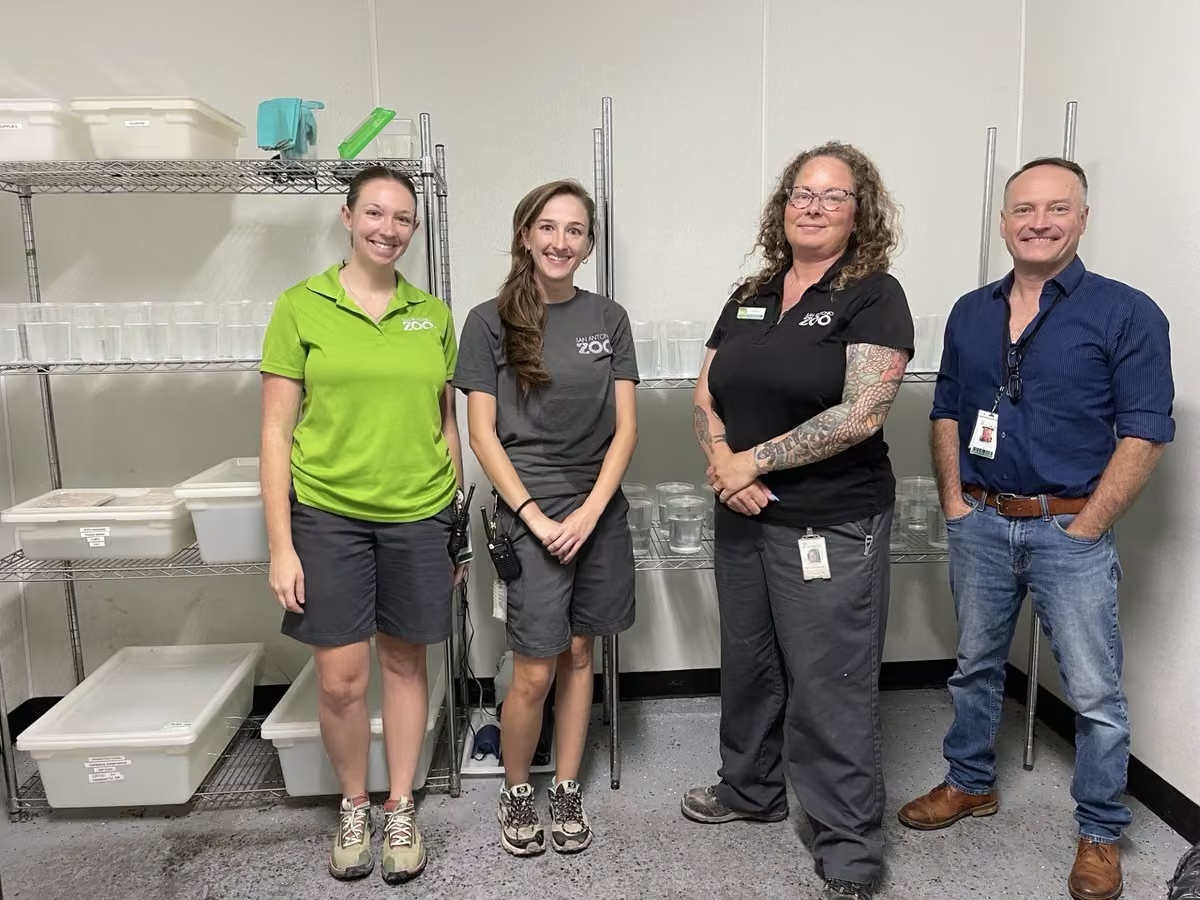
San Antonio Zoo mourns the loss of Louis Roman DiSabato, former Zoo Director and internationally respected zoological leader, who passed away on February 14, 2026, at the age of 94. Born on October 7, 1931, DiSabato dedicated his life to advancing modern zoological practices, wildlife conservation, and education, leaving a legacy that continues to shape San Antonio Zoo and the zoo profession worldwide.
“The Zoo Crew and I are devasted at the passing of Louis DiSabato. For me personally Louis was a mentor, a living history book, a guide and a friend. His impact will live on at San Antonio Zoo forever.” said Tim Morrow, President & CEO San Antonio Zoo “What has been accomplished here in recent years is a direct reflection of, and has been inspired by the incredible leadership this zoo has known over 100 years such as Fred Stark, Louis Disabato, and directly prior to my arrival Steve McCusker.”
A Life in Zoos
DiSabato served as Director of San Antonio Zoo from August 1968 until his retirement on May 1, 1994, leading the institution through 25 years of unprecedented growth, conservation leadership, and habitat transformation.
DiSabato’s zoo career began at just 15 years old at the Columbus Zoo in Ohio, where he cleaned restrooms and parked cars. After serving in the Korean War, he returned to Columbus and rose through the ranks to become the zoo’s mammal curator, eventually being named Director in 1960. During this pivotal period in zoo history, he played a role in groundbreaking advancements in great ape care, including helping to hand-raise Colo, the first gorilla born in human care. The experience helped shape modern gorilla husbandry practices and influenced zoological institutions across the country.
In 1963, he became Director of Seneca Park Zoo in Rochester, New York, where he served for five years before accepting the leadership role in San Antonio.
Transforming San Antonio Zoo
Following a nationwide search, DiSabato was appointed Director of San Antonio Zoo in August 1968 at age 36. He arrived with a bold vision to preserve the zoo’s “Old World” charm while modernizing it into a park-like setting with naturalistic habitats.
At the time, large waterfowl populations had stripped much of the vegetation from the zoo grounds. DiSabato launched an ambitious effort to re-green the campus, developing a botanical collection that would rival municipal botanical gardens. In 1971, he and Zoo architect Thomas Pressly introduced a $1 million master plan that included a new animal hospital, commissary, education facilities, and immersive geographic zones representing Africa’s savannas, forested trails, dusty flatlands, and high ridges.
Throughout the 1970s and 1980s, DiSabato oversaw the creation and expansion of numerous landmark habitats and facilities, including:
• Animal Health Center (1972)
• Congo Falls Gorilla Exhibit (1976)
• Animal Nursery (1981)
• Everglades Exhibit (1982)
• Hixon Visitor Center (1982)
• Straus Education Center (1983–1986)
• Galapagos Island (1984)
• Pelican Island (1984)
• Seal Island (1985)
• Shark Exhibit (1986)
• Children’s Zoo (1987)
• The Amazon Rain Forest, Cliffside Grottos, Rift Valley Track, and the Outback
He led the removal of many traditional barred enclosures, advancing the zoo toward naturalistic, mixed-species exhibits that reflected how animals live in the wild — a philosophy that defined modern zoo design.
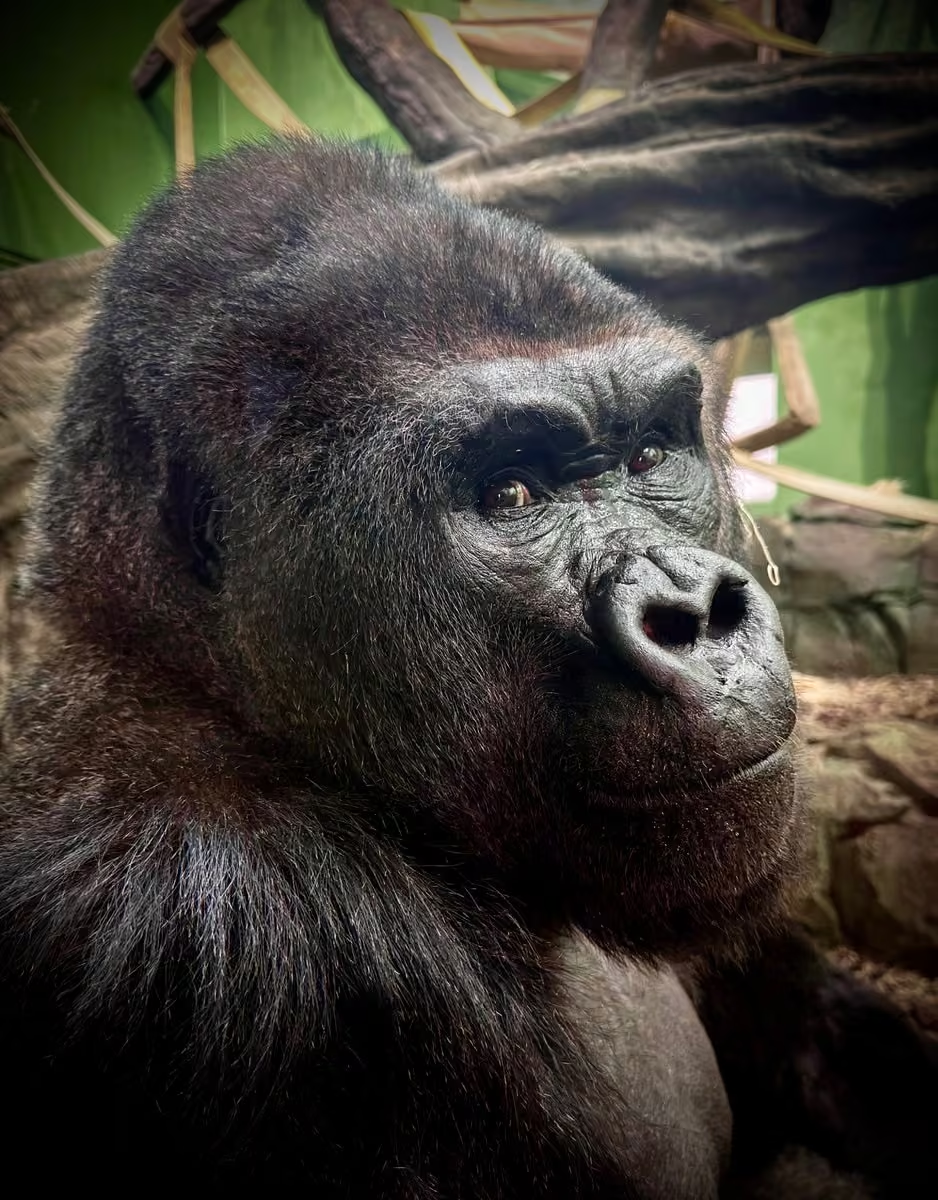
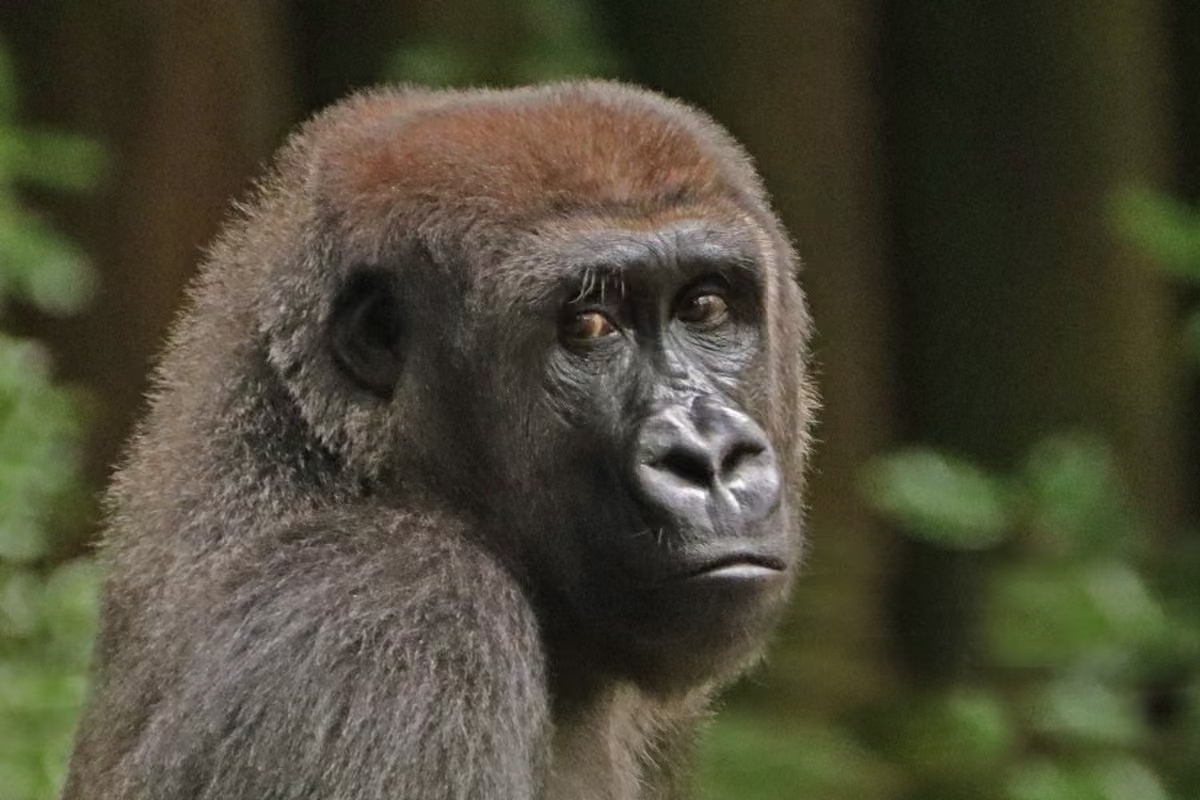
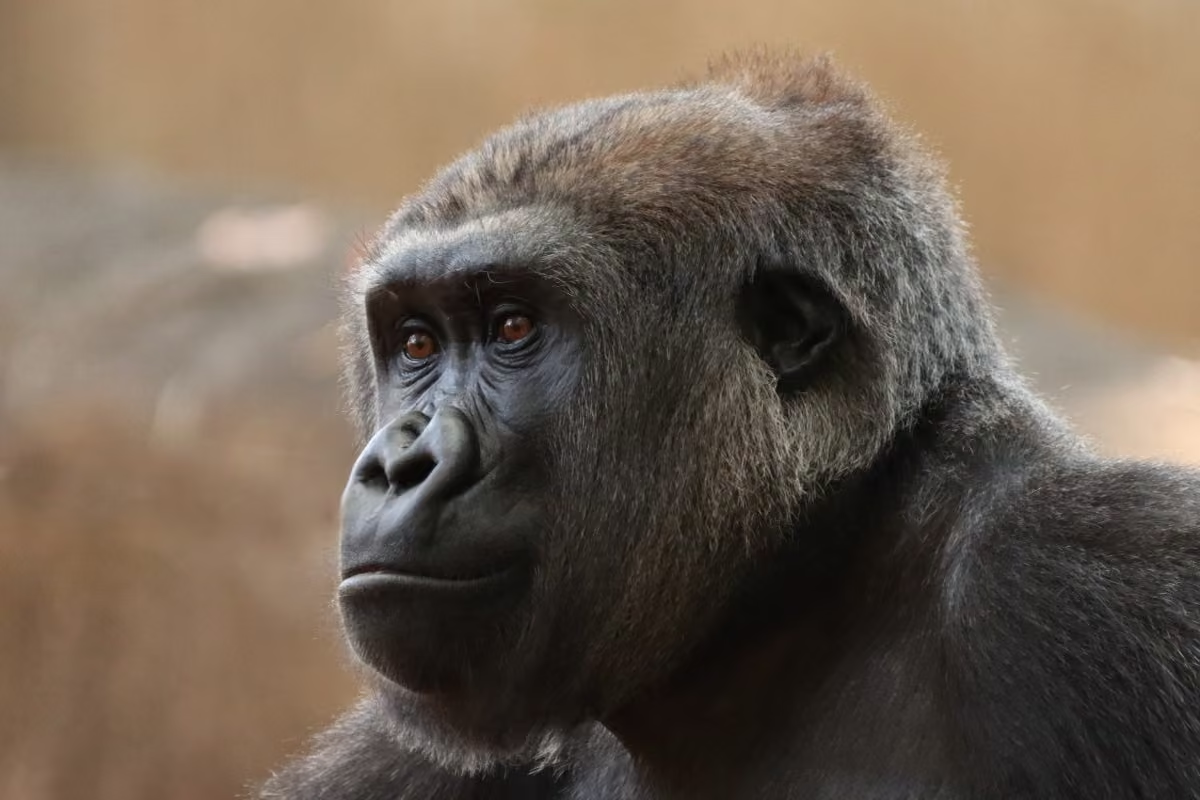
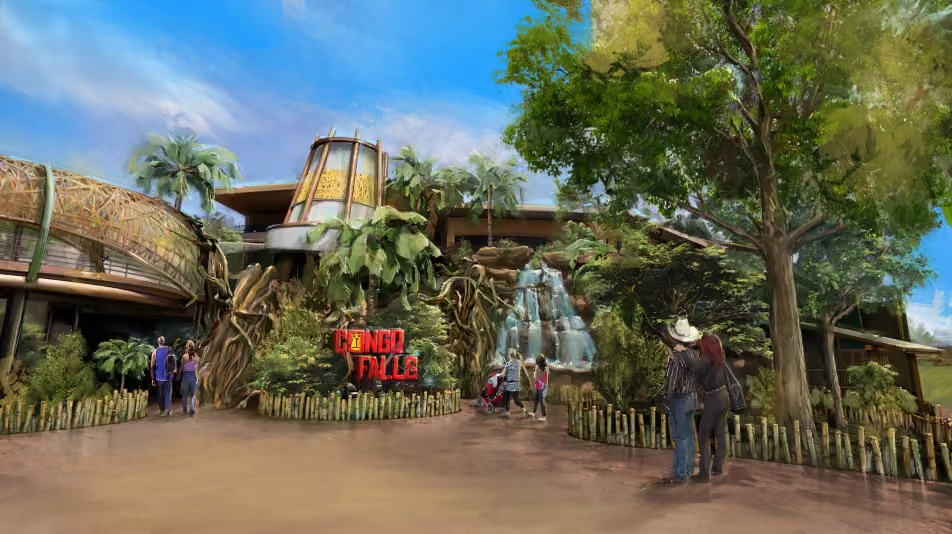
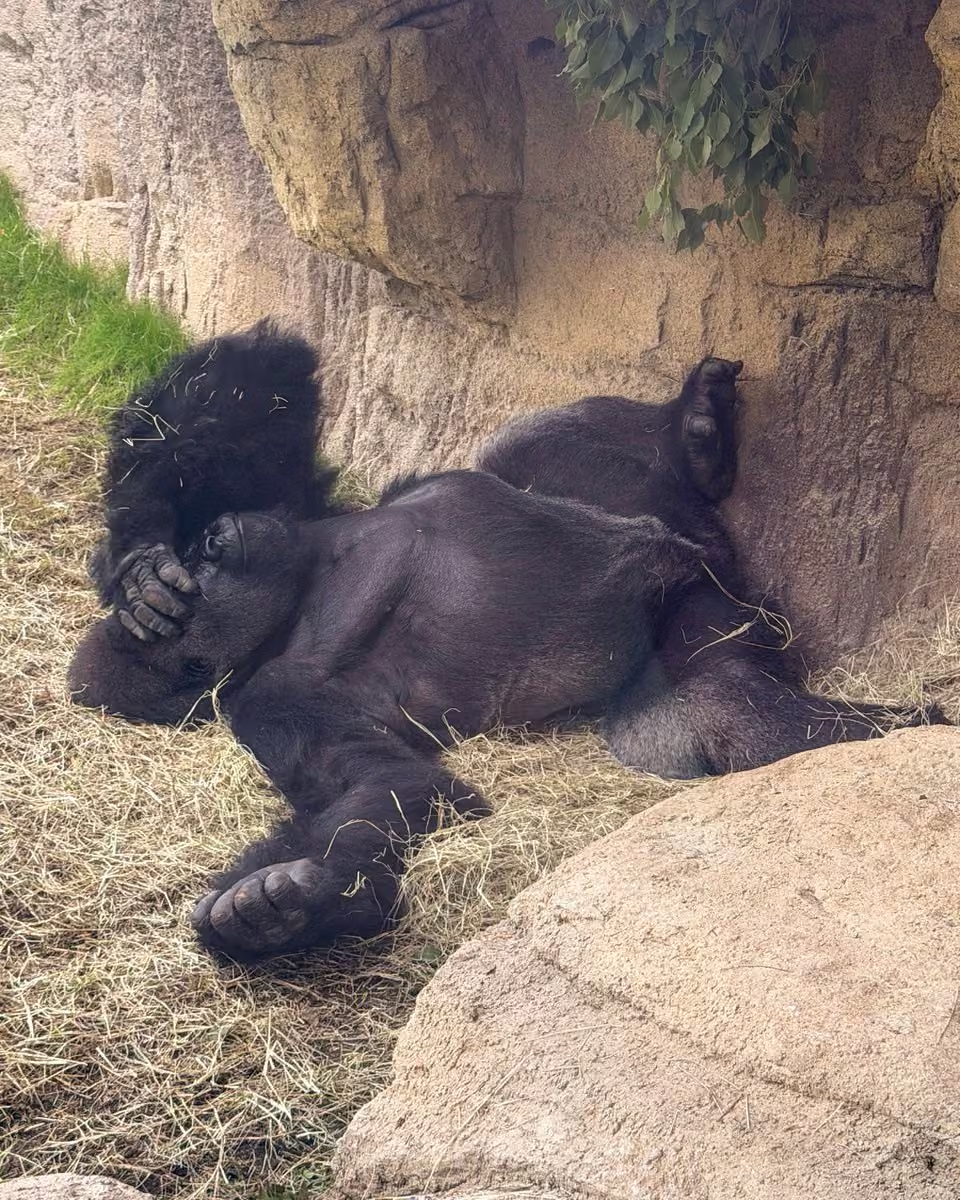
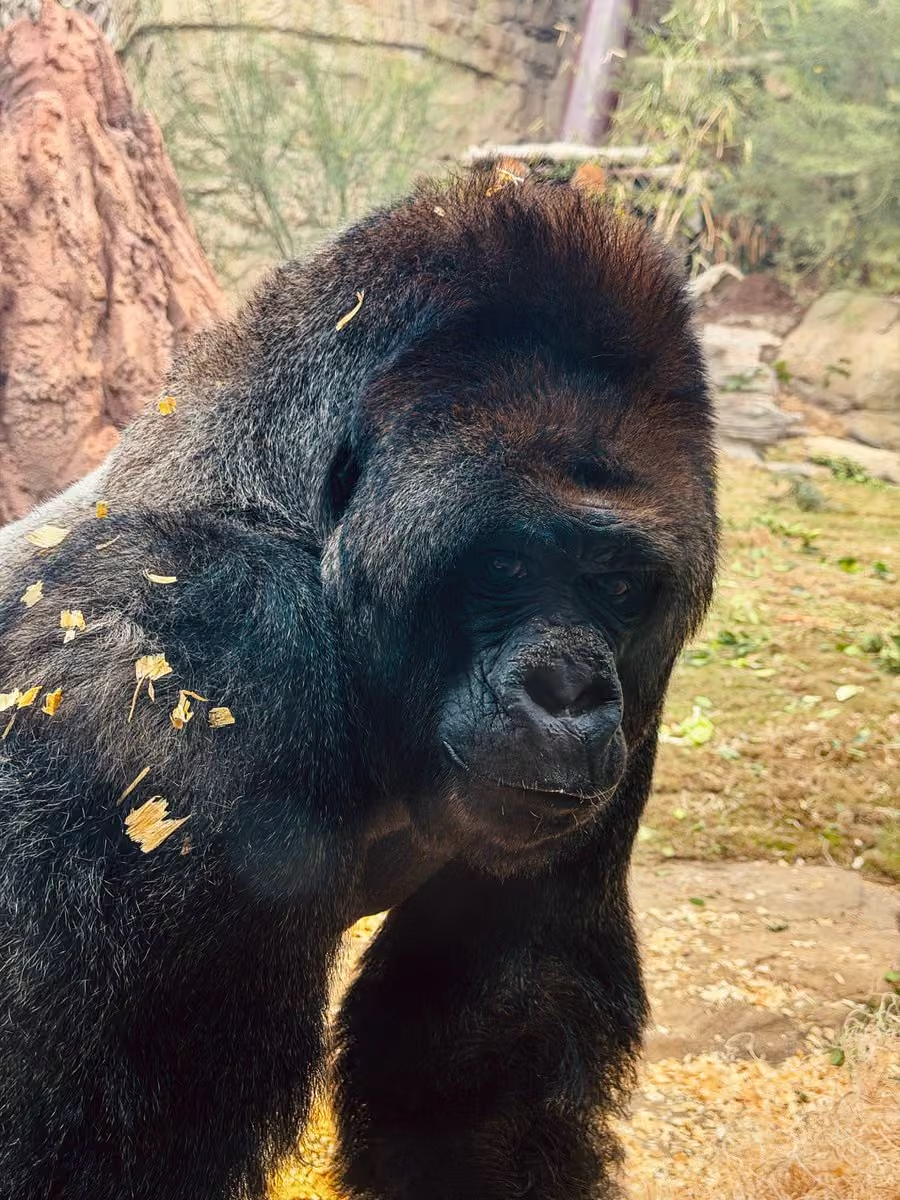
In 1976, DiSabato opened the original Congo Falls near the zoo entrance, creating a groundbreaking gorilla habitat without bars. Decades later, he returned to help cut the ribbon on the newly reimagined Congo Falls, symbolizing the lasting impact of his vision.



 San Antonio Zoo 🦍
@SanAntonioZoo























 Tim Morrow




 Benjamin Hill
 Rocket City Trash Pandas


































 San Antonio City Council District 1