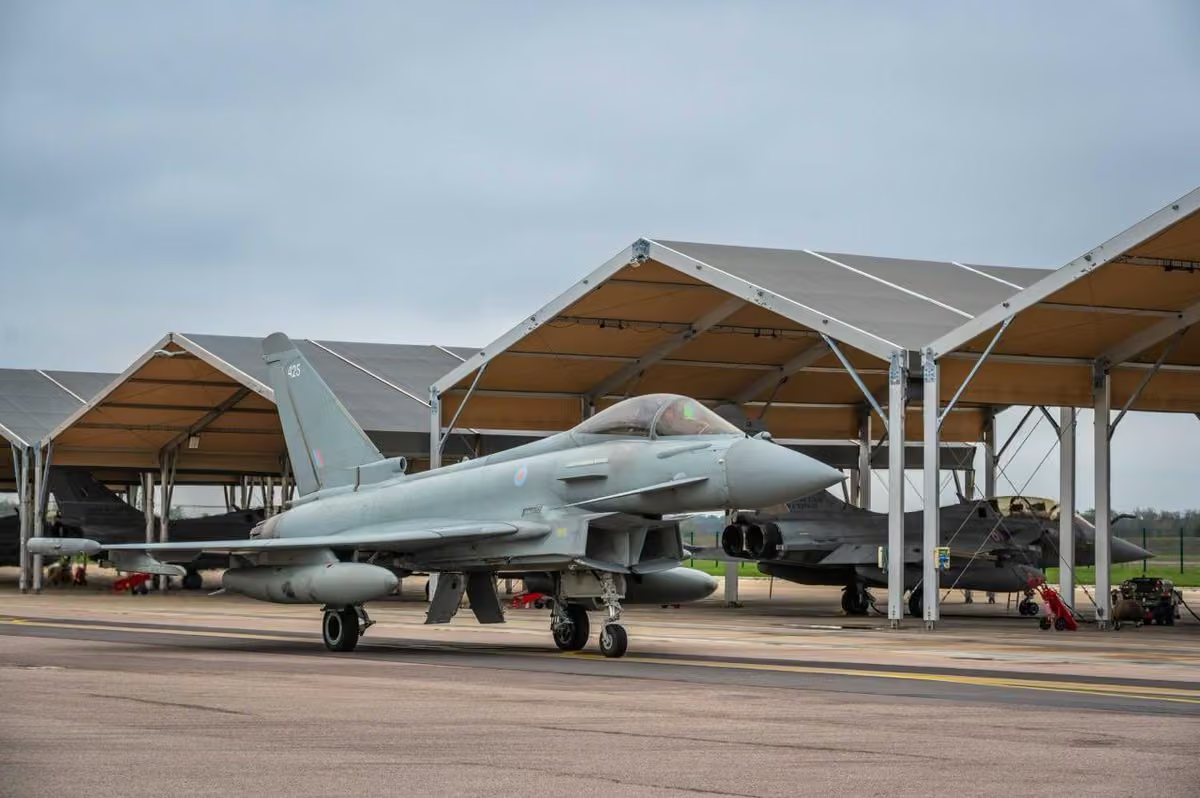
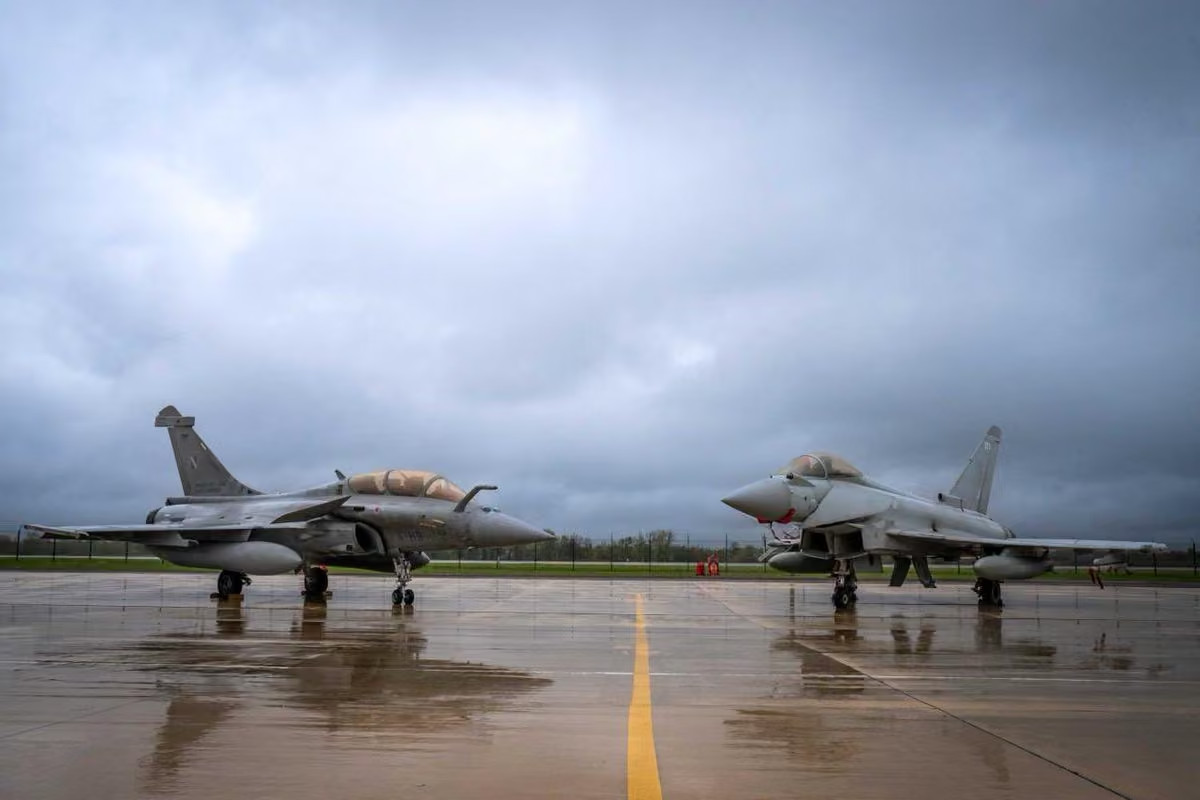
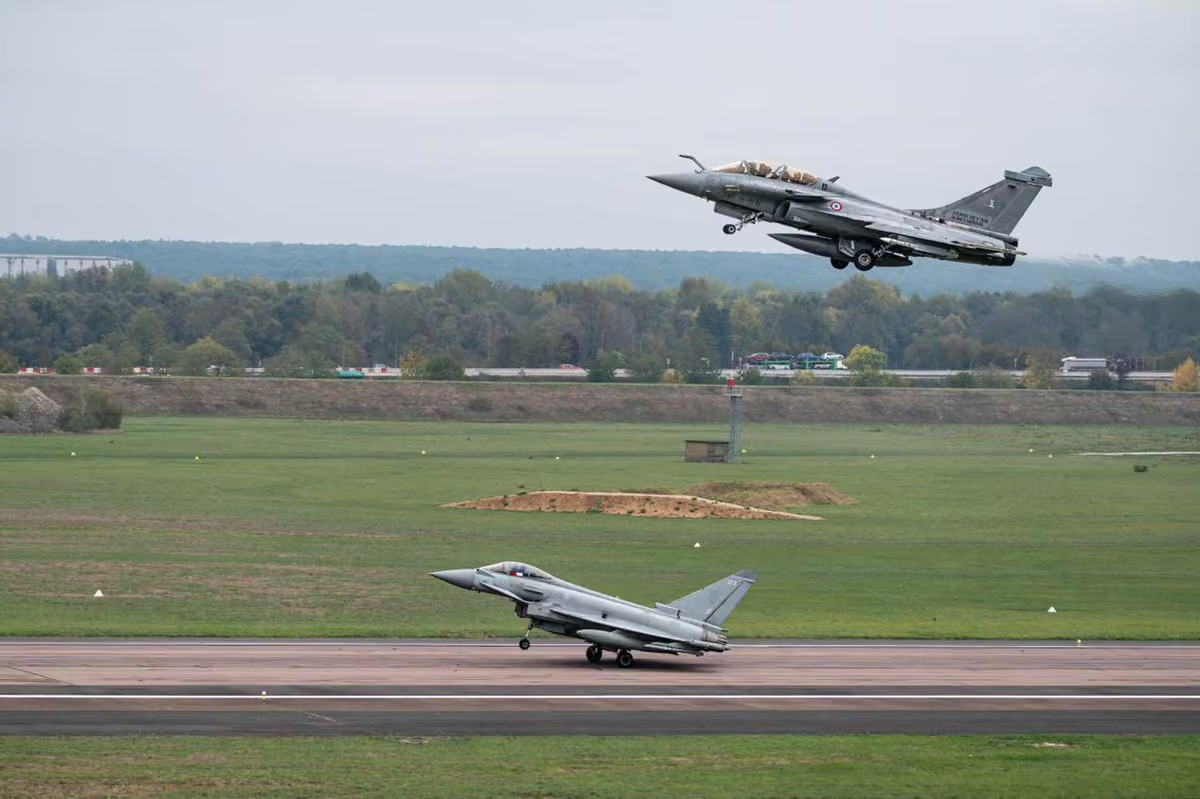
Let me now talk about the Global Combat Air Programme (GCAP) which, I believe, many of you here already know.
Japan has been driving forward this ambitious project GCAP with the United Kingdom and Italy, which will definitely boost the defense industrial cooperation with Europe to the next level.
The GCAP is not merely a fighter development programme.
It is a strategic partnership with Japan’s like-minded partners, the United Kingdom and Italy, to jointly build the future of the security and technological innovation.
The collaboration through the programme will build a long-lasting foundation for close partnership among people, collaboration in technology, as well as cooperation among industries in the decades to come.
This one-of-a-kind programme will strongly connect the Indo-Pacific and the Euro-Atlantic with security, and will be a good model of security collaboration that transcends distant regions.
The GCAP enhances defense capabilities, and moreover, promotes ties among industries, technical research institutes and human resources, leading to technological innovations.
In Japan, this is an all-nation programme where we bring together the best defense and commercial technologies and expertise from the nation’s air and space industry, and in this all-Japan approach, we are vigorously moving this project forward.
I genuinely hope that this all-Japan approach will support the resiliency of the supply chain, providing stable basis that will sustain the development, acquisition, operation and maintenance of the next-generation fighter into the future.
What we three nations are now challenging to build in collaboration is not merely a future aircraft. It is the trust, technology and partnership that will be passed on to future generations to come.
Let me conclude.
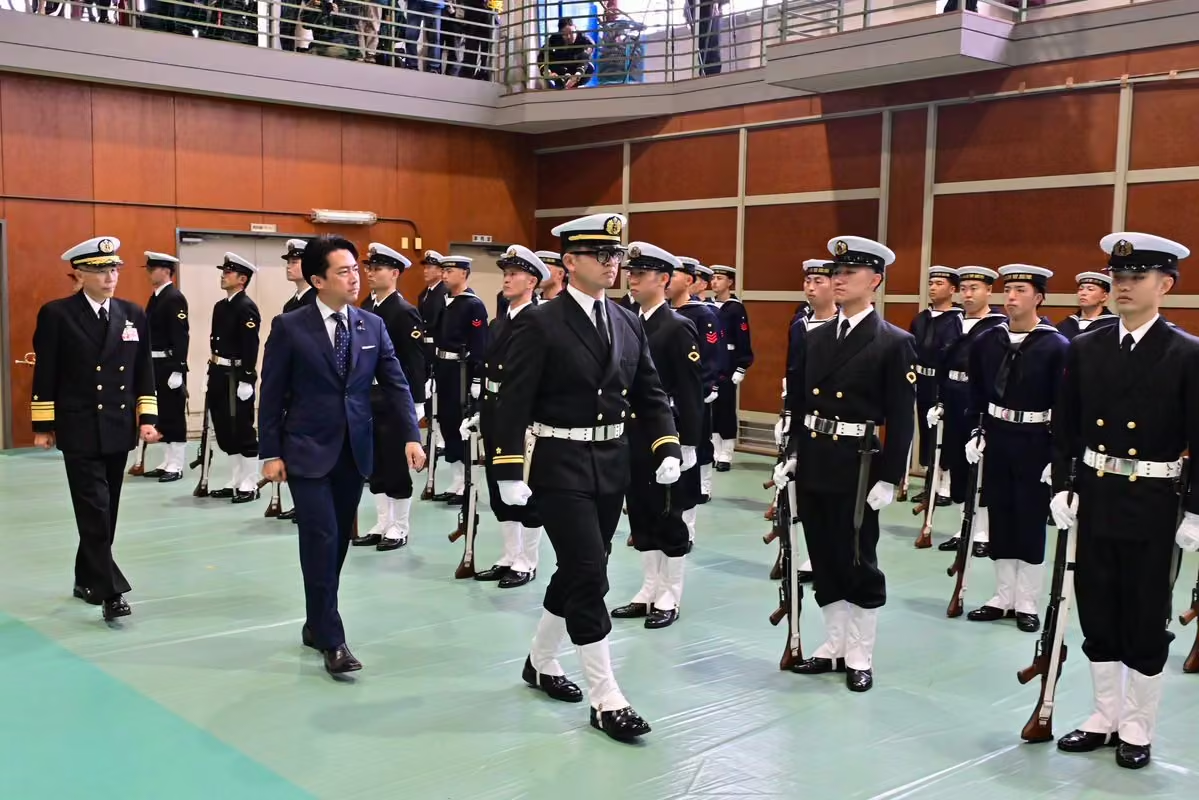
Defense production and technology bases are not only the foundation of Japan’s security.
They are a foundation that supports the security of our allies and like-minded partners as well.
I believe Japan can be the world's “Dot Connector.”
Connecting allies and like-minded nations.
Connecting governments and industries.
Connecting technologies and innovations.
And, above all, connecting people.
The term “Dot Connector” was presented by the late former Prime Minister Shinzo Abe, a leader whom I deeply respected.
As Minister of Defense, I, too, am committed to playing that role.
Connecting dots to form lines, and lines to form global fabrics.
Together, we will build a multi-layered web of connectivity that spans governments, industries, technologies, and societies.
Because it is this vision that will sustain a Free and Open Indo-Pacific.
Japan is committed to advancing industrial cooperation between the Indo-Pacific and the Trans-Atlantic community through a whole-of-government and whole-of-industry effort.
And finally, I would like to leave you with three simple messages.
Production is deterrence.
Partnership is power.
Trust is our advantage.
These words embody our determination.
I very much hope to see many of you here at Farnborough, and also, look forward to welcoming all of you to Japan next spring for our proud equipment exhibition, DSEI Japan.
Thank you very much.


 小泉進次郎
@shinjirokoiz

 防衛省・自衛隊
@ModJapan_jp






 Ministry of Defence, Government of India



 上地克明

 読売新聞 政治




 反町理


 高橋浩祐(たかはし こうすけ)Takahashi Kosuke🐺

 防衛省 海上自衛隊


 防衛大学校【公式】




 防衛省・自衛隊(災害対策)


 統合幕僚長 内倉浩昭









 池田徳重


 まるた こう一郎/自民党 衆議院議員 神奈川13区(瀬谷区、大和市、綾瀬市)/丸田康一郎







 DD News




 陸上自衛隊 第15旅団








 【公式】お~りと~り石垣市役所
 海上自衛隊 日本国練習艦隊【公式】






 陸上自衛隊 第5旅団【公式】












 防衛省あぐいん報道官






 国土交通省 関東地方整備局 広報


 陸上自衛隊 高射学校





 海老あやの


 陸上自衛隊 第31普通科連隊


 陸上自衛隊 第1空挺団


 たみやひさと/衆議院議員/千葉9区/若葉区、佐倉市、四街道市、八街市/田宮寿人
















 熊本市長 大西一史
 陸上自衛隊 第8師団




 呉市


 航空自衛隊 中部航空方面隊司令部




 航空自衛隊芦屋基地


 海上自衛隊佐世保地方総監部【公式】


 山本裕三(静岡三区選出衆議院議員)





 陸上総隊司令部


 海上自衛隊大湊地区隊【公式】




 航空自衛隊 西部航空方面隊司令部



 防衛装備庁


 航空自衛隊防府南基地






 村木汀(衆議院議員|北海道比例)


 रक्षा मंत्री कार्यालय/ RMO India


 防衛装備庁 採用情報

 ONO Keiichi, Ambassador of Japan




 インド大使館 || India in Japan 🇮🇳


 舞鶴地方総監部【公式】


 Indrani Bagchi


 第4後方支援連隊




 くさま剛 衆議院議員 神奈川19区 川崎市宮前区 横浜市都筑区


 陸上自衛隊西部方面隊




 海上自衛隊 自衛艦隊(公式)


 陸上自衛隊第10師団




 横須賀地方総監部【公式】






 荒木健太郎


 防衛省統合幕僚監部


 陸上自衛隊 東部方面隊





 若林ようへい


 U.S. Forces Japan


 TBS NEWS DIG Powered by JNN
 陸上自衛隊 健軍駐屯地


 陸上自衛隊 西部方面航空隊(高遊原分屯地)


 陸上自衛隊 都城駐屯地







 木村敬 | 熊本県知事




 第十管区海上保安本部【公式】




 NHKスペシャル(日)夜9時


 SUZUKI Hideo 鈴木秀生




 NATO Spokesperson


























 陸上自衛隊鯖江駐屯地


 高橋 杉雄/Sugio




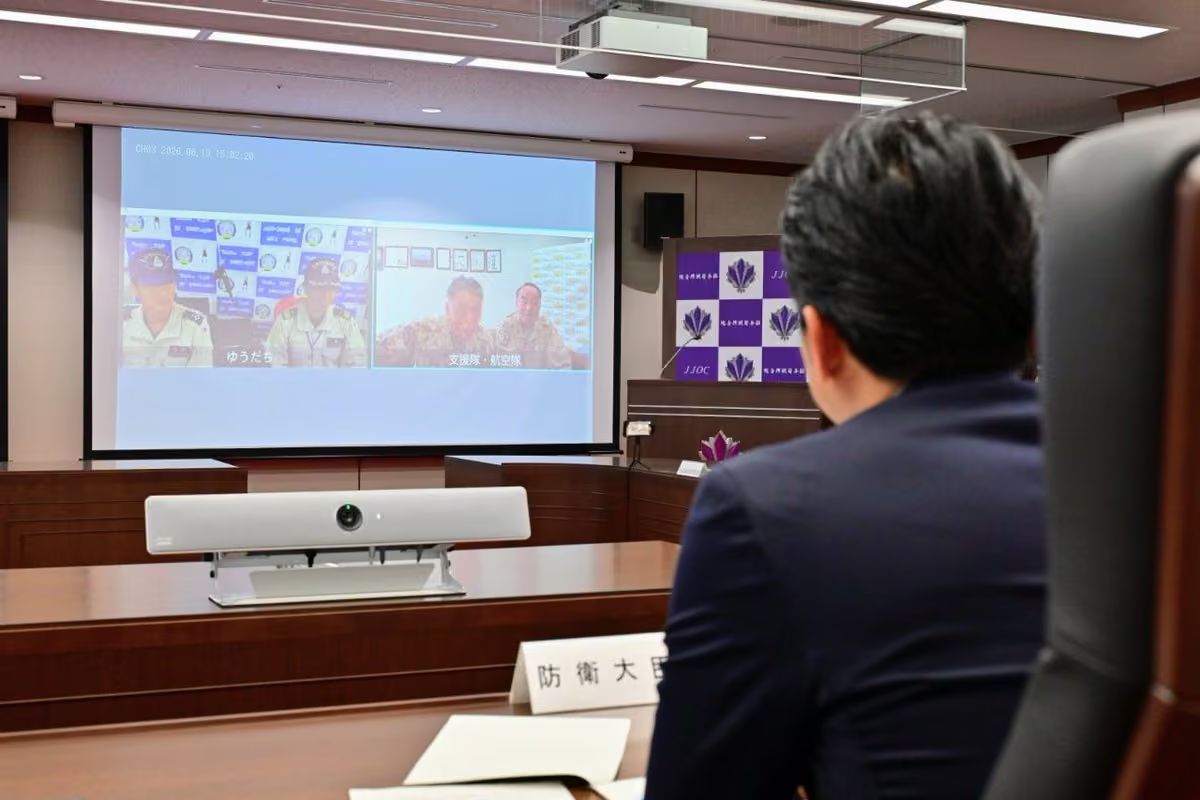


 自民党宮城県連青年局(みやぎ青年局)

 鏡優翔 yuuka KAGAMI


 吉野直也(NIKKEI News Editor Editorial Division )


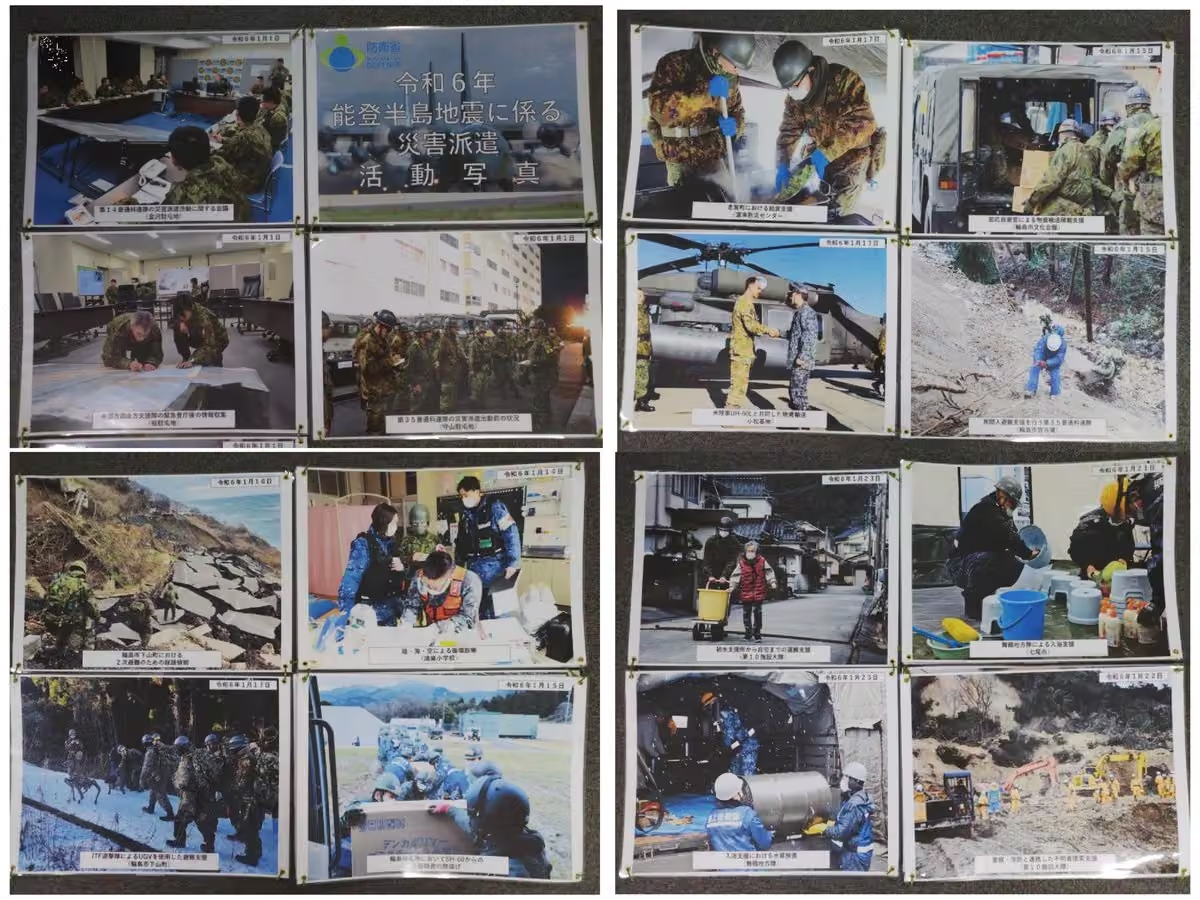


 Embassy of the Kingdom of the Netherlands in Japan












 Secretary of War Pete Hegseth




 Robert Ward


 神保 謙 (Ken JIMBO)




 内閣広報官/Cabinet Secretary for Public Affairs, Japan

 국방부







 尾花あきひと | 埼玉6区(上尾市・鴻巣市・桶川市・北本市) | 自由民主党・衆議院議員


 松本ひさし/ドクターヘリ(千葉13区)


 Japan Ministry of Defense/Self-Defense Forces









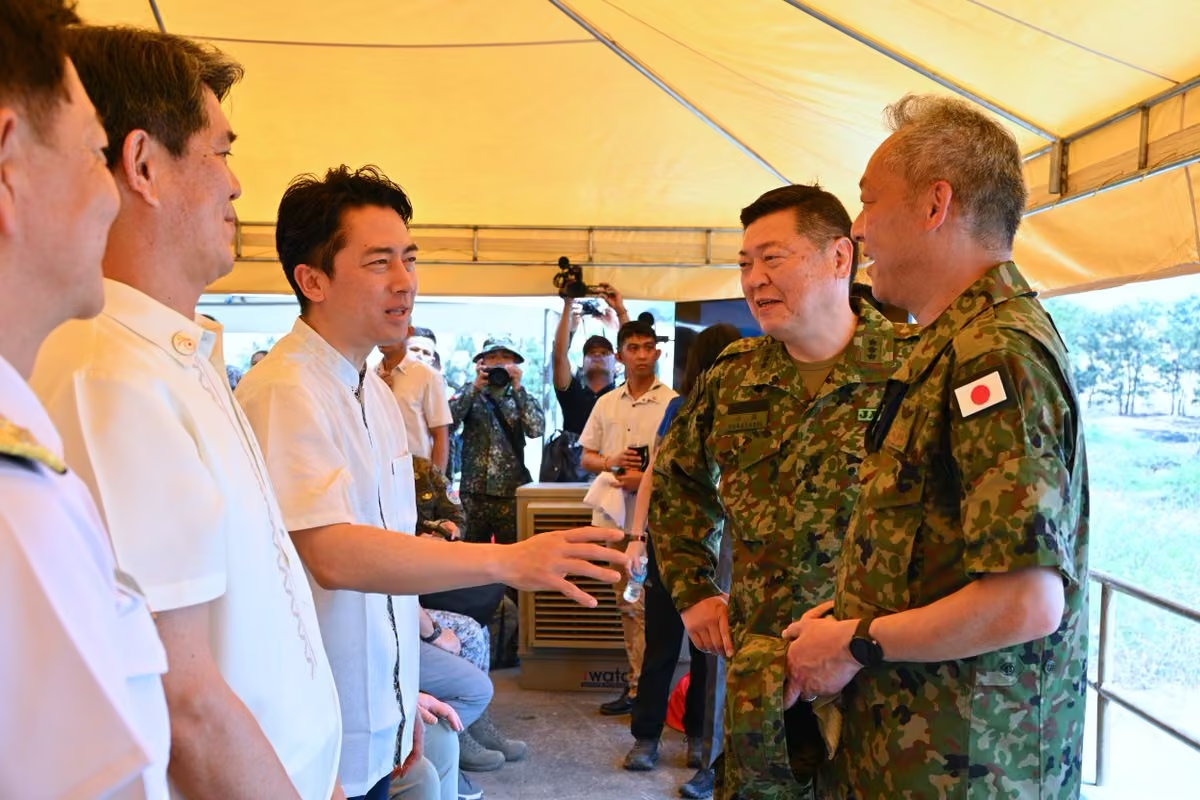
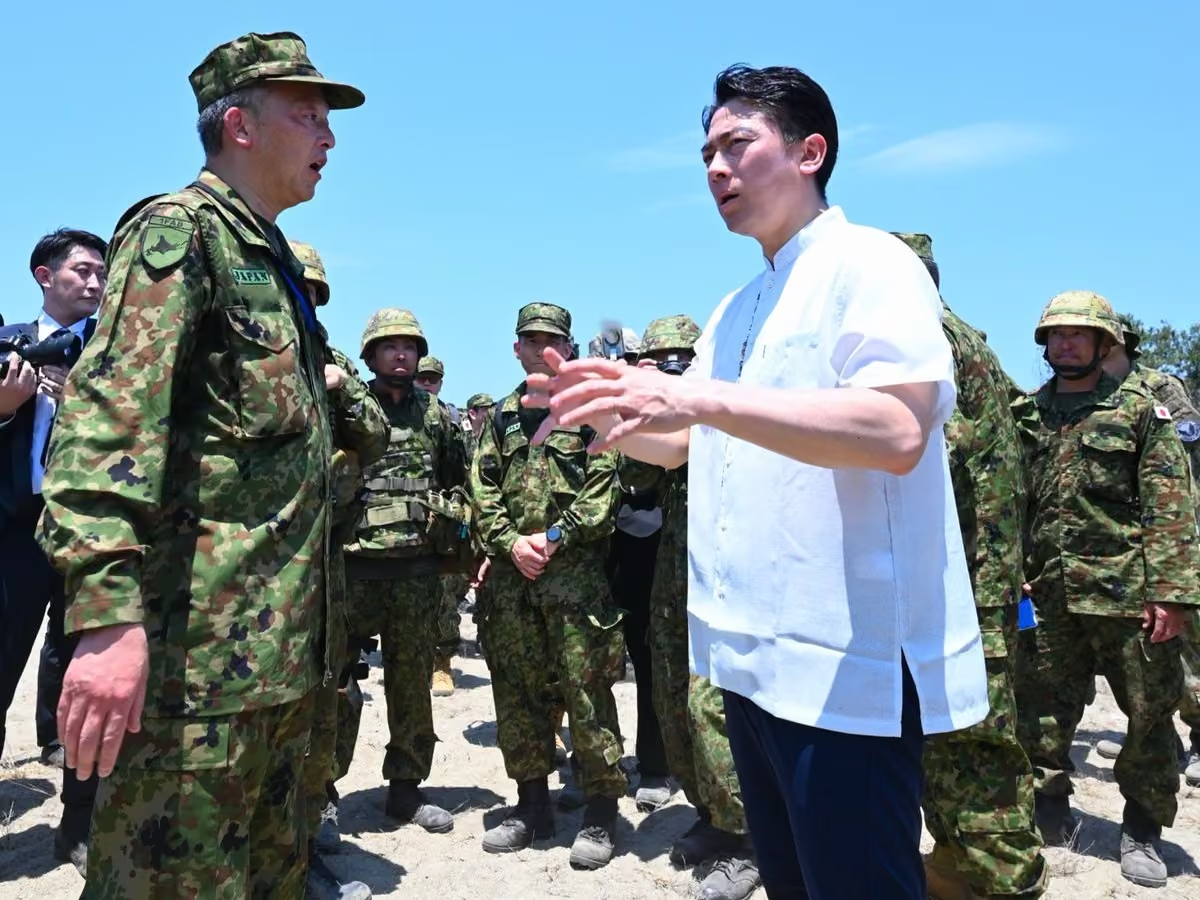


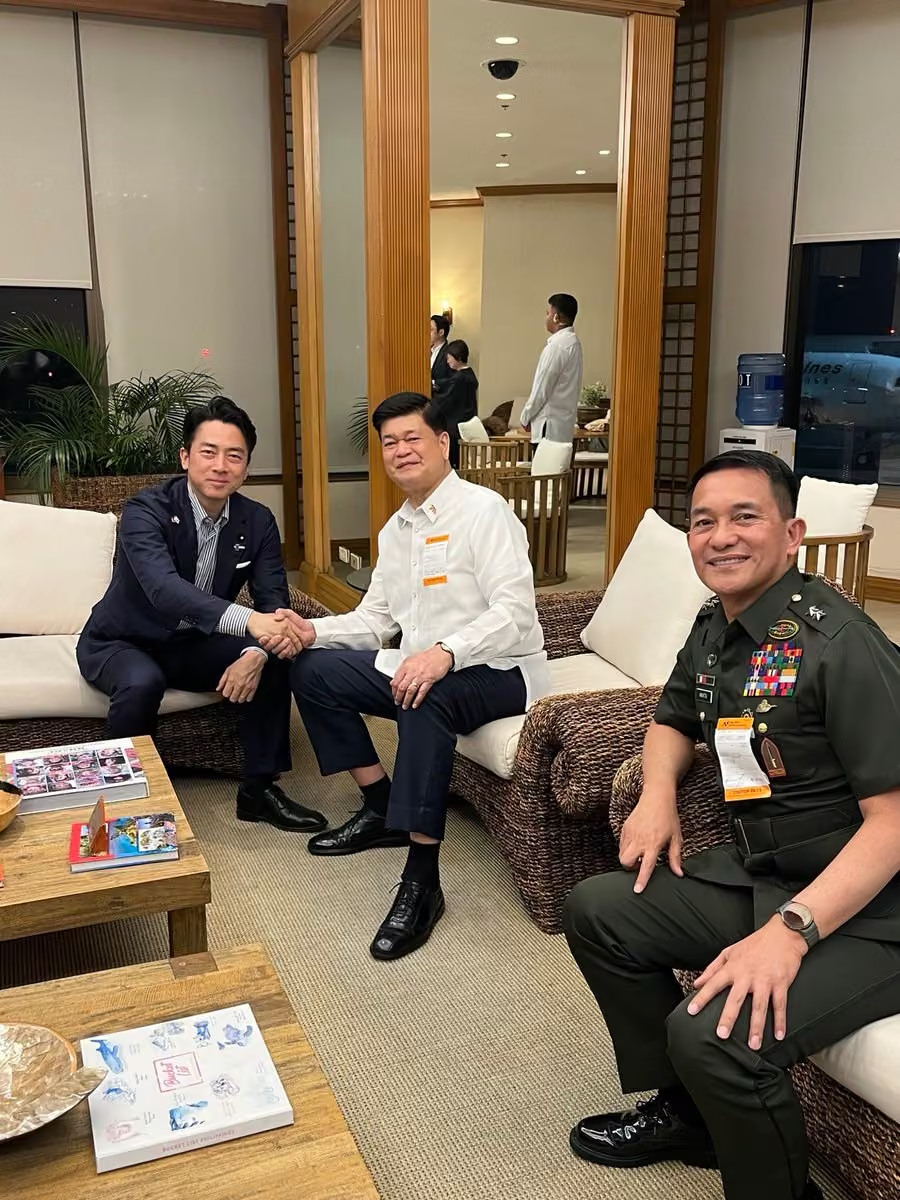


 Philippine Navy
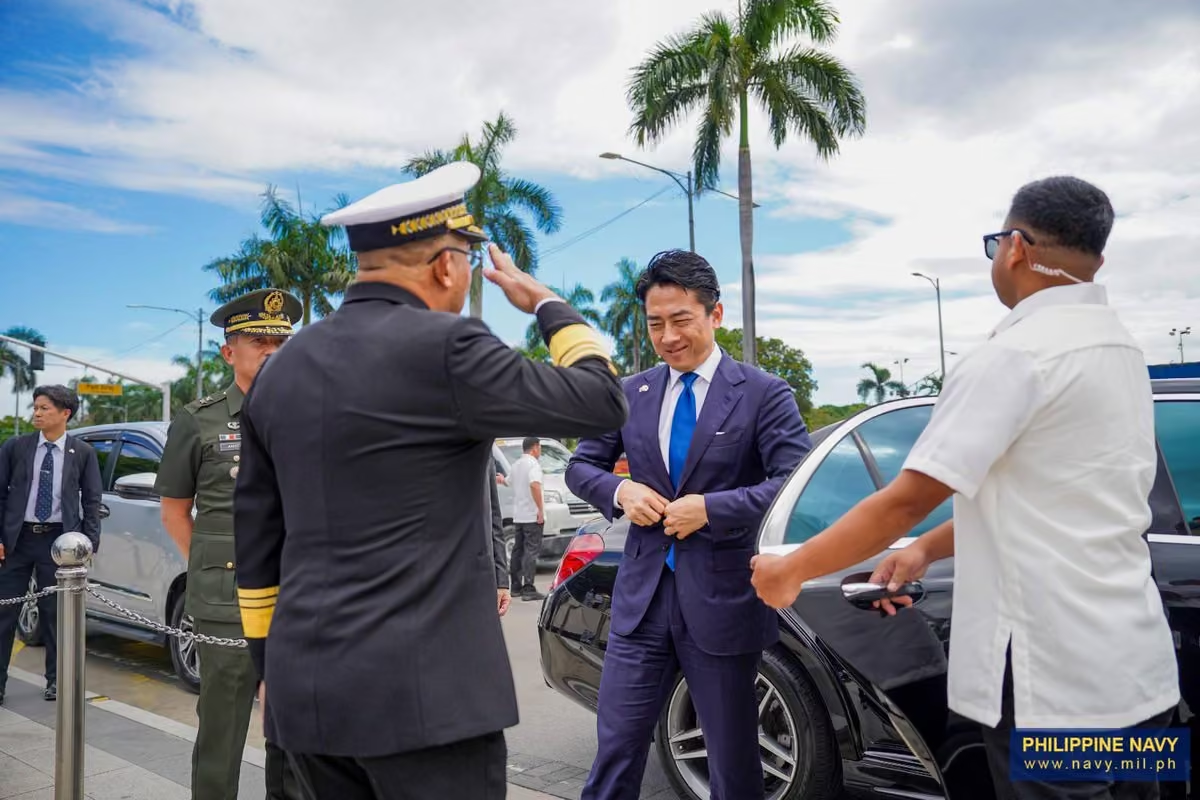



 Ambassador of Japan in the Philippines




 やす子




 KAKIZAKI FILMS




 陸上自衛隊 高等工科学校



















 海上自衛隊 第2航空群








 松浦崇志 | 兵庫県太子町議会議員


 令和の西郷どん★そのだ修光


 宮本かずひろ(宮本和宏)|【滋賀県】参議院議員




 農林水産省


 ReHacQ 【公式】


 ニコニコニュース


