


 Leor Sapir
@LeorSapir

Is Caraballo playing dumb here?
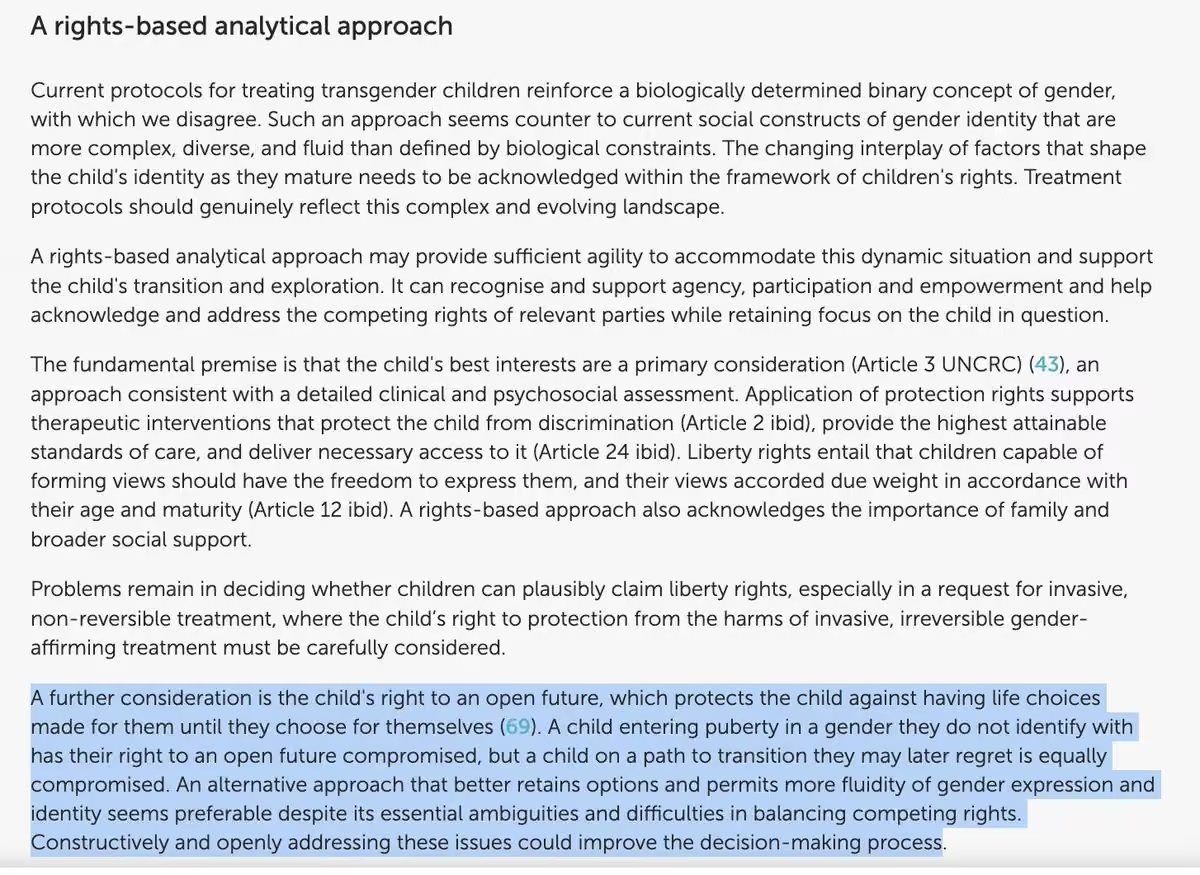
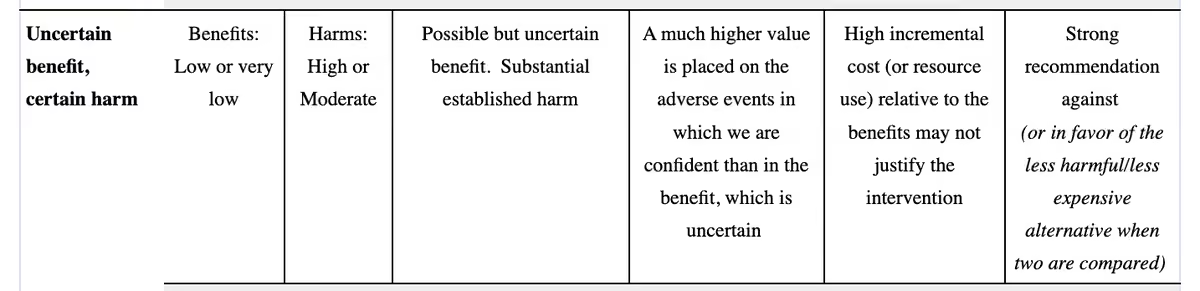
We've seen consistent evidence over recent years that most medical journals that publish on trans medicine are ideologically captured by or at least unwilling to stand up to transgender activism. Meanwhile, supporting that activism brings lucrative career perks in academic medicine. It would make sense, then, that papers supporting the gender-affirming approach would appear to span a diffuse, "not coordinated" and "independent" network of researchers. I would even bet that most of these researchers are unfamiliar with most of the published literature in their field. (I've seen anecdotal evidence of this.)
Meanwhile, with rare exception, only two medical journals (ASB and JS&MT) have been willing to publish articles that criticize the prevailing gender-affirming narrative. Moreover, very few academics are willing to risk their careers or even their personal safety by doing the questioning. Naturally, these individuals find each other, read each other's work, and are well-versed in the (comparatively) small body of critical literature. That familiarity is reflected in Caraballo's citation mapping.
In essence, Caraballo is pointing to the effects of academic capture (which people like Caraballo vigorously enforce with harassment, defamation, and deplatforming campaigns -- see next post for evidence) as if it's organic evidence that criticism of the gender-affirming approach is a coordinated citation cartel.
 Benjamin Ryan
@benryanwriter
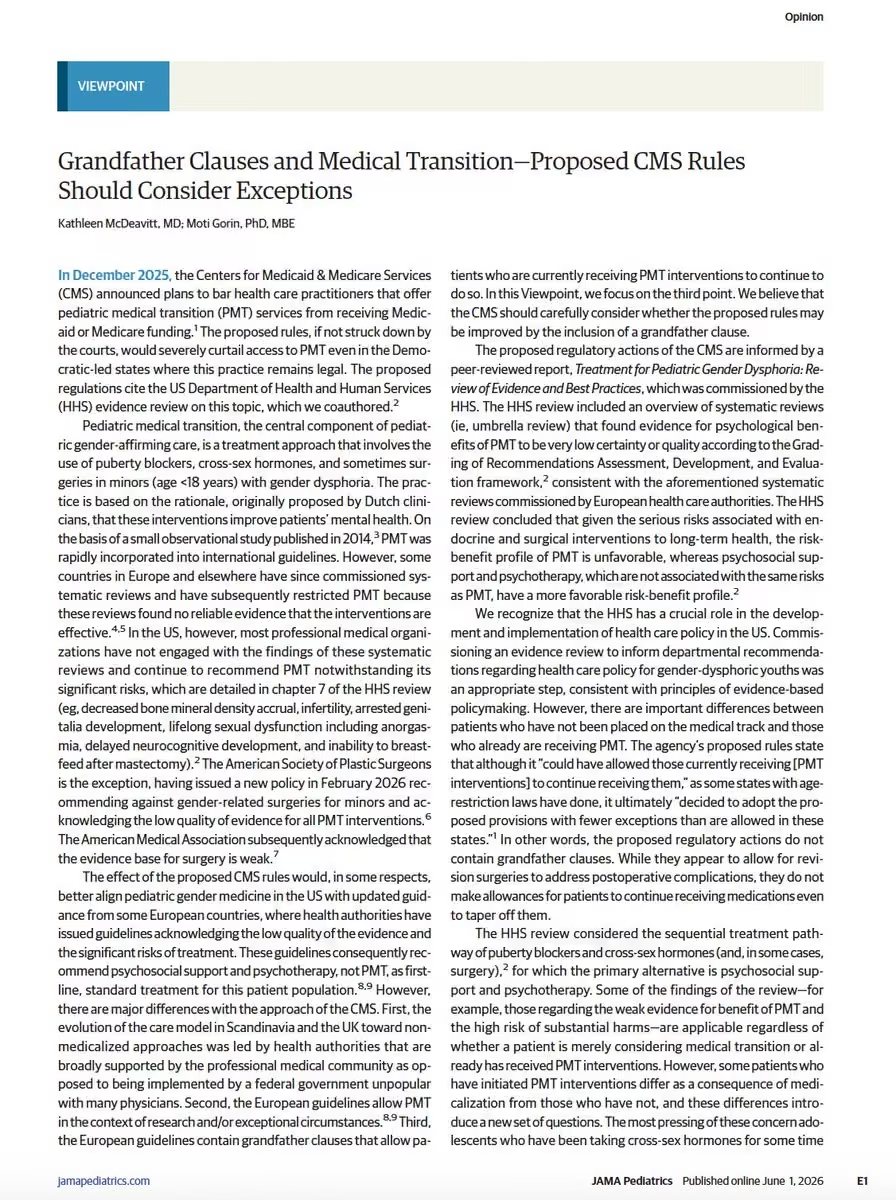
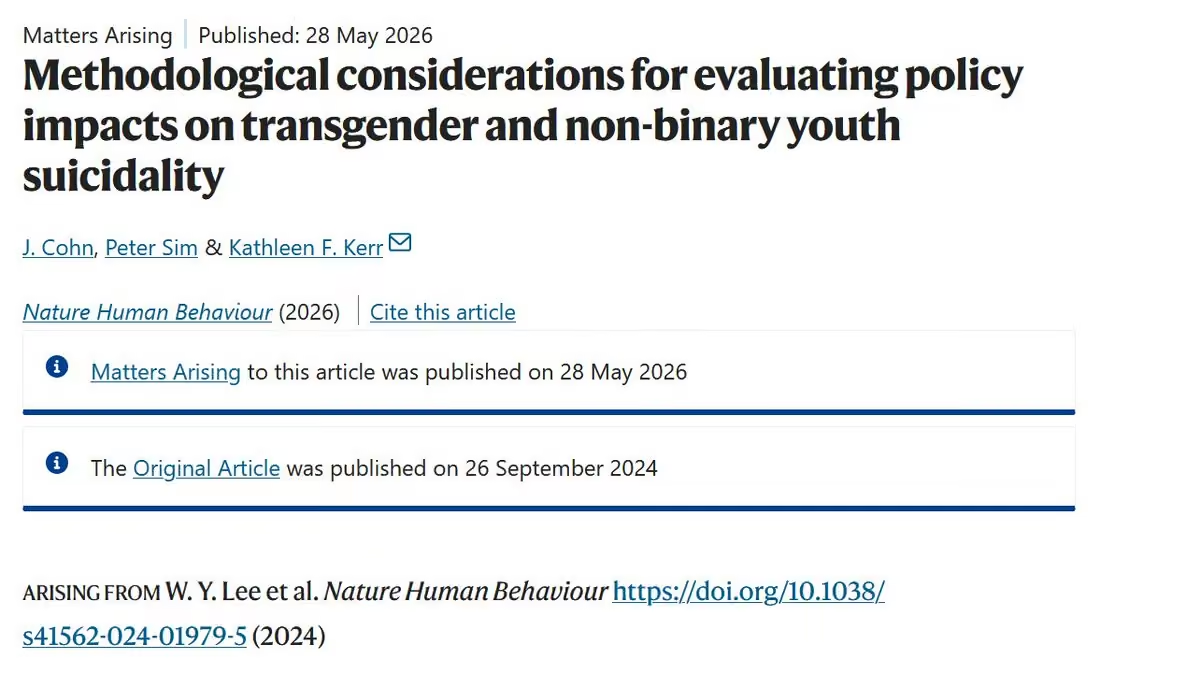
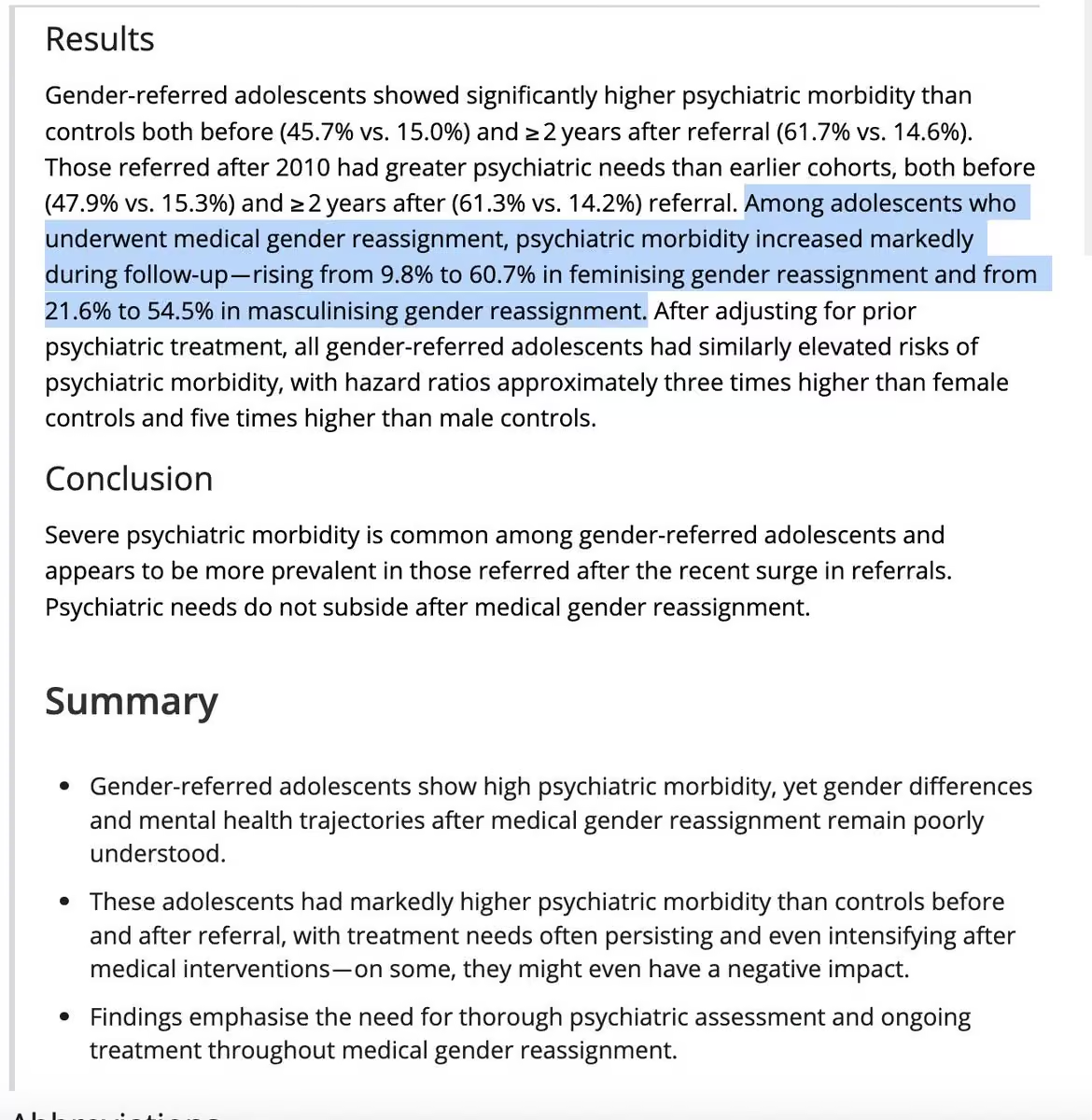
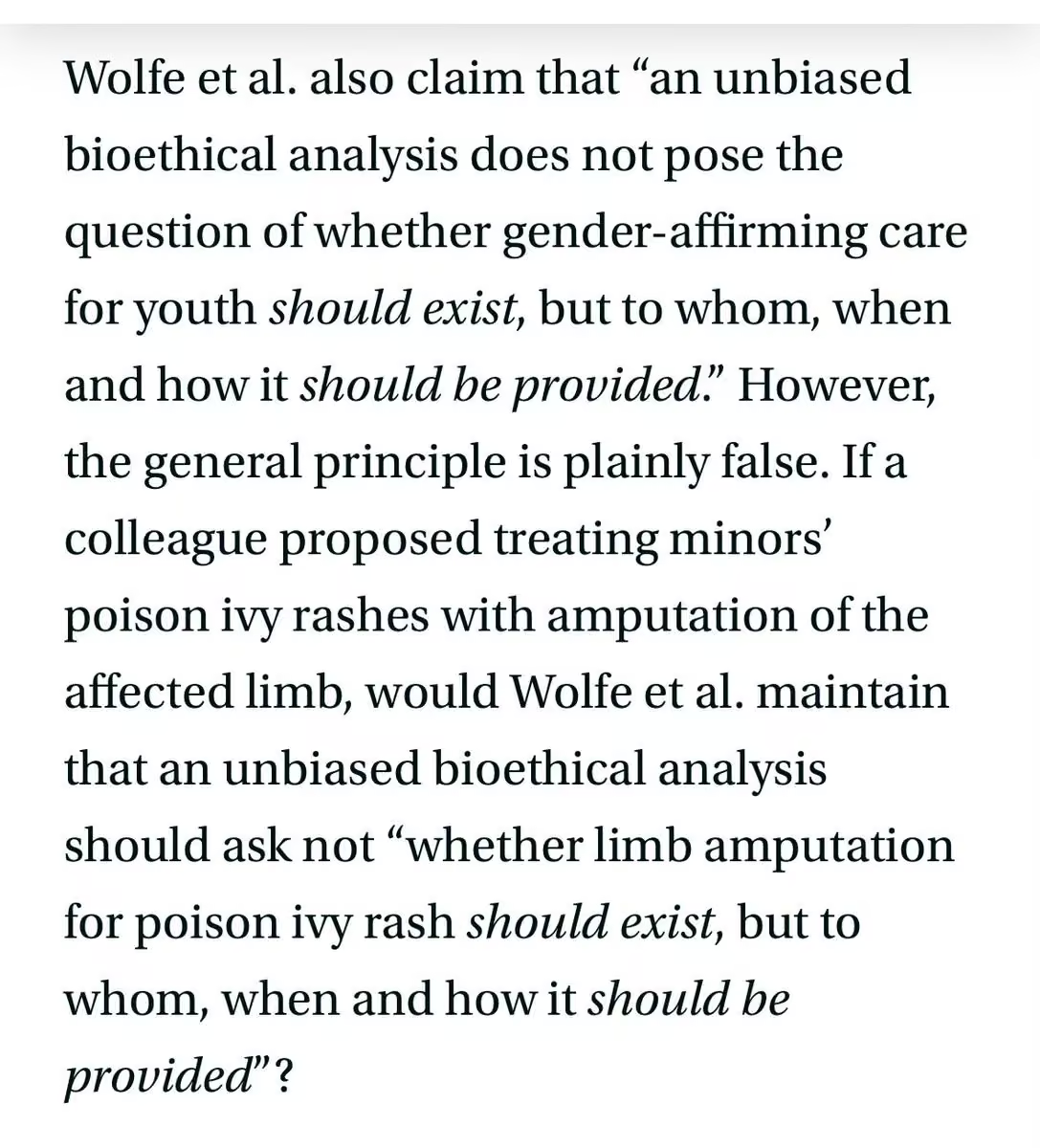
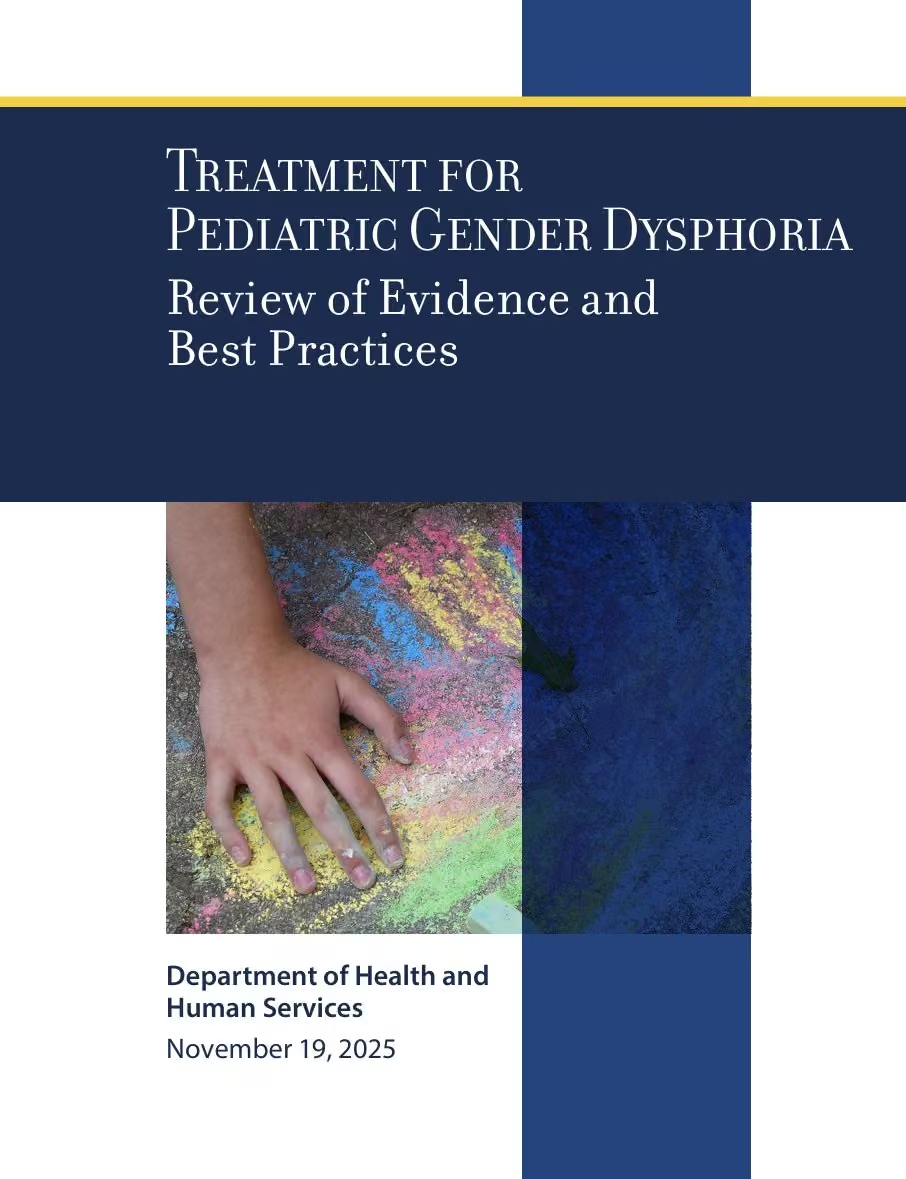
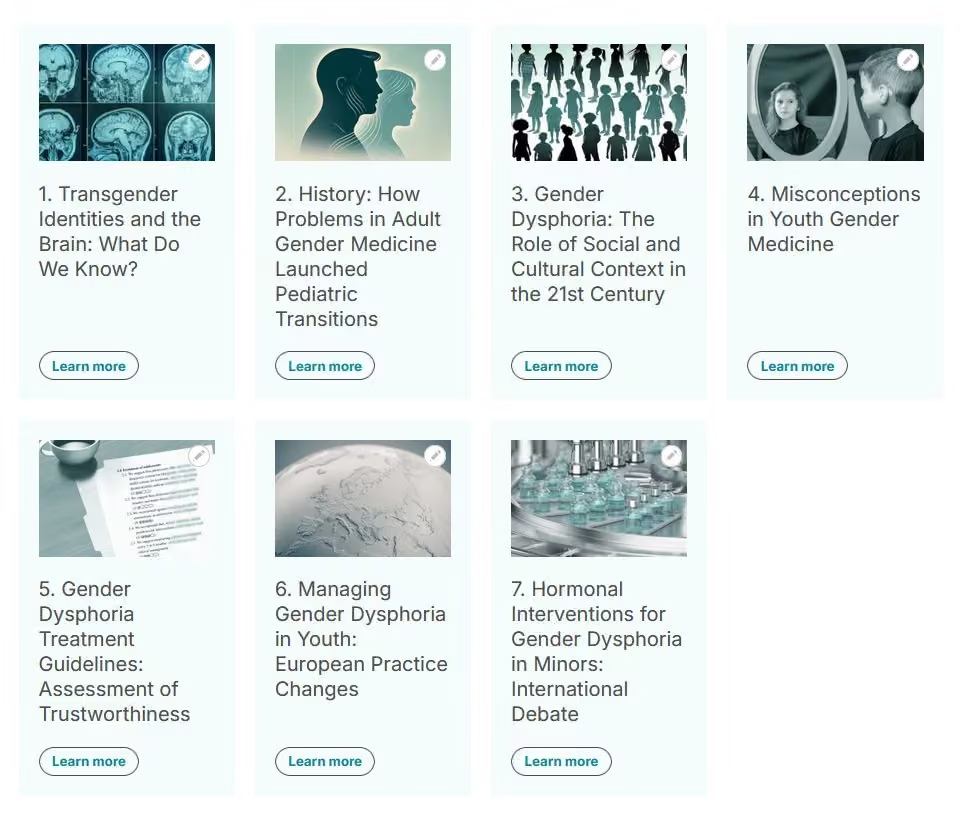
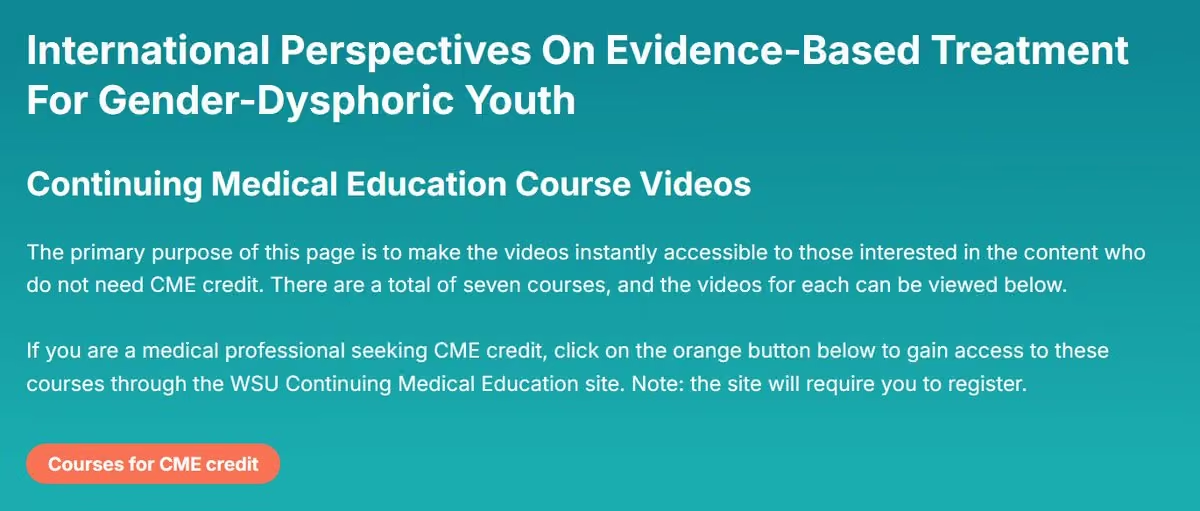
Harvard Law School clinical instructor and trans activist Alejandra Caraballo makes a very accurate observation that academics publishing papers critical of pediatric gender medicine tend to work within a tight sphere that is comprised of a fairly short list of people who reference one another’s work.


 Yuan Zhang- Build Back Trust in Public Health
 Florian Daniel Zepf


 Joseph Burgo


 Colin Wright



 TransgenderTrend

 Professor Alice Sullivan


 Will Malone MD

 👩⚕️ Dr. Laura 👩⚕️


 Elaine Miller | Venus Envy

 Clinical Advisory Network on Sex and Gender


 John Sailer






 Dr Katie Alcock


 Read some Piaget please!




 Hannah Barnes


 David Bahry




 Sociology at Oxford


 Jay Bhattacharya, MD, PhD


 Jesse Singal




 Andrew Zywiec, M.D.


 Therapy First


 Julia Mason MS MD
 Orfeo Xayasane


 Jennifer Block


 Gender_Apostate #IStandWithParents 🐘 🦏


 Jillian Spencer


 J. Reads and Writes


 Kamran Abbasi


 Our Duty UK : parents challenging gender ideology

 Janey at Evidence Based Autism






 Jamie Reed Whistleblower







 Roberto D'Angelo


 Bernard Lane


