We have decided to redirect our efforts to other platforms.
Join us on these platforms to continue receiving the latest stories in life science research from The Scientist:
LinkedIn: www.linkedin.com/company/the-scientist?hss_channel=tw-181…
Facebook: www.facebook.com/TheScientistMagazine?hss_channel=tw-1819…
Instagram: www.instagram.com/the_scientist_magazine?hss_channel=tw-1…
The Scientist (magazine)
The Scientist is a professional magazine intended for life scientists. The Scientist covers recently published research papers, current research, techniques, and other columns and reports of interest to its readers. The magazine is published monthly and is available in print and digital formats. More on Wikipedia
-
The Scientist
@TheScientistLLC

-
The Scientist
@TheScientistLLC
The STING pathway, known for its role in inflammation to combat threats, is a multitasker.
@JayXiaojunTan and his team @PittTweet discovered that this pathway also stimulates lysosome production, aiding cells in maintaining quality control.
Read more: www.the-scientist.com/ts-digest/issue/why-do-some-people-… -
The Scientist
@TheScientistLLC
Marine bristleworms synchronize their internal clocks using the light of the full moon and specialized photoreceptors that allow them to distinguish sunlight from moonlight.
Learn more: www.the-scientist.com/ts-digest/issue/why-do-some-people-… -
The Scientist
@TheScientistLLC
Nanoparticle delivery systems could curb antibiotic resistance by improving targeting to bacteria.
One team used bacteriophage proteins to direct these vehicles to their specific pathogen.
Check out the infographic to learn more: www.the-scientist.com/ts-digest/issue/why-do-some-people-… -
The Scientist
@TheScientistLLC
Ever wonder why some people get tipsy faster?
We asked David Rossi, who studies mechanisms affecting alcohol consumption @WSUPullman, for some insights into why one drink hits some harder than others!
Learn why: www.the-scientist.com/ts-digest/issue/why-do-some-people-… -
The Scientist
@TheScientistLLC
Clean up on hair follicle 5!
A study by @ElaineFuchsLab showed that stem cells take on a part-time job clearing apoptotic corpses to keep the hair cycle going and tissues fit.
Learn how these cells engage phagocytosis at the right time and place: www.the-scientist.com/ts-digest/issue/why-do-some-people-… -
The Scientist
@TheScientistLLC
Artificial intelligence is increasingly being incorporated into biological research.
Check out this profile with @Furman_Lab @Stanford @BuckInstitute to see how he is incorporating these technologies into his research in aging and the immune system: www.the-scientist.com/pioneering-the-aging-frontier-with-… -
The Scientist
@TheScientistLLC
Bacteria may benefit from more than just a weakened immune response in hosts with high-sugar diets.
A team of researchers at @Cornell showed that this extra nutrition helps some bacteria survive in flies.
Read more: www.the-scientist.com/ts-digest/issue/why-do-some-people-… -
The Scientist
@TheScientistLLC
The STING protein is known for its role in innate immune signaling.
Recently, @JayXiaojunTan and his team @PittTweet uncovered a new function of STING—boosting lysosome production to help cells manage stress and clear waste.
Read more: www.the-scientist.com/ts-digest/issue/why-do-some-people-… -
The Scientist
@TheScientistLLC
Grafting cells from the thick skin of soles into fragile thigh skin helped it become thicker, which could benefit people with amputations to better tolerate prosthetics.
Read more: www.the-scientist.com/sole-fibroblasts-injected-into-thig… -
The Scientist
@TheScientistLLC
From master manipulators of host reproduction to allies in the fight against diseases, Wolbachia bacteria have revealed their many facets to researchers over the past century.
Read more about this endosymbiont exciting history here: www.the-scientist.com/wolbachia-turns-100-the-journey-of-… -
The Scientist
@TheScientistLLC
Using DNA from a 120-year-old preserved plant sample, researchers reconstructed how a common plant disease that causes more than $100 million in losses per year in California alone spread across the state.
Read more: www.the-scientist.com/an-ancient-grapevine-uncorks-clues-… -
The Scientist
@TheScientistLLC
A marvelous night for a moondance 🌙
Chronobiologist Kristin Tessmar-Raible @MaxPerutzLabs @univienna explains how mass-spawning marine bristleworms use lunar cycles to coordinate the timing of the “nuptial dance” and reproduction.
Learn more: www.the-scientist.com/ts-digest/issue/why-do-some-people-… -
The Scientist
@TheScientistLLC
Bacteriophage proteins improve the effect of antibiotics in nanoparticle vehicle system.
Explore the infographic to learn more: www.the-scientist.com/ts-digest/issue/why-do-some-people-… -
The Scientist
@TheScientistLLC
How are your New Year’s resolutions holding up?
Neuroimaging studies help us understand why prolonged periods of self-control are so difficult for the brain.
www.the-scientist.com/struggling-to-stick-to-your-new-yea… -
The Scientist
@TheScientistLLC
Endometriosis affects nearly 1 in 10 women causing severe pelvic pain and infertility, yet treatment options are limited.
Yingqun Huang @YaleMed highlights that targeting specific macrophages could lead to crucial advancements in patient care.
Read more: www.the-scientist.com/ts-digest/issue/why-do-some-people-… -
The Scientist
@TheScientistLLC
Male insects designed to produce toxic proteins in their semen can poison disease-spreading female insects.
This pest control strategy could curb female mosquitoes that transmit diseases like dengue and malaria.
www.the-scientist.com/genetically-engineered-male-insects… -
The Scientist
@TheScientistLLC
Raise your glasses! 🥂
In a toast to science, we asked David Rossi @WSUPullman on what makes some people ‘lightweights’ while others can hold their liquor.
It’s a fascinating cocktail of genetics and tolerance!
www.the-scientist.com/ts-digest/issue/why-do-some-people-… -
The Scientist
@TheScientistLLC
Researchers at @HarvardMed found that a plastic additive, which makes plastics more flexible and durable, damages DNA and causes chromosome defects in worm eggs.
www.the-scientist.com/a-common-plastic-additive-harms-dna… -
The Scientist
@TheScientistLLC
Alongside their day job of generating new cells, hair follicle stem cells moonlight as non-professional phagocytes, clearing apoptotic corpses to keep the tissue healthy.
Get all the hairy details: www.the-scientist.com/ts-digest/issue/why-do-some-people-… -
The Scientist
@TheScientistLLC
Cancer-derived exosomes are a promising source of potential biomarkers for researchers.
An amino acid transporter upregulated in cancer was found on these exosomes. Coupled with an inhibitor against this protein, this could be a one-two punch for tumors.
www.the-scientist.com/an-exosome-protein-sets-the-stage-f… -
The Scientist
@TheScientistLLC
High-sugar diets decreased survival in flies following bacterial infection by dampening immune responses and providing more nutrients for the pathogens.
Read more: www.the-scientist.com/ts-digest/issue/why-do-some-people-… -
The Scientist
@TheScientistLLC
While we bundle up in layers of jackets or sip hot chocolate by the fireplace to beat the cold, Antarctic worms turn to their microbial inhabitants to keep the cold at bay.
www.the-scientist.com/bacteria-help-worms-brave-the-harsh… -
The Scientist
@TheScientistLLC
The first issue of the 2025 TS Digest is out today!
Explore:
🍺 The causes of endometriosis
🍺 How the moon influences behavior
🍺 Why some people get drunk faster than others
and more!
Read it all, here: www.the-scientist.com/ts-digest/issue/why-do-some-people-… -
The Scientist
@TheScientistLLC
Fifteen years ago, Luciano Moreira @WMPglobal helped discover that Wolbachia bacteria blocked the replication of disease-causing viruses carried by Aedes aegypti mosquitoes.
Learn how he and others have taken these results from the bench to the field: www.the-scientist.com/a-tiny-but-mighty-helper-stops-mosq… -
The Scientist
@TheScientistLLC
Researchers at @UCIrvine have found a new type of fatty cartilage that is present in squishy body parts like the tip of the nose and ears.
These findings could transform how reconstructive surgeries like ‘nose jobs’ are done.
www.the-scientist.com/the-discovery-of-a-fat-filled-cell-… -
The Scientist
@TheScientistLLC
Researchers from the @longlabstanford (@Stanford) discovered an enzyme in the mammalian taurine metabolism, finding a connection between diet, body weight, and energy generation.
www.the-scientist.com/metabolism-on-the-menu-a-new-target… -
The Scientist
@TheScientistLLC
The concept of gene regulation today is obvious, but once upon a time, it was revolutionary.
Step back in time and learn the history of the lac operon, the paradigm of gene regulation.
Read more: www.the-scientist.com/the-lac-operon-a-lesson-in-simple-g… -
The Scientist
@TheScientistLLC
Have you ever wondered why people crave different foods and can eat varied quantities?
The gut microbiome is one of the major factors that influences host food preferences, according to experts.
www.the-scientist.com/why-do-people-have-different-eating… -
The Scientist
@TheScientistLLC
Anne Madden (@AnneAMadden), founder and chief scientific officer of The Microbe Institute, uses her microbial expertise to create arthropod atlases, buggy beer, and communicate concepts to the community.
Read the profile, here: www.the-scientist.com/inside-the-microbial-jungle-tales-f… -
The Scientist
@TheScientistLLC
The next stage in vaccine defense could be through the nose.
Recent studies demonstrate how novel adjuvants and better immune models can lead the way in designing nasal vaccines.
www.the-scientist.com/clearing-the-way-for-nasal-vaccines… -
The Scientist
@TheScientistLLC
A peculiar group of wild mice is helping researchers decode diverse behaviors — @bendesky, Wendy Saltzman, and @jjennychenn study these animals’ brain to study parenting.
www.the-scientist.com/on-a-wild-mouse-chase-to-understand… -
The Scientist
@TheScientistLLC
In this webinar, Linghua Wang and Jeremy Goecks will talk about technology that enables new approaches for a better understanding of tumors on a cellular, spatial, and environmental level.
Register today: www.the-scientist.com/new-approaches-for-decoding-cancer-… -
The Scientist
@TheScientistLLC
Deletion of a protein in fat-storing cells helps them burn fat instead.
The research, led by Brian Feldman and colleagues @UCSF and published in @jclinicalinvest, informs the development of therapies for obesity.
www.the-scientist.com/a-protein-that-converts-fat-storing… -
The Scientist
@TheScientistLLC
Artificial blood vessels reveal the mechanisms behind some snake venoms damaging effects.
www.the-scientist.com/artificial-blood-vessels-help-scien… -
The Scientist
@TheScientistLLC
In 2023, more than 10,000 research papers were retracted.
Researchers are developing new tools to detect research misconduct. However, the rise in AI-generated content may only make it harder to catch a cheat.
Scientists are turning to AI to fight AI: www.the-scientist.com/detection-or-deception-the-double-e… -
The Scientist
@TheScientistLLC
How does exercise result in health benefits?
Physical activity results in the secretion of molecules called exerkines, which regulate its effects. Understanding these molecules can provide therapeutic targets to mimic exercise benefits.
www.the-scientist.com/exerkines-molecular-messengers-that… -
The Scientist
@TheScientistLLC
Instead of antioxidants, researchers @CSHL explored how a pro-oxidant supplement, like a vitamin K precursor, can slow prostate cancer progression in mice.
www.the-scientist.com/vitamin-k-precursor-takes-on-prosta… -
The Scientist
@TheScientistLLC
Infiltration, manipulation, camouflage—all qualities of great antagonists in spy novels and movies—can also be found in many human pathogens.
We recently explored some of these cunning microbial strategies and what researchers have learned about them: www.the-scientist.com/the-art-of-microbial-disguise-72324… -
The Scientist
@TheScientistLLC
Invasive fungal diseases are an emerging global health threat, worsened by rising antifungal resistance and limited access to quality diagnostics and treatments in many areas.
Learn more about this “silent pandemic”: www.the-scientist.com/ts-digest/issue/how-do-snakes-fly--… -
The Scientist
@TheScientistLLC
✨Read one of the top Neuroscience stories from 2024✨
Scientists say that the concept of dopamine fasting vastly oversimplifies the dopaminergic system and is unlikely to “rewire” the brain in any meaningful way.
Read more: www.the-scientist.com/debunking-the-dopamine-detox-trend-… -
The Scientist
@TheScientistLLC
Snakes on a plane: researchers at Virginia Tech study how limbless animals create lift and achieve stability during gliding flight.
Read more: www.the-scientist.com/ts-digest/issue/how-do-snakes-fly--… -
The Scientist
@TheScientistLLC
✨ Read one of our top Molecular Biology stories from 2024✨
The brain is exceptional at keeping itself cozy on a cold day, but extreme cold exposure can cause molecules in the brain to malfunction.
Read more: www.the-scientist.com/how-cold-affects-the-brain-71712?hs… -
The Scientist
@TheScientistLLC
A team at @UofT showed that alternative splicing is important for morphological changes in Candida albicans.
Read more: www.the-scientist.com/ts-digest/issue/how-do-snakes-fly--… -
The Scientist
@TheScientistLLC
✨Read one our top Immunology stories from 2024 ✨
“There is the saying ‘you are what you eat.’ It is true also for immune cells,” said the coauthor of a study that showed that a short high-fat diet stint can affect T cell responses in mice.
Read more: www.the-scientist.com/fatty-feasts-may-come-at-an-immune-… -
The Scientist
@TheScientistLLC
Understanding how Santa’s chauffeurs regrow their antlers after shedding them can help understand mammalian regeneration, providing insights to advance the field of regenerative medicine.
www.the-scientist.com/reindeers-pave-the-way-for-regenera… -
The Scientist
@TheScientistLLC
Researchers @dtutweet showed that temperature could be a factor in promoting detrimental bacteria to biofuel production, offering opportunities to limit this growth and improve fermentation outputs.
Read more: www.the-scientist.com/ts-digest/issue/how-do-snakes-fly--… -
The Scientist
@TheScientistLLC
In biofuel fermentation, contaminants like bacteria decrease the yield of bioethanol.
However, researchers @DTUTweet showed that some of these microbes may actually be beneficial to the process.
Learn more: www.the-scientist.com/ts-digest/issue/how-do-snakes-fly--… -
The Scientist
@TheScientistLLC
Does leftover DNA from ancient viral infections continue to impact our health today?
@powell_tim_r and @3RDuarte @SGDPCentreKCL are investigating how the expression of human endogenous retroviruses could be linked to neurodegenerative disease risk.
www.the-scientist.com/could-remnants-of-ancient-viral-inf… -
The Scientist
@TheScientistLLC
High temperatures cue alternative splicing in Candida albicans that helps the fungi transition forms.
Learn more: www.the-scientist.com/ts-digest/issue/how-do-snakes-fly--… -
The Scientist
@TheScientistLLC
How does a colorectal tumor form?
Researchers @WeillCornell have recently shown the importance of protein kinases in the initiation of colon cancer, thus paving the way for improved diagnosis and treatment.
www.the-scientist.com/colorectal-tumors-are-born-when-ste… -
The Scientist
@TheScientistLLC
In a scientific first, researchers from @UCDavisIPN mimic the antianxiety effects of psychedelics without activating hallucinations, bringing the field one step closer to targeted therapies.
www.the-scientist.com/trippy-science-unravels-the-mystery… -
The Scientist
@TheScientistLLC
Placebo pain relief is associated with altered activity in brain regions responsible for cognitive and emotional processing, suggesting that placebos change how we construct the experience of pain, said @torwager @Dartmouth.
Learn more: www.the-scientist.com/ts-digest/issue/what-s-the-differen… -
The Scientist
@TheScientistLLC
A novel bacterial immune system, described in @Nature by @Jens_Hoer from the @SorekLab, produces tailless, non-infectious phages.
www.the-scientist.com/bacteria-disarm-phages-by-disruptin… -
The Scientist
@TheScientistLLC
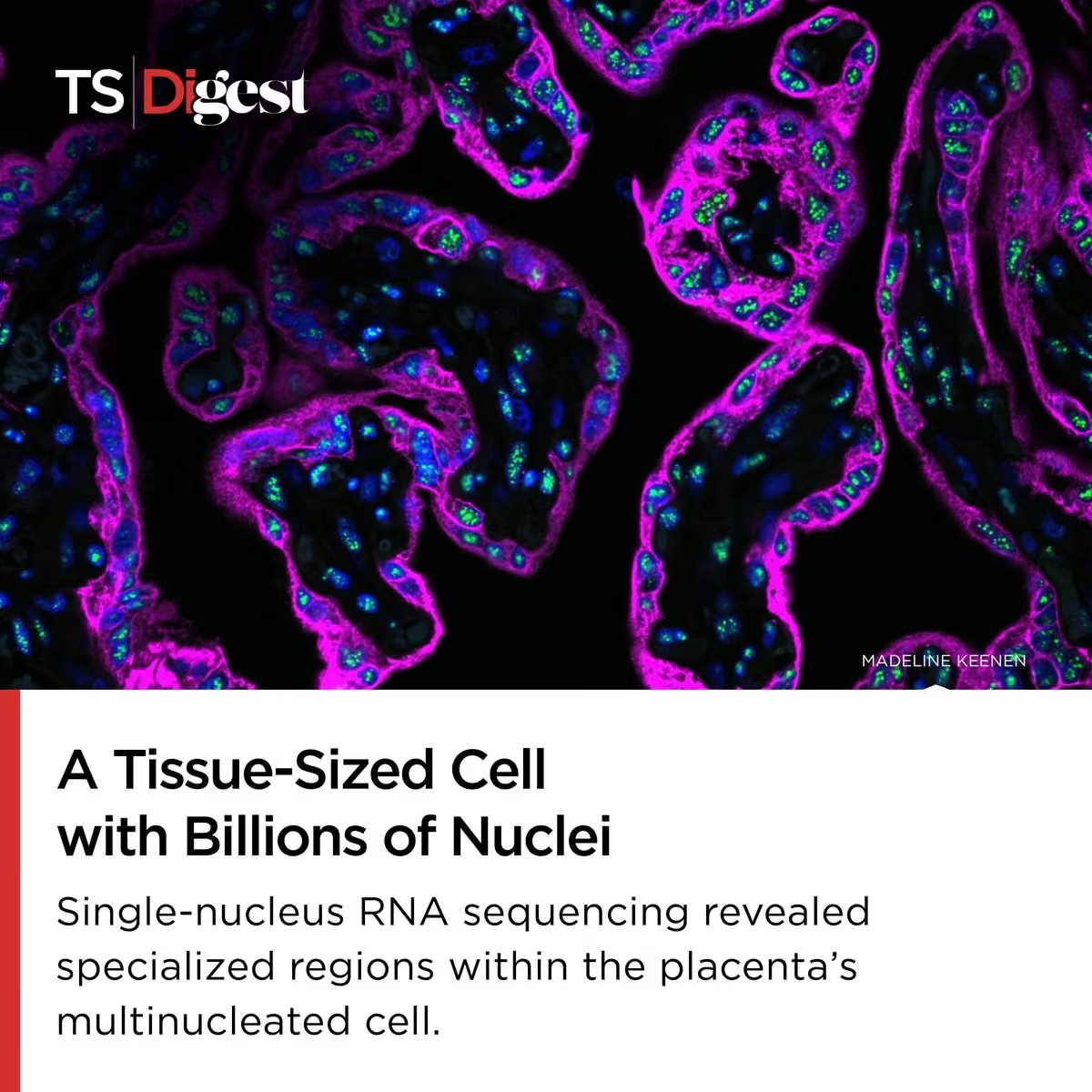
During gestation, the placenta must perform the role of multiple organs in one.
A key structure in this transient organ is a giant, single cell containing billions of nuclei.
In the latest issue of the TS Digest, @madkeenen discussed this unique cell: www.the-scientist.com/ts-digest/issue/what-s-the-differen… -
The Scientist
@TheScientistLLC
A new artificial intelligence tool that chats with researchers in plain English could simplify analysis of transcriptomics data.
www.the-scientist.com/an-ai-lab-partner-helps-sift-throug… -
The Scientist
@TheScientistLLC
What does a science video game look like?
Find out in this interview with Beata Mierzwa where she described Microscopya, an interactive cell biology experience.
Read more: www.the-scientist.com/ts-digest/issue/what-s-the-differen… -
The Scientist
@TheScientistLLC
In a scientific first, researchers from @MHH_life grow blood-generating heart-forming organoids in a dish, creating a versatile model for studying co-development of human heart and blood systems.
www.the-scientist.com/scientists-get-to-the-heart-of-bloo… -
The Scientist
@TheScientistLLC
Have you ever wondered what is the difference between a voltage clamp and a current clamp?
Check out our latest What’s in a Name column to find out: www.the-scientist.com/ts-digest/issue/what-s-the-differen… -
The Scientist
@TheScientistLLC
Are you not a fan of certain veggies?
Discover how supertasters perceive greens and how CRISPR could leaf them tasting better, with insights from Paul Breslin and @ILVOvlaanderen.
www.the-scientist.com/greens-and-genes-the-bitter-truth-b… -
The Scientist
@TheScientistLLC
Three’s company, but four’s a protein upgrade!
Ahmed Badran (@AhmedHBadran) and his team @scrippsresearch used four RNA nucleotides to add noncanonical amino acids to proteins.
Read more: www.the-scientist.com/ts-digest/issue/what-s-the-differen… -
The Scientist
@TheScientistLLC
Research institutions like the @NIH use policies to support researchers and allocate funding.
Analysts like @carloquinta1 study the impact of these policies to determine if they are having the desired effect.
Read more in this Career Chat story: www.the-scientist.com/what-does-a-career-in-science-polic… -
The Scientist
@TheScientistLLC
Learn how researchers from Thailand’s National Omics Center study mangrove genomes to support biodiversity and conservation efforts in this article from The Scientist and @MGI_Technology: www.the-scientist.com/tackling-mangrove-protection-challe…
-
The Scientist
@TheScientistLLC
A hidden hormone improves bone health in mice and points to possible ways to treat bone-related conditions, reveals a new study from @UCSF.
www.the-scientist.com/bone-building-hormone-identified-in… -
The Scientist
@TheScientistLLC
How does a “fake” treatment produce real effects?
@TorWager @Dartmouth explains how placebo pain relief changes activity in key regions of the brain.
Learn more: www.the-scientist.com/ts-digest/issue/what-s-the-differen… -
The Scientist
@TheScientistLLC
A beneficial microbe found in chronic wounds can aid the healing process, according to new research by @EllenWhiteinLab and colleagues @PennMedicine.
www.the-scientist.com/a-beneficial-bacterium-helps-wounds… -
The Scientist
@TheScientistLLC
The placenta is home to the syncytiotrophoblast, a gigantic, tissue-sized single cell with billions of nuclei.
Read the latest issue of the TS Digest to learn how @madkeenen @DukeU studied gene expression in this unique cell type: www.the-scientist.com/ts-digest/issue/what-s-the-differen… -
The Scientist
@TheScientistLLC
Did you know that ticks produce a salivary bioadhesive to stick to their hosts’ skin for days?
In a new study, @SiddhuLab @WUR reported that proteins in the tick saliva impart this glue-like property through phase transitions.
www.the-scientist.com/what-makes-a-tick-stick-72405?hss_c… -
The Scientist
@TheScientistLLC
Are fluffy dinner rolls or crispy latkes your favorite holiday foods?
You can thank your multiple copies of the salivary amylase gene, which helps us taste starch and may have played an important role in human evolutionary history.
www.the-scientist.com/how-did-humans-adapt-to-digest-star… -
The Scientist
@TheScientistLLC
Who says video games can’t be educational?
Beata Mierzwa created an interactive educational tool that combines science, art, and fun to get players excited about the inner workings of cells.
Read more: www.the-scientist.com/ts-digest/issue/what-s-the-differen… -
The Scientist
@TheScientistLLC
Starfish can choose to shed their limbs and live to tell the tale.
Now, research by @MauriceElphick @AnaBTinoco1 @QMUL has shown that a neuropeptide helps them detach their limbs when in danger.
www.the-scientist.com/researchers-discover-how-starfish-c… -
The Scientist
@TheScientistLLC
Are you curious about the electrifying difference between voltage and current clamps?
Read more about this in the latest TS Digest issue: www.the-scientist.com/ts-digest/issue/what-s-the-differen… -
The Scientist
@TheScientistLLC
Scientists bioengineered a human mini-brain with a functional blood-brain barrier that better mimics the organ.
The model will help scientists study and develop novel treatments for neurological conditions.
www.the-scientist.com/modeling-the-blood-brain-barrier-in… -
The Scientist
@TheScientistLLC
For bacteria, two’s company, three’s a crowd.
Researchers @SimonsFdn found that in response to their neighbors, computer simulated bacteria will slow their growth to ease the stress of overcrowding.
www.the-scientist.com/bacteria-s-stress-strategy-slow-dow… -
The Scientist
@TheScientistLLC
One scientist’s personal experience with vision loss motivated him to embark on a research career in translational science.
His research may one day change the trajectory for millions of patients suffering from degenerative vision loss.
🎧 Listen now: www.the-scientist.com/advances-in-cell-therapy-for-restor… -
The Scientist
@TheScientistLLC
Cancer cells grow so rapidly that they deplete their environment of essential nutrients. Despite this, they thrive.
Now, @RichPossemato @nyulangone has shown that cancer cells can use this nutrient stress to escape the toxic effects of chemotherapy.
www.the-scientist.com/how-some-cancer-cells-survive-chemo… -
The Scientist
@TheScientistLLC
A diet high in fats doesn’t sound like a great choice at first.
However, a recent study from @UCSF showed how a ketogenic diet may change translational control in cancer cells, making pancreatic tumors more vulnerable to drug treatment.
www.the-scientist.com/a-keto-diet-could-enhance-cancer-dr… -
The Scientist
@TheScientistLLC
From daycare playgrounds to office spaces, @AkiSink is exploring ways to rewild the built environment to boost immune health in cities.
Read more: www.the-scientist.com/ts-digest/issue/bakers-rise-up-to-t… -
The Scientist
@TheScientistLLC
Thanksgiving is coming up, and that means turkey dinner and, for some people, the holiday post-meal food coma.
Find out what about this season’s dinner spreads gives you the inclination to rest.
www.the-scientist.com/why-does-thanksgiving-dinner-make-s… -
The Scientist
@TheScientistLLC
Have you ever wondered what kind of microbes live in your bathroom?
Erica Hartmann (@ericamhartmann) and her team discovered a surprising diversity of bacteriophages lurking on everyday items like toothbrushes and showerheads.
www.the-scientist.com/a-viral-investigation-of-bathroom-b… -
The Scientist
@TheScientistLLC
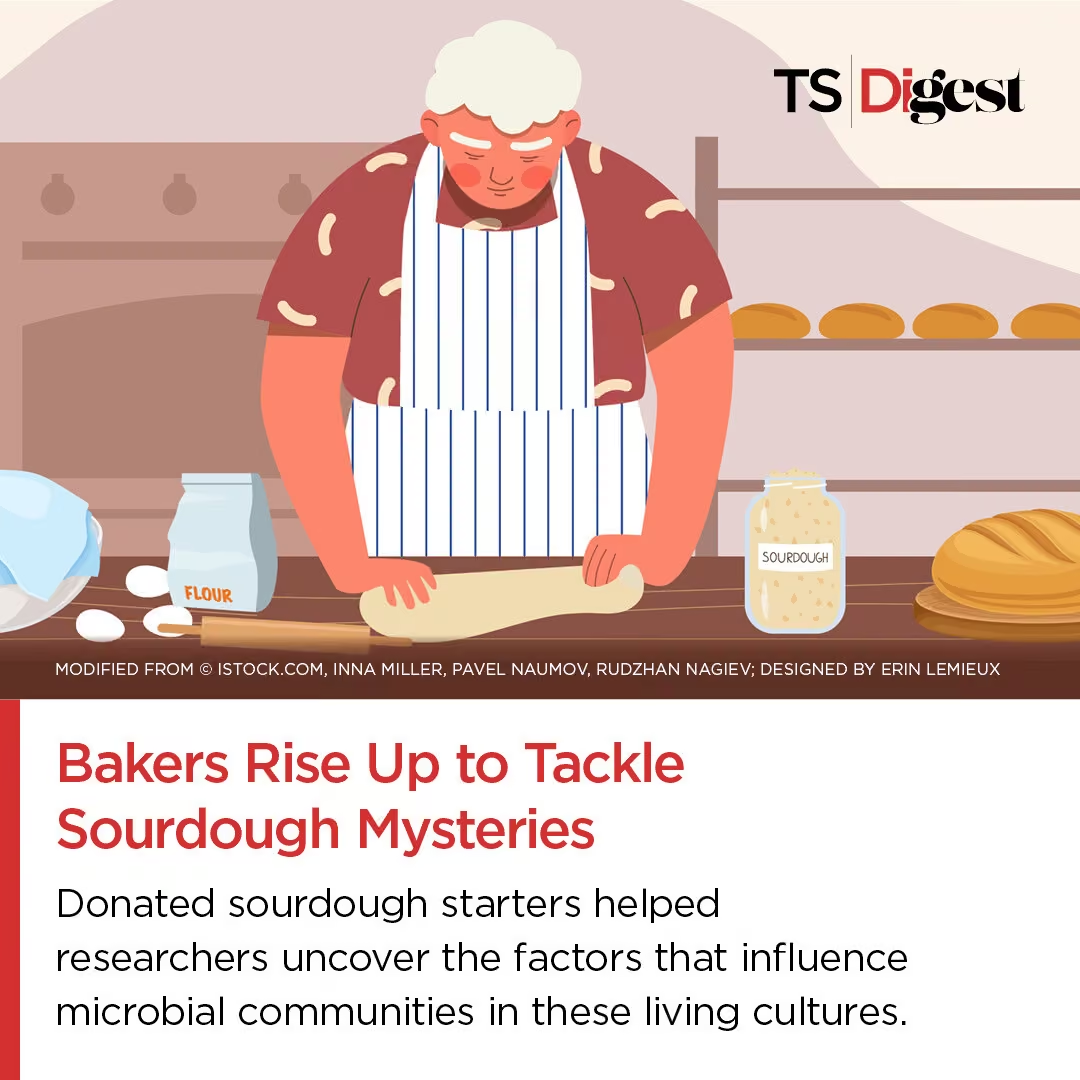
Curious about how science can influence your next loaf?
Researchers at @NCstate and their colleagues are on a mission to decipher microbial secrets and learn from home bakers’ sourdough experiments.
Learn more: www.the-scientist.com/ts-digest/issue/bakers-rise-up-to-t… -
The Scientist
@TheScientistLLC
Multi-drug resistant Pseudomonas aeruginosa bacteria infect burn wounds and immunocompromised hospital patients.
New research reveals how they tamper with immunity by draining energy from macrophages.
www.the-scientist.com/pseudomonas-bacteria-escape-immunit… -
The Scientist
@TheScientistLLC
Researchers used programmable proteins shut down gene expression by looping DNA, paving the way for a new gene regulatory tool.
www.the-scientist.com/combining-bacterial-systems-offers-… -
The Scientist
@TheScientistLLC
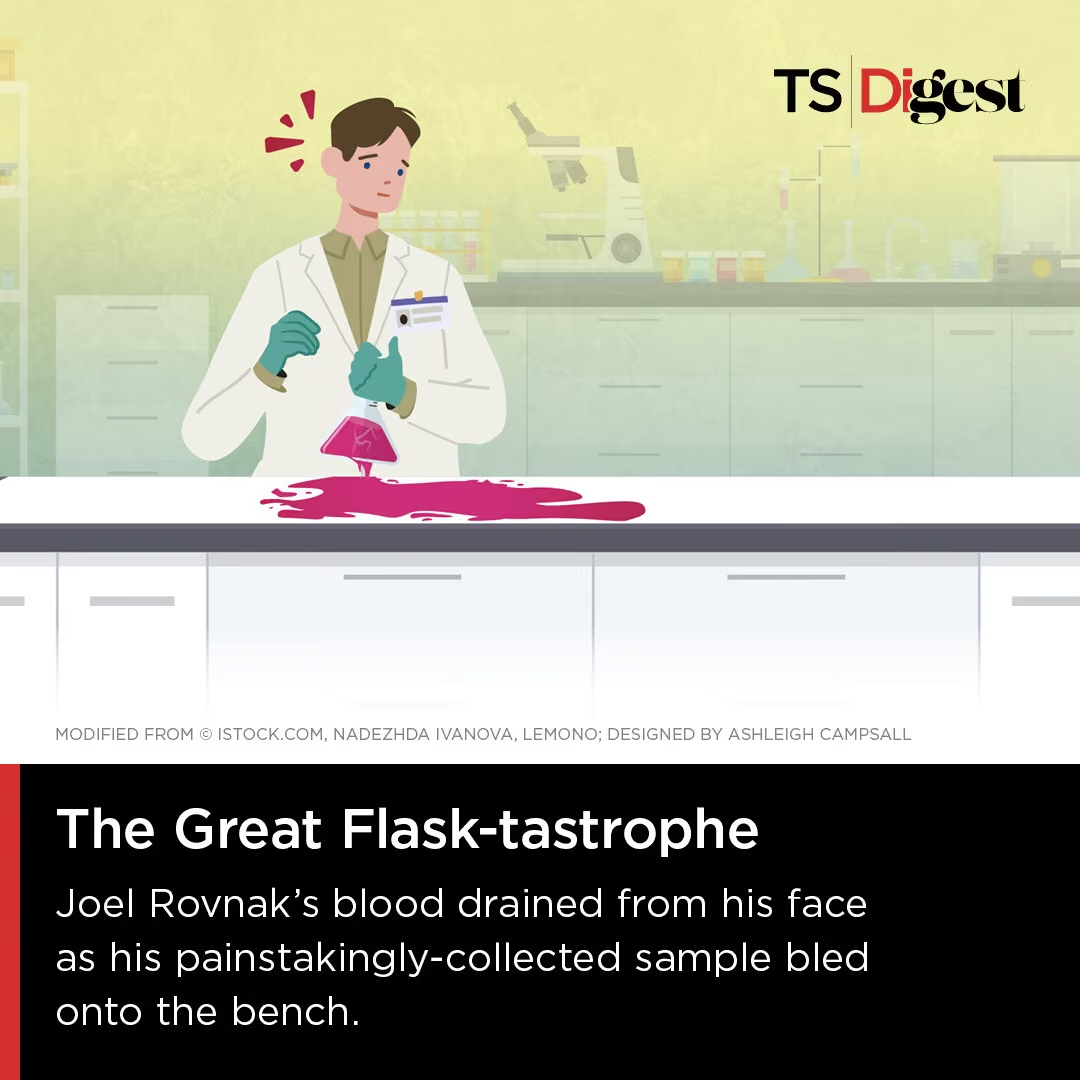
In a disastrous flask-tastrophe, Joel Rovnak recalled a devastating moment that nearly cost him months of work during his graduate studies.
Read about his Epic Fail here: www.the-scientist.com/ts-digest/issue/bakers-rise-up-to-t… -
The Scientist
@TheScientistLLC
Most antibiotics wipe out beneficial gut microbes, but scientists are searching for more targeted treatments.
A team led by @PaulHergie @UofIllinois have identified a compound that kills harmful bacteria while sparing friendly microbes in mice.
www.the-scientist.com/an-antibiotic-that-distinguishes-fr… -
The Scientist
@TheScientistLLC
Have you ever wondered how brittle stars regrow their limbs?
Scientists recently sequenced the genome of these marine animals and found that these powers date back to ancient genes shared between several animals that regenerate.
www.the-scientist.com/diving-into-the-brittle-star-genome… -
The Scientist
@TheScientistLLC
With winter approaching, indoor gardening is not only a great way to brighten living spaces, but it may also enhance immune health.
Discover how biodiversity interventions in urban environments affect immune regulation from @akisink @LukeFinland: www.the-scientist.com/ts-digest/issue/bakers-rise-up-to-t… -
The Scientist
@TheScientistLLC
In a @NatureComms paper, researchers found that an enzyme secreted in the fly gut following a fatty meal travels to the brains to trigger insulin release.
The findings highlight an inter-organ communication system that helps maintain blood glucose levels.
www.the-scientist.com/how-the-fly-brain-knows-when-to-rel… -
The Scientist
@TheScientistLLC
What’s in your sourdough starter?
Researchers at @NCState and their colleagues sifted through global sourdough starters to explore the microbes and key factors that shape the bread-baking experience.
Read on to discover the science of sourdough: www.the-scientist.com/ts-digest/issue/bakers-rise-up-to-t… -
The Scientist
@TheScientistLLC
AI-assisted genomic studies have helped scientists identify gene variants associated with various disorders, but new research by Qiongshi Lu @UWMadison highlights the pitfalls of using these approaches and offers statistical solutions to correct the bias.
www.the-scientist.com/ai-assisted-genome-studies-are-ridd… -
The Scientist
@TheScientistLLC
The cost of antimicrobial resistance is high.
“It’s a $50 to $70 billion dollar industry in the US alone,” said Tayyaba Hasan @HarvardMed.
Researchers @TAMU and @usponline explored the potential of phototherapy to boost antibiotic efficacy.
Read more: www.the-scientist.com/ts-digest/issue/alcohol-leaves-its-… -
The Scientist
@TheScientistLLC
How did 10 elephants die after consuming kodo millets in an Indian national park?
We dive into the fungal culprits that may have infected these grains, resulting in sickness after eating them.
www.the-scientist.com/elephant-deaths-trigger-a-kodo-mill… -
The Scientist
@TheScientistLLC
Carlo Quintanilla, a science communicator, joins panels at comic conventions to talk about the real science that influences sci-fi stories.
Read more about this outreach in this Beyond the Bench: www.the-scientist.com/ts-digest/issue/bakers-rise-up-to-t… -
The Scientist
@TheScientistLLC
Glioblastoma is an aggressive brain cancer that almost always recurs.
New research in mice showed that tumor recurrence can be stopped in its tracks by blocking the formation of fibrotic scar tissue.
www.the-scientist.com/blocking-scar-formation-prevents-gl… -
The Scientist
@TheScientistLLC
Two decades ago, @GargettLab discovered adult stem cells in the endometrium and embarked on a journey to characterize and explore their potential to improve women’s health.
Read the Profile, here: www.the-scientist.com/an-endometrial-stem-cell-pioneer-72… -
The Scientist
@TheScientistLLC
In a correspondence published in @NEJM, researchers @bcmhouston sounded the alarm on avian influenza signatures found in the wastewater across 10 Texas cities, championing viral monitoring as a sentinel surveillance tool in infectious disease preparedness.
www.the-scientist.com/a-wastewater-surveillance-program-s… -
The Scientist
@TheScientistLLC
Science is full of setbacks and successes.
Joel Rovnak recalled a disastrous incident in the laboratory when he accidentally broke a flask filled with months of painstaking work.
Read about his Epic Fail here: www.the-scientist.com/ts-digest/issue/bakers-rise-up-to-t… -
The Scientist
@TheScientistLLC
Approximately 12 percent of women lose one of the X chromosomes in their blood cells, a higher percentage than researchers previously believed, according to a new study by @mitchiela @theNCI.
Learn about the genetic factors that influence this phenomenon:
www.the-scientist.com/genetic-signals-linked-to-x-chromos… -
The Scientist
@TheScientistLLC
The second issue of the November TS Digest is out today!
Learn about:
🍞 Illuminating the science in science fiction
🍞 Bringing nature back into urban spaces
🍞 Uncovering the microbial diversity in global sourdough starters, and more!
Read it all: www.the-scientist.com/ts-digest/issue/bakers-rise-up-to-t… -
The Scientist
@TheScientistLLC
Cone snails in the tropical waters of Palau have a secret weapon.
Researchers (@UUtah) found that one cone snail deploys insulin- and somatostatin-mimicking toxins that crash fish blood glucose levels.
www.the-scientist.com/a-sea-snail-toxin-could-inspire-new… -
The Scientist
@TheScientistLLC
The immune system tunes inflammatory responses with a little help from the brain, according to new findings from neuroscientist Charles Zuker at @ZuckermanBrain.
Read more: www.the-scientist.com/ts-digest/issue/why-do-dogs-wag-the… -
The Scientist
@TheScientistLLC
The human cervix modeled on a chip the size of a USB stick can help researchers better understand conditions like bacterial vaginosis.
The paper describing Cervix Chips, developed by researchers @wyssinstitute and @ucdavis, was published @NatureComms.
www.the-scientist.com/modeling-the-human-cervix-on-a-usb-… -
The Scientist
@TheScientistLLC
Almost 20 years ago, researchers and science educators put their minds together and devised the @WolbachiaProj.
Now, thousands of science enthusiasts have helped researchers identify Wolbachia hosts and potential new strains of the bacteria.
Learn more: www.the-scientist.com/ts-digest/issue/why-do-dogs-wag-the… -
The Scientist
@TheScientistLLC
The global food supply chain creates one-fourth of the total human-generated greenhouse gas emissions, with significant contributions from food loss and waste.
Using fungal fermentation, @NOFOKitchen is converting food waste into nutritious, tasty treats.
www.the-scientist.com/how-can-fungi-address-the-global-fo… -
The Scientist
@TheScientistLLC
Dogs’ tail wags are a “tail-all” sign, and scientists like Giulia Cimarelli @CimarelliG from @DomLabVienna study why dogs wag their tails and what these wags convey.
Find out here: www.the-scientist.com/ts-digest/issue/why-do-dogs-wag-the… -
The Scientist
@TheScientistLLC
Marmosets, menopause, and mind mysteries—oh my!
Learn more about how primatologist Agnès Lacreuse (@AL_marmo) from @UMassAmherst explores the neurological mysteries of the brain: www.the-scientist.com/ts-digest/issue/why-do-dogs-wag-the… -
The Scientist
@TheScientistLLC
Can extremophile algae turn polluted wastewater into useful products?
Peter Lammers @ASU_AzCATI is on a mission to find out.
Learn more: www.the-scientist.com/better-living-through-algae-biotech… -
The Scientist
@TheScientistLLC
Worms have a nose for danger!
Andrew Dillin (@dillinlab) and his team @UCBerkeley found that olfactory neurons can prepare the nematodes against potential pathogens through mitochondrial regulation.
www.the-scientist.com/worms-nose-for-danger-helps-ward-of… -
The Scientist
@TheScientistLLC
Researchers at the @Uni_WUE showed that a signaling molecule from Candida albicans impairs dendritic cells’ immune responses by altering lipid metabolism.
www.the-scientist.com/a-fungal-messenger-impairs-immune-c… -
The Scientist
@TheScientistLLC
Neuroscience graduate student @ivanalcantara @NIDDKgov won two elevator pitch competitions.
He talks about honing these skills and their use for researchers in this Beyond the Bench article: www.the-scientist.com/ts-digest/issue/why-do-dogs-wag-the… -
The Scientist
@TheScientistLLC
Shaking things up: Neurobiologist David Ginty @HarvardMed identifies a new function for a mechanoreceptor known for affective touch: triggering the classic “wet dog shake” maneuver.
www.the-scientist.com/what-drives-the-wet-dog-shakes-refl… -
The Scientist
@TheScientistLLC
Could targeting neurons help control sepsis and inflammatory bowel disease?
New research in mice @ZuckermanBrain suggests new therapeutic strategies.
Read more: www.the-scientist.com/ts-digest/issue/why-do-dogs-wag-the… -
The Scientist
@TheScientistLLC
Developing better therapies against intracellular parasites is difficult in part because studying the effect these organisms have on host cells is difficult.
A new approach from @OMM_lab @GINA_GALLEGO @uwmadison and @Morgridge_Inst may alleviate this.
www.the-scientist.com/live-imaging-intracellular-parasite… -
The Scientist
@TheScientistLLC
Primatologist @AL_marmo @UMassAmherst is on a mission to understand cognitive aging in women through marmoset models.
Learn more about her work in the latest TS Digest issue: www.the-scientist.com/ts-digest/issue/why-do-dogs-wag-the… -
The Scientist
@TheScientistLLC
Neurons in the cerebellum that control coordinated movement help regulate proper sleep in mice.
www.the-scientist.com/sleep-disruptions-and-impaired-musc… -
The Scientist
@TheScientistLLC
The @WolbachiaProj allows science fans to embrace their inner scientist and help researchers identify Wolbachia hosts while learning concepts of biodiversity, biotechnology, and bioinformatics.
Learn more about the Citizen Science project: www.the-scientist.com/ts-digest/issue/why-do-dogs-wag-the… -
The Scientist
@TheScientistLLC
Fungi gave us the first true antibiotics; now, mycologist Nancy Keller @UWMadisonMMI is searching for other valuable natural products that may be lurking in fungal genomes.
www.the-scientist.com/how-a-moldy-cantaloupe-took-fleming… -
The Scientist
@TheScientistLLC
When a dog wags its tail, they’re telling you a lot more than you might think.
@CimarelliG, who studies cognitive biology in canines @DomLabVienna, provides insights into this quintessential trait.
Learn more in this Just Curious article: www.the-scientist.com/ts-digest/issue/why-do-dogs-wag-the… -
The Scientist
@TheScientistLLC
Primatologist Agnès Lacreuse (@AL_marmo) from @UMassAmherst is on a mission to understand cognitive aging in women through marmoset models.
Learn more about her work in the latest TS Digest issue: www.the-scientist.com/ts-digest/issue/why-do-dogs-wag-the… -
The Scientist
@TheScientistLLC
When T cell exhaustion sets in, what treatment plan should clinicians use?
@PennMedicine researchers tackled this problem by developing a new tool to monitor immune response during treatments for melanoma.
www.the-scientist.com/meet-cyclone-a-monitoring-tool-that… -
The Scientist
@TheScientistLLC
Following the recent hurricanes in Florida, there has been an increase in reported cases of Vibrio vulnificus infections.
Discover more about this pathogenic bacterium and why the popular 'flesh-eating' label is misleading.
www.the-scientist.com/are-flesh-eating-bacteria-causing-i… -
The Scientist
@TheScientistLLC
Did you know that some fungi have the power to control minds? Meet Ophiocordyceps, the infamous “zombie fungus”!
@CharissaB @UUBeta is exploring how this incredible organism can manipulate the behavior of its insect hosts to ensure its own survival.
www.the-scientist.com/zombie-fungi-hijack-hosts-brains-72… -
The Scientist
@TheScientistLLC
What do ink jet printers, particle accelerators, and cell sorters have in common? The shared history of FACS.
Find out what it’s like when worlds collide in this Foundations article: www.the-scientist.com/in-search-of-facs-the-history-of-fl… -
The Scientist
@TheScientistLLC
Artificial mimics of spider silk are not as strong as the real thing.
To understand what factors make natural silk so tough, @UU_University researchers explored the cells located in the spider’s silk gland.
www.the-scientist.com/unraveling-the-web-of-proteins-in-s… -
The Scientist
@TheScientistLLC
Tombstones hold more than just the memory of the dearly departed—they teem with microbial life.
Learn more about the spooky rock-dwelling microbes in the latest issue of the TS Digest: www.the-scientist.com/ts-digest/issue/science-experiments… -
The Scientist
@TheScientistLLC
Researchers (@promega) created a novel enzyme that reduces DNA stutter to nearly undetectable levels, aiming to make DNA profiles easier to interpret for forensic scientists.
www.the-scientist.com/a-novel-polymerase-reduces-stutter-… -
The Scientist
@TheScientistLLC
What do mad cow disease and Alzheimer’s have in common? Both involve proteins misfolding in the brain.
@jbuff615 @ColoradoStateU explores what prion diseases can teach us about more common neurodegenerative disorders.
Read the full profile here: www.the-scientist.com/understanding-neurodegenerative-dis… -
The Scientist
@TheScientistLLC
Crime-solving corpses: how studying donated bodies helps researchers understand the science of death.
Read more about the Citizen Science: www.the-scientist.com/ts-digest/issue/science-experiments… -
The Scientist
@TheScientistLLC
Spider webs could be allies in tracking animal biodiversity.
In a study published in @iScience_CP, @CurtinUni researchers described how the natural traps retain environmental DNA that can be used to monitor terrestrial vertebrates.
Read more: www.the-scientist.com/ts-digest/issue/science-experiments… -
The Scientist
@TheScientistLLC
Beware of the black widow bite!
Researchers at @tuBraunschweig have spun a web of hope by developing recombinant human antibodies that neutralize the toxin. This breakthrough paves the way for safer, more targeted treatments.
Read more: www.the-scientist.com/ts-digest/issue/science-experiments… -
The Scientist
@TheScientistLLC
Can researchers genetically engineer a parasite to fight disease instead of cause it?
@shaharbrr @MIT explains how Toxoplasma gondii delivers drugs to the brain.
www.the-scientist.com/genetically-engineered-parasites-sm… -
The Scientist
@TheScientistLLC
Since 2019, a mysterious disease has spread through superworm populations, causing locomotor problems, blackening, liquefaction, and death.
Now, with the help of cryoelectron microscopy, @judit_penzes and her team @RutgersU pinned down the culprit.
www.the-scientist.com/the-culprit-of-a-mysterious-superwo… -
The Scientist
@TheScientistLLC
Microbes make the most out of a grave situation.
Check out the latest issue of the TS Digest to learn about the microbial communities that thrive on tombstones: www.the-scientist.com/ts-digest/issue/science-experiments… -
The Scientist
@TheScientistLLC
Scientists need to be as good with their words as they are with their data. Effective writing starts with understanding the fundamentals and practice.
Discover how scientists can get started on the road to professional-level writing in this article!
www.the-scientist.com/a-guide-to-good-science-writing-722… -
The Scientist
@TheScientistLLC
Have you ever wondered why some folks enjoy the thrill of a thriller, while other movie-goers find horror films off-putting?
Check out the latest Just Curious to learn more about the science of fear: www.the-scientist.com/ts-digest/issue/science-experiments… -
The Scientist
@TheScientistLLC
DNA polymerase functions almost like a car, driving along DNA replicating the strand and reversing to correct any errors.
But a new study from a team @VUamsterdam showed that replication is more like a lot of cars traveling short distances.
www.the-scientist.com/dna-polymerase-works-in-short-burst… -
The Scientist
@TheScientistLLC
Even death can’t stop science: body donations help researchers figure out what happens when we die, ultimately aiding death investigations.
Read more about the Citizen Science project: www.the-scientist.com/ts-digest/issue/science-experiments… -
The Scientist
@TheScientistLLC
Biologists embarked on solving the protein-folding puzzle 50 years ago. The path to a Nobel Prize was long and full of incremental victories.
Explore the progression timeline of protein research that culminated in this monumental achievement.
www.the-scientist.com/the-journey-to-a-nobel-prize-a-prot… -
The Scientist
@TheScientistLLC
Many people consider the plague, an infectious illness caused by Y. pestis, to be a disease of the past.
However, the plague still occurs in some parts of the world today and researchers continue to study its transmission and how to treat it.
Read more: www.the-scientist.com/ts-digest/issue/science-experiments… -
The Scientist
@TheScientistLLC
Mature granule cells lack primary cilia, antenna-like organelles present on the surface of most mammalian cell types, including granule cell precursors. What happens to them?
Carolyn Ott and her team explored this question in their latest paper.
www.the-scientist.com/new-cilia-disassembly-pathway-revea… -
The Scientist
@TheScientistLLC
Spider webs may be the unsung heroes that help us keep track of animal diversity.
In a study published in @iScience_CP, scientists from @CurtinUni showed the potential of using spider webs to monitor terrestrial vertebrate biodiversity.
Read more: www.the-scientist.com/ts-digest/issue/science-experiments… -
The Scientist
@TheScientistLLC
Some animals can regrow entire body parts after amputation, but how cells know where and how much to grow after injury remains a mystery.
A recent study from Alejandro Sánchez Alvarado @ScienceStowers sheds light on the mechanisms of positional memory.
www.the-scientist.com/how-cells-know-where-to-grow-after-… -
The Scientist
@TheScientistLLC
To enable traceability and authentication of synthetic nucleic acid sequences, researchers Jean Peccoud and Casey-Tyler Berezin at @ColoradoStateU embed secret messages in DNA.
www.the-scientist.com/hidden-messages-in-dna-could-reduce… -
The Scientist
@TheScientistLLC
The second (spooky) issue of the October 2024 TS Digest is out today!
Read about:
🕷️ Neutralizing a black widow bite
🕷️ Collaboration at a body farm
🕷️ Why do you some people like horror movies
All this and more in the new TS Digest: www.the-scientist.com/ts-digest/issue/science-experiments… -
The Scientist
@TheScientistLLC
Do you know what’s in your food?
A new database of the food microbiome found more than 1,000 microbial species, half of which were previously unknown.
www.the-scientist.com/previously-unidentified-microbes-de… -
The Scientist
@TheScientistLLC
Brooke Jude (@JudeLab_Bard) teamed up with @AnneAMadden of The Microbe Institute and @ATW80Fabrics to harness purple-pigmented microbes for use in sustainable dyeing practices.
www.the-scientist.com/in-search-of-microbes-that-weave-co… -
The Scientist
@TheScientistLLC
Researcher @AndreasLaustsen and this team @DTUtweet used a combinatorial approach to develop pH-engineered antibodies that exhibit enhanced binding properties against snake venom toxins.
www.the-scientist.com/ph-engineered-venom-fighting-antibo… -
The Scientist
@TheScientistLLC
Does the liver know what time it is?
Animal experiments showed that the organ has its own biological clock, influencing drug metabolism and immune reactions.
Now, an in vitro model allowed them to study these responses in human livers.
www.the-scientist.com/why-timing-matters-when-taking-medi… -
The Scientist
@TheScientistLLC
A newly discovered population of cells that appear in the lungs after severe viral infections like influenza and COVID-19 help repair the damage, then disappear.
@gigaipl @UniversiteLiege revealed how these atypical macrophages orchestrate tissue repair.
www.the-scientist.com/disappearing-act-novel-population-o… -
The Scientist
@TheScientistLLC
David Baker, Demis Hassabis, and John Jumper won this year’s #nobelprize in Chemistry for their work on protein structures. @sneha_khedkar reports. @NobelPrize
www.the-scientist.com/nobel-prize-in-chemistry-for-work-o… -
The Scientist
@TheScientistLLC
Most people associate Ozempic or Wegovy with weight loss.
Scientists are now showing how these drugs can affect the brain, from reducing memory deficits in Alzheimer’s disease to alleviating chronic pain. #sfn2024
www.the-scientist.com/the-unexplored-effects-of-weight-lo… -
The Scientist
@TheScientistLLC
A team led by @CraigMontell1 @ucsantabarbara found that the development of gut tumors shifted fruit flies’ taste towards a bitter antitumor compound that they’d normally reject, suggesting a self-medication strategy, @lecteroide reports.
www.the-scientist.com/flies-taste-for-tumor-fighting-comp… -
The Scientist
@TheScientistLLC
Researchers @PennVetWDC teamed up with eight canine collaborators to identify the unique odor signatures of Staphylococcus aureus joint infections.
www.the-scientist.com/dogs-engage-in-scent-sational-scien… -
The Scientist
@TheScientistLLC
What does it mean to remember?
For immune cells, the answer may not be as cut and dried as once believed. Researchers @karolinskainst identified a population of innate immune cells that carry a memory marker and respond robustly to secondary stimuli. www.the-scientist.com/innate-immune-cells-develop-memory-… -
The Scientist
@TheScientistLLC
Proteins are central to regulating the cell cycle, but new research illustrates an emerging role for an RNA molecule, too.
This factor inhibits ribosome synthesis, setting off a chain of events that ceases cell division.
www.the-scientist.com/a-small-rna-with-a-big-impact-on-ce… -
The Scientist
@TheScientistLLC
By targeting the organ rather than the recipient, researchers hope that one day transplant patients will be able to live without fear of rejection or the burden of long-term immunosuppression. www.the-scientist.com/genetic-engineering-hides-donor-org…
-
The Scientist
@TheScientistLLC
Most textbooks say that RNAs have a short lifespan inside cells.
In a study published in @ScienceMagazine, @TomohisaToda and his colleagues challenged this view by showing that certain RNAs can last for up to two years in the mouse brain.
Read more: www.the-scientist.com/ts-digest/issue/gut-powered-mosquit… -
The Scientist
@TheScientistLLC
Barbara Di Ventura (@barbara_synbio), an engineer turned synthetic biologist @UniFreiburg, combines her love of music and science by creating catchy musical abstracts.
Tune into her musical research in this month’s TS Digest: www.the-scientist.com/ts-digest/issue/gut-powered-mosquit… -
The Scientist
@TheScientistLLC
Is dopamine a demon that drives our compulsive consumption of unhealthy foods and social media? 😈
Or is it an angel, strengthening our social bonds and giving us a pat on the back for drinking water? 👼
Scientists say the answer is complicated.
www.the-scientist.com/a-deep-dive-into-dopamine-detox-dep… -
The Scientist
@TheScientistLLC
Curbing pesky mosquitoes has been an ongoing effort.
Recently, @uarizona researchers @ChemJewett and @MichaelRiehleUA developed a novel probe that activates in the highly unique alkaline environment in the midgut of mosquito larvae.
Learn more: www.the-scientist.com/ts-digest/issue/gut-powered-mosquit… -
The Scientist
@TheScientistLLC
Some people get their period as young as eight years old, while for others it doesn’t start until the age of 15.
A new study in @NatureGenet from @MRC_Epid showed that genetic differences are partially responsible for these differences.
www.the-scientist.com/reproductive-lifespan-is-partially-… -
The Scientist
@TheScientistLLC
A new approach used a peroxidase enzyme that identifies proteins of interests to expand fluorescent imaging capacities alongside electron microscopy.
Learn more about the dual method in this infographic: www.the-scientist.com/ts-digest/issue/gut-powered-mosquit… -
The Scientist
@TheScientistLLC
As terrifying as they are, pythons may help researchers understand heart health, according to a study by CU Boulder researchers.
www.the-scientist.com/how-pythons-adapt-their-hearts-afte… -
The Scientist
@TheScientistLLC
In this month’s Epic Fail, read about how Marià Alemany Lamana and his team acted quickly to stop an erroneous interpretation of their data from being published.
Learn more: www.the-scientist.com/ts-digest/issue/gut-powered-mosquit… -
The Scientist
@TheScientistLLC
Dive into the world of the microbiome!
This dynamic community gives researchers the ultimate inside scoop on health and disease.
It’s not just about gut feelings—it's about understanding mighty organisms that play a huge role in our well-being.
www.the-scientist.com/unlocking-the-human-microbiome-myst… -
The Scientist
@TheScientistLLC
Maintaining a good circadian rhythm is crucial to the body’s ability to fight infections and cancers.
Now, a new study shows this internal clock can determine the best time to receive immunotherapy treatment to get the most benefit out it.
www.the-scientist.com/the-circadian-clock-tells-the-right… -
The Scientist
@TheScientistLLC
Unlike DNA, RNA is often thought to have a shorter lifespan inside cells.
In a Science paper, @TomohisaToda described how certain RNAs can last for years in the mouse brain, with some of them possibly playing a role in chromatin integrity.
Learn more: www.the-scientist.com/ts-digest/issue/gut-powered-mosquit… -
The Scientist
@TheScientistLLC
Download this application note from @TwistBioscience and CeGaT to learn about fusion detection panels that cover relevant targets for therapeutic development, tumor diagnostics, and beyond. #ad
www.the-scientist.com/starting-with-rna-to-find-fusions-7… -
The Scientist
@TheScientistLLC
A team led by @Gerta_Hoxhaj @CRI_UTSW traced how cancer cells maintain their nucleotide pools in mice and found that recycling metabolites contributes more than previously thought, @lecteroide reports.
www.the-scientist.com/an-overlooked-nucleotide-recycling-… -
The Scientist
@TheScientistLLC
Click the link below to learn how nanopore sequencing transforms infectious disease research in this new brochure from @nanopore. #ad
www.the-scientist.com/uncover-microbial-mysteries-with-na… -
The Scientist
@TheScientistLLC
For decades, studies have focused primarily on male subjects, missing crucial insights into how biological differences influence brain health and disease.
Find out how researchers are tipping the scale to improve female research: www.the-scientist.com/xx-marks-the-spot-addressing-sex-bi… -
The Scientist
@TheScientistLLC
“Bye-bye, L-arabinose drive,” sings @barbara_synbio, an engineer turned synthetic biologist @UniFreiburg. She composes her scientific studies into catchy tunes.
Learn more about what inspired her to craft these musical abstracts: www.the-scientist.com/ts-digest/issue/gut-powered-mosquit… -
The Scientist
@TheScientistLLC
Kelsey Johnson (@kelsey_EJ) and her colleagues show that breast milk composition depends on internal and external factors—and that an omics approach can help identify how a given factor impacts breast milk properties.
www.the-scientist.com/viral-activation-can-shape-breast-m… -
The Scientist
@TheScientistLLC
Buzz off, mosquitoes!
@uarizona researchers @ChemJewett and @MichaelRiehleUA crafted a new probe that targets larvae in their alkaline midguts as a promising control strategy.
Learn more: www.the-scientist.com/ts-digest/issue/gut-powered-mosquit… -
The Scientist
@TheScientistLLC
Although giant pandas have been removed from the endangered list, they are still vulnerable to extinction.
Traditional conservation efforts are underway to save this species, but scientists have now added stem cells to the artillery.
www.the-scientist.com/stem-cells-could-save-the-giant-pan… -
The Scientist
@TheScientistLLC
Citizen scientists help map mitochondria in the placenta to improve researchers’ understanding of its function in health and disease.
Read more about the project, here: www.the-scientist.com/mitochondria-the-powerhouse-of-the-…
#worldmitodiseaseweek -
The Scientist
@TheScientistLLC
The 2024 @LaskerFDN Award winners have been announced!
Read about @UTSWMedCenter Zhijian “James” Chen’s vital discovery of an enzyme that alerts the immune system to DNA-ngerous threats.
www.the-scientist.com/dna-sensing-enzyme-wins-the-2024-la… -
The Scientist
@TheScientistLLC
A team @SeoulNatlUni modified a peroxidase-based fluorescent probe to capture fluorescence information in parallel with electron microscopy data.
Check out the infographic, here: www.the-scientist.com/ts-digest/issue/gut-powered-mosquit… -
The Scientist
@TheScientistLLC
A new study of age-defying T cells offers insights into potential strategies to counteract T cell exhaustion in cancer patients.
www.the-scientist.com/epigenetic-clocks-continue-to-tick-… -
The Scientist
@TheScientistLLC
Mitochondria are popping up everywhere in the life sciences, but many scientists are unfamiliar with the organelle’s incredible diversity.
Learn why researchers say we need more precise language for this multifaceted organelle, here: www.the-scientist.com/rebranding-mitochondria-71490?hss_c…
#worldmitodiseaseweek -
The Scientist
@TheScientistLLC
An analysis of CRISPR-based tools showcases the challenges scientists have overcome and the progress they have made to advance this crucial technology in life sciences and medicine.
www.the-scientist.com/from-crispr-to-prime-editing-the-ev… -
The Scientist
@TheScientistLLC
A scientific paper is a demonstration of a scientist’s ability to extract and present information.
Imagine what went through the minds of researchers when they realized their original interpretation of their results was wrong.
Read the Epic Fail, here: www.the-scientist.com/ts-digest/issue/gut-powered-mosquit… -
The Scientist
@TheScientistLLC
Although cancer-causing gene fusions result from DNA level changes not all DNA fusions are relevant at the RNA and protein levels.
Learn how RNA enriched detection panels help scientists focus on relevant fusions in this app note from @TwistBioscience www.the-scientist.com/starting-with-rna-to-find-fusions-7… #ad -
The Scientist
@TheScientistLLC
Adding sequences to proteins for easier detection is common, but as Julia Darby learned, sometimes it creates unintended outcomes.
Find out more in her Epic Fail story: www.the-scientist.com/ts-digest/issue/from-lab-coat-to-le… -
The Scientist
@TheScientistLLC
Mitochondria are just simple, energy-producing machines, right?
Wrong!
Check out new research stories on the multifaceted nature of these incredible organelles: www.the-scientist.com/multifaceted-mitochondria-maintain-…
#worldmitodiseaseweek -
The Scientist
@TheScientistLLC
The latest cutting-edge nanopore sequencing technology from @nanopore streamlines workflows and provides researchers with access to fulsome microbial genomic data. #ad
www.the-scientist.com/uncover-microbial-mysteries-with-na… -
The Scientist
@TheScientistLLC
With the help of long-read sequencing, researchers at @Penn and @UCLA identified thousands of novel isoforms that are expressed during human neurodevelopment.
www.the-scientist.com/protein-changes-in-the-brain-could-… -
The Scientist
@TheScientistLLC
Following graduate school, Sarah Carter embarked on a career in science policy to bridge the gap between scientific research and public policy.
Read about her journey in the latest issue of the TS Digest: www.the-scientist.com/ts-digest/issue/from-lab-coat-to-le… -
The Scientist
@TheScientistLLC
In this webinar brought to you by @MilliporeSigma, Alli Lynch presents the fundamentals and applications of ultrafiltration in the laboratory setting.
Register now: www.the-scientist.com/going-with-the-flow-an-ultimate-gui…
#ad -
The Scientist
@TheScientistLLC
Worms, mazes, and booze—what could go wrong?
The 2024 Ig Nobel Prize in Chemistry went to researchers @UvA_Amsterdam who used chromatography to see how fast drunk and sober worms made it home through the maze.
www.the-scientist.com/drunk-worms-wiggle-their-way-to-an-… -
The Scientist
@TheScientistLLC
Repairing brain abnormalities caused by genetic neurodevelopmental conditions once seemed impossible.
Now, researchers @UBuffalo have shown that a gene therapy for FOXG1 syndrome reverses structural deficits in the brains of young mice.
www.the-scientist.com/a-gene-therapy-to-treat-the-foxg1-b… -
The Scientist
@TheScientistLLC
In this webinar brought to you by @SartoriusGlobal, Daryl Cole will discuss how novel automated platforms help researchers enhance the efficiency and effectiveness of these workflows to optimally generate B cell-based immunotherapeutics.
Register now: www.the-scientist.com/boosting-the-efficiency-of-therapeu…
#ad -
The Scientist
@TheScientistLLC
Biophysicists have studied how single cells and large clusters move but have overlooked smaller groups.
To fill in this knowledge gap, researchers studied how the geometry of small cell collectives affects how swiftly they migrate.
www.the-scientist.com/cellular-trains-make-a-quick-getawa… -
The Scientist
@TheScientistLLC
Knowing how to navigate in an environment is an important skill for many organisms.
Scientists @Harvard and @RockefellerUniv peered into the brains of fruit flies and uncovered a neural circuit allows fruit flies to stay on the right track.
Read more: www.the-scientist.com/a-neural-circuit-that-helps-flies-s… -
The Scientist
@TheScientistLLC
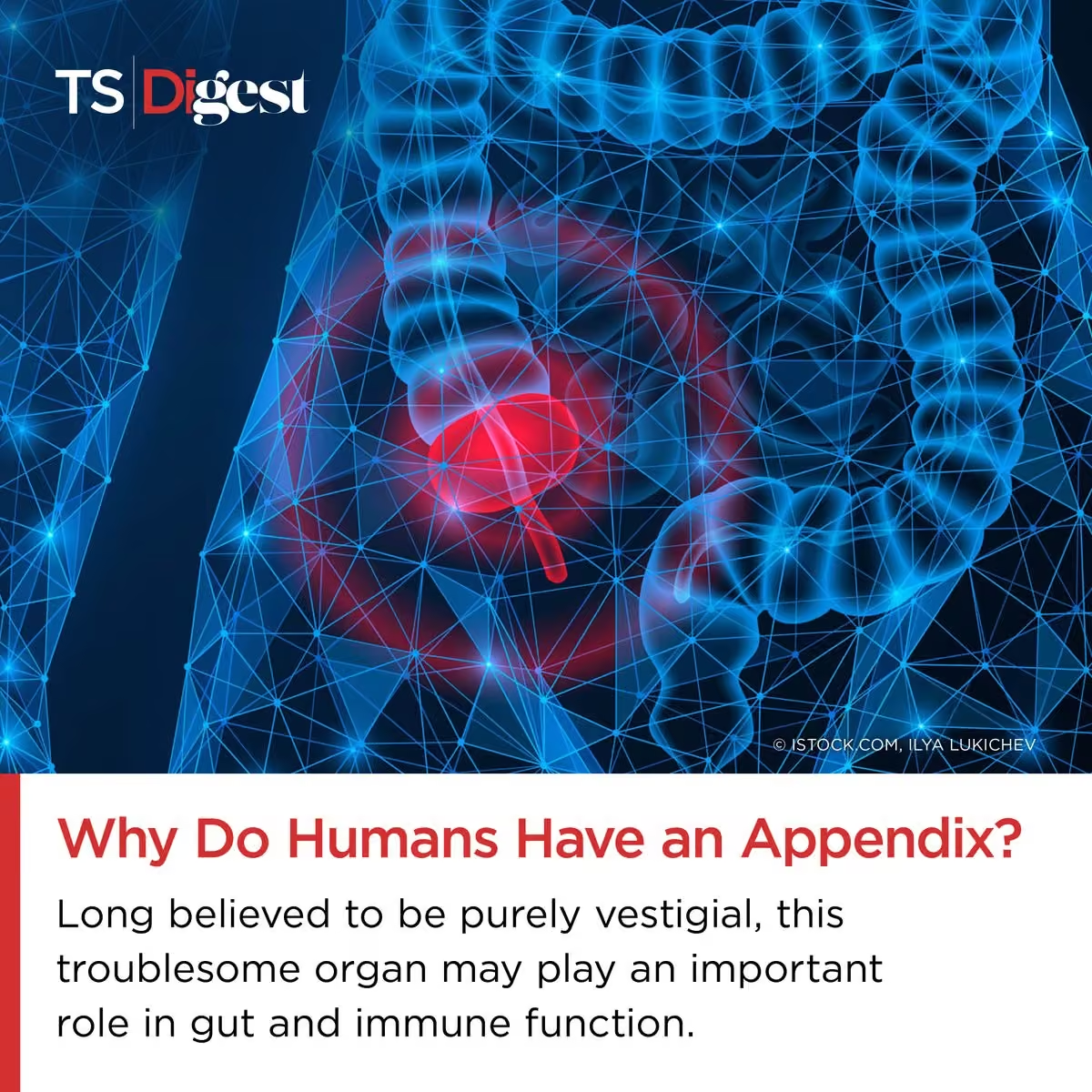
Darwin hypothesized that the appendix was a useless vestigial organ.
Today, researchers aren’t so sure.
Learn the current theories to the question 'Why Do Humans Have an Appendix?': www.the-scientist.com/ts-digest/issue/from-lab-coat-to-le… -
The Scientist
@TheScientistLLC
Uncertain about what to do after that degree?
Check out this career chat story about how @elyoudeeoh came to be the director of the high-containment laboratories at @nyugrossman and what that entails.
www.the-scientist.com/career-chat-directing-a-new-science… -
The Scientist
@TheScientistLLC
Aedes mosquitos harboring Wolbachia is one tool to stop the spread of dengue virus.
A team @BurnetInstitute investigated the mechanism behind this inhibition.
Learn more: www.the-scientist.com/ts-digest/issue/from-lab-coat-to-le… -
The Scientist
@TheScientistLLC
Join Elizabeth Proctoras, in this webinar brought to you by @moldev, as she speaks about how the latest 3D cell culture and organoid models support human disease and personalized medicine research.
Register today: www.the-scientist.com/the-future-of-disease-modeling-for-…
#ad -
The Scientist
@TheScientistLLC
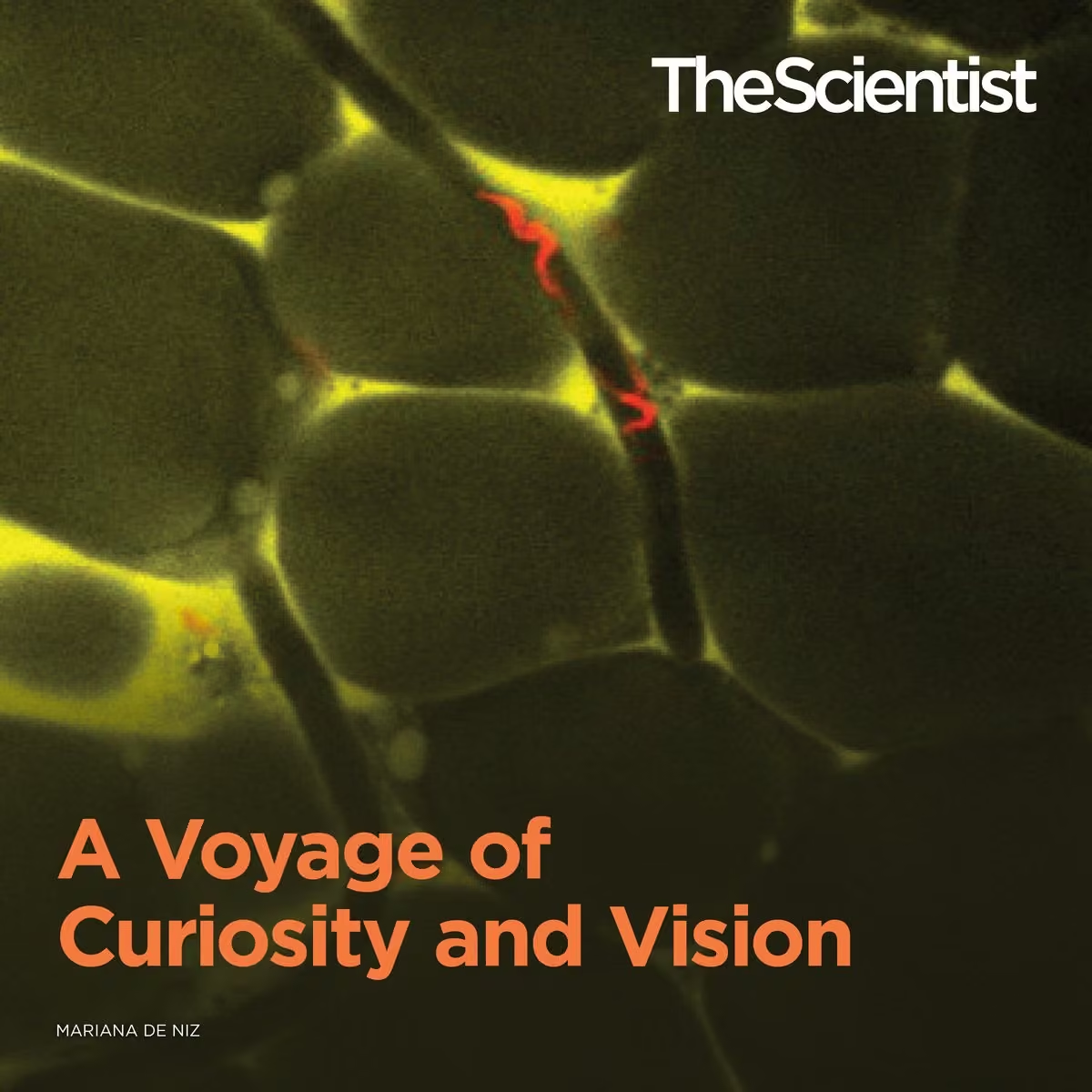
A class in molecular parasitology sparked @luisamfigueired interest in parasites.
Now, she leads a team of scientists @immolecular studying African trypanosomes and the mechanisms they use to cause disease.
Read the profile, here: www.the-scientist.com/a-voyage-of-curiosity-and-vision-71… -
The Scientist
@TheScientistLLC
Click the link below to learn about fusion detection panels that cover relevant targets for therapeutic development, tumor diagnostics, and beyond in this new application note from @TwistBioscience. #ad
www.the-scientist.com/starting-with-rna-to-find-fusions-7… -
The Scientist
@TheScientistLLC
Cancer cells adapt and overcome treatments, but it's not as simple as flipping a switch. It’s more like adjusting a dimmer switch.
@ItaiYanai and his team @nyuniversity found that cancer cells develop drug resistance through gradual epigenetic changes.
www.the-scientist.com/skipping-toward-resistance-the-grad… -
The Scientist
@TheScientistLLC
Enhancers have piqued the interest of researchers since their discovery in the early 1980s.
In his lab @UCIrvine, geneticist @evgenykvon studies how they regulate gene expression during mammalian development.
Learn more in this interview: www.the-scientist.com/ts-digest/issue/from-lab-coat-to-le… -
The Scientist
@TheScientistLLC
Download this brochure from @nanopore to learn how researchers use nanopore sequencing to assemble complete microbial genomes for a wide range of microbiology and infectious disease applications. #ad
www.the-scientist.com/uncover-microbial-mysteries-with-na… -
The Scientist
@TheScientistLLC
Inspired by his son’s changing interests as he grew up, immunologist @LabListon @CamPathology learned how adapt and tailor his science communication to meet audiences of different ages.
Read more: www.the-scientist.com/crafting-science-stories-for-young-… -
The Scientist
@TheScientistLLC
The multiverse of cell cycles is expanding.
Meet its newest member: the multiciliation cycle, which drives differentiation in multiciliated cells.
www.the-scientist.com/introducing-a-new-version-of-the-ce… -
The Scientist
@TheScientistLLC
How can scientists shape science policy?
Check out the latest issue of the TS Digest to learn how Sarah Carter shapes the science policy landscape in Washington, DC: www.the-scientist.com/ts-digest/issue/from-lab-coat-to-le… -
The Scientist
@TheScientistLLC
Sensing pain when we get injured may be a good thing.
In a study published in Nature, researchers showed that neurons that sense pain grew into injured tissue and secreted factors to aid its healing.
www.the-scientist.com/why-pain-during-wound-healing-may-b… -
The Scientist
@TheScientistLLC
Julia Darby’s chimeric proteins helped her discover which amino acid sequence directed two receptors to their locations in the neurons.
Unfortunately, a small added tag may have been doing more than helping her see her proteins.
Read her Epic Fail, here: www.the-scientist.com/ts-digest/issue/from-lab-coat-to-le… -
The Scientist
@TheScientistLLC
Modifications to an up-and-coming genome editor helped @davidrliu @broadinstitute correct the most common mutation that causes cystic fibrosis.
www.the-scientist.com/gene-editing-system-corrects-mutati… -
The Scientist
@TheScientistLLC
The appendix is one of the few organs that humans can live without. So why hasn’t evolution eliminated it?
@Eytan_Wine @UAlberta explains current hypotheses about the function of the appendix.
Find out here: www.the-scientist.com/ts-digest/issue/from-lab-coat-to-le… -
The Scientist
@TheScientistLLC
In this webinar brought to you by @SartoriusGlobal, Daryl Cole will highlight how new technologies improve antibody discovery and production.
Register today: www.the-scientist.com/boosting-the-efficiency-of-therapeu…
#ad -
The Scientist
@TheScientistLLC
In this Technique Talks brought to you by Merck, Alli Lynch presents the fundamentals and applications of ultrafiltration in the laboratory setting.
Register today: www.the-scientist.com/going-with-the-flow-an-ultimate-gui…
#ad -
The Scientist
@TheScientistLLC
A soapbark tree in the Chilean forests grows for 50 years, only to be stripped down to extract a molecule used in vaccines.
Researchers @UCBerkeley have come up with an alternative. The vaccine adjuvant can now be produced in yeast.
www.the-scientist.com/engineered-yeast-brew-a-vaccine-adj… -
The Scientist
@TheScientistLLC
Adrian Liston (@LabListon) @CamPathology is dedicated to making the wonders of the universe accessible to everyone. Alongside his research, he crafts stories for young audiences that explore the science behind immunology, virology, and vaccination.
www.the-scientist.com/crafting-science-stories-for-young-… -
The Scientist
@TheScientistLLC
The phosphoramidite method for DNA synthesis has been a bedrock in life sciences research for 40 years, but it has its limitations.
Scientists hope that enzymatic DNA synthesis will help drive the next generation of life science discoveries.
Read more: www.the-scientist.com/enzymatic-dna-synthesis-going-to-gr… -
The Scientist
@TheScientistLLC
In a recent study, @bobalhill and his colleagues at @Dartmouth found that older oligodendrocytes are in no rush to die following damage.
www.the-scientist.com/older-oligodendrocytes-live-longer-… -
The Scientist
@TheScientistLLC
Have you ever wondered what the difference between gene knockout and knockdown is?
Check out our latest What’s in a Name column to find out: www.the-scientist.com/ts-digest/issue/mold-burger-coming-… -
The Scientist
@TheScientistLLC
Click the link below to learn about fusion detection panels that cover relevant targets for therapeutic development, tumor diagnostics, and beyond in this new app note from @TwistBioscience. #ad
www.the-scientist.com/starting-with-rna-to-find-fusions-7… -
The Scientist
@TheScientistLLC
In this webinar brought to you by @moldev, Elizabeth Proctor will explore advanced cell culture approaches, overcome the complexities of 3D biology, and promote drug discovery and precision medicine.
Register now: www.the-scientist.com/the-future-of-disease-modeling-for-…
#ad -
The Scientist
@TheScientistLLC
For @JShendure and @wchenomics at @uwgenome, it’s about appreciating a cell’s genetic journey over time, not just its final destination.
www.the-scientist.com/a-prime-editing-based-approach-reco… -
The Scientist
@TheScientistLLC
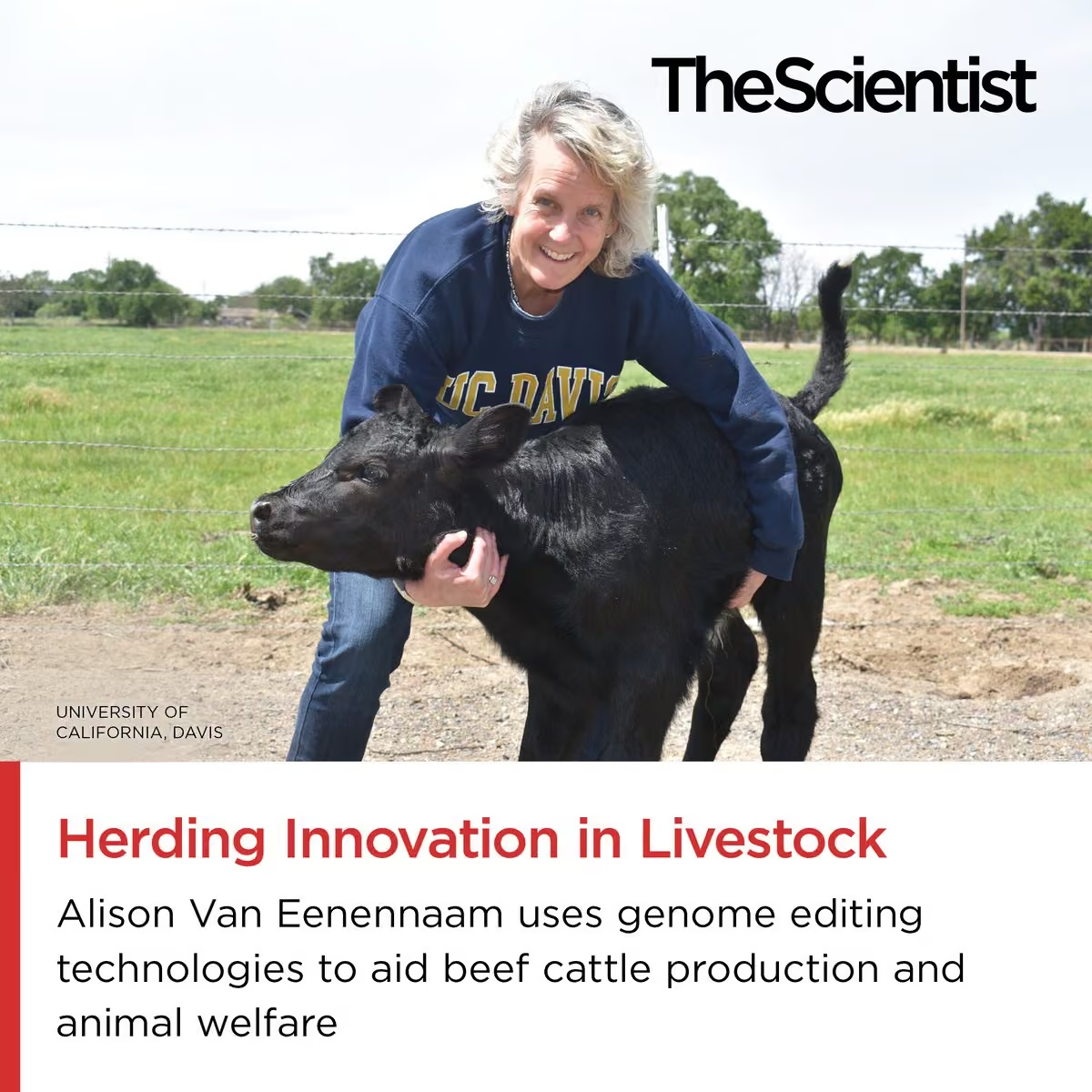
“We have some solutions here from a genetic toolbox that exactly addresses problems like disease and sustainability,” said @biobeef, an animal geneticist @ucdavis.
She embraces genome-editing technologies to drive positive change.
Read about her efforts: www.the-scientist.com/herding-innovation-in-livestock-71888 -
The Scientist
@TheScientistLLC
Advancing microbiology and infectious disease research depends on the ability of scientists to gather critical genomic information.
Learn how researchers use nanopore sequencing to assemble complete microbial genomes in this brochure from @nanopore. #ad
www.the-scientist.com/uncover-microbial-mysteries-with-na… -
The Scientist
@TheScientistLLC
How can scientists make stem cell therapies for heart attack patients more effective?
Learn how bioengineers @UCLA have used their nanovial technology to select individual cells that secrete more extracellular vesicles, treating myocardial injury in mice.
www.the-scientist.com/tiny-test-tubes-sort-stem-cells-for… -
The Scientist
@TheScientistLLC
In the @stream_CBG project, community groups collect samples from rivers and streams, which are then analyzed by the @M_Hajibabaei lab @CBG_UofG, helping to answer questions about the health of these crucial ecosystems.
Learn more about the project: www.the-scientist.com/ts-digest/issue/mold-burger-coming-… -
The Scientist
@TheScientistLLC
In this Technique Talk brought to you by @MilliporeSigma, Alli Lynch will delve into the fundamentals of ultrafiltration and share expert tips and tricks to optimize ultrafiltration processes.
Register now: www.the-scientist.com/going-with-the-flow-an-ultimate-gui…
#ad -
The Scientist
@TheScientistLLC
Mind over matter?
@rolls_asya @TechnionLive gets into the nitty gritty of the mind-body connection.
www.the-scientist.com/can-the-brain-help-heal-a-broken-he… -
The Scientist
@TheScientistLLC
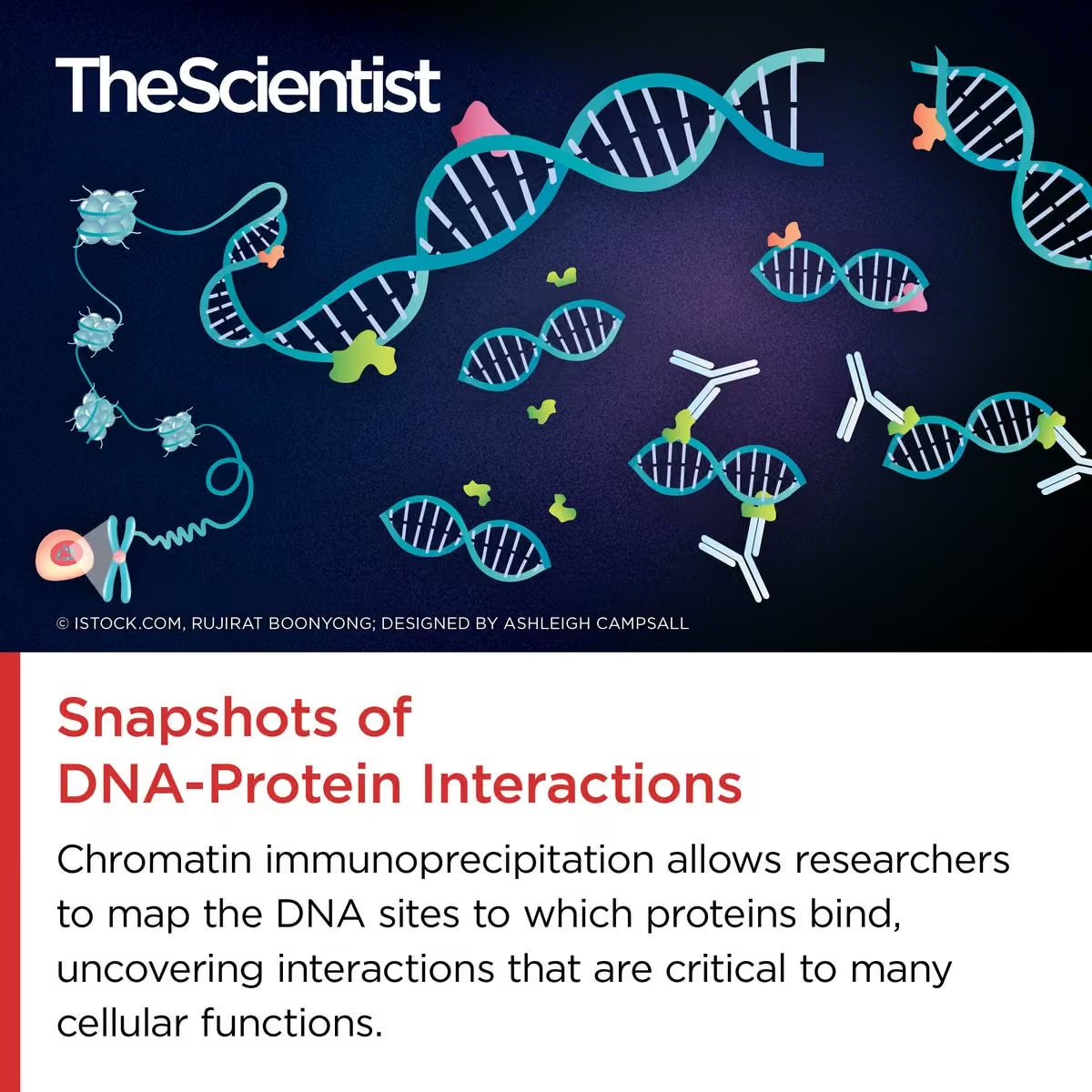
Proteins interact with DNA to regulate many key processes in cells.
In the 1980s, researchers interested in unveiling these interactions developed a method that allowed them to do that.
Learn about the evolution of ChIP through the years: www.the-scientist.com/chromatin-immunoprecipitation-revea… -
The Scientist
@TheScientistLLC
In this white paper from @misprobiotech, learn about the research infrastructure behind successful translational science. #ad
www.the-scientist.com/unlocking-translational-breakthroug… -
The Scientist
@TheScientistLLC
There a plenty of considerations when deciding to get a tattoo.
A recent study from the FDA may have highlighted another factor: contamination.
Find out what the agency found in manufacturer inks.
www.the-scientist.com/fda-found-anaerobic-bacteria-in-sea… -
The Scientist
@TheScientistLLC
Fungi may be the future of sustainable foods.
@NOFOKitchen and his colleagues @UCBerkeley cooked up the Koji mold burger patty, a blend of culinary creativity and gene-editing technology.
Read more about the burger coming to a restaurant near you: www.the-scientist.com/ts-digest/issue/mold-burger-coming-… -
The Scientist
@TheScientistLLC
Learn how innovative platforms advance monoclonal antibody generation for clinical research and immunotherapy development in this webinar.
Register today: www.the-scientist.com/boosting-the-efficiency-of-therapeu…
#ad -
The Scientist
@TheScientistLLC
Read this article from @sciencewater to explore the role of ultrapure water in genetic and genomic research, and how its use can help researchers sidestep potential obstacles. #ad
www.the-scientist.com/high-purity-reagents-ensure-reprodu… -
The Scientist
@TheScientistLLC
Green algae are lean, mean, drug-delivering machines.
Researchers @UCSanDiego created microrobots from green algae fitted with drug-filled nanoparticles that swam through the lungs to deliver drugs to tumors.
www.the-scientist.com/green-warriors-algae-microrobots-se… -
The Scientist
@TheScientistLLC
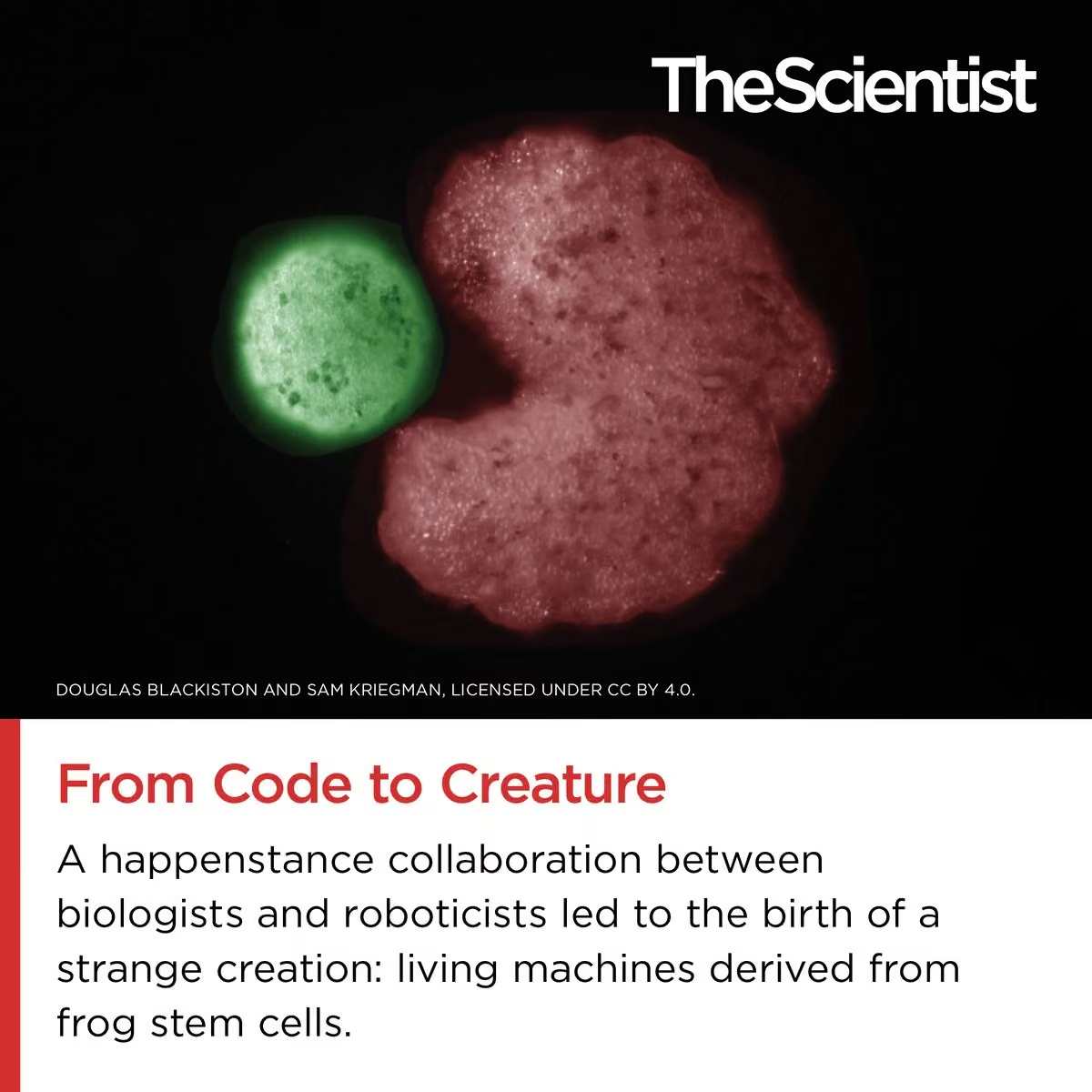
“It’s more like craftsmanship than it is science at times,” said @DougBlackiston about the creation of xenobots.
He, @Kriegmerica, @drmichaellevin, and @DoctorJosh repurposed frog cells to do much more than swim.
Read more about the collaboration, here: www.the-scientist.com/from-code-to-creature-71877 -
The Scientist
@TheScientistLLC
In this webinar brought to you by @dnagenotek, Mike Tayeb will discuss best practices for working with saliva-derived DNA samples and Masita Arip will discuss sample type insights from the Malaysian Stem Cell Registry.
Register now: www.the-scientist.com/a-deep-dive-into-optimizing-results…
#ad -
The Scientist
@TheScientistLLC
Lasers! Detectors! Flow!
Learn about flow cytometry and its research applications in our latest methods story: www.the-scientist.com/how-flow-cytometry-spurred-cell-bio… -
The Scientist
@TheScientistLLC
Increasing sperm motility can provide noninvasive methods to improve fertilization.
A team @MonashUni studied how their ultrasound treatment method improved individual cells’ movement.
View the infographic, here: www.the-scientist.com/ts-digest/issue/mold-burger-coming-… -
The Scientist
@TheScientistLLC
Click the link below to learn how laboratories navigate hereditary cancer testing in the context of clinically relevant scenarios in this new guide from @velseraofficial. #ad
www.the-scientist.com/the-ins-and-outs-of-hereditary-canc… -
The Scientist
@TheScientistLLC
What factors drive allergic asthma?
A team @UUtah found that prenatal inflammation pushed a type of immune cell toward hyperactive states that contributed to allergic responses in mice.
www.the-scientist.com/prenatal-inflammation-makes-mice-su… -
The Scientist
@TheScientistLLC
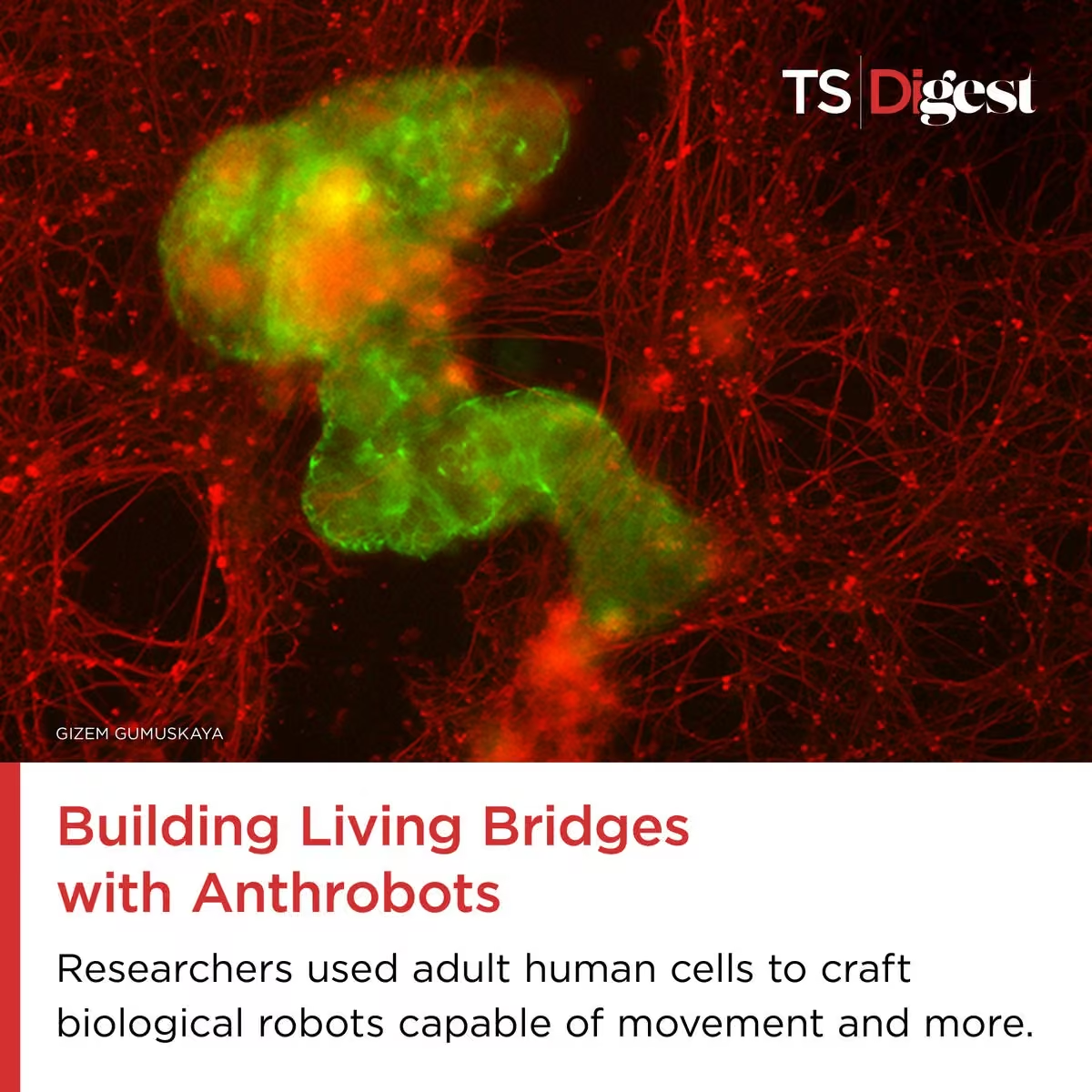
Inspired by biology’s architectural marvels, @gizemgumuskaya and her colleagues @Tufts and @wyssinstitute crafted anthrobots.
Read about how anthrobots act like a superorganism in this month’s Science Snapshot: www.the-scientist.com/ts-digest/issue/mold-burger-coming-… -
The Scientist
@TheScientistLLC
Moving from 2D to 3D cell culture models of disease adds to layers of complexity.
Join Elizabeth Proctoras as she speaks about how the latest 3D cell culture and organoid models support human disease and personalized medicine research.
Register now: www.the-scientist.com/the-future-of-disease-modeling-for-…
#ad -
The Scientist
@TheScientistLLC
What is day science versus night science?
The @nightsciencepod, hosted by @ItaiYanai and @MartinJLercher, delves into conversations with leading researchers about the untold creative process of science.
www.the-scientist.com/night-science-podcast-a-walk-on-sci… -
The Scientist
@TheScientistLLC
Many cancer types are caused by gene fusions that bring together parts of two different genes.
Download this app note from @TwistBioscience and CeGaT to learn about fusion detection panels that cover relevant targets for therapeutic development. #ad
www.the-scientist.com/starting-with-rna-to-find-fusions-7… -
The Scientist
@TheScientistLLC
In this Technique Talks brought to you by Merck, Alli Lynch will delve into the fundamentals of UF and share expert tips and tricks to optimize UF processes.
Register now: www.the-scientist.com/going-with-the-flow-an-ultimate-gui…
#ad -
The Scientist
@TheScientistLLC
Starting October 2024, researchers will be required to get synthetic nucleic acid sequences from vendors that comply with the government’s framework.
Learn how they are trying to minimize biosecurity risks associated with DNA synthesis technologies.
www.the-scientist.com/biotechs-bolster-biosecurity-to-saf… -
The Scientist
@TheScientistLLC
Learn more about how researchers use @nanopore sequencing to assemble complete microbial genomes for a wide range of microbiology and infectious disease applications. #ad
www.the-scientist.com/uncover-microbial-mysteries-with-na… -
The Scientist
@TheScientistLLC
What if instead of just visualizing it, one could also listen to a protein fold?
By sonifying the bonds within proteins, Martin Gruebele and Carla Scaletti @UofIllinois study how the folding process is orchestrated.
Read more from @rohsubb:
www.the-scientist.com/from-symphony-to-structure-listenin… -
The Scientist
@TheScientistLLC
In this webinar, Arthur Beyder and Melanie Maya Kaelberer will explore how scientists use intestinal organoids to explore the cellular, molecular, and physiological processes that underly the healthy and diseased digestive system.
Register now: www.the-scientist.com/modeling-the-intestines-with-mini-g… -
The Scientist
@TheScientistLLC
Are you curious about the difference between gene knockout and gene knockdown?
Read more about this in the latest TS Digest: www.the-scientist.com/ts-digest/issue/mold-burger-coming-… -
The Scientist
@TheScientistLLC
Cell-free DNA (cfDNA) contains potential biomarkers for cancer detection, diagnosis, and progression.
Explore the importance of library preparation for cfDNA analysis in this poster from @TwistBioscience. #ad
www.the-scientist.com/improving-cfdna-sequencing-sensitiv… -
The Scientist
@TheScientistLLC
Mucus is more than just slimy goop: it’s an essential immune defense. But studying it can be tricky because it changes when removed from the body.
Researchers @StanfordEng have devised a way to study mucus directly on the cells that produce it.
www.the-scientist.com/a-better-mucus-model-72079 -
The Scientist
@TheScientistLLC
What makes someone a mosquito magnet?
We asked expert @meg_younger, a neuroscientist @BU_Biology, for our Just Curious column to help us understand the mystery behind their preferences.
If you are buzzing with curiosity, check out the article!
www.the-scientist.com/why-do-mosquitoes-bite-some-people-… -
The Scientist
@TheScientistLLC
Mosquitoes are worse that you thought— they not only carry viruses, they can help viruses infect human cells.
www.the-scientist.com/a-mosquito-protein-facilitates-zika… -
The Scientist
@TheScientistLLC
Read this eBook from @LevitasBio to see how alternative approaches to cell isolation and separation can minimize cell stress and enable new discoveries. #ad
www.the-scientist.com/optimizing-sample-preparation-for-c… -
The Scientist
@TheScientistLLC
In this webinar brought to you by @SartoriusGlobal, Daryl Cole will discuss how novel automated platforms help researchers enhance the efficiency and effectiveness of these workflows to optimally generate B cell-based immunotherapeutics.
Register now: www.the-scientist.com/boosting-the-efficiency-of-therapeu…
#ad -
The Scientist
@TheScientistLLC
Researchers went on an expedition into Siberia’s tundra and discovered a 52,000-year-old skin sample.
In a @CellCellPress paper, well-preserved chromosomes enabled researchers to piece together the ancient 3D genome—now that’s tough skin!
Read more: www.the-scientist.com/rebuilding-the-genome-of-woolly-mam… -
The Scientist
@TheScientistLLC
Researchers @stream_CBG use DNA metabarcoding to enable citizen scientists to monitor biodiversity and freshwater ecosystem health in their local environments.
Read more about the Citizen Science Project: www.the-scientist.com/ts-digest/issue/mold-burger-coming-… -
The Scientist
@TheScientistLLC
Contract vivarium spaces bridge the gap between the bench and bedside.
In this white paper from @misprobiotech, learn how these laboratory spaces support novel discoveries and translational breakthroughs. #ad
www.the-scientist.com/unlocking-translational-breakthroug… -
The Scientist
@TheScientistLLC
Neuroscientists @your_arpy @OHSUBrain want to use barcoded rabies virus to create a more comprehensive brain wiring map and inform research on disorders of neural connectivity.
Read more: www.the-scientist.com/engineered-rabies-virus-illuminates… -
The Scientist
@TheScientistLLC
With an appetite to reimagine fungal foods, Vayu Hill-Maini (@NOFOKitchen) and his colleagues @UCBerkeley used gene-editing technology to create an appetizing-looking mold burger patty.
Read more about the mold burger, here: www.the-scientist.com/ts-digest/issue/mold-burger-coming-… -
The Scientist
@TheScientistLLC
In this webinar brought to you by @dnagenotek, Mike Tayeb and Masita Arip will share insight on saliva-derived DNA samples.
Join us: www.the-scientist.com/a-deep-dive-into-optimizing-results…
#ad -
The Scientist
@TheScientistLLC
Click the link below to explore the role of ultrapure water in genetic and genomic research, and how its use can help researchers sidestep potential obstacles in this new article from @sciencewater. #ad
www.the-scientist.com/high-purity-reagents-ensure-reprodu… -
The Scientist
@TheScientistLLC
Neuroscientist @your_arpy @OHSUBrain wants to use barcoded rabies virus to create a more comprehensive brain wiring map and inform research on disorders of neural connectivity.
Read more: www.the-scientist.com/engineered-rabies-virus-illuminates… -
The Scientist
@TheScientistLLC
A team @MonashUni studied the effect of ultrasound waves in increasing sperm motility at the single cell level.
Explore the infographic here: www.the-scientist.com/ts-digest/issue/mold-burger-coming-… -
The Scientist
@TheScientistLLC
Clinical genomics testing gets a boost from @velseraofficial’s integrated hereditary cancer assays.
Download their guide below. #ad
www.the-scientist.com/the-ins-and-outs-of-hereditary-canc… -
The Scientist
@TheScientistLLC
Bioengineering strategies that address the electrical environment of cells may help researchers hack developmental processes for tissue repair.
www.the-scientist.com/current-events-bioelectrical-gradie… -
The Scientist
@TheScientistLLC
In this episode of The Scientist Speaks podcast, Wendy Chung from @BostonChildrens and @HarvardMed shares how she studies and treats rare diseases with the help of next generation sequencing.
Listen to the full episode to learn more: www.the-scientist.com/catch-me-if-you-can-sequencing-scre… -
The Scientist
@TheScientistLLC
In this webinar brought to you by @moldev, explore advanced cell culture approaches that help scientists streamline workflows, overcome the complexities of 3D biology, and promote drug discovery and precision medicine.
Register now: www.the-scientist.com/the-future-of-disease-modeling-for-…
#ad -
The Scientist
@TheScientistLLC
In this Technique Talk brought to you by Merck, Alli Lynch will delve into the fundamentals of ultrafiltration and share expert tips and tricks to optimize UF processes within a workflow.
Register now: www.the-scientist.com/going-with-the-flow-an-ultimate-gui…
#ad -
The Scientist
@TheScientistLLC
Forget survival of the fittest, enter survival of the slimiest!
Pseudomonas bacteria wear sticky coats of biofilm and are experts at hiding from antibiotics and immune cells.
This armor also enables the development of the dreaded asymptomatic infection.
www.the-scientist.com/bacteria-put-on-an-invisibility-clo… -
The Scientist
@TheScientistLLC
Although cancer-causing gene fusions result from DNA level changes, not all DNA fusions are relevant at the RNA and protein levels.
In this app note from @TwistBioscience and CeGaT, learn about fusion detection panels that cover relevant targets. #ad
www.the-scientist.com/starting-with-rna-to-find-fusions-7… -
The Scientist
@TheScientistLLC
Mosquito saliva protein damps down immune system to allow viral infection, study from researchers at @Yale found.
www.the-scientist.com/a-mosquito-protein-facilitates-zika… -
The Scientist
@TheScientistLLC
In this webinar, Arthur Beyder and Melanie Maya Kaelberer will discuss how scientists use intestinal organoids, also known as mini guts, to explore the digestive system in health and disease.
Register now: www.the-scientist.com/modeling-the-intestines-with-mini-g… -
The Scientist
@TheScientistLLC
Let’s face it: synthetic biology is not getting out of the hair.
Read how research in this field is changing the personal care space: www.the-scientist.com/synthetic-biology-is-in-fashion-71867 -
The Scientist
@TheScientistLLC
Download this poster from @TwistBioscience to discover a workflow for cfDNA library preparation that includes an optimized target enrichment protocol to maximize duplex, on-target, sequenceable sample molecule conversion. #ad
www.the-scientist.com/improving-cfdna-sequencing-sensitiv… -
The Scientist
@TheScientistLLC
In this Technique Talk brought to you by @MilliporeSigma, Alli Lynch will delve into the fundamentals of ultrafiltration and share expert tips and tricks to optimize ultrafiltration processes within a workflow.
Register now: www.the-scientist.com/going-with-the-flow-an-ultimate-gui…
#ad -
The Scientist
@TheScientistLLC
Cells can eat other cells, but they can also invade other cells.
In a new study, @SteffiKapsetaki @Tufts_Biology and colleagues from @ace_arizona survey the wide range of cell-in-cell events that exist across Earth’s species.
www.the-scientist.com/study-reveals-a-cell-eat-cell-world… -
The Scientist
@TheScientistLLC
Neurobiologist @christlet studies the neuronal cytoskeleton, uncovering how it is organized in different parts of the neurons.
Check out this month's Science Snapshot: www.the-scientist.com/ts-digest/issue/from-lab-to-likes-s… -
The Scientist
@TheScientistLLC
The latest cutting-edge nanopore sequencing technology from @nanopore streamlines workflows and provides researchers with fulsome microbial genomic data.
Explore how nanopore sequencing transforms infectious disease research in this brochure. #ad
www.the-scientist.com/uncover-microbial-mysteries-with-na… -
The Scientist
@TheScientistLLC
By timing how fast proteins journey into the nucleus, @TheCrick biophysicists found that ones with flexible domains move quicker, leading them to design a protein tag that could improve the delivery of proteins to the nucleus for research.
www.the-scientist.com/fast-tracking-protein-delivery-into… -
The Scientist
@TheScientistLLC
The tumor microenvironment is always changing.
Join this webinar to hear how the tumor microenvironment influences cancer and how researchers use spatial biology to understand the dynamic interactions of cancer cells within the tumor niche.
Register now: www.the-scientist.com/exploring-the-tumor-microenvironmen… -
The Scientist
@TheScientistLLC
Oded Rechavi (@OdedRechavi) @TelAvivUni adds a touch of humor to serious science on social media.
Dive into his entertaining feed in this Beyond the Bench story: www.the-scientist.com/ts-digest/issue/from-lab-to-likes-s… -
The Scientist
@TheScientistLLC
Click the link below to read this new eBook from @LevitasBio to discover how new technology can help preserve maximal viability and experimental accuracy. #ad
www.the-scientist.com/optimizing-sample-preparation-for-c… -
The Scientist
@TheScientistLLC
“I'm most excited about the things that we can't even anticipate that we will learn,” Morgan Cable, a chemist @NASA, said about the upcoming @EuropaClipper mission to study one of Jupiter’s moons.
Find out what the craft will measure: www.the-scientist.com/searching-for-life-s-simple-necessi… -
The Scientist
@TheScientistLLC
Bacterial culture media contain nutrients that support growth and differentiation in vitro.
This Brush Up Summary highlights different media types, their purposes, preparation methods, and current advancements.
www.the-scientist.com/exploring-the-landscape-of-bacteria… -
The Scientist
@TheScientistLLC
Nowadays, researchers purify plasmid DNA using kits, but that wasn’t the case for @tblumens when she was a graduate student.
During an experiment, she learned the hard way that too much reagent can be a recipe for disaster.
Read her Epic Fail, here: www.the-scientist.com/ts-digest/issue/from-lab-to-likes-s… -
The Scientist
@TheScientistLLC
Arpita Kulkarni from @harvardmed’s Single Cell Core will share a practical guide on how to design a successful scRNA-seq experiment from the wet bench perspective.
Save your spot: www.the-scientist.com/preparing-samples-for-single-cell-m… -
The Scientist
@TheScientistLLC
You are what you eat, but how does your parent’s diet influence your metabolism?
A recent study from @HelmholtzMunich helps provide answers about sperm-borne epigenetics and metabolic health.
www.the-scientist.com/how-sperm-regulate-offspring-health… -
The Scientist
@TheScientistLLC
The new is #borderlandsmovie out!
Did you know that within the game there is a citizen science project that millions of players helped with?
Learn how a collaboration between scientists and @GearboxOfficial turned gamers into computational biologists: www.the-scientist.com/borderlands-gamers-fuel-the-next-ge… -
The Scientist
@TheScientistLLC
Researchers are bridging the gap between novel scientific discovery and cutting-edge clinical implementation.
In this white paper from @misprobiotech, learn about the research infrastructure behind successful translational science. #ad
www.the-scientist.com/unlocking-translational-breakthroug… -
The Scientist
@TheScientistLLC
Reagent quality has an understated yet pivotal role in genetic research.
Download this article from @sciencewater to explore the role of ultrapure water in genetic and genomic research, and how its can help researchers sidestep potential obstacles. #ad
www.the-scientist.com/high-purity-reagents-ensure-reprodu… -
The Scientist
@TheScientistLLC
NK cells are an important anti-cancer defense, but what happens if they turn into a different cell type?
A new study from @SebScheer @Dr_Nick_Bikes identified a gene without which NK cells turn into a weaker cell type, making them worse at fighting cancer.
www.the-scientist.com/maintaining-nk-cells-killer-instinc… -
The Scientist
@TheScientistLLC
Miniature guts are making a major impact.
Join Arthur Beyder and Melanie Maya Kaelberer as they speak about their latest research using 3D intestinal organoids to study digestive health and disease.
Register now: www.the-scientist.com/modeling-the-intestines-with-mini-g… -
The Scientist
@TheScientistLLC
The endosymbiotic bacterium Mycetohabitans rhizoxinica controls the ability of the fungi Rhizopus microsporus to produce spores.
A team at @LeibnizHKI demonstrated how it pulls this off.
Find out how, here: www.the-scientist.com/ts-digest/issue/from-lab-to-likes-s… -
The Scientist
@TheScientistLLC
Click the link below to learn how laboratories navigate hereditary cancer testing in the context of clinically relevant scenarios in this new guide from @VelseraOfficial. #ad
www.the-scientist.com/the-ins-and-outs-of-hereditary-canc… -
The Scientist
@TheScientistLLC
The unique patterns and pliability of human ears are difficult to replicate.
Researchers from @WeillCornell and @WCMSurgery redefine human ear reconstruction using tissue engineering, 3D printing, and xenografting.
www.the-scientist.com/researchers-bioengin-ear-tissue-sca… -
The Scientist
@TheScientistLLC
Rome wasn’t built in a day, and neither are scientific papers.
Adrian Liston saw a golden opportunity to celebrate and reward incremental successes in science, fostering a sense of community along the way.
Read more: www.the-scientist.com/ts-digest/issue/from-lab-to-likes-s… -
The Scientist
@TheScientistLLC
In this webinar, brought to you by @dnagenotek, laboratory experts will share their insights on best practices for working with saliva-derived DNA samples.
Register today: www.the-scientist.com/a-deep-dive-into-optimizing-results…
#ad -
The Scientist
@TheScientistLLC
The 20 amino acids that make up proteins produce an incalculable variety of these biomolecules, but synthetic biologists looking to push the limits of protein diversity have developed a technique to incorporate unusual amino acids into proteins.
www.the-scientist.com/expanding-the-genetic-alphabet-72046 -
The Scientist
@TheScientistLLC
In this webinar brought to you by The Scientist, Pinaki Bose and Fei Chen will explore studies of the tumor microenvironment using spatial biology techniques.
Register now: www.the-scientist.com/exploring-the-tumor-microenvironmen… -
The Scientist
@TheScientistLLC
Why does obesity predispose individuals to more severe influenza infections?
@SSCLabQuips @StJudeResearch searches for the mechanisms, which she hopes will one day lead to more effective strategies to treat or prevent adverse health outcomes.
Learn more: www.the-scientist.com/ts-digest/issue/from-lab-to-likes-s… -
The Scientist
@TheScientistLLC
Science and art are often treated as polar opposites, but @beatascienceart combined both when she started creating science illustrations and fashion to show off the beauty of research and start conversations about it.
www.the-scientist.com/finding-beauty-in-biological-spaces… -
The Scientist
@TheScientistLLC
Marburg virus causes a highly fatal hemorrhagic fever, but how the cells it infects respond to it remains unclear.
Now, researchers @rki_de infected donor macrophages with the virus and found distinct responses between them.
www.the-scientist.com/viral-research-gets-batty-to-study-… -
The Scientist
@TheScientistLLC
With a flourish of keystrokes, @OdedRechavi injects humor into science.
Find out how he makes science accessible and entertaining on social media: www.the-scientist.com/ts-digest/issue/from-lab-to-likes-s… -
The Scientist
@TheScientistLLC
Cell-free DNA (cfDNA) library preparation must reliably capture and convert all the fragmented DNA within the sample.
Learn more about the importance of library preparation for cfDNA analysis in this new poster from @TwistBioscience: www.the-scientist.com/improving-cfdna-sequencing-sensitiv…
#ad -
The Scientist
@TheScientistLLC
At age 40, physicist @cees_dekker @tudelft shifted his research focus to biology.
He spoke about building biology, and a biologist, from the bottom up.
Read the profile here: www.the-scientist.com/building-cells-from-the-bottom-up-7… -
The Scientist
@TheScientistLLC
Fruit flies and roundworms and fish―oh my!
Learn about what makes a good model organism and discover the history of these small but mighty scientific contributors in the latest Brush Up Summary.
www.the-scientist.com/small-model-organisms-as-versatile-… -
The Scientist
@TheScientistLLC
As a graduate student @usponline, @tblumens learned that too much sodium hydroxide breaks down more than just bacterial cells.
Read this month's Epic Fail: www.the-scientist.com/ts-digest/issue/from-lab-to-likes-s… -
The Scientist
@TheScientistLLC
Download this ebook from @LevitasBio to learn more about the importance of cellular heterogeneity, factors impacting sample viability during isolation, and alternative approaches to cell isolation and separation. #ad
www.the-scientist.com/optimizing-sample-preparation-for-c… -
The Scientist
@TheScientistLLC
Peering into a microscope as child inspired @BrugmannLab to pursue a career in science.
Now, the @CincyChildrens developmental biologist delves into the cells and molecules at play during craniofacial development and disease.
www.the-scientist.com/unveiling-the-secrets-of-head-and-f… -
The Scientist
@TheScientistLLC
Postdoctoral researcher @Funbiosis2017 @LeibnizHKI showed that endosymbiotic bacteria use effector proteins to control their fungal host’s reproduction.
Learn more: www.the-scientist.com/ts-digest/issue/from-lab-to-likes-s… -
The Scientist
@TheScientistLLC
A mutation linked to a rare neurological disease disrupts autophagy, causing a protein pile-up in the brain.
www.the-scientist.com/revealing-the-mutation-behind-a-rar… -
The Scientist
@TheScientistLLC
The gut’s complex composition and function makes it difficult to study in vitro.
In this webinar, learn how scientists use intestinal organoids to study the cellular, molecular, and physiological processes that underly the digestive system.
Register now: www.the-scientist.com/modeling-the-intestines-with-mini-g… -
The Scientist
@TheScientistLLC
In his lab @Cambridge_Uni, @LabListon awards the Golden Pipette to celebrate small successes: getting that difficult assay to finally work; developing a new protocol for the lab; the heroic effort that ends up as supplementary figure 12.
Learn more: www.the-scientist.com/ts-digest/issue/from-lab-to-likes-s… -
The Scientist
@TheScientistLLC
In this webinar brought to you by @dnagenotek, Mike Tayeb and Masita Arip will share insights on saliva-derived DNA samples.
Register here: www.the-scientist.com/a-deep-dive-into-optimizing-results…
#ad -
The Scientist
@TheScientistLLC
Understanding the cellular and molecular factors at play in the formation of craniofacial structures drives @BrugmannLab @CincyChildrens.
In our latest Q&A, she talked about her research and motivations to study craniofacial development.
www.the-scientist.com/unveiling-the-secrets-of-head-and-f… -
The Scientist
@TheScientistLLC
In this Technique Talk brought to you by The Scientist, Arpita Kulkarni from @HarvardMed’s Single Cell Core will share a practical guide on how to design a successful scRNA-seq experiment from the wet bench perspective.
Register today: www.the-scientist.com/preparing-samples-for-single-cell-m… -
The Scientist
@TheScientistLLC
Global obesity rates have increased dramatically in the past few decades, especially among children.
@SSCLabQuips @StJudeResearch uses ferrets to investigate how obesity leads to increased influenza severity in these vulnerable populations.
Learn more: www.the-scientist.com/ts-digest/issue/from-lab-to-likes-s… -
The Scientist
@TheScientistLLC
The first August 2024 TS Digest issue is out today!
Explore:
❤️ How to bring humor and accessibility to science communication
💔 How a math mix-up ended in an #epicfail
💛 The quest for the Golden Pipette
Read this and more, here: www.the-scientist.com/ts-digest/issue/from-lab-to-likes-s… -
The Scientist
@TheScientistLLC
Download this guide from @velseraofficial to learn how laboratories navigate hereditary cancer testing in the context of clinically relevant scenarios. #ad
www.the-scientist.com/the-ins-and-outs-of-hereditary-canc… -
The Scientist
@TheScientistLLC
Although cancer causing gene fusions result from structural variants on the DNA level, not all DNA fusions are relevant at the RNA and protein levels.
Learn about fusion detection panels that cover relevant targets in this new app note. #ad
www.the-scientist.com/starting-with-rna-to-find-fusions-7… -
The Scientist
@TheScientistLLC
Doctors hate this one weird trick!
Seriously, scientists—like @drstephieb @HotchkissBrain—say that the concept of dopamine fasting vastly oversimplifies the dopaminergic system and is unlikely to “rewire” the brain in any meaningful way.
www.the-scientist.com/debunking-the-dopamine-detox-trend-… -
The Scientist
@TheScientistLLC
In this webinar, Pinaki Bose and Fei Chen will discuss how scientists use spatial biology techniques to study the tumor microenvironment.
Register today: www.the-scientist.com/exploring-the-tumor-microenvironmen… -
The Scientist
@TheScientistLLC
A new optogenetic approach for stimulating muscles may improve prothesis control while curbing muscle fatigue.
www.the-scientist.com/fine-tuning-muscle-control-with-lig… -
The Scientist
@TheScientistLLC
A new approach to microscopy clears the way for studying rare events in host pathogen interactions.
@caipcoelho @UofEBiosciences and @MRCcmm imaged sections of mouse brains infected with Cryptococcus neoformans to learn more about the fungi’s invasion.
www.the-scientist.com/studying-the-brain-during-fungal-in… -
The Scientist
@TheScientistLLC
The blood-brain barrier (BBB) regulates molecule and ion movement between the circulation and the brain.
In this webinar, researchers will explain how new gene therapy approaches for combatting neurological disease overcome the BBB.
Register now: www.the-scientist.com/bringing-gene-therapy-to-the-brain-… -
The Scientist
@TheScientistLLC
FACS versus flow cytometry: Can you sort out the difference?
Learn the similarities and differences between these two methods, here: www.the-scientist.com/ts-digest/issue/what-s-the-differen… -
The Scientist
@TheScientistLLC
Cell-free DNA (cfDNA) contains potential biomarkers for cancer detection, diagnosis, and progression.
Download this poster from @TwistBioscience to discover a workflow for cfDNA library preparation that includes an optimized target enrichment protocol #ad
www.the-scientist.com/improving-cfdna-sequencing-sensitiv… -
The Scientist
@TheScientistLLC
Researchers created “minicells” filled with amino acids to kickstart dormant metabolic pathways and ramp down cancer’s spread.
www.the-scientist.com/minicells-shut-down-cancer-s-spread… -
The Scientist
@TheScientistLLC
It’s easy to consider writing and presenting as separate from experimentation.
However, there are plenty of chances to develop science communication skills while the benchwork is still ongoing.
Learn about how benchwork and #scicomm are intertwined:
www.the-scientist.com/how-the-bench-can-build-scicomm-ski… -
The Scientist
@TheScientistLLC
Since its creation nearly 40 years ago, ChIP has come a long way, helping scientists not only to understand very specific protein-DNA interactions, but also gain a genome-wide view of these molecular contacts.
Learn more the origin and future of ChIP:
www.the-scientist.com/chromatin-immunoprecipitation-revea… -
The Scientist
@TheScientistLLC
Perturbations during sample preparation can cause cellular properties to change.
Read this eBook from @levitasbio to see how alternative approaches to cell isolation and separation can minimize cell stress and enable new discoveries. #ad
www.the-scientist.com/optimizing-sample-preparation-for-c… -
The Scientist
@TheScientistLLC
How do mussels secure themselves to the slippery seashore?
@BioinspiredMatt @McGillChemistry spent decades studying the surprisingly complex materials that mollusks produce.
Learn how they do it, here: www.the-scientist.com/ts-digest/issue/what-s-the-differen… -
The Scientist
@TheScientistLLC
In the latest Brush Up Summary, learn how scientists harness the biochemistry behind glowing organisms for genetic and molecular biology research.
www.the-scientist.com/luciferase-a-powerful-bioluminescen… -
The Scientist
@TheScientistLLC
Daniel Lin-Arlow of @AnsaBio spoke to @dmgerhard
about enzymatic DNA synthesis and how the company created the world’s longest oligonucleotide.
Read more: www.the-scientist.com/enzymatic-dna-synthesis-going-to-gr… -
The Scientist
@TheScientistLLC
In this webinar brought to you by @dnagenotek, Mike Tayeb will discuss best practices for working with saliva-derived DNA samples and Masita Arip will discuss sample type insights from the Malaysian Stem Cell Registry.
Register now: www.the-scientist.com/a-deep-dive-into-optimizing-results…
#ad -
The Scientist
@TheScientistLLC
Lurking within the lung microbiota is the potential for new antibiotics.
Researchers at @unibern, led by Lucy Hathaway, recently described a bacterial peptide’s adverse effects on Streptococcus pneumoniae’s ability to grow and colonize.
www.the-scientist.com/searching-for-new-bacterial-therape… -
The Scientist
@TheScientistLLC
In this webinar, Arpita Kulkarni from @HarvardMed’s Single Cell Core will share a practical guide on how to design a successful scRNA-seq experiment from the wet bench perspective.
www.the-scientist.com/preparing-samples-for-single-cell-m… -
The Scientist
@TheScientistLLC
Researchers @UWMadison and @dukenus hit the "print" button on functional brain tissue with 3D printing technology.
Their work illuminates brain cell communication and advances disease models.
Read more: www.the-scientist.com/ts-digest/issue/what-s-the-differen… -
The Scientist
@TheScientistLLC
To engineer realistic tissues in a lab, scientists need to recreate complex structures found in the body.
Scientists @Rice_BIOE @ChemistryRice recently developed a new hydrogel that makes it possible to tune the level of organization of the biomaterial.
www.the-scientist.com/a-recipe-for-hydrogel-noodles-to-im… -
The Scientist
@TheScientistLLC
We are now accepting submissions for our annual Top 10 Innovations list!
Take two minutes to submit your product or technique for consideration in this year’s competition.
The submission window will close tomorrow Friday, July 26, 2024, so enter now!
www.the-scientist.com/enter-our-2024-top-10-innovations-c… -
The Scientist
@TheScientistLLC
Flow cytometry is widely used in research to measure and quantify various aspects of cells and particles.
Learn about how it works in our latest methods story: www.the-scientist.com/how-flow-cytometry-spurred-cell-bio… -
The Scientist
@TheScientistLLC
Laboratories seeking to integrate cancer predisposition assays into their service offerings must consider the technical aspects of testing.
@velseraofficial’s guide to hereditary cancer testing helps laboratories navigate providing such assays. #ad
www.the-scientist.com/the-ins-and-outs-of-hereditary-canc… -
The Scientist
@TheScientistLLC
Neonatal encephalopathy is a neurological dysfunction syndrome that can result in long-term complications in newborns.
Researchers investigated if they could employ microRNAs as possible diagnostic and predictive biomarkers of the syndrome.
www.the-scientist.com/tiny-biomarkers-for-small-patients-… -
The Scientist
@TheScientistLLC
In this webinar, Arthur Beyder and Melanie Maya Kaelberer will explore how scientists use intestinal organoids to explore the cellular, molecular, and physiological processes that underly the healthy and diseased digestive system.
Register now: www.the-scientist.com/modeling-the-intestines-with-mini-g… -
The Scientist
@TheScientistLLC
Download this application note from @TwistBioscience and CeGaT to learn about fusion detection panels that cover relevant targets for therapeutic development, tumor diagnostics, and beyond. #ad
www.the-scientist.com/starting-with-rna-to-find-fusions-7… -
The Scientist
@TheScientistLLC
A unique CRISPR complex teams up with an endogenous RNA repair system to snip out disease-causing mutations in the human transcriptome.
www.the-scientist.com/a-crispr-tool-for-tinkering-with-th… -
The Scientist
@TheScientistLLC
In this webinar, Douglas Marchuk and Viviana Gradinaru will explain the obstacles posed by the BBB, as well as how overcoming the BBB allows them to investigate new approaches for combatting neurological disease.
www.the-scientist.com/bringing-gene-therapy-to-the-brain-… -
The Scientist
@TheScientistLLC
Researchers @UUtah used a novel genetic screen to zoom in on a group of proteins that come together to facilitate genetic exchange.
Learn about the intricate protein interactions that serve as a blueprint for cellular assemblies in this infographic: www.the-scientist.com/ts-digest/issue/what-s-the-differen… -
The Scientist
@TheScientistLLC
During pregnancy, fetal cells invade maternal tissues and can persist for decades, but their effect on maternal health remains largely obscure.
To learn more, @amy_boddy @UCSB_Anthro and @KroneisT @MedUniGraz started the @evochimerism project.
www.the-scientist.com/a-stranger-to-oneself-the-mystery-o… -
The Scientist
@TheScientistLLC
Scientists construct synthetic genomes to understand the fundamentals of life and address health, environment, and energy related issues.
This Brush Up Summary discusses the developmental process, potential applications, and ethical considerations.
www.the-scientist.com/synthetic-genomes-rewriting-the-blu… -
The Scientist
@TheScientistLLC
Alison Van Eenennaam (@biobeef), an animal geneticist @ucdavis, uses CRISPR technology to eliminate horns on dairy cows, create all male offspring in cattle, and generate sheep that model high blood pressure.
Read more about her endeavors here: www.the-scientist.com/herding-innovation-in-livestock-71888 -
The Scientist
@TheScientistLLC
Discover a workflow for cell-free DNA (cfDNA) library preparation that includes an optimized target enrichment protocol in this poster from @TwistBioscience! #ad
www.the-scientist.com/improving-cfdna-sequencing-sensitiv… -
The Scientist
@TheScientistLLC
A class in molecular parasitology sparked @luisamfigueired's interest in parasites.
Now, she leads a team of scientists @immolecular studying African trypanosomes and the mechanisms they use to cause disease.
Read her story here: www.the-scientist.com/a-voyage-of-curiosity-and-vision-71879 -
The Scientist
@TheScientistLLC
The tumor microenvironment is always changing.
In this webinar, learn how the tumor microenvironment influences cancer and how researchers use spatial biology to understand they dynamic interactions of cancer cells within the tumor niche.
Register now: www.the-scientist.com/exploring-the-tumor-microenvironmen… -
The Scientist
@TheScientistLLC
What is the best indicator of a scientist's impact?
Publication metrics? Student success?
Let us know what you think below and see what our editor has to say: www.the-scientist.com/ts-digest/issue/what-s-the-differen… -
The Scientist
@TheScientistLLC
Scientists studying cellular heterogeneity must take care to preserve cell health during sample preparation.
Read this eBook from @LevitasBio to see how new technology can help preserve maximal viability and experimental accuracy. #ad
www.the-scientist.com/optimizing-sample-preparation-for-c… -
The Scientist
@TheScientistLLC
In this webinar, Arpita Kulkarni will share tips and tricks for successful single cell RNA sequencing experiments.
Learn more:
www.the-scientist.com/preparing-samples-for-single-cell-m… -
The Scientist
@TheScientistLLC
Do you know the difference between flow cytometry and FACS?
Find out in this month’s TS Digest! ⬇️
www.the-scientist.com/ts-digest/issue/what-s-the-differen… -
The Scientist
@TheScientistLLC
Click the link below to learn how microfluidics-based devices enhance genomics research in this new eBook from @Standard_BioT. #ad
www.the-scientist.com/the-marketplace/microfluidics-techn… -
The Scientist
@TheScientistLLC
Click the link below to learn how @LeicaMicro gets researchers up to speed with the latest confocal microscopy technology and sample imaging parameters for stellar live cell imaging results. #ad
www.the-scientist.com/in-living-color-exploring-advances-… -
The Scientist
@TheScientistLLC
A team led by researchers from @harvardmed, @BostonChildrens, and @BrighamWomens used spatial transcriptomics to map the cellular remodeling of the mouse colon throughout the development of colitis, @lecteroide reports.
www.the-scientist.com/a-cellular-atlas-of-gut-inflammatio… -
The Scientist
@TheScientistLLC
The blood-brain barrier (BBB) poses an obstacle to gene therapy delivery.
In this webinar, Douglas Marchuk and Viviana Gradinaru will explain how new gene therapy approaches for combatting neurological disease overcome the BBB.
Learn more: www.the-scientist.com/bringing-gene-therapy-to-the-brain-… -
The Scientist
@TheScientistLLC
Attachment issues: Humans are terrible at making adhesives that can harden in wet environments, but mussels have an ingenious strategy for manufacturing super strong metal-reinforced underwater glue.
Find out the answer here: www.the-scientist.com/ts-digest/issue/what-s-the-differen… -
The Scientist
@TheScientistLLC
Read this article from @sciencewater to explore the role of ultrapure water in genetic and genomic research, and how its use can help researchers sidestep potential obstacles. #ad
www.the-scientist.com/high-purity-reagents-ensure-reprodu… -
The Scientist
@TheScientistLLC
Researcher @carovinuesa’s research has illuminated the genetics of lupus and helped to exonerate a mother falsely accused of murdering her four children.
@dmgerhard spoke with Vinuesa about her scientific journey.
www.the-scientist.com/searching-for-the-rare-variants-in-… -
The Scientist
@TheScientistLLC
3D printing isn’t just for gadgets and gizmos.
Researchers @UWMadison and @dukenus used this technology to print a functional brain tissue.
Learn more: www.the-scientist.com/ts-digest/issue/what-s-the-differen… -
The Scientist
@TheScientistLLC
Automated systems that use counterflow centrifugation–based technology can produce greater cell yields while retaining viability.
Learn more about automated systems that ease the burden in this application note from @thermofisher. #ad
www.the-scientist.com/the-marketplace/efficient-cell-sepa… -
The Scientist
@TheScientistLLC
Click the link below to learn about the research infrastructure behind successful translational science in this new white paper from @misprobiotech. #ad
www.the-scientist.com/unlocking-translational-breakthroug… -
The Scientist
@TheScientistLLC
Researchers @UWMadison @dukenus hit the "print" button on functional brain tissue with 3D printing technology.
Their work illuminates brain cell communication, paving the way to better understand brain connections and advancing disease models.
Read more: www.the-scientist.com/ts-digest/issue/what-s-the-differen… -
The Scientist
@TheScientistLLC
A new microfluidic device mimics the basic biology of gut sensation by simulating both a barrier function and a route for epithelial-nerve cell connectivity.
www.the-scientist.com/researchers-use-groovy-science-to-u… -
The Scientist
@TheScientistLLC
The COVID-19 pandemic brought mRNA-based vaccines to the forefront.
Learn more in this symposium about how researchers are delving deeper into mRNA-based therapeutic approaches to develop new strategies against a wide range of diseases.
Register today:
www.the-scientist.com/vaccines-and-beyond-strategies-and-… -
The Scientist
@TheScientistLLC
Traditional methods for spatial epigenomic profiling of organs capture thousands—or millions—of cells.
Chang Lu @virginia_tech thinks that thin tissue slices can yield enough epigenomic data to capture the rich biology of organs as complex as the brain.
www.the-scientist.com/an-epigenetic-brain-scan-72006 -
The Scientist
@TheScientistLLC
A scientist's real influence extends beyond papers and citations. It's seen in the countless scientists inspired along the way.
Read more from our Editor-in-Chief here: www.the-scientist.com/ts-digest/issue/what-s-the-differen… -
The Scientist
@TheScientistLLC
Although cancer-causing gene fusions result from DNA level changes, not all DNA fusions are relevant at the RNA and protein levels.
Learn how RNA enriched detection panels help scientists zero-in on relevant fusions. #ad
www.the-scientist.com/starting-with-rna-to-find-fusions-7… -
The Scientist
@TheScientistLLC
Crimean Congo virus is a deadly tickborne disease.
Scientists are finally figuring out how it enters the cells.
www.the-scientist.com/how-the-crimean-congo-virus-sneaks-… -
The Scientist
@TheScientistLLC
The Scientist started the Top 10 Innovations competition more than a decade ago, and over the years we have feted some pretty neat products.
Submit yours now!
www.the-scientist.com/enter-our-2024-top-10-innovations-c… -
The Scientist
@TheScientistLLC
For the first time, we have two issues of the TS Digest in one month!
In Issue 2, explore:
🧠 Using 3D printing for insights into neural wiring
🧠 How mussels can stick to slippery surfaces
🧠 And, our new column, What's in the Name
Read it all here:
www.the-scientist.com/ts-digest/issue/what-s-the-differen… -
The Scientist
@TheScientistLLC
Western blots are a staple in the molecular biology toolkit, allowing researchers to detect and analyze proteins.
In this Brush Up Summary, learn the basics of western blotting, including a step-by-step protocol, troubleshooting tips, and applications.
www.the-scientist.com/western-blot-protocol-troubleshooti… -
The Scientist
@TheScientistLLC
In this Peer Profile, @ZernickaGoetz described her favorite projects from her work studying embryos and their development.
www.the-scientist.com/unraveling-the-complex-mysteries-of… -
The Scientist
@TheScientistLLC
Citizen scientists help map mitochondria in the placenta to improve researchers’ understanding of its function in health and disease.
Learn more: www.the-scientist.com/ts-digest/issue/mitochondria-the-po… -
The Scientist
@TheScientistLLC
scRNA-seq allows scientists to study biological pathways at unprecedented resolution.
Arpita Kulkarni from @HarvardMed’s Single Cell Core will share how to design a successful scRNA-seq experiment from the wet lab perspective.
Register now: www.the-scientist.com/preparing-samples-for-single-cell-m… -
The Scientist
@TheScientistLLC
Have you ever wondered why a simple sip of water feels like a reward beyond measure when you're parched?
Thirsty for answers, we asked Yuki Oka, a biologist at @Caltech for his insights into the biology behind this hydrating sensation.
Find out: www.the-scientist.com/ts-digest/issue/mitochondria-the-po… -
The Scientist
@TheScientistLLC
Vitamin D and the gut microbiome team up to boost anti-cancer immunity and immunotherapy response in mice.
Researchers from @TheCrick published these findings in Science.
www.the-scientist.com/vitamin-d-acts-via-the-microbiome-t… -
The Scientist
@TheScientistLLC
In this symposium, an expert panel will discuss mRNA-based vaccines, current approaches and challenges, and how researchers are moving RNA therapeutics forward in exciting new directions.
Save your spot: www.the-scientist.com/vaccines-and-beyond-strategies-and-… -
The Scientist
@TheScientistLLC
Physicist @cees_dekker's dream is to build a fully synthetic cell that can autonomously divide.
Although still in its infancy, Dekker’s team has made an important breakthrough towards achieving synthetic cell division.
Learn more here: www.the-scientist.com/building-cells-from-the-bottom-up-7… -
The Scientist
@TheScientistLLC
In this ebook from @Standard_BioT, learn about microfluidics-based RT-PCR, automating RT-PCR, singleplex versus multiplex RT-PCR reactions, and researchers’ perspectives on using microfluidics-based devices in genomics research. #ad
www.the-scientist.com/the-marketplace/microfluidics-techn… -
The Scientist
@TheScientistLLC
Reactive oxygen species from mitochondria cause DNA damage…or do they?
A study from a team at the @UMCU_Intl indicated that this connection may not be as straightforward as it seems.
www.the-scientist.com/mitochondria-may-have-been-wrongly-… -
The Scientist
@TheScientistLLC
The blood-brain barrier (BBB) poses an obstacle to gene therapy delivery.
In this webinar, researchers will explain how new gene therapy approaches for combatting neurological disease overcome the BBB.
Register here: www.the-scientist.com/bringing-gene-therapy-to-the-brain-… -
The Scientist
@TheScientistLLC
Click the link below to explore the role of ultrapure water in genetic and genomic research, and how its use can help researchers sidestep potential obstacles in this new article from @sciencewater. #ad
www.the-scientist.com/high-purity-reagents-ensure-reprodu… -
The Scientist
@TheScientistLLC
Mouse embryos carrying male sex chromosomes developed female organs by the deletion of just six microRNA.
The study, published in @NatureComms, shows how factors other than genes control sex determination in mammals.
www.the-scientist.com/deleting-a-microrna-cluster-reverse… -
The Scientist
@TheScientistLLC
We are now accepting submissions for our annual Top 10 Innovations list!
Take two minutes to submit your product or technique for consideration in this year’s competition.
The submission window will close on Friday, July 26, 2024, so enter now! www.the-scientist.com/enter-our-2024-top-10-innovations-c… -
The Scientist
@TheScientistLLC
Download this app note from @thermofisher to learn how manual density gradient centrifugation compares to the automated Gibco™ CTS™ Rotea™ counterflow centrifugation system when separating PBMCs. #ad
www.the-scientist.com/the-marketplace/efficient-cell-sepa… -
The Scientist
@TheScientistLLC
In this white paper from @misprobiotech, learn about the research infrastructure behind successful translational science. #ad
www.the-scientist.com/unlocking-translational-breakthroug… -
The Scientist
@TheScientistLLC
People with Alzheimer's disease tend to have different gut microbes, which could influence the condition through the gut-brain axis.
Now, researchers modelled how microbial molecules interact with neural receptors and could influence the disease.
www.the-scientist.com/gut-microbe-metabolites-lower-level… -
The Scientist
@TheScientistLLC
When communicating outside of the field, scientists need to dispel the idea of a cold and impenetrable laboratory.
They can show the audience that science is driven by people, for people.
Learn more about how to communicate to a non-expert audience:
www.the-scientist.com/how-to-write-science-for-a-general-… -
The Scientist
@TheScientistLLC
Cheeses come in all shapes and flavors.
In a recent @NatureComms paper, researchers led by @aazeidan described how different strains of bacteria cooperate and compete to make cheddar cheese taste good.
Learn more: www.the-scientist.com/ts-digest/issue/mitochondria-the-po… -
The Scientist
@TheScientistLLC
Learn more from @LeicaMicro about the best practices for selecting the right confocal microscopy technology and live cell imaging parameters to optimize results. #ad
www.the-scientist.com/in-living-color-exploring-advances-… -
The Scientist
@TheScientistLLC
What do plant roots and human intestines have in common?
Check out our latest article about the connection between the root microbiota and sugar transport.
www.the-scientist.com/getting-to-the-root-of-the-plant-mi… -
The Scientist
@TheScientistLLC
For over a century, scientists struggled to demonstrate the existence of engrams, the brain cells that encode memories.
Now, by using modern molecular tools, @sjo09 and others are hunting down the elusive engram.
Find out more: www.the-scientist.com/ts-digest/issue/mitochondria-the-po… -
The Scientist
@TheScientistLLC
In this Technique Talk, Arpita Kulkarni from @harvardmed’s Single Cell Core will share a practical guide on how to design a successful scRNA-seq experiment from the wet bench perspective.
Register today: www.the-scientist.com/preparing-samples-for-single-cell-m… -
The Scientist
@TheScientistLLC
A close call ultimately ended in a lost sample for @bielleogy during her postdoctoral days.
Read all about her crushing mishap in this Epic Fail story: www.the-scientist.com/ts-digest/issue/mitochondria-the-po… -
The Scientist
@TheScientistLLC
The blood-brain barrier is an obstacle to gene therapy delivery.
In this webinar, researchers explain how overcoming the blood-brain barrier allows them to investigate new approaches for combatting neurological disease.
Register now: www.the-scientist.com/bringing-gene-therapy-to-the-brain-… -
The Scientist
@TheScientistLLC
Citizen scientists can participate in the @ScienceScribbl1 project @the_zooniverse to help researchers unravel intracellular dynamics of the placenta to shed light on the underlying mechanisms of pregnancy complications.
Learn more: www.the-scientist.com/ts-digest/issue/mitochondria-the-po… -
The Scientist
@TheScientistLLC
Base editing can introduce a precise mutation into the genome. But what if one wants to make multiple different types of base edits at the same time?
That’s why @KomorLab from @UCSDPhySci created MOBE, a multiplexed base editing toolkit.
www.the-scientist.com/mobe-a-base-editor-that-multitasks-… -
The Scientist
@TheScientistLLC
Scientists study brain organoids to understand brain development and neurological disorders, but some researchers reach for the stars by sending these mini brains to outer space.
🎧Listen now: www.the-scientist.com/organoids-in-space-the-next-frontie… -
The Scientist
@TheScientistLLC
Have you ever wondered why a sip of water feels like hitting the jackpot when you're thirsty?
We asked Yuki Oka, a biologist @Caltech for some refreshing insights into the biology behind this phenomenon.
Find out the answer here: www.the-scientist.com/ts-digest/issue/mitochondria-the-po… -
The Scientist
@TheScientistLLC
“I was taken by the beauty of the complexity,” @ZernickaGoetz said about the embryos she’s studied for almost three decades.
Read about her research and leadership in this Peer Profile: www.the-scientist.com/unraveling-the-complex-mysteries-of… -
The Scientist
@TheScientistLLC
The COVID-19 pandemic brought mRNA-based vaccines to the forefront.
In this symposium, learn how researchers are delving deeper into mRNA-based therapeutic approaches to develop new strategies against a wide range of diseases.
Register now: www.the-scientist.com/vaccines-and-beyond-strategies-and-… -
The Scientist
@TheScientistLLC
Cheeses come in all sorts of different flavors.
In a @NatureComms paper, researchers took a closer look at the microbial interactions that shape cheese flavor and uncovered the key role of some bacterial strains in making cheddar cheese tasty.
Read more:
www.the-scientist.com/ts-digest/issue/mitochondria-the-po… -
The Scientist
@TheScientistLLC
Thanks to microfluidic chips, researchers can run thousands of RT-PCR reactions at once.
Read on to learn how this capability is affecting genomics research in this new ebook from @Standard_BioT. #ad
www.the-scientist.com/the-marketplace/microfluidics-techn… -
The Scientist
@TheScientistLLC
People remember only a few of the many events in their lives.
In a new study, researchers at @nyugrossman discovered a brain rhythm in the hippocampus that tags experiences to replay during sleep, which may help select the events that are remembered.
www.the-scientist.com/how-the-brain-selects-what-experien… -
The Scientist
@TheScientistLLC
Researchers @SickKidsNews use cutting-edge molecular tools to study the formation and maintenance of memories.
Learn about how optogenetics has been a game changer for neuroscience research:
www.the-scientist.com/ts-digest/issue/mitochondria-the-po… -
The Scientist
@TheScientistLLC
Reagent quality has an understated yet pivotal role in genetic research. Ultrapure water is used extensively across a variety of methodologies.
Read this article from @sciencewater to explore the role of ultrapure water in genetic and genomic research #ad
www.the-scientist.com/high-purity-reagents-ensure-reprodu… -
The Scientist
@TheScientistLLC
Download this live imaging guide from @LeicaMicro to learn how to optimize confocal microscopy options and specimen viability for outstanding live imaging results. #ad
www.the-scientist.com/in-living-color-exploring-advances-… -
The Scientist
@TheScientistLLC
In @Borderlands Science, gamers help scientists build phylogenetic trees to determine evolutionary relationships between human gut microbes, informing future research on the role of the microbiome in human health.
www.the-scientist.com/borderlands-gamers-fuel-the-next-ge… -
The Scientist
@TheScientistLLC
Our Top 10 Innovations winners do not just make a splash when they come on the scene; they tend to have long-lasting and profound effects on research and public health.
Submit by July 26 for the chance to be included in our coveted list! ⬇️
www.the-scientist.com/enter-our-2024-top-10-innovations-c… -
The Scientist
@TheScientistLLC
Losing a sample at the end of a long experiment is devastating.
Elinne Becket clearly recalled the literal crushing feeling when a misstep put her foot on top of her fallen tube.
Read the Epic Fail here: www.the-scientist.com/ts-digest/issue/mitochondria-the-po… -
The Scientist
@TheScientistLLC
Manually isolating peripheral blood mononuclear cells (PBMCs) is a tedious, error-prone task.
Learn more about automated systems that ease the burden in this application note from @thermofisher. #ad
www.the-scientist.com/the-marketplace/efficient-cell-sepa… -
The Scientist
@TheScientistLLC
Contract vivarium spaces bridge the gap between bench and bedside.
In this white paper from @misprobiotech learn how these laboratory spaces support novel discoveries and translational breakthroughs. #ad
www.the-scientist.com/unlocking-translational-breakthroug… -
The Scientist
@TheScientistLLC
The TS Digest is one year old!
Join us in the celebrations, and check out our anniversary issue, here: www.the-scientist.com/ts-digest/issue/mitochondria-the-po… -
The Scientist
@TheScientistLLC
#lastday to enter CN Bio's #mylabessential #competition!
For your chance to #win 2 tickets to #sot2025, visit our partners at @CN_Bio and leave a comment telling them what your favorite lab tool is and why.
👉Rules and T&Cs cn-bio.com/lab-essentials-competition/?hss_channel=tw-181…
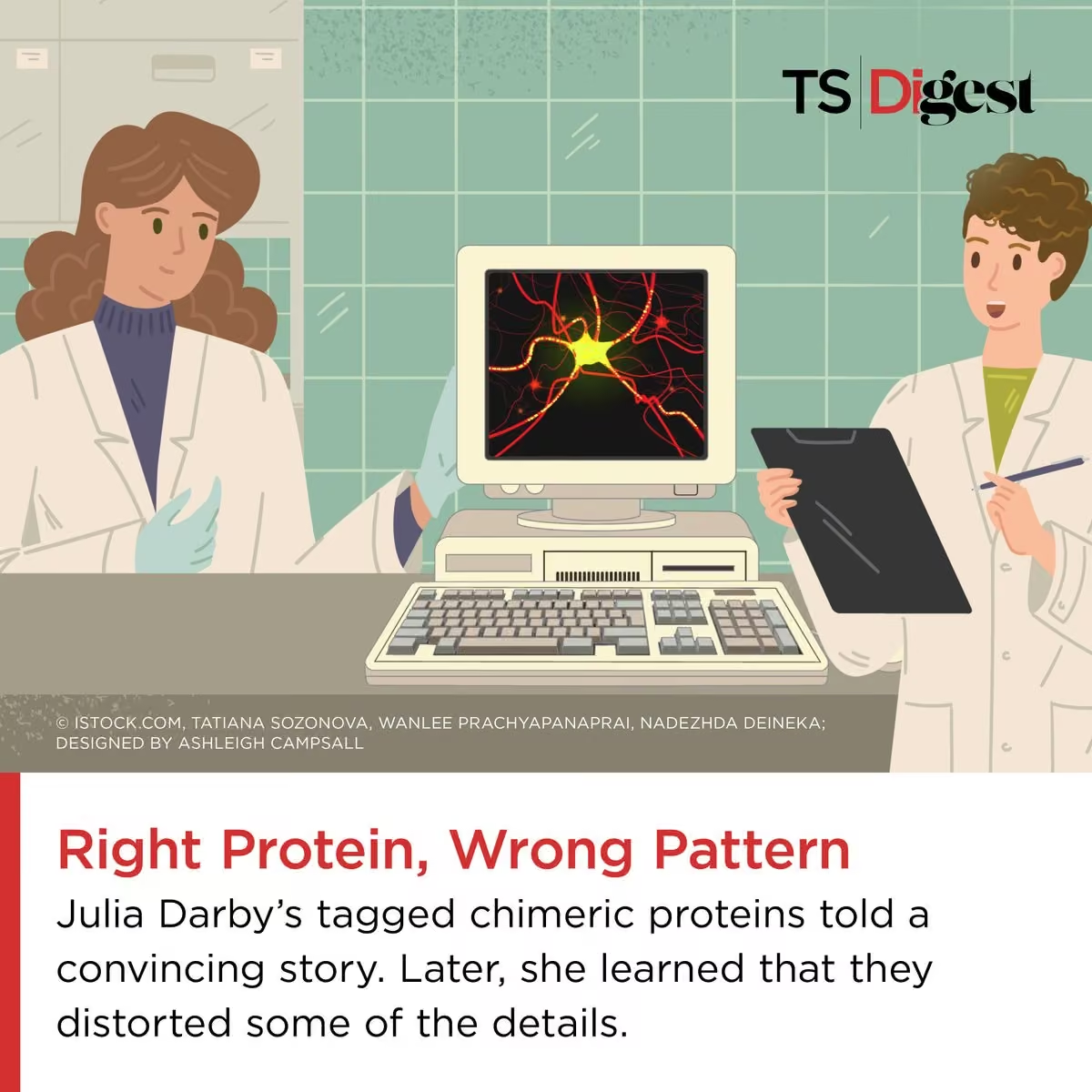
#lablife #ad -
The Scientist
@TheScientistLLC
It takes a village to raise a child and a collaborative research team to make sense of preterm birth.
In this podcast, Nardhy Gomez-Lopez shares the camaraderie and interdisciplinary collaboration behind her work on labor and parturition.
🎧Listen here:
www.the-scientist.com/ts-digest/issue/mining-antimicrobia… -
The Scientist
@TheScientistLLC
Click the link below to learn how researchers elucidate an immune cell’s fitness and function by assaying its metabolic state, which helps build better cellular therapies against cancer in this new eBook from @Agilent. #ad
www.the-scientist.com/tracking-immune-cell-metabolism-to-… -
The Scientist
@TheScientistLLC
Atomic force microscopy (AFM) is a powerful analytical tool for measuring a sample’s physical properties at ultrahigh resolution.
Discover AFM principles, methods, and applications in the latest Brush Up Summary: www.the-scientist.com/atomic-force-microscopy-to-see-the-… -
The Scientist
@TheScientistLLC
Have you ever wondered how we see the world in such vivid colors? It’s all thanks to our cones, which sense blue, green, or red light.
@hadyniaks used retinal organoids to learn the mechanism of green and red cone determination.
Read more:
www.the-scientist.com/ts-digest/issue/mining-antimicrobia… -
The Scientist
@TheScientistLLC
Discover a new 3D suspension culture medium that supports scalable pluripotent stem cell expansion and translational cell therapy research in this new app note from @thermofisher. #ad
www.the-scientist.com/spheroids-assemble-scale-up-transla… -
The Scientist
@TheScientistLLC
mRNA has exploded on the scene as a vaccination strategy. Scientists are adding tails to make it work even better.
www.the-scientist.com/a-twisted-secret-that-extends-mrna-… -
The Scientist
@TheScientistLLC
Neuroscientists @ecallaway @salkinstitute and @ian_wickersham @MIT wanted to develop a better way to map individual neuronal connections.
They found an unlikely ally in a deadly neurotropic virus.
Learn more:
www.the-scientist.com/engineered-rabies-virus-illuminates… -
The Scientist
@TheScientistLLC
#mylabessential #competition ends in 3 days! Enter now & you could win 2 #sot2025 tickets! Just tell our partners at @CN_Bio, the #ooc developers, about your favorite item in the lab. We know it might just be your coffee machine.
👉🏿Rules/T&Cs cn-bio.com/lab-essentials-competition/?hss_channel=tw-181…
#lablife #ad -
The Scientist
@TheScientistLLC
Antimicrobial resistance is on the rise and poses a serious risk to human health worldwide.
Researchers @McMasterU used a generative artificial intelligence model to create novel antibiotics against a deadly human pathogen.
www.the-scientist.com/harnessing-the-power-of-ai-to-desig… -
The Scientist
@TheScientistLLC
In this virtual symposium, an expert panel will discuss mRNA-based vaccines, current approaches and challenges, and how researchers are moving RNA therapeutics forward in exciting new directions.
Join us on July 23rd, 2024 @ 1:00PM ET
Register now: www.the-scientist.com/vaccines-and-beyond-strategies-and-… -
The Scientist
@TheScientistLLC
Can we hack plant-microbe communication to promote crop resilience in an ever-changing world?
@GeneticDesigner @MITdeptofBE engineers programmable communication channels.
Read more here:
www.the-scientist.com/ts-digest/issue/mining-antimicrobia… -
The Scientist
@TheScientistLLC
Ultrapure water is used extensively across a variety of methodologies.
Explore the role of ultrapure water in genetic and genomic research, and how its use can help researchers sidestep potential obstacles in this new article from ELGA @sciencewater. #ad
www.the-scientist.com/high-purity-reagents-ensure-reprodu… -
The Scientist
@TheScientistLLC
After analyzing scraps of canvas from historic Danish paintings, heritage scientists found evidence of beer brewing byproducts in the artworks’ primer layers.
Learn more about the fascinating field of heritage science in this interview with @FabianaDigia: www.the-scientist.com/uncovering-secrets-of-historic-pain… -
The Scientist
@TheScientistLLC
Journal associate editors must ruffle feathers from time to time during the publication process for the greater scientific good.
www.the-scientist.com/associate-editors-please-jump-in-th… -
The Scientist
@TheScientistLLC
Learn how scientists develop antibody drug conjugates as therapies for age-related diseases.
Register today:
www.the-scientist.com/teaching-old-drugs-new-tricks-71898 -
The Scientist
@TheScientistLLC
Born from an AI blueprint and hand sculpted from frog stem cells, the xenobot redefines conventional labeling.
Created by @DoctorJosh, @Kriegmerica, @drmichaellevin, and @DougBlackiston, this living robot can swim, work, and self-replicate.
Learn more:
www.the-scientist.com/from-code-to-creature-71877 -
The Scientist
@TheScientistLLC
6 days to go! #mylabessential #competition is closing soon. Enter now and you could be the lucky winner of 2 #sot2025 tickets! Just tell our partners at @CN_Bio, the #ooc developers, about your favorite item in the lab.
👉🏿Rules, T&Cs cn-bio.com/lab-essentials-competition/?hss_channel=tw-181…
#lablife #ad -
The Scientist
@TheScientistLLC
In this new ebook from @Standard_BioT, you will discover how microfluidics-based RT-PCR in genomics-driven fields and researchers’ perspectives on using microfluidics-based devices in genomics research. #ad
www.the-scientist.com/the-marketplace/microfluidics-techn… -
The Scientist
@TheScientistLLC
Gerlinde Van de Walle (@gerlinde_de) and her colleagues @cornell found commonalities between cow and human mesenchymal stromal cells, spotlighting cows as a potential nontraditional animal model for translational studies.
www.the-scientist.com/moo-ve-aside-mice-exploring-cow-mod… -
The Scientist
@TheScientistLLC
In this webinar, Chi Nguyen and Haydeh Payami will delve into the metagenomics approaches they employ to study the microbiome composition of patients with cancer and Parkinson’s disease.
Register today:
www.the-scientist.com/harnessing-metagenomics-for-health-… -
The Scientist
@TheScientistLLC
To track the making and breaking of hydrogen bonds that hold nucleic acids together, Carl Hanson turned up the pressure on his liquid chromatography experiment.
Check out this month's Epic Fail to find out how Hanson ended up in the hospital:
www.the-scientist.com/ts-digest/issue/mining-antimicrobia… -
The Scientist
@TheScientistLLC
Many applications including cell therapy require removing white blood cells from leukapheresis products.
Click the link below to learn more about automated systems that ease the burden in this application note from @thermofisher. #ad
www.the-scientist.com/the-marketplace/efficient-cell-sepa… -
The Scientist
@TheScientistLLC
Protein content during pregnancy influences craniofacial features in mice.
www.the-scientist.com/a-protein-sensing-molecular-switch-… -
The Scientist
@TheScientistLLC
What would life on another world look like?
@NASA is sending @EuropaClipper to explore the icy moon of Jupiter to search for signs of habitability.
Extreme places with life on Earth may help determine the possibility of life elsewhere.
Explore more:
www.the-scientist.com/searching-for-life-s-simple-necessi… -
The Scientist
@TheScientistLLC
Click the link below to learn how laboratory spaces support novel discoveries and translational breakthroughs in this new white paper from @Misprobiotech. #ad
www.the-scientist.com/unlocking-translational-breakthroug… -
The Scientist
@TheScientistLLC
Presenting a study’s limitations is a difficult exercise for many scientists, but researchers should actively do so. It can be a way to demonstrate their expertise in the field and the value of their study.
Learn more in this article from The Scientist!
www.the-scientist.com/how-to-present-a-research-study-s-l… -
The Scientist
@TheScientistLLC
What is the smallest animal to dream?
@vanswinderenlab, a neuroscientist at the @uq_news, talked about how common dreaming is, and what this animal likely is.
Find out in the latest “Just Curious” column, here:
www.the-scientist.com/ts-digest/issue/mining-antimicrobia… -
The Scientist
@TheScientistLLC
As immune cells respond to their environment, their metabolic programs shift accordingly.
Download this ebook from @Agilent to learn how scientists link metabolism to cell fitness, fate, and function during cell engineering and manufacturing. #ad
www.the-scientist.com/tracking-immune-cell-metabolism-to-… -
The Scientist
@TheScientistLLC
Arsenic impedes plant growth and is a health concern in the food supply.
@KSchlaeppi, a plant biologist @UniBasel_en, noticed that maize seemed to have better tolerance to this metal than other crops, and identified a new role in for a plant metabolite.
www.the-scientist.com/plants-defend-themselves-against-he… -
The Scientist
@TheScientistLLC
Oskar Staufer works at the intersection of synthetic biology and immunology to understand the cancer immune environment.
Read about how his team is generating synthetic vesicles to regulate cancer cell signaling in this month’s Science Snapshot:
www.the-scientist.com/ts-digest/issue/mining-antimicrobia… -
The Scientist
@TheScientistLLC
For immunotherapy to work, immune cells need to find their way into the tumor.
But new research shows that liver proteins can keep them out and help tumors evade immune attack.
www.the-scientist.com/liver-proteins-keep-t-cells-out-of-… -
The Scientist
@TheScientistLLC
Researchers monitor changes to the human microbiome composition using metagenomics.
In this webinar, scientists will discuss how they use metagenomics to examine the human microbiomes of patients with cancer and Parkinson’s disease.
Register today:
www.the-scientist.com/harnessing-metagenomics-for-health-… -
The Scientist
@TheScientistLLC
#mylabessential #competition ends in 10 days! You can be the lucky winner of 2 #sot2025 tickets! Just tell our partners at @CN_Bio, the #ooc developers, about your favorite item in the lab.
👉🏿Rules, T&Cs apply cn-bio.com/lab-essentials-competition/?hss_channel=tw-181…
#lablife #ad -
The Scientist
@TheScientistLLC
A new kind of synthetic revolution is taking over the textile industry.
Synthetic biologists are tinkering with microbes to produce biomaterials that will usher in an era of sustainable fashion.
Read the TS Summer 2024 feature here:
www.the-scientist.com/synthetic-biology-is-in-fashion-71867 -
The Scientist
@TheScientistLLC
Download this article from @Agilent to learn how researchers employ the Seahorse XF platform to analyze cancer cell metabolic phenotypes, tumor microenvironment features, substrate and inhibitor effects, and immune cell fitness. #ad
www.the-scientist.com/real-time-metabolic-analysis-of-can… -
The Scientist
@TheScientistLLC
Learn about the dedicated 3D suspension culture medium that supports pluripotent stem cell expansion by promoting single-cell self-aggregation and scalable spheroid cultures in this app note from @thermofisher. #ad
www.the-scientist.com/spheroids-assemble-scale-up-transla… -
The Scientist
@TheScientistLLC
Whether you are an individual tinkering away or a company with a dedicated R&D team, tell us what you brought to market in the past year that could benefit the life sciences.
Submit by July 26 to be considered for our Top 10 Innovations competition ⬇️
www.the-scientist.com/enter-our-2024-top-10-innovations-c… -
The Scientist
@TheScientistLLC
Researchers measure multiple parameters for comprehensive cell phenotyping and functional analyses using CyTOF flow cytometry.
#ad Learn more about how scientists put this technology into practice for drug development in this eBook from @Standard_BioT
www.the-scientist.com/supporting-drug-development-with-cy… -
The Scientist
@TheScientistLLC
Reagent quality has an understated yet pivotal role in genetic research.
Download this article from ELGA @sciencewater to explore the role of ultrapure water in genetic and genomic research, and how it can help sidestep potential obstacles. #ad
www.the-scientist.com/high-purity-reagents-ensure-reprodu… -
The Scientist
@TheScientistLLC
How does fat tissue regulate reproduction?
A team at @PittTweet investigated the mechanism behind this to understand how nutritional stressors disrupt reproductive activities in flies.
www.the-scientist.com/how-nutrition-regulates-ovulation-7… -
The Scientist
@TheScientistLLC
Competition ends soon. Join Ishita in the running for a chance to #win 2 tickets to #sot2025. Follow @CN_Bio on #linkedin and leave a comment about your favorite item in the lab. T&Cs apply.
👉🏿 cn-bio.com/lab-essentials-competition/?hss_channel=tw-181…
#mylabessential #lablife #ad -
The Scientist
@TheScientistLLC
They are transparent, watery, and people only notice them when they cry. Despite their inconspicuous life in the human eye, tears are key to eye function.
Read more about tears in this month's TS Digest:
www.the-scientist.com/ts-digest/issue/mining-antimicrobia… -
The Scientist
@TheScientistLLC
In this app note from @TwistBioscience, learn how scientists enhanced protein engineering with synthetic libraries and high throughput and quality saturation mutagenesis libraries ready for downstream validation. #ad
www.the-scientist.com/the-marketplace/improved-protein-en… -
The Scientist
@TheScientistLLC
Download this ebook from @Standard_BioT to learn about microfluidics-based RT-PCR in genomics-driven fields and researchers’ perspectives on using microfluidics-based devices in genomics research. #ad
www.the-scientist.com/the-marketplace/microfluidics-techn… -
The Scientist
@TheScientistLLC
Hold that thought—on ice!
@OdedRechavi and his team @TelAvivUni reported a chilling phenomenon: putting worms on ice can delay forgetting.
www.the-scientist.com/icing-worms-to-prolong-memory-71945 -
The Scientist
@TheScientistLLC
In this webinar, discover how scientists developed an antibody drug conjugate that selectively clears senescent cells to potentially treat aging and age-related diseases.
Register today:
www.the-scientist.com/teaching-old-drugs-new-tricks-71898 -
The Scientist
@TheScientistLLC
The TS Magazine Summer 2024 issue is out now!
Learn about:
⚙️ Using rabies to understand the wiring of the brain
⚙️ Building fully synthetic cells capable of cell division
⚙️ Producing materials for sustainable fashion
⚙️And more!
Read it all here:
www.the-scientist.com/magazine/issue/synthetic-biology-is… -
The Scientist
@TheScientistLLC
Discover the science behind a GMP-ready cell sorting instrument with closed, single-use kits for high cell viability and multi-marker cell selection in a new application note from @Sony. #ad
www.the-scientist.com/the-marketplace/accelerate-cell-the… -
The Scientist
@TheScientistLLC
Yeast is used in breads and brews, but what about as an artistic medium?
@JefBoeke’s lab @nyulangone uses yeast to create intricate pieces of living art.
www.the-scientist.com/when-masterpieces-arise-from-yeast-… -
The Scientist
@TheScientistLLC
“People absolutely underestimated its value,” recalled David Maloney @fredhutch.
In the earliest days of developing therapeutic monoclonal antibodies, he and his colleagues went against all odds and reshaped the landscape of cancer therapy.
Read more:
www.the-scientist.com/the-resilience-of-monoclonal-antibo… -
The Scientist
@TheScientistLLC
Thanks to AI and machine learning training data management is more vital today than ever for drug discovery, development, and delivery.
#ad Discover the benefits of re-platforming scientific data to the cloud in @Tetrascience’s white paper.
www.the-scientist.com/the-marketplace/why-scientists-need… -
The Scientist
@TheScientistLLC
Download this application note from @thermofisher to learn how manual density gradient centrifugation compares to the automated counterflow centrifugation system when separating PBMCs and troubleshooting tips for separating cells. #ad
www.the-scientist.com/the-marketplace/efficient-cell-sepa… -
The Scientist
@TheScientistLLC
The human nasal cavity is home to several species of bacteria.
Researchers @uni_tue described a novel antimicrobial produced by a strain of nasal commensal bacteria, revealing another strategy they use to defeat their bacterial competitors.
Read more:
www.the-scientist.com/ts-digest/issue/mining-antimicrobia… -
The Scientist
@TheScientistLLC
#ad Click the link below to learn how @LeicaMicro gets researchers up to speed with the latest confocal microscopy technology and sample imaging parameters for stellar live cell imaging results.
www.the-scientist.com/in-living-color-exploring-advances-… -
The Scientist
@TheScientistLLC
Translational science improves healthcare interventions by translating scientific research into relevant applications.
Download this white paper from @misprobiotech to learn about the research infrastructure behind successful translational science. #ad
www.the-scientist.com/unlocking-translational-breakthroug… -
The Scientist
@TheScientistLLC
She searched for her spark, and she found it!
Annalise Rogalsky sparked a fiery reaction during her undergraduate research, but she learned a valuable lesson that stayed with her during her graduate studies.
Read the Epic Fail here:
www.the-scientist.com/ts-digest/issue/bacterial-time-caps… -
The Scientist
@TheScientistLLC
As immune cells respond to their environment, their metabolic programs shift accordingly, which has implications for cancer progression and treatment, cell manufacturing, and beyond.
Learn more in this ebook from @Agilent about immune cell metabolism. #ad
www.the-scientist.com/tracking-immune-cell-metabolism-to-… -
The Scientist
@TheScientistLLC
How do skin stem cells decide their fates?
@yejingge @MDAndersonNews explores the mechanisms that govern homeostasis, regeneration, and carcinogenesis.
www.the-scientist.com/stem-cell-plasticity-a-double-edged… -
The Scientist
@TheScientistLLC
Discover how oncolytic viruses, genetically engineered to target tumors, are reshaping cancer treatment with immune-boosting effects and advanced delivery methods.
www.the-scientist.com/introduction-to-oncolytic-virothera… -
The Scientist
@TheScientistLLC
In this episode of Science Philosophy in Flash, Nardhy Gomez-Lopez discusses the camaraderie and collaboration behind mapping out the maternal-fetal interface during preterm birth.
🎧 Listen here:
www.the-scientist.com/ts-digest/issue/mining-antimicrobia… -
The Scientist
@TheScientistLLC
Maize crops tolerate arsenic contamination better than other plants.
Researchers at @UniBasel_en showed that a group of metabolites are responsible for this protection.
www.the-scientist.com/plants-defend-themselves-against-he… -
The Scientist
@TheScientistLLC
Learn how scientists optimize in situ hybridization methods and discover the latest in situ hybridization techniques.
www.the-scientist.com/tips-and-tricks-for-in-situ-hybridi… -
The Scientist
@TheScientistLLC
Competition ends soon. For a chance to win 2 tickets to #sot2025, simply follow @CN_Bio on #linkedin and leave a comment about your favorite item in the lab. Rules and T&Cs apply.
👉🏿 cn-bio.com/lab-essentials-competition/?hss_channel=tw-181…
#mylabessential #lablife #ad -
The Scientist
@TheScientistLLC
Most people view the world in a kaleidoscope of hues, thanks to blue, green, and red cones.
@hadyniaks used retinal organoids to demonstrate how retinoic acid promotes green cones to develop before red cones, settling an age-old debate.
Learn more: www.the-scientist.com/ts-digest/issue/mining-antimicrobia… -
The Scientist
@TheScientistLLC
Click the link below to learn how a state-of-the-art metabolic analyzer enables researchers to examine cancer cell metabolic phenotypes, immune cell fitness, and tumor microenvironment features in this new article from @Agilent. #ad
www.the-scientist.com/real-time-metabolic-analysis-of-can… -
The Scientist
@TheScientistLLC
Download this application note from @thermofisher to learn how Gibco™ CTS™ StemScale™ PSC Suspension Medium supports scalable expansion of pluripotent stem cell (PSC) for cell therapy research. #ad
www.the-scientist.com/spheroids-assemble-scale-up-transla… -
The Scientist
@TheScientistLLC
Researchers @Penn streamline methods to synthesize human chromosomes from scratch.
www.the-scientist.com/artificial-chromosomes-for-disease-… -
The Scientist
@TheScientistLLC
Antibody drug conjugates (ADC) transform the precision medicine landscape, providing better drug targeting and efficacy.
In this webinar, Salvador Macip will explain how he developed an ADC that selectively clears senescent cells.
Register today:
www.the-scientist.com/teaching-old-drugs-new-tricks-71898 -
The Scientist
@TheScientistLLC
Plants and microbes are in constant communication, exchanging helpful or harmful signals.
Synthetic communication channels, like those engineered by @GeneticDesigner @MITdeptofBE, could help plants and bacteria team up to fight off pathogens.
Read more:
www.the-scientist.com/ts-digest/issue/mining-antimicrobia… -
The Scientist
@TheScientistLLC
Click the link below to discover more about how scientists put this technology into practice for drug development and beyond in the new eBook from @Standard_BioT. #ad
www.the-scientist.com/supporting-drug-development-with-cy… -
The Scientist
@TheScientistLLC
Read this article from ELGA @sciencewater to explore the role of ultrapure water in genetic and genomic research, and how its use can help researchers sidestep potential obstacles. #ad
www.the-scientist.com/high-purity-reagents-ensure-reprodu… -
The Scientist
@TheScientistLLC
What if viruses could use your own cells to hide from your immune system?
That’s what might be happening when norovirus infects specialized intestinal tuft cells, according to recent research from @WilenLab @YaleMed.
www.the-scientist.com/a-safe-haven-for-intestinal-viruses… -
The Scientist
@TheScientistLLC
A loud bang echoed throughout the lab as a glass column exploded, sending Carl Hanson on a trip to the hospital.
Check out this month’s Epic Fail story to learn how things went awry for the young scientist.
www.the-scientist.com/ts-digest/issue/mining-antimicrobia… -
The Scientist
@TheScientistLLC
Download this application note from @TwistBioscience to learn how scientists enhanced G protein-coupled receptor engineering with SSVLs. #ad
www.the-scientist.com/the-marketplace/improved-protein-en… -
The Scientist
@TheScientistLLC
Thanks to microfluidics-based RT-PCR systems, researchers can run thousands of reactions on one microfluidic chip.
Learn more about researchers’ perspectives on using microfluidics-based devices in genomics research in this eBook from @Standard_BioT. #ad
www.the-scientist.com/the-marketplace/microfluidics-techn… -
The Scientist
@TheScientistLLC
A team @EinsteinMed saw that learning led to DNA fragments that were produced and recognized by the immune receptor TLR9. They also showed that this activity was necessary for memory formation.
www.the-scientist.com/an-immune-mechanism-maintains-memor… -
The Scientist
@TheScientistLLC
Scientists have linked microbiome dysfunction to various diseases.
In this webinar, learn how scientists employ metagenomics to study the microbiome composition of patients with cancer and Parkinson’s disease.
Register today:
www.the-scientist.com/harnessing-metagenomics-for-health-… -
The Scientist
@TheScientistLLC
Last chance to enter the #mylabessential competition to join Christina for a chance to win 2 tickets to #sot2025 in Orlando, FL. Simply follow @CN_Bio on #linkedin and leave a comment about your favorite item in the lab. Rules and T&Cs apply.
👉🏿 cn-bio.com/lab-essentials-competition/?hss_channel=tw-181… -
The Scientist
@TheScientistLLC
Discover how researchers assessed CGX10 sterility, performance, and operation to accelerate GMP-compliant cell therapy production in this new application note from @Sony. #ad
www.the-scientist.com/the-marketplace/accelerate-cell-the… -
The Scientist
@TheScientistLLC
#ad Download this live imaging guide from @LeicaMicro to learn how to optimize confocal microscopy options and specimen viability for outstanding live imaging results.
www.the-scientist.com/in-living-color-exploring-advances-… -
The Scientist
@TheScientistLLC
Some form of dreaming seems to be present in animals from octopuses to fruit flies, but what is the smallest animal to dream?
Find out here:
www.the-scientist.com/ts-digest/issue/mining-antimicrobia… -
The Scientist
@TheScientistLLC
Read the new white paper from @TetraScience and discover the benefits of harmonizing data in a form that’s FAIR, regulatory compliant, and actionable in the cloud for research and development, downstream manufacturing, and quality control. #ad
www.the-scientist.com/the-marketplace/why-scientists-need… -
The Scientist
@TheScientistLLC
Many applications require removing white blood cells from leukapheresis products. Automated systems can produce greater cell yields while retaining viability.
Download the new application note from @thermofisher to learn more. #ad
www.the-scientist.com/the-marketplace/efficient-cell-sepa… -
The Scientist
@TheScientistLLC
In this white paper from @misprobiotech, learn about the research infrastructure behind successful translational science. #ad
www.the-scientist.com/unlocking-translational-breakthroug… -
The Scientist
@TheScientistLLC
Biophysicist @OStaufer @LeibnizWGL creates lipid-based synthetic doppelgängers of cells and organelles to ask fundamental questions about biology from the bottom up.
Read more:
www.the-scientist.com/ts-digest/issue/mining-antimicrobia… -
The Scientist
@TheScientistLLC
In this webinar from @Merck, learn how a novel immunoassay kit and multiplex platform streamlines biomarker screening, saving researchers time and preserving their precious samples.
#ad Register today:
www.the-scientist.com/painless-protein-profiling-through-… -
The Scientist
@TheScientistLLC
In this webinar brought to you by @INTEGRApipette, learn how to effectively maintain pipettes and how these practices extend their lifespan and safeguard experimental integrity.
#ad Register today: www.the-scientist.com/the-importance-of-pipette-maintenan… -
The Scientist
@TheScientistLLC
Drug development for treating ALS requires an understanding of how genetic mutations lead to the ALS phenotype.
Learn more from @bitbio about how scientists can quickly generate human-relevant cell models for functional assays for ALS drug discovery. #ad
www.the-scientist.com/characterizing-neuronal-cell-cultur… -
The Scientist
@TheScientistLLC
The ovary plays a critical role in reproduction, but its most important building blocks have been hard to see in single-cell studies.
@AriellaShikanov and @JunLi from @UMich used a targeted spatial technology to finally catalog these elusive cells.
www.the-scientist.com/a-cellular-roadmap-for-fertility-71910 -
The Scientist
@TheScientistLLC
Clinicians primarily develop antibody drug conjugates (ADC) to treat patients with cancer. Scientists could also generate ADC to prevent the buildup of senescent cells in tissues.
Learn how scientists develop ADC that selectively clear senescent cells:
www.the-scientist.com/teaching-old-drugs-new-tricks-71898 -
The Scientist
@TheScientistLLC
In this month’s TS Digest, @JenOculSurf, an optometrist and vision sciences researcher @AucklandUni, dissected the composition and structure of human tears, which are essential to the proper functioning of the eye.
Find out more here:
www.the-scientist.com/ts-digest/issue/mining-antimicrobia… -
The Scientist
@TheScientistLLC
In this webinar brought to you by @Merck, Anthony Saporita and Stephen Angeloni will discuss how a new immunoassay kit and multiplex platform streamlines biomarker screening, saving researchers time and preserving their precious samples.
#ad Register now:
www.the-scientist.com/painless-protein-profiling-through-… -
The Scientist
@TheScientistLLC
Neurons in human brains mature slower than those in other animals.
A team @MSKCancerCenter showed that this might be controlled by an epigenetic mechanism.
www.the-scientist.com/human-neurons-play-the-waiting-game… -
The Scientist
@TheScientistLLC
Last chance to enter the #mylabessential competition for a chance to win 2 tickets to #sot2025 in Orlando, FL! Simply follow @CN_Bio on #linkedin and leave a comment about your favorite item in the lab. Rules and T&Cs apply.
👉🏿cn-bio.com/lab-essentials-competition/?hss_channel=tw-181…
#mylabessential #ad -
The Scientist
@TheScientistLLC
Bacteria are known for producing substances that kill other bacteria.
Researchers @uni_tue identified a novel antimicrobial isolated from a bacteria in the human nose that was effective at eliminating the potentially pathogenic S. aureus.
Read more:
www.the-scientist.com/ts-digest/issue/mining-antimicrobia… -
The Scientist
@TheScientistLLC
Cancer cells alter metabolic pathways to fuel their activities.
#ad In this article from @Agilent, learn how a state-of-the-art metabolic analyzer enables the real-time monitoring of metabolism in living cells.
www.the-scientist.com/real-time-metabolic-analysis-of-can… -
The Scientist
@TheScientistLLC
While AI could help scientists effectively convey their science, it poses a risk for increased data manipulation and unreliable papers.
How can the scientific community find the right balance between use and abuse of AI in scientific publishing?
www.the-scientist.com/ts-digest/issue/mining-antimicrobia… -
The Scientist
@TheScientistLLC
In this episode of The Scientist Speaks, Lukas Chavez discussed his team’s multiomic exploration of extrachromosomal DNA in medulloblastoma. Listen to the full episode to learn more: www.the-scientist.com/understanding-the-effects-of-extrac…
-
The Scientist
@TheScientistLLC
Download the ebook from @Standard_BioT to learn about recent drug development research involving CyTOF for treating inflammatory disorders, cancer, and other conditions. #ad
www.the-scientist.com/supporting-drug-development-with-cy… -
The Scientist
@TheScientistLLC
Understanding the crosstalk between immune cells and tumors could improve the success of cancer therapies.
Now, scientists have categorized the spatial architecture of immune cells in the tumor microenvironment, @KLNahas reports.
www.the-scientist.com/a-bird-s-eye-view-of-the-tumor-micr… -
The Scientist
@TheScientistLLC
The votes are in for the Reader's Choice portion of our What's Your Story? contest!
1st place: @pnicklas11
2nd place: @VaishnaviSrid10
3rd place: @MRKmicrobes
Thanks to everyone who submitted. Stay tuned for updates about future contests! #ad
www.the-scientist.com/tag/writing-contest -
The Scientist
@TheScientistLLC
The June issue of the TS Digest is out today!
Learn about:
👃 Why tears are important
👃 Bioengineering interkingdom communication
👃 Mining antimicrobials in the nose
Read all the bite-sized stories today!
www.the-scientist.com/ts-digest/issue/mining-antimicrobia… -
The Scientist
@TheScientistLLC
To enter the competition, follow @CN_Bio on LinkedIn and post a comment explaining your choice in 20 words or less. If your answer is judged to be the best, you’ll win two tickets to SOT 2025 in Orlando, Florida. More information at cn-bio.com/lab-essentials-competition/?hss_channel=tw-181….
#mylabessential #ad -
The Scientist
@TheScientistLLC
Discover how scientists improve their protein engineering strategies with synthetic libraries that comprehensively represent each mutation site and enable high throughput screening in this new app note from @TwistBioscience. #ad
www.the-scientist.com/the-marketplace/improved-protein-en… -
The Scientist
@TheScientistLLC
In this webinar, learn how researchers employ metagenomics to study the microbiome composition of patients with cancer and Parkinson’s disease.
Register today:
www.the-scientist.com/harnessing-metagenomics-for-health-… -
The Scientist
@TheScientistLLC
It’s often said that the eyes are the windows of the soul. They may also be the windows to the immunity of the brain.
Researchers @Yale discovered that they could protect the brains of mice from pathogens by vaccinating the animals through their eyes.
www.the-scientist.com/keeping-an-eye-on-brain-immunity-71806 -
The Scientist
@TheScientistLLC
Download this application note from @Sony to explore how the CGX10 Cell Isolation System provides a user-friendly, GMP-compliant cell sorting and therapy production environment. #ad
www.the-scientist.com/the-marketplace/accelerate-cell-the… -
The Scientist
@TheScientistLLC
Learn more from @LeicaMicro about the best practices for selecting the right confocal microscopy technology and live cell imaging parameters to optimize results.
www.the-scientist.com/in-living-color-exploring-advances-… -
The Scientist
@TheScientistLLC
When presenting their results, authors need to exercise discretion and nuance. They need to provide context for their numbers and comparative reference points for their data.
Learn more about how to structure and write a results section from The Scientist!
www.the-scientist.com/how-to-write-a-good-results-section… -
The Scientist
@TheScientistLLC
A global team of researchers used a fully synthetic platform to discover a monoclonal antibody capable of neutralizing a neurotoxin found in many deadly snake species.
www.the-scientist.com/snaking-towards-synthetic-antivenom… -
The Scientist
@TheScientistLLC
With the rise of AI and machine learning, data management is more vital today than ever before in drug discovery, development, and delivery.
#ad Discover the benefits of re-platforming scientific data to the cloud in @TetraScience's new white paper.
www.the-scientist.com/the-marketplace/why-scientists-need… -
The Scientist
@TheScientistLLC
Neutrophils are renowned for their unusually shaped nuclei, but it’s unclear what factors trigger their morphologies.
Now, scientists have found that cells unfurl chromatin loops before the nuclei adopt these strange shapes.
www.the-scientist.com/the-nucleus-secret-to-shapeshifting… -
The Scientist
@TheScientistLLC
We’re excited to announce the winners of our science writing competition, sponsored by @thermofisher.
1st place $500 USD: @pnicklas11
Runner up $250 USD: @LMac_Daniel
Runner up $250 USD: @evoPAA
Stay tuned for updates about future contests! #ad
www.the-scientist.com/tag/writing-contest -
The Scientist
@TheScientistLLC
Learn more from @bitbio about a system that helps scientists measure changes in neuronal phenotypes that are relevant to ALS drug discovery. #ad
www.the-scientist.com/characterizing-neuronal-cell-cultur… -
The Scientist
@TheScientistLLC
Centromeres are essential to chromosomes, so scientists suspected that they had a conserved structure.
However, sequencing these regions revealed the contrary. They mutate more rapidly than other regions of the genome.
www.the-scientist.com/centromeres-mutate-more-rapidly-tha… -
The Scientist
@TheScientistLLC
To enter the competition, follow @CN_Bio on LinkedIn and post a comment explaining your choice in 20 words or less. If your answer is judged to be the best, you’ll win two tickets to SOT 2025 in Orlando, FL. 👉 Learn More cn-bio.com/lab-essentials-competition/?hss_channel=tw-181…
#mylabessential #ad -
The Scientist
@TheScientistLLC
Even years after quitting, smoking leaves epigenetic scars on the immune system.
Read more:
www.the-scientist.com/after-the-smoke-clears-scars-on-the… -
The Scientist
@TheScientistLLC
In this webinar from @Merck, Anthony Saporita and Stephen Angeloni will discuss how a novel immunoassay kit and multiplex platform streamlines biomarker screening, saving researchers time and preserving their precious samples.
#ad Register today:
www.the-scientist.com/painless-protein-profiling-through-… -
The Scientist
@TheScientistLLC
From toxin transcriptomics to explosive organelles, @GelatinousSting @ScienceStowers takes us on a dive into the world of cnidarian biology.
www.the-scientist.com/with-neither-brains-nor-brawn-jelly… -
The Scientist
@TheScientistLLC
DNA barcodes help scientists differentiate organisms and track genes.
Learn about the origins, present, and future of DNA barcoding in the latest Brush Up Summary.
www.the-scientist.com/dna-barcoding-species-detection-and… -
The Scientist
@TheScientistLLC
Botanists have been studying how plants know which way is up (#gravitropism) for more than two hundred years, but they still have unanswered questions.
Find out more in this month's Just Curious article:
www.the-scientist.com/ts-digest/issue/the-shape-of-cilia-… -
The Scientist
@TheScientistLLC
In this webinar brought to you by @INTEGRApipette, Jared Proulx will explain how to effectively maintain pipettes and how these practices extend their lifespan and safeguard experimental integrity.
#ad Register today: www.the-scientist.com/the-importance-of-pipette-maintenan… -
The Scientist
@TheScientistLLC
In a recent @cellhostmicrobe paper, an international team of researchers, including scientists from the @broadinstitute, described mutations in Salmonella genes that may allow the bacteria to cause persistent infections in humans.
www.the-scientist.com/mutations-wire-salmonella-to-last-7… -
The Scientist
@TheScientistLLC
To understand species-specific strategies that help bats cope with viruses, @EmmaTeeling1 @ucddublin, @hillermich @LOEWE_TBG, and @batresearch @ZJE_institute, along with the rest of the @bat1kgenomes researchers, want to sequence them all.
www.the-scientist.com/turning-on-the-bat-signal-71700 -
The Scientist
@TheScientistLLC
In this webinar brought to you by @Merck, learn how a novel immunoassay kit and multiplex platform streamlines biomarker screening, saving researchers time and preserving their precious samples.
#ad Register today:
www.the-scientist.com/painless-protein-profiling-through-… -
The Scientist
@TheScientistLLC
In a different kind of science lab, @EllieRaffan @GOdogsproject @Cambridge_Uni investigates genetic contributions to obesity in Labrador retrievers and other breeds.
www.the-scientist.com/obesity-research-is-going-to-the-do… -
The Scientist
@TheScientistLLC
A fascination with the brain drives Paola Arlotta’s organoid research.
🎧 In this episode of Science Philosophy in Flash, Arlotta discussed her journey to studying the cerebral cortex using brain organoid models:
www.the-scientist.com/ts-digest/issue/the-shape-of-cilia-… -
The Scientist
@TheScientistLLC
Click the link below to discover more about how scientists put this technology into practice for drug development and beyond in the new eBook from @Standard_BioT. #ad
www.the-scientist.com/supporting-drug-development-with-cy… -
The Scientist
@TheScientistLLC
Scientists from @LundUniversity tapped into the innate genetic program that controls migration in birds.
Read @evoPAA's story here:
www.the-scientist.com/two-genetic-loci-control-migration-… -
The Scientist
@TheScientistLLC
Exercise protects against anxiety and depression. Yet, scientist do not fully understand the mechanisms.
Researchers @Njuniversity showed how challenging exercise activates a three-neuron loop across specific regions of the brain to alleviate anxiety.
www.the-scientist.com/another-reason-to-challenge-yoursel… -
The Scientist
@TheScientistLLC
In this webinar brought to you by @SartoriusGlobal, Aitor Aguirre will discuss how his team generates heart organoids from induced pluripotent stem cells and employs these 3D cell models to study human heart development and disease.
#ad Register today:
www.the-scientist.com/optimizing-organoid-culture-for-dev… -
The Scientist
@TheScientistLLC
Download this application note from @bitbio to learn how researchers used a microelectrode array platform to identify functional phenotypes, including neural activity and connectivity in human iPSC-derived ALS models. #ad
www.the-scientist.com/characterizing-neuronal-cell-cultur… -
The Scientist
@TheScientistLLC
Drug use disorders and neurodegenerative diseases are on the rise worldwide.
Researchers @ncats_nih_gov engineered brain spheroids to mimic specific brain regions. This could lead to faster drug discovery and treatment development.
www.the-scientist.com/developing-homogenous-3d-neural-cul… -
The Scientist
@TheScientistLLC
Researchers @TeamMarmot @UCLA studied the relationship between the gut microbiome and social behavior of wild marmots to gain insight into bolstering wildlife conservation efforts.
Read @HaritaSistu's story here:
www.the-scientist.com/exploring-the-link-between-socialit… -
The Scientist
@TheScientistLLC
In his lab at @cardiffuni, neuroscientist @ProfAntIsles explores how the epigenetic phenomenon of genomic imprinting influences the brain and its functions.
Read the interview here:
www.the-scientist.com/ts-digest/issue/the-shape-of-cilia-… -
The Scientist
@TheScientistLLC
From the perspective of a cell, the human body is an obstacle course.
@LMac_Daniel describes a recent study from @diz_lab @embl that identified a key protein that guides migrating cells as they navigate the biological terrain of the body.
www.the-scientist.com/how-migrating-cells-navigate-biolog… -
The Scientist
@TheScientistLLC
In this webinar brought to you by @Merck, learn how a novel immunoassay kit and multiplex platform streamlines biomarker screening, saving researchers time and preserving their precious samples.
#ad Register today:
www.the-scientist.com/painless-protein-profiling-through-… -
The Scientist
@TheScientistLLC
In this webinar brought to you by @INTEGRApipette, learn how to maximize the performance of handheld pipettes through routine maintenance and calibration.
#ad Register today: www.the-scientist.com/the-importance-of-pipette-maintenan… -
The Scientist
@TheScientistLLC
Take a deep dive into the world of a fascinating giant bacterium.
Researchers at University of Glasgow sequenced the genome of one of the largest microbes for the first time.
Read @MRKmicrobes's story here:
www.the-scientist.com/the-genome-of-a-gigantic-bacterium-… -
The Scientist
@TheScientistLLC
As we head into Memorial Day weekend and get the first taste of summer, you may notice your fingers start to prune during your extended stay in the water. But why?
Find out here:
bit.ly/4axPqaH -
The Scientist
@TheScientistLLC
Neuroscientists @CUBoulder study the monogamous bonding behavior of prairie voles.
When together, dopamine levels in the brains of bonded pairs surge, but when they lose their life partner, they also lose this neurochemical signature.
www.the-scientist.com/be-my-vole-entine-how-love-and-loss… -
The Scientist
@TheScientistLLC
Watch this webinar from @ThermoFisher to discover how to expand human NK cells with Gibco™ CTS™ NK-Xpander™ Medium and how the Gibco™ CTS™ Rotea™ System can be used to standardize leukopaks and expanded NK cells. #ad
www.the-scientist.com/the-marketplace/from-culture-to-cli… -
The Scientist
@TheScientistLLC
In this webinar brought to you by @Merck, Anthony Saporita and Stephen Angeloni will discuss how a new immunoassay kit and multiplex platform streamlines biomarker screening, saving researchers time and preserving their precious samples.
#ad Register now:
www.the-scientist.com/painless-protein-profiling-through-… -
The Scientist
@TheScientistLLC
A study from researchers at @UniUtrecht in which they demonstrated how the interaction between certain bacterial communities impart the distinctive tang of cheddar cheese.
Read @VaishnaviSrid10's story here:
www.the-scientist.com/cheddar-cheese-lovers-have-interact… -
The Scientist
@TheScientistLLC
An academic scientist wears many hats. One of those may include serving as an #associateeditor for a journal.
Learn the scoop on this position in this Beyond the Bench story:
www.the-scientist.com/ts-digest/issue/the-shape-of-cilia-… -
The Scientist
@TheScientistLLC
Every year, the willow warbler makes the long trek from Scandinavia to Africa.
@K_Sokolovskis and his team @lunduniversity pinpointed two genetic loci that control migration direction in these birds.
www.the-scientist.com/two-genetic-loci-control-migration-… -
The Scientist
@TheScientistLLC
In this symposium, researchers will discuss cellular mechanisms of metastasis, including tumor microenvironments, cell migration, anti-tumor immunity, and cytoskeletal dynamics.
Save your spot:
www.the-scientist.com/new-research-avenues-provide-hope-f… -
The Scientist
@TheScientistLLC
Read the new white paper from @TetraScience and discover the benefits of harmonizing data in a form that’s FAIR, regulatory compliant, and actionable in the cloud for research and development, downstream manufacturing, and quality control. #ad
www.the-scientist.com/the-marketplace/why-scientists-need… -
The Scientist
@TheScientistLLC
Researchers at @njuniversity studied the neuroscience behind how exercise reduces anxiety.
Read Alara Tuncer's story here:
www.the-scientist.com/another-reason-to-challenge-yoursel… -
The Scientist
@TheScientistLLC
CAR T cells are hard workers, but even they face burnout.
New research from @evanweberphd at @PennMedicine showed how one transcription factor can make CAR T cells more resilient to exhaustion and better cancer fighters.
www.the-scientist.com/keeping-car-t-cells-sharp-71861 -
The Scientist
@TheScientistLLC
Scientists from the Institute of the Environment & Sustainability @UCLA recently studied the gut microbiome of wild marmots.
The relationship between microbes and marmots' social behavior may help save some animals from extinction.
www.the-scientist.com/exploring-the-link-between-socialit… -
The Scientist
@TheScientistLLC
Discover how researchers assessed CGX10 sterility, performance, and operation to accelerate GMP-compliant cell therapy production in this new application note from @Sony. #ad
www.the-scientist.com/the-marketplace/accelerate-cell-the… -
The Scientist
@TheScientistLLC
Click the link below to learn how a state-of-the-art metabolic analyzer enables researchers to examine cancer cell metabolic phenotypes, immune cell fitness, and tumor microenvironment features in this new article from Agilent. #ad
www.the-scientist.com/real-time-metabolic-analysis-of-can… -
The Scientist
@TheScientistLLC
Alok Wessel found out the hard way that the first step in preparing for a conference presentation is thoroughly reading an email.
Read this month's #epicfail:
www.the-scientist.com/ts-digest/issue/the-shape-of-cilia-… -
The Scientist
@TheScientistLLC
Researchers @UofGlasgow sequenced the genome of one of the largest microbes known to science.
They gained insight into the unique metabolic processes of this giant bacterium allowing scientists to grow them in the lab and ask important questions.
www.the-scientist.com/the-genome-of-a-gigantic-bacterium-… -
The Scientist
@TheScientistLLC
Click the link below to learn about how to connect molecular diagnostic qPCR workflows, from start to finish in this new poster from @ThermoFisher. #ad
www.the-scientist.com/creating-an-efficient-molecular-dia… -
The Scientist
@TheScientistLLC
Download this application note from @TwistBioscience to learn how scientists enhanced G protein-coupled receptor engineering with SSVLs. #ad
www.the-scientist.com/the-marketplace/improved-protein-en… -
The Scientist
@TheScientistLLC
This is a love story without a happily ever after.
Learn about the role that neurochemistry plays in this plot twist.
Read @pnicklas11' story here:
www.the-scientist.com/be-my-vole-entine-how-love-and-loss… -
The Scientist
@TheScientistLLC
Through their perseverance and dedication, Ronald Levy and researchers @Stanford and @biogen paved the way for making monoclonal antibodies a force for cancer therapy.
Explore the remarkable journey here:
www.the-scientist.com/the-resilience-of-monoclonal-antibo… -
The Scientist
@TheScientistLLC
Researchers @UniUtrecht recently published a study about the flavor profiles of cheddar cheese and the underlying metabolic reactions by bacterial communities that contribute to the unique flavor profiles and properties of this cheese.
www.the-scientist.com/cheddar-cheese-lovers-have-interact… -
The Scientist
@TheScientistLLC
In this webinar brought to you by @SartoriusGlobal, learn how to grow mini hearts and use this organoid model to study development and disease.
#ad Register today:
www.the-scientist.com/optimizing-organoid-culture-for-dev… -
The Scientist
@TheScientistLLC
In this webinar brought to you by @AptamerGroup, David Bunka will discuss the development and use of Optimers for developing cancer treatments and diagnostics.
#ad Register now:
www.the-scientist.com/optimers-bring-precision-to-cancer-… -
The Scientist
@TheScientistLLC
Endocrinologist @JingHughes @WUSTL explores how antenna-like structures called primary cilia contribute to pancreatic islet function.
In a recent study, Hughes and her colleagues captured unprecedented 3D images of these cellular structures.
Learn more:
www.the-scientist.com/ts-digest/issue/the-shape-of-cilia-… -
The Scientist
@TheScientistLLC
We are excited to announce the Reader's Choice award for our science writing competition sponsored by @thermofisher!
Congratulations to @evoPAA, @MRKmicrobes, @LMac_Daniel, @pnicklas11, @HaritaSistu, @VaishnaviSrid10, and Alara Tuncer!
Vote below. #ad
www.the-scientist.com/what-s-your-story-contest-finalists… -
The Scientist
@TheScientistLLC
Click the link below to learn how microfluidics-based devices enhance genomics research in this new eBook from @Standard_BioT. #ad
www.the-scientist.com/the-marketplace/microfluidics-techn… -
The Scientist
@TheScientistLLC
In this webinar brought to you by @Merck, Anthony Saporita and Stephen Angeloni will discuss how a new immunoassay kit and multiplex platform streamlines biomarker screening, saving researchers time and preserving their precious samples.
#ad Register now:
www.the-scientist.com/painless-protein-profiling-through-… -
The Scientist
@TheScientistLLC
Data from the 100,000 Genomes Project highlights that the most frequently mutated genes are not always included in current genomic panels, drawing support for moving whole-genome sequencing into the clinic.
Read more: www.the-scientist.com/the-largest-whole-genome-sequencing…
#cancerresearch #precisiononcology -
The Scientist
@TheScientistLLC
Download the ebook from @Standard_BioT to learn about recent drug development research involving CyTOF for treating inflammatory disorders, cancer, and other conditions. #ad
www.the-scientist.com/supporting-drug-development-with-cy… -
The Scientist
@TheScientistLLC
In this webinar brought to you by @AptamerGroup, David Bunka will discuss the development and use of Optimers for developing cancer treatments and diagnostics.
#ad Register now:
www.the-scientist.com/optimers-bring-precision-to-cancer-… -
The Scientist
@TheScientistLLC
Hematopoietic stem cells are crucial in blood and immune cell production, but their output can vary significantly.
@RongLuLab @USC developed a novel technique that shows how gene activity regulates the amount of immune cell production.
www.the-scientist.com/using-genetic-cartography-to-map-ce… -
The Scientist
@TheScientistLLC
A recent study from @diz_lab @EMBL provides insight into how cells navigate and migrate through the obstacle course that is the human body.
Read @LMac_Daniel's story here:
www.the-scientist.com/how-migrating-cells-navigate-biolog… -
The Scientist
@TheScientistLLC
Parasites have evolved ingenious strategies for manipulating their hosts.
Can scientists turn some of their tricks into treatments?
Find out here:
www.the-scientist.com/ts-digest/issue/the-shape-of-cilia-… -
The Scientist
@TheScientistLLC
Automated systems that use counterflow centrifugation–based technology can produce greater cell yields while retaining viability.
Click the link below to learn more about automated systems that ease the burden in this app note from @ThermoFisher. #ad
www.the-scientist.com/the-marketplace/efficient-cell-sepa… -
The Scientist
@TheScientistLLC
Researchers @RockefellerUniv and @MRC_LMB did a double take on chromosome ends. With each round of replication, some DNA gets lost. Telomerase counteracts shortening at the leading strand, but the same phenomenon occurs at the lagging strand.
www.the-scientist.com/chromosome-ends-in-double-jeopardy-… -
The Scientist
@TheScientistLLC
The Scientist is excited to announce the finalists of our inaugural science writing competition in collaboration with @thermofisher!
Vote for your favorite story on our Reader’s Choice page. #ad
www.the-scientist.com/what-s-your-story-contest-finalists… -
The Scientist
@TheScientistLLC
Watch this webinar from @ThermoFisher to discover the clinical potential of NK cell therapies and how scientists ramp up large-scale cell culture methods for therapeutic applications. #ad
www.the-scientist.com/the-marketplace/from-culture-to-cli… -
The Scientist
@TheScientistLLC
In March, the USDA confirmed that cows in the US had become infected with avian influenza.
A recent bioRxiv paper helps provide a mechanistic explanation for the unusual symptoms reported in cows.
www.the-scientist.com/deciphering-the-unusual-pattern-of-… -
The Scientist
@TheScientistLLC
In this webinar brought to you by @Merck, learn how a novel immunoassay kit and multiplex platform streamlines biomarker screening, saving researchers time and preserving their precious samples.
#ad Register today:
www.the-scientist.com/painless-protein-profiling-through-… -
The Scientist
@TheScientistLLC
Exercise sparks inflammation; regulatory T cells quench it.
www.the-scientist.com/how-exercise-sparks-then-soothes-in… -
The Scientist
@TheScientistLLC
Scientists across research disciplines seek to uncover the pathways that cancer cells take to spread throughout the body.
Join us for this symposium to learn more about the science behind cellular metastasis:
www.the-scientist.com/new-research-avenues-provide-hope-f… -
The Scientist
@TheScientistLLC
Meet the Team!
For our Spring 2024 print issue, @DMGerhard spoke about her journey into science writing and the stories that excite her.
Read the profile here:
www.the-scientist.com/meet-the-team-danielle-gerhard-phd-… -
The Scientist
@TheScientistLLC
Learn about @bitbio’s #axionmaestropro multiwell microelectrode array platform provides researchers with a powerful tool for high throughput ALS drug discovery in this application note. #ad
www.the-scientist.com/characterizing-neuronal-cell-cultur… -
The Scientist
@TheScientistLLC
Researchers @TheCrick discovered that an extra copy of an enzyme gene plays a role in heart abnormalities and changes in cellular function, revealing a genetic signature that might contribute to congenital heart defects in babies born with Down syndrome.
www.the-scientist.com/genetic-signatures-of-a-defective-h… -
The Scientist
@TheScientistLLC
Thanks to AI and machine learning training data management is more vital today than ever for drug discovery, development, and delivery.
Discover the benefits of re-platforming scientific data to the cloud in @TetraScience’s white paper: #ad
www.the-scientist.com/the-marketplace/why-scientists-need… -
The Scientist
@TheScientistLLC
Scientists have spent decades searching for the genetic root of spinocerebellar ataxia type 4.
Now, 25 years since the last major advance, @PulstLab @UUtah finally made a breakthrough in identifying the genetic mutation that causes the disease.
www.the-scientist.com/a-brain-breakthrough-25-years-in-th… -
The Scientist
@TheScientistLLC
While every bioprocessing system is different, they all follow a basic framework to harness the power of natural systems.
Read the latest Brush Up Summary to learn more about bioprocessing systems, workflows, and applications:
www.the-scientist.com/introduction-to-bioprocessing-71836 -
The Scientist
@TheScientistLLC
Relative to #cartcells, engineered TCR T cells got off to a slow start, in part due to the unique complexities of the immune receptor. However, several TCR-based therapeutics are currently under investigation.
Read more:
www.the-scientist.com/next-generation-car-and-tcr-cancer-… -
The Scientist
@TheScientistLLC
In this Technique Talk brought to you by @SartoriusGlobal, Aitor Aguirre will discuss how his team generates heart organoids from iPSC and employs these 3D cell models to study human heart development and disease.
#ad Register today:
www.the-scientist.com/optimizing-organoid-culture-for-dev… -
The Scientist
@TheScientistLLC
Painted turtles have incredible tricks up their shells to survive harsh conditions.
Now, researchers @IowaStateU have created the first ever turtle organoids, opening the door to functional genomics experiments in reptiles.
www.the-scientist.com/the-first-turtle-organoids-71840 -
The Scientist
@TheScientistLLC
Download this article from Agilent to learn how researchers employ the Seahorse XF platform to analyze cancer cell metabolic phenotypes, tumor microenvironment features, substrate and inhibitor effects, and immune cell fitness. #ad
www.the-scientist.com/real-time-metabolic-analysis-of-can… -
The Scientist
@TheScientistLLC
A new study from @caltech and @Cambridge_Uni demonstrates that cells exhibit biases in their fate as early as the two-cell stage during embryonic development.
www.the-scientist.com/the-first-two-cells-in-a-human-embr… -
The Scientist
@TheScientistLLC
Synthetic biology gives us the tools to bring enormous benefits to humanity, but also the tools to destroy it. @kesvelt @medialab is working on new ways to do the former, and new strategies to prevent the latter.
www.the-scientist.com/crispr-gene-drives-and-the-future-o… -
The Scientist
@TheScientistLLC
Upcoming webinar! May 16 @ 10AM ET
Researchers recently developed a new method to analyze cancerous brain tissue, using radiotracer injection, immunomagnetic cell sorting, followed by signal uptake analysis in 3D at cellular resolution.
Register now #ad:
www.the-scientist.com/viewing-the-glioblastoma-tumor-micr… -
The Scientist
@TheScientistLLC
In this app note from @TwistBioscience, learn how scientists enhanced protein engineering with synthetic libraries that provide complete or near-complete site representation, and high throughput and quality saturation mutagenesis libraries. #ad
www.the-scientist.com/the-marketplace/improved-protein-en… -
The Scientist
@TheScientistLLC
The introduction is where the author can turn an interested audience into an engaged one.
Learn more about the importance of the introduction section and how to write an effective introduction in this article from The Scientist!
www.the-scientist.com/how-to-write-a-good-introduction-se… -
The Scientist
@TheScientistLLC
Molecular physiologist @fsophiezoe @UniFreiburg explained how plant roots sense gravity to guide their growth.
Find out in this month's Just Curious:
www.the-scientist.com/ts-digest/issue/the-shape-of-cilia-… -
The Scientist
@TheScientistLLC
Download this poster from @ThermoFisher to discover the MDx ecosystem for clinical laboratories: #ad
www.the-scientist.com/creating-an-efficient-molecular-dia… -
The Scientist
@TheScientistLLC
Download this application note from @Sony to explore how the CGX10 Cell Isolation System provides a user-friendly, GMP-compliant cell sorting and therapy production environment. #ad
www.the-scientist.com/the-marketplace/accelerate-cell-the… -
The Scientist
@TheScientistLLC
Bacteria from the gut may cause degeneration in the retina, reported ophthalmology researchers Lai Wei, at Sun Yat-sen University, and Richard Lee @NatEyeInstitute.
www.the-scientist.com/gut-bacteria-slip-into-the-eye-71835 -
The Scientist
@TheScientistLLC
Brain organoid researcher Paola Arlotta discussed her path from a curious child in Italy to her current work understanding the complexities of human brain development.
🎧 Listen to this Science Philosophy in a Flash podcast episode to learn more:
www.the-scientist.com/ts-digest/issue/the-shape-of-cilia-… -
The Scientist
@TheScientistLLC
Thanks to microfluidic chips, researchers can run thousands of RT-PCR reactions at once.
Read on to learn how this capability is affecting genomics research in this new ebook from @Standard_BioT. #ad
www.the-scientist.com/the-marketplace/microfluidics-techn… -
The Scientist
@TheScientistLLC
Discuss important gene expression changes found in Alzheimer’s disease brain samples with Lilach Soreq in our upcoming Journal Club event.
📅 May 13 @ 2:30PM ET
Register now:
www.the-scientist.com/the-scientist-s-journal-club-neuros… -
The Scientist
@TheScientistLLC
What are the differences between anxiety, fear, and panic?
@iamhans @salkinstitute is investigating the complex relationships between brain circuits that control anxiety and those that control panic.
www.the-scientist.com/a-novel-panic-pathway-in-the-brain-… -
The Scientist
@TheScientistLLC
In this webinar brought to you by @LonzaGroup, Manisha Nautiyal will review how primary human cells and optimized media systems can be the building blocks for developing advanced models for examining drug toxicity.
📅 May 15 @ 11AM ET
Register now #ad:
www.the-scientist.com/building-advanced-cell-models-for-t… -
The Scientist
@TheScientistLLC
Researchers showed that stress altered the gut virome in mice, but transplanting viruses from healthy mice reversed negative stress behavior in the animals.
“It was really remarkable that we could normalize it,” said @jfcryan, a study author.
www.the-scientist.com/viruses-keep-mice-from-stressing-ou… -
The Scientist
@TheScientistLLC
In this webinar brought to you by @AptamerGroup, David Bunka will discuss the development and use of Optimers for developing cancer treatments and diagnostics.
#ad Register today:
www.the-scientist.com/optimers-bring-precision-to-cancer-… -
The Scientist
@TheScientistLLC
Manually isolating peripheral blood mononuclear cells (PBMCs) is a tedious, error-prone task.
Learn more about automated systems that ease the burden in this application note from @ThermoFisher. #ad
the-scientist.com/the-marketplace/efficient-cell-separati… -
The Scientist
@TheScientistLLC
Autophagy, the cell’s recycling plan, helps the cell salvage resources, but its impact on cancer remains unclear.
Now, @uofcincy researchers found an autophagy protein that limits the spread of breast cancer in mice.
www.the-scientist.com/cancer-cells-spread-when-they-stop-… -
The Scientist
@TheScientistLLC
According to the @CDCgov, ovarian cancer is the second most common gynecologic cancer in the United States.
In her lab @NotreDame, Sharon Stack studies the factors that help ovarian cancer cells metastasize.
Read our first Peer Profile interview:
www.the-scientist.com/outsmarting-ovarian-cancer-71831 -
The Scientist
@TheScientistLLC
In this webinar, Matthias Brendel will discuss a new PET approached called scRadiotracing, which involves immunomagnetic cell sorting after in vivo radiotracer injection combined with 3D histology.
Register today #ad:
www.the-scientist.com/viewing-the-glioblastoma-tumor-micr… -
The Scientist
@TheScientistLLC
Discover how to grow mini-organs for the advanced investigation of in vivo processes in this webinar brought to you by @SartoriusGlobal.
#ad Register today:
www.the-scientist.com/optimizing-organoid-culture-for-dev… -
The Scientist
@TheScientistLLC
Researchers @SFU and their @UNSW and @lunduniversity colleagues harnessed the power of biology for innovation.
Inspired by nature’s biological motors, they designed a synthetic protein lawnmower fueled by biological reactions as it trims a peptide lawn.
www.the-scientist.com/revving-up-a-protein-lawnmower-71829 -
The Scientist
@TheScientistLLC
In this month’s TS Digest, check out our interview with neuroscientist @ProfAntIsles @cardiffuni, where he discussed genomic imprinting and its effects on the brain and behavior.
Read the interview here:
www.the-scientist.com/ts-digest/issue/the-shape-of-cilia-… -
The Scientist
@TheScientistLLC
Download this application note from @bitbio to learn how researchers used a microelectrode array platform to identify functional phenotypes, including neural activity and connectivity in human iPSC-derived ALS models. #ad
www.the-scientist.com/characterizing-neuronal-cell-cultur… -
The Scientist
@TheScientistLLC
Researchers at @UCSDMedSchool determined that the effectiveness of Staphylococcus aureus vaccination depends on the attributes of past immune memories.
www.the-scientist.com/tackling-a-pathogen-that-leaves-a-l… -
The Scientist
@TheScientistLLC
With the rise of AI and machine learning, data management is more vital today than ever before in drug discovery, development, and delivery.
Discover the benefits of re-platforming scientific data to the cloud in @TetraScience's new white paper: #ad
www.the-scientist.com/the-marketplace/why-scientists-need… -
The Scientist
@TheScientistLLC
By decorating nanosized DNA origami with molecules that kickstart immunity, synthetic biologists precisely controlled how cancer vaccines wake up the body’s antitumor defenses.
www.the-scientist.com/fighting-tumors-with-dna-origami-71826 -
The Scientist
@TheScientistLLC
Join us for this symposium to learn more about the science behind cellular metastasis.
Register today:
www.the-scientist.com/new-research-avenues-provide-hope-f… -
The Scientist
@TheScientistLLC
What does the other side of the science publishing process look like?
We spoke to @CRodriguesLab @WarwickUni, an #associateeditor for @MicrobiologyOA, to find out:
www.the-scientist.com/ts-digest/issue/the-shape-of-cilia-… -
The Scientist
@TheScientistLLC
Researchers measure multiple parameters for comprehensive cell phenotyping and functional analyses using CyTOF flow cytometry.
Learn more about putting this technology into practice for drug development and beyond in this eBook from @Standard_BioT. #ad
www.the-scientist.com/supporting-drug-development-with-cy… -
The Scientist
@TheScientistLLC
Cancer cells alter metabolic pathways to fuel their activities.
In this article from Agilent, learn how a state-of-the-art metabolic analyzer enables the real-time monitoring of metabolism in living cells. #ad
www.the-scientist.com/real-time-metabolic-analysis-of-can… -
The Scientist
@TheScientistLLC
In this webinar brought to you by @AptamerGroup, David Bunka will discuss the development and use of Optimers®, customized next-generation aptamers, for developing cancer treatments and diagnostics.
#ad Register today:
www.the-scientist.com/optimers-bring-precision-to-cancer-… -
The Scientist
@TheScientistLLC
Alok Wessel had prepped, checked, and printed his poster, but a key misunderstanding threw a wrench in his presentation.
Read this month's #epicfail:
www.the-scientist.com/ts-digest/issue/the-shape-of-cilia-… -
The Scientist
@TheScientistLLC
As scientists look toward new and improved cancer immunotherapy options, NK cell therapy is picking up speed.
Watch this webinar from @ThermoFisher to learn more about NK cell expansion for clinical applications: #ad
www.the-scientist.com/the-marketplace/from-culture-to-cli… -
The Scientist
@TheScientistLLC
Discover how scientists improve their protein engineering strategies with synthetic libraries that comprehensively represent each mutation site and enable high throughput screening in this new app note from @TwistBioscience. #ad
the-scientist.com/the-marketplace/improved-protein-engine… -
The Scientist
@TheScientistLLC
A peculiar cellular structure, the human pancreatic primary cilia, captured the imagination of @JingHughes, an endocrinologist @WUSTL.
In this month’s Digest, gaze at one of her images unveiling the cytoskeletal components of these structures:
www.the-scientist.com/ts-digest/issue/the-shape-of-cilia-… -
The Scientist
@TheScientistLLC
In this webinar, learn how researchers developed a new method that combines PET imaging, single cell analysis, and 3D histology to get a better view of glioblastomas.
📅 May 16 @ 10AM ET
Register now #ad:
www.the-scientist.com/viewing-the-glioblastoma-tumor-micr… -
The Scientist
@TheScientistLLC
Scientists @MIT investigated thousands of cancer mutations with a new high throughput prime editing sensor library that quantitatively assesses how different mutations affect endogenous protein function.
www.the-scientist.com/measuring-mutagenesis-with-precisio… -
The Scientist
@TheScientistLLC
Molecular diagnostic (MDx) tests should provide results quickly and reliably.
Learn how to build an efficient MDx ecosystem for qPCR-based tests in this new poster from @ThermoFisher: #ad
www.the-scientist.com/creating-an-efficient-molecular-dia… -
The Scientist
@TheScientistLLC
In a first, researchers @ucl generated primary fetal organoids from amniotic fluids, providing a minimally invasive approach for disease modeling during an active pregnancy.
www.the-scientist.com/fetal-organoids-generated-from-huma… -
The Scientist
@TheScientistLLC
Watch Harrison Ramsay uncover secrets to synapse development in our upcoming Journal Club event.
📅 May 6 @ 2:30PM ET
Last session:
📅 May 13 @ 2:30PM ET
Register now:
www.the-scientist.com/the-scientist-s-journal-club-neuros… -
The Scientist
@TheScientistLLC
What can parasites teach us about treating pain?
@SatoskarAbhay @OhioState investigates how Leishmania mexicana drives analgesia in its host.
Learn more:
www.the-scientist.com/ts-digest/issue/the-shape-of-cilia-… -
The Scientist
@TheScientistLLC
Click the link below to learn how microfluidics-based devices enhance genomics research in this new eBook from @Standard_BioT. #ad
www.the-scientist.com/the-marketplace/microfluidics-techn… -
The Scientist
@TheScientistLLC
Discover the science behind a GMP-ready cell sorting instrument with closed, single-use kits for high cell viability and multi-marker cell selection in a new application note from @Sony. #ad
www.the-scientist.com/the-marketplace/accelerate-cell-the… -
The Scientist
@TheScientistLLC
In this episode of The Scientist Speaks podcast, bioengineer Jim Collins from @MIT shares how he uses explainable AI and machine learning for antibiotic discovery.
www.the-scientist.com/explainable-ai-for-rational-antibio… -
The Scientist
@TheScientistLLC
Despite the ease of virtual options, many scientists attend in person conferences.
Why is the digital medium good but not good enough? Find out:
www.the-scientist.com/ts-digest/issue/the-shape-of-cilia-… -
The Scientist
@TheScientistLLC
In this webinar brought to you by @LonzaGroup, Kevin Grady will review how primary human cells and optimized media systems can be the building blocks for developing advanced models for examining drug toxicity.
📅 May 15 @ 11AM ET
Register now #ad:
www.the-scientist.com/building-advanced-cell-models-for-t… -
The Scientist
@TheScientistLLC
In this webinar brought to you by @SartoriusGlobal, learn how to grow mini hearts and use this organoid model to study development and disease.
Register today #ad:
www.the-scientist.com/optimizing-organoid-culture-for-dev… -
The Scientist
@TheScientistLLC
Researchers developed a new gene editing delivery system that allowed them to specifically repair mutations within the lung cells of a cystic fibrosis mouse model.
www.the-scientist.com/a-new-delivery-system-offers-hope-f… -
The Scientist
@TheScientistLLC
Learn about the latest cellular studies that help researchers discover the mechanisms of cancer metastasis.
Register now:
www.the-scientist.com/new-research-avenues-provide-hope-f… -
The Scientist
@TheScientistLLC
The May 2024 TS Digest issue is out today!
Explore your favorite columns with all-new topics:
🧪 Science Snapshot
🧪 Epic Fail
🧪 Just Curious
Read it here:
www.the-scientist.com/ts-digest/issue/the-shape-of-cilia-… -
The Scientist
@TheScientistLLC
Download this app note from @ThermoFisher to learn how manual density gradient centrifugation compares to the automated Gibco™ CTS™ Rotea™ counterflow centrifugation system and troubleshooting tips for separating cells with the CTS Rotea system. #ad
www.the-scientist.com/the-marketplace/efficient-cell-sepa… -
The Scientist
@TheScientistLLC
Researchers @Yale recently discovered that immunization through the eye protects the brains of mice from viruses, bacteria, and even tumors.
Their findings, published in @Nature, describe a previously unknown immunological link between these two organs.
www.the-scientist.com/keeping-an-eye-on-brain-immunity-71806 -
The Scientist
@TheScientistLLC
By sequencing the genomes of pink berry bacterial aggregates lying at the bottom of marsh pools, microbiologists homed in on a defense mechanism in these microbes that resembles the human immune system.
www.the-scientist.com/multicellular-bacteria-evolve-defen… -
The Scientist
@TheScientistLLC
After over a decade in the lab, the same love of learning that drove @DmGerhard to pursue neuroscience research now fuels her career in science writing.
Meet one of our invaluable assistant editors:
www.the-scientist.com/meet-the-team-danielle-gerhard-phd-… -
The Scientist
@TheScientistLLC
While searching for transcription factors in the brain that influence stress, @VCU neuroscientists stumbled upon a protein that underpins social behaviors in mice.
www.the-scientist.com/one-gene-with-a-domino-effect-on-so… -
The Scientist
@TheScientistLLC
“The brain’s complexity and diversity surprised us,” recalled @HongkuiZeng @AllenInstitute.
She and a network of researchers charted a colorful cellular map of the mouse brain, shedding light onto thousands of cell types and their intricate connections.
www.the-scientist.com/ts-digest/issue/a-space-sequence-sa… -
The Scientist
@TheScientistLLC
As scientists look toward new and improved cancer immunotherapy options, NK cell therapy is picking up speed. Watch this webinar from @ThermoFisher to learn more about NK cell expansion for clinical applications. #ad
www.the-scientist.com/the-marketplace/from-culture-to-cli… -
The Scientist
@TheScientistLLC
Telomeres protect the exposed ends of chromosomes, but a telomere in the middle of a chromosome could break it into pieces.
New research from @rockefelleruniv has identified the protein that keeps this catastrophic event from happening.
www.the-scientist.com/keeping-telomeres-in-their-places-7… -
The Scientist
@TheScientistLLC
Unlike with standard vaccines, it’s not possible to immunize against cancer before it develops.
However, after decades of research, cancer vaccines may soon be part of effective treatment plans for patients.
www.the-scientist.com/cancer-vaccination-as-a-promising-n… -
The Scientist
@TheScientistLLC
Cancer-associated fibroblasts were known to pass along proteins that manipulate cancer cells.
Now, @ZanivanLab reveal how these fibroblasts also control endothelial cells to make tumors more deadly.
www.the-scientist.com/cancer-cells-give-orders-71792 -
The Scientist
@TheScientistLLC
Join Shreya Udani as she discusses the novel sequencing technique, secretion-encoded single-cell sequencing (SEC-seq), in our upcoming Journal Club event.
📅 April 29 @ 2:30PM ET
Register today:
www.the-scientist.com/the-scientist-s-journal-club-neuros… -
The Scientist
@TheScientistLLC
Going viral: bats harbor viruses that are deadly to humans and other mammals, but studying their immune systems may give scientists clues about how to mimic this viral resilience in humans.
www.the-scientist.com/turning-on-the-bat-signal-71700 -
The Scientist
@TheScientistLLC
In this webinar, Matthias Brendel will discuss a new PET approached called scRadiotracing, which involves immunomagnetic cell sorting after in vivo radiotracer injection combined with 3D histology.
Register now #ad:
www.the-scientist.com/viewing-the-glioblastoma-tumor-micr… -
The Scientist
@TheScientistLLC
Scientists across research disciplines seek to uncover the pathways that cancer cells take to spread throughout the body.
Join us for this symposium to learn more about the science behind cellular metastasis:
www.the-scientist.com/new-research-avenues-provide-hope-f… -
The Scientist
@TheScientistLLC
Scientists @NYUGrossman shed light on a long-overlooked part of human anatomy: the interstitium.
This web of fluid-filled spaces is routinely discarded by surgeons, yet it may be the key to understanding how every crevice in the human body is connected.
www.the-scientist.com/interstitium-a-network-of-living-sp… -
The Scientist
@TheScientistLLC
How do academic scientists manage running their startup ventures?
Find out in this Beyond the Bench story:
www.the-scientist.com/ts-digest/issue/a-space-sequence-sa… -
The Scientist
@TheScientistLLC
Download this ebook from @Standard_BioT to learn about microfluidics-based RT-PCR in genomics-driven fields, automating RT-PCR, singleplex vs. multiplex RT-PCR reactions, and researchers’ perspectives on using microfluidics-based devices. #ad
www.the-scientist.com/the-marketplace/microfluidics-techn… -
The Scientist
@TheScientistLLC
A team @stanford demonstrated that inhibiting a splice variant improves the function of a calcium channel in neurons with a Timothy syndrome mutation.
www.the-scientist.com/stop-the-variant-save-the-channel-7… -
The Scientist
@TheScientistLLC
Learning who to approach and who to avoid is key for animals living in social groups.
Researchers @nyugrossman recently described a brain circuit that controls social avoidance and how oxytocin helps mice that lost a fight remember their aggressors.
www.the-scientist.com/mapping-the-neural-circuit-of-socia… -
The Scientist
@TheScientistLLC
Basic research is like a game of snakes and ladders. All projects start at a level playing field, but unpredictable developments can boost or hinder progress.
www.the-scientist.com/gazing-into-science-s-crystal-ball-… -
The Scientist
@TheScientistLLC
With antimalarial drug resistance on the increase, we need an effective malaria vaccine now more than ever.
Researchers from @TheDohertyInst and @VicUniWgtn have taken a first step by using mRNA technology.
#worldmalariaday
www.the-scientist.com/news/a-new-mrna-malaria-vaccine-71533 -
The Scientist
@TheScientistLLC
Download this application note from @TwistBioscience to learn how scientists enhanced G protein-coupled receptor engineering with SSVLs. #ad
www.the-scientist.com/the-marketplace/improved-protein-en… -
The Scientist
@TheScientistLLC
In this webinar brought to you by @LonzaGroup, Kevin Grady and Manisha Nautiyal will explore how primary human cells and optimized media systems can be the building blocks for developing advanced models for examining drug toxicity.
Register today #ad:
www.the-scientist.com/building-advanced-cell-models-for-t… -
The Scientist
@TheScientistLLC
When forensic scientists find a corpse, one of their first tasks is to figure out the time of death.
Research from @DirtySci @ColoradoStateU revealed that predictable patterns of microbes could help reconstruct a corpse’s history.
www.the-scientist.com/microbial-clocks-for-corpses-71797 -
The Scientist
@TheScientistLLC
Many viruses are too small for us to see their structures. But that’s not an obstacle for computers.
@aksimentievLab @UofIResearch used a new computational approach to build the first atomic-resolution structure of a packaged virus.
www.the-scientist.com/virtual-viruses-reveal-complex-geno… -
The Scientist
@TheScientistLLC
Mallory Havens, a biologist @LewisUniversity, received an unwelcome surprise that resulted in a radioactive mess.
www.the-scientist.com/ts-digest/issue/a-space-sequence-sa… -
The Scientist
@TheScientistLLC
Advanced flow cytometers can measure multiple parameters simultaneously within a single well of a microplate.
Discover how you can reduce your processing time, cost, and sample volume by using advanced flow cytometry with @SartoriusGlobal. #ad
www.the-scientist.com/the-marketplace/tips-and-tricks-for… -
The Scientist
@TheScientistLLC
As clinical research continues to advance, it is crucial that data strategies evolve in tandem.
In this article, learn about the cutting-edge data solutions provided by @ICONplc, the healthcare intelligence and clinical research organization. #ad
www.the-scientist.com/advancing-clinical-research-through… -
The Scientist
@TheScientistLLC
Researchers from @WeillCornell developed mouse models that mimic the transition from a common form of lung cancer to a more aggressive one.
Their findings may aid the development of future strategies to prevent this transformation in patients.
www.the-scientist.com/lung-cancer-cells-switch-oncogenic-… -
The Scientist
@TheScientistLLC
At his lab @IGIsci, the chemical and biological engineer @bradyfcress develops novel technologies for exploring and engineering microbial communities.
He talked more about a novel species- and site-specific genome editing approach he helped to develop.
www.the-scientist.com/engineering-the-microbiome-crispr-l… -
The Scientist
@TheScientistLLC
Automated systems that use counterflow centrifugation–based technology can produce greater cell yields while retaining viability.
Click the link below to learn more about automated systems that ease the burden in this app note from @ThermoFisher. #ad
www.the-scientist.com/the-marketplace/efficient-cell-sepa… -
The Scientist
@TheScientistLLC
Neuroscientist Siniša Hrvatin (@hrvatin_sinisa) investigates the biology of torpor and hibernation with the goal of applying this knowledge to improve human health.
Read the interview here:
www.the-scientist.com/ts-digest/issue/a-space-sequence-sa… -
The Scientist
@TheScientistLLC
Molecular diagnostic (MDx) tests should provide results quickly and reliably. Learn how to build an efficient MDx ecosystem for qPCR-based tests.
Download this poster from @ThermoFisher to learn more #ad:
www.the-scientist.com/creating-an-efficient-molecular-dia… -
The Scientist
@TheScientistLLC
Ronald Levy and visionary researchers from @Stanford and @biogen faced skeptics head on, challenging the notion that monoclonal antibodies would never serve as therapeutic agents.
Read more about their journey of resilience and innovation:
www.the-scientist.com/the-resilience-of-monoclonal-antibo… -
The Scientist
@TheScientistLLC
Watch this webinar from @ThermoFisher to discover the clinical potential of NK cell therapies and how scientists ramp up large-scale cell culture methods for therapeutic applications. #ad
www.the-scientist.com/the-marketplace/from-culture-to-cli… -
The Scientist
@TheScientistLLC
In our upcoming webinar, learn how researchers developed a new method that combines PET imaging, single cell analysis, and 3D histology to get a better view of glioblastomas.
Register now #ad:
www.the-scientist.com/viewing-the-glioblastoma-tumor-micr… -
The Scientist
@TheScientistLLC
Coral reefs are crawling with microbes, but @AneBauermeister @UCSanDiego struggled to identify microbial metabolites to study how they influence their ecosystems.
To aid her efforts, she and her colleagues developed a search tool for microbial molecules.
www.the-scientist.com/exploring-microbial-dark-matter-71788 -
The Scientist
@TheScientistLLC
3D cell culture has revolutionized disease modeling and drug development.
In this latest Brush Up Summary, explore the basics of 3D cell culture, the advantages of 3D over 2D cultures, types of 3D models, and their applications.
www.the-scientist.com/understanding-the-3d-cell-culture-r… -
The Scientist
@TheScientistLLC
From more than 200 training experiments for one expedition to becoming the first person to sequence DNA in space, NASA astronaut Kate Rubins has embraced it all.
www.the-scientist.com/ts-digest/issue/a-space-sequence-sa… -
The Scientist
@TheScientistLLC
In this new ebook from @ThermoFisher, learn about the tools and technologies that scientists use to make DNA and RNA biomarker breakthroughs in the laboratory and in the clinic.
Download now #ad:
www.the-scientist.com/dna-and-rna-biomarkers-why-scientis… -
The Scientist
@TheScientistLLC
Researchers study mummies to understand whether ancient and modern humans share similar genetic risk factors for atherosclerosis and heart disease.
www.the-scientist.com/ancient-alleles-shed-light-on-ather… -
The Scientist
@TheScientistLLC
While some cancer immunotherapies are successful at treating malignancies and extending life expectancies, others fall short.
In this symposium, our speakers will explore some of the factors behind variable immunotherapy efficacy.
Register today:
www.the-scientist.com/tapping-into-immunotherapy-s-potent… -
The Scientist
@TheScientistLLC
Humans have been shaping our environments for millennia, but CRISPR gene drives could change the rules dramatically.
They could pave the way for eradicating diseases, but should be developed with caution and community input, said @kesvelt @medialab.
www.the-scientist.com/crispr-gene-drives-and-the-future-o… -
The Scientist
@TheScientistLLC
In this ebook from @LevitasBio, discover how mini-intestines paved the way for organoid technologies today, current and upcoming translational applications of organoid research, and tips and tricks for growing healthy, scaled-up organoid cultures. #ad
www.the-scientist.com/sponsored-ebooks/levitating-organoi… -
The Scientist
@TheScientistLLC
Thanks to microfluidic chips, researchers can run thousands of RT-PCR reactions at once.
Read on to learn how this capability is affecting genomics research in this new ebook from @Standard_BioT #ad:
www.the-scientist.com/the-marketplace/microfluidics-techn… -
The Scientist
@TheScientistLLC
The genetics of rare disorders continues to be revealed. An international collaboration found a genetic cause for a rare lung disorder by studying children around the world with the disease.
www.the-scientist.com/aimless-monocytes-underlie-a-rare-l… -
The Scientist
@TheScientistLLC
To be effective communicators, scientists must be storytellers, and the main ingredient to an engaging story is the narrative.
Learn more about how to build a scientific narrative in this article from The Scientist!
www.the-scientist.com/building-a-scientific-narrative-71780 -
The Scientist
@TheScientistLLC
We all know that pregnancy can cause permanent changes to our bodies, but what about our brains?
@LiisaGalea @CAMHResearch uses rodent models to investigate the molecular fingerprints that motherhood leaves in the brain.
Learn more here:
www.the-scientist.com/ts-digest/issue/a-space-sequence-sa… -
The Scientist
@TheScientistLLC
Click the link below to learn more about biologics in all their different shapes and sizes, the techniques used to assess biologics, and how researchers employed label-free techniques during the COVID-19 pandemic in this new ebook from @SartoriusGlobal #ad
www.the-scientist.com/sponsored-ebooks/using-label-free-t… -
The Scientist
@TheScientistLLC
Join our Journal Club!
Shreya Udani, Harrison Ramsay, and Lilach Soreq will discuss the latest in neuroscience and cell biology research.
Register now:
www.the-scientist.com/the-scientist-s-journal-club-neuros… -
The Scientist
@TheScientistLLC
. @GenomicsEngland recently published their findings from the largest whole-genome sequencing study from 13,880 patient tumors.
They highlighted several somatic and germline mutations that could influence a patient’s treatment and prognosis.
www.the-scientist.com/the-largest-whole-genome-sequencing… -
The Scientist
@TheScientistLLC
Download the new ebook from @BPSBioscience to learn about the basics of the PARP family and their role in cancer, various ways to measure PARP enzymatic activity, how to optimize PARP assays. #ad
www.the-scientist.com/the-marketplace/selecting-the-right… -
The Scientist
@TheScientistLLC
Are jokes about science innocent fun, or do they pose a risk putting misinformation out into the world?
Let us know! ⬇️
www.the-scientist.com/ts-digest/issue/a-space-sequence-sa… -
The Scientist
@TheScientistLLC
Discover how scientists improve their protein engineering strategies with synthetic libraries that comprehensively represent each mutation site and enable high throughput screening in this new app note from @TwistBioscience. #ad
www.the-scientist.com/the-marketplace/improved-protein-en… -
The Scientist
@TheScientistLLC
In this webinar brought to you by @LonzaGroup, scientists will explore how primary human cells and optimized media systems can be the building blocks for developing advanced models for examining drug toxicity.
Register now #ad:
www.the-scientist.com/building-advanced-cell-models-for-t… -
The Scientist
@TheScientistLLC
In a paper published in Nature, @Darragh_Duffy and @VSaintAndre @InstitutPasteur highlighted the enduring effects of smoking on adaptive immunity long after someone has kicked the butt.
www.the-scientist.com/after-the-smoke-clears-scars-on-the… -
The Scientist
@TheScientistLLC
The future of #multiomics is here, and it's within your reach. @ElemBio #aviti24 brings a new era in scientific exploration by seamlessly integrating state-of-the-art #sequencing and CytoProfiling with Teton™ into a single platform. Learn more: www.elementbiosciences.com/preorder-aviti24?hss_channel=t…
#ad -
The Scientist
@TheScientistLLC
Download this app note from @ThermoFisher to learn how manual density gradient centrifugation compares to the automated Gibco™ CTS™ Rotea™ counterflow centrifugation system when separating PBMCs and troubleshooting tips. #ad
www.the-scientist.com/the-marketplace/efficient-cell-sepa… -
The Scientist
@TheScientistLLC
Twenty-one years ago today, scientists declared the Human Genome Project complete.
Since then, scientists have filled in the remaining gaps in the genome, but scientists still debate exactly how many genes humans have.
Learn more:
www.the-scientist.com/ts-digest/issue/a-space-sequence-sa… -
The Scientist
@TheScientistLLC
Download this article from @SartoriusGlobal to discover the differences between traditional flow cytometry and advanced flow cytometry workflows and how advanced flow cytometry enhances cell-based assays including drug screening. #ad
www.the-scientist.com/the-marketplace/tips-and-tricks-for… -
The Scientist
@TheScientistLLC
Cholesterol is tricky to regulate. To solve this problem, scientists have turned to the epigenome.
www.the-scientist.com/an-epigenetic-strategy-to-control-b… -
The Scientist
@TheScientistLLC
Try this month's science crossword today!
www.the-scientist.com/ts-digest/issue/a-space-sequence-sa… -
The Scientist
@TheScientistLLC
In this webinar brought to you by The Scientist, Stephanie Willerth and Nisha Iyer will present novel methods for devising and evaluating the latest stem cell therapies for spinal cord repair.
📅 April 17 @ 11AM ET
Save your spot:
www.the-scientist.com/exploring-stem-cell-strategies-for-… -
The Scientist
@TheScientistLLC
As scientists look toward new and improved cancer immunotherapy options, NK cell therapy is picking up speed.
Click the link below to learn more about NK cell expansion for clinical applications in this new webinar from @Thermo Fisher. #ad
www.the-scientist.com/the-marketplace/from-culture-to-cli… -
The Scientist
@TheScientistLLC
From liquid biopsies to diagnostic assays, learn about the tools and technologies that enable DNA and RNA biomarker research in this new ebook from @ThermoFisher.
Download it here #ad:
www.the-scientist.com/dna-and-rna-biomarkers-why-scientis… -
The Scientist
@TheScientistLLC
Attend these sessions to learn about linking cell secretions to their transcriptomes, understanding neurotransmitter receptor and scaffold assembly, and tracking differential cellular expression in Alzheimer’s disease brain samples.
Register here:
www.the-scientist.com/the-scientist-s-journal-club-neuros… -
The Scientist
@TheScientistLLC
CAR T cell therapy became an overnight success for treating certain blood cancers, but so far, it's been a flop in the treatment of solid tumors.
@dmgerhard spoke with scientists to find out how they engineer T cells to tackle this next frontier.
www.the-scientist.com/next-generation-car-and-tcr-cancer-… -
The Scientist
@TheScientistLLC
Learn how scientists take organoid research to new heights, from its foundations in intestinal modeling to its future in large scale screening, enabled by time-saving technologies in this new eBook from @LevitasBio.
Download here #ad:
www.the-scientist.com/sponsored-ebooks/levitating-organoi… -
The Scientist
@TheScientistLLC
Don't miss this live webinar!
Discover what researchers have learned about varying immunotherapy response rates between patients with the same cancer types.
📅 April 22, 2024 @ 11:30AM ET
Register today:
www.the-scientist.com/tapping-into-immunotherapy-s-potent… -
The Scientist
@TheScientistLLC
“We now have a parts list of the brain,” said @HongkuiZeng @AllenInstitute.
She and a network of researchers unveiled a cellular map of an adult mouse brain by identifying more than 5,300 cell types.
Check out the kaleidoscope of neural diversity:
www.the-scientist.com/ts-digest/issue/a-space-sequence-sa… -
The Scientist
@TheScientistLLC
Label-free techniques offer numerous advantages for analyzing biomolecular interactions, powering insights into biological mechanisms and therapeutic development.
Click the click below to learn more about @SartoriusGlobal’s eBook #ad:
www.the-scientist.com/sponsored-ebooks/using-label-free-t… -
The Scientist
@TheScientistLLC
Download this new ebook from @BPSBioscience to learn about developing cancer therapeutics against the PARP family. #ad
www.the-scientist.com/the-marketplace/selecting-the-right… -
The Scientist
@TheScientistLLC
As individuals age, blood stem cells lose their ability to self-renew as effectively as in youth.
@The_Will_Lab found that intracellular iron levels might be key in this decline, @lecteroide reports.
www.the-scientist.com/low-intracellular-iron-levels-may-k… -
The Scientist
@TheScientistLLC
In this app note from @TwistBioscience, learn how scientists enhance protein engineering with synthetic libraries that provide complete or near-complete site representation and high throughput mutagenesis libraries ready for downstream validation. #ad
www.the-scientist.com/the-marketplace/improved-protein-en… -
The Scientist
@TheScientistLLC
The number of academics founding their own startups is on the rise, but how do they balance both worlds?
We talked to Hashim Al-Hashimi, a biophysicist @Columbia and cofounder of Base4, to find out.
Learn more:
www.the-scientist.com/ts-digest/issue/a-space-sequence-sa… -
The Scientist
@TheScientistLLC
Most next-generation sequencing techniques cannot simultaneously assess the genome and methylome.
Discover how an innovative sequencing pipeline detects both in this new poster from biomodal. #ad
www.the-scientist.com/measuring-the-genome-and-methylome-… -
The Scientist
@TheScientistLLC
Neurologic and psychiatric conditions and disorders often have sex-bias in their prevalence.
A team @EmoryUniversity studied brain protein expression to explore what may be driving these differences.
www.the-scientist.com/biological-sex-influences-brain-pro… -
The Scientist
@TheScientistLLC
Mallory Havens, a biologist @LewisUniversity, recalled a blustery day in the laboratory that made a radioactive splash.
Read more in this month's Epic Fail:
www.the-scientist.com/ts-digest/issue/a-space-sequence-sa… -
The Scientist
@TheScientistLLC
In this article from @SartoriusGlobal, you will discover how researchers reduce their processing time, cost, and sample volume requirements by employing advanced flow cytometry in this article. #ad
www.the-scientist.com/the-marketplace/tips-and-tricks-for… -
The Scientist
@TheScientistLLC
Actin may be able to treadmill both forwards and backwards.
www.the-scientist.com/complicated-cap-does-it-all-71765 -
The Scientist
@TheScientistLLC
In the upcoming The Scientist Journal Club, hear researchers discuss what they have learned from advanced imaging and single cell sequencing experiments.
📅 April 29th, May 6th, and May 13th @ 2:30PM ET
Register here:
www.the-scientist.com/the-scientist-s-journal-club-neuros… -
The Scientist
@TheScientistLLC
Many animals can naturally enter states of stasis.
Neuroscientist @hrvatin_sinisa @WhiteheadInst studies how these animals initiate and regulate these adaptations.
Read the interview here:
www.the-scientist.com/ts-digest/issue/a-space-sequence-sa… -
The Scientist
@TheScientistLLC
Manually isolating peripheral blood mononuclear cells (PBMCs) is a tedious, error-prone task.
Learn more about automated systems that ease the burden in this application note from @ThermoFisher. #ad
www.the-scientist.com/the-marketplace/efficient-cell-sepa… -
The Scientist
@TheScientistLLC
Sequencing live cells could transform cancer research. How? #fluidfm with Live- seq preserves cell viability, correlating gene expression with cell fate, revealing tumor dynamics. Meet @Cytosurge at booth #119 #aacr24 or set a 1:1 >www.cytosurge.com/event/aacr-annual-meeting-2024-111/regi… @AACR
#ad -
The Scientist
@TheScientistLLC
NASA astronaut Kate Rubins was the first person to sequence DNA in space, but that was just the start.
Read about her space biology interests in this month’s issue of the TS Digest:
www.the-scientist.com/ts-digest/issue/a-space-sequence-sa… -
The Scientist
@TheScientistLLC
Download this ebook from @ThermoFisher to learn about the different types of biomarkers and their applications, current and upcoming translational biomarker research, and tools and technologies for detecting nucleic acid biomarkers.
Check it out #ad:
www.the-scientist.com/dna-and-rna-biomarkers-why-scientis… -
The Scientist
@TheScientistLLC
Sisters share everything: clothes, toys, maybe even their room. But sister cells share their gene expression profiles, making them a useful tool to study cancer cells that resist treatment.
www.the-scientist.com/sister-cells-reveal-cancer-s-fate-7… -
The Scientist
@TheScientistLLC
Spinal cord injury is a devastating condition with life altering implications.
In this webinar, our speakers will present novel methods for devising and evaluating the latest stem cell therapies for spinal cord repair.
Register now:
www.the-scientist.com/exploring-stem-cell-strategies-for-… -
The Scientist
@TheScientistLLC
Neuroendocrinologist @LiisaGalea @CAMHResearch studies female-specific factors that influence brain aging in animal models for clues to healthy aging that could benefit all brains, regardless of sex.
Read more here:
www.the-scientist.com/ts-digest/issue/a-space-sequence-sa… -
The Scientist
@TheScientistLLC
In this ebook from @LevitasBio, explore the world of 3D organoid development, including the history of the first intestinal mini-organs, present-day translational organoid applications, and the future of time-saving organoid culture technologies #ad:
www.the-scientist.com/sponsored-ebooks/levitating-organoi… -
The Scientist
@TheScientistLLC
GlycoRNA — the biomolecule you’ve never heard of — helps immune cells reach inflamed tissue, according to a new study by Dan Wu and @JunLuLab.
www.the-scientist.com/cell-surface-rna-helps-neutrophils-… -
The Scientist
@TheScientistLLC
Researchers at @Stanford turned to the transcriptome and overcame the challenges of conventional gene editing for CAR T therapy engineering.
www.the-scientist.com/mega-crispr-engineering-better-immu… -
The Scientist
@TheScientistLLC
Writing is an essential skill for every scientist, and developing good writing skills starts with the fundamentals.
Learn more about three foundational practices for effective writing in this article from The Scientist!
www.the-scientist.com/the-fundamentals-of-academic-scienc… -
The Scientist
@TheScientistLLC
More than 20 years after the end of the Human Genome Project, scientists are still on a quest to quantify all the genes encoded in the human genome.
@StevenSalzberg1 @JohnsHopkins spoke to @dmgerhard about how and why estimates have changed over time.
www.the-scientist.com/ts-digest/issue/a-space-sequence-sa… -
The Scientist
@TheScientistLLC
Download this ebook from @SartoriusGlobal to learn more about label-free techniques used to assess biologics, optimizing kinetics assays to avoid avidity effects, and how researchers employed label-free techniques during the COVID pandemic. #ad
www.the-scientist.com/sponsored-ebooks/using-label-free-t… -
The Scientist
@TheScientistLLC
Is it time to retire science jokes from the repertoire of #aprilfoolsday pranks to avoid the risk of spreading misinformation?
www.the-scientist.com/ts-digest/issue/a-space-sequence-sa… -
The Scientist
@TheScientistLLC
The April issue of the TS Digest is out today!
This includes:
🪐 An interview with a DNA-sequencing NASA astronaut
🪐 A cell atlas of the whole mouse brain
🪐 A big lesson on lab safety
Read it today:
www.the-scientist.com/ts-digest/issue/a-space-sequence-sa… -
The Scientist
@TheScientistLLC
Researchers investigate why some cancer immunotherapies succeed while others fall short of their potential.
Join us for this symposium to learn about the latest investigations into variable immunotherapy efficacy.
Register now:
www.the-scientist.com/tapping-into-immunotherapy-s-potent… -
The Scientist
@TheScientistLLC
PARP inhibitors are promising cancer therapeutics.
Discover the promise of targeting PARPs and learn how to optimize in vitro assays for PARP activity in this eBook from @BPSBioscience. #ad
www.the-scientist.com/the-marketplace/selecting-the-right… -
The Scientist
@TheScientistLLC
Grab your coffee and your favorite chair! It's time for a science crossword.
www.the-scientist.com/ts-digest/issue/the-first-human-emb… -
The Scientist
@TheScientistLLC
Watch this webinar from @ThermoFisher to discover the clinical potential of NK cell therapies and how scientists ramp up large-scale cell culture methods for therapeutic applications. #ad
www.the-scientist.com/the-marketplace/from-culture-to-cli… -
The Scientist
@TheScientistLLC
In December, we asked you what you do with samples of graduate students past or samples from a lifetime of research ending in retirement.
Here is how @walstrom_k @NewCollegeofFL plans to #savethesample as her retirement looms.
Read more here:
www.the-scientist.com/ts-digest/issue/mean-green-antibody… -
The Scientist
@TheScientistLLC
Download this application note from @TwistBioscience to learn how scientists enhanced G protein-coupled receptor engineering with SSVLs. #ad
www.the-scientist.com/the-marketplace/improved-protein-en… -
The Scientist
@TheScientistLLC
Leishmania parasites employ an ingenious strategy within the guts of sand flies.
Researchers from @NIAIDNews reported that Leishmania leverages natural antibodies from their blood meals to mate and orchestrate genetic exchange.
Learn more:
www.the-scientist.com/ts-digest/issue/the-first-human-emb… -
The Scientist
@TheScientistLLC
Learn about the past, present, and future of remote research technologies and cloud labs in the latest Brush Up Summary.
www.the-scientist.com/how-cloud-labs-and-remote-research-… -
The Scientist
@TheScientistLLC
Do you know a woman scientist who does exceptional work that deserves recognition?
This is the last week you can nominate a female researcher whose achievements warrant celebration!
Send us your submissions:
www.the-scientist.com/peer-profile-program-71638 -
The Scientist
@TheScientistLLC
In this new ebook from @ThermoFisher, learn about the tools and technologies that scientists use to make DNA and RNA biomarker breakthroughs in the laboratory and in the clinic. #ad
www.the-scientist.com/dna-and-rna-biomarkers-why-scientis… -
The Scientist
@TheScientistLLC
Scientists and the public thought that excessive cleanliness in modern societies drove the rise in allergies.
A new @SciImmunology study challenges the idea, showing that mice exposed to diverse microbes still develop strong allergic responses.
www.the-scientist.com/shielding-from-allergies-it-s-not-j… -
The Scientist
@TheScientistLLC
In this webinar, our speakers will discuss the latest models that scientists use for testing the potential of endogenous and exogenous stem cell therapies for cell replacement and functional restoration following spinal cord injury.
Register now:
www.the-scientist.com/exploring-stem-cell-strategies-for-… -
The Scientist
@TheScientistLLC
Scientists no longer need to use multiple analytical instruments to evaluate complex cell-based assays.
Discover how researchers improve their assays by employing advanced flow cytometry in this article from @SartoriusGlobal. #ad
www.the-scientist.com/the-marketplace/tips-and-tricks-for… -
The Scientist
@TheScientistLLC
In this new app note from @ThermoFisher you will discover a protocol for generating genetically modified NK cells.
Click the link below to learn how NK cells are promising candidates for cell therapy, but they are difficult to work with. #ad
www.the-scientist.com/the-marketplace/developing-a-protoc… -
The Scientist
@TheScientistLLC
Is DIANA fMRI an artefact?
Two papers failed to replicate it, but its inventor Jang-Yeon Park remains confident. Our report features @ShellaKeilholz, @northernthrux, @TvanKerkoerle, and Martijn Cloos.
www.the-scientist.com/is-diana-fmri-data-real-71285 -
The Scientist
@TheScientistLLC
The Scientist’s Journal Club is back!
Attend these sessions to learn about the latest in cell biology and neuroscience research.
📅 April 29th, May 6th, and May 13th @ 2:30PM ET
Register here:
www.the-scientist.com/the-scientist-s-journal-club-neuros… -
The Scientist
@TheScientistLLC
Hibernation isn’t only for cold-weather critters. Tropical animals also wind down for the winter.
Preliminary research found differences in molecular mechanisms that cold and warm weather animals use to maintain suspended animation.
Learn more:
www.the-scientist.com/ts-digest/issue/the-first-human-emb… -
The Scientist
@TheScientistLLC
Step into a world of precise gene editing with @Cytosurge’s CellEDIT workflow. Using the FluidFM technology, gently inject CRISPR editing reagents into a single cell nucleus for targeted modifications. Upcoming Lunch & Learn events! www.cytosurge.com/events
#ad -
The Scientist
@TheScientistLLC
Epigenetics play a significant role in cancer onset and spread.
In this webinar, our speakers will explore the role of epigenetic dysregulation in cancer and how epigenomics can help dissect the molecular pathology of cancer.
Save your spot now!
www.the-scientist.com/epigenetic-influences-and-mechanism… -
The Scientist
@TheScientistLLC
Download this ebook from @LevitasBio to discover, how mini-intestines paved the way for organoid technologies, current and upcoming translational applications of organoid research, and tips and tricks for growing healthy, scaled-up organoid cultures. #ad
www.the-scientist.com/sponsored-ebooks/levitating-organoi… -
The Scientist
@TheScientistLLC
In trying to understand how Candida auris thrives in hospitals, @Teresa_OMeara @UMMicroImmuno uncovered a new genetic clue for how this pathogen sticks like glue to everything from patient skin to catheters.
Read more here:
www.the-scientist.com/ts-digest/issue/the-first-human-emb… -
The Scientist
@TheScientistLLC
Click the link below to learn more about biologics in all their different shapes and sizes, the techniques used to assess biologics, and how researchers employed label-free techniques during the COVID-19 pandemic in this new ebook from @SartoriusGlobal #ad
www.the-scientist.com/sponsored-ebooks/using-label-free-t… -
The Scientist
@TheScientistLLC
As scientists look toward new and improved cancer immunotherapy options, NK cell therapy is picking up speed.
Watch this webinar from @thermofisher to learn more about NK cell expansion for clinical applications. #ad
www.the-scientist.com/the-marketplace/from-culture-to-cli… -
The Scientist
@TheScientistLLC
Cancer vaccines are a promising approach to fight tumors by using a patient’s immune system against them. New approaches can even overcome some of the hurdles of personalized immunotherapies.
www.the-scientist.com/cancer-vaccination-as-a-promising-n… -
The Scientist
@TheScientistLLC
Discover what researchers have learned about varying immunotherapy response rates between patients with the same cancer types.
Registration is now open!
www.the-scientist.com/tapping-into-immunotherapy-s-potent… -
The Scientist
@TheScientistLLC
To develop inhibitors or PROTACs targeting PARP proteins, scientists need trusted tools for testing their efficacy at the bench.
Learn more about developing cancer therapeutics against the PARP protein family. #ad
www.the-scientist.com/the-marketplace/selecting-the-right… -
The Scientist
@TheScientistLLC
As a budding neuroscience graduate student at @UNC, Elissavet Chartampila's western blot revealed more than just protein bands.
Discover her intriguing journey in the latest TS Digest!
www.the-scientist.com/ts-digest/issue/the-first-human-emb… -
The Scientist
@TheScientistLLC
Keeping a pulse on basic research might seem like holding an unmarked winning lottery ticket among a thousand others.
The good news is that no matter which idea gets picked, we all end up winning.
www.the-scientist.com/gazing-into-science-s-crystal-ball-… -
The Scientist
@TheScientistLLC
With the rise of AI and machine learning, data management is more vital today than ever before in drug discovery, development, and delivery.
Discover the benefits of re-platforming scientific data to the cloud in @Tetrascience's new white paper. #ad
www.the-scientist.com/the-marketplace/why-scientists-need… -
The Scientist
@TheScientistLLC
In this app note from @TwistBioscience, learn how scientists enhance protein engineering with synthetic libraries and high throughput and quality saturation mutagenesis libraries ready for downstream validation. #ad
www.the-scientist.com/the-marketplace/improved-protein-en… -
The Scientist
@TheScientistLLC
“There is an immense opportunity to learn from bats. They're extremely successful reservoirs of viral infection,” said Cara Brook, a @UChicago researcher who investigates bats and their viruses in the national parks of Madagascar.
www.the-scientist.com/turning-on-the-bat-signal-71700 -
The Scientist
@TheScientistLLC
Sequence your cells and keep them alive with @Cytosurge’s FluidFM OMNIUM platform. Gently extract a cytoplasmic biopsy for low-input or single-cell RNAseq protocols like Live-seq (Nature, 2022). Upcoming Lunch & Learn events! www.cytosurge.com/events
#ad -
The Scientist
@TheScientistLLC
Researchers can encounter several obstacles when employing techniques to screen ligands and study the complexes formed.
Learn the benefits of using a plate-based screening platform to measure binding affinities in this brochure from @NanoTemper #ad
www.the-scientist.com/the-marketplace/overcoming-roadbloc… -
The Scientist
@TheScientistLLC
Announcing the short-listed entries for our science writing competition, sponsored by @thermofisher.
Congratulations to @MRKmicrobes, @pnicklas11, @VaishnaviSrid10, @lmac_daniel, Alara Tuncer, @evoPAA, and @haritasistu!
Thanks to everyone who submitted and stay tuned! #ad -
The Scientist
@TheScientistLLC
Happy Womens History Month!
Women scientists have lifted each other up for decades; it is time that everyone else does that too.
Nominate an admirable woman scientist for a profile article at The Scientist:
www.the-scientist.com/ts-digest/issue/the-first-human-emb… -
The Scientist
@TheScientistLLC
Researchers now suspect that Down syndrome is more closely tied to the immune system than previously thought, bringing us an inch closer to treating co-occurring conditions.
www.the-scientist.com/news-opinion/immunity-genes-may-pla… -
The Scientist
@TheScientistLLC
Download this new poster from @NanoTemper to learn how scientists applied Spectral Shift assays using Dianthus to assess and optimize the binding affinity of synthetic degraders targeting the oncogene regulator WDR5. #ad
www.the-scientist.com/the-marketplace/a-solution-for-meas… -
The Scientist
@TheScientistLLC
As the Guardian of the Genome, #p53 is one of the most well-known proteins in cell biology. However, even molecular heroes have an origin story.
Come learn about the discovery of p53 and its rise to stardom ⬇️
www.the-scientist.com/one-protein-to-rule-them-all-71674 -
The Scientist
@TheScientistLLC
“I love the idea of things that transform,” said @DougBlackiston, a developmental biologist @TuftsUniversity.
He shared how his work in understanding developmental plasticity led him from caterpillars to #frogs and beyond.
#worldfrogday
www.the-scientist.com/a-leap-towards-building-synthetic-o… -
The Scientist
@TheScientistLLC
Researchers have genetically modified isolated microbes for years. Now, they are using CRISPR-based approaches to take precision genetic editing to the microbiome.
www.the-scientist.com/engineering-the-microbiome-crispr-l… -
The Scientist
@TheScientistLLC
Thanks to BD CellView™ Image Technology, scientists can achieve camera-free real-time single cell imaging.
Learn more in this new poster from @BDandCo #ad:
www.the-scientist.com/sponsored-infographics/bd-cellview-… -
The Scientist
@TheScientistLLC
Bringing science and play together, researcher @PallavKosuri and his team @salkinstitute used DNA origami to create the world’s smallest NERF gun blaster in a collaboration with @MarkRober.
The NanoNERF proves that big thrills can come in small packages.
www.the-scientist.com/news/building-nerf-gun-blasters-fro… -
The Scientist
@TheScientistLLC
“I was not convinced it was going to work at all,” recalled @MeriHuchLab from the first time she grew pancreatic #organoids @_Hubrecht.
The resulting organoids became an invaluable platform for pancreatic research.
Check out our #sciencesnapshot:
www.the-scientist.com/ts-digest/issue/mean-green-antibody… -
The Scientist
@TheScientistLLC
@MeriHuchLab recalled her trials and tribulations during the early days of growing pancreatic organoids @_Hubrecht.
Read about her work developing organoids that transformed the landscape of pancreatic research in the TS Digest #sciencesnapshot story:
www.the-scientist.com/ts-digest/issue/mean-green-antibody… -
The Scientist
@TheScientistLLC
PHYTOMap is a new technique developed by researchers @salkinstitute that shows the insides of plants in 3D by mapping a colorful array of gene expression for a more complete understanding of how plants react to their dynamic environments. #spatialbiology
www.the-scientist.com/news/illuminating-the-plant-gene-ma… -
The Scientist
@TheScientistLLC
The scientific community has operated under a general rule to limit in vitro research on human embryos to 14 days of development. www.the-scientist.com/ts-digest/issue/elusive-tsetse-pher…
-
The Scientist
@TheScientistLLC
Transplanting gut bacteria from anorexic patients into mice altered appetite, metabolism, and weight, suggesting that the microbiome contributes to the eating disorder, @KLNahas reports. @Metabolcenter @UCPH_Research @RWTH_Academy www.the-scientist.com/news-opinion/gut-bacteria-contribut…
-
The Scientist
@TheScientistLLC
An important vaccine ingredient is sourced from shark livers. But researchers might be one step closer to finding a more sustainable—and more effective—replacement. www.the-scientist.com/news-opinion/researchers-make-alter…
-
The Scientist
@TheScientistLLC
A reference sequence for this emerging model organism will facilitate research on Type 2 diabetes and the health effects of circadian rhythm disruption. www.the-scientist.com/news-opinion/genome-spotlight-nile-…
-
The Scientist
@TheScientistLLC
"In the end, the best vaccines are the ones that actually can mimic what an actual infection looks like without making you sick." —Henry Sutton, La Jolla Institute for Immunology www.the-scientist.com/news-opinion/slow-vaccine-delivery-…
-
The Scientist
@TheScientistLLC
A healthy immune system is key to fighting off infections like COVID-19. But new research has found that social stress may speed up the process of immune aging. www.the-scientist.com/news-opinion/study-links-stress-to-…
-
The Scientist
@TheScientistLLC
Let us know!
-
The Scientist
@TheScientistLLC
"Within ten minutes of fitting the final tracker, we witnessed an adult female without a tracker working with her bill to try and remove the harness off of a younger bird."—Dominique Potvin [@silvereyedoc], University of the Sunshine Coast [@usceduau] www.the-scientist.com/news-opinion/altruism-in-birds-magp…
-
The Scientist
@TheScientistLLC
Unraveling the mysteries of pancreatic cancer formation could lead to earlier diagnosis or, perhaps, preventative treatments. www.the-scientist.com/news-opinion/how-pancreas-injuries-…
-
The Scientist
@TheScientistLLC
Update (October 15, 2021): Genetic sequencing has confirmed that the new outbreak of Ebola in the Democratic Republic of Congo is connected to the 2018-2020 outbreak, reporter Helen Branswell of STAT tweeted yesterday. www.the-scientist.com/news-opinion/new-ebola-case-confirm…
-
The Scientist
@TheScientistLLC
DNA Unlocked - Ep.1: The Promise and the Potential 🎧 viewonline.the-scientist.com/dna-unlocked-pre-signup?hss_…
In this episode, Ray Deshaies talks to Richard Scheller about why scientists are so enamored with genetics, and the challenges and potential of using genetics in target and drug discovery. -
The Scientist
@TheScientistLLC
As climate change continues to raise water temperatures, oxygen levels will continue to drop. www.the-scientist.com/news-opinion/oxygen-levels-dropping…
-
The Scientist
@TheScientistLLC
“Our goal is to actually rank viruses and study them before they spill over . . . so that countries that have these viruses can create watch lists and do the surveillance and risk mitigation.” —@JonnaMazet, University of California, Davis www.the-scientist.com/news-opinion/q-a-new-tool-ranks-vir…
-
The Scientist
@TheScientistLLC
“I think that’s probably the most important aspect of what I do . . . is training students to be great scientists on their own.” — @ApplewhiteDerek, Reed College www.the-scientist.com/scientist-to-watch/derek-applewhite…
-
The Scientist
@TheScientistLLC
Cell biologist Derek Applewhite gives a peek inside his laboratory at Reed College. www.the-scientist.com/videos/tour-the-applewhite-lab-6853…
-
The Scientist
@TheScientistLLC
A study suggesting that COVID-19 is caused not by SARS-CoV-2 but by magnetic anomalies is now marked as temporarily removed from Elsevier’s site. www.the-scientist.com/news-opinion/paper-proposing-covid-…
-
The Scientist
@TheScientistLLC
“Everybody has a very personal story to tell about how Bob touched them.” —@CyertMartha, @Stanford www.the-scientist.com/news-opinion/robert-simoni-cellular…
-
The Scientist
@TheScientistLLC
Researches analyzed the genomes of 443 ancient humans in one of the largest studies of its kind, intent on rounding out our understanding of Vikings. Turns out, they were complicated. Via @nytimes: www.nytimes.com/2020/09/16/science/vikings-DNA.html?hss_c…
-
The Scientist
@TheScientistLLC
A new book by @NeilShubin explores the nuts and bolts of evolution. www.the-scientist.com/reading-frames/revolutionary-repurp…
-
The Scientist
@TheScientistLLC
This is a good time to do things that researchers tend to put off, such as lab documentation. www.the-scientist.com/news-opinion/opinion-lab-work-under…
-
The Scientist
@TheScientistLLC
“If we lose the line that means years of work and thousands of dollars lost.” www.the-scientist.com/news-opinion/animal-facilities-make…
-
The Scientist
@TheScientistLLC
Join @TheBobGrant and @drlucieinthesky for a FB Live at 12:30 ET on July 1 as they continue their conversation about early findings from tissue-mimicking chips, now that they have returned from space. Miss the first part? Check it out here: business.facebook.com/TheScientistMagazine/videos/3602053…
-
The Scientist
@TheScientistLLC
“Nongenetic inheritance could, in fact, be genetic in origin.” www.the-scientist.com/notebook/classic-mechanism-of-epige…
-
The Scientist
@TheScientistLLC
Denisova 11 is the first known interbred child of a Denisovan and a Neanderthal. www.the-scientist.com/news-opinion/girl-had-a-denisovan-d…
-
The Scientist
@TheScientistLLC
From @RetractionWatch: "The lawsuit, filed in August 2016, accused the defendants — which include Gedela and OMICS Group, iMedPub, and Conference Series — of deceptive business practices related to journal publishing and scientific conferences." retractionwatch.com/2017/11/22/us-court-issues-injunction…
-
The Scientist
@TheScientistLLC
Want to think outside of the box? Try sniffing a placebo. Via @newscientist www.newscientist.com/article/2151653-want-to-think-outsid…
-
The Scientist
@TheScientistLLC
We've compared childcare accommodations at conferences. Most generous: @OfficialSMBE. Totally free! www.the-scientist.com?articles.view/articleNo/50156/title…
-
The Scientist
@TheScientistLLC
It’s Elsevier’s “biggest affirmative step toward promoting data sharing across its entire journal portfolio.” www.the-scientist.com?articles.view/articleNo/50250/title…
-
The Scientist
@TheScientistLLC
TS Picks: Initiative for Open Citations launches; 10,000 downloads of the "Unpaywall" widget; more www.the-scientist.com?articles.view/articleNo/49159/title…
-
The Scientist
@TheScientistLLC
Natural Selection Kept Neanderthal DNA in Modern Humans www.the-scientist.com?articles.view/articleNo/47895/title…
-
The Scientist
@TheScientistLLC
Image of the Day: Break Out www.the-scientist.com?articles.view/articleNo/47003/title…
-
The Scientist
@TheScientistLLC
Human Accelerated Regions in the Genome: Do they hold the secret to human evolution? www.the-scientist.com?articles.view/articleNo/46643/title…
-
The Scientist
@TheScientistLLC
Clearing gut infections: A look at how phage therapy differs from antibiotic treatment www.the-scientist.com?articles.view/articleNo/44906/title…