 US Holocaust Museum
@HolocaustMuseum

When the world put Nazi leaders on trial in 1945, justice couldn't wait for a translation delay.

Politicians, athletes, journalists, NGOs, companies... They all use corporation-owned social networks to communicate with us. Citizens shouldn't have to hand over their data to companies to read content published by public entities. Public Feeds changes that by making posts of popular accounts freely available. Read more.

The United States Holocaust Memorial Museum (USHMM) is the United States' official memorial and museum dedicated to the history and legacy of the Holocaust. Opened in Washington, D.C. in 1993, the museum explores the Holocaust through permanent and traveling exhibitions, educational programs, survivor testimonies and archival collections. The USHMM was created with the stated purpose of helping leaders and citizens of the world confront hatred, prevent genocide, promote human dignity, and strengthen democracy. More on Wikipedia
The United States Holocaust Memorial Museum inspires citizens and leaders to confront antisemitism and hatred, #PreventGenocide, and promote human dignity.
US Holocaust Museum
@HolocaustMuseum
When the world put Nazi leaders on trial in 1945, justice couldn't wait for a translation delay.
US Holocaust Museum
@HolocaustMuseum
During the Warsaw Ghetto Uprising, Jews defended themselves as Nazis attempted to kill every Jew in Europe. On October 7, Hamas attempted to kill as many Jewish men, women, and children as possible. Comparing the ghetto fighters to Hamas terrorists is outrageous.
US Holocaust Museum
@HolocaustMuseum
They endured Auschwitz. They fought to survive. Discover their stories at the acclaimed exhibition, "Auschwitz. Not long ago. Not far away." opening at our Museum in Washington, DC, on January 4, 2027. Click here to reserve free passes: www.etix.com/ticket/e/1059906/nla-exhibit-tickets-washing…
US Holocaust Museum
@HolocaustMuseum
Holocaust survivors who came to America to rebuild their lives are especially grateful to US and other Allied soldiers who helped defeat Nazi Germany. Watch American veterans recall their experiences and Holocaust survivors thank them for their bravery and sacrifice. #veteransday
US Holocaust Museum
@HolocaustMuseum
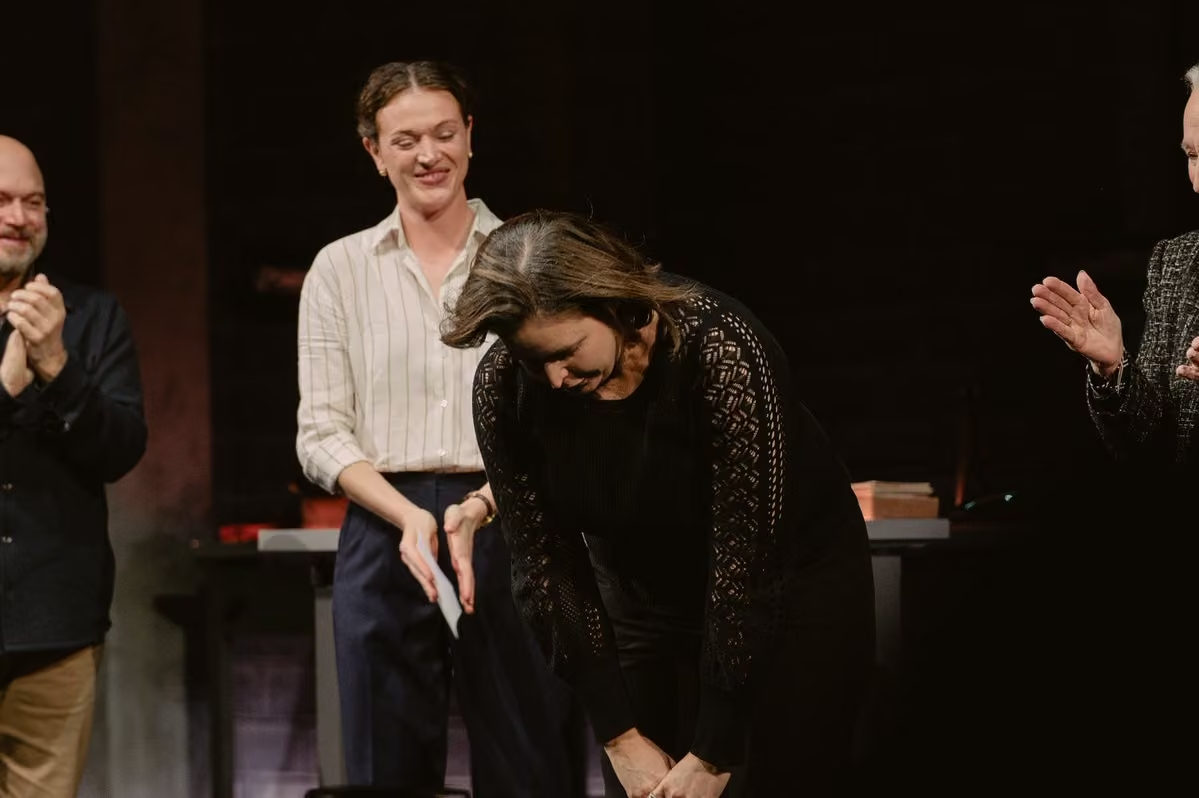
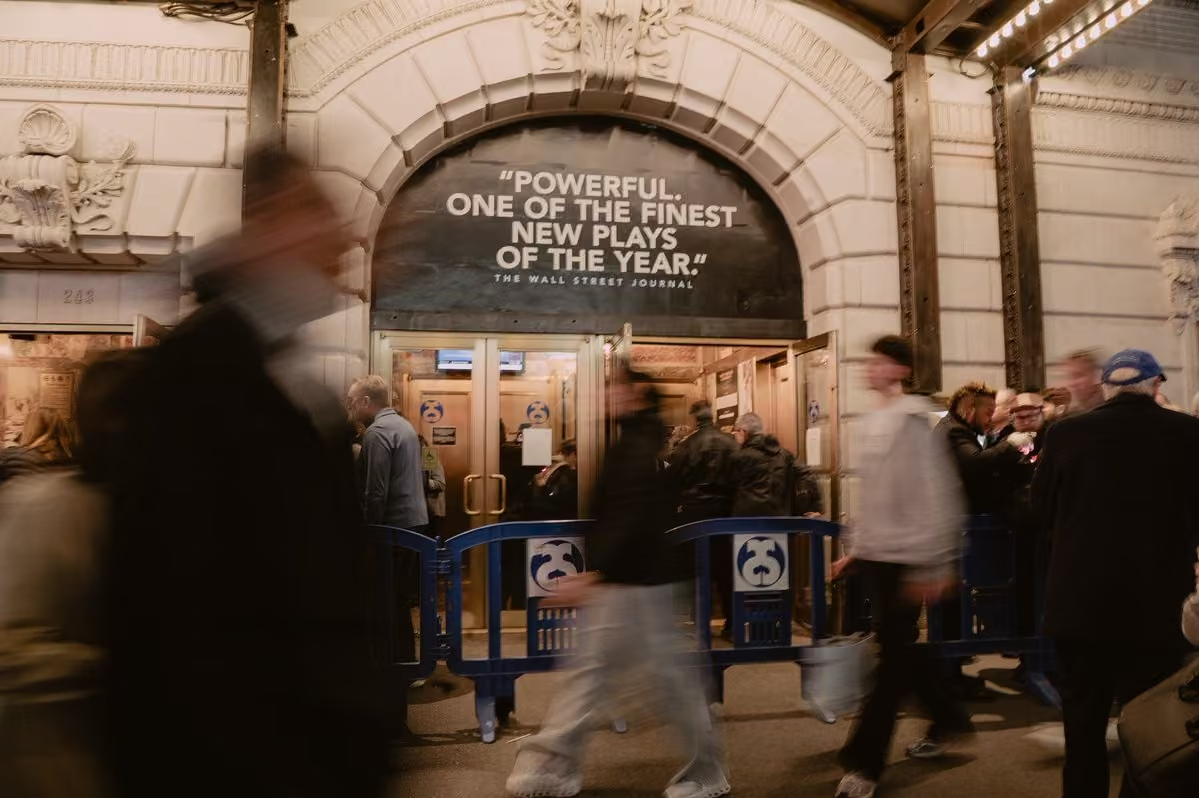
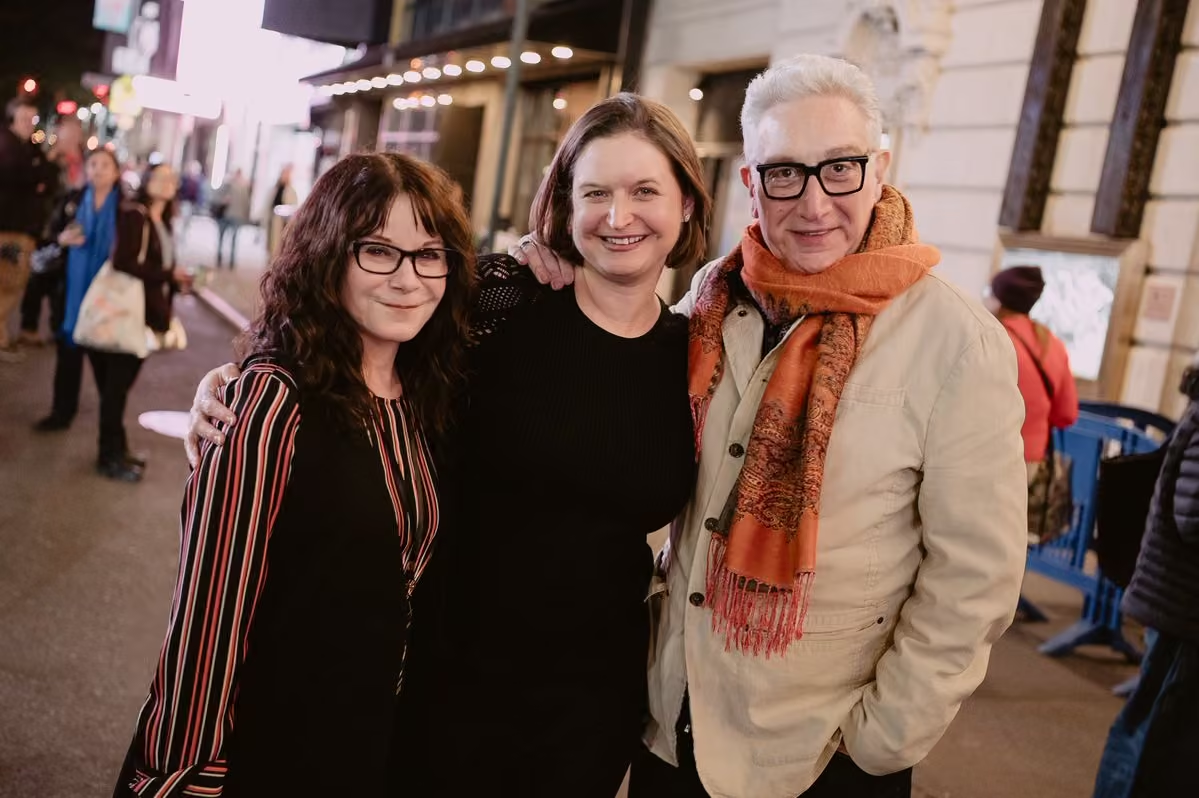
Last night, the play "Here There Are Blueberries" opened on Broadway. The show tells the story of how historians at our Museum unraveled the shocking story behind a photo album featuring Nazis at Auschwitz during their leisure time. 📷: Michaelah Reynolds
www.ushmm.org/blueberries

 US Holocaust Museum
@HolocaustMuseum
After escaping Nazi Germany, two refugee children ended up sleeping in the most unlikely of places: a palace.
US Holocaust Museum
@HolocaustMuseum
On November 9, 1938, nine-year-old Susan Hilsenrath and her brother Joseph watched their own neighbors attack their home.
US Holocaust Museum
@HolocaustMuseum
The night of Nov. 9-10, 1938, the Nazis launched a campaign of terror against German Jews. Today, antisemites chose that anniversary to terrorize Philadelphia’s Jewish community. This blatant act of Jew hatred needs to be universally condemned, and we applaud the many who have.
US Holocaust Museum
@HolocaustMuseum
The Museum mourns the passing of Holocaust survivor Eva Geller who succumbed to wounds she suffered nearly 11 months ago during the antisemitic terrorist attack at Bondi Beach. Her strength and resilience are an inspiration.
US Holocaust Museum
@HolocaustMuseum
#otd in 1943 SS and police units began a killing operation codenamed "Harvest Festival" in the Lublin district of German-occupied Poland. Over the course of just two days, approximately 42,000 Jewish people were murdered, making it one of the largest massacres of the Holocaust. Learn more: encyclopedia.ushmm.org/content/en/article/aktion-erntefes…
 US Holocaust Museum
@HolocaustMuseum
"Auschwitz. Not long ago. Not far away." opens January 4, 2027 at our Museum in Washington, DC. Free to the public for the first time—reserve your tickets now. www.ushmm.org/not-long-ago
US Holocaust Museum
@HolocaustMuseum
Irena Sendler risked her life to save strangers.
US Holocaust Museum
@HolocaustMuseum
Artifacts tell the story. See the truth for yourself. Reserve your free tickets now. www.ushmm.org/not-long-ago
US Holocaust Museum
@HolocaustMuseum
Artifacts tell the story. See the truth for yourself. Reserve your free tickets now. ushmm.org/not-long-ago
US Holocaust Museum
@HolocaustMuseum
Hermann Göring was one of the most powerful men in Nazi Germany, functioning at times as Hitler's number two. After being convicted and sentenced to death at the International Military Tribunal at Nuremberg, he escaped execution by killing himself #otd in 1946. 📷: NARA
 US Holocaust Museum
@HolocaustMuseum
By the time prisoners at the Sobibor killing center revolted #onthisday in 1943, at least 167,000 Jews had already been killed there. While 300 prisoners managed to escape during the uprising, only about 50 survived the Holocaust.
Pictured here are participants in the uprising.
Photo courtesy of Misha Lev.
 US Holocaust Museum
@HolocaustMuseum
Add a 🎨 in the comments if art helps you get through hard times. #worldmentalhealthday
US Holocaust Museum
@HolocaustMuseum
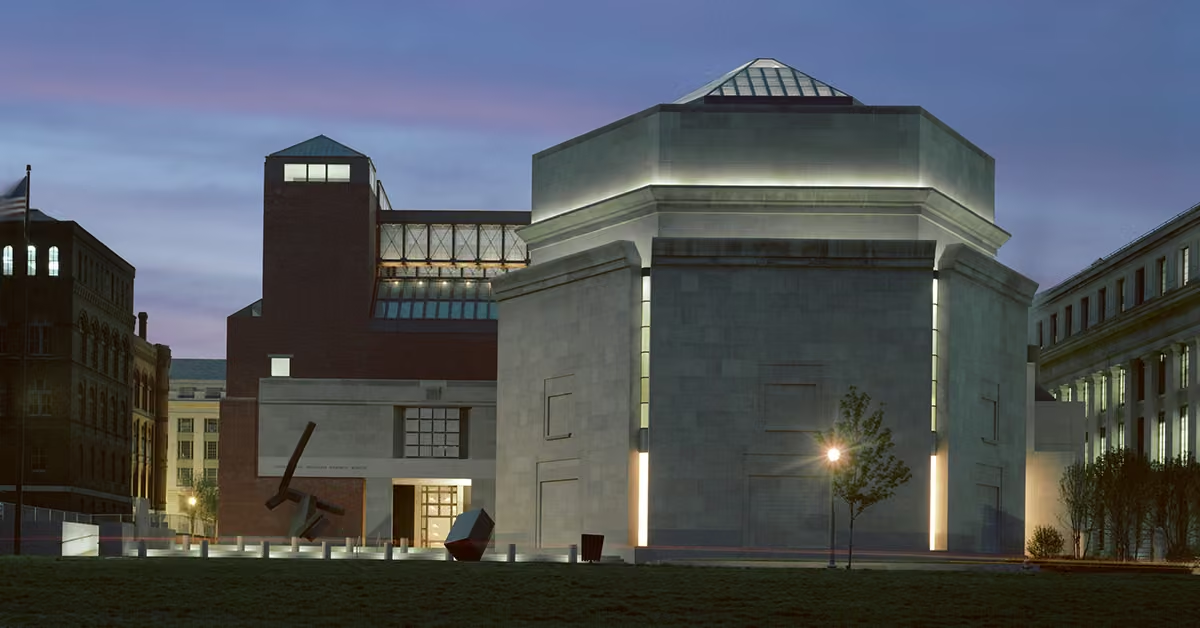
The charge of genocide is fueling antisemitism. As malicious actors weaponize the term and endanger Jews everywhere, meticulous use of the charge is essential. Read more by Chairman Jeffrey Miller (@JeffMillerCA2TX) and Amb. Eizenstat. (@EizenstatStuart). www.foxnews.com/opinion/weaponizing-charge-genocide-fuels…
 US Holocaust Museum
@HolocaustMuseum
Three years ago Hamas terrorists launched a premeditated slaughter of innocent Israeli citizens, unleashing an explosion of violent antisemitism worldwide. As we remember the victims of 10/7, we must all recommit to confronting anti-Jewish hate wherever it appears.
US Holocaust Museum
@HolocaustMuseum
As a Sonderkommando prisoner at Auschwitz, Polish Jew Załmen Gradowski had to remove corpses from gas chambers and burn them. In October 1944, he and other members of the Sonderkommando revolted, damaging one crematorium and killing several guards. Załmen did not survive.
 US Holocaust Museum
@HolocaustMuseum
Free to the public for the first time, "Auschwitz. Not long ago. Not far away." opens at our Museum on January 4, 2027. Reserve your passes now. www.etix.com/ticket/e/1059906/nla-exhibit-tickets-washing…
US Holocaust Museum
@HolocaustMuseum
In October 1946, the International Military Tribunal issued its verdicts on top Nazi leaders. While only a small number of Nazi leaders were tried by the IMT, it set important legal precedents and shaped international law today. 📷: Wikimedia
 US Holocaust Museum
@HolocaustMuseum
"My childhood was really a childhood blessed with love and hope and faith and prayer," reflected Elie Wiesel. The third of four children, Elie was born #otd in 1928 in Sighet, Romania. Elie's parents and younger sister were murdered in the Holocaust. 📷: Yad Vashem
 US Holocaust Museum
@HolocaustMuseum
#otd in 1941, one of the largest mass shootings of the Holocaust began. At Babyn Yar (Babi Yar), German forces and their auxiliaries murdered more than 33,000 Jews in just two days.
US Holocaust Museum
@HolocaustMuseum
For more than 30 years, David Bayer shared his story with visitors to our Museum. Learn more about his experiences during the Holocaust.
 Auschwitz Memorial
@AuschwitzMuseum
27 September 1922 | A Polish Jew, David Bayer, was born in Kozienice.
In #auschwitz from 1944
Camp no. B-74
He escaped during evacuation of one of the subcamps.
He passed in May 2023.
Learn his story from @HolocaustMuseum: www.ushmm.org/remember/holocaust-survivors/volunteers/dav…
 US Holocaust Museum
@HolocaustMuseum
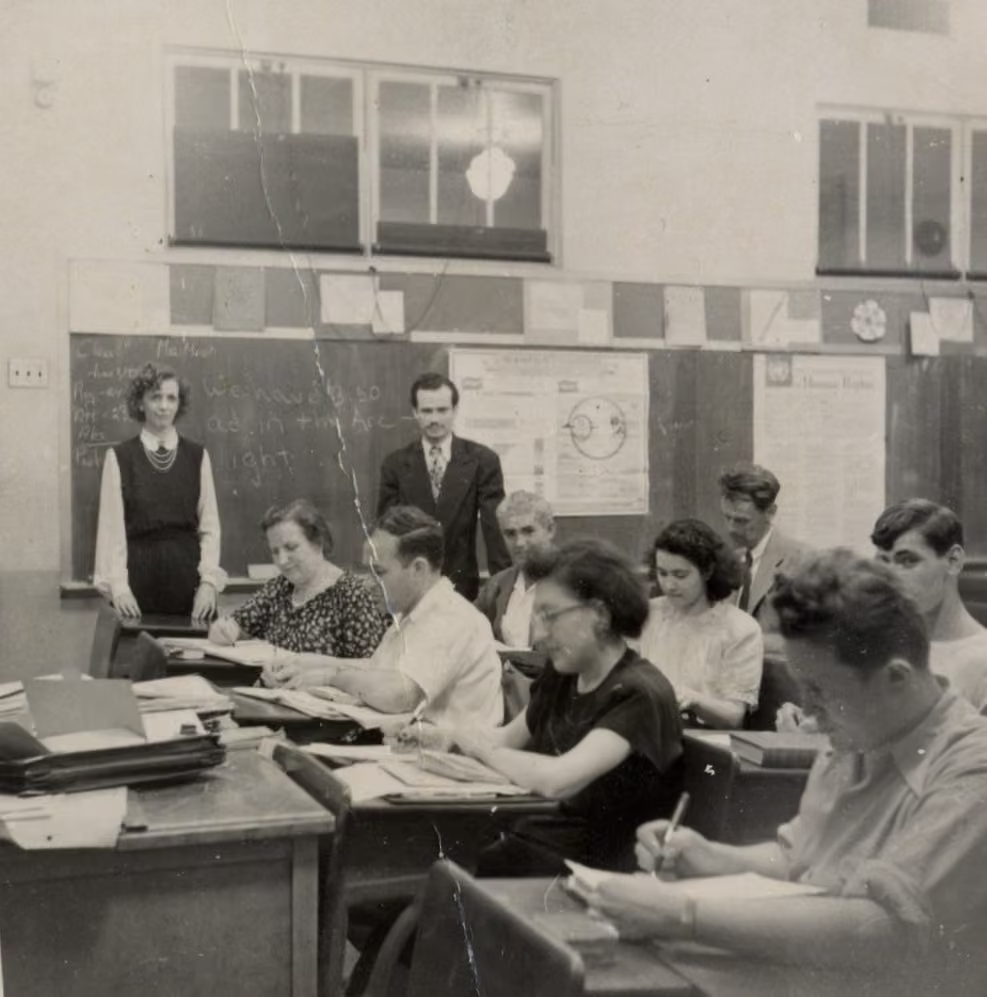
Sign language gave Doris Fedrid (center) a chance to tell her story. After surviving the Holocaust, she immigrated to New York. There, she took classes to learn how to sign and soon met her husband, Fred Fedrid (far right), a fellow deaf Holocaust survivor.
 US Holocaust Museum
@HolocaustMuseum
Eyshishok was a vibrant Jewish community—until it wasn't.
To learn more about Eyshishok, listen to our podcast, "12 Years That Shook the World."
www.ushmm.org/learn/podcasts-and-audio/12-years-that-shoo…
US Holocaust Museum
@HolocaustMuseum
In the midst of Nazi persecution and violence in 1942, David Sephiha (second from left) and his family conducted services to mark Yom Kippur, which begins tonight. David did not survive the Holocaust.
 US Holocaust Museum
@HolocaustMuseum
They worked in secret to bury the truth. Watch to find out if their stories were uncovered.
US Holocaust Museum
@HolocaustMuseum
After the Holocaust, these Jewish survivors found a new home in Brazil. Although many refugees were turned away, for those who made it, Brazil offered safety and a chance to rebuild their lives. 📷: USHMM, courtesy of American Jewish Joint Distribution Committee
 US Holocaust Museum
@HolocaustMuseum
Nazi Germany enacted two laws #otd in 1935 that laid the foundation for the Holocaust. The Nuremberg Race Laws stripped Jews of their rights of citizenship and banned sexual relationships between Jews and people of "German or related blood." encyclopedia.ushmm.org/content/en/article/the-nuremberg-r…
US Holocaust Museum
@HolocaustMuseum
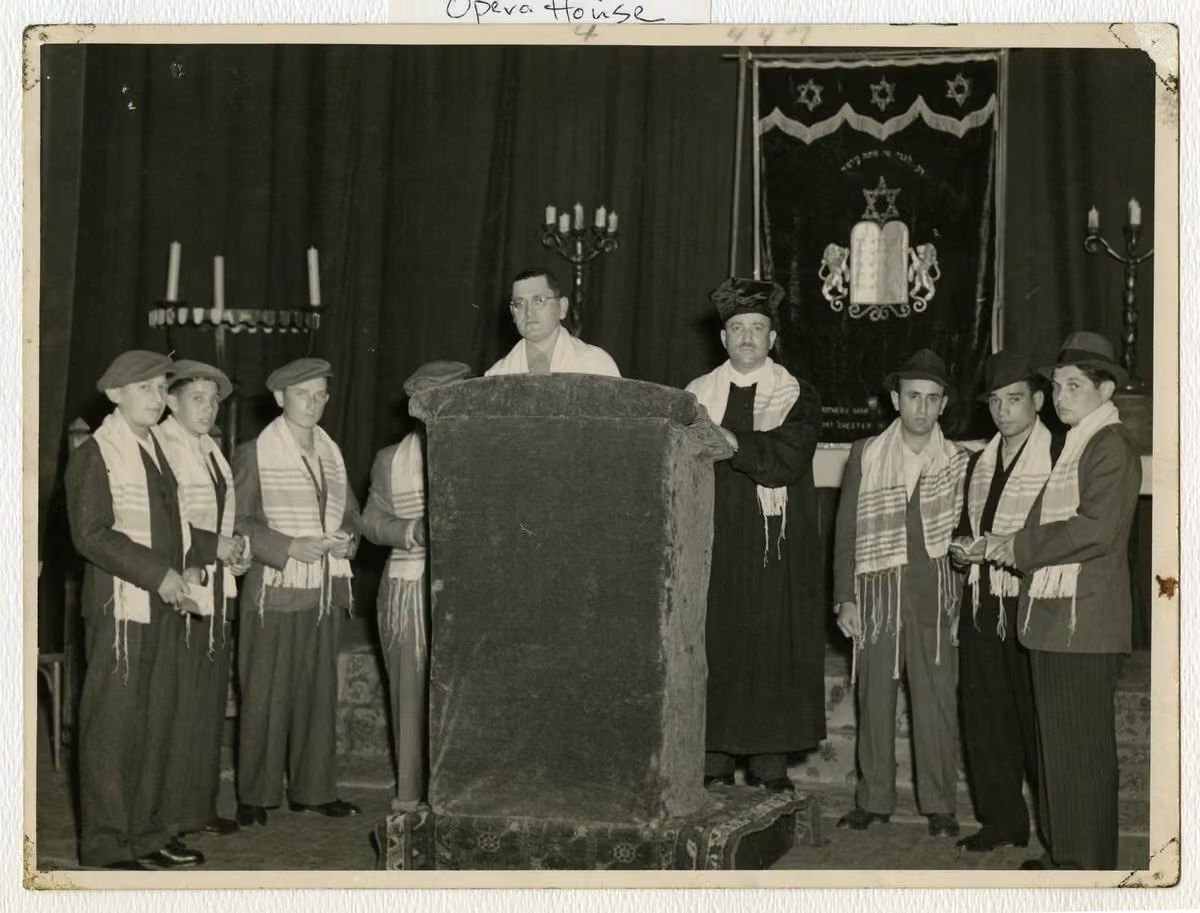
Tonight marks the beginning of Rosh Hashanah, the Jewish New Year. Here, Holocaust survivor and cantor Moses Rontal is pictured (black robe, center) in Stuttgart, Germany, leading #roshhashanah services just a few months after he was liberated.
 US Holocaust Museum
@HolocaustMuseum
We join our nation in remembering those lost to the terrorist attacks of 9/11 and honoring the heroism of those who sacrificed their lives to save others. 9/11 reminds us of the ongoing danger of extremist ideologies. All Americans should recommit to rejecting hatred in all forms.
US Holocaust Museum
@HolocaustMuseum
#otd in 1939, Germany launched an unprovoked attack on Poland, beginning World War II. The German occupation was exceptionally brutal. By the end of the war, at least 1.8 million non-Jewish Polish civilians and some three million Polish Jews would be killed.
 US Holocaust Museum
@HolocaustMuseum
In 2007, an album of photographs showing how the Nazis at Auschwitz spent their leisure time came into our Museum’s collection. Learn more about these rare photographs and get to know the real people who inspired the play Here There Are Blueberries, opening on Broadway this fall.
US Holocaust Museum
@HolocaustMuseum
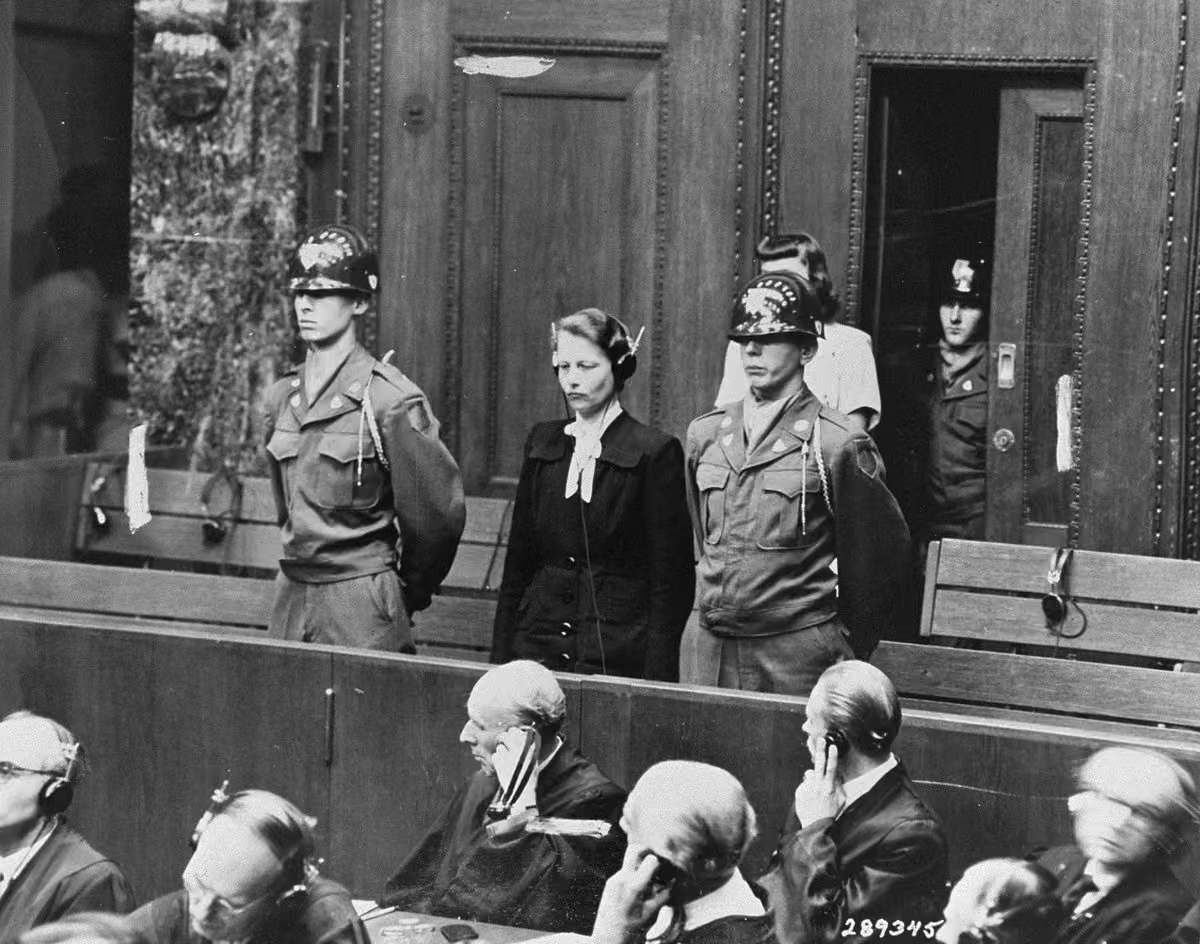
Herta Oberheuser had trained to ease people’s pain. Instead the doctor used her skills to perform cruel, sometimes deadly experiments on prisoners of Nazi persecution. She was sentenced to 20 years in prison in late August 1947 by the International Military Tribunal. 📷: NARA
 US Holocaust Museum
@HolocaustMuseum
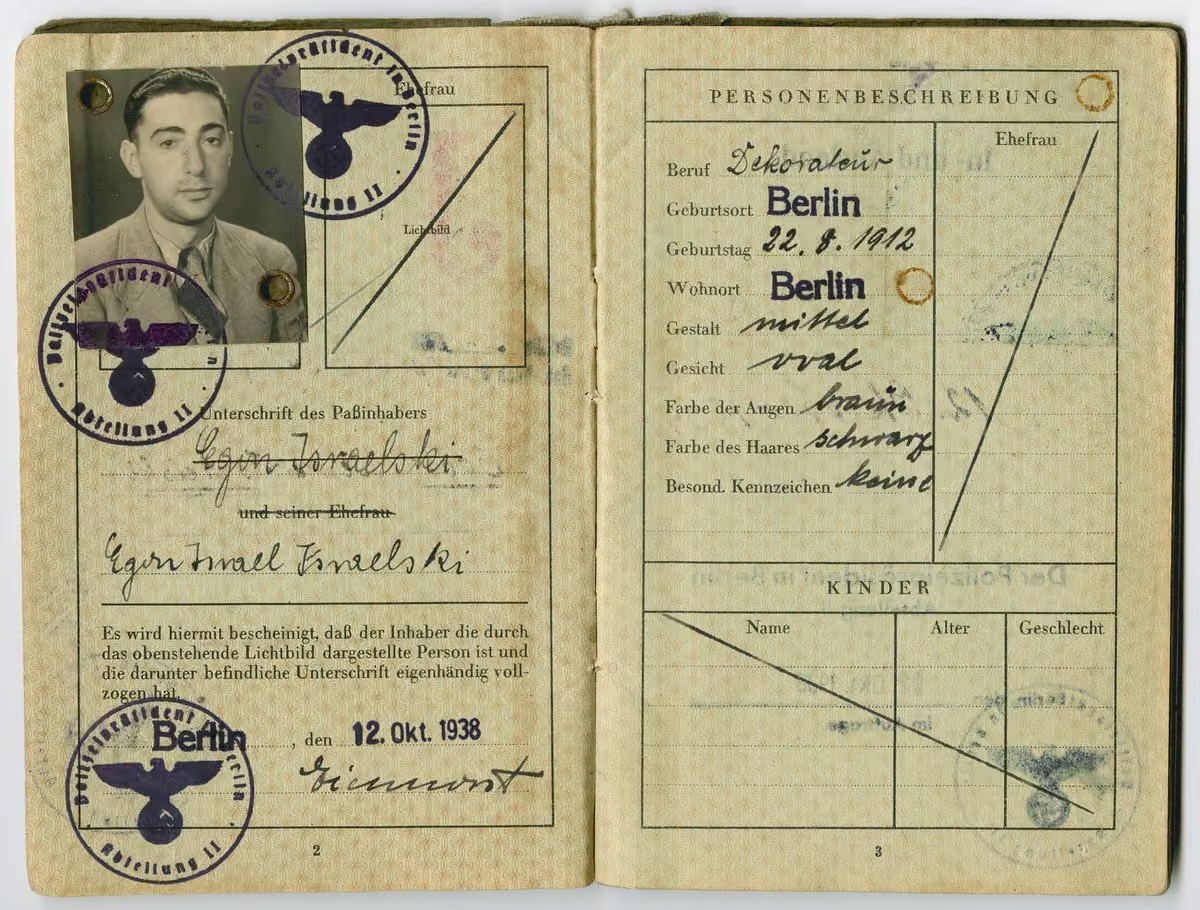
In August 1938, the Nazis forced Jews to adopt an additional name—“Sara” for women and “Israel” for men. This was one of many attempts to erase the individuality and humanity of German Jews.
 US Holocaust Museum
@HolocaustMuseum
"We heard the amazing news," remembered Ilie Wacs. "Japan had surrendered. The war was over.”
V-J Day, the day of Japan’s unofficial surrender, took place #otd in 1945. For Jewish refugees like Ilie who lived in Japanese-occupied Shanghai, Japan’s surrender meant freedom.
 US Holocaust Museum
@HolocaustMuseum
By the time he was five years old, Sheldon Griner had been separated from his parents and endured starvation. As a volunteer at our Museum, he shared his story.
“I think it’s good for people to know that regardless what happens in life, it’s possible to survive and go on.”
 US Holocaust Museum
@HolocaustMuseum
Defacing the @RepFine sign with a swastika—the emblem of the Nazi Party which symbolizes the systematic targeting and murder of Europe’s Jews—-is a vile attack on him, his family, and our democracy. Antisemitic threats are dangerous and unacceptable in our civic life.
US Holocaust Museum
@HolocaustMuseum
Różka Grossman kept a cat in her family’s apartment in the Łódź ghetto. This photo is one of thousands taken by her brother Mendel to document daily life in the ghetto. 📷: Ghetto Fighters’ House Museum
 US Holocaust Museum
@HolocaustMuseum
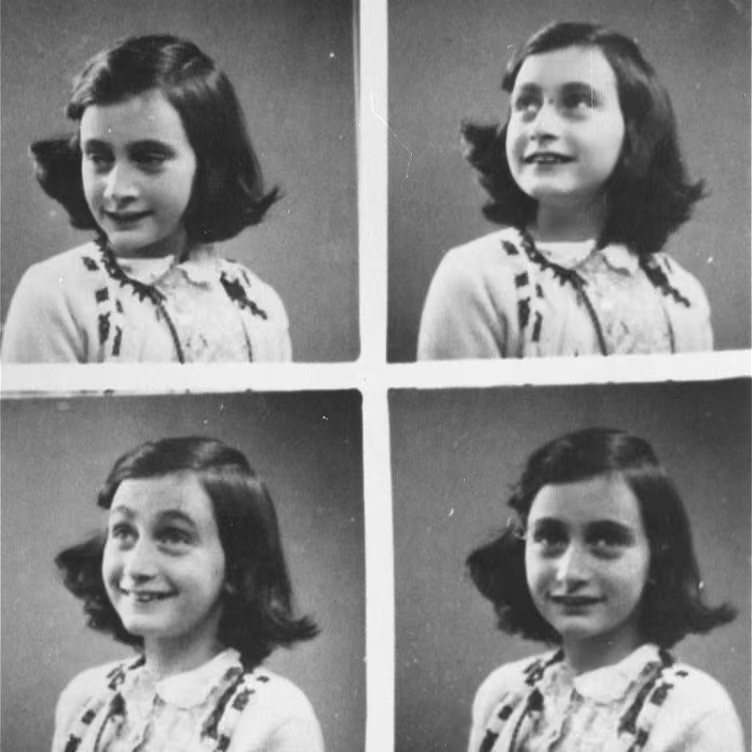
#otd in 1944, German and Dutch authorities discovered and arrested Anne Frank, her family, and four other Jews who were hiding in a secret annex in Amsterdam. Otto Frank, the annex’s sole resident to survive, ensured that Anne’s words live on.
Photo: Anne Frank Fonds
 US Holocaust Museum
@HolocaustMuseum
By summer 1943, deportations to Treblinka had nearly stopped. Fearing they would be killed, Jewish prisoners revolted #otd, setting fire to the camp and attacking guards.
Pictured is smoke rising from the Treblinka killing center the day of the uprising.
Photo: Bildarchiv
 US Holocaust Museum
@HolocaustMuseum
Romani survivor Ceija Stojka survived three Nazi camps and lost nearly 200 members of her family during the Holocaust. She remained silent for almost 40 years before turning to art to tell her story: "I picked up a pen because I had to open myself, to scream." 📷: Christa Schnepf
 US Holocaust Museum
@HolocaustMuseum
#otd in 1944, the Warsaw Uprising began. Fighting raged as civilians joined the Polish Home Army in the battle against the Germans.
Jan Kostanskí (pictured right) wanted to fight, but his mother forbade him. She needed the Polish teenager's help hiding their Jewish neighbors.
 US Holocaust Museum
@HolocaustMuseum
Primo Levi, born #otd in 1919, survived Auschwitz as a young man. He detailed his experiences there in his memoir, "If This Is a Man" (published in the United States as "Survival in Auschwitz"). Today, it is considered one of the most significant literary accounts of the Holocaust.
 US Holocaust Museum
@HolocaustMuseum
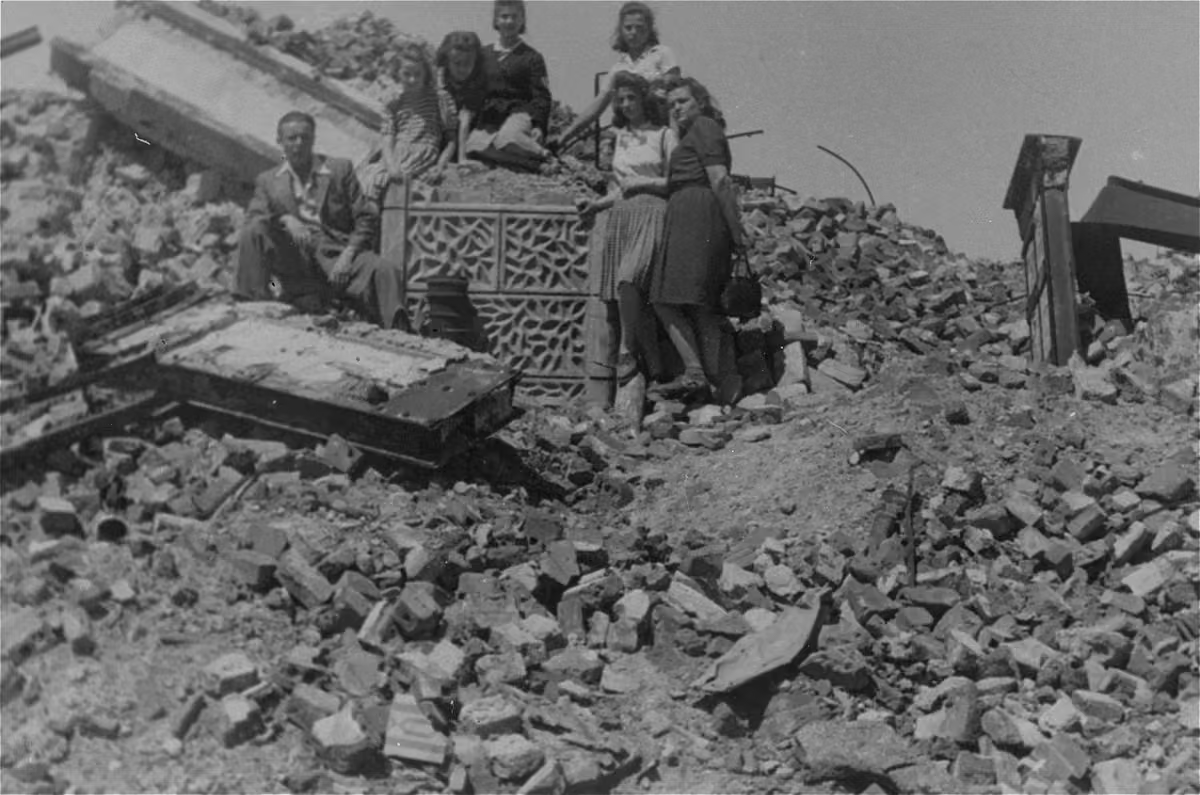
#otd in 1942, residents of the Warsaw ghetto founded the Żydowska Organizacja Bojowa (ŻOB), or the Jewish Combat Organization. ŻOB would later play a leading role in the Warsaw Ghetto Uprising—the largest act of Jewish armed resistance during the Holocaust. 📷: USHMM, courtesy of Leah Hammerstein Silverstein
 US Holocaust Museum
@HolocaustMuseum
#otd in 1944, Soviet troops liberated the Lublin/Majdanek concentration camp. They found belongings the Nazis had stolen from Jews murdered there and elsewhere. These items reveal the scale of Nazi crimes. 📷: USHMM, courtesy of Instytut Pamięci Narodowej.
 US Holocaust Museum
@HolocaustMuseum
"When I learned that I had been sterilized … I was devastated. … I would be marked by the stigma of inferiority for the rest of my life."—Dorothea Buck
Dorothea was among 400,000 Germans sterilized under a Nazi law, passed in July 1933, targeting people with disabilities.
 US Holocaust Museum
@HolocaustMuseum
Our Museum mourns the passing of Senator Lindsey Graham, a steadfast advocate for Holocaust education and remembrance. He understood that preserving the truth of the Holocaust is essential to confronting hatred, rejecting Holocaust denial, and preventing history from being rewritten. A true friend of the Jewish people, he never lost sight of what the State of Israel means to Holocaust survivors and to the promise of “Never Again.” May his memory be a blessing.
 US Holocaust Museum
@HolocaustMuseum
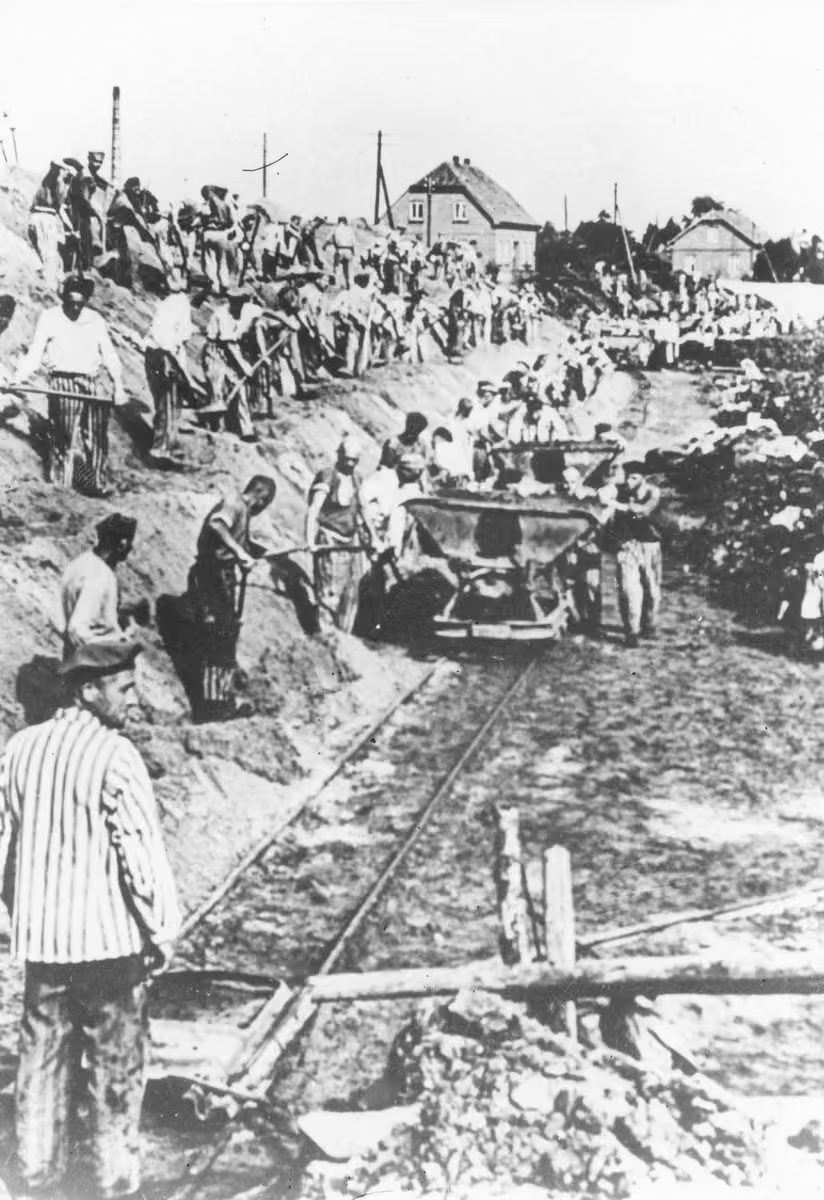
Many prisoners at the Sachsenhausen concentration camp—established in summer 1936—were required to perform forced labor. They also suffered from starvation, poor living conditions, and abuse from Nazi guards. During the Holocaust, more than 40,000 people died there.
 US Holocaust Museum
@HolocaustMuseum
"I never imagined that people would not like me just because I was born Jewish."
At 13, Frank Cohn escaped Nazi Germany. Five years later, he returned as an American soldier. He volunteered at our Museum, sharing his story as a survivor and a veteran.
www.ushmm.org/remember/holocaust-survivors/volunteers/fra…
 US Holocaust Museum
@HolocaustMuseum
#otd in 1938, representatives of 32 nations, including the US, met at the Evian Conference to discuss refuge for Jews under Nazi threat. Over nine days, delegates expressed their sympathy, but offered few solutions for people seeking safety. Photo: Yad Vashem.
 US Holocaust Museum
@HolocaustMuseum
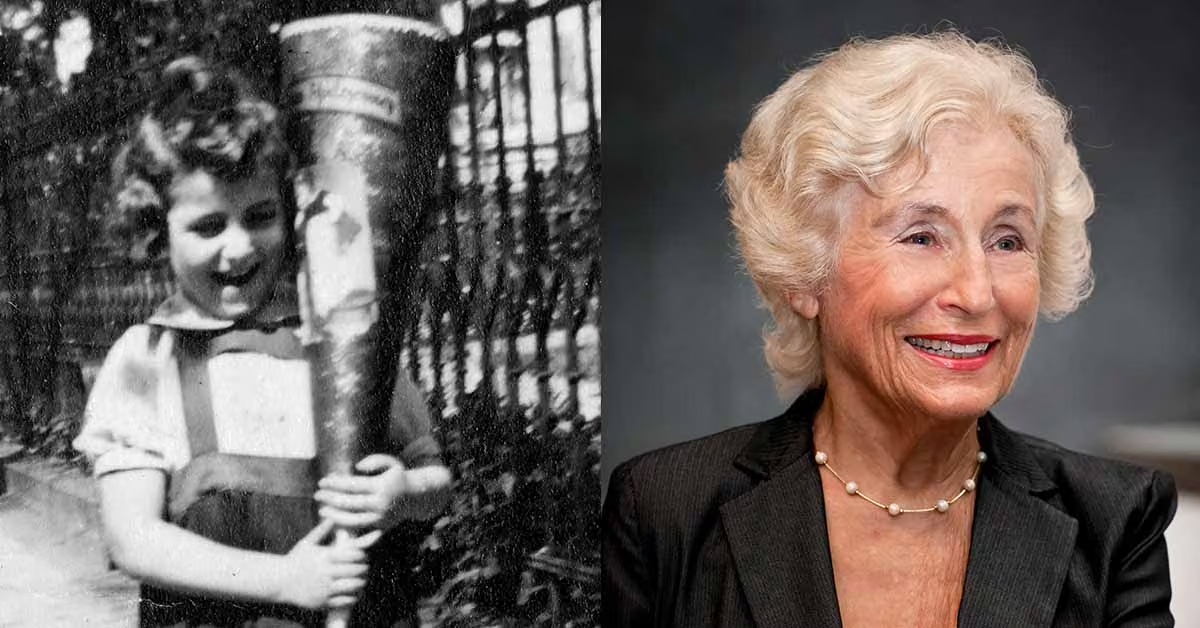
"When I arrived in America and I saw the Statue of Liberty, I had the sense ... I was not going to need to be afraid anymore."
Susan Warsinger fled the Nazis and arrived in New York by ship at age 12.
 US Holocaust Museum
@HolocaustMuseum
The people in these caskets survived the Holocaust—only to be killed by an antisemitic mob just over a year later. In July 1946, a group of civilians, police officers, and soldiers murdered at least 42 Jews and wounded dozens more in Kielce, Poland.
 US Holocaust Museum
@HolocaustMuseum
#otd in 1934, the "Night of Long Knives"—the Nazi purge of high-ranking Storm Trooper officials—began. These extrajudicial killings showed just how far the Nazis would go to gain the support of the military elites and consolidate Nazi power.
encyclopedia.ushmm.org/content/en/article/roehm-purge
 US Holocaust Museum
@HolocaustMuseum
Yehuda and Dita got married in 1941, months before the Nazis forced them into the Kovno ghetto. He secretly worked with the resistance, hiding it from Dita to protect her. In 1944, he was arrested, tortured, and executed. She survived. 📷: USHMM, courtesy of Yehudit Katz Sperling
 US Holocaust Museum
@HolocaustMuseum
Freddie Traum didn't know this was the last moment he'd share with his dad. After the Nazis took over Austria in 1938, Freddie's parents sent him away to safety. Freddie never saw his parents again, but his father's lessons stayed with him for the rest of his life.
 US Holocaust Museum
@HolocaustMuseum
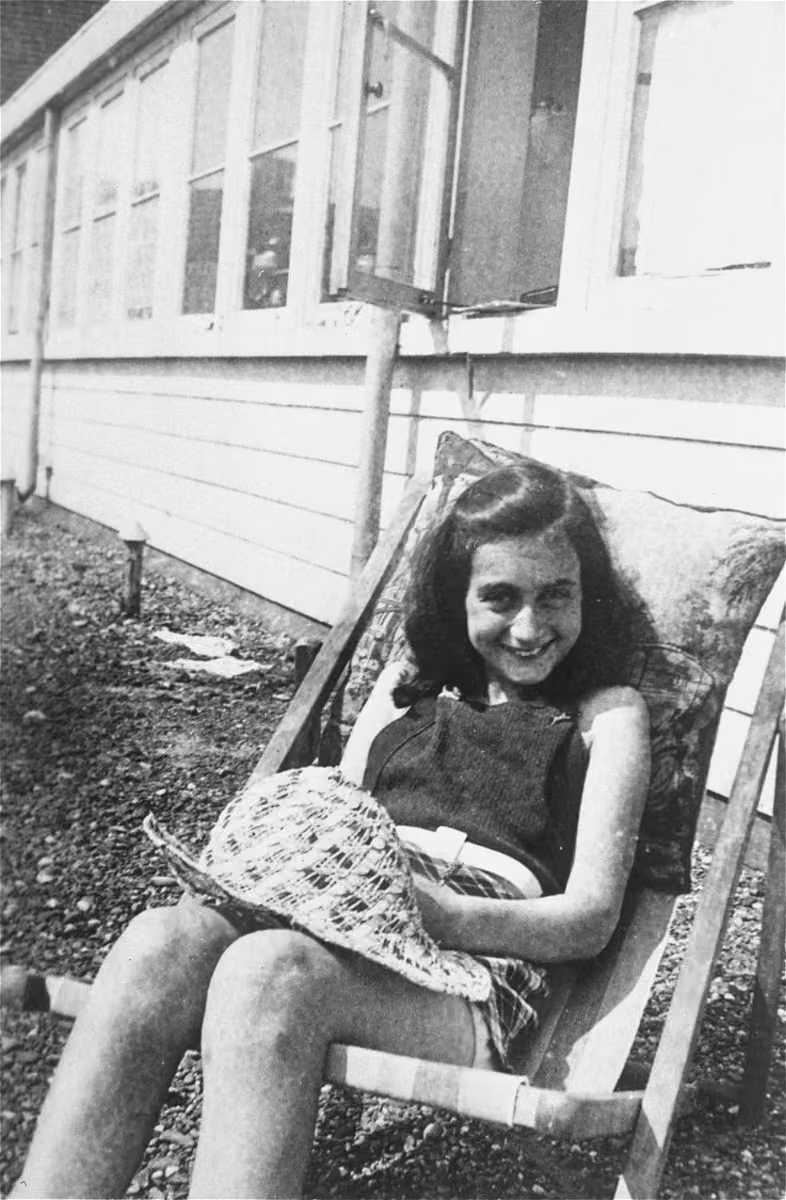
#annefrank was born #onthisday in 1929. Through the diary she wrote while in hiding from the Nazis, Anne came to symbolize the lost promise—the dreams cut short—of child victims of the Holocaust. What might have become of this girl who was already a gifted writer?
Photo: Anne Frank Fonds
 US Holocaust Museum
@HolocaustMuseum
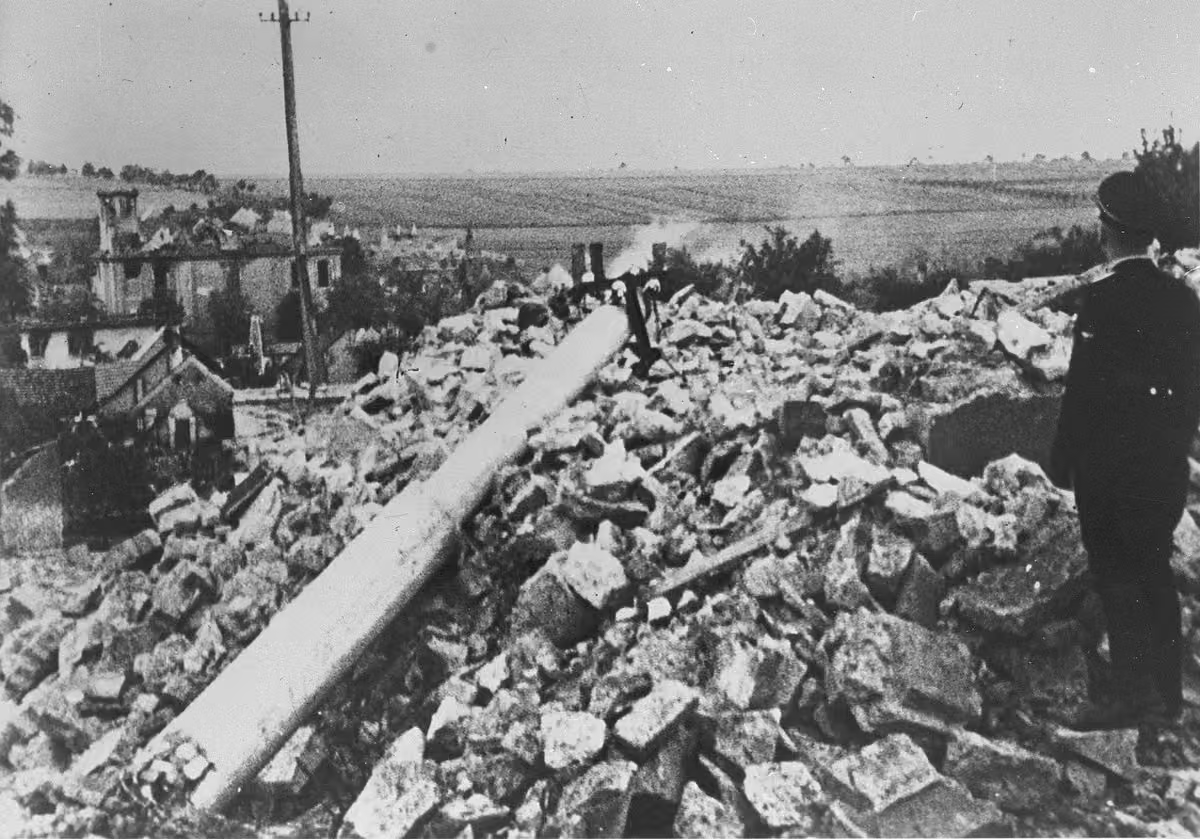
After high-ranking Nazi Reinhard Heydrich was assassinated in May 1942, the Nazis randomly chose to punish the Czech Christian town Lidice. In early June 1942, German police and SS officers murdered hundreds from the town. Then they destroyed it. 📷: Library of Congress
 US Holocaust Museum
@HolocaustMuseum
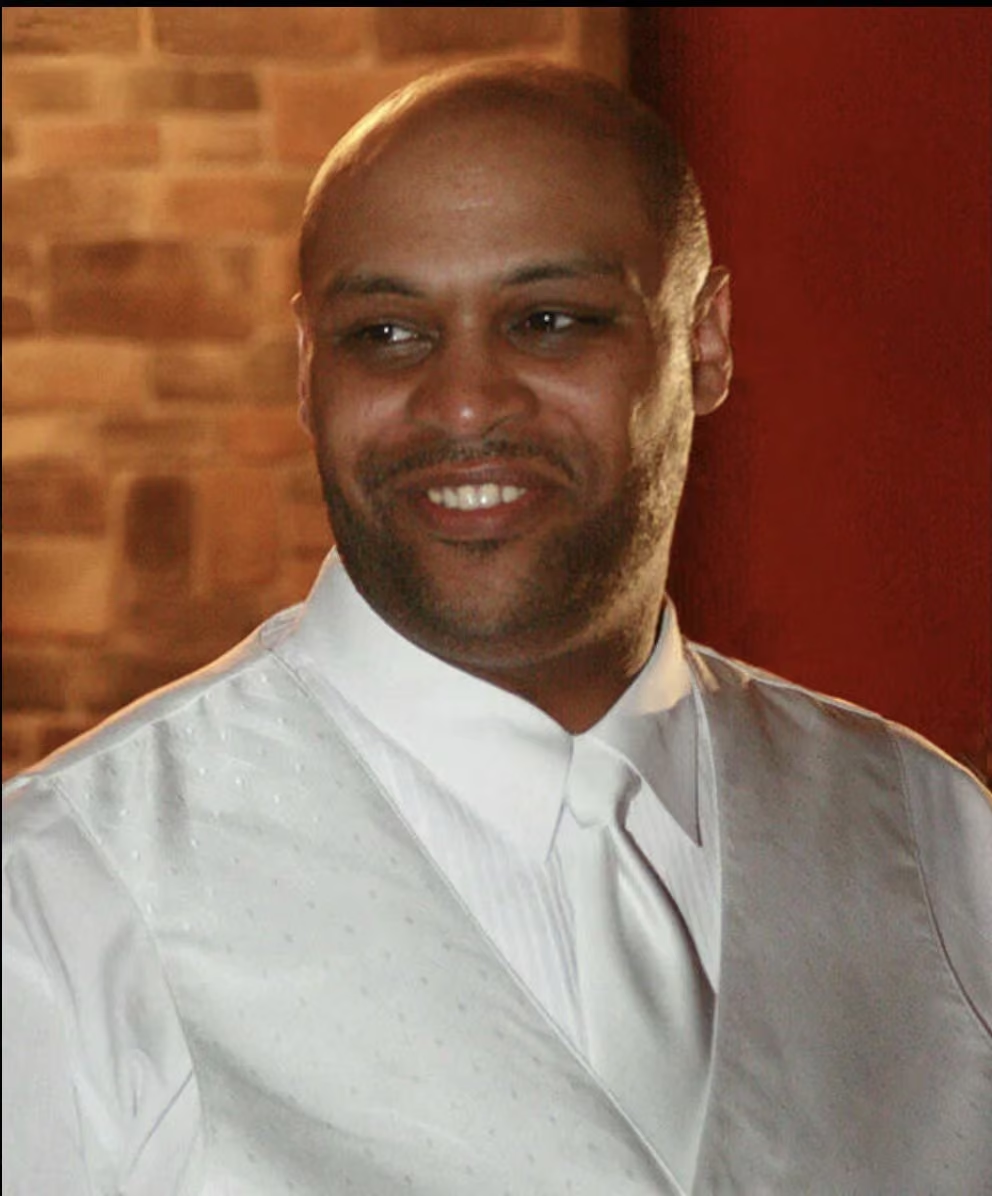
Officer Stephen Tyrone Johns died heroically #otd in 2009 while protecting Museum visitors and staff. His memory occupies a permanent place in our hearts. www.ushmm.org/information/press/in-memoriam/stephen-tyron…
 US Holocaust Museum
@HolocaustMuseum
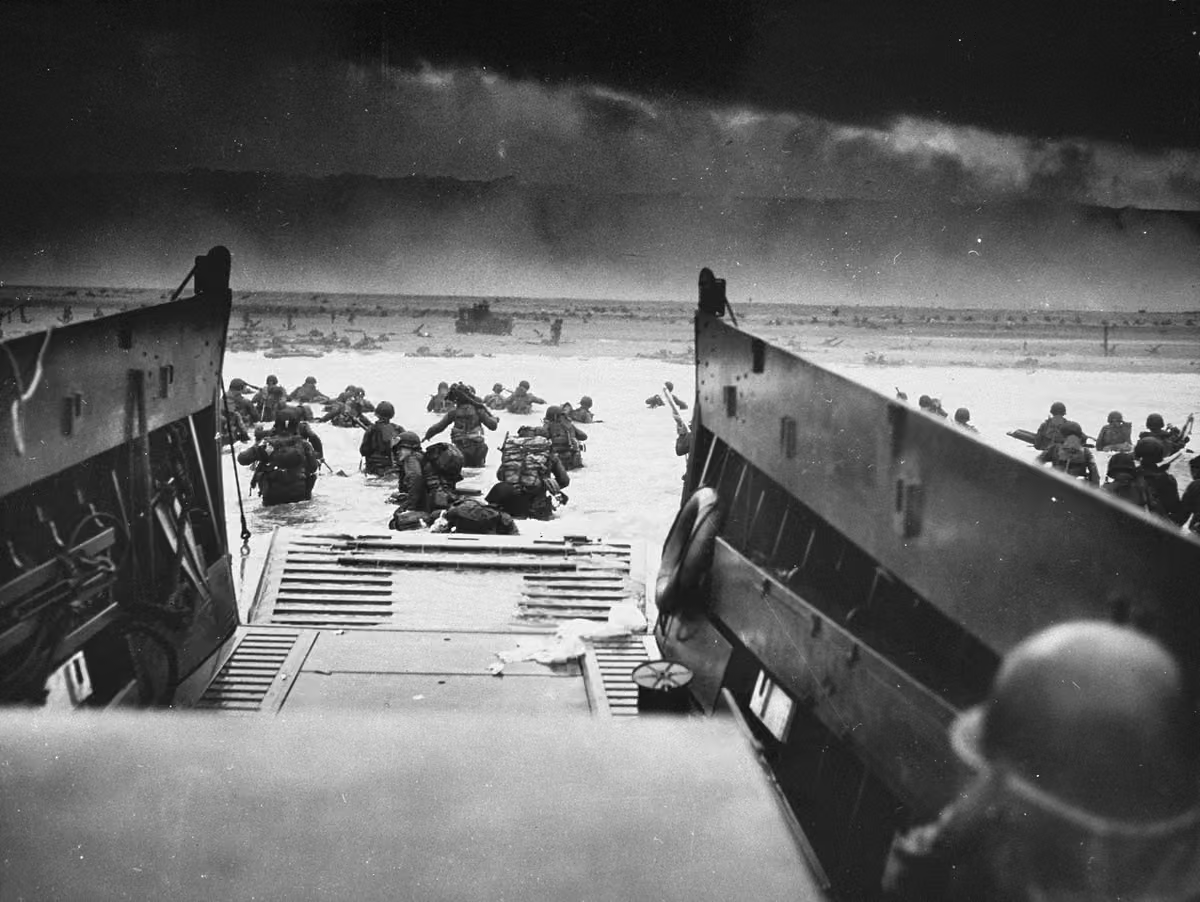
D-Day #onthisday in 1944, helped turn the tide against the Nazis. Jews still in ghettos, concentration camps, and in hiding celebrated the invasion, hoping the end of the war was near. 📷: National Archives
 US Holocaust Museum
@HolocaustMuseum
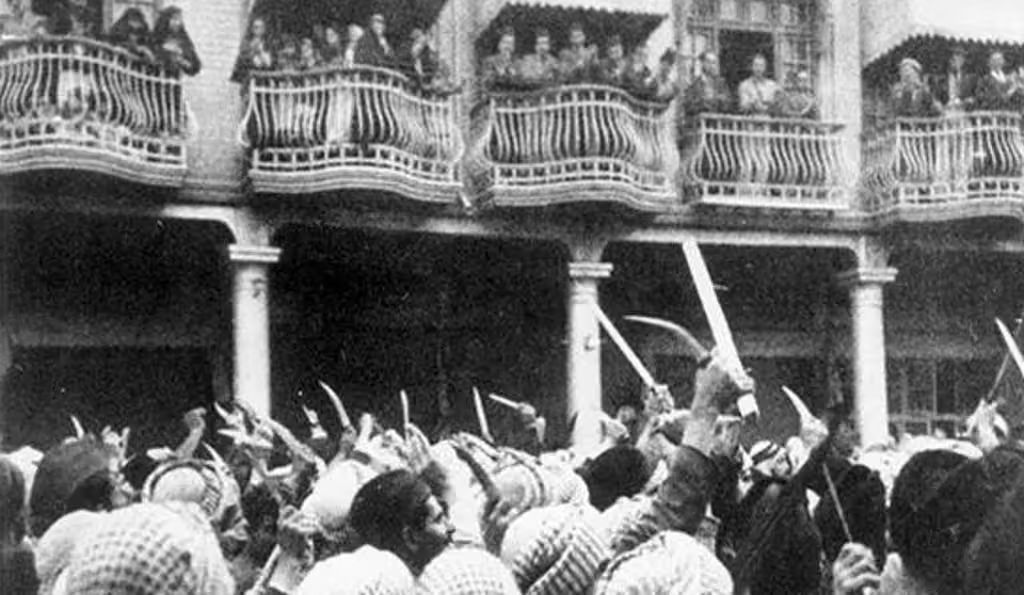
As Iraq struggled to maintain independence from the British, Nazi antisemitic propaganda spread. In 1941, Iraq formed a pro-German government. That same year, a pogrom called the Farhud targeted Iraqi Jews, perceived as working with the British, leading to the deaths of 150–180.
 US Holocaust Museum
@HolocaustMuseum
#otd in 1943, the Nazis ended the Warsaw Ghetto Uprising after burning the ghetto down block by block. Thousands of Jews were killed—those captured were murdered in a killing center or imprisoned in Nazi camps. The uprising inspired Jews to fight back across Nazi-occupied Europe.
 US Holocaust Museum
@HolocaustMuseum
In the aftermath of the Holocaust, much of Europe remained unwelcoming and even deadly for Jews.
#otd in 1948, the modern State of Israel was established, finally allowing tens of thousands of Holocaust survivors to rebuild their lives there. encyclopedia.ushmm.org/content/en/article/postwar-refugee…
US Holocaust Museum
@HolocaustMuseum
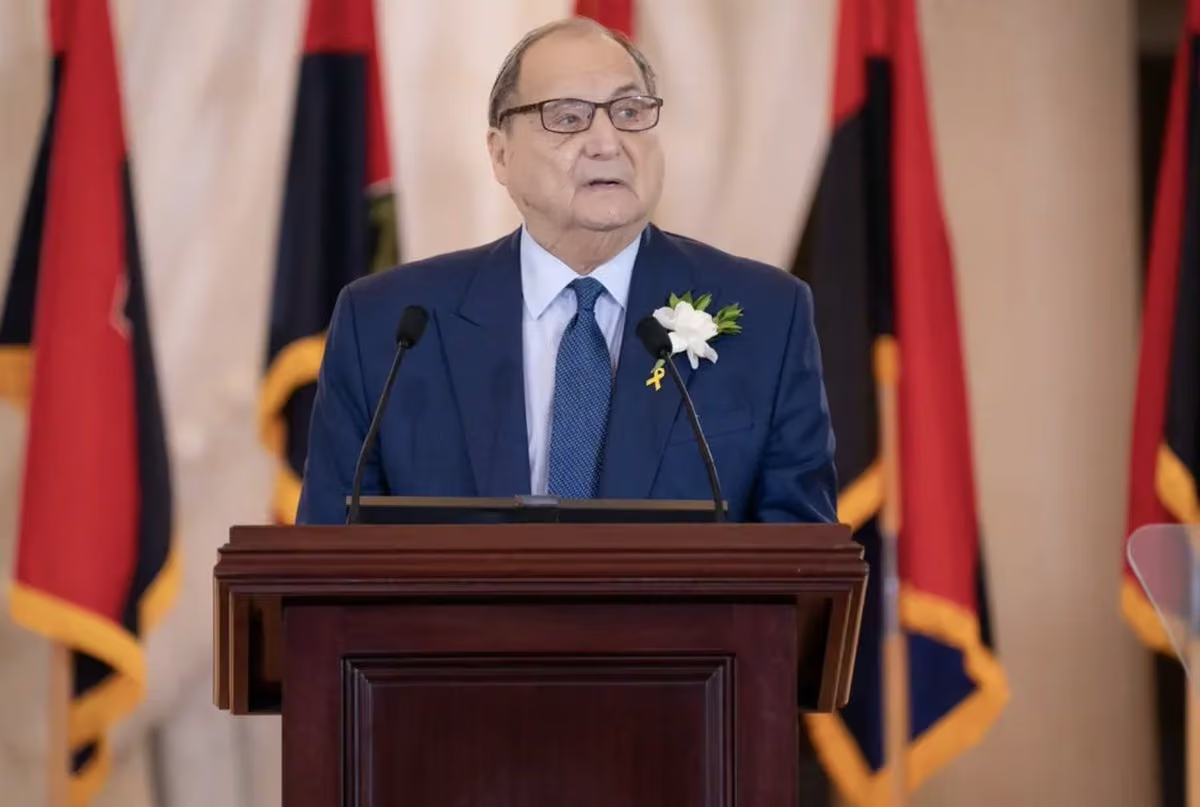
Our Museum mourns Holocaust survivor, Council member, and singular Jewish leader Abraham Foxman. He devoted his life to confronting antisemitism and hatred. Speaking often about his Catholic rescuer, he challenged us to make a difference. Our condolences to the Foxman family.
 US Holocaust Museum
@HolocaustMuseum
Two months pregnant, Priska Löwenbein clung to her husband inside the railcar. In a last act of hope, they named their baby before arriving at Auschwitz. Priska hid her growing body and was transferred to a labor camp. Less than a month before liberation, she gave birth to Hana.
 US Holocaust Museum
@HolocaustMuseum
#otd in 1945, Nazi Germany's unconditional surrender ended the war in Europe. Celebrations erupted worldwide. VE Day is also a time to remember those killed during the war, including the six million Jews murdered in the Holocaust. #america250 📷: USHMM, courtesy of Lowell Thomas
 US Holocaust Museum
@HolocaustMuseum
“I remember that there were piles and piles of corpses.” —Charles Torluccio, veteran of the 11th Armored Division
#otd in 1945, the US Army liberated Mauthausen concentration camp. At least 95,000 prisoners, 12,000 of them Jewish, died in that camp system between 1938 and 1945. Learn More: encyclopedia.ushmm.org/content/en/article/mauthausen
📷: USHMM, courtesy of Peggy Meharry #america250
 US Holocaust Museum
@HolocaustMuseum
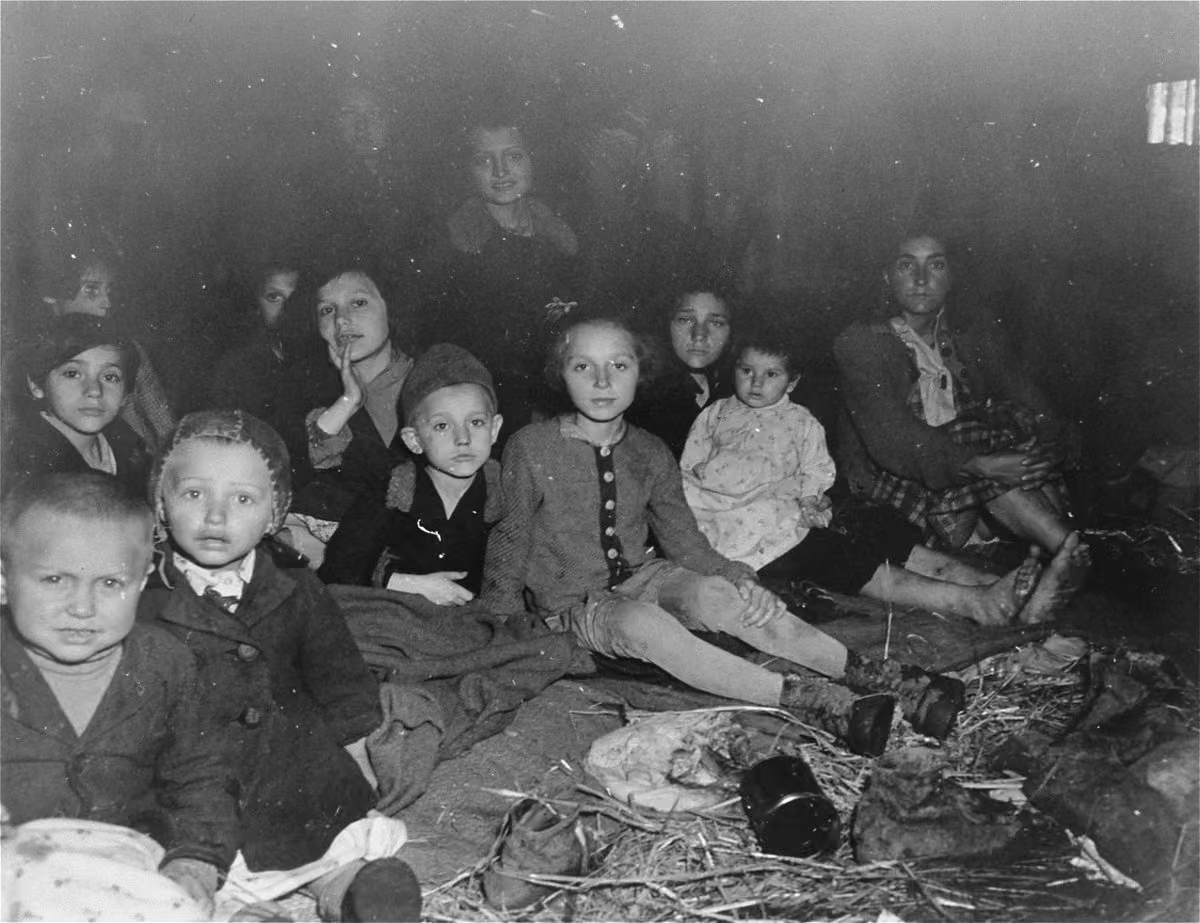
#otd in May 1945, the 71st Infantry Division liberated Gunskirchen. There they found some 15,000 prisoners. "The living and dead, evidence of horror and brutality beyond one’s imagination was there ... " wrote Major Cameron Coffman. #america250
Learn more: encyclopedia.ushmm.org/content/en/article/the-71st-infant…
 US Holocaust Museum
@HolocaustMuseum
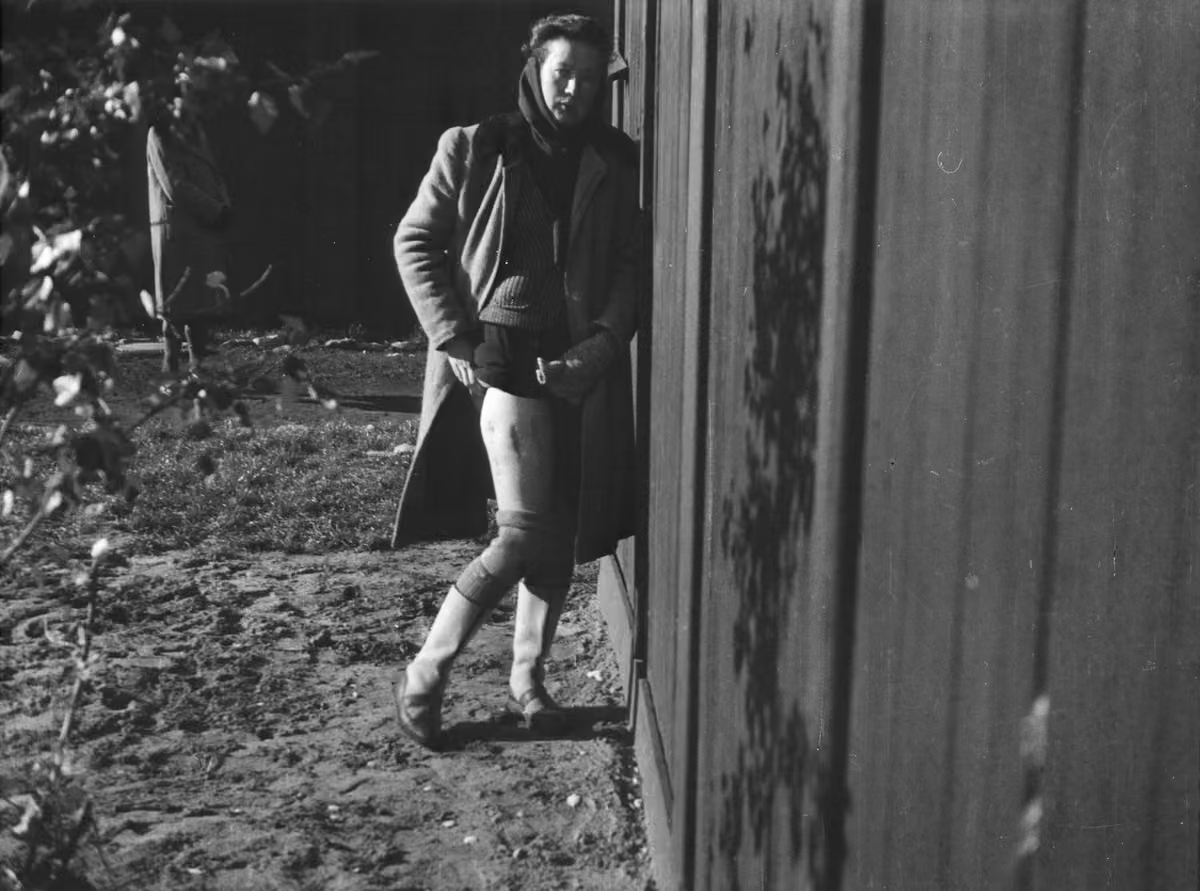
Joanna Szydłowska secretly took photos of female Polish prisoners subjected to medical experiments at Ravensbrück concentration camp. She was a victim too. The camp was liberated #otd in 1945 by the Soviets. Doctors who performed the experiments were later tried for their crimes. 📷: USHMM, courtesy of Anna Hassa Jarosky and Peter Hassa
 US Holocaust Museum
@HolocaustMuseum
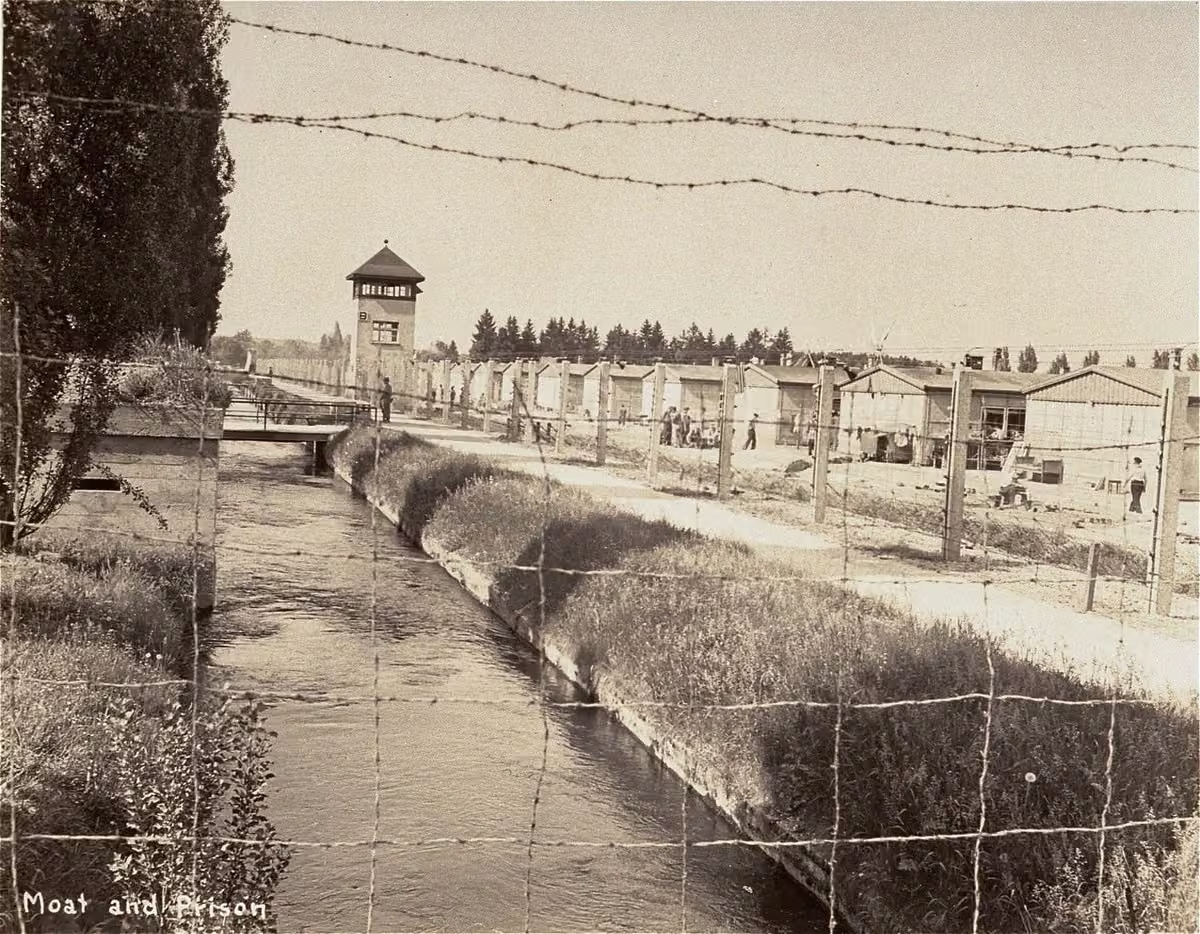
#onthisday in 1945, Dachau—the first regular concentration camp established by the Nazis—was liberated by the US Army. At least 40,000 prisoners died at Dachau between 1933 and 1945. #america250
 US Holocaust Museum
@HolocaustMuseum
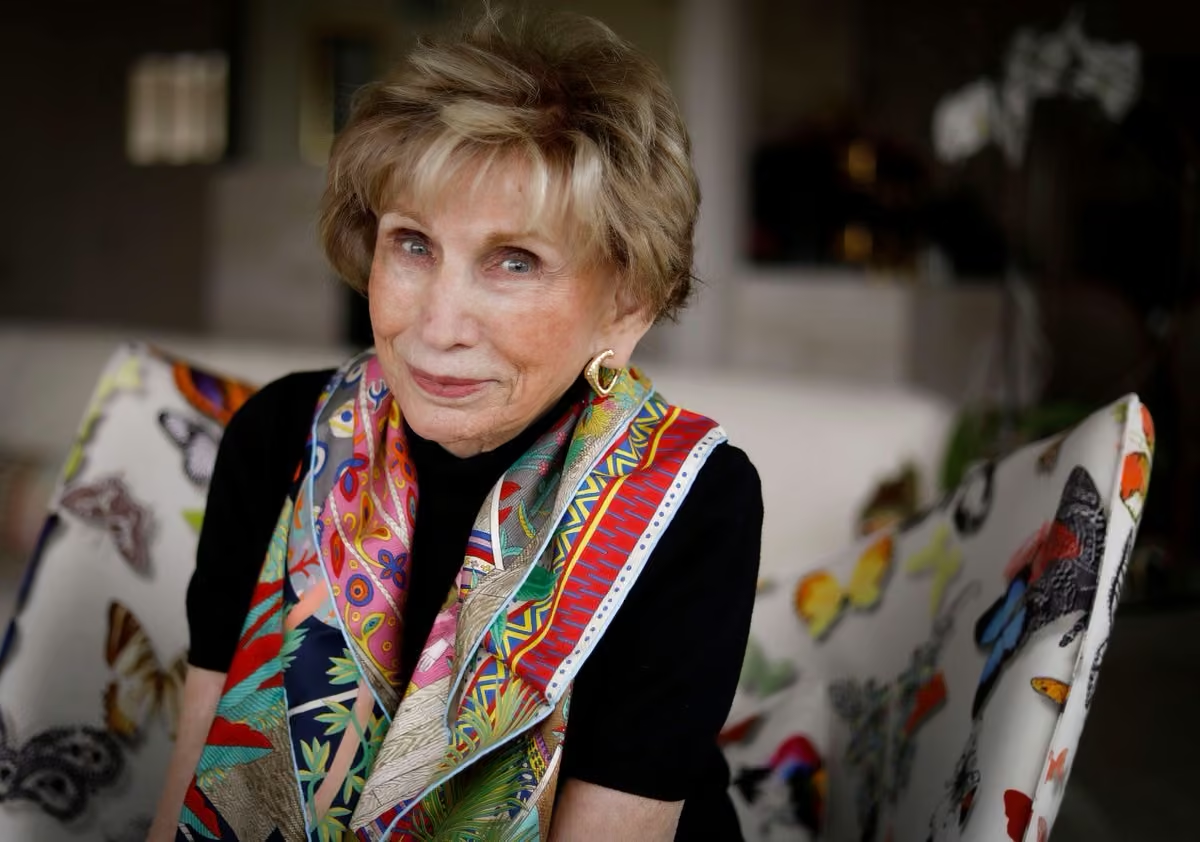
Edith Eger was resolved to keep her story of survival and loss during the Holocaust a secret, but learned that in keeping secrets, she wasn’t reconciling her own pain. She became a renowned author and psychologist. She passed away yesterday at the age of 98. 📷: Alamy
 US Holocaust Museum
@HolocaustMuseum
#otd in 1915, Ottoman authorities arrested hundreds of Armenian leaders in Constantinople (today, Istanbul)—the start of the Armenian genocide. As many as 1.2 million people were killed during the #armeniangenocide between spring 1915 to fall 1916. encyclopedia.ushmm.org/content/en/article/the-armenian-ge…
 US Holocaust Museum
@HolocaustMuseum
In January 2027, our Museum is excited to welcome @Musealia @AuschwitzMuseum's acclaimed exhibit "Auschwitz. Not long ago. Not far away.” Learn more: www.ushmm.org/information/press/press-releases/acclaimed-…
 US Holocaust Museum
@HolocaustMuseum
Luba Tryszynska, known as "The Angel of Belsen," helped more than 40 Jewish children survive after they had been left for dead in the cold at the Bergen-Belsen concentration camp. #otd in 1945 they were liberated by the British. Luba's own son was murdered at Auschwitz. 📸 @I_W_M
 US Holocaust Museum
@HolocaustMuseum
1/ To mark Days of Remembrance, we gathered at the US Capitol today to commemorate the six million Jews who were murdered during the Holocaust and the other victims of Nazi persecution. We also honored survivors, rescuers, and liberators. www.ushmm.org/watch/2026-days-of-remembrance-commemoration
 US Holocaust Museum
@HolocaustMuseum
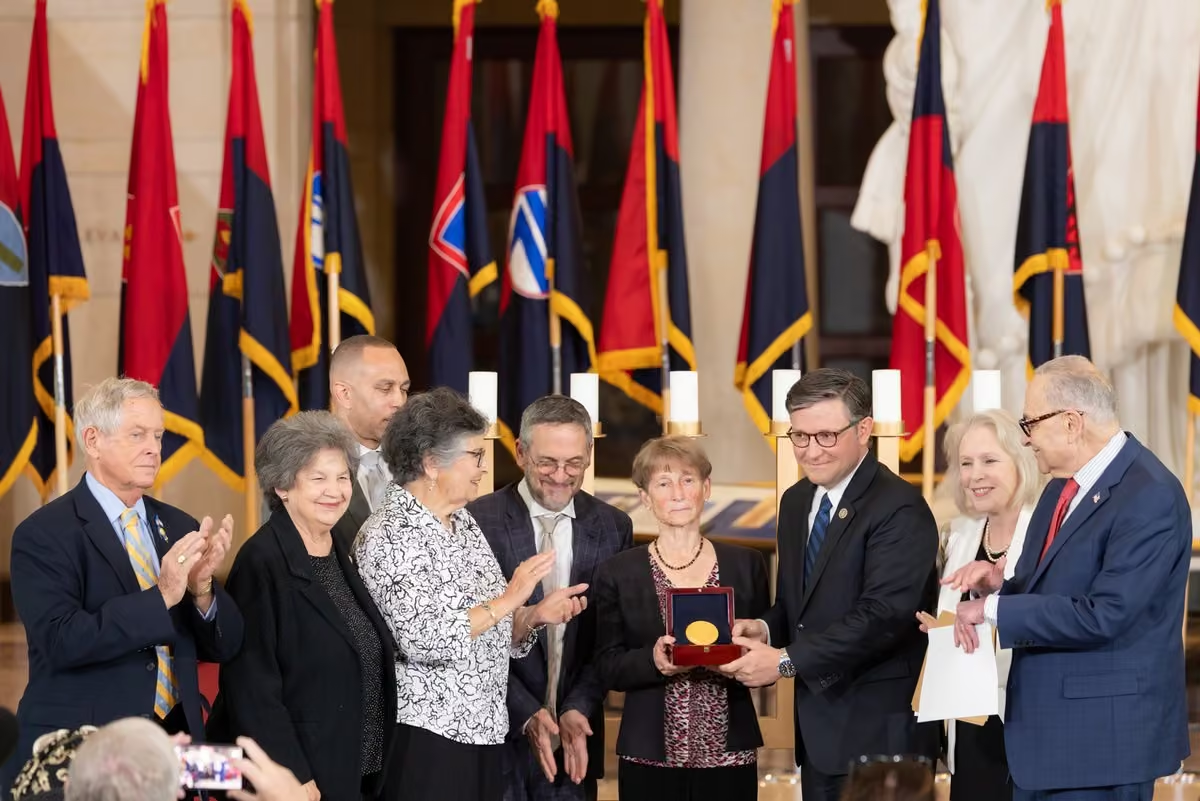
2/ @SpeakerJohnson, along with @RepLoisFrankel, @RepJoeWilson, @SenGillibrand, @RepJeffries, and @SenSchumer, presented the Congressional Gold Medal posthumously to Nuremberg Prosecutor Benjamin Ferencz. His family accepted it on his behalf.
 US Holocaust Museum
@HolocaustMuseum
3/ We also heard remarks from Museum Chair Jeffrey L. Miller (@JeffMillerCA2TX) about the importance of Holocaust memory and the dangers of antisemitism, “History teaches us that where antisemitism is allowed to flourish, attacks on liberty and democracy soon follow.”
 US Holocaust Museum
@HolocaustMuseum
4/ Secretary of Commerce @HowardLutnick spoke about the importance of Holocaust remembrance and confronting antisemitism today.
 US Holocaust Museum
@HolocaustMuseum
5/ Holocaust survivors spoke about their loved ones and together we mourned those who have no one to remember them.
 US Holocaust Museum
@HolocaustMuseum
6/6 This year’s observance is especially important, given the continuing surge in violent antisemitism and relentless Holocaust denial and distortion.
US Holocaust Museum
@HolocaustMuseum
Watch the national commemoration of the Days of Remembrance live as we remember the six million Jews who were murdered during the Holocaust and the other victims of Nazi persecution. www.ushmm.org/watch/2026-days-of-remembrance-commemoration
US Holocaust Museum
@HolocaustMuseum
These Holocaust survivors lost nearly everyone they loved—just because they were Jewish. It's not a conspiracy. There is no debate.
Reply with a candle to show you will remember. 🕯️
US Holocaust Museum
@HolocaustMuseum
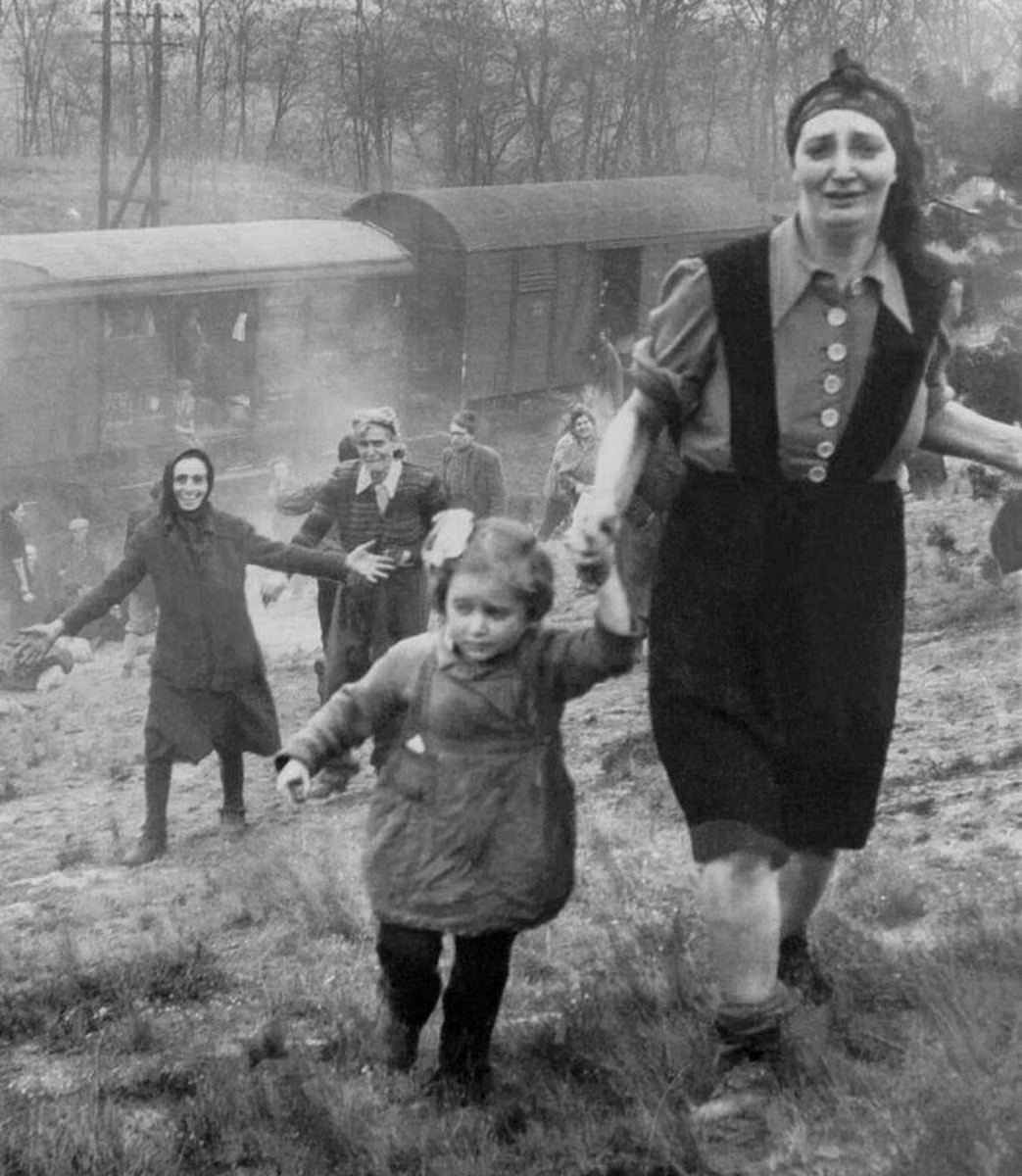
#otd in 1945, American troops fighting their way across Europe came upon an abandoned train near Farsleben, Germany. The train held about 2,500 concentration camp prisoners—some dead and others suffering from malnutrition and lack of medical care. #america250
📸: National Archives
 US Holocaust Museum
@HolocaustMuseum
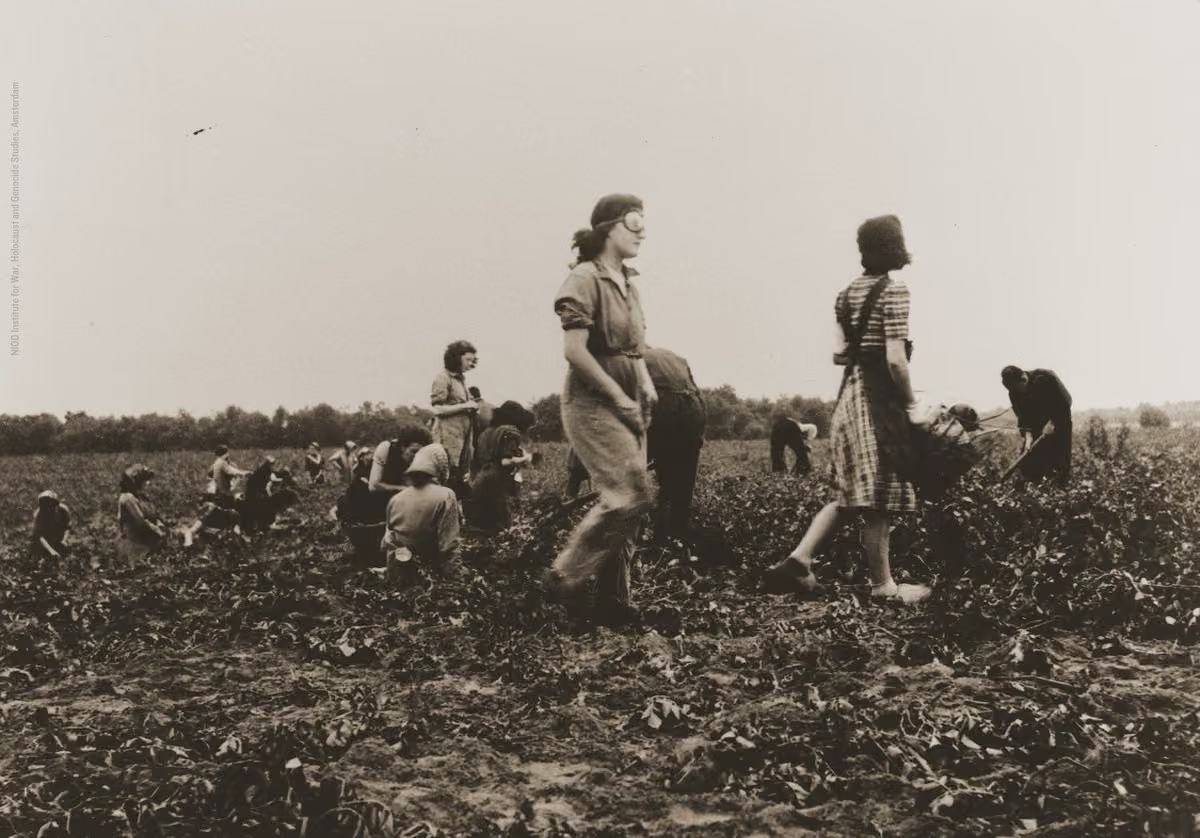
Eline Hoekstra called her liberation from Westerbork “an unforgettable type of thing.” Canadian forces liberated the camp #otd in 1945. Most of the 100,000 Jews who spent time there were deported and killed. Eline and her parents were among the about 5,000 survivors.
 US Holocaust Museum
@HolocaustMuseum
#otd in 1945, US troops liberated the Buchenwald concentration camp. In the final months of the war, prisoners hid hundreds of children, disguising their identities and sharing scarce resources. As a result, 904 kids—later known as the "Buchenwald Boys"—were still alive at liberation. 📷: USHMM, courtesy of Fred Kahn #america250
 US Holocaust Museum
@HolocaustMuseum
"The things I saw beggar description." —General Dwight D. Eisenhower
#otd in 1945, Ohrdruf was liberated by American soldiers. It was one of the first Nazi camps to be liberated by the US Army. 📷: National Archives #america250
US Holocaust Museum
@HolocaustMuseum
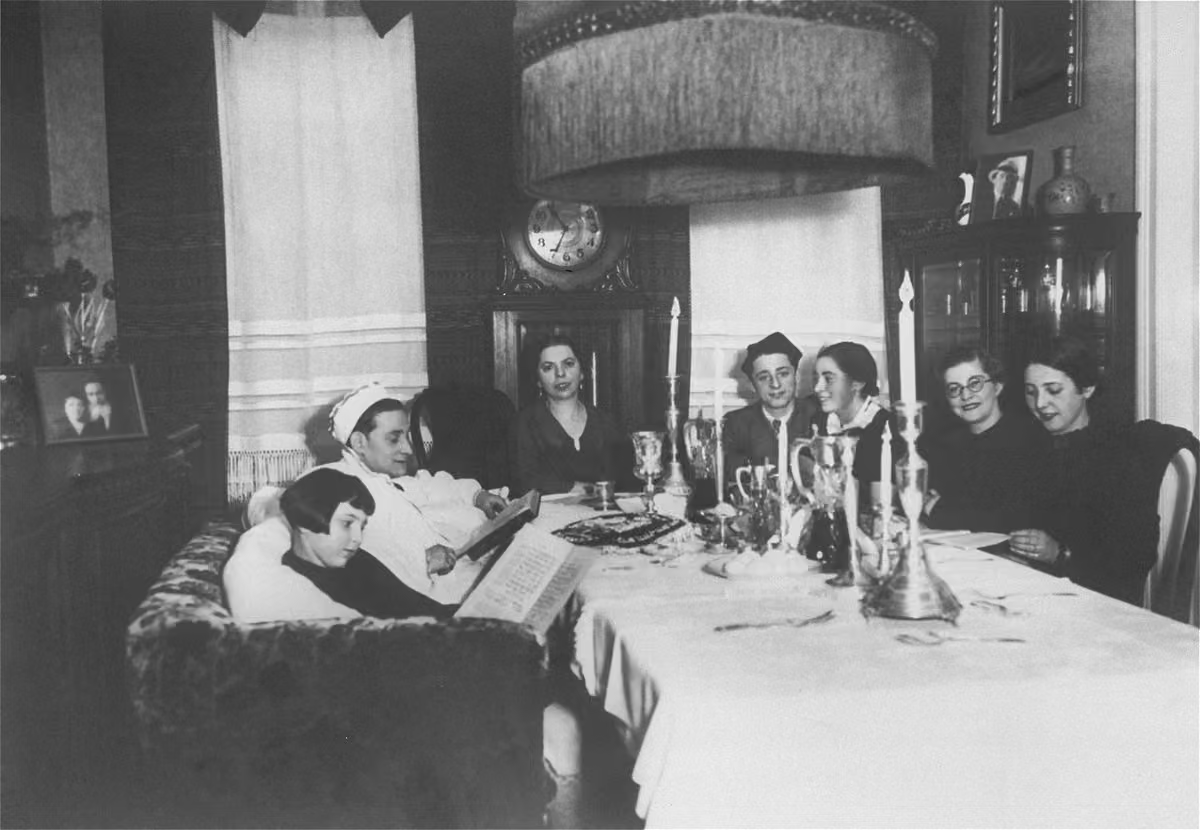
This photo of Leo Weissman’s family during Passover in Germany in 1937 was one of his “greatest treasures.” Passover, a Jewish holiday that marks the Israelites’ liberation from slavery in ancient Egypt, begins tonight. Leo survived five camps and prisons during the Holocaust.
 US Holocaust Museum
@HolocaustMuseum
#onthisday in 1933—about two months after coming to power—the Nazis staged a nationwide boycott of Jewish-owned businesses. It signaled the start of the Nazi regime's efforts to exclude Jews from the German economy and ultimately all aspects of German society. Photo: National Archives
encyclopedia.ushmm.org/content/en/article/the-boycott-of-…
 US Holocaust Museum
@HolocaustMuseum
#otd in 1944, Nazi Germany invaded Hungary—home to the largest remaining Jewish population in Europe at the time. Even as Allied forces closed in, the Germans and their collaborators murdered about 500,000 Jews in Hungary in just one year. Photo: Yad Vashem
 US Holocaust Museum
@HolocaustMuseum
Due to projected weather conditions, our Museum will close today, March 16, at 1:30 PM. www.ushmm.org
US Holocaust Museum
@HolocaustMuseum
In March 1943, Bulgarian authorities forced Thracian Jews from their homes, boarded them onto trains, and then onto ships to Vienna. There, they were put on trains bound for the Treblinka killing center, where they were murdered after a 1,000-mile journey. Photo: USHMM, courtesy of Central Zionist Archives
encyclopedia.ushmm.org/content/en/article/bulgaria
 US Holocaust Museum
@HolocaustMuseum
Words matter. The mainstreaming of antisemitic rhetoric has dangerous real world consequences. Today's attack on a Michigan synagogue is yet another in a string of examples. Allowing anti-Jewish hatred to go unchecked harms Jews and is a threat to all of society.
 US Holocaust Museum
@HolocaustMuseum
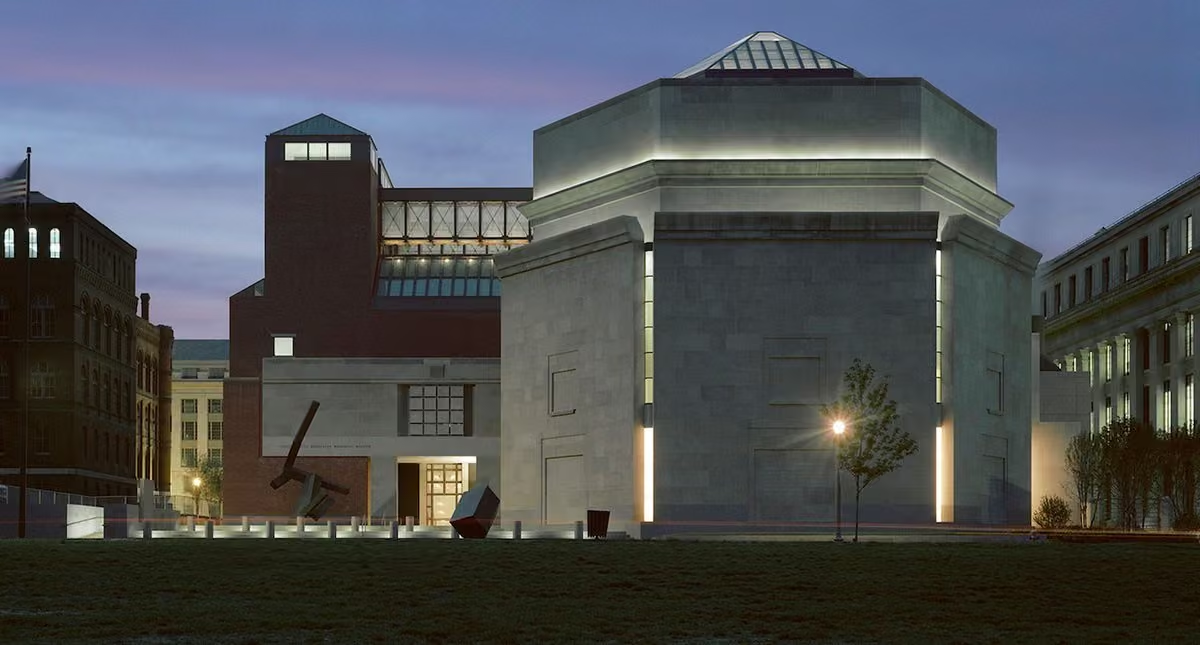
The Museum welcomes President Trump's appointment of Jeffrey Miller as new Chairman of the United States Holocaust Memorial Council. Edward Glazer and Elizabeth Pipko also appointed to Museum's governing board. www.ushmm.org/information/press/museum-welcomes-president…
 US Holocaust Museum
@HolocaustMuseum
Due to inclement weather, the Museum will be open Monday, February 23, at 11:00 a.m. For those who need to reschedule passes, please contact visitorsmail@ushmm.org. ushmm.org
 US Holocaust Museum
@HolocaustMuseum
Future US President Dwight D. Eisenhower was forever changed by the horrors he witnessed at Ohrdruf concentration camp in April 1945. He became determined to preserve evidence of the brutality and share the truth of Nazi crimes with the world. #america250 📷: National Archives
 US Holocaust Museum
@HolocaustMuseum
In a place built to destroy life, a mother and her newborn survived.
US Holocaust Museum
@HolocaustMuseum
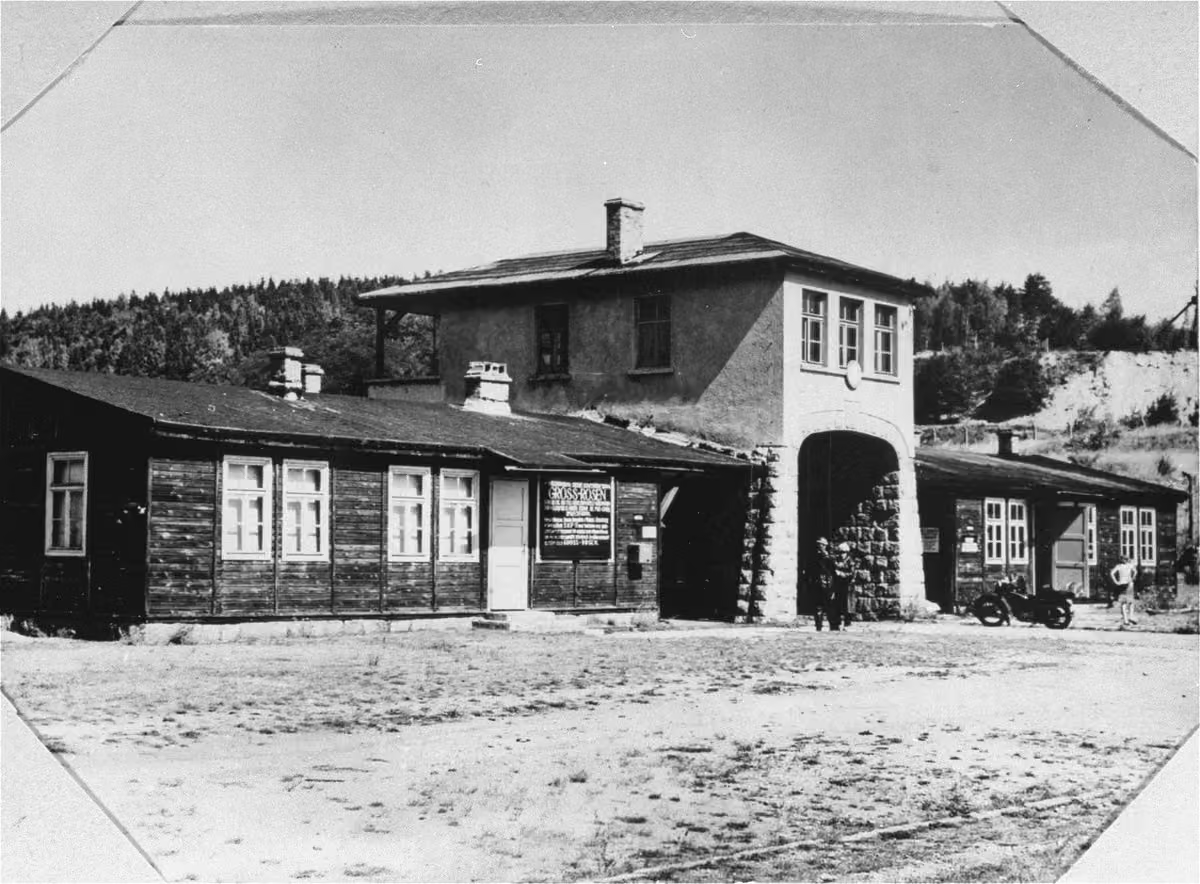
#otd in 1945, Soviet forces liberated the Gross-Rosen main camp. It is estimated that of the 120,000 prisoners who passed through the Gross-Rosen camp system, at least 40,000 died either in Gross-Rosen or during the evacuation of the camp.
Photo: Instytut Pamiȩci Narodowej
 US Holocaust Museum
@HolocaustMuseum
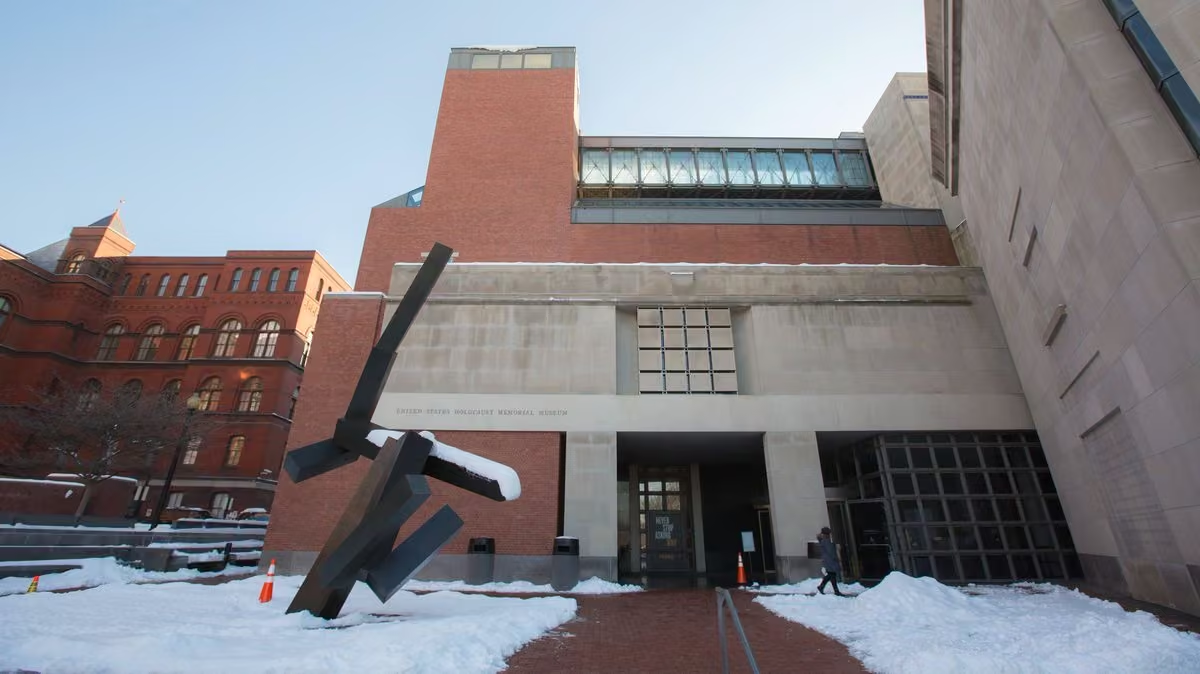
Due to inclement weather, the Museum will be open Wednesday, January 28, at 11:00 a.m. For those who need to reschedule passes, please contact visitorsmail@ushmm.org. ushmm.org
 US Holocaust Museum
@HolocaustMuseum
On International Holocaust Remembrance Day, as Holocaust denial and violent antisemitism surge globally, its lessons about why our choices matter have never been more urgent. Yet the abuse and exploitation of Holocaust memory have become alarmingly commonplace. It must stop.
 US Holocaust Museum
@HolocaustMuseum
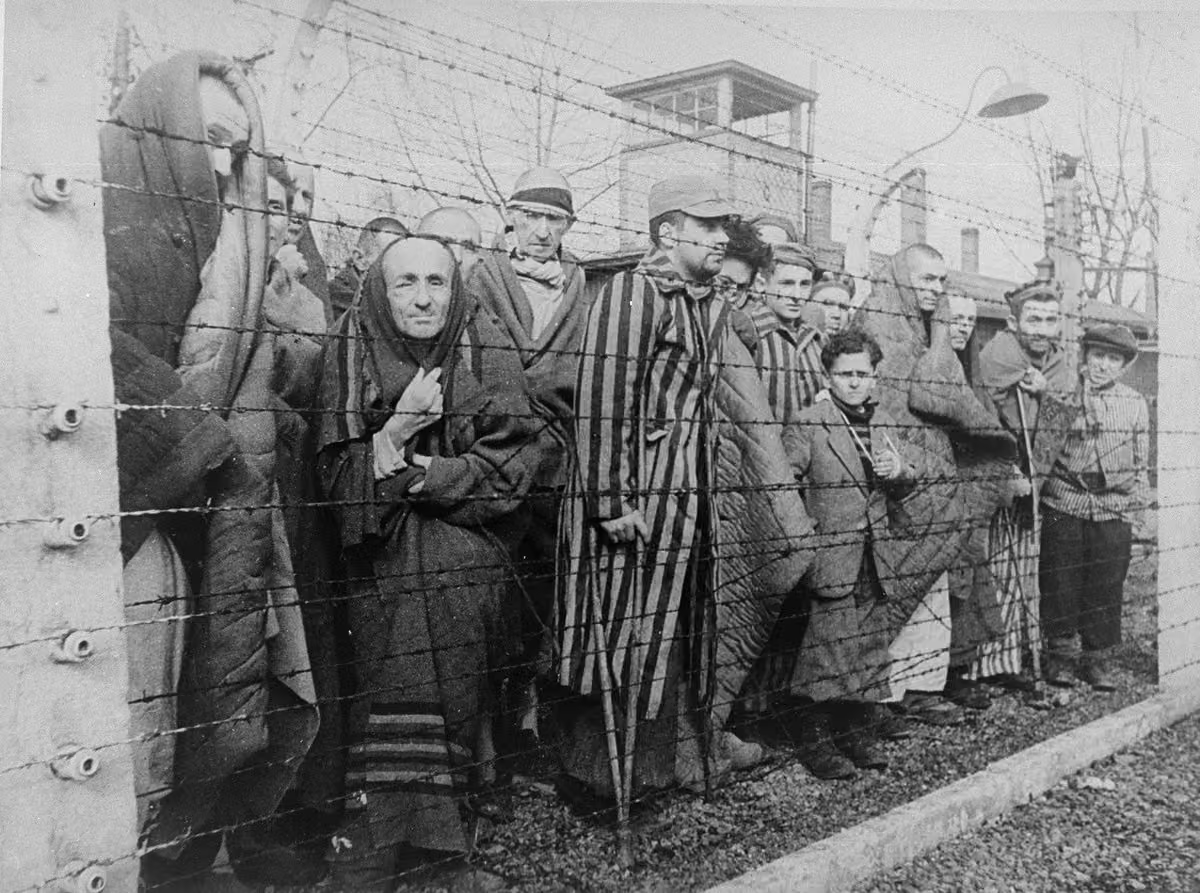
#otd 81 years ago, Auschwitz was liberated by Soviet troops. The Germans established the Auschwitz camp complex in the spring of 1940 in German-occupied Poland. About 1.1 million people were killed there, including about one million Jews. #holocaustremembranceday
 US Holocaust Museum
@HolocaustMuseum
Due to inclement weather, the Museum will be closed on Tuesday, January 27. For those who need to reschedule passes, please contact visitorsmail@ushmm.org. ushmm.org
 US Holocaust Museum
@HolocaustMuseum
Anne Frank was targeted and murdered solely because she was Jewish. Leaders making false equivalencies to her experience for political purposes is never acceptable. Despite tensions in Minneapolis, exploiting the Holocaust is deeply offensive, especially as antisemitism surges.
 US Holocaust Museum
@HolocaustMuseum
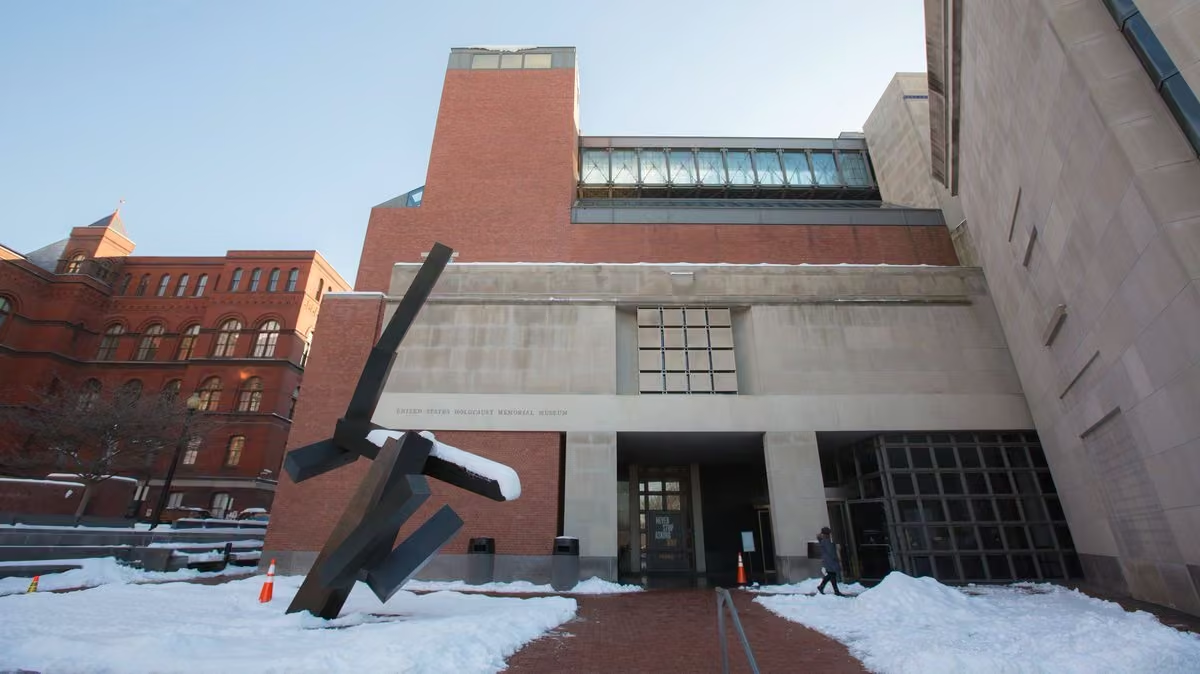
Due to inclement weather, the Museum will be closed Sunday, January 25 and Monday, January 26. For those who need to reschedule passes, please contact visitorsmail@ushmm.org. www.ushmm.org
 US Holocaust Museum
@HolocaustMuseum
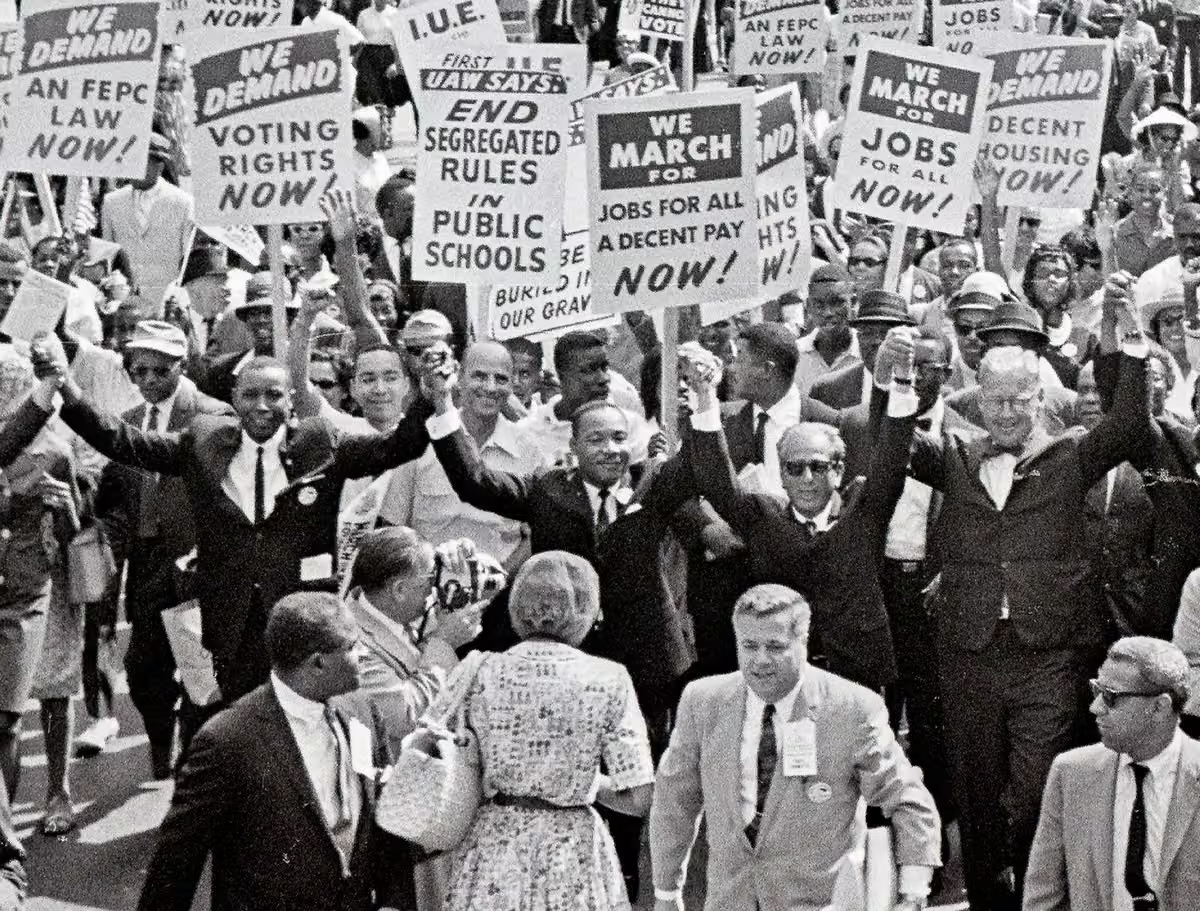
Pictured here are Dr. Martin Luther King, Jr., and Holocaust survivor Rabbi Joachim Prinz protesting at the 1963 March on Washington. Dr. King's message of tolerance and equality resonated with Prinz after his experiences in Nazi Germany. 📷: Alamy
 US Holocaust Museum
@HolocaustMuseum
The arson attack on Mississippi’s largest synagogue is yet another vile attack against the Jewish people and American society as a whole. It must be universally condemned. We stand with the Jackson community and thank law enforcement for swiftly apprehending a suspect.
 US Holocaust Museum
@HolocaustMuseum
There’s a good reason the US and dozens of other countries and cities have adopted the IHRA definition of antisemitism. When leaders move to revoke it, like what happened today in New York, it should alarm everyone—especially as violence against Jews is dangerously escalating.
 US Holocaust Museum
@HolocaustMuseum
At 13 years old, Steven Fenves found a way to survive at Auschwitz. He joined the resistance, served as an interpreter, and survived a death march before being liberated by American soldiers. Years later, Steven shared his story with visitors from around the world at our Museum.
 US Holocaust Museum
@HolocaustMuseum
#otd in 1944, the US Army Air Forces bombed the I. G. Farben synthetic oil and rubber (Buna) factories—less than five miles from the Birkenau (Auschwitz II) killing center. The decision not to target Auschwitz-Birkenau itself is still debated today. 📷: Beit Lohamei Haghetaot
 US Holocaust Museum
@HolocaustMuseum
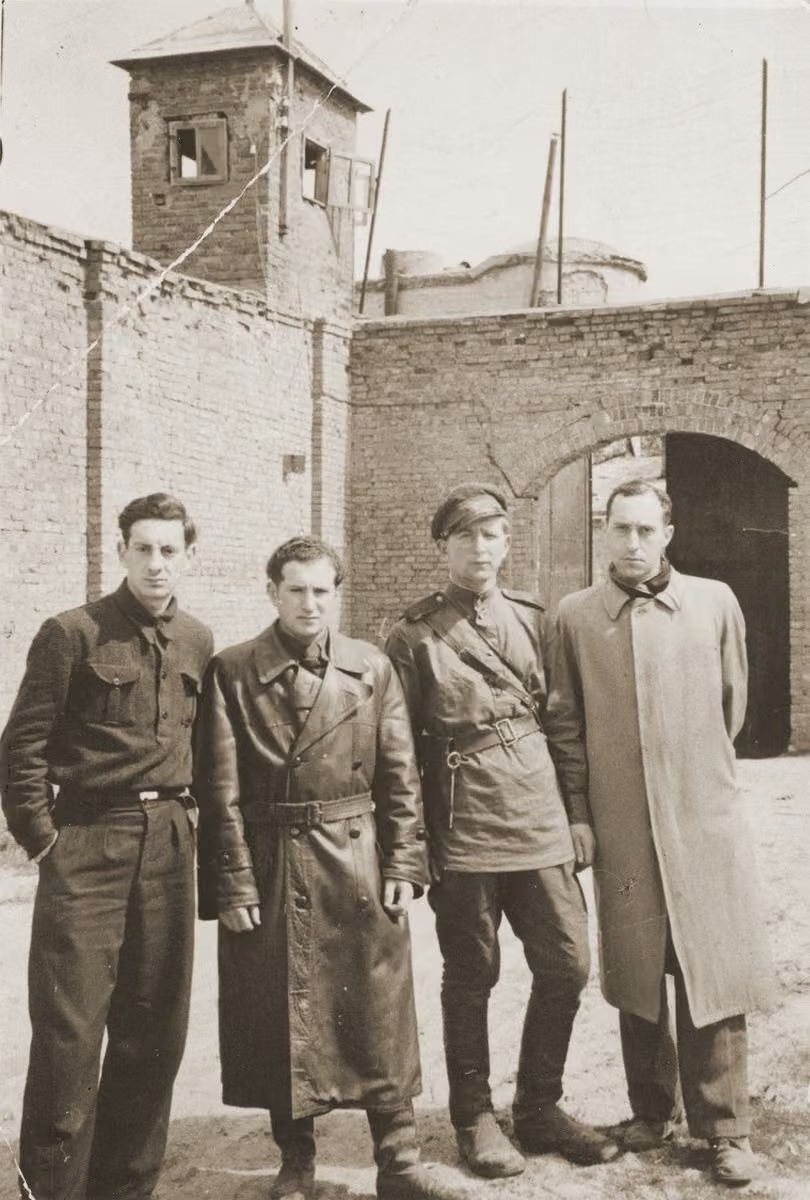
On Christmas 1943, Berl Gempel (second from the left) made a daring escape that likely saved his life. He and dozens of other prisoners fled the Ninth Fort, a Nazi torture and mass murder site in German-occupied Kaunas.
 US Holocaust Museum
@HolocaustMuseum
The Museum and its exhibitions will be closed tomorrow, Thursday, December 25. It will re-open on Friday, December 26, from 10 a.m. to 5:30 p.m. Final Link
www.ushmm.org
US Holocaust Museum
@HolocaustMuseum
Across Nazi-occupied Europe the swastika symbolized the genocide of the European Jewry. Six million Jews were murdered in the Holocaust. Today, as antisemitism surges, it continues to fuel violence against Jews worldwide. encyclopedia.ushmm.org/content/en/article/history-of-the-…
US Holocaust Museum
@HolocaustMuseum
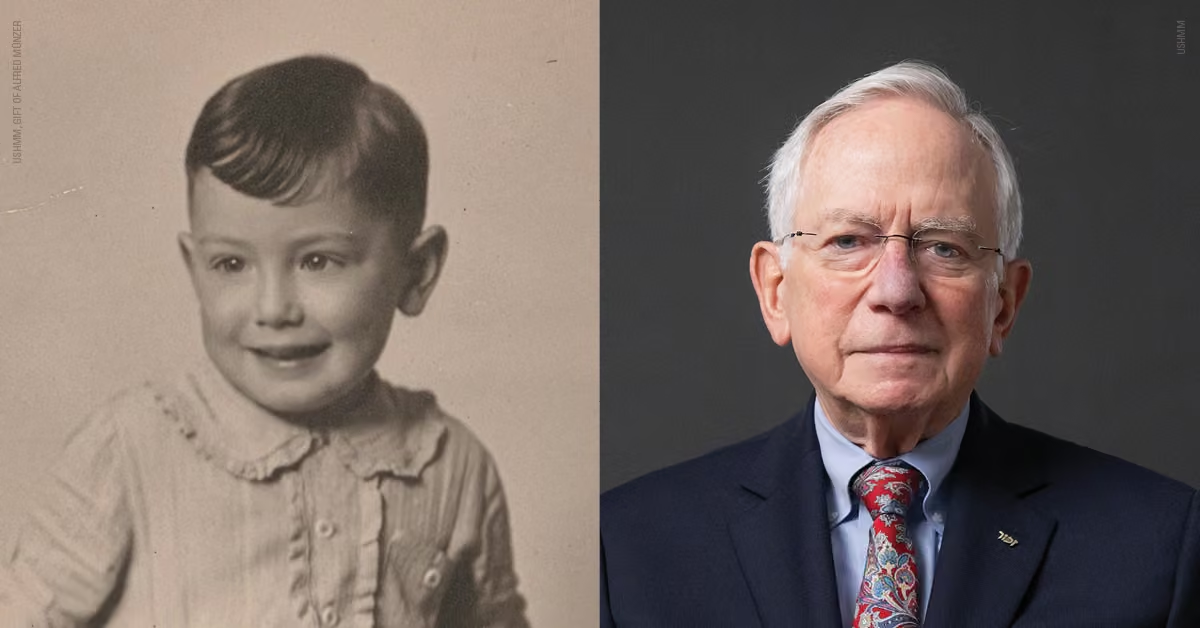
“The Holocaust deprived me of a father, sisters, grandparents, aunts, and uncles. I was fortunate, however, to be reunited with my mother when I was 3½.” Find out who cared for Al Münzer while his parents were imprisoned in Nazi camps, today at 1 p.m. ET, live on First Person.
 US Holocaust Museum
@HolocaustMuseum
1/3 For centuries, Jews have gathered to commemorate Hanukkah—a holiday centered around bringing light into darkness and the strength of the Jewish spirit.
 US Holocaust Museum
@HolocaustMuseum
2/3 Amid today’s horrific deadly shooting in Australia and surging antisemitism around the world, we must all speak out against anti-Jewish hate whenever we see it.
US Holocaust Museum
@HolocaustMuseum
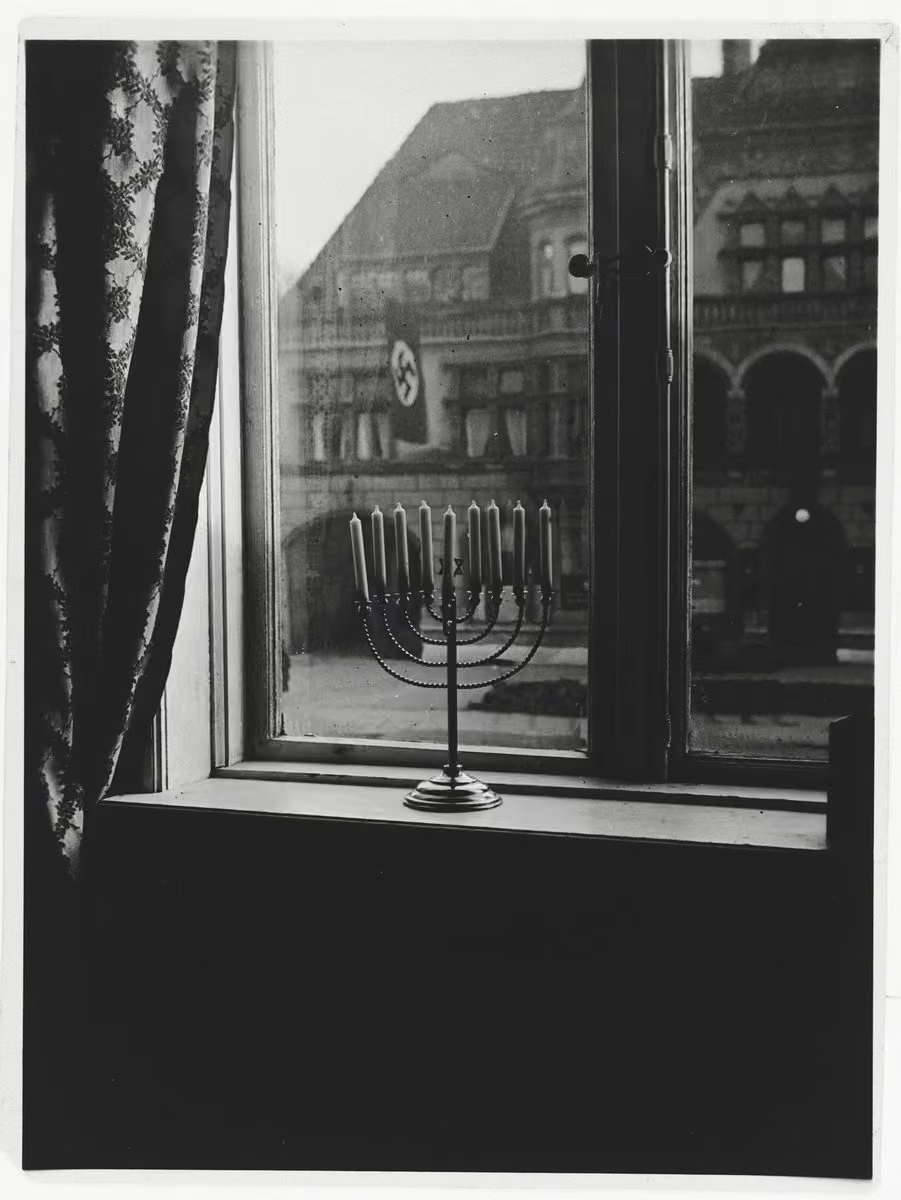
3/3 Photo: During Hanukkah 1931, Rabbi Akiva Posner’s family set a menorah in the window—an outward sign of their faith. Through the glass, a swastika flag flew at a Nazi Party office. The family fled Nazi Germany in 1933 with the candleholder. Their descendants still light it.
US Holocaust Museum
@HolocaustMuseum
Words matter. Repeated calls to “globalize the intifada” predictably resulted in Jews, including a Holocaust survivor, being murdered in cold blood. We mourn with the victims’ families and the Australian Jewish community and applaud Ahmed al Ahmed, who heroically intervened.
 US Holocaust Museum
@HolocaustMuseum
Australian Jews celebrating Hanukkah were brutally murdered by antisemitic terrorists simply for being Jewish. The normalization of antisemitic violence is vile and its spread worldwide alarming. Jews everywhere are under threat. And so is society. Everyone must unequivocally condemn and confront this growing danger.
 US Holocaust Museum
@HolocaustMuseum
#otd in 1941, the Japanese military launched a surprise attack on the US naval base at Pearl Harbor, prompting the United States to enter World War II. When US troops finally landed in Europe in 1943, the Nazis and their collaborators had already killed millions of Jews. 📷: NARA
 US Holocaust Museum
@HolocaustMuseum
“People needed to be rescued. We did whatever we could—we had to do something.” —Władysław Bartoszewski
#otd in 1942, the Council for Aid to Jews ("Żegota")—a secret rescue organization supported by the Polish government-in-exile—was established.
 US Holocaust Museum
@HolocaustMuseum
We were proud to recently host Holocaust survivor Sami Steigmann. At a time of unprecedented antisemitism and Holocaust denial, prohibiting Sami or any Holocaust survivor from educating students about the dangers of antisemitism and the genocide of Europe’s Jews is outrageous.
 US Holocaust Museum
@HolocaustMuseum
“The Nazis took all the Jewish businesses away,” remembered Holocaust survivor Irene Frank.
#otd in 1938, the German government issued the Decree on the Utilization of Jewish Property, forcing Jews to close their businesses or sell them to non-Jews. encyclopedia.ushmm.org/content/en/article/aryanization
 US Holocaust Museum
@HolocaustMuseum
#otd in 1938, the first group of Jewish children arrived in Great Britain. Known as the Kindertransport, this rescue effort helped about 10,000 child refugees flee Nazi violence in Germany and occupied territories. Most children would never see their families again.
 US Holocaust Museum
@HolocaustMuseum
Holocaust survivors are frightened and appalled by the raging antisemitism they see today. Our Museum exists to confront this hate—but we can’t do this work without you. Donate today. #givingtuesday donate.ushmm.org/a/triple-your-impact-giving-tuesday-2
US Holocaust Museum
@HolocaustMuseum
For Holocaust survivor Rae Goldfarb, Thanksgiving marks the anniversary of immigration to the US. She recalls her first Thanksgiving: “It is very memorable to me because it was a dual celebration for us. We were grateful to finally join my aunt and find a permanent home.”
Photo: USHMM, gift of Rachel Goldfarb
 US Holocaust Museum
@HolocaustMuseum
“World’s Worst Horror Story,” read the headline of a Florida newspaper #otd in 1944.
The article described an eyewitness report about Auschwitz. For many Americans, it was the first time they learned of the freight cars, gas chambers, and crematoria. 📷: Yad Vashem
 US Holocaust Museum
@HolocaustMuseum
After the war, prosecutors at the Nuremberg Trials used the Nazis' own documents against them. They presented thousands of German documents, perpetrator testimonies, and even film recorded by Nazi officials—irrefutable evidence documenting the full scope of the Holocaust and other Nazi crimes. encyclopedia.ushmm.org/content/en/article/international-m…
 US Holocaust Museum
@HolocaustMuseum
Gerald Schwab fled the Nazis as a teen. At 21, he helped bring them to justice. Learn more about Gerald's role during the Nuremberg Trials. medium.com/memory-action/how-a-21-year-old-helped-bring-n…
US Holocaust Museum
@HolocaustMuseum
The Nazis didn't invent the swastika, but they permanently cemented it as a powerful symbol of antisemitism and hate that signifies the murder of six million Jews in the Holocaust and millions of others. Learn about its history. encyclopedia.ushmm.org/content/en/article/history-of-the-…
US Holocaust Museum
@HolocaustMuseum
In November 1945, the International Military Tribunal at Nuremberg was opened. Twenty-four leading Nazi officials were tried in front of a panel of judges from each of the four major Allied countries—France, Great Britain, the Soviet Union, and the United States.
US Holocaust Museum
@HolocaustMuseum
Calling for violence against Jews and Israelis is outrageous and doing so at a synagogue whose rabbi is a Holocaust survivor is a singular abomination that must be universally condemned.
 US Holocaust Museum
@HolocaustMuseum
“I’m alive today because of good people who stood up to evil.” Born just weeks before Hitler came to power, Fred Kahn’s life was shaped by his family’s love and the kindness of strangers. As a volunteer at our Museum, he shared his story with visitors from around the world.
 US Holocaust Museum
@HolocaustMuseum
As a Jewish child, Joan Da Silva moved from family to family to stay safe from the Nazis in German-occupied Poland, pretending to be Catholic. “I knew that I must never tell anybody that I was Jewish.” Watch Joan’s first appearance on First Person today at 1 p.m. ET.
 US Holocaust Museum
@HolocaustMuseum
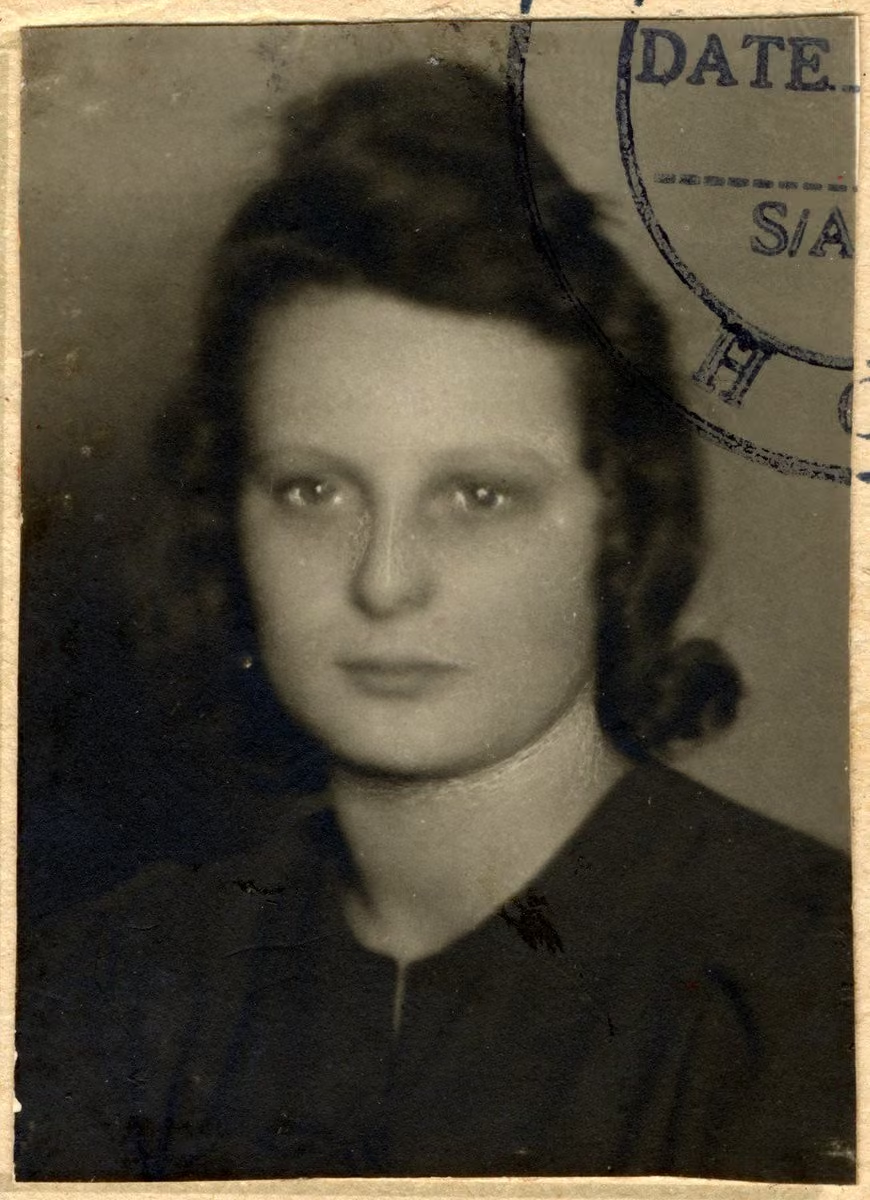
"They called the ghetto the death box." —Estelle Laughlin
When the Germans sealed the Warsaw ghetto in November 1940, Estelle and about 400,000 Jews were separated from the world. Click to learn what happened to Estelle and her family: www.ushmm.org/remember/holocaust-survivors/volunteers/est…
 US Holocaust Museum
@HolocaustMuseum
Alice Plocki's family owned a large clothing store in her hometown. #otd in 1938, Nazi Germany forbade Jews from operating retail stores, forcing the family to sell their business. Neighbors managed to save Alice's wedding dress. However, Alice did not survive. 📷:Yad Vashem

 US Holocaust Museum
@HolocaustMuseum
American veteran Bud Gahs never forgot the moment he met a Holocaust survivor. What Bud witnessed has stayed with him to this day.
US Holocaust Museum
@HolocaustMuseum
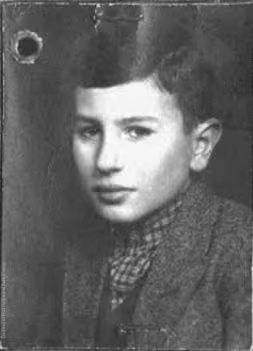
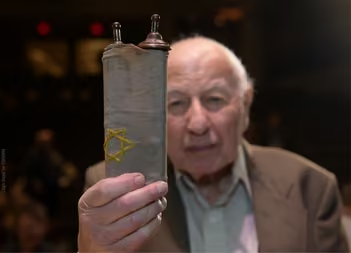
In November 1938, Nazis burned down 10-year-old Fred Flatow's synagogue in Königsberg, Germany, during Kristallnacht, a violent, state-sponsored anti-Jewish riot. When his family fled to Chile nearly a year later, Fred took the small Torah he rescued from the synagogue with him.
Learn more about Kristallnacht—the "Night of Broken Glass.”: encyclopedia.ushmm.org/content/en/article/kristallnacht
 US Holocaust Museum
@HolocaustMuseum
Our Museum will remain open to the public through Friday, November 14, 2025, amid the government shutdown. Details regarding our operating status can be found here: www.ushmm.org/information/visit-the-museum/plan-your-visit
 US Holocaust Museum
@HolocaustMuseum
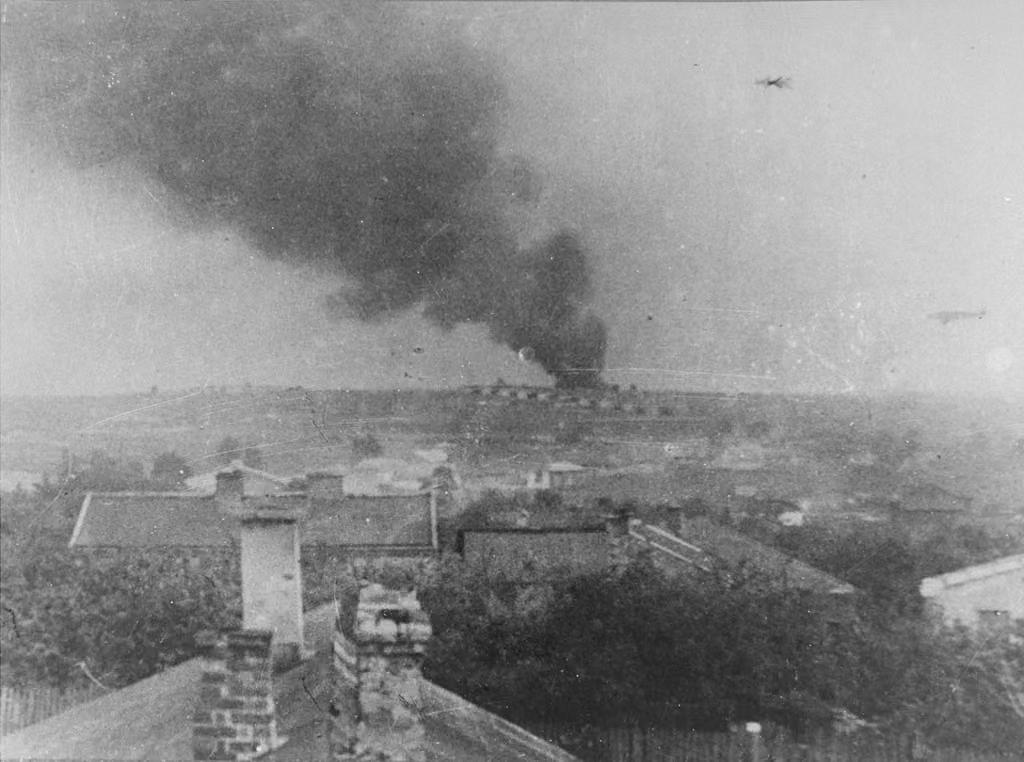
#otd in 1943 SS and police units began a killing operation codenamed "Harvest Festival" in the Lublin district of German-occupied Poland. Over the course of just two days, approximately 42,000 Jewish people were murdered, making it one of the largest massacres of the Holocaust. Learn more: encyclopedia.ushmm.org/content/en/article/aktion-erntefes…
 US Holocaust Museum
@HolocaustMuseum
After French resistance member Charlotte Delbo was arrested in 1942, she spent the following three years in various prisons and camps, including Auschwitz. After the war, Charlotte wrote extensively about the horrors she saw and experienced in her book, "Auschwitz and After."
US Holocaust Museum
@HolocaustMuseum
Our Museum will remain open to the public through Friday, November 7, 2025, amid the government shutdown. Details regarding our operating status can be found here: www.ushmm.org/information/visit-the-museum/plan-your-visit
 US Holocaust Museum
@HolocaustMuseum
#otd in 1941, Nazis ordered 9,2000 Jewish men, women, and children to leave the Kovno Ghetto for Fort IX. There, the Jews were ordered to undress before being shot and buried in mass graves. Pictured are items belonging to some of the victims, recovered during excavations. Learn more: encyclopedia.ushmm.org/content/en/article/kovno
 US Holocaust Museum
@HolocaustMuseum
Our Museum will remain open to the public through Friday, October 31, 2025, amid the government shutdown. Details regarding our operating status can be found here: www.ushmm.org/information/visit-the-museum/plan-your-visit
 US Holocaust Museum
@HolocaustMuseum
“I am here!” proclaimed Holocaust survivor Ruth Cohen when she returned to Auschwitz-Birkenau for the first time earlier this year. Find out how she survived the camp where Nazi Germany killed nearly one million Jewish people—today at 1 p.m. ET on First Person.
US Holocaust Museum
@HolocaustMuseum
Our Museum will remain open to the public through Friday, October 24, 2025, amid the government shutdown. Details regarding our operating status can be found here: www.ushmm.org/information/visit-the-museum/plan-your-visit
 US Holocaust Museum
@HolocaustMuseum
Hermann Göring was one of the most powerful men in Nazi Germany, functioning at times as Hitler's number two. After being convicted and sentenced to death at the International Military Tribunal at Nuremberg, he escaped execution by killing himself #otd in 1946. 📷: NARA
 US Holocaust Museum
@HolocaustMuseum
By the time prisoners at the Sobibor killing center revolted #onthisday in 1943, at least 167,000 Jews had already been killed there. While 300 prisoners managed to escape during the uprising, only 50 survived the Holocaust. Learn more about the Sobibor uprising here:
US Holocaust Museum
@HolocaustMuseum
The Museum applauds President Trump’s historic peace plan and ceasefire agreement leading to the long-overdue release of the remaining living hostages.
www.ushmm.org/information/press/press-releases/the-museum…
 US Holocaust Museum
@HolocaustMuseum
Violent antisemitism has exploded since Hamas’s terrorist attacks against Israel #onthisday in 2023. This cannot become acceptable. It is not enough to condemn antisemitic violence. All sectors of society must confront it.
US Holocaust Museum
@HolocaustMuseum
Two years after Hamas’s terrorist attacks on Israel, the United States Holocaust Memorial Museum calls for immediate release of all hostages and reiterates the urgent need to confront the dangerous global surge of antisemitism. www.ushmm.org/information/press/press-releases/museum-cal…
 US Holocaust Museum
@HolocaustMuseum
As a Sonderkommando prisoner at Auschwitz, Polish Jew Załmen Gradowski had to remove corpses from gas chambers and burn them. In October 1944, he and other members of the Sonderkommando revolted, damaging one crematorium and killing several guards. Załmen did not survive.
 US Holocaust Museum
@HolocaustMuseum
Our Museum will remain open to the public through at least October 17, 2025, amid the government shutdown. Details regarding our operating status can be found here: www.ushmm.org/information/visit-the-museum/plan-your-visit
 US Holocaust Museum
@HolocaustMuseum
Our Museum is outraged at the deadly terrorist attack on the Heaton Park Hebrew Congregation in Manchester, United Kingdom, on Yom Kippur. Read our statement here: www.ushmm.org/information/press/press-releases/museum-out…
 US Holocaust Museum
@HolocaustMuseum
The killing of Jews at a Manchester synagogue on Yom Kippur, the holiest day of the year, is a horrific reminder of the threats facing Jews worldwide. This act of terrorism must be denounced and antisemitism confronted. Our thoughts and prayers are with the victims' families.
 US Holocaust Museum
@HolocaustMuseum
In observance of Yom Kippur, our Museum and offices will be closed tomorrow, Thursday, October 2. We will open for normal business hours on Friday, October 3. www.ushmm.org
US Holocaust Museum
@HolocaustMuseum
In the midst of Nazi persecution and violence in 1942, David Sephiha (second from left) and his family conducted services to mark Yom Kippur, which begins tonight. David did not survive the Holocaust.
 US Holocaust Museum
@HolocaustMuseum
In October 1946, the International Military Tribunal issued its verdicts on top Nazi leaders. While only a small number of Nazi leaders were tried by the IMT, it set important legal precedents and shaped international law today. 📷: Wikimedia
US Holocaust Museum
@HolocaustMuseum
Our Museum will remain open to the public through at least October 6, 2025, amid the government shutdown. Details regarding our operating status can be found here: www.ushmm.org/information/visit-the-museum/plan-your-visit
 US Holocaust Museum
@HolocaustMuseum
Elie Wiesel would have been 97 years old today. He survived the Holocaust and dedicated his life to remembrance.
Learn more about his legacy. encyclopedia.ushmm.org/content/en/article/elie-wiesel
 US Holocaust Museum
@HolocaustMuseum
#otd in 1941, one of the largest mass shootings of the Holocaust began. At Babyn Yar (Babi Yar), German forces and their auxiliaries murdered more than 33,000 Jews in just two days. encyclopedia.ushmm.org/content/en/article/kiev-and-babi-yar
US Holocaust Museum
@HolocaustMuseum
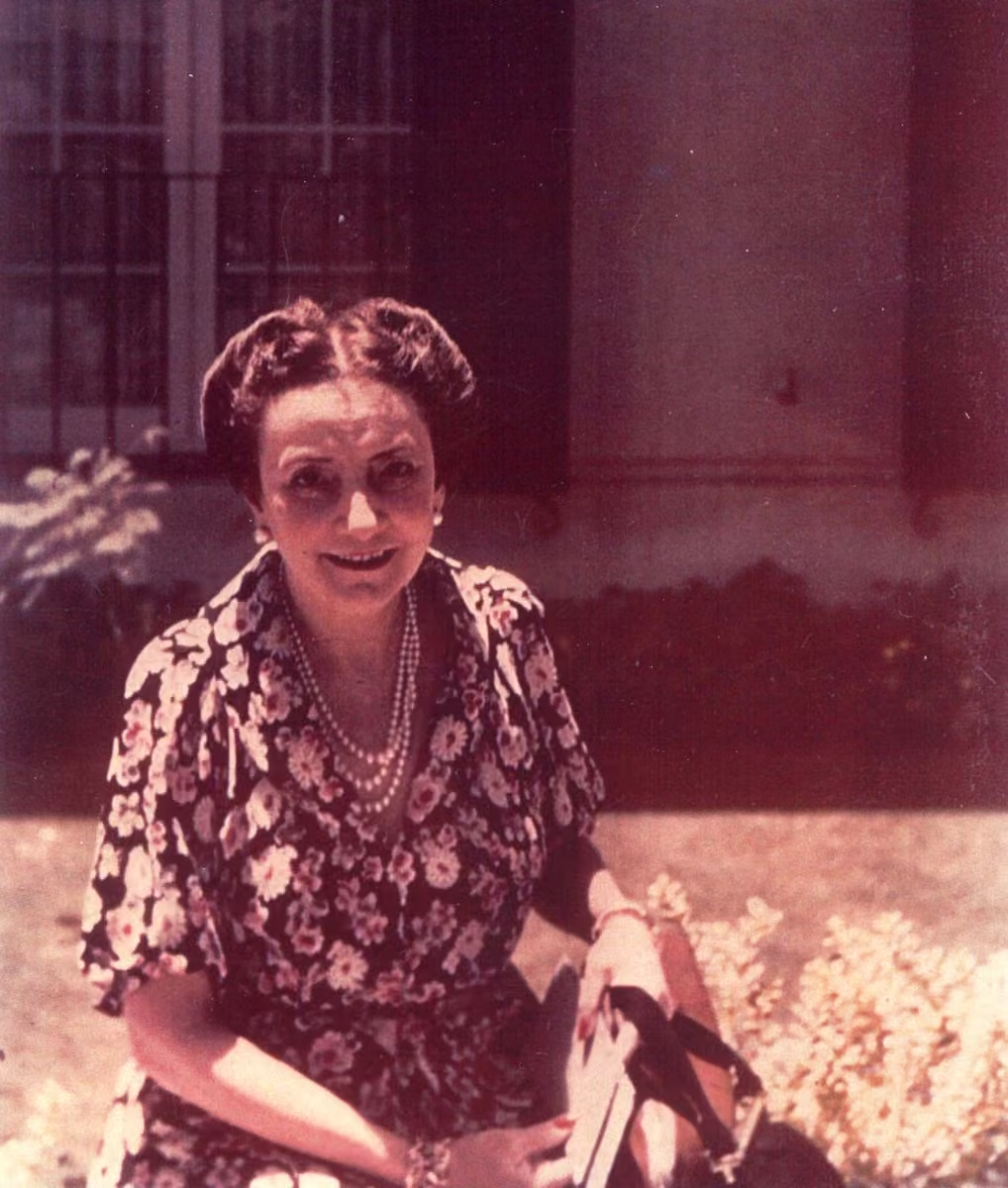
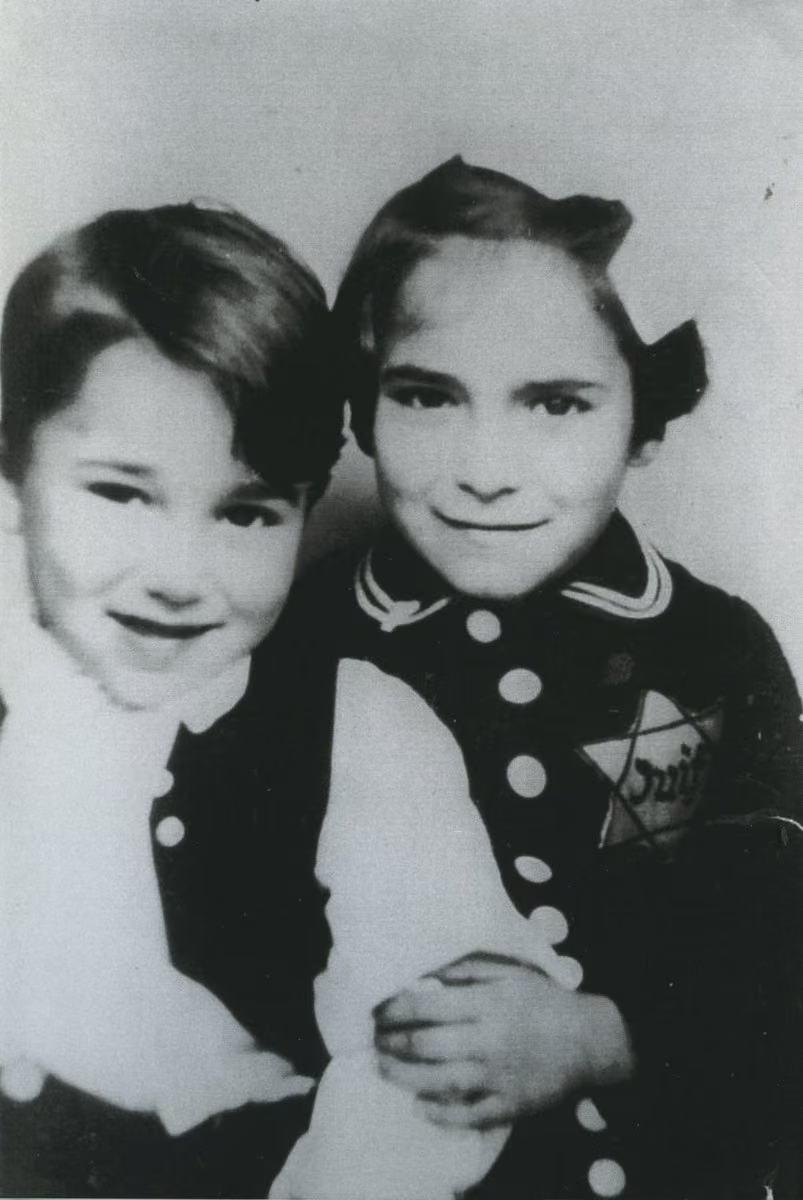
Betty Frydman survived the Holocaust with the help of social worker María Errázuriz. María helped seven-year-old Betty and her brother, Marcel, escape from Paris's Rothschild Hospital, which had been taken over by German authorities, by pretending they were dead. 📷: Yad Vashem
 US Holocaust Museum
@HolocaustMuseum
Aron Bell, who died this week at age 98, was the younger brother of Tuvia Bielski. With his brothers, Aron was a part of a partisan group that is now known as the most significant Jewish resistance effort against Nazi Germany during the Holocaust. encyclopedia.ushmm.org/content/en/article/the-bielski-par…
US Holocaust Museum
@HolocaustMuseum
Miriam Kabacznik remembered Eyshishok, in what is now Lithuania, as a "happy little town." Eighty-four years ago, it became the setting of a brutal massacre.
Learn what happened to Miriam and the Jews of Eyshishok in the Museum's podcast, "12 Years That Shook the World."
US Holocaust Museum
@HolocaustMuseum
If you've listened to the Museum's podcast, please take this anonymous survey. Your feedback will help us shape the future of the podcast.
www.ushmm.org/podcastsurvey
US Holocaust Museum
@HolocaustMuseum
Tonight marks the beginning of Rosh Hashanah, the Jewish New Year. Here, Holocaust survivor and cantor Moses Rontal is pictured (black robe, center) in Stuttgart, Germany, leading #roshhashanah services just a few months after he was liberated.
 US Holocaust Museum
@HolocaustMuseum
Outrageously, a German shop posted a sign barring Jews. This vile and dangerous antisemitism must be condemned. Learn about the Nazi boycott of Jewish shops.
US Holocaust Museum
@HolocaustMuseum
We welcome the United States Postal Service's new stamp honoring Holocaust survivor Elie Wiesel. As founding chairman of our Museum, he devoted his life to educating the world about the Holocaust. Learn more about his legacy.
encyclopedia.ushmm.org/content/en/article/elie-wiesel
 US Holocaust Museum
@HolocaustMuseum
Even as a baby, Robert Teitel was not safe from the Nazis. He spent years hiding “in plain sight” with foster families. Robbed of the opportunity to get to know his parents, Robert learned how to get along without them. Hear Robert tell his story today at 1 p.m. ET.
US Holocaust Museum
@HolocaustMuseum
Nazi Germany enacted two laws #otd in 1935 that laid the foundation for the Holocaust. The Nuremberg Race Laws stripped Jews of their rights of citizenship and banned sexual relationships between Jews and people of "German or related blood." encyclopedia.ushmm.org/content/en/article/the-nuremberg-r…
 US Holocaust Museum
@HolocaustMuseum
Today at the Museum, as at all federal buildings, our flags are flown at half staff. We do so each year in remembrance of the lives lost in the 9/11 terrorist attacks. This year it is also in memory of Charlie Kirk. Political violence is never acceptable and a reminder of the consequences of unchecked hatred. It is a threat to democracy and fuels conspiracy theories. Already people are blaming this tragic assassination on the Jews.
At this time of accelerating political violence against individuals across the political spectrum, rising antisemitism, extremism and division, we must reaffirm our commitment to the lessons of the Holocaust. This history underscores the importance of the values of democracy, tolerance, and the dignity of every individual.
 US Holocaust Museum
@HolocaustMuseum
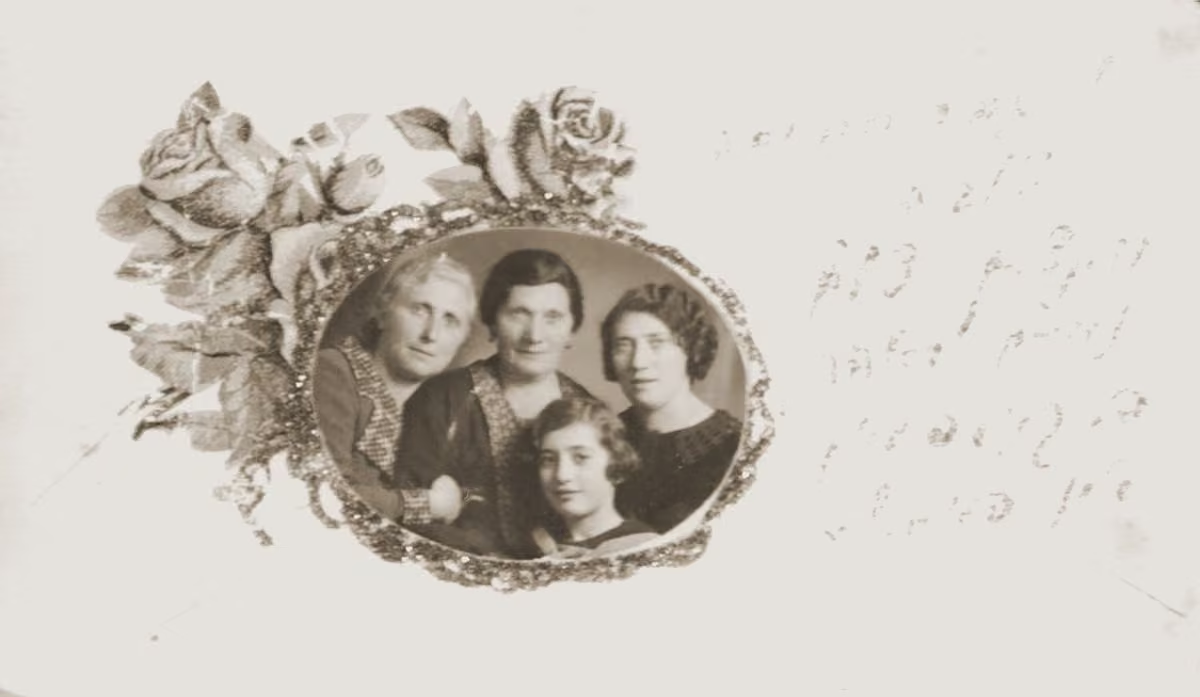
The Kaufmans sent this card to their relatives with hope for the Jewish New Year. The new year would only bring tragedy. #otd in 1939, Germany invaded Poland. This marked the end of everything ten-year-old Fela knew. She was the only person from her immediate family who survived.
 US Holocaust Museum
@HolocaustMuseum
#otd 81 years ago Allied troops liberated Paris after more than four years of German occupation. Despite the joyous occasion, for many liberation came too late. At least 38,000 Jews had been arrested in the city and deported, most of them to Auschwitz. 📷: NARA
 US Holocaust Museum
@HolocaustMuseum
Herta Oberheuser had trained to ease people’s pain. Instead the doctor used her skills to perform cruel, sometimes deadly experiments on prisoners of Nazi persecution. She was sentenced to 20 years in prison in late August 1947 by the International Military Tribunal. 📷: NARA
US Holocaust Museum
@HolocaustMuseum
“For us children, living in an attic was normal,” remembered Louise Lawrence-Israëls.
Louise was only six months old when the attic became her entire world. Learn how Louise’s family survived the Holocaust in hiding, today at 1 p.m. ET.
US Holocaust Museum
@HolocaustMuseum
"We heard the amazing news," remembered Ilie Wacs. "Japan had surrendered. The war was over.”
V-J Day, the day of Japan’s unofficial surrender, took place #otd in 1945. For Jewish refugees like Ilie who lived in Japanese-occupied Shanghai, Japan’s surrender meant freedom.
 US Holocaust Museum
@HolocaustMuseum
A young man trapped in Nazi-occupied Poland starts a project to pass the time—but it quickly becomes about something much bigger than himself. Click the link to learn more.
US Holocaust Museum
@HolocaustMuseum
“What’s At Stake in This Pivotal Moment.” Read our Chairman’s op-ed. www.jpost.com/opinion/article-863203
 US Holocaust Museum
@HolocaustMuseum
On August 4, 1944, a 15-year-old Jewish girl hiding in a secret annex in Amsterdam was discovered and arrested. She had been writing a diary. The Nazis tried to silence her voice—but they could not. Her name was Anne Frank.
Photo: Anne Frank House, Amsterdam
#otd #annefrank
 US Holocaust Museum
@HolocaustMuseum
The vandalization of the Portland Holocaust museum is an affront to Holocaust survivors and the memory of the six million Jews who were murdered in the Holocaust. Learn more about the history of antisemitism. encyclopedia.ushmm.org/content/en/article/antisemitism
 US Holocaust Museum
@HolocaustMuseum
“And then came that infamous day, August 2, 1944, when the Gypsy camp was dissolved,” remembered Karl Stojka. That night, German authorities in Auschwitz-Birkenau murdered between 4,200 and 4,300 Roma and Sinti. Approximately 21,000 Romani people were murdered at Auschwitz.
US Holocaust Museum
@HolocaustMuseum
Today, Frank Cohn turns 100 years old. Frank survived the Holocaust, fought in World War II, and dedicated himself to public service. As a volunteer at our Museum, Frank shares his story with visitors from around the world. Reply to this tweet with your birthday wishes for Frank.
US Holocaust Museum
@HolocaustMuseum
By the summer of 1943, deportations to the Treblinka killing center had nearly stopped. The Jewish prisoners, including Samuel Willenberg, forced to work there feared they would soon be killed and the camp dismantled. They revolted #onthisday in 1943.
 US Holocaust Museum
@HolocaustMuseum
#otd in 1944, the Warsaw Uprising began. Fighting raged as civilians joined the Polish Home Army in the battle against the Germans.
Jan Kostanskí (pictured right) wanted to fight, but his mother forbade him. She needed the Polish teenager's help hiding their Jewish neighbors.
 US Holocaust Museum
@HolocaustMuseum
Jack Waksal and Sam Ron never imagined they would meet again. Jack and Sam, both Polish Jews, were required to shovel coal at the Pionki labor camp more than 80 years ago. They miraculously reunited in 2022 at a Museum event. #friendshipday
 US Holocaust Museum
@HolocaustMuseum
At age 8, Manny Mandel, along with other Jews, was chosen for a rescue exchange negotiated with the Nazis. But, rather than being taken to refuge, he was first imprisoned in Bergen-Belsen for nearly six months.
Tune in today at 1 p.m. ET to hear Manny share his story.
US Holocaust Museum
@HolocaustMuseum
Manny Mandel took pride in the yellow star he and his parents were forced to wear on their clothes. The seven-year-old boy thought it made him one of the adults. His parents knew better: It only made him a target of violence. Hear his story on 7/30 at 1 p.m. ET.
US Holocaust Museum
@HolocaustMuseum
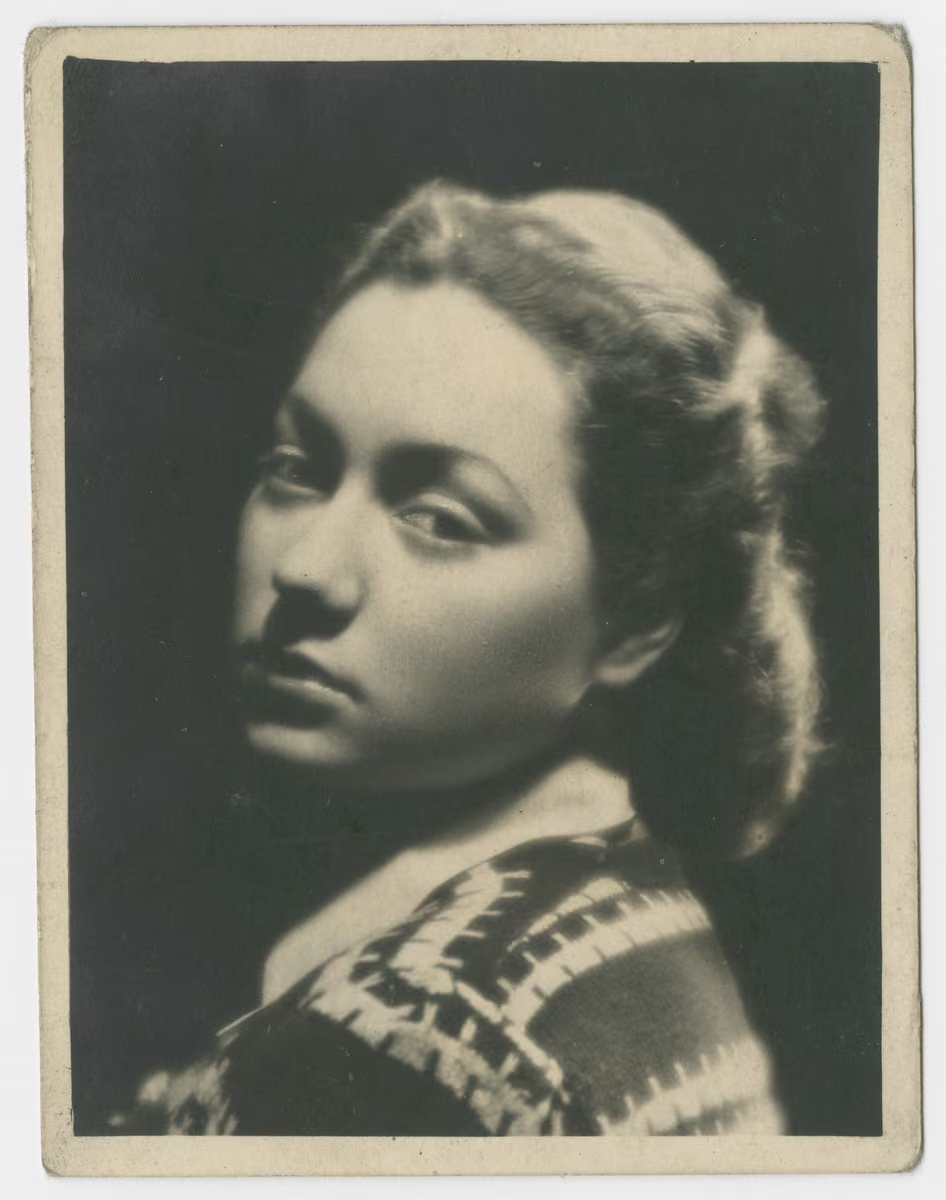
“I cannot go on living; my strength is exhausted,” said Jewish teenager Miriam Wattenberg. She documented the Nazis’ mass deportation of Jews from the Warsaw ghetto to the Treblinka killing center in July 1942. The "Great Action" devastated the largest Jewish community in Europe.
 US Holocaust Museum
@HolocaustMuseum
A shocking slap may have saved Rachel Jedinak’s life. Her family was among 13,000 Jews arrested in Paris in July 1942. While in a holding area, her mother, Chana, saw an escape opportunity. When Rachel refused to leave her side, Chana slapped her—a last desperate act of a mother.
 US Holocaust Museum
@HolocaustMuseum
Those responsible for desecrating the site of the Jedwabne massacre in Poland and attacking Jews at a commemoration ceremony must be condemned and held accountable for their actions. Read our statement. www.ushmm.org/information/press/press-releases/museum-con…
 US Holocaust Museum
@HolocaustMuseum
"When I learned that I had been sterilized … I was devastated. … I would be marked by the stigma of inferiority for the rest of my life."—Dorothea Buck
Dorothea was among 400,000 Germans sterilized under a Nazi law, passed in July 1933, targeting people with disabilities.
 US Holocaust Museum
@HolocaustMuseum
Many prisoners at the Sachsenhausen concentration camp—established in summer 1936—were required to perform forced labor. They also suffered from starvation, poor living conditions, and abuse from Nazi guards. During the Holocaust, more than 40,000 people died there.
US Holocaust Museum
@HolocaustMuseum
After Nazi Germany occupied Kovno (Kaunas), Lithuania, in summer 1941, the Kovno ghetto was established. Henia Lewin was forced into the ghetto with her parents, but she was later smuggled out in a suitcase. She survived and reunited with her parents after the war.
 US Holocaust Museum
@HolocaustMuseum
Today, we welcomed our 50 millionth visitor. Have you been to our Museum before? Reply to this tweet to share the most powerful memory from your visit.


 US Holocaust Museum
@HolocaustMuseum
Interested in visiting our Museum? Click here to plan your visit: www.ushmm.org/information/visit-the-museum/plan-your-visit
US Holocaust Museum
@HolocaustMuseum
Our Museum stands on a street that bears his name. Do you know who he is and why the world remembers him today? Click here to find out: encyclopedia.ushmm.org/content/en/article/raoul-wallenber…
Photo: Yad Vashem
 US Holocaust Museum
@HolocaustMuseum
More than 1.1 million people were murdered at Auschwitz-Birkenau—including nearly one million people simply for being Jewish. Their memories must never be exploited. encyclopedia.ushmm.org/content/en/article/auschwitz
US Holocaust Museum
@HolocaustMuseum
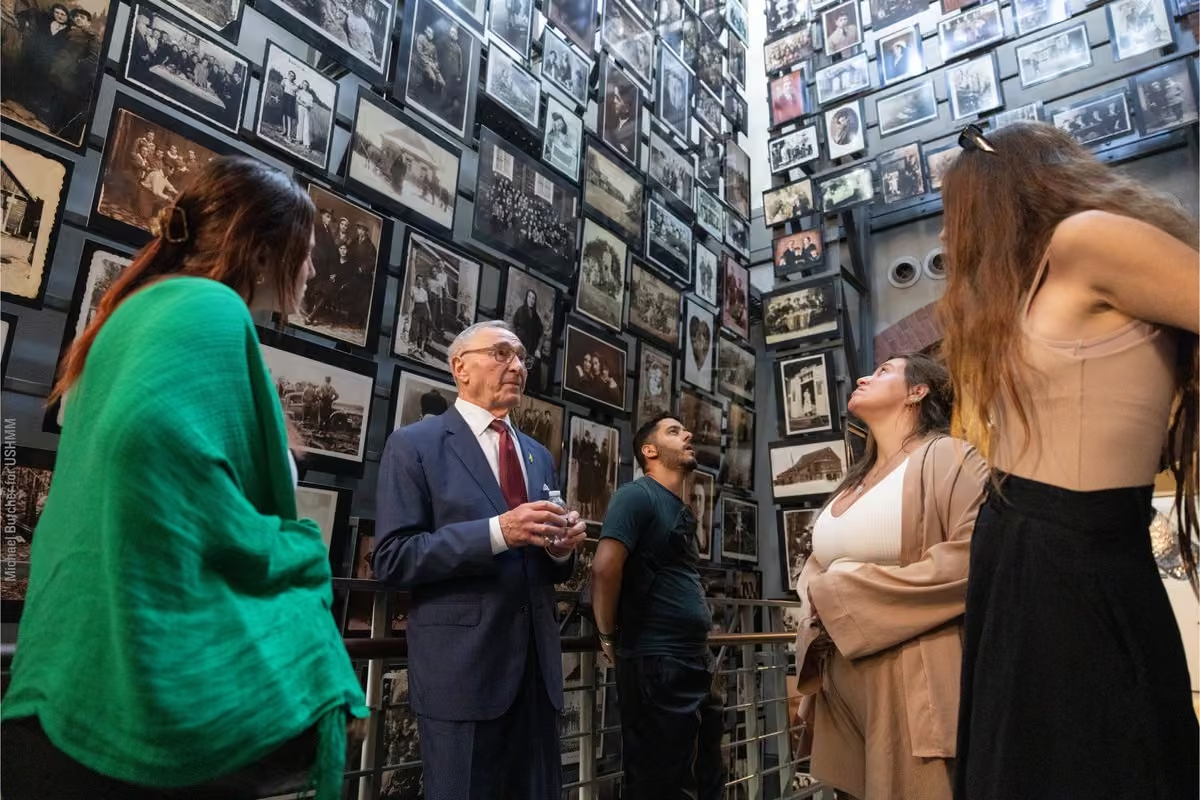
For Nat Shaffir, Holocaust survivor and Museum volunteer, and these October 7 survivors, antisemitism shattered their worlds. They met for the first time last week during a tour at our Museum and later spoke at the Nova Music Festival Exhibition in Washington, DC. Generations apart, the group stands as a stark reminder of the dangers of unchecked hate.


 US Holocaust Museum
@HolocaustMuseum
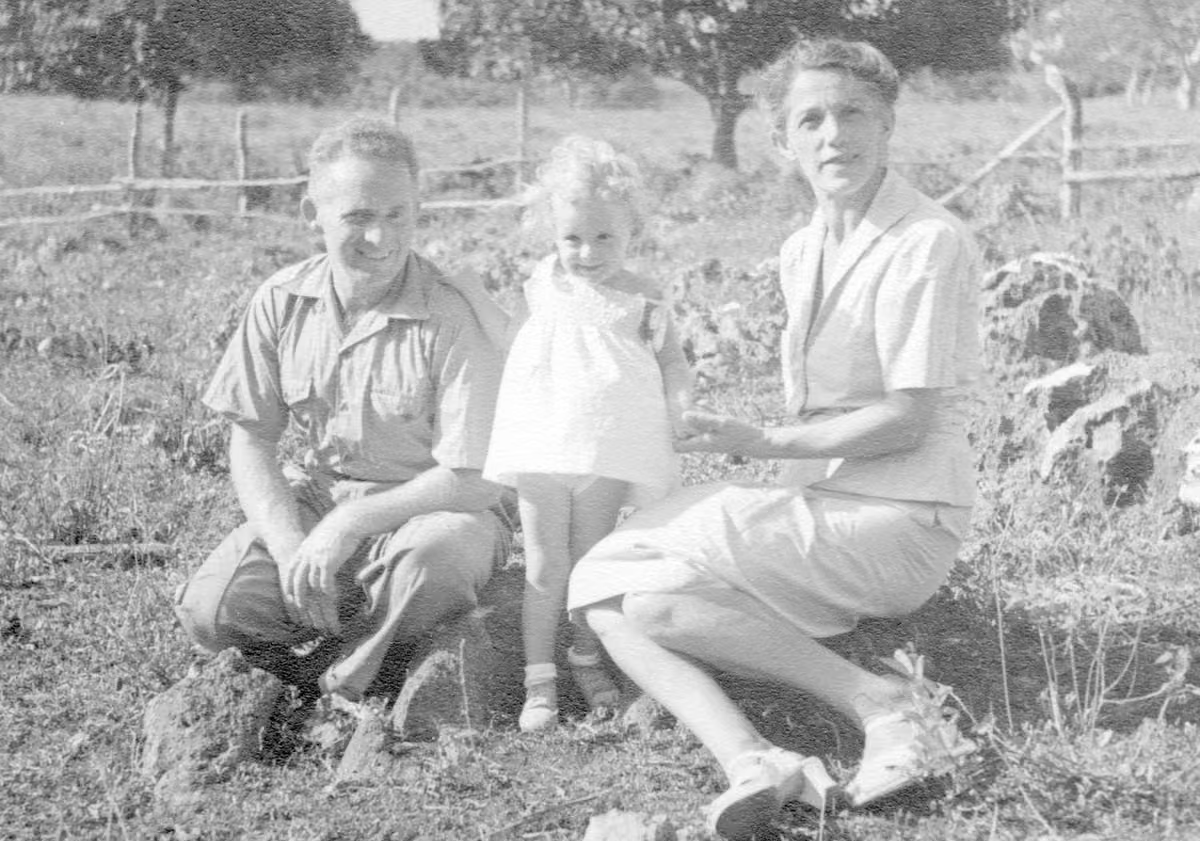
Joseph and Lotte Isenberg escaped Europe to become farmers in the Dominican Republic as a result of the Evian Conference, which began #otd in 1938. They were two of 645 Jewish refugees admitted to the country. Their daughter, Jeanette, was born on the island in 1942.
 US Holocaust Museum
@HolocaustMuseum
The people in these caskets survived the Holocaust—only to be killed by an antisemitic mob just a year later. #otd in 1946, a group of civilians, police officers, and soldiers murdered 42 Jews and wounded dozens more in Kielce, Poland.
 US Holocaust Museum
@HolocaustMuseum
A stars and stripes dress. A teenage Holocaust survivor on stage.
The next year, she saw the real Statue of Liberty—and broke down in tears.
What made that moment so powerful?
Find out now 👉 www.ushmm.org/collections/the-museums-collections/artifac…
#fourthofjuly #independenceday

 US Holocaust Museum
@HolocaustMuseum
After the Germans invaded the Soviet Union, the Nazis and their collaborators rounded up Jewish men, including Arie Singer's father, in towns across the country. Arie’s father was murdered in the Ponary forest with more than 75,000 people. Arie drew this image of the massacre.
 US Holocaust Museum
@HolocaustMuseum
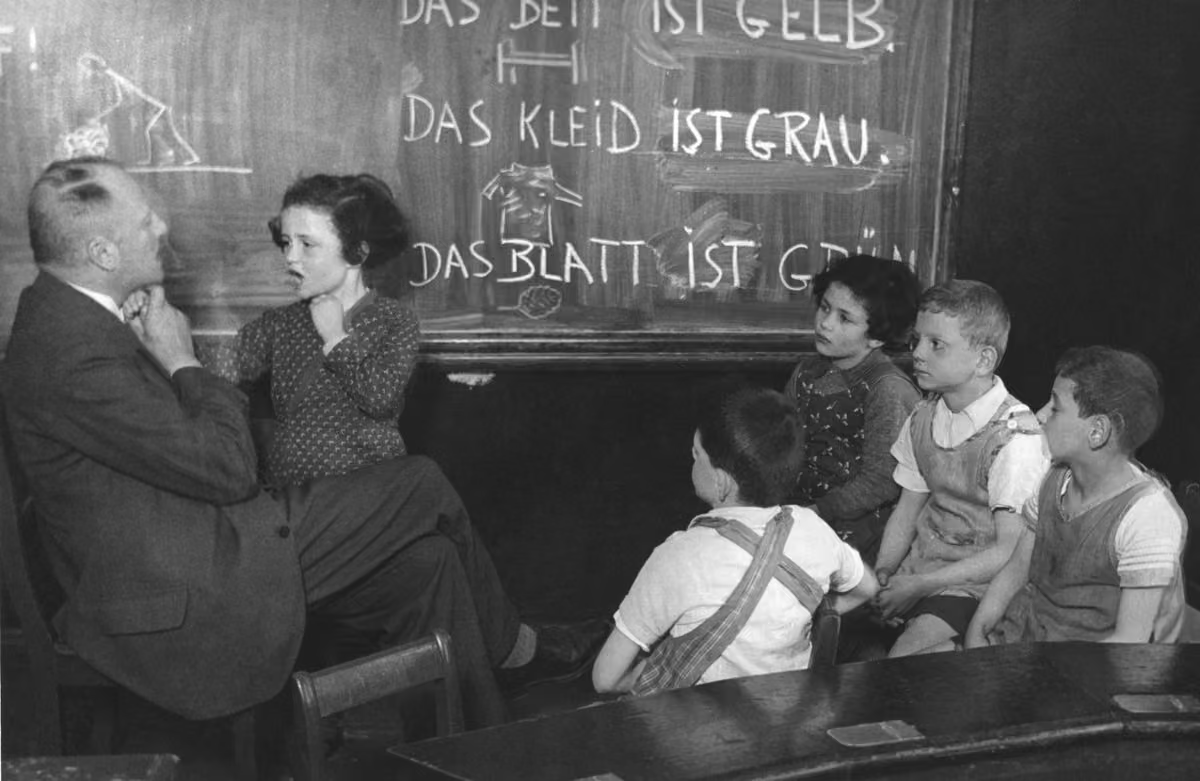
Ruth Stern (left) was five years old when she was sent to live at a Jewish school for the deaf in Berlin. While her family immigrated to the United States in 1936, Ruth had to stay behind as the US had restricted the immigration of deaf people. She joined her family in 1938.
 US Holocaust Museum
@HolocaustMuseum
Eva Weinberger Cohen never told her children the details of how she survived the Holocaust. After her death, they learned that she survived thanks to a rescue mission known as the Kasztner train. The train left German-occupied Budapest #otd in 1944 with nearly 1,700 Jews aboard.
US Holocaust Museum
@HolocaustMuseum
We mourn the loss of Karen Diamond, who died from injuries sustained in a vicious antisemitic attack in Boulder, Colorado, while marching in support of the hostages being held in Gaza. Antisemitism must be universally condemned.
 US Holocaust Museum
@HolocaustMuseum
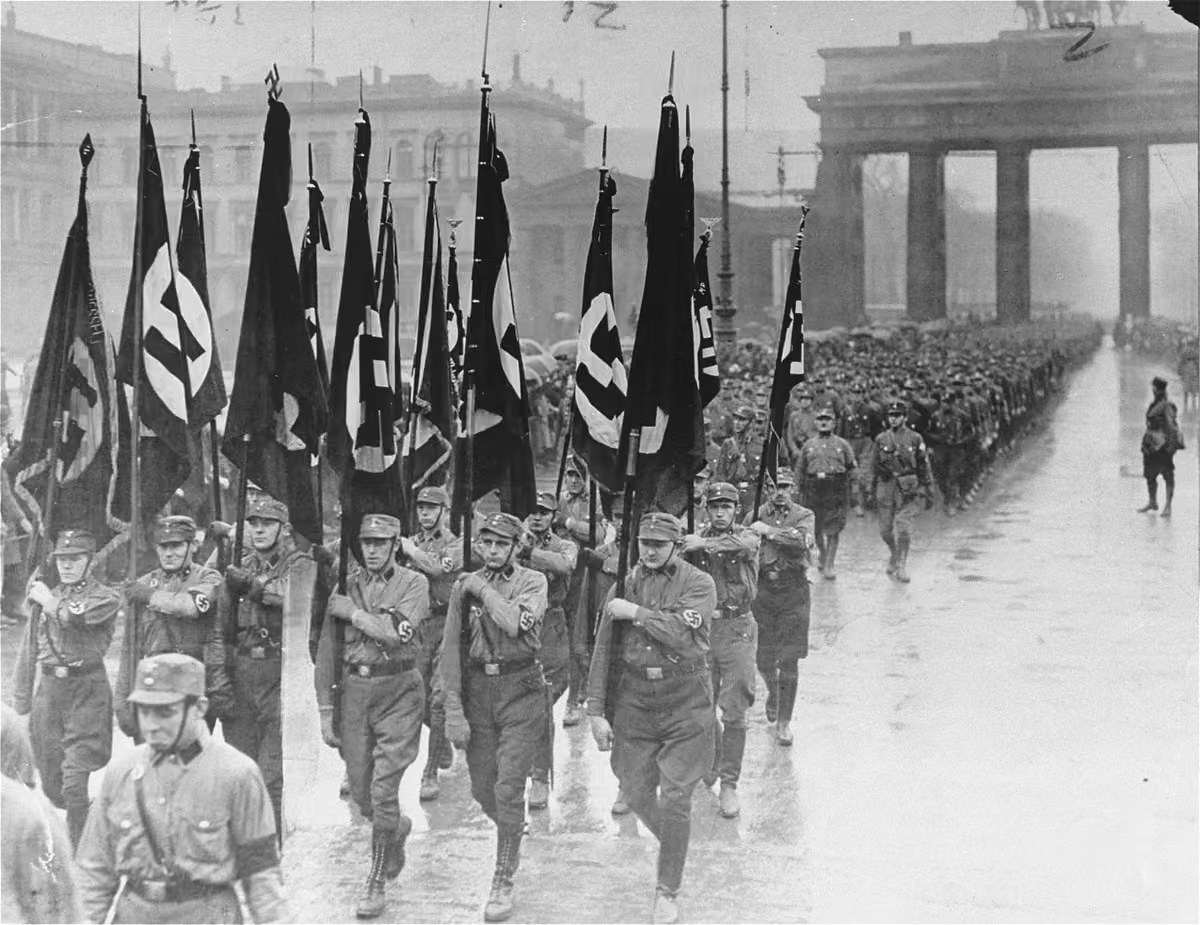
#otd in 1934, the "Night of Long Knives"—the Nazi purge of high-ranking Storm Trooper officials—began. These extrajudicial killings showed just how far the Nazis would go to gain the support of the military elites and consolidate Nazi power.
 US Holocaust Museum
@HolocaustMuseum
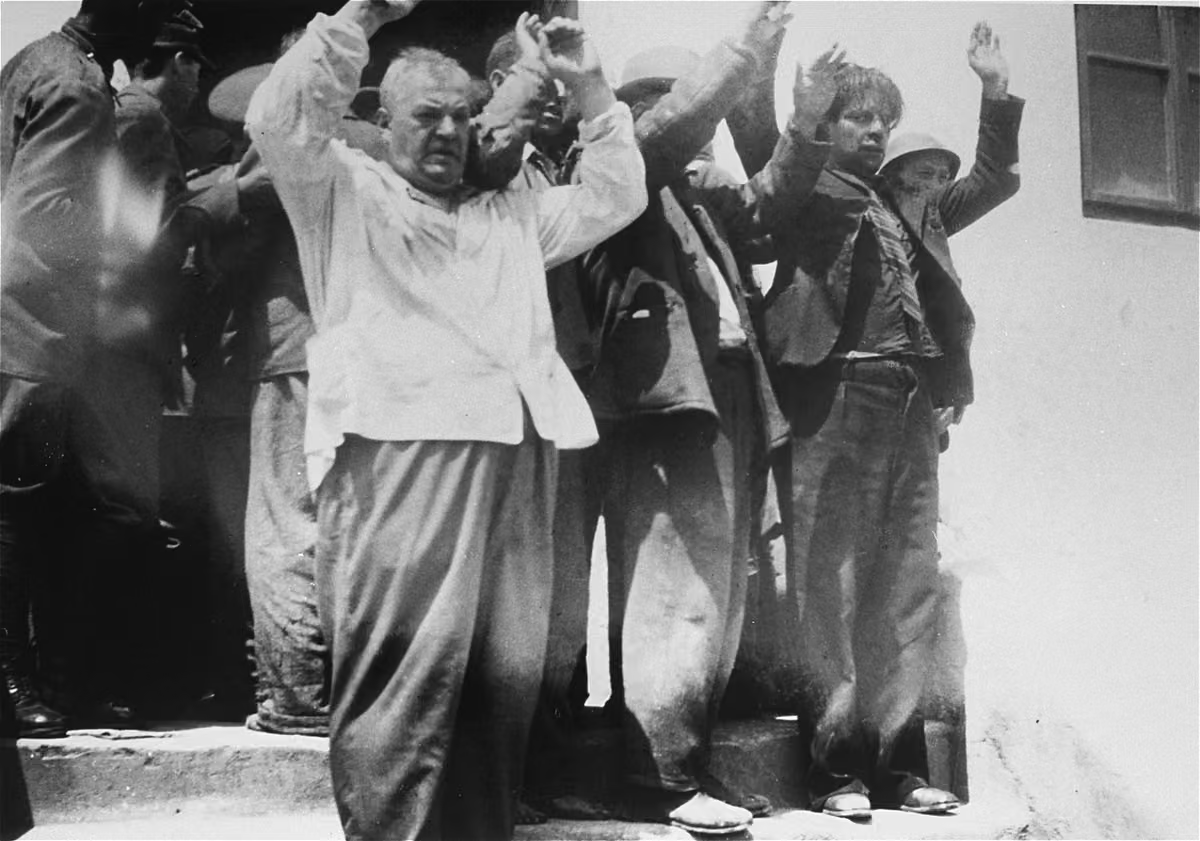
Before the Holocaust, the city of Iași, Romania, was home to a large, vibrant Jewish community. But in a span of a few days in the summer of 1941, the community would forever be changed. A city-wide pogrom resulted in the murder of thousands of Jews. 📷: Yad Vashem
 US Holocaust Museum
@HolocaustMuseum
Once a place for prayer and worship, the Great Synagogue in Białystok, Poland, became the site of horrific violence #otd in 1941. The German Order Police Battalion 309 locked hundreds of Jews inside before setting the building on fire. 📷: Ghetto Fighters' House
 US Holocaust Museum
@HolocaustMuseum
As Germany invaded Soviet-occupied Lithuania in June 1941, ultra-nationalist Lithuanian militiamen and others attacked Jews in the city of Kovno (Kaunas). Alongside German occupiers, they murdered hundreds in a few days. 📷: Dokumentationsarchiv des Oesterreichischen Widerstandes
 US Holocaust Museum
@HolocaustMuseum
The Museum mourns the death of Holocaust survivor Ivette Shmilovitz. She was killed by an Iranian rocket in Israel, where many survivors sought safety and freedom after the Holocaust.
 US Holocaust Museum
@HolocaustMuseum
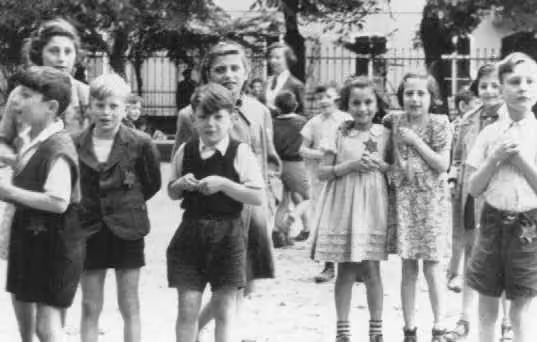
These children at Theresienstadt appeared happy and healthy. But this photo was part of a hoax. #otd in 1944, the International Red Cross visited on a Nazi-orchestrated propaganda tour. The majority of Theresienstadt prisoners were eventually killed. 📸 Yad Vashem
 US Holocaust Museum
@HolocaustMuseum
"When I went to school on Sunday morning, June 22, 1941, to receive my graduation certificate, I was surprised by the sound of bombs from German planes," recalled Dov Levin of Kaunas, Lithuania, about the Nazi attack on the Soviet Union #otd in 1941.
 US Holocaust Museum
@HolocaustMuseum
Museum Council member US Representative @MaxMillerOH run off the road. @GovernorShapiro home firebombed. Antisemitic terrorism against elected leaders threatens Jews and American democracy. It must be universally condemned.
 US Holocaust Museum
@HolocaustMuseum
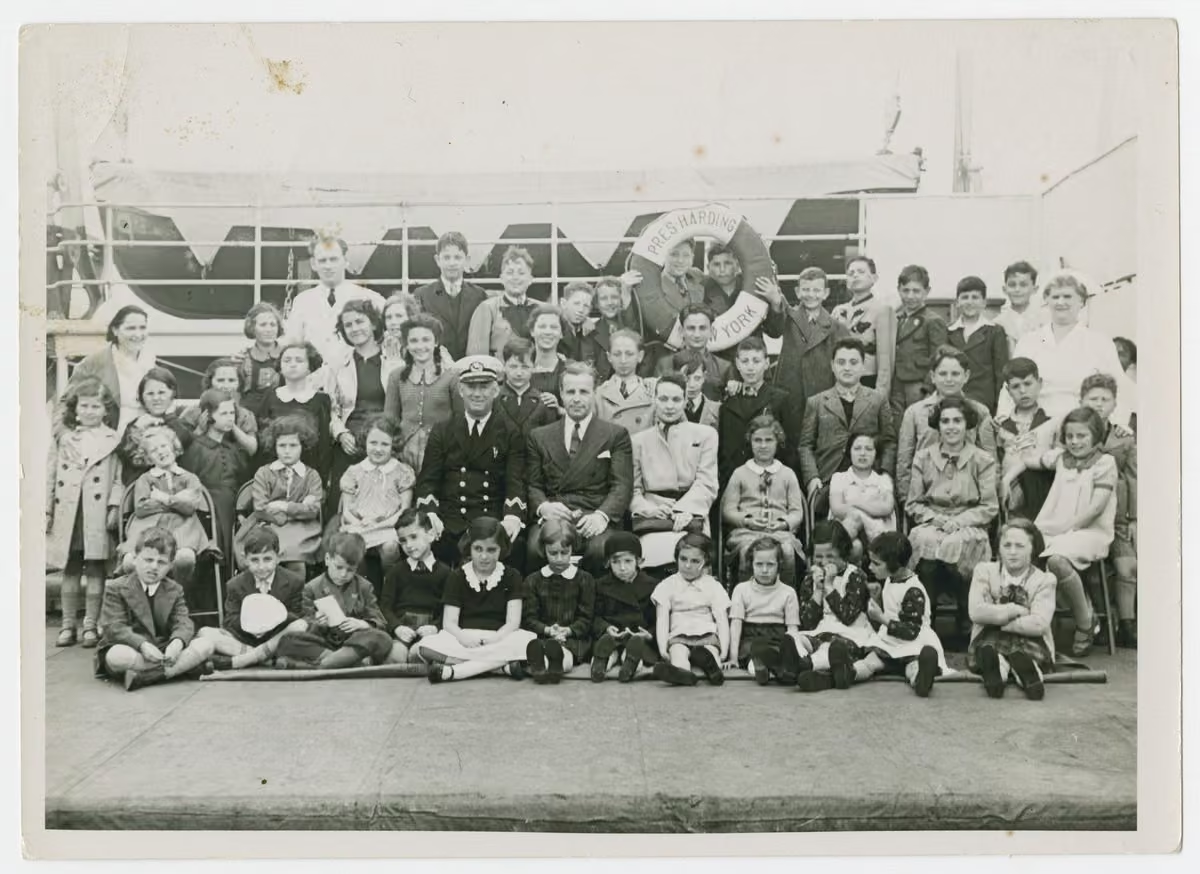
The plight of Jews desperate to flee Europe inspired some, including Gilbert and Eleanor Kraus, to act. In spring 1939 they traveled to Vienna. On June 3, 1939, they arrived in New York with 50 Jewish children. Most were later reunited with their families.
 US Holocaust Museum
@HolocaustMuseum
On July 3, 1944, the New York Times reported on the mass murder of Jews at Auschwitz. While the world first learned about Auschwitz that summer, Jews, Roma, non-Jewish Poles, and other prisoners would continue to suffer and die at the camp until liberation in January 1945.
 US Holocaust Museum
@HolocaustMuseum
Exploiting the Museum and the Warsaw Ghetto Uprising to sanitize “globalize the intifada” is outrageous and especially offensive to survivors. Since 1987 Jews have been attacked and murdered under its banner. All leaders must condemn its use and the abuse of history.
 US Holocaust Museum
@HolocaustMuseum
“You do what one needs to do to survive,” recalled Holocaust survivor Isak Danon.
Isak and his father survived the war by joining an armed resistance unit in the mountains of occupied Yugoslavia. Teenage Isak was one of the youngest members of the unit.
US Holocaust Museum
@HolocaustMuseum
For Jewish and lesbian musician Frieda Belinfante, bravery wasn’t just one act—it was her way of life. She helped forge thousands of fake IDs, helped bomb the Amsterdam registry, and disguised herself as a man.
Learn more about Frieda: www.ushmm.org/learn/podcasts-and-audio/12-years-that-shoo…
 US Holocaust Museum
@HolocaustMuseum
Ernie Brod was born into chaos. A few weeks before his birth, the Nazis took over Austria and imprisoned his father. As life grew more difficult for Jews, Ernie’s mother searched for ways to get her two sons to safety. Hear Ernie share his family's story on 6/18 at 1 p.m. ET.
US Holocaust Museum
@HolocaustMuseum
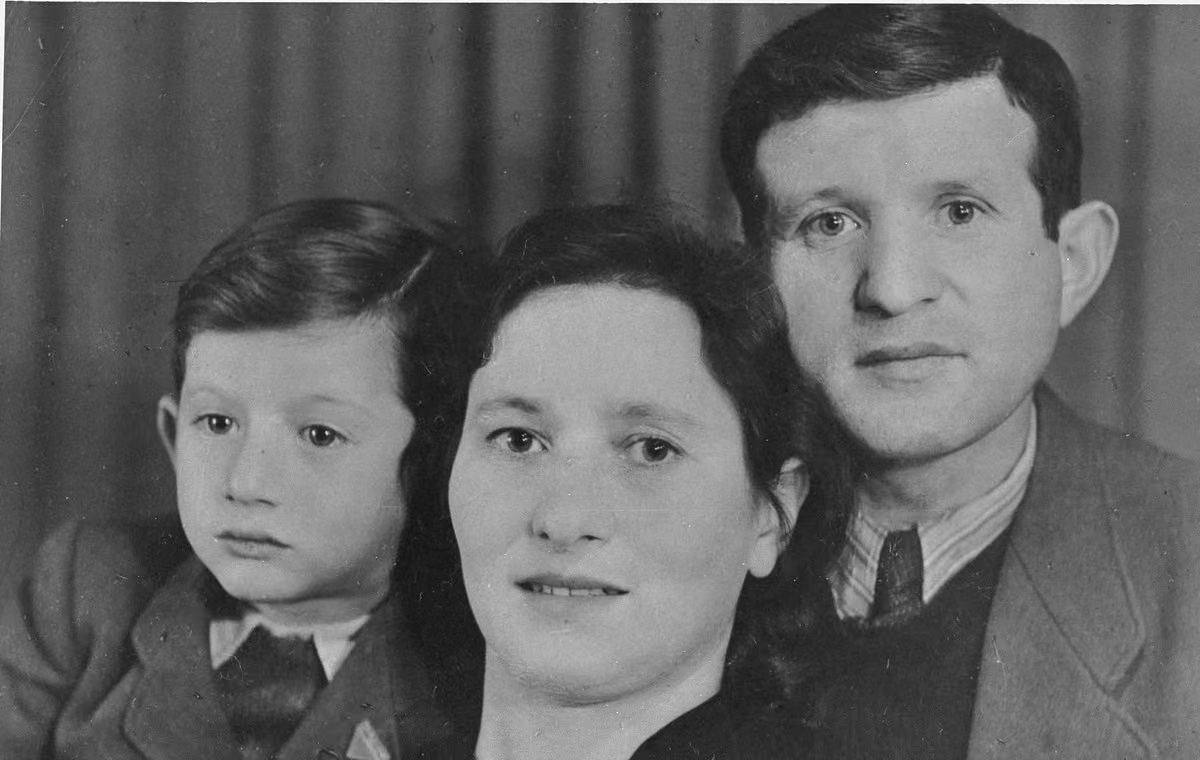
In January 1945, four-year-old Joseph Schleifstein and his father, Izrael, were deported from German-occupied Poland to Buchenwald. As they entered the camp, Izrael hid Joseph in a sack with some tools. They both managed to survive at Buchenwald until liberation. #fathersday
 US Holocaust Museum
@HolocaustMuseum
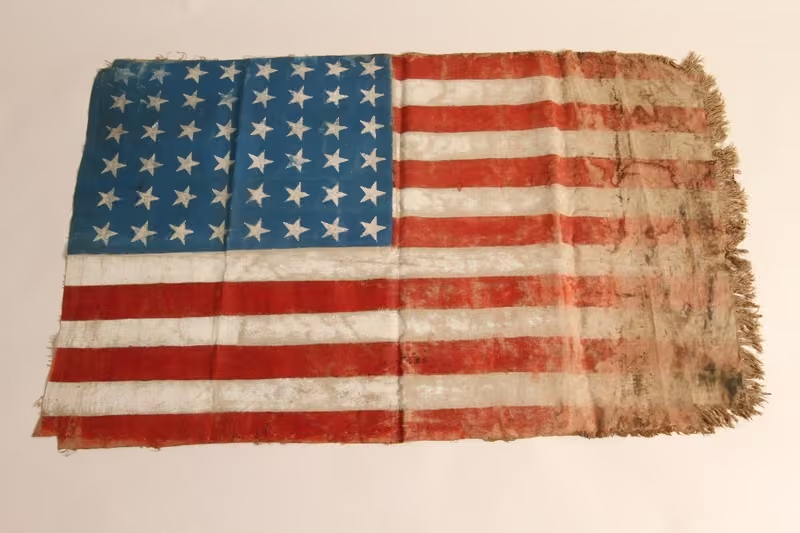
For many concentration camp prisoners liberated by the US Army, the American flag became a powerful symbol of freedom. In 1945, newly liberated prisoners gave Sgt. Donald Hall this handmade American flag. #flagday
 US Holocaust Museum
@HolocaustMuseum
Staff Sergeant Darrell R. Bush was one of millions in the US Army to play a critical role in defeating Nazi Germany. Darrell was proud of his service and never forgot what he saw at Dachau concentration camp. #army250
US Holocaust Museum
@HolocaustMuseum
Never forget: Iran has a long history of state-sponsored antisemitism, Holocaust denial, and genocidal threats against Israel, calling for its elimination. NEVER AGAIN!
US Holocaust Museum
@HolocaustMuseum
#annefrank was born #onthisday in 1929. Through the diary she wrote while in hiding from the Nazis, Anne came to symbolize the lost promise—the dreams cut short—of child victims of the Holocaust. What might have become of this girl who was already a gifted writer?
 US Holocaust Museum
@HolocaustMuseum
Two weeks after Heydrich's assassination, German officials carried out their revenge. #otd in 1942, they destroyed the Christian Czech town of Lidice, even though no evidence linked the people of the town to the assassins.
US Holocaust Museum
@HolocaustMuseum
While driving through Prague #otd in 1942, Nazi official Reinhard Heydrich was ambushed by two Czechoslovak soldiers on a secret mission to assassinate him. A few days later, one of the chief architects of the "Final Solution" was dead.
 US Holocaust Museum
@HolocaustMuseum
The destruction of Lidice shocked the world and became a powerful symbol of Nazi brutality. Learn more here: encyclopedia.ushmm.org/content/en/article/lidice
US Holocaust Museum
@HolocaustMuseum
#otd in 1940, Italy joined World War II as Germany’s ally. 📸 National Archives encyclopedia.ushmm.org/content/en/article/axis-powers-in-…
 US Holocaust Museum
@HolocaustMuseum
Officer Stephen Tyrone Johns died heroically #otd 16 years ago while protecting Museum visitors and staff. His memory occupies a permanent place in our hearts. www.ushmm.org/information/press/in-memoriam/stephen-tyron…
 US Holocaust Museum
@HolocaustMuseum
A ticket on the MS St. Louis should have been a ticket to freedom. But most of the ship’s 937 passengers, mostly desperate Jewish refugees, were not able to leave the ship when it reached Cuba. In June 1939, the ship sailed back to Europe.
US Holocaust Museum
@HolocaustMuseum
The D-Day invasion, 81 years ago #onthisday, helped turn the tide against the Nazis. For Jews who were part of the invasion or still in hiding in occupied Europe, the new front against Germany brought hope that an end to the war was near. 📷: National Archives
 US Holocaust Museum
@HolocaustMuseum
Holocaust survivors who volunteer at our Museum engage with visitors, share personal histories, serve as tour guides, translate authentic documentation, and more. Their presence is an invaluable asset, and their contributions are vital. #holocaustsurvivorday
US Holocaust Museum
@HolocaustMuseum
Two antisemitic terrorist attacks in the U.S. in just 11 days are the outcome of the normalization of hatred of the Jewish people. There is a direct link between antisemitic speech and deadly violence. All sectors of society must condemn antisemitism, including anti-Zionism.
US Holocaust Museum
@HolocaustMuseum
History teaches when antisemitic words are met with silence, antisemitic violence often follows. Our thoughts are with the victims of the terrorist attack in Boulder. Everyone must denounce this outrageous assault on Jews and our democracy.
 US Holocaust Museum
@HolocaustMuseum
Our Museum condemns the attacks on France's national Holocaust memorial—our long-standing and close partner—and synagogues. Read our statement here.
US Holocaust Museum
@HolocaustMuseum
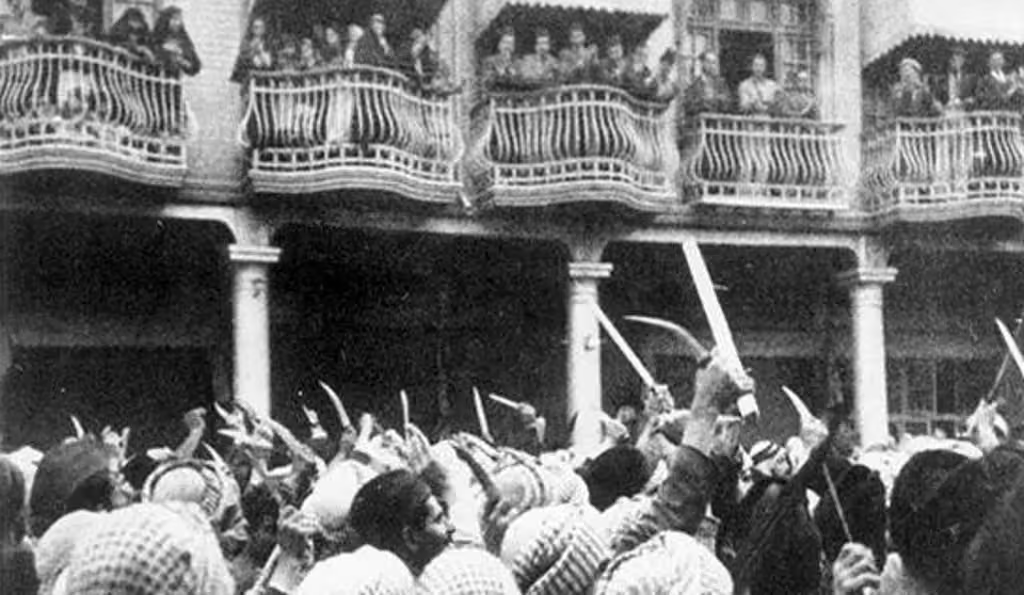
As Iraq struggled to maintain independence from the British, Nazi antisemitic propaganda spread. In 1941, Iraq formed a pro-German government. That same year, a pogrom called the Farhud targeted Iraqi Jews, perceived as working with the British, leading to the deaths of 150–180.
 US Holocaust Museum
@HolocaustMuseum
The antisemitic vandals who desecrated a Holocaust memorial and synagogues in Paris attacked Holocaust memory and Jewish life in Europe. These acts and the climate of incitement that made them possible must be universally condemned and confronted.
US Holocaust Museum
@HolocaustMuseum
The name Dr. Josef Mengele stands out among the dark stories of Holocaust perpetrators. The Nazi doctor performed cruel medical experiments on prisoners, including on twin children. #otd in 1943, he was transferred to Auschwitz, where he earned the nickname the “Angel of Death.”
 US Holocaust Museum
@HolocaustMuseum
“In that world with the anti-Jewish laws one couldn’t get a decent job,” recalled István Domonkos.
His brother, Péter (pictured left), graduated high school just as Hungary passed an anti-Jewish law restricting Jews' job opportunities. Péter did not survive the Holocaust.
 US Holocaust Museum
@HolocaustMuseum
For Ninetta Feldman, life in the mountains was a grand adventure. For her parents, it was anything but. They had moved the family to the mountains to escape the Germans. Today at 1 p.m. ET, hear Ninetta share how her parents saved her life.
US Holocaust Museum
@HolocaustMuseum
These images show the dehumanizing process Jews faced as they arrived at Auschwitz: getting out of overcrowded trains, being sorted into lines, and waiting to be sent to their death. These photos of a Hungarian transport were taken by the Nazis in May 1944. 📷: Yad Vashem


 US Holocaust Museum
@HolocaustMuseum
While driving through Prague #otd in 1942, Nazi official Reinhard Heydrich was ambushed by two Czechoslovak soldiers on a secret mission to assassinate him. A few days later, one of the chief architects of the "Final Solution" was dead.
US Holocaust Museum
@HolocaustMuseum
“I remember a German bursting into the house.”
Ninetta Feldman was five years old when the Germans occupied her town in Greece. From that point on, her family was constantly on the run. Hear Ninetta share the story of her survival on 5/28 at 1 p.m. ET.
US Holocaust Museum
@HolocaustMuseum
Just a year after Jewish American soldier Sydney Goodman (right) enlisted, German forces captured him as a POW. During his months in captivity, Sydney documented his experiences on the back of family photos. While Sydney survived, on #memorialday we remember those who died.

 US Holocaust Museum
@HolocaustMuseum
Heed their warnings. Enough is enough. Hear from Holocaust survivors now.
US Holocaust Museum
@HolocaustMuseum
Heed their warnings. Enough is enough. Hear from Holocaust survivors now.
US Holocaust Museum
@HolocaustMuseum
Heed their warnings. Enough is enough. Hear from Holocaust survivors now.
www.youtube.com/playlist?list=PLWQC3P4psZP4vXTiS_a1k-Z934…
US Holocaust Museum
@HolocaustMuseum
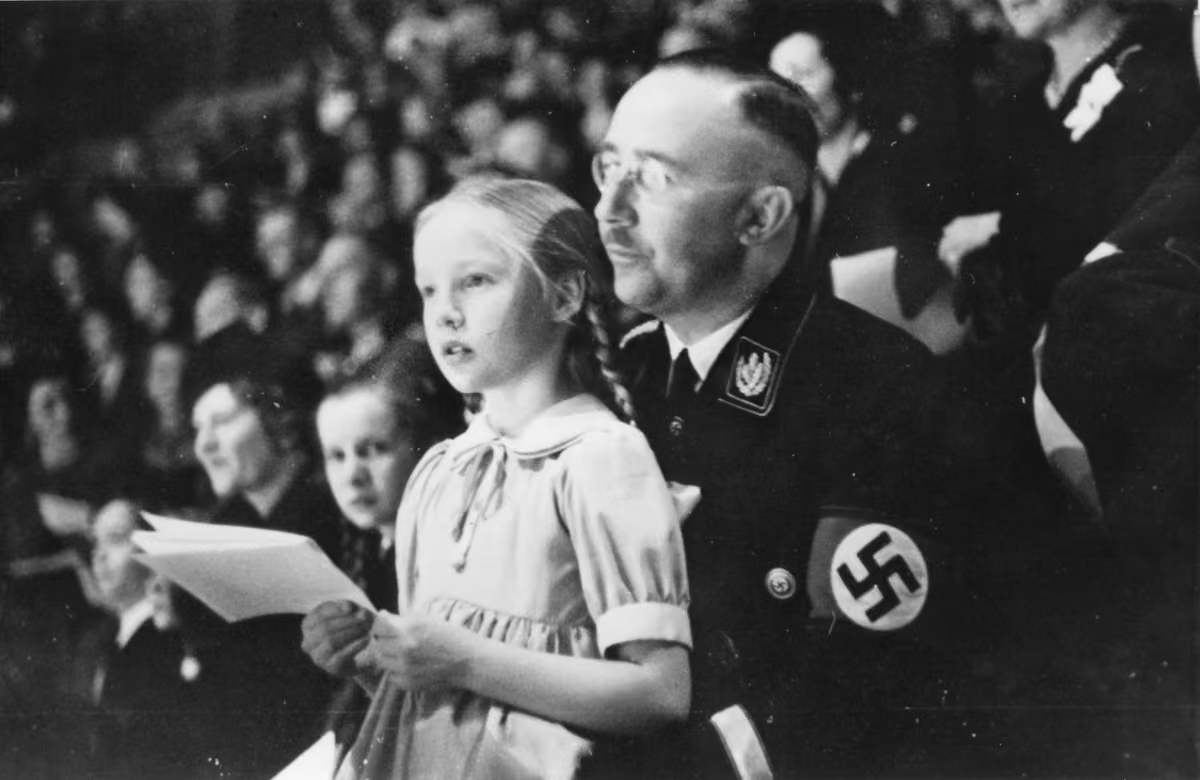
No amount of evidence convinced Gudrun Himmler of her father’s crimes during the Holocaust. She defended Heinrich Himmler, one of the most notorious Nazi perpetrators, until her own death. Her father killed himself in British custody #otd in 1945 with a cyanide capsule.
 US Holocaust Museum
@HolocaustMuseum
Two young lives were tragically cut short in an antisemitic terrorist attack outside the Capital Jewish Museum. Click the link to read our full statement.
US Holocaust Museum
@HolocaustMuseum
The murder of Israeli Embassy staff outside the Capital Jewish Museum is a horrific act of antisemitic terrorism amid a worldwide eruption of antisemitism. Everyone should be outraged. Our thoughts are with the victims’ families and colleagues.
US Holocaust Museum
@HolocaustMuseum
"Never shall I forget that night, the first night in camp, that turned my life into one long night seven times sealed." —Elie Wiesel, on his first night in Auschwitz. He was 15 years old when he and his family were deported there in May 1944. 📷: Elie Wiesel
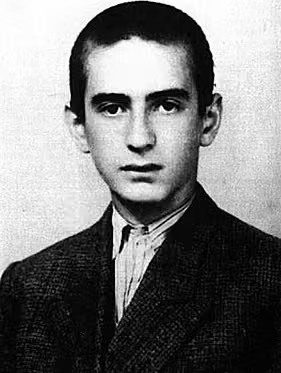 US Holocaust Museum
@HolocaustMuseum
#onthisday in 1943, the Warsaw Ghetto Uprising ended. It was the largest act of Jewish armed resistance during the Holocaust. 📸: NARA
 US Holocaust Museum
@HolocaustMuseum
In the aftermath of the Holocaust, much of Europe remained unwelcoming and even deadly for Jews.
#otd in 1948, the modern State of Israel was established, finally allowing tens of thousands of Holocaust survivors to rebuild their lives there.
US Holocaust Museum
@HolocaustMuseum
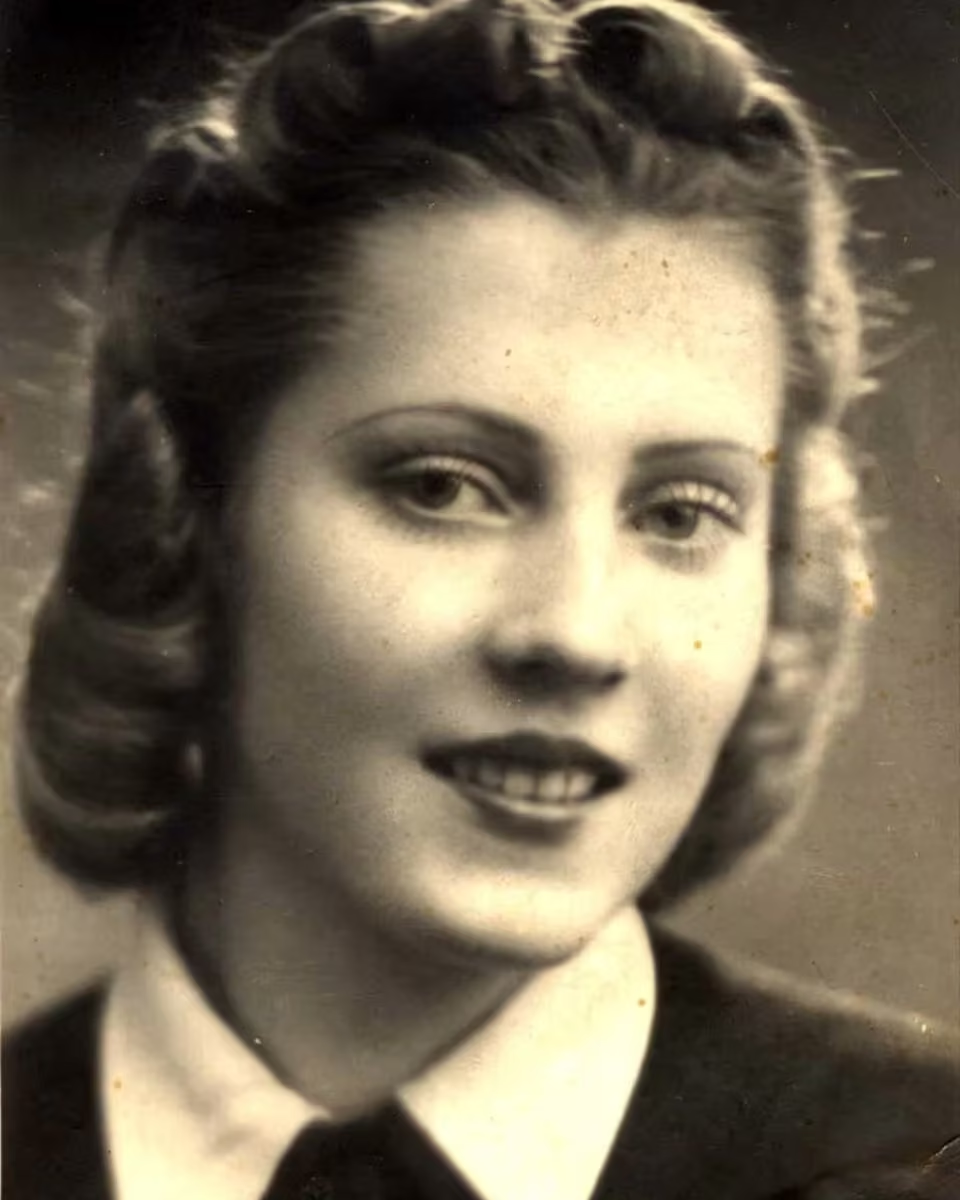
Most chose to look the other way. Irene didn’t.
Irene Gut Opdyke was raised to care for those in need. “My mother taught us to … help people that need help," she explained. During the war, Irene risked her life to hide 12 Jewish people. All 12 survived. 📷: Yad Vashem
 US Holocaust Museum
@HolocaustMuseum
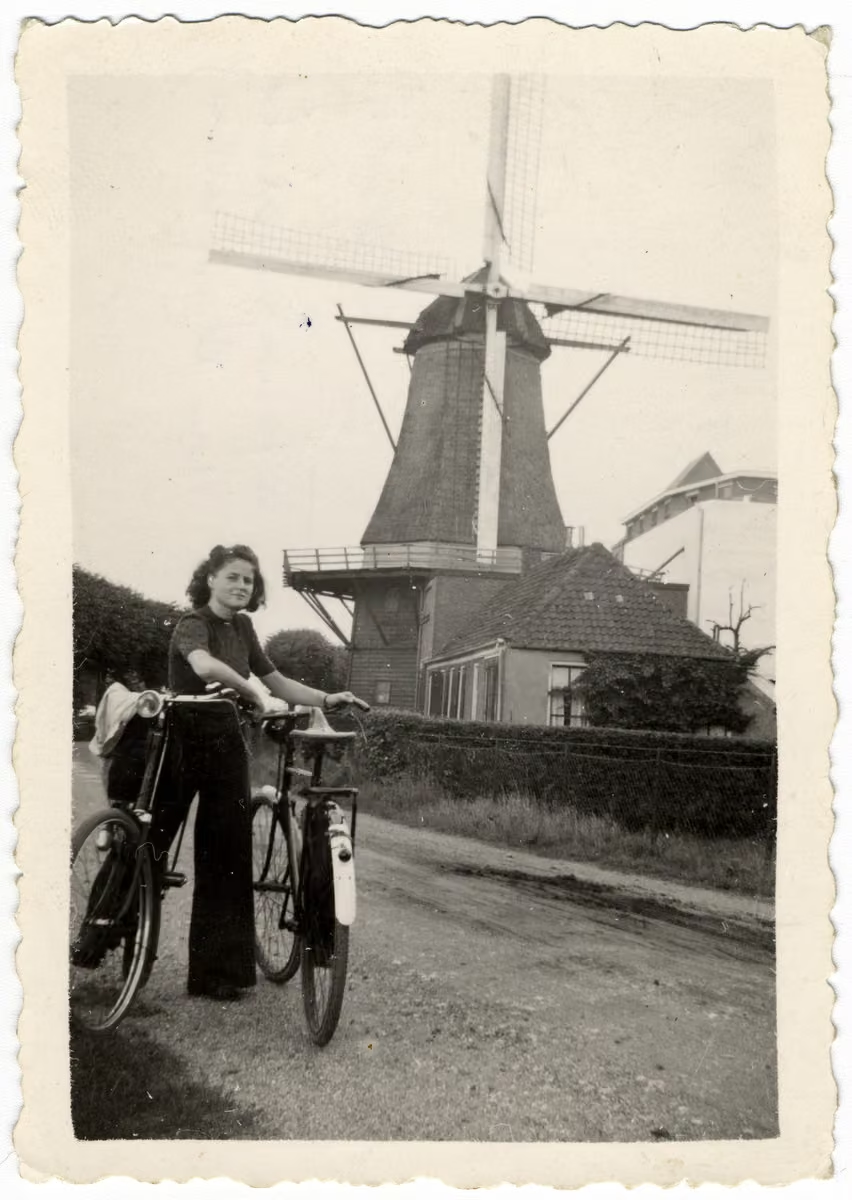
#otd in 1940, Germany invaded the Netherlands, Belgium, and Luxembourg. Within six weeks, those countries and France surrendered—and hundreds of thousands of Jews, including Ina Soep and her family in the Netherlands, fell under Nazi control.
 US Holocaust Museum
@HolocaustMuseum
Glorification of Hitler and Nazism is obscene—anytime by anyone. Antisemitism must never become acceptable in music, culture, or any part of society. Learn about the dangers of this hatred.
US Holocaust Museum
@HolocaustMuseum
#onthisday 80 years ago, the world marked Nazi Germany's unconditional surrender and the end of the war in Europe. From Times Square in New York to Paris, France, millions took to the streets to celebrate. #veday 📽️: NARA
US Holocaust Museum
@HolocaustMuseum
Japanese American soldier George Oiye fought fascism in Europe while people from his community at home were forced into camps. His all-Japanese American unit liberated a subcamp of Dachau in May 1945. He is pictured here with newly freed concentration camp prisoners.
 US Holocaust Museum
@HolocaustMuseum
“I remember that there were piles and piles of corpses.” —Charles Torluccio, veteran of the 11th Armored Division
#otd 80 years ago, the US Army liberated Mauthausen concentration camp. At least 95,000 prisoners died in that camp system between 1938 and 1945. 📷: NARA
US Holocaust Museum
@HolocaustMuseum
"We heard bombs falling on the ship. And the ship started to burn. … So I jumped.” Francis Akos was among the prisoners who had been evacuated from Neuengamme and forced onto the Cap Arcona ship. Unaware it was filled with prisoners, the British bombed the ship.
 US Holocaust Museum
@HolocaustMuseum
“There are six million of my people who were forever silenced and in my own small way I had to speak for them.”
Holocaust survivor Julie Keefer spent the first four years of her life hiding from the Nazis. She shared her story volunteering at our Museum.
US Holocaust Museum
@HolocaustMuseum
Joanna Szydłowska secretly took photos of female Polish prisoners subjected to medical experiments at Ravensbrück concentration camp. She was a victim too. The camp was liberated #otd in 1945 by the Soviets. Doctors who performed the experiments were later tried for their crimes.
 US Holocaust Museum
@HolocaustMuseum
#onthisday in 1945, Dachau—the first regular concentration camp established by the Nazis—was liberated by the US Army. At least 40,000 prisoners died at Dachau between 1933 and 1945.
 US Holocaust Museum
@HolocaustMuseum
A wartime profiteer, Oskar Schindler was an unlikely rescuer, but his list helped save more than 1,000 Jewish forced laborers during the Holocaust. Those on this list were spared from terrible conditions elsewhere. Schindler was born #otd in 1908. 📷 Yad Vashem
US Holocaust Museum
@HolocaustMuseum
The Gestapo, Nazi Germany’s infamous political police force, was established #otd in 1933. One of its most notorious members was Klaus Barbie, “the Butcher of Lyon.” As head of the Gestapo in Lyon, France, he caused the deaths of thousands of Jews and French resistance members.
 US Holocaust Museum
@HolocaustMuseum
#otd in 1915, Ottoman authorities arrested hundreds of Armenian leaders in Constantinople (today, Istanbul)—the start of the Armenian genocide. As many as 1.2 million people were killed during the #armeniangenocide between spring 1915 to fall 1916.
US Holocaust Museum
@HolocaustMuseum
1/ To mark the Days of Remembrance, we gathered at the US Capitol today to commemorate the six million Jews who were murdered during the Holocaust and the other victims of Nazi persecution. We also honored survivors, rescuers, and liberators.
 US Holocaust Museum
@HolocaustMuseum
2/ The 2025 national ceremony featured a keynote address by the Secretary of Commerce Howard Lutnick.
 US Holocaust Museum
@HolocaustMuseum
3/ We also heard remarks from Holocaust survivor Abraham Foxman.
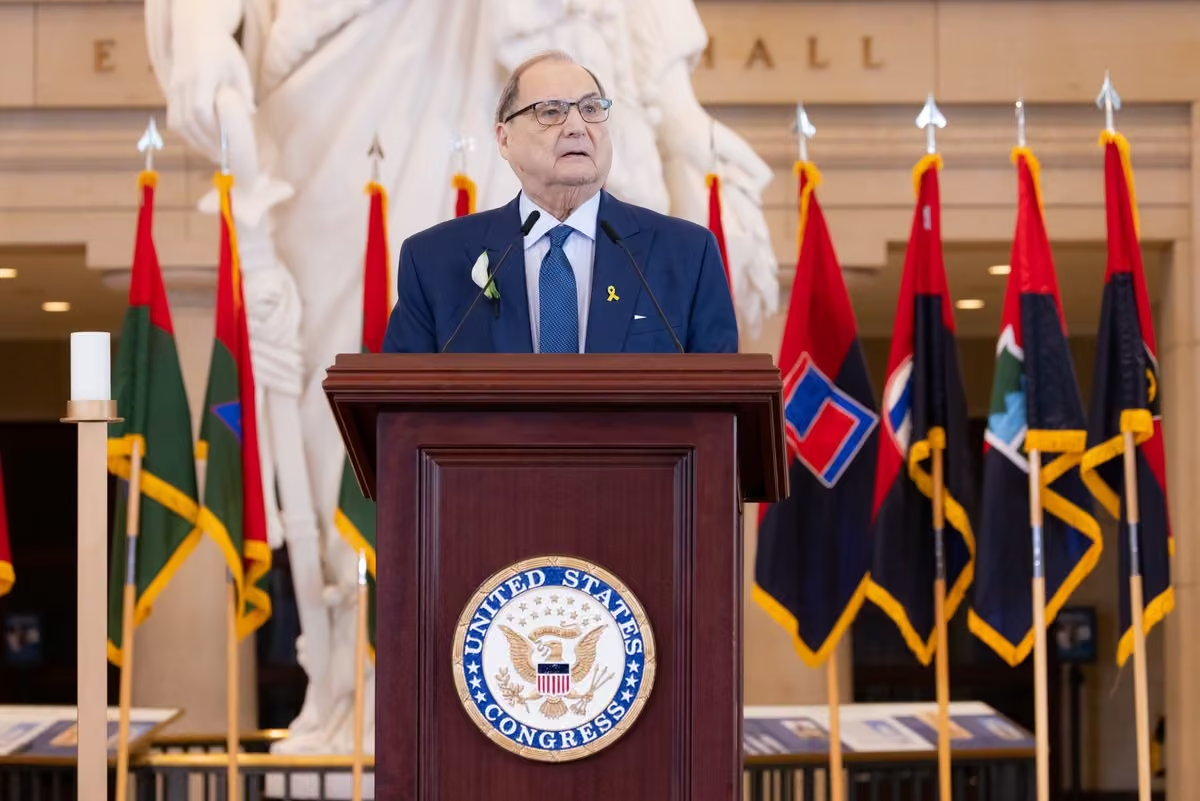 US Holocaust Museum
@HolocaustMuseum
4/4 This solemn day arrives at a time of alarming antisemitism and Holocaust denial. Holocaust history warns us of the consequences of unchecked antisemitism and inspires us to confront it and other forms of hatred.
US Holocaust Museum
@HolocaustMuseum
Watch the national commemoration of the Days of Remembrance live as we remember the six million Jews who were murdered during the Holocaust and the other victims of Nazi persecution. www.ushmm.org/watch/2025-days-of-remembrance-commemoration
US Holocaust Museum
@HolocaustMuseum
Our Museum mourns the death of His Holiness Pope Francis. www.ushmm.org/information/press/museum-mourns-the-death-o…
US Holocaust Museum
@HolocaustMuseum
Ruth's little brother, Aharon, was one of the most important people in her life. "We were always warm and loving," she remembered. They were separated at Auschwitz, and Ruth never saw Aharon again. Because of Aharon, #weremember the 1.5 million children killed in the Holocaust.
 US Holocaust Museum
@HolocaustMuseum
The Warsaw Ghetto Uprising was the first instance of major armed Jewish resistance during the Holocaust. It began #otd in 1943. Mostly armed with pistols and homemade grenades, about 700 ghetto fighters held off the Nazis for 27 days. 📸: National Archives
 US Holocaust Museum
@HolocaustMuseum
Harry was five when he last saw his Uncle Abram, who was later captured and killed by the Nazis. Years later, Harry could only remember his uncle through stories and photos. But because of Harry, we remember Abram’s life—and his loss. #weremember
 US Holocaust Museum
@HolocaustMuseum
In the midst of the Holocaust, Aunt Giza saved her niece and nephew—then was taken away and murdered. Her courage ensured their survival and that their story would never be forgotten. #weremember
 US Holocaust Museum
@HolocaustMuseum
At age 13, Frank Cohn arrived in the US from Germany with his mother just weeks before Kristallnacht, the night of Nazi-perpetrated, antisemitic violence.
Just five years later, Frank returned to Europe as an American soldier. Hear him tell his story today at 1 p.m. ET.
US Holocaust Museum
@HolocaustMuseum
Luba Tryszynska, known as "The Angel of Belsen," helped more than 40 Jewish children survive after they had been left for dead in the cold at the Bergen-Belsen concentration camp. #otd in 1945 they were liberated by the British. Luba's own son was murdered at Auschwitz. 📸 @I_W_M
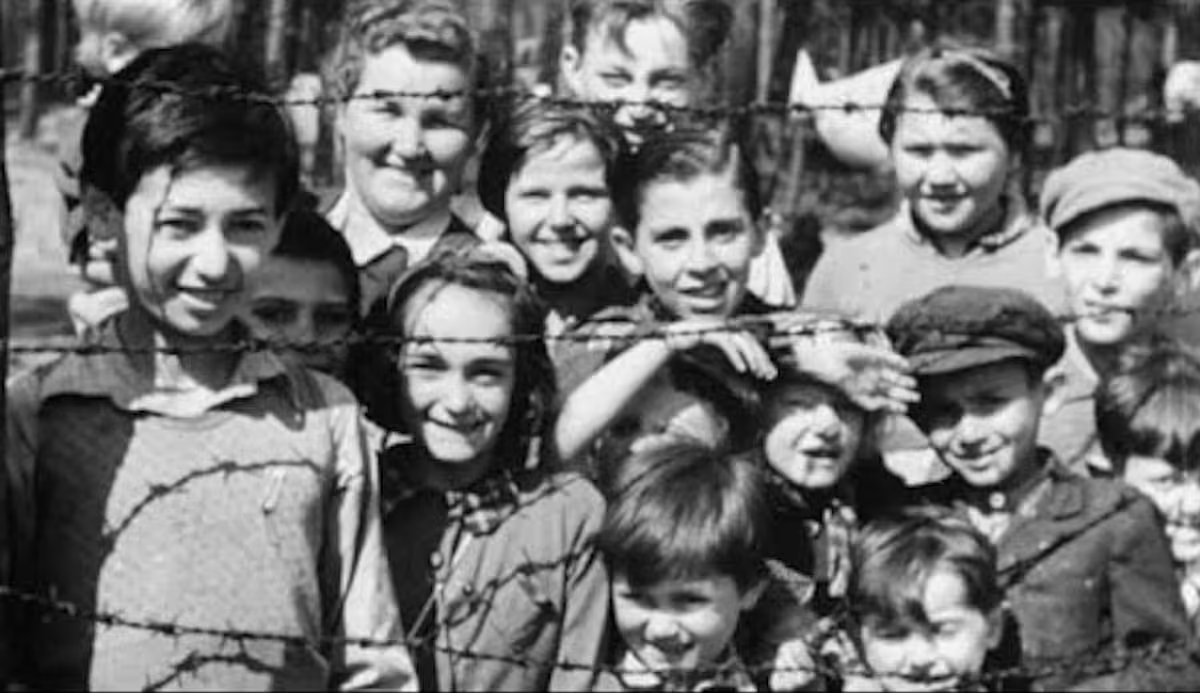 US Holocaust Museum
@HolocaustMuseum
Ilka Gedő’s dream of becoming an artist was cut short by the Nazis. She was prevented from studying in Paris once the Germans invaded in May 1940. Ilka drew scenes of life in the Budapest ghetto and survived the Holocaust, creating over 3,000 drawings by 1949.


 US Holocaust Museum
@HolocaustMuseum
“I never imagined that people would not like me just because I was born Jewish.”
Frank Cohn came of age in Germany just as the Nazis were implementing their antisemitic policies throughout the country. On 4/16 at 1 p.m. ET, hear Frank share how his family escaped.
US Holocaust Museum
@HolocaustMuseum
#otd in 1945, the US Army liberated a train carrying 2,500 Jewish prisoners from the Bergen-Belsen concentration camp. The passengers had been starved in the camp for months and then spent several days in the train with inadequate food, water, and sanitation. 📸: NARA
 US Holocaust Museum
@HolocaustMuseum
This photo of Leo Weissman’s family during Passover in Germany in 1937 was one of his “greatest treasures.” Passover, a Jewish holiday that marks the Israelites’ liberation from slavery in ancient Egypt, begins tonight. Leo survived five camps and prisons during the Holocaust.
 US Holocaust Museum
@HolocaustMuseum
Peter and Sonja Margules were among just 876 inmates liberated at the Westerbork transit camp #otd in 1945. Here they are pictured at their wedding inside the camp in 1942. encyclopedia.ushmm.org/content/en/article/westerbork
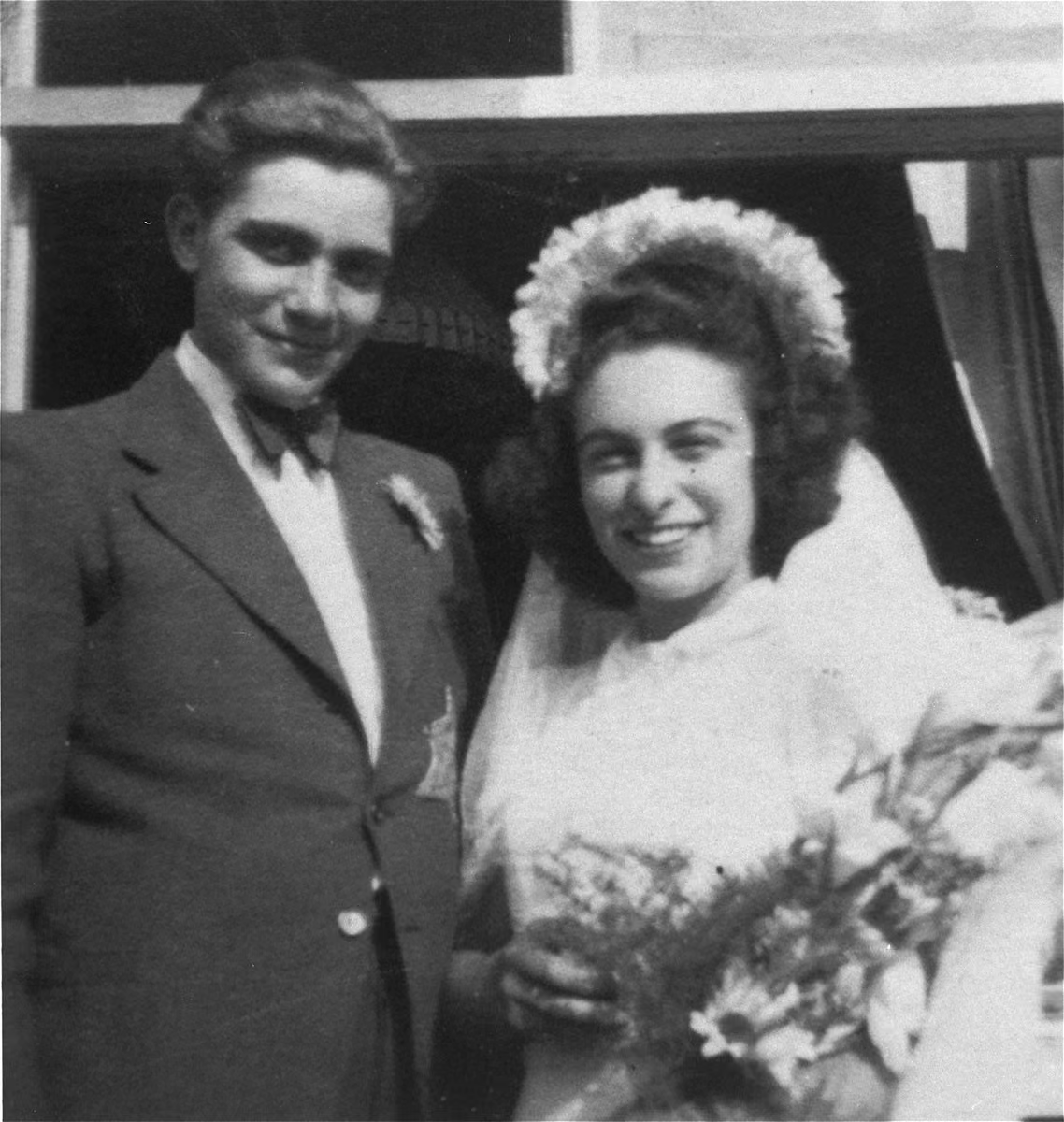 US Holocaust Museum
@HolocaustMuseum
Soccer may have saved Ignaz Feldmann's life. An SS officer recognized the Jewish professional soccer player and gave Ignaz a less grueling work assignment. Ignaz was liberated at the Ohrdruf camp and later used his English skills to act as General Eisenhower's guide.
US Holocaust Museum
@HolocaustMuseum
At age 16, Elie Wiesel was one of the more than 21,000 people liberated from Buchenwald #otd in 1945. "I knew I would have to bear witness. Everyone who was there is a witness, and everyone who was there is a true witness," he told NPR in 1988. 📷: National Archives
 US Holocaust Museum
@HolocaustMuseum
In 1941, three brothers—Tuvia, Asael, and Zus Bielski—formed a partisan group in the swampy forest of German-occupied Poland (today Belarus). During the war, they not only fought against the Nazis, but created a thriving community and saved some 1,200 of their fellow Jews.


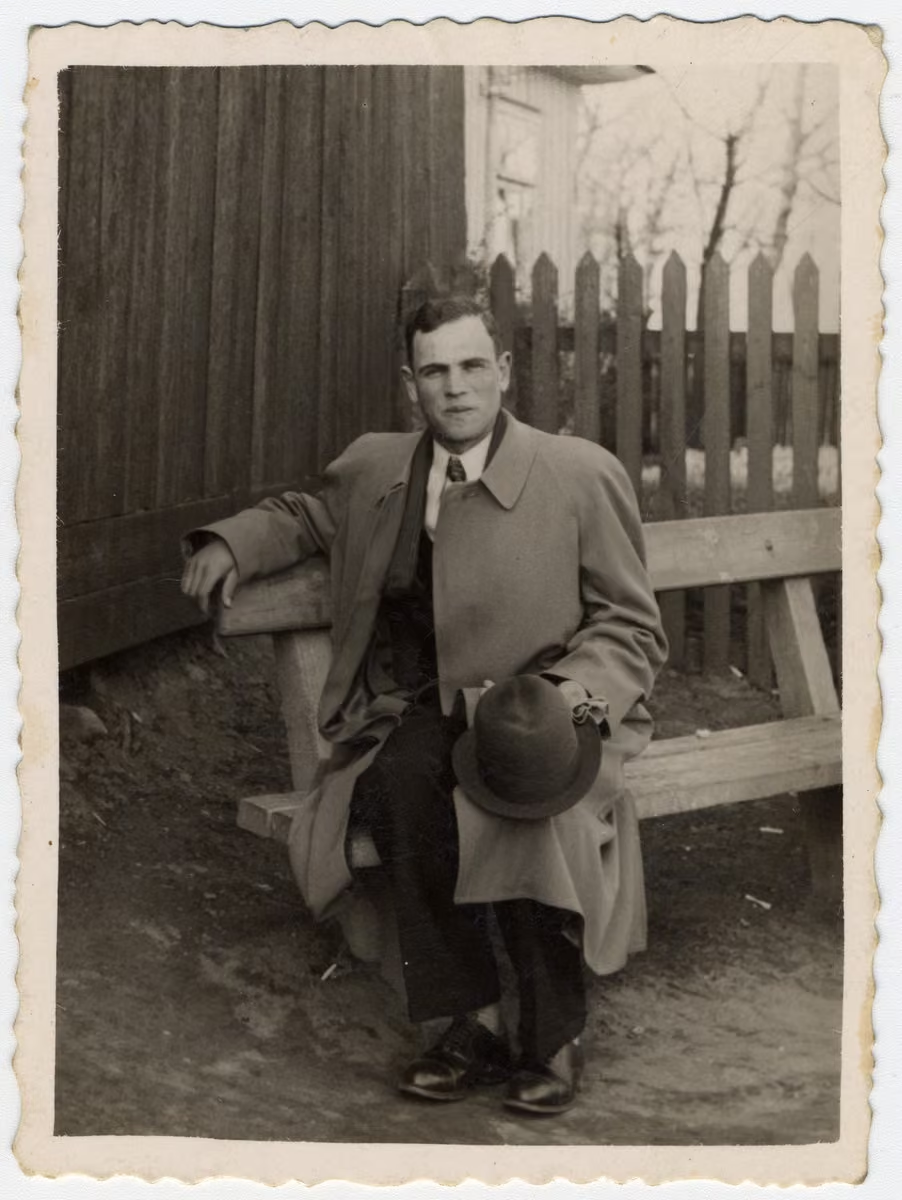 US Holocaust Museum
@HolocaustMuseum
“This is the pain that we carry,” said Maria Sava Moise. Maria and her husband, Stefan, survived the deportation of Roma to Romanian-controlled Transnistria. There, they lived under horrific conditions with little food or shelter. #internationalromaday
 US Holocaust Museum
@HolocaustMuseum
The Allies discovered one of the greatest thefts in history #otd in 1945: paintings, gold, and more hidden in a salt mine. The Nazi plot to strip Jews of art and even objects of little financial value was a sign of their greater ambition—to destroy them and erase their history.
 US Holocaust Museum
@HolocaustMuseum
Jack and Sylvia Amar had hoped to get married after the Nazis left Greece and their lives returned to normal. But when they learned they were going to be deported, they had a small ceremony in the Thessaloniki ghetto. The couple survived Auschwitz and reunited after the war.
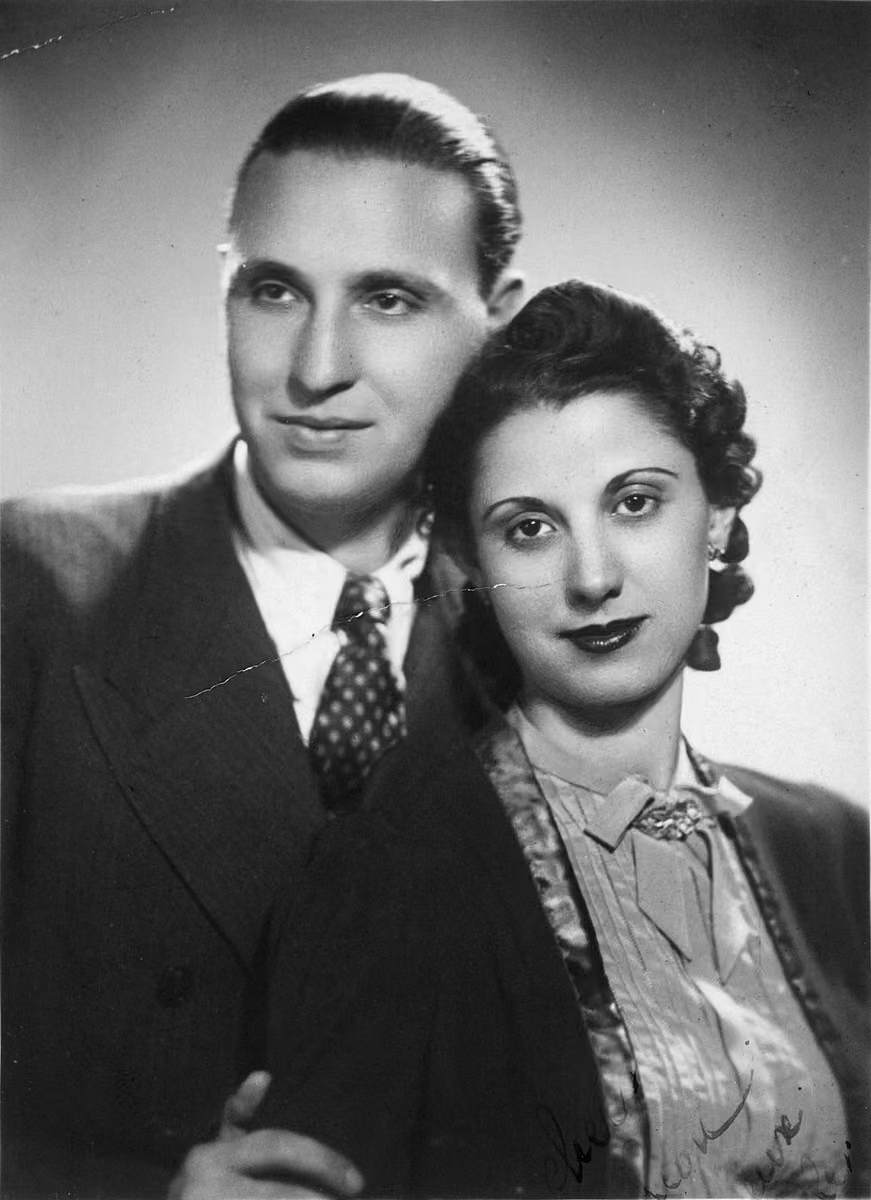 US Holocaust Museum
@HolocaustMuseum
Margaret Bourke-White made some of the first photos that showed Americans the horrors of the Holocaust. She accompanied American troops as they liberated the Buchenwald concentration camp in 1945. What she witnessed made her ashamed to "be a member of the human race."
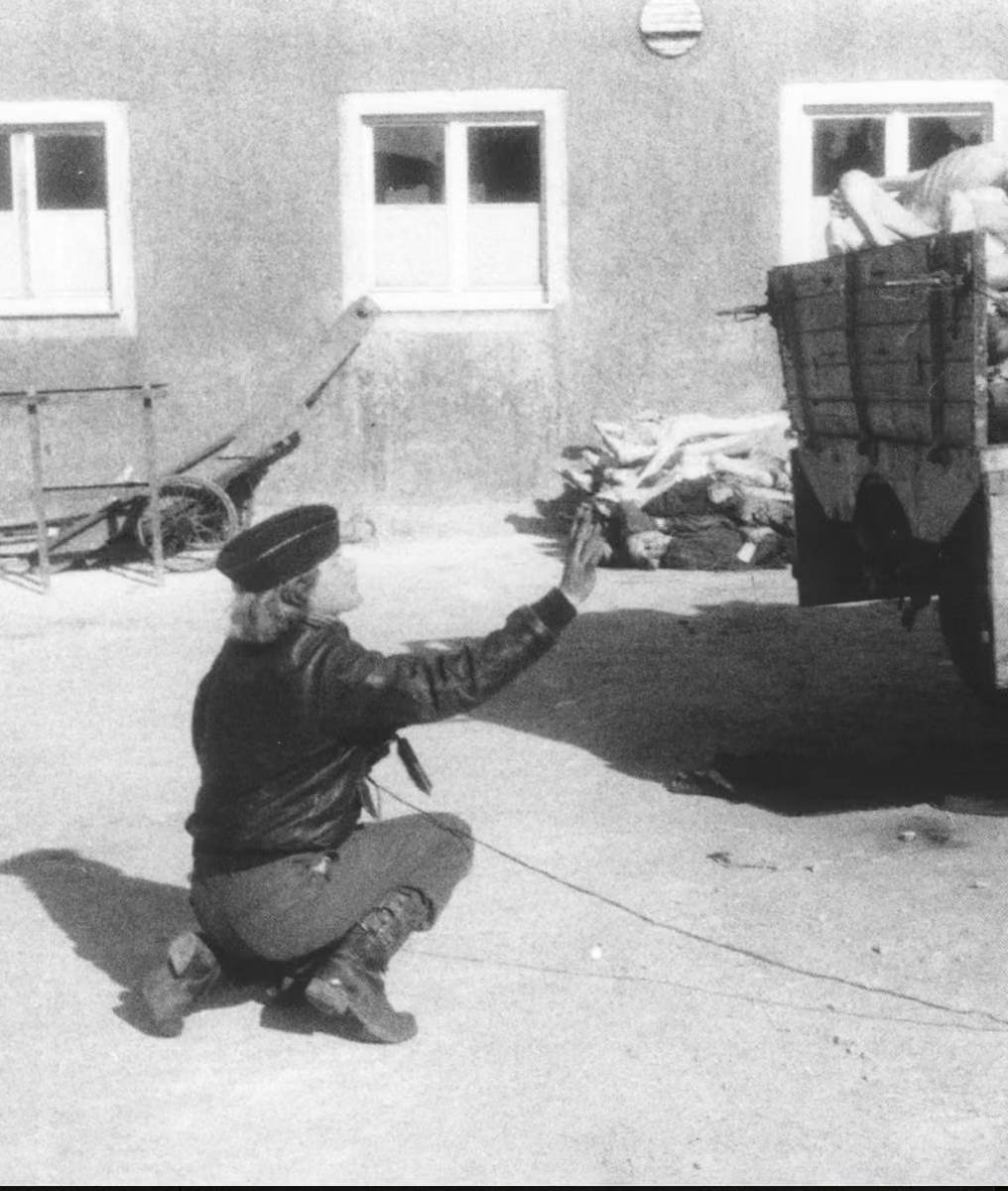 US Holocaust Museum
@HolocaustMuseum
Helene Gotthold was one of thousands of Jehovah's Witnesses arrested by the Nazis. She was tried, convicted, and executed for opposition to the Nazi regime in 1944.
 US Holocaust Museum
@HolocaustMuseum
Luigi Ferri was deported from Italy to Auschwitz-Birkenau when he was 11 years old. There, he was protected by Jewish inmate and physician Otto Wolken. Most children deported to Auschwitz were murdered. #nationaldoctorsday
 US Holocaust Museum
@HolocaustMuseum
Carl Oberg (right) was known as the “Butcher of Paris.” Appointed as head of the SS and German police in France in May 1942, he was responsible for the murder of thousands of resistance fighters and hostages. Oberg was captured in 1945 and eventually released from prison in 1962.
 US Holocaust Museum
@HolocaustMuseum
When the Teitz family immigrated to America in 1939, they left their son Werner behind in Europe. He had a disability, which likely would have precluded him from receiving a visa. Because he was Jewish, Werner was deported and gassed at the Sobibor killing center.
 US Holocaust Museum
@HolocaustMuseum
In 1943, a young Polish woman named Stefania Podgórska and her younger sister, Helena, made the risky decision to hide 13 Jews in their home in German-occupied Poland. All 13 survived the Holocaust, including Stefania's future husband, Josef.
US Holocaust Museum
@HolocaustMuseum
In March 1933, the Nazis established the first regular concentration camp, Dachau. Until liberation in 1945, more than 200,000 people were incarcerated there, including Jewish men like Joseph and Henry Landman. Pictured here are their portraits before and after their release.

 US Holocaust Museum
@HolocaustMuseum
"In place of home
I hold the metamorphoses of the world—"
Born to a Jewish family in Berlin in 1891, Nelly Sachs fled to Sweden in 1940. Through her vivid writing, she memorialized victims and bore witness to the plight of refugees. 📷: nobelprize.org
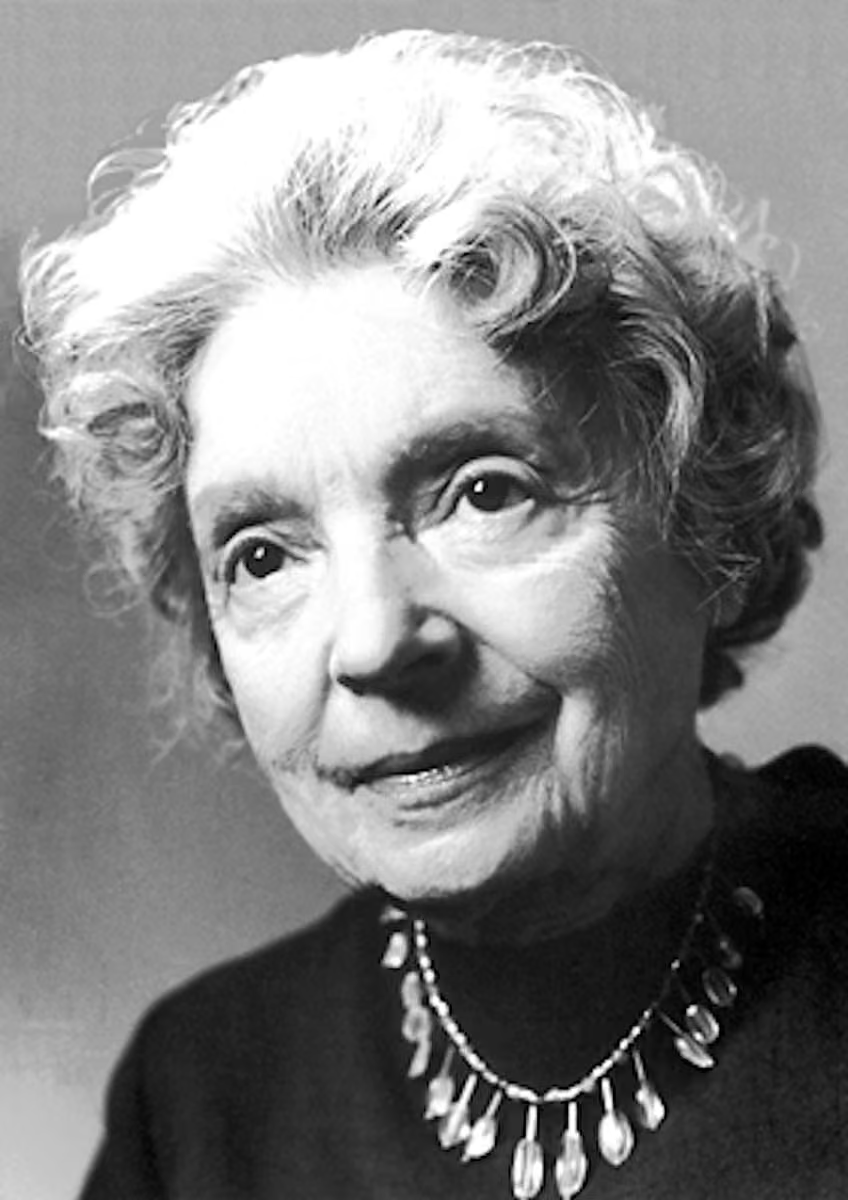 US Holocaust Museum
@HolocaustMuseum
English teachers: Looking to teach the Holocaust in your classroom? Click the link below for our teaching resources. www.ushmm.org/teach/opportunities-for-educators/professio…
US Holocaust Museum
@HolocaustMuseum
Susan Rubin Suleiman and her parents survived the Holocaust in hiding with the help of false papers, but most Hungarian Jews were not as lucky. After the Nazi takeover #otd in 1944, the Germans and local collaborators murdered 500,000 Hungarian Jews in just over a year.
 US Holocaust Museum
@HolocaustMuseum
When Josie Traum reunited with her mother after the war, the six-year-old girl would tie their nightgowns together at night. She didn't want to lose her mother again. Today at 1 p.m. ET, hear Josie share how those years spent apart shaped her life.
US Holocaust Museum
@HolocaustMuseum
In France, performer Josephine Baker found fame and freedom. She felt indebted to her adopted country after fleeing racism in America. At the height of her career, she decided to risk everything and become a spy—informing on the Nazis. 📸 LOC
US Holocaust Museum
@HolocaustMuseum
Josie Traum was three when her mother made the agonizing decision to send her away. She was hidden first by a group of nuns and then by a Christian family in Brussels. Hear Josie share her survival story on 3/19.
US Holocaust Museum
@HolocaustMuseum
#otd in 1942, German authorities began clearing out the Lublin ghetto. Over the course of a month, they rounded up ghetto residents and sent them mainly to the Belzec killing center. At least 25,000 Jews were killed in a month. 📷: @yivoinstitute
 US Holocaust Museum
@HolocaustMuseum
#onthisday in 1939, Nazi Germany invaded the Czech lands and occupied Marta Peková's hometown of Prague. Marta, her husband, and their young daughter were sent to the Theresienstadt ghetto in late 1941 and were liberated in May 1945. Marta's parents and siblings did not survive.
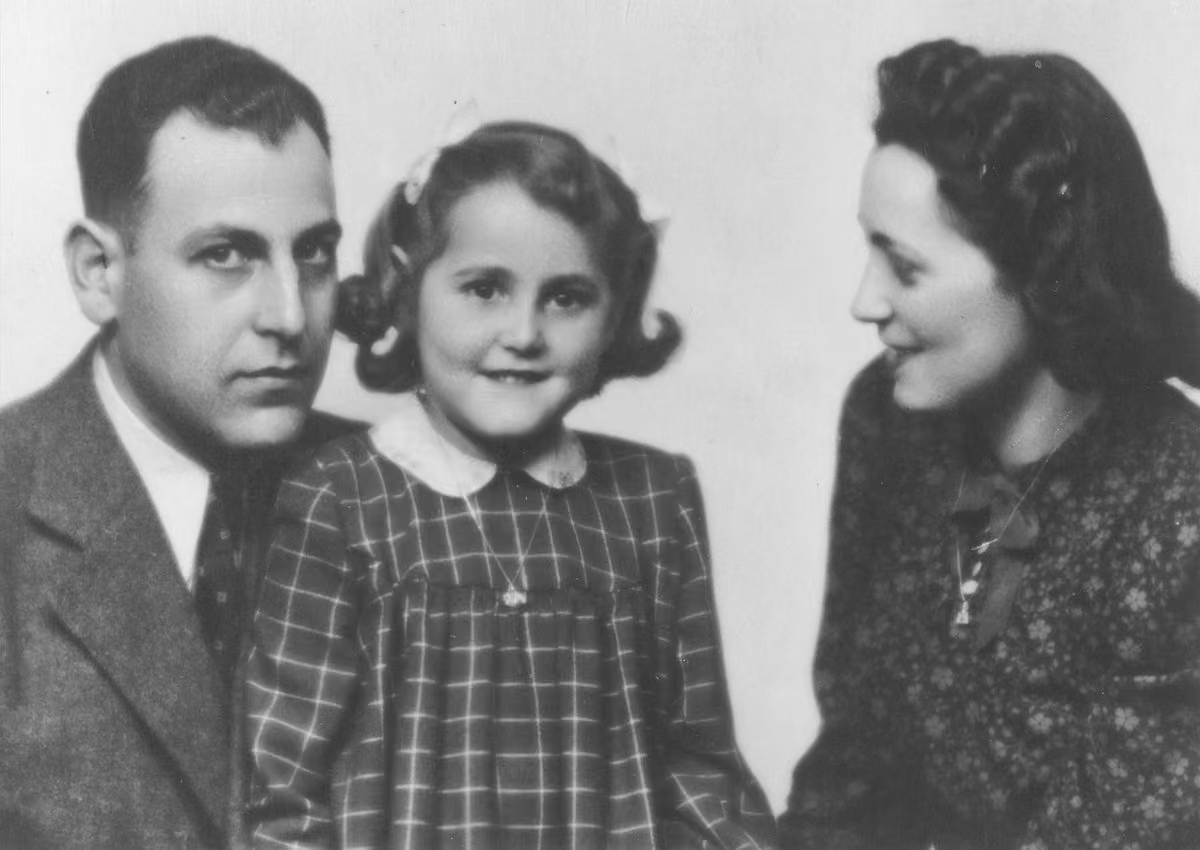 US Holocaust Museum
@HolocaustMuseum
Albert Einstein—an early, vocal critic of the Nazis—was born #otd in 1879. Just weeks after Hitler came to power, Einstein's home was raided. Einstein went on to renounce his German citizenship and became an American citizen in 1940. 📷: LOC
 US Holocaust Museum
@HolocaustMuseum
After the Holocaust, Jewish refugee children celebrated the festive holiday of #purim, which begins tonight. Celebrations are lighthearted and humorous, with costumes, noisemakers, and plays called "Purimshpil." These children celebrated at a displaced persons camp in Italy.
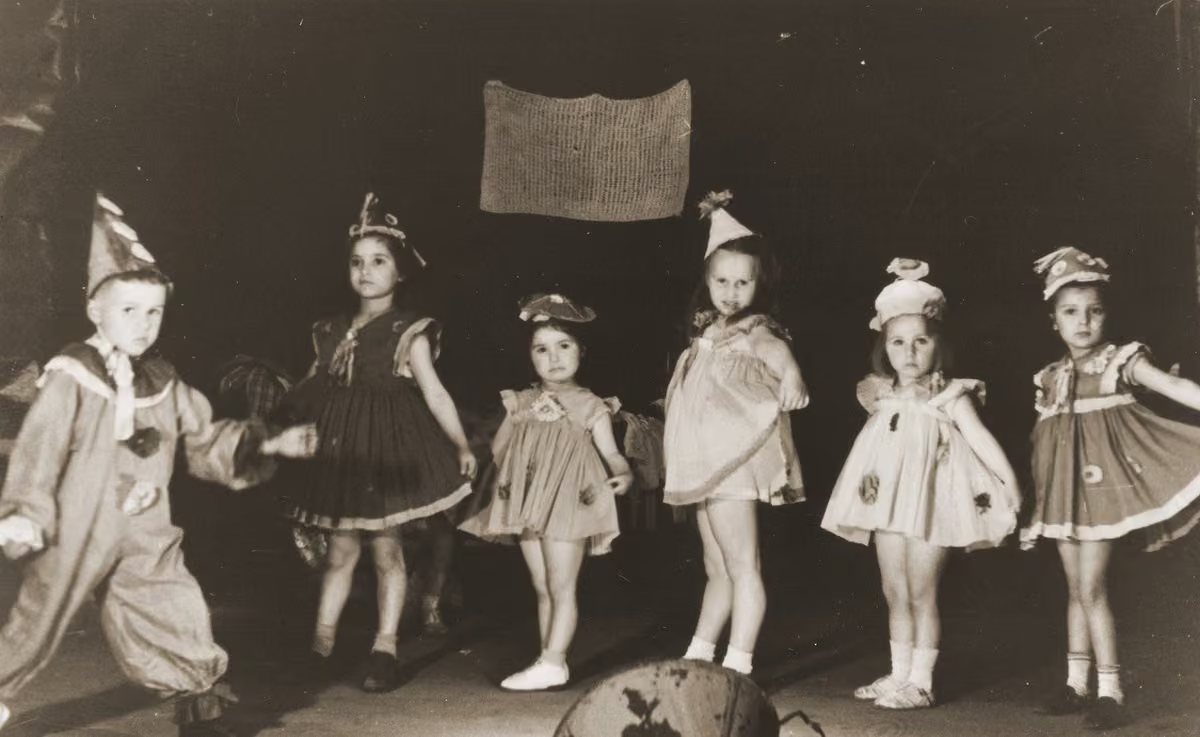 US Holocaust Museum
@HolocaustMuseum
From March 13-16, 1943, the Nazis destroyed the Krakow ghetto. 2,000 Jews were killed in the ghetto and thousands of others were sent to Plaszow concentration camp or Auschwitz-Birkenau. Only 2,000 Jews imprisoned in Krakow survived the Holocaust. 📷: Instytut Pamieci Narodowej
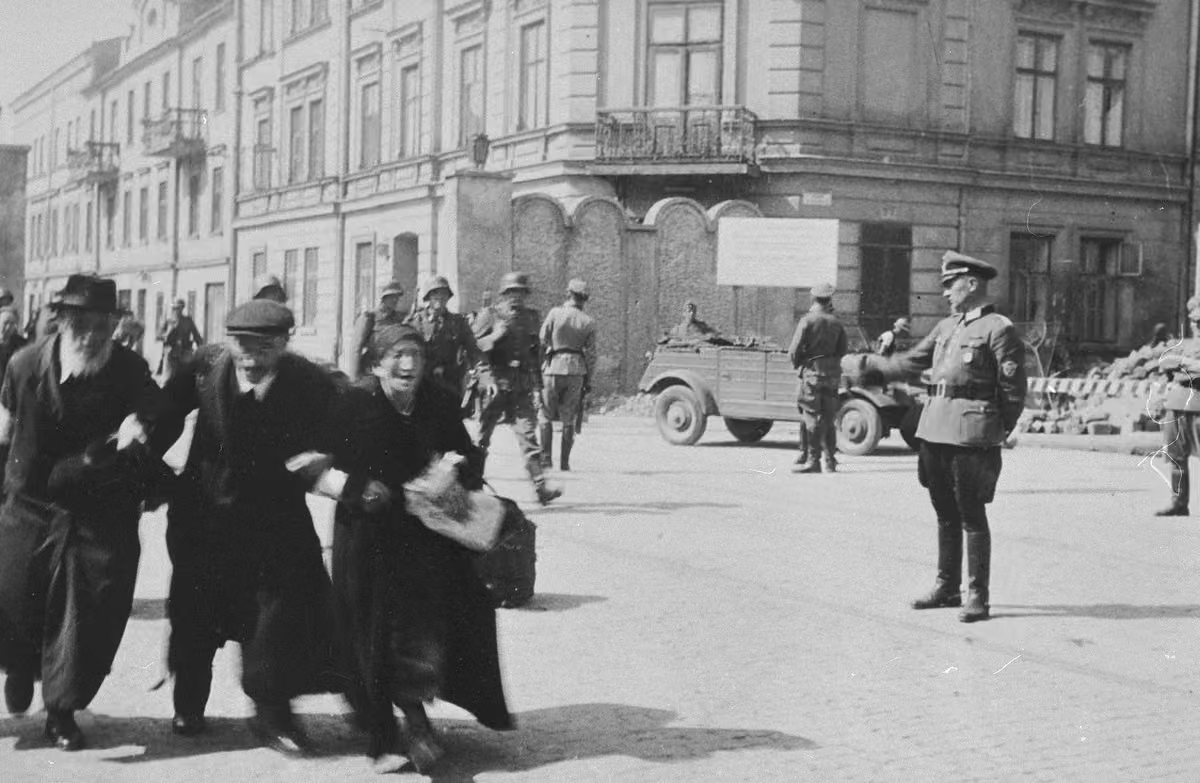 US Holocaust Museum
@HolocaustMuseum
Pictured here is a group of Jewish men forced to scrub the street mere days after Nazi Germany annexed Austria in March 1938. These so-called “scrubbing parties” were just one of many forms of anti-Jewish humiliation and violence incited by the Anschluss. 📷: DÖW
 US Holocaust Museum
@HolocaustMuseum
Are you a teacher? Check out our timeline activity designed to teach students about historical events and individual experiences during the Holocaust. Click the link below. www.ushmm.org/teach/holocaust-lesson-plans/holocaust-time…
US Holocaust Museum
@HolocaustMuseum
At age 27, with no prior trial experience, Ben Ferencz prosecuted “the biggest murder trial in history.” Bringing Nazis to justice shaped the course of his life. Ben was born #otd in 1920. His motto was "never give up."
encyclopedia.ushmm.org/content/en/article/ben-ferencz-and…
 US Holocaust Museum
@HolocaustMuseum
In early 1943, many Americans did not yet believe the news coming out of Europe about the ongoing Holocaust. The "We Will Never Die" pageant premiered that year #otd. Attended by over 100,000 people, the pageant helped raise awareness of Nazi atrocities against the Jews.
US Holocaust Museum
@HolocaustMuseum
1/6 During the Holocaust, these heroic women resisted the Nazis in any way they could. Learn more about the different ways they fought back:
US Holocaust Museum
@HolocaustMuseum
5/6 Ala Gertner was part of a group of young Jewish prisoners in Auschwitz who smuggled small amounts of gunpowder from a munitions factory to destroy a crematorium. She was later hanged.
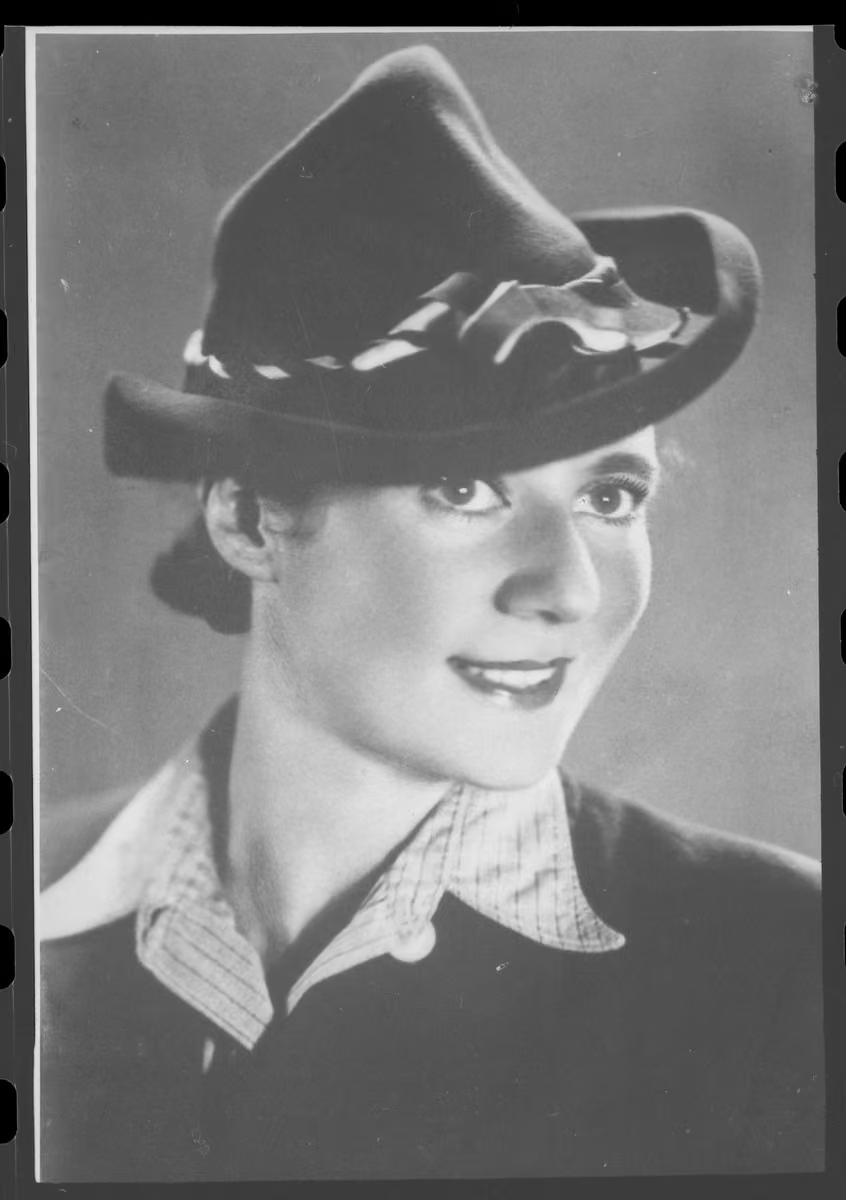 US Holocaust Museum
@HolocaustMuseum
6/6 Ebba Lund joined in the Danish boat rescue, which smuggled Jews out of German-occupied Denmark by boat to safety in neutral Sweden. Ebba was known for the red hat she wore to signify herself as part of the rescue operation.
 US Holocaust Museum
@HolocaustMuseum
Steven Montrose learned two things from growing up in concentration camps: “How to survive on my own, and how to hate.”
Steven survived three concentration camps before the age of seven. Later in life, he was finally able to let go of the hatred his felt toward his captors.
 US Holocaust Museum
@HolocaustMuseum
In the wake of wartime destruction, Jan and Antonina Żabiński found a new purpose for the Warsaw Zoo. The zookeeper and his wife helped smuggle Jews out of the Warsaw ghetto, hiding them in their home and on zoo grounds. 📸: Yad Vashem
 US Holocaust Museum
@HolocaustMuseum
Pharmacist Thadeusz Pankiewicz was the only non-Jewish Pole who lived and worked in the Krakow ghetto. After the Holocaust, he published a memoir of his efforts to help protect Jews from Nazi brutality, providing one of the only accounts of what life was like in the ghetto.
 US Holocaust Museum
@HolocaustMuseum
Gad Beck was one of 2,000 men held at the former Jewish community building on Rosenstrasse #onthisday in 1943. Upon hearing this news, their female relatives protested outside. Until this event, there had never been a demonstration on behalf of Jews in wartime Nazi Germany.
 US Holocaust Museum
@HolocaustMuseum
The antisemitic attack at Germany's central Holocaust memorial is an assault on Holocaust memory and Jewish people worldwide. Our thoughts are with the victim. This horrific act must be universally condemned. encyclopedia.ushmm.org/content/en/article/introduction-to…
 US Holocaust Museum
@HolocaustMuseum
"I don't think of all the misery, but of the beauty that still remains."
Eighty years ago—in February or March 1945—Anne Frank died of typhus at the Bergen-Belsen concentration camp. Anne's father, Otto, published her diary after the war to preserve her legacy.
US Holocaust Museum
@HolocaustMuseum
While many other Germans remained silent, members of the White Rose resistance group risked their lives to speak out against the Nazi regime. Members Christoph Probst and siblings Hans and Sophie Scholl were tried for treason, convicted, and beheaded #otd in 1943.
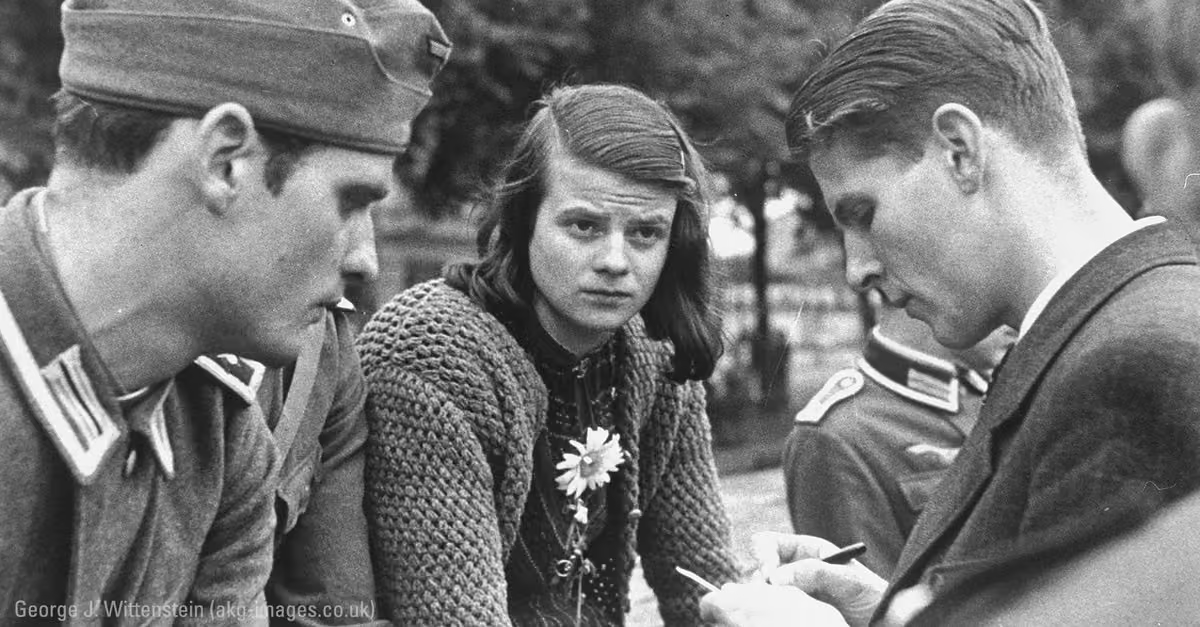 US Holocaust Museum
@HolocaustMuseum
Looking for a student activity about resistance during the Holocaust? Click here:
www.ushmm.org/teach/holocaust-lesson-plans/resistance-dur…
US Holocaust Museum
@HolocaustMuseum
Joël Nommick never got the chance to meet his father, who was arrested and deported in 1942. Only later would he piece together the story of his father’s imprisonment at Auschwitz and numerous other camps and prisons. Hear Joël’s story today at 1 p.m. ET.
US Holocaust Museum
@HolocaustMuseum
“We were living in anxiety all the time because we never knew what would happen to us.”
For the first year and a half of his life, Joël Nommick lived in constant danger in wartime France. Tune in live on 2/19 at 1 p.m. ET to hear his story. 📷: Joël Nommick
US Holocaust Museum
@HolocaustMuseum
Dwight Eisenhower was the Supreme Commander of the Allied Expeditionary Force that fought to defeat Nazi Germany. Witnessing Nazi crimes committed at concentration camps had a powerful impact on him, and he wanted the world to know what happened. 📷: NARA #presidentsday
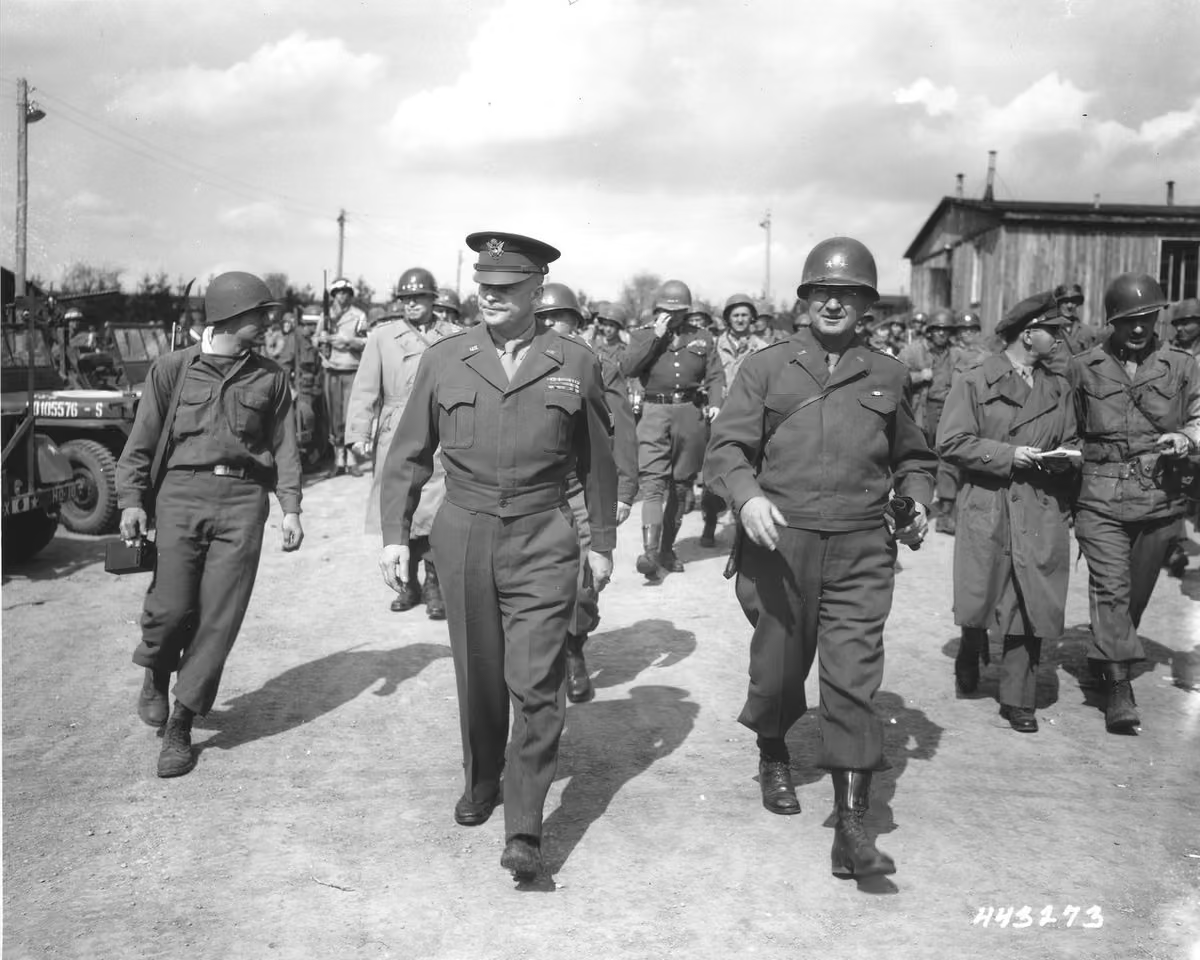 US Holocaust Museum
@HolocaustMuseum
After two years in Ravensbrück, Eva Ostwalt was eager to reunite with her half-Jewish daughter, Heide. When Eva arrived in Dresden to find her, the city had been destroyed. In mid-February 1945, the Allies bombed Dresden, killing up to 25,000 German civilians, including Heide.
 US Holocaust Museum
@HolocaustMuseum
"For our Lilli and Edi," wrote Wilhelm and Johanna Schischa on the back of this photo of themselves in the Opole ghetto. A few years earlier they had sent their daughter, Lilli, on a Kindertransport, saving her life. Wilhelm and Johanna did not survive the Holocaust.
 US Holocaust Museum
@HolocaustMuseum
In stolen moments, William and Helen Luksenburg got to know each other through the fence between their barracks at a Nazi camp. William promised that they would survive and one day marry. They were their families' sole survivors. #valentinesday
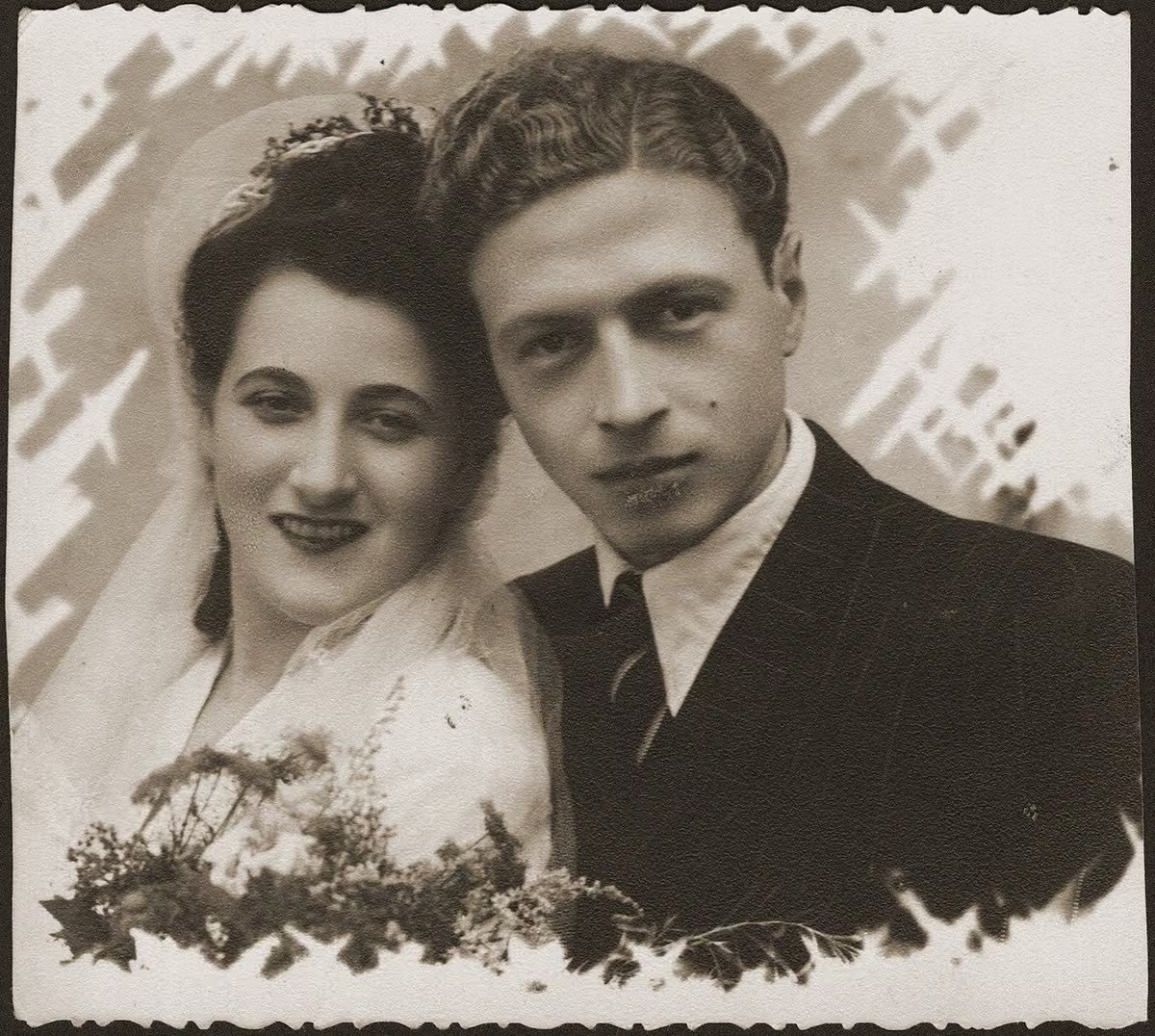 US Holocaust Museum
@HolocaustMuseum
#otd in 1945, the Soviet army liberated the Gross-Rosen concentration camp. It is estimated that of the 120,000 prisoners who passed through the Gross-Rosen camp system, at least 40,000 died either at the camp or during its evacuation.encyclopedia.ushmm.org/content/en/article/gross-rosen
US Holocaust Museum
@HolocaustMuseum
Due to inclement weather, the Museum will open tomorrow, February 12, 2025, at 11 a.m. For those who need to reschedule passes, please contact visitorsmail@ushmm.org.
 US Holocaust Museum
@HolocaustMuseum
The Museum mourns the death of Shlomo Mansour. The oldest hostage in Gaza, he was a survivor of the 1941 Farhud pogrom in Iraq.
encyclopedia.ushmm.org/content/en/article/the-farhud
 US Holocaust Museum
@HolocaustMuseum
Due to inclement weather, the Museum will close today at 2 p.m. For those who need to reschedule passes, please contact visitorsmail@ushmm.org.
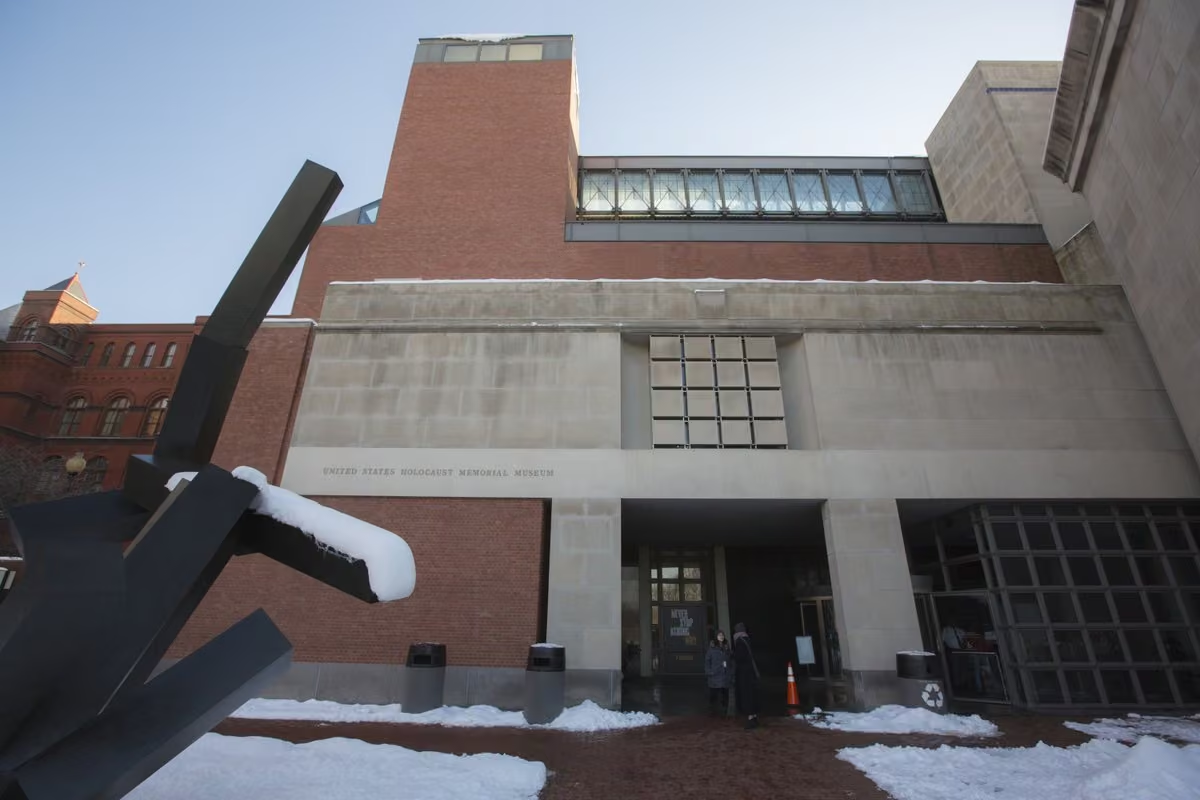 US Holocaust Museum
@HolocaustMuseum
The girls had been hidden with one rescuer and their brother, Al, with another. Betrayed by the family who took them in, the sisters were among 1.5 million child Holocaust victims. Al survived the Holocaust in hiding.
Auschwitz Memorial
@AuschwitzMuseum
10 February 1944 | A transport of 1,015 Jews deported from Westerbork in the German-occupied Netherlands arrived at #auschwitz. SS doctors sent 142 men & 73 women to the camp.
The remaining 800 people were murdered in gas chambers.
Eva & Liane Münzer (7 & 5) were among them.
 US Holocaust Museum
@HolocaustMuseum
Adolf Hitler made the swastika the centerpiece of the Nazi flag. Today it is known as a symbol of hate. Learn how a sign once associated with good fortune became the most recognizable icon of Nazi propaganda.
US Holocaust Museum
@HolocaustMuseum
In 1941, Willy Georg, a radio operator in the German army, managed to photograph life inside the Warsaw ghetto, including this picture of an unidentified vendor. Georg only shared the images with the world 50 years later.
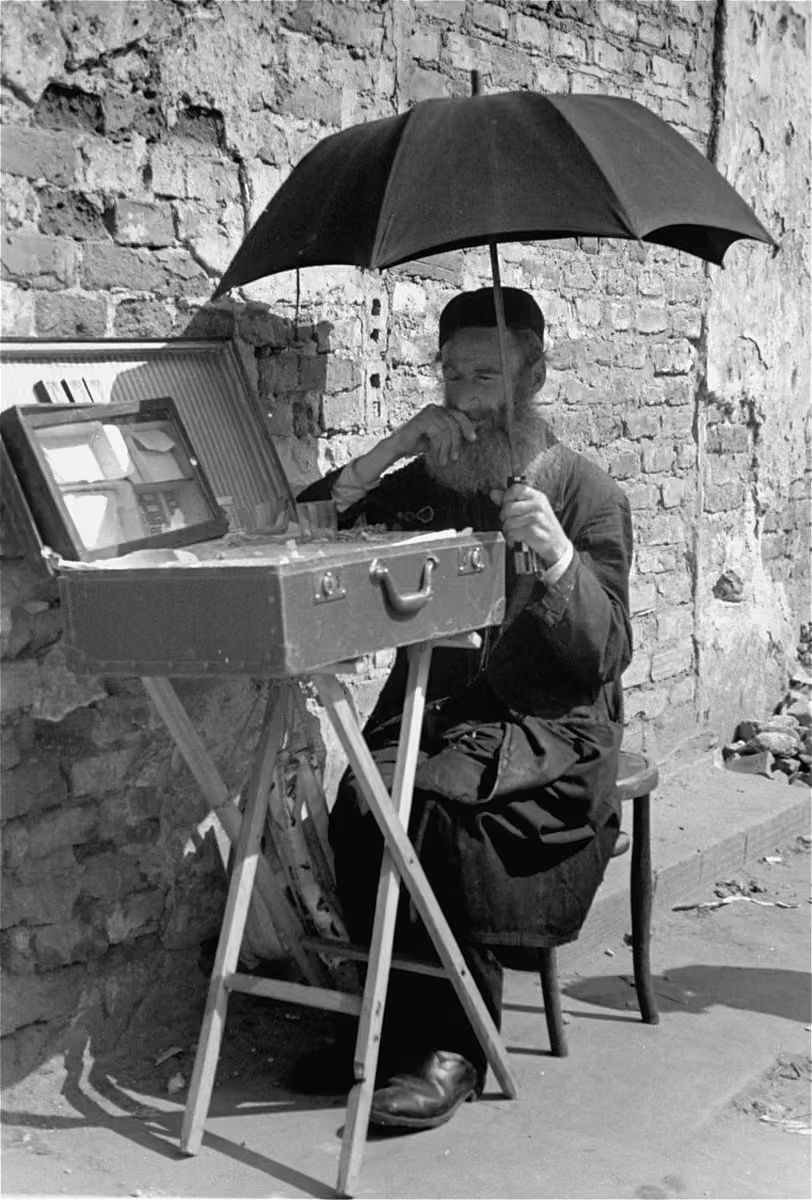 US Holocaust Museum
@HolocaustMuseum
“In memory of the wonderful time in Holland,” reads this card given to Ilse Lichtenstein by a friend while she was on the run from the Nazis. Ilse survived the Holocaust, but her parents and sister were likely murdered in the Sobibor death camp within hours of their arrival.
 US Holocaust Museum
@HolocaustMuseum
Joan's warning: Don't listen when people try to make you hate someone. It can have dangerous consequences. #holocaustsurvivor #antisemitism
US Holocaust Museum
@HolocaustMuseum
"Dear ma'am, please be mother to her and give her your heart." In February 1943, the Kuenstler family entered into an agreement with Sophia Zendler to rescue their three-month-old daughter. They wrote to Sophia about how to keep their "beloved baby" happy.
US Holocaust Museum
@HolocaustMuseum
Artist Josef Nassy spent three years in prison for being an “enemy alien” in German-occupied Europe. He lived in Belgium and had an American passport. After the US entered WWII, Nazi officials arrested him. He created more than 200 pieces of art while he was imprisoned.
US Holocaust Museum
@HolocaustMuseum
Ruth Cohen, a Holocaust survivor and Museum volunteer, visited Auschwitz for the 80th anniversary of its liberation—her first visit since she was imprisoned there. She shared her story with @NBCNightlyNews and @JesseKirschNews. www.nbcnews.com/nightly-news/video/-american-holocaust-su…
US Holocaust Museum
@HolocaustMuseum
#otd in 1943, the Reich Security Main Office instructed various police forces under its command to prepare to deport Roma and Sinti to Auschwitz. German authorities sent about 23,000 Roma and Sinti there. The vast majority were murdered.
 US Holocaust Museum
@HolocaustMuseum
Day and night, Irene Weiss saw mothers and children pass by her barrack at Auschwitz. They were on their way to their deaths. But they likely didn’t know. Hear Irene recount her experience as a 13-year-old at Auschwitz—as we commemorate International #holocaustremembranceday.
US Holocaust Museum
@HolocaustMuseum
#otd 80 years ago, Auschwitz was liberated by Soviet troops. The Germans established the Auschwitz camp complex in the spring of 1940 in German-occupied Poland. About 1.1 million people were killed there, including about one million Jews. #holocaustremembranceday
 US Holocaust Museum
@HolocaustMuseum
Within hours of being separated from her family at Auschwitz, another prisoner bluntly told Ruth Cohen that her mother, brother, and cousins were already dead.
Ruth, 14, could not believe it. The truth of Auschwitz was beyond her imagination.
www.ushmm.org/remember/holocaust-survivors/volunteers/rut…
 US Holocaust Museum
@HolocaustMuseum
Steven Fenves watched as the boys he knew died one by one of starvation at Auschwitz. Death was a constant there. Steven, then 13, found purpose and the will to live by working with the camp resistance.
www.ushmm.org/remember/holocaust-survivors/volunteers/ste…
 US Holocaust Museum
@HolocaustMuseum
They are among the few who survived Auschwitz and can speak about it today. Join us on International #holocaustremembranceday to learn the stories of Ruth Cohen, Steven Fenves, and Irene Weiss—who survived Auschwitz as teenagers. Watch live on YouTube on 1/27 at noon ET.
US Holocaust Museum
@HolocaustMuseum
In 3 days the world will commemorate the 80th anniversary of the Auschwitz liberation, honor its victims and survivors, and reflect on the Nazis’ unprecedented crimes. The Holocaust was a watershed event that must always be treated with utmost reverence. encyclopedia.ushmm.org/content/en/article/auschwitz
US Holocaust Museum
@HolocaustMuseum
On a deportation train to Auschwitz-Birkenau, 17-year-old Erwin Haber wrote letters to his family and tossed them out of the train, hoping they would be found. He wrote, “Don’t lose hope, everything will be alright." He died just a few weeks after arriving at the notorious camp.
 US Holocaust Museum
@HolocaustMuseum
“We have talked. We have sympathized. We have expressed our horror. The time to act is long past due.” —John Pehle
The creation of the War Refugee Board #otd in 1944 was the first time the US adopted a policy of trying to rescue victims of Nazi persecution.
US Holocaust Museum
@HolocaustMuseum
The Museum will be closed tomorrow, Monday, January 20, due to security, road closures, and other restrictions for the Presidential Inauguration. It will re-open on Tuesday, January 21, from 10 a.m. to 5:30 p.m. www.ushmm.org
US Holocaust Museum
@HolocaustMuseum
Elie Wiesel was forced on a death march out of Auschwitz 80 years ago #otd. He and his father, Shlomo, were made to walk miles on foot in the freezing cold and then were placed in open freight cars. They eventually arrived at the Buchenwald concentration camp, where Shlomo died.

 US Holocaust Museum
@HolocaustMuseum
Raoul Wallenberg led one of the most extensive and successful rescue efforts during the Holocaust. He is credited with saving thousands of Hungarian Jews. Wallenberg disappeared into Soviet custody in January 1945 as the Soviets occupied Budapest. 📷: Yad Vashem
 US Holocaust Museum
@HolocaustMuseum
In January 1942, the Germans began deporting Jews from the Łódź ghetto to the Chełmno killing center. By the end of September, about 70,000 ghetto residents had been deported. Photographer Mendel Grossman captured scenes of people hugging goodbye and writing their last letters.
 US Holocaust Museum
@HolocaustMuseum
You may know the words from this famous quote, but do you know who said it and why?
German pastor Martin Niemöller, born #otd in 1892, originally supported the Nazi Party. He eventually stood up to Hitler and spent almost eight years in Nazi prisons and concentration camps.
US Holocaust Museum
@HolocaustMuseum
80 years ago #otd, the Germans captured and imprisoned Tony Acevedo and members of the US Army’s 275th Infantry Regiment. They faced physical and emotional abuse. Much of what we know about their experiences is due to a diary Tony secretly kept while in captivity.
 US Holocaust Museum
@HolocaustMuseum
Twenty years after the world promised safety and accountability, the people of Darfur are facing genocide again. Read our Museum's statement. www.ushmm.org/information/press/museum-statement-on-us-st…
US Holocaust Museum
@HolocaustMuseum
Due to inclement weather, the Museum will be closed today, January 7, 2025. For those who need to reschedule passes, please contact visitorsmail@ushmm.org.
 US Holocaust Museum
@HolocaustMuseum
Our Museum will be closed tomorrow, January 6, 2025. For those who need to reschedule passes, please contact visitorsmail@ushmm.org.
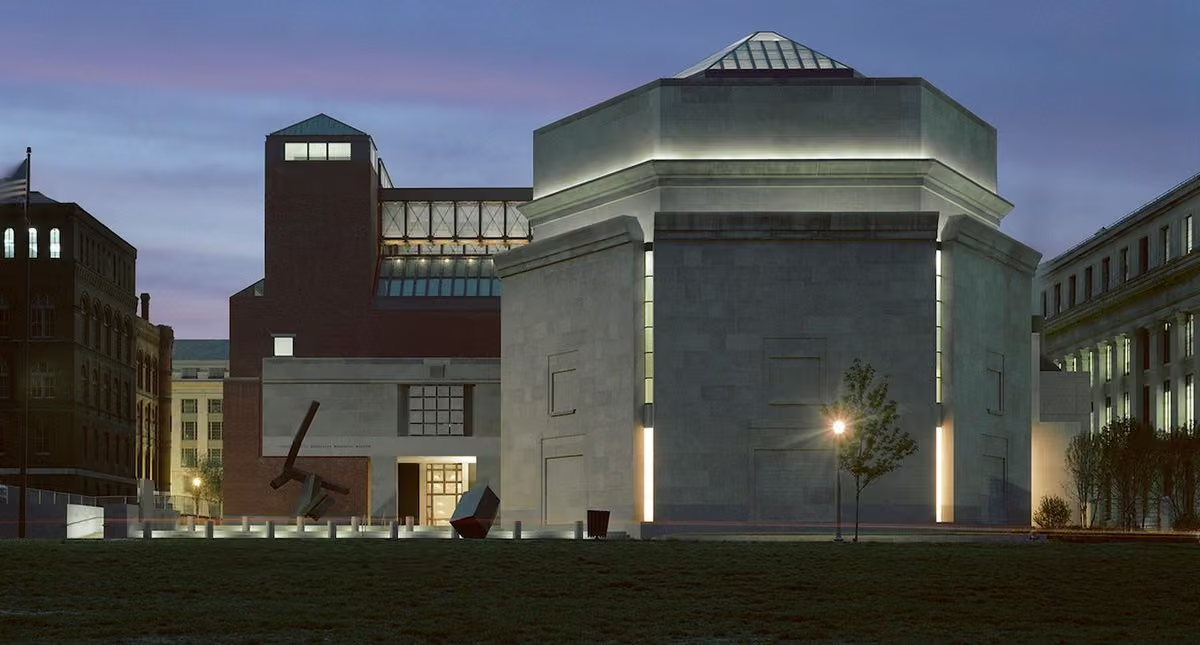 US Holocaust Museum
@HolocaustMuseum
After arriving at the Sobibor killing center in spring 1943, Thomas Blatt was selected for work. During the Sobibor uprising that October, Thomas escaped through a hole in a fence. He was one of approximately 50 escapees to survive the Holocaust.
 US Holocaust Museum
@HolocaustMuseum
"Light is in us, even if we have no eyes," wrote French Resistance member Jacques Lusseyran.
Blinded as a child, he used his strong memory and language skills to assist the Resistance. He was arrested in 1943 and survived for nearly 15 months in Buchenwald. 📷: Jacques Lusseyran
 US Holocaust Museum
@HolocaustMuseum
As he exited the railcar at the Auschwitz-Birkenau killing center in 1944, Beno Helmer was surrounded by his family for the last time. After the war, he searched for them town by town. On #newyearsday 1947, he reunited with his sister. She recognized him and then fainted.
 US Holocaust Museum
@HolocaustMuseum
“Out of our memory and understanding we must forge an unshakable oath with all civilized people that never again will the world stand silent …”
We mourn the passing of President Jimmy Carter, whose presidential commission recommended establishing our Museum.
US Holocaust Museum
@HolocaustMuseum
Josef Kohout was young and in love when he sent a Christmas card to his boyfriend in 1938. He had no idea that it would end up in the hands of the Gestapo and he would be arrested. He spent the next six years in prisons and concentration camps.
US Holocaust Museum
@HolocaustMuseum
During Hanukkah in 1931, Rabbi Akiva Posner’s family placed a menorah in the window—an outward sign of their faith. Through the panes, a swastika flag is seen on a Nazi Party office. The family fled Nazi Germany in 1933 with the candleholder. Their descendants still light it.
 US Holocaust Museum
@HolocaustMuseum
Jewish photographer Mosa Mandil took this photo of his children in 1940 to promote his photography business for Christmas. It would later save his family's lives. When stopped by SS officers, Mosa used the photo as "proof" that the family couldn't be Jewish.
 US Holocaust Museum
@HolocaustMuseum
On Christmas 1943, Berl Gempel (second from the left) made a daring escape that likely saved his life. He and dozens of other prisoners fled the Ninth Fort, a Nazi torture and mass murder site in German-occupied Kaunas.
 US Holocaust Museum
@HolocaustMuseum
The Museum and its exhibitions will be closed tomorrow, Wednesday, December 25. It will re-open on Thursday, December 26, from 10 a.m. to 5:30 p.m. www.ushmm.org
US Holocaust Museum
@HolocaustMuseum
Shortly after his escape from a moving train bound for Auschwitz, Leo Bretholz found himself imprisoned in Vichy France. While there, Leo and his cellmate passed the time by creating and exchanging crossword puzzles such as the one pictured below.
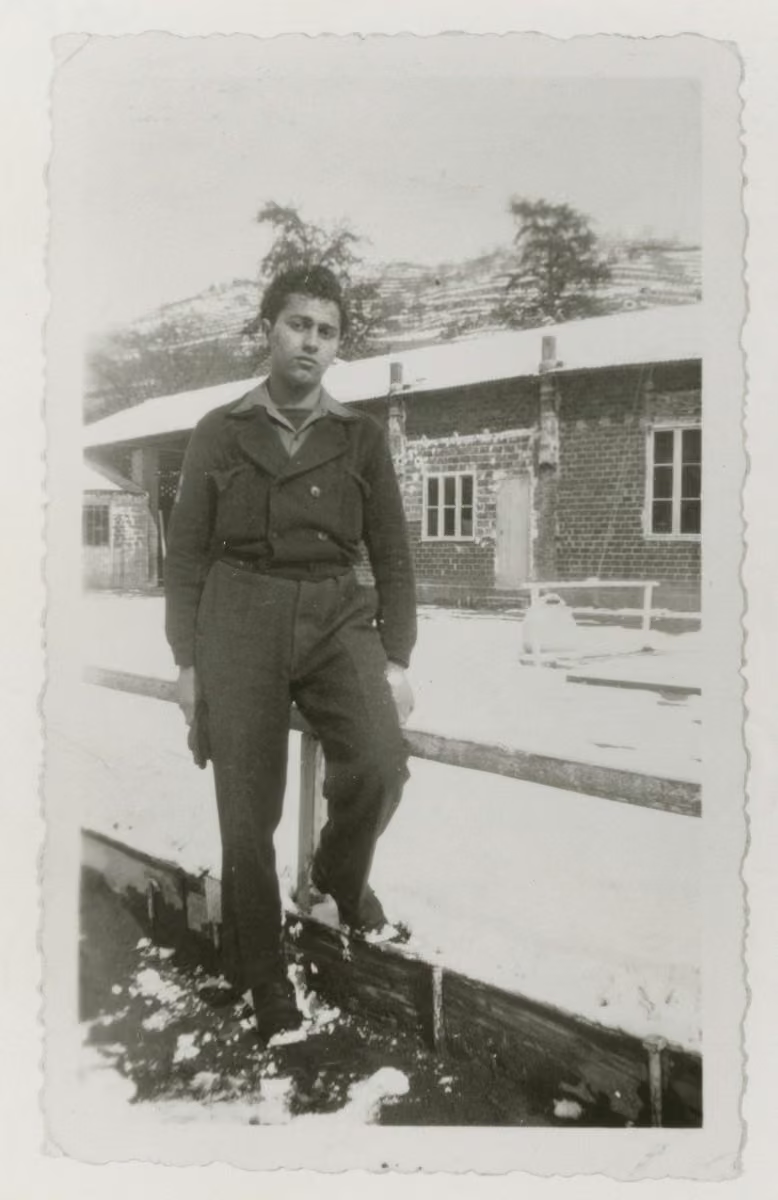
 US Holocaust Museum
@HolocaustMuseum
Ayana Touval spent much of the first few years of her life on the run from the Nazis and their collaborators. She and her family traveled by boat and train, took on false identities, and sought shelter from Allied bombs. Hear Ayana share her family's story today at 1 p.m. ET.
US Holocaust Museum
@HolocaustMuseum
Ayana Touval was too young to fully understand the chaos that defined her early childhood. Nazi Germany and its allies invaded her native Yugoslavia when she was just two years old. Hear Ayana share how she survived the Holocaust on 12/18 at 1 p.m. ET. 📷: Ayana Touval
US Holocaust Museum
@HolocaustMuseum
The Battle of the Bulge, one of the bloodiest battles of World War II, began #otd in 1944. Stephan H. Lewy, who had fled Nazi Germany as a child, was on the front lines. Trained at Camp Ritchie in Maryland, Stephan returned to Europe to serve as a US Army intelligence officer.
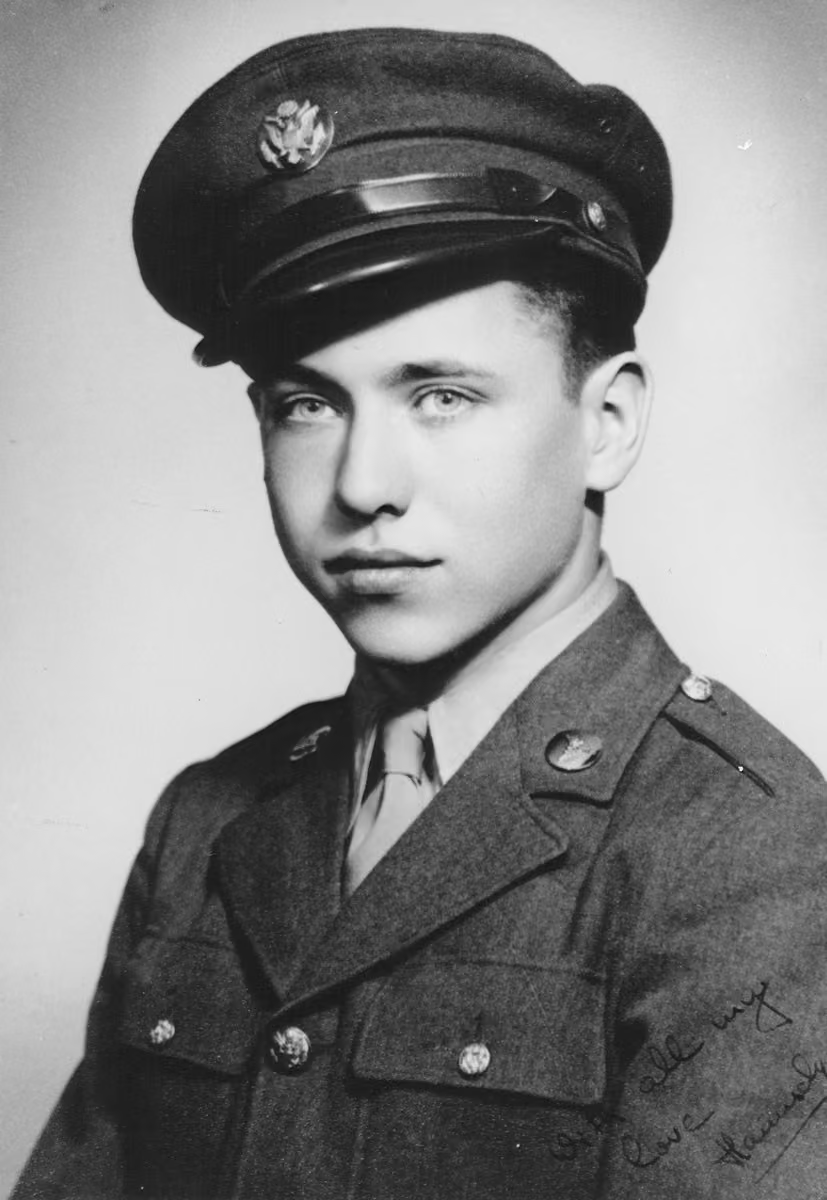 US Holocaust Museum
@HolocaustMuseum
“To sum it all up, I must say that I regret nothing,” wrote Adolf Eichmann in his memoir.
#otd in 1961, Eichmann, a pivotal actor in the coordination of the "Final Solution," was sentenced to death for his role in the murder of European Jews.
US Holocaust Museum
@HolocaustMuseum
In summer 1942, residents of the Kovno ghetto came together to form an orchestra. The orchestra performed 80 concerts in the ghetto and provided cultural and spiritual resistance amid the horrors of the Holocaust.
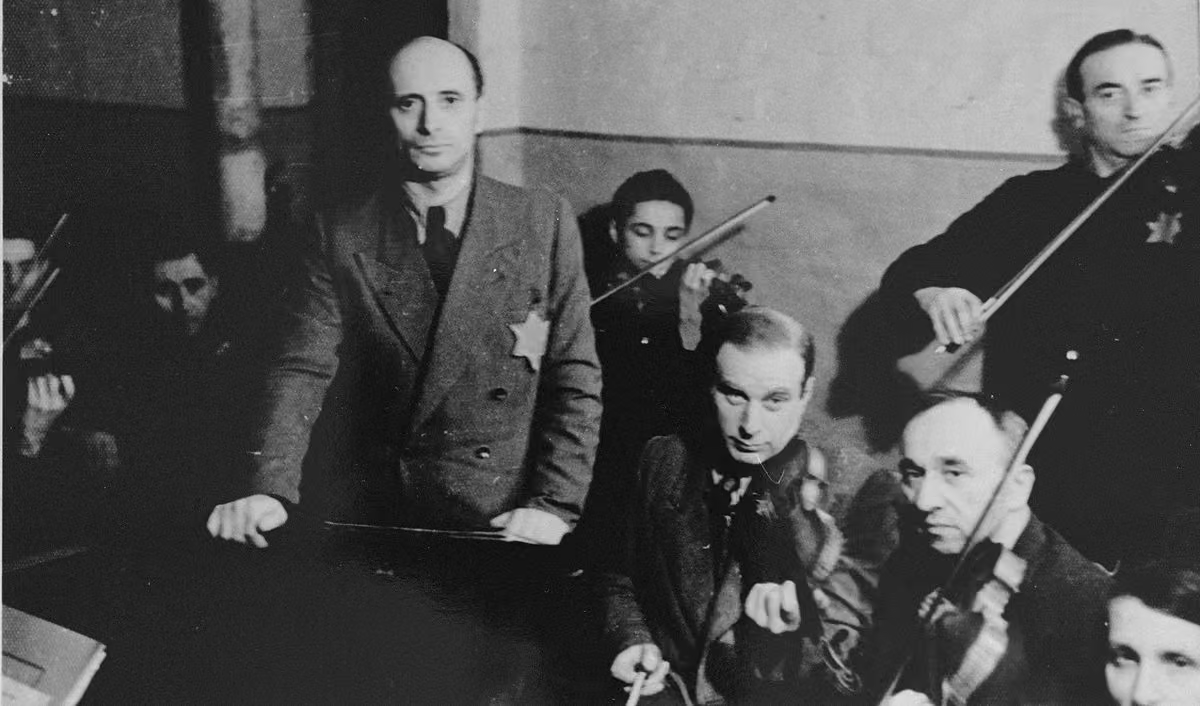 US Holocaust Museum
@HolocaustMuseum
Greta Fischer survived the Holocaust in England. After the war, she dedicated herself to caring for children ripped from their families. “Once the hunger in their bellies was distilled, they became aware of another hunger, a gnawing pain for parents and for brothers and sisters.”
US Holocaust Museum
@HolocaustMuseum
Born to a religious Italian Jewish family, Franco Fubini joined a resistance group after Germany invaded Italy, its former ally. After being warned of his impending arrest, he and his sister, Elda, went into hiding in the mountains.
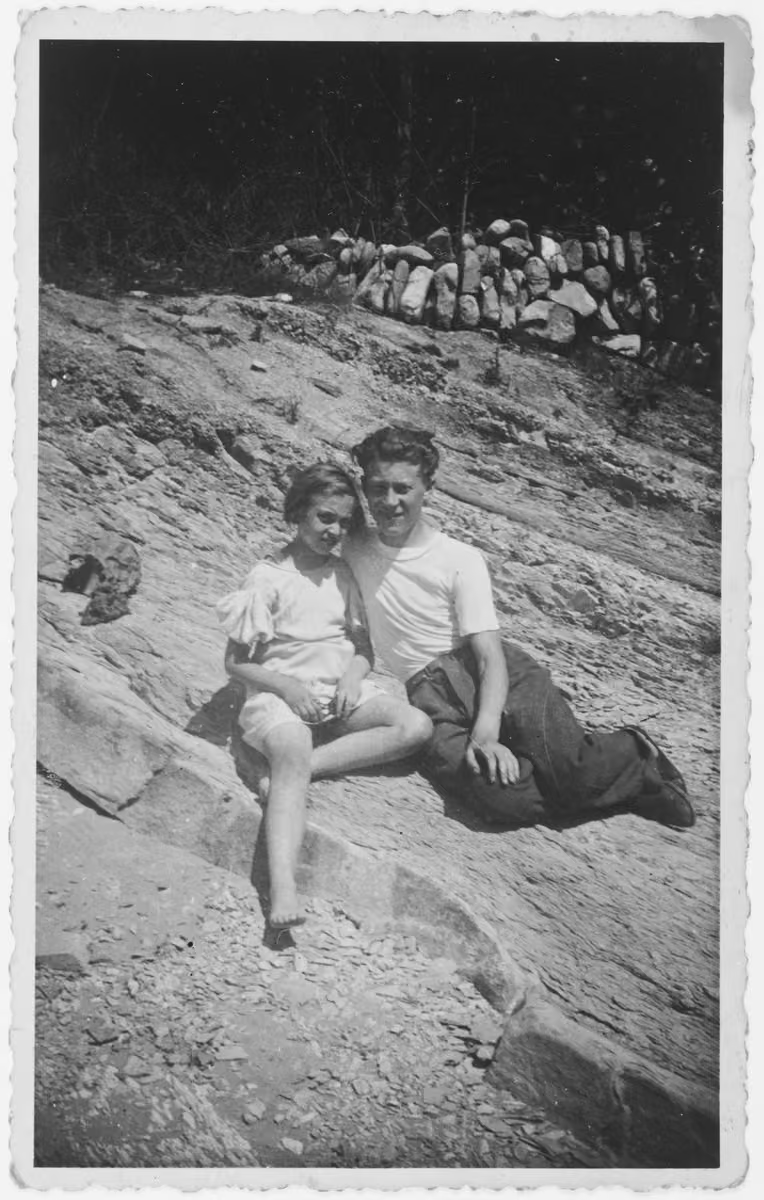 US Holocaust Museum
@HolocaustMuseum
The Nazis first used Hartheim Castle as a location to murder people with disabilities. After 1941, they gassed concentration camp prisoners there under “Operation 14f13.” Johann Frehse was among the secret program’s at least 5,500 victims. 📷: Lebensspuren Schloss Hartheim
 US Holocaust Museum
@HolocaustMuseum
"Abandoned, starved, humiliated … routinely holding hands with death—they survived.” After WWII, many children did not know if they had families to go home to. Watch on YouTube on 12/13 at noon ET to learn about an effort to reunite the "lost children" with family.
US Holocaust Museum
@HolocaustMuseum
Herta Oberheuser had trained to make sick people well. Instead the doctor used her skills to perform cruel, sometimes deadly experiments on prisoners. #otd in 1946, a trial of Nazi doctors began.
encyclopedia.ushmm.org/content/en/article/the-doctors-tri…

 US Holocaust Museum
@HolocaustMuseum
In November and December 1941, German forces and Latvian auxiliaries rounded up at least 25,000 Jews from the Riga ghetto and shot them in the Rumbula Forest. Survivor Steven Springfield recalled, “[the shooting] was going on all night and the next day.” encyclopedia.ushmm.org/content/en/oral-history/steven-spr…
US Holocaust Museum
@HolocaustMuseum
Hamas’ October 7 terror attack on Israel and the surge in antisemitism have been devastating. The toll of the conflict on innocent Israelis and Palestinians, especially children, is heartbreaking. I will never forget that day, the largest killing of Jews since the Holocaust.
As a Holocaust survivor, I was deeply pained to hear within days that Israel, as it was defending itself, was being accused of committing genocide. The term has specific legal meaning, and to invoke it so readily is terribly distressing.
encyclopedia.ushmm.org/content/en/article/what-is-genocide
US Holocaust Museum
@HolocaustMuseum
In the Theresienstadt ghetto, Jewish prisoners received meager rations. Using a secret code, Hildegard Gutfreund wrote to her sister, Renée, in Vienna asking her to send food. Hildegard and her son, Kurt, survived. #nationalletterwritingday
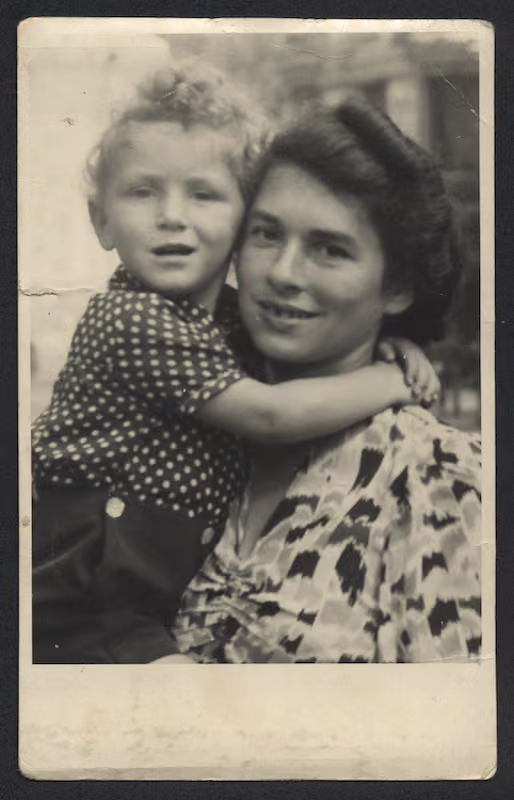 US Holocaust Museum
@HolocaustMuseum
#otd in 1941, the Japanese military launched an attack on the US naval base at Pearl Harbor, prompting the United States to enter World War II. When US troops landed in Europe in 1943, the Nazis and their collaborators had already killed millions of Jews. encyclopedia.ushmm.org/content/en/article/pearl-harbor
US Holocaust Museum
@HolocaustMuseum
Minia Wasilkowska Moszenberg created this quilt 60 years after the painful moment it depicts. It shows a Nazi SS man separating Minia from her parents and siblings. Her family was then sent to Chełmno where they were murdered. The killing center began operations in December 1941.
 US Holocaust Museum
@HolocaustMuseum
"If somebody knocked on my door, a stranger, and said, ‘I'm being persecuted for no reason. Will you put me up for a while?’ I hope I'd say, 'Yes.' I mean, that's how I survived.” Discover how Ralph Berets and his family survived the Holocaust: youtu.be/cp9xDDOzbFw
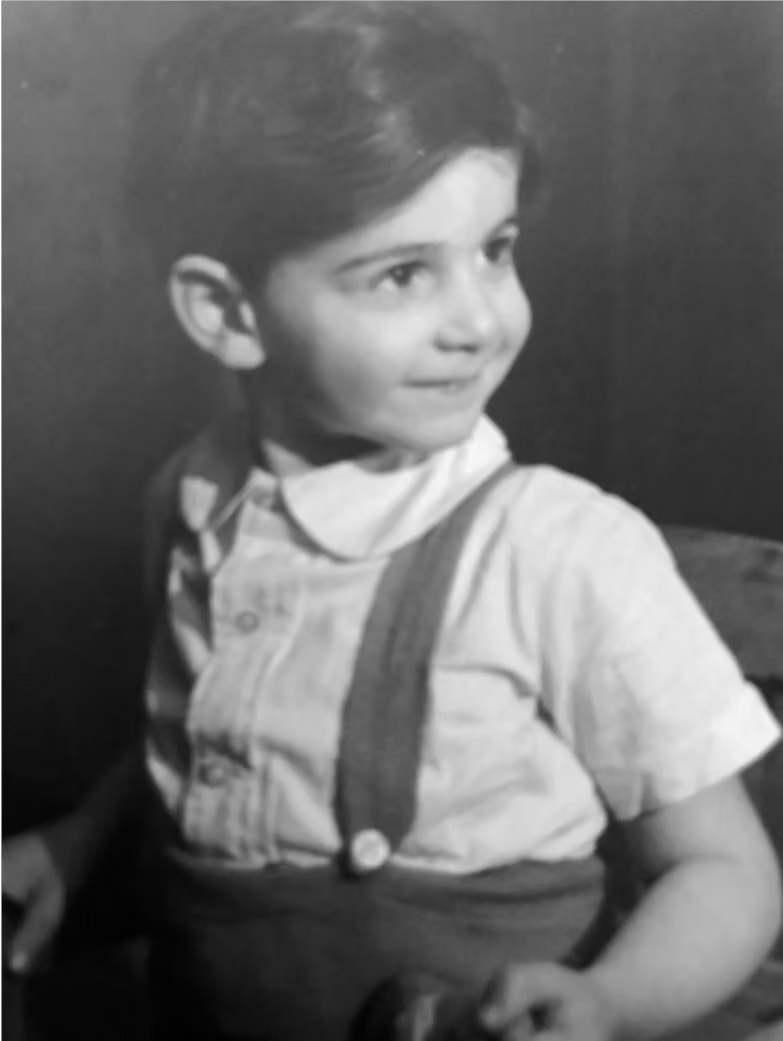 US Holocaust Museum
@HolocaustMuseum
#otd in 1942, the Council for Aid to Jews ("Żegota")—a secret rescue organization supported by the Polish government-in-exile—was established. Co-founder Władysław Bartoszewski and other Żegota members risked their lives to provide fake IDs to tens of thousands of Jews. 📷: JHI
 US Holocaust Museum
@HolocaustMuseum
With the dangerous rise in antisemitism, we renew our call for broad adoption of the International Holocaust Remembrance Alliance’s working definition of antisemitism to help counter this alarming worldwide trend. www.ushmm.org/information/press/museum-renews-call-for-su…
US Holocaust Museum
@HolocaustMuseum
“The Nazis took all the Jewish businesses away,” remembered Holocaust survivor Irene Frank.
#otd in 1938, the German government issued the Decree on the Utilization of Jewish Property, forcing Jews to close their businesses or sell them to non-Jews.
 US Holocaust Museum
@HolocaustMuseum
Holocaust survivors are urgently standing up to the alarming rise in antisemitism and counting on our Museum to amplify their voices worldwide. Your support this #givingtuesday helps ensure survivors’ stories reach people everywhere.
US Holocaust Museum
@HolocaustMuseum
#otd in 1938, the first group of Jewish children arrived in Great Britain. Known as the Kindertransport, this rescue effort helped about 10,000 child refugees flee Nazi violence in Germany and occupied territories. Most children would never see their families again.
US Holocaust Museum
@HolocaustMuseum
"In Lithuania there are no more Jews."
#otd in 1941, SS officer Karl Jäger reported that his unit and its Lithuanian auxiliaries had shot some 130,000 Jews, mostly in German-occupied Lithuania.
US Holocaust Museum
@HolocaustMuseum
In mid-October 1941, Nazi authorities began deportations of Jews from the German Reich to to ghettos in occupied eastern Europe. In late November, the first trains from Berlin arrived in Riga. Susan Taube was deported there with her family in January 1942.
 US Holocaust Museum
@HolocaustMuseum
On November 23, 1939, aboard the SS President Harding, Henry Landman was treated to roast Maryland turkey, prime rib, and minced pie. For Henry, who was fleeing Nazi Germany to the United States, this was a particularly memorable meal: it was his first #thanksgiving.

 US Holocaust Museum
@HolocaustMuseum
“World’s Worst Horror Story,” read the headline of a Florida newspaper #otd 80 years ago.
The article described an eyewitness report about Auschwitz. For many Americans, it was the first time they learned of the freight cars, gas chambers, and crematoria. 📷: Yad Vashem
 US Holocaust Museum
@HolocaustMuseum
Threatening Jews with a Final Solution as happened at an anti-Israel protest in Montreal is abhorrent. The Final Solution was the Nazis’ plan to kill Europe’s Jews. It is repugnant to see Nazism celebrated, antisemitism flourish, and calls for the genocide of the Jewish people.
 US Holocaust Museum
@HolocaustMuseum
In November 1944, the Nazi SS began dismantling Auschwitz-Birkenau’s gas chambers and crematoria in an attempt to erase the evidence of mass killings. Erich Kulka was one of the prisoners forced to help dismantle these structures.
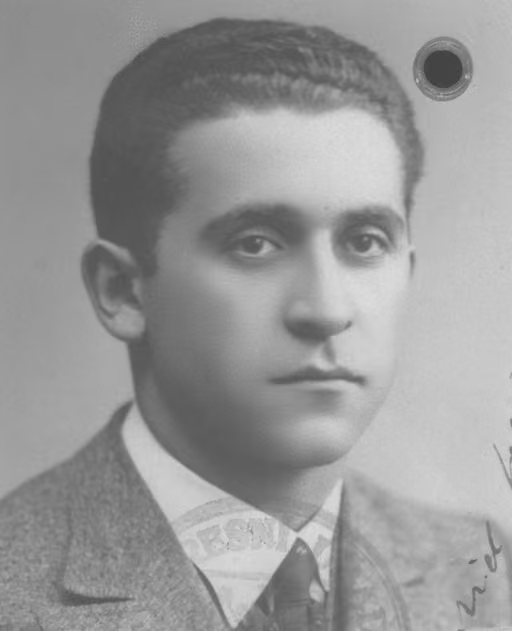 US Holocaust Museum
@HolocaustMuseum
Uri Hanauer was one of the few children to survive the Theresienstadt ghetto, which was established #otd in 1941. Despite Nazi claims that it was a spa town, about 35,000 Jews died there. Theresienstadt was also a transit ghetto from which Jews were deported to their deaths.
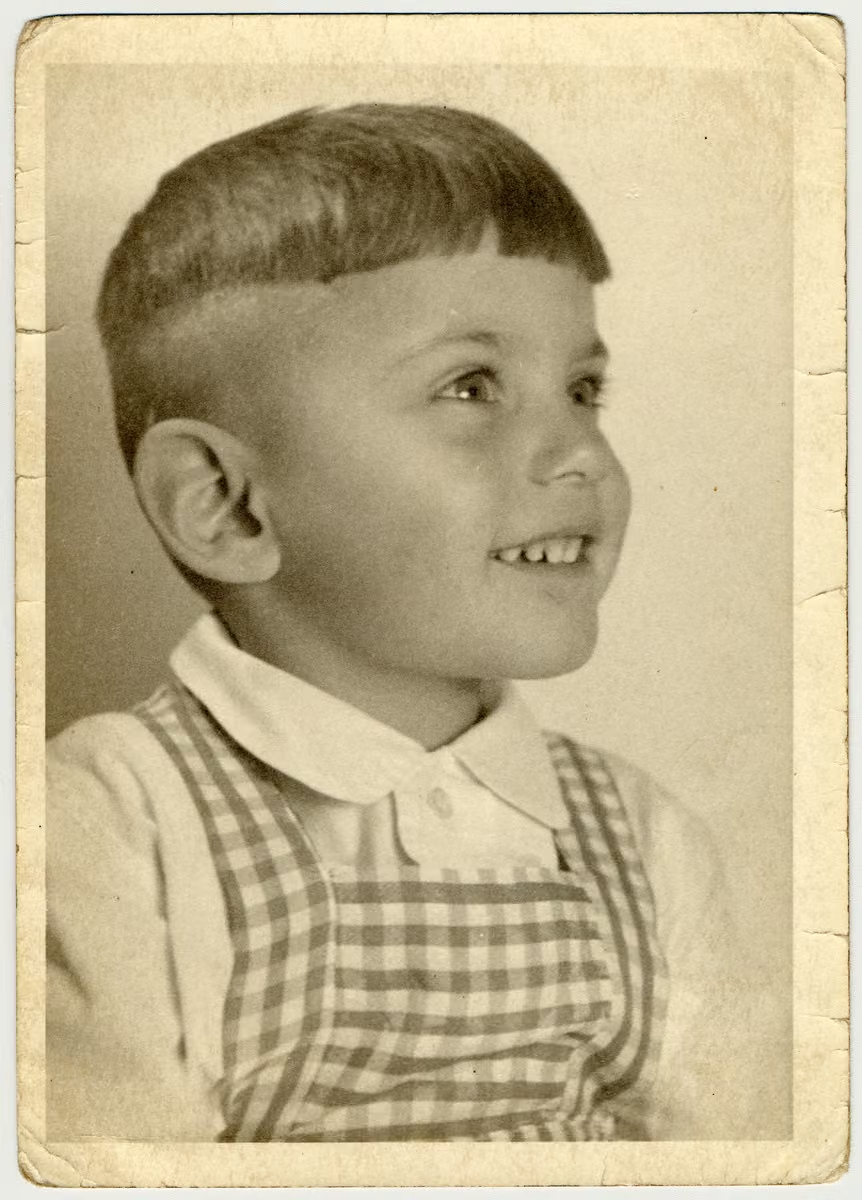 US Holocaust Museum
@HolocaustMuseum
Ester Bachar was taken in by a Roma family as a toddler and spoke only Romani. She wound up at an orphanage where no one understood her, until she found a caretaker who spoke some Romani. It turned out to be her mother, who had survived the war.
 US Holocaust Museum
@HolocaustMuseum
"Singing, entertaining, and being in kind of good health at my age, that's why I survived."
In the 1960s hit TV show "Hogan’s Heroes," Jewish actor Robert Clary played a French POW. Years prior, he survived several concentration camps during the Holocaust.
 US Holocaust Museum
@HolocaustMuseum
#otd in 1945, the International Military Tribunal at Nuremberg was opened. Twenty-four leading Nazi officials were tried in front of a panel of judges from each of the four major Allied countries—France, Great Britain, the Soviet Union, and the United States.
US Holocaust Museum
@HolocaustMuseum
“We were sitting around the breakfast table. … And they took my mom away.”
One of Peter Gorog’s first memories is of his mother’s arrest when he was just three and a half years old. Hear Peter’s story of survival today at 1 p.m. ET.
US Holocaust Museum
@HolocaustMuseum
After surviving the Holocaust in Hungary, Judith Leiber, left, began to build her handbag empire in the US at just 26 years old. Today, her designs are worn by First Ladies, celebrities, and people around the world. #nationalentrepreneursday
 US Holocaust Museum
@HolocaustMuseum
"In spite of the tragedy that robbed me of a normal childhood and took my father away, I am thankful for the memory of my father’s unfinished life," recalled Holocaust survivor Peter Gorog.
Hear Peter share his family's story live on 11/20 at 1 p.m. ET.
US Holocaust Museum
@HolocaustMuseum
Dutch Jews Noah and Lena Benninga and their daughter, Chana, fled to the Dutch East Indies (now Indonesia) in 1940. After the Japanese occupation, the family was interned in various camps. Chana learned to read in the camps using a borrowed Dutch children's book.
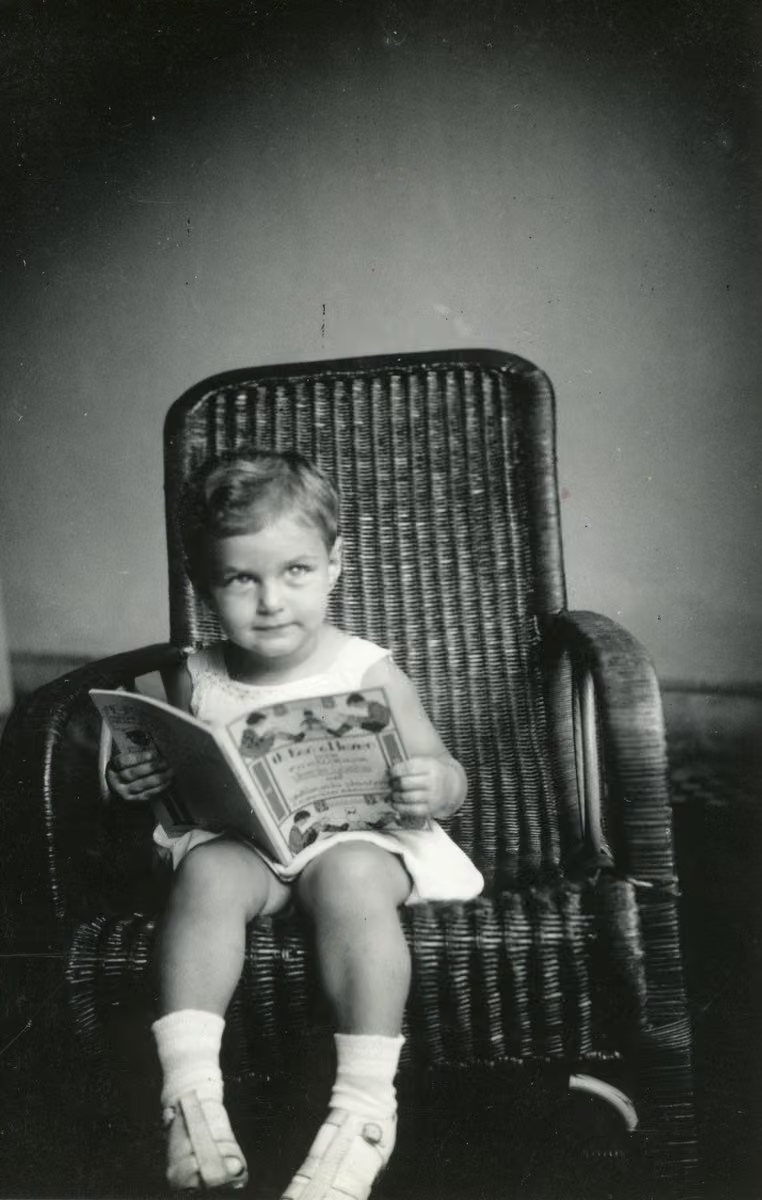 US Holocaust Museum
@HolocaustMuseum
"They built a thick wall around us."— Estelle Laughlin. #otd in 1940, the Germans sealed the Jews of Warsaw behind a 10-foot wall topped with barbed wire. "We fought back with everything that was in us to hold on to our values, what we believed was good and right."
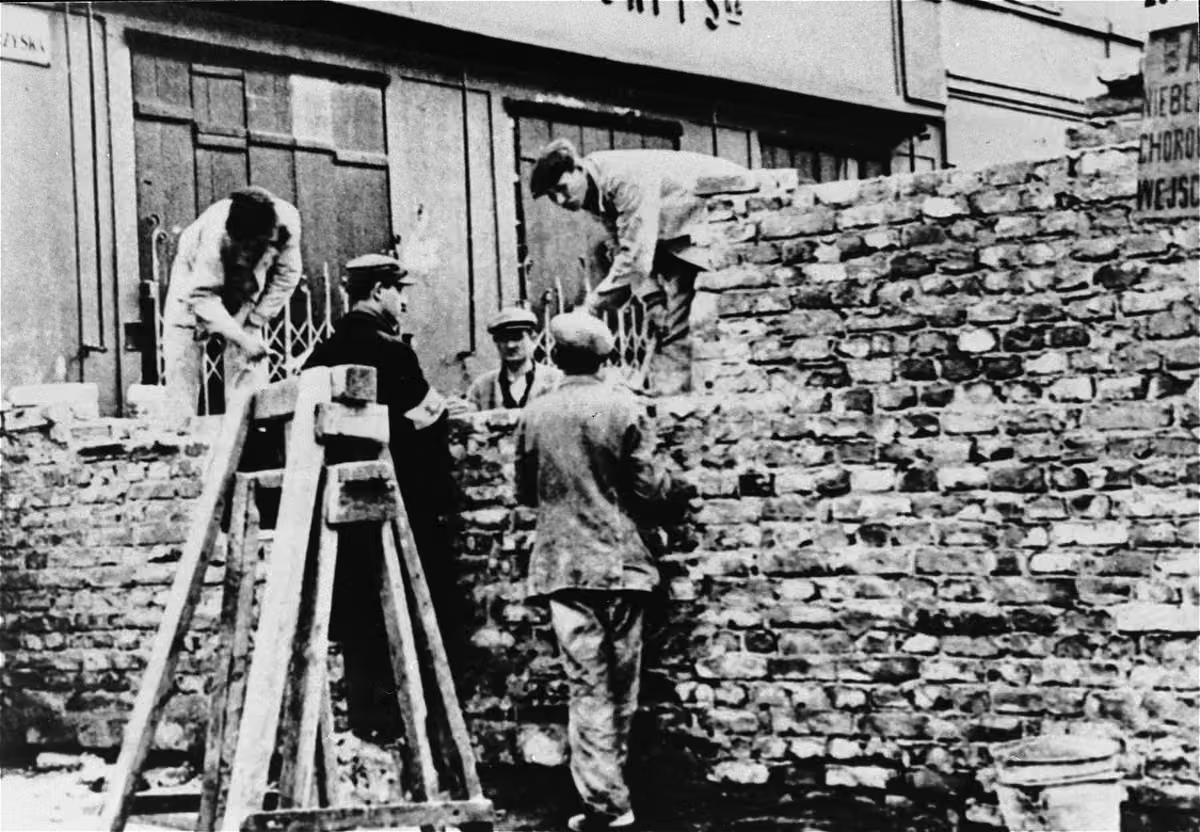 US Holocaust Museum
@HolocaustMuseum
“When you hear hate, stop it wherever you can.”
Inge Katzenstein and her family fled Nazi Germany after Kristallnacht. They found refuge in Kenya and later, the United States. Inge volunteered with our Museum alongside her sister, Jill.
US Holocaust Museum
@HolocaustMuseum
Alice Plocki's family owned a large clothing store in her hometown. #otd in 1938, Nazi Germany forbade Jews from operating retail stores, forcing the family to sell their business. Neighbors managed to save Alice's wedding dress. However, Alice did not survive. 📷:Yad Vashem
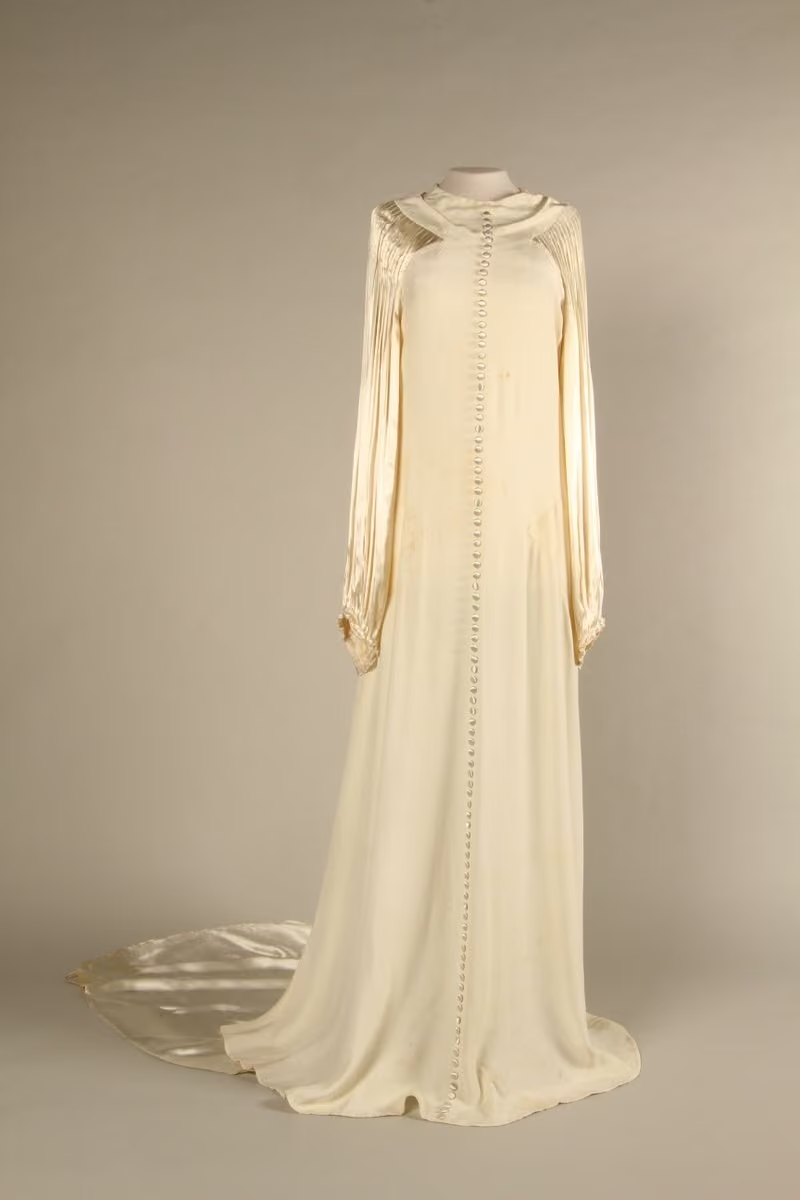
 US Holocaust Museum
@HolocaustMuseum
Just weeks before he died at age 99, World War II veteran Darrell Bush recalled the horrors he witnessed at the Dachau concentration camp soon after liberation in 1945. #veteransday
US Holocaust Museum
@HolocaustMuseum
In November 1938, Nazis burned down 10-year-old Fred Flatow's synagogue in Königsberg, Germany, during Kristallnacht, a violent, state-sponsored anti-Jewish riot. When his family fled to Chile nearly a year later, Fred took the small Torah he rescued from the synagogue with him.

 US Holocaust Museum
@HolocaustMuseum
Our Museum strongly condemns the vicious attacks on Israeli soccer fans in Amsterdam and the outrageous celebrations of those attacks, which are warning signs for any society.
www.ushmm.org/information/press/museum-strongly-condemns-…
US Holocaust Museum
@HolocaustMuseum
Vicious attacks on Jews, such as those in Amsterdam, must never be tolerated. Governments and citizens must hold the perpetrators accountable and aggressively confront antisemitism. History shows what can happen when societies allow hatred of Jews to flourish.
 US Holocaust Museum
@HolocaustMuseum
Hannah Szenes was just 22 years old when she parachuted into enemy territory. She had left her home in Budapest five years earlier, but risked her life to return to Nazi-occupied Europe and try to aid her fellow Jews. She was executed #otd 80 years ago.
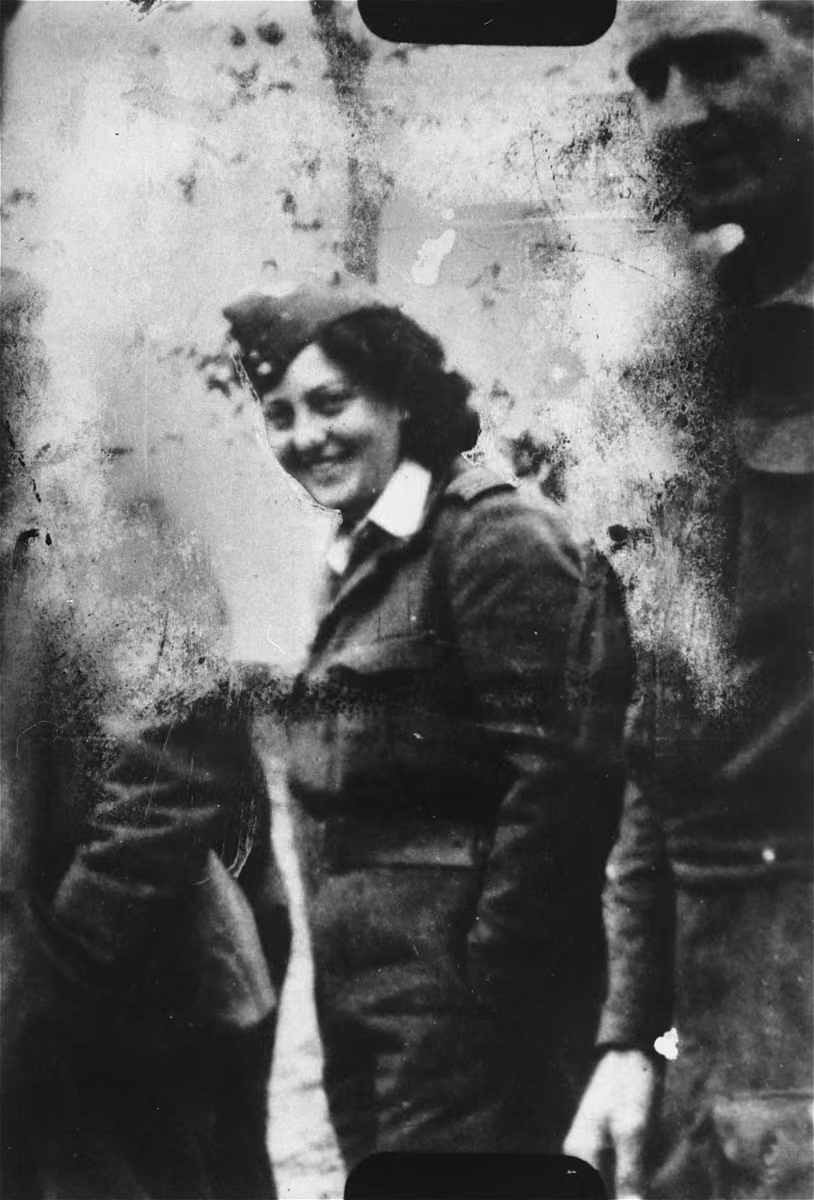 US Holocaust Museum
@HolocaustMuseum
#otd in 1943, SS and police units began a killing operation codenamed "Harvest Festival" in German-occupied Poland. Over the course of two days, approximately 42,000 Jews were killed, making it one of the largest massacres of the Holocaust.
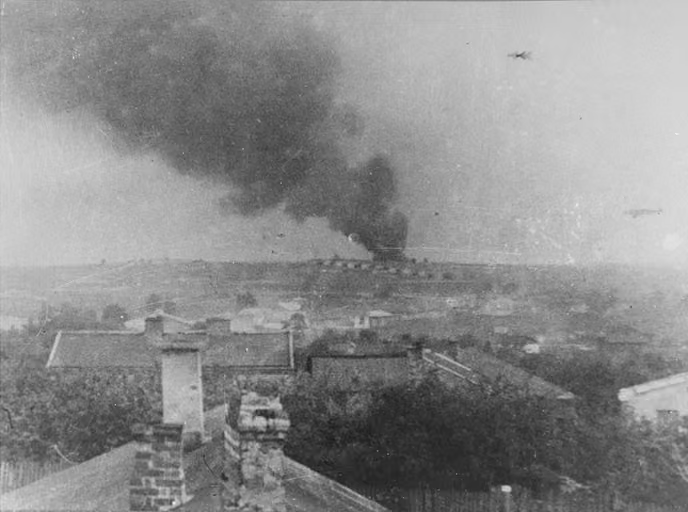 US Holocaust Museum
@HolocaustMuseum
This is Zadok Parsser with his adoptive sister, Mara. He was one of 33 children rescued by Jan Bosch, a Dutch teenager, who helped hide and care for Jewish children. During #nationaladoptionmonth, we remember those who risked their lives to save others during the Holocaust.
 US Holocaust Museum
@HolocaustMuseum
"I heard the doors being shut; I heard shrieks and cries …"
Rudolf Reder was one of two known survivors of the Belzec killing center, which the Nazis began building in November 1941. Some 434,500 Jews were murdered there. 📷: Państwowe Muzeum na Majdanku, Wikimedia
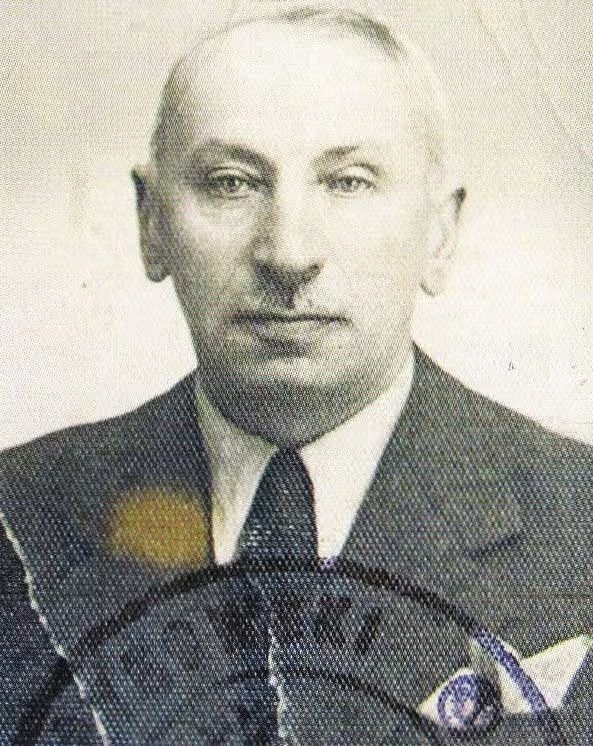 US Holocaust Museum
@HolocaustMuseum
#otd in 1941, Germans soldiers forced 9,200 Jewish men, women, and children from the Kovno ghetto to the Ninth Fort on the outskirts of town. At the fort, the Jews were ordered to undress and then were shot. Thousands were buried in mass graves. encyclopedia.ushmm.org/content/en/article/kovno
US Holocaust Museum
@HolocaustMuseum
“Most of all, I like teaching people to be tolerant of others.”
Helen Lebowitz Goldkind survived Auschwitz with the help of her older sister. The Nazis murdered many of her family members there. She began volunteering at our Museum in 2000.
US Holocaust Museum
@HolocaustMuseum
In late October 1941, the Riga ghetto in Latvia was sealed off, trapping about 30,000 Jews inside. Around one month later, German killing squads and local auxiliaries would murder nearly all the ghetto’s inhabitants. 📷: Yad Vashem
 US Holocaust Museum
@HolocaustMuseum
"We were starving, our heads were shaved bald, and we were weak from exhaustion, but when Lili sang she seemed powerful, strong, and beautiful. It replenished my supply of hope, the most precious commodity one could have in #auschwitz."—Holocaust survivor Agi Geva #worldoperaday
US Holocaust Museum
@HolocaustMuseum
In October 1941, the Nazis banned Jewish emigration from Germany and the countries they occupied. For those who remained trapped in Germany and beyond, the situation was dire. The vast majority were murdered at Nazi camps, ghettos, and killing sites.
encyclopedia.ushmm.org/content/en/article/german-jewish-r…
US Holocaust Museum
@HolocaustMuseum
“I was shaking for hours that this could have been the end of us.”
In August 1943, 12-year-old Rose-Helene Spreiregen and her grandmother fled German-occupied Paris using false papers. Tune in today at 1 p.m. ET to hear Rose-Helene share her story.
US Holocaust Museum
@HolocaustMuseum
As a Sonderkommando prisoner at Auschwitz, Polish Jew Załmen Gradowski had to remove corpses from gas chambers and burn them. In October 1944, he and other members of the Sonderkommando revolted, damaging one crematorium and killing several guards. Załmen did not survive.
 US Holocaust Museum
@HolocaustMuseum
“I didn't have a childhood. I was robbed of this childhood completely.”
After her mother’s arrest, Rose-Helene Spreiregen, age 11, was left to shoulder adult responsibility in German-occupied Paris. Hear her story on 10/23 at 1 p.m. ET.
US Holocaust Museum
@HolocaustMuseum
Social worker Irena Sendler was arrested by the Gestapo in October 1943. She was part of the Polish rescue group "Żegota," the Council to Aid Jews, and helped Jewish children escape the Warsaw ghetto. After being released, she continued her resistance work. 📷: Yad Vashem
 US Holocaust Museum
@HolocaustMuseum
The Museum mourns the loss of Professor Yehuda Bauer, a founding father of Holocaust studies whose lifetime of exceptional scholarship and activism influenced generations of Holocaust scholars, educators, and institutions.
US Holocaust Museum
@HolocaustMuseum
In October 1941, the Nazis began the systematic deportation of German, Austrian, and Czech Jews. On October 23, Eugen and Cäcilie Stein were deported from Vienna to the Łódź ghetto and were later murdered at the Chełmno killing center. 📷: Yad Vashem
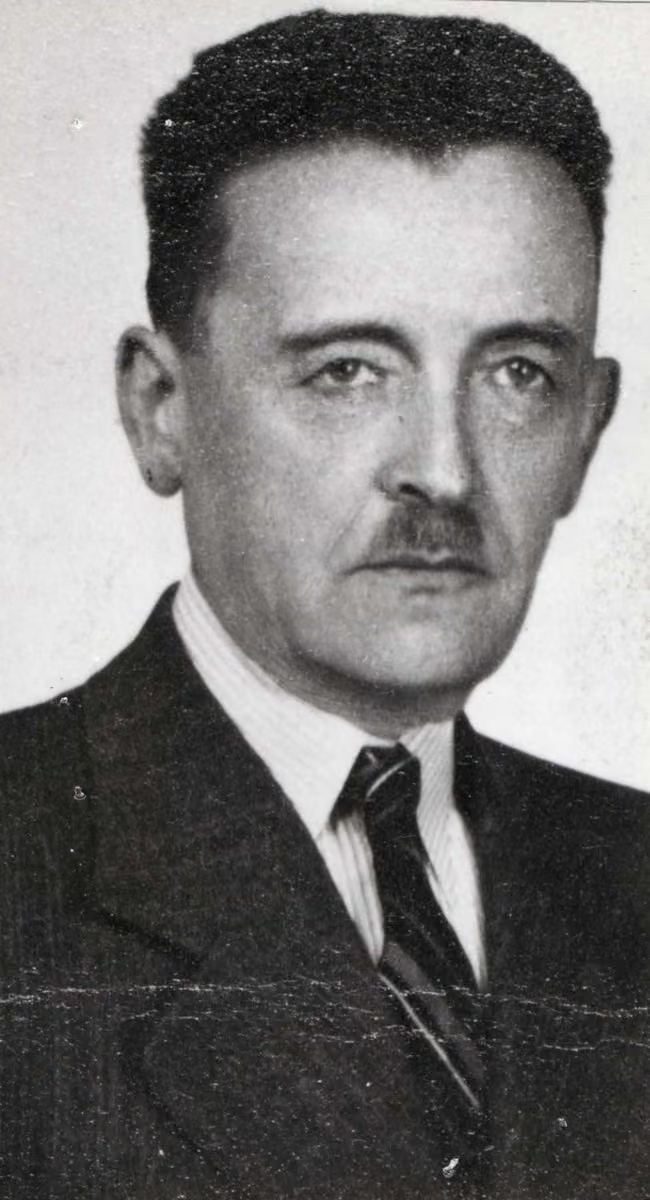
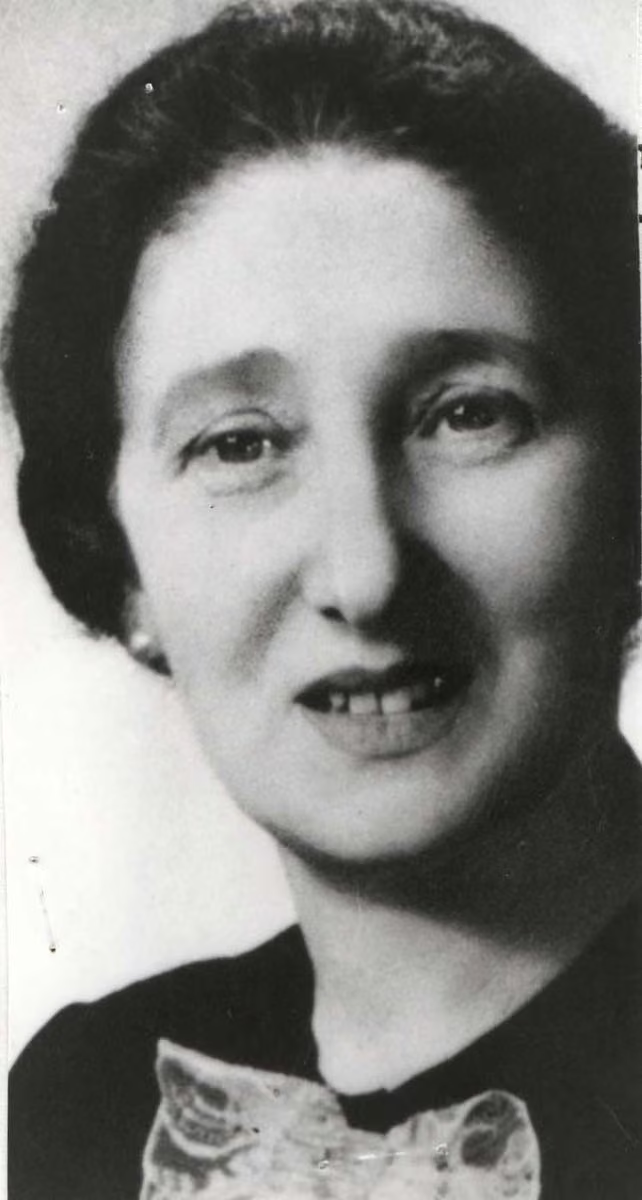 US Holocaust Museum
@HolocaustMuseum
#otd in 1933, German Jewish physicist Albert Einstein arrived in the United States after fleeing Nazi Germany. Einstein recognized the rise in antisemitism and was an outspoken critic of the Nazi regime. He chose to renounce his German citizenship and settled in New Jersey.
US Holocaust Museum
@HolocaustMuseum
In fall 1941, the Nazi plan to murder the Jews of the General Government, part of German-occupied Poland, began. As part of this plan—codenamed Operation Reinhard—the Nazis murdered 1.7 million Jews, most in the gas chambers of the Belzec, Treblinka, and Sobibor killing centers.
 US Holocaust Museum
@HolocaustMuseum
In October 1946, the International Military Tribunal issued its verdicts on top Nazi leaders. While only a small number of Nazi leaders were tried by the IMT, it set important legal precedents and shaped international law today. 📷: Wikimedia
US Holocaust Museum
@HolocaustMuseum
By the time prisoners at the Sobibor killing center revolted #onthisday in 1943, at least 167,000 Jews had already been killed there. While 300 prisoners managed to escape during the uprising, only about 50 survived the Holocaust. Pictured here are participants in the uprising.
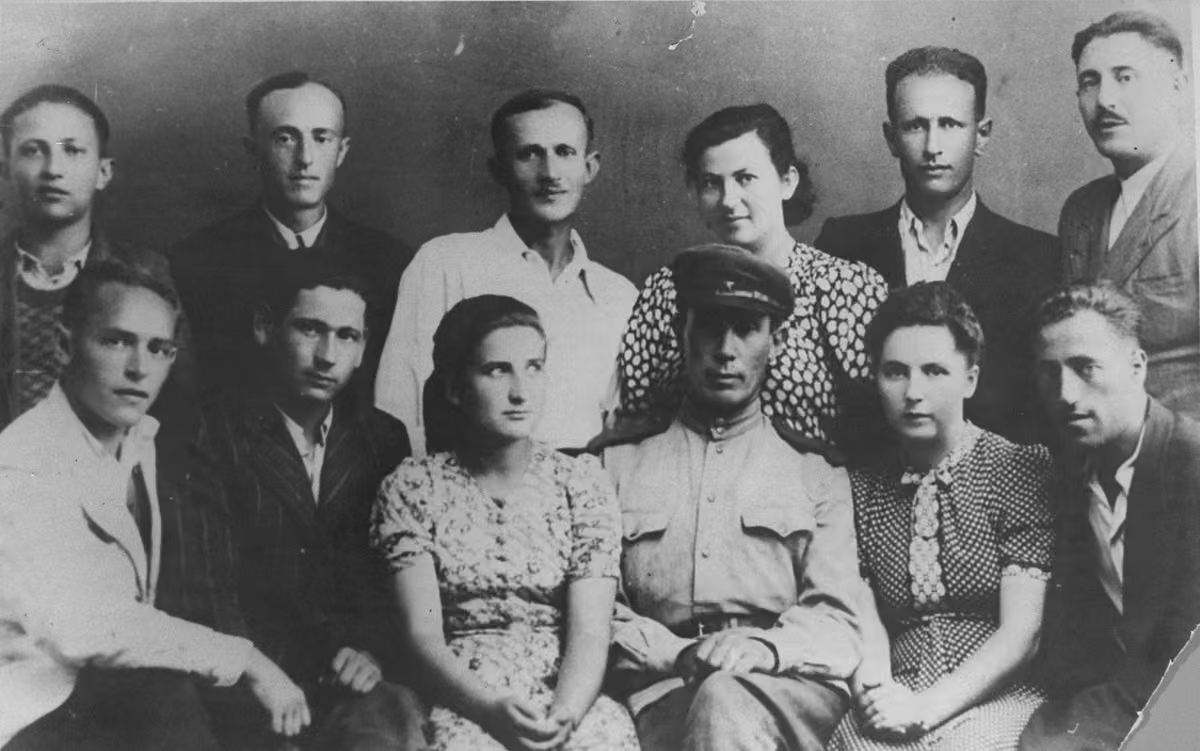 US Holocaust Museum
@HolocaustMuseum
When the Teitz family immigrated to America in 1939, their son Werner remained in Europe. He had a disability, which likely would have precluded him from receiving a visa. Because he was Jewish, Werner was deported and gassed at the Sobibor killing center.
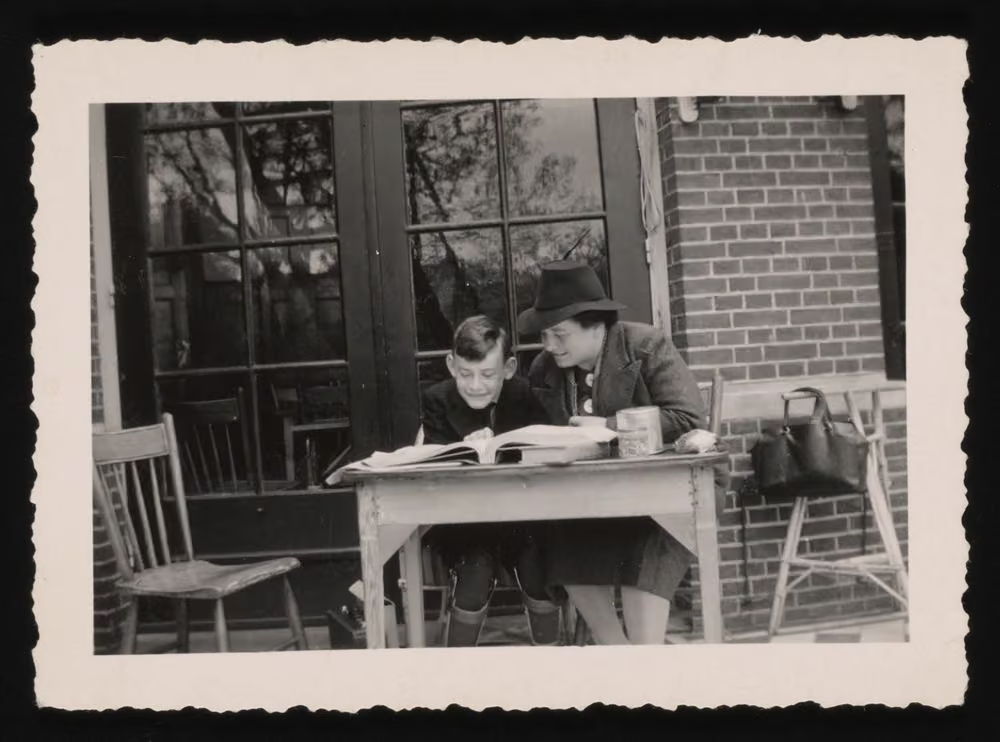 US Holocaust Museum
@HolocaustMuseum
In the midst of Nazi persecution and violence in 1942, David Sephiha (second from left) and his family performed an incredible act of resistance—they conducted services to mark Yom Kippur, which begins tonight. David did not survive the Holocaust.
 US Holocaust Museum
@HolocaustMuseum
In observance of Yom Kippur, our Museum and offices will be closed tomorrow, Saturday, October 12. We will open for normal business hours on Sunday, October 13. www.ushmm.org
US Holocaust Museum
@HolocaustMuseum
For 20 years, Maggie Peterson has helped Holocaust survivors put their emotions into words. They write about everyday memories—and the most painful experiences of their lives. Today on #worldmentalhealthday, watch at 2 pm ET to hear how writing has helped some survivors cope.
US Holocaust Museum
@HolocaustMuseum
Oskar Schindler helped save more than 1,000 Jewish forced laborers during the Holocaust, but when he died #otd in 1974, his rescue efforts were relatively unknown. Those he saved worked tirelessly to ensure his bravery was recognized.
 US Holocaust Museum
@HolocaustMuseum
For 50 years, Fanny Aizenberg couldn't talk about the Holocaust. Once she began telling her story, she spoke of having nightmares—how she was haunted by the separation from her daughter. On #worldmentalhealthday, learn about the long shadow of trauma for Holocaust survivors.
US Holocaust Museum
@HolocaustMuseum
“Sheer devastation. Incredible shock.”
For Holocaust survivors who volunteer at our Museum, the events on October 7, 2023, and the aftermath have had a shattering impact.
US Holocaust Museum
@HolocaustMuseum
One year ago, Hamas terrorists orchestrated an unconscionable attack on Israel, resulting in the single deadliest day for Jews since the Holocaust. An unprecedented wave of antisemitism has since swept the globe.
US Holocaust Museum
@HolocaustMuseum
During the war, teacher Johan (Joop) Westerweel helped rescue a number of Jews by finding hiding places and smuggling them out of the German-occupied Netherlands. Joop was later caught and executed. 📷: Beit Lohamei Haghetaot (Ghetto Fighters’ House Museum) #worldteachersday
 US Holocaust Museum
@HolocaustMuseum
#otd in 1933, Nazi Germany passed the Editor’s Law, which banned Jews from serving as journalists. It required all journalists and editors to register with the Propaganda Ministry, which tightly controlled the flow of news. This and other Nazi laws destroyed Germany's free press.
 US Holocaust Museum
@HolocaustMuseum
Tonight marks the beginning of Rosh Hashanah, the Jewish New Year. Here, Holocaust survivor and cantor Moses Rontal is pictured (black robe, center) in Stuttgart, Germany, leading #roshhashanah services just a few months after he was liberated.
 US Holocaust Museum
@HolocaustMuseum
Five-year-old Robert Wagemann was in a checkup when his mother overheard doctors discussing murdering him due to his disability: a shattered hip he had suffered at birth. Robert and his mother fled and he survived, but about 10,000 German children with disabilities did not.
US Holocaust Museum
@HolocaustMuseum
“It is still the child in me that asks the questions,” reflected Elie Wiesel, born #otd in 1928 in Sighet, Romania. Elie's parents and younger sister were murdered in the Holocaust. After the war, Elie advocated for remembering the victims and learning from the Holocaust.
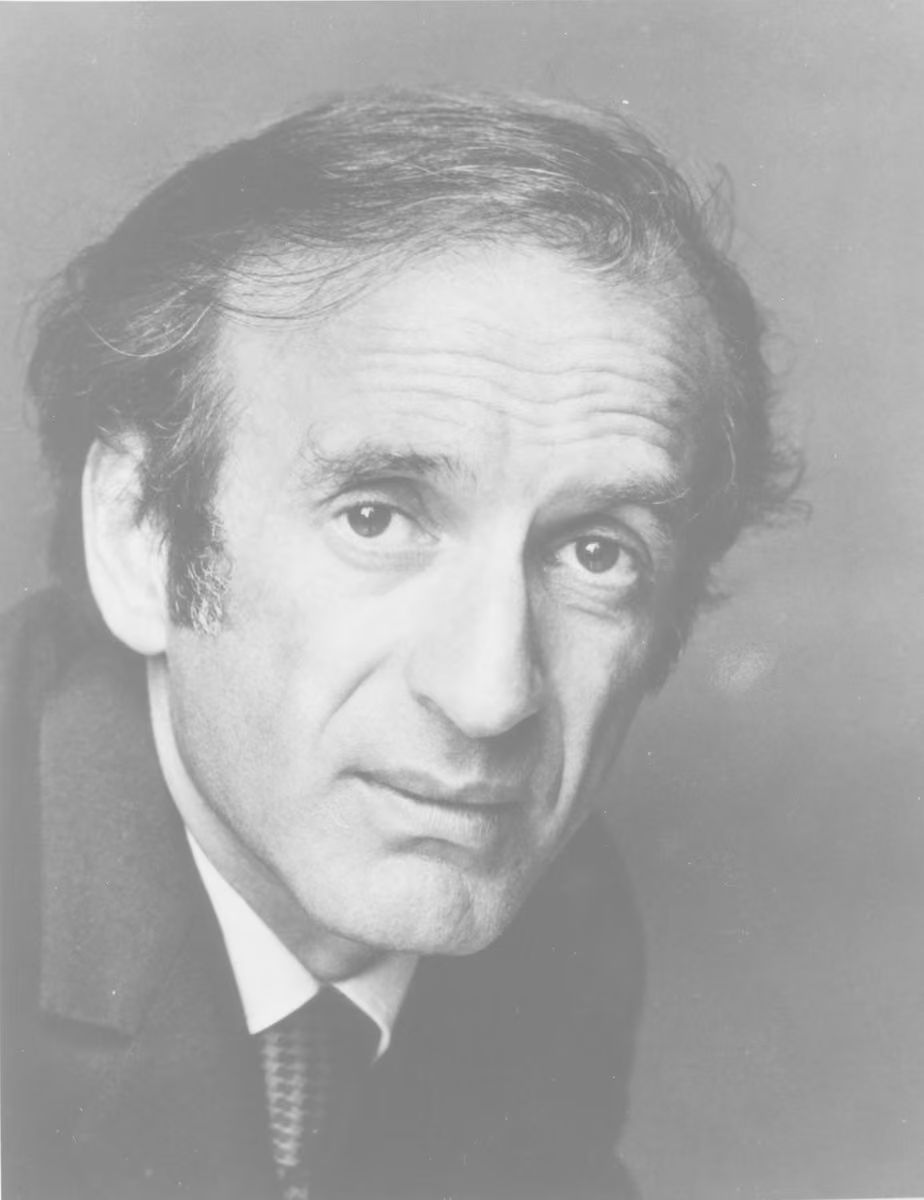 US Holocaust Museum
@HolocaustMuseum
#otd in 1941, one of the largest mass shootings of the Holocaust began. At Babyn Yar (Babi Yar), German forces and their auxiliaries murdered more than 33,000 Jews in just two days.
US Holocaust Museum
@HolocaustMuseum
Known as "The Girl in the Red Cap," Ebba Lund was 16 when Germany invaded Denmark in 1940. In September 1943, she joined in the nationwide effort to save Danish Jews by sending them by boat to neutral Sweden. Her red cap identified her to those she helped.
 US Holocaust Museum
@HolocaustMuseum
“I was a very small child … living in very confusing and very dangerous times,” recalled Andy Jampoler.
Andy survived the Holocaust in the care of a Polish couple. After the war, his grandmother returned for him. Hear Andy share what happened next today at 1 p.m. ET.
US Holocaust Museum
@HolocaustMuseum
Yaffa Eliach remembered the village of Eyshishok, in what is today Lithuania, as the backdrop for her most cherished childhood memories. Eighty-three years ago, it was also the setting of a brutal massacre. Today, no Jews live in Eyshishok. 📷: Shtetl Foundation
 US Holocaust Museum
@HolocaustMuseum
Deaf Jewish artist David Ludwig Bloch spent four weeks in Dachau following Kristallnacht, a night of anti-Jewish violence. He was released on the condition that he emigrate and found refuge in China. After the war, David's art focused on his Holocaust experiences. 📷: @lbinyc
 US Holocaust Museum
@HolocaustMuseum
“I lived through the war by accident,” reflected Andy Jampoler.
After fleeing two hiding spots, Andy’s mother and grandmother made the difficult choice to leave him as a baby on the steps of a church. Hear Andy share what happened next on 9/25 at 1 p.m. ET. 📷: Andrew Jampoler
US Holocaust Museum
@HolocaustMuseum
In his diary, Victor Klemperer meticulously documented the Nazi rise to power and life under Hitler's rule. Born Jewish, Victor converted to Lutheranism as an adult. Though he didn’t consider himself Jewish, he still experienced targeted antisemitism under Nazi racial laws.
US Holocaust Museum
@HolocaustMuseum
As the German Army's prisoner, US soldier Arnold Braver knew that anything he said or did could mean life or death. Thinking quickly, he buried his dog tags identifying him as Jewish, possibly saving his life. 📷: Joel Braver
 US Holocaust Museum
@HolocaustMuseum
Writer Rachel Auerbach was part of a secret society in the Warsaw ghetto during the Holocaust. They hoped to compel the world to stop the murder of Jews. Watch today at noon ET to learn how they defied the Nazis by secretly documenting their history.
US Holocaust Museum
@HolocaustMuseum
As Nazi antisemitic persecutions worsened, Beila Griffel was determined to get her daughter, Herta, out of Vienna. She succeeded. Herta arrived in the United States in late 1940. In September 1942, Beila was deported and died at the Maly Trostinets killing center.
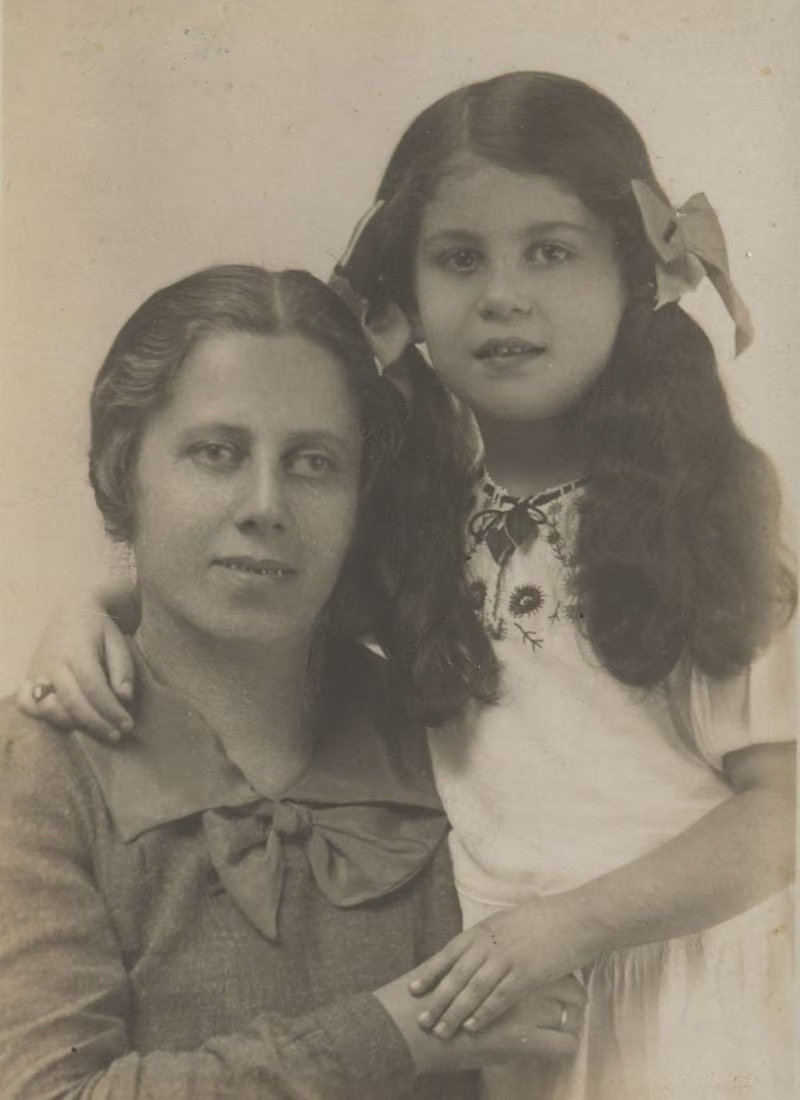 US Holocaust Museum
@HolocaustMuseum
#otd in 1946, part of a secret archive was discovered buried in the ruins of the Warsaw ghetto. Watch on 9/20 at noon ET to learn about Emanuel Ringelblum and the other Jewish writers who risked their lives to record their own history. Only three survived the Holocaust.
US Holocaust Museum
@HolocaustMuseum
"The fog lifted, and there was the Statue of Liberty. It meant so many wonderful things to us."
Susan Warsinger recalls being welcomed to America by Lady Liberty. Becoming a citizen is a point of pride for many Holocaust survivors in the US. Listen to some of their stories:
US Holocaust Museum
@HolocaustMuseum
The Nazi regime enacted the Nuremberg Laws #otd in 1935, creating the legal framework for the systematic persecution of German Jews.
For Bob Behr and his family, the message was clear: "We don't want you."
 US Holocaust Museum
@HolocaustMuseum
A Mexican American who faced discrimination because of his heritage, Tony Acevedo nonetheless enlisted at age 17. After the US Army medic was captured by the Germans, he kept a secret diary of the experiences of his fellow prisoners of war. #hispanicheritagemonth
 US Holocaust Museum
@HolocaustMuseum
Deaf Jews faced added obstacles when fleeing Nazi Europe. Sisters Nelly and Lilly Rattner and their mother were detained on Ellis Island for five months. They were classified as "defective" under US immigration law and released only after paying a $2,500 bond.
 US Holocaust Museum
@HolocaustMuseum
Erich Frost was one of 3,000 Jehovah's Witnesses imprisoned in concentration camps during the Nazi era. At Sachsenhausen, Erich, a musician, composed a song to improve morale. Today, "Forward, You Witnesses!" is one of the most popular hymns of the Jehovah's Witnesses.
US Holocaust Museum
@HolocaustMuseum
“I cried every night until I was 16. … There were no nightmares. I just got up crying.”
Before 7-year-old Gideon Frieder went into hiding, he watched as his mother and sister were killed by a German air raid. His experience inspired him to speak against the dangers of hatred.
US Holocaust Museum
@HolocaustMuseum
When German soldiers tried to take away his teddy bear, Hans Butzke screamed until it was given back to him. His mother had sewn a few pieces of jewelry into the toy and told him not to lose track of it. The valuables helped the family start a new life in the United States.

 US Holocaust Museum
@HolocaustMuseum
In early September 1943, Nazi Germany occupied the northern and central parts of Italy, its former ally. With help from a family friend, Annamarcella Falco obtained false identity papers, which she used to survive the deportation of thousands of Italy's Jews.
 US Holocaust Museum
@HolocaustMuseum
For Chaim and Chaya Kleinhandler, the birth of their granddaughter, Varda, in 1948 was a particularly special occasion. They had defied the odds by surviving the Holocaust in their early 50s. Chaya was liberated from Auschwitz, and Chaim survived a forced march from Buchenwald.
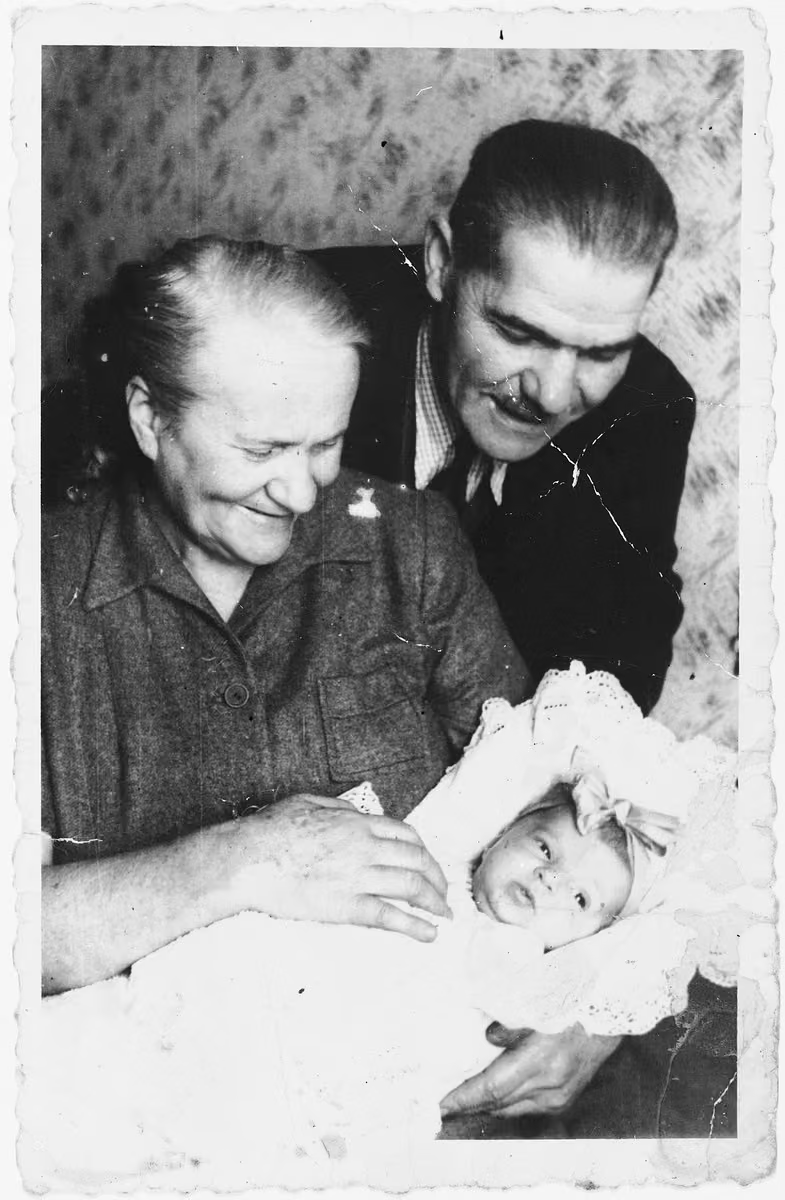 US Holocaust Museum
@HolocaustMuseum
#otd in 1942 German authorities in Warsaw issued an announcement reminding Poles that the penalty for aiding Jews who fled the ghettos was death. Jan Kostański disobeyed this order by rescuing his future wife, Nacha Wierzbicka, and her family.
 US Holocaust Museum
@HolocaustMuseum
#otd 85 years ago, Germany launched an unprovoked attack on Poland, beginning World War II. The German occupation was exceptionally brutal. By the end of the war, at least 1.8 million non-Jewish Polish civilians and some three million Polish Jews would be killed.
 US Holocaust Museum
@HolocaustMuseum
#otd in 1941, the Nazi regime announced that all Jews in Nazi Germany would be required to wear the Star of David badge on their clothing. This indicated a shift to more radical anti-Jewish policies. The next month, the Nazis began systematically deporting Jews from the Reich.
 US Holocaust Museum
@HolocaustMuseum
After the Slovak National Uprising began in August 1944, Moritz and Freida Diamant fled to the countryside with their three children (pictured here) to avoid Nazi deportation. They were hidden by the Záruba family. Help from their rescuers likely saved the Diamants' lives.
 US Holocaust Museum
@HolocaustMuseum
As a teenager, Estelle Laughlin survived the Warsaw Ghetto Uprising, the Lublin-Majdanek concentration camp, and two other forced labor camps alongside her sister and mother. Later, Estelle shared her story “not to curse the darkness of the past, but to illuminate the future.”
US Holocaust Museum
@HolocaustMuseum
Working with the Emergency Rescue Committee, American journalist Varian Fry helped some 2,000 anti-Nazi refugees escape France and immigrate to the United States. French police arrested Fry #otd in 1941, and he returned to the US in October 1941.
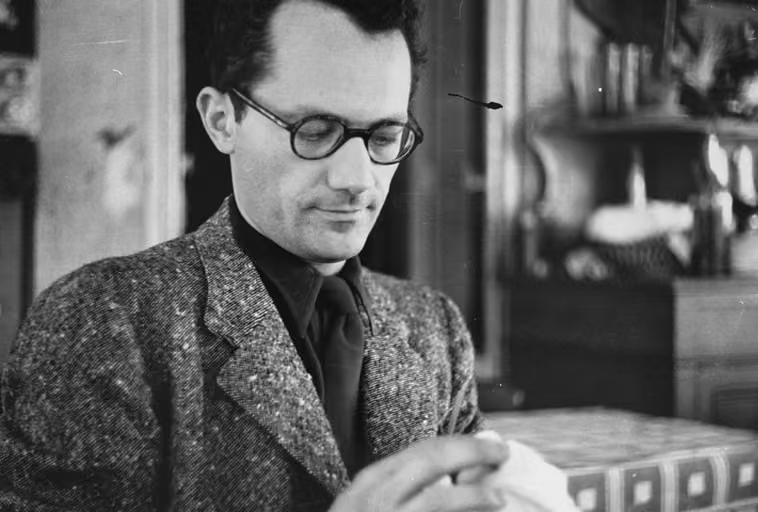 US Holocaust Museum
@HolocaustMuseum
90 years ago #otd, American journalist Dorothy Thompson gave this speech in France about the importance of a free press. Just days before, Hitler had ordered Thompson out of Germany as retribution for her unflattering coverage of him.
US Holocaust Museum
@HolocaustMuseum
#otd 80 years ago Allied troops liberated Paris after more than four years of German occupation. Despite the joyous occasion, for many liberation came too late. At least 38,000 Jews had been arrested in the city and deported, most of them to Auschwitz. 📷: NARA
 US Holocaust Museum
@HolocaustMuseum
The Nazis' "euthanasia" program, ("T-4") was one of many radical eugenic measures aimed to restore the racial "integrity" of Germany. #otd in 1941, Hitler ordered a halt to the operation, though the killings resumed in summer 1942. The program claimed 250,000–300,000 lives.
US Holocaust Museum
@HolocaustMuseum
Friedel Reiter risked her life to help save hundreds of Jewish children like those pictured here during the Holocaust. She arranged for the transfer of about 43 people—mostly children—out of the Rivesaltes transit camp in southern France. Many of their parents did not survive.
 US Holocaust Museum
@HolocaustMuseum
“If my parents hadn’t been anxious to get out of Germany … I wouldn’t be here. Quite convinced of that.”
Kurt Pauly left behind his extended family in Germany after he and his parents fled to safety in the United States. Most of his relatives did not survive the Holocaust.
US Holocaust Museum
@HolocaustMuseum
Photographer Mendel Grossman took thousands of illegal photos in the Łódź ghetto. Most of the approximately 10,000 negatives he hid were retrieved by friends and his sister after the war. Mendel likely died on a death march in 1945. 📷: Yad Vashem
 US Holocaust Museum
@HolocaustMuseum
“There is really no way out of this,” wrote Dawid Sierakowiak in his final diary entry. He died in the Łódź ghetto in 1943, two weeks after turning 19. In summer 1944, the Germans dissolved the ghetto and sent about 72,000 Jews to killing centers. 📷: Beit Lohamei Haghetaot
 US Holocaust Museum
@HolocaustMuseum
When ten-year-old Robert's identification papers were issued in May 1939, they read “Robert Israel Spies.” But "Israel" was not Robert's real middle name. #otd in 1938, Nazi officials ordered Jews with "non-Jewish" names to add the names “Israel” for men or “Sara” for women.
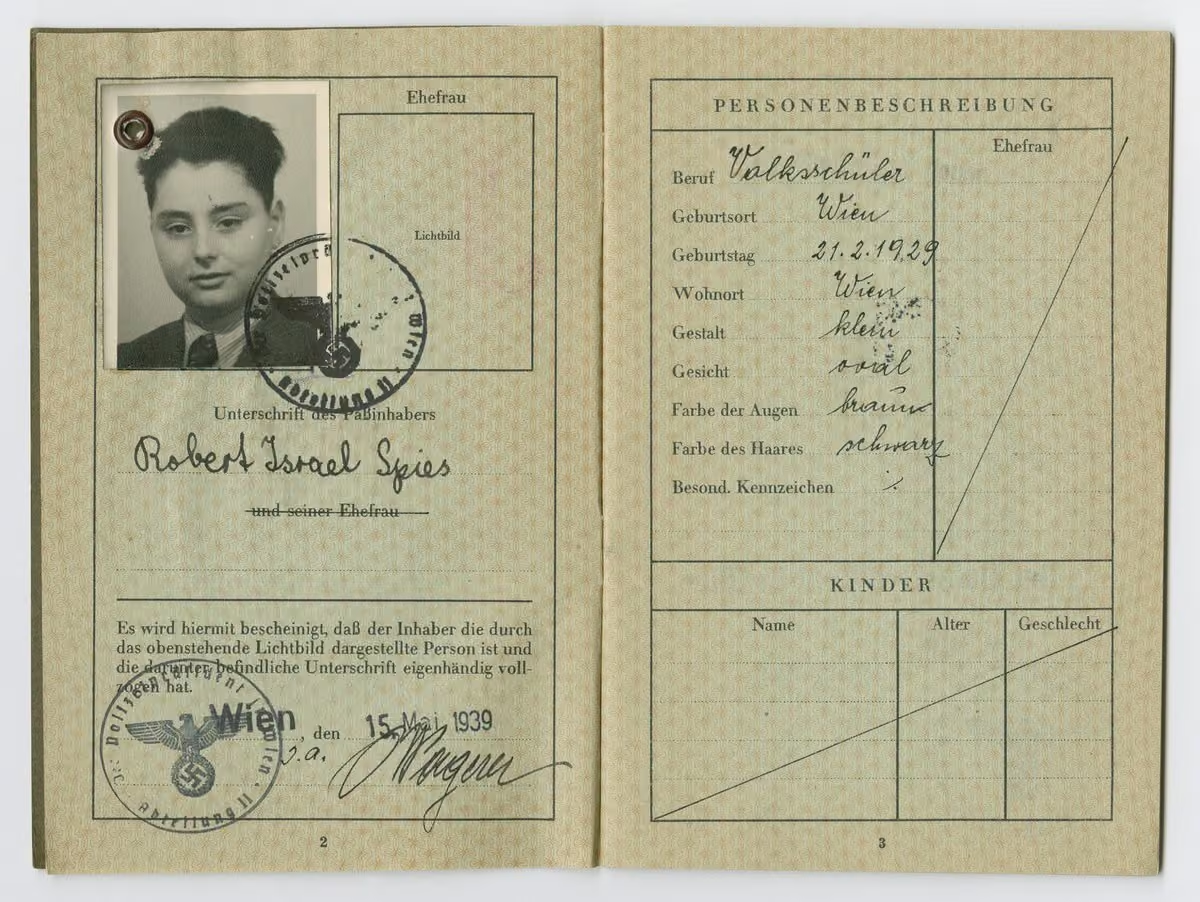 US Holocaust Museum
@HolocaustMuseum
Alice Goldberger was a German Jew who fled the Nazis and lost her family in the Holocaust. After the war, Alice helped dozens of child Holocaust survivors learn to love and trust again. In August 1945, on Alice’s 48th birthday, she welcomed the first of them into her care.

 US Holocaust Museum
@HolocaustMuseum
#otd in 1941, Germans closed off the Kovno ghetto, stationing armed guards at the gates. Jews had to remain inside the ghetto at all times, except for forced labor. The ghetto lacked enough space and sanitation to accommodate 35,000 people.
 US Holocaust Museum
@HolocaustMuseum
"We heard the amazing news," remembered Ilie Wacs. "Japan had surrendered. The war was over.”
V-J Day, the day of Japan’s unofficial surrender, took place #otd in 1945. For Jewish refugees like Ilie who lived in Japanese-occupied Shanghai, Japan’s surrender meant freedom.
 US Holocaust Museum
@HolocaustMuseum
“During my first attempt to write to you … tears kept running down my cheeks onto the paper,” Holocaust survivor Harry Markowicz wrote to his rescuer, Jeanne Daman, in 2016.
Harry, his brother, and his sister were among some 2,000 Jewish children saved by Jeanne in Belgium.
 US Holocaust Museum
@HolocaustMuseum
Born to a Jewish father and a Catholic mother, Peter Stein faced antisemitic bullying during the Holocaust. When he was eight, his father was deported to the Theresienstadt ghetto. As a volunteer at our Museum, Peter shared his childhood experiences with visitors.
US Holocaust Museum
@HolocaustMuseum
As a young Christian boy growing up in Nazi Germany, Walter Meyer was required to join the Hitler Youth. At first, he didn’t mind participating. But he soon grew resentful of their authority structures and questioned Nazi propaganda. He decided to resist.
US Holocaust Museum
@HolocaustMuseum
President Maduro’s outrageous use of long-standing antisemitic conspiracy theories to condemn his opponents & justify violence against them is dangerous for Jews worldwide & all Venezuelans. His hateful remarks should be universally & forcefully denounced. www.jta.org/2024/08/08/global/venezuelas-nicholas-maduro-…
US Holocaust Museum
@HolocaustMuseum
“I have only one wish: to go together with Kitty and Mama."
These were some of the last words Béla Weichherz wrote in his daughter's baby book. Kitty (pictured here) and her parents were murdered at the Sobibor killing center in 1942. She was 12 years old.
 US Holocaust Museum
@HolocaustMuseum
#otd in 1945, the United States dropped an atomic bomb on Hiroshima. Three days later, another atomic bomb was dropped on Nagasaki. Hundreds of thousands of Japanese civilians were killed as a result. Japan formally surrendered in September 1945, ending World War II. 📷: NARA
 US Holocaust Museum
@HolocaustMuseum
Jacob Waksman and his son, Andre, arrived at the Fort Ontario Emergency Refugee Shelter in Oswego, New York, #otd in 1944. They were two of 982 refugees representing 18 different nationalities brought to the United States by the War Refugee Board. 📷: National Archives
 US Holocaust Museum
@HolocaustMuseum
Anne Frank wrote extensively in her diary about her relationship with her sister, Margot. The girls hid from the Nazis with their family for two years in Amsterdam until they were arrested #otd 80 years ago. They died within days of each other at Bergen-Belsen concentration camp.
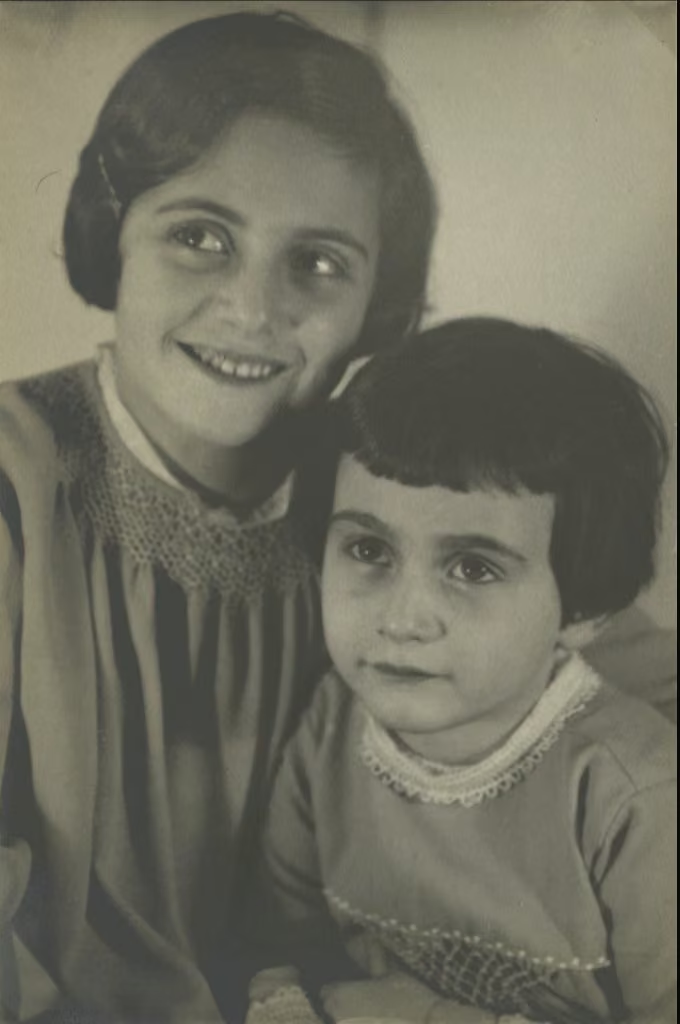 US Holocaust Museum
@HolocaustMuseum
Jesse Owens won his first of four gold medals at the 1936 Olympic Games #otd 88 years ago in Nazi Germany. Despite winning a collective 14 medals at the #olympics, Jesse and other African American athletes continued to face discrimination in a segregated America. 📷: NARA
 US Holocaust Museum
@HolocaustMuseum
By the summer of 1943, deportations to the Treblinka killing center had nearly stopped. The Jewish prisoners who had been forced to work in the camp feared that the Nazis would soon dismantle it and kill them, so they revolted #otd in 1943. encyclopedia.ushmm.org/content/en/article/treblinka
US Holocaust Museum
@HolocaustMuseum
“And then came that infamous day, August 2, 1944, when the Gypsy camp was dissolved,” remembered Karl Stojka. That night, German authorities in Auschwitz-Birkenau murdered between 4,200 and 4,300 Roma and Sinti. Approximately 21,000 Romani people were murdered at Auschwitz.
 US Holocaust Museum
@HolocaustMuseum
“I'm afraid they'll mock me, think I'm ridiculous and sentimental, and not take me seriously.” #otd in 1944, Anne Frank wrote her last diary entry. It is filled with self-doubt. Millions would come to know Anne through her writing.
 US Holocaust Museum
@HolocaustMuseum
The Berlin Olympics, which began #otd in 1936, created a spectacle of Nazi power for a global audience. After significant debate, countries around the world agreed to participate in the games. The Nazis exploited the #olympics for their own propaganda, legitimizing their regime.
 US Holocaust Museum
@HolocaustMuseum
80 years ago #otd, the largest act of resistance against German occupation began in Warsaw. For 63 days, the Polish Home Army, the largest Polish underground resistance force, and Polish civilians battled the Germans. 📷: Imperial War Museum
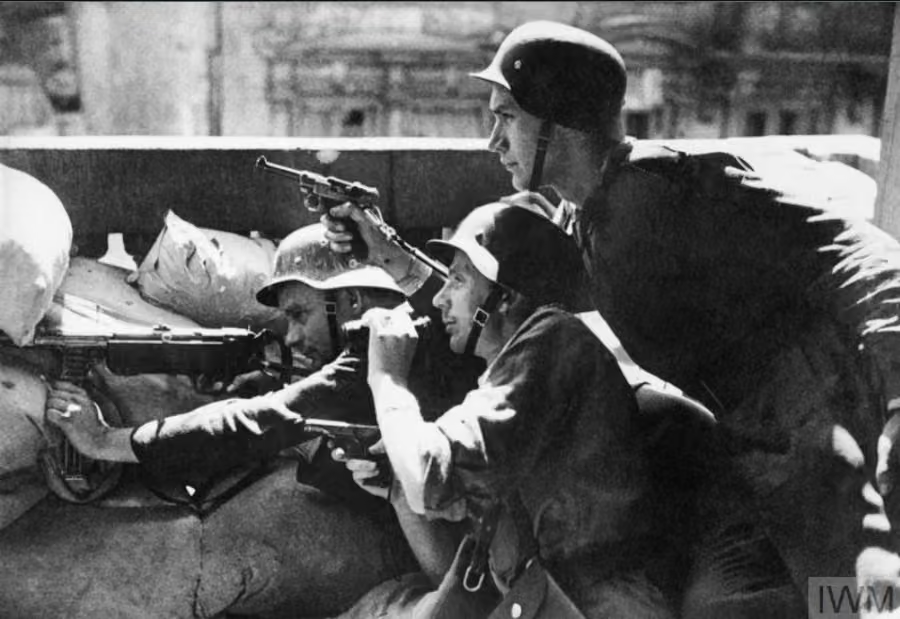 US Holocaust Museum
@HolocaustMuseum
Irene Weiss vividly remembers her first days at Auschwitz. “We asked the other prisoners when we would see our families,” Irene recalled. “A woman pointed to the chimney and said, ‘Do you see the smoke? There is your family.’” Hear Irene share her story live today at 1 p.m ET.
US Holocaust Museum
@HolocaustMuseum
In a grainy photo that depicts a chilling scene outside Auschwitz-Birkenau killing center, 13-year-old Irene Weiss is captured in a crowd of people during the selection process. Hear Irene describe the moment she was separated from her family on 7/31 at 1 p.m. ET.
US Holocaust Museum
@HolocaustMuseum
Zivia Lubetkin helped found the Jewish Combat Organization—which later helped organize the Warsaw Ghetto Uprising—#otd in 1942. Zivia fought in the uprising and managed to escape, later testifying at the trial of Nazi official Adolf Eichmann in 1961. 📷: Yad Vashem
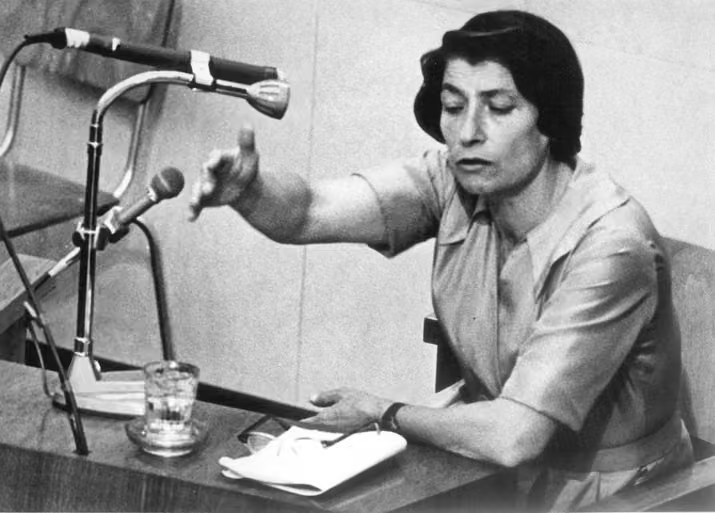 US Holocaust Museum
@HolocaustMuseum
In July 1937, Buchenwald, one of the largest concentration camps in Nazi Germany, opened. From its opening to liberation in April 1945, some 250,000 people were imprisoned there. The camp’s brutal, unsanitary conditions led to the deaths of at least 56,000 prisoners.
US Holocaust Museum
@HolocaustMuseum
Did you know that one of the oldest living Olympic champions is also a Holocaust survivor?
Ágnes Keleti survived using fake papers in Hungary. After the war, she competed in two Olympic Games, where she won a total of 10 medals.

 US Holocaust Museum
@HolocaustMuseum
In many ghettos throughout Nazi-occupied Europe, music was a form of spiritual and cultural resistance. In the Kovno ghetto, Michael Hofmekler conducted an orchestra of 35 musicians. He was one of perhaps 2,000 people to survive the Kovno ghetto.
 US Holocaust Museum
@HolocaustMuseum
80 years ago #otd, Soviet troops liberated the Lublin/Majdanek concentration camp. They found piles of belongings that the Nazis had stolen from Jews murdered at Majdanek and other sites. These items are a testament to the scale of Nazi crimes and the personhood of those killed.
US Holocaust Museum
@HolocaustMuseum
#otd in 1942, the Germans began the mass deportation of Jews from the Warsaw ghetto to the Treblinka killing center. The "Great Action" devastated the largest Jewish community in Europe. In just two months, some 265,000 people were deported to their deaths.
US Holocaust Museum
@HolocaustMuseum
During the Holocaust, the Ponary forest near German-occupied Wilno (now Vilnius, Lithuania) was a site of mass killing. German and local units killed around 75,000 people there, including Arie Singer's father, Zvi. Arie painted this imagined scene of Zvi's murder.
 US Holocaust Museum
@HolocaustMuseum
"When I learned that I had been sterilized … I was devastated. … I would be marked by the stigma of inferiority for the rest of my life."—Dorothea Buck
Dorothea was among 400,000 Germans sterilized under a Nazi law, passed in July 1933, targeting people with disabilities.
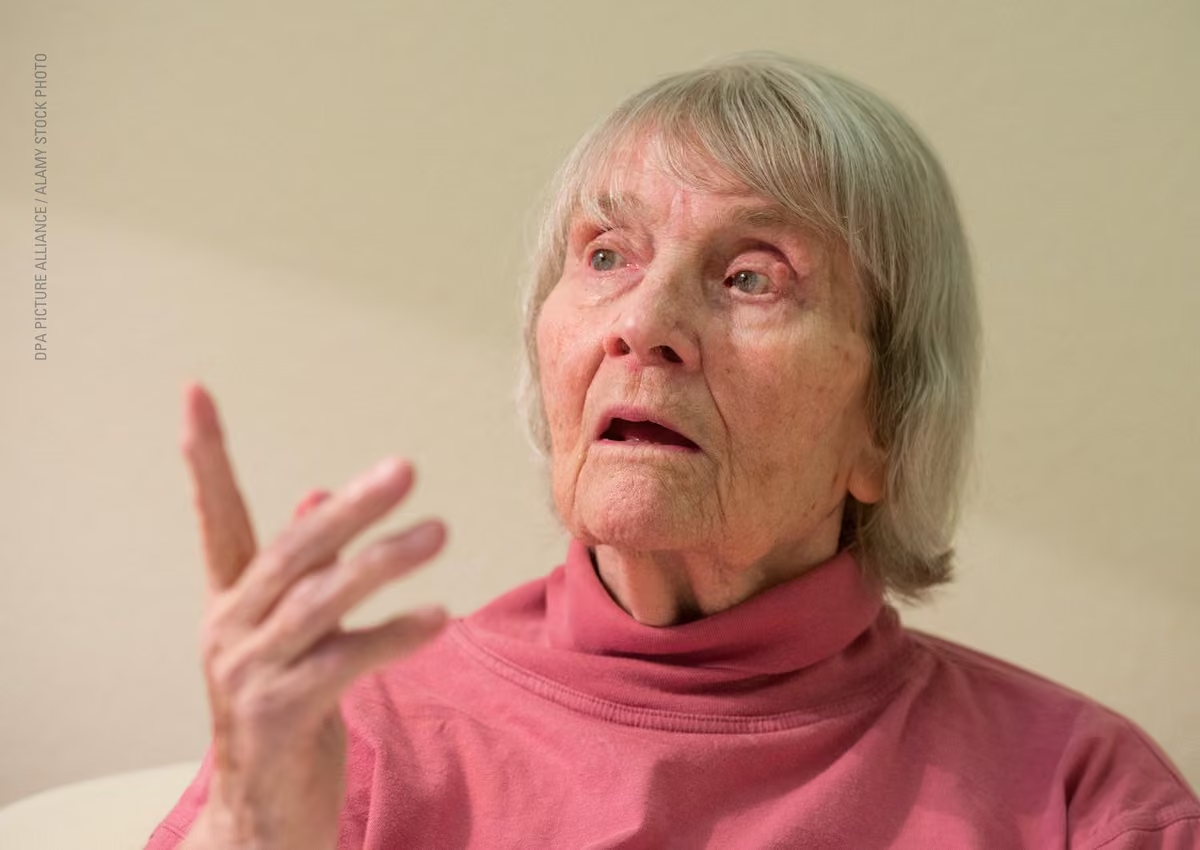 US Holocaust Museum
@HolocaustMuseum
A shocking slap may have saved Rachel Jedinak’s life. Her family was among 13,000 Jews arrested in Paris in July 1942. While in a holding area, her mother, Chana, saw an escape opportunity. When Rachel refused to leave her side, Chana slapped her—a last desperate act of a mother.
US Holocaust Museum
@HolocaustMuseum
#onthisday in 1936, shortly before the opening of the Berlin Olympics, German police arrested and forcibly relocated about 600 Roma and Sinti to Marzahn, a camp located in an open field near a cemetery and sewage dump in eastern Berlin. encyclopedia.ushmm.org/content/en/article/persecution-of-…
US Holocaust Museum
@HolocaustMuseum
#otd in 1942 the first transport left the Westerbork transit camp in the Netherlands for Auschwitz-Birkenau. Two-year-old Suzanne Hochherr and her parents were part of this transport. They were all killed at Auschwitz.
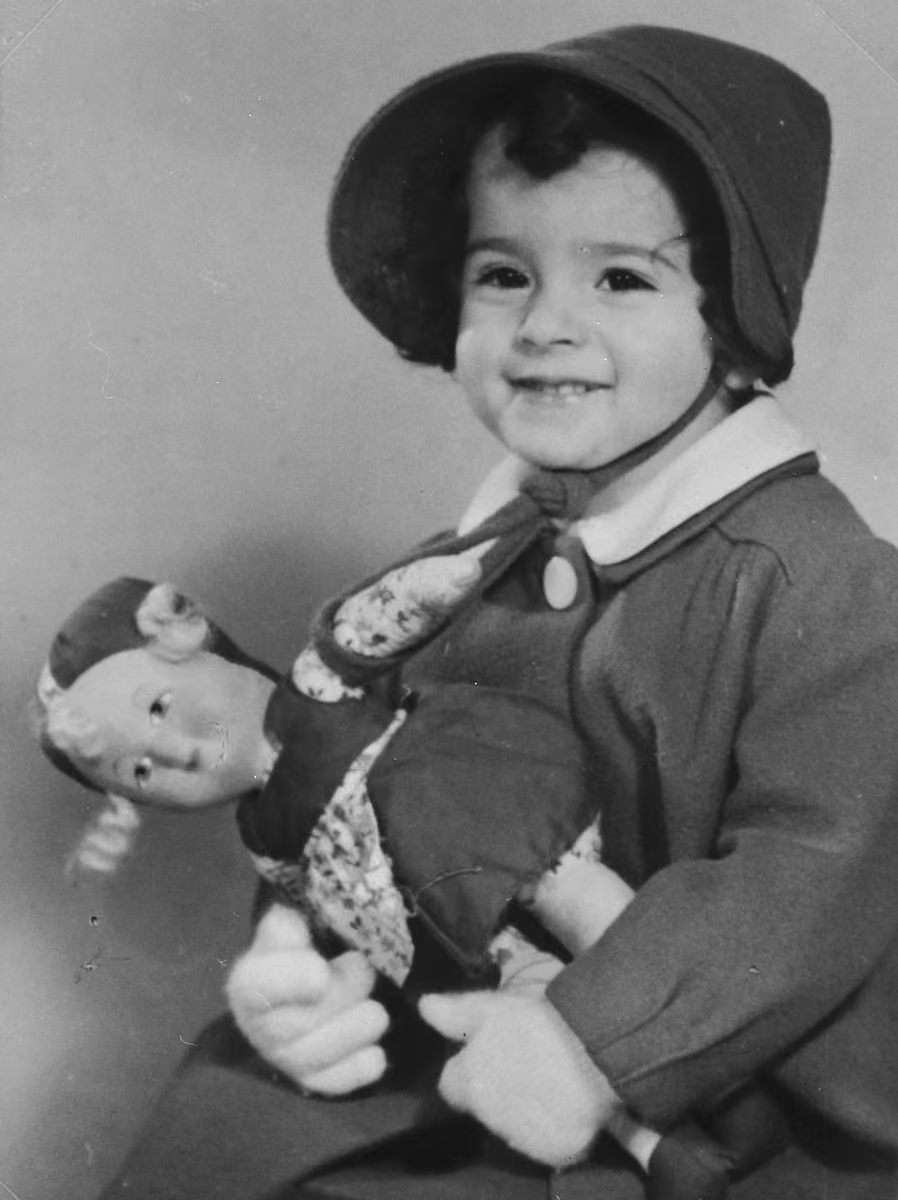 US Holocaust Museum
@HolocaustMuseum
Political violence is a grave threat to our democracy. The attempt on former President Trump’s life must be universally condemned by leaders and citizens. Our thoughts are with the victims and their families.
US Holocaust Museum
@HolocaustMuseum
German Gottfried von Cramm was recognized as one of the world's best tennis players. Despite pressure, Gottfried refused to identify with the Nazi regime. He was arrested for violating Paragraph 175, which criminalized sexual relations between men, derailing his career. 📷: Alamy
 US Holocaust Museum
@HolocaustMuseum
"I was left with a feeling that because I was not killed by the Nazis—because I survived—I had an obligation to make a dent in the world." Born in Germany, Dr. Ruth Westheimer survived the Holocaust in a Swiss orphanage.
 The Washington Post
@washingtonpost
Breaking news: Ruth Westheimer, a child survivor of the Holocaust who became known to millions as Dr. Ruth, the perky sex therapist whose frankness on her radio and television call-in shows made her a go-to guide for tips on the art, has died. She was 96. www.washingtonpost.com/obituaries/2024/07/13/dr-ruth-west…
US Holocaust Museum
@HolocaustMuseum
Agi Geva survived grueling forced labor, a death march, and the infamous Auschwitz concentration camp—twice—at just 14 years old. As a volunteer at our Museum, Agi shared her story of survival and showed her prisoner tattoo to visitors. “This is proof of us being there.”
US Holocaust Museum
@HolocaustMuseum
"When the SS man came to take a report, he never asked how many people; he asked first, 'How many deaths?'"
Siegfried Halbreich was among the first Polish Jews to be imprisoned at the Sachsenhausen concentration camp, which opened in July 1936. He remained there for two years.
 US Holocaust Museum
@HolocaustMuseum
"On July 11 they killed my father. I balled my fists; I cried ...”—Michael Kraus
Michael's father, Karel, was among the 7,000 Jews imprisoned in the "Czech family camp" (section Bllb) who were murdered at Auschwitz-Birkenau from July 10–12, 1944.
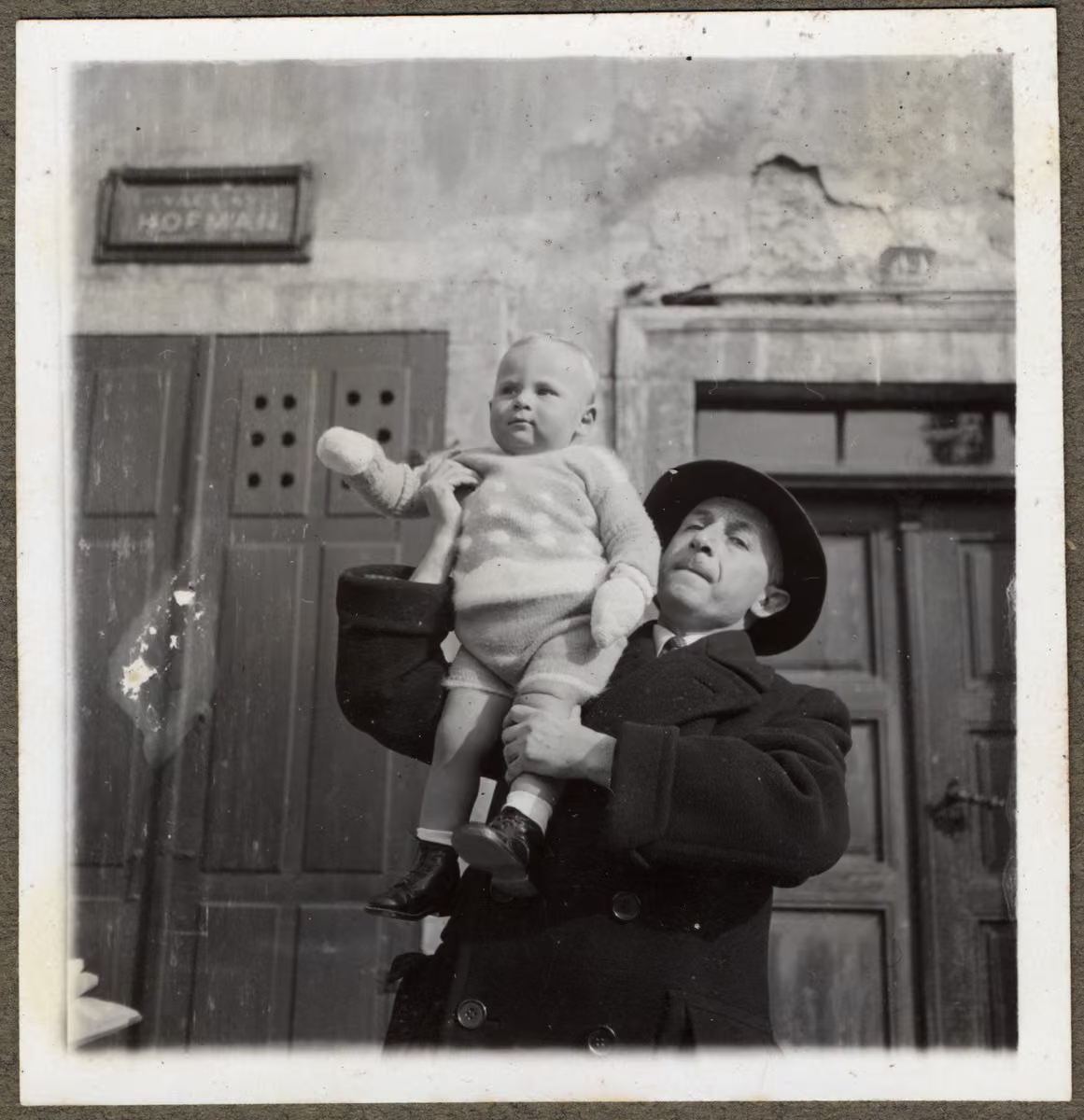 US Holocaust Museum
@HolocaustMuseum
Medical experiments by the notorious SS Dr. Mengele—known as the “angel of death” at Auschwitz—are well documented. Six-year-old Jewish twins René and Renate Guttmann never forgot the inhumane abuse they endured. @auschwitzmuseum encyclopedia.ushmm.org/content/en/oral-history/irene-hizm…
 US Holocaust Museum
@HolocaustMuseum
Hitler's frightening voice was the soundtrack to Gerda Haas's youth. "After ten years of this, you believe you are stupid. … I believed I was a second-rate human being.” Watch on YouTube today at noon ET to learn about the effects of propaganda on one Jewish girl.
US Holocaust Museum
@HolocaustMuseum
Swedish diplomat Raoul Wallenberg arrived in Budapest #otd 80 years ago. He led one of the most extensive and successful rescue efforts during the Nazi era. His work with the US War Refugee Board saved thousands of Hungarian Jews. 📷: Yad Vashem
US Holocaust Museum
@HolocaustMuseum
Ruth Stern (left) was five years old when she was sent to live at a Jewish school for the deaf in Berlin. While her family immigrated to the United States in 1936, Ruth had to stay behind as the US had restricted the immigration of deaf people. She joined her family in 1938.
 US Holocaust Museum
@HolocaustMuseum
Filmmaker Leni Riefenstahl helped craft the image of a powerful Germany with a strong and heroic figure at the helm. Her movie “Triumph of the Will” is studied to this day. Watch live on YouTube on 7/10 at noon ET to learn about the power of propaganda in Nazi Germany.
US Holocaust Museum
@HolocaustMuseum
#otd 85 years ago, representatives of 32 nations, including the US, met at the Évian Conference to discuss refuge for Jews under Nazi threat. Over nine days, delegates expressed their sympathy but most nations were unwilling to accept more Jewish immigrants. 📷: NARA
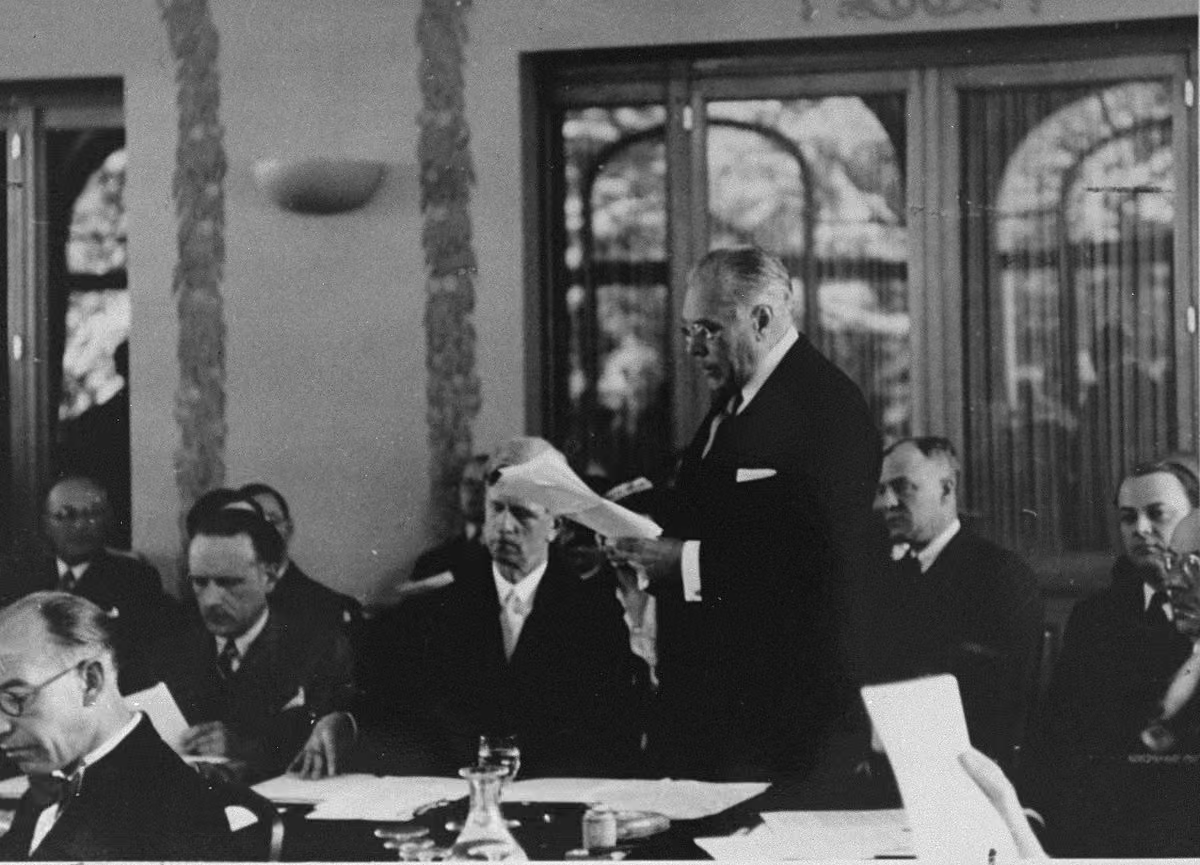 US Holocaust Museum
@HolocaustMuseum
On her eighteenth birthday, Auschwitz survivor Ruth Cohen arrived in the United States. This #independenceday, Ruth shares her memories of seeing the Statue of Liberty for the first time.
US Holocaust Museum
@HolocaustMuseum
"The violence grew stronger and stronger."
—Holocaust survivor Joseph Feingold
After the Holocaust, in July 1946, a mob of civilians, police officers, and soldiers murdered 42 Jews in Kielce, Poland. Afterward, Joseph and many Polish Jews felt they had no choice but to emigrate.
 US Holocaust Museum
@HolocaustMuseum
#otd in 1944, the New York Times reported on the mass murder of Jews at Auschwitz. While the American public learned about Auschwitz that summer, Jews, Roma, non-Jewish Poles, and other prisoners continued to suffer and die there until January 1945.encyclopedia.ushmm.org/content/en/article/auschwitz
US Holocaust Museum
@HolocaustMuseum
"One person of integrity can make a difference, a difference of life and death."
When Elie Wiesel died #otd eight years ago, the world lost one of its strongest advocates for Holocaust memory. He devoted his life to fulfilling the promise of Never Again.
US Holocaust Museum
@HolocaustMuseum
In early 1939, the Wagner-Rogers Bill, which would have allowed 20,000 German refugee children into the US, was introduced in Congress. First Lady Eleanor Roosevelt supported the bill, calling it a “wise way to do a humanitarian act.” By July, the bill had died without a vote.
 US Holocaust Museum
@HolocaustMuseum
Eva Weinberger Cohen never told her children the details of how she survived the Holocaust. After her death, they learned that she survived thanks to a rescue mission known as the Kasztner train. The train left German-occupied Budapest #otd in 1944 with nearly 1,700 Jews aboard.
US Holocaust Museum
@HolocaustMuseum
90 years ago #otd, the "Night of Long Knives"—the Nazi purge of high-ranking Storm Trooper officials—began. These extrajudicial killings showed just how far the Nazis would go to gain the support of the military elites and consolidate Nazi power.
US Holocaust Museum
@HolocaustMuseum
From time spent at his family's electronics store in Germany to his service in the US Signal Corps, Kurt Enfield was never far from a camera. His family even credited their escape from Nazi Germany to Ernst Leitz II, the head of the Leica camera company.
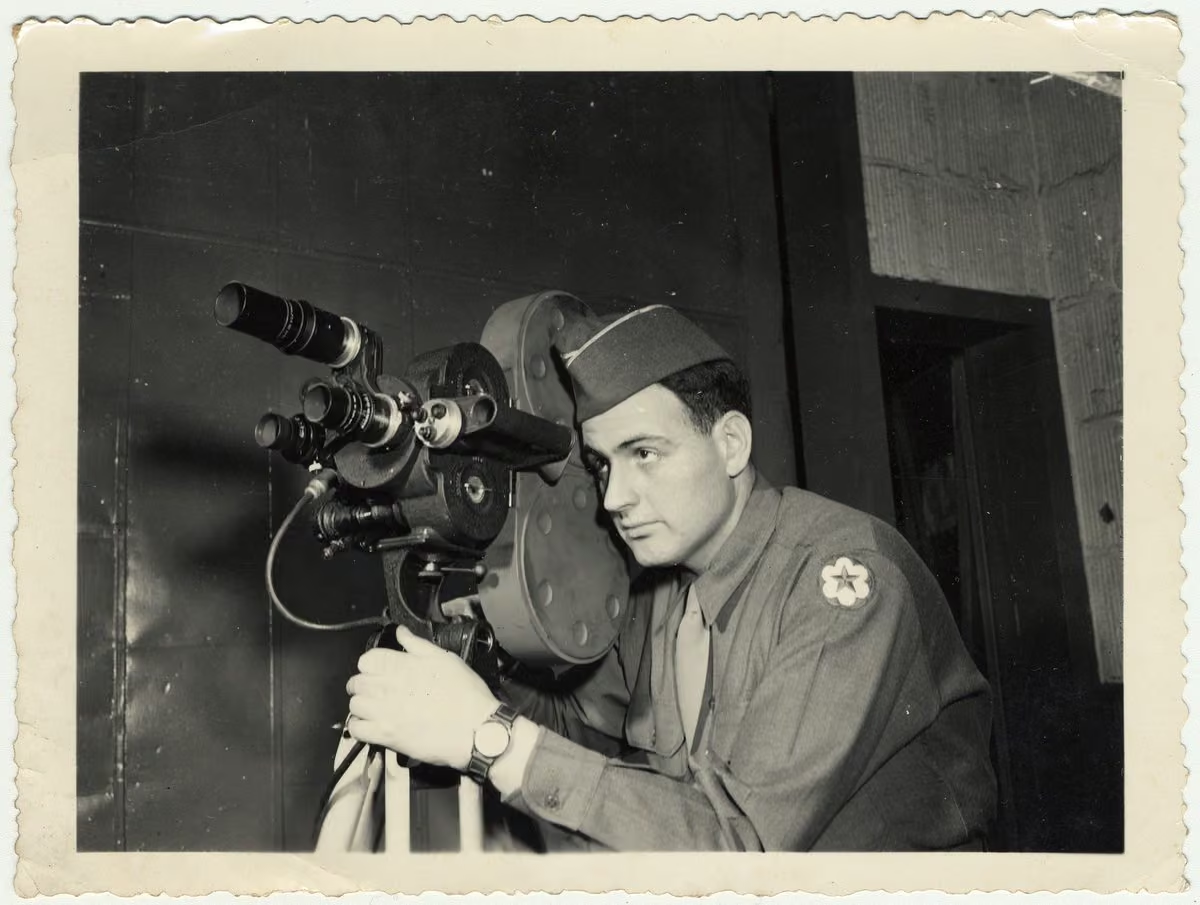
 US Holocaust Museum
@HolocaustMuseum
Before the Holocaust, the city of Iași, Romania, was home to a large, vibrant Jewish community. But in a span of a few days in the summer of 1941, the community would forever be changed. A city-wide pogrom resulted in the murder of thousands of Jews. 📷: Yad Vashem
 US Holocaust Museum
@HolocaustMuseum
Karl Gorath was 26 when he was convicted under Paragraph 175, the law that criminalized sexual relations between men. The Nazi regime revised the law #otd in 1935 to allow them to target far greater numbers of men than previous governments. Karl was eventually liberated in 1945.
 US Holocaust Museum
@HolocaustMuseum
“My ordeal began on the 27th of June,” remembered Ewa Kracowska.
Ewa's father, Samuel (seated left of Ewa), was one of hundreds of Jews burned alive in the Great Synagogue in Białystok in June 1941. The pogrom was carried out by Order Police Battalion 309, a German police unit.
 US Holocaust Museum
@HolocaustMuseum
“We could not imagine what was to come.”
Less than a year after they were smuggled out of Germany, Jewish siblings Susan and Joseph witnessed the German invasion of France in 1940. Hear Susan Warsinger’s story live today at 1 p.m. ET.
US Holocaust Museum
@HolocaustMuseum
Nine-year-old Susan Warsinger and her younger brother Joseph woke to a brick smashing through their bedroom window on the night of November 9, 1938. Peering out the window, Joseph said, “Susi, it is our neighbors.” Hear Susan’s story live on 6/26 at 1 p.m. ET.
US Holocaust Museum
@HolocaustMuseum
When the International Red Cross visited Theresienstadt #otd in 1944, the Nazis presented the ghetto as a comfortable place for Jews to live. In reality, it was a horrible prison from which tens of thousands were deported to their deaths. 📷: Yad Vashem
 US Holocaust Museum
@HolocaustMuseum
"When I went to school on Sunday morning, June 22, 1941, to receive my graduation certificate, I was surprised by the sound of bombs from German planes," recalled Dov Levin of Kaunas, Lithuania, about the Nazi invasion of the Soviet Union #otd 83 years ago.
 US Holocaust Museum
@HolocaustMuseum
During his imprisonment at the Sachsenhausen concentration camp, Polish prisoner Aleksander Kulisiewicz composed more than 54 songs. His songs and the music he collected after the war from other camps are one of the most valuable archives of cultural life in the camp system.
 US Holocaust Museum
@HolocaustMuseum
Dutch Jews Lena and Noah Benninga and their daughter, Chana, fled to the Dutch East Indies (now Indonesia) in 1940. Like many other refugees, the Benningas faced incredible challenges in their new home. After the Japanese occupation, the family was interned in various camps.
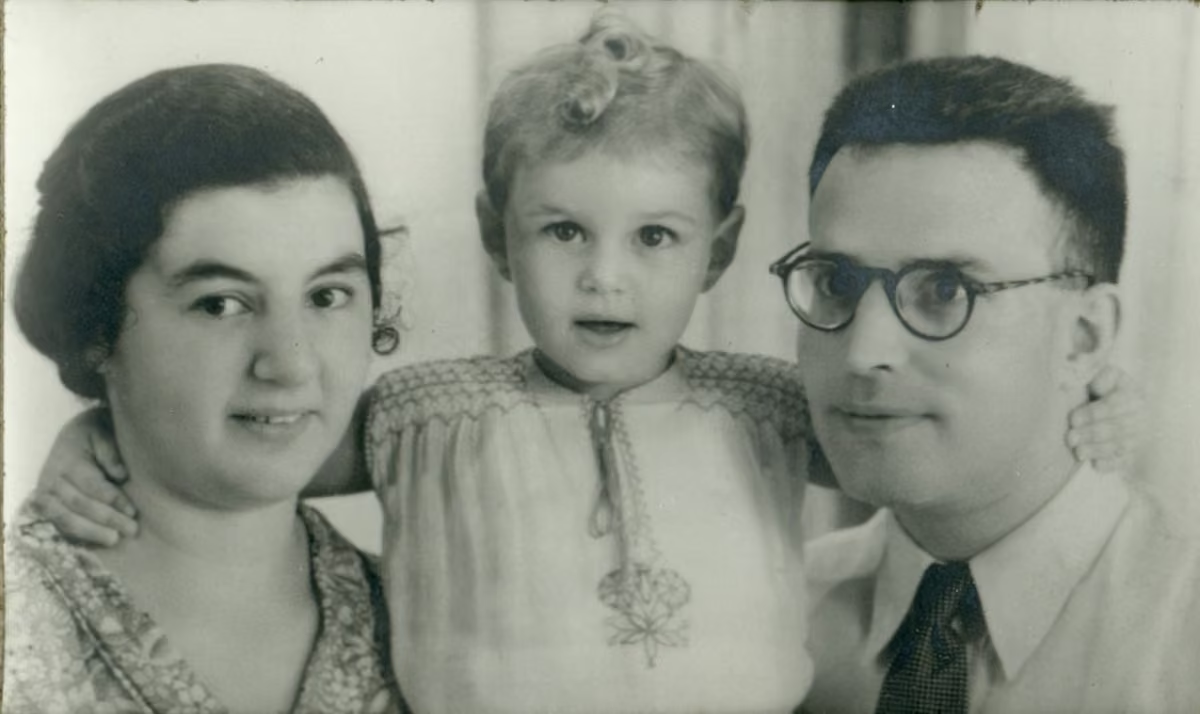 US Holocaust Museum
@HolocaustMuseum
Joan Da Silva’s father took great risks to protect his family. This #fathersday, hear Joan reflect on his actions and “battle-ready” spirit: youtu.be/lc1qLdX7ikI
Photo: Courtesy of Joan Da Silva
 US Holocaust Museum
@HolocaustMuseum
When the Germans killed 1,850 Jews from the Lenin ghetto in 1942, Faye Schulman's life was spared for her photography skills. After the Nazis forced her to take and develop photos of her family's massacre, she fled and joined a partisan resistance group. Photo: Yad Vashem
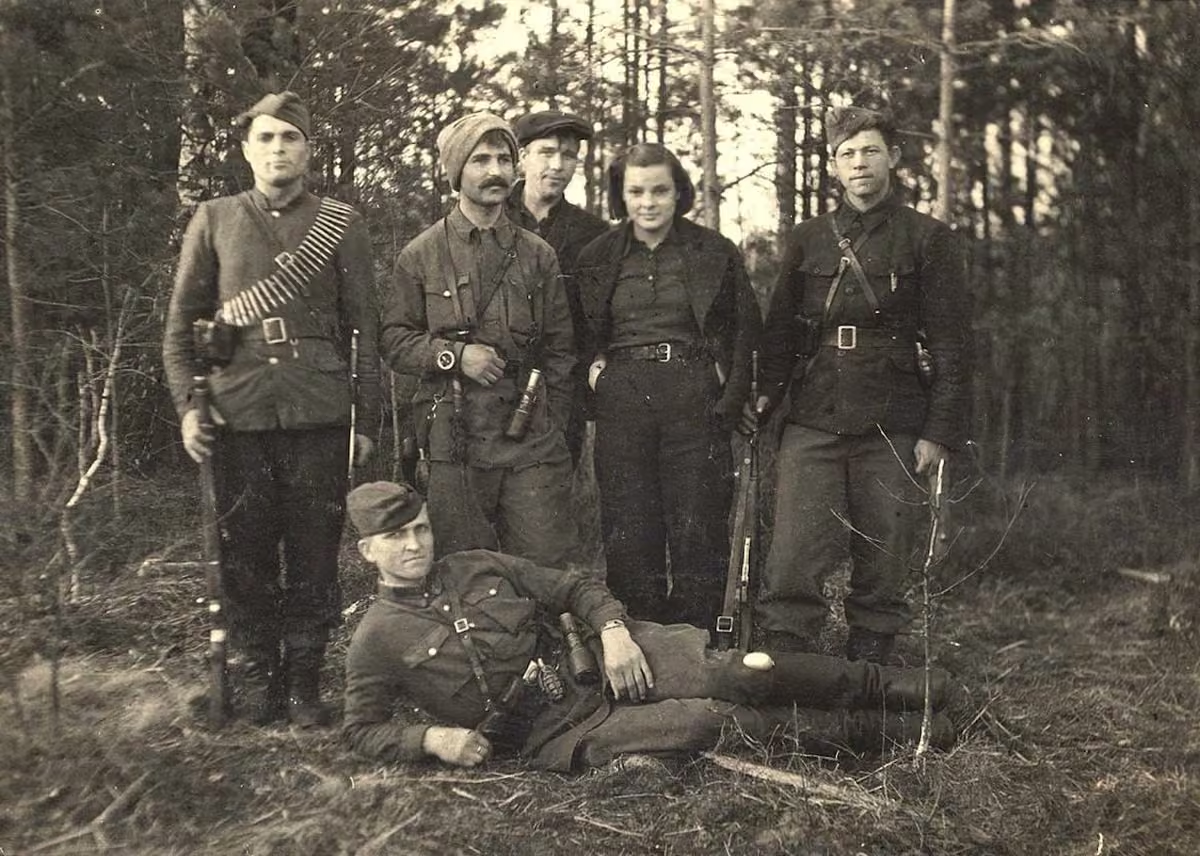 US Holocaust Museum
@HolocaustMuseum
As the Germans marched on Paris, Margit Meissner, 18, fled carrying underwear, chocolate croissants, and notes and pens from her dressmaking studies. Her design skills later helped her start a new life in America. #nationalsewingmachineday
 US Holocaust Museum
@HolocaustMuseum
#annefrank and Peter Feigl were both 13 years old when they began chronicling their Holocaust experiences in their diaries. As we mark Anne's birthday, learn the story of another young writer during the Holocaust. Watch live on YouTube today at noon ET to meet Peter.
US Holocaust Museum
@HolocaustMuseum
“Having read her diary, you will remember that her ultimate wish was to live on even after her death.”—Otto Frank, father of Anne Frank
#annefrank was born 95 years ago #otd. For millions, her diary is their window into the Holocaust. Her writing continues to inspire today.
 US Holocaust Museum
@HolocaustMuseum
Dutch musician Frieda Belinfante risked her life to create fake ID cards for Jews throughout World War II. She was also openly lesbian. Frieda survived as a member of the resistance by hiding in plain sight dressed as a man.

 US Holocaust Museum
@HolocaustMuseum
Officer Stephen Tyrone Johns died heroically #otd 15 years ago while protecting Museum visitors and staff. His memory occupies a permanent place in our hearts. www.ushmm.org/information/press/in-memoriam/stephen-tyron…
US Holocaust Museum
@HolocaustMuseum
Marie Doležalová was nine when her father was killed in the Lidice massacre #otd in 1942. Marie was separated from her mother, Alžběta, and placed in a home with a German family. Marie reunited with Alžběta four years later, but the reunion was brief. Alžběta died months later.
 US Holocaust Museum
@HolocaustMuseum
The day after he learned that his parents were arrested, 13-year-old Peter Feigl wrote his first diary entry. "I fear for you, my dearest parents," he lamented a week later. Watch Peter on YouTube on June 12 at noon ET to learn what happened to him and his parents.
US Holocaust Museum
@HolocaustMuseum
The D-Day invasion, 80 years ago #onthisday, helped turn the tide against the Nazis. For Jews who were part of the invasion or still in hiding in occupied Europe, the new front against Germany brought hope that an end to the war was near. 📷: National Archives
US Holocaust Museum
@HolocaustMuseum
Holocaust survivors who volunteer at our Museum engage with visitors, share personal histories, serve as tour guides, translate historic materials, and more. Their presence is an invaluable asset, and their contributions are vital. #holocaustsurvivorday www.ushmm.org/remember/holocaust-survivors
US Holocaust Museum
@HolocaustMuseum
The plight of Jews desperate to flee the Nazis inspired some, including Gilbert and Eleanor Kraus, to act. In spring 1939 they traveled to Vienna. #otd in 1939 they arrived in New York with 50 Jewish children. Most were soon reunited with their families.
US Holocaust Museum
@HolocaustMuseum
This is the last photo Freddie Traum took with his parents, Elias and Gita, before he left Vienna on a Kindertransport for England. Freddie did not know he would never see them again. They were deported #otd in 1942 and murdered at the Maly Trostenets killing site.
 US Holocaust Museum
@HolocaustMuseum
Gad Beck and Manfred Lewin, two Jewish teens, were young and in love in Berlin. While Gad was able to evade deportation, Manfred died at Auschwitz. Gad survived the war, but never really got over the loss of Manfred. He wrote, “Years later, Manfred’s name still electrified me.”
US Holocaust Museum
@HolocaustMuseum
As Iraq struggled to maintain independence from the British, Nazi antisemitic propaganda spread and in 1941 Iraq formed a pro-German government. That year, a pogrom called the Farhud resulted in the deaths of 150–180 Iraqi Jews, who were perceived as working with the British.
 US Holocaust Museum
@HolocaustMuseum
Holocaust survivor Solly Ganor called Clarence Matsumura his “personal liberator”. Clarence saved Solly from a death march while serving in a segregated unit of the US Army composed of Japanese Americans. The two remained friends until Clarence’s death. 📷: Eric Saul #aapihm


 US Holocaust Museum
@HolocaustMuseum
The name Dr. Josef Mengele stands out among the dark stories of Holocaust perpetrators. The Nazi doctor performed cruel medical experiments on prisoners, including on twin children. #otd in 1943, he was transferred to Auschwitz, where he earned the nickname the “Angel of Death.”
 US Holocaust Museum
@HolocaustMuseum
#otd in 1945, Holocaust survivor Julius Löwy wrote a letter to his liberators asking to be moved to an Allied hospital. The letter illustrates his postwar anxiety and the loss of home and family that many survivors experienced in the early weeks and months after liberation.
US Holocaust Museum
@HolocaustMuseum
“In that world with the anti-Jewish laws one couldn’t get a decent job,” recalled István Domonkos.
His brother, Péter (pictured here), graduated high school just as Hungary passed an anti-Jewish law restricting Jews' job opportunities. Péter did not survive the Holocaust.
 US Holocaust Museum
@HolocaustMuseum
Rose Levin was just a baby when her mother gave her up to save her life. In German-occupied Wilno (today Vilnius, Lithuania), she was taken in and adopted by the non-Jewish Martul family. For more than a decade, the family cared for Rose as one of their own. #fostercaremonth
 US Holocaust Museum
@HolocaustMuseum
While driving through Prague #otd in 1942, Nazi official Reinhard Heydrich was ambushed by two Czechoslovak soldiers on a secret mission to assassinate him. A few days later, one of the chief architects of the "Final Solution" was dead. 📷: NARA
US Holocaust Museum
@HolocaustMuseum
Just a year after Jewish American soldier Sydney Goodman (right) enlisted, he was taken as a POW by German forces. During his months in captivity, Sydney documented his experience on the back of family photos. While Sydney survived, on #memorialday we remember those who died.
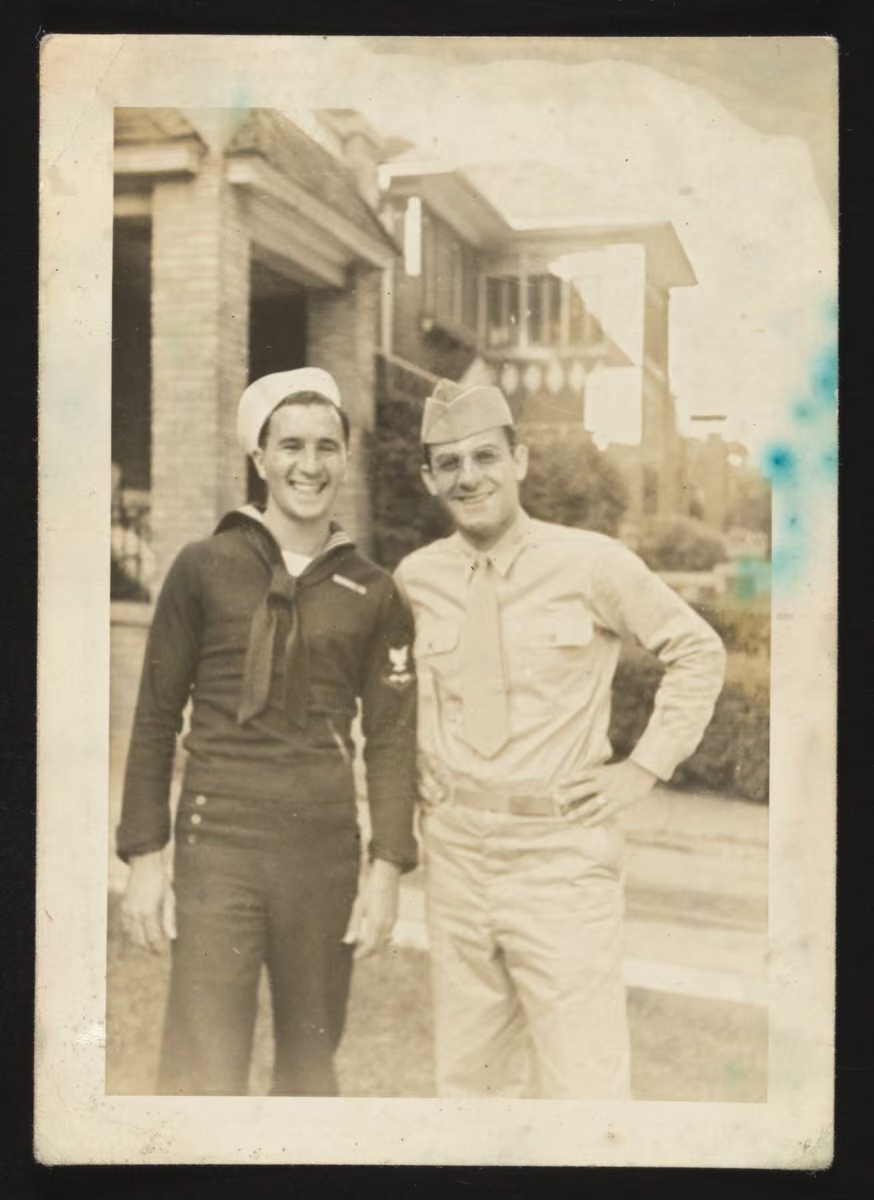 US Holocaust Museum
@HolocaustMuseum
Decades after the Holocaust, Irene discovered the most painful moment of her life had been captured by a Nazi photographer at Auschwitz in May 1944. She saw her 13-year-old self leaning forward, searching for her younger sister. Irene never saw her sister again. 📷: Yad Vashem
 US Holocaust Museum
@HolocaustMuseum
No amount of evidence convinced Gudrun Himmler of her father’s crimes during the Holocaust. She defended Heinrich Himmler, one of the most notorious Nazi perpetrators, until her own death. Her father killed himself in British custody #otd in 1945 with a cyanide capsule.
 US Holocaust Museum
@HolocaustMuseum
"Never shall I forget that night, the first night in camp, that turned my life into one long night seven times sealed."—Elie Wiesel, on his first night in Auschwitz. He was 15 years old when he and his family were deported there in May 1944.
US Holocaust Museum
@HolocaustMuseum
In 2007, a photo album of Nazi officers arrived at our Museum. Staff would soon uncover the sinister truth behind the photos. Tonight, @60Minutes will air a segment on the play "Here There Are Blueberries," which brings to life how we unraveled the mystery behind the album.
US Holocaust Museum
@HolocaustMuseum
After Nazi Germany annexed Robert Treuer's native Austria in March 1938, his experiences with antisemitism worsened. His mother was made to scrub the streets, and Robert was chased by boys from the Hitler Youth. The family eventually immigrated to the United States.
 US Holocaust Museum
@HolocaustMuseum
Manny Mandel was eight when Nazi German and Hungarian officials began the systematic deportation of Jews from Hungary in mid-May 1944. Manny and his family would spend six months in the Bergen-Belsen concentration camp before they were released as part of a rescue mission.
 US Holocaust Museum
@HolocaustMuseum
Theodora Klayman survived the Holocaust with the help of her extended family and neighbors. Theodora's Aunt Giza, before her arrest, ran to a neighbor with Theodora and her brother and said, "Please, take these children." Hear Theodora share her story live today at 1 p.m. ET.
US Holocaust Museum
@HolocaustMuseum
Theodora Klayman was three years old when Nazi collaborators in Croatia arrested her parents. Theodora and her baby brother spent the war in hiding, and neighbors concealed their Jewish identity. On 5/15 at 1 p.m. ET, hear Theodora's survival story.
US Holocaust Museum
@HolocaustMuseum
#otd 85 years ago, the St. Louis set sail from Hamburg, providing a lifeline to Jews fleeing Nazi persecution. But when the passengers arrived at their destination in Havana, Cuba, most were not allowed to disembark. Learn how most of the passengers survived the Holocaust.
US Holocaust Museum
@HolocaustMuseum
Josie Traum was three years old when her mother, Fanny, made the agonizing decision to send her into hiding. Fanny was later deported to Auschwitz. After the war, they reunited. “I realize now how difficult that must have been for her,” Josie later reflected. #mothersday
 US Holocaust Museum
@HolocaustMuseum
#otd in 1940, Germany invaded the Netherlands, Belgium, and Luxembourg. Within six weeks, those countries and France surrendered—and hundreds of thousands of Jews, including Ina Soep and her family in the Netherlands, fell under Nazi control.
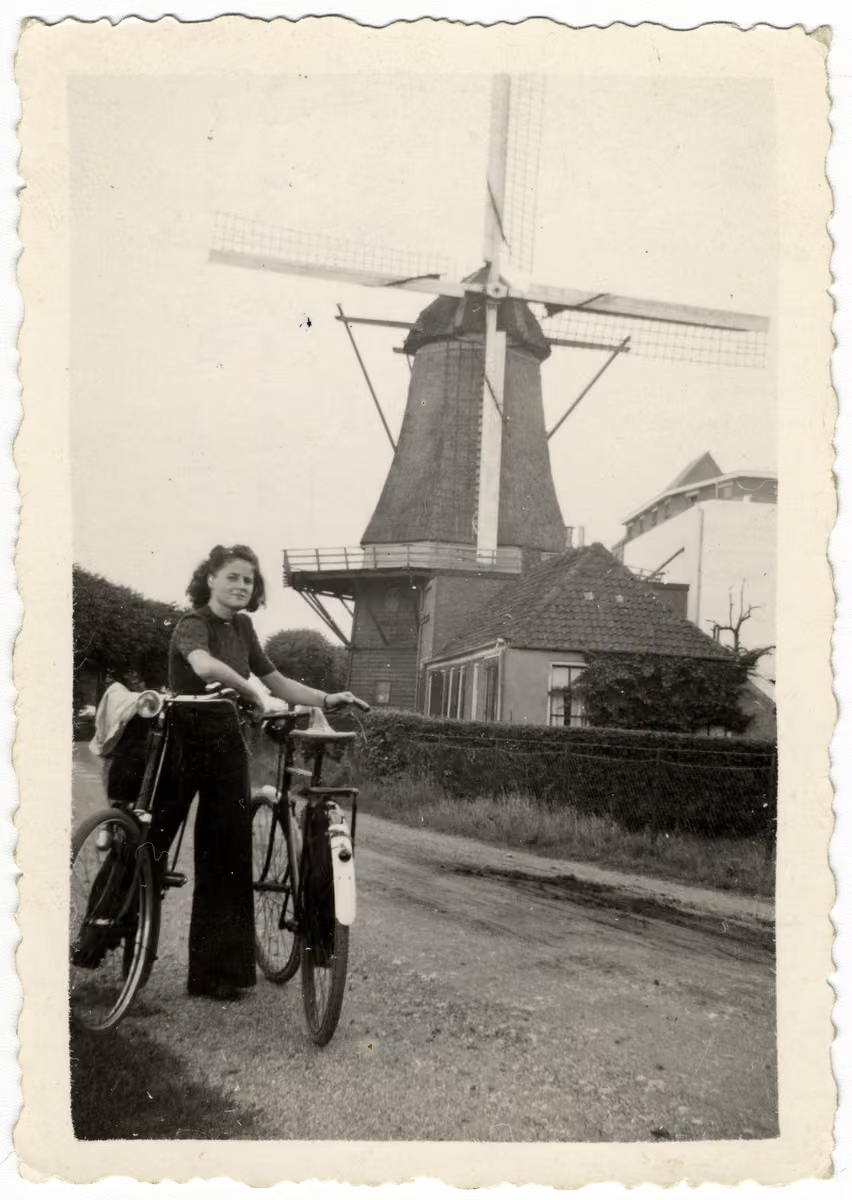 US Holocaust Museum
@HolocaustMuseum
#otd in 1933, university students in Nazi clubs across Germany burned thousands of "un-German" books in an orchestrated campaign. The regime’s early efforts to control the thoughts and lives of its citizens foreshadowed the persecution of Jews and other "undesirables." 📽️: NARA
US Holocaust Museum
@HolocaustMuseum
“[She] cared about me ... like her own children.”
Dana Pomerants-Mazurkevich was smuggled out of the Kovno ghetto as a baby and adopted by Elena and Kipras Petrauskas. When reunited with her birth parents, she still called both sets of parents mother and father. #fostercaremonth
 US Holocaust Museum
@HolocaustMuseum
1/ Last night, Holocaust survivors, Museum supporters, and partners gathered to mark our Museum’s 31 years of impact, rededicate themselves to protecting the truth of the Holocaust, and ensure this history’s relevance for new generations. 📷: Leigh Vogel for USHMM
 US Holocaust Museum
@HolocaustMuseum
2/ “The Museum is both a lesson of the past and a warning for the future.”—Museum Chair Stuart E. Eizenstat
 US Holocaust Museum
@HolocaustMuseum
3/ Special guest the Honorable Michael Herzog, ambassador of Israel to the United States, spoke about the need to protect Holocaust memory amid rising antisemitism. 📷: Leigh Vogel for USHMM
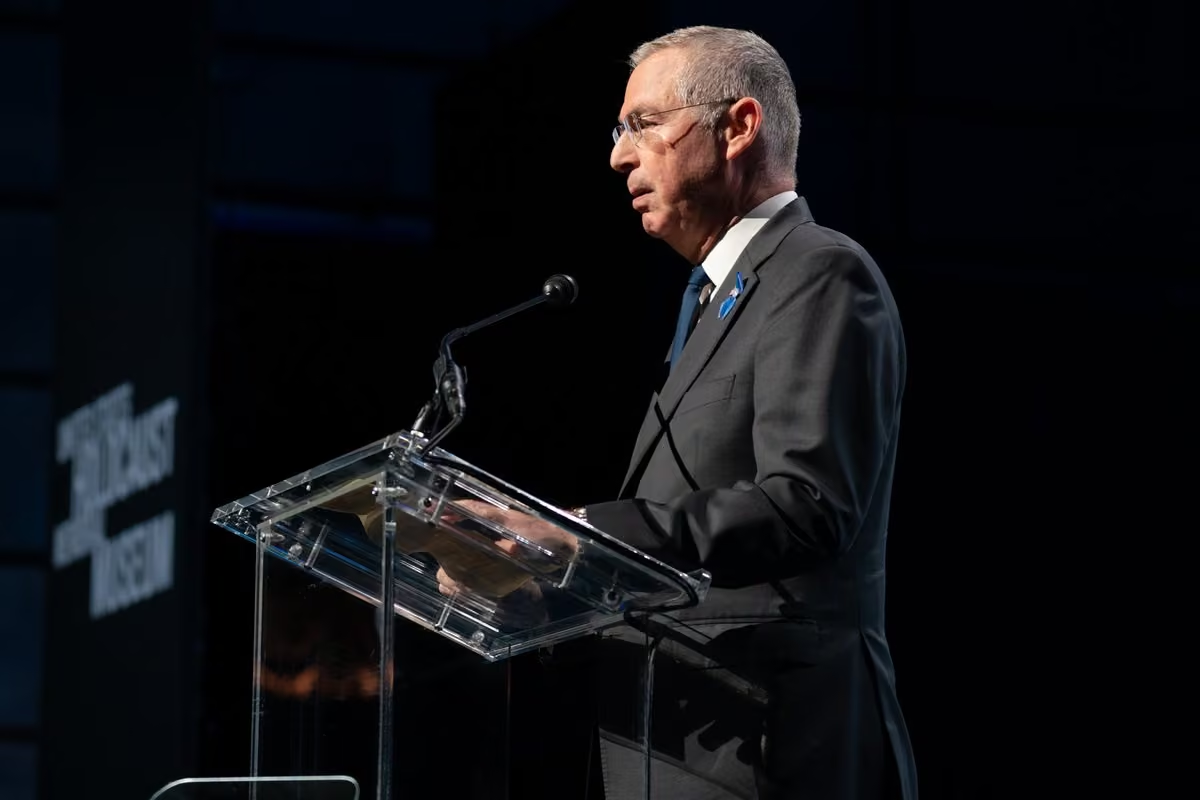 US Holocaust Museum
@HolocaustMuseum
4/ National Tribute Dinner Chairs Melanie & Brad Wine and Bonnie & Raphael Prober welcomed guests before dinner.
 US Holocaust Museum
@HolocaustMuseum
5/ “We are devastated by the eruption of antisemitism and Holocaust denial. But we’re also resilient, determined, and even hopeful about the future.”—Ruth, Holocaust survivor and Museum volunteer
 US Holocaust Museum
@HolocaustMuseum
6/ Museum teacher fellow Joe Nappi and The Ohio State University professor Robin Judd shared the importance of Holocaust education in encouraging students to stand up to hate.

 US Holocaust Museum
@HolocaustMuseum
11/ Museum teacher fellow Joe Nappi and professor Robin Judd led attendees in the pledge to the future—a commitment to keeping the relevance of the Holocaust alive.
 US Holocaust Museum
@HolocaustMuseum
12/12 Amid the dangerous surge in antisemitism worldwide, it has never been more important to teach why the Holocaust happened and confront hate. Together, we can create a future that is better than the past.
US Holocaust Museum
@HolocaustMuseum
A pair of ski boots helped save Gerda Weissmann's life. Gerda was born 100 years ago #onthisday. She was the only member of her immediate family to survive the Holocaust.
US Holocaust Museum
@HolocaustMuseum
#onthisday in 1945, Nazi Germany surrendered unconditionally, formally ending the war in Europe. From Times Square in New York to Paris, France, millions took to the streets to celebrate. #veday 📽️: NARA
US Holocaust Museum
@HolocaustMuseum
Thirty-one years ago, thanks to an unprecedented public-private partnership with the American people, the Museum opened its doors. Tonight, at the National Tribute Dinner, we will hear from some of the partners who have taken the lessons of the Holocaust far beyond our walls.
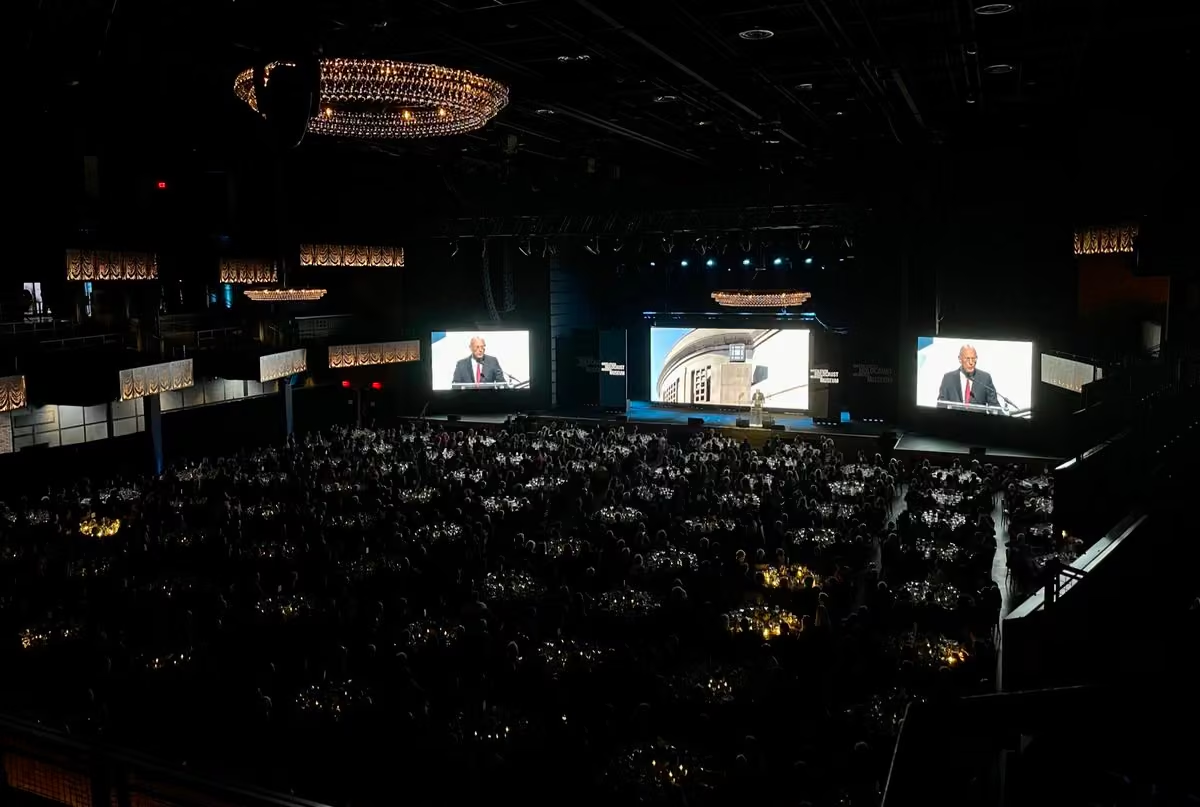 US Holocaust Museum
@HolocaustMuseum
1/ To mark the Days of Remembrance, we gathered at the US Capitol today to commemorate the six million Jews who were murdered during the Holocaust and the other victims of Nazi persecution.
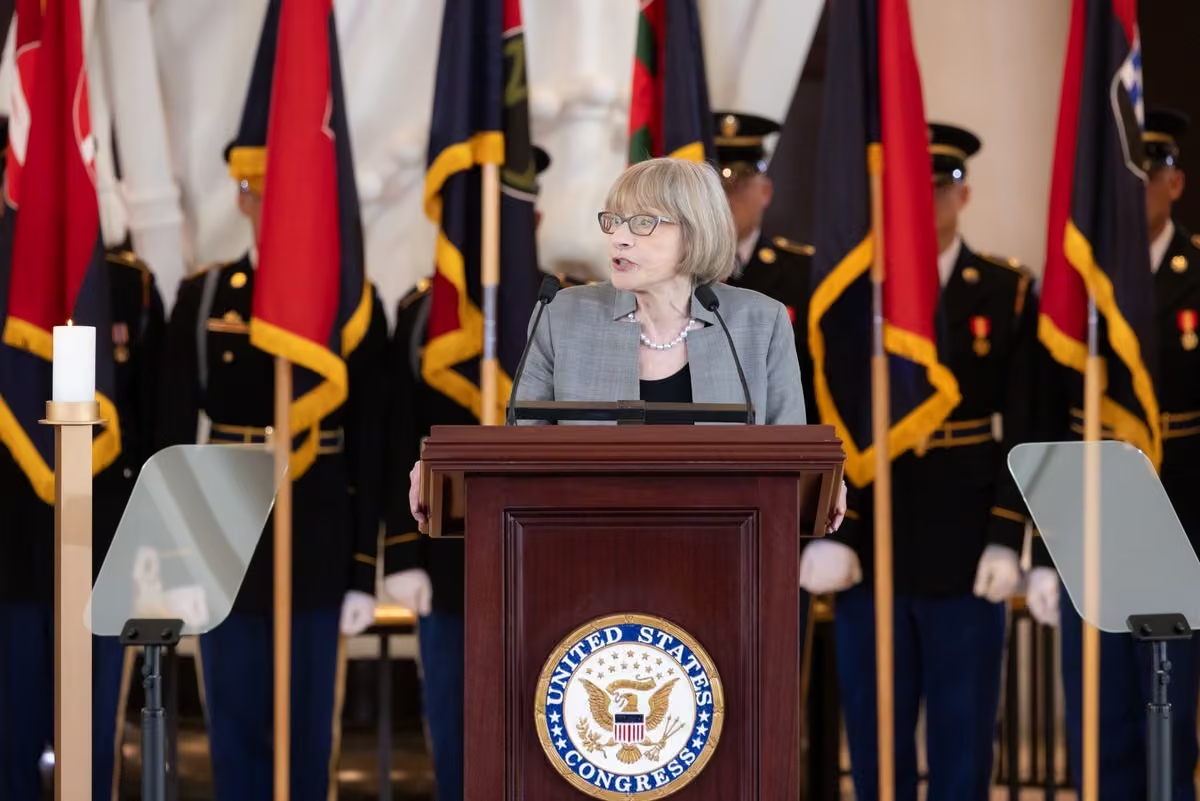 US Holocaust Museum
@HolocaustMuseum
3/ House Speaker Mike Johnson and Minority Leader Hakeem Jeffries also participated in this important event. The combined presence of these leaders is an important statement to our nation at this very challenging moment of alarming antisemitism and Holocaust denial.
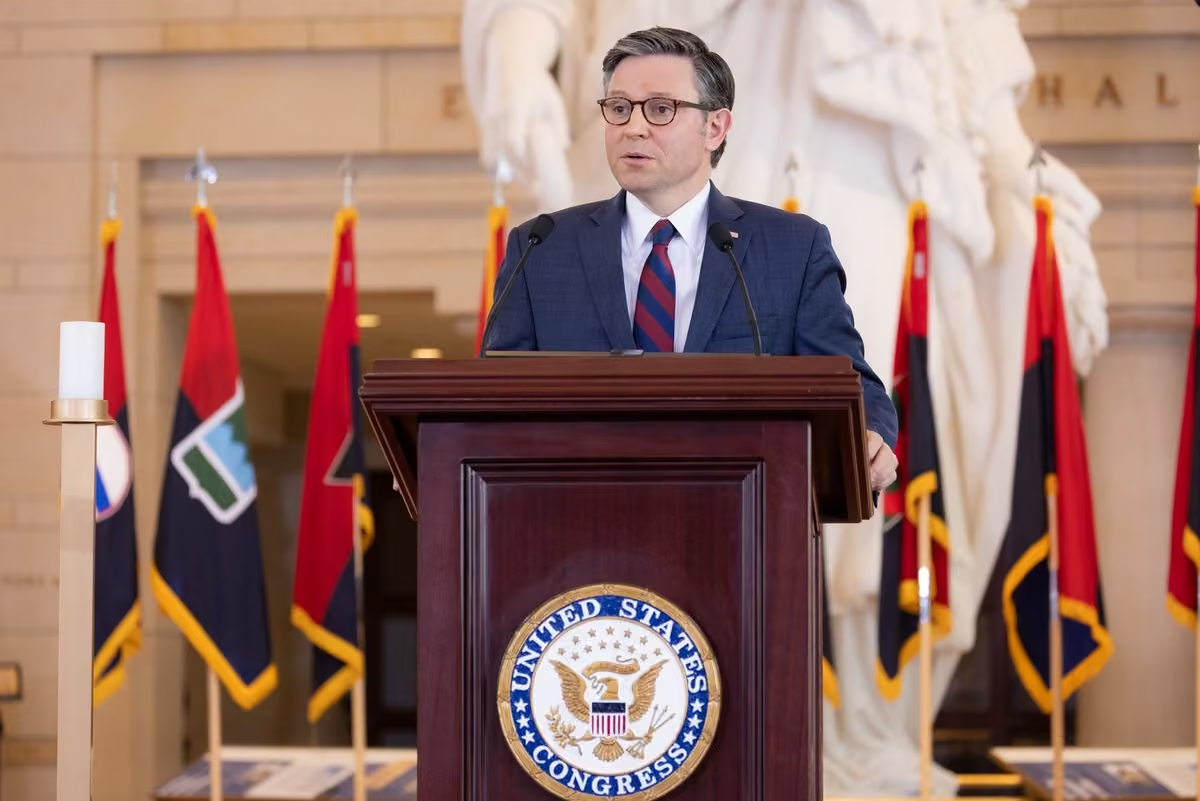
 US Holocaust Museum
@HolocaustMuseum
4/4 Preserving the memory of the victims—while also honoring survivors, rescuers, and liberators—provides a chance to learn about how and why the Holocaust happened. This history warns us of the consequences when antisemitism remains unchecked and inspires all to confront hatred.
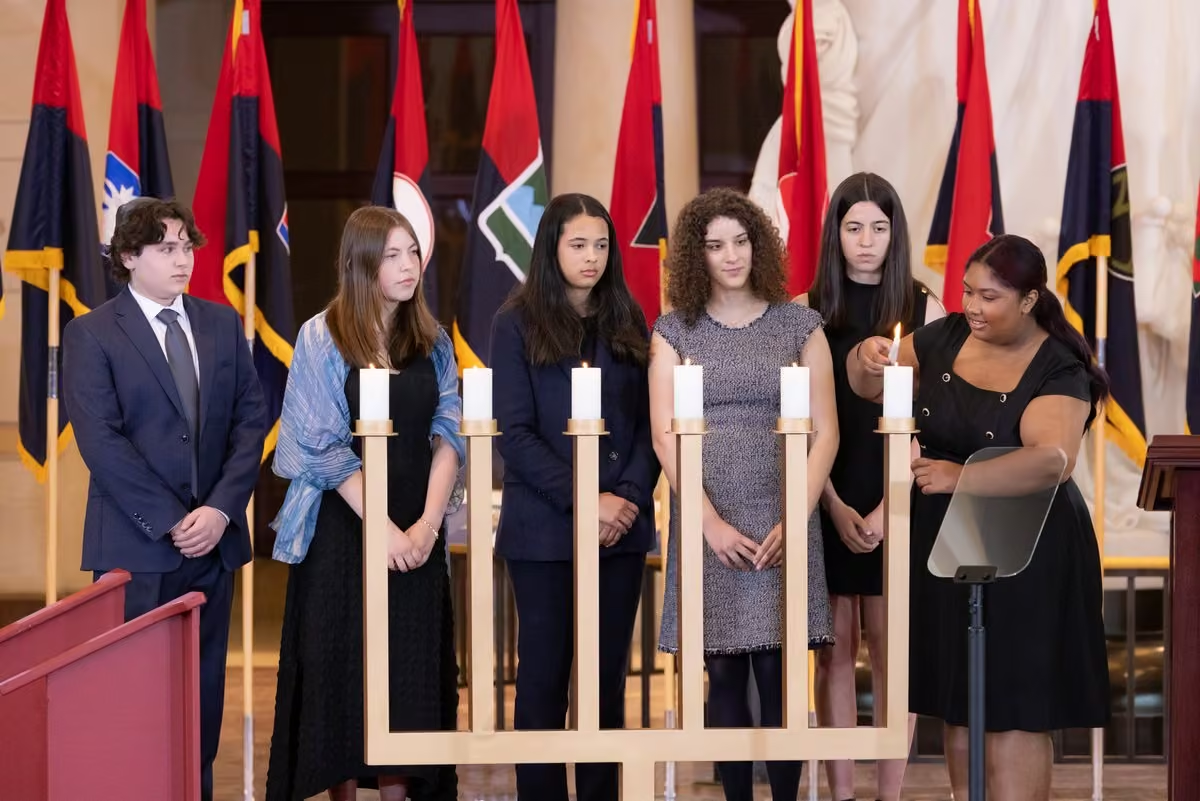 US Holocaust Museum
@HolocaustMuseum
Watch the national commemoration of the Days of Remembrance live as we remember the six million Jews who were murdered during the Holocaust and the other victims of Nazi persecution. www.ushmm.org/watch/2024-days-of-remembrance-commemoration
US Holocaust Museum
@HolocaustMuseum
To mark the Days of Remembrance, Holocaust survivor and Museum volunteer Rose-Helene reflects on why it is important to remember the past. #weremember
US Holocaust Museum
@HolocaustMuseum
This week during the Days of Remembrance, Holocaust survivor and Museum volunteer Joan remembers her grandmother, Rosa. #weremember
US Holocaust Museum
@HolocaustMuseum
Holocaust survivors are shocked and heartbroken by the rise of antisemitism. Ruth is calling on all of us to speak out.
US Holocaust Museum
@HolocaustMuseum
To mark the Days of Remembrance, Holocaust survivor and Museum volunteer Rae explains why she remembers. #weremember
US Holocaust Museum
@HolocaustMuseum
It is impossible to picture six million people at once; to read six million names; to know six million stories. This Holocaust Remembrance Day, #weremember and reaffirm our enduring commitment to remember the victims of the Holocaust and the other victims of Nazi persecution.
US Holocaust Museum
@HolocaustMuseum
“My father survived Mauthausen,” said Holocaust survivor Sam Ron. “He was in an American military hospital eight months after the war."
Sam's father, Jozef, was liberated from Mauthausen concentration camp #otd in 1945. He is pictured here in the hospital where he recovered.
 US Holocaust Museum
@HolocaustMuseum
British forces liberated the Neuengamme concentration camp #otd in 1945. Francis Akos was among the prisoners who had evacuated the camp weeks prior and was later forced onto the Cap Arcona ship. Unaware it was filled with prisoners, the British bombed the ship. Francis survived.
US Holocaust Museum
@HolocaustMuseum
We never thought that we'd be free again." —Martin "Marty" Weiss
In early May 1945, US troops liberated Gunskirchen, a subcamp of the Mauthausen concentration camp. Marty was one of some 15,000 prisoners liberated there.
 US Holocaust Museum
@HolocaustMuseum
“When the gates swung open, we got our first good look at the prisoners. … They were like skeletons—all skin and bones."—Ichiro Imamura
As the all-Japanese American 442nd Regimental Combat Team fought across Europe, they liberated Kaufering IV Hurlach, a subcamp of Dachau.
 US Holocaust Museum
@HolocaustMuseum
Yesterday, at an event hosted by the White House, Holocaust survivors and student ambassadors from the Museum's youth leadership program (Bringing the Lessons Home) gathered to view their testimonial art, jointly created as part of the Museum’s Art & Memory Project.


 US Holocaust Museum
@HolocaustMuseum
"We could hear the Germans shouting, the dogs barking, people screaming, shots ..."
Marcel Drimer was just eight years old when he survived a major roundup of Jews in his hometown of Drohobycz, Poland, in summer 1942. He called what he heard the "concert of death."
 US Holocaust Museum
@HolocaustMuseum
Rather than risk revealing the identity of a Jewish boy in hiding, Gertruda Babilińska smuggled a Jewish doctor out of the Wilno ghetto to treat Michael Stołowicki, sick with pneumonia and struggling to breathe. Watch on May 1 at noon ET to hear how Gertruda helped him survive.
US Holocaust Museum
@HolocaustMuseum
When Estelle Mantovani donated this photo to our Museum over 30 years ago, she wrote: "After I'm gone [there] will be no one to remember them." Ahead of the Days of Remembrance, we remember Estelle's niece and nephews—Henryk, Felicja, and Salomon Lippermann—who did not survive.
US Holocaust Museum
@HolocaustMuseum
“Ravensbrück … was a hell."—Blanka Rothschild. #otd in 1945, the Soviet army liberated the remaining prisoners at Ravensbrück concentration camp. Over 130,000 female prisoners passed through the camp complex. More than 25,000 of them died there. 📸 Former Ravensbrück prisoners
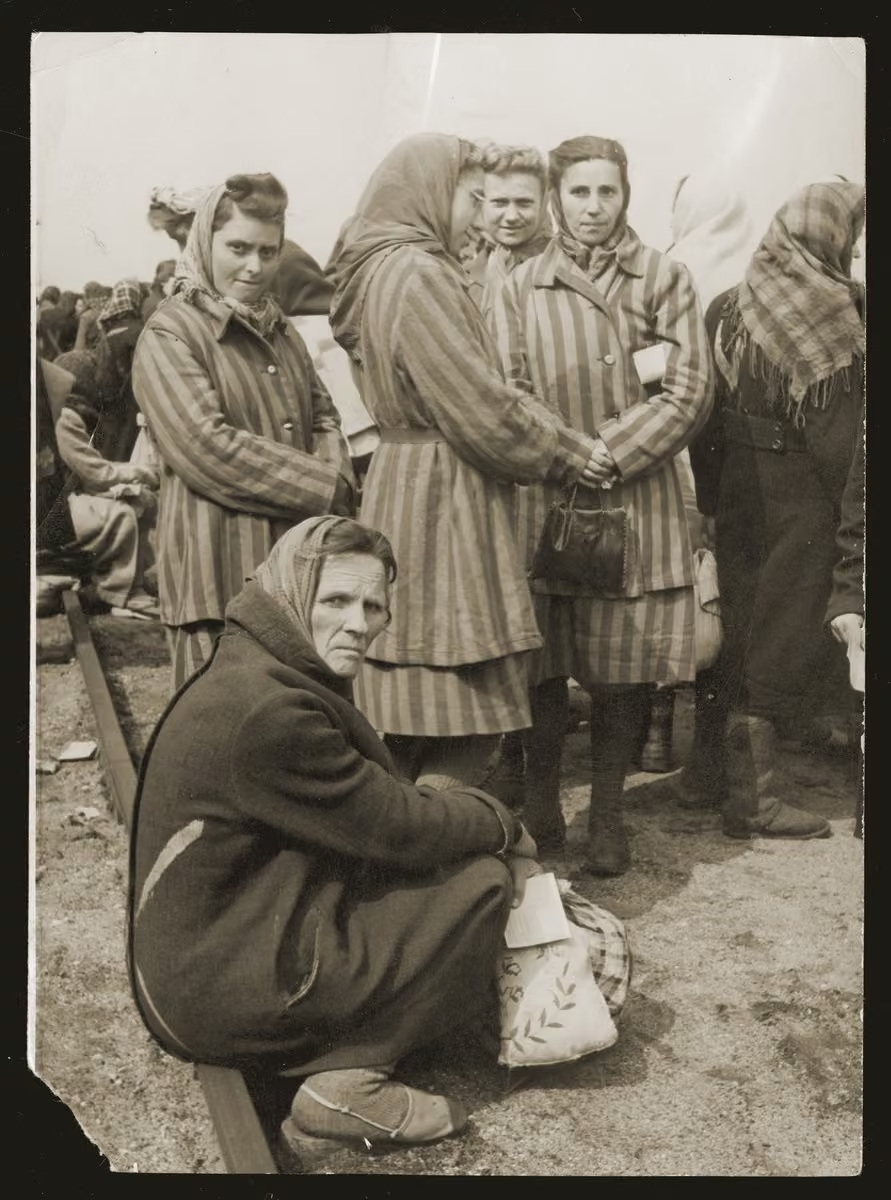 US Holocaust Museum
@HolocaustMuseum
Maria Seidenberger secretly took these photos of a death march toward Dachau concentration camp. In addition to documenting the march, Maria offered potatoes to the starving prisoners. A few days after she took these photos, Dachau was liberated by American forces #otd in 1945.
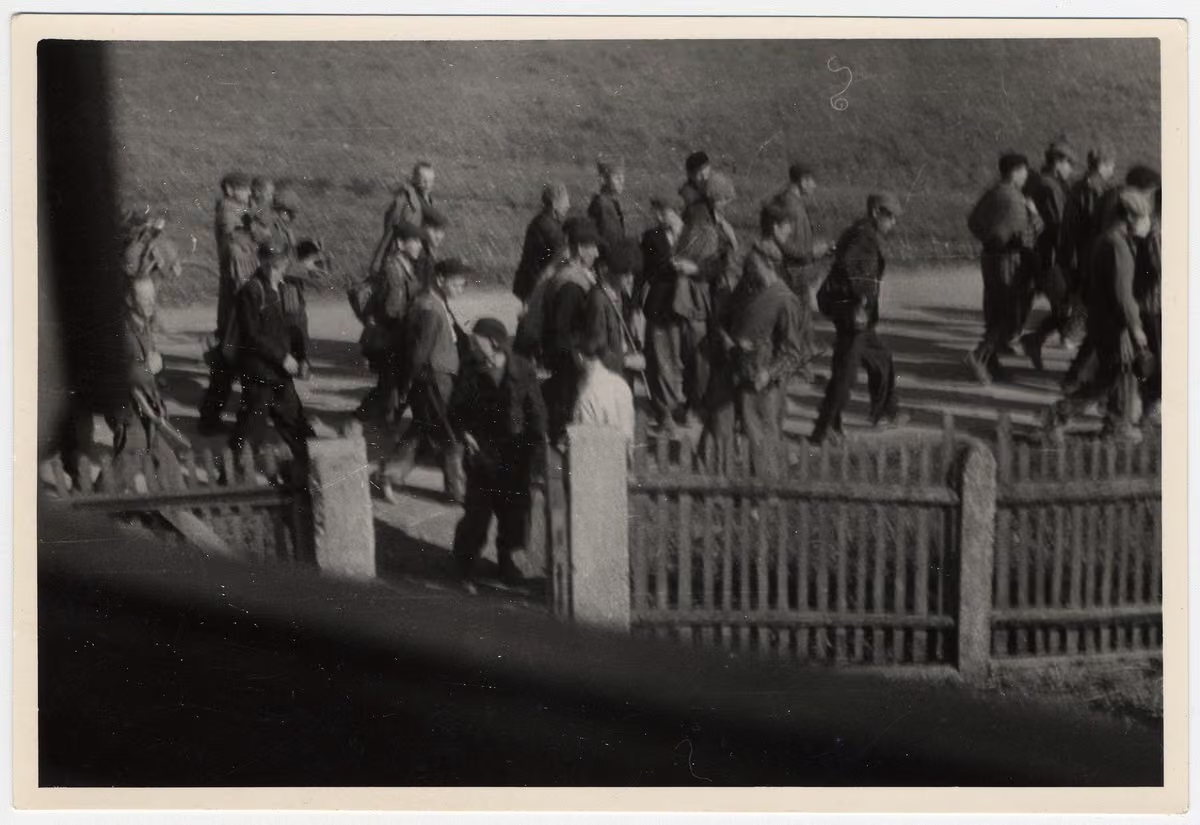
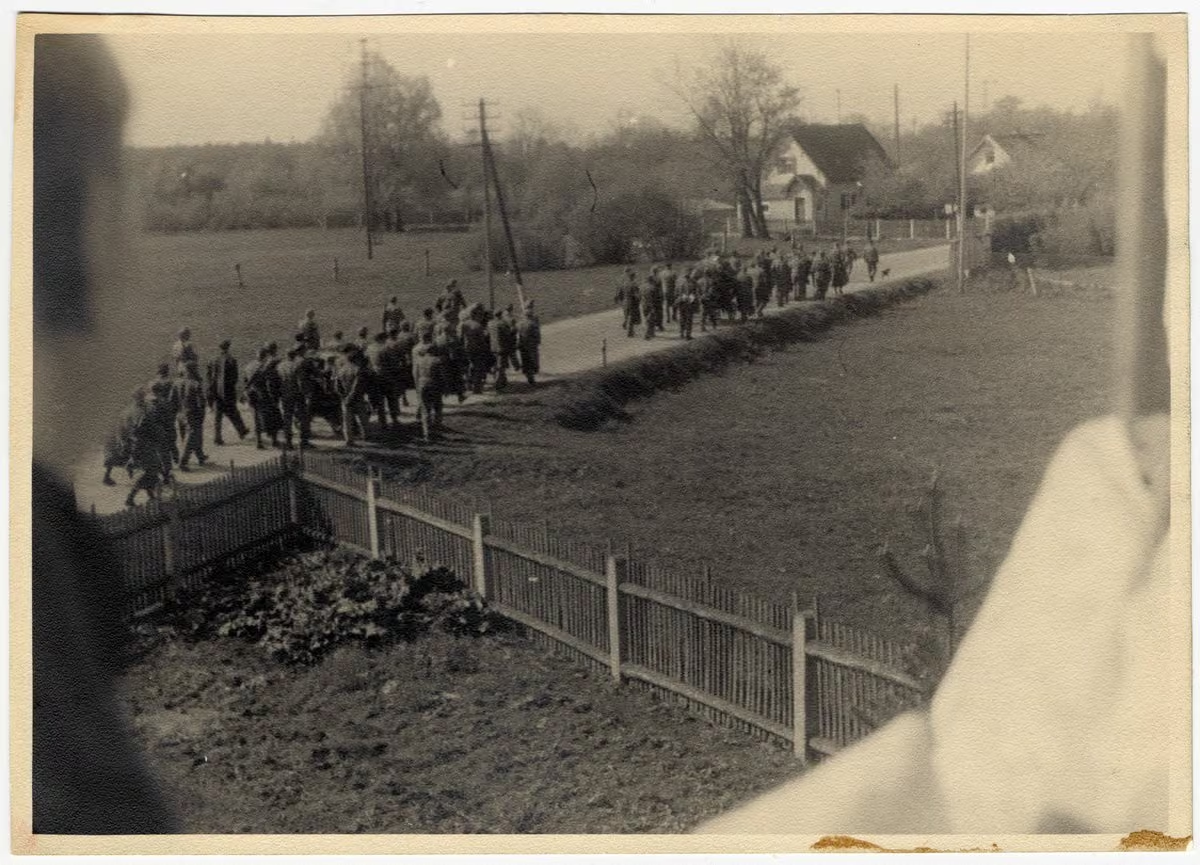 US Holocaust Museum
@HolocaustMuseum
Jewish dancer Paula Rüthling survived horrific conditions in Auschwitz. After the war, she reestablished her cabaret show alongside her husband and daughter. #internationaldanceday

 US Holocaust Museum
@HolocaustMuseum
Born #otd in 1908, businessman Oskar Schindler helped save more than 1,000 Jewish forced laborers during the Holocaust. They were put on lists and sent to his new factory, protecting them from dire conditions elsewhere. The wartime profiteer was an unlikely rescuer. 📷 Yad Vashem

 US Holocaust Museum
@HolocaustMuseum
After five-year-old Michael Stołowicki's mother died, his Catholic nanny, Gertruda Babilińska, devoted her life to protecting him. “I am your mama now,” she told him. Hear how Gertruda hid Michael’s Jewish identity from the Nazis on YouTube on May 1 at noon ET.
US Holocaust Museum
@HolocaustMuseum
In April 1945, American troops happened upon a stunning discovery—about 2,500 concentration camp prisoners abandoned and left to starve by their German captors. The troops watched as prisoners realized the enormity of their newfound freedom.
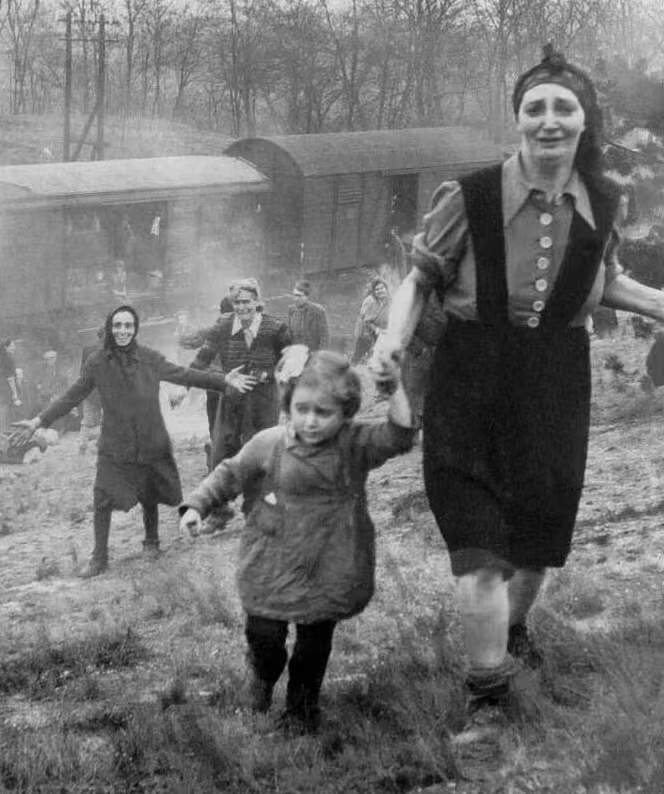 US Holocaust Museum
@HolocaustMuseum
The Gestapo, Nazi Germany’s infamous political police force, was established #otd in 1933. One of its most notorious members was Klaus Barbie, “the Butcher of Lyon.” As head of the Gestapo in Lyon, France, he caused the deaths of thousands of Jews and French Resistance members.
US Holocaust Museum
@HolocaustMuseum
"Even though my story is told against the dark and tragic background of the Holocaust, I consider it to be one of inspiration."
While danger marked his earliest years, Holocaust survivor Arye Ephrath remembered the strangers who rescued his family, rather than his tormentors.
US Holocaust Museum
@HolocaustMuseum
#otd in 1933, the Nazi regime issued a law that limited the number of Jewish students in public schools. Initially, Marion Sauerbrunn was unaffected by this discriminatory law. But not for long. In 1936, she and other Jewish students had to leave their private school.
US Holocaust Museum
@HolocaustMuseum
#otd in 1915, Ottoman authorities arrested hundreds of Armenian leaders in Constantinople (today, Istanbul)—the start of the Armenian genocide. As many as 1.2 million people were killed during the #armeniangenocide between spring 1915 to fall 1916.
US Holocaust Museum
@HolocaustMuseum
Susan Darvas started to experience antisemitism for the first time in her life after World War II broke out. "Kids I had been playing with started calling me 'dirty Jew,' refused to play with me,” she recalled.
She survived the war with her parents in Budapest.
US Holocaust Museum
@HolocaustMuseum
#otd in 1945, American troops arrived at Flossenbürg concentration camp in Germany, liberating some 1,500 remaining prisoners. Most prisoners had been evacuated on a death march just days prior. 📸 NARA
 US Holocaust Museum
@HolocaustMuseum
Scholar and author Nechama Tec brought stories of rescue and Jewish resistance to light. A Holocaust survivor herself, she also wrote a memoir detailing her experiences in hiding under a false Christian identity. #worldbookday
US Holocaust Museum
@HolocaustMuseum
As Yugoslav Partisans—armed resistance fighters—neared the Jasenovac camp complex in Croatia in April 1945, hundreds of prisoners made the choice to revolt. Only a few escaped. Guards later murdered most of the remaining prisoners and destroyed the camp.
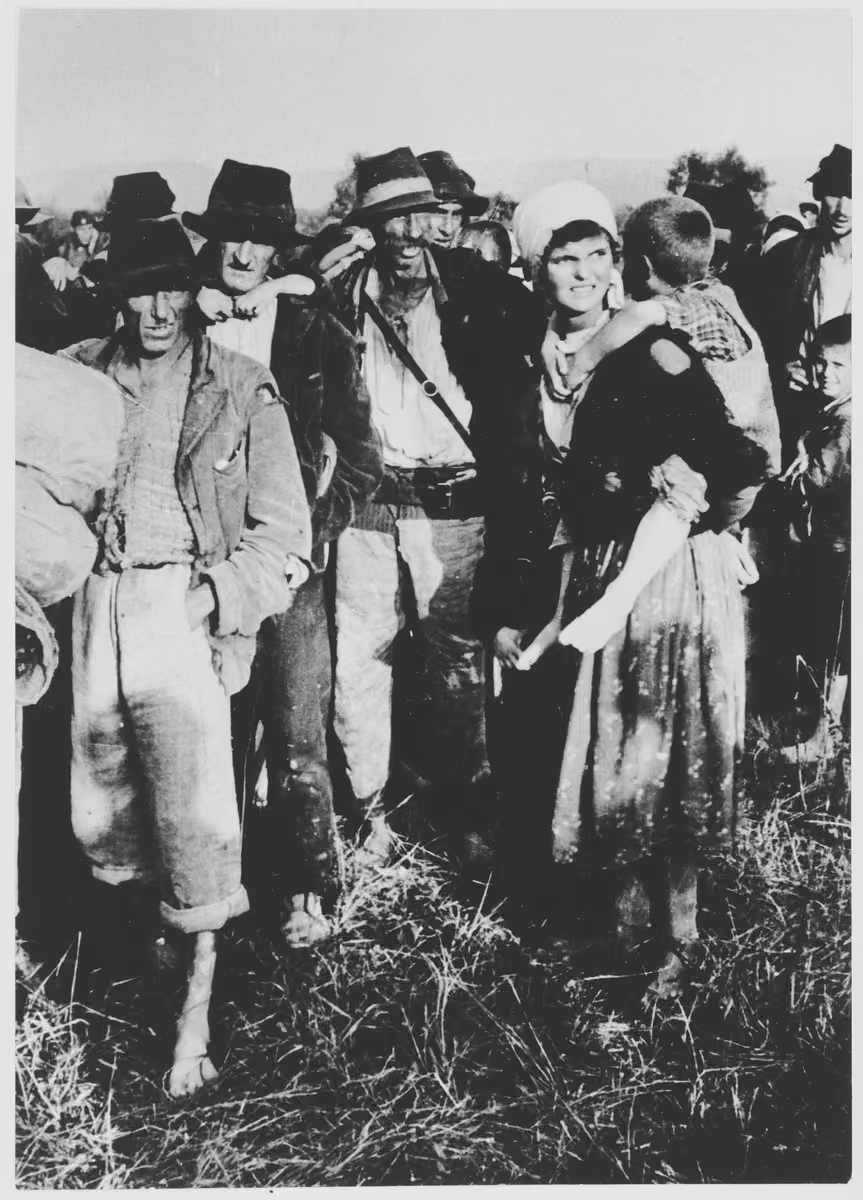 US Holocaust Museum
@HolocaustMuseum
"This museum is not an answer. It is a question mark."
Holocaust survivor Elie Wiesel spoke these words #onthisday in 1993 at the dedication of our Museum. He lit the eternal flame with President Bill Clinton and Chairman Harvey Meyerhoff (left).
US Holocaust Museum
@HolocaustMuseum
This photo of Leo Weissman’s family during #passover in Germany in 1937 is one of his “greatest treasures”. Passover, a Jewish holiday that marks the Israelites’ liberation from slavery in ancient Egypt, begins tonight. Leo survived five camps and prisons during the Holocaust.
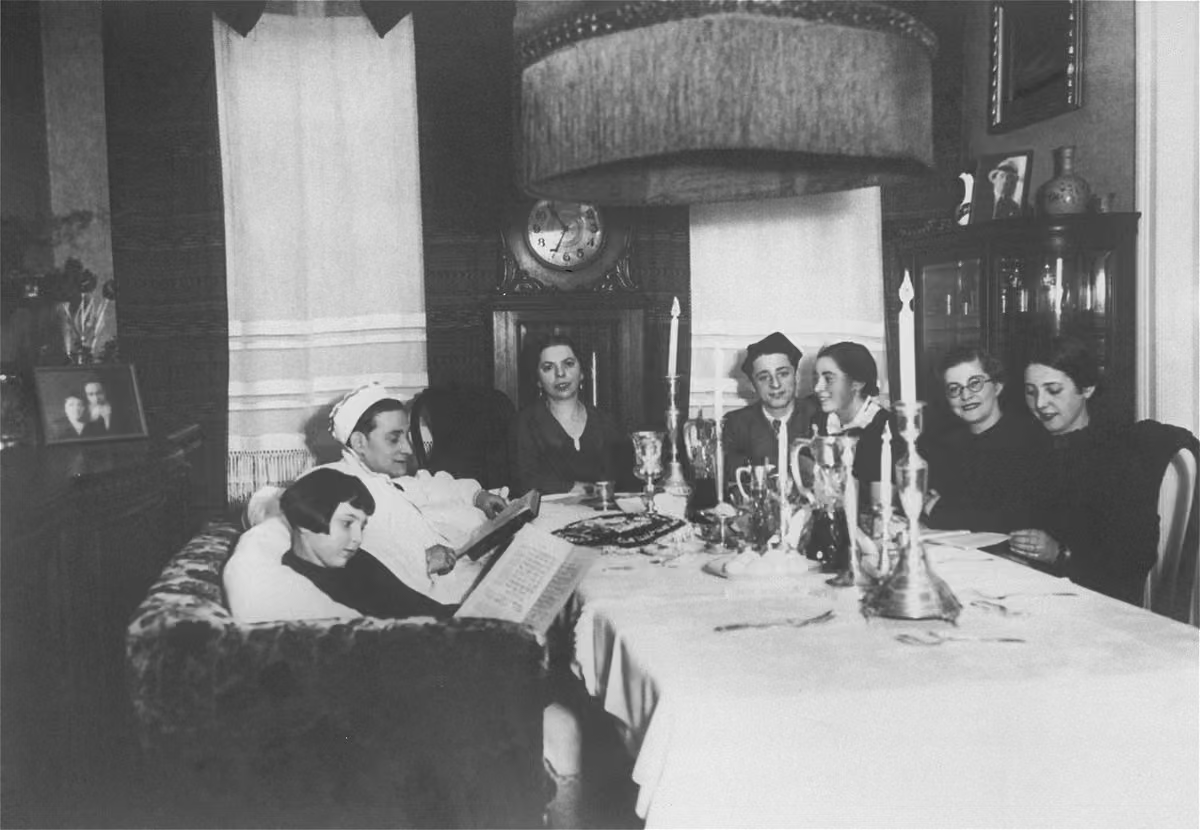 US Holocaust Museum
@HolocaustMuseum
The eruption of antisemitism on American college campuses is unacceptable. Demonstrators at Columbia University calling for Jews to return to Poland—where three million Jews were murdered—is an insult to Holocaust memory. Appropriate authorities must protect Jewish students.
US Holocaust Museum
@HolocaustMuseum
"So we walked … not knowing where, not knowing why, not knowing what the purpose was, but still under guard.”
Norbert Wollheim was one of more than 30,000 prisoners evacuated from Sachsenhausen concentration camp complex #otd in 1945. It was his second death march.
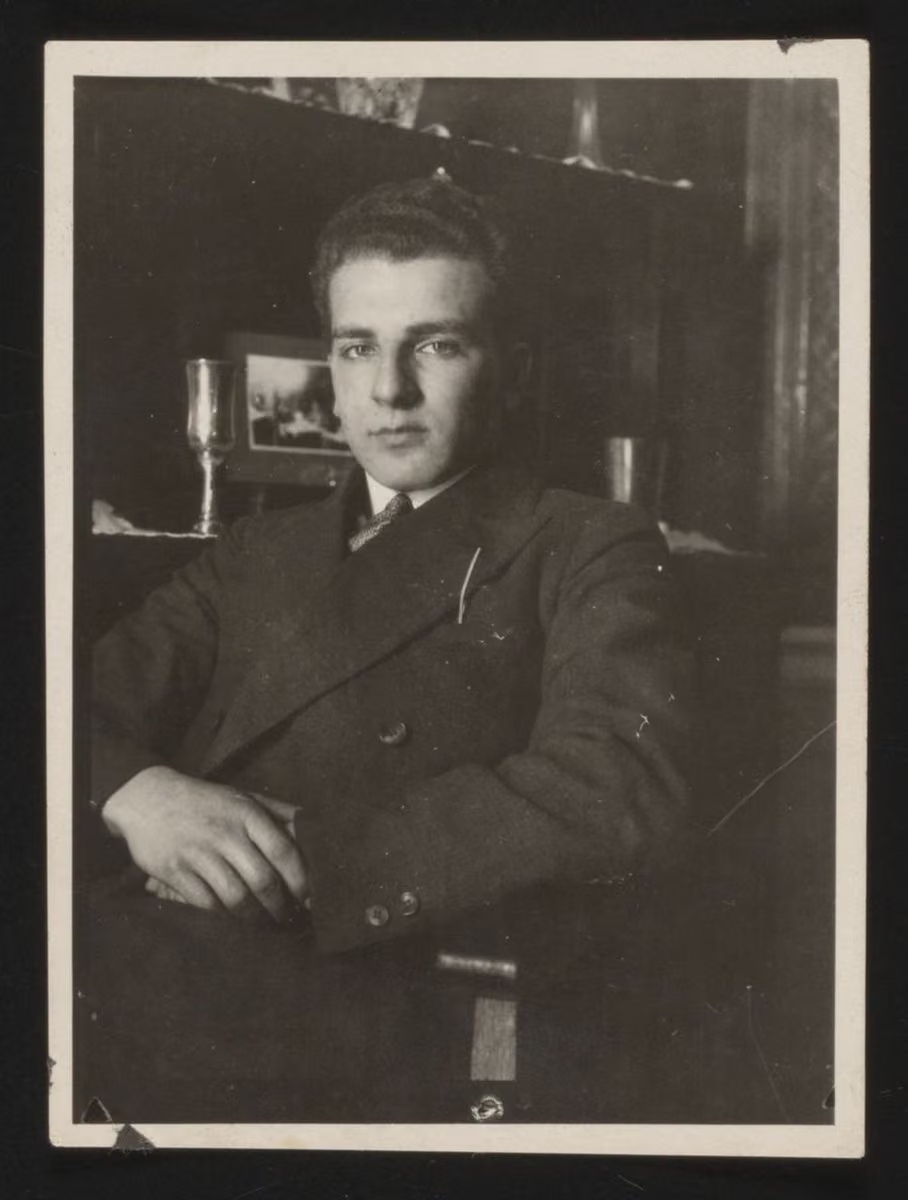 US Holocaust Museum
@HolocaustMuseum
The Warsaw Ghetto Uprising—the largest Jewish-led armed rebellion during World War II—began #otd in 1943. For almost a month, ghetto inhabitants fought off their Germans captors, hid in bunkers, and resisted deportation.
 US Holocaust Museum
@HolocaustMuseum
“I'm … very pleased that I decided at my old age over 80 to start sharing because it's never too late.”
Holocaust survivor Ruth Elenberg Eisenberg has dedicated herself to passing on the memories of her family members who were murdered. Hear Ruth today at 1 p.m. ET.
US Holocaust Museum
@HolocaustMuseum
#dyk that the modern Olympic torch relay, which began today for the 2024 #olympics, was inaugurated by Nazi Germany in 1936? At the time, it perfectly suited Nazi propagandists, who used torchlit parades to attract Germans, especially youth, to the Nazi movement.
 US Holocaust Museum
@HolocaustMuseum
Luba Tryszynska, known as The Angel of Belsen, helped more than 40 Jewish children survive after they had been left for dead in the cold at the Bergen-Belsen concentration camp. #otd in 1945 they were liberated by the British. Luba's own son was murdered at Auschwitz. 📸 @I_W_M
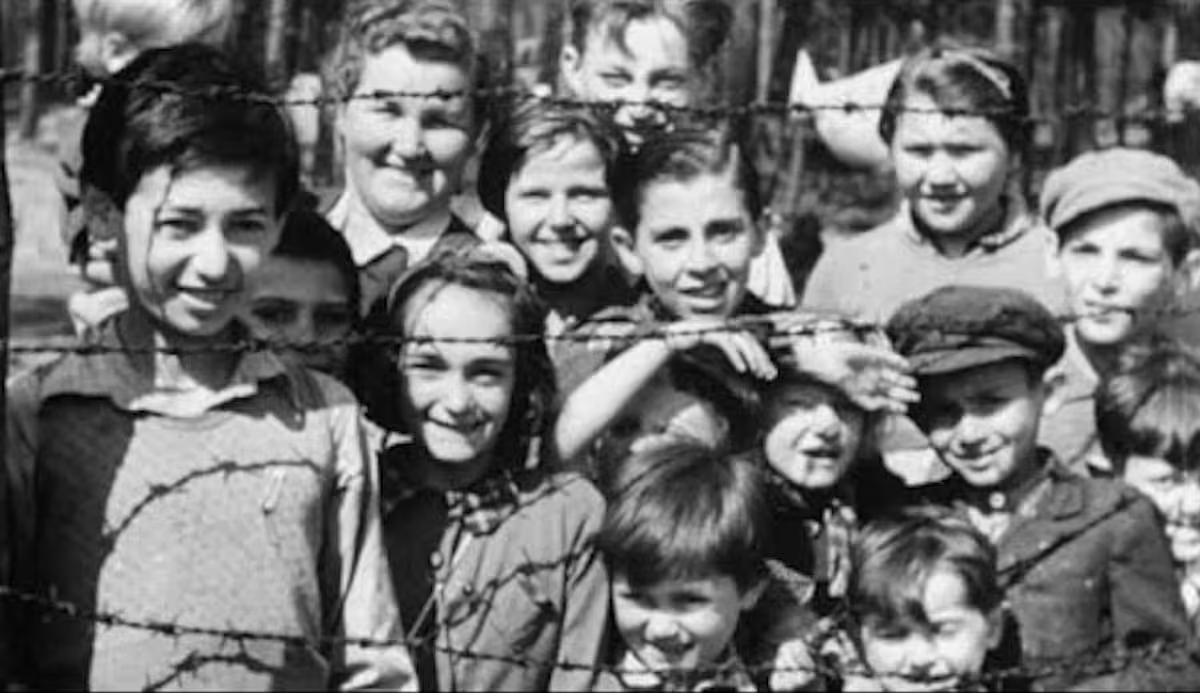 US Holocaust Museum
@HolocaustMuseum
“I just did not have a life like a child should have,” recalled Ruth Elenberg Eisenberg.
When Ruth was seven years old, the Nazis began to round up Jews in her town. From that point forward, Ruth was forced to live on the run. Hear Ruth's story live on 4/17 at 1 p.m. ET.
US Holocaust Museum
@HolocaustMuseum
Jewish artist Roman Wachtel and his family fled the Nazi annexation of Austria. They survived the Holocaust in hiding in Belgium. #worldartday
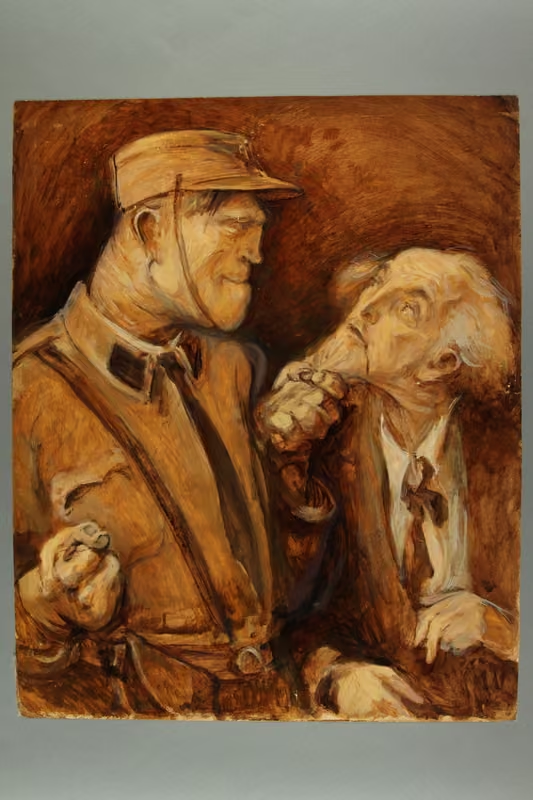 US Holocaust Museum
@HolocaustMuseum
Peter and Sonja Margules were among just 876 inmates liberated at the Westerbork transit camp #otd in 1945. Here they are pictured at their wedding inside the camp in 1942.
 US Holocaust Museum
@HolocaustMuseum
"Monsters exist, but ... more dangerous are the common men."
Primo Levi is best known for his memoir, "Survival in Auschwitz" (also known as "If This Is a Man"), which candidly detailed his experiences at Auschwitz. Primo died #otd in 1987.
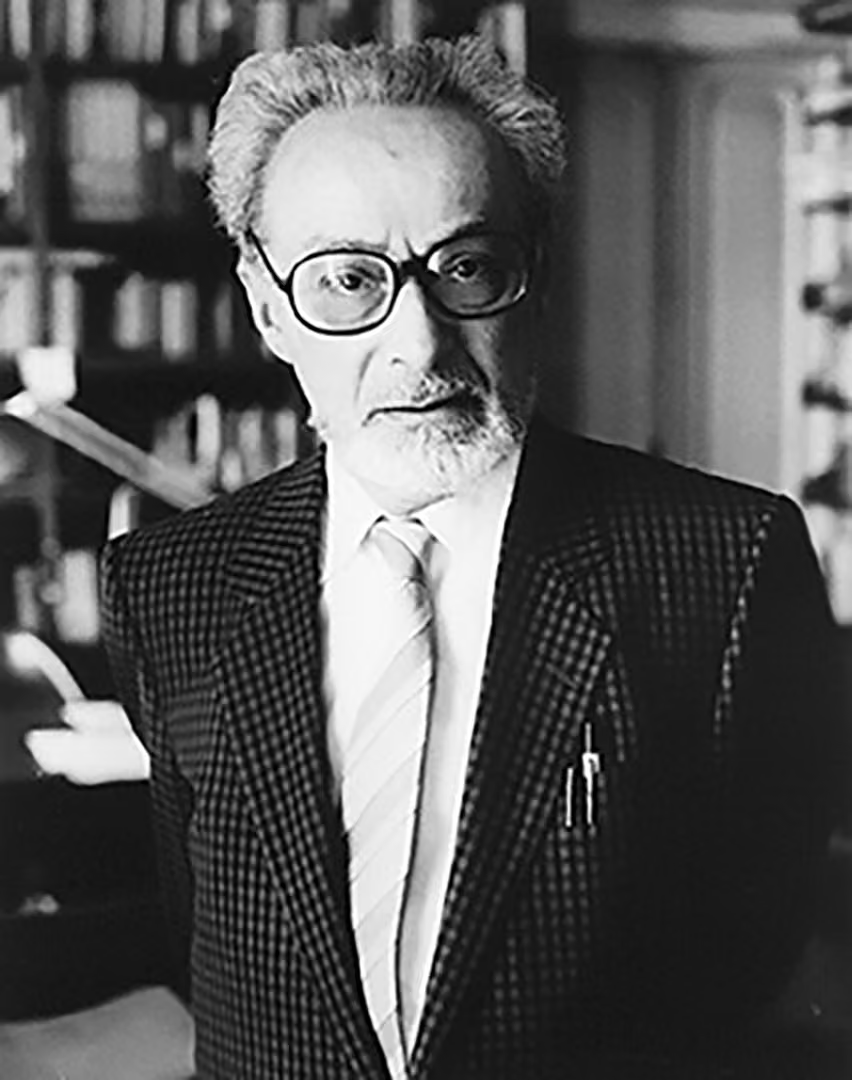 US Holocaust Museum
@HolocaustMuseum
At age 16, Elie Wiesel was one of the more than 21,000 people liberated from Buchenwald #otd in 1945. "I knew I would have to bear witness. Everyone who was there is a witness, and everyone who was there is a true witness," he told NPR in 1988. 📷: National Archives
 US Holocaust Museum
@HolocaustMuseum
Known as "The Girl in the Red Cap," Ebba Lund was 16 when Germany invaded Norway and her native Denmark #otd in 1940. In 1943, she joined in the nationwide rescue effort to save Danish Jews by sending them by boat to neutral Sweden. Her red cap identified her to those she helped.
 US Holocaust Museum
@HolocaustMuseum
Rita and Rolanda Reinhardt, infant twins born to a Sinti family, were taken from their parents by the Nazis. The babies were used in medical experiments, which Rita survived but Rolanda did not. At least 250,000 Roma were murdered by the Nazis.
 US Holocaust Museum
@HolocaustMuseum
Next month, our Museum leads America's annual commemoration of the Holocaust—the Days of Remembrance. American soldiers fought to defeat Nazism, and many survivors rebuilt their lives in the US. Learn why the commemoration is vital, especially amid the rise in antisemitism.
US Holocaust Museum
@HolocaustMuseum
Slovak Jews Alfréd Wetzler and Rudolf Vrba escaped Auschwitz #otd in 1944. While a firsthand report of their experience at Auschwitz was distributed worldwide that summer, prisoners would continue to suffer and die there until liberation in January 1945. 📷: Wikipedia

 US Holocaust Museum
@HolocaustMuseum
Virginia Hall was a most unlikely spy. She was a woman—with only one leg. Born #otd in 1906, the American supplied the French resistance with weapons and intel. She helped sabotage German supply lines. She was so dangerous the Gestapo was determined to capture the "limping lady".
 US Holocaust Museum
@HolocaustMuseum
"The things I saw beggar description." —General Dwight D. Eisenhower
#otd in 1945, Ohrdruf was liberated by American soldiers. It was one of the first Nazi camps to be liberated by the US Army. 📷: National Archives
US Holocaust Museum
@HolocaustMuseum
The Nazi persecution of Jehovah's Witnesses sent many to concentration camps and prisons, including Berthold Mewes's parents. At the age of nine, Berthold was sent to live with a foster family. He reunited with his parents in 1945.
 US Holocaust Museum
@HolocaustMuseum
When Serafina Strasser was left alone with the man hiding her from the Nazis, he raped her. The man threatened to kill both Serafina and her father if she told him what happened. Join us on YouTube today at 1 p.m. ET, as we mark #sexualassaultawarenessmonth.
US Holocaust Museum
@HolocaustMuseum
#onthisday in 1933—about two months after coming to power—the Nazis staged a nationwide boycott of Jewish-owned businesses. It signaled the start of the Nazi regime's efforts to exclude Jews from the German economy and ultimately all aspects of German society. 📷: NARA
US Holocaust Museum
@HolocaustMuseum
In 1941, Ella Schichtanz and her daughter, Judit, converted from Judaism to Catholicism. In German-occupied Hungary in 1944, Ella's employer suspected they were Jewish. Ella showed him Judit's communion photo and he stopped challenging them. Both mother and daughter survived.
 US Holocaust Museum
@HolocaustMuseum
Dr. Mohamed Helmy was targeted by the Nazi regime for his Egyptian heritage. In spite of—or perhaps because of—his own persecution by the Nazis, Dr. Helmy hid his Jewish patient, Anna Boros, protecting her from certain deportation. He is remembered for his heroic rescue effort.
US Holocaust Museum
@HolocaustMuseum
Jewish collector Felix Tikotin survived the Holocaust, but by the end of the war, a portion of his impressive collection of Japanese art seemingly had disappeared. Years later, it resurfaced. Today, much of the collection is housed at the Tikotin Museum of Japanese Art.
 US Holocaust Museum
@HolocaustMuseum
Her mother tried to cover her eyes so that Dora Goldstein Roth would not see the horror in front of her. But she still witnessed the rape of a group of women at Stutthoff concentration camp.
Learn more on YouTube on April 1 at 1 p.m. ET as we mark #sexualassaultawarenessmonth.
US Holocaust Museum
@HolocaustMuseum
1/ Last night, our Museum hosted an exclusive screening of the first episode of We Were the Lucky Ones, a new @Hulu series based on @GeorgiaHunter’s New York Times-bestselling novel inspired by her family’s experience during the Holocaust.
 US Holocaust Museum
@HolocaustMuseum
2/ Before the screening, more than 25 members of Georgia’s family gathered to donate their collection to our Museum. They came from six different countries—some even meeting for the first time.

 US Holocaust Museum
@HolocaustMuseum
3/ Author @GeorgiaHunter; director and executive producer Thomas Kail; actors Joey King and @LoganLerman; and showrunner, writer, and executive producer Erica Lipez, spoke on a panel about the timely themes of the first episode and the importance of the series today.

 US Holocaust Museum
@HolocaustMuseum
4/ Joey King and Logan Lerman also toured our Museum and met with Holocaust survivor and Museum volunteer Susan Warsinger.

 US Holocaust Museum
@HolocaustMuseum
5/5 We are honored to be entrusted with the family’s collection and to be able to share it with the world.
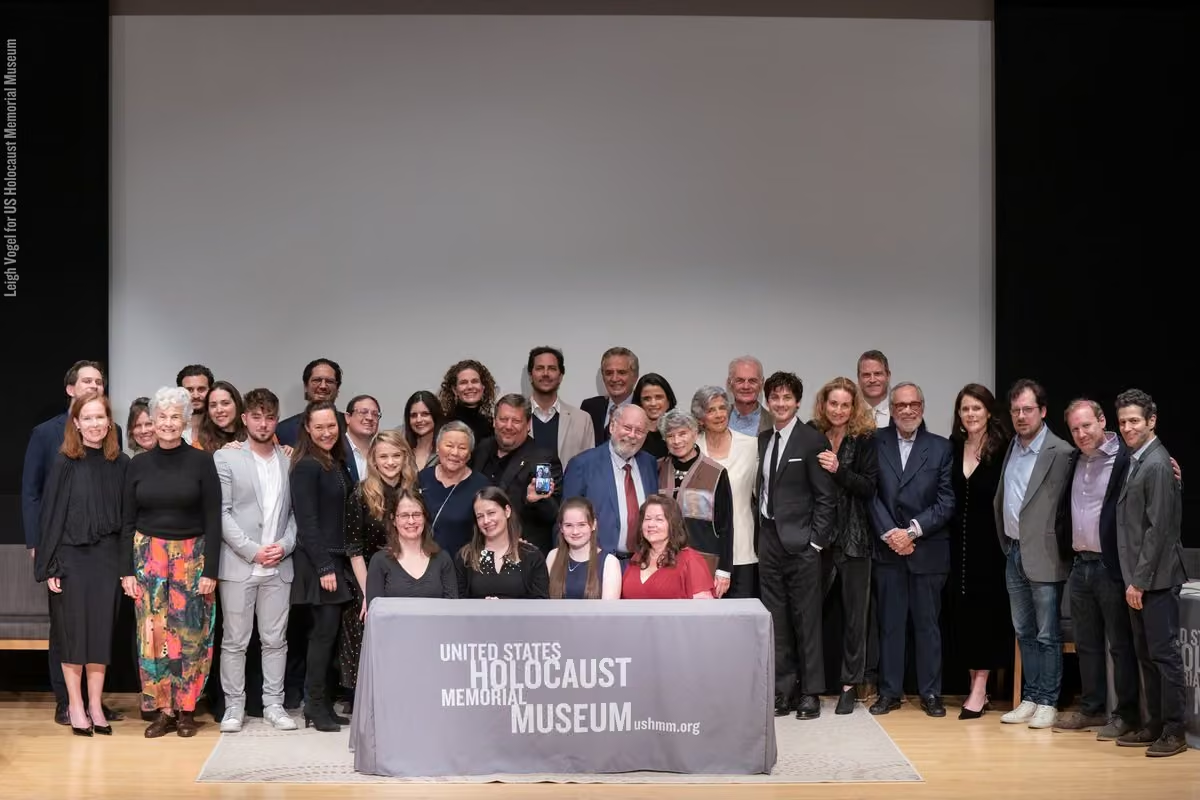 US Holocaust Museum
@HolocaustMuseum
A 12-foot square slab of steel weighing nearly 30 tons, Richard Serra’s sculpture Gravity impales the staircase in our Hall of Witness, destabilizing the area and making a rift in the flow of guests—a forced separation. We are saddened to learn of his passing this week at age 85.
 US Holocaust Museum
@HolocaustMuseum
#otd in 1942, the deportation of Jews from France to Auschwitz began. Born in Paris, Edouard Arditti was one of some 1,000 Jews on this transport. He was registered at Auschwitz as prisoner 27863 and died approximately one month after arriving.
 US Holocaust Museum
@HolocaustMuseum
Yoka Verdoner never realized she was Jewish until she, like other Jewish children in the German-occupied Netherlands, was barred from returning to school in fall 1941. Yoka's experiences with antisemitism only worsened. She was forced to go into hiding to avoid deportation.
 US Holocaust Museum
@HolocaustMuseum
Before and after the Holocaust, children around the world celebrated the festive Jewish holiday of #purim, which begins tonight. Celebrations are lighthearted and humorous, with costumes, noisemakers, and plays called Purimshpil.
US Holocaust Museum
@HolocaustMuseum
A portrait of defiance, Yaakov Michles posed for this photo in his prisoner uniform after being liberated from Dachau. The Nazis killed much of his family in the Holocaust. Dachau, created in March 1933, was the first regular concentration camp established by the Nazis.
 US Holocaust Museum
@HolocaustMuseum
Frank Cohn, 98, recently joined a writing workshop for Holocaust survivors who volunteer at the Museum. The participants support one another in sharing their deeply personal stories of survival. Watch Frank read his first published piece, "The Chosen People." #worldpoetryday
US Holocaust Museum
@HolocaustMuseum
A sign on the shoe factory bulletin board prompted Harry Harrison and his wife to take in a little Jewish girl fleeing Nazi Germany. When Esther Starobin arrived by boat in England, she was only two. Watch live today at 1 p.m. ET to learn how the Harrisons became a family.
US Holocaust Museum
@HolocaustMuseum
"Little by little, it became just worse and worse."
After Germany occupied its ally Hungary #otd in 1944, life quickly changed for Madeline Deutsch. She vividly recalls German and Hungarian officials seizing her family's valuables—and a very close call—as they entered the ghetto.
US Holocaust Museum
@HolocaustMuseum
"I was so lucky because individual people helped me and loved me. … Most of us are not going to affect hundreds and thousands of people, but we can help one person." —Esther Rosenfeld Starobin
Tune in at 1 p.m. ET on 3/20 to learn about her rescue experience.
US Holocaust Museum
@HolocaustMuseum
Erika Taubner Gold was about 5 years old when she received this clover charm in Hungary in 1937. After the German occupation, Erika’s parents buried the charm and other valuables in their basement. Erika and her parents survived and recovered the valuables in January 1945.
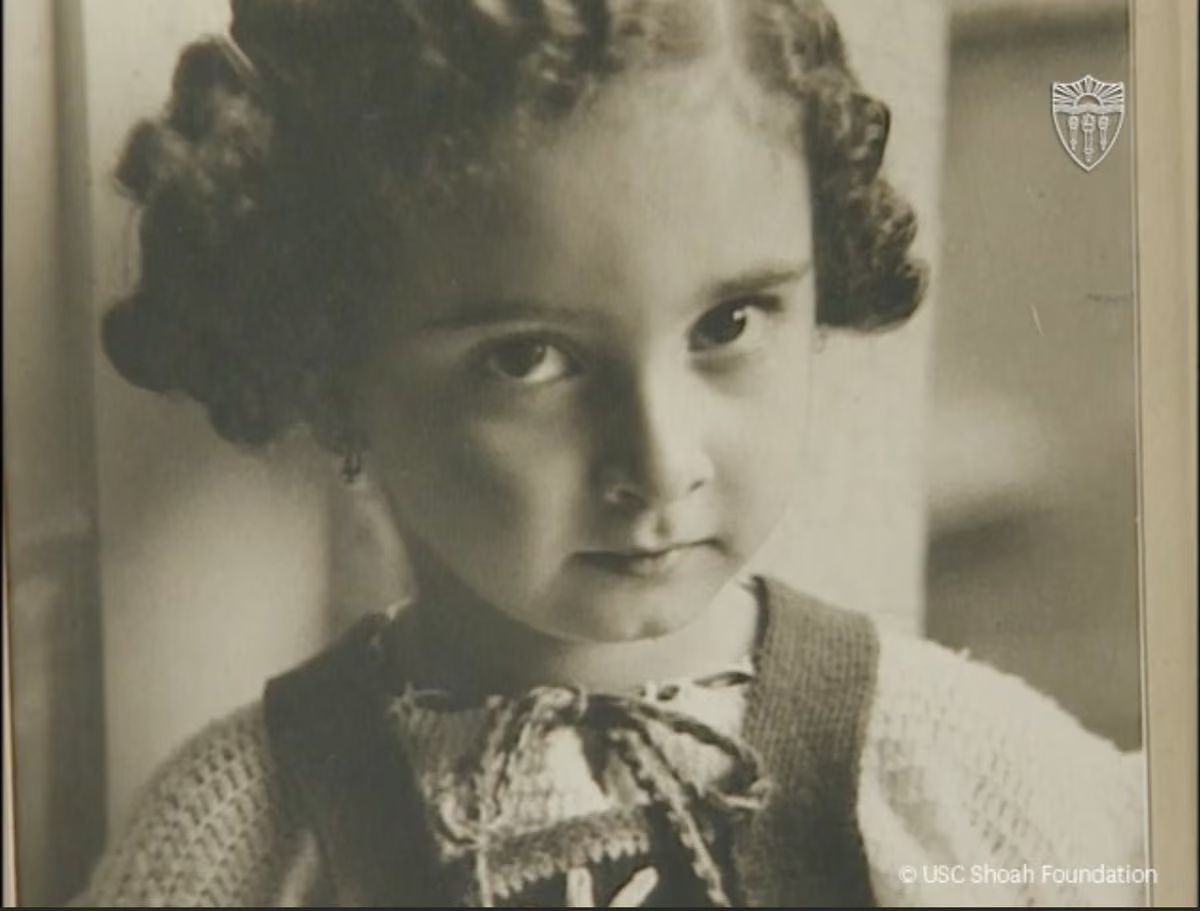
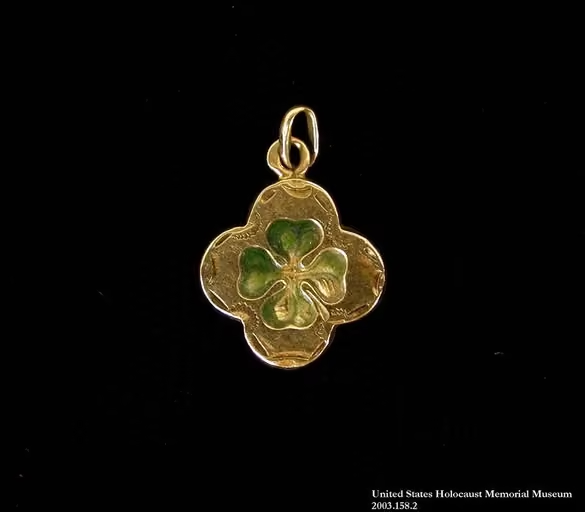 US Holocaust Museum
@HolocaustMuseum
#otd in 1942, the liquidation of the Lublin ghetto began. At least 25,000 Jews from the Lublin ghetto were killed in a month, most at the Belzec killing center. In total, the Germans murdered about 434,500 Jews at Belzec. Among them was Rivka Fryd, pictured second from left.
US Holocaust Museum
@HolocaustMuseum
"We knew that the screw [was] going to become tighter and tighter," recalled Hana Müller. Hana was a teenager living in Prague when the Germans occupied the Czech lands #otd in 1939. She was the only member of her immediate family to survive the Holocaust.
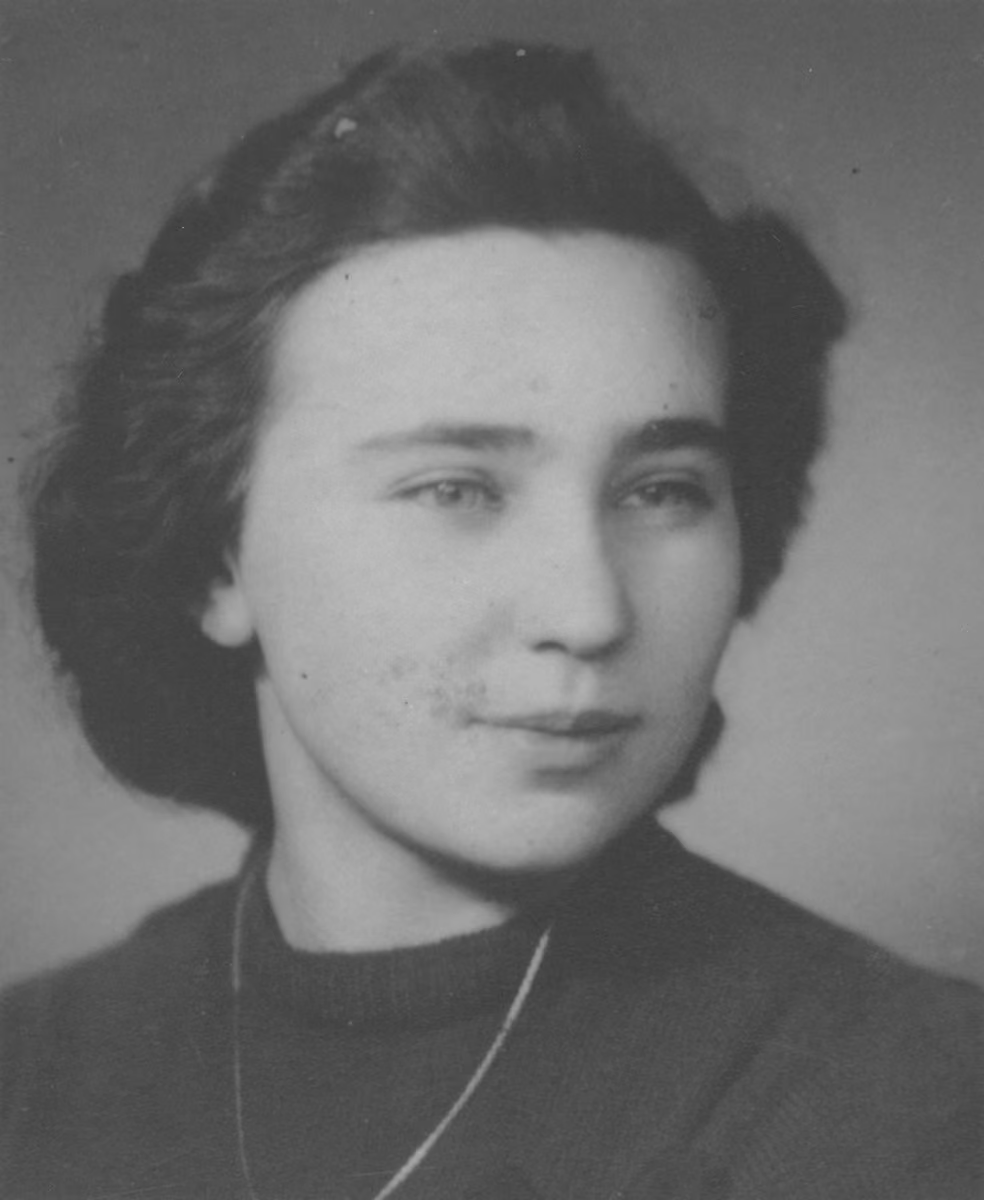 US Holocaust Museum
@HolocaustMuseum
Albert Einstein—an early, vocal critic of the Nazis—was born #otd in 1879. Just weeks after Hitler came to power, Einstein's home was raided. Einstein went on to renounce his German citizenship and became an American citizen in 1940. #piday 📷: LOC
 US Holocaust Museum
@HolocaustMuseum
“One can’t describe in words what I saw there.” #otd in 1943, Tadeusz Pankiewicz, a non-Jewish Pole, witnessed the Krakow ghetto’s liquidation from his pharmacy that served as a safe haven for Jews. Within a few days, the Germans deported or killed thousands of Jews.
 US Holocaust Museum
@HolocaustMuseum
Pictured here is a group of Jewish men forced to scrub the street mere days after Nazi Germany annexed Austria in March 1938. These so-called “scrubbing parties” were just one of many forms of anti-Jewish humiliation and violence incited by the Anschluss. 📷: DÖW
 US Holocaust Museum
@HolocaustMuseum
At age 27, with no prior trial experience, Ben Ferencz prosecuted “the biggest murder trial in history.” Bringing Nazis to justice shaped the course of his life. Ben was born #otd in 1920. His motto was "never give up."
encyclopedia.ushmm.org/content/en/article/ben-ferencz-and…
 US Holocaust Museum
@HolocaustMuseum
Rudolf Höss was the longest-serving commandant of Auschwitz-Birkenau. Tasked with the execution of the "Final Solution," Höss was instrumental in developing the gassing process at Auschwitz. At least 1.1 million people died there.
 US Holocaust Museum
@HolocaustMuseum
#onthisday in 1941, German authorities established the Kraków ghetto, where thousands of Jews were imprisoned. Over the next two years, most ghetto residents were murdered.
 US Holocaust Museum
@HolocaustMuseum
1/6 During the Holocaust, these heroic women resisted the Nazis in any way they could. On #internationalwomensday, learn more about the different ways they fought back:
US Holocaust Museum
@HolocaustMuseum
5/6 Ala Gertner was part of a group of young Jewish prisoners in Auschwitz who smuggled small amounts of gunpowder from a munitions factory to destroy a crematorium. She was later hanged as punishment.
 US Holocaust Museum
@HolocaustMuseum
6/6 Ebba Lund joined in the Danish boat rescue, which smuggled Jews out of German-occupied Denmark by boat to safety in neutral Sweden. Ebba was known for the red hat she wore to signify herself as part of the rescue operation.
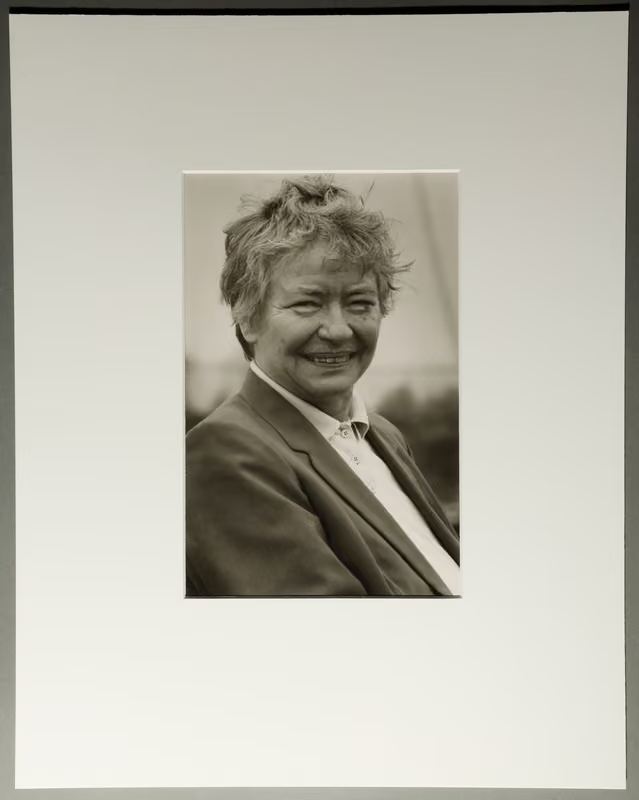 US Holocaust Museum
@HolocaustMuseum
"I was a prisoner from the age of 13 to 17. I lived through a ghetto, concentration camp, four labor camps, and a death march."
Nesse Godin credited her survival to the women she was imprisoned with. She swore to never forget them and volunteered at our Museum in their memory.
US Holocaust Museum
@HolocaustMuseum
Erzsebet Barsony never forgot the moment she said an unknowing final goodbye to her son, Ervin Fenyes. Their story, and thousands of others, are preserved in the Centropa archive, which was recently acquired by our Museum. www.washingtonpost.com/history/2024/03/03/holocaust-museu…
US Holocaust Museum
@HolocaustMuseum
Not much is known about the Lederer family, yet this video suggests they had an idyllic life in prewar Czechoslovakia—enjoying the countryside and spending time with family. The children in this video, Nina and Peter, and their parents were killed during the Holocaust.
US Holocaust Museum
@HolocaustMuseum
After Edith Eger endured the horrors of the Holocaust, she was resolved to keep her story of survival and loss a secret—especially from her children. She later learned that in keeping her past a secret from the world, she was preventing herself from reconciling her own pain.
US Holocaust Museum
@HolocaustMuseum
Infant Elżbieta Kopel was smuggled out of the Warsaw ghetto in a wooden box. Her parents also packed a silver spoon engraved with her name and birthdate. Elżbieta never saw them again. Watch on YouTube today at noon ET to learn about her rescuer Irena Sendler. #womenshistorymonth
US Holocaust Museum
@HolocaustMuseum
Hans Massaquoi, a young Black boy living in Nazi Germany, was drawn to the pageantry and excitement of the Hitler Youth—unaware that Nazi ideology saw him as racially inferior. He later immigrated to the United States and became a prominent voice against racial injustice.
 US Holocaust Museum
@HolocaustMuseum
A young Hans can be seen wearing a swastika on the cover of his book. Click here to purchase a copy: shop.ushmm.org/products/destined-to-witness-growing-up-bl…
US Holocaust Museum
@HolocaustMuseum
#otd in 1933, a day after the Reichstag burned, the Reichstag Fire Decree was passed. Implemented under the false premise that Communists were plotting a violent uprising, it indefinitely suspended civil liberties and paved the way for Nazi dictatorship. 📸: bpk-Bildagentur
US Holocaust Museum
@HolocaustMuseum
11-year-old Ruth Gross-Pisarek was among the 200 protesters who dared to protest against the Nazis in 1943. Some 2,000 Jewish people, including her father, were being held by Nazi authorities in a building on Rosenstraße, a street in Berlin. 📷: Bildarchiv Pisarek / akg-images
 US Holocaust Museum
@HolocaustMuseum
Growing up in German-occupied Poland, Sophie Turner-Zaretsky was taught to hate Jews. It wasn't until after the war that she learned her true identity—she was Jewish. She and her mother had posed as Catholics to hide from Nazi persecution.
 US Holocaust Museum
@HolocaustMuseum
“Today, when I am made out to be a hero, it is very annoying to me because it was not heroism. It was a human responsibility to extend a helping hand towards another person”—Irena Sendler. Watch on YouTube on 3/1 at noon ET to learn about this Polish rescuer. #womenshistorymonth
US Holocaust Museum
@HolocaustMuseum
Anne Frank wrote extensively in her diary about her relationship with her sister, Margot. The girls hid from the Nazis with their family for two years in Amsterdam. In February or March 1945, Anne and Margot died of typhus within days of each other at Bergen-Belsen.
 US Holocaust Museum
@HolocaustMuseum
Primo Levi, one of the best-known writers of the Holocaust, was deported from Italy to Auschwitz 80 years ago #otd. He was liberated there in January 1945. Primo detailed his Holocaust experiences in his memoir, "Survival in Auschwitz." 📷: Yad Vashem
US Holocaust Museum
@HolocaustMuseum
While many other Germans remained silent, members of the White Rose resistance group risked their lives to speak out against the Nazi regime. Members Christoph Probst and siblings Hans and Sophie Scholl were tried, convicted, and beheaded for treason #otd in 1943.
US Holocaust Museum
@HolocaustMuseum
Flory Jagoda returned to her hometown Vlasenica years after surviving the Holocaust. After visiting the site where much of her family was murdered, she poured herself into her music in order to preserve her Sephardic Jewish culture.
 US Holocaust Museum
@HolocaustMuseum
Future US President Dwight D. Eisenhower was forever changed by the horrors he witnessed at Ohrdruf concentration camp in April 1945. He became determined to preserve evidence of the brutality and share the truth of Nazi crimes with the world. #presidentsday 📷: NARA
 US Holocaust Museum
@HolocaustMuseum
#otd in 1942, President Roosevelt issued Executive Order 9066, which authorized the "relocation" of Japanese Americans on the West Coast to ten camps in seven states. Many of the camps remained operational until the end of the war. encyclopedia.ushmm.org/content/en/article/japanese-americ…
US Holocaust Museum
@HolocaustMuseum
In France, performer Josephine Baker found fame and freedom. She felt indebted to her adopted country after fleeing racism in America. At the height of her career, she decided to risk everything and become a spy—informing on the Nazis. 📸 LOC #blackhistorymonth
US Holocaust Museum
@HolocaustMuseum
Weaponizing the Holocaust is always wrong and especially when it comes from a head of state. That Brazilian President Lula did so to promote a false, antisemitic claim is outrageous and should be condemned.
US Holocaust Museum
@HolocaustMuseum
In summer 1940, Japanese diplomat Chiune Sugihara issued transit visas to about 2,000 people, including many Jews, desperate to escape Europe. He helped save hundreds of lives. “There was a certain aura of kindness about him,” Holocaust survivor Solly Ganor later reflected.
US Holocaust Museum
@HolocaustMuseum
Due to inclement weather, the Museum will open tomorrow at 11 a.m. For those who need to reschedule passes, please contact visitorsmail@ushmm.org.
 US Holocaust Museum
@HolocaustMuseum
"For our Lilli and Edi," wrote Wilhelm and Johanna Schischa on the back of this photo of themselves in the Opole ghetto. A few years earlier they had sent their daughter, Lilli, on a Kindertransport, saving her life. Wilhelm and Johanna did not survive the Holocaust.
 US Holocaust Museum
@HolocaustMuseum
After surviving Nazi labor camps and a death march, Gerda Weissmann found unexpected love with her liberator, American soldier Kurt Klein. Having escaped Nazi Germany himself, Kurt's kindness became the catalyst for their love story. They were married for more than 50 years.
US Holocaust Museum
@HolocaustMuseum
Desperate to find a hiding place for her children, Albert Garih's mother confessed to a stranger at a market that she was Jewish and feared the Nazis would arrest her family. Watch Albert live today at 1 p.m. ET to learn what happened next.
US Holocaust Museum
@HolocaustMuseum
#otd in 1945, Soviet troops liberated the Gross-Rosen concentration camp. Some 40,000 prisoners were killed in the camp or during its evacuation. 19-year-old Ernest Dombi passed through Gross-Rosen and was assigned to forced labor in a subcamp. He was liberated there that May.
 US Holocaust Museum
@HolocaustMuseum
Albert Garih was not yet two years old when his family escaped Paris amid gunfire—the streets clogged with people trying to outrun the German invasion. But his family could not find refuge and had to return. Hear Albert's survival story on 2/14 at 1 p.m. ET. 📷: Albert Garih
US Holocaust Museum
@HolocaustMuseum
Holocaust survivors know firsthand what happens when antisemitism is met with silence. Now is the time to speak out against antisemitism and hate.
US Holocaust Museum
@HolocaustMuseum
Eva and Leah Münzer, 7 and 5, were betrayed and later murdered at Auschwitz in 1944. They were among 1.5 million child Holocaust victims. Their parents hid them with one rescuer and their son, Al, with another. Their story shows both sacrifice and greed during the Holocaust.
 Auschwitz Memorial
@AuschwitzMuseum
10 February 1944 | A transport of 1,015 Jews deported from Westerbork in the German-occupied Netherlands arrived at #auschwitz. SS doctors sent 142 men & 73 women to the camp.
The remaining 800 people were murdered in gas chambers.
Eva & Liane Münzer (7 & 5) were among them.
 US Holocaust Museum
@HolocaustMuseum
Simone Finifter (right) inscribed this photo to her daughter, writing, "Your mother, who suffers a lot."
She is pictured here in June 1942, when Parisian Jews were first required to wear the yellow star. That same month, her husband was deported to Auschwitz. He never returned.
 US Holocaust Museum
@HolocaustMuseum
#otd in 1939, the Wagner-Rogers Bill, which would have allowed 20,000 German refugee children into the US, was introduced in Congress. First Lady Eleanor Roosevelt supported the bill, calling it a “wise way to do a humanitarian act.” Months later, the bill died without a vote.
US Holocaust Museum
@HolocaustMuseum
When Holocaust survivor Jacob Wiener got this photo in the mail, he was shocked to learn the sender, a childhood friend in the photo with him, had been a concentration camp guard. Watch on YouTube today at 2 pm ET to learn how ordinary Germans became complicit in the Nazi regime.
US Holocaust Museum
@HolocaustMuseum
After her father died from a heart attack in 1943, Annamarcella Falco received a postcard from a family friend, Arturo Carlo Jemolo, offering to hide her, her sister, and their mother at his home. Arturo's help likely saved them from the deportation of thousands of Italy's Jews.

 US Holocaust Museum
@HolocaustMuseum
“Slowly, they stopped talking to us. Then, later on, they started to avoid us by walking on the other side of the street.”
Watch on YouTube on February 8 at 2 pm ET to learn how Jacob Wiener’s friends slowly pulled away from him as Nazi antisemitism dominated life in Germany.
US Holocaust Museum
@HolocaustMuseum
“We were under pressure all the time—like we were an enemy of [our] own country.”
The Nazis gradually stripped Arthur Menke and his family of their rights, livelihood, and home. Arthur, his parents, and his sister were deported to a ghetto in 1941. Arthur was the only survivor.
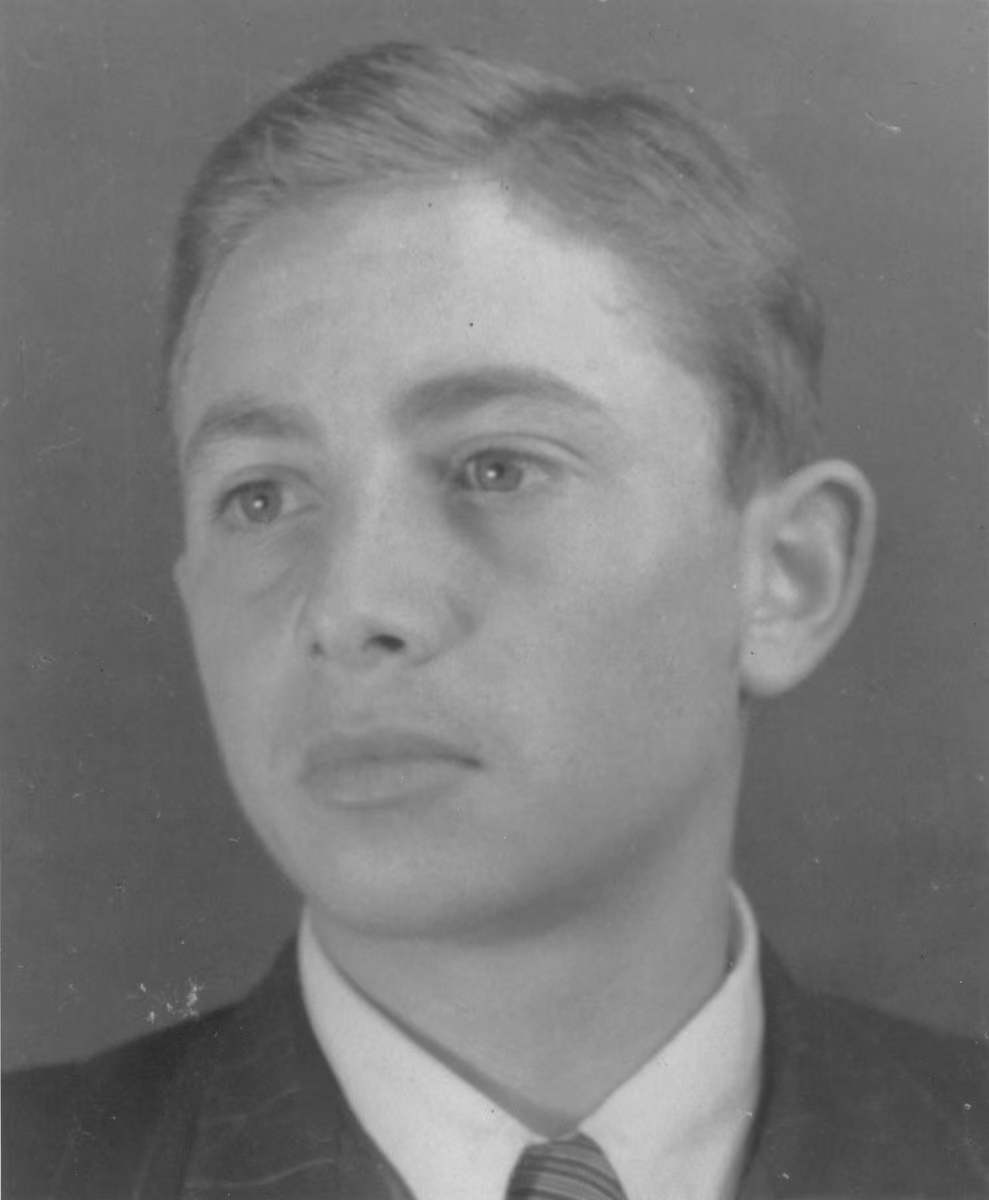 US Holocaust Museum
@HolocaustMuseum
The Nazis sent Otto Küsel, a German man, to Auschwitz as a "professional criminal." There, he was registered as prisoner number 2 and worked as a prisoner functionary. Unlike other functionaries, he helped fellow prisoners and camp resistance. 📷: @AuschwitzMuseum
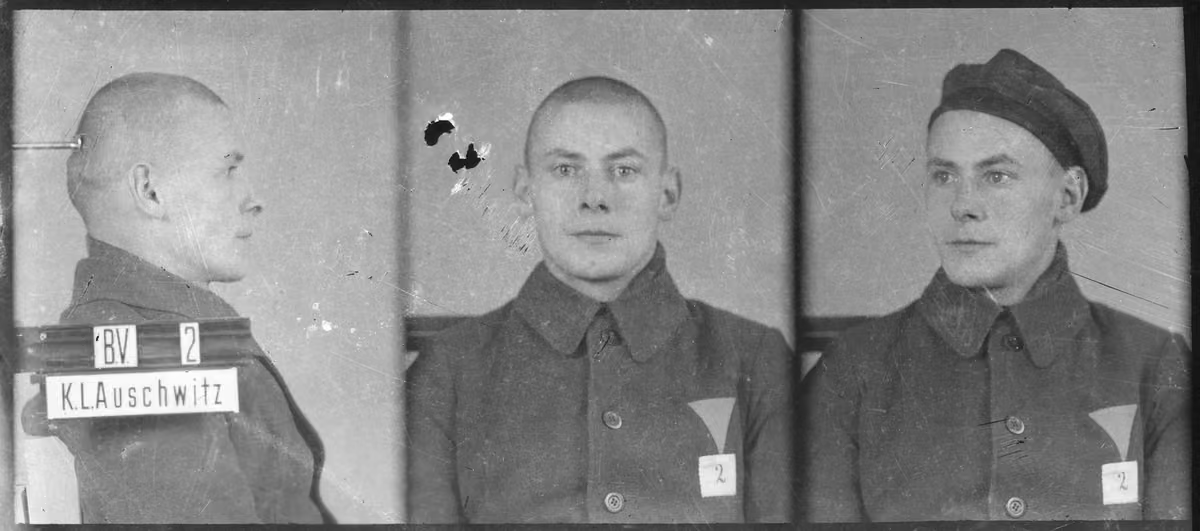 US Holocaust Museum
@HolocaustMuseum
When Leon Bass, a Black US Army soldier, arrived at Buchenwald concentration camp, he was shocked—"I saw in front of me what I call the walking dead." Among them was 14-year-old Holocaust survivor Robert Waisman. Years later, they reconnected and began sharing their stories.
US Holocaust Museum
@HolocaustMuseum
#otd in 1933, President Hindenburg appointed Adolf Hitler chancellor of Germany. Six years later, Hitler gave an ominous speech marking the anniversary. Declaring himself a prophet, he stated that another world war would lead to the "annihilation of the Jewish race in Europe."
US Holocaust Museum
@HolocaustMuseum
#otd in 1943, the Reich Security Main Office instructed various police forces under its command to prepare to deport Roma and Sinti to Auschwitz. German authorities sent about 23,000 Roma and Sinti people there. The vast majority were murdered.
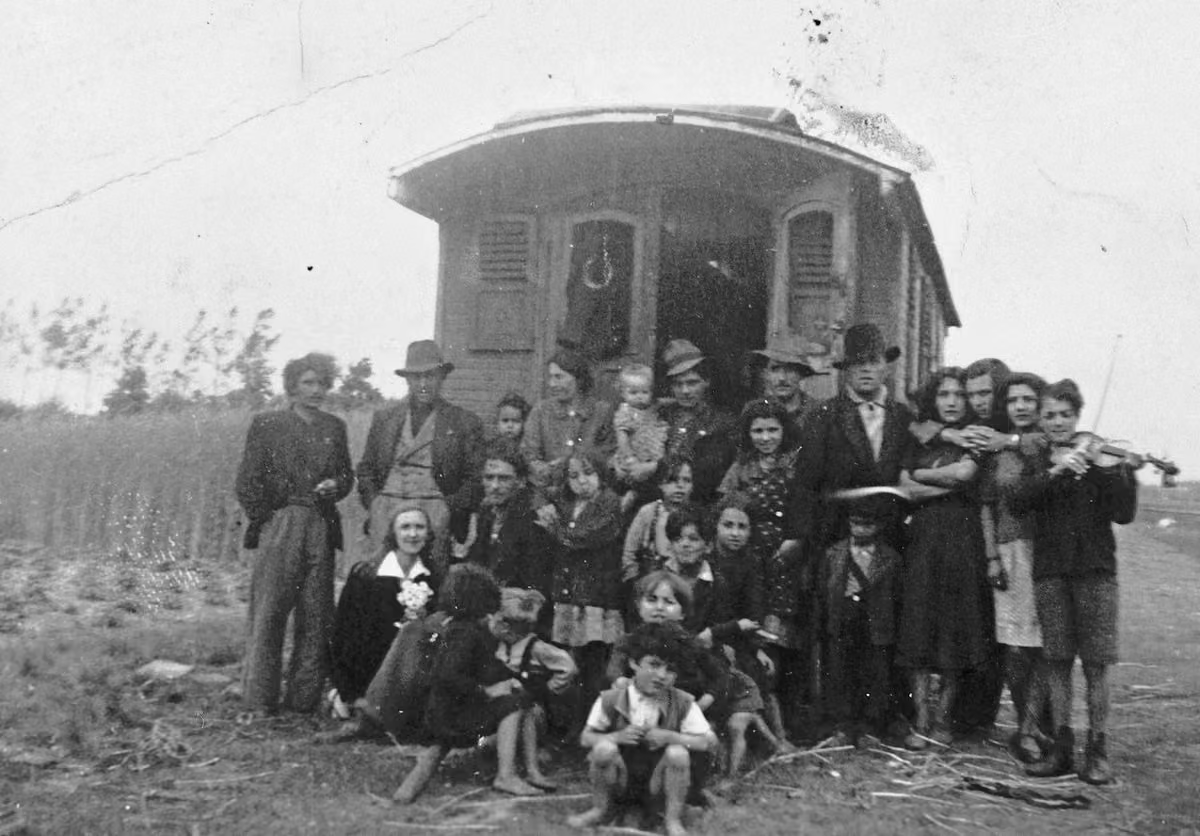 US Holocaust Museum
@HolocaustMuseum
“All of us have had the experience of being born one time. If you are a Holocaust survivor, like me, you may have been born many times and died many times.”
Born #otd in 1929, Marty Weiss survived Auschwitz and several concentration camps as a teenager. 📷: Martin Weiss
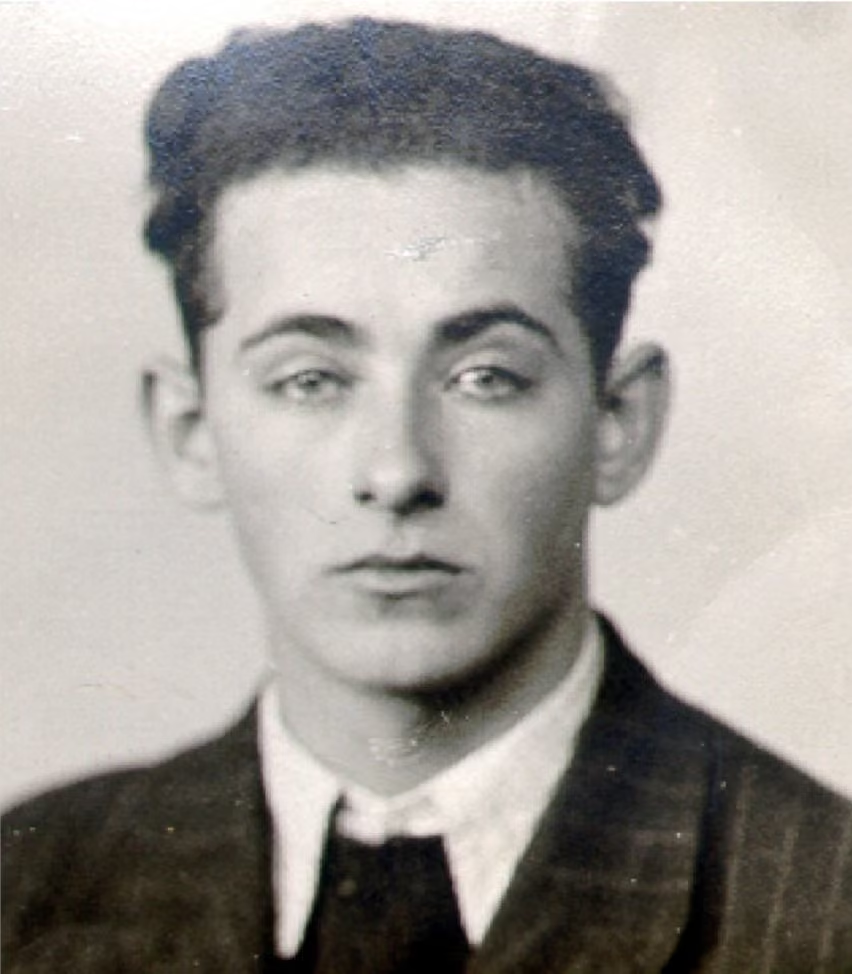 US Holocaust Museum
@HolocaustMuseum
Holocaust survivors who volunteer at our Museum gathered to mark International Holocaust Remembrance Day. They spoke with visitors about their experiences, read names of family members who were killed, and lent support to each other on this solemn occasion.
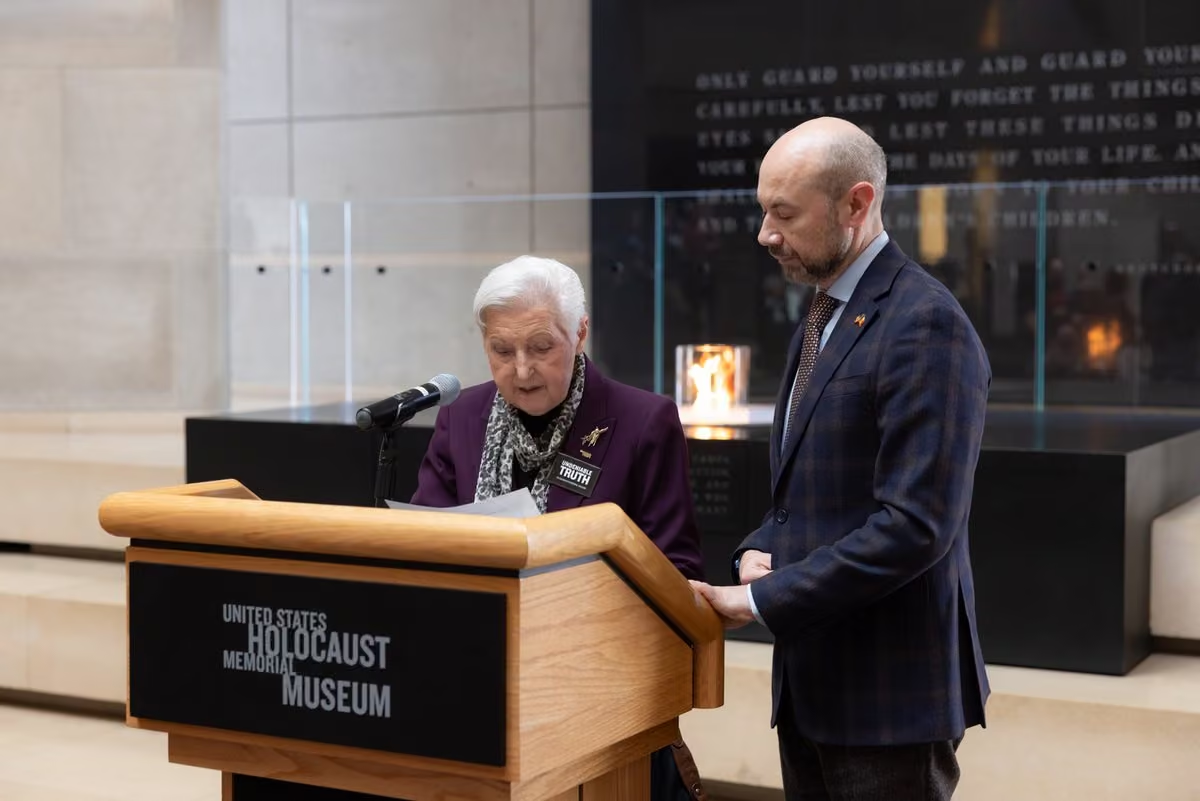
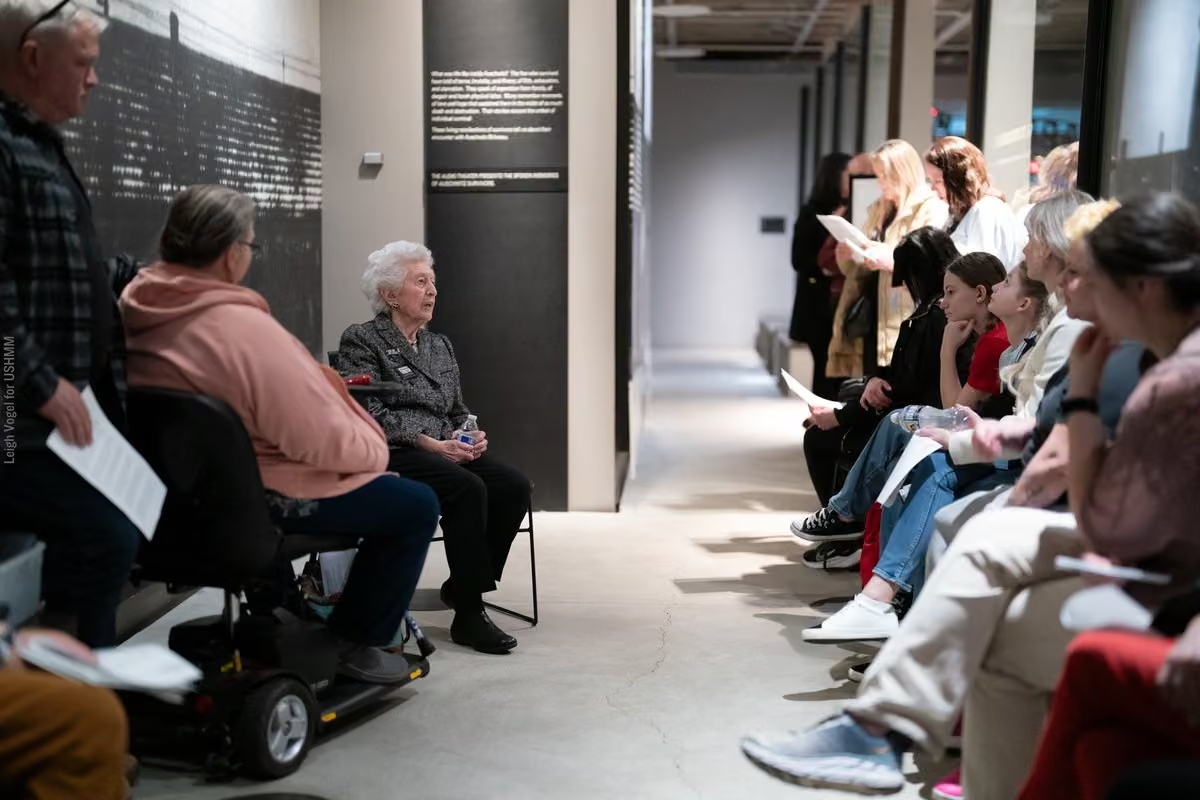
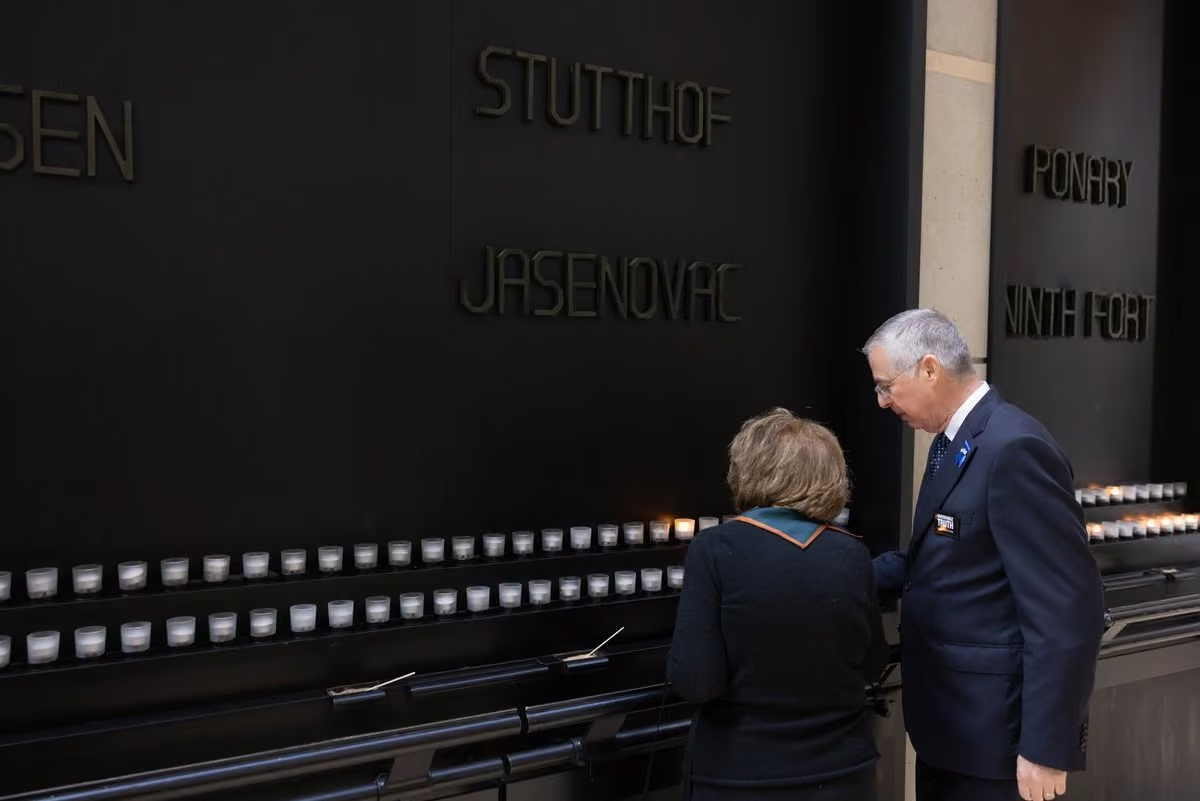
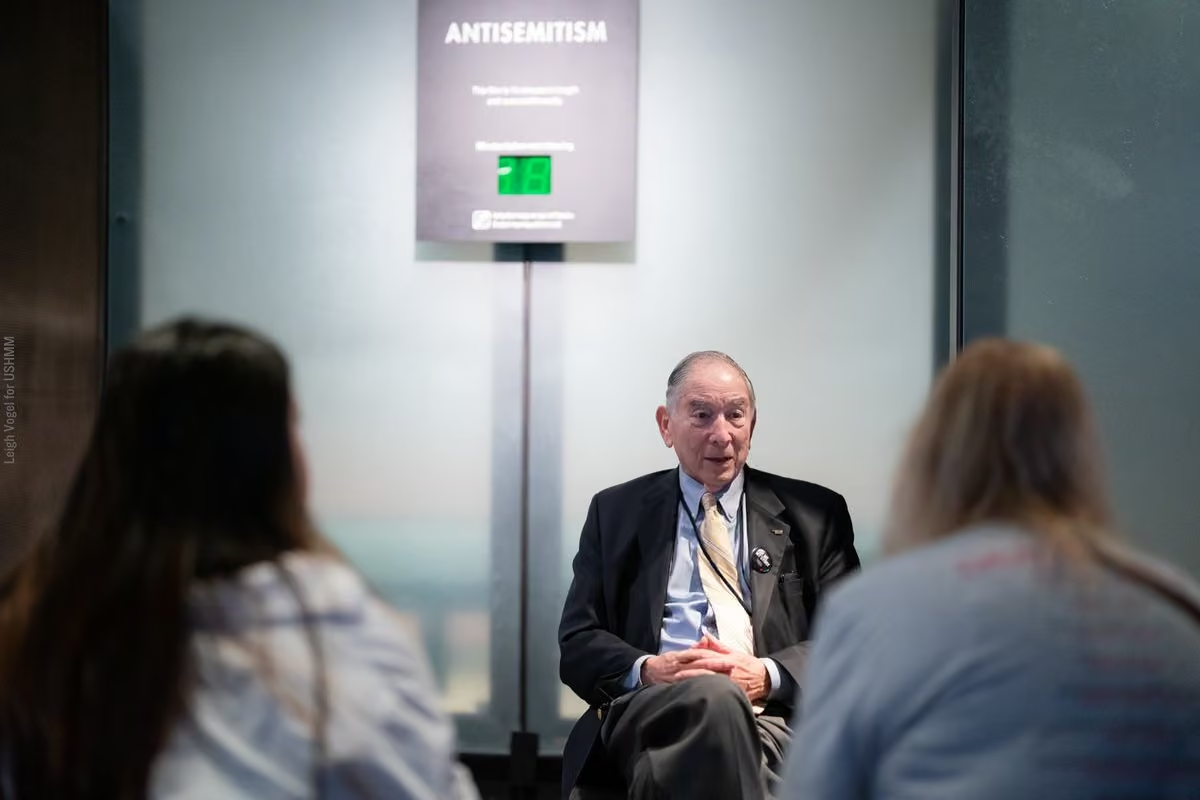 US Holocaust Museum
@HolocaustMuseum
Sarah Ludwig (née Racimora) was just four years old when she was liberated from #auschwitz #otd in 1945. She is shown here (center) among some of the approximately 500 children under the age of 15 liberated at Auschwitz. Most Jewish children deported there were murdered. 🎥: NARA
US Holocaust Museum
@HolocaustMuseum
Antisemitism is deadly and a threat to all of us. We see it in history and today. We must recognize and confront it. www.jpost.com/opinion/article-783793
US Holocaust Museum
@HolocaustMuseum
The Nazis and their collaborators deported Jews from all over Europe to Auschwitz. About 900,000 Jews were murdered on arrival. In total nearly 1 million Jews were murdered in the camp. Auschwitz has come to symbolize the horrors of the Holocaust and consequences of antisemitism.
US Holocaust Museum
@HolocaustMuseum
"Sometimes I am asked if I know 'the response to Auschwitz'; I answer that not only do I not know it, but that I don't even know if a tragedy of this magnitude has a response."—Elie Wiesel
After the Holocaust, Elie devoted his life to fulfilling the promise of #neveragain.
US Holocaust Museum
@HolocaustMuseum
While Auschwitz's liberation brought an end to the atrocities there, survivors would forever be haunted by their experiences. Learn more about Auschwitz this #holocaustremembranceday. #weremember
Auschwitz Memorial
@AuschwitzMuseum
79 years ago today over 7,000 prisoners of the German Nazi camp #auschwitz, including some 700 children, were liberated by the soldiers of the Soviet Army. 1,689 days of murder, pain, suffering, and humiliation were over. Today we all remember. We must keep remembering.


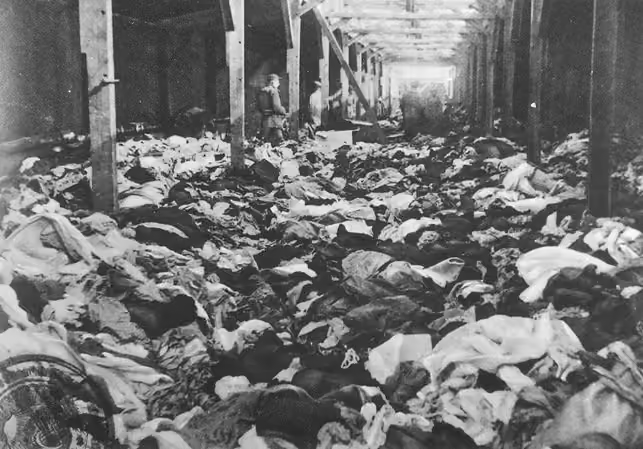
 US Holocaust Museum
@HolocaustMuseum
#onthisday 79 years ago, Auschwitz was liberated by Soviet troops.
The Germans established the Auschwitz camp complex in the spring of 1940 in German-occupied Poland. By the time the Soviets arrived, about 1.1 million people had been murdered there. #holocaustremembranceday
US Holocaust Museum
@HolocaustMuseum
To mark International Holocaust Remembrance Day Museum Chairman Stuart Eizenstat, joined by the Israeli Ambassador and three European ambassadors, expressed alarm about the dangerous eruption of antisemitism and the case before the International Court of Justice.
US Holocaust Museum
@HolocaustMuseum
In honor of International #holocaustremembranceday, Holocaust survivor and Museum volunteer Ruth Cohen reflects on her family and urges us to learn from history and take action against antisemitism today.
US Holocaust Museum
@HolocaustMuseum
The Nazis attempted to erase Tova Friedman’s identity at age five when she was tattooed with A-27633 at Auschwitz.
“It was meant to dehumanize me. To brand me … Instead, it has empowered me."
Watch Tova today on YouTube at 1 p.m. ET as we commemorate #holocaustremembranceday.
US Holocaust Museum
@HolocaustMuseum
“The evacuation of Auschwitz was a horrendous experience for me personally,” reflected Regina Laks Gelb. “I survived only because I was pulled by my two sisters.”
Regina was forced on a death march from #auschwitz with her sisters in January 1945. All three sisters survived.
 US Holocaust Museum
@HolocaustMuseum
Steven Fenves was 13 when he was deported to Auschwitz-Birkenau in June 1944. Decades after his liberation, Steven recalled the horrific conditions in the camp. 🎥: USHMM, courtesy of the Jeff and Toby Herr Foundation
US Holocaust Museum
@HolocaustMuseum
René and Renate Guttmann were six years old when they became subjects in the notorious twins experiments run by Dr. Josef Mengele at #auschwitz. Being selected for the experiments may have saved their lives but they suffered lasting trauma. “We lost our childhood," Renate said.
 US Holocaust Museum
@HolocaustMuseum
When Eddy Wynschenk received this tattoo at #auschwitz, he never could have imagined how poor handwriting—a six that looked like a five—would save his life.
US Holocaust Museum
@HolocaustMuseum
“No child should see what I have seen. No child should be starved or tortured or treated like a subhuman. My childhood was stolen from me as soon as I learned to communicate.”
Watch on YouTube at 1 p.m. ET as we commemorate #holocaustremembranceday with survivor Tova Friedman.
US Holocaust Museum
@HolocaustMuseum
When Holocaust survivor Lili Jacob discovered these photos of #auschwitz in an abandoned SS barracks after liberation, she was shocked by what she saw: photos of herself, her family, and her community soon after arriving at the infamous killing center. 📷: Yad Vashem
 US Holocaust Museum
@HolocaustMuseum
“The time to act is long past due.” —War Refugee Board Executive Director John Pehle
The creation of the War Refugee Board 80 years ago #otd was the first time the United States adopted a policy of trying to rescue victims of Nazi persecution. 📷: Franklin D. Roosevelt Library
US Holocaust Museum
@HolocaustMuseum
"This crayon box is my only true memento of my life in the two years of our escape."
As a child, Leo Melamed and his family escaped from the Nazis and immigrated to the US thanks to a Japanese transit visa. His refugee story is not a myth or fiction—it is the undeniable truth.
US Holocaust Museum
@HolocaustMuseum
Leo Schneiderman vividly recalled the scene when he and his family were deported from the Łódź ghetto in August 1944. They were forced onto a cramped railcar and sent to Auschwitz-Birkenau, where Leo's brother was murdered on arrival. Leo survived the Holocaust. 📷: Yad Vashem
US Holocaust Museum
@HolocaustMuseum
#otd 82 years ago, 15 Nazi leaders and German government officials gathered for a meeting in Wannsee, a suburb of Berlin. They met to discuss the coordination necessary for the mass murder of European Jews. No one questioned whether such a plan should be undertaken.
US Holocaust Museum
@HolocaustMuseum
“Der Stürmer, the very antisemitic caricature magazine, was at every street corner. … We weren't able to use public facilities like parks and swimming pools."
Frank Liebermann's childhood was marked by increasing antisemitism in Nazi Germany. In 1938, his family fled to the US.
 US Holocaust Museum
@HolocaustMuseum
Due to inclement weather, the Museum will open tomorrow, January 19, 2024, at 11 a.m. For those who need to reschedule passes, please contact visitorsmail@ushmm.org.
 US Holocaust Museum
@HolocaustMuseum
Elie Wiesel and his father, Shlomo, were sent on a death march that left Auschwitz #otd in 1945. Shlomo didn't survive the Holocaust.
Elie became an advocate for Holocaust remembrance and warned about the dangers of antisemitism and hate—including in his memoir, "Night."
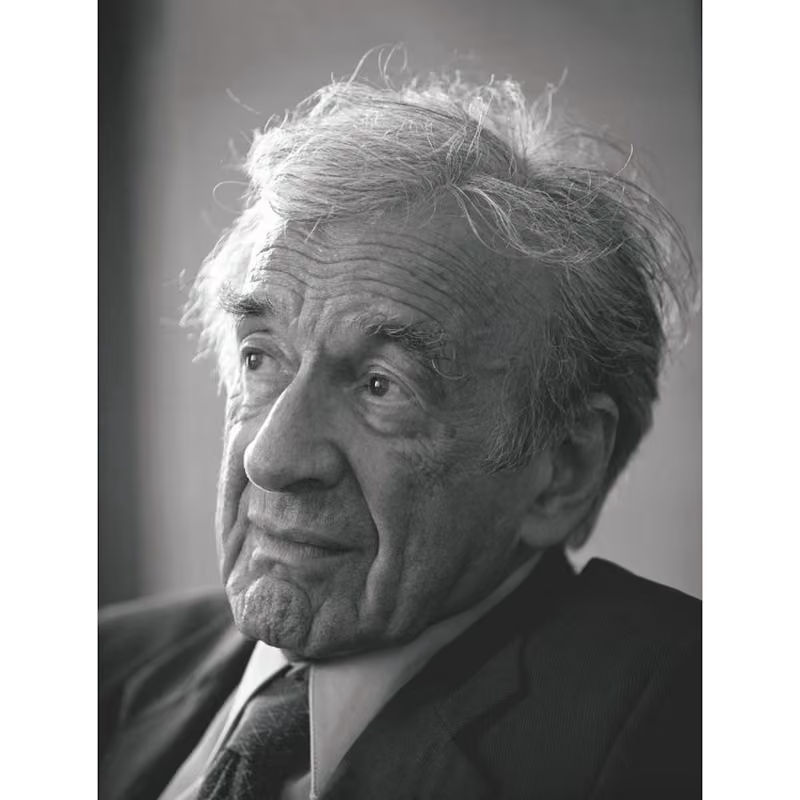
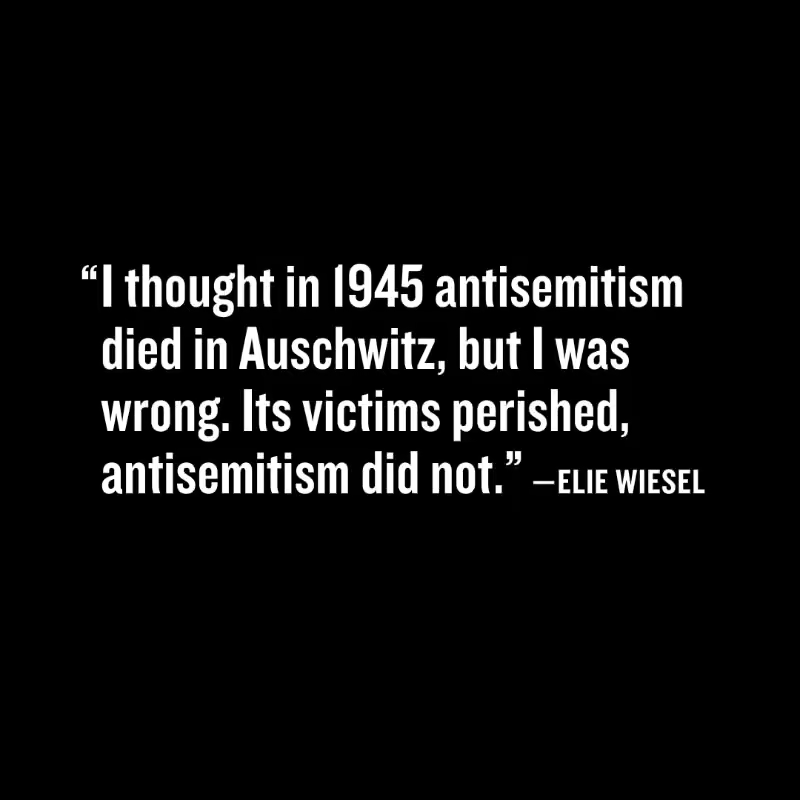 US Holocaust Museum
@HolocaustMuseum
Raoul Wallenberg led one of the most extensive and successful rescue efforts during the Holocaust. He is credited with saving thousands of Hungarian Jews. Wallenberg disappeared into Soviet custody in January 1945 as the Soviets occupied Budapest. 📷: Yad Vashem
US Holocaust Museum
@HolocaustMuseum
“Even now, … just having to repeat the story that happened in 1944, it still hurts the same way as it hurt before.”
Auschwitz survivor Ruth Cohen feels compelled to tell her story despite the pain it brings her. Hear Ruth's powerful story of survival today at 1 p.m. ET.
US Holocaust Museum
@HolocaustMuseum
As Ruth Cohen was loaded onto a railcar, she witnessed her favorite teacher refuse to board. “It was horrible," recalled Ruth. "They shot her right on the spot.” Days later, Ruth arrived at Auschwitz.
Hear Ruth share the story of her survival on 1/17 at 1 p.m. ET.
US Holocaust Museum
@HolocaustMuseum
Due to inclement weather, the Museum is closed today. For those who need to reschedule passes, please contact visitorsmail@ushmm.org.
 US Holocaust Museum
@HolocaustMuseum
Pictured here are Dr. Martin Luther King, Jr., and Holocaust survivor Rabbi Joachim Prinz protesting at the 1963 March on Washington. Dr. King's message of tolerance and equality resonated with Prinz after his experiences in Nazi Germany. 📷: Alamy
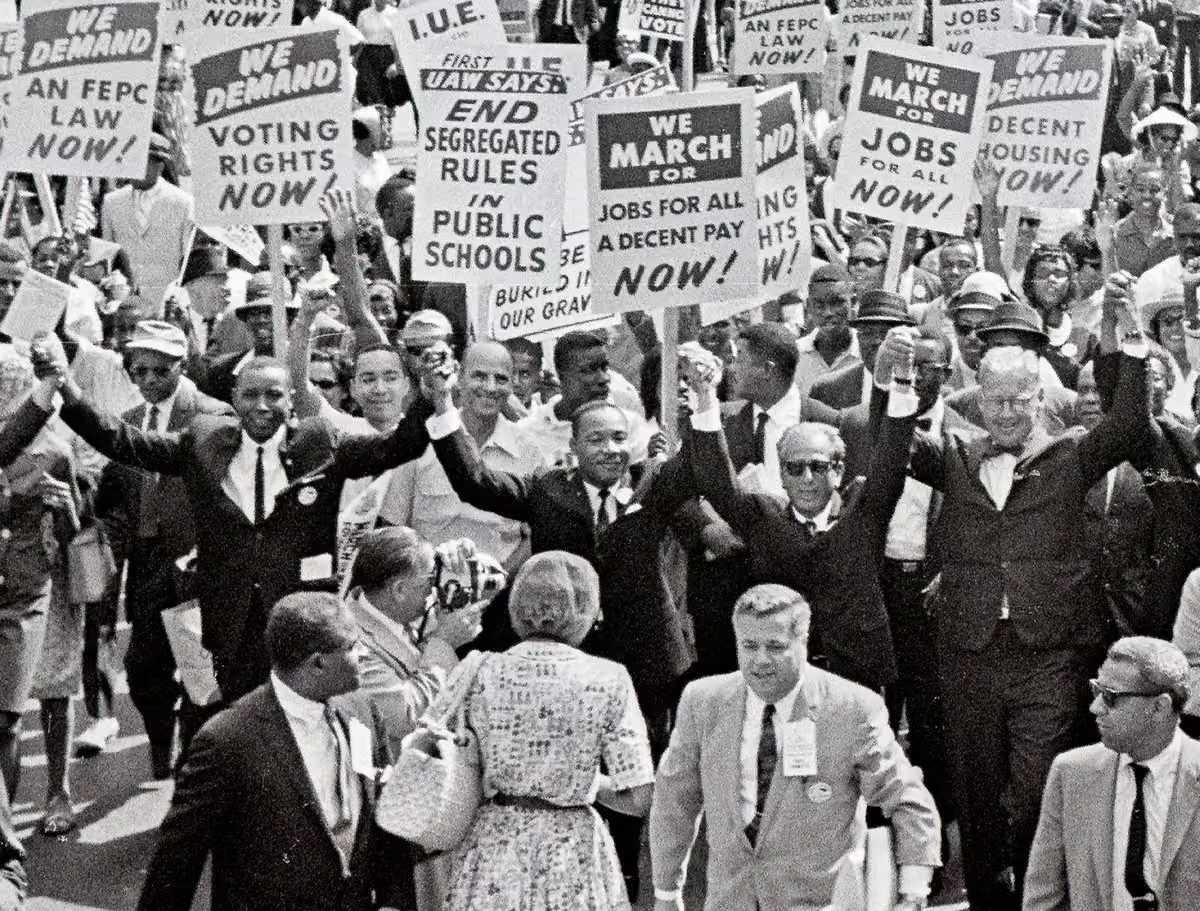 US Holocaust Museum
@HolocaustMuseum
In January 1942, the Germans began deporting Jews from the Łódź ghetto to the Chełmno killing center. By the end of September, about 70,000 ghetto residents had been deported. Photographer Mendel Grossman captured scenes of people hugging goodbye and writing their last letters.
 US Holocaust Museum
@HolocaustMuseum
"I was driven by the urge to continue the documentation."
Michael Kraus was 12 years old when he and his family were imprisoned in the Theresienstadt ghetto. He survived Auschwitz-Birkenau and a death march. This history is not a myth or fiction—it is the undeniable truth.
US Holocaust Museum
@HolocaustMuseum
Cesia Honig recalled the time her rescuer, Franciszek Mikowski, admitted to her that he was prejudiced against Jews, but that his conscience would not allow him to send Cesia back to the Tarnów ghetto and to certain death. With Franciszek's help, Cesia survived the war.
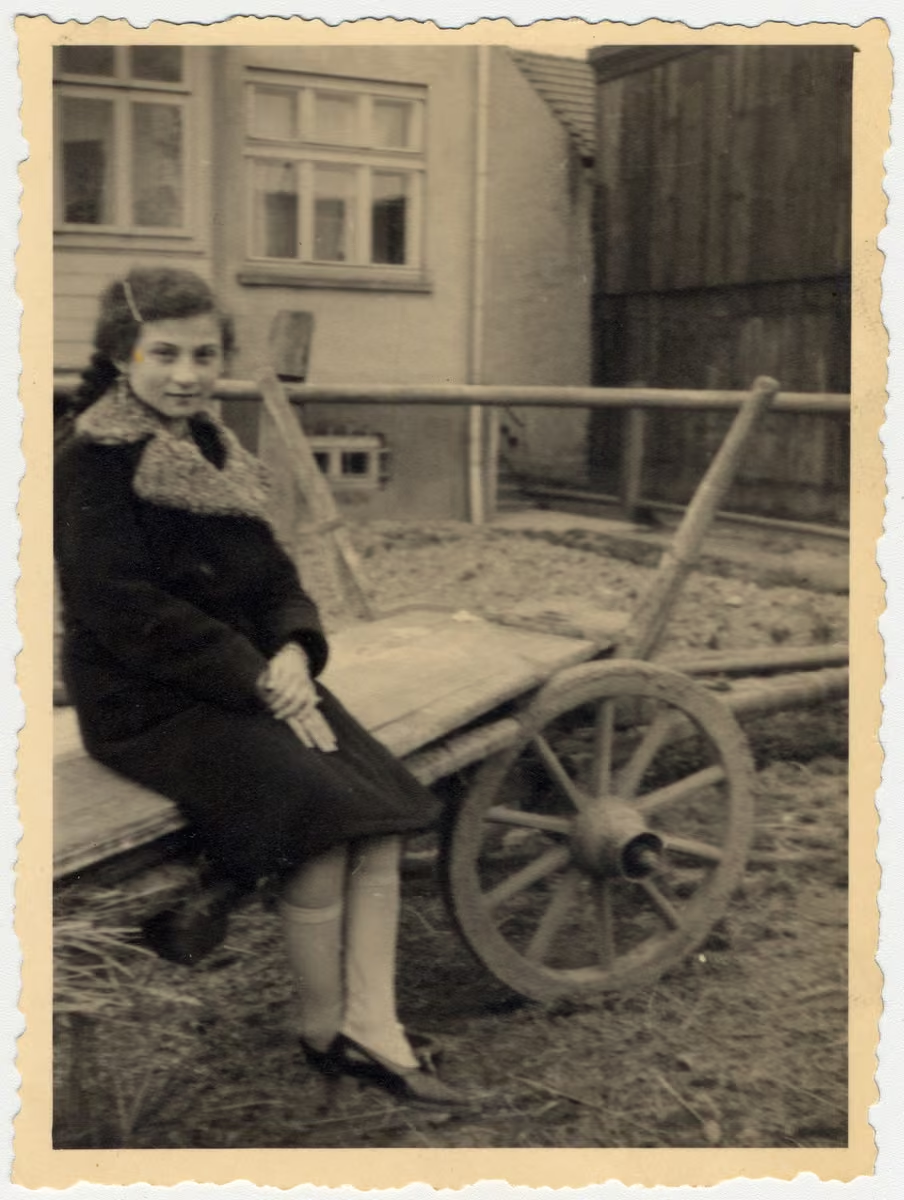 US Holocaust Museum
@HolocaustMuseum
After the October terrorist attack in Israel, Moonshot, an organization working to disrupt violent extremists' online recruitment, saw a 400% increase in violent threats against Jews and Muslims. Watch live today at noon ET to learn how extremists appeal to young people.
US Holocaust Museum
@HolocaustMuseum
By age 15, Peter Becker proudly considered himself “150 percent Nazi.” Learn how extremist groups today use some of the same racist beliefs Peter heard in the 1930s to target young people and gain their loyalty. Watch live on YouTube on 1/12 at noon ET. www.youtube.com/watch?v=xpF0kvu7wgI
 US Holocaust Museum
@HolocaustMuseum
“We heard them marching in the streets, and they were singing—shouting, ‘The Jews are our misfortune.’”
Rudolf Wolf was just beginning his career as a lawyer when the Nazi German regime fired him because of his Jewish ancestry. He immigrated to the United States in January 1938.
 US Holocaust Museum
@HolocaustMuseum
"The most important thing was to keep something from home … and that was my doll."
When Inge Auerbacher arrived at the Theresienstadt ghetto, most of her belongings were taken. But she held on to her beloved doll. Inge's story is not a myth or fiction—it is the undeniable truth
US Holocaust Museum
@HolocaustMuseum
#otd in 1945, Tony Acevedo and members of the US Army’s 275th Infantry Regiment were captured by the Germans and imprisoned for 15 weeks. They faced physical and emotional abuse. Much of what we know about their experiences is due to a diary Tony secretly kept while in captivity.
US Holocaust Museum
@HolocaustMuseum
"Light is in us, even if we have no eyes," wrote French Resistance member Jacques Lusseyran.
Blinded as a child, he used his strong memory and language skills to assist the Resistance. He was arrested in 1943 and survived for nearly 15 months in Buchenwald. 📷: Jacques Lusseyran
 US Holocaust Museum
@HolocaustMuseum
The Holocaust was the systematic murder of six million Jews, the deadliest act of antisemitism in history. Exploiting the memory of the victims is shameful.
US Holocaust Museum
@HolocaustMuseum
"My diary ... will continue telling the deniers 'you're wrong.'"
Peter Feigl wrote a diary about his experiences while in hiding in France during the Holocaust. His words are not a myth or fiction—they are the undeniable truth.
US Holocaust Museum
@HolocaustMuseum
As a young Jewish girl living in Nazi Germany, Brigitte Freidin never forgot being turned away when she wanted to play with her non-Jewish friends.
"When I knocked on the door I was told, ‘Gretchen can’t play with you ... don’t come back,’" she remembered.
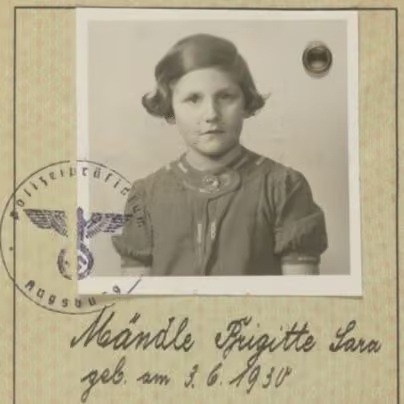 US Holocaust Museum
@HolocaustMuseum
"We were put into a ghetto. We escaped. We had to hide."
The Holocaust is not a myth or fiction—it is the undeniable truth.
US Holocaust Museum
@HolocaustMuseum
As they exited the rail car at the Auschwitz-Birkenau killing center in 1944, Beno Helmer was surrounded by his family for the last time. After the war, he searched for them town by town. On #newyearsday 1947, he reunited with his sister. She recognized him and then fainted.
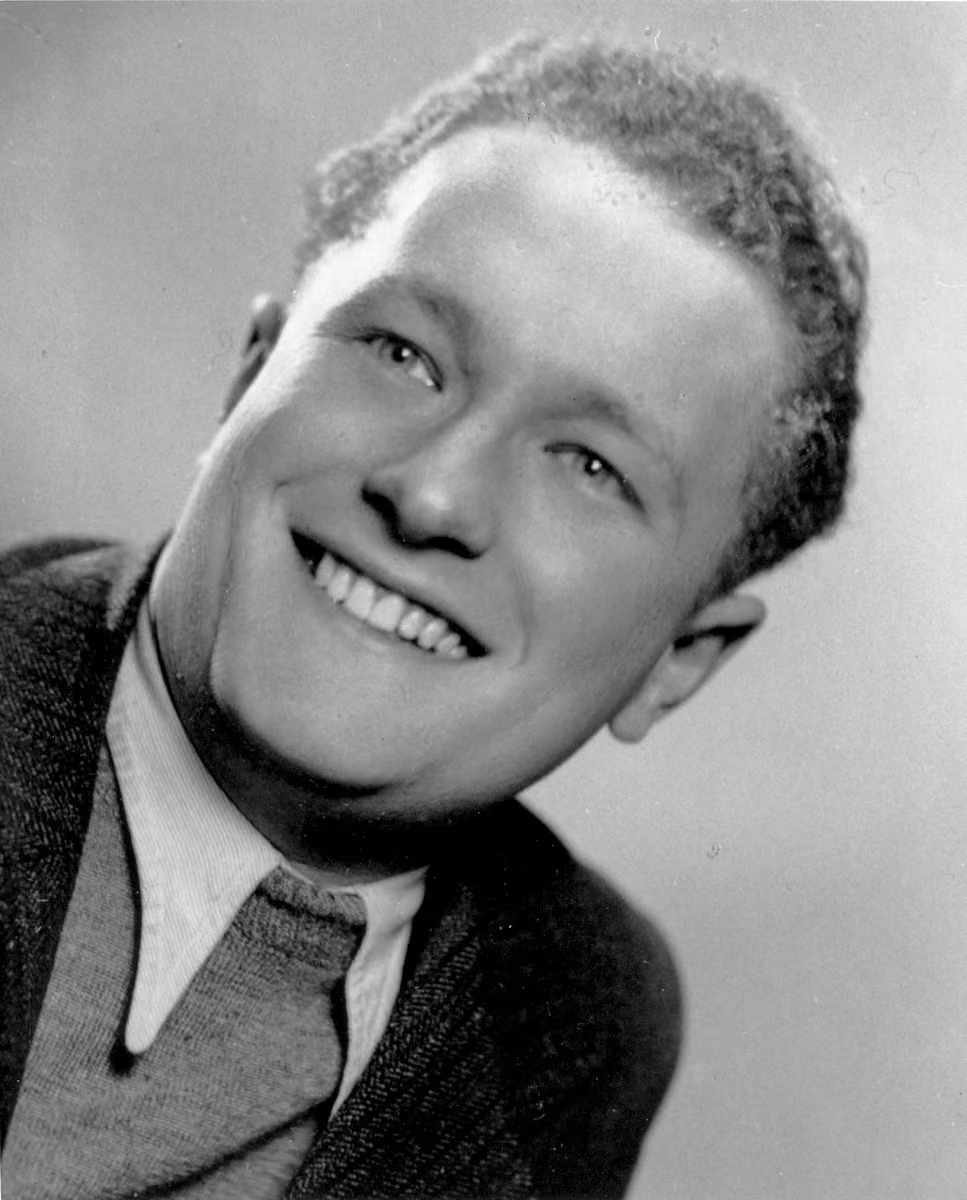 US Holocaust Museum
@HolocaustMuseum
Harri Hoffman (standing fourth from left) and Herta Goldschmidt (far right) are pictured here celebrating New Year's Eve with friends. By 1939, they knew that if they wanted to start a life together, they would have to leave Nazi Germany. They immigrated to the US that year.
 US Holocaust Museum
@HolocaustMuseum
"Survival is a privilege which entails obligations. I am forever asking myself what I can do for those who have not survived."
Born #otd 115 years ago, Holocaust survivor Simon Wiesenthal dedicated his post-war life to bringing perpetrators of Nazi crimes to justice. 📷: Alamy
US Holocaust Museum
@HolocaustMuseum
“My number is A-10572. That is what I was, they did not call us by our name. We were no longer humans.”
Lily Ebert (center) and her two sisters endured unimaginable dehumanization at Auschwitz. All three survived. Lily was born #otd 100 years ago. 📷: Courtesy of Lily Ebert
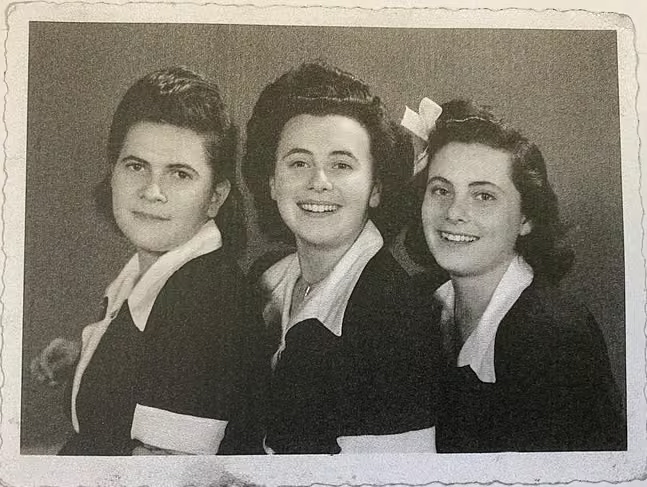 US Holocaust Museum
@HolocaustMuseum
Josef Kohout was young and in love when he sent a Christmas card to his boyfriend in 1938. He had no idea that it would end up in the hands of the Gestapo and he would be arrested. He spent the next six years in prisons and concentration camps.
US Holocaust Museum
@HolocaustMuseum
"From 1939 to 1945, I was nobody. My existence was completely erased."
As a child, Estelle Laughlin survived the Warsaw ghetto, the Lublin-Majdanek concentration camp, and two forced labor camps. Estelle's story is not a myth or fiction—it is the undeniable truth.
US Holocaust Museum
@HolocaustMuseum
1/2 Our Museum is the national memorial to the six million Jews killed by Nazi Germany and its collaborators. It is deeply offensive to survivors and the memory of the victims to exploit Holocaust history.
US Holocaust Museum
@HolocaustMuseum
2/2 Our long-standing policy against protests in our Museum preserves this space for the solemn memory of victims, the reflections of survivors, and its educational mission. www.ushmm.org/information/visit-the-museum/building-policies
US Holocaust Museum
@HolocaustMuseum
Jewish sisters Halina Peabody (right) and her sister Eva are pictured here in front of the Christmas tree, hiding in plain sight. Their mother, Olga, secured false papers identifying her and the girls as Catholics. All three survived the war in German-occupied Poland.
 US Holocaust Museum
@HolocaustMuseum
The Museum and its exhibitions will be closed tomorrow, Monday, December 25. It will re-open on Tuesday, December 26, from 10 a.m. to 5:30 p.m. www.ushmm.org
US Holocaust Museum
@HolocaustMuseum
On Christmas 1943, Berl Gempel (second from the left) made a daring escape that likely saved his life. As his German captors were celebrating, he and dozens of other prisoners fled from the Ninth Fort, a Nazi torture and mass-murder site in German-occupied Kaunas, Lithuania.
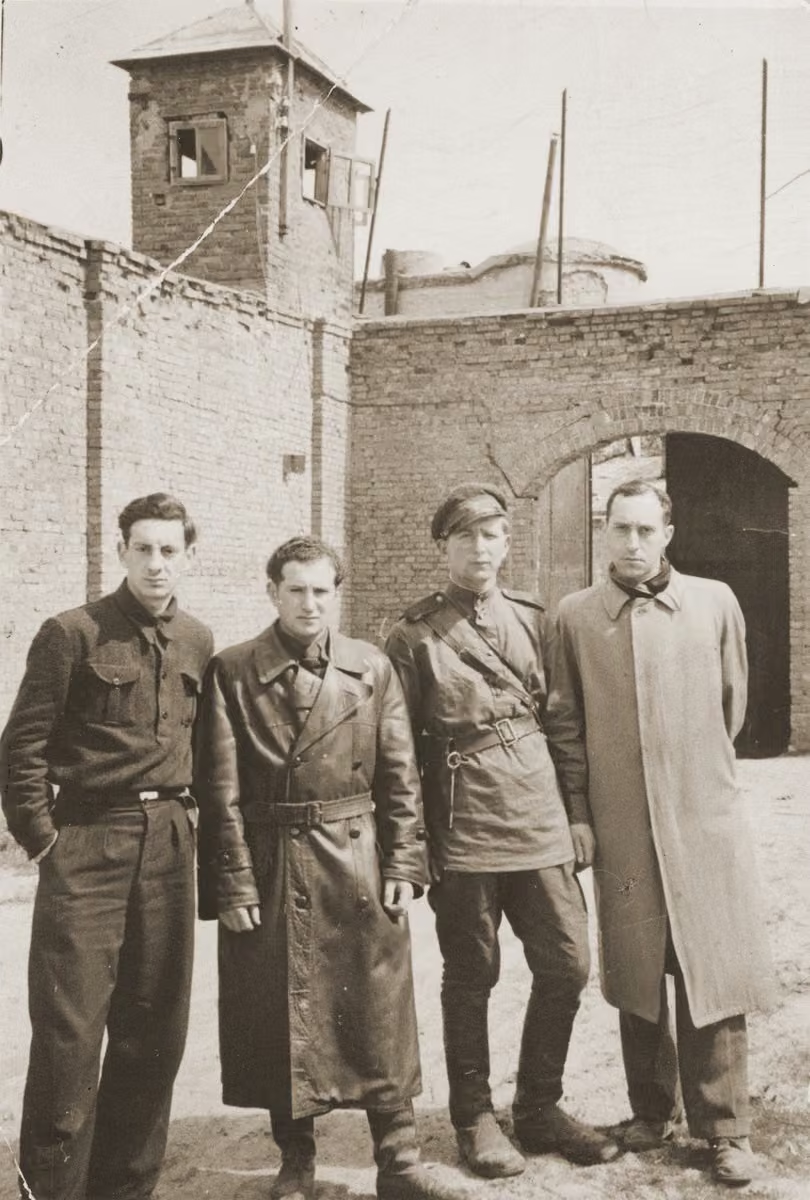 US Holocaust Museum
@HolocaustMuseum
"We need to record this for history. We need to understand."
As a child, Beatrice Muchman survived the Nazi threat in hiding. Her parents were among the six million Jews murdered in the Holocaust. This history is not a myth or fiction—it is the undeniable truth.
US Holocaust Museum
@HolocaustMuseum
After escaping Berlin as a child, Stephan H. Lewy returned to Europe as a member of the US Army to help defeat Nazi Germany. Trained at Camp Ritchie in Maryland, Stephan served as an intelligence officer and was on the front lines of the Battle of the Bulge.
 US Holocaust Museum
@HolocaustMuseum
Shortly after his escape from a moving train bound for Auschwitz, Leo Bretholz found himself imprisoned in Vichy France. While there, Leo and his cellmate passed the time by creating and exchanging crossword puzzles such as the one pictured below.
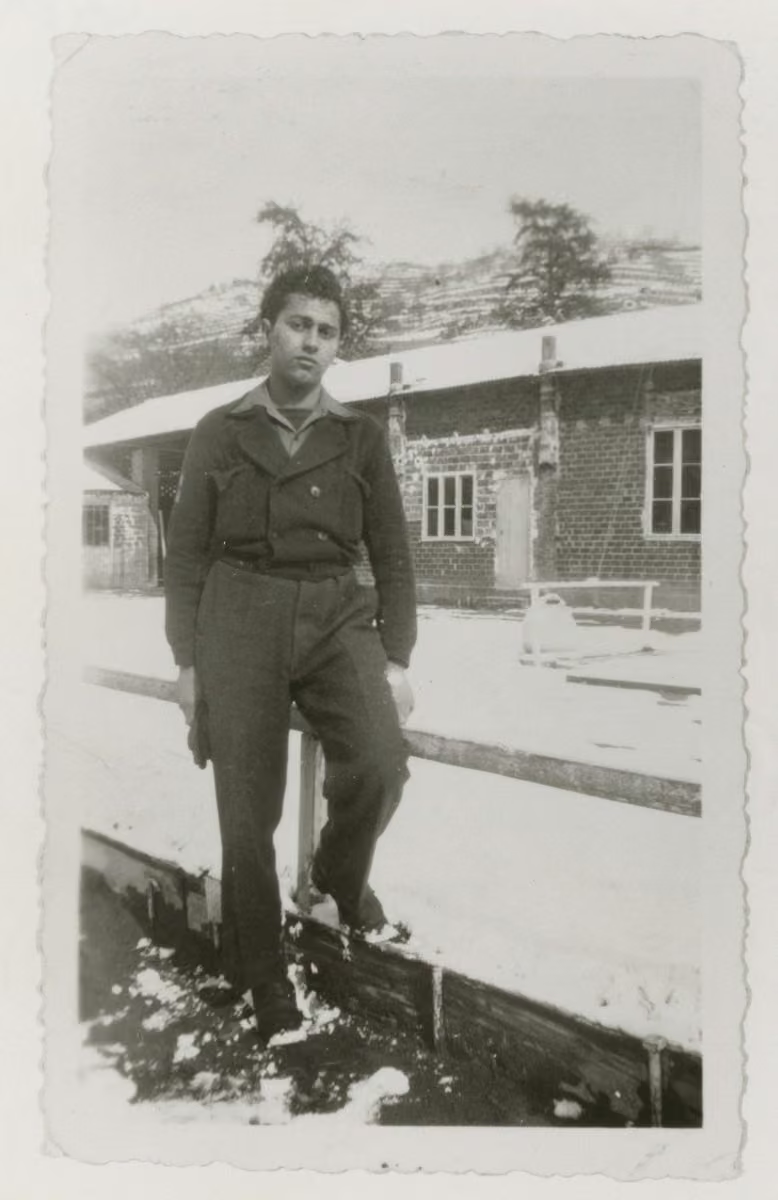
 US Holocaust Museum
@HolocaustMuseum
"This is a real note, written by a real person … two or three hours before she was killed."
One of Frank Grunwald’s most precious possessions was the letter his mother wrote before she was murdered at Auschwitz. Their story is not a myth or fiction—it is the undeniable truth.
US Holocaust Museum
@HolocaustMuseum
"This is the real truth. ... She did it to me, to us, to my family."
Jana Malish never imagined her childhood friend Jadwiga would betray her. Jadwiga offered to safeguard Jana's family's valuables. But then Jadwiga threatened to report Jana if she tried to reclaim them.
 US Holocaust Museum
@HolocaustMuseum
"I left my home and my parents when I was just two years old."
Esther Rosenfeld Starobin left Nazi Germany for England in 1939. Most of her family that remained did not survive the Holocaust. Her story of survival is not a myth or fiction—it is the undeniable truth.
US Holocaust Museum
@HolocaustMuseum
Nazis captured American soldiers in the Battle of the Bulge, which began #otd in 1944. POW Stephen Schweitzer secretly journaled about what happened to him and his comrades until liberation in April 1945. His diary provides a glimpse into life in a forced labor camp.
US Holocaust Museum
@HolocaustMuseum
"I just can't believe that the Holocaust can be denied."
Ruth Cohen and her sister survived Auschwitz and two other concentration camps together. Her brother and mother were killed upon arrival at Auschwitz. Ruth's experience is not a myth—it is the undeniable truth.
US Holocaust Museum
@HolocaustMuseum
#otd in 1961 Adolf Eichmann, a key Nazi perpetrator of the mass murder of Europe's Jews, was sentenced to death after being convicted of crimes against the Jewish people, crimes against humanity, war crimes, and membership in a hostile organization.
US Holocaust Museum
@HolocaustMuseum
When the film "Schindler's List" was released #otd 30 years ago, it thrust the story of unlikely rescuer Oskar Schindler into the spotlight. A war profiteer and member of the Nazi Party, Schindler helped save more than 1,000 Jews during the Holocaust. 📷: Yad Vashem
US Holocaust Museum
@HolocaustMuseum
"People need to understand what happened during the Holocaust. I was there. I saw it."
Susan Warsinger vividly remembers when neighbors uprooted a lamppost and rammed it through her front door on Kristallnacht. Her story is not a myth or fiction—it is the undeniable truth.
US Holocaust Museum
@HolocaustMuseum
"America is the furthest thing from Nazi Germany, and these times are not those times. But there is much to be learned from the past, including lessons on human nature from events 90 years ago when the Nazis took power that are relevant for us today." www.newsweek.com/amid-student-unrest-lessons-holocaust-op…
US Holocaust Museum
@HolocaustMuseum
After fleeing Nazi Germany, Guy Stern returned to Europe as part of a US military intelligence unit. He was the only member of his family to survive the Holocaust. In 2022 we honored the unit—now known as the Ritchie Boys—with our Museum's highest honor: the Elie Wiesel Award.
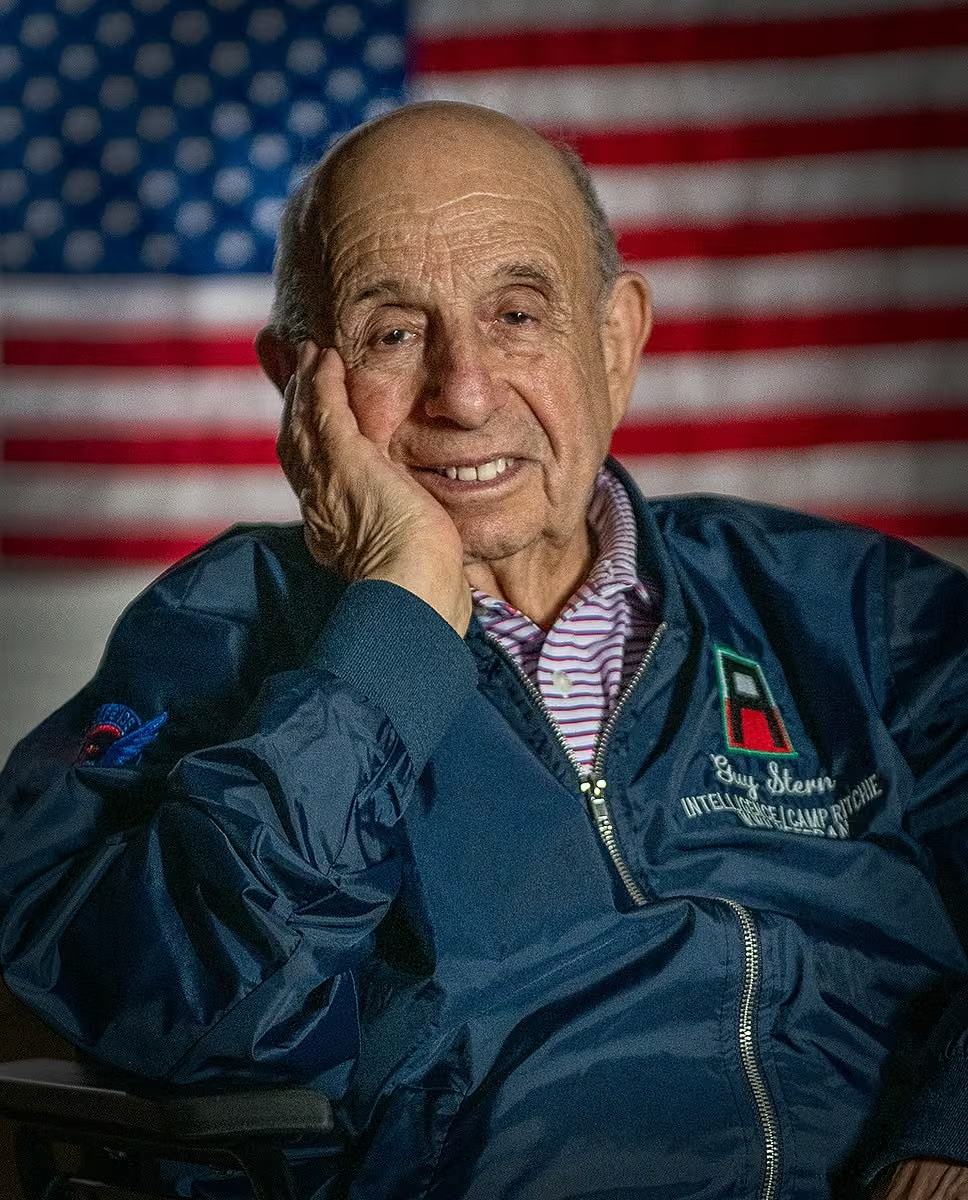 The Washington Post
@washingtonpost
Guy Stern, a Jewish refugee of Nazi Germany who immigrated to the U.S. in 1937, trained at a secret military intelligence school, returned to Europe as a soldier and interrogated Nazi POWs, supplying the U.S. with vital information, has died. He was 101. www.washingtonpost.com/obituaries/2023/12/13/guy-stern-ho…
US Holocaust Museum
@HolocaustMuseum
“I want the world to know that the Holocaust—it was real.”
Steven Fenves was deported to Auschwitz-Birkenau at age 13. What happened to him and millions of others during the Holocaust is not a myth or fiction—it is the undeniable truth.
US Holocaust Museum
@HolocaustMuseum
A new survey found one in five young Americans think the Holocaust is a myth.
The Holocaust is not a myth. It is the undeniable truth.
US Holocaust Museum
@HolocaustMuseum
Peter Stein was six when he came face to face with a German SS officer on his way to school. He was petrified. “Does he know that my father is Jewish?” Peter thought.
Hear Peter share his story today at 1 p.m. ET.
US Holocaust Museum
@HolocaustMuseum
"And to the young people here, you’re our future, and we look to you to change things … "
As a young child, Elizabeth Strassburger and her mother survived the Holocaust by hiding under assumed Catholic identities and living with a kind Polish family.
US Holocaust Museum
@HolocaustMuseum
Born to a Catholic mother and a Jewish father, Peter Stein was not subject to the same antisemitic Nazi laws experienced by his father and other Jews. On 12/13 at 1 p.m. ET, hear Peter share how he and his mother survived the war after his father was sent away.
US Holocaust Museum
@HolocaustMuseum
"Everything was just fine until ... Hitler came to power."
In Susan Taube's hometown of Vacha, Germany, Jewish-owned shops were boycotted, townspeople hurled insults at their Jewish neighbors, and Jewish children were barred from school activities.
 US Holocaust Museum
@HolocaustMuseum
Polish resistance member Jadwiga Dzido was cruelly experimented on at the Ravensbrück concentration camp. She later testified at a trial of 23 German doctors and administrators, which began #otd in 1946. Her testimony helped convict the lone female doctor on trial. 📷: NARA
 US Holocaust Museum
@HolocaustMuseum
Lawyer Raphael Lemkin, a Polish Jew, escaped the Nazis, but lost most of his family in the Holocaust. He coined the word genocide, meaning the intentional destruction of a group. #otd in 1948, the UN adopted the Genocide Convention, recognizing genocide as a crime. 📷: @UN
 US Holocaust Museum
@HolocaustMuseum
During Hanukkah in 1931, Rabbi Akiva Posner’s family placed a menorah in the window—an outward sign of their faith. Through the panes, a swastika flag is seen on a Nazi Party office. The family fled Nazi Germany in 1933 with the candleholder. Their descendants still light it.

 US Holocaust Museum
@HolocaustMuseum
#otd in 1941, the Japanese military launched a surprise attack on the US naval base at Pearl Harbor, prompting the United States to enter World War II. When US troops finally landed in Europe in 1943, the Nazis and their collaborators had already killed millions of Jews. 📷: NARA
US Holocaust Museum
@HolocaustMuseum
Opposing calls for genocide against Jews shouldn’t be difficult or controversial.
US Holocaust Museum
@HolocaustMuseum
Despite staying mostly within the walls of her deaf Jewish school, Ruth Stern still encountered the harsh realities of life as a Jew in Nazi Germany. “There were signs everywhere saying, ‘Verboten,’ meaning ‘not allowed.’" 📷: Courtesy of Ruth Stern
 US Holocaust Museum
@HolocaustMuseum
#otd in 1942, the Council for Aid to Jews ("Żegota")—a secret rescue organization supported by the Polish government-in-exile—was established. Co-founder Władysław Bartoszewski and other Żegota members risked their lives to provide fake IDs to tens of thousands of Jews. 📷: JHI
US Holocaust Museum
@HolocaustMuseum
“The Nazis took all the Jewish businesses away,” remembered Holocaust survivor Irene Frank.
#otd in 1938, the German government issued the Decree on the Utilization of Jewish Property, forcing Jews to liquidate their businesses or sell them to non-Jews.encyclopedia.ushmm.org/content/en/article/aryanization
US Holocaust Museum
@HolocaustMuseum
On International Day of Persons with Disabilities, we recognize the first victims of the Nazis’ systematic mass murder—people with disabilities. In 1939, the Nazis began a “euthanasia” program targeting anyone deemed “unworthy of life.” This propaganda reads: "Life without hope."
US Holocaust Museum
@HolocaustMuseum
#otd 85 years ago, the first group of Jewish refugee children arrived in Great Britain as part of one of the largest international efforts to rescue children from the Nazi threat. Before the outbreak of WWII halted the program, 10,000 children were saved.
US Holocaust Museum
@HolocaustMuseum
"In Lithuania there are no more Jews."
#otd in 1941, SS officer Karl Jäger reported that his unit and its Lithuanian auxiliaries had shot some 130,000 Jews, mostly in German-occupied Lithuania. 📷: Wikipedia
US Holocaust Museum
@HolocaustMuseum
Norbert Wollheim helped thousands of Jewish children flee Nazi Germany, but he could not save his own son. Watch live today at 1 p.m. ET to learn Norbert’s story and hear about the Kindertransport, one of the largest international efforts to rescue children from the Nazi threat.
US Holocaust Museum
@HolocaustMuseum
"No matter how painful it is, I share the truth of what I experienced during the Holocaust. ... The world needs my voice." Ruth Cohen survived Auschwitz as a teenager, but lost her mother and brother in the gas chambers.
This #givingtuesday, help share stories like Ruth's.
US Holocaust Museum
@HolocaustMuseum
Solly Perel, a Jewish teen, survived by posing as a student at a Hitler Youth school. There, he saw the absurdity of Nazi racial theories when a teacher singled him out as a model "Baltic Aryan." If they had known the truth, the Nazis would have murdered Solly for being Jewish.
 US Holocaust Museum
@HolocaustMuseum
“One of the lessons of the Holocaust is the danger of unchecked antisemitism and the power of propaganda. Another is that the unthinkable is always possible.”
—Museum Director Sara J. Bloomfield writes on the rise in extremism and hate today.
m.jpost.com/opinion/article-774846
US Holocaust Museum
@HolocaustMuseum
In November 1944, the Nazi SS began dismantling Auschwitz-Birkenau’s gas chambers and crematoria in an attempt to erase the evidence of mass killings. Erich Kulka was one of the prisoners forced to help dismantle these structures.
 US Holocaust Museum
@HolocaustMuseum
In the Theresienstadt ghetto—established #otd in 1941—Jewish prisoners received meager rations. Using a secret code, Hildegard Gutfreund wrote to her sister, Renée, in Vienna asking her to send food. Hildegard and her son, Kurt, survived.
 US Holocaust Museum
@HolocaustMuseum
Holocaust survivors Rae Goldfarb and her mother, Dina, celebrated their first Thanksgiving a week after arriving in the United States. “It is very memorable to me because it was a dual celebration for us. We were grateful to finally join my aunt and find a permanent home.”
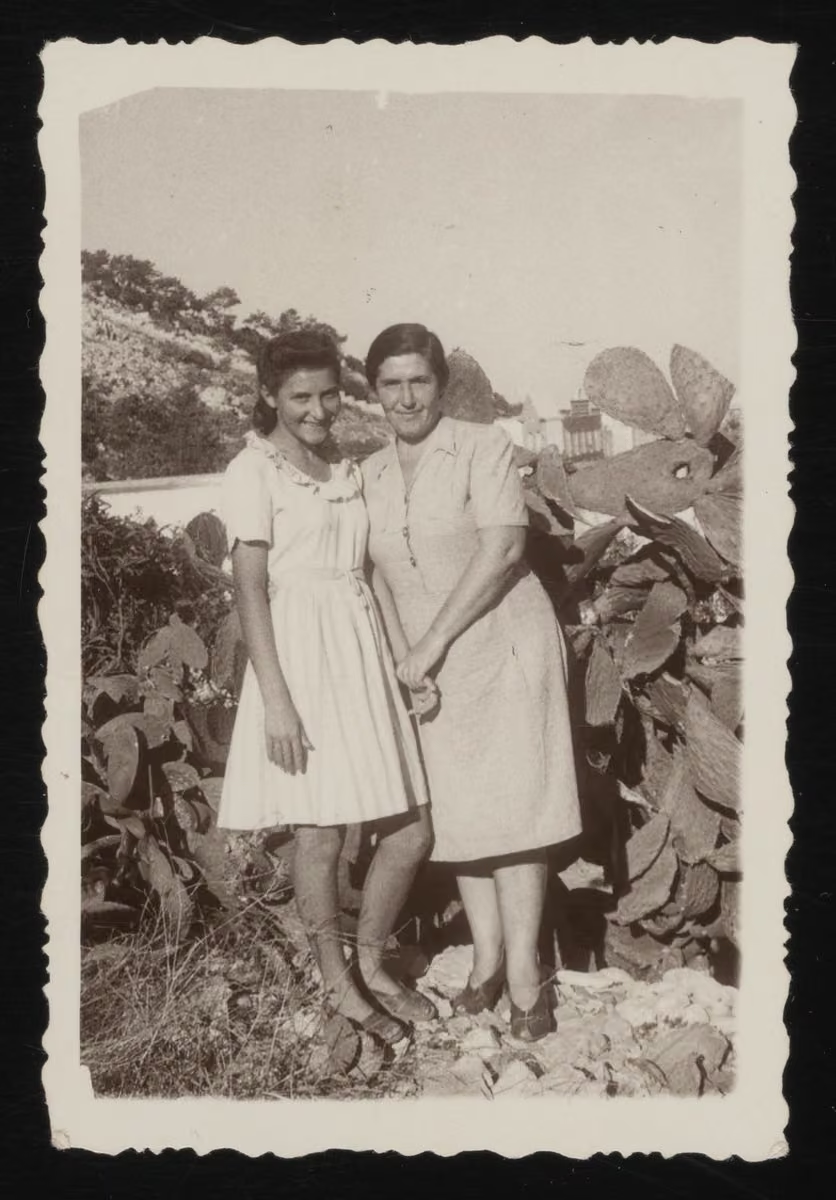 US Holocaust Museum
@HolocaustMuseum
When 9-year-old Frank Liebermann broke his arm, his mother was desperate to find a doctor to help him. The first she turned to told her, "I don't treat Jews."
Frank's mother eventually found a doctor about 20 miles away who was willing to risk his reputation to treat Frank.
 US Holocaust Museum
@HolocaustMuseum
In 1961, Adolf Eichmann's trial was widely televised on an international stage. He had been a key perpetrator of the mass murder of Europe's Jews and his trial represented more than an exercise in justice—it exposed people all over the world to the horrors of the Holocaust.
US Holocaust Museum
@HolocaustMuseum
#otd 78 years ago, the groundbreaking trial of Nazi leaders began before the International Military Tribunal in Nuremberg, Germany. Learn about the new technology—and the individuals behind the scenes—that paved the way for this landmark trial.
US Holocaust Museum
@HolocaustMuseum
Heinz Dressler survived the Holocaust with the help of Oskar Schindler. In 1944, Heinz and his family were transferred with other Jewish prisoners from the Plaszow concentration camp to Schindler's new factory, saving them from extreme hardship and likely death.
 US Holocaust Museum
@HolocaustMuseum
Manny Mandel was seven years old when he begged his father for a bike. The Jewish star on Manny's clothes marked him and made his father fear for his son. He said no to protect Manny. The bike was just one tangible loss of normalcy brought on by wearing the Jewish star.
 US Holocaust Museum
@HolocaustMuseum
George Pick's card to his mother in May 1941 reads, "My wish can be written in a few words, God bless you with both of his hands.”
George and his parents experienced several narrow escapes during the Holocaust—and survived. Hear George's story today at 1 p.m. ET.
US Holocaust Museum
@HolocaustMuseum
Growing up in Nazi Germany, Susan Warsinger experienced antisemitism in her everyday life. "I was there when they boycotted my father’s store. I was there when we were not allowed to walk through parks ... . I was there when we were not allowed to go to public schools."
 US Holocaust Museum
@HolocaustMuseum
“We thought that's it. That's the end.”
A month after going into hiding, George Pick and his parents were discovered along with about 170 other Jews. Hear George share what happened next on 11/15 at 1 p.m. ET.
US Holocaust Museum
@HolocaustMuseum
#otd in 1938, the Nazi German regime barred Jews from operating retail stores. While it is unclear when exactly David and Janka Penner were forced to give up their Berlin store, when the ban took effect on January, 1, 1939, it was illegal for them to own and operate it.
 US Holocaust Museum
@HolocaustMuseum
Kurt Klein fled Nazi Germany in 1937. After joining the US Army in 1942, he returned to Europe, where he used his German language skills to interrogate German POWs and helped the Allies win the war. #veteransday
 US Holocaust Museum
@HolocaustMuseum
In November 1938, Nazis burned down 10-year-old Fred Flatow's synagogue in Königsberg, Germany, during Kristallnacht, a violent, state-sponsored anti-Jewish riot. When his family fled to Chile nearly a year later, Fred took the small Torah he rescued from the synagogue with him.
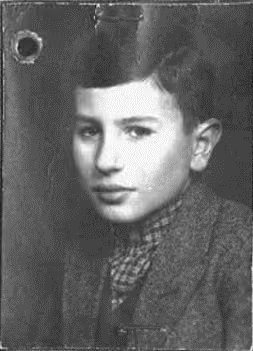
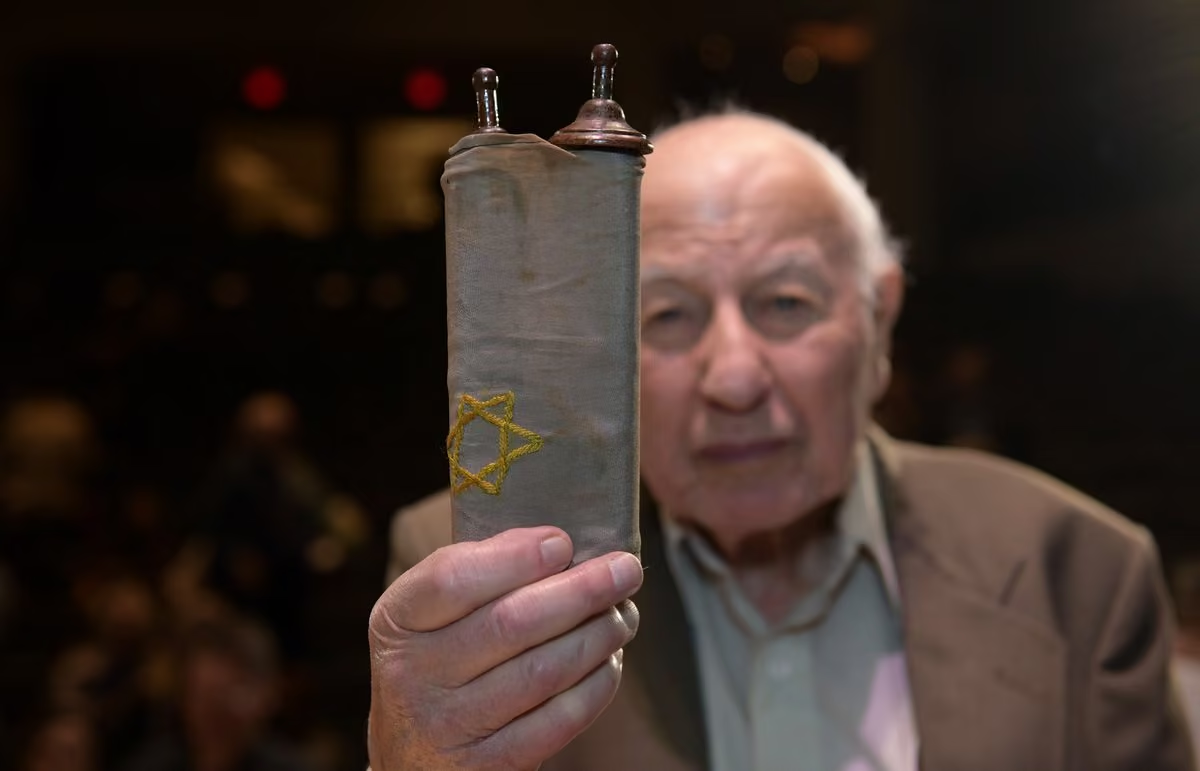 US Holocaust Museum
@HolocaustMuseum
The Night of Broken Glass, or Kristallnacht, was a wave of violent attacks against Jews coordinated by the Nazi regime on November 9–10, 1938. Nazi Party paramilitary groups and Hitler Youth carried out the attacks, but countless ordinary Germans watched and even participated.
US Holocaust Museum
@HolocaustMuseum
Hitler and the Nazi Party tried to seize power by force in a coup known as the Beer Hall Putsch #otd in 1923. Despite their failure, the Nazis eventually came to power and carried out their antisemitic agenda. Today—100 years later—threats of antisemitism and extremism persist.
US Holocaust Museum
@HolocaustMuseum
After his family was deported across the German border to Poland, 17-year-old Herschel Grynszpan shot German diplomat Ernst vom Rath #otd in 1938. Days later, the Nazi regime used vom Rath’s death as the catalyst and justification for Kristallnacht or "The Night of Broken Glass."
US Holocaust Museum
@HolocaustMuseum
Pastor Martin Niemöller initially supported the Nazi Party but spoke out after they interfered with church teachings. He was later arrested and spent almost eight years in Nazi prisons and concentration camps. He went on to share this quote, a confession of his own inaction.
US Holocaust Museum
@HolocaustMuseum
#otd 80 years ago, SS and police units began a killing operation codenamed "Harvest Festival" in German-occupied Poland. Over the course of two days, approximately 42,000 Jews were killed, making it one of the largest massacres of the Holocaust.
US Holocaust Museum
@HolocaustMuseum
"The Protocols of the Elders of Zion" is one of the most notorious works of antisemitic propaganda in modern times. Despite the publication being discredited as a conspiracy theory, those who continue to disseminate it have only one goal: to spread hatred of Jews.
US Holocaust Museum
@HolocaustMuseum
Antisemitic lies and stereotypes used to dehumanize Jewish people are nothing new. Nazi Germany employed a steady drumbeat of antisemitic propaganda reinforcing the myth that Jews were dirty, deceitful, and dangerous. Many Germans stayed silent as Jews were persecuted.
US Holocaust Museum
@HolocaustMuseum
Pogroms—violent, anti-Jewish riots—occurred before, during, and after the Holocaust. Jewish people were beaten and murdered, often by their neighbors. The specific motives, perpetrators, and extent of violence varied, but in all cases victims were targeted just for being Jewish.
US Holocaust Museum
@HolocaustMuseum
Ilse Sakheim's childhood was marked by gradually increasing antisemitism in Germany—beginning with schoolyard taunts and escalating to state-sponsored violence. Ilse's parents managed to send Ilse to England at age 13, saving her life. They were later murdered at Auschwitz.
US Holocaust Museum
@HolocaustMuseum
Our Museum is gravely concerned about the unprecedented antisemitism erupting around the world, creating an environment of intimidation and threat to Jews everywhere.
“All of us need to understand the lessons of the past and take responsibility for the future.”—Museum Chair Stuart E. Eizenstat
www.ushmm.org/information/press/museum-deeply-alarmed-by-…
 US Holocaust Museum
@HolocaustMuseum
We are horrified by the surge in violent antisemitism—on college campuses, city streets worldwide, online—even at an airport. Holocaust history warns what can happen when hatred of Jews is met by silence. These dangerous acts of antisemitism must be confronted and universally condemned.
 US Holocaust Museum
@HolocaustMuseum
Sam Ron (born Shumel Rakowski) survived the Kraków ghetto, several camps, and a death march before his liberation in May 1945. This portrait of Sam was hidden in his mother's shoe during the Holocaust. Sam died last week at 99 years old in Florida.

 US Holocaust Museum
@HolocaustMuseum
Correction: Sam Ron was born Shmuel Rakowski. We apologize for this error.
US Holocaust Museum
@HolocaustMuseum
Yesterday Museum Director Sara Bloomfield presented Pope Francis with a letter to humanity from Holocaust survivors who volunteer at our Museum in response to Hamas’ October 7 attack on Israel—the largest massacre of Jewish civilians since the Holocaust. She also thanked the Pope for the historic opening of the Vatican’s wartime archives, which will promote scholarship and understanding of the Holocaust.
 US Holocaust Museum
@HolocaustMuseum
"At the beginning, we didn't believe it," remembered Celia Century.
#otd in 1942 the Germans and their collaborators began rounding up Norwegian Jews. Celia (right) and her sister Berit (left) were two of the about 1,000 Norwegian Jews to escape to neutral Sweden.
US Holocaust Museum
@HolocaustMuseum
In summer 1944, Jewish children in the Theresienstadt ghetto performed this opera, "Brundibár."
"Brundibár" was developed by Jewish composer Hans Krása and writer Adolf Hoffmeister in 1938. In 1942, Hans was sent to Theresienstadt. Described as a "spa town" by the Nazis, Theresienstadt was actually a transit point from which Nazi authorities deported tens of thousands of Jewish men, women, and children to their deaths. The horrific conditions at Theresienstadt also led to the deaths of some 33,000 Jews.
When the International Red Cross visited Theresienstadt in June 1944, a production of "Brundibár" was staged as part of an elaborate ruse by the Nazis to deceive the inspectors and conceal the horrible conditions in the ghetto. This footage is taken from a Nazi propaganda film about Theresienstadt.
About three months after the Red Cross's visit, deportations resumed. Hans, many of the child performers, and others who were involved in the production were sent to Auschwitz, where they were killed.
Footage: National Center for Jewish Film at Brandeis University
US Holocaust Museum
@HolocaustMuseum
Social worker Irena Sendler was arrested by the Gestapo 80 years ago this month. She was part of the Polish rescue group "Żegota," the Council to Aid Jews, and helped Jewish children escape the Warsaw ghetto. After being released, she continued her resistance work. 📷: Yad Vashem
 US Holocaust Museum
@HolocaustMuseum
90 years ago #otd, German Jewish physicist Albert Einstein arrived in the United States after fleeing Nazi Germany. Einstein recognized the rise in antisemitism and was an outspoken critic of the Nazi regime. He chose to renounce his German citizenship and settled in New Jersey.
US Holocaust Museum
@HolocaustMuseum
By the time prisoners at the Sobibor killing center revolted #onthisday in 1943, at least 167,000 Jews had already been killed there. While 300 prisoners managed to escape during the uprising, only 50 survived the Holocaust—including Chaim and Selma Engel.
US Holocaust Museum
@HolocaustMuseum
Holocaust survivors who volunteer at our Museum commemorated the largest targeted massacre of Jewish civilians since the Holocaust in the assault on Israel by Hamas and issued an open letter about the murderous attack.
US Holocaust Museum
@HolocaustMuseum
After witnessing Kristallnacht, Hedi Pope prepared to flee Nazi Vienna. Imprisoned in Dachau, her father encouraged her and her sister to emigrate without him. Hedi and her sister arrived in the US in 1939. Their father didn’t survive. She died recently at 103 in North Carolina.
US Holocaust Museum
@HolocaustMuseum
We just witnessed the deadliest single day for Jews since the Holocaust. This outrageous massacre and hostage-taking of innocent civilians perpetrated by Hamas terrorists must be universally condemned.
US Holocaust Museum
@HolocaustMuseum
Our Museum is outraged by Hamas’s unconscionable attack on Israel, killing hundreds, and targeting Israeli citizens for kidnapping, including a Holocaust survivor, according to the U.S. Department of State.
Museum Chair Stuart E. Eizenstat said, "These vile acts by this terrorist organization must be universally condemned and all hostages immediately released. Our prayers are with all Israelis, including the many Holocaust survivors who helped build the State of Israel, where they could finally live in the freedom and security they deserved after centuries of persecution, and ultimately genocide." www.ushmm.org/information/press/press-releases/museum-sta…
US Holocaust Museum
@HolocaustMuseum
When the Teitz family immigrated to America in 1939, their son Werner remained in Europe. He had a disability, which likely would have precluded him from receiving a visa. Because he was Jewish, Werner was deported and gassed at the Sobibor killing center.
 US Holocaust Museum
@HolocaustMuseum
#otd in 1943 over 400 Orthodox rabbis marched on Washington to demand an organized US effort to rescue Jews. The march was organized by a Jewish activist, Peter Bergson, along with Rabbi Eliezer Silver (shown here to the right of the speaker). 🎥: mallhistory.org
US Holocaust Museum
@HolocaustMuseum
Comanche code talker Charles Chibitty used his native language to convey secret messages that stumped the Germans and helped the Allies win WWII. Watch today at 9:30 am ET to learn about Native Americans who confronted Holocaust atrocities while serving their country. 📸 US Army
US Holocaust Museum
@HolocaustMuseum
When the Gestapo came to her school and asked for three children by name, 23-year-old Belgian teacher Jeanne Daman felt she had no choice but to comply. That decision changed her. Jeanne joined the resistance and later helped rescue about 2,000 Jewish children. #worldteachersday
US Holocaust Museum
@HolocaustMuseum
#otd 85 years ago, the Nazi German regime invalidated all German passports held by Jews. They had to surrender their old passports, which could only become valid once the letter "J" was stamped on. This was one of many Nazi measures intended to mark Jews as outsiders in Germany.
US Holocaust Museum
@HolocaustMuseum
Nazi Germany passed the Editor’s Law banning Jews from serving as journalists #otd 90 years ago. It required all journalists and editors to register with the Propaganda Ministry, which tightly controlled the flow of news. This and other Nazi laws destroyed Germany's free press.
US Holocaust Museum
@HolocaustMuseum
Five-year-old Robert Wagemann was in a checkup when his mother overheard doctors discussing murdering him due to his disability: a shattered hip he had suffered at birth. Robert and his mother fled and he survived, but about 10,000 German children with disabilities did not.
US Holocaust Museum
@HolocaustMuseum
Did you know that during World War II Native Americans soldiers confronted Holocaust atrocities? Learn more as an expert from @SmithsonianNMAI joins our Museum program on 10/6 at 9:30 a.m. ET.
US Holocaust Museum
@HolocaustMuseum
In February 1942, German occupiers ordered Jews in the Kovno ghetto to turn over their books. Some residents resisted by hiding beloved texts, smuggling them out of the ghetto, or creating secret libraries. 📷: Yad Vashem, courtesy of Avraham Tori
 US Holocaust Museum
@HolocaustMuseum
#onthisday in 1946, the International Military Tribunal issued its verdicts for top Nazi leaders. Though a token few Nazi leaders were tried by the IMT, it set important legal precedents and shaped international law today. 📷: Wikimedia
US Holocaust Museum
@HolocaustMuseum
#otd 85 years ago in 1938, leaders from Germany, Italy, Great Britain, and France signed the Munich agreement, forcing Czechoslovakia to cede border regions to Germany. This act of appeasement failed to stop Nazi territorial expansion. Six months later, Germany occupied Prague.
US Holocaust Museum
@HolocaustMuseum
“It is still the child in me that asks the questions,” reflected Elie Wiesel, born #otd in 1928 in Sighet, Romania. Elie's parents and younger sister were murdered in the Holocaust. After the war, Elie advocated for remembering the victims and learning from the Holocaust.
US Holocaust Museum
@HolocaustMuseum
"Nobody could imagine ... that people can bury each other alive."
#otd in 1941, one of the largest mass shootings of the Holocaust began. At Babyn Yar (Babi Yar), German forces murdered more than 33,000 Jews in just two days. Raisa Dashkevich was one of the few survivors.
US Holocaust Museum
@HolocaustMuseum
"My children—they would have hated me, if I had done nothing."
#otd in 1943, members of the Danish resistance were warned the Nazis were planning to deport Danish Jews. Days later, Preben Munch-Nielsen, then a teenager, began to help hide Jews and ferry them to boats to Sweden.
US Holocaust Museum
@HolocaustMuseum
Helen and Ross Baker were Americans living in Vienna when they witnessed the Anschluss—the Nazi takeover of Austria. They captured historic scenes on film showing the outburst of pro-Nazi enthusiasm and antisemitism that occurred as the Nazis took power in March 1938.
US Holocaust Museum
@HolocaustMuseum
A Mexican American who faced discrimination because of his heritage, Tony Acevedo nonetheless enlisted at age 17. After the army medic was captured, he kept a secret diary of POWs' experiences in WWII so they would not be forgotten. #hispanicheritagemonth
US Holocaust Museum
@HolocaustMuseum
Jonas Eckstein, a Jewish wrestler and community leader, used his connections to help hide, care for, and feed many Jews in Slovakia during the Holocaust. He was also able to protect his one-year-old daughter, Tova, by hiding her with a family in a nearby town.
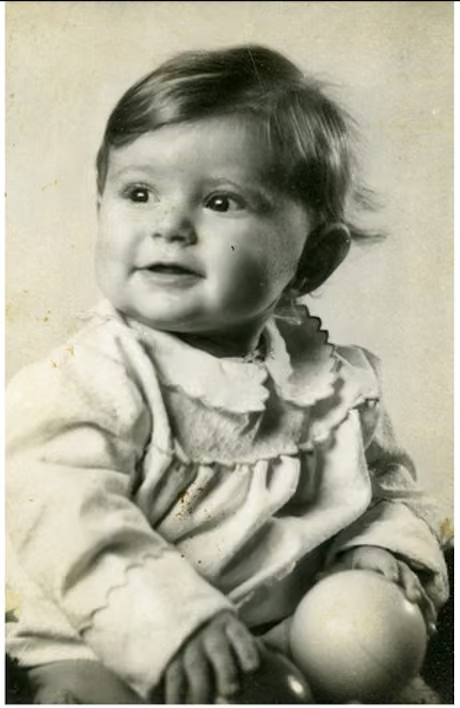
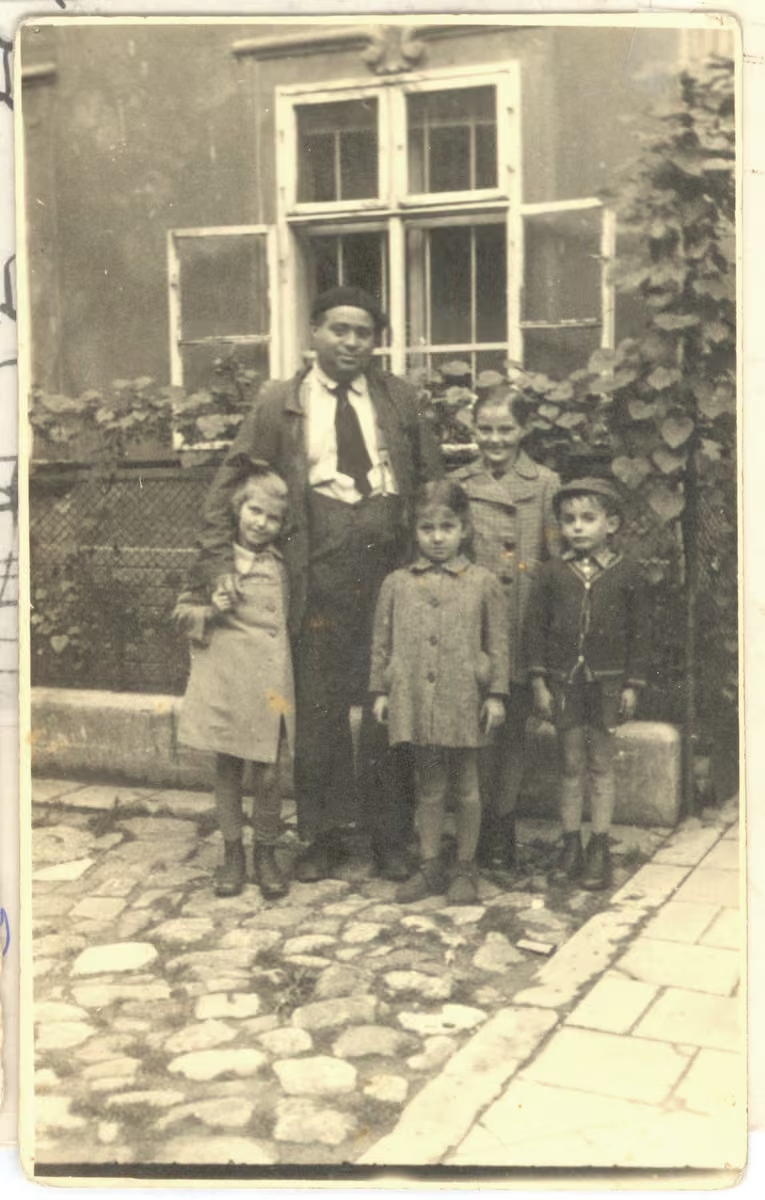 US Holocaust Museum
@HolocaustMuseum
Even while imprisoned at the Parschnitz forced labor camp, Chana Spiegel found a way to have a meaningful Yom Kippur, which begins tonight. She gave a sermon to her fellow prisoners and hid her bread under her pillow so she could fast.
US Holocaust Museum
@HolocaustMuseum
In observance of Yom Kippur, our Museum and offices will be closed tomorrow, Monday, September 25. We will open for normal business hours on Tuesday, September 26. www.ushmm.org
US Holocaust Museum
@HolocaustMuseum
While Isadore Rattner's family fled Nazi Vienna, Isadore, who was deaf and Jewish, remained behind. The family later learned his fate: “My father was sent to the gas chamber because he was in a group of deaf people who were signing and gesturing,” his daughter recalled.
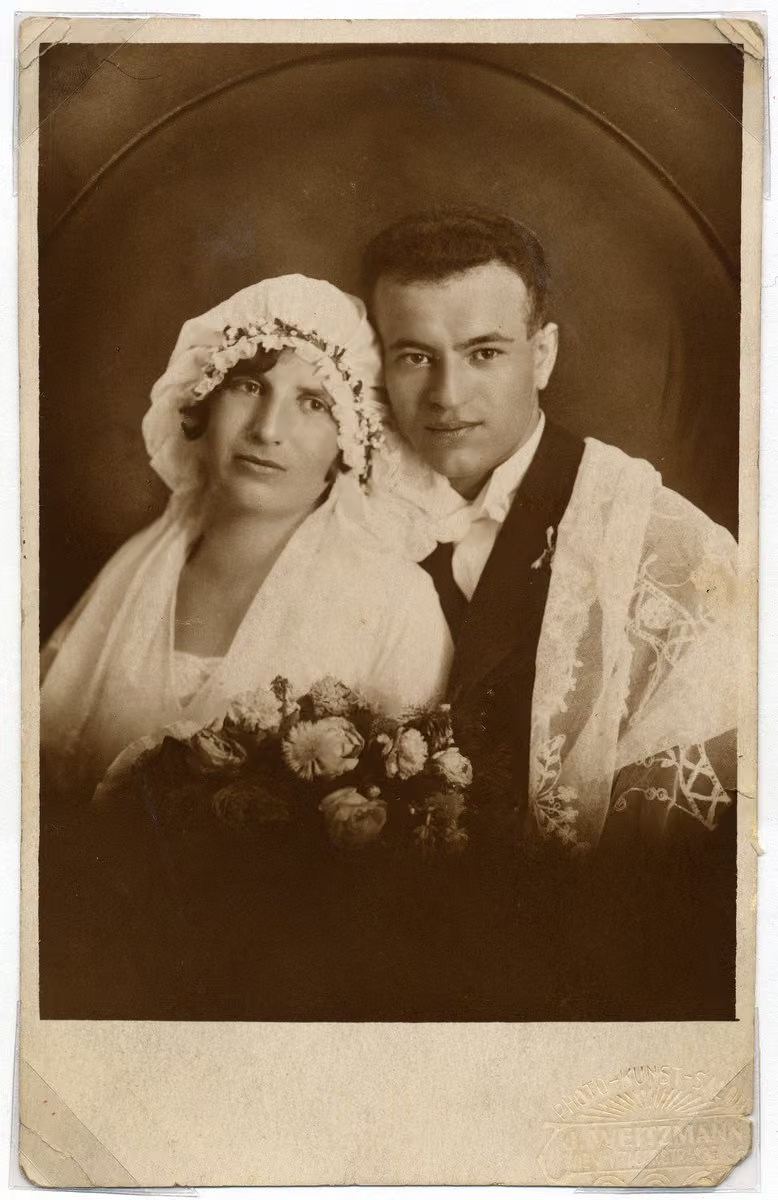 US Holocaust Museum
@HolocaustMuseum
"We lived in constant fear for our lives."
Szyfra Marjanc confided in her diary while living in German-occupied Poland. She wrote about Nazi cruelty and her fears for her baby daughter's future. Szyfra survived using false papers and kept her daughter safe.
US Holocaust Museum
@HolocaustMuseum
Yaffa Eliach remembered the village of Eisiskes, in what is today Lithuania, as the backdrop of her most cherished childhood memories. Eighty-two years ago, it was also the setting of a brutal massacre. Learn about the fates of the townspeople and Yaffa, one of its few survivors.
US Holocaust Museum
@HolocaustMuseum
#otd in 1944, First Lady Eleanor Roosevelt, a longtime advocate for refugees, visited Fort Ontario Emergency Refugee Shelter in Oswego, New York. Fort Ontario was the only shelter of its kind the United States created for Holocaust survivors during World War II.
US Holocaust Museum
@HolocaustMuseum
After the Germans invaded Belgium, Josie Traum's mother sent Josie into hiding with strangers. After reuniting with her mother, six-year-old Josie would tie their nightgowns together at night because she feared losing her again. Hear Josie share her story today at 1 p.m. ET.
US Holocaust Museum
@HolocaustMuseum
There's a question that Fred Flatow asked himself over and over. “Why me? Why was I saved? Why was I able to survive and … so many other people ... weren't able to survive?" Luck was the answer that Fred settled on. “It was luck to be in the right place at the right time."
US Holocaust Museum
@HolocaustMuseum
#otd in 1946, part of the Oneg Shabbat archive, a secret trove of documents, photos, and artifacts from the Warsaw ghetto, was recovered. The archive provides an invaluable record of ghetto life. encyclopedia.ushmm.org/content/en/article/the-oneg-shabba…
US Holocaust Museum
@HolocaustMuseum
Josie Traum was three when her mother made the agonizing decision to send her away. She was hidden first by a group of nuns and then by a Christian family in Brussels. Hear Josie share her survival story on 9/20.
US Holocaust Museum
@HolocaustMuseum
Ninety years ago #otd, the Central Organization of German Jews (Reichsvertretung der Deutschen Juden) was formed. Led by Rabbi Leo Baeck, this umbrella organization coordinated German Jews' responses to Nazi persecution. Leo survived the Holocaust in Theresienstadt.
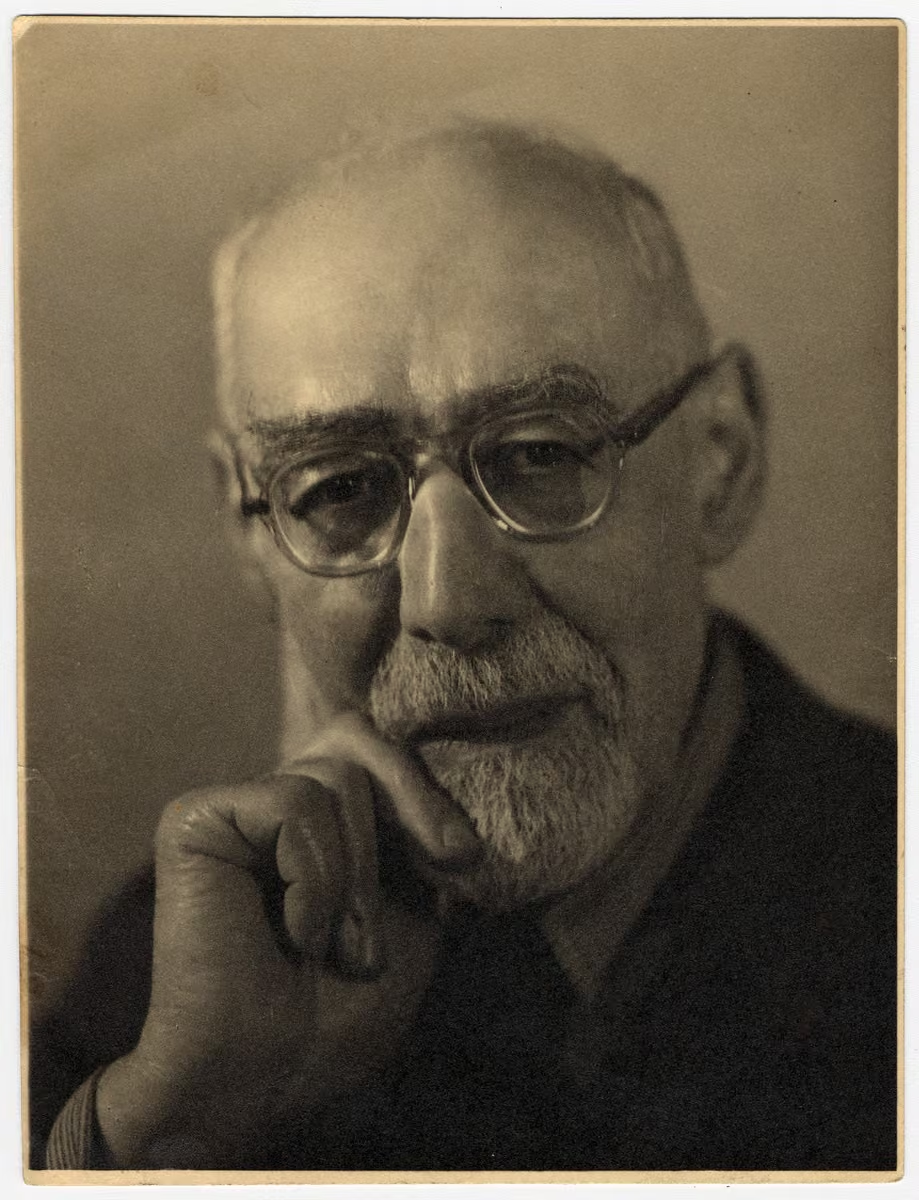 US Holocaust Museum
@HolocaustMuseum
As Nazi antisemitic persecutions worsened, Beila Griffel was determined to get her daughter, Herta, out of Vienna. She succeeded. Herta arrived in the United States in late 1940. In September 1942, Beila was deported and died at the Maly Trostinets killing center.
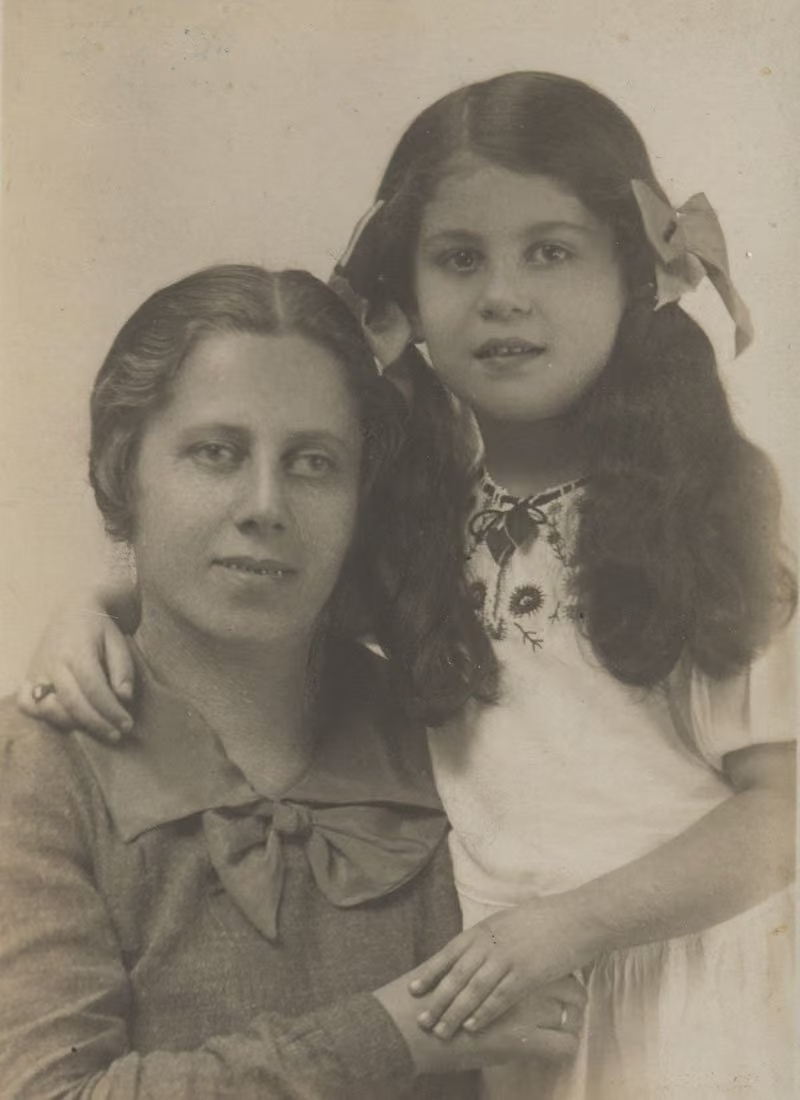
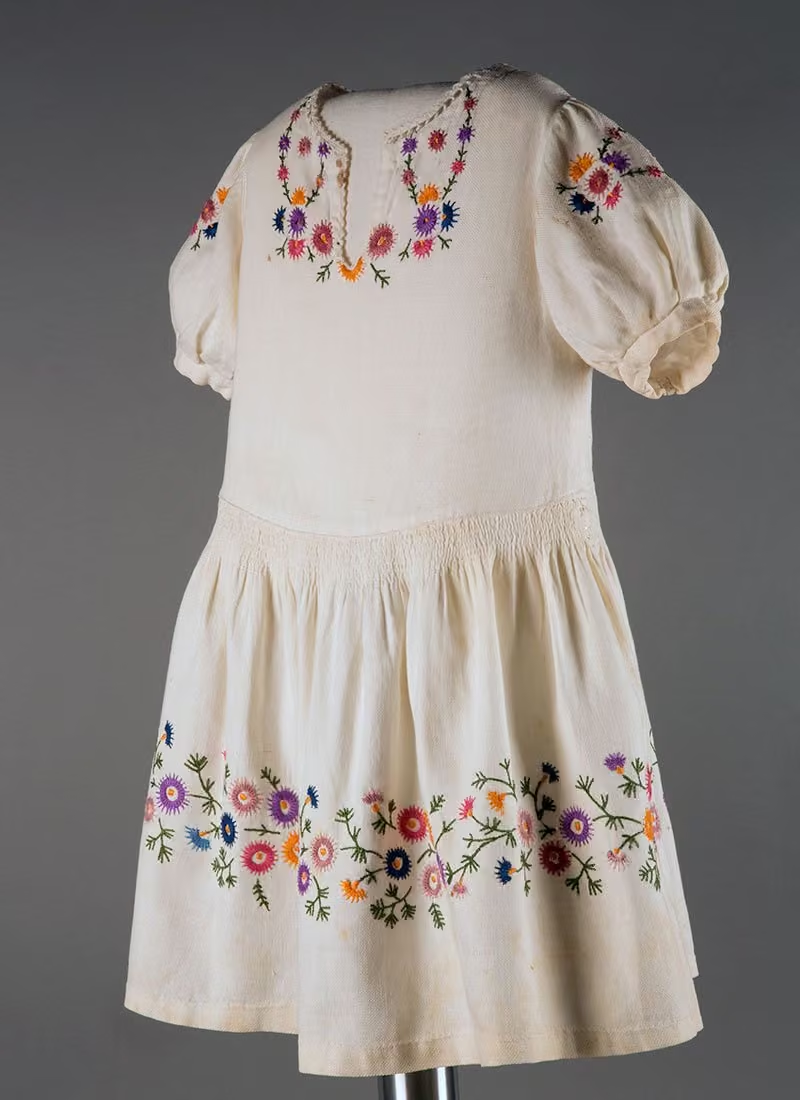 US Holocaust Museum
@HolocaustMuseum
Hilarius Gilges was an Afro-German dancer and Communist activist from Düsseldorf, Germany. He was 24 years old when Nazis murdered him for his politics, as well as his race, on June 20, 1933. 📷: Mahn-und Gedenkstaette Duesseldorf
US Holocaust Museum
@HolocaustMuseum
#otd in 1919, a young Hitler wrote “(the) ultimate goal must definitely be the removal of the Jews altogether.” As Germany’s leader, Hitler transformed hatred into policy, first persecuting German Jews and eventually murdering millions across Europe. encyclopedia.ushmm.org/content/en/article/the-jewish-ques…
US Holocaust Museum
@HolocaustMuseum
Tonight marks the beginning of Rosh Hashanah, the Jewish New Year. Here, Jewish American soldiers are pictured in Rheims, France at #roshhashanah services, just weeks after the city was liberated in September 1944.
Photo: NARA
 US Holocaust Museum
@HolocaustMuseum
Betty Frydman survived the Holocaust with the help of social worker María Errázuriz. María helped seven-year-old Betty and her brother, Marcel, escape from Paris's Rothschild Hospital, which had been taken over by German authorities, by pretending they were dead. 📷: Yad Vashem

 US Holocaust Museum
@HolocaustMuseum
Nazi Germany enacted two laws #otd in 1935 that changed life for German Jews and laid the foundation for the Holocaust. The Nuremberg Race Laws stripped Jews of their rights of citizenship and banned sexual relationships between Jews and people of "German or related blood."
US Holocaust Museum
@HolocaustMuseum
Leo Spellman was born into a musically gifted family. He survived the war by escaping the Ostrowiec ghetto and then in hiding. Later, he channeled his experiences into his music, culminating in "Rhapsody 1939-1945." The piece premiered at a DP camp in 1947.
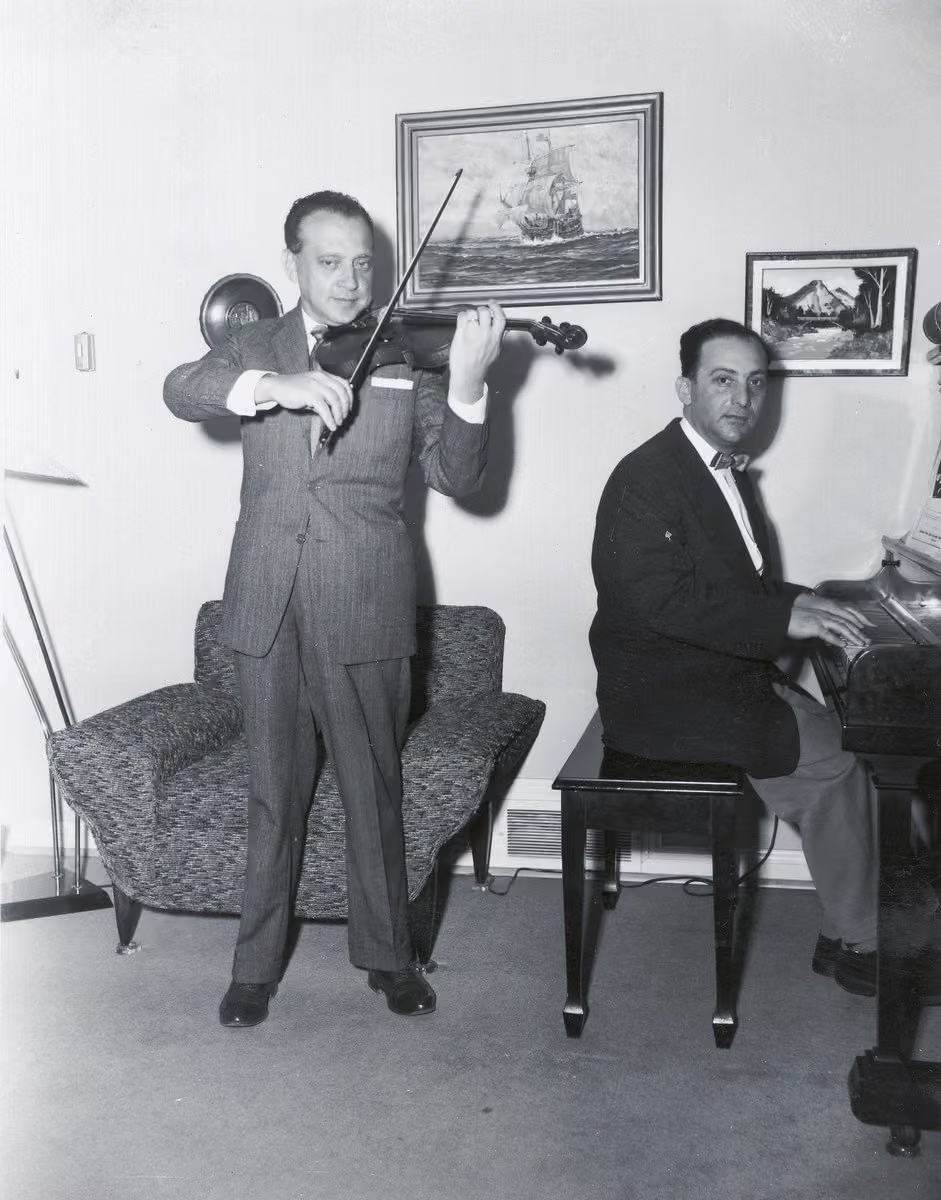 US Holocaust Museum
@HolocaustMuseum
The day Lilly Malnik, 15, arrived at Auschwitz marked the end of one life and the beginning of another that has never left her. “I felt like I was 90. I felt I had a lifetime already in those two days [since] I arrived in Birkenau.” Watch Lilly live on Facebook at 2 pm ET today.
US Holocaust Museum
@HolocaustMuseum
One of Frank Grunwald’s most precious possessions was the letter his mother, Vilma, wrote to his father before she was murdered at Auschwitz-Birkenau. Frank and his father survived the camp, and Frank later donated the letter to our Museum. Frank recently died at age 90.
US Holocaust Museum
@HolocaustMuseum
Between 1940 and 1942, more than 300 refugee children were brought to America by the US Committee for the Care of European Children—including seven-year-old Ruth Engelhardt. She is pictured here upon arrival in New York #otd in 1941. 📷: @Magnes
 US Holocaust Museum
@HolocaustMuseum
#onthisday in 1944, German and Dutch authorities discovered and arrested Anne Frank, her family, and the other residents of the secret annex in Amsterdam. Anne's father was the only one to survive the Holocaust. Anne's words live on in her diary, read by millions.
 US Holocaust Museum
@HolocaustMuseum
The Berlin Olympics, which began #otd in 1936, created a spectacle of Nazi power for a global audience. After significant debate, countries around the world agreed to participate in the games. The Nazis exploited the Olympics for their own propaganda, legitimizing their regime.
US Holocaust Museum
@HolocaustMuseum
Primo Levi, born #otd in 1919, survived Auschwitz as a young man. He detailed his experiences there in his memoir, "If This Is a Man" (also known as "Survival in Auschwitz"). Today, it is considered one of the most significant literary accounts of the Holocaust. 📷: Yad Vashem
 US Holocaust Museum
@HolocaustMuseum
Albert Garih, born #otd in 1938, was not quite two when Nazi Germany occupied his home city of Paris in June 1940. Albert and his family faced persecution and ended up on the run and in hiding. He was liberated in 1944 while concealing his Jewish identity at a Catholic school.
US Holocaust Museum
@HolocaustMuseum
1/10 During the Holocaust, European Jews cried out to the world for help, desperate to escape Nazi persecution. Without legal protection, their lives hung in the balance. Some were granted refuge in foreign countries. Most found nowhere to turn. #worldrefugeeday
 US Holocaust Museum
@HolocaustMuseum
Vladimir Putin has repeatedly employed antisemitic lies and distorted the Holocaust to justify his brutal invasion of Ukraine. We condemn his recent remarks denigrating Ukrainian President Zelensky and the Jewish people. www.jta.org/2023/06/16/global/putin-my-jewish-friends-say…
US Holocaust Museum
@HolocaustMuseum
#otd 94 years ago, #annefrank was born. For millions, she is their window into the Holocaust. Her diary was a treasured 13th birthday gift. Though she wrote most of it while in hiding from the Nazis, Anne inspires us with her ability to believe in the enduring power of hope.
US Holocaust Museum
@HolocaustMuseum
Karl Gorath was 26 when a purported jealous lover denounced him to the Nazi regime for being gay. He spent years in concentration camps until he was liberated from Mauthausen in 1945. He was one of the first gay concentration camp survivors to publicly tell his story. #pridemonth
US Holocaust Museum
@HolocaustMuseum
During the Holocaust, the Philippines became a safe haven for some 1,200 Jewish refugees, thanks to President Manuel Quezon's open-door policy. Lotte Hershfeld (pictured left) and her family sought refuge there.
 US Holocaust Museum
@HolocaustMuseum
#otd in 1943, the Warsaw Ghetto Uprising ended. For nearly a month, Jewish fighters and ghetto residents had resisted German authorities' efforts to deport them. It was the largest act of Jewish armed resistance during the Holocaust. 📸: NARA
 US Holocaust Museum
@HolocaustMuseum
Adolf Hitler personally ordered the secret police to expel American journalist Dorothy Thompson from Germany in August 1934 due to her critical coverage of him years before. On #worldpressfreedomday, we remember the journalists who sought to warn the world about the Nazi threat.
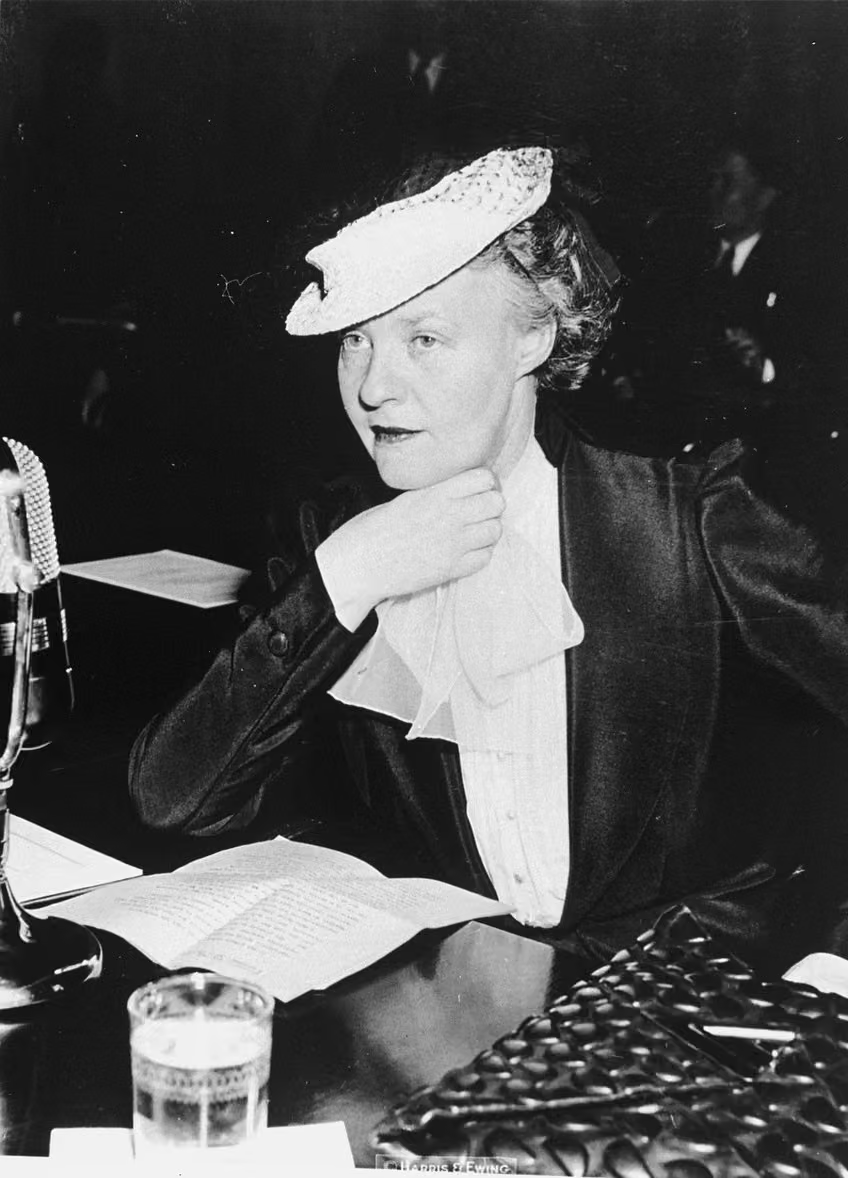 US Holocaust Museum
@HolocaustMuseum
During the war, teacher Johan (Joop) Westerweel helped rescue a number of Jews by finding hiding places and smuggling them out of the German-occupied Netherlands. Joop was later arrested and sent to the Vught concentration camp, where he was executed. 📸: Beit Lohamei Haghetaot
 US Holocaust Museum
@HolocaustMuseum
“Ravensbrück … was a hell."—Blanka Rothschild. #otd in 1945, the Soviet army liberated the remaining prisoners at Ravensbrück concentration camp. Over 130,000 female prisoners passed through the camp complex. More than 25,000 of them died there. 📸 Former Ravensbrück prisoners
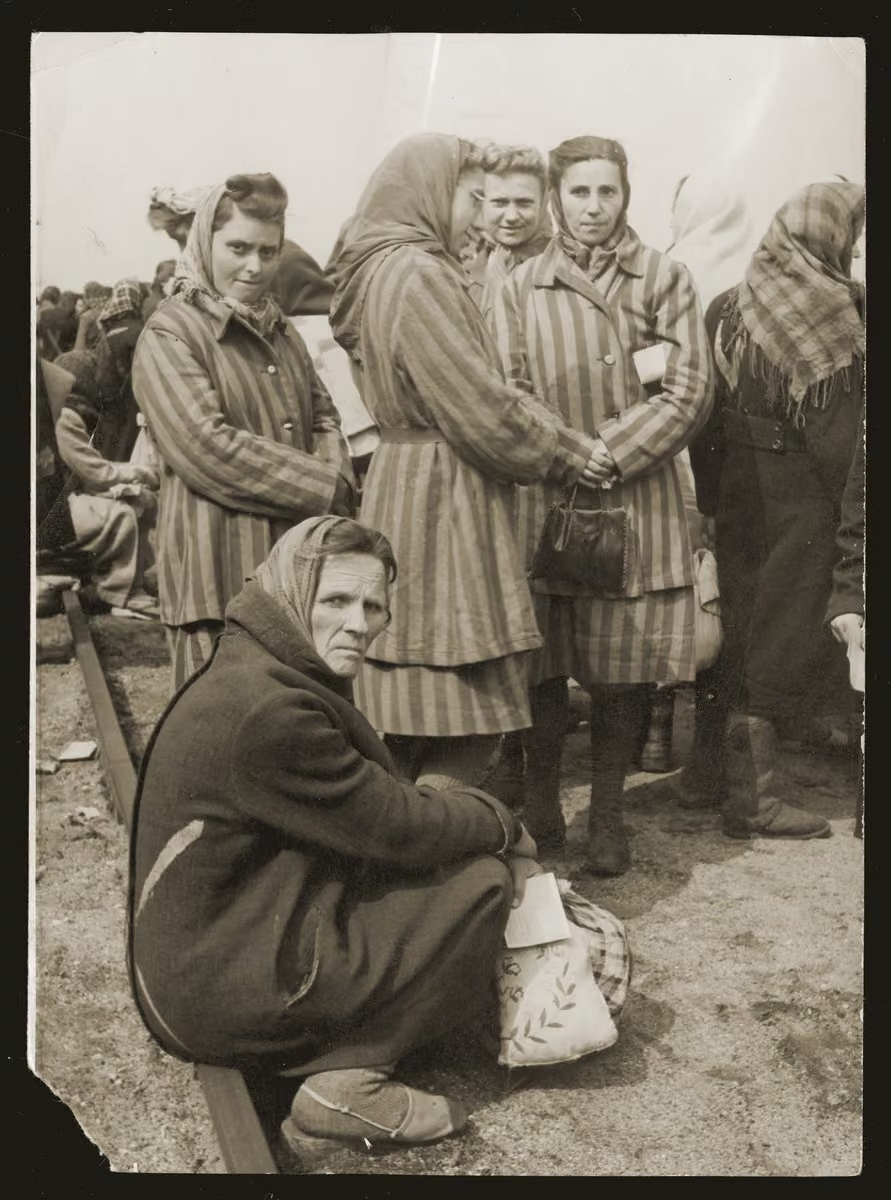 US Holocaust Museum
@HolocaustMuseum
In April 1943, Belgian resistance members attacked a transport carrying Jews from Mechelen transit camp to Auschwitz. With his mother's help, Simon Gronowski, 11, was among the about 230 people who managed to escape the train. While he survived, his mother, Chana, did not.
US Holocaust Museum
@HolocaustMuseum
It is impossible to picture six million people at once; to read six million names; to know six million stories. This Holocaust Remembrance Day, #weremember and reaffirm our enduring commitment to keep the memory of the victims of the Holocaust alive.
US Holocaust Museum
@HolocaustMuseum
Tune in as @WolfBlitzer, the child of Holocaust survivors, tours our Museum and explores our work to preserve Holocaust memory.
"Never Again: The United States Holocaust Memorial Museum, A Tour with Wolf Blitzer" airs tonight at 9 p.m. ET on @CNN. www.cnn.com/videos/world/2022/08/26/blitzer-holocaust-fam…
US Holocaust Museum
@HolocaustMuseum
Today the world lost a leader in the quest for justice for victims of genocide and related crimes. We mourn the death of Ben Ferencz—the last Nuremberg war crimes prosecutor. At age 27, with no prior trial experience, he secured guilty verdicts against 22 Nazis.
US Holocaust Museum
@HolocaustMuseum
“Since we didn't know what happened to him, we kept this [hope] for years. … It was haunting us.”
Joël Nommick’s father was deported to Auschwitz three months before Joël was even born. He never returned home. Hear Joël share his family's story on 3/22 at 1 p.m. ET.
US Holocaust Museum
@HolocaustMuseum
Eva and Miriam Mozes survived SS doctor Josef Mengele's notorious experimentation on twins at Auschwitz. The only members of their family to survive, they are seen in this film still walking hand in hand after liberation in January 1945.
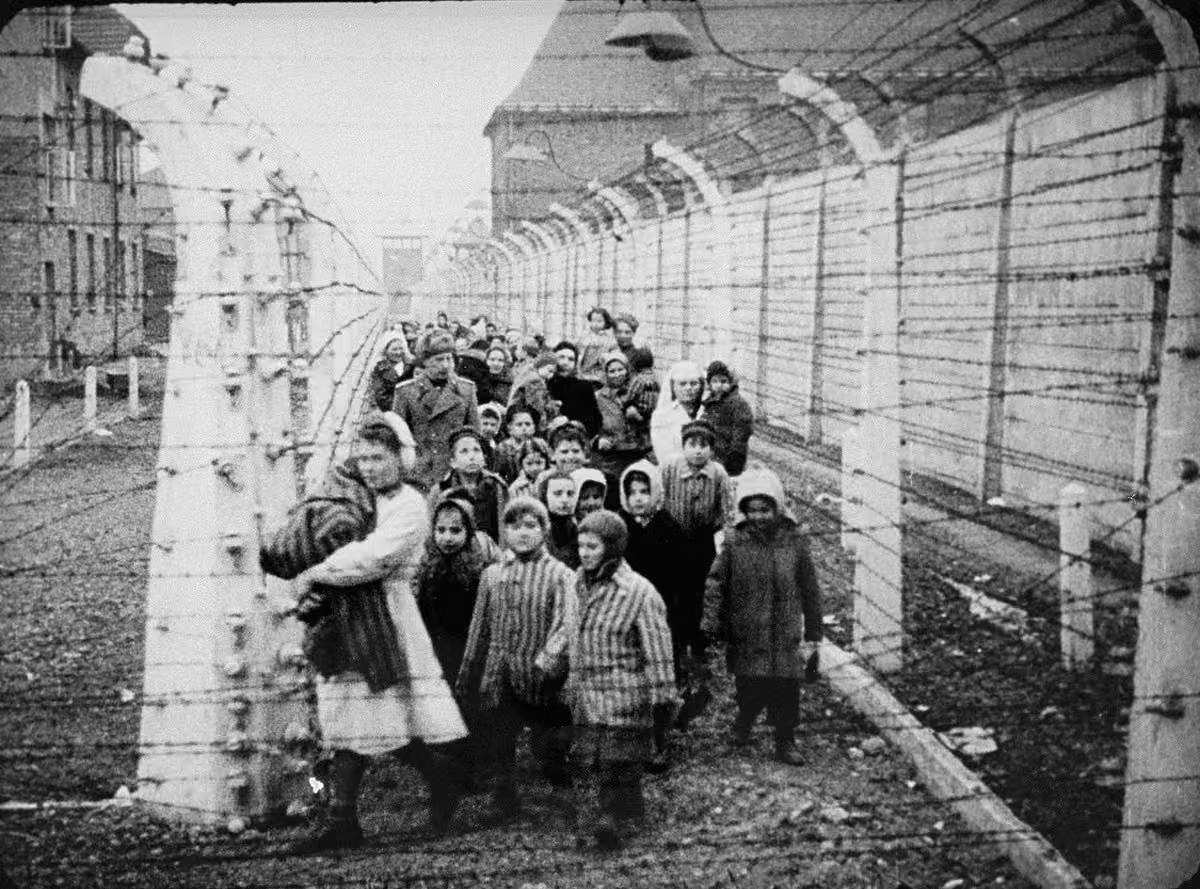 US Holocaust Museum
@HolocaustMuseum
“When I stand here and look at this photo, I’m 13 years old again.” Decades after the Holocaust, Irene Weiss learned a Nazi photographer had documented her family's destruction at Auschwitz. Join us today on #holocaustmemorialday at 9:30 am ET, to hear from Irene as #weremember.
US Holocaust Museum
@HolocaustMuseum
#onthisday 78 years ago, Auschwitz was liberated by Soviet troops.
The Germans established the Auschwitz camp complex in the spring of 1940 in German-occupied Poland. By the time the Soviets arrived, about 1.1 million people had been murdered there. #holocaustremembranceday
US Holocaust Museum
@HolocaustMuseum
After the Holocaust, Agi Geva’s mother made her promise never to remove the tattoo inked on her arm at Auschwitz-Birkenau at age 14. “This is proof of us being there," her mother said. "The letter A and the number.” Today, the tattoo is a symbol of all that Agi has survived.
 US Holocaust Museum
@HolocaustMuseum
German Jewish artist Charlotte Salomon produced her genre-bending work "Life? or Theater?" after fleeing Berlin for safety in the South of France. In October 1943, Charlotte would be murdered at Auschwitz-Birkenau. 📷: Collection Jewish Museum, Amsterdam
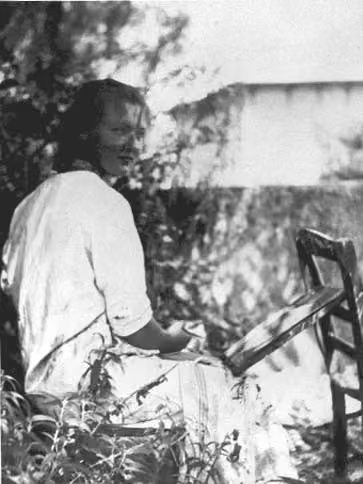 US Holocaust Museum
@HolocaustMuseum
In January 1929, Adolf Hitler appointed Heinrich Himmler Reichsführer SS, chief of the SS.
As head of the SS, Himmler, shown here in 1941, played a key role in conceiving and overseeing the implementation of the "Final Solution," the Nazi plan to murder Europe's Jews. 🎥: NARA
US Holocaust Museum
@HolocaustMuseum
Ben Ferencz, the last living Nuremberg prosecutor, will receive the Congressional Gold Medal, its highest honor of appreciation for distinguished achievements and contributions. Ben, who secured convictions against 22 Nazis, is now 102. www.ushmm.org/genocide-prevention/simon-skjodt-center/wor…
US Holocaust Museum
@HolocaustMuseum
Lawyer Raphael Lemkin, a Polish Jew, escaped the Nazis, but lost 49 members of his family in the Holocaust. He coined the word #genocide, meaning the intentional destruction of a group. #otd in 1948, the UN adopted the genocide convention, recognizing genocide as a crime. 📷: @UN
US Holocaust Museum
@HolocaustMuseum
81 years ago this month, the German SS and police began using poison gas to mass murder Jews at the Chełmno killing center. It was the first stationary facility where this method was used to kill Jews. The Nazis murdered at least 172,000 people there. encyclopedia.ushmm.org/content/en/article/chelmno
US Holocaust Museum
@HolocaustMuseum
Dutch musician Frieda Belinfante risked her life to create fake ID cards for Jews throughout World War II. She was also openly lesbian. Frieda survived as a member of the resistance by hiding in plain sight dressed as a man. Learn more about Frieda from the Museum’s podcast.
US Holocaust Museum
@HolocaustMuseum
1/2 To all our new followers, it has never been more important to learn about the Holocaust. Get the facts, learn the history, and speak out against Holocaust denial, antisemitism and hate. encyclopedia.ushmm.org/content/en/article/introduction-to…
US Holocaust Museum
@HolocaustMuseum
#otd in 1938, the first Kindertransport arrived in Great Britain. These rescue missions would save thousands of mostly Jewish children from an uncertain fate in Nazi Germany. Seven-year-old Dorrith Oppenheim arrived in July 1939. Both her parents were likely killed at Auschwitz.
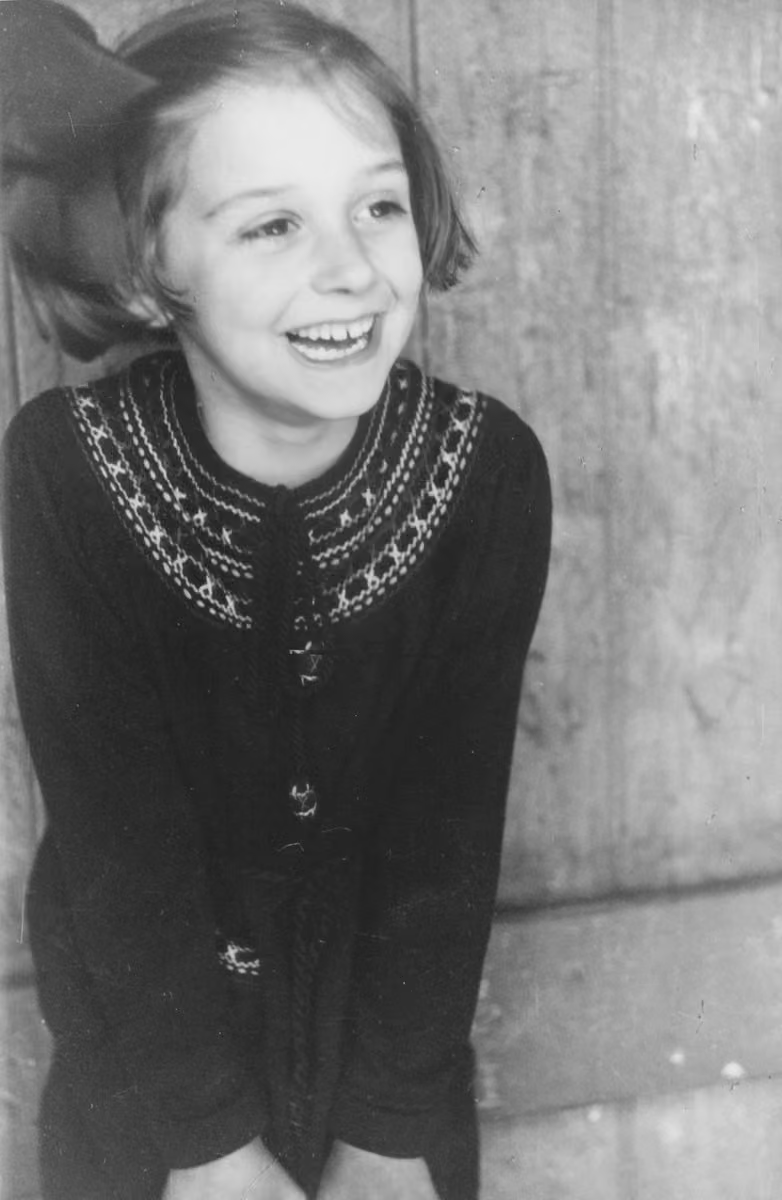 US Holocaust Museum
@HolocaustMuseum
"Our objective, to solve the Jewish problem for Lithuania, has been achieved ... . In Lithuania there are no more Jews." #otd in 1941, SS officer Karl Jäger reported that his unit and its Lithuanian auxiliaries had shot some 130,000 Jews, mostly in German-occupied Lithuania.
US Holocaust Museum
@HolocaustMuseum
Under Adolf Hitler's leadership and imbued with his racially motivated ideology, the Nazi regime was responsible for the mass murder of 6 million Jews and millions of other victims. Learn the history: encyclopedia.ushmm.org/content/en/article/adolf-hitler
US Holocaust Museum
@HolocaustMuseum
In November 1944, the Nazi SS began dismantling Auschwitz-Birkenau’s gas chambers and crematoria in an attempt to erase the evidence of mass killings. Erich Kulka was one of the prisoners forced to help dismantle these structures.
 US Holocaust Museum
@HolocaustMuseum
Holocaust denial, distortion, and misuse undermine the truth and our understanding of history. Get the facts.
US Holocaust Museum
@HolocaustMuseum
On November 23, 1939, aboard the SS President Harding, Henry Landman was treated to roast Maryland turkey, prime rib, and minced pie. For Henry, who was fleeing Nazi Germany to the United States, this was a particularly memorable meal: it was his first #thanksgiving.


 US Holocaust Museum
@HolocaustMuseum
Look closely at the toddler wearing the bow. At age two, Arye Ephrath was forced to hide his identity as a Jewish boy and adopt the disguise of a Christian shepherd girl.
Hear Arye share his story of survival on 11/16 at 1 p.m. ET.
US Holocaust Museum
@HolocaustMuseum
"I was six years old, and the memory of that day will stay with me forever."
This #veteransday, Holocaust survivor Albert Garih pays tribute to his American liberators. Albert was in hiding at a Catholic boarding school outside of Paris when US troops arrived in August 1944.
US Holocaust Museum
@HolocaustMuseum
The Night of Broken Glass, or Kristallnacht, was a wave of violent attacks against Jews coordinated by the Nazi regime on November 9–10, 1938. Nazi Party paramilitary groups and Hitler Youth carried out the attacks, but countless ordinary Germans watched and even participated.
US Holocaust Museum
@HolocaustMuseum
Ester Bachar was taken in by a Roma family as a toddler and spoke only Romani. She wound up at an orphanage where no one understood her, until she found a caretaker who spoke some Romani. It turned out to be her mother, who had survived the war.
 US Holocaust Museum
@HolocaustMuseum
This is Zadok Parsser with his adoptive sister, Mara. He was one of 33 children rescued by Jan Bosch, a Dutch teenager, who helped hide and care for Jewish children. During #nationaladoptionmonth, we remember those who risked their lives to save others during the Holocaust.
 US Holocaust Museum
@HolocaustMuseum
Recent displays of neo-Nazism and white supremacy across the country have featured symbols, terms, and ideology drawn directly from Nazi Germany and Holocaust-era fascist movements—including the Nazi salute. It is vital to understand this history.
US Holocaust Museum
@HolocaustMuseum
Since long before the Nazis and still today, Jews have been falsely accused of trying to control the world. History has taught us what happens when such conspiracy theories are met with silence.
 US Holocaust Museum
@HolocaustMuseum
Helga Gross was among 400,000 Germans sterilized under a Nazi law that targeted people with disabilities. Watch Helga describe the moment her mother told her she was going to have to be sterilized and Helga's surprising reaction.
US Holocaust Museum
@HolocaustMuseum
In observance of Yom Kippur, our Museum and offices will be closed tomorrow, Wednesday, October 5. We will open for normal business hours on Thursday, October 6. www.ushmm.org
US Holocaust Museum
@HolocaustMuseum
When David Bayer arrived at Auschwitz in 1944, the Nazis assigned him to forced labor. Against all odds, David survived the Holocaust.
Today, David, a longtime Museum volunteer, celebrates his 100th birthday. Join us in showing our appreciation by signing his birthday card.
US Holocaust Museum
@HolocaustMuseum
Tonight marks the start of Rosh Hashanah, the Jewish New Year. Here, Jewish American soldiers are pictured in Rheims, France at #roshhashanah services, just weeks after the city was liberated. Photo: NARA
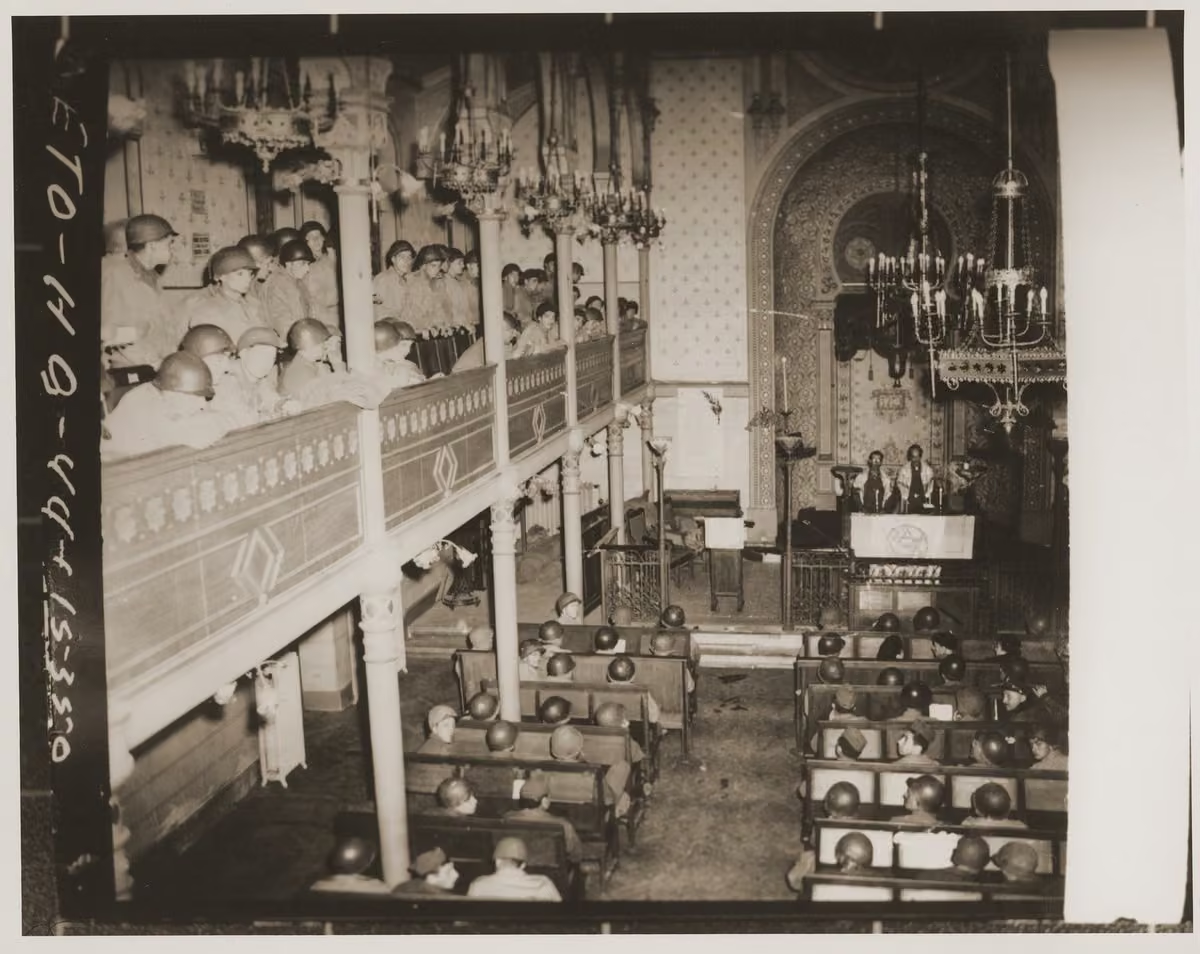 US Holocaust Museum
@HolocaustMuseum
Deaf Jews faced added obstacles when fleeing Nazi Europe. Sisters Nelly and Lilly Rattner and their mother were detained on Ellis Island for five months. They were classified as "defective" under US immigration law and released only after paying a $2,500 bond.
 US Holocaust Museum
@HolocaustMuseum
Have you seen "The U.S. and the Holocaust" documentary on PBS? Learn more about the history.
US Holocaust Museum
@HolocaustMuseum
In late August 1936, 86 years ago, Nazi authorities implemented the first nationally coordinated mass arrests of Jehovah's Witnesses in Germany. Watch to learn about Franz Wohlfahrt’s experiences and how a paint roller helped him survive.
US Holocaust Museum
@HolocaustMuseum
Tune in tonight as @WolfBlitzer, the child of Holocaust survivors, tours the Museum and explores our work to preserve Holocaust memory. "Never Again: The United States Holocaust Memorial Museum, A Tour with Wolf Blitzer" airs tonight at 11 p.m. ET on @CNN.
US Holocaust Museum
@HolocaustMuseum
#otd in 1944 Allied troops liberated Paris. For Holocaust survivor Marcel Hodak, who had survived the war in hiding, the day was special for many reasons. Not only could his family finally return to their Parisian home, it was also Marcel's seventh birthday.
 US Holocaust Museum
@HolocaustMuseum
“There is really no way out of this,” wrote Dawid Sierakowiak about the Łódź ghetto. For Dawid, who died there in 1943, the ghetto meant death. In summer 1944, the Germans dissolved the ghetto and deported about 72,000 Jews from Łódź to killing centers. 📷: Beit Lohamei Haghetaot
US Holocaust Museum
@HolocaustMuseum
Eighty years ago #otd, Gerhart Riegner, a representative of the World Jewish Congress in Switzerland, sent an urgent telegram to the organization's president, Rabbi Stephen Wise. It detailed the Nazi plan for the mass murder of Europe's Jews.
US Holocaust Museum
@HolocaustMuseum
After Nazi Germany occupied Kovno (Kaunas), Lithuania, in summer 1941, the Kovno ghetto was established. Henia Lewin was forced into the ghetto with her parents, but she was later smuggled out in a suitcase. She survived, and reunited with her parents after the war.
 US Holocaust Museum
@HolocaustMuseum
"The violence grew stronger and stronger."
— Holocaust survivor Joseph Feingold
In July 1946, a mob of civilians, police officers, and soldiers murdered 42 Jews in Kielce, Poland. Afterward, Joseph and many Polish Jews felt they had no choice but to emigrate.
US Holocaust Museum
@HolocaustMuseum
"Neutrality helps the oppressor, never the victim. Silence encourages the tormentor, never the tormented." When Elie Wiesel died #otd six years ago, we lost one of the most influential voices in Holocaust memory. He devoted his life to fulfilling the promise of Never Again.
US Holocaust Museum
@HolocaustMuseum
"May the good Lord protect you always at every step and grant you much happiness and health," wrote Meilech Kurz to his daughter, Doriane, on her first birthday.
In 1942, Meilech was deported to Auschwitz. He did not survive, but his letter lives on. #fathersday

 US Holocaust Museum
@HolocaustMuseum
Marie Doležalová was one of the children kidnapped by the Germans after they destroyed the Czech town of Lidice #otd 80 years ago. Marie, just 15 years old, later testified against the Nazis at a subsequent Nuremberg trial.
US Holocaust Museum
@HolocaustMuseum
#otd in 1944 more than 160,000 Allied troops took part in the #dday invasion of Normandy, France, in the largest seaborne invasion in history. As important as D-Day was to Allied victory, it came too late for many European Jews. 📷: National Archives
US Holocaust Museum
@HolocaustMuseum
In 1941, three brothers—Tuvia, Asael, and Zus Bielski—formed a partisan group in the dense forest of German-occupied Poland (today Belarus). During the war, they not only fought the Nazis, but created a thriving community in the forest and saved some 1,200 of their fellow Jews.
US Holocaust Museum
@HolocaustMuseum
#otd in 1933, university students across Germany tossed thousands of books into bonfires. Materials deemed “un-German” or “degenerate” were thrown into the flames.
US Holocaust Museum
@HolocaustMuseum
To save her daughter's life, Helena Lusthaus fled a ghetto in German-occupied Poland, adopted a new identity, and when the Germans were searching for Jews, gave her daughter a sedative to keep her quiet. On #mothersday, we remember the devotion of mothers during the Holocaust.
 US Holocaust Museum
@HolocaustMuseum
Jacqueline Morgenstern was a victim of medical experiments at the Neuengamme concentration camp.
By the time British forces arrived #otd in 1945, more than 50,000 prisoners, including Jacqueline, had died—almost half of all those imprisoned in the camp during its operation.
US Holocaust Museum
@HolocaustMuseum
#onthisday in 1945, Allied troops liberated Wöbbelin, a subcamp of the Neuengamme concentration camp.
The original caption of this photo taken by the US Army Signal Corps at Wöbbelin reads, "New Nazi horror camp discovered."
US Holocaust Museum
@HolocaustMuseum
Each year, the Museum leads the nation in observing Days of Remembrance, established by the US Congress as the country’s annual Holocaust commemoration. Join us today as #weremember the six million Jews who were murdered and honor the survivors.
US Holocaust Museum
@HolocaustMuseum
#otd in 1943, the Warsaw Ghetto Uprising began after German SS troops and police entered the ghetto to deport its inhabitants. Ill-equipped Jewish fighters held off the Germans for weeks, forcing them to destroy the ghetto and capture survivors block by block. 📷: NARA
US Holocaust Museum
@HolocaustMuseum
Luba Tryszynska, known as The Angel of Belsen, helped more than 40 Jewish children survive after they had been left for dead in the cold at the Bergen-Belsen concentration camp. #otd in 1945 they were liberated by the British. Luba's own son was murdered at Auschwitz. 📸 @I_W_M
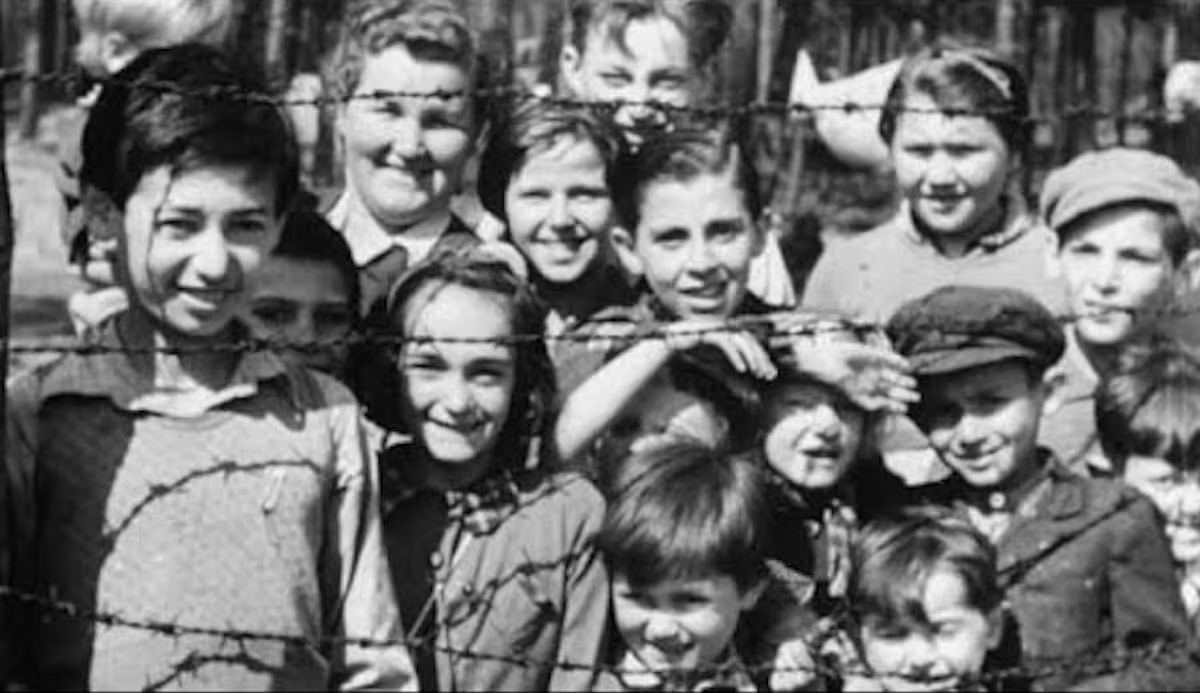 US Holocaust Museum
@HolocaustMuseum
At age 16, Elie Wiesel was one of the more than 21,000 people liberated from Buchenwald #otd in 1945. "I knew I would have to bear witness. Everyone who was there is a witness, and everyone who was there is a true witness," he told NPR in 1988. 📷: National Archives
US Holocaust Museum
@HolocaustMuseum
#onthisday in 1945, Ohrdruf became the first Nazi camp the US Army liberated. It was the first time American soldiers discovered the true scope of Nazi Germany's atrocities.
Photo: National Archives
US Holocaust Museum
@HolocaustMuseum
As an Auschwitz prisoner, Dr. Gisella Perl treated fellow inmates for illnesses caused by starvation, infection, and torture at the hands of their captors. After the war, she delivered more than 3,000 babies. On #nationaldoctorsday, we thank the doctors who save lives every day.

 US Holocaust Museum
@HolocaustMuseum
Eighty years ago this month Auschwitz-Birkenau began functioning as a killing center. The Germans murdered hundreds of thousands of Jews in the gas chambers of Auschwitz-Birkenau. encyclopedia.ushmm.org/content/en/article/auschwitz
US Holocaust Museum
@HolocaustMuseum
In 1941 at age 14, Fritz Gluckstein and other Jews in Berlin were compelled to wear a yellow star badge, meant to mark and humiliate Jews—a prelude to deporting them to ghettos, killing sites, and killing centers. Fritz, a longtime Museum volunteer, donated his badge in 1991.
US Holocaust Museum
@HolocaustMuseum
"We knew that the screw [was] going to become tighter and tighter," recalled Hana Müller, who was a Jewish teenager in Prague during the German occupation of her hometown #otd, 1939. Discover what happened to Hana during the Holocaust: encyclopedia.ushmm.org/content/en/id-card/hana-mueller
US Holocaust Museum
@HolocaustMuseum
Today, @BenFerencz turns 102. At age 27, with no prior trial experience, he prosecuted “the biggest murder trial in history.” Bringing Nazis to justice shaped the course of his life. He is the last living Nuremberg war crimes prosecutor. Learn why his motto is "never give up."
US Holocaust Museum
@HolocaustMuseum
Living in occupied Warsaw with fake papers, Lala Grunfeld (right) worked for German dentist Adolf Schmoll—an ardent Nazi. Schmoll never learned Lala was Jewish. During the Warsaw Polish Uprising, she joined the resistance as a medic, using skills she learned from Schmoll.
 US Holocaust Museum
@HolocaustMuseum
Vladimir Putin has misrepresented and misappropriated Holocaust history by claiming falsely that democratic Ukraine needs to be “denazified.” We strongly condemn Russia’s attack on Ukraine and are concerned about threats to civilians and loss of life. www.ushmm.org/information/press/press-releases/museum-con…
US Holocaust Museum
@HolocaustMuseum
In 1941, Wilhelm and Johanna Schischa posed for this photograph, later given to their daughter, Lilli. They had secured Lilli passage on a Kindertransport, saving her life. They are pictured in the Opole ghetto wearing armbands identifying them as Jews. They did not survive.
 US Holocaust Museum
@HolocaustMuseum
Eva and Leah Münzer, 7 and 5, were betrayed and later murdered at Auschwitz #otd in 1944. They were among 1.5 million child Holocaust victims. Their parents hid them with one rescuer and their son, Al, with another. Their story shows both sacrifice and greed during the Holocaust.
US Holocaust Museum
@HolocaustMuseum
Polish skier Bronisław Czech competed at the 1936 Olympic Games in Germany. Four years later, the Germans arrested him as a Polish resistance member and sent him to Auschwitz concentration camp where he died. He was one of about 75,000 Polish political prisoners killed there.
 US Holocaust Museum
@HolocaustMuseum
Eva and Miriam Mozes survived SS Doctor Josef Mengele's notorious experimentation on twins at Auschwitz. The only members of their family to survive, they are seen in this footage walking hand in hand after liberation in January 1945.
 US Holocaust Museum
@HolocaustMuseum
#onthisday 77 years ago, Auschwitz was liberated by Soviet troops.
The Germans established the Auschwitz camp complex in the spring of 1940 in German-occupied Poland. By the time the Soviets arrived, about 1.1 million people had been murdered there. #holocaustremembranceday
US Holocaust Museum
@HolocaustMuseum
1/ Maus has played a vital role in educating about the Holocaust through sharing detailed and personal experiences of victims and survivors. On the eve of International #holocaustremembranceday, it is more important than ever for students to learn this history.
US Holocaust Museum
@HolocaustMuseum
Every January, on the anniversary of the liberation of Auschwitz-Birkenau, people worldwide pause on International #holocaustremembranceday.
Join us live for the Museum’s virtual ceremony as we commemorate the lives of Europe’s Jews and other victims of Nazi persecution.
US Holocaust Museum
@HolocaustMuseum
Ahead of #holocaustremembranceday on Thursday, learn about the weeks leading up to the liberation of the Auschwitz camp system.
Auschwitz Memorial
@AuschwitzMuseum
Before the 77th anniversary of the liberation of #auschwitz we bring together the most important facts about the last stage of the operation of this German Nazi camp. See the rest of this [THREAD] below. 1/11
 US Holocaust Museum
@HolocaustMuseum
Anne Frank and her family were arrested in August 1944 after 761 days in hiding in an annex above her father's business. While we know a great deal about those who helped the Franks survive in hiding, mystery has surrounded their arrest for decades.
 60 Minutes
@60Minutes
In 2016, a team of investigators, led by a retired FBI agent, began to apply modern crime-solving techniques and technology to one of the most tragic cold cases: the betrayal Anne Frank and the others in hiding. @jon_wertheim reports, tomorrow. ⏱
US Holocaust Museum
@HolocaustMuseum
In January 1929, Adolf Hitler appointed Heinrich Himmler Reichsführer SS, chief of the SS.
As head of the SS, Himmler, shown here in 1941, played a key role in conceiving and overseeing the implementation of the "Final Solution," the Nazi plan to murder Europe's Jews. 🎥: NARA
US Holocaust Museum
@HolocaustMuseum
As the Allies approached Nazi camps in January 1945, concentration camp inmates, including Gerda Weissmann, were sent on “death marches” in the freezing snow. Gerda was lucky: Her father had made her wear ski shoes when she was deported, unknowingly saving her life on the march.
US Holocaust Museum
@HolocaustMuseum
Erich Frost was one of 3,000 Jehovah's Witnesses imprisoned in concentration camps during the Nazi era. At Sachsenhausen, Erich, a musician, composed a song to improve morale. Today, "Forward, You Witnesses!" is one of the most popular hymns of the Jehovah's Witnesses.
US Holocaust Museum
@HolocaustMuseum
80 years ago this month, the SS and police began using poison gas for the mass murder of Jews at Chelmno. It was the first stationary facility where this method was used to kill Jews. The SS killed at least 172,000 people there in less than 3 years.
encyclopedia.ushmm.org/content/en/article/chelmno
US Holocaust Museum
@HolocaustMuseum
Emanuele and Raffaele Pacifici belonged to a prominent Italian Jewish family. Following the German occupation of Italy in 1943, the brothers hid in a convent, where nuns kept their identity secret. They are pictured here at the convent after liberation in August 1944.
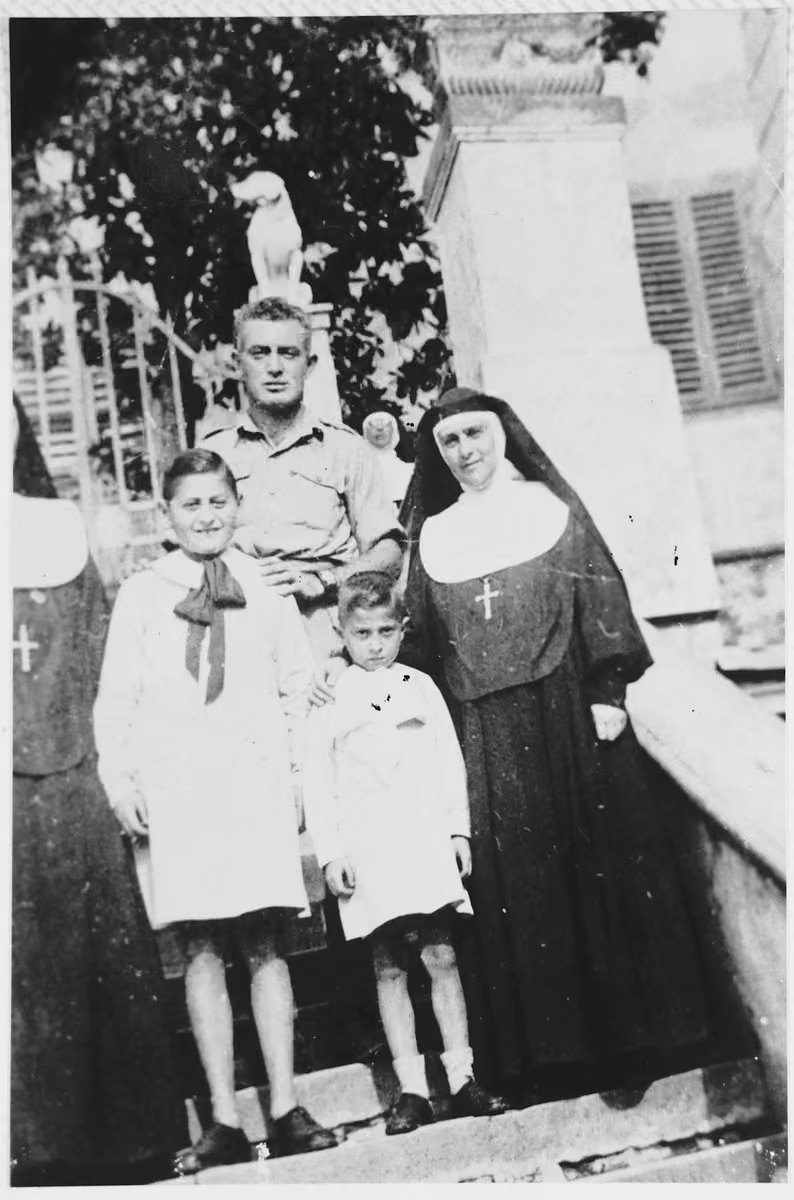 US Holocaust Museum
@HolocaustMuseum
“When I came home … I saw my mother in the street with a broom sweeping up the glass,” remembered Holocaust survivor Johanna Hirsch Liebmann.
Johanna was just shy of her 14th birthday when the wave of antisemitic violence known as Kristallnacht began #otd in 1938.
US Holocaust Museum
@HolocaustMuseum
Jill Pauly's family fled their home in Germany amid attacks on Jews orchestrated by the Nazis in November 1938—known as Kristallnacht. They returned to find scissors stabbed into their baby pictures and every room of the house destroyed. "That told us something,” Jill remembered.
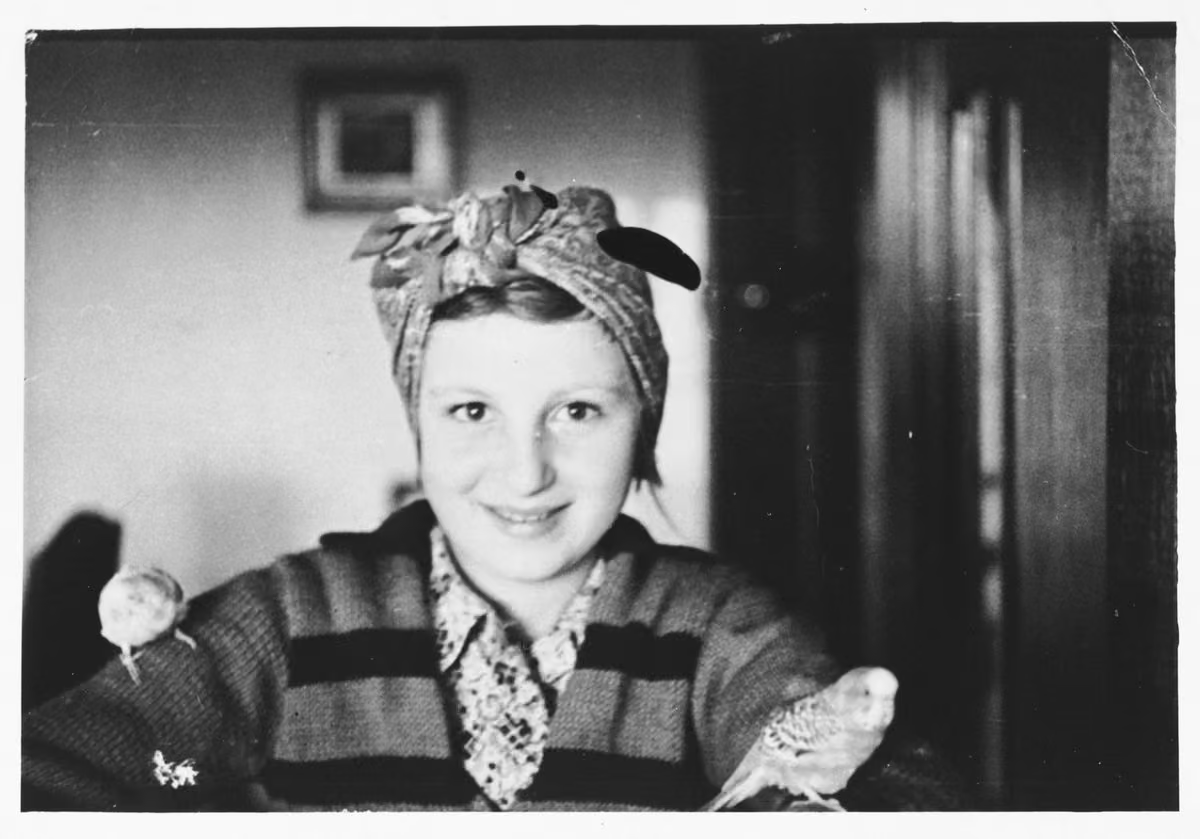 US Holocaust Museum
@HolocaustMuseum
Construction on Bełżec, a killing center in Poland solely dedicated to the murder of Jews, began in November 1941. Henoch Kornfeld and Blimcia Lische, three-and-a-half-year-old cousins from Kolbuszowa, Poland, were gassed to death at Bełżec in July 1942 with their families.
 US Holocaust Museum
@HolocaustMuseum
"It was just plain animal instinct and a lot of luck. As simple as that.”
Aronek Kierszkowski (later Arnold Kerr) was born to Jewish parents in Poland in 1928. The second of four boys, he was the only member of his family to survive the Holocaust.
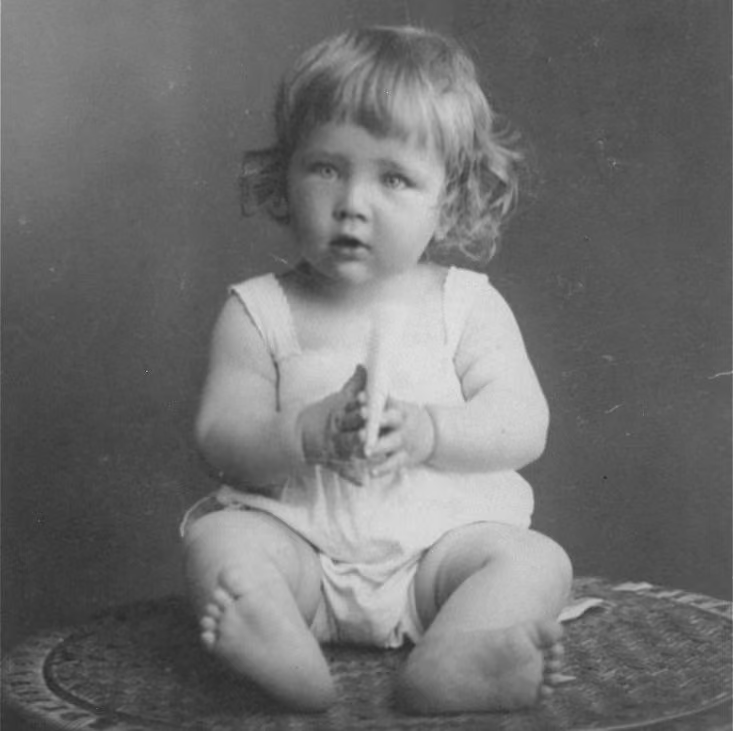 US Holocaust Museum
@HolocaustMuseum
Polish social worker Irena Sendler collaborated with other Polish and Jewish rescuers to smuggle several hundred Jewish children out of the Warsaw ghetto. Even after escaping execution in 1943, she continued to work with the resistance until the end of the war. 📷: Yad Vashem
 US Holocaust Museum
@HolocaustMuseum
The Holocaust is a fact. Here are resources for educators.
US Holocaust Museum
@HolocaustMuseum
At age 19, Magdalene Maier-Leibnitz was diagnosed with schizophrenia. She was one of 250,000 people murdered as part of the Nazis' effort to eradicate people with mental and physical disabilities. #disabilityawarenessmonth 📷: Stadtarchiv Esslingen
 US Holocaust Museum
@HolocaustMuseum
Berta Rosenhein’s parents gave her a German Schultüte (school cone) filled with treats to mark a new school year. After the Nazis took power, she and other Jewish students were banned from attending secular school. Berta survived the war in England thanks to a Kindertransport.
 US Holocaust Museum
@HolocaustMuseum
Twin brothers Fred and Rolf Flatau arrived at the Fort Ontario Emergency Refugee Shelter in Oswego, New York, #otd in 1944. They were two of 982 refugees from 18 different countries brought to the United States by the War Refugee Board. 📷: National Archives
US Holocaust Museum
@HolocaustMuseum
Helga Gross was among 400,000 Germans sterilized under a Nazi law, passed #otd in 1933, targeting people with disabilities. Watch her describe how she learned that she would have a surgery so that she could never have children and how that pain reemerged many years later.
US Holocaust Museum
@HolocaustMuseum
Franz Goldberger hoped to immigrate to the US, but needed to prove that a US citizen would support him financially. He did not know any Americans, so he wrote to strangers asking for help. One letter reached Helen Roseland, a postal employee in rural Iowa, who agreed to help him.
US Holocaust Museum
@HolocaustMuseum
Elek Brust’s backpack represents hardship and survival—as well as a father’s love for his wife and daughter. He carried it as a forced laborer during World War II, and it accompanied his family while in hiding. #fathersday
US Holocaust Museum
@HolocaustMuseum
"You figure, I’ll wear that star, and I won’t die … . We did not know what was to come later.”—Nesse Godin
Nesse survived four years of Nazi imprisonment. She, her husband, Jack Godin (a fellow Holocaust survivor), and their daughter, Pnina, immigrated to the US in 1950.
 US Holocaust Museum
@HolocaustMuseum
When the Germans killed 1,850 Jews from the Lenin ghetto in 1942, Faye Schulman's life was spared for her photography skills. After she was forced to develop photos for the Nazis, she fled and joined a partisan group. She is one of several known Jewish partisan photographers.
US Holocaust Museum
@HolocaustMuseum
1/ Lilly Wust was a mother of four and the wife of a German soldier. Felice Schragenheim was a vivacious young Jewish woman living illegally in Berlin. In late 1942, they met and fell in love. 📷: Jewish Museum Berlin #pridemonth
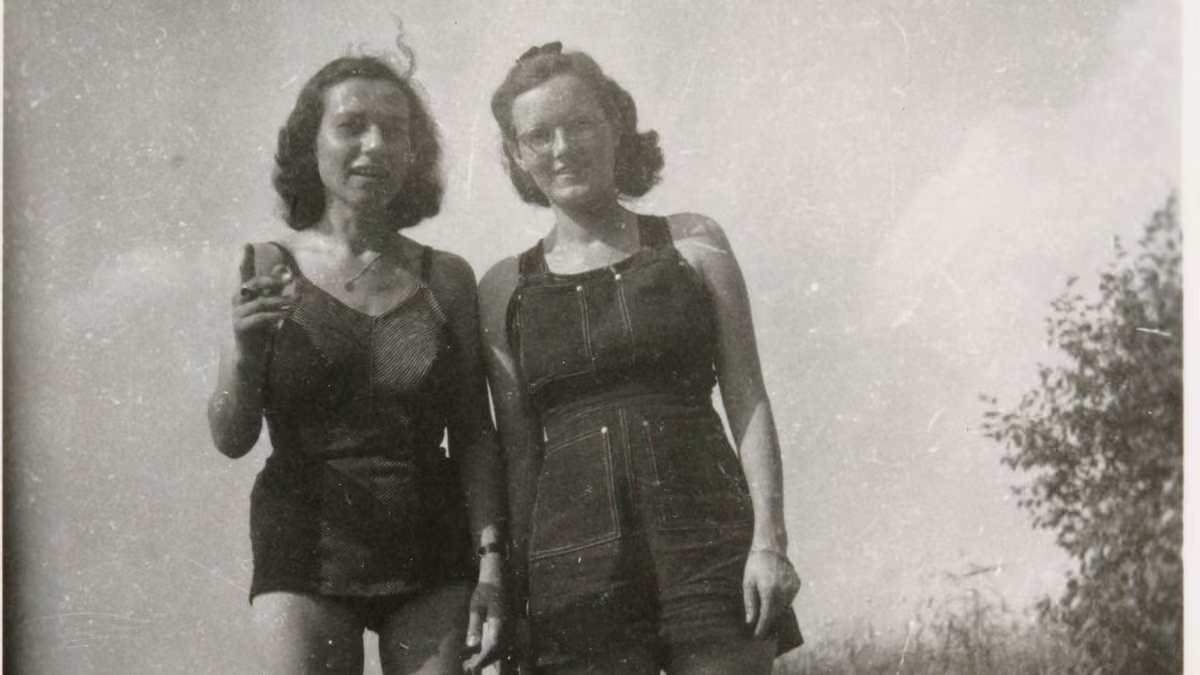 US Holocaust Museum
@HolocaustMuseum
"I need to rely on you that you take what you have learned and act on it.... It's for the future, for your children, for friends, for everybody else. Fight injustice wherever you see it, wherever you hear it." —Holocaust survivor Bob Behr (1922-2018) #wordsforthefuturemw
 US Holocaust Museum
@HolocaustMuseum
We remember Officer Stephen Tyrone Johns, who died heroically #otd 12 years ago, protecting Museum visitors and staff. His memory occupies a permanent place in our hearts.
www.ushmm.org/information/press/in-memoriam/stephen-tyron…
US Holocaust Museum
@HolocaustMuseum
As a Jewish child in hiding, Nelly Toll painted more than 60 colorful and imaginary scenes. “If I should be killed,” Nelly wrote in her journal, “I hope that my art will reach the whole world so they can see what really took place and remember.” #childrenseyesmw
US Holocaust Museum
@HolocaustMuseum
Desperate to find a hiding place for her children, Albert Garih's mother confessed to a stranger at a market that she was Jewish and feared the Nazis would arrest her family. Reply with your questions for Albert and watch him live on 6/9 at 1 p.m. ET to learn what happened next.
US Holocaust Museum
@HolocaustMuseum
#otd in 1944, Werner Kleeman took part in the D-Day invasion of Normandy, France, alongside more than 155,000 Allied troops. A Jewish refugee, Werner had fled Germany in 1939 only to return to continental Europe more than four years later as an American soldier.📷: Werner Kleeman
US Holocaust Museum
@HolocaustMuseum
“Your task will not be an easy one. Your enemy is well trained, well equipped and battle-hardened.” #otd in 1944, General Eisenhower met with the 101st Airborne Division. The night before D-Day, over 23,000 US and British paratroopers landed behind German defensive lines.📷: NARA
US Holocaust Museum
@HolocaustMuseum
Is education a form of resistance? After German authorities forced Kovno’s Jews into a ghetto, the community continued educating students. The Nazis later ordered all but vocational schools to close, but Jewish leaders altered the instruction to include Hebrew and Jewish history.
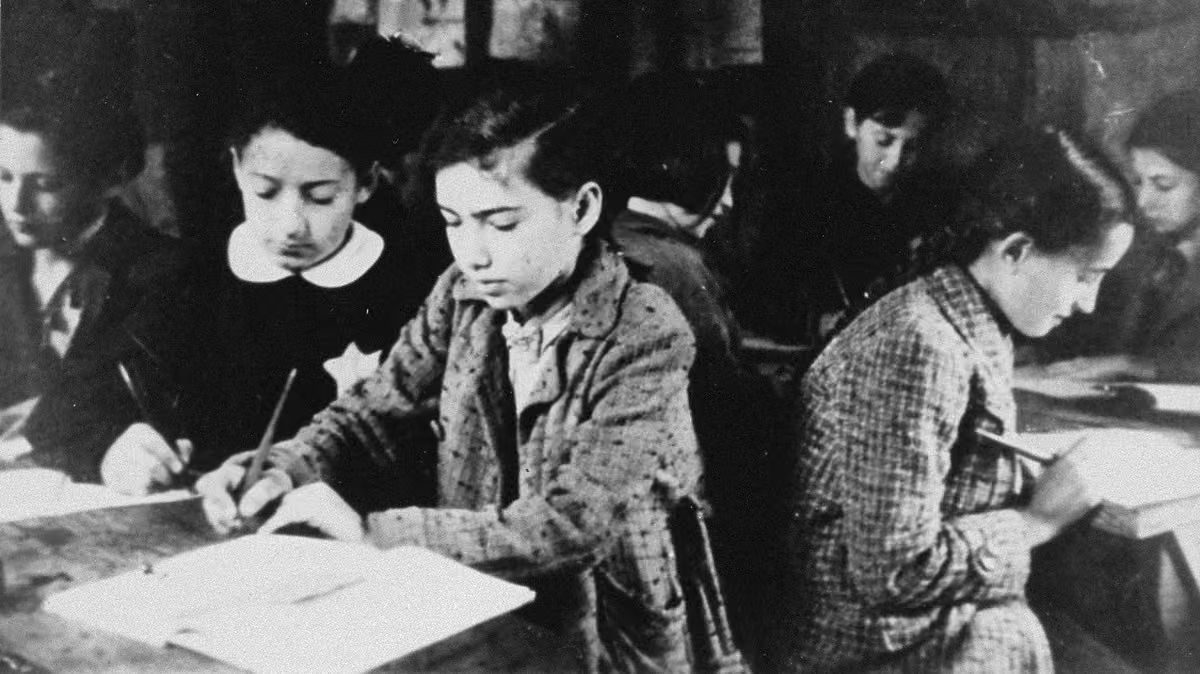 US Holocaust Museum
@HolocaustMuseum
Throughout his life, Elie Wiesel gave voice to those who had been silenced forever. He fought vigorously against antisemitism and to fulfill the promise of Never Again for all future victims of genocide.
US Holocaust Museum
@HolocaustMuseum
Simplistic comparisons to the Holocaust don't help us understand the past or the present. These kinds of analogies demean the memory of the victims. Learn more:
US Holocaust Museum
@HolocaustMuseum
As young adults, Hana and Jiri Fuchs (seen here as children) were imprisoned in Theresienstadt. Hana stole vegetables from her job in the garden. Her brother supplied the family from his position in the bakery. They survived but their parents were murdered during the Holocaust.
 US Holocaust Museum
@HolocaustMuseum
“We were herded in, squeezed like in a sardine box.”—Bart Stern
In mid-May 1944, German and Hungarian authorities began systematic deportations of 440,000 Jews from Hungary, including Bart. He was sent to Auschwitz, where he remained until the camp was liberated in 1945.
US Holocaust Museum
@HolocaustMuseum
Recognizing the #armeniangenocide—even a century after its events—is important not only for the victims and their descendants, said #ushmm Director Sara J. Bloomfield. Holocaust history teaches that an honest reckoning with the past is a prerequisite to building a better future.
US Holocaust Museum
@HolocaustMuseum
It is impossible to picture six million people at once; to read six million names; to know six million stories. But by reading one story, saying one name, you keep a memory alive. Today, we ask you to read the names of Holocaust victims as #weremember. #holocaustremembranceday
US Holocaust Museum
@HolocaustMuseum
Each year, the Museum leads the nation in observing Days of Remembrance, established by the US Congress as the country’s annual Holocaust commemoration. Join us today, at 11 a.m. ET as #weremember the victims, honor survivors, and pay tribute to liberators.
US Holocaust Museum
@HolocaustMuseum
"We tell these stories because perhaps we know that not to listen, not to want to know, would lead you to indifference, and indifference is never an answer." —Elie Wiesel
Each year during Days of Remembrance, we honor the survivors and victims. Join us tomorrow as #weremember.
US Holocaust Museum
@HolocaustMuseum
#otd 10 years ago, Syrians peacefully took to the streets, calling for a democratic government. More than 500,000 ordinary Syrians have been killed; half the nation's population has been forced to flee their homes. The world has failed to keep the promise of Never Again. #syria10
US Holocaust Museum
@HolocaustMuseum
Today, @BenFerencz turns 101. At age 27, with no prior trial experience, he prosecuted “the biggest murder trial in history.” Bringing Nazis to justice shaped the course of his life. He is the last living Nuremberg war crimes prosecutor. Learn why his motto is "never give up."
US Holocaust Museum
@HolocaustMuseum
In February or March 1945, Anne Frank and her sister, Margot, died of typhus at the Bergen-Belsen concentration camp. Her father, Otto, was the only surviving member of their immediate family. After the war, he preserved Anne's legacy by publishing her diary.
US Holocaust Museum
@HolocaustMuseum
"When you see something like bigotry, racism, antisemitism, bullying, do something about it. We cannot afford to be silent."—the late Rep. John Lewis
In 2016, the Museum presented Lewis with the Elie Wiesel Award. #blackhistorymonth #bhm
US Holocaust Museum
@HolocaustMuseum
In 1949, civil rights activist W. E. B. Du Bois visited the ruins of the Warsaw ghetto. The visit inspired in him "a broader conception of what the fight against race segregation [...] had to become …" #bhm Photo courtesy of Library of Congress
US Holocaust Museum
@HolocaustMuseum
Each year on January 27—the anniversary of the liberation of Auschwitz-Birkenau—we gather as a community to mark International #holocaustremembranceday.
Join us tomorrow as we honor the memory of the victims and carry forward the messages of survivors. #weremember
US Holocaust Museum
@HolocaustMuseum
After surviving #auschwitz, Elie Wiesel arrived at Buchenwald concentration camp this week in 1945. "I held onto my father's hand—the old, familiar fear: not to lose him. Right next to us the high chimney of the crematory oven rose up. It no longer made any impression on us."
US Holocaust Museum
@HolocaustMuseum
Although Jews were the primary targets of the Nazis and their collaborators, millions of others also suffered. #weremember all Nazi victims, including LGBTQ+ people, Roma, Poles, Jehovah’s Witnesses, people with disabilities, and more. encyclopedia.ushmm.org/content/en/article/mosaic-of-victi…
US Holocaust Museum
@HolocaustMuseum
As a child, Charlene Schiff (left) survived the Holocaust by fending for herself in the woods of German-occupied Poland. Read Charlene's memories about a Polish girl who secretly sheltered her—even at a terrible risk to her own life.
US Holocaust Museum
@HolocaustMuseum
What drives a person to turn toward hate and violence? Tens of thousands of ordinary people actively collaborated with the Nazis during the Holocaust. Some were neighbors. Some had once been friends.
US Holocaust Museum
@HolocaustMuseum
The largest of its kind, the Auschwitz camp complex was essential to carrying out the "Final Solution." By the time Soviet Troops liberated Auschwitz in January 1945, approximately 1.1 million people had been murdered there, including 1 million Jews. encyclopedia.ushmm.org/content/en/article/auschwitz
US Holocaust Museum
@HolocaustMuseum
When Helen Keller learned that Nazis planned to burn her work, she penned this:
“History has taught you nothing if you think you can kill ideas. Tyrants have tried to do that often before, and the ideas have risen up in their might and destroyed them.” encyclopedia.ushmm.org/content/en/article/helen-keller
US Holocaust Museum
@HolocaustMuseum
“January 1, 1945. Alas, no changes yet. … How long is it going to be?!!!” With these words in her diary, Ada Abrahamer marked the start of another year of war. A Polish Jew, Ada survived the Holocaust but lost her parents and more than 12 family members.
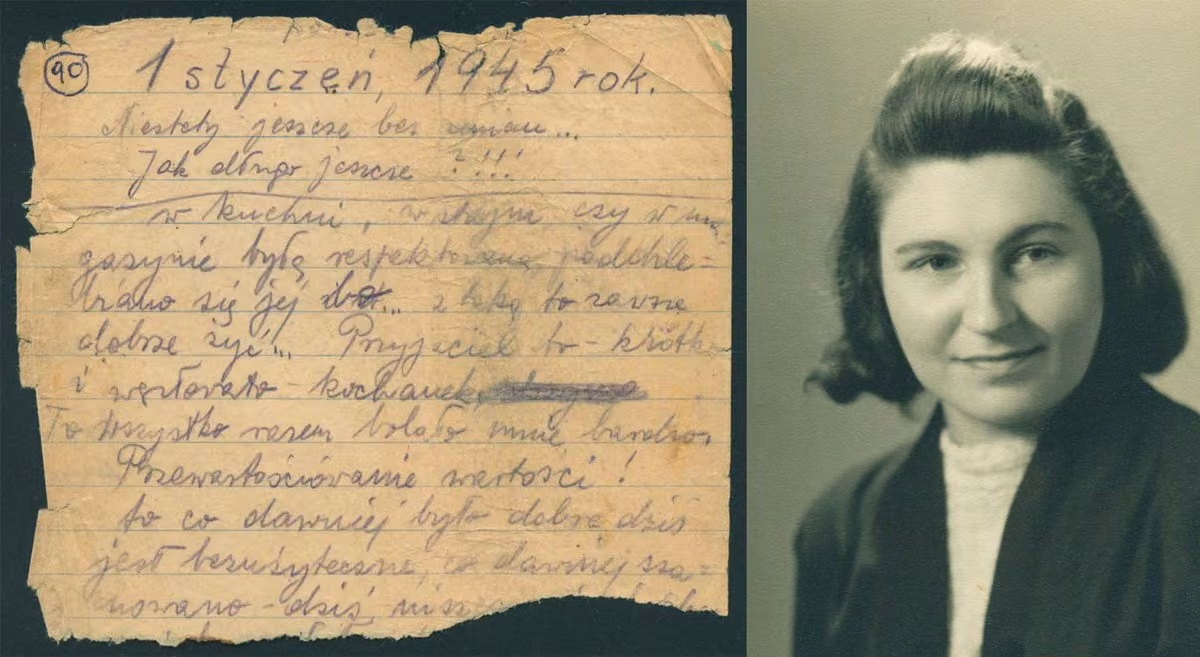 US Holocaust Museum
@HolocaustMuseum
“It rained all day while we walked through the narrow streets of Drohobycz, which were vaguely familiar to me … ,” wrote Marcel Drimer about the return to his hometown. Read about his reunion with a descendant of the family who saved his family’s life.
US Holocaust Museum
@HolocaustMuseum
From 1945 to 1948, Mordecai E. Schwartz helped manage the health and welfare assistance programs for refugees.
Pictured here is a thank you note he received from a resident in Hasenhecke displaced persons camp, and a photo of him at the Aschaffenburg displaced persons camp.

 US Holocaust Museum
@HolocaustMuseum
Lawyer Raphael Lemkin, a Polish Jew, escaped the Nazis, but lost 49 members of his family in the Holocaust. He coined the word #genocide, meaning the intentional destruction of a group. #otd in 1948, the UN adopted the genocide convention, recognizing genocide as a crime.
US Holocaust Museum
@HolocaustMuseum
"I witnessed a deadly vision I can never forget ... I had peered into hell.” @BenFerencz began his life's pursuit of justice after he was assigned to collect evidence of Nazi crimes as the Allies liberated concentration camps. Join him live on Facebook on Nov. 18 at 10:30 am ET.
US Holocaust Museum
@HolocaustMuseum
He was a baby-faced prosecutor at age 27. @BenFerencz had never tried a case in his life. Now the chance to hold Nazi officials accountable and secure a measure of justice was in his hands. Live on Facebook on Nov. 18 at 10:30 a.m. ET, meet the last living Nuremberg prosecutor.
US Holocaust Museum
@HolocaustMuseum
As a young Jewish girl in Hamburg, Johanna Neumann vividly remembers Kristallnacht, or "The Night of Broken Glass."
Not long after, Johanna and her family fled to Albania, where they survived the war.
US Holocaust Museum
@HolocaustMuseum
Albert Garih discovered a love for the cinema at a young age, especially for movies about justice. "I was mesmerized ... Having lived through the war, I was sensitive to injustice, because I had been submitted to injustice myself." #nextchapterushmm
US Holocaust Museum
@HolocaustMuseum
What if sending a letter across the world to a stranger meant saving your life?
Franz Goldberger—desperate to escape Nazi persecution in Vienna—wrote letters to strangers in the US pleading for help. One of his letters reached Hazel Hostetter. Read the full story. #worldpostday
US Holocaust Museum
@HolocaustMuseum
#dyk Nazi zoologist Lutz Heck stole famous and valuable animals from zoos in Nazi-occupied Europe in an attempt to breed "pure" animals? Though severely criticized, the theft of these animals may have prevented the extinction of the world’s only true wild horse. #worldanimalday
US Holocaust Museum
@HolocaustMuseum
It was one of the most successful rescue efforts to take place during the Holocaust, but the story of how exactly Denmark's Jews were rescued by their fellow citizens only came to light after the war. Read the whole story: encyclopedia.ushmm.org/content/en/article/denmark
US Holocaust Museum
@HolocaustMuseum
Why do oppressive regimes promote censorship? Book burning has a long and dark history. The burning of books, such as the Nazi book burnings of 1933, represent censorship, usually rooted in cultural, religious, or political opposition. #bannedbooksweek encyclopedia.ushmm.org/content/en/article/book-burning
US Holocaust Museum
@HolocaustMuseum
Shoes—like these that once belonged to Lea Kufert who was only a toddler when she and her family were taken to the Chelmno killing center and murdered—preserve the memory of the approximately 1.5 million children who were killed in the Holocaust.
US Holocaust Museum
@HolocaustMuseum
Today we stand with the @Sept11Memorial to remember the victims of the #september11th terrorist attacks. We encourage you to consider how institutions of memory invite healing, understanding, and education about unfathomable events in history.
US Holocaust Museum
@HolocaustMuseum
A boy, his teddy bear, and a family secret helped the Butzkes escape Nazi persecution in Austria. Watch to learn what happened. #nationalteddybearday
US Holocaust Museum
@HolocaustMuseum
After the Nazis came to power, Jewish teachers were forced from their jobs and German teachers joined the Nazi Party in greater numbers than any other profession. Listen to Holocaust survivors describe their experiences as students: medium.com/@HolocaustMuseum/pencils-books-and-dirty-looks…
US Holocaust Museum
@HolocaustMuseum
When Mendel Grossman and his family were confined to the Łódź ghetto, he began documenting day-to-day life. His photos—taken with empathy and emotion—were a stark contrast to Nazi propaganda images. Explore his collection. #worldphotographyday
US Holocaust Museum
@HolocaustMuseum
Josef Rosenfeld was so desperate to flee Austria after it was annexed by Nazi Germany that he resorted to seeking the help of a stranger with the same last name whom he found in a phone book at the American consulate in Vienna. Watch his story on Facebook on 7/30 at 9:30 am ET.
US Holocaust Museum
@HolocaustMuseum
Americans debated whether to boycott the 1936 @Olympics in Berlin as a protest against Nazism. 43% of Americans supported the boycott, but the @TheRealAAU voted for US participation. Despite Germany’s exclusion of Jews, the Games opened in August 1936. exhibitions.ushmm.org/americans-and-the-holocaust/main/bo…
US Holocaust Museum
@HolocaustMuseum
Even while celebrating the most important moments of their lives, Jews were forced to wear the star to segregate them and reinforce their "inferior" status in Germany and occupied areas. The badge was a form of #antisemitism, or discrimination against Jews.
US Holocaust Museum
@HolocaustMuseum
Being able to explain what #antisemitism is and where it comes from can be difficult.
Start with the basics: Who are "Jews"? How did antisemitism start? Why is it still with us, even after the Holocaust?
US Holocaust Museum
@HolocaustMuseum
After the collapse of the Nazi regime, survivors of the Holocaust faced the daunting task of rebuilding their lives. Norman Salsitz's journey from Europe eventually brought him to the United States. Hear his story. encyclopedia.ushmm.org/content/en/article/life-after-the-…
US Holocaust Museum
@HolocaustMuseum
"In spite of the tragedy that. . . took my father away, I am thankful for the memory of [his] unfinished life." Holocaust survivor Peter Gorog reflects on his father's spirit and how it has been an inspiration throughout his life. #fathersday #father
www.ushmm.org/remember/holocaust-reflections-testimonies/…
 US Holocaust Museum
@HolocaustMuseum
The words of Holocaust survivor Elie Wiesel continue to resonate today. What can we learn from him about being witnesses to hate?
 US Holocaust Museum
@HolocaustMuseum
During the Battle of the Bulge in winter 1945, over 81,000 American soldiers were captured, killed, or went missing. Nazi officers sent 350 captured men, many Jewish, to the Berga concentration camp, where half of them died. #memorialday
US Holocaust Museum
@HolocaustMuseum
As a teenager, Werner Kleeman fled Nazi persecution. He returned to Europe to fight them—a young man and member of the US Army. Join us live on Facebook on Wednesday, May 27, at 9:30 am ET to learn about Jewish refugees who helped the Allies win the war. www.facebook.com/holocaustmuseum/
US Holocaust Museum
@HolocaustMuseum
Holocaust survivors teach us what it means to be resilient. "There’s no substitute for meeting a Holocaust survivor up close and in person," said Diane Saltzman #ushmm director of survivor affairs. www.nytimes.com/2020/05/04/nyregion/holocaust-survivors-c…
US Holocaust Museum
@HolocaustMuseum
Join us today in remembrance of the stories of persecution, of survival, and of resilience as #weremember the Holocaust. By reading one story, saying one name, sharing one person’s legacy, you keep a memory alive.
US Holocaust Museum
@HolocaustMuseum
The April 1933 boycott of Jewish businesses, implemented by the Nazis, lasted only one day. It was widely ignored by many individual Germans who continued to shop in Jewish-owned stores, but it marked the beginning of a nationwide campaign against Jews.
encyclopedia.ushmm.org/content/en/gallery/the-boycott-of-…
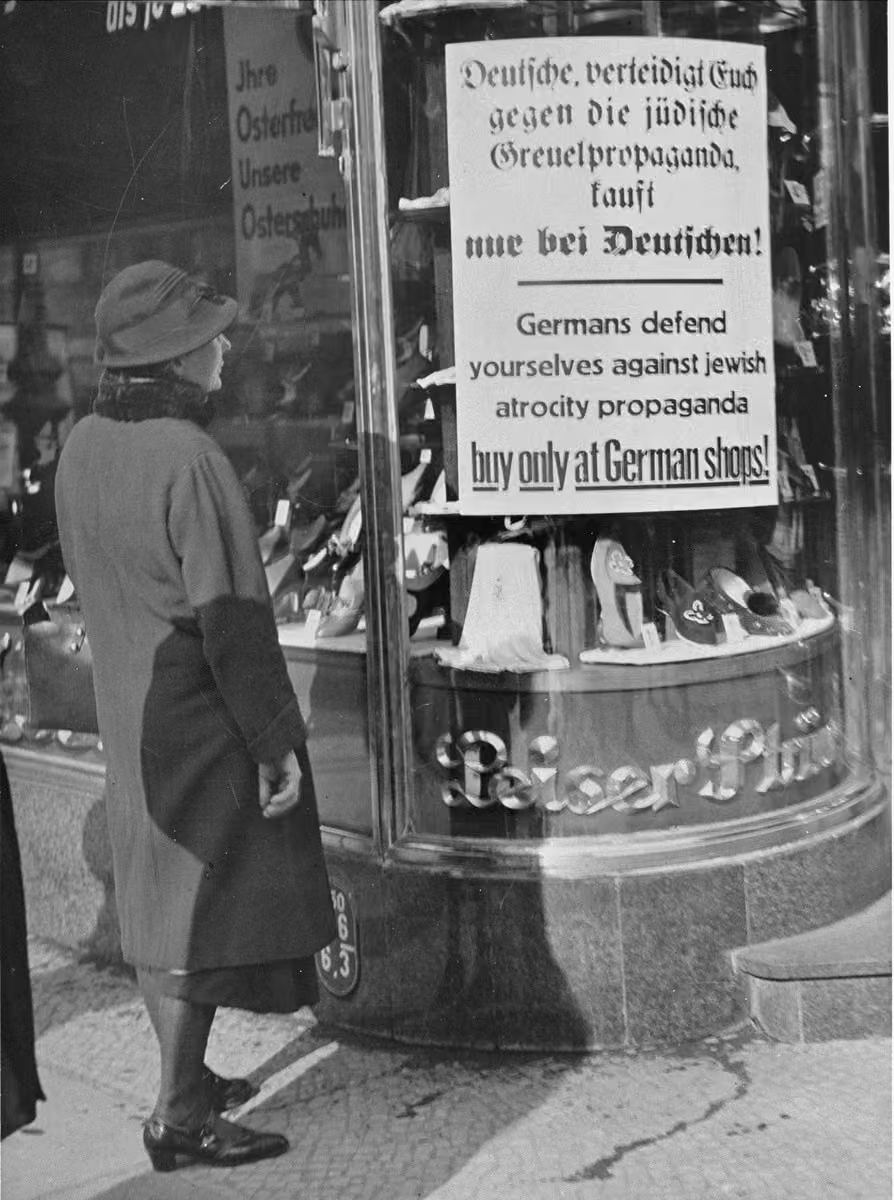 US Holocaust Museum
@HolocaustMuseum
The Dachau concentration camp was established by the Nazis in March 1933 as the first regular concentration camp. The number of prisoners incarcerated in Dachau is known to be more than 188,000, but the number of prisoners who died may never be known.
encyclopedia.ushmm.org/content/en/article/dachau
US Holocaust Museum
@HolocaustMuseum
Antonina Żabińska and her husband, Jan, Warsaw Zoo director, risked their lives to smuggle 100s of Jews out of the Warsaw ghetto, hiding them in their home and on zoo grounds. Their story was told in the film #zookeeperswife. #worldwildlifeday #womenshistorymonth
📸 @yadvashem
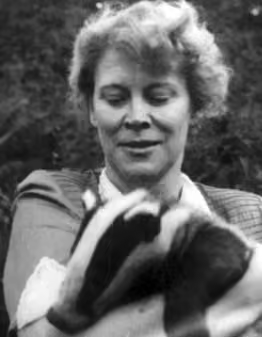 US Holocaust Museum
@HolocaustMuseum
#antisemitism can manifest in many forms. Sometimes it’s through the words people use or the symbols they display. But it also appears in antisemitic tropes—negative stereotypes of Jews— that have existed for hundreds of years.
encyclopedia.ushmm.org/content/en/article/antisemitism
US Holocaust Museum
@HolocaustMuseum
Although the Nazis did not have an organized program to eliminate African Germans, many of them were persecuted in German-occupied territories. Learn more about blacks during the Holocaust era. #blackhistorymonth #bhm2020 encyclopedia.ushmm.org/content/en/article/afro-germans-du…
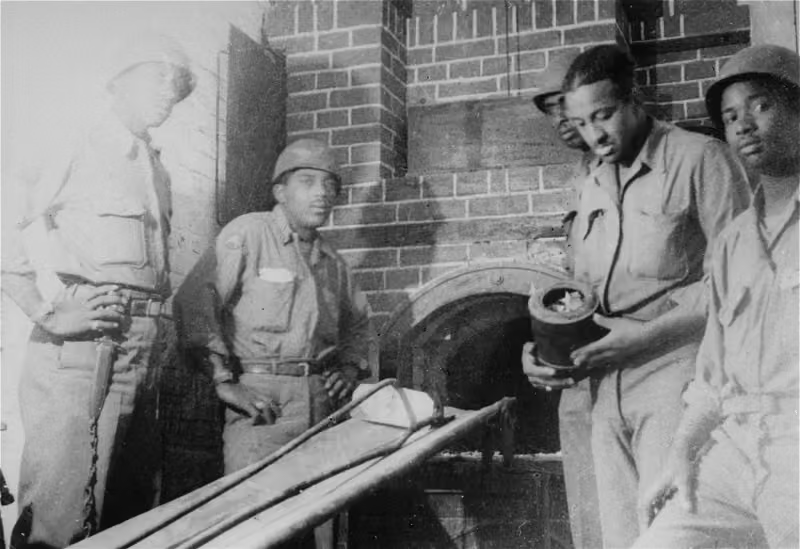 US Holocaust Museum
@HolocaustMuseum
"I don’t have to say how I felt. I thought it was the end of, of us all then. I was 15 years old, and I was all alone in this hell."—Lilly Malnik, Holocaust survivor
#otd 75 years ago, Soviet troops liberated #auschwitz, where 1.1 million people had been murdered. #weremember
 US Holocaust Museum
@HolocaustMuseum
In December 1961, Adolf Eichmann, a pivotal actor in the "Final Solution" during the Holocaust, was found guilty of his role in the murder of European Jews. “To sum it all up, I must say that I regret nothing,” he said in a LIFE Magazine article.
encyclopedia.ushmm.org/content/en/article/eichmann-trial
US Holocaust Museum
@HolocaustMuseum
“I am living proof that [the Holocaust] is not ancient history, because I lived through it.” This #givingtuesday, support the mission of survivor Albert Garih to keep Holocaust memory alive and fight against hatred. Donate today and your gift can go twice as far.
US Holocaust Museum
@HolocaustMuseum
The International Military Tribunal, the first and most famous of the postwar trials at Nuremberg, began #otd in 1945. These proceedings still form the foundation of what we know about the Holocaust today. Read the full court transcripts here: collections.ushmm.org/search/catalog/bib22002
 US Holocaust Museum
@HolocaustMuseum
Join us at our Museum Thursday, 10/17, at 6:30 pm for a screening of @forsamafilm, the award-winning documentary presented as a love letter from a young mother to her then 1-year-old daughter, Sama, chronicling five years of the uprising in Aleppo, #syria. www.ushmm.org/events/ForSama
US Holocaust Museum
@HolocaustMuseum
Karl Gorath was just 26 when his jealous lover denounced him as a gay man. He spent years in the concentration camp system until he was liberated from Auschwitz in 1945. But after liberation, he faced another set of difficulties. 1/5
 US Holocaust Museum
@HolocaustMuseum
Today we commemorate the national Days of Remembrance, established by the US Congress as the nation’s annual recognition of the Holocaust. Tell us why you #remember:
www.ushmm.org/remember/days-of-remembrance
US Holocaust Museum
@HolocaustMuseum
.@BenFerencz, the last surviving prosecutor from the Nuremberg Trials, passionately tells his story in the documentary #prosecutingevil: The Extraordinary World of Ben Ferencz. Learn more about him and his work with the Museum: www.ushmm.org/confront-genocide/ferencz-international-jus…
www.nytimes.com/2019/02/21/movies/prosecuting-evil-review…
US Holocaust Museum
@HolocaustMuseum
After 14 days at sea, they gathered on deck. The fog lifted, like a curtain, and the Statue of Liberty came into view. "We were going to be free." —Holocaust survivor Susan Warsinger. Watch Susan live on 1/25 at 2 p.m. ET. www.facebook.com/holocaustmuseum/ #askasurivor #weremember
 US Holocaust Museum
@HolocaustMuseum
"This is a motivation, which I was hoping to instill in you, that you feel an obligation to human kind to do whatever you can to help people, to liberate people, to do something good for people," said Holocaust survivor and Museum volunteer Bob Behr. "That's my message to you."


 US Holocaust Museum
@HolocaustMuseum
At age 27, in his 1st trial, @BenFerencz secured guilty verdicts against 22 high-ranking Nazis. It was an early effort to secure a measure of #justice for victims of the Holocaust. Learn what #justice, @MerriamWebster's word of 2018, means to @BenFerencz. www.ushmm.org/confront-genocide/ferencz-international-jus…
US Holocaust Museum
@HolocaustMuseum
Today, the work to stand up to hatred and antisemitism is more urgent than ever. Help us carry the lessons from Holocaust survivors into the future.
Please support the Museum’s work by contributing to our #givingtuesday goal by midnight tomorrow. www.ushmm.org?form=FUNLUSWPNZA
 US Holocaust Museum
@HolocaustMuseum
On #veteransday, we remember the men and women who served in the Armed Forces during WWII and who liberated Nazi camps. They were among the first Americans to encounter evidence of the Holocaust. encyclopedia.ushmm.org/content/en/article/liberation-an-o…
US Holocaust Museum
@HolocaustMuseum
Charlie Chaplin devoted his first “talkie” film to mocking Nazi Germany—but poking fun at Hitler was only half of the story. Chaplin also delivered an unflinching view of the realities of antisemitic persecution in Nazi Germany. medium.com/@HolocaustMuseum/charlie-chaplins-cinematic-ta…
US Holocaust Museum
@HolocaustMuseum
.@OperationFinale released nationwide this week tells the true story of the 1960 capture of Adolf Eichmann. How accurately does the film portray Eichmann’s contributions to the Nazi genocide? Was he the “mastermind” of the Holocaust? #operationfinale
medium.com/@HolocaustMuseum/operation-finale-the-history-…
US Holocaust Museum
@HolocaustMuseum
Leading @OperationFinale cast talked with our historians about the significance of the film. Director @ChrisWeitz shared his motivations for telling the story of Eichmann's capture rather than the well-known history of his trial.
www.youtube.com/watch?v=7gSUEnxiYpw
US Holocaust Museum
@HolocaustMuseum
In the new film @OperationFinale, Oscar Isaac plays the role of Peter Malkin, an Israeli Secret Agent tasked with hunting down escaped Nazi criminal Adolf Eichmann in Argentina. Isaac discusses his role and the struggle to balance competing impulses of revenge and justice.
US Holocaust Museum
@HolocaustMuseum
In the new film @OperationFinale, actor Sir Ben Kingsley plays Adolf Eichmann, who escapes after the war, but was eventually captured. Listen as Kingsley describes the complexity of portraying Eichmann as both a loving father and unrepentant war criminal. #ushmm #operationfinale
US Holocaust Museum
@HolocaustMuseum
Even the Nazis admitted to the Holocaust. Yet there are some people today who try to deny it.
www.ushmm.org/confront-antisemitism/holocaust-denial-and-…
US Holocaust Museum
@HolocaustMuseum
On #fathersday, we remember the men who fought for the survival of their children during the Holocaust. Ruth Weiner’s parents gave her an autograph book on her 8th birthday. Her father inscribed a message in it, knowing it might be the last note he would write his daughter.
US Holocaust Museum
@HolocaustMuseum
“The invasion has begun...Is this really the beginning of the long-awaited liberation?” Anne Frank wrote in her diary #otd June 6, 1944. #dday–the landing of more than 100,000 Allied troops in Normandy, France–became one of the most crucial Allied victories in #wwii.
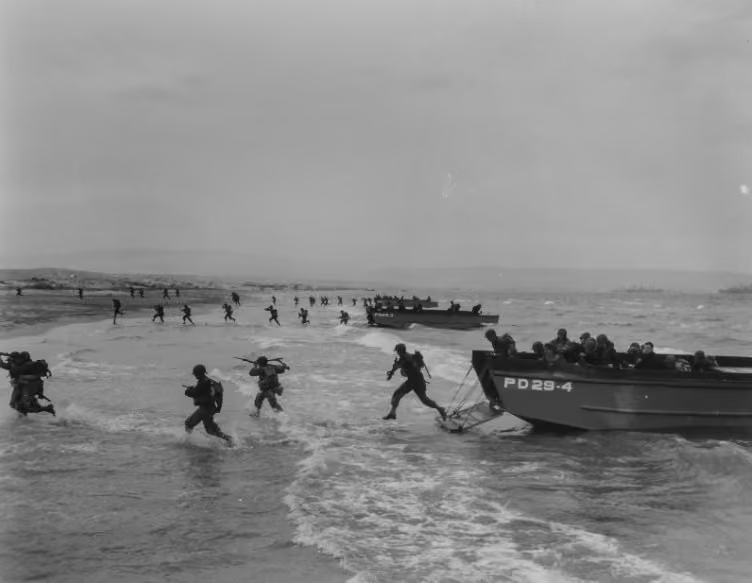 US Holocaust Museum
@HolocaustMuseum
“Everything went so fast... My mother told me "Leibele, I'm not going to see you no more. Take care of your brother.”–– Leo Schneiderman, #auschwitz Survivor.
#otd, Soviet troops liberated the Auschwitz complex where 1.1 million people were murdered. #askwhy
 US Holocaust Museum
@HolocaustMuseum
"Don't take your freedom, your liberty for granted. Guard it."
US Holocaust Museum
@HolocaustMuseum
#onthisday in 1945, Canadian forces liberate #westerbork transit camp in the #netherlands. encyclopedia.ushmm.org/content/en/article/westerbork
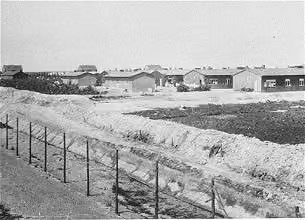 US Holocaust Museum
@HolocaustMuseum
Discover the real-life story of one working wife and mother who became a hero to hundreds during #wwii.
#thezookeeperswife
US Holocaust Museum
@HolocaustMuseum
Meet a relic of the #nazi past that's still grazing at the @National Zoo: medium.com/@HolocaustMuseum/is-a-relic-of-the-nazi-past-g…
 US Holocaust Museum
@HolocaustMuseum
Congratulations to @adambenzine, @eklinck, & #ushmm staff Leslie Swift & Lindsay Zarwell for Best Visual Research nomination!
 Claude Lanzmann SOTS
@LanzmannFilm
What an honour! CLAUDE LANZMANN: SPECTRES OF THE SHOAH is been nominated for FOUR Canadian Screen Awards! Thanks to @TheCdnAcademy, @cbcdocs
 US Holocaust Museum
@HolocaustMuseum
1/3 at #palmbeach Synagogue: Watch @LanzmannFilm & meet director/producer @adambenzine. www.ushmm.org/online-calendar/event/SELANZPB0117
 US Holocaust Museum
@HolocaustMuseum
#lakeworth: 1/4 at Bellaggio Clubhouse, watch @LanzmannFilm & meet director/producer @adambenzine. www.ushmm.org/online-calendar/event/SELANZLKEWR0117
 US Holocaust Museum
@HolocaustMuseum
#bocaraton: 1/4 at @CBIBoca, watch @LanzmannFilm & meet director/producer @adambenzine. www.ushmm.org/online-calendar/event/SELANZBR0117
 US Holocaust Museum
@HolocaustMuseum
Watch Wednesday when we honor the legacy of Elie Wiesel, visionary leader and founding chairman of the Museum .www.ushmm.org/online/watch/index.html?sf43306073=1
 US Holocaust Museum
@HolocaustMuseum
The Museum condemns hateful rhetoric at a white nationalist conference held in Washington, DC, on November 19. www.ushmm.org/information/press/press-releases/museum-con…
US Holocaust Museum
@HolocaustMuseum
Join us 11/15 at Temple Sholom of Chicago for a screening of @adambenzine's @LanzmannFilm. www.ushmm.org/online-calendar/event/MWLANZCIT1116
 US Holocaust Museum
@HolocaustMuseum
11/14 at North Suburban Synagogue Beth Al in Highland Park: See @adambenzine's @LanzmannFilm. www.ushmm.org/online-calendar/event/MWLANZSUB1116
 US Holocaust Museum
@HolocaustMuseum
Join us 11/15 at Temple Sholom of Chicago for a screening of @adambenzine's @LanzmannFilm. www.ushmm.org/online-calendar/event/MWLANZCIT1116
 US Holocaust Museum
@HolocaustMuseum
11/14 at North Suburban Synagogue Beth Al in Highland Park: See @adambenzine's @LanzmannFilm. www.ushmm.org/online-calendar/event/MWLANZSUB1116
 US Holocaust Museum
@HolocaustMuseum
In @washingtonpost, read about the life of last living Nuremberg prosecutor, @BenFerencz, & his gift to #ushmm. www.washingtonpost.com/lifestyle/style/the-last-surviving…
US Holocaust Museum
@HolocaustMuseum
We asked @RepJohnLewis,"What's your advice for those who see discrimination that may NOT affect them directly?#ushmm
amp.twimg.com/v/7dedeff3-ac88-4e68-800e-1a10c04b6ce7
US Holocaust Museum
@HolocaustMuseum
Tonight on @HBO at 9 ET/PT: Watch the premiere of @adambenzine's Oscar-nominated @LanzmannFilm. itsh.bo/1QO5MeM
US Holocaust Museum
@HolocaustMuseum
This week, @RepJohnLewis will receive #ushmm's highest honor, the Elie Wiesel award at our National Tribute Dinner.
amp.twimg.com/v/f7595df7-0540-4184-ae0e-18813fc58c22
US Holocaust Museum
@HolocaustMuseum
.@BenFerencz instrumental in establishing @IntlCrimCourt. Could not join us. Sent video.
US Holocaust Museum
@HolocaustMuseum
.@BenFerencz only living prosecutor from Nuremberg trials. He prosecuted first case at 27. Defendants were 22 high ranking SS men.
US Holocaust Museum
@HolocaustMuseum
Tonight we will honor Thomas Buergenthal (www.ushmm.org/confront-genocide/speakers-and-events/biogr…) and @BenFerencz (www.ushmm.org/confront-genocide/speakers-and-events/biogr…).
US Holocaust Museum
@HolocaustMuseum
November Voices on #antisemitism podcast: @KLatif and @RabbiSarna, co-founders of @NYUOfMany Institute. Listen: www.ushmm.org/confront-antisemitism/antisemitism-podcast/…
US Holocaust Museum
@HolocaustMuseum
Due to the government shutdown, the Holocaust Museum is closed to the public until further notice.
US Holocaust Museum
@HolocaustMuseum
7/15/42: Systematic deportations from Westerbork (main transit camp for Dutch Jews) began; most sent to killing ctrs. encyclopedia.ushmm.org/content/en/article/deportations