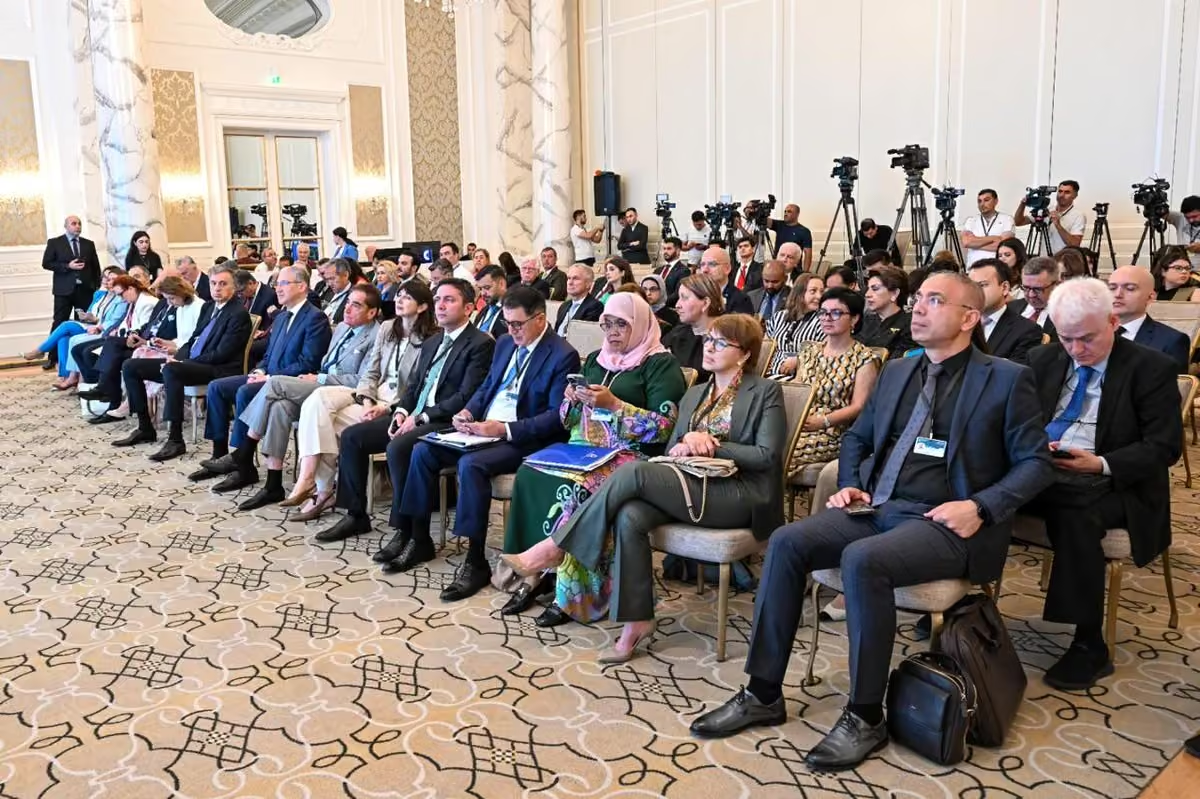
The international conference “Our Story, Our Promise,” dedicated to education and genocide research, concluded today at the Srebrenica Memorial Center. Over the course of two days, the conference brought together experts in transitional justice, education, journalism, memorialization, and human rights with the aim of exchanging knowledge and strengthening international cooperation in the fight against genocide denial and in preserving memory.
The conference was officially opened by Nerin Dizdar, the Federal Minister for Displaced Persons and Refugees and main patron of the event. The opening address was delivered by Emir Suljagić, Director of the Srebrenica Memorial Center. The first day featured several panels, including the presentation of the 2025 Report on Genocide Denial with speakers Dragan Bursać, Haris Imamović, and Edin Ikanović, moderated by Lejla Gačanica. This was followed by a discussion on reporting on genocide before, during, and after its commission, with Zoran Kusovac and Roger Cohen as speakers and Denis Džidić as moderator.
“In the afternoon session of the first day, the panel on learning about genocide—past, present, and future—included Honore Gatera, Jasmin Mujanović, Guido Snel, and Mary Kate Schneider, moderated by Sead Turčalo. The theme of memory as resistance was explored through the experiences of Srebrenica and Westerbork, with speakers Hasan Hasanović and Bertien Minco. The day concluded with a panel on the challenges of the next generation, featuring Ehlimana Memišević, Edina Bećirević, and Dženeta Omerdić, moderated by Dževada Garić,” explained Almasa Salihović-Huseinović, spokesperson of the Memorial Center.
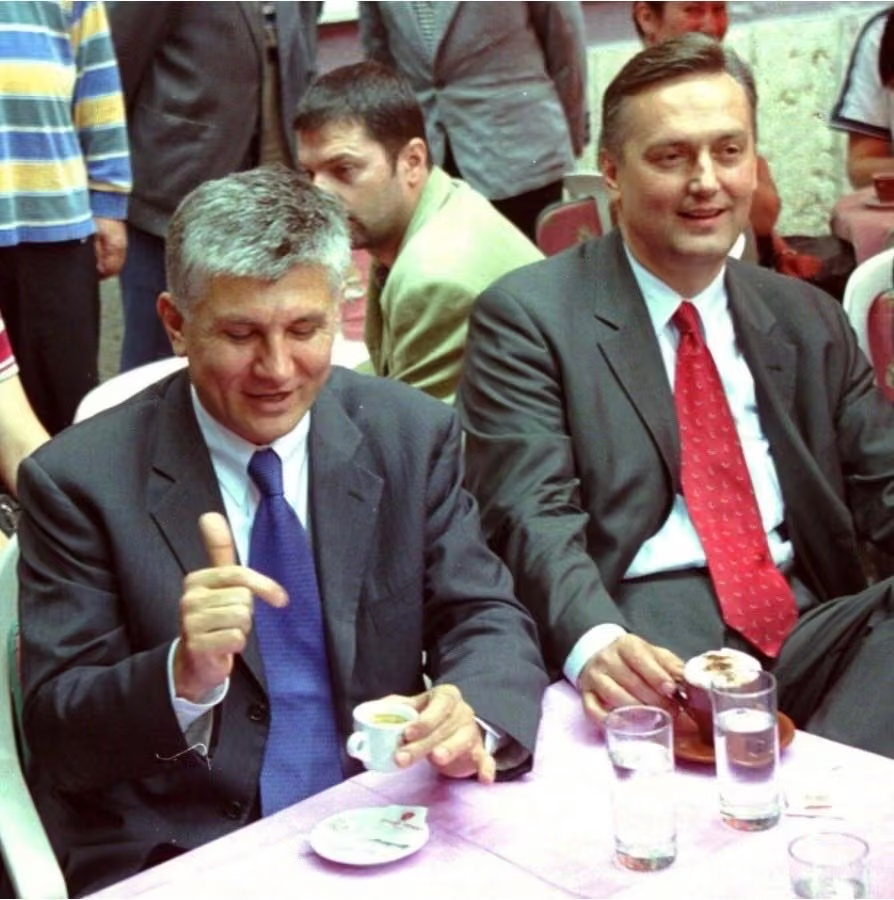
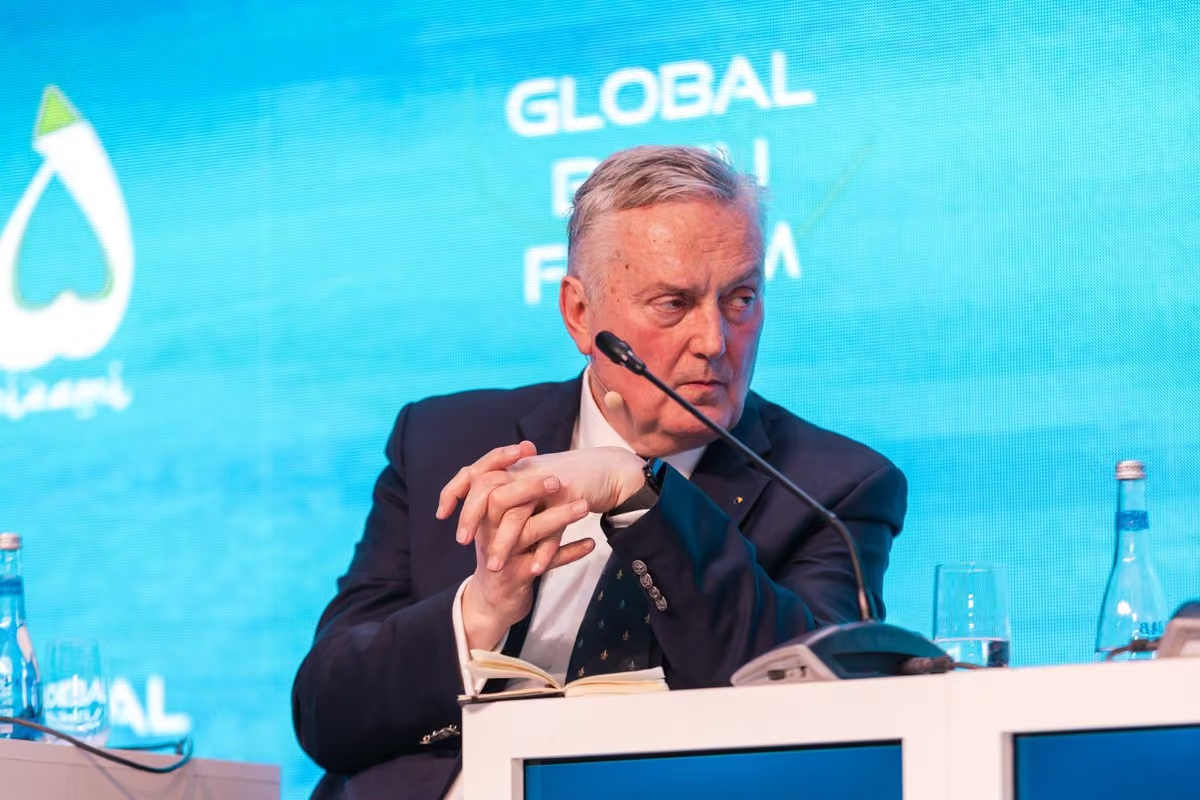
On the second day of the conference, the panel “The Fight for Justice: The Right to Remembrance” featured Munira Subašić, Fadila Efendić, Šuhra Sinanović, and Nura Begović, moderated by Arijana Saračević Helać. Following an address by Wolfgang Petritsch and the opening of the exhibition “The Lives Behind the Fields of Death,” the next panel “Documents and Justice: Constructing Cases, Preserving Truth” included William Wiley, Husam Al Din Sharif, and Hasan Nuhanović, moderated by Emir Suljagić. This was followed by a dialogue titled “Responsibility and Resolution” between Dr. Zlatko Lagumdžija and Emir Suljagić.
“On the final day, the panel ‘Pursuing the Truth: Lessons from Bosnia’ brought together Kathryne Bomberger, Amor Mašović, and Mariia Mykhalko, moderated by Nerma Jelačić. This was followed by a powerful address by David Rohde, Pulitzer Prize-winning journalist and the first reporter to uncover mass graves around Srebrenica in 1995. The conference was formally closed by Emir Suljagić, Director of the Memorial Center. The last activity of the conference was the closed plenary session of partner museums, memorials, and institutions of the Srebrenica Memorial Center. Representatives of key international memorial institutions discussed future steps in cooperation. The session was moderated by Bertien Minco and featured Honore Gatera (Kigali Memorial), Ewa Malinowska (Stutthof Museum), Adelina Hetnar (Auschwitz-Birkenau Memorial Museum), and Emir Suljagić (Srebrenica Memorial Center). The session concluded that strengthening joint educational programs, confronting denial, and connecting memorials is crucial for preserving truth and passing memory on to future generations,” concluded Salihović-Huseinović.
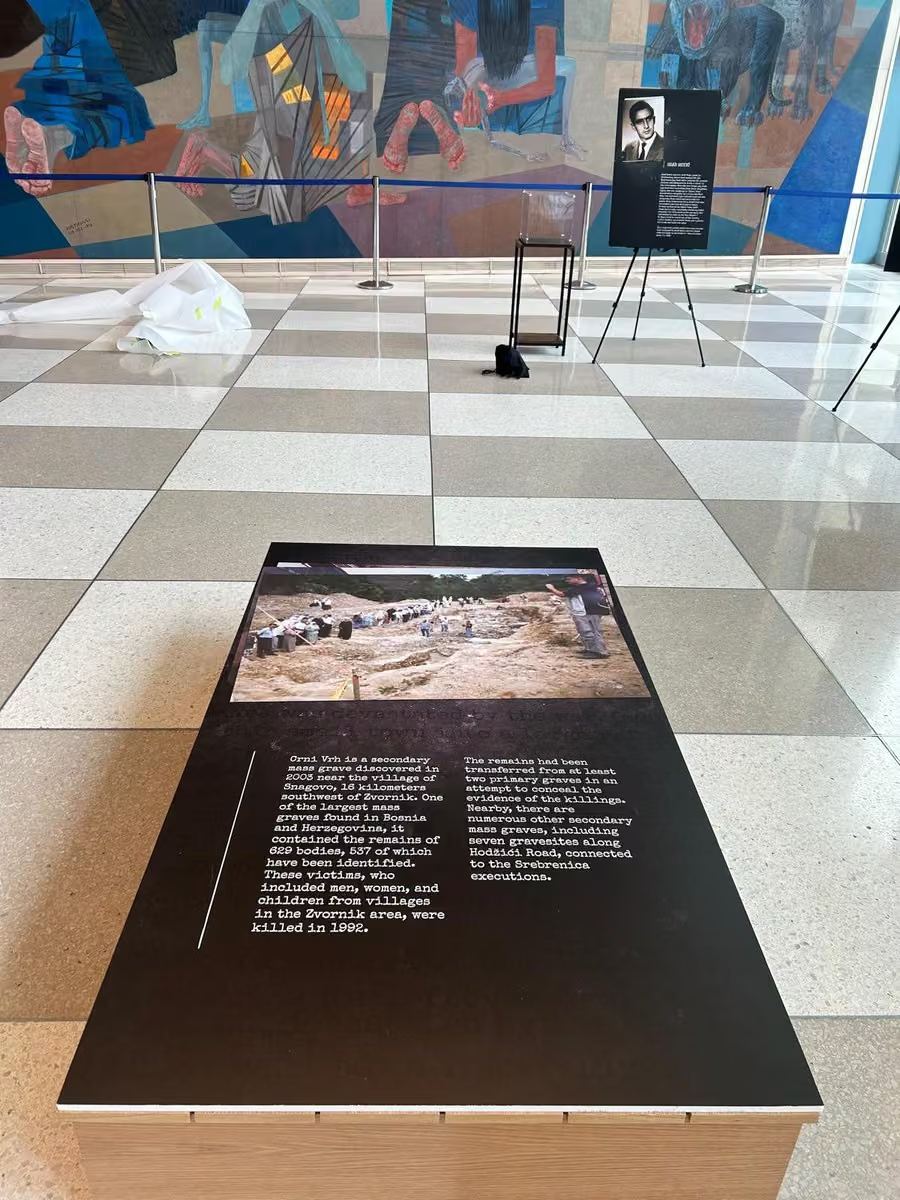
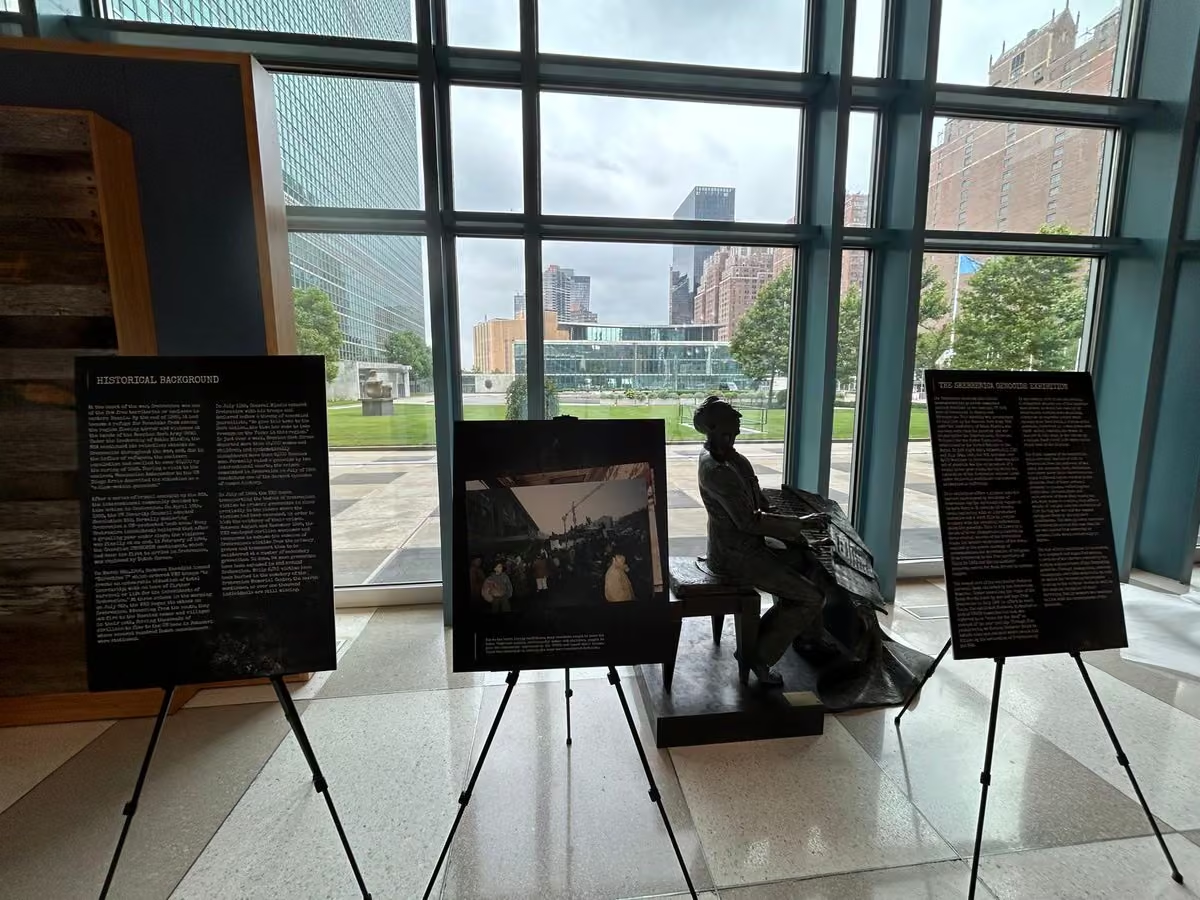
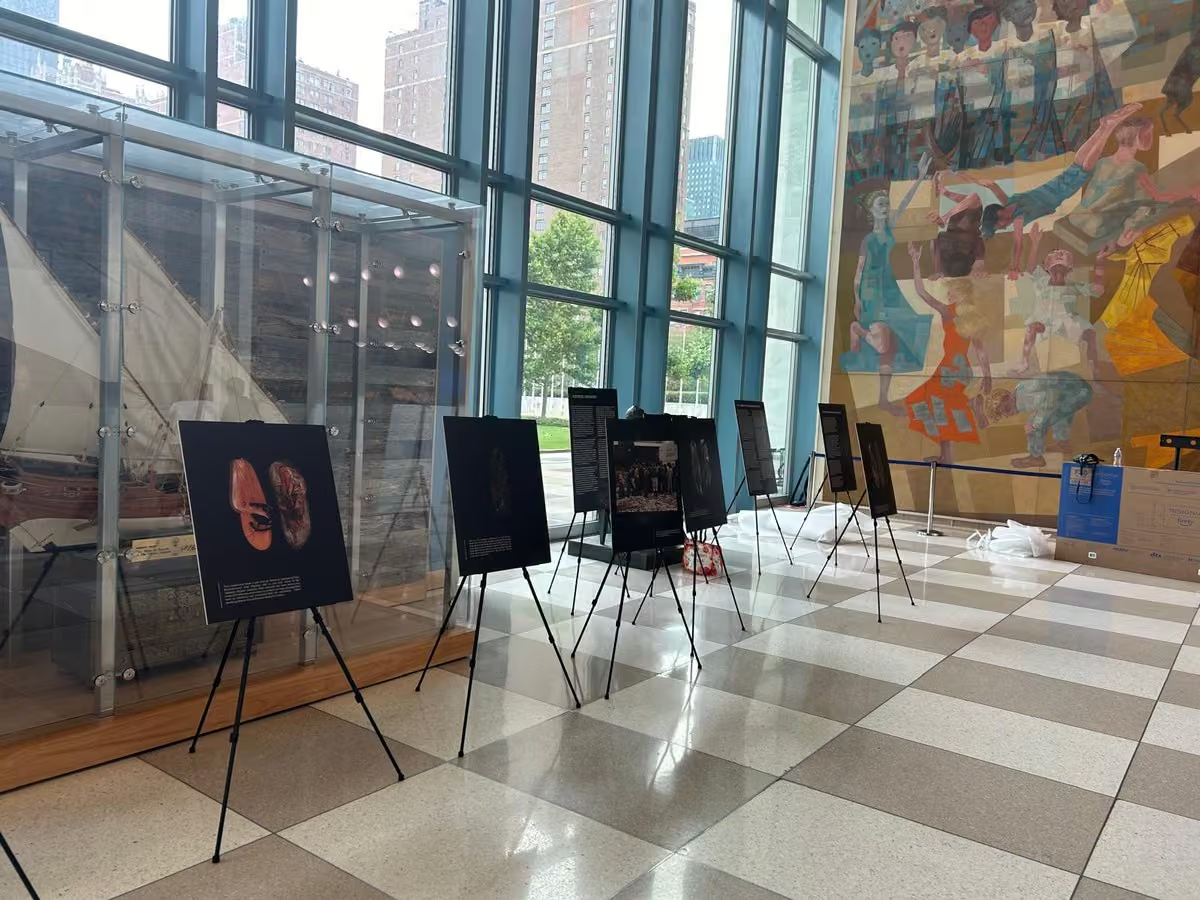
The exhibition “Geography of Genocide” was presented, created in cooperation with ICMP and supported by the European Union, alongside an expanded installation of “The Lives Behind the Fields of Death” in partnership with BIRN, and an overview of institutional support from the United Kingdom through the Srebrenica Outreach Project.


 Zlatko Lagumdžija
@LagumdzijaZ

 Radio Sarajevo
@radiosarajevo
 U.S. Helsinki Commission

 Nizami Ganjavi International Center - NGIC


 Spain MFA





 Rebeca Grynspan





 Srebrenica Memorial Center

 Open Source Intel





 MFA Serbia


 Emir Suljagić


 Erol Avdovic


 Vijesti.ba


 UN Genocide Prevention


 Denmark in UN NY🇩🇰


 Ika Ferrer Gotić


 Fena
 Türkiye at UN





 Remembering Srebrenica


 Secretary Marco Rubio




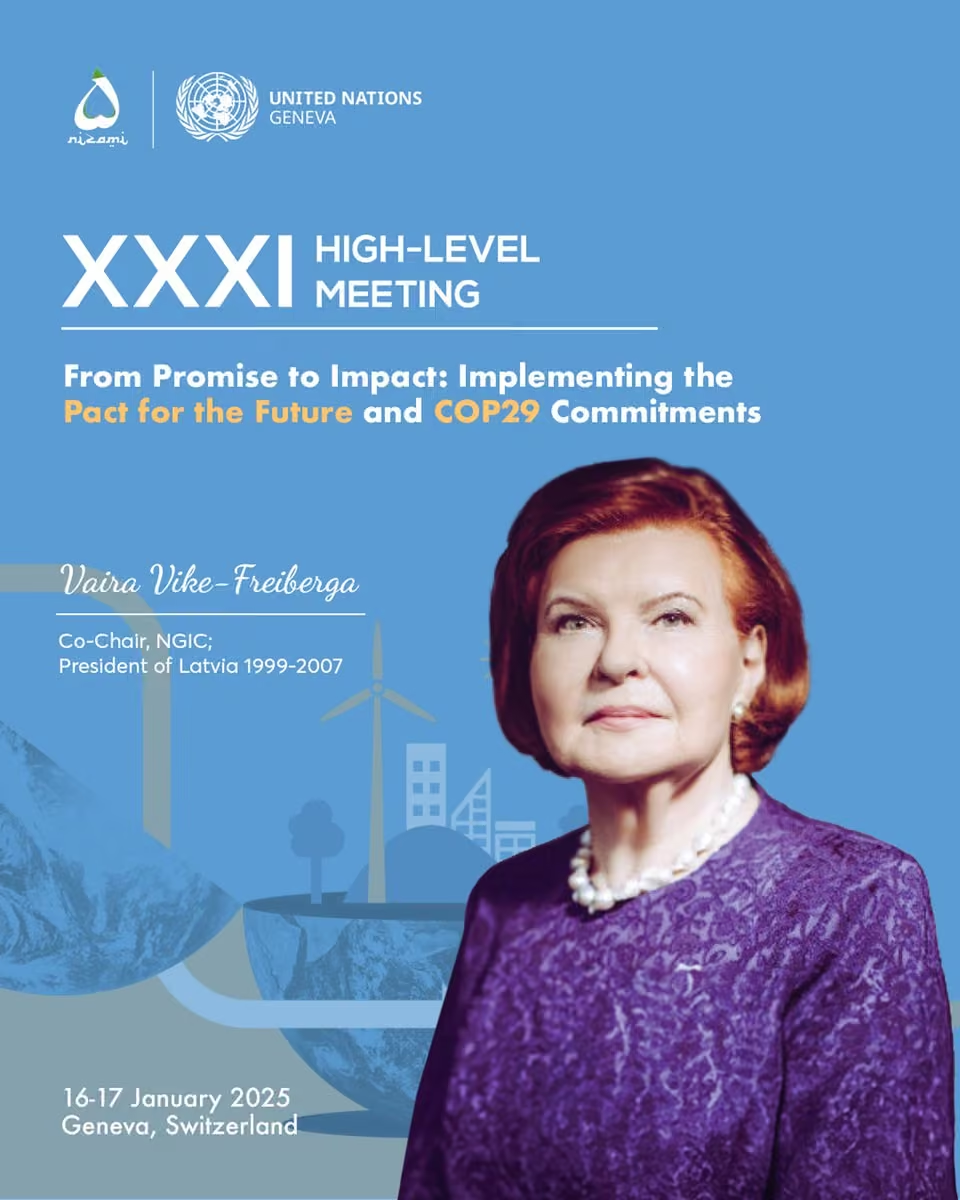

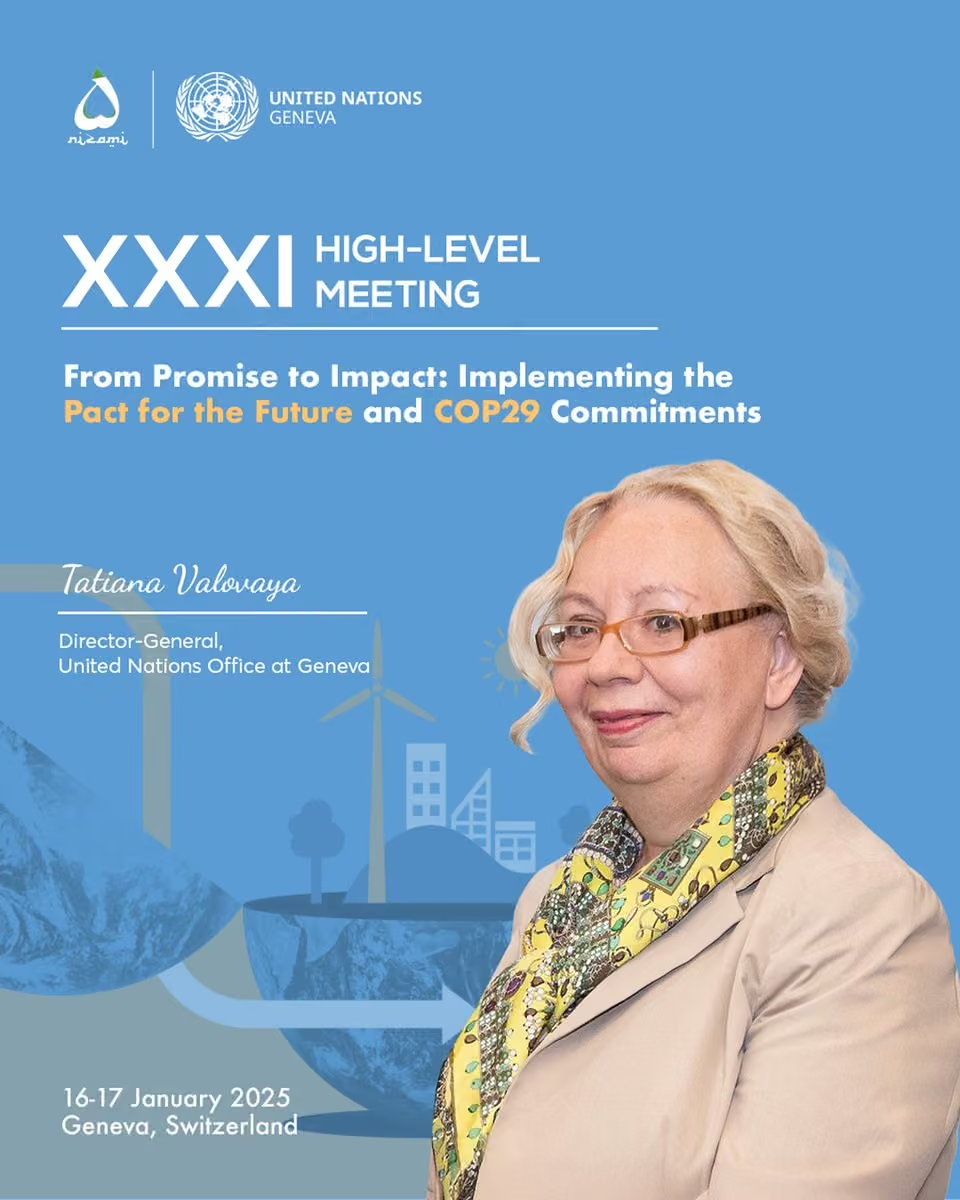
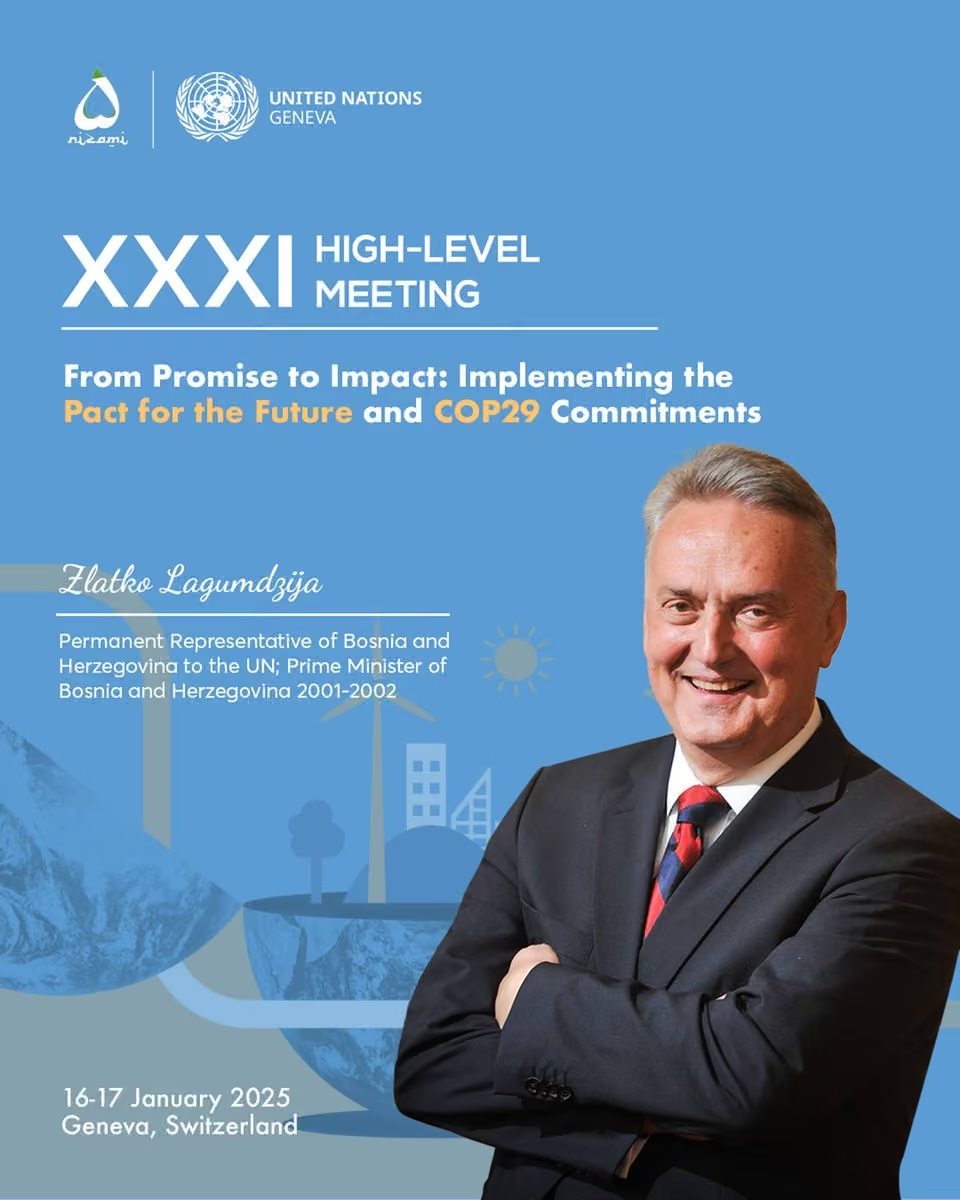


 Club de Madrid


 Guy Taylor

 Ministry of Foreign Affairs of BiH 🇧🇦


 Doreen Bogdan-Martin

 Bakir Hadžiomerović


 United Nations BiH

 Globe Eye News

 Kerry Kennedy


 Ingrid Macdonald 🇺🇳🇦🇱


 Majke Srebrenice


 Al Jazeera Balkans

 World Jewish Congress


 Ireland at UN



 Richard Ziggler


 Ricklef Beutin





 Kenan Cerimagic


 Susan Elliott






 Dr. S. Jaishankar



 UKR Mission to the UN


 Permanent Mission of Rwanda to The United Nations


 Marrakech Film Festival


 UNAOC - United Nations Alliance of Civilizations


 Istraga.ba


 Sylvain Merlen






 Милорад Додик


 Goran Kovacevic
 Ognjen Tadić




 Rovshan Muradov

 Emir ADZOVIC


 Julian Reilly





 Sarajevo Business Forum


 International Burch University







 TV N1 Sarajevo


 Ivan Vejvoda

 Milan Nic

 Damir Arnaut

 World Health Organization Azerbaijan


 Adi Ćerimagić


 Jadranka Kosor



 World Academy of Art and Science
 Kancelaria Prezydenta RP - konto archiwalne


 Robert & Ethel Kennedy Human Rights Center


 Zvonko Komsic


 Arminka Helic


 Gerald Knaus
 Chris Shaw
 The People's Medicines Alliance


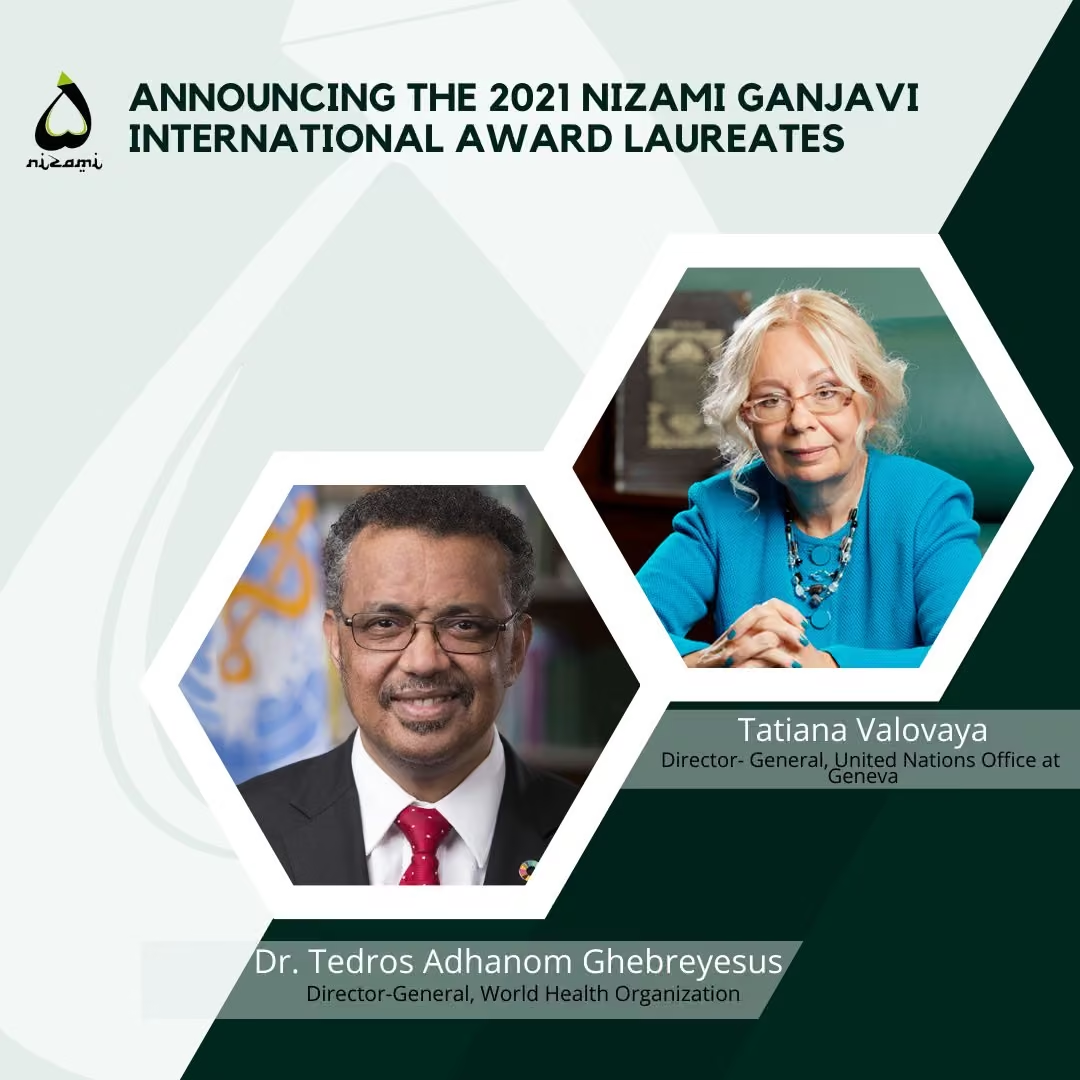


 Tatiana Valovaya, Director-General of UN Geneva







 Satyarthi Foundation






 Mery Basic




 SSVSA


 Danijal Hadžović
 Chau Chak Wing Foundation




 Matt Field


 SES


 T-House


 Robert & Ethel Kennedy Human Rights Centre UK







 Edita Gorinjac