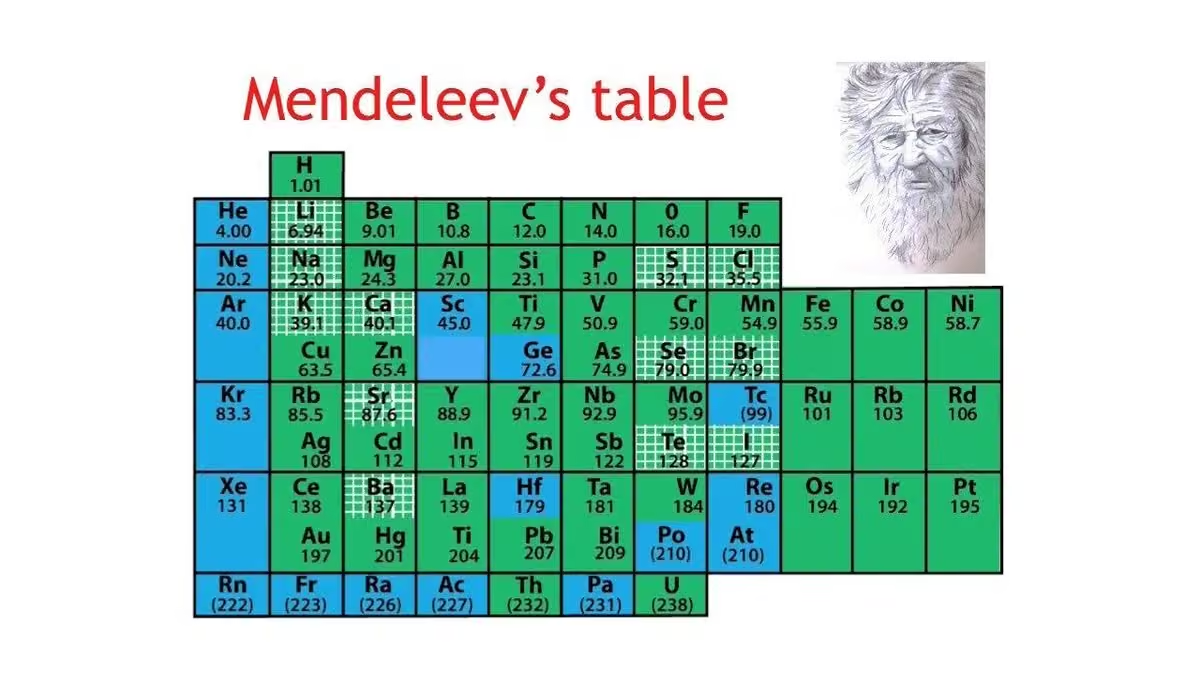
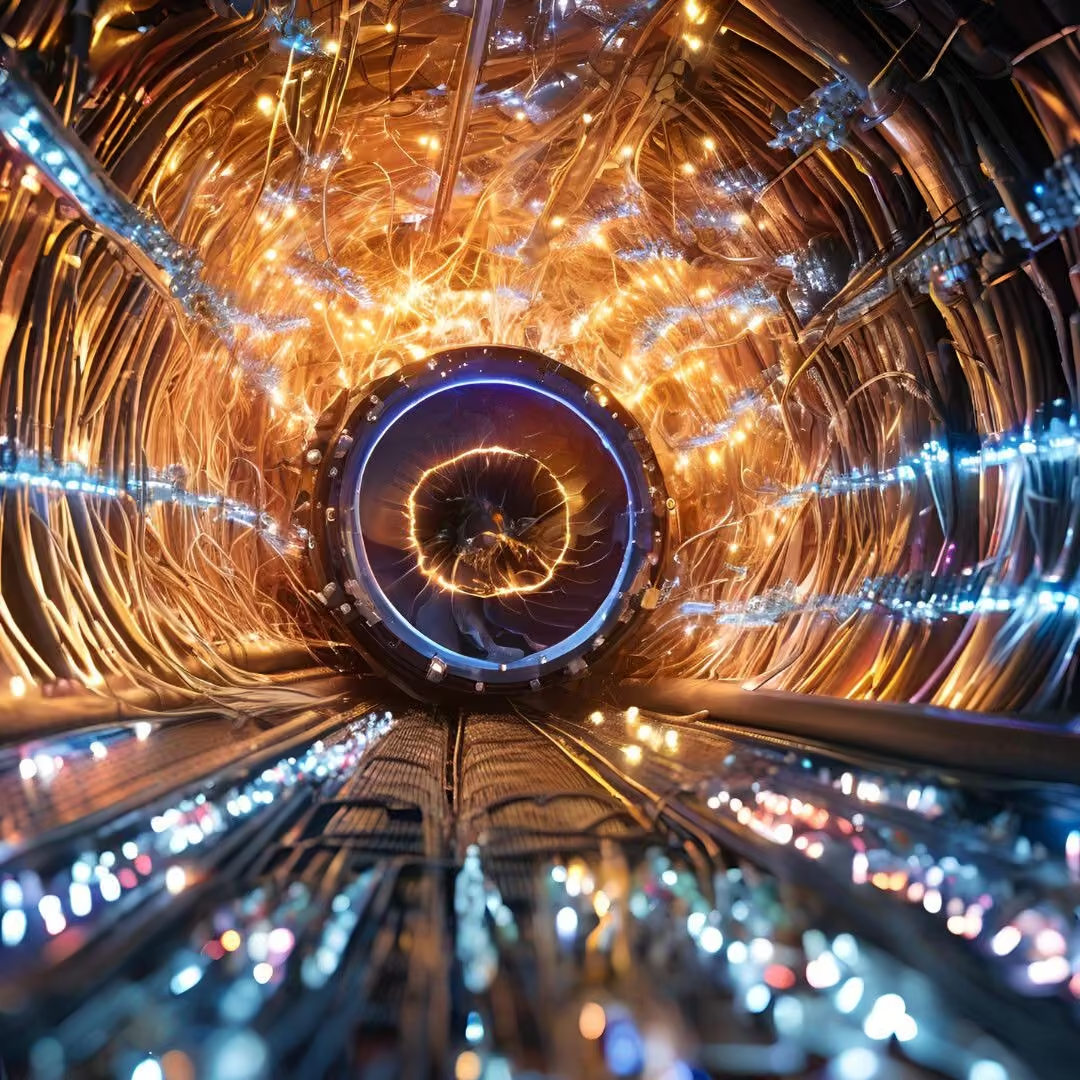
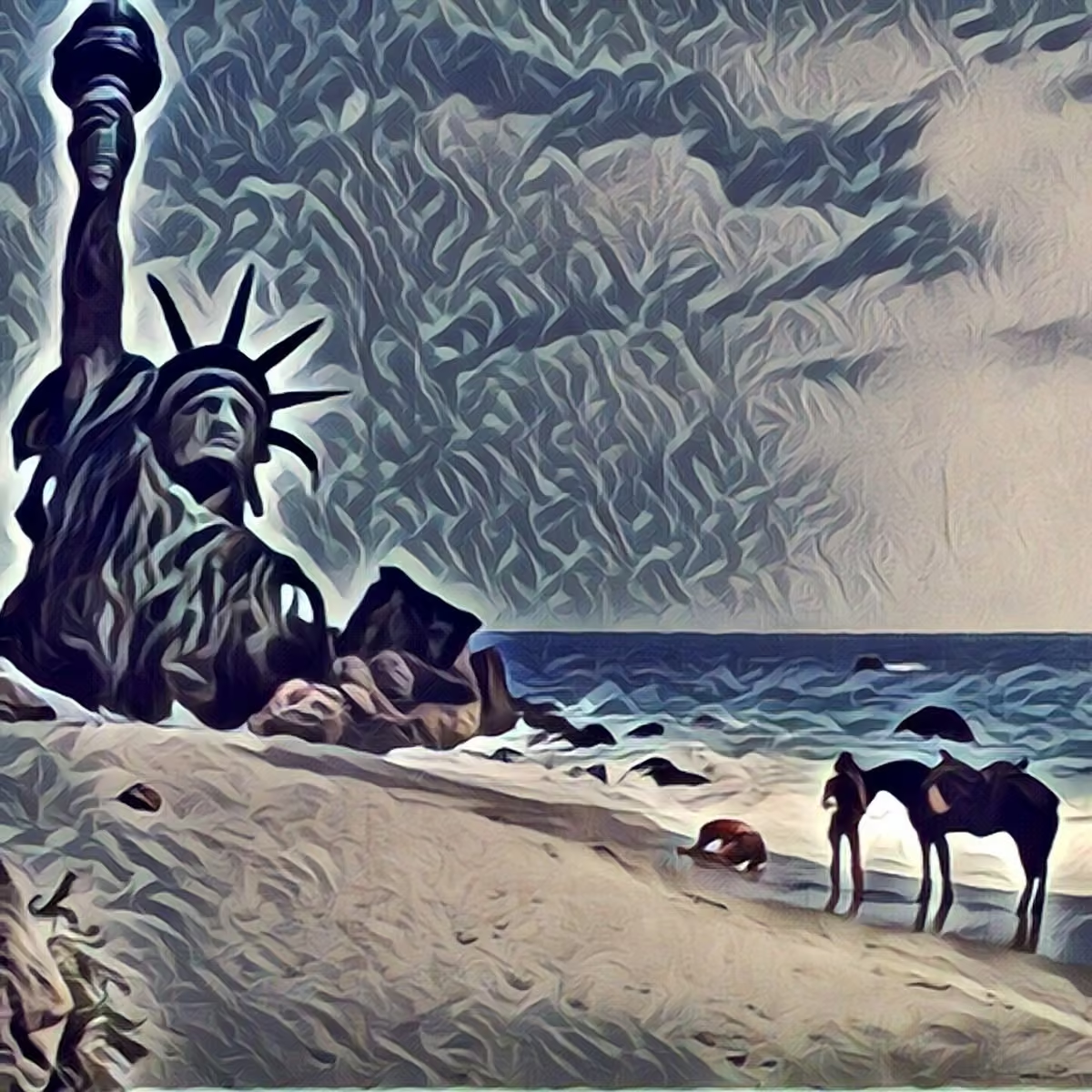
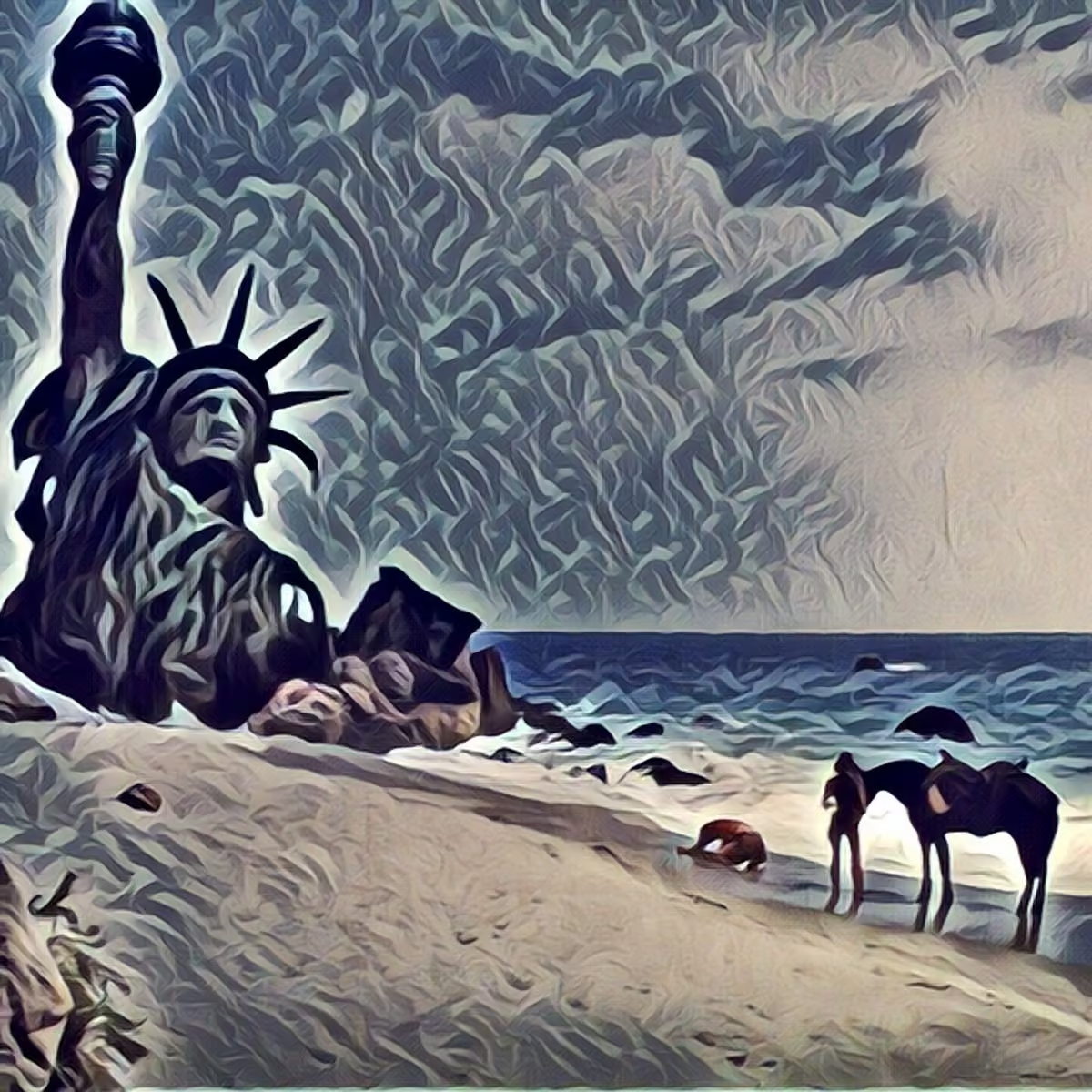
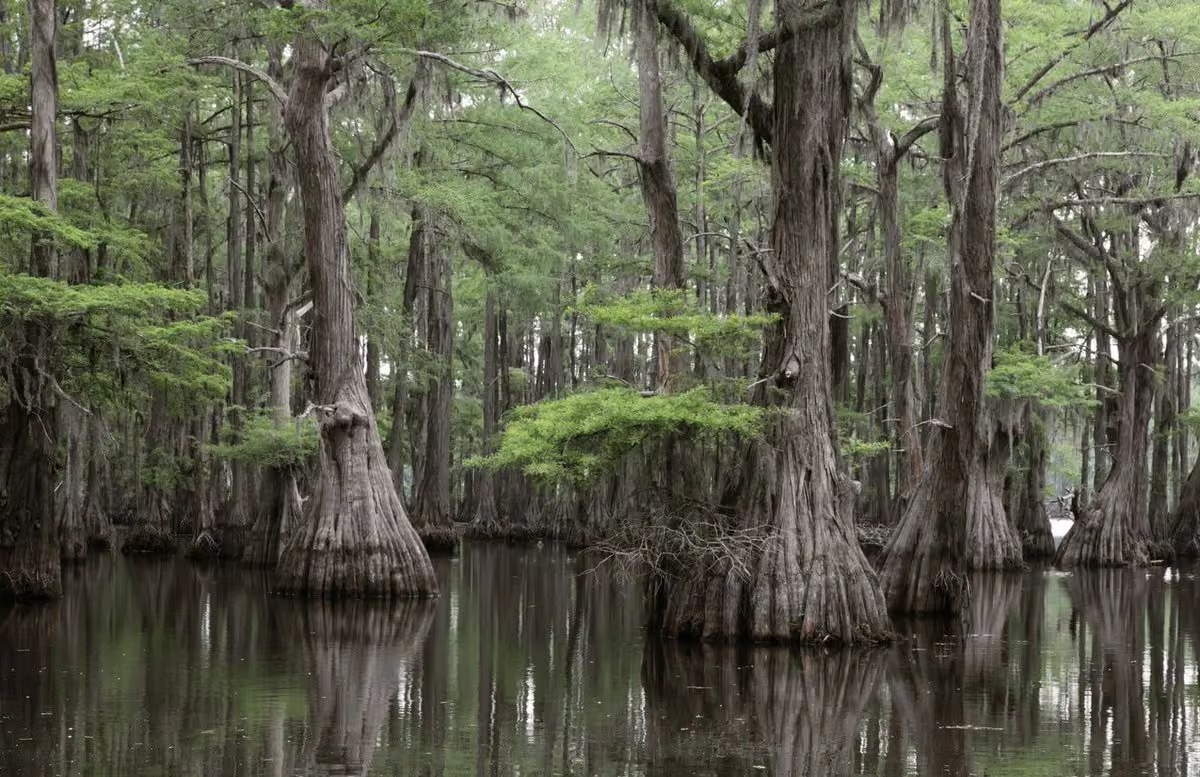
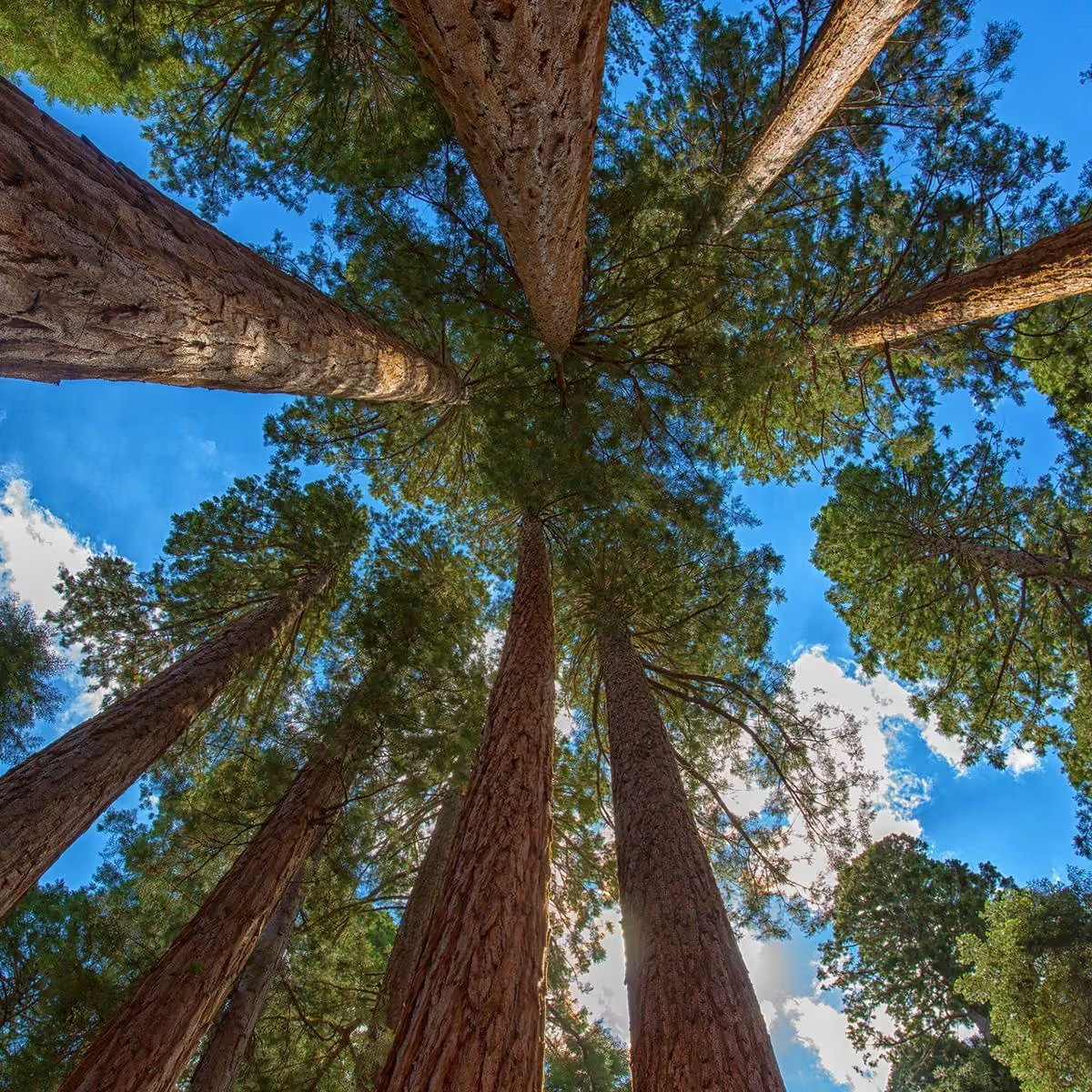
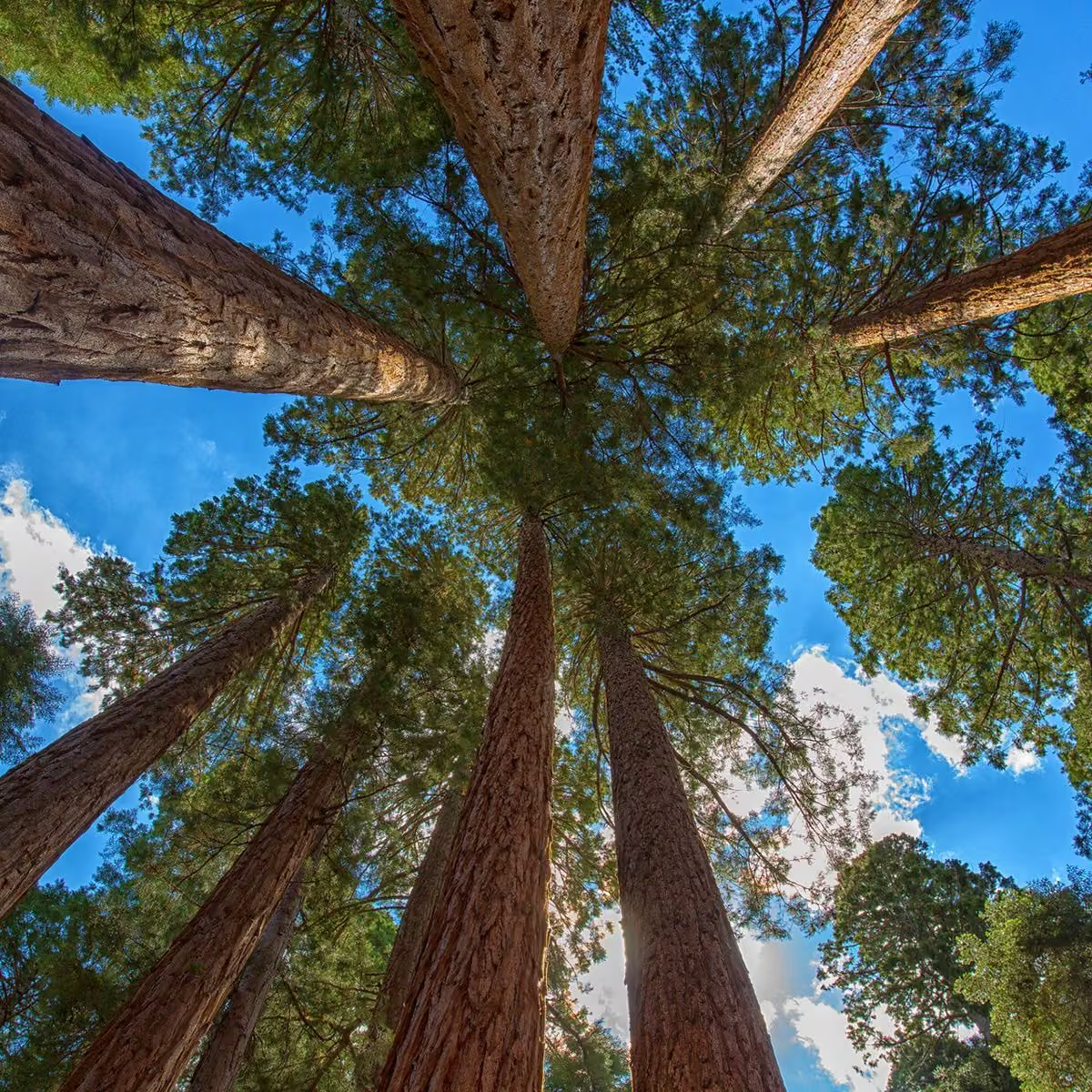
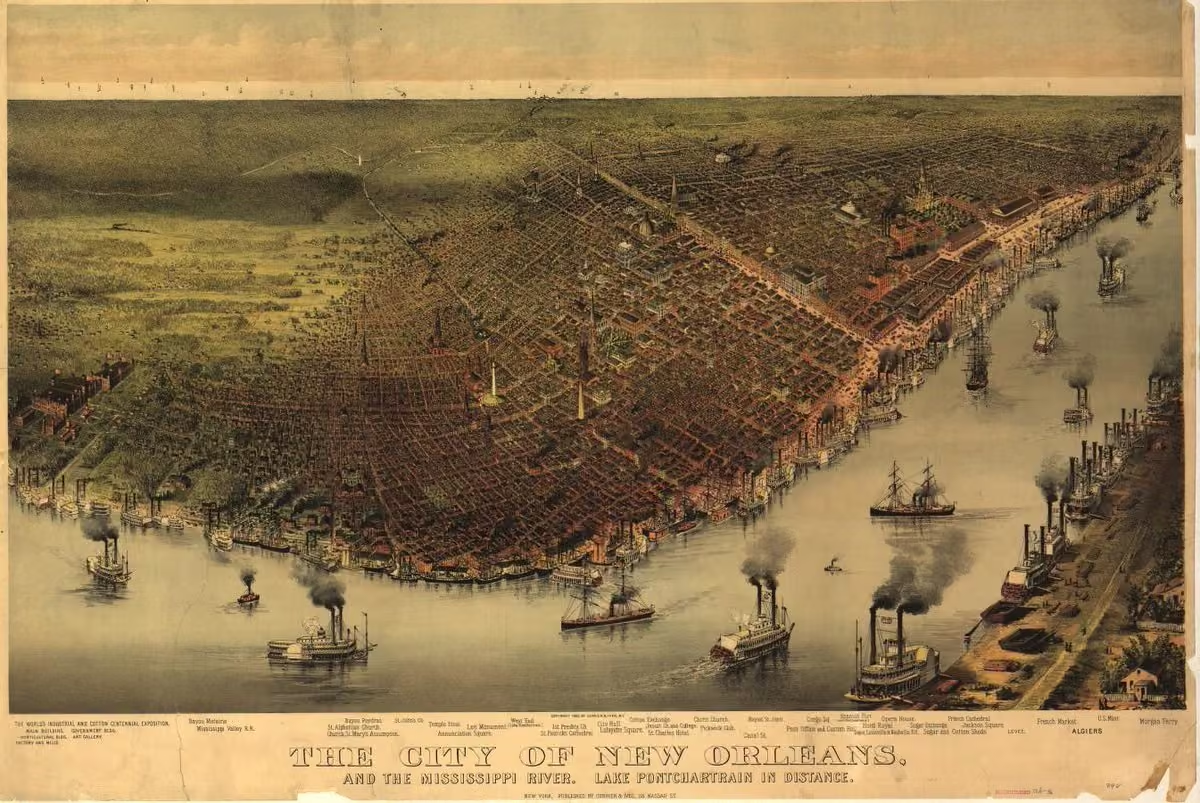
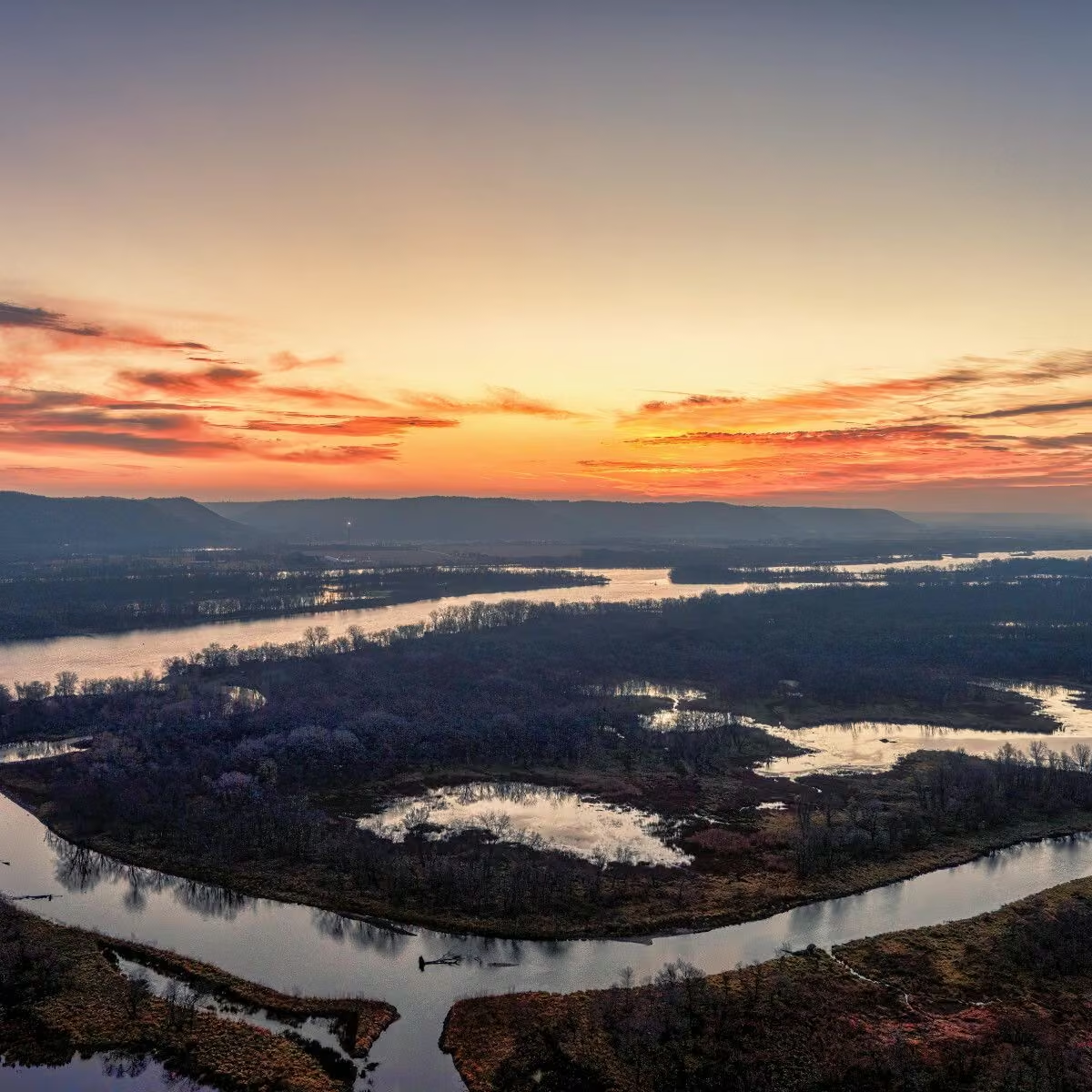
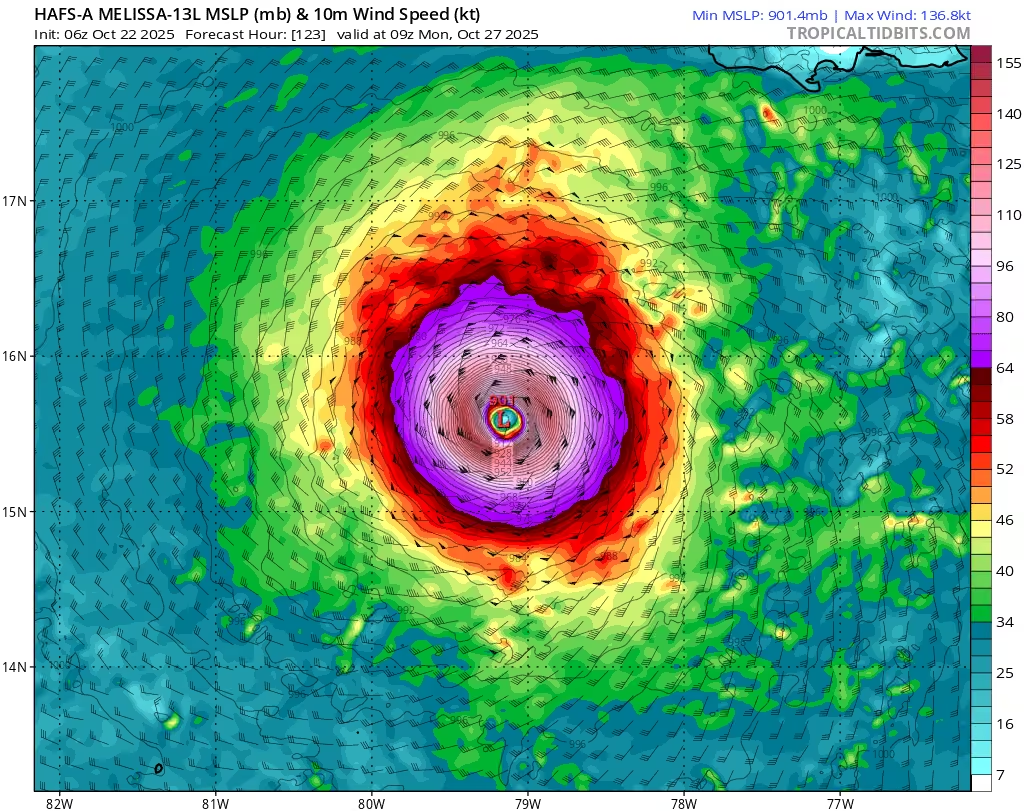
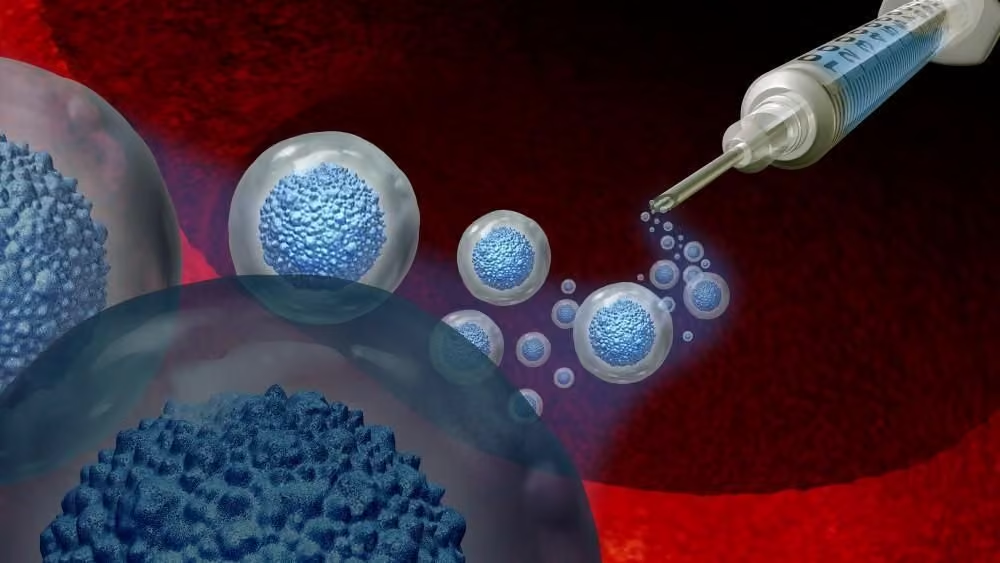
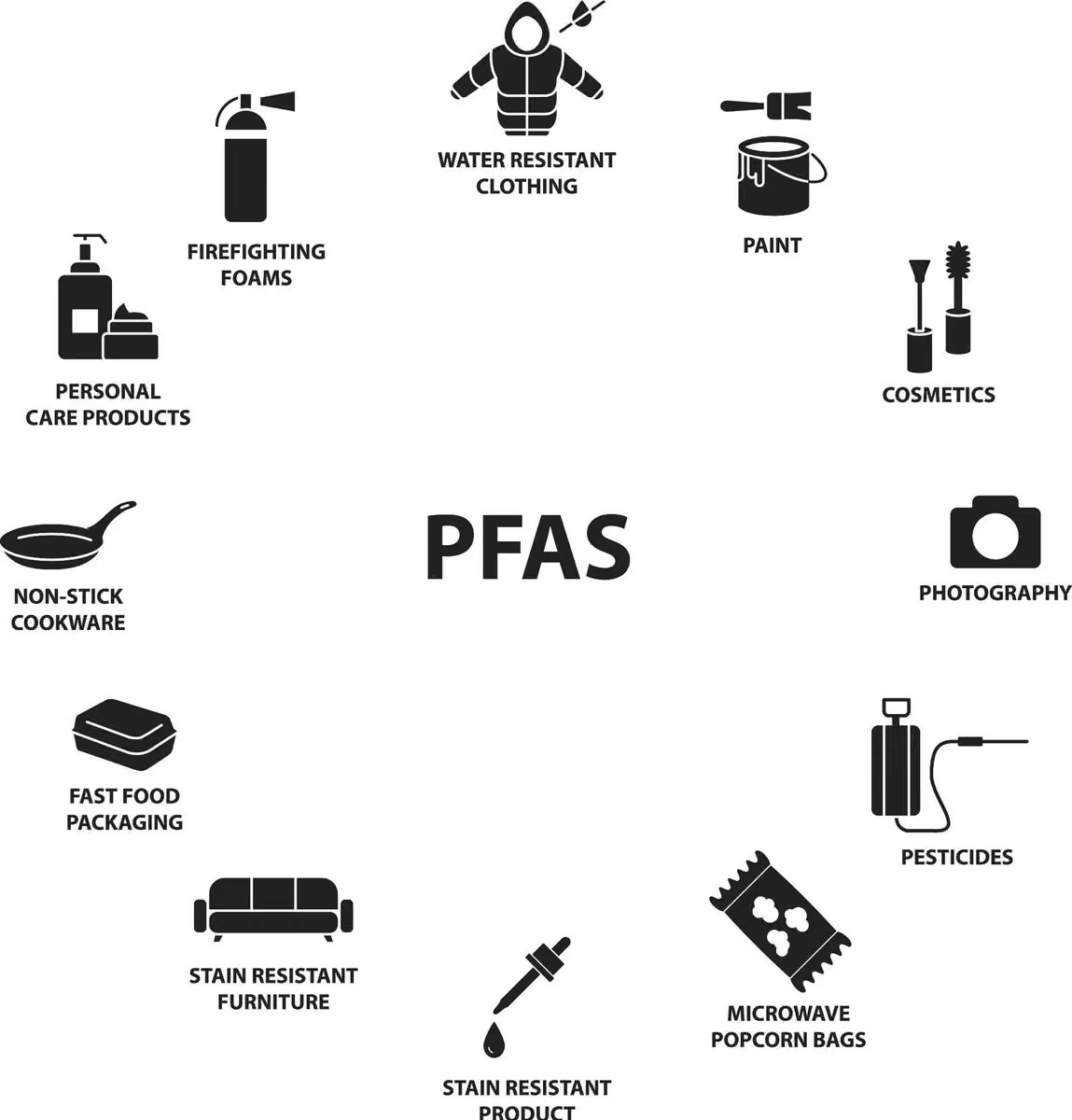
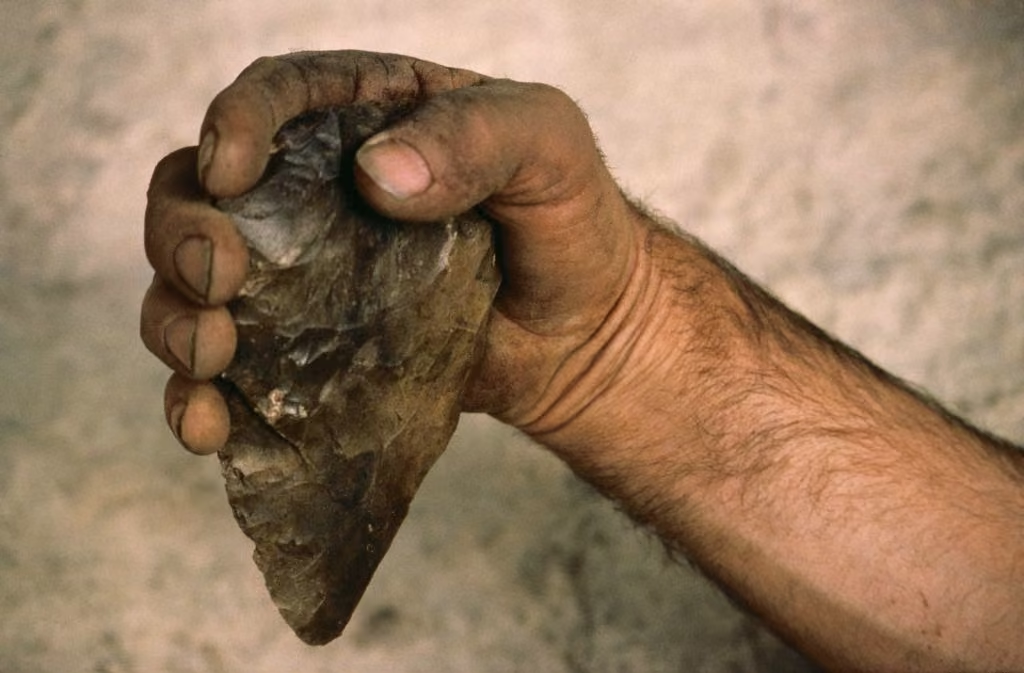
The durability of forever chemicals comes from replacing hydrogen atoms with fluorine atoms in an eight-carbon chain. The strong carbon-fluorine bond does not break down easily. Why that’s a problem for our health on this week’s episode: bigpicturescience.org/some-chemicals-are-forever/
Big Picture Science
Big Picture Science is an independent national science radio program and podcast hosted by astronomer Seth Shostak and journalist Molly Bentley, the executive producer of the show. More on Wikipedia
-
Big Picture Science
@BiPiSci
-
Big Picture Science
@BiPiSci
Scientists have found forever chemicals everywhere on the planet, including in the blood of nearly every living being. What happens when the federal agency tasked with regulating the chemicals loses its authority and muscle to do so, on this weeks episode: bigpicturescience.org/some-chemicals-are-forever/
-
Big Picture Science
@BiPiSci
From cigarette collecting sparrows to chimpanzees munching on poisonous plants, to catnip-loving cats and choosy monarch butterflies, we're exploring how animals medicate and heal themselves on this week's episode, "On the Wings of a Butterfly" bigpicturescience.org/on-the-wings-of-a-butterfly/
-
Big Picture Science
@BiPiSci
After studying how monarch butterflies use milkweed to fend off parasites, biologist Jaap de Roode was curious about other animals who medicate. He joins us to discuss his latest book, "Doctors by Nature: How Ants Apes and Other Animals Heal Themselves" bigpicturescience.org/on-the-wings-of-a-butterfly/
-
Big Picture Science
@BiPiSci
We know getting sick isn't only a human phenomenon. But as it turns out, neither is seeking medication or treating an ailment. Learn more about the world of animal self-medication on this week's episode: bigpicturescience.org/on-the-wings-of-a-butterfly/
-
Big Picture Science
@BiPiSci
When biologist Jaap de Roode started studying monarch butterflies, it wasn't because of their unique wing patterns or impressive yearly migration. It was because they were becoming sick. This week, we're "On the Wings of a Butterfly". bigpicturescience.org/on-the-wings-of-a-butterfly/
-
Big Picture Science
@BiPiSci
When it comes to the perils that monarch butterflies face, the biggest is humans, explains entomologist and @amnh curator Jessica Ware. Hear how human activity is affecting the lives of insects, including pollinators like the monarch butterfly. bigpicturescience.org/on-the-wings-of-a-butterfly/
-
Big Picture Science
@BiPiSci
For cartoonist Peter Kuper, making people aware of the threats facing the monarch butterfly also teaches them about other important species. "I'm trying to bring people into the world of insects, and the monarch butterfly is the poster child for insects." bigpicturescience.org/on-the-wings-of-a-butterfly/
-
Big Picture Science
@BiPiSci
Each year, monarch butterflies undergo a mighty migration. These tiny insects travel thousands of miles from Canada to Mexico, and the journey isn't always a breeze. It's "On the Wings of a Butterfly" bigpicturescience.org/on-the-wings-of-a-butterfly/
-
Big Picture Science
@BiPiSci
Our exploration of the monarch butterfly begins not in a garden, but in the city - specifically, at @amnh in NYC, where a new exhibit is combining art and science to trace the migratory path of the beloved monarch. bigpicturescience.org/on-the-wings-of-a-butterfly/
-
Big Picture Science
@BiPiSci
Monarch butterflies are easily recognized by their black and orange patterns. But their iconic wings are more than just things of beauty. Take a journey "On the Wings of a Butterfly" on this week's episode bigpicturescience.org/on-the-wings-of-a-butterfly/
-
Big Picture Science
@BiPiSci
Butterflies are more than colorful pollinators. Their plight highlights the threat that habitat loss poses to all insects. Plus, how research into how butterflies protect themselves from disease led one biologist to study self-healing in multiple species. bigpicturescience.org/on-the-wings-of-a-butterfly/
-
Big Picture Science
@BiPiSci
Tiny sensors on Monarch butterflies now track the impressive 3,000-mile migrations. A cartoon exhibit at the American Museum of Natural History tracks the challenges they face along the way. This week, we ride On the Wings of a Butterfly: bigpicturescience.org/on-the-wings-of-a-butterfly/
-
Big Picture Science
@BiPiSci
Journalist Peter Brannen describes how the Industrial Revolution ignited a new metabolism upon the Earth, ongoing and potentially catastrophic. Annually, humans release CO2 into the atmosphere at a rate 100 times faster than Earth's volcanoes combined. bigpicturescience.org/episodes/earths-misunderstood-molecule
-
Big Picture Science
@BiPiSci
Humans evolved on a relatively cold planet and our civilization was built on the stability of the Holocene. One atmospheric scientist said “the climate system is an angry beast, and we are poking it with sticks” though our relentless CO2 emissions. bigpicturescience.org/earths-misunderstood-molecule/
-
Big Picture Science
@BiPiSci
Journalist Peter Brannen describes the lifecycle of a carboniferous tree that captured prehistoric sunlight, died, and was buried underground. It again saw sunlight 315 million years later when excavated as coal and burned to power our modern technology. bigpicturescience.org/earths-misunderstood-molecule/
-
Big Picture Science reposted
The SETI Institute
@SETIInstitute
🚀 Could one spacecraft survey resources across the Solar System?
SETI Institute scientist Pablo Sobron is exploring an ambitious concept called Interworld Slingshot: a spacecraft that could identify minerals on the Moon, asteroids, and Mars' moons using lasers, without ever landing.
Get a preview of the idea in this explainer video, then join Pablo and host Simon Steel for SETI Live tomorrow, November 5, at 2:30 p.m. PST, to learn more!
🎥 youtu.be/awrkEafQyjU
#setilive #spaceexploration #planetaryscience #nasa -
Big Picture Science
@BiPiSci
Carbon dioxide-producing volcanic eruptions drove Earth's biggest mass extinction roughly 250 million years ago, wiping out nearly 90% of species. The massive lava flow in what is now Siberia was enough to cover the continental U.S. a kilometer deep. bigpicturescience.org/earths-misunderstood-molecule/
-
Big Picture Science
@BiPiSci
Beginning around 716 million years ago, the planet turned into a popsicle for tens of millions of years. Life almost didn’t survive, yet it did. Journalist Peter Brannen shares the latest research about how life found a way through Snowball Earth. bigpicturescience.org/earths-misunderstood-molecule/
-
Big Picture Science
@BiPiSci
Life may have begun as a chemical accident involving rocks and seawater. Researchers think that chemical reactions in hydrothermal vents on the seafloor of CO2-rich oceans yielded the carbon that became the building blocks of life four billion years ago. bigpicturescience.org/earths-misunderstood-molecule/
-
Big Picture Science
@BiPiSci
CO2 acts as Earth’s thermostat. Journalist Peter Brannen says that if all atmospheric CO2 disappeared, oceans could freeze nearly to the tropics within centuries. It has happened before. Why CO2 is more than an industrial pollutant: bigpicturescience.org/earths-misunderstood-molecule/
-
Big Picture Science
@BiPiSci
The father of modern chemistry, Antoine Lavoisier, showed that a breathing guinea pig and a burning lump of coal engaged in the same chemical process. Both consumed O2, released heat, water vapor and CO2. Breathing was a form of slow combustion! bigpicturescience.org/earths-misunderstood-molecule/
-
Big Picture Science
@BiPiSci
“Carbon dioxide is this incredibly important thing on our planet. It is what life is made of. Life is carbon-based, and the source of that carbon is CO2.” Journalist Peter Brannen on why life depends on the single carbon and double oxygen bond: bigpicturescience.org/earths-misunderstood-molecule/
-
Big Picture Science
@BiPiSci
It drives the Earth’s climate but also makes seashells, trees, and our lives possible. We consider the importance of the single carbon and double oxygen bond as we look at Earth’s Misunderstood Molecule on this week’s episode: bigpicturescience.org/earths-misunderstood-molecule/
-
Big Picture Science
@BiPiSci
If you think that all you need to know about carbon dioxide is that it is an industrial pollutant driving climate change, you’re missing the dramatic story that the gas plays as a driver of all life. It's Earth's Misunderstood Molecule: bigpicturescience.org/earths-misunderstood-molecule/
-
Big Picture Science
@BiPiSci
From the Trifid and Lagoon Nebulae to dark matter mysteries - the Vera Rubin Observatory is capturing images unparalleled in depth and detail. Don't miss this stellar episode: bigpicturescience.org/scoping-out-the-universe/
-
Big Picture Science
@BiPiSci
Professional + amateur astronomers = exoplanet discovery.
@AllPlanets describes how a @SETIInstittue citizen science collaboration is advancing exoplanet research. bigpicturescience.org/scoping-out-the-universe/ -
Big Picture Science
@BiPiSci
Catching a wavelength: The Vera Rubin Observatory uses six filters from near-infrared to near-ultraviolet to unlock cosmic secrets. Find out what they reveal about stellar nurseries and galaxies in this week's episode, Scoping the Universe: bigpicturescience.org/scoping-out-the-universe/
-
Big Picture Science
@BiPiSci
The James Webb Space Telescope is revolutionizing how we study mysterious Fast Radio Bursts with its incredible resolution and sensitivity. But what exactly ARE they? bigpicturescience.org/scoping-out-the-universe/
-
Big Picture Science
@BiPiSci
Fast Radio Bursts: millisecond flashes from distant galaxies that have astronomers puzzled. Could they be from magnetars? Black holes? Something else entirely? Amanda Cook and Seth Shostak speculate. bigpicturescience.org/scoping-out-the-universe/
-
Big Picture Science
@BiPiSci
The Vera Rubin Observatory's "cosmic treasure chest" captures high redshift galaxies, the Virgo cluster, AND asteroids all in one stunning image. Clare Higgs @VRubinObs describes how the telescope did it in our latest episode. bigpicturescience.org/scoping-out-the-universe/
-
Big Picture Science
@BiPiSci
Amateur astronomers are confirming exoplanets using small digital Unistellar telescopes. Franck Marchis @AllPlanets shares how citizen scientists discovered TOI-4465 b We’re Scoping Out the Universe: bigpicturescience.org/scoping-out-the-universe/
-
Big Picture Science
@BiPiSci
We're scoping out the universe with first images from the Vera Rubin Observatory, @VRubinObs, the first observatory named after a woman. Plus, citizen scientists help discover exoplanets. bigpicturescience.org/scoping-out-the-universe/
-
Big Picture Science
@BiPiSci
Everything may seem calm and serene when you look into the night sky. Recent energetic radio bursts across the universe might beg to differ. On this episode, we’re “Scoping Out the Universe.” bigpicturescience.org/scoping-out-the-universe/
-
Big Picture Science
@BiPiSci
Powerful telescopes are key to discovering new phenomena and even life on other planets. This week, we're “Scoping Out the Universe” with @allplanets, where they discuss exoplanets and other recent discoveries. bigpicturescience.org/scoping-out-the-universe/
-
Big Picture Science
@BiPiSci
Biologist David Haskell provides pointers for how to “sit with a flower” and observe its shape, textures, and scent it as way to better connect with it and to strengthen our connection to the living world. bigpicturescience.org/our-floral-planet/
-
Big Picture Science
@BiPiSci
Flowers evolved to use scent as a long-distance communication system, releasing a stream of fragrance that insects follow upstream toward the awaiting plant bigpicturescience.org/our-floral-planet/
-
Big Picture Science
@BiPiSci
The soundscape of the natural world—bird song and the buzz of bees—is due in part to flowering plants. Some flowers even act like acoustic receivers, detecting the buzz of bees and responding by producing sweeter nectar: bigpicturescience.org/our-floral-planet/
-
Big Picture Science
@BiPiSci
Biologist David Haskell says flowering plants are more than decorative. We owe our existence to them. “There would be no humans on this planet because we evolved in the grasslands or at the edge of the African grasslands.” Take a tour of our Floral Planet: bigpicturescience.org/our-floral-planet/
-
Big Picture Science
@BiPiSci
Biologist David Haskell, author of “How Flowers Made Our World: The Story of Nature’s Revolutionaries,” describes how flowering plants transformed our world when they arrived on the scene 250 million years ago, giving rise to prairies and rainforests bigpicturescience.org/our-floral-planet/
-
Big Picture Science
@BiPiSci
“Flowers are often associated with being feminine, so in a patriarchal society, that means weak and not in charge. Whereas, if you look at the record of life on this planet, flowering plants built the habitats that we have today” – biologist David Haskell bigpicturescience.org/our-floral-planet/
-
Big Picture Science
@BiPiSci
Celebrated biologist David Haskell describes how flowering plants quickly transformed life on the planet when they arrived on the scene 250 million years ago and why nearly all life depends on flowering plants. Call it petal power! bigpicturescience.org/our-floral-planet/
-
Big Picture Science
@BiPiSci
Discover how flowering plants took over and transformed life on this planet when they arrived 250 million years ago and why there’s no such thing as a “vegetable.” If you are what you eat, part of you is probably flowers. Hear more on this week's episode: bigpicturescience.org/our-floral-planet/
-
Big Picture Science
@BiPiSci
The DUNE project will create and fire neutrinos 800 miles from Fermilab in Illinois to a detector nearly a mile underground in South Dakota, where enormous liquid-argon tanks will capture rare argon-neutrino interactions, says physicist Kate Shaw bigpicturescience.org/episodes/on-a-collision-course
-
Big Picture Science
@BiPiSci
Neutrinos change identity as they travel. They oscillate among three types—electron, muon, and tau neutrinos—and can even change back again. This behavior reveals that they have mass, contrary to the Standard Model prediction of zero mass. bigpicturescience.org/episodes/on-a-collision-course
-
Big Picture Science
@BiPiSci
You never feel the trillions of neutrinos that pass through your body every second, but IceCube and DUNE detectors can record interactions between these particles. Those collisions may help us understand why anything in the universe exists at all bigpicturescience.org/episodes/on-a-collision-course
-
Big Picture Science
@BiPiSci
Scientists are investigating neutrinos—ghostlike particles that change identity and have tiny masses—to understand why matter, rather than antimatter, dominated the universe after the Big Bang bigpicturescience.org/episodes/on-a-collision-course
-
Big Picture Science
@BiPiSci
Inside the Large Hadron Collider, scientists fire particle beams that travel close to the speed of light in the hopes of creating new fundamental particles when they collide. In 2012, they reached a smashing success. Hear more "On a Collision Course" bigpicturescience.org/on-a-collision-course/
-
Big Picture Science
@BiPiSci
Scientists at CERN use tools like the Large Hadron Collider to not only understand what the world is made of, but also what happened in the early days of the universe that gave rise to the world as we know it today. This week, we're "On a Collision Course" bigpicturescience.org/on-a-collision-course/
-
Big Picture Science
@BiPiSci
The Large Hadron Collider, the world's largest and most powerful particle accelerator, has been shut down for upgrades. But scientific research continues at CERN. We look towards the future of particle physics in this week's episode bigpicturescience.org/on-a-collision-course/
-
Big Picture Science
@BiPiSci
Astrophysicists like Kimberly Palladino travel deep underground in the pursuit of dark matter. "If we could just figure out what it was, we'd know what kind of matter was holding the universe together." bigpicturescience.org/episodes/on-a-collision-course
-
Big Picture Science
@BiPiSci
From a few minutes after the Big Bang to 10 billion years later, dark matter has shaped our universe. But it still presents many mysteries for the physicists who study it. Learn more on this week's episode bigpicturescience.org/episodes/on-a-collision-course
-
Big Picture Science
@BiPiSci
There's five times more dark matter in our universe than regular matter. Yet, it can't be seen by telescopes. We only know about it through its gravitational effects. This week, we're "On a Collision Course" bigpicturescience.org/episodes/on-a-collision-course
-
Big Picture Science
@BiPiSci
The Nobel Prize in Physics celebrates the study of cosmic neutrinos, but self-styled neutrino hunters aren’t content to wait for the leptons to naturally occur. This week, we’re "On a Collision Course" bigpicturescience.org/episodes/on-a-collision-course
-
Big Picture Science
@BiPiSci
A new neutrino experiment may help reveal why matter, not antimatter, fills the universe and how we came to be. Have scientists finally glimpsed the primary component of nearly all matter: dark matter? That and more on this week's episode. bigpicturescience.org/episodes/on-a-collision-course
-
Big Picture Science
@BiPiSci
New research shows that getting too little sun exposure can lead to higher rates of cardiovascular disease and many cancers. But taking in too much sun can lead to skin cancer. So just how many rays should we be soaking up? bigpicturescience.org/episodes/skeptic-check-sunny-daze
-
Big Picture Science
@BiPiSci
After more than 30 years, the FDA has approved a new type of sunscreen filter that has been used in other countries for decades. We're breaking down the science of and clearing up misconceptions about chemical and mineral filters on this week's episode bigpicturescience.org/episodes/skeptic-check-sunny-daze
-
Big Picture Science
@BiPiSci
On this week's episode, we're going beyond skin-deep on the effects of UV light on the body, and how sunlight might offer surprising health benefits as well as health risks. It's "Skeptic Check: Sunny Daze" bigpicturescience.org/episodes/skeptic-check-sunny-daze
-
Big Picture Science
@BiPiSci
According to a survey put out by the American Academy of Dermatology, a significant portion of respondents reported stopping their use of sunscreen due to safety concerns they saw on social media. bigpicturescience.org/episodes/skeptic-check-sunny-daze
-
Big Picture Science
@BiPiSci
In his latest book, "In Defense of Sunlight: The Surprising Science of Sun Exposure," author Rowan Jacobsen sheds light on what the latest research has to say about the health benefits of sunlight. He argues we may not always want to dive for the shade. bigpicturescience.org/episodes/skeptic-check-sunny-daze
-
Big Picture Science
@BiPiSci
Skin cancer rates are on the rise. But new research suggests that avoiding the sun altogether carries its own health risks. So how do we get that goldilocks amount of sunlight? This week's episode is "Skeptic Check: Sunny Daze" bigpicturescience.org/episodes/skeptic-check-sunny-daze
-
Big Picture Science
@BiPiSci
Chemical, mineral, UVA, UVB, SPF; we don't blame you if all the information on your sunscreen label has you in a daze. This week, we're diving into the science of sunblock. It's "Skeptic Check: Sunny Daze" bigpicturescience.org/episodes/skeptic-check-sunny-daze
-
Big Picture Science
@BiPiSci
One beach day staple has become a source of burning controversy online. Journalist Brian Underwood joins us to examine influencer claims about sunscreen and misconceptions about sun protection. It's "Skeptic Check: Sunny Daze" bigpicturescience.org/episodes/skeptic-check-sunny-daze
-
Big Picture Science
@BiPiSci
A movement of sunscreen skeptics is growing online. But what does science have to say about sun exposure? This week's episode is "Skeptic Check: Sunny Daze" bigpicturescience.org/episodes/skeptic-check-sunny-daze
-
Big Picture Science reposted
U.S. National Science Foundation
@NSF
Congratulations to Francis Halzen on winning the 2026 @NobelPrize in physics for his major contributions to the U.S. National Science Foundation IceCube Neutrino Observatory and its discoveries of elusive neutrino particles that come to Earth from distant places in the universe.
For more than two decades, NSF has invested in the design, construction, and ongoing operations of NSF IceCube, enabling a deeper understanding of astrophysical neutrinos and their origins. -
Big Picture Science
@BiPiSci
Well-deserved! We were honored to interview Dr. Halzen a few years ago and next week we feature the story of another neutrino experiment: DUNE. It's a banner week for these elusive particles!
IceCube Neutrino Observatory
@uw_icecube
IceCube Principal Investigator and @UWMadison Prof. Francis Halzen has been awarded the 2026 Nobel Prize in Physics "for decisive contributions to the IceCube Neutrino Observatory and the discovery of high-energy neutrinos of astrophysical origin.” 🎉🏅
#nobelprizeinphysics2026 -
Big Picture Science
@BiPiSci
We can only come in on the tail end of your excellent pun-age, Konstas, nothing to add to your kit. Thanks for the shout out!
🇦🇺Konstas N Harapas, PhD🇬🇷🇩🇪
@TheRealKonstas
The BPS team 𝘸𝘰𝘰𝘥 have been 𝘣𝘶𝘴𝘺 𝘢𝘴 𝘣𝘦𝘢𝘷𝘦𝘳𝘴 to produce this 𝘥𝘢𝘮 good episode. 😊
Big Picture Science
@BiPiSci
We thrilled to share the news that BPS has been selected as the winner of the 2026 Covering Climate Now award in Solutions Journalism in the audio category for our episode, "Leave it to Beavers!"
link to episode: bigpicturescience.org/episodes/leave-it-to-beavers -
Big Picture Science reposted
Rowan Jacobsen
@rowanjacobsen
Nice scientific discussion of the benefits of sunlight on Big Picture Science.
bigpicturescience.org/skeptic-check-sunny-daze/
@BiPiSci -
Big Picture Science
@BiPiSci
The sun is a stellar nuclear reactor, firing radiation at Earth. Too many of those rays can be harmful, but recent studies suggest that the right amount of sunlight is beneficial to our health. It’s Skeptic Check: Sunny Daze. bigpicturescience.org/episodes/skeptic-check-sunny-daze
-
Big Picture Science
@BiPiSci
Slather on the sunscreen or let the UV rays soak in? The controversy is heating up. It’s Skeptic Check: Sunny Daze. bigpicturescience.org/episodes/skeptic-check-sunny-daze
-
Big Picture Science
@BiPiSci
We thrilled to share the news that BPS has been selected as the winner of the 2026 Covering Climate Now award in Solutions Journalism in the audio category for our episode, "Leave it to Beavers!"
link to episode: bigpicturescience.org/episodes/leave-it-to-beavers -
Big Picture Science
@BiPiSci
You may not realize it, but many major cities have been built over rivers. Urban planners are experimenting with 'daylighting', which seeks to resurface and call attention to the water bodies our cities obscure. This week, we examine "The Rights of Rivers" bigpicturescience.org/episodes/the-rights-of-rivers
-
Big Picture Science
@BiPiSci
When gold mining threatened the Los Cedros cloud forest in Ecuador, one resident went to court to save it, following a growing 'rights of nature' movement led by indigenous people. Learn more on this week's episode: bigpicturescience.org/episodes/the-rights-of-rivers
-
Big Picture Science
@BiPiSci
In 2008, indigenous leaders in Ecuador made a historic decision. The rights of nature would now be enshrined in the country's constitution. This revolutionary moment would change the fate of the Los Cedros cloud forest and its many rivers bigpicturescience.org/episodes/the-rights-of-rivers
-
Big Picture Science
@BiPiSci
Climate change is reshaping rivers across the world. In some cases, it's even causing river systems to die out. Now, advocates are finding innovative ways to protect these water bodies on which all life depends. It's "The Rights of Rivers" bigpicturescience.org/episodes/the-rights-of-rivers
-
Big Picture Science
@BiPiSci
A river doesn't stop at its banks, says Robert Macfarlane. Life radiates from it. He explores how looking at rivers as living beings rather than just resources could help save them from an uncertain future. bigpicturescience.org/episodes/the-rights-of-rivers
-
Big Picture Science
@BiPiSci
When dams were put into the Klamath River in the early 20th century, its wildlife suffered. Salmon, a source of food sovereignty for the Yurok tribe, could no longer reach their spawning grounds. Indigenous advocates worked for decades to bring them back. bigpicturescience.org/episodes/the-rights-of-rivers
-
Big Picture Science
@BiPiSci
People aren't always convinced that a river is alive, says author Robert Macfarlane. But they do know what a dead river looks like. Today, pollution, climate change, and over-damming have put rivers in crisis. It's "The Rights of Rivers" bigpicturescience.org/episodes/the-rights-of-rivers
-
Big Picture Science
@BiPiSci
In 2023, four hydroelectric dams were removed from the 250 mile long Klamath River on the Western Coast of the United States, allowing the river to flow freely for the first time in 100 years. But why de-dam a river? We're looking at "The Rights of Rivers" bigpicturescience.org/episodes/the-rights-of-rivers
-
Big Picture Science
@BiPiSci
In his latest book, author Robert Macfarlane poses a profound question: Is A River Alive? This question is central to a growing movement that claims natural entities like rivers have legal rights. This week episode is "The Rights of Rivers" bigpicturescience.org/episodes/the-rights-of-rivers
-
Big Picture Science
@BiPiSci
Water is central to life. But our planet’s rivers are in crisis. Can the growing rights-of-nature movement help save our threatened watersheds upon which all life depends? bigpicturescience.org/episodes/the-rights-of-rivers
-
Big Picture Science
@BiPiSci
Could a “great act of moral imagination” save our imperiled watersheds and their rivers? Writer Robert Macfarlane presents the case for why rivers are alive, on this week’s episode, "The Rights of Rivers." bigpicturescience.org/episodes/the-rights-of-rivers
-
Big Picture Science
@BiPiSci
Our bodies have a unique cooling mechanism - sweating! In extreme heat however, the body cannot dissipate heat fast enough through sweat, and things can go downhill quickly. We explore the consequences of heat exposure in this week's episode: bigpicturescience.org/episodes/how-hot-is-too-hot
-
Big Picture Science
@BiPiSci
Life on Earth evolved in a specific range of temperatures, often referred to as the "Goldilocks Zone." But the climate crisis is starting to push us out of this comfortable range. How can we get back to a "just right" environment? bigpicturescience.org/episodes/how-hot-is-too-hot
-
Big Picture Science
@BiPiSci
Hotter temperatures are changing the migratory patterns of many animals, including bats, sharks, and even ticks. As our ecological landscape changes, so too does the geography of diseases like malaria and Dengue fever. Learn more on this week's episode: bigpicturescience.org/episodes/how-hot-is-too-hot
-
Big Picture Science
@BiPiSci
"As we heat our planet, we're causing a great rearrangement," says author Jeff Goodell. The more animals are forced to find new places to live, the more we risk coming into contact with new diseases. How heat is increasing tick and mosquito borne disease: bigpicturescience.org/episodes/how-hot-is-too-hot
-
Big Picture Science
@BiPiSci
How can we combat extreme heat and build a cooler future? One way is by rethinking urban planning. Reintroducing nature into heat-stressed cities could be key. bigpicturescience.org/episodes/how-hot-is-too-hot
-
Big Picture Science
@BiPiSci
As temperatures rise, we might be tempted to stay inside and crank up the AC - if we have access to it. But this dependence on air conditioning can lead to a vicious cycle, explains author Jeff Goodell, and isn't a long-term solution. bigpicturescience.org/episodes/how-hot-is-too-hot
-
Big Picture Science
@BiPiSci
Earth’s scorching temperatures aren’t yet Venusian, but our increasing average temperatures have made scientists worried about the long-term habitability of the planet. Are we leaving the Goldilocks Zone? This episode is “How Hot is Too Hot?” bigpicturescience.org/episodes/how-hot-is-too-hot
-
Big Picture Science
@BiPiSci
Author Jeff Goodell joins us to talk about his new book, which lays out the insidious, deadly effects that rising temperatures are having on our landscape and bodies. This episode is “How Hot is Too Hot?” bigpicturescience.org/episodes/how-hot-is-too-hot
-
Big Picture Science reposted
The New York Times
@nytimes
Breaking News: Federal officials are drafting an executive order that would help cement President Trump’s ability to control billions of dollars in scientific grants funded by the National Institutes of Health. www.nytimes.com/2026/09/20/science/nih-omb-grants-bhattac…
-
Big Picture Science
@BiPiSci
On this week's episode, @neiltyson joins the show to remind us that the universe is vast, expanding, and still has many weird and wonderful things left to explore. It's "A Coup de Grace in Space"! bigpicturescience.org/episodes/a-coup-de-grace-in-space
-
Big Picture Science
@BiPiSci
Using the James Webb Space Telescope, a team of researchers believe they discovered a hybrid between a black hole and a star. The "black hole star" discovery may change our understanding of supermassive black holes. bigpicturescience.org/episodes/a-coup-de-grace-in-space
-
Big Picture Science
@BiPiSci
Dark energy and dark matter make up over 95% of the universe, and we don't know much about these forces, explains astrophysicist @neiltyson. Using tools like the Nancy Grace Roman Space Telescope, astronomers hope to make progress on this mystery. bigpicturescience.org/episodes/a-coup-de-grace-in-space
-
Big Picture Science
@BiPiSci
Gorgeous animal! Apparently a man in Bolivia brought it to a shelter thinking it was a lost domestic cat. "Here kitty, kitty...." !
National Geographic
@NatGeo
New cat alert! A call from a wildlife sanctuary about a "weird cat" has led to the first new cat species discovered in over 100 years in Bolivia’s Yungas forest ecoregion. Learn more about this feline surprise: on.natgeo.com/JRuaGj
-
Big Picture Science
@BiPiSci
Though the field of astronomy has changed a lot over the course of his career, @neiltyson says one thing that hasn't is how it captures our imaginations. This week, he discusses hot topics in astronomy and his latest book, "Lost in Space." bigpicturescience.org/episodes/a-coup-de-grace-in-space
-
Big Picture Science
@BiPiSci
This week, astrophysicist @neiltyson joins Seth Shostak to discuss the Roman Space Telescope launch, black holes, and the future of astronomy. This week's episode is "A Coup de Grace in Space" bigpicturescience.org/episodes/a-coup-de-grace-in-space
-
Big Picture Science
@BiPiSci
In addition to unraveling the mysteries of dark energy and dark matter, the Roman Space Telescope will also help us answer the question - are we alone in the universe? Learn more about the promise Roman holds for further exoplanet discoveries: bigpicturescience.org/episodes/a-coup-de-grace-in-space
-
Big Picture Science
@BiPiSci
With its large field of view and infrared capabilities, the Nancy Grace Roman Space Telescope will be able to survey the sky a thousand times faster than Hubble. Scientists plan to use it to look further back into the early universe. bigpicturescience.org/episodes/a-coup-de-grace-in-space
-
Big Picture Science
@BiPiSci
Nancy Grace Roman, NASA's first chief astronomer and the "Mother of Hubble," played a pivotal role in getting the Hubble Space Telescope into space. Now, a new space telescope bearing her name has been sent skyward for an ambitious mission. bigpicturescience.org/episodes/a-coup-de-grace-in-space
-
Big Picture Science
@BiPiSci
NASA's Nancy Grace Roman Space Telescope successfully launched on August 30th. It's poised to give us a greater understanding of the universe, including black holes and dark matter. This week's episode is "A Coup de Grace in Space" bigpicturescience.org/episodes/a-coup-de-grace-in-space
-
Big Picture Science
@BiPiSci
Neil deGrasse Tyson and Seth Shostak chat about how astronomical instruments have evolved over their careers, and the project scientist for the Nancy Grace Roman Space Telescope explains the mission’s science goals, including finding exoplanets. bigpicturescience.org/episodes/a-coup-de-grace-in-space
-
Big Picture Science
@BiPiSci
This week, we talk black holes, dark matter, dark energy, and exoplanets with the scientists behind NASA’s newly launched Nancy Grace Roman Space Telescope. Also, Neil deGrasse Tyson and Seth chat about how astronomy has changed over their careers. bigpicturescience.org/episodes/a-coup-de-grace-in-space
-
Big Picture Science
@BiPiSci
In Malawi, a $9 motorbike ride may determine whether a pregnant woman gets care. Science Magazine and BPS spoke with Emily Mvula who had received prenatal counseling through USAID’s MOMENTUM mobile outreach clinics about what happened when funding ended. bigpicturescience.org/malawi-a-path-forward/
-
Big Picture Science
@BiPiSci
Our reporting in Malawi revealed that while USAID-funded NGOs weren't officially responsible for transporting women in medical emergencies, they could be counted as backups. After USAID cuts, mothers in labor now may wait hours for an ambulance. bigpicturescience.org/malawi-a-path-forward/
Big Picture Science
@BiPiSci
Photo credit: Thoko Chikondi | caption: Aida Positani, a pregnant woman in labor is photographed at Makiyoni Health Centre in Salima central Malawi on Wednesday, 20 May 2026
-
Big Picture Science
@BiPiSci
In Malawi, the village of Katenje began crowdfunding to build its own health outpost just before the 2025 USAID cuts. Science Magazine’s Catherine Offord and BPS’s Shannon Geary visited the outpost, an attempt at self-sufficiency in a new health landscape. bigpicturescience.org/malawi-a-path-forward/
Big Picture Science
@BiPiSci
Photo credit: Thoko Chikondi | caption: Patients wait to see a doctor at Kasungu District Hospital in Kasungu central Malawi on Monday, 18 May 2026
-
Big Picture Science
@BiPiSci
More than half of the health spending in the nation of Malawi comes from foreign donors. More than 80% of the population lives in rural areas, making the loss of externally supported services, like those provided by USAID, especially consequential. bigpicturescience.org/malawi-a-path-forward/
Big Picture Science
@BiPiSci
Photo credit: Thoko Chikondi | caption: Women are photographed outside a maternity shelter at Salima District Hospital in Salima central Malawi on Wednesday, 20 May 2026
-
Big Picture Science
@BiPiSci
The cancellation of USAID in 2025 hit hard in the African country of Malawi. In the first of a series supported by the Pulitzer Center and in collaboration with Science Magazine, we look at the impact the cuts have had on the country. bigpicturescience.org/malawi-a-path-forward/
Big Picture Science
@BiPiSci
Photo credit: Thoko Chikondi | caption: Fanizo Sementi, a community health worker weighs a child at Khola Outreach Clinic in Kasungu central Malawi on Monday, 18 May 2026
-
Big Picture Science
@BiPiSci
In the wake of cuts to USAID, Malawi's healthcare system has struggled to fill the funding gaps. But many are optimistic that in the long-term, a more resilient and self-sufficient system can be built in its place. This episode is "Malawi: A Path Forward". bigpicturescience.org/malawi-a-path-forward/
Big Picture Science
@BiPiSci
Photo credit: Thoko Chikondi | caption: Elicy Langton a student nurse/midwife attends to postpartum mothers in the postnatal ward at Kasungu District Hospital in Kasungu central Malawi on Monday, 18
May 2026 -
Big Picture Science
@BiPiSci
The scale of the cuts to USAID programs in 2025 had an immediate impact on Malawi's healthcare system. Despite the challenges, many Malawians see the cuts as an opportunity to rethink their relationship to foreign aid and make positive long-term change. bigpicturescience.org/malawi-a-path-forward/
-
Big Picture Science
@BiPiSci
Following the loss of foreign aid, many services in rural communities in Malawi have ended, giving healthcare workers less visibility into said communities. Nurse midwife technician Sungeni Thole says he is now seeing an increase in birth complications. bigpicturescience.org/malawi-a-path-forward/
Big Picture Science
@BiPiSci
Photo credit: Thoko Chikondi | caption: Sungeni Thole, a midwife checks Aida Positani, a pregnant woman in labor at Makiyoni Health Centre in Salima central Malawi on Wednesday, 20 May 2026
-
Big Picture Science
@BiPiSci
For healthcare workers in Malawi, transportation is a major challenge. Large distances and limited access to ambulances make it difficult for medical professionals to reach communities or transfer patients in an emergency. bigpicturescience.org/malawi-a-path-forward/
Big Picture Science
@BiPiSci
Photo credit: Thoko Chikondi | caption: Broken ambulances photographed at Salima District Hospital in Salima Central Malawi on Wednesday, 20 May 2026
-
Big Picture Science
@BiPiSci
Thirty years ago, Malawi had one of the highest maternal mortality rates in the world. But that rate has decreased, in part due to funding from USAID. Following cuts to foreign aid, Malawians are fighting to protect hard-won gains in maternal health. bigpicturescience.org/malawi-a-path-forward/
-
Big Picture Science
@BiPiSci
The defunding of USAID cut services to combat infectious diseases and provide maternal medical care. In the first of a series supported by the Pulitzer Center and Science Magazine, we look at the impact of the loss of USAID in key spots around the globe. bigpicturescience.org/malawi-a-path-forward/
-
Big Picture Science
@BiPiSci
The defunding of USAID caused global shockwaves. In the first of a series supported by the Pulitzer Center and in collaboration with Science Magazine, we take an on-the-ground look at the impact of defunding health services in key spots across the globe. bigpicturescience.org/malawi-a-path-forward/
-
Big Picture Science
@BiPiSci
Restoration ecologist Clay Frazer describes working with Wisconsin landowners to allow beavers to return to river networks and how installing flow devices in rivers help control flooding. bigpicturescience.org/episodes/leave-it-to-beavers
-
Big Picture Science
@BiPiSci
Traditional ecological knowledge specialist Michael Waasegiizhig Price describes the effort of Anishinaabe people to recover lost language and traditions, including their once sacred relationship with “amik”, the beaver. bigpicturescience.org/episodes/leave-it-to-beavers
-
Big Picture Science
@BiPiSci
Marveling at beaver constructed dams, Molly asks author Leila Philip if beavers are artists, engineers, or architects. “Definitely all three,” Leila says, as they visit beaver dams and ponds in Connecticut. bigpicturescience.org/episodes/leave-it-to-beavers
-
Big Picture Science
@BiPiSci
“If we want to survive the kind of storm events that are coming at us with climate change, we need the kind of water storage that's created” says writer Leila Philip on why beavers help provide water resiliency. bigpicturescience.org/episodes/leave-it-to-beavers
-
Big Picture Science
@BiPiSci
River scientist Denise Burchsted describes the concept of paleo rivers - ancient river networks that no longer flow now but which beavers can revive if we let them do their beaver thing. bigpicturescience.org/episodes/leave-it-to-beavers
-
Big Picture Science
@BiPiSci
The fur trade nearly wiped out 400 million beaver in North America. Now the animal once valued only for its pelts, or considered a pest, is being brought back to repair our damaged river systems. bigpicturescience.org/episodes/leave-it-to-beavers
-
Big Picture Science
@BiPiSci
The return of beavers to river systems comes as our nation’s wetlands are disappearing, and new federal policies are stripping protection for many of those that remain. BPS traipses through soggy meadows to learn why beavers are key to water resilience. bigpicturescience.org/episodes/leave-it-to-beavers
-
Big Picture Science
@BiPiSci
Molly is awed at the size and beauty of newly-created beaver ponds on walks with Leila Philip, author of Beaverland, in Connecticut as Leila discuss why beavers are making a comeback. bigpicturescience.org/episodes/leave-it-to-beavers
-
Big Picture Science
@BiPiSci
Beavers have a reputation as a nuisance. You probably don’t associate them with the future of environmental restoration. Find out why nature’s engineers are being returned to our nation’s rivers. bigpicturescience.org/episodes/leave-it-to-beavers
-
Big Picture Science
@BiPiSci
Beavers landscaped North America once, can they do it again? Find out how wetlands can be saved and a waterway can become more resilient if we “Leave it to Beavers.” bigpicturescience.org/episodes/leave-it-to-beavers
-
Big Picture Science
@BiPiSci
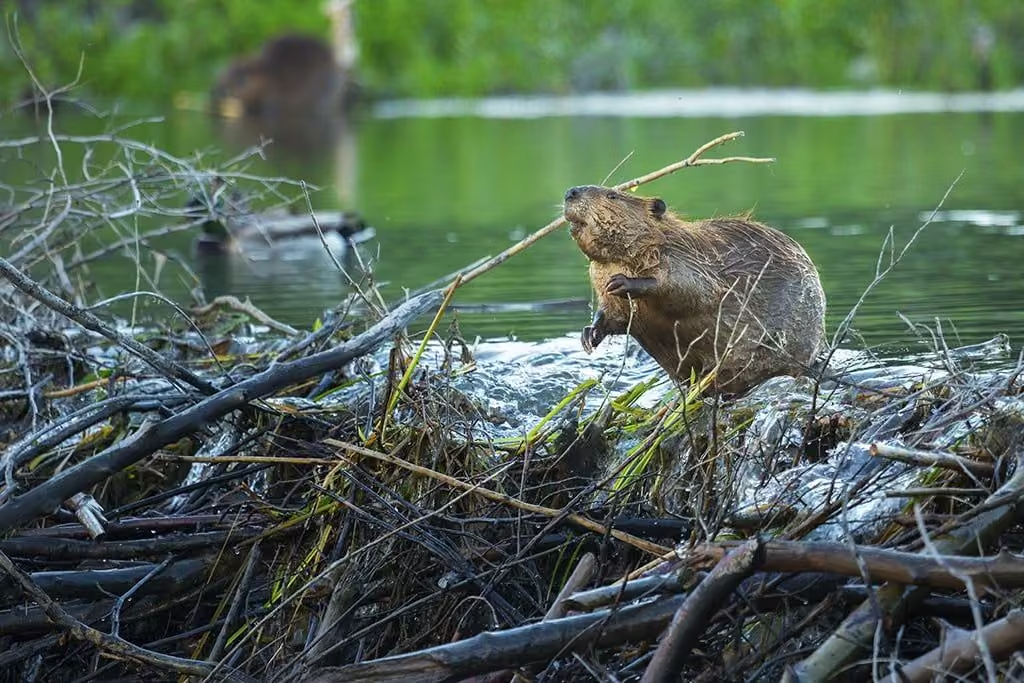
Beavers are nature’s original engineers. Long before Europeans arrived in North America, the oversized rodents kept river systems healthy. They did it once, can they do it again? What happens when we "Leave it to Beavers". bigpicturescience.org/episodes/leave-it-to-beavers
-
Big Picture Science
@BiPiSci
It sounds like a joke, “Two beavers walk into a creek…” But the dam and the million-gallon pond of water they create could bring serious relief in drought-prone areas. We discover how we might benefit if we "Leave It to Beavers" on this week's episode: bigpicturescience.org/episodes/leave-it-to-beavers
-
Big Picture Science
@BiPiSci
Author James Vincent and Seth Shostak take measure of the history of measurement from the King’s foot as a basic measurement to microgram changes in the definition of the kilogram, to how to calculate the weight of the Internet. bigpicturescience.org/measure-for-measure/
-
Big Picture Science
@BiPiSci
Blink and you’ll miss it. The definition of a meter is the distance that light travels in one 299,792,458th of a second. This week, we discuss how we came to base measurements on fundamental units of nature. bigpicturescience.org/episodes/measure-for-measure
-
Big Picture Science
@BiPiSci
We may think of measurements – yards, pounds, meters, gallons – as things derived from the natural world, but author James Vincent discovered that they are essentially arbitrary, things we make up to make sense of the world. bigpicturescience.org/episodes/measure-for-measure
-
Big Picture Science reposted
WRIR-LP 97.3 FM Richmond, VA
@WRIR973fm
Big Picture Science is on Mondays at 9 AM! 👽
Big Picture Science
@BiPiSci
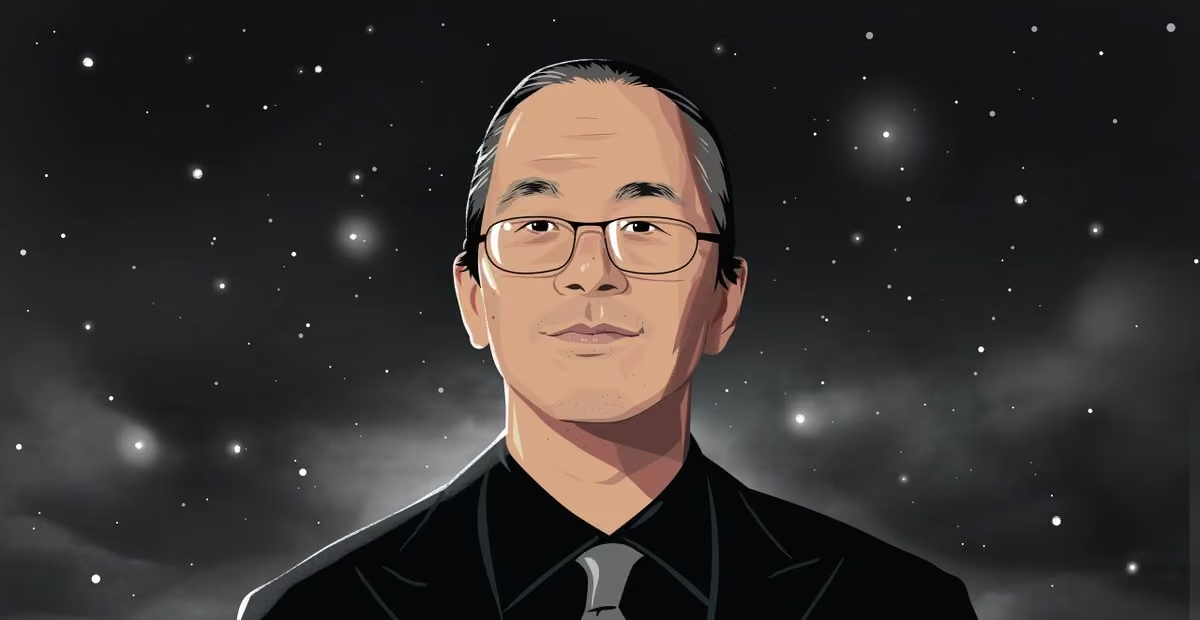
If we ever make contact with aliens, how would we talk with them? Distinguished science fiction author Ted Chiang explored human-extraterrestrial communication in his short story that was the basis for the movie Arrival. bigpicturescience.org/episodes/calling-all-aliens
-
Big Picture Science
@BiPiSci
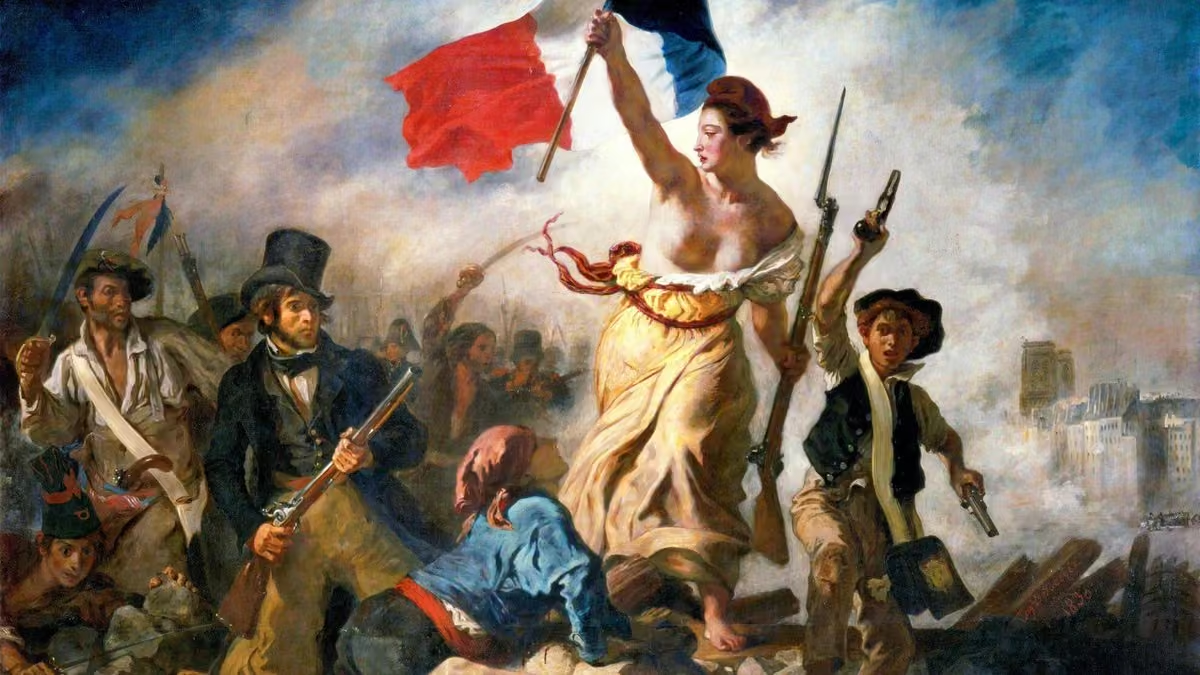
How important it is to have standard units of measurement? A call for them was part of rallying cries around the French Revolution. “It is more complained about than infringement of personal liberties or injustice in the court system,” says James Vincent. bigpicturescience.org/measure-for-measure/
-
Big Picture Science
@BiPiSci
How accurate can clocks get? Your phone is a slug compared with the latest timekeepers. “Instead of losing a second over a million years, scientists are now talking about losing seconds over the observable lifespan of the universe,” says James Vincent. bigpicturescience.org/measure-for-measure/
-
Big Picture Science
@BiPiSci
Anyone who’s taken high school physics is familiar with the metric system. But why, more than a century after its invention, do Americans still not use it in their everyday lives? This episode is “Measure for Measure” bigpicturescience.org/episodes/measure-for-measure
-
Big Picture Science
@BiPiSci
Whether in miles or pounds, meters or kilograms, we take daily measure of our lives. But how did these units ever come to be? This week's episode is “Measure for Measure” bigpicturescience.org/measure-for-measure/
-
Big Picture Science
@BiPiSci
Some scientists don’t want to only listen for a signal from ET, they want to deliberately transmit a signal into space. This is known as METI, Messaging Extraterrestrial Intelligence. We talk to Doug Vakoch about the consequences might of doing so. bigpicturescience.org/episodes/calling-all-aliens
-
Big Picture Science
@BiPiSci
An experiment, known as COSMIC, is the most ambitious SETI search undertaken and it’s up and running in the New Mexico desert. Radio astronomer Chenoa Tremblay explains how it could it lead to a detection of an alien civilization. bigpicturescience.org/episodes/calling-all-aliens
-
Big Picture Science
@BiPiSci
Some people think we should not remain silent when it comes to ET. Among them is Doug Vakoch who heads an organization that he founded: METI International. His team has sent a signal into space. Find out what they said. bigpicturescience.org/episodes/calling-all-aliens
-
Big Picture Science
@BiPiSci
The idea of contacting aliens is one that writer Ted Chiang explores in his short stories. How do his visions compare with those of scientists who search for aliens? A conversation between Ted Chiang and our own alien hunter, Seth Shostak. bigpicturescience.org/episodes/calling-all-aliens
-
Big Picture Science
@BiPiSci
If we ever make contact with aliens, how would we talk with them? Distinguished science fiction author Ted Chiang explored human-extraterrestrial communication in his short story that was the basis for the movie Arrival. bigpicturescience.org/episodes/calling-all-aliens
-
Big Picture Science
@BiPiSci
Are we alone in the universe? Is there other intelligence out there? COSMIC, the most ambitious SETI search yet, hopes to answer that. This week, we're “Calling All Aliens” bigpicturescience.org/episodes/calling-all-aliens
-
Big Picture Science
@BiPiSci
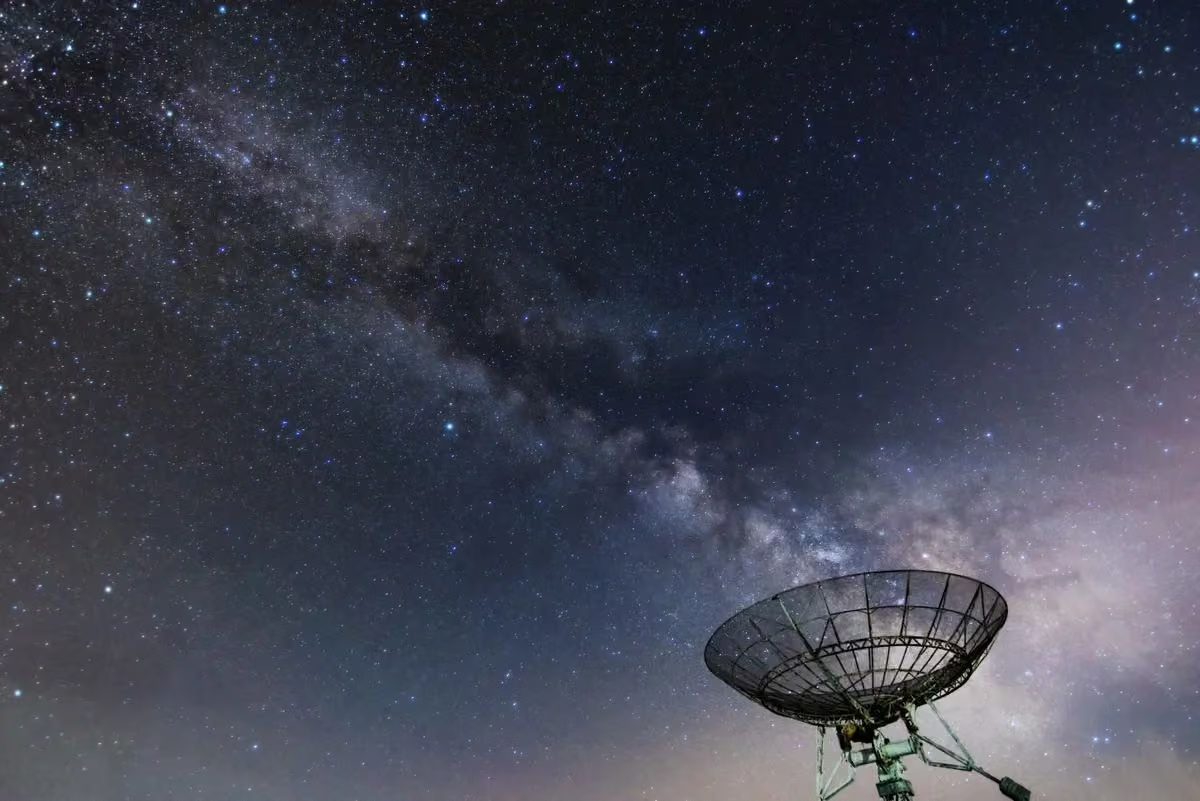
Could there be intelligent life elsewhere in the Galaxy? We talk about the SETI Institute’s COSMIC project, which will use one of the world’s largest radio telescopes 24/7 to search the skies for alien transmissions. We’re “Calling All Aliens” bigpicturescience.org/calling-all-aliens/
-
Big Picture Science
@BiPiSci
Humans are unusual in many ways, but our bipedalism truly sets us apart from the mammalian world. This week, we’re looking at the features that move us. bigpicturescience.org/episodes/what-moves-us
-
Big Picture Science
@BiPiSci
Our feet are a feat of evolution, but many of us take the act of walking for granted. We’re doing an evolutionary deep dive on the body with a focus on “What Moves Us” bigpicturescience.org/episodes/what-moves-us
-
Big Picture Science
@BiPiSci
It may be hard to believe it at the end of a long day of walking, but standing up is one of the defining features that make us human. We’re looking at feet, necks and muscles and asking “What Moves Us” bigpicturescience.org/episodes/what-moves-us
-
Big Picture Science
@BiPiSci
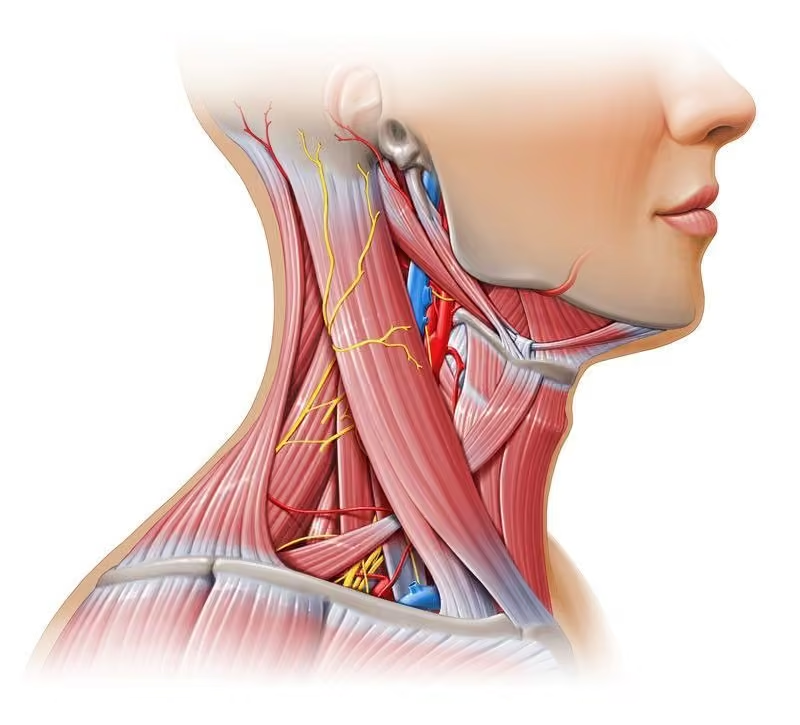
Our necks are so vitally important that they’ve become a source of countless idioms. Who hasn’t called someone a pain in the neck before? This week, we explore the neck’s literal and figurative importance. bigpicturescience.org/episodes/what-moves-us
-
Big Picture Science
@BiPiSci
Giraffes are known for their long necks, but what evolutionary forces led to their development? We dig into that and many more in “What Moves Us” bigpicturescience.org/episodes/what-moves-us
-
Big Picture Science
@BiPiSci
The neck is an often forgotten about part of the body, despite the fact that it holds nerves, blood vessels and the key to speech. It’s an impressive catalogue of feats. Don’t believe us? Tune into “What Moves Us” bigpicturescience.org/episodes/what-moves-us
-
Big Picture Science
@BiPiSci
One of the tiniest muscles in our body, the “arrector pili,” makes our hair stand when we are cold, frightened or excited. This week, we’re examining the wild and sometimes surprising evolutionary adaptions of the human body as we ask “What Moves Us” bigpicturescience.org/episodes/what-moves-us
-
Big Picture Science
@BiPiSci
Our ability to swim, dance and run long distances are due to countless evolutionary forces which shaped our form. This week, we dig into those unique bodily features that move us. bigpicturescience.org/episodes/what-moves-us
-
Big Picture Science
@BiPiSci
From an engineering standpoint, the body is a mishmash of ideas. What evolutionary forces led to our efficient yet imperfect bodies? bigpicturescience.org/episodes/what-moves-us
-
Big Picture Science
@BiPiSci
Our bodies are marvels of evolution, yet evolution is not a perfect engineer. It works with what it’s got, which explains our sore feet and aching backs. We look at our complicated evolutionary past and What Moves Us on this week’s episode: bigpicturescience.org/episodes/what-moves-us
-
Big Picture Science
@BiPiSci
Why do humans who run marathons on weekends without issue, also have sore backs sitting at their desks during the week? We explore our marvelous yet imperfect evolutionary forms as we ask, What Moves Us on this week's episode: bigpicturescience.org/what-moves-us/
-
Big Picture Science
@BiPiSci
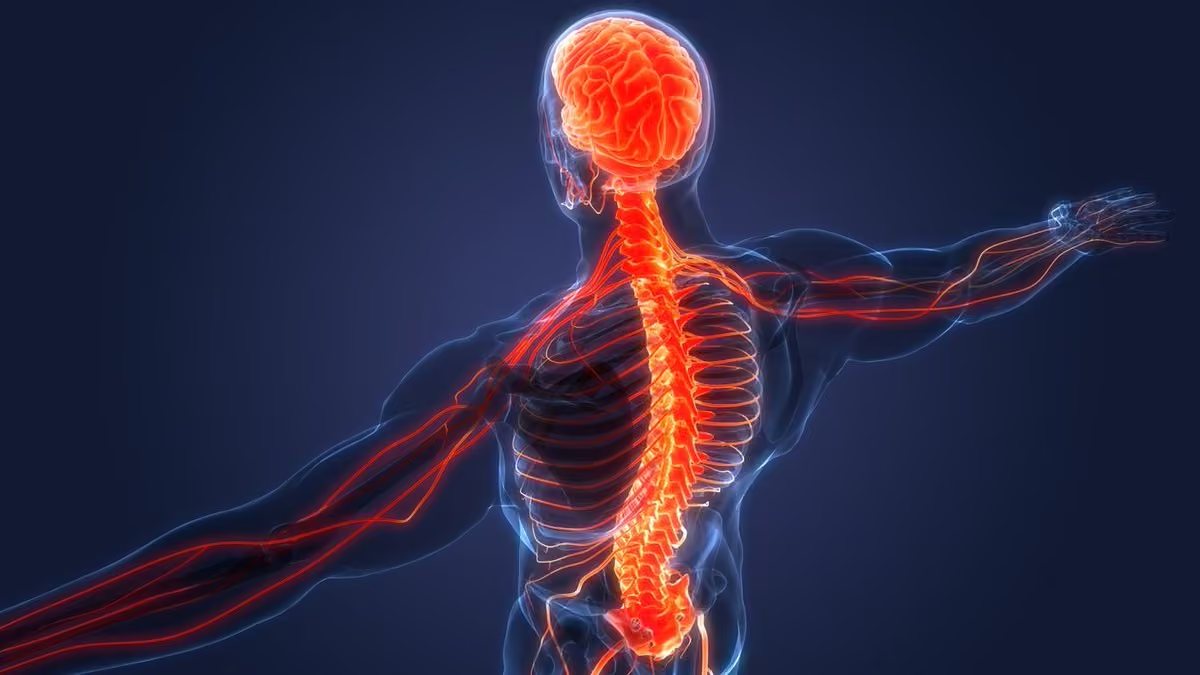
We’re putting on our on our skeptic caps as we examine electricity’s application to help the brain and the body. Is bioelectricity the future of medicine? This episode of our regular look at critical thinking is “Skeptic Check: Body Electric.” bigpicturescience.org/episodes/skeptic-check-the-body-ele…
-
Big Picture Science
@BiPiSci
The cells in your body are like little capacitors. Could manipulating their electrical impulses cure wounds? DARPA is researching the potential for using electricity to speed up the rate of healing for battlefield injuries. bigpicturescience.org/episodes/skeptic-check-the-body-ele…
-
Big Picture Science
@BiPiSci
Can jolts of electricity turn malignant cells back to healthy ones? University of Guelph researcher Samantha Payne shares the results of her breast cancer study. bigpicturescience.org/episodes/skeptic-check-the-body-ele…
-
Big Picture Science
@BiPiSci
We interview Sally Adee, a journalist and the author of “We Are Electric: Inside the 200-Year Hunt for Our Body’s Bioelectric Code, and What the Future Holds,” for this episode: Skeptic Check: The Body Electric bigpicturescience.org/episodes/skeptic-check-the-body-ele…
-
Big Picture Science
@BiPiSci
In this shocking episode, what the evidence says about the ability of electricity to heal wounds, improve Parkinson’s symptoms, treat chronic diseases, and disable cancer cells. It’s Skeptic Check: The Body Electric bigpicturescience.org/skeptic-check-the-body-electric/
-
Big Picture Science
@BiPiSci
Today we know that our bodies run on electrical impulses, but in the 18th century thee idea was so radical that it divided European scientists. Many refused to believe that the phenomenon they saw in lightning was also made the body tick. bigpicturescience.org/skeptic-check-the-body-electric/
-
Big Picture Science
@BiPiSci
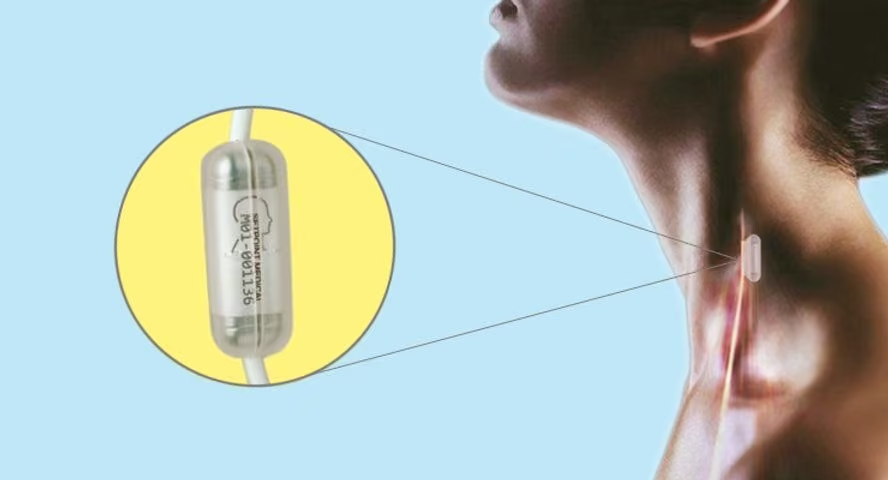
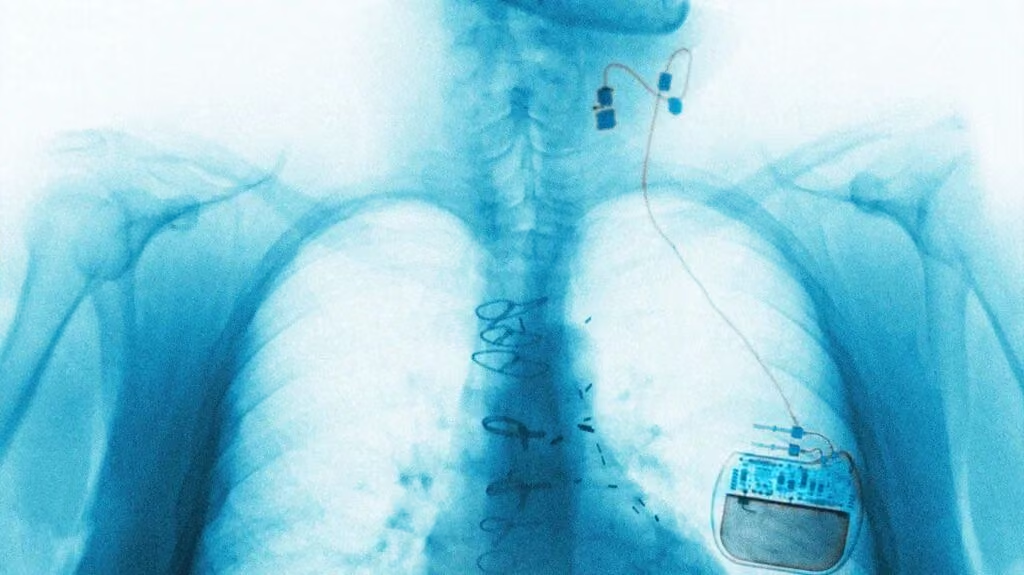
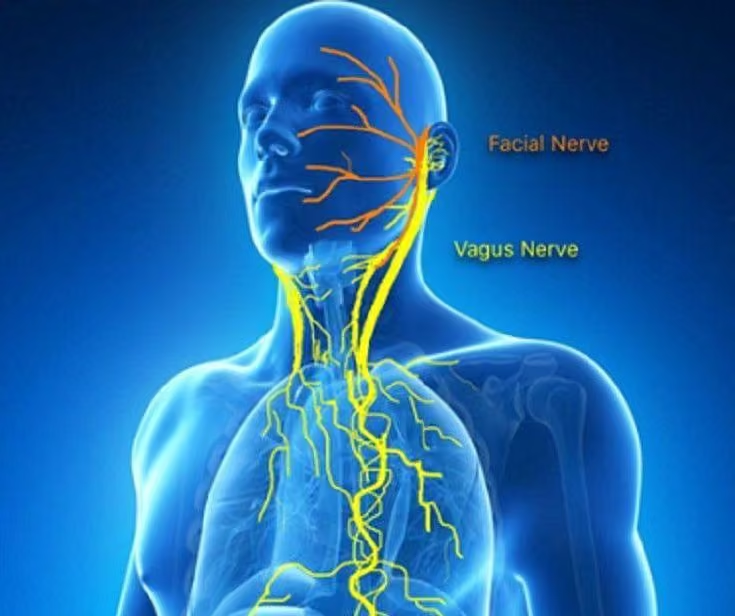
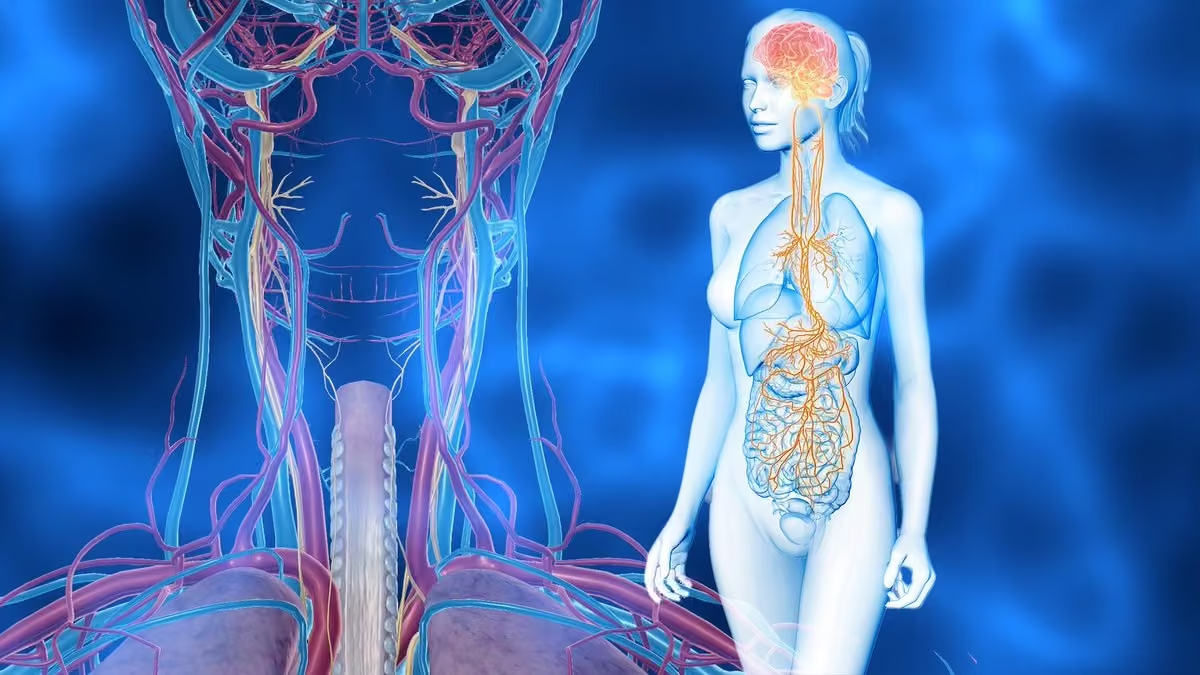
The vagus nerve connects your brain to your organs. It controls inflammation and plays a role in regulating your immune system. Why zapping it with electricity might cure what ails you: bigpicturescience.org/skeptic-check-the-body-electric/
-
Big Picture Science
@BiPiSci
Many 19th-century claims about the curative powers of electricity were pseudoscience. Find out how the current thinking has changed and why bioelectricity may be a viable field of medicine. bigpicturescience.org/skeptic-check-the-body-electric/
-
Big Picture Science
@BiPiSci
Biology uses electrical signaling to function. But could electricity also be used to treat disease and heal wounds? This week’s episode is “Skeptic Check: The Body Electric.” bigpicturescience.org/skeptic-check-the-body-electric/
-
Big Picture Science
@BiPiSci
Our bodies rely on electricity to function, but could electricity also be used to treat disease and heal wounds? The research may shock you. This week, it’s “Skeptic Check: The Body Electric.” bigpicturescience.org/skeptic-check-the-body-electric/
-
Big Picture Science
@BiPiSci
Scientists have measured in number of cells the smallest fragment of a sliced flatworm that can regenerate into an entire animal. Learn that number and how these worms skillfully use stem cells to regenerate those tubular bodies. bigpicturescience.org/worms-of-endearment/
-
Big Picture Science
@BiPiSci
Planarian flatworms have amazing regenerative abilities. After being sliced in half, wounds close within minutes, new eyes appear in days, and by day seven, the regenerated body is behaving like a functioning flatworm. bigpicturescience.org/worms-of-endearment/
-
Big Picture Science
@BiPiSci
Following the idea that noisy soil is healthy soil, a scientist listens to earthworms. Roland Pease visits Jacqueline Stroud as she sticks a microphone in dirt to collect the underground "soundscape." Join us to hear the munching, rustling sounds of worms. bigpicturescience.org/worms-of-endearment/
-
Big Picture Science
@BiPiSci
Children sing about worms, but Charles Darwin played piano for them. The father of evolution put the wrigglers (in jars) on top of his piano and played music. Find out which notes prompted the worms to retreat quickly into their burrows. bigpicturescience.org/worms-of-endearment/
-
Big Picture Science
@BiPiSci
Charles Darwin discovered that earthworms may be surprisingly choosy—and clever. He gave them paper triangles coated in vegetable fat, and they selected and dragged certain shapes into their burrows, suggesting they were making… intelligent decisions. bigpicturescience.org/worms-of-endearment/
-
Big Picture Science
@BiPiSci
Science journalist Phil Ball discusses how Charles Darwin’s final book “The Formation of Vegetable Mould, Through the Action of Worms, With Observations on Their Habits,” transformed our understanding about what until then was considered a marginal animal. bigpicturescience.org/worms-of-endearment/
-
Big Picture Science
@BiPiSci
Darwin had a lifelong fondness and fascination for earthworms. Hear how his insights about the invertebrates became the backbone of modern ecology and why science journalist Phil Ball included them in his book, “Beautiful Experiments.” bigpicturescience.org/worms-of-endearment/
-
Big Picture Science
@BiPiSci
Charles Darwin transformed our understanding of “lowly” earthworms when he calculated that these mountain movers displace about eight tons of soil per acre every year and may have helped bury ancient monuments. bigpicturescience.org/worms-of-endearment/
-
Big Picture Science
@BiPiSci
They may be small and limbless, but worms are masters of survival and adaptation. Earthworms engineer their underground environment, navigate a world we can barely see, and may even communicate through vibrations. This episode is "Worms of Endearment" bigpicturescience.org/worms-of-endearment/
-
Big Picture Science
@BiPiSci
Earthworms seem like nature's humblest creatures, but these mountain movers literally transform the world beneath our feet, while flatworms reveal extraordinary secrets about regeneration and stem cells. This episode is "Worms of Endearment" bigpicturescience.org/worms-of-endearment/
-
Big Picture Science
@BiPiSci
With bilateral symmetry, the worm body plan makes it an efficient moving and eating machine. Many worms also self-regenerate. In this week's episode, a scientist listens to worms to monitor soil health, and flatworms teach about stem cell regrowth. bigpicturescience.org/worms-of-endearment/
-
Big Picture Science
@BiPiSci
They may be small, limbless, and blind, but earthworms play a critical role in soil ecology. These invertebrates are the backbone of modern ecology and scientists are even listening to worms to monitor soil health. This week, it's "Worms of Endearment" bigpicturescience.org/worms-of-endearment/
-
Big Picture Science
@BiPiSci
The word "Arctic" comes from the Greek arktikos, meaning "near the bear." We get as near to polar bears as we can in this interview with Dr. Andrew Derocher who has studied the region’s iconic and dangerous animals for four decades. bigpicturescience.org/episodes/arctic-dispatch
-
Big Picture Science
@BiPiSci
Abrupt climate change and the halting of the powerful Atlantic Ocean current were the plot drivers of the climate thriller The Day After Tomorrow twenty years ago. But they are not science fiction, says a researcher studying the melting Greenland icesheet. bigpicturescience.org/episodes/arctic-dispatch
-
Big Picture Science
@BiPiSci
Scientists from @bas.ac.uk aboard the RSS Sir David Attenborough are racing to understand the tipping point for Greenland’s melting glaciers. In areas too dangerous for humans, they send robotic vehicles beneath glaciers, 50–100 meters underwater. bigpicturescience.org/episodes/arctic-dispatch
-
Big Picture Science
@BiPiSci
Dr. Andrew Derocher has studied polar bears for four decades. He began simply wanting to know more about the animals’ habits and biology. He didn't expect climate change to transform their world and his own research focus during his career. bigpicturescience.org/episodes/arctic-dispatch
-
Big Picture Science
@BiPiSci
Dr. Andrew Derocher @aederocher.bsky.social has spent decades studying polar bears in West Hudson Bay. Join us as he shares extraordinary facts about the animals and how loss of sea ice is stressing their ability to regularly find food. bigpicturescience.org/episodes/arctic-dispatch
-
Big Picture Science
@BiPiSci
The deepest point in the Arctic is more than 5.5 kilometers (3.4 miles) down. Polestern researchers are towing cameras capable of surviving 6,000 meters of pressure to watch life on the ocean floor. bigpicturescience.org/episodes/arctic-dispatch
-
Big Picture Science
@BiPiSci
Global warming is reshaping life on the Arctic seafloor. Scientists are finding more sea cucumbers and other Atlantic species creeping north as the ocean warms, a phenomenon they call "Atlantification." bigpicturescience.org/episodes/arctic-dispatch
-
Big Picture Science
@BiPiSci
One of biologist Autun Purser’s most memorable Arctic moments is when a brilliantly colored king eider duck, a polar duck, followed his research ship for two weeks, feasting on tiny creatures churned up by the propellers. This week, it's "Arctic Dispatch" bigpicturescience.org/episodes/arctic-dispatch
-
Big Picture Science
@BiPiSci
Marine biologist Autun Purser of @awi.de has visited the same area in the Arctic every year for 25 years and says the sea ice is thinner. "The ice puts up less of a fight,” he told @peaseroland.bsky.social who reached him aboard the ship. bigpicturescience.org/episodes/arctic-dispatch
-
Big Picture Science
@BiPiSci
The Arctic is warming 4x faster than the rest of the planet. Scientists aboard @awi.de Polestern icebreaker are watching changes unfold in real-time. Listen to @peaseroland.bsky.social’s ship-to-shore interview with a researcher on board. bigpicturescience.org/episodes/arctic-dispatch
-
Big Picture Science
@BiPiSci
This week, we talk with two scientists on research vessels sailing the Arctic right now: the awi.de Polestern and bas.ac.uk RSS Sir David Attenborough. Hear ship-to-shore accounts about how the region is changing: bigpicturescience.org/episodes/arctic-dispatch
-
Big Picture Science
@BiPiSci
The Arctic is warming faster than the rest of the world, and that has consequences for the whole planet. We talk about global changes with scientists aboard research vessels currently sailing the Arctic Ocean on this week's episode, "Arctic Dispatch" bigpicturescience.org/episodes/arctic-dispatch
-
Big Picture Science
@BiPiSci
We seized the opportunity to speak with two scientists aboard research vessels currently sailing in the Arctic Ocean. Hear our ship-to-shore conversations about how warmer temperatures affect life on land and in the sea on this week's new episode: bigpicturescience.org/episodes/arctic-dispatch
-
Big Picture Science
@BiPiSci
Our minds can adapt to comfort, says author Stan Cox. He makes the case for moderating our use of air conditioners and leaning on our natural adaptation to the heat in this week's episode, "Cold Comfort". bigpicturescience.org/cold-comfort/
-
Big Picture Science
@BiPiSci
Air conditioning drove population growth in areas like Florida, explains author Stan Cox, where residents now depend on it to survive hot summer months. But the more we depend on air conditioners, the more we contribute to heating the planet. bigpicturescience.org/cold-comfort/
-
Big Picture Science
@BiPiSci
We enjoy cooling off on a hot day by turning the AC on inside our homes. It may surprise you that air conditioners weren't originally invented for human comfort, but for machines! We delve into the origins of air conditioning on this week's episode. bigpicturescience.org/cold-comfort/
-
Big Picture Science
@BiPiSci
Refrigeration has given us many benefits, but there are costs as well, explains author Nicola Twilley. Are we over dependent on cooling machines? It's "Cold Comfort" bigpicturescience.org/cold-comfort/
-
Big Picture Science
@BiPiSci
From a farm to your table, your food travels through a long chain of refrigerated spaces. And your fridge is just the tip of the iceberg. How the "cold chain" affects everything from the type of food we eat to the environment we grow it in. bigpicturescience.org/cold-comfort/
-
Big Picture Science
@BiPiSci
As global temperatures rise, we depend on air conditioning and refrigeration to keep things cool. But the more we use them, the more we contribute to climate change. Is there a way out of this cycle? bigpicturescience.org/cold-comfort/
-
Big Picture Science
@BiPiSci
How long can we keep our planet artificially cool? Find out how AC and refrigeration contribute to hotter summers and our further dependence on them. This week, t's "Cold Comfort" bigpicturescience.org/cold-comfort/
-
Big Picture Science
@BiPiSci
How Technology designed to keep us comfortable in hot weather also ensures even hotter summers. Should we chill on using AC and refrigeration? This week, it's "Cold Comfort". bigpicturescience.org/cold-comfort/
-
Big Picture Science
@BiPiSci
Humans have been stricken with incurable blood diseases and cancers that mean a lifetime of pain or even death. Is gene editing the key to a cure? bigpicturescience.org/crispr-mosquitoes/
-
Big Picture Science
@BiPiSci
Victoria Gray stood before a crowd of scientists last month to say her lifelong struggle with sickle cell anemia appeared to be over thanks to gene editing. The astounding procedure was the first of its kind, but she may soon by joined by others. bigpicturescience.org/crispr-mosquitoes/
-
Big Picture Science
@BiPiSci
Bioethics lawyer Hank Greely has raised some big questions in his book about gene editing and CRISPR. We talked with him about how a gene tinkering future might look, and why it probably isn’t as scary as you might think. bigpicturescience.org/crispr-mosquitoes/
-
Big Picture Science
@BiPiSci
Some people believe it is playing god to edit genes. Others see it as a natural evolution of humanity. No matter where you fall on the spectrum, the technology to do so has arrived. bigpicturescience.org/crispr-mosquitoes/
-
Big Picture Science
@BiPiSci
From the crops we eat to the way we raise our children, humans have been tinkering and experimenting with genomes since before we knew they existed. Now, scientists are altering DNA with an exactness and ease never seen before. Should we be worried? bigpicturescience.org/crispr-mosquitoes/
-
Big Picture Science
@BiPiSci
For years, the devastating effects of malaria, dengue fever and zika virus, all transmitted via mosquitos, have plagued parts of the world. Have scientists finally found the solution through gene editing? bigpicturescience.org/crispr-mosquitoes/
-
Big Picture Science
@BiPiSci
Who doesn’t like the idea of eliminating mosquitos? This week, we are exploring how scientists are tinkering with genes to rid our picnics of those pesky insects. It’s CRISPR Mosquitos: bigpicturescience.org/crispr-mosquitoes/
-
Big Picture Science
@BiPiSci
Humans are now using CRISPR technology to alter DNA. Is this "directed evolution" something that all advanced species will use? This week, it's "CRISPR Mosquitoes". bigpicturescience.org/crispr-mosquitoes/
-
Big Picture Science
@BiPiSci
Our DNA is something we inherited that, until now, couldn't be quickly altered. But CRISPR technology may change that. bigpicturescience.org/crispr-mosquitoes/
-
Big Picture Science
@BiPiSci
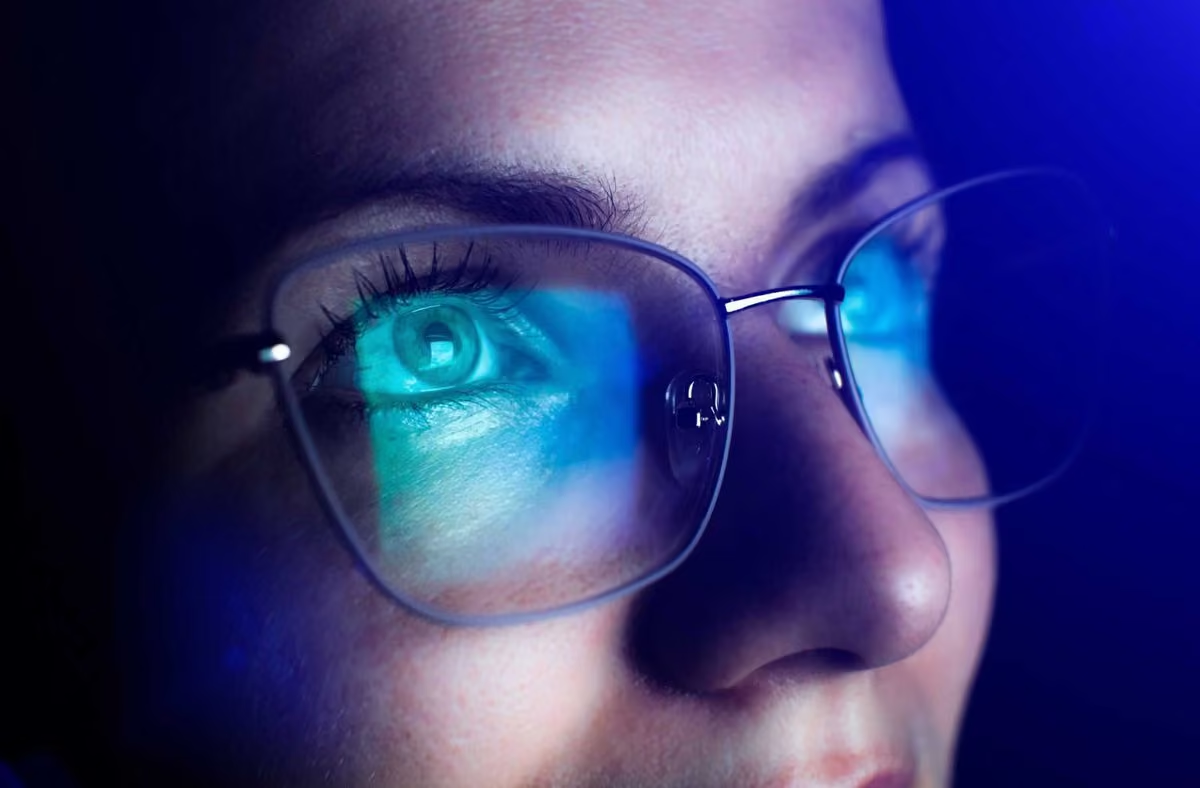
Almost every living thing has a form of a circadian clock, including fungi. We're looking at the molecular rhythms of everything from people to mushrooms in this week's episode. bigpicturescience.org/skeptic-check-blue-light-special/
-
Big Picture Science
@BiPiSci
Our biggest source of blue light comes from a surprisingly low-tech source - the sun. We're putting a spotlight on blue light in this week's episode: Skeptic Check: Blue Light Special bigpicturescience.org/skeptic-check-blue-light-special/
-
Big Picture Science
@BiPiSci
When the blue LED was invented in the 1990s, it revolutionized electronics and made our screens more vibrant. But how has this transformative invention transformed our sleep? This week, it's Skeptic Check: Blue Light Special bigpicturescience.org/skeptic-check-blue-light-special/
-
Big Picture Science
@BiPiSci
Research from around the world shows that the quality and quantity of sleep is declining. But what exactly is the culprit? This week, it's Skeptic Check: Blue Light Special bigpicturescience.org/skeptic-check-blue-light-special/
-
Big Picture Science
@BiPiSci
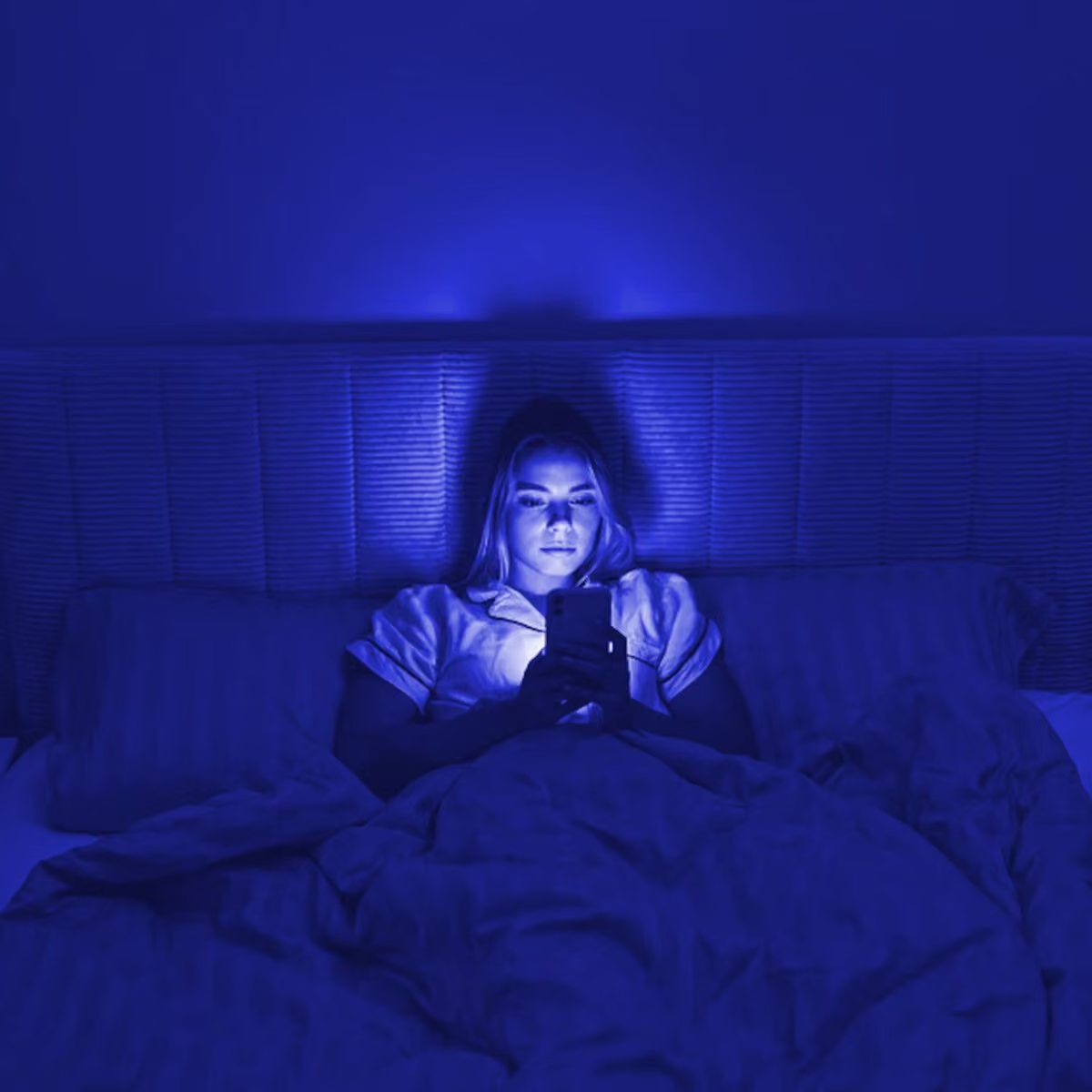
What if instead of putting our phones down at night, we needed to go for a sunny morning walk instead? Hear why experts recommend that, and more, in Skeptic Check: Blue Light Special bigpicturescience.org/skeptic-check-blue-light-special/
-
Big Picture Science
@BiPiSci
It turns out we may have been thinking about blue light from our devices all wrong. Where did we lose the plot? We’re shining a light on blue light in Skeptic Check: Blue Light Special. bigpicturescience.org/skeptic-check-blue-light-special/
-
Big Picture Science
@BiPiSci
The science around light and circadian rhythms is a relatively new one. We’re tracing the history and turning the spotlight on some famous fictions in the field this week. bigpicturescience.org/skeptic-check-blue-light-special/
-
Big Picture Science
@BiPiSci
Scrolling on your phone keeping you up at night? The science is less clear than you think. We’re sharing some illuminating science this week in Skeptic Check: Blue Light Special bigpicturescience.org/skeptic-check-blue-light-special/
-
Big Picture Science
@BiPiSci
Is it time to toss those blue light glasses? We’re shining a light on fact and fiction in Skeptic Check: Blue Light Special. bigpicturescience.org/skeptic-check-blue-light-special/
-
Big Picture Science
@BiPiSci
The fascinating science around the biological mechanisms of sleep and wakefulness, what circadian rhythms have in common with your grandfather’s clock, and why scientists no longer think that blue light causes nighttime restlessness: bigpicturescience.org/skeptic-check-blue-light-special/
-
Big Picture Science
@BiPiSci
Got the blues from lack of sleep? For years scientists have singled out blue light from our devices as the culprit behind our insomnia, but that idea no longer has scientific consensus. Find out why on Skeptic Check: Blue Light Special bigpicturescience.org/skeptic-check-blue-light-special/
-
Big Picture Science
@BiPiSci
“There is agency in all life, even if that agency is only to persist” Author Melanie Challenger explores how humanity can extend its moral and ethical values to all living creatures in this week’s episode, "Make Space for Animals" bigpicturescience.org/make-space-for-animals/
-
Big Picture Science
@BiPiSci
“One of my main ideas for this was to put a face to all of these critters. I wanted to show the animals that sacrificed their lives.” @taymaggiacomo combines history and artwork to create an informative and empathetic tribute to space program animals. bigpicturescience.org/make-space-for-animals/
-
Big Picture Science
@BiPiSci
“Pretty much anything you can think of, there’s a good chance we’ve sent it into space by now” says @ajsteg. Hear more about the animal astronauts and cosmonauts who came before us in this week's episode. bigpicturescience.org/make-space-for-animals/
-
Big Picture Science
@BiPiSci
You may be familiar with Laika, the Soviet space dog, who became the first creature to orbit the Earth. But did you know many other four-legged creatures have also gone into space? This week, we "Make Space for Animals." bigpicturescience.org/make-space-for-animals/
-
Big Picture Science
@BiPiSci
The sly fox, the selfish dog, the lazy lion. Find out how modern science has corrected these ancient tropes of animals. Eg: one of the most loving family members has been portrayed as a predator in sheep’s clothing. bigpicturescience.org/make-space-for-animals/
-
Big Picture Science
@BiPiSci
When you think of a wolf, do you think of a deceptive predator? Or a loving family member? This week Molly and Seth talk about how Aesop’s Fables colored our perception of the animal kingdom. bigpicturescience.org/make-space-for-animals/
-
Big Picture Science
@BiPiSci
Remember the Tortoise and the Hare? The Wolf in Sheep’s Clothing? This week, we talk about how Aesop’s fables stack up to our modern science understanding of animals. And, has it shaded our perceptions of animals this day? bigpicturescience.org/make-space-for-animals/
-
Big Picture Science
@BiPiSci
Life in space? We’ve put a lot of it up there, and not all of it is human. Hear more on this week's episode, “Make Space for Animals.” bigpicturescience.org/make-space-for-animals/
-
Big Picture Science
@BiPiSci
They may be our best friends, but we still balk at giving other creatures moral standing. And why are humans so reluctant to accept the fact that we too are animals? In this week's episode, we "Make Space for Animals." bigpicturescience.org/make-space-for-animals/
-
Big Picture Science
@BiPiSci
The discovery of Earth-like exoplanets has transformed the field of astronomy and the search for extraterrestrial life. We look at how astronomers are analyzing the atmospheres of planets light years away in this week's episode. bigpicturescience.org/skeptic-check-disclosure-day/
-
Big Picture Science
@BiPiSci
While fictional alien films continue to fill theaters, the real scientific search for extraterrestrial life continues. Astrobiologists scour the cosmos for planets that may be habitable for life and even signs of life itself. bigpicturescience.org/skeptic-check-disclosure-day/
-
Big Picture Science
@BiPiSci
In 2017, a report by the NYTimes revealed that an unpublicized government UFO program did exist. The news led some to believe that if such a program existed, perhaps evidence of alien visitation existed too. bigpicturescience.org/skeptic-check-disclosure-day/
-
Big Picture Science
@BiPiSci
The popularity of movies about government cover-ups about UFOs shows that it's a big part of the way we imagine UFOs, says @theatlantic.com senior editor Adam Kirsch. "It's partly about what people see that experts don't want us to see." bigpicturescience.org/skeptic-check-disclosure-day/
-
Big Picture Science
@BiPiSci
In his latest book, "We Want to Believe: How Aliens Went Mainstream and Why it Matters," @theatlantic.com senior editor Adam Kirsch explores why a belief that aliens are among us has persisted despite the lack of evidence supporting it. bigpicturescience.org/skeptic-check-disclosure-day/
-
Big Picture Science
@BiPiSci
We want to take his class!
Physics In History
@PhysInHistory
Interesting ways to teach physics ✍️
-
Big Picture Science
@BiPiSci
Extraterrestrial travelers visiting planet Earth is a favorite plot point of many beloved Hollywood movies. These films often pose a question that remains unanswerable: how would humanity react if we made contact with alien life? bigpicturescience.org/skeptic-check-disclosure-day/
-
Big Picture Science
@BiPiSci
Modern day fascination with UFOs can be traced back to just after World War II. As more technology began to fill our skies, our eyes couldn't help but be drawn skyward. It's "Skeptic Check: Disclosure Day" bigpicturescience.org/skeptic-check-disclosure-day/
-
Big Picture Science reposted
Physics In History
@PhysInHistory
And most people say of astrology, "Oh, it's harmless fun, isn't it?" And I should say probably for about 80% of the cases it probably is harmless fun, but there's a strong way in which it isn't harmless: one, because it's so anti-science; you know, you'll hear things like "Science doesn't know everything." Well, of course science doesn't know everything, but because science doesn't know everything that doesn't mean science knows nothing. Science knows enough for us to be watched by a few million people now on television, for these lights to be working, for quite extraordinary miracles to have taken place in terms of the harnessing of the physical world and our dim approaches towards understanding it.
- Stephen Fry -
Big Picture Science reposted
Science Magazine
@ScienceMagazine
In 2023, researchers in a deep-sea submersible west of Australia came across several whale skeletons 2400 meters deeper than had ever been described.
As the expedition continued, the scientists found an unprecedented abundance of skeletons—the biggest, deepest, and oldest collection ever seen on the sea floor.
Learn more: scim.ag/3QIckIz @NewsfromScience -
Big Picture Science
@BiPiSci
In the last decade, the federal government has made a series of disclosures about previously classified information on UAPs, but evidence of alien visitation has been lacking. Will the latest data dump prove different? bigpicturescience.org/skeptic-check-disclosure-day/
-
Big Picture Science
@BiPiSci
Steven Spielberg's latest film, Disclosure Day, has brought theories about a government cover-up of aliens back into the cultural zeitgeist. Of course in many ways, this fascination has never left. It's "Skeptic Check: Disclosure Day" bigpicturescience.org/skeptic-check-disclosure-day/
-
Big Picture Science
@BiPiSci
As the movie Disclosure Day premieres, we look at the history of public belief in aliens, the latest UAP disclosures from the government, and the scientific effort to detect life on other worlds. It’s Skeptic Check: Disclosure Day bigpicturescience.org/skeptic-check-disclosure-day/
-
Big Picture Science
@BiPiSci
Steven Spielberg’s movie Disclosure Day suggests that our government has been hiding a cache of evidence about alien visitation spanning decades. But how does fun fiction mesh with reality? It’s Skeptic Check: Disclosure Day bigpicturescience.org/skeptic-check-disclosure-day/
-
Big Picture Science reposted
The SETI Institute
@SETIInstitute
#ppod: Big and Small Before Rings 🪐
At first glance, it looks as though #saturn's icy moon Rhea towers over tiny Epimetheus against a breathtaking backdrop of rings and cloud tops. In reality, the two worlds are separated by hundreds of thousands of kilometers, creating a celestial illusion captured by the #cassini spacecraft in 2010.
Credit: @NASA @NASAJPL @spacescienceins CICLOPS -
Big Picture Science reposted
Prof. Abel Méndez 🔭 🔬
@ProfAbelMendez
Statistically, decades of observations of the universe might include every kind of detectable phenomenon. Yet everything we’ve detected so far appears natural, and nothing is clearly the product of an extraterrestrial civilization. Figure that out. 🤔 #ufos #upas #disclosureday
-
Big Picture Science
@BiPiSci
We share this in anticipation of our new episode dropping next week, "Disclosure Day." Does the government's latest UAP data dump finally provide solid evidence that aliens have been visiting Earth?
Mick West
@MickWest
The "new" UAP videos released today are ALL from one guy who regularly sees "orbs" over his house. He was considered "credible" by the FBI. His videos were released last year. One showed Chinese lanterns, and one showed the ISS.
He's not credible, and the FBI did a poor job.This media couldn't be displayed. See it on the original post. -
Big Picture Science
@BiPiSci
If your car could drive itself, what would you do with all the extra time in your life? We ask that question and more, as we dive into the history and future of the automobile this week in VROOM. bigpicturescience.org/vroom/
-
Big Picture Science
@BiPiSci
This week, we’re joined by @binarybits to discuss the newest innovations in self-driving cars, their success on the west coast and in the Sun Belt, and why they may be coming to a city near you very soon. bigpicturescience.org/vroom/
-
Big Picture Science
@BiPiSci
What he said
Mick West
@MickWest
I want to know the truth!
Why are members of Congress promoting the baseless rumor that the US gov has crashed alien craft, bodies of dead aliens, and knowledge of "sentient plasma" alien races?
Go ahead, release the files & give witnesses immunity. Shine some sunlight!
Rep. Eric Burlison
@RepEricBurlison
The American people are closer to the truth than ever before.
Disclosure is inevitable.
To those in government, working for contractors, or in retirement: come forward. Bring your testimony to Congress.
The American people want to hear the truth.This media couldn't be displayed. See it on the original post. -
Big Picture Science
@BiPiSci
Are self-driving cars safe? Is their wide-spread implementation right around the corner? And most importantly, are people willing to give up control of their cars? We ask that and more in VROOM. bigpicturescience.org/vroom/
-
Big Picture Science
@BiPiSci
If you live in San Francisco or Phoenix, you might know that self-driving cars have leapt from science fiction to real life. But just how close are we to giving up the wheel? We ask that question and more this week, as we go VROOM. bigpicturescience.org/vroom/
-
Big Picture Science
@BiPiSci
This week, we’re joined by Witold Rybczynski to drive deep into the history of the automobile, the cities around us, and our nearly unbreakable bond with the machines that move us. bigpicturescience.org/vroom/
-
Big Picture Science
@BiPiSci
In many ways, the design of modern cars has gone relatively unchanged over the last 50 years. Have we reached the end of the line in automobile innovation? bigpicturescience.org/vroom/
-
Big Picture Science
@BiPiSci
Did you know that you have your car to thank for the two-day weekend? We dive into more of the odd and surprising history of this automobile in this week’s show. bigpicturescience.org/vroom/
-
Big Picture Science
@BiPiSci
The introduction of the car didn’t just revolutionize travel. It also reshaped our cities, and our relationship to work. Join us, as we rev our engines and go VROOM. bigpicturescience.org/vroom/
-
Big Picture Science
@BiPiSci
Intelligence comes in many forms including your future car. How will AI and advanced sensor networks change our riding experience? Hop in as we explore the history and future of the automobile in Vroom! bigpicturescience.org/vroom/
-
Big Picture Science
@BiPiSci
Cars have reshaped our cities, our jobs and our relationship to the world. They are an extension of us. But what would happen if we took our hands off the wheel? From the Model T to autonomous taxis, this week we go Vroom! bigpicturescience.org/vroom/
-
Big Picture Science
@BiPiSci
Brain-Computer Interfaces provide a direct pathway from the brain's electrical output to the input of a digital device. BCIs are helping people who have lost their ability to speak and/or control their muscles find new ways to communicate. bigpicturescience.org/outside-of-our-minds/
-
Big Picture Science
@BiPiSci
As engineers adapted the QWERTY keyboard to languages like Chinese, they invented two pieces of tech that many of us use today: predictive text and pop-up menus. Learn more about the history of the Chinese keyboard on this week's episode: bigpicturescience.org/outside-of-our-minds/
-
Big Picture Science
@BiPiSci
The QWERTY keyboard relies on a key assumption - that one key translates to one symbol. But for languages with thousands of characters like Chinese, this early keyboard model wasn't a fit. So hackers and modifiers got to work. It's "Outside of Our Minds" bigpicturescience.org/outside-of-our-minds/
-
Big Picture Science
@BiPiSci
If you're currently reading this on a computer, you probably have a QWERTY keyboard sitting in front of you. But how did this layout become THE standard keyboard that most of us use today? Find out on this week's episode, "Outside of Our Minds" bigpicturescience.org/outside-of-our-minds/
-
Big Picture Science
@BiPiSci
As AI is increasingly used to produce text, researchers are concerned about a problem called AI model collapse. "It's like breathing your own CO2" explains professor Alex Bentley. We're going "Outside of Our Minds" on this week's episode: bigpicturescience.org/outside-of-our-minds/
-
Big Picture Science
@BiPiSci
The development of writing was a major inflection point in human history. By externalizing ideas onto clay and paper, the flow of information between communities increased. We look at the intersection of communication and technology in this week's episode bigpicturescience.org/outside-of-our-minds/
-
Big Picture Science
@BiPiSci
At the NYC Mechanical Keyboard Meetup, keyboard enthusiasts gather to show off their customized boards and keep the art of creative tech building alive. You've never seen a QWERTY keyboard quite like these. bigpicturescience.org/outside-of-our-minds/
-
Big Picture Science
@BiPiSci
What drives humans to want to outwardly express inner emotions and ideas? We dive into how technology has shaped cultural evolution in this week's episode, "Outside of Our Minds" bigpicturescience.org/outside-of-our-minds/
-
Big Picture Science
@BiPiSci
Every advancement in human communication reshapes how our brains process information. From petroglyphs to typewriters, to artificial intelligence, we explore how humans have pushed boundaries to more efficiently express our inner lives. bigpicturescience.org/outside-of-our-minds/
-
Big Picture Science
@BiPiSci
In a world where duck-billed mammals lay eggs, and giant squids inhabit our oceans, is it so odd that people believe in Bigfoot or Nessie? Perhaps we're looking for undiscovered species in all the wrong places. This week, it's "Skeptic Check: Cryptids" bigpicturescience.org/skeptic-check-cryptids/
-
Big Picture Science
@BiPiSci
A team of researchers have estimated that more than 80% of species on Earth are still unidentified. Many of them reside deep below the ocean's surface. And many are just as strange as any described in a cryptid folktale. It's "Skeptic Check: Cryptids" bigpicturescience.org/skeptic-check-cryptids/
-
Big Picture Science
@BiPiSci
"There's a liminal zone between the real and the imaginary," says author Michael Branch. Afterall, there are many animals in history that were once thought to be creatures of folklore before they were proven real. This week, it's "Skeptic Check: Cryptids": bigpicturescience.org/skeptic-check-cryptids/
-
Big Picture Science
@BiPiSci
A hoax that originated in the American West has become a beloved inside joke. It also has a surprising connection to a historical medical breakthrough. This week, we spoke with author Michael Branch about his latest book, On The Trail of the Jackalope: bigpicturescience.org/skeptic-check-cryptids/
-
Big Picture Science
@BiPiSci
Humans have told stories about monsters that lie in wild, unmapped places throughout history, explains Ben Radford, deputy editor for Skeptical Inquirer Science Magazine. "It's natural to wonder what's out there and to be afraid." bigpicturescience.org/skeptic-check-cryptids/
-
Big Picture Science
@BiPiSci
Apart from blurry photographs and preserved "footprints," there's no evidence to suggest creatures like Bigfoot exist. But this hairy hominid is symbolic of something greater explains Ben Radford, deputy editor for Skeptical Inquirer Science Magazine bigpicturescience.org/skeptic-check-cryptids/
-
Big Picture Science
@BiPiSci
Stories about mythical creatures like Bigfoot have left an outsized footprint on our culture. But there are real species who are just as strange (if not more so) as any sasquatch or lake-dwelling monster. This week, it's "Skeptic Check: Cryptids" bigpicturescience.org/skeptic-check-cryptids/
-
Big Picture Science
@BiPiSci
What do you think of this description of AI? Is it accurate? Should it be public property or a private utility?
Alex Veremeyenko
@alex_verem
Let me trace the timeline here because nobody's connecting it.
Step 1: Scrape the entire internet. Every book, every article, every conversation, every piece of art, every forum post. Do it without asking. Do it without paying.
Step 2: Train a model on all of it. Call it "artificial intelligence."
Step 3: Go to BlackRock's Infrastructure Summit and announce: "We see a future where intelligence is a utility, like electricity or water, and people buy it from us on a meter."
Step 3 is where you sell people's own knowledge back to them. On a meter.
They took the collective output of human thought, compressed it into a model, and now they want to charge you by the token to access a version of what you and everyone you know already created.
One Reddit user put it perfectly: "They stole all this data from us, the people, our life's work, creativity, art, by devouring the internet and blowing through all copyright laws. Now they want to sell it back to us in the form of a utility."
Imagine if someone photocopied every book in the public library, burned the library down, and then opened a subscription service for the copies.
That's the metered intelligence business model.
And they're pitching it to infrastructure investors as though they invented water. -
Big Picture Science
@BiPiSci
Our fascination with cryptids never seems to fade. From Bigfoot and Chupacabra, to Mothman and Nessie, we can't help but delight in the idea that these folklore creatures are out there, waiting to be discovered. This week, it's "Skeptic Check: Cryptids" bigpicturescience.org/skeptic-check-cryptids/
-
Big Picture Science
@BiPiSci
A study says that more than 80% of species on Earth are still unidentified. Can we identify them before they disappear? Meanwhile, our interest in mythological creatures like Bigfoot never fades. It’s Skeptic Check: Cryptids bigpicturescience.org/skeptic-check-cryptids/
-
Big Picture Science
@BiPiSci
From Sasquatch to Nessie to Chupacabra, mythical creatures have long fascinated us. We look at the latest Bigfoot news and at a beloved hoax with a surprising connection to a medical breakthrough. This week, it’s Skeptic Check: Cryptids bigpicturescience.org/skeptic-check-cryptids/
-
Big Picture Science
@BiPiSci
This is fascinating and something discussed in our upcoming episode about how the changing interfaces we use to express ideas - stone, paper, pen, keyboard, AI - also change culture and brains!
Ihtesham Ali
@ihteshamali
A Norwegian neuroscientist spent 20 years proving that the act of writing by hand changes the human brain in ways typing physically cannot, and almost nobody outside her field has read the paper.
Her name is Audrey van der Meer.
She runs a brain research lab in Trondheim, and the paper that closed the argument was published in 2024 in a journal called Frontiers in Psychology. The finding is brutal enough that it should have changed every classroom on Earth.
The experiment was simple. She recruited 36 university students and put each one in a cap with 256 sensors pressed against their scalp to record brain activity. Words flashed on a screen one at a time.
Sometimes the students wrote the word by hand on a touchscreen using a digital pen, and sometimes they typed the same word on a keyboard. Every neural response was recorded for the full five seconds the word stayed on screen.
Then her team looked at the part of the data most researchers had ignored for years, which is how different parts of the brain were communicating with each other during the task.
When the students wrote by hand, the brain lit up everywhere at once.
The regions responsible for memory, sensory integration, and the encoding of new information were all firing together in a coordinated pattern that spread across the entire cortex. The whole network was awake and connected.
When the same students typed the same word, that pattern collapsed almost completely.
Most of the brain went quiet, and the connections between regions that had been alive seconds earlier were nowhere to be found on the EEG.
Same word, same brain, same person, and two completely different neurological events.
The reason turned out to be something nobody had really paid attention to before her work. Writing by hand is not one motion but a sequence of thousands of tiny micro-movements coordinated with your eyes in real time, where each letter is a different shape that requires the brain to solve a slightly different spatial problem.
Your fingers, wrist, vision, and the parts of your brain that track position in space are all working together to produce one letter, then the next, then the next.
Typing throws all of that away. Every key on a keyboard requires the exact same finger motion regardless of which letter you are pressing, which means the brain has almost nothing to integrate and almost no problem to solve.
Van der Meer said it plainly in her interviews.
Pressing the same key with the same finger over and over does not stimulate the brain in any meaningful way, and she pointed out something that should scare every parent who handed their kid an iPad.
Children who learn to read and write on tablets often cannot tell letters like b and d apart, because they have never physically felt with their bodies what it takes to actually produce those letters on a page.
A decade before her, two researchers at Princeton ran the same fight using a completely different method and ended up at the same answer. Pam Mueller and Daniel Oppenheimer tested 327 students across three experiments, where half took notes on laptops with the internet disabled and half took notes by hand, before testing everyone on what they actually understood from the lectures they had watched.
The handwriting group won by a wide margin on every question that required real understanding rather than surface recall.
The reason was hiding in the transcripts of what the two groups had actually written down.
The laptop students typed almost word for word, capturing more total content but processing almost none of it as they went, while the handwriting students physically could not write fast enough to transcribe a lecture in real time, which forced them to listen carefully, decide what actually mattered, and put it in their own words on the page.
That single act of choosing what to keep was the learning itself, and the keyboard had quietly skipped the choosing and skipped the learning along with it.
Two studies. Two countries. Same answer.
Handwriting makes the brain work. Typing lets it coast.
Every note you have ever typed instead of written went into your brain through a thinner pipe. Every meeting, every book highlight, every idea you captured on your phone instead of on paper was processed at half depth.
You did not forget those things because your memory is bad. You forgot them because typing never woke the part of the brain that would have made them stick.
The fix is the thing your grandmother already knew.
Pick up a pen. Write the thing down. The slower road is the faster one. -

Big Picture Science
@BiPiSci
Evolution doesn’t always do us favors. Why do we even have genes for allergies? And what are we doing to our microbiomes when we scrub ourselves clean day after day? It’s “Allergy Reason” bigpicturescience.org/allergy-reason/
-
Big Picture Science
@BiPiSci
Runny nose. Itchy, watery eyes. Sneezing. If you don’t have allergies, you probably know someone who does. Hear about how our hygiene habits, our diets, and our polluted environment are irritating our bodies. This week, it’s “Allergy Reason”. bigpicturescience.org/allergy-reason/
-
Big Picture Science
@BiPiSci
Recent news of a Hantavirus outbreak on a cruise ship has some worrying that it could become the next pandemic. Jon Cohen breaks down which viral offenders are the most likely to spark the next worldwide contagion, and how ready we are to address it. bigpicturescience.org/preventing-future-pandemics/
-
Big Picture Science
@BiPiSci
Vaccine technology has come a long way since the 1950s. Journalist Jon Cohen and Molly Bentley sit down before a live audience in L.A. to discuss the evolution of vaccines, from cowpox to modern mRNA technology. bigpicturescience.org/preventing-future-pandemics/
-
Big Picture Science
@BiPiSci
Preparing for the next pandemic is a race against time, says journalist Jon Cohen. Cuts to science funding seem to be making the U.S. slow down when it comes to disease research and surveillance. This week's episode is "Preventing Future Pandemics" bigpicturescience.org/preventing-future-pandemics/
-
Big Picture Science
@BiPiSci
Defunding has left the U.S. Office of Pandemic Preparedness without a director and without staff members. "We're putting on blinders," says author Jon Cohen. "We're pretending that everything is just going to be fine forever" bigpicturescience.org/preventing-future-pandemics/
-
Big Picture Science
@BiPiSci
There are pathogens constantly jumping between animals and humans. Many die out quickly. Others create outbreaks that, given the right conditions, can grow into pandemics. This week, we're looking at Preventing Future Pandemics. bigpicturescience.org/preventing-future-pandemics/
-
Big Picture Science
@BiPiSci
Decades of research has given us a vast amount of knowledge and tools to protect ourselves from global contagion. Now, we just have to use them. This week, journalist Jon Cohen discusses his latest book, "Planning Miracles: How to Prevent Future Pandemics" bigpicturescience.org/preventing-future-pandemics/
-
Big Picture Science
@BiPiSci
Journalist Jon Cohen has followed virus hunters into bat caves and spoken to epidemiologists around the globe, all to answer one question: how ready are we for the next pandemic? bigpicturescience.org/preventing-future-pandemics/
-
Big Picture Science
@BiPiSci
Which is the very subject of this week's episode which we recorded before the hantavirus outbreak. Listen to our conversation with @sciencecohen about how to stop future pandemics:
bigpicturescience.org/episodes/preventing-future-pandemics
Neil Stone
@DrNeilStone
There WILL be another pandemic
You heard it here first!
(It's not Hantavirus though) -
Big Picture Science reposted
The SETI Institute
@SETIInstitute
“What actually happens when you get a SETI detection is that the media immediately start calling you up. There is no secrecy in this work. Usually, within a few hours, everyone would know,” Dr. Seth Shostak told IFLScience.
Back in 1997, a signal was detected that was coming from outside the atmosphere, and it appeared to be artificial. Could it be aliens? It took the New York Times just 15 hours to find out that there was an odd detection and get in touch with SETI. The media was already covering it before it was revealed that it was just the telemetry signal from the SOHO spacecraft. There was no escalating conflict from it.
Read more: www.iflscience.com/panic-politics-and-the-importance-of-t… -
Big Picture Science
@BiPiSci
How ready are we for the next pandemic? Journalist Jon Cohen has interviewed top epidemiologists around the world and followed virus hunters into damp and daunting bat caves to assess our pandemic readiness. Molly interviewed him for this week's episode. bigpicturescience.org/preventing-future-pandemics/
-
Big Picture Science
@BiPiSci
We may not want to think about another pandemic, but it’s a “when,” not “if,” scenario. Molly interviewed Science reporter Jon Cohen about our state of pandemic readiness and what might be the likely source, on this week's episode. bigpicturescience.org/preventing-future-pandemics/
-
Big Picture Science reposted
Mick West
@MickWest
Explained: the UFO that seems to fly around a wind farm and change direction with no visible means of propulsion
A video that some call impossible to explain actually has a very plausible explanation. But you might not like it.
It's probably a balloon.This media couldn't be displayed. See it on the original post. -
Big Picture Science
@BiPiSci
It’s been 40 years since the explosion at the Chernobyl Nuclear Power Plant became the biggest nuclear disaster in history. In the second of a two-part series, we consider the legacy of the catastrophe. bigpicturescience.org/shadow-of-chernobyl/
-
Big Picture Science
@BiPiSci
We agree and important to remember as we continue to remain vigilant against emerging pathogens, something reporter @sciencecohen reminds us in next week's BPS episode about fighting future pandemics!
Dr Terry Simpson
@drterrysimpson
Anthony Fauci spent his life walking into epidemics, while other people sat safely on the sidelines criticizing medicine from television studios and podcasts.
HIV. Ebola. SARS. COVID.
Was he always right? Of course not. Science is not theology. Science corrects itself in real time, while under pressure from incomplete data, politics, fear, and millions of lives hanging in the balance.
But the idea that Fauci was some comic-book villain instead of a physician-scientist trying to navigate one of the most chaotic public health crises in modern history is absurd.
History usually remembers the people who showed up during the plague more kindly than the people who sold outrage from a safe distance. For me, Fauci is a damn hero -
Big Picture Science
@BiPiSci
Small Modular Reactors (SMRs) sound like they should be cheaper—but while they may cost less upfront to build, they produce electricity at a higher cost per unit than large reactors. Why it’s more efficient to build one big reactor than many small ones: bigpicturescience.org/shadow-of-chernobyl/
-
Big Picture Science reposted
Simon Maechling
@simonmaechling
The collapse of trust in science is going to go down in history as one of the most sad, bizarre, and destructive social contagions of modern times.
We fed billions, cured diseases and powered nations - yet people ran toward conspiracies instead. -
Big Picture Science
@BiPiSci
In the second of our two-part series about the Chernobyl accident, we hear what it’s like to visit the exclusion zone today and how public safety jitters after the 1986 explosion stalled the development of nuclear power. bigpicturescience.org/shadow-of-chernobyl/
-
Big Picture Science
@BiPiSci
We hear how public jitters about radiation after Chernobyl stalled the development of nuclear energy for years in what’s called “the lost decades.” How has this affected our ability to address the climate crisis with clean energy? bigpicturescience.org/shadow-of-chernobyl/
-
Big Picture Science
@BiPiSci
The roots of new trees in the exclusion zone around Chernobyl have now reached a deep layer contaminated by buried radioactive trees, and are drawing radioactive elements like cesium 137 into their root systems, Tom Scott tells @PeaseRoland bigpicturescience.org/shadow-of-chernobyl/
-
Big Picture Science
@BiPiSci
Professor of nuclear materials Tom Scott from the University of Bristol describes the surprisingly haunting beauty of the exclusion zone around Chernobyl, which, untouched by humans for forty years, has been rewilded by plants and animals. bigpicturescience.org/shadow-of-chernobyl/
-
Big Picture Science
@BiPiSci
A tiny amount of radioactive material can be powerful. Scientists in the radioactive exclusion zone around Chernobyl find microscopic fragments of nuclear fuel—called “fuel fleas” that require workers to wear 65 kilograms of lead shielding to move safely. bigpicturescience.org/shadow-of-chernobyl/
-
Big Picture Science
@BiPiSci
Can you name three foods that contain radiation naturally? One is used in smoothies, another makes up hashbrowns, and the third is often chopped into salads. We discuss how naturally occurring radiation differs from manmade. bigpicturescience.org/shadow-of-chernobyl/
-
Big Picture Science
@BiPiSci
An usual radiation exposure story began when cargo headed for grocery stores triggered alarms after passing through radiation detectors at U.S. ports. It reveals both the omnipresence of radiation in our environment and our misconceptions about it. bigpicturescience.org/shadow-of-chernobyl/
-
Big Picture Science
@BiPiSci
The 1986 Chernobyl disaster interrupted the momentum of global nuclear expansion. As the climate crisis worsens, interest in nuclear energy is increasing. Does the state of nuclear power remain in the Shadow of Chernobyl? bigpicturescience.org/shadow-of-chernobyl/
-
Big Picture Science
@BiPiSci
Forty years after the accident at Chernobyl, wildlife is returning to the exclusion zone. On the second of our two-part series about the disaster, as the ecosystem recovers, does the future of nuclear power continue to lie in the Shadow of Chernobyl? bigpicturescience.org/shadow-of-chernobyl/
-
Big Picture Science
@BiPiSci
The Chernobyl disaster had dramatic political consequences. The secrecy and mismanagement fueled public distrust, especially in Ukraine, contributing both to its vote for independence and the collapse of the Soviet Union in 1991. bigpicturescience.org/40-years-after-chernobyl/
-
Big Picture Science
@BiPiSci
After the explosion at Chernobyl, some people described an eerie blue-white column of light shooting upward from the exposed reactor. Physicists later explained this as a sign of a nuclear core exposed to the atmosphere or “ionized-air glow". bigpicturescience.org/40-years-after-chernobyl/
-
Big Picture Science
@BiPiSci
Many beliefs about Chernobyl are not true. Journalist Adam Higginbotham says that myths—like a nuclear-style mushroom cloud or radiation sickness spreading like a disease—are not accurate, but have cast a shadow over the promise of nuclear energy. bigpicturescience.org/40-years-after-chernobyl/
-
Big Picture Science
@BiPiSci
Around 600,000 “liquidators” were involved in the cleanup at Chernobyl. Nicknamed “bio-robots,” they had to manually clear highly radioactive debris from radioactive rooftops using homemade protective suits and basic tools such as shovels and tongs. bigpicturescience.org/40-years-after-chernobyl/
-
Big Picture Science
@BiPiSci
The explosion at Chernobyl sent a plume of radioactive material high into the atmosphere, which winds carried thousands of miles. Radiation was detected as far away as Sweden, and contamination eventually showed up across Europe and even in Japan. bigpicturescience.org/40-years-after-chernobyl/
-
Big Picture Science
@BiPiSci
Soviet officials were unprepared for something like the Chernobyl disaster. Journalist Adam Higginbotham explains the improvised and desperate responses, including the futile attempt to drop sand, boron, and lead from helicopters over the exposed core. bigpicturescience.org/40-years-after-chernobyl/
-
Big Picture Science
@BiPiSci
We enjoyed and were enlightened by our conversations with Craig over the years. He will be greatly missed.
Tae Seok Moon
@Moon_Synth_Bio
I came back to the United States, hearing about a very sad news: Craig Venter passed away today. He is a pioneer, successfully sequenced the first Human genome, and tried to create Synthetic Cells. We lost a giant in Science. RIP.
@JCVenterInst -
Big Picture Science
@BiPiSci
The RBMK reactor used at Chernobyl had key flaws: an older design and lack of containment structure like the one at Three Mile Island. It even used flammable roofing materials. We examine what factors lead to the catastrophic explosion in April 1986. bigpicturescience.org/40-years-after-chernobyl/
-
Big Picture Science
@BiPiSci
In the 1970s–80s, nuclear energy was seen as clean, cheap, and the future of electricity. The Soviet Union intended Chernobyl to become the largest nuclear power plant in the world. Instead, it became the site of the biggest nuclear disaster in history. bigpicturescience.org/40-years-after-chernobyl/
-
Big Picture Science
@BiPiSci
Soviet officials had two priorities after the Chernobyl accident: stop the reactor meltdown and keep the world from finding out about it. Journalist Adam Higginbotham describes how Soviet secrecy contributed to confusion about the scale of the disaster. bigpicturescience.org/40-years-after-chernobyl/
-
Big Picture Science reposted
Adam Frank
@AdamFrank4
Scientist shocks world demanding everyone just shut up about Pluto!
😀
Actually, there's a VERY cool science reason why Pluto was kicked out of the planet club. It's all about the rest of the solar system.
Today's @ForbesTech column
www.forbes.com/sites/adamfrank/2026/04/28/quit-whining-pl… -
Big Picture Science
@BiPiSci
The world did not learn about Chernobyl from Soviet officials. When radiation was detected near Stockholm, Swedish scientists traced wind patterns back to the Chernobyl plant. What might have happened had winds blown in a different direction that day? bigpicturescience.org/40-years-after-chernobyl/
-
Big Picture Science
@BiPiSci
The accident at the Chernobyl Nuclear Power Plant on April 26th, 1986 would become one of the most significant nuclear disasters in history. This week, we consider its legacy in the first of our two-part series: 40 Years After Chernobyl. bigpicturescience.org/40-years-after-chernobyl/
-
Big Picture Science
@BiPiSci
In April of 1986, Chernobyl blasted a radioactive plume into the sky. Built to represent the bright future of nuclear power, Chernobyl instead became the biggest nuclear disaster in history. We explore the catastrophe 40 years later on this week's episode. bigpicturescience.org/40-years-after-chernobyl/
-
Big Picture Science
@BiPiSci
Our risk perception system is a result of both nature and nurture. It is a combination of innate biology, and our unique upbringing and experiences. bigpicturescience.org/skeptic-check-feeling-risky/
-
Big Picture Science
@BiPiSci
Our brains are wired to perceive and avoid risk as a survival strategy. However, we can’t be perfectly rational because we never have all the facts. This is called bounded rationality says psychologist David Ropeik. bigpicturescience.org/skeptic-check-feeling-risky/
-
Big Picture Science
@BiPiSci
Every decision we make involves some level of risk, yet we seldom think about it. Our innate risk perception system is always on alert, but mostly at a subconscious level. Our recent Skeptic Check: Feeling Risky: bigpicturescience.org/skeptic-check-feeling-risky/
-
Big Picture Science
@BiPiSci
Every decision we make involves some level of risk, yet we seldom think about it. Our innate risk perception system is always on alert, but mostly at a subconscious level. This week, it's Skeptic Check: Feeling Risky: bigpicturescience.org/skeptic-check-feeling-risky/
-
Big Picture Science
@BiPiSci
From perception gaps in the risks we take as individuals to society’s assessment of the possible existential risks posed by AI and climate change, Seth Shostak and David Ropeik discuss the psychology of risk on this week’s episode. bigpicturescience.org/skeptic-check-feeling-risky/
-
Big Picture Science
@BiPiSci
We like to believe that we are rational when assessing risks, whether that applies to seat belts or climate change. But our decisions are strongly influenced by our emotions, and not simply by facts. It’s “Skeptic Check: Feeling Risky.” bigpicturescience.org/skeptic-check-feeling-risky/
-
Big Picture Science reposted
WRIR-LP 97.3 FM Richmond, VA
@WRIR973fm
Big Picture Science is on Mondays at 9 AM! Donate now during our Spring Fund Drive at wrir.org to keep great news/talk show like this on the air in Richmond!
Big Picture Science
@BiPiSci
The hunt for old ice recently exceeded expectations when COLDEX the collaborative @NSF-funded research center and @OregonState project yielded six-million-year-old Antarctic ice cores. What the oldest ice cores reveal about climate, on this week’s episode: bigpicturescience.org/old-school/
-
Big Picture Science
@BiPiSci
From 40,000-year-old writing, to 6-million-year-old ice, to rock formed soon after Earth did, how does understanding these venerable objects have us rethinking our very place on this planet? bigpicturescience.org/old-school/
-
Big Picture Science
@BiPiSci
For hundreds of millions of years, Earth, under constant bombardment from space rocks, was inhospitable. So when did Earth turn into a blue planet that could support life? @VicUniWgtn geologist Simon Lamb says the answer is embedded in ancient rocks. bigpicturescience.org/old-school/
-
Big Picture Science
@BiPiSci
The hunt for old ice recently exceeded expectations when COLDEX the collaborative @NSF-funded research center and @OregonState project yielded six-million-year-old Antarctic ice cores. What the oldest ice cores reveal about climate, on this week’s episode: bigpicturescience.org/old-school/
-
Big Picture Science
@BiPiSci
“Rocks are quite fascinating, and if you're prepared to sort of spend a bit of time looking at them, they are a window on a world that you would never know existed,” says @VicUniWgtn geologist Simon Lamb. Earth’s oldest rocks, on this week’s episode: bigpicturescience.org/old-school/
-
Big Picture Science
@BiPiSci
One more day to vote for Big Picture Science to win a Webby award for our Katrina anniversary series.
We'd love it if you voted for BPS. Tomorrow is the last day to do so! vote.webbyawards.com/PublicVoting -
Big Picture Science
@BiPiSci
Having a time machine is handy if you want to understand how our planet has changed over millions of years. Paleoclimatologist Ed Brook tells us how the @COLDEX_STC extracted one out of a block of Antarctic ice. bigpicturescience.org/old-school/
-
Big Picture Science
@BiPiSci
A team of Antarctic scientists have extracted a core of the oldest ice on Earth. Now they’re reading the trapped ancient gas bubbles in this block of ice to learn about our changeable climate. On this week’s episode, we go Old School. bigpicturescience.org/old-school/
-
Big Picture Science
@BiPiSci
Don't forget to vote for Big Picture Science to win a Webby award! Tomorrow is the last day to vote! vote.webbyawards.com/PublicVoting
-
Big Picture Science
@BiPiSci
Dots and dashes inscribed into ancient artefacts may be unintelligible to us, but consider how future archeologists might wonder about modern flags, barbershop stripes, or even emoji? Every culture has meaningful symbols @huw_groucutt tells @PeaseRoland bigpicturescience.org/old-school/
-
Big Picture Science
@BiPiSci
When @PeaseRoland asked University of Matla archeologist @huw_groucutt if we should consider a series of 40,000-year-old dashes, marks and crosses etched on artefacts to be the birth of writing, he said, “It depends what we mean by writing.” bigpicturescience.org/old-school/
-
Big Picture Science
@BiPiSci
The recent discovery of 40,000-year-old notches carved into artifacts suggests that human writing began earlier than thought. On this week's episode, find out what this protowriting suggests about the emergence of complex thought. bigpicturescience.org/old-school/
-
Big Picture Science
@BiPiSci
Earth’s oldest ice and rocks hold record of its deep past. Our deep past includes the discovery of the earliest symbolic writing from 40,000 years ago. We consider the big picture of deep time when we go Old School on this week’s episode: bigpicturescience.org/old-school/
-
Big Picture Science
@BiPiSci
Great news! We've been nominated for a Webby Award! Our three-part Katrina series is a finalist for Best News & Politics limited series podcast. Now, we need your help. Voting open until Thursday, April 16th!
Cast your vote at vote.webbyawards.com/PublicVoting -
Big Picture Science reposted
Molly Bentley
@mollycbentley
Hello @BiPiSci fans! We’re excited to announce that our three-part series about the anniversary of Hurricane Katrina is a finalist for a #webby award! But we need your vote. 😍 Voting ends on Thursday. Please cast your vote for us today: vote.webbyawards.com/PublicVoting
-
Big Picture Science
@BiPiSci
We've been nominated for a Webby!! And you can help us win! To vote, just follow the link, create an account, and confirm your email to make your vote count. Deadline is April 16. Thanks for your support! vote.webbyawards.com/PublicVoting
-
Big Picture Science
@BiPiSci
The Arctic may feel far away for many of us, but the changes happening there have an impact around the world, explains glaciologist Twila Moon. "Those of us far away from the Arctic are directly feeling the changes there." More on this week's episode: bigpicturescience.org/amazing-arctic/
-
Big Picture Science
@BiPiSci
As the Arctic permafrost thaws, ancient plant matter and microbes are exposed, and the landscape is changing rapidly. As Jon Waterman describes in his latest book, Into the Thaw, it's "as if you left frozen spinach out on the counter." bigpicturescience.org/amazing-arctic/
-
Big Picture Science
@BiPiSci
Good news! Our three-part Hurricane Katrina series made the final cut for a Webby Award! Now we need your votes to win. Please consider voting for BPS. You can do here. *note: need to check email afterward to confirm it! Thank you! 😍
vote.webbyawards.com/PublicVoting -
Big Picture Science
@BiPiSci
The Arctic is warming four times faster than anywhere else on the planet. Glaciologist Twila Moon, deputy lead scientist at NSIDC, joins us to explain the science behind why the Arctic circle is particularly vulnerable to warming. bigpicturescience.org/amazing-arctic/
-
Big Picture Science
@BiPiSci
Rising sea levels and other changes in the Arctic climate are putting indigenous villages and cultures at risk, explains Jon Waterman. "People are being forced to relocate, and to change their identities." Learn more on this week's episode: bigpicturescience.org/amazing-arctic/
-
Big Picture Science
@BiPiSci
Most people are aware that warming temperatures are melting sea ice in the Arctic. But climate change is also creating a phenomenon known as the "greening" of the Arctic. What risks does this pose to an icy landscape? This week, it's "Amazing Arctic" bigpicturescience.org/amazing-arctic/
-
Big Picture Science
@BiPiSci
When Jon Waterman returned to the Arctic in 2021, after a nearly 30 year absence, the changes he saw astonished him. He returned the following year to document the transformation for his book, "Into the Thaw." Hear all about it in this week's episode: bigpicturescience.org/amazing-arctic/
-
Big Picture Science
@BiPiSci
Much of the Arctic is technically a desert, explains author Jon Waterman. But that doesn't mean it is devoid of wildlife. From noisy herds of caribou, to fast-moving wolves, and even the elusive polar bear, we explore the Arctic in this week's episode: bigpicturescience.org/amazing-arctic/
-
Big Picture Science
@BiPiSci
When author and naturalist Jon Waterman first journeyed to the Arctic in 1983, he said its unlimited horizons and expansive tundra "captured his soul." Journey to one of the world's last wild places in this week's episode, "Amazing Arctic" bigpicturescience.org/amazing-arctic/
-
Big Picture Science
@BiPiSci
The beauty of the Arctic is difficult to describe unless you've witnessed it yourself. Environmental writer and former mountaineering ranger Jon Waterman discusses the majesty that can be found at the top of the world in the "Amazing Arctic" bigpicturescience.org/amazing-arctic/
-
Big Picture Science
@BiPiSci
As the Arctic warms four times faster than the rest of the planet, an environmental writer describes what it’s like to witness changes to one of the last wild places on Earth. It’s “Amazing Arctic” bigpicturescience.org/amazing-arctic/
-
Big Picture Science
@BiPiSci
Witnessing beauty and climate change from the top of the world. It’s “Amazing Arctic” this week on this week's episode: bigpicturescience.org/amazing-arctic/
-
Big Picture Science
@BiPiSci
Improving crop efficiency could be one answer to solving global food shortages, says Professor Stephen Long. But how exactly are scientists tinkering with photosynthesis? This week’s episode is “Flower Power” bigpicturescience.org/flower-power/
-
Big Picture Science
@BiPiSci
Despite being around for billions of years, photosynthesis is not a very efficient process. So much energy gets lost, only 2% ends up being available for the plant. But now, scientists are attempting to change that. This week’s episode is “Flower Power” bigpicturescience.org/flower-power/
-
Big Picture Science
@BiPiSci
To see Flower Power in action, Molly visited the Morcom Rose Garden in Oakland and talked with rosarian Royal Krieger about their many varieties of roses. Some are named after famous people, like JFK and Julia Child. There’s even an “Our Molly” rose! bigpicturescience.org/flower-power/
-
Big Picture Science
@BiPiSci
Flowers give plants an evolutionary benefit, explains PhD candidate Ruby Stephens. Those beautiful blossoms help prevent the plant from self-pollinating, meaning more genetic diversity. Not just a pretty petal! bigpicturescience.org/flower-power/
-
Big Picture Science
@BiPiSci
Researchers know that all flowers have a common ancestor - the first flower. But what did that flower look like? An international collaboration called the eFlower project is attempting to answer that question and more! This week, it's "Flower Power" bigpicturescience.org/flower-power/
-
Big Picture Science
@BiPiSci
Plants are a critical piece of all ecosystems. Any change in plant life affects the entire food chain! Could the fossil record of plants help us understand major extinction events? This week, it’s “Flower Power” bigpicturescience.org/flower-power/
-
Big Picture Science
@BiPiSci
“People are starting to recognize the importance of plants more,” says paleobotanist Regan Dunn. Find out how fossilized plants, like those found at the La Brea tar pits, can help us understand how ecosystems have changed over time. bigpicturescience.org/flower-power/
-
Big Picture Science
@BiPiSci
There aren’t many fossilized flowers, but the largest one we have is a specimen trapped in Baltic amber. Paleobotanist Dr. Eva-Marie Sadowski recently examined this famous fossil, and made a surprising discovery. This week’s episode is “Flower Power” bigpicturescience.org/flower-power/
-
Big Picture Science
@BiPiSci
Flowers appeared on Earth about 140 million years ago. Now, they make up 90% of all living land plants - that’s some true flower power! What’s their secret to success? bigpicturescience.org/flower-power/
-
Big Picture Science
@BiPiSci
They may be pretty, but they’re really about plant reproduction. When did Nature first produce flowers? Also, could we improve the efficiency of photosynthesis? This week's episode is “Flower Power”. bigpicturescience.org/flower-power/
-
Big Picture Science
@BiPiSci
TV and movies have always sparked scientific imagination. The slime robot, says Dr. Li Zhang, was inspired by the amorphous alien creature from the movie Venom. "The goal was to design something with high adaptability to different environments." bigpicturescience.org/fantastic-er-voyage/
-
Big Picture Science
@BiPiSci
Having surgery is uncomfortable to say the least. What if instead of a scalpel, your problem could be solved by swallowing a magnetic blob? With an external magnet, says Dr. Li Zhang, his slime creation could be controlled like a robot hand by a surgeon: bigpicturescience.org/fantastic-er-voyage/
-
Big Picture Science
@BiPiSci
Paging doctor ... slime? A globular innovation from the Chinese University of Hong Kong could be used to search inside the human body. Dr. Li Zhang explains how a magnetic slime robot may assist future surgeons (and our insides): bigpicturescience.org/fantastic-er-voyage/
-
Big Picture Science
@BiPiSci
In Fantastic Voyage, sci-fi dreamers of the 60s imagined humans shrinking down to miniature size to enter the human body. On this week’s episode, we discuss the reality of how a set of micro-invaders, plastic, have mirrored fiction to enter our body. bigpicturescience.org/fantastic-er-voyage/
-
Big Picture Science
@BiPiSci
“We are dealing here with an emerging potentially serious group of diverse and highly complex contaminants,” Dick Vethaak says about new research on micro plastics in our blood. “It’ll take years before we come up with an adequate risk assessment.” bigpicturescience.org/fantastic-er-voyage/
-
Big Picture Science
@BiPiSci
Plastic smaller than a red blood cell is likely, and quite literally, coursing through your veins. On this week’s episode, ecotoxicologist Dick Vethaak breaks down how plastic break down is finding its way into our vital organs. bigpicturescience.org/fantastic-er-voyage/
-
Big Picture Science
@BiPiSci
Even in futuristic medical treatment, surgeons won’t become irrelevant. Automobile traffic and slippery bathtubs will always produce injuries that only surgery can fix. bigpicturescience.org/fantastic-er-voyage/
-
Big Picture Science
@BiPiSci
Once antiseptics and anesthesia became part of surgery, scalpel-wizards dared to open up people’s chests. Their number one target at the time? The appendix. bigpicturescience.org/fantastic-er-voyage/
-
Big Picture Science
@BiPiSci
New medical technologies are ultimately dependent on basic research on living organisms, and SETI scientists are working to learn how life began and evolved. In this week's episode: are microrobots the future of surgery? bigpicturescience.org/fantastic-er-voyage/
-
Big Picture Science
@BiPiSci
Medical scientists are developing technology that can move through our bodies and perform surgery from the inside. Will scalpels become obsolete? This week, it’s “Fantastic-er Voyage.” bigpicturescience.org/fantastic-er-voyage/
-
Big Picture Science
@BiPiSci
After you see Project Hail Mary on the big screen this weekend, circle back to our latest episode about the science fact and fiction underlying Andy Weir's bestselling book. bigpicturescience.org/skeptic-check-project-hail-mary/
-
Big Picture Science
@BiPiSci
The new movie Project Hail Mary features plenty of extraterrestrial life, both microscopic and large. As part of our regular Skeptic Checks, Big Picture Science gauges the scientific basis for Andy Weir's scifi worlds. bigpicturescience.org/skeptic-check-project-hail-mary/
-
Big Picture Science
@BiPiSci
This week's episode heads to the movies to unravel the science facts and fiction in the new blockbuster Project Hail Mary. We speak with author Andy Weir and a NASA scientist who consulted on the bestselling book. bigpicturescience.org/skeptic-check-project-hail-mary/
-
Big Picture Science
@BiPiSci
Want to know if the science in Project Hail Mary, a new film adaptation starring Ryan Gosling, is legit? This week's episode speaks with a NASA astrobiologist who consulted on Andy Weir's book. bigpicturescience.org/skeptic-check-project-hail-mary/
-
Big Picture Science
@BiPiSci
What would happen if our sun dimmed 10%? On Skeptic Check: Project Hail Mary, we’re looking back at real events to determine how the new movie’s plot points would play out in real life. bigpicturescience.org/skeptic-check-project-hail-mary/
-
Big Picture Science
@BiPiSci
Deciding whether to see the new Project Hail Mary movie? This week, Skeptic Check dives deep into the most fascinating ideas from the book, unpacking how Andy Weir’s sci-fi world aligns with what scientists know about our universe. bigpicturescience.org/skeptic-check-project-hail-mary/
-
Big Picture Science
@BiPiSci
Bestselling sci-fi novelist Andy Weir joins the show this week to talk about the upcoming film adaption of Project Hail Mary. He tells us about one of the most magical moments in seeing his work adapted for the big screen. bigpicturescience.org/skeptic-check-project-hail-mary/
-
Big Picture Science
@BiPiSci
Extremophiles subsisting on the sun. A mass-conversion fuel for interstellar travel. Suspended animation. We’re questioning the science in science fiction this week on Skeptic Check: Project Hail Mary. bigpicturescience.org/skeptic-check-project-hail-mary/
-
Big Picture Science
@BiPiSci
It can be hard to translate a novel onto the screen, but sci-fi blockbuster Project Hail Mary completes this mission. This week, we’re exploring the futuristic science in the story to see how it stacks up to our modern capabilities. bigpicturescience.org/skeptic-check-project-hail-mary/
-
Big Picture Science
@BiPiSci
Project Hail Mary imagines a world where humans make contact with extraterrestrials and travel to exoplanets to save Earth. This week, we explore the science behind the ideas that drive the latest science fiction flick. bigpicturescience.org/skeptic-check-project-hail-mary/
-
Big Picture Science
@BiPiSci
Science fiction author Andy Weir discusses his space travelling tale, Project Hail Mary, from its description of interstellar flight to aliens that thrive in extreme environments - including the sun. bigpicturescience.org/skeptic-check-project-hail-mary/
-
Big Picture Science
@BiPiSci
It takes a lot of time, people, and technology to get a lunar sample back to Earth without contaminating the regolith inside. One Apollo 17 sample remained untouched for 50 years, until the technology needed to examine it advanced. bigpicturescience.org/episodes/skeptic-check-moon-conspiracy
-
Big Picture Science
@BiPiSci
Scientists believe that the moon formed from the Earth itself. By studying the elemental makeup of lunar samples, we're learning more about the impact event that formed the moon and how its creation affects the rest of our solar system. bigpicturescience.org/episodes/skeptic-check-moon-conspiracy
-
Big Picture Science
@BiPiSci
After 50 years of waiting, scientists open a lunar core sample collected during the Apollo 17 moon landing, and find ancient solar wind trapped inside. Fly to the moon with us in this week's episode, "Skeptic Check: Moon Conspiracy" bigpicturescience.org/episodes/skeptic-check-moon-conspiracy
-
Big Picture Science
@BiPiSci
Younger generations who weren’t alive during the Apollo missions have taken on the mantle of conspiracy theorists. What is driving the newest era of disbelief? That and more in Skeptic Check: Moon Conspiracy. bigpicturescience.org/episodes/skeptic-check-moon-conspiracy
-
Big Picture Science
@BiPiSci
NASA is planning to send astronauts around the moon this year, even as a sizable amount of the population doesn’t believe we’ve ever been there in the first place. Why has the conspiracy theory persisted? bigpicturescience.org/episodes/skeptic-check-moon-conspiracy
-
Big Picture Science
@BiPiSci
How exactly have moon landing conspiracy theories migrated to the TikTok generation? We're tracing an alarming trend in Skeptic Check: Moon Conspiracy. bigpicturescience.org/episodes/skeptic-check-moon-conspiracy
-
Big Picture Science
@BiPiSci
It’s an amazing feat that NASA landed humans on the moon with computing power less than a modern calculator. But it is one of the many facts driving modern conspiracy theories about the achievement. It’s Skeptic Check: Moon Conspiracy. bigpicturescience.org/episodes/skeptic-check-moon-conspiracy
-
Big Picture Science
@BiPiSci
According to a survey, 10% of Americans don’t believe the humans have ever been on the moon. What’s causing this breakdown in trust? In Skeptic Check: Moon Conspiracy, we’re looking into one of the most persistent conspiracy theories. bigpicturescience.org/episodes/skeptic-check-moon-conspiracy
-
Big Picture Science
@BiPiSci
Conspiracy theories about the moon landing are persistent. Why is this the case, despite the overwhelming evidence to the contrary? We’re exploring that question, and more, in Skeptic Check: Moon Conspiracy. bigpicturescience.org/episodes/skeptic-check-moon-conspiracy
-
Big Picture Science
@BiPiSci
Phillip, we'd like you to meet @MickWest - we've interviewed him many times about photographic "evidence" of UAPs. He's an expert on this subject
Phillip Davis
@Phillip96207244
SETI knows exactly what Im talking about. I have sent them one sample. Though not exactly the same as disbelief in the moon. No response back after an email = disbelief. They even posted no such thing in general in our atmosphere. Research if you like.
This post is unavailable. See it on X. -
Big Picture Science
@BiPiSci
With NASA’s upcoming Artemis program promising a return to the moon, we explore why some Americans believe we never went in the first place. Why the moon landing conspiracy has staying power, on the latest Skeptic Check bigpicturescience.org/episodes/skeptic-check-moon-conspiracy
-
Big Picture Science
@BiPiSci
The moon landing conspiracy theory seems like old intrigue, but, it’s estimated that as many as 10% of Americans still don’t believe we landed on the moon. We consider why the “moon hoax” belief has been difficult to shake on this week's episode: bigpicturescience.org/episodes/skeptic-check-moon-conspiracy
-
Big Picture Science
@BiPiSci
There have been many ideas about how to protect the Earth from a falling asteroid - exploding it, knocking it out of the way, and even...painting it? We speak with science journalist and author Robin George Andrews about the science of planetary defense.
-
Big Picture Science
@BiPiSci
The NASA DART mission was a bold attempt to change an asteroid's orbit by crashing a spaceship into it. Think of it as a practice run for a real-life Armageddon. Was the mission successful? Find out in this week's episode, "Chasing an Asteroid" bigpicturescience.org/chasing-an-asteroid/
-
Big Picture Science
@BiPiSci
The asteroid Bennu is close enough to Earth that we were able to retrieve a sample from it. But it's also close enough that there's a chance Bennu could hit Earth in the future. How are scientists keeping the planet safe from falling asteroids? bigpicturescience.org/chasing-an-asteroid/
-
Big Picture Science
@BiPiSci
The threat of an asteroid crashing into Earth isn't just a favorite sci-fi storyline - it's reality. But how likely is it that a "city-killer" will strike Earth? We discuss with science journalist Robin George Andrews, author of "HOW TO KILL AN ASTEROID" bigpicturescience.org/chasing-an-asteroid/
-
Big Picture Science
@BiPiSci
The building blocks for life have been found on the asteroid Bennu, which demonstrates that the ingredients for life might be more widespread in the universe than we thought, explains Scott Sandford, co-investigator on NASA's OSIRIS REx mission. bigpicturescience.org/chasing-an-asteroid/
-
Big Picture Science
@BiPiSci
In a historic first, the NASA space probe OSIRIS REx successfully retrieved a sample from the orbiting asteroid Bennu. Analysis of that sample shows that Bennu contains the building blocks of life, including 14 of the 20 amino acids found in life on Earth. bigpicturescience.org/chasing-an-asteroid/
-
Big Picture Science
@BiPiSci
Asteroids formed 4.5 billion years ago, at the same time the planets formed around our sun. These rocky remnants are time capsules that give us a peek at what our solar system was like in its infancy. In this episode, we're Chasing an Asteroid bigpicturescience.org/chasing-an-asteroid/
-
Big Picture Science
@BiPiSci
Asteroids can be sources of mass destruction - just ask the dinosaurs. But we've also found the building blocks of life in asteroid samples. Could these space rocks have helped life on Earth get its start? This week, we're Chasing an Asteroid: bigpicturescience.org/chasing-an-asteroid/
-
Big Picture Science
@BiPiSci
A sample from the asteroid Bennu reveals that the building blocks of life were present in the early solar system. What this tells us about how life might have started on Earth, and the possibility that it might have begun elsewhere in the Solar System. bigpicturescience.org/chasing-an-asteroid/
-
Big Picture Science
@BiPiSci
On this week's episode, a tale of two asteroid missions: one, a dry run to prevent a real-life Armageddon, and the other, a return sampling that brings part of an asteroid back to Earth. Could asteroids have helped seed life on Earth? bigpicturescience.org/chasing-an-asteroid/
-
Big Picture Science
@BiPiSci
We can confirm, having had the privilege of interviewing @AdamFrank4 more than once, that his non-condescending tone along with enthusiasm, science rigor, and accessibly are precisely what makes him an outstanding science communicator
Adam Frank
@AdamFrank4
I'm hardly belittling "the public". I am pushing back hard on those few willing make loud public statements about science while being unwilling to do the work to understand how it works.
Why? Because it's having a serious detrimental effect on American Science.
JAMTAM
@WHPAAD
Maybe adopting a condescending tone online, belittling the very public you’re meant to serve while collecting a public salary from your couch, isn’t the strongest strategy for building trust.
-
Big Picture Science
@BiPiSci
Given our bird themed-episode this week, and our love for the animals, we share distressing research showing that N. America bird populations are declining faster than thought.
The paywall should be down for the summary in the @nytimes
www.nytimes.com/2026/02/26/climate/bird-declines.html?unl… -
Big Picture Science
@BiPiSci
Birds are indicators of changes to come, says Kristen Ruegg, co-director of the Bird Genoscape Project. Changes to bird populations can reveal changes happening to the broader ecosystem. How scientists use genomic data to track the threats birds face: bigpicturescience.org/episodes/birds-of-a-feather
-
Big Picture Science
@BiPiSci
Advances in genomic sequencing have made it easier for scientists to track bird populations. Genoscapes reveal which migratory birds are most vulnerable to the impacts of climate change, and how certain populations have adapted to environmental stressors. bigpicturescience.org/episodes/birds-of-a-feather
-
Big Picture Science
@BiPiSci
Happy to see the good reviews as we record our interview with #projecthailmary author @andyweirauthor for an upcoming episode that looks at the science underpinning the story!
Matt Neglia
@NextBestPicture
PROJECT HAIL MARY feels, in many ways, like a miracle of a movie. It combines the technical awe of “Gravity,” the problem-solving exhilaration and humor of “The Martian,” and the sweeping emotion of “Interstellar” into one film with its own unique style and charm, crafting a new science-fiction space epic that celebrates the bravery in all of us, our capacity to do the right thing in the face of overwhelming odds, and our faith in science to lead us toward a better future, whether it’s on Earth or somewhere far beyond it. Ryan Gosling delivers one of his finest performances in years, commanding what is essentially a one-man show that will have you laughing one moment and crying the next. Daniel Pemberton’s score is immaculate as it reaches for the stars and finds that transcendent quality that lifts the film into a state of pure wonder. The shifting aspect ratios of Greig Fraser’s camerawork bring both intimacy and scale in equal measure. All of these elements and more come together under the assured, visionary direction of Phil Lord and Chris Miller, who have brought a beloved book to the big screen in a crowdpleasing cinematic experience many will feel, cherish, and not soon forget.
-
Big Picture Science
@BiPiSci
Scientists from the Bird Genoscape Project are using DNA from feathers to map the migratory routes of birds and pinpoint threats to endangered bird populations. It's "Birds of a Feather" on this week's episode: bigpicturescience.org/episodes/birds-of-a-feather
-
Big Picture Science
@BiPiSci
The whole field of forensic ornithology traces back one woman at the Smithsonian, explains author Chris Sweeney. He joins us to discuss the magnificent life of the world's first "feather detective" on this week's episode bigpicturescience.org/episodes/birds-of-a-feather
-
Big Picture Science
@BiPiSci
We can't wait to talk about it with you, Shannon - big smile in the back - for our upcoming episode about #projecthailmary !
Joseph Holmes
@NormalGuy8
NYC critics/writers waiting to see #projecthailmary. Reactions suggest this might actually be a good movie? Maybe you'll get to see me give a positive review? @FilmBlerds @BiPiSci @MindfireXL @bjntweets
-
Big Picture Science
@BiPiSci
Bird expert Roxie Laybourne was often called to investigate feathers found at crime scenes, including poaching cases, homicides, and even an attack on a civil rights activist by a former KKK member. Learn more about feather forensics on this week's episode bigpicturescience.org/episodes/birds-of-a-feather
-
Big Picture Science
@BiPiSci
"Feather Detective" Roxie Laybourne could identify a bird from the tiniest fragment of a feather - even one that had been marred by plane engines. Her unique skill set helped bring attention to the danger of bird strikes. bigpicturescience.org/episodes/birds-of-a-feather
-
Big Picture Science
@BiPiSci
Using only a microscope and a collection of birds, taxidermist Roxie Laybourne pioneered the field of forensic ornithology. Her work would change the world of crime scene investigation and aviation safety. bigpicturescience.org/episodes/birds-of-a-feather
-
Big Picture Science
@BiPiSci
In 1960, a tragic plane crash occurred in Boston Harbor. Amongst those summoned to the scene was a taxidermist from the Smithsonian, whose work identifying bird feathers would reshape aviation safety as we know it today. Learn more on this week's episode: bigpicturescience.org/episodes/birds-of-a-feather
-
Big Picture Science
@BiPiSci
You were terrific, Roland, even asking astronomers whether an asteroid "nudge" could ensure its trajectory to the moon...
Roland Pease
@PeaseRoland
Great fun to take part in this episode.
Big Picture Science
@BiPiSci
Our latest episode about our solar system's movers and shakers features the inimitable reporting talents of BBC contributor @PeaseRoland Take a listen!
bigpicturescience.org/episodes/celestial-shake-up -
Big Picture Science
@BiPiSci
The world's first forensic ornithologist used bird feathers to solve mysteries, from plane crashes to violent crimes. This week, we're diving into the story of "Feather Detective" Roxie Laybourne. bigpicturescience.org/episodes/birds-of-a-feather
-
Big Picture Science
@BiPiSci
Roxie Laybourne, the founder of forensic ornithology, used feathers to improve aviation safety. Today, genetic data is giving us an even clearer picture of where birds migrate across the globe. This week, we're “Birds of a Feather” bigpicturescience.org/episodes/birds-of-a-feather
-
Big Picture Science
@BiPiSci
The “feather detective” analyzed feathers to investigate plane crashes and solve murders. Now, DNA analysis is helping us unravel the mystery of where birds migrate and the threats they face. It's “Birds of Feather” this week: bigpicturescience.org/episodes/birds-of-a-feather
-
Big Picture Science
@BiPiSci
As a society that depends on technology, we have to care about space weather, says heliophysicist @craig.deforest.org. He explains how solar activity can affect the technology we rely on to navigate and communicate on Earth. It's a "Celestial Shake-Up" bigpicturescience.org/episodes/celestial-shake-up
-
Big Picture Science
@BiPiSci
In 2025, NASA launched the "Punch Mission," a constellation of four satellites that will help scientists study the sun's corona and its solar wind. The data may improve our understanding of solar storms and prepare for their impact on electrical devices. bigpicturescience.org/episodes/celestial-shake-up
-
Big Picture Science
@BiPiSci
Two years ago, our sun reached a "solar maximum" in its continual solar cycle, resulting in geomagnetic storms that are dazzling to witness. But this increased activity can create problems for satellites and the GPS signals we get from them. bigpicturescience.org/episodes/celestial-shake-up
-
Big Picture Science
@BiPiSci
The moon still holds many mysteries, explains lunar seismologist Carrie Nunn. By measuring seismic waves, scientists hope to discover new insights about the moon's structure, including the possible impact of asteroid 2024 YR4. It's a "Celestial Shake-Up"! bigpicturescience.org/episodes/celestial-shake-up
-
Big Picture Science
@BiPiSci
You may have experienced an earthquake before, but likely not a moonquake. A NASA mission called The Farside Seismic Suite will deliver two seismometers to a crater on the moon, both to measure moonquakes and the possible impact of an approaching asteroid. bigpicturescience.org/episodes/celestial-shake-up
-
Big Picture Science
@BiPiSci
We know that our moon pulls on the Earth, creating tides. But the Earth's tides also pull on the interior of the moon, creating interesting geological phenomena. Learn more on this week's episode, "Celestial Shake-Up" bigpicturescience.org/episodes/celestial-shake-up
-
Big Picture Science
@BiPiSci
Humans are returning to the moon, but not to its surface - yet. Artemis II will orbit the moon over the course of 10 days. This crewed flyby will inform future moon landings, including one that NASA hopes to accomplish in 2028. bigpicturescience.org/episodes/celestial-shake-up
-
Big Picture Science
@BiPiSci
We're headed back to the moon. Artemis II is scheduled to launch in the early half of 2026. It will be the first crewed mission to the moon in more than fifty years. But the Artemis II mission isn't the only lunar event catching our attention. bigpicturescience.org/episodes/celestial-shake-up
-
Big Picture Science
@BiPiSci
Our latest episode about our solar system's movers and shakers features the inimitable reporting talents of BBC contributor @PeaseRoland Take a listen!
bigpicturescience.org/episodes/celestial-shake-up -
Big Picture Science
@BiPiSci
Astronauts are preparing to go back to the moon. Scientists are tracking an asteroid on a possible collision course with our natural satellite. And our understanding of solar storms continues to grow. This week, we're in a "Celestial Shake-Up" bigpicturescience.org/episodes/celestial-shake-up
-
Big Picture Science
@BiPiSci
A NASA mission called The Farside Seismic Suite will deliver two seismometers to Schrödinger’s Crater on the moon to measure moonquakes and record the possible impact of asteroid 2024 YR4 on lunar surface. It’s a Celestial Shake-Up on this week’s episode: bigpicturescience.org/episodes/celestial-shake-up
-
Big Picture Science
@BiPiSci
As Artemis II plans to take us back to the moon, other lunar events are creating a stir at NASA. A separate mission will deliver seismometers to measure moonquakes and record the possible impact of an asteroid on lunar surface. bigpicturescience.org/episodes/celestial-shake-up
-
Big Picture Science
@BiPiSci
NASA's Europa Clipper is on its way to the icy moon of Jupiter, and is scheduled to arrive in 2030. The data this spacecraft collects could tell us whether or not Europa has environments where life could exist. Hear more on this week’s episode bigpicturescience.org/episodes/hot-to-cold
-
Big Picture Science
@BiPiSci
Despite being so far from our sun, scientists are optimistic that the icy moon Europa could have conditions habitable for life. We explore Europa, from its warmer subsurface seafloor to its thick, icy crust, on this week's episode bigpicturescience.org/episodes/hot-to-cold
-
Big Picture Science
@BiPiSci
Europa's subsurface ocean has long been considered a "hot" candidate for finding conditions habitable for life off-Earth. But now scientists are cooling off on the idea of searching the seafloor, and turning towards its icy crust instead. bigpicturescience.org/episodes/hot-to-cold
-
Big Picture Science
@BiPiSci
Qubits are the fundamental units of information in quantum computing. They are also divas, explains @Liv_Lanes. "They do not like to be interacted with." Find out more about these quantum divas on this week's episode bigpicturescience.org/episodes/hot-to-cold
-
Big Picture Science
@BiPiSci
There are benefits to cooling down - especially for technology. We look at how we create artificial cold that allows quantum computers to run in this week's episode, "Hot to Cold" bigpicturescience.org/episodes/hot-to-cold
-
Big Picture Science
@BiPiSci
While humans may not endure well at very low temperatures, some metals have extraordinary properties when the thermostat drops low. We explore the technological benefits of artificial cold for quantum computing in this week's episode bigpicturescience.org/episodes/hot-to-cold
-
Big Picture Science reposted
Daniel Emilio Bengtson
@DanEBengtson
Most sea plankton, embryos, ovules, sperm, eggs, bacteria, spores, seeds, viruses, can be frozen and returned to life. But for how long? perhaps forever. What if they travel frozen in the ice of comets seeding life in the universe? The Cryopanspermia hypothesis, AMAZON BOOKS.
-
Big Picture Science
@BiPiSci
Typically when cells freeze, they burst. But some animals, like tardigrades, can endure cold temperatures by replacing the water in their cells with a type of biological antifreeze. We explore the impact of cold on biology and aging in this week's episode bigpicturescience.org/episodes/hot-to-cold
-
Big Picture Science
@BiPiSci
Some polar plungers enjoy the invigorating feeling of taking a dip in icy water. But are there any biological benefits to cooling our bodies down? This week, we're going from "Hot to Cold" bigpicturescience.org/episodes/hot-to-cold
-
Big Picture Science
@BiPiSci
Cryonics companies use artificial cold to make promises of immortality - deep freeze your body now, and unfreeze it in the future, perfectly preserved. But what are the cold hard facts behind this process? We're going "Hot to Cold" on this week's episode: bigpicturescience.org/episodes/hot-to-cold
-
Big Picture Science
@BiPiSci
New research suggests the oceans of Jupiter’s moon Europa make it a top candidate for alien life. NASA’s Europa Clipper mission is on its way to the moon to investigate. Check it out on this week's new episode, "Hot to Cold" bigpicturescience.org/episodes/hot-to-cold
-
Big Picture Science
@BiPiSci
Can artificially cooling human bodies provide benefits? Some startup companies are promising life after death through cryogenic freezing. But it’s one thing to freeze a body, another to revive it. We go from Hot to Cold on this week’s @bipisci.bsky.social bigpicturescience.org/episodes/hot-to-cold
-
Big Picture Science
@BiPiSci
Hey BiPiSci fans, we're *this* close to hitting our fundraising goal. Your tax-deductible donation on our Givebutter platform helps keep BPS going! Can you chip in? 😍
givebutter.com/bipisci -
Big Picture Science
@BiPiSci
In interior Alaska, and even the Arctic in general, climate models indicate that “we're going to have this warmer, wetter future … which lends itself to more convection, more thunderstorms, and therefore more lightning,” says our guest Peter Bieniek bigpicturescience.org/like-lightning/
-
Big Picture Science
@BiPiSci
Ben Franklin didn't discover electricity as we were led to believe, and, contrary to the story, a lightning bolt hadn't actually hit his kite. Find out what really happened that day in 1752 as we correct historical, and other myths, about lighting. bigpicturescience.org/like-lightning/
-
Big Picture Science
@BiPiSci
Which one delivers more electrical voltage to the body - a lightning strike or an overhead powerline? The answer to that and which one you’re more likely to survive after (regrettably) making contact: bigpicturescience.org/like-lightning/
-
Big Picture Science
@BiPiSci
Some people see St. Elmo’s Fire, a blue haze around objects, in the moments before lightning strikes. What produces it, and why people often describe smelling ozone, hearing a ringing in their ears, and see sparks fly off zippers before being struck: bigpicturescience.org/like-lightning/
-
Big Picture Science
@BiPiSci
Lightning strikes somewhere on Earth in excess of 50 times a second, and is also common in the solar system. Why might the frequency of lightning strikes be increasing in the Arctic? It’s “Like Lightning” bigpicturescience.org/like-lightning/
-
Big Picture Science
@BiPiSci
Lightning strikes somewhere on Earth more than 50 times a second. Why the frequency of lightning strikes is increasing in the Arctic, and what to do if you come across a lightning victim. It’s “Like Lightning” bigpicturescience.org/like-lightning/
-
Big Picture Science
@BiPiSci
A federal proposal to dismantle NCAR, one of the world's premier climate and weather research centers, shocked climate scientists when it was announced in December. Alan Seals, president of the @ametsoc.org, joins us to discuss the latest updates. bigpicturescience.org/episodes/cold-to-hot
-
Big Picture Science
@BiPiSci
During #agu25, news broke about the Trump Administration's plans to dismantle NCAR, the National Center for Atmospheric Research. We report on scientist's reactions as the news rippled through the conference, prompting an emergency session. bigpicturescience.org/episodes/cold-to-hot
-
Big Picture Science
@BiPiSci
You may be surprised to learn that scientists track changes in the Greenland ice sheet by tracing satellite images by hand. Machine learning models could make mapping ice loss faster and more precise. Learn more on this week's episode, Cold to Hot. bigpicturescience.org/episodes/cold-to-hot
-
Big Picture Science
@BiPiSci
What happens in the Arctic doesn't stay in the Arctic, says glaciologist Twyla Moon. The loss of sea ice, snow, and land ice cover due to climate change affects the entire global ecosystem. This week, we're going Cold to Hot. bigpicturescience.org/episodes/cold-to-hot
-
Big Picture Science
@BiPiSci
Ordinarily pristine streams are turning murky and orange in the Arctic as metals leach out of the rapidly melting ground, killing off local wildlife. We hear from scientists at the #agu25 meeting about the latest changes to the health of the Arctic region. bigpicturescience.org/episodes/cold-to-hot
-
Big Picture Science
@BiPiSci
Spot on. We discuss the consequences of releasing frozen organic matter, as well a permafrost loss surprise: leaching of metals like iron into Arctic streams and rivers, giving them an orange hue and a yet unknown toxicity
XF7 Space
@XF7Space
Watching Earth change from space reminds us how connected systems really are. Science fact: Arctic permafrost stores vast amounts of carbon, and as it thaws it can accelerate warming through feedback loops.
-
Big Picture Science
@BiPiSci
Colorful - and concerning - changes are occurring in the Arctic. As the permafrost melts, plant growth is turning the icy landscape green. Metals like iron are leaching into the water, turning rivers orange. bigpicturescience.org/episodes/cold-to-hot
-
Big Picture Science
@BiPiSci
Entering the Permafrost Research Tunnel is like walking through a time machine, says microbiologist Tristan Caro. Surrounded by mammoth bones, ancient vegetation, and 40,000 year old permafrost, researchers study the effects of thaw on our changing planet. bigpicturescience.org/episodes/cold-to-hot
-
Big Picture Science
@BiPiSci
Rapid warming in the Arctic is causing thousands of years old permafrost to melt. Frozen microbes, which have been guarded by the ice since the age of mammoths, are thawing along with it. How will these ancient, awakened microbes affect ecology? bigpicturescience.org/episodes/cold-to-hot
-
Big Picture Science
@BiPiSci
Studies show that microbes locked in permafrost since the age of mammoths can be revived when they thaw. The microbes then spew greenhouse gases as they break down organic matter in the soil. We look at this feedback loop and more when we go Cold to Hot. bigpicturescience.org/episodes/cold-to-hot
-
Big Picture Science
@BiPiSci
Colorful changes are unfolding in the Arctic. As permafrost melts, plant growth turns the glacial north green while metals like iron leach into hundreds of rivers, turning them orange. This episode explores what happens when we go Cold to Hot. bigpicturescience.org/episodes/cold-to-hot
-
Big Picture Science
@BiPiSci
Why do Earth and Mars have wind, while the Moon has none? We sail through the patterns of moving air on other worlds, as well as our own, on this week’s new episode. bigpicturescience.org/episodes/where-the-wind-blows
-
Big Picture Science
@BiPiSci
While we might struggle against strong winds, birds are well adapted to them. Owls, for example, navigate sudden gusts without losing control. On this week’s episode, find out what scientists learned when they put owls in a wind tunnel. bigpicturescience.org/episodes/where-the-wind-blows
-
Big Picture Science
@BiPiSci
Long before coal-burning drove engines or electric grids, wind drove the growth of civilization. Mastery of sailing reshaped trade routes, accelerated migration, and enabled the rise of empires. bigpicturescience.org/episodes/where-the-wind-blows
-
Big Picture Science
@BiPiSci
In this episode, we ask a deceptively simple question: what is wind? From Aristotle’s first explanation to modern climate science, we examine how differences in air temperature and pressure drive events around us. bigpicturescience.org/episodes/where-the-wind-blows
-
Big Picture Science
@BiPiSci
The Santa Ana winds are reputed to spark madness as well as wildfires. On this week's episode, author of “The Breath of the Gods,” Simon Winchester, separates myth from science with regards to this invisible force. bigpicturescience.org/episodes/where-the-wind-blows
-
Big Picture Science
@BiPiSci
D-Day was scheduled for June 5, 1944. Eisenhower delayed it after a weather forecast for that day in France. Author Simon Winchester describes how the strength and direction of wind shaped the Allied landing in Normandy. bigpicturescience.org/episodes/where-the-wind-blows
-
Big Picture Science
@BiPiSci
“The wind is the great unseen actor in human history,” says author Simon Winchester who joins us to trace wind’s role in shaping history including how a subtle shift in an April breeze in 1986 alerted the world to a nuclear disaster. bigpicturescience.org/episodes/where-the-wind-blows
-
Big Picture Science
@BiPiSci
From kite strings to boat sails to turbine blades, we ask how wind has steered human activity in extraordinary ways. Let the invisible force be with you on this week’s episode. bigpicturescience.org/episodes/where-the-wind-blows
-
Big Picture Science
@BiPiSci
It’s omnipresent on Earth and absent on the Moon. We may curse it when it’s blowing sand in our eyes or frigid air down our necks, but living on a planet without wind would be stultifying. We consider Where the Wind Blows on this week's episode: bigpicturescience.org/episodes/where-the-wind-blows
-
Big Picture Science
@BiPiSci
A wind forecast for the French coast on June 5, 1944, prompted General Eisenhower to postpone D-Day. Author Simon Winchester describes how that delay may have saved his dad’s life and other ways wind has shaped history. bigpicturescience.org/episodes/where-the-wind-blows
-
Big Picture Science
@BiPiSci
Volcanoes help build a planet – they sculpt the surface, bring gases to the atmosphere, and provide the heat and water to let life thrive. But all things in moderation. How volcanoes are essential to life and capable of destroying it: bigpicturescience.org/life-in-the-solar-system/
-
Big Picture Science
@BiPiSci
Volcanoes are like time travel, says volcanologist @SquigglyVolcano. They give you a peek into a planet’s history and may even reveal why life thrives on some planets and is nonexistent on others. bigpicturescience.org/life-in-the-solar-system/
-
Big Picture Science
@BiPiSci
Venus shows an alternate timeline that Earth could have gone down, explains volcanologist @SquigglyVolcano. “I like to say that Earth is paradise and Venus is paradise lost”. More on how volcanoes play a role in making this paradise we call home possible: bigpicturescience.org/life-in-the-solar-system/
-
Big Picture Science
@BiPiSci
A tribute to "do your own research"
tree-leaves-blue
@treeleavesblue1
Noah Wyle has an important public service announcement - from JKL tonight
This media couldn't be displayed. See it on the original post. -
Big Picture Science
@BiPiSci
As we search the solar system for other Earth-sized worlds, we must keep in mind they may be more like Venus than Earth, explains Paul Byrne. What makes Earth habitable could be even more precious than previously thought. bigpicturescience.org/life-in-the-solar-system/
-
Big Picture Science
@BiPiSci
Earth’s geology is unusual explains Paul Byrne. It has features like plate tectonics that are not commonly found throughout the solar system. Could this distinct geology explain Earth’s unique ability to sustain life? bigpicturescience.org/life-in-the-solar-system/
-
Big Picture Science
@BiPiSci
Most of Venus – about 80% - is low lying volcanic plains says professor Paul Byrne, though it’s difficult to determine if any of them are active. But Venus’ atmosphere gives us some clues about how they behave. bigpicturescience.org/life-in-the-solar-system/
-
Big Picture Science
@BiPiSci
Geologist Samantha Hansen and her team have found evidence for a new layer in the Earth, sandwiched between the core and mantle. And it has a big impact on our planet, from temperature conditions to Earth’s magnetic field – things essential to life. bigpicturescience.org/life-in-the-solar-system/
-
Big Picture Science
@BiPiSci
You may not typically think of volcanoes as a place to search for life – with all the hot lava and toxic fumes, we don’t blame you! But it turns out these geological wonders are essential to our existence. This week’s episode is “Life in the Solar System.” bigpicturescience.org/life-in-the-solar-system/
-
Big Picture Science
@BiPiSci
How geology determines the habitability of a planet, and what volcanoes – both terrestrial and not – can tell us about the possibility of life elsewhere in the universe. This week’s episode is “Life in the Solar System”. bigpicturescience.org/life-in-the-solar-system/
-
Big Picture Science
@BiPiSci
How volcanoes affect the prospects for life on other worlds, and a new discovery deep in the interior of Earth.
bigpicturescience.org/life-in-the-solar-system/ -
Big Picture Science
@BiPiSci
How volcanoes affect life in the solar system, and a new discovery deep in the interior of Earth. bigpicturescience.org/life-in-the-solar-system/
-
Big Picture Science
@BiPiSci
The strain of pain lies mainly in the brain, says David Spiegel. The brain has a lot of potential to heal body and we’re not exploiting that potential. How hypnosis taps into the powerful mind-body link: bigpicturescience.org/skeptic-check-hypnosis/
-
Big Picture Science
@BiPiSci
Hypnosis is remarkably effective in reducing severe pain. It’s safe. It’s non-addictive. But, unlike opioids, it doesn’t have big, aggressive industry marketing it. “Who’s going to make money selling hypnosis?” asks David Spiegel. bigpicturescience.org/skeptic-check-hypnosis/
-
Big Picture Science
@BiPiSci
Psychiatrist David Spiegel says hypnosis could help curb the opioid epidemic, as well as treat anxiety and addiction more extensively, if we could get over our hang-ups about it. bigpicturescience.org/skeptic-check-hypnosis/
-
Big Picture Science
@BiPiSci
The first scientific double-blind study was performed in the 18th century to determine the therapeutic effects of animal magnetism. It involved magnetizing trees. How do you magnetize trees and what did the study find? bigpicturescience.org/skeptic-check-hypnosis/
-
Big Picture Science
@BiPiSci
Modern hypnosis emerged from Viennese physician Franz Mesmer who believed that a magnetic force or "fluid" could be used to control people. He coined a phrase we now use to describe strong physical attraction. bigpicturescience.org/skeptic-check-hypnosis/
-
Big Picture Science
@BiPiSci
Franz Mesmer believed that a fluid that ran through our bodies could be manipulated. How did his wacky idea of “animal magnetism” lay the foundation for the legitimate technique of hypnotherapy? bigpicturescience.org/skeptic-check-hypnosis/
-
Big Picture Science
@BiPiSci
Many people associate a swinging pocket watch with hypnosis. Find out the history of this entrancing hypnosis emblem and why many hypnotherapists prefer that it go away. bigpicturescience.org/skeptic-check-hypnosis/
-
Big Picture Science
@BiPiSci
With a snap of the fingers, can a stage hypnotist really prompt you to fall asleep or squawk like a chicken? Or do we buckle under the social pressure to conform and perform? @GoldsmithsPsych Neuroscientist Devin Terhune on the role of “social contracts.” bigpicturescience.org/skeptic-check-hypnosis/
-
Big Picture Science
@BiPiSci
Can hypnotherapy really do ALL this: ease severe pain, help us quit cigarettes, and prompt us to cluck like a chicken? We separate hypnotherapy from stage hypnotism in this Skeptic Check about the science of suggestion: bigpicturescience.org/skeptic-check-hypnosis/
-
Big Picture Science
@BiPiSci
Hypnotism can be an effective therapeutic tool. And yet, the performance aspect of hypnotism is at odds with the idea of somber medical sessions. What about hypnotism is real and what is an illusion? Our Skeptic Check: bigpicturescience.org/skeptic-check-hypnosis/
-
Big Picture Science
@BiPiSci
Hypnotism has demonstrable therapeutic value for curing addictions and reducing pain – and without a need for dangerous opioids. Does it also tell us something about to what extent pain is in the mind? This week’s episode is “Skeptic Check: Hypnotism.” bigpicturescience.org/skeptic-check-hypnosis/
-
Big Picture Science
@BiPiSci
Is hypnotism for real? Does it have proven therapeutic value for reducing pain or curing addictions? Despite its show-business appeal, some academics are saying that hypnotism can boast both efficacy and safety. This week, it’s “Skeptic Check: Hypnosis.” bigpicturescience.org/skeptic-check-hypnosis/
-
Big Picture Science
@BiPiSci
When Dimitri Mendeleev created the periodic table, he left gaps for future discoveries. Despite the blistering pace in which we have discovered elements, many holes remain. How much more is there to go? This week, we go “Beyond the Periodic Table” bigpicturescience.org/beyond-the-periodic-table/
-
Big Picture Science
@BiPiSci
The periodic table has been rearranged and enlarged. It is a dymanic tool to help us understand the natural world. This week, we look past current limits to see how far “Beyond the Periodic Table” we might go. bigpicturescience.org/beyond-the-periodic-table/
-
Big Picture Science
@BiPiSci
The heavier elements become, the harder they are to keep in one piece. This week, we explore the fabled Island of Stability, and wonder whether latest advances have brought it closer than ever. We’re going “Beyond the Periodic Table." bigpicturescience.org/beyond-the-periodic-table/
-
Big Picture Science
@BiPiSci
Elements with atomic numbers of 105 or more on the periodic table are so unstable that scientists can only glimpse them in a lab before they deteriorate. Join us as we take a look at “super-heavy elements” this week and go "Beyond the Periodic Table" bigpicturescience.org/beyond-the-periodic-table/
-
Big Picture Science
@BiPiSci
You know oxygen. And you also know carbon. But do you know roentgenium? How about livermorium? These elements with wacky names belong to a special group deemed “super-heavy” and we are exploring their unique, and unstable, properties this week. bigpicturescience.org/beyond-the-periodic-table/
-
Big Picture Science
@BiPiSci
Lasers, particle accelerators and atoms smashing into one another. No this isn’t science fiction. We’re looking for new elements that go “Beyond the Periodic Table” this week: bigpicturescience.org/beyond-the-periodic-table/
-
Big Picture Science
@BiPiSci
You interact with about two-thirds of the elements in the periodic table every day. These building blocks of life seem so ubiquitous, it may come as a surprise that scientists believe there are countless more to be discovered. bigpicturescience.org/beyond-the-periodic-table/
-
Big Picture Science
@BiPiSci
Hydrogen, carbon, nitrogen, and oxygen are a few of the many elements found in abundant quantities on Earth. But not every element is so easy to find. We're exploring super-heavy elements this week in “Beyond the Periodic Table.” bigpicturescience.org/beyond-the-periodic-table/
-
Big Picture Science
@BiPiSci
The periodic table is fundamental to our understanding of the natural world. Yet it isn’t static. We’re exploring how the 19th century invention revolutionized chemistry as we seek to go “Beyond the Periodic Table.” bigpicturescience.org/beyond-the-periodic-table/
-
Big Picture Science
@BiPiSci
There exists a class of elements so elusive that some chemists theorize they exist only within massive stars. This week, we dive into the efforts to create those elements in a lab. It’s “Beyond the Periodic Table.” bigpicturescience.org/beyond-the-periodic-table/
-
Big Picture Science
@BiPiSci
Is the number of elements in the periodic table fixed at 118? How many new elements can we make in a lab? In this episode, scientists attempt to go “Beyond the Periodic Table.” bigpicturescience.org/beyond-the-periodic-table/
-
Big Picture Science
@BiPiSci
Some dystopian-themed films that once seemed safely in the realm of speculative fiction now eerily describe our present. From the rise of A.I. to global pandemics, we discuss movie themes that now hit too close for comfort as we dive into "Movie Mayhem"! bigpicturescience.org/episodes/movie-mayhem
-
Big Picture Science
@BiPiSci
It’s the end-of-the-year, end-of-the-world movie binge on BPS! Many apocalyptic-themed movies are set in NYC. Can you name three? We count the ways that misery comes to the Big Apple and what these movies reveal about our shared anxieties on "Movie Mayhem" bigpicturescience.org/episodes/movie-mayhem
-
Big Picture Science
@BiPiSci
Whether overtaken by flood waters or the rampages of a giant ape, NYT reporter Dan Saltzstein describes why New York is often the backdrop for calamities on the big screen and what they reveal about our collective anxieties no matter where we live. bigpicturescience.org/episodes/movie-mayhem
-
Big Picture Science
@BiPiSci
The Statue of Liberty often meets in a grim fate in many dystopian movies set in NYC. Can you name perhaps her most famous appearance in end-of-the-world cinema? Join us to hear about that film and others, as we binge on Movie Mayhem. bigpicturescience.org/episodes/movie-mayhem
-
Big Picture Science
@BiPiSci
Being sci-fi movie fans, a NYT headline recently caught our eye: “Why is New York’s Fictional Future So Often Dystopic?” Reporter Dan Saltztein describes why, from King Kong to Deep Impact to Planet of the Apes, NYC is often the backdrop for movie mayhem. bigpicturescience.org/episodes/movie-mayhem
-
Big Picture Science
@BiPiSci
Whether by fire, ice, or zombies, there are many ways the world can end …in the movies. But why are we drawn to watching dystopian futures unfold on the screen in the first place? Grab your popcorn and join us as we binge some "Movie Mayhem"! bigpicturescience.org/episodes/movie-mayhem
-
Big Picture Science
@BiPiSci
Sci-fi movies often combine absurdism and realism. While helicopters freezing and falling from the sky in The Day After Tomorrow may not be realistic, the threat climate change poses to humankind certainly are. This week, it's "Movie Mayhem"! bigpicturescience.org/episodes/movie-mayhem
-
Big Picture Science
@BiPiSci
In The Day After Tomorrow, paleoclimatologist Jack Hall suffers freezing temperatures and the frustration of explaining climate change to government officials as he braves the destruction of New York City. Grab a hot drink, and enjoy some Movie Mayhem! bigpicturescience.org/episodes/movie-mayhem
-
Big Picture Science
@BiPiSci
New York City has been a favorite setting for disaster movies since their inception. A 1933 film, called Deluge, depicts a massive tidal wave wiping out the "Big Apple" (represented by a model of the city skyline). This week's episode is "Movie Mayhem"! bigpicturescience.org/episodes/movie-mayhem
-
Big Picture Science
@BiPiSci
From massive tidal waves to asteroids hurtling towards Earth, disaster movie themes have long captured our imagination. Why are we drawn to movies about the end of the world, and do fictional futures match up with our current reality? It’s Movie Mayhem: bigpicturescience.org/episodes/movie-mayhem
-
Big Picture Science
@BiPiSci
Whether it’s alien invasions, zombie plagues, or killer rocks from space, sci-fi disaster movies never seem to lose their appeal. We look at what they reveal about our collective anxieties, and why so many unfold in one American city in particular. bigpicturescience.org/episodes/movie-mayhem
-
Big Picture Science
@BiPiSci
The Blue Gum Eucalyptus tree is considered an invasive species in California. But it has also become an important plant for migratory butterflies and other native species. Daniel Lewis reflects on how we draw the line between pests and native plants. bigpicturescience.org/best-things-life-are-trees/
-
Big Picture Science
@BiPiSci
Human intervention has threatened the survival of trees, but it may also be necessary to help save them, says naturalist Kevin Dixon. "If we want to preserve these treasures we've inherited, we need to actively care for these trees." bigpicturescience.org/best-things-life-are-trees/
-
Big Picture Science
@BiPiSci
All trees need water to survive, but the Bald Cypress actually spends its whole life in Louisiana swamps. As sea levels rise and wetlands become saltier, the environment is becoming unlivable for this unique species. Can the Bald Cypress be saved? bigpicturescience.org/episodes/best-things-life-are-trees
-
Big Picture Science
@BiPiSci
Extraordinary things are hidden high up in a tree canopy, says environmental historian Daniel Lewis, including one species of salamander that spends nearly its whole life without touching the ground. This week, why "The Best Things in Life are Tree(s)" bigpicturescience.org/best-things-life-are-trees/
-
Big Picture Science
@BiPiSci
Trees may look inert, but there's more happening on - and beneath - the surface, explains environmental historian and author Daniel Lewis. They're not only essential parts of the ecosystem around them, but also the ecosystems that exist within them. bigpicturescience.org/best-things-life-are-trees/
-
Big Picture Science
@BiPiSci
The Coast Redwood has learned to adapt to its environment over time. It drops lower branches to conserve energy, its bark is fire resilient, and it takes in water from fog clouds. This week, why "The Best Things in Life are Trees" bigpicturescience.org/best-things-life-are-trees/
-
Big Picture Science
@BiPiSci
The massive height of the Coast Redwood is stunning to behold, but their height is also practical, explains naturalist Kevin Dixon. By growing taller than other trees, the Redwood is able to create its own climate. bigpicturescience.org/best-things-life-are-trees/
-
Big Picture Science
@BiPiSci
Ever since our primate ancestors climbed down from them, trees and humans have had a deeply intertwined history. This week, environmental historian Daniel Lewis discusses this shared history, and the role trees will play in our collective future: bigpicturescience.org/best-things-life-are-trees/
-
Big Picture Science
@BiPiSci
They provide shade on a hot day, valuable natural resources, and homes to thousands of species. But trees are more than just generous giants, they are also extraordinary examples of adaptation. This week, we consider why The Best Things in Life are Tree(s) bigpicturescience.org/best-things-life-are-trees/
-
Big Picture Science
@BiPiSci
The evolution of trees demonstrates the diverse strategies taken by organisms to adapt to our planet. On this week's episode: 5,000 year-old bristlecone pines, swamp-loving bald cypress, and creatures that thrive in the redwood canopy. bigpicturescience.org/best-things-life-are-trees/
-
Big Picture Science
@BiPiSci
On this week's episode, we admire the diversity of trees, from the awe-inspiring 5,000 year-old Methuselah species, to the sentinels of the swamps that protect wetlands, and we find out why their future is intertwined with ours. bigpicturescience.org/best-things-life-are-trees/
-
Big Picture Science
@BiPiSci
We all know that oxygen helps things burn, but 18th century chemists thought it was due to a substance called phlogiston. Find out why the phlogiston theory of combustion was surprisingly long-lived, with materials scientist Mark Miodownik. bigpicturescience.org/a-real-gas/
-
Big Picture Science
@BiPiSci
That cloud rising from your kettle is not steam, Molly is surprised to learn as she and chemist Mark Miodownik talk about what steam actually IS, and how harnessing it drove the Industrial Revolution. bigpicturescience.org/a-real-gas/
-
Big Picture Science
@BiPiSci
Invisible elements of our atmosphere like oxygen and carbon dioxide aren’t tangible like rock or metal, but they’re still immensely important. The always lively @markmiodownik.bsky.social joins us to discuss the surprising chemistry of gasses. bigpicturescience.org/a-real-gas/
-
Big Picture Science
@BiPiSci
Gases give us life, give birth to stars, and… well, how would we spot a good diner without glowing neon? In this episode, a materials scientist shares the history of some gaseous substances that we don’t usually see, but that make up our world. bigpicturescience.org/a-real-gas/
-
Big Picture Science
@BiPiSci
Just because something is invisible doesn’t mean it isn’t there. We can’t see gases in our atmosphere, such as carbon dioxide, oxygen, and nitrogen, but we benefit from their presence with every breath we take. bigpicturescience.org/a-real-gas/
-
Big Picture Science
@BiPiSci
The lightest and most abundant gas in the universe is hydrogen. How scientists figured how it powers the stars, and the history of other invisible gases in our atmosphere, on this week’s episode, “A Real Gas.” bigpicturescience.org/a-real-gas/
-
Big Picture Science
@BiPiSci
They fill our lungs, give birth to stars, and show where we might get a good dinner with a glowing sign. Find out why this episode is “A Real Gas.” bigpicturescience.org/a-real-gas/
-
Big Picture Science
@BiPiSci
Conservation efforts designed and conducted by local people have been successful in Amazonia, highlighting the importance of working with - and listening to - local communities. Learn more about community led protection of Amazonia on this week’s episode: bigpicturescience.org/amazing-amazonia/
-
Big Picture Science
@BiPiSci
In this week’s episode, biologist and conservationist João Campos-Silva shares the success story of the arapaima, a huge fish with armor-like scales that has come back from the brink of extinction thanks to local conservation efforts. bigpicturescience.org/amazing-amazonia/
-
Big Picture Science reposted
John Greenewald, Jr.
@theblackvault
I can’t believe this still needs to be said, but here we are:
Yes, we really did land on the moon. -
Big Picture Science
@BiPiSci
“Amazonia is perhaps one of the last big frontiers of human knowledge,” says National Geographic explorer João Campos-Silva. “When we are immersed there, we can imagine new pathways and rethink our own existence.” bigpicturescience.org/amazing-amazonia/
-
Big Picture Science
@BiPiSci
Amazonia is under threat from deforestation and climate change. But a new generation of local conservationists is creating hope for a sustainable future. It’s “Amazing Amazonia” bigpicturescience.org/amazing-amazonia/
-
Big Picture Science
@BiPiSci
A century ago, Teddy Roosevelt traveled the Amazon river in a now famous expedition. In this week's episode, you'll hear the story of his co-leader, Cândido Rondon, a scientist of indigenous descent who came to be called “the Lewis and Clark of Brazil.” bigpicturescience.org/amazing-amazonia/
-
Big Picture Science
@BiPiSci
Cândido Rondon leaves behind an important legacy, not only as a scientist and naturalist, but as a pacifist, explains author Larry Rohter. We explore how his dedication to working with and respecting indigenous groups is inspiring modern-day partnerships. bigpicturescience.org/amazing-amazonia/
-
Big Picture Science
@BiPiSci
Life in Amazonia revolves around seasonal flooding, explains Cynthia Gorney. You can find fish swimming through branches that at other times of the year have birds perching on them! More about the wonders of Amazonia on this week’s episode! bigpicturescience.org/amazing-amazonia/
-
Big Picture Science
@BiPiSci
It's Giving Tuesday! Support science communication by donating to Big Picture Science today! We have a hefty goal, but every dollar counts! Just go to givebutter.com/bipisci to donate. Thanks for your support!
-
Big Picture Science
@BiPiSci
Millions of plant and animal species call Amazonia home, as well as millions of people, including indigenous groups that are leading the charge to protect this unique ecosystem. This week, we take you to “Amazing Amazonia” bigpicturescience.org/amazing-amazonia/
-
Big Picture Science
@BiPiSci
Hi BPS fans! As you know, BPS recently went independent. We've launched our first funding campaign for Giving Tuesday. We hope you can help us reach our year-end funding goal! Just click on the Givebutter link below. Thank you! ♥️
givebutter.com/bipisci -
Big Picture Science
@BiPiSci
Part of our mission is to study the wondrous diversity of life on this planet. On this week’s episode, a portrait of that diversity in the Amazon, and the efforts to preserve this vital ecosystem. It’s “Amazing Amazonia.” bigpicturescience.org/amazing-amazonia/
-
Big Picture Science
@BiPiSci
In this episode of Big Picture Science, we describe the beauty, the history, and the hope for sustaining the Amazon. This week, it’s “Amazing Amazonia” bigpicturescience.org/amazing-amazonia/
-
Big Picture Science
@BiPiSci
Vaccines for poultry exist. So, why don't we use them? Author @cohenjon.bsky.social breaks down how to vaccinate a chicken, and the reasons why the U.S. is behind other countries on vaccine policies for poultry. bigpicturescience.org/flu-the-coop/
-
Big Picture Science
@BiPiSci
In the past, culling infected birds was effective at stopping the spread of avian influenza. But the strain of H5N1 responsible for current outbreaks has subverted regular methods of containment. This week: why this strain is so persistent. bigpicturescience.org/flu-the-coop/
-
Big Picture Science
@BiPiSci
For poultry farmers, detecting avian influenza on their farms marks the beginning of a nightmare. This highly contagious virus can spread rapidly, with deadly outcomes. We spoke with a duck farmer about the emotional toll of managing a bird flu outbreak. bigpicturescience.org/flu-the-coop/
-
Big Picture Science
@BiPiSci
Prominent bird flu expert veterinarian David Swyane describes the sequence of mixing and reassortment that has unfolded to make the current strain of H5N1 able to infect a wide diversity of animals, from birds to foxes to sea lions. bigpicturescience.org/flu-the-coop/
-
Big Picture Science
@BiPiSci
One of the world’s most prominent bird flu scientists, veterinarian David Swyane, has studied the routes that H5N1 has taken to land where it is now. He helps us understand why the current flu variant is so lethal. bigpicturescience.org/flu-the-coop/
-
Big Picture Science
@BiPiSci
Find out why, by hitching a ride inside migrating birds and circling the globe, H5N1 has had time and opportunity to mingle and mutate to become better at transmission to a wide variety of animals. bigpicturescience.org/flu-the-coop/
-
Big Picture Science
@BiPiSci
BPS reporters Nsikan Akpan @MoNscience and Brian Edwards tour a location where the avian influenza virus has many opportunities to mix, mingle and recombine: a live poultry market. A surprising spot for this one: Brooklyn! bigpicturescience.org/flu-the-coop/
-
Big Picture Science
@BiPiSci
Never short of wonder in his accounts of what it’s like to be a bird traveling along a flyway, ornithologist Scott Weidensaul describes what motivates a migratory trip, and what is required by the animals to complete it. bigpicturescience.org/flu-the-coop/
-
Big Picture Science
@BiPiSci
Ornithologist Scott Weidensaul describes the dangers migrating birds face - from urban lights to climate change - and why, “if we have a planet that works for birds, we have a planet that will work for everything else, including us.” bigpicturescience.org/flu-the-coop/
-
Big Picture Science
@BiPiSci
Ornithologist Scott Weidensaul describes how our feathered friends achieve incredible feats of endurance with each migratory journey. The bar-tailed godwit can fly more than a week without stopping! bigpicturescience.org/flu-the-coop/
-
Big Picture Science
@BiPiSci
Since 2005, the number of wild and domesticated birds killed by H5N1 is greater than the combined human populations of the United States and Russia. Find out why avian influenza isn’t dying out as it has in years past. bigpicturescience.org/flu-the-coop/
-
Big Picture Science
@BiPiSci
We worry whether H5N1 will trigger a human pandemic, but bird flu has already taken an enormous toll on wild and domesticated birds. In this episode, we consider the animals often left out of the story of avian influenza: bigpicturescience.org/flu-the-coop/
-
Big Picture Science
@BiPiSci
Avian influenza is taking a huge toll on the lives of birds and other animals. We look at what gives H5N1 its staying power and why, when we have poultry vaccines, we don’t use them. It’s “Flu the Coop” bigpicturescience.org/episodes/flu-the-coop
-
Big Picture Science
@BiPiSci
Since 2005, the number of wild and domesticated birds H5N1 has killed is greater than the combined human populations of the U.S. and Russia. On this week's episode, why this version of avian influenza won’t go away. bigpicturescience.org/flu-the-coop/
-
Big Picture Science
@BiPiSci
If proven true, string theory could answer questions about the structure of the universe and reality itself, including whether there are more dimensions all around us. It's "Skeptic Check: String Theory" bigpicturescience.org/skeptic-check-string-theory/
-
Big Picture Science
@BiPiSci
String theory! Huh!
What is it good for?
Absolutely nothing? Anything? Everything?
On our most recent Skeptic Check, Seth asks Brian Greene what string theory has done for us lately. bigpicturescience.org/skeptic-check-string-theory/ -
Big Picture Science
@BiPiSci
We are a curious species, says physicist Brian Greene. "We yearn to understand where we came from and where we're going." Could string theory hold the answers? bigpicturescience.org/skeptic-check-string-theory/
-
Big Picture Science
@BiPiSci
String theory has yet to be proven or disproven. But over the decades, it has generated many different ideas that have influenced new areas of mathematics. Learn more about the impact of string theory on modern physics on this week's episode: bigpicturescience.org/episodes/skeptic-check-string-theory
-
Big Picture Science
@BiPiSci
String theory posits that the universe is made up of tiny vibrating strings. If it's true, it could answer big questions about the nature of the universe. But how do you test it? It's "Skeptic Check: String Theory" bigpicturescience.org/skeptic-check-string-theory/
-
Big Picture Science
@BiPiSci
String theory could help us make sense of a wider reality, says physicist Brian Greene. "If it proves to be correct, it could provide the deepest insights we can get into why there is a universe and what matter is made of." bigpicturescience.org/skeptic-check-string-theory/
-
Big Picture Science
@BiPiSci
To celebrate the 25th anniversary of his bestselling book, "The Elegant Universe," author and physicist Brian Greene discusses the challenges and promise of string theory with Seth Shostak this week: bigpicturescience.org/skeptic-check-string-theory/
-
Big Picture Science
@BiPiSci
The emergence of string theory was a seismic shift, says physicist Brian Greene. It promised to unite the theories of particles and gravity. But where does the theory stand today? This is "Skeptic Check: String Theory" bigpicturescience.org/episodes/skeptic-check-string-theory
-
Big Picture Science
@BiPiSci
It's been 25 years since Brian Greene's bestselling book "The Elegant Universe" brought the concept of string theory to the public. But what's happened with the theory since then? This week, it's "Skeptic Check: String Theory" bigpicturescience.org/episodes/skeptic-check-string-theory
-
Big Picture Science
@BiPiSci
Quarks and bosons and neutrinos, oh my! This week, we explore the fundamental nature of the universe with physicist and author Brian Greene. It's "Skeptic Check: String Theory" bigpicturescience.org/episodes/skeptic-check-string-theory
-
Big Picture Science
@BiPiSci
String theory promised to unite quantum physics and gravity. Many were giddy about the suggestion that tiny vibrating strings might make up the universe. What happened to this idea? It’s "Skeptic Check: String Theory” bigpicturescience.org/episodes/skeptic-check-string-theory
-
Big Picture Science
@BiPiSci
One the best known proponents of string theory, Brian Greene, describes why it is still the best theory to understand the fundamental laws of nature. But can it even be tested? This week, it’s "Skeptic Check: String Theory" bigpicturescience.org/episodes/skeptic-check-string-theory
-
Big Picture Science reposted
Paul Anleitner
@PaulAnleitner
This young man just posts videos about the classic books he’s reading and what he loves about them.
Seeing young people light up over the depth and wisdom found in great literature is the best.
🎥: IG - chriskindareadsThis media couldn't be displayed. See it on the original post. -
Big Picture Science
@BiPiSci
A DIY solar panel movement has come to countries like Pakistan. Social media videos are showing users how to build their own source of energy in areas where access to a reliable national electrical grid is inconsistent. Learn more on this week's episode: bigpicturescience.org/solar-good/
-
Big Picture Science
@BiPiSci
When energy analysts noticed Pakistan's sudden drop in its grid's energy demand, they found a surprising answer; solar panels were spreading across rooftops, "like mushrooms after a rainstorm" reports @billmckibben.bsky.social. bigpicturescience.org/solar-good/
-
Big Picture Science
@BiPiSci
Texas is the fastest growing clean energy state in America, outpacing even California in solar energy production. Clean energy has had a stabilizing effect on an electric grid that previously struggled with blackouts. We look at the "Solar Good" this week: bigpicturescience.org/solar-good/
-
Big Picture Science
@BiPiSci
When the first solar panel was built in 1954 at Bell Labs, it was so expensive that it could only be used for satellites. But now, solar energy is cheaper than fossil fuels. We look at the history and rise of the solar industry in this week's episode bigpicturescience.org/solar-good/
-
Big Picture Science
@BiPiSci
Solar energy production may be on the rise, but so are global temperatures. "We're in a real race to see whether we can build fast enough to even begin to catch up with the physics of global warming," says author @billmckibben. bigpicturescience.org/solar-good/
-
Big Picture Science
@BiPiSci
In recent years, the solar energy industry has picked up major momentum. "This is the fastest energy transition in history," says author @billmckibben. He breaks down our rapidly changing energy landscape on this week's episode: bigpicturescience.org/solar-good/
-
Big Picture Science
@BiPiSci
We've had the technology to turn sunlight into electricity for a long time. But it's been a long journey to get to this moment where solar energy is giving fossil fuels a serious run for their money. bigpicturescience.org/solar-good/
-
Big Picture Science
@BiPiSci
Efforts to address global warming can often feel slow, but author and environmentalist @billmckibben says he is encouraged by one fast mover - the sudden, widespread rise of solar energy. This week, we consider the "Solar Good" bigpicturescience.org/solar-good/
-
Big Picture Science
@BiPiSci
The sun is the largest nuclear reactors we know. We now have momentum harnessing its power at scale. From Texas to Pakistan to China, hear how cheap solar is toppling fossil fuel with author @billmckibben bigpicturescience.org/solar-good/
-
Big Picture Science
@BiPiSci
Want good news on the climate front? The world is making immense strides in harnessing solar energy. Some of the leaders might surprise you (we see you, Texas!) This week, author @billmckibben on our sunnier future: bigpicturescience.org/solar-good/
-
Big Picture Science
@BiPiSci
A project has returned 40 acres of abandoned area to its original wetland. The bioretention ponds in the Sankofa Wetland Park in the Ninth Ward have already provided a buffer against Hurricane Ida. bigpicturescience.org/katrina-and-the-river/
-
Big Picture Science
@BiPiSci
New Orleans author Nathaniel Rich on facing climate change clear-eyed, “Why don't we think about cities as having lifespans like people? What's this illusion that cities last forever? No city has lasted forever.” bigpicturescience.org/katrina-and-the-river/
-
Big Picture Science
@BiPiSci
Journalist Boyce Upholt’s history, “The Great River: The Making and Unmaking of the Mississippi River,” describes what we're asking the levees to do when we build them to restrain a river that does not want to be restrained. bigpicturescience.org/katrina-and-the-river/
-
Big Picture Science
@BiPiSci
The Mississippi River watershed drains water from 31 states. Journalist Boyce Upholt describes how the Big Muddy came to whip around across the country like an unchecked hose and how it earned that nickname. bigpicturescience.org/katrina-and-the-river/
-
Big Picture Science
@BiPiSci
New Orleans resident and author Nathaniel Rich describes whether the land-building projects aiming to rebuilt the coastal wetlands are sufficient to protect a sinking New Orleans and disappearing Gulf Coast long term. bigpicturescience.org/katrina-and-the-river/
-
Big Picture Science
@BiPiSci
The survival of the Big Easy depends on controlling a river that wants to be free. Can it keep up with the pressure that climate change is putting on this engineered system? Or is retreat the only viable option? bigpicturescience.org/katrina-and-the-river/
-
Big Picture Science
@BiPiSci
“The Mississippi River will always have its own way; no engineering skill can persuade it to do otherwise,” said Mark Twain. We consider how efforts to control the river are shaping the Gulf Coast 20 years after Hurricane Katrina. bigpicturescience.org/katrina-and-the-river/
-
Big Picture Science
@BiPiSci
Historian Andrew Horowitz describes why the canal levees in New Orleans collapsed dramatically during Hurricane Katrina, while the Mississippi River levees held firm. This week's episode is “Katrina and the River.” bigpicturescience.org/katrina-and-the-river/
-
Big Picture Science
@BiPiSci
“New Orleanians who experienced the Katrina flood firsthand said… that when they got a taste of that flood water on their lips, it was salty,” says historian Andy Horowitz describing how the canal, not river, levees failed during Katrina. bigpicturescience.org/katrina-and-the-river/
-
Big Picture Science
@BiPiSci
The future of the Big Easy depends on controlling a river that wants to be wild. Can engineering keep pace with climate change? The last in our series tied to the storm’s 20th anniversary: “Katrina and the River,” looks at the mighty Mississippi. bigpicturescience.org/katrina-and-the-river/
-
Big Picture Science reposted
Anita Sharma
@anitaklab
A driver waits while watching a woodcock finish crossing the road.. 😂
-
Big Picture Science
@BiPiSci
The vulnerability of the Gulf Coast is relevant to coastal areas around the world as sea level rises and hurricanes become more intense. That is evident now in Jamaica, Haiti and Cuba, all dealt heavy blows by Hurricane Melissa.
The SETI Institute
@SETIInstitute
The future of the Big Easy depends on controlling a river that wants to be wild. Can engineering keep pace with climate change? The last in the @bipisci series tied to the storm’s 20th anniversary: “Katrina and the River,” looks at the mighty Mississippi.
Listen: bigpicturescience.org/episodes/katrina-and-the-river
#podcast -
Big Picture Science
@BiPiSci
Climate change may be outpacing our ability to deal with it using engineering. Our third episode tied to the 20th anniversary of the devastating hurricane, “Katrina and the River” looks at efforts to tame the mighty Mississippi. bigpicturescience.org/katrina-and-the-river/
-
Big Picture Science reposted
Nahel Belgherze
@WxNB_
NOAA aerial imagery is coming in. Hurricane Melissa literally turned western Jamaica from green to brown. Vegetation damage is immense — recovery will take years.
-
Big Picture Science
@BiPiSci
Death! Decay! Maggots! Our latest episode is "The Decomposers". Happy Halloween! bigpicturescience.org/episodes/the-decomposers
-
Big Picture Science
@BiPiSci
Plants need phosphates in order to grow. Since our bones contain high concentrations of phosphates, fertilizer used to come from macabre sources, including graves. Modern fertilizer is made with phosphate mining, which is causing environmental issues. bigpicturescience.org/episodes/the-decomposers
-
Big Picture Science
@BiPiSci
The element Phosphorus is necessary for all known forms of life, but it is also intrinsically linked to death and decomposition. Jack Lohmann's latest book, "White Light," explores how the natural cycle of phosphorus has been disrupted by human activity. bigpicturescience.org/episodes/the-decomposers
-
Big Picture Science
@BiPiSci
Studying decomposition leads to important anthropological insights, including into populations that lived hundreds of thousands of years ago. A longstanding question about Neanderthal diets was answered by studying the chemical composition of maggots. bigpicturescience.org/episodes/the-decomposers
-
Big Picture Science
@BiPiSci
Scientists who study Neanderthals have long wondered - what did they eat? High levels of Nitrogen in ancient bones couldn't be explained by an all-carnivore diet. But recent research has proposed a surprising - and squirmy - answer. bigpicturescience.org/episodes/the-decomposers
-
Big Picture Science
@BiPiSci
As a body decomposes, the microbiome of the soil around it changes, creating a "decomposition island." Organic compounds containing nitrogen and phosphorus are released and recycled back into the environment. This week, the chemistry of death of decay bigpicturescience.org/episodes/the-decomposers
-
Big Picture Science
@BiPiSci
On this week's episode: scientists study decomposition at the "Body Farm'; an ancient mystery turns out to have a wriggly solution; and an element accidentally discovered by alchemists turns out to be necessary for cells to function and matches to burn. bigpicturescience.org/episodes/the-decomposers
-
Big Picture Science
@BiPiSci
Many people donate their bodies for scientific research, including to the Anthropology Research Facility (commonly known as the Body Farm), where researchers study decomposition to make important insights into forensics and anthropology. bigpicturescience.org/episodes/the-decomposers
-
Big Picture Science
@BiPiSci
It's natural to shy away from talking about death, but some scientists face it head on. Meet the forensic anthropologists who study what happens to our bodies after we die at the "Body Farm" at the University of Tennessee, Knoxville. bigpicturescience.org/episodes/the-decomposers
-
Big Picture Science
@BiPiSci
Death and decay are not only a natural part of life; they're also necessary for its continuance. All forms of life on Earth are still here, in one form or another. Learn more about the ultimate recycling program on this week's episode, "The Decomposers" bigpicturescience.org/episodes/the-decomposers
-
Big Picture Science
@BiPiSci
Death and decay are essential to life’s continuance. We consider what is involved in the ultimate recycling program with forensic anthropologists at the Body Farm when we meet The Decomposers bigpicturescience.org/episodes/the-decomposers
-
Big Picture Science
@BiPiSci
Forensic anthropologists at the Body Farm at the University of Tennessee, Knoxville describe what happens to bodies after death; plus, maggots are key to solving a Neanderthal mystery when we meet The Decomposers bigpicturescience.org/episodes/the-decomposers
-
Big Picture Science
@BiPiSci
The sinking of the Titanic may be the most iconic shipwreck of all time, but there are countless sunken vessels with stories to tell. This week, marine archeologist David Gibbins joins us to dissect the wreckage of twelve disasters. bigpicturescience.org/shipwrecks/
-
Big Picture Science
@BiPiSci
Stretching all the way back to the Bronze Age, our discovery of shipwrecks has proven vitally important in our quest to understand the world. This week, archaeologist David Gibbins joins us to talk about twelve important marine disasters. bigpicturescience.org/shipwrecks/
-
Big Picture Science
@BiPiSci
“Shipwrecks are these extraordinary pinpricks of clarity into the past,” says marine archeologist David Gibbins, who joins us this week to talk about his new book: A History of the World in Twelve Shipwrecks. bigpicturescience.org/shipwrecks/
-
Big Picture Science
@BiPiSci
Shipwrecks are tragedies, but they are also time capsults. In his newest book, David Gibbins sets out to tell the history of the world in twelve iconic shipwrecks. He joins us this week to discuss them. bigpicturescience.org/shipwrecks/
-
Big Picture Science reposted
Weather Track US
@weathertrackus
#melissa will have a shot at not just being the most powerful storm of the 2025 Atlantic Hurricane Season, but potentially rivaling some of the most powerful Atlantic Hurricanes on record.
Model guidance is in very good agreement that Melissa may find herself underneath a large ULAC, with 30C waters by this weekend, and undergo a phase of intensification. The peak winds forecast by the NHC is now at 120mph, but this could be conservative.
There are really only a couple of potential factors that may limit Melissa from becoming a Category 5, which will be land interaction and dry air, but both appear increasingly unlikely, especially the dry air.
Even if Melissa doesn't end up impacting land as a powerful Hurricane, flooding rainfall is still a large concern for Jamaica and Cuba. -
Big Picture Science
@BiPiSci
Unfathomable as it might be, there was a time when it took months to ship letters and goods. And sometimes, the seafaring vessels carrying them sank, creating underwater time capsules. This week, we’re doing a deep dive on Shipwrecks. bigpicturescience.org/shipwrecks/
-
Big Picture Science
@BiPiSci
“Everything was covered in kelp ... I swam down, parting the fronds of kelp, there suddenly was this carpet work of iron, iron ingots and bits of ship.” says David Gibbins, who joins us to talk about his dives exploring shipwrecks. bigpicturescience.org/shipwrecks/
-
Big Picture Science
@BiPiSci
From an 11th century Viking sailing ship to a WWII era British cargo ship, shipwrecks are fascinating looks into history. This week, marine archaeologist David Gibbins explains the valuable lessons we can learn from these vessels. bigpicturescience.org/shipwrecks/
-
Big Picture Science
@BiPiSci
Marine archaeologist David Gibbins knows a thing or two about shipwrecks, considering his penchant for diving to (and through) them. He joins us this week to talk about what we can learn from these long forgotten underwater vessels. bigpicturescience.org/shipwrecks/
-
Big Picture Science
@BiPiSci
From a Viking sailing ship to a British cargo ship destroyed during WW II, an underwater archeologist takes us on a deep dive into what we can learn from journeys that never reached their destinations. This week, we look at "Shipwrecks" bigpicturescience.org/shipwrecks/
-
Big Picture Science
@BiPiSci
NASA’s Perseverance rover has found possible evidence of ancient microbial life in Martian rock. Can we test the discovery without the now-suspended Mars Sample Return Mission? Why we’re Mad About Mars: bigpicturescience.org/mad-about-mars/
-
Big Picture Science
@BiPiSci
David Baron’s book, the Martians, explores our over century-long obsession with the Red Planet. With Mars back in the news, we talked with him this week about how the latest news fits into the broader historic context of alien life on Mars. bigpicturescience.org/mad-about-mars/
-
Big Picture Science
@BiPiSci
Relatable
The Best
@TheBestqueenx
A bear coming out of its hibernation period.
-
Big Picture Science
@BiPiSci
This week, the @SETIInstitute’s Janice Bishop joins us to talk about Mars’ Jezero Crater and what it could mean for life on Mars. bigpicturescience.org/mad-about-mars/
-
Big Picture Science
@BiPiSci
We loved talking with @AdamFrank4 about his book on aliens, so when we heard about a possible sign of life on Mars, we couldn’t help but bring him back. This week, we talk space rocks, microbial life and more on Mad About Mars. bigpicturescience.org/mad-about-mars/
-
Big Picture Science
@BiPiSci
Astrophysicist and author @AdamFrank4 is excited about a possible biosignature found on Mars. This week, he joins us to talk about the history of potential signs of life in Mad About Mars. bigpicturescience.org/mad-about-mars/
-
Big Picture Science
@BiPiSci
The excitement about life on other planets drove the Space Race. This week, we’re exploring how our obsession with the Red Planet has shaped science throughout the decades on Mad About Mars. bigpicturescience.org/mad-about-mars/
-
Big Picture Science
@BiPiSci
At the turn of the 20th century, Astronomer Percival Lowell believed canals lined Mars - a sign of intelligent life. While false, his belief played an key role in shaping a century-long obsession. This week, we’re Mad About Mars. bigpicturescience.org/mad-about-mars/
-
Big Picture Science
@BiPiSci
We’ve found potential signs of life off Earth before, but no aliens yet. Is the latest discovery of a possible biosignature on Mars the sign we have been searching for? bigpicturescience.org/mad-about-mars/
-
Big Picture Science
@BiPiSci
NASA’s Perseverance rover recently found what some scientists are calling the best evidence of alien life yet. Is it time to pop the champagne corks? We’re exploring that discovery and more in Mad About Mars. bigpicturescience.org/mad-about-mars/
-
Big Picture Science
@BiPiSci
We are obsessed with Mars. Our fascination with the Red Planet has fueled both fiction and science. What keeps us looking toward our closest neighbor? This week, we’re Mad About Mars. bigpicturescience.org/mad-about-mars/
-
Big Picture Science
@BiPiSci
From possible new evidence of microbial life in a rock sample to how the early 20th century Martian craze influenced vaudeville, we consider the many ways we are Mad About Mars. bigpicturescience.org/mad-about-mars/
-
Big Picture Science
@BiPiSci
From the macro to the micro, we’re examining our bodies, the vital systems that power them and asking whether there is more we should be doing to stay healthy. It’s Skeptic Check: Health Fads. bigpicturescience.org/skeptic-check-health-fads/
-
Big Picture Science
@BiPiSci
It is hard to avoid protein-packed foods at the supermarket. But do you really need to beef up your intake? We consider that, and more, in Skeptic Check: Health Fads. bigpicturescience.org/skeptic-check-health-fads/
-
Big Picture Science
@BiPiSci
A scoop of protein powder. An extra serving of tofu. A hunk of steak. Are these the additions your diet needs? We’re asking in Skeptic Check: Health Fads. bigpicturescience.org/skeptic-check-health-fads/
-
Big Picture Science
@BiPiSci
Have you been caught up in the protein craze? Does more protein really mean a healthier you? This week, we’re diving into some of the biggest health fads in Skeptic Check, our regular look at critical thinking. bigpicturescience.org/skeptic-check-health-fads/
-
Big Picture Science
@BiPiSci
Methylene Blue, one of the world’s oldest dyes, gave cotton textiles a vibrant cobalt blue hue in the 1870s. Now influencers suggest we drink it to improve overall health. Surprisingly, it has had past medicinal uses. bigpicturescience.org/skeptic-check-health-fads/
-
Big Picture Science
@BiPiSci
Influencers tout drinking Methylene Blue to boost mitochondrial health. But should we? Contributor Nsikan Akpan returns to his old stomping grounds at Columbia University to learn about the dye’s primary use: staining organs and tissue. bigpicturescience.org/skeptic-check-health-fads/
-
Big Picture Science
@BiPiSci
We now know that the powerhouses of your cells do more than energize them. Columbia University researcher Martin Picard shares new insights about how feelings of fatigue and wellbeing relate to mitochondrial health. bigpicturescience.org/skeptic-check-health-fads/
-
Big Picture Science
@BiPiSci
Columbia University researcher Martin Picard separates the pseudo from the science in tips for keeping the powerhouses of your cells, mitochondria, healthy. Spoiler alert: old fashioned advice wins again. bigpicturescience.org/skeptic-check-health-fads/
-
Big Picture Science reposted
Franck Marchis
@AllPlanets
Congratulations to Jill Tarter — astronomer, innovator, and founder of the field of SETI and the @SETIInstitute — for receiving the @calacademy California Academy of Sciences Fellows Medal in recognition of her lifelong dedication to science.
Jill has inspired and trained generations of scientists, myself included. It’s always a joy to meet her and share updates on my projects, including @Skymapperspace -
Big Picture Science
@BiPiSci
When does a health fad become health advice? We’re dissecting two of the biggest trends in health, mitochondrial disorder and protein intake, and sorting fact from fiction. bigpicturescience.org/skeptic-check-health-fads/
-
Big Picture Science
@BiPiSci
Mitochondria are the powerhouses of the cells. Could they also be the fountain of youth and sources for unlimited energy? We question recent health fads on Skeptic Check: Health Fads bigpicturescience.org/skeptic-check-health-fads/
-
Big Picture Science
@BiPiSci
Social media has suggested some unconventional ideas to boost mitochondrial health from red light therapy to drinking industrial dye. Find out what is backed by science on this week's episode, Skeptic Check: Health Fads bigpicturescience.org/skeptic-check-health-fads/
-
Big Picture Science reposted
Corina Cappabianca
@CorinaCappTV
Bill Nye on Capitol Hill opposing the Trump Administration’s proposed cuts to NASA science budget @SpectrumNewsDC @MyNews13
-
Big Picture Science reposted
Planetary Society
@exploreplanets
Our Day of Action is on! 🚀 Today, more than 200 advocates and 20 organizations from across the country have come together to meet with their congressional representatives and senators to help Save NASA Science!
-
Big Picture Science reposted
Mick West
@MickWest
"Danish authorities have quietly confirmed that several high-profile “drone” sightings that triggered a massive international response last month were actually conventional aircraft—but they’re refusing to share these findings publicly"
dronexl.co/2025/10/04/denmark-quietly-debunks-drone-sight… -
Big Picture Science
@BiPiSci
A hundred-year-old medical treatment is gaining a new appreciation. Are friendly viruses the next medical frontier? It’s “Not Just a Phage” bigpicturescience.org/episodes/not-just-a-phage
-
Big Picture Science
@BiPiSci
In his book, The Good Virus, journalist @Tom_J_Ireland shows how bacteria-busting viruses have played an important role in our ecosystem. Can we harness those viruses, called phages, for our benefit? bigpicturescience.org/episodes/not-just-a-phage
-
Big Picture Science
@BiPiSci
Antibiotics have been referred to as miracle drugs. But as bacteria have evolved and become resistant, medical professionals have raised alarms about a “public health crisis.” Do we have an unexpected ally in another microbe? It’s “Not Just a Phage” bigpicturescience.org/episodes/not-just-a-phage
-
Big Picture Science
@BiPiSci
About a hundred years ago, we learned about viruses that kill bacteria. This breakthrough was discarded with the introduction of antibiotics. As bacteria become drug resistant, some are looking back to those viruses for help. It’s “Not Just a Phage” bigpicturescience.org/episodes/not-just-a-phage
-
Big Picture Science
@BiPiSci
When Tom Patterson caught a drug-resistant bacterial infection on a trip in Egypt, his prognosis looked grim. Hear the harrowing tale of how his wife and epidemiologist Steffanie Strathdee scoured the history books for a cure. It’s “Not Just a Phage” bigpicturescience.org/episodes/not-just-a-phage
-
Big Picture Science
@BiPiSci
Antimicrobial resistant bacteria are a serious health concern. Some fear a “superbug” could arise that our current slate of medicine can’t handle. The solution, however, may have been lying dormant among us for decades. It’s “Not Just a Phage” bigpicturescience.org/episodes/not-just-a-phage
-
Big Picture Science
@BiPiSci
At the microscopic level, bacteria and viruses are battling it out. Can we harness their antagonism for medical benefit? Trust us, it’s “Not Just a Phage.” bigpicturescience.org/episodes/not-just-a-phage
-
Big Picture Science
@BiPiSci
Bacteriophage means bacteria eater. While that may not be a literal description of the viruses that bear the name, their ability to bust up nasty bacteria that makes us sick has some intrigued. bigpicturescience.org/episodes/not-just-a-phage
-
Big Picture Science
@BiPiSci
We typically think of viruses as the bad guys. But we may have been a bit too harsh on some of our microbial friends. This week, we've taken a keen interest in viruses, and it’s “Not Just a Phage:" bigpicturescience.org/episodes/not-just-a-phage
-
Big Picture Science
@BiPiSci
Viruses number in the trillions yet remain relatively obscure. But what we’re learning about one group of viruses that target bacteria, called bacteriophages, may shape the future of medicine. This week, it’s “Not Just a Phage” bigpicturescience.org/episodes/not-just-a-phage
-
Big Picture Science
@BiPiSci
Could viruses be the good guys? An obscure 100-year-old medical therapy to treat infection enlists viruses called bacteriophages that evolved to target bacteria. Can it help us avoid a post-antibiotic world? This week, it’s “Not Just a Phage” bigpicturescience.org/episodes/not-just-a-phage
-
Big Picture Science
@BiPiSci
The human body is complex. So naturally, it's not always easy to replace damaged or failing parts. Science writer @mary_roach explores the science of body replacement in her latest book, "Replaceable You: Adventures in Human Anatomy" bigpicturescience.org/episodes/spare-body-parts
-
Big Picture Science
@BiPiSci
When a body part stops functioning properly, we may have to rely on technology for a substitution. One example is the iron lung. Science writer @mary_roach discusses this breathing machine and other body substitutes in this week's episode. bigpicturescience.org/episodes/spare-body-parts
-
Big Picture Science
@BiPiSci
From historic brass nose attachments to modern-day organ transplants, successfully replacing a body part has always relied on one thing; the replacement must be compatible with the body. This week, we're looking at the history of "Spare (Body) Parts" bigpicturescience.org/episodes/spare-body-parts
-
Big Picture Science
@BiPiSci
Could genetically altered pigs change the future of organ replacement? Author @mary_roach visits a pig farm in China where pigs are being raised for the sole purpose of transplantation. It's "Spare (Body) Parts" bigpicturescience.org/episodes/spare-body-parts
-
Big Picture Science
@BiPiSci
In the early 1900s, sensational stories about "frog-human hybrids" flooded news coverage. While the stories bordered on science fiction, they did capture the predecessor of a medical innovation still used today to treat severe burns. bigpicturescience.org/episodes/spare-body-parts
-
Big Picture Science
@BiPiSci
Modern-day skin grafts are typically done with a piece of skin taken from the patient themselves or from a cadaver. But there was a time that we relied on other species to help heal major burns - including frogs and chickens. It's "Spare (Body) Parts" bigpicturescience.org/episodes/spare-body-parts
-
Big Picture Science
@BiPiSci
How do we adapt when body parts are severely damaged, or are lost altogether? In her latest book, "Replaceable You," science writer @mary_roach explores the amazing past and hopeful future of regenerative medicine. bigpicturescience.org/episodes/spare-body-parts
-
Big Picture Science
@BiPiSci
For centuries, humans have tried different methods to replace damaged body parts. From brass noses to frog skin grafts, the history of body replacement technology is strange, innovative, and at times, unsettling. This week, it's "Spare (Body) Parts" bigpicturescience.org/episodes/spare-body-parts
-
Big Picture Science
@BiPiSci
Science writer @mary_roach has yet to shy-away from a topic. From cadavers to the digestive system, she explores the science behind taboo subjects. Her latest book explores how we put ourselves back together when body parts fail: bigpicturescience.org/episodes/spare-body-parts
-
Big Picture Science
@BiPiSci
Science writer @mary_roach excels in making off-beat or even taboo subjects, such as cadavers or the digestive system, accessible. That continues with her latest book: “Replaceable You: Adventures in Human Anatomy”. bigpicturescience.org/episodes/spare-body-parts
-
Big Picture Science
@BiPiSci
Science writer @mary_roach joins us to give us a tour of past and present of where to go and what to use when body parts fail. Her new book is “Replaceable You”. bigpicturescience.org/episodes/spare-body-parts
-
Big Picture Science
@BiPiSci
Less than a year after opening, a museum documenting the history of the EPA and the government's role in protecting the environment was abruptly closed. That was only the beginning. We examine the impact of cuts to the EPA's resources and regulatory power: bigpicturescience.org/episodes/some-chemicals-are-forever
-
Big Picture Science
@BiPiSci
From scaling back limits on PFAS in drinking water, to eliminating reports on greenhouse gas emissions, cuts to the EPA have shaken its regulatory power. Former EPA deputy administrator Janet McCabe joins us to discuss how these changes will impact us. bigpicturescience.org/episodes/some-chemicals-are-forever
-
Big Picture Science
@BiPiSci
Regulation is currently our best tool for limiting exposure to forever chemicals. In 2024 the first national standards for PFAS in drinking water were created. But now, the EPA is proposing to roll back those regulations. It's "Some Chemicals are Forever": bigpicturescience.org/episodes/some-chemicals-are-forever
-
Big Picture Science
@BiPiSci
Regulating forever chemicals is difficult, explains @rachelfrazin, because it's not just one chemical, but a family of over 14,000. And because they are long-lasting, the pollution that goes unchecked today may impact us for thousands of years. bigpicturescience.org/episodes/some-chemicals-are-forever
-
Big Picture Science
@BiPiSci
In the late 90s, the company 3M made a disturbing discovery, explains @rachelfrazin. They could not find a single person whose blood was free from forever chemicals. She joins us this week to discuss her latest book, "Poisoning the Well." bigpicturescience.org/episodes/some-chemicals-are-forever
-
Big Picture Science
@BiPiSci
Nonstick pans, waterproof raincoats, grease-resistant pizza boxes, even dental floss - all products that contain forever chemicals. But what do we know about their health risks, and can we limit our exposure? This week, it's "Some Chemicals are Forever" bigpicturescience.org/episodes/some-chemicals-are-forever
-
Big Picture Science
@BiPiSci
A landmark lawsuit revealed that chemical companies dumped PFAS, or "forever chemicals," into our air, land, and water for decades despite knowing about the health risks. We spoke with the journalist whose reporting inspired the 2019 film Dark Waters. bigpicturescience.org/episodes/some-chemicals-are-forever
-
Big Picture Science
@BiPiSci
When his cows began to mysteriously die, Wilbur Tennant suspected they were being poisoned by pollution from a nearby chemical plant. The resultant lawsuit exposed a decades-long corporate coverup and put a spotlight on the dangers of "forever chemicals". bigpicturescience.org/episodes/some-chemicals-are-forever
-
Big Picture Science
@BiPiSci
"Forever chemicals" last for hundreds - even thousands - of years. They've been found all over the world, including in the bloodstream of nearly every living being. But how did our world become so contaminated with these synthetic compounds? bigpicturescience.org/episodes/some-chemicals-are-forever
-
Big Picture Science
@BiPiSci
The durability of forever chemicals comes from replacing hydrogen atoms with fluorine atoms in an eight-carbon chain. The strong carbon-fluorine bond does not break down easily. Why that’s a problem for our health: bigpicturescience.org/episodes/some-chemicals-are-forever
-
Big Picture Science
@BiPiSci
Scientists have found forever chemicals everywhere on the planet, including in the blood of nearly every living being. This week, what happens when the federal agency tasked with regulating the chemicals loses its authority and muscle to do so. bigpicturescience.org/episodes/some-chemicals-are-forever
-
Big Picture Science
@BiPiSci
The songs of sperm whales and humpback whales sound very different from one another. @TecumsehFitch explains how these whale species evolved to communicate in such unique ways. bigpicturescience.org/episodes/animal-alphabets
-
Big Picture Science
@BiPiSci
Animals have rich communication systems, says evolutionary biologist @TecumsehFitch, but it may be more similar to human music than human language. This week, we're looking at the possibility of "Animal Alphabets:" bigpicturescience.org/episodes/animal-alphabets
-
Big Picture Science
@BiPiSci
Are language and thinking codependent? Cognitive neuroscientist @ev_fedorenko explains how the human brain works to process both speech and thought, and what we still don't know about how animals communicate. This week, we're talking "Animal Alphabets" bigpicturescience.org/episodes/animal-alphabets
-
Big Picture Science
@BiPiSci
Did humans learn to think before learning how to use language? Or did using language allow us to think? We explore the origins of human language with @ev_fedorenko on this week's episode: bigpicturescience.org/episodes/animal-alphabets
-
Big Picture Science
@BiPiSci
Scientists are ramping up efforts to record sperm whale sounds, says Carl Zimmer. Artificial intelligence may be a critical tool for recognizing patterns in those recordings. Could AI help us reconstruct a whale language? bigpicturescience.org/episodes/animal-alphabets
-
Big Picture Science
@BiPiSci
We rely on a phonetic alphabet to communicate, explains Carl Zimmer. Sperm whales appear to have a phonetic alphabet too. But does that mean they're speaking a language? This week, we talk "Animal Alphabets": bigpicturescience.org/episodes/animal-alphabets
-
Big Picture Science
@BiPiSci
Humans learn their ABCs at a young age. And as it turns out, we may not be the only ones. Scientists may have discovered an alphabet in whale calls. We examine the possibility of "Animal Alphabets" on this week's episode: bigpicturescience.org/episodes/animal-alphabets
-
Big Picture Science
@BiPiSci
The sound of a humpback whale is unique and beautiful, but it's the clicks of sperm whale calls that have researchers excited these days. How patterns in sperm whale calls may reveal a complex communication system: bigpicturescience.org/episodes/animal-alphabets
-
Big Picture Science
@BiPiSci
New research suggests that sperm whales may have an alphabet. But does that mean they're using language? And if so, could we one day learn to communicate back? It's "Animal Alphabets." bigpicturescience.org/episodes/animal-alphabets
-
Big Picture Science
@BiPiSci
We're excited and delighted to learn that @utahpublicradio is now broadcasting Big Picture Science across the beautiful state of Utah!
-
Big Picture Science
@BiPiSci
These aren't your grandma's whale songs. @CarlZimmer discusses how sperm whales communicate with clicks, rather than the musical vocalizations of humpbacks. It may be communication, but is it bigpicturescience.org/episodes/animal-alphabets ?
-
Big Picture Science
@BiPiSci
Keep your eyes and ears out for the upcoming conversation @mollycbentley had with @mary_roach about Replaceable You. From frog skin grafts to pig-grown human organs to a surgery that lends new meaning to "giving the middle finger," Mary goes where few reporters dare!
Kirkus Reviews
@KirkusReviews
The new book by @mary_roach, REPLACEABLE YOU: Adventures in Human Anatomy, is coming from @wwnorton on September 16. The inimitable author answered some questions for our #fallpreview2025. www.kirkusreviews.com/news-and-features/articles/fall-pre… 🍁📚🍂🤓
-
Big Picture Science reposted
Global Alliance for the Rights of Nature - GARN
@garnglobal
🌊 Are rivers alive? And what happens when the law begins to treat them that way?
In this episode of @BiPiSci, writer @RobGMacfarlane explores how the Rights of Nature movement is reshaping our moral and legal relationship with rivers.
🎧 Listen: bigpicturescience.org/episodes/the-rights-of-rivers -
Big Picture Science
@BiPiSci
Project CETI is decoding whale communication. Find out how these efforts might help the search for extraterrestrial intelligence. We hear the story of chattering cetaceans and “Animal Alphabets” this week: bigpicturescience.org/episodes/animal-alphabets
-
Big Picture Science
@BiPiSci
Scientists may have discovered an alphabet in whale calls. Does it follow that whales have language? We only know of one species that evolved with an impressive gift for gab, but is speech a unique human superpower? It’s “Animal Alphabets” bigpicturescience.org/episodes/animal-alphabets
-
Big Picture Science
@BiPiSci
SETI has evolved far beyond passive listening for alien life. We are actively looking for signs of ET, and that has led many in the field to claim that we are closer than ever to finding life off Earth. It’s "Aliens Now" bigpicturescience.org/episodes/aliens-now
-
Big Picture Science
@BiPiSci
Astrophysicist Adam Frank can hardly contain his optimism when it comes to our search for aliens. He joins us this week to talk about his newest work “The Little Book of Aliens” and why we are closer to finding them than ever. bigpicturescience.org/episodes/aliens-now
-
Big Picture Science
@BiPiSci
If there are aliens in the universe, why haven’t we seen them yet? Adam Frank says he knows why. Join us an an extended conversation with the astrophysicist and author this week in "Aliens Now” bigpicturescience.org/episodes/aliens-now
-
Big Picture Science
@BiPiSci
Technosignatures, exoplanets, Dyson spheres and alien civilizations. This week, we’re going far beyond Earth as we look for life on other planets. It’s “Aliens Now" bigpicturescience.org/episodes/aliens-now
-
Big Picture Science
@BiPiSci
Until astrobiological studies began, very few scientists were exploring the universe for life. This week, we explore how the advancement of the field has created an overflow of interest in extraterrestrials. It’s “Aliens Now” bigpicturescience.org/episodes/aliens-now
-
Big Picture Science
@BiPiSci
Our host @SethShostak has long bet listeners a cup of coffee that we will find alien life within the next handful of years. With all the recent advancements in technology, he’s doubling down on that bet. It’s “Aliens Now" bigpicturescience.org/episodes/aliens-now
-
Big Picture Science
@BiPiSci
Humans have been arguing about life off Earth throughout recorded history. So why do some astrophysicists think we are closer than ever to finding alien life? It’s “Aliens Now” bigpicturescience.org/episodes/aliens-now
-
Big Picture Science
@BiPiSci
If we were to find alien life, our existence as we know it would be altered forever, says astrophysicist and author Adam Frank. This week, he joins us to explore how the discovery of life off Earth could change our lives on it. It’s “Aliens Now" bigpicturescience.org/episodes/aliens-now
-
Big Picture Science
@BiPiSci
Are we alone? The gravity of that question, says astrophysicist and author Adam Frank, can’t be understated. "It is the most important and oldest question… we have been asking.” bigpicturescience.org/episodes/aliens-now
-
Big Picture Science
@BiPiSci
Well said @AdamFrank4! We encourage the curious-minded to listen to our episode with him, "Aliens Now," on podcast platforms and also here:
bigpicturescience.org/episodes/aliens-now
Adam Frank
@AdamFrank4
Yes. That would be wonderful. Until then we use science because its the only way we protect oursselves from getting fooled by horsecrap.
GabeTheBabe
@Gabe_Trust
Look if they show up here and land for the world to see before we have a peer-reviewed paper, then the whole scientific community needs to be thrown out with the bathwater.
-
Big Picture Science
@BiPiSci
The search for alien life has advanced to the point that we are now actively looking for biosignatures on other planets. This has many astronomers excited about how soon we may find life off Earth. This week, we look for “Aliens Now” bigpicturescience.org/episodes/aliens-now
-
Big Picture Science
@BiPiSci
We are closer than ever to finding alien life. From exoplanet biosignatures to theoretical Dyson spheres, we dive deep into the latest targets and methods for detection in the search for life in the cosmos. It’s “Aliens Now”! bigpicturescience.org/episodes/aliens-now
-
Big Picture Science reposted
Dr. Buzz Aldrin
@TheRealBuzz
Wishing everyone a relaxing and well-earned #laborday today! Our great nation was built by those who put in long hours and work hard – today is your day to take a break! Happy Labor Day!
-
Big Picture Science reposted
Jakie PLA
@3DPrintAficio
Light pollution steals our stars. I fight it every time I escape city lights to chase auroras. This podcast nails why it matters.
-
Big Picture Science
@BiPiSci
Where human activity goes, light tends to follow, says physicist Chris Kyba. From densely populated cities to remote oil rigs, more light is being added to the night environment. Learn more about the impact of an increasingly brighter world. bigpicturescience.org/dont-lighten-up/
-
Big Picture Science
@BiPiSci
Addressing light pollution isn't necessarily about making things darker, explains physicist Christopher Kyba, but about using light more thoughtfully and efficiently. Why it might be best if we "Don't Lighten Up" bigpicturescience.org/dont-lighten-up/
-
Big Picture Science
@BiPiSci
To better understand the effort to fight against light pollution, Molly visits Point Reyes, California and speaks to the community members helping to make it an official Dark Sky Reserve. This week, it's "Don't Lighten Up." bigpicturescience.org/dont-lighten-up/
-
Big Picture Science
@BiPiSci
Each new telescope builds on the instruments that came before it. As our technology becomes more sophisticated, are we getting closer to discovering biological life beyond Earth? This week, it's "Don't Lighten Up" bigpicturescience.org/dont-lighten-up/
-
Big Picture Science
@BiPiSci
To avoid Earth's atmosphere, telescopes like James Webb and Hubble were sent into orbit. Visualization scientist @kimberlykowal discusses how data gets turned into the stunning images that make headlines in this week's episode, "Don't Lighten Up": bigpicturescience.org/dont-lighten-up/
-
Big Picture Science
@BiPiSci
An important reminder as we approach the 20th anniversary of Hurricane Katrina. Our episode
"Katrina and the River" can be found on podcast platforms and here:
bigpicturescience.org/episodes/katrina-and-the-river
IamLegend 🇺🇸
@DarkSideAdvcate
New Orleans streets are really below the water line…:
-
Big Picture Science
@BiPiSci
Astronomy relies on many different kinds of information to pull together a full picture of the universe, explains @kimberlykowal. While high energy light can help us look at exploded stars, cooler, infrared light reveals entirely different details. bigpicturescience.org/dont-lighten-up/
-
Big Picture Science
@BiPiSci
For telescopes like the JWST, the goal is not to magnify images of the night sky. Instead, it is collecting light. How telescopes act as "light buckets" to provide data about our universe: bigpicturescience.org/dont-lighten-up/
-
Big Picture Science
@BiPiSci
High levels of artificial light hurt our view of the night sky. But light is also an important tool that astronomers use to study our universe. Learn how telescopes use the electromagnetic spectrum to help us visualize planets, galaxies, and more: bigpicturescience.org/dont-lighten-up/
-
Big Picture Science
@BiPiSci
Artificial light and light pollution are drastically changing the night sky. But what do we lose when we can't see the stars? We dive into the disappearance of darkness on this week's episode, "Don't Lighten Up". bigpicturescience.org/dont-lighten-up/
-
Big Picture Science
@BiPiSci
Telescopes use light to help us visualize the universe. But rising levels of artificial light are becoming a challenge for astronomers. This week, let your eyes adjust our episode “Don’t Lighten Up” bigpicturescience.org/dont-lighten-up/
-
Big Picture Science
@BiPiSci
The world is getting brighter. From astronomy to bird migration, we explore how growing levels of artificial light are impacting our ecosystem and the effort to preserve dark skies. It’s “Don’t Lighten Up” bigpicturescience.org/dont-lighten-up/
-
Big Picture Science
@BiPiSci
A project has returned 40 acres of abandoned area to its original wetland. The bioretention ponds in the Sankofa Wetland Park in the Ninth Ward have already provided a buffer against Hurricane Ida. bigpicturescience.org/katrina-and-the-river/
-
Big Picture Science
@BiPiSci
Wetlands are like giant sponges that slow down and soak up water, buffering against hurricanes. Had canals in the Lower Ninth Ward of New Orleans not destroyed its wetlands, the impact of Katrina would have been lessened says biologist Jason Day. bigpicturescience.org/katrina-and-the-river/
-
Big Picture Science
@BiPiSci
The founder and CEO of Sankofa CDC, Rashida Ferdinand, describes the community effort to restore the wetlands and bolster protection from hurricanes and flooding in the Lower Ninth Ward. bigpicturescience.org/katrina-and-the-river/
-
Big Picture Science
@BiPiSci
New Orleans author Nathaniel Rich on facing climate change clear-eyed, “Why don't we think about cities as having lifespans like people? What's this illusion that cities last forever? No city has lasted forever.” bigpicturescience.org/katrina-and-the-river/
-
Big Picture Science
@BiPiSci
Journalist Boyce Upholt’s history, “The Great River: The Making and Unmaking of the Mississippi River,” describes what we're asking the levees to do when we build them to restrain a river that does not want to be restrained. bigpicturescience.org/episodes/katrina-and-the-river
-
Big Picture Science
@BiPiSci
Ture, but also a reminder that hurricanes are intensifying more rapidly. The last of our three-part series on the 20th anniversary of Hurricane Katrina examines our state of preparedness:
bigpicturescience.org/episodes/katrina-and-the-river
Jamie Arnold WMBF
@jamiearnoldWMBF
And there goes Erin fading away into the North Atlantic. It never made it to category 6. It didn’t suddenly veer left into Florida. It wasn’t created by HAARP. It wasn’t directed into the Carolinas by laser beams from radars. It wasn’t seeded for sinister purposes. It’s not going to slam the Northeast to make way for minute cities. It even ignored a lot of “feelings” about what it was going to do and had the nerve to make the TikTok “experts” look even more ridiculous. It’s just a hurricane doing what hurricanes do in the peak of hurricane season. In the end, good old fashioned meteorology worked like charm…again.
-
Big Picture Science
@BiPiSci
The Mississippi River watershed drains water from 31 states. Journalist Boyce Upholt describes how the Big Muddy came to whip around across the country like an unchecked hose and how it earned that nickname. bigpicturescience.org/katrina-and-the-river/
-
Big Picture Science
@BiPiSci
New Orleans resident and author Nathaniel Rich describes whether the land-building projects aiming to rebuilt the coastal wetlands are sufficient to protect a sinking New Orleans and disappearing Gulf Coast long term. bigpicturescience.org/katrina-and-the-river/
-
Big Picture Science
@BiPiSci
In our final episode of a three-part series marking the August anniversary of Hurricane Katrina, we look at how efforts to control the Mighty Mississippi have evolved 20 years after the storm. bigpicturescience.org/katrina-and-the-river/
-
Big Picture Science
@BiPiSci
The survival of the Big Easy depends on controlling a river that wants to be free. Can it keep up with the pressure that climate change is putting on this engineered system? Or is retreat the only viable option? bigpicturescience.org/katrina-and-the-river/
-
Big Picture Science
@BiPiSci
“The Mississippi River will always have its own way; no engineering skill can persuade it to do otherwise,” said Mark Twain. We consider how efforts to control the river are shaping the Gulf Coast 20 years after Hurricane Katrina. bigpicturescience.org/katrina-and-the-river/
-
Big Picture Science
@BiPiSci
Historian Andrew Horowitz describes why the canal levees in New Orleans collapsed dramatically during Hurricane Katrina, while the Mississippi River levees held firm. Our latest episode is “Katrina and the River.” bigpicturescience.org/katrina-and-the-river/
-
Big Picture Science
@BiPiSci
“New Orleanians who experienced the Katrina flood firsthand said… that when they got a taste of that flood water on their lips, it was salty,” says historian Andy Horowitz describing how the canal, not river, levees failed during Katrina. bigpicturescience.org/katrina-and-the-river/
-
Big Picture Science
@BiPiSci
New Orleans resident Harriet Swift describes why in all these years she hasn’t been able to share her memories of Hurricane Katrina. Until now. She and Molly chat on the banks of the Mississippi River. bigpicturescience.org/katrina-and-the-river/
-
Big Picture Science
@BiPiSci
The future of the Big Easy depends on controlling a river that wants to be wild. Can engineering keep pace with climate change? The last in our series tied to the storm’s 20th anniversary: “Katrina and the River,” looks at the mighty Mississippi. bigpicturescience.org/katrina-and-the-river/
-
Big Picture Science
@BiPiSci
Climate change may be outpacing our ability to deal with it using engineering. Our third episode tied to the 20th anniversary of the devastating hurricane, “Katrina and the River” looks at efforts to tame the mighty Mississippi. bigpicturescience.org/katrina-and-the-river/
-
Big Picture Science
@BiPiSci
You wouldn’t be alone if you thought our understanding of physics was largely complete. The reality couldn’t be further from the truth, however, and we are digging into the wild world of new physics this week in, Beyond the Standard Model: bigpicturescience.org/beyond-the-standard-model/
-
Big Picture Science
@BiPiSci
NASA’s scientists at the Jet Propulsion Laboratory are cooking up something wild, and one of them joined us this week to talk about it. Slava Turyshev talks tetrahedral spacecraft this week in Beyond the Standard Model: bigpicturescience.org/beyond-the-standard-model/
-
Big Picture Science
@BiPiSci
Sometimes, the most exciting moments in scientific discovery are when our findings break expectations, says particle physicist and author Harry Cliff. How might those experimental anomalies shake up science? Join us to find out: bigpicturescience.org/beyond-the-standard-model/
-
Big Picture Science
@BiPiSci
This week, Harry Cliff joins us to talk about particle physics, why anomalies in our understanding of the universe may be the most interesting concepts in science, and why he thinks we might be on the brink of a major discovery: bigpicturescience.org/beyond-the-standard-model/
-
Big Picture Science
@BiPiSci
Science can be weird. Like really weird. This week, we go quantum as we examine glueballs, beauty quarks and the wacky world of particle physics. We’re going Beyond the Standard Model: bigpicturescience.org/beyond-the-standard-model/
-
Big Picture Science
@BiPiSci
Despite the difference in scale, the work of particle physicists and astronomers is deeply intertwined. This week, we delve into some of their recent shared discoveries and possible big news on the horizon: bigpicturescience.org/beyond-the-standard-model/
-
Big Picture Science
@BiPiSci
The Standard Model is hailed by many as one of humanity’s greatest scientific achievements. Yet it is still largely incomplete. This week, we dive into what’s missing. bigpicturescience.org/beyond-the-standard-model/
-
Big Picture Science
@BiPiSci
Are scientists on the brink of discovering a new fundamental force of nature? We delve into that, and more, in this week’s episode. This week, we go "Beyond the Standard Model": bigpicturescience.org/beyond-the-standard-model/
-
Big Picture Science
@BiPiSci
Particle physics and cosmology go hand-in-hand, despite the vast difference in scales. So when something new appears to be brewing in the quantum world, we pay attention. This week, could physics experiments take us “Beyond the Standard Model?” bigpicturescience.org/beyond-the-standard-model/
-
Big Picture Science
@BiPiSci
Something interesting is rumbling in the physics community. Are we on the brink of discovering a new force of nature? At least one particle physicist thinks so. We venture “Beyond the Standard Model.” bigpicturescience.org/beyond-the-standard-model/
-
Big Picture Science reposted
Dr. Buzz Aldrin
@TheRealBuzz
Grieving the loss of one of my best friends, Jim Lovell. His extraordinary legacy is cemented by many space missions: Gemini VII, Gemini XII, Apollo 8 and Apollo 13.
Our mutual respect had no limits. The Gemini XII mission we flew together paved the way for the Apollo missions.
Heartfelt condolences to Jim’s family.
Farewell Jim. You will be missed, my friend. Godspeed! -
Big Picture Science
@BiPiSci
From the Trifid and Lagoon Nebulae to dark matter mysteries - the Vera Rubin Observatory is capturing images unparalleled in depth and detail. Don't miss this stellar episode @VRubinObs bigpicturescience.org/scoping-out-the-universe/
-
Big Picture Science reposted
NASA
@NASA
We are saddened by the passing of Jim Lovell, commander of Apollo 13 and a four-time spaceflight veteran.
Lovell's life and work inspired millions. His courage under pressure helped forge our path to the Moon and beyond—a journey that continues today. www.nasa.gov/news-release/acting-nasa-administrator-refle… -
Big Picture Science
@BiPiSci
Professional + amateur astronomers = exoplanet discovery. @AllPlanets describes how a @SETIInstittue citizen science collaboration is advancing exoplanet research bigpicturescience.org/scoping-out-the-universe/
-
Big Picture Science
@BiPiSci
Catching a wavelength: The Vera Rubin Observatory uses six filters from near-infrared to near-ultraviolet to unlock cosmic secrets. Find out what they reveal about stellar nurseries and galaxies in this week's episode, Scoping the Universe: bigpicturescience.org/scoping-out-the-universe/
-
Big Picture Science
@BiPiSci
The James Webb Space Telescope @jameswebb_NASA is revolutionizing how we study mysterious Fast Radio Bursts with its incredible resolution and sensitivity. But what exactly ARE they? bigpicturescience.org/scoping-out-the-universe/
-
Big Picture Science
@BiPiSci
Fast Radio Bursts: millisecond flashes from distant galaxies that have astronomers puzzled. Could they be from magnetars? Black holes? Something else entirely? @Mcgillu Amanda Cook and @sethshostak speculate bigpicturescience.org/scoping-out-the-universe/
-
Big Picture Science
@BiPiSci
The Vera Rubin Observatory's "cosmic treasure chest" captures high redshift galaxies, the Virgo cluster, AND asteroids all in one stunning image. Clare Higgs @VRubinObs describes how the telescope did it in our latest episode. bigpicturescience.org/scoping-out-the-universe/
-
Big Picture Science
@BiPiSci
Amateur astronomers are confirming exoplanets using small digital Unistellar telescopes. Franck Marchis @AllPlanets shares how citizen scientists discovered TOI-4465 b We’re Scoping Out the Universe: bigpicturescience.org/scoping-out-the-universe/
-
Big Picture Science reposted
cats aura 🐾
@catshealdeprsn
While photographing the Arctic Ocean, a seal came up to breathe.
This media couldn't be displayed. See it on the original post. -
Big Picture Science
@BiPiSci
We're scoping out the universe with first images from the Vera Rubin Observatory @VRubinObs, the first observatory named after a woman. Plus, citizen scientists help discover exoplanets. bigpicturescience.org/scoping-out-the-universe/
-
Big Picture Science
@BiPiSci
Here's the photo to go with that astute observation:
Moi Aussi
@moiaussi555
The most stunning observatory. So very beautiful.
en.m.wikipedia.org/wiki/Vera_C._Rubin_Observatory -
Big Picture Science
@BiPiSci
Powerful telescopes are key to discovering new phenomena and even life on other planets. Franck Marchis @setiinstitute.bsky.social @allplanets.bsky.social, discusses exoplanets and other recent discoveries. bigpicturescience.org/scoping-out-the-universe/
-
Big Picture Science
@BiPiSci
Everything may seem calm and serene when you look into the night sky. Recent energetic radio bursts across the universe might beg to differ. On this episode, we’re “Scoping Out the Universe.” bigpicturescience.org/scoping-out-the-universe/
-
Big Picture Science reposted
Molly Bentley
@mollycbentley
I interviewed @KevinJTraceyMD in May on @BiPiSci when he was hopeful about the FDA approval. Here is our conversation about how the vagus nerve stimulation works (also, congratulations to Dr. Tracey's team!)
bigpicturescience.org/episodes/touching-a-nerve
Eric Topol
@EricTopol
Controlling the immune system and inflammation through stimulating the vagus nerve. FDA approval of an implant for refractory rheumatoid arthritis that is also being studied for various autoimmune diseases.
Front page @nytimes great work by @KevinJTraceyMD @SetPointMed -
Big Picture Science
@BiPiSci
Restoration ecologist Clay Frazer describes working with Wisconsin landowners to allow beavers to return to river networks and how installing flow devices in rivers help control flooding. bigpicturescience.org/leave-it-to-beavers/
-
Big Picture Science
@BiPiSci
Traditional ecological knowledge specialist Michael Waasegiizhig Price describes the effort of Anishinaabe people to recover lost language and traditions, including their once sacred relationship with “amik”, the beaver. bigpicturescience.org/leave-it-to-beavers/
-
Big Picture Science
@BiPiSci
Marveling at beaver constructed dams, Molly asks author Leila Philip if beavers are artists, engineers, or architects. “Definitely all three,” Leila says, as they visit beaver dams and ponds in Connecticut. bigpicturescience.org/leave-it-to-beavers/
-
Big Picture Science
@BiPiSci
“If we want to survive the kind of storm events that are coming at us with climate change, we need the kind of water storage that's created” says writer Leila Philip on why beavers help provide water resiliency. bigpicturescience.org/leave-it-to-beavers/
-
Big Picture Science reposted
Molly Bentley
@mollycbentley
One of my favorite episodes to report and produce took me to Connecticut for a weekend visit to beaver ponds and dams near the home of journalist @theleilaphilip author of Beaverland. Fell in love with this weird and wonderful rodents!
Big Picture Science
@BiPiSci
The fur trade nearly wiped out 400 million beaver in North America. Now the animal once valued only for its pelts, or considered a pest, is being brought back to repair our damaged river systems. bigpicturescience.org/leave-it-to-beavers/
-
Big Picture Science
@BiPiSci
River scientist Denise Burchsted describes the concept of paleo rivers - ancient river networks that no longer flow now but which beavers can revive if we let them do their beaver thing. bigpicturescience.org/leave-it-to-beavers/
-
Big Picture Science
@BiPiSci
The fur trade nearly wiped out 400 million beaver in North America. Now the animal once valued only for its pelts, or considered a pest, is being brought back to repair our damaged river systems. bigpicturescience.org/leave-it-to-beavers/
-
Big Picture Science
@BiPiSci
The return of beavers to river systems comes as our nation’s wetlands are disappearing, and new federal policies are stripping protection for many of those that remain. BPS traipses through soggy meadows to learn why beavers are key to water resilience. bigpicturescience.org/leave-it-to-beavers/
-
Big Picture Science
@BiPiSci
Molly is awed at the size and beauty of newly-created beaver ponds on walks with Leila Philip, author of Beaverland, in Connecticut as Leila discuss why beavers are making a comeback. bigpicturescience.org/episodes/leave-it-to-beavers
-
Big Picture Science
@BiPiSci
Beavers have a reputation as a nuisance. You probably don’t associate them with the future of environmental restoration. Find out why nature’s engineers are being returned to our nation’s rivers. bigpicturescience.org/leave-it-to-beavers/
-
Big Picture Science
@BiPiSci
Beavers landscaped North America once, can they do it again? Find out how wetlands can be saved and a waterway can become more resilient if we “Leave it to Beavers.” bigpicturescience.org/leave-it-to-beavers/
-
Big Picture Science
@BiPiSci
Beavers are nature’s original engineers. Long before Europeans arrived in North America, the oversized rodents kept river systems healthy. They did it once, can they do it again? What happens when we "Leave it to Beavers". bigpicturescience.org/leave-it-to-beavers/
-
Big Picture Science
@BiPiSci
It sounds like a joke, “Two beavers walk into a creek…” But the dam and the million-gallon pond of water they create could bring serious relief in drought-prone areas. We discover how we might benefit if we "Leave It to Beavers" on this week's episode: bigpicturescience.org/leave-it-to-beavers/
-
Big Picture Science reposted
The SETI Institute
@SETIInstitute
It sounds like a joke, “Two beavers walk into a creek…” However, the dam and the million-gallon pond of water it creates could bring significant relief in drought-prone areas. We discover how we might benefit if we "Leave It to Beavers." Listen to @bipisci here: bigpicturescience.org/episodes/leave-it-to-beavers #podcast
-
Big Picture Science
@BiPiSci
When was the last time you felt like you played? Maybe you spent time doing a puzzle or leveling up in a video game. To understand which of our activities actually count as "play", we have to learn what defines it: bigpicturescience.org/episodes/the-plays-the-thing
-
Big Picture Science
@BiPiSci
Like many animals, humans tend to play less as we grow older. But play is valuable for adults too, says research professor Peter Gray. Why adults lose the urge to play and how to recapture your inner child. bigpicturescience.org/episodes/the-plays-the-thing
-
Big Picture Science
@BiPiSci
Who better to discuss the importance of play than the experts? In this episode, kids share with us what they love about playing with old tires, nails, and old oil drums versus traditional playground equipment. bigpicturescience.org/episodes/the-plays-the-thing
-
Big Picture Science
@BiPiSci
Avoiding risk in play entirely means children miss out on a lot, explains psychologist Mariana Brussoni. From building self confidence to understanding their physical limits, taking risks during playtime is important. bigpicturescience.org/episodes/the-plays-the-thing
-
Big Picture Science
@BiPiSci
Researchers are recommending that parents allow their kids to engage in more "risky" play. One way to accomplish this is by playing at an adventure playground, like the one host Molly Bentley visited in New York City. Here, the kids make the rules. bigpicturescience.org/episodes/the-plays-the-thing
-
Big Picture Science
@BiPiSci
Play is important for a child's development. But has children's play become too safe? This week, we look at how risky play can be beneficial for both physical and mental health. bigpicturescience.org/episodes/the-plays-the-thing
-
Big Picture Science
@BiPiSci
When you picture an animal playing, what do you think of? A dog chasing a ball? A cat playing with string? Well, it's not just mammals that enjoy playtime. Find out the playful creature that surprised author David Toomey the most on this week's episode: bigpicturescience.org/episodes/the-plays-the-thing
-
Big Picture Science reposted
PBS News
@NewsHour
PBS News is not going anywhere.
We will continue our work without fear or favor, as we have for nearly five decades on the air.
We are profoundly grateful to Viewers Like You for your loyalty and unwavering support.This media couldn't be displayed. See it on the original post. -
Big Picture Science
@BiPiSci
Play reinforces important neural networks, explains science writer David Toomey. Tune in to this week's episode to hear more about what tickling rats has taught us about the neurology of play and its link to social behavior: bigpicturescience.org/episodes/the-plays-the-thing
-
Big Picture Science
@BiPiSci
If you've ever seen a video of a crow sledding down a roof or an octopus bouncing a ball, then you know humans aren't the only animals who love to play. But why did play evolve in the first place? This week, "The Play's the Thing:" bigpicturescience.org/episodes/the-plays-the-thing
-
Big Picture Science
@BiPiSci
Could play have evolutionary benefits? From sledding crows to roughhousing wolves to bees rolling balls, we examine how play shapes the animal kingdom. Plus, why children need risky play. It’s “The Play’s the Thing” this week: bigpicturescience.org/episodes/the-plays-the-thing
-
Big Picture Science
@BiPiSci
Why researchers are recommending that parents let kids play unsupervised in playgrounds that might resemble junkyards. Also, evolutionary benefits of play in other species from crows to wolves to bees. This week, “The Play’s the Thing” bigpicturescience.org/episodes/the-plays-the-thing
-
Big Picture Science
@BiPiSci
We tend to throw out broken objects rather than repair them. And in some cases, they've been designed so we can't repair them at all, says @RomaTheEngineer. We're diving into the "Nuts and Bolts" bigpicturescience.org/episodes/nuts-and-bolts
-
Big Picture Science
@BiPiSci
The invention of the wheel and axle was certainly a turning point in human history. But do you know why the wheel was originally invented? Find out the surprising answer in this week's episode, "Nuts and Bolts" bigpicturescience.org/episodes/nuts-and-bolts
-
Big Picture Science
@BiPiSci
Humans have used simple inventions like screws and bolts for centuries. In fact, the screws we use today aren't much different than the ones used by ancient Egyptians. We explore the seven small inventions that changed the world in "Nuts and Bolts" bigpicturescience.org/episodes/nuts-and-bolts
-
Big Picture Science
@BiPiSci
If you were building a skyscraper, you'd probably want it to have a solid foundation. But flexibility is also important, explains @RomaTheEngineer. She explains how springs help protect buildings from natural disasters in this week's episode bigpicturescience.org/episodes/nuts-and-bolts
-
Big Picture Science
@BiPiSci
If your wristwatch is working properly, you probably aren't thinking much about the over 20 screws and springs that keep it ticking. @RomaTheEngineer explores the small mechanisms that make everyday items possible on this week's episode: bigpicturescience.org/episodes/nuts-and-bolts
-
Big Picture Science
@BiPiSci
Structural engineer @RomaTheEngineer spends most of her time thinking about how to build big structures. But every large design challenge relies on a few small mechanisms in order to work. Learn more on this week's episode: bigpicturescience.org/episodes/nuts-and-bolts
-
Big Picture Science
@BiPiSci
From nuts and bolts, to rivets and screws, and even wheels and springs, our world is held together by a few seemingly simple inventions. But is our knowledge of how these mechanisms work disappearing? Find out more on this week's episode, "Nuts and Bolts" bigpicturescience.org/episodes/nuts-and-bolts
-
Big Picture Science reposted
Tom Dixon
@twdixon
Fun / interesting episode. Sent me on a deeper dive about hot riveting. Wild 😲 How have I just taken that for granted?!
-
Big Picture Science
@BiPiSci
This week, we're showing appreciation for the little things in life. Fasteners like rivets and screws may be simple inventions, but we rely on them to hold our world together. We're getting into the "Nuts and Bolts:" bigpicturescience.org/episodes/nuts-and-bolts
-
Big Picture Science
@BiPiSci
What’s the big deal about tiny devices like springs and screws? This week, @RomaTheEngineer shows us how the world as we know it couldn’t function without these simple, but ingenious, objects. This week, we bring you the “Nuts and Bolts:" bigpicturescience.org/episodes/nuts-and-bolts
-
Big Picture Science
@BiPiSci
The invention of the screw was over 2300 years ago. Yet this simple object remains the fastener in nearly every modern-day invention. This week we unwind the history and importance of ingenious and deceptively simple devices in: “Nuts and Bolts”. bigpicturescience.org/episodes/nuts-and-bolts
-
Big Picture Science reposted
IllimarLepikvonWirén
@iLepikVonWiren
In Estonia, if there’s a 10,000-year-old glacial boulder where you want to build a supermarket, you build the supermarket around the boulder. Obviously.
The rock stays. You adapt. 🇪🇪 -
Big Picture Science
@BiPiSci
Could coffee help us build a sustainable future - literally? Find out about the latest research on using coffee grounds to make stronger concrete on this week's episode, "Coffee of the Future" bigpicturescience.org/episodes/coffee-of-the-future
-
Big Picture Science
@BiPiSci
The coffee we drink in the future may come from wild coffee species that are more resilient to our changing climate. But will this change the familiar flavor of our present-day cup of coffee? This week, we bring you the "Coffee of the Future" bigpicturescience.org/episodes/coffee-of-the-future
-
Big Picture Science reposted
Arturo Casadevall
@ACasadevall1
-
Big Picture Science
@BiPiSci
In a world increasingly impacted by climate change, we need more crop diversity, says Dr. Aaron Davis of @kewgardens. He discusses ongoing efforts to locate and preserve wild coffee species in this week's episode, "Coffee of the Future" bigpicturescience.org/episodes/coffee-of-the-future
-
Big Picture Science
@BiPiSci
Most of the coffee we drink only comes from two species - Arabica and Robusta. But as climate change threatens these plants, we may need to rely on wild coffee species in the future. That is, if we can find them. It's "Coffee of the Future" bigpicturescience.org/episodes/coffee-of-the-future
-
Big Picture Science
@BiPiSci
Despite being compostable, coffee grounds tend to accumulate in landfills, where they decompose and release greenhouse gases. One research group is tackling this problem by recycling coffee grounds into concrete. Find out more on "Coffee of the Future" bigpicturescience.org/episodes/coffee-of-the-future
-
Big Picture Science
@BiPiSci
In 50 years, coffee crops could be reduced by up to 75%, says @cchendon. Scientists are looking for solutions, including creating hybrid plants that are more resistant to climate change and exploring synthetic alternatives. It's the "Coffee of the Future" bigpicturescience.org/episodes/coffee-of-the-future
-
Big Picture Science
@BiPiSci
If you grind coffee beans at home, you're probably familiar with the problem of coffee grounds spreading - well, just about everywhere. As it turns out, volcanologists may have the solution. This week, it's "Coffee of the Future." bigpicturescience.org/episodes/coffee-of-the-future
-
Big Picture Science
@BiPiSci
For such a popular beverage, there's still a lot to discover about the science of coffee. @chhendon, a.k.a. "Dr. Coffee," is on a mission to make coffee more sustainable without sacrificing flavor and taste. We take you to the "Coffee of the Future". bigpicturescience.org/episodes/coffee-of-the-future
-
Big Picture Science
@BiPiSci
Whether it's a frothy latte, an iced macchiato, or a simple cup of joe, many of us can't start the day without our coffee. But climate change is posing a major threat to coffee crops. Can we save the caffeine we crave? It's the "Coffee of the Future." bigpicturescience.org/episodes/coffee-of-the-future
-
Big Picture Science
@BiPiSci
Coffee plants are particularly vulnerable to climate change. Find out how we might save our cup of joe by studying its chemistry, and how coffee grounds in concrete can be part of a sustainable future. It’s “Coffee of the Future” bigpicturescience.org/episodes/coffee-of-the-future
-
Big Picture Science
@BiPiSci
Climate change is putting coffee at risk. Scientists are looking at ways to counter this threat, including hunting down resilient wild coffee species. Can we save our cup of joe without losing the taste we crave? It’s “Coffee of the Future” bigpicturescience.org/episodes/coffee-of-the-future
-
Big Picture Science
@BiPiSci
Humans are unusual in many ways, but our bipedalism truly sets us apart from the mammalian world. This week, we’re looking at the features that move us. bigpicturescience.org/episodes/what-moves-us
-
Big Picture Science
@BiPiSci
Our feet are a feat of evolution, but many of us take the act of walking for granted. We’re doing an evolutionary deep dive on the body with a focus on “What Moves Us” bigpicturescience.org/episodes/what-moves-us
-
Big Picture Science
@BiPiSci
It may be hard to believe it at the end of a long day of walking, but standing up is one of the defining features that make us human. We’re looking at feet, necks and muscles and asking “What Moves Us” bigpicturescience.org/episodes/what-moves-us
-
Big Picture Science
@BiPiSci
Our necks are so vitally important that they’ve become a source of countless idioms. Who hasn’t called someone a pain in the neck before? This week, we explore the neck’s literal and figurative importance. bigpicturescience.org/episodes/what-moves-us
-
Big Picture Science
@BiPiSci
Giraffes are known for their long necks, but what evolutionary forces led to their development? We dig into that and many more in “What Moves Us” bigpicturescience.org/episodes/what-moves-us
-
Big Picture Science
@BiPiSci
The neck is an often forgotten about part of the body, despite the fact that it holds nerves, blood vessels and the key to speech. It’s an impressive catalogue of feats. Don’t believe us? Tune into “What Moves Us” bigpicturescience.org/episodes/what-moves-us
-
Big Picture Science
@BiPiSci
One of the tiniest muscles in our body, the “arrector pili,” makes our hair stand when we are cold, frightened or excited. This week, we’re examining the wild and sometimes surprising evolutionary adaptions of the human body as we ask “What Moves Us” bigpicturescience.org/episodes/what-moves-us
-
Big Picture Science
@BiPiSci
Our ability to swim, dance and run long distances are due to countless evolutionary forces which shaped our form. This week, we dig into those unique bodily features that move us. bigpicturescience.org/episodes/what-moves-us
-
Big Picture Science
@BiPiSci
From an engineering standpoint, the body is a mishmash of ideas. What evolutionary forces led to our efficient yet imperfect bodies? bigpicturescience.org/episodes/what-moves-us
-
Big Picture Science
@BiPiSci
Our bodies are marvels of evolution, yet evolution is not a perfect engineer. It works with what it’s got, which explains our sore feet and aching backs. We look at our complicated evolutionary past and What Moves Us on this week’s episode: bigpicturescience.org/episodes/what-moves-us
-
Big Picture Science
@BiPiSci
Why do humans who run marathons on weekends without issue, also have sore backs sitting at their desks during the week? We explore our marvelous yet imperfect evolutionary forms as we ask, What Moves Us on this week's episode: bigpicturescience.org/episodes/what-moves-us
-
Big Picture Science reposted
Graham ThinkTanker
@Graham_Thinks
Rights-of-nature could redefine river conservation. Essential listening from @bipisci! #watercrisis
-
Big Picture Science
@BiPiSci
You may not realize it, but many major cities have been built over rivers. Urban planners are experimenting with 'daylighting', which seeks to resurface and call attention to the water bodies our cities obscure. This week, we examine "The Rights of Rivers" bigpicturescience.org/the-rights-of-rivers/
-
Big Picture Science
@BiPiSci
When gold mining threatened the Los Cedros cloud forest in Ecuador, one resident went to court to save it, following a growing 'rights of nature' movement led by indigenous people. Learn more on this week's episode: bigpicturescience.org/the-rights-of-rivers/
-
Big Picture Science
@BiPiSci
In 2008, indigenous leaders in Ecuador made a historic decision. The rights of nature would now be enshrined in the country's constitution. This revolutionary moment would change the fate of the Los Cedros cloud forest and its many rivers. bigpicturescience.org/the-rights-of-rivers/
-
Big Picture Science
@BiPiSci
Climate change is reshaping rivers across the world. In some cases, it's even causing river systems to die out. Now, advocates are finding innovative ways to protect these water bodies on which all life depends. It's "The Rights of Rivers" bigpicturescience.org/the-rights-of-rivers/
-
Big Picture Science
@BiPiSci
A river doesn't stop at its banks, says @robgmacfarlane. Life radiates from it. He explores how looking at rivers as living beings rather than just resources could help save them from an uncertain future. bigpicturescience.org/the-rights-of-rivers/
-
Big Picture Science
@BiPiSci
When dams were put into the Klamath River in the early 20th century, its wildlife suffered. Salmon, a source of food sovereignty for the Yurok tribe, could no longer reach their spawning grounds. Indigenous advocates worked for decades to bring them back. bigpicturescience.org/the-rights-of-rivers/
-
Big Picture Science
@BiPiSci
People aren't always convinced that a river is alive, says author @robgmacfarlane. But they do know what a dead river looks like. Today, pollution, climate change, and over-damming have put rivers in crisis. It's "The Rights of Rivers" bigpicturescience.org/the-rights-of-rivers/
-
Big Picture Science
@BiPiSci
In 2023, four hydroelectric dams were removed from the 250 mile long Klamath River on the Western Coast of the United States, allowing the river to flow freely for the first time in 100 years. But why de-dam a river? We're looking at "The Rights of Rivers" bigpicturescience.org/the-rights-of-rivers/
-
Big Picture Science
@BiPiSci
In his latest book, author @RobGMacfarlane poses a profound question: Is A River Alive? This question is central to a growing movement that claims natural entities like rivers have legal rights. This week episode is "The Rights of Rivers" bigpicturescience.org/the-rights-of-rivers/
-
Big Picture Science
@BiPiSci
Water is central to life. But our planet’s rivers are in crisis. Can the growing rights-of-nature movement help save our threatened watersheds upon which all life depends? We're talking "The Rights of Rivers" in this week's episode. bigpicturescience.org/the-rights-of-rivers/
-
Big Picture Science
@BiPiSci
Water is central to life, but our planet’s rivers are in crisis. Can the growing rights-of-nature movement help save our threatened watersheds upon which all life depends? We talk "The Rights of Rivers" in this week’s episode. bigpicturescience.org/the-rights-of-rivers/
-
Big Picture Science
@BiPiSci
There is a lot of optimism, and trepidation, around efforts to mine a vast amount of Lithium found in California’s Salton Sea. Will the area avoid ecological ruin? And can it be a roadmap for the future of sustainable resource extraction? bigpicturescience.org/episodes/lithium-valley
-
Big Picture Science
@BiPiSci
This week, journalist @EdConwaySky marvels with us at the microscopic: “In order to make a transistor where the size is smaller than visible light, smaller than a red blood cell … you need to use extraordinary machinery.” bigpicturescience.org/episodes/lithium-valley
-
Big Picture Science
@BiPiSci
"Seemingly simple stuff like concrete actually involves amazing chemical transformations to become a substance we rely on every day,” says journalist @EdConwaySky. How those hidden spectacles (and materials) make up our every lives on this week’s episode: bigpicturescience.org/episodes/lithium-valley
-
Big Picture Science
@BiPiSci
In the Salton Sea in California, there are over 600,000 metric tons of lithium, an important material for cell phones and computers. This week, we explore plans to extract it, and the long-term effects mining may have, in " Lithium Valley". bigpicturescience.org/episodes/lithium-valley
-
Big Picture Science
@BiPiSci
“We like to think that ideas are all that matter,” says journalist @EdConwaySky. “However, that all still depends... on this quite small suite of materials.” The six vital materials that make our world, on this week’s episode: "Lithium Valley" bigpicturescience.org/episodes/lithium-valley
-
Big Picture Science
@BiPiSci
Semiconductors haven’t been made in Silicon Valley for nearly a decade, much to many people’s surprise. How that shift happened, and what it means for our relationship with the natural world in this week’s episode: "Lithium Valley" bigpicturescience.org/episodes/lithium-valley
-
Big Picture Science
@BiPiSci
Over the next 20 years, journalist @EdConwaySky says we will mine more copper than in all of human existence. How can we possibly keep up with that demand, and do it in a sustainable way? That and more from "Lithium Valley". bigpicturescience.org/episodes/lithium-valley
-
Big Picture Science
@BiPiSci
Only 1% of the global lithium supply is mined in the US. A newly discovered deposit could cause that number to rocket up to 40%, making the U.S. lithium independent. But ecological concerns have some worried. bigpicturescience.org/episodes/lithium-valley
-
Big Picture Science
@BiPiSci
Sand isn’t just for beach days. It’s also an important ingredient in creating semi-conductors. This week, we talk about six simple yet vital materials that make up our technological world. It’s Lithium Valley. bigpicturescience.org/episodes/lithium-valley
-
Big Picture Science
@BiPiSci
Lithium was created in the Big Bang. Now this light metal has become crucial for modern technology. The recent discovery of a massive amount of lithium in southern California could change everything. But at what cost? Welcome to “Lithium Valley:" bigpicturescience.org/episodes/lithium-valley
-
Big Picture Science
@BiPiSci
You may think the future will exist in the intangible online world, but try using apps without a computer. We look at the crucial materials needed to build the physical world, and consider the price of extracting them. This week, we go to “Lithium Valley” bigpicturescience.org/episodes/lithium-valley
-
Big Picture Science reposted
Mary Roach
@mary_roach
Yes please!! Contact Erin Lovett, superstar publicist at @wwnorton -- elovett@wwnorton.com. A conversation with @BiPiSci is a high point of any book launch!
-
Big Picture Science
@BiPiSci
If we do ever receive a signal from an alien civilization, how will we understand it? First, we have to determine what elements make a language... well, a language! This week's episode is "Alien Says What?" bigpicturescience.org/alien-says-what/
-
Big Picture Science
@BiPiSci
We share our planet with many intelligent species, like humpback whales, and we're only beginning to understand how they communicate. Perhaps the diversity of intelligence on Earth will help us understand possible intelligence off-Earth. bigpicturescience.org/alien-says-what/
-
Big Picture Science
@BiPiSci
Humpback whales have a wide diversity of vocalizations, says researcher Brenda McCowan, and they're probably more complex than we know. Are whales a sort of "alien" on Earth? This week we ask "Alien Says What?" bigpicturescience.org/alien-says-what/
-
Big Picture Science
@BiPiSci
Congratulations and fabulous cover! Whom do we talk to to arrange an interview with you? We want the real Mary Roach. No substitutes!
Mary Roach
@mary_roach
ANNOUNCEMENT! My new book, REPLACEABLE YOU, will be out September 16th. Preorder a copy now from a participating independent bookstore and get a FREE microfiber cloth (see pic). Links to order at participating stores can be found here: maryroach.net/replaceable-preorder.html
-
Big Picture Science
@BiPiSci
Whales are collaborative hunters. One way they trap prey is with large bubble structures. But these complex bubble nets also have information embedded within them. Learn more on this week's episode, "Alien Says What?" bigpicturescience.org/alien-says-what/
-
Big Picture Science
@BiPiSci
In the summer of 2021, researchers Brenda McCowan, Fred Sharpe, and Laurance Doyle had an extended 'conversation' with a humpback whale named Twain. Their findings could help us communicate with other non-human intelligences. Hear their 'whale of a tale: bigpicturescience.org/alien-says-what/
-
Big Picture Science
@BiPiSci
Linguists use a statistical test to determine the complexity of a language system, says astronomer Laurance Doyle. If we ever do receive signals from extraterrestrials, it could help us determine how to respond. This week's episode is "Alien Says What? bigpicturescience.org/alien-says-what/
-
Big Picture Science
@BiPiSci
Scientists are trying to decode whale communication. If we can figure out how to converse with other species on Earth, could we figure out how to communicate with intelligent species off Earth? Find out more on this week's episode: bigpicturescience.org/episodes/alien-says-what
-
Big Picture Science
@BiPiSci
What can chatting with whales teach us about communicating with nonhuman intelligence off planet Earth? We chat with researchers Brenda McCowan, Laurance Doyle, and Fred Sharpe on this week's episode: bigpicturescience.org/alien-says-what/
-
Big Picture Science
@BiPiSci
Many animals have complex systems of communication, including humpback whales. Now, in what's been described as a breakthrough, researchers claim to have had an extended conversation with a humpback whale named Twain. Which has us asking "Alien Says What?" bigpicturescience.org/alien-says-what/
-
Big Picture Science
@BiPiSci
In what’s being called a breakthrough, scientists have had an extended conversation with a humpback whale. Could this encounter teach us how to talk with ET? This week's episode is “Alien Says What?” bigpicturescience.org/alien-says-what/
-
Big Picture Science
@BiPiSci
Scientists have had a 20-minute conversation with a humpback whale named Twain. Can this encounter teach us about future communication with ET? This week, we ask, “Alien Says What?” bigpicturescience.org/alien-says-what/
-
Big Picture Science reposted
E__Strobel
@E__Strobel
That's fascinating! If we can have meaningful exchanges with intelligent marine mammals here on Earth, it really opens up possibilities for how we might approach communication with extraterrestrial life. Love this.
-
Big Picture Science
@BiPiSci
Emergency responders are using the latest technology to help prepare for and communicate during natural disasters. But even as technology advances, keeping old-school backups and analog knowledge is essential to keep people safe when infrastructure falls. bigpicturescience.org/hurricane-comms/
-
Big Picture Science
@BiPiSci
When disasters strike, emergency managers coordinate resources to get people to safety. And time is of the essence. AI models can streamline some decision making processes, but the technology has its limits. It's "Hurricane Comms" bigpicturescience.org/hurricane-comms/
-
Big Picture Science
@BiPiSci
Ham radio operators use a 100 year-old technology to communicate during emergencies. But emergency responders are also using a more recent technology to help prepare for disasters - AI. This week, it's "Hurricane Comms" bigpicturescience.org/hurricane-comms/
-
Big Picture Science
@BiPiSci
Amateur radio operators, also known as "Hams," use short wave signals to communicate with each other over long distances, all without cell towers or internet cables. Many volunteer their skills to help communicate essential information during emergencies. bigpicturescience.org/hurricane-comms/
-
Big Picture Science
@BiPiSci
When hurricane Katrina made landfall, residents, including staff at the National Hurricane Center, could not receive internet, cell phone, or landline communications. We hear from some of the radio operators who stepped in to help deliver life-saving info. bigpicturescience.org/hurricane-comms/
-
Big Picture Science
@BiPiSci
Ham radio operators have become a critical part of hurricane preparedness in the U.S. Virgin Islands, said emergency manager Meaghan Enright. More and more people are training to use this century old technology when other forms of communication go down. bigpicturescience.org/hurricane-comms/
-
Big Picture Science
@BiPiSci
During a natural disaster, maintaining lines of communication can become a matter of life and death. It can be a huge challenge when the power goes out. How do emergency responders distribute vital information when electricity is no longer available? bigpicturescience.org/hurricane-comms/
-
Big Picture Science
@BiPiSci
When Hurricane Katrina hit Louisiana 20 years ago, the storm destroyed essential infrastructure, including power grids and cell towers. One local network remained intact. Learn about the ham radio operators who kept life-saving information flowing. bigpicturescience.org/hurricane-comms/
-
Big Picture Science
@BiPiSci
Modern technology has changed the way we prepare for, and communicate during, natural disasters. But when power grids fail, our options become limited. Emergency responders use both new and old tech to keep information flowing. It's "Hurricane Comms:" bigpicturescience.org/hurricane-comms/
-
Big Picture Science reposted
Mathieu
@miniapeur
Sorry guys.
-
Big Picture Science reposted
FitwManny
@FitwManny
Good to consider this. Thank you!
-
Big Picture Science
@BiPiSci
Amateur radio operators can share vital information during a hurricane. Shortwave radio was used to interface with the National Hurricane Center during Katrina, and is still used today. Ham radio operators talk Hurricane Comms on this week’s episode: bigpicturescience.org/hurricane-comms/
-
Big Picture Science
@BiPiSci
Old and new tech can play vital roles in keeping us informed during a hurricane or other disaster. Ham radio operators and emergency responders who use artificial intelligence tell us how, as we consider Hurricane Comms on this week’s episode: bigpicturescience.org/hurricane-comms/
-
Big Picture Science
@BiPiSci
As we head into hurricane season, the administration proposes to slash funding for the agencies tasked with helping us prepare and recover from them, such as NOAA and the National Weather Service. We reflect on our preparedness 20 years after Katrina: bigpicturescience.org/episodes/hurricane-season
-
Big Picture Science
@BiPiSci
Emergency management teams from the Virgin Islands describe the one-two-punch of Irma and Maria, two Category 5 hurricanes that hit within just two weeks of each other in 2017, shredding roofs and downing power lines. bigpicturescience.org/episodes/hurricane-season
-
Big Picture Science
@BiPiSci
“I literally watched my roof peel back like a sardine can.” Yvette Henry, resident of St. Thomas, vividly remembers Hurricane Irma hitting her island in 2017. Ten days later came Hurricane Maria. We reflect on disaster preparedness 20 years after Katrina. bigpicturescience.org/episodes/hurricane-season
-
Big Picture Science
@BiPiSci
In this episode, part of our series tied to the 20th anniversary of Katrina, we report from the National Hurricane Conference in New Orleans about what we’ve learned about hurricanes and our preparedness for them in the years since. bigpicturescience.org/episodes/hurricane-season
-
Big Picture Science reposted
Neil Stone
@DrNeilStone
Why do I keep going on about Covid?
Because the accepted narrative seems to be that Covid was harmless and the vaccines were dangerous
This is wrong and I won't allow history to be rewritten
Not without a fight, anyway -
Big Picture Science reposted
Kareem Carr, Ph.D.
@kareem_carr
America is entering a new dark ages.
The Atlantic: -
Big Picture Science reposted
Andrea Junker
@Strandjunker
DISEASES ERADICATED OR DECIMATED BY SCIENCE:
1. Chickenpox
2. Diphtheria
3. Measles
4. Pertussis
5. Pneumococcal Infection
6. Polio
7. Tetanus
8. Typhoid
9. Yellow Fever
10. Smallpox
DISEASES ERADICATED OR DECIMATED BY RFK JR. OR PRAYER:
1.
2.
3.
4.
5.
6.
7.
8.
9.
10. -
Big Picture Science
@BiPiSci
There was "devastation all around" the U.S. Virgin Islands following hurricane Irma and Maria, says Yvette Henry, including downed trees, rubble from houses, and flooded zones. Are we ready for another Hurricane Season? bigpicturescience.org/episodes/hurricane-season
-
Big Picture Science
@BiPiSci
Our episode this week looks at our hurricane preparedness 20 years after Katrina. The NOAA cuts have a bearing on it.
bigpicturescience.org/episodes/hurricane-season
www.cfr.org/expert-brief/hurricane-season-approaches-trum… -
Big Picture Science
@BiPiSci
In the twenty years since Hurricane Katrina devastated the Gulf Coast, other powerful hurricanes have caused immense destruction. If Katrina taught us anything, it was to be prepared for our new climate reality. Have we learned that lesson?
bigpicturescience.org/episodes/hurricane-season -
Big Picture Science reposted
Molly Bentley
@mollycbentley
Our first episode in a series tied to the 20th anniversary of Katrina includes interviews we collected at the @NatHurricaneCon in New Orleans.
Big Picture Science
@BiPiSci
As we head into a hurricane season twenty years after Hurricane Katrina, we ask what have we learned since about how climate change is reshaping hurricanes and how NOAA funding cuts could affect our preparedness. On this week’s episode: bigpicturescience.org/episodes/hurricane-season
-
Big Picture Science
@BiPiSci
Hurricane Katrina taught us to be prepared for the unimaginable in our new climate reality. As part of our series tied to the 20th anniversary of Katrina, we ask: are we more prepared? We head into Hurricane Season on this week’s episode: bigpicturescience.org/episodes/hurricane-season
-
Big Picture Science
@BiPiSci
Could bioelectric medicine one day replace medications? The FDA is currently evaluating the effectiveness of a Vagus Nerve Stimulation device, which applies electrical impulses directly to the vagus nerve, to treat patients with rheumatoid arthritis. bigpicturescience.org/episodes/touching-a-nerve
-
Big Picture Science reposted
Neil deGrasse Tyson
@neiltyson
When a Government is scientifically illiterate, but doesn’t know it, then its actions (or inactions) can be a recipe for the dismantling of an informed and enlightened Democracy. #sciencematters
-
Big Picture Science
@BiPiSci
Currently, Vagus Nerve Stimulation - or VNS - devices are used to treat epilepsy and depression. But in the coming months, the FDA is set to approve a new VNS device used to treat a chronic inflammatory condition that affects millions of Americans. bigpicturescience.org/episodes/touching-a-nerve
-
Big Picture Science
@BiPiSci
The Vagus Nerve regulates critical bodily functions, including inflammation. Could stimulating it with electrical pulses provide a breakthrough in disease treatment? We're exploring the future of Vagus Nerve Stimulation treatment in this week's episode: bigpicturescience.org/episodes/touching-a-nerve
-
Big Picture Science
@BiPiSci
Inflammation is a sign that our immune system is working to heal us, but when inflammation races out of control, it can cause severe damage to the body. Research shows that the vagus nerve plays a surprising role in regulating our inflammatory response. bigpicturescience.org/episodes/touching-a-nerve
-
Big Picture Science
@BiPiSci
Think about eating a delicious slice of pizza. Is your mouth watering? That's a result of your brain sending signals to your vagus nerve network, causing a cascade of reflexes that prepare your body to consume food. This week, we're "Touching a Nerve" bigpicturescience.org/episodes/touching-a-nerve
-
Big Picture Science
@BiPiSci
The Vagus Nerve is really an expansive network of hundreds of thousands of fibers that branch throughout the body, transmitting signals between your brain and your vital organs to maintain homeostasis. We discuss the "Great Nerve" on this week's episode bigpicturescience.org/episodes/touching-a-nerve
-
Big Picture Science
@BiPiSci
Neurosurgeon Kevin Tracey discusses his latest book The Great Nerve and the potential of the vagus nerve to treat chronic inflammatory conditions. In this week's episode, we're "Touching a Nerve" bigpicturescience.org/episodes/touching-a-nerve
-
Big Picture Science
@BiPiSci
Scientists think that inflammation plays a key role in many diseases - from rheumatoid arthritis, to diabetes, to Alzheimer's. If we understand how our nervous system regulates inflammation, could we use that knowledge to treat disease? bigpicturescience.org/episodes/touching-a-nerve
-
Big Picture Science reposted
Prof. Kevin J. Tracey, MD
@KevinJTraceyMD
My podcast with @mollycbentley @BiPiSci! Great chatting (as always) covering my favorite topics, "The Great Nerve," and the Inflammatory Reflex. Thank you for having me back.
Big Picture Science
@BiPiSci
The vagus nerve is an expansive network of fibers – think branching tree or even jellyfish - that regulate virtually every organ in your body. Could stimulating it be a breakthrough in disease treatment? We’re Touching a Nerve this week: bigpicturescience.org/episodes/touching-a-nerve
-
Big Picture Science
@BiPiSci
When you get butterflies in your stomach, you're referring to something real - the vagus nerve. It touches virtually every organ in your body, and plays a crucial role in gut health. This week, it's "Touching a Nerve" bigpicturescience.org/episodes/touching-a-nerve
-
Big Picture Science
@BiPiSci
The vagus nerve is an expansive network of fibers – think branching tree or even jellyfish - that regulate virtually every organ in your body. Could stimulating it be a breakthrough in disease treatment? We’re Touching a Nerve this week: bigpicturescience.org/episodes/touching-a-nerve
-
Big Picture Science
@BiPiSci
The vagus nerve regulates critical functions in the body. Stimulating it with electrical pulses could help treat diseases such as rheumatoid arthritis, stroke, epilepsy, depression and more. We’re Touching a Nerve on this week’s episode: bigpicturescience.org/episodes/touching-a-nerve
-
Big Picture Science
@BiPiSci
The White House’s proposed budget for NASA includes canceling the Mars Sample Return Mission. It would bring Martian soil and rocks to Earth for the first time. What would its loss mean in the hunt for alien life? bigpicturescience.org/nasa-under-the-axe/
-
Big Picture Science
@BiPiSci
If enacted, proposed White House cuts to NASA‘s budget would be the largest in the agency’s history, and would cancel some major programs. We discuss how the cuts would affect NASA’s ability to do science. bigpicturescience.org/nasa-under-the-axe/
-
Big Picture Science
@BiPiSci
A NASA space telescope has detected an intriguing chemical compound in the atmosphere of an exoplanet. We have it on Earth as well, and the only source that we know of is life. What this discovery means in the hunt for alien life bigpicturescience.org/nasa-under-the-axe/
-
Big Picture Science
@BiPiSci
NASA is facing historic budget cuts and the loss of some of its major programs. We consider what the proposed budget cuts mean for the space agency’s ability to do science and for our understanding of the universe. bigpicturescience.org/nasa-under-the-axe/
-
Big Picture Science
@BiPiSci
Proposed cuts to the @NASA budget could cancel several major programs, including those involved in the search for extraterrestrial life. We look at how the proposed reductions in federal funds could impact space research this week in "NASA Under the Axe" bigpicturescience.org/nasa-under-the-axe/
-
Big Picture Science
@BiPiSci
Proposed cuts to the @NASA budget are the largest in the agency’s history. If approved, major programs to study exoplanets and to bring samples back from Mars would be cancelled. This week, we look at “NASA Under the Axe” bigpicturescience.org/nasa-under-the-axe/
-
Big Picture Science
@BiPiSci
In some cultures, the custom of giving away objects, rather than accumulating more, is highly celebrated. We talk with Chip Colwell about the tradition of a Native American Potlatch, and alternative ways of viewing wealth. It’s “The Wrong Stuff:" bigpicturescience.org/the-wrong-stuff/
-
Big Picture Science
@BiPiSci
There is a deep animal instinct for aesthetics, says @drchipcolwell. From early cave paintings to carved shells, humans have long created objects that combine aesthetics with self-expression. Hear more about the evolutionary history of meaning: bigpicturescience.org/the-wrong-stuff/
-
Big Picture Science
@BiPiSci
Wondering why it’s so hard to clean out your closet, even when you haven’t worn that old shirt for months? We imbue meaning and sentimentality into our stuff, even when it has no use to us. But when did our early ancestors first give meaning to objects? bigpicturescience.org/the-wrong-stuff/
-
Big Picture Science
@BiPiSci
Around 3.5 million years ago, our early ancestors discovered that a rock could be used to cut meat. Since then, we've evolved alongside our technology says Chip Colwell. But how did our species go from making do with what we need to needing everything? bigpicturescience.org/the-wrong-stuff/
-
Big Picture Science
@BiPiSci
In over 4 billion years, there's never been a species that has produced so much, says @drchipcolwell. Our throw-away culture is having extreme consequences on the environment. Could we get by on less? This week’s episode is “The Wrong Stuff” bigpicturescience.org/the-wrong-stuff/
-
Big Picture Science
@BiPiSci
The average American home has nearly 300,000 objects. We’ve come a long way from our ancient ancestors, who could carry all their belongings on their backs. We dive into the evolutionary history of “stuff” on this week’s episode: bigpicturescience.org/the-wrong-stuff/
-
Big Picture Science
@BiPiSci
From spring cleaning to yard sales, we are always looking for ways to get rid of extra clutter. But how did humans evolve from nomadic travelers to a species that needs so much stuff? This week it’s “The Wrong Stuff” bigpicturescience.org/the-wrong-stuff/
-
Big Picture Science
@BiPiSci
“To say we’re drowning in stuff is not hyperbole,” says archeologist @drchipcolwell
who traces the evolution of the human relationship with things and how humans went from needing almost nothing to needing everything. It’s “The Wrong Stuff:" bigpicturescience.org/the-wrong-stuff/ -
Big Picture Science
@BiPiSci
“To say we’re drowning in stuff is not hyperbole,” says archeologist Chip Powell, who traces the evolution of our relationship with things and how humans went from needing almost nothing to needing everything. It’s “The Wrong Stuff” on @BiPiSci.bsky.social bigpicturescience.org/the-wrong-stuff/
-
Big Picture Science
@BiPiSci
We're still figuring out what ingredients are needed for life to survive, says planetary scientist Sabine Stanley. "There's lots more places life might be able to form, both in our own solar system and in other solar systems as well." bigpicturescience.org/inside-planets/
-
Big Picture Science
@BiPiSci
Venus is the trickiest planet to study, explains Sabine Stanley. The space probes that have melted on its surface would probably agree. But could there be signs of life in Venus' atmosphere? This week's episode is "Inside Planets" bigpicturescience.org/inside-planets/
-
Big Picture Science
@BiPiSci
The Arctic is warming four times faster than anywhere else on the planet. Glaciologist Twila Moon, deputy lead scientist at @nsidc.bsky.social, joins us to explain the science behind why the Arctic circle is particularly vulnerable to warming. bigpicturescience.org/amazing-arctic/
-
Big Picture Science
@BiPiSci
Author @jeffgoodell joins us to talk about his new book, which lays out the insidious, deadly effects that rising temperatures are having on our landscape and bodies. This week's episode is “How Hot is Too Hot?” bigpicturescience.org/how-hot-is-too-hot/
-
Big Picture Science
@BiPiSci
When you add the deep, quantum nature of matter, there is a subtle process—Hawking Radiation—that can make black holes slowly disappear, says @JannaLevin. She and @SethShostak talk the “beautiful” mechanisms for this strange phenomenon. bigpicturescience.org/phreaky-physics/
-
Big Picture Science
@BiPiSci
The “Do Your Own Research” practice has been around for decades. But eroding trust in experts is leading more and more people to D.Y.O.R. rather than L.T.T.S. - listen to the scientists. Learn more in our interview with @daviddunning6 and @nathanballan: bigpicturescience.org/skeptic-check-do-your-own-research/
-
Big Picture Science
@BiPiSci
You may only think of them as pizza topping, but there are millions of fungal species. They are important to life on Earth, but some are pathogens. Hear how climate change may increase our vulnerability to these organisms. This week, it’s “Fungi Fear:” bigpicturescience.org/fungi-fear/
-
Big Picture Science
@BiPiSci
The work of climate researcher Peter Bieniek @uafairbanks suggests that warmer weather, driven by climate change, could prompt a doubling in the number of lightning strikes in Alaska. They are a frequent cause of wildfires in the state. bigpicturescience.org/like-lightning/
-
Big Picture Science
@BiPiSci
In interior Alaska, and even the Arctic in general, climate models indicate that “we're going to have this warmer, wetter future … which lends itself to more convection, more thunderstorms, and therefore more lightning,” says Peter Bieniek @uafairbanks bigpicturescience.org/like-lightning/
-
Big Picture Science
@BiPiSci
What’s worse: death by red giant-sun or proton decay? @anderssandberg tells @SethShostak that he’s most worried about the latter. Have a listen to their light conversation about the end of humanity, be it cosmic or self-inflicted: bigpicturescience.org/end-of-eternity/
-
Big Picture Science
@BiPiSci
When the pandemic cancelled @Reed_College_‘s spring theater performance, they went a different direction retold a classic invasion story via Zoom. @mollycbentley and @SethShostak talk about why the story resonates today: bigpicturescience.org/home-invasions/
-
Big Picture Science
@BiPiSci
If a platypus walked into a nightclub, it’s muted brown coat would make a big statement under the UV lights. Paula Anich and her colleagues at @northland_edu made an amazing discovery about these mammals: they glow. They’re now trying to uncover why: bigpicturescience.org/platypus-crazy/
-
Big Picture Science
@BiPiSci
Over the past year, many of us took up neighborhood walks and new hobbies: including birdwatching. Biologist @kassthefish explains how she got interested in birding, the gear you need, and how birding is for everyone, anywhere. (photo credit: K. Ford) bigpicturescience.org/segment/kassandra-ford-helpful-birding
-
Big Picture Science
@BiPiSci
If you were a scientist let loose in a Natural History museum with a black light, wouldn’t YOU shine it on everything in the collections? Paula Anich and her colleagues did and they made an amazing discovery. bigpicturescience.org/segment/glowing-platypus
-
Big Picture Science
@BiPiSci
Imagine a behemoth machine scraping the bottom of the ocean during seabed mining. But the impacts don’t stop there: silty mine waste persists in the water column, blocking sun, starving filter feeders and changing the ocean ecosystem. bigpicturescience.org/segment/steve-haddock-deep-sea-mining
-
Big Picture Science
@BiPiSci
The ocean has oodles of valuable metals, enticing mining companies to rev their engines. But @beroe and @anelachoy warn that the mining process is disruptive to the entire ocean above. bigpicturescience.org/segment/craig-mcclain-alligator-fall/
-
Big Picture Science
@BiPiSci
“There is pretty strong circumstantial evidence... that Pluto very likely has a liquid water ocean under its surface and that suggests that there could be habitable conditions in that ocean.” - @AlanStern with @DrFunkySpoon blog.bigpicturescience.org/2018/06/bipisci-imagining-plan…
-
Big Picture Science
@BiPiSci
Lauren Esposito visits our studio with a family of Madagascar hissing cockroaches, which she borrowed from an 11 year old girl. @CAS_Arachnology blog.bigpicturescience.org/2018/03/big-picture-science-th…
-
Big Picture Science
@BiPiSci
Moon Express CEO @Bob_Richards on being the first to get FAA approval to land on the moon. blog.bigpicturescience.org/2016/08/big-picture-science-ar…
-
Big Picture Science
@BiPiSci
Max Marty, CEO and co-founder of Blueseed, on bringing innovative minds from abroad to work *almost* in silicon valley. bigpicturescience.org