𝗧𝗵𝗲 𝗔𝘀𝘆𝗺𝗺𝗲𝘁𝗿𝘆 𝗡𝗼 𝗢𝗻𝗲 𝗪𝗮𝗻𝘁𝘀 𝘁𝗼 𝗡𝗼𝘁𝗶𝗰𝗲
On Censorship, Tolerance, and Who Gets Credit for Fighting Antisemitism
By Jonny Reck
𝗜. 𝗧𝗵𝗲 𝗧𝗵𝗲𝘀𝗶𝘀
If censorship creates antisemitism, then tolerance should reduce it.
This is the unavoidable corollary of a claim recently advanced by Megyn Kelly: that Ben Shapiro and Bari Weiss, by aggressively labeling critics of Israel as antisemites and pushing them out of respectable discourse, may actually be generating antisemitism rather than reducing it. The logic is familiar. When speech is heavily policed, resentment grows. When that policing is associated with a particular group, whether fairly or not, backlash can attach to the group itself. Suppression breeds martyrs; martyrs breed hostility.
The ADL's furious response, accusing Kelly of "victim-blaming," suggests the argument struck a nerve.
But if Kelly's claim is meant as a serious theory about how prejudice forms, it demands examination from both directions. And that examination leads somewhere uncomfortable: to platforms like the one I help run, and to people like my business partner, whose existence tests the theory in ways no one seems willing to confront.
𝗜𝗜. 𝗧𝗵𝗲 𝗣𝗿𝗼𝗯𝗹𝗲𝗺 𝗼𝗳 𝗦𝘆𝗺𝗺𝗲𝘁𝗿𝘆
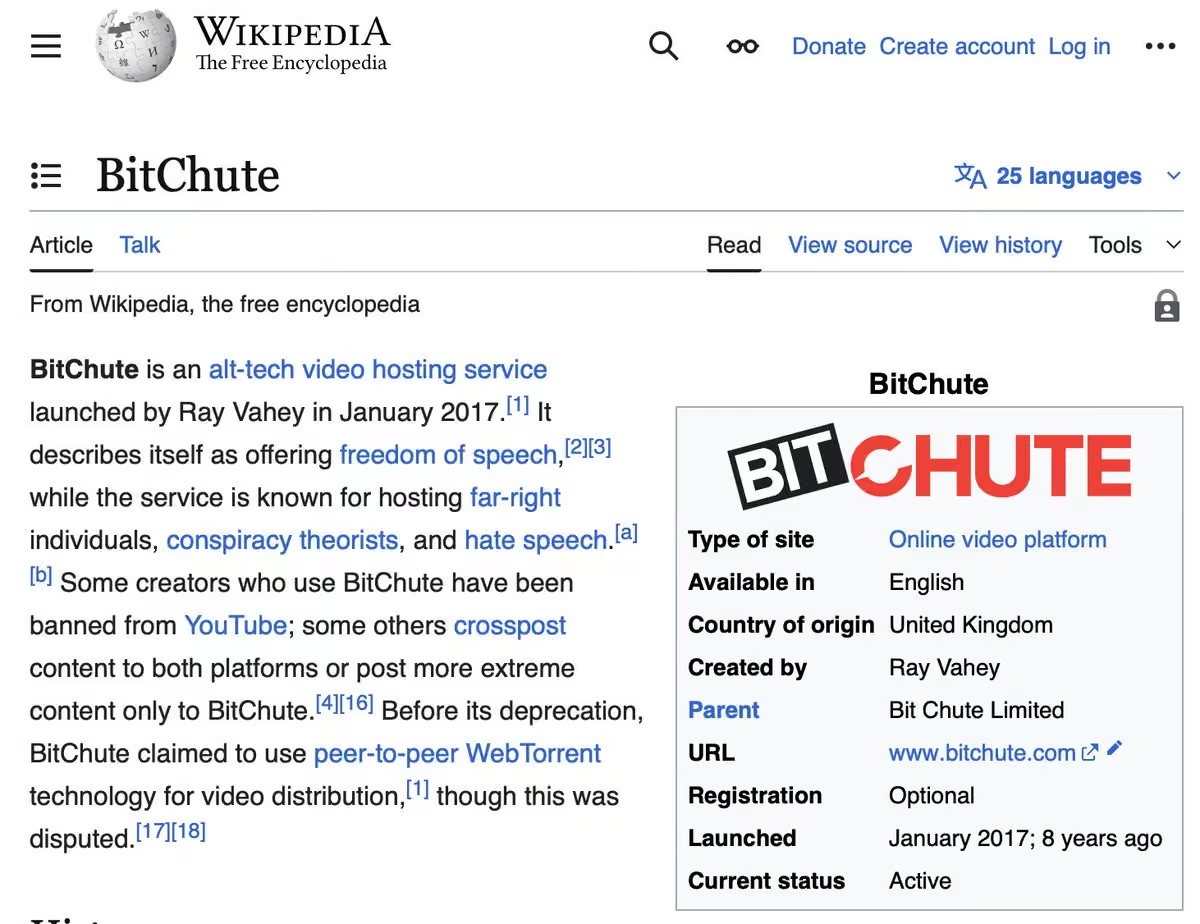
I am a partner in BitChute. We are routinely described by civil society organizations as part of an "alt-tech" ecosystem where antisemitism flourishes. This characterization is used to justify our exclusion from payment processors, app stores, and respectable discourse.
The claim rests on a theory: that platforms which refuse to suppress controversial speech enable hatred to spread. Tolerance, in this view, is complicity.
Yet the debate around Kelly's comments reveals a second theory, running in exactly the opposite direction: that suppression itself generates the very hostility it claims to prevent.
𝗕𝗼𝘁𝗵 𝘁𝗵𝗲𝗼𝗿𝗶𝗲𝘀 𝗰𝗮𝗻𝗻𝗼𝘁 𝗯𝗲 𝘁𝗿𝘂𝗲 𝘀𝗶𝗺𝘂𝗹𝘁𝗮𝗻𝗲𝗼𝘂𝘀𝗹𝘆 𝘄𝗶𝘁𝗵𝗼𝘂𝘁 𝗾𝘂𝗮𝗹𝗶𝗳𝗶𝗰𝗮𝘁𝗶𝗼𝗻. 𝗢𝗿 𝗿𝗮𝘁𝗵𝗲𝗿, 𝗶𝗳 𝗼𝗻𝗲 𝗶𝘀 𝘁𝗿𝘂𝗲, 𝗯𝗼𝘁𝗵 𝗺𝘂𝘀𝘁 𝗯𝗲 𝗲𝘅𝗮𝗺𝗶𝗻𝗲𝗱 𝗼𝗻 𝗲𝗾𝘂𝗮𝗹 𝘁𝗲𝗿𝗺𝘀.
This is where the asymmetry begins.
Kelly does not credit tolerance as a mitigating force. The ADL does not present data showing that BitChute users become more antisemitic than users of heavily moderated platforms. Both sides argue as though the relationship between speech policy and prejudice is obvious, yet neither is willing to examine what happens when the variables are actually reversed.
𝗜𝗜𝗜. 𝗪𝗵𝗮𝘁 𝗔𝗰𝘁𝘂𝗮𝗹𝗹𝘆 𝗛𝗮𝗽𝗽𝗲𝗻𝘀 𝗼𝗻 𝗕𝗶𝘁𝗖𝗵𝘂𝘁𝗲
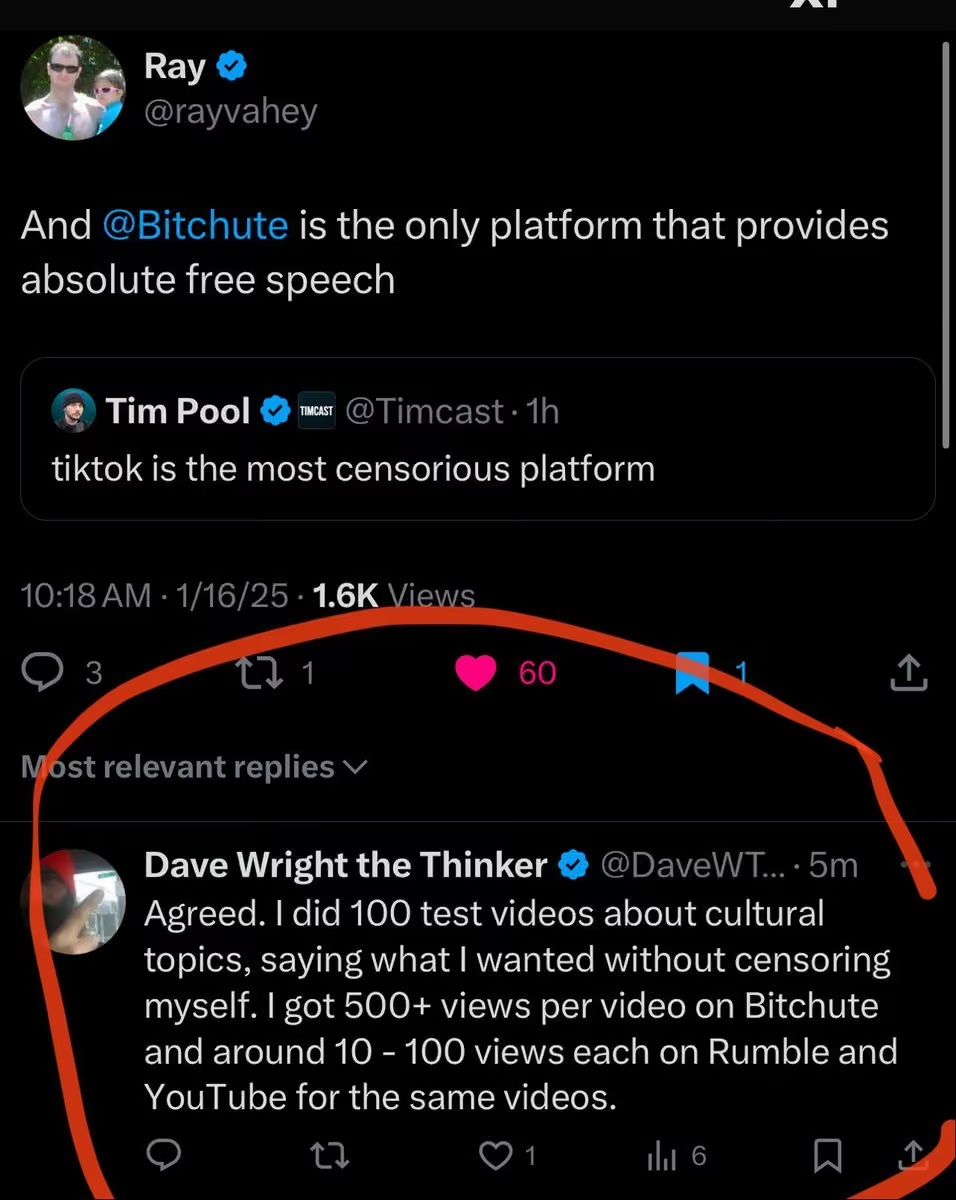
BitChute hosts thousands of voices across the political spectrum. Some defend Israel. Some condemn it. Some are Jewish. Some are antisemitic. We do not curate this. We do not suppress it. We believe that open discourse, even when ugly, is preferable to controlled discourse that breeds resentment in the shadows.
Let me be direct about what this means: yes, antisemitic content exists on our platform. We do not deny this, and acknowledging it is essential to the argument I am making. The question is not whether such content exists (it exists everywhere, including on heavily moderated platforms) but whether its presence in an open environment produces more or less prejudice than its suppression elsewhere.
If Kelly's theory is correct, that aggressive policing of speech creates antisemitism, then BitChute should be studied as a counterexample. We are the platform that doesn't police. We are the experiment in radical tolerance. If the ADL's theory is correct, that tolerance enables hatred, then BitChute should demonstrably radicalize users and increase antisemitic sentiment among those who use it.
Here is what we actually observe: Jewish creators who were deplatformed from YouTube for controversial views on Israel did not become more extreme on BitChute. They found audiences willing to argue with them rather than silence them. Users who post antisemitic content are not amplified by algorithmic recommendation; they simply exist alongside everything else, subject to the same scrutiny as everyone else. The absence of enforcement does not produce a feedback loop of escalating hatred; it produces a cacophony in which bad ideas must compete with good ones.
This is anecdotal. I acknowledge that. But it is more than either side of the mainstream debate has offered.
𝗜𝗩. 𝗧𝗵𝗲 𝗖𝗼𝘂𝗻𝘁𝗲𝗿𝗮𝗿𝗴𝘂𝗺𝗲𝗻𝘁 𝗧𝗮𝗸𝗲𝗻 𝗦𝗲𝗿𝗶𝗼𝘂𝘀𝗹𝘆
The strongest version of the ADL's position is not simply that tolerance "enables" hatred, but that it concentrates it. On this view, platforms like BitChute function as safe harbors where antisemitic content achieves reach and coordination it couldn't achieve elsewhere. The relevant measure isn't whether individual users radicalize, but whether the aggregate effect is to give organized hatred a home from which to operate.
This is a serious argument, and I do not dismiss it. It may even be partially correct. What I dispute is the certainty with which it is asserted and the asymmetry with which it is applied.
If concentration is the problem, then dispersal should be the solution. But deplatforming does not disperse; it concentrates users elsewhere while adding grievance to their motivations. The person banned from YouTube for content that violated no law does not become less resentful; they become more convinced that the system is rigged against them. Whether that resentment attaches to Jews specifically depends on the narrative they encounter, and narratives blaming Jews for censorship are readily available.
This is precisely Kelly's point. You cannot endorse it selectively.
𝗩. 𝗔 𝗖𝗮𝘀𝗲 𝗦𝘁𝘂𝗱𝘆
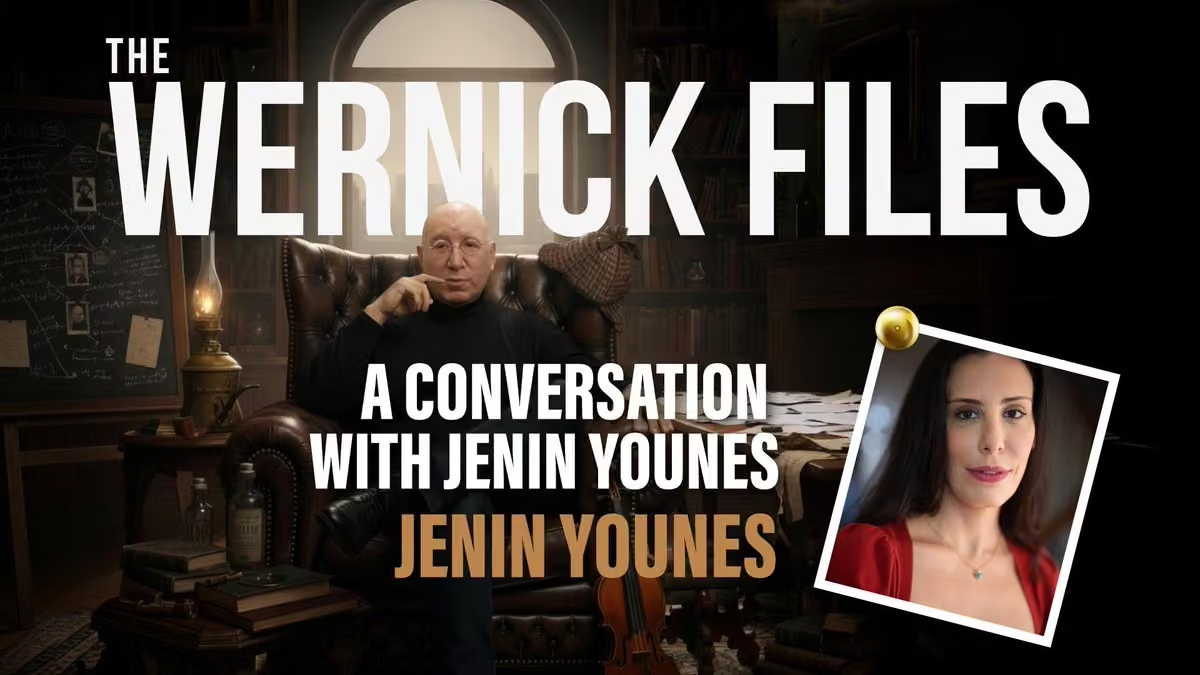
My business partner, Jeffrey Wernick, illustrates the asymmetry more vividly than any abstract argument.
Jeffrey is a University of Chicago–trained economist, an early Bitcoin adopter, and a private investor. He holds equity in BitChute. He also invested in Gab and Parler. By the standards of mainstream discourse, this makes him complicit in enabling antisemitism.
Here is what makes Jeffrey relevant to this debate: Jeffrey is Jewish. He has stated publicly, on BitChute itself, that the United States should defund Israel, that Israel has committed genocide in Gaza, and that Benjamin Netanyahu is a war criminal. He has made these statements knowing that some users on our platform have attacked him for being Jewish. He continues to fund a platform that hosts speech he finds morally repugnant, including speech directed at him personally.
This is not a hedge. It is not rhetorical cover. It is a consistent application of the tolerance principle, even when it costs him.
By Kelly's logic, Jeffrey, who funds maximum openness and refuses to suppress even antisemitic speech, should be credited with reducing antisemitism, or at minimum with not creating it. He is doing the inverse of what Shapiro and Weiss are accused of. He absorbs hostility rather than amplifying enforcement. He tolerates attacks rather than weaponizing labels.
𝗬𝗲𝘁 𝗻𝗼 𝗼𝗻𝗲 𝗰𝗿𝗲𝗱𝗶𝘁𝘀 𝗵𝗶𝗺. 𝗧𝗵𝗲 𝘁𝗵𝗲𝗼𝗿𝘆 𝗶𝘀 𝗻𝗲𝘃𝗲𝗿 𝗮𝗽𝗽𝗹𝗶𝗲𝗱 𝗶𝗻 𝗿𝗲𝘃𝗲𝗿𝘀𝗲.
If his approach reduces antisemitism, he receives no acknowledgment. If it fails to reduce antisemitism, no one treats that failure as evidence against Kelly's claim. The framework simply evaporates when consistency would require it.
𝗩𝗜. 𝗧𝗵𝗲 𝗗𝗼𝘂𝗯𝗹𝗲 𝗦𝘁𝗮𝗻𝗱𝗮𝗿𝗱
Debates about antisemitism increasingly substitute accusation for analysis. Speech regulation becomes moral performance rather than serious inquiry into what actually reduces hostility.
The enforcement model (label, shame, deplatform) assumes that denying bad actors a platform marginalizes their views. Critics like Kelly argue the opposite: that heavy-handed enforcement creates martyrs and associates Jews with censorship in the minds of those who feel silenced.
The tolerance model (let speech flow, trust that bad ideas exposed to scrutiny lose power) assumes that sunlight works better than suppression. Critics argue it normalizes hate and expands its reach.
Both theories are plausible. Neither is self-evidently correct. What is striking is that only one gets subjected to constant empirical and moral scrutiny.
When someone funds a platform that refuses to suppress speech, every bad outcome is treated as proof the model failed. When someone funds enforcement mechanisms that expand the definition of unacceptable speech, bad outcomes are treated as proof that enforcement wasn't strong enough. When Shapiro labels critics as antisemites, he is accused of making antisemites. When Jeffrey funds a platform that tolerates antisemitic speech, while himself being Jewish and publicly opposing Israeli policy, the theory is never applied. If his tolerance reduces antisemitism, no credit. If it fails, no analysis.
𝗧𝗵𝗲 𝗮𝘀𝘆𝗺𝗺𝗲𝘁𝗿𝘆 𝗶𝘀 𝘁𝗼𝘁𝗮𝗹.
𝗩𝗜𝗜. 𝗪𝗵𝗮𝘁 𝗪𝗼𝘂𝗹𝗱 𝗜𝘁 𝗧𝗮𝗸𝗲 𝘁𝗼 𝗞𝗻𝗼𝘄?
I am not arguing that tolerance definitively works better than suppression. I am arguing that if we claim suppression fails, we cannot refuse to examine the inverse.
Either the relationship between speech policy and prejudice is real, and operates in both directions, or it is not real at all, and we should stop pretending causation runs only one way.
What would it look like to actually study this? We could compare user sentiment over time on platforms with different moderation policies. We could track whether users who migrate from heavily moderated platforms to open ones become more extreme or less. We could measure whether antisemitic content on open platforms gains traction or fades into obscurity. We could ask whether the resentment Kelly describes actually manifests, and whether the tolerance we practice actually mitigates it.
BitChute would participate in such research. We have nothing to hide and much to learn. We could be wrong about tolerance. What we cannot accept is a framework in which we are presumed guilty without evidence while the enforcement model is presumed innocent despite its failures.
The refusal to apply the theory symmetrically suggests something uncomfortable: that "creating antisemitism" is not being offered as a serious causal claim. It is a rhetorical weapon, deployed selectively, withdrawn strategically, depending on whose behavior is being judged.
𝗩𝗜𝗜𝗜. 𝗔𝗻 𝗜𝗻𝘃𝗶𝘁𝗮𝘁𝗶𝗼𝗻
BitChute exists because we believe the evidence favors tolerance over suppression. Reasonable people disagree about whether open platforms reduce prejudice or amplify it. We welcome that disagreement. We would rather be proven wrong through honest inquiry than remain unchallenged through selective silence.
But if you refuse to examine whether we're right, you're not making an empirical argument. You're enforcing a boundary.
If suppression creates resentment, then tolerance should relieve it. If tolerance enables hatred, then suppression should contain it. These are testable propositions. They require evidence, comparison, and willingness to be wrong.
Instead, the debate operates on a double standard: Suppression's failures prove we need more tolerance. Tolerance's existence proves we need more suppression.
The asymmetry is the tell. Once you see it, you cannot unsee it.
And platforms like BitChute, and people like Jeffrey, are the evidence no one wants to examine. We're offering to let them try.
Jonny Reck is a partner in BitChute.
@JonnyMReck @Bitchute @megynkelly @benshapiro @bariweiss @ADL

 BitChute
@Bitchute

 Truthstream Media
@truthstreamnews
 Greg Reese

 The Fein Print
 The Wernick Files
 East Meets West with Olga and Tara

 Tara Reade 🐎
 Olga Bataman
 Thomas Bell


 World Alternative Media


 And We Know©🇺🇸
 RAY
 Sky News






 Syllamo


 Reclaim The Net
 Chay Bowes

 J.K. Lunden


 International Cyber Digest


 Pauline Voss
 ZEMA BUSINESS


 Dan Dicks



 Jenin Younes
 Jonny Reck
 reason



 SGTreport



 AI Notkilleveryoneism Memes ⏸️




 Amy Dangerfield






 The Last American Vagabond


 Jay Anderson


 Gareth Icke


 Styxhexenhammer666


 Eagle Ed Martin

 Ean Frank


 Polly St. George, anti-evil


 Archaix

 Montana in Spain

 TheRealVerbz (Jason Verbelli)

 Faith & Liberty Podcast

 Hayden Hewitt




 Jake Shields


 DogeDesigner

 Kim Dotcom

 Rising serpent 🇺🇸
 Shane Cashman

 Chief Shitting Bull
 Chief Trumpster


 Ian Smith, Sr.
 Gentile News Network™

 Nicole Behnam
 The Redheaded libertarian
 strongaingel


 Sᴜɪᴛ 🇦🇺
 Jameson Lopp
 Kevin Bardosh


 Foundring 🇺🇸


 Ross Calvin 🗽🇺🇸
 Amy Peikoff


 Free the People
 Planet Pellegrino

 VOICE OF REASON
 Stephen Green

 James Madison🇺🇸𓆏ྀིྀི𓊤✞ᶠᶸᶜᵏᵧₒᵤ!🤡

 Mark Pellegrino

