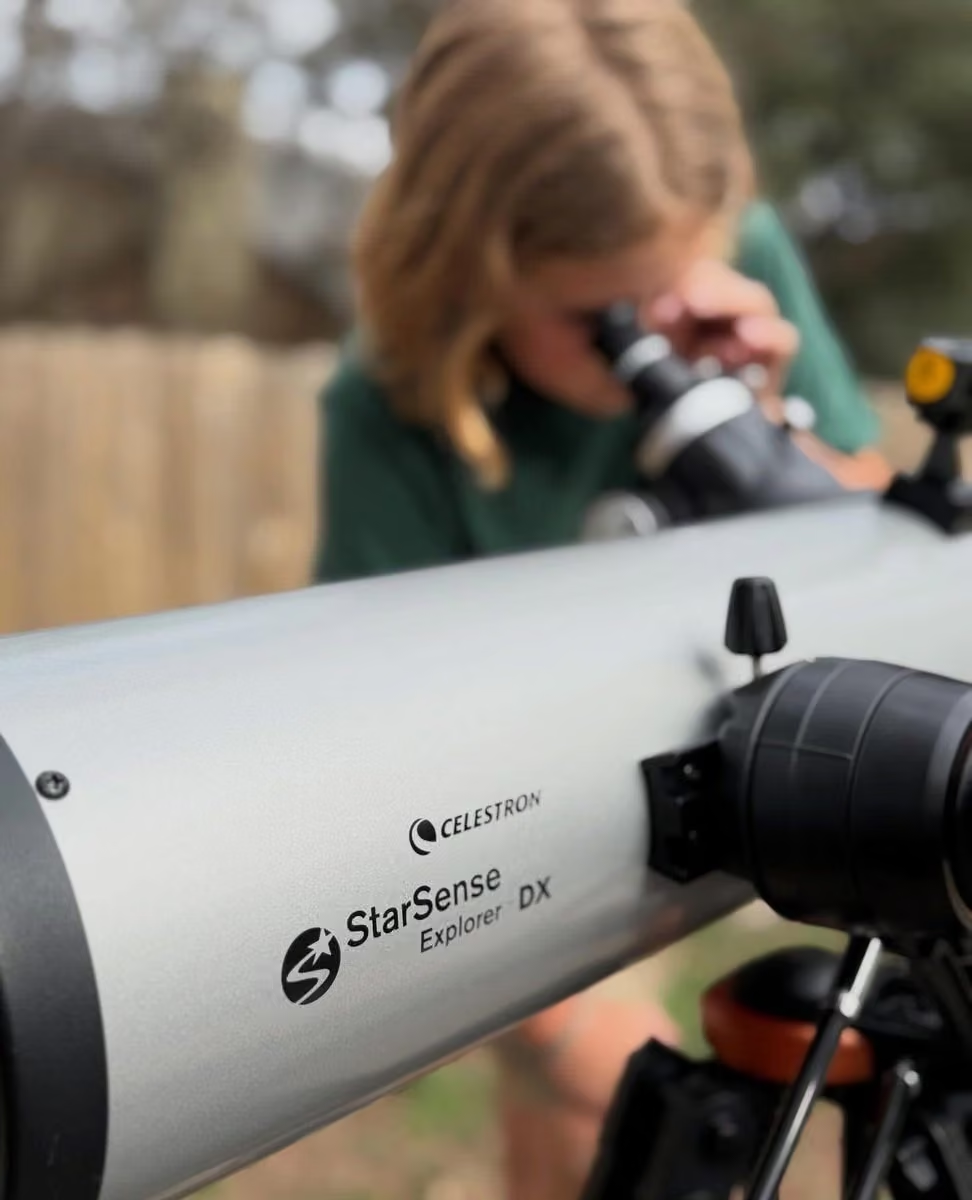
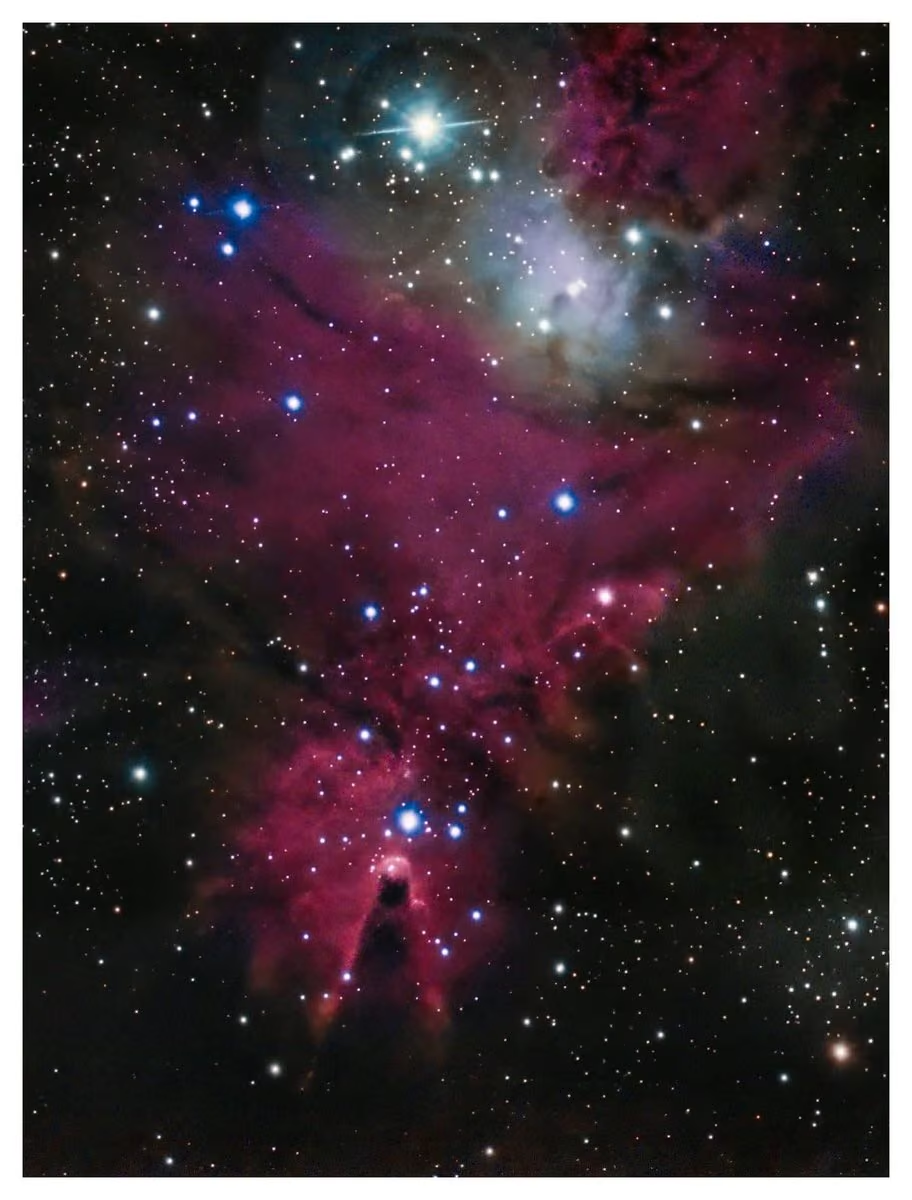
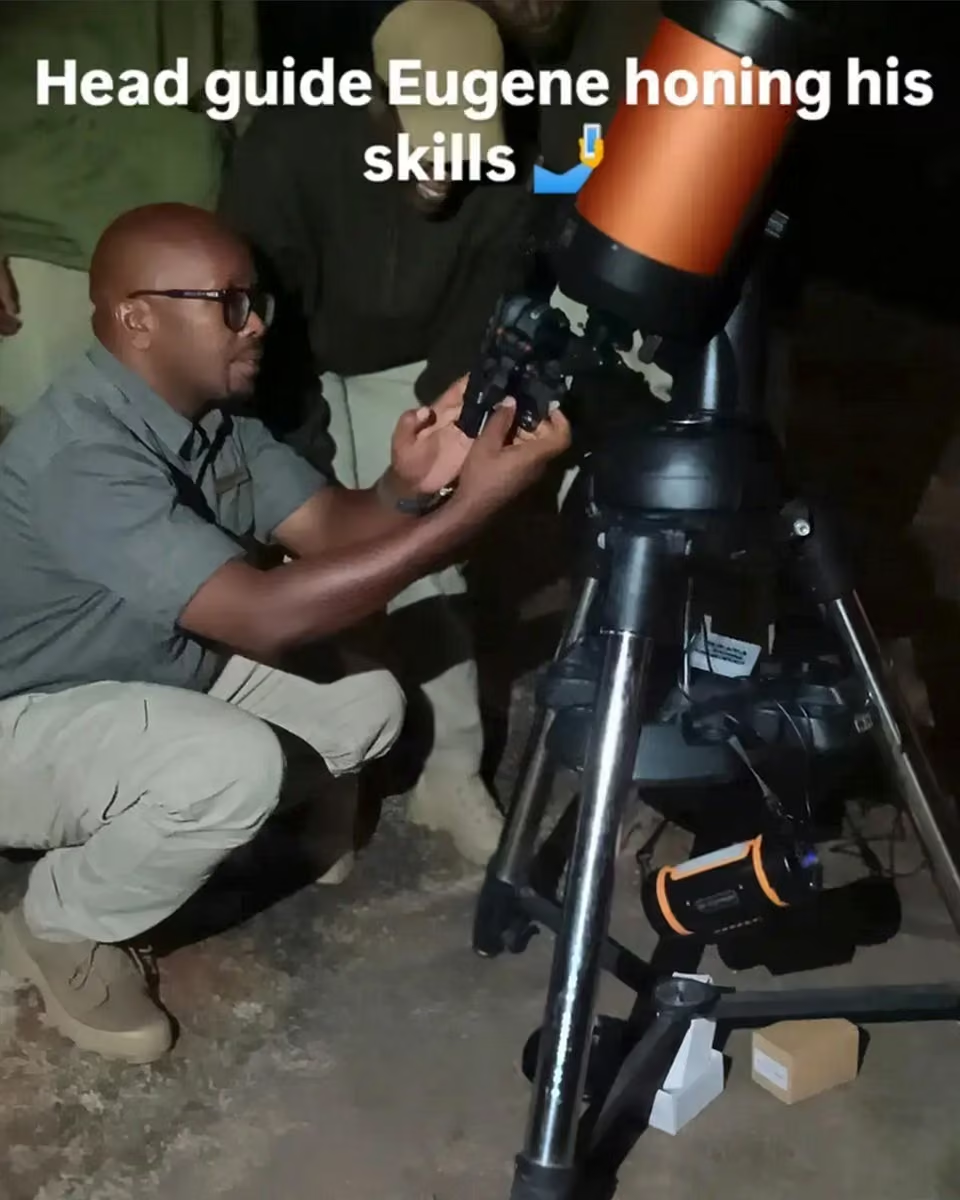
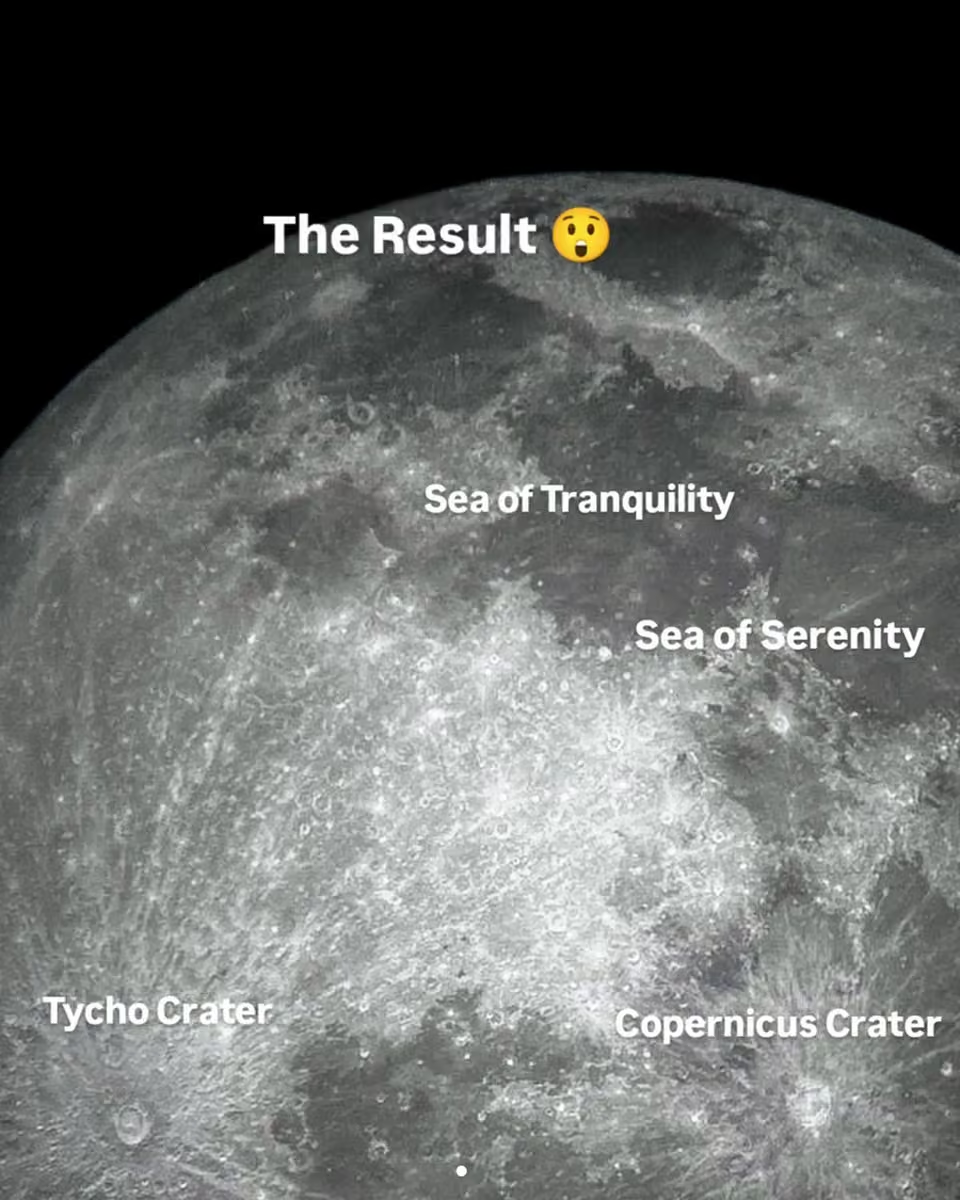
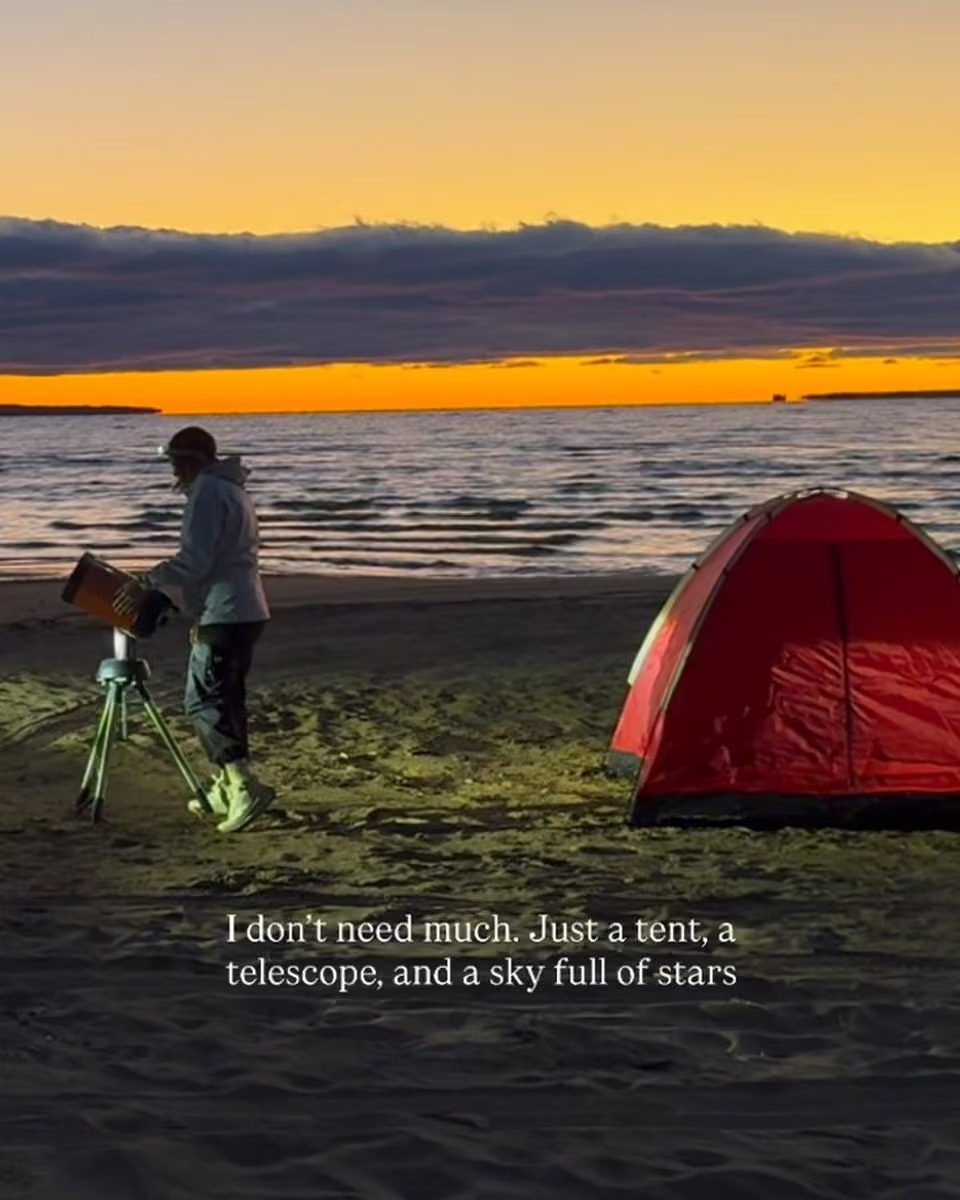
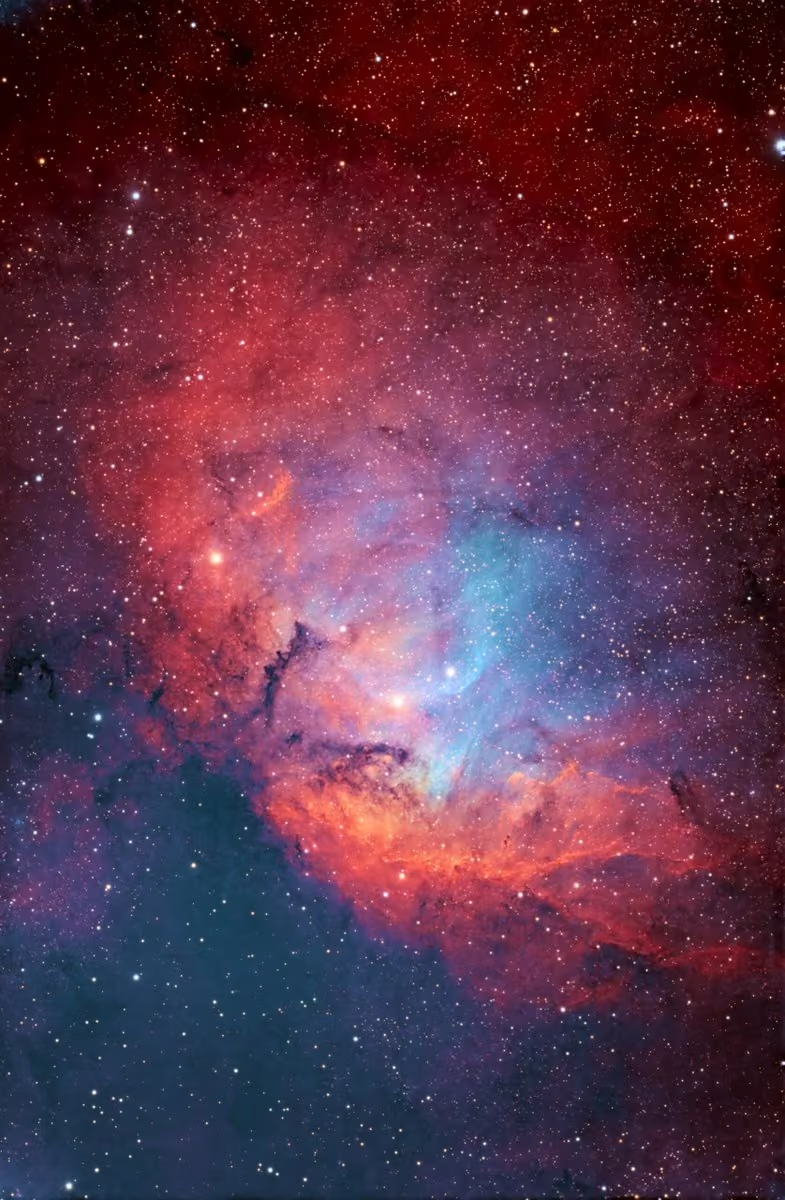
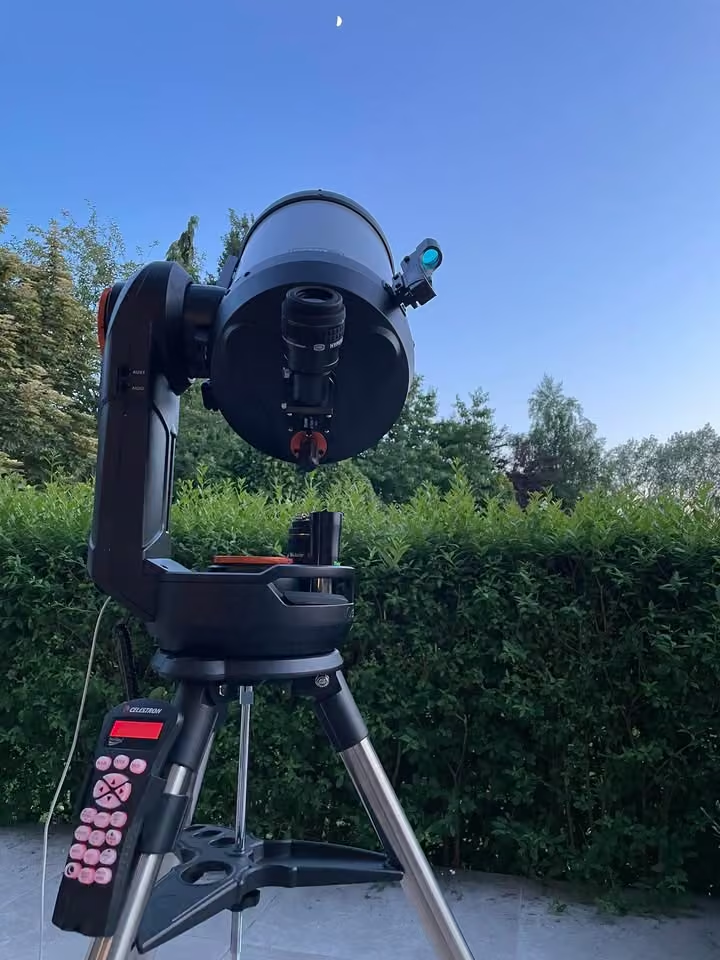
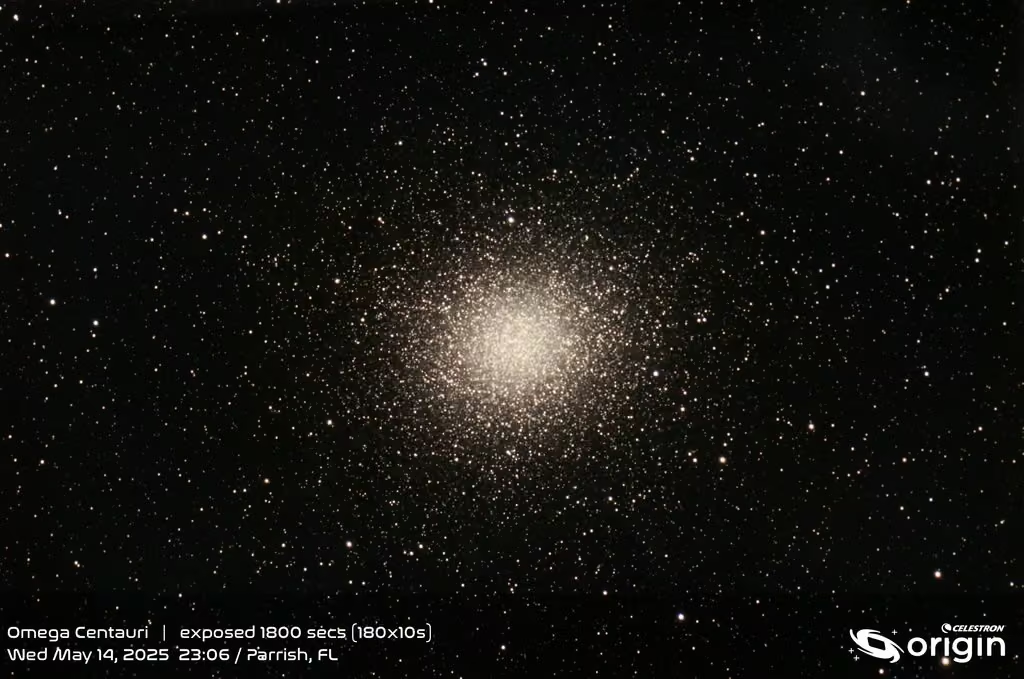
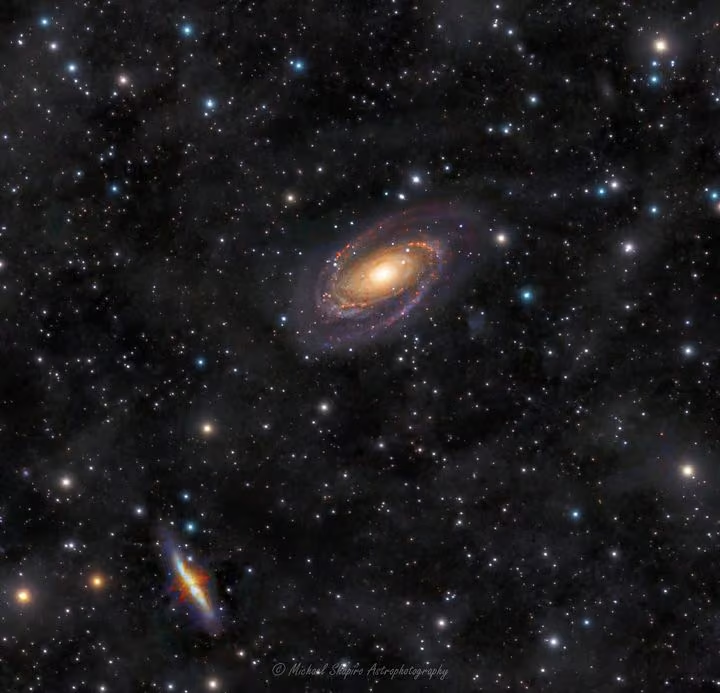
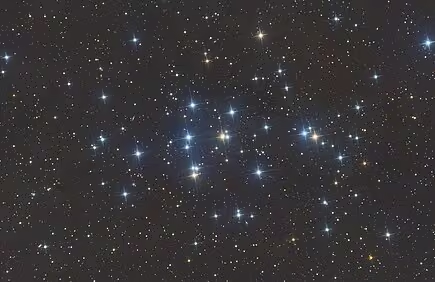
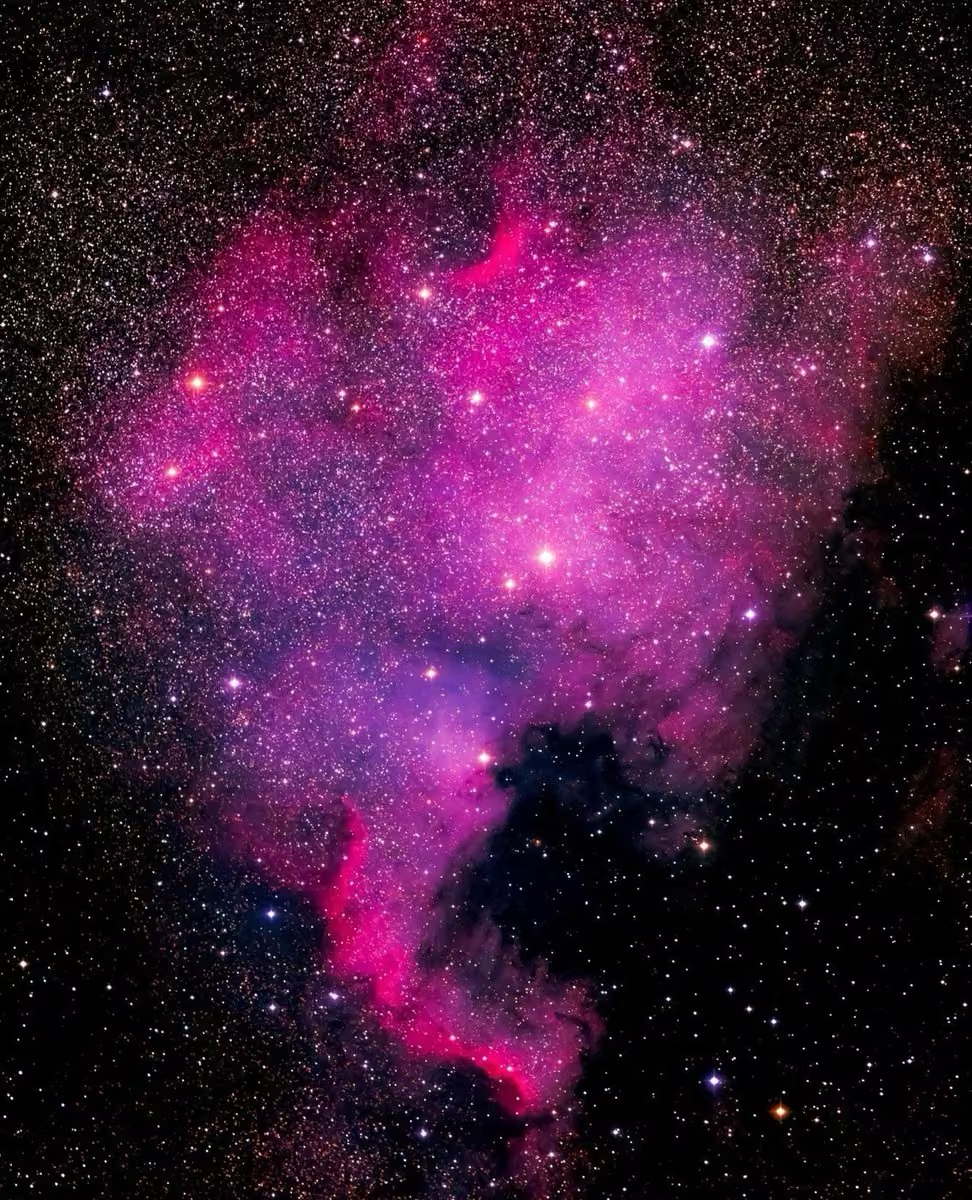
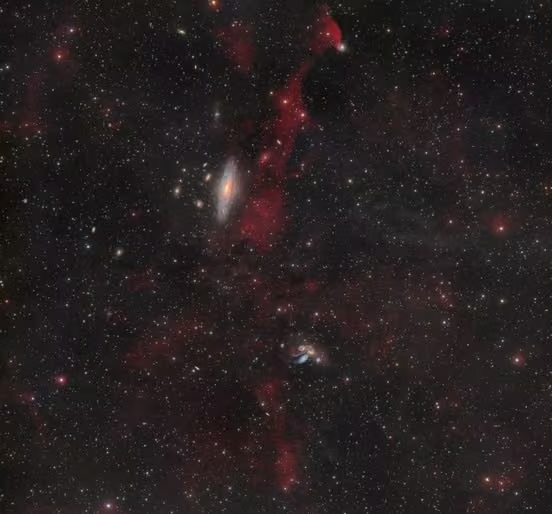
Three targets. One night! 🔭
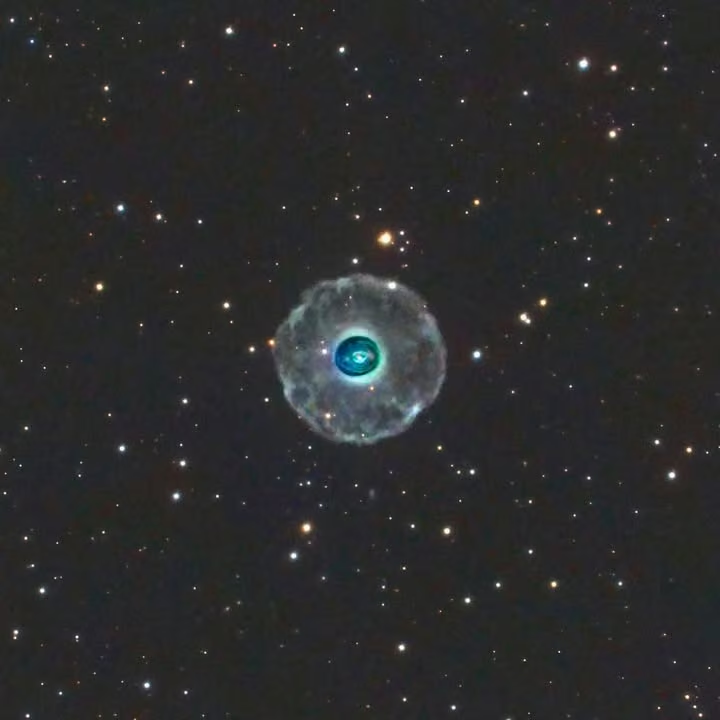
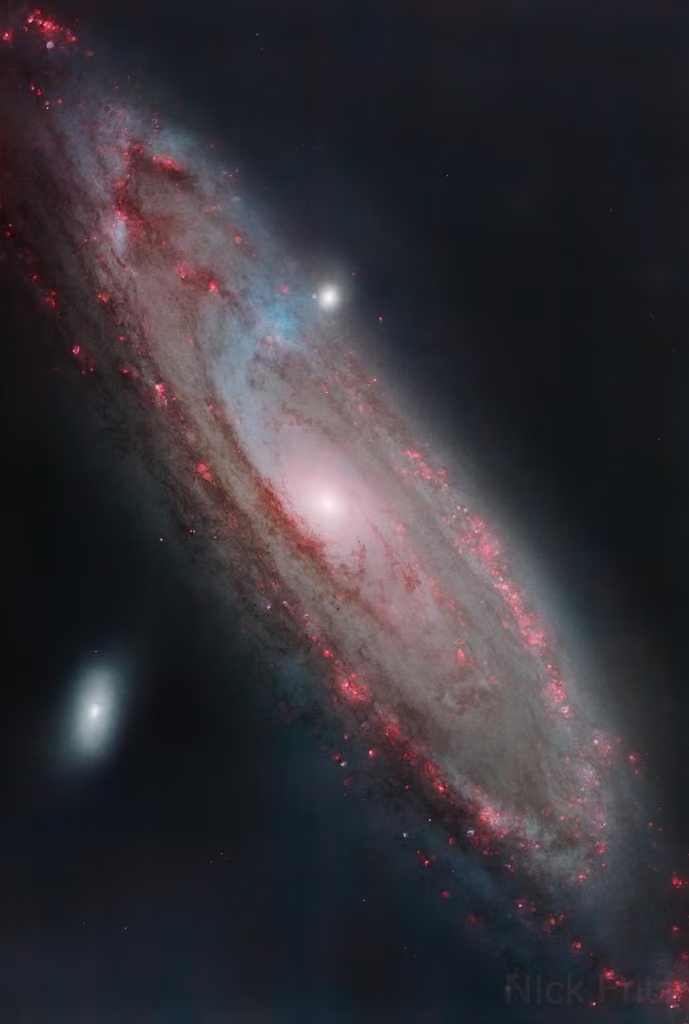
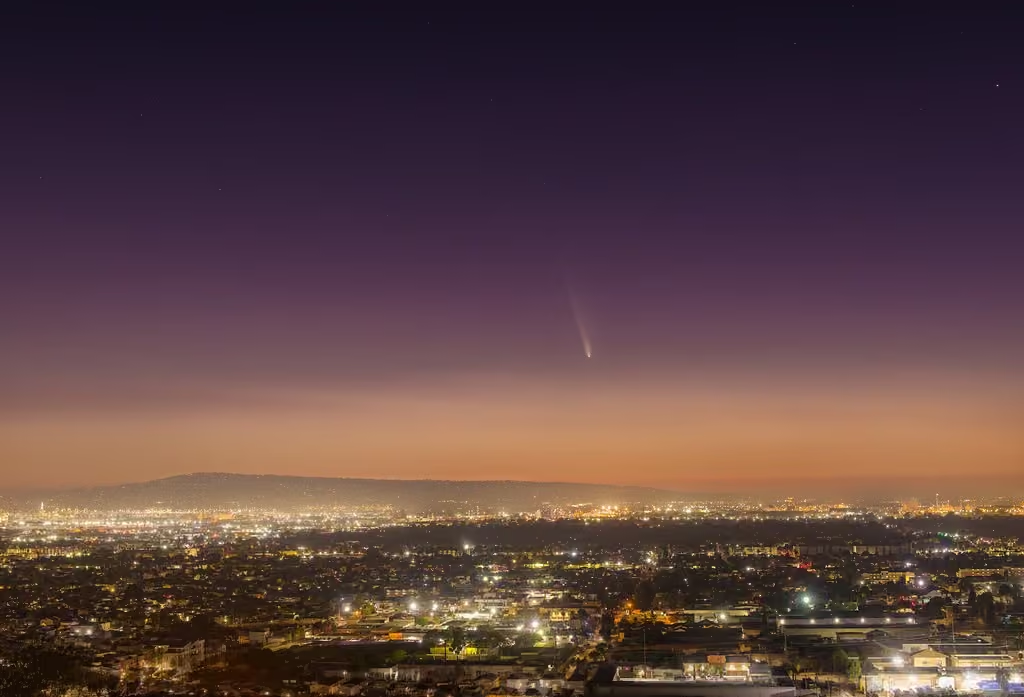
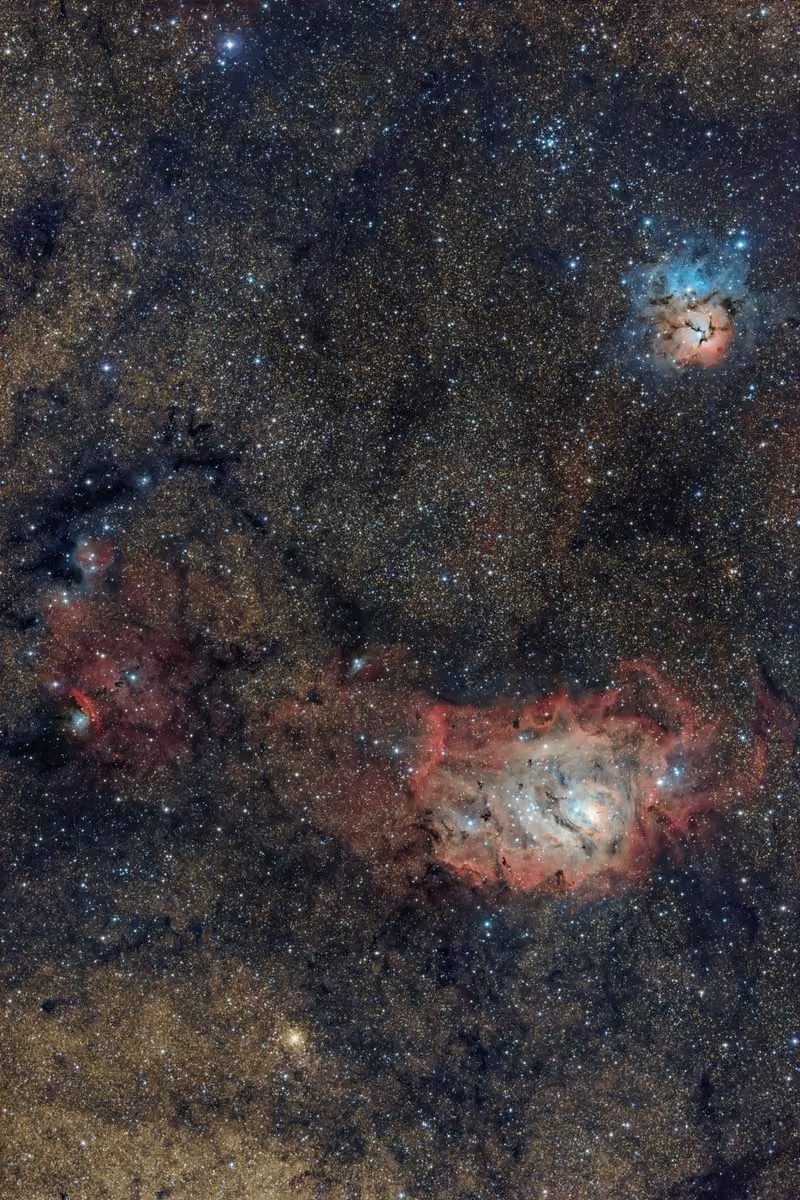
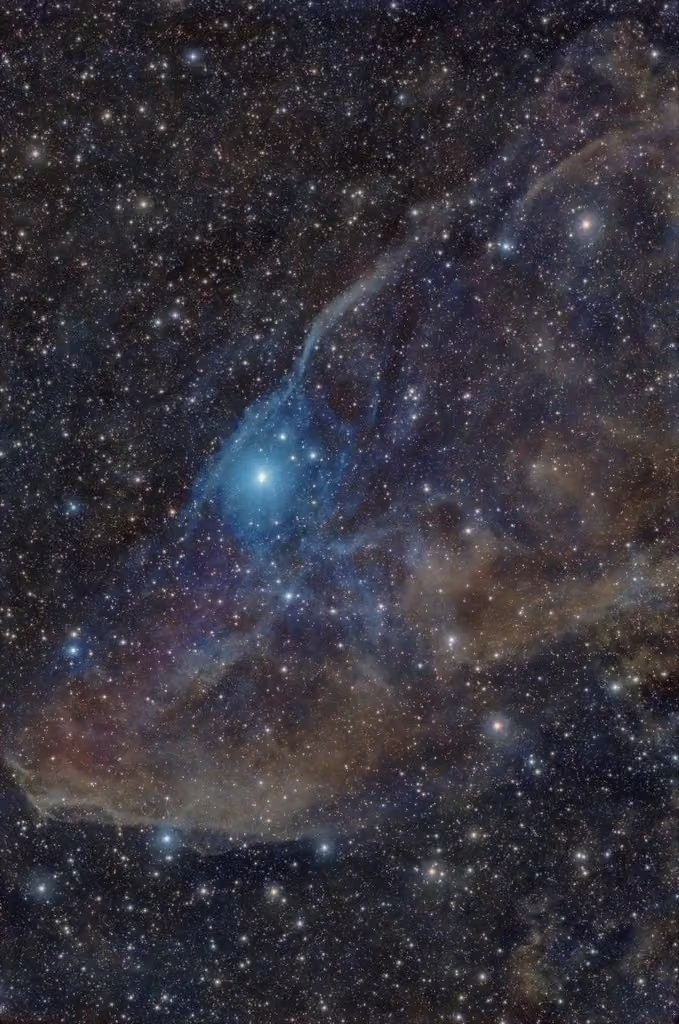
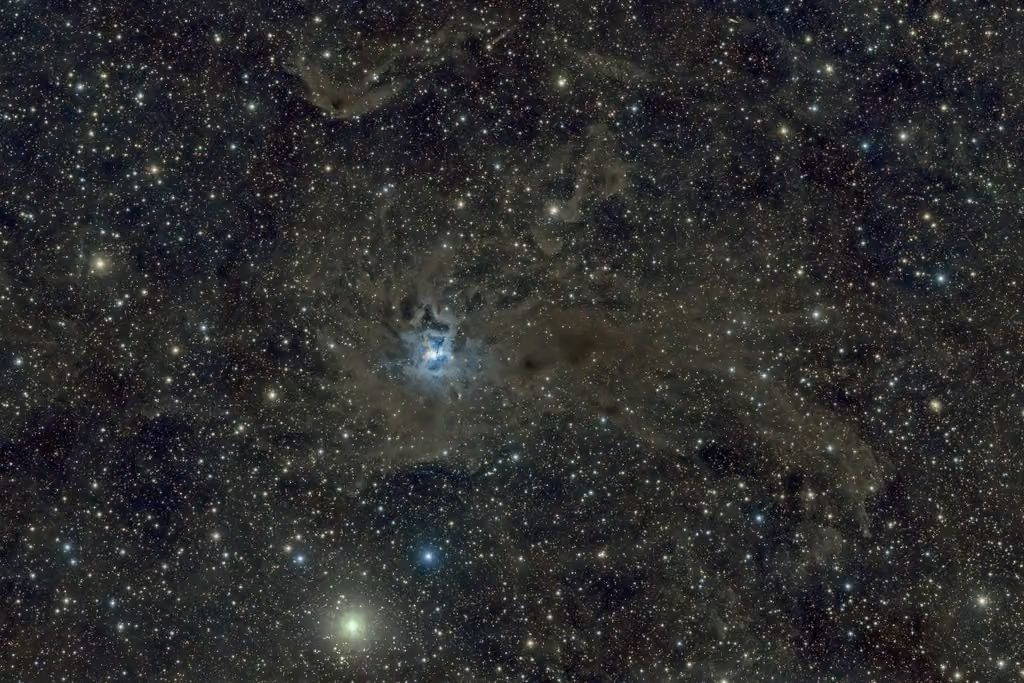
Stephen W. Ramsden put his Celestron Origin's Mosaic Mode to work, capturing three very different deep-sky targets: the Gamma Cygni nebula region, the Soul Nebula, and the Triangulum Galaxy (M33).
Each image combines 4 to 8 panels, with 40 minutes of exposure time per panel. And the best part? These images came straight from Origin, with no additional processing needed!
📸: Stephen W. Ramsden
Celestron
Celestron, LLC is a company that manufactures telescopes and distributes telescopes, binoculars, spotting scopes, microscopes, and accessories manufactured by its parent company, the Synta Technology Corporation of Taiwan. More on Wikipedia
-
Celestron
@Celestron

-
Celestron
@Celestron
There's nothing quite like seeing Saturn's rings through a telescope for the first time! 🪐🔭
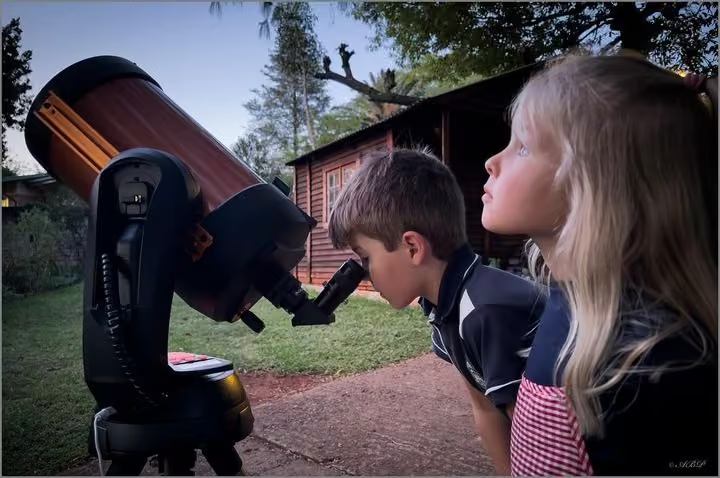
@gibnebula recently hosted their first Moon Party in Gibraltar, bringing neighbors of all ages together to explore the Moon's craters and Saturn's rings through a Celestron NexStar Evolution 8 EdgeHD telescope.
We love seeing how astronomy brings communities together. 💖 -
Celestron
@Celestron
🔭✨ For generations Smithsonian has inspired people to explore our world and beyond. Now you can bring that spirit of discovery home.
🌌 Smithsonian by Celestron telescopes offer breathtaking views of the night sky, along with exclusive resources created by Smithsonian and Celestron experts to help you begin your own journey to the stars.
Check out the entire Smithsonian lineup: www.celestron.com/collections/smithsonian-by-celestron-te…
#celestron #smithsonian #astronomy #stargazing #exploretheuniverse -
Celestron
@Celestron
They see me rollin', they hatin'... 🎶😎
Who says your Celestron Origin has to stay in one place? TC Mattox gave his Origin a set of wheels, making it easier to roll out for a night of stargazing.
Now that's how you roll! 🔭🛞
📸: TC Mattox -
Celestron
@Celestron
Shrimp is on the menu tonight! 🦐🔭
Meet the Shrimp Nebula (Sh2-188), a faint planetary nebula in the constellation Cassiopeia. Its unusual, one-sided shape comes from the expanding gas of a dying star interacting with the surrounding interstellar material as it moves through space.
Astrophotographer Ben Guthrie spent more than 18 hours capturing this colorful nebula under the dark skies of Death Valley Observatories using a Celestron EdgeHD 9.25" telescope.
📸: Ben Guthrie -
Celestron
@Celestron
Two of Orion's most recognizable nebulae in one shot! 🔭
The Horsehead Nebula (Barnard 33) gets its name from the dark cloud of gas and dust that resembles a horse's head. Just next door, the Flame Nebula (NGC 2024) glows with reddish-orange hydrogen gas, broken up by dark dust lanes.
Located about 1,500 light-years away, both nebulae are part of a region where new stars are forming.
📸: @astroabhi_6159 captured this view from the Al Quaa Desert in Abu Dhabi using a Celestron NexStar 130SLT and just 1.5 hours of imaging time. -
Celestron
@Celestron
Meet the Trifid Nebula (M20), located approximately 5,200 light-years away in the constellation Sagittarius. This stellar nursery combines glowing red hydrogen gas, blue reflection nebulosity, and dark dust lanes that appear to divide the nebula into three sections.
Behind those dark clouds, new stars are taking shape!
📷: @gary_looked_up captured this colorful celestial wonder using a Celestron Origin Intelligent Home Observatory. -
Celestron
@Celestron
Jupiter is showing off its spots! 🔭🪐
Astrophotographer Christopher Go captured this incredible view of Jupiter, featuring the planet's famous Great Red Spot (GRS) and the smaller Red Oval BA.
Look closely! The Great Red Spot is rotating out of view on the right, while Red Oval BA is coming into view on the left. Both are massive storms swirling through Jupiter's atmosphere.
Using a Celestron C14 telescope, Christopher captured remarkable detail in Jupiter's colorful cloud bands and turbulent atmosphere. -
Celestron
@Celestron
Is that a piece of toast floating through space? 🍞✨
Meet the Toast Nebula (LDN 1221), a star-forming region located in the constellation Cepheus, approximately 650 to 980 light-years from Earth. This region of gas and dust gets its nickname from the dark, toast-shaped cloud near the top of the image.
Astrophotographer Chuck's Astrophotography captured this colorful scene using a Celestron RASA telescope.
📸: Chuck's Astrophotography (@chucksastrophotography) -
Celestron
@Celestron
A telescope that brings the universe a little closer! 🔭✨
Under the dark skies of Santa Barbara, @altavistatours.sb gives guests an unforgettable look at the night sky using a Celestron CPC Deluxe HD telescope.
From the Moon's craters to distant galaxies and nebulae, the CPC Deluxe HD helps guests see objects they might never have spotted on their own. -
Celestron
@Celestron
We're back for round two of exploring the hidden gems in our own Milky Way galaxy! 🌌💎
Astrophotographer @space.by.jase takes us from a sweeping view of the southern Milky Way to some of the incredible treasures hiding within it.
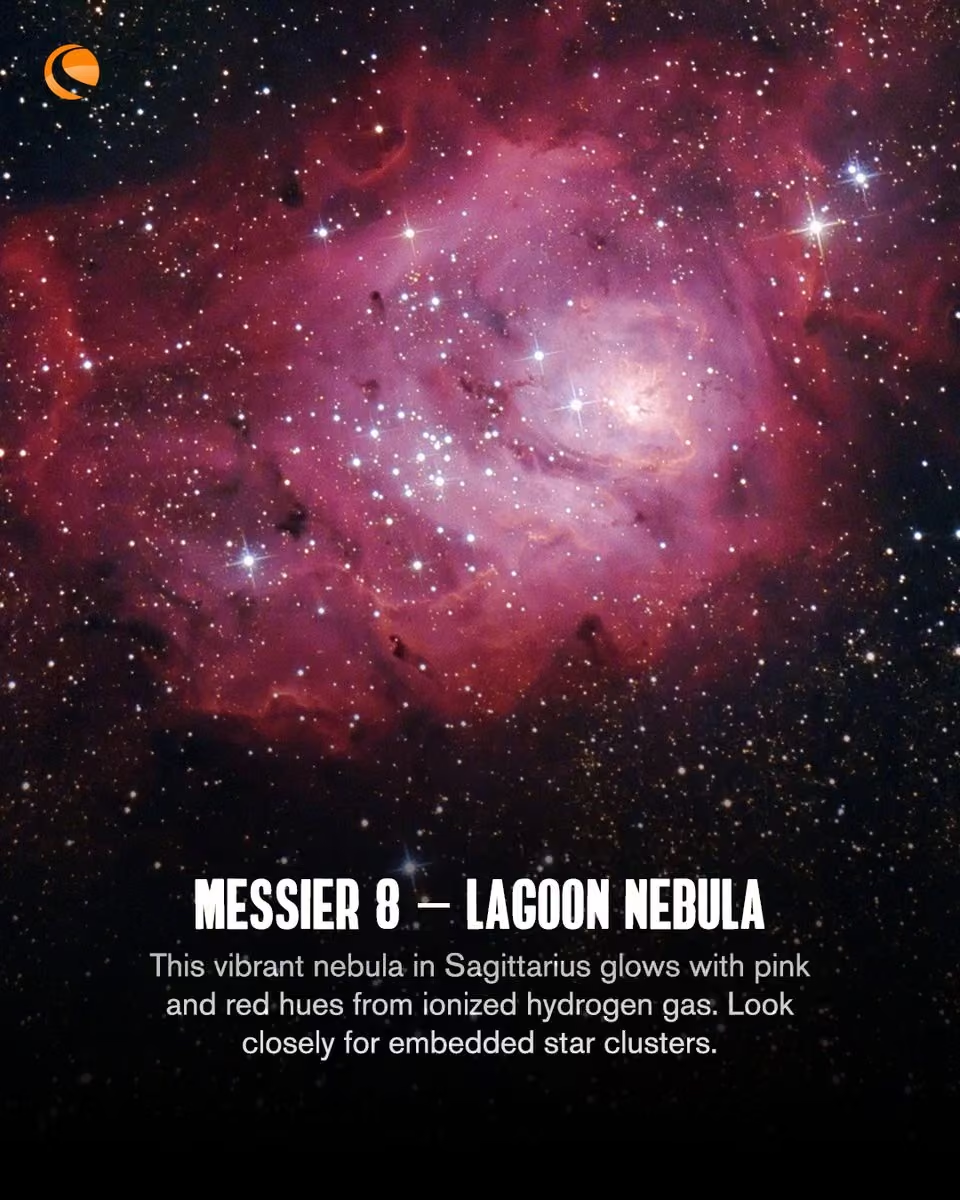
From the Omega Nebula (M17) to the Trifid Nebula (M20), Lagoon Nebula (M8), and more, these stellar nurseries are filled with glowing gas, intricate dust clouds, and newly forming stars.
Captured with a Celestron EdgeHD 8" telescope, these close-ups reveal just how much there is to discover within our galactic home.
Swipe through to uncover the next round of hidden gems! 🔭
📸: @space.by.jase -
Celestron
@Celestron
Halloween isn't just for trick-or-treating. The night sky has a few tricks of its own! 👻🎃
From the eerie Witch Head Nebula and Ghost of Cassiopeia to the haunting Skull, Bat, and Boogeyman Nebulae, the universe is full of objects with spooky names and even spookier appearances.
But don't let their names scare you away! These celestial sights are worth exploring long after Halloween.
🔭 Discover more of the night sky's spookiest objects in our blog: www.celestron.com/blogs/news/discover-these-ghostly-deep-… -
Celestron
@Celestron
Orange you glad it's Halloween? 🎃🔭
This Celestron 8SE is getting into the spooky spirit! Nicknamed "Tang," this telescope has traded its signature orange tube for a jack-o'-lantern costume, and we think it's a smashing success!
📸: Joe Scaringe -
Celestron
@Celestron
Richard Berry has been putting Celestron Origin’s Mosaic Mode to the test, and the results are looking impressive!
From the Andromeda Galaxy (M31) to the Orion Nebula (M42), Heart Nebula (IC 1805), and more, Richard has been experimenting with capturing larger areas of the night sky and bringing them together into detailed, wide-field images.
Mosaic Mode expands Origin’s field of view beyond a single frame, making it easier to capture sprawling deep-sky objects in one seamless image.
Check out Richard’s progress as he explores what Origin’s Mosaic Mode can do! -
Celestron
@Celestron
Something smells fishy in Cepheus! 🐟🔭
Meet LDN 1251, better known as the Rotten Fish Nebula! Located approximately 1,000 light-years away, this dark nebula is a massive cloud of gas and dust with a few surprises hiding inside, including newly forming stars and distant galaxies in the background.
Team Celestron astrophotographer Ron Brecher (@astrodoc.ca) captured this fascinating target using the Celestron Origin Mark II, collecting just over four hours of exposure time in a single night!
And if you're wondering where the fish is, look for the dark, elongated cloud stretching across the image. Can you see it?
#celestron #teamcelestron #celestronorigin #astrophotography #ldn1251 #rottenfishnebula #deepskyastrophotography -
Celestron
@Celestron
TGIF! 🎉 The workweek is wrapping up, but the night is just getting started! 🔭✨
Got plans this weekend? We like @backyardastrodad's approach: a telescope, a laptop, and a backyard full of possibilities!
From the Moon and planets to nebulae and star clusters, there's plenty to explore without ever leaving home. -
Celestron
@Celestron
👾 Waka waka waka… meet the Pacman Nebula!
Ron Brecher (@astrodoc.ca) turned the Celestron Origin Mark II toward NGC 281 for nearly 4 hours of imaging, capturing the glowing hydrogen gas, dark Bok globules, and star cluster IC 1590 tucked inside.
This was also Ron’s first “keeper” long-exposure image after moving Origin onto its equatorial wedge with StarSense Autoguider. He captured 474 30-second exposures and dithered every six frames.
And after imaging Pacman several times over the years? Ron says this version is his favorite yet. 🙌
📸 @astrodoc.ca
🔭 Celestron Origin Mark II
⏱️ 3 hours, 57 minutes total exposure -
Celestron
@Celestron
here's a LOT more hiding in the Milky Way than meets the eye! 🌌🔭
Astrophotographer Jason (@space.by.jase) takes us on a journey from a wide-field view of our galaxy to nine close-up views of some of its most fascinating deep-sky objects.
From glowing nebulae and stellar nurseries to the remnants of exploded stars, each highlighted region reveals an entirely different scene:
✨ North America Nebula
✨ Cygnus Wall
✨ Sadr Region
✨ Crescent Nebula
✨ Veil Nebula (four views spanning the Eastern to Western Veil)
✨ Dumbbell Nebula
And here's the incredible part: each of those tiny boxes in the original image contains enough detail to become its own astrophotograph!
Swipe through Jason's images and see what a closer look can reveal.
🔭Celestron EdgeHD 8"
#celestron #astrophotography #milkyway #deepsky #nebula -
Celestron
@Celestron
Astrophotographer @tyler_astronomy captured this stunning view of IC 5070, the Pelican Nebula, from his Bortle 8/9 backyard in Orange County, California. Despite the heavy light pollution, Tyler brought out the details and glowing structures of this emission nebula using 88 three-minute exposures. (That's more than four hours of imaging!) 🔭 Equipment: Celestron C8 telescope with HyperStar f/2 #celestron
-
Celestron
@Celestron
🤡 The Clown Face Nebula, NGC 2392, is a planetary nebula about 5,000 light-years away in the constellation Gemini. Its glowing layers of gas create a face-like appearance that's hard to miss!
Vince Laine captured this colorful celestial character using his Celestron NexStar Evolution 9.25" optical tube and Celestron Focus Motor. He stacked 26 exposures of 30 seconds each to bring out the details.
#celestron #nexstarevolution #astrophotography #ngc2392 #planetarynebula #astronomy -
Celestron
@Celestron
🪐 Jupiter, Up Close
Steve Pauly captured this impressive view of Jupiter with his Celestron C9.25, revealing the planet’s colorful cloud bands, the Great Red Spot, and several of its moons.
📸 Steve Pauly
🔭 Celestron C9.25 -
Celestron
@Celestron
🪐 Tonight’s the night—Saturn is at opposition!
What a difference a few years can make. This progression from 2021 through 2026 by @hartunivers shows how our view of Saturn’s rings has changed—from wide open, to nearly edge-on, and now beginning to open up again.
Over the years, he’s captured these views with several Celestron telescopes, including the 114mm, C5, and C8.
With Saturn at opposition tonight, it’s a perfect excuse to get your own telescope out and add a 2026 view to your observing log. 🔭
📸 @hartunivers -
Celestron
@Celestron
Now THAT’S a close-up. 🛰️
Charline Giroud captured the International Space Station as it passed over the UK.
By imaging the pass in HDR, Charline was able to preserve details such as solar panels and modules that can easily be lost in the ISS’s brightest and darkest areas.
Not a bad catch for something traveling about 17,500 miles per hour. 😮
🔭 Celestron CPC 1100 EdgeHD
📸 Charline Giroud (@charline.giroud_astro) -
Celestron
@Celestron
TGIF! 🔭✨ The telescope is set, the sky is clear, and the weekend is officially looking up.
📸: @astrophilia.it
Who’s getting their telescope out this weekend? -
Celestron
@Celestron
What catches your eye first? 👀
Was it the sprawling Lobster Claw Nebula, the bright Bubble Nebula, or the colorful Northern Lagoon Nebula?
No need to choose just one. Clint Shimer (@spacecityastro) captured all three in this single wide-field view from his backyard in Houston, Texas. Under Bortle 9 skies, it took more than 17 hours of imaging with a Celestron RASA 8 to bring this scene to life.
📸 @spacecityastro
🔭 Celestron RASA 8
⏱️ 17 hours, 36 minutes -
Celestron
@Celestron
🪐 We’re less than a week away from Saturn’s opposition!
On October 4, Saturn reaches opposition, when Earth passes between Saturn and the Sun. That means the ringed planet will be at its brightest for the year and visible throughout the night.
And Iacopo Nicolosi is already getting a great look. Captured from Rome, this image reveals subtle atmospheric bands stretching across Saturn’s globe.
🔭 Celestron XLT 120/1000 refractor
📸 Iacopo Nicolosi
Who’s getting ready for opposition? 🔭👀 -
Celestron
@Celestron
Something spooky is happening overhead. 🎃🔭
October brings longer nights, two meteor showers, and plenty of reasons to spend an evening under the stars. No tricks here—just a month full of observing treats.
Here’s what to watch in October 2026:
🪐 Oct 4 – Mars & Moon Conjunction
🪐 Oct 6 – Jupiter & Moon Conjunction
🌠 Oct 8–9 – Draconid Meteor Shower peaks
🌑 Oct 10 – New Moon
🌠 Oct 21–22 – Orionid Meteor Shower peaks
🌕 Oct 26 – Full Moon
The Draconids kick things off early in the month, followed by the Orionids later in October. Add a New Moon for darker skies and a Full Moon just a few days before Halloween, and October is looking pretty good. 👻
What’s on your observing list this month?
Clear skies and happy observing!
#celestron #astronomy #nightsky #stargazing #orionids #draconids #octobersky -
Celestron
@Celestron
TGIF! 🔭 Who’s ready to trade the workweek for a night under the stars? Sometimes stargazing is all about waiting for the next target to rise—and enjoying the view while you do. 🌙✨ Great shot from @vikramv featuring a Celestron NexStar 6SE. 📸: @vikramv What’s on your observing list this weekend?
-
Celestron
@Celestron
Ever wonder why Sirius seems to put on a light show? ✨
Known as the Dog Star, Sirius is the brightest star in our night sky—and when it’s low on the horizon, Earth’s turbulent atmosphere can make its light rapidly shift and flash with color.
Scott Dunn captured that effect in this striking image, where the colors of Sirius have been stretched into a spectacular pattern across the frame. 🌈⭐
🔭 Celestron 8" SCT + 0.63x reducer
📸 Scott Dunn -
Celestron
@Celestron
Fall skies are here. 📷📷
The September Equinox marks the start of fall and a new season of stargazing. With longer nights ahead, there’s plenty to look forward to in the sky.
Scroll through for the celestial events and deep-sky objects you won’t want to miss. 📷 -
Celestron
@Celestron
Venus showing off its phases. 🌙✨
This crescent Venus was captured from New Delhi by @astronomy.delhi using his Celestron NexStar 6SLT. Because Venus orbits closer to the Sun than Earth, we see it go through phases much like the Moon.
📸: @astronomy.delhi
🔭: Celestron NexStar 6SLT -
Celestron
@Celestron
Now, where are Blinky, Pinky, Inky, and Clyde when you need them? 🕹️
This is NGC 281, appropriately nicknamed the Pacman Nebula for the dark dust lane that gives the glowing nebula its familiar shape.
Chuck Ayoub captured a much wider look at the region with his Celestron RASA 8, revealing just how much dark dust surrounds our hungry little friend. Those clouds aren’t ghosts, but they are part of an active star-forming region about 9,200 light-years away.
#celestron #rasa8 #pacmannebula #ngc281 #astrophotography -
Celestron
@Celestron
Dario Orizio captured the lunar surface near the terminator, where low-angle sunlight turns craters, ridges, and long fractures into a landscape of extreme light and shadow.
Look closely and you can trace Rima Hyginus, Rimae Triesnecker, and Rima Ariadaeus across the surface, while craters including Manilius, Agrippa, Godin, Hipparchus, and Albategnius emerge from the shadows.
It’s one of the best places on the Moon to explore—the changing light can make familiar terrain look completely different from one night to the next.
🔭 Celestron C11
📸 @dario_orizio75
#celestron #lunarimaging #moon #astrophotography #lunarphotography -
Celestron
@Celestron
This is what a good night looks like. 🔭✨
📸 @dzvf.derpodcast
#celestron #astronomy #astrophotography #stargazing #clearskies -
Celestron
@Celestron
Ryan Thom turned his Celestron RASA 8 toward the Andromeda Galaxy (M31), revealing its bright central core, sweeping dust lanes, and faint outer reaches. Look around Andromeda and you’ll also spot two of its satellite galaxies: M32 and M110.
To preserve detail from the brilliant core all the way out to the much fainter edges, Ryan combined exposures of 10, 30, and 60 seconds into an HDR image—just under 47 minutes of total exposure time.
The result is a beautiful look at a galaxy roughly 2.5 million light-years away, captured from Mount Rainier National Park.
🔭 Celestron RASA 8
#celestron #rasa8 #andromedagalaxy #m31 #astrophotography #deepskyastrophotography -
Celestron
@Celestron
A good pair of binoculars belongs on the adventure. 🌿🔭
Chayanika Maiti brought her Celestron binoculars along for a trek through Kalapathar, getting a closer look at the birds and wildlife she encountered along the way.
From the trail to the treetops, having binoculars within reach made it easy to take in more of her surroundings—and capture an experience she says she’ll “cherish forever.”
📸 @_chayanikamaiti
#celestron #birdwatching #binoculars #jungletrek #outdooradventure -
Celestron
@Celestron
Your eye may go straight to the bright spiral of NGC 7331, but wander across the frame and you’ll find galaxies seemingly everywhere. Nearby is the Deer Lick Group, while farther across the view sits Stephan’s Quintet, a famous compact gathering of galaxies that rewards a closer look.
Frédéric Caron spent three nights collecting nearly 29 hours of data to bring this galaxy-filled scene to life—and he did it from Bortle 8 skies in Québec.
📷 Three Celestron RASA 8 astrographs
Take a closer look. How many galaxies can you find? 📷
#celestron #rasa8 #astrophotography #ngc7331 #stephansquintet #deepsky -
Celestron
@Celestron
Look closely—Rhea, Dione, Mimas, and Enceladus are all visible alongside Saturn in this impressive capture from Vince Laine.
Vince combined separate stretches for Saturn and its moons to bring out the details of the ringed planet while revealing four of its orbiting worlds in the same composite.
Captured from his backyard observatory in Pennsylvania with a Celestron NexStar 9.25".
📷 Celestron NexStar 9.25" + Focus Motor
📷 Moon Township, PA
How many moons did you spot before reading the caption? 📷
#celestron #saturn #saturnsmoons #astrophotography #planetaryimaging -
Celestron
@Celestron
NGC 6791 is about 8 billion years old. Its “young” stars? A mere 4 to 6 billion. 😅
Located about 13,300 light-years away in Lyra, this unusual open cluster spans an area of sky about half the width of the Full Moon.
📸 Captured by Ron Brecher
🔭 Celestron 14” EdgeHD
#celestron #edgehd #ngc6791 #astrophotography #opencluster #astronomy -
Celestron
@Celestron
A nova in Sagitta! ✨
Christopher Go captured Nova Sagittae 2026 (V488 Sge) from Cebu, Philippines, using the Celestron Origin.
Just two weeks ago, the nova was near the edge of naked-eye visibility. It has since dimmed, but Christopher was still able to capture it among the dense star fields of Sagitta.
📸 Christopher Go
🔭 Celestron Origin
📍 Cebu, Philippines -
Celestron
@Celestron
Andreas Nilsson wasn’t finished with M27. 🔭
He returned to the Dumbbell Nebula in 2026 to build on data he first captured in 2024, bringing his total exposure time to 6 hours.
The Dumbbell is a planetary nebula about 1,400 light-years away in Vulpecula. Its bright core is relatively easy to capture, but pulling out the much fainter outer oxygen-rich regions takes considerably more time. Andreas’ combined data brings those delicate outer layers into view.
Even more impressive: it was captured from Bortle 8 light-polluted skies. -
Celestron
@Celestron
Now this is a place to spend an evening under the stars. 🔭🌙
Astronatura (@astronatura.eu) recently welcomed dozens of visitors for a night of observing from the terrace of the medieval Hornos Castle in Spain’s Sierra de Segura.
With telescopes set up against this incredible backdrop, visitors explored the summer sky, learned their way around the constellations, and got closer looks at the Moon, star clusters, and other sights overhead.
📸 @LeonardoFernandezLazaro
🔭 Celestron telescopes
📍 Cosmolarium | Hornos, Jaén, Spain
#celestron #astronomy #stargazing #astrotourism #cosmolarium #sierradesegura #hornos -
Celestron
@Celestron
31 hours under Bortle 8 skies. 🌹
SH2-170, better known as the Little Rosette Nebula, sits about 7,500 light-years away in Cassiopeia. Its circular cloud of glowing hydrogen gives the nebula its floral nickname, but capturing the faint structure surrounding it is another challenge entirely.
Frédéric Caron collected 31 hours of data from heavily light-polluted Bortle 8 skies using not one, not two, but three Celestron RASA 8s working together.
The result reveals just how much is happening beyond the Little Rosette itself, with faint clouds of hydrogen stretching across the entire field.
#celestron #rasa8 #sh2170 #littlerosettenebula #astrophotography #deepskyastrophotography -
Celestron
@Celestron
Even with a bright Moon and Venus nearby, Celestron Origin can still capture the Swan Nebula. 🦢🔭
Celestron employee Ed M. set up Origin in his light-polluted driveway to capture this image of M17. The final image is comprised of just one hour of data, captured in alt-azimuth with no additional post-processing.
📸 Ed M., Celestron Employee
🔭 Celestron Origin
#celestron #teamcelestron #celestronorigin #m17 #swannebula #astrophotography #smarttelescope #deepsky -
Celestron
@Celestron
Not every galaxy plays by the rules. 📷
IC 10 doesn’t have the sweeping arms of a spiral or the smooth shape of an elliptical. It’s an irregular galaxy—and a starburst galaxy, where new stars are forming at an unusually high rate.
Located about 2.3 million light-years away in Cassiopeia, IC 10 is also a member of our Local Group of galaxies.
Scott Dunn captured this detailed view over four nights, collecting 23 hours of total exposure time.
📷 Scott Dunn
📷 Celestron CGX 8" Schmidt-Cassegrain Telescope + 0.63x reducer
📷 23 hours total exposure
#celestron #cgx #ic10 #astrophotography #galaxy #deepskyastrophotography -
Celestron
@Celestron
“It was incredibly easy to get good results quickly.” — Ron Brecher
Ron Brecher (@astrodoc.ca) has been putting the Celestron Origin Mark II through its paces, capturing everything from galaxies and nebulae to a colorful open star cluster.
His first two nights included the Iris Nebula, Cocoon Nebula, NGC 891, M33, Ring Nebula, Pacman Nebula, and Owl Cluster—all using the basic Alt-Az setup with 10-second exposures and no guiding.
For these images, Ron let Origin handle the calibration and stacking but turned off its processing options. Origin produced a single unprocessed TIF file for each target, which Ron then processed in PixInsight.
Swipe through to see the results, then head over to Ron’s blog for a closer look at his first-light experience, setup, and testing with Origin Mark II.
🔗 Read Ron’s first-light report: astrodoc.ca/origin-first-light/ -
Celestron
@Celestron
The forecast: questionable. The album cover: epic. 🎸🔭
Throwing it back to when the Celestron team showed up for a night of observing, but unfortunately, the clouds showed up, too. ☁️☁️☁️
We missed out on clear skies, but we accidentally took the cover photo for our debut album.
Now we just need a band name. Drop your best one below. 👇 -
Celestron
@Celestron
September skies are calling! 📷📷 A new month means new reasons to get outside and look up.
Here’s what to watch in September 2026:
📷 Sep 6 – Mars & Moon Conjunction
📷 Sep 8 – Jupiter & Moon Conjunction
📷 Sep 8 – Venus & Moon Conjunction
📷 Sep 11 – New Moon
📷 Sep 14 – Venus & Moon Conjunction
📷 Sep 22 – September Equinox
📷 Sep 25 – Neptune at Opposition
📷 Sep 26 – Full Moon
With several Moon and planet meetups, dark skies around the New Moon, and Neptune reaching opposition, there’s something to catch throughout the month.
Which September event are you most excited to see? 📷
Clear skies and happy observing!
#celestron #astronomy #nightsky #stargazing #moon #neptune #planetaryastronomy #septemberskyseptember skies are calling! 🌙✨ A new month means new reasons to get outside and look up.
Here’s what to watch in September 2026:
🌙 Sep 6 – Mars & Moon Conjunction
🪐 Sep 8 – Jupiter & Moon Conjunction
✨ Sep 8 – Venus & Moon Conjunction
🌑 Sep 11 – New Moon
✨ Sep 14 – Venus & Moon Conjunction
🍂 Sep 22 – September Equinox
🔵 Sep 25 – Neptune at Opposition
🌕 Sep 26 – Full Moon
With several Moon and planet meetups, dark skies around the New Moon, and Neptune reaching opposition, there’s something to catch throughout the month.
Which September event are you most excited to see? 🔭
Clear skies and happy observing!
#celestron #astronomy #nightsky #stargazing #moon #neptune #planetaryastronomy #septembersky -
Celestron
@Celestron
Celestron employees got in on the Partial Lunar Eclipse action last night! 🌙
From Scappoose, Oregon, to Long Beach, California, our team grabbed their Celestron gear and headed outside to watch the Moon slip into Earth’s shadow.
Everything from Celestron Cavalry binoculars to the Celestron Origin and an Advanced VX 6" telescope made an appearance. Did you catch the eclipse? Share your pics with us! 📸
📸: Celestron employees
#celestron #lunareclipse #partiallunareclipse #astronomy #stargazing -
Celestron
@Celestron
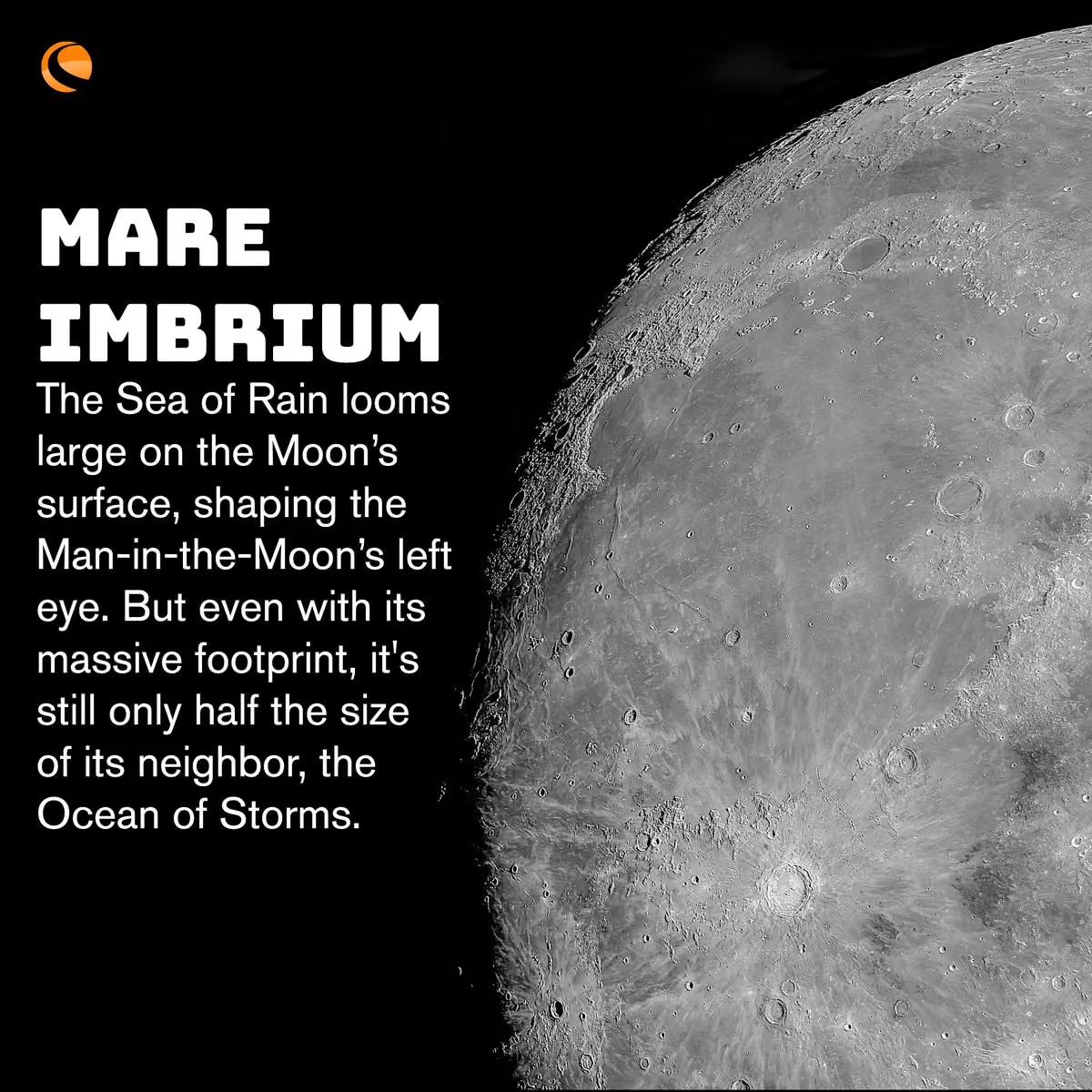
Two lunar craters, each with a character of its own. 🌙 This detailed view from @astroryan2 captures Aristillus and Autolycus, a neighboring pair of impact craters on the eastern side of Mare Imbrium. The larger Aristillus measures about 55 km across and features clearly defined terraced walls and a cluster of central peaks. Just south, the 39 km-wide Autolycus has a rougher floor and lacks the prominent central peaks of its neighbor. Around First Quarter, sunlight hits this region at a low angle, creating shadows that make features along the crater walls and surrounding terrain easier to see. Captured from Dubai, UAE, with a Celestron NexStar 6SE. 🔭 #celestron #nexstar6se #lunarimaging #moonphotography #astrophotography #aristillus #autolycus #mareimbrium
-
Celestron
@Celestron
A night out with the CPC GPS XLT 📷📷📷
@bob_the_builder_89 took advantage of the night skies in Dubai, setting up his Celestron CPC GPS XLT for views of two favorites—the Moon and Saturn.
One moment you’re exploring craters, mountains, and shadows across the lunar surface, and the next you’re looking across the solar system at Saturn and its rings. That’s a pretty good night behind the eyepiece. -
Celestron
@Celestron
Talk about being in the right place at the right time! 🪐🔭
@astro_.delhi caught Jupiter with a lot going on at once—the Great Red Spot was in view, Ganymede was hanging out nearby, and its shadow was making its way across Jupiter’s cloud tops.
Not bad for one night at the telescope! 🙌
Captured from New Delhi with a Celestron NexStar 6SLT.
Jupiter always seems to have something going on. -
Celestron
@Celestron
One frame, a whole neighborhood of nebulae. 🌌
This incredible wide-field view from @joanel_astro brings together the Bubble Nebula (NGC 7635), Lobster Claw Nebula (Sh2-157), and surrounding Sh2-161 structures, all sharing the same rich region of sky.
Look closely, and you’ll find delicate blue OIII filaments weaving through glowing hydrogen emission, contrasted by dark clouds of interstellar dust. The longer you look at this image, the more there is to discover. 🔭
Slide through to see each object individually 👉
📷 RASA 8
🎨 HOO palette from OSC data
⏱️ 13 hours total integration (60s subs)
⚙️ Gain 100
🔴🟢🔵 Antlia Triband RGB Ultra II Filter -
Celestron
@Celestron
🍔 Nothing says summer like a hamburger… galaxy.
Meet NGC 3628, better known as the Hamburger Galaxy. Located about 35 million light-years away, this spiral galaxy is viewed nearly edge-on, revealing the thick lane of dark dust cutting across its bright center.
At roughly 100,000 light-years across, it’s about the same size as our Milky Way—and it only just squeezed into the frame at a focal length of 2737mm! 🔭
@mikeinrockandspace captured this view with nearly 10 hours of integration time, using data from April 2024 that he recently gave a fresh reprocess.
🔭 Celestron 14” EdgeHD + 0.7x Reducer
⚙️ Celestron CGX-L Mount
No grill required for this summer hamburger. 🍔🌌 -
Celestron
@Celestron
Located about 2.2 million light-years away in Cassiopeia, IC 10 is a small but remarkably active member of our Local Group of galaxies. It’s the closest known starburst galaxy, meaning it’s undergoing an intense period of star formation. Despite being relatively close by, IC 10 can be challenging to observe because dust and stars in our own Milky Way obscure the view.
Astrophotographer Frédéric Caron took on the challenge from Bortle-8 skies, collecting an impressive 35 hours of data.
🔭 RASA 8
📷 ASI533MC + ASI533MM
⏱️ 35 hours total integration
🌃 Bortle 8 -
Celestron
@Celestron
If today was your first total solar eclipse, welcome to the club. If you’ve been chasing eclipses for years, go ahead and add another pin to the map. And if you caught totality through your lens or telescope… we definitely want to see those images! 🌞🌑
There’s nothing quite like those few surreal minutes when the sky goes dark in the middle of the day. The August 12, 2026 total solar eclipse is officially one for the books.
Who’s already planning for the next one? 😎
📸: Pranvera Hyseni
#solareclipse #totalsolareclipse #eclipse2026 #celestron -
Celestron
@Celestron
A close neighbor can change everything.
The Whirlpool Galaxy, NGC 5194 (M51), owes much of its iconic appearance to its companion, NGC 5195. As the two galaxies interact, gravity compresses clouds of gas within M51, fueling new star formation and helping shape its striking spiral arms. Although they appear to overlap from our point of view, NGC 5195 is actually passing behind the Whirlpool Galaxy.
📸 Herbert W. Hamber
🔭 Celestron C8 with a Celestron f/6.3 SCT Reducer
📍 Celestron Advanced VX mount
#celestron #c8 #whirlpoolgalaxy #m51 #galaxy #astrophotography #astronomy -
Celestron
@Celestron
The Sun is alive with motion. Those tiny, bright cells covering the solar surface are called convection cells, where hot plasma rises from below, cools, and sinks back down. Each one is about the size of Texas, and together they create the Sun's constantly changing "granular" texture.
At the center of this image is Sunspot Region 4496. In a sunspot, intense magnetic fields suppress convection, making the region appear darker than its surroundings.
📸 Andreas Nilsson (@andreasnilsson)
🔭 Celestron EdgeHD 8" with a Baader white-light solar filter
⚠️ SOLAR WARNING: Never observe or photograph the Sun without a properly designed solar filter that conforms to the ISO 12312-2:2015(E) international safety standard.
#celestron #edgehd #solarastronomy #sunspot #astrophotography #astronomy -
Celestron
@Celestron
What are Saturn's ring spokes? 🪐🤔
Look closely at the B ring in Christopher Go's latest image, and you'll notice faint, dark streaks stretching across the rings. These are called ring spokes—temporary features that can appear and disappear in a matter of hours.
Scientists are still working to understand exactly what causes them, but they may be linked to interactions between Saturn's magnetic field and solar radiation. Their fleeting nature makes them a highly anticipated sight for planetary imagers each Saturn season.
Captured by Christopher Go (@christophergo) using a Celestron C14.
#celestron #c14 #saturn #planetaryimaging #astrophotography #astronomy -
Celestron
@Celestron
The countdown is on—just one week until the 2026 Total Solar Eclipse. 🌞🌑
Looking back at our unforgettable day in Dallas during the 2024 eclipse has us even more excited for what's ahead.
On August 12, totality will be visible from Greenland, Iceland, the Atlantic Ocean, and northern Spain, while a partial eclipse will be seen across Alaska, Canada, the northern United States, and western Africa.
If you're traveling into the path—or observing a partial eclipse from home—be sure to check out our blog for viewing times, planning tips, and eclipse safety.
🔗 www.celestron.com/blogs/news/pursuing-the-shadow-the-augu…
#celestron #totalsolareclipse #solareclipse #eclipse2026 #astronomy -
Celestron
@Celestron
🌕 Ready for one of the toughest lunar imaging challenges of the year?
A Falcon 9 upper stage is expected to impact the Moon in the early morning hours of August 5 at 06:34 UTC (2:34 a.m. EDT) near Einstein Crater.
There's a catch: the impact will occur on the Moon's sunlit surface, making any flash incredibly difficult to detect. This isn't a target for casual observing. Even experienced astrophotographers with large apertures, high-speed cameras, and carefully planned imaging runs may come away empty-handed.
But if you have the equipment, experience, and patience, this is a rare opportunity to put your setup to the test.
Are you taking on the challenge? 🌕📹🔭
#celestron #moon #lunarobserving #astrophotography #astronomy -
Celestron
@Celestron
At the center of the Crescent Nebula (NGC 6888) is WR 136, a massive Wolf-Rayet star.
Its powerful stellar winds continue to collide with shells of gas expelled thousands of years ago, producing the nebula's distinctive arcs and filaments.
📸 Captured by Celestron employee Chris H.
🔭 Celestron EdgeHD 8 at f/10
#celestron #edgehd #ngc6888 #crescentnebula #deepsky #astrophotography #astronomy -
Celestron
@Celestron
One of the Moon's most recognizable landmarks.
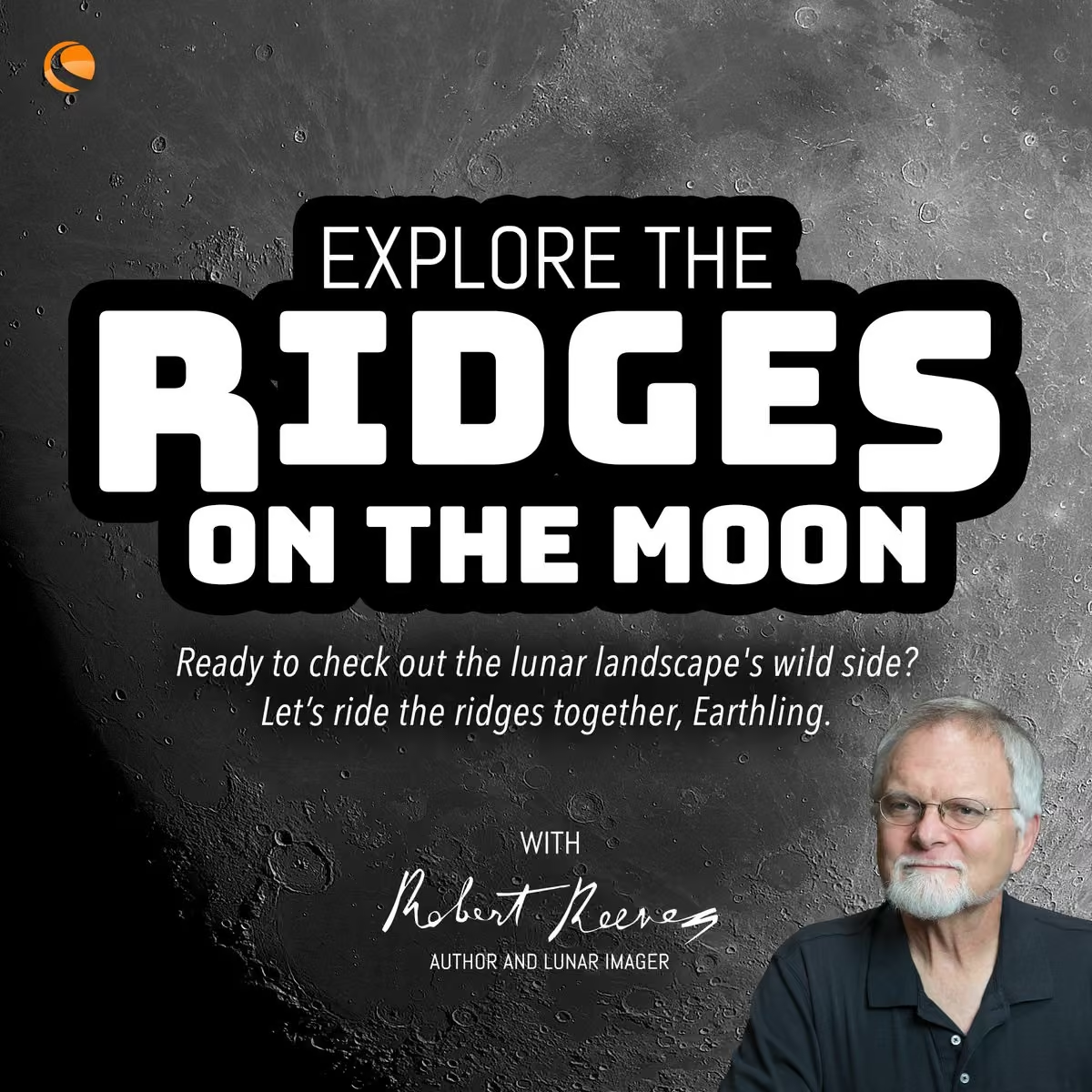
Copernicus Crater spans 93 kilometers (58 miles) and is best seen when the Sun is low on the lunar horizon, casting long shadows across its terraced walls and central peaks. Look closely and you'll also spot its bright ray system, where debris from the impact stretches across the lunar surface.
📸 Captured by Robert Reeves
#celestron #moon #copernicuscrater #lunarphotography #astrophotography #astronomy -
Celestron
@Celestron
Cosmic leftovers have never looked so good. 🍝🌌
The Spaghetti Nebula (Sh2-240) is the expanding debris from a star that exploded roughly 40,000 years ago. It spans nearly 3° of sky (about six Full Moons side by side!), making it one of the largest supernova remnants visible from Earth.
📸 Captured by @i_s_a_b_e_ll_astro
🔭 Celestron C11
#celestron #spaghettinebula #sh2240 #supernovaremnant #astrophotography #deepsky #astronomy -
Celestron
@Celestron
A hidden gem in Cygnus. 🦢💎
About 5,600 light-years from Earth, Sh2-112 is an emission nebula where a massive star lights up surrounding hydrogen gas, creating an incredible cosmic glow.
📸 Captured by @astrodoc.ca (Ron Brecher)
🔭 Celestron 14" EdgeHD at f/11 -
Celestron
@Celestron
Some images are worth staying up late for. 📸🔭
After months of learning, experimenting, and pushing through the challenges, @shahrom_mardo captured this incredible shot of NGC 6888, the Crescent Nebula—an emission nebula sculpted by the powerful stellar winds of Wolf-Rayet star WR 136, about 5,000 light-years away.
Captured with:
🔭 Celestron 11" Schmidt-Cassegrain telescope on a CGEM II mount
Congratulations on your image, and here's to many more deep-sky captures ahead!
#celestron #ngc6888 #crescentnebula #astrophotography #deepsky #astronomy #spacephotographyThis media couldn't be displayed. See it on the original post. -
Celestron
@Celestron
Another APOD win! Congratulations, @chuckayoub! 👏
NASA Astronomy Picture of the Day recognized Chuck's stunning image of Messier 24, the Sagittarius Star Cloud, captured with a Celestron RASA 8.
Unlike most Messier objects, M24 isn't a galaxy, nebula, or star cluster. It's a particularly clear view into one of the Milky Way's richest star fields, where thousands of stars, dark dust clouds, and glowing nebulae fill the frame.
🔭 Celestron RASA 8
#celestron #rasa8 #apod #m24 #sagittariusstarcloud #astrophotography #astronomy -
Celestron
@Celestron
The striking Elephant’s Trunk Nebula (IC 1396A) is a dense pillar of gas and dust nestled within the larger IC 1396 emission nebula in the constellation Cepheus. Stretching for light-years, this stellar nursery is actively forming new stars, while intense radiation from nearby massive stars slowly sculpts and erodes its iconic trunk-like shape.
Captured by Alejandra Rodriguez (@alejandrarodriguez6589) from Málaga, Spain using a Celestron C8 XLT and 0.63x Focal Reducer.
🔭 Celestron C8 XLT + 0.63x Focal Reducer
⏱️ 40 × 180s (2 hours)
#celestron #elephantstrunknebula #ic1396a #ic1396 #astrophotography #deepsky #astronomy -
Celestron
@Celestron
One backyard. Two incredible deep-sky objects. ✨
Celestron employee Chris H. captured the colorful Dumbbell Nebula (M27) with a RASA 8 and the dense globular cluster M10 with an EdgeHD 8.
Every target has a story to tell.
📸 Chris Hendren -
Celestron
@Celestron
See it. Study it. Sketch it. ✏️
Field study is about slowing down to observe, understand, and appreciate the natural world. With the Celestron Ultima 65 Spotting Scope, @misscrawston can study every feather, marking, and subtle detail before bringing what she sees to life on the page.
#celestron #ultima65 #fieldstudy #naturejournaling #birding #spottingscope #natureart -
Celestron
@Celestron
The Crescent Nebula (NGC 6888) is the result of a powerful stellar wind colliding with material expelled by a massive Wolf-Rayet star, creating the glowing shell we see today.
Herbert W. Hamber captured this stunning view using a Celestron EdgeHD 8" paired with the Celestron 0.7x Reducer for EdgeHD 800,
#celestron #edgehd #astrophotography #ngc6888 #crescentnebula #deepsky #spacephotography #astronomy -
Celestron
@Celestron
Grab your backpack and go. The Celestron Travel Scope is the perfect first telescope for young explorers and beginners ready to discover the night sky. Lightweight and easy to set up, it comes with a backpack that holds your telescope, tripod, and accessories, so everything you need is in one place. Whether you're camping beneath the Milky Way, visiting a dark-sky park, or heading into the backyard, the Travel Scope makes it easy to turn every trip into a stargazing adventure.
📸: @dubaiastronomy -
Celestron
@Celestron
Don't just take our word for it. ⭐
"I went down a rabbit hole before buying my first scope, the Celestron StarSense Explorer 150 Dobsonian. This thing is a beginner's dream." — Laurielle (@ashleyandthecosmos)
If you've been researching your first telescope, you know how overwhelming the options can be. That's why we love hearing from people who have been in your shoes. -
Celestron
@Celestron
The Lagoon Nebula (M8) shines at magnitude +4, making it one of the easiest nebulae to image. Point the Celestron Origin toward this stellar nursery and, after the very first 10-second exposure, your screen fills with color and detail invisible to the naked eye. With each additional 10-second exposure, the nebula becomes more vivid and defined.
📷 Image by @astro_mom with Celestron Origin.
#celestronorigin #lagoonnebula #m8 #astrophotography #celestronuniverse -
Celestron
@Celestron
Before apps, there was this. ✨
Planispheres and paper star maps have been helping people navigate the night sky for generations. Chart your course, look up, and discover the stars together.
Some traditions never go out of style.
#celestron #astronomy #stargazing #nightsky #planisphere -
Celestron
@Celestron
Some nights call for a wider view. 🌌
Meteor showers, bright comets, and sprawling constellations are often too big to appreciate through a telescope alone. That's where SkyMaster Gemini comes in.
With an expansive 24° field of view and 2x magnification, SkyMaster Gemini makes the night sky appear brighter and more immersive while preserving the natural experience of observing with your own eyes.
Perfect for:
✨ Meteor showers
☄️ Wandering comets
⭐ Large star fields and constellations
🌌 Scanning the Milky Way
Explore more of the night sky with SkyMaster Gemini.
#celestron #skymastergemini #astronomy #stargazing #nightsky #meteorshower #comet #constellations #binoculars -
Celestron
@Celestron
The plan tonight? Look up. 🌌
🔭 @bambi_the_hairwitch enjoying a night under the Milky Way with Celestron
#celestron #milkyway #stargazing #astronomy #nightsky -
Celestron
@Celestron
Did you know? 💡
One of the world's most famous observatories has a little bit of Celestron history.
Griffith Observatory, one of the most visited observatories on Earth, is home to two custom-built Celestron Schmidt-Cassegrain telescopes. Back in 2005, Celestron donated 8" and 9.25" optical tubes to complement the historic 12" Zeiss telescope, helping bring even more views of the universe to the public. They're still in use today!
celestron.com/griffith
Have you looked through these telescopes? 🔭👀
#celestron #griffithobservatory #astronomy #losangeles #stargazing #telescope -
Celestron
@Celestron
The countdown is on. 🌑
On August 12, 2026, a total solar eclipse will cross parts of the Northern Hemisphere, offering millions the chance to witness one of astronomy's most unforgettable events.
Whether you're traveling into the path of totality or viewing a partial eclipse closer to home, now's the time to start planning—and making sure you have the proper solar filters.
☀️ Everything you need to know: celestron.com/solareclipse
#celestron #solareclipse #totalsolareclipse #eclipse2026 #astronomy #safesolarviewing -
Celestron
@Celestron
Meet Messier 11, the Wild Duck Cluster 🦆✨
Captured by Ron Brecher (@astrodoc.ca) with the Celestron 14" EdgeHD, this view resolves thousands of stars packed into one of the richest open clusters in the night sky.
#celestron #edgehd #wildduckcluster #m11 #astrophotography #nightsky -
Celestron
@Celestron
The Swan Nebula (Messier 17) is one of the brightest star-forming regions in our galaxy. Also known as the Omega Nebula, this vast cloud of gas and dust is home to thousands of young stars still taking shape.
@maximumastronomy captured this nebula with Celestron Origin, combining nearly 3 hours of total exposure time.
📷: @maximumastronomy
#celestron #teamcelestron #celestronorigin #origintelescope #swannebula #m17 #omeganebula #astrophotography -
Celestron
@Celestron
Warm summer nights make July a perfect time to slow down and look up. 🌌🔭
Whether you're enjoying dark skies around the New Moon, catching a meteor shower, or simply taking in the summer Milky Way, there's plenty to enjoy this month.
Here's what to watch in July 2026:
🌑 Jul 15 – New Moon
🌕 Jul 29 – Full Moon
☄️ Jul 30–31 – Delta Aquariid Meteor Shower peaks
🔭 Jul 30 – Venus & Moon
Clear skies and happy observing! ✨
#celestron #astronomy #nightsky #stargazing #deltaaquariids #moon #summersky -
Celestron
@Celestron
When @ransomobservatory's dual RASAs start imaging at dusk, they're committed until dawn. Sounds like a good weekend plan to us.
🌅🌌
🎥 @ransomobservatory
#celestron #teamcelestron #rasa #astrophotography #tgif #nightsky #timelapse #astronomy -
Celestron
@Celestron
LDN 183 is a dense cloud of dust so thick it blocks the light of the stars behind it. Located in Serpens Cauda, it's one of the darkest molecular clouds visible from Earth. Chuck (@chucksastrophotography) captured the dust lanes and structure of this target with his Celestron RASA 11.
#celestron #rasa11 #astrophotography #darknebula #ldn183 #serpenscauda #deepsky -
Celestron
@Celestron
Summer nights are made for stargazing. 🌌🔭
Our Summer Sky Guide 2026 highlights a few celestial events happening this season, along with deep-sky targets and tips to help you make the most of your nights outside.
Save this guide for later and slide through to start planning your summer observing sessions. ✨️ -
Celestron
@Celestron
✨ A new perspective on the night sky.
Using a unique triple RASA setup at Starfront Observatories (@starfront_observatories), Bray (@astrofalls) captured stunning images and added a striking 3D effect that adds depth and dimension to an already beautiful scene. The layered presentation makes it feel as though you're peering directly into space.
📸 @astrofalls | Starfront Observatories
#celestron #teamcelestron #rasa #starfrontobservatories #astrophotography #deepskyastrophotography #astronomy #nightsky #spacephotography -
Celestron
@Celestron
⚡ The countdown is almost over.
For years, astrophotographers have been told what an alt-az telescope can't do.
This Friday, we're changing the conversation.
ALT-AZ: IT'S ABOUT TIME
A special collaboration between Celestron and PrimaLuceLab.
Premiering Friday.
#itsabouttime #celestron #primalucelab #astrophotography #astronomytech -
Celestron
@Celestron
This image of the Pinwheel Galaxy (M101) also reveals several smaller galaxies scattered throughout the field. Located about 25 million light-years away in Ursa Major, M101 spans nearly twice the diameter of the Milky Way and is home to regions of active star formation. With over 44 hours of integration time, this image showcases the galaxy's spiral structure, glowing hydrogen regions, and even distant background galaxies.
🔭 Equipment:
Celestron Advanced VX 8" Schmidt Telescope
📸: @zach22c
#celestron #teamcelestron #m101 #pinwheelgalaxy #astrophotography #deepskyastrophotography #galaxyseason #c8 #advancedvx #nightsky #spacephotography #astronomy -
Celestron
@Celestron
A thousand galaxies. One field of view.
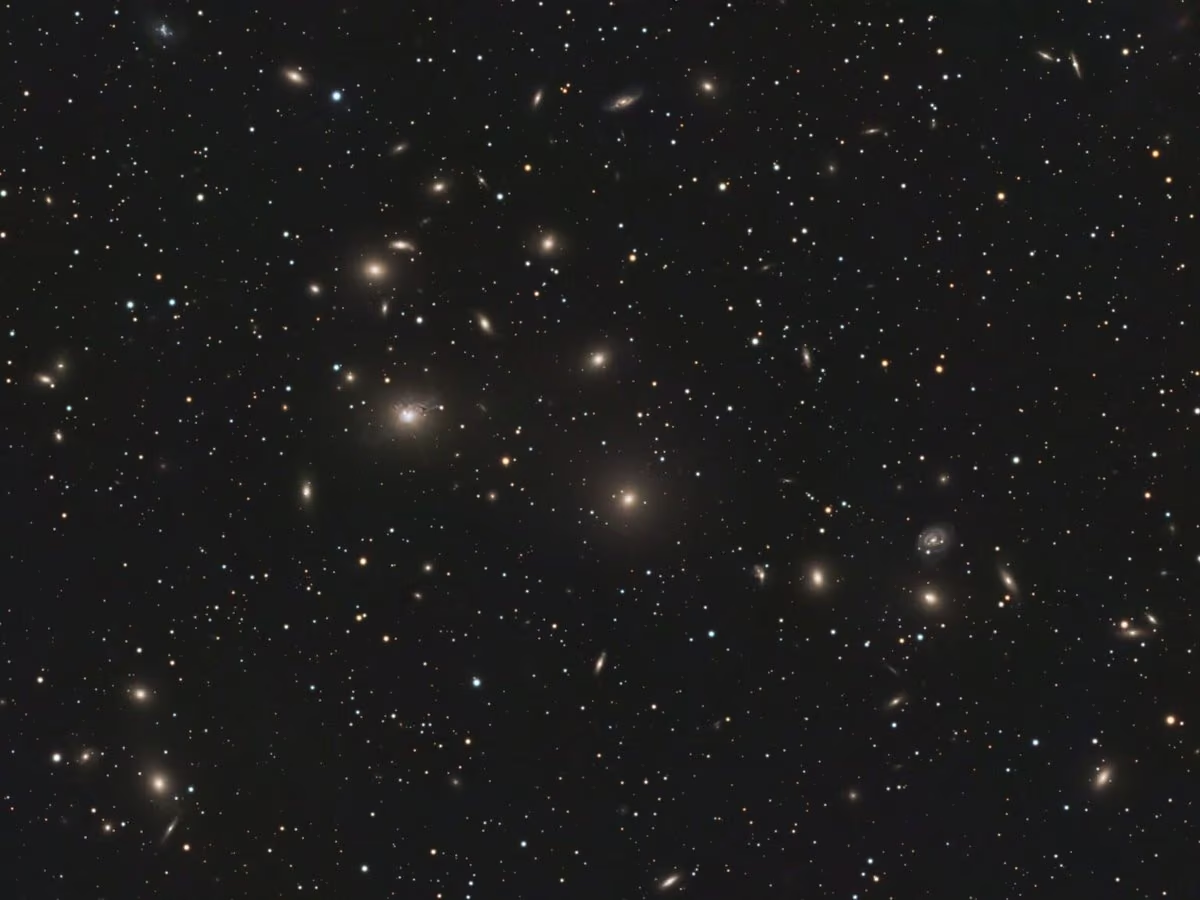
Abell 1656, better known as the Coma Galaxy Cluster, is one of the richest galaxy clusters in the nearby universe. Located approximately 321 million light-years away in the constellation Coma Berenices, this remarkable gathering contains at least 1,000 galaxies bound together by gravity. At its center are the giant elliptical galaxies NGC 4874 and NGC 4889, surrounded by countless other island universes.
📷 Image by Ron Brecher (@astrodoc.ca)
🔭 Equipment & Data
• Celestron 14" EdgeHD at f/11
• 225 × 1 min Red, 220 × 1 min Green, 215 × 1 min Blue
• 11 hours total integration time
#astrophotography #comacluster #abell1656 #galaxycluster #deepsky #celestron #edgehd #astronomy #spacephotography
4h -
Celestron
@Celestron
Separated by millions of light-years yet captured in the same field of view, NGC 6946 and NGC 6939 create one of the sky’s most fascinating pairings.
At lower left shines NGC 6946, better known as the Fireworks Galaxy. Located about 22 million light-years away in the constellation Cepheus, this face-on spiral galaxy is famous for its prolific star formation and remarkable number of observed supernovae, earning its explosive nickname.
Above and to the right lies NGC 6939, a rich open star cluster within our own Milky Way. Its hundreds of aging stars reside just a few thousand light-years from Earth, providing a striking foreground contrast to the distant galaxy beyond.
This image was captured over two nights using a RASA 8 Triple Telescope setup, combining 1,064 exposures of 60 seconds each for a total integration time of 17 hours and 44 minutes.
📷 Image by Frédéric Caron
#celestron #astrophotography #ngc6946 #fireworksgalaxy #ngc6939 #deepsky #cepheus #astronomy #spacephotography #nightsky -
Celestron
@Celestron
🌙 Venus. The Moon. The Seven Sisters.
Syed (@astrotales_by_syed) observed this celestial trio with a Celestron StarSense Explorer 8" Dobsonian.
📸 @astrotales_by_syed -
Celestron
@Celestron
From a city balcony to the surface of the Moon. 📷
Captured by Rafi (@rarivas) with a Celestron NexStar 6SE.
📷 @rarivas
📷 Celestron NexStar 6SE -
Celestron
@Celestron
Following our post about longtime Celestron executive Alan Hale's retirement, we wanted to highlight some of the other individuals who have spent decades helping build Celestron.
One thing that makes our company special is the number of team members who have dedicated much of their careers to sharing astronomy with others. From engineering and product development to customer support and operations, their experience, passion, and commitment have helped generations discover the night sky.
Meet some of the long-term team members who continue our legacy today: www.celestron.com/blogs/general/our-team -
Celestron
@Celestron
Following the success of Artemis II, NASA has announced the four astronauts selected for Artemis III: commander Randy Bresnik (NASA), pilot Luca Parmitano (ESA), mission specialist Frank Rubio (NASA), and mission specialist Andre Douglas (NASA). Both Bresnik and Rubio hail from the greater Los Angeles area, not far from Celestron HQ!
The mission is targeted for 2027. The crew will test the spacecraft and spacesuits in low Earth orbit ahead of Artemis IV's Moon landing. Who's excited!? 🚀🤩
📸: @nasa
#artemisiii #nasa #artemisprogram -
Celestron
@Celestron
🌻 The Sunflower Galaxy never disappoints.
36 hours of data and plenty of patience turned this backyard capture into something special.
📸 @gateway_galactic
🔭 Celestron EdgeHD 9.25" -
Celestron
@Celestron
As daylight fades and the first stars begin to appear, the real show is just getting started. 🤩
📸 Image by @stargazingmoab
🔭 Celestron telescope ready for a night of observing
#celestron #stargazing #astronomy #nightsky #telescope #astrophotography #observetheuniverse #twilightsky #spacelovers #stargazingmoab -
Celestron
@Celestron
This week, Alan Hale retires after 66 years with Celestron.
He joined the company in April 1960, when it was still called Valor Electronics, and went on to work alongside founder Tom Johnson, serving as CEO in the 1980s and later becoming Chairman Emeritus.
Alan's career spans nearly the entire history of Celestron. Over six decades, he helped shape the company into what it is today and left a lasting mark on the astronomy community along the way.
Congratulations on your retirement, Alan. Here's to the next chapter and plenty of clear skies. 📷 -
Celestron
@Celestron
Thousands of stars packed into a single frame.
Captured by Brittney (@britt__miller) with a Celestron C8, this image showcases Messier 11, the Wild Duck Cluster, one of the richest open clusters in our galaxy. Located about 6,000 light-years away in Scutum, M11 contains hundreds of young, bright stars concentrated into a dense region of the Milky Way.
What makes this target stand out is the contrast: a brilliant cluster of blue-white stars surrounded by warmer golden stars.
📍 Messier 11 (Wild Duck Cluster)
🔭 Captured with a Celestron C8
📸 Image by Brittney (@britt__miller)
#messier11 #wildduckcluster #opencluster #celestron #c8 #astrophotography #nightsky #milkyway #deepskyobject #astronomy -
Celestron
@Celestron
You don't need a large telescope to explore the Moon.
This detailed image of the First Quarter Moon was captured with a Celestron AstroMaster 70AZ, revealing rugged mountains, deep crater shadows, and the dramatic contrast along the terminator—the line between lunar day and night.
One of the best things about observing the Moon is that it changes every night. As the angle of sunlight shifts, familiar features take on an entirely new appearance with every observing session.
📷: @observationalastronomy_
#celestron #astromaster70az #moonphotography #lunarobserving #firstquartermoon #astronomy #astrophotography -
Celestron
@Celestron
Some galaxies just seem to jump off the screen, and Messier 88 is one of them.
Located about 50 million light-years away in the Virgo Cluster, M88 shows off beautifully defined spiral arms, intricate dust lanes, and even a few regions where new stars are being born.
Astrophotographer Ron Brecher captured this incredible view using a Celestron 14" EdgeHD telescope, combining more than 16 hours of imaging time to bring out the galaxy's finer details.
📸 Ron Brecher (@astrodoc.ca)
#celestron #edgehd #astrophotography #messier88 #galaxyseason #virgocluster #deepskyastrophotography -
Celestron
@Celestron
Learning starts with observation. 👀🐦⬛
Students are discovering local wildlife, practicing responsible birdwatching, and building lifelong connections with the natural world through hands-on outdoor activities. We're honored to support educators who bring science beyond the classroom walls.
@myelementarylife_
#celestron #birding #outdoorlearning #stem #natureeducation -
Celestron
@Celestron
Mark your calendars! 📷📷
The rare Micro Blue Moon reaches peak illumination on May 31 at 08:45 UTC. That means you can catch a glimpse on the evening of May 30 or May 31.
A 'Micromoon' happens when the Moon is at its farthest point from Earth and appears slightly smaller than usual. See if you can spot the subtle difference!
Want to learn more about this unique lunar event and how to observe it? Check out our observing guide at the link in our bio.
#bluemoon #micromoon #moonphotography #nightsky #celestron -
Celestron
@Celestron
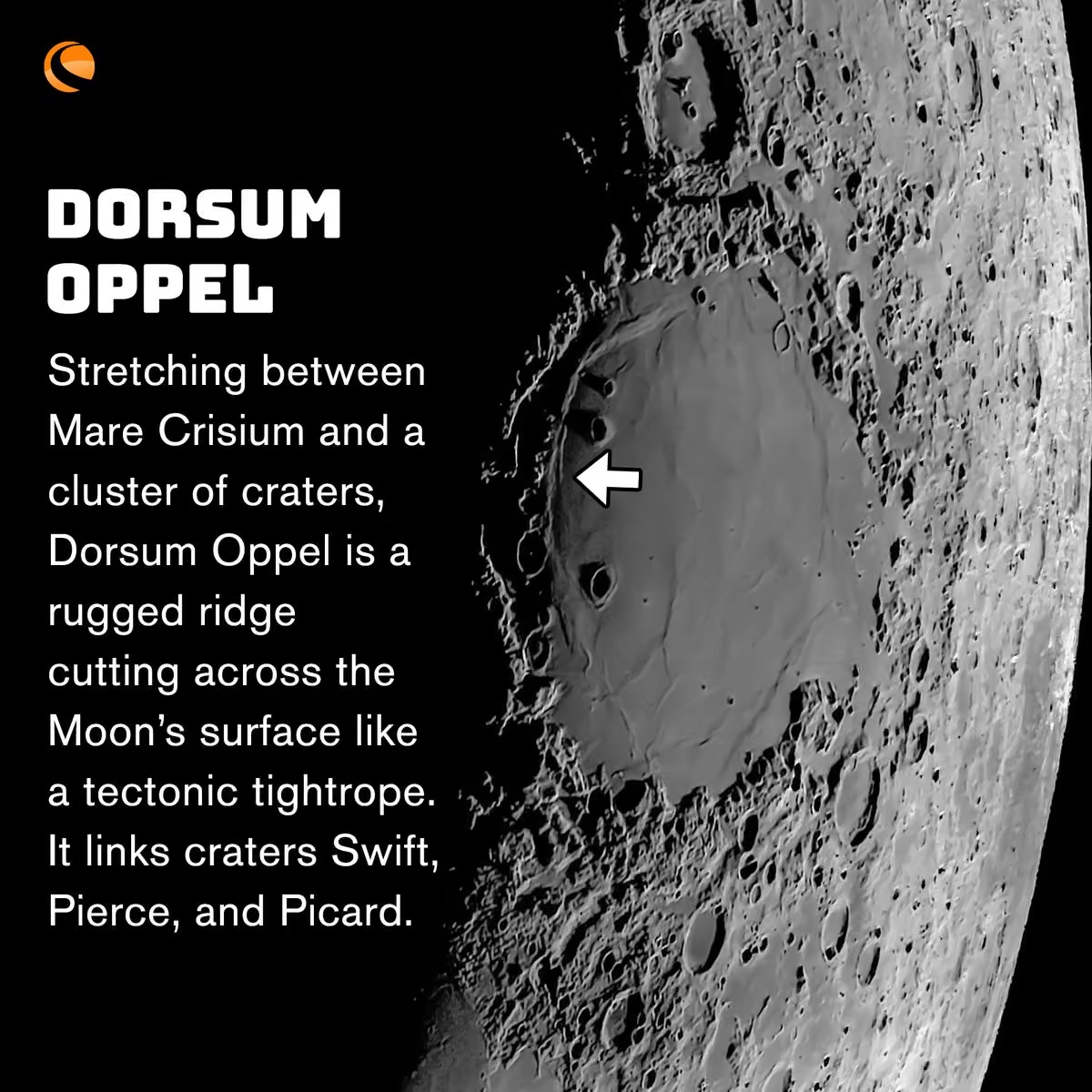
Mare Crisium, the “Sea of Crises,” is an ancient lava plain formed within a massive impact basin more than 3 billion years ago. 📷📷
Spanning roughly 345 miles (555 km) across, it lies near the eastern edge of the lunar near side. That makes it one of the first major features illuminated after the New Moon.
Its rugged outer rim still bears the marks of the colossal impact that formed the basin, while the smooth, dark interior was later shaped by volcanic lava spreading across the crater floor. -
Celestron
@Celestron
Planetary nebulae offer a rare glimpse into the future of stars like our Sun. One of the most famous examples is the Ring Nebula in Lyra, a glowing shell of gas left behind as a dying star sheds its outer layers.
Visible even through smaller telescopes under dark skies, the Ring Nebula gives us a preview of what our own solar system could look like billions of years from now. A faint ring of light. A dense stellar remnant at the center. And a reminder that the night sky is constantly evolving.
Take a look toward Lyra and witness one of the cosmos’ most fascinating future snapshots. 🔭This media couldn't be displayed. See it on the original post. -
Celestron
@Celestron
✨ Mike (@mikeinrockandspace) captured the Little Ring Nebula (NGC 6894) in Cygnus. Just 42 arc-seconds across, this faint planetary nebula surrounds a central white dwarf with a delicate glowing shell of gas.
Reprocessed from data captured in May 2022 using an HOS palette, with a total integration time of 8h 28m using the Celestron 14” EdgeHD with 0.7x Reducer.
📸 Image Details:
• Ha: 18 x 500s
• OIII: 22 x 500s
• SII: 21 x 500s
#celestron #astrophotography #ngc6894 #cygnus #planetarynebula #edgehd #astronomy #spacephotography -
Celestron
@Celestron
This is what happens when a star tears itself apart. 👁️⚡
The Cat’s Eye Nebula's blazing core hides layers of expanding gas that only appear through stacked exposures and HDR processing.
18 hours of integration with a Celestron C9.25 brought this one to life.
📸 Tobi (@tob_stars)
#celestron #catseyenebula #ngc6543 #astrophotography #c925 #deepskyastrophotography -
Celestron
@Celestron
Andrew (@gateway_galactic) spent 44.7 hours capturing the Whirlpool Galaxy (M51) from a Bortle 7 backyard, then carefully processed the data to bring out the galaxy’s structure, color, and detail.
From the raw stacked image to gradient correction, star removal, color balancing, hydrogen-alpha blending, and finally adding the stars back in, every step contributes to the final result.
🔭 Captured with a Celestron EdgeHD 9.25"
#celestron #astrophotography #m51 #whirlpoolgalaxy #edgehd #deepskyastrophotography #astronomy #galaxyseason -
Celestron
@Celestron
🌌 We’re proud to sponsor this year’s Capture the Dark contest with DarkSky International!
This global astrophotography contest celebrates the beauty of the night sky while raising awareness about the importance of protecting dark skies from light pollution. Whether you image with a dedicated astronomy setup or your smartphone, photographers of all experience levels are encouraged to participate.
📅 Submissions are open now through June 30, 2026
🏆 Winners announced in mid-August
Ready to submit your image? Learn more and enter here: capturethedark.darksky.org/contest2026
#capturethedark #darkskyinternational #astrophotography #celestron #darkskies -
Celestron
@Celestron
Not every telescope target is light-years away. 🐦🔭
Your telescope can bring out stunning detail in the natural world, too. This close-up of an Eastern Phoebe highlights the bird's fine feather texture, captured beautifully with a Celestron NexStar 130SLT and a smartphone adapter. 📱
📸: @wildpassingthru
#celestron #birdphotography #digiscoping #backyardbirding #naturephotography #nexstar130slt #birdwatching #astronomyandnature -
Celestron
@Celestron
Part II: Here are the images from the Celestron setups from Bray Falls (@astrofalls) at @starfront_observatories.
• The Jellyfish Nebula (IC 443) — faint shockwaves and texture brought forward
• The Whirlpool Galaxy (M51) — clear spiral structure and its companion
• The Sombrero Galaxy (M104) — sharp, edge-on dust lane
• Thor’s Helmet (NGC 2359) — sweeping arcs of energized gas
• A widefield hydrogen-alpha region — rich emission across the field
• The Owl Nebula (M97) — subtle structure with depth
📷: @astrofalls
Sombrero galaxy - Tom Mihelich
IC443 - Sam Wyens
Thors helmet - NE-FL-Astro
Sh2-113 - Matt Crognale
M51 - Justin Etheredge
Crescent nebula - John M
#celestron #astrophotography #deepsky #darkskies #bortle1
Celestron
@Celestron
-
Celestron
@Celestron
The western sky is putting on a show May 21 🌙✨ Spot a crescent Moon glowing near the Beehive Cluster (M44), while Venus and Jupiter light up the evening alongside the bright twin stars Pollux and Castor. Grab a blanket and your telescope, look west after sunset, and enjoy a little cosmic magic. Clear skies!
This media couldn't be displayed. See it on the original post. -
Celestron
@Celestron
Corvus may be small, but it is packed with galaxies, double stars, and deep-sky surprises. 🔭✨
From the bright star Gienah to the famous Antennae Galaxies, this spring constellation has plenty to explore once you know where to look.
Slide through for a tour of Corvus and some of its best observing targets. 🌌 -
Celestron
@Celestron
Under dark New Moon skies in Borrego Springs, Herbert Hamber set up his Celestron Origin Mark II on a folding table and aimed it toward the Elephant Trunk Nebula. 🌌🔭
Using 186 ten-second exposures in alt-az mode, he captured this massive cloud of gas and dust where new stars are actively forming 2,400 light-years away. -
Celestron
@Celestron
Bray Falls (@astrofalls) showcasing a couple of Celestron telescopes dialed in under some of the darkest skies in Texas—mounted, balanced, and ready to capture every photon.
Stay tuned for some images captured with this setup!
📍 Rockwood, Texas
🏷️ @starfront_observatories #celestron #telescopesetup #astrophotography #darkskies -
Celestron
@Celestron
Some telescopes never go out of style. 🌙🔭
Alex (@focus_astronomy) took this classic orange tube C8 out for a look at the Moon 50+ years after it was first made — and it’s still delivering the kind of views that made it legendary. -
Celestron
@Celestron
Along the Moon’s terminator line, sunlight hits the surface at a low angle, making craters, mountains, and rough terrain stand out in sharp relief. 🌙
As the Last Quarter Moon rises, features like Plato, Copernicus, Tycho, and Clavius become especially rewarding to explore through a telescope.
Captured with the Celestron AstroMaster 70AZ using a smartphone through the eyepiece. 🔭📱
#celestron #moonphotography #lunarobserving #astronomy #astrophotography #moon #astromaster70az -
Celestron
@Celestron
The Whirlpool Galaxy, also known as M51, is one of the most stunning spiral galaxies visible from Earth ✨
Located in the constellation Canes Venatici near the Big Dipper, M51 shines at magnitude 8.4 alongside its companion galaxy, NGC 5195. Under dark skies, binoculars can reveal its glow, while small telescopes begin to uncover the galaxy’s iconic spiral structure.
A true deep-sky favorite for spring stargazing 🔭This media couldn't be displayed. See it on the original post. -
Celestron
@Celestron
The Helix Nebula always feels a little unreal. 👁️🌌
Captured by @astroshap with a Celestron RASA 8 at f/2, this image combines 10 hours of exposure time to reveal the layers of a dying Sun-like star about 650 light-years away in Aquarius.
The planetary nebula’s faint outer shell and textured inner core make this one of those targets you can keep revisiting. -
Celestron
@Celestron
This is M13—the Hercules Cluster.
Looks like a tight ball of stars… but there’s a lot more going on here.
That bright blue star? ~450 light-years away.
The cluster itself? ~23,000 light-years.
That faint galaxy off to the side? Tens of millions of light-years out.
All in one frame.
Captured with a RASA 8 from Long Beach by Chris H. (@hendrenimaging) -
Celestron
@Celestron
One look through the eyepiece… and now you’re hooked.
🔭: Celestron StarSense Explorer
📸: Chris (@christopher_walken_ellis) -
Celestron
@Celestron
A quiet night, a clear sky, and a telescope on the patio.
The Moon in full detail. Venus shining just above the horizon.
All captured in one session with a NexStar SE.
@nav__astro -
Celestron
@Celestron
Did you know you can control your Celestron computerized telescope with an Xbox-style controller? 😱
Just plug your controller into your PC, launch CPWI, and map the joysticks to move your mount and focus—full control right from your hands. Pan across the sky, track targets, and fine-tune your view like you're in a game… except this time, it’s real. 🚀👾
🎥: Miguel (@migdroides) -
Celestron
@Celestron
We’re watching a star tear exploding millions of light-years away. Team Celestron member Christopher Go captured SN2026kid, a Type II supernova in NGC 5907, with his Celestron Origin.
-
Celestron
@Celestron
Making sure everything’s ready before dark. 🔭
@kuyenastrotour getting the Celestron setup dialed in ahead of tonight’s tour -
Celestron
@Celestron
After clouds shut down his desert session on the Leo Trio, Celestron employee Chris H. (@hendrenimaging) pivoted south to NGC 3628 and put the RASA 8 to work under less-than-ideal conditions. From light-polluted skies, he revealed the galaxy’s faint tidal tail stretching into space.
The final result? 606 minutes of LRGB data across three nights, with sharp luminance detail bringing out structure and depth. -
Celestron
@Celestron
Some targets never get old—and the Horsehead Nebula is at the top of that list.
Dre (@dre_bo_99) keeps coming back to it, and this latest capture might be his best yet. By pushing deeper with a balanced mix of L-Ha-RGB data, he’s revealed incredible detail in one of the sky’s most iconic dark nebulae.
📸: @dre_bo_99 using an EdgeHD 8" with a 0.7x focal reducer -
Celestron
@Celestron
Boötes isn’t just Arcturus.
Scroll through to explore one of spring’s most underrated constellations, from bright guide stars and colorful doubles to faint globulars and a full lineup of galaxy targets.
If you’re planning your next session, there’s more here than you think.
Save this for your next clear night. -
Celestron
@Celestron
Two scopes. One target. Twice the photons.
We all know that at f/2, RASA 8 is blazing fast. But running a dual RASA 8 setup means collecting even more data, stacking signal faster, and drastically cutting total integration time on deep-sky targets.
Amazing setups like this let you make the most of every clear night.
📸: @ransomobservatory -
Celestron
@Celestron
ISS transit, captured the analog way.
Jase tracked the station crossing the lunar disk—timing, positioning, and execution all have to land perfectly for a shot like this. And with film, you don’t get instant feedback. You only know you nailed it once the roll is developed.
Shot with a Celestron EdgeHD 8", paired with a Nikon F5 on Kodak P3200.
📸: @jase.film -
Celestron
@Celestron
Swipe through some of the best star clusters you can observe right now 🔭
From bright, easy-to-spot open clusters to dense globular clusters packed with ancient stars, this lineup offers something for every observer including: Ptolemy’s Cluster, Butterfly Cluster, the famous Pleiades, Hercules Cluster, and more.
Some are visible to the naked eye, while others shine best through a telescope—but all of them reveal the richness of our galaxy.
Which cluster are you observing next? -
Celestron
@Celestron
Look to the southeast on the night of May 3 🌙
The Moon rises alongside Antares, the red supergiant marking the heart of Scorpius. It’s a striking pairing—easy to spot and well worth a moment at the eyepiece ✨This media couldn't be displayed. See it on the original post. -
Celestron
@Celestron
May has a little of everything. 🔭✨
A strong meteor shower, a few solid pairings, and a Blue Moon to close out the month. Mid-month also brings darker skies for longer observing sessions.
Here’s what to watch in May 2026:
🌑 May 15 – New Moon
🌠 May 6–7 – Eta Aquariids meteor shower
🔭 May 18 – Venus & Moon
🔭 May 20 – Jupiter & Moon
🌕 May 30 – Blue Moon
Clear skies. 🌙🔭 -
Celestron
@Celestron
40 Eridani—just 16.5 light-years away and a fun one for sci-fi fans.
@Astro.Krd captured this triple star system with a NexStar 8SE. Three stars bound together, with at least one known planet orbiting the primary.
If you’ve read or watched Project Hail Mary, this system might ring a bell—it’s Rocky’s home neighborhood. Turns out, you can actually point your scope at it.
📸: @Astro.Krd -
Celestron
@Celestron
NGC 4244, seen edge-on.
Ron B. (@astrodoc.ca) brings out more than the usual thin streak—hydrogen alpha reveals small pink star-forming regions scattered along the galaxy’s length.
Captured with a Celestron 14" EdgeHD at f/11, with enough focal length to show structure across the disk while keeping stars tight.
~12 hours total (LRGB + hydrogen alpha)
Paramount MX
📸: Ron B. (@astrodoc.ca) -
Celestron
@Celestron
Microscope diaries 🔬✨
Chloe Kirk (@chloekirk) took the Celestron PentaView into her backyard and started exploring—leaves, grass, pond water, even her cat’s hair. Simple subjects, but a completely different view once you get up close.
There’s plenty to see without leaving home.
📸: @chloekirkThis media couldn't be displayed. See it on the original post. -
Celestron
@Celestron
Sidewalk astronomy in action.
Pramod (@bolti_photo) set up a StarSense Explorer 8" Dobsonian in town, giving passersby real-time views of the night sky. With quick plate solving and push-to guidance, targets are easy to find—even under brighter skies—so more time goes to observing, not searching.
📸: @bolti_photo -
Celestron
@Celestron
The April Lyrids are here!🌌
From April 15-29 (peaking around April 23), you can spot up to 20 meteors per hour streaking across the sky, no telescope needed. Head outside between midnight and 4 am, find a dark sky, and look up!
With the Moon out of the way this year, conditions are perfect for one of spring’s most iconic shows✨This media couldn't be displayed. See it on the original post. -
Celestron
@Celestron
Part of a famous pair—but Ron (@astrodoc.ca) had his sights set on just one.
M81 often shares the spotlight, but with the EdgeHD 14", it easily holds its own. Smooth spiral arms, a bright core, and layers of detail that keep revealing themselves the longer you look.
Sometimes the best move is to skip the wide shot and go all in on a single galaxy. -
Celestron
@Celestron
C/2025 R3 (PanSTARRS) is on the move. ☄️
Chris Go captured the comet from Cebu, Philippines, using Celestron Origin, resolving a compact coma and a well-defined ion tail cutting cleanly across the background. The field is packed, but the comet holds up—good separation and structure even against heavy star density.
If skies are clear, head outside and see if you can capture it yourself.
5 x 60s
Celestron Origin
📸: Chris Go -
Celestron
@Celestron
TGIF, clear skies, and a classic setup 📷
Bima (@bims_stagram) rolled into the night with his trusty C8—now riding on a NexStar SE mount for an easy, laid-back observing session.
Nothing better than ending the week under the stars.
What’s coming out for your weekend session? -
Celestron
@Celestron
Neck craning? Not tonight.
Greg (@manderzwicky) caught this moment with the CPC 800 50th Anniversary Edition—built for smooth tracking, comfortable viewing, and 'wow' moments. Here's what Greg had to say:
"When your target is directly overhead, at the zenith (as was the case with Jupiter last weekend), you want a telescope that can comfortably show it. And my trusty Celestron CPC 800 50th Anniversary Edition does that beautifully! My favorite telescope!" -
Celestron
@Celestron
Hydra rewards patience.
At over 100° long, it’s the largest constellation in the sky—but not the most obvious. Its faint stars make it easy to skip, which is exactly why it’s worth slowing down and working through.
Use Alphard as your anchor, then star-hop your way along the body to pick up targets like M48, M68, NGC 3242 (Ghost of Jupiter), and M83. It’s less about a single showpiece and more about the process.
🔭 Best tip: Low power, wide field first—then take your time on each target.
Save this for your next session under dark skies. -
Celestron
@Celestron
The Bubble Nebula.
Located about 7,000 light-years away in Cassiopeia, NGC 7635 nebula is shaped by a massive, hot star at its center. Its powerful stellar winds push outward, creating that distinct spherical shell against a dense field of glowing hydrogen.
What makes it especially interesting is the contrast—the sharp, defined “bubble” set within a much larger, chaotic nebula filled with clumps, filaments, and ongoing star formation.
Captured by Travis (@traviscondit) from Bortle 8/9 Houston, this image highlights both the structure of the bubble and the surrounding region with over 8 hours of total exposure.
📸 99 x 300" @ ISO 2000 (8h 15m total)
🔭 Celestron C8 @ f/6.3
🛰️ Advanced VX Mount
🎯 StarSense Autoguider -
Celestron
@Celestron
For Julia (@_juliaburr), it started with her son’s love for space. 🪐
At just 3 years old, he’s obsessed with everything beyond Earth, teaching Mom about planets, moons, dwarf planets, and even other galaxies. What began as curiosity quickly became something much bigger.
So she decided to turn that passion into something he could experience for himself, with the help of a StarSense Explorer Dobsonian.
Clear skies, little one! 🚀✨ -
Celestron
@Celestron
Astrophotographer Christopher Go caught a break in the clouds and captured this incredible view of Jupiter 🌌
On the left is a natural color image, revealing the planet’s familiar cloud bands and swirling storms. On the right is a methane band image, which highlights high-altitude features—notice how the bright region near the north pole really stands out.
You can even spot Oval BA’s orange ring clearly in the color view.
Captured with a C14 -
Celestron
@Celestron
🌊 Splashdown complete.
After a 10-day journey around the Moon, Artemis II has safely returned to Earth, marking a major step forward in human space exploration.
Congratulations to the entire team who made this mission possible. From launch to lunar flyby to a successful recovery, this is what progress looks like.
Here’s to the missions ahead and the next chapter of exploring beyond our world. 🚀🌖
#artemisii #splashdown #exploremore #celestron #space #nasa -
Celestron
@Celestron
🌕🧑🚀 Astronauts are heading back to the Moon. She’s taking in the view from her backyard.
Just Cometron 7x50 binoculars on a tripod.
Craters, shadows, and way more detail than you’d expect.
Add a smartphone adapter, and you can capture the moment, too.
🎥 Mandrágora ad astra (@mandragorayp) -
Celestron
@Celestron
🚀🌍 The view astronauts train their whole lives to see.
During Artemis II, Orion captured Earth setting beyond the Moon’s horizon.
In about 40 minutes, Earth shifts from a full, detailed disk to a thin crescent slipping behind the lunar surface. You can pick out cloud systems, oceans, and the line between day and night as they fade from view.
🔭 A perspective you can’t get from Earth.
#artemisii #earthset #celestron #exploremore #astronomy #space -
Celestron
@Celestron
As the Artemis II mission continues, we're still in our Moon Era. 📸🌙
Today, we're spotlighting Team Celestron member and astrophotographer Thierry Legault, who recently captured an incredibly detailed view of the First Quarter Moon.
This ultra-high-resolution image (135 megapixels) reveals fine structure across the lunar surface—from rugged crater rims to smoother maria, with dramatic shadows along the terminator.
The close-up panels show just how much there is to explore. Scan across the surface, and you’ll keep finding new details in every region.
Captured with a Celestron C14 EdgeHD. -
Celestron
@Celestron
🔎 What does a Barlow lens actually do—and when should you use one?
Swipe to learn how it works, when it helps (and when it doesn’t), and more.
If you’ve ever wondered how to get more magnification out of your eyepieces, this is for you. -
Celestron
@Celestron
Galaxy season is here!✨
This is the time of year when our nightside faces away from the Milky Way’s plane and out toward constellations like Leo, Virgo, Coma Berenices, and Ursa Major—opening a window to countless distant galaxies.
Explore the Virgo Cluster, the nearest major galaxy cluster to our Local Group, and spot spirals, ellipticals, and lenticulars with just binoculars or a telescope.This media couldn't be displayed. See it on the original post. -
Celestron
@Celestron
The Andromeda Galaxy (M31) is more than just a faint smudge in the night sky—it’s a massive spiral galaxy just 2.5 million light-years away and the closest large neighbor to the Milky Way.
Under dark skies, you can spot it with the naked eye. Through a telescope, its bright core and extended dust lanes begin to emerge, revealing structure in a galaxy containing over a trillion stars.
Captured here with 1625 seconds of exposure using the Celestron Origin -
Celestron
@Celestron
Swipe through some of the best galaxies you can observe right now 🔭
From bright, easy targets like the Andromeda Galaxy to detailed spirals like the Whirlpool Galaxy, this lineup is packed with favorites for both visual observers and imagers, including Bode’s Galaxy, the Cigar Galaxy, the Sombrero Galaxy, and more.
Some are visible in small telescopes. Others reward longer exposures and darker skies. But every one of them is worth your time.
Which one are you going after next? -
Celestron
@Celestron
You can only pick one.
Same data. Four different versions of the Crab Nebula.
Which palette are you choosing?
Foraxx
RGB + SHO
Hubble
Modified Hubble 📷
📷 Rob B (@astrodoc.ca)
Celestron 14" EdgeHD -
Celestron
@Celestron
Did the Celestron Origin just capture Artemis II on its way to the Moon? 🚀🌕🤯
Celestron employee Tim D. set up his Origin in San Francisco’s Duboce Park this morning to try to capture the spacecraft in motion. His results clearly show a streak on the move— in the exact spot where Artemis II was predicted to be.
Check out an image of his setup in a light-polluted urban park, along with the full video file. Below and in the comments, Tim D. explains exactly how he captured this amazing shot:
“I am 99% sure I captured Artemis II on its way to the Moon this morning from San Francisco.
At the time I captured the video, the spacecraft was about 124,000 km away from Earth. It was moving almost directly away from us, so its motion across the sky was not that fast. Its track over the course of the hour falls well within the frame of our IMX678c camera. A photo of my setup in the park, with the nearly-full Moon in the background, is also attached.
Celestron
@Celestron
Here’s a bit more of the backstory:
I tested Origin last night with the goal of imaging Artemis II on its way to the Moon. JPL HORIZONS predicted that it would pass about 25 degrees above my southern horizon at 4 a.m. today (Friday, April 3), so I got up at 3 a.m. to give it a try. I set up my Origin in Duboce Park, initialized Origin, and told it to point at the coordinates where JPL predicted Artemis-II would be at 4 a.m. using our mobile app.
Based on previous experience with Origin, I knew that at magnitude 12, Artemis II would easily be doable by Origin from light-polluted San Francisco with the Moon nearby in the sky. I have imaged Neptune’s moon Triton (mag. 13.5) and Pluto (14.5) with 10-second exposures from San Francisco. Our fast RASA optics make that possible, along with the IMX678 camera's extremely high light sensitivity. So, I felt optimistic that imaging the moving spacecraft would be possible.
Around 3:45 a.m., I noticed a small streak near the middle of the image. However, the streak was missing from the final stacked master at the end of my imaging session. Our image processing is specifically designed to remove “transient” objects (hot pixels, meteors, satellites), so I was not too surprised that the final image showed no conclusive image of Artemis II.
After bringing the telescope in and downloading my raw images, I used Anthropic’s Claude to write a program that converted FITS-format RAW images to an MPEG video. That video conclusively showed a moving object in the lower-right quadrant of the view.
In the end, I am very pleased with the outcome of this experiment. This result was partly owed to good luck (the weather could have been foggy, the spacecraft was visible last night, etc.) But luck was not all of it. Celestron really makes superb optics and a well-tested product. And so, when the conditions were ripe for it, Origin really delivered.
Thanks to everyone who made this possible … and go Artemis!”
Tim D., Celestron employee -
Celestron
@Celestron
Every era of exploration is defined by the people willing to go first. 📷📷
Reid Wiseman, Victor Glover, Christina Koch, and Jeremy Hansen have begun the Artemis II mission. With professionalism and unwavering commitment to the mission, they are bravely taking the next step in humanity’s return to the Moon. 📷
From Apollo to the Space Shuttle to Artemis, advancement has always depended on those willing to go beyond what is certain. At Celestron, we pause to celebrate this moment and the explorers leading the way. -
Celestron
@Celestron
From the heart of Los Angeles to deep space. 🌃🌌
Adriana (@astroroom.official) put the Celestron Origin Mark II to work under city skies. She captured:
✨ The Andromeda Galaxy, our nearest galactic neighbor, which spans over 200,000 light-years.
✨ The Veil Nebula, the expanding remains of a massive star that exploded thousands of years ago. -
Celestron
@Celestron
Have you ever spotted Mercury with your Celestron telescope or binoculars?
Early April is your chance. On April 3 at 5:30 AM, look low to a clear eastern horizon before sunrise. Mercury will sit a few degrees up, glowing with a faint yellow hue.
Set the alarm, this one’s worth it 🔭✨This media couldn't be displayed. See it on the original post. -
Celestron
@Celestron
Comets are back ☄️☄️
Our latest CometWatch highlights two comets worth tracking this spring:
🔹 C/2026 A1 (MAPS) – A Kreutz sungrazer making a close solar pass in early April, with a possible pairing near Venus April 8–10
🔹 C/2025 R3 (PanSTARRS) – A long-period visitor from the Oort Cloud, drifting through rich star fields in April
Get the right setup → celestron.com/comet-gear
Stay updated → celestron.com/comets
Don’t miss your chance—these visitors don’t stick around long. -
Celestron
@Celestron
April is stacked. 📷📷
Early mornings, evening pairings, and a solid run of galaxy targets once the Moon gets out of the way.
Here’s what to watch in April 2026:
📷 Apr 1 – Full Moon
📷 Apr 3 – Mercury at greatest elongation
📷 Apr 15 – Mars, Saturn & Moon before sunrise
📷 Apr 16 – New Moon
📷 Apr 19 – Venus & Moon conjunction
📷 Apr 19 – Moon & M45 (Pleiades)
📷 Apr 19 – Mercury & Mars before sunrise
📷 Apr 20 – Mercury & Saturn before sunrise
📷 Apr 20 – Mars & Saturn before sunrise
📷 Apr 22–23 – Lyrids meteor shower
📷 Apr 22 – Moon & Jupiter
📷 Apr 23 – Uranus & Venus after sunset
📷 All month – Prime galaxy season
Plenty to catch, whether you’re out for five minutes or a full session.
Clear skies. 📷📷 -
Celestron
@Celestron
Thor’s Helmet (NGC 2359) by Ron B. (@astrodoc), captured with a Celestron EdgeHD 14".
This emission nebula in Canis Major is shaped by a powerful Wolf-Rayet star, whose intense stellar winds sculpt the surrounding gas into its signature helmet-like form. The glowing mix of hydrogen, sulfur, and oxygen creates the rich reds and teal tones that make this target stand out in narrowband imaging.
What’s on your imaging list right now? -
Celestron
@Celestron
NASA vs. an 8" telescope. 🔭✨
Derek (@chroniclesofthecosmos) puts images from NASA's Hubble side-by-side with views captured using his Celestron 8" telescope.
Take a look at the comparisons and see how they stack up.
Which object caught your eye the most?
#astronomy #astrophotography #backyardastronomy #celestron #nightsky
7m -
Celestron
@Celestron
On the evening of March 29, look to the southeastern sky for a close pairing of the Moon and Regulus, the alpha star of Leo.
While they appear adjacent, the alignment highlights an extreme difference in distance: the Moon lies ~235,000 miles (380,000 km) from Earth, whereas Regulus is ~79 light-years away. A clear example of line-of-sight coincidence revealing the depth of the night sky.This media couldn't be displayed. See it on the original post. -
Celestron
@Celestron
The Pleiades
Brannon captured the Seven Sisters in a two-panel mosaic, revealing the faint blue reflection nebula surrounding this famous star cluster in Taurus.
The Pleiades are a young open cluster about 440 light-years away, made up of hot blue stars that illuminate the surrounding interstellar dust.
240 × 45s exposures
🔭 EdgeHD 14 + HyperStar
📸: @13rannon
#m45 #pleiades #astrophotography #celestron #nightsky -
Celestron
@Celestron
Missed the first Messier Marathon window? You’ve got one more great chance tonight.
The Messier Marathon challenges observers to find all 110 objects in the Messier Catalog in a single night—including galaxies, nebulae, and star clusters scattered across the sky.
In this Reel, you’ll see every Messier object you’ll encounter during the marathon. From the Orion Nebula and the Pleiades to the Whirlpool Galaxy and the Sombrero Galaxy, it’s a tour of some of the most famous deep-sky sights.
▶️ Watch the full reel to see what’s waiting for you in the sky tonight.
Learn more about the Messier Catalog and how to find these objects:
🔭 celestron.com/messiercatalog
#messiermarathon #astronomy #stargazing #deepsky #celestron -
Celestron
@Celestron
Spring observing is here. 🌙✨
Planet meetups. Galaxy season. A Blue Moon to close it out.
From Mars, Saturn, and the Moon at dawn to deep-sky favorites like the Leo Triplet and Sombrero Galaxy, this season delivers.
Swipe for what to watch.
Full guide 🔗 celestron.com/springsky
#springsky #astronomy #stargazing #galaxyseason #nightsky -
Celestron
@Celestron
I spy a whole stack of Celestron binoculars 📷📷
More tools for exploring the world outside—whether it’s birds in the trees, wildlife in the distance, or details you might otherwise miss.
There’s something special about putting real optics in someone’s hands and watching curiosity take over. The discoveries start the moment you look.
What would you look for first? 📷📷
📷 Brooke (@myelementarylife_) -
Celestron
@Celestron
Level the tripod ✔️
Align the finderscope ✔️
Answer, "Dad, what's that?" 47 times ✔️
Now we wait for the Sun to go down. 👶🌌🔭
📸: @jamensan -
Celestron
@Celestron
A night to remember. ✨
Back in January, Sven & Tobi were testing the Celestron Origin when an unexpected guest appeared—the Northern Lights glowing over Paderborn.
Not a bad backdrop for a night of astronomy.
Wow. Killer shot. 🌌🔭 -
Celestron
@Celestron
The Moon is dropping in on one of the sky’s most famous star clusters.
On March 22, look up to find the Moon passing close to the Pleiades (M45), a sparkling cluster of young blue stars in Taurus.
But don’t stop there.
Nearby, Jupiter shines bright in the evening sky, while Uranus waits quietly for telescope users. And off to the side, the Hyades cluster spreads out around Aldebaran, the fiery eye of the Bull.
One glance upward turns into a full tour of Taurus.
Binoculars or a telescope will make the scene even better. 🌙🔭This media couldn't be displayed. See it on the original post. -
Celestron
@Celestron
Before winter fades into spring, take one more look at the Winter Hexagon. ✨
This large asterism connects six of the brightest stars in the winter sky—Sirius, Procyon, Pollux, Castor, Capella, and Aldebaran—spanning several constellations and surrounding the Orion region.
Inside this giant shape you’ll find some of the most famous winter targets, including the Orion Nebula, Hyades, Pleiades, and numerous open star clusters.
Swipe through to explore each star and see how the Winter Hexagon can guide your next observing session. 🔭
#wintersky #astronomy #stargazing #nightsky #winterhexagon -
Celestron
@Celestron
Tonight marks the first great opportunity of the season to attempt the Messier Marathon.
During this challenge, observers try to find all 110 objects in the Messier Catalog in a single night—from bright nebulae to distant galaxies and dense star clusters.
We’re highlighting a few of the incredible objects you can track down during the marathon.
👉 Swipe through to explore some Messier favorites you won’t want to miss, including the Andromeda Galaxy, Orion Nebula, the Hercules Globular Cluster, and more.
Save this post so you have a few targets ready when you head outside tonight.
Learn more about the Messier Catalog:
🔭 celestron.com/messiercatalog
#messiermarathon #astronomy #stargazing #deepsky #celestron -
Celestron
@Celestron
Jupiter in motion. 🪐
In this timelapse from January 21, Luis (@luisamiamag) captured Ganymede transiting across Jupiter’s cloud tops under excellent seeing conditions.
📸 Captured with a Celestron Advanced VX 8" Newtonian telescope.
#jupiter #ganymede #planetaryimaging #astrophotography #celestron #astronomy -
Celestron
@Celestron
A closer look at the Moon’s rugged surface. 📷
This detailed lunar view highlights several well-known craters along the terminator, where shadows help reveal the Moon’s dramatic topography—including Posidonius, Aristotle, Eudoxus, Burg, and Theophilus.
📷 Captured by Christophe (@hartunivers) using a vintage 1973 Celestron C8, an astronomy camera, and a Celestron Omni 2x Barlow.
#lunarobserving #moon #celestron #astronomy #astrophotography -
Celestron
@Celestron
From planetary nebulae to supernova remnants, the night sky is full of incredible targets.
Damon Scotting (@thisisastronomical) shares several deep-sky objects he captured with his Celestron 11" EdgeHD, including the Dumbbell Nebula, Crab Nebula, and the iconic Horsehead Nebula.
What’s your favorite object to image with your telescope? 🔭✨
#astrophotography #deepsky #edgehd #celestron #nightsky -
Celestron
@Celestron
A closer look at the Sun’s surface. ☀️
In this image, several sunspot groups are visible across the solar disk—regions where strong magnetic fields temporarily cool the surface, making them appear darker than the surrounding photosphere.
Swipe to the second image to see the labeled active regions and get a better sense of how many sunspot groups were present during this observation.
📸 Captured by Jason (@supe_rn_ova) using a NexStar Evolution 8" SCT and an EclipSmart Solar Filter.
#solarobserving #sunspots #solarastronomy #celestron #astronomy -
Celestron
@Celestron
This week’s observing challenge: two star clusters ✨
Step outside and locate M35 in the Winter Hexagon. It appears large and bright, spanning about the size of the full Moon and lying roughly 3,000 light-years away.
Nearby, NGC 2158 looks small, dense, and faint. In reality, it’s not so different from M35—it just sits much farther away at about 11,000 light-years.
Happy observing 🔭🌌This media couldn't be displayed. See it on the original post. -
Celestron
@Celestron
Look up and find Canis Major 🐕✨
Home to Sirius—the brightest star in the night sky— this constellation is packed with stellar highlights. From brilliant blue giants like Adhara, to clusters like Messier 41, and even the dramatic Thor’s Helmet Nebula, there’s plenty to explore in this region of the sky.
Swipe through to discover some of the standout stars and deep-sky objects inside this easy-to-spot constellation.
📌 Save this guide for your next night under the stars.
#astronomy #nightsky #stargazing #constellation #canismajor -
Celestron
@Celestron
Clear skies over Cebu, Philippines gave Christopher Go a perfect view of last night’s total lunar eclipse.
Captured with his Celestron C8, this stunning image reveals the Moon bathed in deep copper tones at totality. Did you catch the lunar eclipse?
📍 Cebu, Philippines
🔭 Celestron C8
📷 Christopher Go -
Celestron
@Celestron
On the evening of March 8, don’t miss this one: Venus and Saturn will form a close conjunction just 1° apart — close enough to share the same telescopic field of view.
Venus, the third-brightest object in the sky after the Sun and Moon, will shine low in the western sky after sunset. Right beside it? Saturn, the Ringed Planet. You won’t need high magnification. Binoculars or a low-powered telescope will frame both planets together in one view — two completely different worlds hanging side by side in the same slice of sky.
These kinds of close pairings don’t happen every week. Catch it while you can.
Clear skies 🪐🔭This media couldn't be displayed. See it on the original post. -
Celestron
@Celestron
This isn’t just a wrinkle on the Moon’s surface.
It’s Montes Apenninus. 🌙
A 600 km-long mountain chain carving across the lunar nearside, forming the dramatic edge of Mare Imbrium and separating it from Mare Vaporum.
It was forged nearly 3.9 billion years ago when the Imbrium impact reshaped this entire region. What we see today is the rim of that ancient collision, frozen in time.
The tallest summit, Mons Huygens, rises about 5.5 km high — with Mons Hadley and Mons Bradley standing along the range.
Captured from Dubai with a NexStar 6SE.
No filters. Just the Moon showing off. 🔭
📍 Dubai
@astroryan2 -
Celestron
@Celestron
Warmer nights are in the forecast.
Weekend mode: activated. 🌙✨
Time to stay out a little longer.
📸: @dzvf.derpodcast -
Celestron
@Celestron
Step 1: Build your dream setup
Step 2: Go to a star party
Step 3: “Wait… what mount is that?” -
Celestron
@Celestron
March is a turning point.
Winter’s best targets are still glowing after dark, spring galaxies are climbing higher each night, and this month delivers a total lunar eclipse. If you’ve been waiting for a reason to get outside, this is it.
Here’s what to watch in March 2026:
🌕 Mar 3 – Total Lunar Eclipse: www.celestron.com/totallunareclipse
🌑 Mar 18 – New Moon
🌸 Mar 20 – March Equinox: www.celestron.com/springsky
🔭 Mar 23 – Moon & M45 conjunction
🔭 Mar 26 – Moon & Jupiter conjunction
🏁 Mar 14–21 – Best window for the Messier Marathon: www.celestron.com/messiermarathon
From an eclipsed Moon to an all-night sprint through 110 deep-sky objects, March packs it in. Don’t miss it.
Clear skies. -
Celestron
@Celestron
🌌 NEW: Meet the Lumina 130 Tabletop Dob — You Buy One, We Give One 🌌
The Celestron Lumina 130mm Tabletop Dobsonian is built for real discovery. A 5.1" parabolic mirror delivers bright, detailed views of the Moon, planets, and deep-sky targets. It's compact, portable, and easy to use. Perfect for the backyard, the campsite, or a first serious step into astronomy.
Now here’s where it gets even better:
For every Lumina you buy, Celestron donates a Lumina to a K-12 school in the U.S.
One for you.
One for a school.
Your purchase doesn’t just unlock incredible views of the night sky — it brings hands-on astronomy tools into classrooms and inspires the next generation of explorers. 🪐🤩
Learn more and get yours at www.celestron.com/products/lumina-130mm-tabletop-dobsonia… -
Celestron
@Celestron
A total lunar eclipse is coming on March 3 🌕🌑🔴
Around 12:45 am local time, the Moon moves into Earth’s shadow. It will gradually darken and take on a deep red hue. No special equipment or dark skies needed—just clear weather and a view of the Moon!
Get the full timing and viewing details here:
🔗 www.celestron.com/blogs/news/march-3-2026-total-lunar-ecl…This media couldn't be displayed. See it on the original post. -
Celestron
@Celestron
Late February brings a planetary parade to the evening sky.
Step outside after sunset, look west, and enjoy the view.
For dates, timing, and what to watch for, read the full blog:
🔗www.celestron.com/blogs/news/planetary-parade -
Celestron
@Celestron
Future astronomer loading… 🔭
📸 : @starpartysilverlake -
Celestron
@Celestron
NGC 891, captured by Brian (@churchville_astro) under Bortle-4 skies in Churchville, VA.
This edge-on spiral galaxy sits about 30 million light-years away in Andromeda, its dark dust lane slicing cleanly through the glowing disk.
From moderately dark skies, Brian pulled out incredible structure using his Celestron EdgeHD 8 with a Celestron Off-Axis Guider. To bring out the fine detail in this image, he stacked 7 total hours (1 hour each in RGB, 4 hours in luminance). -
Celestron
@Celestron
“I can’t believe I’m seeing the Moon.” 🌙
That moment never gets old.
With the NexStar 130SLT, the Moon goes from a bright blur to a world filled with craters, shadows, and detail you didn’t know you could see from your own backyard.
Your first look changes everything.
🎥: @starpartysilverlake
#celestron #nexstar #observethemoon -
Celestron
@Celestron
✨ NGC 1333: Stars Under Construction 🚧
The blue glow comes from young stars lighting the surrounding dust. The darker regions are where more stars are still forming inside dense clouds.
⏱ 11.5 hours
🔭 Celestron EdgeHD 8" with reducer
📸 Wes Klehm
#astrophotography #celestron #ngc1333 #astroworldtelescopes -
Celestron
@Celestron
Look west just after sunset on February 19 for a stunning sky lineup 🌙✨
You’ll spot a slim crescent Moon alongside Venus (brightest!), Mercury, and Saturn sitting low on the horizon. Start looking before twilight fades and bring binoculars for a better view. Clear skies and good luck!This media couldn't be displayed. See it on the original post. -
Celestron
@Celestron
Think you need a massive telescope to see Jupiter’s moons? Think again.
Bobby (@on_wheels_with_boa) captured Jupiter and four of its moons using the smallest member of the NexStar SE family, the 4SE! -
Celestron
@Celestron
Even space wears a heart on its sleeve.
The Heart Nebula glows 7,500 light-years away in Cassiopeia, a vast cloud of hydrogen shaped by powerful stellar winds and newborn stars. What looks soft and delicate is actually a region alive with energy—stars forming, light carving through gas, structure emerging from chaos.
Captured with Celestron Origin by Shvetank (@Shvetank) -
Celestron
@Celestron
🔎 Hidden in Plain Sight – LDN 1625
LDN 1625 is a dark nebula about 2,000 light-years away, silhouetted against the glow of the Milky Way. Look at the dust long enough and shapes start to appear.
A woodpecker.
A panther.
A donkey.
A duck.
What do you see first?
📸 EdgeHD 8" by Anthony (@anthonymichel13) -
Celestron
@Celestron
Set your alarm for February 11. In the early morning hours, the Moon will pass very close to Antares, the 1st-magnitude red supergiant marking the heart of Scorpius. Look low in the southeastern sky before sunrise for the best view.
Clear skies and steady seeing. 🌘 🔴This media couldn't be displayed. See it on the original post. -
Celestron
@Celestron
👀➡️🔭 From a “dot” to 10 million stars
Swipe through to see Omega Centauri (NGC 5139) the way our eyes and telescopes experience it. What starts as a faint smudge in the Milky Way quickly becomes the largest globular cluster in our galaxy — home to ~10 million stars, just 15,000 light-years away.
As you zoom in, the massive scale becomes clear. At roughly 12 billion years old, Omega Centauri is older than Earth and nearly as old as the Universe itself. -
Celestron
@Celestron
✨ The Helix Nebula ✨
Captured with Celestron Origin, the Helix Nebula (NGC 7293) is one of the closest and most striking planetary nebulae in the night sky. Often called the “Eye of God,” it’s the glowing remains of a dying Sun-like star, shedding its outer layers into space.
What you’re seeing is a vast shell of gas and dust, illuminated by the intense radiation from the white dwarf star at its center. From Earth, we’re looking almost straight down the barrel of this expanding structure—giving it its iconic eye-like appearance.
Located about 650 light-years away in the constellation Aquarius, the Helix spans several light-years across, even though it appears delicate and compact through a telescope. 🌌 -
Celestron
@Celestron
Over the weekend, a few Celestron employees headed to the Wiseburn Education Foundation Star Party in nearby Hawthorne, CA, to share the night sky with the community 🤩✨
With the help of some amazing volunteers, we set up five telescopes and let hundreds of kids explore our Solar System and beyond. We showed the Moon, Jupiter, Saturn, and even a few deep-sky objects. Seeing the excitement on the faces of kids (and adults! 😉) as they look into the eyepiece for the first time is a thrill that never gets old.
Scopes we brought along:
🔭 NexStar Evolution 8HD with StarSense AutoAlign
🔭 StarSense Explorer 8" Dobsonian
🔭 StarSense Explorer 150mm Tabletop Dobsonian
🔭 CGX-L 11" EdgeHD
🔭 Celestron Origin
Thanks to everyone who helped make it a night to remember. Clear skies and curious minds make the best combination! -
Celestron
@Celestron
February keeps the momentum going after January’s strong start. Nights are still long, winter skies stay crisp, and there’s no shortage of reasons to step outside with a telescope.
Whether you're dialing in new gear or breaking out your familiar favorites, point your telescope toward these exciting targets in February 2026:
🌕 Feb 1 – Full Moon
🔭 Feb 15 – Saturn and Neptune Conjunction
⭕ Feb 17 – Annular Solar Eclipse, New Moon
🔭 Feb 19 – Saturn and Moon Conjunction
🔭 Feb 23 – M45 and Moon conjunction
🔭 Feb 26 – Jupiter and Moon conjunction
🌌 All month – Prime season for Orion, Taurus, and winter deep-sky targets
Pick a few clear nights, layer up, and take advantage of winter’s best observing conditions while they last.
Clear skies! ✨ -
Celestron
@Celestron
The Moon, through a NexStar 6SE.
If you needed a sign to buy a telescope… this might be it. 🌙🔭
📸: astro.kal -
Celestron
@Celestron
🌙 Follow the line that reveals the Moon’s best details 🌙
The terminator line is where lunar day meets lunar night—and it’s the secret to seeing the Moon at its most dramatic. Along this boundary, long shadows stretch across craters, mountains, and valleys, revealing texture and depth you won’t catch during a full Moon.
If you want the most rewarding lunar views, time your observing when the terminator is in motion. Every night brings a new angle, a new shadow, and a completely different Moon.
Look for the line. The details will follow.
📸: awestronomydotcom
#moonobserving #lunarviews #celestron #lookup #explorethemoon -
Celestron
@Celestron
We’re thrilled to celebrate another APOD (NASA's Astronomy Picture of the Day) win from Team Celestron legend Christopher Go. His latest Jupiter capture shows the Great Red Spot in the lower right—about the size of Earth—along with two smaller red spots, including one near Jupiter’s south pole.
This achievement adds to a growing list of APOD honors from Team Celestron imagers. Dive into some of our favorite APOD moments, see the gear that made them possible, and get inspired to chase your own APOD. www.celestron.com/blogs/news/apod-perfect
#teamcelestron #astrophotography #apod #jupiter #exploremore #celestronimaging -
Celestron
@Celestron
Head outside and find the Winter Hexagon ✨
Six of the 20 brightest stars in the sky come together in this striking seasonal asterism. They’re close enough to connect the dots and trace a distinct hexagon overhead. Clear skies and happy observing. 🌌This media couldn't be displayed. See it on the original post. -
Celestron
@Celestron
✨ Every journey into the night sky starts with a first look ✨
We love seeing new stargazers take that first step. The universe is waiting.
📸: @amandagoebelburrier
#starsenseexplorer #celestron #futureastronomer #lookup #explorethenightsky -
Celestron
@Celestron
Fishing in Cassiopeia 🐟✨ What a catch!
The Fish Head Nebula (IC 1795 / NGC 896) glows along the edge of the larger Heart Nebula complex, about 6,000 light-years away in the Perseus Arm of the Milky Way. Young, massive stars energize the surrounding gas, causing it to shine in deep reds and cool blue-green tones.
Ionized hydrogen reveals active star formation, while oxygen emission and dark dust lanes carve out the nebula’s unmistakable shape.
Captured by Sebo (@sbufnik) using a Celestron NexStar 127SLT
📸 30 × 240s exposures -
Celestron
@Celestron
NGC 1365 is a classic barred spiral galaxy, known for its bright central bar and sweeping spiral arms. Capturing it from Bortle-8 skies is no small challenge, but careful tracking and patience allow the galaxy’s structure to stand out despite heavy light pollution.
What makes this image especially interesting is the mix of equipment: a manual Newtonian telescope paired with a computerized mount originally designed for a Maksutov telescope. By combining the Celestron AstroMaster 130mm Newtonian with the NexStar 4SE mount, Aditya shows how creative setups can deliver strong results.
Captured by Aditya (@adk2118)
🔗 Download the full-resolution image:
cosmiccapture.odoo.com/ngc-1365 -
Celestron
@Celestron
Team Celestron member Ashley Hall took curiosity to the next level—zooming in on the striking feathers of a black-billed magpie using a Celestron microscope. What looks bold and simple from afar transforms into an intricate world of structure, texture, and design when viewed up close.
From subtle color shifts to fine feather architecture, there’s always more to discover when you look deeper. 📷📷
#teamcelestron #celestronmicroscopes #exploremore #natureupclose #stem #scienceinfocus -
Celestron
@Celestron
📷 The Crab Nebula (M1)
Captured in narrowband from Long Beach, CA, this stunning view of the Crab Nebula reveals the chaotic aftermath of a stellar explosion that humanity once witnessed firsthand. Chinese astronomers recorded the supernova in 1054 AD, describing a “guest star” bright enough to be seen in daylight—what we now know as the birth of M1.
Today, the expanding debris cloud continues to glow as energized gas races outward into space. This image combines 260 minutes of SHO narrowband data.
Captured by Celestron employee Chris H. using the Celestron EdgeHD 8. -
Celestron
@Celestron
Look up on the evening of January 27 🌔✨
The waxing gibbous Moon will pass by the Pleiades star cluster in Taurus, creating a beautiful sky pairing. Binoculars will give you the best view. Clear skies and happy stargazing!This media couldn't be displayed. See it on the original post. -
Celestron
@Celestron
📷📷 Humans are going back to the Moon. 📷
NASA is getting ready to send astronauts to orbit the Moon for the first time in over 50 years. With the launch window opening February 6, now is the moment to turn your attention to the Moon.
Artemis II is the dress rehearsal for landing humans on the Moon again. As the astronauts orbit, they’ll be looking down on the same craters, plains, and mountain ridges that have fascinated observers for centuries—and that you can explore yourself, starting tonight.
📷 Learn more about the mission and get updates at celestron.com/artemis -
Celestron
@Celestron
🔭 Orion the Hunter 🗡️
One of the most recognizable constellations in the night sky, Orion is packed with bright stars and standout deep-sky targets.
🌟 Betelgeuse: A massive red supergiant nearing the end of its life
✨ Rigel: A blue supergiant and one of the brightest stars visible from Earth
🌌 Orion Nebula (M42): A nearby star-forming region glowing with young stars
🐴 Horsehead Nebula (Barnard 33): A dramatic dark nebula silhouetted against glowing gas
From brilliant stars to detailed nebulae, Orion offers something at every magnification. It’s a great target for both visual observers and imagers. Look up and let the hunter guide your next observing session.
👉 Swipe to explore
#stargazing #orionconstellation #astronomy #nightsky #deepsky -
Celestron
@Celestron
Origin’s outside doing the hard work.
You + the fam are inside doing the cozy work.
Celestron Origin captures deep-sky targets, stacks and processes the images, then casts the results to your TV so you can watch the detail build in real time.
No frostbite. Just warm drinks, comfy socks, and the universe. ❄️✨
#celestronorigin #winterastronomy #clearskies #astrophotography #lookup -
Celestron
@Celestron
🌕 The Theophilus–Cyrillus–Catharina Crater Chain
This striking lunar region showcases three massive impact craters formed at different stages of the Moon’s history. Theophilus is the youngest, with sharp terraced walls and a complex central peak from a powerful rebound after impact. Cyrillus and Catharina, older and more eroded, show evidence of billions of years of micrometeorite impacts.
Along the terminator, shadows reveal fine details—ridges, collapsed walls, and subtle texture in the surrounding maria. This region is a favorite for high-resolution lunar imaging.
Captured by astro_.delhi using the Celestron NexStar 6 SLT with a 2x Barlow -
Celestron
@Celestron
🌌 Eta Carina Nebula x Celestron Origin
An iconic nebula meets our intelligent home observatory.
One of the most active and dramatic nebulae in our galaxy, the Eta Carina Nebula is a vast star-forming region filled with glowing gas, dark dust lanes, and powerful stellar winds shaping its structure. At its heart lies Eta Carinae, a massive and unstable star system that influences everything around it.
Shvetank (@shvetank) captured the depth and complexity of this legendary celestial object with a system up to the challenge: Celestron Origin. 🧡 -
Celestron
@Celestron
On display: museum-worthy cable management.
Me in my backyard: “What does this even go to?” -
Celestron
@Celestron
Not too bad for an 8" scope from the city. 📷
Celestron employee Chris H captured this high-resolution, natural-color image of the Orion Nebula using an EdgeHD 8" at f/10.
321 minutes of total integration—3-minute exposures for most of the nebula, with 1-minute frames blended in to preserve detail in the Trapezium.
📷 1st image: Chris’s EdgeHD 8"
📷 2nd image: NASA’s 84" space telescope -
Celestron
@Celestron
Crab Nebula (Messier 1) 🌌
This faint, ghostly glow is the expanding remnant of a supernova recorded by astronomers in 1054 AD. Through a telescope, you’re not just observing a nebula… you're witnessing the aftermath of a massive star that tore itself apart. ✨This media couldn't be displayed. See it on the original post. -
Celestron
@Celestron
🔭 IC 410 🐸 The Tadpoles Nebula
IC 410 is a glowing cloud of gas and dust in the constellation Auriga, lit up by a cluster of young, hot stars inside it. What makes it famous are the two dark shapes called the “Tadpoles,” thick clumps of dust and gas that are being slowly carved and stretched by the energy coming from nearby stars. The more time you spend imaging this target, the more detail you can pull out.
📸 Captured by Anthony (@anthonymichel13) with a Celestron EdgeHD 8.
#ic410 #tadpolesnebula #auriga #celestron #edgehd8 #astrophotography #deepskyastro #nebula #wintersky -
Celestron
@Celestron
🚨 JUPITER is at Opposition! 🔭😲
The best nights of the year to observe the King of Planets. At opposition, Jupiter shines at its brightest and appears largest — and it’ll be up from sunset to sunrise, giving you an all-night window to explore.
Step outside, look up, and spend a few minutes at the eyepiece. Even a small telescope can reveal Jupiter’s cloud bands and its Galilean moons. With more aperture, the details become absolutely unreal.
📸 This stunning Jupiter image was captured by Team Celestron member Christopher Go using his Celestron C14.
#jupiter #opposition #celestron #c14 #planetaryimaging #astronomy #stargazing #explorethenightsky #jupiterseason #nightsky -
Celestron
@Celestron
M42 ✨ The Orion Nebula
A Winter favorite, the Orion Nebula is one of the brightest deep-sky objects you can see, shining at about magnitude 4.0. It’s also one of the easiest nebulae to find: look for Orion’s Belt, then drop down to the “Sword” hanging beneath it, and you’re there. Even from light-polluted skies, M42 glows—and with a camera it absolutely explodes with detail.
✨ Christoph Kaltseis (@christoph_kaltseis) captured this view with the Celestron CGX RASA 11 in just 57 minutes.
#orionnebula #m42 #celestron #rasa11 #cgx #astrophotography #wintersky #deepskyastro #nebula #orionseason -
Celestron
@Celestron
NGC 891 is a classic edge-on spiral galaxy in Andromeda. It's often called a "Milky Way twin" because of its similar structure. But seeing it from this angle is striking: the bold, dark dust lane cutting straight through the glowing disk is composed of cold gas and dust where future stars are forming. With enough exposure time, you can even start to reveal the galaxy’s faint outer halo.
This image was captured by Brian with 7 hours of total integration, using a Celestron EdgeHD 8 paired with the Celestron Off-Axis Guider for precise guiding. Shot from Churchville, VA under Bortle-4 skies.
#ngc891 #celestron #edgehd #astrophotography #galaxyseason #deepskyastro #oag #bortle4 #andromeda #longexposure -
Celestron
@Celestron
🔭 Power you can see in real time.
Celestron Origin.
#celestronorigin #astrophotography #lookup -
Celestron
@Celestron
📷📷 Caption this.
📷
#celestronorigin #captionthis #astronomyhumor #lookup -
Celestron
@Celestron
Head outside tonight, January 6, and look toward Leo the Lion. The Moon will pass close to Regulus, the constellation’s brightest star, shining at magnitude 1.3. As Earth rotates, the Moon–Regulus pairing will drift across the sky over the course of the evening, so check back later to catch the changing view. Clear skies and happy observing. 🌙✨🦁
This media couldn't be displayed. See it on the original post. -
Celestron
@Celestron
🌩️➡️🌤️ When the sky gives you a window, you take it.
Despite rain and clouds covering half the sky, Team Celestron member Chris Go managed to capture an impressive view of Jupiter with his Celestron C14. Chris rated the seeing conditions about an 8 out of 10. He managed to record this set of 10 30-second images before clouds rolled back in.
The Great Red Spot is sharply resolved, showing a bright outbreak in its wake, with the chimney above the GRS still open. Fine detail is visible across the belts, including bright outbreak-like features along the NEBs.
Even Ganymede reveals surface detail, and the Little Red Spot (LRS) in the North Temperate Zone stands out clearly. -
Celestron
@Celestron
🌌 First Light with Celestron Origin at Mauna Kea
Under Bortle-1 skies at Mauna Kea Observatory, Team Celestron member Pranvera Hyseni captured three iconic deep-sky objects with her Celestron Origin:
• Orion Nebula (M42) — 12 minutes
• Whirlpool Galaxy (M51) — 30 minutes
• Horsehead Nebula — 1 hour
Pran's goal was to push her system and see what its RASA optics can really do. The results speak for themselves. Origin captures, stacks, and processes data in real time, delivering a finished image while you watch. No laptop, no traditional post-processing.
📍 Mauna Kea
🔭 Celestron Origin (6″ RASA)
🌑 Bortle-1
#astronomywithpran #celestronorigin #rasa #maunakea #bortle1 #astrophotography #deepskyphotography #orionnebula #whirlpoolgalaxy #horseheadnebula -
Celestron
@Celestron
🔭 Sharpless 2-104 in Three Color Palettes
Captured by Ron Brecher (@astrodoc.ca) using a Celestron 14″ EdgeHD, SH2-104 is a compact emission nebula in Cygnus, roughly 14,000 light-years away. Its tight structure and rich detail make it a great target for large-aperture OTAs, especially when paired with long, narrowband integrations.
🎨 Three ways to interpret the same data:
• OHS palette for a bold, high-contrast take on oxygen, hydrogen, and sulfur
• HaOIII + RGB hybrid blending narrowband structure with natural star color
• SHO (Hubble palette) delivering the classic narrowband look with layered depth -
Celestron
@Celestron
✨ Hello, 2026. Hello, Night Sky.
A new year brings new opportunities to explore. From bright planets and lunar events to nebulae, galaxies, and everything in between, the sky is already lining up some unforgettable sights.
If you haven't already, visit celestron.com/calendar and grab your 2026 Celestial and Moon Calendars. It's time to plan your best year of astronomy yet! 🌌🔭
#newyear #clearskies #lookup #astronomy #astrophotography #celestron -
Celestron
@Celestron
As we close out the year, we want to take a moment to recognize something truly special.
Huge congratulations to Alex (@thehikingastronomer) on hosting 239 star parties in 2025—bringing astronomy to communities across the United States and sharing the night sky with thousands along the way. And somehow, he’s already setting his sights on 250 star parties in 2026.
If you’ve never been to a star party, make 2026 the year you go to your first. And if you’ve been thinking about hosting one yourself, this is your sign. Invite a few friends, the neighbors, or your whole community, and point a telescope skyward.
Here’s to the people who share the stars.
And to many more nights under them in 2026 📷
#celestron #starparty #astronomycommunity #outreach #clearskies #endofyear -
Celestron
@Celestron
January is a great time to ease back into observing. Nights are long, the air is often steadier, and there’s plenty happening in the sky.
Whether you’re testing new gear or revisiting familiar targets, here are a few highlights to watch for in January 2026:
📷 Jan 3 – Full Moon (Supermoon)
📷 Jan 3 and 4 – Quadrantids Meteor Shower
📷 Jan 3 – Jupiter and Moon conjunction
📷 Jan 7 – Comet 24P/Schaumasse near peak brightness
📷 Jan 10 – Jupiter at opposition
📷 Jan 18 – New Moon
📷 Jan 23 – Moon, Neptune, and Saturn conjunction
📷 Jan 26 – Comet C/2024 E1 (Wierzchos) near peak brightness
📷 Jan 30 – Jupiter and Moon conjunction
Plan a few nights, dress warm, and enjoy the start of a new observing year.
Clear skies! 📷 -
Celestron
@Celestron
The Quadrantid meteor shower is coming! It peaks on January 4, 2026 🌠
For your best chance to spot meteors, look up late at night into the pre-dawn hours. The Moon will be bright, so face away from it for the best views.
Clear skies and good luck!This media couldn't be displayed. See it on the original post. -
Celestron
@Celestron
Not sure what to observe tonight? Taurus the Bull offers bright clusters, iconic stars, and deep-sky challenges. Swipe through, then save this post for easy reference when you’re outside with your gear.
-
Celestron
@Celestron
Want to make cloudy skies instantly clear?
Just say these magic words:
“I’m going to bed early tonight.” -
Celestron
@Celestron
Unwrap something special today 🎁✨
The 2026 Celestial Calendar is here! Visit celestron.com/calendar for your free download.
These printable calendars have become a yearly favorite. The 2026 edition is packed with meteor showers, eclipses, and more night-sky highlights to look forward to. A small holiday gift from all of us at Celestron. 🎄💖 -
Celestron
@Celestron
Santa, consider this a hint. These Celestron tote bags are just the right size for all our favorite stargazing accessories.
Wishing you clear skies and a little holiday magic tonight. 🎄✨ -
Celestron
@Celestron
As the year draws to a close, it’s a fitting time to look toward M17, the Omega Nebula. This well-known star-forming region stands out for its curved shape and glowing structure. Captured by @andromedad12 using a Celestron 9.25" EdgeHD on a CGEM II mount.
-
Celestron
@Celestron
Step outside on the evening of December 26 for an easy but rewarding skywatching moment. 🌙🔭
The Moon will pass close to Saturn, making the pair easy to spot with the naked eye or binoculars. Then, take out your telescope and enjoy Saturn’s ultra-thin rings; they're currently tilted nearly edge-on from our vantage point on Earth.
Clear skies! 🪐 -
Celestron
@Celestron
The Winter Solstice is here, and that means more hours under dark, crisp skies. It’s one of the best seasons for stargazing, with bright constellations rising early and deep-sky treasures perfectly placed for viewing.
Swipe through to see the must-observe celestial events and Winter deep-sky objects you won’t want to miss. From brilliant star clusters to iconic nebulae, this season is packed with targets for every level of observer.
Clear skies and happy Winter observing. ❄️🔭
www.celestron.com/wintersky -
Celestron
@Celestron
This is the Eastern Veil Nebula in the Cygnus constellation. It’s a supernova remnant, meaning it’s made up of material left behind after a star exploded thousands of years ago. The thin, glowing filaments you see are shock fronts formed as the expanding debris interacts with surrounding gas.
This image is made up of 160 15-second exposures captured with Celestron Origin. Stacking many short exposures helps reveal the fine structure spread across the nebula.
#celestron #celestronorigin #easternveilnebula #veilnebula #supernovaremnant #astrophotography #cygnus -
Celestron
@Celestron
These waterproof TrailSeeker ED binoculars got the job done on a rainy morning in Oregon. When conditions aren’t ideal, it’s nice not to worry about your gear and just focus on the wildlife. This pair belongs to John, a Celestron employee and avid birder. #celestron #trailseekered #birding #birdwatching #outsideanyway
-
Celestron
@Celestron
The California Nebula (NGC 1499) is a visually striking but challenging target. It spans nearly 2.5° across the sky and has very low surface brightness, making it difficult to image even from dark sites.
Astrophotographer Andrew (@gateway_galactic) captured the nebula using a Celestron EdgeHD 9.25" equipped with HyperStar. With its fast f/2 optics, this system is especially well suited for wide, faint targets like NGC 1499, helping bring out detail that can be hard to capture with slower setups.
#celestron #edgehd #hyperstar #astrophotography #californianebula #deepsky #emissionnebula #ngc1499 -
Celestron
@Celestron
Point your telescope toward Orion’s Belt and challenge yourself to spot one of the most famous dark nebulae in the night sky: the Horsehead Nebula. Look just south of Alnitak, where a dense cloud of dust stands out against the glowing background of IC 434.
Under excellent conditions, a skilled observer with a medium sized telescope (5-8") can glimpse it, especially with the help of a hydrogen-beta filter. Give this challenging target a try—and share your images with us!This media couldn't be displayed. See it on the original post. -
Celestron
@Celestron
A holiday classic—straight from deep space.
Captured by Zed (@zed.images) with the Celestron Origin, the Cone Nebula rises like a cosmic tree topper beside the Christmas Tree Cluster, about 2,700 light-years away in Monoceros. This 7-light-year pillar of gas and dust glows as young stars carve its iconic shape.
A perfect sight for the season—and a reminder that some of the best ornaments are far beyond Earth.
#celestronorigin #deepspace #astrophotography #astrophotographer #conenebula #monoceros #nebulae -
Celestron
@Celestron
We’re proud to celebrate Team Celestron member Pranvera Hyseni, whose new "Astronomy with Pran" outreach program is bringing hands-on space science directly into classrooms across Santa Cruz and the Bay Area.
During each visit, students explore meteorites, observe the Sun through a solar telescope, and—thanks to Pran’s passion for accessibility—experience astronomy in a way many have never been able to before.
As part of this effort, Celestron is honored to sponsor the program and provide the Celestron Kids 50mm refractor, which every student gets to take home at the end of the session. These telescopes become their first step into a lifelong connection with the night sky.
Pran’s mission aligns perfectly with ours: making astronomy reachable for every student, everywhere.
We’re incredibly proud to support her work and help inspire the next generation of explorers.
www.santacruzsentinel.com/2025/12/07/uc-santa-cruz-astron… -
Celestron
@Celestron
Protect your setup from the elements—quickly, easily, and without breaking down your gear. The new Celestron Weatherproof Telescope Cover is designed for those nights when you step away, pack up later, or just need peace of mind while your telescope waits outdoors.
www.celestron.com/products/weatherproof-telescope-cover
Swipe through to see how it works. 🔭✨ -
Celestron
@Celestron
Imagine casually discovering a supernova in your backyard.
That’s what happened to Luca (@lucaphoto19). He was imaging Arp 273 with his C9.25 when he spotted a few out-of-place pixels. Surprise: a brand-new supernova, AT2025aezd. Hours before any official listing.
Citizen science stays undefeated. -
Celestron
@Celestron
Here fishy fishy fishy… 🐟✨
The Fish Head Nebula (IC 1795)
Paul (@apollos_astro) reeled in an incredible view of the Fish Head Nebula — a glowing pocket of starbirth in Cassiopeia — using the Celestron EdgeHD 8 with the 0.7x reducer. Even from a Bortle 7 backyard, this image reveals sharp filaments, and rich contrast. It's a great example of exactly what EdgeHD optics can do with the right integration time and filters.
Captured in HOO and processed with PixInsight. -
Celestron
@Celestron
Step outside late on December 9 or just after midnight on December 10 for a beautiful celestial pairing. 🌙✨
The Moon will slide close to Regulus, the blue-white star marking the heart of Leo the Lion—and one of the famed Royal Stars in ancient Persian astronomy.
Look up, soak in the view, and enjoy one of December’s simple sky pleasures. 🌌 -
Celestron
@Celestron
☁️ With cloudy skies keeping the telescopes indoors, Jason (@space.by.jase) turned to his archive—and found something spectacular waiting there.
His newest reprocess is an SHO take on the Western Veil Nebula, the delicate supernova remnant glowing with filaments of ionized gas.
Captured over 95 hours with his Celestron EdgeHD 8", this rendition reveals lightning-like structure woven through the nebula’s ancient debris.
🔭✨
#astrophotography #astro #astronomy #astrophile #space -
Celestron
@Celestron
🚨 Captured with Origin: New Luminous Red Nova in Andromeda! 🚨 Legendary astrophotographer Christopher Go just captured an incredible event with his Celestron Origin: “I just imaged a nova in M31 (the Andromeda Galaxy). The nova—designated AT2025 abao—is a rare Luminous Red Nova (LRN) with an absolute magnitude of –9.9. Astronomers say it sits between a classical nova and a supernova.” Get out there and see what's possible with your own Celestron Origin. 🔭✨
-
Celestron
@Celestron
✨🌙 December Nights Mean More Time Under the Stars 🌙✨ The nights stretch a little longer this month — the perfect chance to slow down and enjoy what’s happening overhead. Here’s what to look for in December: 🔭 Dec 3 – Moon & M45 Conjunction 🌕 Dec 4 – Supermoon 🔭 Dec 7 – Moon & Jupiter Conjunction 🔭 Dec 7 – Mercury at Greatest Elongation 💫 Dec 13–14 – Geminids Meteor Shower (Peak) 🌑 Dec 29 – New Moon 🌟 Dec 21 – Winter Solstice 💫 Dec 22–23 – Ursids Meteor Shower (Peak) 🔭 Dec 26 – Saturn & Moon Conjunction 🔭 Dec 31 – Moon & M45 Conjunction With fewer daylight hours, you get more chances to point your scope up. Make the most of the season’s showcase targets! Happy observing! ✨
-
Celestron
@Celestron
Step outside on the evening of December 3 for a great celestial pairing: the Moon passing close to the Pleiades (M45). ✨
Even with the Moon’s glow, the cluster will remain easy to spot. Binoculars or a small wide-field scope will bring out the brightest members of the Seven Sisters and accentuate the surrounding star field.
Clear skies and happy observing! -
Celestron
@Celestron
The countdown is on. ⏳✨ Cyber Monday savings end tomorrow!
These deals are fading faster than a shooting star... 💫
Shop now and bring the universe to someone you love this holiday.
celestron.com
#cybermonday #holidayshopping #celestron -
Celestron
@Celestron
Santa Approved: A telescope turns curiosity into discovery. It's one holiday gift that inspires you every night of the year 🎅🎄🔭
Explore our Holiday Gift Guide to find the perfect telescope or accessory for every stargazer on your list.
www.celestron.com/pages/gift-guide
#holidayshopping #celestron #giftofdiscovery #stargazing #giftguide -
Celestron
@Celestron
Stargazing on safari in Tanzania? Yes, please! 📷 This week, the amazing team at Legendary Expeditions – Mwiba Lodge got a lesson in the art of night-sky guiding 📷📷
Trainers from @celestial_events_sa traced constellations, shared cultural starlore, and introduced the guides to their new Celestron telescope. 📷📷
The biggest hit? Learning to photograph the Moon with a cellphone—and they picked it up fast! 📷📷
We’re excited to see the images they—and their guests—capture under those stunning dark skies 📷📷
#nightskysafari #astronomytraining #moonphotography #darksky #legendaryexpeditions #mwibalodge #astronomy #astrotourism -
Celestron
@Celestron
🛍️ Black Friday is LIVE on celestron.com!
Our biggest deals of the year just launched—telescopes, mounts, accessories, and more are on sale NOW. Upgrade your gear or grab the perfect gift for the stargazer in your life.
✨ Shop ALL the Black Friday deals → celestron.com
#blackfriday #celestron #stargazing -
Celestron
@Celestron
Happy Thanksgiving from all of us at Celestron! 🧡🍂🦃
After the plates are cleared, head outside and make the night sky part of your holiday tradition. 🪐✨
Gather the family, point your telescope toward the planets, and enjoy a little post-dinner exploring together.
Clear skies and happy observing!
#stargazing #familytime #celestron #holidaynights #astronomyfun -
Celestron
@Celestron
When passion meets persistence, the results can rival the pros. 🌌
Jack put his Celestron Advanced VX 8" to the test—capturing the Rosette Nebula, Horsehead Nebula, Orion Nebula, Saturn, Jupiter, the Moon, and even the Andromeda Galaxy—and lined them up next to NASA’s iconic imagery.
These results prove that incredible astrophotography isn’t limited to space agencies. With dedication, skill, and the right gear, the universe is within reach for all of us. ✨
Keep shooting, keep learning, and keep looking up.
Your next masterpiece might be only one clear night away.
#celestron #astrophotography #advancedvx #deepskyimaging #spaceinspiration #keeplookingup -
Celestron
@Celestron
Step outside tonight and zero in on Saturn🔭
The ringed planet is presenting a rare, nearly edge-on view of its rings—an alignment that only comes around every few years.
Even a small telescope will reveal this unusual perspective, so take a moment to point your optics toward the sixth planet and enjoy the view. Clear skies! -
Celestron
@Celestron
Real ones know: if the sky is clear, the grind continues. These photons aren't gonna catch themselves. ❄️🔭🔥
📸: @backyard_skies -
Celestron
@Celestron
Ronald demonstrates how a neutral density filter dramatically cuts brightness and glare, revealing fine details. Try one out the next time you observe the Moon for a much more comfortable view.
-
Celestron
@Celestron
ORIGIN + 20 MINUTES + M8 = 🤩
Celestron Origin is our intelligent home observatory built to help you capture sharp, detailed images like this—no prior experience needed.
This frame came together in just 20 minutes (80 15-second exposures, stacked), driven by Origin’s fast RASA 6 optics and strong H-alpha sensitivity.
The Lagoon Nebula (M8) sits 4,100 light-years from Earth, blazing with H-alpha, loaded with dense Bok globules, sculpted by fierce stellar winds in the Hourglass region, and anchored by the young cluster NGC 6530. 🔥✨ -
Celestron
@Celestron
Just a tent, a telescope, and a sky full of stars.
Sometimes the simplest nights are the ones you remember most. Grab your gear, step outside, and let the universe handle the entertainment.
📸: Caroline Elkhoury -
Celestron
@Celestron
Explore Perseus the Hero ✨
From the flickering Demon Star to dazzling clusters and nebulae, Perseus is packed with must-see wonders. Swipe through to meet the stars, clusters, and cosmic showpieces that make this ancient constellation a favorite for winter stargazing.
Which target will you hunt first? 👀🔭 -
Celestron
@Celestron
📷 Fresh planetary views from Christopher Go!
Yesterday (11/17), he shared his newest captures of Jupiter and Saturn, taken through his C14—and they’re incredible.
Jupiter was processed from a 5-minute derotation, revealing crisp belts and storm structure. Saturn, on the other hand, comes from a 30-minute capture, showing the rings almost edge-on as the planet approaches its ring plane crossing.
These are the kinds of moments that remind us why we stay up late, tweak settings endlessly, and chase steady skies.
Amazing work as always, Christopher! 📷 -
Celestron
@Celestron
🔭 Tonight’s a great opportunity to spot the planet Uranus.
First logged by William Herschel in 1781 with a homemade 6.2-inch reflector, it’s now sitting in a prime spot for evening viewing. Through a backyard telescope, it shows up as a small blue-green dot that stands out just enough to feel special when you find it.
If it’s been hanging out on your observing list, set up your scope and go track it down.
Clear skies and steady seeing! ✨This media couldn't be displayed. See it on the original post. -
Celestron
@Celestron
🌌 Jupiter and Its Dancing Moons Astrophotographer Carlos (@blueastrophotography) captured a stunning view of Jupiter alongside three of its Galilean moons — Callisto, Io, and Europa — each orbiting in perfect harmony. How many of Jupiter’s moons have you managed to frame in a single shot? 👇 🔭 Equipment: Celestron C11 Schmidt-Cassegrain Telescope #celestron #jupiter #planetaryimaging #astrophotography #blueastrophotography #jovianmoons #astronomy
-
Celestron
@Celestron
🌌 Who caught the light show last night?
The aurora borealis put on another incredible show!
This image comes from Jeff (@jml.astro) in South Carolina, marking his third sighting — after shows last May, October, and now last night.
If you missed it, there’s still a chance — the aurora may be visible again tonight (11/12)!
Go outside, find a dark spot, and look up. 🌠 Catch those dancing lights!
Did you see the northern lights? Tell us where from! 👇
#auroraborealis #northernlights #astrophotography #celestron #skywatcher #beinspired #aurorachasers #nightsky -
Celestron
@Celestron
The Leonids are back! 🌠
Peaking on November 17, this annual meteor shower could produce up to 15 meteors per hour under dark skies. The waning crescent Moon (just 5% illuminated) means minimal glare, giving you a clear view of the action.
Step outside between midnight and 4 AM, find a dark spot away from city lights, and give your eyes time to adjust—you might just catch a few brilliant streaks across the sky. ✨
#leonids #meteorshower #stargazing #celestronThis media couldn't be displayed. See it on the original post. -
Celestron
@Celestron
Huzzah, @itsneerby! 🌟🔭
This community group in Toronto joined forces with @thescarboroughsky to host its first-ever stargazing night—and what a success it was! Using the ravine’s natural landscape to block out city lights, they set up a few telescopes, including Celestron StarSense Explorer Tabletop Dobsonians, to view Saturn and its rings, deep-sky objects, and even a surprise drone show.
Here’s to many more nights spent sharing the sky together. 🌙
#starparty #stargazing #cityoftoronto #urbannature #saturn #constellations #celestron -
Celestron
@Celestron
Meet your galactic neighbor—Andromeda! 🌌
Astrophotographer Takoda Bradley (@t_bradley_astromountain) aimed his Celestron RASA 8 straight toward our nearest major galaxy and revealed Andromeda in all its glory.
✨ 80 stacked shots × 45 seconds each = one stunning portrait of the spiral giant that’s on a slow-motion collision course with our own Milky Way (in about 4 billion years).
Gear, skill, and a dash of patience—that’s how you turn photons into art.
Equipment: Celestron RASA 8 | Advanced VX Mount
#celestron #rasa8 #deepskyastro #andromedagalaxy #astrophotography #avxmount #astrocommunity #nightsky -
Celestron
@Celestron
See the shore like never before 🌊
From rolling waves to far-off flocks, the TrailSeeker 65mm Spotting Scope + NexYZ Smartphone Adapter brought Cape May’s breathtaking coastline up close.
Product Manager John R. took it all in at the Cape May Birding Festival—proof that with Celestron optics, every horizon is within reach. 📸
#celestron #trailseeker #nexyz #capemay #birdingfestival #opticsinaction #naturethroughcelestron -
Celestron
@Celestron
The Celestial Water Bearer — Aquarius ♒
Explore one of the oldest constellations in the night sky and uncover its hidden deep-sky treasures! ✨
From glowing planetary nebulae like the Helix Nebula (NGC 7293) to dazzling globular clusters Messier 2 and Messier 72, Aquarius offers something for every stargazer. 🔭
💫 Don’t forget to save this post for your next observing night — and see how many of these fall favorites you can spot!
#aquarius #astronomy #deepskyobjects #stargazing #celestron #nightsky #helixnebula #messier2 #messier72 #constellations #spacelovers -
Celestron
@Celestron
The Triangulum Galaxy (M33) 🌌
At about 3 million light-years away, it’s one of the most distant objects you can glimpse without optical aid. Under dark skies, a telescope reveals its delicate arms and star-forming regions, offering one of the clearest looks at how galaxies like our own are built. -
Celestron
@Celestron
✨ Experience the power of the Celestron RASA 36 cm
Hellas-Sky operates a Celestron RASA 36 cm under some of the darkest skies in Greece, capturing professional-grade deep-sky data you can purchase and process yourself.
It’s a great way to explore high-end imaging and practice your processing skills. And when cloudy nights keep you from using your own setup, you can still stay connected to the stars by working with real data from one of the world's fastest astrographs.
From now until December 31st, Hellas-Sky is offering 50% on all data sets on hellas-sky.com with voucher CELESTRON-RASA36. Work with real RASA 36 cm data. Practice. Learn. Create.
🪐 Learn more at hellas-sky.com
#celestron #rasa36 #astrophotography #deepsky #hellassky #astronomy -
Celestron
@Celestron
📷📷 Meet the Bogeyman Nebula (LDN 1622) — a dark nebula lurking on the edge of Orion! 📷📷
Unlike bright emission nebulae, this cosmic phantom absorbs and scatters the glow of nearby stars. 📷📷
Happy Halloween from the dark side of the galaxy! 📷📷
#bogeymannebula #ldn1622 #darknebula #celestron #halloweensky #spookyspace #deepsky #astronomy -
Celestron
@Celestron
A ghost drifts through the Queen’s constellation… 👻✨
The Ghost of Cassiopeia (IC 63) haunts the night sky near the bright star Gamma Cassiopeiae, glowing in eerie shades of red and blue.
This haunting nebula is both a reflection and emission nebula, lit by the star’s intense ultraviolet radiation. Hydrogen gas glows crimson, while dust scatters blue light. Together, they form the faint silhouette of a cosmic spirit. 🌌
#ghostofcassiopeia #ic63 #nebula #spookysky #astrophotography #celestron #halloweensky -
Celestron
@Celestron
The astronomy community has lost one of its greats, Al Nagler. His imagination and craftsmanship changed the way we experience the universe, expanding what amateur astronomers everywhere could see.
Early in his career, Al helped design simulators for the Apollo lunar landings—training astronauts for their first steps on the Moon. Later, his groundbreaking eyepiece designs gave countless observers that unforgettable, wide-field “spacewalk” view of the night sky.
Al’s vision helped shape the pursuit that drives us all: to explore, create, and share the universe with others. Our thoughts are with his family, loved ones, and everybody at Tele Vue. 🌌
#alnagler #astronomy #legacyamongthestars -
Celestron
@Celestron
Catch Mercury after sunset! 🌅
On October 29, look low in the western sky to spot the elusive innermost planet. Because Mercury never strays far from the Sun, wait until the Sun has fully set before scanning the horizon.
With the Sun safely below the horizon, you’ll have a brief window of twilight to catch Mercury’s soft glow. ✨🔭
#mercury #astronomy #nightskyThis media couldn't be displayed. See it on the original post. -
Celestron
@Celestron
They say not all brooms are bound to Earth. 🪄✨
Sweep your gaze across Cygnus and you’ll find the Witch’s Broom Nebula (NGC 6960), also known as the Western Veil Nebula.
The Witch’s Broom is a supernova remnant that formed when a star exploded at the end of its life, spewing large amounts of its matter outwards into space. The supernova cloud glows with the remains of the star that created it.
Best viewed through narrowband filters, the Witch’s Broom reveals its eerie beauty in teal and crimson hues — a Halloween treat for any deep-sky observer. 🌌
#witchsbroom #veilnebula #ngc6960 #halloweensky #astrophotography #celestron #deepsky -
Celestron
@Celestron
There's no coming back from this.
If you’ve ever been to a star party, you know: white light makes you public enemy #1. 📷
📷 Red lights only, folks. Save your night vision (and your social standing).
#starpartyetiquette #astronomyhumor #astrophotography #celestron #redlightonly -
Celestron
@Celestron
Celestron team member Chris spent the weekend capturing a stunning lineup of deep-sky targets with his Celestron RASA 8:
✨ IC 1848 – The Soul Nebula
A sprawling emission nebula in Cassiopeia, glowing with hydrogen-alpha light. Its intricate filaments come alive through fast optics like the RASA 8 (f/2).
✨ M46, M47 & NGC 2438
Two open clusters in Puppis—M46 hosting the faint planetary nebula NGC 2438 in its foreground. A beautiful contrast of youthful stars and the final breath of a dying sun-like star.
✨ M33 – The Triangulum Galaxy
A deep-field image combining 282 minutes of dark-sky color data with 254 minutes from urban skies, captured using a GNB filter and mono camera. The integration reveals faint H II regions and delicate spiral detail.
The RASA 8’s fast f/2 optics make it ideal for capturing wide, detailed deep-sky images in short sessions—perfect for targets rich in nebular and galactic structure.
#celestron #rasa8 #astrophotography #deepsky #astronomy #soulnebula #m33 #ngc2438 #m46 #m47 #stargazing -
Celestron
@Celestron
☄️ Chasing Comet SWAN
From his backyard in suburban Parrish, Florida, Celestron employee Ed M. used the Celestron Origin to capture a 15-minute Explore of Comet SWAN.
Want to observe Comet SWAN yourself?
🔭 Read our latest blog post for viewing tips: www.celestron.com/blogs/news/a-celestial-surprise-meet-c-…
#celestron #celestronorigin #cometswan #astrophotography #backyardastronomy #stargazing #nightsky -
Celestron
@Celestron
🌠 The Orionids peak tomorrow morning! Don’t miss one of autumn’s best meteor showers, with debris from Halley’s Comet lighting up the sky.
The best viewing window is between midnight and 4 a.m., when Orion the Hunter climbs high in the southeast. Find a dark sky, let your eyes adjust, and watch as fast, bright meteors streak across the night.
Catch the show while you can—activity drops quickly after the peak! ✨
#orionids #meteorshower #astronomy #stargazingThis media couldn't be displayed. See it on the original post. -
Celestron
@Celestron
🐉✨ Chinese Dragon Nebula (NGC 6559)
Tucked beside the Lagoon and Trifid in Sagittarius. Easy to miss, hard to forget.
Imaged by Shvetank (@shvetank) using #celestronorigin 🔭
#celestron #sagittarius #nebula #astrophotography -
Celestron
@Celestron
Ready to level up your NexStar setup? 🔭
@cosmossafari shares his Top 10 must-have accessories to get the most out of your Celestron telescope — from smart Wi-Fi control and dew prevention to premium eyepieces and portable tripod upgrades.
Whether you’re using the NexStar Evolution 8 or 6SE, these picks will make your observing sessions smoother, sharper, and way more enjoyable for both visual astronomy and astrophotography.
🎥 Watch now on YouTube: www.youtube.com/watch?v=hBfW512d03A&t=2257s
#celestron #celestronorigin #nexstar #astrophotography #cosmossafari #telescopetips #stargazing #astronomygear #celestronevolution #celestronse #spaceexploration -
Celestron
@Celestron
“The Claw!” 🦞✨
Clint (@spacecityastro) captured the Lobster Claw Nebula (also called the Flying Hornet) in the SHO Hubble Palette, revealing the rich structure of ionized gases sculpted by nearby massive stars.
Imaged over 21 hours with a RASA 8 from his Bortle-9 backyard in Houston, TX, this deep exposure brings to life the delicate filaments and glowing arcs that define this vibrant region in Cepheus, near the Bubble Nebula and Mu Cephei (the Garnet Star).
🔭 Imaging Breakdown:
SII – 376 min | Ha – 473 min | OIII – 413 min | RGB – 14 min (Optolong L-Pro)
Subexposures: 60–120s for balanced dynamic range and contrast.
Even under bright city skies, Clint's patience, precision, and passion bring out the universe’s hidden beauty.
#celestron #spacecityastro #astrophotography #lobsterclawnebula #rasa8 #deepskyimaging #hubblepalette #cepheusconstellation #urbanastrophotography #celestronrasa -
Celestron
@Celestron
Ever noticed how the planets shimmer near the horizon? 🌅✨
It’s not your telescope—it’s the atmosphere playing tricks on you. Learn how heat and air currents distort your view and what you can do for sharper images.
🔗 Read more: celestron.com/heat -
Celestron
@Celestron
The Next Generation of Intelligent Home Astronomy Is Here The new Celestron Origin Mark II brings next-level imaging performance with an upgraded Origin 678C Camera, powered by Sony’s advanced Starvis 2 CMOS technology. It’s the same intelligent home observatory you know—now capturing the universe with higher resolution and improved sensitivity.
Highlights: 📷 8.4 MP resolution 📷 2.0 µm² pixels 📷 16:9 aspect ratio
Get all the details and learn how you can upgrade your existing Celestron Origin with the new Origin 678C camera. 👉 Tap the link to explore your options: www.celestron.com/products/celestron-origin-intelligent-h… #celestronorigin #astrophotography #telescopetech -
Celestron
@Celestron
☀️ The Sun, but make it art.
Celestron’s Chris H. put the new NexImage 20 to work on our closest star, stacking 100 frames per section to create this jaw-dropping 2-frame mosaic. The combo of that new sensor and his next-level processing brought out wild solar texture and detail.
Tried the NexImage 20 yet? Drop your shots below. 👇📸
#celestron #neximage20 #solarimaging #halpha #astrophotography -
Celestron
@Celestron
Set your alarm for the early morning hours of October 14! 🌙✨
Before dawn, the Moon and Jupiter will rise together in the constellation Gemini, offering a stunning celestial pairing worth catching through binoculars or a telescope.
Although the Moon will be a waning crescent, Jupiter’s brightness will make for a beautiful contrast in the eastern sky. If you’re up early, take a moment to enjoy this lunar–planetary conjunction before sunrise.
A perfect way to start your day under the stars. 🌌🔭This media couldn't be displayed. See it on the original post. -
Celestron
@Celestron
🧡 Time for a throwback! Who remembers the Celestron Comet Hunter 11x80mm Porro binoculars?
Released alongside the Comet Catcher telescope in the run-up to Halley's Comet in 1986, the Comet Hunter was purpose-built for wide-field objects like comets. 🌠
With large 80mm objectives and a classic Porro prism design, these binoculars offered bright, immersive views long before modern optical coatings became standard.✨
Share a photo of your classic Celestron gear and tag us — let’s celebrate the equipment that inspired generations of stargazers and comet hunters. 🧡🔭
#celestronheritage #blastfromthepast -
Celestron
@Celestron
Proof birds have main-character energy.
It's October Big Day! Bird lovers everywhere are out logging sightings with @cornellbirds and the@merlin.bird.id app.
Get outside and see who shows up.🌎🐦
#octoberbigday #octoberbigday2025 #celestron #birding -
Celestron
@Celestron
🔭✨ You’ve never seen the night sky like this!
At Bryce Canyon Stargazing, expert guides and high-powered telescopes reveal the universe in a whole new light — or, more accurately, the lack of it. 😉
With Bortle Class 2 skies, Bryce Canyon offers some of the darkest, clearest views in the U.S. It's the perfect place to marvel at the Milky Way and faint deep-sky objects we don't usually see. 🌠 -
Celestron reposted
Baader Planetarium
@baader_astro
Frau Löwe von der Sternwarte Stuttgart hat das @Celestron Origin getestet – vom Aufbau bis zur #astrofotografie.
Ihr Fazit: leistungsstark, intuitiv und voller Potenzial.
Erfahre, warum das Origin mehr ist als nur ein Smart-Teleskop:
👉 www.celestron.de/blog/das-celestron-origin-eine-sommerges… -
Celestron
@Celestron
Visible to the naked eye. Stunning through a telescope. 🌌
The Andromeda Galaxy (M31) lies 2.5 million light-years away and glows at magnitude 3.4, stretching more than six times the width of the full Moon.
Have you seen it firsthand — or captured your own image of M31? Share your view below! 📸✨ -
Celestron
@Celestron
🌟 Comet C/2025 A6 (Lemmon) Could Be the Next Showstopper! 🌟
Right now, this icy visitor is glowing faintly in the early morning sky, but big changes are on the way! As Comet Lemmon swings around the Sun later this month, it’s expected to brighten and shift into the evening sky — possibly putting on an incredible show.
📅 Closest approach to Earth: October 21, 2025 (about 0.60 AU / 90 million km / 56 million miles)
☀️ Closest approach to the Sun: November 8, 2025 (0.53 AU / 79 million km / 49 million miles)
Keep your telescopes ready — if predictions hold, this could become one of the most promising comets of 2025!
🔭 For the most up-to-date observing info and tips, www.celestron.com/blogs/news/a-celestial-visitor-meet-com…
📷️: Bray Falls (@astrofalls) at Starfront Observatories (@starfront_observatories)
#celestron #cometlemmon #cometwatch #astrophotography #nightsky -
Celestron
@Celestron
Look up late on October 9 🌕✨
The bright Moon will dominate the sky, and nearby, you’ll find the Pleiades star cluster (M45) — a compact group of young, hot stars that resemble a tiny dipper. It’s one of the most recognizable and well-studied open clusters in the night sky.
Use binoculars or a small telescope for the best view, and take a moment to enjoy how the Moon’s light interacts with this beautiful cluster. 🌌🔭
#stargazing #astronomy #pleiades #fullmoonThis media couldn't be displayed. See it on the original post. -
Celestron
@Celestron
🧡 A Blast from the Past 🧡
Astrophotographer Cody Peterson (@astroblender) is bringing a Celestron classic back to life — the 1983 Comet Catcher, a Schmidt-Newtonian designed just in time for Halley’s Comet in 1986 ☄️
This iconic wide-field telescope featured a unique sled focuser that moved the secondary mirror assembly, paired with a fixed Schmidt corrector — a true innovation of its era, befitting such a dazzling comet display. 🔭✨
Follow along on Cody's journey as he revives this piece of Celestron history.
Part 1: www.youtube.com/watch?v=vdjuw8mAIFE
Part 2: www.youtube.com/watch?v=e7aPJ9n2gOQ
#cometcatcher #celestronclassic #astroblender #astrophotography #vintagetelescope #celestronheritage #comethalley #seetheuniverse #celestron -
Celestron
@Celestron
Look closely at the Moon’s western Mare Imbrium and you’ll spot Dorsum Zirkel — a wrinkle ridge that slices across the lava plain like a tectonic arrow, pointing straight at Lambert Crater.
Formed as the molten surface cooled and contracted, it’s a quiet reminder that even the Moon once bent and buckled under its own weight. Named for geologist Ferdinand Zirkel, this subtle ridge carries a billion-year-old story written in stone. 🌕✨
#lunargeology #dorsumzirkel #mareimbrium #lambertcrater #astrophotography #moonfacts #celestron #seetheuniverse -
Celestron
@Celestron
✨ Chasing Autumn Skies ✨
Clear skies have been hard to come by lately, but Celestron’s Chris H made the most of one good night — capturing NGC 7380, the Wizard Nebula 🧙♂️ with the RASA 8 in hydrogen-alpha.
This stellar nursery in Cepheus stretches over 100 light-years. Powerful winds from young, massive stars carve the gas and dust into shapes that resemble a wizard cloaked in light. 🌌
Here’s to more crisp nights and clear views ahead! 🔭🍂
#wizardnebula #ngc7380 #rasa8 #celestron #astrophotography #hydrogenalpha #deepskyimaging #autumnskies #celestronuniverse #seetheuniverse -
Celestron
@Celestron
✨ Six Years with Saturn ✨
Despite stormy skies, Angus Burns managed to capture Saturn at opposition, adding a brand-new image to his ongoing six-year project with the ringed planet. 🌌
His collection now spans six consecutive oppositions, revealing how Saturn’s iconic rings tilt and shift from year to year — a stunning visual record of our changing perspective.
At opposition, the Sun, Earth, and Saturn align, bringing the planet closest to Earth and making it shine brighter — the perfect time for planetary imaging.
Each image in Angus’s series was captured with a Celestron 9.25” EdgeHD from Newcastle, South Africa.
Next up: the Saturn Ring Plane Crossing on November 23, when the rings will appear edge-on — a rare and beautiful sight.
#saturnopposition #saturnrings #saturncrossing #celestron #celestronuniverse #celestroncommunity #celestronrocks #planetaryimaging #astrophotography -
Celestron
@Celestron
☄️ Comet C/2025 A6 (Lemmon) is lighting up the night sky!
Comet hunters @Komet123Jager and Gerald Rhemann just captured this comet with the Celestron RASA 8 on September 30, 2025 — and it’s getting brighter every night. 🌟
Now’s the perfect time to head outside, set up your gear, and try capturing Comet Lemmon for yourself. Each clear night brings new detail in its glowing tail and developing coma. 🔭✨
Don’t miss this one.
#cometlemmon #c2025a6 #rasa8 #celestron #astrophotography #cometseason #seetheuniverse -
Celestron
@Celestron
✨ Astrophotographer Chuck Ayoub and his Celestron RASA bring us the Deer Lick Group — a stunning family of galaxies millions of light-years away.
The grand spiral NGC 7331 takes center stage, while Stephan’s Quintet gathers close on the left, a cluster of galaxies interacting in space.
Look closely — those soft, glowing wisps are dust and gas from our own Milky Way, illuminated by starlight. 🌌
Captured from Starfront Observatories, TX, this image blends the near and the far, revealing how beauty spans every corner of the night sky.
#deerlickgroup #ngc7331 #stephansquintet #celestronrasa #astrophotography #deepskyastro #astroimaging #celestron #seetheuniverse #chuckayoub -
Celestron
@Celestron
Meet the Swan Nebula (M17), captured with the Celestron Origin by @astro_mom.
This is a stellar nursery about 6,000 light-years away, where new stars are being born. Hot young stars illuminate the glowing gas, while dark dust clouds carve out dramatic shapes.
Observed visually in even large telescopes, M17 is very faint. But with the power of Origin's fast optics and CMOS imaging sensor, it comes alive with bold reds, pinks, and shadowy textures. 🎨✨
#m17 #swannebula #celestronorigin #stellarnursery #deepsky #keeplookingup #celestronuniverse -
Celestron
@Celestron
🎃👻 October Skies Are Full of Frights (and Sights)! 👻🎃
The nights are darker, the air is crisp, and the skies are serving up a few ghoulish treats. Don’t miss these eerie events:
🔭 Oct 5 - Saturn and Moon Conjunction
🌕 Oct 6 - Supermoon
💫 Oct 8,9 - Draconids Meteor Shower
🔭 Oct 9 - M45 Moon Conjunction
🔭 Oct 13 - Jupiter Moon Conjunction
💫 Orionids Meteor Shower – Oct 21–22
🌑 New Moon – Oct 22
☄️ Comets R2 (SWAN) & A6 (Lemmon) – All Month Long
🦇 Pack your scope, grab a blanket, and let the hauntingly beautiful fall nights give you chills! -
Celestron
@Celestron
🔭✨ A one-of-a-kind Celestron telescope has been rediscovered after being lost for decades!
An astronomer in Kenosha, Wisconsin uncovered and restored a rare C14 “Tricolor” prototype—the only one of its kind known to exist.
Why was it hidden away? And what makes it so unique? 👀
👉 Click through to read the full story behind this incredible find.
www.tmj4.com/news/kenosha-county/kenosha-astronomer-disco… -
Celestron
@Celestron
✨ A Stargazing Experience Like No Other ✨
In the heart of Oman’s Wahiba Sands, @geoastro_oman1 offers an exclusive stargazing experience under pristine desert skies. Using a CPC Deluxe HD 11" telescope, guests enjoy personalized astronomy sessions led by expert guides—exploring planets, constellations, and deep-sky wonders far from the glow of city lights. -
Celestron
@Celestron
✨ Eagle Nebula (M16) ✨
Captured with the Celestron Origin, this view of the Eagle Nebula shows one of the universe’s most iconic star-forming regions, located about 6,500 light-years away in the constellation Serpens. 🌌
Within it lies the famous Pillars of Creation, towering columns of gas and dust where young, massive stars shape their surroundings and trigger new bursts of star formation.
This image represents 1200 seconds of exposure (120x10s), straight out of Origin. 🔭
#celestronorigin #astrophotography #eaglenebula #pillarsofcreation -
Celestron
@Celestron
🍂🔭 Fall Skies Are Calling! 🔭🍂
Longer nights bring big celestial shows—Neptune Opposition, 3 Supermoons, 2 Comets, Saturn's Ring Plane Crossing, and more! Save this guide and get your gear ready.
📸 Slide through to see the must-watch events of the season.
✨ From crisp stargazing to deep-sky imaging, Fall skies won’t disappoint.
#fallastronomy #celestronnights #stargazingseason #deepskyautumn #astrophotographygoals #seetheuniverse #celestron #backyardastronomy -
Celestron
@Celestron
✨ M30 — The Jellyfish Cluster ✨
Chuck (@chucksastrophotography) turned his Celestron RASA toward M30—also known as the Jellyfish Cluster. 💫
With a pair of 10x50 binoculars, you’ll see M30 as a faint, misty glow—like a soft cotton ball hanging in the night sky. But with a RASA and imaging sensor under the dark skies of Starfront Observatories (@starfront_observatories), that haze transforms into a glittering swarm of stars, revealing the dense heart of the cluster.
Containing 150,000 to several hundred thousand stars, M30 is a breathtaking stellar city. 🌌
#rasa #astrophotography #m30 -
Celestron
@Celestron
Weekends are for stargazing—and it starts tonight. 🌌🔭
Find a quiet spot, aim your scope skyward, and let the universe take it from there. ✨
#stargazingweekend #fridayvibes #nightskyviews #celestron #celestronuniverse #astronomylife #telescopetime #steminspo #cosmicviews #explorethestars #celestrontelescopes -
Celestron
@Celestron
🌌🔭 John Dobson—the visionary “sidewalk astronomer” who brought the universe closer to everyone. His invention of the Dobsonian telescope made stargazing more accessible, inspiring generations to look up.
Swipe through to see Celestron’s lineup of Dobsonian telescopes—from classic full-height designs to compact tabletops—continuing Dobson’s legacy of making the night sky within reach for all. ✨
#dobsonianday #johndobson #stargazing -
Celestron
@Celestron
✨ At Last — M42, The Orion Nebula ✨
Captured through Celestron SkyMaster 20×80 binoculars with just an iPhone, @wixtron shows off one of the night sky’s most stunning treasures. 🌌
Proof that you don’t always need a telescope to explore deep-sky wonders—sometimes binoculars are all it takes to reveal the beauty above us. 🔭💫
#skymaster #astrophotography #orionnebula -
Celestron
@Celestron
🌌 Triple the RASAs, Triple the Data 🌌
Bray (@astrofalls) captured this epic shot of his three Celestron RASAs under the Milky Way at Starfront Observatories (@starfront_observatories).
Why three? Efficiency. Instead of spending 6 hours with a single filter, then swapping and repeating, each RASA runs with a different filter—collecting multiple sets of data at the same time. For projects that demand 150+ hours on a single target, this setup can shave months off an imaging campaign, making the most of every clear night.
For astrophotographers with limited dark-sky time, it’s a game changer. ✨🔭
#teamcelestron #rasa #astrophotography -
Celestron
@Celestron
✨ Exploring Earth to Understand the Universe ✨
Dr. Michaela (@astro_michaela) is on a mission to study life in the harshest environments on Earth to better understand where life might exist beyond our planet. 🌍🪐
On her recent expedition with NASA in Iceland, she examined extremophiles—organisms that thrive in volcanic, glacial, and geothermal conditions—using a Celestron FlipView handheld microscope. 🔬✨
Her research doesn’t stop there—next up is Mount Everest as part of her Astro Seven Summits project, where she’ll continue pushing the limits of exploration and discovery.
#teamcelestron #astrosevensummits #womeninstem #astrobiology -
Celestron
@Celestron
✨ The 2025 Astrophotography Prize ✨
We’re proud to be a sponsor of the Astrophotography Prize, celebrating the incredible talent and creativity of astrophotographers around the globe. 🌌
This weekend, tune in for the live judging of the Deep Space category—and find out who will take home the 2025 prize! 🏆
📺 Watch live on YouTube: www.youtube.com/watch?v=g9NjePiImGg
🗓️ Times:
Sunday 14th, 9:00–10:30am ASET (Melbourne)
Sunday 14th, 12:00–1:30am BST (London)
Sunday 14th, 1:00–2:30am CEST (Europe)
Saturday 13th, 8:00–9:30pm BRT (Brasília)
Saturday 13th, 7:00–8:30pm EDT (New York)
Saturday 13th, 4:00–5:30pm PDT (Los Angeles)
🔗 Learn more: astrophotographyprize.com
#teamcelestron #astrophotographyprize #astrophotography -
Celestron
@Celestron
✨ Like Father, Like Son ✨
From Leonard Nimoy with his classic Celestron C8, to his son Adam with the NexStar 8SE—the spirit of exploration lives on.
As Adam shares: “Just following in Dad’s footsteps with my own NexStar 8SE telescope. Mars, Jupiter and its moons, close ups of the craters on our Moon. What a trip!”
From father to son, a shared journey to the stars. A legacy of exploration that will always… prosper. 🌌
#teamcelestron #nexstar8se #legacyofdiscovery #livelongandprosper -
Celestron
@Celestron
✨ Tahoe Star Tours x Edgewood Tahoe Resort ✨
Telescopes, dark skies, and a whole crew of curious humans. From first-timers to deep-sky diehards, everyone gets a chance to explore the universe—whether it’s peering through a scope or checking out live deep-sky astroimages from the new Celestron Origin. 🌌
#tahoestartours #teamcelestron #celestronorigin -
Celestron
@Celestron
🌕✨ From first shadow to final glow—Christopher Go captured the entire Total Lunar Eclipse from his home in Cebu, Philippines using his trusted Celestron C8.
Will you be watching the next Total Lunar Eclipse on March 2–3, 2026? It will be visible from the Americas, Asia, Antarctica, Oceania, Russia, and Alaska.
📷: Christopher Go
#teamcelestron #lunareclipse #astrophotography -
Celestron
@Celestron
This week, look up in the early morning hours to catch the Moon sliding past the Pleiades star cluster (M45) — a “tiny dipper” that shines bright even beside the Moon 🌙✨. While you’re out, swing your scope toward nearby giants Jupiter and Uranus for bonus views before dawn!
This media couldn't be displayed. See it on the original post. -
Celestron
@Celestron
Three RASAs versus one of the toughest targets in the sky: CTA 1.
Bray (@astrofalls) set up at Starfront Observatories (@starfront_observatories) to capture this elusive supernova remnant. It was first detected in 1960 during a @caltechastro radio survey by D. E. Harris and J. A. Roberts, long before optical scopes could reveal it.
About 4,500 light-years away in Cepheus, CTA 1 is the aftermath of a star that exploded 10,000 years ago. Hidden in dust and barely visible, it’s the definition of a tough target, but Bray captured it beautifully. -
Celestron
@Celestron
Armed with his Celestron 6" Schmidt-Cassegrain in HyperStar configuration, Clint (@spacecityastro) pushed through heavy light pollution to reveal the Sadr Star and IC 1318 (Butterfly Nebula Region). This image comprises a total exposure time of 15 hours and 6 minutes.
IC 1318 glows about 4,900 light-years away in the constellation Cygnus, wrapping itself around the bright star γ Cygni (Sadr). Often called the Butterfly Nebula, this vast emission nebula is filled with star-forming gas clouds, dark dust lanes, and glowing hydrogen regions, stretching across the rich star fields of the Milky Way. -
Celestron
@Celestron
Our partners at @CornellLab introduced classroom educators and STEM organizers to their campus for the annual Summer Educator Retreat. Each participant received a Celestron binocular to explore birding and learn how to use them. 🔭🐦
From one of the educators, “I am so grateful for the binoculars!”
#celestron #celestronbinoculars #educators #stem #birding -
Celestron
@Celestron
🍂 Summer’s winding down, but the sky is still shining bright. Pack your scope, a light jacket, and soak up these September sights:
🌕 Full Harvest Moon – September 7
✨ Saturn, Neptune, and Moon Conjunction – September 8
✨ Moon and M45 Conjunction – September 12
✨ Jupiter and Moon Conjunction - September 16
🪐 Saturn at Opposition - September 20
🌑 New Moon – September 21
🍂 September Equinox – September 22
🔵 Neptune at Opposition - September 23
Keep your summer stargazing streak alive—long nights are just around the corner! ✨ -
Celestron
@Celestron
Jordan (@phillip.goheen) spent the night touring the universe from his backyard—and Jupiter stole the show. He captured the gas giant glowing with three of its Galilean moons in the frame. 👏📱🎯
“Using the @celestronuniverse StarSense Explorer 8” Dobsonian and the StarSense app, you can find anything in the night sky,” Jordan said. “The app highlights what’s visible and guides your telescope right to it. It reads the stars to pinpoint where you’re aimed, then walks you straight to your target.” -
Celestron
@Celestron
✨ A look 6,500 light-years away ✨
This image of the Crab Nebula (M1) was captured with the Celestron Origin, using a total exposure of 3,600 seconds (240 × 10s).
The Crab Nebula is the remnant of a massive stellar explosion, its light first noted by Chinese and Arab astronomers in 1054 CE. What you see are expanding filaments of ionized gas glowing across the entire electromagnetic spectrum—powered by the Crab Pulsar, a rapidly spinning neutron star at its heart.
At magnitude 8.4, it’s faint to the naked eye, but through astrophotography, the detail comes alive: a stellar tomb that continues to light the sky nearly a thousand years after its discovery. 🌌
#celestron #celestronorigin #astrophotography #crabnebula #m1 -
Celestron
@Celestron
Weekend forecast: 100% chance of stargazing. 🌌
Yogesh (@yogeshnagar1000) is kicking off the weekend with his Celestron NexStar 8SE, proving the best plans happen under the stars. ✨
#astrophotography #stargazing #celestron #nexstar8se #weekendvibes #space -
Celestron
@Celestron
Deep-sky imaging, upgraded. 🌌
Celestron Origin delivers stunning images right out of the box, but now there’s a new feature available: EQ mode with the optional Evolution Wedge! If you want to capture longer exposures or targets near the zenith, this one's for you. Take full control and fine-tune your performance. ✨
#celestronorigin #eqmode #evolutionwedge #astrophotography #deepskyimaging #nextlevelobserving -
Celestron
@Celestron
Two students getting a closer look at the universe with the Celestron CPC GPS XLT. 🔭 Moments like these can spark a lifelong love for the night sky. #welhamboysschool #celestron #lookup
📸: @see_through_me_ -
Celestron
@Celestron
Meet the full observatory crew—our four-legged star chasers! 🌌🐾
At Celestron, the perfect night starts with a telescope in the driveway, a dog at our feet, and clear skies overhead. This National Dog Day, we’re celebrating the pups who make our stargazing adventures brighter—and they’re not just any dogs, they belong to our team!
Swipe through to meet:
🐾Team member Katie's dog, Pooka, with the Celestron Origin
🐾Team member Stephanie's dog, Reo, with the StarSense Explorer
🐾Team member Chris's dog, Scout, with the RASA 8
🐾Team member Jason's dog, Harvey, with the Celestron Origin
They may not align finderscopes or adjust focus knobs, but they’re always ready for a night under the stars.
#celestron #nationaldogday #observatorycrew #dogsofcelestron #furryfriends #stargazingpals -
Celestron
@Celestron
🌒 Observing Alert! 🔴
On August 26,A 3-day-old crescent Moon will pass just under Mars, coming within 2°47′ of the planet as they share the same right ascension. Look about 30 minutes after sunset to spot this delicate pairing low in the western sky. Perfect for binoculars—or even a quick photo.
#nightskywithcelestron -
Celestron
@Celestron
August 22–23 brings a rare treat: a Black Moon. 🌑
What is a black moon?
A Black Moon refers to an additional New Moon that appears in a month, in a season, or an absence of a full Moon in the month.
This extra New Moon means darker skies—perfect for spotting faint galaxies, nebulae, and star clusters that usually hide in moonlight. Grab your scope and explore the deep sky this weekend!
Bonus: On August 26, the Moon will swing close to Mars in the evening sky—don’t miss the pairing. -
Celestron
@Celestron
Wes spent ~30 hours capturing IC 405 with his Celestron EdgeHD 8, revealing ridges, waves, and pillars made up of gas and dust being blown away by the solar wind from the star AE Aurigae. The denser clumps of gas and dust hang on a little longer, hinting at future star nurseries—and giving the nebula that wild, fiery name. #ic405 #flamingstarnebula #astrophotography #deepsky #celestron #edgehd #space
-
Celestron
@Celestron
When stars die, they don’t go quietly — the massive stellar explosions known as supernovae can be so bright that they outshine their entire galaxy for a short time. 💥😲
Supernova SN 2025 rbs recently lit up galaxy NGC 7331, and Raymond (@raymondxstar) captured it with a Celestron 8" EdgeHD (84 × 300 s exposures). Enjoy this rare chance to witness a star’s spectacular send-off!
#supernova #ngc7331 #astrophotography #deepsky #celestron #c8hd #space -
Celestron
@Celestron
Early birds, this one’s for you! Ready to rise and shine? 🐦🌙✨
On August 19, a delicate crescent Moon rises with Jupiter and Venus shining below. Shortly before sunrise, Mercury joins the show. Set your alarm, grab your binoculars, and catch this celestial trio before dawn. 🌌🔭
#moon #jupiter #venus #mercury #stargazing #celestialevent #astronomy -
Celestron
@Celestron
Meet the deep-sky dumbbell that’s anything but a lightweight. 💪✨
The Dumbbell Nebula (M27) glows 1,360 light-years away in Vulpecula, formed from the outer layers of a dying star. At its heart? A dense white dwarf—what’s left after the star shed its skin. Stellar winds and radiation sculpted these colorful clouds, giving us a front-row seat to the late stages of stellar evolution.
Exposure: 600 seconds (40×15s)
#dumbbellnebula #m27 #deepsky #astrophotography #celestron #nebula #space -
Celestron
@Celestron
200,000 frames later… the Moon’s never looked this glam. 🌕✨
@rebelmoodz spent 20 hours turning shots from a Celestron 127SLT into this mineral Moon masterpiece. 🚀
#themoon #moon #fullmoon #space #astrophotography #celestron -
Celestron
@Celestron
✨ TGIF: Step Outside and Look Up
This weekend is here! Consider this your permission slip to grab your telescope, head outside, and see what’s waiting above.
#tgif #starrynights #backyardastronomy #celestron -
Celestron
@Celestron
Students at Sing Yin Secondary School’s Astronomical Society turned their Omni telescope into a shared experience—hooking up a camera and streaming live views of the night sky to the whole class via HDMI. 🚀✨
#omni #celestron #telescopeviews #astroimaging #classroomtocosmos -
Celestron
@Celestron
Carl (@chasing__birds) hits the trail with two trusty companions: his Celestron spotting scope 😉 and his four-legged sidekick.
Birdwatching is always better with good gear—and great company. 🐾🔭
#birdingadventures #digiscoping #naturelovers #birdwatching #celestron #celestronuniverse #spottingscope #steminnature #birdphotography #trailtime #celestrontelescopes #getoutside #natureviews #celestronrocks -
Celestron
@Celestron
🌕 Vallis Schröteri! 🌙
Vallis Schröteri is like the Moon’s own “Grand Canyon” — a huge, winding valley carved by lava long ago. It stretches over 100 kilometers and is an amazing sight to spot through your telescope.
With school just around the corner, why not squeeze in one last summer adventure by exploring the Moon’s incredible landscape? It’s a trip that fits perfectly in your backyard! 🔭✨
#summeradventure #moongrandcanyon #vallisschroteri #backyardastronomy #telescopetime #spacefun -
Celestron
@Celestron
On August 12–13, the Perseid meteor shower will light up the night sky! ✨
These brilliant streaks appear as Earth passes through a trail of dust from Comet Swift-Tuttle. Meteors will radiate from the constellation Perseus 🌌
Tip: The Moon will be bright this year, but you can still enjoy the show from dark skies. 🌠 -
Celestron
@Celestron
Some nights you chase the dark. Other nights, it finds you at home.
Chris lucked out with two crystal-clear nights in his backyard, adding over five hours of Hydrogen-alpha data to his recent image of the Clamshell Nebula (SH2-129), taken a few weeks ago.
Now clocking in at 10.35 hours of total exposure with the RASA 8, the updated image (left) reveals even more depth and delicate structure in this glowing arc of ionized gas.
Check them out side by side for a reminder of what time, patience, and clear skies can reveal.
#rasa8 #clamshellnebula #sh2129 #hydrogenalpha #backyardastro #deepskyastrophotography #celestronnights #longexposure #astroimaging #sidebysideastro -
Celestron
@Celestron
We’re counting down to the Venus-Jupiter conjunction, when the two brightest planets will appear side-by-side.
To get you ready, here are two solo portraits of Venus and Jupiter captured by award-winning astrophotographer Damian Peach using his Celestron C14. Just imagine them sharing the same field of view in only a few days!
#celestron #celestron65 #venus #jupiter #planetaryconjunction #damianpeachastro #astrophotography -
Celestron
@Celestron
🎉 Celebrating 65 Years of Stargazing 🌌
Since 1960, we've been on a mission to make the universe more accessible, from the legendary C8 to today's cutting-edge telescopes and astrographs. And we’ve pushed the limits of amateur astronomy at every step along the way.
🔭 Built by stargazers, for stargazers
🔧 Backed by 65 years of innovation
🤝 Supported by real astronomy enthusiasts
Thank you for being part of our journey. Whether you're a seasoned observer or just starting out, you’re a part of our legacy.
👉 Learn more about our story at celestron.com/history
📸 And don’t forget to tag us with #celestron65 to share how you explore the universe with us! -
Celestron
@Celestron
Think you’ve captured something incredible? 🌌
Whether you’ve imaged deep-sky objects or the planets in our Solar System, it’s time to show off your results. The Astrophotography Prize 2025 is officially open!
📸 Submit your best work from Aug 4–31 in categories like Deep Space, Solar System, Astro Landscape, and Remote Imaging.
🏆 Win major prizes, including the EdgeHD 9.25" OTA and the Celestron Origin, or attend the live critique session for a chance to win binoculars just for tuning in.
📝 Even if you don’t win, you can request written feedback from top astroimagers to help you grow.
🎥 Don’t miss our free live sessions:
Critique Session (Aug 19): Get expert tips before you finalize your image.
Live Judging (Sept 13–14): Watch the pros evaluate top entries in real time.
👉 Enter now at astrophotographyprize.com -
Celestron
@Celestron
🌠 The Perseids Are Back! Get ready for one of the year’s most spectacular meteor showers—the Perseids peak August 11–13, lighting up the night with up to 100 meteors per hour!
🗓️ When to Watch
Peak Nights: August 11–13
⏰ Best Viewing: After midnight to pre-dawn
🌕 Moon Phase: Waning Gibbous—yes, it’ll wash out fainter meteors, but Perseids are famous for bright fireballs, so it’s still well worth heading out!
🌌 Slide through our carousel for viewing tips -
Celestron
@Celestron
🐴🔥 The Iconic Horsehead Nebula—Captured with Celestron Origin
Drifting through the Orion constellation, the Horsehead Nebula (Barnard 33) emerges as a dark, unmistakable silhouette against the glowing curtain of IC 434, an emission nebula of ionized hydrogen gas.
Illuminated by the nearby blue supergiant Sigma Orionis, this striking region is a favorite among astrophotographers—and for good reason.
📷 900-second total exposure (60 x 15s)
🌌 Captured with the intelligent power of Celestron Origin
#horseheadnebula #ic434 #celestronorigin #deepskyastro #astrophotography #orionconstellation #nebulae #spaceart #smarttelescope #starrynights #celestron -
Celestron
@Celestron
Don’t miss this stunning sky show! 🌌✨
Venus and Jupiter will shine side by side in Gemini just before sunrise on August 13.
Look low in the eastern sky for this pairing, it's a sight worth waking up for! 🌟🔭 #astronomy #venusandjupiter #gemini #planetaryalignmentThis media couldn't be displayed. See it on the original post. -
Celestron
@Celestron
Dog days of summer = perfect nights to chase the Dog Star. 🐶✨
Instagrammer @naturalezacielo’s pups are patiently waiting to explore Canis Major, hoping for a glimpse of Sirius, the brightest star in the sky. 🌟
Do your furbabies stargaze with you too?
#dogdaysofsummer #siriusthedogstar #canismajor #nightskyvibes #stargazingwithdogs #celestron #celestronuniverse #summernights #furryastronomers #backyardastronomy #astronomylovers #celestronrocks -
Celestron
@Celestron
When the skies are calling, you pack the car, chase the dark, and let the stars guide your way.
Chris spent the weekend in the Eastern Sierra, where the RASA 8 captured the:
📷 Clamshell Nebula
📷 M5
📷 B142-143
This is what happens when clear skies meet fast optics—and you answer the call.
#rasa8 #easternsierra #deepskydreaming #astrophotography #celestron #m5 #clamshellnebula #darknebulae #starchaser -
Celestron
@Celestron
What does Antarctic life look like under a microscope? ❄🔬 Helena at Vernet Lab (@fjordphyto) brings the hidden world of phytoplankton into view for Antarctic visitors using the Celestron PentaView digital microscope. These tiny organisms play a massive role in our planet’s ecosystem. #microscope #phytoplankton #polarscience #stemeducation #celestron #celestronuniverse #celestronrocks #scienceinthefield #digitalmicroscopy
-
Celestron
@Celestron
💥 Supernova SN2025rbs in NGC 7331 💥
A brand-new supernova just lit up galaxy NGC 7331—and Celestron Origin spotted it from light-polluted Los Angeles County. 🤯 Origin's blazing-fast RASA 6 optics cut through the glow and delivered the goods.
Want to find the supernova yourself? Look to Pegasus, not far from the Deer Lick Group. An 8" Schmidt-Cassegrain or larger will give you a solid shot, so don’t be intimidated! With dark skies and some effort, it’s within reach for many imagers.
This is the kind of thing we don’t get to see often—a star going out in a blaze of glory. Let us know if you catch it!
📸: Christopher Go
#sn2025rbs #celestronorigin #ngc7331 #astrophotography -
Celestron
@Celestron
Don’t miss tonight’s sky show! 🌙✨
Around 8 p.m. local time on July 28, catch a stunning sight: the thin crescent Moon in a close encounter with Mars. Look up before the Moon drifts farther east in the days to come 🔭
#nightsky #astronomy #mars #moon -
Celestron
@Celestron
☀️ Keep the Summer vibes going— Grab your scope, a blanket, and your favorite night-sky snacks—here’s what’s happening this month:
🌕 Full Sturgeon Moon – August 9
✨ Venus and Jupiter Conjunction – August 11
🌠 Perseid Meteor Shower Peak – August 12-13
✨ Saturn and Moon Conjunction – August 12
✨ M45 and Moon Conjunction – August 16
✨ Mercury at Greatest Elongation – August 19
🌑 New Moon – August 23
✨ M44 and Venus Conjunction – August 31
Lie back and make a few wishes! -
Celestron
@Celestron
Through the lens of her Celestron LandScout 12-36x60 Spotting Scope, Daniele captured zebras grazing freely in the heart of Mikumi National Park, Tanzania, a breathtaking moment from her summer safari adventure. 🦓🌍
#celestron #spottingscope #tanzania #mikuminationalpark #zebra #safariadventure #wildlifewatching #africatravel #seben #naturephotography -
Celestron
@Celestron
Tulips in every color 🌷✨
Ron Brecher brings us a bouquet of images of the Tulip Nebula (Sh2-101), which lies 6,000 light-years away in the constellation Cygnus. Set against the summer Milky Way, this rich emission nebula reveals itself in three narrowband palettes, each bringing out different chemical fingerprints—hydrogen, oxygen, and sulfur.
Shot with a Celestron 14" EdgeHD at f/11, the final image comprises 24 hours and 33 minutes of total exposure.
#tulipnebula #sh2101 #edgehd14 #astrodoc #celestron #astrophotography #narrowbandimaging #deepskycolors #cygnus #celestialbloom #astroart -
Celestron
@Celestron
Over the course of five years, Celestron’s own Chris H. has collected data on one of the night sky’s most iconic deep-sky targets—the #orionnebula. The result? A breathtaking composite representing 16.85 hours of total exposure time. If you can believe it, Chris captured this image with five different telescopes under the skies of #longbeach, #california including the #edgehd 11" at f/7, EdgeHD 8" at f/10, and the #rasa8".
Have you imaged the same object with multiple scopes to make a compsite image? -
Celestron
@Celestron
🌑 Into the Dark: LDN 673 🌑
Thorne Ransom captured the stunning #ldn673 — a twisting #darknebula in #aquila — using dual #rasas under pristine #bortle 2 skies in West Virginia.
Unlike glowing #nebulae, dark nebulae don’t emit or reflect light. They block it — vast clouds of interstellar dust and gas so thick, they obscure the stars behind them.
LDN 673 is a #stellarnursery in waiting — cold, quiet, and packed with potential. Capturing details like these in the dark takes patience, skill, and skies that cooperate.
#aquilaconstellation #rasatwinsetup #celestronnights #astrophotography -
Celestron
@Celestron
I scream, you scream, we all scream for... telescopes! 🔭🍦😋
-
Celestron
@Celestron
Have you seen the “Northern Jewel Box”? 💎🌟 NGC 6231 is shining in Scorpius right now, and it’s putting on a show near the Southern horizon. Grab your binoculars or a small scope and check out this star-packed cluster. 🌌 #stargazing #ngc6231 #starcluster #deepsky #nightsky
This media couldn't be displayed. See it on the original post. -
Celestron
@Celestron
“Me: It’s 85°F out, but I will not be the midnight buffet.”
Who else feels this? -
Celestron
@Celestron
🌌 IC 2574 – A “Nebula” That’s Actually a Galaxy 🌌
Ron Brecher (@astrodoc.ca) captured the fascinating IC 2574, also known as Coddington’s Nebula, with his Celestron 14" EdgeHD. Despite its name, this isn’t a nebula at all—it’s a dwarf spiral galaxy in the M81 Group, about 12 million light-years away in Ursa Major.
Interestingly, 90% of IC 2574's mass is thought to be dark matter (which remains a poorly understood ‘material’). The pink structures are knots of H-alpha emissions from nebulae similar to our own Orion Nebula.
#astrophotography #ic2574 #coddingtonsnebula #ronbrecher #celestronedgehd #deepsky #dwarfgalaxy #astronomyfacts #spacemisnomers -
Celestron
@Celestron
Microscope meets mangroves 🧫🌿
Summer camp at the Environment Learning Center (@discoverelc) brings science to life! With the Celestron digital microscope, curious young minds are zooming into nature—studying leaves, insects, sand, and even water samples straight from their outdoor adventures.
From shoreline to slide tray, discovery is in every detail.
🔬: Celestron Digital Microscope
📍: @discoverelc
#stemcamp #microscopemonday #celestron #scienceexploration #outdoorlearning #summercampscience #digitalmicroscope #elc #stemeducation -
Celestron
@Celestron
One Celestron Origin. One Cluster. Hundreds of Thousands of Stars.
Behold the Hercules Globular Cluster (M13) — a dazzling stellar city of 300,000 stars packed into a sphere spanning 145 light-years, captured with the Celestron Origin.
Located 22,200 light-years away in the constellation Hercules, M13 glows faintly to the naked eye under dark skies—but through the Origin, it bursts into view as a brilliant swarm of ancient stars, some over 11 billion years old.
🔭 Exposure: 3600 seconds (600 x 10s subs)
📍 Gear: Celestron Origin
🌌 Object: M13 (Hercules Cluster)
#celestron #celestronorigin #astrophotography #deepsky #globularcluster #m13 #herculescluster #stargazing #backyardastronomy #explorethestars #spacephotography -
Celestron
@Celestron
🌕 Robert Reeves captured this incredible portrait of the Moon’s ancient southern highlands using his Celestron 14" EdgeHD. This battered region is so old that most of its craters formed before Earth had oceans, shaped over four billion years of impacts and solar wind erosion.
The youngest feature here? Crater Werner, still three billion years old. Surrounding it: ghostly Blanchinus, ruined Regiomontanus, and timeworn Walther—all relics of an ancient past.
As Robert puts it: “There are plenty of old men in this part of the Moon.” 👴🌑
📸: Robert Reeves
🔭: Celestron C14HD -
Celestron
@Celestron
This week's observing challenge: head outside and check out the globular cluster M4 in Scorpius! 🦂🔴
It's one of the closest globular clusters to Earth at just 7,200 light-years away and home to over 100,000 ancient stars packed tightly together.
Look for M4 just to the right of Antares, the Scorpion’s fiery red heart. Through even small-to-medium backyard telescopes, you'll be able to resolve some of the brighter stars in the cluster. 🔭🤩This media couldn't be displayed. See it on the original post. -
Celestron
@Celestron
📷 Headed into the heart of #summerskies? Don’t miss #cygnus.
Also known as the Swan, this constellation glides along the #milkyway and is loaded with deep-sky gems.
From the #northamericanebula to the #veilnebula and even a black hole hiding in plain sight, Cygnus is one of the richest areas of the #nightsky.
📷 Use #binoculars to trace its wingspan or dive deeper with a #telescope—you’ll find something awe-inspiring either way.
Swipe to see some of Cygnus’s standout sights.
#stargazing #astrophotography #celestron #deepskyobjects #nebulahunting #astronomylovers #explorethestars -
Celestron
@Celestron
#summernights don’t get better than this. 📷
#stargazingjoshuatree runs pro astronomy tours under some of the darkest skies in #california.
Grab a pair of #celestron #outlandx #binoculars, kick back in the desert, and get a guided look at everything from #starclusters to #galaxies. It’s the kind of night you don’t forget. -
Celestron
@Celestron
Making the Invisible Visible 🌌
These two views of NGC 5907 tell a deeper story.
🖤 The top monochrome image emphasizes structure—bringing out the faint tidal stream curving around the Splinter Galaxy.
🎨 The bottom color image adds depth, revealing the galaxy's stellar population and subtle gradients in the dust lane.
Together, they show how different imaging techniques help astronomers uncover hidden features and better understand the structure. All captured from @peterbresseler’s backyard observatory with his 🔭 #celestron RASA 8 with 🕒 12-hour exposure
#ngc5907 #tidalstream #astrophotography #deepsky #galactichalo #backyardastronomy #rasa8 #zwo #astronomytools #scientificimaging #madewithcelestron -
Celestron
@Celestron
🧠🔭 Think Before You Click — We’re actively working to shut down scammers, and we want you to know what to look out for, too. 🤝
With cybercrime on the rise, it’s more important than ever to stay sharp when shopping for Celestron gear online. Here’s how to protect yourself:
✅️ Verify the seller — Only shop at celestron.com or through our authorized dealers. You’ll always find the most up-to-date dealer list at celestron.com/pages/celestron-dealers
🚩 Spot the scams — Be wary of deals that seem too good to be true, pressure to buy fast, or requests to use unusual payment methods.
📢 Report impersonators — If you see someone posing as us, report the account directly through the platform.
🤨 Need a gut check? DM us @celestronuniverse — We’re happy to help you verify any ad or seller.
We’re doing our part to keep this community safe. With your help, everyone can shop with confidence. 🛡️
#celestron #cybersafety #smartshopping #scamaware #astronomycommunity -
Celestron
@Celestron
🔴✨ #mars in Motion! Roger (@thelondonastro) tracked two months of Mars’ rotation from mid-October to mid-December, capturing the planet’s changing face with each image. 🌍➡️🔴
Captured with a #celestron #edgehd 11”
#redplanet #planetaryimaging #astrophotography #edgehd11 -
Celestron
@Celestron
🌹 Rosette Nebula — Cosmic Bloom 🌹
Jase brings us this jaw-dropping look at the Rosette Nebula (Caldwell 49), captured with his Celestron 8” EdgeHD.
✨ Located ~5,200 light-years away in the constellation Monoceros, the Rosette is a massive stellar nursery shaped like a blooming cosmic flower. At its heart lies NGC 2244, a cluster of young, hot stars whose radiation excites the surrounding hydrogen gas, making the nebula glow in brilliant pinks and reds.
Its nearly symmetrical structure and stunning size (about 130 light-years across) make it a dream target for deep-sky astrophotographers.
🔭 Captured with: Celestron 8” EdgeHD
💫 Target: Rosette Nebula (Caldwell 49)
Who else has this floral beauty on their astro wishlist? 🌠
#celestron #edgehd #rosettenebula #caldwell49 #astrophotography #nebulahunter #deepskyimaging -
Celestron
@Celestron
Tonight, July 7 – Look Up!
The Moon glides past Antares, the fiery red supergiant Antares in Scorpius! 🌕🔥 Grab your binoculars and don’t miss this celestial brush-by! 🌌🔭This media couldn't be displayed. See it on the original post. -
Celestron
@Celestron
🌌
In just 2,265 seconds (37.75 minutes), the Celestron Origin captured this stunning view of the Leo Triplet—a group of three interacting galaxies: Messier 65, Messier 66, and NGC 3628, located 35 million light-years away in the constellation Leo ♌️.
These galaxies aren’t just neighbors—they’re tugging on each other, distorting spiral arms and sparking new waves of star formation. NGC 3628, nicknamed the Hamburger Galaxy, reveals a dramatic dust lane across its core, while M65 and M66 display twisted, asymmetrical arms—evidence of their ongoing gravitational interactions. -
Celestron
@Celestron
✨ Messier 5 – A Sugar Spill in the Sky ✨
Messier 5 is one of the most beautiful and densely packed globular clusters in the night sky. Located about 25,000 light-years away in the constellation Serpens, it contains several hundred thousand stars—some over 13 billion years old. Under dark skies, it appears as a faint star to the naked eye, but through a telescope, it reveals a dazzling swarm of ancient suns.
Captured with Ron B's (@astrodoc.ca) Celestron 14" EdgeHD from Ron's SkyShed in Guelph.
🟥🟩🟦 RGB: 4hr 10min
📍 June 1–2, 2025 -
Celestron
@Celestron
🎇 Some fireworks are best viewed through a telescope.
Spangled with glowing arms and lit by the remnants of stellar explosions, NGC 6946 has earned its nickname the Fireworks Galaxy. It’s a cosmic sparkler lighting up the sky between Cepheus and Cygnus—22 million light-years from Earth.
📸 Captured with Celestron optics -
Celestron
@Celestron
Avian Adventures Australia braved the breeze and drizzle on Tasmania’s Gordon River for Global Big Day—and loved every second. With Celestron binoculars and camera in hand, they logged sightings for science and conservation while enjoying their peaceful surroundings. 🦜🔭 📍 Gordon River, Tasmania 🔭 Celestron Binoculars 📝 Global Big Day 2025
-
Celestron
@Celestron
Rich is locked on target tonight—#jupiter 🪐 is in his sights, and he’s ready to capture its activity. With his #nexstar #6se optical tube riding on an #advancedgt mount and boosted by an X-Cel 2X Barlow lens, every detail is dialed in for a crisp planetary session. Let the imaging begin! 🌌🔭
-
Celestron
@Celestron
Up in the #pnw, Jason spotted not one, but two #baldeagles 🦅 perched high on a distant treetop. Swipe through to witness their stunning departures—captured through a #celestron #nexstarevolution 8" telescope using only a smartphone. 🔭📱
-
Celestron
@Celestron
Head out under dark skies 🌌 and find M22 in Sagittarius ♐—a globular cluster just visible to the naked eye 👁️. But the real show starts at the eyepiece 🔭: crank up the magnification and reveal hundreds of stars packed into a brilliant cluster ✨🌟.
This media couldn't be displayed. See it on the original post. -
Celestron
@Celestron
🌌 Studying the Shadows During the Night Owl Star Party in West Virginia, Thorne checked out #lyndsdarknebula 1780. #ldn1780 is a high-latitude dark nebula about 287 light-years away, its delicate dust structures barely visible, illuminated only by scattered starlight drifting through space. #studyingtheshadows #darknebula #twinrasa #celestronrasa #ransomobservatory #nightowlstarparty #astrophotography #deepskyimaging #celestron
-
Celestron
@Celestron
🌟 Trifid Nebula — A Triple Treat 🌟
Feast your eyes on this spectacular image of the Trifid Nebula (Messier 20) by @space.by.jase, captured using the Celestron 8” EdgeHD.
✨ Around 5,200 light-years away in Sagittarius, the Trifid is a rare combination nebula:
🔴 Emission nebula (glowing hydrogen gas)
🔵 Reflection nebula (blue starlight scattered by dust)
⚫ Dark nebula (dense dust lanes splitting it into three lobes)
It’s a triple visual treat, making the Trifid one of the most dynamic and colorful targets in the summer Milky Way.
🔭 Captured with: Celestron 8” EdgeHD
💫 Target: Trifid Nebula (Messier 20)
Raise your hand if this one’s a must-capture for you! 🙌🌠
#celestron #edgehd #trifidnebula #messier20 #astrophotography #deepskytargets #nebulalovers #chasebyjase -
Celestron
@Celestron
🐉💥 The Dragon’s Egg Has Hatched.
This isn’t your average puff of gas. This is the “Dragon’s Egg,” a turbulent emission nebula captured in razor-sharp detail by astrophotographer Dylan O'Donnell (@dylan_odonnell_) with his Celestron 14" EdgeHD with just under 10 hours of HOO data.
At first glance, it looks like a planetary nebula — the kind left behind by dying stars like our Sun. But it's actually an active, high-energy nursery powered by a star that’s barely out of its cosmic toddler phase.
🌟 At the core: HD 148937, a three-to-four-million-year-old O-type giant, around 40 times the mass of the Sun. Wrapped in a magnetic cocoon, this star blasted off the surrounding gas, now glowing in hydrogen and oxygen.
#celestronedgehd #dragonseggnebula #hd148937 #astrophotography #emissionnebula #massivestars #otypestar #halpha #oiii #dylanodonnell #celestron -
Celestron
@Celestron
✨ What’s Up in the July Night Sky? ✨
July brings some of the best stargazing of the year — here’s what to watch for:
☀️ July: Solar Maximum
🌕 July 10: Full Moon
✨ July 16: Saturn, Pluto, and Moon Conjunction
✨ July 20: M45 and Moon Conjunction
🌑 July 24: New Moon
☄️ July 28: Delta Aquarids Meteor Shower
✨ July 28: Mars and Moon Conjunction
Summer nights + starry skies = the perfect combo. What will you be observing first?
#celestron #julyskyshow #stargazingseason #astrophotography -
Celestron
@Celestron
🔥 Telescope Alert: See a Newly Discovered Nova! 🔥
On June 12th, astronomers discovered V462 Nova Lupi 2025 — and on June 21st, it reached a brightness of magnitude 5.6, making it visible to the naked eye from dark-sky locations. 🌌
Astrophotographer Christopher Go captured this incredible nova with his Celestron Origin telescope. Now it’s your turn — head outside tonight and spot this rare event in the constellation Lupus!
#celestron #nova #astrophotography #celestronorigin #nightsky -
Celestron
@Celestron
#mercury is making a rare evening appearance! 🌅✨
Catch the tiny planet during the last week of June. It'll be low on the western horizon after sunset. This is one of your best chances this year to spot it with the naked eye—binoculars can help if it’s playing hard to get.🔭🌌This media couldn't be displayed. See it on the original post. -
Celestron
@Celestron
🌌 First light with Celestron Origin!
At just 20 years old, Avery caught the astronomy bug at a young age. Now on his third telescope—a Celestron Origin—he’s capturing incredible deep-sky images.
His first night out with Origin yielded stunning shots of:
✨ Ring Nebula
✨ North America Nebula
✨ Whirlpool Galaxy
✨ Omega Nebula
We can’t wait to see what Avery captures next as he continues mastering his new telescope!
#celestronorigin #astrophotography #ringnebula #whirlpoolgalaxy #northamericanebula #omeganebula -
Celestron
@Celestron
🌙 Last night’s session delivered some unexpected treats—check out those crisp shadows along the wrinkle ridges in #mareimbrium and #sinusiridum!
These subtle lunar features often get overlooked, but the low-angle lighting really brought them to life. Cool, right?
The #moon never disappoints.
🔭 #celestron #6se
📸 Rich (@richaddisastro)
#lunarimaging #celestron6se #moonphotography #backyardastronomy #lunardetails #astrophotography -
Celestron
@Celestron
☀️🔭 Summer Is Here—And There's Lots to See! 🔭☀️
The days are long and the night skies are rich! From globular clusters to glowing nebulae, summer skies are full of jaw-dropping sights.
📸 Slide through this carousel to explore what you can capture and observe this season.
✨ Whether you're into visual observing or deep-sky imaging, now’s the time to gear up and get out there.
#summerastronomy #celestronnights #stargazingseason #deepskysummer #milkywaycore #astrophotographygoals #seetheuniverse #celestron #backyardastronomy -
Celestron
@Celestron
🚨🌌 New #celestronorigin Capture: The galactic neighbors in the constellation #ursamajor: #m81 & #m82
✨ M81, #bodesgalaxy, is a gorgeous grand-design spiral with a bright core and sweeping arms.
✨ M82, the #cigargalaxy, is a dynamic starburst galaxy, its shape sculpted by gravitational encounters with M81.
🕒 3615 sec total exposure (141 x 15s frames)
#deepskyastro #astrophotography #galaxypair #starburstgalaxy #backyardastronomy #seetheuniverse #celestronnights -
Celestron
@Celestron
Say hello to #messier106, a majestic #spiralgalaxy in #canesvenatici, located ~25 million light-years away. Stretching 135,000 light-years across, it harbors a supermassive #blackhole at its core—and about 400 billion stars in total. 😮 Look closely and you’ll even spot neighboring galaxies scattered around this #deepsky giant.
Spilios' image is a blend of two backyard sessions, two years apart—one with the #celestron 9.25", and the most recent Celestron #edgehd 11". Same sky, evolving gear, deeper reach. -
Celestron
@Celestron
✨ Galaxies in Virgo ✨
Captured on May 1st: a trio of spiral galaxies—NGC 4536 (left), NGC 4533 (center), and NGC 4527 (right)—shine in the constellation Virgo.
🔭 NGC 4536 shows a faint inner ring and a color that hints at intense star formation.
🌀 NGC 4527 resembles Andromeda but appears to be in earlier stellar development.
🌌 NGC 4533 is another elegant spiral nestled between them.
📷: Captured by Andrea using his Celestron NexStar Evolution 8" Schmidt-Cassegrain with a focal reducer on an equatorial wedge in 1hr 18min.
#astrophotography #ngc4536 #ngc4527 #ngc4533 #galaxies #virgocluster #celestron #asi294mc #pixinsight #sharpcap #spacephotography #deepsky #starstuff -
Celestron
@Celestron
🌟 TONIGHT - Don’t Miss the Show! 🌟
This evening, witness Mars make a close approach to Regulus, the alpha star of the constellation Leo.
🌌 Though similar in apparent brightness, these two objects couldn’t be more different: Mars, a rocky, iron-rich planet glowing with a ruddy hue. Regulus, a hot, massive blue-white star over 75 light-years away
Their proximity in the sky creates a vivid contrast in both color and character.
Wishing you clear skies! ✨ -
Celestron
@Celestron
🌠 Just the Two of Us and the Universe.
Tonight's plan: Step outside, find Mars hanging low in the west, and see if you can track down the Hercules Cluster or the Ring Nebula. It's the perfect excuse to stay up way too late. 😉 🔭
Here’s to stargazing, storytelling, and passing down the wonder.
#stargazingtogether #nightskymoments #celestron #familyunderthestars -
Celestron
@Celestron
Three Galaxies. One Epic View. 🔭🌌
Meet the Leo Triplet — three spiral galaxies nestled in the constellation Leo. 🦁
✨ M65, M66, and NGC 3628 each have their own look and personality. They sit about 35 million light-years away and are part of the same galaxy group — close enough to influence each other over time.
🌙 The Leo Triplet is best viewed in spring under dark skies using a medium-to-large telescope. Catch this triplet before it's gone.
#leotriplet #deepsky #astrophotography #spiralgalaxies #m65 #m66 #ngc3628 #celestronnights -
Celestron
@Celestron
🔭 Spotted in #aquila: #ngc6712
If you’re hunting for something a little offbeat, check out NGC 6712, a #globularcluster with a bit of a wild past.
It’s not as tight and tidy as most clusters. That’s because it’s been through a lot—likely torn apart over time by gravity. What you see today is just the core of what used to be a much bigger group of stars.
📷: Ron Brecher
🔭: Celestron 14″ EDGE HD telescope at f/11
⏱️: 3hr 05m -
Celestron
@Celestron
🌙 The #crescentnebula 🌙
Check out this hauntingly beautiful capture of the Crescent Nebula (#ngc6888) by Jason, shot with his #celestron 8” #edgehd.
✨ Sitting ~4,700 light-years away in #cygnus, the Crescent Nebula was shaped by the fierce winds of a massive #wolfrayetstar (WR 136). The interaction between these winds and earlier stellar material creates a glowing, filament-filled shell — a delicate arc in the sky. -
Celestron
@Celestron
Let's visit what Astronomy editor Dave Eicher calls "the most colorful region of the night sky" — the stunning #rhoophiuchicomplex. 💫
Located near the constellations #ophiuchus and #scorpius, this area is bursting with:
🔴 The fiery red star Antares
☁️ Emission, reflection, and dark nebulae
🌟 Star clusters and more celestial treasuresThis media couldn't be displayed. See it on the original post. -
Celestron
@Celestron
🌟 Constellation Spotlight: Virgo 🌟
We’re wrapping up our Spring series with one of the season’s brightest and most legendary stars — Virgo the Maiden.
Home to the dazzling Spica, a treasure trove of galaxies, and the massive Virgo Cluster. 📸 Swipe through our images to explore just a few of the incredible deep-sky objects hiding within. 🔭💫
As Spring gives way to Summer skies, Virgo stands tall one last time — don’t miss your chance to observe her before she slips beyond the horizon!
#constellationspotlight #virgoseason #springskies #stargazingnights #deepskyviews #celestialfavorites #celestronnights -
Celestron
@Celestron
🚀 First light magic! Bram G just got his hands on the Celestron NexStar Evolution 8 — and the very first target? Our brilliant Moon. 🌕
"Blown away with the first views, eager to learn, and thrilled to explore the universe from my backyard!" 🌟🙏
There’s nothing like that first night under the stars with a new scope — pure wonder.
👉 What was the first thing you looked at through your telescope?
Let’s hear your first-light stories below! 💬✨
#celestronevolution8 #firstlightfeels #lunarlove #backyardexplorer #stargazingjourney #telescopelife #exploretogether -
Celestron
@Celestron
🎉 It’s Friday — time to trade screen glare for starlight.
Grab your #telescope, step outside, and let the universe be your weekend escape. Planets, nebulae, star clusters… they’re all waiting. ✨🔭
#fridayfeels #stargazingweekend #telescopetime #clearskiesahead #backyardastronomy #celestialvibes -
Celestron
@Celestron
🌌 Discover the #lagoonnebula (M8)
Located 4,000 light-years away in #sagittarius, the Lagoon Nebula is a stunning stellar nursery where new stars are born in glowing clouds of gas and dust. At 4,000 light-years away, this massive #emissionnebula is a bustling stellar nursery, where new stars are born in glowing clouds of ionized hydrogen gas.
📷️: Dylan O'Donnell (@erfmufn)
🔭: #celestron 9.25" #edgehd & 80mm Guidescope -
Celestron
@Celestron
🌌✨ After a long wait, the skies over Newcastle, KZN finally cleared—and Angus Burns was ready to strike.
With a swift polar alignment and his powerhouse Celestron 9.25” EdgeHD, he soared straight to the Eagle Nebula (M16). 🦅💥
Ribbons of gas and newborn stars—all captured in razor-sharp detail.
#celestronedgehd #deepskydreaming #eaglenebula #astrophotographygoals #edgehdviews #backyardastronomy #stargazersunite -
Celestron
@Celestron
🌟 A Year Chasing Jupiter 🌟
For an entire year, Damian Peach trained his Celestron C14 on Jupiter, capturing everything from its churning cloud belts and iconic Great Red Spot to lunar transits gliding across its face.
👉 Slide through to witness Jupiter’s moments. -
Celestron
@Celestron
🌓 Visit the Moon’s Grand Canyon—This June!
Looking for adventure? Head to Vallis Schröteri—no passport required. 🌌
This lunar marvel winds like a scar across the Aristarchus Plateau, carved by a fiery river of lava that once flowed into the Ocean of Storms. Think Grand Canyon... but on the Moon.
10_OCT_Robert-Reeves-Valleys-Rima_Slide3.jpg -
Celestron
@Celestron
Feast your eyes on #puwe1 captured masterfully by J-P Metsavainio using his #celestron #edgehd 14" with 0.7x focal reducer.
⏳ Exposure time: 36 hours total -
Celestron
@Celestron
🌌 The #lagoonnebula is one of the #milkyway’s most dazzling stellar nurseries — and thanks to Jason & his #celestron 8” #edgehd, we get to admire its beauty up close.
-
Celestron
@Celestron
🌌 Chuck A. locked in on #messier94 AKA the #crocseyegalaxy—using his #celestron #rasa from TX.
M94 is a #spiralgalaxy with a wild structure: a bright, tight inner “starburst” ring surrounded by a faint outer ring that’s actually two sweeping, star-forming spiral arms. -
Celestron
@Celestron
Ron R. nailed this shot of #ngc5907, the #splintergalaxy, using his #celestron 14″ #edgehd at f/11.
This spiral, over 50 million light-years away in #draco, shows off:
✨ A bright core
✨ Hot pink H-alpha knots
✨ Sharp dark dust lanes
📸 Total: 21 hr 5 min exposure. -
Celestron
@Celestron
It’s #milkyway Season! 🌌
Find a dark-sky spot and wait for late evening—around midnight is best. 🌠 Look up and you’ll see the Milky Way stretching from #cassiopeia in the north to #scorpius and #sagittarius in the south, with the galaxy’s glowing core on display.This media couldn't be displayed. See it on the original post. -
Celestron
@Celestron
🔭 #june Celestial & Moon #calendar is Here! 🌕
Mark your calendars—June has some standout skywatching moments. Save this post & plan your observing nights! What are you most excited to capture?
#celestialcalendar #stargazingnights #celestronviews #astronomylovers #skywatching -
Celestron
@Celestron
#mars Up-close 🔴
On January 17, during Mars’ close approach, #teamcelestron member @peachastro captured this detailed image from the South Coast of the UK using his #celestron #c14.
#clearskies, steady seeing, & one of the best #planetaryimagers in the game. -
Celestron
@Celestron
Looking for a unique way to experience #laketahoe? Add Tahoe Star Tours to your list. ✨ Using an array of #celestron #telescopes, Tony will guide you through #galaxies, #starclusters, & #planets in a way that’s both awe-inspiring and down to earth.
🎫 tahoestartours.com -
Celestron
@Celestron
🌕 Long Weekend Vibes 🏕️
Saki brought the #celestron #starsenseexplorer tabletop #dobsonian along on a camping trip in #arizona—and ended up capturing a crystal-clear view of the #moon.
No laptop, no guessing—just a phone, a telescope, and a perfect desert sky. -
Celestron
@Celestron
#celestron employee Ed M. couldn’t resist the allure of the #celestronorigin! On a recent clear night, he captured #omegacentauri & #alphacentauri. Origin is turning team members into astrophotographers overnight.
-
Celestron
@Celestron
The famous home of the #bigdipper #asterism, #ursamajor isn’t just a stargazing favorite—it’s a celestial compass. The two stars at the end of the Big Dipper's "bowl" point straight to #polaris, the #northstar. 🧭🌟
-
Celestron
@Celestron
Captured at f/2 with the Celestron RASA 8 and over 20 hours of data, Mike (@astroshap) reveals the haunting beauty of IC-63, The Ghost of Cassiopeia. 👻✨
#ic63 #ghostofcassiopeia #celestronrasa #astrophotography #deepskyimaging #nebulalove #backyardastronomy #rasa8 #cassiopeia -
Celestron
@Celestron
Set your alarm early on May 22! 🌙✨
Venus and the crescent Moon will pair up in a stunning sky show just before dawn. A perfect moment to snap a celestial photo—don’t miss it!
#venus #moon #skywatching #astronomylovers #astrophotographyThis media couldn't be displayed. See it on the original post. -
Celestron
@Celestron
☁️ Sunday Scaries? There’s a cure for that.
Grab your telescope, step outside, and let the night sky quiet the noise. ✨
🌀 Breathe in. Zoom out.
📦 Tomorrow can wait—tonight, we observe.
📸: Kimberly -
Celestron
@Celestron
Spilios revisits #messier106, a #spiralgalaxy in #canesvenatici, two years later & brings new data to the table; layering fresh new detail onto older data to bring out even more structure in this galaxy.
🔭: #celestron 9.25" #edgehd & 11" EdgeHD -
Celestron
@Celestron
✨Making the invisible visible. Peter B. captured the faint #ngc5907—from his own backyard—using 12hrs of exposure w/ a #celestron #rasa8.
This faint #galactic trail is the remnant of a long-ago encounter, barely detectable... unless you’ve got the right tools & a sharp eye.🔭 -
Celestron
@Celestron
🌟 The #orionnebula (#m42) always steals the show—and @3sistersastronomy captured it in style with their #cpc11" + #fastar setup. Just 54 seconds of RGB and a bit over an hour of H-alpha at f/1.9 revealed all this captivating detail. 🎨✨
-
Celestron
@Celestron
🌌 Saddle up, stargazers! @cosmic.space.cowgirl is enjoying first light with her new NexStar SE. 🤠✨ Here's to many more nights of clear skies and great views! 💫🔭
#firstlight #nexstarse #celestron #backyardastronomy #stargazingnights #astronomyforbeginners #womeninstem -
Celestron
@Celestron
Nancy almost missed this #lunaroccultation of Mars—but the sky came through at the last second. The clouds parted just in time for her to catch the moment through her #celestron 9.25".
Right place, right gear, perfect timing. Slide through the pics to see her captures. -
Celestron
@Celestron
🚨 Nebula sighting! Vincent just aimed his #celestron #c11 at #cepheus & came back with a double feature from 1,610 light-years away 👀✨
On the right: #caldwell4 | On the left: #ldn1177
#irisnebula #astrophotography #celestronc11 -
Celestron
@Celestron
Brian from Oak Ridge, NJ captured this incredible image of The #crescentnebula under Bortle-5 skies 🌌 w/ his #celestron 8" #edgehd w/ Off-Axis Guider
AKA #ngc6888, Caldwell 27, or Sharpless 105, this emission nebula lies 5,000 light-years away in the constellation Cygnus. -
Celestron
@Celestron
🦉💫 Say hello to space’s fluffiest ghost—the #owlnebula (M97)!
Tucked away in #ursamajor, this little puffball looks like an owl staring back through your eyepiece from 2,000 light-years away. Cute, mysterious, and totally photogenic. Whooo’s ready to find it? 🔭✨ -
Celestron
@Celestron
April 30, Rich locked onto #sunspotar4079 using his #celestron #6se equipped w/ an #eclipsmart Solar Safe filter, stacked 300 frames, & came out with this crisp close-up.
Remember, always protect your eyes & equipment w/ approved solar filters when observing or imaging the Sun! -
Celestron
@Celestron
Jane captured this gorgeous #waxingcrescent Moon at just 9% illumination using her #astromasterlt 76 #telescope 🌙🔭
And guess what? Tonight’s Moon will be at exactly 9% too.
So grab your scope, step outside, and see if you can recreate Jane’s view from your own backyard! 👀✨ -
Celestron
@Celestron
#saturn. IN. DAYLIGHT.
Yes, you read that right—@SeVoSpace
captured Saturn in broad daylight using his #celestron 11" #edgehd, stacking 50% of ~160,000 video frames. The result? A surreal, ghostly view of the planet—still "missing" its rings after the recent ring plane crossing. -
Celestron
@Celestron
Spilios takes us deep into the #milkyway with this stunning view of #m3—a #globularcluster packed with 500,000 stars. It’s one of the brightest & richest globular clusters visible from the N. Hem (second only to M13)!
🔭 #celestron 9.25" #edgehd
📷 120 x 2min exposures -
Celestron
@Celestron
Don’t miss this meetup! ✨
Tonight, May 5, Mars will appear close to the Beehive Cluster in Cancer — a stunning lineup you can catch a few days before or after. 🌌 Mars is 132 million miles away… while the Beehive? 575 light-years distant! 🔭
Look up and enjoy the view.This media couldn't be displayed. See it on the original post. -
Celestron
@Celestron
Jane (@astrokippers) is proving you don’t need a big budget to capture big sights. 🌌
With her #celestron #astromaster LT 76AZ & just an iPhone, she’s already snagged stunning views of #jupiter, #saturn, & #mars! 💫🪐📱
#astrophotography #planethunter #backyardastronomy -
Celestron
@Celestron
🧼✨ Tired of strange gradients, shadows, or noise in your astro images?
Let’s fix that. 📝 Read the full blog here: celestron.com/calibrationguide -
Celestron
@Celestron
As the weekend begins, there’s no better way to unwind than under a clear night sky. Set up your telescope, step into the quiet, & let the cosmos take it from there.
So… what will you find out there tonight?
#tgif #backyardastronomy #celestronnights #exploretheuniverse -
Celestron
@Celestron
🛠️ #celestronorigin grows with you.
When you choose Origin, you're not just getting a #smarttelescope — you're joining a platform designed to evolve. Our engineers are continuously developing new features and improvements to expand what Origin can do over time.
What’s next? 🤔 -
Celestron
@Celestron
Ready for a sky adventure? 🌌
This spring, spot the unforgettable Whirlpool Galaxy (M51) and its companion, NGC 5195 interact in the sky!
Grab your telescope and head out on a clear night for an amazing view.This media couldn't be displayed. See it on the original post. -
Celestron
@Celestron
🌸 With #spring in full swing & warmer nights inviting us outside🌙✨, May brings a sky full of #celestialevents to observe, including a couple of #moon #conjunctions (including the Moon & the #beehivecluster), #etaaquarids #meteorshower, #venus #elongation, & more.
-
Celestron
@Celestron
#naturalist & #celestron Product Manager John Riutta uncovers the real-life inspiration behind #thelastofus: #ophiocordycepsunilateralis. While it won’t infect humans, it does take control of ants—turning them into #zombie-like hosts.
This media couldn't be displayed. See it on the original post. -
Celestron
@Celestron
Ron Brecher put his #celestron 14" #edgehd to work under nearly moonless skies, capturing an incredible view of #m106—a #spiralgalaxy ~24 million light-years away in #canesvenatici, just off the #bigdipper. Framed beautifully with NGC 4248 in the lower left.
-
Celestron
@Celestron
🧠💭 When you should be working... but your brain’s already setting up the mount.
That Friday feeling hits different when clear skies are in the forecast.
#tgif #astrophotographymood #clearskiesahead #backyardastronomy #weekendvibes -
Celestron
@Celestron
🎥 Just dropped! Dave Farina caught up with our own Eric Kopit at #neaf2025 to talk all things #celestronorigin—including the exciting new upgrades revealed at the show. 📺 Watch the full interview here: www.youtube.com/watch?v=bfrBd-zo-qU
-
Celestron
@Celestron
Ron Brecher turned his sights toward Gemini & spent nearly 14 hours capturing #abell21 presented in Natural #rgb with Ha & OIII, #hubblepalette (SHO), & Foraxx Palette.
🔭: #celestron 14” #edgehd at f/11
#medusanebula #planetarynebula #backyardastro #astrophotography -
Celestron
@Celestron
Eta Carinae: When 1 exposure just isn’t enough. @erfmufn's goal with this shot was to resolve Carina’s wild child - Eta Carinae - in a way that reveals both the Homunculus Nebula & the faint hydrogen ring left over from its outburst.
-
Celestron
@Celestron
🌌 #ngc772 – The #fiddlehead
Jason spent 33 hours imaging this faint & fascinating system w/ a #celestron #edgehd 8” — all from his backyard. Despite increasing #lightpollution & the galaxy’s small apparent size, he managed to capture surprising detail. -
Celestron
@Celestron
Leo isn’t just a lion — it’s a galaxy hunter’s playground. 🦁 This spring constellation is packed with some of the best deep-sky targets.
👉 Swipe through to see them all
📲 Send to someone you want to go stargazing with this season! -
Celestron
@Celestron
🌅 #tgif, telescope style.
Mandrágora is set & ready — scope dialed in, sunset fading, and a night full of stars on deck.
#weekendplans? Just waiting for the first stars to show up ✨
#clearskies, everyone. -
Celestron
@Celestron
🌌 From his #bortle5 in Oak Ridge, NJ, Brian spent 29 hours collecting this deep-sky look at NGC 7331 — a spiral galaxy 50 million light-years from Earth.
Captured with:
🔭 Celestron EdgeHD 8" and Celestron Off-Axis Guider -
Celestron
@Celestron
⚡️ #thorshelmet (NGC 2359) — comprised of 33 hours of data by Jason and his #celestron #edgehd 8”.
#ngc2359 #astrophotography #deepsky #wolfrayet -
Celestron
@Celestron
Mark your calendar for April 21! 🌙🪐🔭
Our hobby tends to attract the night owls, but this one is worth waking up for. Catch a rare and beautiful planetary trio—Venus, Mercury, and Saturn—rising together in the early morning sky beneath a crescent Moon.
#stargazing #planetwatchThis media couldn't be displayed. See it on the original post. -
Celestron
@Celestron
Brannon captured the stunning #crabnebula using his #celestron 14” #edgehd w/ HyperStar & a reducer - turning an already powerhouse scope into a fast, wide-field imaging rig. EdgeHD jumps to f/2, dramatically shortening exposure times & making faint deep-sky objects POP.
-
Celestron
@Celestron
Keep your eyes (and telescopes) on the skies — this one’s on the move!
Comet C/2025 F2 (SWAN) was just recently discovered and it's already lighting up our skies! Comet Hunters Michael Jäger & Gerald Rhemann captured the comet on April 6, 2025, with a Celestron 11" f/2.2 RASA. -
Celestron
@Celestron
Look to the pre-dawn sky this weekend and try to catch a glimpse of the new comet in our inner Solar System, Comet C/2025 F2 (SWAN). 🦢🔭 Chuck Ayoub spotted the comet on April 10 with his Celestron RASA 8" in Starfront Observatories, TX.
-
Celestron
@Celestron
The #firstglimpse of #saturn after its #planecrossing!
Captured by @SeVoSpace using his #celestron 11" #edgehd telescope, the image shows a ghostly Saturn without its iconic rings—a striking view in the crystal-clear blue sky. -
Celestron
@Celestron
Barely there—but absolutely stunning 😲🌙
Check out this razor-thin crescent of Venus at just 1.1% illumination—captured in daylight by Mathew (@mathewspaceman) using his Celestron Advanced VX 11" telescope
#venus #crescentvenus #daylightimaging #celestron #astrophotography -
Celestron
@Celestron
Brannon captured one of the most striking edge-on spiral galaxies in the sky—NGC 4565, also known as the Needle Galaxy—using his Celestron 11" EdgeHD with a 0.7x focal reducer.
-
Celestron
@Celestron
Get ready for a show ✨🌠
The April Lyrids are here! Catch this major spring meteor shower lighting up the sky from April 15–29, with the peak on April 22. For the best view, head outside after midnight, get cozy, and look up—you might just catch some magic.
#lyrids #meteorshower #stargazing #celestronThis media couldn't be displayed. See it on the original post. -
Celestron
@Celestron
The #blinkingplanetarynebula - When you stare directly at it through a 🔭, you’ll mostly notice its bright central star. But glance just off to the side, & suddenly, the surrounding nebula appears to pop into view.
📸: David (@davidsnell) with his Celestron EdgeHD 9.25" -
Celestron
@Celestron
Over 2 months in the making—Nick Fritz captured his largest data set yet! Using his #c11 with #hyperstar, he brought #m31 to life in a striking #shopalette.
-
Celestron
@Celestron
Eddie Pang is back at it—this time breaking in his brand-new #celestron 8" #edgehd while also putting his trusty old #c8 tube to work! Building on last year’s data of #ngc6729, he captured several hours of clean subs for a total integration time of 10 hours.
-
Celestron
@Celestron
We’re headed to NEAF 2025 — & bringing some serious gear w/ us!
If you’re attending, come by our booth to get hands-on with:
🌟 Our brand-new RASA 6
📲 Celestron Origin Intelligent Home Observatory
🌌 SkyMaster ED binoculars
🌕 Moon Mission beginner telescopes -
Celestron
@Celestron
Charline Giroud captured an extraordinary image w/ her #celestron 11" #edgehd + 2x #barlowlens — @NASA astronaut @Astro_Suni at the end of the #iss’s robotic arm during a #spacewalk! This marks the first time a female astronaut has been photographed from Earth during a spacewalk!
-
Celestron
@Celestron
🔭✨ Discover the Winter Hexagon in our evening sky! This rich region of the Milky Way features some of the brightest stars—Rigel, Aldebaran, Capella, Pollux, Procyon, and Sirius. Grab your Celestron and start your #astronomyadventure. #winterhexagon #stargazingseason
-
Celestron
@Celestron
Captured through the lens of a #celestron #nexstar4se, Sebastian Voltmer photographed Friday’s #partialsolareclipse using his 4SE, a solar filter, & camera. Look closely and you’ll spot the moon’s mountain ridges outlined against the Sun’s glowing edge. Unreal detail!
-
Celestron
@Celestron
🚀 Last night, Celestron employee Ed M. aimed his Celestron Origin at Markarian’s Chain. This image was captured in 2.5 hours of imaging — with zero additional post-processing.
The result? A stunning deep-sky shot straight from the scope. 💥 -
Celestron
@Celestron
🌞 Happy Solar Eclipse Day!
To everyone lucky enough to be in the path today — enjoy the view, and don’t forget your solar-safe gear! 😎🌘
For the rest of us... we’ll be scrolling through our camera rolls, reliving past eclipses and feeling that familiar FOMO. -
Celestron
@Celestron
No joke — April is absolutely packed with skywatching opportunities. From planetary elongations to conjunctions to the Lyrid Meteor Shower, the night sky is putting on a show.
-
Celestron
@Celestron
First discovered by #williamherschel in 1784, the #bluesnowball (#ngc7662) shines at mag 8.3 & offers a dazzling example of a dying star shedding its outer layers. @Peter_Bresseler captured this #planetarynebula with his #celestron #c14 🔭 with ⏱️1 second subs, totaling 6000s.
-
Celestron
@Celestron
🌕 For 50+ years, Robert Reeves has been imaging the Moon with the same trusty C8. Today, he takes us to the aftermath of one of the Moon’s most violent events—Tycho’s explosive formation.
#lunarimaging #tychocrater #celestronc8 #robertreeves #moonshots -
Celestron
@Celestron
On March 29th, a select few can witness a partial solar eclipse. ☀️ Depending on where you are, you might see the Moon cover up to 90% of the bright solar disk.
Remember—wherever you are viewing—you MUST wear or use approved solar safe products whenever you look at it. Enjoy! -
Celestron
@Celestron
🌸🔭Missed your first shot? We’re coming up on a second opportunity to conquer the Messier Marathon! Don’t let this last chance slip away—get outside and take on the challenge!🏆✨🏃♂️ 🔭 Check out the guide: www.celestron.com/blogs/knowledgebase/the-ultimate-guide-…
#messiermarathon #astrophotography #nightsky -
Celestron
@Celestron
Astrophotographer Mario Zauner used raw data from Hellas Sky’s RASA 36cm setup to create 2 beautiful versions of the Flaming Star & Tadpole Nebulae — one traditional, one starless.
-
Celestron
@Celestron
Using Celestron Origin, Kevin captured deep-sky data right from camp. Then Chris took over, stacking 20-second exposures with PixInsight and Photoshop to bring out every detail. Swipe to see the original from Origin vs. the final stacked image. 👀🔭
-
Celestron
@Celestron
TGIF — and hello to the first Friday of spring! 🌙✨
It might still be chilly, but the skies are calling.
Grab your scope, throw on a warm jacket, and kick off the weekend under the stars. 🔭❄️🌌
#tgif #springnights #stargazingseason #telescopetime -
Celestron
@Celestron
Spring Has Sprung! 🌸✨ New Season, New Skies to Explore
With longer nights and clearer skies, spring is bringing some incredible celestial events your way! Here’s what to watch for. -
Celestron
@Celestron
🌟 A year with Venus! 🌟
Using the C9.25, AJ (@aj.smadi) captured Venus over an entire year, revealing its stunning phases in incredible detail. Check out how this powerhouse telescope brings the planet’s changing appearance to life! 🔭✨
#venus #astrophotography #celestron -
Celestron
@Celestron
#astrophotographer Ron B. captured the #eskimonebula (#ngc2392) using his #celestron 14″ #edgehd. This #planetarynebula, 6,500 light-years away, is the remnant of a dying Sun-like star. Its outer layers of gas form a double-shell structure—one that looks a bit like a lion’s mane.
-
Celestron
@Celestron
The truth about planetary alignments! 🪐🔭
The planets are always moving along. While they make for stunning skywatching, there’s no mystery. Look up and enjoy the view🌠
#astronomylover #lookup #celestronThis media couldn't be displayed. See it on the original post. -
Celestron
@Celestron
With the Total Lunar Eclipse behind us, it's time to set our sights on the next big event—a Partial Solar Eclipse on March 29, 2025!
🔸 Visible in: Parts of the Americas, Europe, Africa, and Russia
🔸 Begins: 04:51 EDT
🔸 Ends: 08:43 EDT
🔸 Max Coverage: Up to 85% in some areas -
Celestron
@Celestron
About last night... 🌕🔴🤩
Sleep? Who needs it when there’s a Total Lunar Eclipse to capture?! Like many of us, Celestron employee Chris H. pulled an all-nighter photographing the entire event, taking in just how deep red the Moon turned. -
Celestron
@Celestron
🌕✨ IT'S GO TIME! Don’t Miss Tonight’s Total Lunar Eclipse! ✅⏰
Step outside and witness the Total Lunar Eclipse TONIGHT! 🌑🔴 The eclipse begins at 10:09 pm and ends at 1:47 pm (Pacific time). Look for the Moon to turn rusty red, with totality peaking at 11:26 pm. -
Celestron
@Celestron
🌌 Take your telescope out and explore the night! From total lunar eclipses to planetary oppositions and dazzling conjunctions, every night brings a new view. ✨🔭 📸: Jessica (@je2911) with her StarSense Explorer Dobsonian #stargazing #nightsky #astronomy #telescope #universe #space #celestron
-
Celestron
@Celestron
🚨 LUNAR ECLIPSE ALERT: Moon lovers, mark your calendars! 🌕📆
A total lunar eclipse is happening on March 13-14. Grab your binocular or telescope to get an incredible up-close view. Don’t miss this moment! 🔭✨
#celestron #totaleclipse #eclipseseason #lunareclipseThis media couldn't be displayed. See it on the original post. -
Celestron
@Celestron
#ganymede's Shadow Transit Across #jupiter! Luis captured Jupiter’s largest moon as it passed directly in front of the planet. This phenomenon, known as a #shadowtransit, occurs when a #moon moves between its planet & #earth, casting a sharp, dark silhouette onto the cloud tops.
-
Celestron
@Celestron
🏃♂️🔭 Ready for the ultimate deep-sky challenge? The #messiermarathon is here!
🔹 What is the Messier Marathon? A race to observe all 110 Messier objects—galaxies, nebulae, and star clusters—in a single night.
Who’s ready to conquer the night? 🌌🔥
#astrophotography -
Celestron
@Celestron
Angus Burns has spent the past year capturing the #rosettenebula (Caldwell 49) from #newcastle, #southafrica—collecting 10+ hrs of data w/ his #celestron #rasa8!
-
Celestron
@Celestron
🔭✨ Exploring #gemini ✨🔭
While Gemini is best known for its bright stars, #castor and #pollux, this #winterconstellation also harbors some incredible deep-sky treasures! Explore these before they set. -
Celestron
@Celestron
We’re getting TOTALLY hyped for the #totallunareclipse next week! 🌕🔴 Our #celestron team members are reminiscing about their last total lunar eclipse experiences!
Two ways to share in the fun:
SHOW US your 📷️ using #totallunareclipse
TELL US in the 💬 where you'll watching -
Celestron
@Celestron
🌟 The Big, the Bold, the Beautiful – #rasa36! 🌟
This astrograph powerhouse captured #ngc281 – The #pacmannebula in jaw-dropping detail. Hellas-Sky's image reveals the intricate dust structures and glowing hydrogen clouds, showcasing the nebula’s true beauty like never before. -
Celestron
@Celestron
🌙✨ March 5 - #conjunction of the #moon and #m45! ✨🌙
In the evening, don’t miss the Moon glide past the Pleiades, a beautiful #starcluster visible to the #nakedeye. For an even better view, grab a pair of #binoculars and watch our natural satellite brush by this cluster. -
Celestron
@Celestron
A ghostly figure lurks in #orion! 👻
🌌 Chuck Ayoub captured the eerie #boogeymannebula (LDN 1622)—a #darknebula silhouetted against glowing hydrogen gas—with his #celestron #rasa from Starfront Observatories, TX.
Who else dares to image the Boogeyman? 😱✨
##astrophotography -
Celestron
@Celestron
Hidden caves on the Moon? Scientists have been studying lunar caves and lava tubes for years, but new discoveries could change space exploration forever! 🌕🚀 #moonbase #spaceexploration
-
Celestron
@Celestron
🌕✨ On March 13, watch the Moon turn red from the Americas, Western Europe, Western Africa, Greenland, and northeastern Russia! 🌍💫
Learn how a #totallunareclipse occurs—plus when and how YOU can observe this breathtaking event. celestron.com/lunareclipses -
Celestron
@Celestron
.@baaderplanetarium finalized an extraordinary project at the Teide Observatory, setting up sixteen 11" #rasa telescopes 😲 at the #iacatlas. Read more about the project and its goals:
🔗 www.baader-planetarium.com/en/blog/iac-atlas-completion-o… -
Celestron
@Celestron
✨ A few of our team members packed up their gear (including Celestron Origin!) and headed out for another astroimaging trip at Songdog Ranch, CA. They made the most of every clear moment! 🌌📸 #astrophotography #starrynights #songdogranch
-
Celestron
@Celestron
✨ March is packed with observing fun, including a Total Lunar Eclipse, your chance to conquer the Messier Marathon, and more.
🌕💫 Mark your calendars, set up your gear, and let's make this month a success.
📅 Save this calendar to refer back all month long! 🌠✨ -
Celestron
@Celestron
📹 NEW VIDEO: How to See the 2025 Planetary Parade 🪐👀
Check out the full video on YouTube: www.youtube.com/watch?v=tRKn7d9K6uk
#planetwatch #nightsky #astronomy -
Celestron
@Celestron
🌌 Behold the Horsehead Nebula! This dark pillar of dust, set against the glowing hydrogen gas in Orion, is one of the most iconic deep-sky targets. A challenge to capture, but a masterpiece when done right. 📸✨ #astrophotography #horseheadnebula #orion
This media couldn't be displayed. See it on the original post. -
Celestron
@Celestron
🌟 Team Celestron's Stephen Ramsden is known for his incredible #publicoutreach in #solarobserving. But when he decided to dive into #dso imaging, he turned to the #celestronorigin. After a quick setup and test run, he was capturing images like a pro! 🚀✨
-
Celestron
@Celestron
🚀 Ron Brecher used his #celestron 14" #edgehd #telescope to capture the breathtaking #hickson44 galaxy group, located 80-100 million light years away in the shoulder of the constellation Leo. 🌟
#astronomy #galaxies #stargazing #ngc3190 #ngc3187 #ngc3185 #ngc3193 -
Celestron
@Celestron
🌟 #tgif! 🌟 The weekend is here—kick back and enjoy the weekend with your telescope and the #nightsky. 🔭✨
📸: Alex Dainis with her #celestron #starsenseexplorer 102 DX
#weekendobserving #astronomy #stargazing #exploretheuniverse -
Celestron
@Celestron
Our friends and Team Celestron members at #popscope took their new #celestron #starsenseexplorer #telescope to witness the #planetaryparade! 🪐 Passersby got a free glimpse of Jupiter, Saturn, Mars and more to warm up this chilly evening in Cambridge, MA. ✨
#astronomy -
Celestron
@Celestron
AJ Smadi harnessed the power of his #celestron #nexstarevolution 9.25 to capture #bodesgalaxy as it once shone in the ancient cosmos. This spiral masterpiece in Ursa Major boasts 250 billion stars across 90,000 light years.
#astronomy #galaxies #ngc3031 -
Celestron
@Celestron
🌌 Celestron Origin has done it again! A #celestron engineer was testing some new software & locked onto #uranus with pinpoint precision & was able to pick up its two moons, #titania & #oberon—captured in less than a minute from the #lightpollutedskies of #sanfran! 🌙✨
-
Celestron
@Celestron
🌟 Get Ready for a Nice #celestialpairing! 🌟
On February 21st, wake up early to catch the #moon next to #antares, the brightest star in the constellation #scorpius! 🌙✨ It’s going to be a beautiful sight in the #morningsky—#setyouralarms! ⏰
#stargazing #astronomy #celestron -
Celestron
@Celestron
🔭✨ Gary Richardson has caught the #celestronorigin bug! 🌌 His latest lineup of deep-sky targets includes the #rosettenebula, #horseheadnebula, #elephantstrunk, and the #silverneedlegalaxy.
Which one’s your favorite? Drop a 🌹🐴 🐘 or 🪡 in the comments! 👇
#astrophotography -
Celestron
@Celestron
✨ Under Bortle-6 skies in Sydney, James Lusher captured the beauty of #ngc3576, the #statueofliberty #nebula. This starless image truly brings the emission nebula to life. 🔥
🔭 Equipment: #celestron #c8
#astrophotography #celestronc8 #stargazing -
Celestron
@Celestron
🌌 "Tiny bubbles... in the deep sky!" 🎶✨@TheVastReaches captured #ngc7635 – The #bubblenebula with his #celestron #edgehd 8” in a stunning 35.8-hour exposure!
-
Celestron
@Celestron
🌌 IC 342 – The #hiddengalaxy lives up to its name! Buried behind the #milkyway’s dust, it’s a challenge to capture—but Wes (@wesleys_astrophotography) pulled it off with 21 hours of exposure using his #celestron #edgehd 8 + reducer. 🔭✨
#ic342 #astrophotography -
Celestron
@Celestron
#zodiacallight is a faint, triangular glow that appears just after sunset or before sunrise, stretching along the #ecliptic. It’s caused by sunlight scattering off interplanetary dust particles in the inner #solarsystem.
Have you ever tried seeing or photographing? 🌌📷 -
Celestron
@Celestron
Who's house? Celestron's house! Grab yourself a pair of our bestselling binoculars. They're great for spotting Superb Owls—plus, you can even take them along to the football game 🦉🏈
-
Celestron
@Celestron
Thorne Ransom captured the #pinwheelgalaxy (#m101) in just 3.5 hours using two #rasas from Bortle-4 Sky Meadows State Park, VA! Imaging with two RASAs allows for a wider field of view and improved detail. 🌌
#astrophotography #rasatelescope -
Celestron
@Celestron
🚨 #observingalert: A #planetaryparade is happening right now—can you spot them all? 🔭✨
It's YOUR chance to see them in a single night! 🌌 Grab your telescope, head outside, and experience the magic. 📸: Carlos Menchi captured each with his Celestron PowerSeeker 114 EQ. -
Celestron
@Celestron
What a difference a year makes! After a year of #postprocessing tutorials, Jeff Swanson took his 2023 image of #m104 and cleaned it up. Who else has gone back and reprocessed old images? 🌟
🔭: #celestron 8” #edgehd #telescope with 0.7x Focal Reducer
#astrophotography -
Celestron
@Celestron
Spilios (@BucksOver) captured the #needlegalaxy (#ngc4565) using his #celestron #cgx 9.25" #edgehd! Known for its striking edge-on view, this galaxy is about 40 million light-years away and features a bright core surrounded by a long, thin disk of stars. 🌌
#astrophotography -
Celestron
@Celestron
One thing we love about this hobby? Seeing what you can achieve with an #entryleveltelescope & a lot of passion! 🔭
Connor captured the #orionnebula (M42) with a #celestron #powerseeker 80AZS! A great example of how to get the most out of your equipment. 🌟 #astrophotography -
Celestron
@Celestron
🌌✨ The #planetaryparade is still happening & is a sight to see. #stepoutside, #lookup & witness 4 bright planets with just your eyes! 👀🔭
🌅 #venus & #saturn shine low in the west
✨ #jupiter dominates overhead
🔴 #mars rises in the eastThis media couldn't be displayed. See it on the original post. -
Celestron
@Celestron
With his #celestron #c8 #edgehd & Off-Axis Guider, Brian Brennan captured #ngc7129, a star-forming nebula in Cepheus. With 37 hours of exposure time under Bortle-5 skies in #newjersey, this image shows the #reflectionnebula and its dust lanes, lit by young stars. 🌌
-
Celestron
@Celestron
Ivana #caughtthemall! This incredible composite image showcases every planet in the #solarsystem (except Earth, of course 😜), captured using a mix of #celestron 8” and 9.25” #sct #telescopes. Each planet required its own learning curve and hours of effort.
-
Celestron
@Celestron
Chuck Ayoub's latest capture with his #rasa8 is the ✨#leotriplet
The triplet is a group of three #spiralgalaxies about 35 million light-years away. Together, they create what looks like a face in space! 🌌👀
#astrophotography #deepspace #galaxyhunting #m65 #m66 #ngc3628 -
Celestron
@Celestron
Bima captured the #planetaryparade! Using his #celestron #starsenseexplorer LT 114AZ Telescope, he observed and imaged Saturn, Venus, Neptune, Uranus, Jupiter, and Mars in a single night.
-
Celestron
@Celestron
#orionthehunter - One of the most iconic #constellations in the night sky, #orion is home to some of the brightest stars & stunning deep-sky objects, including: #betelgeuse, Rigel, The #orionnebula, & the #horseheadnebula. Next time you're outside, explore this constellation!
-
Celestron
@Celestron
🚨 #thisweek: The #paradeofplanets is HERE! 🪐
🌌✨ #venus, #saturn, #jupiter, & #mars are lining up across the night sky🌟
This is your chance to witness the brightest, most beautiful planets arrayed across the evening sky— so grab your #celestrontelescope & step outside.This media couldn't be displayed. See it on the original post. -
Celestron
@Celestron
🌌✨ February's Celestial & Moon #calendar ✨🌌
The last full month of #winter, February brings three conjunctions and Venus' Greatest Elongation.
📅 #savethiscalendar and set your February stargazing goals! -
Celestron
@Celestron
🌌#abell426 lies 240 million light-years away in the constellation Perseus. It's home to 1K+ #galaxies. Capturing about 1/3 of the cluster, this image showcases hundreds of galaxies—part of one of the most massive structures in the known universe.
📷: Ron Brecher -
Celestron
@Celestron
🌌 Luis has been capturing Mars with his Celestron Advanced VX 8" Newtonian telescope since 2016. His images reveal Mars' polar ice caps, dramatic dust storms, and other surface features.
📷✨ #astrophotography #celestrontelescope #spaceenthusiast -
Celestron
@Celestron
🔭✨ #taurus the Bull! 🌌
A celestial giant with roots in ancient mythology, Taurus is packed with bright stars and fascinating #dso, including:
🌟 Aldebaran, ✨ #pleiades (#m45), 🌌 The Hyades, and 🔭 The #crabnebula (#m51).
#stargazing #astronomy #nightsky -
Celestron
@Celestron
🌌 Our crew packed up the #celestronorigin and headed to the stunning Bortle 2 skies of #twentyninepalms. In just 4 hours, they captured:
✨ Sculptor Galaxy
✨ Orion Nebula
✨ Bode's Nebulae
✨ Horsehead Nebula
✨ Andromeda Galaxy
✨ Pinwheel Galaxy
✨ Thor's Helmet Nebula -
Celestron
@Celestron
Southern Hemisphere astronomers, you're on #cometwatch! ☄️👀 Step outside with a pair of binoculars and enjoy #cometg3atlas before it disappears! 😉 Here's a stunning capture over #capebyron, Australia, by @erfmufn. This image is comprised of 25 5-second exposures.
-
Celestron
@Celestron
Venus and Saturn will be 3 degrees apart TONIGHT
The two will be in the southwestern evening sky, and will be closest on the evening of January 20. Perfect for a naked-eye view, binoculars, or a wide-field telescope. Don’t miss this awesome alignment! -
Celestron
@Celestron
🌌Jorge's best #saturn of 2024 captured with his #celestron #c11! Thanks to excellent seeing and great transparency, he was able to capture this detailed view of the ringed giant.
-
Celestron
@Celestron
🌎❄️ #astrobiologist @astro_Michaela took her #celestron FlipView #digitalmicroscope to #antarctica to observe and collect fascinating geological and biological samples for @NASA and universities across the globe. 🌌🧬
-
Celestron
@Celestron
🐄🌙 Cows, a Telescope, and the Moon 🔭✨
Sometimes stargazing comes w/ unexpected company! 😄 Watch as a few curious cows join in as this amateur astronomer gazes at the Moon through a #celestron #starsenseexplorer. Turns out, everyone loves the night sky! 🐮🌌 -
Celestron
@Celestron
🌌 The #bearclawnebula 🐾
Also known as Sh2-200, this #planetarynebula lies in Cassiopeia, about 3,600 light-years away. #funfact: The Bear Claw was not confirmed as a planetary nebula until 2017.
📸: Ron Brecher with his #celestron 14″ #edgehd telescope -
Celestron
@Celestron
🚨 #marsopposition TONIGHT! 🚨
It's your chance for the best views of the #redplanet all year, even if you live in the city. To spot Mars, look east after sunset—#mars will stand out with its warm, ruddy glow.
📸: @peachastro with his #celestron #c14 -
Celestron
@Celestron
🌌 Mars Meets the Moon 🌙✨
#celestronemployee Kevin K. captured the stunning #lunaroccultation of #mars on January 13th, using the #celestron #nexstar #6se from #socal.
Slide through the carousel to see Mars emerge from behind the Moon! 🪐🔭
#astrophotography -
Celestron
@Celestron
Don’t miss the rare Occultation of Mars by the Moon tonight! 🌙🔭
🗓 When:
East Coast: ~9 PM EST
Pacific Coast: ~6 PM EST
Watch as the Moon covers Mars,! 🌟 Get your Celestron telescopes ready!This media couldn't be displayed. See it on the original post. -
Celestron
@Celestron
🌕 #fullmoon Alert!
Get ready for the first Full Moon of the year tomorrow night! 🌙✨
Captured by Jane (@astrokippers) with her #celestron #astromaster LT 76AZ and an iPhone.
📸 Who’s excited to capture their own lunar shots? Tag us in your photos!
#astrophotography -
Celestron
@Celestron
What began as #tomjohnson’s love for the stars has grown into #celestron, the world’s #1 #telescope company. For 65 amazing years, we’ve been dedicated to bringing the wonders of astronomy to countless enthusiasts around the globe. #astronomy
-
Celestron
@Celestron
🚀 Discover #mars 🔴
From its towering volcanoes to its mysterious moons, Mars never ceases to captivate. Slide through our carousel to learn more about our fascinating neighboring world. 🌌
✨ #markyourcalendar:
- Lunar Occultation of Mars – Jan 13
- Mars Opposition – Jan 15 -
Celestron
@Celestron
🌌 Team Celestron member @ThierryLegault captured the #lunaroccultation of #saturn on January 4th from Tarragona, Spain, using his #c8 #edgehd.
✨ Bonus Detail: The star beside Saturn? That’s 85 Aquarius (magnitude 6.7).
#astrophotography #teamcelestron #85aquarius -
Celestron
@Celestron
🎨✨ Celestial Masterpieces Over Milan 🌃
From Milan, Italy, the #celestronorigin reveals the #orionnebula, #triangulumgalaxy, & the #andromedagalaxy—all captured in under 35 minutes!
Bringing the stars closer, one snapshot at a time. 🌙🔭
#astrophotography #celestron -
Celestron
@Celestron
Discover the magnificent #m35 #opencluster and its faint companion, #ngc2158, nestled in the #gemini constellation. Learn about these stellar wonders and the origins of our Sun! Perfect for stargazing with your #celestron telescope. 🔭✨ #astronomy
This media couldn't be displayed. See it on the original post. -
Celestron
@Celestron
Thanks to the #rasa 8's wide field of view, Celestron employee Chris H. (@hendrenimaging) captured the #ghostofcassiopeia Nebula—which spans 10 light-years!—all in the same field. The Ghost of Cassiopeia contains both emission and reflection nebulae, IC 59 and IC 63.
-
Celestron
@Celestron
Ever wondered about the grooves on the #moon's surface that resemble riverbeds? They're called #rilles, the product of ancient lava flows & the shifting #lunar crust. These cosmic canyons reveal billions of years of history.
-
Celestron
@Celestron
Tony & his team are gearing up for another epic season of #winterstargazing in #laketahoe! 🌌❄️
The #tahoestartours combines top-flight #celestron gear, knowledgeable guides, and a cozy campfire to set the mood—all under #darkskies. 🌟 Check them out! ✨🔭 -
Celestron
@Celestron
🌌✨ #january's Celestial & Moon #calendar ✨🌌
Get ready—January is packed with exciting celestial events like the Quadrantids #meteorshower, #lunaroccultation of Mars, & #marsopposition.
📅 Save this calendar & plan your observing goals for the month! -
Celestron
@Celestron
✨🌌 We want to know: What are your #astronomyresolutions? 🌠
Are you planning to capture a specific target? Master a new #astrophotography technique? Spend more time under the stars? 🔭
Tell us —we’d love to cheer you on! 🚀 -
Celestron
@Celestron
The #2025calendar is here! 🗓️✨ Save it, download it, and share it with your crew. What’s got you most excited this year? Let’s hear it! 👀 celestron.com/calendar #newyeargoals #markyourdates
-
Celestron
@Celestron
🌠 Kick off the New Year with the #quadrantidmeteorshower! 🌠
On the nights of January 2nd and 3rd, watch meteors streak across the sky. With a slim crescent moon, conditions are perfect for stargazing under dark skies. Don’t miss this spectacular start to 2025! #astronomyThis media couldn't be displayed. See it on the original post. -
Celestron
@Celestron
🌟 New to #astronomy? Welcome! 🌌✨
We’ve got everything you need to #kickstart your #stargazing journey—#telescope basics, beginner-friendly tools, and all the info to help you navigate the night sky. 🔭
Start your adventure today.🚀www.celestron.com/pages/tools-for-astronomers -
Celestron
@Celestron
❄️✨ Patrick Higgins captured this stunning shot of a #hornedlark perched in a frosty #winterwonderland! With the crisp clarity of his #celestron #naturedx 8x42 #binoculars, every detail of this beautiful moment comes to life. 🌾🐦
#birding #winterwildlife #explorenature -
Celestron
@Celestron
Here's a look back at some of our favorite memories:
🚀 JAN: Launch of the #celestronorigin
🌒 APR: #totalsolareclipse from Mexico to Canada
🌌 MAY: #auroraborealis 🌍 JUN: Ribbon cutting @aokcbsap with a Celestron CGX-L 14" EdgeHD the main dome. ☄️ SEPT-OCT: #cometc2023a3 -
Celestron
@Celestron
🌌 #telescopes101 w/ #cosmossafari! 🎧
Dave & Rob share their tips to avoid common stargazing pitfalls & get the most out of every celestial adventure. 🌟 Learn about the evolution of telescopes, from refractors to the Celestron Origin.
👉 Watch here: cosmossafari.buzzsprout.com/2034016/episodes/14888095-tel… -
Celestron
@Celestron
✨🔭 New Telescope, Who Dis? 🌌
The holidays are over, but the real adventure is just beginning! 🎇 Whether it’s exploring lunar craters or spotting distant galaxies, a telescope opens the door to unforgettable memories and discoveries. 🌠
Your stargazing journey starts now. 🌟 -
Celestron
@Celestron
✨🎄 #happyholidays from all of us at Celestron! 🎁✨
No matter how you celebrate, we wish you a season filled with wonder. Thank you for being part of our amazing community!
Here’s to clear skies and new stargazing adventures in 2025 🌌🔭
#clearskies #celestronfamily -
Celestron
@Celestron
Congrats to Brandon Antonio Segura Torres & Priscilla Vieto Bonilla! They took home the 🏅in the #wikisciencecompetition for their incredible documentation of the embryonic development of an axolotl egg using a #celestron Labs CB1000CF Compound Microscope. www.wikisciencecompetition.org/2024/12/17/winners-of-wsc2…
-
Celestron
@Celestron
✨ Stefan's Quintet! ✨
#stefanquintet is a stunning group of five galaxies located about 290 million light-years away in the constellation Pegasus. This unusual group of galaxies shows galaxies colliding and merging in a mesmerizing display.This media couldn't be displayed. See it on the original post. -
Celestron
@Celestron
The #rasa's ultra-fast optics excel at cutting through #la's heavy #lightpollution, revealing incredible detail & depth in #dso that would otherwise be lost. This innovative telescope makes high-quality #astrophotography possible. www.celestron.com/products/8-rowe-ackermann-schmidt-astro…
-
Celestron
@Celestron
✨ #mustsee Winter #stargazingguide! ❄️🔭
Bundle up, grab a warm drink, and step outside to witness these celestial objects this winter! 🌠✨ www.celestron.com/blogs/knowledgebase/the-ultimate-guide-…
What are you looking forward to seeing this winter? 🌌👇 #winterstargazing #astronomylovers #cosmicwonders -
Celestron
@Celestron
Capturing the heart of the #carinanebula, Frank showcased the #keyholenebula with his #celestron #edgehd 8” telescope with the Celestron 0.7x EdgeHD Reducer Lens & Celestron Off-Axis Guider
-
Celestron
@Celestron
Nothing beats this feeling—the Celestron Origin is out there doing its thing, capturing the night sky, while we’re inside, cozy with a warm cup of cocoa. Stargazing from the couch has its perks. ✨🔭☕ #starrynights #cozyvibes
-
Celestron
@Celestron
🌙✨ Moon Lover's Starter Pack ✨🌙
Here’s everything you need to discover Earth's celestial neighbor in 2025:
🔭 Robert Reeves' FirstScope Tabletop Telescope
🌓 Moon Filters
📚 Photographic Atlas of the Moon by Robert Reeves from @firefly.books -
Celestron
@Celestron
🔔 Tomorrow Night, Dec 17, the #moon & #mars will be super close—less than a degree apart. It’s a show you won’t want to miss!
Tips for Viewing:
- Use #binoculars or your #telescope for an incredible view!
- Head outside around midnight for the best visibility.
- Snap a photoThis media couldn't be displayed. See it on the original post. -
Celestron
@Celestron
🌌✨ Two Months of Dedication!
Nick (@astro_fritz) spent two months capturing the Andromeda Galaxy (M31) from his front porch, accumulating an incredible 155 hours of exposure with his Celestron C11 before the weather rolled in! 🌠
#astrophotography #celestron #andromedagalaxy -
Celestron
@Celestron
🚀✨ Our jaws are dropping at @erfmufn incredible first image with his shiny new Celestron 14” EdgeHD telescope! 🌌 With this scope's massive 3910mm focal length and f/10 focal ratio, he revealed the Tarantula Nebula Core 🕷️, including the blue supergiants and Wolf-Rayet stars.
-
Celestron
@Celestron
Run, Don’t Walk, to @Costco! 🏃♂️💨
Our #starsenseexplorer is now available for only $199—only in #costco warehouses!! Hurry, this deal ends December 24! 🎄
🎁 It’s the perfect gift for the #astronomy lover in your life (or yourself)! -
Celestron
@Celestron
🌌 #lookintomyeye... 👁 and discover the past. Chuck Ayoub captured his latest image of the #helixnebula, often called the #eyeofgod with a #celestron #rasa 8" from his remote observatory in Texas.🌠
#astrophotography #astronomy -
Celestron
@Celestron
🌠 King of the Meteor Showers 🌠
One of the best #meteorshowers of the year is almost here—the #geminids peaks on Dec 14! This shower promises a dazzling display of bright shooting stars.
📍 How to 👀:
-Get away from city lights
-Just look up!
-Watch from midnight to 4 a.m.This media couldn't be displayed. See it on the original post. -
Celestron
@Celestron
Celestron follower John Oravez used his #celestron C14 XLT w/ #hyperstar & 8hrs of integration to bring to life the #horseheadnebula & #flamenebula both part of the #orionmolecularcloudcomplex, one of the most active star-forming regions in the galaxy.
-
Celestron
@Celestron
🌕 He's spent decades imaging the Moon, and now #teamcelestron member #robertreeves is reaching even deeper into the #universe! Armed with a #celestronorigin, he’s shooting dozens of new targets like #galaxies, #nebulae, & #starclusters—all from his suburban backyard.
-
Celestron
@Celestron
💖 Astrophotographer Ron Brecher spent 27 hours capturing the heart of the Heart Nebula (IC 1805) in a narrowband color palette using his Celestron 14" EdgeHD.
#heartnebula #astrophotography #celestronedgehd #deepskybeauty #narrowbandmasterpiece -
Celestron
@Celestron
🎉 #tgif! Time to Trade #citylights for #darkskies🌌
It’s cabin time! Pack up the essentials: cozy blankets, hot cocoa, and your #celestronorigin telescope. Dark skies are calling—enjoy the show. 🌟
What celestial objects are on your weekend watchlist? 🌙🔭 -
Celestron
@Celestron
Truly, practice makes perfect! Instagrammer @yourlocalastrophotographer has been hard at work capturing 🪐 since 2015, & the progress speaks for itself. Check out their progression from starting with a Celestron CGEM 8" EdgeHD telescope to now imaging with a 14" EdgeHD!
-
Celestron
@Celestron
Did you know the constellation Andromeda is home to more than just the famous Andromeda Galaxy (M31)? This celestial neighborhood is a treasure trove of star clusters, nebulae, and distant galaxies waiting to be explored!
-
Celestron
@Celestron
This Saturday, look to the southwest in the evening sky to catch a dazzling view of Venus, with a glimpse of the 🌕 & 🪐conjunction just above. 🌙✨ It’s the perfect night for stargazing since that same night is Jupiter's Opposition. www.youtube.com/watch?v=hOvogxk6BeY
-
Celestron
@Celestron
🎄✨ December is here, and the skies are full of celestial magic to wrap up 2024! Here’s what to watch for this month
🌟 What are you planning to observe this December? 🎅🔭
#astronomy #decembersky #stargazing -
Celestron
@Celestron
🌌✨ Save the Date December 7 - Jupiter’s Opposition ✨🌌
The King of the Planets will be on glorious display Saturday, December 7.
Head outside with a pair of binoculars or a telescope to explore Jupiter and its moons during opposition! www.celestron.com/blogs/knowledgebase/the-ultimate-guide-… -
Celestron
@Celestron
🌕✨ Exploring the Moon's Ridges ✨🌕
Did you know the Moon isn’t just craters and maria? It’s also home to stunning ridges that tell the story of its ancient volcanic past and tectonic forces! -
Celestron
@Celestron
🚨✨ The wait is over – our Black Friday Deals are LIVE! 🚨✨
But hurry – these stellar savings won’t last. Shop now and make your stargazing dreams come true! 🛒✨
🌟 www.celestron.com/collections/season-of-savings
#bfcm #astronomydeals #stargazing -
Celestron
@Celestron
🦃🌌 This Thanksgiving, let's switch it up! 🚀 Who needs to count calories when you can count planets? 🌍🪐 Dive into the cosmic feast and embrace the gravitational pull of gratitude! 🙌🍂
-
Celestron
@Celestron
From his backyard observatory, Andrew McCarthy used his C11 telescope to capture something truly breathtaking: Ganymede transiting Jupiter, casting its shadow like a tiny eclipse on the planet’s swirling cloud tops.
-
Celestron
@Celestron
Last week, Celestron engineers Tim & Derik were testing Celestron Origin's tracking code, locking onto Neptune w/ pinpoint precision. But there was an unexpected bonus...Triton, Neptune’s largest moon—captured in less than a minute from the light-polluted skies of #sanfran & #la
-
Celestron
@Celestron
Discover the Rosette Nebula in Monoceros 🌹 — a stunning star-forming region glowing with hydrogen gas and young stars. Located 5,200 light-years away, it’s a must-see object that's perfect for your Celestron binoculars or telescope under dark skies. 🌠 🔭 www.youtube.com/watch?v=gtZUgSZDnUc
-
Celestron
@Celestron
✨Meet Caldwell 65, the Sculptor Galaxy ✨
This stunning spiral galaxy measures 120,500 light-years in diameter and lies 10 million light-years away. 🌌
📷️: Dale (@theuniverse.png) -
Celestron
@Celestron
🐴✨ Our friend Chuck (@chucksastrophotography) has captured the stunning Seahorse Nebula using his trusty Celestron RASA telescope from Starfront Observatories in Texas!
-
Celestron
@Celestron
🌌 Light Pollution Can't Stop Celestron Origin! 🌆
One of our team members took the Celestron Origin for a spin in Los Angeles—yes, ✨light-polluted✨ LA! Even with the glow of city lights, she managed to spot nebulae and galaxies invisible to the naked eye. 🌟🌃 -
Celestron
@Celestron
.@JP_Metsavainio has been piecing together a breathtaking mosaic of the Northern Milky Way over 12 years from Finland. This monumental project highlights several iconic nebulae.
He captured every image with his Celestron EdgeHD 11" telescope and 0.7x Reducer Lens. -
Celestron
@Celestron
🌌 Bortle-5 Skies + Celestron Origin 🌟
Celestron UK employee Chris S. proves you don’t need perfectly dark skies to achieve stunning results with the Celestron Origin. Enjoy his images of the Orion Nebula, Pleiades Star Cluster, Bodes Nebulae, and the Flaming Star Nebula. 🤗 -
Celestron
@Celestron
When your kids pick the family night activity...
📷️: Angus Burns (@angus.burns)
#celestron #nexstar8se #waxingcrescent #stargazingmoments -
Celestron
@Celestron
🌕 Don't miss the upcoming planetary conjunction on Nov 21! The Moon and Mars will be shining brightly and close together in the sky. Bring out your Celestron telescope or binoculars to view this conjunction!🌌🔭
-
Celestron
@Celestron
The Cygnus Loop is a large supernova remnant in the constellation Cygnus, an emission nebula measuring ~3° across. The most iconic features of this supernova remnant are the Western & Eastern Veil Nebulae.
Brad Riza captured 3 hours of each Veil Nebula with his Celestron Origin. -
Celestron
@Celestron
🌌 What’s Your Favorite Feature on Jupiter? 🌌
Jorge (@j.segura__) shares his best shot of Jupiter this season, captured with his 🔭 Celestron C11 XLT.
#jupiteropposition #gasgiant #astrophotography #jupiterfavorites #planetarywonders -
Celestron
@Celestron
Celestron's C14 went where no land-based telescope of this size has gone before. @VirtualTelescop (VTP) in Italy used the Celestron C14 to explore the region of quasar PSO J006.1240+39.2219. With 11+ hours of data & 133 images, VTP not only saw the quasar but faint stars 25.5mag.
Celestron
@Celestron
Read more: www.virtualtelescope.eu/2024/11/04/the-virtual-telescope-…
-
Celestron
@Celestron
🌕✨ Meet Robert Reeves, the man who knows the Moon like no other! Since the 1960s, Robert, a key member of Team Celestron, has captured thousands of incredible images of our closest celestial neighbor. Check out his recent feature in Forbes: www.forbes.com/sites/jamiecartereurope/2024/10/17/meet-th…
-
Celestron
@Celestron
🔮✨Gaze into the Crystal Ball Nebula! Captured by Ron Brecher with his Celestron 14″ EdgeHD & 13+ hours of data, this nebula (NGC 1514) lies about 800 light-years away. 🌌🔮
-
Celestron
@Celestron
Get ready for the Leonid Meteor Shower! 🌠
The Leonids peak on the morning of November 17 between midnight and 4am. You can expect up to 15 bright meteors streaking across the sky per hour. www.youtube.com/watch?v=2QbuhTJRK4M (link in bio)
#leonids #meteorshower #astronomy #stargazingThis media couldn't be displayed. See it on the original post. -
Celestron
@Celestron
✨ Last weekend, our Celestron team came together at HQ to celebrate the Celestron Origin —a true team effort! From concept to creation, every department played a role. It was a rewarding night under light-polluted skies, filled with excitement, pride, and family. 🌠
-
Celestron
@Celestron
🚀🌌 Celestron team member Kevin K. took the Celestron Origin for its first spin right from his home in LA, capturing the incredible Dumbbell Nebula! With 3hrs of data captured, Kevin was able to break through LA's light-polluted skies & show the detail of this nebula. 👏🔭
-
Celestron
@Celestron
🌕🔥 Feast your eyes on Jorge’s (@j.segura__) best shot yet of the incredible Eratosthenes crater captured with his Celestron C11 XLT!
This 58-kilometer-wide lunar landmark, known for its central peak and steep walls is estimated to be over 3 billion years old. -
Celestron
@Celestron
Start your Friday off right: just you, your telescope, and the endless universe waiting to be explored. ✨🔭 #stargazingfriday
📷: @nightsky.adventures -
Celestron
@Celestron
Vadym (@sapatrylo) created this composite image of the 🌕️ by blending 2 📷️ taken w/ his NexStar 8SE & a Nikon 📷️. During a 🌙 phase, Vadym 1st captured the illuminated part of the 🌕️ disk, then used a longer exposure to capture the shadowed details for a 3D effect!
-
Celestron
@Celestron
🌌 Jason (@space.by.jase) captured the Western Veil Nebula in HOO palette, with 25 hours of integration using his Celestron EdgeHD 8”!
#astrophotography #veilnebula #celestronedgehd #supernova -
Celestron
@Celestron
✨ No idle hands here! Cody (@astroblender) took advantage of the stormy weather & revisited old Horsehead & Flame Nebulae data he captured with his Celestron RASA 8. Reprocessing the images in the HOO palette brings out subtle details & creates a whole new masterpiece to enjoy.
-
Celestron
@Celestron
🌙✨ On November 10th, look to the western horizon at dusk to see the Moon, positioned close to Saturn. 🌌 This planetary conjunction is a perfect opportunity for capturing beautiful photos or just enjoying the view with a telescope or binoculars.
-
Celestron
@Celestron
🪐✨ Check out David’s (@davidsnell) stunning captures of his favorite planetary nebulae, all taken with his Celestron 9.25" EdgeHD telescope! Each has its own distinct shape and colorful detail.
#astrophotography #planetarynebulae #celestron #deepsky -
Celestron
@Celestron
This weekend is the perfect time to explore at the constellation Pegasus, the Winged Horse, galloping through the autumn sky. Discover the treasures that lie within, like the Milky Way's Twin and the Great Square. Happy stargazing! ✨
-
Celestron
@Celestron
Patience, persistence, & a bit of luck. Capturing the Milky Way, a comet, & a meteor in the same shot is rare—especially since it's not every day a comet graces our skies. But our very own managed to capture Comet C/2023 A3, an Orionids meteor, & the Milky Way.
-
Celestron
@Celestron
👁️ Gaze into the Eyes of NGC 6914 👁️
Dare to look deeper? This eerie region of glowing red gas and ethereal blue reflection pulls you in with an otherworldly presence. Ron Brecher captured these spectral "eyes" using his Celestron 14" EdgeHD—perfect for Halloween chills! 🎃✨ -
Celestron
@Celestron
This last weekend, our Celestron team didn't just clock out—we loaded up our personal gear and headed to Songdog Ranch to soak in Bortle-3 skies firsthand. With our own Celestron setups, we captured breathtaking views of Comet C/2023 A3 and more deep-sky wonders. 🌠🔭
-
Celestron
@Celestron
🚀 Check out this incredible capture of the ISS by Ivana (@cellistontheroof) with her Celestron CPC 9.25”! 🌌
Want to try your hand at capturing the ISS? We’ve got you covered with our Ultimate Guide, filled with all the tips and tricks 🌠✨
www.celestron.com/blogs/knowledgebase/the-ultimate-guide-… -
Celestron
@Celestron
Did you know? 🌌 The Andromeda Galaxy wasn’t always known as a galaxy—scientists once called it a “nebula”! Then, 101 years ago, Edwin Hubble took a peek through a 100-inch telescope at Mount Wilson and realized Andromeda was a whole galaxy of its own. Mind-blown moment! 🤯
This media couldn't be displayed. See it on the original post. -
Celestron
@Celestron
🌌✨ Under the skies of Lake Brownwood State Park, Brad R. captured some spectacular images with his new Celestron Origin:
🌠 Comet C/2023 A3
🌌 Fireworks Galaxy (NGC 6946)
⭐ Sagittarius Star Cloud -
Celestron
@Celestron
🌌✨ November's Night Sky: Celestial Wonders Await! 🌙🔭
Get ready, stargazers! November is packed with awe-inspiring celestial events that you won’t want to miss. Mark your calendars and get your Celestron equipment ready to view. -
Celestron
@Celestron
🔬🕸️ Ready for a spooktacular close-up? 🕷️👻 Check out this crawler taken by @ashirwad_entomology under a Celestron Handheld Digital Microscope Pro, just in time for Halloween! 🎃 Using the microscope, he's captured the tiny details of this spider including its fine hairs! 🕷️💀
-
Celestron
@Celestron
✨ When can you see the deep-sky objects in your zodiac constellation? 🤔✨
Did you know you can’t see your zodiac constellation on your birthday? 😱 That’s because the Sun is blocking the view! 🌞 But you can catch those deep-sky objects around your half-birthday! 🌌 -
Celestron
@Celestron
✨ Celestron Origin captured a spiral galaxy 21 million light years away! 🌌🔭 Dale (@theuniverse.png) brings us this stunning view of the Pinwheel Galaxy (M101) — a face-on, unbarred, counterclockwise spiral galaxy.
-
Celestron
@Celestron
Have you ever wondered about the dark, smooth patches on the Moon? These are called 'maria' or 'seas'—vast plains of ancient volcanic rock that formed billions of years ago. From the Sea of Tranquility to the Ocean of Storms, each lunar sea has its own unique story.
-
Celestron
@Celestron
We’re in the peak of the Orionid Meteor Shower, with 20-25 meteors per hour streaking across the sky! Over the next few mornings, head to a dark-sky location and look towards the Orion Constellation for the best chance to spot shooting stars.
This media couldn't be displayed. See it on the original post. -
Celestron
@Celestron
•@astrofalls has taken astrophotography to a whole new level, linking up 3 Celestron RASAs to capture Comet C/2023 A3 from Texas. This setup is simply one of the most jaw-dropping we've ever seen!
Bray's setup even picked up the antitail of the comet & the M5 Comet conjunction! -
Celestron
@Celestron
🌠 Comet C/2023 A3 has been putting on an incredible show, & our community has been there to capture every breathtaking moment! From blazing tails to ethereal antitails, these images are pure magic. Get inspired to catch your own view before this celestial visitor fades away.
-
Celestron
@Celestron
🌠 It's Comet Weekend! Comet C/2023 A3 is still hanging out in the night sky, but it won't be naked-eye visible for much longer. @tahoestartours has his Celestron Origin ready to capture this rare visitor, showing just how easy it is to bring the universe closer. ✨
-
Celestron
@Celestron
Wow! 😍 Comet C/2023 A3 by Hendrik B. in the Netherlands with his Celestron Origin. With just 47 frames at 7 seconds each, the Origin makes astrophotography super easy—just look at that stunning detail & bright tail!
📷: Hendrik B. | Celestron Origin -
Celestron
@Celestron
🚀✨ Tonight's a special one for you comet hunters! Comet C/2023 A3 will appear close to the globular cluster M5, creating a beautiful pairing in the night sky. 🌠✨ Grab your Celestron telescope or binoculars and catch this comet conjunction in action! 🔭 Don't miss it!
-
Celestron
@Celestron
Want to capture Comet C/2023 A3 (Tsuchinshan-ATLAS) before it’s gone? Save these quick tips to image this comet before it disappears. In fact, try them tonight! 🌠
#comet #astrophotography #celestron #capturethecomet #tsuchinshanatlas -
Celestron
@Celestron
Tonight! Don’t miss a beautiful Moon & Saturn conjunction!
Look to the east in the mid-evening sky, where the 92% illuminated Moon will shine brightly, w/ Saturn close by. Grab your Celestron binoculars or telescope & enjoy this stunning sight in the constellation Aquarius -
Celestron
@Celestron
From S. California, we captured Comet #c2023a3 last night! This comet is visible to the naked eye right now, but for the best view, grab your Celestron. Over the next few nights, it’ll be higher over the western horizon and easier to spot as it moves away from the Sun.
-
Celestron
@Celestron
.@theuniverse.png used his Celestron Origin to capture M42 in the Orion constellation. Finally, we see how it all comes together in the Origin app’s planetarium view. It’s a perfect demonstration of how technology helps us explore what’s hidden in plain sight!
-
Celestron
@Celestron
While the Perseid meteor shower lit up the skies, Celestron Product Manager Lance L. captured the entire Veil Nebula loop in 93 minutes using his CGX-L RASA 11" telescope with the StarSense Autoguider. 🌌🔭
-
Celestron
@Celestron
What a great way to start the weekend! Don’t miss Comet 2023 A3 (ATLAS) lighting up the sky! 🌠 Look low in the western sky just after sunset over the next week or two. Grab your binoculars or your Celestron telescope for a great view before the Full Moon arrives mid-month.
This media couldn't be displayed. See it on the original post. -
Celestron
@Celestron
.@planetografia captured stunning views of 🪐 under ideal conditions. Those early mornings & late nights paid off, as the atmosphere had time to settle, making the planet’s details crisp & clear. Saturn at the edge of dawn never disappoints!
Equipment:
🔭 Celestron C14 -
Celestron
@Celestron
✨ The Pillars of Creation (M16) captured by Team Celestron member Dylan O'Donnell from Byron Bay, Australia. Using his Celestron 11” EdgeHD Telescope with an F7 Reducer, Dylan revealed the detail of this iconic nebula through 8.25 hours of integration.
-
Celestron
@Celestron
Ever wonder how a comet gets its name? ☄️ Let's break it down!
Comet names aren't random—they hold clues about their discovery. Swipe through to learn how each part of a comet's name tells a story, from when it was found to the team that spotted it! 🧐✨ -
Celestron
@Celestron
Don't miss tonight's celestial meet-up! 🌙✨ About an hour after sunset, head outside and look southwest, you will see a thin crescent Moon next to the brightest star in the constellation Scorpius the Scorpion, Antares. Grab your binoculars or telescope and view!
-
Celestron
@Celestron
🌘✨ Using a C14, Andrew McCarthy journeyed to the top of Mauna Kea in Hawaii to cross an item off his bucket list: capturing a Lunar Occultation of Saturn. 🪐🌑
What's on your astronomy bucket list?💫 -
Celestron
@Celestron
Behold vdB 142, AKA the Elephant’s Trunk Nebula! Captured by Ron Brecher over 39 hours with the Celestron 14″ EdgeHD at f/11, these vibrant colors come from a mix of filters in the RGB set, highlighting incredible details.
-
Celestron
@Celestron
TGIF! The weekend is here—why not head to a dark-sky location & let the universe put on a show? The Moon will be a 3% waxing crescent & ideal conditions for spotting Comet C/2023 A3 & other fall celestial sights. Grab your telescope or binoculars & your curiosity—let's explore!
-
Celestron
@Celestron
Wes (@wesleys_astrophotography) captured the stunning M106, located 22-25M LY away. This impressive image took 18Hrs of exposure using the Celestron EdgeHD 8 w/ a focal reducer, & the results are out of this world.
-
Celestron
@Celestron
🚀✨ C/2023 A3 (Tsuchinshan–ATLAS) has officially passed perihelion, and it's putting on a dazzling show! Now’s the perfect time to catch this comet in action. 🌠🔭
Here are some incredible shots taken of C/2023 A3—get inspired, head outside, and enjoy the show! -
Celestron
@Celestron
📣 Celestron Origin explorers are loving their new home observatories! 🌠 With stunning deep-sky astroimages and intuitive technology, this revolutionary system has stargazers everywhere raving.
Swipe to see the ⭐️⭐️⭐️⭐️⭐️ reviews and real images our customers have captured! -
Celestron
@Celestron
South America, this one’s for you!
Get ready to witness an annular solar eclipse on Oct 2nd! Visible in southern Chile & southern Argentina between 08:44 and 14:46 PDT. A partial eclipse will be visible from Hawaii, parts of South America, Mexico, and even Easter Island! -
Celestron
@Celestron
🚀🐘 Take a trip to IC 1396 – the Elephant's Trunk Nebula, a breathtaking concentration of interstellar gas & dust 2.4K LY away in the constellation Cepheus. Andreas captured all the details w/ his C8HD & Starizona Hyperstar. 🌟
-
Celestron
@Celestron
"Loving the Celestron Origin!" - Nancy (@astro_mom) 🌌✨
Check out this stunning capture of the Pelican Nebula by Nancy using the Celestron Origin Intelligent Home Observatory. 🔭 With smart imaging at her fingertips, she's bringing the universe right to her backyard! -
Celestron
@Celestron
TONIGHT Comet C/2023 A3 (Tsuchinshan-ATLAS) reaches perihelion—its closest approach to the ☀️. NOW is the time to gear up for its return!
Don’t miss out! When the comet races back into view around Oct 10, be ready to see every detail. www.celestron.com/collections/explore-comets -
Celestron
@Celestron
🌌 Don’t miss out on October's celestial events! Save this post to reference throughout the spooky season. 🌠🔭
#octobercelestialevents #stargazing #astrophotography #nightsky #celestron #orionids #supermoon #annulareclipse -
Celestron
@Celestron
🌕 Explore the Moon's Fiery Past w/ Robert Reeves! 🌋
Did you know our Moon wasn't always a quiet, crater-filled landscape? 🌑 Once upon a time, it had active volcanoes! Join us as we explore the Moon's volcanic history & uncover how these fiery forces shaped the lunar surface. -
Celestron
@Celestron
On October 5th, you’ll see a great pairing of the crescent Moon and Venus very close together in the west. Find a clear view of the western horizon for the best view. Bring your binoculars or Celestron telescope and enjoy this bright pairing before they set quickly.
-
Celestron
@Celestron
🌟 Maximize Your Stargazing Experience! 🌟
Want to get the best out of your celestial observations? Check out these essential tips for a stellar stargazing session! ✨🔭 -
Celestron
@Celestron
🍂 Happy Fall Equinox! 🍁 As we officially welcome the new season, it's the perfect time to plan your stargazing sessions! The skies will be full of great things to see. Cozy up with a pumpkin spice coffee and enjoy the show! ☕️
-
Celestron
@Celestron
🌿 Step into the microscopic world! Here's a fascinating close-up of Pteris Tremula fern spore sacs (Leptosporangia) at 200x magnification using dark-field microscopy and a Celestron Labs CB1000CF Compound Microscope. 🔬✨
-
Celestron
@Celestron
Time to get on Comet Watch with us! ☄️👀
Are you ready to witness a celestial wanderer light up the sky? 🌠✨ Comet C/2023 A3 (Tsuchinshan–ATLAS) is speeding through the inner Solar System, and you won't want to miss it. www.celestron.com/blogs/news/how-to-view-comet-c-2023-a3-… -
Celestron
@Celestron
Fresh 📷️ from our Celestron Origin! This all-in-one home observatory autonomously aligns itself, captures images for you w/ its 6" RASA optics + onboard camera, stacks & processes every exposure using AI, & delivers a final stacked image to your mobile device in SECONDS.
-
Celestron
@Celestron
🌌 Our final summer constellation spotlight is here, & we're ending w/ a bang! Check out Sagittarius & its stunning deep sky treasures, from the Lagoon Nebula to the Swan Nebula. 🌠✨
Swipe through the carousel for must-see celestial wonders. -
Celestron
@Celestron
🌙🌕Straight from the Celestron Origin telescope, here’s a shot of tonight’s stunning partial lunar eclipse, taken from Lakewood, CA at exactly 7:55 PM. 🌌✨ No filters, no editing—just raw, celestial beauty, shared directly through the Celestron Origin app.
-
Celestron
@Celestron
Objects in the sky may appear larger tonight... 😉🌕
Don't miss the Harvest Moon + Supermoon + Partial Lunar Eclipse 🍂
#supermoon #astronomyfacts #celestron #moongazing #skywatching -
Celestron
@Celestron
Get ready for a Partial Lunar Eclipse! While it’s a smaller event, it’s still a beautiful sight to behold. Watch as Earth's shadow covers 8% of the Moon for over an hour. The show starts at 20:41 EDT, peaking at 22:12 EDT. Visible across much of the Americas, Europe, & Africa.
-
Celestron
@Celestron
Mark your 📅 for Sept 17th! 🌕 A supermoon & partial lunar eclipse will grace the skies, with 8% of the Moon slipping into Earth's shadow. While subtle, you'll see a small bite taken out of the Moon's edge — a perfect chance to observe lunar details in a unique light. 🌘
-
Celestron
@Celestron
✨ On the shores of S. Lake Tahoe, @tahoestartours sets up the Celestron Origin for his guests to explore the night sky. With Bortle Class 4 skies, South Lake Tahoe offers a perfect balance of dark skies and cosmic beauty, making it an unforgettable stargazing experience. 🔭🌌
-
Celestron
@Celestron
Hey, Comet Chasers! 🌠 Comet C/2023 A3 (Tsuchinshan-ATLAS) is looking promising! As of now, the comet shines at mag 5.6, but here’s the exciting part: If it makes it past perihelion on Sept 27th, it could reach a mag of 1.9 by mid-Oct!
📷️ Dylan O'Donnell w/ his Celestron C11 -
Celestron
@Celestron
Chris H. scored a 2-for-1 w/ his latest 📷️, featuring #ngc6888 & the elusive #ju1 just below it. 🫧 Combining fresh Ha narrowband data from '21 & the bluish-green OIII fringe surrounding the Crescent, adding incredible depth to the image.
CGX 8" RASA
354m total exposure -
Celestron
@Celestron
🌊🐋 Sport Optics Product Manager John R. takes the Celestron Hummingbird Mini Spotting Scope to the stunning PNW Coast! From spotting coastal 🐦️to catching a glimpse of majestic migrating 🐳, this compact scope delivers unbeatable clarity & portability for every adventure. 🌊
-
Celestron
@Celestron
🌟 From beginner to expert! Dylan O'Donnell (@dylan_odonnell) started his astrophotography journey in 2014 with a NexStar 4SE and has mastered his craft over the last 10 years.
🎥 Watch his full journey and tips here 🔗 www.youtube.com/watch?v=ZQ2JgrUU8mg -
Celestron
@Celestron
🚨 Observing Alert this Week! 🚨
🔴 Mars will pass very close to the star cluster M35 ✨in Gemini! 🌌 Look to the sky around 3:00 or 4:00 a.m. this week to catch this beautiful conjunction with a telescope 🔭or binoculars. Set those clocks ⏰! #marsandm35 #stargazing #celestron -
Celestron
@Celestron
Wesley (@wesleys_astrophotography) spent approx. 20H w/ his Celestron EdgeHD 8" & focal reducer capturing the stunning IC 1848, aka the Soul Nebula. This emission nebula is located about 6,500 LY away in the constellation Cassiopeia & is a stellar nursery teeming with young stars
-
Celestron
@Celestron
As passionate educators, @thebugchicks have been getting up close with the Amazon’s rich biodiversity, using Celestron microscopes to uncover the secrets of its flora and fauna. 🌱🔬 The Amazon continues to amaze with its incredible variety of life!
-
Celestron
@Celestron
✨ The Flower & the Eye—a celestial masterpiece, skillfully captured by Ryan (@rgenier_astro). In the bottom left corner of this image, we encounter SH2-101, the Tulip Nebula, in full bloom. Celestron RASA8, all from a Bortle-7 backyard in Kitchener
-
Celestron
@Celestron
🪐 2024 Saturn Opposition - September 7th
The second-largest planet in our Solar System will be on display all night long. Slide through our key facts & enjoy the ringed giant with your binoculars & telescope.
Set an ⏰ on your phone so you remember to head outside & look up. -
Celestron
@Celestron
✨Captured by Drew (@drewjevans) using his Celestron 11" EdgeHD with a focal reducer, these images of the Knife Edge Galaxy (NGC 5907) & the Lost Galaxy (NGC 4535) reveal the beauty & complexity of our universe. 🌌
📷️: Bortle class 2 skies of Flagstaff, Arizona 🌠 -
Celestron
@Celestron
🌌 In #thisweekinastronomy, Dave Eicher invites you to explore NGC 457, an enchanting open cluster in the constellation Cassiopeia. He shares how it earned its nickname, the Owl Cluster 🦉🌟, with its bright stars resembling eyes and a bird-like shape. www.youtube.com/watch?v=Yrc8onOdTHI
-
Celestron
@Celestron
🌕 Check out this stunning moonshot of Posidonius Crater by Jorge (@j.segura__) with his Celestron C11 telescope. Astronauts landed here during humanity's final mission to the Moon, Apollo 17 in December 1972.
#celestron #moonphotography #posidoniuscrater #astrophotography -
Celestron
@Celestron
🌌 Andreas has captured the stunning Dumbbell Nebula (M27) and Ring Nebula (M57) with the Celestron 8" EdgeHD and 0.7X focal reducer. Swipe to toggle between these two beautiful images!
#celestron #astrophotography #m27 #ngc6853 #m57 #ngc6720 #galaxyphotography #spacemagic -
Celestron
@Celestron
🌌✨ Explore the Deep Sky Objects of Aquila!
🌠 Did you know this constellation offers breathtaking celestial sights? From the Glowing Eye Nebula to the Phantom Streak Nebula, and Planetary Nebula NGC 6781, there's something for every stargazer. 🌟 -
Celestron
@Celestron
🌌 The CPC is primed and ready for a stargazing adventure under Lake Tahoe's dark skies! 🌠
📷: tonytahoestartours1
#celestron #cpc #stargazing #laketahoe #astronomy #exploretheuniverse -
Celestron
@Celestron
🎥 Ever wondered what it takes to bring the universe closer to you? At Celestron HQ, it's all hands on deck! 🚀 It truly takes a village, & we're giving you an exclusive behind-the-scenes look at how it all comes together!
-
Celestron
@Celestron
Straight from the heart of Pittsburgh in just under 22min, Dr. Dale Seepersad (@daleds) captured the breathtaking Lagoon Nebula w/ his Celestron Origin.
"It was the first photo I took with it, and it blew me away! The Celestron Origin exceeded all my expectations," he shares -
Celestron
@Celestron
🌌 Fall is just around the corner! Here is what the night sky has in store for us this September. Save this post to reference throughout the month. 🍁🔭
#septembercelestialevents #stargazing #astrophotography #nightsky #celestron -
Celestron
@Celestron
🌙✨OBSERVING ALERT! Tomorrow morning (Aug 27), in the hours before sunrise, you can see a nice grouping of Jupiter, Mars, &na waning crescent Moon. Set those alarms, grab your binoculars, and don't miss it!🌟🔭
-
Celestron
@Celestron
🌕 Exploring the Moon's Craters with Robert Reeves 😍
Swipe through the images to take a tour of the Moon's most dazzling sights: Tycho, Clavius, Langrenus & Petavius, and Theophilus, Cyrillus, & Catharina.
#moonexploration #lunarcraters #robertreeves #astronomy #spacescience -
Celestron
@Celestron
This is one of Andrew McCarthy's (@cosmic_background) most detailed images of Jupiter, taken with the Celestron C11 scope from his backyard during opposition. Check out Ganymede’s shadow creating the illusion that the moon is much closer to the planet than it actually is.
-
Celestron
@Celestron
Brandon Antonio Segura Torres (@antonio_segura_3d) captured a copepod using a Celestron Labs CB1000CF Compound Microscope. The detail is truly mind-blowing—you can see the microalgae clinging to its skin, the eggs nestled in the egg sac, and even the tiny hairs on its antennae!
-
Celestron
@Celestron
Two employees teamed up to create this image of the Eagle Nebula w/ Celestron Origin. Roderick used Origin to capture the data & exported the FITS files via the USB port. Next, Chris manually stacked 140 30-sec frames using PixInsight & Photoshop.
-
Celestron
@Celestron
#getthedeets on the Brightest Nova in a Generation: #tcoronaeborealis!
T Coronae Borealis is set to explode in the coming weeks. Prepare now so you can enjoy the show! Scroll through to find out how you can witness this rare celestial blast. #nova #astronomy -
Celestron
@Celestron
NGC 4214 is a dwarf barred irregular 🌌 located about 10M ly away in Canes Venatici. It is famed for its intense star formation activity, w/ vibrant 🔵 star clusters & pink nebulae, similar to the Orion Nebula.
📷️: Ron Brecher w/ his Celestron EdgeHD 14" telescope for 8hr 45m -
Celestron
@Celestron
TOMORROW NIGHT: Don't miss an exciting celestial event on August 20th! Look southeast to see the Moon and Saturn appear incredibly close together in the night sky. Despite the nearly full moon, Saturn will still be visible and shine bright. Don’t miss this beautiful conjunction!
-
Celestron
@Celestron
🎯🎯🎯 "Every single object that I moved this telescope to, it was in the middle—smack dab—every single time." - Teagan from @highpointscientific on the new Celestron Origin Intelligent Home Observatory. Want to learn more? 🧐 Check it out today: www.celestron.com/products/celestron-origin-intelligent-h…
-
Celestron
@Celestron
✨ Matt (@mattstronomyinspace) captured this incredible image of the Wizard Nebula using his Celestron NexStar 8SE and an off-axis guider. The final shot is a blend of around 4 hours of integration, with 46 exposures of 300 seconds each. 🌌
-
Celestron
@Celestron
🔭 Let's talk about Space Facts and Astro Myths 🌌
Swipe through to see if you can separate fact from fiction and learn more about these cosmic curiosities!
#factvsfiction #astronomymyths #spacefacts #astroknowledge #discovertheuniverse -
Celestron
@Celestron
🔭 A Summer Favorite: The Dumbbell Nebula! 🌌
Captured by Luca Bartek (@the_space_koala) using the Celestron C14 EdgeHD, the Dumbbell Nebula (M27) is a stunning example of a planetary nebula.
If you haven't yet, catch a glimpse of this planetary nebula before summer ends. -
Celestron
@Celestron
🌌 M82: From Smudge to Splendor 🌌
M82, the famous irregular galaxy in Ursa Major, might just look like a grey smudge in Ron Brecher's 10" reflector, but thanks to the power of the Celestron 14" EdgeHD telescope✨🔭, Ron can finally see its true beauty in
15+ hrs of integration -
Celestron
@Celestron
🍔 When You Ask for a Double Double... 🍔
...but the universe takes it to the next level! 🌌🔭
Is that protein style by chance?
#epsilonlyrae #doubledouble #astronomyhumor #stargazing #cosmicburgers #telescopefun -
Celestron
@Celestron
🌠 HAPPENING TONIGHT - Watch The Perseids Meteor Shower! 🌌
Observing Alert: Now's your chance! The Perseids meteor shower PEAKS tonight and tomorrow morning! To view, simply head outdoors under a clear sky—away from city lights if possible—and look up. -
Celestron
@Celestron
Steve Koenig of Starizona explains how his love of astronomy & astrophotography started. Can you relate? 🤩
Hear more about Starizona's incredible journey ✨ Steve Koenig & Scott Tucker sat down for an incredible episode of the @cosmossafari podcast. 🎧: cosmossafari.buzzsprout.com/share -
Celestron
@Celestron
Let's celebrate Saturday with an amazing Saturn image! 🪐📸 At just 30 degrees above the horizon, Jorge (@j.segura__) captured this crisp image of the ringed giant and its moons Rhea, Titan, Tethys, and Dione.
🔭 Telescope: Celestron C11 Schmidt-Cassegrain -
Celestron
@Celestron
Celestron employee Ben H. took the new Celestron Origin out near San Jose, CA, & the results were nothing short of spectacular!
The near real-time imaging abilities of the Celestron Origin, thanks to its ultra-fast 6" RASA design, are revolutionizing how we observe the sky. -
Celestron
@Celestron
🌌✨ Explore the Deep Sky Objects of Lyra!
🌠 Did you know this constellation offers breathtaking celestial sights? From the iconic Ring Nebula (M57) to the mesmerizing double-double star Epsilon Lyrae, there's something for every stargazer. 🌟 -
Celestron
@Celestron
Timóteo (@pr.timoteosales) had an unforgettable encounter with two majestic Caracaras right from his backyard! Using his Celestron PowerSeeker 114EQ telescope, he got a close-up view of these birds of prey. 🦅
#birdwatching #caracaras #naturelovers #celestron #telescopeviews -
Celestron
@Celestron
🎧 New Podcast Alert! 🎙️
Join us as Dave Farina (@CosmosSafari) and Rob (@LastMinuteAstronomer) sit down with #starizona to learn about Hyperstar! 🚀🔭
👉 Watch and learn more about Starizona and the highly sought-after Hyperstar device: cosmossafari.buzzsprout.com/share -
Celestron
@Celestron
M13, better known as the Hercules Cluster, is one of the night sky’s great globular clusters. Globulars get their name for their distinct, globe-like appearance—a ball of stars that increases in density and brightness as you look closer to the core. www.youtube.com/watch?v=sLrx_bxo8Qk
This media couldn't be displayed. See it on the original post. -
Celestron
@Celestron
Feast your eyes 🤩 on this narrow-band image of the Sh2-115 nebula, captured by Jeff (@jeffballastrophotography) using his Celestron RASA 8. 🌠🔭
#astrophotography #sh2115 #celestronrasa8 #nebula #astronomy #spacephotography #jeffballastro -
Celestron
@Celestron
📸 Hot off the sensor! 🔥
Under the dark skies of Kennedy Meadows, CA, Chris H. captured not one, not two, but three breathtaking images with his Celestron Advanced VX 8" RASA + StarSense Autoguider! And can you believe it? No filters were used. 😲 Slide through his images. -
Celestron
@Celestron
✨🦉 Guess who? It's the Owl Nebula (M97)! 🦉✨
Astrophotographer Ron Brecher, armed with his Celestron 14″ EdgeHD telescope, captured this image in just under 9 hours of data—truly bringing out detail on this planetary nebula 😍🌌 -
Celestron
@Celestron
When looking for As in the cosmos, sometimes more Qs appear.
@jameswebb_nasa released a 📷️ on June 2023 offering the most detailed look of Herbig-Haro 46/47. On closer look, you'll spot a mysterious ❓️. Astronomers believe the shape is the result of 2 galaxies colliding. -
Celestron
@Celestron
🌌✨ High Point Scientific just reviewed the Celestron Origin—and had a blast testing it out with family and friends. 🚀🔭
Big thanks to Teagan and the @highpointscientific crew for their awesome insights! Check out the full review here: www.youtube.com/watch?v=2Q2SzJGhwkM -
Celestron
@Celestron
Captured in 8 hours using a HaGB palette & his Celestron 11" EdgeHD telescope, Team Celestron member @erfmufn was able to see details in Centaurus A that he had never seen before. Hop over to Dylan's YouTube channel for his breakdown of Centaurus A: www.youtube.com/watch?v=EMwACo9Oe3Y
-
Celestron
@Celestron
Located 1,500 light-years away in the constellation Aquila, NGC 6781 is a unique planetary nebula that gets its enchanting name because its interior is partially transparent, allowing points of starlight to shine through like delicate snowflakes suspended in a snow globe.
-
Celestron
@Celestron
Origin + Aurora = 🤩
Back in May, our friends at @baaderplanetarium wowed visitors at their local star parties with the Celestron Origin, giving them a firsthand look at the wonders of the night sky! And, some even had the chance to witness the breathtaking aurora borealis! -
Celestron
@Celestron
🔭🌠 64 Years of Engineering Greatness in Southern CA 🌅🌴
Tom Johnson founded Celestron in #socal in July 1960. Our world-class engineering team is still here in @cityoftorranceca designing the next generation of awe-inspiring Celestron telescopes. -
Celestron
@Celestron
🌌 Don’t miss out on August's celestial events! Save this post to reference through the month. 🌠🔭 www.celestron.com/blogs/news/2024-celestial-calendar
-
Celestron
@Celestron
🌌✨ Incredible capture alert! ✨🌌
Luca (@the_space_koala) has captured a jaw-dropping image of the Crescent Nebula using her Celestron 11" EdgeHD telescope after months of clouds! 💫🔭 -
Celestron
@Celestron
"I could not believe how easy Origin was to set up & get imaging. The whole setup took me no more than 15 minutes, & once hooked up to the WiFi the telescope took less than 3 minutes to start up & initialize, focus & plate solve its starting position." www.youtube.com/watch?v=kjGWBgyQ9z8
-
Celestron
@Celestron
Undoubtedly, the most colorful region of the sky is the area surrounding Rho Ophiuchi. While these vibrant hues aren't visible to the naked eye—even through a telescope—photographs reveal spectacular splashes of 🔵,🔴,🟡, &🟠. www.youtube.com/watch?v=O9gP1RJWkPE
-
Celestron
@Celestron
Been there. 😒
Tag your stargazing crew who can relate! 📸
#stargazing #astronomy #clearskies #cloudynight #celestron #nightsky #stargazinghumor #stargazingsquad #astronomymemes" -
Celestron
@Celestron
🌌✨ Captured by Ron Brecher (@astrodoc.ca) in just over 11 hours using his Celestron 14″ EdgeHD telescope at f/11 on a moonless September night.
The Deer Lick Galaxy Group in the constellation Pegasus features several galaxies, with NGC 7331 as the largest and brightest. 🦌🔭 -
Celestron
@Celestron
🌕🚀 Happy Moon Day! Today marks the 55th anniversary of the historic Apollo 11 moon landing in 1969! 🌌🇺🇸✨
In honor of this milestone, let's explore the iconic locations the astronauts traversed during the Apollo missions. -
Celestron
@Celestron
🌟✨ A new season has begun! If you find yourself near beautiful Lake Tahoe this summer, visit Tahoe Star Tours for an unforgettable stargazing experience! They will have their Celestron telescopes up Thursdays & Saturdays from Jun-Sept along with a cozy campfire, snacks, & more
-
Celestron
@Celestron
Just in! New images captured with Celestron Origin! 🔭✨ These breathtaking shots came straight from the telescope using its built-in AI processing, showcasing the beauty of the cosmos with no additional post-processing needed. 🤩🌌
#celestronorigin #astrophotography -
Celestron reposted
Sky & Telescope
@SkyandTelescope
This month's Sky Tour astronomy podcast is here! This month offers a chance to glimpse a dramatic coverup of the bright star Spica by the Moon. You can also glimpse Mercury just after sunset — and Saturn very late in the evening. Sponsored by @Celestron.
skyandtelescope.org/observing/sky-tour-podcast-july-2024/ -
Celestron
@Celestron
"There's no doubt this microscope will elicit a sense of wonder in any hands. Any small objects become viable specimens and it requires no prior skill or experience to view them up close. The image is clear and sharp and focusing is easy." Read more: www.digitalcameraworld.com/reviews/celestron-labs-s20-mic…
-
Celestron
@Celestron
🚀🌌 Dave explores the North America Nebula (NGC 7000) & the Pelican Nebula (IC 5070)! This pair of stunning objects in Cygnus, split by a dark lane of dust, are among the most beloved and recognizable emission nebulae in the night sky. 🌠✨ www.youtube.com/watch?v=qpSytSFlbFE
This media couldn't be displayed. See it on the original post. -
Celestron
@Celestron
Is anyone hungry? Check out Mik's (@starboy32285) image of NGC3628, aka the 🍔 Galaxy. Captured w/ his Celestron Advanced VX 5" SSCT at f/10 under Bortle 6 skies in New Jersey, this incredible shot is the result of 19Hrs of total integration! 🔭✨
-
Celestron
@Celestron
🌌✨ Explore the wonders of Cygnus, the Swan! 🦢 This beautiful constellation is packed with celestial treasures. Swipe through to discover what you can see in Cygnus.
-
Celestron
@Celestron
🌕📷 Check out these stunning Moon images captured by our talented astrophotographer, Robert Reeves: film photography on the right and digital imaging on the left.
#astrophotography #lunarphotography #filmvsdigital #moon #celestialbeauty #astroimaging -
Celestron
@Celestron
"I have imaged this object [M3] several times, including May 2017 and May 2019. However, the 14-inch telescope I’m using now gives it a whole new depth compared to previous versions."
Captured in 3h24m, Ron B. (@astrodoc.ca) captured this beautiful bright globular cluster. -
Celestron
@Celestron
🪐 For the past 8 years, Luis (@luisamiamag) has been capturing the beauty of Saturn through his lens. We're eagerly anticipating his 2024 image—stay tuned for another stunning glimpse of the ringed planet.
#saturn #astrophotography #luisamiamag #2024capture -
Celestron
@Celestron
Check out the Celestron StarSense Autoguider! 🌟 This compact device connects to your Celestron mount to boost pointing accuracy and make capturing sharp, long-exposure images a breeze. ✨🔭www.celestron.com/products/starsense-autoguider
#astroimaging #celestron #stargazing #telescope #astronomy -
Celestron
@Celestron
Over the next couple of weeks, look to the east in the early morning to spot Jupiter & Mars moving through the constellation Taurus. On July 15, or within a few days of that date, you'll see Jupiter at the upper left of the Hyades star cluster, with Mars next to the Pleiades.
-
Celestron
@Celestron
Exploring the Moon throughout its lunar cycle is a unique adventure. Each night reveals new details of its craters, maria, and highlands. What's your favorite night to observe the Moon? 🌕🔭
Don't forget to check out Cosmos Safari's latest podcast! cosmossafari.buzzsprout.com/2034016/episodes/15271466-the… -
Celestron
@Celestron
🌌✨ Captured in 4 hours under Bortle 9 skies, Adrian (@adrianmonserrat96) revealed the stunning detail of the Dumbbell Nebula using his Celestron Advanced VX 8" Newtonian telescope.
#celestron #astrophotography #dumbbellnebula #advancedvx #newtoniantelescope #astronomylovers -
Celestron
@Celestron
We don't just make telescopes at Celestron; we live and breathe astronomy. 🌠🔭 Celestron employee Emilee captured Messier 101, also known as the Pinwheel Galaxy, using her Celestron EdgeHD 8" telescope with 15 x 4-minute exposures. The result? Breathtaking. 😍
-
Celestron
@Celestron
Calling all amateur photographers! Hosted by @NationalParkFoundation, the 2024 #sharetheexperience amateur photography competition has begun. Submit your favorite views, moments, & adventures. The competition is open now through Dec 31, 2024.
Learn more: www.sharetheexperience.org -
Celestron
@Celestron
🌕🚀 How Do We Know the Flags Are on the Moon? 🚀🌕
In Part 2, Robert Reeves provides insight into what happened with the 🇺🇸 flags left on the Moon from Apollo 11, 12, 14, 15, 16, and 17 misson.
More info: www.celestron.com/blogs/news/can-we-see-the-american-flag… -
Celestron
@Celestron
🌕🔭 Can You See the Flag on the Moon with a Telescope? 🔭 🌕
Spoiler Alert: The Answer is No.
But how do we know it's there? 🤔 Stay tuned for Part 2! 🚀
#astronomy #moonlanding #spaceexploration #telescope #robertreeves -
Celestron
@Celestron
🌌 "The Andromeda Galaxy is an object seen by every amateur astronomer, either with own eyes or as an image. I was particularly fascinated to image our magnificent neighboring galaxy with the RASA 8 under a perfectly dark sky." Read more: www.baader-planetarium.com/en/blog/m31-in-only-275-minutes/
-
Celestron
@Celestron
In the early morning sky of July 2, observers in the Americas will see a waning crescent Moon & M45 conjunction. A few hours later, observers in eastern Asia & Oceania will see the pair similarly close in their early morning sky on July 3.
Grab your equipment & set your alarm! -
Celestron
@Celestron
🌟 Bringing the stars closer for everyone! At a Stargazing Zion (@stargazingzion) star party in Zion National Park, a young stargazers use a step ladder to peek through the NexStar Evolution 8” telescope. 🌌🔭
-
Celestron
@Celestron
📸 Check out the incredible detail Leo (@leonardofernandezlazaro) captured digiscoping a House Sparrow (Passer domesticus) with the Celestron C90 Mak spotting scope at Beas de Granada, Spain. 🐦
-
Celestron
@Celestron
🏴 Another season of #expeditionx is underway, and this time, the team is exploring the breathtaking landscapes of Scotland. Keep your eyes peeled for Phil (@phil_torres) using Celestron Nature DX ED binoculars. Stay tuned for the new season and spot our binoculars in action.
-
Celestron
@Celestron
🌌 Don’t miss July's celestial events! Save this post for easy reference throughout the month. 🌠🔭
✨ 2 - Moon and M45 Conjunction
🌑 5 - New Moon
🌕 21 - Full Moon
✨ 24 - Moon & Saturn Conjunction
🌠 28 - Delta Aquarids Meteor Shower
✨ 29 - Moon & M45 Conjunction -
Celestron
@Celestron
🔭 Beta tester Richard Berry explored the capabilities of Celestron Origin for scientific research. 🌟 Discover how he used this innovative telescope to study BL Camelopardalis and learn more about this pulsating star! 📖
Read the full article here: www.celestron.com/blogs/news/using-the-celestron-origin-f… -
Celestron
@Celestron
🌌 Thorne (@ransomobservatory) unleashed the power of his dual RASAs to reveal the Pinwheel Galaxy (M101) under Bortle 4 skies at the Sky Meadows State Park, VA. 🌟
📸 This image represents a total of 3.5 hours of imaging time, blending OSC (1.5h) and Luminance (2h) exposures. -
Celestron
@Celestron
Team Celestron's Thierry Legault captured the stunning Lunar Occultation of Saturn on May 31st in Argentina using his Celestron C8. What a beautiful shot! 🌖🪐✨
Though Saturn appears small in the image, it's actually much larger than the Moon—just 4,000 times farther away! -
Celestron
@Celestron
🔭Wes (@wesleys_astrophotography) has found the Hidden Galaxy 🌌(IC 342). Over 21 hours of data captured with an Celestron EdgeHD 8" and Focal Reducer reveal the beauty in this spiral galaxy. 🤩
#celestron #edgehd #astrophotography #hiddengalaxy #ic342 #hiddengem #deepsky -
Celestron
@Celestron
Ready for a Friday Fun Fact?
#dyk the Ruddy Shelduck has some pretty unique habits? These orange-brown waterfowl migrate east-west across central Asia, traveling from Mongolia & China in the ☀️ to India & SE Asia in the ❄️.
Captured by @hdubli w/ his Celestron C70 Mini Mak -
Celestron
@Celestron
🎀✂️ The ribbon is cut, and the stars are calling! 🌌✨
Step inside this brand new, state-of-the-art observatory, where the powerful Celestron CGX-L 14" EdgeHD telescope awaits. We were honored to make this donation and support such an inspiring project. -
Celestron
@Celestron
Today marks the Summer Solstice! Get ready for a season filled with great celestial events like the Perseid Meteor Shower, Saturn Opposition, conjunctions, & more. Slide through to see the upcoming celestial events to view throughout the season.
-
Celestron
@Celestron
Unleash the power of your smartphone to take you on a guided tour of the night sky—no telescope experience required. With StarSense Explorer, locating objects has never been easier, faster, or more accurate. Within minutes, you’ll confidently navigate the sky.
📸: @darwin_centre -
Celestron
@Celestron
NEW EPISODE & GIVEAWAY: The Cosmos Safari Podcast is back with an exciting episode, Astronomy 101! cosmossafari.buzzsprout.com/2034016/episodes/15271466-the…
$100 THREADLESS GIVEAWAY - Like, Follow, and Comment your Favorite thing to observe.
Open worldwide. Winners will be announced June 25. -
Celestron
@Celestron
Davey Harvey's love for space ignited in 4th grade when his teacher, a former space industry employee, shared the wonders of astronomy and the cosmos.
Now, over 30 years later, Davey is paying it forward by fostering the same sense of wonder and wild curiosity in others. -
Celestron
@Celestron
About 12 million light years away, M81 (Bode's Galaxy) &M82 (the Cigar Galaxy) lie in the constellation Ursa Major. This stunning spiral & irregular galaxy duo was captured in about 12H of exposure w/ the Celestron RASA 8 & Light Pollution Reduction filter by Mike (@astroshap).
-
Celestron
@Celestron
🌌 TGIF! Dusk can't come soon enough for Robert (@robertscott68), who has set up his Celestron CPC GPS XLT telescope on top of his cabin. What are you observing tonight?
Happy stargazing! 🌠🔭
#tgif #celestron #cpcgpsxlt #astrophotography #nightsky #stargazing -
Celestron
@Celestron
✨NGC 1333 is a reflection nebula and a huge star-forming region in the constellation Perseus. With an apparent brightness of 5.60 mag, it's approximately 1000 light-years away from us. 🌌🔭
📸: @heinerweiss_photography
🔭: Celestron RASA 11"
⌛: 6.5 Hours of exposure -
Celestron
@Celestron
🌙🔭 Eye spy with my little eye two moons coupled with Saturn. Can you spot which ones?
Slide right for the answer ➡️
Captured by Ethan (@chappelastro) with his Celestron EdgeHD 14".
#saturn #moons #astrophotography #celestron #edgehd -
Celestron
@Celestron
Get ready for the big reveal! Our Celestron team is heading to Kosovo to install an incredible Celestron CGX-L 14" EdgeHD telescope in its new home, the National Observatory and Planetarium of Kosovo. We can't wait to see!
-
Celestron
@Celestron
Check out this breathtaking Southern Seagull Nebula Complex by Team Celestron @dylan_odonnell_ w/ his C11 EdgeHD.
This region is packed with man celestial objects including emission & reflection nebulae, supernova remnants, star clusters, star-forming regions, & a Wolf-Rayet. -
Celestron
@Celestron
Check out this waxing crescent from @gazervisuals. During this phase, earthshine occurs. Earthshine is when sunlight is reflected off the Earth's surface, onto the Moon, & then back to Earth again. Earthshine reveals some of the "night" side Moon's surface.
-
Celestron
@Celestron
🌌✨ Curious about what a nebula is and how the different types of nebulae are classified? 🤔 Explore these captivating clouds of cosmic gas! Scroll through the images for more information or click here: www.celestron.com/blogs/knowledgebase/deep-sky-objects-ne…
-
Celestron
@Celestron
🔭🌌 Sometimes, one telescope just isn't enough! Angus (@angus.burns) is doubling up on scopes tonight: lunar photography with the Celestron 8SE 🌕 and deep-sky astroimaging with the RASA 8. 🌠 Talk about a stellar night ahead! #celestron8se #rasa8 #astrophotography
-
Celestron
@Celestron
Spencer (@scollinsastro) has captured one of his favorite nebulae, Thor's Helmet, in Canis Major using his Celestron EdgeHD 8" SCT at f/7.
Located nearly 12,000 light-years from Earth & spanning about 30 light-years wide, Thor's Helmet is larger than our entire solar system. -
Celestron
@Celestron
One of the benefits of #wfh is the chance for nature to come and say hello! Check out this fox captured by Instagrammer Jack Mullion (@laandan) using his Hummingbird spotting scope. Make sure to have a Celestron optic near your window to witness these moments up-close.
-
Celestron
@Celestron
Francisco P. (@paco_perez_astrofoto) captures the stunning M81 galaxy with his Celestron C8!
Discovered by German astronomer Johann Bode in 1774, M81 is one of the brightest galaxies in the night sky at an apparent magnitude of 6.9. -
Celestron
@Celestron
🌌✨ Back on March 28th, comet hunter Michael Jäger captured stunning images of Comet 12P/Pons-Brook (The Devil Comet) in Bavaria using the Celestron RASA 11". See if you can see the comet's coma, ion tail, and dust tail! 📸🔭
-
Celestron
@Celestron
🌌✨ Every week, the @sidewalksciencecenter sets up their telescopes for local Floridians to gaze at the stars. 🔭 Using an array of Celestron telescopes, their helpful staff will guide you & provide fascinating information about the celestial objects you observe. Don't miss out!
-
Celestron
@Celestron
Celestron employee John took a stroll to the local wetlands to digiscope Tundra Swans w/ his Celestron Regal M2 ED 20-60x80mm spotting scope & NexYZ smartphone adapter.
Despite the swans being far across the lake, the scope's magnification brought them up close & personal. -
Celestron
@Celestron
🔭 Grab your telescope! June is bursting with celestial events—an event every week! Start planning now.
-
Celestron
@Celestron
🌞✨ RELIVE THE MAGIC: Thank you for submitting your images and videos for our recap of the April 8th Total Solar Eclipse. Our video, Chasing Shadows, is now available on YouTube to share with your family and friends. Enjoy! 📹: www.youtube.com/watch?v=SKyo-MDfpzI
-
Celestron
@Celestron
How do you spend your Friday night? Celestron employee Chris H. knows how! Despite the wind, he \captured stunning images of Markarian's Chain, globular clusters M4 and NGC 6144, and Rho Ophiuchi with his Celestron RASA 8". Quite an impressive feat for a single night's work!
-
Celestron
@Celestron
🌕 Say cheese! Did you know you can use the new Celestron Origin to capture beautiful images of the Moon using the snapshot function? 📸🔭
#celestronorigin #moonphotography #astrophotography #spaceexploration #stargazing -
Celestron
@Celestron
The latest @CosmosSafari podcast has dropped! @TransAstra_Corp, the trailblazing company w/ a bold vision to mine asteroids & power a new space economy. Dave & Rob chat w/ TransAstra CEO @JoelSercel about the company's mind-blowing innovations. cosmossafari.buzzsprout.com/share
-
Celestron
@Celestron
📢Wake up early this Friday, May 24th! The near-Full Moon 🌕 will be incredibly close to the red star, Antares⭐. They'll be within just 0.4 degrees of each other!
Binoculars or a telescope will give you the best view of this conjunction. Don't miss it! ✨ -
Celestron
@Celestron
🌌 Drew Evans has captured achieved an APOD with his image of M100 w/ his Celestron 11" EdgeHD from Flagstaff in Bortle 2 skies. M100 is a magnificent spiral galaxy located in the constellation Coma Berenices & lives about 55M light-years from Earth. Congrats on your APOD! 📸✨
-
Celestron
@Celestron
Peek into the vast, starry expanse where the Seagull Nebula (IC 2177) spreads its wings, nestled between the constellations Monoceros and Canis Major, 3500 light-years away 🌠
Credit: @scollinsastro
🔭Celestron EdgeHD 8" SCT (1480mm f/7)
⌛ 26 hours integration -
Celestron
@Celestron
The difference a day makes! 😮
Using the Celestron CPC Deluxe 9.25" EdgeHD telescope, Dani snapped images of the Copernicus Crater and Carpatus Mountains just one day apart. The bottom image showcases the scenery on the first day. 🌌✨ -
Celestron
@Celestron
@leonardofernandezlazaro captured the vibrant Serín verdecillo with the help of their Celestron C5, showcasing the bird's beauty in exquisite detail 📸🐦
-
Celestron
@Celestron
Here's to the young dreamers who remind us that sometimes, all it takes to explore the universe is a pair of binoculars and a heart full of curiosity ❤️
Thank you for bringing Celestron along on your future discoveries @phil_torres ✨ -
Celestron
@Celestron
A journey to Saturn through the lens of @j.segura__.🪐✨
Jorge captured these images over 4 years, & you can see the difference in the inclination of the rings. Next year, the rings will appear edge-on as seen from Earth, and they may even seem to disappear.
🔭 Celestron C11 -
Celestron
@Celestron
Located on the border between the constellations of Cepheus and Cygnus, NGC 6946 continues to earn its nickname, the Fireworks Galaxy.
🔭 Celestron C5
📸 @starboy32285 -
Celestron
@Celestron
It’s not every day that we are graced with the Aurora Borealis, but wow, the latest solar storm brought a spectacular show connecting Celestron employees across the globe.
📸: Ben H, OR
📸: Chris H, CA
📸: Chris S, UK
📸: John R, OR -
Celestron
@Celestron
🔭✨ Did you see all the activity on the Sun this past weekend? 🌞 Christophe H. used his Celestron C5 w/ a solar filter to capture stunning images of AR3668 & AR3664! Solar storms are a great time to reuse your Celestron EclipSmart gear. Scroll through to see more images 👀
-
Celestron
@Celestron
We're exploring M51, one of the gems of the springtime sky. Also known as the Whirlpool Galaxy, M51 is a bright, gorgeous, face-on spiral galaxy. With an 8-inch or larger telescope under a dark sky, you can see it interacting with its companion, NGC 5195. www.youtube.com/watch?v=b5a63lurQ1M
-
Celestron
@Celestron
Behold the King of our Solar System, Jupiter, in all its swirling, majestic glory. 🌌🔭
Massive shoutout to @astroasac for this breathtaking view! It's the result of 16 minutes of data, meticulously de-rotated and rescaled. Patience pays off when it comes to imaging! -
Celestron
@Celestron
Journey to the Moon with @j.segura__
In this stunning triptych, Jorge showcases the rugged beauty of the lunar landscape with the craters Herschel, Ptolemaeus, Alphonsus, Alpetragius, and Arzachel.
Crafted with love using a Celestron C11 XLT. 🤩🌌 -
Celestron
@Celestron
Sh2-155 is a faint region of H-alpha emission & surrounding dust in the constellation Cepheus. It is a dim & very diffuse bright nebula within a larger nebula complex containing emission, reflection, & dark nebulosity.
📸: @ransomobservatory
RGB - 4.7h (90s)
L - 4.5h (270s) -
Celestron
@Celestron
APOD WINNER: Congrats Rowan Prangley for his APOD win on April 24 w/ this showstopping image of NGC 6164 captured w/ a RASA 36. This achievement is a testament to Rowan's talent & dedication. Get a closer look at his winning image & other Celestron APODs: www.celestron.com/blogs/news/apod-perfect
-
Celestron
@Celestron
A blue-crowned hanging parrot enjoying tea time 🦜
Photo credit: @birdbird.ren with the help of a Celestron Nature DX 8x42 binocular 👀 -
Celestron
@Celestron
Just 2% illuminated, but 100% mesmerizing. 🌒
Credit: @cbapp -
Celestron
@Celestron
From a spark of curiosity to a universe of wonder! When a little stargazer visited the @STLScienceCtr, she was captivated by the cosmos. Thanks to her parents, she now has her very own Celestron NexStar 4SE, unlocking the mysteries of the universe from the comfort of home.
-
Celestron
@Celestron
Blending tech w/ tradition for the ultimate stargazing experience! Dark Sky Lab (@darkskylab) paired their StarSense Explorer telescope w/ a DSLR for some epic captures. With the telescope's smart tech helping them locate objects + the camera ready to capture every detail.
-
Celestron
@Celestron
🌟 Spotlight on Star Clusters! 🌟
🌹 M5 - stunning globular cluster boasts a dense core of tightly packed stars.
M4 - captivating globular cluster spans 75 light-years.
🐝 M44 - bustling stellar city resembles a swarm of bees when observed. -
Celestron
@Celestron
🚀 Did you know that galaxies come in various shapes and sizes, from spirals like the Milky Way to majestic ellipticals and irregular wonders? 🌀🔍 Swipe to learn about galaxies and save this for your next stargazing adventure! 📌
-
Celestron
@Celestron
🎉 Happy New Year, fellow stargazers! 🌌✨ Guess what? This year is a leap year, granting you one extra day to observe the wonders of the universe! 🗓️🌠 Get ready for 366 days of celestial discoveries. 🥂🌟 #newyearnewadventures #leapintostargazing #celestialexploration
-
Celestron
@Celestron
The 2024 Celestial Calendar has just dropped! 🗓️🔭 Get ready for a year filled with awe-inspiring celestial events that will put your telescope through its paces. 🌠✨ Plan your observations, mark those dates, and gear up for your celestial adventures! www.celestron.com/blogs/news/2024-celestial-calendar
-
Celestron
@Celestron
🔭✨ "They say Maksutovs aren't for deep space, but let me just leave this here..." 🌌💪 @kendiyastro is turning skeptics into believers with this stunning shot of the Great Orion Nebula (M42) captured through his Celestron CGEM II 700 Maksutov! 📷🔍
-
Celestron
@Celestron
🌕✨ The final 2023 lunar calendar is here! 📅🔭 Sprinkle in a few observing nights this December. 🌌✨
#stargazingseason #lunarcalendarfinale #astronomyadventures -
Celestron
@Celestron
🌌 Prepare to be amazed! 🤯 Luca Bartek (@the_space_koala) has just unveiled his magnum opus – a 1.5-year celestial masterpiece in a single frame! 🚀✨
🔄 Toggle between the two images to see Luca's complete Venus image. 🌠 #venusphases #celestialmasterpiece #spacekoalamagic 🌌🔍 -
Celestron
@Celestron
Backyard Birder (@mybackyardbirding) witnessed the White-Breasted Nuthatch channeling its inner Spider-Man, strolling down a tree like a gravity-defying superhero to snag some seeds. 🦸♂️🌰 Filmed using a smartphone, a Celestron 100mm ED spotting scope, and a digiscoping adapter.
-
Celestron
@Celestron
🌠✨ Brace yourselves for a December light show! 🌌 The Geminids Meteor Shower is set to paint the night sky on December 3rd, and you won't want to miss this dazzling display of shooting stars! 🌠📅 www.celestron.com/blogs/knowledgebase/the-ultimate-guide-…
-
Celestron
@Celestron
🦃🌌 This Thanksgiving, let's switch it up! 🚀 Who needs to count calories when you can count planets? 🌍🪐 Dive into the cosmic feast and embrace the gravitational pull of gratitude! 🙌🍂 #thanksgivinggalaxystyle #countplanetsnotcalories #feastmodeactivated 🍽️🌠
-
Celestron
@Celestron
Embrace your nerdy side this season with our quirk collection of Celestron Ugly Sweaters!😜🧥 These festive fashion faux-pas will steal the spotlight at all your holiday gatherings! Grab yours today and join the fun! 🌟
👉 Shop now: celestron.threadless.com/collections/merry-and-bright -
Celestron
@Celestron
Discover the fascinating world of extrasolar planets in today's episode of This Week in Astronomy! 🌌 Each new extrasolar planet adds to our knowledge of the Universe and sparks our imagination about what lies beyond our familiar celestial neighborhood.🔭
This media couldn't be displayed. See it on the original post. -
Celestron
@Celestron
Today is the 25th anniversary of the @Space_Station launch! Did you know the CPC 925 is still aboard the ISS? It was installed in an Earth-facing window part of NASA’s ISERV mission; it captures 📷️ of the Earth to monitor global weather patterns & aid in disaster relief.
-
Celestron
@Celestron
Chasing ghosts in the cosmic realm: Here's Richard M. rendition of the Pacman Nebula (NGC281), captured with love from his backyard in Michigan with his Celestron C9.25! 🌌👻 #pacmannebula #starryadventures
-
Celestron
@Celestron
When the finderscope gets a break 😉🌌 #stargazingmode #telescopelife #notinuse #skywatch
-
Celestron
@Celestron
🔭✨ Capturing the cosmic beauty of NGC7822 from Long Beach! 🌌
Using the Advanced VX RASA 8 and StarSense Autoguider, Celestron employee Chris H. took over two nights to gather a total of 399 minutes (6.65 hours) of mesmerizing cosmic wonders. 📷✨ #astrophotography #ngc7822 -
Celestron
@Celestron
The holiday season will be here before you know it! Explore our gift guide for thoughtful ideas for your astronomy-loving loved ones—or yourself! 🎁
Check out all the options here ➡️ www.celestron.com/pages/gift-guide -
Celestron
@Celestron
Save up to $800 this Holiday Season! Elevate your stargazing experience with the CPC telescopes. These incredible scopes feature world-class optics combined with a rock-solid, dual-fork computerized mount, meeting the needs of imagers & visual observers. www.celestron.com/collections/cpc-gps-xlt-and-cpc-deluxe-…
-
Celestron
@Celestron
🌌When you have clear skies and starry nights, get out there and make the most of every moment! ✨
#memeday #meme #celestron -
Celestron
@Celestron
Get ready for a show! This Friday night, November 17th, into the early morning of the 18th marks the peak of the #leonidsmeteorshower 🌌 Don't miss out on this stellar event!✨ #celestronuniverse
-
Celestron
@Celestron
Patience pays off for astronomers! Shruti Hamilpurkar (@shruti_h_photography) waited out the patchy clouds until she caught a view of the Moon through her SkyMaster binoculars 🌑
📸 Tag us in your #celestronuniverse posts for a chance to be featured on our pages! -
Celestron
@Celestron
🦉 Discover the pinnacle of outdoor optics with the Regal ED collection from Celestron! Bird Watching Magazine has named these binoculars & scopes the best in class, thanks to their flat-field optics and extra-low dispersion (ED) glass. 🐦🔭
-
Celestron
@Celestron
The North American Nebula (NGC 7000) in all its glory 😱
Using the Celestron RASA 8 on an AVX Mount, skillfully guided by StarSense Autoguider, and shot at ISO 1600 with a Canon M6 Mk II, this celestial beauty comes to life.
Captured: September 2023 -
Celestron
@Celestron
From now to Dec 31st, enjoy holiday savings of up to $450 on NexStar Evolution telescopes! These cutting-edge scopes feature integrated WiFi, allowing you to control them with your smartphone or tablet via the SkyPortal app for iOS and Android. www.celestron.com/collections/nexstar-evolution-wifi-tele…
-
Celestron
@Celestron
Thorne (@ransomobservatory) was able to capture the Wizard Nebula - NGC 7380 during the Black Forest Star Party 2023, under the pristine Bortle 2 skies his Celestron RASA telescope.
Level up your viewing experience: www.celestron.com -
Celestron
@Celestron
The centennial celebration continues! 💫🔭 Today, Dave Eicher is taking us back to Oct 4, 1923, when Edwin Hubble peered into the cosmos using the Hundred-inch Hooker telescope on Mount Wilson and discovered that there are galaxies beyond our own. 🌌🌟
-
Celestron
@Celestron
The end of Daylight Savings means you can say hello to earlier sunsets and extended nights, perfect exploring the night sky! 👋
-
Celestron
@Celestron
🚀✨ Excitement is building as we count down to the historic launch of Artemis II! 🌙🌌
Stay tuned as we cover the countdown and watch NASA make history once again. 🌠 #artemis #countdowntoartemisii #nasa #moonmission #spaceexploration #beyondthestars -
Celestron
@Celestron
He might be a turkey vulture, but he sure likes to "ham" it up for the camera!
When this turkey vulture struck a pose, Celestron employee Stephanie S. was on hand to capture the moment with her Celestron TrailSeeker ED 8x42 binoculars. 🦅👁️ -
Celestron reposted
Bird Watching
@BirdWatchingMag
The Regal collection is the pinnacle of the Celestron outdoor optics range with flat-field optics. All feature extra-low dispersion glass (ED) for images virtually free of defects such as chromatic aberration. RRP £399.99
www.celestron.com/collections/regal-collection -
Celestron
@Celestron
We're over the Moon to see Joe Guzman and the young astronomers from After School Matters in Chicago putting our FirstScopes to excellent use! 🌌🌠🔭
#stargazingsuperstars #telescopeadventures #astronomyforall -
Celestron
@Celestron
🌟 DEAL ALERT: Discover the Universe with NexStar SE! 🌟
Our exciting NexStar SE sale is here, happening now through December 31. Don't miss the opportunity to save a whopping $300 on this incredible lineup. www.celestron.com/collections/nexstar-se-computerized-tel… -
Celestron
@Celestron
Embrace the cosmic eeriness of Halloween with these hauntingly beautiful Deep Space Objects. 🌌👻
-
Celestron
@Celestron
Ready for a November of celestial adventures? We've got you. Plan your next observing session with our #mooncalendar 🌕📅
-
Celestron
@Celestron
Did you know you can use your Celestron astronomy gear for bird watching?! 🦜 Our friend and Team Celestron member, @stephenwramsden, has some insider tips to get you started.
www.celestron.com/blogs/knowledgebase/using-your-astro-ge… -
Celestron
@Celestron
Kristie & Jessica made the most of their final hours in Seattle, embarking on a whale-watching adventure armed with their trusty Celestron binoculars. While they haven't spotted orcas just yet, they did have the pleasure of encountering harbor porpoises.
-
Celestron
@Celestron
Get ready to witness the lunar eclipse! 🌔 On Saturday night, Oct 28th, Europe, Asia, Africa, & parts of the Eastern US, will get to see a penumbral lunar eclipse. Share your eclipse pics using the hashtag #celestron & let us know what you see!
This media couldn't be displayed. See it on the original post. -
Celestron
@Celestron
Jupiter reaches opposition on the night of November 2-3, offering a prime chance to explore the giant planet from dusk till dawn.
Get prepared with our guide ➡️ www.celestron.com/blogs/knowledgebase/the-ultimate-guide-… -
Celestron
@Celestron
A Barlow lens sits between your telescope and eyepiece to boost magnification by 2x, 2.5x, or even 3x. Adding one Barlow to your kit is an easy and affordable way to effectively double the number of focal lengths at which you can view celestial objects.
-
Celestron
@Celestron
This week, @astronomy.magazine brings big news — the Starmus festival is coming to Bratislava, Slovakia, May 12–17, 2024.
Founded by astronomer Garik Israelyan & legendary Queen guitarist/astrophysicist @DrBrianMay. Watch the entire video here www.youtube.com/watch?v=QyiLTUTBlXw -
Celestron
@Celestron
OBSERVING ALERT: Get ready for Saturn and Moon conjuction on October 24! 🪐🌕
The Moon and Saturn will align in the night sky, sharing the same right ascension. Don't miss this close encounter between our nearest celestial neighbor and the ringed planet. -
Celestron
@Celestron
Voyage to the Moon 🌖
Today, master lunar imager Richard Hill is sharing his Moon shots—all captured with his Celestron Skyris 132 camera. Want to see cool shadows like this in your telescope? Try pointing at the edge of Moon or along the terminator. -
Celestron
@Celestron
Celestron proudly donated telescopes and equipment to the IDSDC, which currently under construction in Fountain Hills, Arizona. IDSDC staff is busy giving our CPC telescopes an early first light. We love to see a community full of curious first-time stargazers! 🔭
-
Celestron
@Celestron
🍂 Stop by the Cape May Fall Festival October 19-22 & meet our Product Manager, John R.! 🌻 👀 Come & see Celestron's latest & greatest range of binoculars & spotting scopes in action. 🐦Discover how Celestron can elevate your outdoor experiences. njaudubon.org/cape-may-fall-festival/
-
Celestron
@Celestron
⭕ Witnessed the Ring of Fire
We are still reliving the Oct 14th Annular Eclipse—a dance between Sun & Moon that left us in awe! 🌞
The morning clouds added suspense, but in the end, our Celestron team captured this breathtaking event, & we're thrilled to share our images. 😍 -
Celestron
@Celestron
This week in #astronomy, we're discussing expansion in the Universe…
In around 4 billion years, the Andromeda Galaxy & our own Milky Way will collide. Watch the full video 📲www.youtube.com/watch?v=SRKFe4RPgJMThis media couldn't be displayed. See it on the original post. -
Celestron
@Celestron
This breathtaking shot by Maxim Senin (@msenin) of the Los Angeles Astronomical Society (@la.astronomical.society) showcases the red hydrogen emissions of Sh2-129 & the blue oxygen emissions OH4. with the Celestron 8" EdgeHD telescope.
-
Celestron
@Celestron
James Glucksman (@oamaruastro) shows us what's possible with just 90 minutes of data from the 8" EdgeHD telescope. 👀 This image of the Gabriela Mistral Nebula, an emission nebula located northwest of the Carina Nebula, is comprised of nine consecutive 600-second frames. 🌌✨
-
Celestron
@Celestron
🥰 A Spectacular Day: Witnessing the Annularity in San Antonio
The Lone Star State, known for its vast landscapes and endless skies, set the stage for annularity. It was a day that had stargazers and astronomy enthusiasts eagerly looking up to the heavens.🌞 -
Celestron
@Celestron
🎬 🌞 We are live! Follow our IG Stories all day for all the Annular Eclipse excitement!
🎥Live from the Scobee Education Center in San Antonio, Texas, we will be sharing live updates, stunning photos, and fascinating facts right here on our Stories. www.instagram.com/celestronuniverse/ -
Celestron
@Celestron
Tomorrow is game time.
Set your alarms, grab your solar glasses, & get ready to witness an eclipse of the Sun—a partial for nearly all of N. America & a 'Ring of Fire' for those lucky enough to be in the path of annularity! This is an event you won't want to miss. -
Celestron
@Celestron
Nature's Beauty Up Close: Check out the amazing detail in this video of a wren relishing a delectable treat, skillfully captured by Thomas Matt (@thomasmatt) with the Celestron Ultima 100 spotting scope. 🐦📷
#wildlife #birdwatching -
Celestron
@Celestron
🌌 Explore the Night Sky with Celestron SkyMaster Pro ED Binoculars! 🌠 SkyMaster Pro ED is your perfect companion for panning the Milky Way, viewing planetary conjunctions, or catching a glimpse of the next great comet. www.celestron.com/collections/skymaster-pro-ed-binoculars
-
Celestron
@Celestron
Annular Eclipse Countdown! This Saturday, October 14th, observers in much of North America can enjoy either an annular or partial solar eclipse. Watch the full video here ➡️ www.youtube.com/watch?v=t3GHSFH8F6k
-
Celestron
@Celestron
The Annular Solar Eclipse is 4 days away! Want to see the Ring of Fire with the Celestron Crew? Our team is en route to the Scobee Education Center in San Antonio, TX for La Fiesta del Sol, a FREE eclipse viewing event and festival at the San Antonio College campus.
-
Celestron
@Celestron
🎶 The Phantom of the Opera is there... inside... the constellation Cassiopeia?! On this day in 1986, the Phantom of the Opera first enchanted audiences. But in the cosmos, we find a different kind of enchantment — the Phantom of the Opera Nebula (Sh2-173).
-
Celestron
@Celestron
Chris H.(@hendrenimaging) under a cloudless night sky, Celestron employee Chris captured the awe-inspiring NGC 7000 in all its celestial splendor. His imaging rig features the latest and greatest Celestron gear: Celestron Advanced VX 8” RASA and StarSense Autoguider
-
Celestron
@Celestron
When astronauts just want to feel the gravity rush!
#spacememe -
Celestron
@Celestron
🔭 Armed with his trusty Celestron 14" EdgeHD telescope, @ThierryLegault embarked on a celestial journey this past August, capturing Saturn in a series of images that will leave you breathless. 🪐🌒 ☀️
🌌🔭 #teamcelestron #astronomy #celestialbeauty -
Celestron
@Celestron
Get ready for a cosmic spectacle! Tomorrow night, on October 7, watch the annual Draconid meteor shower as it lights up the sky. This celestial show will unfold throughout the night, with the peak anticipated in the early hours of October 8.
-
Celestron
@Celestron
Let's dive into the intriguing phenomenon of diffraction spikes—those lines that emanate from bright celestial objects, giving rise to the starburst effect in photos & visuals. @erfmufn is answering everyone's question: Are diffraction spikes lame? Sound off in the comments!
-
Celestron
@Celestron
On this day 100 years ago, Edwin Hubble made a pivotal observation that forever reshaped our comprehension of the #universe. Read more about Hubble's discovery by clicking here ➡️
www.mtwilson.edu/discovering-mount-wilson-chapter-9-hubbl… -
Celestron
@Celestron
We're over the moon to announce that our EclipSmart have been featured in the prestigious New York Times Wirecutter review as the BEST products to use for the upcoming solar eclipses!
Ready to be eclipse-ready? ➡️ Shop now at www.celestron.com/collections/eclipsmart-solar-safe-products -
Celestron
@Celestron
Visit our Celestron team at New Scientist Live 2023 located on stand I23 opposite the Universe Stage at London’s ExCel exhibition centre.
-
Celestron
@Celestron
This week in astronomy with @AstronomyMagazine: Black holes are everywhere! 🤯 🕳️
Watch the entire video here ➡️ www.youtube.com/watch?v=WPmLrHWFbPM -
Celestron
@Celestron
EdgeHD optics = chef's kiss 😘🤌 images like these. Kolby captured the heart of the Elephant Trunk Nebula (IC 1396) in Bortle 6 skies with a total of 7.5 hours of data using a Celestron 8” EdgeHD.
-
Celestron
@Celestron
Begin your cosmic adventure with Celestron's finest beginner telescopes. Explore the #nightsky like never before with these stellar selections. www.celestron.com/collections/telescopes/filter-available…
-
Celestron
@Celestron
Ready for an out-of-this-world deal? We're thrilled to announce BIG savings on our Advanced VX mount and telescopes all October long 🌌🔭 www.celestron.com/collections/advanced-vx-computerized-te…
#stargazing #astronomy #cosmicpromo #exploretheuniverse #advancedvx #telescopes #octoberoffer -
Celestron
@Celestron
Ready for an October of celestial adventures? We've got you. Plan your next observing session with our #moon calendar. 🌕📅
#mooncalendar #moonphasecalendar #moongazing -
Celestron
@Celestron
Today, we honor the legacy of Hans Lipperhey, a German-Dutch spectacle-maker who secured the very first recorded patent for the refractor telescope design in 1608.
Celebrate with a refractor of your own: www.celestron.com/collections/refractor-telescopes -
Celestron
@Celestron
We love seeing the Celestron team in action! Our employees helped @glendalecollege's astronomy club set up their new observatory.
We're excited to see what these young astronomers discover with their Celestron optics! 🔭
#astronomyeducation #observatorylaunch -
Celestron
@Celestron
Dive into stargazing season! Explore galaxies, clusters, and constellations in the autumn sky. Discover cosmic wonders like Andromeda Galaxy and Owl Cluster. Get tips from 'The Ultimate Guide to Fall Sky' www.celestron.com/blogs/knowledgebase/the-ultimate-guide-…
-
Celestron
@Celestron
July's #supermoon, brilliantly captured by @sky.tourist15 with his Celestron 6" telescope and NexYZ smartphone adapter. 🌕📱📷
Ready to take your #astrophotography to the next level? Tap the link in our bio!
#celestron #supermoonmagic -
Celestron
@Celestron
This week in #astronomy, join Dave from @astronomymagazine as he shares highlights from his captivating meteorite collection & tips to get you started in the hobby of meteorite collecting.
These celestial rocks are ancient pieces of the Solar System.
www.youtube.com/watch?v=mtePnQTpdzk -
Celestron
@Celestron
Stargazing all night, wondering where the sun went?
Don't worry, it always 'dawns' on us eventually!🌞😄 -
Celestron
@Celestron
Looking to dive deeper into the cosmos? 🚀 It's time to consider the golden rule of astronomy: "The Bigger, the Better!" 🌠✨ More light, higher resolution & magnification. Capture nebulae, galaxies, and planets! Learn more at www.celestron.com/blogs/knowledgebase/benefits-of-a-bigge…
-
Celestron
@Celestron
Happy Neptune Discovery Day! In 1846, Neptune became our 8th solar system planet, thanks to precise calculations and telescope observations. Celebrate today! 🪐🔭
-
Celestron
@Celestron
Double the RASA 8 power, double the cosmic wonders!
Steven Morris captures the captivating Fighting Dragon Nebula (NGC6188) with his pair of RASA 8 telescopes on a sturdy pier mount. 🌌🔭
🎥: @stevenmorrisastrophotography
#astrophotography #celestialcapture -
Celestron
@Celestron
Mike S. (@astroshap) impressively stitched a mesmerizing mosaic of the Heart and Soul Nebulae. 🌌 Despite challenging Bortle-8 skies, his Celestron RASA 8 telescope delivered stunning results. Swipe right to delve into intricate deep-sky wonders!
-
Celestron
@Celestron
Miriam (@astromiri1980) unveils the ethereal beauty of the Trifid Nebula with her Celestron 8” EdgeHD telescope! 🌌
Click the link to get your own! 🔭
www.celestron.com/collections/edgehd-optical-tubes -
Celestron
@Celestron
Shreyas depends on our Celestron UpClose spotting scope for his crucial conservation work in India, specifically studying caracals, a medium-sized wild cat.
With this scope, he observes and measures their prey population from a distance, minimizing habitat disruption. 🌿🐾 -
Celestron
@Celestron
Calvin (@astrophotohk) unveils a stellar echo from space, captured with Celestron 8” EdgeHD and Reducer Lens .7x. 🌌✨
What other cosmic mysteries await us? -
Celestron
@Celestron
Team Celestron Dylan O'Donnell experiments with the Celestron EdgeHD 11” telescope, creating captivating diffraction spikes! Learn more about this astrophotography magic here: www.celestron.com/blogs/knowledgebase/what-is-a-diffracti… 🌟🔭✨ #celestronmagic
-
Celestron
@Celestron
Eclipse Countdown! We're officially less than one month out from the North American Annular Eclipse 🌒 Celestron's very own Chris S. captured this glimpse of the Oct 2022 partial solar eclipse w/ his C6 SCT telescope on an Advanced VX mount with an EclipSmart Solar Filter. 🔭
-
Celestron
@Celestron
Less than a month until the exciting annular solar eclipse on October 14th!
Make sure you're all set with your gear. Remember, your safety is our top priority, and we're here to help you enjoy the Sun safely with our EclipSmart solar products: www.celestron.com/collections/eclipsmart-solar-safe-products -
Celestron
@Celestron
🎉 #hbd, John Dobson!
This sidewalk astronomer forever changed the way we explore the night sky. He's the genius behind the Dobsonian telescope, which made stargazing accessible to countless enthusiasts worldwide. www.celestron.com/collections/starsense-explorer-smartpho… -
Celestron
@Celestron
Are you an amateur astronomer looking for a powerful but affordable telescope that will also help you navigate the cosmos?
Well, Damon Scotting may have the perfect telescope for you!
Want to be featured on our channels? Tag us in your Celestron shots 📷🎥 -
Celestron
@Celestron
🌠✨ Exciting Celestial News! We are back on Comet Watch 🌠 Comet C/2023 P1 Nishimura is here—and it's beautiful!! 🤩
Michael Jäger captured this breathtaking image of the comet with his Celestron RASA 11 and we couldn't resist sharing! 📷🔭
Have you had a chance to view? 🌟🌠 -
Celestron
@Celestron
Vegas Observatory! 🌠🔭 Armed with his trusty Celestron NexStar 8SE and 11” EdgeHD telescopes, Jerry has been capturing mesmerizing images of Saturn's rings, majestic Jupiter, fiery Mars, and radiant Venus. 🪐✨ Slide left to see all of his images. 📸🪐
-
Celestron
@Celestron
⚠️ Don't miss the upcoming eclipse in all its glory! ⏳ Time is running out to get your EclipSmart gear for the Annular Solar Eclipse coming October 14. Our EclipSmart products feature Solar Safe Filter Technology so you can enjoy the eclipse worry-free.
www.celestron.com/collections/eclipsmart-solar-safe-products -
Celestron
@Celestron
Embrace the weekend vibes & get ready to enjoy a night of stargazing with your trusty Celestron SkyMaster binoculars! 🌌🔭 There's something truly magical about gazing up at the stars and discovering the beauty of the universe right from the comfort of your own backyard. ✨
-
Celestron
@Celestron
Not a fan of light pollution? Neither are we. ❌
Light pollution is unwanted light that projects up into the night sky and overpowers the light from faint objects like galaxies and nebulae.
Learn more ➡️ www.celestron.com/blogs/knowledgebase/what-is-light-pollu…
#lightpollution #bortlescale #darksky -
Celestron
@Celestron
14 years ago, we introduced a game-changer to the astronomy world: EdgeHD optics. This innovative aplanatic Schmidt optical system revolutionized astrophotography & made it easier than ever for amateurs to capture their own APOD-worthy images. www.celestron.com/pages/edgehd-optics
-
Celestron
@Celestron
🌌 Happy Labor Day! On this day, we honor the dedicated hands & minds behind your favorite Celestron telescopes. From engineering new technologies to crafting precision optical systems, our team does it all! Get to know some of our long-term employees: www.celestron.com/blogs/general/our-team
-
Celestron
@Celestron
Let’s dive into the crater Clavius w/ astroimager @j.segura__. These stunning images were captured about two years apart with different Celestron telescopes.
Image 1: 🔭 Celestron C11 (11”) in 2023
Image 2: 🔭 Maksutov 127 (5”) in 2021
#craterclavius #moon -
Celestron
@Celestron
Celestron’s Big Orange Book: Eclipse Edition has landed!
This is your go-to source for all things eclipse-related. Dive into a world of fascinating eclipse insights, captivating printables, and so much more.
www.celestron.com/blogs/eclipse-watch/orange-book-eclipse… -
Celestron
@Celestron
Gear Up for TWO Solar Eclipses! 🌘 Put on your EclipSmart Solar Glasses & prepare for these awe-inspiring celestial shows. Safely witness the Annular Eclipse 2023 & the Total Eclipse 2024. Grab your EclipSmart solar glasses today & observe like a pro! 🕶️ www.celestron.com/collections/eclipsmart-solar-safe-products
-
Celestron
@Celestron
Exciting news! Our very own Team Celestron member, Robert Reeves, has just released his latest book delving deep into our cherished Moon.
Embark on a voyage to the Moon with Robert and get to know our closest celestial neighbor 👉www.amazon.com/dp/B0CGL3RN5F -
Celestron
@Celestron
Save big on Celestron's legendary German equatorial mounts. Now’s your chance to start building your dream telescope! For a limited time, enjoy incredible #savings on your favorite CGX-L, CGX, CGEM II, Advanced VX, and Omni CG-4 mounts. www.celestron.com/collections/mounts-tripods
-
Celestron
@Celestron
The sale ends tonight! 🔭
Whether you're a seasoned stargazer or just starting your celestial journey, now's the perfect time to grab that telescope or accessory you've been eyeing.
Hurry, the stars align for savings, but the sale won't last forever!
www.celestron.com/collections/on-sale/filter-mount::Compu… -
Celestron
@Celestron
Note to self: When someone mentions 'Gosling,' make sure they're talking about the actor and not a fluffy bundle of cuteness. Easy mistake to make! 🐥🎥 #goslingmixup"
-
Celestron
@Celestron
I got a feeling that tonight's gonna be a good night!
Grab your telescope, gather your stargazing crew, and immerse yourself in the magic of this rare event. -
Celestron
@Celestron
Dive into the Veil Nebula Complex in stunning Ha/OIII bicolor Narrowband! Captured with AVX, RASA 8, SSAG guiding, and ZWO ASI2600MM camera. This captivating image is 7+ hours of work over two nights from Long Beach. Kudos to Chris H! ⭐
-
Celestron
@Celestron
Dive deep into dark matter with Dave Eicher in the latest 'This Week in #astronomy' episode with @astronomy.magazine as he explores the depths of dark matter. www.youtube.com/watch?v=jAfAzsWNw3A