USA250:
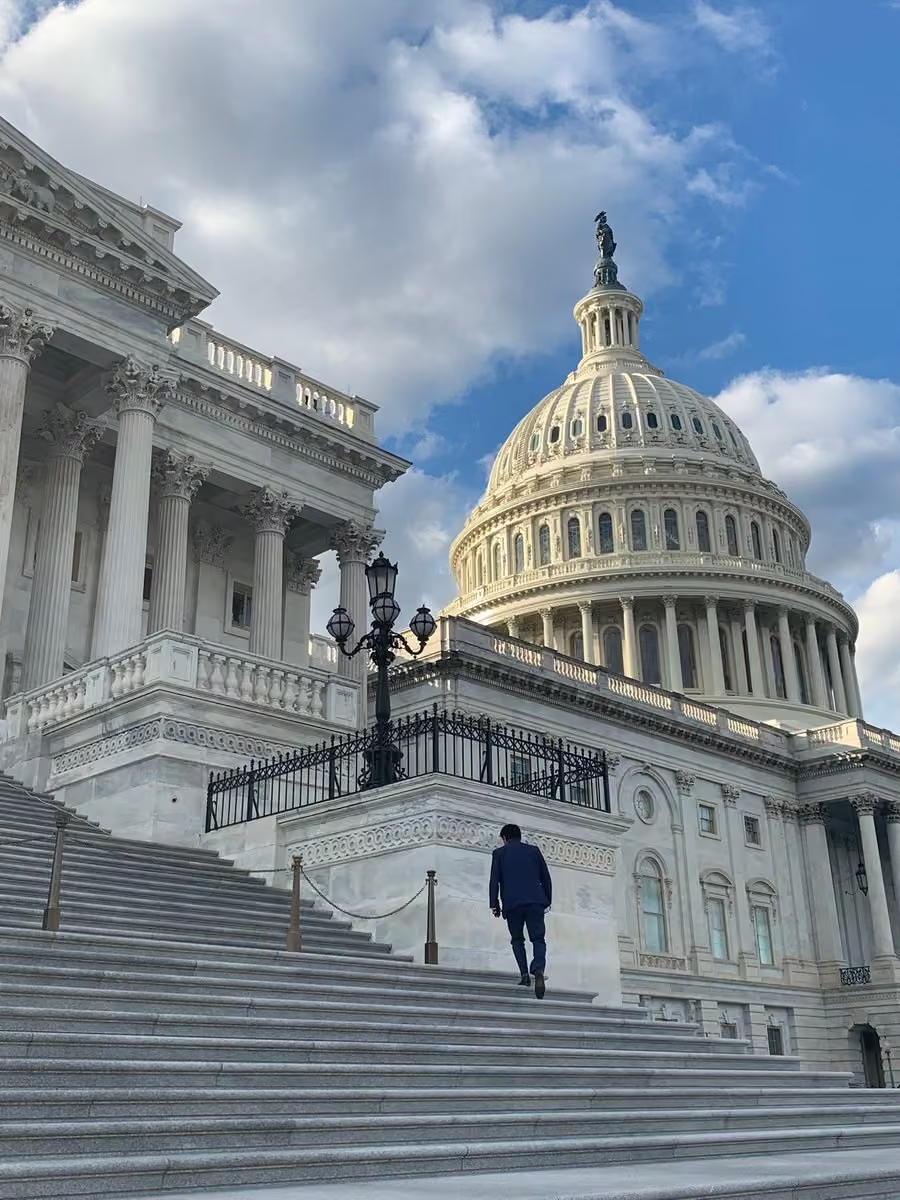
For me, one of the spin-offs of a career in diplomacy is that I got to live in quite a few countries and to learn about them at close quarters. During my time in Washington, I took a particular interest in American history and the evolution of Irish-US ties over time.
Here are some thoughts about 250 years of US independence.
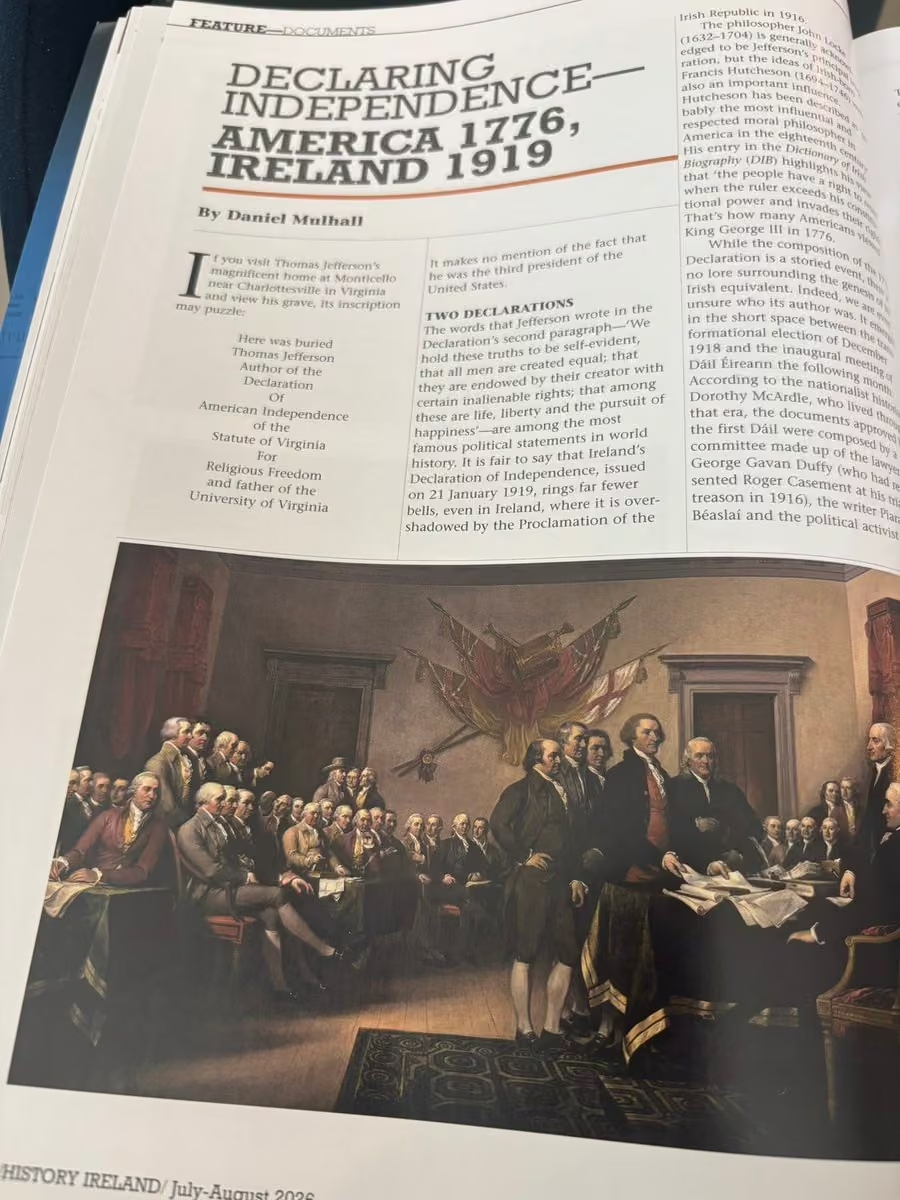
First, the Declaration of Independence brought new ideas into the political arena. While the concept of inalienable rights existed in enlightenment philosophy, Jefferson made it the basis of Americans’ entitlement to claim their independence from Britain.
Second, the American Revolution succeeded in delivering a novel political entity that has endured for 250 years. Contrast that with the French Revolution which produced the terror and ultimately the triumph of Napoleon. It took several more upheavals before a French Republic was properly established. The success of the American experiment was, I think, down to the calibre of its Founders, who held the US Presidency until 1825. George Washington could probably have made himself King but he resisted that temptation.
Third, there are two big blots on American history, the persistence of slavery until the 1860s and the treatment of native Americans. There is no excusing those gross departures from the principle that ‘all men are created equal.’
Fourth, America has shown a repeated capacity to change course politically. I have in mind the abolition of slavery, although it required a bloody civil war to bring that about, the progressive era under Teddy Roosevelt, Wilsonian liberalism, the New Deal of the 1930s, the civil rights advances under Johnson, Reagan’s new conservatism, and Trump’s Imperial Presidency (as it is described in Maggie Haberman and Jonathan Swan’s book ‘Regime Change’). I would not bet against America’s ability to course correct again in the years ahead.
Fifth, 19th century America became a haven for immigrants from all over Europe who made new lives for themselves and their descendants that were far better than would have been possible for them in Europe. I hate to think what would have happened in Ireland had there not been the outlet of emigration to the USA.
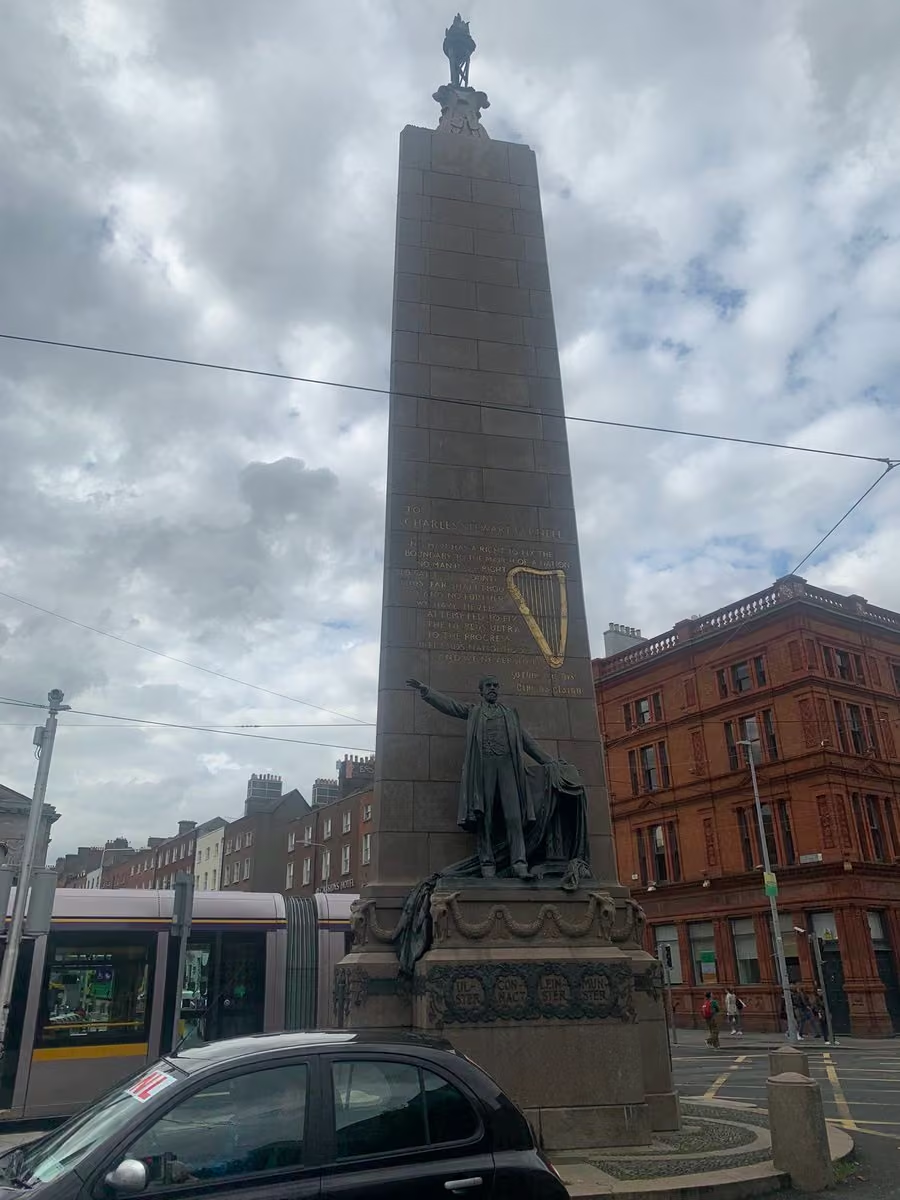
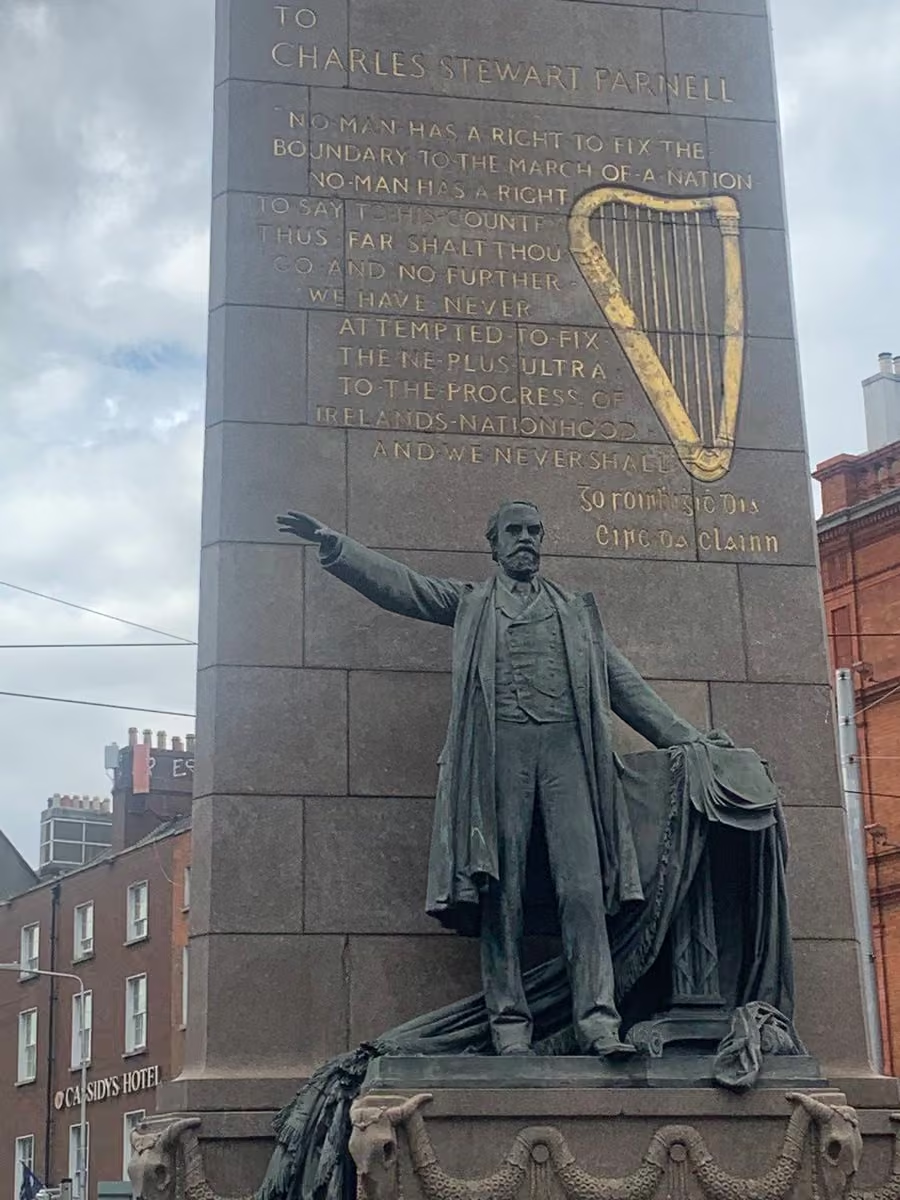
Sixth, America’s development had a huge impact on Ireland. Successive generations of Irish nationalists found refuge in America - the United Irishmen in the late 18th century, Young Irelanders after 1848, and the Fenians from the 1870s. The Fenian Brotherhood was founded in America and four on the signatories of the 1916 Proclamation spent time there. Irish parliamentarians - Davitt, Parnell, Redmond etc. - were frequent visitors to the USA in the late-19th century in search of support for their political causes in Ireland. Irish independence would have been far harder to achieve had it not been for the influence of Irish America.
Seventh, while America’s post-1945 record in international relations is a mixed one to say the least, in Europe it played an important stabilising role. NATO and the Marshall Plan helped usher in an era of peace are prosperity which enabled the EU to emerge and develop. While Ireland was not a member of NATO, the alliance’s existence provided a peaceful environment within which Ireland has been able to prosper like never before. The question marks around NATO’s future are problematic for Europeans who may need to think about alternative security arrangements. Ireland will not easily be able to duck that debate if and when it comes.


 Daniel Mulhall
@DanMulhall

 T Glenane
@TGlenane

 RoyK


 Tony Connelly
 Sky News

 Irish Embassy Paris
 Brigid Laffan


 Paul JohnstonIUA
 Government of Ireland




 Henri Vanhanen
 Conor Hogarty

 Dan O'Brien
 Chris Sherrard
 Doug Beattie
 Cool FM News
 David Sinck

 Suzanne Breen




 WLR


 RTÉ Sport
 MP
 Eoġan Ó Gallċobhair | John Gallagher 🇻🇦🇮🇪


 The Irish Politics Newsletter
 7 LÁ
 Óglaigh na hÉireann
 Soldier Of Destiny’s Child
 patrick bresnihan
 Jeff Sheehan Author | Mktg Consultant | Speaker




 john creedon


 The Late Late Show
 JIM FITZPATRICK


 League of Ireland



 Ciarán Nugent
 Ted Smyth
 geraldine Cosgrove
 TonightVMTV


 John McCavitt

 Aine Hyland
 Jordan Norris

 Michael Fisher
 Ambassador Edward Walsh


 Watchdog
 Elizabeth McCullough


 Craig Melvin


 Mees
 Sonja Hyland
 Embassy of Ireland in Ukraine
 Embassy of Ireland, USA



 Irish History Bitesize!
 Darran Marshall
 Ambassador Geraldine Byrne Nason
 Michael O’Toole
 Ambassador of 🇮🇪 to 🇭🇺 & 🇽🇰


 Simon Evans
 Footy Accumulators
 MatchDay Central


 Leonardo Bertozzi

 Watch LFC



 John O’Brennan
 Brendan May
 O Byrnes Stephen
 Barry Malone

 MCI WORLD
 Rachel Moiselle


 POLITICOEurope

 Mary Kenny
 Catholic Arena


 Lofty
 David Quinn
 seanwhelanRTE
 Paddy Hart
 Ireland at UN

 Charlie Flanagan
 ALASTAIR CAMPBELL


 Scott Robertson
 Jorge Liboreiro


 The New Statesman
 David McRedmond

 Níall McCullagh
 Cormac Smith 🇮🇪🇬🇧🇺🇦🇪🇺🏳️🌈

 Mark Coughlan


 U.S. Embassy Dublin


 BBC News NI
 Cllr Thomas Walsh
 John Crotty






 Mark Henry

 Dr Tom Clonan
 B🇨🇲

 Norn Eye

 Conor Kavanagh


 Pat Brady 🇪🇺 🇺🇦

 Gráinne Kelly

 Dan Boucher
 Ronan McGreevy
 Embassy of Ireland


 DublinComments
 Fionnbarra


 Larry Donnelly





 Amanda Ferguson

 Daniel Hannan
 Colm Flynn
 Denis Daly
 Progress Ireland

 Lissadell House

 Joseph Massey

 Tom Harwood


 Informal Economy

 Saganism

 Scott Lucas


 Dub8Lady

 Mohamed A. El-Erian

 Pádraig Fhia Ó Mathúna


 Cahir O’Doherty

 John Lee

 Eoin O'Driscoll


 The Fingal Pimpernel
 Kevin Denny

 David W. Higgins
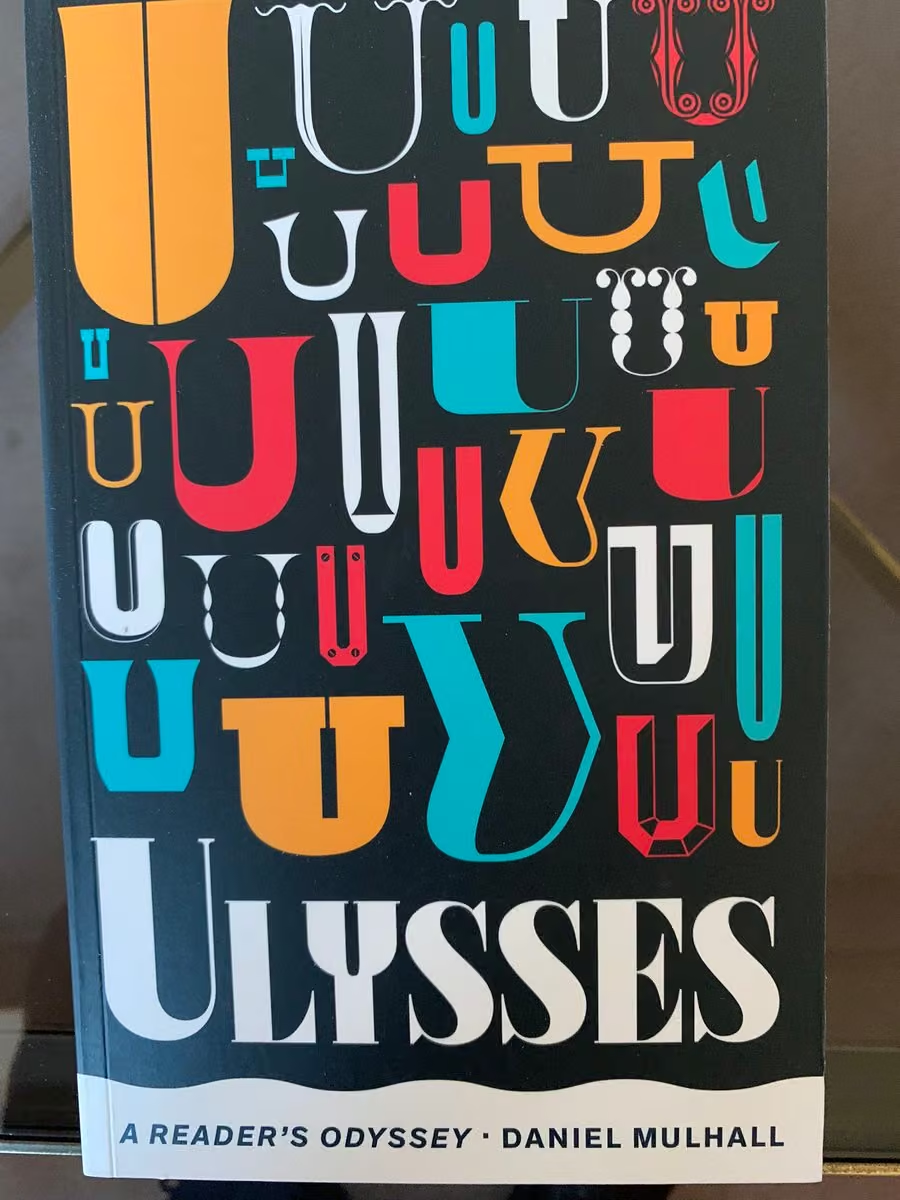
 UlyssesAReadersOdyssey


 Alan Shatter



 Marcella
 Rebecca Black
 Mark Simpson


 Vincent Kearney


 James Hennessey




 Irlanda en Argentina

 Paul McGinley
 Barstool Sports
 John Mullin

 Men in Blazers
 The Sunday Game


 Yuan Yi Zhu

 Steve Aiken
 Felix M. Larkin

 Ewan MacKenna
 Seamus The Cat

 Marie Royce



 J.K. Lunden
 lemass

 John Simpson
 Naomi O'Leary
 Κεαλαν 🗽


 Maranello1977
 Alex.Kane
 Owen Polley
 John Mulcahy

 Madeline Grant


 Sky Bet
 Enda O'Halloran
 Sam Enright


 Neil Clancy
 Business Post

 The Countess
 USGA


 Dave Keating


 Sinéad O’Sullivan

 RTÉ Business




 John McGuirk


 Notre Dame College Republicans
 RTÉ One
 Arthur
 Irish Embassy India


 Sam McBride


 Ireland Election Projections

 Sky Sports Scotland


 Rachel Sylvester
 William Crawley
 Foreign Affairs


 jonnyish
 Joe Haslam ☘ 🇪🇺

 𝘽𝙤𝙗𝙗𝙮 𝙃𝙚𝙖𝙡𝙮


 Glasgow for Europe
 Seán Kelly MEP


 Nicholas Burns



 Dr. Brian O'Donnell





 Jonathan Berk


 Edward Luce
 Daniel McDonnell
 BBC Sport Scotland


 Irish Presidency of the Council of the EU 2026
 Jolene Roger
 Fr John S. Hogan, ocds


 Max Otte

 Museum of Childhood Irl,Músaem Óige na hÉireann

 TheIrishHistoryShow

 Stephen M. D. Kafeero
 Ireland Football ⚽️🇮🇪


 Cormac Moore








 Dr Jane Mahony
 Co-operation Ireland
 Stelios Philanthropic Foundation


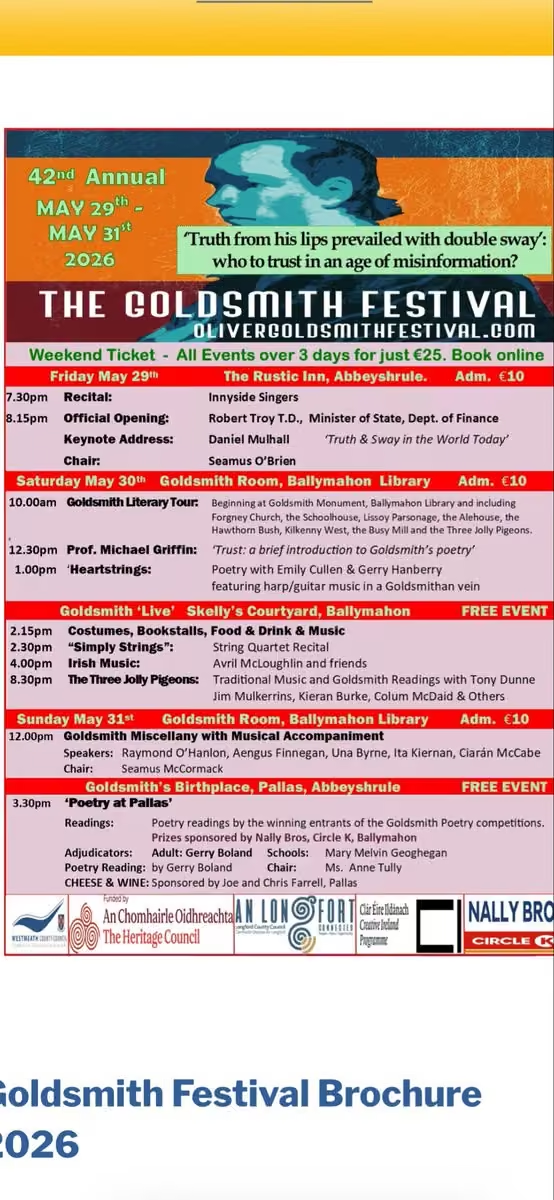
 Goldsmithfestival2026




 Gerard
 Claire Mc Cormack







 TippBackThatAFact
 Timi Ogunyemi 🇮🇪🇳🇬🇵🇸
 Danny Boy


 🇮🇱פורום_מדיניות_חוץ🇮🇱


 Kate from Kharkiv

 Vincent Hogan







 Maïa Dunphy


 French Response

 Danny Morrison


 holbrookfields
 Ollyp3


 Brendan Hughes
 Jonathan Waldron







 Orla Feely


 Eamonn Mallie


 Consulate General of Ireland, San Francisco

 Ireland CG Atlanta





 Steffen Seibert





 Ireland /

 Vincent Guérend



 Archive: Governor Andrew Cuomo




 Wildflower Pictures

 Boston Scientific EMEA - Cardiology

 Caitriona Perry


 Irish Aid