The ‘union’ between England (&Wales) and Scotland in 1707 was formed ‘voluntarily’ in 1707 under law - rather than by military conquest.
By the same token, Scotland cannot be described as a ‘colony’.
The 2014 #scottishindependence referendum came about, not ONLY because there had been an unprecedented (and, never since, repeated) majority of SNP MSPs in the 2011 Scottish Parliamentary elections.
As is the case today, the power to hold such a referendum, lay with the UK Parliament. For the power to temporarily be transferred to the Scottish Parliament, legislated consent (Section 30 Order) had to be voted for by a majority of MPs in the UK Parliament.
The reasons so many non-SNP MPs supported a referendum were largely pragmatic, in the interest of settling the question ONCE and for all, in a manner that would be recognised legally and unambiguously - domestically and internationally.
Although (as Nationalists are fond of pointing out), it was never formally documented in any agreement between Scottish and UK Governments that a referendum should only be held ‘once in a generation’, the Edinburgh Agreement, signed by representatives of both Governments, stated that the result WOULD be ‘decisive AND respected’.
Back then, there WAS more of a broad consensus for holding that referendum - including from those who do NOT want to see the break-up of the United Kingdom - which I do not believe exists today.
Although not a politician at the time, and certainly not involved in any formal political campaign, I remember that period between 2012 and 2014, as a time of great social and economic disruption and pain.
I spent much of that period working overseas and also observed those wounds being exposed externally by nations and businesses that would tend to ‘steer clear’ until the matter was settled.
I do not fear the result of another referendum.
What I DO fear is what disastrous effect on our families, friendships, workplaces, communities - and even our economy and foreign relations - would be, only to get back to where we started.
The SNP - as a political party - will always put a priority on breaking up the UK. But, as a power that remains reserved to the UK Parliament at Westminster, it is never an issue that they alone can decide.
I do not disagree, in principle, with the recently debated (but ultimately meaningless and non-binding) motion that, ‘Scotland has a right to decide its own future’.
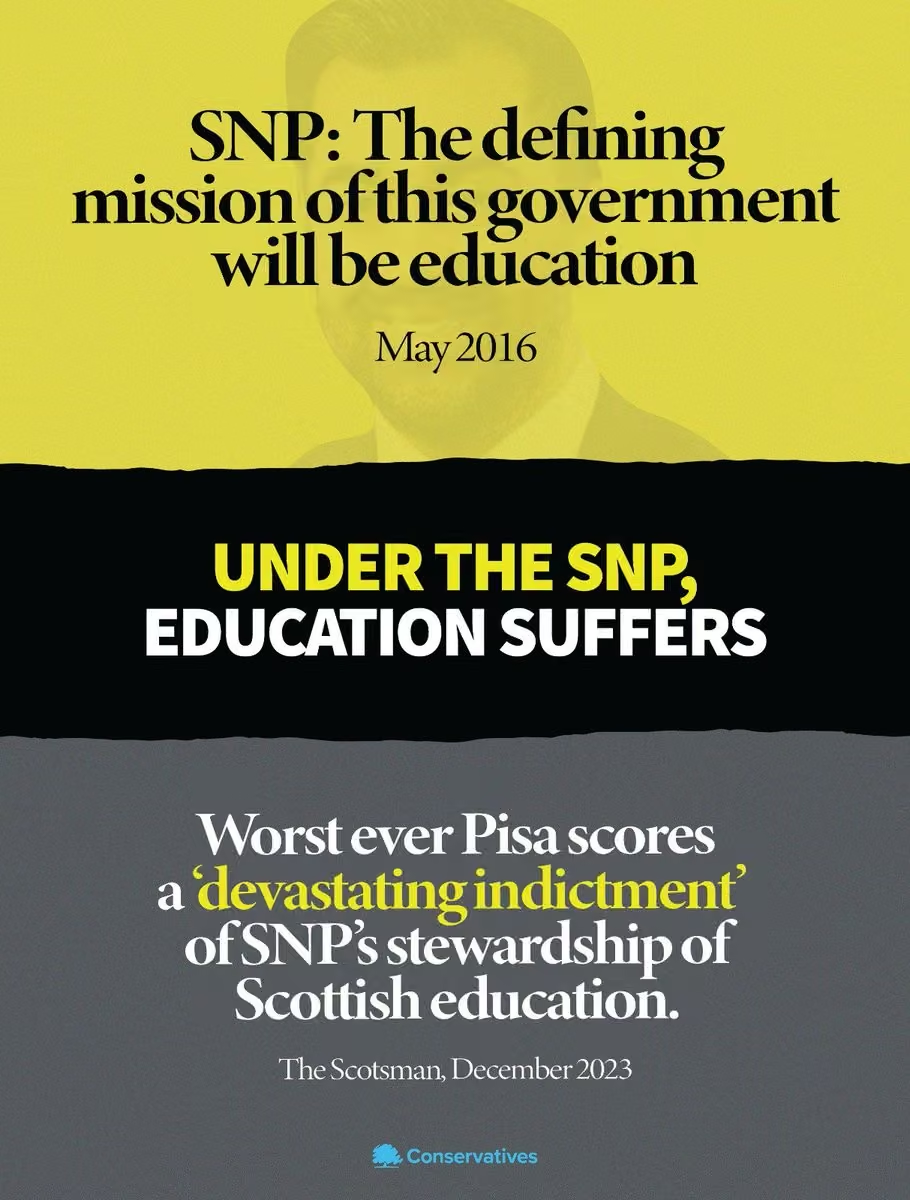
But it is also clear that the majority of people in Scotland, want their Government to focus on the the issues that REALLY concern them AND already fall within devolved powers - including, health & social services, education, housing, transport, local government, justice & policing.
I hope my @UKHouseofLords colleague George Foulkes will not be too troubled to find that on this I entirely agree with him.
This myth of “a voluntary union” is promoted by nationalists as an excuse for breaking up Britain.
It has no basis in history and is a comfort to our enemies.
Devolution gives power from central government to cities, regions & historic nations & principalities to promote growth



 David Duguid
@david_duguid





 Joe Mcateer



 Kathryn Porter

 Lord Speaker


 The SNP


 Stephen Kerr MSP


 Genevieve Holl-Allen

 STV News


 Bruce Bowman




 Annunziata Rees-Mogg


 Looking for Growth


 Thomas Wilson


 John Cooper MP


 Thomas Evans @Renewal2030 🇬🇧


 Times Radio


 BBC South Scotland


 Ridge & Frost
 Javier Blas




 Helena Horton



 Feargal Sharkey

 Politics UK

 Sam Taylor

 Dan Hitchens
 Kathy Gyngell


 Bob Ward


 Paul Mason
 Andrew Griffith MP
 Helen Thompson POLIS


 Jan Rosenow


 Jamie Jenkins

 Andrew Pierce
 Holyrood Sources
 Academy of Ideas
 James Melville 🚜


 Zia Yusuf


 ITVPolitics
 The Daily T

 Labour Press


 Ed Conway
 Right To Life UK


 Holyrood
 Tej Parikh


 Dr Pam Gosal MBE
 António Costa


 Prof Dieter Helm CBE

 Merryn Somerset Webb
 Energy Voice

 Brenda Shaffer


 Tim Eagle MSP
 SFF
 UK in Azerbaijan 🇬🇧🇦🇿
 FergusAuldFCDO
 Kate Ferguson


 Sir Tom Hunter


 Natalie Coupar


 spfa_uk

 Saul Staniforth


 Scottish Express
 Secretary Chris Wright


 Catherine McBride OBE

 Matthew Stadlen
 BBC Scotland News

 Steven Swinford


 Nathan Bennett


 James Bundy


 BBC Politics


 Maurice Cousins
 Farrukh
 Agent P


 Sam Ashworth-Hayes


 Michael McEwan
 Representing Border
 Ambassador Warren Stephens




 Atlanta Rey 📚🇪🇸🇬🇧


 Lesley Riddoch
 Dick Winchester 🏴

 Scotland National Team


 BCC


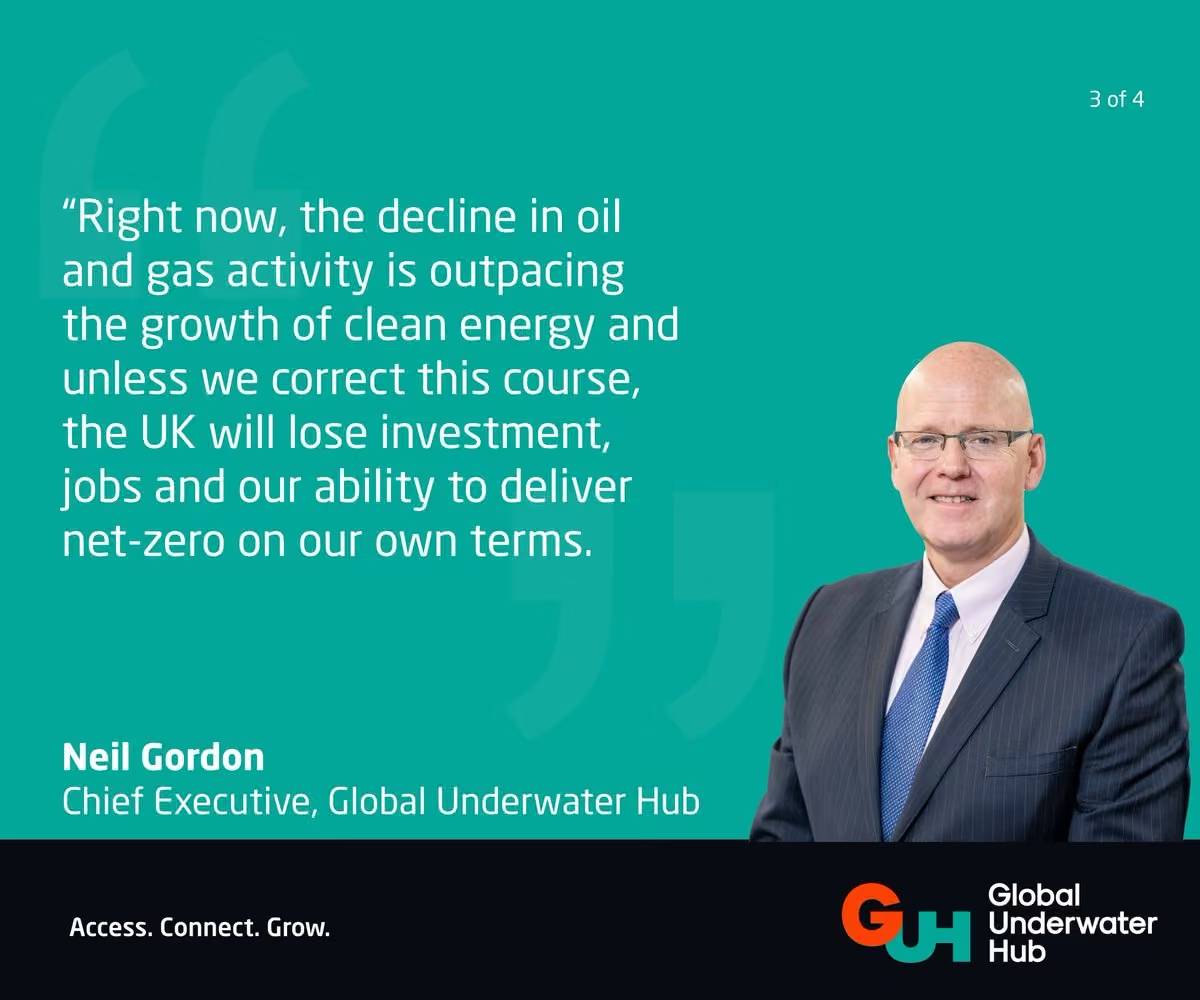
 Global Underwater Hub




 Johnny


 Embassy of Azerbaijan, London


 Stephen Flynn
 BBC North East Scot


 Rex Kwon Do


 Alex Neil


 Harekrishna #AbolishHolyrood




 Math Campbell 🏴










 Aodh 🏴


 Louie French MP




 Michael Foley






 Murdo Fraser MSP


 Male Political Haircuts 💈💇♂️


 Poppyscotland

 Salmon Scotland





 @FisheriesAPPG





 Ramsay Jones CBE 💙🇺🇦
 Pippa Crerar
 Good Morning Britain


 Nikki da Costa
 Kitty Donaldson
 Spinal Injuries Scot


 Great British Energy


 Charlie Peters


 Tess White


 Elin Suleymanov


 Climate Centre




 Joanna Williams
 Stephen Phillips 💻

 Scottish Curling


 Dr Anthony Hinton

 euan mccolm
 Latimer Alder


 Just Stop Oil

 Net Zero Watch


 Scottish Affairs Committee


 Andrew Neil


 Pete Wishart




 Paris Gourtsoyannis
 AberdeenshireEconDev


 discovercullen.com