"What I didn't know in 2010, when I decided to come off those [psychiatric] drugs, was the fact that my central nervous system had become completely dependent in a physiological sense (not in the addiction sense, where I had cravings and would seek out the drug despite it causing harm. That's the conventional definition of addiction). This was purely physiological. My brain had completely re-acclimated its structure and how it functioned, as had my body, because of these drugs that had been in my system for so many years.
And so, coming off of them, it doesn't just flip a switch and then your body goes back to how it was prior to you ever taking them. Coming off of them too quickly actually, ironically, creates a profound imbalance and disrupts the homeostasis that your body has developed to compensate for the presence of these drugs.
So, someone quitting any psychoactive drug cold turkey that they're dependent on will go through symptoms of withdrawal. What's challenging in the case of psychiatric drugs, is that withdrawal symptoms mimic the symptoms of the very diagnoses, the reasons why [people are] taking these drugs in the first place.
…Withdrawal symptoms often look like a relapse of an illness.
So, let's say you've been on an antidepressant for 15 years. For whatever reason, you've decided that you don't want to take it anymore. You come off. You feel horrible. Your anxiety is surging. You're not sleeping well. You're feeling exhausted and fatigued and unmotivated, and your thoughts are racing about despairing things.
And [you] go to your doctor and you say this. Your doctor will say, 'See, you're having a relapse of your illness. This is why you need to be on medication. You don't want to feel this way indefinitely, do you?'
And so, people get stuck in this vicious cycle of thinking that who they are when they stop their meds is who they would always be. Therefore, they need to stay on them.
I didn't know any of this when I came off. I came off, basically cold turkey, five drugs in about half a year, which is very fast. And I went through unspeakable pain. The struggles that I had on the drugs were just magnified and amplified: projectile vomiting, boils breaking out of my skin, debilitating migraines, light sensitivity, panic responses at any kind of stimulus, paranoid racing thoughts, just utter fatigue, and then insomnia at night. I could go on and on and on about how brutal withdrawal was.
It was only as I started to recover from that, which took a lot of time, it began to click - just how unsafely I'd come off them. And what also clicked for me was that I was able to survive cold turkey withdrawal, in large part, because I had a lot of resources at my disposal. I had a family who could take care of me. I didn't have to work, I didn't have kids, and I didn't have to pay a mortgage.
Some people feel really helped by these medications. I totally respect that. But some people don't, and they should have the right to know how to come off of these drugs safely. And right now, it's almost unbelievable. 65 million American adults and six million American children are currently on psychiatric drugs, and there are zero off-ramps for getting them off these drugs safely within the mental health industry."
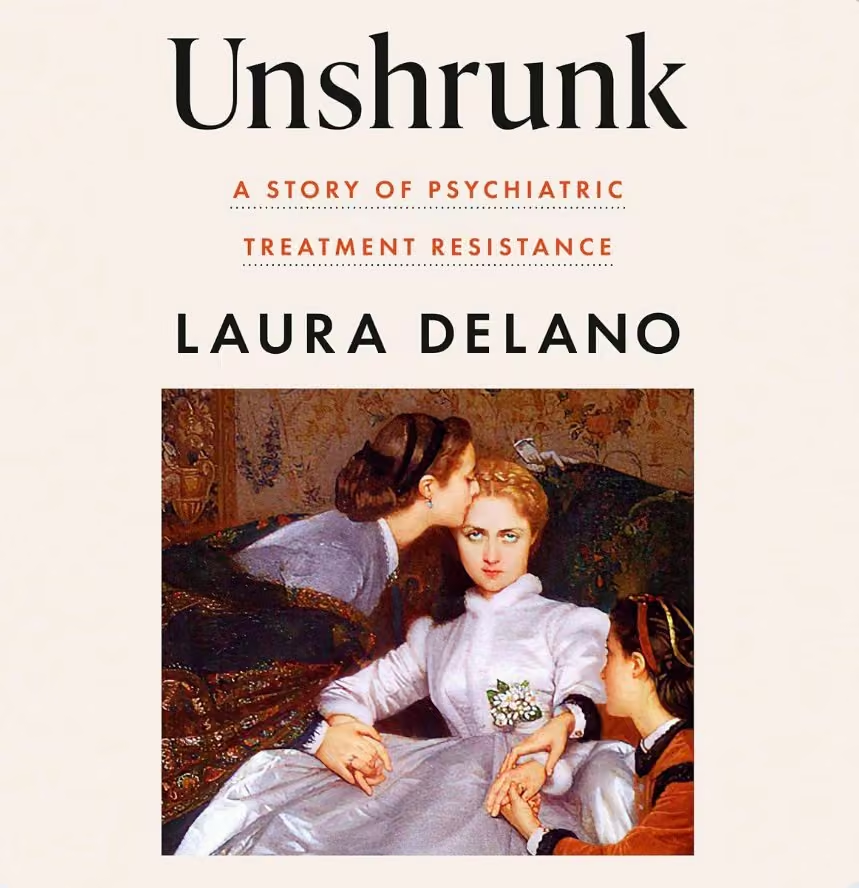
@LauraDelano, author of "Unshrunk"

 Laura Delano
@LauraDelano

 MHRAgovuk
@MHRAgovuk

 Weston A. Price Foundation


 Donna Sime
 Medicating Normal
 Mark Horowitz @markhoro.bsky.social


 Michael P. Hengartner, PhD

 Susanne Cleveland
 Cooper Davis
 🇺🇸Hobie🇺🇸

 Nicolas Badre

 Dr Annie Hickox, Clinical Psychologist
 Carrie Clark
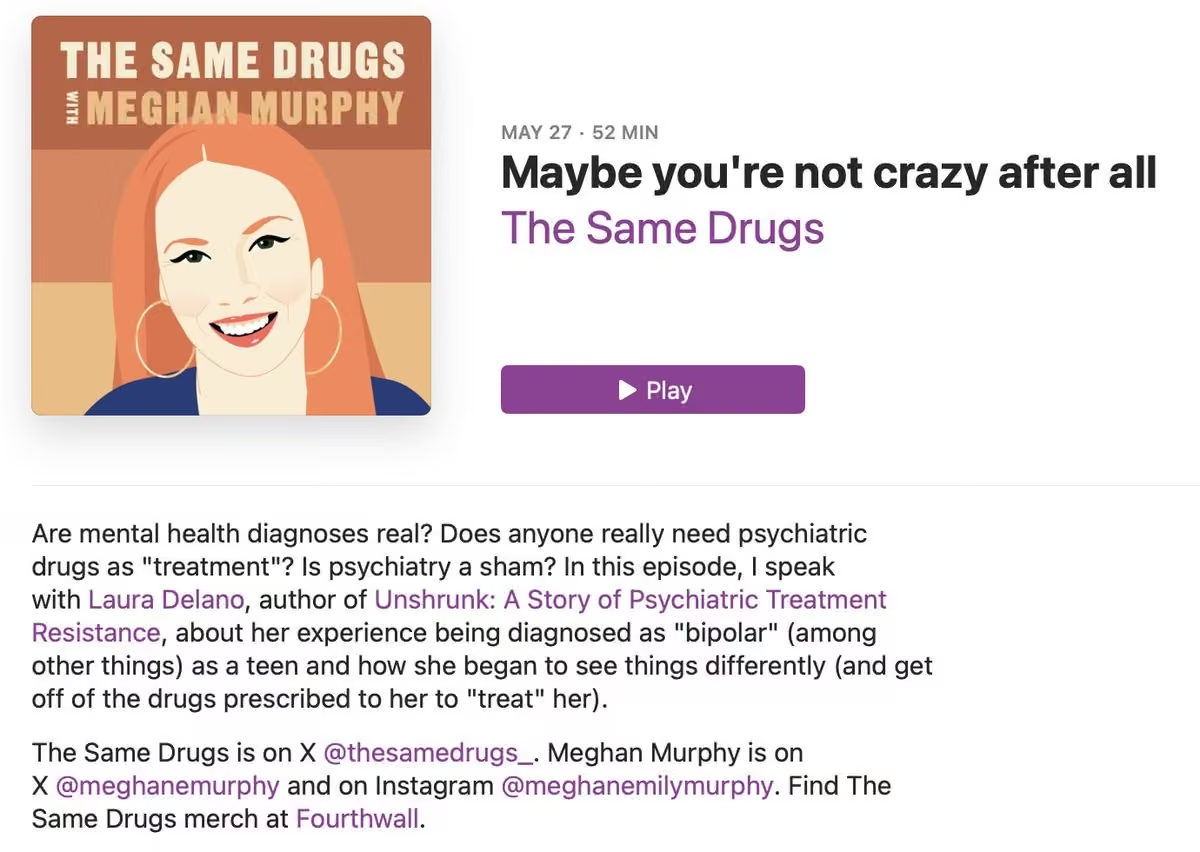
 The Same Drugs
 Shoshana Weissmann, Sloth Committee Chair 🦥
 vx-underground
 Morgan Stewart


 Sam Hall
 Penelope Figtree
 Sunil Sharma 🇬🇧
 Inner Compass Initiative


 Tom Greene/Wit & Wisdom


 JenniC.

 Sei and her soul are separated
 Longevity


 Laura Devlin
 Awais Aftab


 Camus
 Bo Erickson Reuters
 Kim Witczak 💜

 Ellen Barry
 fireworks and confetti
 MAHA Action

 Antidepressant Coalition for Education

 Maryanne Demasi, PhD

 Acyn

 Jacob Tarr
 Joe Rogan Podcast News
 Metabolic Mind
 Adam Urato, MD
 Derek Blumke
 MetalassicalGal 🟧🟦🌈
 @Paxhurts

 Walter Kirn
 Thomas Sowell Quotes
 kaddles
 Jan Jekielek
 Lauren Kennedy West
 Nina Teicholz, PhD


 Bridget Phetasy
 2WAY
 danielle gansky


 noa
 Frog and Toad



 Dr Joanna Moncrieff
 David Rogers

 Jan Ellison Baszucki


 Vivid Void

 Joel Berry


 Jonathan Shedler
 sigh ❀ swoon
 Alison Burke

 Nick Taber

 Angie Peacock, MSW, CPC


 Calley Means
 🕊️

 “CLASSY” FRED BLASSIE


 Amanda

 chris
 The DarkHorse Podcast

 LWindstein
 Kristina Cook


 Robert (infra 🏛️⌛️)
 Abby Wenzel
 Carlisle
 Paula
 Chris Masterjohn


 PSSD Network | Post-SSRI Sexual Dysfunction

 Karys Rhea
 Michael Malice
 Prof James Davies 💭
 orph


 @michaelrvw1
 Nature is Amazing ☘️


 P.E. Moskowitz


 Brian Goldstone
 Wieneke Law Office, LLC
 Natalia Emanuel
 Dr. Josef
 Jeffrey Lacasse
 U.S. FDA

 Hunger Mountain

 Yves ౨ৎ


 Romy
 Liz Tucker
 Richard D. Bartlett
 Daily Telegraph New Zealand
 Emily Grey
 Tao Lin


 Matt Orfalea
 County Highway

 Dave Hardin
 Chris Daubert

 Dylan O'Sullivan
 @Light_Star
 Tom Foydel

 Marysia


 Edward Dowd
 Chris James Dubey


 Amanda Fortini
 Alex Vacca


 Rebekah Barnett
 Daniel Owens
 Brent Dean Robbins

 Dr Rangan Chatterjee


 kristine m osgood

 Dr. Roger McFillin
 Big Mike
 Sophette
 The Vigilant Fox 🦊
 owen cyclops

 Judy Dolan
 Leslie
 Beth LaMora
 Duncan Double
 Kenna Alabama
 Lauren B
 mellow
 End Tribalism in Politics

 😻CalamityKitty ✝️
 Benjamin Ryan


 JulietYelverton


 Vox Afflictorum


 Allison Krug, MPH

 Joseph Massey


 𝙷𝚒𝚌𝚔𝚖𝚊𝚗


 Pamela van Giessen
 a;sdkfjasdlfj;d


 TRE Talk Radio Europe


 Dr. Drew
 Honey Sweet


 Alice Marianne


 Holly
 Brian Roemmele


 Alex & Books 📚


 American Thought Leaders 🇺🇸 with @JanJekielek
 Harvard Book Store

 Jay Bhattacharya

 Into The Forest Dark

 Anna Matson
 Amy Alkon


 Next Big Idea Club


 Tiffany Justice


 Baszucki Group


 Martin Picard


 Neil Godin
 Terry Moran 🇺🇸
 Taylor Murphy
 Jim O'Shaughnessy
 Prof Linda Gask


 James Barnes MSc., MA

 Kevin Bardosh
 Harmony Bright

 Amanda Knox



 Daniel Hadas

 Lindseltonious
 Lal Pib
 Michael Smerconish

 Robert Greene

 Nicole

 Dergon


 Sarah🌵🇺🇸☀️
 Sarah the Homeopath

 Jean Davison


 Emily Anne
 Neseret Bemient
 Kindly #deprescribe -- taper psychiatric drugs
 Bert


 Tyler Dunne


 MrsJackson 🍁🎗️

 Paul Minot, MD
 Martha Lincoln


 techsiren ♥︎
 Lauren Wyllie


 Justin Garson
 lovekoan

 Gail Macrae, RN, BSN, NP educated
 ☾


 Nancy Rose Senich
 Ciberdelia

 Christopher Lane Author
 Muumuu House

 Amy Miller


 Scott Stossel


 jc


 George
 Downtown Fairy
 Jessie Herzfeld

 Christina Buttons

 Trisha Mohring
 Sheena Louise ✨
 death angel


 Josh Whiton
 Joni McGary


 Carl Elliott


 ★


 SurfsBri MN 💜
 gerald stratford


 Joshua Stylman
 BBC Radio 4 Today
 hinterlander

 D
 Nicole Laurent, LMHC


 Dr Jaclynn Moskow


 Association For Mental Health Professionals

 Andrew McLuhan
 Medical Nemesis

 William Deresiewicz
 LM Sacasas


 Aaron Kheriaty


 Simon Sarris


 Gavin Shapiro 🐧


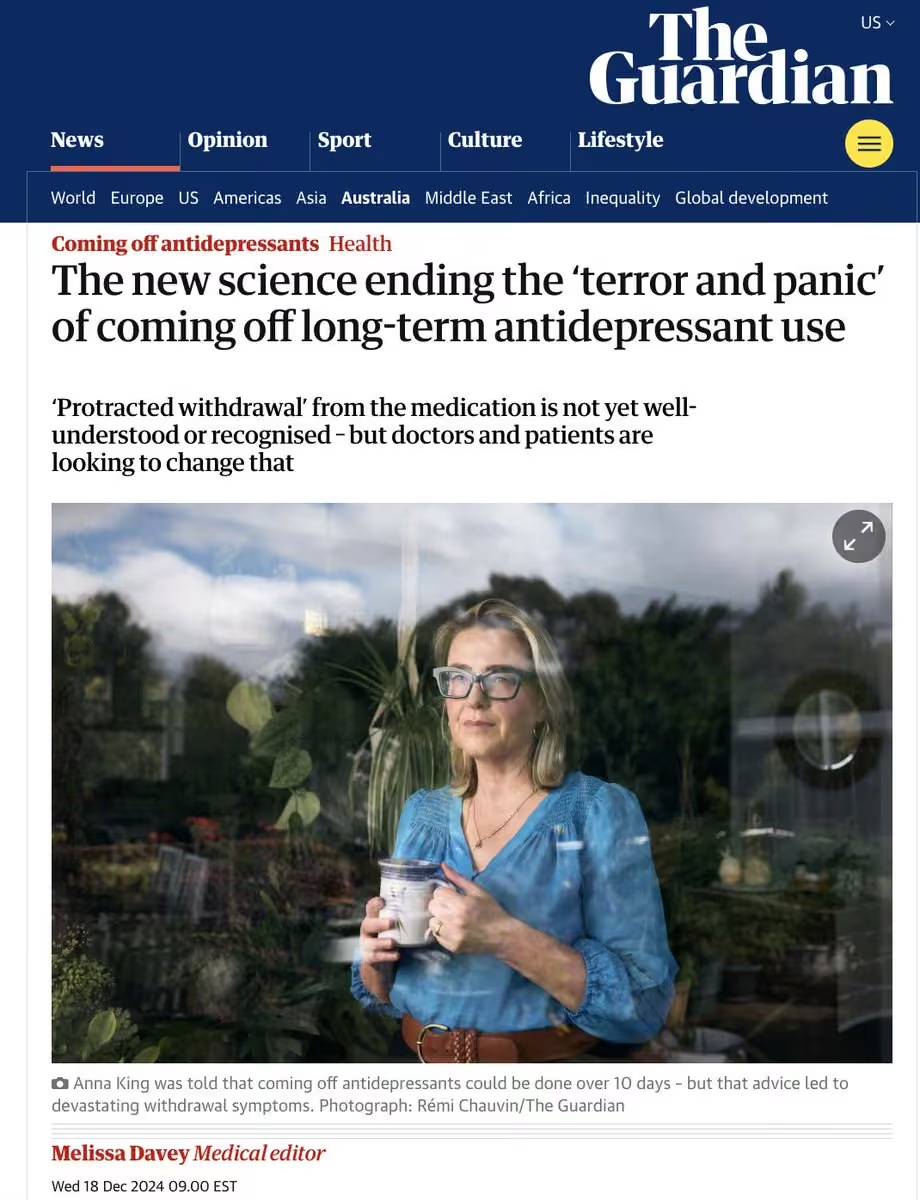


 FDA Whistleblower

 The Free Press
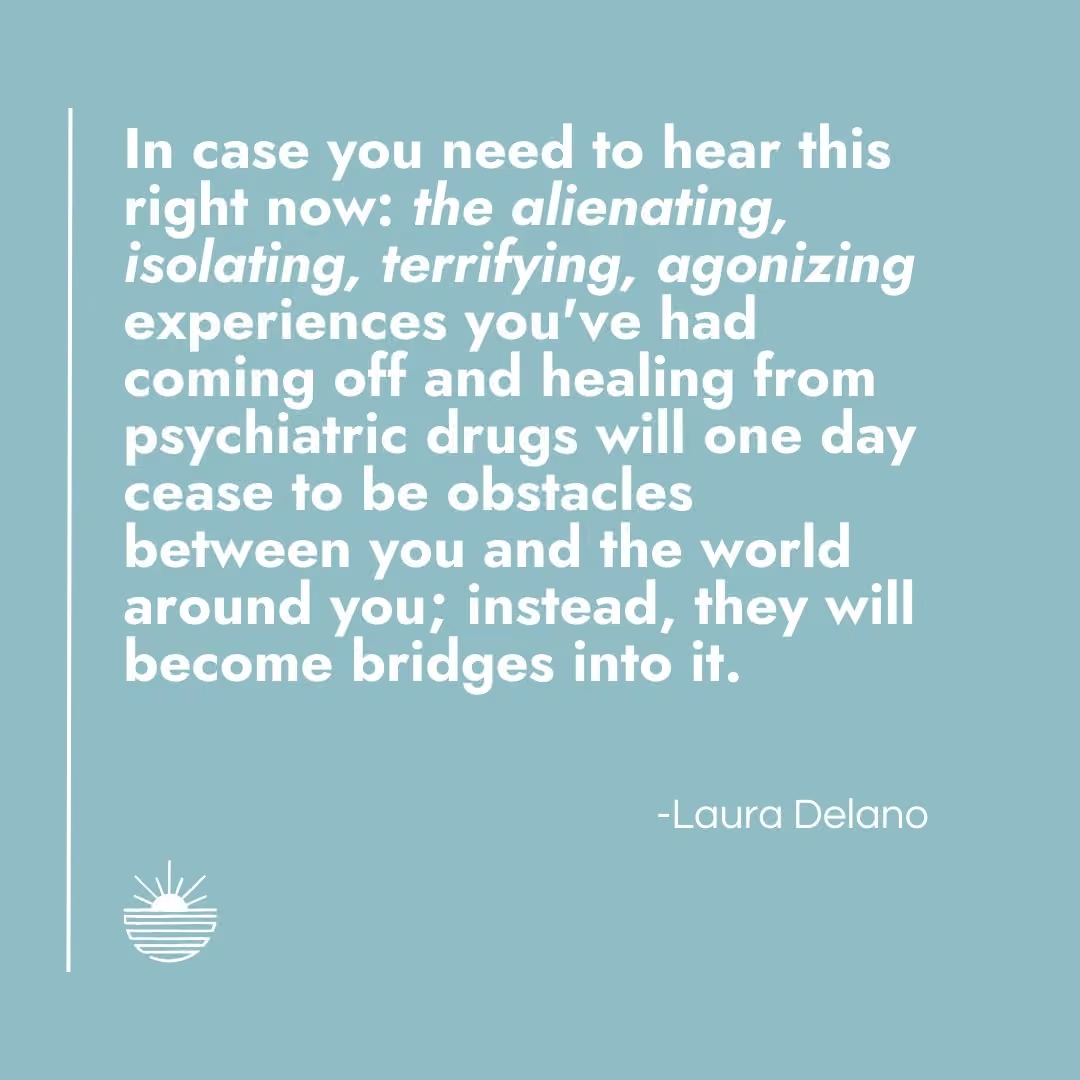
 ad4e
 Abigail Buchanan
 Therapeutics Initiative (TI)

 Tanya Frank

 Freya India

 🩵The Pedro and Bananna Podcast