The "Valley of the Planets," known locally as Kawakeb or Wan Tikofi, a natural wonder in the Libyan desert. It is renowned for its unique, large, disc-shaped rock formations that resemble celestial bodies. The site is in the Tadrart Acacus desert, near the town of Ghat in southwestern Libya 🇱🇾
The disc-shaped boulders are a prime example of concretions, hard masses of sedimentary rock that form within softer surrounding sediment. This process begins when mineral-rich groundwater flows through permeable layers, like sandstone. Over millions of years, minerals (such as calcite, silica, or iron oxides) precipitate and solidify around a central nucleus, creating a highly durable, cemented sphere. This formation occurs underground.
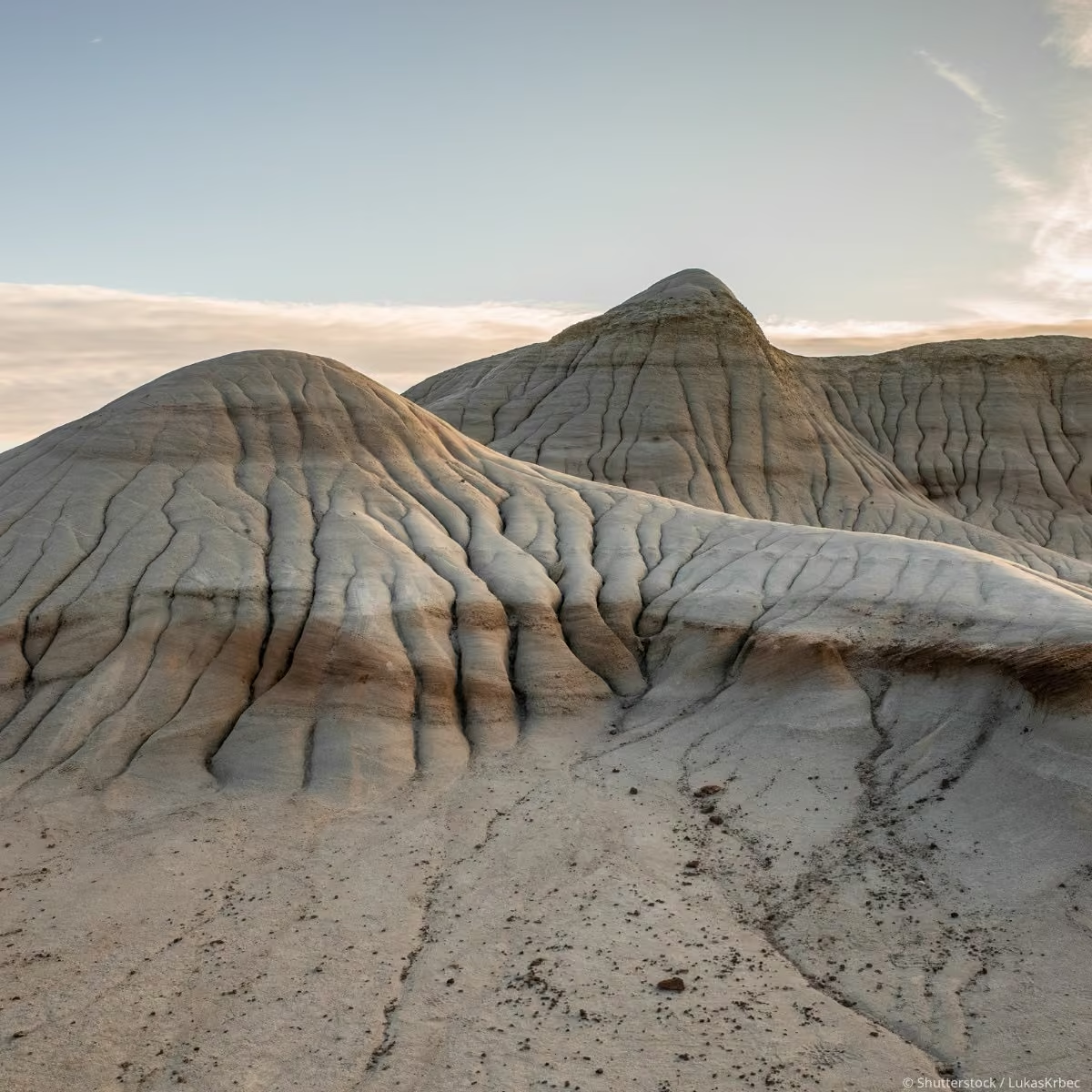
Subsequently, relentless forces of wind and water erosion slowly strip away the weaker, less-cemented sandstone, leaving behind the exposed, resistant, and nearly perfectly rounded "planets" on the desert surface. This is a dramatic display of differential erosion, where only the strongest rock endures.
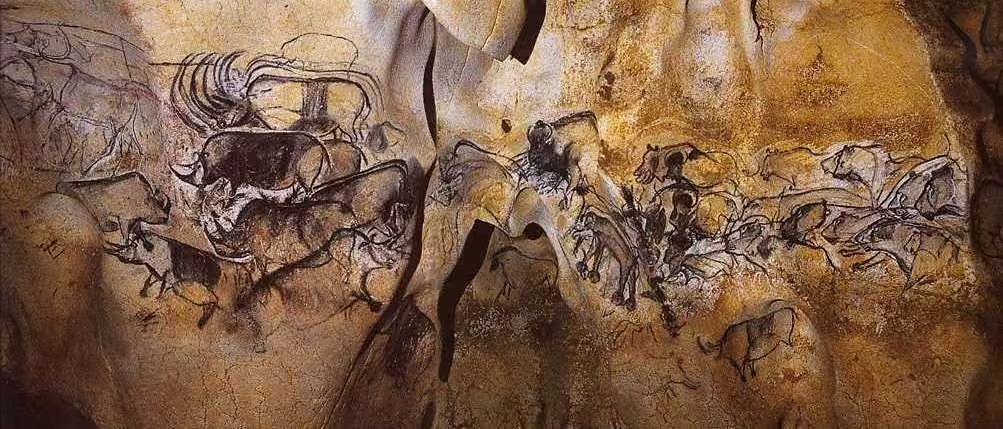
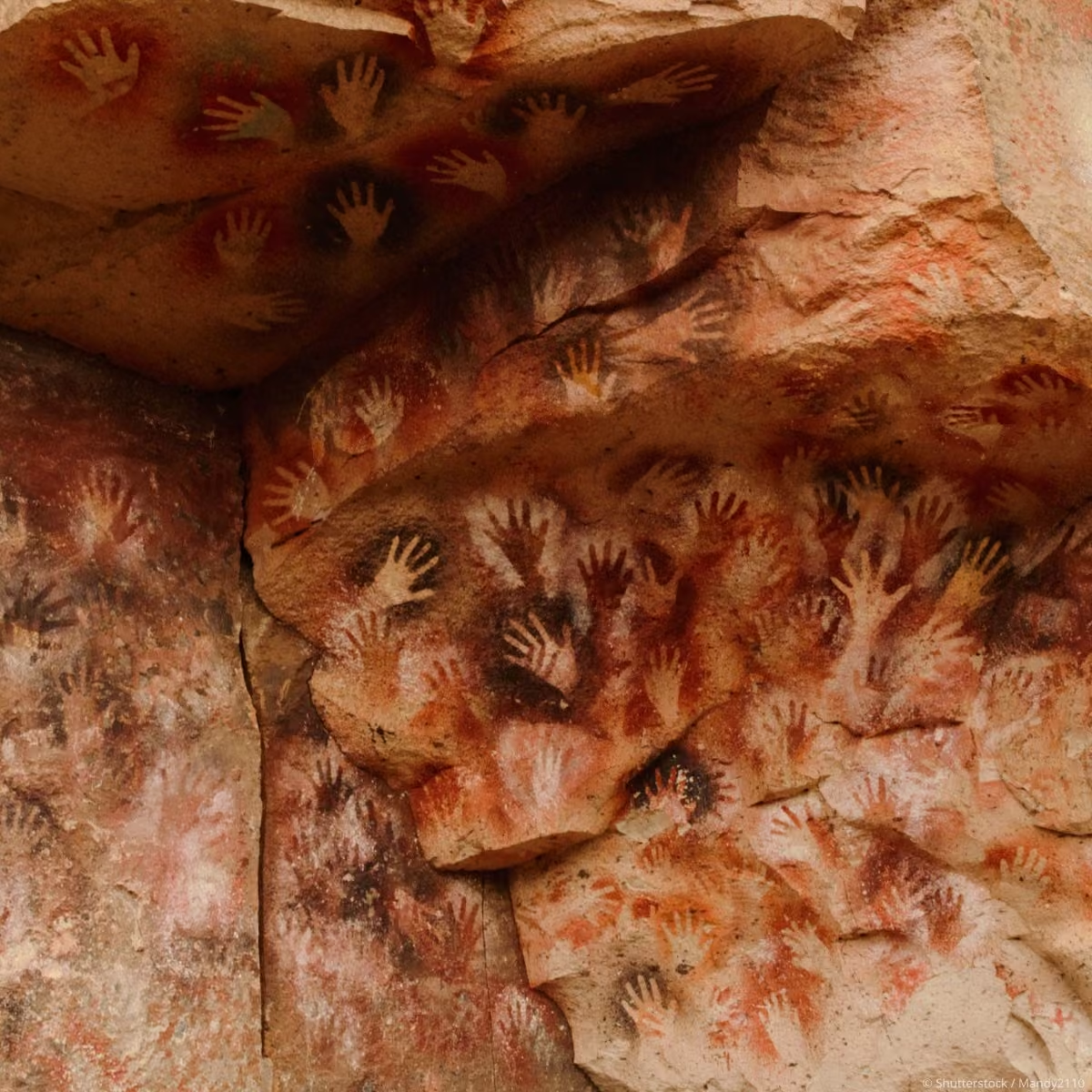
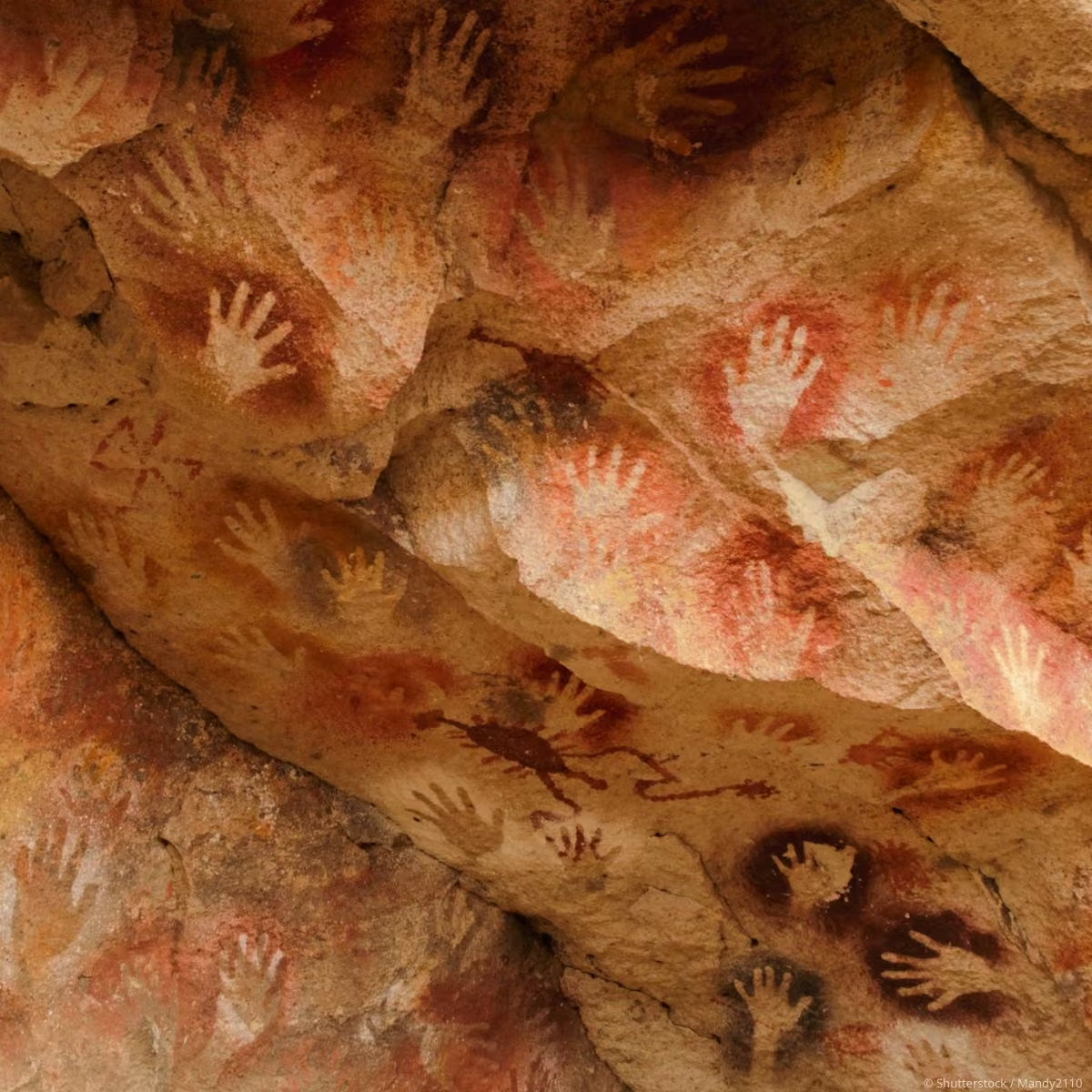
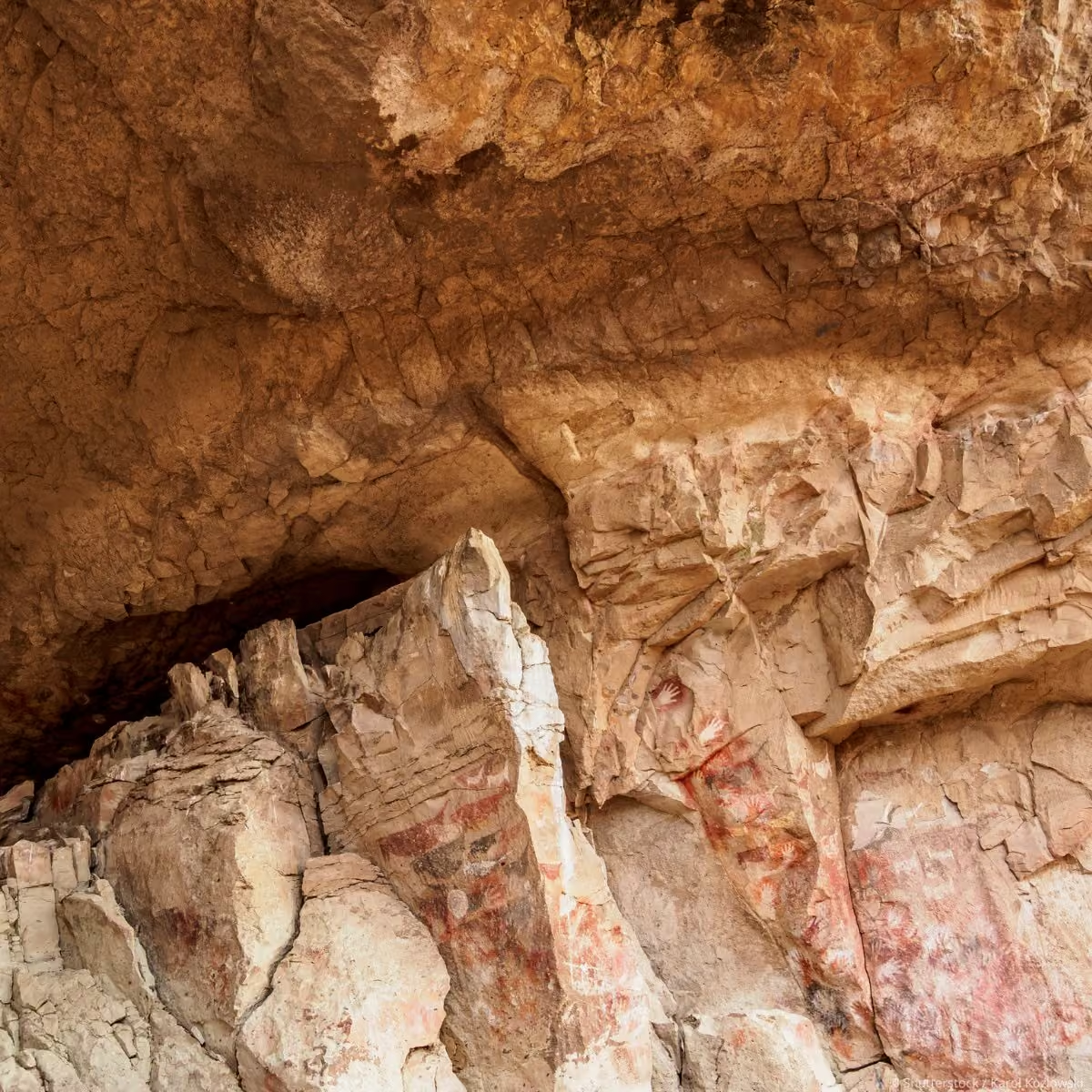
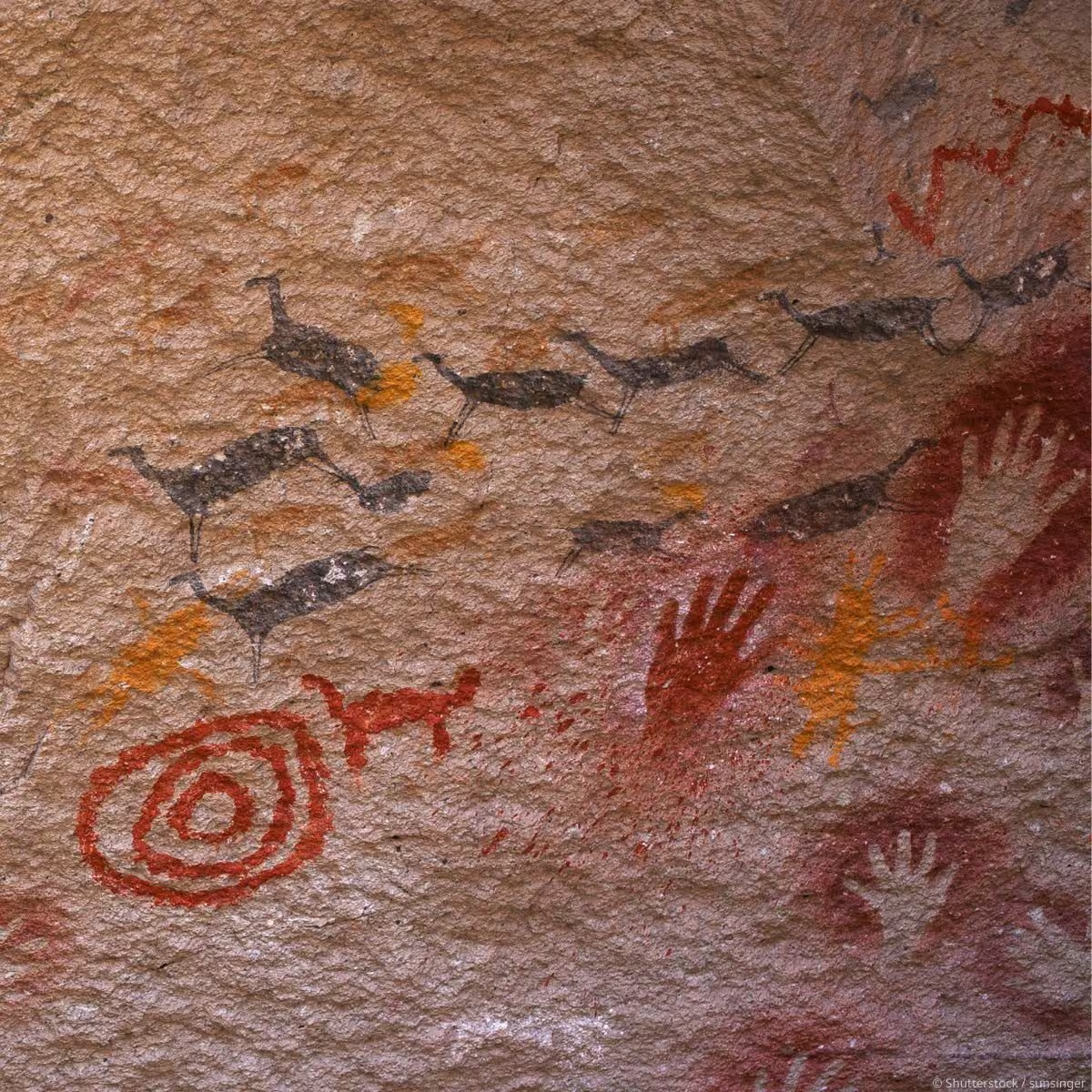
Tadrart Acacus region is globally significant not just for its geology but as a UNESCO World Heritage Site inscribed for its extraordinary collection of prehistoric rock art. Thousands of paintings and engravings, dating from 12,000 BC to 100 CE, decorate the walls of caves and rock shelters throughout the massif. These artworks are a unique visual record of the profound climatic and ecological shifts the Sahara has undergone, from a lush, savannah-like environment to the arid desert of today. The art transitions from early depictions of large, wild mammals (elephants, giraffes) to scenes of pastoral life featuring domesticated cattle, and finally to images of horses and camels.
The rock art of the Tadrart Acacus effectively functions as a prehistoric time-lapse, mapping the cultural evolution and adaptations of human populations to an increasingly harsh climate. The sequence of art periods—the early Wild Fauna, the enigmatic Round Head period, the detailed Pastoral Period, and the later Horse and Camel periods—documents the changing subsistence strategies of the ancient inhabitants, from hunter-gatherers to pastoralists. Furthermore, archaeological finds in the shelters, such as evidence of the earliest processed milk lipids on pottery, offer scientific support, confirming the region was a pivotal center for the development of Neolithic technologies and subsistence methods in North Africa, making the Valley of the Planets a key location for understanding both Earth and human history.
#archaeohistories


 Mechtild Rossler
@mechtildrossler

 Khaled El-Enany
@UNESCO_DG



 Gytis Marcinkevičius

 Lazare Eloundou



 UNESCO Eastern Africa




 Aqaba Marine Reserve محمية العقبة البحرية









 Climate High-Level Champions




 UNESCO EU




 Archaeo - Histories
 National Geographic History

 UNESCO Haïti


 NASA Earth

 ICCROM



 Convention on Wetlands






 Ambassador Kerstin Pürschel

 ʙʏ ᴍᴏʀᴛᴀʟ ʜᴀɴᴅ

 Ancient Content



 ArchaeoHistories


 Massimo


 UN Biodiversity
 Adam M. Ibbotson


 Alison Fisk


 Dr. M.F. Khan


 Khmer Ancient Heritages




 Being Scottish




 خبرنگار آزاد




 Copernicus EU

 La Sagrada Família













 Stonehenge U.K



 Chao Hemajit Dewdhai Phukan 🌿🌏


 Richard Veillon


 SwitzerlandUN


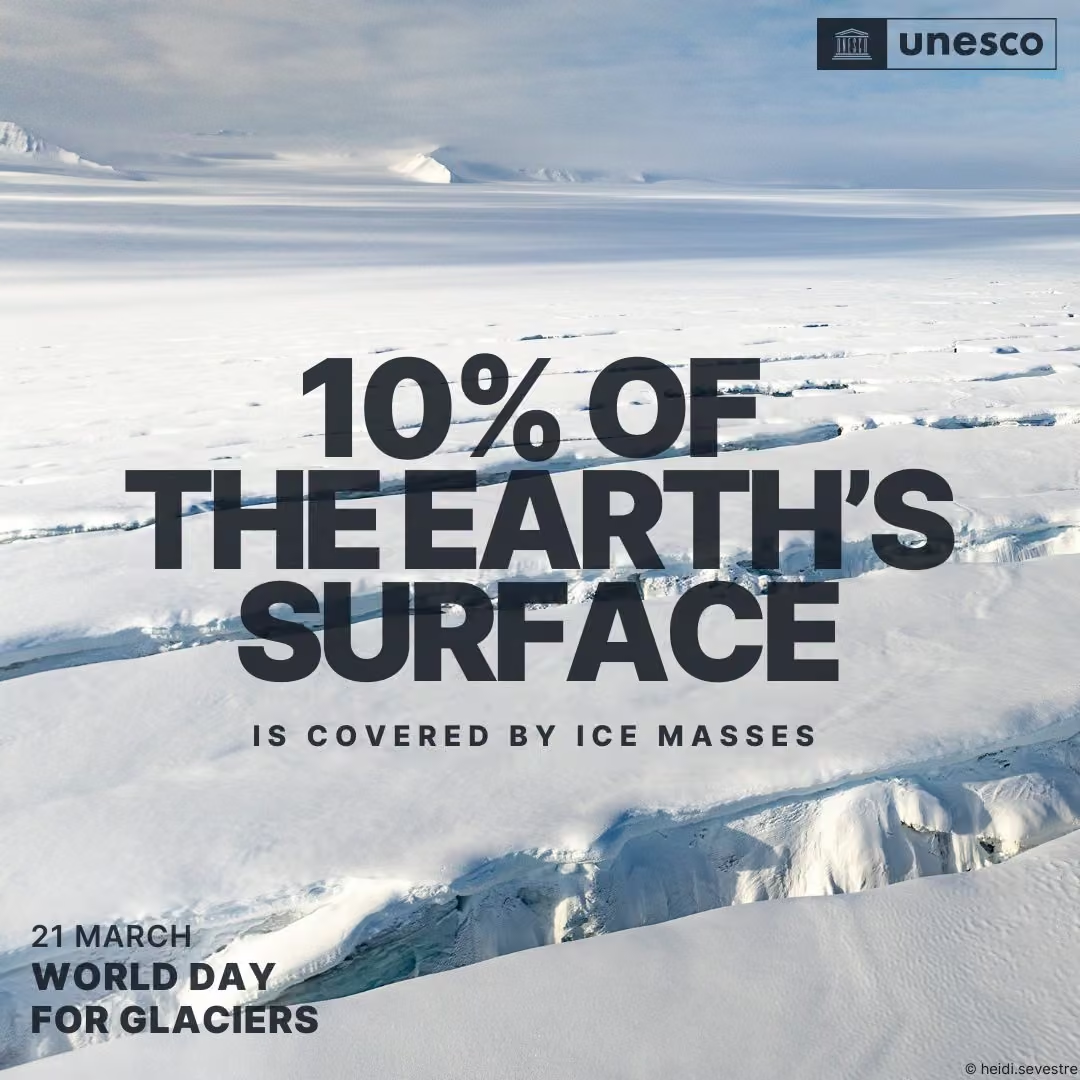


 United Nations in Brussels


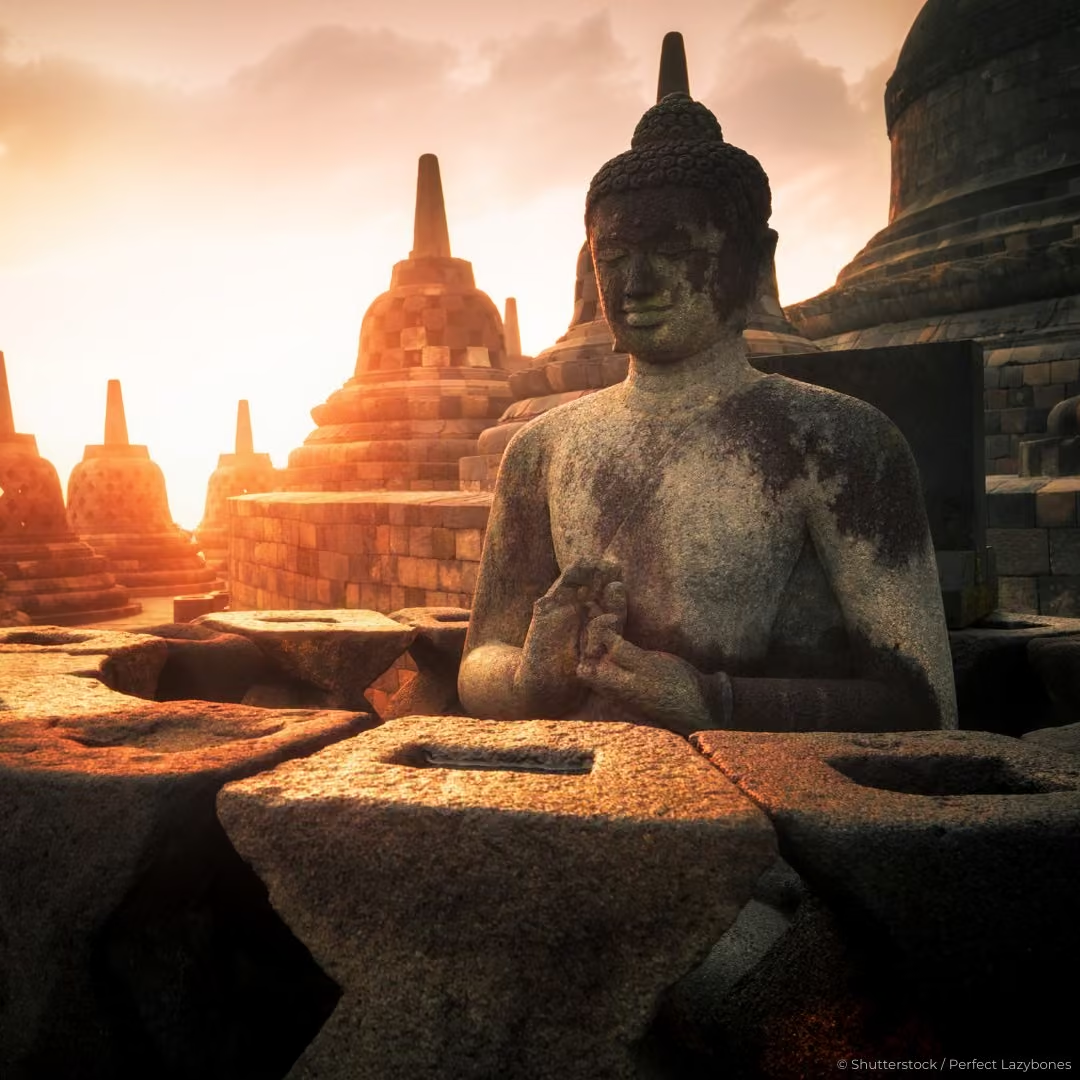

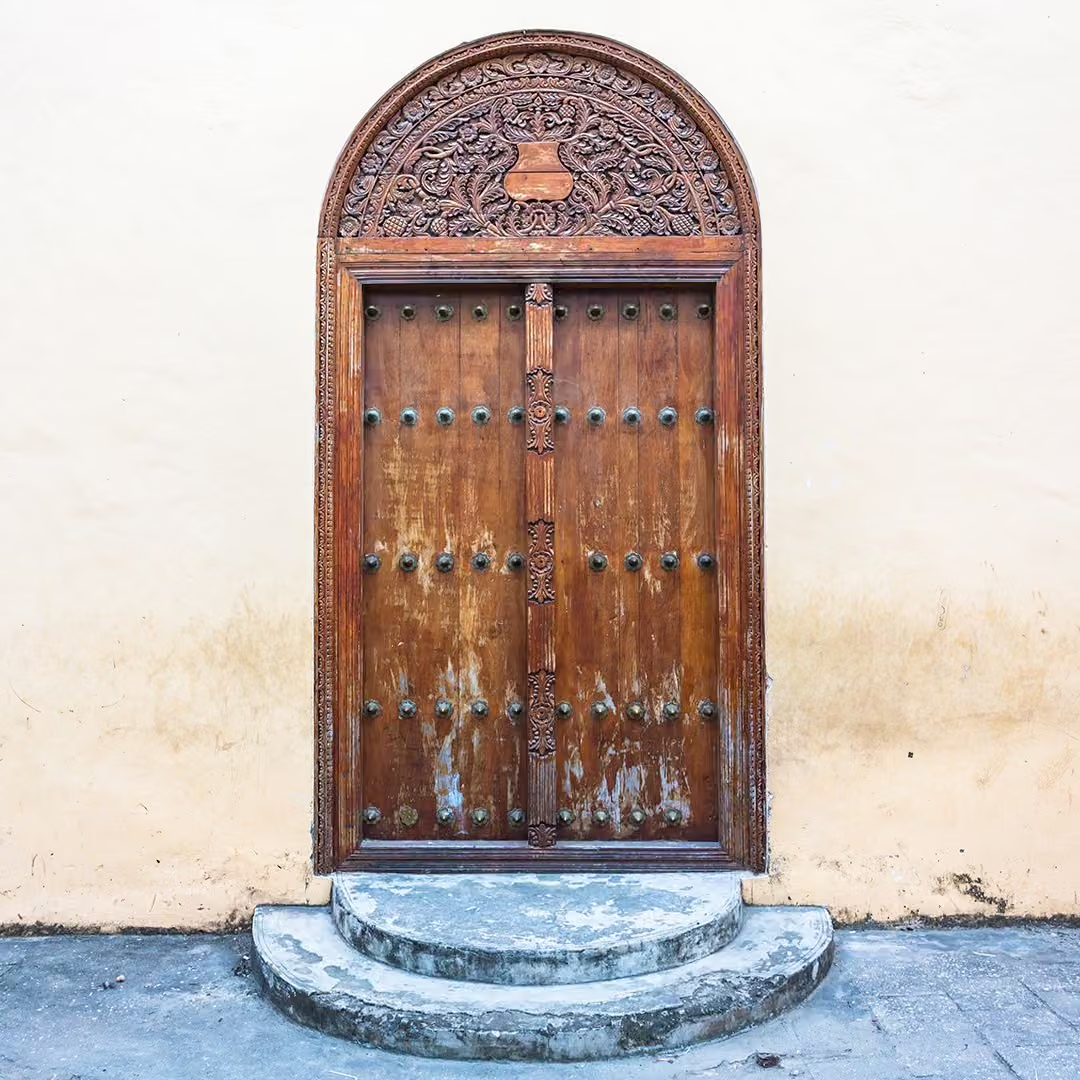
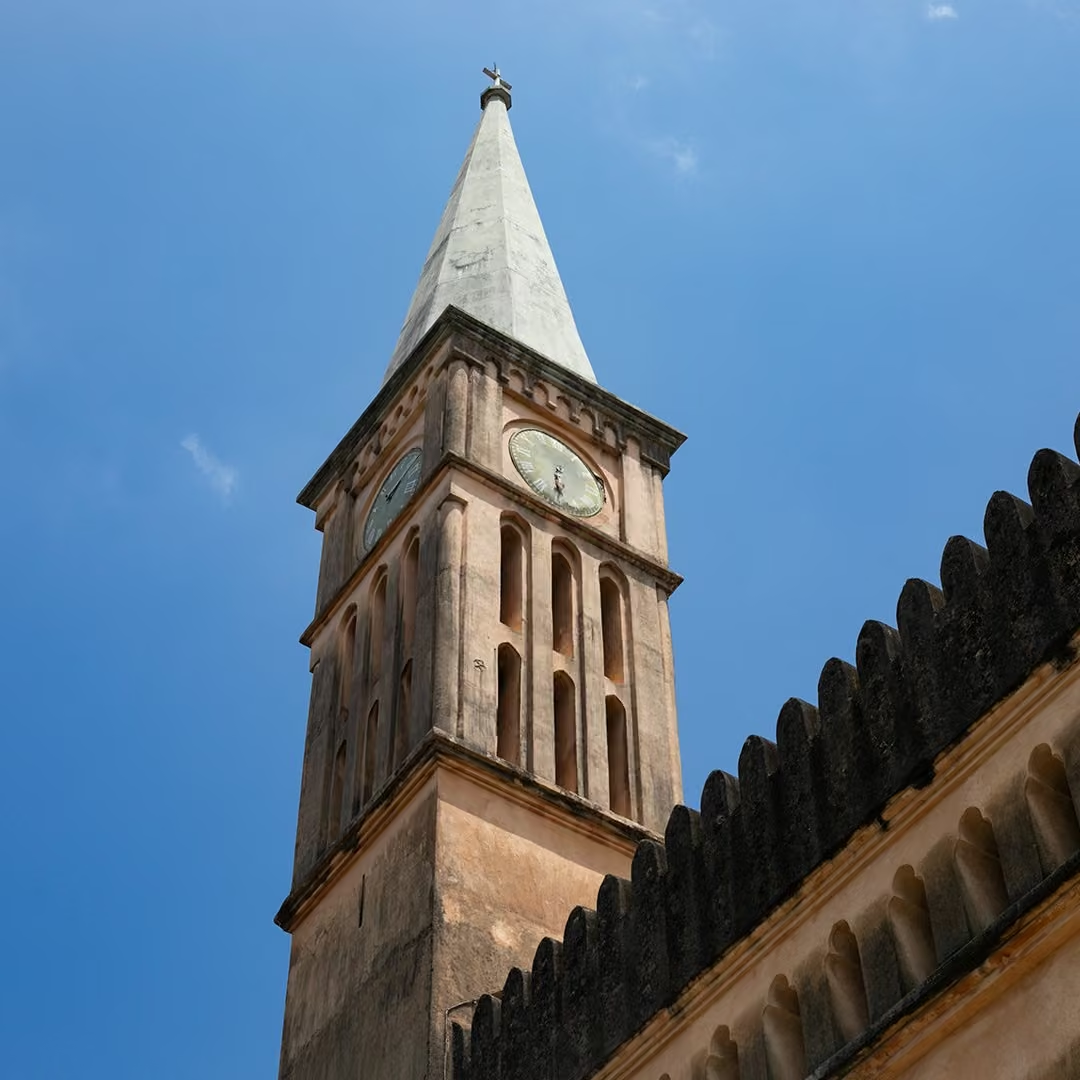




 Arctic Circle

 Brú na Bóinne - Newgrange and Knowth



 Stone Temple Gardening.

 Mike Hudema
 UN News



 Joseph King





 Mission Blue

 Collins


 Today in History

 Beatriz Hernández N




 Nigel Crawhall
 Ivan Ivanisevic


 St Kilda World Heritage Site NTS


 📰 UNESCOCourier #News #Magazine #Interviews 🇺🇳


 Sellou Poulloh


 Scotland's Stories - Graeme


 UNESCO Venice Office
 United Nations in India

 Archaeological Survey of India






 OurWorldHeritage


 Andrew S. Potts🏳️🌈
 Preserving Legacies

 Wetlands International
 AWHF


 ᴍᴜsᴇᴜᴍᴡᴇᴇᴋ 🏛
 Welterbedeutschland.de






 UNESCO Biodiversity

 Maysoun Chehab




 Docip


 Qhapaj Conde


 Loss and Damage Collaboration (L&DC)
 Valentino Etowar


 UCD Archaeology, Dublin

 National Monuments Service



 Conservators_Ireland
 Trinity Long Room Hub


 European Heritage Hub
 Janhwij Sharma


 UNEP-WCMC







 Mountain Research Initiative @mtnresearchmri.bsky

 Nature Positive

 ClimateHeritage






 Hispania Nostra


 Jon Hawke 🏛️🏺


 Global Goals


 Robben Island Museum


 ICOMOS Philippines



 World Heritage Leadership


 Dr Ciarán McDonnell























 ARC-WH


 World Monuments Fund

 International Whaling Commission



 Oscar Guevara


 Stefan Simon 🇪🇺🇺🇸 @318 ppm CO2


 UNESCO Almaty


 MAC-DUFF THP
 Lake District













 Pew Environment
 Pravali Vangeti






 Albino Jopela



 UNESCO South Asia 🏛 #Education #Sciences #Culture









 Ines Yousfi




 European Heritage Tribune

 Fanny Douvere