Afghanistan is going through a profound and complex crisis. Although resolving this crisis may not seem easy, it is by no means impossible. The consequences of current restrictions and misguided policies have created a major challenge for the country. However, alongside these visible problems, another crisis has been quietly and gradually growing, one that deserves our serious attention.
That crisis is the expansion of ethnic prejudice and the weakening of a shared national identity.
Many of us are under the illusion that such prejudices will not cause serious harm. We either normalize them or deliberately choose to ignore them. History, however, tells a different story. Throughout history, deep-rooted grievances, organized prejudice, and ethnic divisions have weakened governments, damaged rich cultures, and pushed nations toward instability and crisis.
Today, unfortunately, we witness and hear narratives in many political and social circles that contribute to increasing divisions among Afghanistan’s ethnic communities. Many individuals, including some influential political and social figures, continuously and systematically reinforce ethnic sensitivities and grievances. Whether one encounters them in the marketplace, at formal gatherings, or on social media, discussions often revolve not around the country’s shared challenges and future, but around ethnic differences and divisions.
As an Afghan woman, I am deeply concerned by this trend. It is painful to see that, as a result of misguided politics and weak leadership, some of our fellow citizens have begun to mock the very national values that should serve as the foundation of unity and a shared identity. Perhaps even more concerning is the fact that some people no longer seem able to distinguish between national and anti-national narratives.
We must recognize that Afghanistan’s current crisis is not only political and economic; it also has deep social and intellectual dimensions. If the spread of ethnic prejudice is not addressed, its consequences will ultimately affect all Afghans, regardless of their ethnicity, language, or region.
Overcoming this situation requires unity. Yet unity cannot be achieved through slogans alone. It demands intellectual engagement, national dialogue, strategic planning, practical initiatives, and responsible leadership. If we aspire to see a united Afghanistan tomorrow, we must begin laying its foundations today.
Afghanistan is the shared home of all Afghans, and safeguarding this home is a collective responsibility.
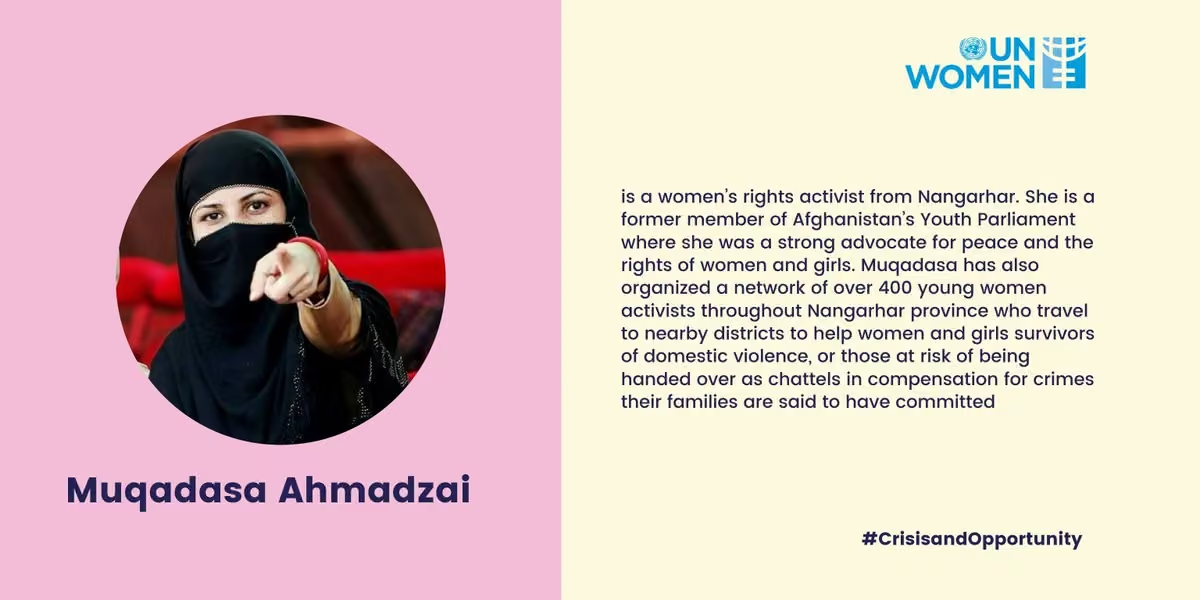
Muqadasa Ahmadzai
Afghanistan Institute for Peace & Stability

 Muqadasa Ahmadzai
@MuqadasaAhmadz2

 Women In Peace & Stability
@AIPSforpeace


 Afghan Podcast


 Jafar Haand
 Melissa Fleming 🇺🇳


 Storai
 Saeed Shinwari


 Rosemary A. DiCarlo
 Tapesh Foundation

 Afghan Canadian Women For Global Cooperation


 Miraj Khalid Wazir

 Sohail Noor Khan
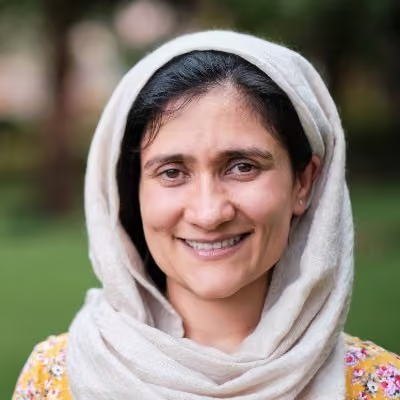 Shabana Basij-Rasikh


 Princeton School of Public & International Affairs
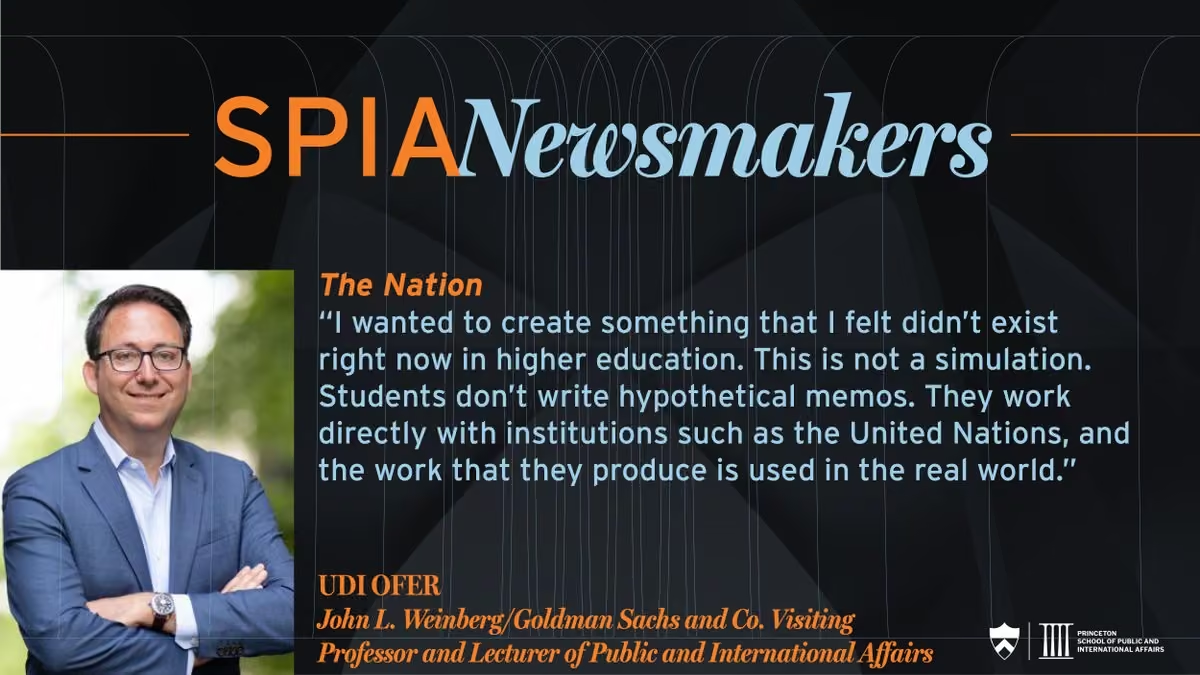
 Claudia Fuentes Julio

 Naseer A. Faiqنصیراحمد فایق

 Amu TV

 Hanifa Girowal

 UN Special Rapporteur Richard Bennett
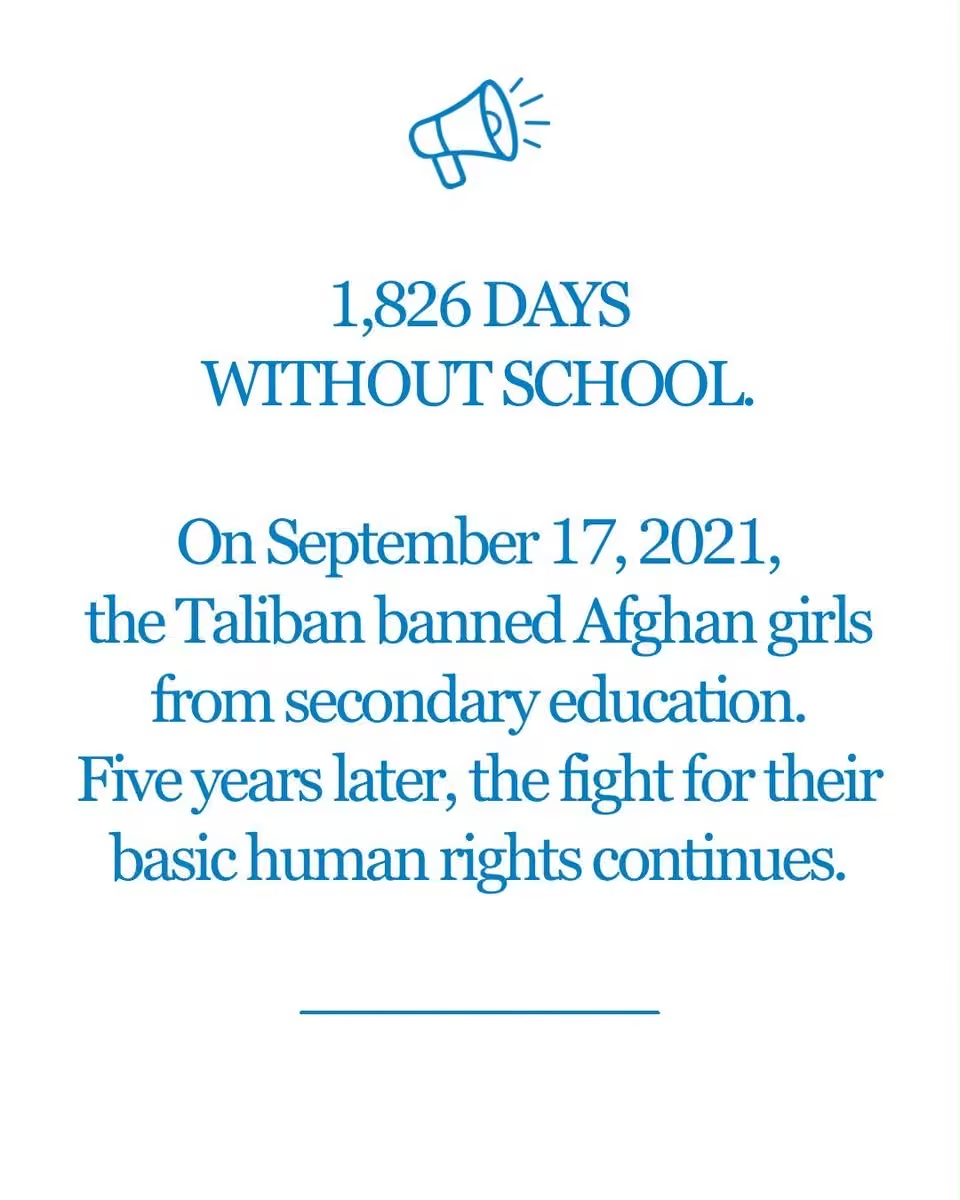
 ICAN (International Civil Society Action Network)
 Women Unity for Change


 Jahanzeb Wesa


 Yalda Hakim

 Région Normandie


 Fazel Fazly فضل فضلي

 Visit Afghanistan 🏔️🇦🇫
 JALALZAI

 BBC Dari
 Shafiqa Khpalwak

 Michael Scadden


 Khatol Momand


 Fawad Alokozai
 TOLOnews English
 Nilofar Ayoubi 🇦🇫


 Hameed Mir حمید میر

 aqeel ashfaq



 Farahnaz Forotan
 Zahra Joya


 Jan Egeland




 ABN Pashto

 Arifullah Arif🇦🇫


 Merman Media




 marzieh hamidi


 Ghairat Baheer🇦🇫

 Rahmatullah Andar🇦🇫
 Najib Azad


 Pashtun National Jirga (پښتون قامي جرګه/عدالت)

 Farzana Ali


 Rauf Afridi
 Abdulhaq Omeri
 Manzoor Pashteen


 Majeed Qarar




 Demi Hester🇺🇸


 Naheed A. Farid


 Hanifullah Pashai 🇦🇫




 Munaza Shaheed 🇦🇫
 U.S. Special Envoy Rina Amiri


 Stefanie Glinski


 Mansoor Safi


 Faiz Zaland, PhD


 Shafiq Nang


 Malali Bashir

 Rahman Bunairee | BCAST
 Ryan Mauro




 BBC 100 Women


 𝗙𝗮𝘁𝗶𝗺𝗮𝗵 𝗣𝗼𝗽𝗮𝗹


 Nafees Khan


 MR Dawod Zai🇦🇫




 Vets for American Ideals


 Cup of Color | Art Inspires Change



 John Simpson






 Ihtisham ul haq (درانی)
 Umoja wa Mataifa

 Juan de Sola🎙️

 Sarah Jackson-Han
 STΛND

 Megan L. Manion
 Natasha L. Lamoreux
 UN Women Afghanistan


 UNDP Washington
 Kabir Haqmal🇦🇫

 0789090451
 Ferishta Stanekzai


 Anees Ur Rehman




 Adonde Media


 GU Women & Peace
 Gypsy Guillén Kaiser














 Sam






 Aleta Miller







 BG Wayand ואיינד 🇦🇫🇺🇸







 Bahman Shahi
 Lima Niazi
 Moh. Afzal Zarghoni


 Matiullah Wesa مطيع الله ويسا


 WION


 Mohsin Dawar


 PenPath قلم لار


 RTA World




 Hekmat Khalil Karzai





 EUinAfghanistan

 Mariam Wardak


 Sanna Ejaz(سیاله)



 Aqa Mohammad Qurishi


 ATTAULLAH KHAN ✒|


 Ajmal Sherzai








 Human Rights