Politicians, athletes, journalists, NGOs, companies... They all use
corporation-owned social networks to communicate with us. Citizens
shouldn't have to hand over their data to companies to read content
published by public entities. Public Feeds changes that by making posts
of popular accounts freely available.
Read more.
Sense about Science
Sense about Science is a United Kingdom charitable organization that promotes the public understanding of science. Sense about Science was founded in 2002 by Lord Taverne, Bridget Ogilvie, and others to promote respect for scientific evidence and good science. It was established as a charitable trust in 2003, with 14 trustees, an advisory council and a small office staff. Tracey Brown has been the Chief Executive since 2002. More on Wikipedia
Thanks to Siddhartha, and also to the early-career award winner Dr Mónica Guzmán Rojo, and Dr Samer Abuzerr, who received a special commendation from the judges. Their speeches, delivered from Bolivia and Gaza respectively, were no less powerful.
Thanks too to the other shortlisted candidates: Prof. Sallie Baxendale (pictured), Prof. Alma Cristal Hernández Mondragón, Prof. Cédric Lemogne, Dr Arna Mitchell, Dr Cyriac Abby Phillips.
A final thanks to Alison Noble (pictured) and the @royalsociety for their generous support.
"Defending science can be lonely" John Maddox prize winner 2026 Dr Siddhartha Roy who had the courage to question the Flint water narrative @senseaboutsci@royalsociety
Dr Siddhartha Roy faced attacks not only for disputing the officials who denied water contamination in Flint, Michigan, but also from his one-time allies when he called out a harmful false narrative of ‘brain-damaged’ children.
Dr Cyriac Abby Philips is a liver specialist at @Rajagiri_Hosptl in Kerala, India, who draws public attention to the harms he sees caused to patients by complementary and traditional medicines that often have government endorsement.
Dr Arna Mitchell is a psychologist of Māori heritage who challenged a high-profile report that alleged systemic racism in psychology in New Zealand, despite knowing that doing so would expose her to attacks from her community.
Meet the Maddox Prize shortlist: Prof. Cédric Lemogne
Prof. Cédric Lemogne, a leading researcher into persistent symptoms, has been subject to attacks for his conclusion that while persistent symptoms can be real and debilitating, they cannot always be reduced to a single cause.
Prof. Alma Cristal HM is a pioneer in developing infrastructure for governmental science advice in Mexico, where the field is deeply politicised. She has communicated its value publicly despite the risk of political backlash.
Meet the Maddox Prize shortlist: Dr Mónica Guzmán-Rojo
Dr Mónica Guzmán-Rojo is a civil hydraulic engineer in Bolivia whose research into groundwater helped change land-use laws in favour of the rural and indigenous communities whose aquifers were affected by deforestation.
Professor Sallie Baxendale, a leading researcher in the field of the adolescent brain, insisted that decisions about the use of puberty blockers for teenagers were founded on insufficient evidence.
Dr Samer Abuzerr’s public-health research in Gaza – conducted in dangerous circumstances, with virtually no access to resources – contributed to the 2025 ceasefire.
You can catch the first of BBC Inside Science's interviews with shortlisted candidates for the Maddox Prize here, or wherever you get your podcasts. www.bbc.co.uk/sounds/play/w3ct9789 @whippletom meets @theliverdoc, aka Dr Cyriac Abby Philips.
We're just days away from revealing the shortlist for the 2026 Maddox Prize for standing up for science. While we wait, we're sharing what receiving the award has meant to a select few of our previous winners.
The Maddox Prize 2026 is supported by the @royalsociety
Join @senseaboutsci for a free #standingupforscience workshop in #edinburgh on 16 Oct, designed for Early Career Researchers looking to build confidence in engaging with the media, policymakers, and the public.
OPPORTUNITY: Researchers around the world are under fire simply for standing up for their work: publishing their findings in defiance of those who would prefer them to be silent.
The John Maddox Prize (worth $5000USD), supported this year by @royalsociety and @SenseAboutSci, is an international prize that champions researchers who have shown courage and resilience in standing by their work. There is an additional award, also worth $5000USD, for early-career researchers.
Can sources do more than just being transparent? Stephen Wyber says public-good curators go above and beyond: they answer questions and provide explanations.
Our guide with @sage_publishing highlights the importance of their work.
We hope the insight you gained directly from MPs, peers and parliamentarians has provided some answers around the vital issues you raised with your excellent questions 💫
Thank you to The Science Diplomat team for creating an excellent podcast episode with our CEO Tracey Brown, discussing the importance of #evidence to drive forward positive social change, while keeping #accuracy and #transparency in mind
It was a pleasure to end our second day of Evidence Week with this joint event with @FoundSciTech, hearing such brilliant questions and their equally engaging answers from the incredible panel, hosted at Portcullis House @HouseofCommons
The Foundation for Science and Technology@FoundSciTech
Fantastic FST event yesterday on Science Diplomacy with @senseaboutsci@HouseofCommons. Delighted to support the launch of the 'Science Diplomacy: sovereignty, strategy and the global race' report published by SITSC. #fstevents
During #evidenceweek, leading UK researchers will present their findings to MPs, peers and parliamentarians on topics like #employment and #sendeducation
Read this🧵to see topics for the afternoon of Tuesday 7 July (See previous posts for more-Wednesday topics to follow)
During #evidenceweek, leading UK researchers will present their findings to MPs, peers and parliamentarians on topics like #employment and #sendeducation
Read this🧵to see topics for the afternoon of Tuesday 7 July (See previous posts for more-Wednesday topics to follow)
During #evidenceweek, leading UK researchers will present their findings to MPs, peers and parliamentarians on topics like #employment and #sendeducation
Read this🧵to see topics for the afternoon of Tuesday 7 July (See previous posts for more-Wednesday topics to follow)
During #evidenceweek, leading UK researchers will present their findings to MPs, peers and parliamentarians on topics like #employment and #sendeducation
Read this🧵to see topics for the afternoon of Tuesday 7 July (See previous posts for more-Wednesday topics to follow)
During #evidenceweek, leading UK researchers will present their findings to MPs, peers and parliamentarians on topics like #employment and #sendeducation
Read this🧵to see topics for the afternoon of Tuesday 7 July (See previous posts for more-Wednesday topics to follow)
During #evidenceweek, leading UK researchers will present their findings to MPs, peers and parliamentarians on topics like #employment and #sendeducation
Read this🧵to see topics for the afternoon of Tuesday 7 July (See previous posts for more-Wednesday topics to follow)
Many thanks to the amazing team of public-engagement ambassadors who formed our Reverse Select Committee today at #evidenceweek in Parliament, putting a range of penetrating evidence questions to @ChiOnwurah@TanDhesi@antoniabance@helenhayes_ and more
For #evidenceweek 2026, leading UK researchers will present their findings to MPs, peers and parliamentarians on topics including #ai, #netzero, #health, #education, and more.
Read this🧵to see the topics tackled on Monday 6 July (Tuesday and Wednesday topics to follow).
For #evidenceweek 2026, leading UK researchers will present their findings to MPs, peers and parliamentarians on topics including #ai, #netzero, #health, #education, and more.
Read this🧵to see the topics tackled on Monday 6 July (Tuesday and Wednesday topics to follow).
For #evidenceweek 2026, leading UK researchers will present their findings to MPs, peers and parliamentarians on topics including #ai, #netzero, #health, #education, and more.
Read this🧵to see the topics tackled on Monday 6 July (Tuesday and Wednesday topics to follow).
For #evidenceweek 2026, leading UK researchers will present their findings to MPs, peers and parliamentarians on topics including #ai, #netzero, #health, #education, and more.
Read this🧵to see the topics tackled on Monday 6 July (Tuesday and Wednesday topics to follow).
For #evidenceweek 2026, leading UK researchers will present their findings to MPs, peers and parliamentarians on topics including #ai, #netzero, #health, #education, and more.
Read this🧵to see the topics tackled on Monday 6 July (Tuesday and Wednesday topics to follow).
For #evidenceweek 2026, leading UK researchers will present their findings to MPs, peers and parliamentarians on topics including #ai, #netzero, #health, #education, and more.
Read this🧵to see the topics tackled on Monday 6 July (Tuesday and Wednesday topics to follow).
For #evidenceweek 2026, leading UK researchers will present their findings to MPs, peers and parliamentarians on topics including #ai, #netzero, #health, #education, and more.
Read this🧵to see the topics tackled on Monday 6 July (Tuesday and Wednesday topics to follow).
What do past winners of the John Maddox Prize say about the award?
Share this post to encourage people in your network to #enter, or prompt them to #nominate a colleague, friend or family member for the 2026 John Maddox Prize
The John Maddox Prize champions the work of researchers who have stood up for science in the face of adversity-hear from previous 2025 winners as they answer this question.
During #evidenceweek, leading UK researchers will present their findings to MPs, peers and parliamentarians on topics like #employment and #sendeducation
Read this🧵to see topics for the afternoon of Tuesday 7 July (See previous posts for more-Wednesday topics to follow)
During #evidenceweek, leading UK researchers will present their findings to MPs, peers and parliamentarians on topics like #employment and #sendeducation
Read this🧵to see topics for the afternoon of Tuesday 7 July (See previous posts for more-Wednesday topics to follow)
During #evidenceweek, leading UK researchers will present their findings to MPs, peers and parliamentarians on topics like #employment and #sendeducation
Read this🧵to see topics for the afternoon of Tuesday 7 July (See previous posts for more-Wednesday topics to follow)
During #evidenceweek, leading UK researchers will present their findings to MPs, peers and parliamentarians on topics like #employment and #sendeducation
Read this🧵to see topics for the afternoon of Tuesday 7 July (See previous posts for more-Wednesday topics to follow)
During #evidenceweek, leading UK researchers will present their findings to MPs, peers and parliamentarians on topics like #employment and #sendeducation
Read this🧵to see topics for the afternoon of Tuesday 7 July (See previous posts for more-Wednesday topics to follow)
During #evidenceweek, leading UK researchers will present their findings to MPs, peers and parliamentarians on topics like #employment and #sendeducation
Read this🧵to see topics for the afternoon of Tuesday 7 July (See previous posts for more-Wednesday topics to follow)
For #evidenceweek 2026, leading UK researchers will present their findings to MPs, peers and parliamentarians on topics including #ai, #netzero, #health, #education, and more.
Read this🧵to see the topics tackled on Monday 6 July (Tuesday and Wednesday topics to follow).
For #evidenceweek 2026, leading UK researchers will present their findings to MPs, peers and parliamentarians on topics including #ai, #netzero, #health, #education, and more.
Read this🧵to see the topics tackled on Monday 6 July (Tuesday and Wednesday topics to follow).
For #evidenceweek 2026, leading UK researchers will present their findings to MPs, peers and parliamentarians on topics including #ai, #netzero, #health, #education, and more.
Read this🧵to see the topics tackled on Monday 6 July (Tuesday and Wednesday topics to follow).
For #evidenceweek 2026, leading UK researchers will present their findings to MPs, peers and parliamentarians on topics including #ai, #netzero, #health, #education, and more.
Read this🧵to see the topics tackled on Monday 6 July (Tuesday and Wednesday topics to follow).
For #evidenceweek 2026, leading UK researchers will present their findings to MPs, peers and parliamentarians on topics including #ai, #netzero, #health, #education, and more.
Read this🧵to see the topics tackled on Monday 6 July (Tuesday and Wednesday topics to follow).
For #evidenceweek 2026, leading UK researchers will present their findings to MPs, peers and parliamentarians on topics including #ai, #netzero, #health, #education, and more.
Read this🧵to see the topics tackled on Monday 6 July (Tuesday and Wednesday topics to follow).
For #evidenceweek 2026, leading UK researchers will present their findings to MPs, peers and parliamentarians on topics including #ai, #netzero, #health, #education, and more.
Read this🧵to see the topics tackled on Monday 6 July (Tuesday and Wednesday topics to follow).
At #evidenceweek 2026, leading UK researchers will be sharing the latest findings in areas like healthcare, employment, the cost of living, education and more.
If you want your MP to learn more, invite them to attend.
Share this post with your network to celebrate the work of outstanding researchers who are standing up for science, or nominate them for the 2026 John Maddox Prize, supported by @royalsociety
#evidenceweek also kicks off with members of the public putting their questions they want answered directly to MPs, in a reverse select committee hearing event.
If you have a question, now is your chance to ask it!
If you want your MP to attend this briefing on the sovereignty of #ai or another addressing a topic like housing and cost of living, employment, or health and equity-invite them to attend #evidenceweek now
During #evidenceweek in Parliament, leading UK researchers from our partners @UniofOxford, @oxmartinschool and @aigioxford will tackle this topic by presenting a quickfire policy briefing to government decision makers, including UK MPs
During #evidenceweek in Parliament, leading UK researchers from our partners @UniofOxford, @oxmartinschool and @aigioxford will tackle this topic by presenting a quickfire policy briefing to government decision makers, including UK MPs
If you could ask a question to the people in power, what would it be?
Our Senior Communities Officer wrote a guest blog post for @MumsnetTowers encouraging readers to submit questions for MPs to answer at Evidence Week in Parliament.
Thanks to @pollytoynbee for highlighting our collaboration with @KingsCollegeLon and the @wellcometrust on understanding motivations behind Trust in Science-vital when navigating communications, and wider healthcare and policy decisions.
Dr Leo Lo promotes AI literacy to improve how people evaluate sources comprehensively. Public-good curators like him are crucial for our digital fluency.
Our guide with @Sage_Publishing highlights the importance of their work
Our Chair, Simon Denegri OBE, shares concerns with the Government's proposed reforms to the NHS, with the possible threat to patients' involvement in their own healthcare as well as public trust in health services
Our website is currently in Under Attack Mode, due to a huge volume of malicious traffic targeted mainly at the AllTrials pages. If you are having trouble reaching any resources please get in touch.
A huge milestone for the AllTrials campaign – driven by patients, researchers & clinicians over 13+ years. Now, UK law ensures full visibility of trial results, strengthening evidence-based care.
Sense about Science and @RoyalStatSoc have sent a letter to the PM urging him to confirm that the Regulatory Policy Committee will not be abolished without consulting the public and Parliament.
We’ve been introducing communities impacted by wildfires in Chile to the Risk Know-How framework (riskknowhow.org/make-sense-of-risk/framework/). Workshops explored how concepts like uncertainty and the distinction between outcome and consequence could help people better understand risk.
‘The rise of Strategic Lawsuits Against Public Participation is again allowing the silencing of critical ideas through the threat of ruinously expensive legal action’ /
📢Protecting research from legal intimidation. We’ve co-signed a letter to Keir Starmer calling for universal Anti-#slapp protections in the 2026 King’s Speech. Researchers should not be asked to withdraw sound work because it’s expensive to defend. Read: antislapp.uk/wp-content/uploads/2026/03/FINAL-Anti-SLAPP-…
Tomorrow, we will be hosting a panel at the 2026 AAAS Annual Meeting in Phoenix. Our associate Leonor Sierra, will be joined by Michael Meth, Elisabeth Bik, and Rodrigo Pérez Ortega. @aaas@MicrobiomDigest@rpocisv
They'll discuss success stories of public good curation and the pressures that curators currently face when combatting the rapid spread of online mis- and disinformation.
2/ "...The good news in my experience is that people continue to want to be engaged and to help to create a better life for themselves and their community if and when asked. We ignore them at our peril." Simon Denegri, Chair of Sense about Science
In two weeks, I will be giving a talk at the @AAASmeetings in Phoenix, AZ, in the session 'Curators on the Front Lines of the Information Wars', organized by @senseaboutsci
@who HIFA strongly supports the objectives of @senseaboutsci - we are committed to build a future where every person has access to the reliable healthcare inforamtion they need to protect their own health and the health of others
Risk Know-How is exhibiting at the Lloyd's Register building! Come and learn about the initiative, hear from our practitioners and see the future of Risk Know-How; open 9-5 on weekdays from 29 January-3 February. riskknowhow.org/risk-know-how-at-the-lloyds-register-buil…
This story emphasises the urgent need for the Responsible Handover of AI across all public services: it helps non-experts use AI products while being aware of its limitations.
Clear, reliable information is increasingly scarce, so let's reward those who produce trustworthy sources of communication. Entries for the Harding Prizes for Trustworthy Communication are now open! hardingprize.com@senseaboutsci@SMC_IISERPune@FacultyMaths
📢 We’re hiring a Communications Officer! Passionate about evidence & transparency in public life? Tech-savvy, creative, and curious about digital performance? Join our small, outcome-focused team. Applications close: Mon 19 Jan 2026, 9am
Do you have key research insights to share with MPs? Join Evidence Week 2026!
Now in its ninth year, Evidence Week in Parliament brings together researchers, parliamentarians, and the public to highlight the importance of evidence in shaping policy for everyone’s benefit.
Do you have key research insights to share with MPs? Join Evidence Week 2026!
Now in its ninth year, Evidence Week in Parliament brings together researchers, parliamentarians, and the public to highlight the importance of evidence in shaping policy for everyone’s benefit.
📢 We’re hiring a Communications Officer! Passionate about evidence & transparency in public life? Tech-savvy, creative, and curious about digital performance? Join our small, outcome-focused team. Applications close: Mon 19 Jan 2026, 9am
💬 “The main thing is being encouraged by science — the joy of being a scientist,” says Virginia Burkett, US climate scientist and 2025 @Nature Awards Maddox Prize winner. In Research Professional News, she urges researchers to be prepared for setbacks.
We’re delighted to welcome Dr Alessandro Allegra as our new trustee. As a leading science policy practitioner and scholar, Alessandro brings extensive EU, UK & international experience at the interface of science, policy and society.
💬 Tracey Brown & @sagepub.com discuss 'The People’s Case for Curators' and how public-good curators – librarians, editors & specialist journalists – create clear paths to evidence, uphold rigour & transparency, helping build public trust in science. scholarlykitchen.sspnet.org/2025/12/16/celebrating-public…
💡 Evidence matters. It helps us make sense of the world and make important decisions as a society.
But when research is suppressed, decisions about our health, public policy, and more are made without the full picture. Help us stop research suppression senseaboutscience.org/researchsuppression/
For more than two decades, we’ve challenged those who try to stop researchers from asking important questions — or who limit public access to good evidence.
Data & evidence are vital for informed decisions as a society. That requires research to be conducted freely and shared without fear of personal or professional consequences. Learn more about research suppression and how we’re tackling it: ➡️senseaboutscience.org/researchsuppression/
Editors, librarians & specialist journalists help us navigate complex information, but their work is often invisible. Learn why #publicgoodcuration is vital to strengthening public trust in research in this new episode featuring our director Tracey Brown
Meet Risk know-how practitioner, Professor Chioma Blaise Chikere. Her award-winning project harnesses the hydrocarbon-clearing ability of bacteria to reclaim oil-polluted farmland in the Niger Delta. Read her insights on risk communication: riskknowhow.org/risk-know-how-around-the-world/all-practi…@ChikereDr
We’ve just published a comprehensive research integrity toolkit with @senseaboutsci.
Created with and for early career researchers, the guide addresses common questions and provides practical advice to help today’s researchers avoid integrity pitfalls.
Opinion: “Graduates who learn to treat dissent as socially risky rather than intellectually necessary will carry those reflexes into newsrooms, policy units and professional institutions.”
Public-good curators like @DalmeetS protect our access to contextualised information by amplifying important views we need to hear. Our new guide with @sage_publishing champions the role of information curators. #publicgoodcuration
🗨️ How should science advice adapt in an age of populism?
Join our director Tracey Brown and other speakers for an in-person seminar on communicating science amid disinformation and conspiracy theories. 📅 1 Dec, 17:00 🔗 Book your place
AI tools are already entering healthcare without the guidance clinicians need – leaving doctors hesitant and patients at risk. That’s why our Responsible Handover Framework matters now
Our Responsible Handover Framework is a flexible, practical approach to AI governance that protects patients before problems spiral. Find it here 👉senseaboutscience.org/responsible-handover-of-ai/
🍂The Autumn Budget lands on Wednesday. Because local spending decisions shape our daily lives just as much, and deserve the same scrutiny, our new Key Questions on Public Spending guide helps you ask the right questions about local proposals: senseaboutscience.org/ask-for-evidence/questioning-guides…
Scientists from PML and the University of Exeter met with #mps to share their latest evidence on #marinecarbondioxideremoval - and to explore the UK’s opportunity to lead innovative, responsible approaches as part of the fight against #climatechange:
Welcome recommendation from the @StatsRegulation, that ministerial departments publish their public commitment to intelligent transparency. We would like to see this as part of a wider Ministerial commitment to Transparency of Evidence in Government
With misinformation on the rise, it’s crucial that official, high-quality data and analysis are easy to find and clear, helping people make informed decisions and hold governments accountable. See more here 👇osr.statisticsauthority.gov.uk/news/osr-calls-for-intelli…
Our director Tracey Brown spoke at @EIF4eu's lunch debate on 'Fake science & the threat of scientific misinformation'. During her opening remarks, MEP Lina Gálvez firmly put the fake science discussion in the domain of the business model of technology.
Our director Tracey Brown OBE will be speaking about scientific misinformation in the public and policy debates tomorrow at @EIF4eu lunch debate, chaired by Lina Galvéz MEP.
What happens when 🔬 science itself becomes the target of #misinformation? As the digital sphere accelerates the spread of manipulated content, false or distorted “scientific” claims are increasingly entering public and policy debates.
This puts trust, #competitiveness and even democratic resilience at risk.
Next week, our Forum will bring together MEPs, experts and stakeholders to explore this challenge in our upcoming debate “Fake science: the threat of scientific misinformation to integrity, competitiveness and democracy”, hosted by MEP @linagalvezmunoz.
We will look at how technology fuels the production and dissemination of fake science, but also how it can support transparency and integrity. #eifdebates
This year, more parliamentary offices than ever joined #evidenceweek. It reached 1 in every 5 MP offices, meeting a growing demand for research in policy.
A huge thanks to everyone who helped make it a success this year.
🤝Meet the first confirmed panellists for our Standing up for Science online workshop. This workshop is focused on engaging with policymakers, the media and the public in the EU. More panellists to be confirmed soon! 🌟Join us on Nov 28th! 📌Apply here: senseaboutscience.org/activities/standing-up-for-science-…
The Big Toilet Project team, including our Research Fellow Ayse Allison, presented to MPs at Evidence Week in Parliament on how tackling the rise in toilet training age can cut nappy waste, boost school readiness & support the UK’s net zero goals. www.youtube.com/watch?v=cAkhezCMvQ4
Evidence Week in Parliament is in full swing, and on Tuesday I had the brilliant opportunity to speak with Professor Sian Taylor Philips about health screening. Her insights were on population screening programmes for cancer, during pregnancies and for newborns were invaluable.
✔️ As part of Evidence Week in Parliament, I met with the Institute for Research in Schools (IRIS), who want to change the culture of UK education so that every young person experiences real research while at school.
The Covid Inquiry has officially become the most expensive in British legal history — £192 million and counting, according to October’s financial statements.
But for exactly £192 million less, you can join us at Worcester College, Oxford, on Wednesday 19 November, for a serious discussion with leading experts in history, epidemiology, and medicine on what Britain got right — and wrong — in its lockdown response to Covid-19.
Expect a rigorous, engaging exchange spanning science, medicine, history, and economics — followed by a Q&A giving you the chance to question the experts directly. A drinks reception will round off the evening, and attendees won’t even be made to stand two metres apart...
Sense about Science reposted
NIHR PRU Behavioural and Social Sciences@NIHR_PRUBaSS
Evidence matters. This week in Parliament, #evidenceweek is bringing researchers, MPs and the public together to look at how we use facts and data to make better decisions. A great reminder that good policy starts with good evidence.
Last week, Dr Glory Aigbedion joined us in Parliament to ask her question on community involvement in research to a panel of experts as part of our #evidenceweek 'reverse' committee hearing.
Thank you to all who submitted their questions on the evidence behind policies.
Thanks for a great session on Restoring Confidence in Science & to our panellists, who discussed #publicgoodcuration, the principles that underlie it, why it matters and how we rely on librarians, journalists, publishers, researchers & integrity officers for good information.
Earlier this week, during the #evidenceweek opening reverse committee, Laurence Todd joined us at Westminster to ask MPs a question on an issue that matters to him - it's great to have public voices shaping the conversation on evidence and policy.
@antoniabance took the witness stand at the #evidenceweek reverse committee hearing this week, on behalf of @CommonsBTC. People from across the UK came to Westminster to put their questions to MPs, asking about the evidence behind the issues that matter to them. Thank you again!
This week our team joined @senseaboutsci's Evidence Week in Parliament, meeting MPs, policymakers and members of the Lords to share how we’re working with @UKRI_News to turn evidence and innovation into action.
Proud to represent Windracers as a UK sovereign company ✈️
“Science has recently been the professed interest of just a handful of MPs… But this year, something has changed.”
Our Director Tracey Brown writes about a growing MP interest in science and research, and how #evidenceweek helps bridge the gap between research and Parliament
Opinion: “This year something has changed. More than 100 MPs’ offices signed up to January’s Evidence Week 2024, many of them immediately...MPs asked a host of questions on topics such as health data, post-Covid school attendance, pollution and transport.”
We’re at Westminster today for #evidenceweek with @senseaboutsci, presenting our research evidence on on chemical ecology-inspired solutions for sustainable crop protection to MPs, peers and parliamentary staff, to help them scrutinise policies in this area.
Today, as part pf Evidence Week at Westminster, the Risk Know-How team presented “Responsible Adoption of AI for Non-Experts.” We showcased the Responsible Handover framework—helping organisations use AI safely, transparently & responsibly.
We had a very strong #evidenceweek panel discussing ‘Hidden hunger’ and other challenges of evidence and data for decision makers with Prof Martin Warren @TheQuadram , @SharonHodgsonMP@joan_walmsley , Baroness Boycott & Emma Rourke from @ONS
Baroness Boycott also reflected on sugar, energy drinks and their effects on health. They cause insomnia, decay and lack of focus - and are easily available to everyone. “We can stop this… We really have a responsibility”
Thanks to all experts, committee members & chairs who joined yesterday’s reverse committee hearing. It was fantastic to see all addressing the questions from people across the UK - on everything from soil erosion and energy price caps to the cost-of-living and more. #evidenceweek
And from our 'Science, technology and environment session', we'd like to thank @ChiOnwurah, @Bill_Esterson & Lord Rooker for answering questions on how Parliament assesses statistical and scientific evidence, including soil erosion and energy price caps.
Our 'reverse' committee hearing kicked off with a panel of national experts, including: Ed Humpherson (@StatsRegulation) Dr Grant Hill-Cawthorne (@HouseofCommons) & Professor Sir Ian Chapman (@UKRI_News) Here are some of their key highlights from their #evidenceweek session ⬇️
Dr Grant Hill-Cawthorne of @HouseofCommons spoke about their role in ensuring Parliament has access to evidence. His team provides hundreds of briefings and analyses, often ahead of time. He noted these briefings also assess the psychological and physical impacts of bills.
Professor Sir Ian Chapman, CEO of @UKRI_News, reminded the committee that their work seeks to improve lives across the UK, and championed co-creation of knowledge with communities & diverse local partners.
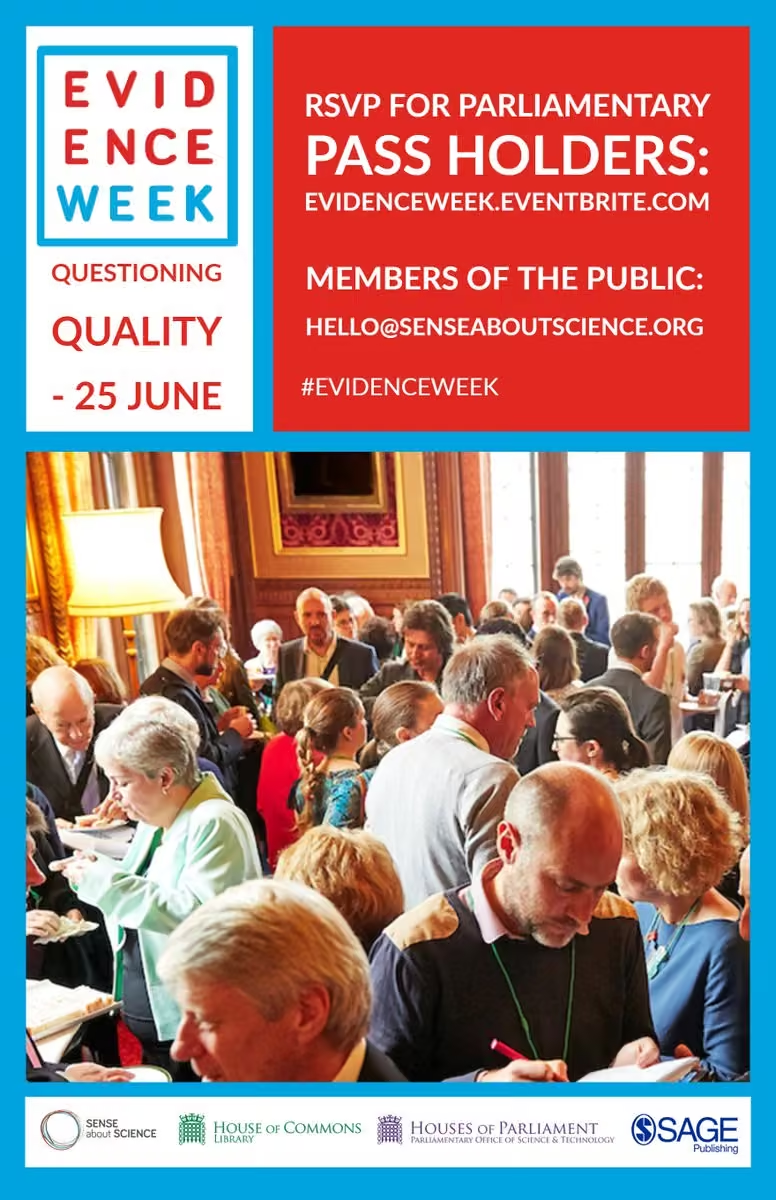
#evidenceweek in Parliament is here! We begin a week exploring how evidence is used & reviewed by MPs. Our opening event – a 'reverse' committee hearing – turned the tables: people from across the UK came to question MPs about the evidence behind policies that matter to them. 💬
We received questions from nearly half of all UK constituencies, showing the public’s appetite for evidence in policymaking. Committee chairs and national experts shared how they use evidence in their work. #evidenceweek 's reverse hearing illustrates how evidence should be used
We’re looking forward to attending #evidenceweek this week in Parliament with @senseaboutsci presenting evidence on restricting the advertisement of unhealthy products to MPs, peers and parliamentary staff
Professor Sir Ian Chapman, CEO @UKRI_News asked by Glory from Northampton about UK investment into research that draws on communities lived experiences:
UKRI are setting up partnership schemes with the public, all over the country on different topics
Grant Hill-Cawthorne HoC librarian sets out role of @commonslibrary in making sure Parliament has good evidence for decisions: publishing hundreds of factual briefings and detailed analysis of what bills do
#evidenceweek in Parliament 2025 has started with reverse committee hearing where public is asking MPs the questions about how Parliament uses and scrutinises evidence. A lot of issues being covered tonight...
A day after Bill Gates appeared to roll back on prioritising climate, I was lucky enough to attend the @nature & @senseaboutsci#maddoxprize - honouring scientists who speak up despite corporate or government pressure.
Anoche significó Reinvidicación para mi ✊️ Gracias a la directora de @senseaboutsci Tracey Brown, y a la editora en jefe de @Nature , Magdalena Skipper, por la invitación a la gala del #johnmaddoxprize en Londres, del que fui finalista en 2023. ✨
Dos años después sigo profundamente conmovida: este premio reconoce a quienes defendemos la ciencia con coraje frente a la adversidad. 🧬⚖️
We’re delighted, with Nature Awards, to announce the John Maddox Prize winners! Virginia Burkett was the Maddox Winner and Nicolás Zanetta-Colombo was awarded with the Early Career Award.
🌟Join us for our next Standing up for Science online workshop on Nov 28, focused on engaging with EU policymakers and media! Meet other early career researchers & speak with our panel of experts about effectively communicating your research 📌Apply here: senseaboutscience.org/voys/workshops/
🚨 Have you invited your MP to get the latest policy insights yet? Evidence Week 2025 is just around the corner, and your MP is far more likely to attend with an invitation from you. Select the topic you care about on our form, and we’ll do the rest senseaboutscience.org/evidence-week/
We received the sad news yesterday that our founding chair, Dick Taverne, has passed away. Dick gave us 10 years as an energetic chair, and over 20 years as a tireless, fearless champion and friend. This past summer he was still writing about our work and the challenges ahead.
He was deeply principled but never flinched from re-examining his understanding of an issue. There is so much in his independent way of thinking and his passion for a better public life that has shaped our mission and will continue to do so. Image credit: Laurence Boyce
In any given week, MPs engage with an astounding number of subjects. How can you be sure they’re fully informed with the latest evidence? Evidence Week offers them the chance. Show your MP that you care about the evidence they use to inform decisions. senseaboutscience.org/evidence-week/ask-your-mp-to-suppor…
MPs don't need a scientific background - but they do need the critical tools and latest insights on issues that affect us all. Make sure your MP informs their decisions with the latest research from the UK’s leading groups. Invite your MP to Evidence Week senseaboutscience.org/evidence-week/ask-your-mp-to-suppor…
We’ll be presenting our latest research on restricting the advertisement of unhealthy products at #evidenceweek with @senseaboutsci – @carla_denyer please join us in Parliament on 4th November for a quickfire policy briefing
💡 Our new guide, developed with @OfficialUoM, gives you the tools to understand the perspective of those drawn to conspiratorial thinking and be able to engage more effectively with them. Let’s shift the conversation from confrontation to curiosity senseaboutscience.org/public-engagement-partnerships/talk…
We’ll be presenting our latest research on restricting the advertisement of unhealthy products at #evidenceweek with @senseaboutsci 4th November in parliament
More researchers than ever will be sharing the latest insights on AI, healthcare, cost of living and more at Evidence Week. Ask your MP to get briefed on the issues that matter most to you and remind them that you care about the evidence behind decisions senseaboutscience.org/evidence-week/ask-your-mp-to-suppor…
We’ll be at #evidenceweek with @senseaboutsci in Parliament on 5 Nov, sharing quick-fire policy briefs on our evidence of this impact: how authentic research changes how young people see science, learning and their own potential.
Meet Bradley Ibbetson who is the Senior Lifeguard and Aquatics Professional at Hanmer Springs Thermal Pool & Spa. They emphasise the importance of nuance when explaining different risks to different people. Explore their perspective here: 👉 riskknowhow.org/risk-know-how-around-the-world/all-practi…
💬 What policy insights do you want your MP to hear about during Evidence Week? From AI to healthcare and the environment, select the topic you care about on our form, and we’ll do the rest. Your MP is far more likely to attend if they hear from you! senseaboutscience.org/evidence-week/ask-your-mp-to-suppor…
Schools, teachers & parents often face new initiatives designed to improve education — but every change comes with a cost. 🎧 Listen to University of Oxford's Deanery’s Digest episode about our Questioning guide to assess education claims confidently. podcasts.ox.ac.uk/confident-questioners-guide-assessing-c…
When AI tools are irresponsibly developed, consumers pay the price. On 17 October, Dr Sameh ElBadry will discuss the comprehensive questions we’ve developed, which are designed to promote responsible development at all stages. Join him at AI Week 2025 👉 aiweek.digileaders.com/talks/responsible-handover-of-ai-a…
🗳️ Have your say! You can still vote for the issues that matter most to you before 3 Nov. From pensions to soil erosion — where should MPs be challenged on the evidence informing decisions? Questions will be put to MPs at #evidenceweek senseaboutscience.org/evidence-week/ask-parliament/
"We need a specific kind of transparency, one that provides data on how an AI system functions so that ordinary users can interpret why and how AI models behave the way they do." – Paula Gürtler 🧵The Responsible Handover Framework achieves exactly that: www.euractiv.com/interview/transparency-essential-for-dev…
Not only is the Framework designed to fill any expertise gaps that may arise when AI tools are transferred from one party to another during development, but it also equips users to understand, evaluate and trust the AI they’re using.
BREAKING NEWS The 2025 #nobelprize in Physiology or Medicine has been awarded to Mary E. Brunkow, Fred Ramsdell and Shimon Sakaguchi “for their discoveries concerning peripheral immune tolerance.”
Tracey Brown and Leonor Sierra had a fantastic reception at the keynote speech, "A vision for a better conversation" and the Risk know-how training session with leaders in agricultural policy in Ottawa. Thank you @CdnAgriFood for inviting us to join you.
Meet risk practitioner Dr Aliya Syahreni Prihartadi, a doctor in the UK helping patients weigh up health risks and trade-offs. By cutting through medical jargon, they make healthcare decisions clearer and more informed for their patients. Read more here:👉 riskknowhow.org/risk-know-how-around-the-world/all-practi…
🚨Lack of transparency by social media giants in how content is curated and surfaced has serious consequences: 1. Platforms repurposing personal posts to drive advertising 2. Algorithms using images of children to invite adults onto messaging platforms www.theguardian.com/technology/2025/sep/20/parents-outrag…
Sense about Science reposted
NIHR PRU Behavioural and Social Sciences@NIHR_PRUBaSS
We’ll be presenting our latest research on the challenges of virtual wards in the NHS at #evidenceweek with @senseaboutsci – @AnnelieseDodds please join us in Parliament on 4 November for a quickfire policy briefing
If you're a parent, teacher, or councillor concerned about education proposals affecting your local schools and colleges, make sure to ask for the evidence behind them. Download our Key Questions in Education guide to assess education initiatives. senseaboutscience.org/ask-for-evidence/questioning-guides…
We are pleased to announce the appointment of Simon Denegri OBE, a leading influence on public engagement in science, as our next chair. Simon will take over as Chair at the September Trustee meeting. senseaboutscience.org/activities/sense-about-science-appo…
Farmers face climate impacts that threaten yields, livelihoods & force displacement. Risk practitioner Adanna Henri Ukoha supports farming communities through workshops and outreach, sharing environmental risks and sustainable coping strategies. Here: 👉 bit.ly/3VxvcJ
Society needs more social-good curators to guide people to credible sources, reliable facts and helpful information. Medical journalists play a vital role in this. It's great to celebrate their contribution.
We're delighted to have supported this year's #mjaawards!
Our 8 points for effective flood risk communication, developed from insights collected after flash floods in Spain, aims to serve others planning risk communications to ensure they are useful, actionable and keep people safe. Read the resource here riskknowhow.org/make-sense-of-risk/resources/eight-points…
NEW: As temperatures begin to cool, our latest POSTnote looks at emerging evidence on winter mortality, highlighting risk factors and exploring potential interventions.
Meet risk practitioner, Rocío Pérez-Benevente, a journalist at Maldita Ciencia. They used science communication and infographics to put AZ vaccine risks into context, helping people make informed decisions. Discover their perspective on Risk know-how here: riskknowhow.org/risk-know-how-around-the-world/all-practi…
It was excellent to join @nesta_uk 's #policylive yesterday, promoting evidence-informed policy. @wesstreeting: "What ultimately matters to most people is only what works"
❓💬 When a policy affects you or your community, it’s only right to ask for evidence. But proposals often come with complex, lengthy documents - It can be hard knowing where to start.
That’s why we’ve launched our new Questioning Guides.
Meet risk practitioner Emmanuel Adinya, they’re helping refugees from Myanmar to navigate living in a challenging and risky environment. Understand their perspective on the importance of Risk know-how by visiting our website 👇
🧬Our team member Sameh ElBadry was invited to deliver a seminar at @wellcomegenome sharing how the Responsible Handover Framework of #ai has been integrated into Ensembl
With thousands of researchers relying on Ensembl’s genomic data, transparency & responsibility aren’t optional – they must be built in from the ground up.
We're now live! Join the conversation with our Director Tracey Brown, who will be discussing the role of responsible handover in public sector data and AI
Join our Director, Tracey Brown, for an online talk hosted by @ConnectedByData , where she’ll share our work on the Responsible Handover Framework and insights from our experience with AI and data in healthcare. 🕰️ 10 Sept 2 (UK time) 🔗 Register here: connectedbydata.org/events/2025-09-10-community-of-practice
Join our Director, Tracey Brown, for an online talk hosted by @ConnectedByData , where she’ll share our work on the Responsible Handover Framework and insights from our experience with AI and data in healthcare. 🕰️ 10 Sept 2 (UK time) 🔗 Register here: connectedbydata.org/events/2025-09-10-community-of-practice
Join our Director, Tracey Brown, for an online talk hosted by @ConnectedByData , where she’ll share our work on the Responsible Handover Framework and insights from our experience with AI and data in healthcare. 🕰️ 10 Sept 2 (UK time) 🔗 Register here: connectedbydata.org/events/2025-09-10-community-of-practice
1/2 Dr. Tracey Brown, Director of Sense about Science, will deliver a keynote address at #capiexchange2025. A global leader in evidence-based policy, Dr. Brown will share timely insights on risk, trust & transparency.
Good data needs great guidance – EMBL-EBI have adopted the Responsible Handover Framework into their new Ensembl Beta site, helping thousands interpret genomic data and use their tools with confidence.
How can we learn more from the process of doing research, not just the outcome?
Two new article types from the IOPP - Challenge and Benchmark - could help machine learning researchers to communicate their work better and increase transparency among the research community.
Critical thinking is widely regarded as an essential skill, but are universities adequately preparing students to think deeply and independently?
In this Campus Talks episode, experts Olivier Sibony and Tony Wagner discuss the challenges involved and suggest ways higher education can enhance critical thinking.
"Ideally, researchers will also develop a QMS that includes strong data protection and data governance frameworks... Sense about Science's guidance on Responsible Handover of AI would be an ideal starting point for any researcher considering such issues."
Opinion: Many developers of new technologies turn a blind eye to regulation when they should be considering it in advance, writes Alex Denoon of @BristowsLawFirm
Our Responsible Handover of AI is an accessible approach to empower anyone in the developing process of an AI-powered tech, helping them ask the right questions before adopting a tool or taking it to the next stage of development. Find more about it here: senseaboutscience.org/responsible-handover-of-ai/
Evidence Week is being held in November, but right now you can vote on the questions to be put to MPs in a live 'hot seat' event (including two from MSE) or put forward one of your own on an issue that matters to you.
For this #drowningprevention day, the world is telling stories of changemakers who are helping to save lives. Read the testimonies of our Risk know-how practitioners who provide vital water safety education to understand their perspective on effective risk communication.
This echoes what many scientists have told us for years. Censoring evidence and sidelining researchers has a chilling effect on scientific progress and open debate. Research must be judged on evidence, not on how uncomfortable its findings may be. 📖 www.thelancet.com/journals/lancet/article/PIIS0140-6736(2…
Good communication is always a challenge — doing it during a crisis takes it to the next level. Last week, Maricarmen from our team shared lessons from real emergencies at @unicomplutense summer courses.
💬 Do you have questions about tax, benefits, financial policies or other important issues? Vote now to highlight the questions you want MPs to look at the evidence on. senseaboutscience.org/evidence-week/ask-parliament/
🧵This article on the implications of the American government's vision for scientific integrity is a must-read. Playing up uncertainty according to whether people favour or object to the implications is a manipulation of the real role of uncertainty in science.
Trump's "gold standard" for science gives political appointees—most of whom are not scientists—the authority to define scientific integrity and then decide which evidence counts and how it should be interpreted, David Michaels and Wendy Wagner argue: www.theatlantic.com/science/archive/2025/07/trumps-gold-s…
Uncertainty is normal in scientific research. Clearer ideas about what researchers mean by scientific uncertainty – and where it can or cannot be measured – would help everyone with how to respond to the uncertainty in evidence. Take a look at our guide ➡️senseaboutscience.org/guides/making-sense-of-uncertainty/
‼️ Do MPs know how the cost-of-living crisis is affecting people’s mental & physical health? Do they have evidence to assess if government support packages are working? Make your voice heard on #evidenceweek. Select the questions you want answered ➡️ senseaboutscience.org/evidence-week/ask-parliament/
📢 Help us shape the opening discussion where MPs will be on the witness box answering the questions you select. Thank you @shoutout_UK for partnering with us to identify some of the issues that matter the most to people.
AI can radically transform public service for the better, but only if people trust it. That trust is earned by showing clear benefits and being transparent about risks.
Responsible use and testing of AI must come before widespread application in governments
Countries are eager to use AI to automate government processes, but this risks eroding public trust and feelings of democratic control – because with these uses, AI mistakes can ruin lives. www.newscientist.com/article/2488095-how-government-use-o…
On 14 July, @metoffice published their ‘State of the UK climate’ report. Since the 80s the UK climate has been warming at a rate of approx 0.25°C per decade, which might not seem like a lot, but temperature extremes have increased, becoming more frequent and more intense. 👇
Evidence is key to Parliament’s functions, including helping people hold Government to account. That’s why #evidenceweek opens with people across the UK leading a reverse Select Committee hearing, where MPs will be answering the questions that you choose. senseaboutscience.org/evidence-week/ask-parliament/
💊 Real or hype? From experimental medical treatments to alternative therapies, health claims are found everywhere. While there’s no easy way to know what to believe, there are questions you can ask to make informed decisions.
👀 Our interactive "Making Sense of Health Claims" guide helps you ask the right questions, distinguishing between what’s promising and faulty, find reliable sources of information, and hopefully, help you navigate difficult conversations with friends, family and even doctors.
Thank you to all who helped us build this guide and who gave us helpful feedback to create the updated online version of the guide, with the original booklet "I've got nothing to lose by trying it" in 2013
👩💻AI needs more than just code. It needs insight across disciplines, including the humanities. Without the latter, we risk unintentional censorship and delayed responses to harm
"AI companies must and do place guard rails around what topics their models will and won’t discuss...But that is less likely to be true for harmful or misleading responses that fly under the radar yet may still mislead or reinforce biases." @timeshighered
🔎 What information do MPs use to make decisions about healthcare, energy transition or council tax fairness? #evidenceweek is your chance to find out. Make your voice heard by choosing the issues you want to see the evidence for with our simple form. senseaboutscience.org/evidence-week/ask-parliament/
Join us this Friday for our last webinar in our Confidence in Communicating Research series! Register now to gain practical skills and advice on navigating difficult situations when communicating your research.
Promising early signs from Microsoft’s new AI diagnostic tool - still in development, but crucially, it’s built with transparency at its core. That means doctors can scrutinise its reasoning, and patients can have greater confidence in how decisions are made.
We're taking a big step towards medical superintelligence. AI models have aced multiple choice medical exams – but real patients don’t come with ABC answer options. Now MAI-DxO can solve some of the world’s toughest open-ended cases with higher accuracy and lower costs.
You're invited you to the Research Reproducibility #workshop on July 18th, where you’ll help co-create practical solutions to strengthen research reproducibility!
The NHS’s use of AI to detect patient safety risks is a welcome step.
But for it to be effective, the system must be transparent: which data is used, how alerts are validated, and whether they lead to meaningful action and improvement.
🌱 This is our risk practitioner, Bambang Hero Saharjo & 2019 Maddox Prize winner. He’s testified in many fire cases in Indonesia & helps communities understand fire risks.
He reminds us #riskcommunication isn’t just facts. It’s about enabling change.
Do you care about the evidence behind policy decisions. If so, get involved in #evidenceweek in Parliament by joining the Reverse Select Committee, on Monday 3rd November 2025, London - where the public ask the questions and MPs will be in the witness box. Get involved! @adr_uk
Quantum computing was identified in the new Modern Industrial Strategy as a key area to help drive innovation in the UK.
Learn more about this key 'frontier industry' with our peer-reviewed research on quantum computing, sensing and communications: ukparlresearch.info/40oVxvJ
I've long admired @TimHarford's work on misinformation and making economics accessible to a general audience. So it was a pleasure to appear on More or Less to discuss "How to spot a suspicious statistic". A punchy 9 minutes:
As @Nature highlights, AI holds promise for medicine, but only if we scrutinise the data behind the models.
⚠️Transparency in data sources, bias detection, and real-world outcome monitoring are essential before clinical deployment. Responsible AI starts with responsible inputs
Could your engineering experience support the UK Parliament's use of research evidence? You could join POST, in partnership with @IChemE and @MPI_UK, for a funded 3 month fellowship next year.
📖“With clear, confident communication, we can convey uncertainty not as a threat to credibility but as part of what makes research reliable and trustworthy.”
Read what Camilla from our team wrote about why uncertainty in science matters 👇
It's encouraging to see a consequential journal open this "black box", allowing for a greater understanding of how peer review leads to better quality of information and a more honest discussion about its flaws.
From today, all new submissions to Nature that are published will be accompanied by referees’ reports and author responses — to illuminate the process of producing rigorous science
Regenerative agriculture is a farmer-led movement that aims to improve soil health, biodiversity and water quality while maintaining food production levels and improving climate change resilience.
Interested in supporting how parliament uses research evidence? If you're a @RoySocChem member and are undertaking or have recently finished your PhD, you could join POST and RSC on a 13-week funded fellowship.
🧵Social media companies prioritising transparency & good information don't have to come at the expense of people sharing experiences. Explaining why posts are being shown and bolstering content from reliable sources still allows for open discussion
Tech companies could learn a lot from groups who work to provide society with good information - librarians, specialist journalists, editors, etc. Adopting the principles of transparency and reliability that guide these groups' work would go a long way senseaboutscience.org/championing-good-information-curation/
🧵1/2 Fantastic Michael Faraday Lecture by @ProfAbdoolKarim at @royalsociety, showing how much we can learn about today’s disinformation challenges through the history of HIV/AIDS.
🧵2/2 Proud to have nominated Salim (sure we were not alone) to be recognised for his important, insightful and uncompromising communication of science where it matters
His talk is a rallying cry to challenge misinformation from whatever source.
🚨Apply now! Submissions for the Medical Journalists' Association close this Sunday.
📰🩺MJA awards help you, as a reporter, show your editors that what you do matters - it encourages them to recognise the distinct specialism of health and science journalism.
🤝🌍We're working with journalist Bernard Okebe in Kenya to enhance flood risk communication via weekly radio shows and community engagement in flood-prone areas.
To be in with a chance of winning one of our 16 categories you will need to enter by the end of this week. More details at this link mjauk.org/about/enter-the-2025-mja-awards/
“Despite the hype, real-world adoption remains patchy. Businesses need practical guidance on how their AI adoption will be judged safe, secure and fair.”
Our Responsible Handover Framework offers exactly that - turning principles into action for trustworthy, real-world AI. 👇
💉People should be empowered to ask questions about vaccines and make informed decisions about their health—but this doesn’t mean dismissing all the evidence or continuously raising the bar impossibly high.
The HHS officials under Robert F. Kennedy Jr. take a less extreme approach to vaccine policy than he does. And because of that, they could be more effective than Kennedy at undermining America’s protections against disease, @katherinejwu writes: www.theatlantic.com/health/archive/2025/05/hhs-anti-vax/6…
🌊Our director, Tracey Brown is in Washington DC developing public engagement plans on ocean carbon capture. 🗨️Most government CO2 reduction plans include significant carbon capture —that needs to be matched with supporting public discussion of how best to do this. @UniofExeter
🔎📜Fake legal cases: an AI-generated mess that made it to the High Court. Responsible AI use means checking sources. 🧍♀️In high-risk settings, human oversight isn’t a luxury; it’s how we prevent failure.
🧵We're working to support better risk communication in policymaking.
Our team members Leonor Sierra and @mc_climent delivered two workshops for ministerial science advisers in the Spanish government, sparking rich discussions on how complex and vital risk communication is. 👇
📚🔎Librarian teams don't just arrange books – they process data, train people in using AI, synthesis evidence, and present this in a usable and understandable way.
This information curator role is more important than ever in a world of algorithm/AI based content.
The university library is no longer just a space for books and study. As it evolves into a technology-driven hub, its services must transform to keep pace to support research, learning and innovation, writes Tyler Walters of @virginia_tech www.timeshighereducation.com/campus/redefining-university…
The new centre addresses the essential question on evidence gaps in critical areas such as emerging technologies. Understanding what works—and what doesn’t—is crucial to shaping effective and robust evidence-informed policies for people around the world.
Join this webinar our collaborators @ipur_nus are hosting on May 20th to learn about how emerging technologies like AI are challenging the way environmental risks are assessed, communicated, and mitigated.
Join us on May 28th on our second webinar in the series "Confidence in Communicating Research" to get insights into how to communicate your research with impact and clarity.
Have you got an amazing health story you think could wow our judges? You don't have to be an MJA member. You can join as part of your entry. Find out more below... tick tock
🧵1/2 "Education is the key to AI safety and a crucial foundation to differentiate AI from short-term technology hype to long-term success." @DigiLeaders
👩💻 A timely reminder that echoes our Responsible Handover Framework
💡We're joining the #folkochforskning conference, where our director Tracey Brown will be sharing insights from #evidenceweek in the British Parliament with David Stainforth from @LSEnews, and Ulrika Björkstén & Lotta Waesterberg from @vetenskapoallm
🤝 Looking forward to supporting efforts in Sweden to establish a space for researchers, practitioners, politicians, and civil society to discuss evidence-based decision-making. 👉Read more about the conference - folkochforskning.se
We support journalism that informs, challenges, and inspires. Whether you’re an experienced journalist or an emerging voice in health reporting, we encourage you to submit your work.
📢Do you have key insights or evidence to share with MPs?
Apply now for #evidenceweek2025 — a one-of-a-kind event bringing together researchers, parliamentarians, and the public to champion the role of evidence in shaping policy.
📢 Last chance to apply to our Senior Communities Officer vacancy!
If you're a people's person with excellent communication skills and are passionate about evidence and transparency in public life, apply before Wednesday 30 April 9am.
Although general anaesthesia is considered to be safe, it is very common for patients to be anxious about side effects. It is not possible to know who will experience a side effect, but we know how common each one can be.
Job alert🚨Could you be our next Senior Communities Officer?
We're looking for a people’s person – able to develop strong relationships with a range of community groups and other organisations, as well as the general public.
Applied Marine Ecosystems Research (aMER) Plymouth@aMER_MarineRes
As spring unfolds and we look ahead to the next phase of our research, we’ve been reflecting on our conversations during Evidence Week. Grateful to the MPs like @MPGeorgeFreeman who took time to engage with us on marine conservation and offshore aquaculture🌊🌱@LluciaMascorda
Applied Marine Ecosystems Research (aMER) Plymouth@aMER_MarineRes
As spring unfolds and we look ahead to the next phase of our research, we've been reflecting on our conversations during Evidence Week. Grateful to the MPs, like @Jonathan4MD , who took time to engage with us on ocean protection and sustainable aquaculture🌊🦞🌱 @senseaboutsci
Join us with @ResearcherAcad for free webinars designed to help build the confidence of researchers in communicating their work to policymakers, the media and the public
A huge congratulations to #ingsaeurope's successful inaugural conference! It was a momentous occasion, and we are grateful to all the participants who attended and contributed to making this event.
In uncertain times, gathering and sharing knowledge is more critical than ever. #science and #policy must work hand-in-hand to navigate the challenges the world faces, and events like these are vital for forging the partnerships and collaborations that will shape a brighter future for all.
Thank you for being a part of this important conversation! If you'd like to be a part of INGSA-Europe, you can join now, it's completely free and unlocks networking, capacity building, and information sharing opportunities - ingsa.org/join/
A huge thank you to @aedmans for coming in to speak to our team about questioning evidence and not letting your biases keep you from being critical about what is being presented to you 🙏
The talk also included insights from his book May Contain Lies alexedmans.com
Nominations for the 2025 John Maddox Prize are now open. The prize recognises researchers who stand up and speak out for science and evidence-based policy, advancing public discussion around difficult topics, despite challenges or hostility. go.nature.com/4i8J321
The #maddoxprize recognises researchers who stand up +speak out for science +evidence-based policy, advancing public discussion around difficult topics, despite challenges or hostility.
A Campaigns Officer who is a good communicator with strong writing and negotiation skills A Communications Officer who is tech savvy with an innate curiosity about digital performance
Today we're in Manchester at @OfficialUoM delivering a Standing up for Science workshop encouraging early career scientists to engage with the public. Stay tuned for live tweets from our panellists!
We will be presenting the importance of Responsible Handover of AI in scientific research as part of the @Science_Council's Lunch & Learn series on the 13 March 12-1pm as part of #britishscienceweek 2025!
Sense about Science is presenting the importance of Responsible Handover of AI in scientific research as part of the @Science_Council Lunch & Learn series on the 13 March 12-1pm during #britishscienceweek 2025!
Nominations for the 2025 John Maddox Prize are now open. The prize recognises researchers who stand up and speak out for science and evidence-based policy, advancing public discussion around difficult topics, despite challenges or hostility. go.nature.com/4i8J321
A Campaigns Officer who is a good communicator with strong writing and negotiation skills A Communications Officer who is tech savvy with an innate curiosity about digital performance
The Harding Prize for trustworthy communication is awarded specifically to those who gather together information that helps someone make decisions without telling them what to do.
Nominations for the 2025 John Maddox Prize are open! Awarded in recognition of researchers who stand up and speak out for science despite challenges or hostility.
"Communicating science and establishing constructive dialogues with different members of society is challenging, but crucial to allow science to make the world a better place for everyone."
2/2 🧵 Our 2013 guide helps people weigh up unproven health claims. Technologies may have changed since then but the risks to people's health, money and wellbeing remain the same.
This guide is being updated and we will be sharing it soon 👀
"Communicating science +establishing constructive dialogues with different members of society is challenging, but crucial to allow science to make the world a better place" - @fedespaggiari_
New article in @ResHiveBlog exploring how science and policy aren't all that different
Research showing what works in reducing offending +promoting rehabilitation exists. It's a political choice to change how we respond or prioritise being 'tough
🧵1/2 A more honest reflection of the state of peer review is welcomed, but more effort must be focused towards empowering those who guide us all through the complex knowledge landscape to reliable information.
2/2 Librarians, specialist journalists + research integrity officers work to connect the public to reliable information, sorting through large swathes of literature to find authoritative narratives. Whilst they may not always get it right, they can be publicly held to a standard.
1/3 🧵 "We want technology that can reshape the health system towards prevention, reduce inequalities and rebalance power relationships rather than reinforce them." @HetanShah
Nominations for the 2024 #hardingprize close 28 Feb! Celebrating those who tackle the communication of evidence well with two prizes - communication for lay audience + communication for expert audience Awarded in partnership with Winton Centre @Cambridge_Uni + @SMC_London
Following our recent posts about the outcomes of research into youth out-migration from rural Wales, many people have asked us for more information (great to see such interest!). So here is Prof. Woods sharing further details of the research findings: www.youtube.com/watch?v=Cil5zOdABUM
At the #aiactionsummit, global leaders united to shape the future of AI—emphasizing ethical governance, cybersecurity, and AI for social good🌍. The path forward is clear: collaboration, regulation, and responsibility ✅. #aiforgood#aiactionsummit2025
Applied Marine Ecosystems Research (aMER) Plymouth@aMER_MarineRes
Delighted to meet Jeremy Williams for @LeonieC at Evidence Week recently to share our research on restorative offshore aquaculture. Sustainable development alongside MPAs is essential for food security and marine resilience. @LluciaMascorda@Dr_Emma_Sheehan@senseaboutsci
Sense about Science reposted
Applied Marine Ecosystems Research (aMER) Plymouth@aMER_MarineRes
1/2 🧵 "It is possible to develop a model with the best intentions, and for that model to be misused later on. The best governance policies, therefore, will be designed to tactically mitigate such risk while rewarding responsible implementation." -@drfeifei
Apply for your free place at @voiceofyoungsci's ‘Standing Up for Science’ workshop on 7 March at the University of Manchester!
The workshop aims to build the confidence and skills of #ecrs to engage in the public discourse around science, research, and the research process.
🔹 Hear from researchers further along in their careers about their experiences, good and bad, of working with the public, media and policy worlds 🔹 Learn from experienced media and policy professionals about how their worlds work and what they need from researchers to operate effectively 🔹 Receive tools and insights on how best to communicate some of the most complex issues of science and evidence.
The Harding Prize for trustworthy communication is awarded specifically to those who gather together information that helps someone make decisions without telling them what to do.
We were delighted to support Prof Michael Woods @LPIPCymruWledig@AberUni at @senseaboutsci Evidence Week this year. He presented his research on the out-migration of young people in rural areas to MPs, peers and parliamentary staff.
The Harding Prize for trustworthy communication is awarded specifically to those who gather together information that helps someone make decisions without telling them what to do.
Communities learning from other communities is often the most effective way to develop #riskknowhow. Breaking down the barriers to this process is a vital component to improving risk understanding around the world. @CienciaPR@LR_Foundation@ipur_nus
Connecting communities that face a shared #risk is a crucial way of exchanging knowledge. Read how we connected communities in Kenya, Tanzania, and Puerto Rico to share resources preventing mosquito-borne health risks.🧵riskknowhow.org/risk-know-how-around-the-world/stories/co…
"Our current research culture is a major barrier to addressing research misconduct.. there's a lack of clarity on how to investigate +report instances of research misconduct." - @UKRIO in new @ResDevLeeds podcast episode
Our episode on #researchcultureuncovered is here! Tune in for an insightful discussion on the intersection of research culture and integrity, and the work UKRIO is leading to drive positive change.
"Ensuring AI systems are scalable, reliable +thoroughly tested are key challenges" @guardian👇
We shouldn't expect every pilot to succeed, but Responsible Handover in development of AI tools would stop trials failing when errors could be picked up sooner. senseaboutscience.org/responsible-handover-of-ai/
It was an excellent event, and we had the opportunity to meet with so many enthusiastic and passionate stakeholders, so thank you again for the support. It re-enforced the vital role that academic research and data has in impacting policy decisions.
Following conversations at #evidenceweek with @Rothamsted + @Riskknowhow, @TweetingCollins tabled questions for Secretary of State @SteveReedMP if his Department is taking steps to integrate the risk know how framework into flood preparedness +response strategies
Both presentations made compelling cases for improved policy interventions in social care provision. Proud to see CPEC research informing evidence-based policymaking at the highest levels 💡 #evidenceweek#socialcare#policyresearch 7/7
The second project revealed the significant economic contribution of migrants to UK health and social care - providing crucial evidence to inform public discourse on this vital workforce 🌍 4/7
CPEC researchers presented at #evidenceweek in Parliament last week, presenting vital #socialcare research directly to policymakers. Dr Magdalena Walbaum and Dr @DerekK29917053 delivered compelling presentations on "The Real Cost of Care in the UK" 🏛️ 1/7
Nominations for the 2024 #hardingprize have opened today! Celebrating those who tackle the communication of evidence well with two prizes - communication for lay audience + communication for expert audience
The Safe AI For Children Alliance Director Tara Steele asked @ChiOnwurah, Chair of the @CommonsSITC , about how Parliament sourced evidence to inform policy around mitigating AI risks.
Nominations for the 2024 #hardingprize have opened today! Celebrating those who tackle the communication of evidence well with two prizes - communication for lay audience + communication for expert audience
We're asking Parliament to: 1. Insist government shares reasons + evidence behind policies 2. Use evidence in decisions + be clear when decisions are based on values rather than evidence 3. Listen to questions constituents have about evidence
During Evidence Week in Parliament, I joined world-leading researchers to discuss pressing policy issues, such as AI, climate change, the environment and healthcare. I also spoke to researchers from LSE on how health & social care is failing those most vulnerable & how to fix it.
We've teamed up with @MumsnetTowers and @senseaboutsci to urge Parliament to improve the use of evidence in policymaking.
Here's what we're asking Parliament:
🧾Insist that the government shares the reasons and evidence behind policies, and be frank about trade-offs and uncertainty 🖊️Use evidence in committee and house decisions, and be clear when decisions are based on values rather than evidence 💬Listen to the questions constituents have about evidence, especially when it is used to make policies that are affecting their lives
We're asking Parliament to: 1. Insist govt shares reasons +evidence behind policies 2. Use evidence in decisions +be clear when decisions are based on values rather than evidence 3. Listen to questions constituents have about evidence
We have released a joint statement with @Shoutout_UK + @MumsnetTowers at #evidenceweek "The public have a right to see the evidence behind policies + they expect Parliament to seek out and scrutinise claims made in support of legislation. "
Joint statement with @MumsnetTowers and @Shoutout_UK making Three big asks to Parliament about policy evidence "The public have a right to see the evidence behind policies, + they expect Parliament to seek out +scrutinise claims made in support of legislation"
We are urging Parliament to make sure policy evidence is shared with the public. The need to act quickly doesn't mean government departments can't also be transparent about the rationale and evidence for decisions.
We ask Parliament to: 👉Insist govt shares reasons +evidence behind policies +be frank about uncertainty 👉Use evidence in decisions +be clear when decisions are based on values rather than evidence 👉Listen to questions constituents have about evidence
Brilliant to see @SoniaKumarMP and @RachaelMaskell supporting evidence-based decision making in Parliament at #evidenceweek, by speaking to researchers about their crucial research!
NIHR PRU Behavioural and Social Sciences@NIHR_PRUBaSS
We were at #evidenceweek in Parliament this week with @senseaboutsci to present research evidence on effective complaints handling in the NHS to MPs, peers and parliamentary staff. We discussed our latest findings to help them scrutinise government policy in this area.
Thank you @LukePollard for supporting evidence-based decision making in Parliament at #evidenceweek, by speaking to researchers about their crucial research!
From tackling climate change uncertainties in strategic planning to @QMUL’s innovative use of AI to address health inequalities, it was a great way to learn more whilst in Parliament!
Good to visit fizzing with ideas exhibition stalls for #evidenceweek the yearly highlight fixture of @senseaboutsci where I met @tandfnewsroom and @LSEnews and heard about their ongoing research on AI and adult social care sector
Wednesday morning, the Risk know-how team ventured to Westminster for #evidenceweek
We delivered quick-fire briefings to MPs and Peers on the need for effective risk communication beyond alerts that recognise trade offs, using lessons from recent flooding in Spain.
Yesterday at #evidenceweek in Parliament, Dr Derek King and Dr Magdalena Walbaum from @CPEC_LSE met with MPs, peers and staffers, including Minister for Science, Innovation and Technology, Lord Patrick Vallance.
We are showcasing the new #qualitywatch NHS Performance Dashboard to MPs, and talking to them about health care access and waiting times in their constituencies.
Watch a clip of @helenhayes_ answering "are policies for keeping children safe in education updated to reflect the link between mental health + self harm"
@LIATLincoln is in Parliament now, waiting to present evidence on the future of robotics in food production to MPs this afternoon with @senseaboutsci for #evidenceweek.
The Risk know how team are in Parliament today for #evidenceweek! All set up and ready to deliver quick-fire policy briefs on effective flood alerts to MPs.
Thank you to Deputy Speaker @carolinenokes for her insights on skills in Parliament during discussions on government use of AI at #evidenceweek@POST_UK
Found myself an impromptu panel member at #evidenceweek event in Parliament. Almost sorry not to have been part of their reverse select committee earlier
Tonight we will be live tweeting the #evidenceweek reception - featuring a panel discussion with MPs, Peers and experts including Ed Humpherson, Director General for Regulation,@StatsRegulation
Ed Humpherson, @StatsRegulation : "If we want the public to have confidence in AI, we start with one hand behind our back.. it is so much harder to get assurance around the quality of AI when the process of generative AI happens in a black box -the 'black box of all black boxes'"
Ed Humpherson, @StatsRegulation at #evidenceweek: "We look to statistics to be the product of trustworthy governance+ processes, to be the result of quality process collecting data using sound metrics+ of being communicated in a way that has value for users."
Ed Humpherson, @StatsRegulation at #evidenceweek: "We look to statistics to be the product of trustworthy governance+ processes, to be the result of quality process collecting data using sound metrics+ of being communicated in a way that has value for users."
Understanding the opportunities and risks tech poses is key to people in #newcastle and around the country feeling empowered to use tech and confident the Government have their back!
.@carolinenokes at #evidenceweek : "When you have a big new intake of MPs, they will come from a wide range of backgrounds+experiences. To help parliament run effectively we should have a more intense induction programme... flipside is you're bombarding people with lots of info"
Lord Ravensdale, @POST_UK : "AI is classic example of interplay between science and policy... we want AI to align with the values of our society - it’s all about how it’s implemented"
.@DrBenSpencer "the biggest concern I have now is about misinformation and disinformation... one thing we need to talk about is the use of deepfakes to spread disinformation"
.@DrBenSpencer at #evidenceweek reception: "Automated decision-making has been around a long time... the difference now is sophistication... people will be a lot more concerned about computer-based decision making when it is subjective based decisions"
.@DrBenSpencer at #evidenceweek reception: "Automated decision-making has been around a long time... the difference now is sophistication... people will be a lot more concerned about computer-based decision making when it is subjective based decisions"
.@AllisonCGardner now: "AI is not just about the actual algorithms sat in the black box...it is the whole decision making process.. it’s not about the dataset, it’s about what you do to the data.. A framework of governance around AI is really important"
Dr Mary Ryan : "When we think about who develops [AI] tools its important we understand where there are conflicts of interest... How do we bring a generation of researchers that are not just trained in technical details but are also aware of the societal challenges?"
Dr Mary Ryan @imperialcollege now: "AI is about statistics, about pattern recognition and probabilities... we need statistics, and statisticians, and people who really understand datasets to be at the heart of this... building trust relies on transparency and understanding data"
Dr Mary Ryan @imperialcollege now: "AI is about statistics, about pattern recognition and probabilities... we need statistics, and statisticians, and people who really understand datasets to be at the heart of this... building trust relies on transparency and understanding data"
A panel debate on whether use of AI in government improves democracy + scrutiny or makes it harder, featuring @AllisonCGardner MP Stoke-on-Trent South + @DrBenSpencer MP Runnymede and Weybridge
We'll be livetweeting both here + on Bluesky
Sense about Science reposted
Nottingham Institute for Policy and Engagement@UoN_Institute
Today, we're sharing our policy brief on electrifying air travel with policy makers at Evidence Week 2025. Aviation is responsible for 12% of transport's carbon emissions, and cutting these emissions is crucial for hitting net zero targets.
Ian Diamond responding to Katie Watts @MoneySavingExp question: "What do you do to consider people’s lives – their experiences, +the real-world impact of policies? To what extent do you collect qualitative, as well as quantitative research? How do you build the bigger picture?
"We couldn't do our job without the public who answer our questions. We recognise that people are busy so less likely to spend an hour answering our questions - but we need to look into the methodology of how we ask these questions" - Ian Diamond, National Statistician
.@tobyperkinsmp delivering his insight on how Parliament will check that water companies maintain and update their water quality monitoring systems at the #evidenceweek opening yesterday @POST_UK
Insight from @tobyperkinsmp answering a question on water quality "The role of the environmental audit committee to ensure that regulator is held to account. The government will set standards and the select committee holds the government to account on meeting that standard"
Nottingham Institute for Policy and Engagement@UoN_Institute
Today, at Evidence Week, we are sharing @UoNresearch on electrifying air travel. Our team will be briefing MPs and policy makers on the innovative steps we recommend to help reduce aviation emissions, a crucial part of tackling climate change.
We're in Parliament for day 2 of #evidenceweek with @POST_UK! Today, researchers from across the UK will be presenting quick fire briefings to MPs - topics range from climate change to patient complaint handling to improving school attendance!
.@helenhayes_ on policies following research linking mental health + self harm: "The UK has one of the worst mental health situations in all Europe. Harms expand way beyond just what the individial is going through." 1/2
2/2 "The Department For Education will take lead on Mental Health provision in schools, working closely with the Department for Health and Social care, which is working on cam services. Joints scrutiny from two committees on such projects."
Insight from Lord Moylan on why vehicle tax is not spent on road maintenance: "Costing has to be attached to a project, but realistic cost cannot be proposed - layers of research and design must be implemented to get a more accurate cost"
Lord Moylan on evidence used by gov to determine transport spend: "The Treasury decides whether any commitment has value for money, weighing up benefits + disbenefits for capital projects. if gov spends more money on other projects this will affect expenditure on other projects"
Insight from @Debbie_abrahams "The child poverty strategy is being developed in terms of the evidence of the impact of child poverty and inequalities and that it has a lifelong effect... we need to recognise the impacts of child poverty and take serious action."
Insight from @YuanfenYang "I'm shocked at disparities for new mothers on the living wage + maternity pay. There is a first order assessment of maternity +paternity pay but there are many other 2nd + 3rd order effects- we must support parents at this crucial moment of their lives"
.@YuanfenYang on child poverty "The Teasury will look at [child poverty] on the macro + micro level as well how to address the regional disparities. The other consideration is funding the childhood poverty alleviation program to deliver the projects on the scale that is needed."
.@helenhayes_ on students being exposed to a wide range of views - "Quality assessment of courses at universities and experiences of students, falls to the Office for Students, who are regulators for Higher Education institutions - they are held accountable by the committee."
"As a select committee we would be looking to the feedback and experiences of students and what members of the public have to say. The committee is open to input from anyone. Anyone can write and give evidence to a select committee."
Andrew George MP on the Cass review ensuring evidence is in government decisions - "Select Committees aren't there to solve issues of public contention but to identify where policies can be tweaked/improved. Things wouldn't advance if we go over the same arguments that" 1/2
2/2 "are going on elsewhere in the public domain. We appoint an expert panel but take a good + balanced approach to appointing them - as policy makers we seek advice from those upper bodies. W must add something in terms of policy development to the greater good of the public"
Lord Foster "Restorative Justice is an issue where we're taking evidence. One of the issues we're looking at in our prison investigation is mental health problems of those in young offenders institutions. " 1/2
"We are speaking to prisoners themselves, Directors of prisons and a wide range of people and also getting international evidence."
Sense about Science reposted
Nottingham Institute for Policy and Engagement@UoN_Institute
Evidence Week kicks off today @ukparliament, bringing together researchers, MPs, and policy makers to explore how evidence is used and scrutinized at Westminster.
"Ministers will answer questions every 5-6 weeks that [constituents] may feel are not being covered in much detail but there is a lot of information for them to process" - @tobyperkinsmp
"My committee has a unique role to look right across government [on] its environmental targets. On its investment policy, the government doesn't reveal much information to the public but it is the select committee that holds them to account." - @tobyperkinsmp
Insight from @tobyperkinsmp answering a question on water quality "The role of the environmental audit committee to ensure that regulator is held to account. The government will set standards and the select committee holds the government to account on meeting that standard"
"My constituents feel technology is something that happens to them, not something that is accountable to them. My select committee demonstrates that the opposite is true... its important we understand the opportunities AI brings, but also the risks that it poses" @ChiOnwurah
Insight from @tobyperkinsmp answering a question on water quality "The role of the environmental audit committee to ensure that regulator is held to account. The government will set standards and the select committee holds the government to account on meeting that standard"
.@Bill_Esterson answering a question on how planning decisions are weighed against energy saving measures - "My job is to collect evidence. There is a trade-off between building versus protecting the environment."
"My constituents feel technology is something that happens to them, not something that is accountable to them. My select committee demonstrates that the opposite is true... its important we understand the opportunities AI brings, but also the risks that it poses" @ChiOnwurah
"We couldn't do our job without the public who answer our questions. We recognise that people are busy so less likely to spend an hour answering our questions - but we need to look into the methodology of how we ask these questions" - Ian Diamond, National Statistician
"We must think about how we improve data literacy... Society + economy is changing all the time + we need to keep a laser focus on the changes to make sure we are recognising them + identifying evidence needed" - Ian Diamond
Members of the public are in the Wilson Room for the opening of #evidenceweek! They will be asking Select Committee Chairs questions about evidence for policies that are important to them, including AI and pollution.
I’m headed into the Committee rooms to ask Parliamentarians questions from the MSE public about how evidence informs policy. Working with @senseaboutsci, I’ve learned that people really value transparency over what evidence drives decision making (or whether there is none at all)
This week, our @LIATLincoln are at #evidenceweek in Parliament with @senseaboutsci presenting evidence on the future of robotics in food production to MPs, peers and parliamentary staff to help them scrutinise government policy.
Given your interest in improving healthcare in the UK, @NIHR_PRUBaSS would love to brief you on behavioural insights into patient complaint handling in the NHS.
Evidence matters to people, + MPs must be able to effectively question info that presented to them
#evidenceweek opens with constituents asking Select Committee Chairs about evidence for policies on important issues, including lack of transport in rural areas @moneysavingexpert
Join us for the opening of #evidenceweek 2024/25 – tonight, people across the UK will ask Select Committee Chairs about evidence for policies on issues that matter to them.
Tomorrow @ProfAAnderson is at #evidenceweek in Parliament with @senseaboutsci presenting evidence on Climate Education to MPs, peers and parliamentary staff, to help them scrutinise government policy in this area.
Given your interest in issues affecting health and social care, @NIHR_PRUBaSS would love to brief you on behavioural insights into patient complaint handling in the NHS.
We're heading to @UKParliament this evening to put Mumsnet users' questions about evidence-based policy making to MPs - you can tune in on the livestream👇
Select Committee Chairs will answer questions from the public about the evidence behind policies, e.g. water quality (@shoutoutuk)+ transgender healthcare evidence (@mumsnet)
We need MPs to publicly recognise the importance of evidence in policymaking. #evidenceweek gives parliamentarians the latest insights on hot topics e.g., use of AI in schools + in agriculture and waterway pollution.
Given your interest in issues concerning young people, @unisouthampton and @LifelabSoton would love to brief you on what it takes to get young people to stop vaping.
Given your interest in new and emerging technologies, @imperialcollege would love to brief you on new tools in the fight against antimicrobial resistance
Given your interest in improving healthcare in the UK, @imperialcollege would love to brief you on new tools in the fight against antimicrobial resistance.
Join us live in Parliament for the opening of #evidenceweek! People from across the UK will ask Select Committee Chairs direct questions about the evidence for policies on issues that matter to them.
Your constituents care about evidence + have submitted questions to us for #evidenceweek about the evidence behind important policies that matter to them @ChrisVinceMP
Evidence matters to people, + MPs must be able to effectively question info that presented to them
#evidenceweek opens with constituents asking Select Committee Chairs about evidence for policies on important issues, including lack of transport in rural areas @moneysavingexpert
Your constituents care about evidence + have submitted questions to us for #evidenceweek about the evidence behind important policies that matter to them @Turmaine
Your constituents care about evidence + have submitted questions to us for #evidenceweek about the evidence behind important policies that matter to them @JoshDeanMP
Your constituents care about evidence + have submitted questions to us for #evidenceweek about the evidence behind important policies that matter to them @LucyRigby
Your constituents care about evidence + have submitted questions to us for #evidenceweek about the evidence behind important policies that matter to them @Adamjamesdance
Your constituents care about evidence + have submitted questions to us for #evidenceweek about the evidence behind important policies that matter to them @LincolnJopp
Your constituents care about evidence + have submitted questions to us for #evidenceweek about the evidence behind important policies that matter to them @DrScottArthurMP
Your constituents care about evidence + have submitted questions to us for #evidenceweek about the evidence behind important policies that matter to them @paulwaugh
Your constituents care about evidence + have submitted questions to us for #evidenceweek about the evidence behind important policies that matter to them @JodieGoslingMP
Your constituents care about evidence + have submitted questions to us for #evidenceweek about the evidence behind important policies that matter to them @GoAndrCoop
"AI, in all its encompassing forms, is not infallible and must be applied diligently,+ appropriately"
Information about use can easily be lost when tech passes through development to use. The Responsible Handover framework facilitates the handover process senseaboutscience.org/responsible-handover-of-ai/
Your constituents care about evidence + have submitted questions to us for #evidenceweek about the evidence behind important policies that matter to them @AliceMLabour
Your constituents care about evidence + have submitted questions to us for #evidenceweek about the evidence behind important policies that matter to them @WhitbyJmwhitby
Your constituents care about evidence + have submitted questions to us for #evidenceweek about the evidence behind important policies that matter to them @Miatsf
Your constituents care about evidence + have submitted questions to us for #evidenceweek about the evidence behind important policies that matter to them @LiamConlon2
Your constituents care about evidence + have submitted questions to us for #evidenceweek about the evidence behind important policies that matter to them @BenMaguireNC
Research undertaken by @ProfAAnderson found only 1 in 4 young people felt ‘very informed on climate change’.
Next week Alison will be at #evidenceweekwith@senseaboutsci to present ‘A Climate Problem-Solving Generation’, to improve government policy and climate education.
Your constituents care about evidence + have submitted questions for #evidenceweek about the evidence behind important policies that matter to them @KanishkaNarayan
On Monday 20 Jan #evidenceweek in Parliament opens with a Reverse Select Committee hearing, led by people across the UK asking Committee Chairs about evidence for policies and issues that matter to them.
Next week, we’re taking 2 research teams to Westminster to present their evidence on pertinent policy areas: school absenteeism & regional climate action.
They are hoping parliamentarians will use their research to inform future policymaking. #evidenceweek@senseaboutsci
@bio_comp + @ucl would love to talk to you about how digital twin technology can be used to reduce waiting times, optimise patient outcomes + democratise healthcare!
Your constituents care about evidence + have submitted questions to us for #evidenceweek about the evidence behind important policies that matter to them @PaulFosterMP
Your constituents care about evidence + have submitted questions to us for #evidenceweek about the evidence behind important policies that matter to them @DavidTaylor85
Your constituents care about evidence + have submitted questions to us for #evidenceweek about the evidence behind important policies that matter to them @Heidi_Labour
Your constituents care about evidence + have submitted questions to us for #evidenceweek about the evidence behind important policies that matter to them @AlistairCarns
Register now for the engaging webinar on Friday, January 17: shorturl.at/IuAib. Learn how transparency, collaboration, and evidence-based approaches shape the future of science.
@senseaboutsci and @CochraneECP are co-hosting this event, offering insights into the goals and activities of two prominent groups in evidence synthesis and science advocacy.
Nominations for the 2024 #hardingprize have opened today! Celebrating those who tackle the communication of evidence well with two prizes - communication for lay audience + communication for expert audience
Your constituents care about evidence + have submitted questions to us for #evidenceweek about the evidence behind important policies that matter to them @David__Reed
@bio_comp + @ucl would love to talk to you about how digital twin technology can be used to reduce waiting times, optimise patient outcomes + democratise healthcare!
Your constituents care about evidence + have submitted questions to us for #evidenceweek about the evidence behind important policies that matter to them @LeeRJdillon
Your constituents care about evidence + have submitted questions to us for #evidenceweek about the evidence behind important policies that matter to them @LeeRJdillon
“Parliament has the role of scrutinising decisions and policies. People in all walks of life want policies to be based on the best available knowledge + to be measurable and accountable.”
The UK Government is set to mainline AI into the fabric of society, including education.
Next week, @WeAreTandF researchers will participate in #evidenceweek to share the latest evidence on the use of AI in education - does it help or hold back students?
#evidenceweek opens 20 Jan with a hearing livestreamed from Parliament, in which people from across the UK will ask Select Committee Chairs about evidence for policies + issues that matter to them
#evidenceweek returns to Parliament 20 – 24 January 2025.
During the week-long event, the public, researchers and parliamentarians will be brought together to discuss how evidence for policies is used and scrutinised at Westminster.
Nominations for the 2024 #hardingprize have opened today! Celebrating those who tackle the communication of evidence well with two prizes - communication for lay audience + communication for expert audience
The #riskknowhow team will be speaking to Parliamentarians on 22 Jan as part of #evidenceweek about the need for effective risk communication to go beyond data alerts, using examples from recent flooding events in Spain
Ahead of our attendance at @senseaboutsci#evidenceweek at Westminster, we have produced a helpful brochure for politicians, demonstrating how Cymru Wledig LPIP Rural Wales research projects supports evidence-based policy-making. Contact me for your copy!
It’s important that MPs are equipped and motivated to scrutinise evidence. We’re excited to engage newly elected MPs and new committees with @POST_UK as #evidenceweek returns to Parliament 20-24 Jan
Without transparency, we can’t follow government’s rationale for policy and judge whether it works. We need your help to put the pro-evidence, pro-transparency voice where it matters.
Will you help us raise £10,000 so govt shows their workings? shorturl.at/iGpjw
Government has repeatedly asked us to trust them but trust goes two ways.
Accessing the evidence base for important policies helps us trust that decisions are being made in our best interest. Will you help us hold govt to account?
“Using the best available evidence + taking new data into account to reformulate policy, makes for robust decision making” #evidenceweek empowers legislators to ask the right questions about evidence – what works, what doesn't + what info is missing
Since the pandemic, departments have slipped and have been less open about the evidence they use to make policy. We need to check policies on #transparency as they are announced.
Government must be transparent about the evidence behind policies. We will be rating the transparency of new policies released by government in as close to real time as possible.
We have partnered with @POST_UK to host #evidenceweek in Parliament, in Jan 2025. It brings together MPs, researchers and the public to discuss how evidence used to make policy decisions is scrutinised.
Rules on government publishing evidence already exist. What’s missing is confidence amongst officials that ministers won’t turn on them for following these rules.
Without transparency, we can’t follow government’s rationale for policy and judge whether it works. We need your help to put the pro-evidence, pro-transparency voice where it matters.
Will you help us raise £10,000 so govt shows their workings ? shorturl.at/iGpjw
Excellent morning contacting MPs with an interest in rural affairs, transition to net zero, community development and rural regeneration, inviting them to meet us at #evidenceweek in Westminster in January, collaborating with @senseaboutsci
#evidenceweek 2024/25 opens with a livestreamed Reverse Select Committee, where members of the public go to Westminster to ask Committee Chairs about the evidence on issues that matter to them
An investigation by @BBCNews into 23 health-related podcast episodes found 15 contained harmful claims Medical experts consulted, including #maddoxprize winner @drg1985, said "failing to question these disproven claims is dangerous... it creates distrust of conventional medicine"
Public trust in tech used by law enforcement requires full transparency in where biometric data is stored and how it is being used - unlawfully holding on to facial images diminishes this trust @ObserverUK
Fluoride has been added to water sources since the 1960s.
However, a new POST brief has updated the evidence summary of the effectiveness of water fluoridation schemes in England, including for addressing dental health inequalities.
Poor dental health is a significant public health concern in England. Scientific evidence shows that water fluoridation schemes are a safe and effective way of improving an area's dental health. Find out more with our new research: post.parliament.uk/research-briefings/post-pb-0063/
If @Keir_Starmer wants us to trust that gov will deliver on his missions, gov must be willing to trust people + be honest about how they plan to achieve their targets
Limited resources mean ~1.4 million Colombians lack access to clean water. Water insecurity is linked to malnutrition + premature death in indigenous communities (e.g. the Wayuu in La Guajira)
“DWP must put an end to this ‘hurt first, fix later’ approach and stop rolling out tools when it is not able to properly understand the risk of harm they represent.” Caroline Selman of @publiclawprojct
This is why greater transparency about the use of AI in UK public sector seems to be urgently needed. Anyone with first hand info about its application please get in touch.
Its difficult to determine if policies will work when departments ignore rules on publishing evidence. Being transparent about policy evidence prevents waste + avoids costly mistakes Help us raise £10000 to publicly rate new major policies for transparency www.justgiving.com/campaign/showyourworkings
1/3 🧵 “If the government is using algorithms on behalf of the public, the public have a right to know” @peterkyle Secretary of State for Science, Innovation and Technology
Despite it becoming a requirement, government departments are failing to register their use of AI.
2/3 We must hold gov to account on its use of evidence
Whether its submitting to the AI register or following existing transparency rules, we can only trust gov to serve our best interests when it shows its workings
3/3 Governance for AI tools is lagging dangerously behind their spread
This is why we developed the concept of Responsible Handover, which allows us to ask and answer the questions needed to implement AI safely and effectively.
Elected members in the commons must be able to fundamentally question bills. This is only possible if MPs can see the same data + analysis as ministers + civil servants
Transparent monitoring of policy outcomes is good but government have a better chance of succeeding if it's open about the evidence used to make decisions in the first place.
The @YHClimateCom team will present their research on regional decarbonisation and climate adaptation at #evidenceweek with @SenseAboutSci in Parliament on 21 January.
They'll be inviting MPs & Peers to join them for quick-fire policy briefings.
The new gov promised 40 new bills. We must be ready to publicly score them for whether gov has properly shared the evidence base behind decisions before MPs are expected to vote on them Help us raise £10,000 to rate how transparent new gov policies are about their use of evidence
Sense about Science reposted
Filecoin Foundation for the Decentralized Web@FFDWeb
In a world where speaking truth to power can be dangerous, researchers who dare to bring evidence into public debate deserve recognition.
Congratulations to @hrdag cofounder and Director of Research Patrick Ball on receiving the John Maddox Prize!
2/ Evidence matters to people and it's important MPs are empowered to ask the right questions across topics- to identify what works, what doesn't + what's missing.
The full programme for #evidenceweek is now available.
MPs can book to attend 3-minute policy briefings on everything from healthcare to the economy to improving school attendance from leading research institutions across the UK.
There are many different AI tools. But AI systems are broad + not every system is designed for every task. Video 8 will equip you with key questions to ask before using AI safely.
Faculty of Mathematics - University of Cambridge@FacultyMaths
We are delighted that Hannah Fry will join the Department of Applied Mathematics and Theoretical Physics in January 2025 as Cambridge's first Professor of the Public Understanding of Mathematics.
@leonor_sierra discusses importance of empowering communities to understand risks so they can make decisions in their own context and need to support people in the communities!
Inspiring and uplifting to be in a room of likeminded people who recognise the importance of empowering communications Words of the day: honesty + engagement (+ honest engagement !)
Proper scrutiny of legislation by MPs is vital in order to implement, trust + if necessary sound the alarm on changes that affect the lives of millions.
Our deputy director, David Schley attending @NewtonInstitute@NewtonGateway workshop today, giving a talk on 'Communicating Science to be Helpful - Beyond Transparency'
Are you interested in communicating maths and data science to non-expert audiences? Then you might be interested in our workshop at @NewtonInstitute organised with @NewtonGateway, featuring speakers from a range of sectors! gateway.newton.ac.uk/event/tgm143
Sense about Science reposted
Science, Innovation and Technology Committee@CommonsSITC
"Through adopting open science we can deliver on our mandate to provide credible information in a transparent way" - #maddoxprize Early Career Award winner Kelly Cobey @researchinfo
"[Scientists] are perceived as a credible source of information by the public. With this privilege comes significant responsibility ... being transparent about our methods and reporting findings clearly and completely, is critical to maintaining public trust and conversation"
Today we launched our crowdfunder to raise £10,000 to rate major policy announcements on how well government departments follow #evidencetransparency rules.
🧵1 - Our relationship to information is human. We judge whether people are questioning alongside us, with open minds and against criteria we can appreciate, or whether they are pressing their agenda Such people, “public good curators" are valuable guides to our information world
2 - However, these curators have been overlooked by anti-misinformation initiatives, which have also overlooked the opportunity to draw comparisons with non-transparent curation of social media algorithms which determine what we see online.
3 - We are partnering with @Sage_Publishing to change this. The initiative will: - Provide updated thinking about who curates what we see and how - Demonstrate how public-good curators source, review, filter + verify info - Advocate for better valuing + resourcing these roles
🎉 Muchas felicidades a Patrick Ball, director de investigación del @hrdag, por ganar el premio John Maddox de @senseaboutsci.
El acompañamiento de Patrick a través del HRDAG ha sido clave para desarrollar nuestro modelo de #fosasclandestinas y fortalecer las capacidades técnicas de nuestro equipo 👏.
Durante 30 años, Patrick ha trabajado en el análisis estadístico sobre violaciones a derechos humanos para acompañar a organizaciones y colectivos que exigen memoria, verdad y justicia.
🥳🥳🥳🥳
Sense about Science reposted
United Nations Institute for Disarmament Research@UNIDIR
The John Maddox Early Career award went to Kelly Cobey, in recognition of her work on implementing open science and advocacy for the need to reform research assessment.
Last night we held the 2024 John Maddox Prize awards ceremony, alongside @SpringerNature
Patrick Ball was awarded the Lifetime Achievement award, recognised for his work identifying, cataloguing and prosecuting war crimes using rigorous statistical and mathematical modelling"👇
Last night we held the 2024 John Maddox Prize awards ceremony, alongside @SpringerNature
Patrick Ball was awarded the Lifetime Achievement award, recognised for his work identifying, cataloguing and prosecuting war crimes using rigorous statistical and mathematical modelling"👇
The John Maddox Early Career award went to Kelly Cobey, in recognition of her work on implementing open science and advocacy for the need to reform research assessment.
Congratulations to Dr. Kelly Cobey, awarded the prestigious John Maddox Prize. 🏆 This esteemed honour recognizes her outstanding dedication to advancing open science and transparency in research, inspiring positive change within Canada and globally. 👉www.ottawaheart.ca/news/international-journal-awards-hear…
Congratulations to FACETS author Kelly Cobey for receiving the 2024 #johnmaddoxprize Early Career Award 🎉Her work focuses on implementing #openscience and championing the need to reform research assessments. @senseaboutsci Learn more ⤵️.
The John #maddoxprize Early Career award goes to Kelly Cobey!
The judges commended her “revolutionary” work which “tackles deep, thorny issues + proactively provides scientists with tools to assist and encourage them in adopting open science practices.”
The 2024 John #maddoxprize award goes to Patrick Ball!
The judges commended Patrick’s work, declaring that he “has steadfastly advocated for introducing rigour in cataloguing human rights abuses despite limited resources.”
“Our winners, Kelly Cobey and Patrick Ball, are to be congratulated for their impressive impact, but also for taking such responsibility for the way that evidence is being used to make decisions – in the evaluation of research and in the international criminal justice system.” – shared Tracey Brown (Director of @senseaboutsci).
Many congratulations to Kelly Cobey, who was just awarded the John #maddoxprize Early Career Award today... and her @PLOSBiology paper on attitudes to #reproducibility was published yesterday. Quite the week. @senseaboutsci
Congratulations again to @AnnDMcNeill for being shortlisted for the prestigious @Nature John Maddox Prize for standing up for Science! So well deserved 🎉
Magdalena Skipper (Editor in Chief of Nature), Patrick Ball (2024 John Maddox Prize winner), Kelly Cobey (2024 John Maddox Early Career award winner), and Sense about Science director Tracey Brown
The John #maddoxprize Early Career award goes to Kelly Cobey!
The judges commended her “revolutionary” work which “tackles deep, thorny issues + proactively provides scientists with tools to assist and encourage them in adopting open science practices.”
The 2024 John #maddoxprize award goes to Patrick Ball!
The judges commended Patrick’s work, declaring that he “has steadfastly advocated for introducing rigour in cataloguing human rights abuses despite limited resources.”
"Most perpetrators of scientific misconduct... face little in the way of consequences, while those... who seek to expose it find themselves attacked online and threatened with lawsuits" 2021 #maddoxprize winner @MicrobiomDigest for @ResearchProfes
La settima edizione del CICAP Fest, dall’11 al 13 ottobre 2004, avrà come tema Misurare il mondo. 👉 Scopri di più su: www.cicap.org/n/articolo.php?id=1801365
As we wait to confirm dates for #evidenceweek for the new Westminster Parliament (👀 watch this space!), we are delighted to be supporting @cicap in bringing a similar evidence programme to the Italian parliament #cicapfest24!
Excited to be a part of #cicapfest this week! Held at the Galileo University in Padua, timely given the upcoming #maddoxprize shortlist - awarding those who stand up for science in the face of hostility.
La settima edizione del CICAP Fest, dall’11 al 13 ottobre 2004, avrà come tema Misurare il mondo. 👉 Scopri di più su: www.cicap.org/n/articolo.php?id=1801365
Our campaign is gaining momentum! @citizen_network have endorsed our call for the next PM to ensure that departments will stick to the existing rules on #evidencetransparency
Congratulations to @kathsci2601 and @ClareWilsonMed , winners of the 2023 Harding Prize for Trustworthy Communication, which recognises those who provide scientific evidence in a balanced manner.
👥3/4 of British adults think it's important that government shares evidence used to make policy decisions - but our new review measured 6 recent policies against the evidence transparency framework
The general election is coming up fast, and we need a fresh start from the next UK government.
We’re pleased to announce Unlock Democracy endorses our call for the next PM to issue a directive to ministers that departments will stick to the rules on #evidencetransparency
In times of crisis, the public need to have access to sound evidence and to trust that evidence, so they can make the best decisions for their situation.
At #evidenceweek in Parliament, world-class researchers from across the UK have been sharing their research insights with MPs and Peers. Thank you @PBottomleyMP for coming by to engage with the latest findings from @unilincoln on how to improve food supply systems using AI.
A great discussion about how facts, evidence and trade-offs inform policies and how we can be honest about these to the public, with our panellists at #evidenceweek in Parliament - thank you @profpauldolan, @margarethodge, Sir Robert Chote @UKStatsAuth, and @K_Fletcher_MP
These fantastic MPs and Peers will answer questions from the public at the opening of #evidenceweek next week! Join us at 5pm on Mon 3 July for a live discussion about evidence behind important policies on energy, housing, healthcare and more: senseaboutscience.org/evidence-week/event/opening-event/@POST_UK
We have an exciting opportunity for two team members to join us on our #riskknowhow project! If you're collaborative, a good communicator and have experience in project delivery, let us know - applications close 7 June: senseaboutscience.org/vacancies/
We're looking for a Programme Officer to join our team! If you're highly organised and interested in working with researchers to open up their research to the public, we would love to hear from you - applications close 7 June: senseaboutscience.org/vacancies/
In which areas of research are scientists afraid to speak out about evidence, for fear of personal or professional consequences? Who is standing up to communicate sound science?
Looking forward to discussing the ways generative #ai tools such as #chatgpt could change publishing, and the possible implications on authenticity and research integrity @copyrightclear.
“There’s nothing to fear from openness. The more transparent data, analysis and conclusions drawn are, the better it is for policy making and for public confidence.” These remarks from @GregClarkMP are spot on. @CommonsSTC
We will see a jump in confirmed cases of #covid19 as the government rolls out testing, which for many people will feel strange alongside the tight social control measures. This is how confirmed case numbers relate to testing and preventive measures:
“Universities cannot go on piling on pressure for researchers to churn out papers in search of REF points and not supporting the enormous burden this places on reviewing.” Tracey Brown on results from this morning's Peer Review report. #peerrevwk19senseaboutscience.org/activities/peer-review-survey-2019/
Are you an #evidencehunter? Today we launch the free after-school activity pack Evidence Hunter - designed to encourage young teenagers to critically evaluate the claims they meet online, in advertising and from celebrities. READ MORE HERE: www.askforevidence.org/articles/evidence-hunter-activity-…
Thank you to Minister @JohnHalligan for inviting us to the Oireachtas for #evidencematters. Thank you to our fantastic speakers who came from all over Ireland, and of course thank you to @scienceirel for supporting us.
We’re in the Oireachtas for Evidence Matters in Ireland, where 16 citizens across Ireland will tell TDs and members of the Seanad about why evidence is important to them.
Communities from across the country will open #evidenceweek in parliament on 25 June. Tell your MP to come along: evidenceweek.eventbrite.com Represent a community? Get in touch.



 Jane Symons
@JaneSymons1



 M. Nishizawa, Director, Litera Japan


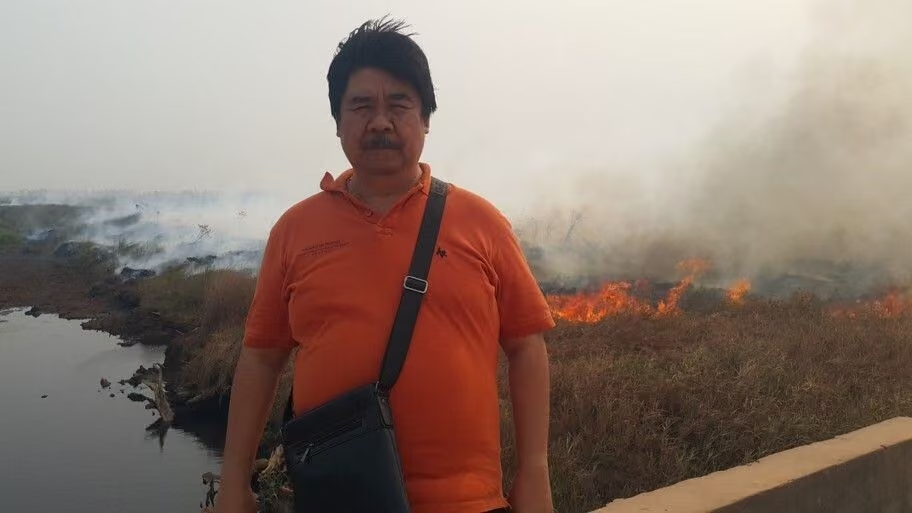
 INGSA | Find us on BlueSky: @ingsa.org

 Pulse Social Sports Group CIC ⚽🏀🏐


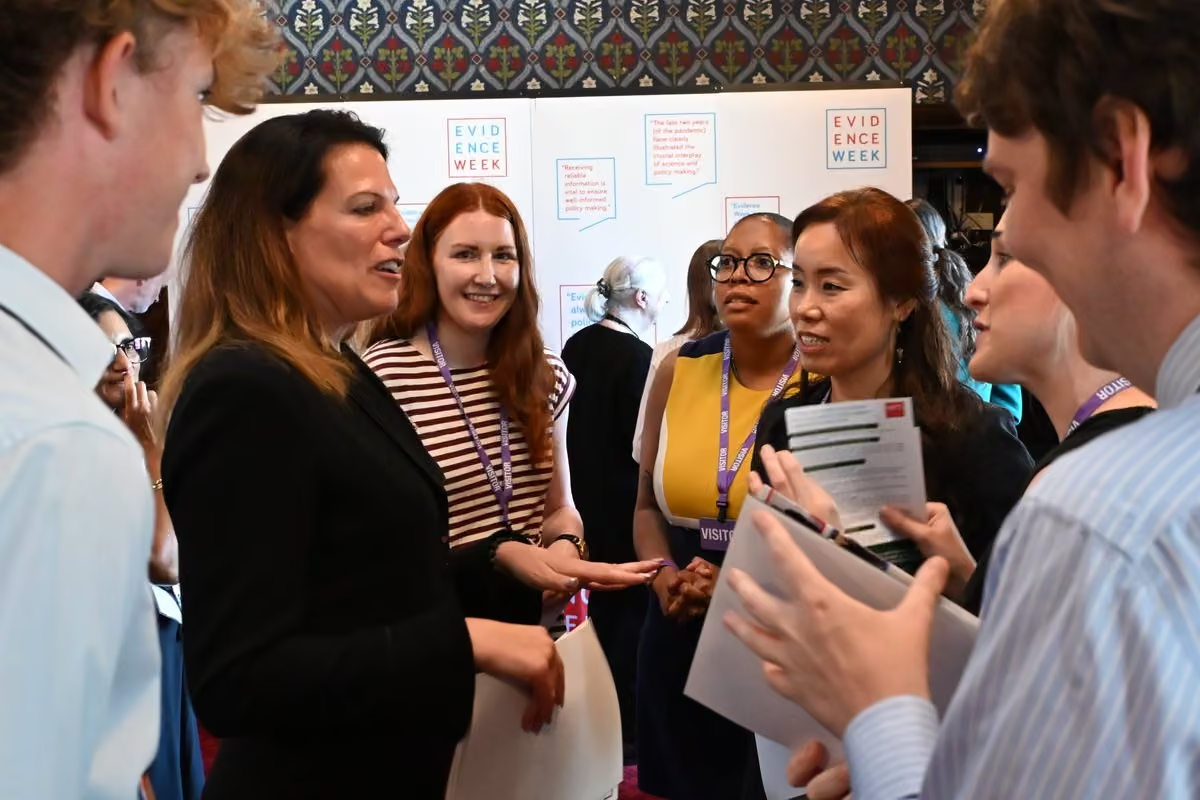


 The Foundation for Science and Technology


 Rothamsted Research


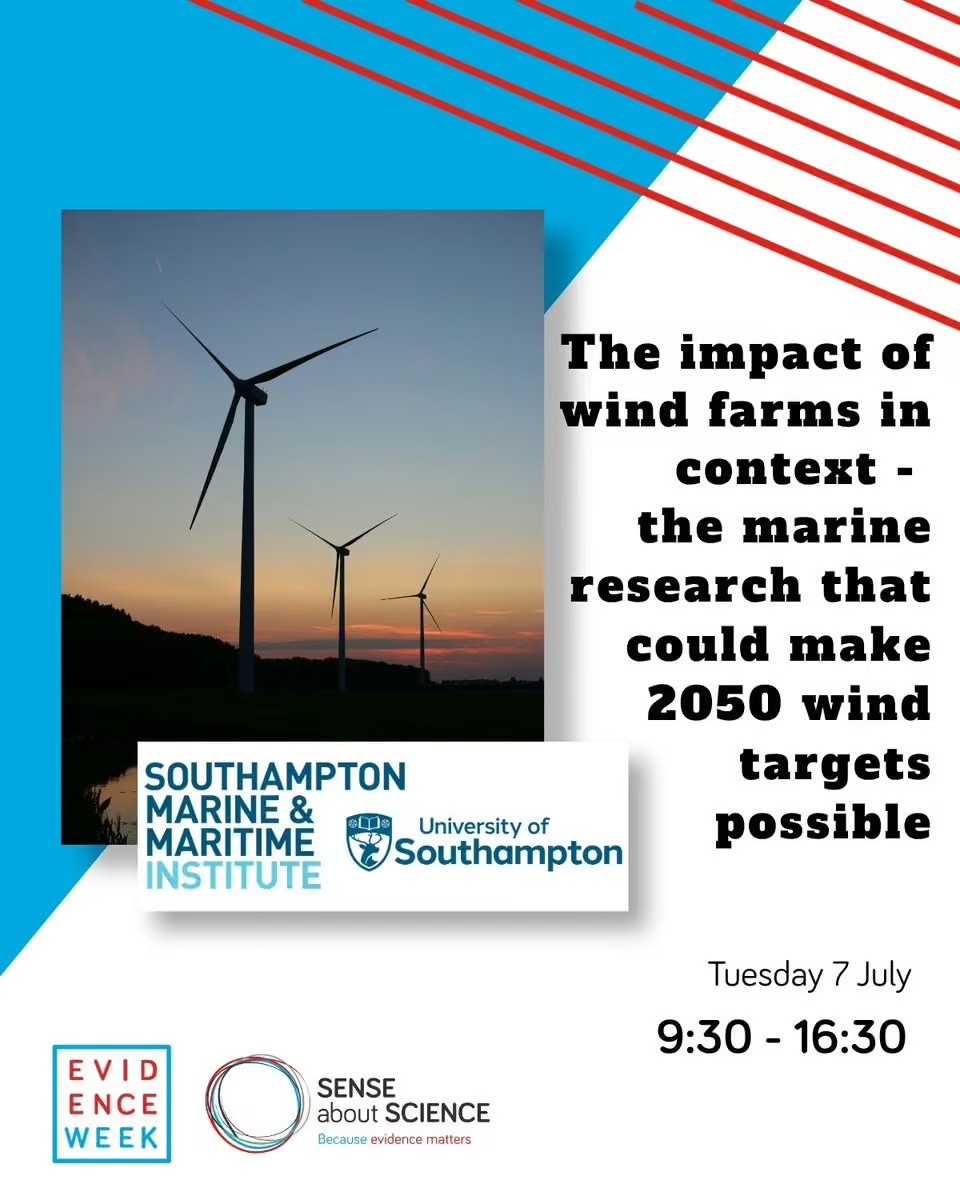





 EXPeditions


 Sense about Science EU

 Risk know-how


 Voice of Young Science


 SEEN in Journalism

 Academics For Academic Freedom


 Thomas Germain


 HIFA
 Sage India


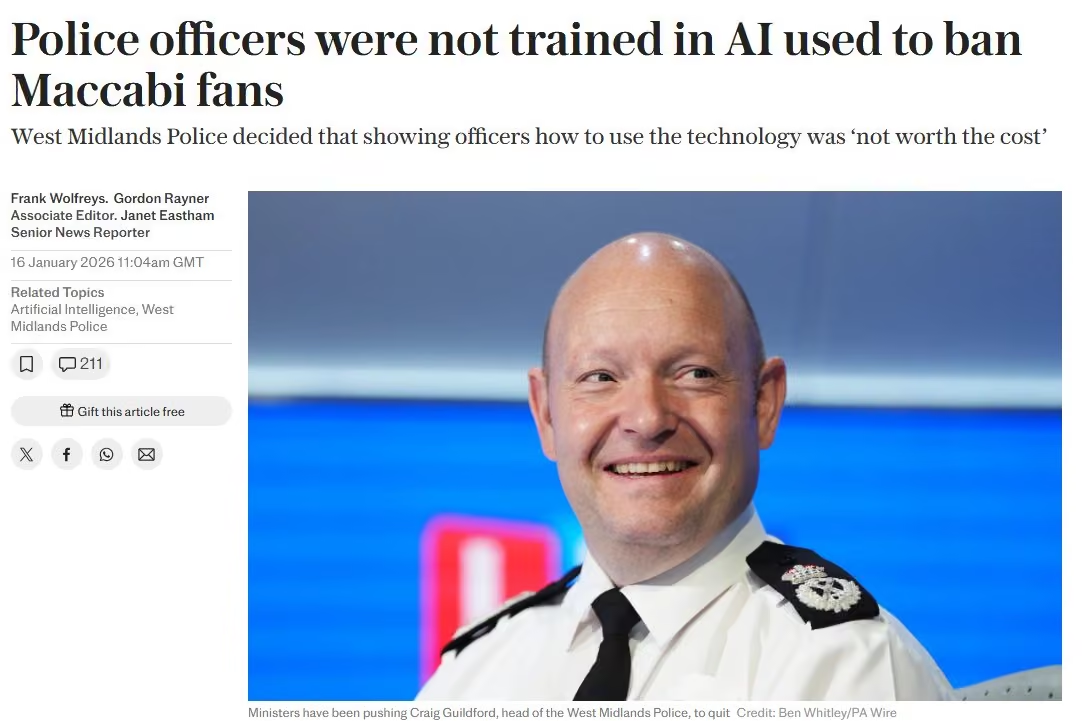
 Plus Magazine


 Publishing with Integrity


 Research Information


 Times Higher Education

 RES Leighton


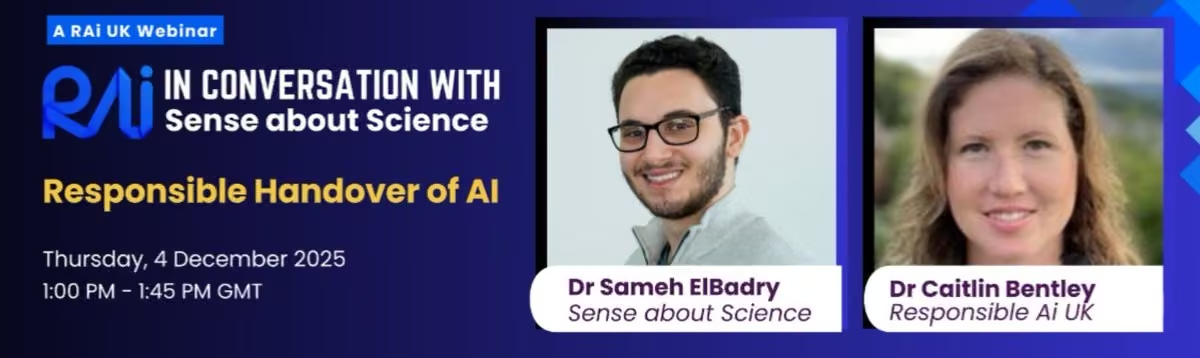


 Plymouth Marine Lab


 Office for Statistics Regulation

 impetus4cs


 Uni of East London


 European Internet Forum

 UCL Centre for Behaviour Change


 Committee for Academic Freedom
 NIHR PRU Behavioural and Social Sciences


 Windracers


 NIHR SPHR

 CIRUU Energy
 Professor Alice Sullivan
 Louis Coiffait-Gunn


 Deborah Cohen
 𝙻𝚒𝚗𝚍𝚊 𝙶𝚞𝚊𝚖á𝚗


 Sage


 Research in Schools


 Medical Journalists' Association


 POST (UK Parliament)


 CAPI - ICPA


 Research Europe


 MoneySavingExpert





 OSIRIS

 Catherine Roy

 ADR Scotland

 Elsevier | Library Connect

 Alex Edmans


 POLITICOEurope


 Applied Microbiology International

 National Centre for Resilience


 Applied Marine Ecosystems Research (aMER) Plymouth


 Jill Segger

 Dr. Shiba Subedi
 Nature Portfolio





 Taylor & Francis
 Ash Paul
 Research Hive | Sci-Comm Blog
 Sky News


 Cymru Wledig LPIP Rural Wales

 Social Good. By Design.

 Amy Cartwright


 Universal Impact
 Wales Innovation Network

 Dr Roisin C Perry
 Toby Perkins MP


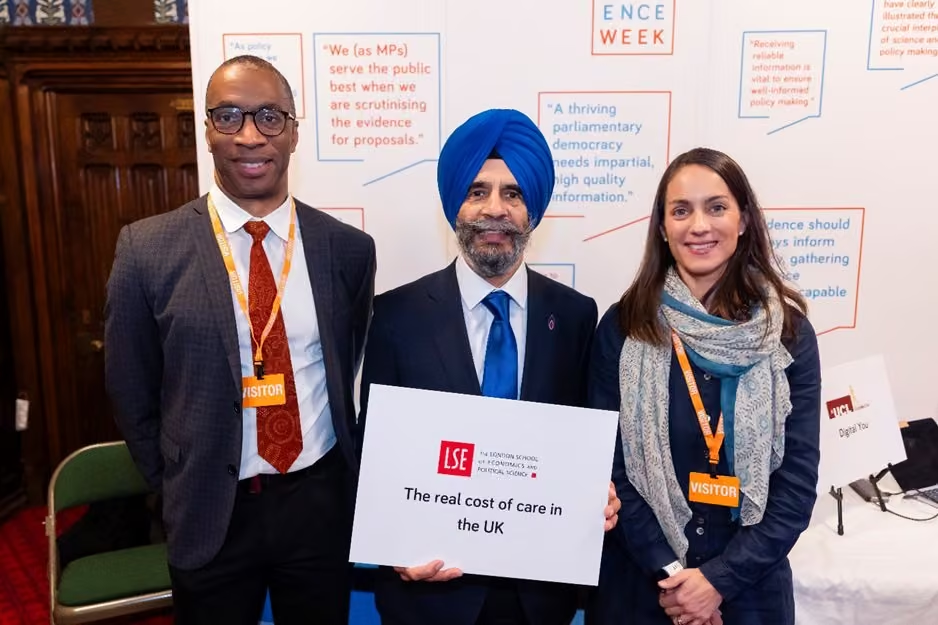
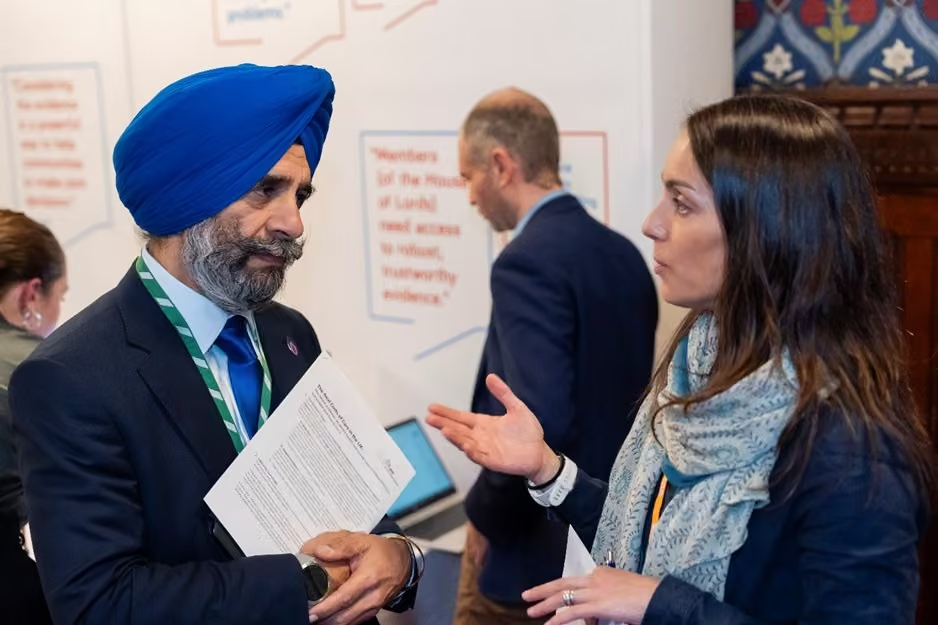


 Health Research | Southampton

 NIHR Biomedical Research Centre: Southampton

 UK Research Integrity Office
 LifeLab


 Care Policy and Evaluation Centre


 Timandra Harkness


 UK Statistics Authority


 Shout Out UK


 UnHerd


 Centre for Applied Education Research


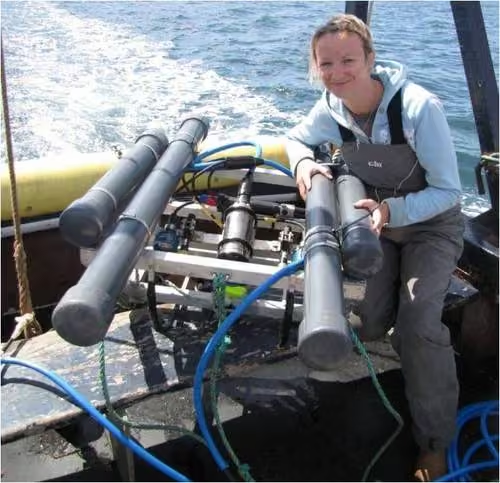 Prof Emma Sheehan


 University of Lincoln, UK


 Caroline Nokes

 Prof Alison Anderson

 Chi Onwurah 💙


 Nottingham Institute for Policy and Engagement


 Katie Watts


 Sustainable Earth Institute


 The Engineer


 @PolicyLeeds


 AEN


 Faculty of Mathematics - University of Cambridge


 Dr Megan Wood


 helen white-cooper


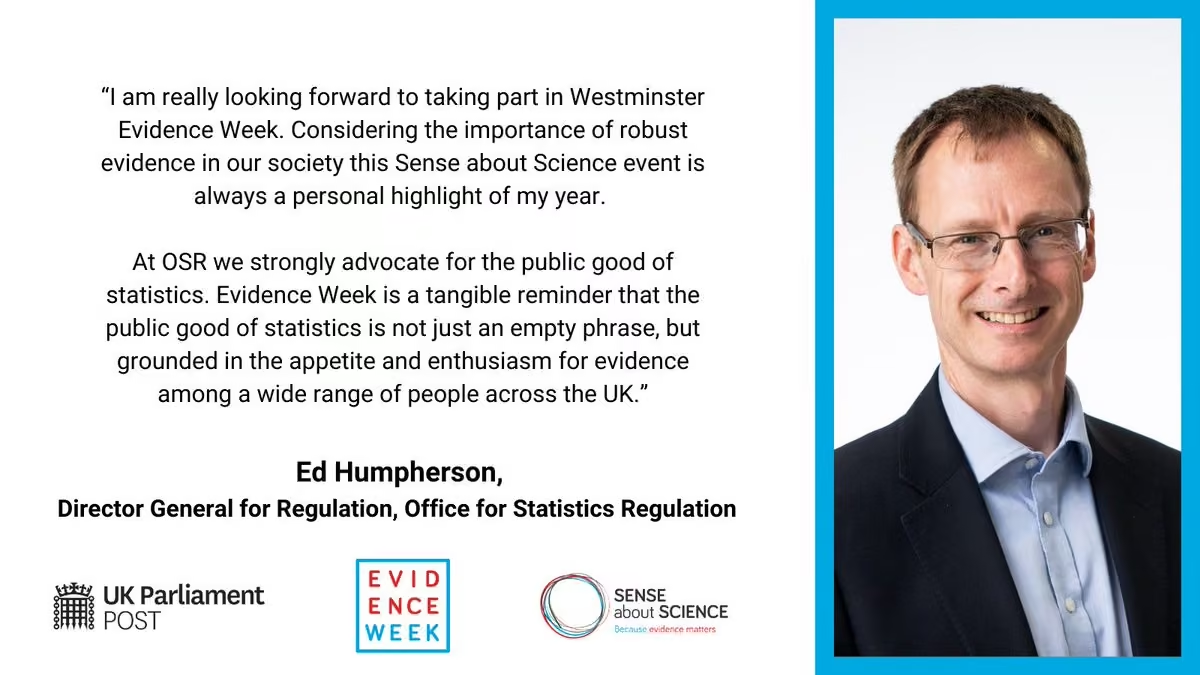


 Robert Booth


 Spiros Margaris

 FT UK Politics
 Filecoin Foundation for the Decentralized Web
 HRDAG


 Isaac Newton Institute


 Newton Gateway to Mathematics

 Science, Innovation and Technology Committee
 Josh Self


 TIER2


 Data Cívica

 United Nations Institute for Disarmament Research


 Heart Institute

 FACETS Journal


 Sarah Houghton

 Marc Gozlan

 Ottawa Citizen


 uOttawa | Faculté de médecine, Faculty of Medicine
 Bureau de recherche FdM - FoM Research Office uOtt


 KCL Nicotine Research Group


 CCC's podcast series

 The House magazine


 Guardian news


 Research Fortnight