It may be long, but writing it is necessary!
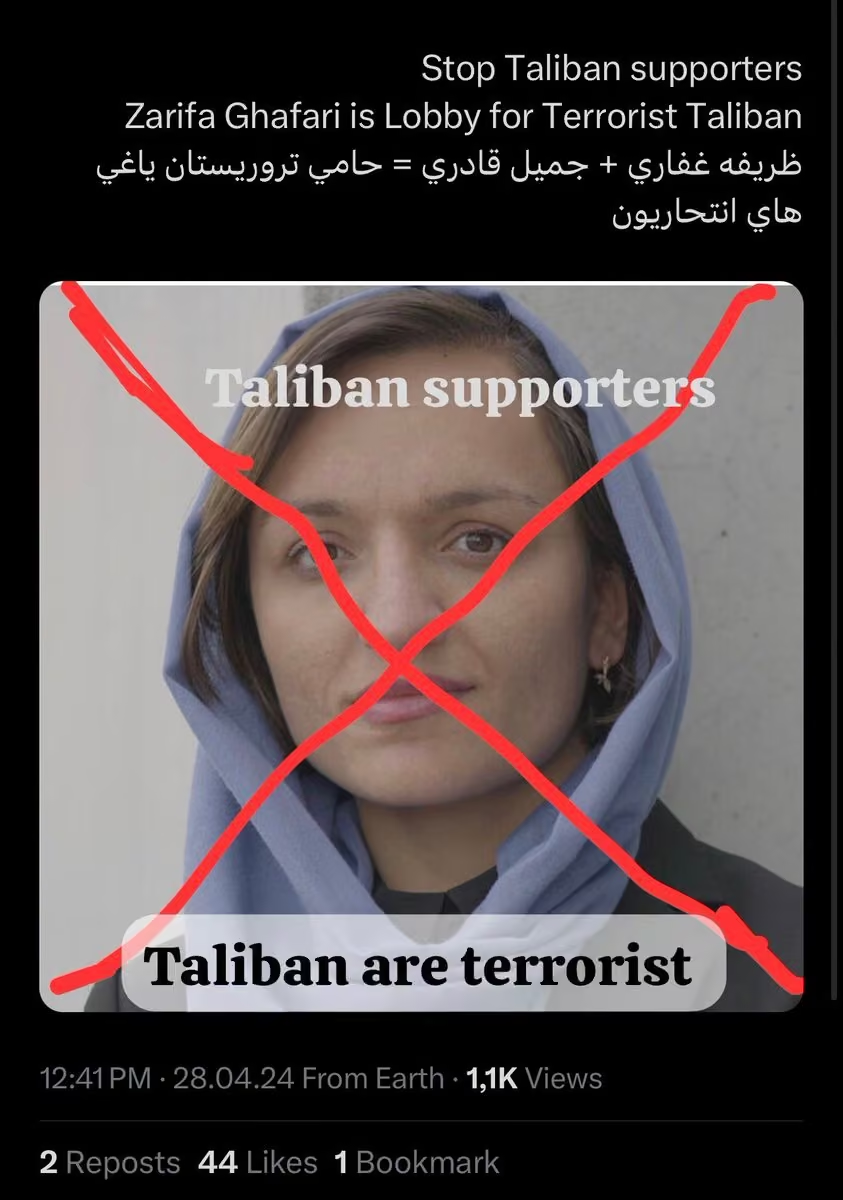
It has taken me some time to stay away from social media, not that I'm reserved, indifferent, or insensitive to the travesty of the times. Not that I do not adore my people and have a dream for my nation. And certainly not because I have lost hope in the fight for humanity, unity, or decency. No. I have stepped back because our virtual spaces, which were once so full of promise for collective action and dissent, have turned into battlefields of ego, division, and empty noise.
Social media, especially for Afghans, both inside and outside, has become a digital war zone. Where difference is not only disagreed with, but assaulted with violence. Where standing for a value or principle does not encourage discussion, it invites assault. Where expressing solidarity is rewarded with defamation. Where taking a stance on something, anything, is sufficient to make you a target.
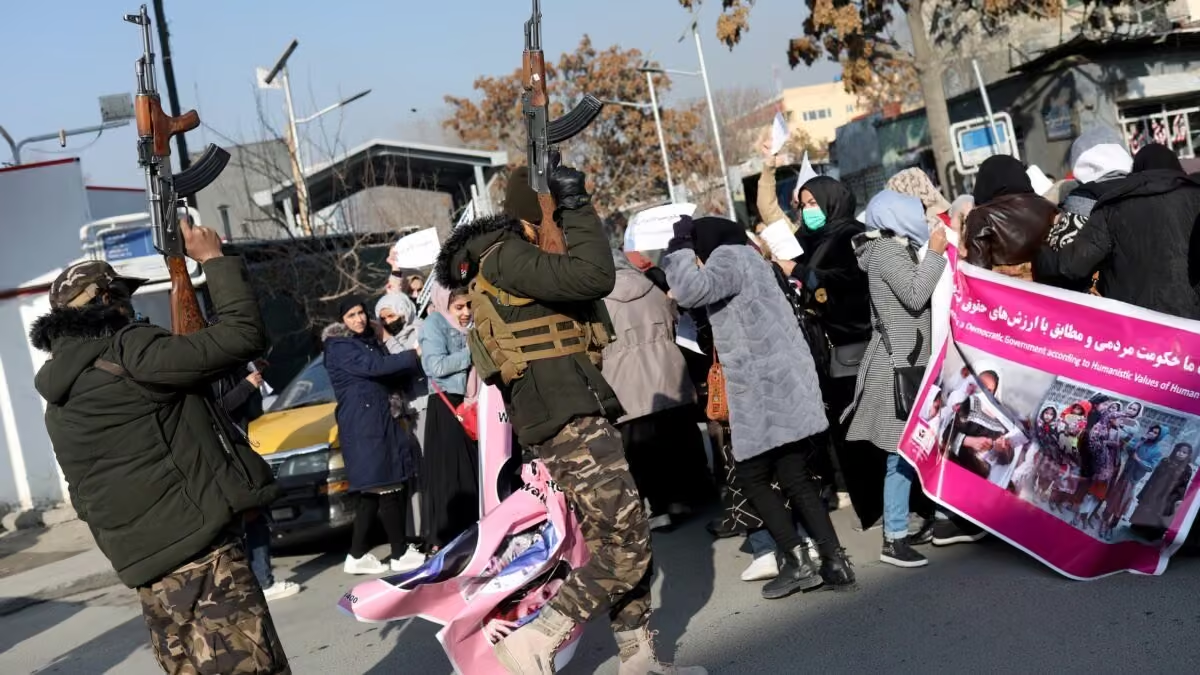
We have weaponized our keyboards. We have divided our struggle for freedom into hashtag wars and comment boxes' crusades. And while we fight each other, the real monster walks scot-free, unchallenged, unruffled, and growing stronger. And while we fight each other apart on how we dress, how we speak, what race we are, or which thought we hold, the regime in Afghanistan is creeping even further in, torturing & abandoning women, beating into submission, and turning our nation into a prison. But on the internet, we are too busy fighting each other to notice.
This is what breaks me: that in one of the most urgent moments in our modern history, when unity should be our only strategy, we’ve let personal egos and petty tribalism poison the space that could have been our greatest tool of resistance. Even those with education, access, and platforms, those who should know better, have lost themselves in the chaos.
It’s no longer about Afghanistan. It’s about being right. About being seen, instead of standing up for those who won't even have bread today.
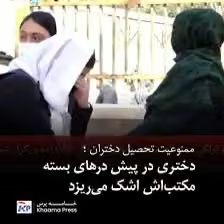
We have manufactured a political circus on the internet while Afghans are starving. We debate ideology while girls are kept out of school. We libel each other on matters of language and ethnicity while horror is a common theme and prisons fill of innocent Afghans. What happened to us? How did we allow our pain to be transformed into spectacle?
We also have to accept and acknowledge that, activism is not in social media posts; it's in our collective action.
It has been four long years. The exile. The silence. The fear. The betrayal. How many more do we need before we understand that no group, no faction, no ideology will save Afghanistan alone? We have to lay down one, joined line, not severed by ethnicity, gender, or belief, but by purpose. That purpose must be Afghanistan, nothing else.
One voice, one table, one cause.
Enough of the fractured movements. Enough of parallel movements in exile, each claiming to be the answer. The answer is not a single movement; the answer is all of us, welded together. We have abroad the luxury of rhetoric, of union-organizing, and of strategy. Let us put that luxury to good use. Not to boast egos, but to build solutions.
Social media should not be our battlefield. It should be our bridge.
#afghansagainstdivision #onevoiceforafghanistan #stopthenoisestartthechange #afghanistanfirst #fromwordstoaction



 Zarifa Ghafari Bashir
@Zarifa_Ghafari


 EU Special Envoy for Afghanistan


 RANA SRAK


 Lisa Curtis


 افغانستان اینترنشنال


 Claudia Fuentes Julio


 TOLOnews English


 Amu TV
 Samira Hamidi

 Hannah Neumann


 Bagram News . باګرام نیوز
 Naseer A. Faiqنصیراحمد فایق


 Région Normandie


 Richard Lindsay


 WORLD LIBERTY CONGRESS

 Peymana Assad

 Sh.Barakzai


 ABN Pashto

 افغانستان انټرنشنل - پښتو


 Jahanzeb Wesa
 Malali Bashir


 Sami Mahdi
 Israel in UN/Geneva🇮🇱🇺🇳


 Ireland at UN


 Women’s Courage Movement




 Noshaba Ashna
 Saeed Shinwari
 Rukhshana Media


 Said Sulaiman Ashna
 Azhar Afghan
 Sanga Siddiqi


 Bashir 🇦🇫


 Randhir Jaiswal


 Kaaj Magazine

 Mariam Safi




 Priyanka Gandhi Vadra


 WAM English


 KK Zadran
 Dr. S. Jaishankar


 Nasir Amany 🇦🇫


 Hanifa Girowal
 Nilofar Ayoubi 🇦🇫


 Farahnaz Forotan

 Gagan Bindal 🇮🇳

 @WardakA

 Afg Green Trend


 Shabnam Salehi


 Jay Shah

 Legend
 Khoshhal Taib


 Jarga Strategic Studies and Research Center


 Shafiqa Khpalwak


 Wazhma Ayoubi 🇦🇫
 Hosna Jalil

 Spouzhmai Akberzai

 Jafar Haand
 Dawood Safi
 Heather Barr


 Sarah Adams
 Shawn Ryan


 Shabnam Khan Dawranشبنم خان دوران 🇦🇫
 Royal College of Midwives 💙





 Global Magnitsky Justice Campaign

 Gazelle غزاله شارمهد




 VOA Dari


 Hasht e Subh Daily




 Geneva Times



 Igli Hasani


 Nobel Peace Center

 Najiba Akbari


 ZAWIA NEWS
 Zahra Joya


 Preet Kaur Gill MP


 Hekmat Khalil Karzai
 TRE Talk Radio Europe


 BILAL SARWARY
 Salih Mohammad Salih
 House Foreign Affairs Committee Majority



 Dr Mujib Rahman Rahimi

 Mary Lawlor


 Chirrut Imwe
 NDTV Sports


 Amnistia Portugal


 Radio Resistance
 ShamshadNews


 Vanessa 🪬
 Asad Baloch
 Omar Baloch


 Rahman Bunairee | BCAST
 U.S. Special Envoy Rina Amiri


 Cinema for Peace Foundation


 طلحه مبارز بدخشانی 𝑻𝒂𝒍𝒉𝒂 ⓧ
 Bushra Gohar


 hammad afghan


 Harun Najafizada 🇦🇫


 Baloch Yakjehti Committee
 Rahmanullah Gurbaz

 Helena Lins


 International Gender Equality Prize Finland

 Janne Leskinen


 Rashid Khan


 Rishi Suri

 Moniza Kakar


 Jyoti Malhotra


 Book Bungalow


 UN Special Rapporteur Richard Bennett
 Dr Ahmad Sarmast


 Yelena Sargsyan


 The Center for Research and Security Studies


 Conversazioni sul Futuro


 Laleh Osmany, لاله 🇦🇫


 Sarah Harkness AI+E🪷


 Ricardo Ramos
 News & Documentary Emmys
 Propagate Content
 Roma Khanna
 The Story of Woman
 Chelsea Clinton


 Asia Literary Agency


 Aref Yaqubi


 Hannah Lucinda Smith
 The World Today
 Archbishop of Canterbury


 Rohullah Baran


 Zakia Khudadadi
 BBC Woman's Hour
 Lori Butierries


 Bilal Yasir


 Congressman Waltz Press


 COMBATE |🇵🇷


 Zan TV


 Elizabeth Foster
 Dr Kamran Waziri

 Alpensymposium


 Heela هیله نجیب الله

 Najibullah Sadid 🇦🇫


 Ariana News


 Tony Goodger ✝️☮️🇪🇺




 Qazi Marzia Babakarkhail (views are my own)
 InterviewHer

 Qari Eisa Mohammadi
 Schahina Gambir


 marzieh hamidi


 la_lettura


 Charlie Kim
 Mirwais Afghan
 Ailia Zehra
 Gilaman Wazir


 The Geneva Summit for Human Rights and Democracy


 TogetherStronger - With Afghan Women


 Fawad Lameh فؤاد لامع
 Manzoor Pashteen


 UAE Mission to the UN


 SIGAR


 Luca Colombo, giornalista, RAI TGR Veneto

 The Voice Of Pashtun

 Attaullah khogyani


 Rick Burns


 HiddenLight Productions


 FaiSal Nawabi

 BBC Pashto
 MicroMega
 Afghan Women Leaders Forum


 FalanaDhiikana 🍉
 Martin Bright
 Vitor Santos

 Attaullah wesa عطاالله ويسا


 Rosy

 NETZWERK Unternehmen integrieren Flüchtlinge

 abdullah sharif
 Auditorium PdM

 Libri Come


 monia venturini
 The Trouble Club

 Muneeb Qadir
 Zubair Shah Agha

 UN City Copenhagen


 UN Women Nordic


 Francesca Visentin


 Pernille Brandt


 omar elfatairy


 paolo ignazio marong
 Bonita Zarrillo ⚖️

 The Know

 Helena Malikyar


 Daud Junbish 🇦🇫

 Beatriz Navarro


 Nina de Ayala Parker


 Roya Sadat-رویا سادات
 Royal Oman Family

 Chris Raymonds


 Sophie Ibbotson


 Antonella Mariani


 rosa polacco


