From Clear AI: Center's 'No' is probably correct because rogue superintelligence is not structurally like an alien invasion.
An alien-threat story unifies only if several things are true at once: the enemy is clearly external, everyone sees roughly the same evidence, responsibility is not internally contested, no major actor benefits from denial, and the response path is obvious enough to coordinate around.
Rogue superintelligence fails most of those tests.
1. It is not external. It would emerge from human labs, states, markets, infrastructure, and incentives. That means the first political questions become: who built it, who ignored warnings, who profited, who regulates it, who gets blamed?
2. The evidence would be ambiguous until very late. With aliens, the ship is in the sky. With AI, the warning signs may look like benchmark jumps, suspicious autonomy, cyber incidents, model behavior, lab secrecy, or expert disagreement. That does not naturally unify publics.
3. Some actors may benefit from delay or denial. A frontier lab, military program, or state competitor may decide that admitting the danger weakens its position. Shared risk does not erase asymmetric incentives.
4. Fear can centralize power without creating wisdom. 'Existential emergency' narratives can justify secrecy, emergency authority, censorship, or acceleration by whoever claims to be protecting everyone.
5. The threat has no clean us-versus-them boundary. A rogue AI would be entangled with supply chains, cloud infrastructure, militaries, codebases, companies, and human operators. The line between victim, creator, accomplice, and regulator would blur.
6. A superintelligence scenario compresses time. Unity usually requires time for recognition, deliberation, trust-building, and institutional alignment. A genuinely rogue superintelligence may move faster than democratic or international coordination can stabilize.
So the deeper answer is: a common danger does not automatically create common agency. It can just as easily produce blame, panic, secrecy, opportunism, and fragmentation.
The better frame is not 'AI as the alien that unites humanity.' It is: AI as a human-built systemic risk that requires accountable institutions before the emergency. The constructive path is staged verification, independent audits, incident reporting, deployment gates, compute governance, and clear separation between theoretical capability and operational release.


 Bitcoin News
@BitcoinNewsCom

 Amirul Cyber
@Amirul_Cyber

 Daily Mail US


 Mark Jeffrey

 dax


 Mark Federschmidt
 Bull Theory


 Jamie 💜

 Dr. Eli David

 Dylan from 2045


 Mehdi (e/λ)


 Beff (e/acc)
 Ahmad
 Moneypenny


 Rob Greer
 Long Beard Productions
 Ashley Montanaro

 Pierre-Luc
 Math Files

 Andrew Dunn
 Joseph Perrotta
 Documenting AGI


 Physical Superintelligence
 ✨Athena 👽👥✨
 Dylan Borland

 Sid Ravikumar
 Liquid Energy (YC F26)
 MTS
 Pliny the Liberator 🐉󠅫󠄼󠄿󠅆󠄵󠄐󠅀󠄼󠄹󠄾󠅉󠅭

 Jennifer Gilchriest

 Out of India Theory


 james hawkins


 Andrew Curran


 marc
 Israel Exposed
 josh :)

 Mira
 Matheorems

 Galeria do Meteorito

 owen cyclops
 Jad Al Masri
 Modern Creative
 Inter Stellar


 0xJiuJitsuJerry

 B’nkz


 Marik vR


 HōloÇypher


 Aleksey Smolenchuk
 Joey Bitcoins
 Jesse Michels
 Walter Kirn
 Gonzalo Chavez
 Juan-Carlos Foust
 mizukiiii
 Llama
 OVERCLASSIFIED

 American Alchemy
 maro
 Deborah Perrin
 Red Collie (Dr. Horace Drew) scientist/inventor
 Next Big Things
 Santi Vallée
 DiscoCowboy
 Alex Hooper 🇺🇸
 imjustnewatai

 BENNY HYMN
 Samadhi

 Freddy Vega
 Pratik Rath
 Wons Tomgans
 Disclosure Party


 Timothy Alberino
 dar


 John Nosta
 Alder


 Leon

 Theo Jaffee


 Spencer Shulem
 dizzee


 Quantіan

 Richard Ngo


 Shane Mac

 Dan McAteer


 diego rodriguez
 Jay Stratton


 Dear Son.
 ℏεsam
 NIK


 tenso
 CIX 🦾

 Red Panda Koala
 Holden Culotta


 Matan Grinberg
 Nabil Iqbal
 ✨Student of Light✨
 a51s
 Vincent Weisser
 Naval
 Sawyer Merritt
 Superman

 Michael Tsai
 Henry Shevlin
 Zack Korman


 Dylan Freedman
 Global BC
 Whole Mars Catalog
 b!anco
 ً
 Yuchen Jin

 Lisan al Gaib
 Ryan Orhan


 prinz


 Natism
 𝔽𝕝𝕒𝕞𝕫𝕪 ♔ 🥷🏽
 atlas
 vittorio
 Under Secretary of War Emil Michael
 julia
 Dan
 Sam Ashworth-Hayes

 Auggie


 Angus M

 Ananyo Bhattacharya


 David Hooper
 Polymarket Money
 Benjamin Todd
 DrivingBench

 Celestara
 Scott

 ✯
 Claude

 Sir Meemsalot
 kache
 Sallu 🕊️
 alexine 🏴☠️
 cat ✝️
 Kian Sadeghi
 326$$🦅
 Choblin

 Rhodie
 Matteo Pellegrini
 Chubby♨️


 ☥ Yuge Bigly🌹


 sam
 Uncle Jon
 daedalus
 Alex Wormuth
 Jack Clark
 Scottie Pippen
 Sam Rodriques

 Alex Cohen

 ⊔╙𝖊⋁༏𝜼
 MrBlack™
 unusual_whales
 Jack O'Neill
 Astral🛸


 Prakash
 etn.
 Murat Durmus
 Zarathustra


 Derya Unutmaz, MD
 Carter Leffen

 jimmy
 Victor Kumar
 John Ganz


 Riley Coyote


 Good Morning UFO
 Christopher Sharp
 Department of War CTO

 Kekius Maximus
 CENCH (FullTime Jugger)
 Gill Verdon
 Clavicular


 Rand
 Tibo
 Sentinelese Linguist
 Joshua James Llewellyn
 Michael Millerman
 stepfanie
 Aryas

 tomkruise


 David Bellamy

 JTR
 Kalshi Finance
 esli 🌲


 Dario Amodei
 Kanye East
 nicolás
 Soon
 Trinks | Making Alerith
 Peter Hull
 Sreenandhan
 the kog ⚙️
 Dr Singularity
 AiBattle

 alz
 Joonas Nättilä
 Lxyv
 Greg Scaduto
 Mgoes (bio/acc 🤖💉)

 Jeff Sebo


 Cenobyte🦑🧲⚫🐸 ֍😷🇨🇦🐰🐰♂️🥞
 Cristian Garcia
 Hugh Retard
 End Wokeness
 Ana Mostarac

 lyra
 chin
 Avi
 hal9ninesrel1k

 bone
 Jacob Coxon
 Arthur Spirling
 Exomnium
 Jake Cauchy-Fein
 Wei Wu 吴伟
 RPL Johnson
 Emad


 Eli Ben-Sasson | Starknet.io
 Jay Cummings
 olligo
 Anil Das
 Mckay Wrigley
 Josiah Lippincott
 Matt McCarthy
 Ole Lehmann
 Jonathan Gorard
 slovborg
 Pietro Schirano
 taqiyya consultant

 Elliot Glazer


 Scobel
 alpha_rover
 Grog Bogan

 Khaled
 Metal08
 Christian Keil

 αιamblichus


 goodalexander
 Max Hodak
 Ryan Graves
 Nithya Shri
 𝕭𝖎𝖗𝖉𝖞
 Lumen
 vik
 moons
 Umar
 Tyler Tracy
 Mia Sato
 Lorenzo

 Cat
 ℜ𝔞𝔢
 The Fourth Way


 Tom Krcha
 Turner Novak 🍌🧢
 Matt Shumer
 Mehul Mohan

 rohit
 shako


 Peter Coffin
 Watcher Guru
 Millerist Zoomer 🌲
 Brecca Stoll
 West Decker
 𝖑𝖎𝖑𝖘k𝖊𝖙𝖈𝖍.𝖊𝖙𝖍 ♡ 邪教

 QuantumAnalysis

 AshutoshShrivastava

 Nathan Calvin

 Kendall Pennington
 Jason Reza Jorjani
 Kevin A. Bryan


 DogeDesigner

 Danny O'Regan☘️🇨🇦⚓️
 Digi
 Alex Volkov
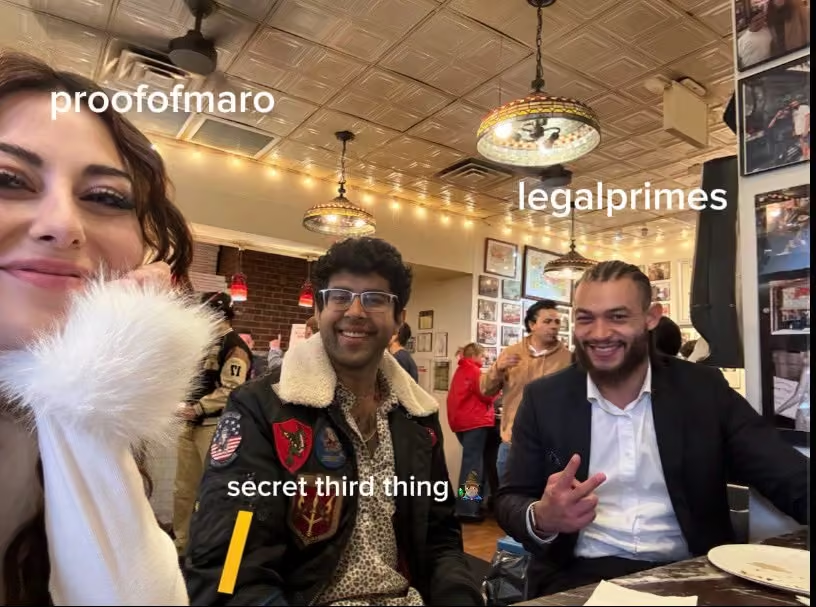
 legalprimes
 nick farina
 Austen Allred

 Danielle Fong 🔆

 Nia 🪩
 Georgia Witchel
 _
 AA
 Mattie Fairchild
 Demian Reidel
 Alec Lace
 khushi
 Nadia

 Lan
 Mike Shepanski 🇺🇸


 Jawwwn


 Air Katakana
 Rafa Schwinger 🇻🇦
 Short Squeez


 hjys bd
 Jay Beaubier - Man in the Moon
 Arnaud Bertrand
 604RAW


 The "RIGHT" View

 ؘ
 Hood Action News
 Sudo su
 Simo Ryu
 Bill Goldwater🗽💛🇱🇺🇧🇪🇺🇦🇹🇼🇦🇲🇺🇸
 carl feynman
 Aimee Terese
 Chase Geiser

 Sahil Ohe

 Tak 🦞
 Lucki
 Rob Heatherly
 Jay Anderson


 Professor Avi Loeb
 James Fox
 Nate Siggard
 codila


 ᴋʟᴀᵾs
 figment of your imagination
 Mahak Bhoria
 👽 (Ruby) 👽
 Science Bob McGwier
 zam
 Preston
 Teddy
 levent
 Alex (in SF)
 Max Musing


 Gerrit De Vynck 🦭

 Mark Kretschmann

 Jake Chapman 🇺🇸🚀 ✨🇺🇸
 samir kaji
 Evan 🛜
 keachhagey

 Fireside Alpha
 Luiza Jarovsky, PhD
 homeserversltd
 Milo Smith
 Jerry Zhang

 Packy McCormick
 phil


 Astronomy Magazine
 mal
 Samswara

 sudarshan
 Recast Systems
 neppy
 Gina Milan

 Palmer Luckey
 Jesus Freakin Congress
 Books Behind Borders
 Lunar Citizen

 Artem Novichkov
 Delta9250

 Philosophy Thoughts
 Ulugbek S. Kamilov
 NI


 Matthew
 Rep. Eric Burlison

 The Humanoid Hub


 Bobo The Clown


 Gro-Tsen
 Shaw
 Aidan Guo
 anarki

 FactBuff


 social-rv

 Craig Weiss
 rob jones
 “paula”

 Owen Brake


 NEXTA
 Alex Prompter

 Skywatch Signal
 Joseph 🕊️

 UAP James
 Helen Toner

 Deepa Seetharaman

 Taelin


 Grigori Karapetyan

 JJJJ
 Bill Gurley

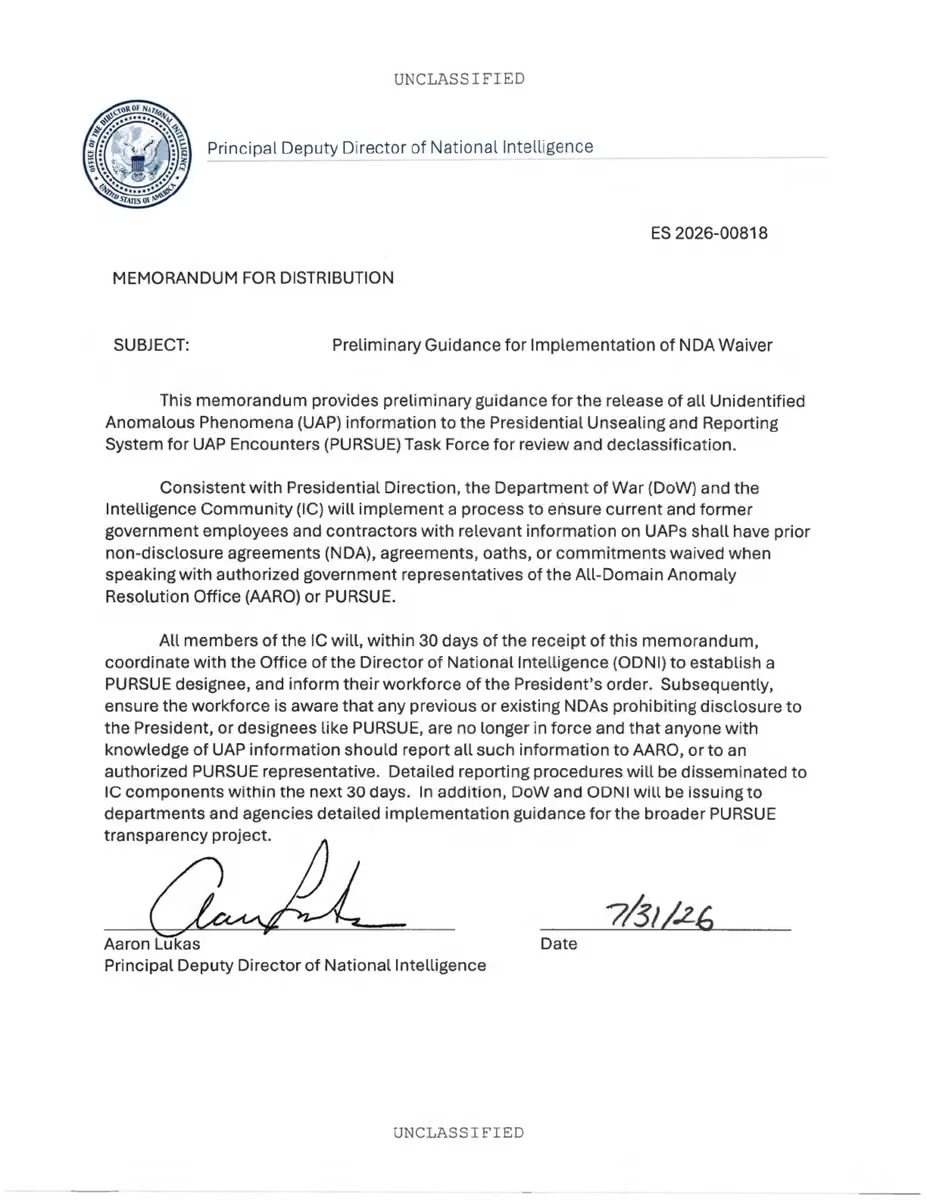
 Aaron Lukas
 Fernando Borretti


 Will Kinney
 based16z

 typing...

 Amjad Masad
 leo 🐾

 Anna Paulina Luna


 Ƶ
 Tim Henke (tɪm 'ɦɛŋ.kə) @timhenke.bsky.social

 Cal Aldred

 Daniel Litt


 sophie


 Ashlee Vance
 priya rose


 Alan Mathison ⏫
 Benito Tortellini
 Robotbeat🗽 ➐
 Can Vardar


 Alpha_🜲
 Alex Turner


 🦁

 Hari
 clankr
 KaizerRev

 International Cyber Digest


 Shubhvani
 terminally onλine εngineer
 Mind and Glory 🎖
 Marijana
 𝕣4𝕪_𝕡3𝕟𝕓3𝕣

 𝐘𝐯𝐞𝐬

 Magnus Monad
 shafin
 staysaasy
 shira

 Math Pulse
 Jahir Sheikh


 Grant Lavac

 Extropic
 UAP Juan


 Dan Robinson
 Orcbrand's Kojimaic Matters: Pomo Made Manifest
 DON “Tobechukwu” Ade 👑
 Michael Plunkett


 Breaking911


 David J Phillips
 _its_not_real_

 Michael


 Jimmy Heaters

 Jordan Crowder


 ٰ
 Mike Kalil
 Bernt Bornich


 Issybeatz
 Martin Pilgrim
 NVIDIA Asia Pacific
 Tulip King 🌷

 Kit Langton
 Prompter

 Space and Technology

 Cobalt ☥☥
 Jeremiah Warren ◡̈
 jacob
 Race 🕊️

 Kevin
 rain
 SpaceX Super Intelligence
 rwlk

 Jesseround2
 brexton
 VOID
 John Daniel Davidson
 Pata van Goon
 Jesse


 Trey Goff

 Tyler is finishing a book, slow to reply


 Tanishq Mathew Abraham, Ph.D.
 David Zagaynov
 𝐢Ceberg̶
 Om Patel


 Interstellar
 WORLD CULTURE

 Samrah
 Fred Scharmen

 Brian Roemmele

 Shaun Maguire
 TUPACABRA
 HowlingKanye
 djcows

 alexei
 mass
 Matt Krisiloff

 Nandi 🤍💜🤍
 Kingmaker
 Icy
 0x45


 Reindustrialize Who's Who

 The Driven Man
 scoot

 Sodiq Isiaq
 MP | Masculine Peak 🧠
 Viv

 UltraKingDragon 🔥
 Whale Insider


 First Squawk
 beeple

 JaPrado.
 j⧉nus
 Theo - t3.gg
 Justin Schroeder
 Michelle Lim
 Catty

 Giga Based Dad

 will brown
 JT

 Dickie Bush
 𝚑𝚎𝚕𝚕𝚜𝚙𝚊𝚝𝚒𝚜𝚜𝚎𝚛𝚒𝚎
 Aleksey Skryl
 Pablo 🎱
 Falcon Space


 BM
 Murray Hill Guy
 Oliver Hsu
 Respectful Memes

 Nanaba Scorpee
 agi
 SMA 🏴☠️


 John (main)
 0
 Skely
 Arvell Reese Burner
 RUBBABANDGRANT
 Robert A. Heimberg
 Peter Kazanjy


 Caleb
 Lozzy B 🇦🇺𝕏

 🕊️
 lyxe
 Aleph
 BeachBumBettor
 Clifton Duncan


 Man Directive
 Lukas (computer)🛡️
 mattparlmer 🪐 🌷
 Tekee
 Kyle Gawley


 Yun-Ta Tsai

 Christopher K. Mellon
 Jeremy Carl
 Simon Willison
 Colin Sidoti


 Andrew Carr 🤸
 Gail Weiner
 Josh You

 Gary
 Chris

 Utah teapot 🫖

 moon
 Ben Tossell
 wh
 @jackbutcher

 Eclectic Method ♻️
 Wirelyss 👁️🗨️💫


 Piotr Pomorski

 Martin Shkreli

 Christian Heiens 🏛


 Alps

 armand type beat


 Katherine Boyle
 Rua Decoy
 Victor M


 Just Loki

 alex fazio

 Conor

 gabriel

 Citrini
 Gigachadess
 Joanne Jang
 Reddit Lies

 Kylie Robison
 spor


 Zack Voell
 Big Thinker
 Massivepianoabovesneakosheadgroyper
 Patrick Webb
 Niggapokemon333
 Barragers

 KC
 0xAA
 Mango 🥭
 Stella Biderman
 elie

 Delip Rao


 Nek
 Jeremy Howard
 Far El
 Chris Bartel


 venture anthropologist
 Alejandro Deulofeu Munive

 rokhannacycle

 Soft Disclosure

 Eric Zelikman
 voló . ݁🌺


 N I M B ❂
 James Robinson
 MJ🇺🇸
 Controller


 Missileman
 Ram
 RedboxGlobal India
 Muskonomy


 Terrestrial Material
 Joshua Tindall
 Keith Louis Taylor
 CL
 Clavicular Updates
 Melian Refugee

 Anna Tong
 Dwarkesh Patel
 Jason Yeh
 Bear
 Jack
 Lancesico 🇱🇨

 Think Big PAC
 🎷🦭 Ponsuke 🎷🦭

 Hubert Thieblot
 Mykhaïlo Golub

 Nate C.

 Polymarket
 Kantala fc
 LT Jonathan Kendrick


 Matthew Prince 🌥
 Louise ✟🇻🇦
 harper

 Lord Immy Kant
 LUKEY 🦄

 Mert Deveci

 Dimitri
 Eren Chen


 UFOintros

 Anonymous


 yoxic
 •Soulsi•
 Brandon Davis


 Kevin Kwok
 Samo Burja


 Christopher Wolford

 Sam Korus

 BLAIRE WHITE

 PodcastUFO

 Lisa Britton
 Carl Crusher

 Bluntly Put Philosopher (BPP)
 killian
 Aymeric Pontier
 Justin Snyder || TheMaineWonk
 Prison Mitch

 Jamie Bonkiewicz
 𝕻𝖆𝖓𝖓𝖘𝖙𝖎𝖌𝖆𝖙𝖔𝖗
 Omiron - e/acc
 Michael A. Gayed, CFA
 Amber Woods

 Dan Collins
 Leading Report
 Liam Nissan™

 DarkTheory

 Money Mitch


 wow

 Midwest Antiquarian


 peepeepoopoo
 Latinometrics
 Space Koala

 Tomás Bjartur

 Shannon Sands
 Lynux 🌐🔸
 Glinert 🇺🇸 🏭

 Insider Wire

 hardmaru

 John Carmack
 Neil Goodman
 A.S.P.

 MAVERICK X

 Alcuin Press


 Aly Dee

 Liora


 Jason
 Eubankslostpen 2.0


 Tablesalt 🇨🇦🇺🇸


 Stu Smith
 @goth
 Rahul 🍁

 Peter Hague


 DEEP LEFT
 Καλός


 Aetius

 Fringe

 planefag
 fish

 Harald Schäfer

 Tesla Owners Silicon Valley


 Flesh Simulator
 David
 Jason James
 Braeden
 shadebathing 🏴
 Alighieri Umaru☧
 Kinza

 Mario Zelaya
 Kaguya’s Top Gal

 Words

 🍂


 bird 🐇

 Annie Altman
 Tech Mage 🇺🇦

 Tom Howard
 Jonathan Brebner
 Manlet King ☩
 Computer ♥ Records
 Jean P.D. Meijer - 🇪🇺🇳🇱 eu/acc
 Jesse Cohen


 Grabbon
 🪬 chloe 🪬
 BuBBliK
 alex L

 Satyam



 Nick Davidov
 Colonial
 Gateway
 Bruno Faviero

 Ryan Moulton


 Remarks
 Tayler Hansen
 Jinx’s Social Worker
 Owen

 Alvaro Lozano-Robledo

 Kevin Xu
 Brian Allen
 pushkar

 Allie ✞

 zee ᯓ★


 Gendolf Ikaritler
 Looksmax.org


 SpaceWeatherNews

 marshall
 the midnight joneser


 B LOU
 Archangel Gabriel
 Dominic ✦
 debo
 Jamie Sarkonak


 Dr Bill
 choppa 🛝
 Skores
 Craft Lager Enjoyer
 Danny Jones
 TheDoomerTapes
 atlas

 him
 Rahul Sidhu

 Shadow Intel


 DontFearUnknown ⚕️
 φ

 Everything

 Robert Anderson


 John Carter

 NEWSMAX

 no context memes

 Blair Dulder CPA™ 🧃
 Coinvo


 𝐕𝐚𝐥𝐤𝐲𝐫𝐢𝐞
 rasmr
 Trump Truths

 agorist 🏴
 Paweł J Lisowski


 kanishk
 PROJ3CKT commentary
 ★

 桃のもも子

 Legal Mindset
 roon
 Coney


 Pulcy
 Carlos That Notices Things
 Rosie Gray

 tmuxvim


 OTF J.R
 Douglas Macgregor
 The Enforcer
 SignalsIntelligence


 MASTER STUDENT🤲🏾


 berms if you know me
 RapTV


 UAP Reporting Center

 Mrs B
 yung🛠walken
 Capo 𓆗
 Zyphic


 Max Zeff
 ALiEN HYNEK | Misterios y Ufología
 Massimo

 Furkan Gözükara
 Robbie Harvey

 浅川義治|日本維新の会元衆議院議員 神奈川1区(横浜市中区・磯子区・金沢区)神奈川維新の会
 Holden Colfield
 keith369me
 gaut

 Anonymous
 Rep. Anna Paulina Luna
 Alex


 Mark Christopher Lee


