More than forty-five years after its release, John Boorman's Excalibur remains unsurpassed. No cinematic adaptation of a mythic story has come close since.
Following my post on Nolan, I wanted this time to take the opposite angle: to show the mental space in which I would have wanted an adaptation of the Odyssey to take shape. I had meant to make a thread with several films. I stopped at the first. I had opened Excalibur to grab a few stills, and ended up watching the whole thing again for the umpteenth time.
Boorman had prepared an adaptation of The Lord of the Rings. He never got the rights, and recycled all that work into Excalibur. And that was a blessing. With Tolkien, he would have had to bow to an orthodoxy. The Arthurian cycle allows for a far greater liberty. One dreams of what an inspired author, a servant of the sacred fire, might do with a Lord of the Rings deliberately unfaithful to the letter but faithful to the spirit.
I saw Excalibur too young, on a school trip in the early 1980s. No one then worried about showing such films to children. I thank those reckless teachers for exposing me, in total shock, to what remains for me the greatest cinematic adaptation of a mythic story ever made.
Why choose it as the counter-example to Nolan? Because it dismantles the idea that any criticism of the Odyssey amounts to demanding more historical or textual fidelity. That is a legitimate option, of course, but not the one I desire. Excalibur cares nothing for it. Wagner and Orff saturate the soundtrack. The armor is completely anachronistic. Boorman chose it because it catches the light like nothing else, and because it matches the idea people have of the Middle Ages, not its reality. That is another form of fidelity, and we forget it too easily when dealing with works this ancient.
The Arthurian cycle, and a fortiori the Odyssey, are not IPs you take out of a box to adapt. They are stories that fascinate for what they have generated: discourses, fantasies, layers of popular interpretation. Boorman worked exactly at that level.
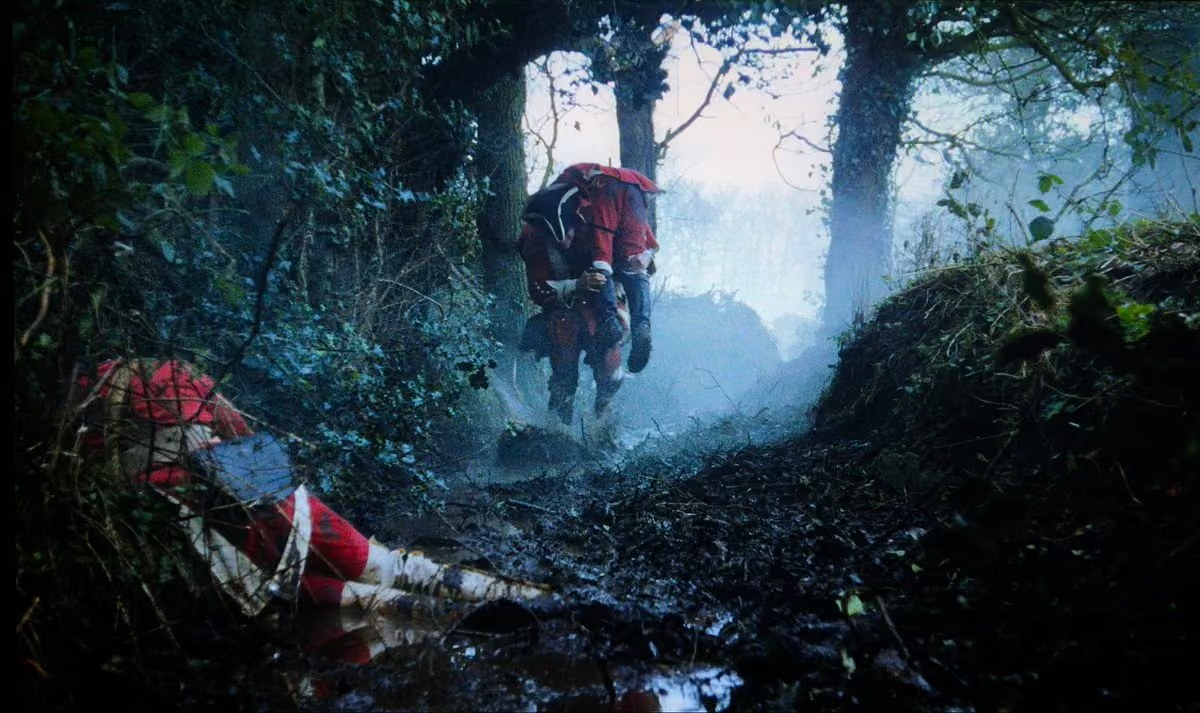
Excalibur is a film of the 1970s, even though it came out in 1981. It is violent, sexual, graphic, sublime, kitsch, brilliant, dark, fast, heavy metal. One could call it nonsense with neon crosses, groovy hippie dances, an actual green light beam signifying magic on whatever it touches. And yet the Irish countryside cradles this story like no artificial set ever could. There is something strictly European in it. The wedding scene looks like Burne-Jones gone disco.
One could list endlessly the small betrayals of the letter. And yet, the fire is there. The spirit is there. The madness, the loyalty, the consuming desires, the tricks, the tenderness, the righteousness, the betrayal, the holy horrors, the terrors of the flesh, all of it is there.
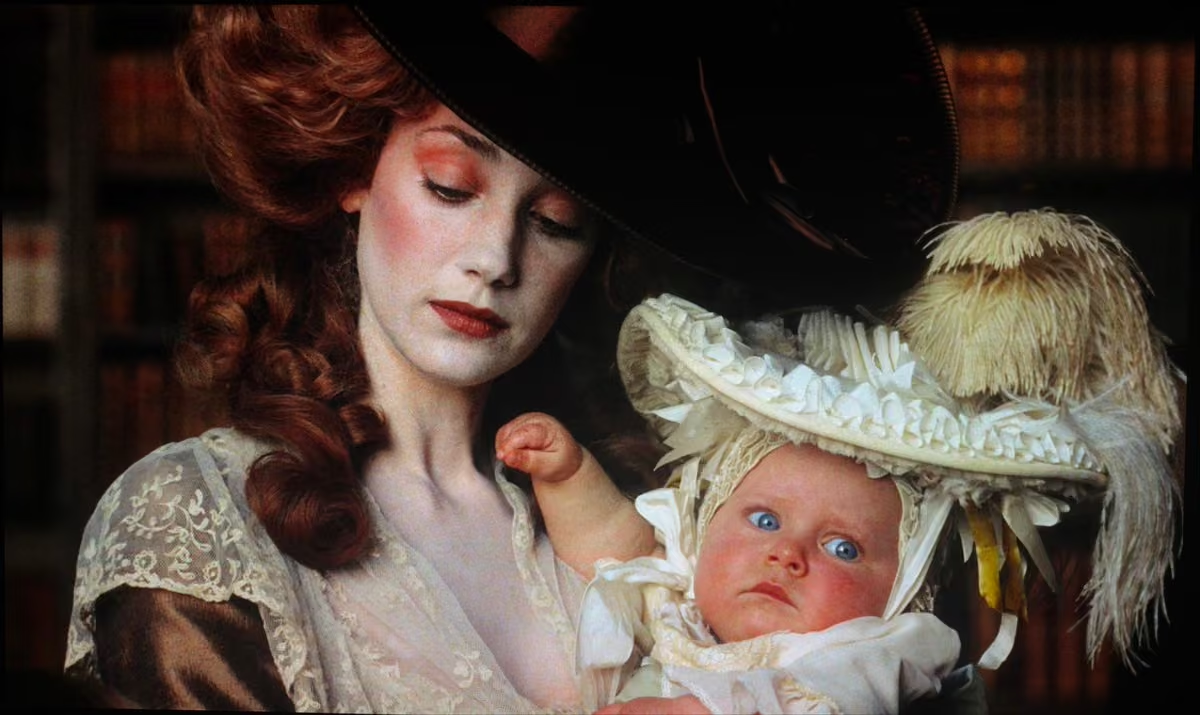
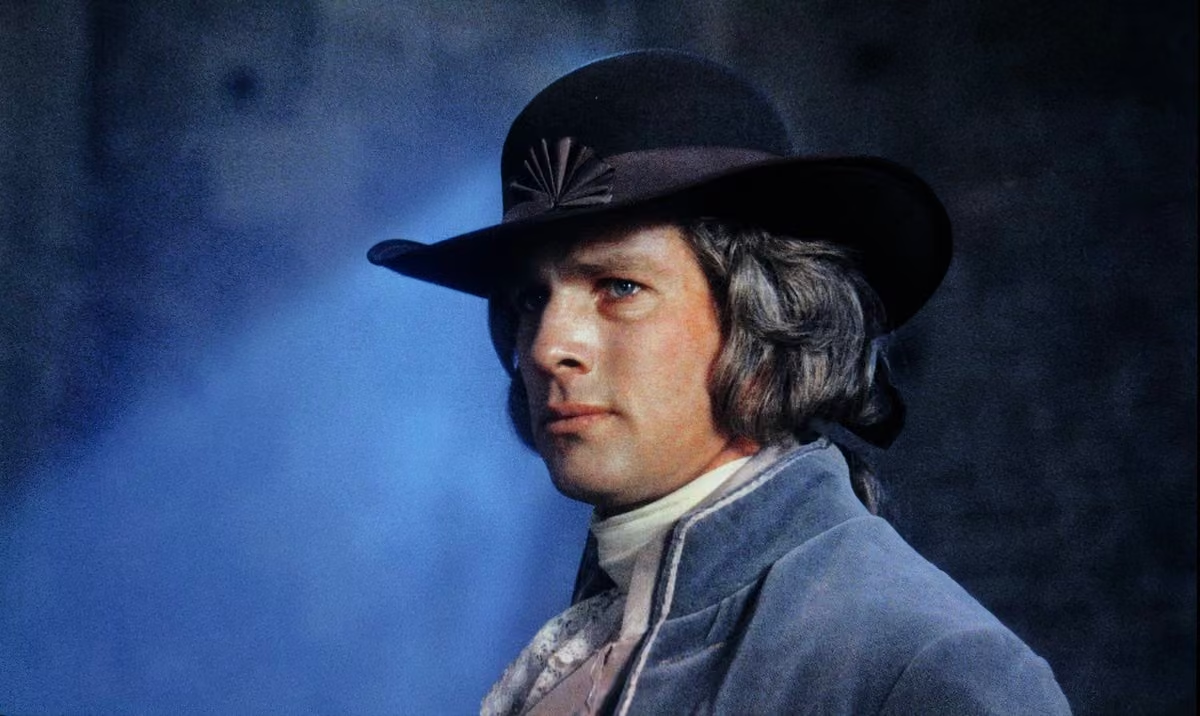
Nigel Terry plays Arthur as a man bent under fate and duty. Helen Mirren is the epitome of the manipulative pagan witch, full of trickery and vengeance. Nicholas Clay's Lancelot is a knight in literally shining armor. Cherie Lunghi is perfect as the righteous Guenevere whose sensuality erupts through her pious surface. Paul Geoffrey is luminous as Perceval.
Mordred stands as the ambiguous, incestuous, evil bringer of light, and Nicol Williamson's Merlin as the old sage dragon whose dawn fades into the sepulchral voice of a Christ that reveals itself in the bond between the king and the land. That land turns to mud, madness and famine when the king is gone, and its springtime returns only with his renewed presence, drawn from the chalice of life itself.
What unfolds beneath the plot is a pivotal moment of European history: the shift from paganism to Christianity, a process far more complex than it appears. With Merlin, paganism seems to fall asleep. It will survive nonetheless, in one form or another, until the Reformation.
Boorman was one of those rare filmmakers who could show living myth and spirituality in a mainstream form, however chaotic and exuberant. One dreams that the big names working today might be inspired by the same fire.


 Philip Reeve
@philipreeve1

 d4doome
@d4doome

 Sarah

 Stephen Crotts


 Zack Stentz
 Brad R. Torgersen


 BijanOmrani
 History Girl

 Sigourney Beaver 🎗️🐹🐎🐦🌳
 Arash Todd

 Tas de thé


 Forms Archive


 Brontë Country Landscapes


 tater tot


 Kate Bailey


 Tom Zohar

 DiscussingFilm

 lillia ♡


 The Ivybridge Bookshop


 Ivan Kirby


 Mattias Adolfsson


 Phil Tite

 Masterpieces of Japan

 𝙃𝙚𝙙𝙡𝙚𝙮 𝙏𝙝𝙤𝙧𝙣𝙚


 Sci Nature News


 chris oldman ©
 gal౨ৎ


 David P GCSE (multiple)


 Eleanor Parker


 sharronlouise

 Mini Grey

 HAWK

 The Bookery, Crediton
 Piula Beard

 PNorfolk_BookReviews

 Dr. Ellen Walker
 Zack!


 Minoo Dinshaw
 Ben Judah





 Sarah Reeve


 Lissa Evans
 Journal of Art in Society


 The Lady of the Green Kirtle


 Philip Womack


 Laocoon of Troy


 Mrs Walker-214


 Philip Hensher

 cat frampton


 Bill Moon



 Iain Cameron


 Bridget Arnold

 Darrell Epp

 catelyn stark’s strongest soldier


 Laurel and Hardy


 Lucy Easthope


 Alexandra Wilson


 Finlay McLaren


 Malcolm Snelgrove

 Andrew Locking

 Ben Sixsmith
 Barbarian Herodotus


 Daniel Sugarman


 Andy Ryan


 Cynfab

 Nathan Francis
 Mark Wallace
 BookwagonUK

 Jon Pountney


 Oliver

 Damian Shields

 Einar Baldvin


 Federico Italiano


 Alex Paterson


 Paul Hirons


 Pulp Librarian

 Neil Hilton


 “paula”



 peaklass
 Justin Miles


 Ozymandias𓆏


 Farran Nehme 🇱🇧


 Roger Boylan


 Abraham Kawa


 Film Lust


 Joseph Kahn

 Richard Morris


 Eureka Entertainment

 Auteur House


 James

 Democritus Sr


 The Retro Reminiscer


 1776 Live

 Cotswold Archaeology


 Capel Lofft
 Werwulf
 Alwyn (new account) Turner

 Ben Bergonzi

 Dartmoor Hillies
 হিমাদ্রি চ্যাটার্জী Himadri Chatterjee


 Mariecia Fraser

 Oxford Children's Books





 James Wright

 Steven Swinford


 Tony Tost


 Ruth Husko


 Josh Raby


 James Hogg




 kalasevsky


 Lost In Film


 lewis


 Waterstones Taunton


 Alexander Larman
 Modern Age

 La vida en viñetas


 MENA & Asian Heritage


 George Wallace
 Sci-Fi Archives


 The Late Knight Show


 Alain Astruc


 Catholic Arena


 MΛЯIПΛ

 Daniel Casson


 Di (Yee)


 Thinkwert
 pocket


 🇬🇧📺 Classic British TV 📺🇬🇧

 Slarty Bartfast
 Paul Marcoe | Nature Photographer
 Old England in Colour


 Steve Liddiard 🏴🤙🏼📸☠️🎥

 Brendan Hodges



 The Global Photography Community

 Historical Chronicles


 徳間書店児童書編集部

 JujuVenile

 archivetvmusings




 Laura Elliott
 Thomas Howard Riley Author and Evil Wizard
 Jeff Davis


 kendall


 MJ Simpson
 Julie Frost--That Werewolf Writer🐺🦉
 Variety


 Daniel Friedman
 Robert Rubsam


 Jenny Reilly
 Politics UK
 Hipólita of the Lily Tribe 🏳️⚧️ 🇦🇷☭
 Edmund Griffiths


 Rob Biddulph




 Kendric Tonn
 Eric Alper 🎧

 Dr Francis Young
 Cakes & Ale
 Ben Finlay


 CLPE
 chase


 Conan, Esq
 Buster Keaton

 Jacqui Sydney 📕


 C J - Andor is everywhere now


 SplashDamage ᚻ 🇺🇸


 John Garth


 Ennius

 James Mayhew
 Pulp Covers


 ACHUKA


 Louise Nettleton


 LoveReading4Kids


 The Foundry Group


 julia ♡


 Simon Smith


 Waterstones Kids


 Scholastic UK

 Tanya E


 Katina Wright


 The Art Curator


 Charles Bramesco


 Ashley Lande


 Bobbie


 I read YA 🏳️🌈📚









 Curiosity
 Tim O'Neill


 Cinema Goldmine



 Andrew Wyeth

 The Dylan Rabbit
 Brushbugger


 Nolan Archives


 Padraig Pêcheur

 Saucy Seventies Adventures


 Laura Lupin
 summer
 evan loves worf



 Siddhant Adlakha


 Katie ⚒️


 Bonehill Films


 Alexandra Epps


 Michael Drout


 Glyn Coy

 David Hines
 SQUASH B’GOSH


 Neil Burnell


 hw97karbine

 Caithness Broch Project


 David Fickling Books





 Hadley Freeman
 Brian Roemmele


 Ty Lekki


 Culture Crave 🍿


 FischerKing

 Emir Han
 Mitten d'Amour
 Thrilla the Gorilla


 Matthew Zeitlin

 Celtic Aesthetics


 Sarah Blick


 Marysia


 School Library Association


 Martin Rak


 Richard Geraint Evans

 The Sting
 Westerns & the Old West

 gpaul

 Mike Carolla


 Nick Newman


 Terry Abraham

 Richard Bratby

 Mr. Chau
 SurfSkateThrash
 Sonia Sodha


 Reza Afshar


 Aviation Archive


 Mark Williamson
 Nikki da Costa


 poppy


 Memory Medieval

 𝔚𝔢𝔯𝔴𝔲𝔩𝔣 • FC


 Claire Lehmann
 Massimo




 Charlotte Stroud


 Niall Gooch

 James Lucas


 Darren Mooney
 Thoughts on Tolkien


 Billy Jarrett
 Paul Willson



 Hannah Long


 Bret van den Brink

 Anthony Cox
 Max Dunbar


 Consumer Grapes


 Tim Dove Photography


 Stuart McGlennon


 Mathew Lyons


 The Middle-earth Mixer
 Athenaeum Book Club


 Jill Bennett


 The Critic
 Sabrina Miller


 Spencer A. Klavan
 UBERSOY


 UK Back in the Day


 Film Updates


 Books Are My Bag


 YorkshireLass

 Scott Clark


 Veronica Humble


 James Andrew

 Estate of Seamus Heaney


 Waterstones Alty


 Mbogo ya Nduĩki


 FarmingUK


 Chris Chapman


 James Marriott


 François Valentin


 Kjartan Poskitt


 Michelle Cowbourne


 Wylfċen

 Echoes of Art


 Byron's Glowing Filament


 Kevin Wilbraham


 Prof Dimitra Fimi


 Yuan Yi Zhu
 Joel Merriner


 Adam Nayman




 Dan Hitchens


 UKLA


 Kane Miller


 Bill
 Jo Caulfield


 Hilly Cooke


 骆逸




 Colin West