Gita Gopinath argues that the textbook prediction that countries running deficits will see their currency depreciate, isn't actually what the models require; falling demand can do the same job just as well.
She's also spent a career convincing people that the dollar is a much bigger deal in world trade than the textbooks let on.
Some of Tyler's questions for Gita in this episode:
· Why are trade balances so weakly correlated with real exchange rates?
· Why is the intertemporal budget constraint so weak in practice — does it ever actually bind?
· Why is inflation in Argentina still stuck, even after coming down so much?
· Was pegging the peso high a mistake, or has reality vindicated it?
· If further peso depreciation is needed, why not just break the crawling band now?
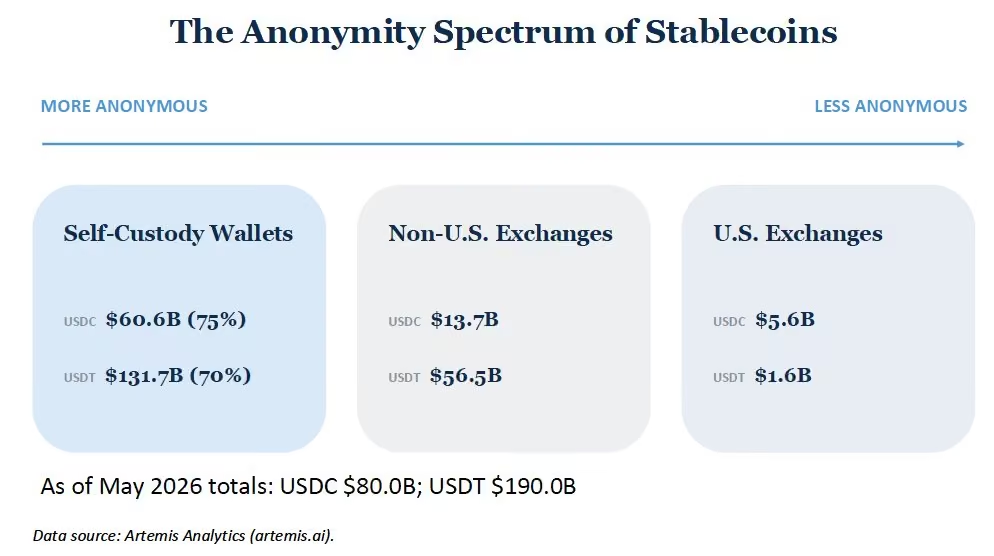
· Should we be happy to see stablecoins replace the peso, or does that hollow out state capacity too much?
· What did Friedman and Krugman get wrong about the euro?
· Should countries like Denmark or Iceland ever adopt the euro, or is staying out the right call?
· Is Scott Sumner right that trade imbalances are more of a political project than an economic one?
· If China is just channeling wage income into investment, why is that a problem?
· Should there be a digital euro, and how do you avoid disintermediating private banks?
· Should we be worried about who's actually buying US Treasuries these days?
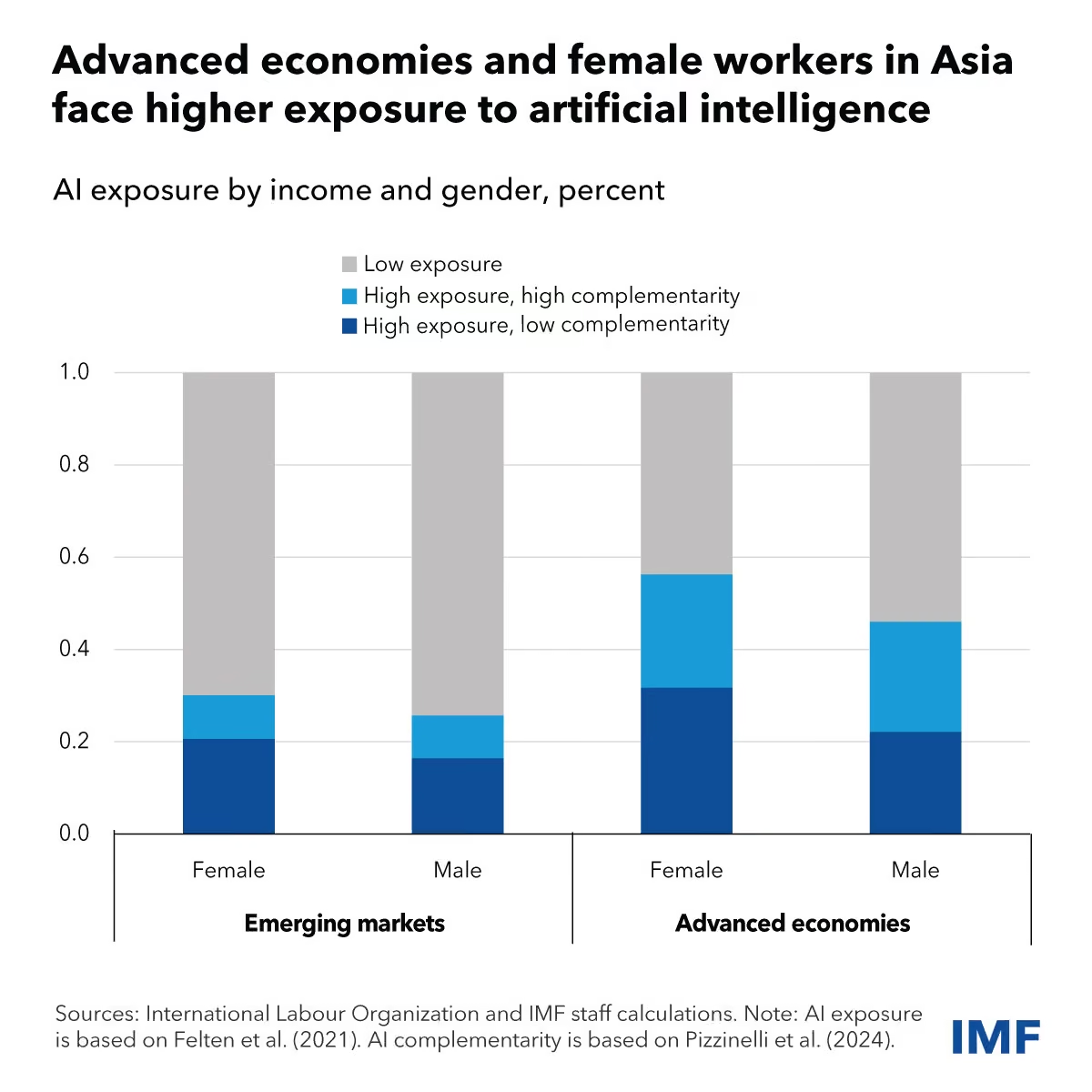
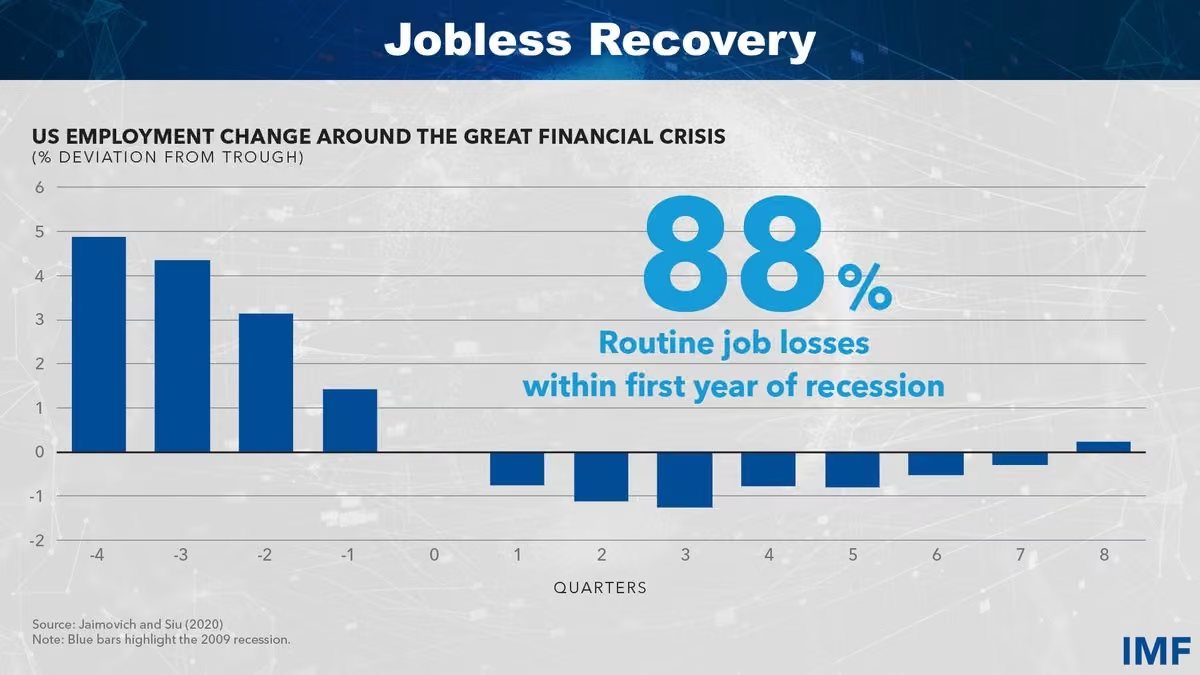
· Will AI add half a point of growth a year and quietly fix the debt-to-GDP ratio?
· Could AI-driven demand for capital produce a new kind of stagflation?
· What happens to academic economics once AI can write a top-five paper?
· Why does Kerala keep electing communists?
· Why do Kerala and Sri Lanka have such unusually strong social indicators?
· What's your take on single-sex education?
· What are you working on next — digital money, AI and jobs, or the new Global Economics Lab?
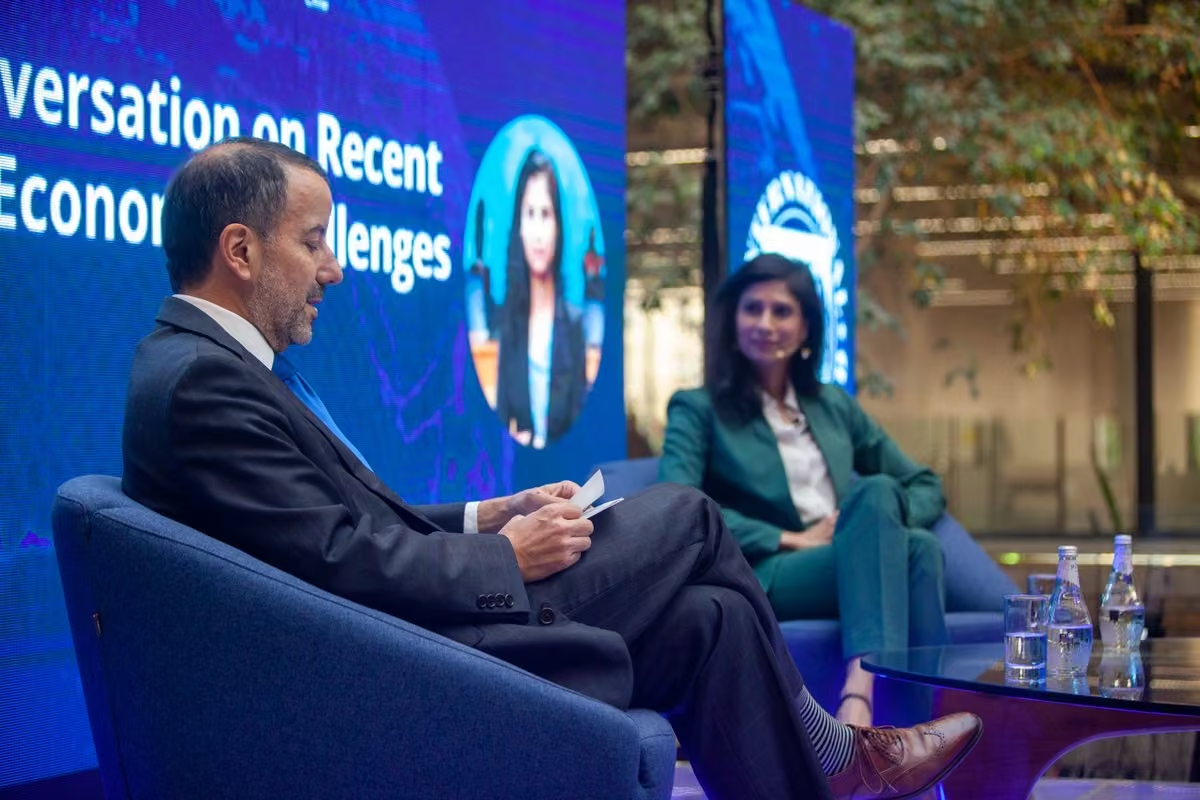
Watch the full conversation with @GitaGopinath and @tylercowen here, or search for Conversations with Tyler wherever you get your podcasts.
youtu.be/MPXd2pa5V9Y


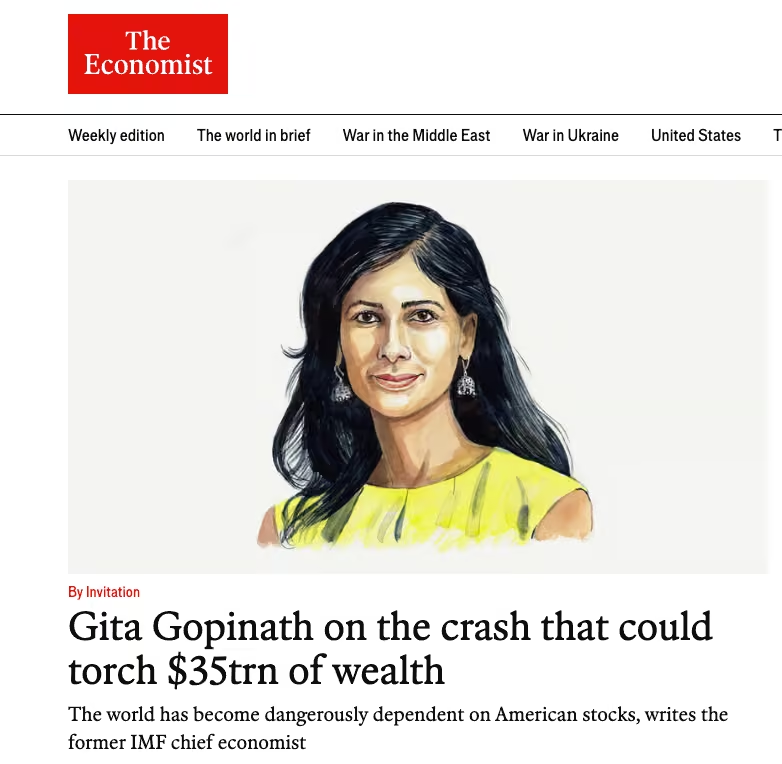
 Gita Gopinath
@GitaGopinath

 Mark Sobel
@sobel_mark


 Greg Kaplan


 Squawk on the Street


 Bloomberg TV
 Jason Furman




 Indian


 Conversations with Tyler


 Brad Setser


 Sofía Diamante

 Greg Ip


 Hanno Lustig
 Markus K. Brunnermeier

 Gabriel Chodorow-Reich
 Ivan Werning
 Michael Pettis

 Shahin Vallée
 Ilan Goldfajn


 Francesco Bianchi
 Richard Baldwin
 Heather Long













 Foreign Affairs


 Joe Weisenthal


 Colby Smith

 Ihtesham Ali


 Sanford School of Public Policy


 Phil Magness

 AEA Information


 Jon Steinsson

 Bank for International Settlements





 The Kobeissi Letter





 وزارة الاقتصاد والتخطيط




 LOK SABHA
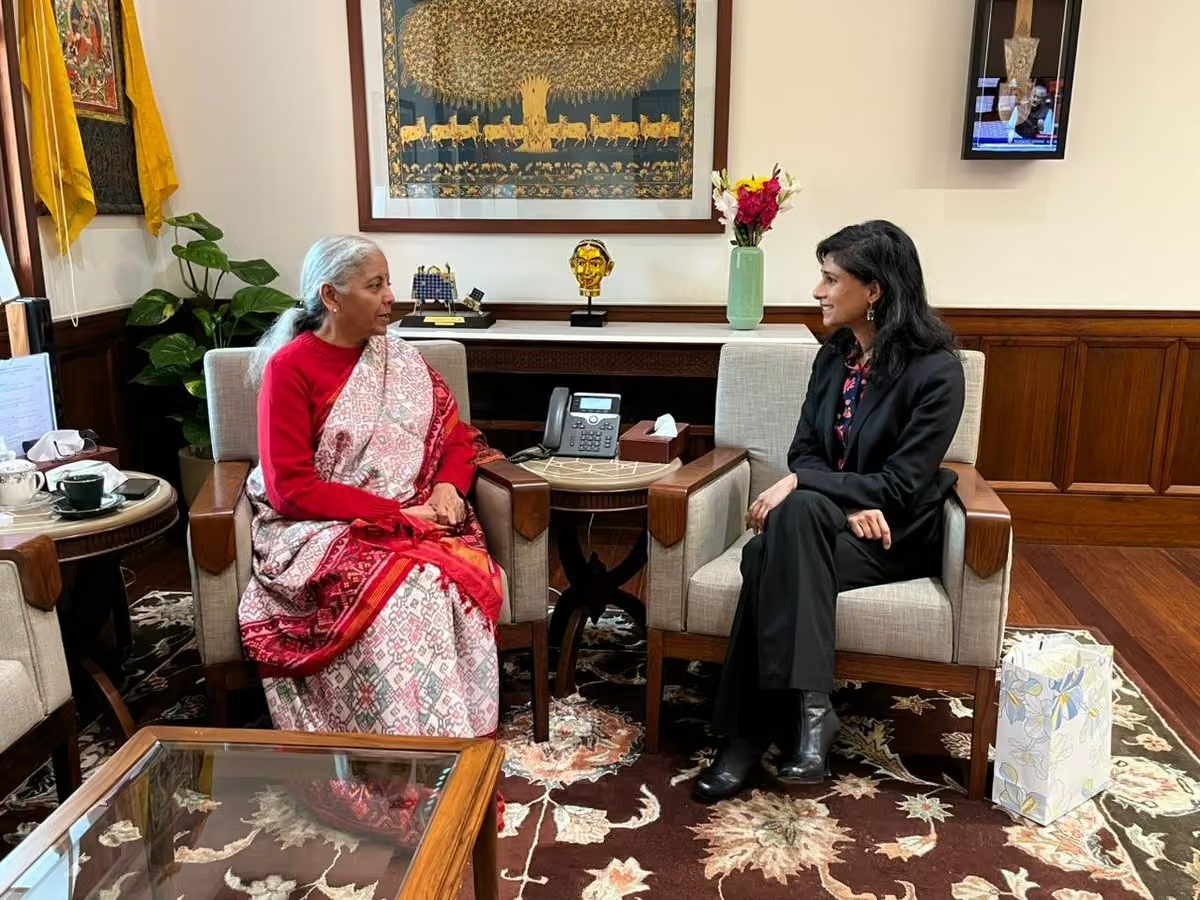
 Nirmala Sitharaman Office



 Rodrigo Cárdenas









 U.S. Chamber/International


 Ruchir Agarwal 🌍

 Rapid Response 47
















 CBSL






 totocaputo




 Fortune India



















 Business Today
 Vishnu Som

 Shereen Bhan





 Andrea Presbitero



 Yulia Svyrydenko





 Amitabh Kant




 FORTUNE







 Karen Tso



 Deputy Secretary for Management and Resources


 J-PAL


 Department of Economics, Trinity College Dublin

 Irish Society for Women in Economics (ISWE)











 Udit Misra
 Office of the Minister for Industries, GoTN
 Rahul Kanwal







 Banco Central de Reserva del Perú - BCRP






 IMF Capacity Development





 IMF Asia & Pacific

 Julia Chatterley







 Group of Thirty





















 Amanpour and Company


 Julie Kozack, IMF





 Yicai 第一财经


 Ashwini_Deshpande




 EL PAÍS América


 euronews


 Kolja Rudzio

 Cesar E. Tamayo



 Katrin Kamin







 TIAN Wei




 Natalia Fabra
 Mohamed A. El-Erian

 Washington Post Live




 Shehan Semasinghe


 The Economics Society, SRCC







 Prabhushankar T Gunalan








 NDTV Videos









 La Tercera


 CNN Chile







 Graeme Roy