Day 5 of #iran vs. U.S./Israel conflict (focus on Iranian strategic narrative):
🔹There is growing concern in Iran that decapitation has become a continuing war strategy rather than a one-off strike. Iranian sources believe Washington and Tel Aviv may attempt to target the heads of Iran’s government branches or members of the interim leadership council.
🔹This fear extends to whoever becomes the next Supreme Leader, with Iranian commentators referencing the precedent of Hezbollah, where Nasrallah’s successor was reportedly targeted shortly after assuming leadership.
🔹Israeli and U.S. strikes have continued across western and central Iran, including in cities such as Shiraz, Khorramabad, Kermanshah, Qom, Ahvaz, and Tabriz, with western regions and the capital remaining the primary focus.
🔹At the same time, Iranian sources acknowledges that several missile bases have been hit, including installations near Kermanshah. Damage to access points and infrastructure may be affecting the tempo of missile launches.
🔹The decline in Iranian missile strikes on Israel therefore appears linked both to operational constraints caused by Israeli air dominance and to Iran’s possible effort to conserve its remaining arsenal.
🔹Instead, Iran appears to be still prioritizing strikes on U.S. interests and regional energy infrastructure, aiming to raise the cost of the war for Washington and its regional partners.
🔹Iranian missiles have reportedly targeted additional THAAD early warning radars, including systems in Jordan following earlier strikes in Qatar and the UAE.
🔹If accurate, these attacks suggest a strategy aimed at degrading the regional missile-defense architecture that helps protect both U.S. bases and Israel.
🔹Iranian sources also claim that communications and radar infrastructure at several U.S. bases – including facilities in Bahrain, Qatar, Kuwait, Saudi Arabia, and the UAE – have been damaged.
🔹The objective appears to be disrupting command-and-control systems and weakening coordination between U.S. and Israeli air-defense networks.
🔹At the same time, Iranian air defenses appear to have had greater success targeting Israeli reconnaissance drones, including additional Hermes 900 systems.
🔹Some analysts suggest that improvements in Iran’s short-range air-defense network may be responsible for these successes, even though long-range systems remain degraded.
🔹On the proxy front, Iraqi armed groups have continued attacks on U.S. bases, even after heavy U.S.-Israeli strikes on PMF positions in Anbar, Diyala, and Samawah.
🔹Hezbollah has also continued its operations, including missile and drone attacks against Israeli targets in northern Israel and the Golan Heights.
🔹The Houthis, meanwhile, remain largely outside the conflict. Some Iranian sources claim they are being deliberately held in reserve as a deterrent against Saudi Arabia or the UAE joining the war.
🔹Energy warfare remains central to Iran’s strategy. QatarEnergy has declared force majeure and halted LNG production following attacks on energy infrastructure.
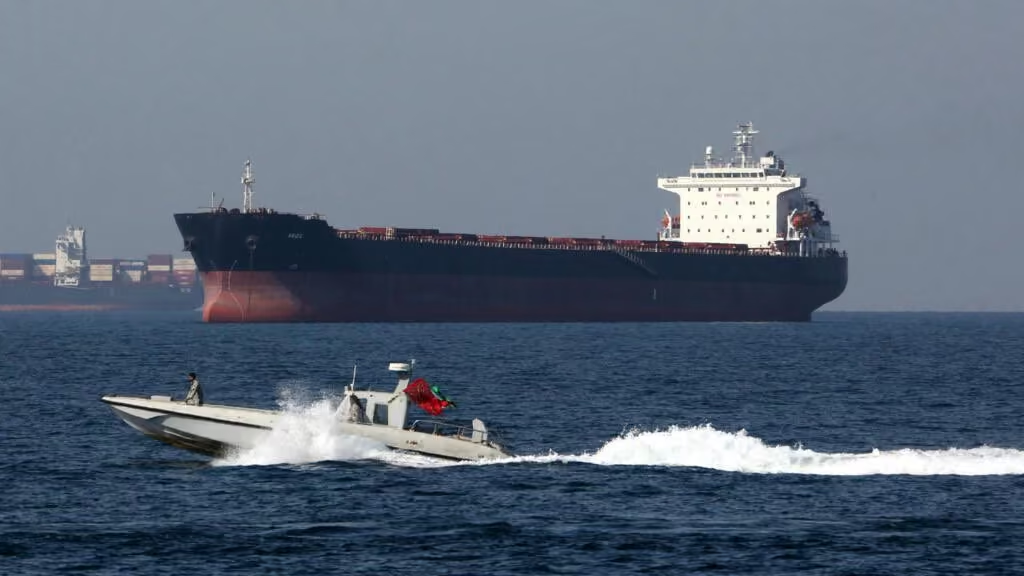
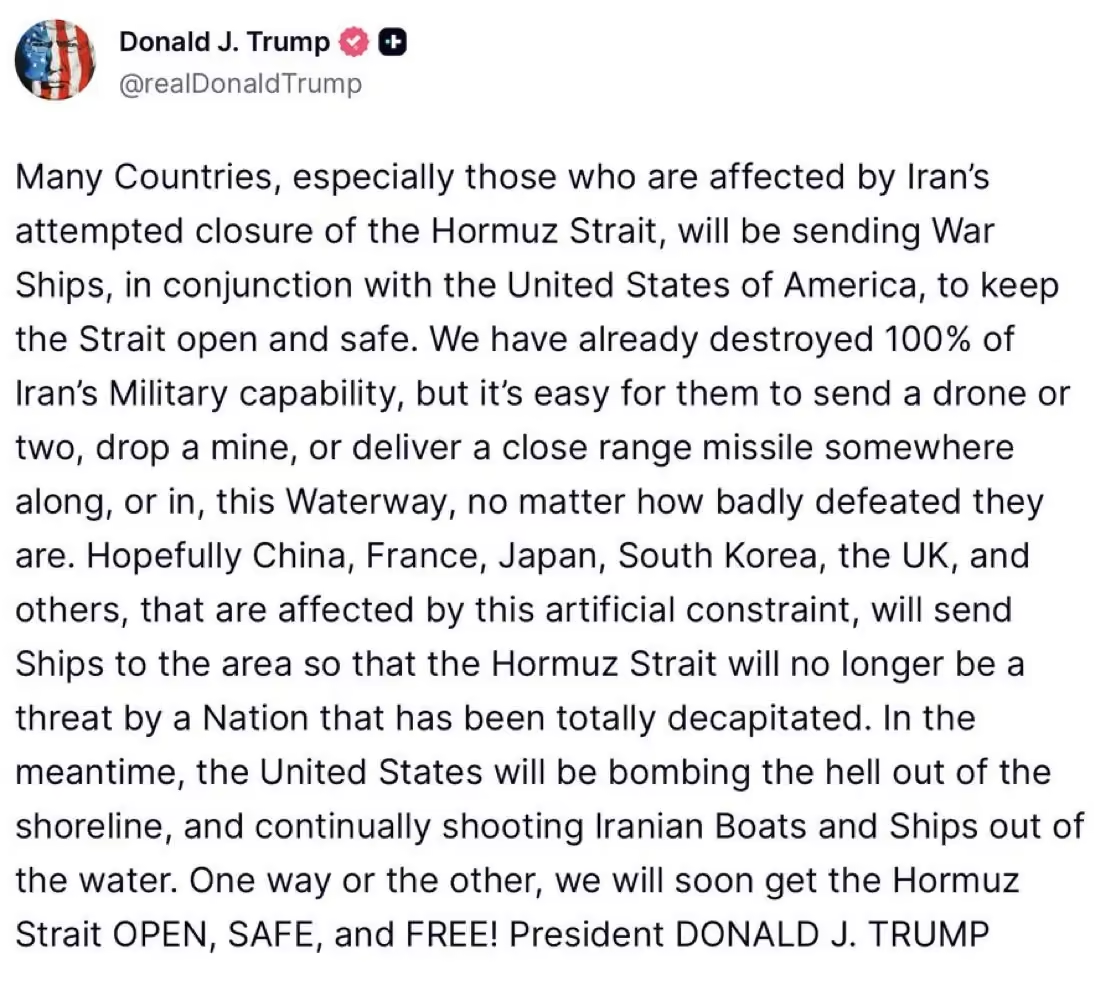
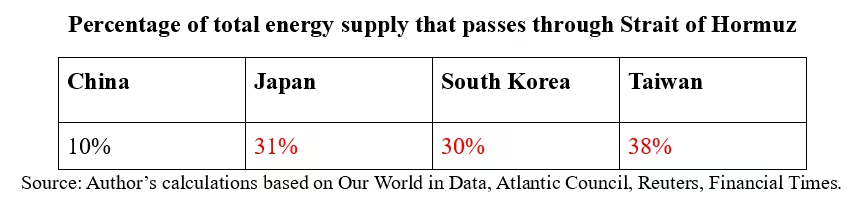
🔹These disruptions are reinforcing Iran’s effort to sustain pressure on global energy markets, particularly given uncertainty about how long the Strait of Hormuz can remain closed.
🔹At the same time, the war has begun to generate secondary instability across the region, including protests in Pakistan and Bahrain in response to the killing of Khamenei and the ongoing conflict.
🔹Within Iran itself, supporters of the Islamic Republic have continued to organize demonstrations calling for retaliation and resistance.
🔹Authorities are also warning against internal dissent. The chief justice has stated that any actions aligning with U.S. or Israeli objectives will be treated as wartime collaboration.
🔹Iran’s leadership is simultaneously attempting to reassure Gulf countries. President Pezeshkian and parliamentary speaker Qalibaf have emphasized that Iranian strikes are directed at U.S. forces rather than host states.
🔹Iranian officials have also reaffirmed commitment to the China-brokered 2023 Beijing agreement with Saudi Arabia, signaling an effort to prevent Gulf states from joining the conflict.
🔹China has reportedly dispatched a special envoy to the region to explore mediation options, reflecting Beijing’s concern over disruptions to energy flows through the Strait of Hormuz.
🔹Meanwhile, the Kurdish issue is emerging as a major security concern for Tehran. Kurdish insurgent groups have recently formed a broader coalition, raising fears that they could be used as ground forces against the Islamic Republic.
🔹Tehran has reportedly warned KRG officials that if Kurdish groups launch attacks from Iraqi Kurdistan, Tehran could directly target the Kurdistan Regional Government itself.
🔹The war has also produced a potentially dangerous incident involving Turkey. A missile launched from Iran was intercepted by a NATO air-defense system over Hatay while reportedly heading toward the U.S. base at Incirlik.
🔹Although the intention remains unclear, one interpretation is that Iran’s decentralized missile-launch structure may increase the risk of accidental escalation or uncoordinated moves.
🔹International monitoring agencies have also assessed damage near Iranian nuclear facilities. Satellite imagery shows limited damage near the Isfahan site, but the IAEA reports that no nuclear material has been affected.
🔹Concerns remain particularly high around the Bushehr nuclear power plant, where Russian personnel operate the facility and where nearby explosions have been reported.
🔹Inside Iran, discussions have also begun about the country’s future nuclear policy after Khamenei. Some argue that the war demonstrates the need for a nuclear deterrent and that the next Supreme Leader my move toward that direction.
🔹The Assembly of Experts continues deliberations on selecting a new Supreme Leader.
🔹Overall, the fifth day of the war suggests a continuation of existing patterns rather than a dramatic shift: sustained Israeli air operations inside Iran, Iranian efforts to impose costs on U.S. interests and regional energy markets, and a widening regional and proxy dimension to the conflict.
🔹The trajectory of the conflict increasingly resembles a prolonged regional confrontation in which both sides are attempting to reshape the strategic balance over time rather than achieve rapid military victory.


 Robert E Kelly
@Robert_E_Kelly

 Thomas Chatterton Williams
@thomaschattwill
 Anne Applebaum
@anneapplebaum

 Tom Nichols
 Laura Rozen

 Theresa Fallon


 Sarah Longwell
 Republicans against Trump

 ProfTalmadge

 Bill Kristol
 S.V. Dáte


 Margo Martin
 Acyn
 Natalia Antonova 🇺🇸🇺🇦
 Die ganze Geschichte


 Josh Rogin

 God
 Rachel Coyle
 Andrew Tobias
 Robert Manning
 Nancy Youssef, نانسي يوسف
 Shashank Joshi
 max seddon

 Arnaud Bertrand


 Michael “In A Move Likely To Anger China” Mazza
 Hans Kristensen (also on Bluesky)
 Darth Putin

 Jonathan Lemire
 Jay in Kyiv

 COSSACKGUNDI

 Covie


 Shelly
 Growing Up Retro


 Tong ZHAO

 Pedro L. Gonzalez
 Dan McLaughlin
 Western Lensman


 Connor Ewing
 Cathy Young 🇺🇸🇺🇦🇮🇱

 Sir Humphrey 🇺🇦


 Joshua Reed Eakle 🗽
 Sheena Chestnut Greitens
 Jonah Goldberg
 Branislav Slantchev
 Danielle Ryan
 Neil Stone
 Liz Essley Whyte
 Paul van Hooft
 Linas Kojala

 Heath Mayo
 Marc Thiessen
 Super 70s Sports


 Hubie PhD, PE
 Julia Davis
 Hromadske Int.

 Dr. Malcolm Davis 🇺🇦🇺🇦🇺🇦
 Woofers
 Vitaly

 Ivo Daalder
 Ed Whelan
 Paul Poast

 Allen Ivermectin
 Marc Polymeropoulos


 Phil Gordon
 Janis Kluge


 Gandalv
 MAKS 26 🇺🇦👀

 (((James Acton)))

 Meghan McCain

 Buck Sexton
 Andrew Hammel
 Jesse Johnson


 Jennifer Jacobs
 Joel Atkinson
 The Hankyoreh

 Dave Brown
 Josh Billinson


 Joni Askola

 Mark Lowen
 Alex Ward
 Nine-tailed Fox 🇰🇷
 Viktor 🇺🇳🇧🇷🇺🇦🇯🇵🇮🇷
 Maddie Hale
 Euan Graham

 FactPost


 Let There Be Light. Please.


 Mick Ryan, AM
 Christopher Miller
 Tymofiy Mylovanov


 Matthew Kroenig


 Raphael Rashid
 John Lee
 Markus Garlauskas
 Responsible Statecraft

 David Alan Hughes
 Crémieux

 Armin Rosen


 Korea Defense Blog

 Clash Report


 Centrism Fan Acct 🔹
 Aaron Connelly
 Kaiser Kuo
 Sheel Mohnot
 Josh Wingrove
 Philip Shetler-Jones
 Kareem Rifai 🌐

 Dr. Jill Stein🌻
 Strictly 4 My X’ers
 Isaac Stone Fish
 Christopher Cadelago
 U.S. Forces Korea

 Nathan Livingstone (MilkBarTV)
 The Calvin Coolidge Project
 Robert Farley
 Maria Popova 🇨🇦
 Edward Oh 🇺🇸🇰🇷🇺🇦🇮🇱🇵🇸
 Monica Crowley

 Art Vandelay
 Bert Hofman(郝福满)
 China Beige Book
 Dr. Sari Arho Havrén
 Jihyun Park-박지현


 Status-6

 Colin Wight (not Colin Wright)

 Peter Frank

 Kyle Cheney

 Fabian Hoffmann, PhD

 Jacob Weisberg
 Lingling Wei 魏玲灵
 Blake Herzinger
 Chamberlain's Ghost
 MrToad28

 Hunter Stires

 Gokul Sahni
 Ken Moriyasu
 Christopher Kratovil
 NBC10 Boston
 Iku Tsujihiro
 GBC
 Canada Hates Trump

 Alex Hollings
 油爆琵琶|🇨🇳中國速報
 QueenMother👸🏻
 Christine Duhaime
 涵瞰世界/杨涵 Han Yang

 Baltic Takes
 𝓔𝓶 ♡
 Ray Powell

 Michael Sobolik
 John Hemmings
 Caolan
 Justin Wolfers

 Columbus Dispatch
 Gen X Talks


 seed oil soldier 🫡
 Joe
 Steve Kerins
 Eric the Deep State Operative
 Sally A. Wilson 🇺🇸🇮🇹🇸🇪 ♓️ 💉🏳️🌈 🇺🇦
 scary lawyerguy


 Jim Bennett

 Blume Industries CEO Balding 大老板
 Molly Ploofkins

 Jennifer Kavanagh
 Rebeccah Heinrichs
 Rosemary Kelanic
 Kelly Grieco


 Marc Caputo

 CSIS Korea Chair


 Evan A. Feigenbaum


 Sam Stein


 Jake Kwon


 Frid 🇪🇺🦌
 Eric Daugherty
 Rapid Response 47

 Minsoo Seo 서민수


 Angry Staffer
 Lara Seligman
 John Jackson
 Dr. Jeffrey Lewis
 Dr. Alice Frost
 Ryan Hass
 Seung Min Kim
 Decoding Fox News
 Kushibo MPH, Monster Island (actually a peninsula)
 Derek J. Grossman
 Jenny Town


 Ishaan Tharoor


 Meaghan Mobbs
 Daniel Dale
 WION


 Bruce Klingner


 Monocle Radio


 The Tectonic

 Foreign Affairs
 Dan Lamothe
 James R. Webb
 Phil Magness
 Michael Pettis
 Kate from Kharkiv
 Will Saletan


 Luke Coffey

 NYTPitchbot
 TheBlaze
 Philippe Lemoine
 Adam Kinzinger (Slava Ukraini) 🇺🇸🇺🇦

 Thrilla the Gorilla
 Ben Woodfinden
 Michael Lucci
 Echoes of War

 Trust In Trump 47🇺🇸


 Scott Lincicome


 Rob Lee
 Greg Myre
 Polling USA
 Dream for America
 Shermichael Singleton
 Christopher Webb
 Eric Martin


 León Krauze
 MP Arizona☀️🏳️🌈💙🌵🐕🐕🦺🫂💦🏜🐟🌴🎙🌎🌻♍️🌊
 Norman Ornstein
 Benjamin Ryan

 Ronald Brownstein


 Tommy Santos

 Seth Abramson

 Jeremiah Johnson 🌐

 Jennifer Lind


 Jayroo

 DPRK News Service

 The Shallow State


 Euan MacDonald


 Selene Mariposa
 Kristen Holmes
 Phil Stewart

 Jürgen Nauditt 🇩🇪🇺🇦

 The Hormuz Letter
 Roddy 🇨🇦

 Tim Miller


 Open Source Intel
 Jamie Walters, CAIA

 Nicholas Drummond

 Gregg Carlstrom
 Politics For You
 Politics Global
 Olga Patlyuk 🇺🇦
 Yaqiu Wang 王亚秋


 Mike Young

 Rusty

 Steve Inskeep


 Jesse Livermore

 Edward Luce
 The Kobeissi Letter
 Tyler McBrien

 Senate Foreign Relations Committee
 UAVoyager🇺🇦


 Sprinter Report

 St. Wilding Gyres

 jacob

 Brett Bruen

 U.S. Ambassador to NATO
 Myron Magnet

 @jason

 Brian Allen
 M. Taylor Fravel
 Andrea Junker
 Lakshya Jain
 @ijbailey
 Billy Binion
 Bridget Brink
 Chris Ship


 Thomas P (TOM) Logan 🇯🇵 🇺🇸
 Cyrus Janssen
 Joel Willans
 John Ʌ Konrad V
 Lawrence Zhang 張樂翔

 Thag Simmons
 Harry Sisson

 Wall Street Journal Opinion


 Mike Nellis
 Maj. (Ret.) Richard Ojeda
 Jared Ryan Sears
 sam


 Alayna Treene
 Havoc

 Secretary of War Pete Hegseth

 Scott MacFarlane
 Steven Beschloss
 derek guy


 Adam Cochran (adamscochran.eth)


 NewsWire
 Ian Weissman, DO
 James Tate

 Mark 🍁
 Claire Lehmann
 Stew Peters


 James Surowiecki

 Simon Kuestenmacher
 UNDΘΘMΞD
 ScreenTime

 Derek Cressman


 Alexis Blexas
 Ian Miller

 Brian Beutler

 Bruce Arthur
 Christopher Hale
 Erik Anderson

 unusual_whales

 Noah Smith 🐇🇺🇸🇺🇦🇹🇼

 Rep. Malcolm Kenyatta

 Cuckturd
 Captain Obvious™️
 David Deane


 Asuka Groyper 🚬

 Bo Winegard

 Lawrence Freedman


 Heather Somerville
 Nadav Pollak
 Faytuks Network
 one dozen rats at a keyboard


 Sonny Bunch
 UnHerd

 OSINTdefender

 Governor Newsom Press Office (parody)

 Very Historic Problems
 Orla Joelsen

 Unseen Japan

 John Ganz
 Daniel / 妥仁得
 OSINTtechnical
 Clay Travis
 Juan Forero
 Institute for the Study of War

 Weaver Whiteheart 🇻🇦
 Richard Fontaine
 Robert A. Pape


 Preston Stewart
 Former Congresswoman Marjorie Taylor Greene🇺🇸


 Physics & Astronomy Zone

 Peter Savodnik
 Joshua Hall

 Бианка
 Olivier Schmitt



 Rev. Benjamin Cremer





 The Intellectualist
 Chris Martz


 constans
 MOTHERS.
 Harry J. Kazianis
 Shaiel Ben-Ephraim




 Kevin Baron
 Yet another commodity guy


 Annmarie Hordern
 Arash Reisinezhad
 Tom Wright
 Kingston Reif
 Senator Marco Rubio: Archived

 RS Archer

 Brett Meiselas

 Shanaka Anslem Perera ⚡

 Justin Massie
 ChrisO_wiki
 Fintwit Capital
 TV News Now
 Yashar Ali 🐘

 Thomas C. Theiner


 RedWave Press
 Byron York
 Sami Gold
 Stacie Pettyjohn
 Task & Purpose
 Daniel Hannan
 U.S. Asia Pacific Media Hub


 Jacob Magid

 Jon Hoffman
 Danny (Dennis) Citrinowicz ,داني سيترينوفيتش

 U.S. Treasurer Brandon Beach

 O.C. Register
 Eric Brewer


 InteractivePolls

 evil CPA


 Mike Levin
 Jimmy Rushton
 Paul Farhi
 Aakash Gupta

 POLITICOEurope
 Bark
 Idrees Ali
 Rep. Don Beyer
 Michael Turner






 Terence Shen 公子沈

 Mika Aaltola
 Daniel Davis Deep Dive

 Furkan Gözükara

 Gary Koepnick
 Shelby Talcott

 𝐀𝐧𝐧𝐚 𝐊𝐨𝐦𝐬𝐚 🇪🇺🇵🇱🇺🇦

 Scott Jennings
 Eddie Fishman
 SizweLo

 Stephen Nagy


 Analytica Camillus

 Matthew Zeitlin


 Scott Barber
 Dilan Esper
 Curiosity
 Damon Linker
 Edward Feser


 Matthew Adams
 David Colon
 Adam Schwarz
 Jostein Hauge

 Jeff Stein
 Samantha Waldenberg
 Vikash Yadav

 Ilya Somin


 Leading Report
 Michael C. Horowitz
 William Kim 김영권

 Anthony Clark Arend
 Yuan Yi Zhu

 Daryl G Kimball


 Tim Sheehy
 James Pethokoukis ⏩️⤴️

 Justin Vogt
 Ryan Goodman


 Thomas van Linge


 The Kyiv Independent
 Home of the Brave
 Mike Yeo 杨启铭


 (((Tendar)))


 NEXTA

 Stephan Jensen


 Lemon Sturgis
 Sarah Griffin
 WarTranslated


 Zineb Riboua
 19FortyFive
 Javier Blas


 Asia Elects

 Power to the People ☭🕊
 elon has thin skin


 Hamidreza Azizi
 Zachary Keck
 Colby Badhwar


 Steven Pifer

 Aidan Foster-Carter
 Liam Nissan™
 Pub

 News Algebra

 Daniel Szeligowski
 Eli Dourado


 the cameron account.
 Hawon Jung

 Carl


 Scott Morefield
 Frida Ghitis

 Matt Rein


 Brandan P. Buck
 Justin Snyder || TheMaineWonk
 𝐍𝐢𝐨𝐡 𝐁𝐞𝐫𝐠 🇮🇷 ✡︎

 Dave DeCamp
 Emma Ashford
 Jason Willick


 Jessiah
 Ejaaz


 Michael Beschloss

 Gregg Nunziata
 Zack Bornstein


 Eunjung Cho 조은정