Not a bad essay for 2011
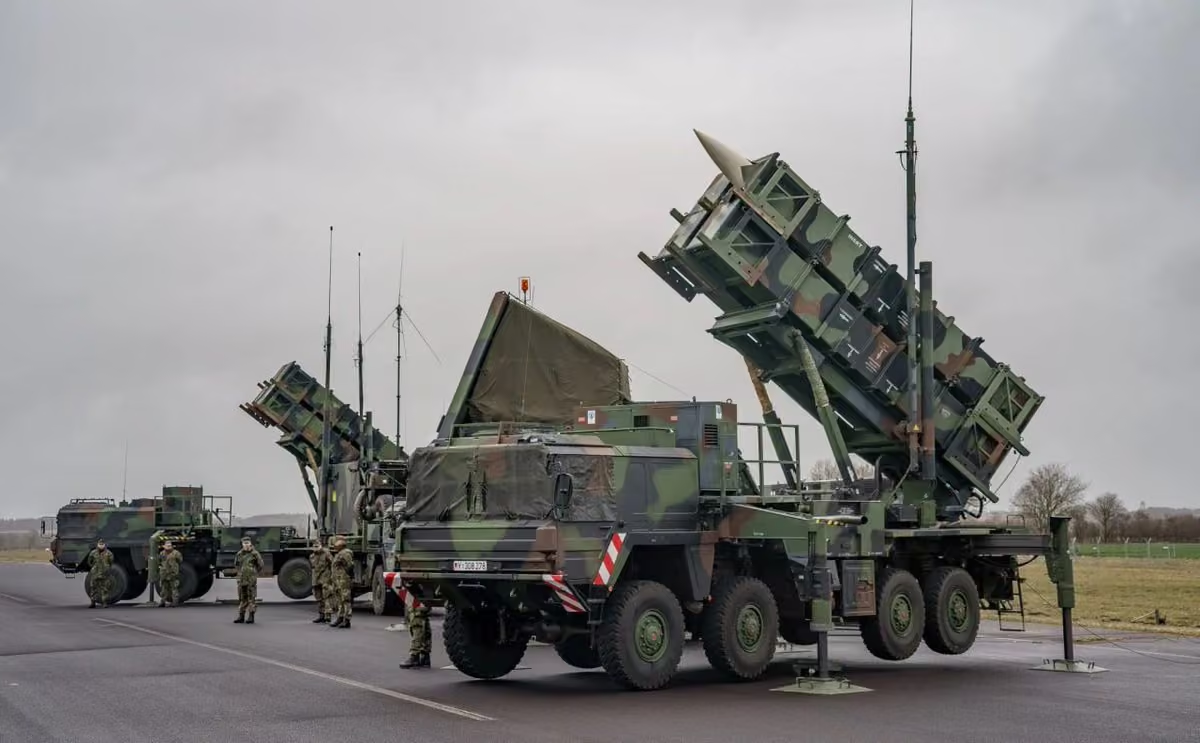
Drone Bonjwa’s and the Future of Drone Warfare
Over half of Air Force UPT (undergraduate pilot training) grads are now assigned to pilot drones rather than a real aircraft.* The big question is, why are drone pilots, guys that fly robots remotely from a computer terminal, going to a costly year of pilot training?
I can understand why the Air Force has chosen to send drone jockeys to pilot training:
> A shift to piloting drones rather than actual aircraft poses a challenge to the Air Force's organizational culture. In the Air Force, pilots do the fighting and, as a result, take most of the leadership positions.
> A transition to robotics upends that arrangement, and is why the USAF has strenuously resisted taking control of the drone mission until recently.
> In this light, sending these drone jockeys to a costly year of UPT is an attempt to ease the cultural transition.
However, culture aside, is it the best training?
Drone Pilots Today
I suspect it isn't. Here's why. The assumption that air power with drones will be the same as combat without them is flawed. It's going to be VERY different. So far, it's hard to see that. Most engagements today involve a large team (pilot, command oversight, launch team, maintenance personnel, and potentially an on-the-ground tactical team) to support…
a drone flying leisurely over a village in Pakistan controlled by a pilot at a terminal in Las Vegas/Nellis, waiting for five or more armed men to assemble in a single house (which is a terrorist "signature" that green lights authorization to eliminate the threat), and then pushing a button and holding a cursor over the house until it disappears.
That's not going to last long.
Drone Combat
How does the addition of drones change the nature of combat?The tech is moving too fast. Here are some of the characteristics we'll see shortly:
> Swarms. The cost and size of drones will shrink. Nearly everyone will have access to drone tech (autopilots already cost less than $30). Furthermore, the software enabling drones to employ swarm behavior will continue to improve. So, don't think in terms of a single drone. Think in terms of a single person controlling hundreds and thousands.
> Intelligence. Drones will be smarter than they are today. The average commercial chip passed the level of insect intelligence a little less than a decade ago (which "magically" resulted in an explosion of drone/bot tech). Chips will cross rat intelligence in 2018 or so. Think in terms of each drone being smart enough to follow tactical instructions.
> Dynamism. The combination of massive swarms with individual elements being highly intelligent puts combat on an entirely new level. It requires a warrior who can provide tactical guidance and situational awareness in real-time at a level that surpasses current training paradigms.
Training Drone Bonjwas
Based on the above requirements, the best training for drones (in the air and on land) isn't real-world training; it's tactical games and first-person shooters.
Think in terms of the classic military scifi book, "Ender's Game" by Orson Scott Card. Of the games currently on the market, a great example of the type of expertise required is Blizzard's StarCraft.
This sci-fi tactical management game boasts a superb multiplayer tactical balance and dynamism. The game is extremely popular worldwide, but in South Korea, it has reached cult status. The best players, called Bonjwas, are treated like rock stars, and for good reason: Training of hand/eye/mind. Speeds of up to 400 keyboard, mouse (macro/micro) tactical commands per minute have been attained. Think about that for a second. That's nearly 7 commands a second.
Fight multi-player combat simulations for 10-12 hours a day. They live the game for a decade and then burn out.
To become a bonjwa, you have to defeat millions of opponents to reach the tournament rank, and then dominate the tournament rank for many years. The ranking system/ladder that farms new talent is global (encompassing Korea, China, SEA, North America, and Europe), massive (with millions of players), and continuous (operating 24/7/365).
Sincerely,
John Robb

 John Robb
@johnrobb

 Mario Nawfal
@MarioNawfal


 Pedro Domingos

 matt.smith

 Tom Howard

 John LeFevre

 Drone Wars


 USAnt 미국개미

 ElBuni
 💎Azul YBlanco🥉🇸🇻
 JordanP


 CEOInterviews.AI


 Clint Warren-Davey

 TimOnPoint
 The DarkHorse Podcast
 Tymofiy Mylovanov


 InteractivePolls


 Naval
 WarMonitor🇺🇦🇬🇧
 Dick Lucas 🇺🇸
 Pubity


 Brian Roemmele

 Samuel Bendett

 Praveen Kumar Verma
 Steve McGuire

 Md Ismail Šojal 🕷️


 Nikita Bier
 Foreign Affairs
 ashwini asokan


 Martin Austermuhle

 max

 Outer Space Today


 Haritaları Seviyorum

 Rick DeVos

 Fireside Alpha
 Andrew Curran

 Massimo

 Vaibhav Sisinty
 Jeff Holden
 dnap
 Donald Mitchell
 Sawyer Merritt
 Richard
 Rohan Paul



 Michael Guimarin


 Walter Kirn
 Dwarkesh Patel
 Ryan Petersen


 Valerio Capraro

 Dillon Loomis

 Ali Ansari


 Peter Mallouk

 AJAC
 prince campbell iii


 Interesting STEM


 Defense Intelligence
 Steven Cheng
 Aaron Reichlin-Melnick


 DC Police Union

 Russ Greene
 Erin Banco
 Zachary Cohen


 Bob Gourley - e/acc


 Polymarket
 NOELREPORTS 🇪🇺 🇺🇦


 Hedgie




 Chay Bowes
 HatsOff

 sourcery


 Saronic

 Atoms Not Bits

 Ivan Avanesov

 Polymarket Money
 Jay in Kyiv


 junkbondinvestor

 Joshua Lisec, The Ghostwriter


 Ian Miles Cheong

 Matt Shumer
 Chris


 More Perfect Union
 Roman Helmet Guy

 The Constitutionalist 🇺🇸

 Magnetic Norse
 This Week in AI
 ThinkingWest

 Jordan Hall
 Dominic Pino

 Walking Eye 🇪🇺 🇫🇷


 Robert Greene

 Hedgeye

 Jean Twenge (author of 10 RULES, GENERATIONS)
 Brilliant Maps

 Owen Gregorian

 FEAR GOD

 Trip

 7th Corps of AAF
 OSINTtechnical


 Adam Rossi

 Greg Moore


 his name is Robert Paulson
 Jonatan Pallesen


 Anduril Appreciator
 Colby Badhwar

 Rui Huang


 Kyrylo Shevchenko

 Ryan Fedasiuk


 John Ʌ Konrad V

 Crypto Rover

 Ishaq Dar
 Velina Tchakarova
 The Spectator Index

 Ari Schulman

 Morgan Brennan


 Aidan McLaughlin
 Clash Report

 Marvin Liao🇺🇸🇨🇦🇯🇵🇹🇼🇺🇦🇦🇺
 unusual_whales
 Lukasz Olejnik


 Patricia Marins
 Annmarie Hordern
 *Walter Bloomberg


 Robert A. Pape

 Gregory Brew
 Gaurab Chakrabarti


 Brian Keith
 Sal Mercogliano (WGOW Shipping) 🚢⚓🐪🚒🏴☠️


 John Coleman
 Dominic Michael Tripi
 Peter Campbell

 Spencer Hakimian

 Lisa Mascaro
 Emerson S


 Mats Nilsson


 Acyn
 Assistant Secretary Mora Namdar

 Sean Mathews
 gCaptain
 Windward

 David Betz


 Joumanna Nasr Bercetche

 StockMarket.News

 Doug Casey's International Man

 Hasan Toor

 Nicholas Fabiano, MD

 Riccardo Trezzi

 Adam Townsend

 stephen balaban
 Defiant L’s

 Aakash Gupta

 X Freeze

 For all Curious


 Arnaud Bertrand

 Wall Street Apes


 Salty Texan
 Eric Schwalm
 Beckonthedawn
 RTSG News

 Mark McGrath | OODA Orientation | No Way Out

 joshua steinman (🇺🇸,🇺🇸)
 Tracy Shuchart (𝒞𝒽𝒾 )

 Senator Chris Van Hollen

 Martyr Made
 Rob Henderson
 Mike Solana


 Jim Russell


 Deedy
 The Boyd Institute
 Shazi


 Kylie Robison

 Megan Basham


 Chris Menahan 🇺🇸
 James E. Thorne
 FischerKing
 Jesse


 Mose Humphrey
 Greg Price


 Lain on the Blockchain

 Teng Yan

 PLA Military Updates🇨🇳


 Jen Zhu

 Sebastian Caliri
 Markets & Mayhem

 John T Cook
 Sheel Mohnot

 Bradley Jaye

 Basil the Great
 Resilientree

 Mark Mitchell, Honest Pollster
 Jrag.eth
 Hardware Canucks

 Ben Golub

 david fant


 DogeDesigner
 Bourbon Capital


