What does this mean for Ukraine’s supporters in the West?
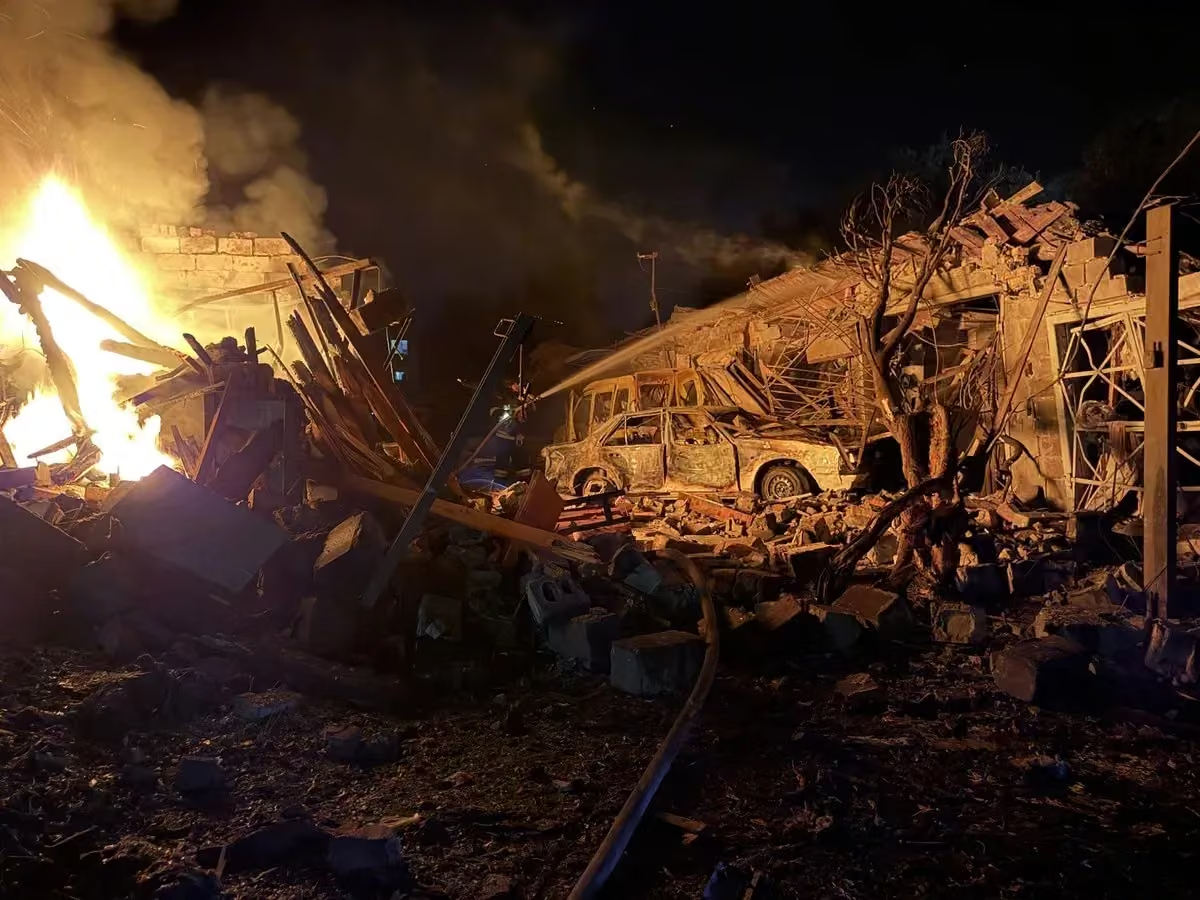
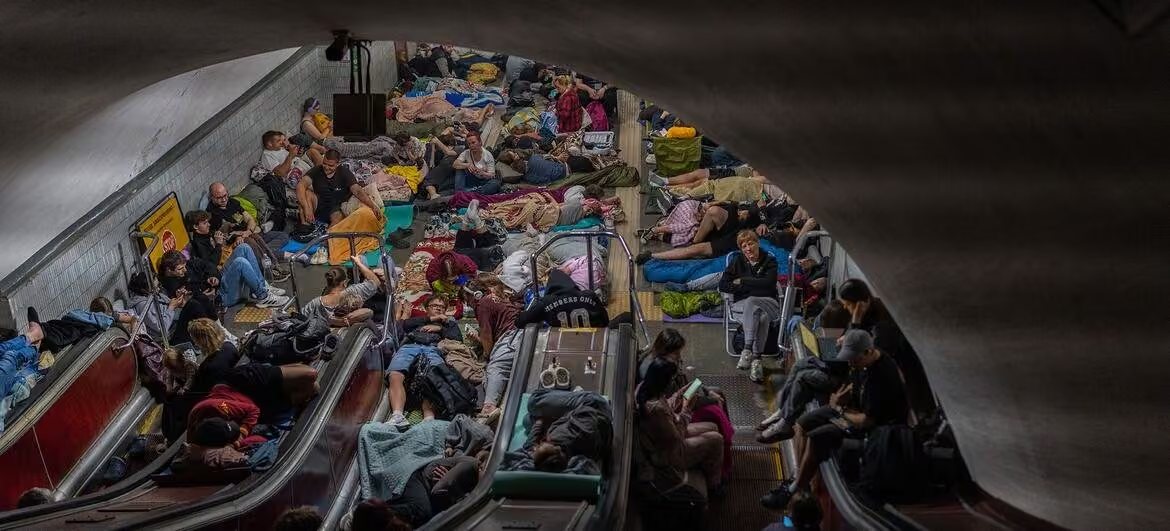
For years, nobody questioned Zelenskyy. Europeans and Americans accepted his diplomacy of threats and humiliation, while discussing corruption was treated as an attack on Ukraine. Now, in the fifth year of the war, this strategy is simply not working. It makes no difference how much money you give Ukraine: we have dysfunctional institutions, corruption as the foundation of the economy, a population left defenceless, and human rights violations on an almost unimaginable scale. We have become a cage in which we are being killed by Putin’s missiles and Zelenskyy’s autocracy.
What should Europe do instead?
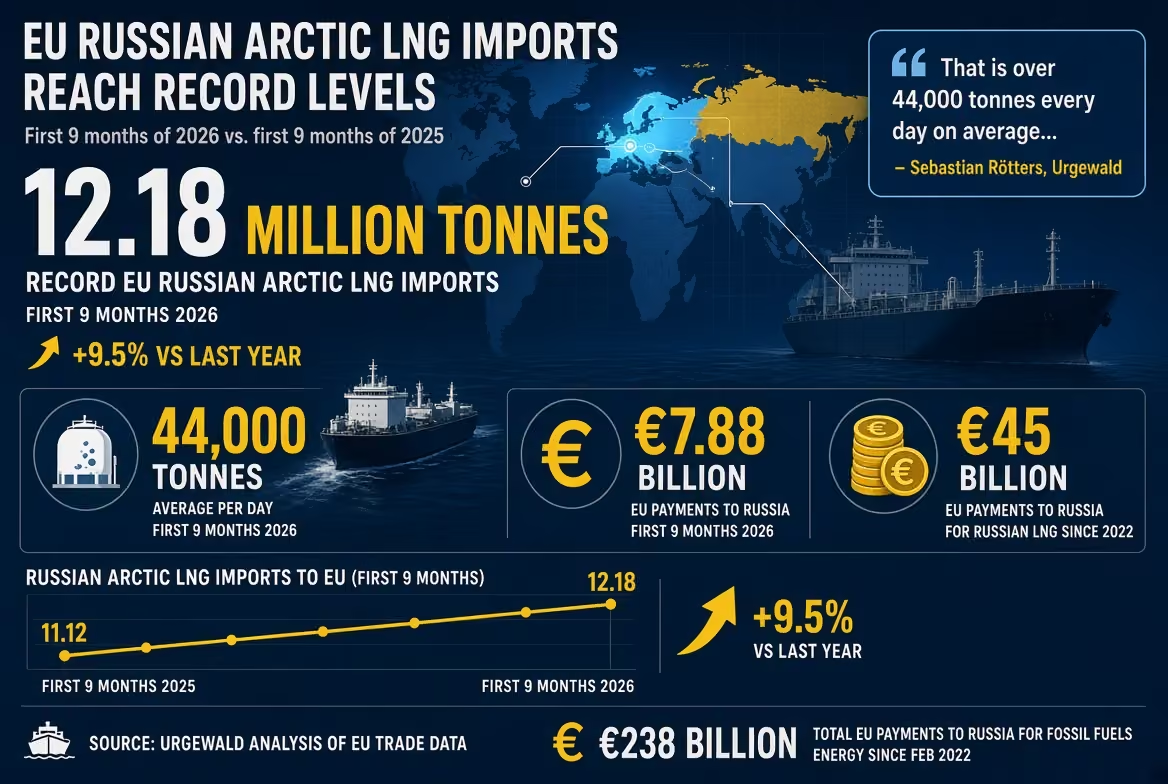
If you want Ukrainians to fight for democracy, there must be democracy in the first place. I am Ukrainian. I do not want to be Europe’s human shield. European leaders have made the wrong diagnosis and prescribed the wrong treatment. They ignore corruption, human rights violations, and people’s suffering in favour of photographs of Russia in flames. I believe many of them want to hurt Russia more than they want to save Ukraine. At the same time, the EU continues to trade with Russia directly through energy deals. Twenty-three sanctions packages have already shown that sanctions are not working. The biggest oligarchs are removed from the sanctions lists, and then the EU’s top diplomat wants to sanction Russian social media. It is ridiculous. These are not measures that help Ukrainians survive and protect their country.
Would Europe be prepared to take greater risks itself?
Let’s be honest: opinion polls show that nobody in Europe wants to send their own ground troops. Writing from the comfort of your sofa about who is pro-Russian and who is pro-Ukrainian does not make you a fighter. Wars are fought and won on the ground.
German Foreign Minister Johann Wadephul has now openly said that Ukrainians of military age living in Germany should return and fight. What is your response?
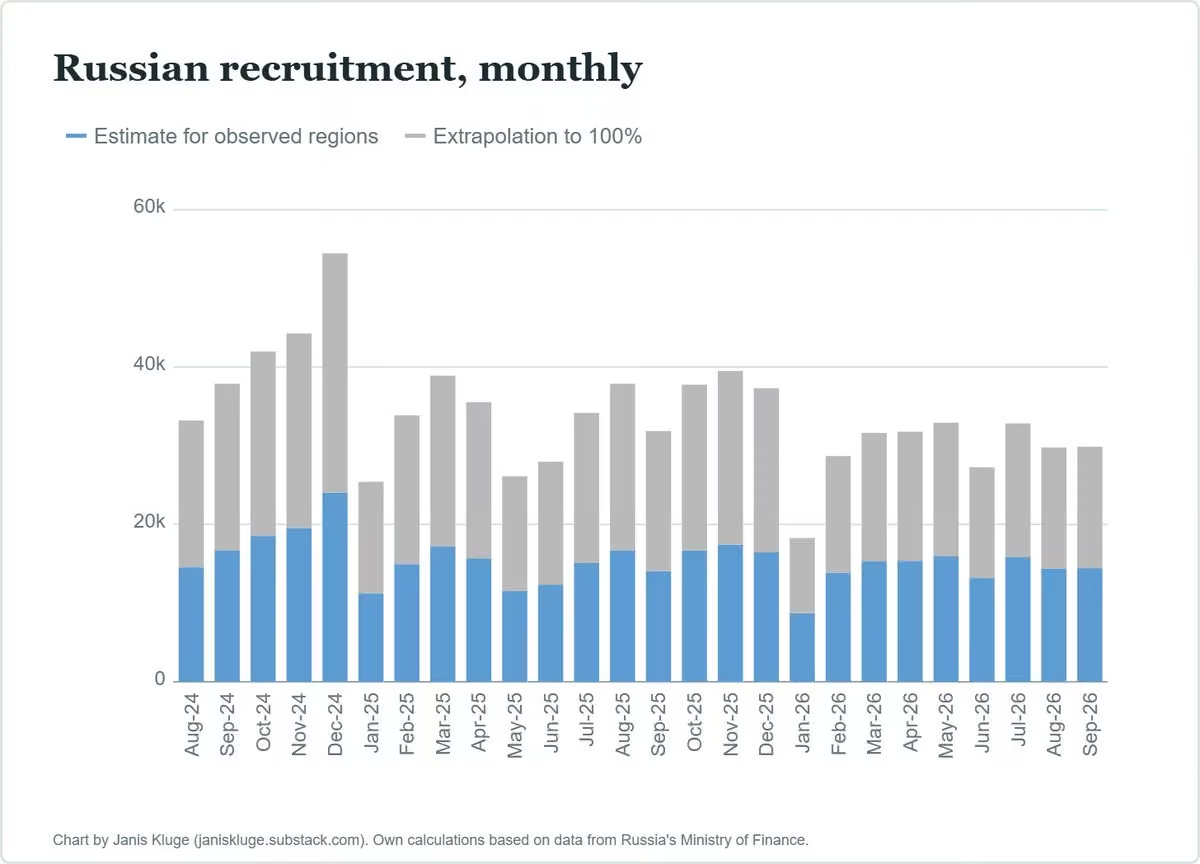
That is inhumane. Absolutely inhumane. There is a meat grinder operating there, run by both Putin and Zelenskyy. People are deeply frightened. It is a sin against families, against two generations. You cannot send men into a meat grinder. The most important thing European politicians should be doing today is calling for peace. Instead, they have withdrawn from peace negotiations and are repeating empty slogans. Four million Ukrainian men of military age against at least ten times as many Russians — it makes no difference how many men you send.
A tragedy.
And Zelenskyy is selling absurd figures of 30,000, 40,000, or 50,000 Russians killed. I checked these figures with my Western friends. Taking pleasure in tens of thousands of deaths crosses a human boundary — and the figures are not even true. Intelligence services know this. The figures compiled by the BBC and Mediazona are much lower. Empty slogans and fabricated numbers do not help in the reality of war. Many people behave as though such figures were a magic wand, allowing them to avoid the brutal reality.
Why, then, are there no major protests against the president, from Odesa to Kharkiv? There have been protests — over corruption, over Fedorov. Why is nobody calling for him to step down and demanding Budanov, Zaluzhnyi, or Klitschko instead?
My aim here is not to discuss individual personalities. Those protests took place under the protection of the EU. Many Ukrainians were asking: If you have access to the media, why aren't you protesting for peace, against forced mobilization? And Fedorov is no saint. He has been in power for more than seven years, was one of Zelenskyy’s closest associates, and helped him enormously. I believe there will also be revelations about his finances.
But why are there no protests by the general population?
Other attempts to protest have always failed. The power structure in autocratic systems is extremely harsh. Remember Lviv last summer: men were forced to chant “Glory to the TCC” — “Glory to the recruitment offices,” the very people who torture men in basements and take bribes. People are either afraid, or the security forces simply take them away.
What happens to critics who speak out publicly?
When a Russian missile struck the Okhmatdyt children’s hospital in July 2024, bloggers with millions of followers called for an end to the war. They were all summoned by the Security Service, and after that they fell silent. One fled abroad after discovering a listening device and receiving physical threats. After Trump’s election victory, MP Yevhen Shevchenko wrote on Telegram: “Vova, now you have to go. You will never win the next election, but you have to end the war.” He has been in prison for two years, without a court having been able to prove anything. I know from people in the security services that he never collaborated with the Russians. Roman Dudin, formerly the head of the Security Service in Kharkiv, protected the government quarter in 2022, where Zelenskyy was hiding. He has been in prison for four years on charges of high treason. After he won his trial and was released, a group of men attacked him and took him back to prison.
What do you personally face?
I have opposed Zelenskyy with words alone. Now they are building a high treason case against me on the basis of linguistic assessments of my interviews. Under martial law, the penalty is 15 years to life imprisonment. Could I be sentenced to life in prison for criticising Zelenskyy? Yes. Who will protect me — you? People in exile receive threats against their lives and physical safety.
Zelenskyy and his circle no longer recognise any limits, not even when it comes to death. They justify everything by invoking the war, and because they have enjoyed impunity all this time, they feel omnipotent. That is why organising protests is so difficult.
Imagine what would happen: Zelenskyy’s security forces open fire, the EU says those killed were pro-Russian, and the media describe it as an attempted coup. The result would be even more deaths, with nothing achieved. On top of that, people are exhausted. It is hard to think about protesting when you are struggling to survive from one day to the next.
What you describe sounds very much like Lukashenko’s Belarus.
People in Ukraine compare their country to North Korea or Russia.
At the UN, fewer and fewer countries are condemning Russia’s war. In Western Europe, too, parties promising change are gaining ground. Are people outside Ukraine growing tired of the war?
Of course. It is logical. Even back in 2018, during what was then a frozen conflict, people were tired of it everywhere, including in the media — and I was part of that myself. It was very difficult to attract attention to Ukraine. People cannot spend their entire lives living with someone else’s war. There is a growing understanding that this war has to end. It brings nothing but death and destruction. The fight for democracy is a fairy tale; the war serves the interests of the war lobby. It has lost every noble purpose it may once have had.
What part has Zelenskyy himself played in this?
Zelenskyy has rejected at least five peace agreements, and each subsequent proposal has been worse than the one before it. Instead of compromise, he offers a diplomacy of threats and humiliation. That is not how things work in the world of experienced diplomats. Ukraine’s leadership is no longer taken seriously, and every country has its own problems.
For the German chancellor, it seems there is only Ukraine.
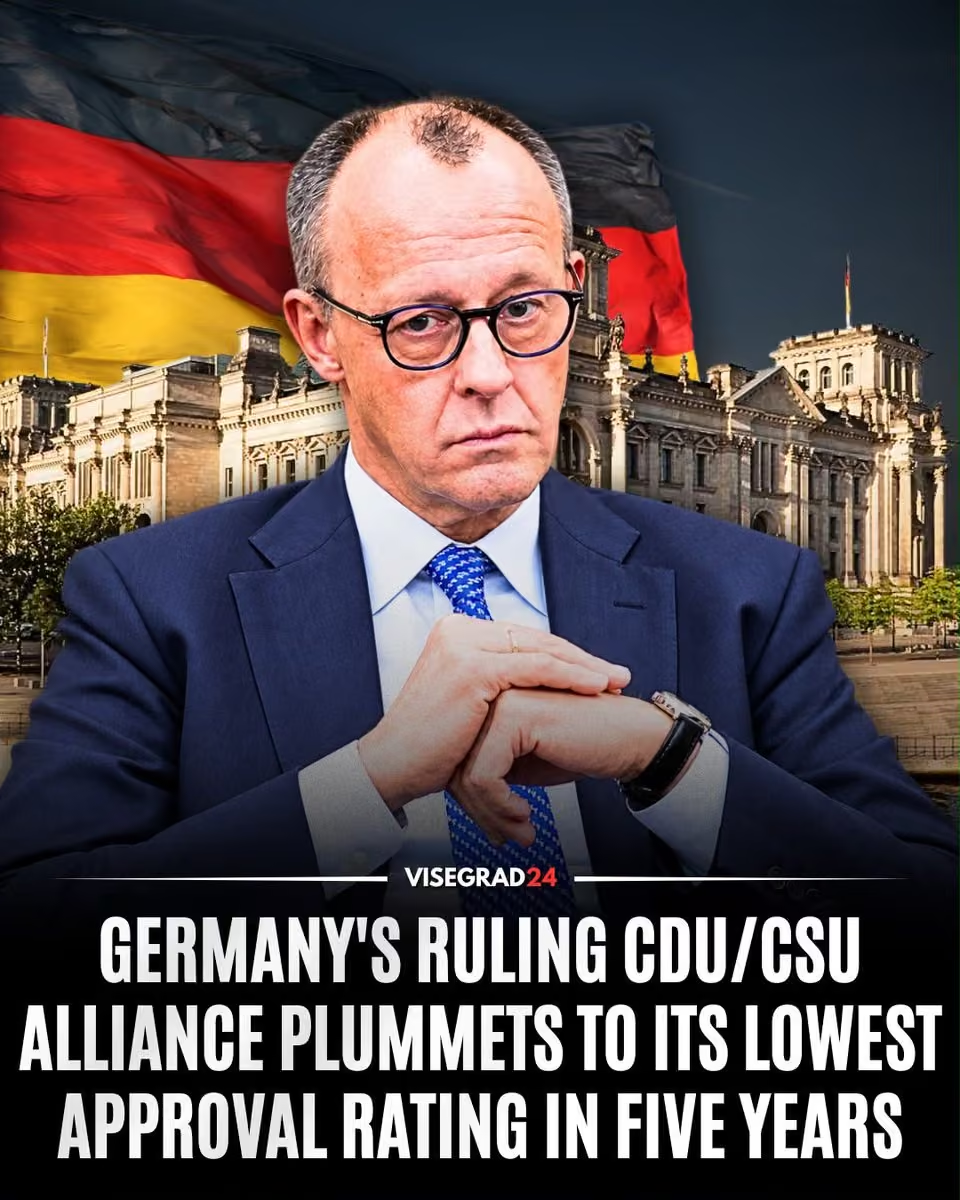
The German chancellor is enjoying his ten percent approval rating.
The lowest figure in German history.
Yes, and that says a great deal about how much he listens to his own people. I believe Zelenskyy’s approval rating is even lower, and he is completely detached from reality. Politicians have forgotten that they are supposed to serve the people.
You are now seeking closer ties with the AfD, which also invited you to the European Parliament. Why?
Because I am willing to talk to anyone who wants peace. There are many myths about the AfD, and I have realised that I was wrong about many things. People try to isolate the party by attaching labels to it — that is cancel culture. But when I speak to these people, I see a much deeper understanding of reality than I do among those currently in power. It is important to talk not only to people who tell you what you want to hear. Merz, by contrast, talks only to Zelenskyy, not to his critics. It is a club of people in positions of responsibility who simply tell one another what they want to hear. That is no way to conduct diplomacy, especially when dealing with a country on the brink of annihilation.
Finally, let’s look ahead: Abu Dhabi, a possible meeting in China, the G20 summit in Florida in December. The coming weeks look set to be eventful.
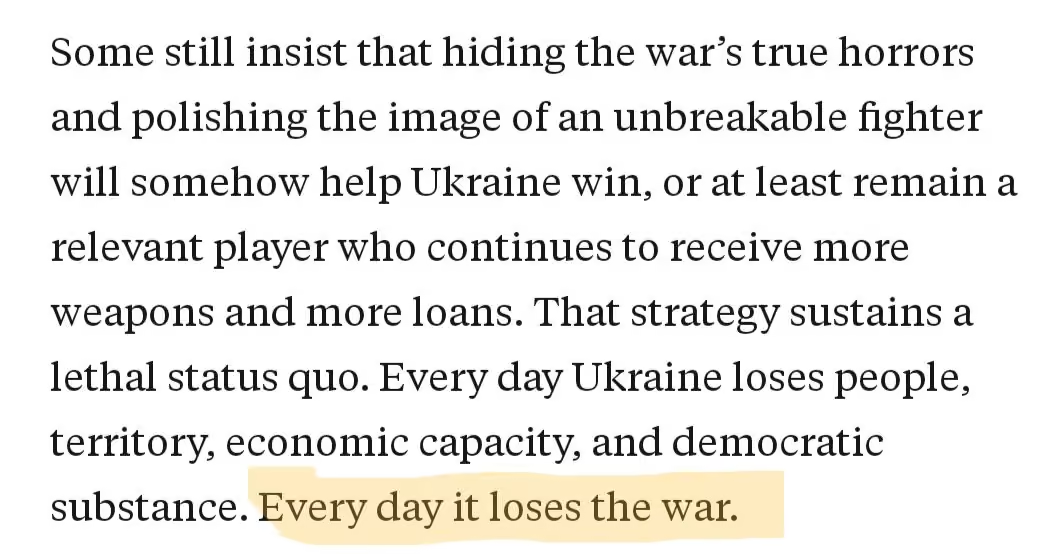
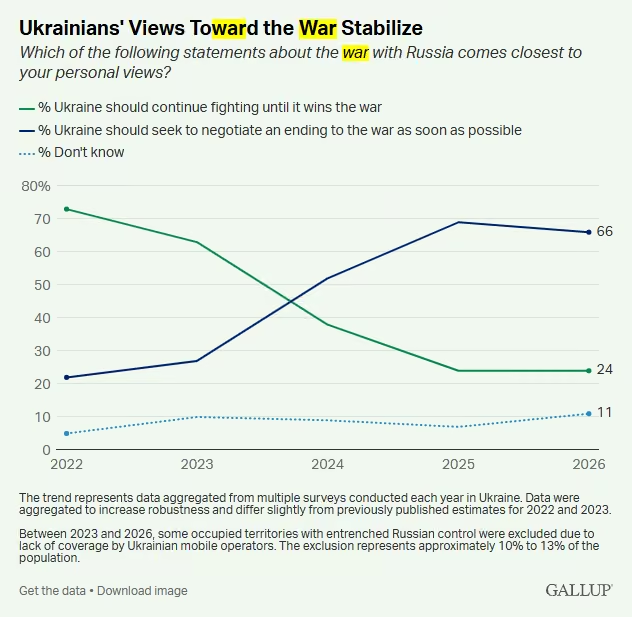
Many people in the West believe Ukraine will win the war or reclaim territory if the fighting simply continues. That is a fundamentally mistaken assessment. The only victory Ukraine can achieve is to negotiate a realistic peace agreement now, restore its economy and democracy, and bring its people home. If the war continues, unfortunately, capitulation will be Ukraine’s only remaining option. We are losing our people. A country can exist without territory, but it cannot exist without people. Many politicians, economists, and experts share this assessment.
What do you expect from the ongoing negotiations?
I do not believe in the technical negotiating group. It has no real authority, and Zelenskyy is opposed to any decision. But the ceasefire in Oleshky has shown that agreements are possible even without him. And Putin has proposed a meeting in China. Perhaps he has a new Yalta in mind.
Putin, Trump, and Xi Jinping.
Yes, a division of spheres of influence. Zelenskyy will not be part of it, but even if he were, he would be thinking only about his own interests. We are left without a head. Nobody is truly standing up for Ukraine’s interests. A new Yalta is in the air — and if Oleshky has shown that agreements can be reached without Zelenskyy, perhaps the heads of state will move in precisely that direction.
How legitimate is Zelenskyy today?
It is not only Putin who questions his legitimacy. In 2022, Zelenskyy united Ukrainians; today, he is dividing them. Ukraine is a parliamentary-presidential republic. Under martial law, the Constitution rules out parliamentary elections, but does not completely rule out presidential elections. In effect, the only official whose legitimacy is beyond question is the Speaker of Parliament — and he could sign any peace agreement.



 BenAris
@bneeditor

 IntelliNews
@bneintellinews

 X Freeze


 Steve Cortes


 Daniel Davis Deep Dive




 Marta Havryshko


 Clash Report
 Almut Rochowanski
 Davide Maria De Luca


 Military Summary


 Hromadske Radio in English



 VILNA
 Kyrylo Shevchenko
 Tom Sullivan


 Ivan Katchanovski


 Jack Strocchi


 Rob Lee


 Katrina vandenHeuvel


 Leonid Ragozin


 ntv Nachrichten

 Berliner Zeitung

 DD Geopolitics


 Special Envoy Steve Witkoff


 Dmytro Lubinets


 Rapid Response 47


 Andrej Matisak

 Fabrice Deprez


 NEWSMAX
 Marc Beckman



 christopher atwood


 Dr Yuliya Yurchenko 🇺🇦


 Erik Sperling

 Just Foreign Policy


 Ben Tavener
 Denys Yelisevych


 NEXTA


 Samuel Charap


 Wolfgang Munchau




 AfD im EU-Parlament




 Eric Daugherty







 POLITICOEurope


 The European Horizon


 Martin De Luca


 Ben Siegel


 Jennifer Jacobs


 Wiki Leaks X


 The Spectator Index


 Velina Tchakarova


 Csaba Tóth 🇸🇴


 Concerned Citizen

 @amuse


 Bojan Pancevski








 Janis Kluge


 Fabio De Masi 🦩






 Paolo Mossetti




 Steve Hanke
 Vassili Golod
 Prof. Dr. Hans Neuhoff


 Politics UK


 Die Weltwoche




 Volodymyr Ishchenko






 Maryna Nibak
 euronews


 Rep. Anna Paulina Luna


 JackTheRippler ©️
 Anton Barbashin




 Responsible Statecraft



 owen matthews
 Alex Bond


 Markus Zöllner

 Alexander Wallasch












 The Kyiv Independent

 Alex Santic




 Stars and Stripes




 Nate Bear


 Richard




 senore_amore






 Stuart Dowell
 WarTranslated




 Thomas Fazi
 -- GEROMAN -- time will tell - 👀 --

 Meduza in English

 Christopher Miller


 Mark Rutte








 Andrii Sybiha 🇺🇦




 BSW Mitglieder&Unterstützer Treptow-Köpenick🕊️


 UAWire


 SMX 🇺🇸
 EventsInUkraine


 AMK Mapping 🇳🇿


 New York Post


 Ian Proud


 Jack Prandelli


 The New Voice of Ukraine


 WarMonitor🇺🇦🇬🇧




 Keith Kellogg
 Christopher Luxon


 Гюндуз Мамедов/Gyunduz Mamedov